A lesson focused on identifying big emotions and learning self-regulation strategies through reflection and guided practice.
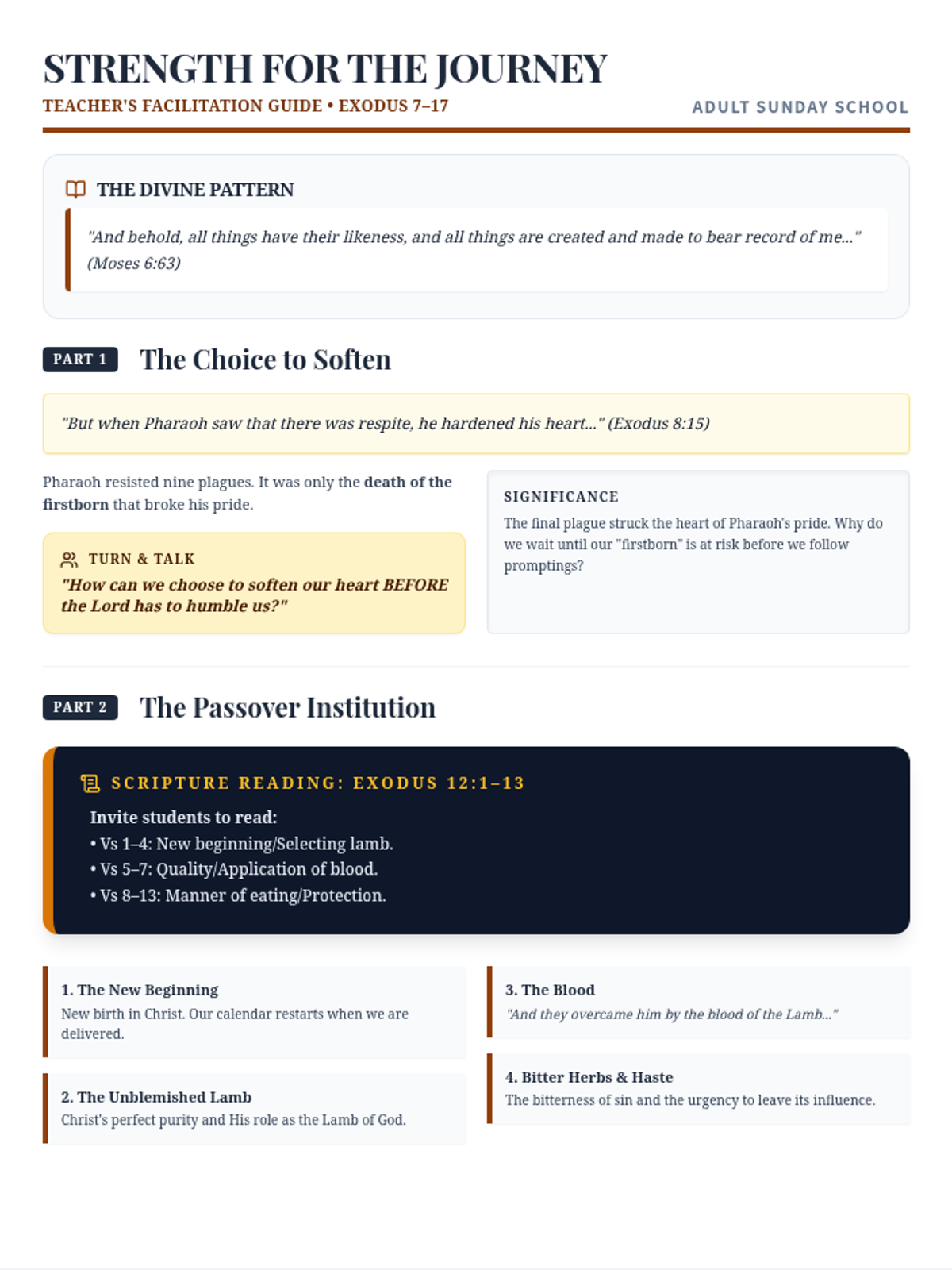
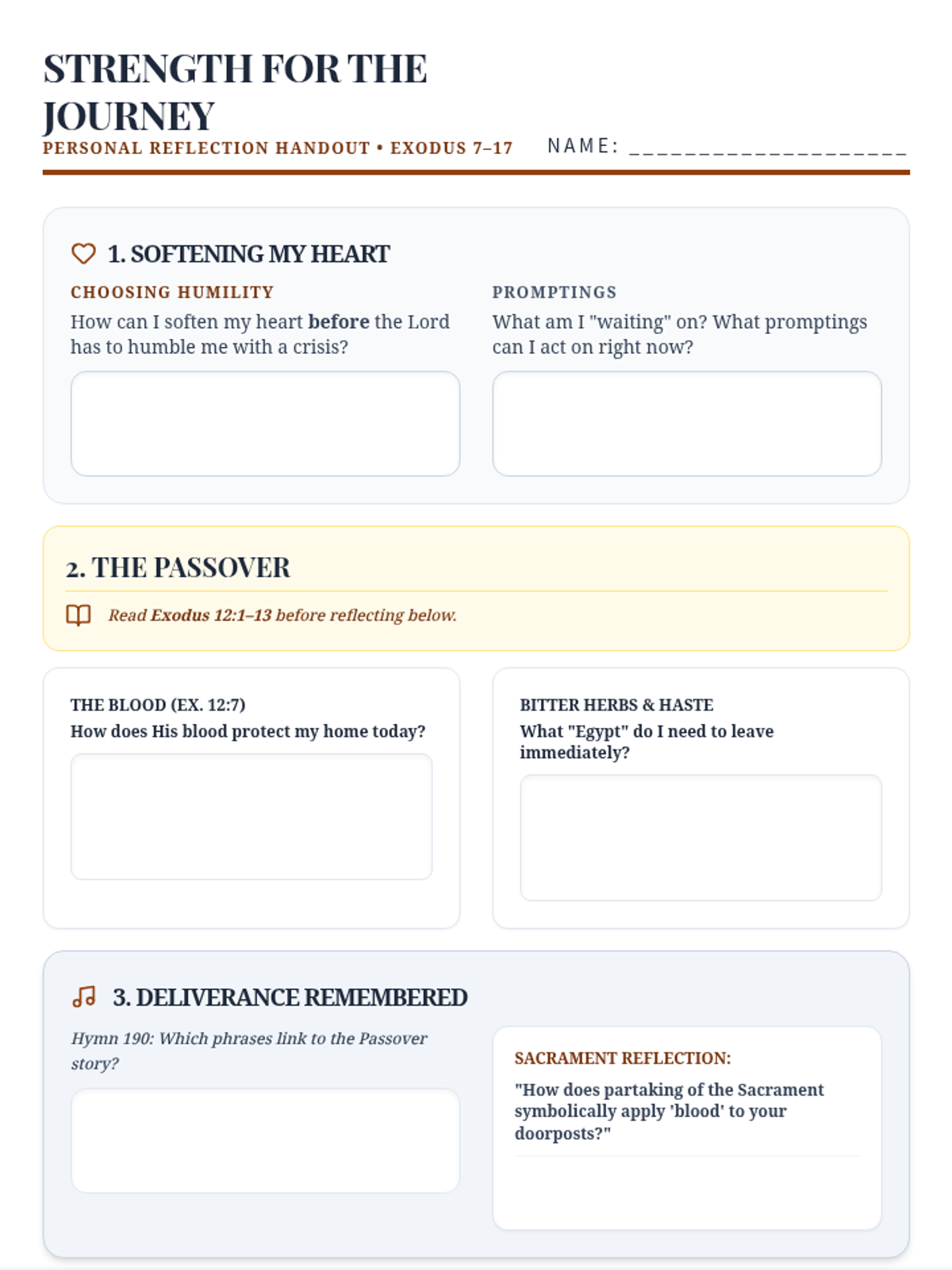
A 45-minute lesson for adult Sunday School focusing on Exodus 7-17. It explores Pharaoh's pride, the Passover as a type of Christ, and the concept of daily spiritual bread through the miracle of manna.
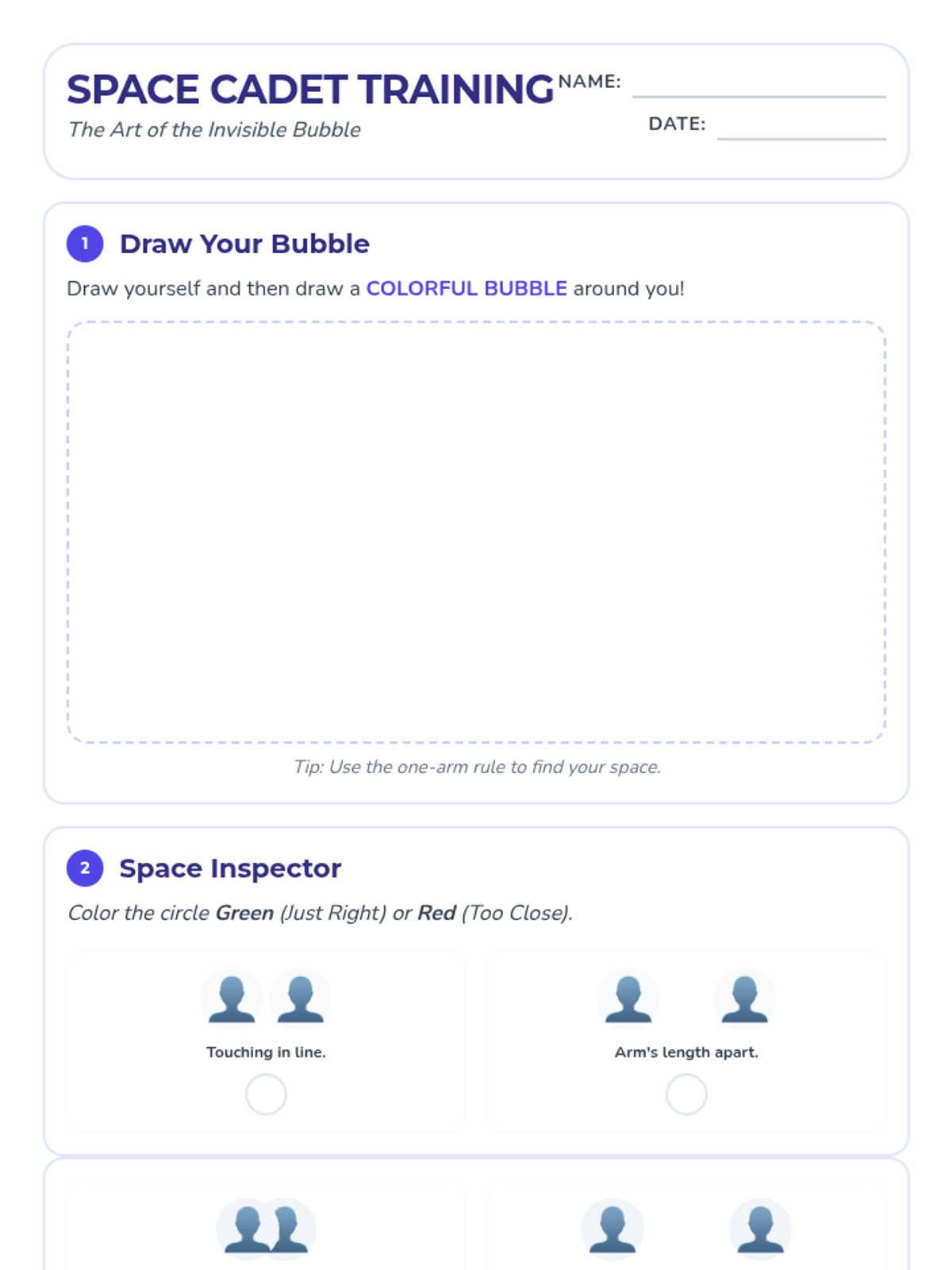
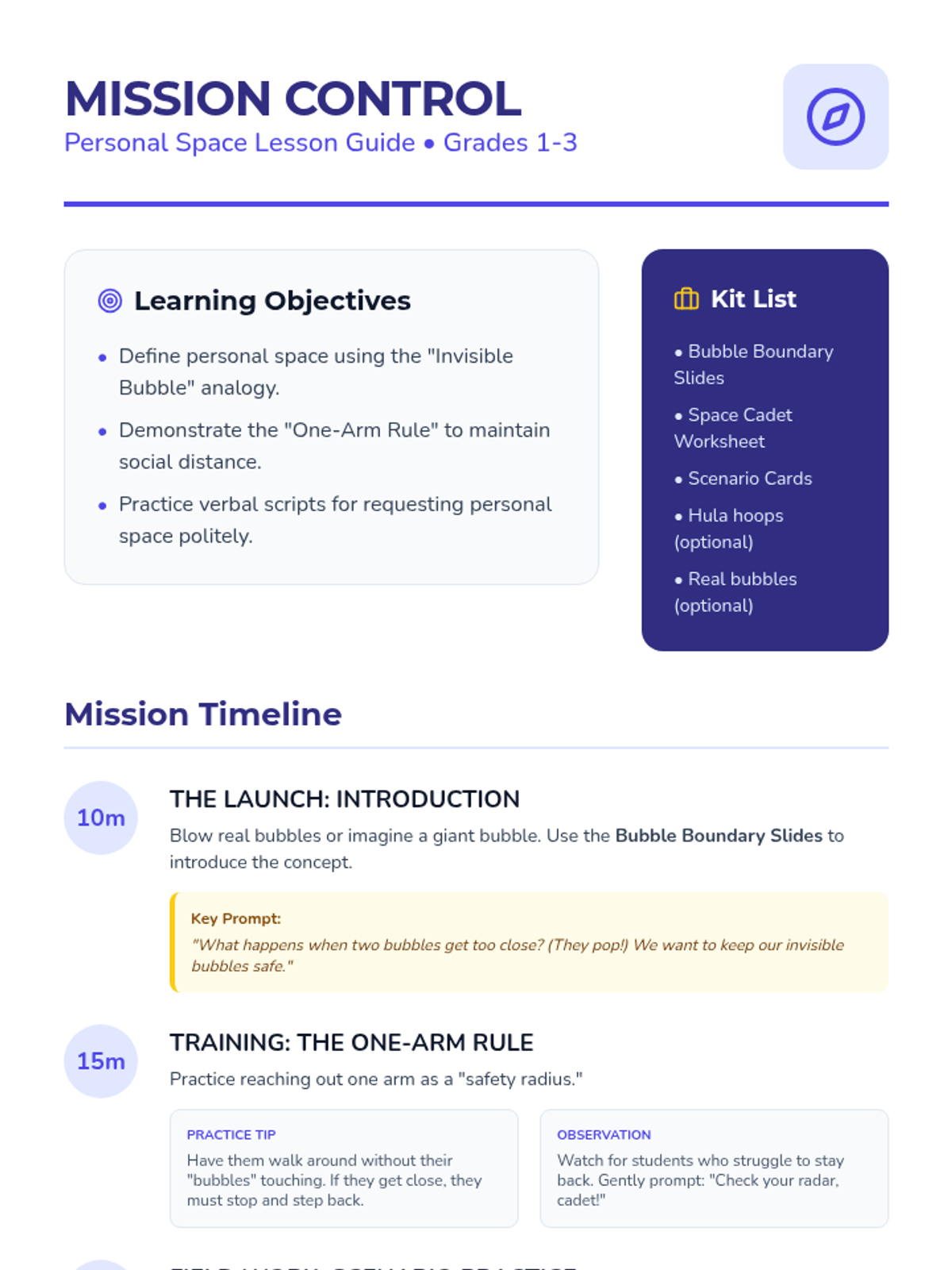
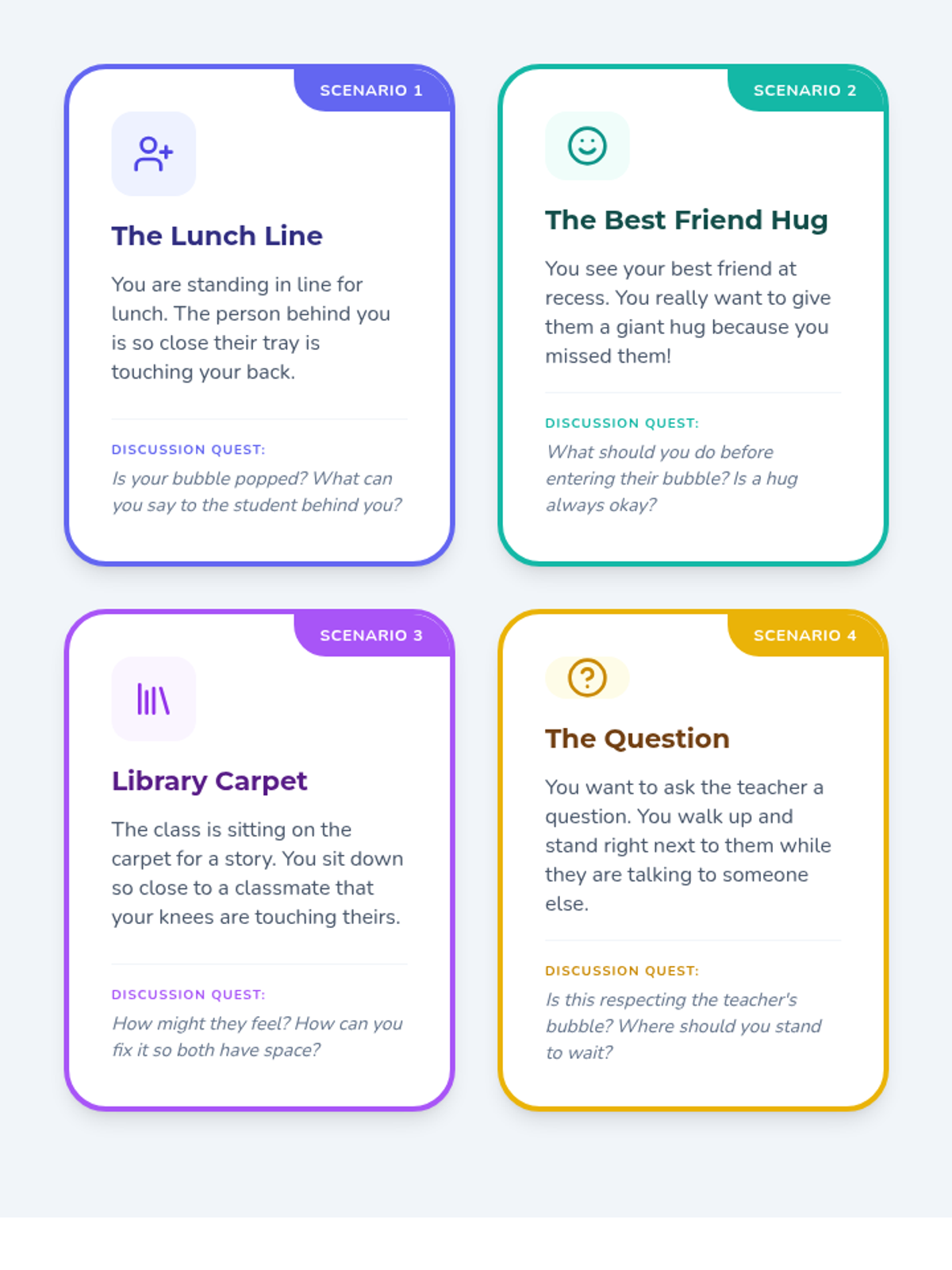
An interactive lesson teaching 1st-3rd graders about personal space using the 'Invisible Bubble' analogy. Students learn to recognize their own boundaries and respect others' space through visual slides, hands-on activities, and scenario-based practice.
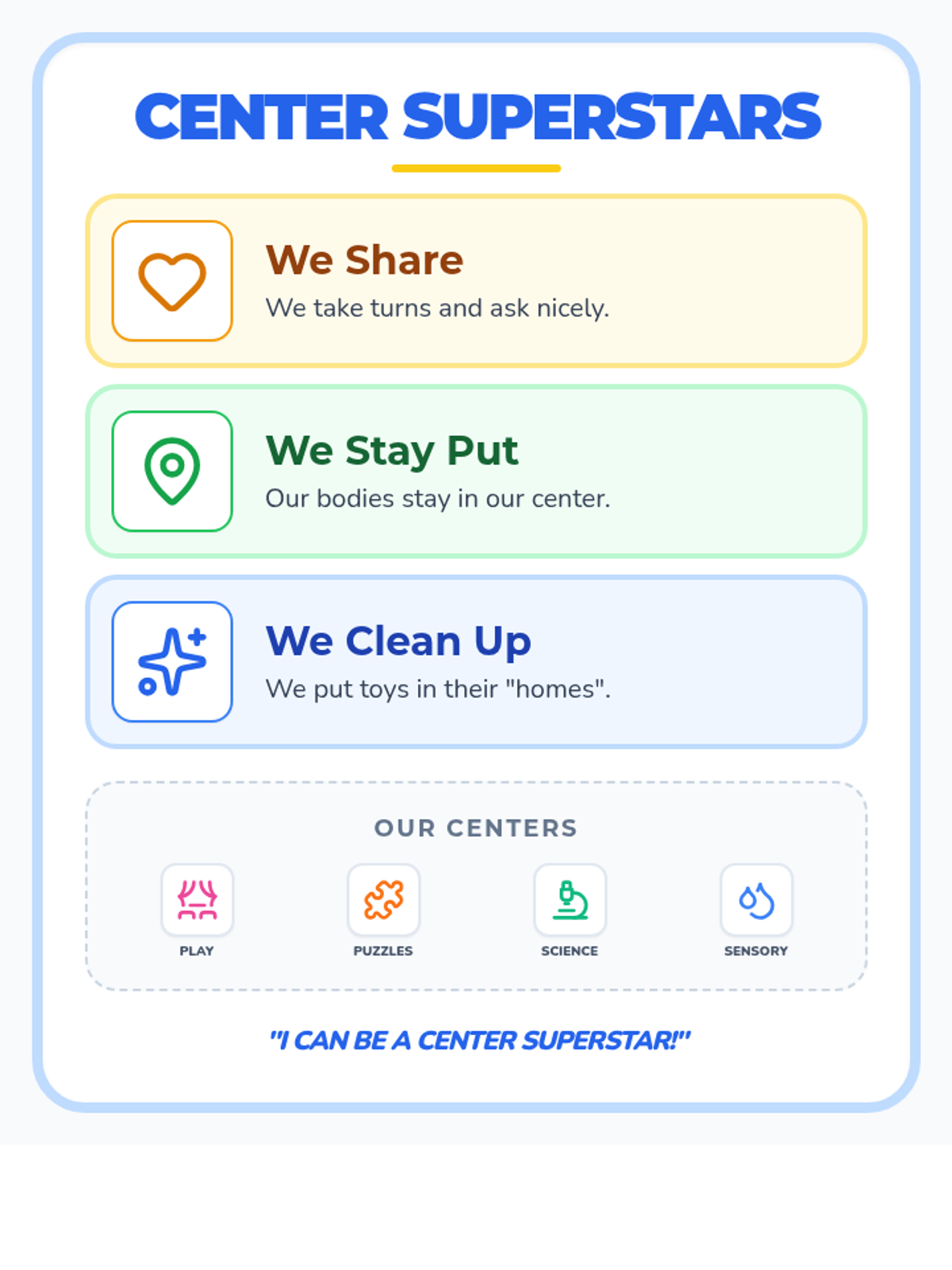
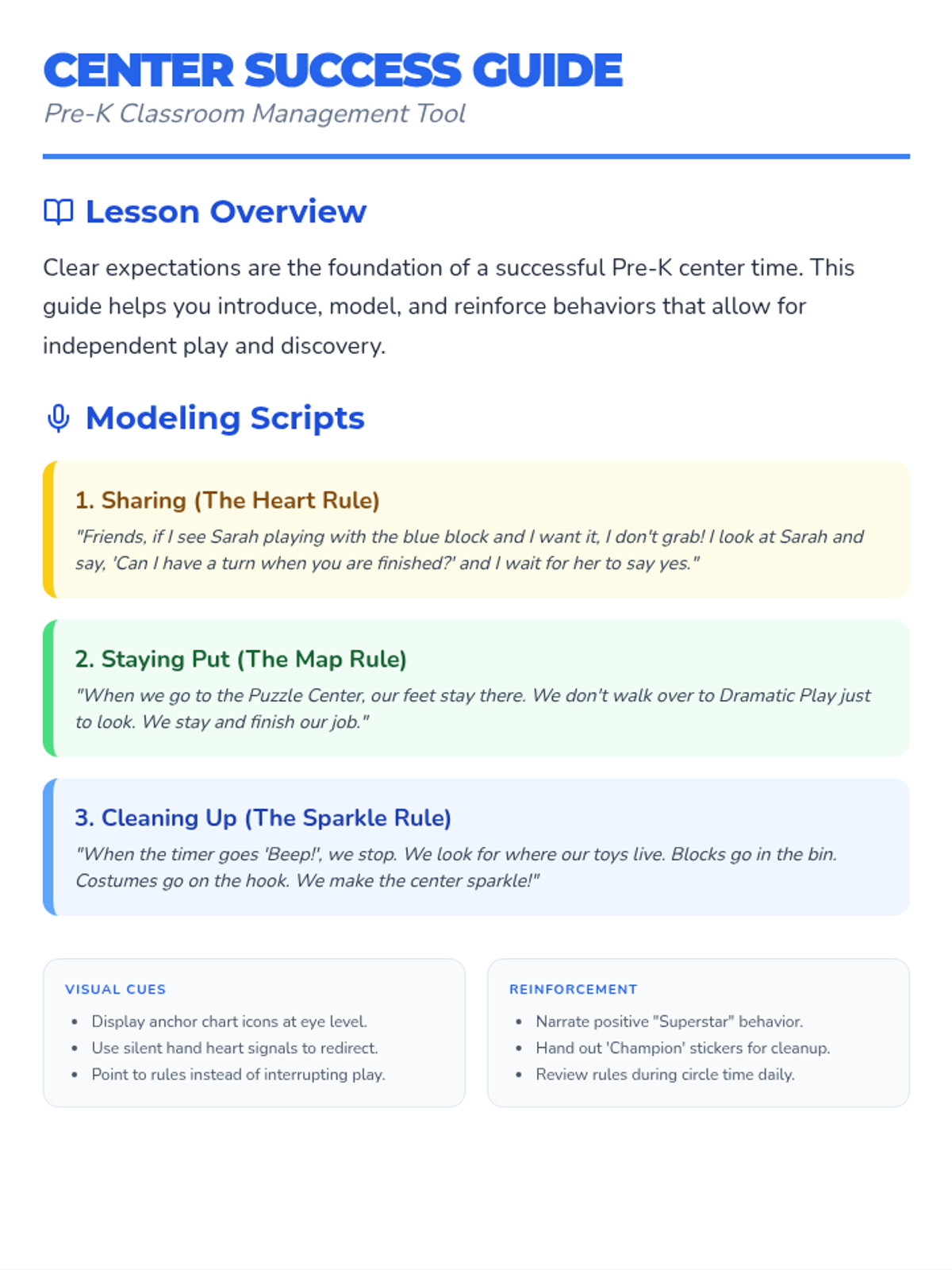
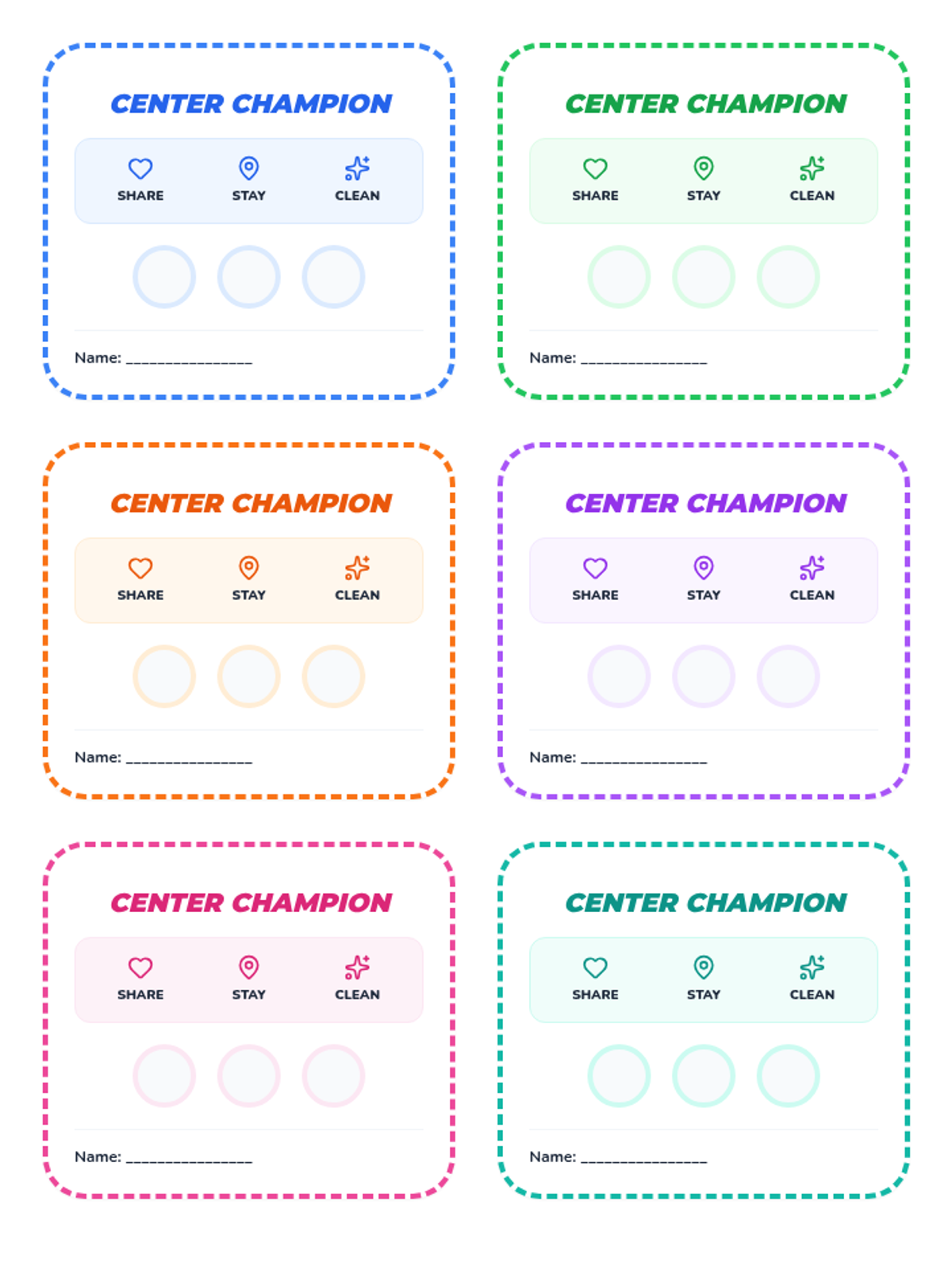
A lesson designed to introduce and reinforce classroom expectations for Pre-K students during independent center time, focusing on sharing, staying in one area, and cleaning up.
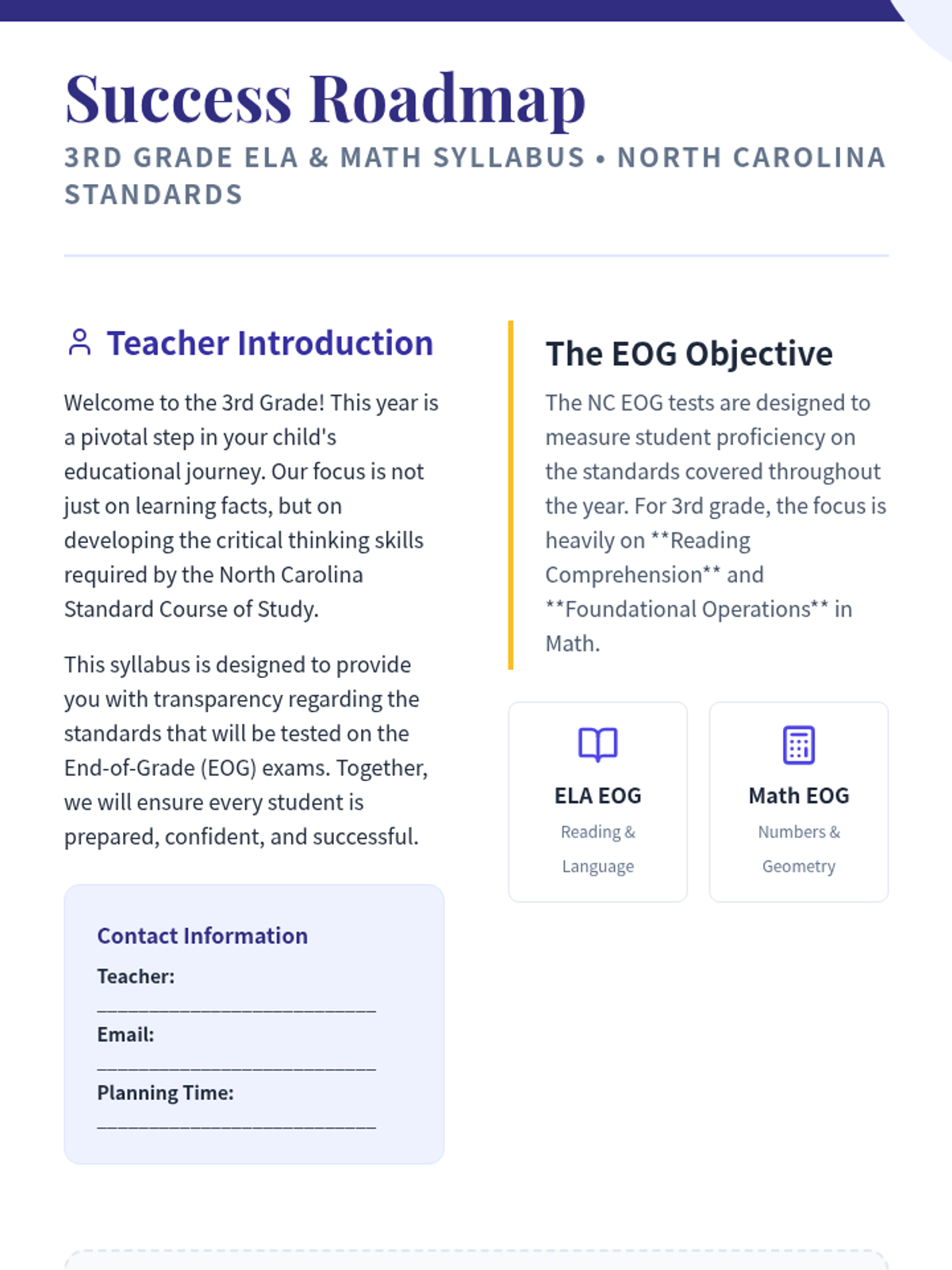
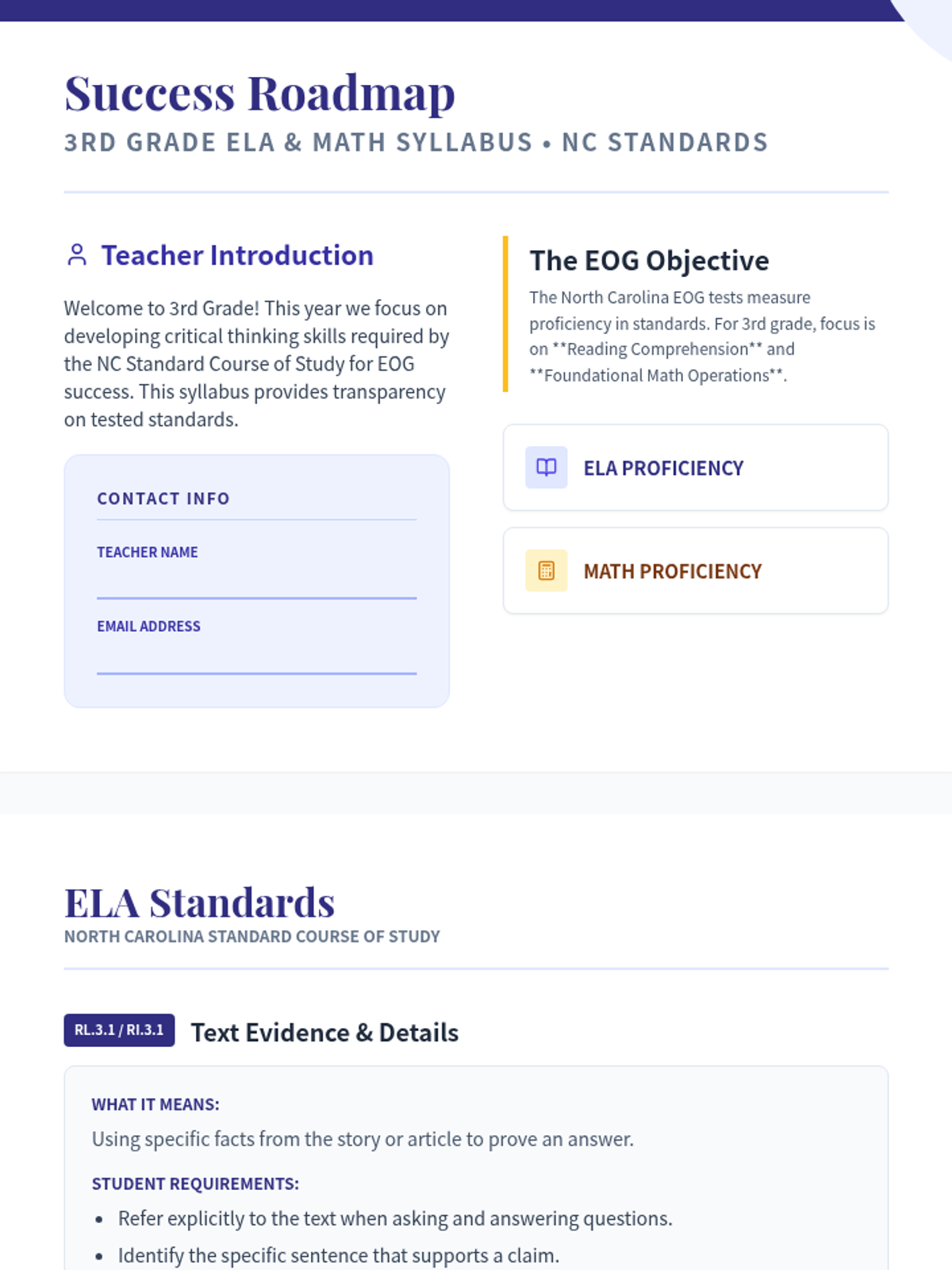
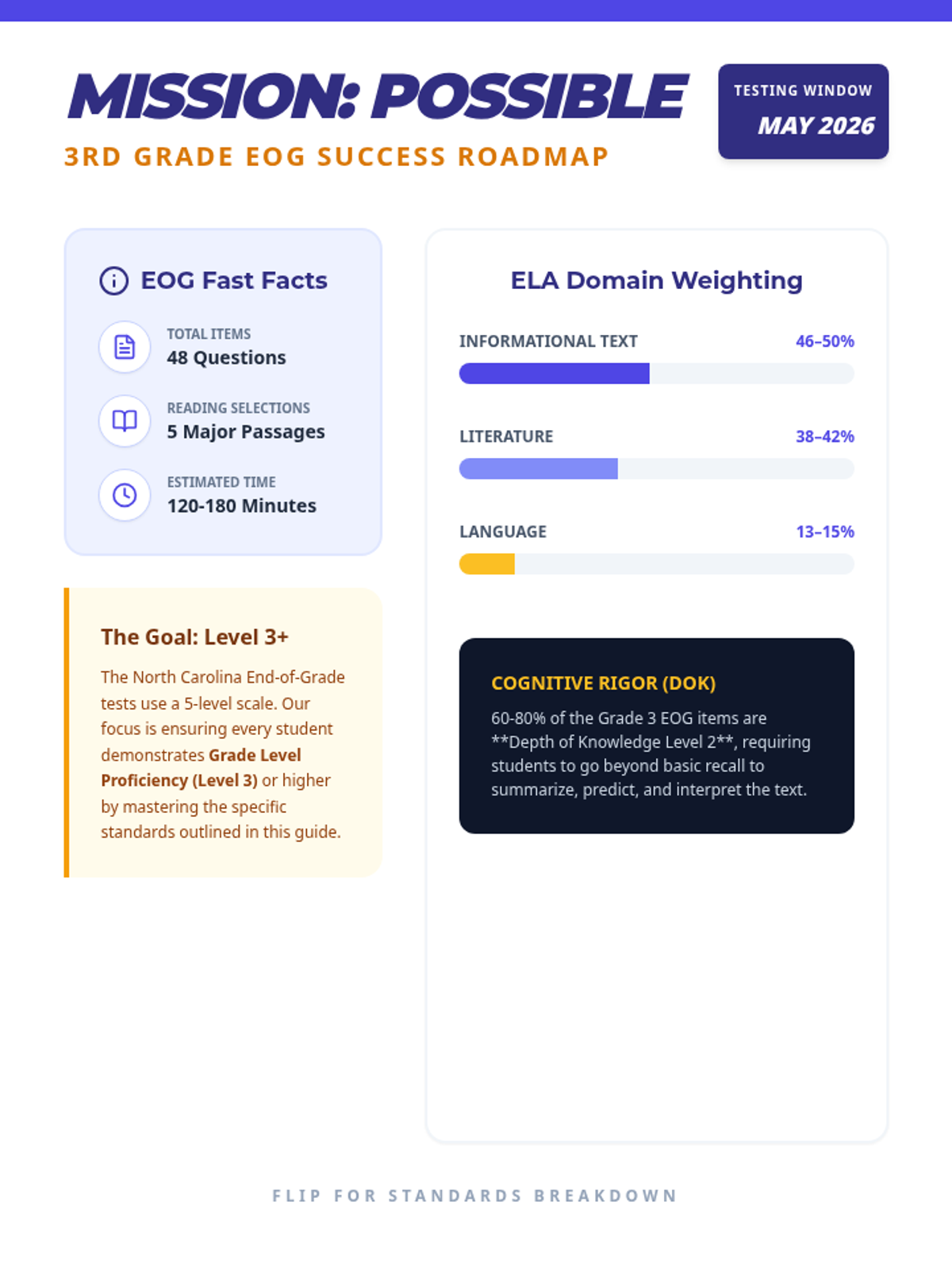
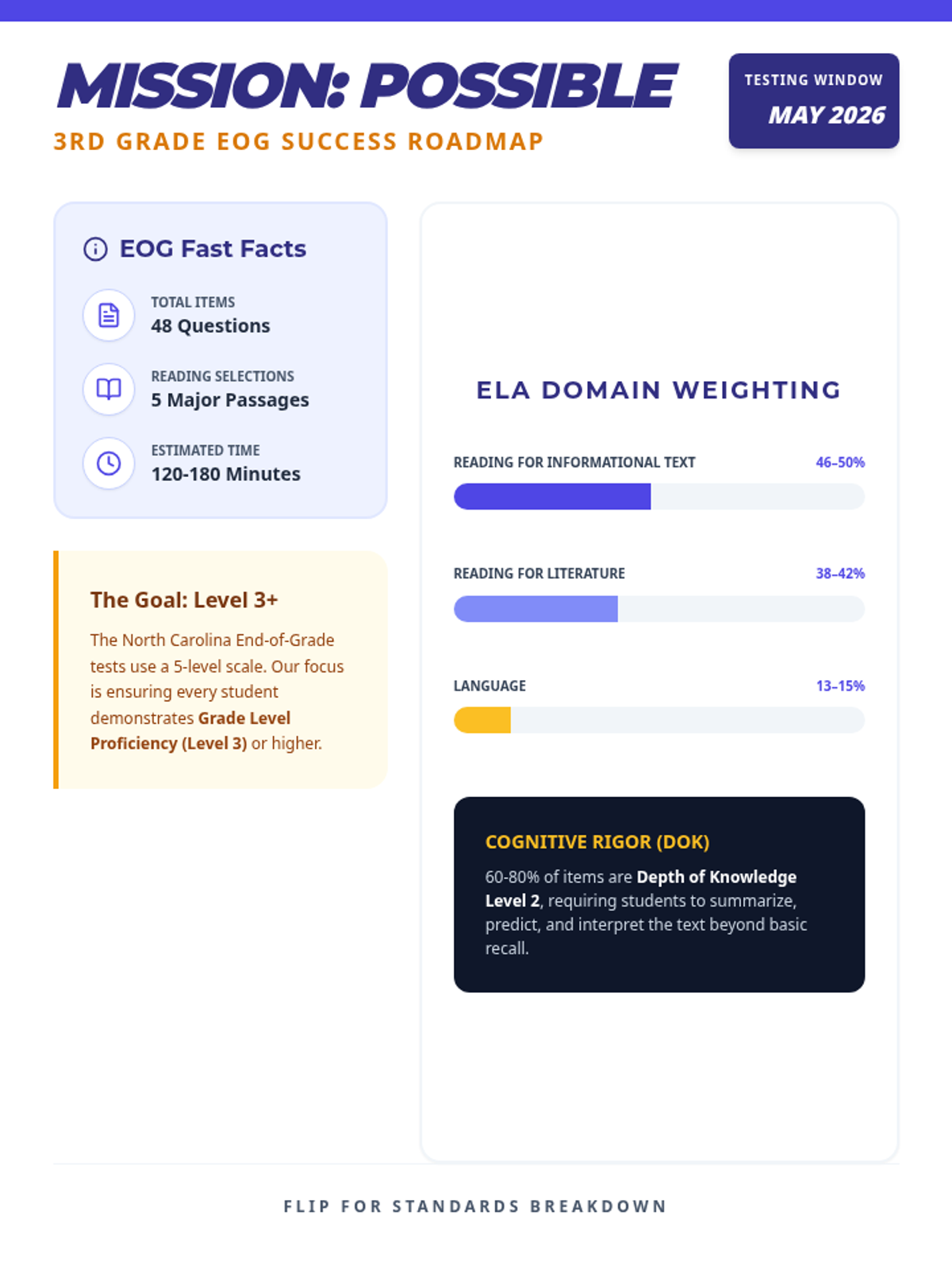
A comprehensive syllabus for 3rd Grade ELA and Math focusing on the North Carolina Standard Course of Study. Includes detailed breakdowns of exam standards, explanations for parents, and actionable student requirements to ensure EOG success.
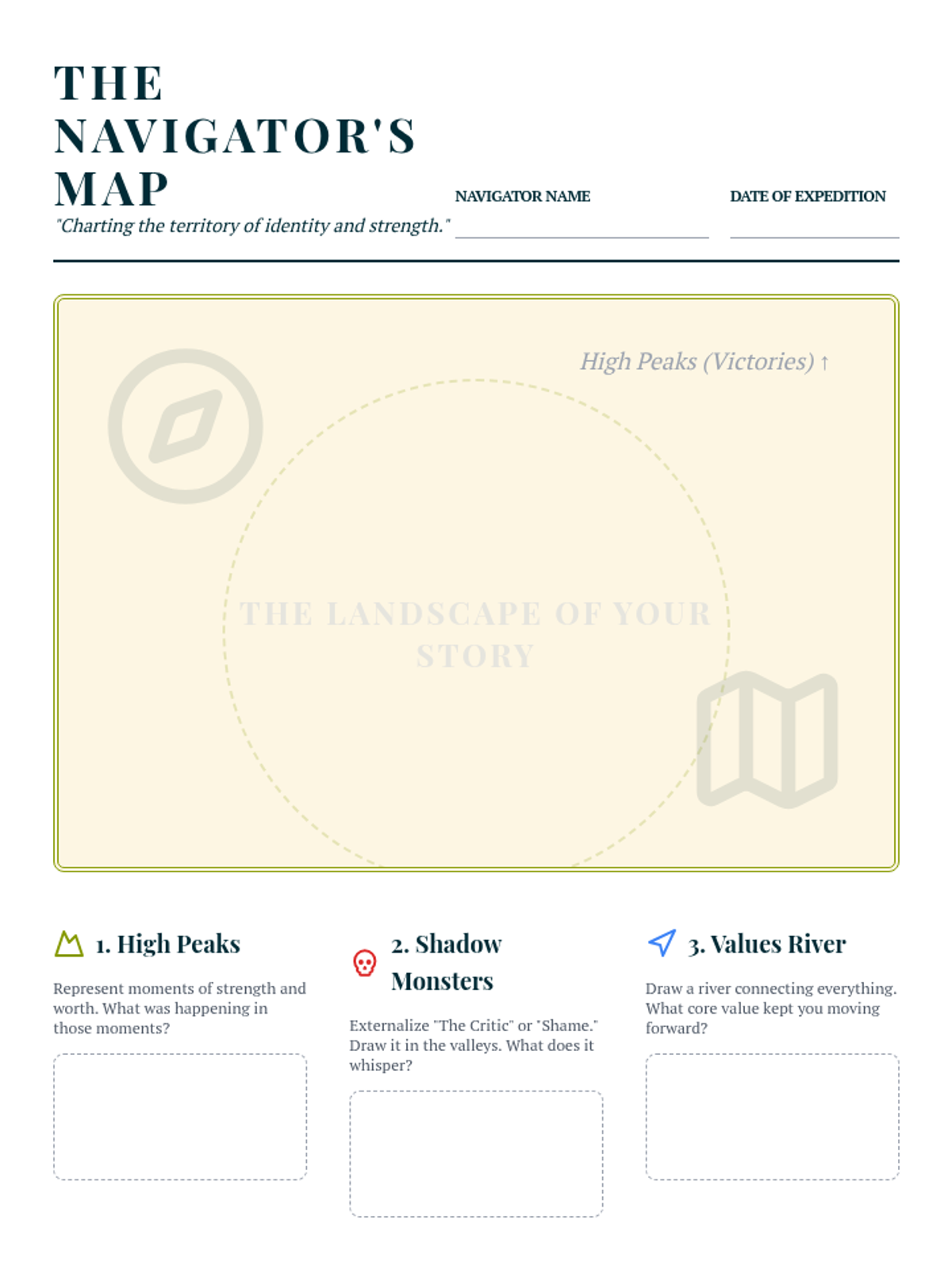
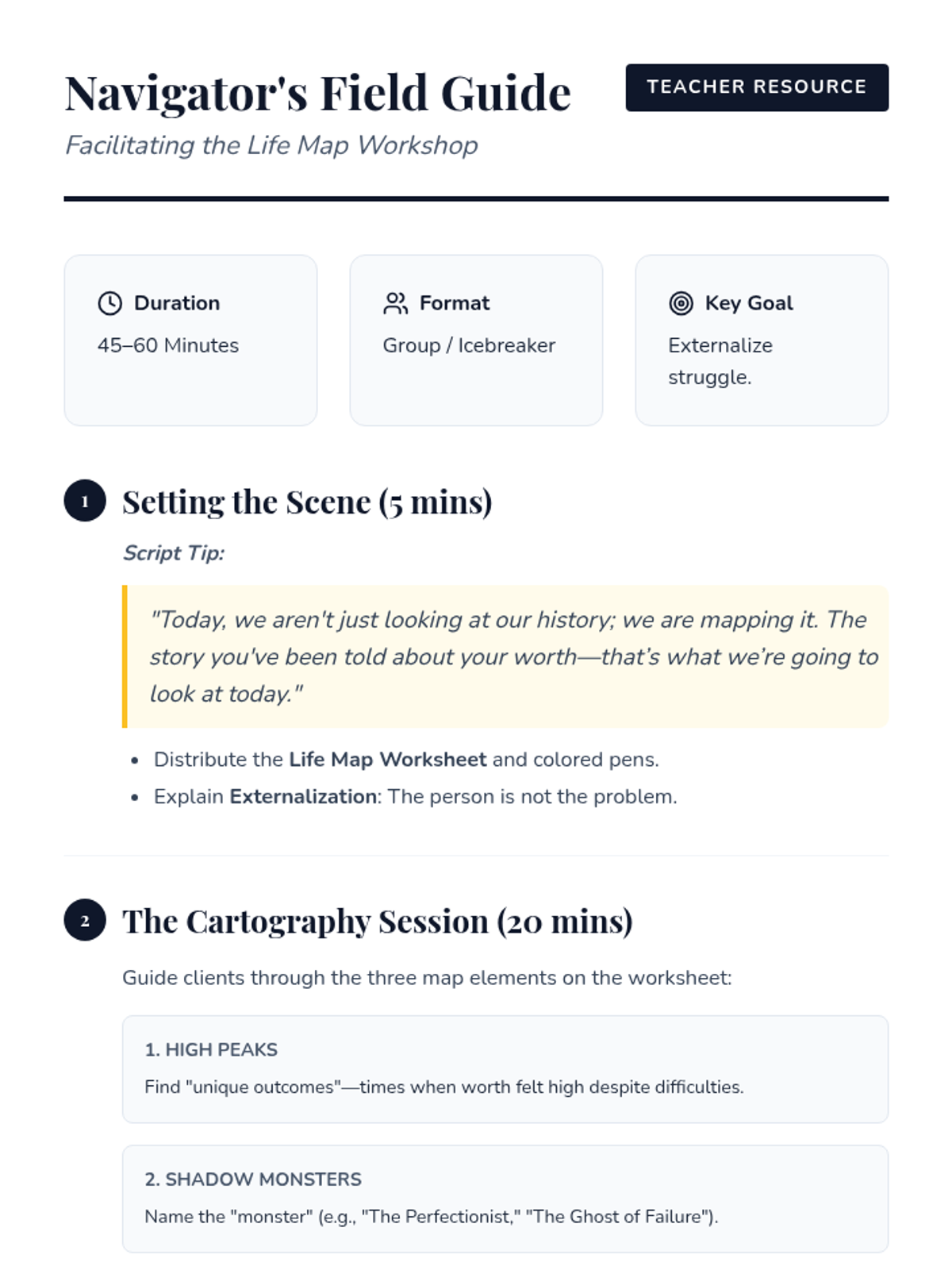
A workshop session focused on using Narrative Therapy techniques to externalize self-worth challenges and re-author personal narratives through life mapping.
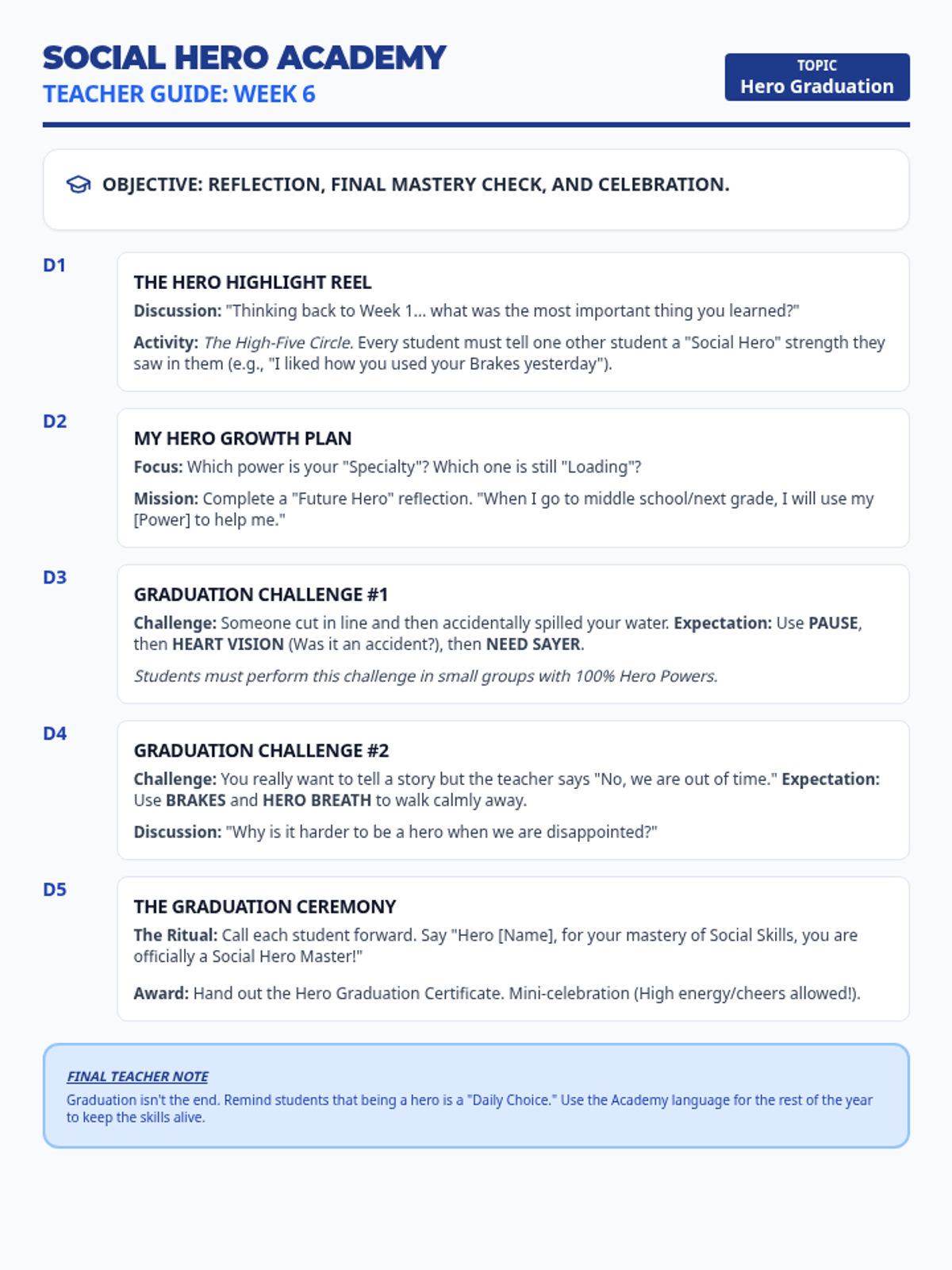
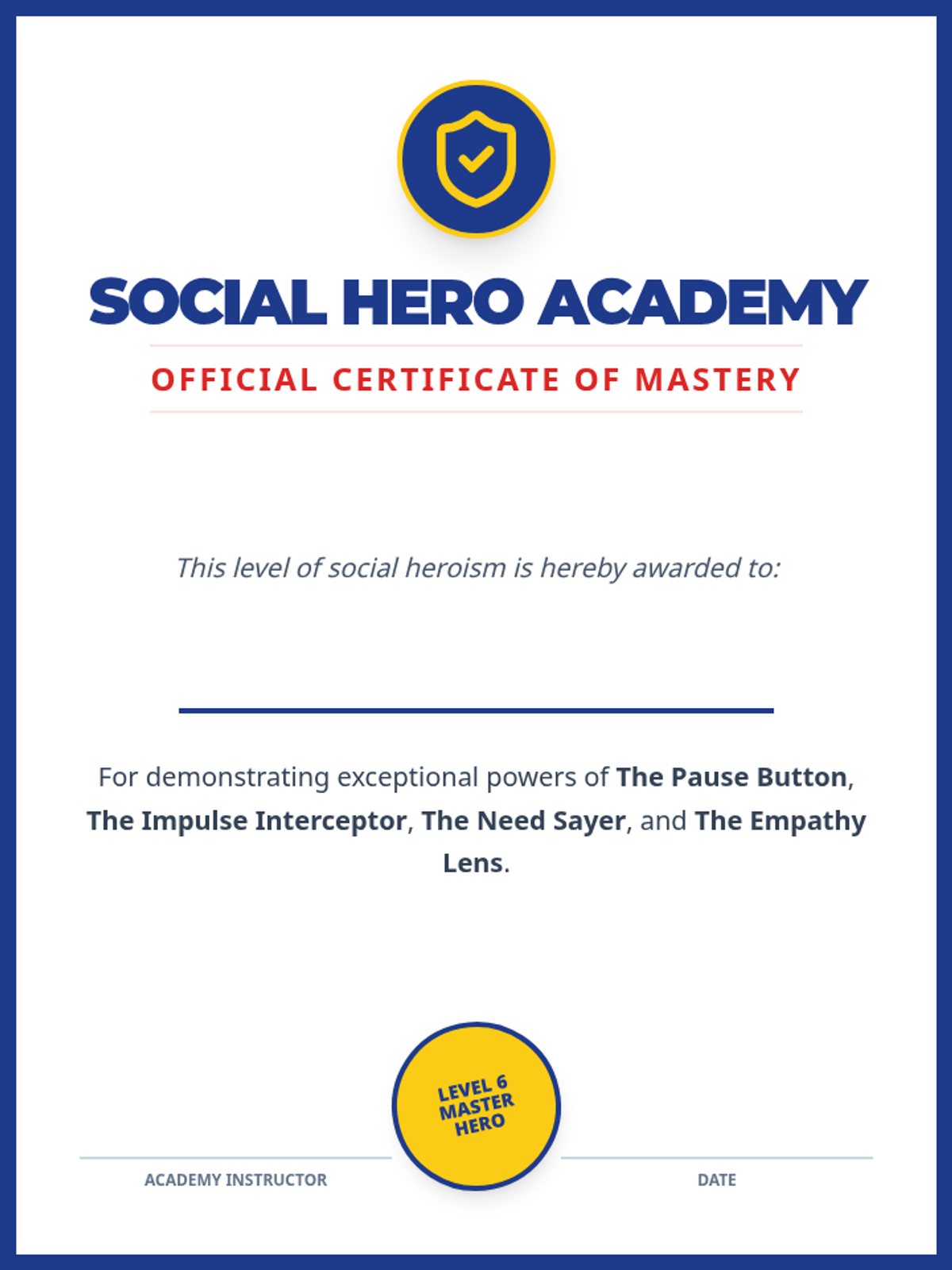
Final review and mastery check. Students reflect on their growth, complete a graduation challenge, and receive their academy certificates.
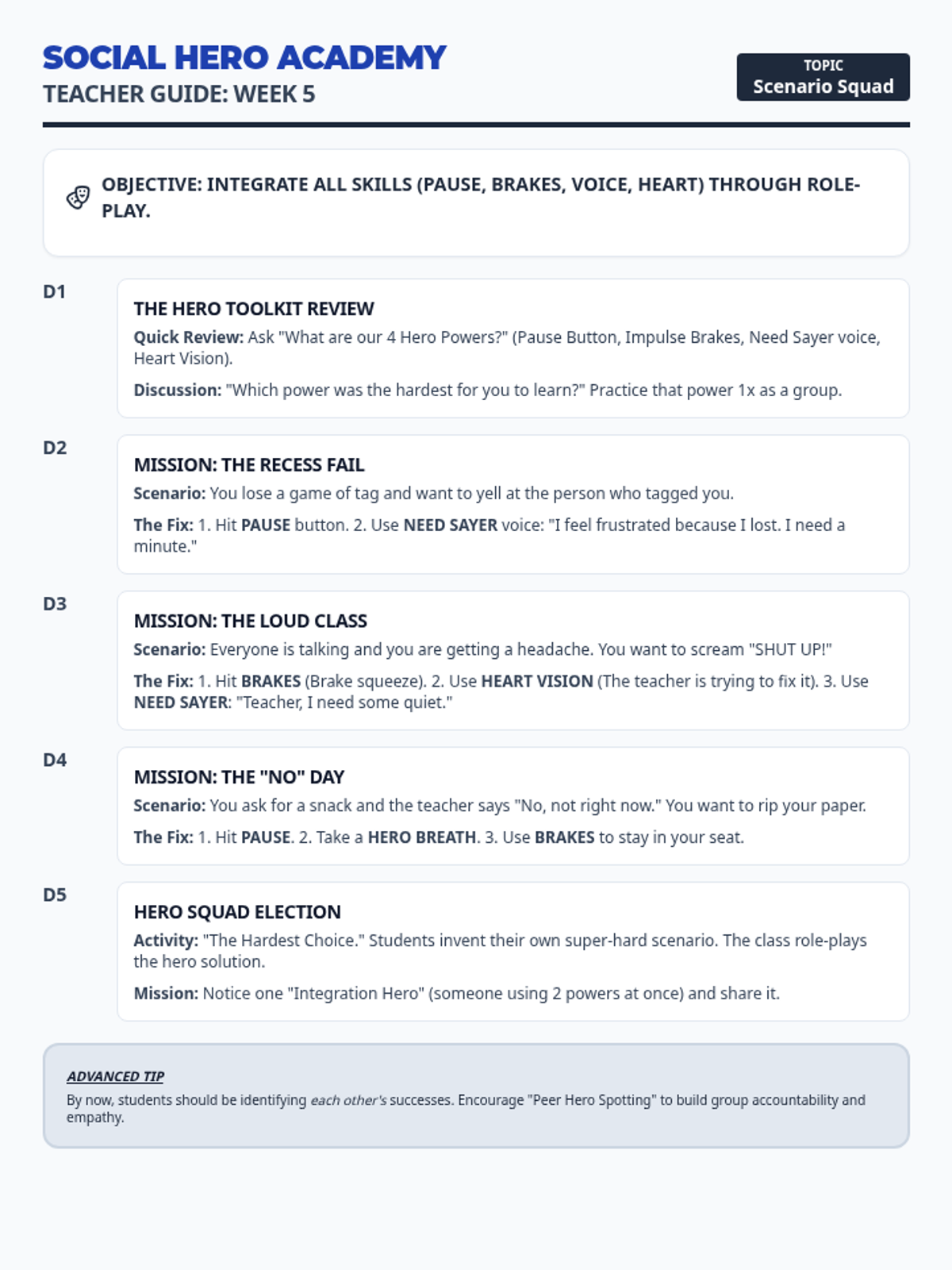
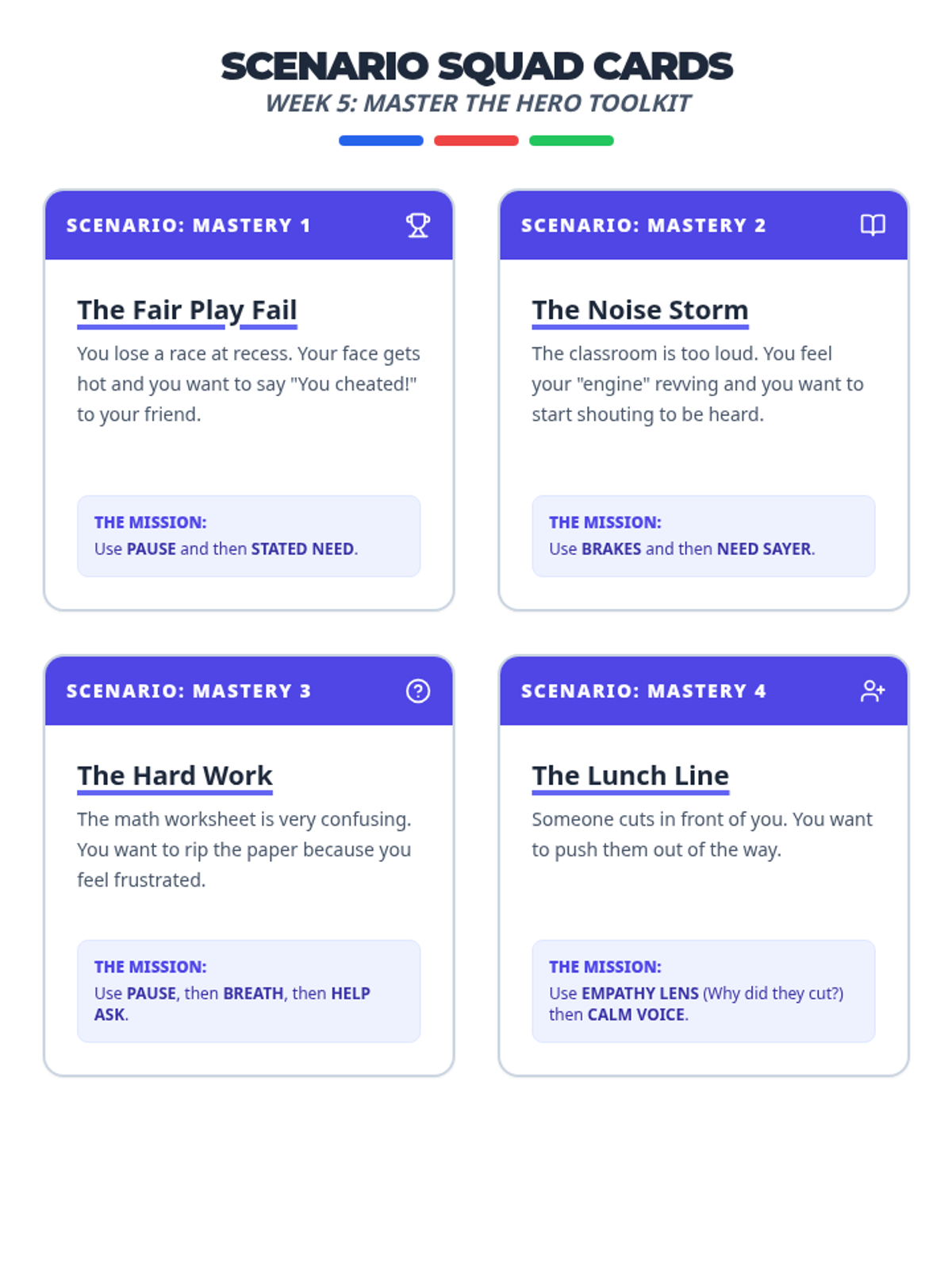
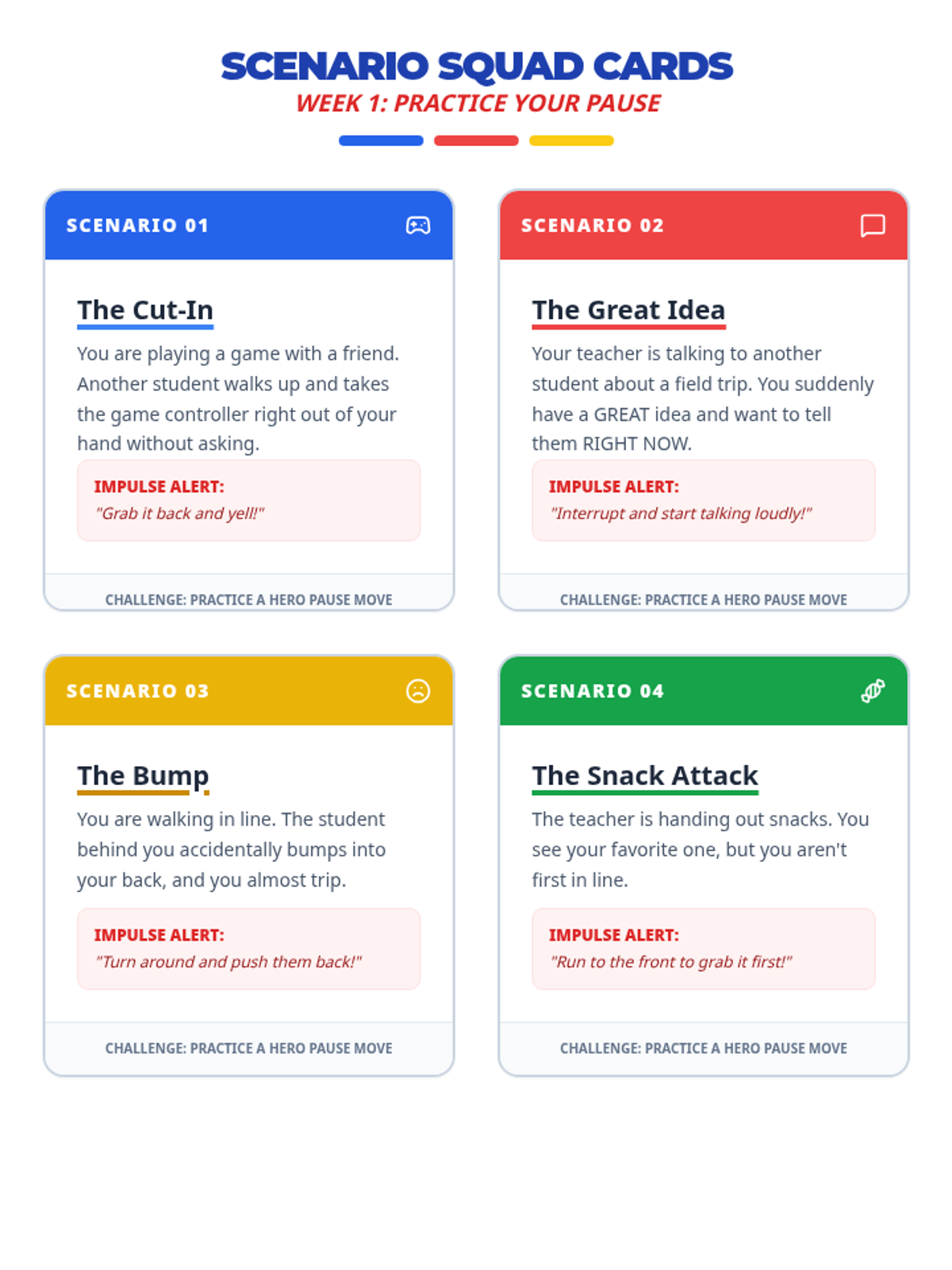
An intensive week of role-play scenarios where students combine pause, impulse control, and communication skills to solve social challenges.
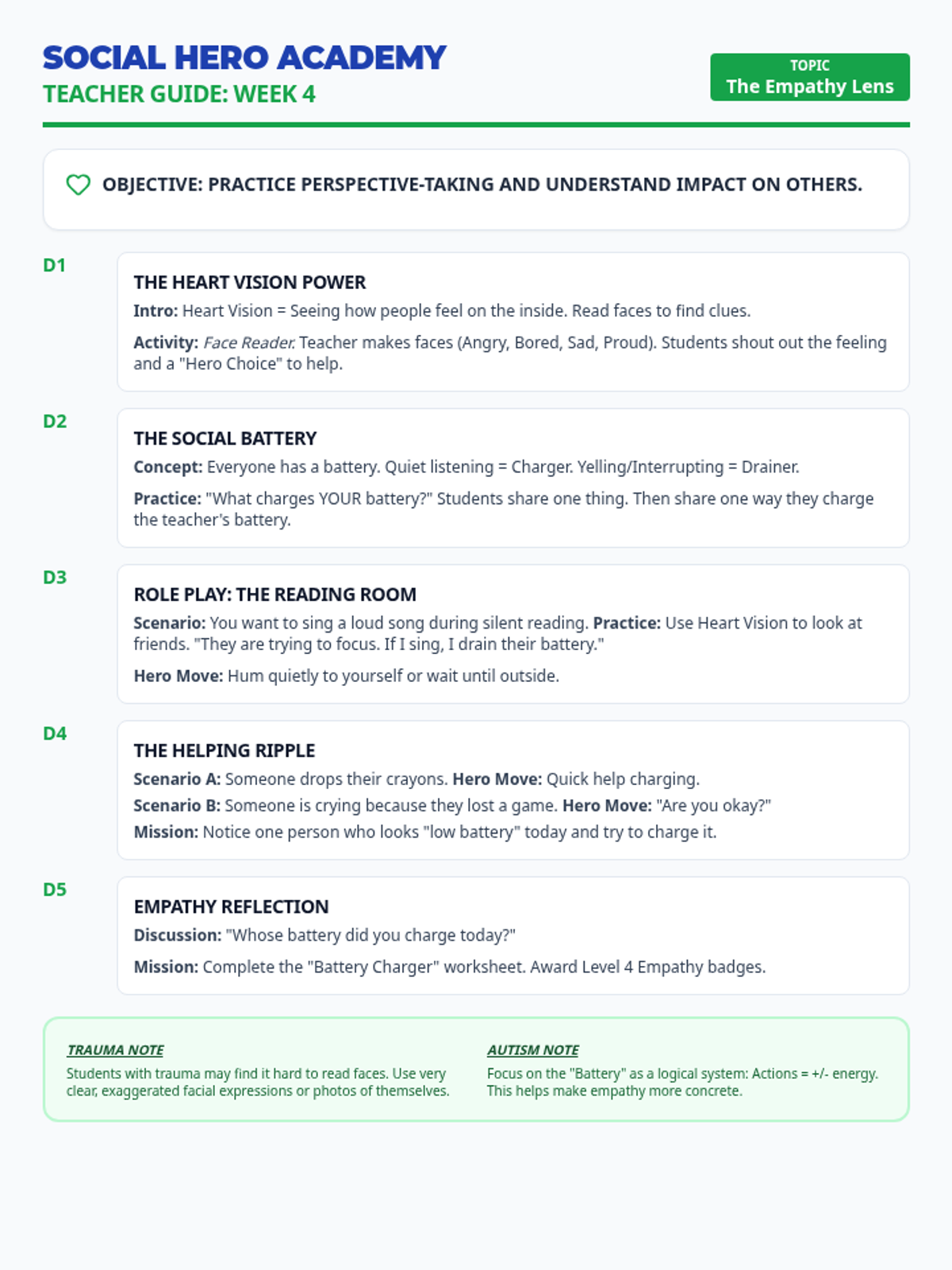
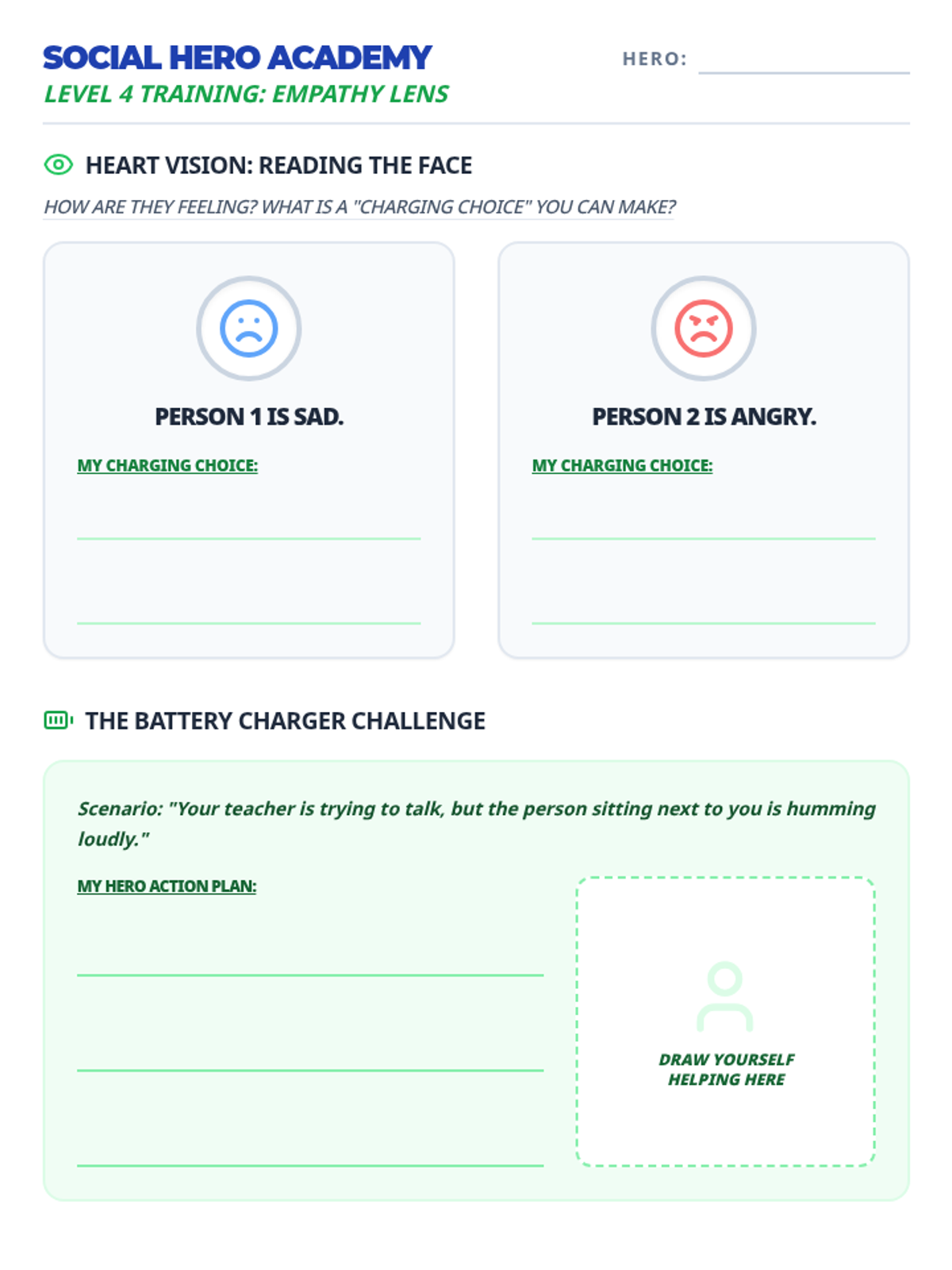
Explores perspective-taking and how individual choices impact the group. Students practice 'Heart Vision' to understand others' feelings.
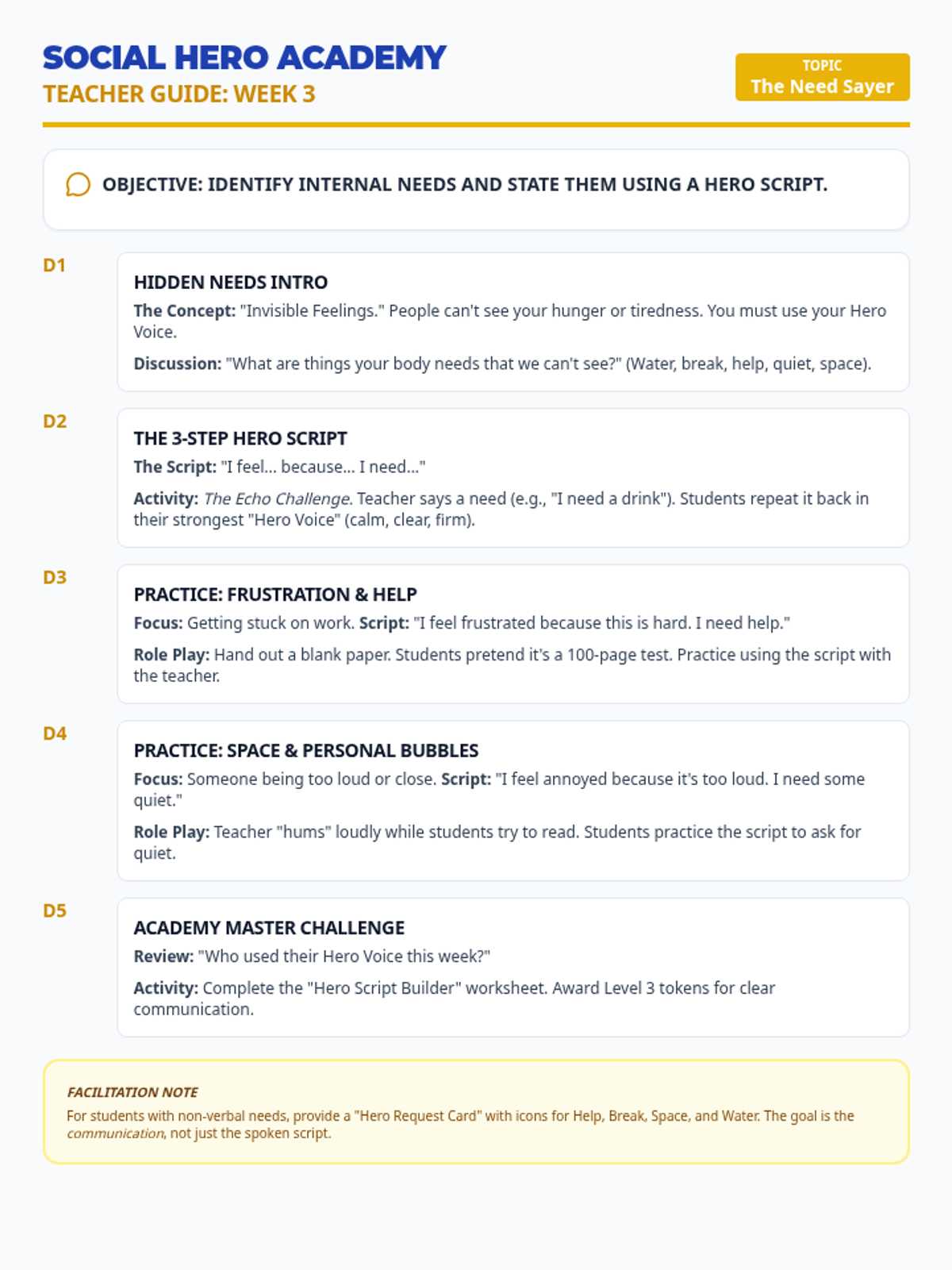
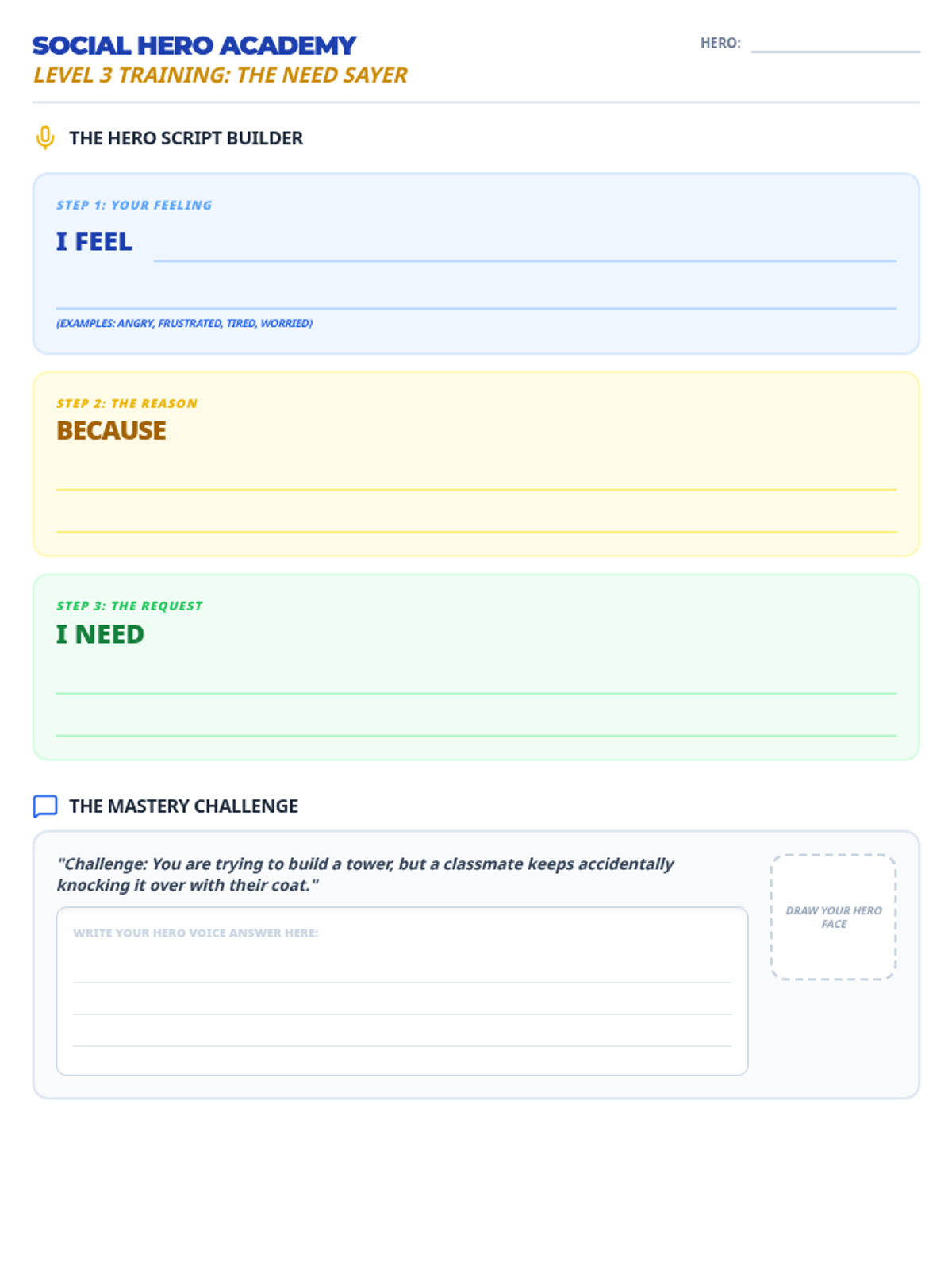
Teaches students to identify internal needs and use clear 'I feel... because... I need...' statements to communicate effectively without escalating.
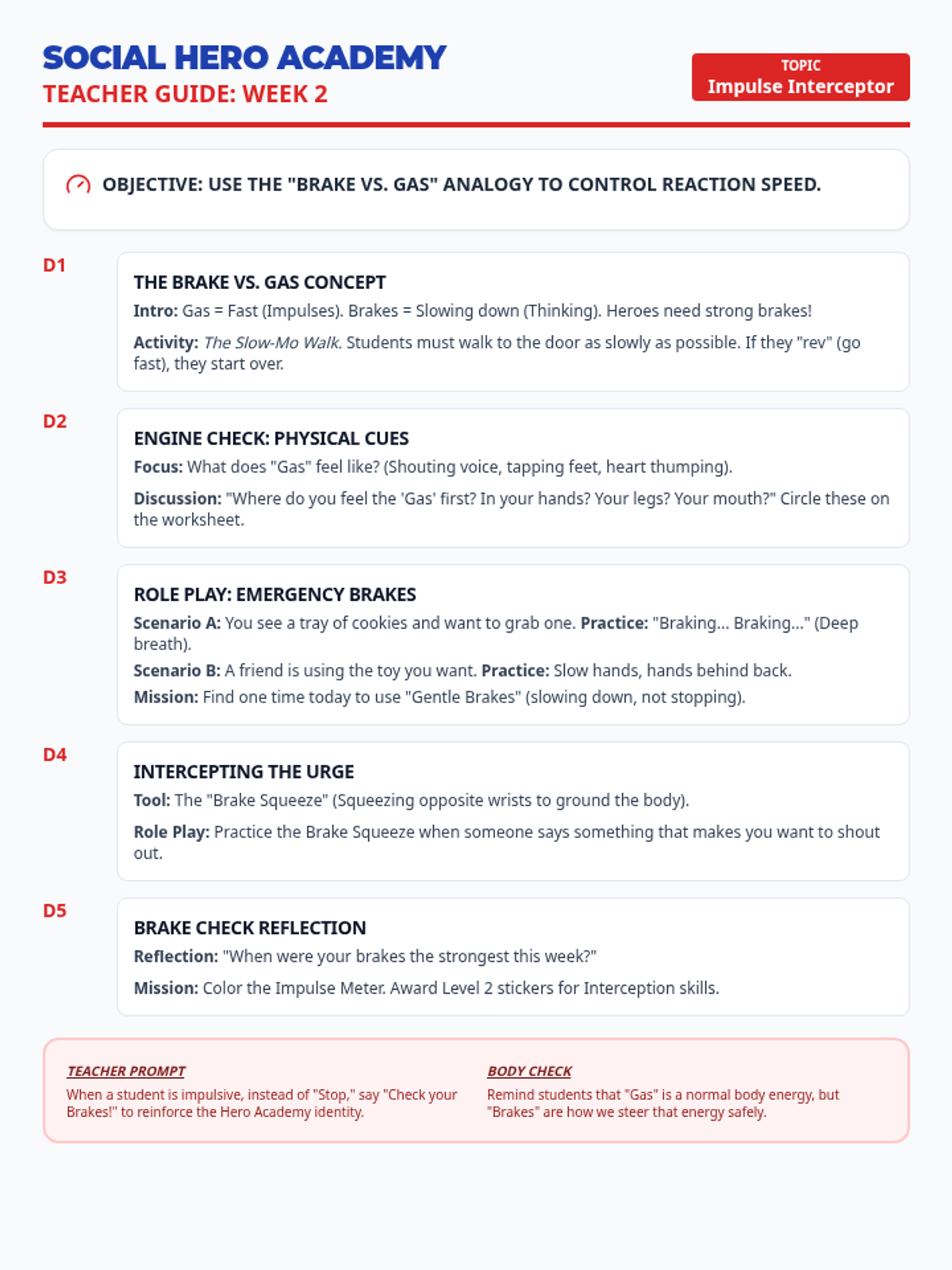
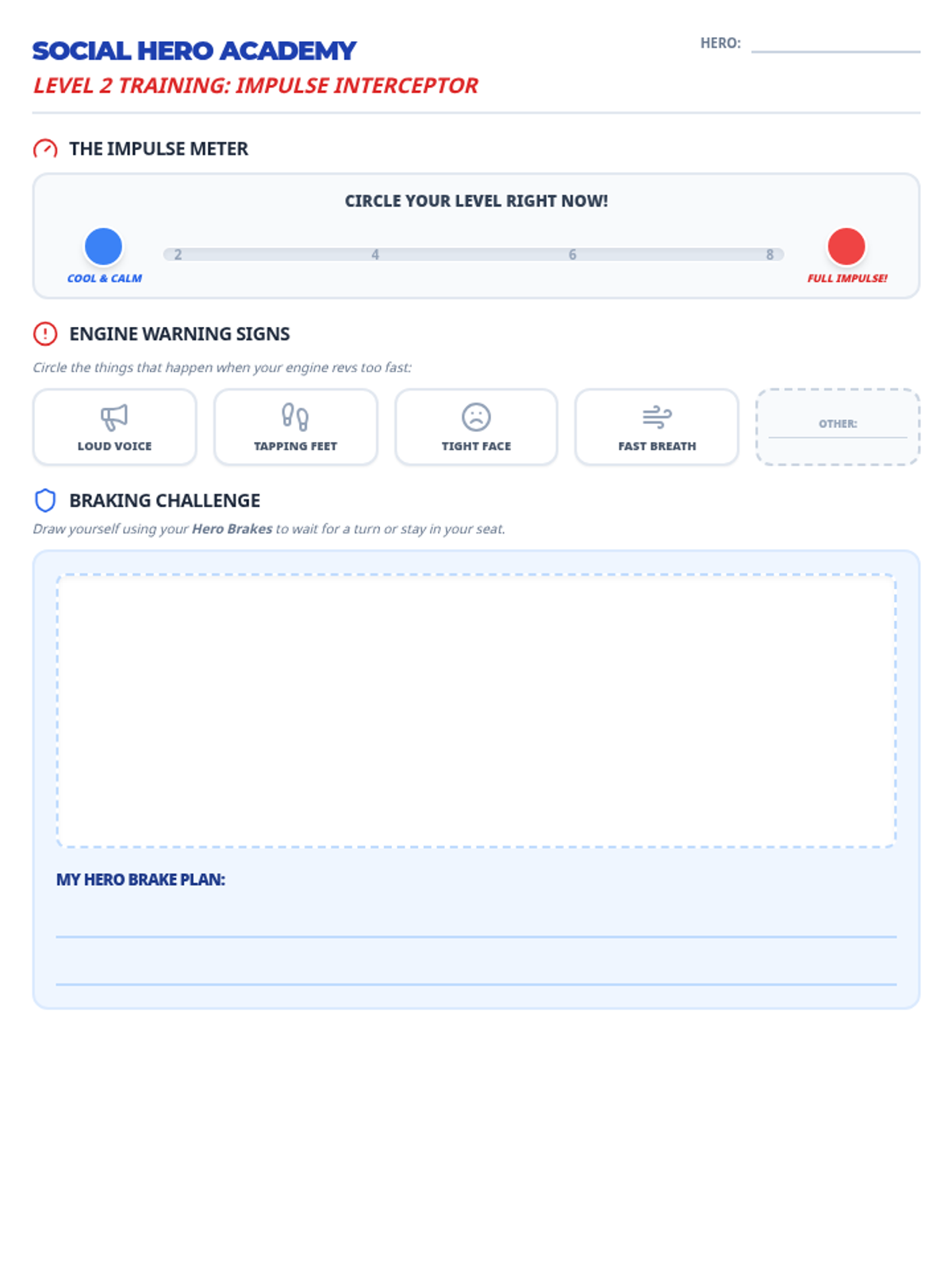
Focuses on active impulse control using the 'Brake vs. Gas' analogy. Students identify physical 'engine' cues and practice slowing down their reactions.
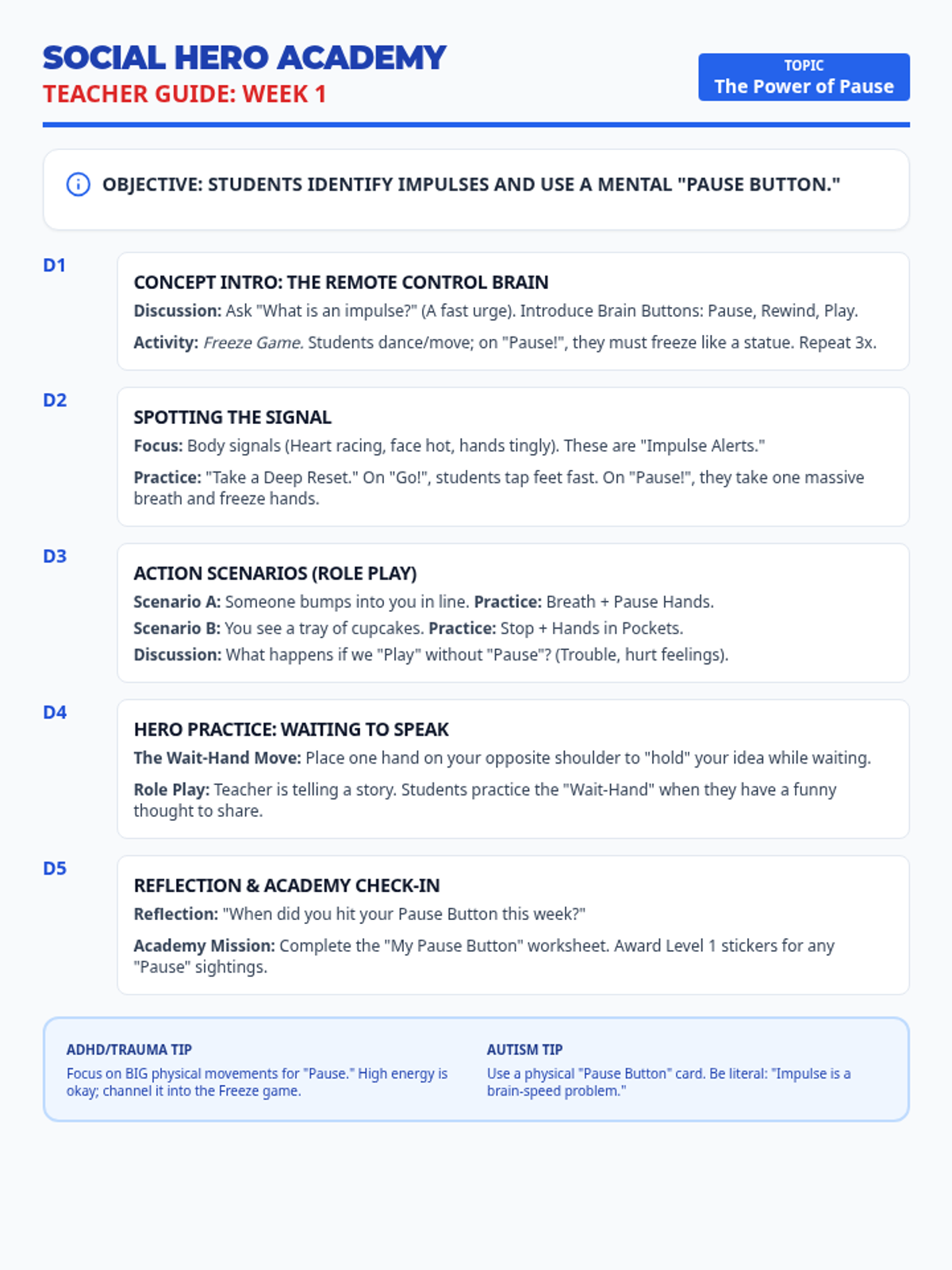
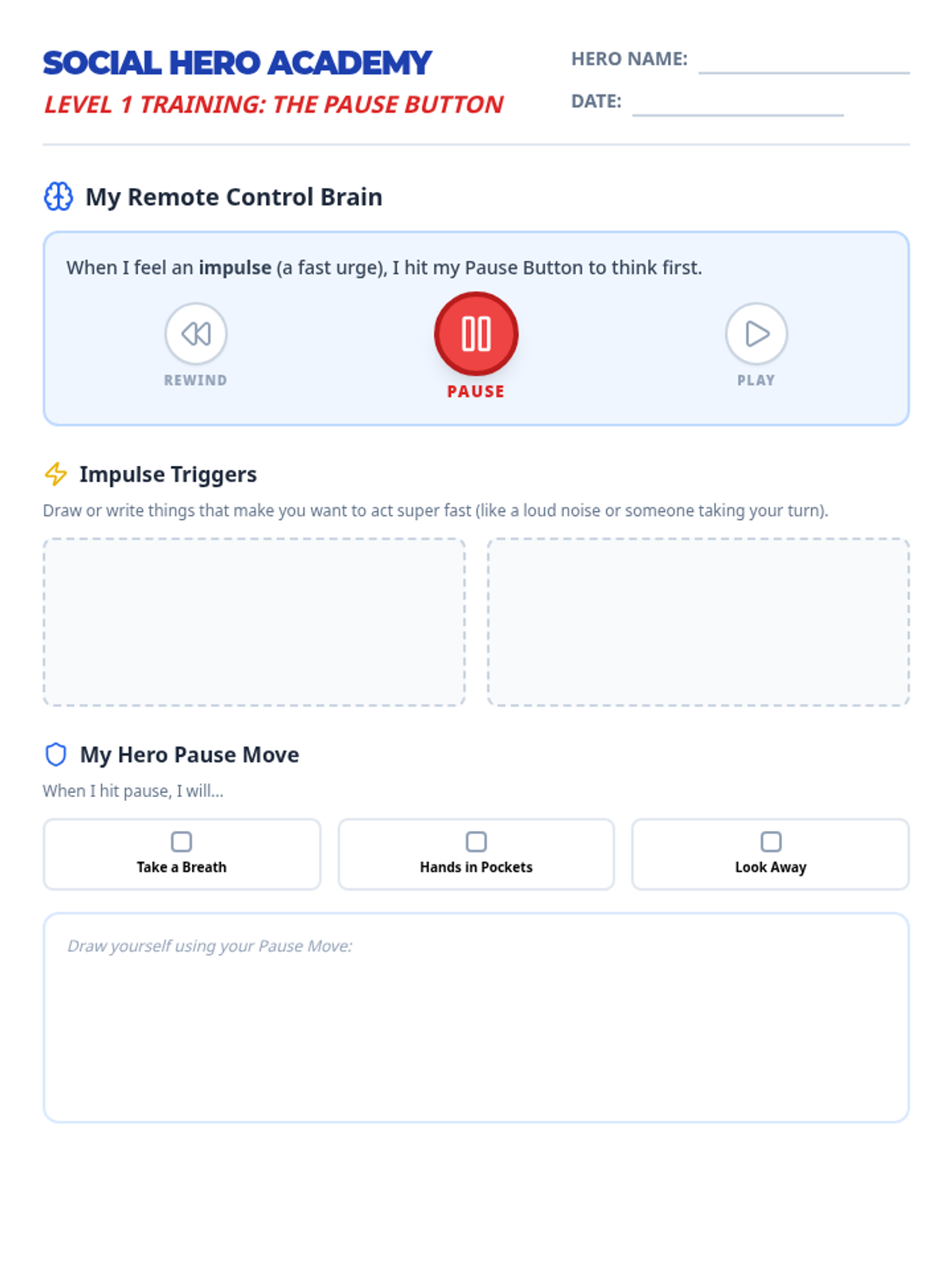
Introduction to the 'Pause Button' concept. Students learn to recognize the gap between an impulse and an action, practicing the 'Stop and Think' method daily.
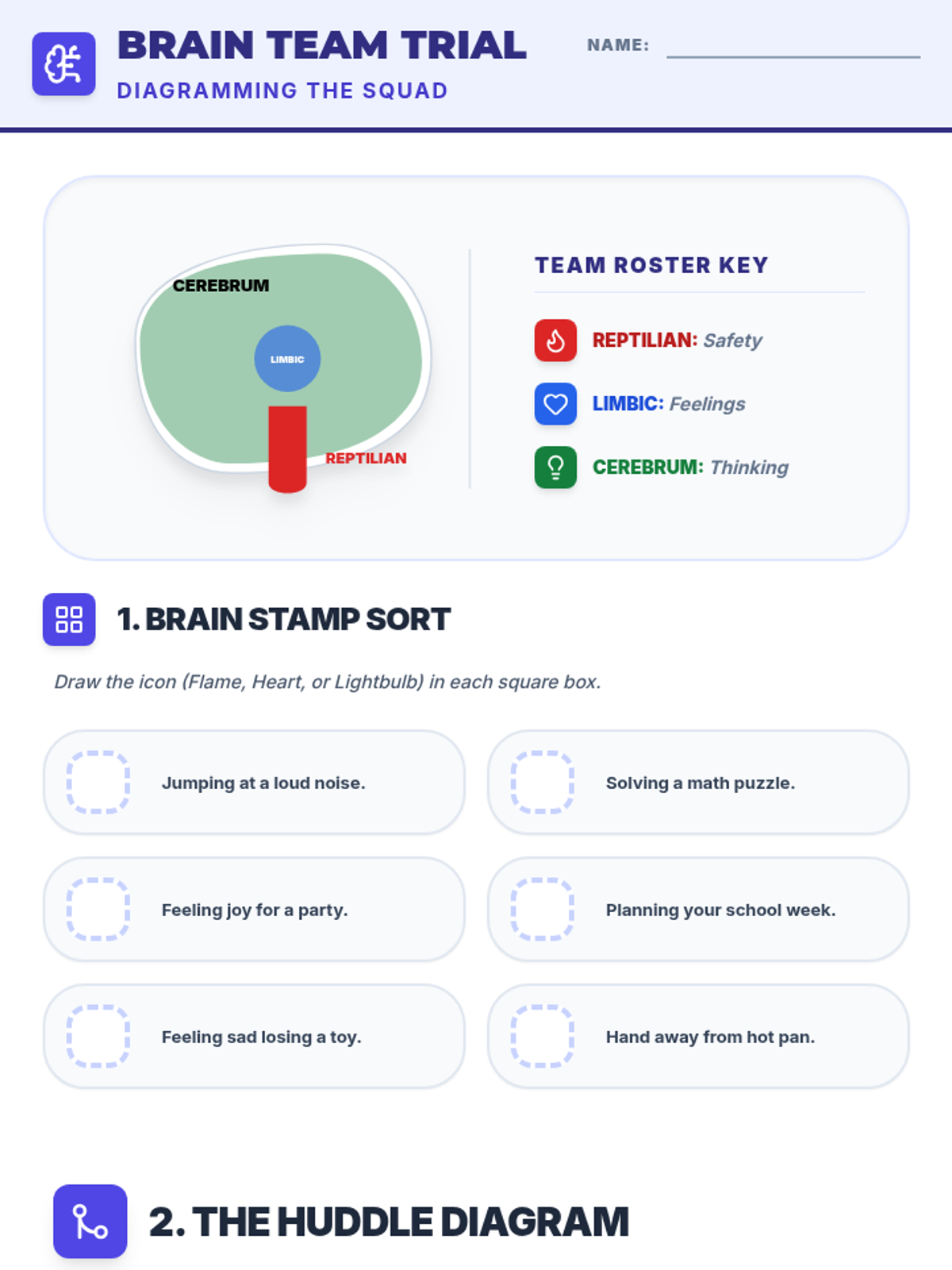
Exploring the foundational layers of the brain—the Reptilian Brain, the Limbic System, and the Cerebellum—to understand how survival instincts, emotions, and physical coordination work together.