A comprehensive lesson designed to help teens navigate social media mindfully, featuring a video analysis, collaborative group work, and the creation of personal action plans for digital wellness.
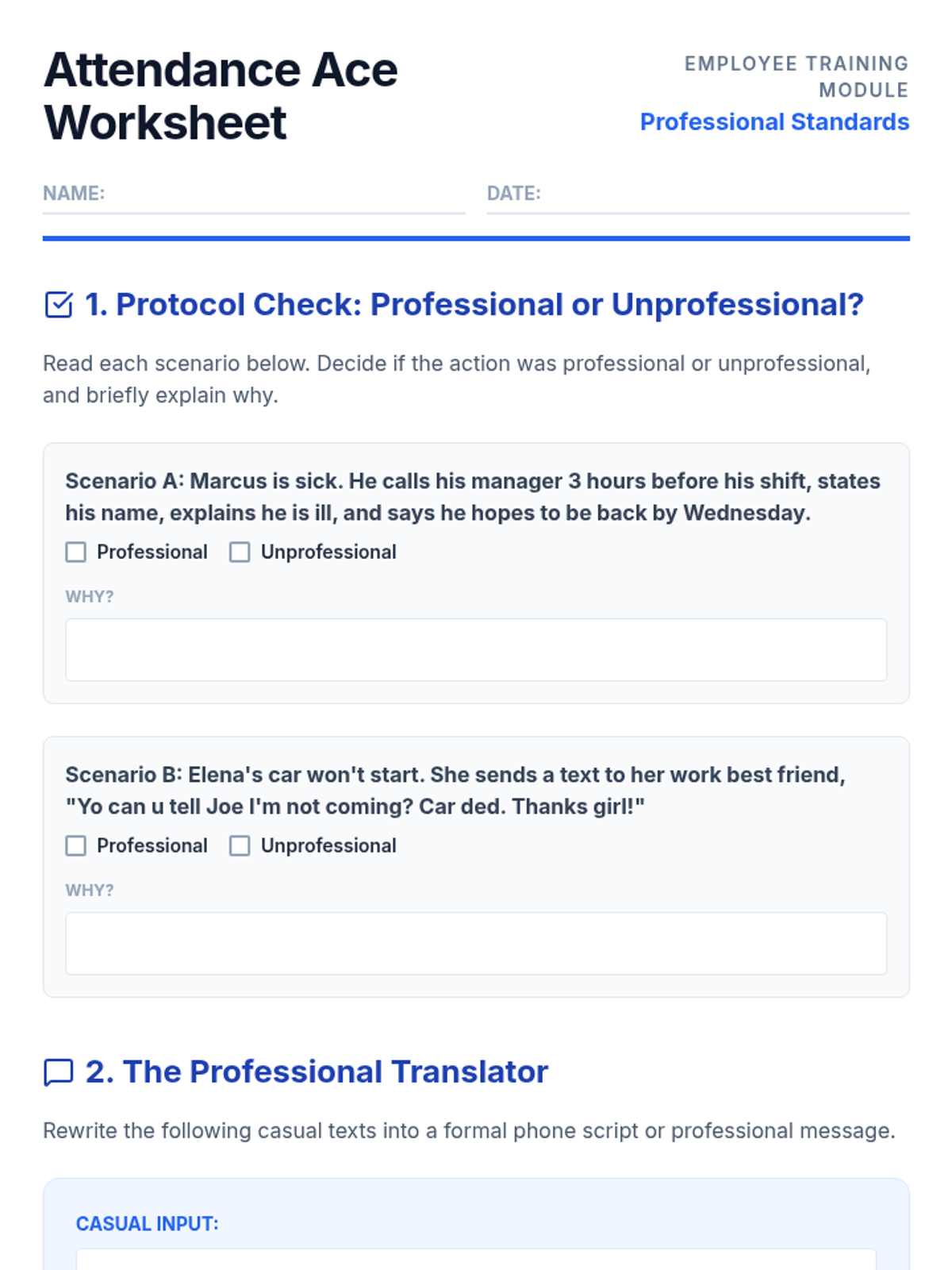
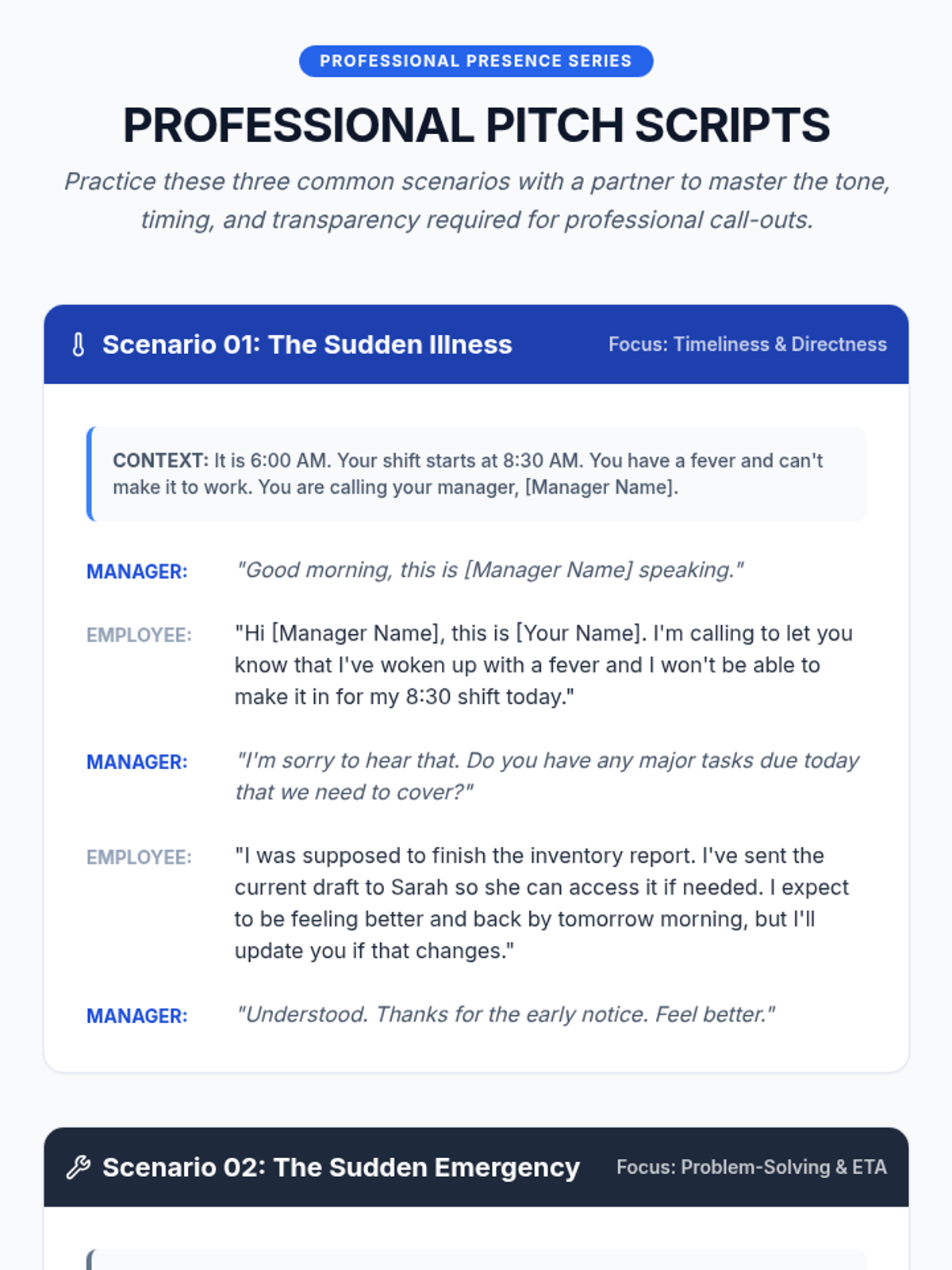
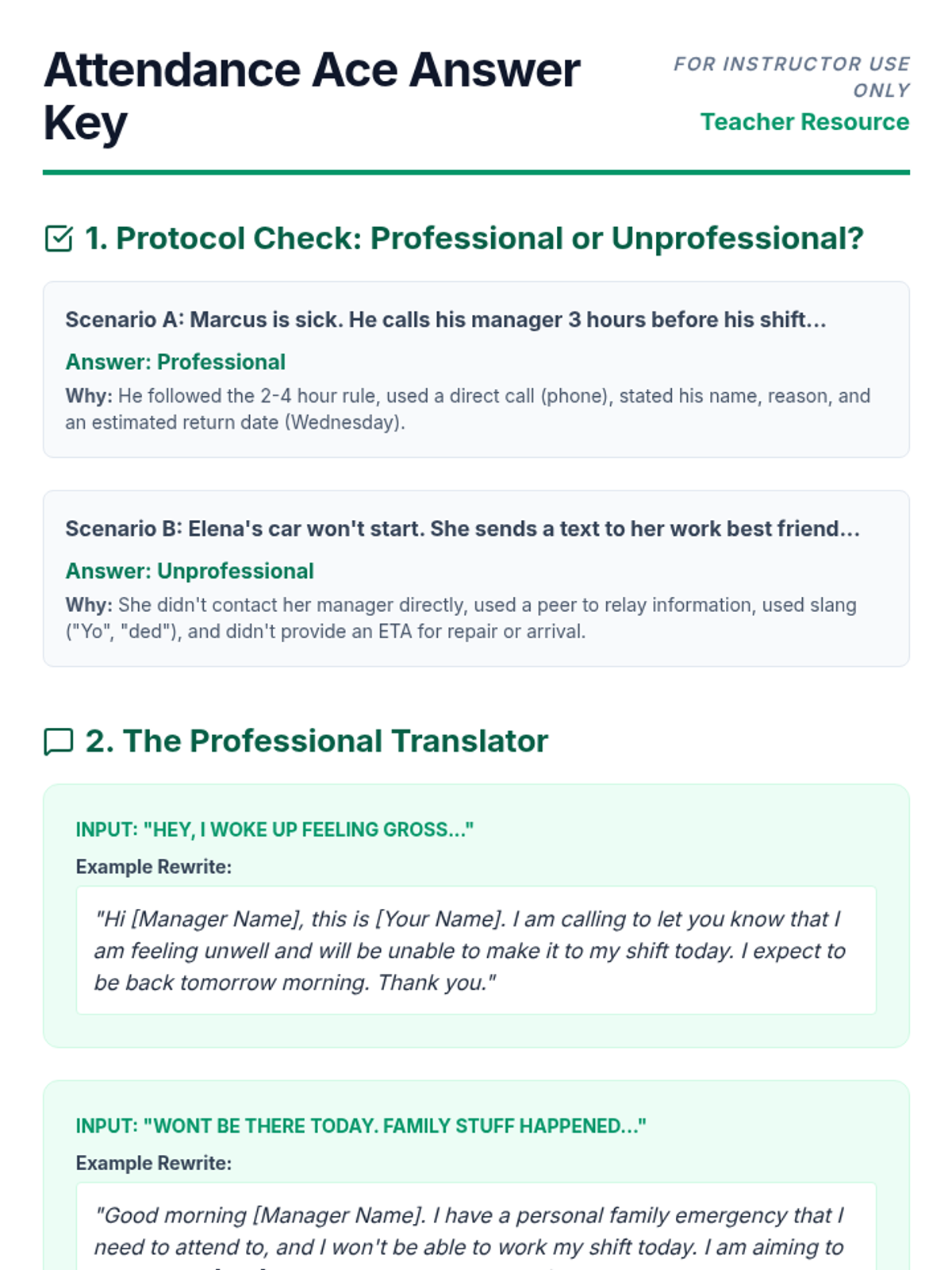
A comprehensive training module on the professional standards for calling out of work, covering etiquette, timing, and communication methods.
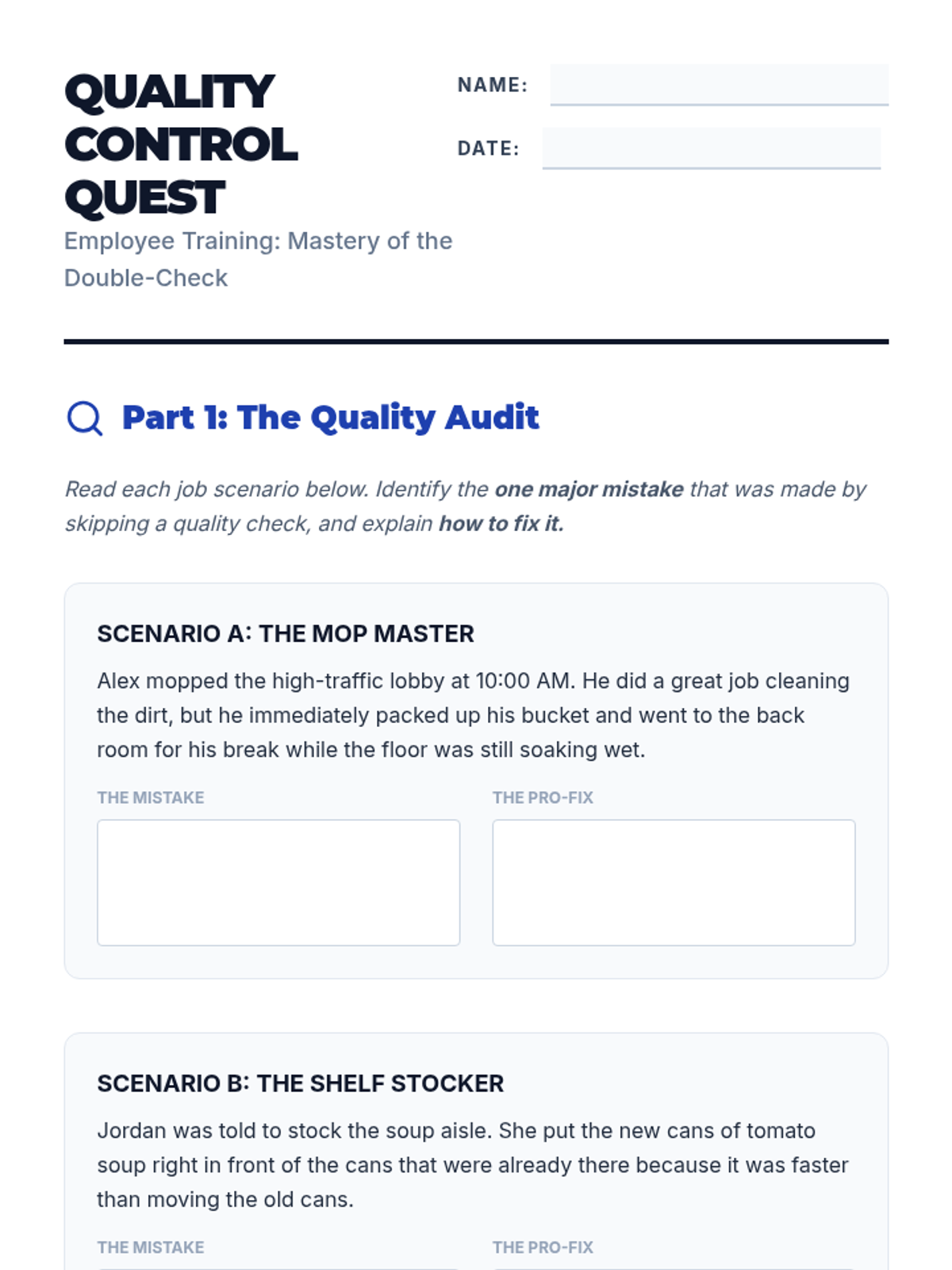
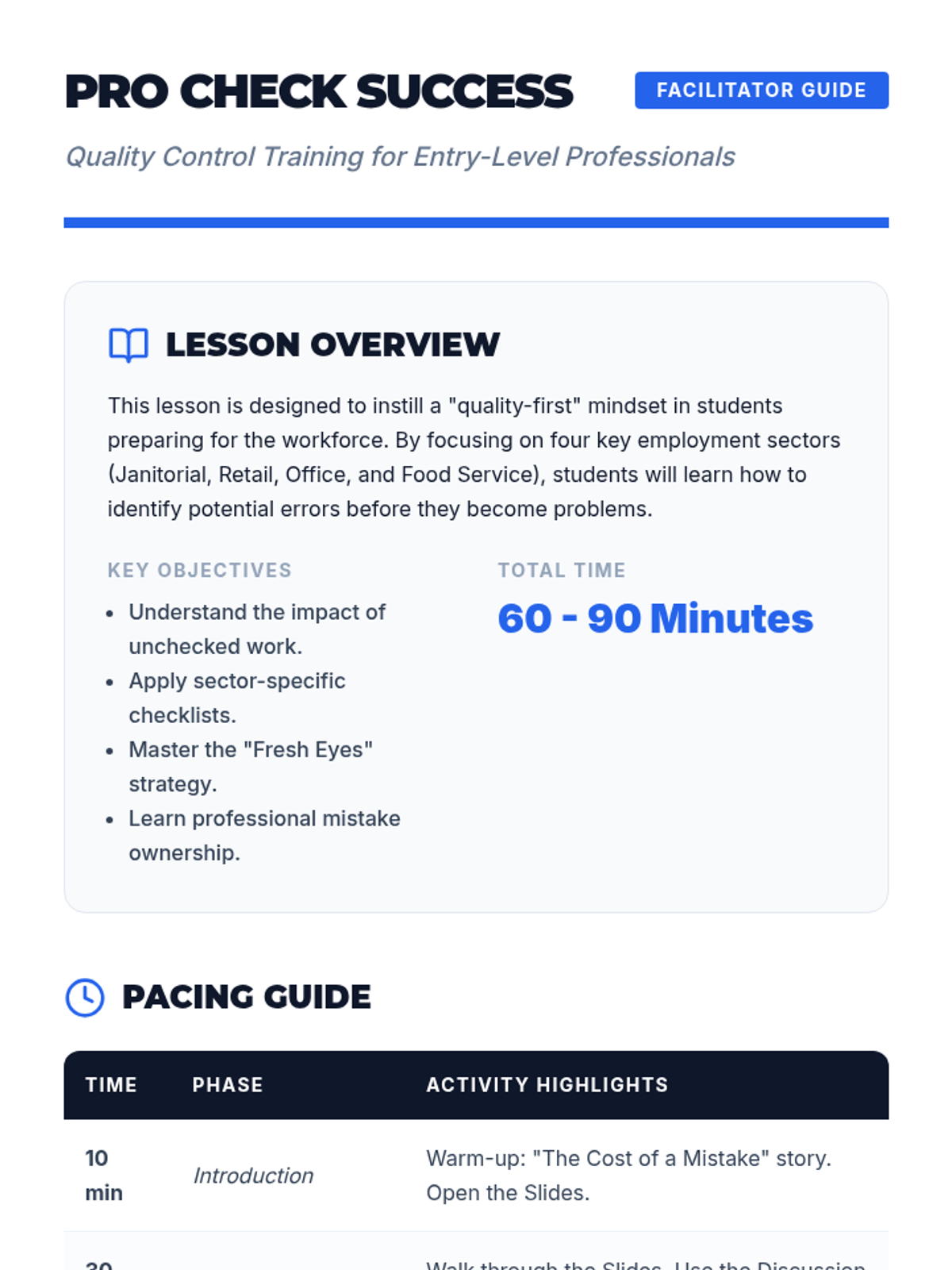
A comprehensive lesson on the importance of quality control and checking one's work across various entry-level employment sectors including janitorial, retail, office, and food service.
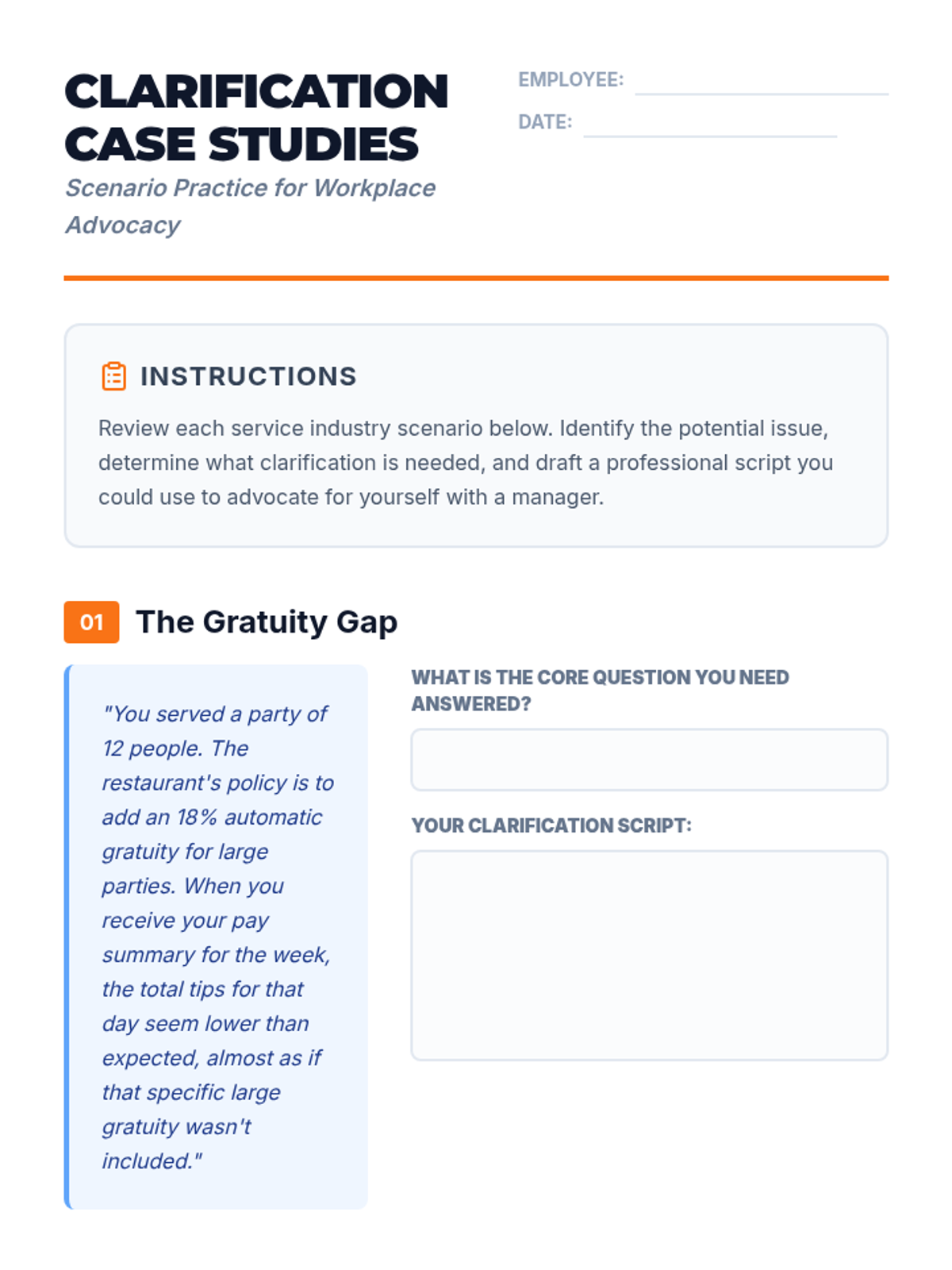
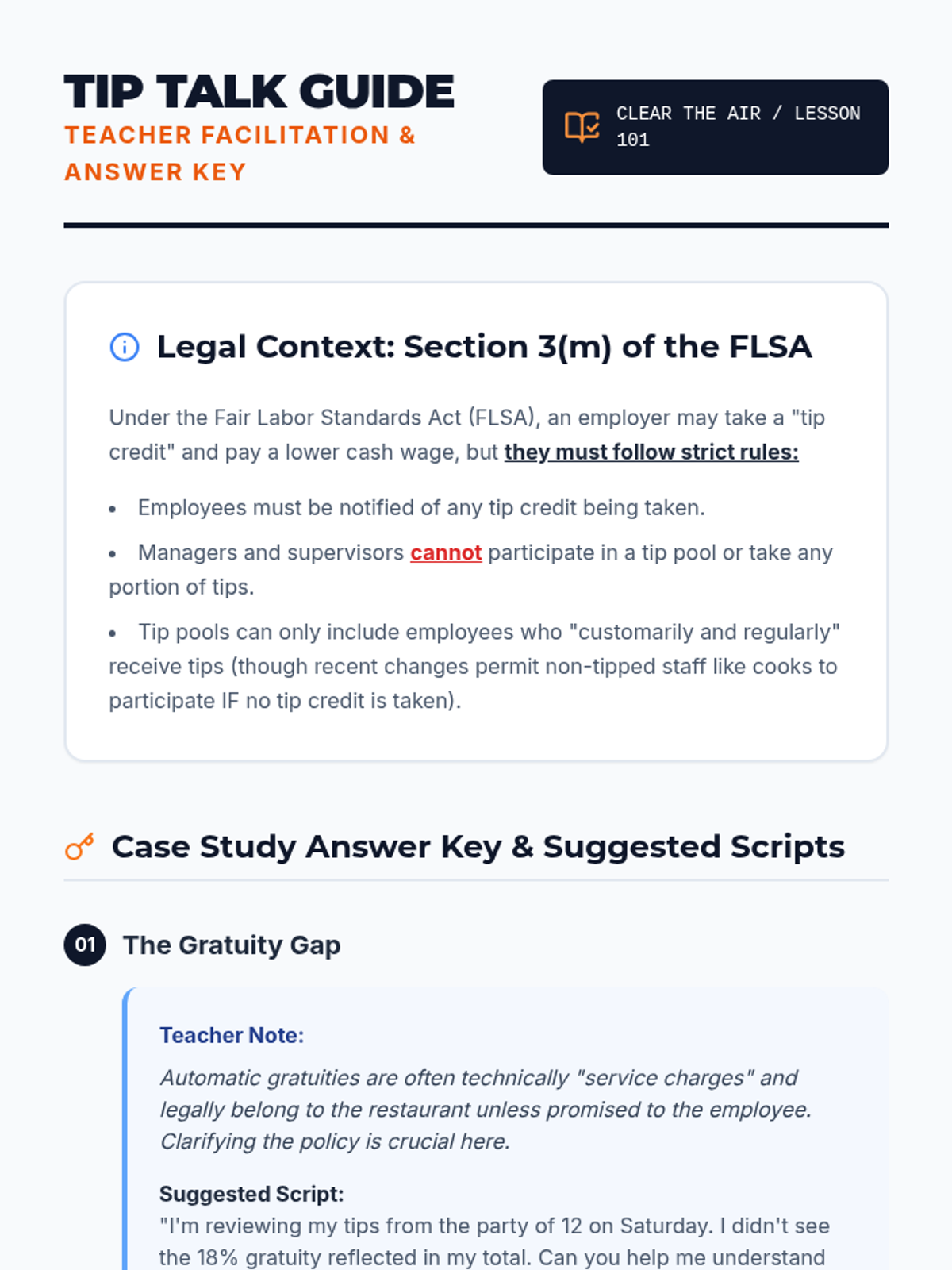
This lesson focuses on self-advocacy in the service industry, specifically regarding tipping policies and procedures. Students will learn how to identify different tipping systems and practice asking for clarification when they have questions about their earnings.
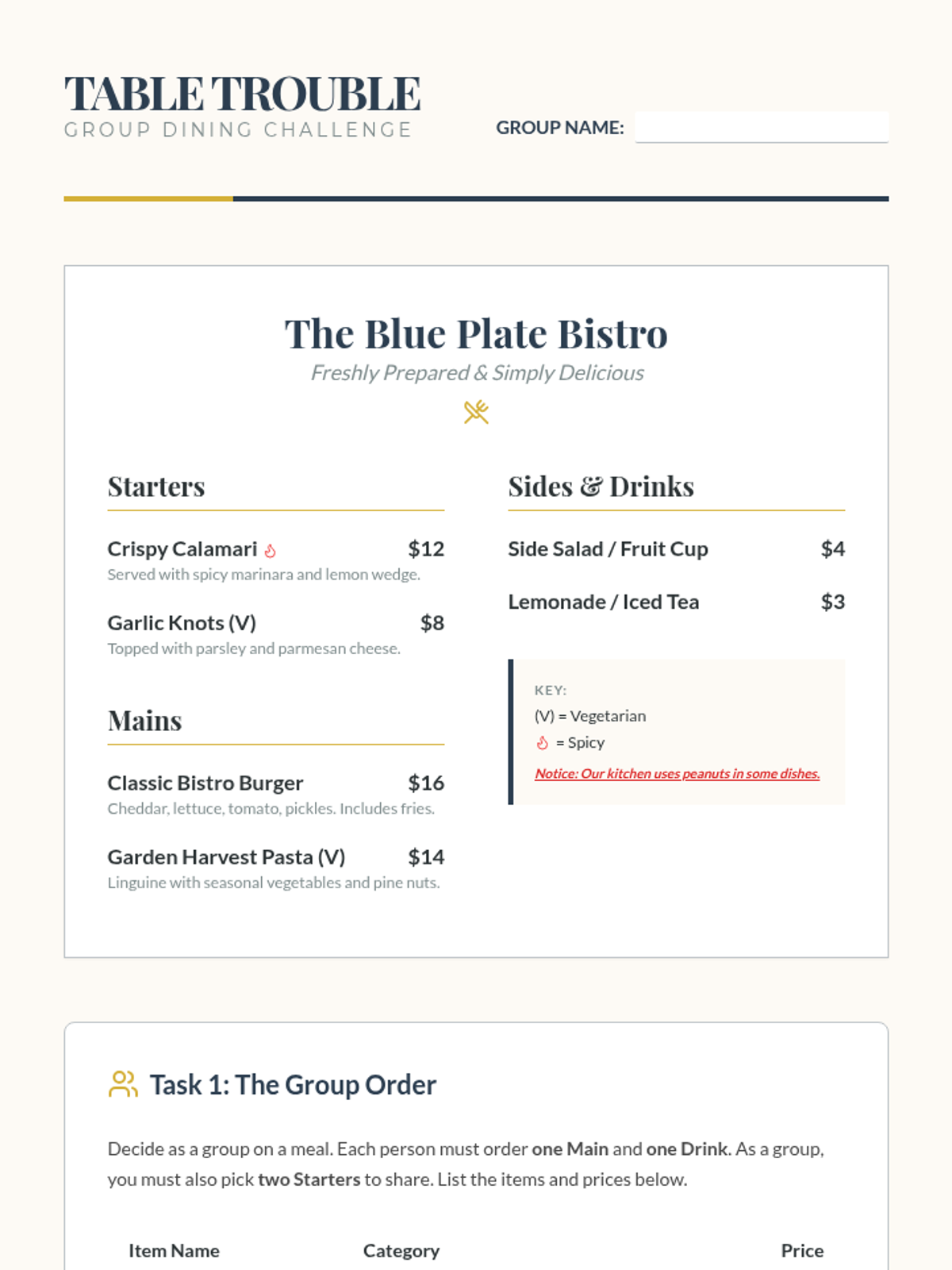
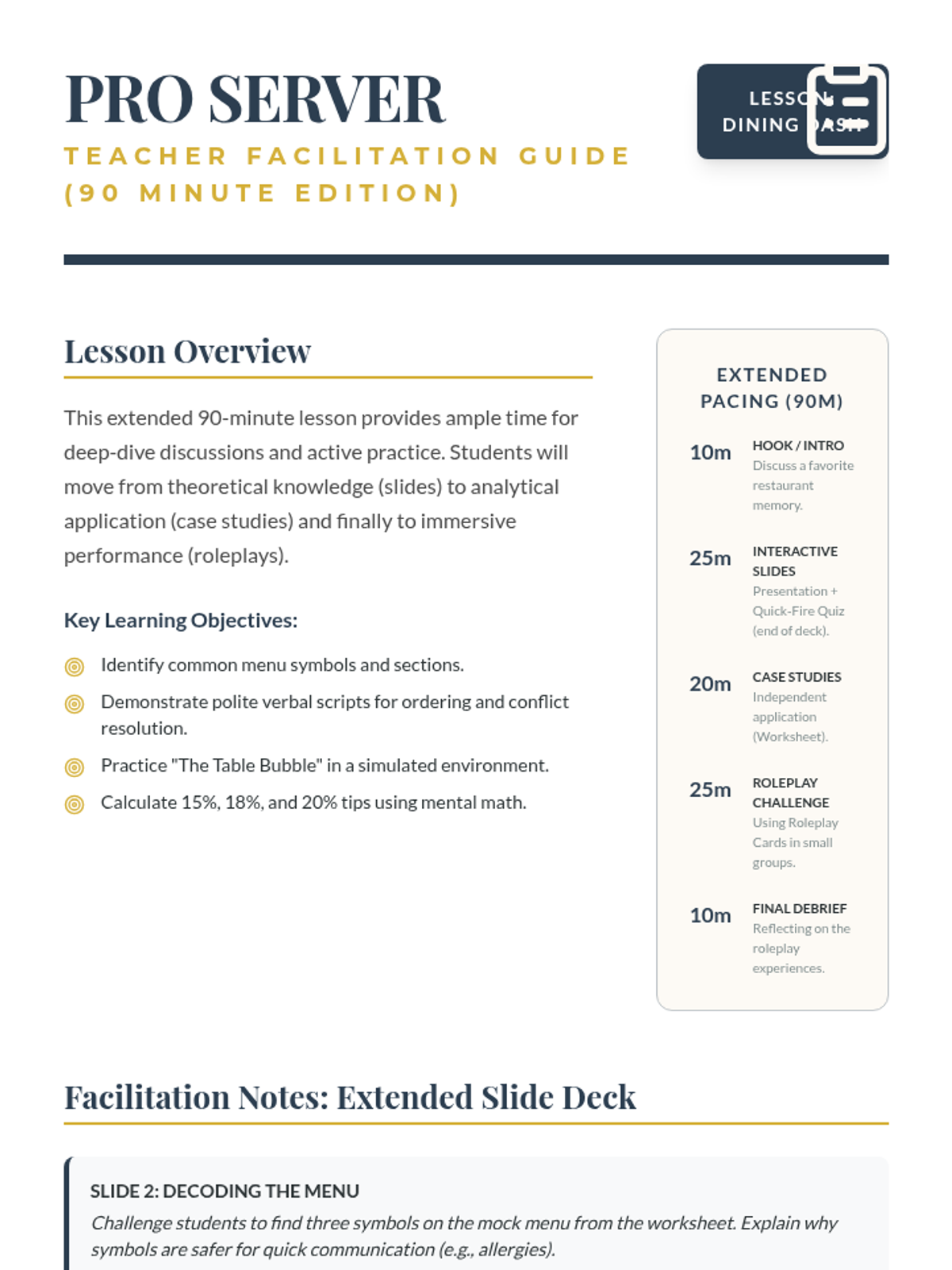
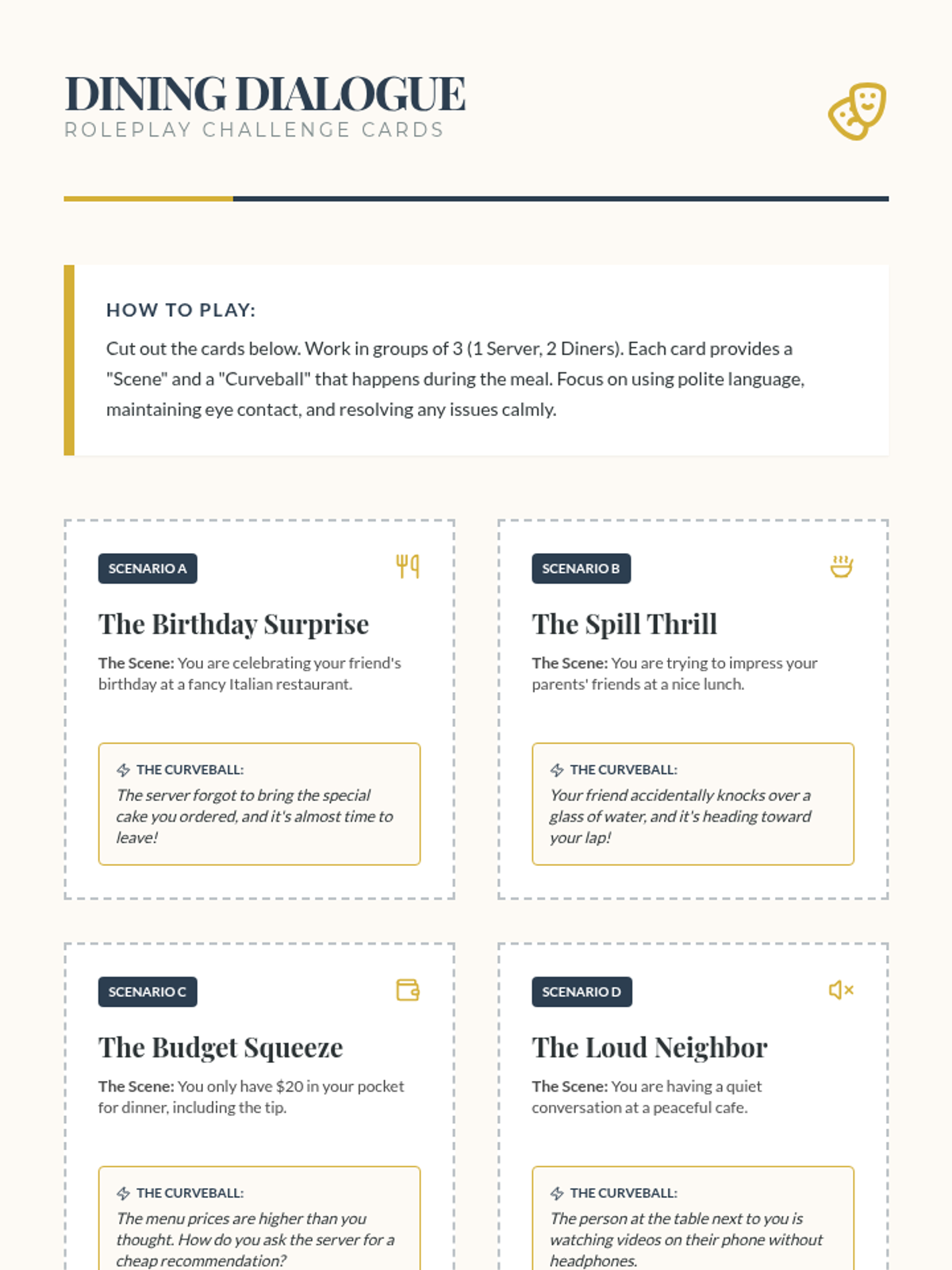
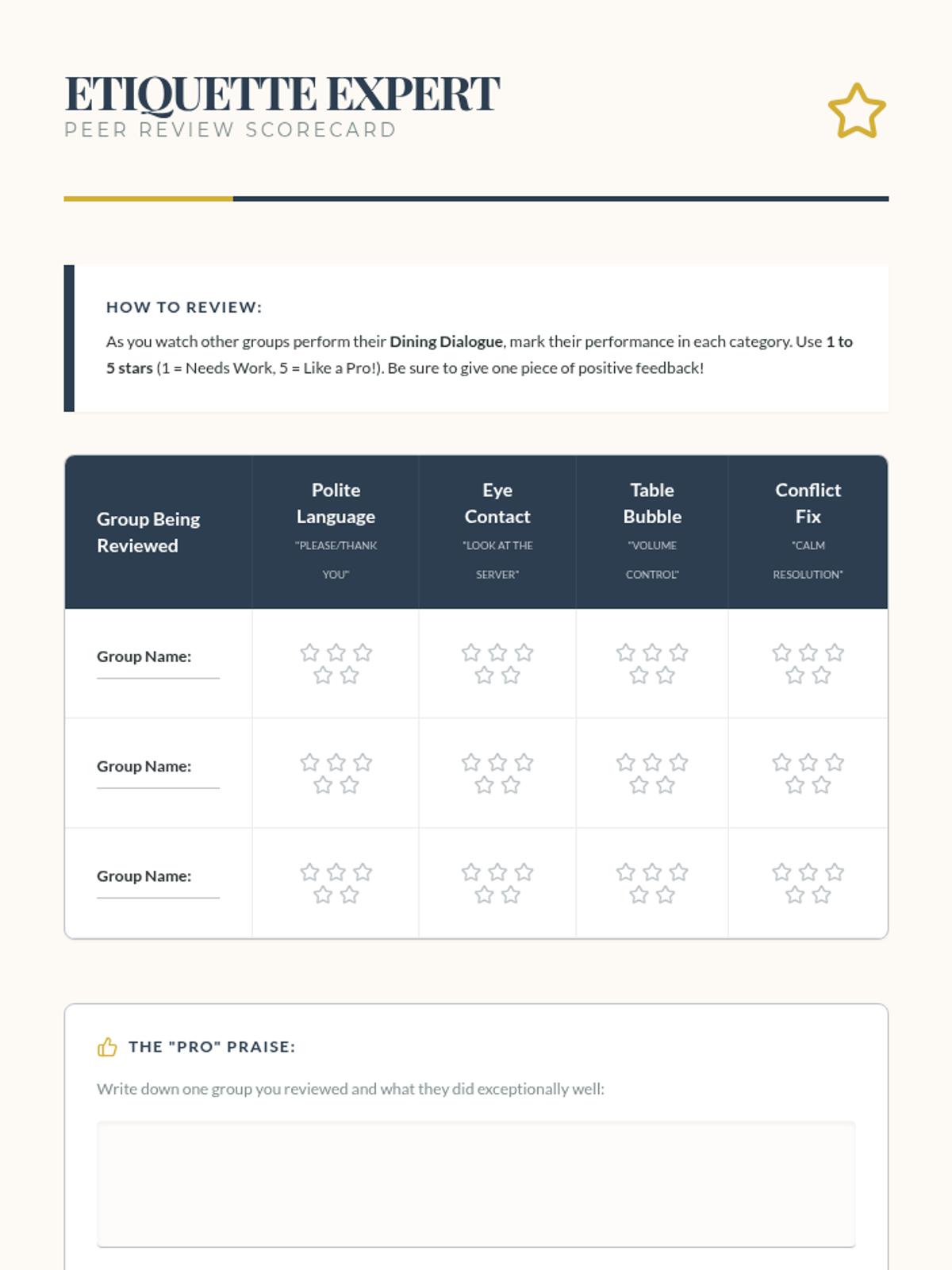
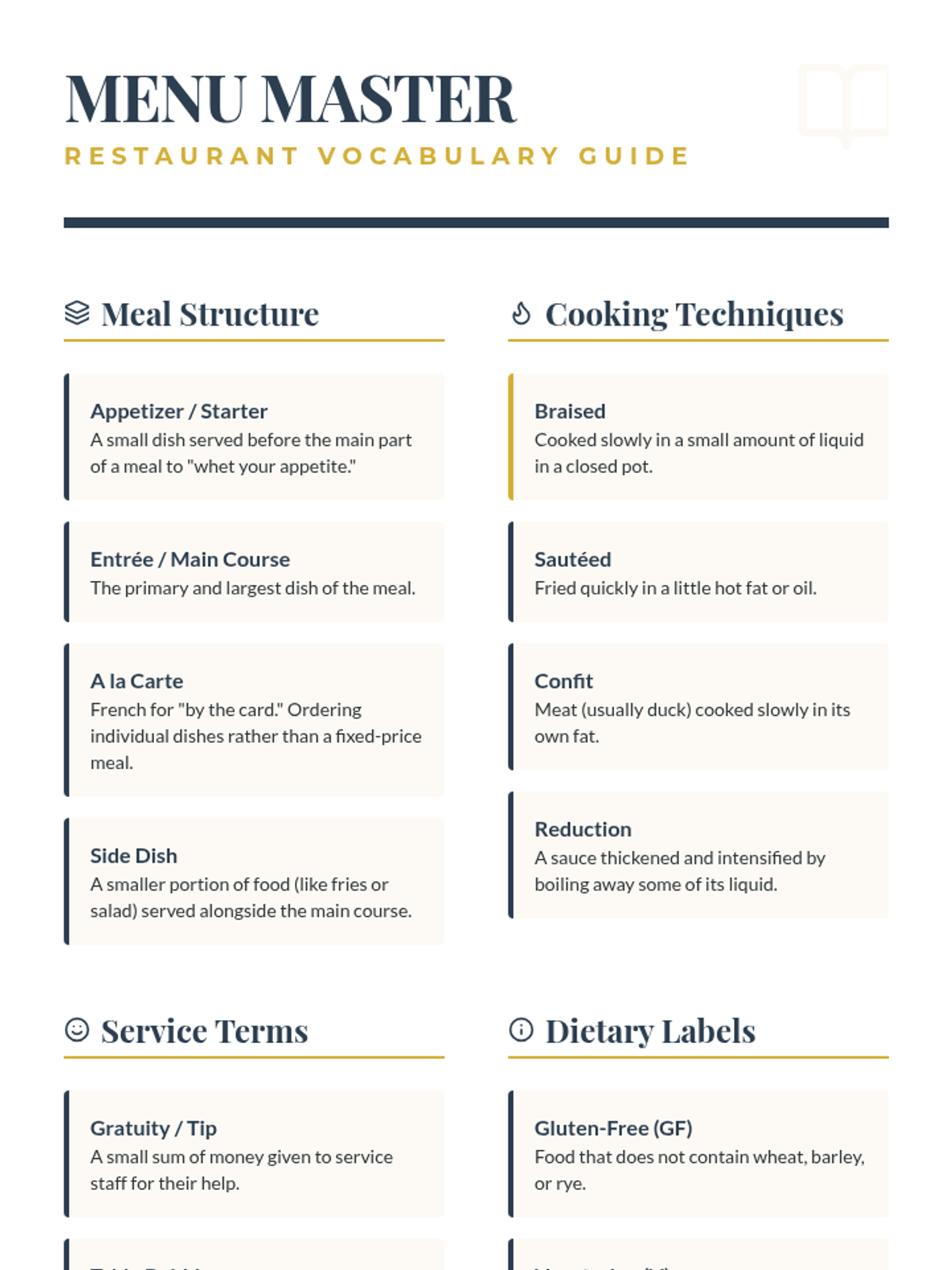
A comprehensive lesson on restaurant etiquette covering menu reading, ordering, manners, volume control, tipping, and conflict resolution.
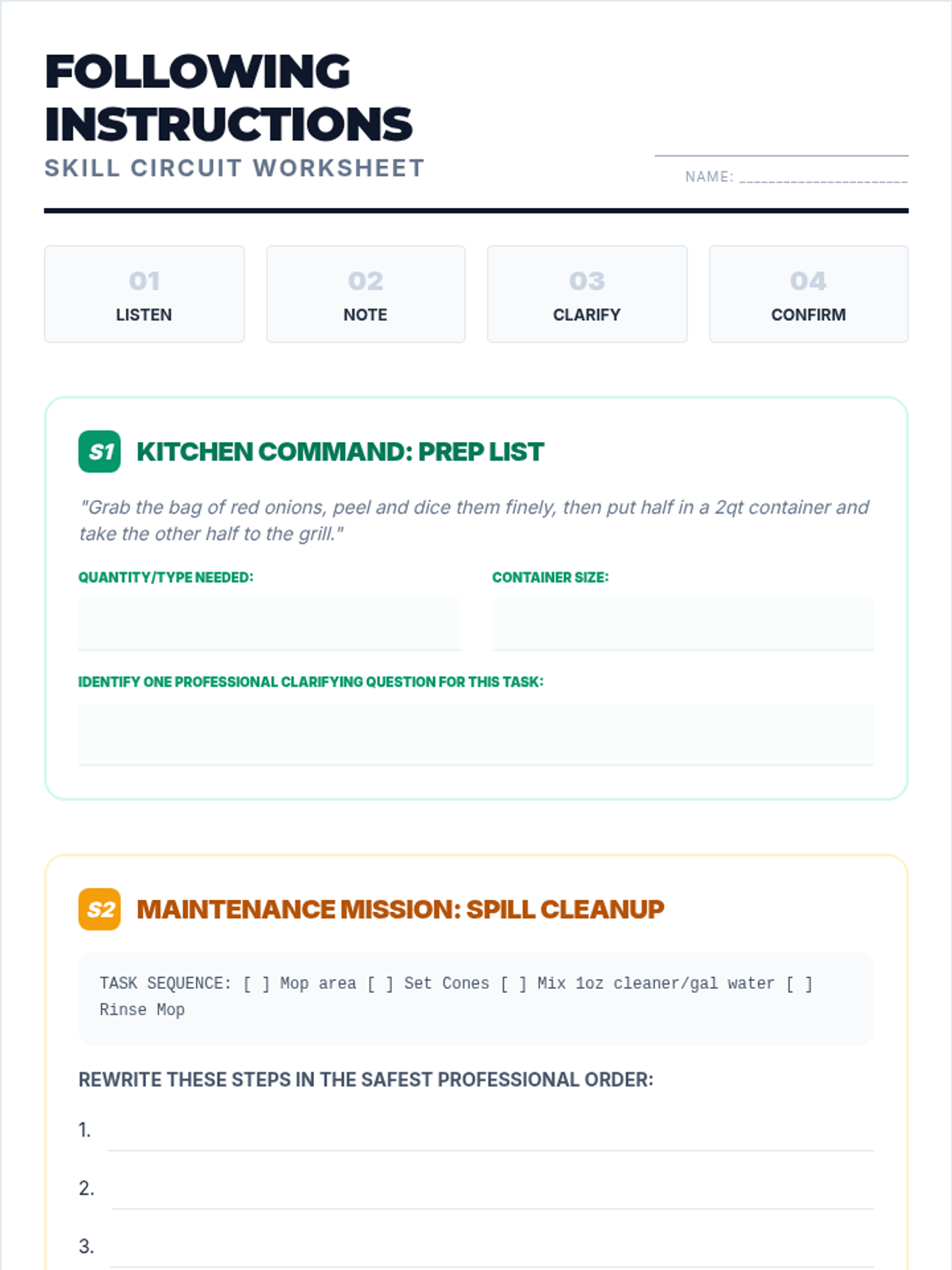
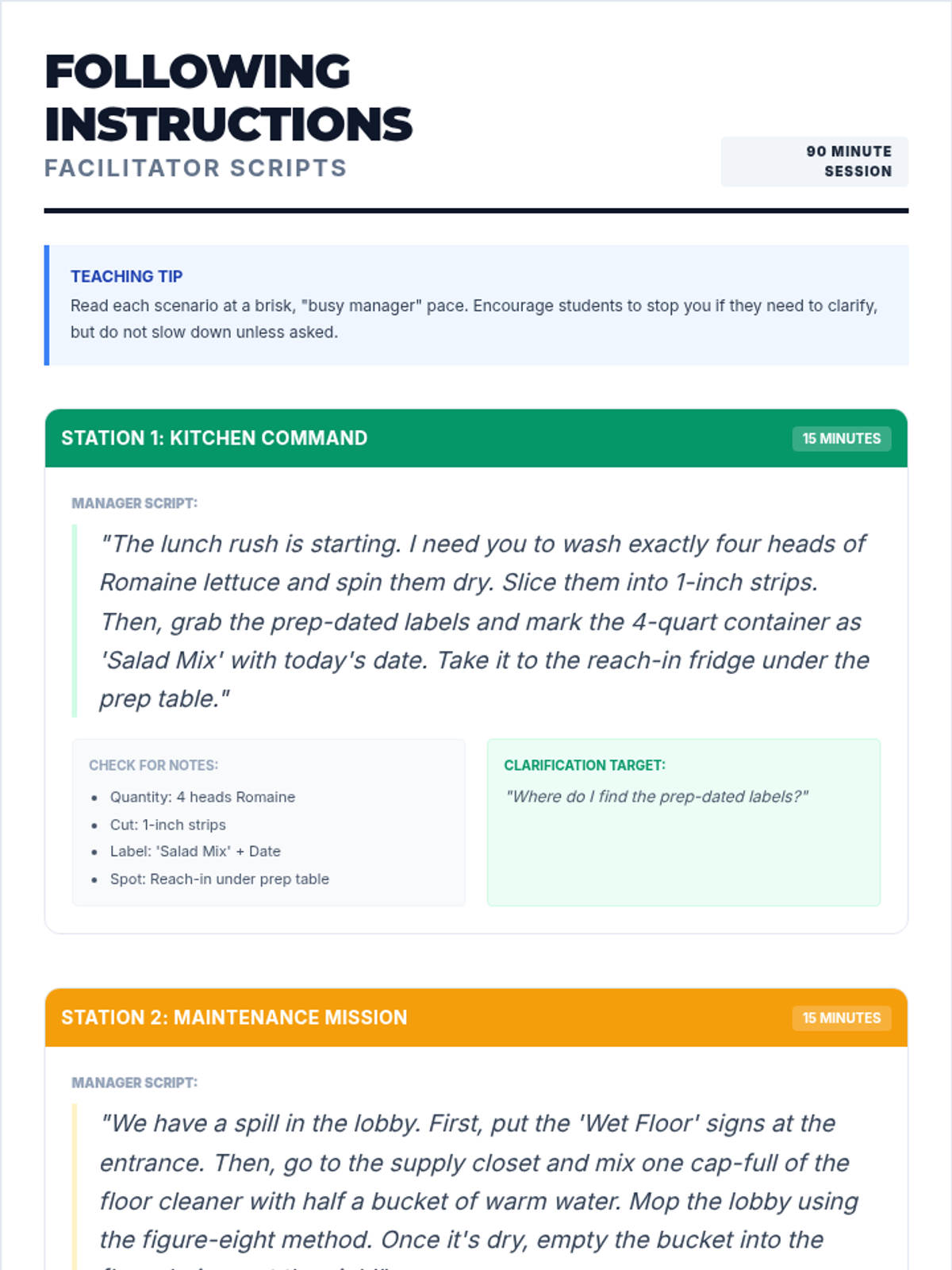
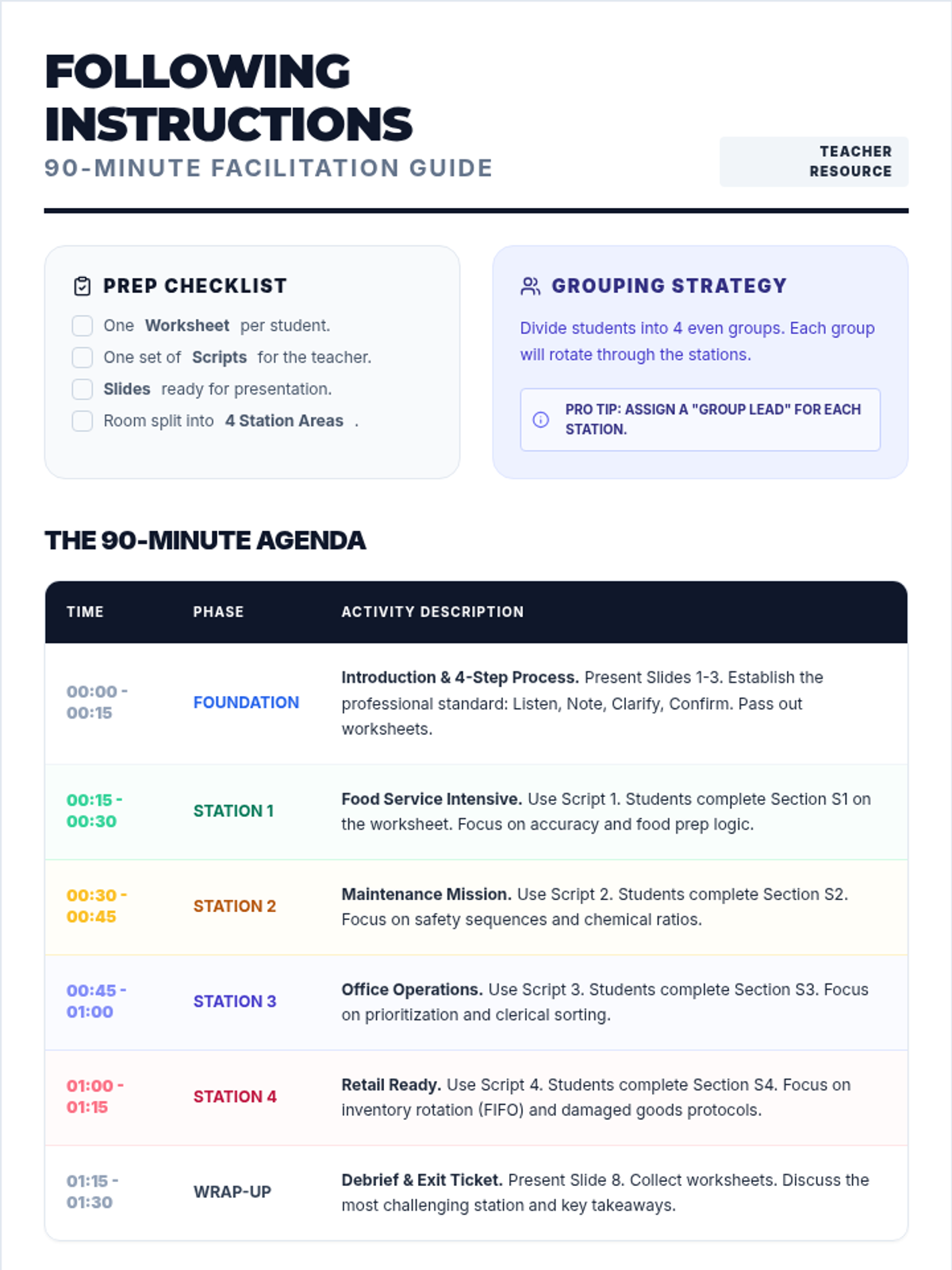
The core 90-minute training session covering four industry-specific challenges. Students rotate through scenarios to master the 4-step professional process for following instructions.
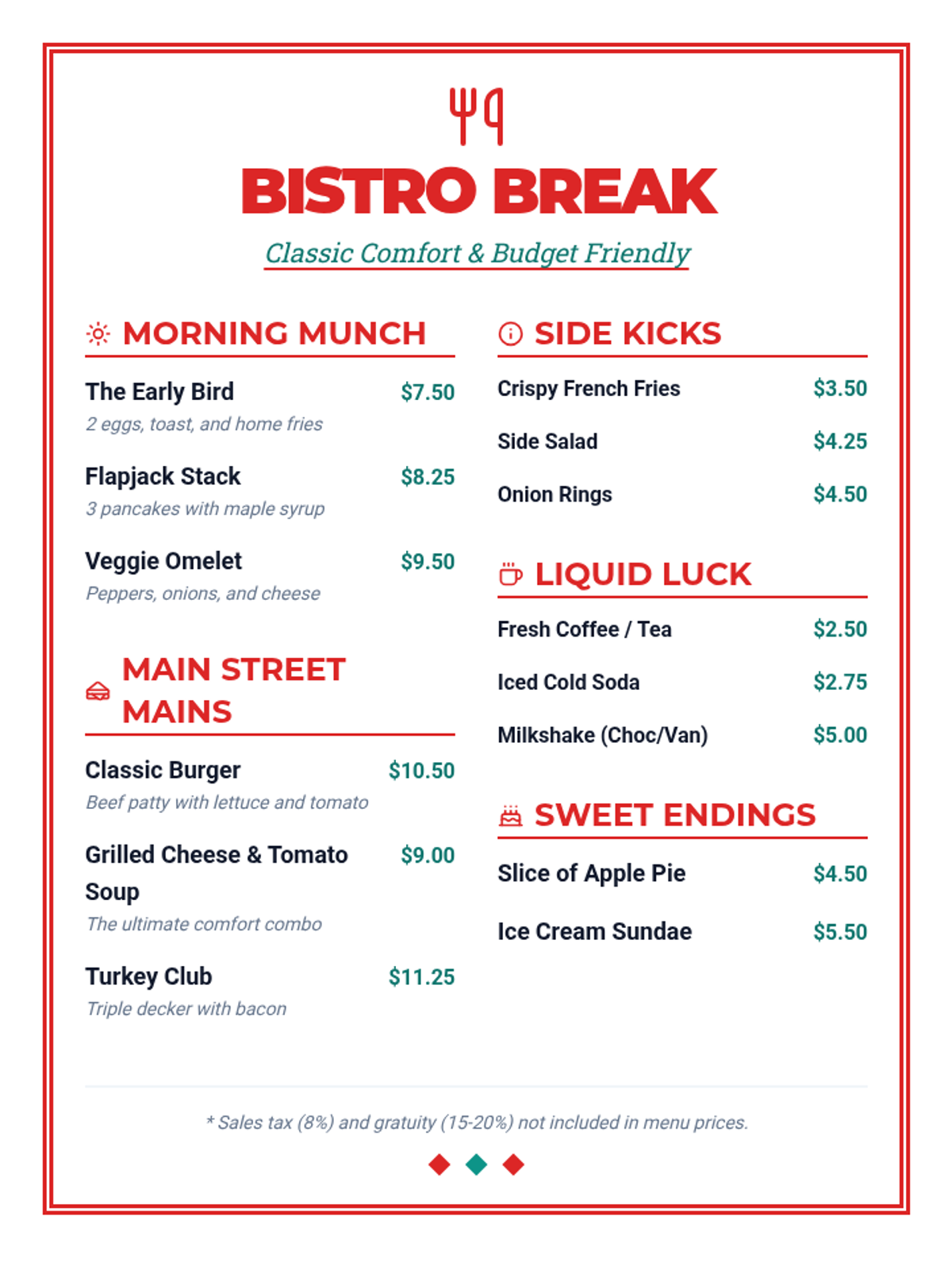
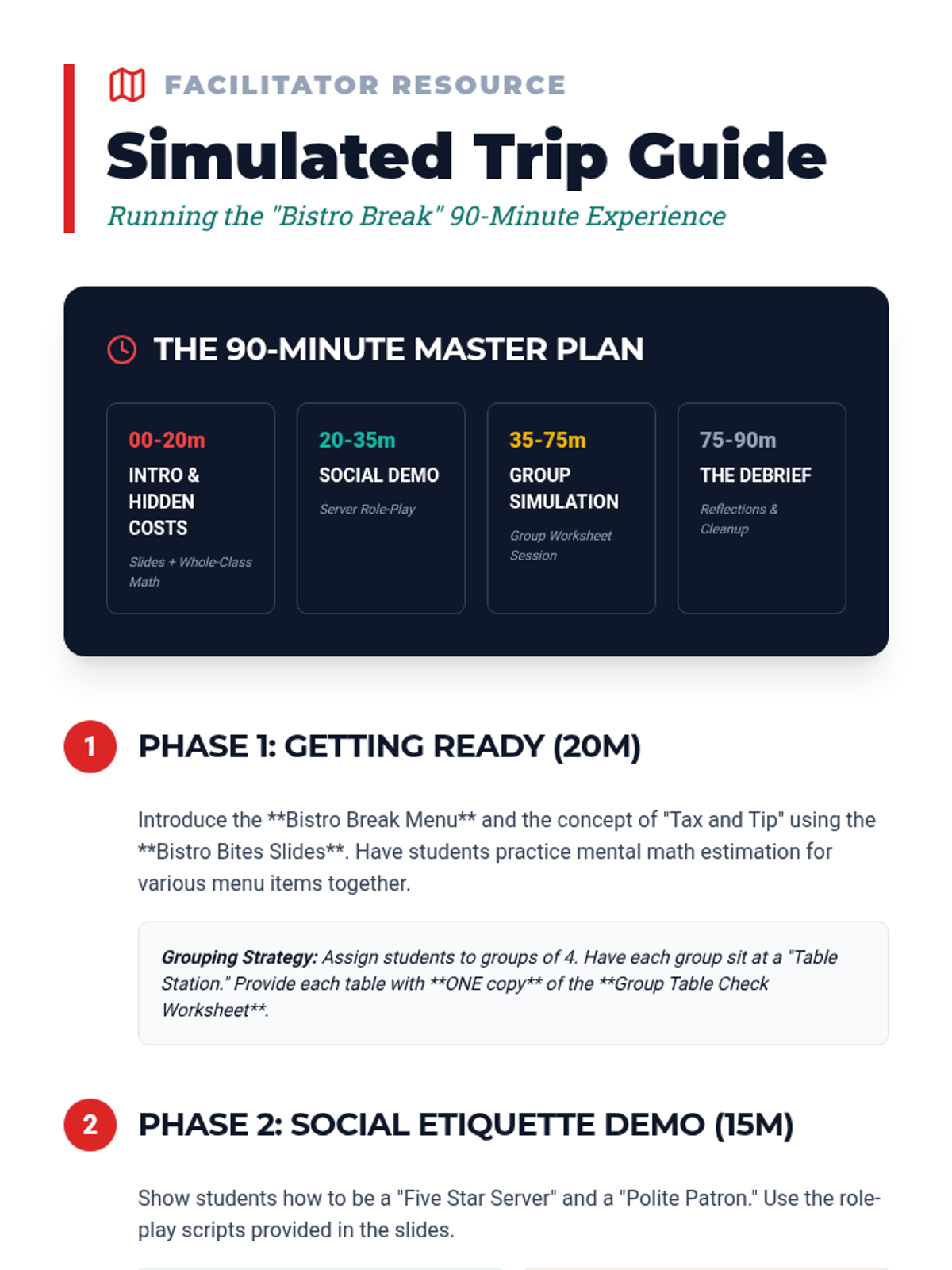
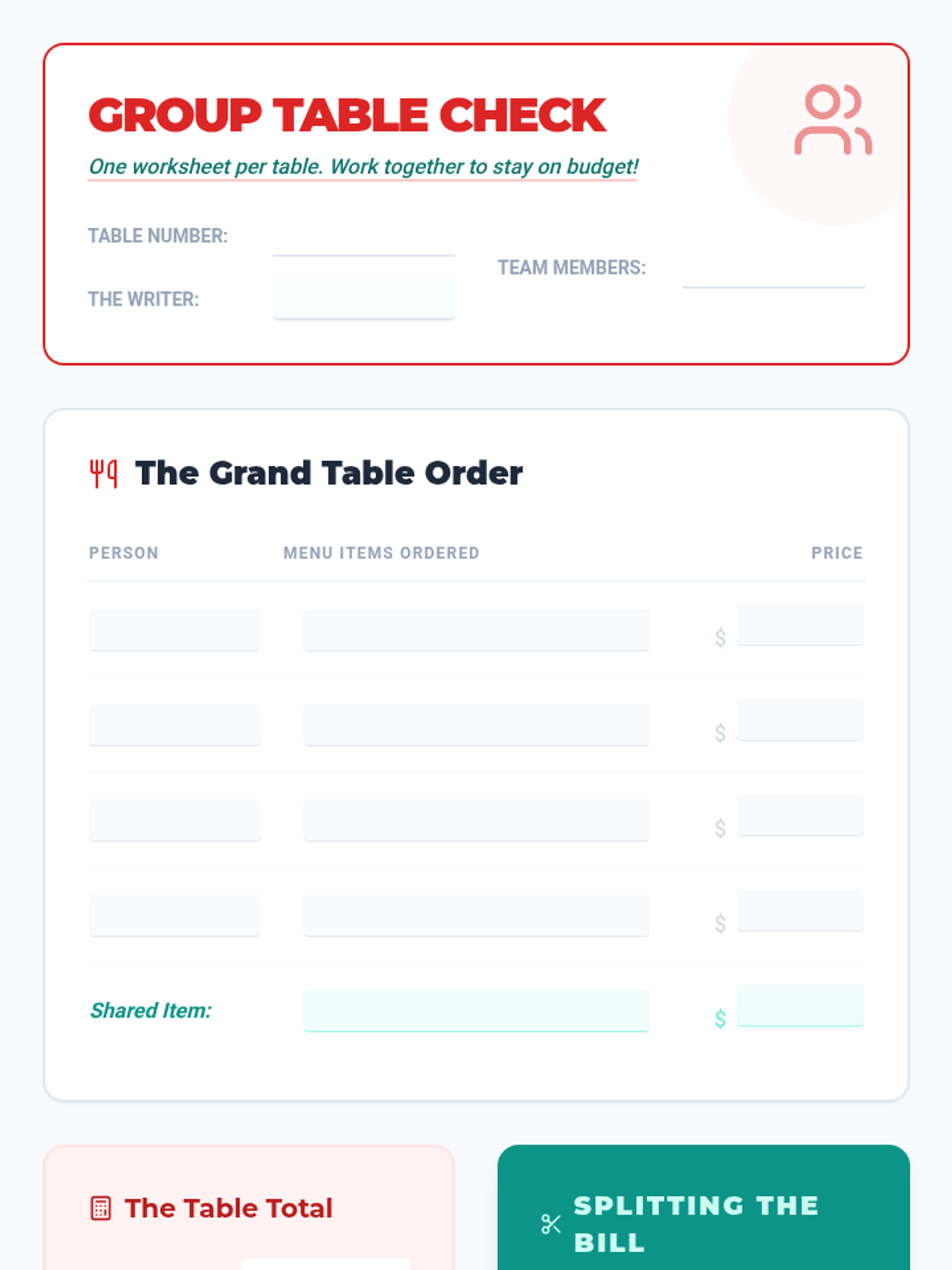
A functional skills lesson focused on navigating a restaurant experience on a budget, covering menu reading, budget planning, social etiquette, and group check splitting.
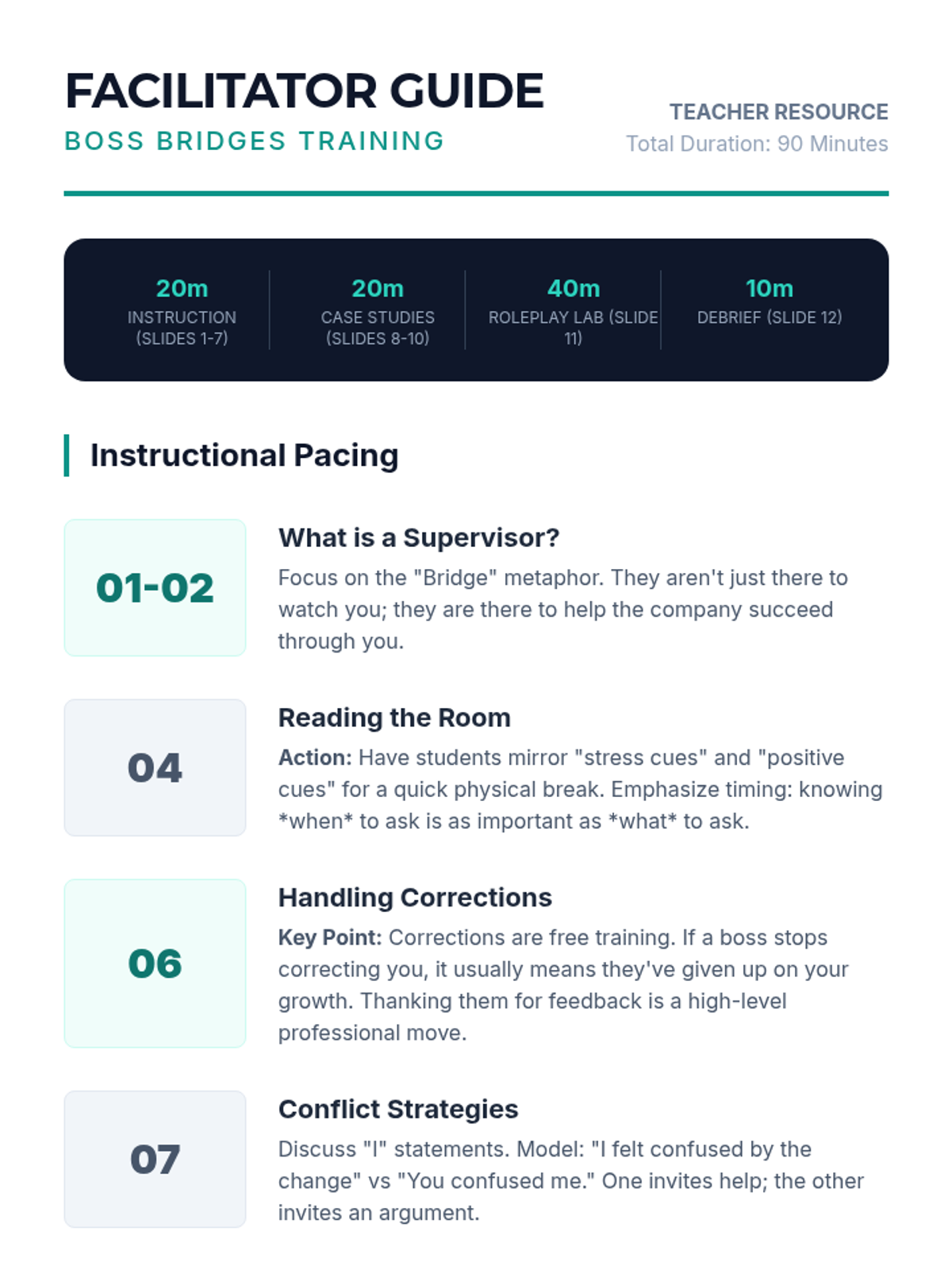
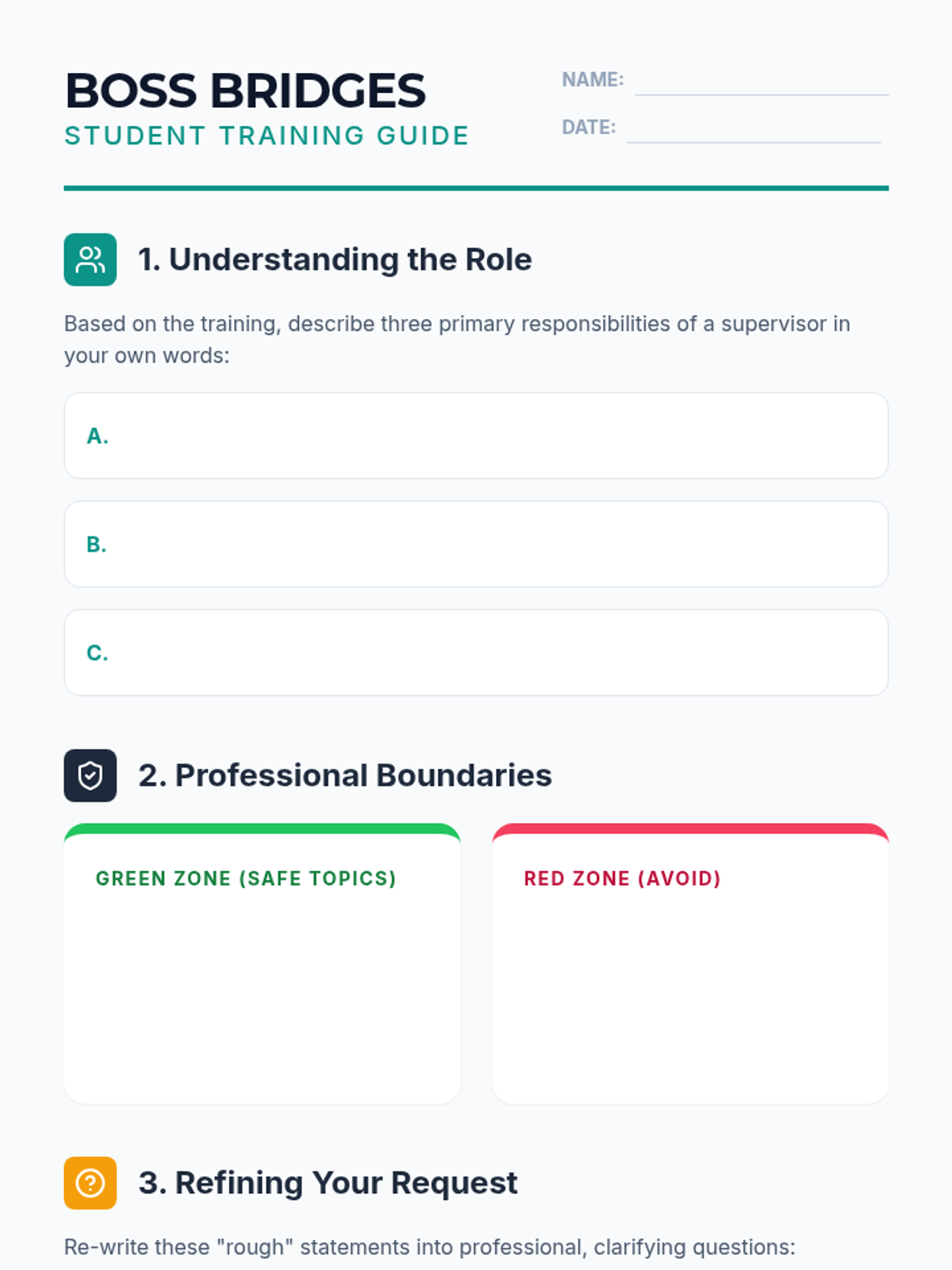
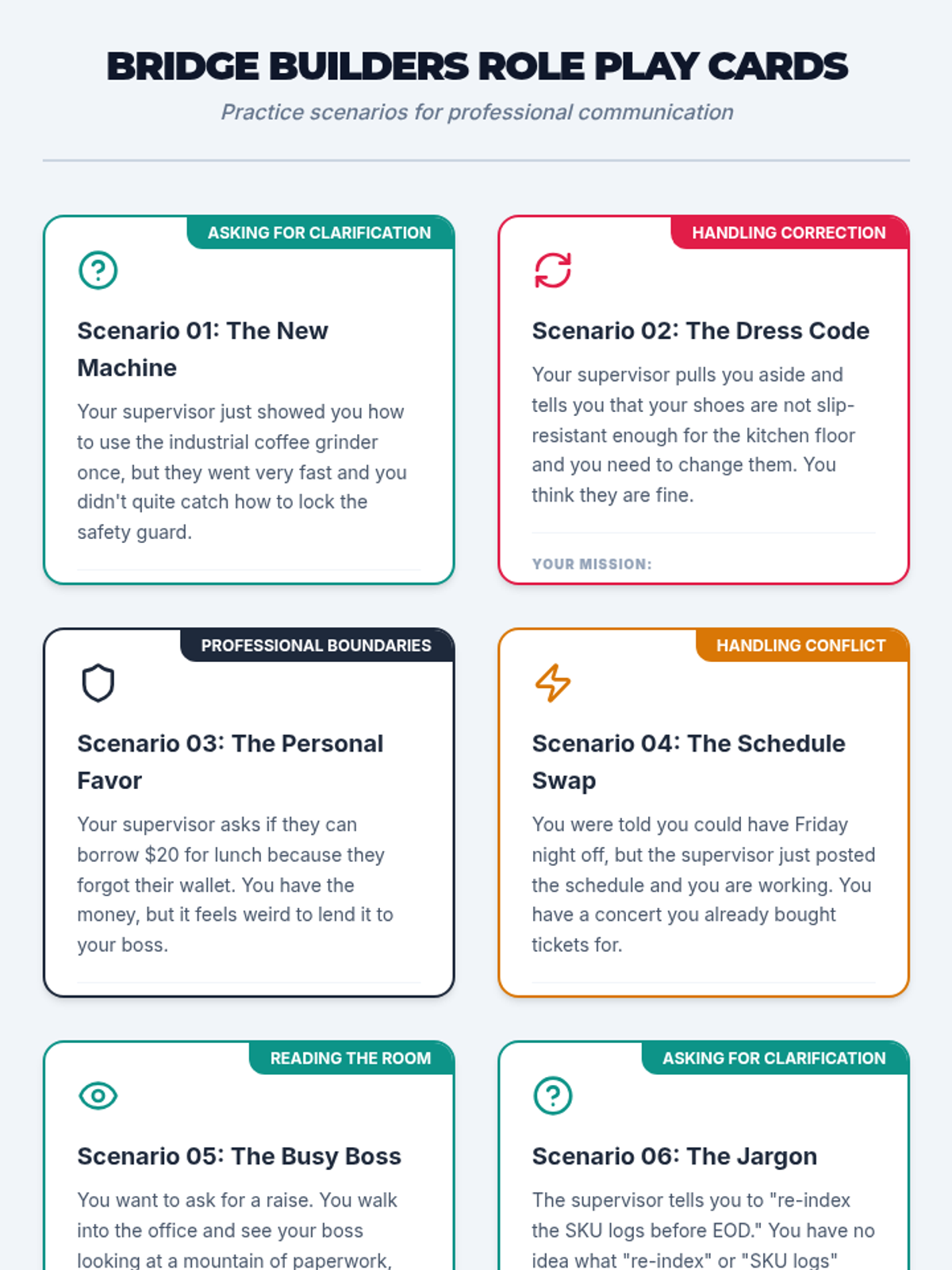
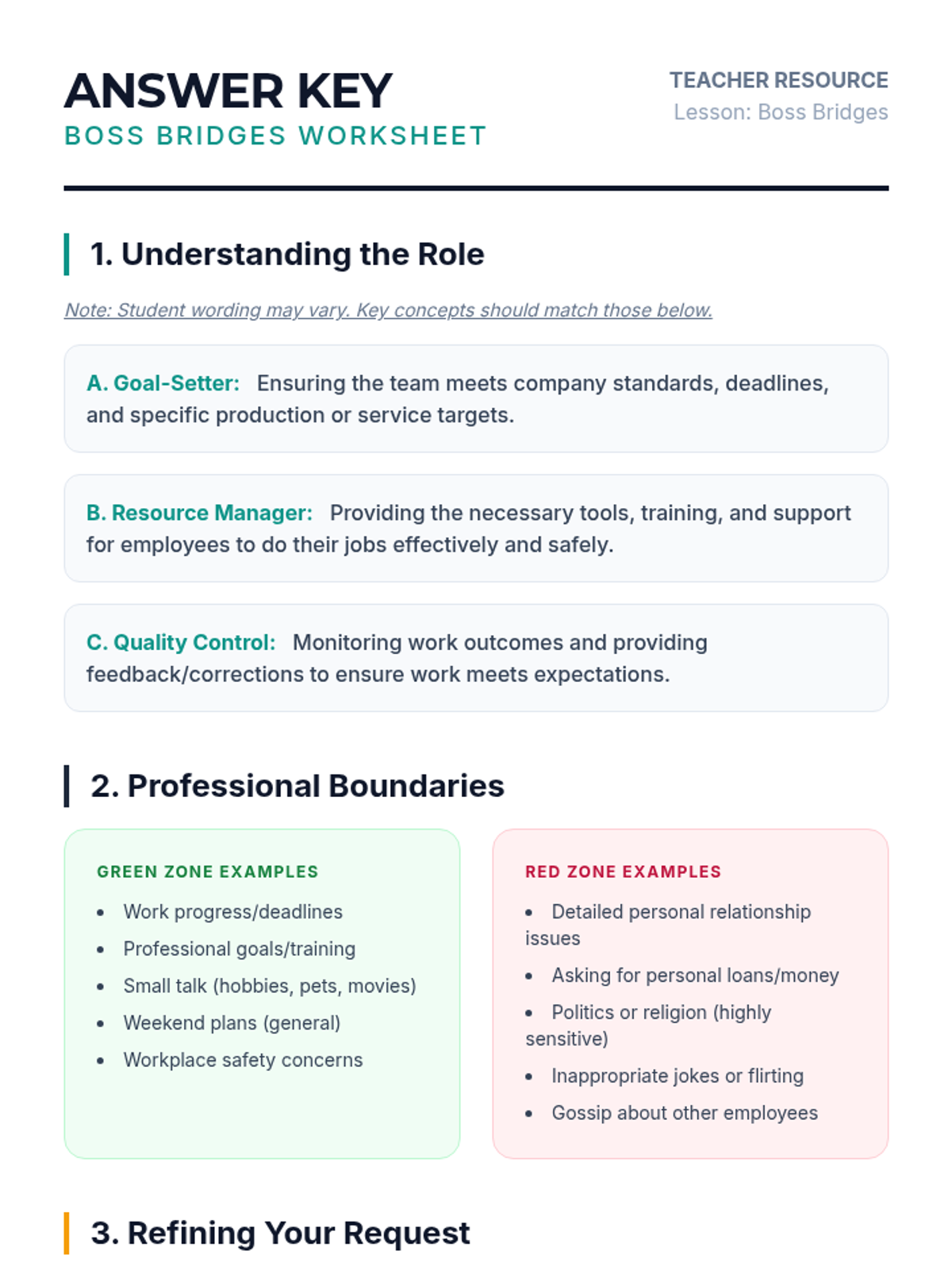
A comprehensive training session focusing on the professional relationship between employees and supervisors. Students will learn about supervisor roles, boundaries, communication strategies, and conflict resolution through interactive case studies.
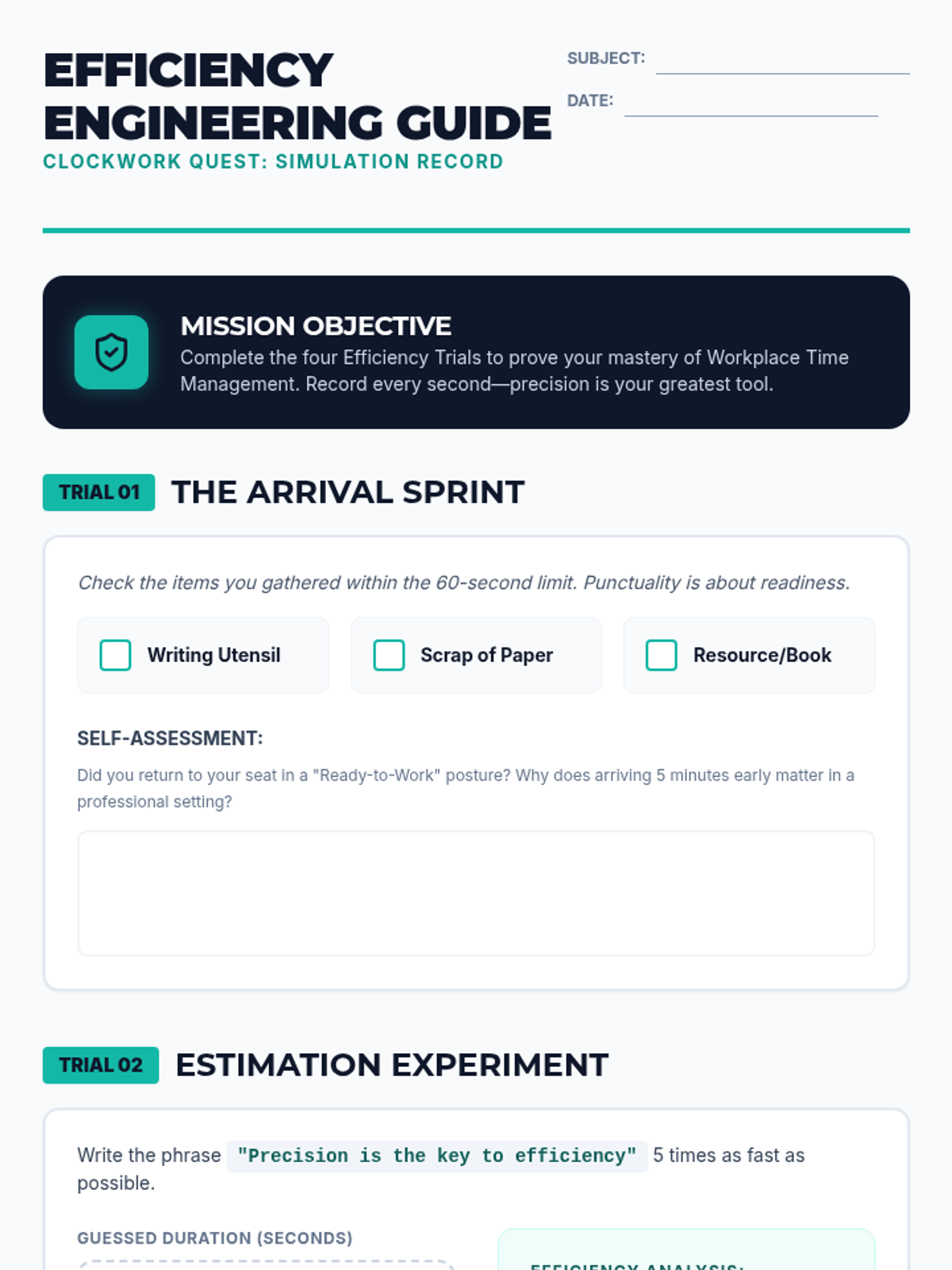
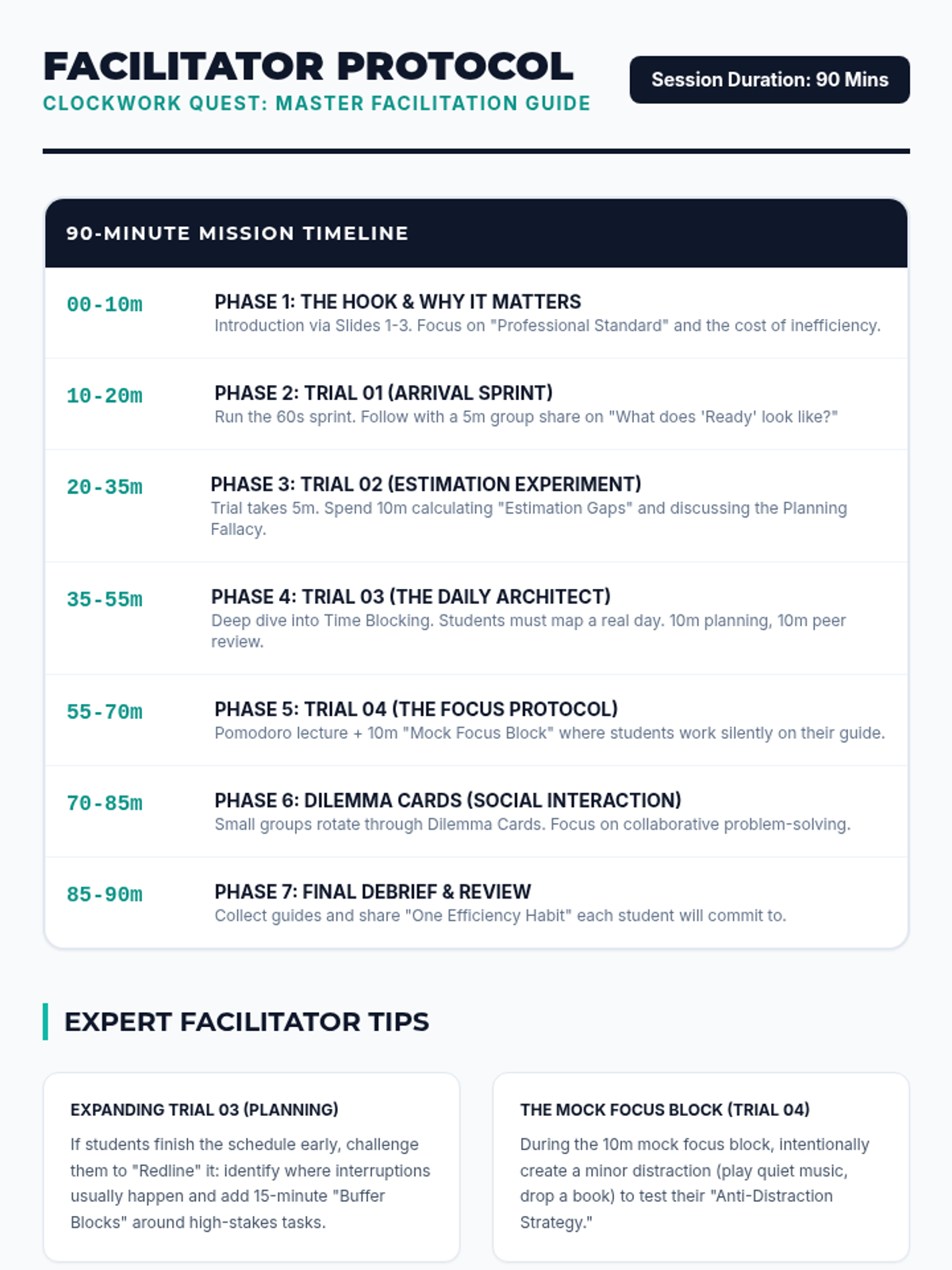
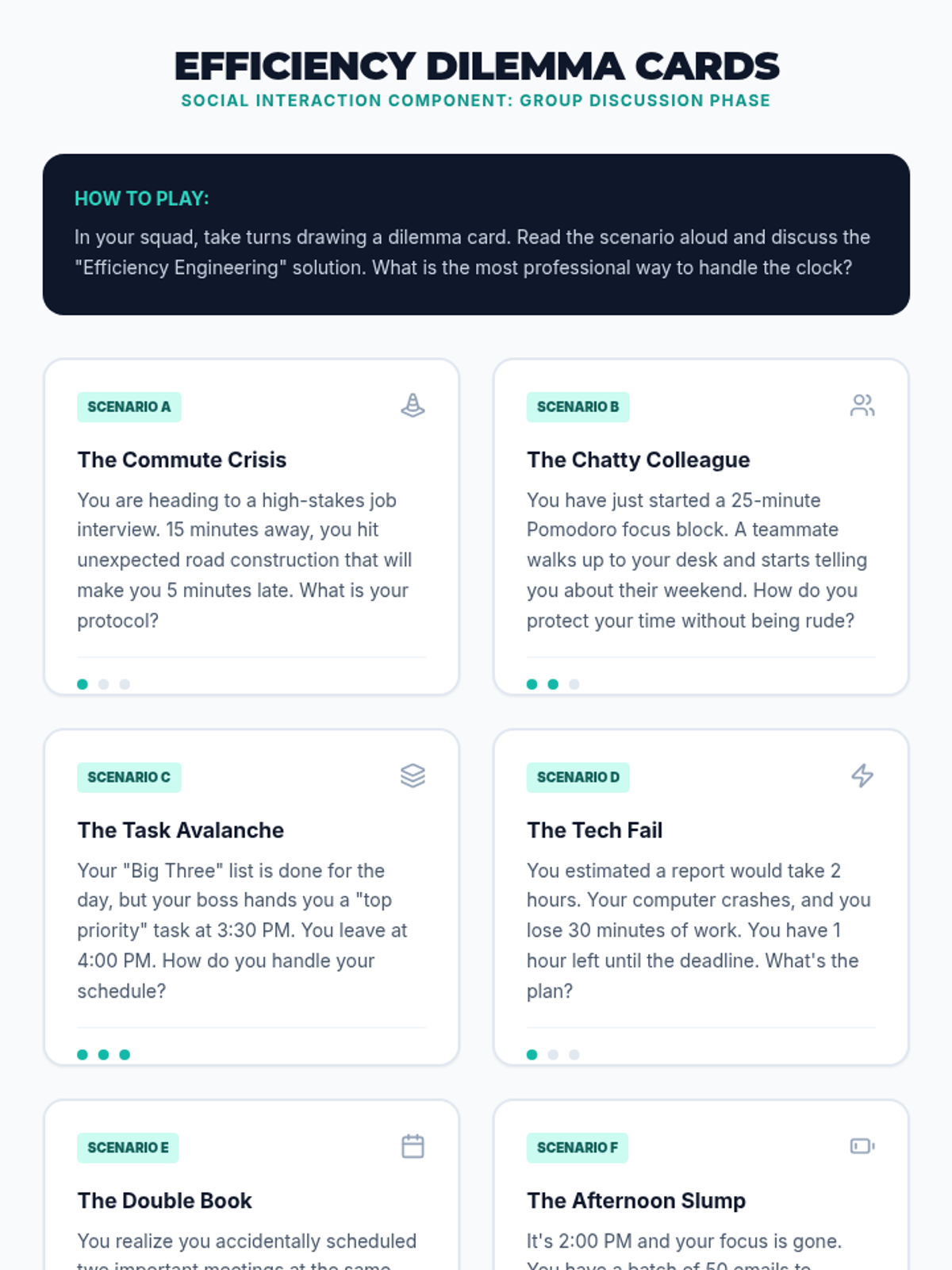
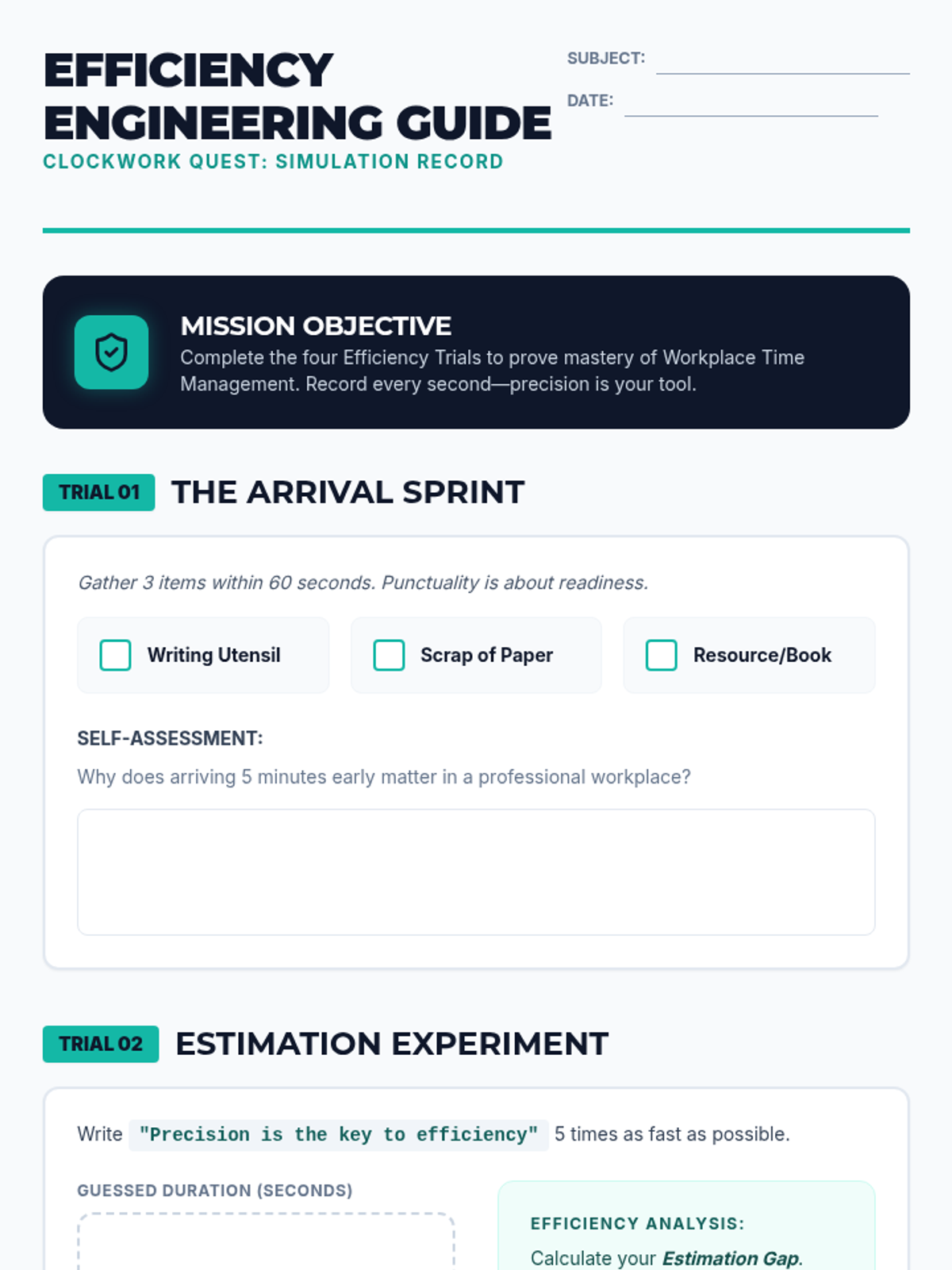
A lesson focused on mastering time management through hands-on 'trials' that teach punctuality, task estimation, scheduling, and focus techniques.
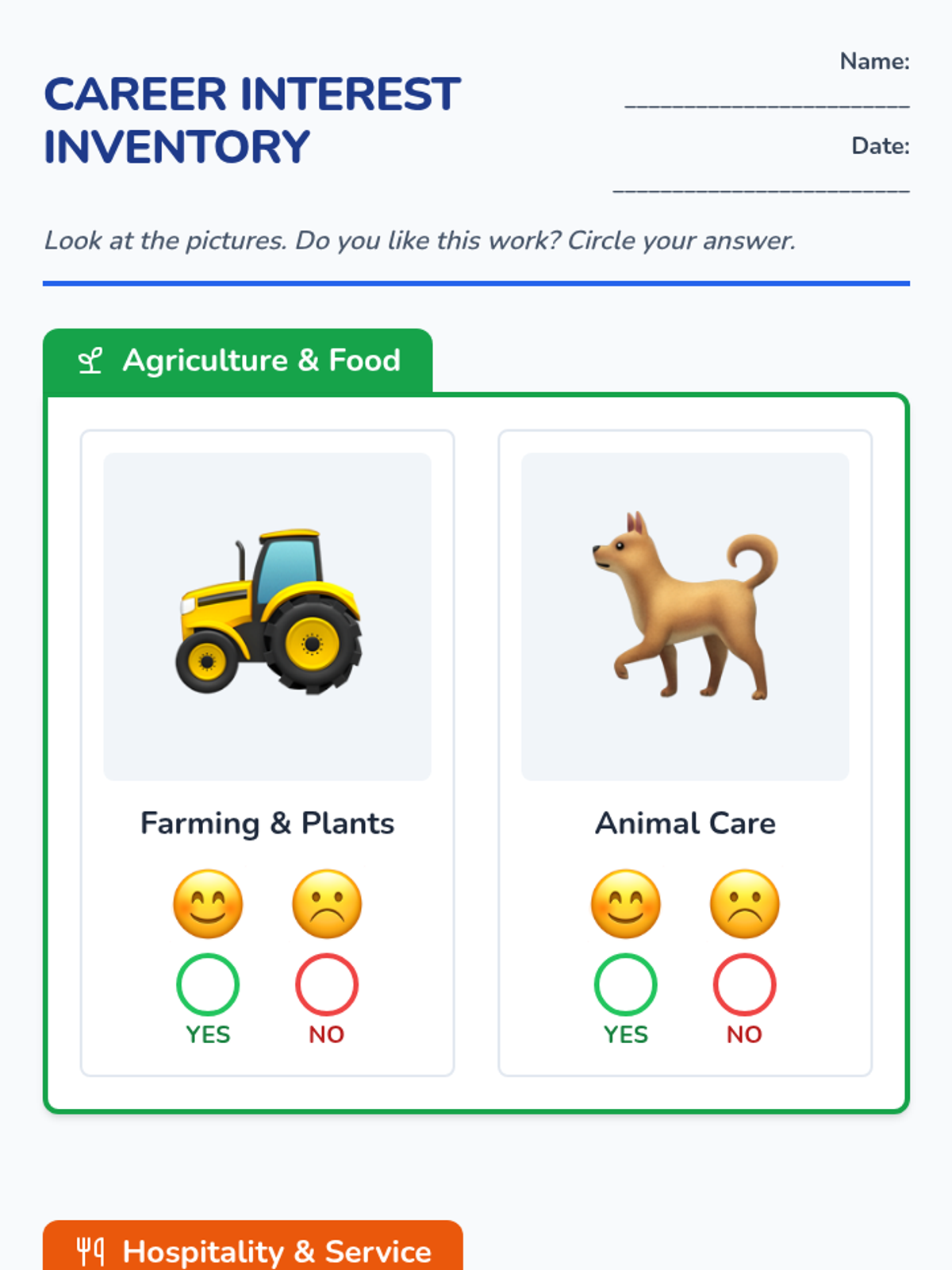
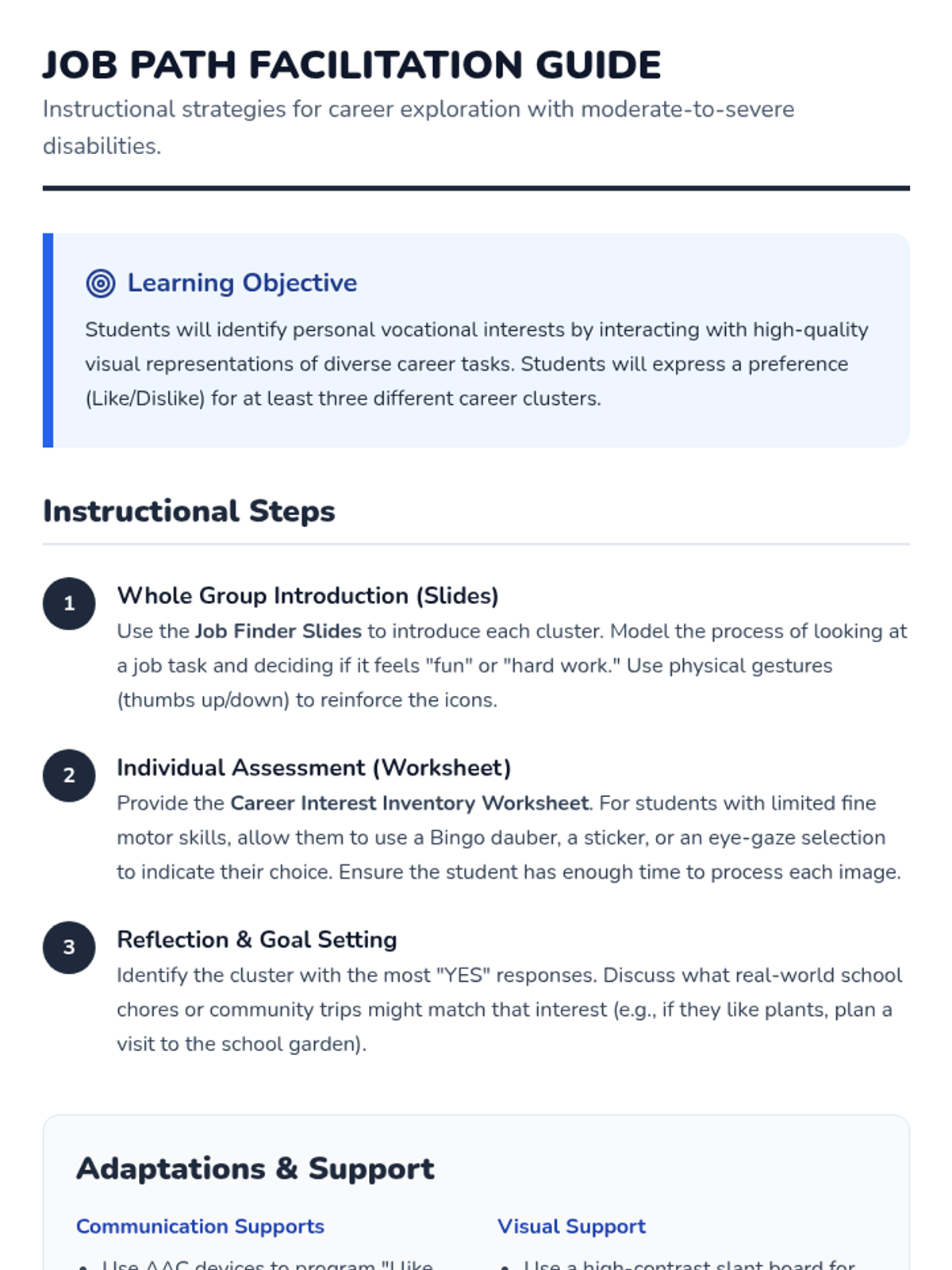
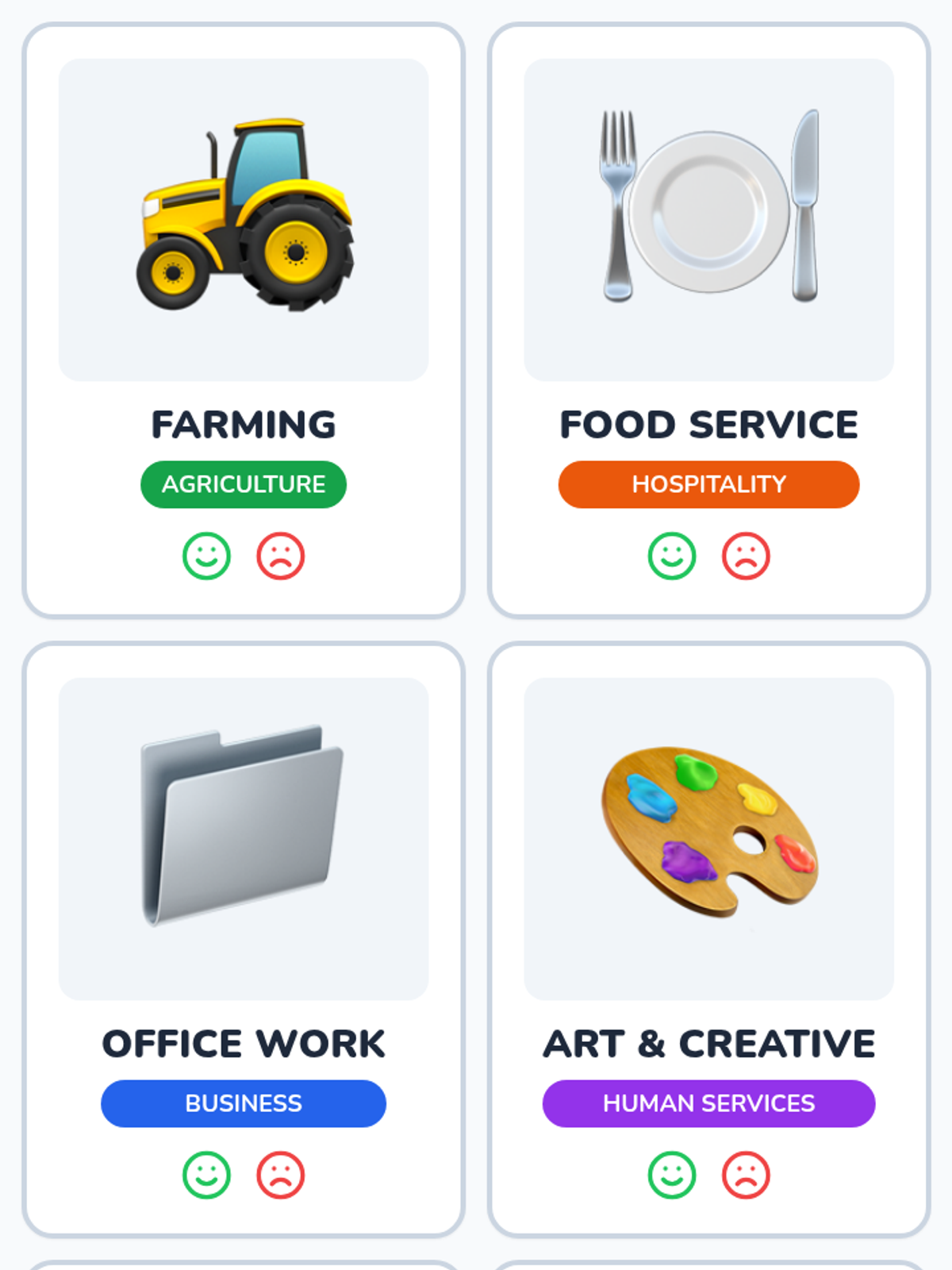
A visual career exploration lesson designed for students with moderate to severe disabilities, using real photos to identify interests across various career clusters.
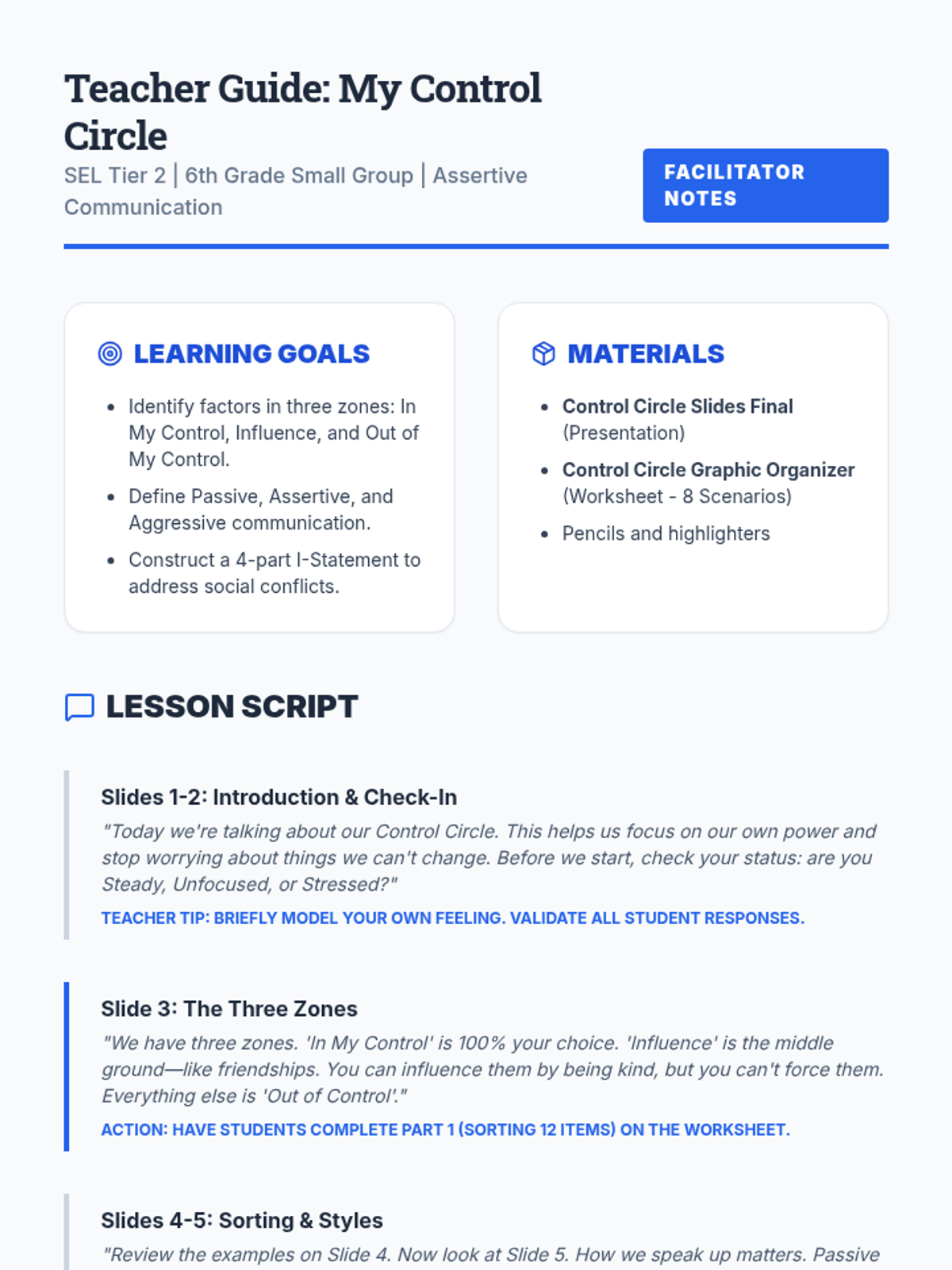
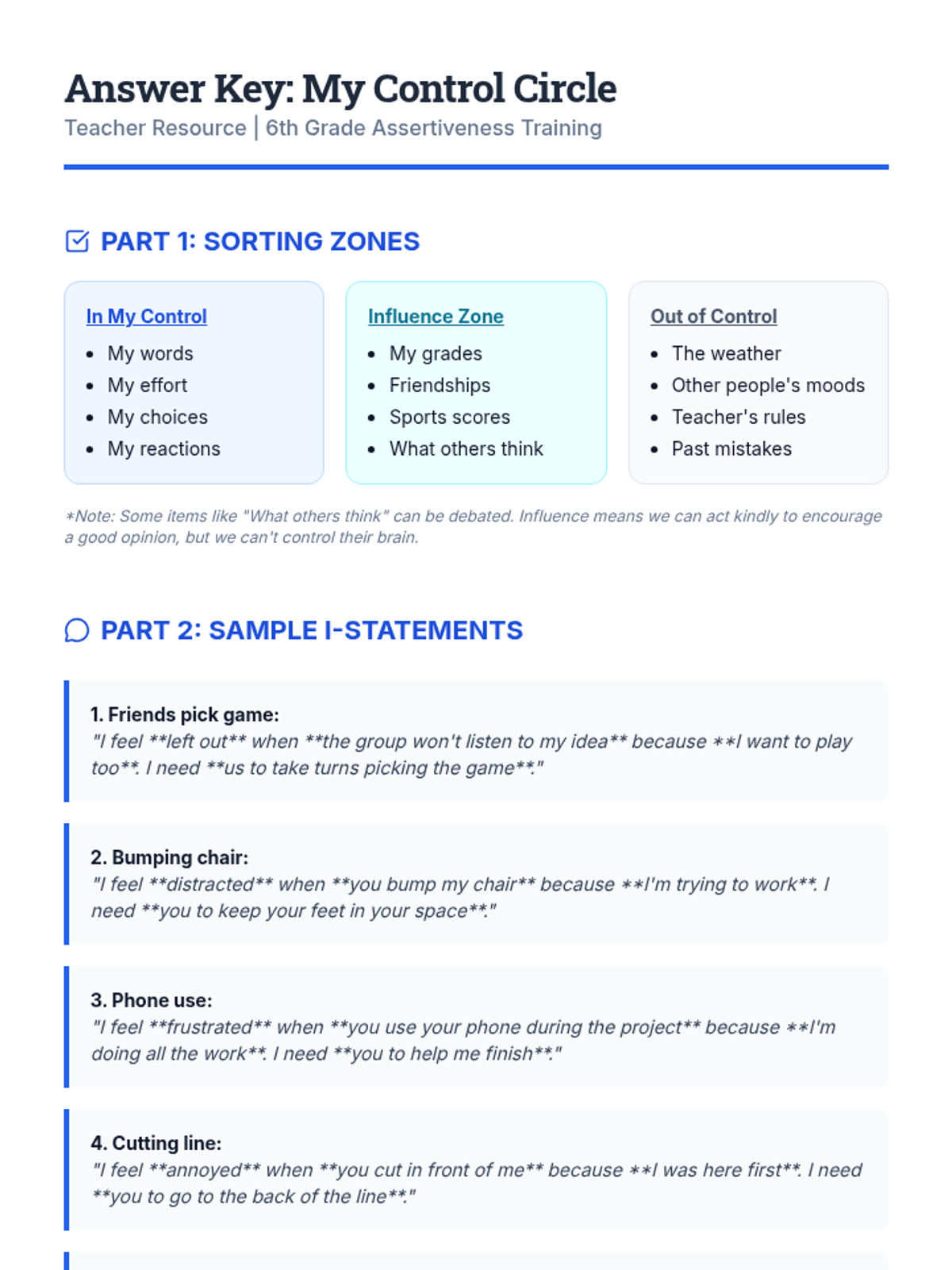
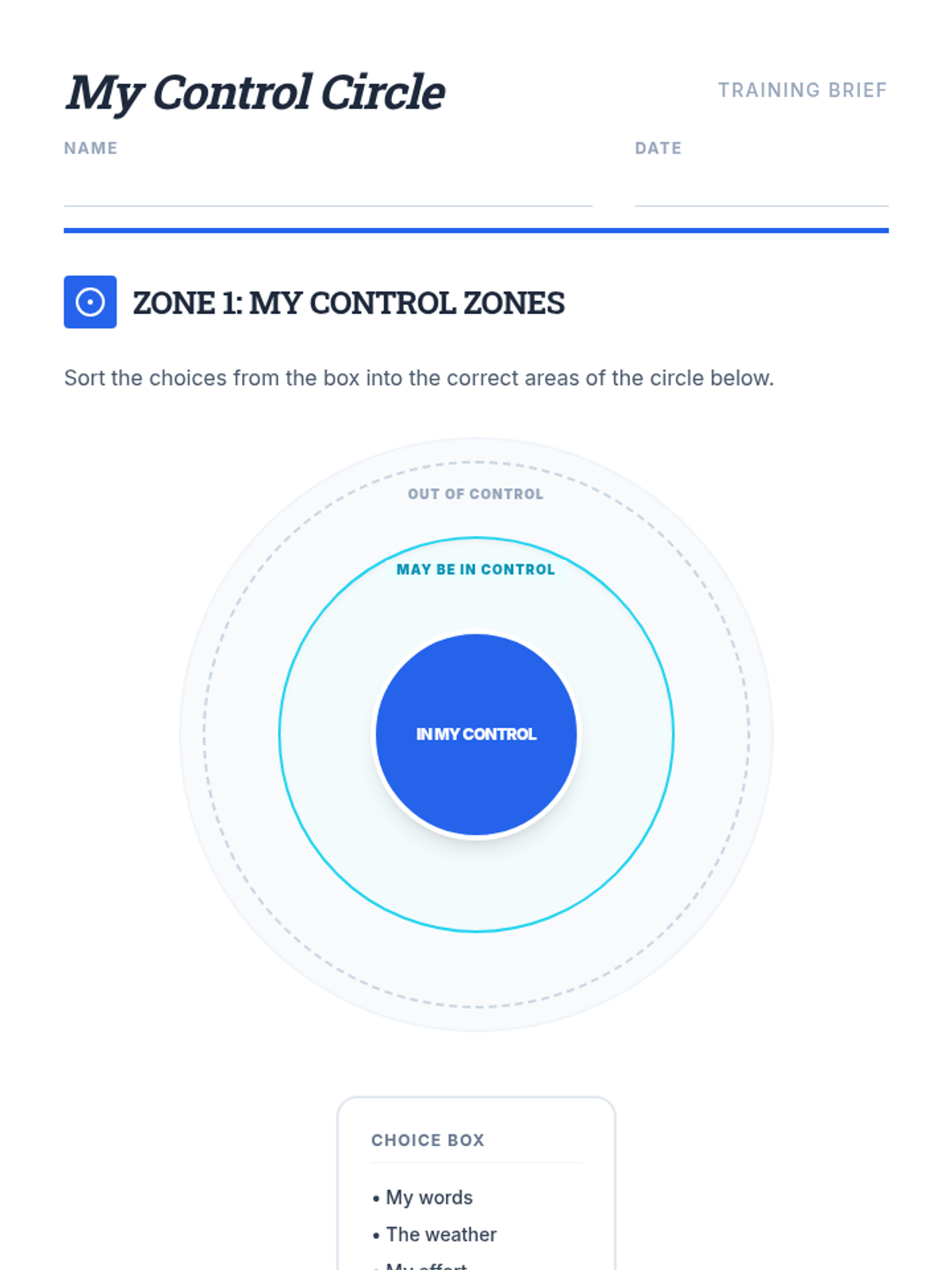
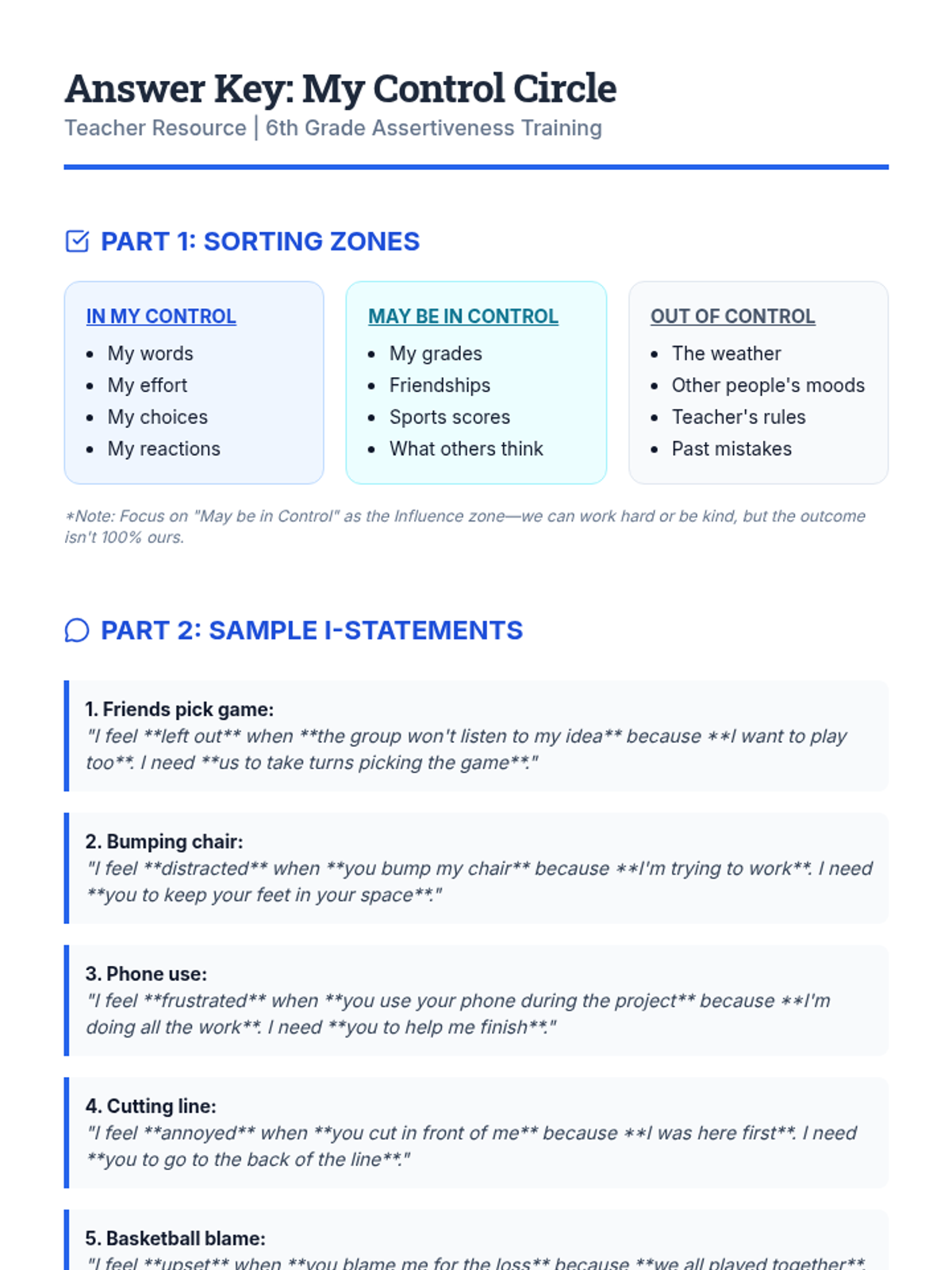
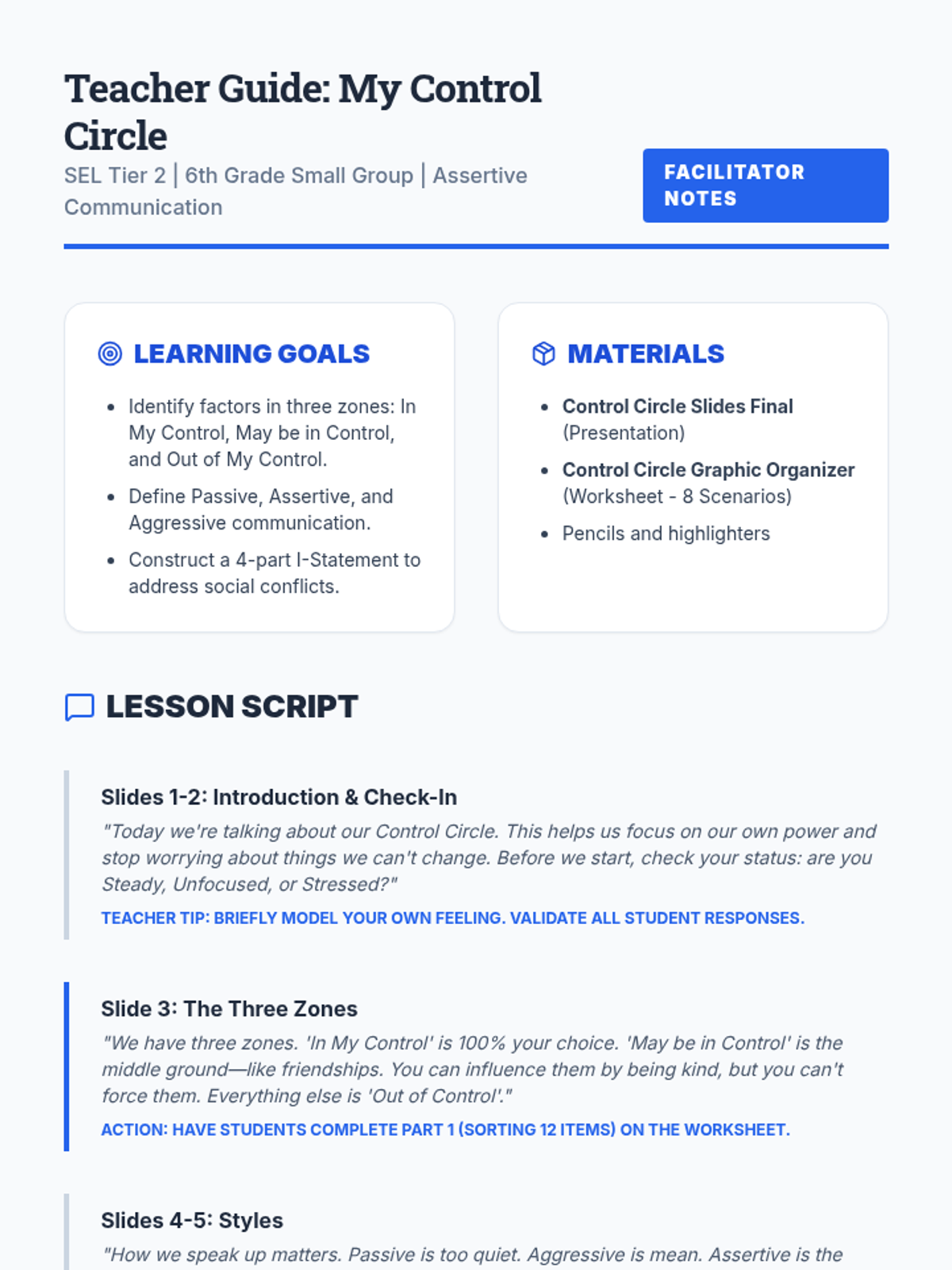
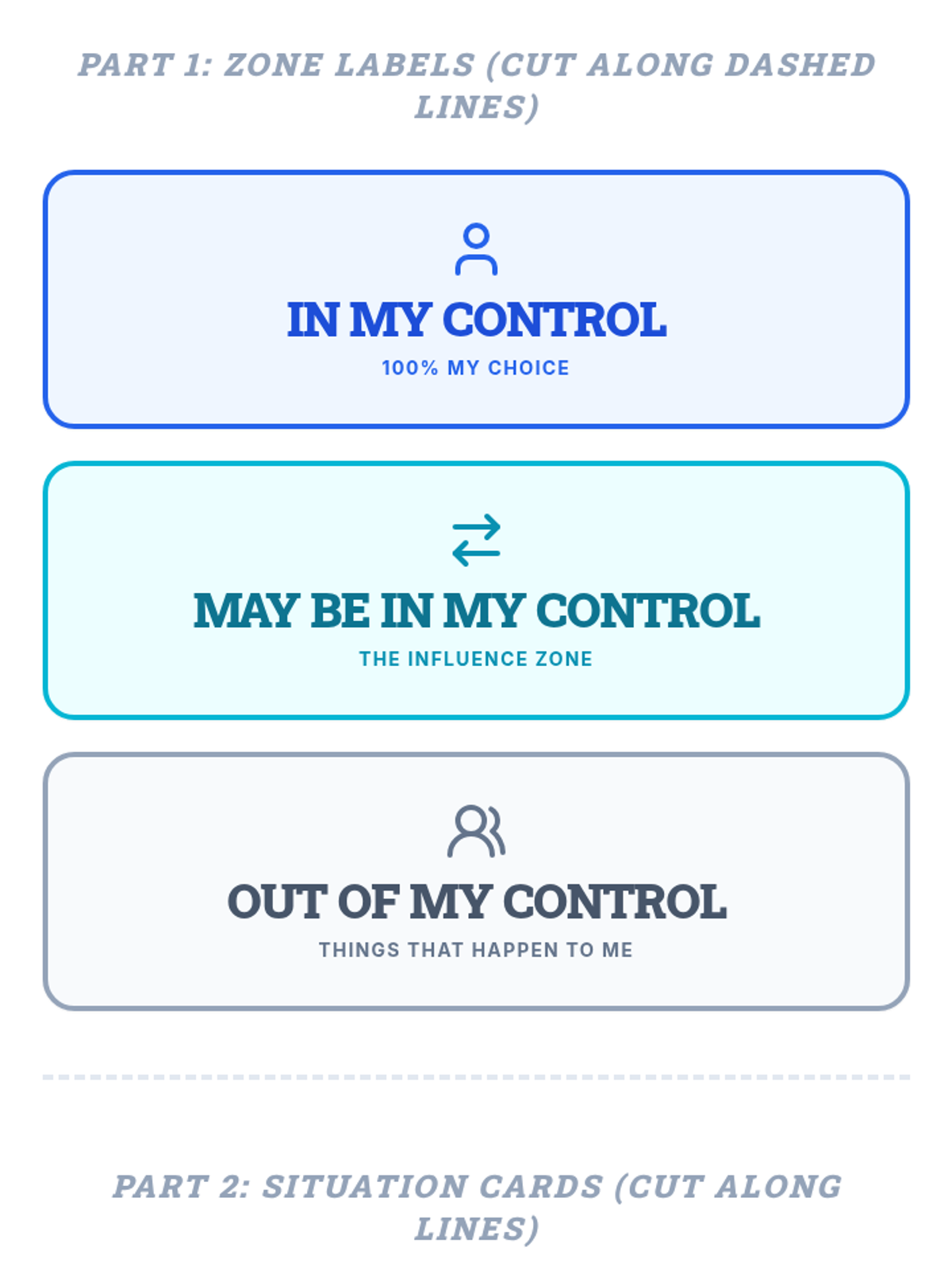
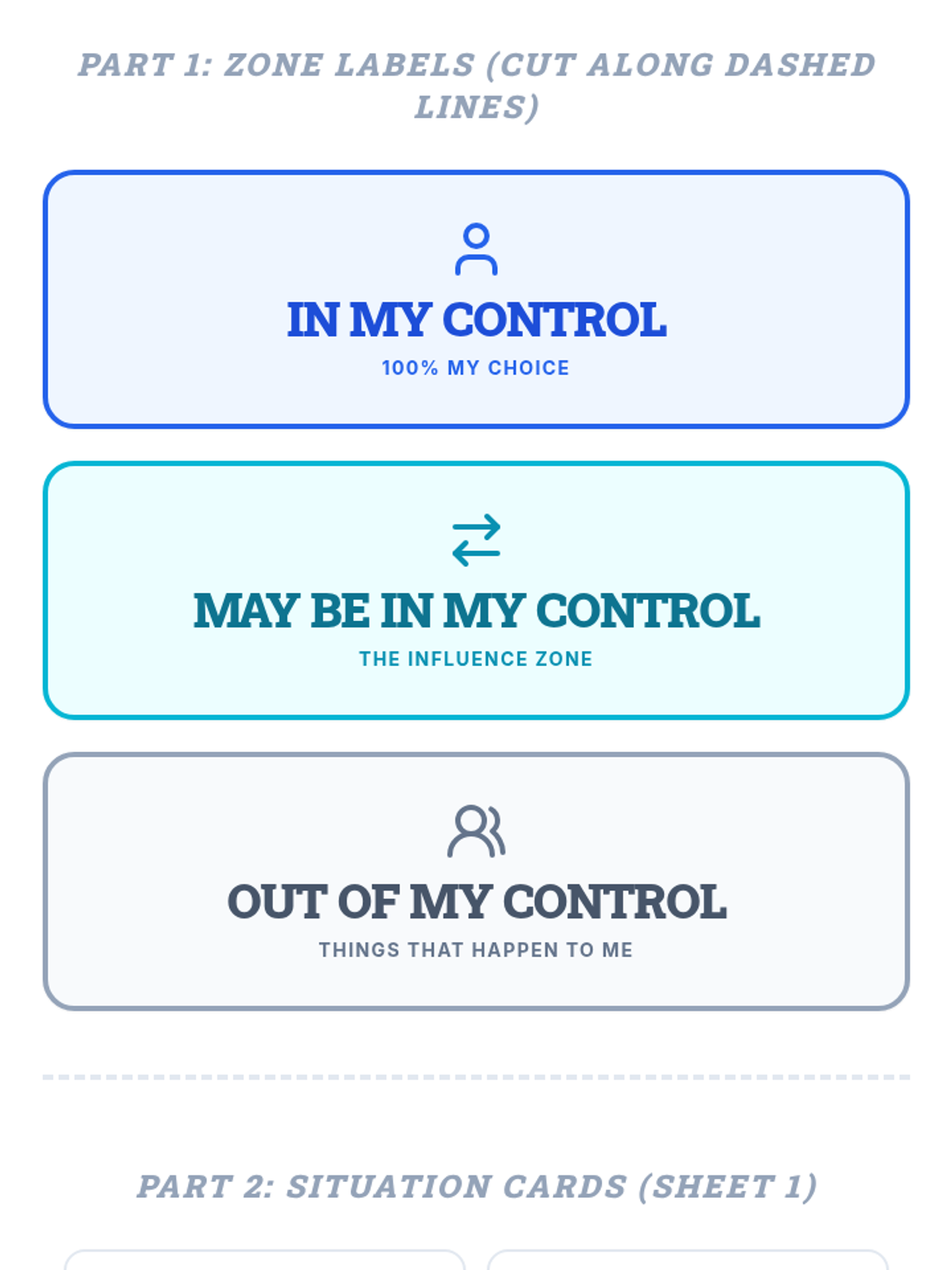
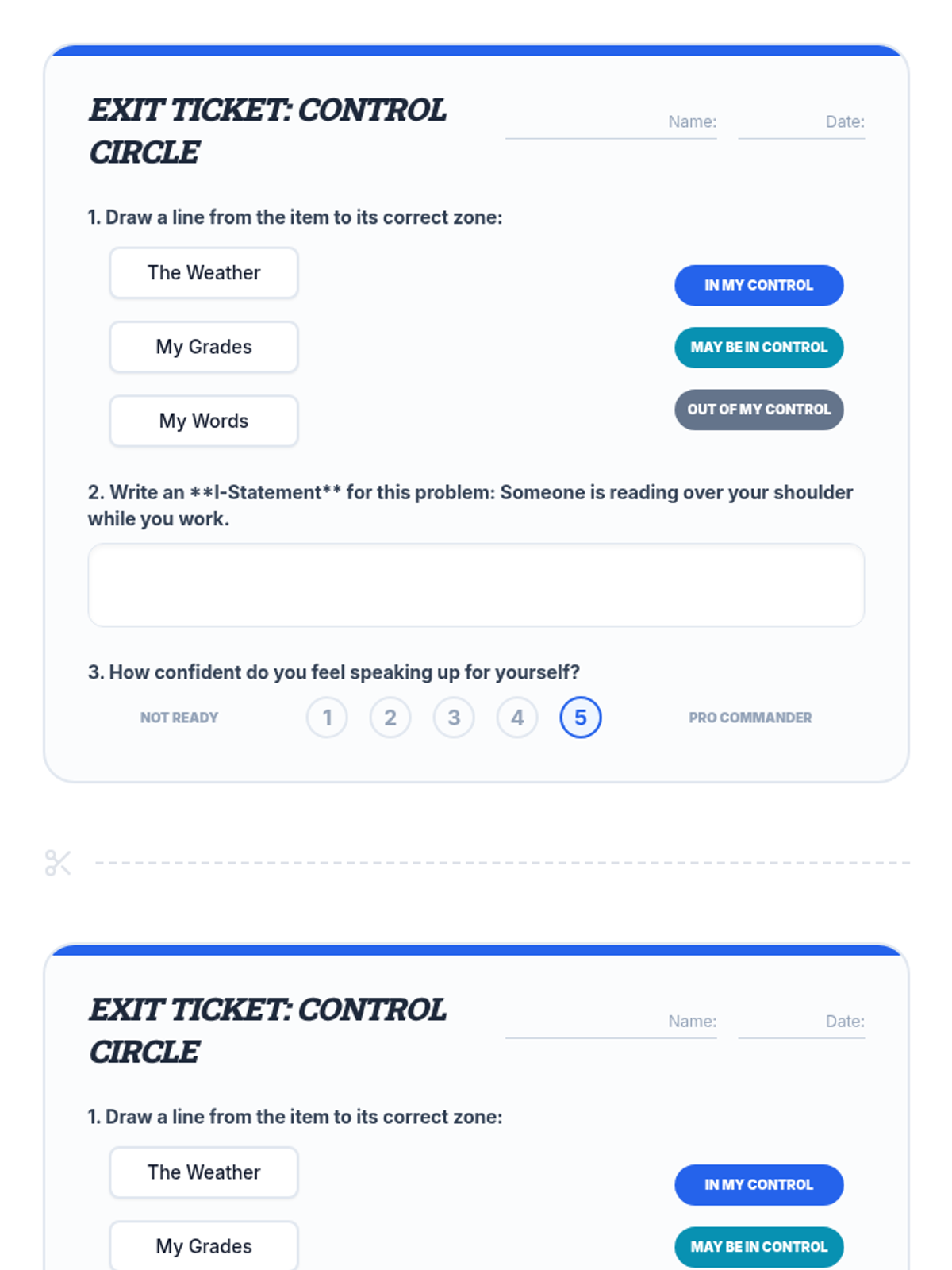
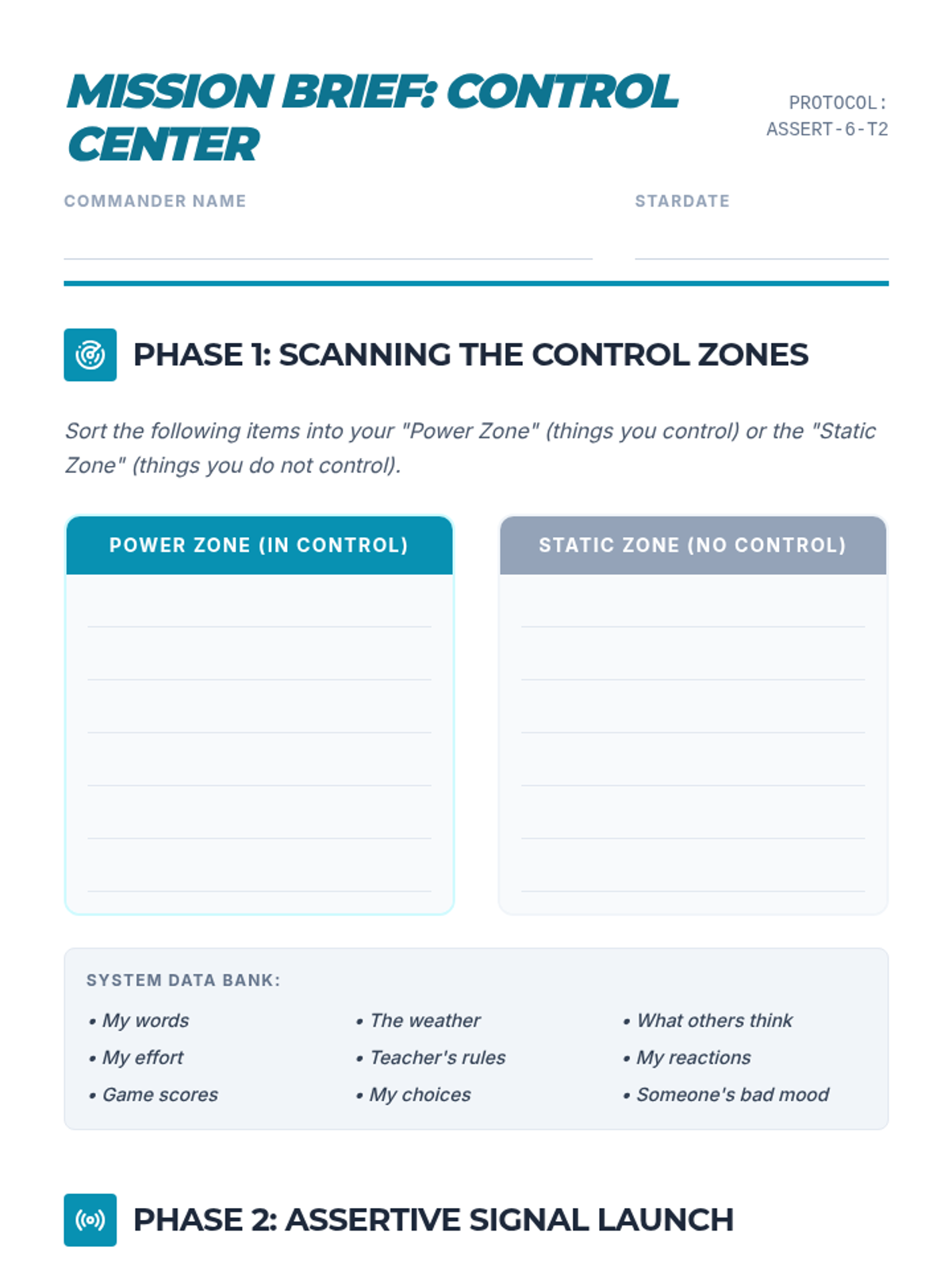
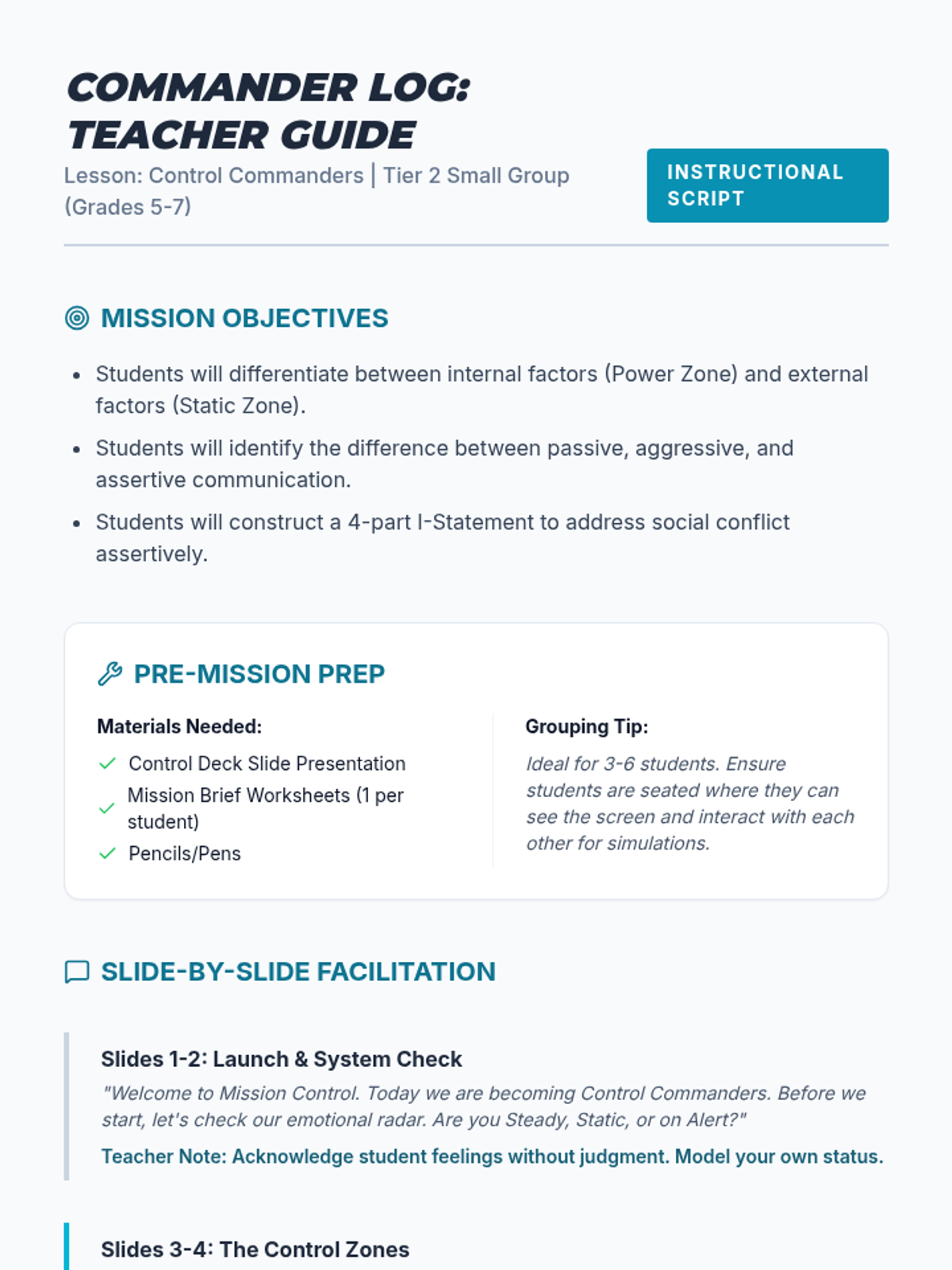
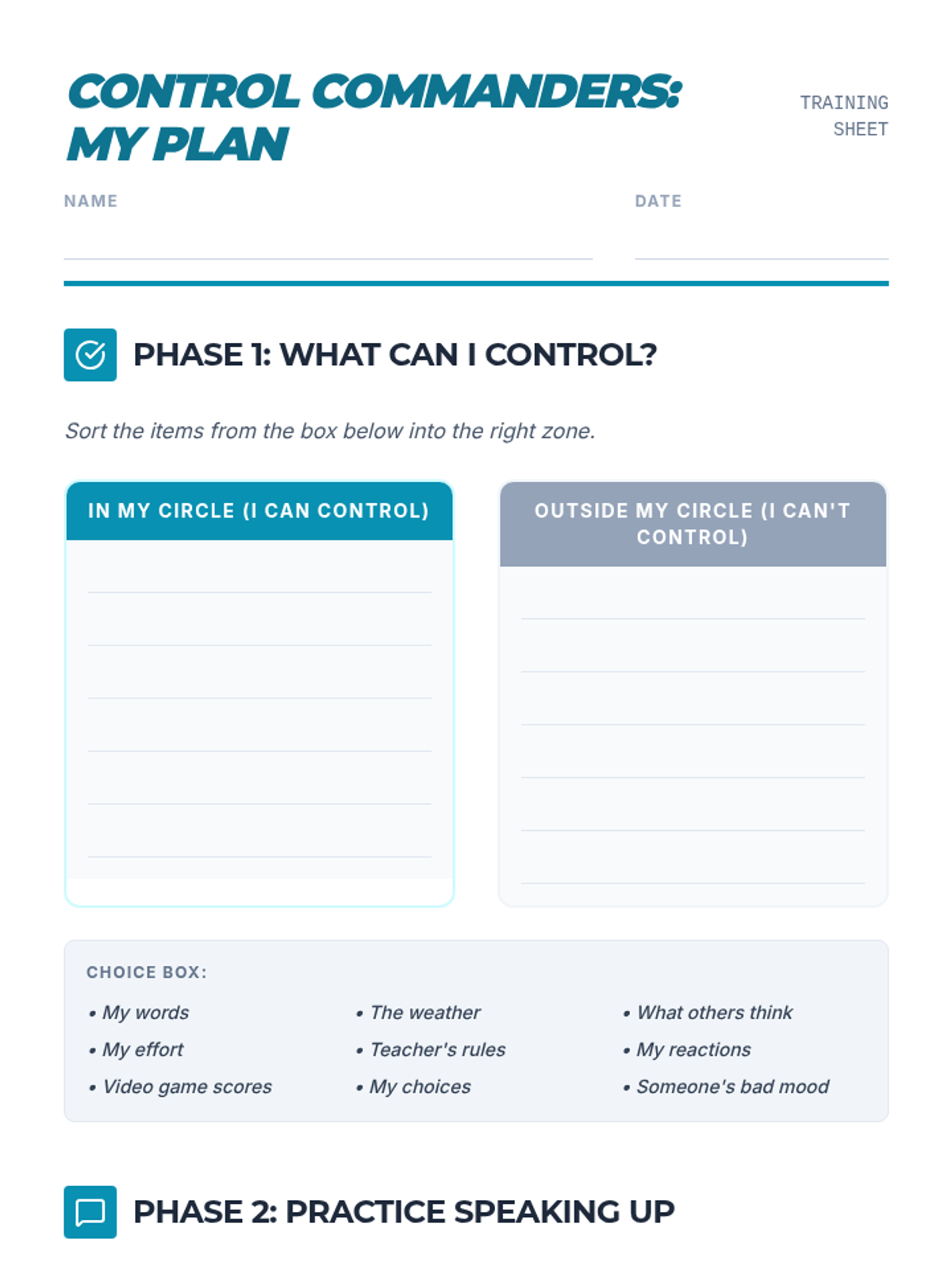
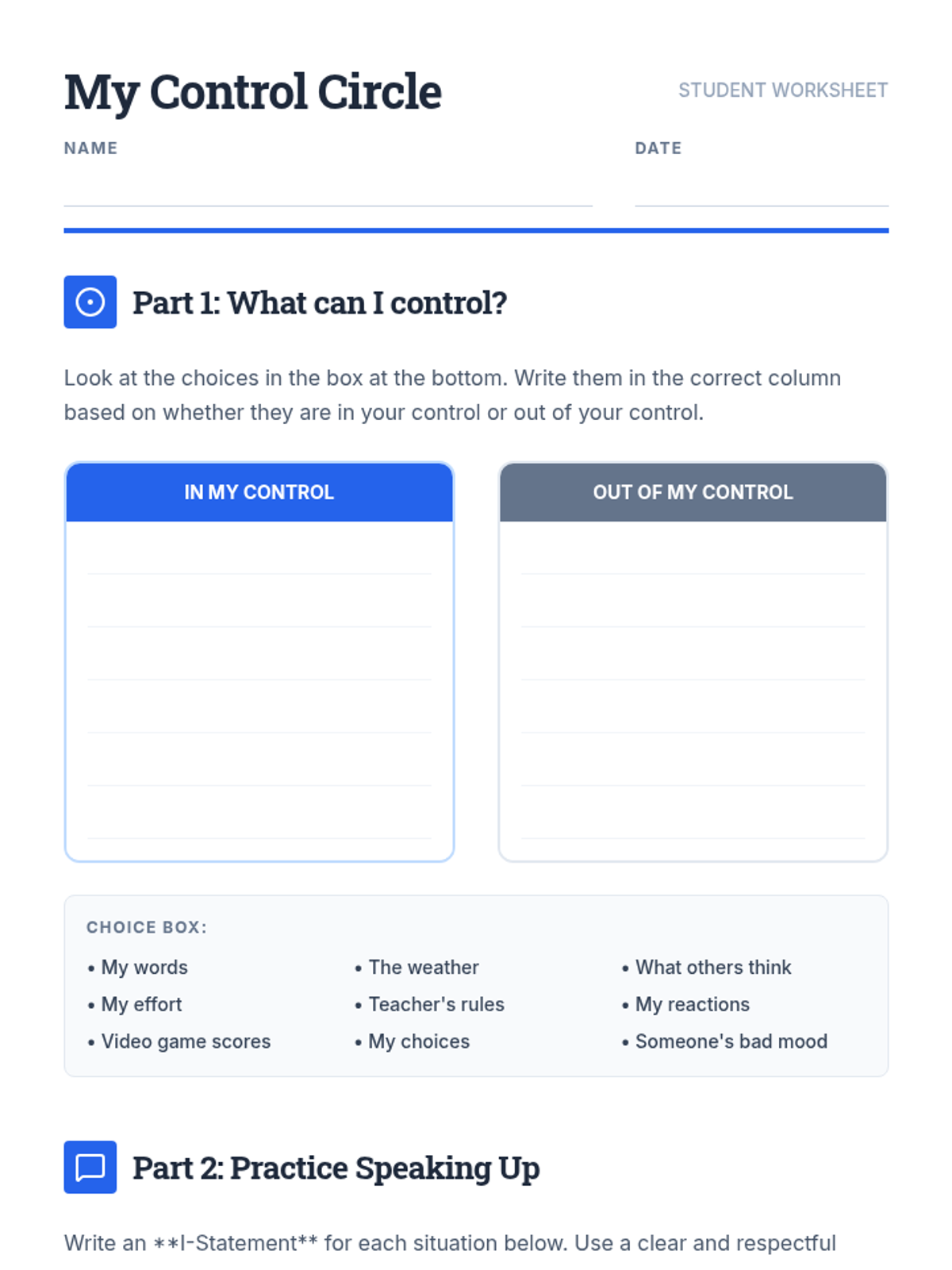
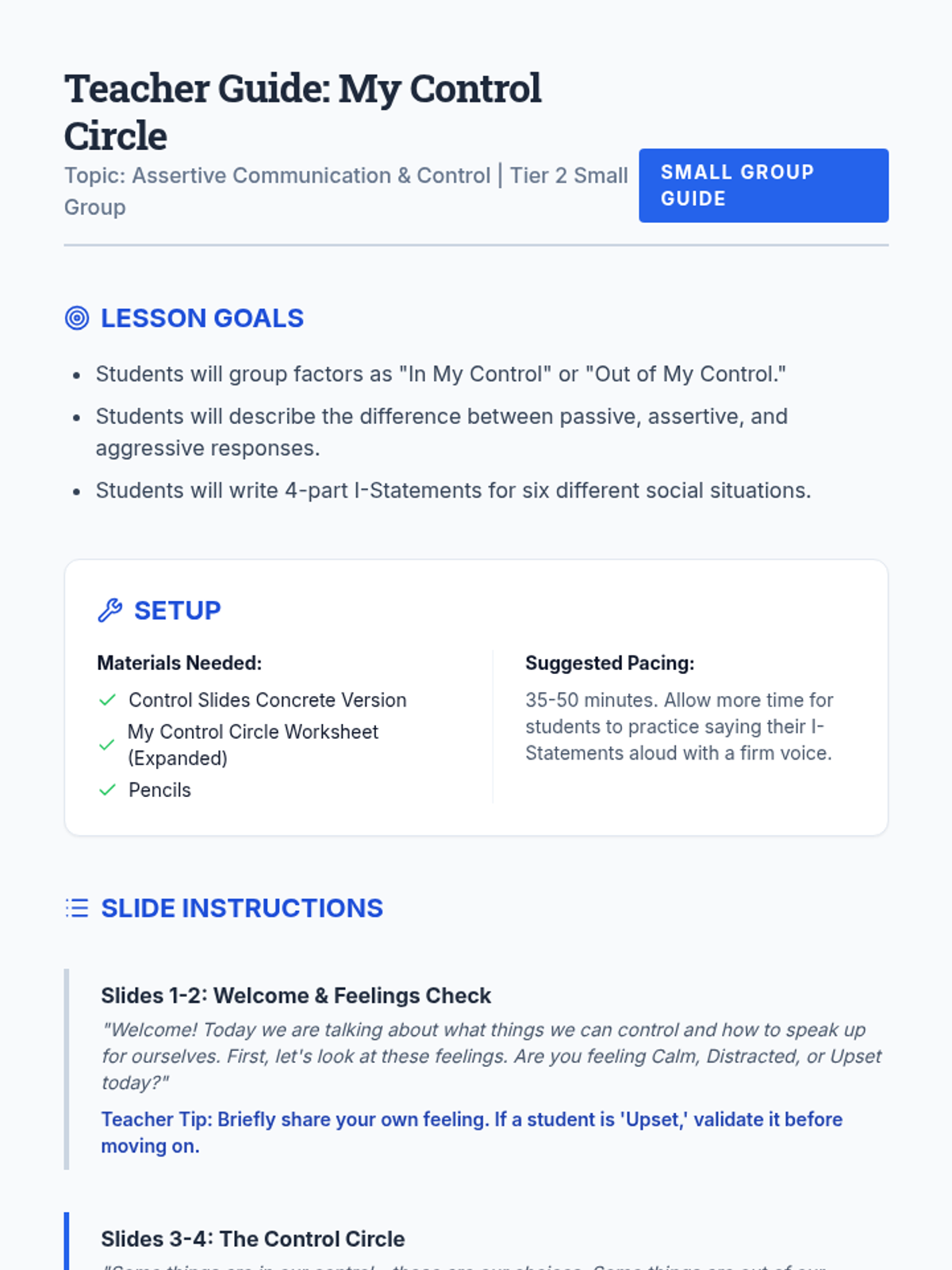
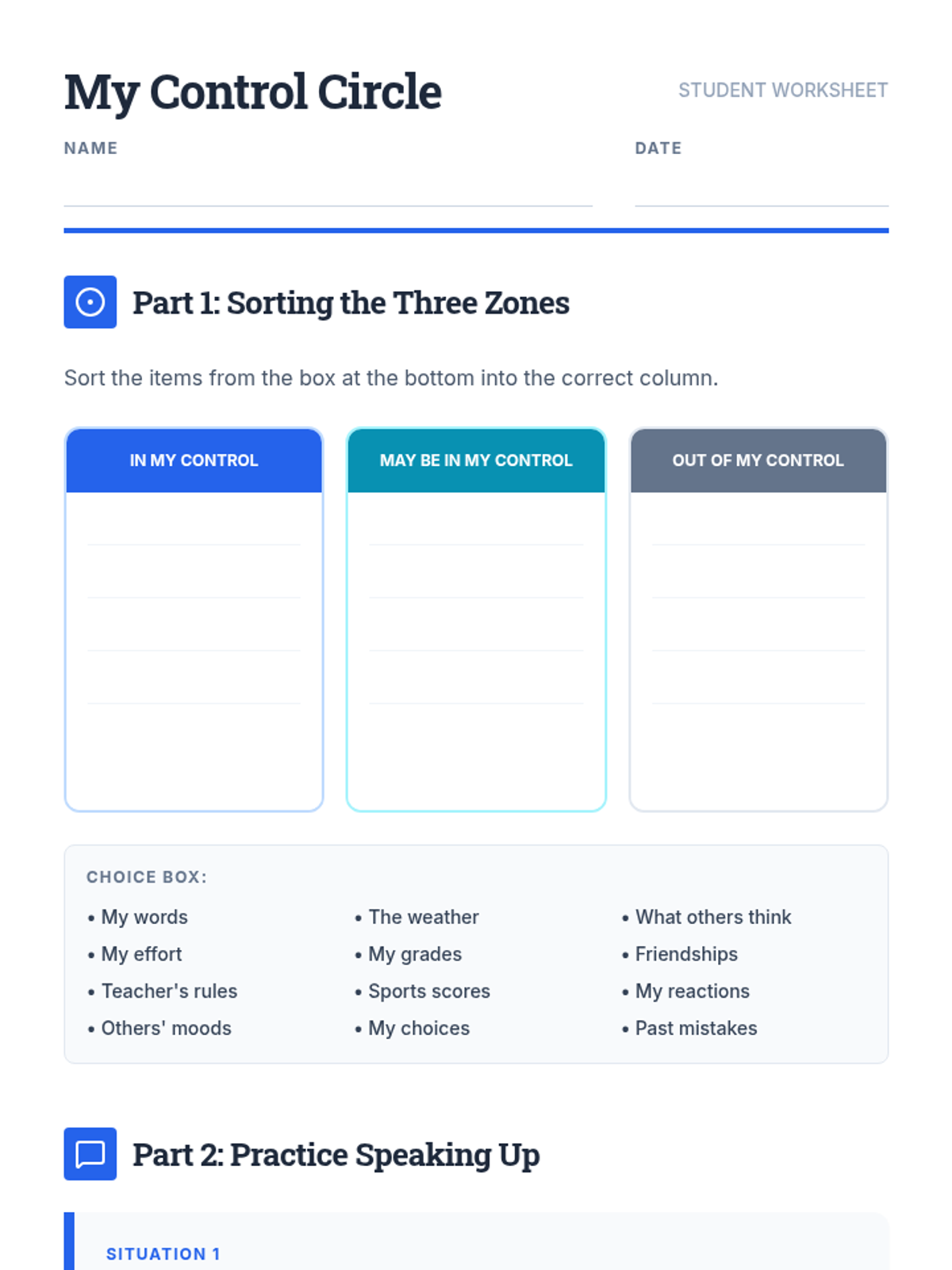
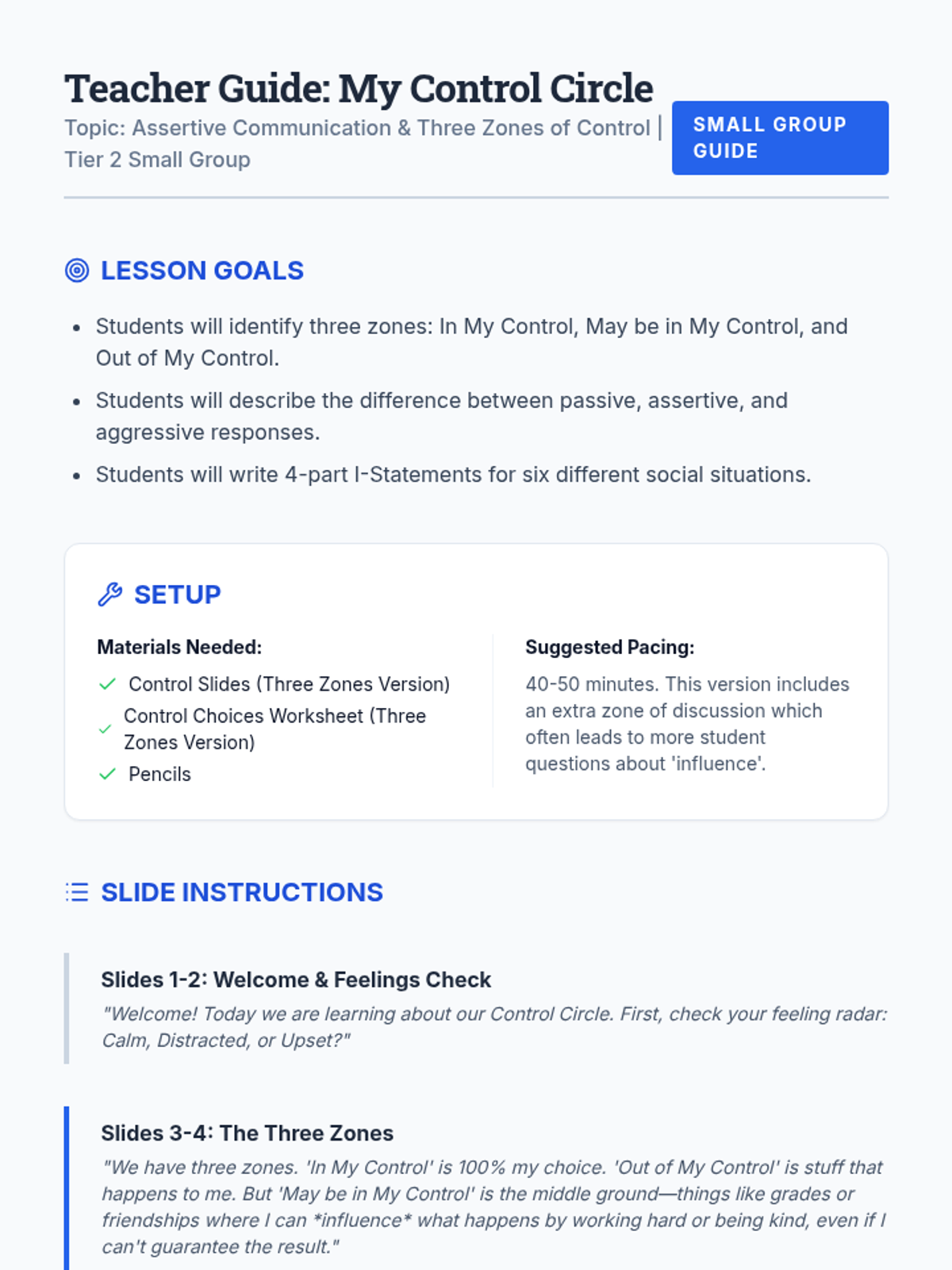
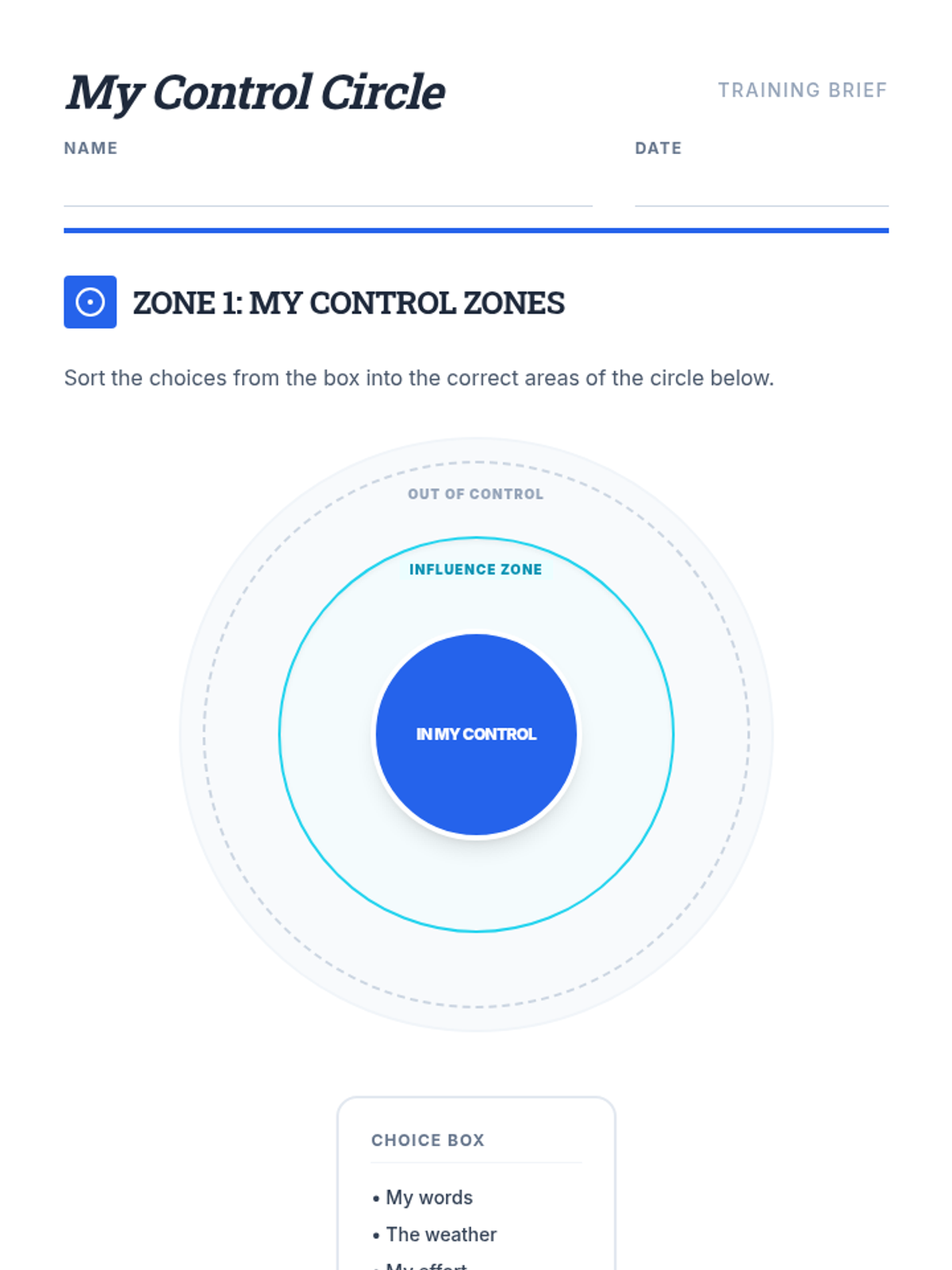
A social-emotional learning lesson for Tier 2 small groups focusing on identifying spheres of control and practicing assertive I-Statements in social scenarios.
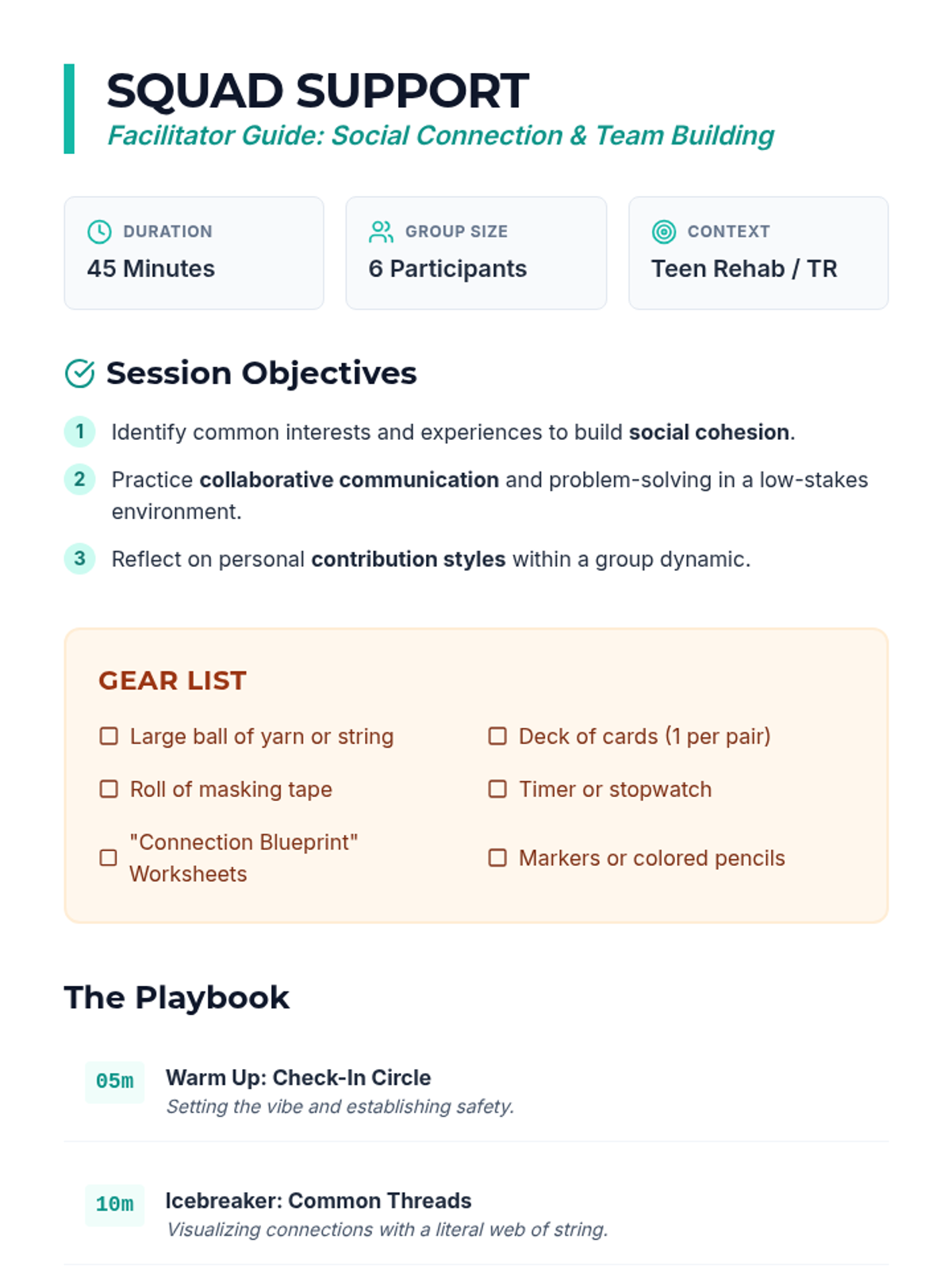
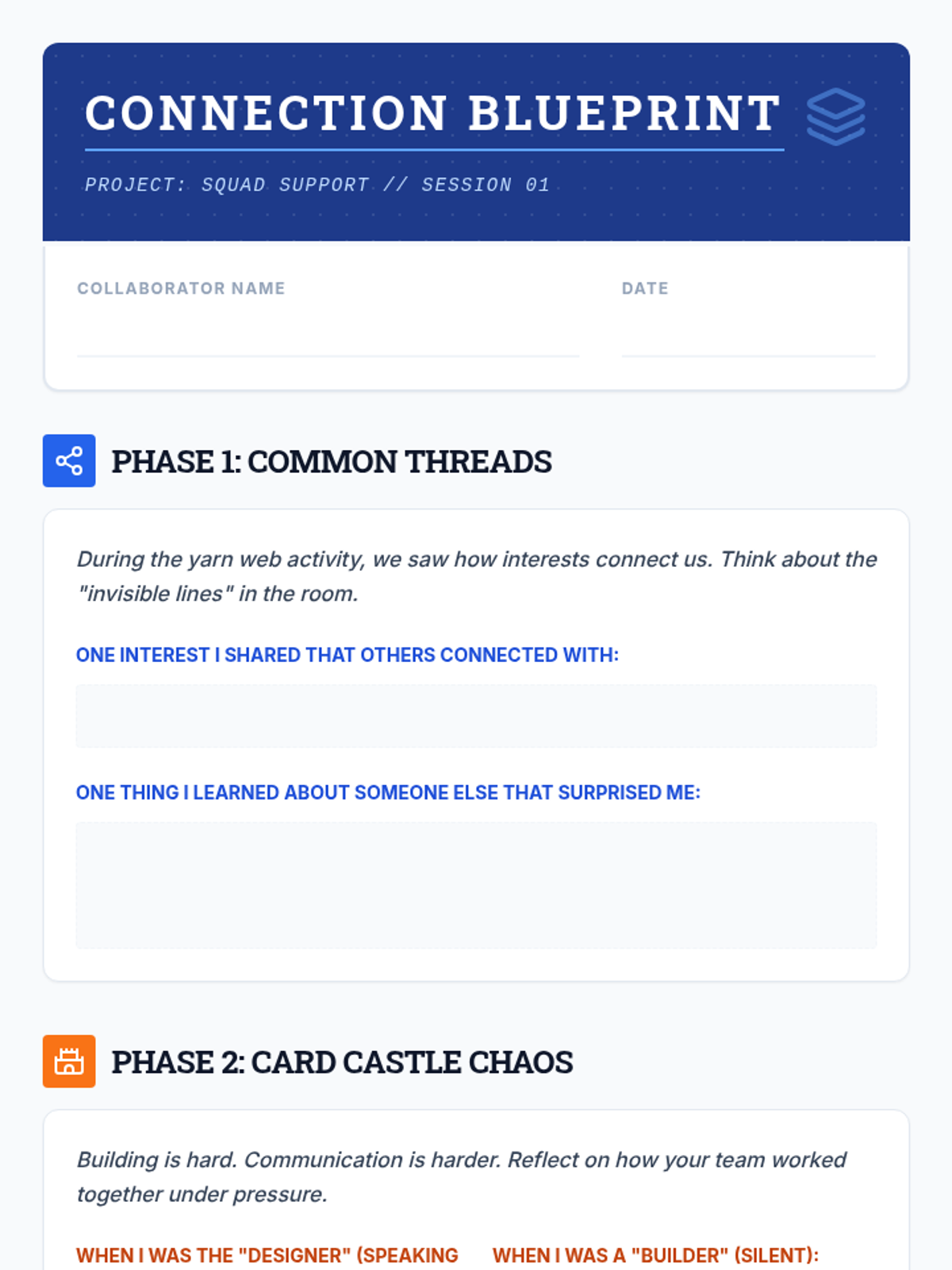
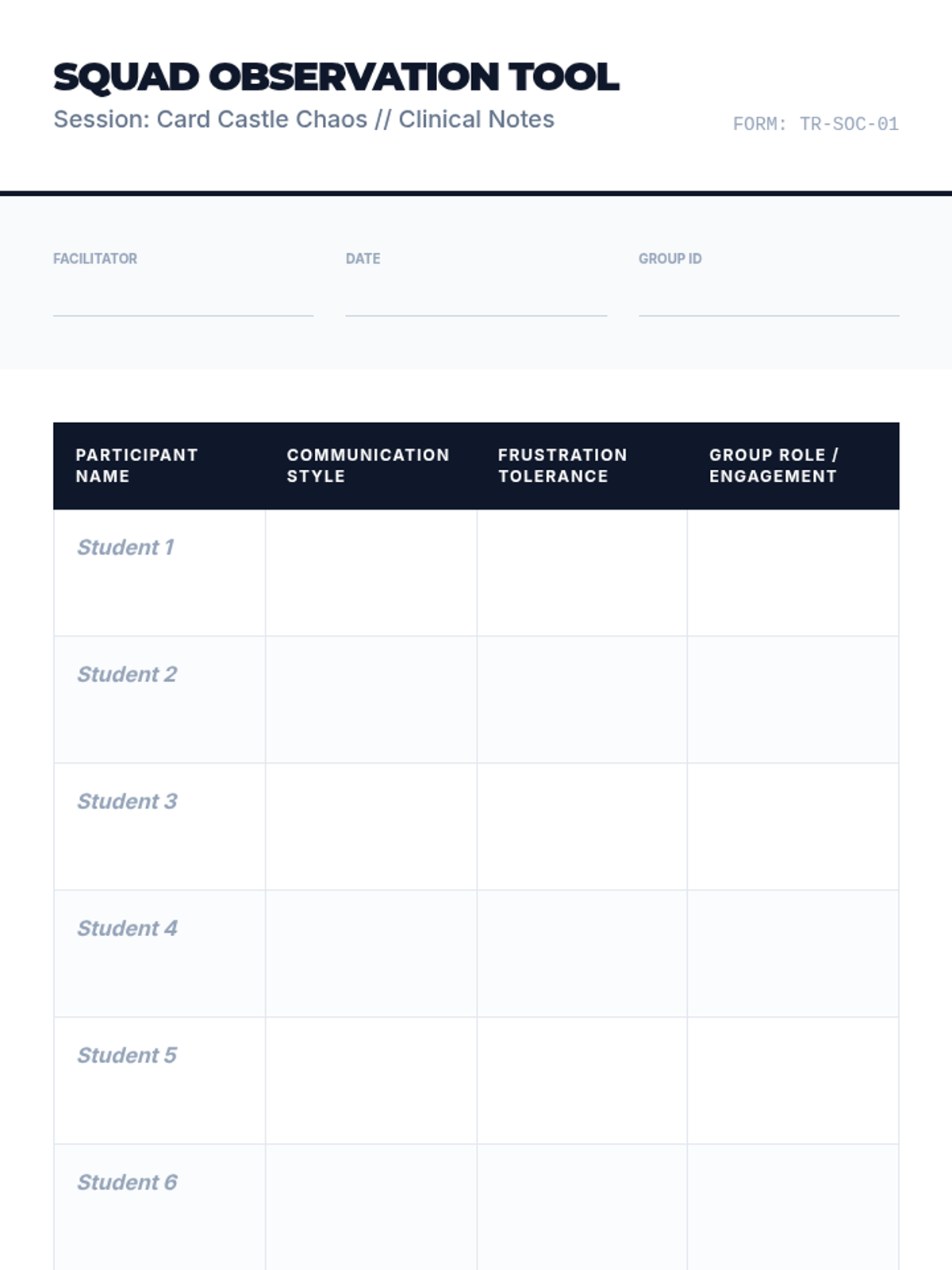
A 45-minute therapeutic leisure session for teens focused on building social connections and team dynamics through collaborative activities and reflection.
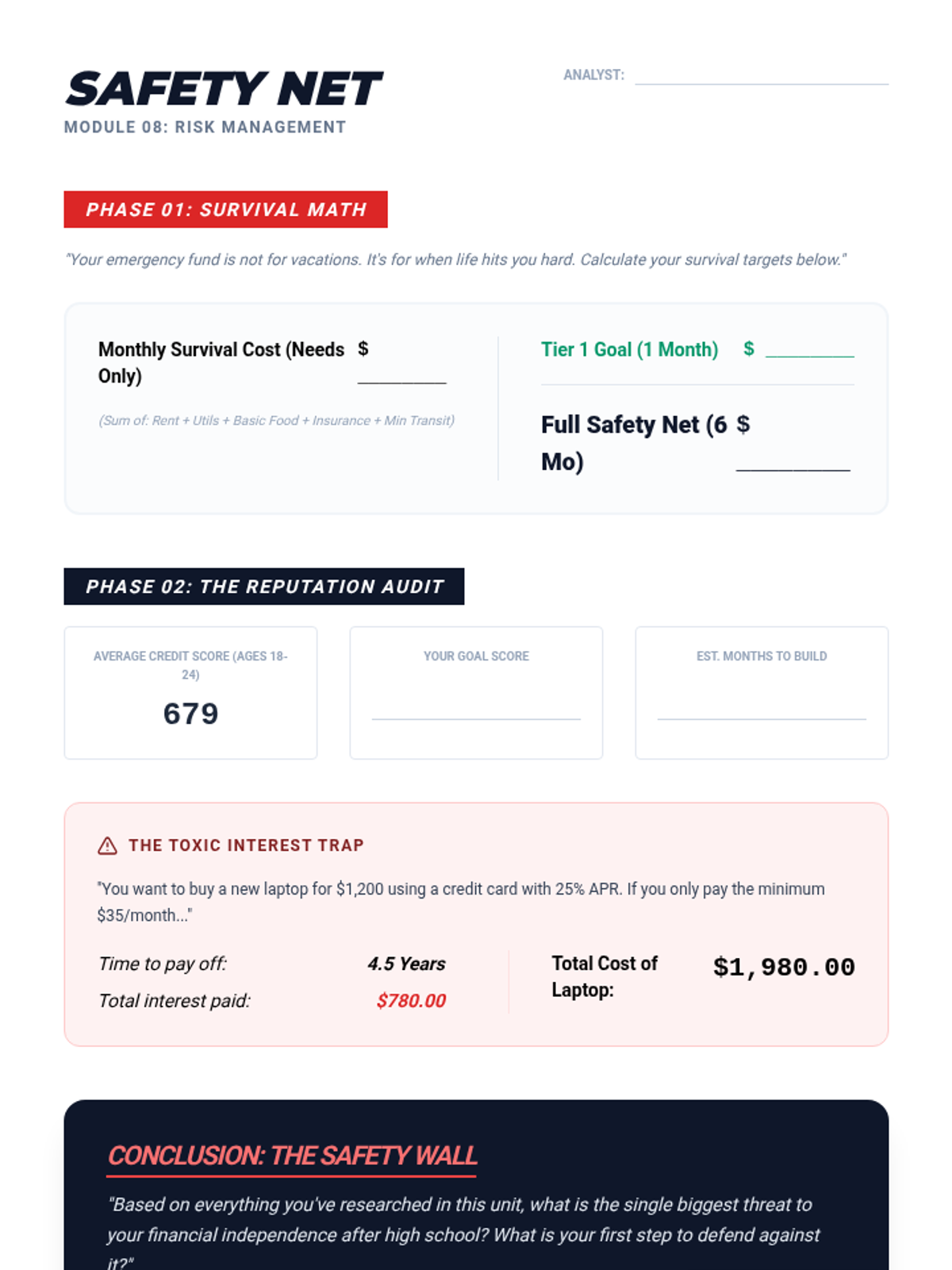
Exploring emergency funds, the basics of credit scores, and strategies for avoiding high-interest debt after high school.
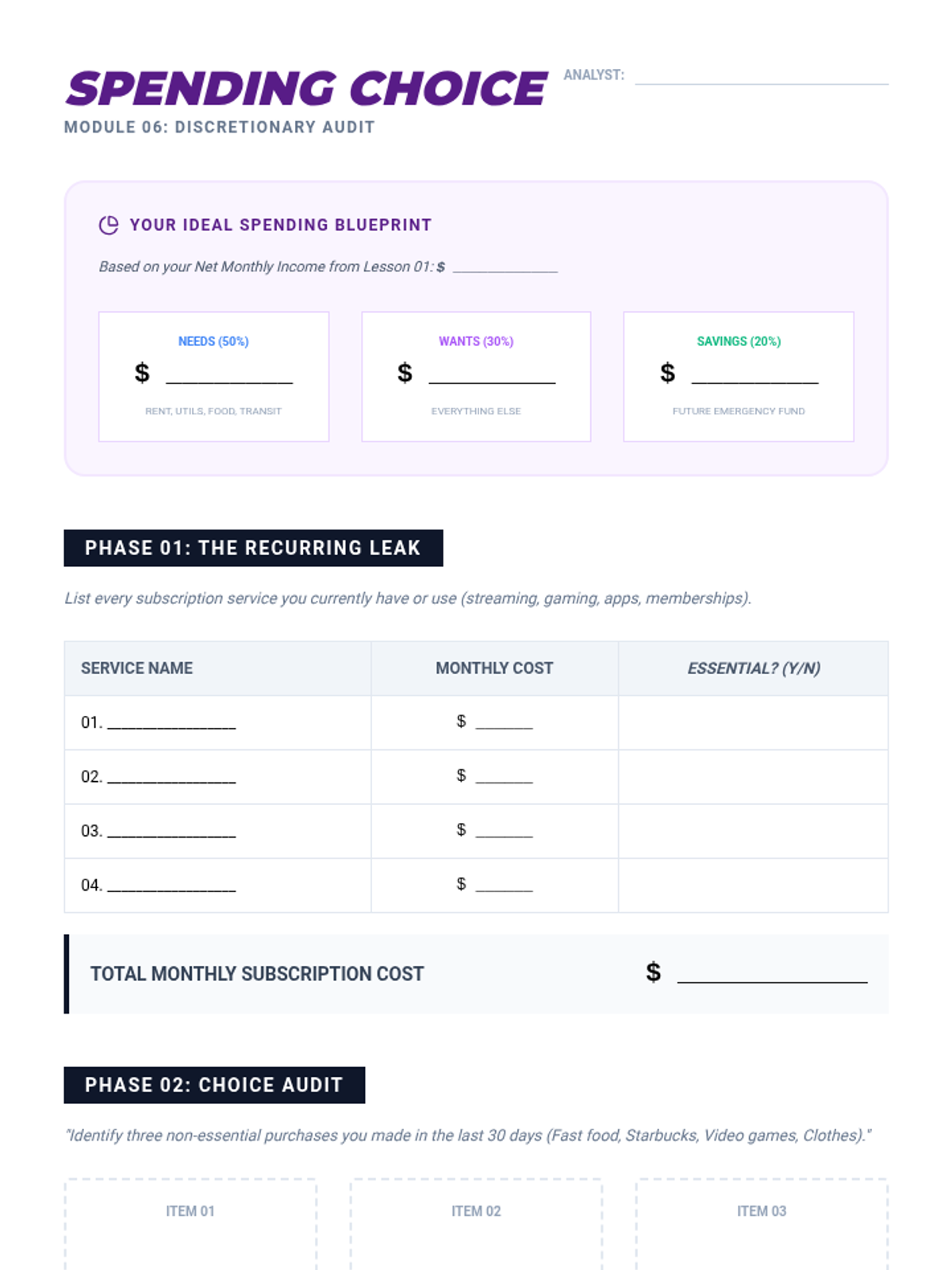
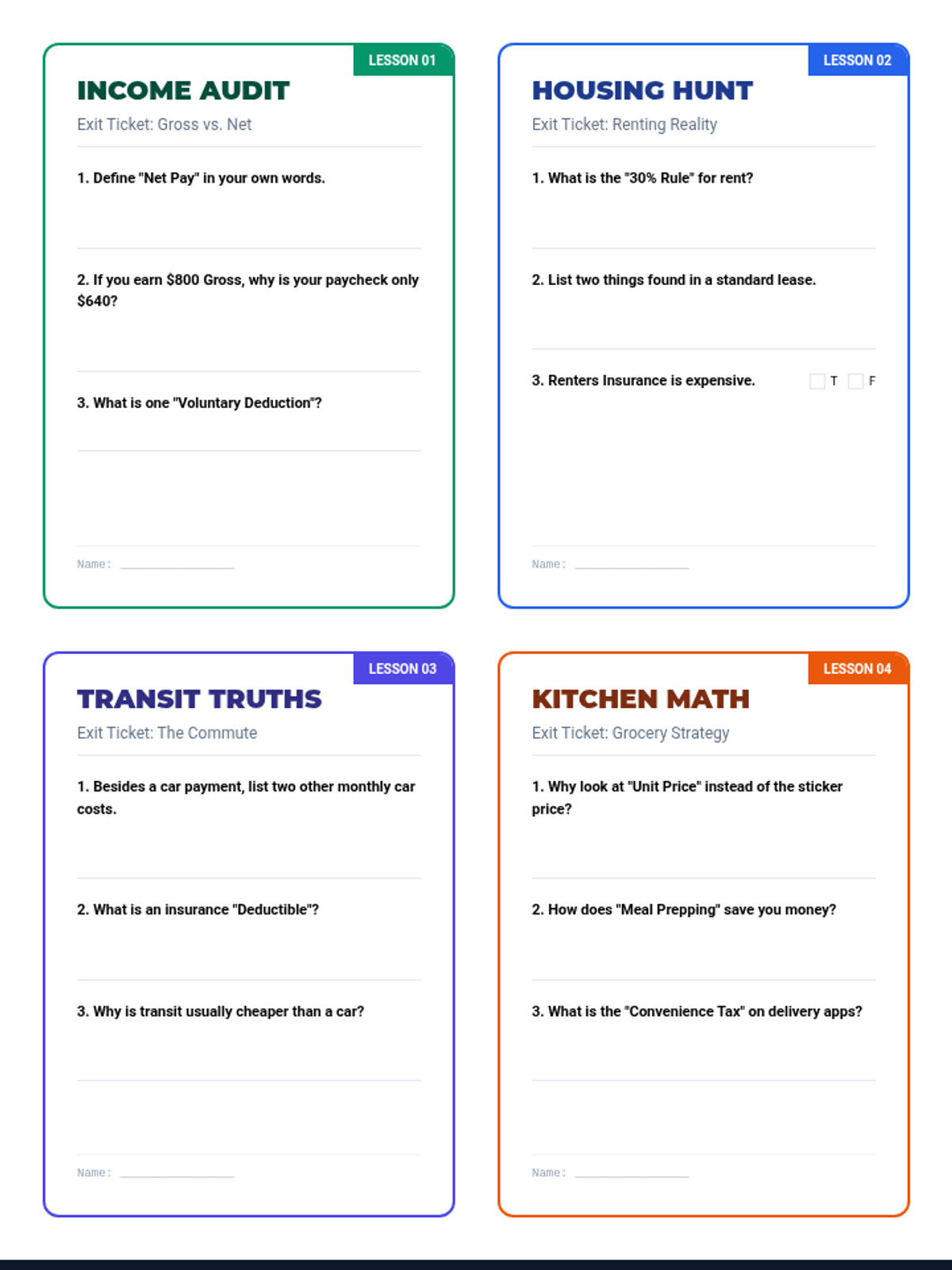
Understanding the 50/30/20 rule, identifying personal "wants" versus "needs," and managing discretionary expenses like subscriptions and entertainment.
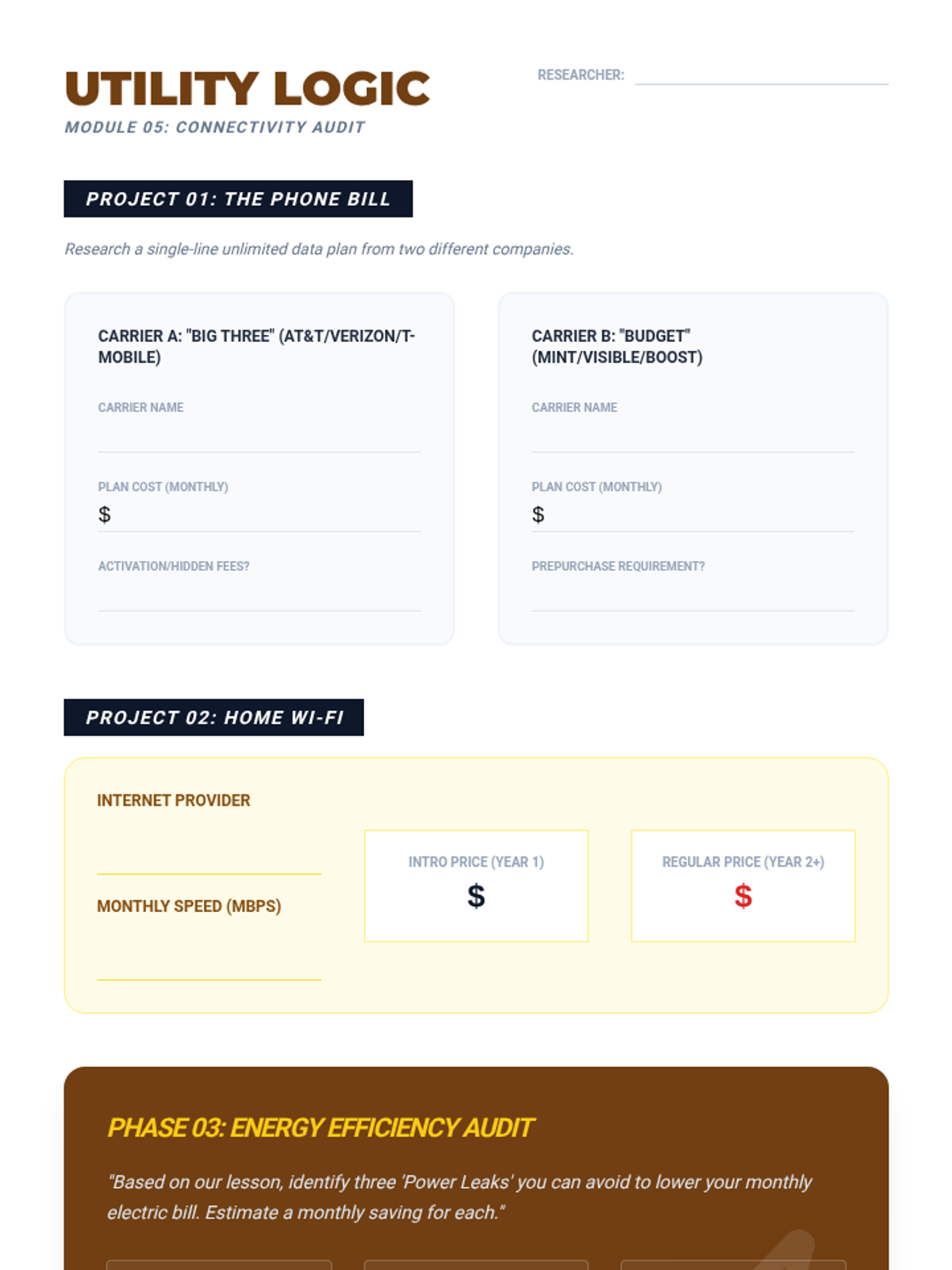
Managing recurring monthly bills like internet, phone plans, and electricity, including strategies for reducing usage and costs.
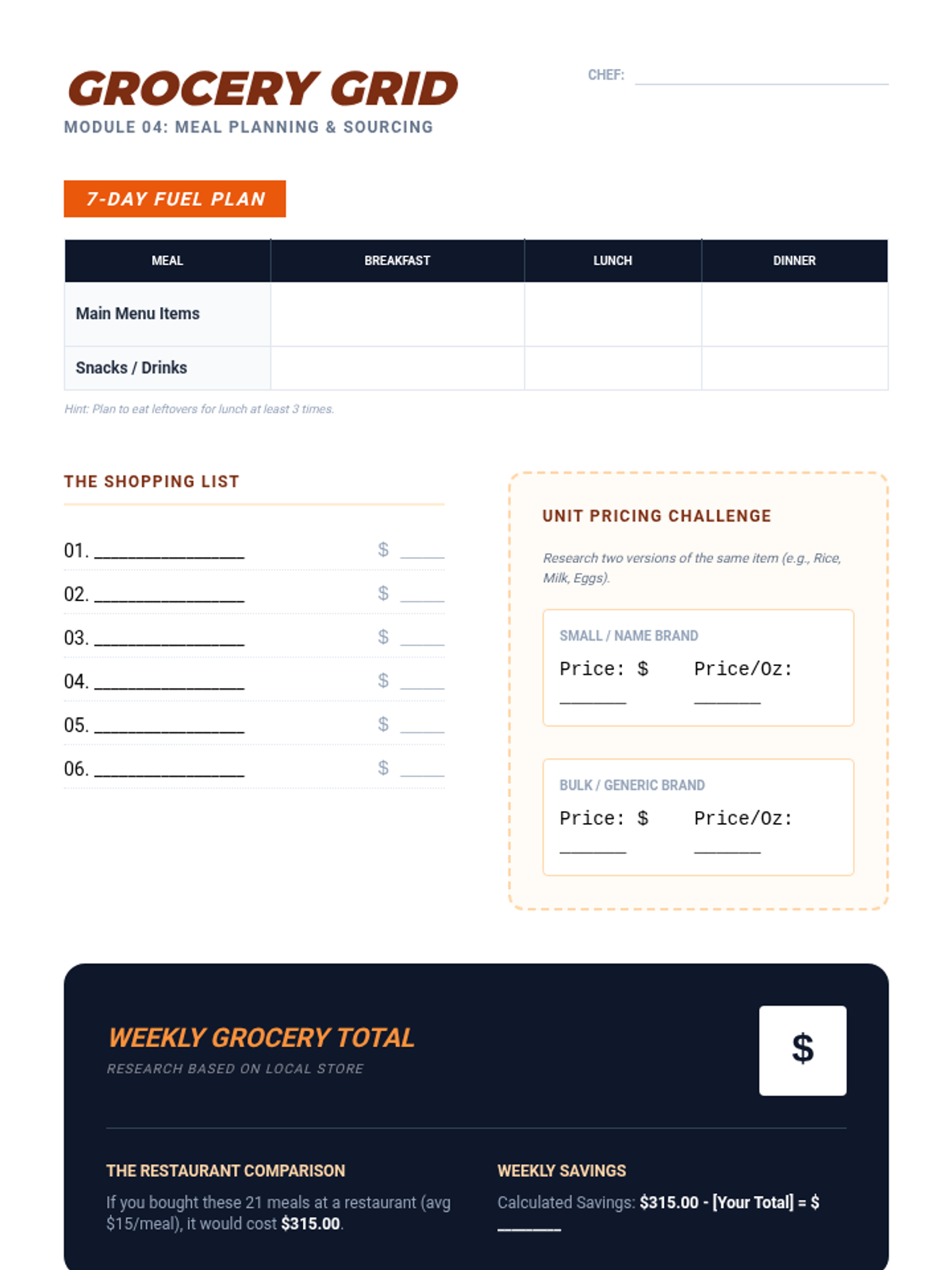
Practical math for grocery shopping, including unit pricing, meal planning on a budget, and the hidden costs of convenience foods.
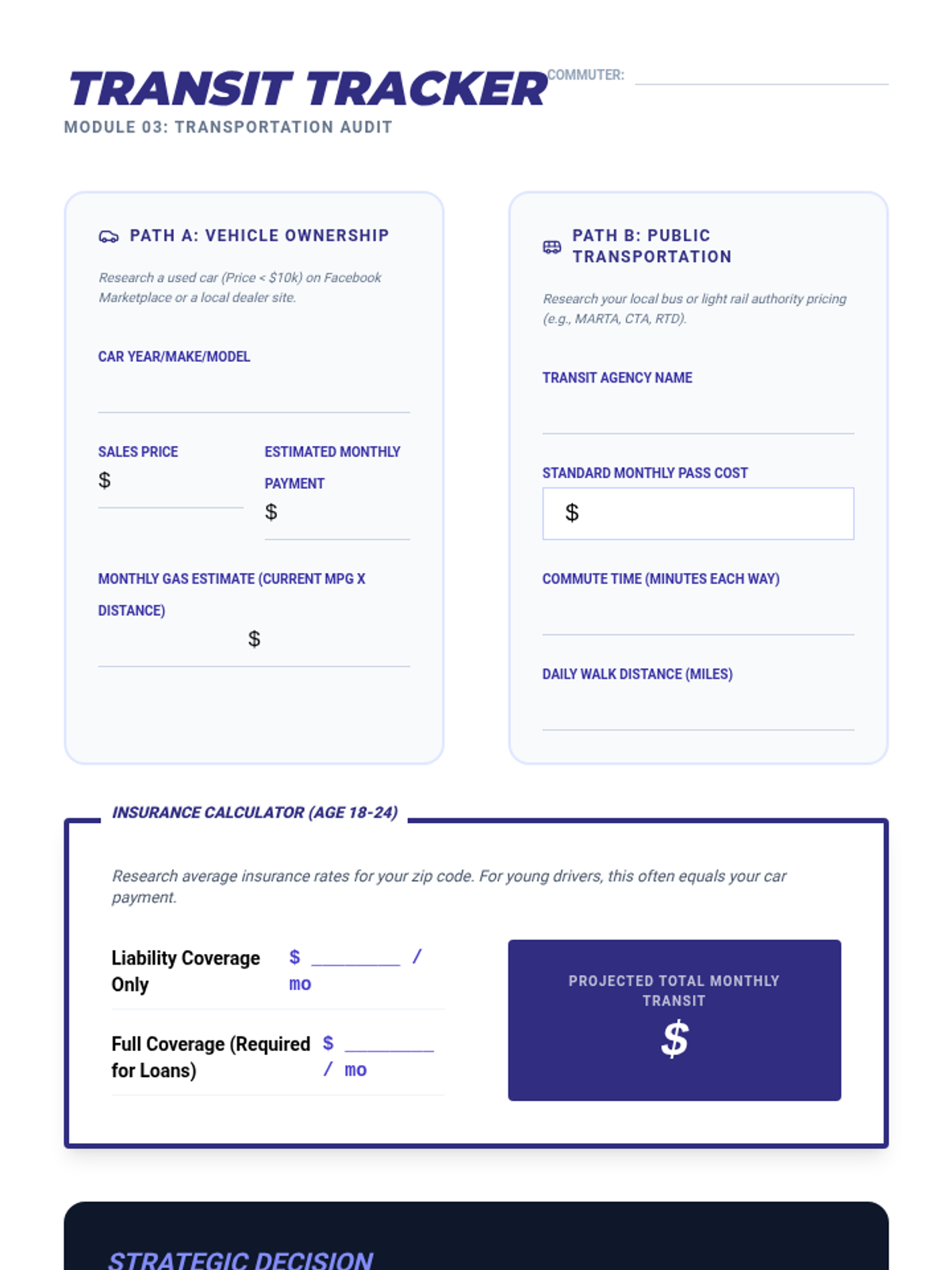
Comparing the true costs of vehicle ownership versus public transit, including insurance premiums, gas, maintenance, and parking.
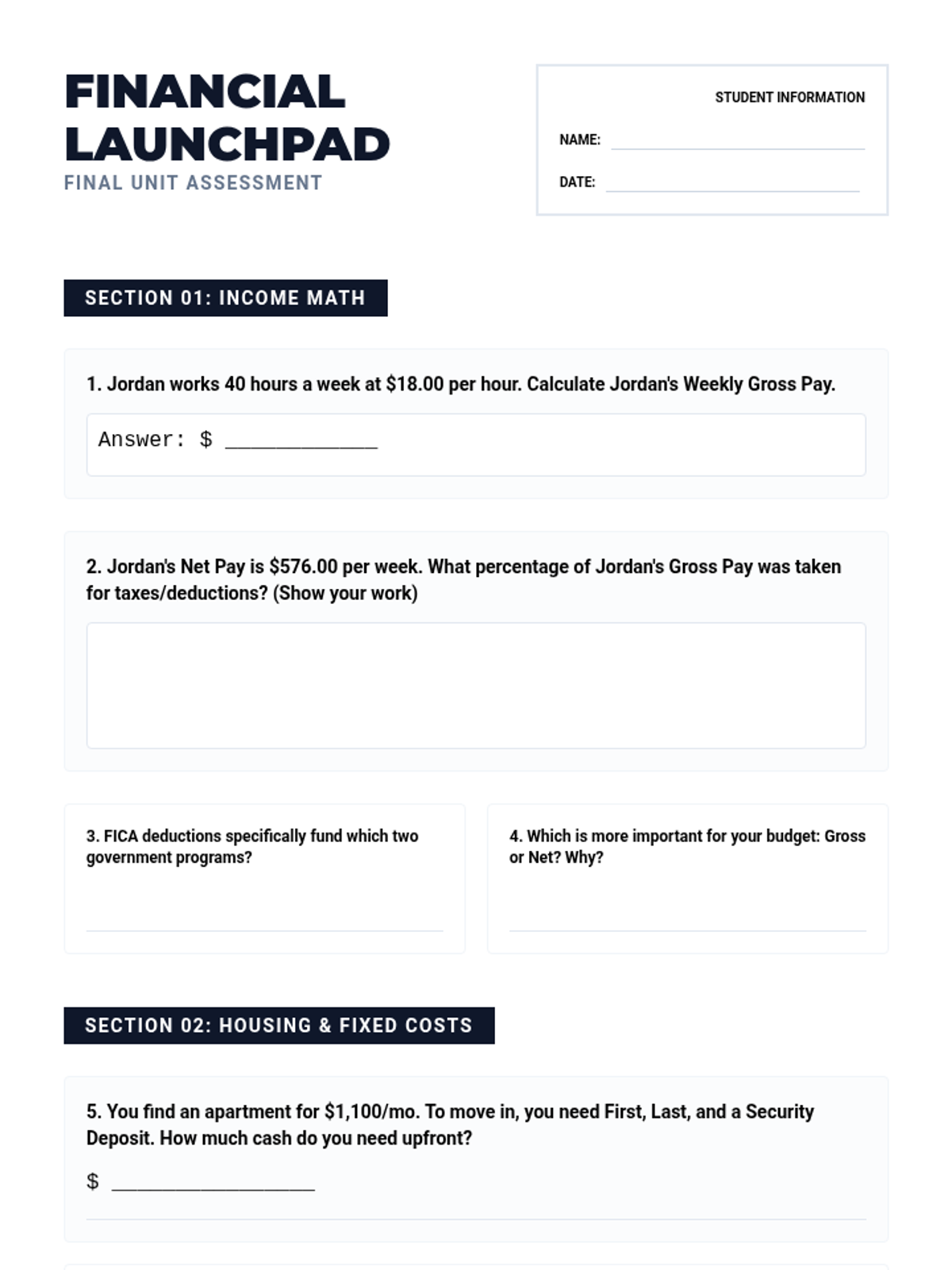
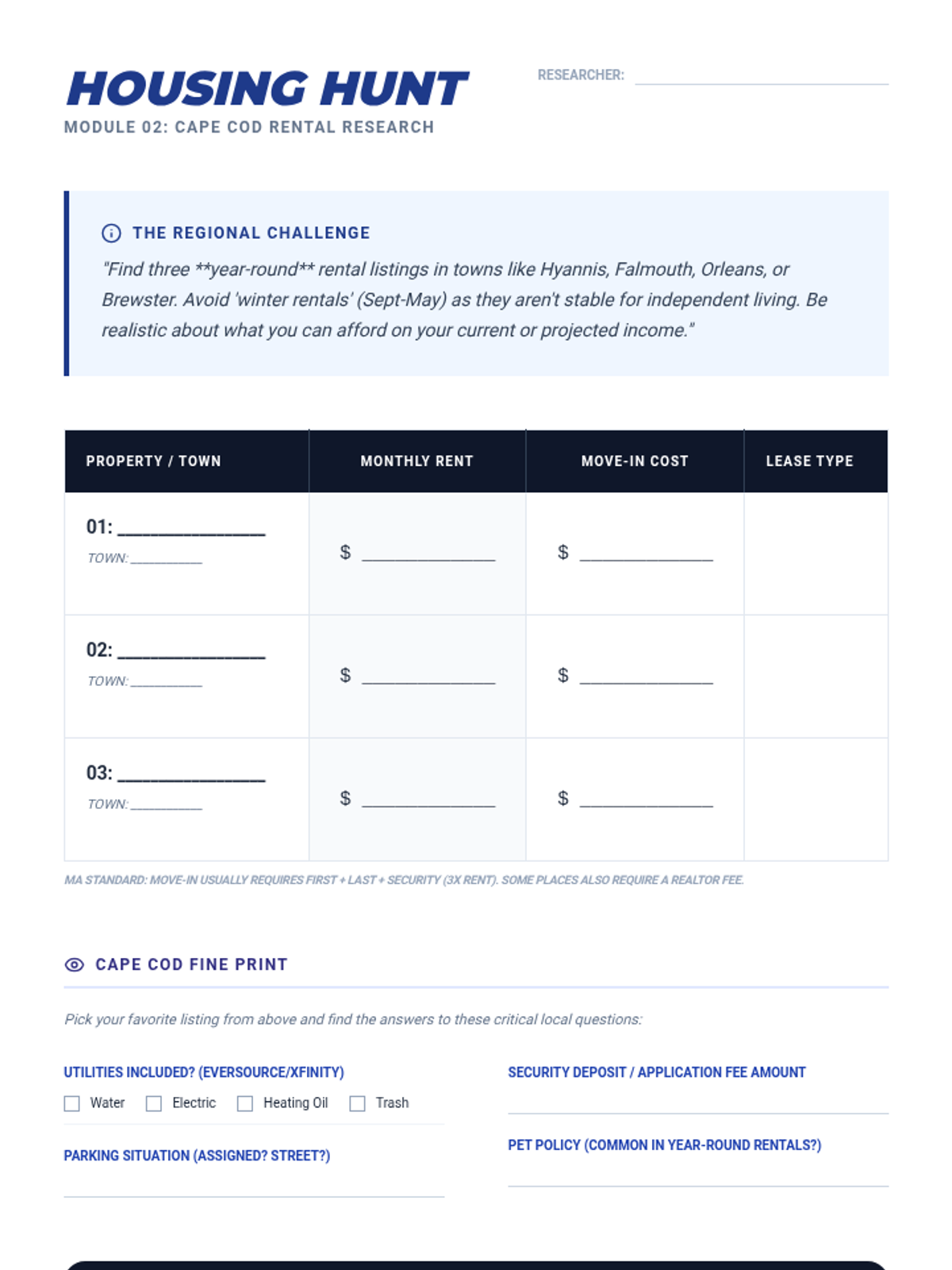
A deep dive into the costs of renting, including security deposits, renters insurance, and understanding the terms of a standard lease agreement.
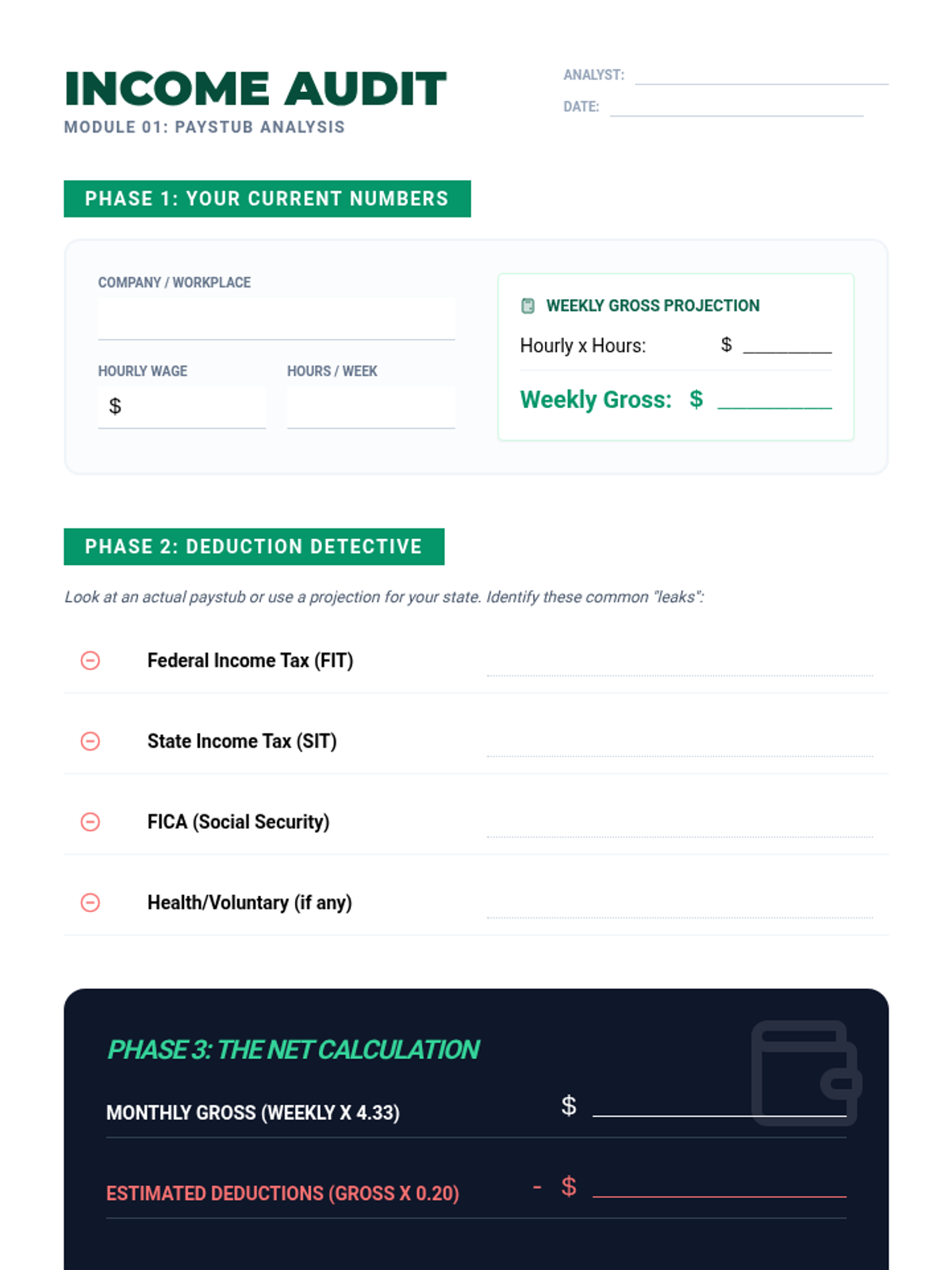
Students identify different components of a paystub, understand FICA and income tax deductions, and calculate accurate net monthly income based on their current jobs.
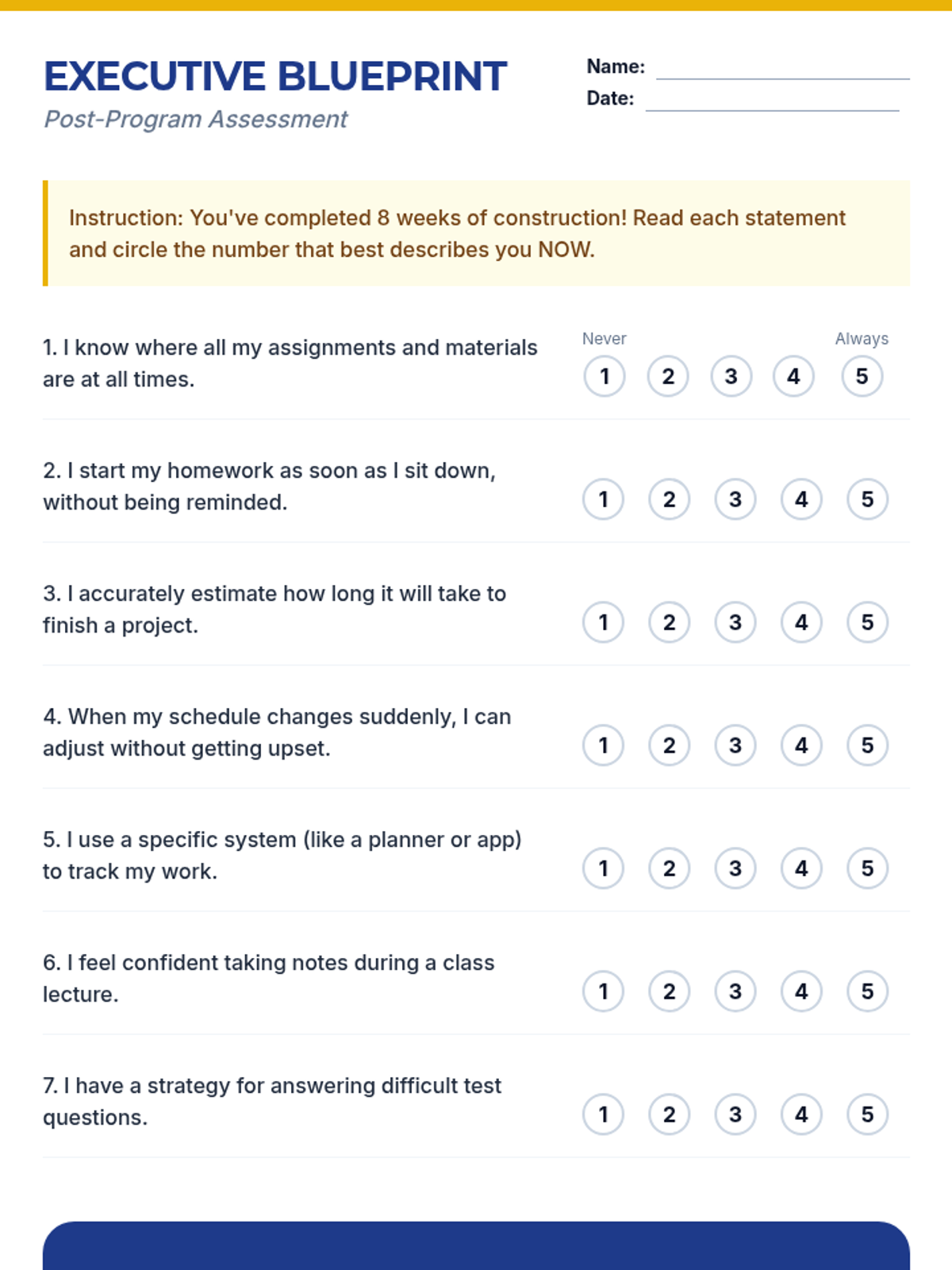
Program review, celebration of growth, and completion of the EF Post-Test.
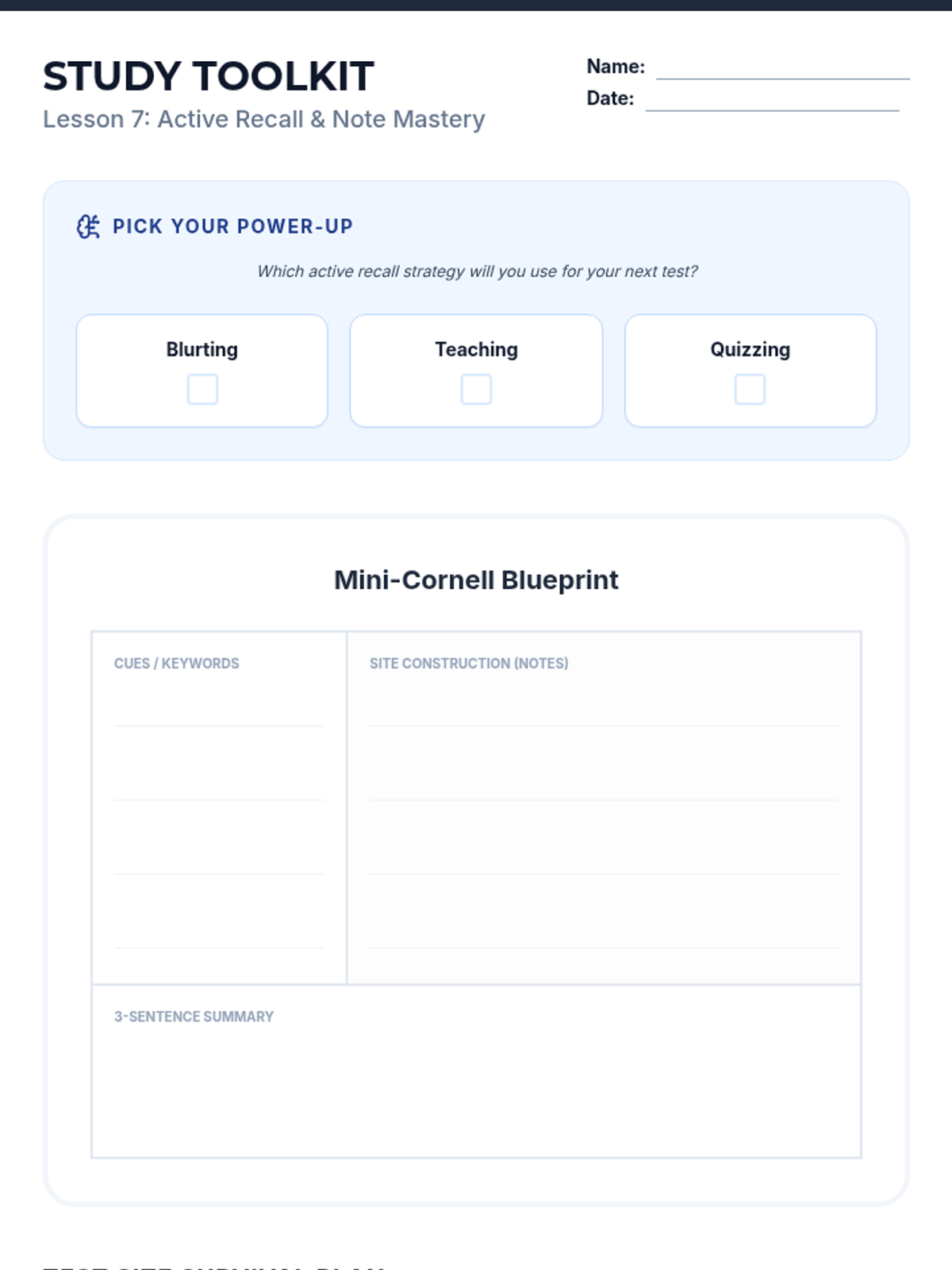
Instruction on effective note-taking and test-taking strategies tailored for middle school.
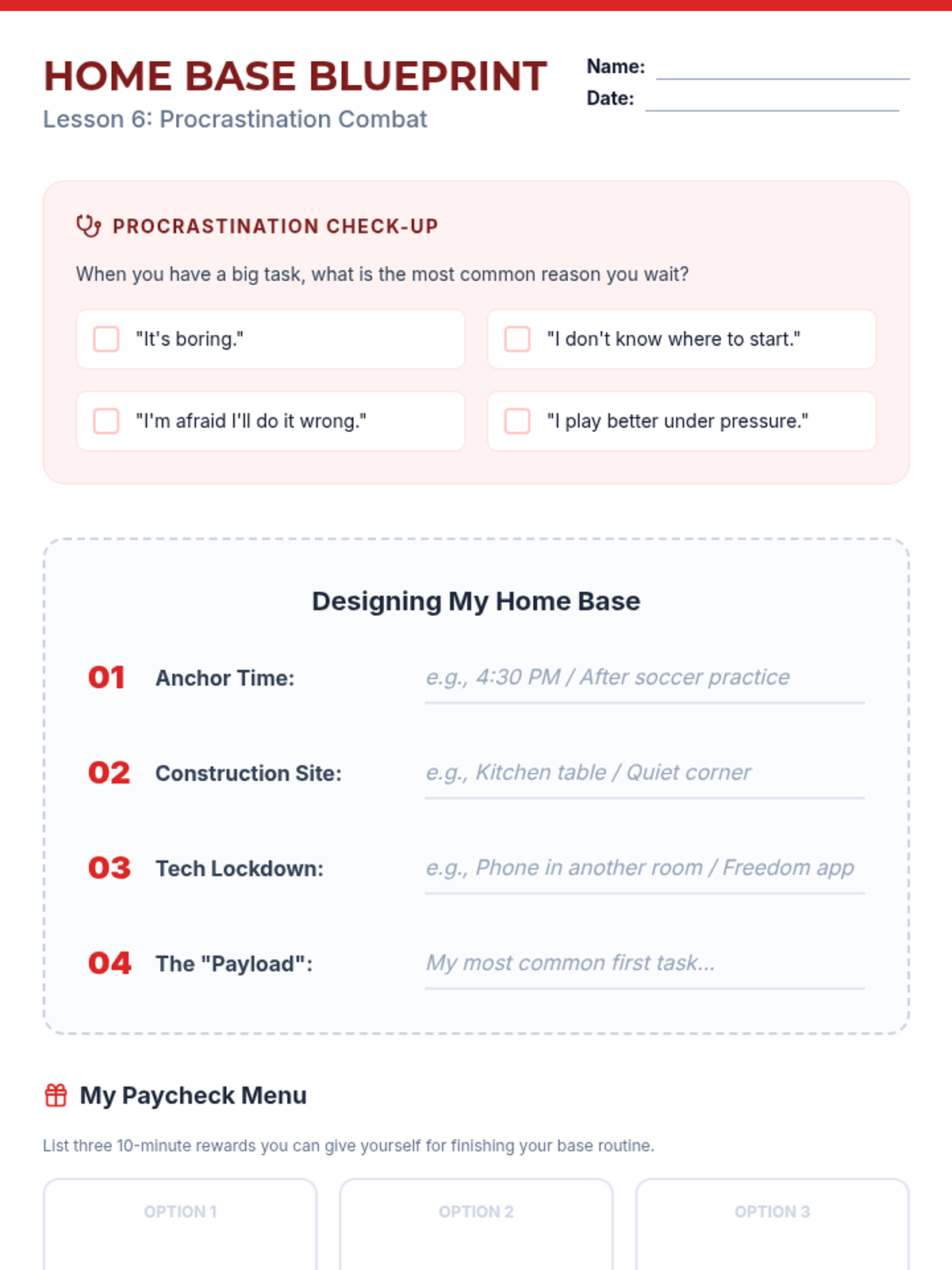
Practical strategies to defeat procrastination and streamline homework routines.
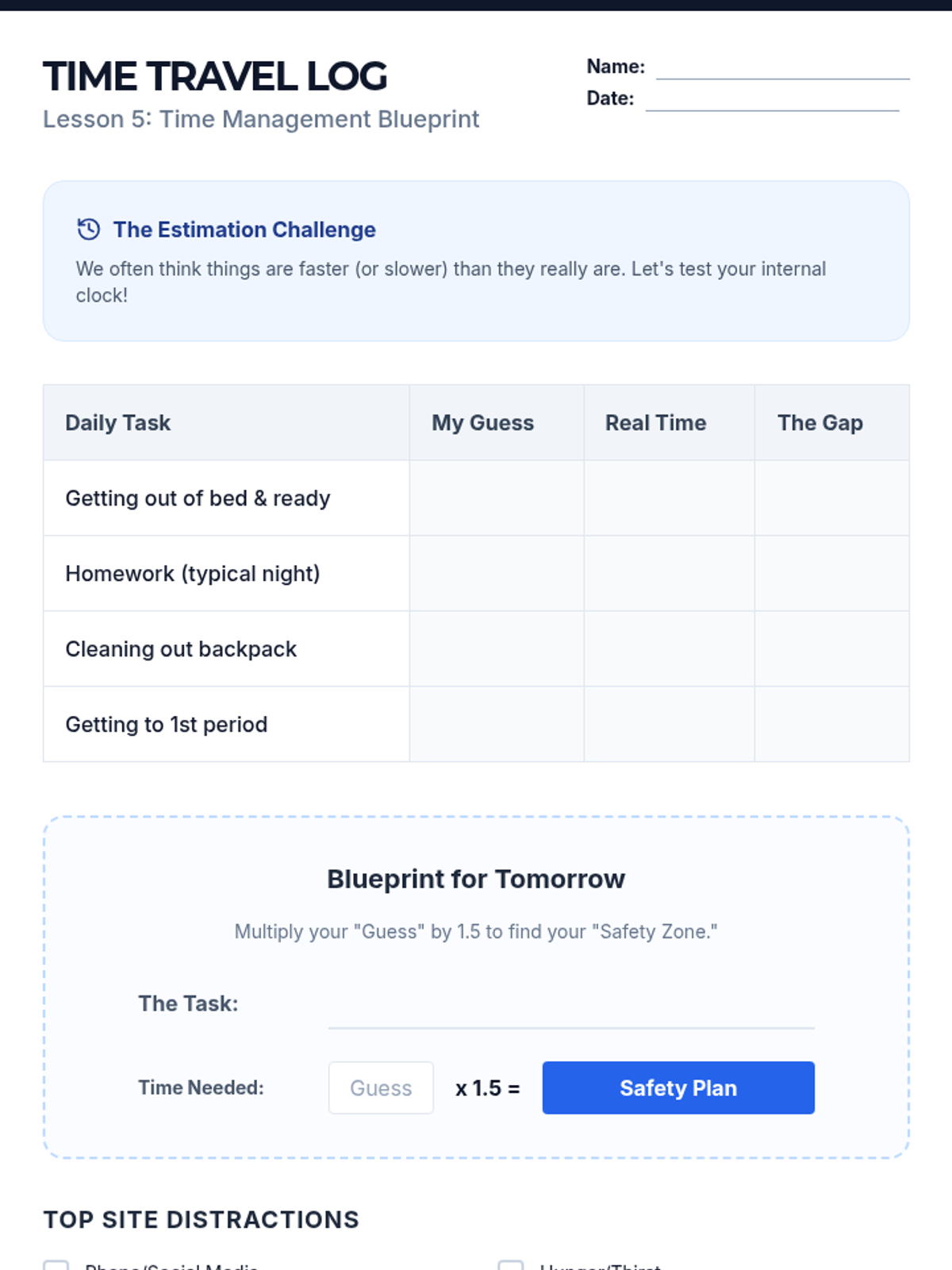
Building an awareness of time and learning how to estimate how long tasks actually take.
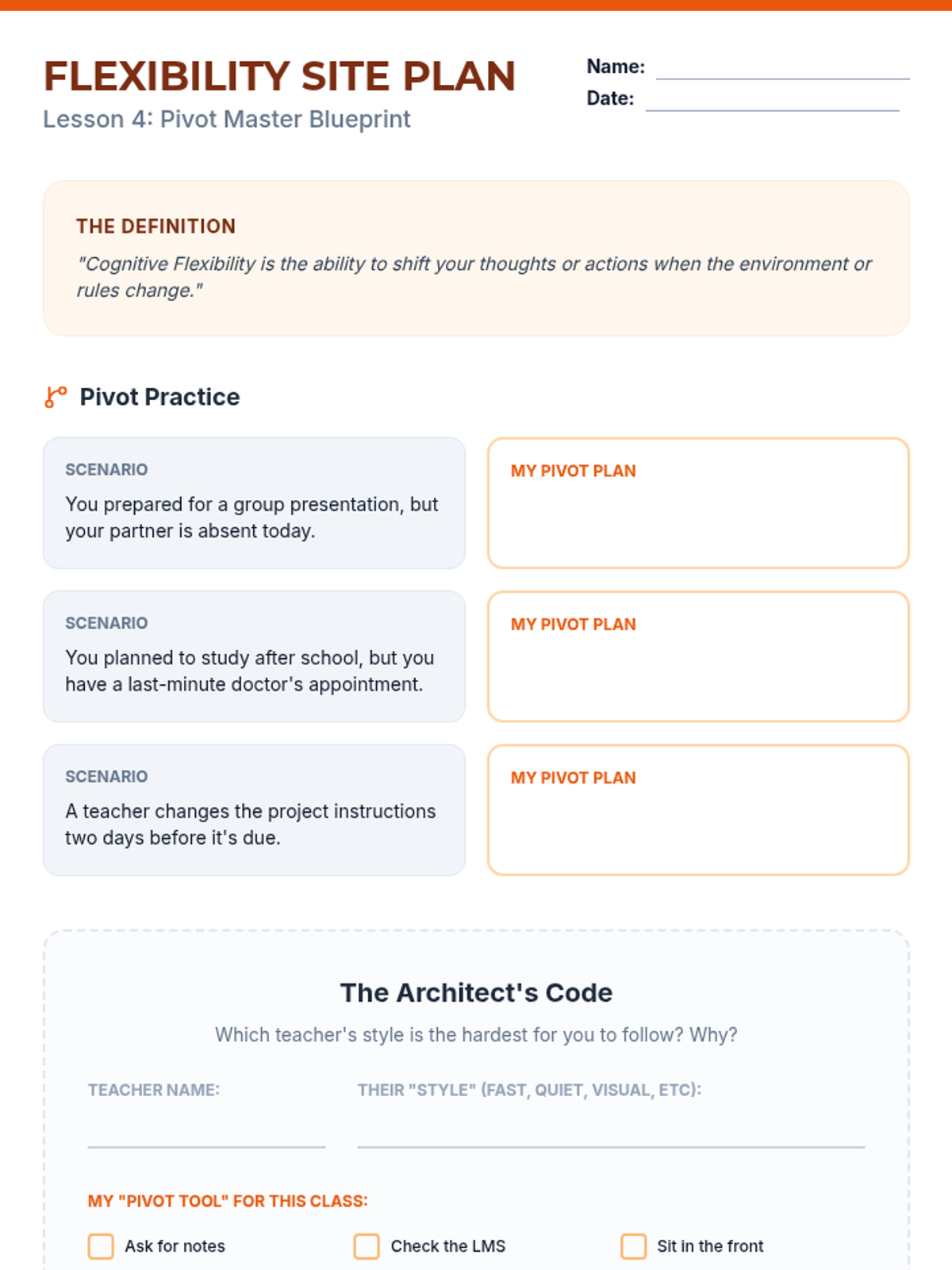
Developing cognitive flexibility to handle changes in schedules and different teaching styles.
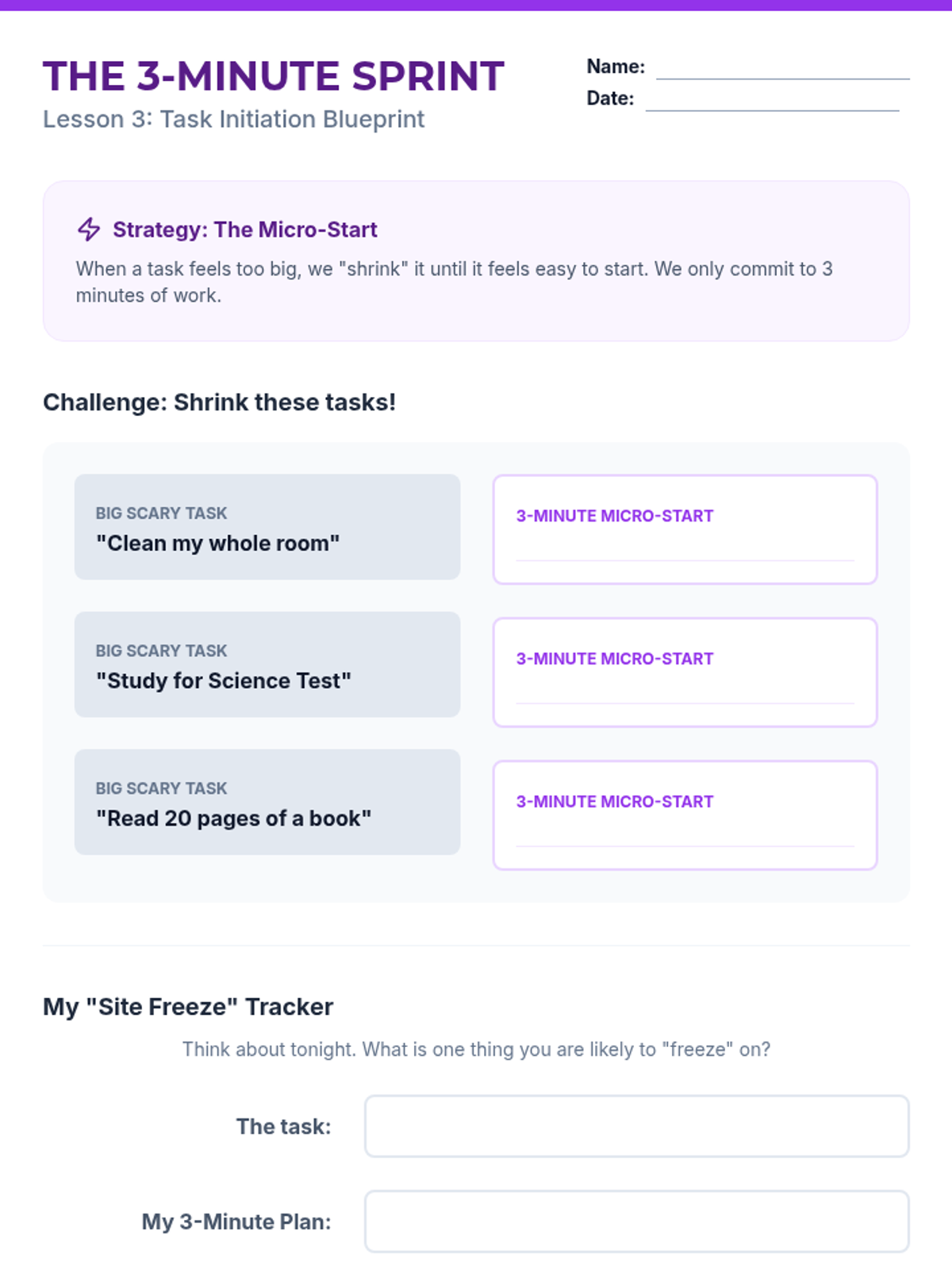
Strategies for overcoming the 'freeze' and getting started on difficult tasks immediately.
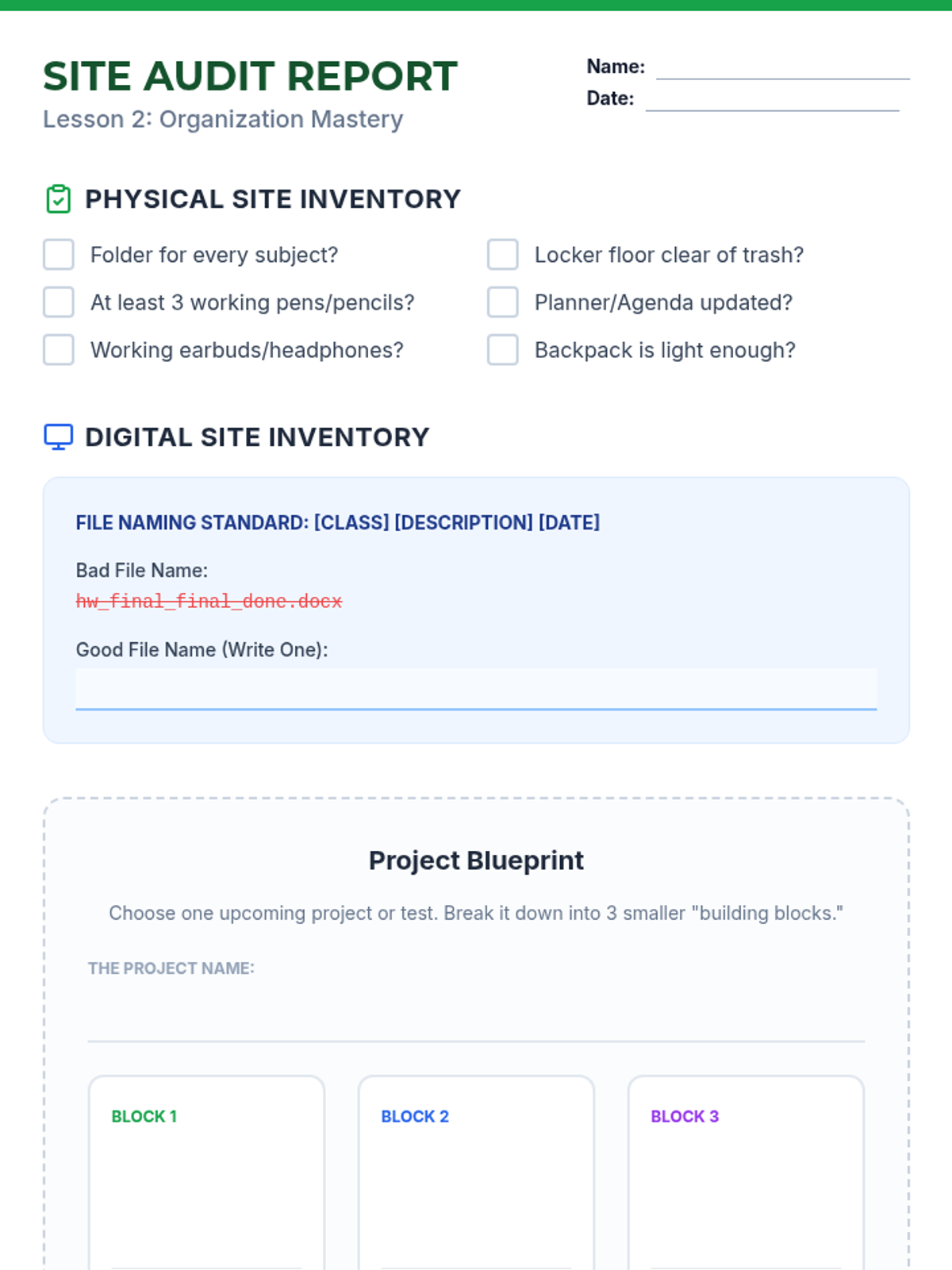
Focuses on organization of physical and digital spaces and long-term project planning.
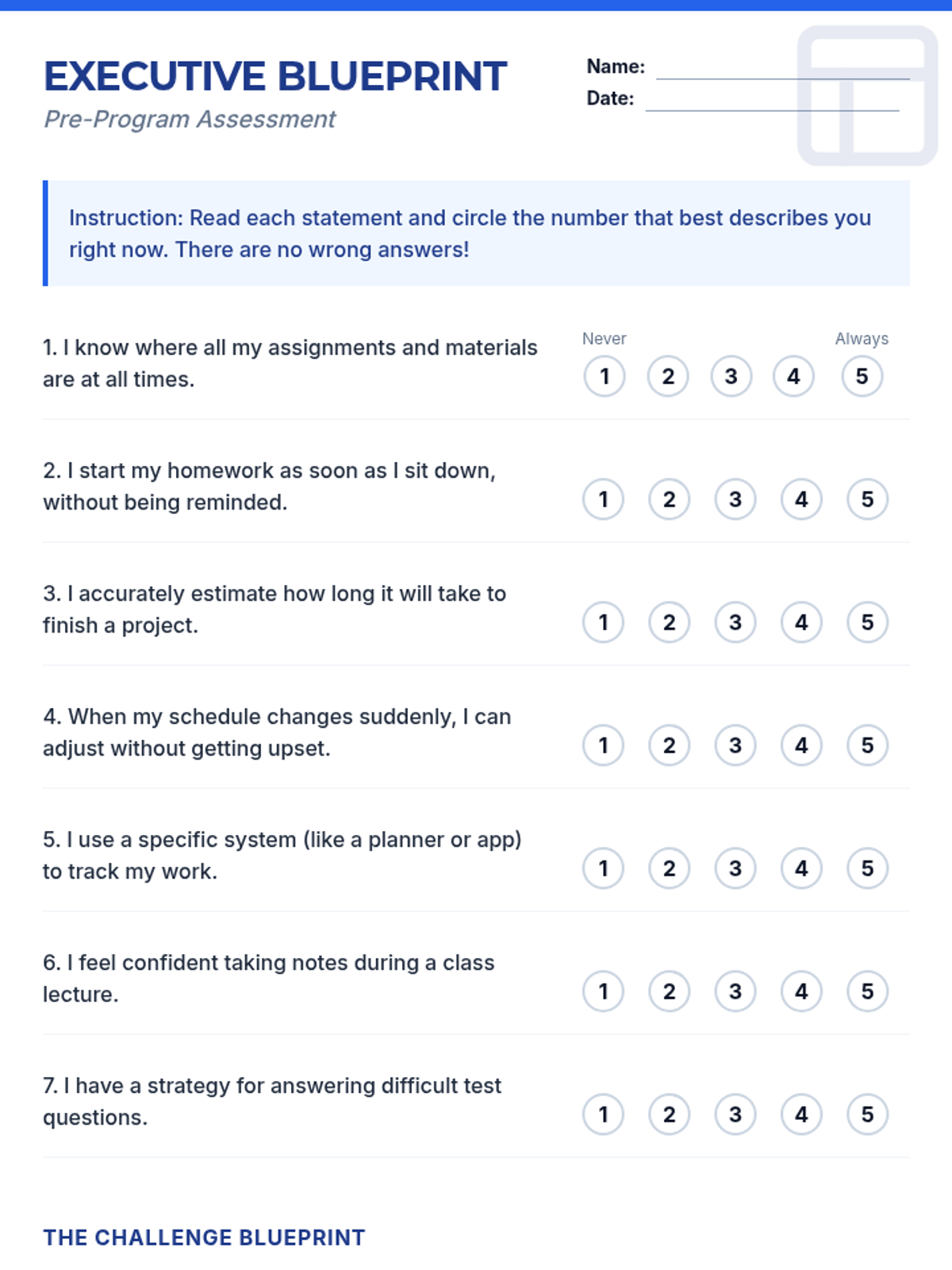
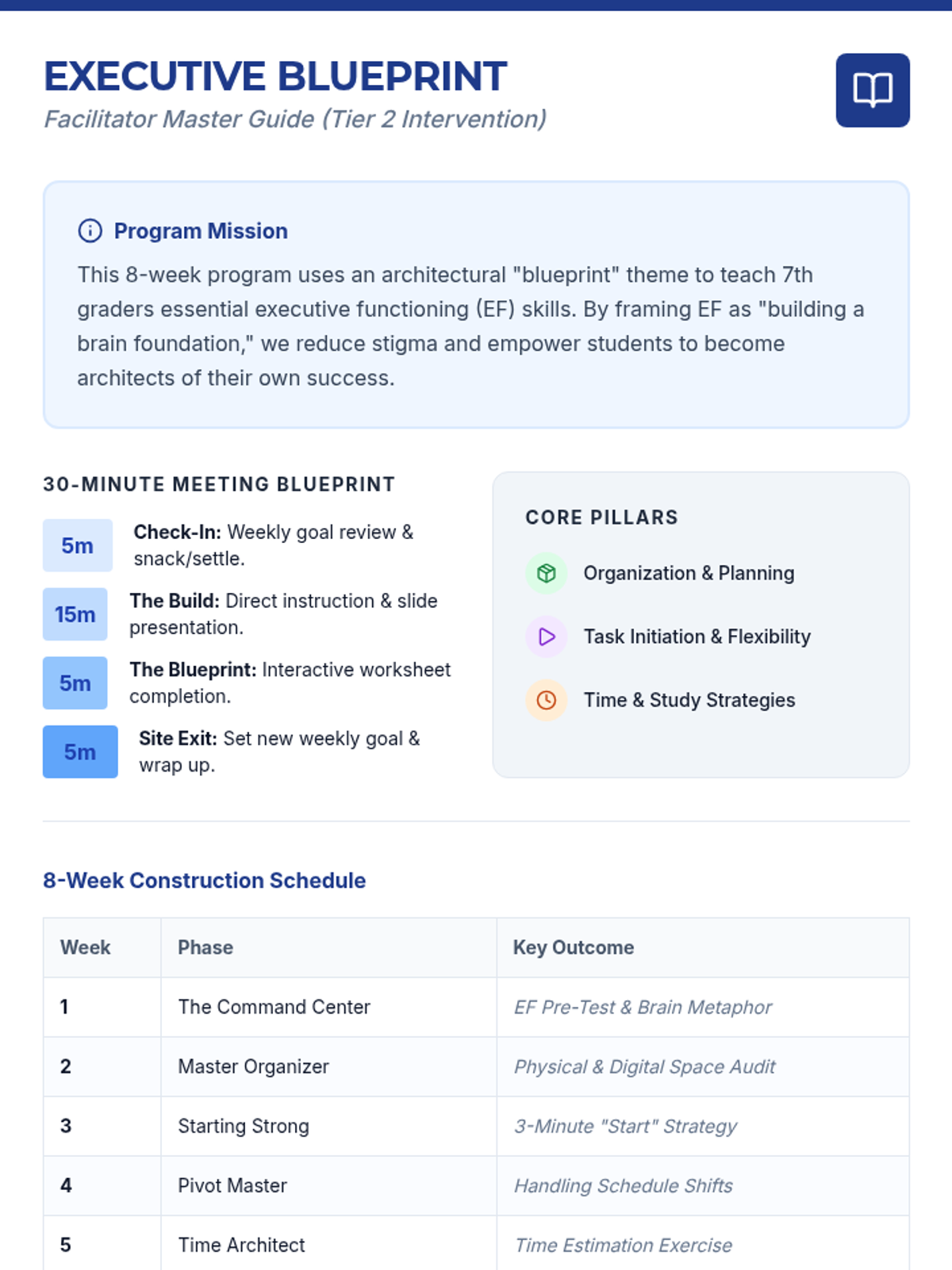
Introduction to the brain's "Command Center," establishing group norms, and completing the EF Pre-Test.
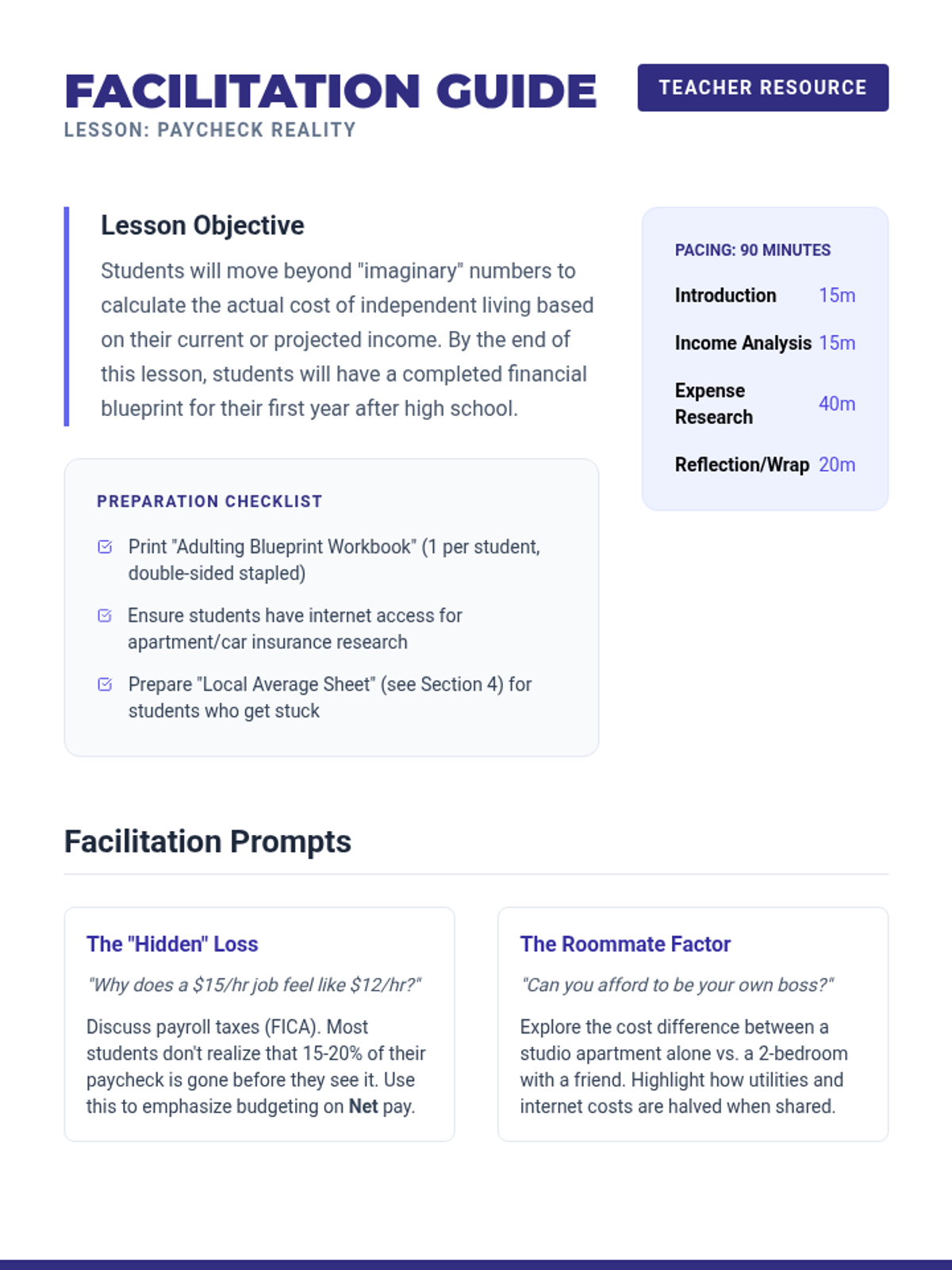
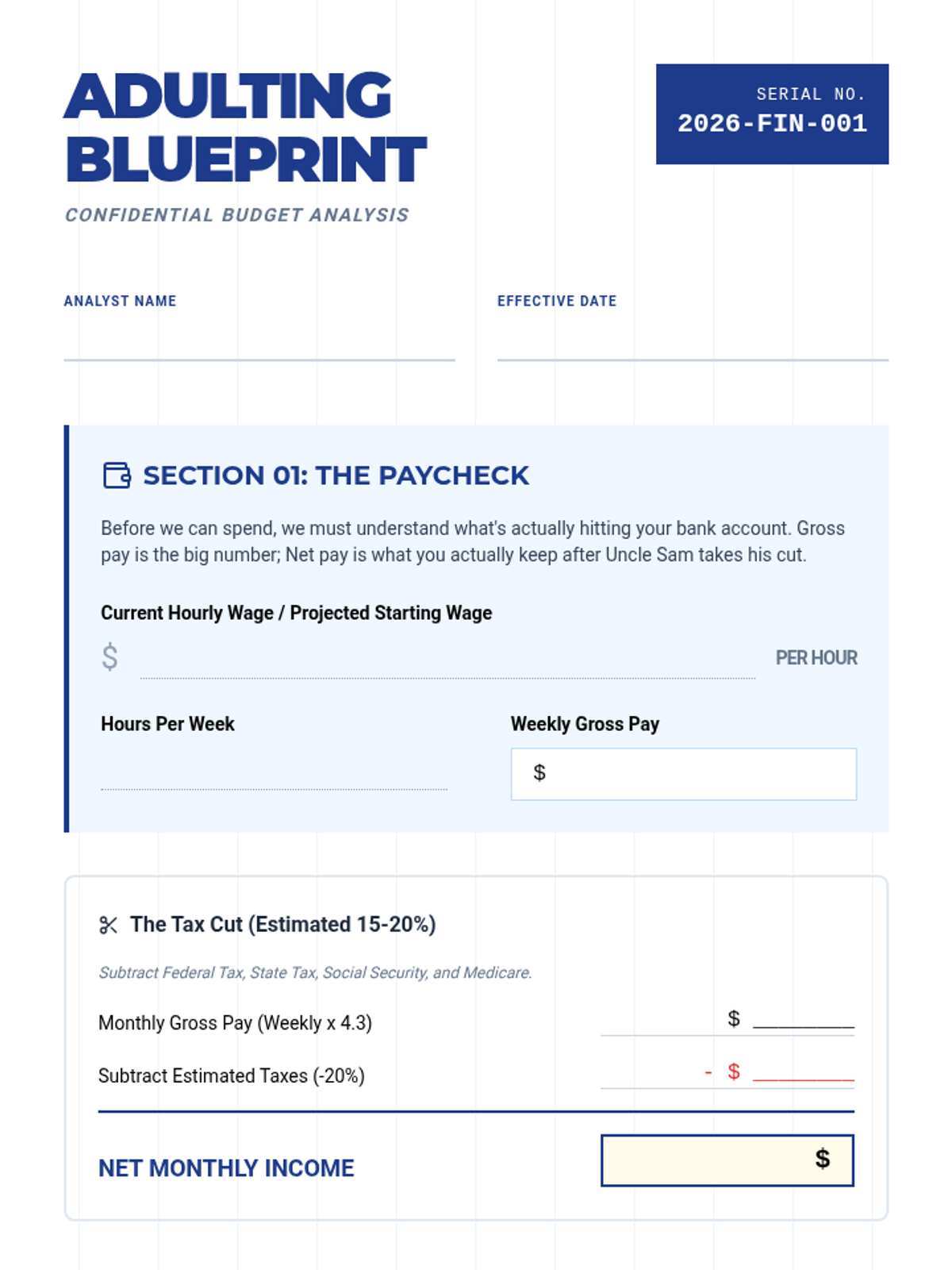
A practical, hands-on lesson designed for working high school seniors to navigate the transition to independent living. Students analyze their current income and projected expenses for housing, food, and transport to build a realistic monthly budget.
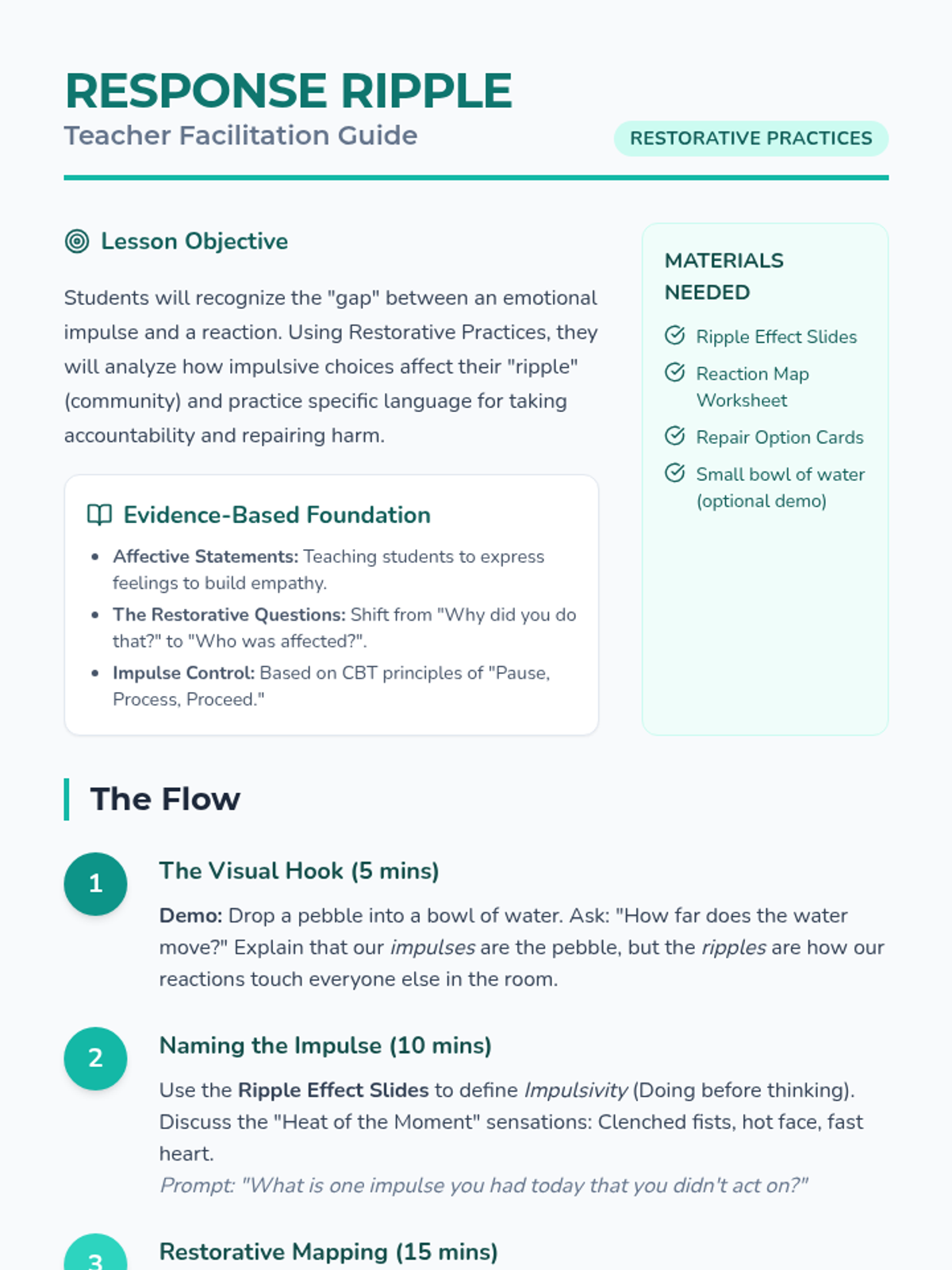
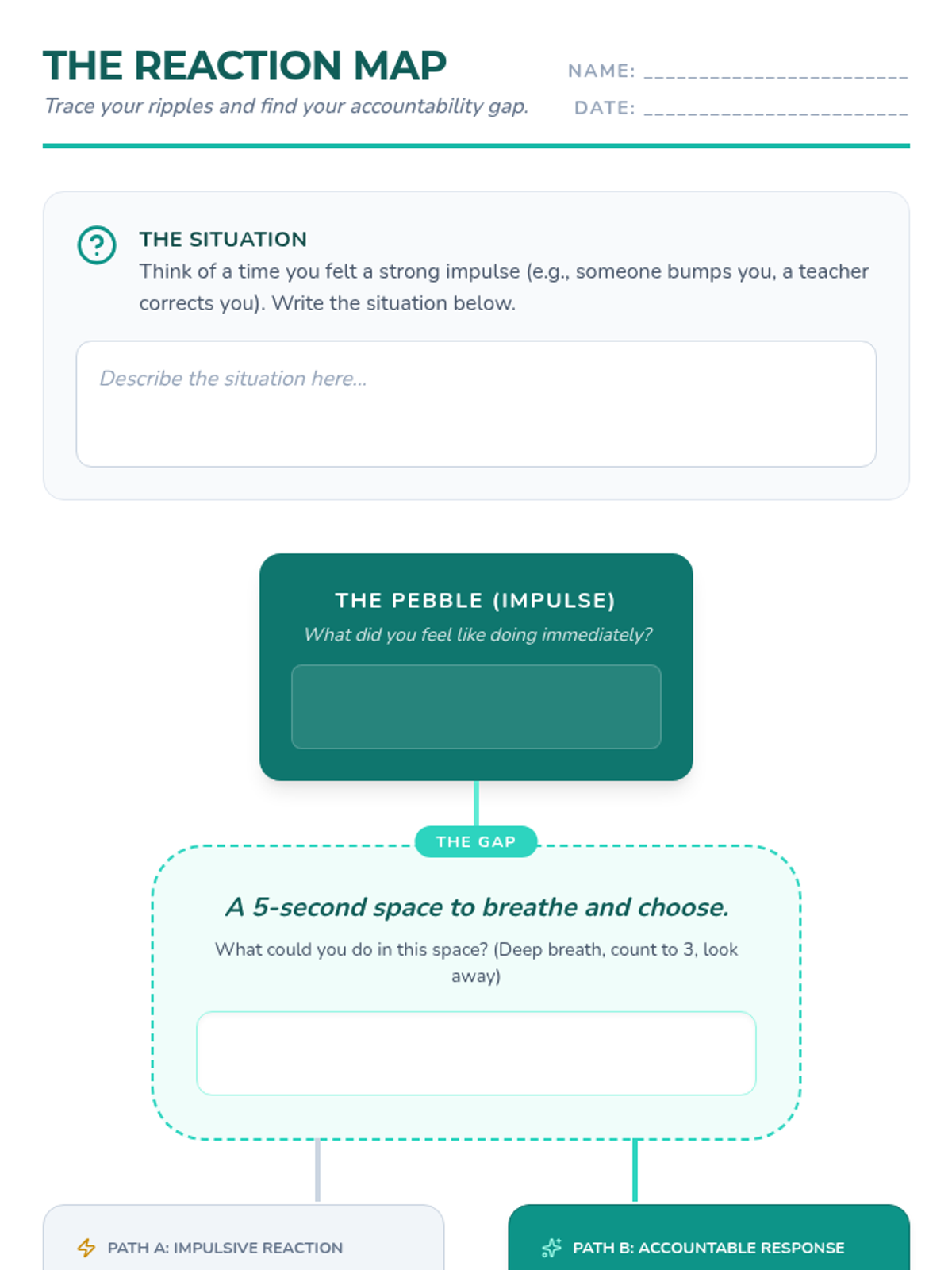
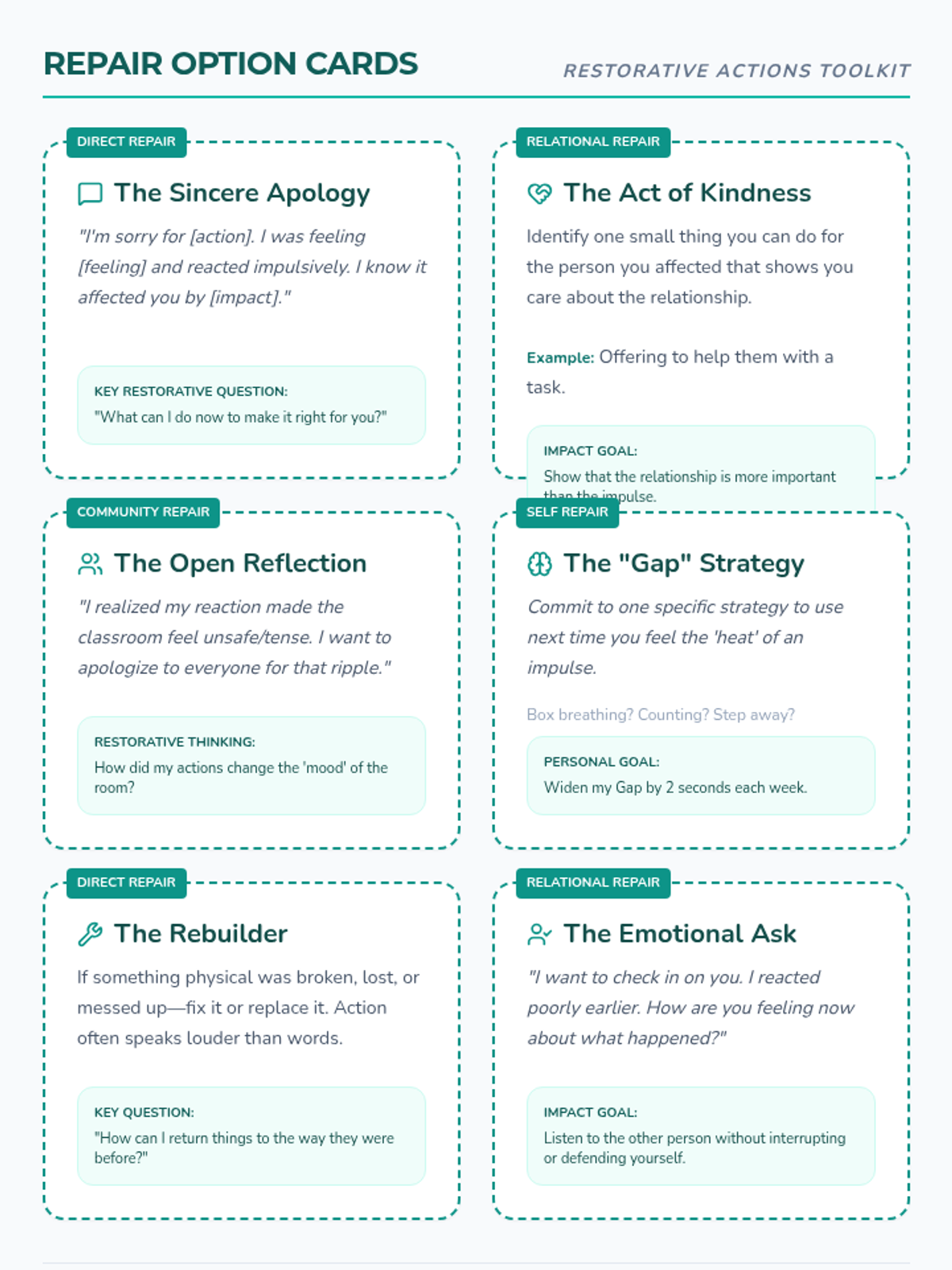
A Restorative Practices-based lesson for 6th graders focused on identifying impulsive emotional reactions, understanding their impact on others, and taking accountability through meaningful repair.
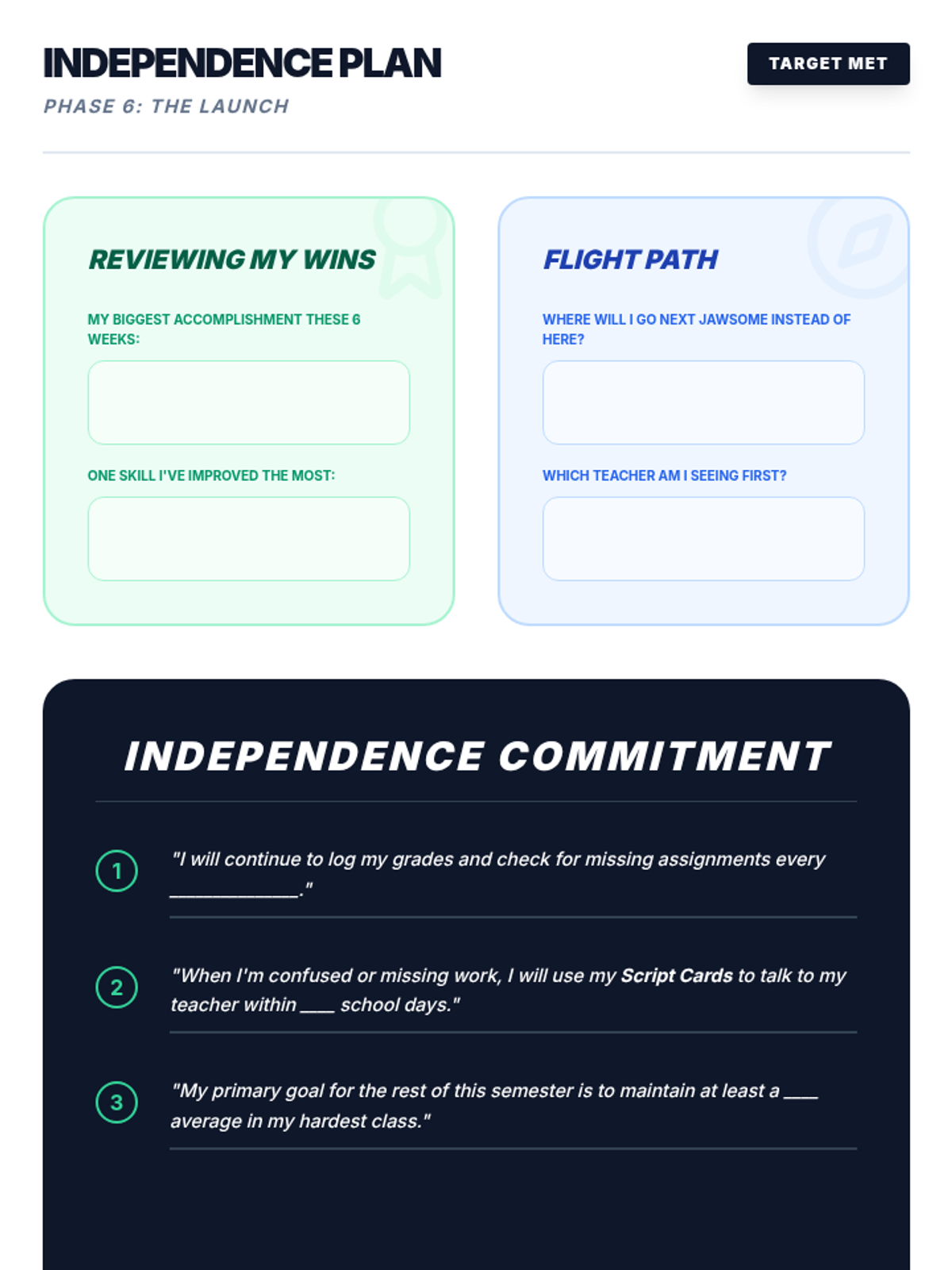
Preparing for independence. Students review progress reports and finalize a plan for seeking teacher support autonomously.
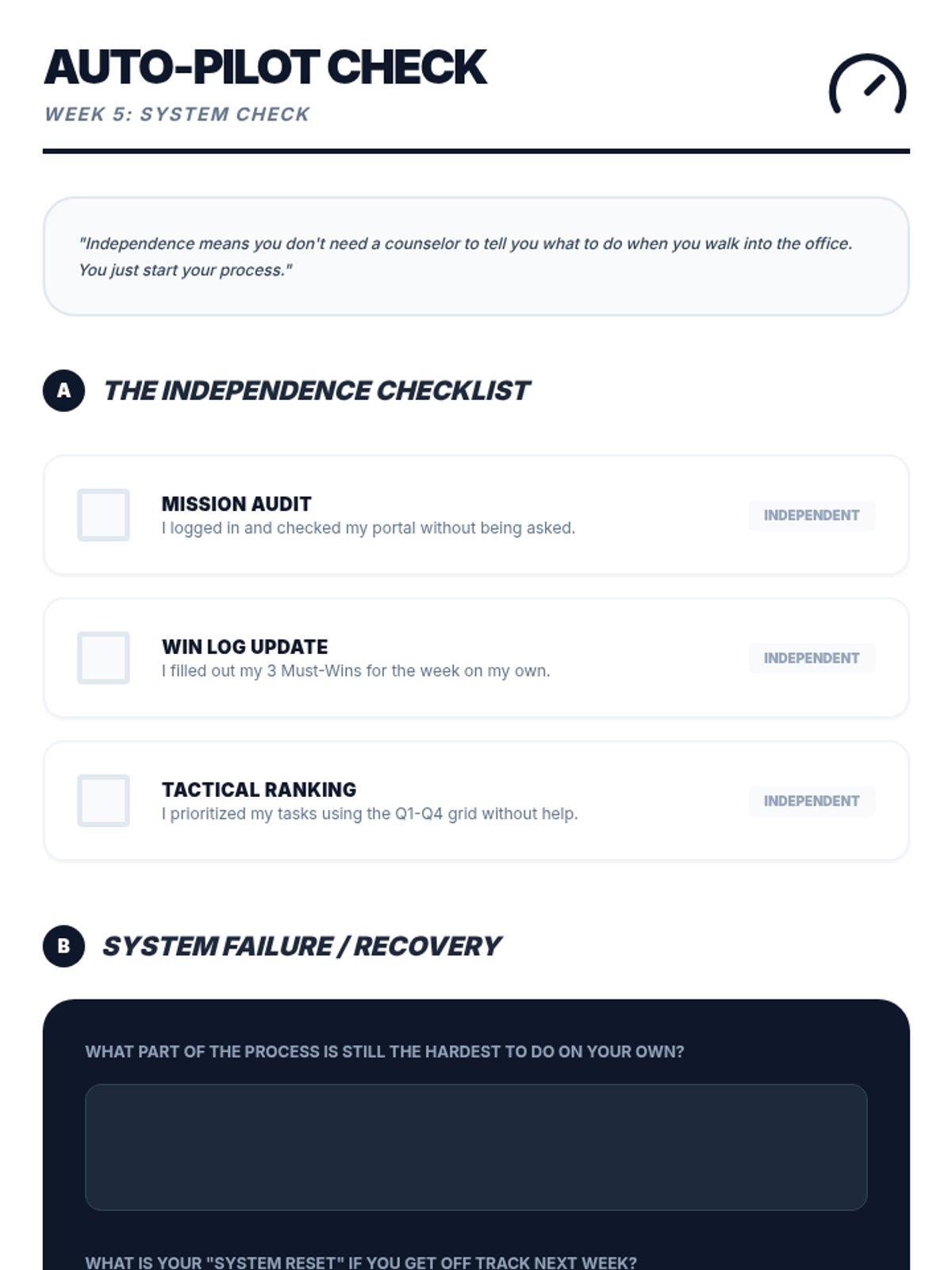
Establishing consistent habits and routines. Students refine their planning process to require less counselor prompting.
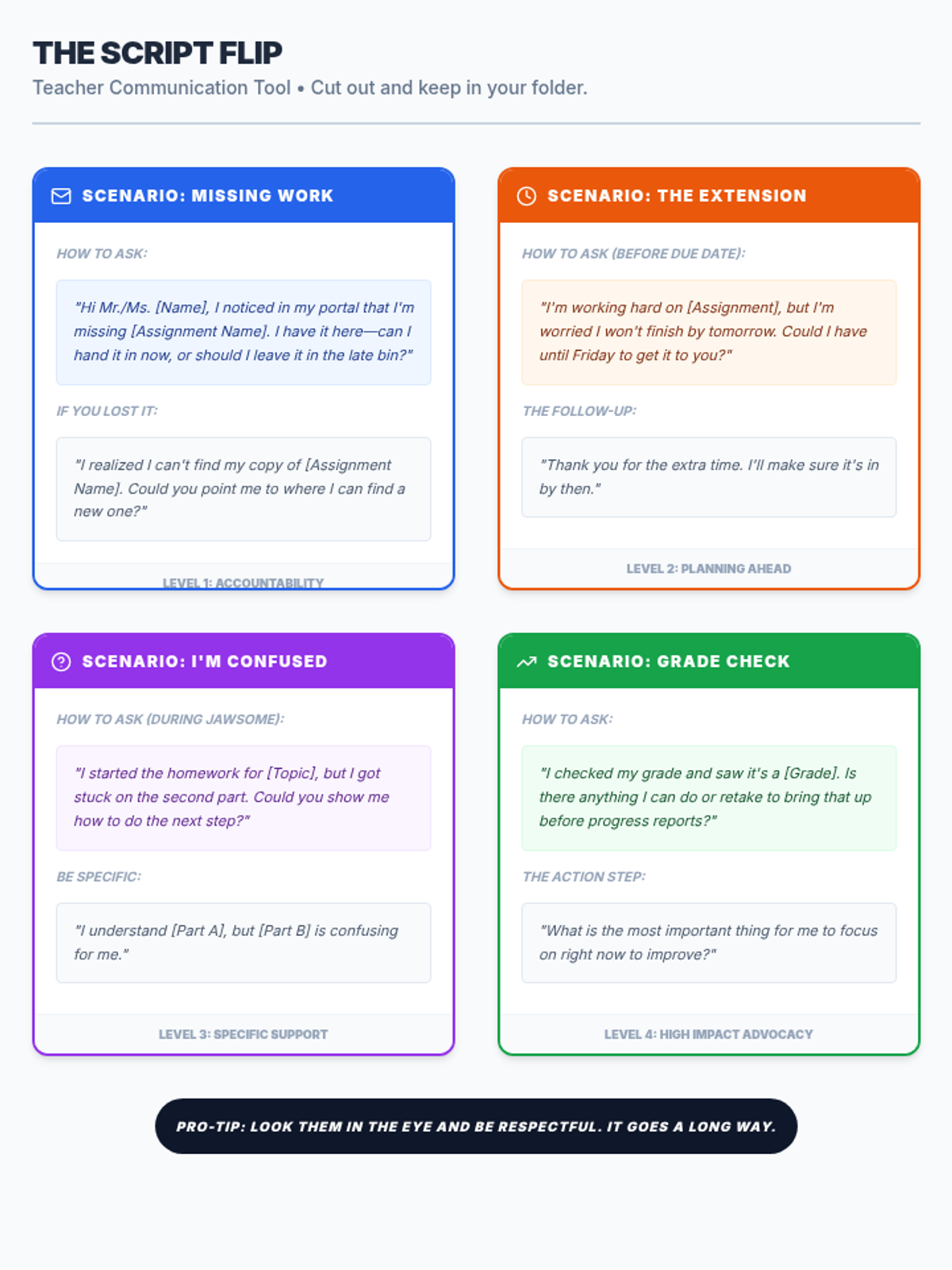
Developing teacher communication skills. Students practice scripts for asking for help, clarifying assignments, and negotiating deadlines.