Students practice cognitive flexibility by role-playing setbacks and adjusting their project boards in response to new information.
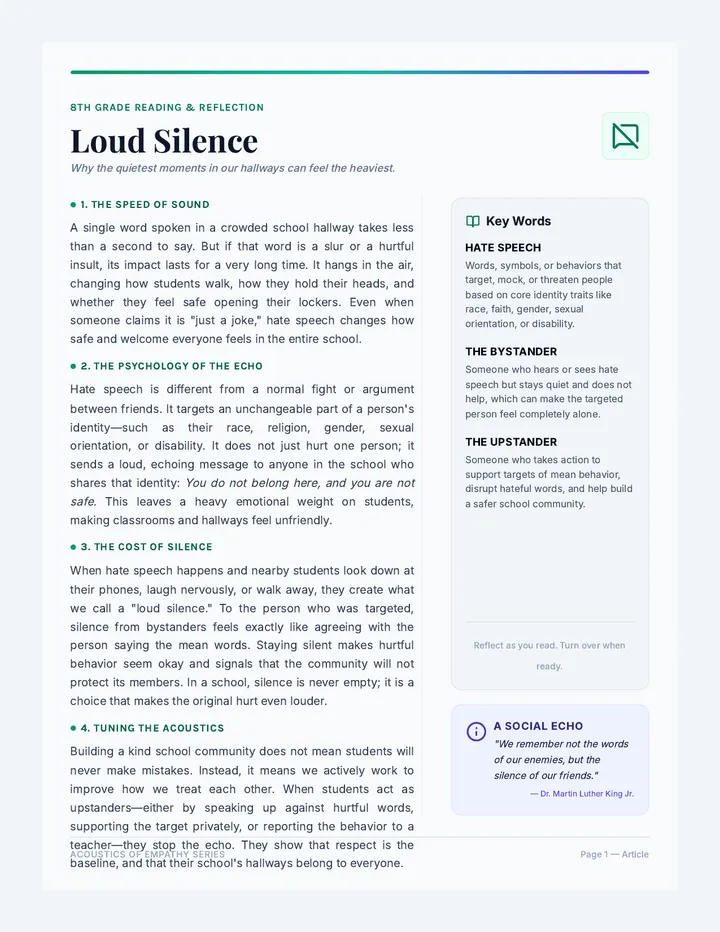
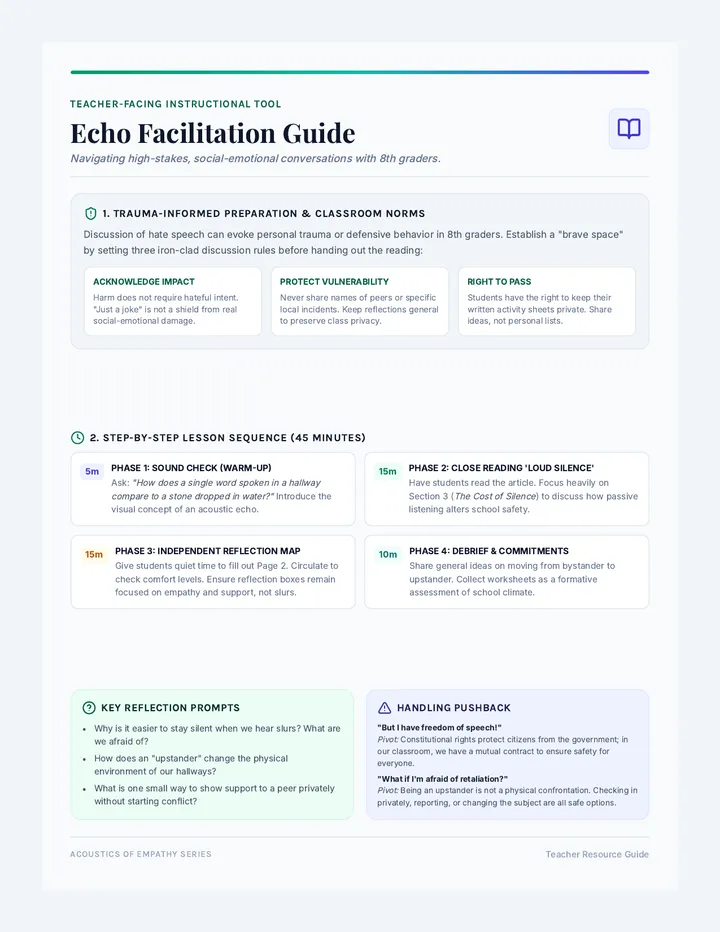
An 8th-grade lesson focusing on the social-emotional impact of hate speech and fostering a supportive school community. Students read an engaging, age-appropriate article and complete a reflective worksheet to map the impact of words and make personal commitments to inclusivity.
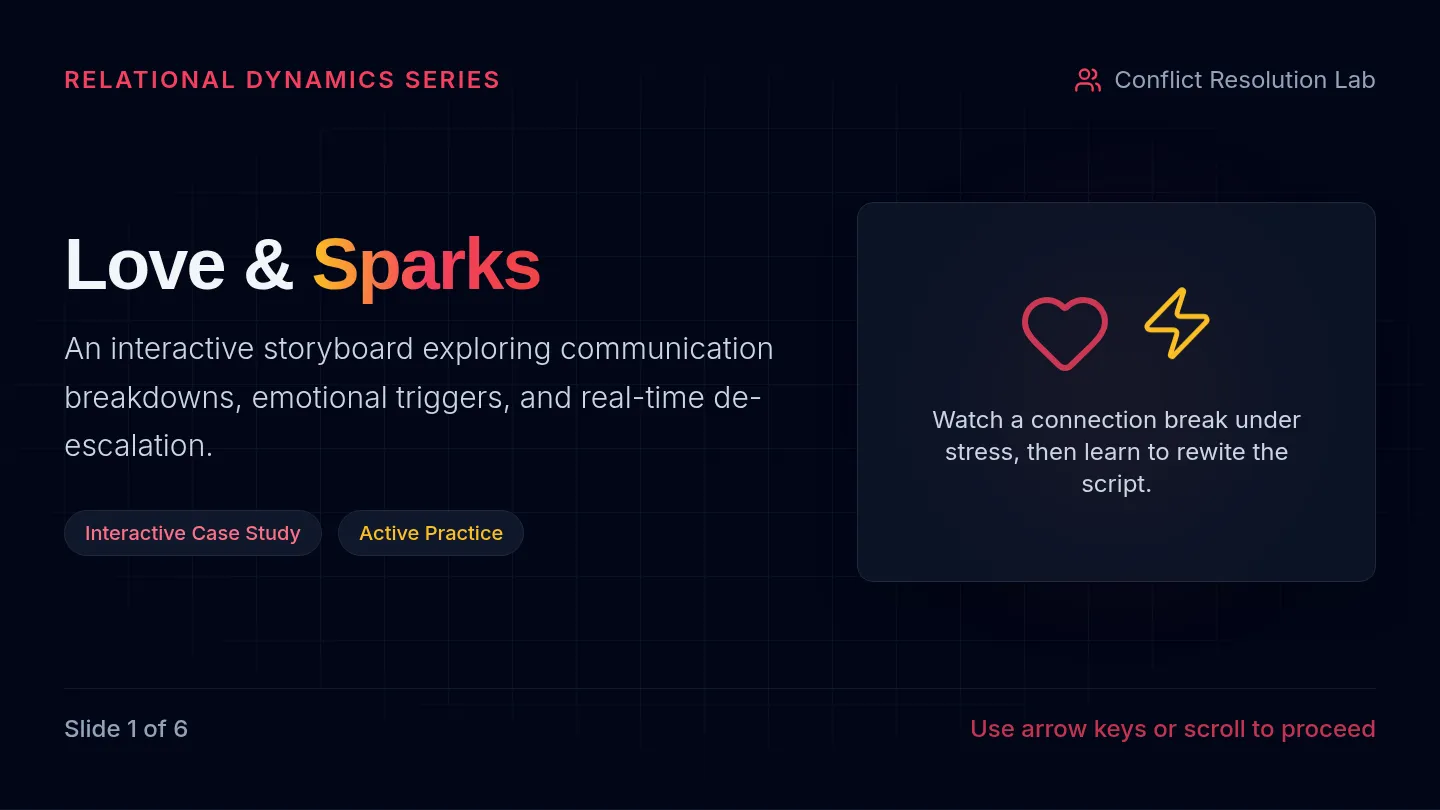
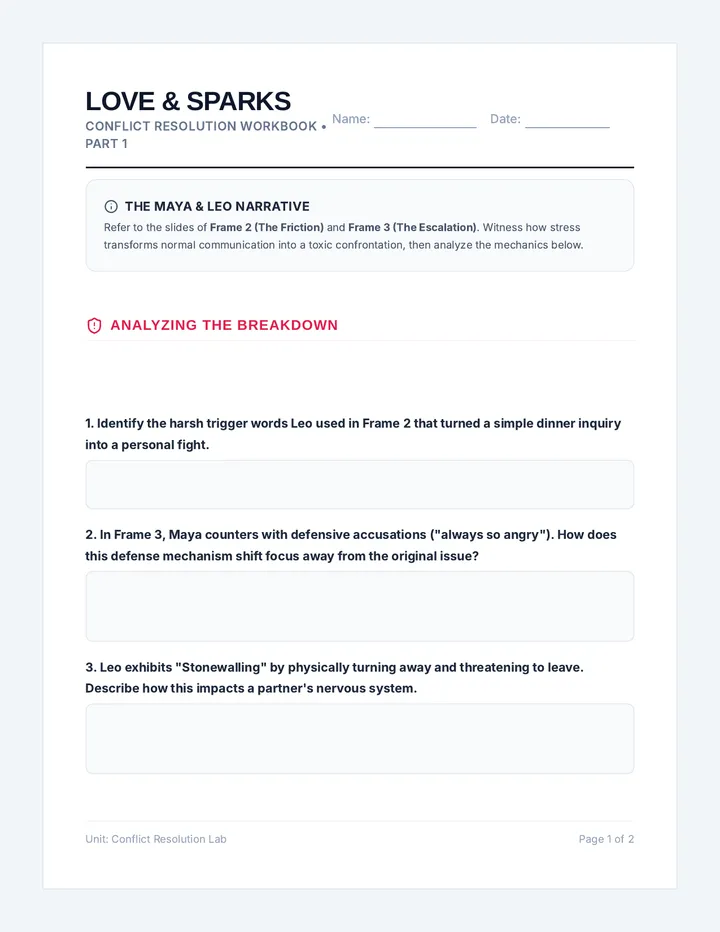
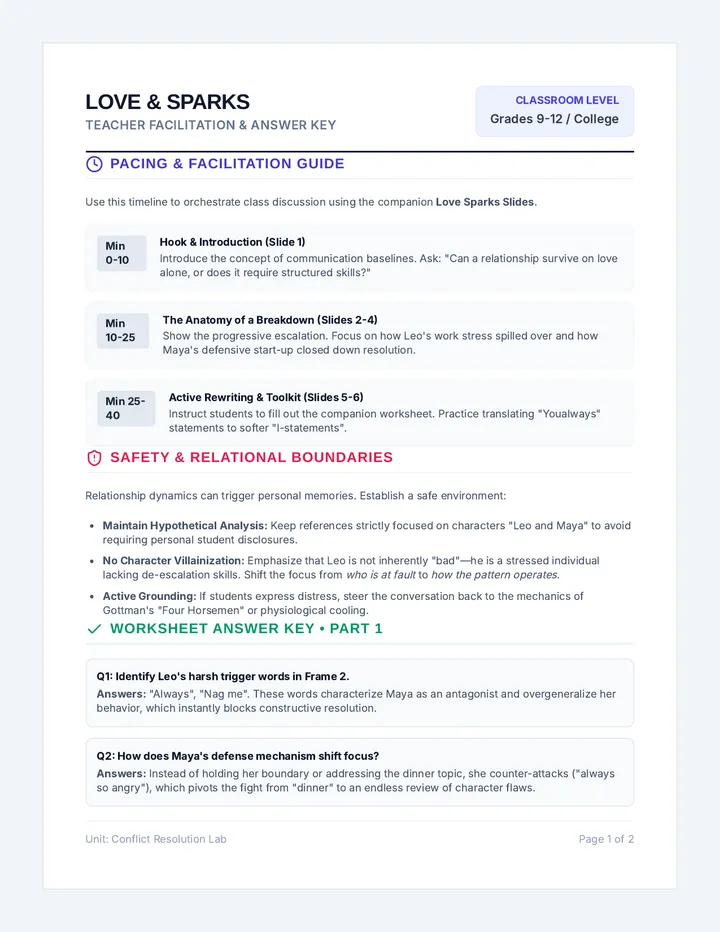
An instructional lesson centered on identifying communication breakdowns, analyzing relational friction, and applying active de-escalation strategies. Features interactive storyboard-driven slides and activities.
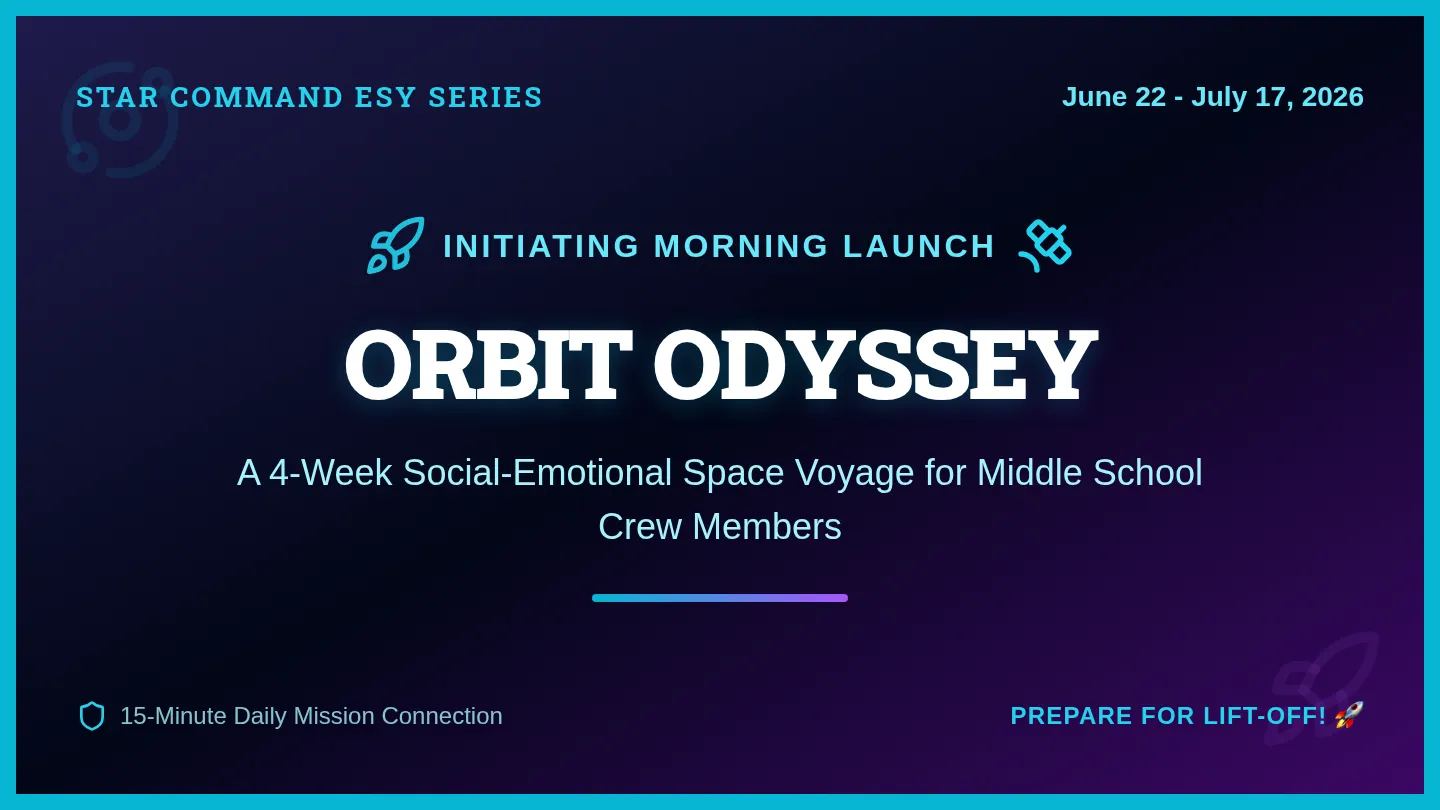
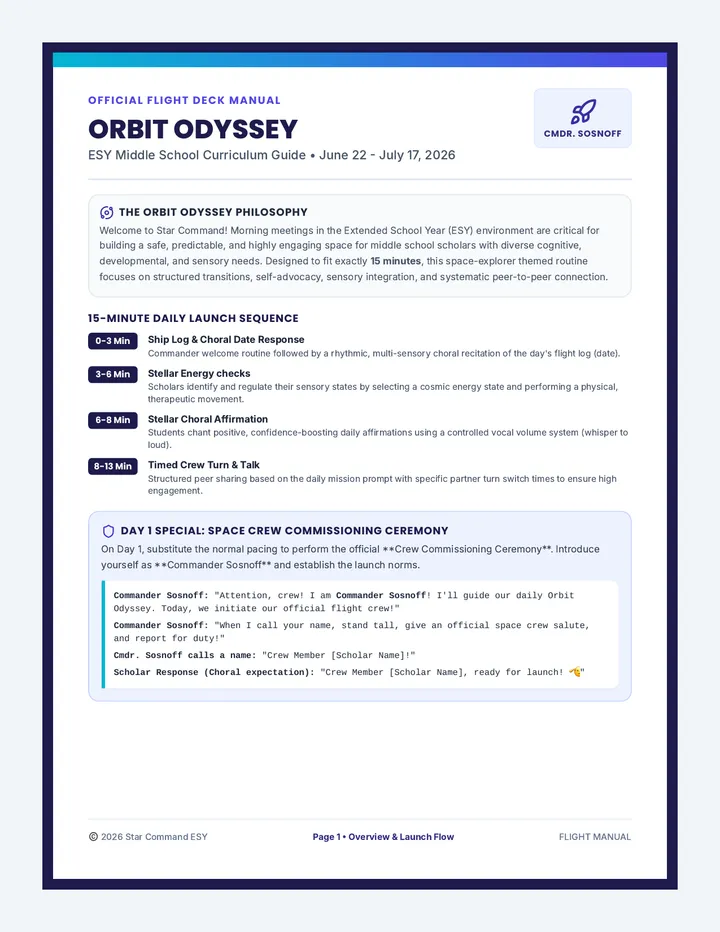
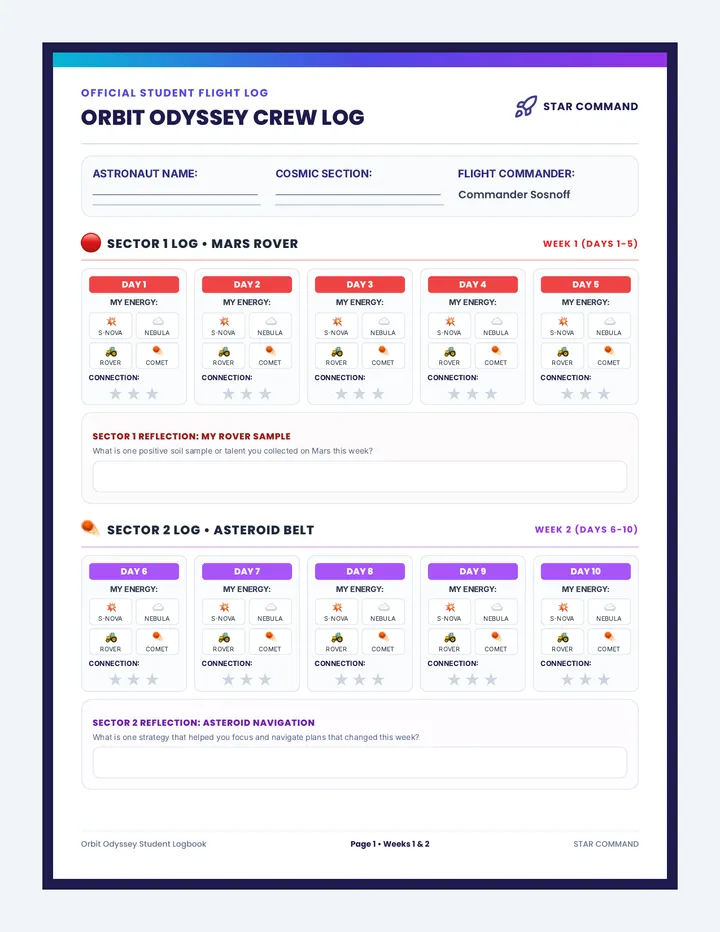
A 4-week space explorer themed morning meeting series for middle school ESY scholars with disabilities. Led by Commander Sosnoff, it covers Mars Rover, Asteroid Navigation, Saturn Rings, and Nebula sectors with calendar ship logs, cosmic energy checks, stellar affirmations, and turn-and-talk communication prompts.
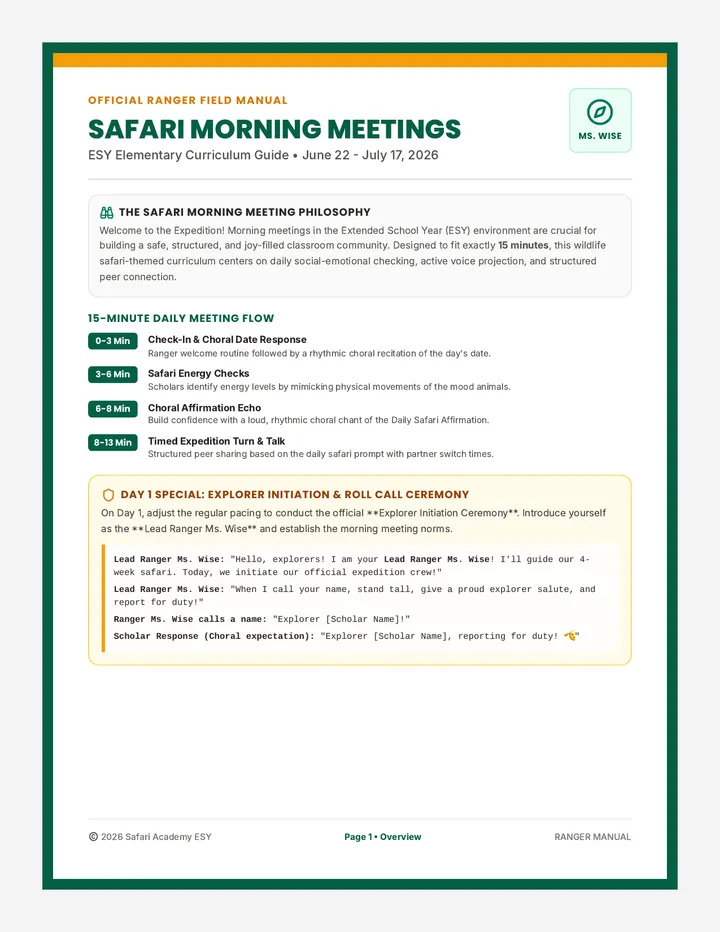
A 4-week wildlife safari themed morning meeting series for ESY elementary school scholars. Covers Savannah, Jungle, Desert, and Ocean habitats with daily welcomes, mood checks, date trackers, affirmations, and interactive social-emotional sharing prompts.
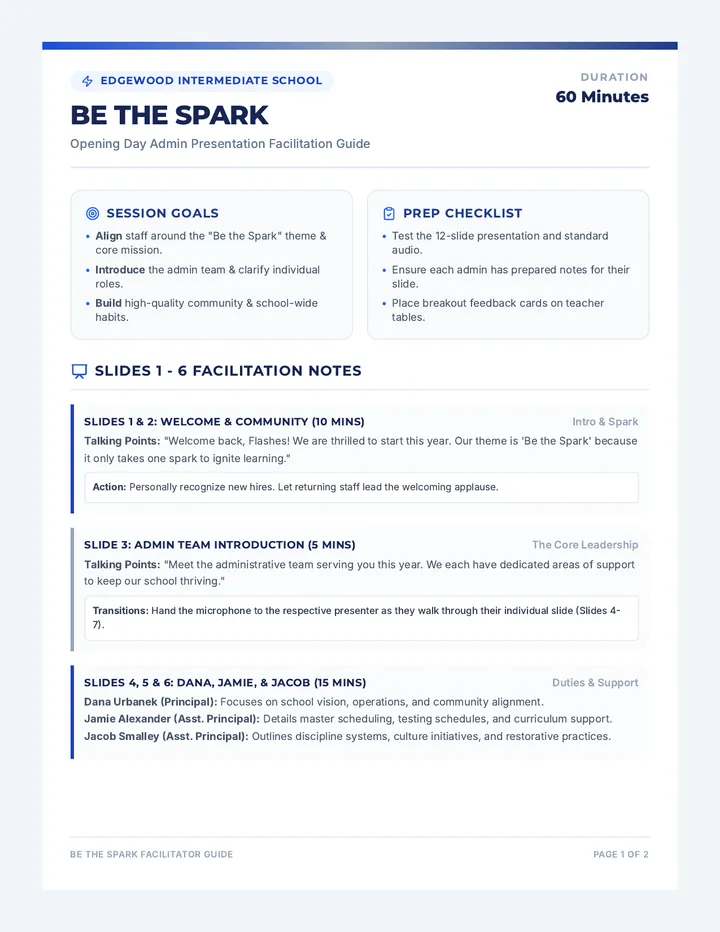
An opening day professional development session for Edgewood Intermediate School, home of the Flashes, centered around the theme 'Be the Spark.' Designed to introduce the administrative team, establish annual goals, build community, and motivate staff.
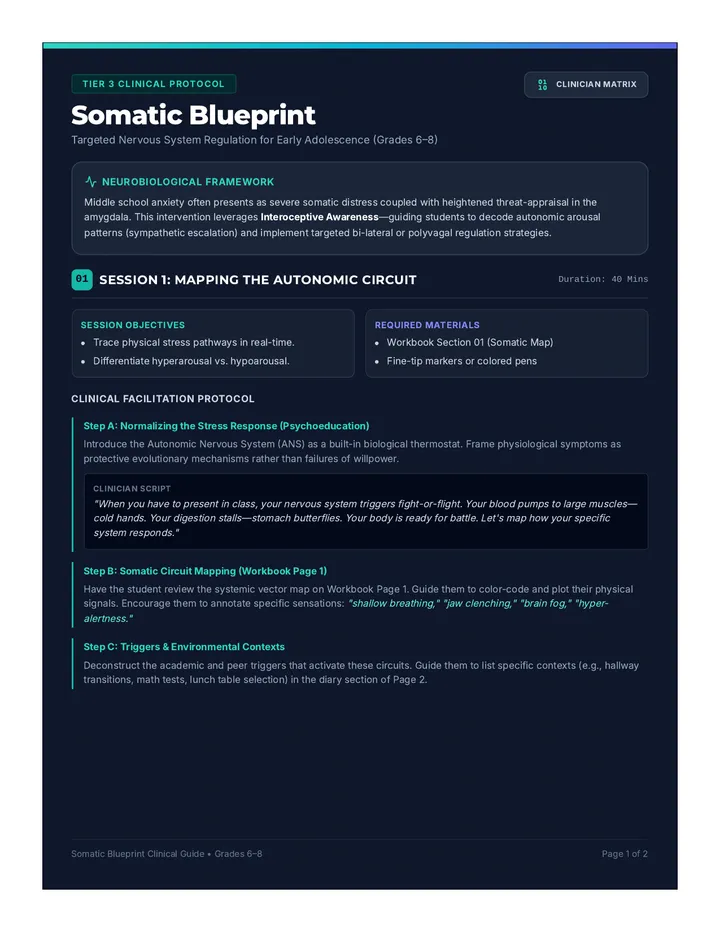
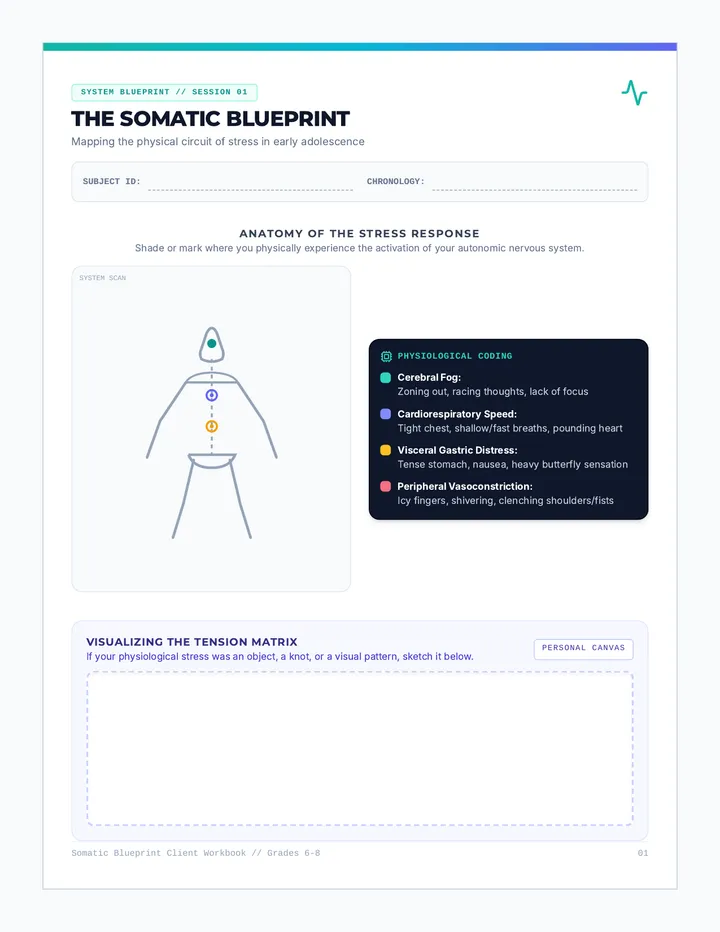
A Tier 3 individual counseling intervention designed for 7th graders (ages 12-13) to map physical stress patterns, analyze neurological escalation, and construct customized coping matrices.
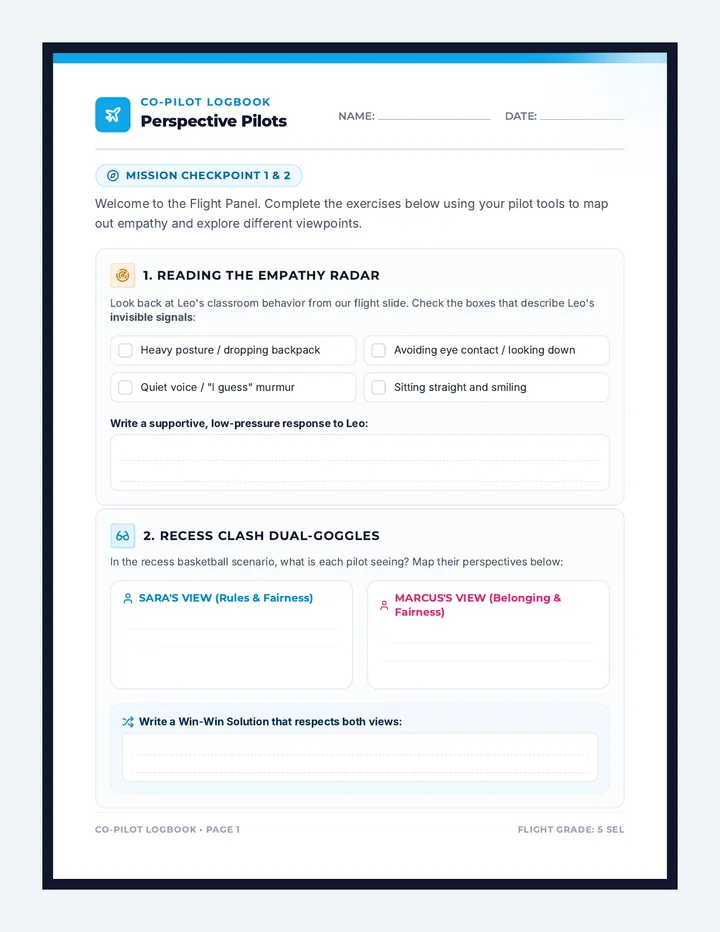
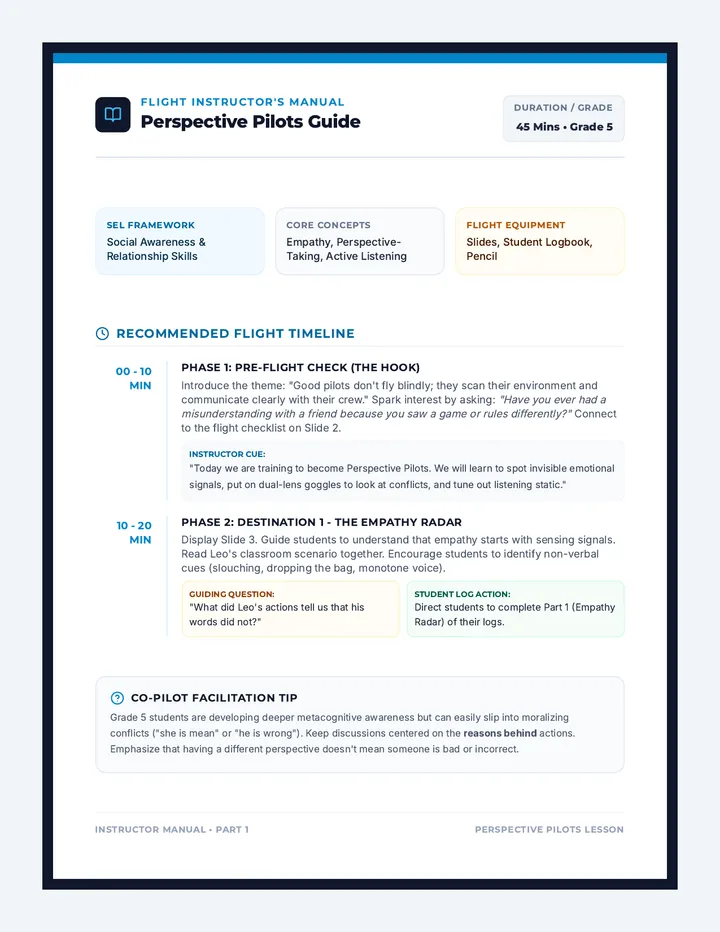
A 5th-grade Social-Emotional Learning lesson focused on empathy, active listening, and perspective-taking. Students become 'Perspective Pilots' to explore diverse viewpoints and connect deeply with others.
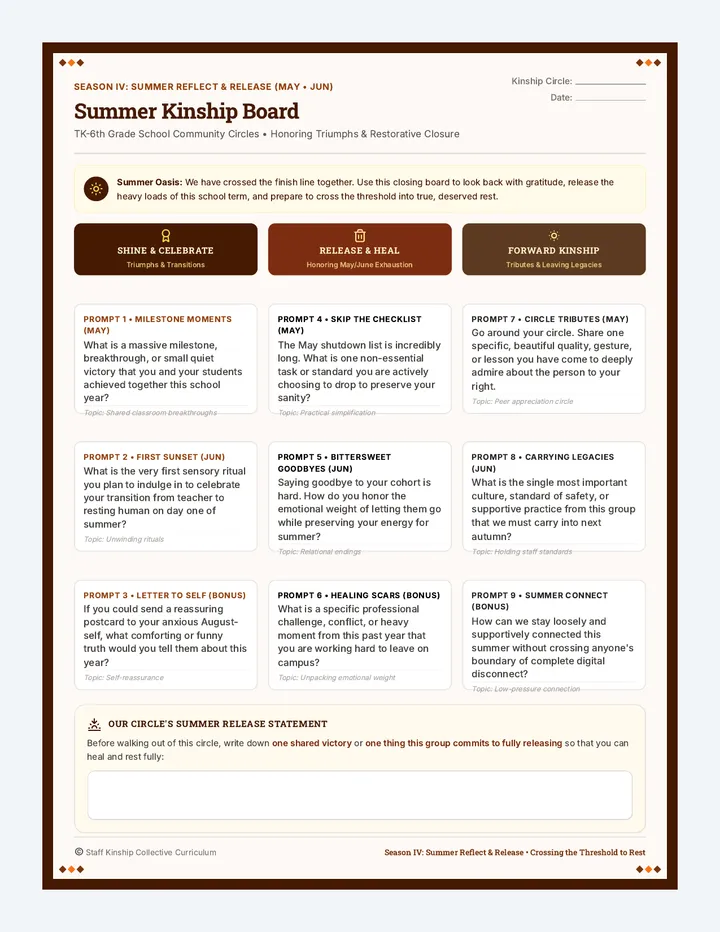
Celebrates collective triumphs, reflective learning, and restorative closure as the school year draws to an end (May, June).
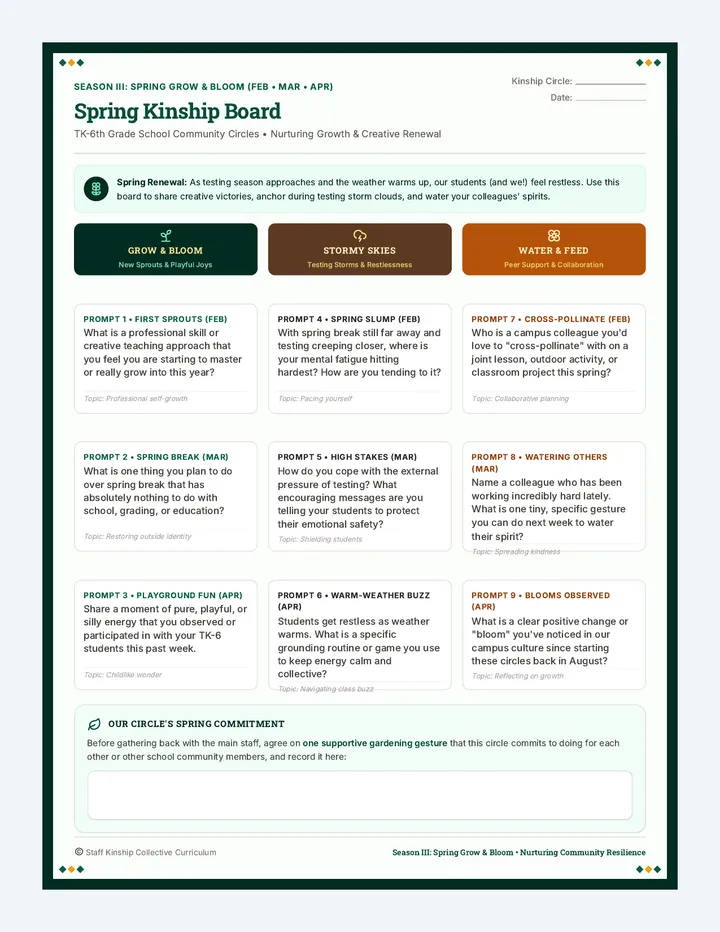
Fosters professional empathy, creative renewal, and navigating high-stakes testing season with collaborative support and grace (February, March, April).
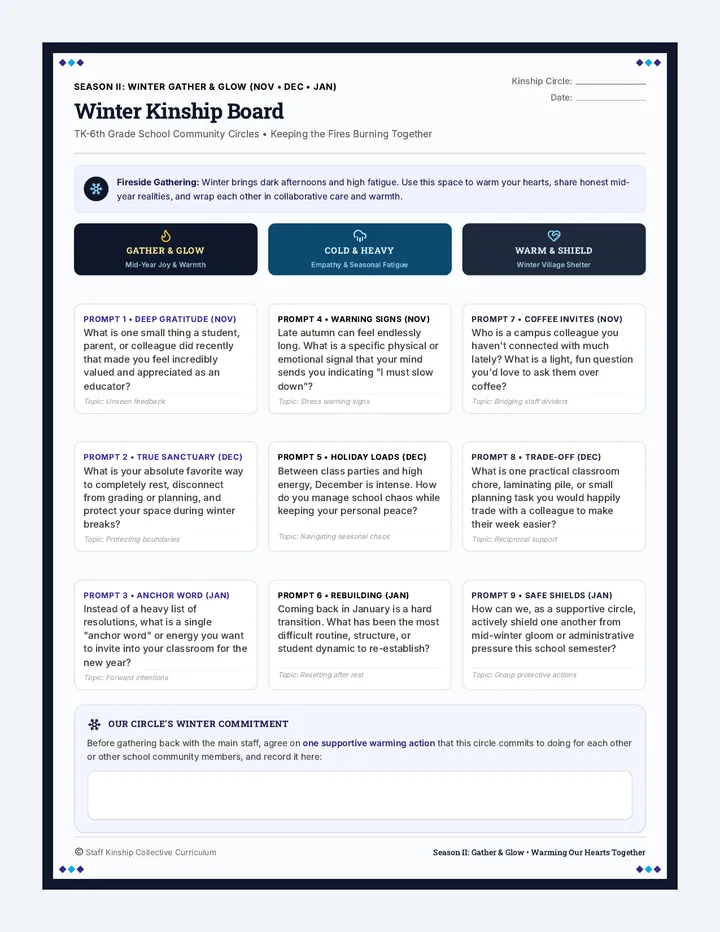
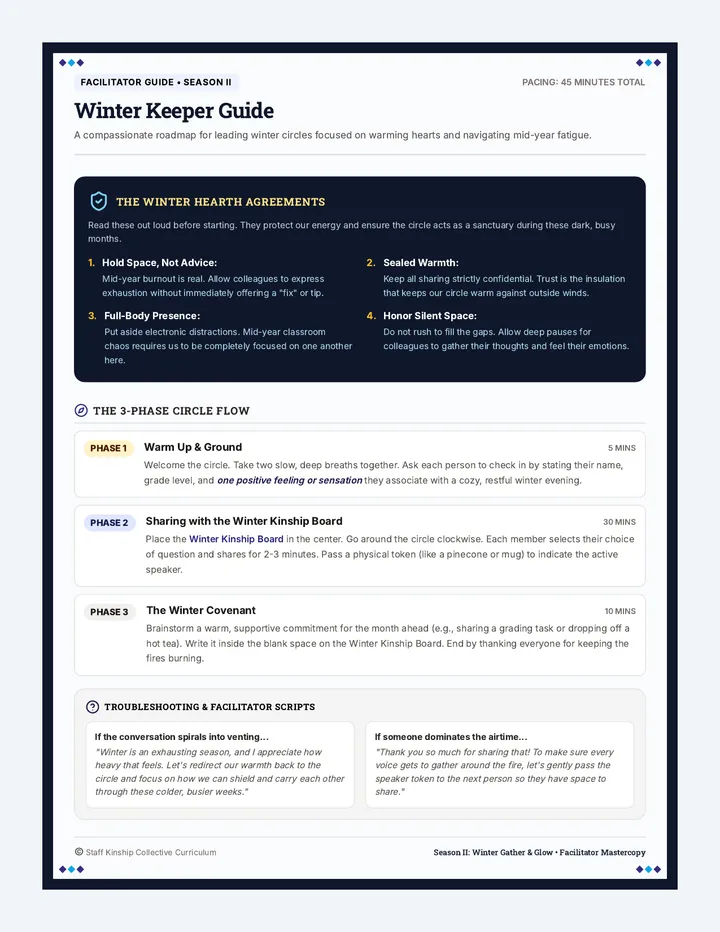
Explores themes of collective healing, mid-year fatigue management, peer-to-peer gratitude, and warming up school culture during the winter months (November, December, January).
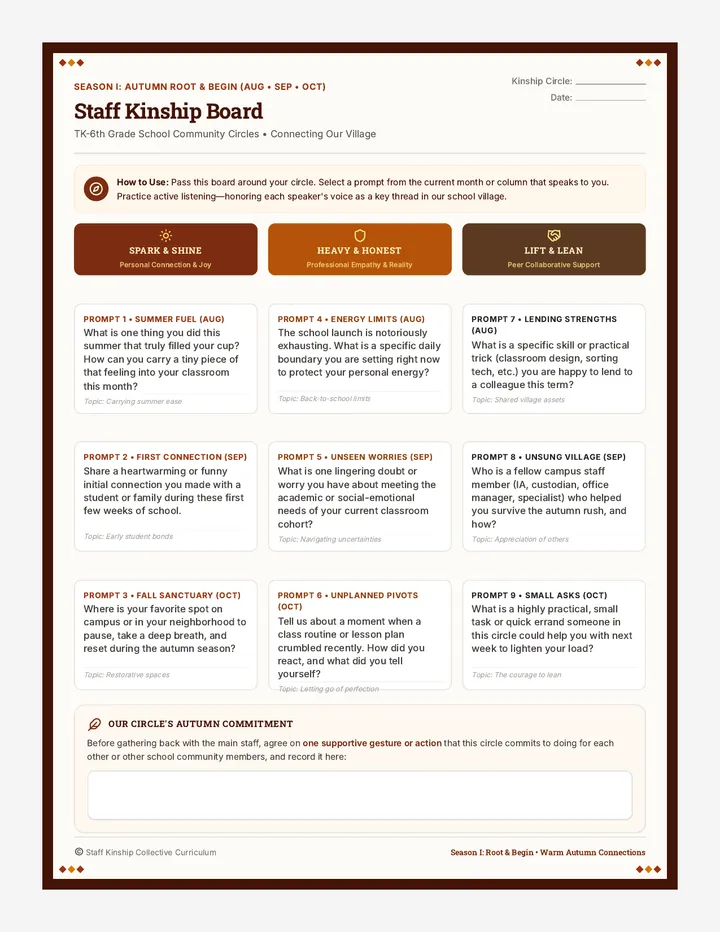
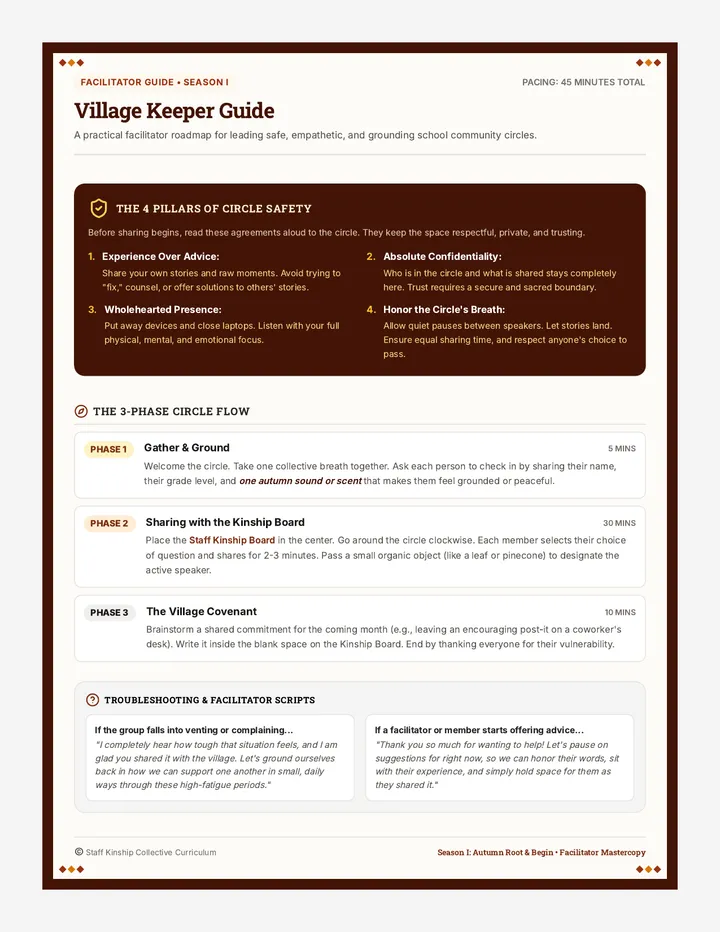
Focuses on establishing group trust, sharing summer transitions, and setting supportive baseline agreements for the start of the school year (August, September, October).
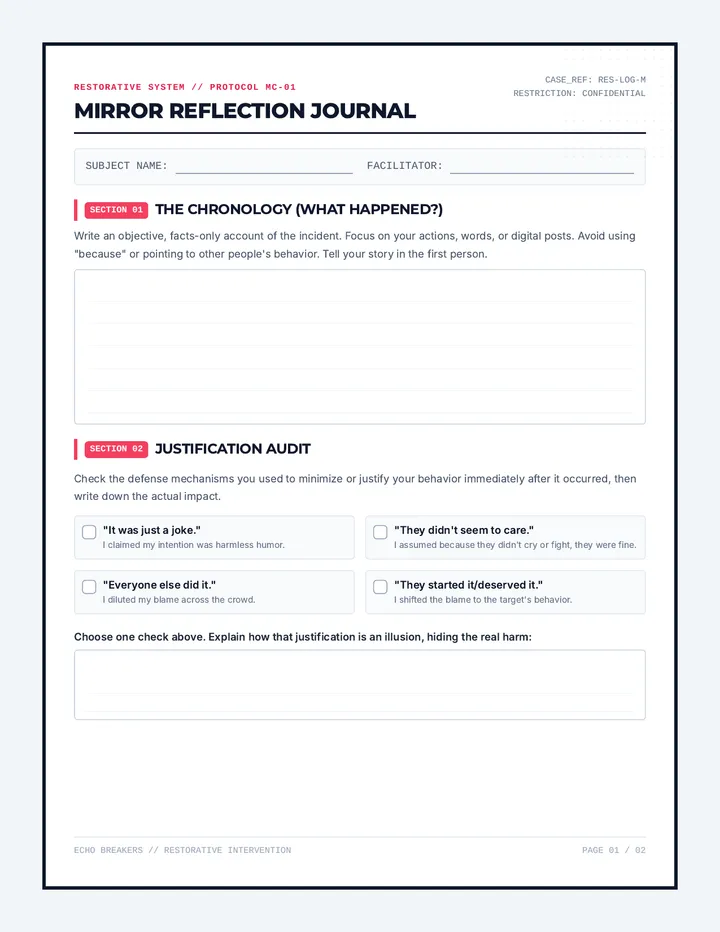
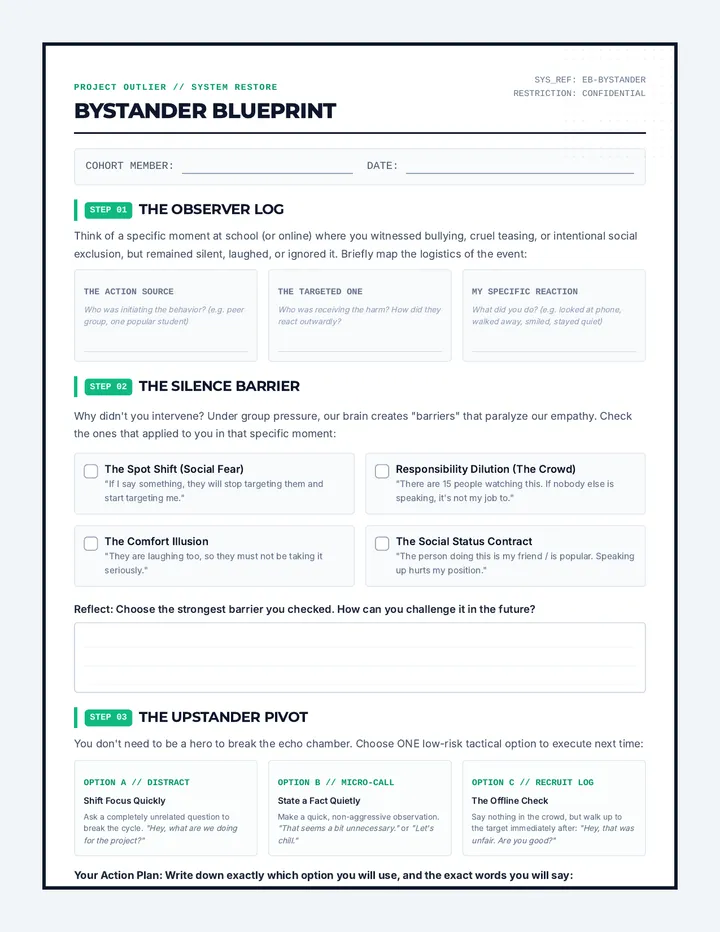
A restorative, intervention-focused lesson designed to address active bullying, social exclusion, or bystander behaviors. Provides a structured, objective, and deeply empathetic framework for restorative justice, self-reflection, and behavior correction.
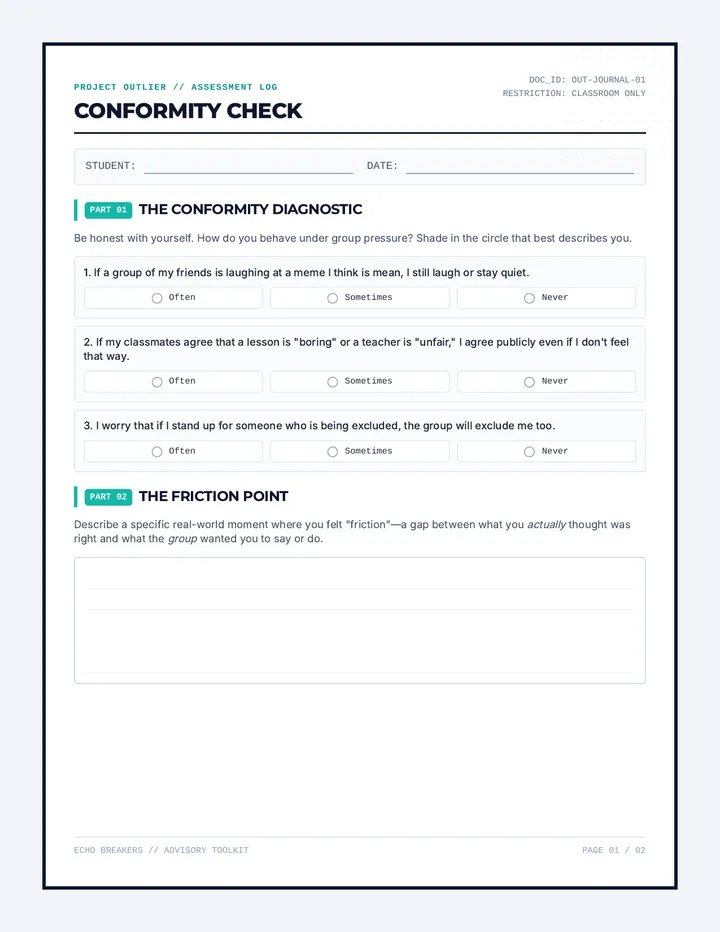
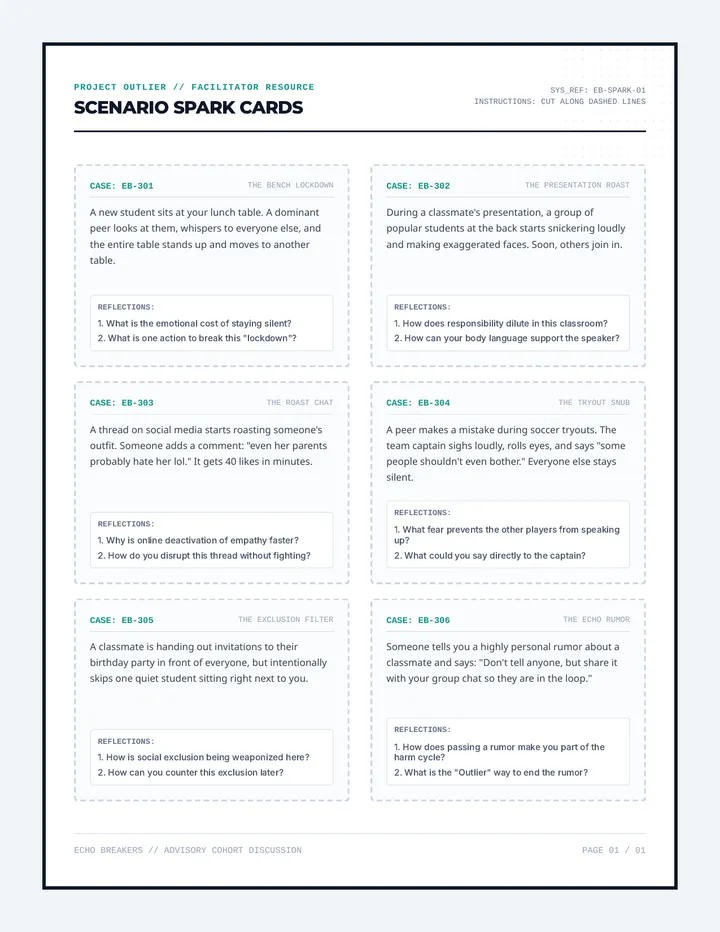
A preventative Advisory-focused lesson that analyzes peer pressure, the psychological mechanics of herd mentality, and the courage required to stand alone. Students engage in self-reflection, case analysis, and scenario-based writing prompts to develop an 'outlier' mindset.
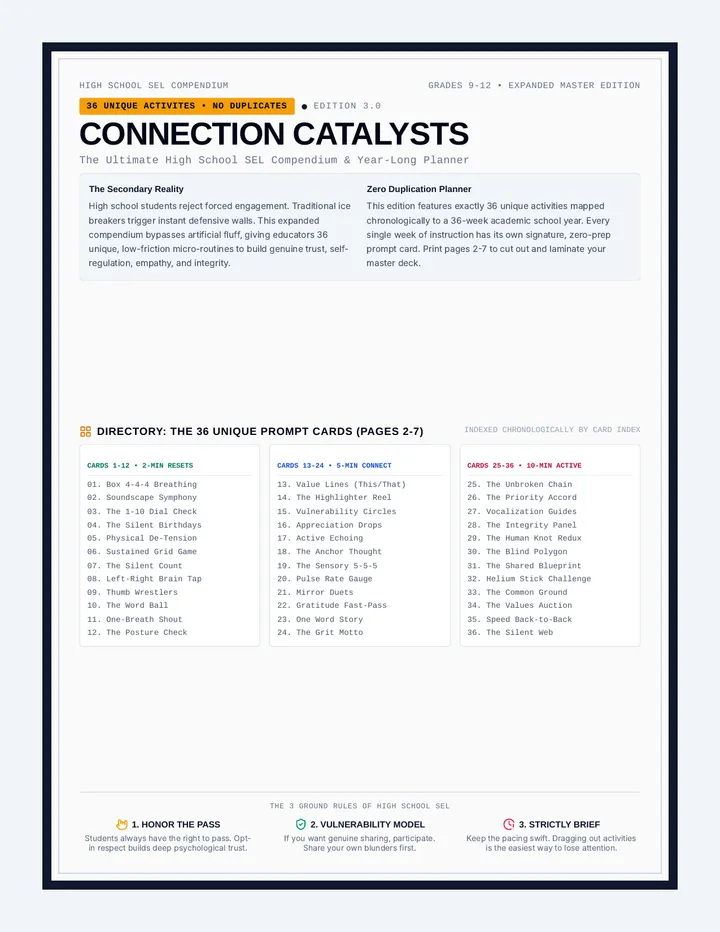
A powerful social-emotional learning lesson series designed for high school teachers to foster relationship-building, self-regulation, active communication, self-awareness, and integrity through quick daily classroom routines.
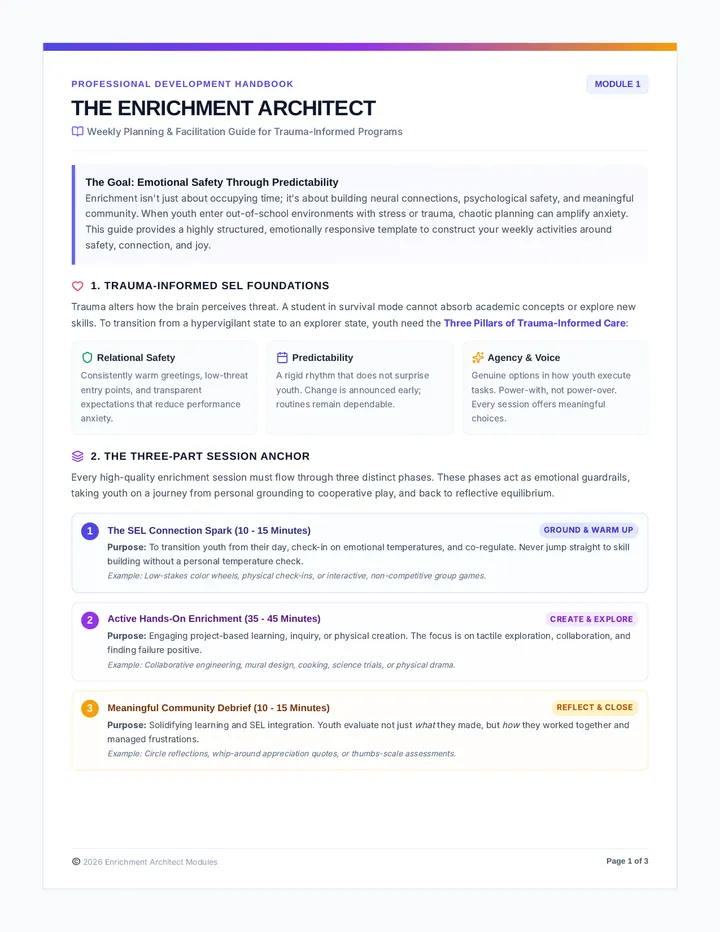
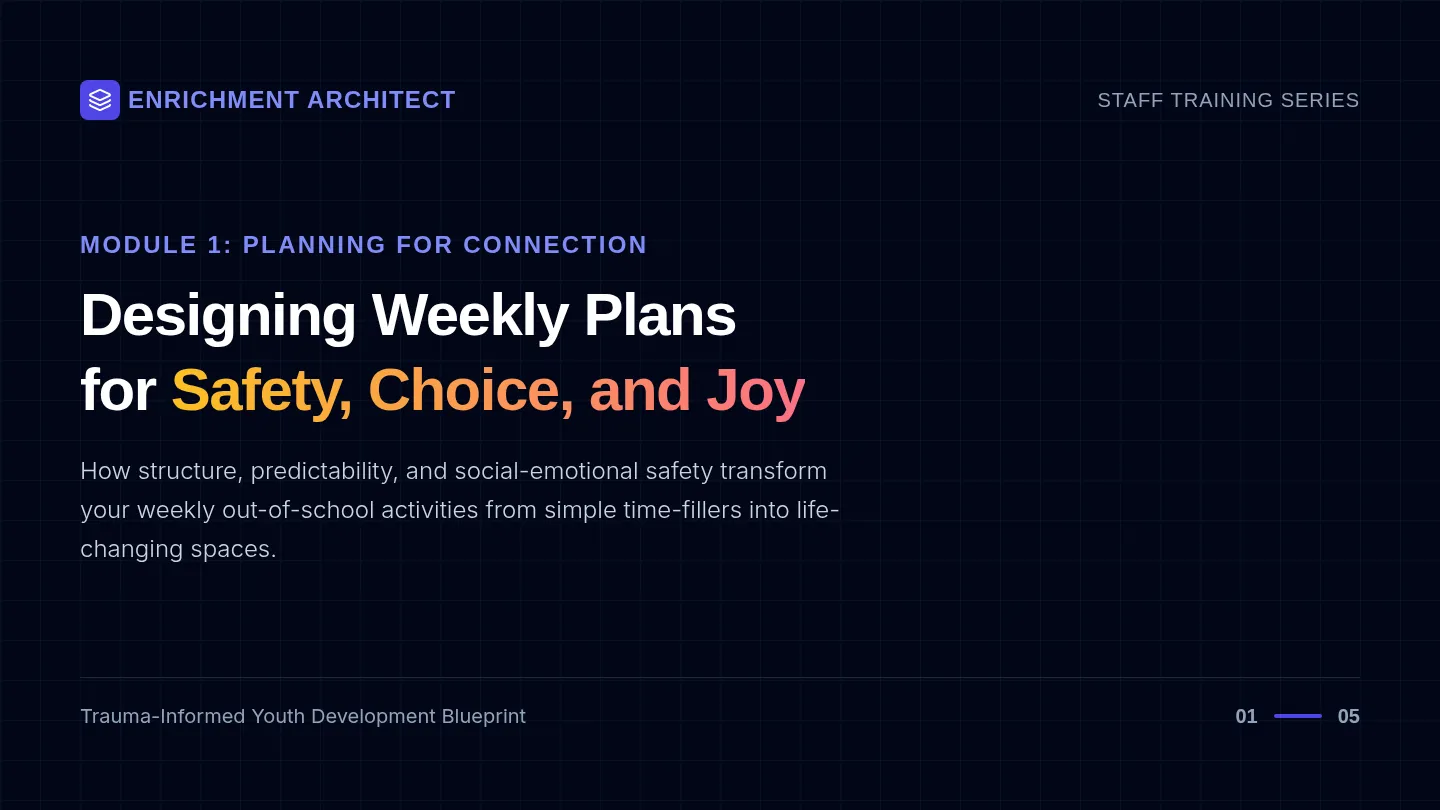
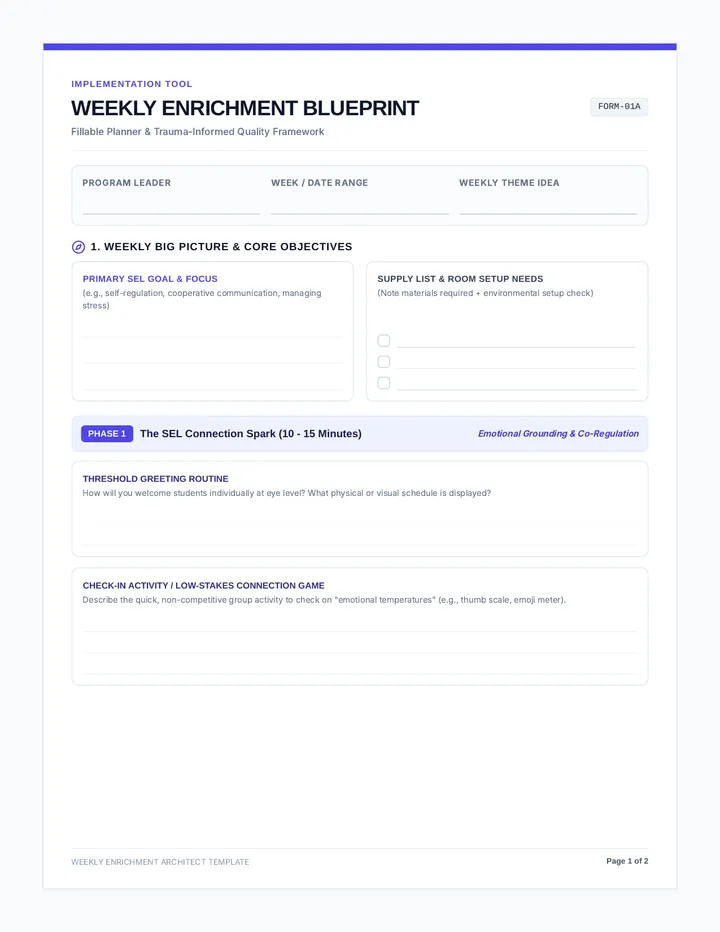
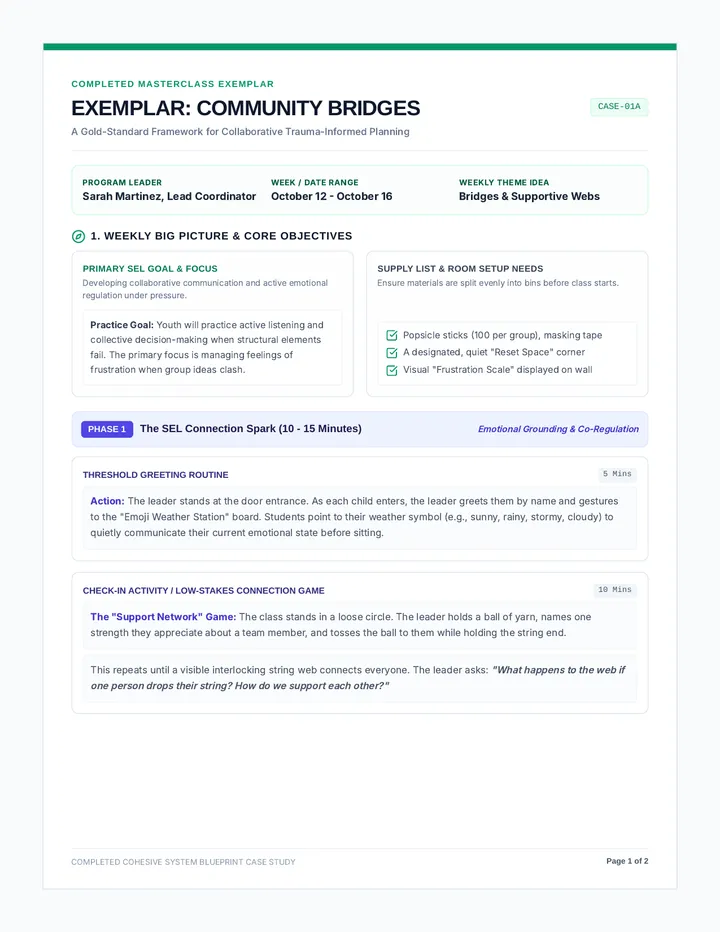
A comprehensive professional development module for program leaders to master the art of weekly enrichment planning. This module focuses on integrating trauma-informed social-emotional learning (SEL), active enrichment, and structured reflection debriefs into cohesive weekly plans.
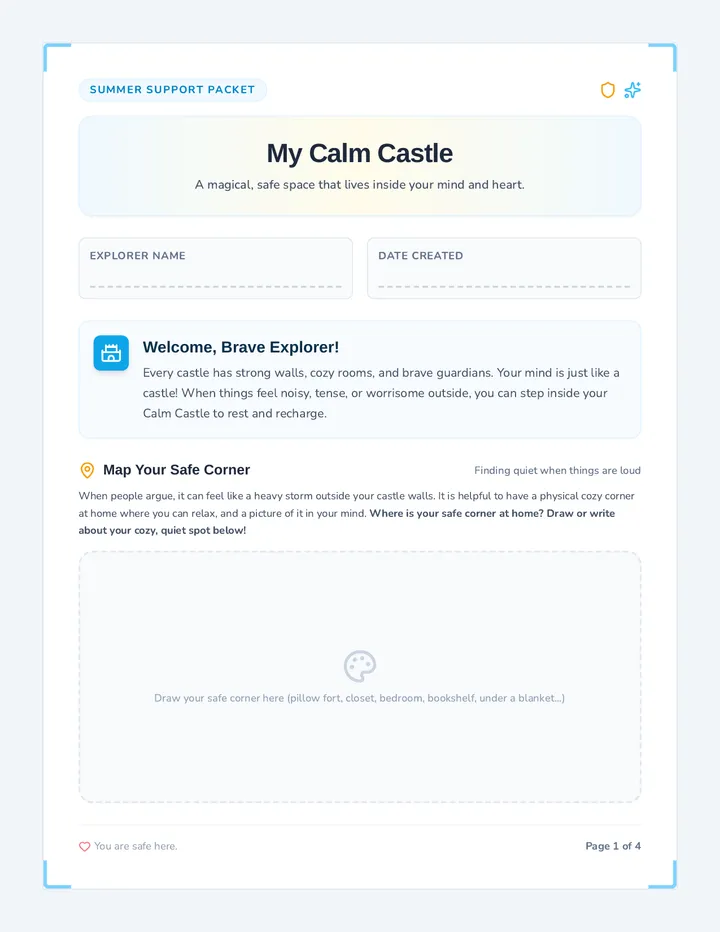
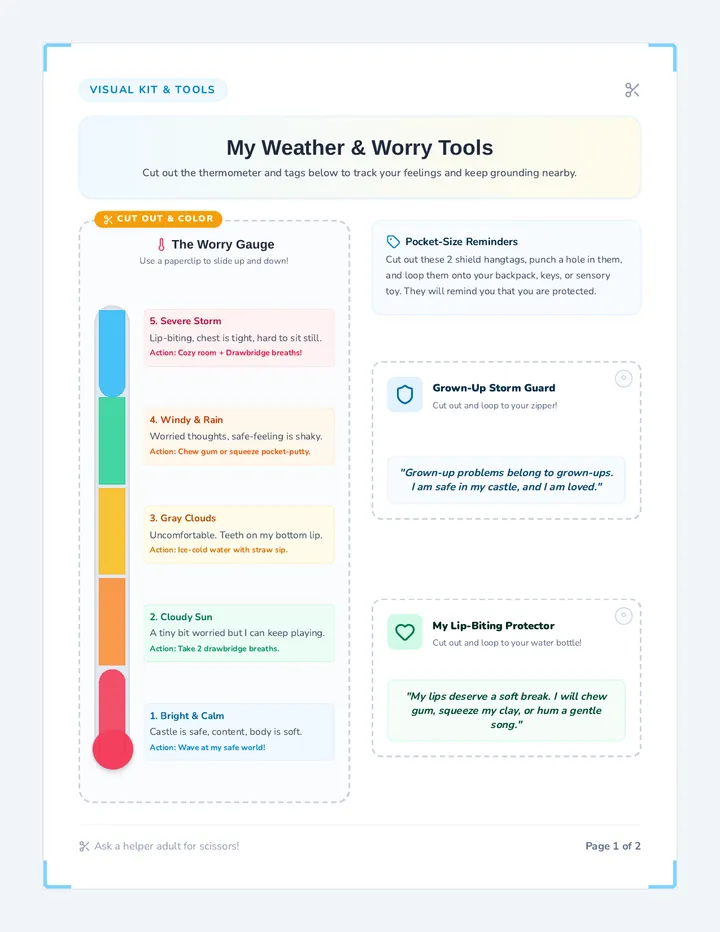
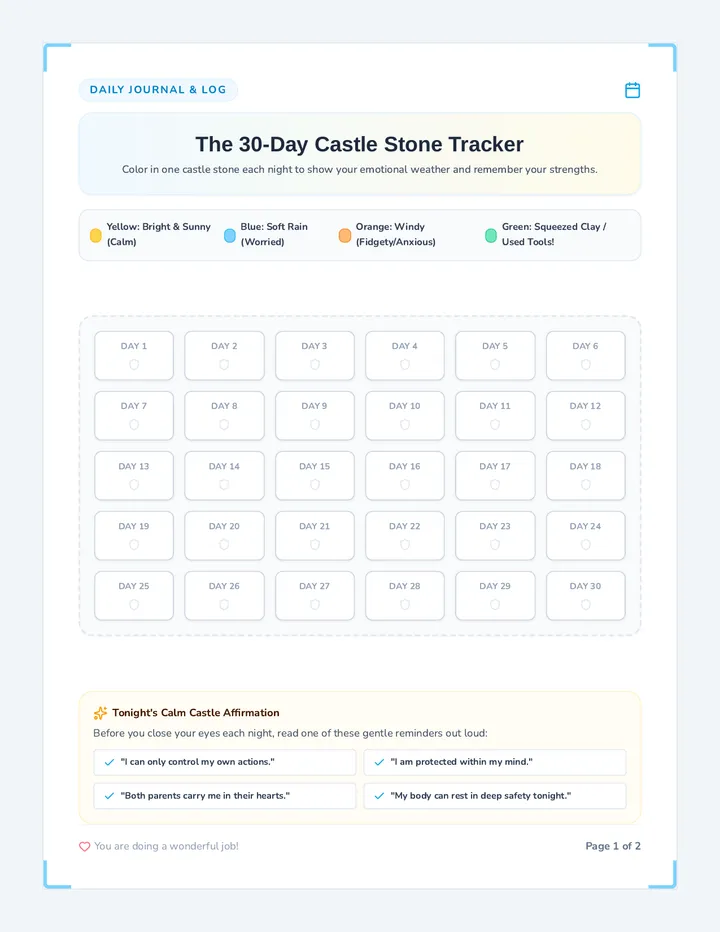
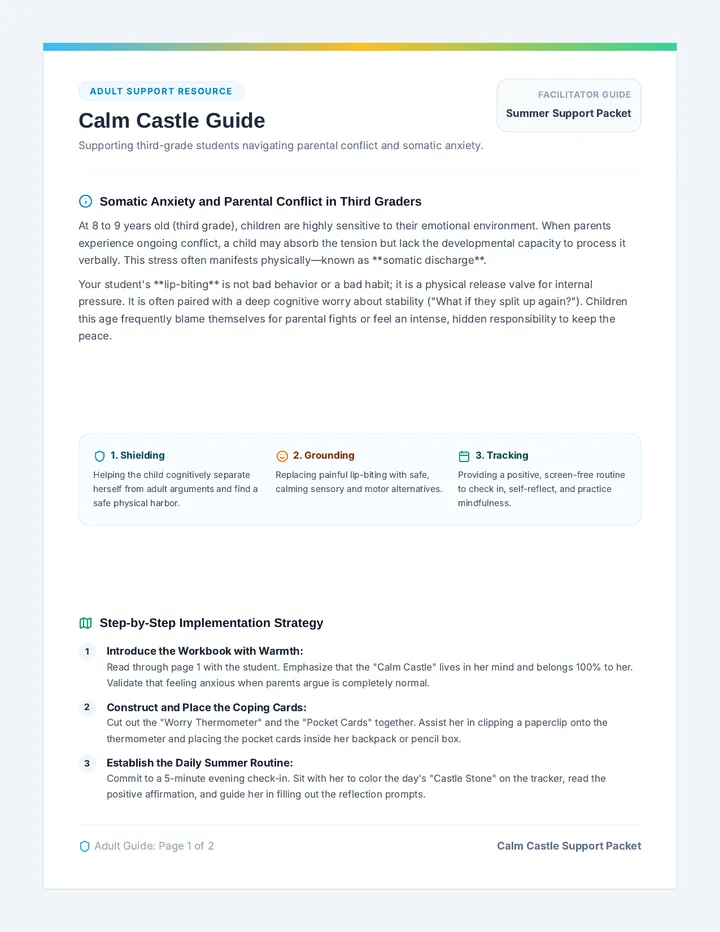
A comprehensive summer support packet for a third-grade student experiencing anxiety and worry due to parental conflict. Includes a child-friendly workbook, coping cards, a daily tracker, and a guide for supporting adults.
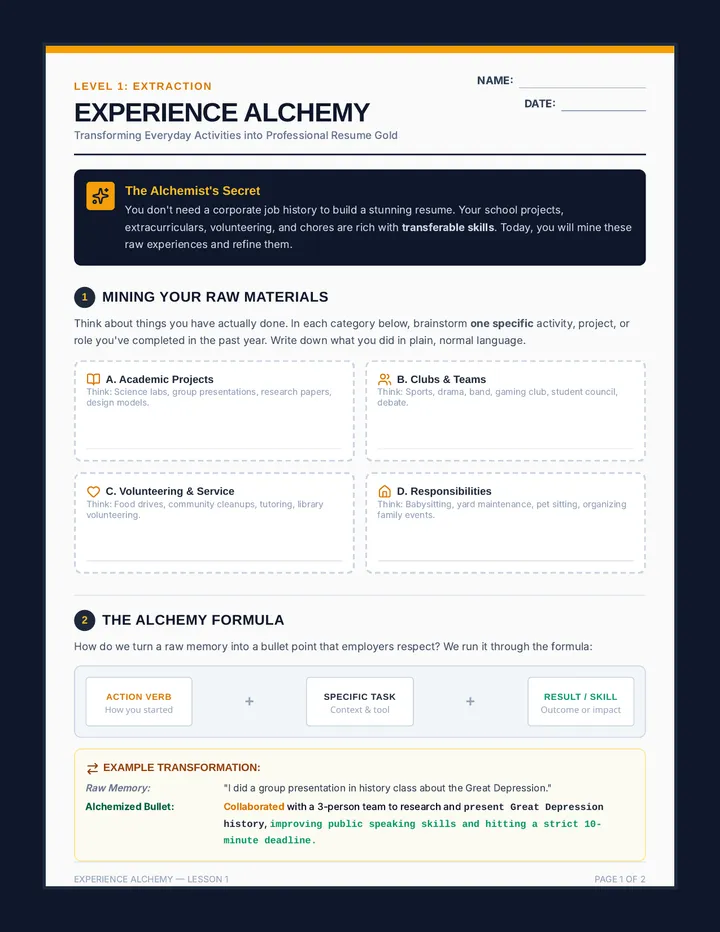
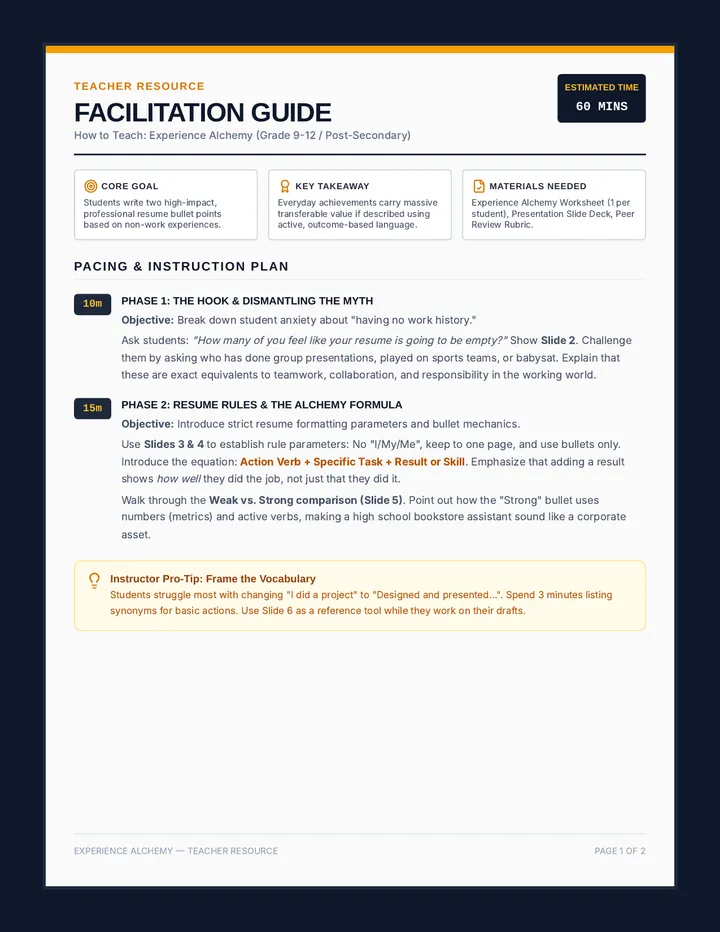
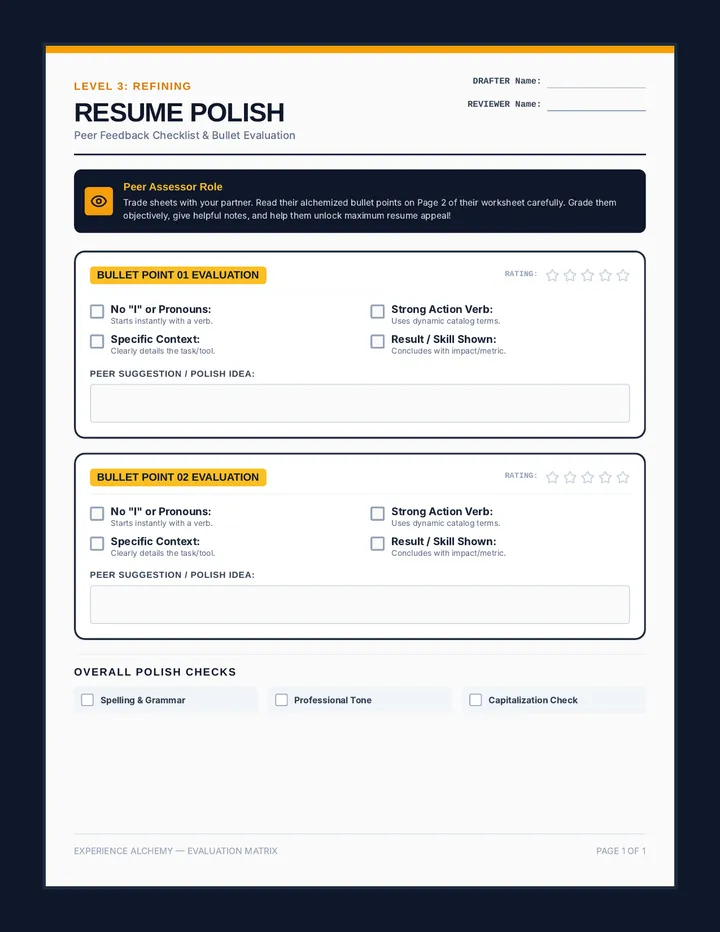
A complete lesson designed for first-time job seekers (students) to transform their school projects, volunteering, and extracurricular activities into professional resume bullet points. Includes a structured teacher guide, instructional presentation slides, a student drafting worksheet, and a peer feedback checklist.
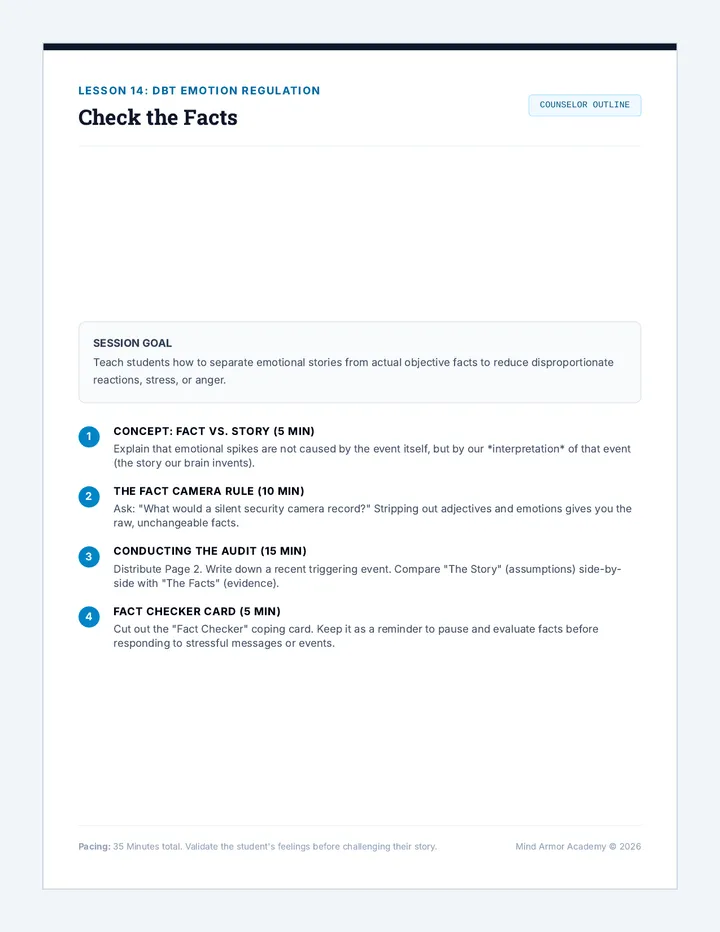
DBT emotion regulation session teaching 'Check the Facts' to verify if emotional reactions match the actual objective facts of a school or social situation.
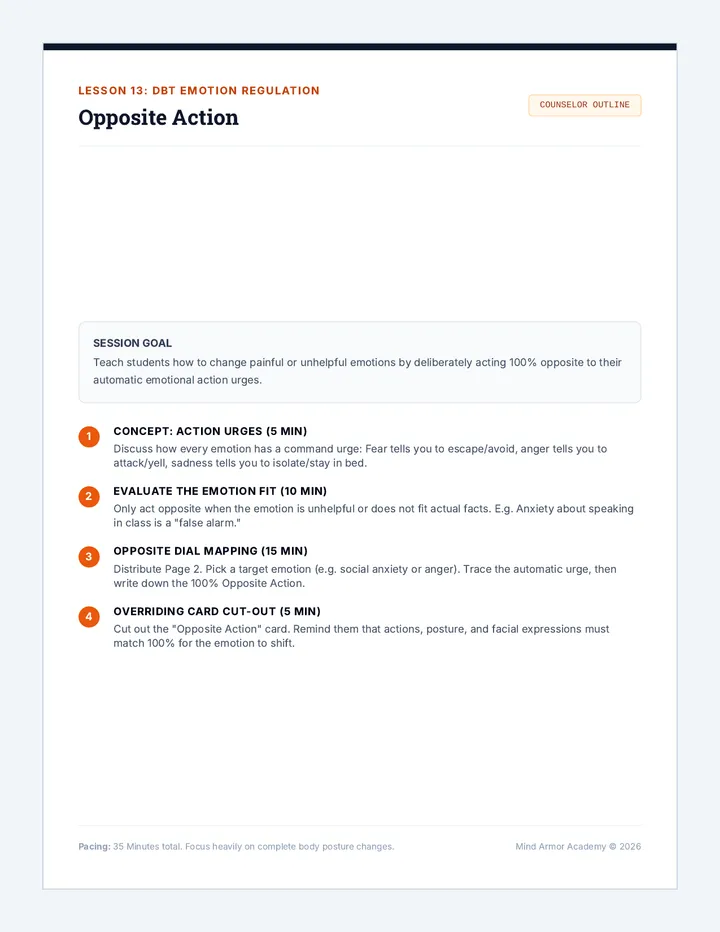
DBT emotion regulation session teaching 'Opposite Action' to change painful or unhelpful emotions by deliberately acting contrary to emotional urges.