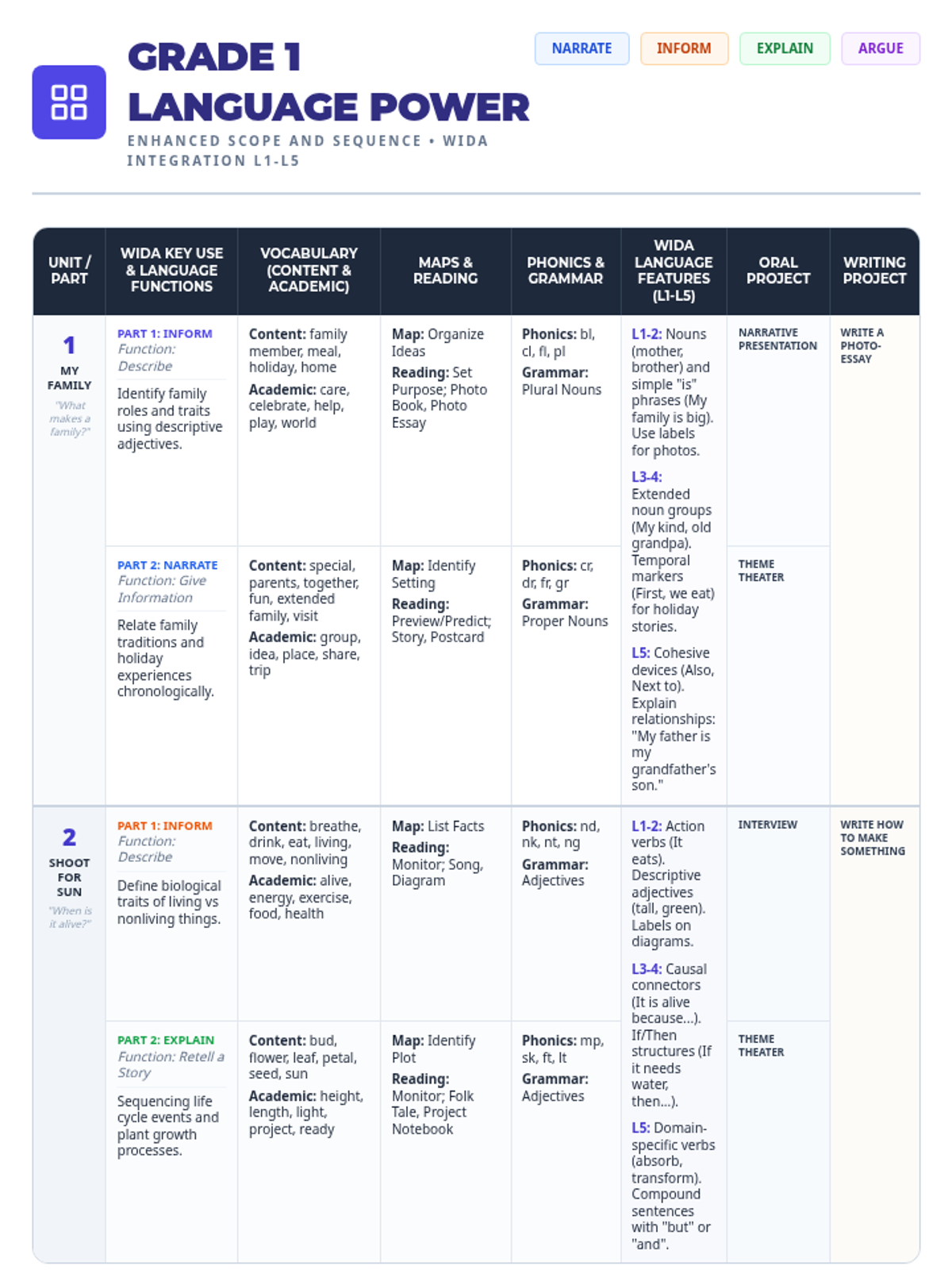
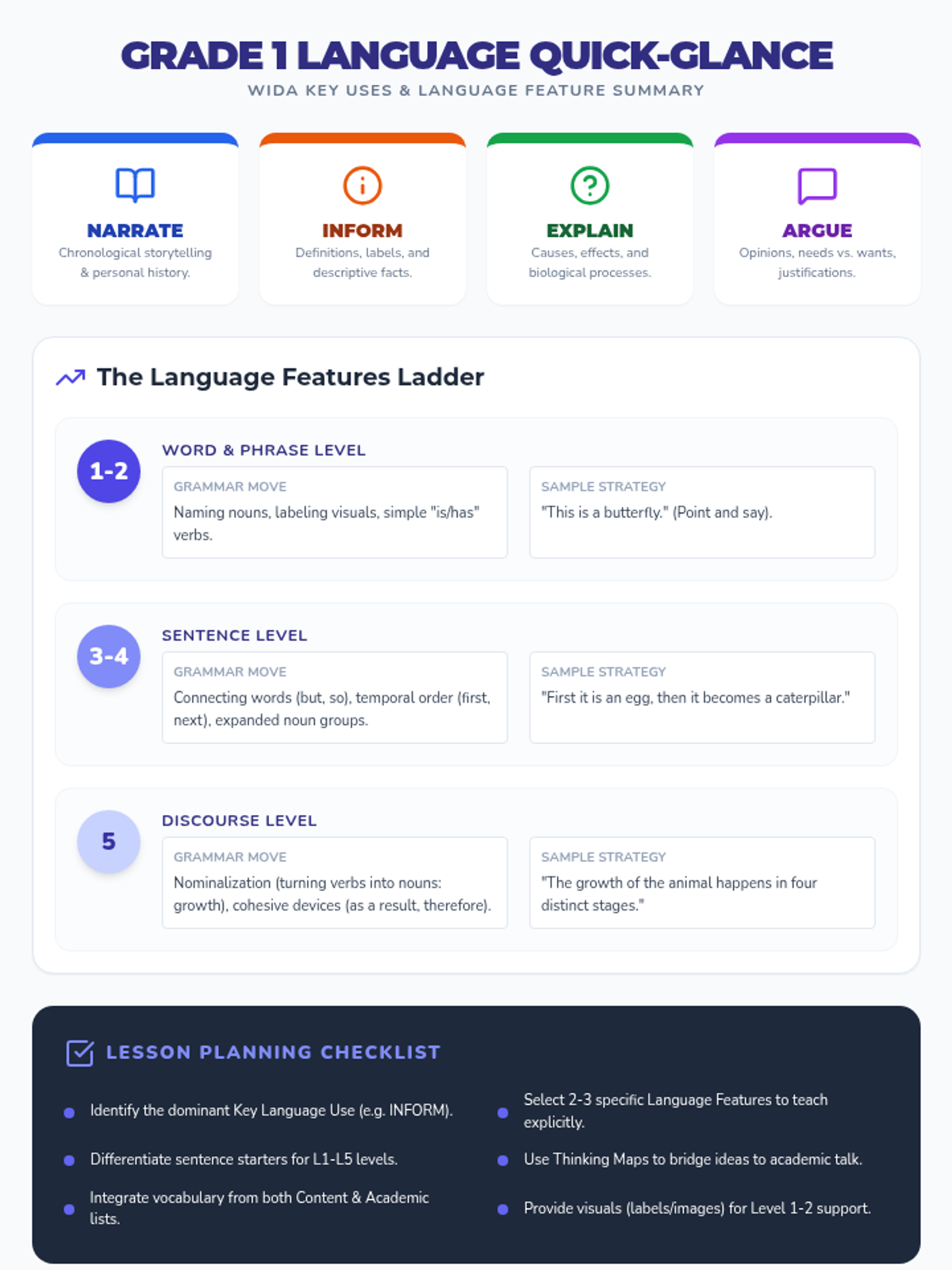
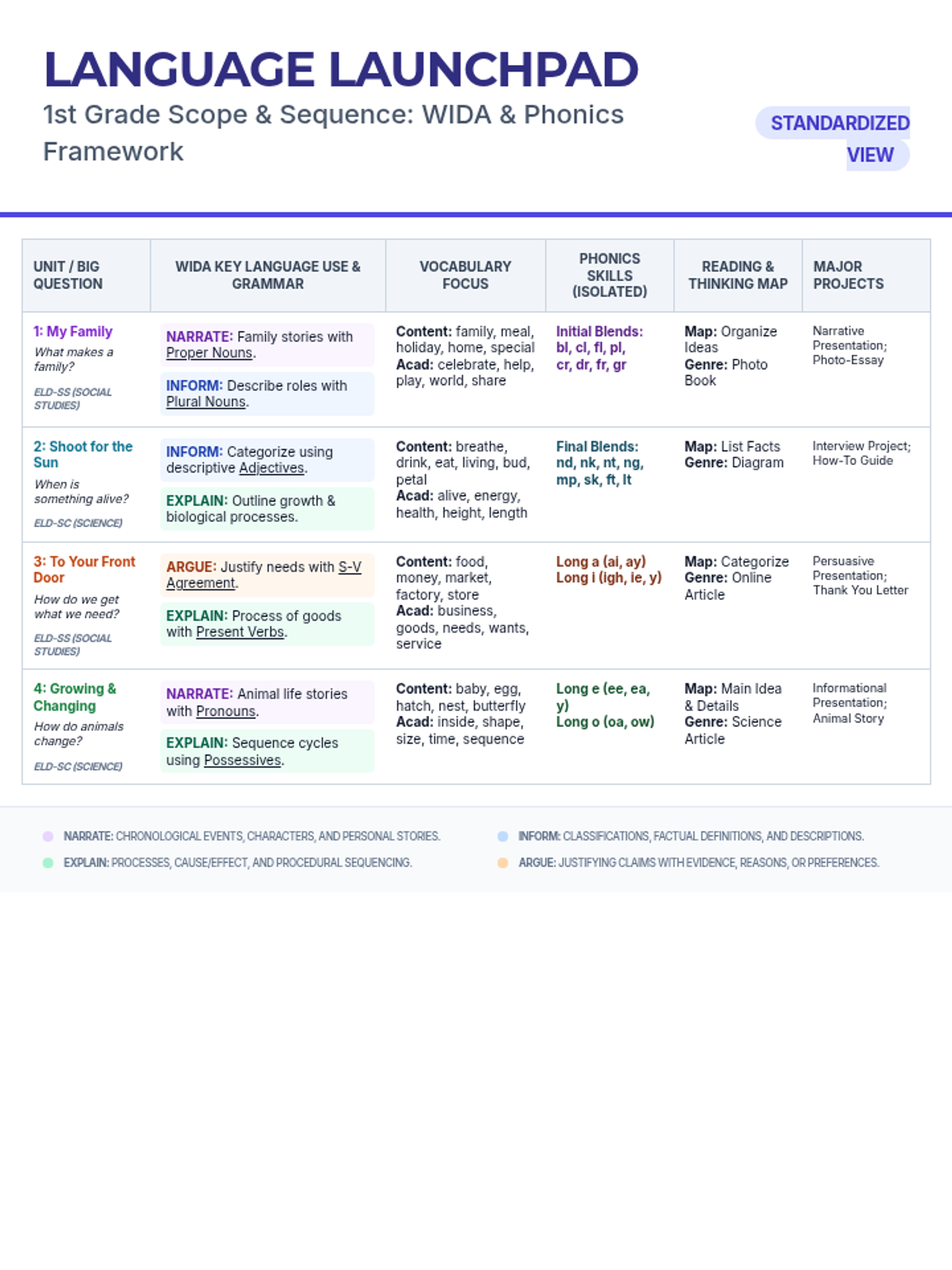
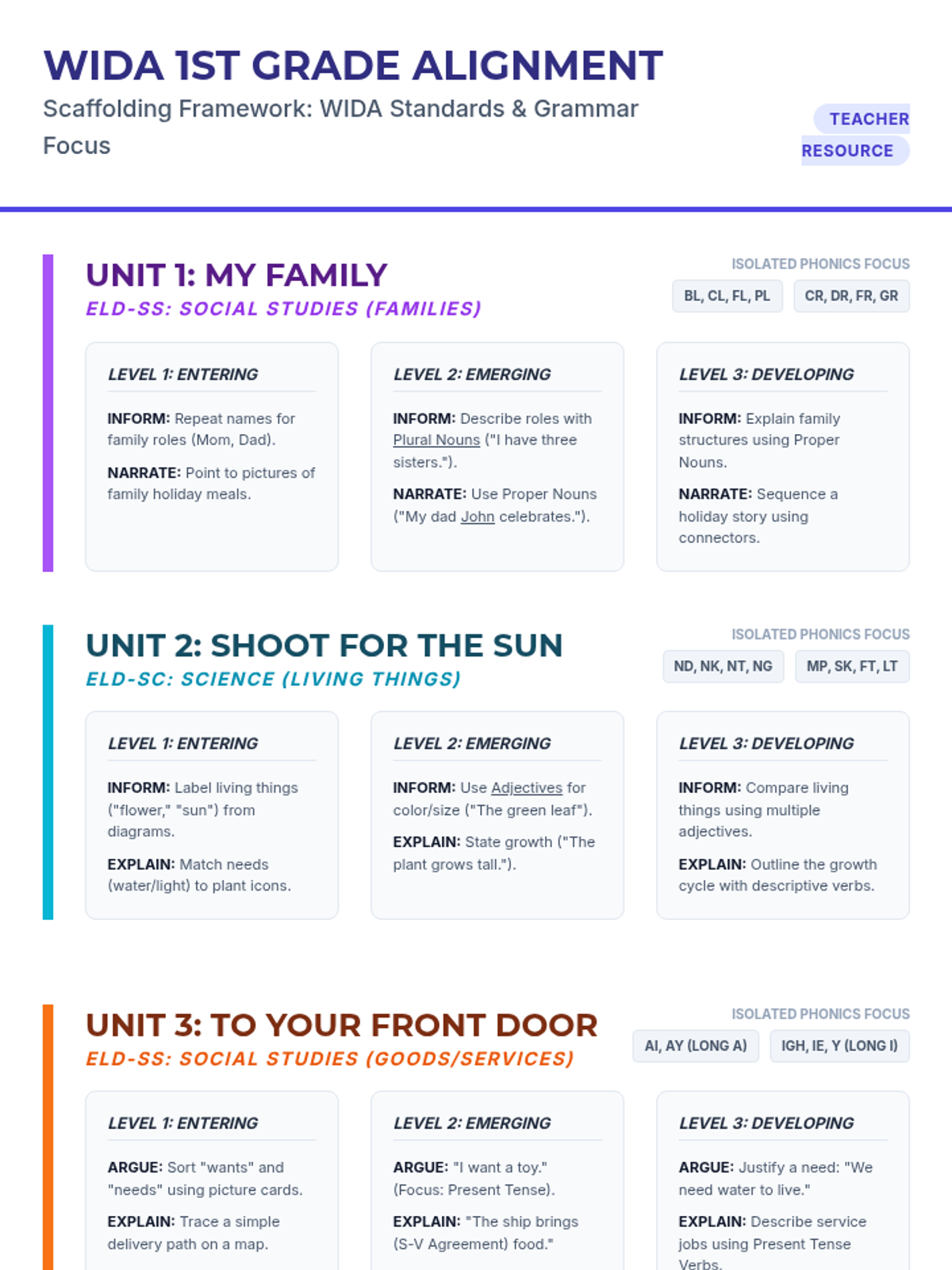
A detailed instructional alignment of Grade 1 curriculum units 1-4 to WIDA standards, providing teachers with clear language functions and instructional expectations.
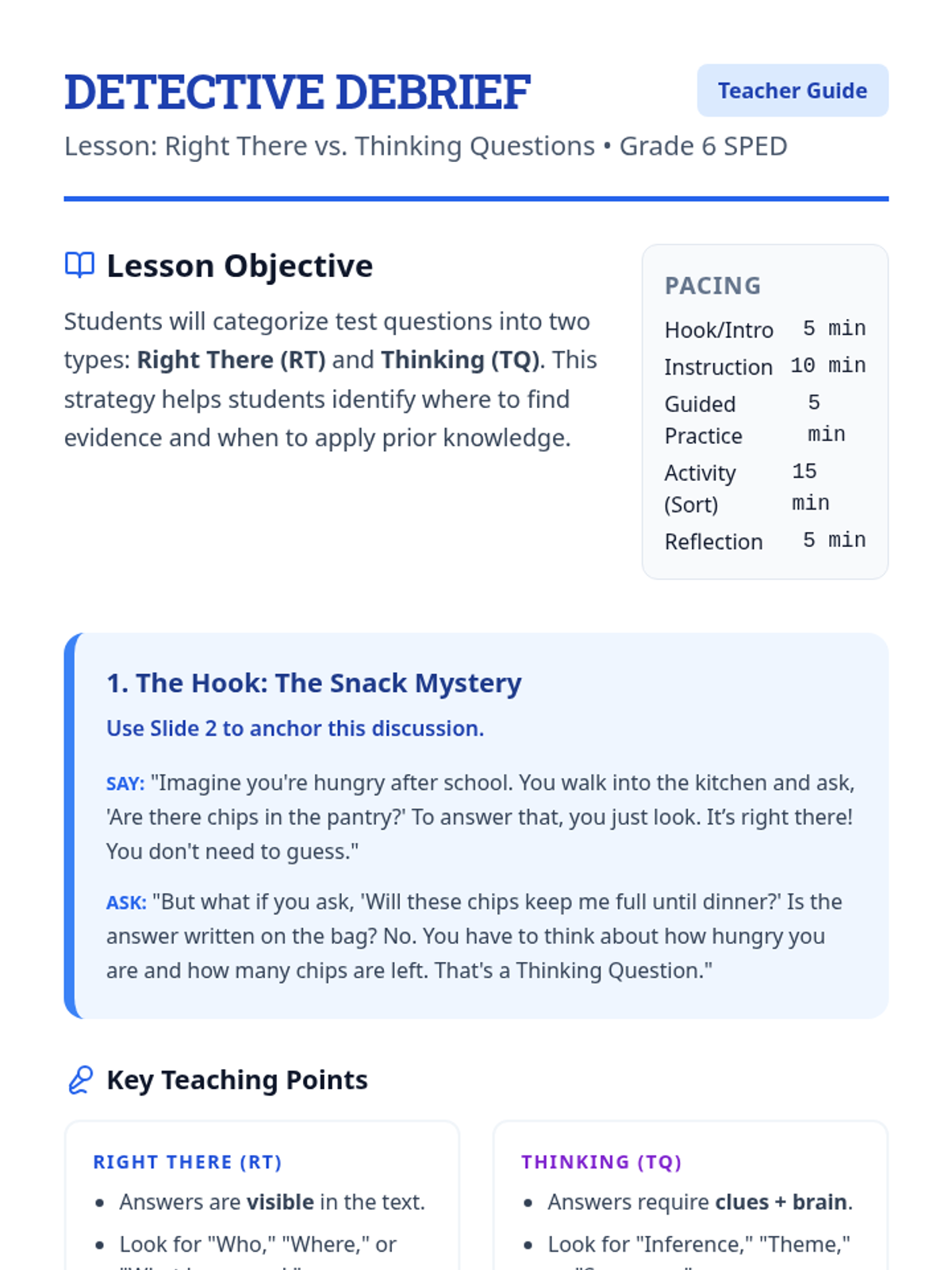
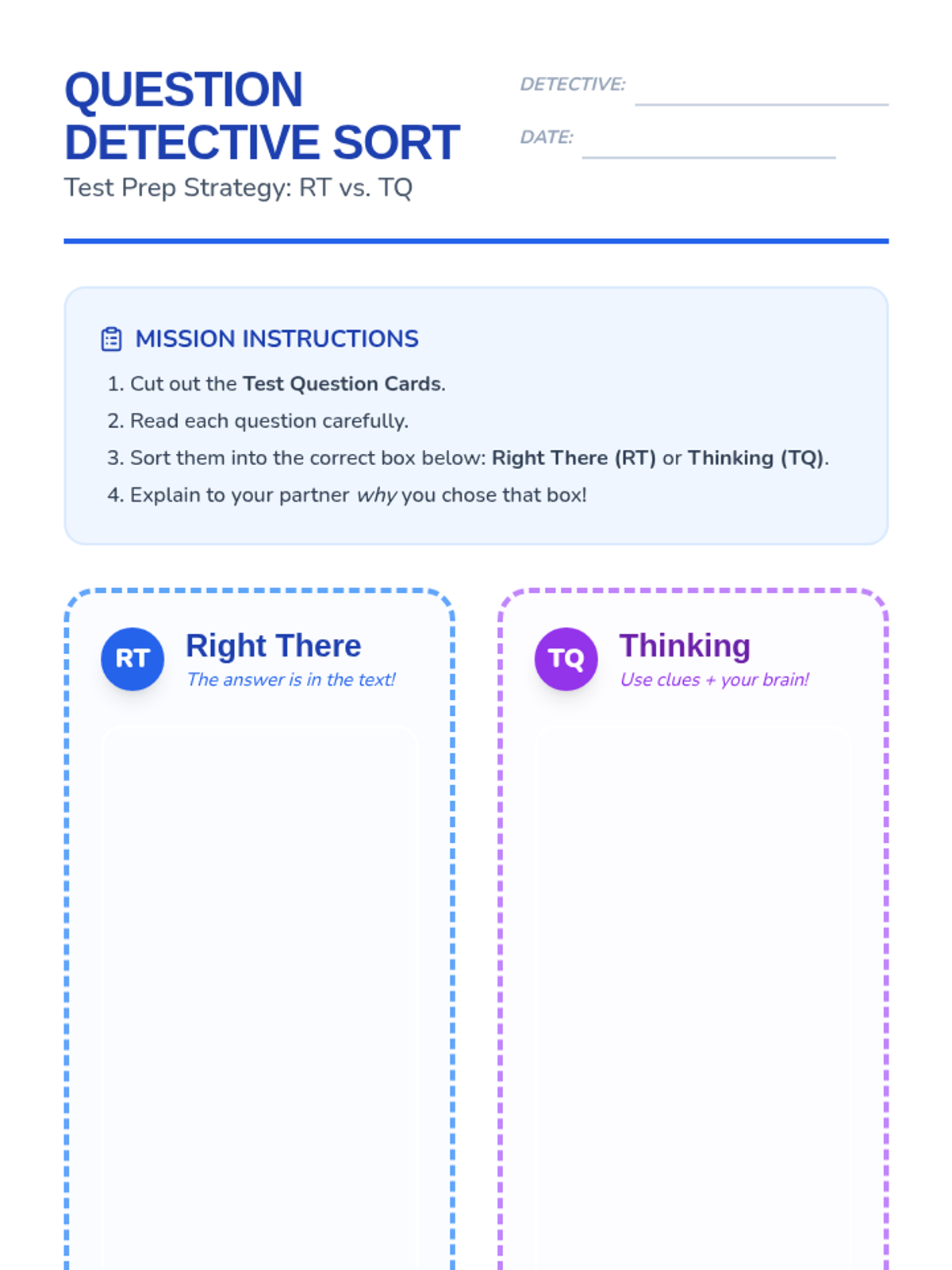
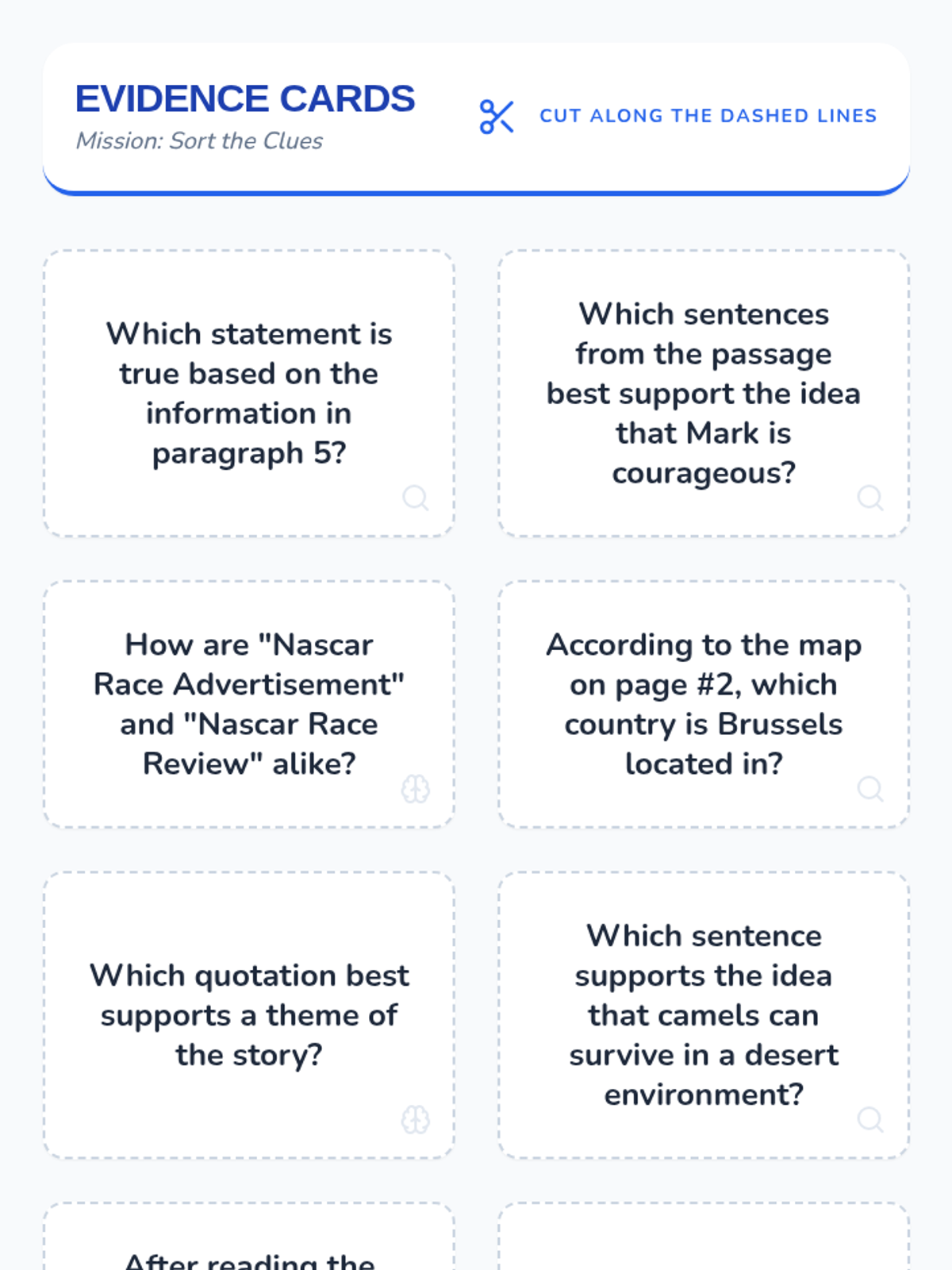
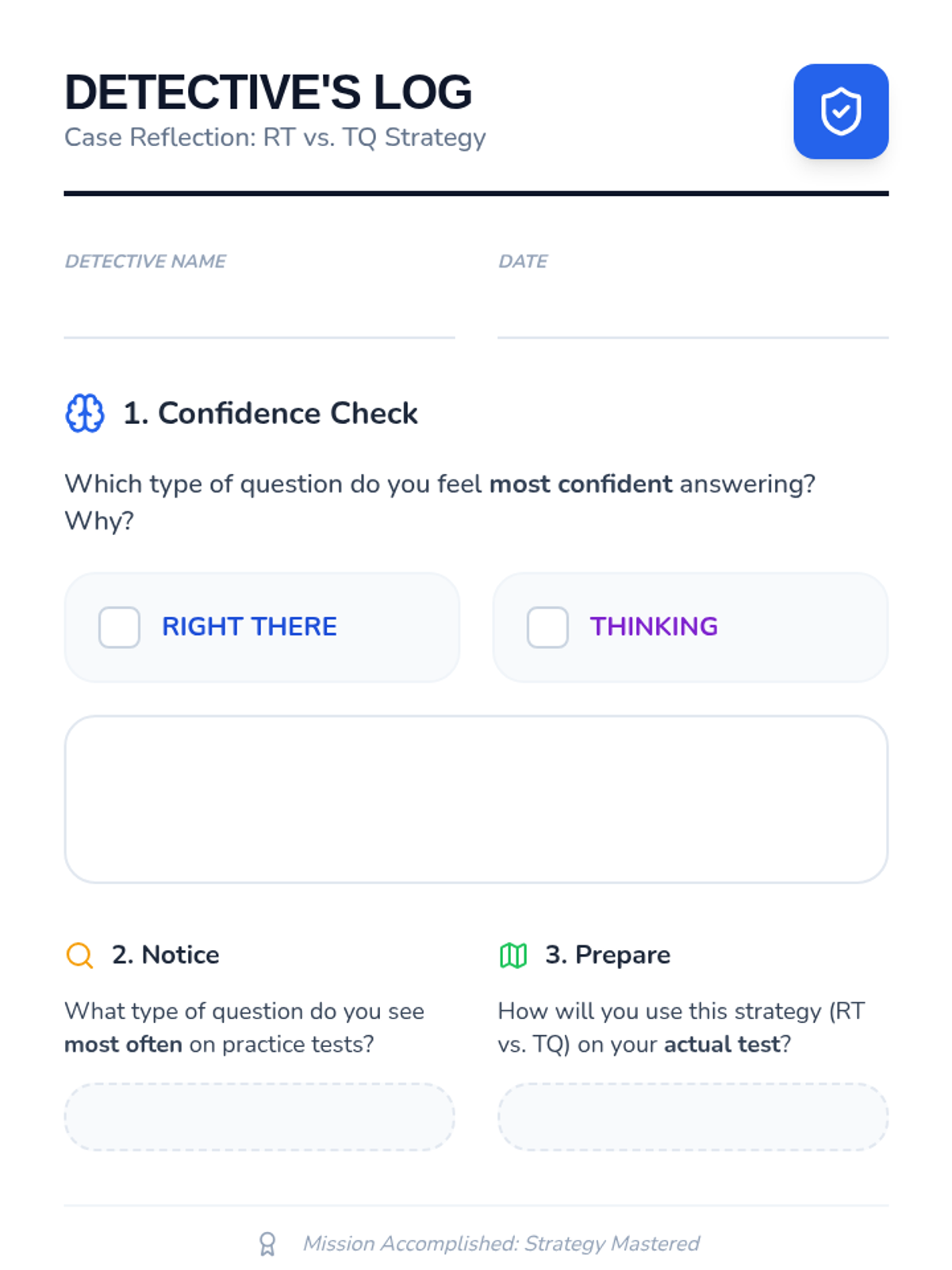
A test-preparation strategy lesson focused on helping students differentiate between 'Right There' and 'Thinking' questions using a detective-themed approach.
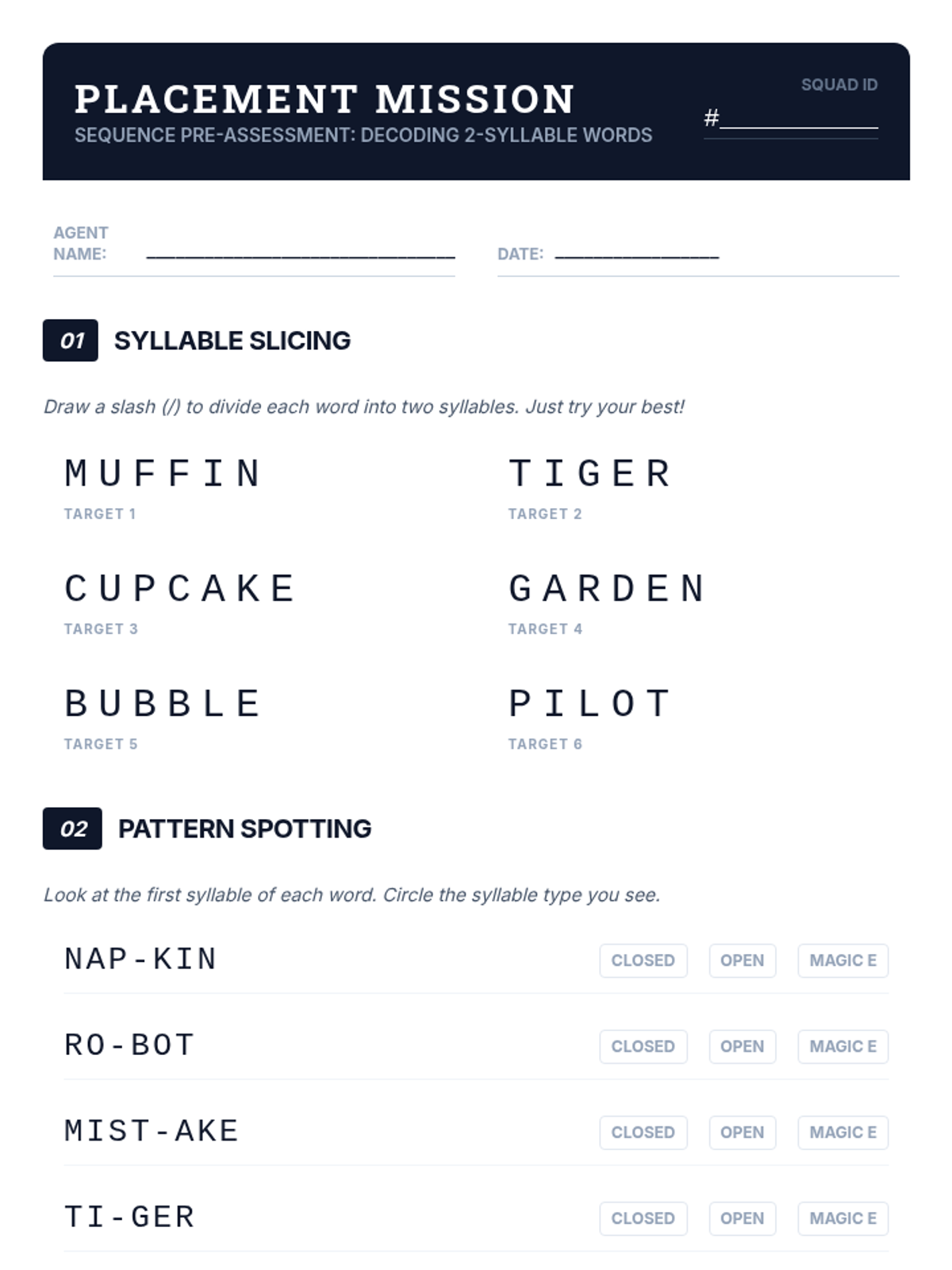
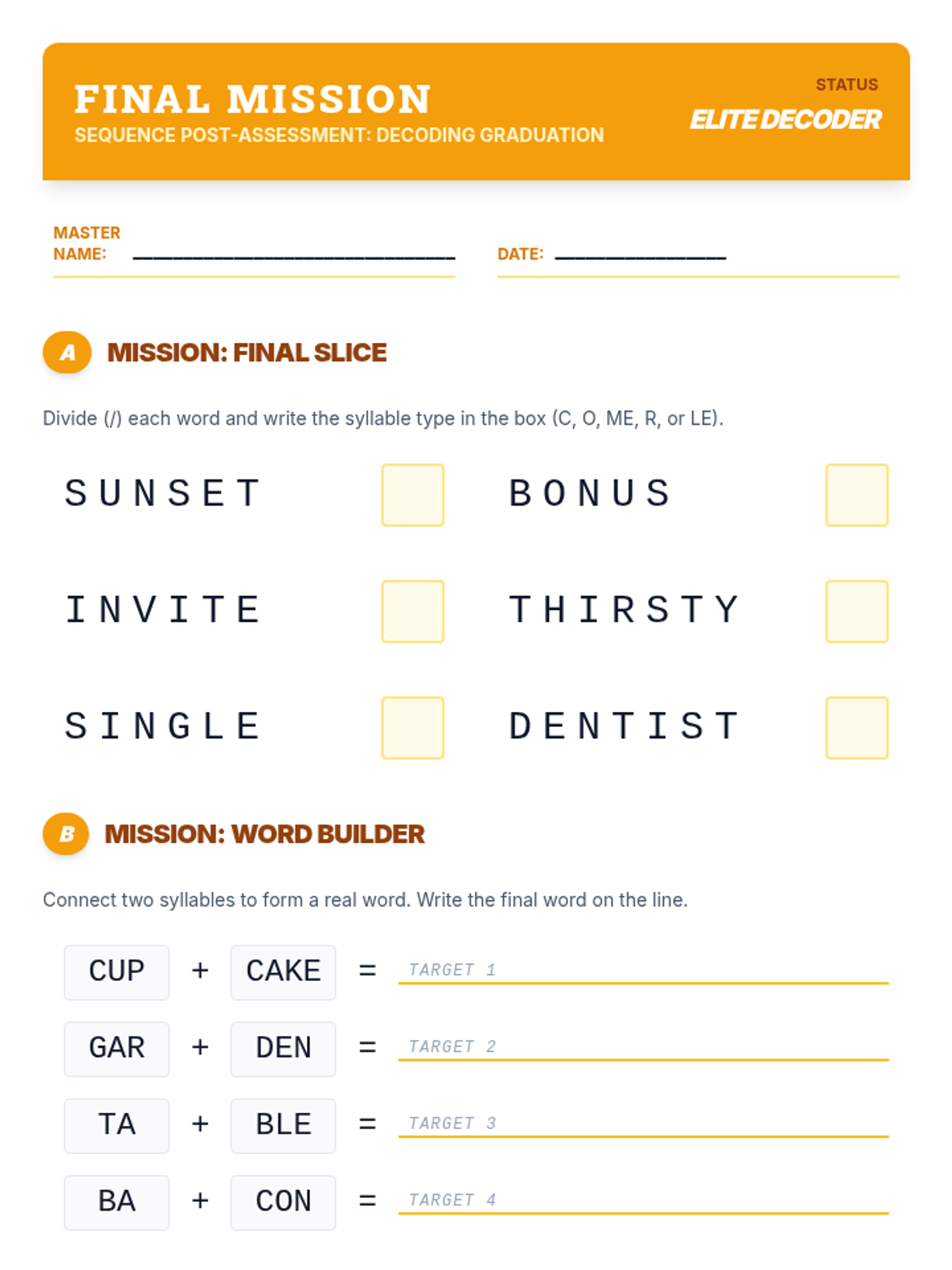
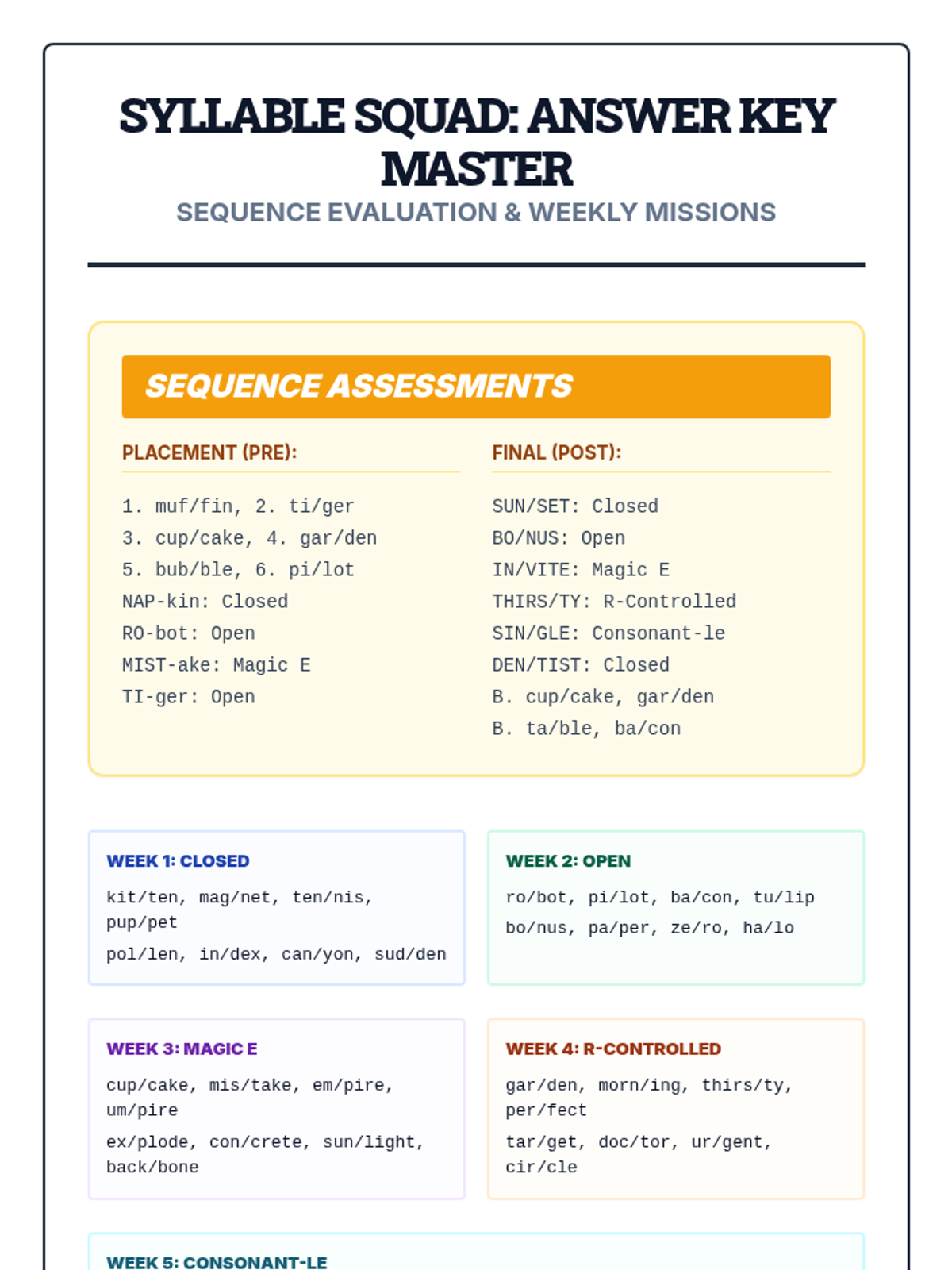
A dedicated hub for sequence-level evaluations, including the Placement Mission (pre-assessment) and the Final Graduation (post-assessment).
A 5-day handwriting practice program focused on animal kingdom facts and vocabulary, designed to improve fine motor skills through short, daily exercises.
The core framework materials including the enhanced scope and sequence table, instructional slides for WIDA implementation, and a one-page summary chart.
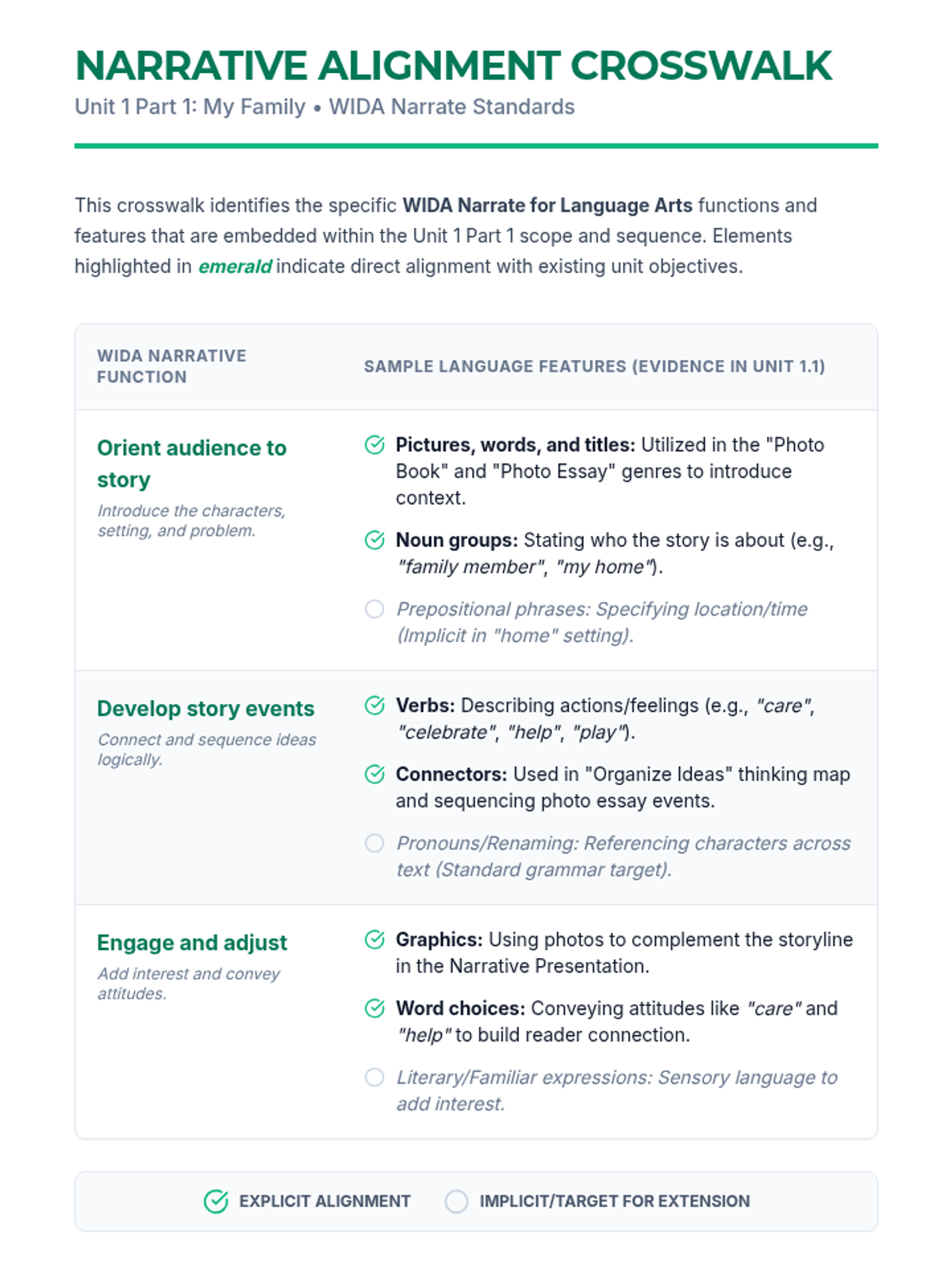
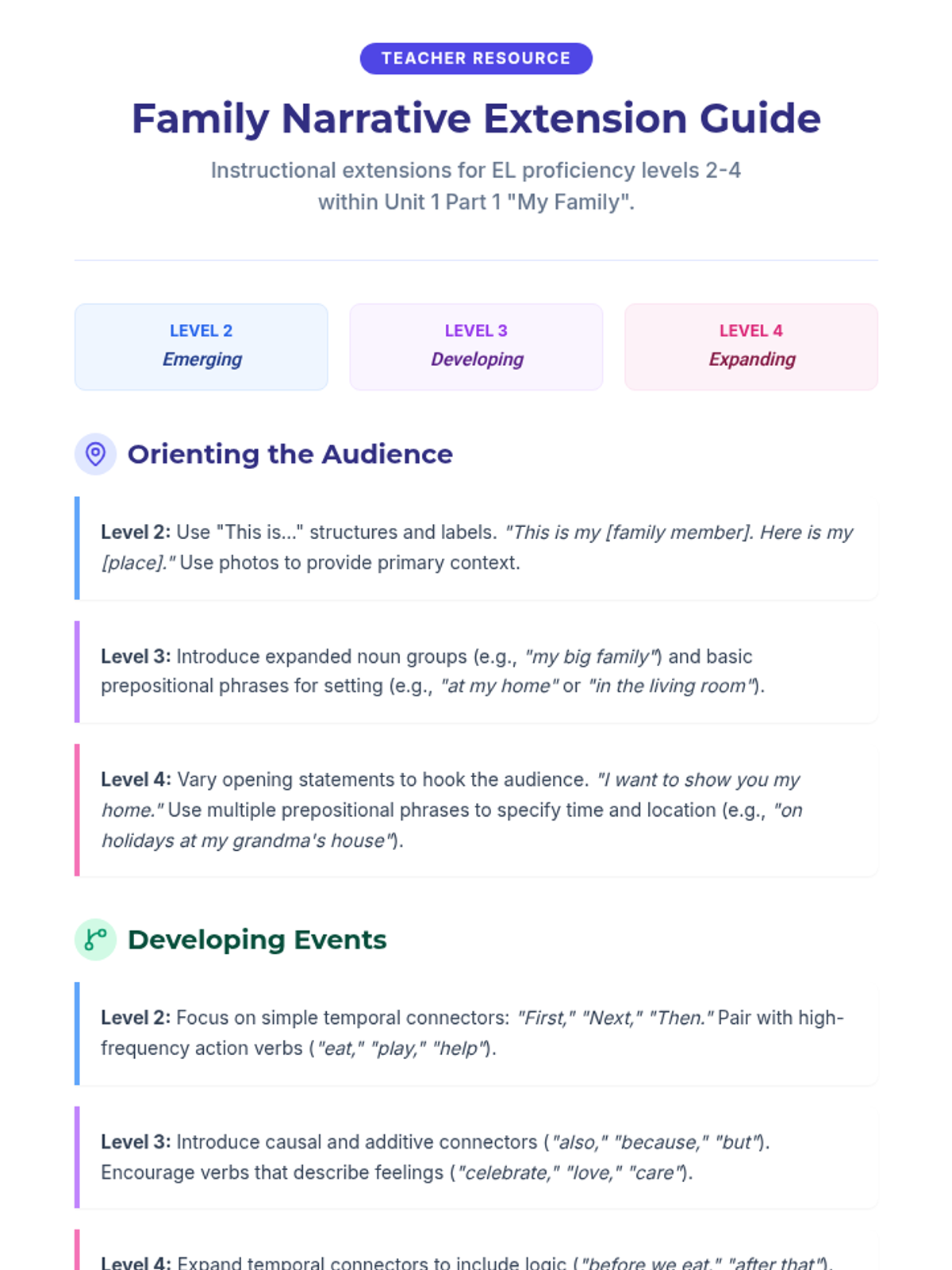
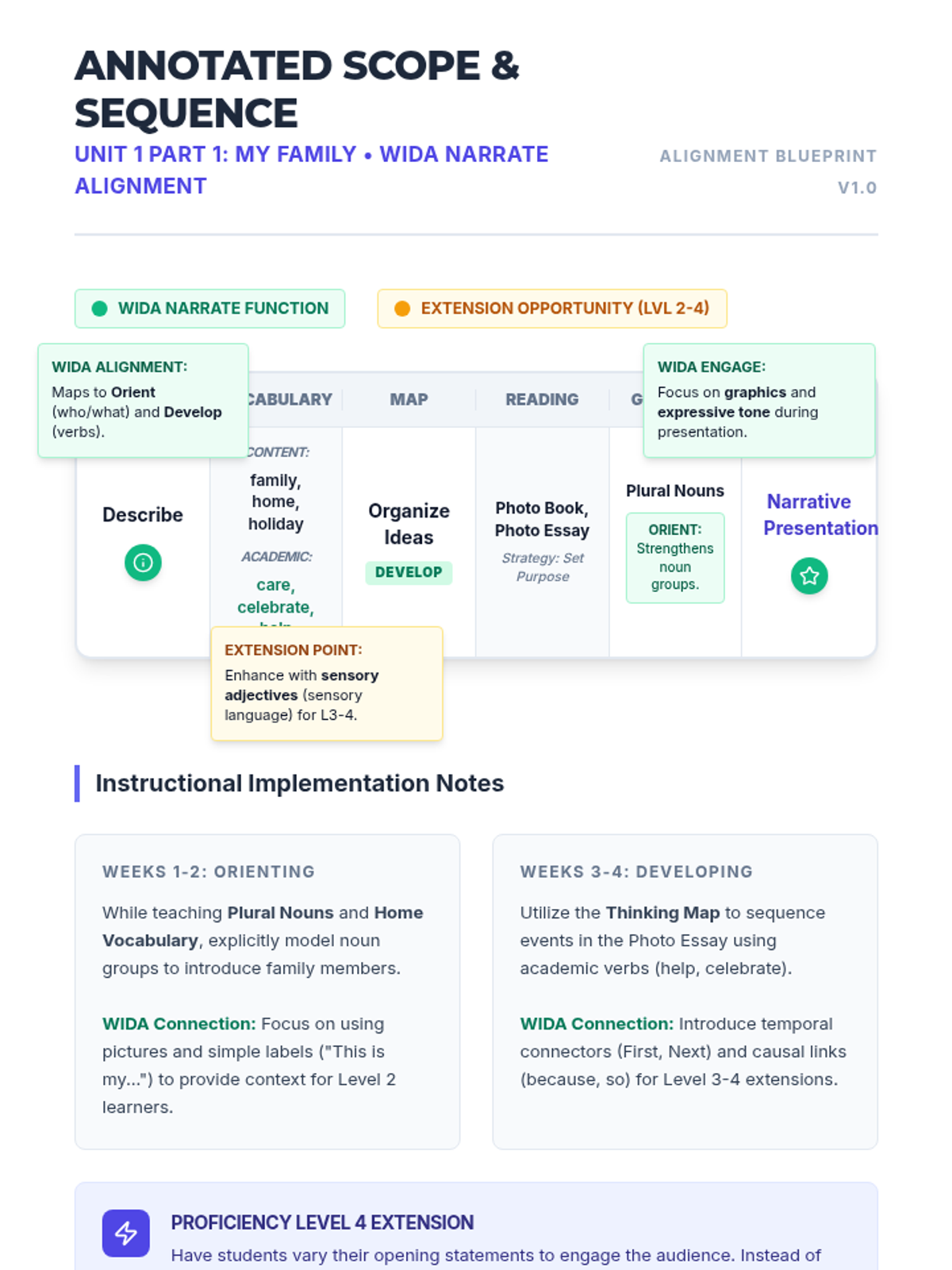
A comprehensive alignment and planning resource that maps WIDA Narrate standards to Unit 1 Part 1 (My Family), providing targeted extensions for proficiency levels 2-4.
Studies the stages of growth in animals, using WIDA's Narrate (life stories) and Explain (scientific stages) functions.
Analyzes how communities access needs and wants, focusing on the WIDA functions of Argue (persuasive needs) and Explain (the journey of goods).
Investigates the characteristics of living things, utilizing WIDA's Inform function to define life and Explain function to describe biological processes.
Explores family structures, roles, and traditions while focusing on the WIDA functions of Narrate (family stories) and Inform (identifying family members).
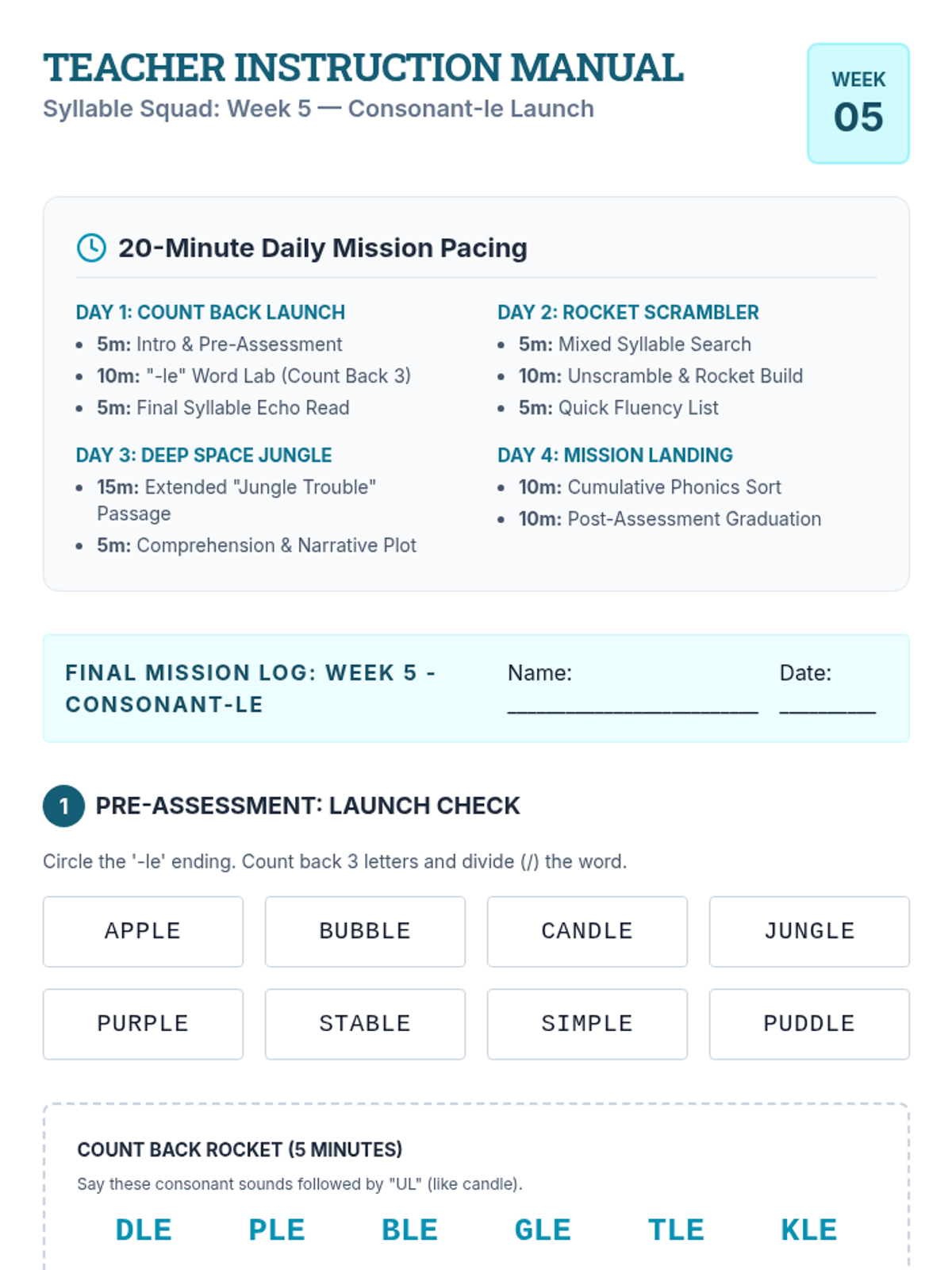
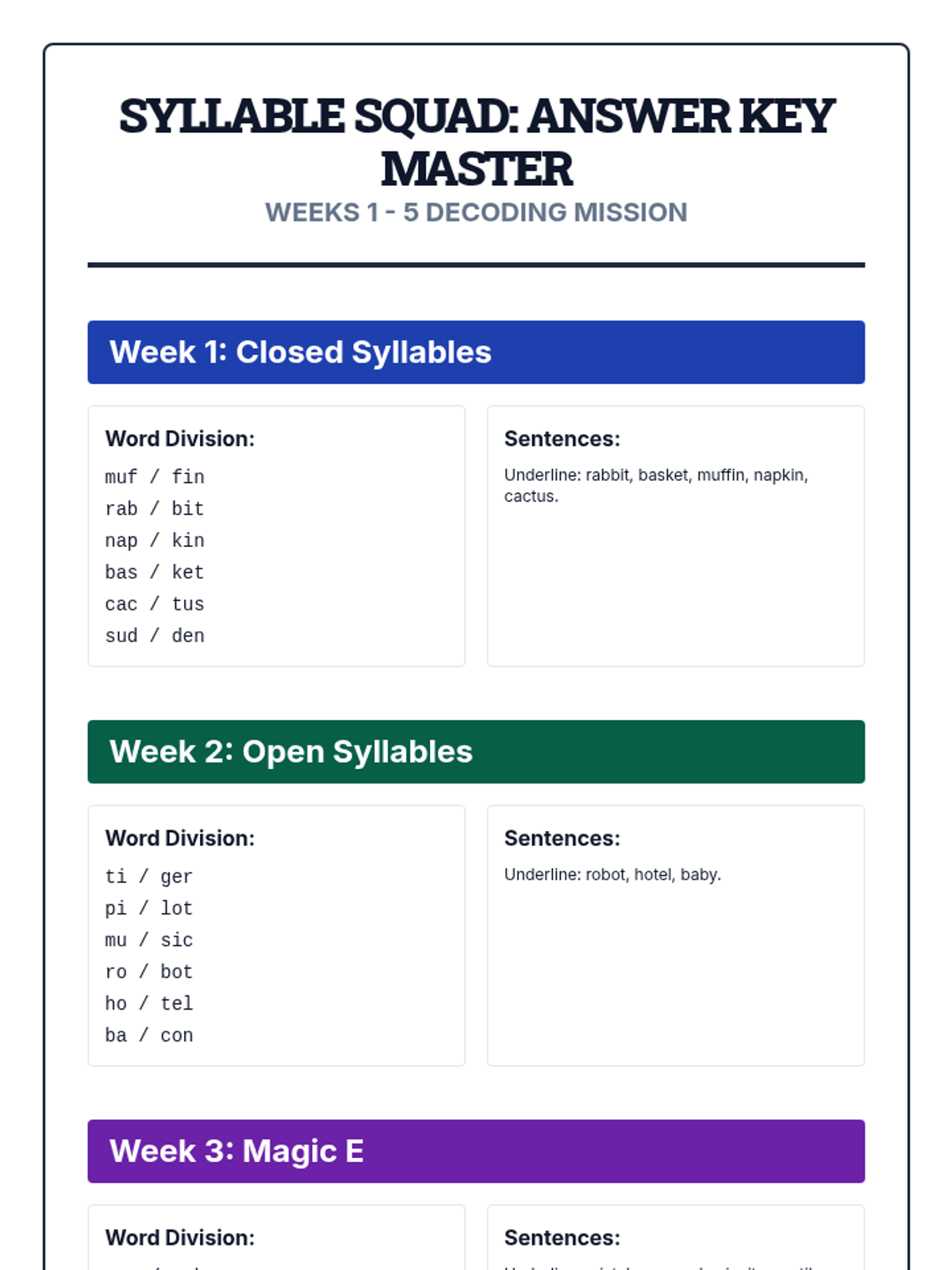
Week 5 concludes the series with the consonant-le syllable type. Students learn the rule of counting back three letters from the end of the word to find the syllable break.
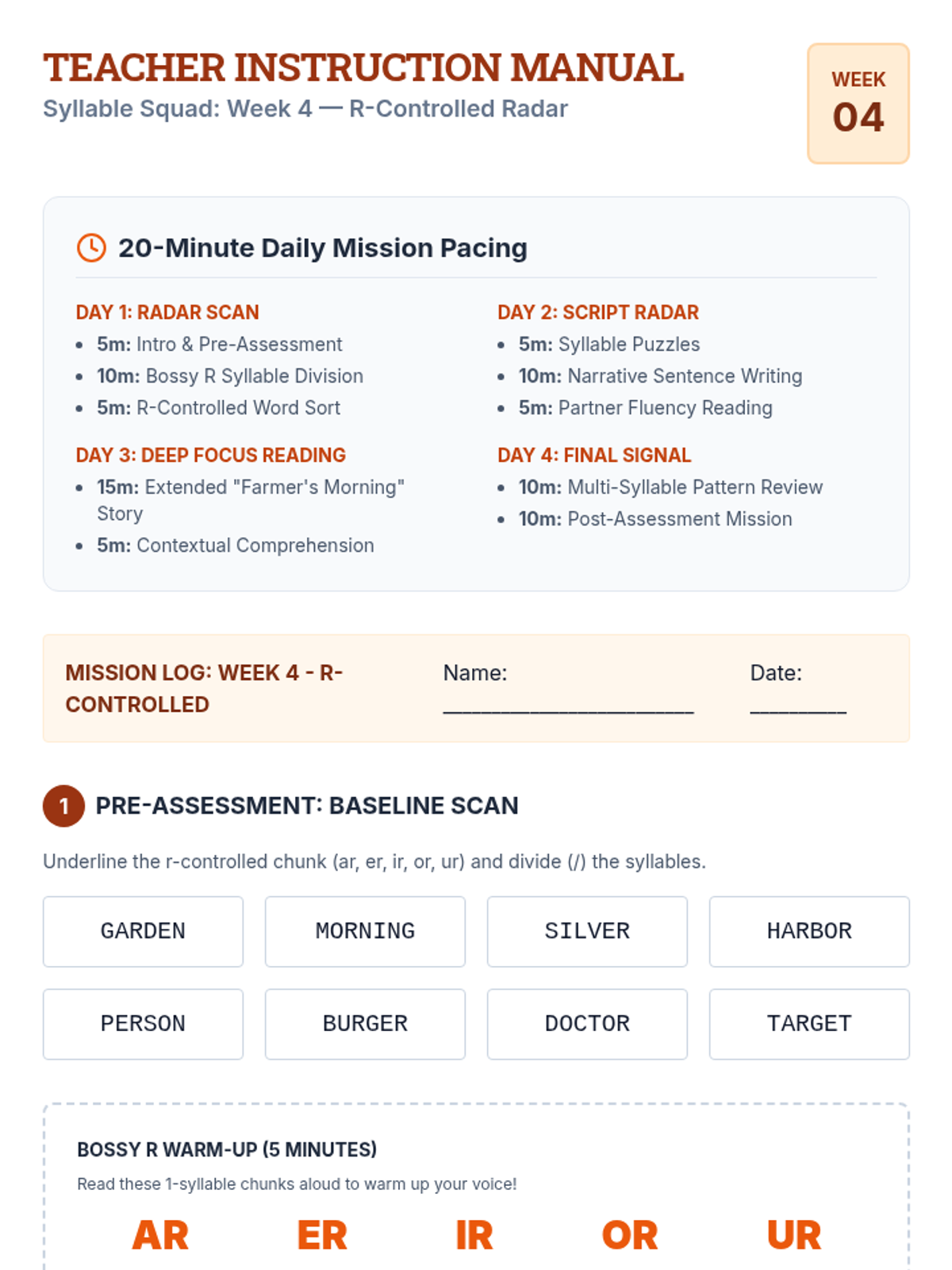
Week 4 explores r-controlled syllables (ar, er, ir, or, ur). Students identify how the 'r' changes the vowel sound and practice decoding multi-syllabic words with these patterns.
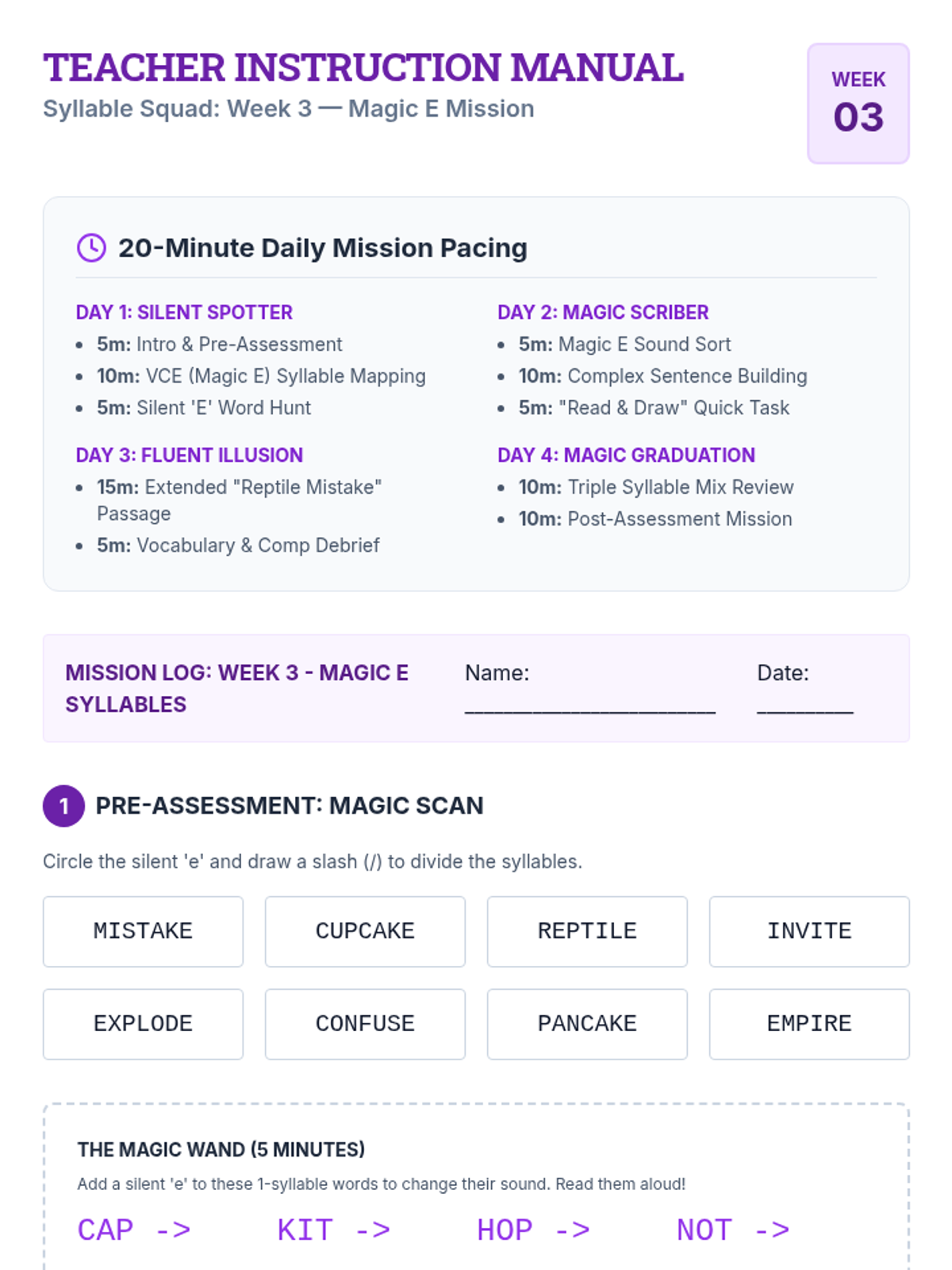
Week 3 focuses on the Magic E (VCE) syllable type in two-syllable words. Students learn to spot the silent 'e' and apply long vowel sounds across syllable boundaries.
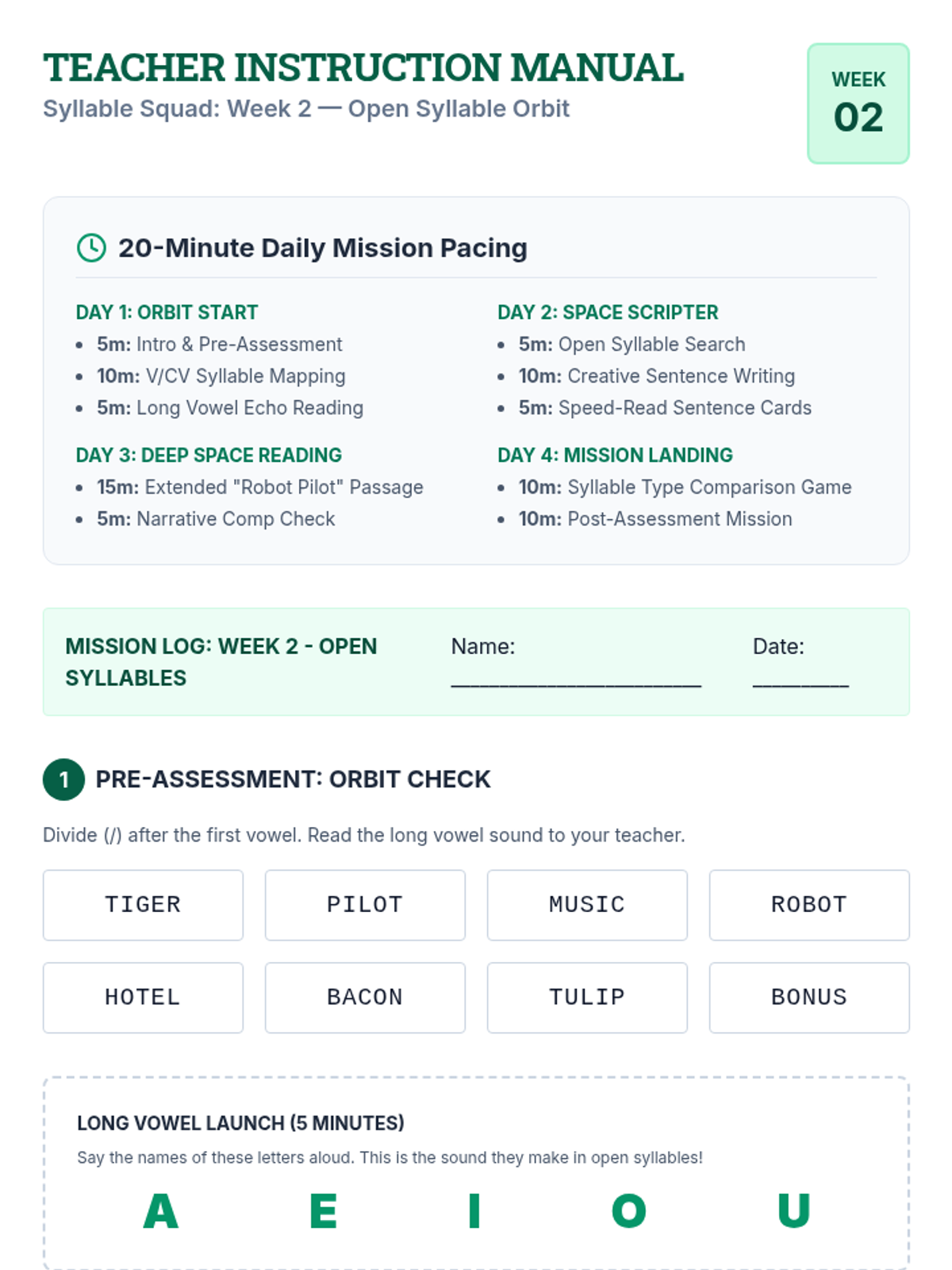
Week 2 introduces open syllables (V/CV pattern). Students practice dividing after the first vowel to create a long vowel sound in the first syllable.
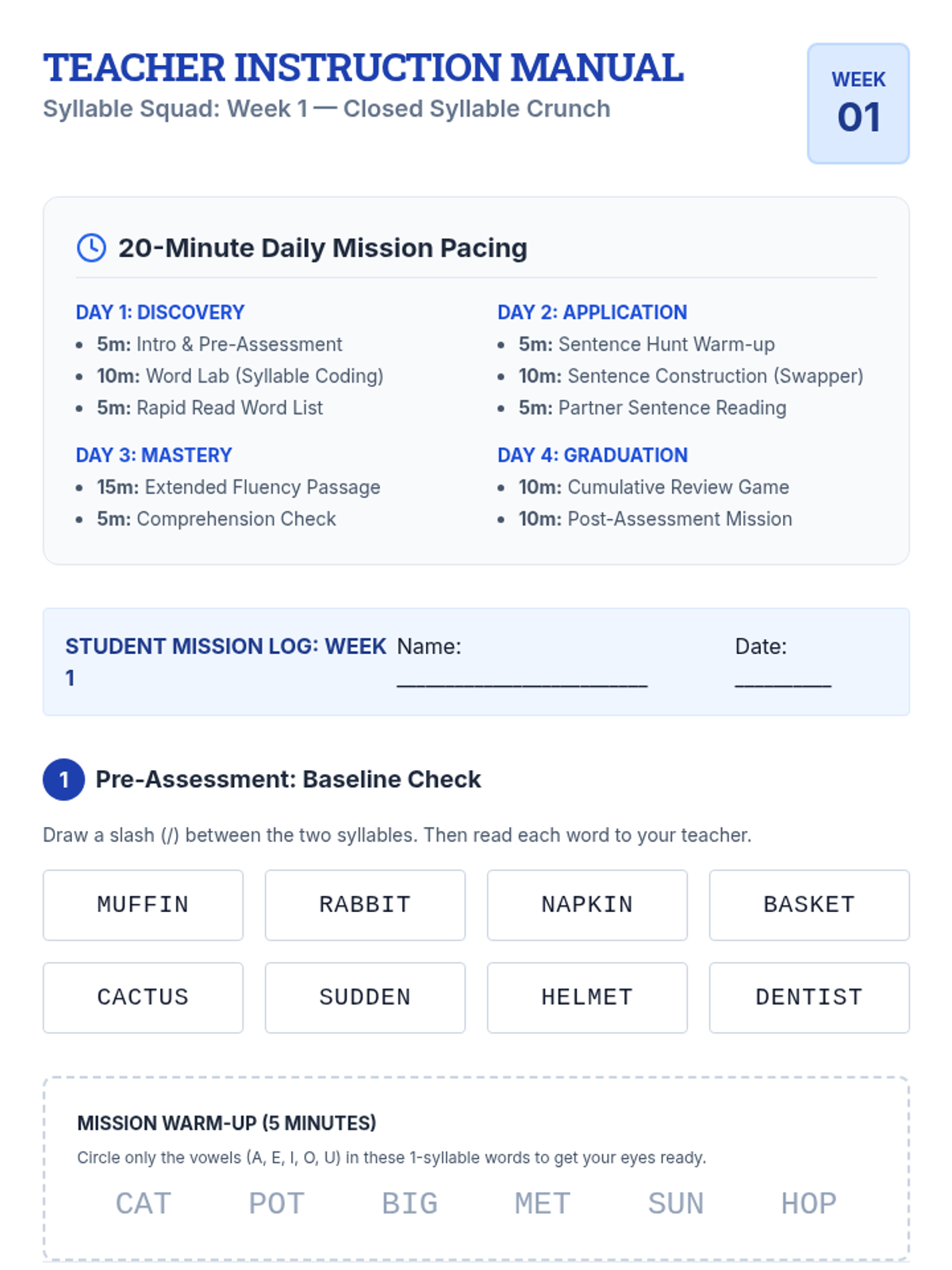
Week 1 focuses on closed syllables (VC/CV and VCC/V patterns). Students learn to identify two consonants between two vowels and divide the word accordingly to maintain short vowel sounds.
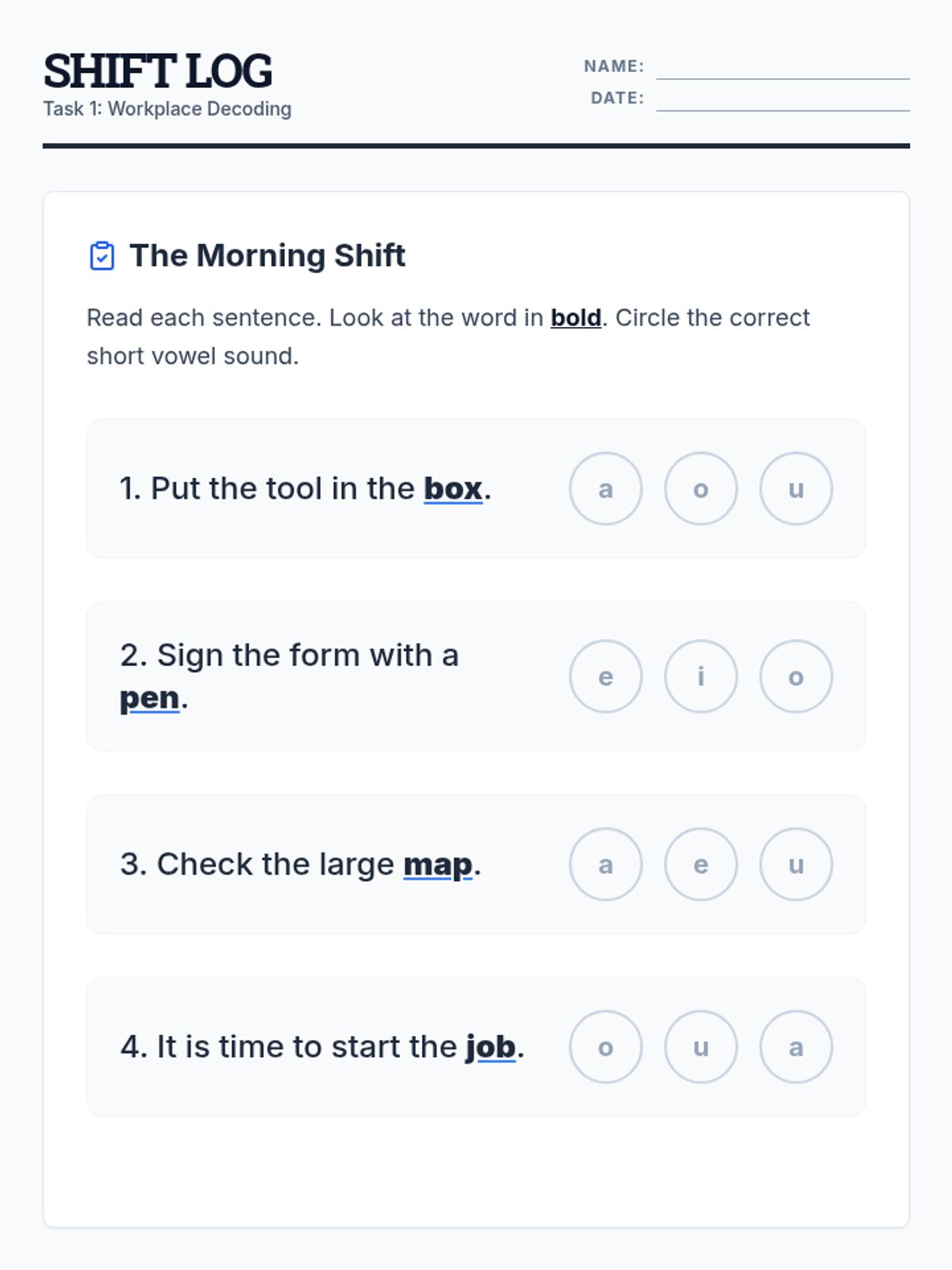
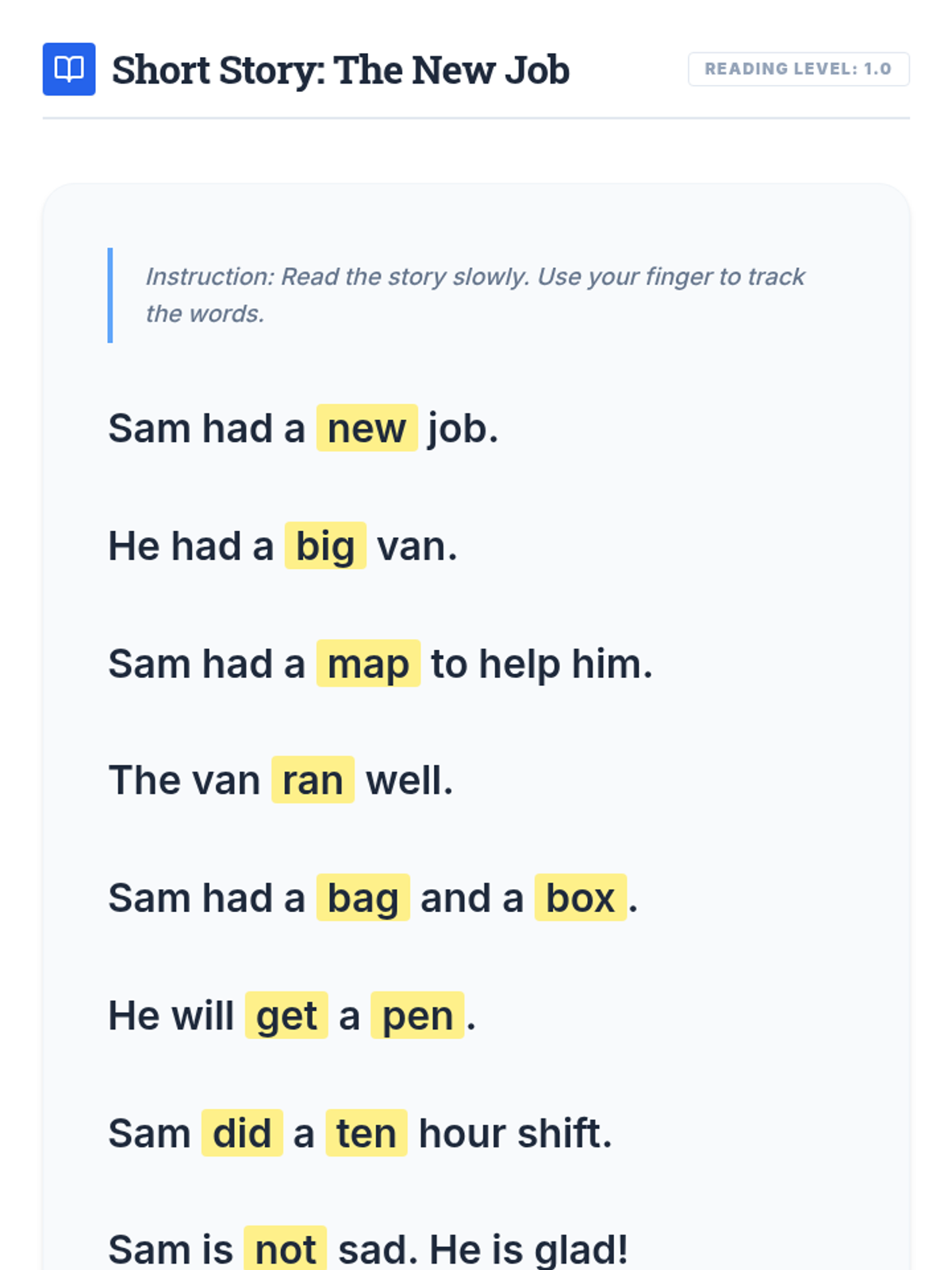
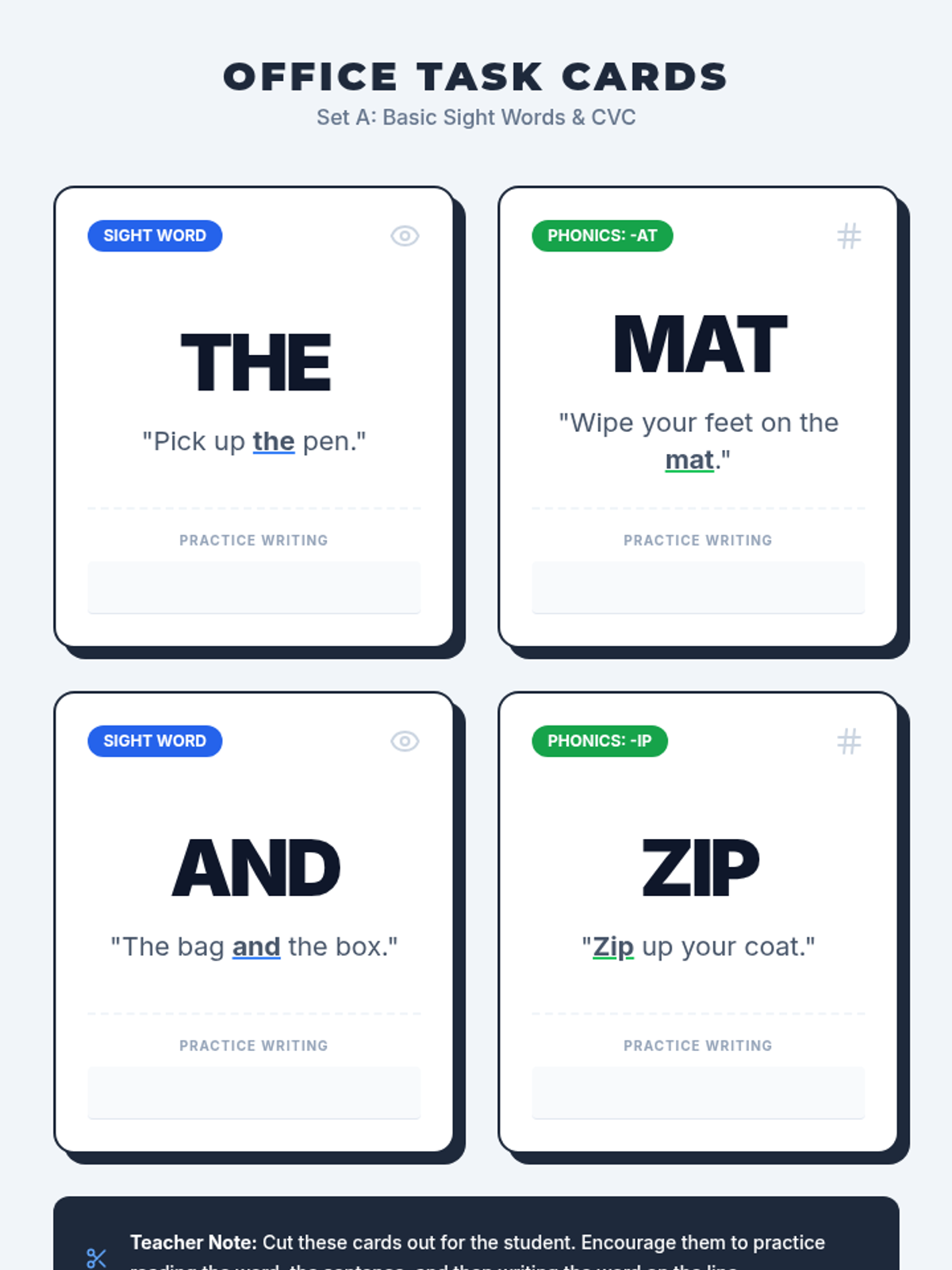
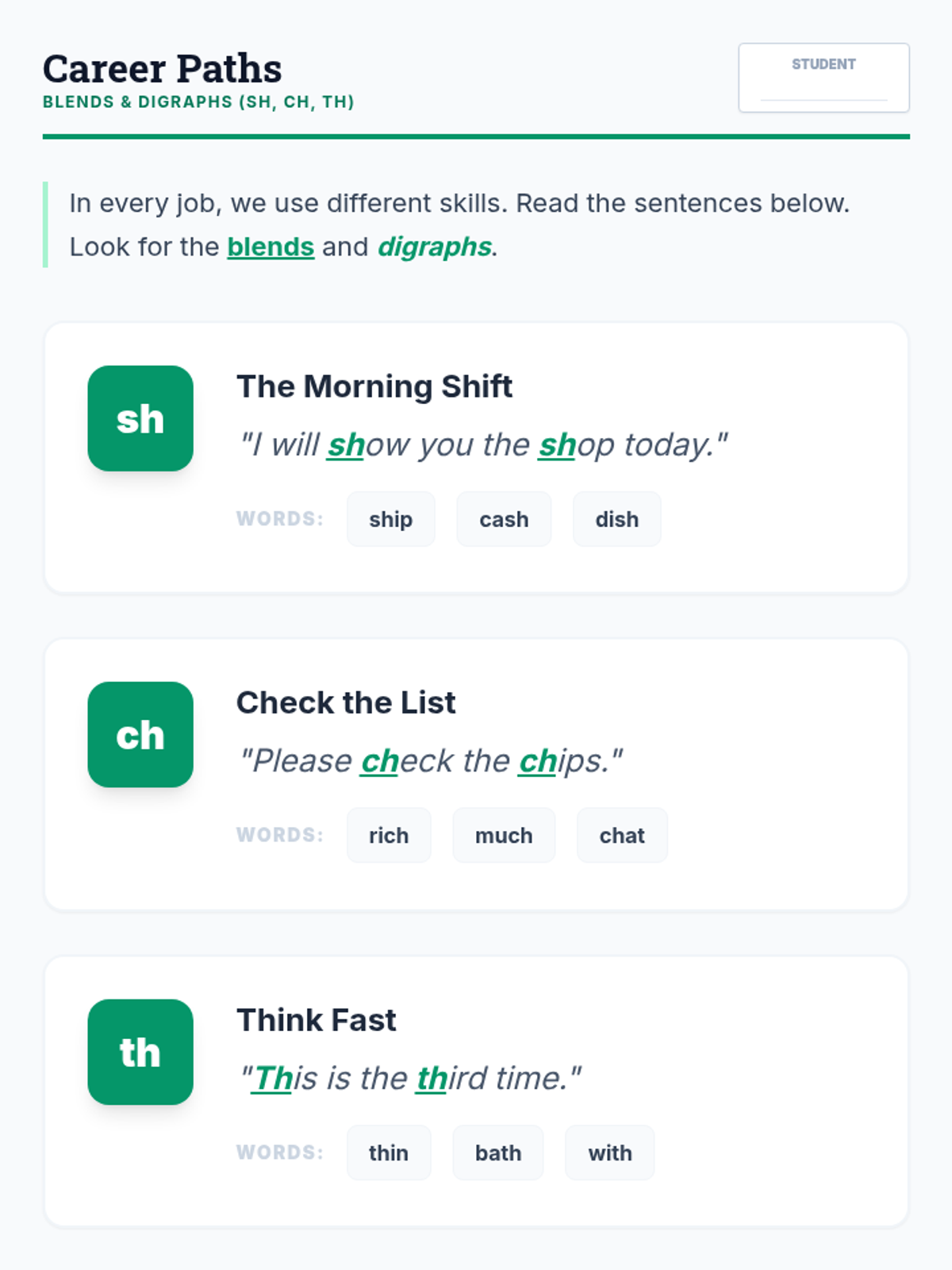
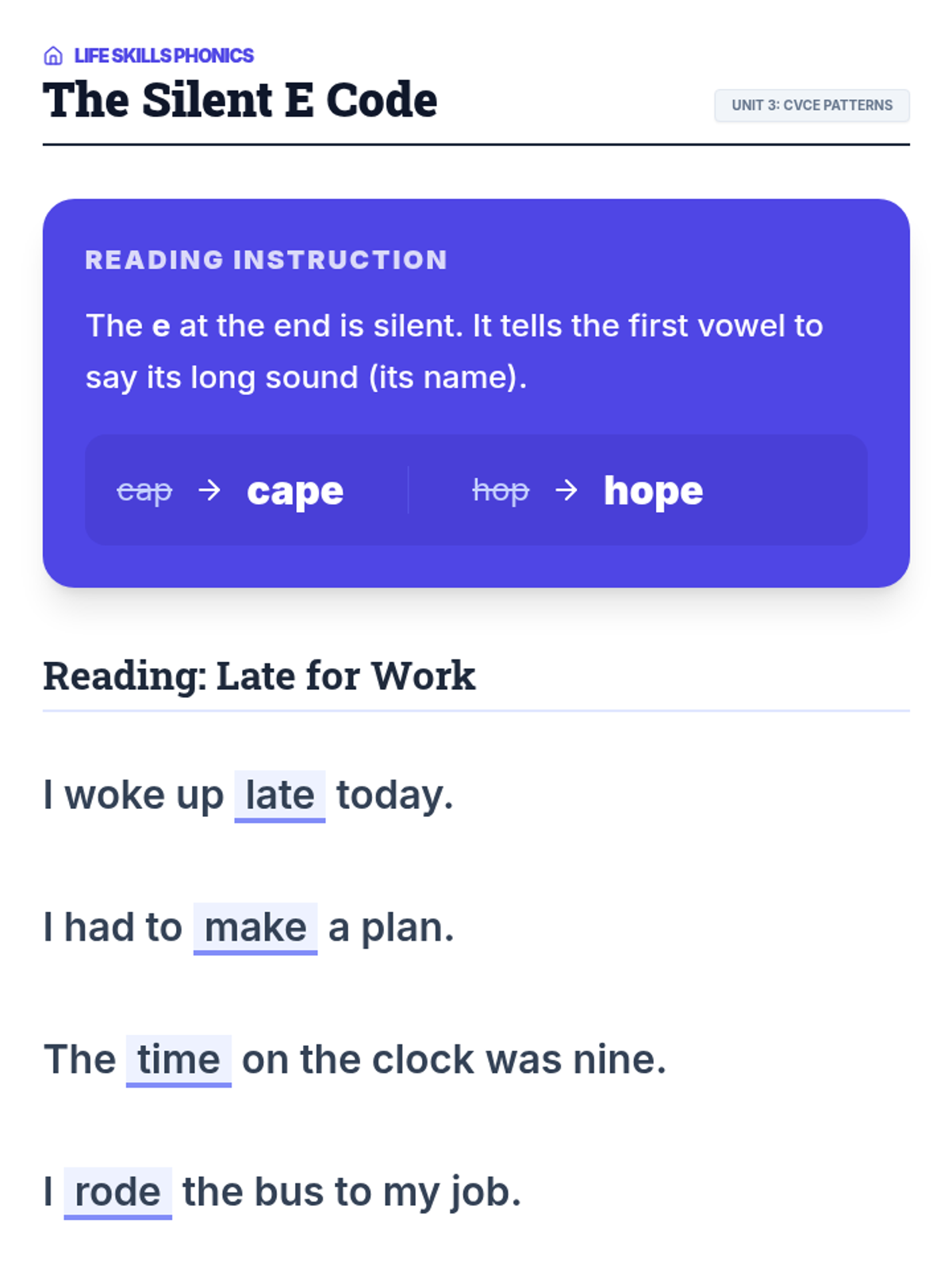
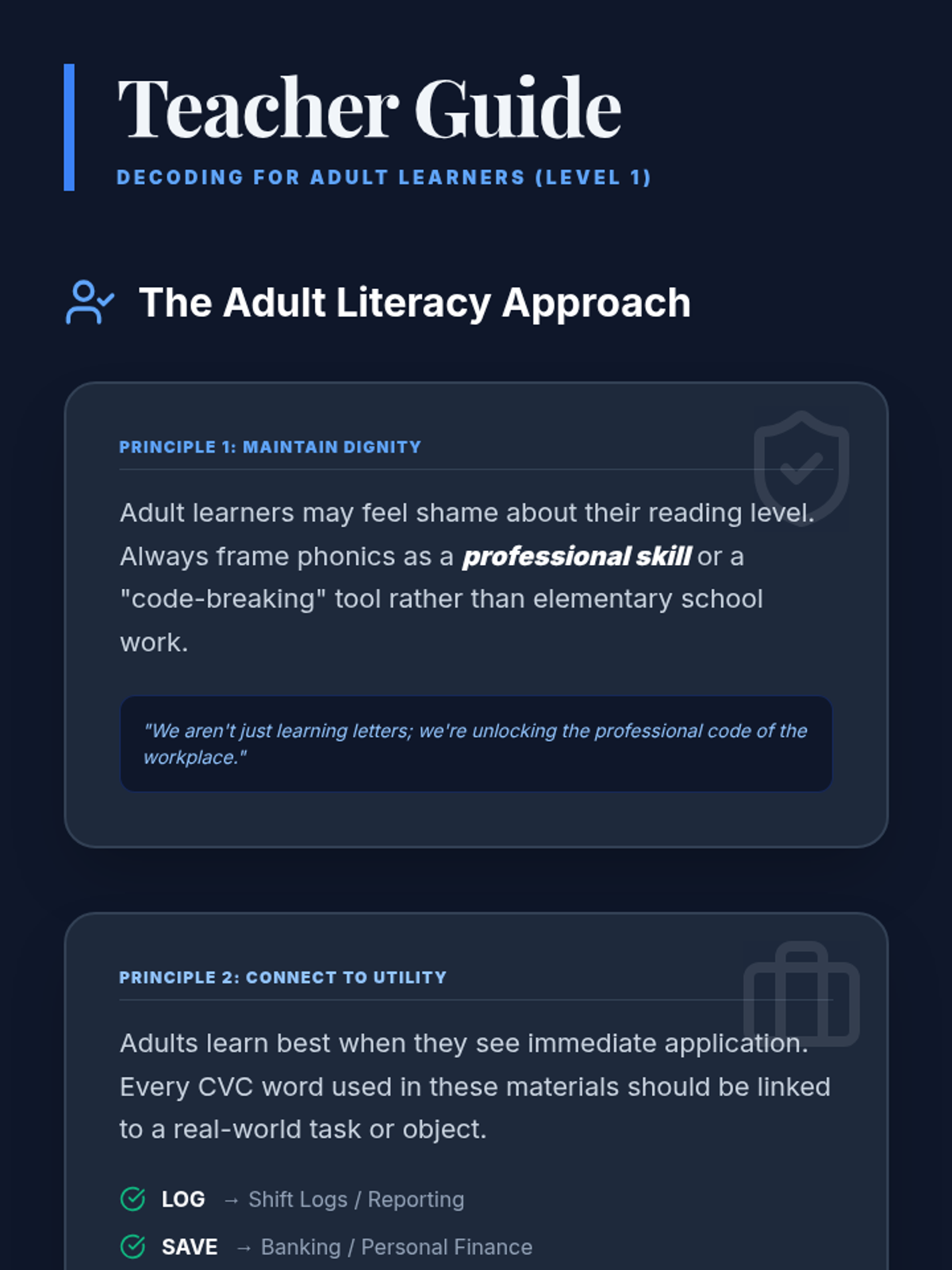
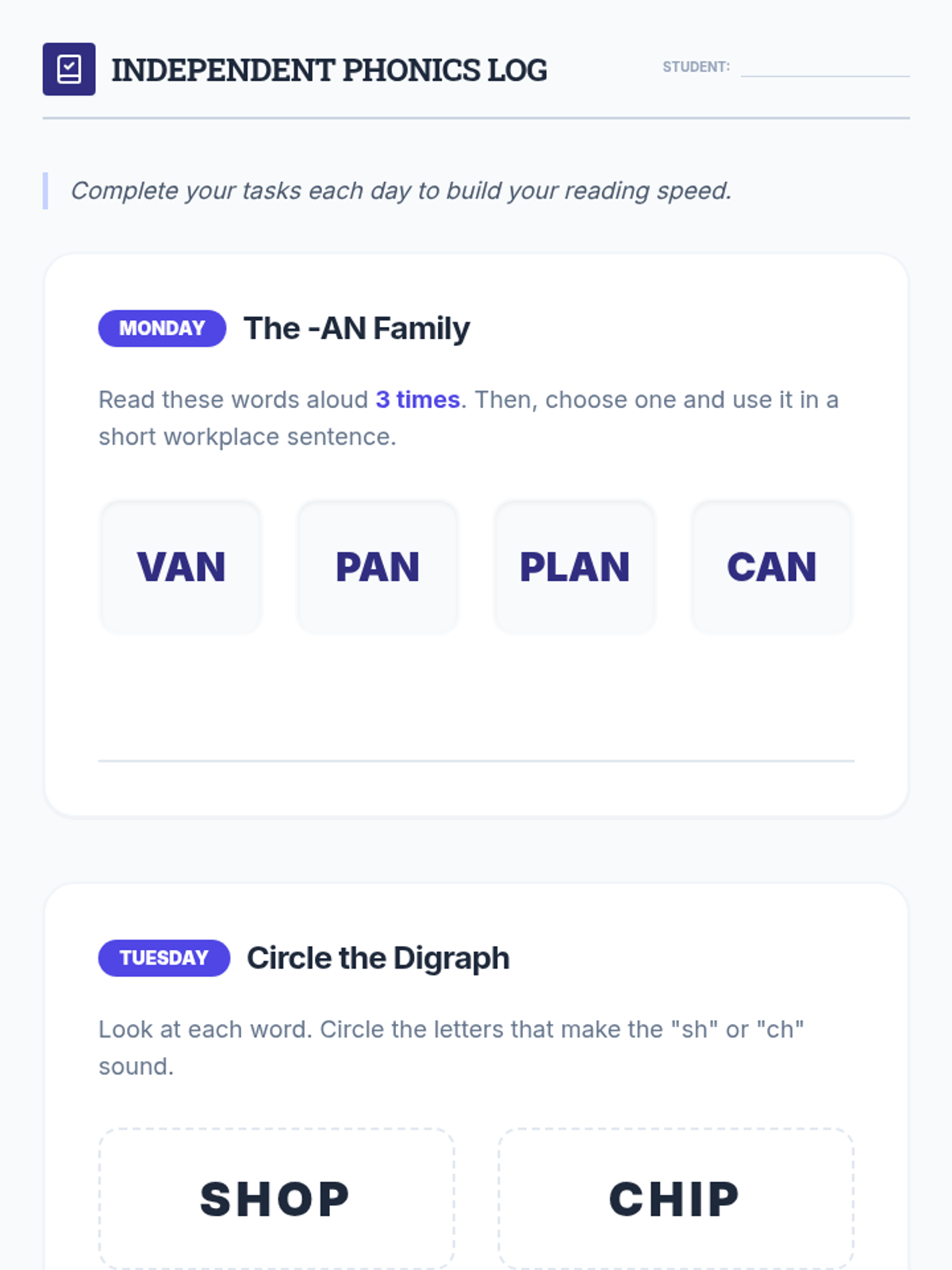
Introduces consonant blends, digraphs, and the CVCe (silent e) pattern using professional and household management themes to maintain adult engagement.
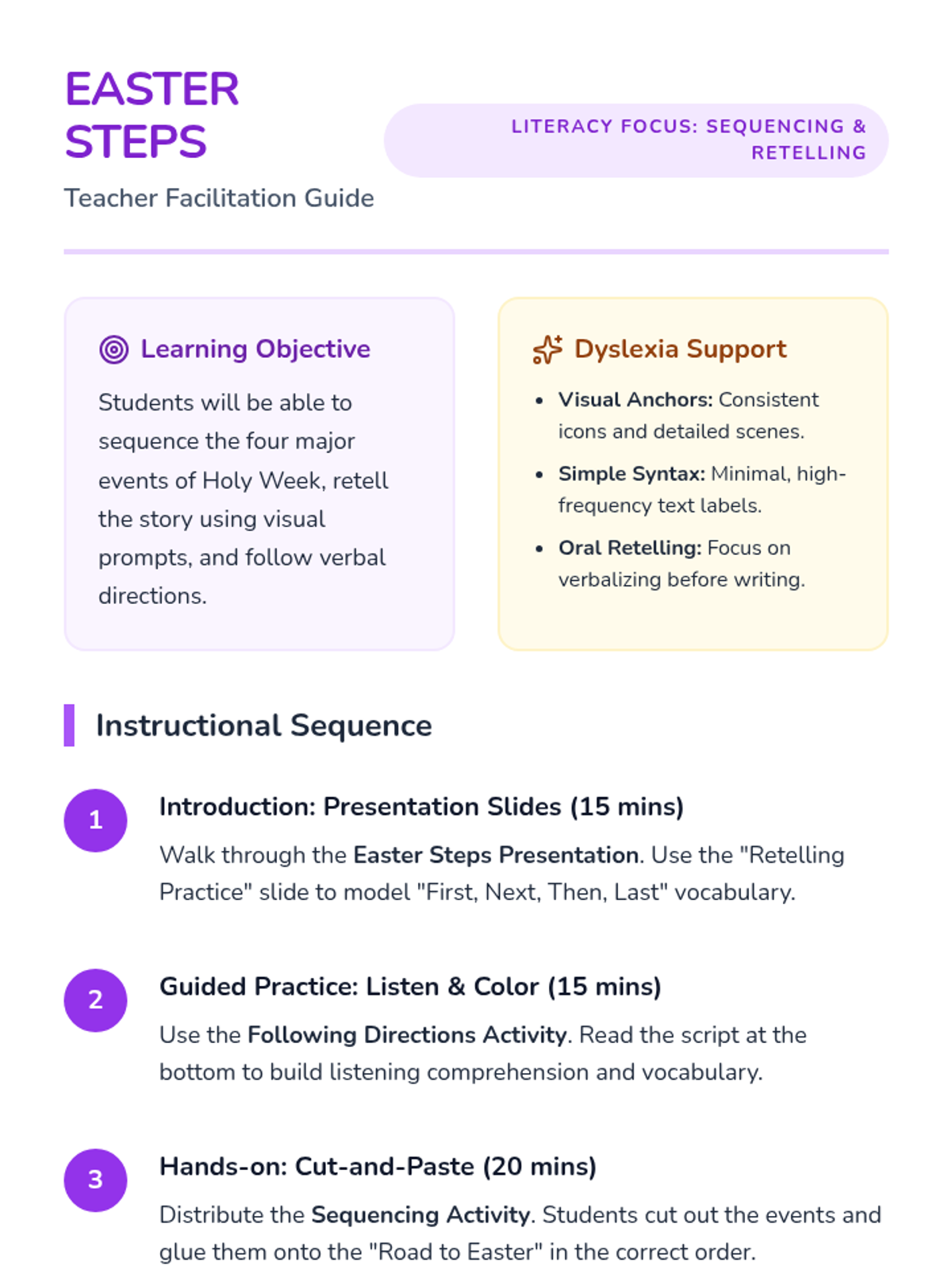
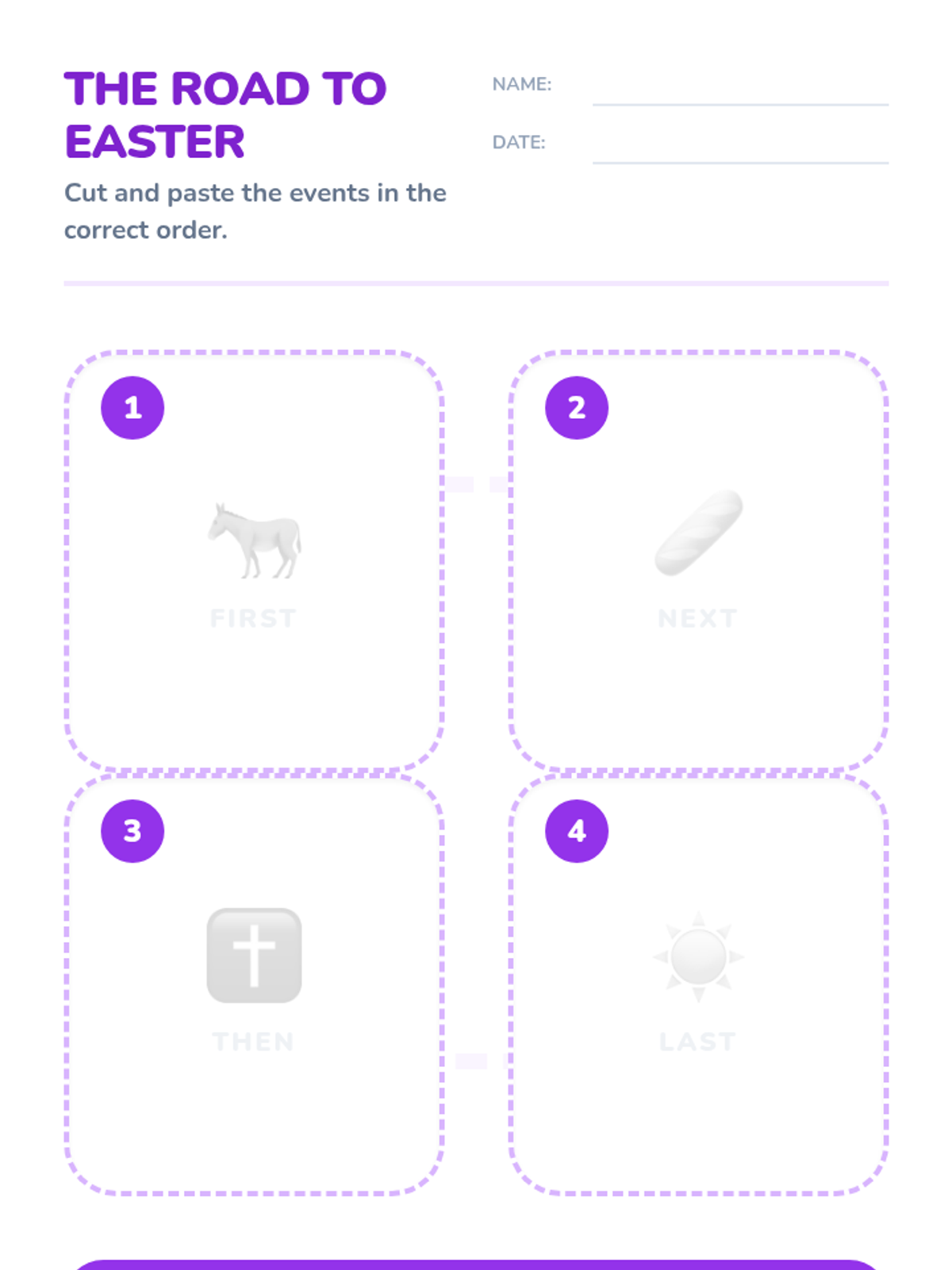
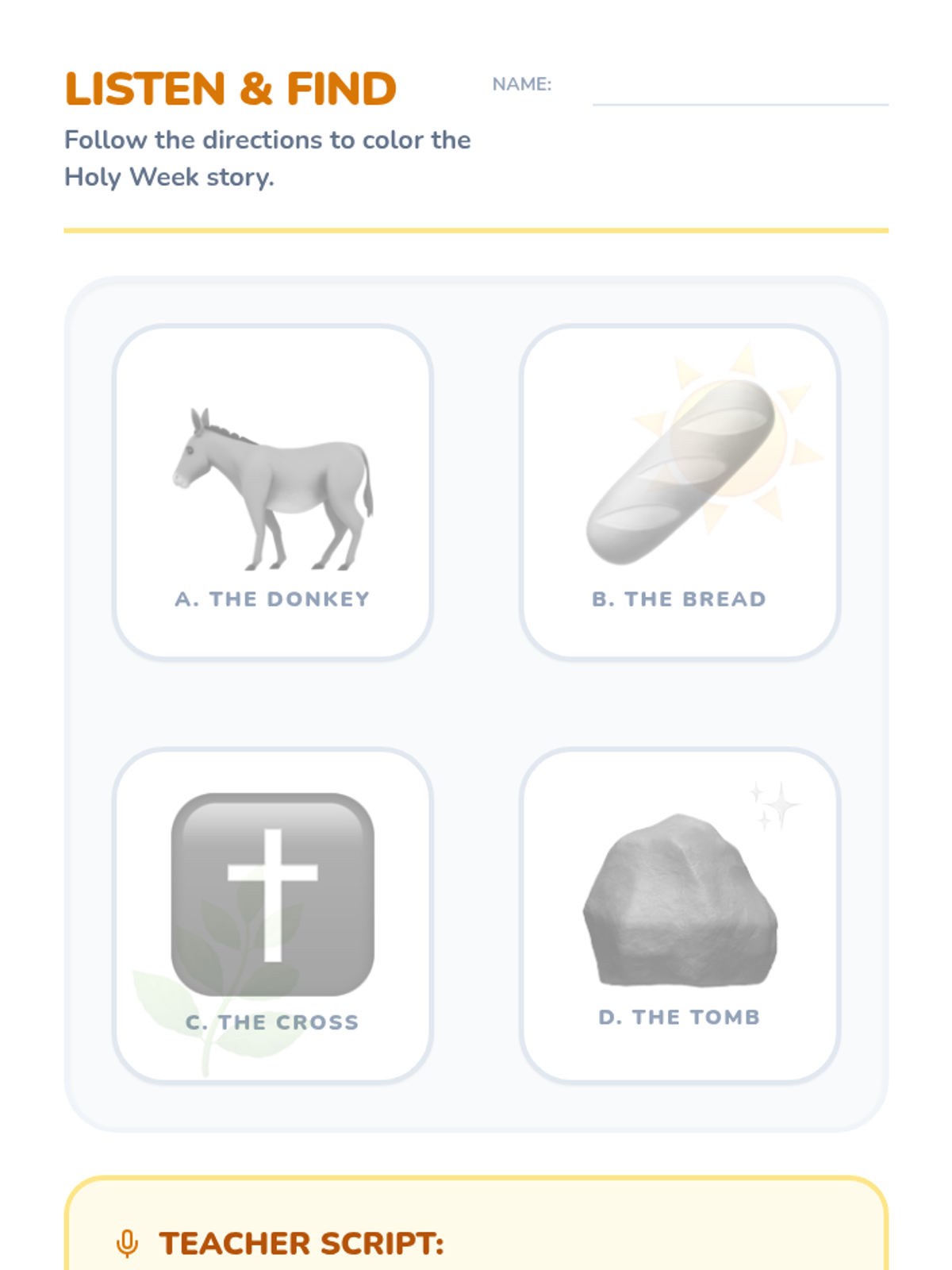
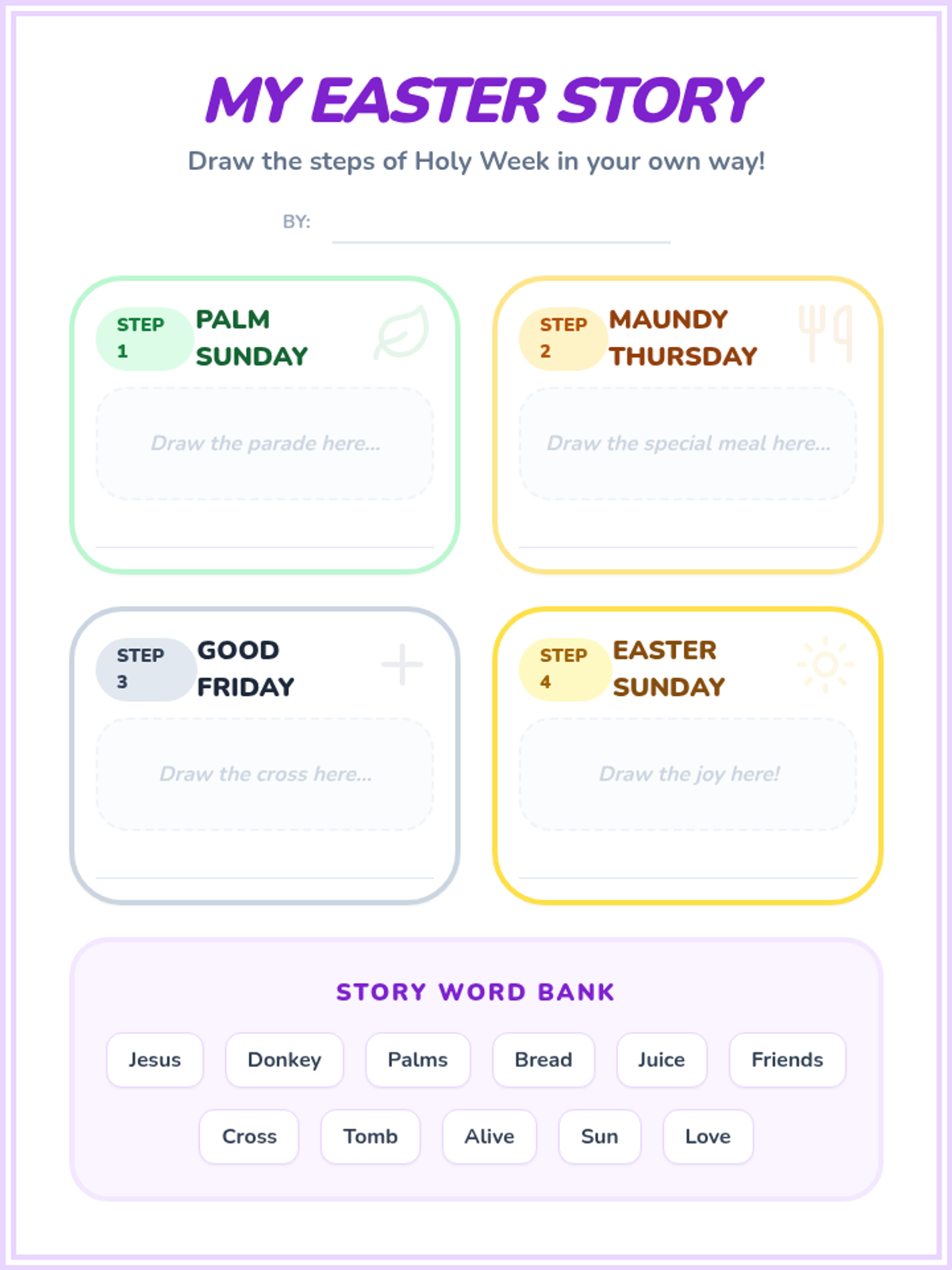
A comprehensive lesson on the events of Holy Week designed for early elementary students with dyslexia, focusing on sequencing and retelling skills through visual aids and hands-on activities.
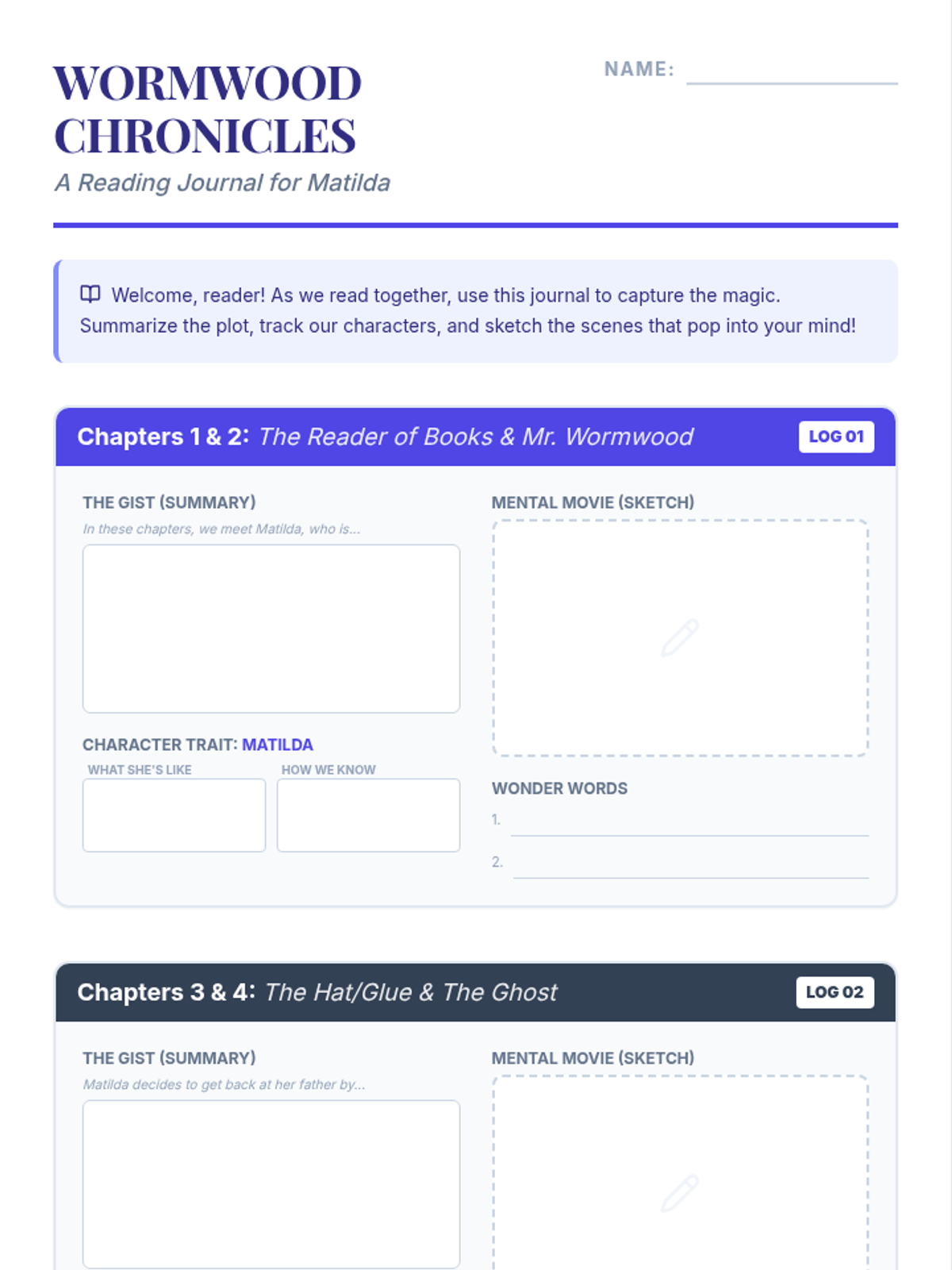
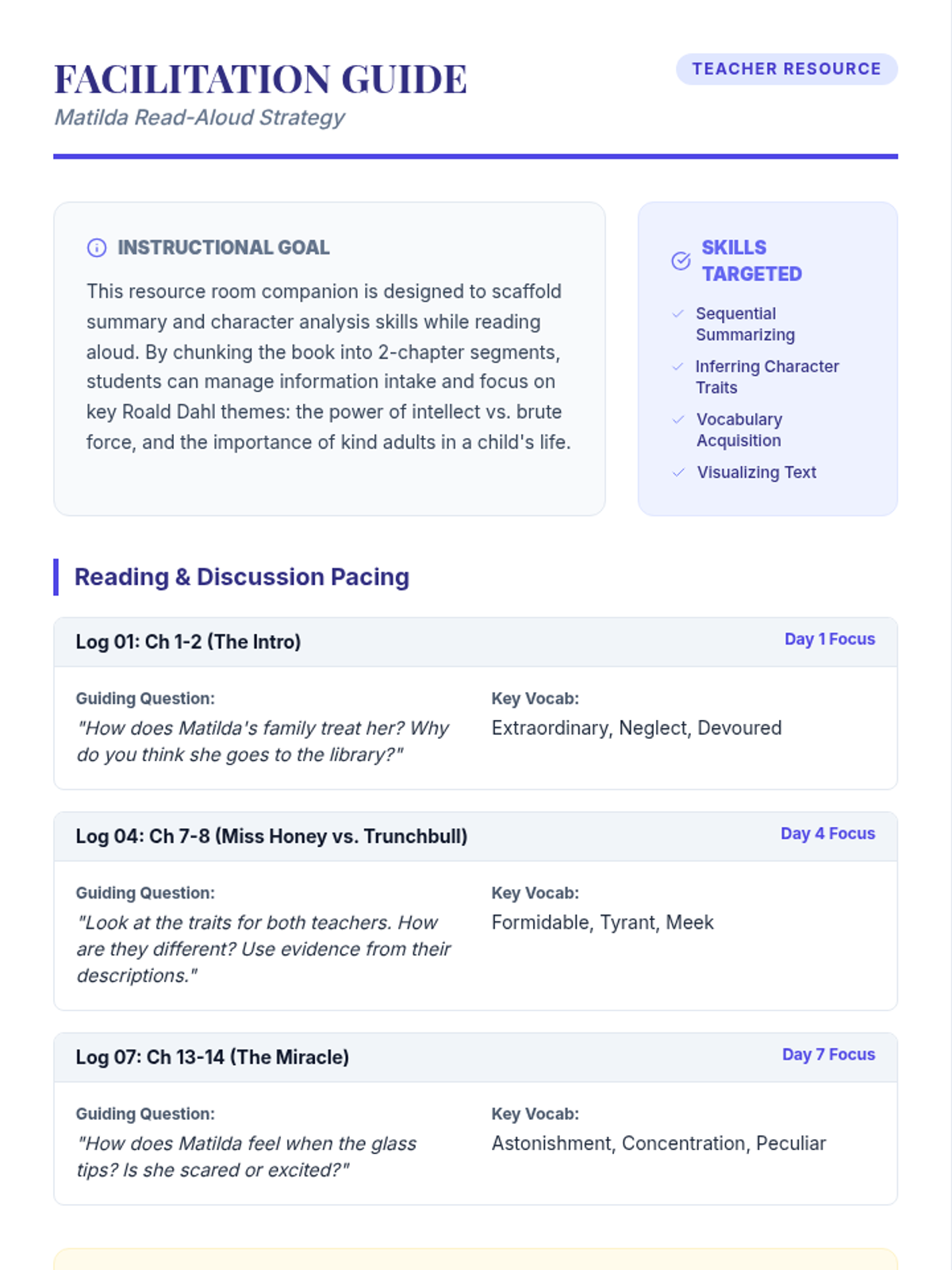
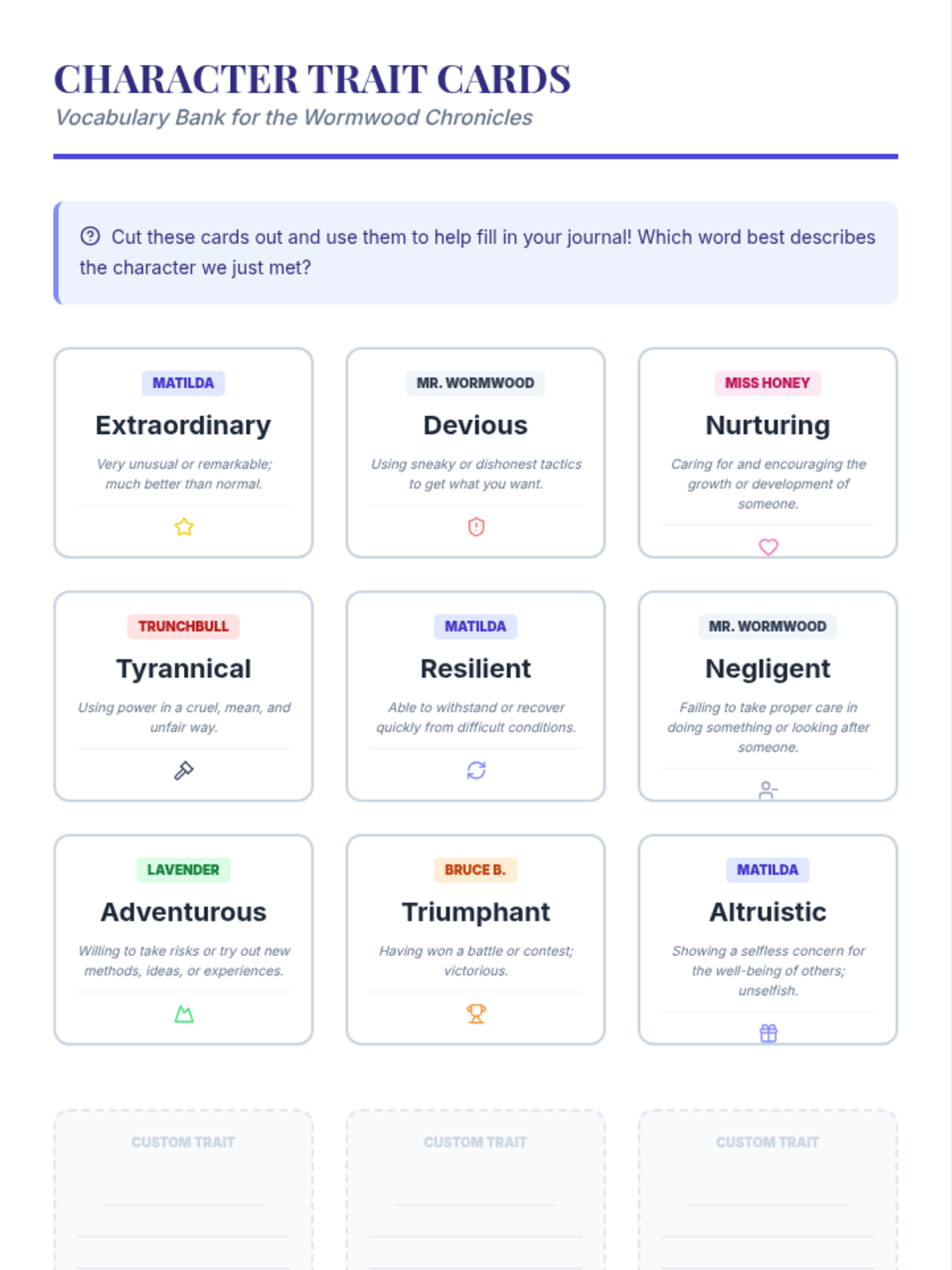
A reading companion for Roald Dahl's Matilda, designed for 5th-grade resource room students to track plot, character traits, and vocabulary in two-chapter increments.
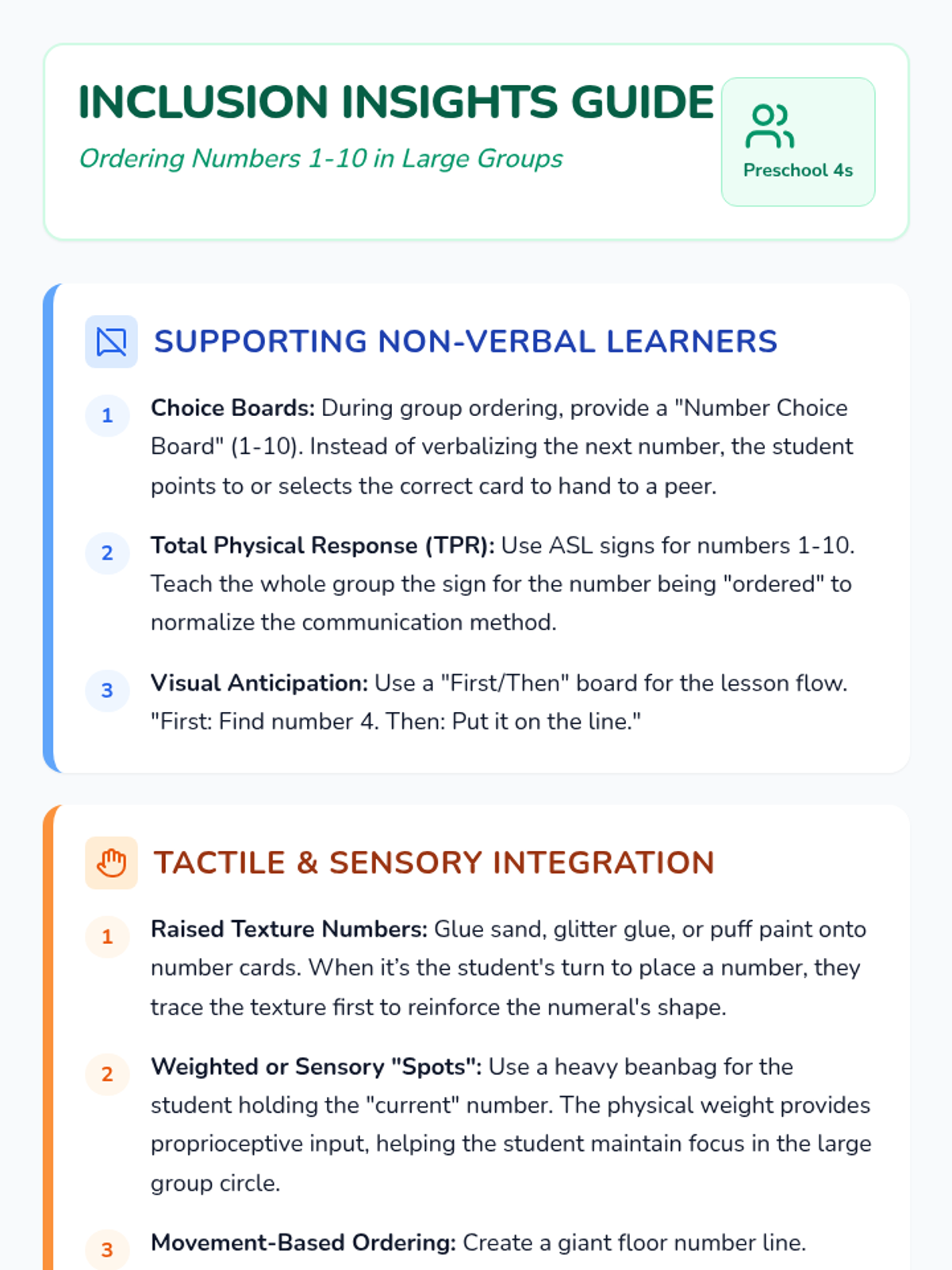
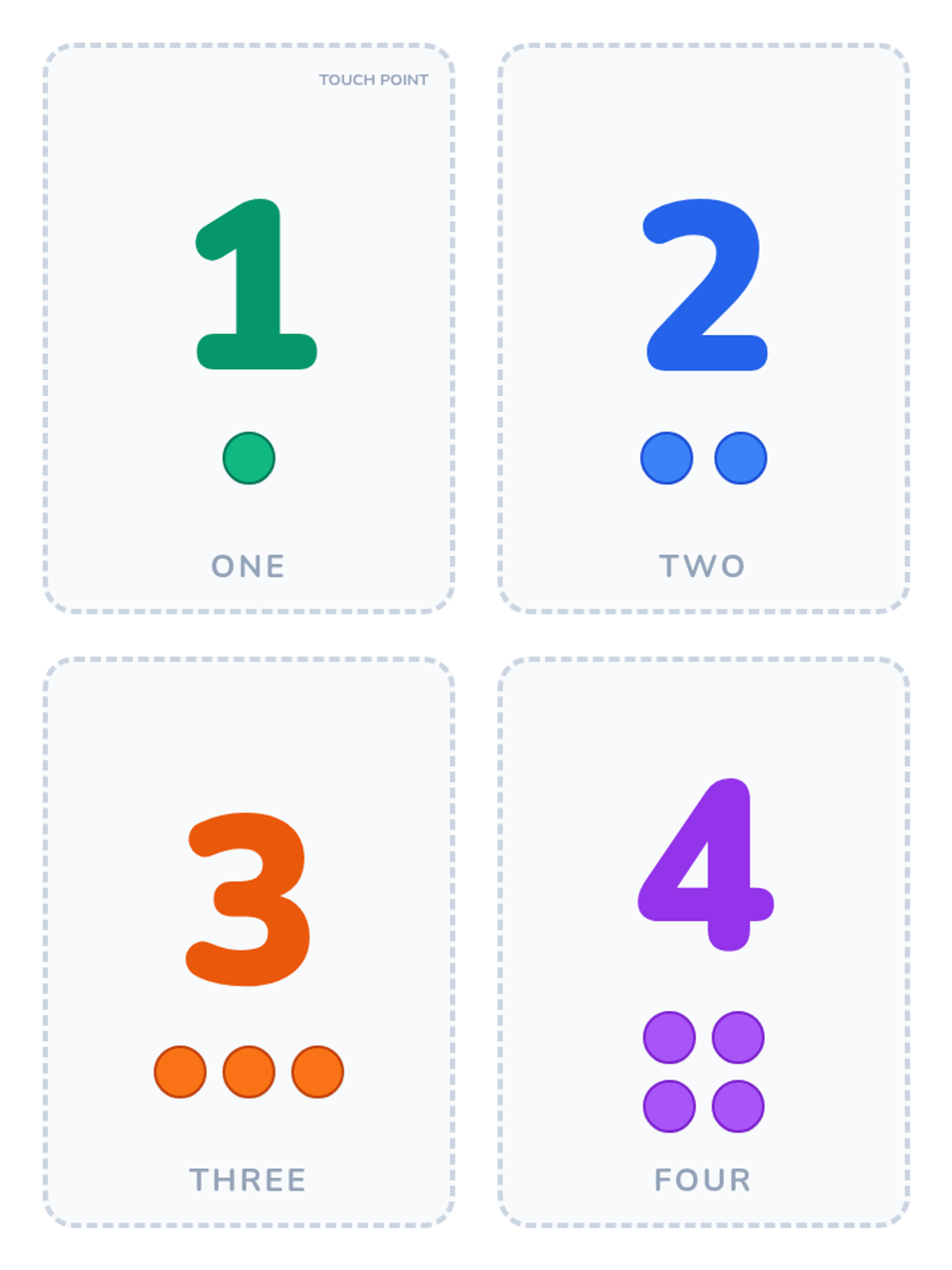
A lesson focused on teaching inclusive strategies and providing visual/tactile tools for ordering numbers 1-10 in a preschool setting.
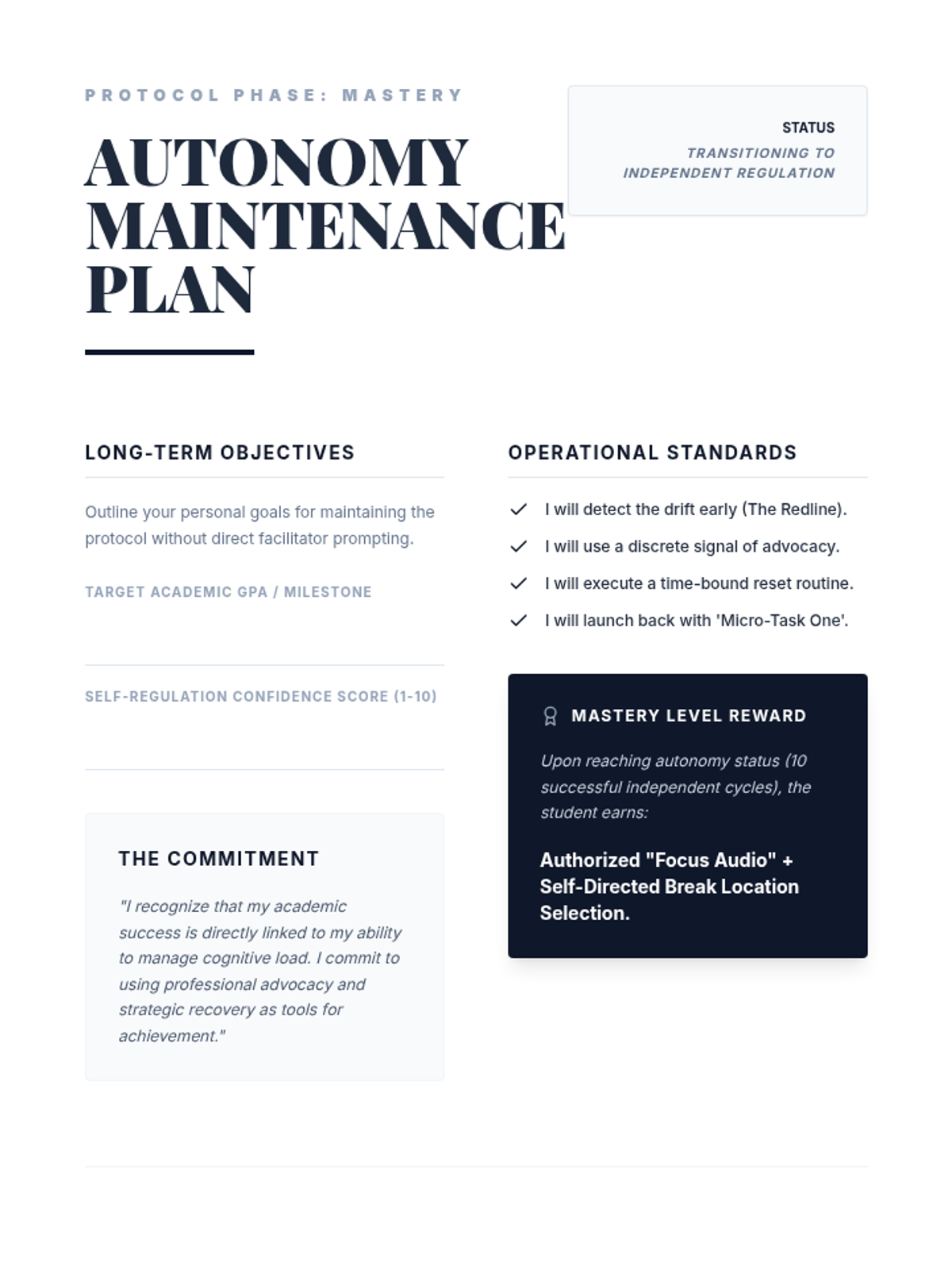
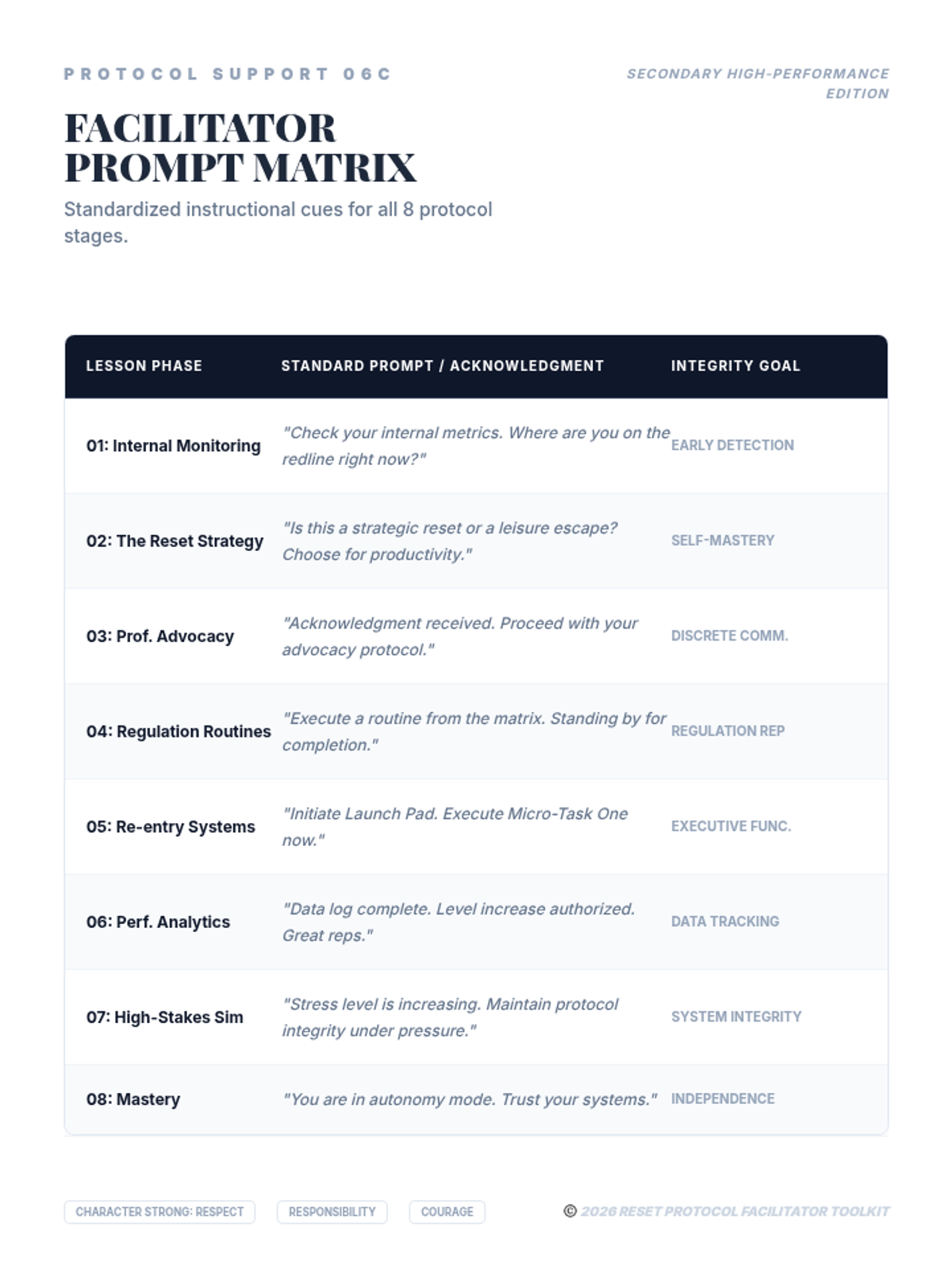
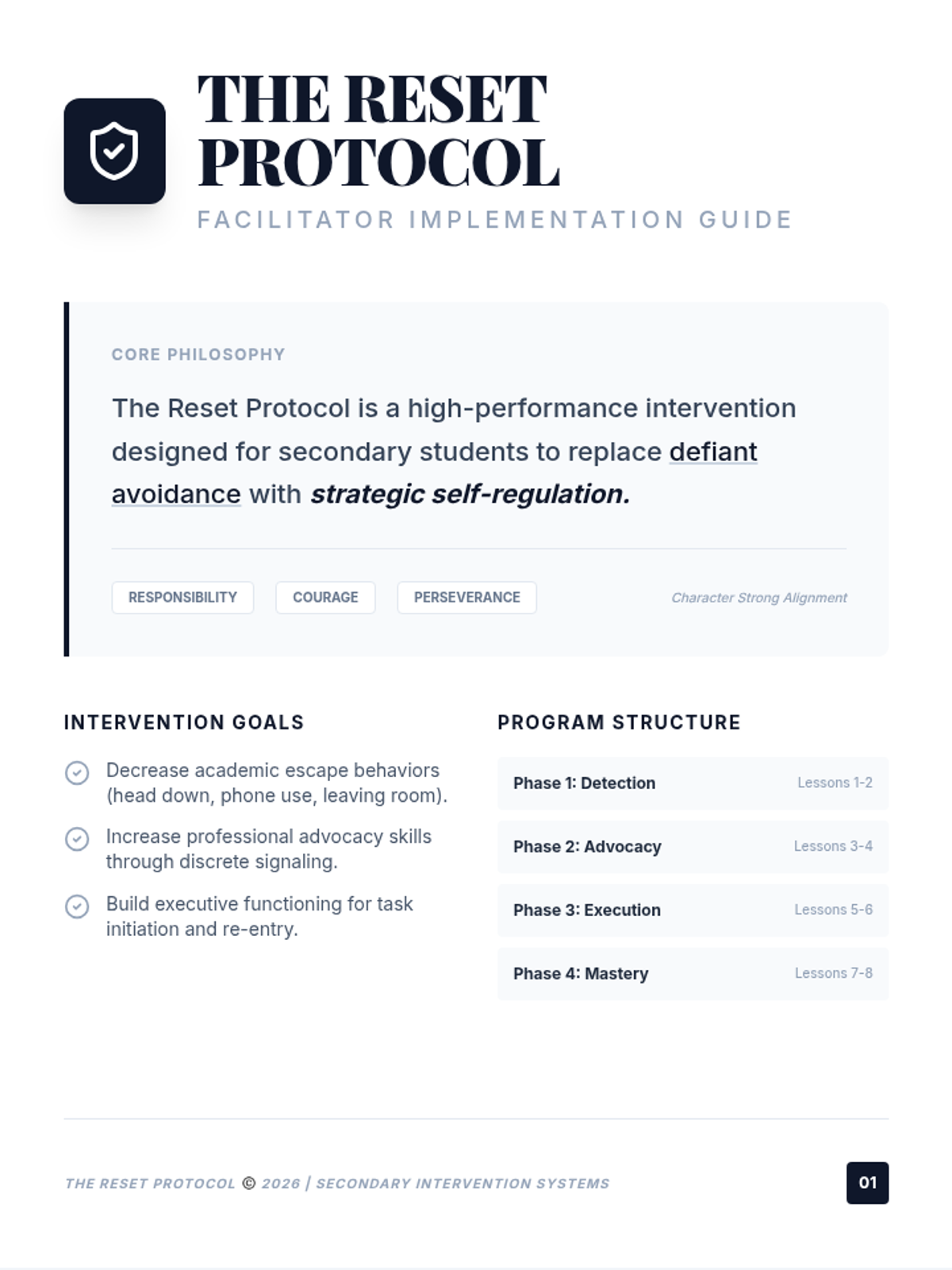
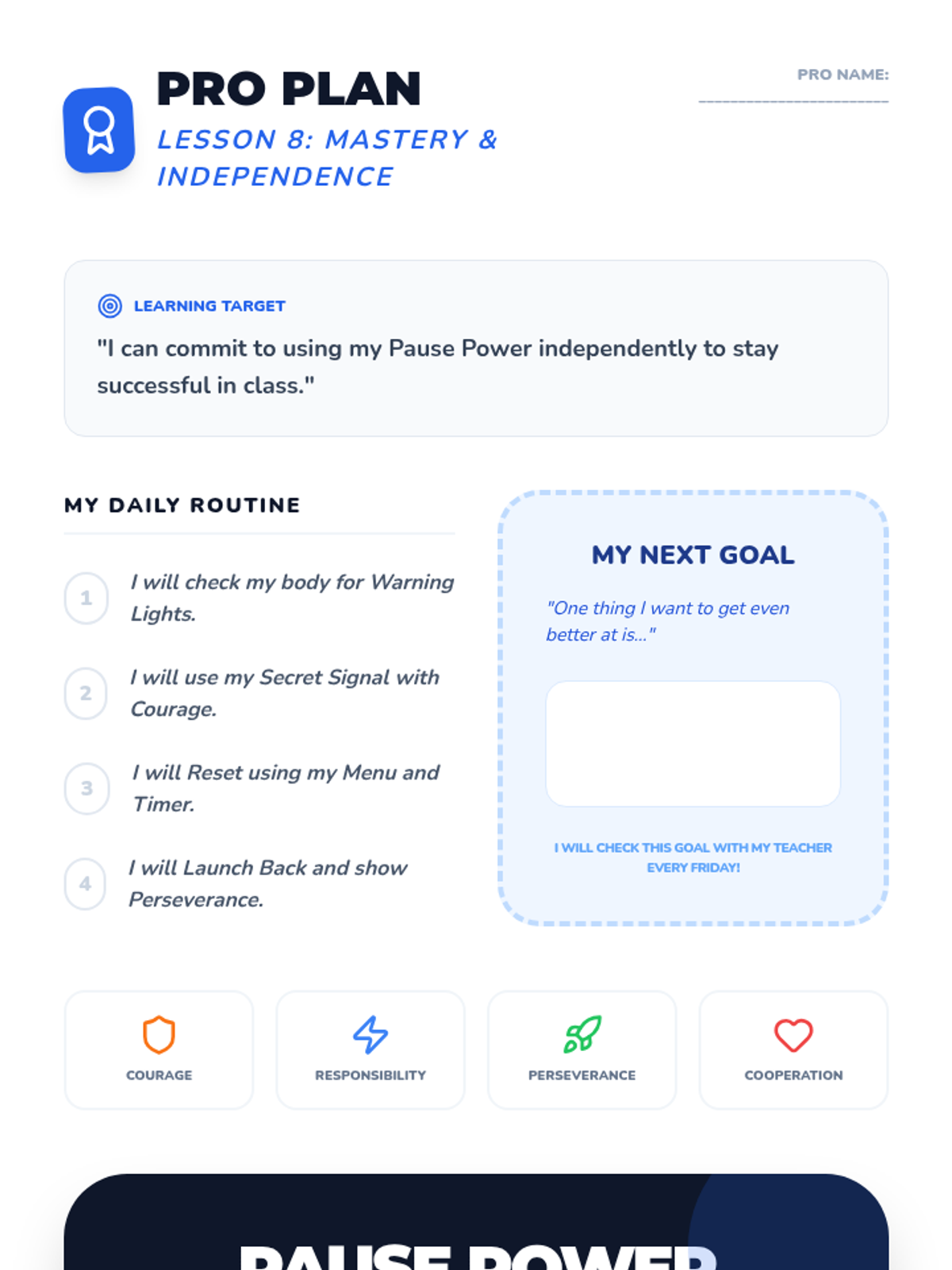
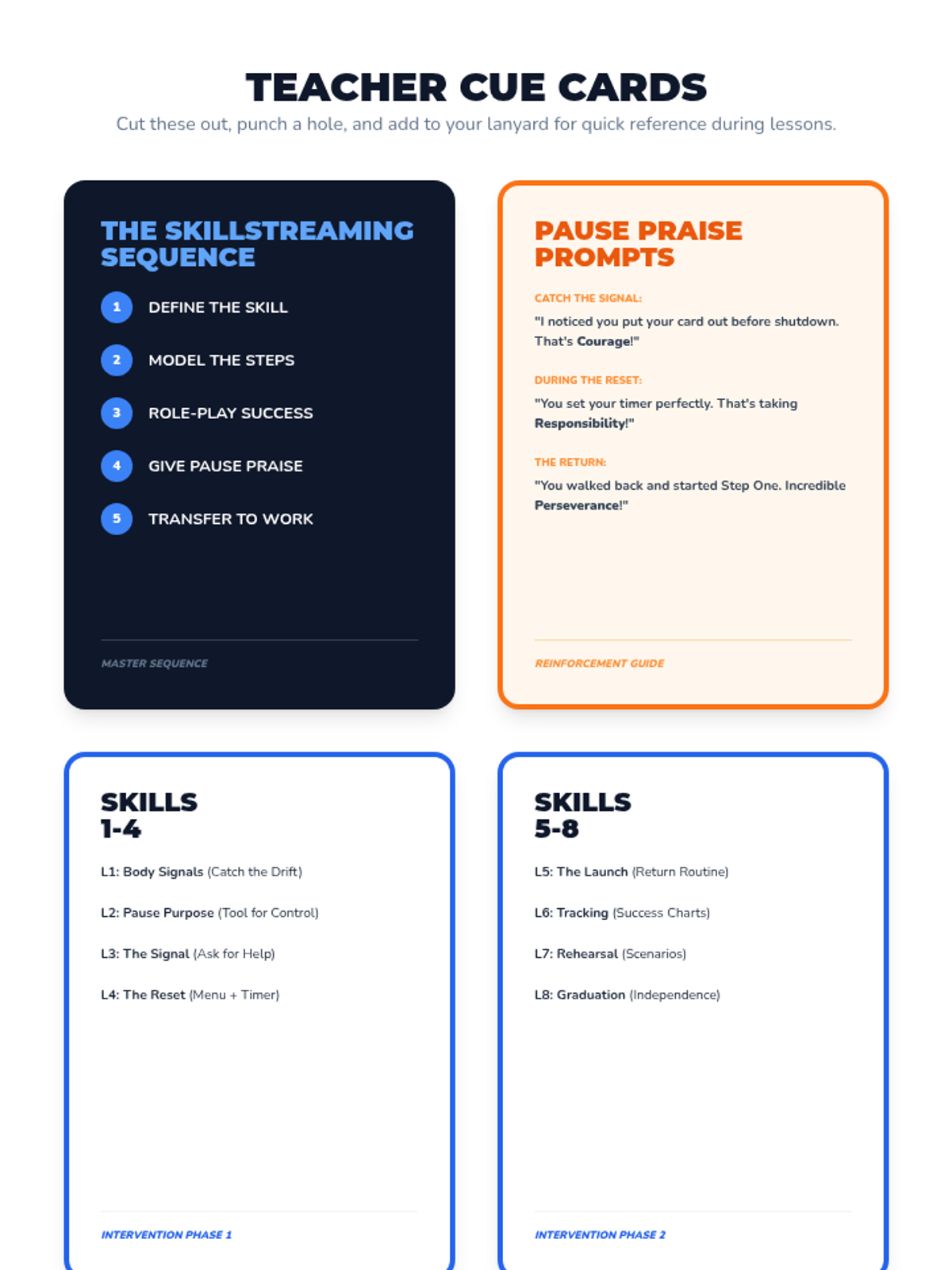
Finalizing a long-term regulation plan for independent classroom success and leadership.
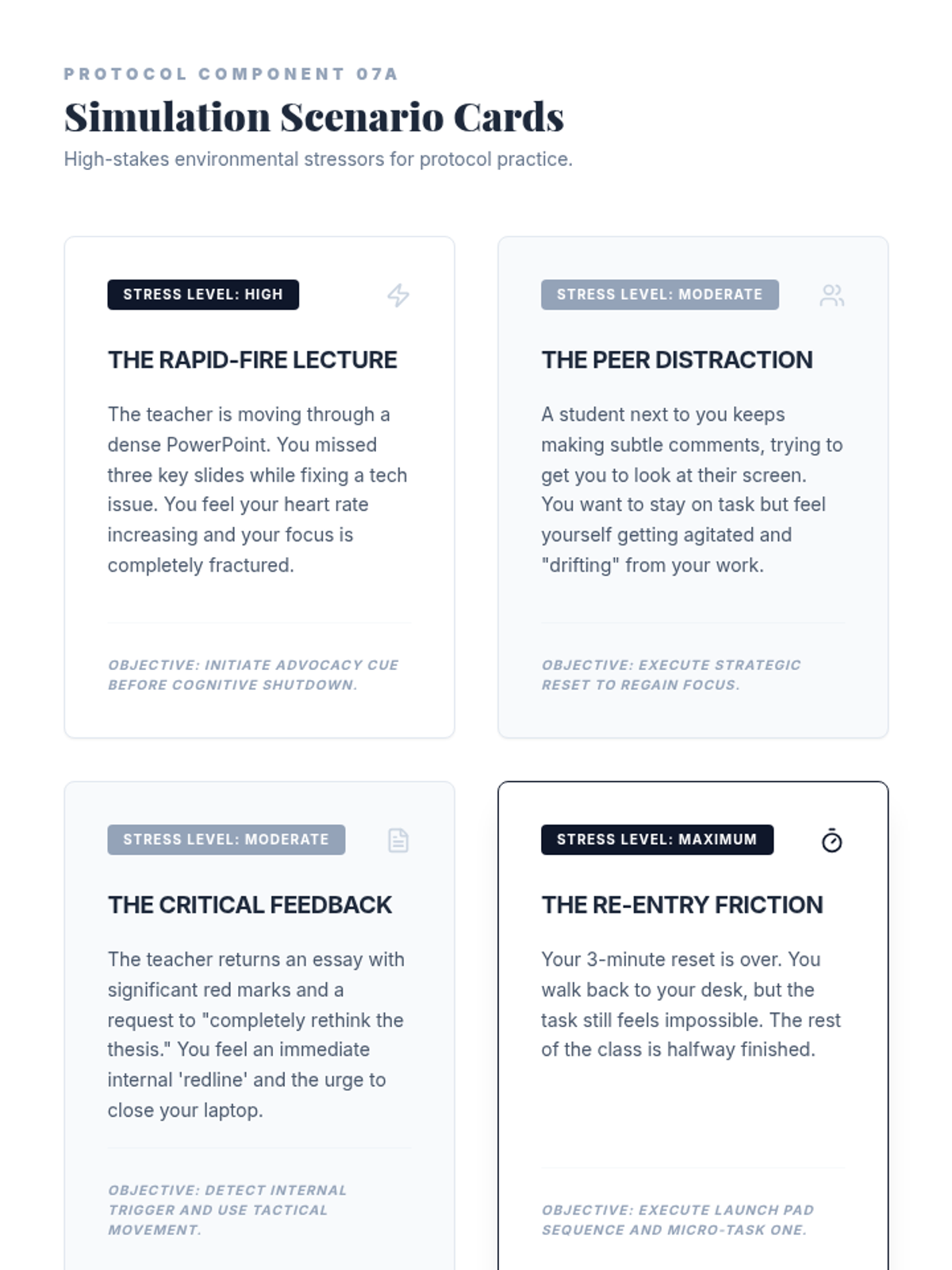
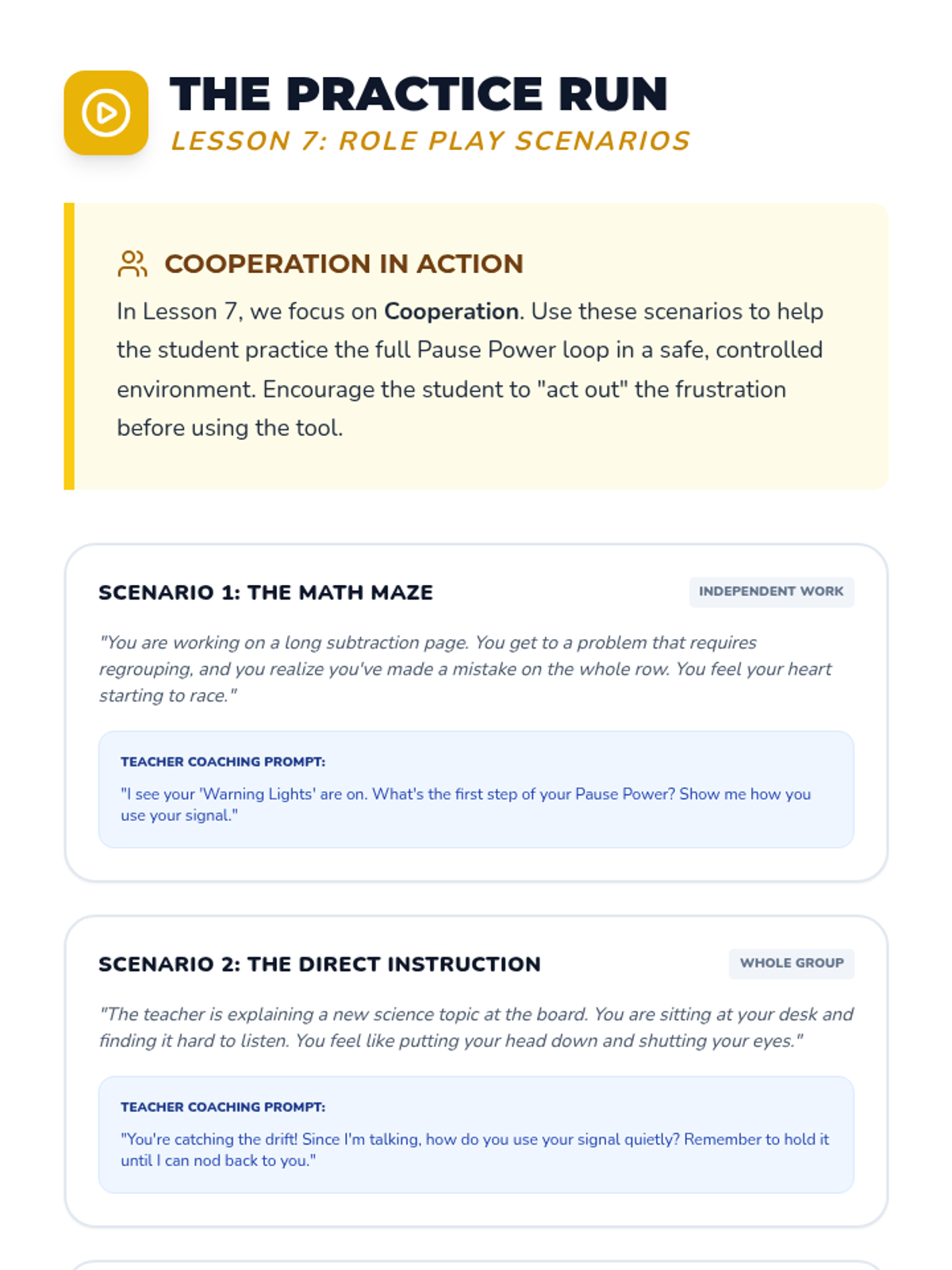
Simulating classroom challenges to practice the full reset protocol under various environmental stressors.
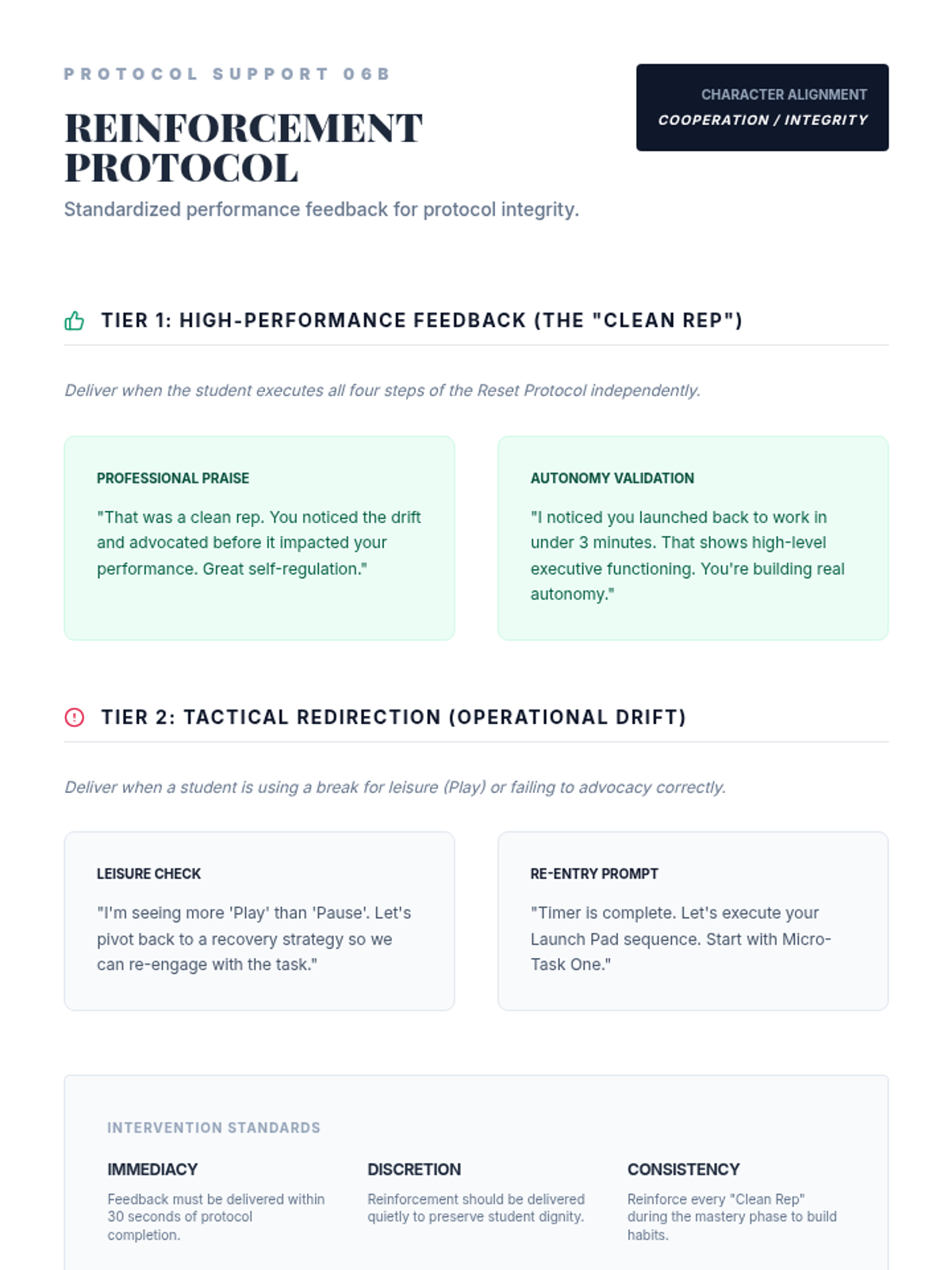
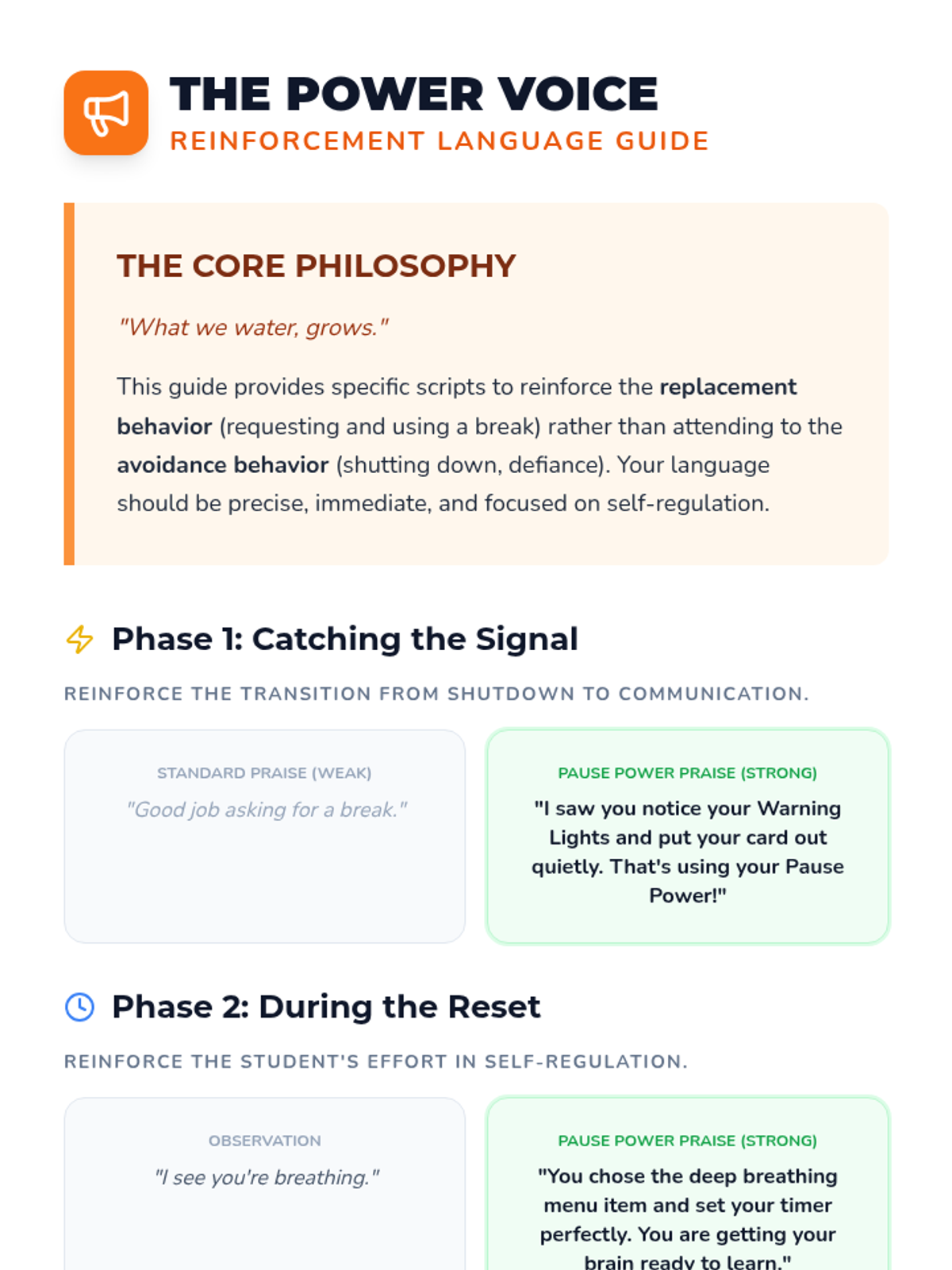
Using data-driven tracking to monitor regulation success and earn autonomy-based performance incentives.
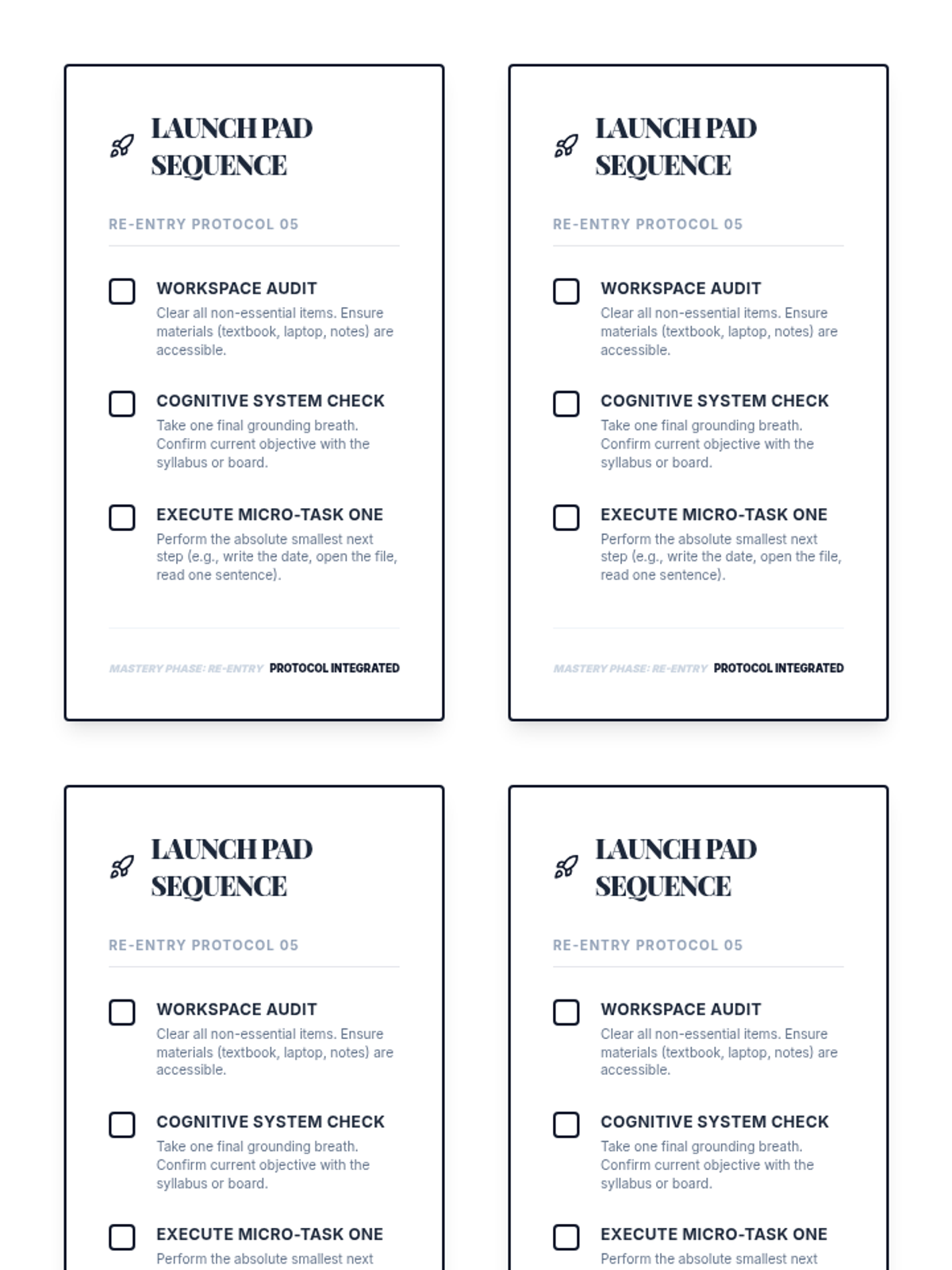
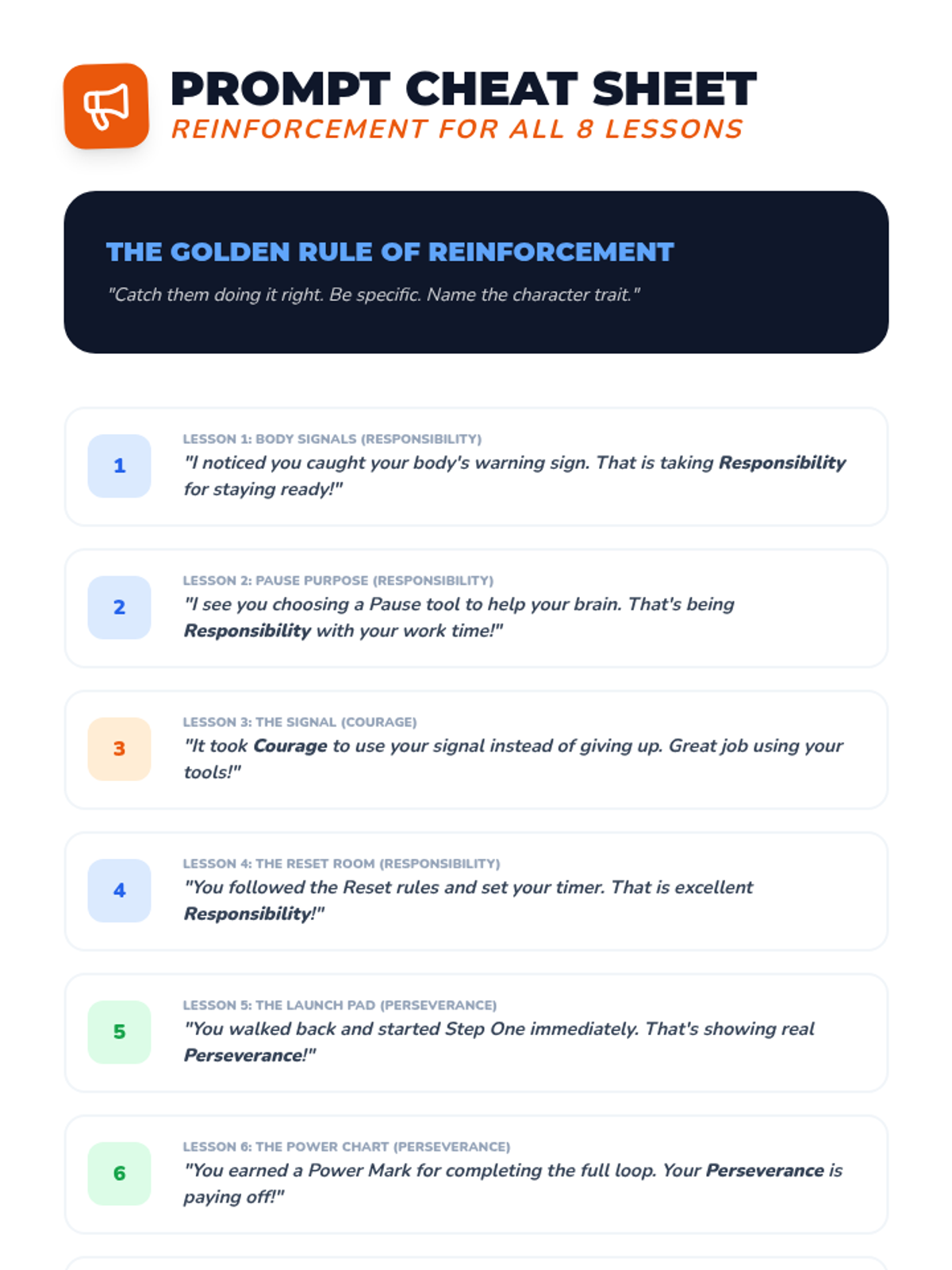
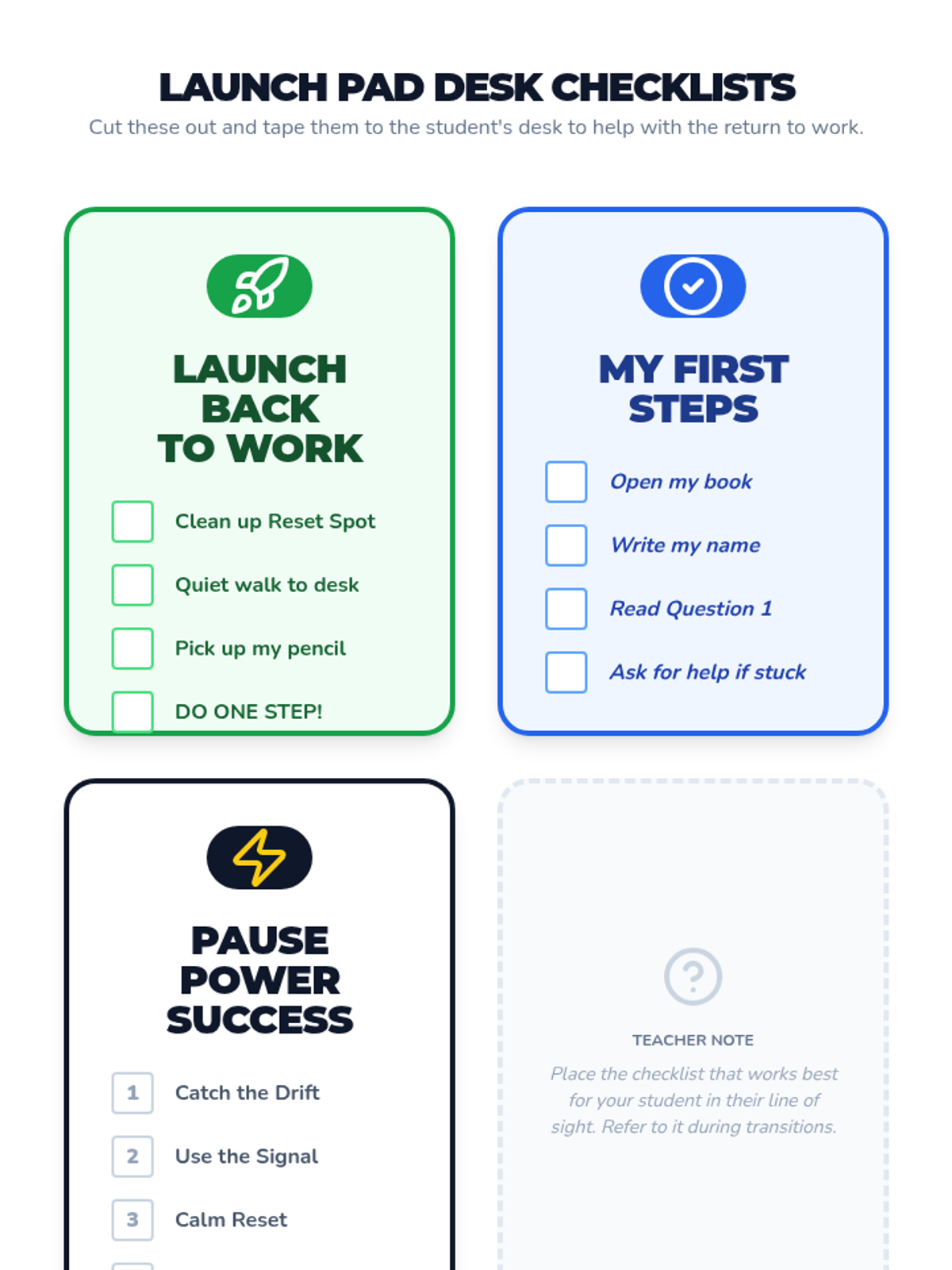
Developing a structured re-entry protocol to minimize cognitive friction when transitioning back to academic tasks.
Establishing a personalized repertoire of evidence-based regulation techniques to use during a reset.
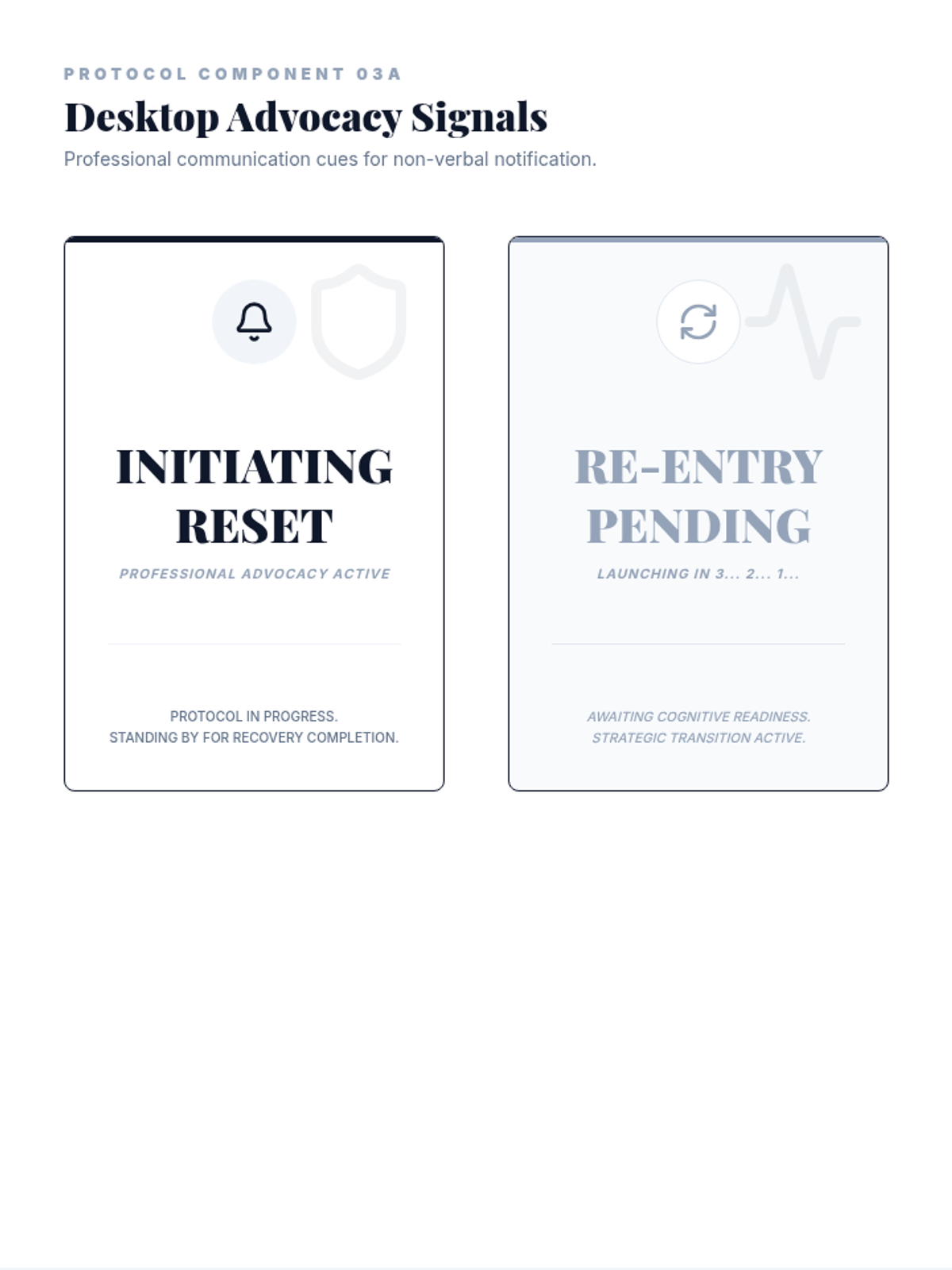
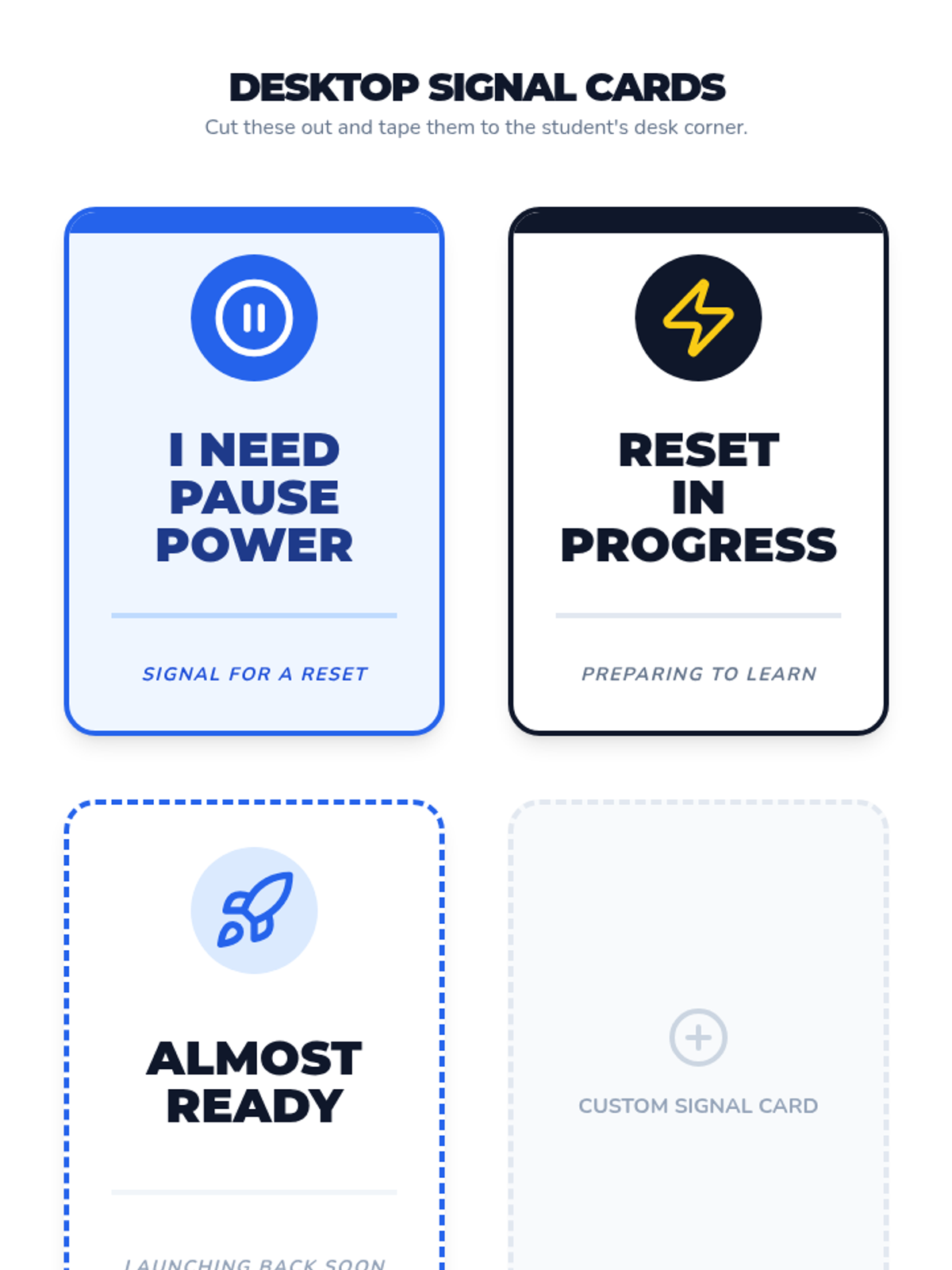
Mastering the art of professional advocacy through discrete, effective communication cues for requesting a reset.
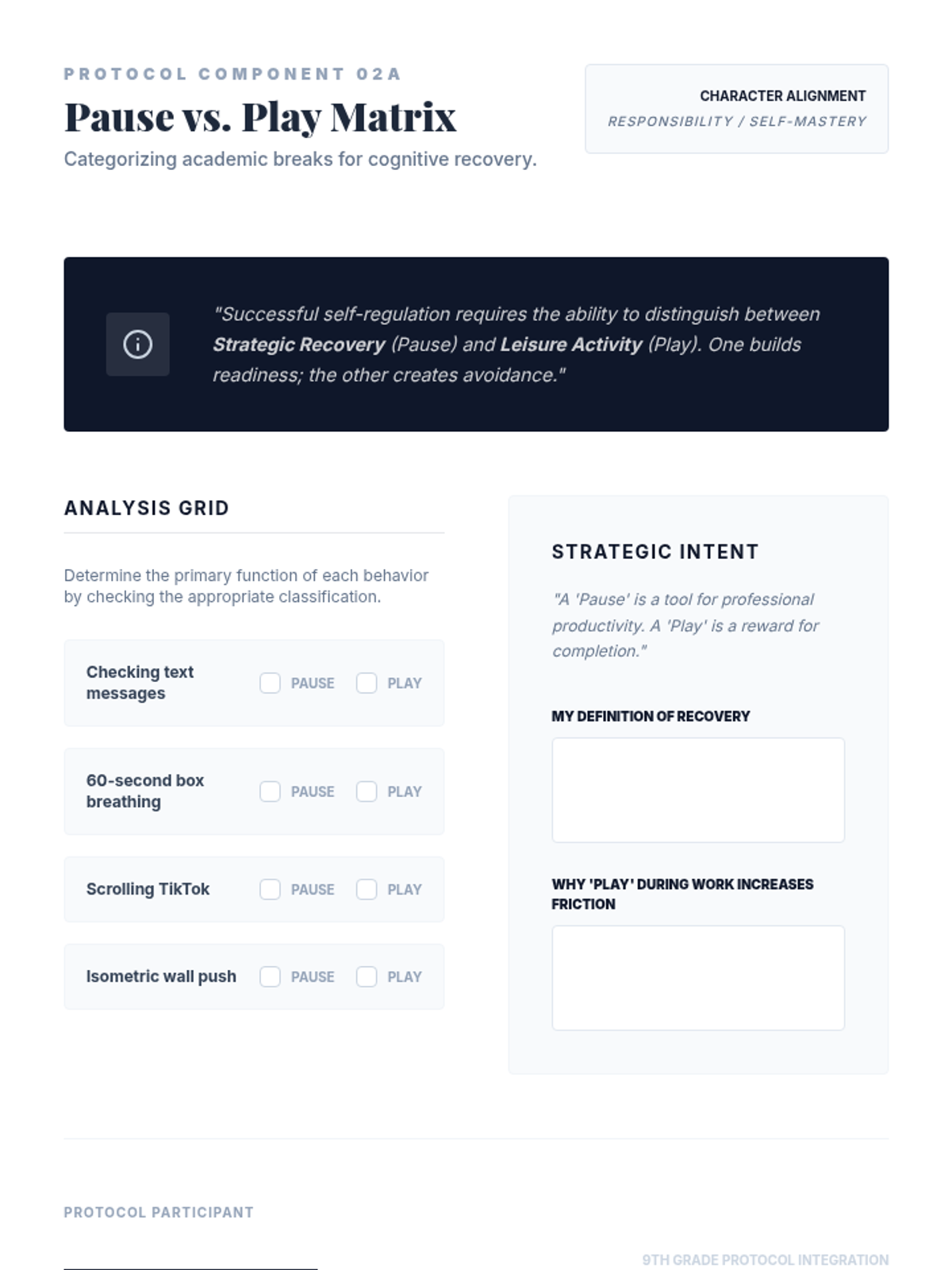
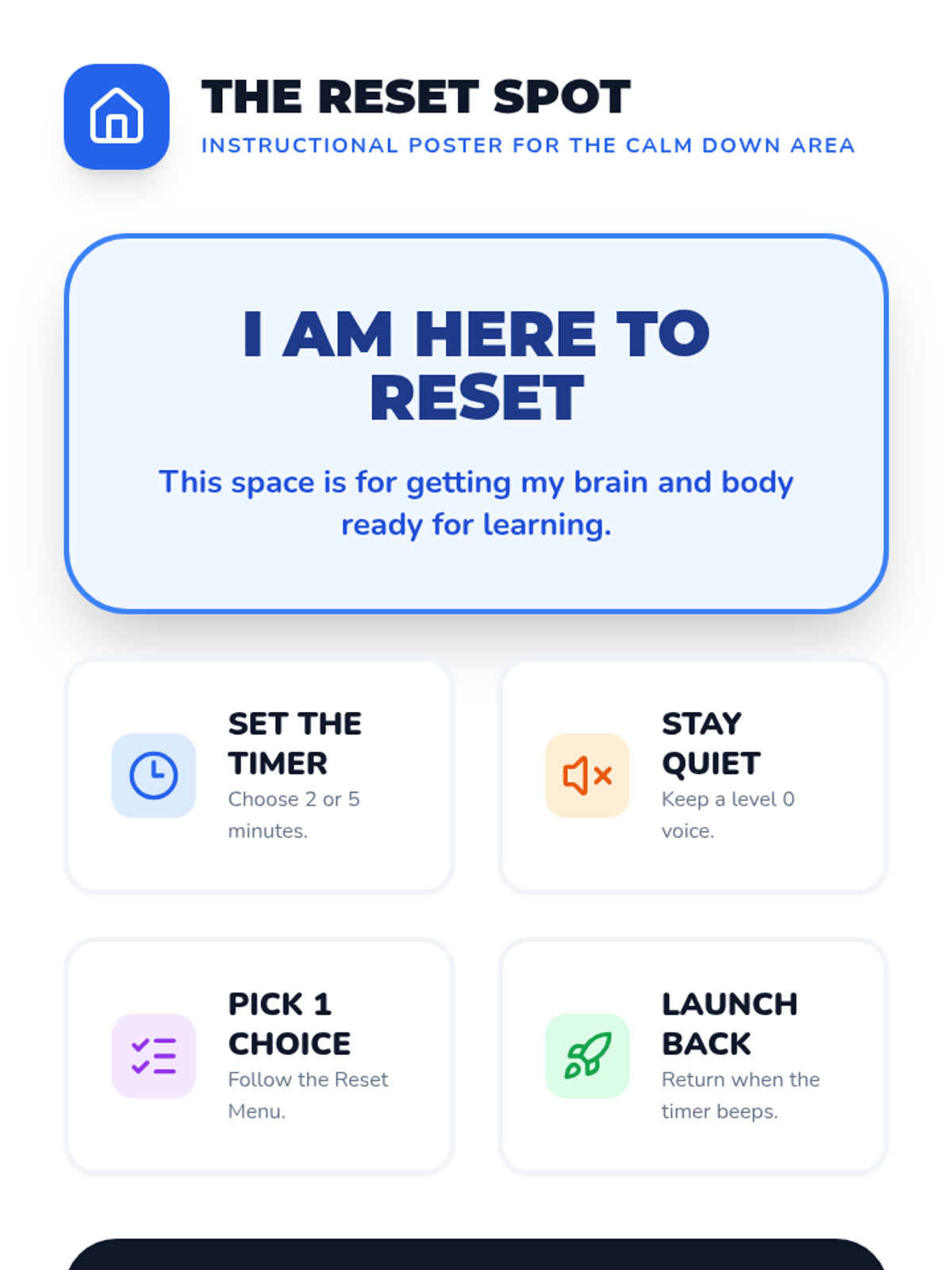
Defining the strategic reset as a high-performance tool for cognitive recovery rather than a leisure activity.
Developing self-awareness to recognize physiological and cognitive triggers of shutdown or avoidance before they escalate.
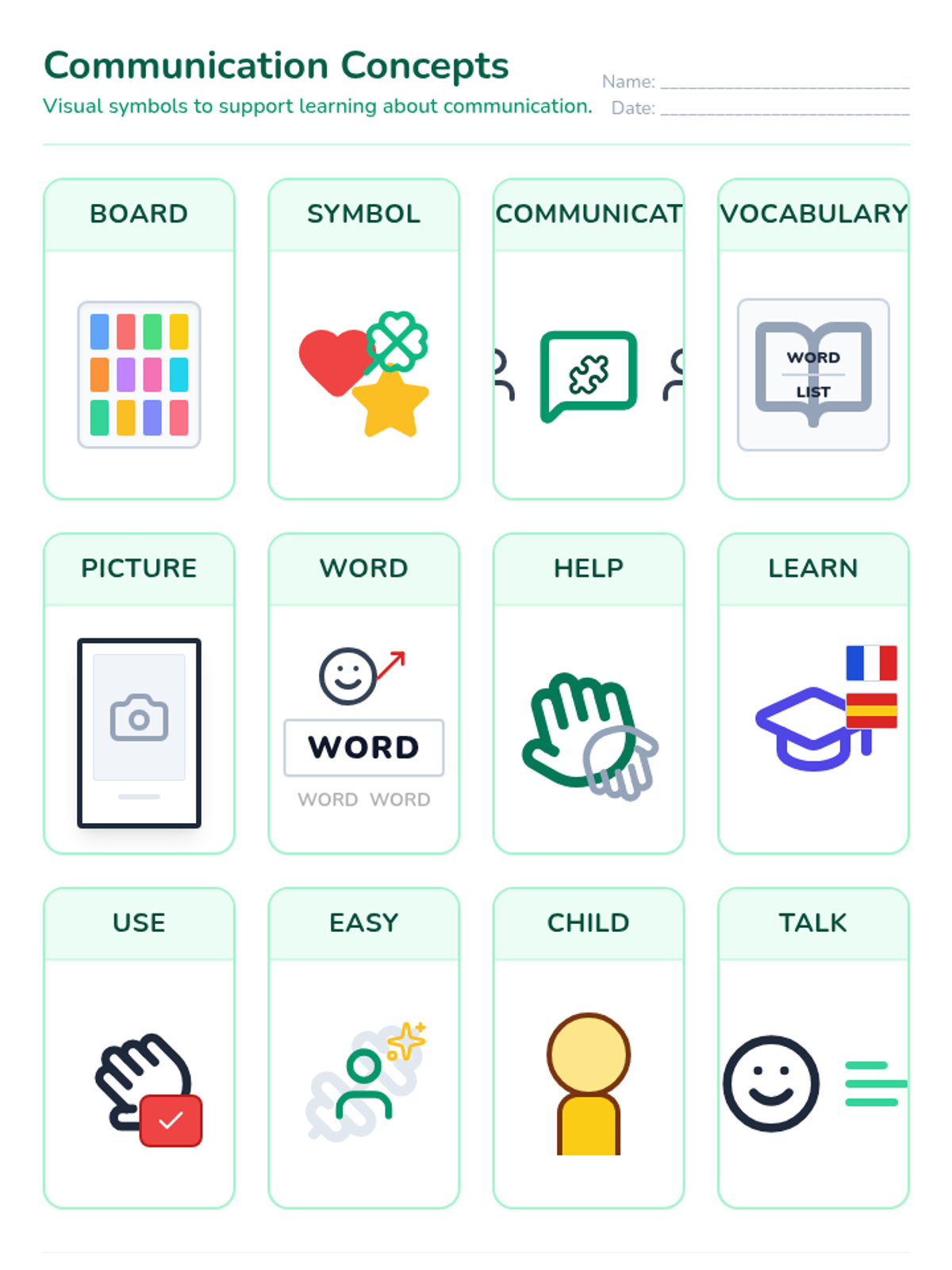
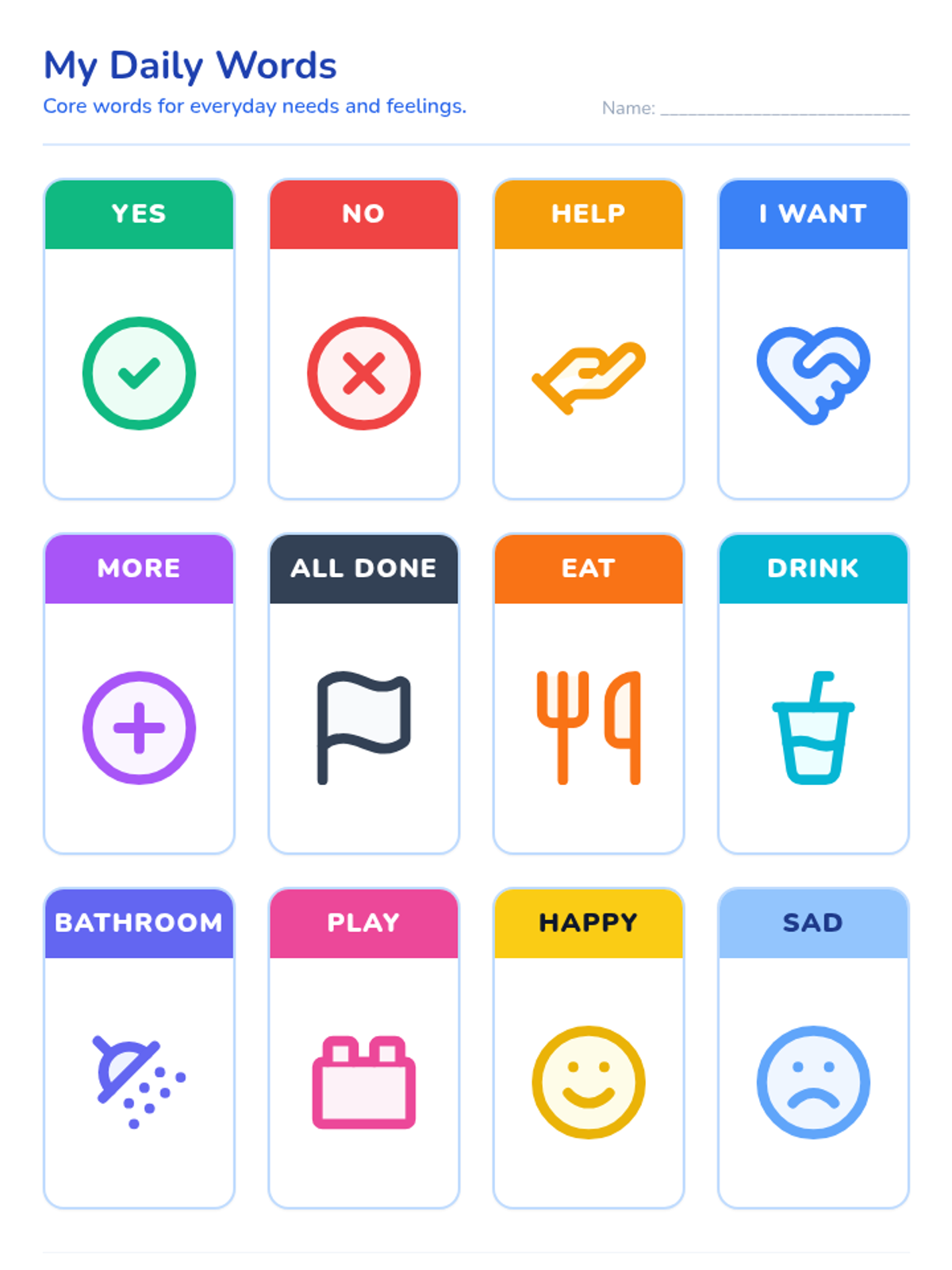
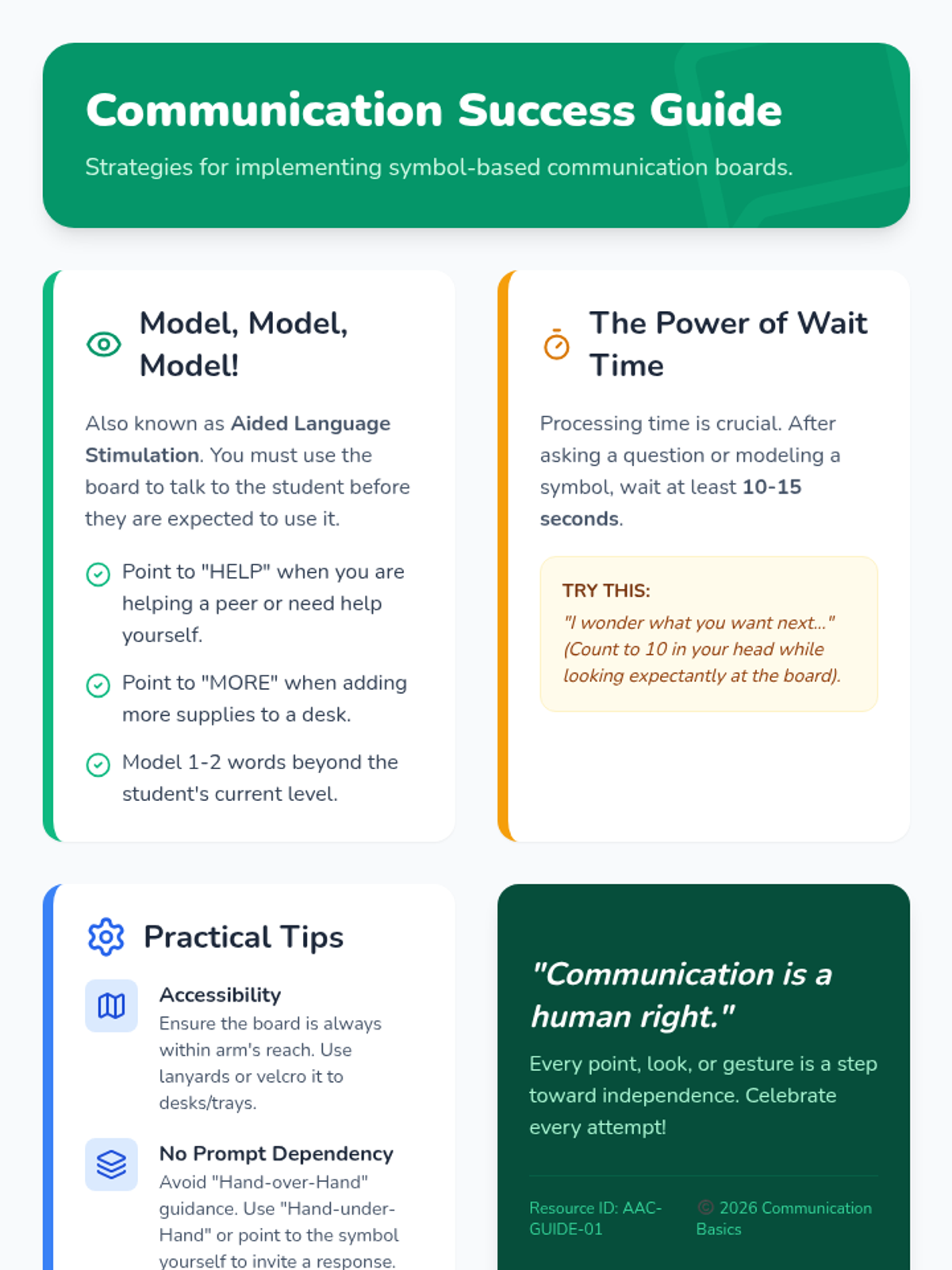
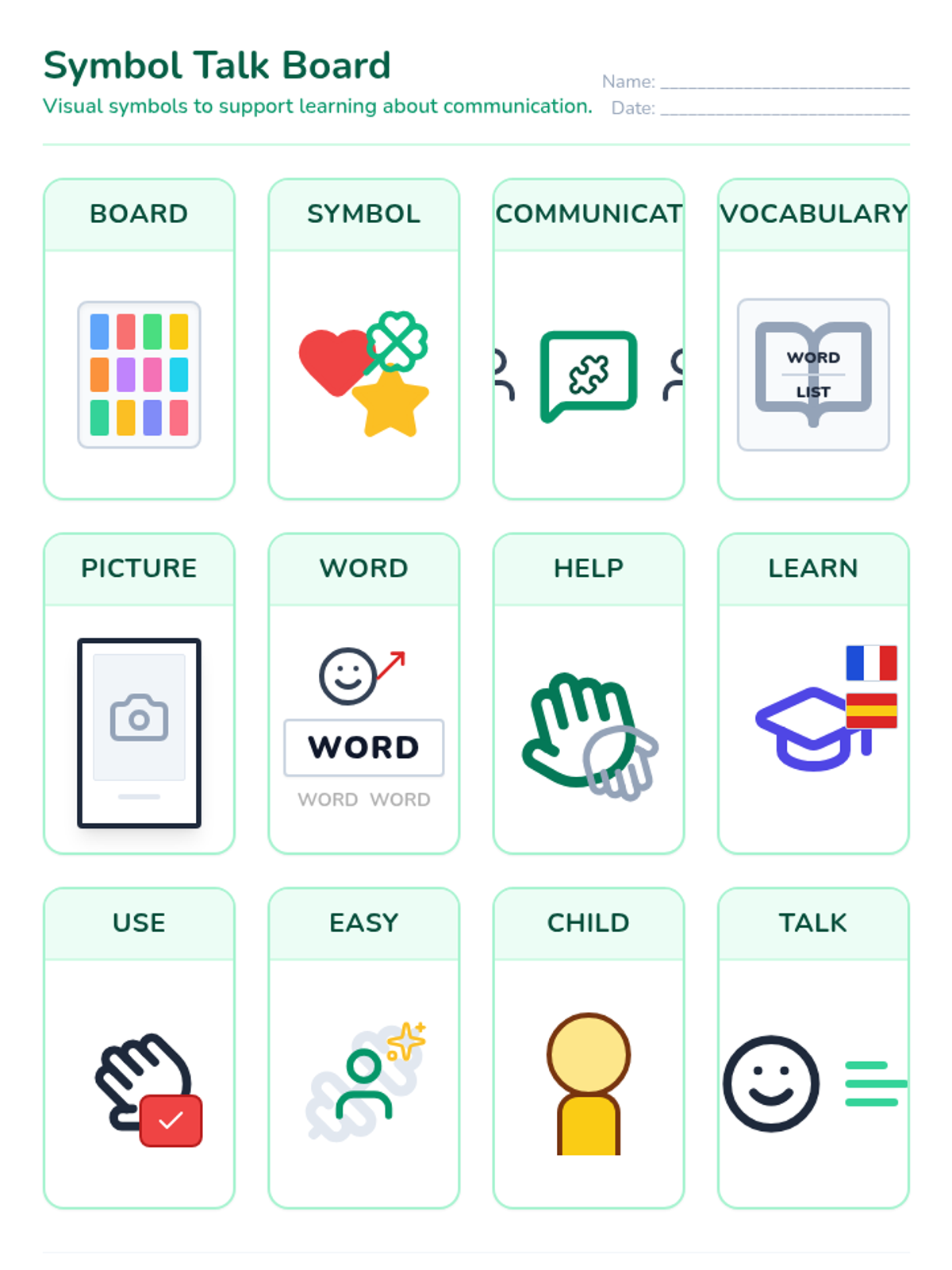
A collection of resources to support students using symbol-based communication systems to express needs and engage in learning.
Reviewing all steps and setting a long-term goal for classroom independence.
Practicing 'Pause Power' in controlled classroom situations.
Understanding how charting success leads to 'Power Rewards' (bonus break time).
Preparing to transition back to academic work and re-entering the classroom flow.
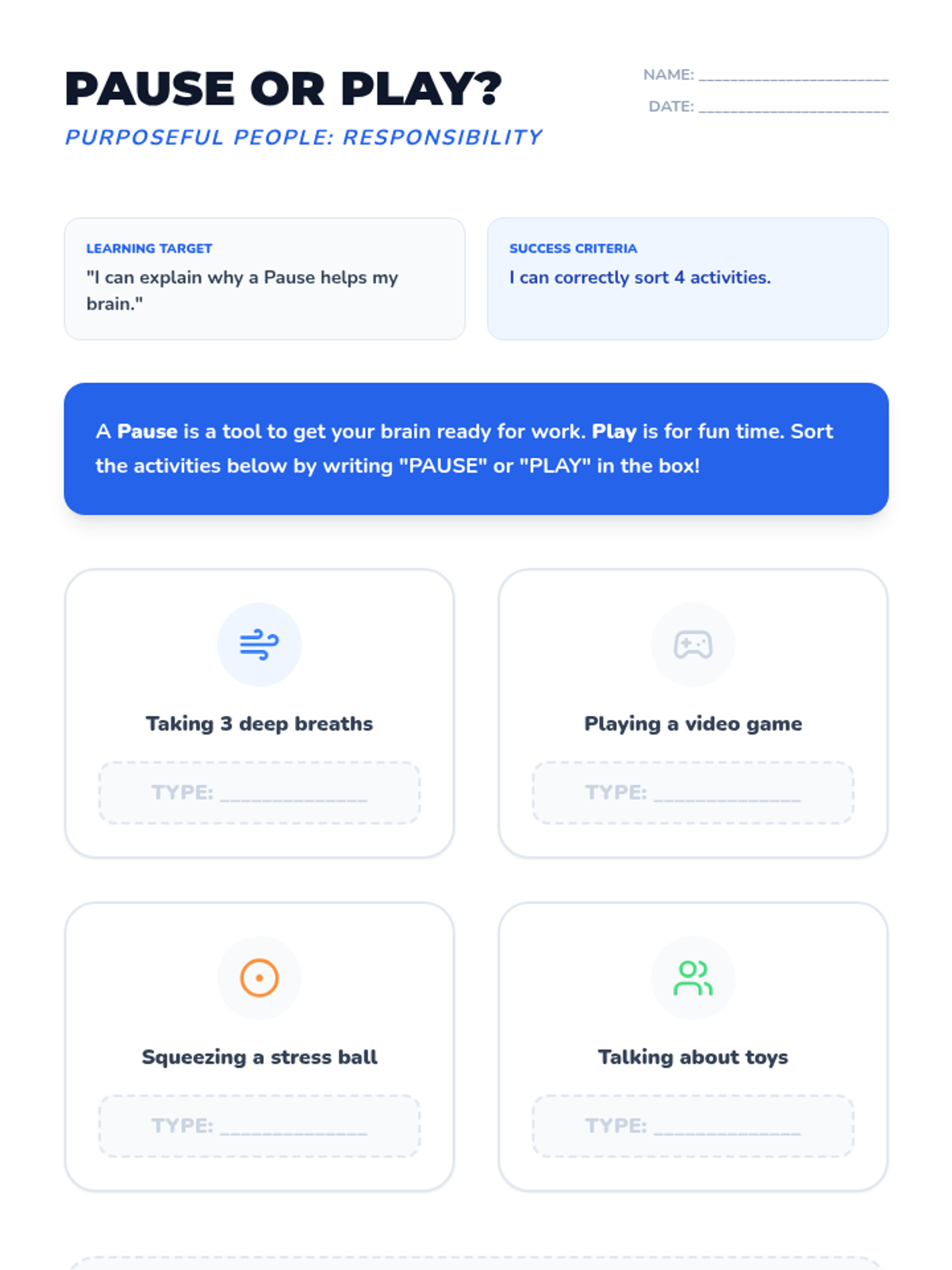
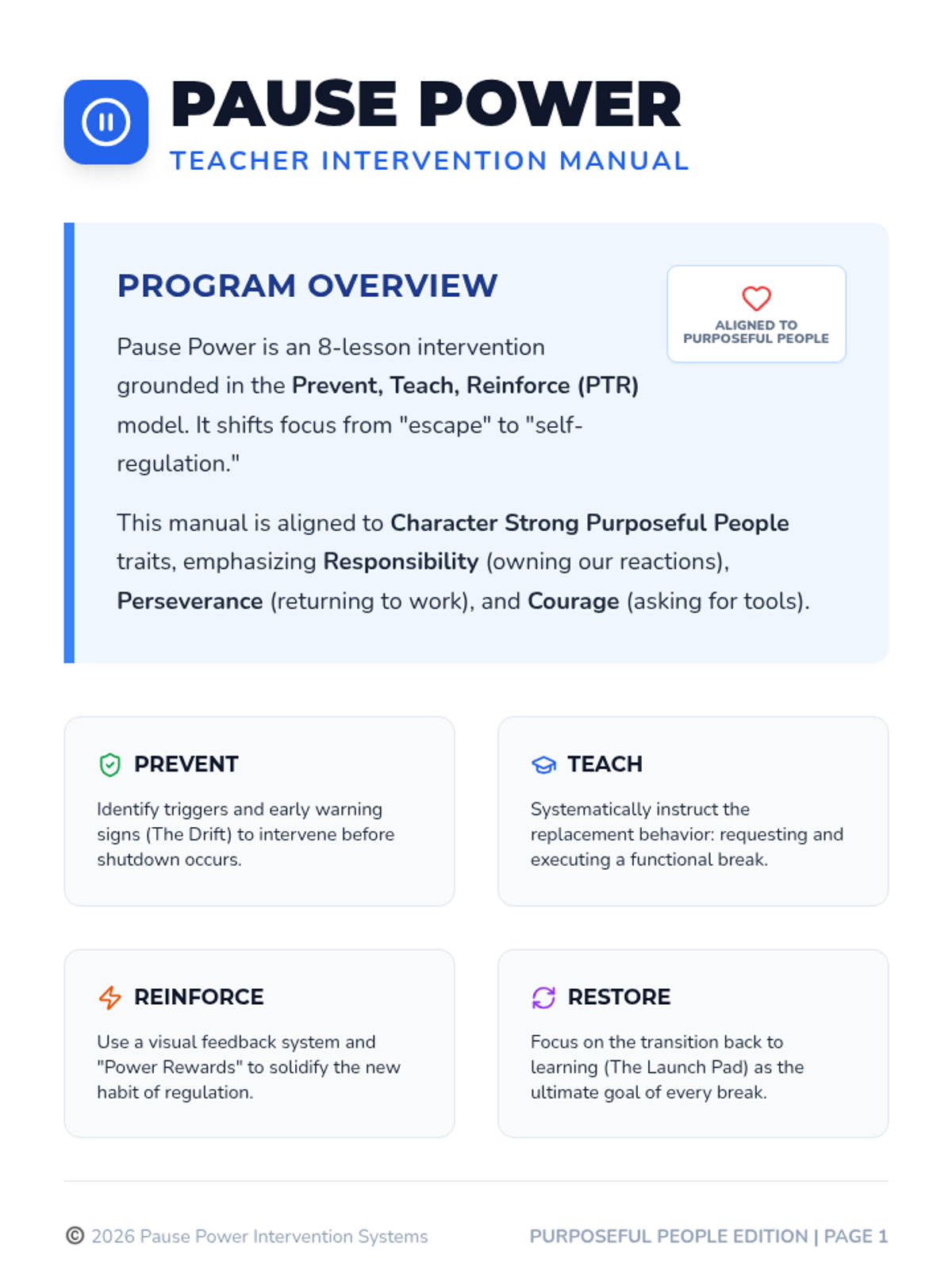
Activities during the 'Pause' that lead to regaining self-control and readiness to learn.
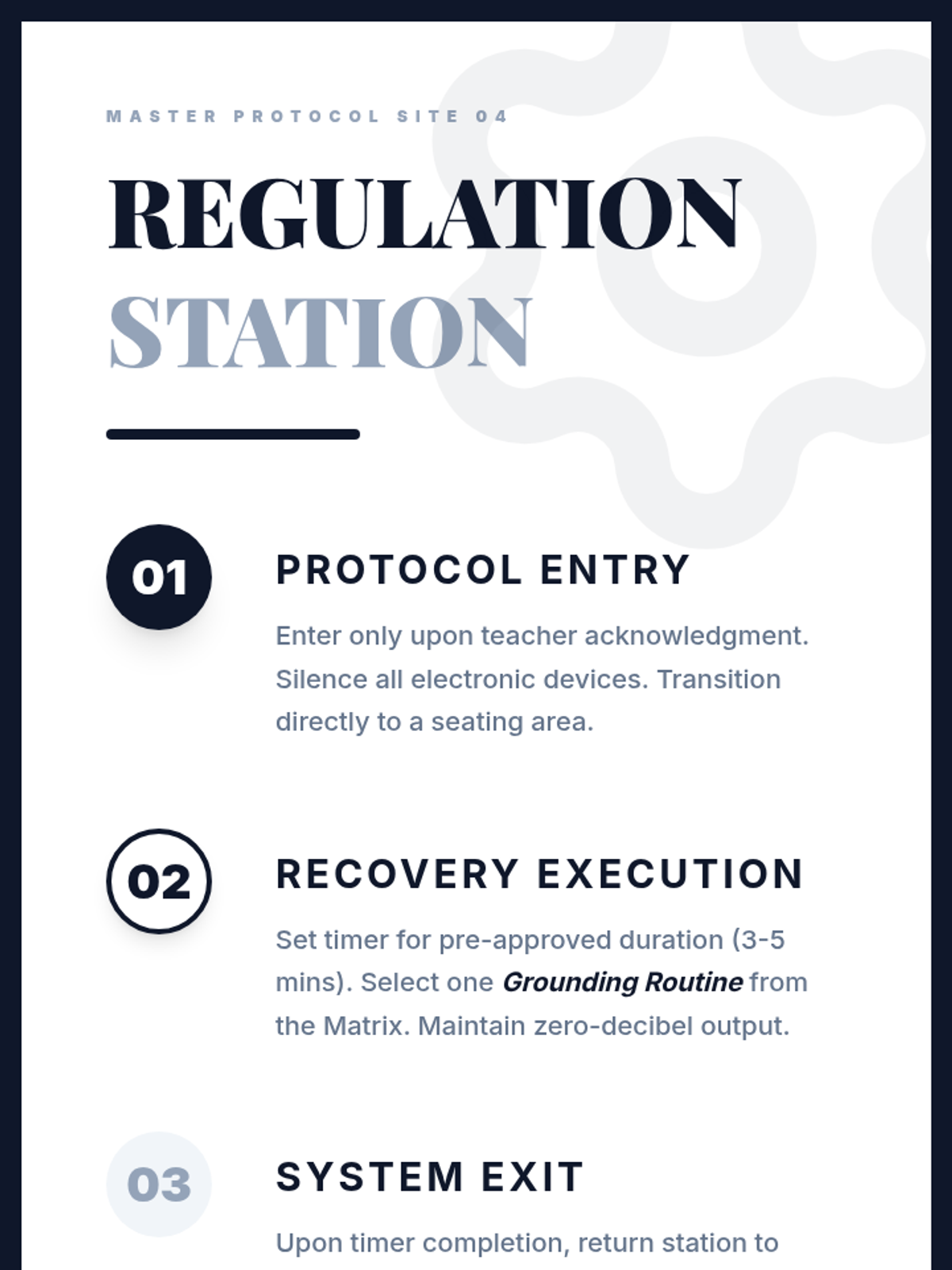
The mechanics of requesting a break through verbal and non-verbal cues.
Understanding what a 'Pause Power' break is, its purpose (self-control, not just escape), and how it works.
Identifying the feelings of 'shutting down' or avoidance and framing them as signals that it's time for a 'Pause'.
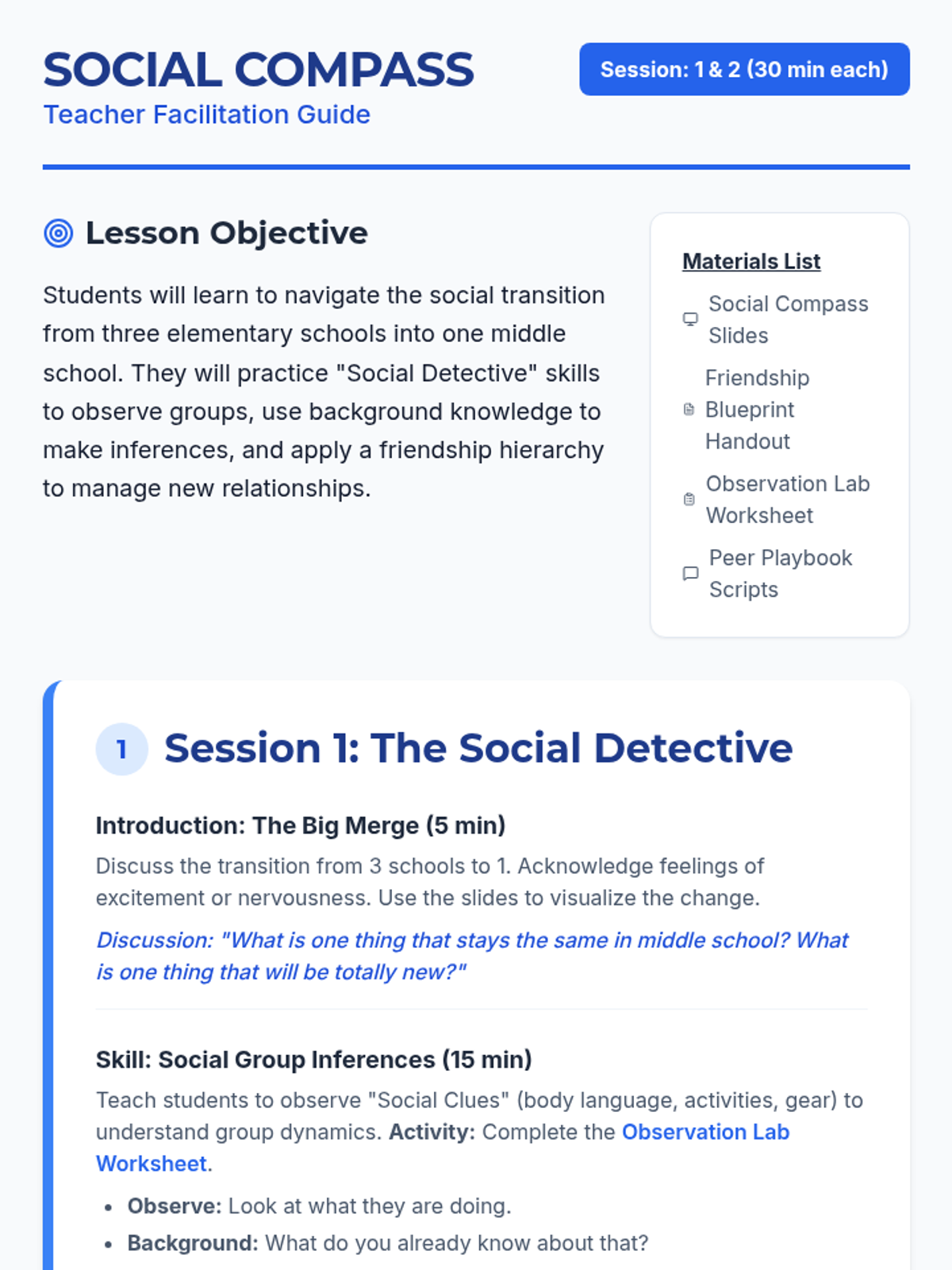
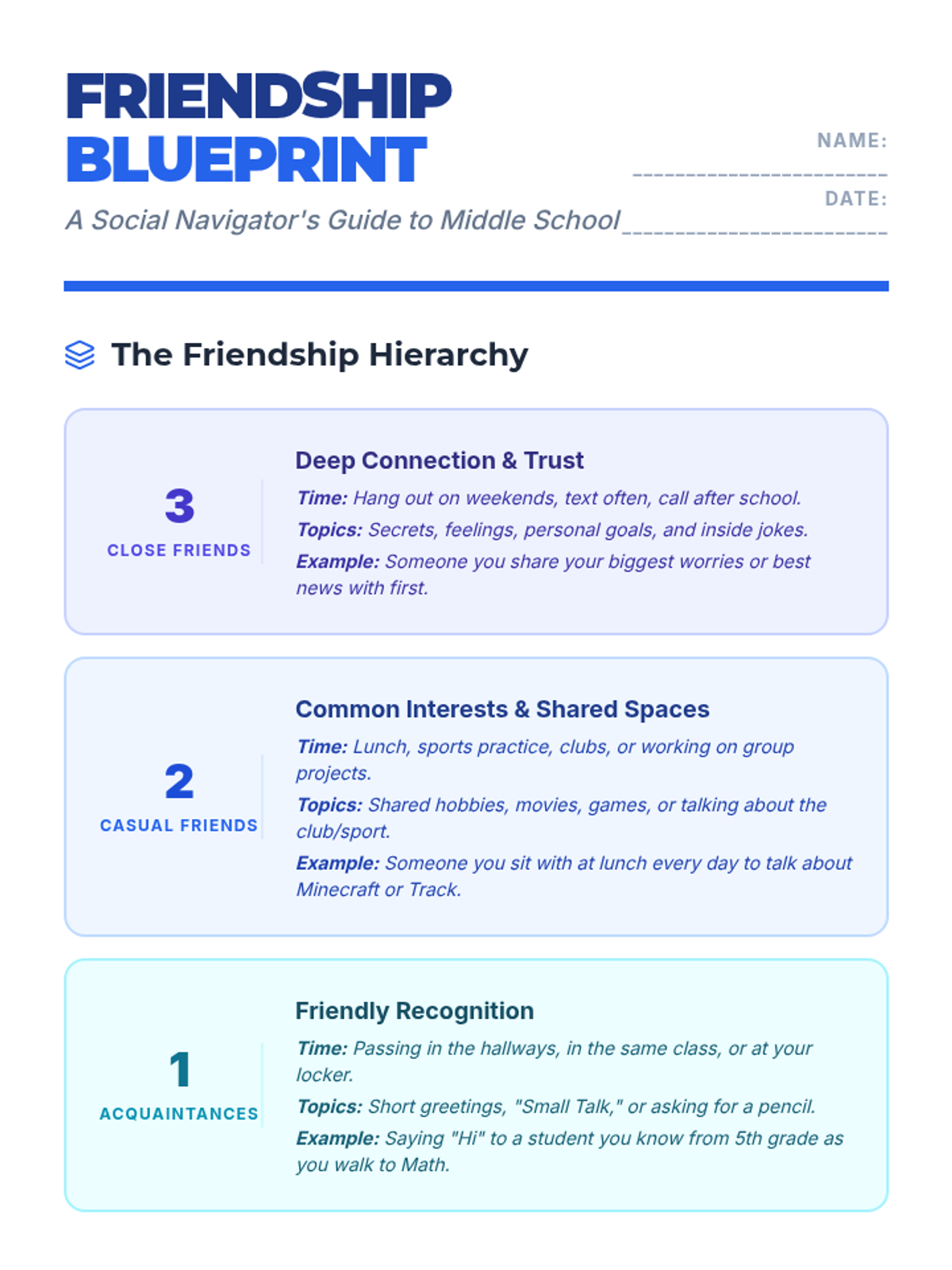
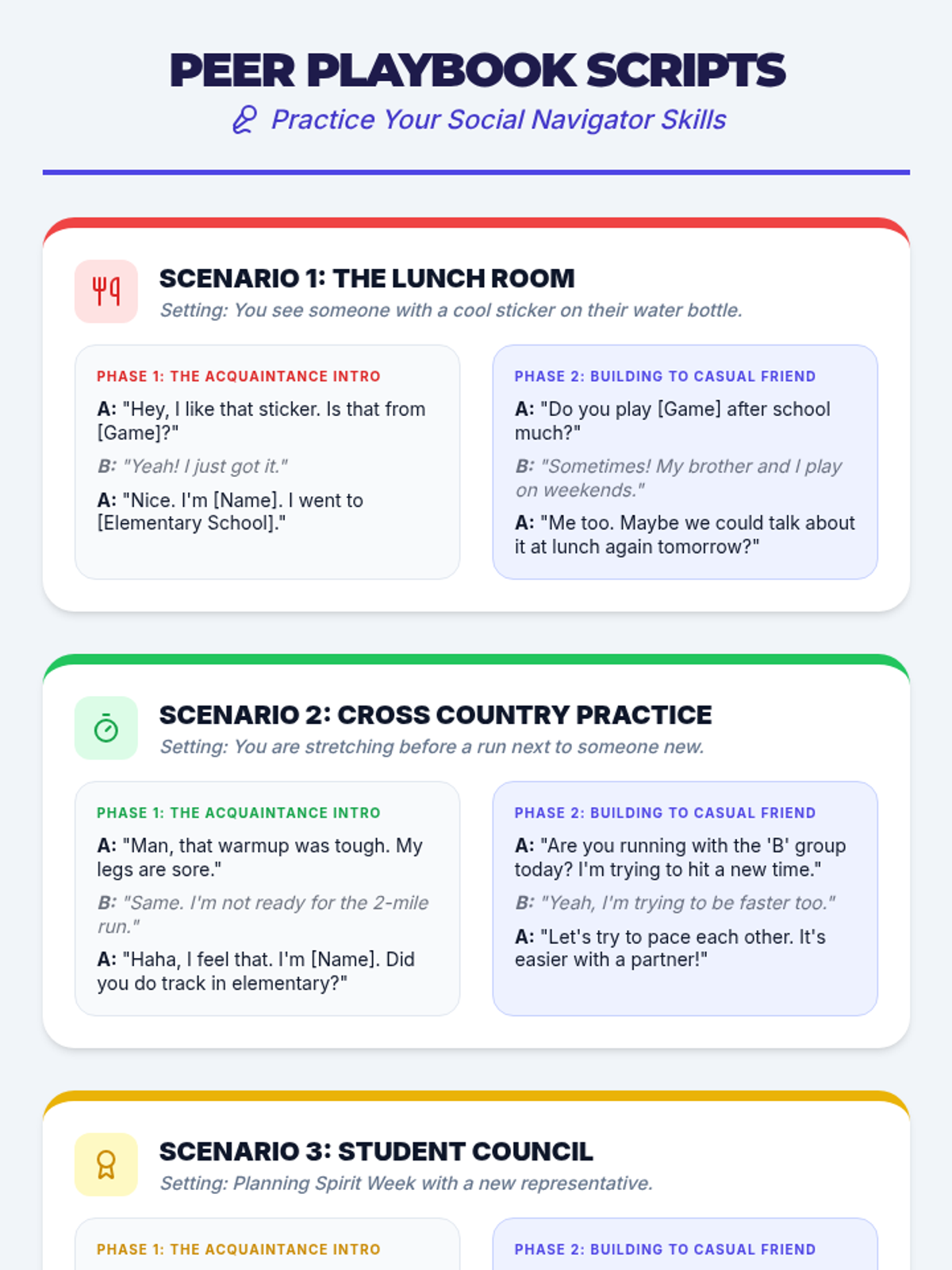
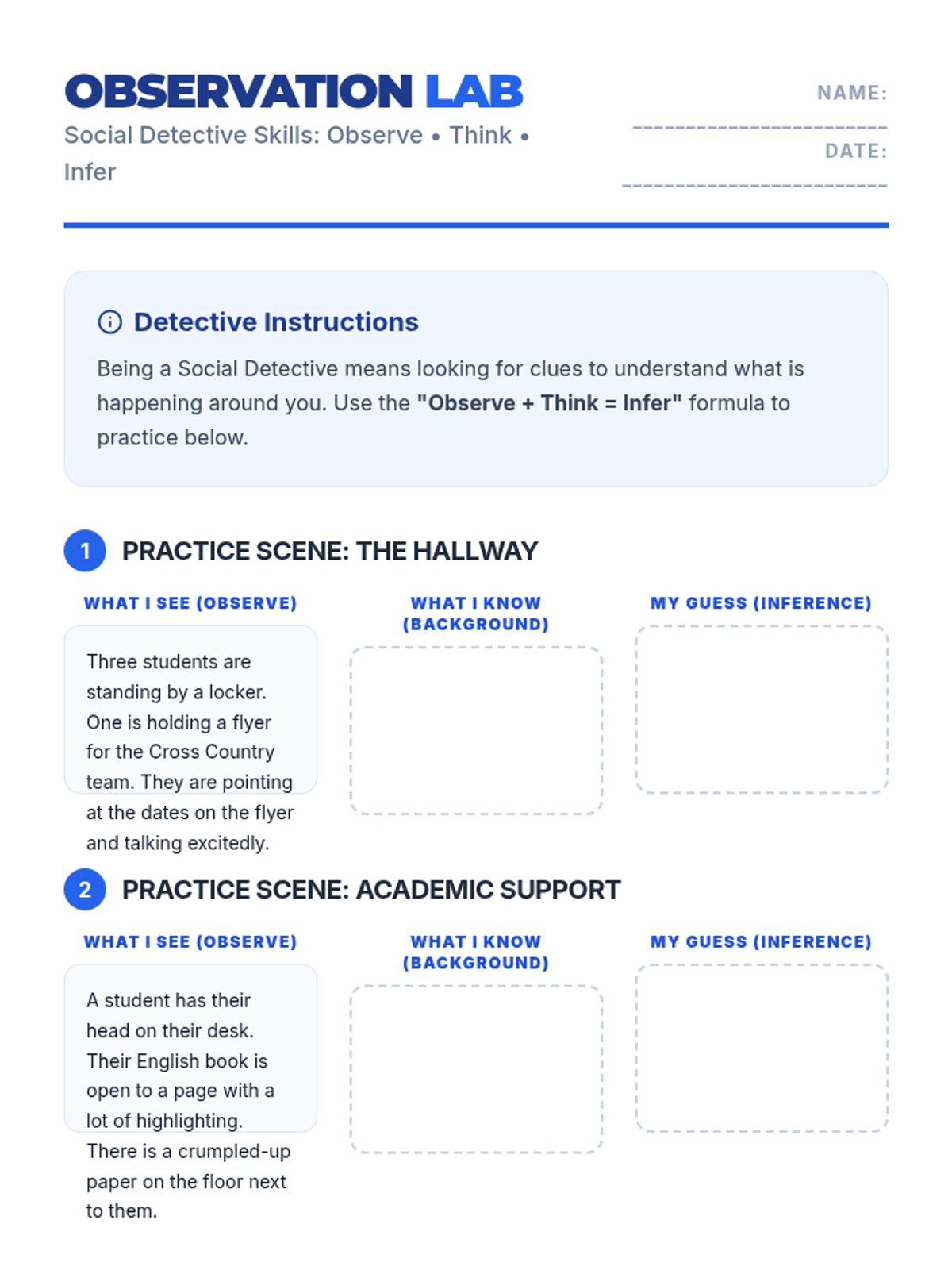
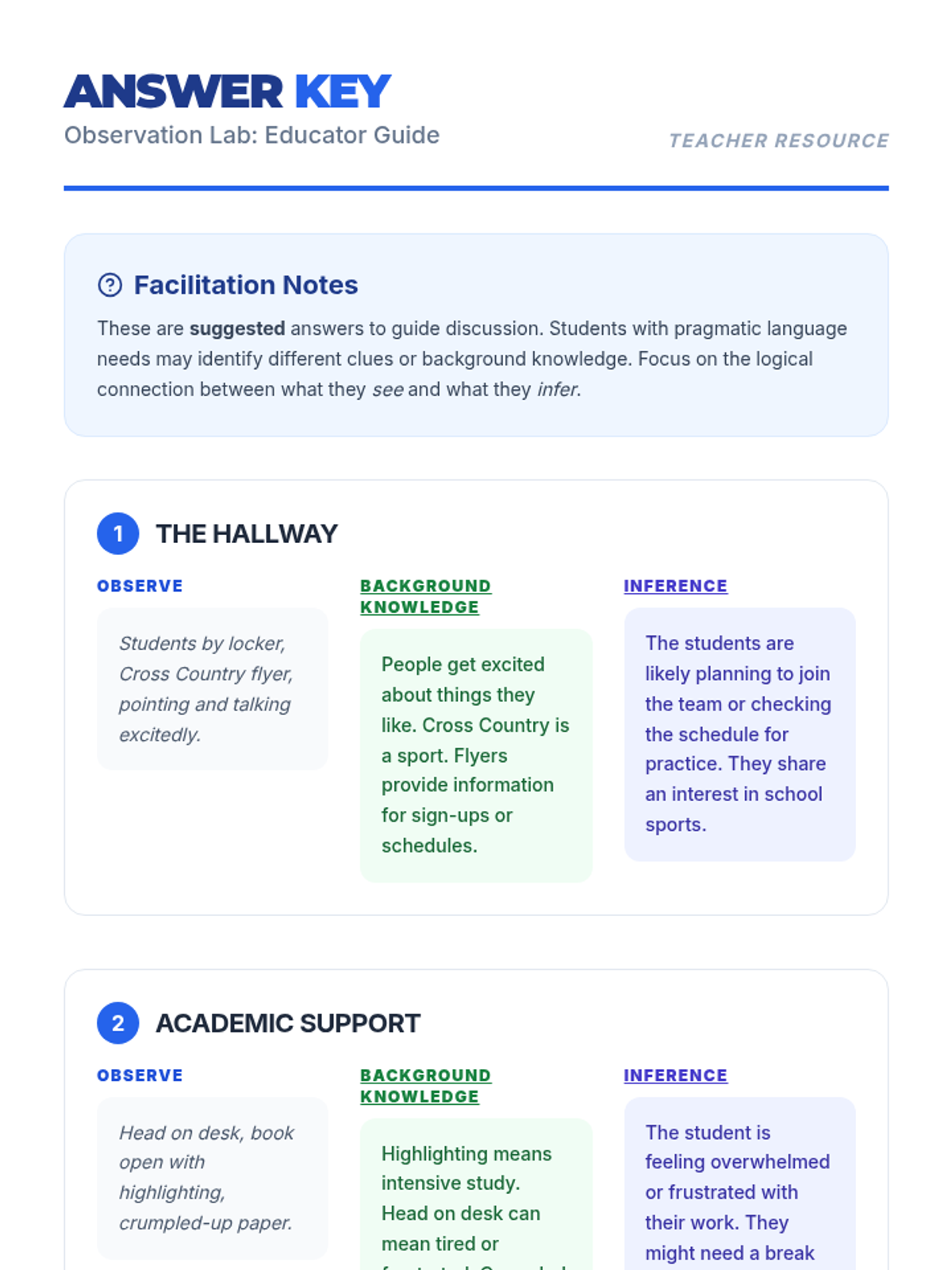
A two-session lesson for 6th graders with pragmatic language needs, focusing on navigating the transition to middle school, observing social groups, and building friendships using a structured hierarchy.
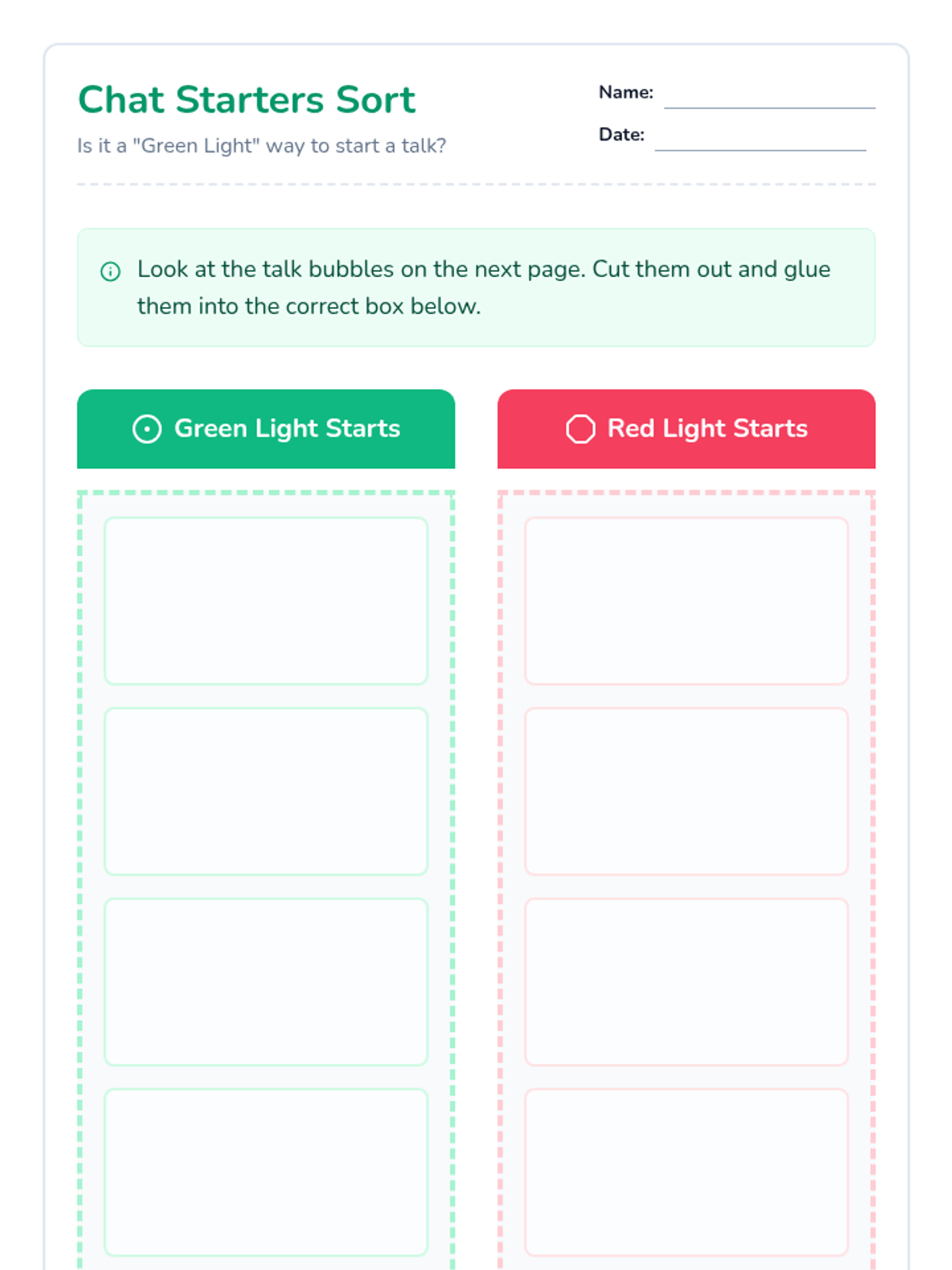
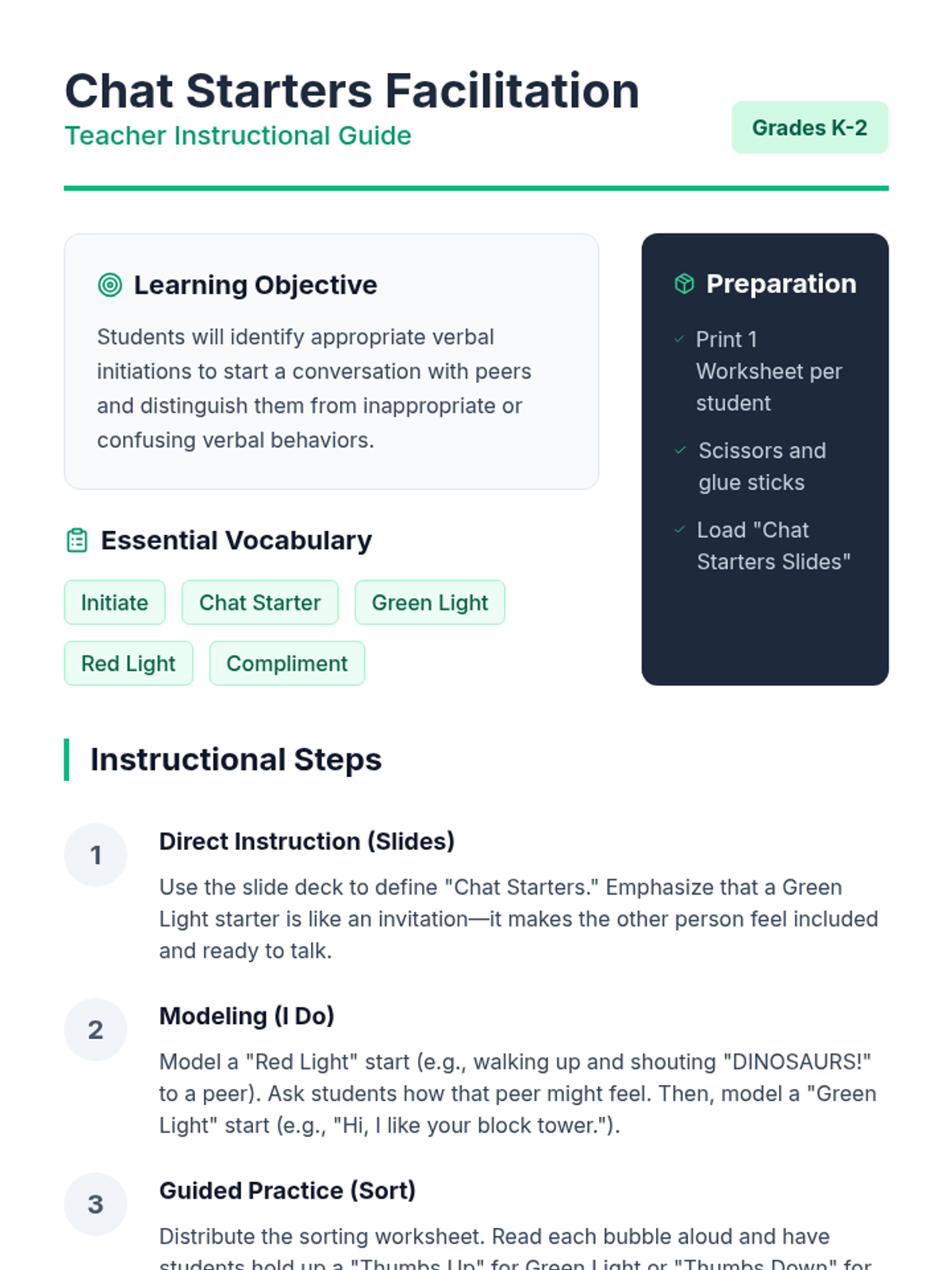
A lesson focused on teaching elementary students, particularly those with autism, how to effectively use verbal initiations to start conversations with peers.
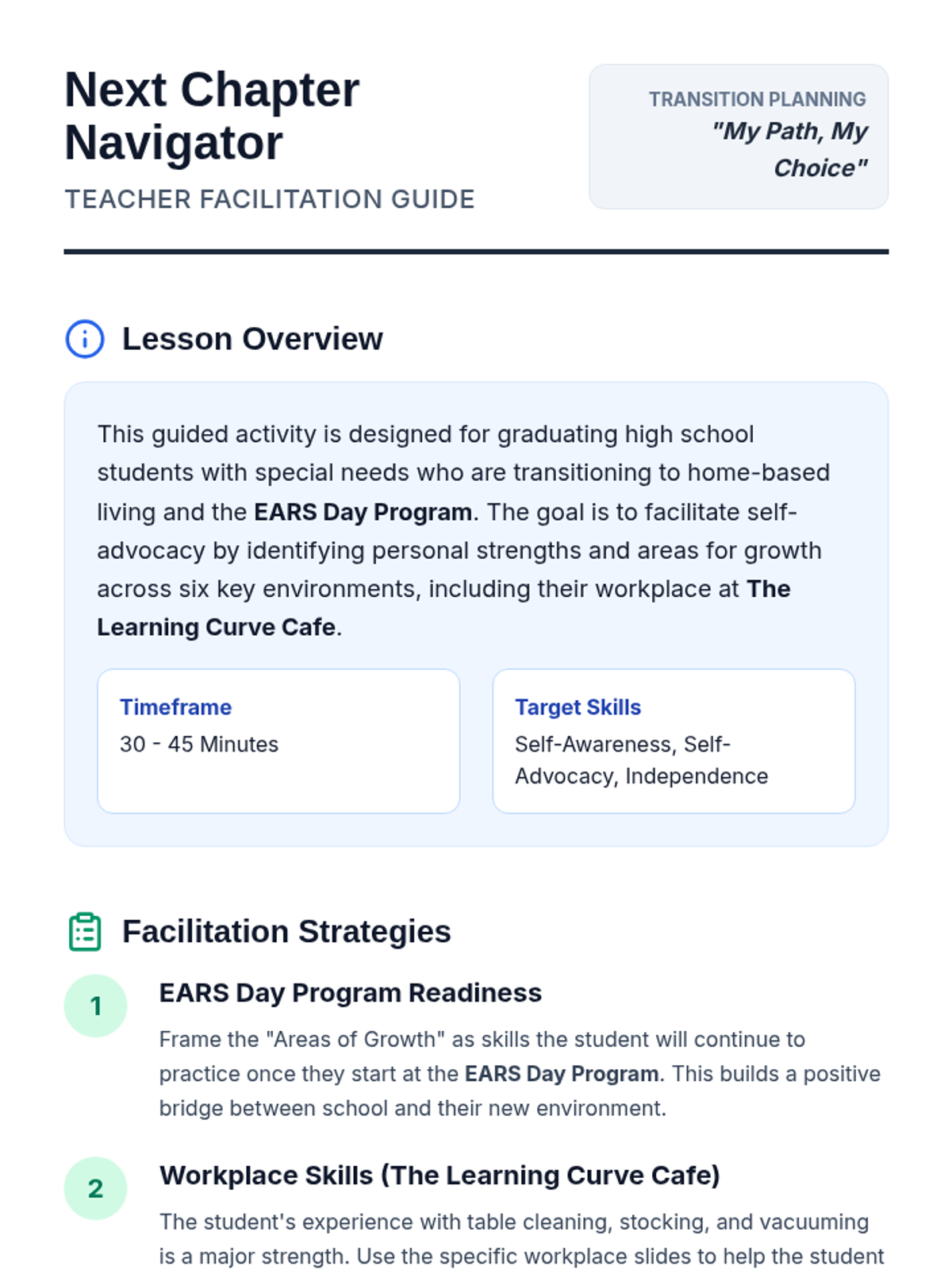
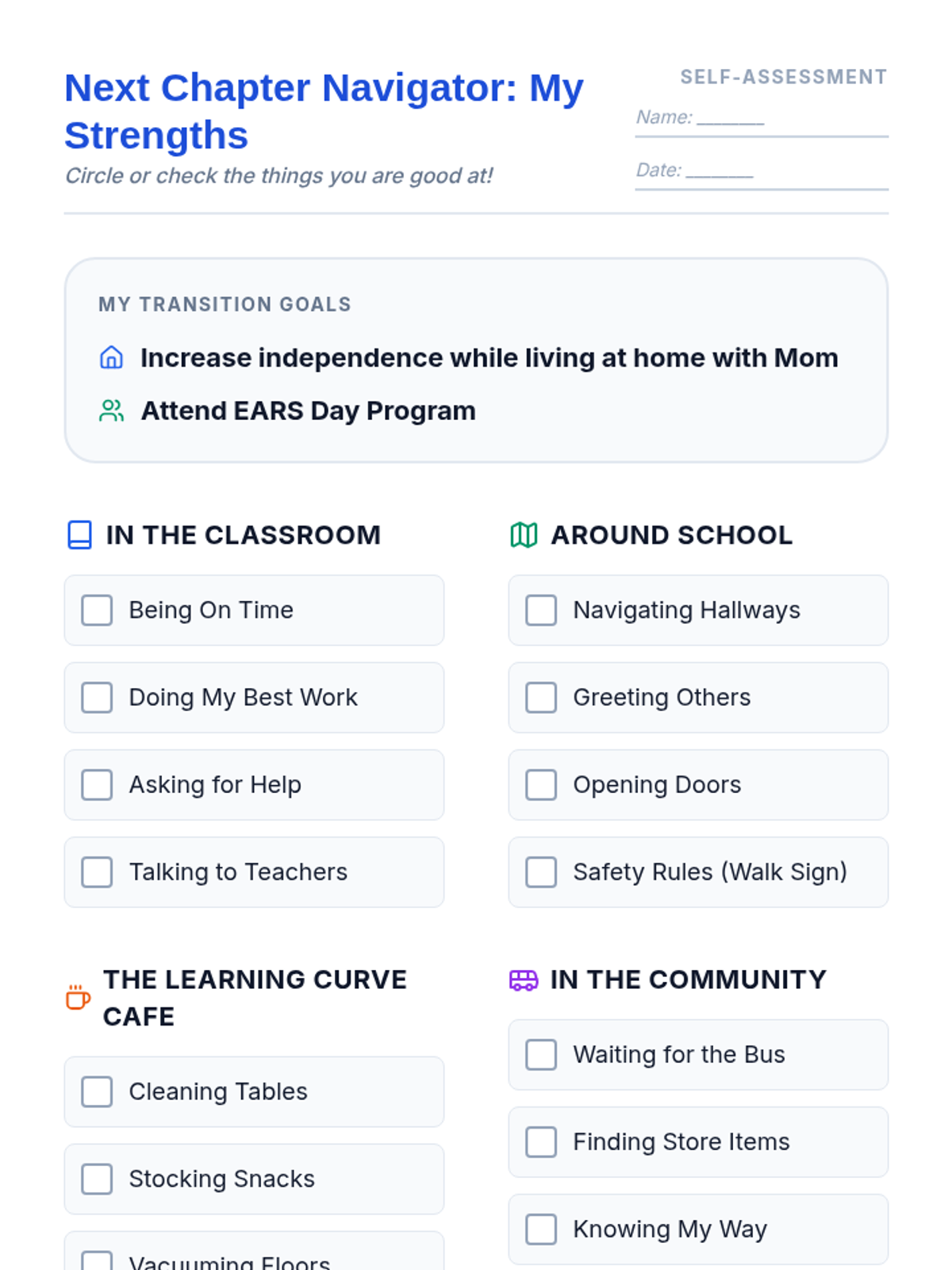
A guided transition planning lesson for graduating students to identify their personal strengths and areas for growth across different environments as they prepare for life at home and in a day program.