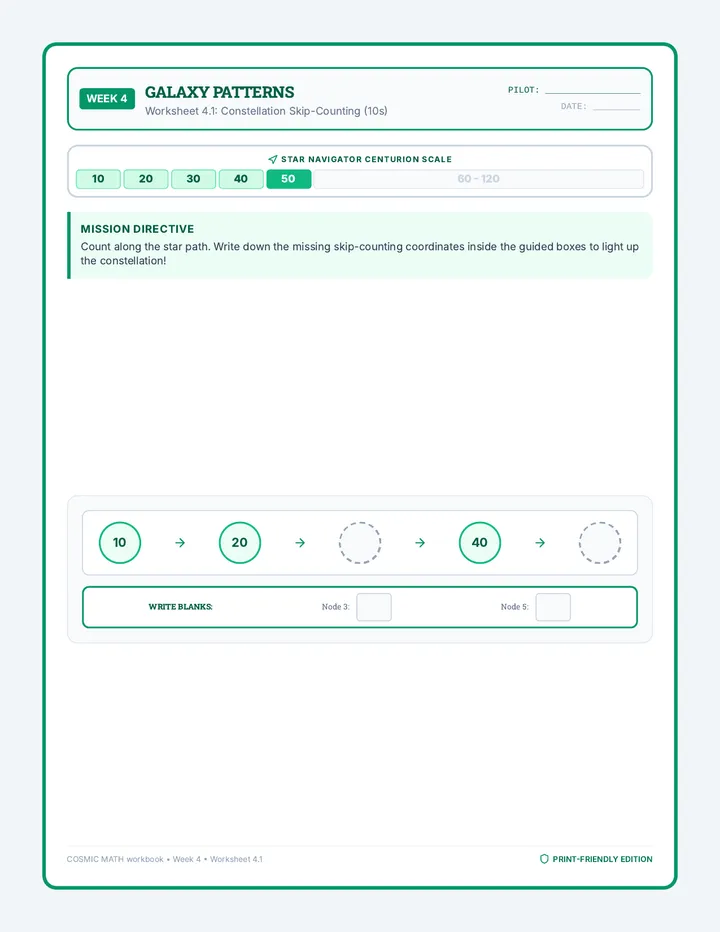
A reading companion for Roald Dahl's Matilda, designed for 5th-grade resource room students to track plot, character traits, and vocabulary in two-chapter increments.
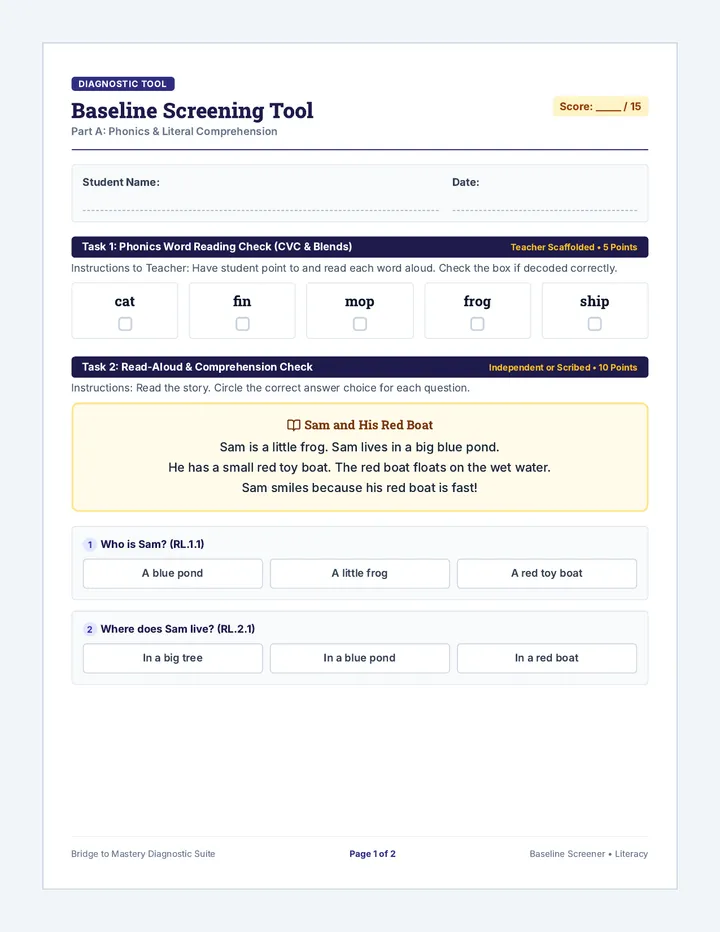
A test-preparation strategy lesson focused on helping students differentiate between 'Right There' and 'Thinking' questions using a detective-themed approach.
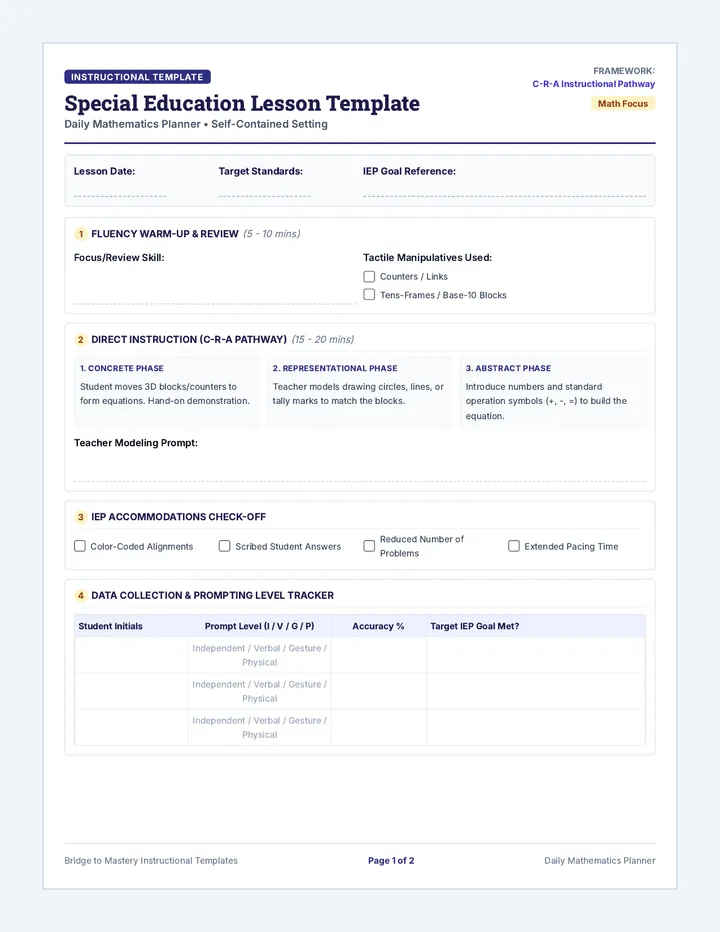
A 5-day handwriting practice program focused on animal kingdom facts and vocabulary, designed to improve fine motor skills through short, daily exercises.
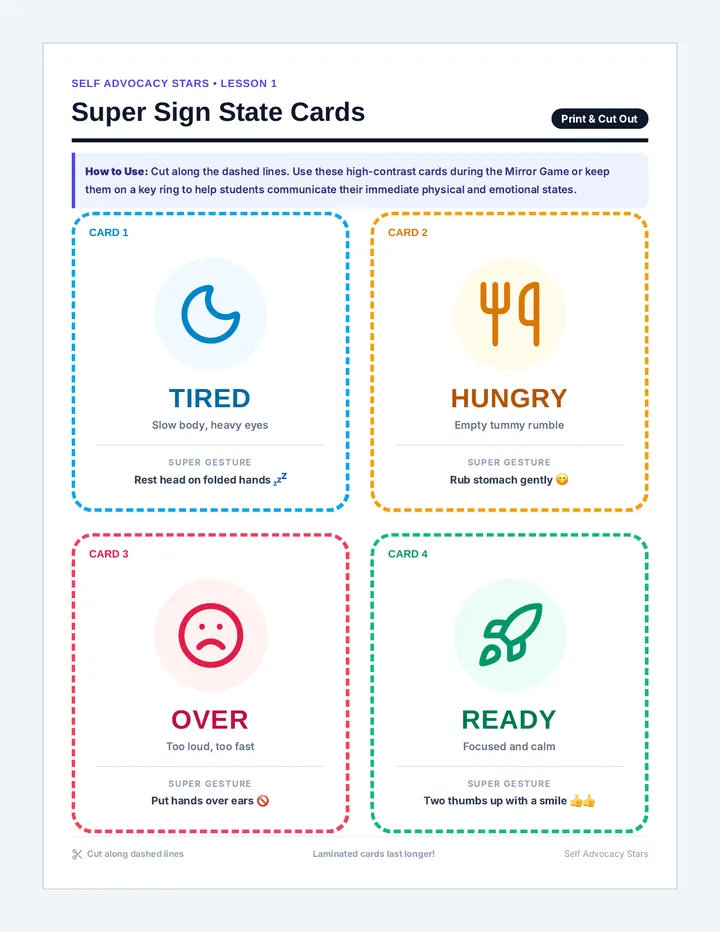
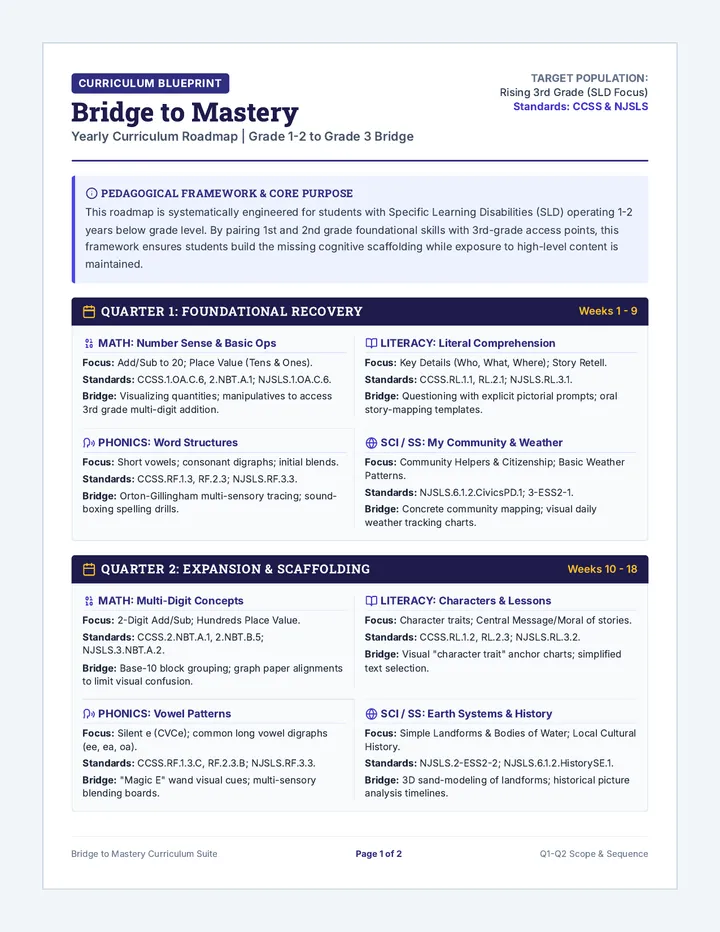
The core framework materials including the enhanced scope and sequence table, instructional slides for WIDA implementation, and a one-page summary chart.
A comprehensive alignment and planning resource that maps WIDA Narrate standards to Unit 1 Part 1 (My Family), providing targeted extensions for proficiency levels 2-4.
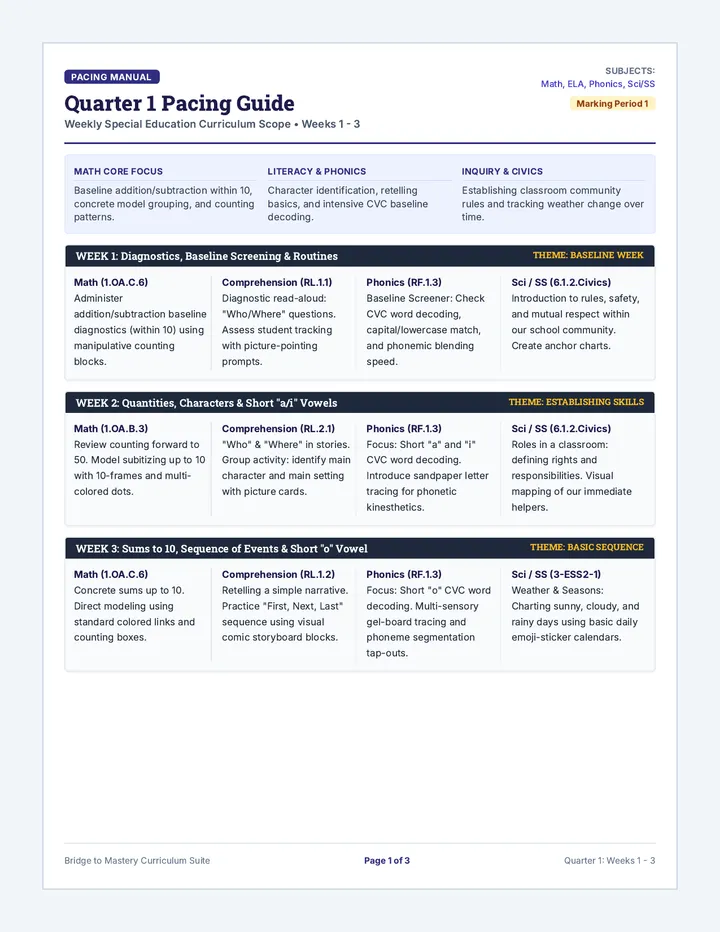
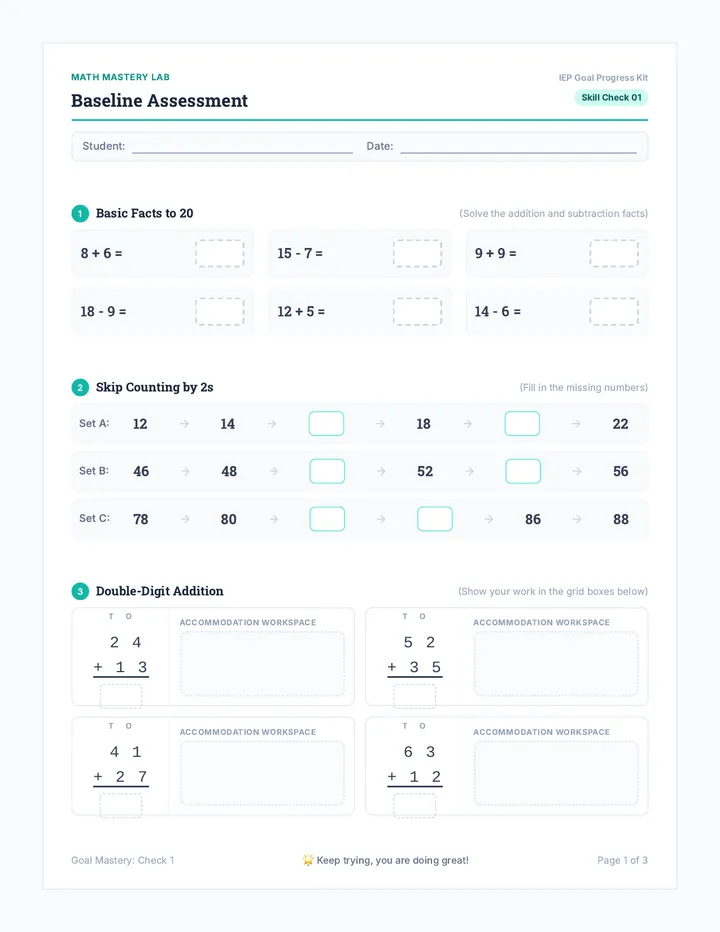
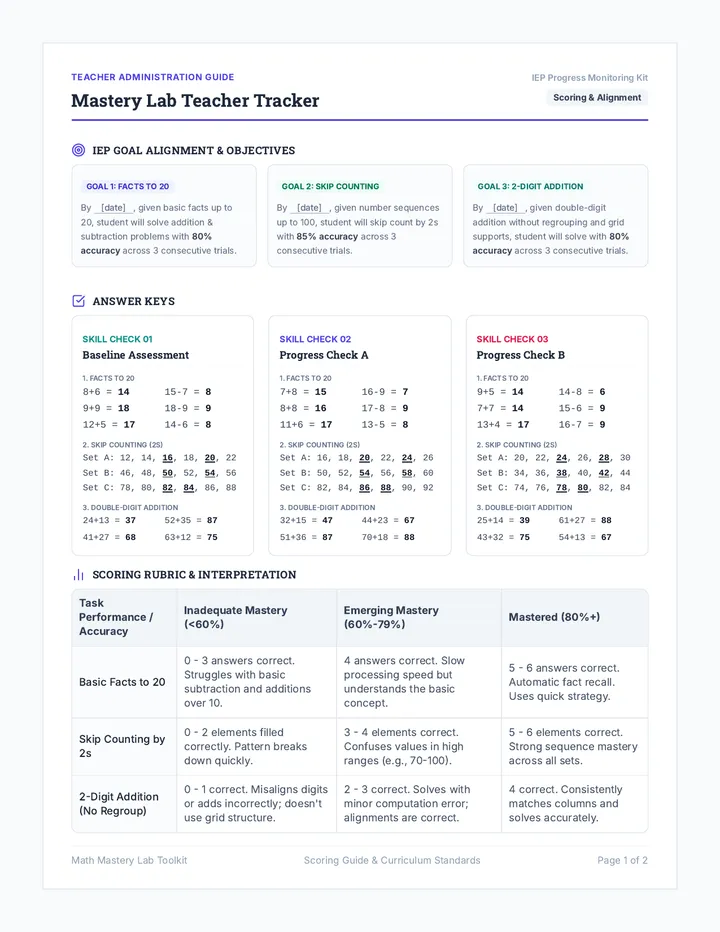
A week-long focus on multi-digit subtraction with regrouping, focusing on 'trading' tens for ones and hundreds for tens. Materials utilize base ten block imagery and expanded form to make the abstract process of borrowing more concrete and manageable.
A week-long focus on multi-digit addition with regrouping, emphasizing the connection between base ten blocks and the expanded form method. Students will practice 'making a ten' and 'making a hundred' through guided visualization and structured practice.
A detailed instructional alignment of Grade 1 curriculum units 1-4 to WIDA standards, providing teachers with clear language functions and instructional expectations.
Studies the stages of growth in animals, using WIDA's Narrate (life stories) and Explain (scientific stages) functions.
Analyzes how communities access needs and wants, focusing on the WIDA functions of Argue (persuasive needs) and Explain (the journey of goods).
Investigates the characteristics of living things, utilizing WIDA's Inform function to define life and Explain function to describe biological processes.
Explores family structures, roles, and traditions while focusing on the WIDA functions of Narrate (family stories) and Inform (identifying family members).
Introduces consonant blends, digraphs, and the CVCe (silent e) pattern using professional and household management themes to maintain adult engagement.
A lesson focused on teaching inclusive strategies and providing visual/tactile tools for ordering numbers 1-10 in a preschool setting.
The mystery concludes as students use cause-and-effect inferences to understand the final vocabulary words and solve the clock's puzzle.
The first session introduces the story and focuses on using synonym and antonym context clues to define unknown words. Students will help Elias explore a dusty attic.
Elias discovers the mysterious clock, requiring students to use logic and definition clues to understand words related to the clock's strange behavior.
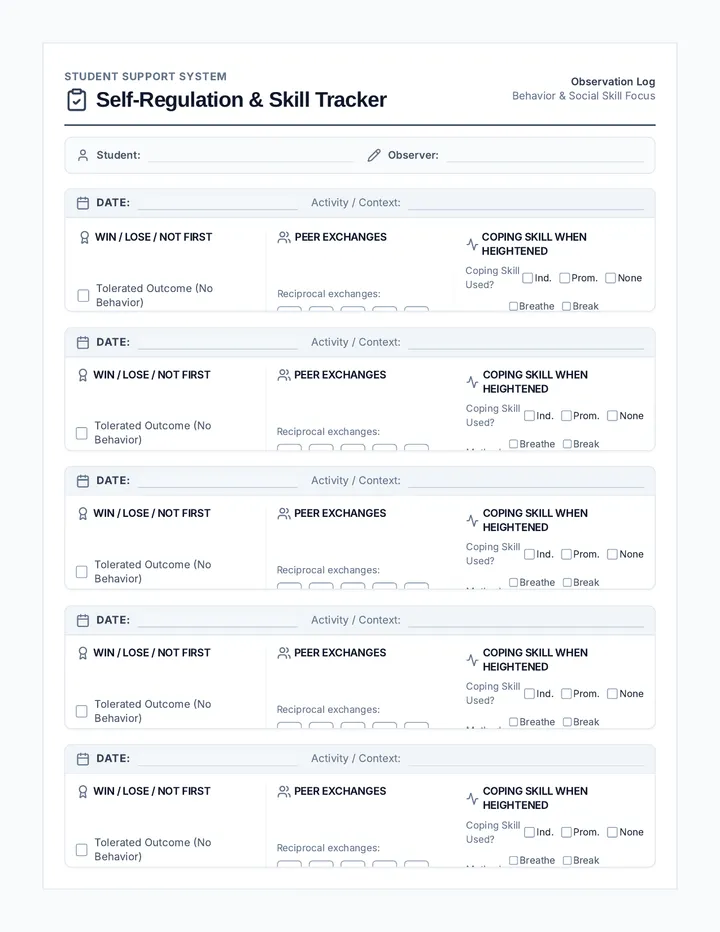
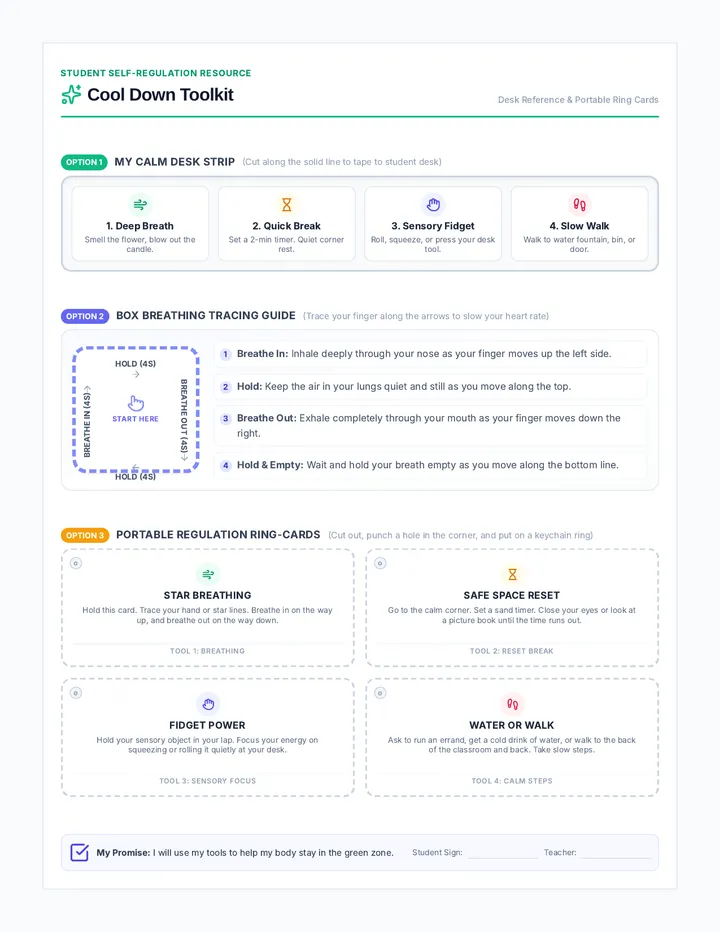
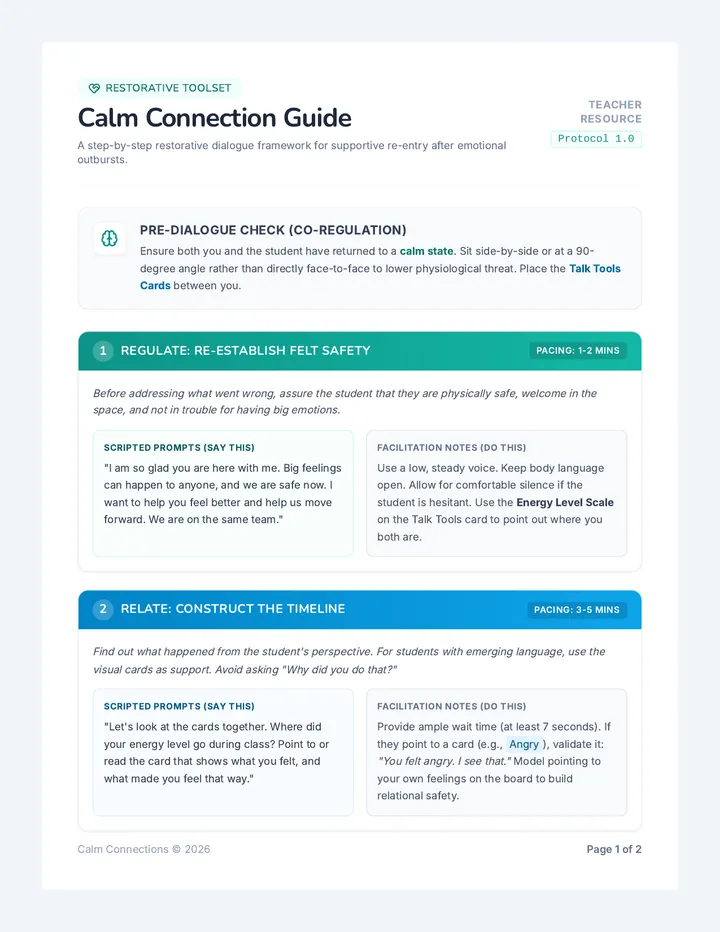
Finalizing a long-term regulation plan for independent classroom success and leadership.
Simulating classroom challenges to practice the full reset protocol under various environmental stressors.
Using data-driven tracking to monitor regulation success and earn autonomy-based performance incentives.