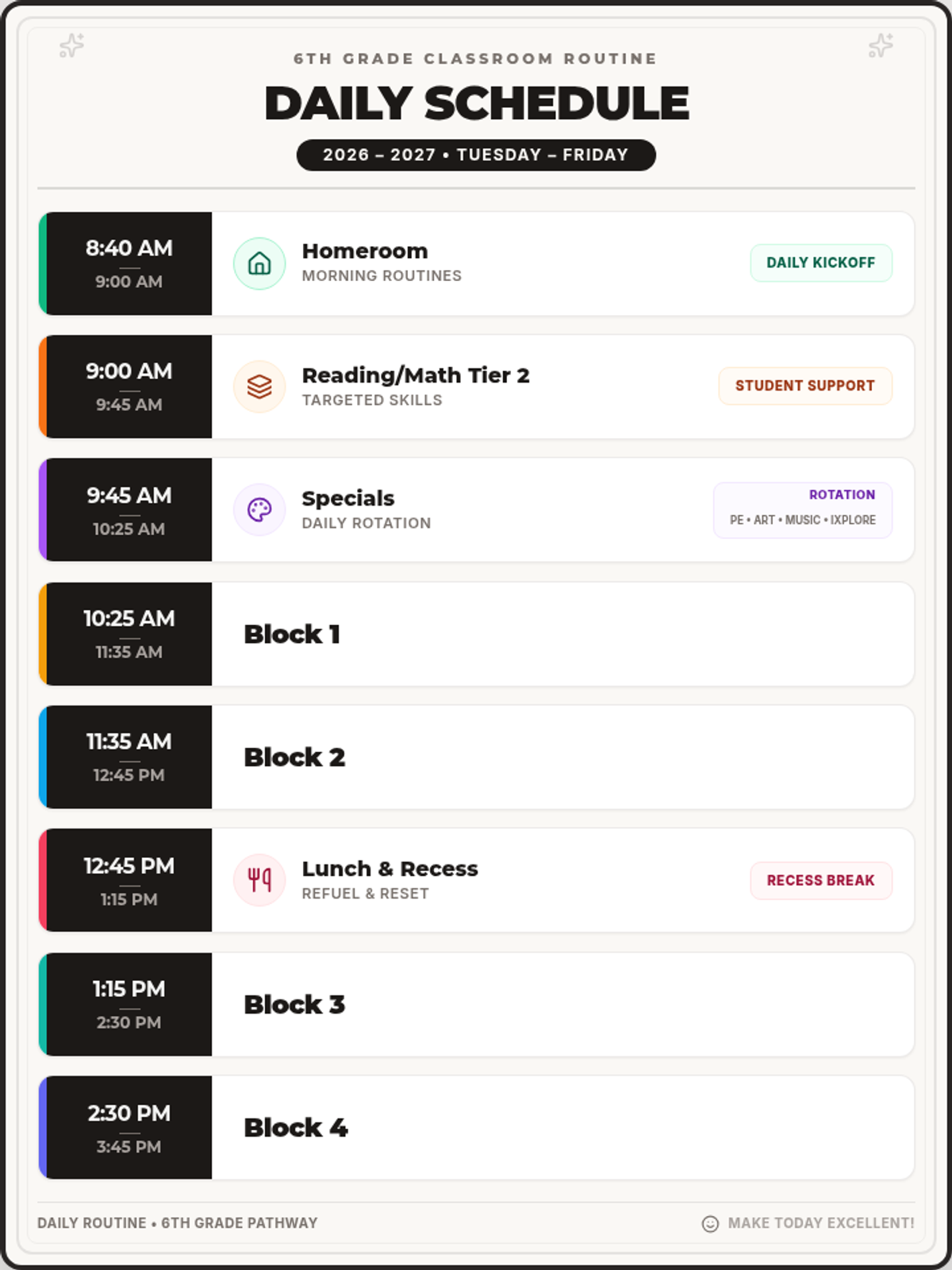
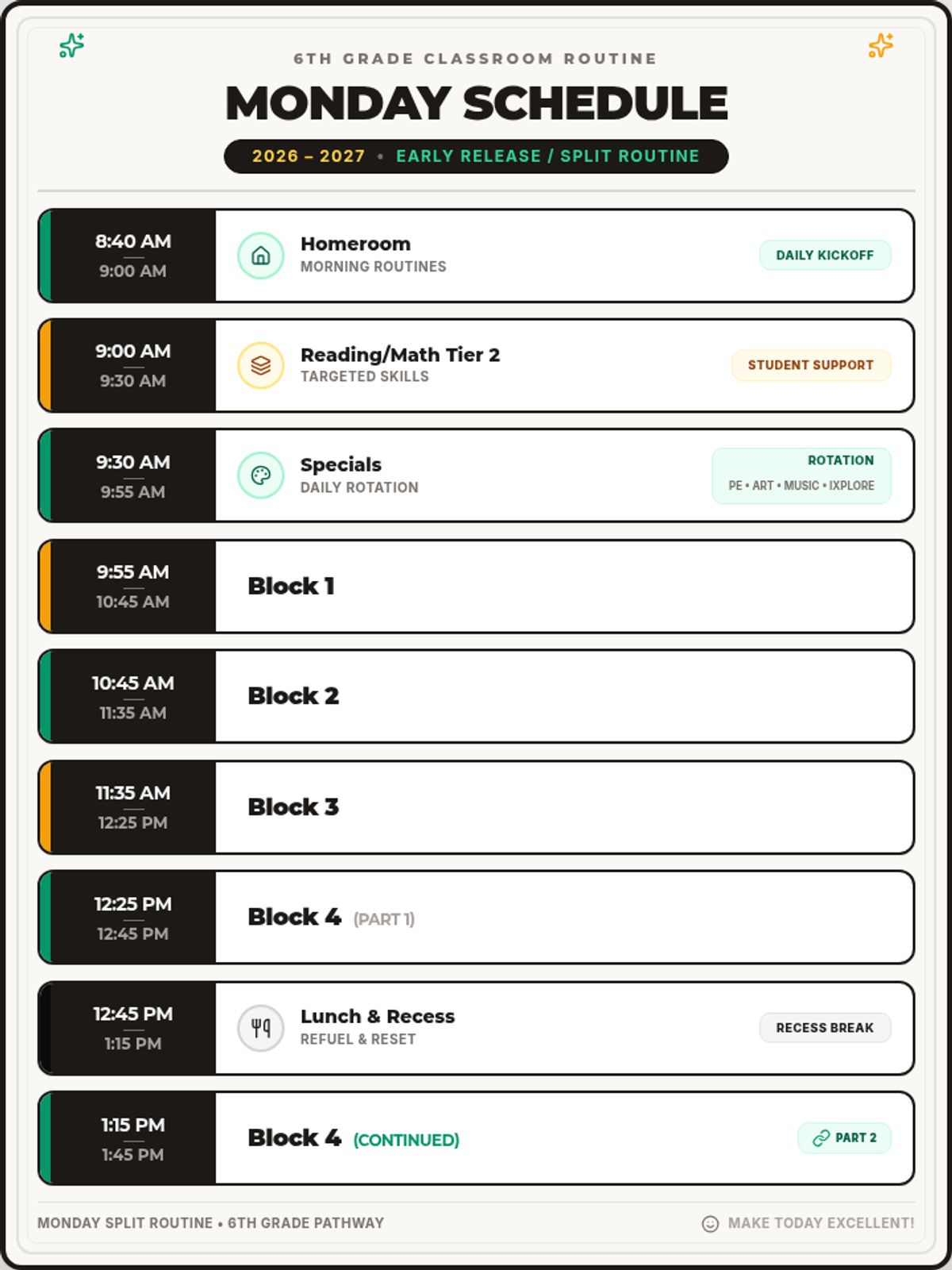
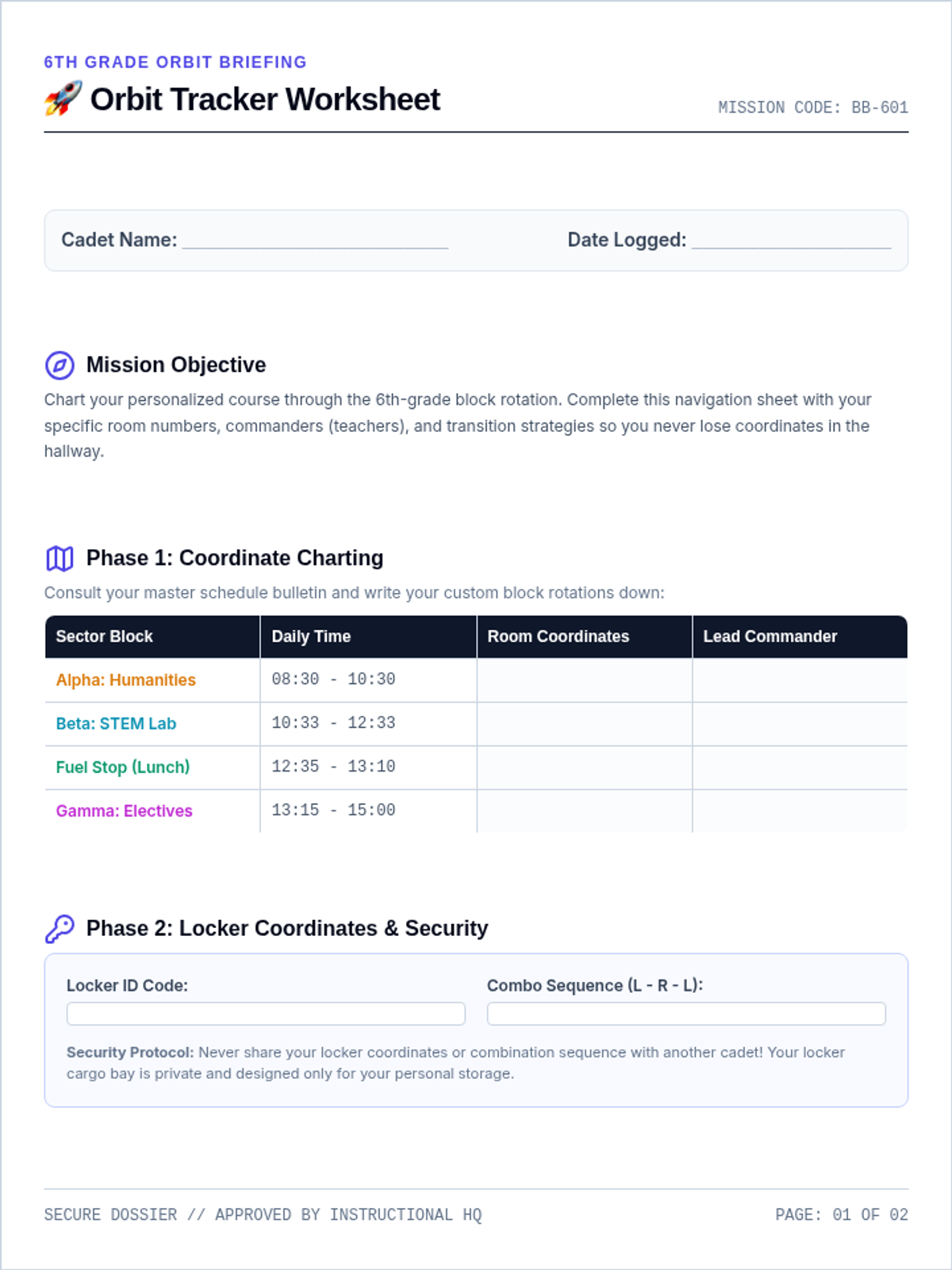
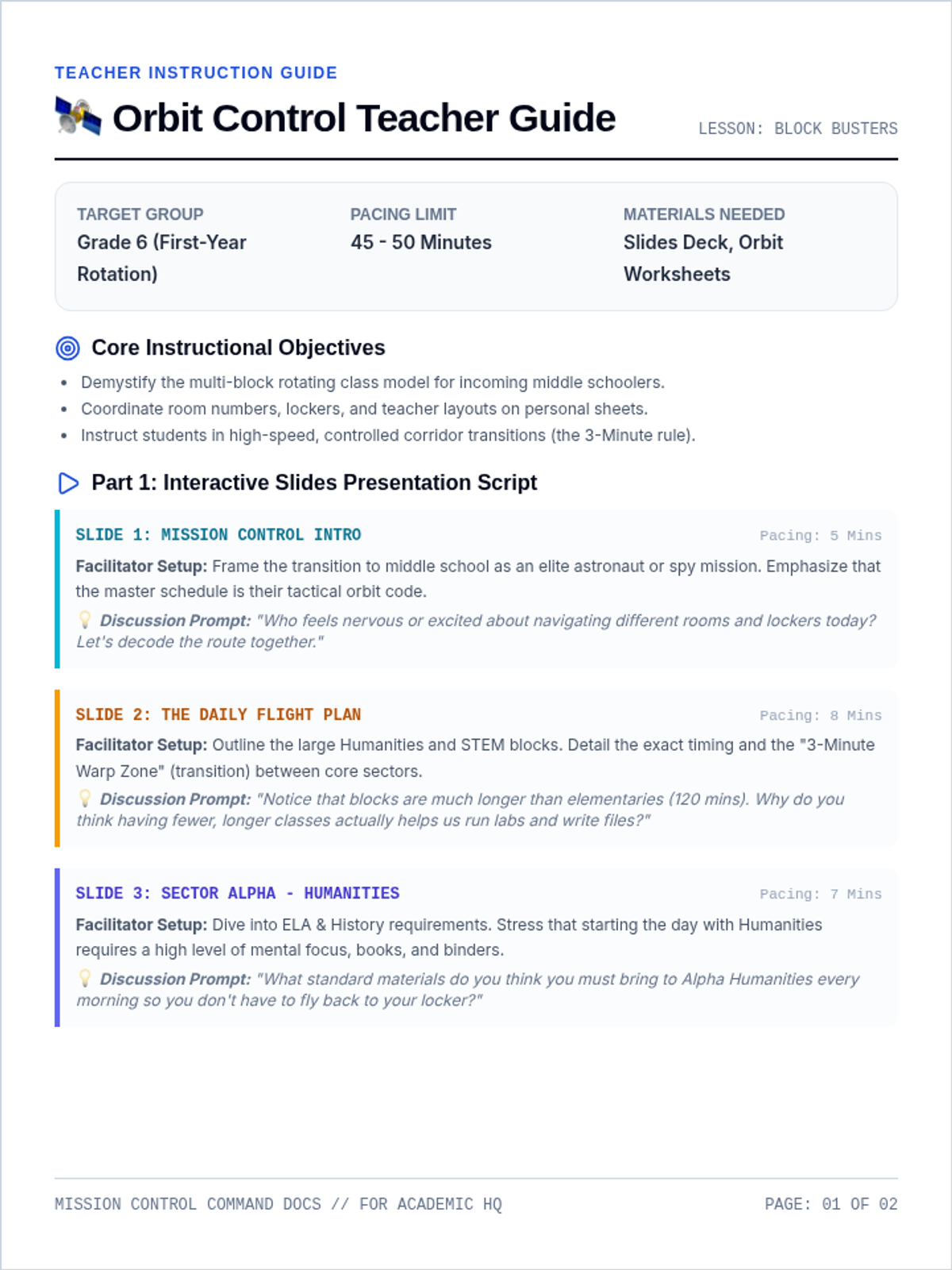
A two-session lesson for 6th graders with pragmatic language needs, focusing on navigating the transition to middle school, observing social groups, and building friendships using a structured hierarchy.
A foundational lesson for Kindergarten students to learn the components of Whole Body Listening through visual aids, interactive slides, and a hands-on cut-and-paste activity.
A high-energy, interactive lesson for 95 middle school students focused on ASCA standard B-SMS 1. Students explore the link between school belonging and attendance through a movement-based "Human Map" and real-time digital polling.
A supportive resource set designed for middle schoolers navigating the loss of a pet. Includes a counselor's guide for small group sessions, a set of reflective journal prompts, and an individual worksheet focused on coping strategies.
A test-prep strategy lesson focused on the critical skill of reading and following multi-step directions on standardized tests. Students learn specific strategies like numbering steps and paraphrasing directions before applying them to a tricky reading activity.
The core framework materials including the enhanced scope and sequence table, instructional slides for WIDA implementation, and a one-page summary chart.
A comprehensive alignment and planning resource that maps WIDA Narrate standards to Unit 1 Part 1 (My Family), providing targeted extensions for proficiency levels 2-4.
A detailed instructional alignment of Grade 1 curriculum units 1-4 to WIDA standards, providing teachers with clear language functions and instructional expectations.
A core simulation lesson where students manage a $10,000 portfolio over four weeks, reacting to market news and tracking their gains or losses.
A comprehensive coaching package for parents of middle school twins to foster morning independence, reduce conflict, and manage irritability through structured interventions and scripted communication.
Studies the stages of growth in animals, using WIDA's Narrate (life stories) and Explain (scientific stages) functions.
Analyzes how communities access needs and wants, focusing on the WIDA functions of Argue (persuasive needs) and Explain (the journey of goods).
Investigates the characteristics of living things, utilizing WIDA's Inform function to define life and Explain function to describe biological processes.
Explores family structures, roles, and traditions while focusing on the WIDA functions of Narrate (family stories) and Inform (identifying family members).
A series of hands-on, unplugged activities designed to teach Python data types and variables through tactile sorting, logic puzzles, and matching games. Focused on accessibility and clarity for students with diverse learning needs.
Introduces consonant blends, digraphs, and the CVCe (silent e) pattern using professional and household management themes to maintain adult engagement.
A supportive lesson focused on easing school-re-entry anxiety and providing concrete strategies for students transitioning back after a break.
A 30-minute introductory lesson for 2nd graders to identify big emotions and practice three specific healthy coping strategies: deep breathing, counting, and talking it out.
A collection of social stories and supporting materials designed to help 2nd graders navigate common social challenges like making mistakes, being wrong, and sharing friends. Uses simple language and clear visuals to build social-emotional resilience.
A Tier 3 intensive counseling session focusing on self-advocacy skills for students managing anxiety. Students learn to identify their needs, overcome 'Worry Walls,' and communicate effectively with trusted adults using a structured 'Support Blueprint.'