A mindfulness lesson for 3rd graders that uses a nature-themed metaphor to help students distinguish between distracting thoughts and focused attention. Students learn to 'catch' their focus fireflies and let their distraction moths flutter away.
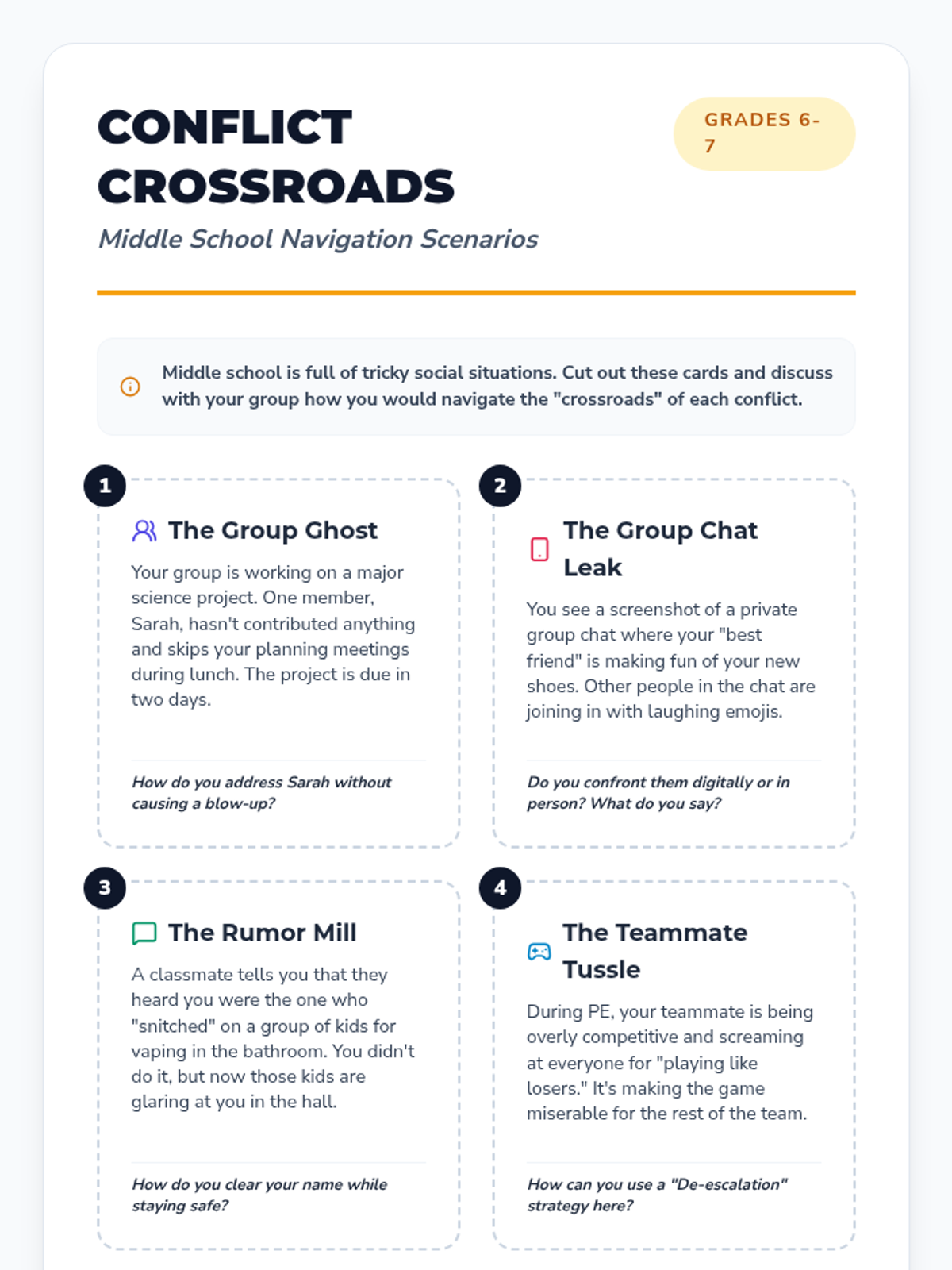
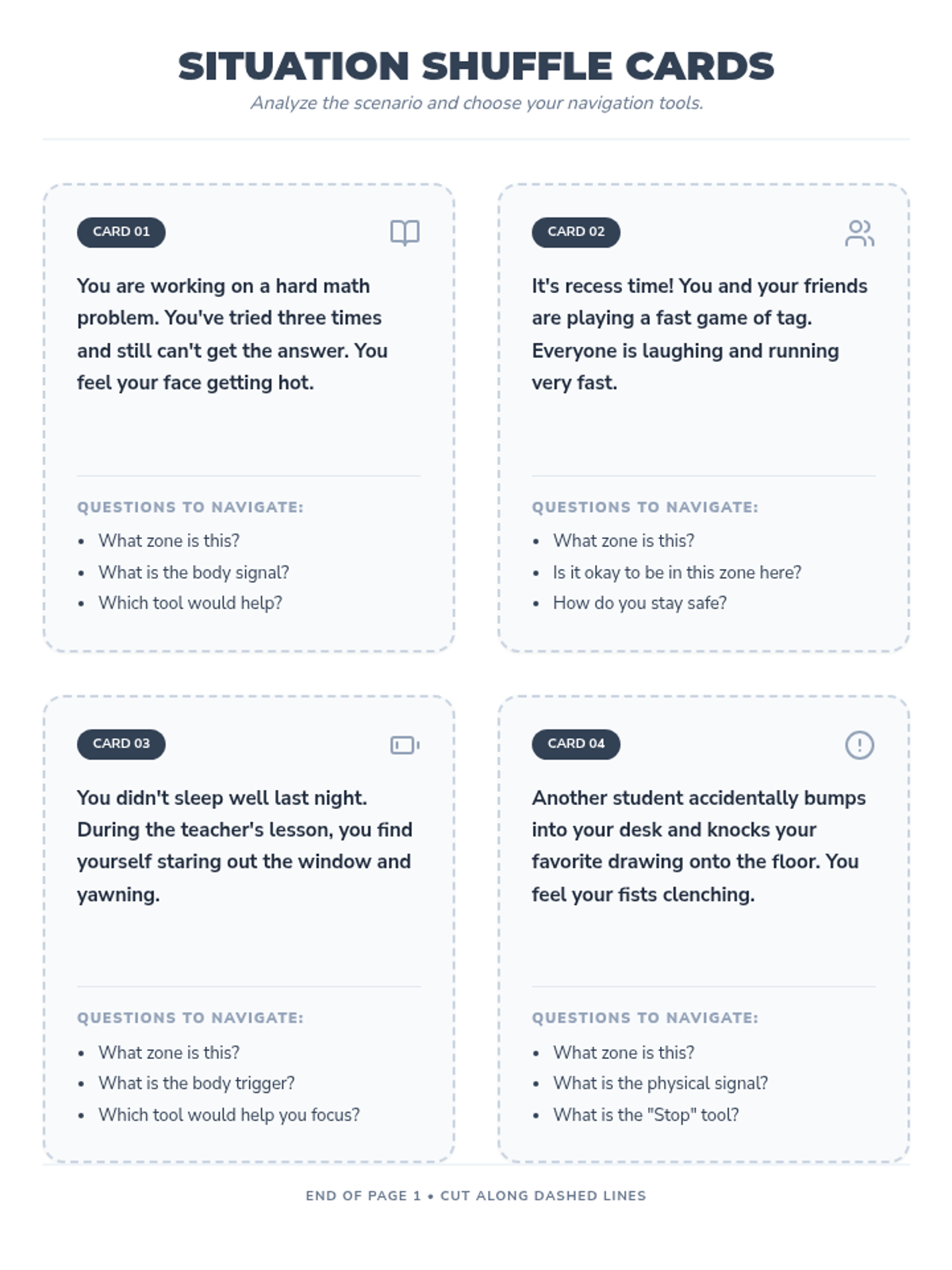
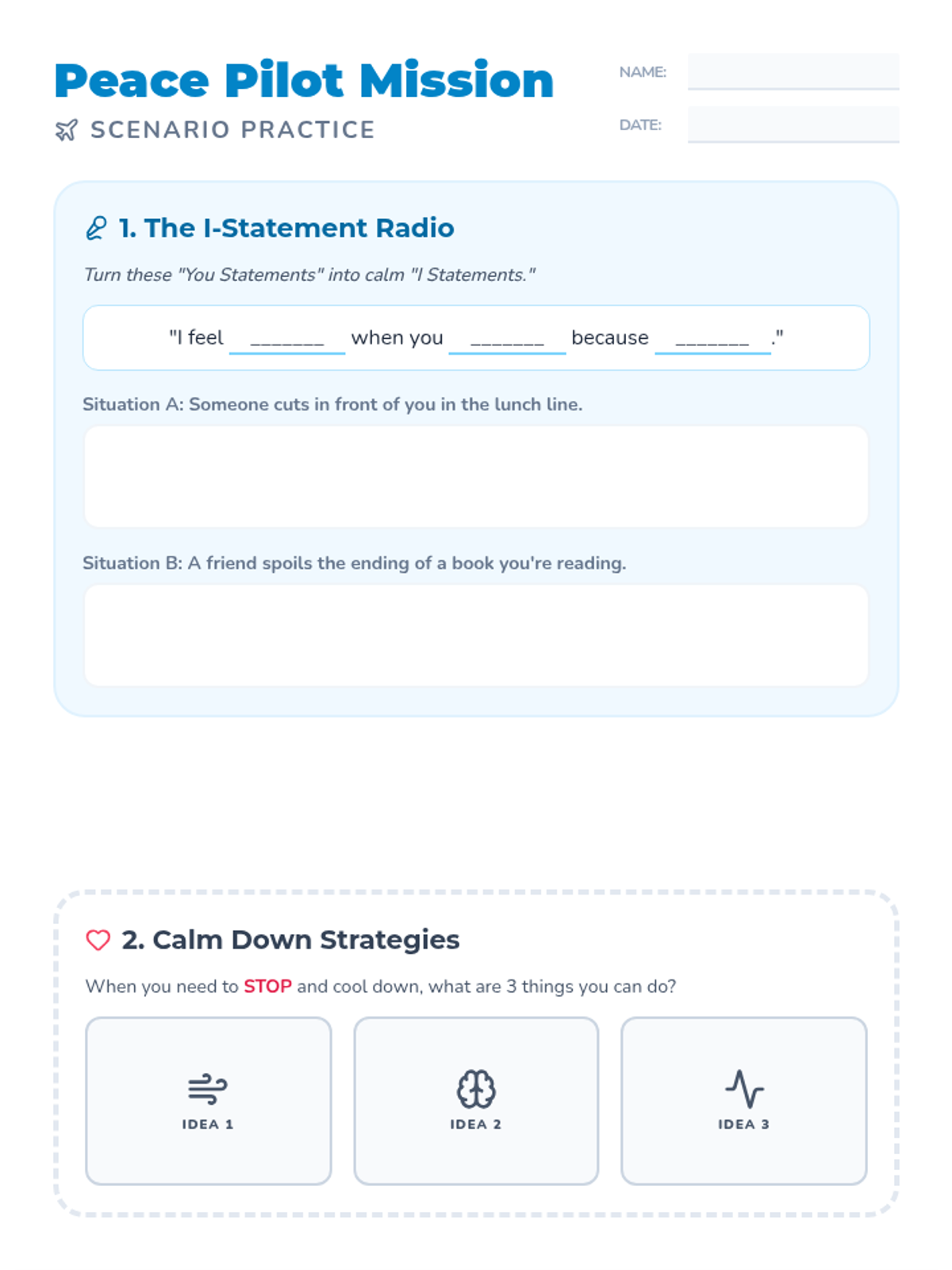
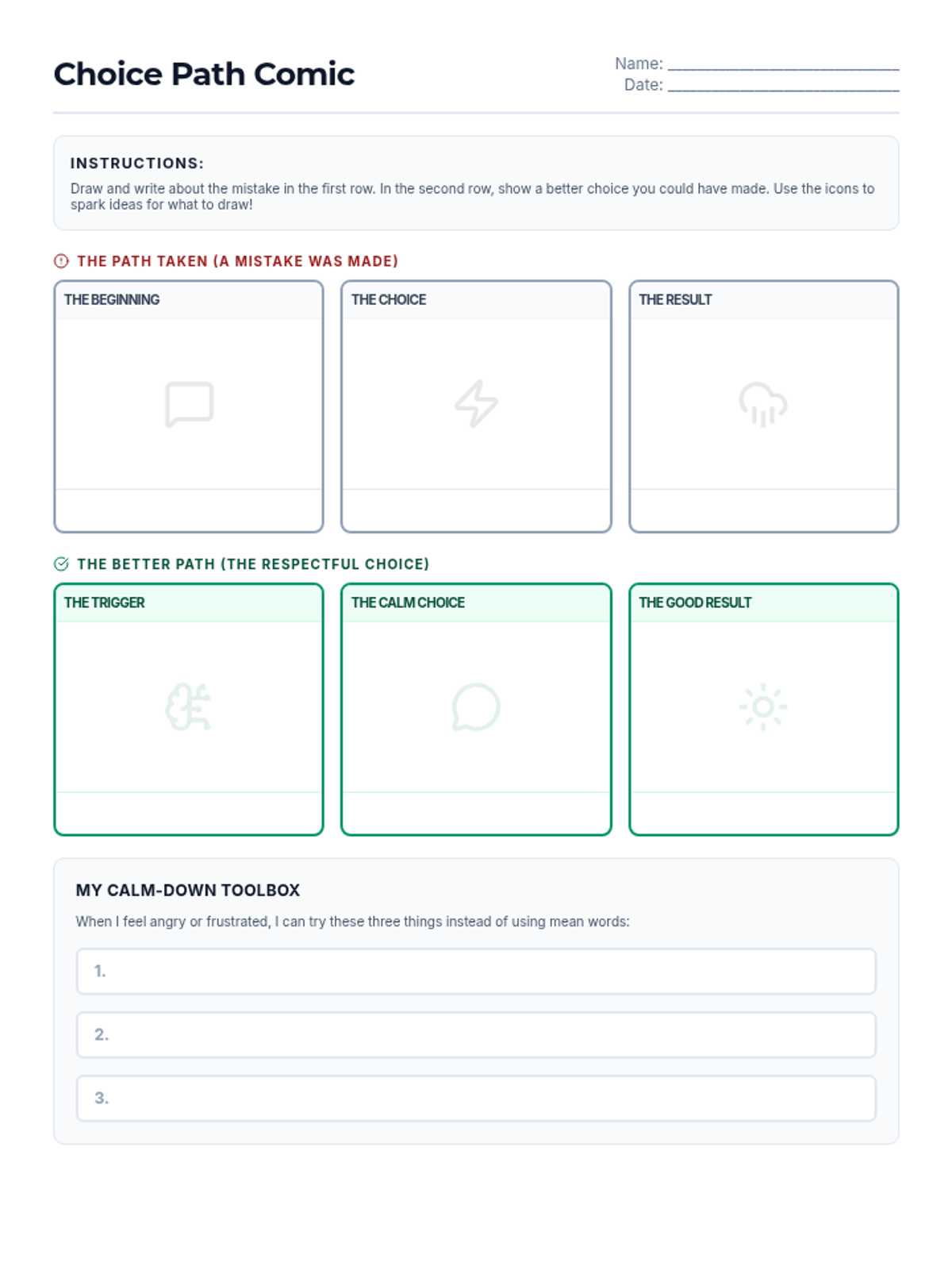
Engages middle schoolers in critical thinking and problem-solving through realistic social scenarios and structured conflict resolution frameworks.
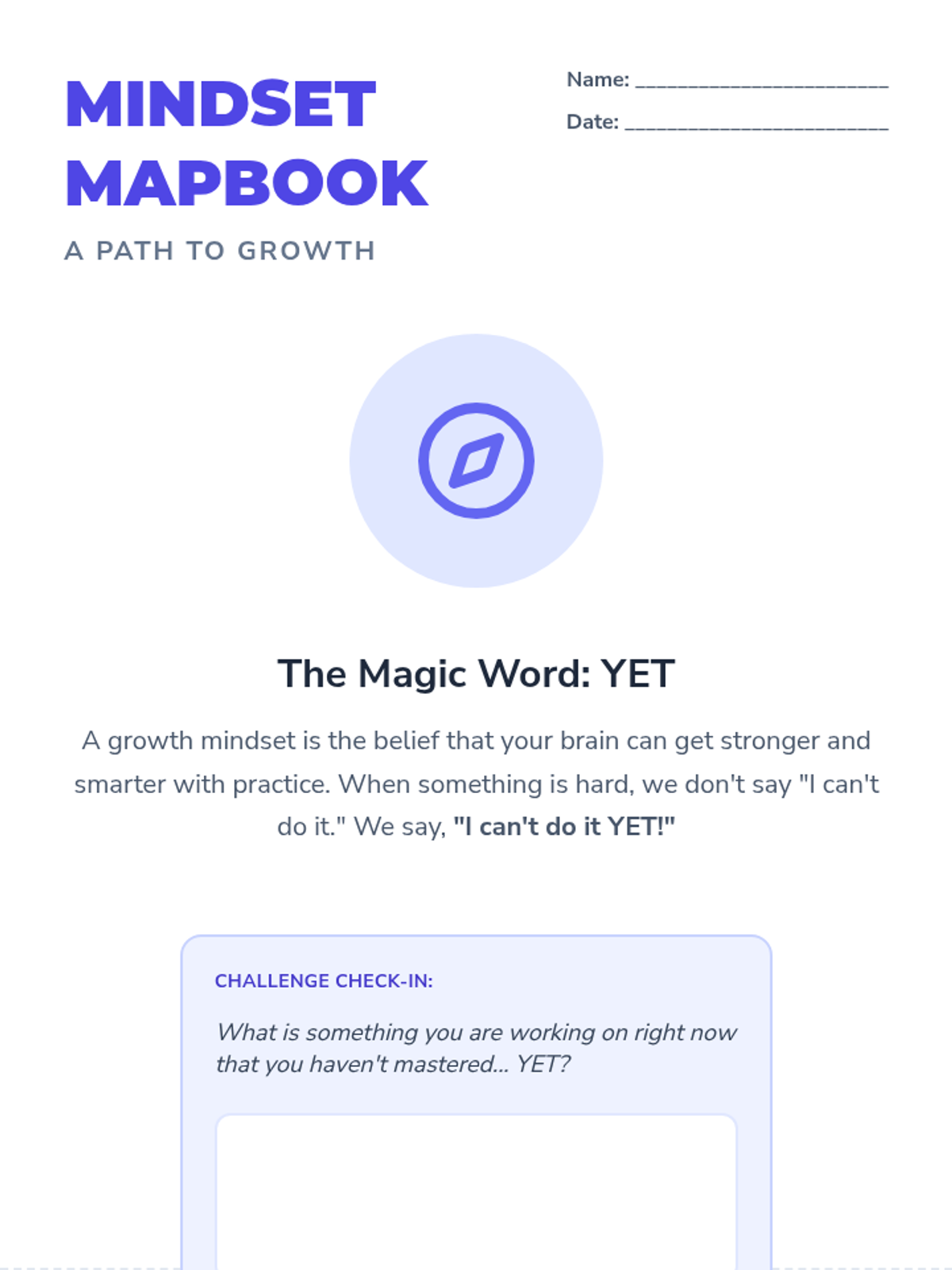
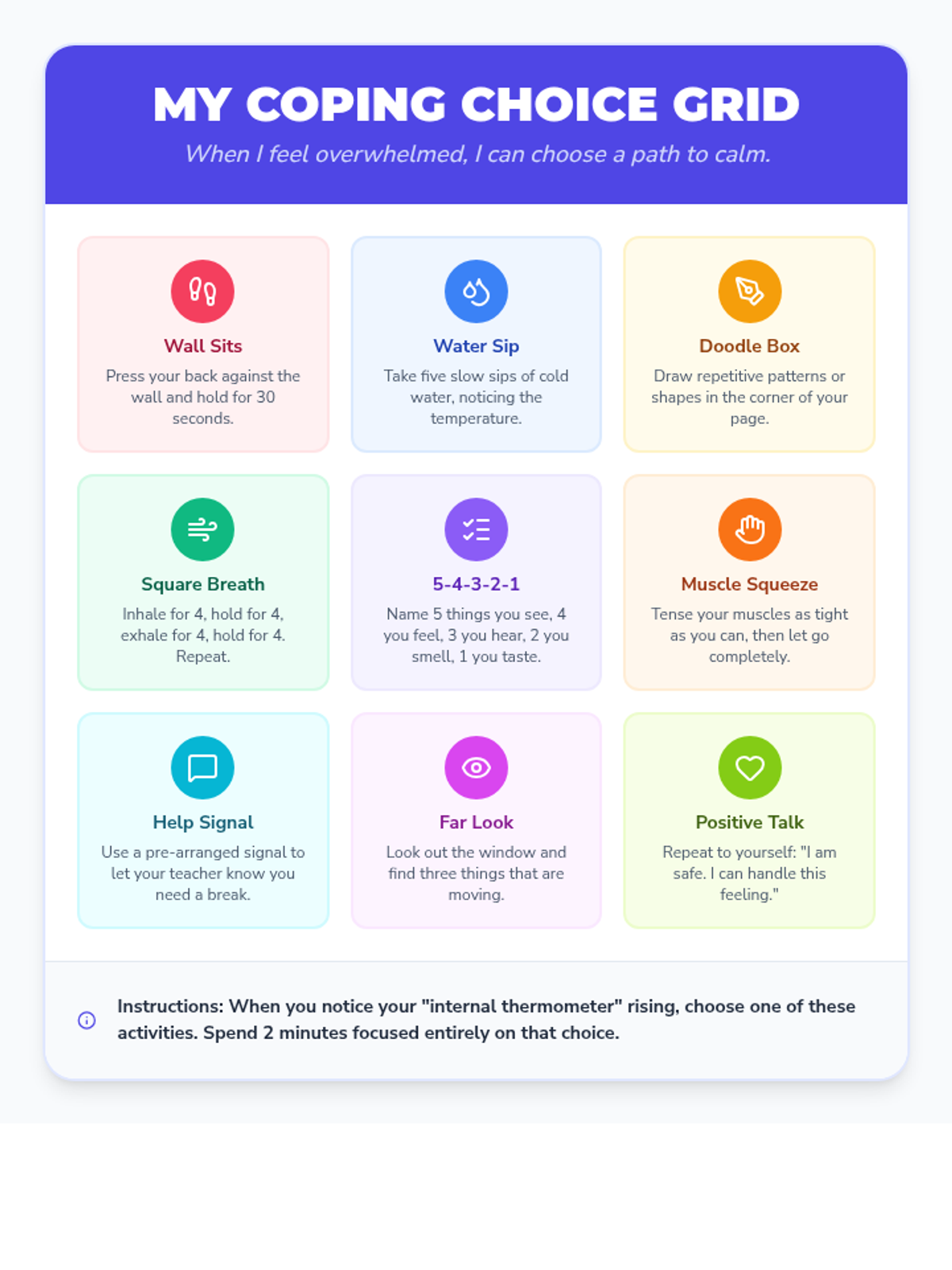
Focuses on developing a growth mindset through a multi-page journal, exploring empathy via slide-based instruction, and providing self-regulation options with a coping choice board.
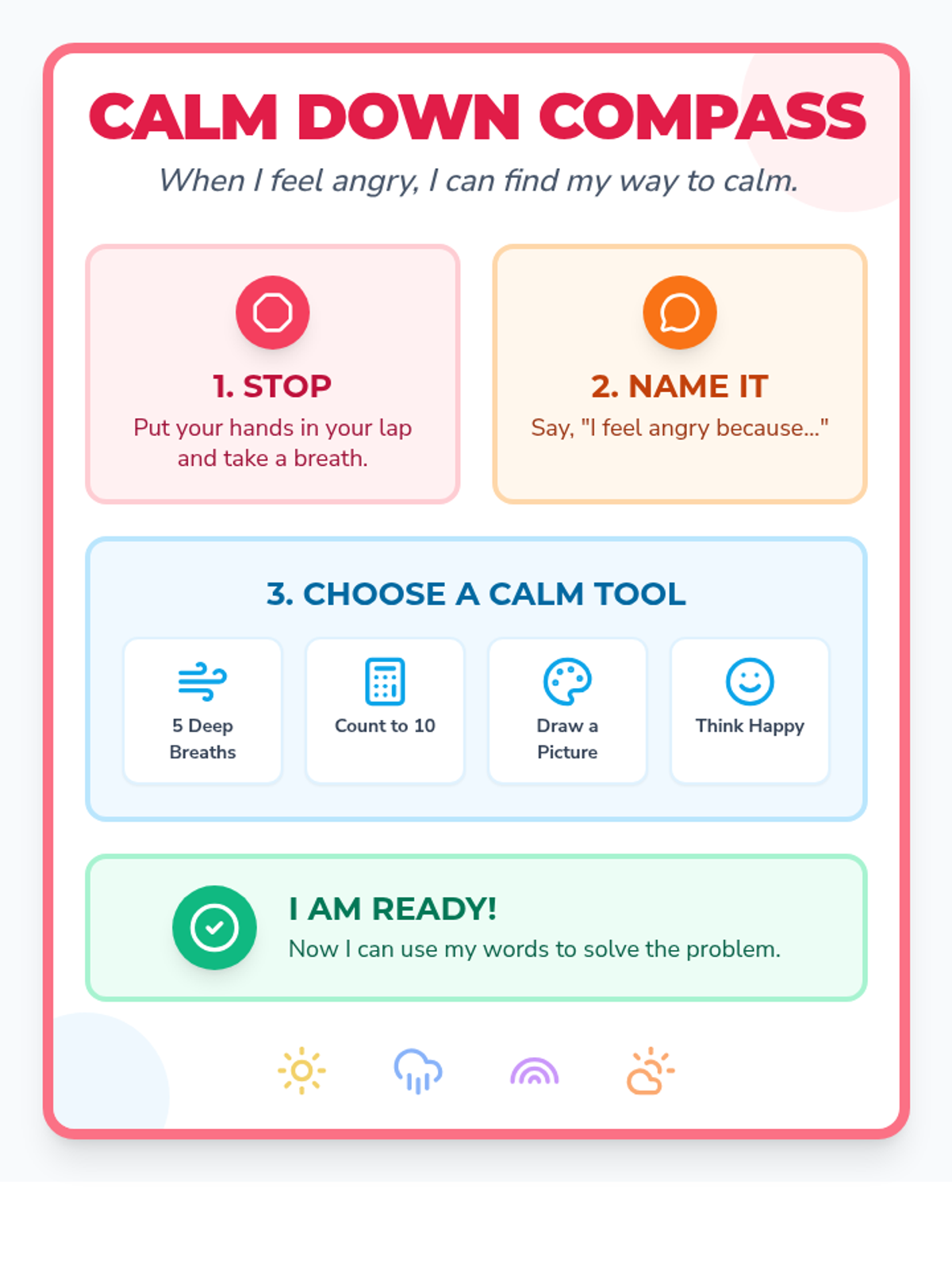
Introduces young learners to self-regulation strategies through highly visual anchor charts and simple cool-down techniques.
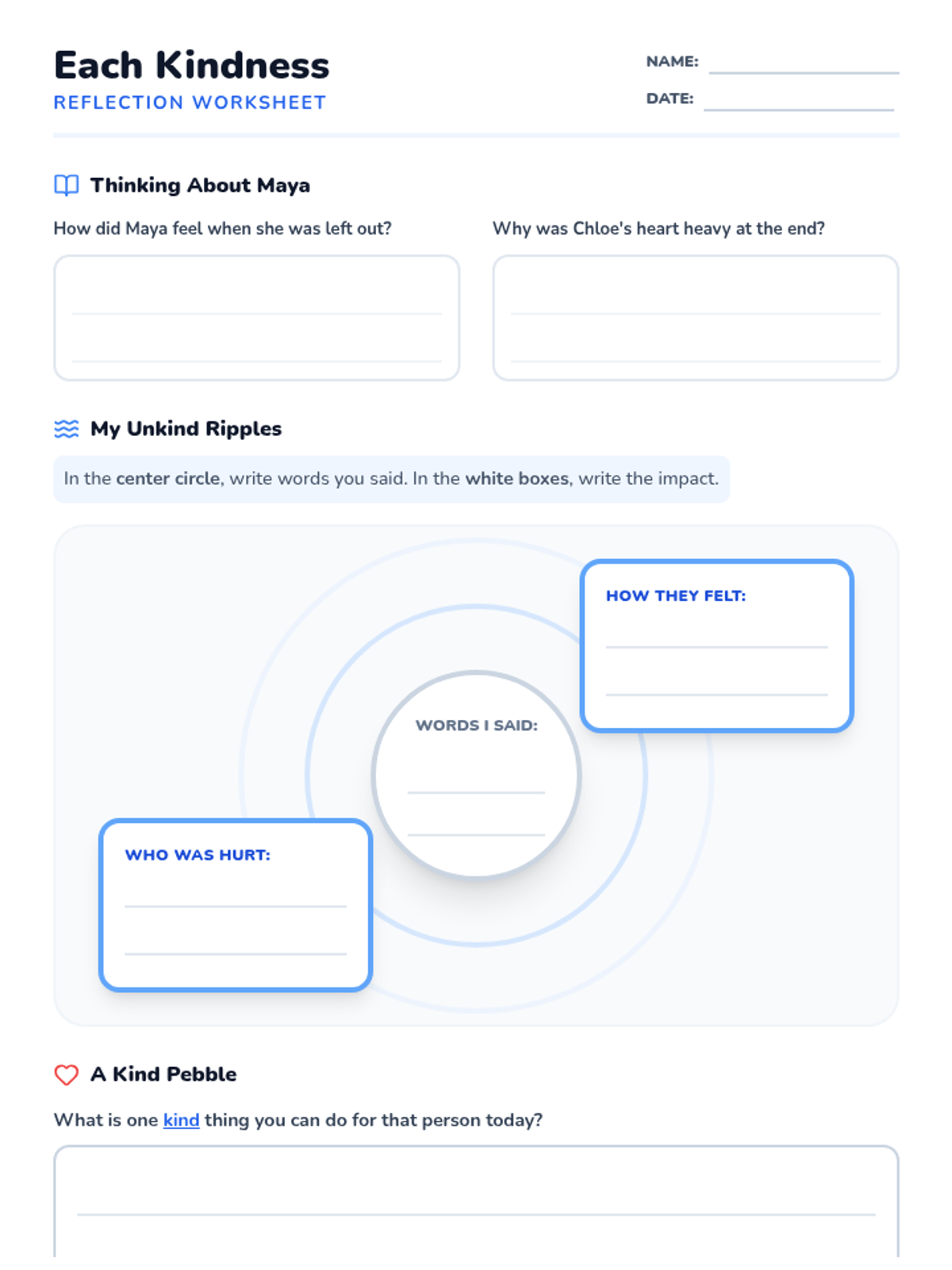
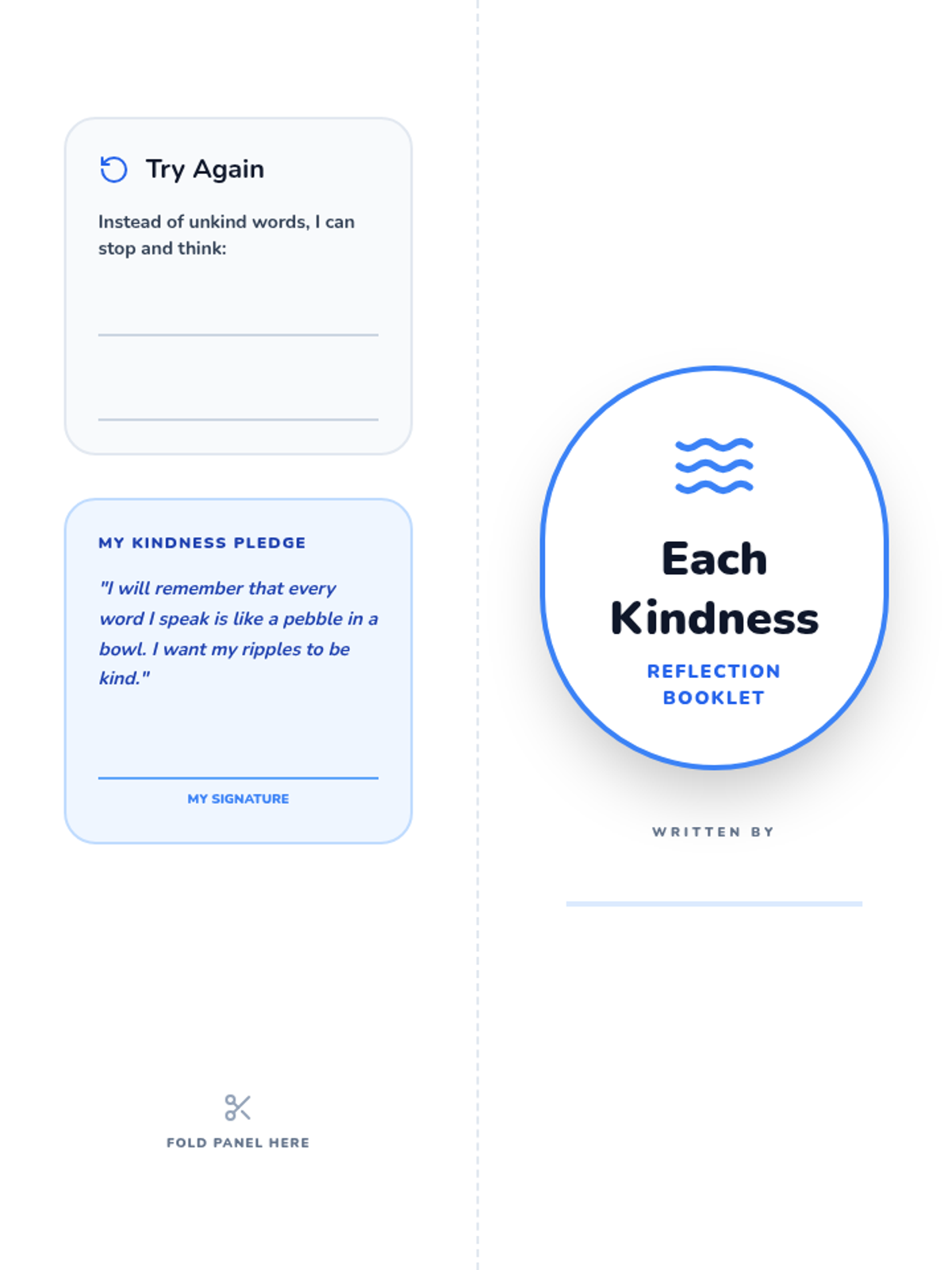
A set of reflective materials based on the book 'Each Kindness' to help students understand the impact of their words and develop empathy for others.
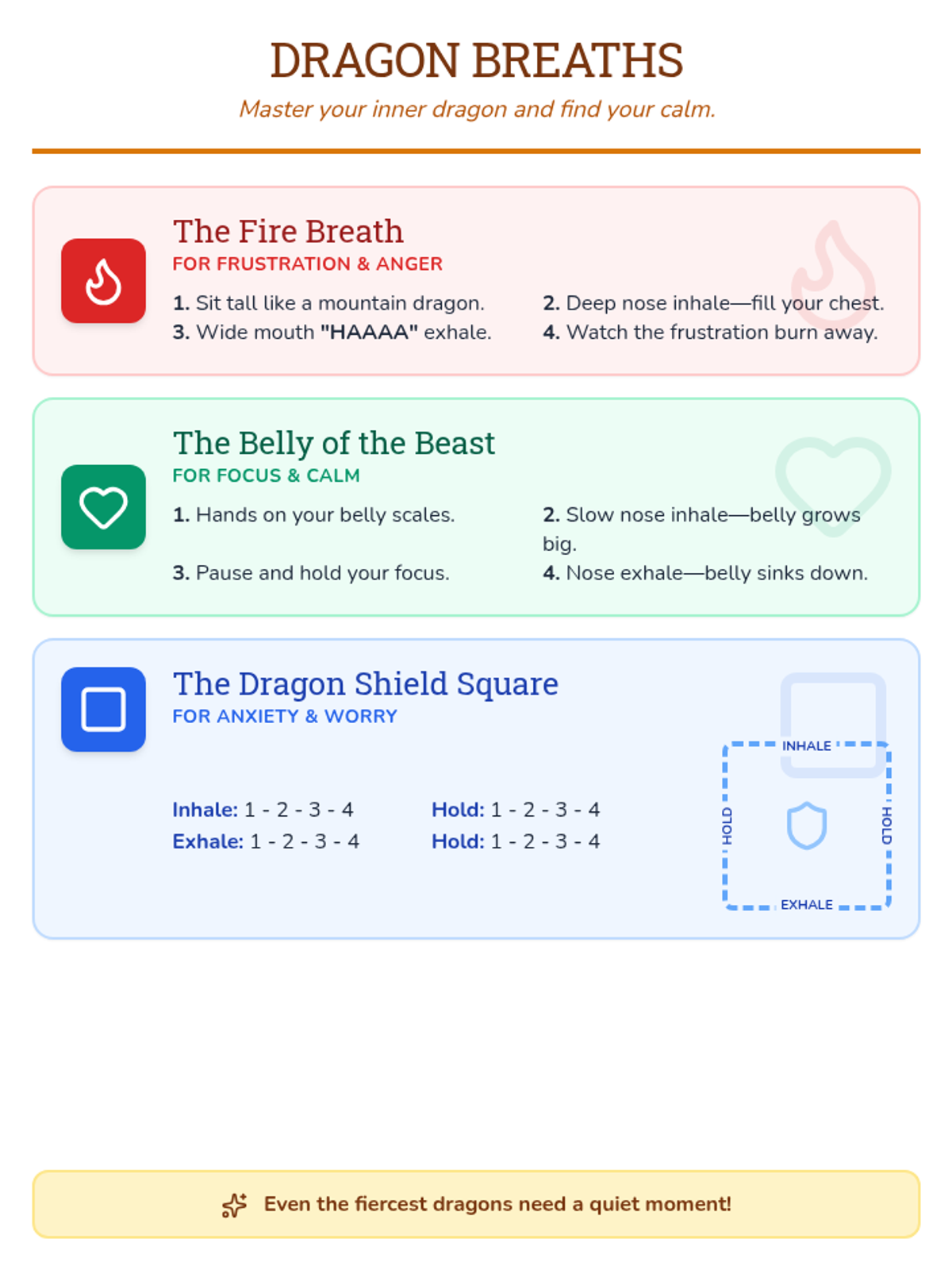
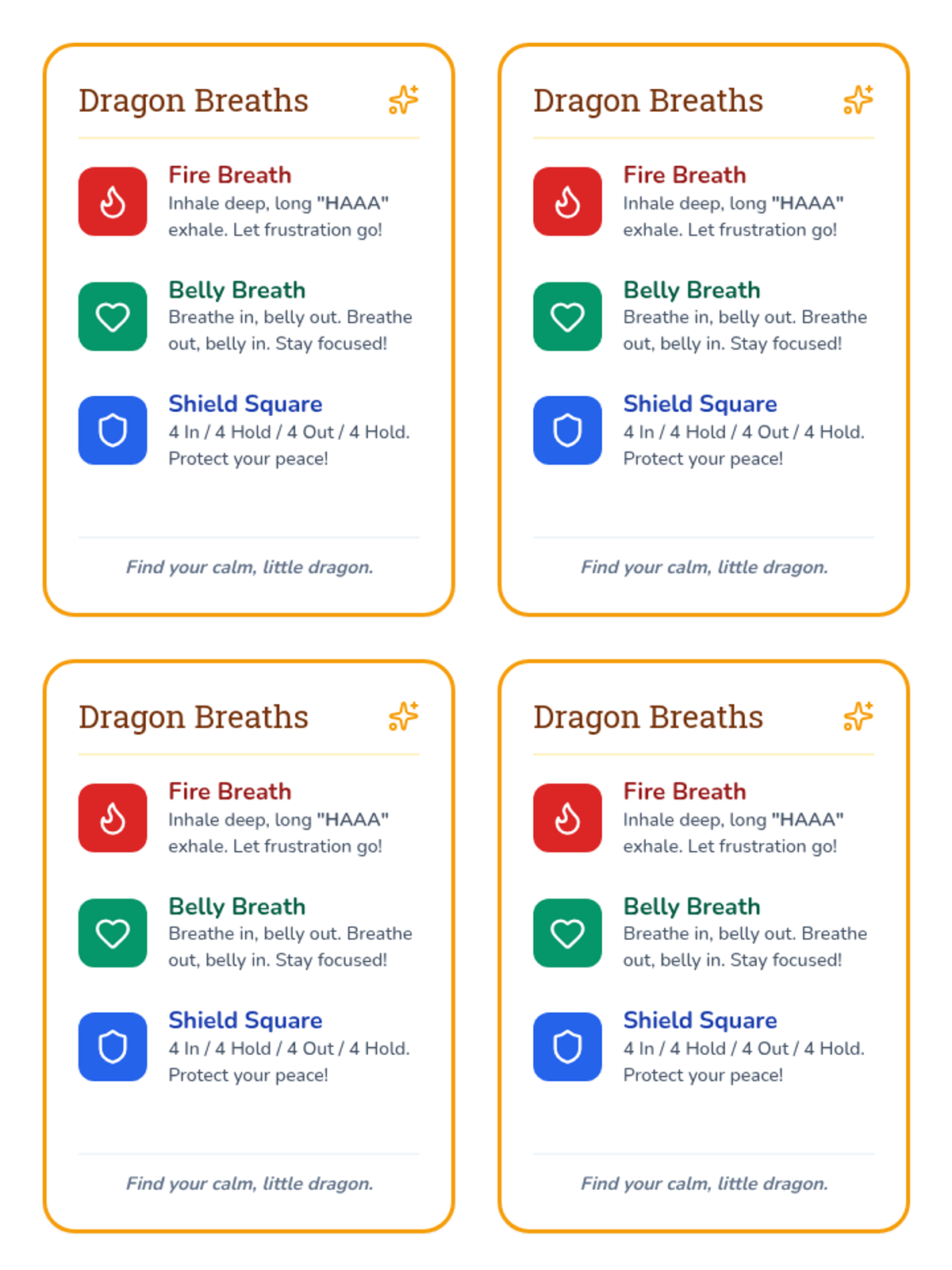
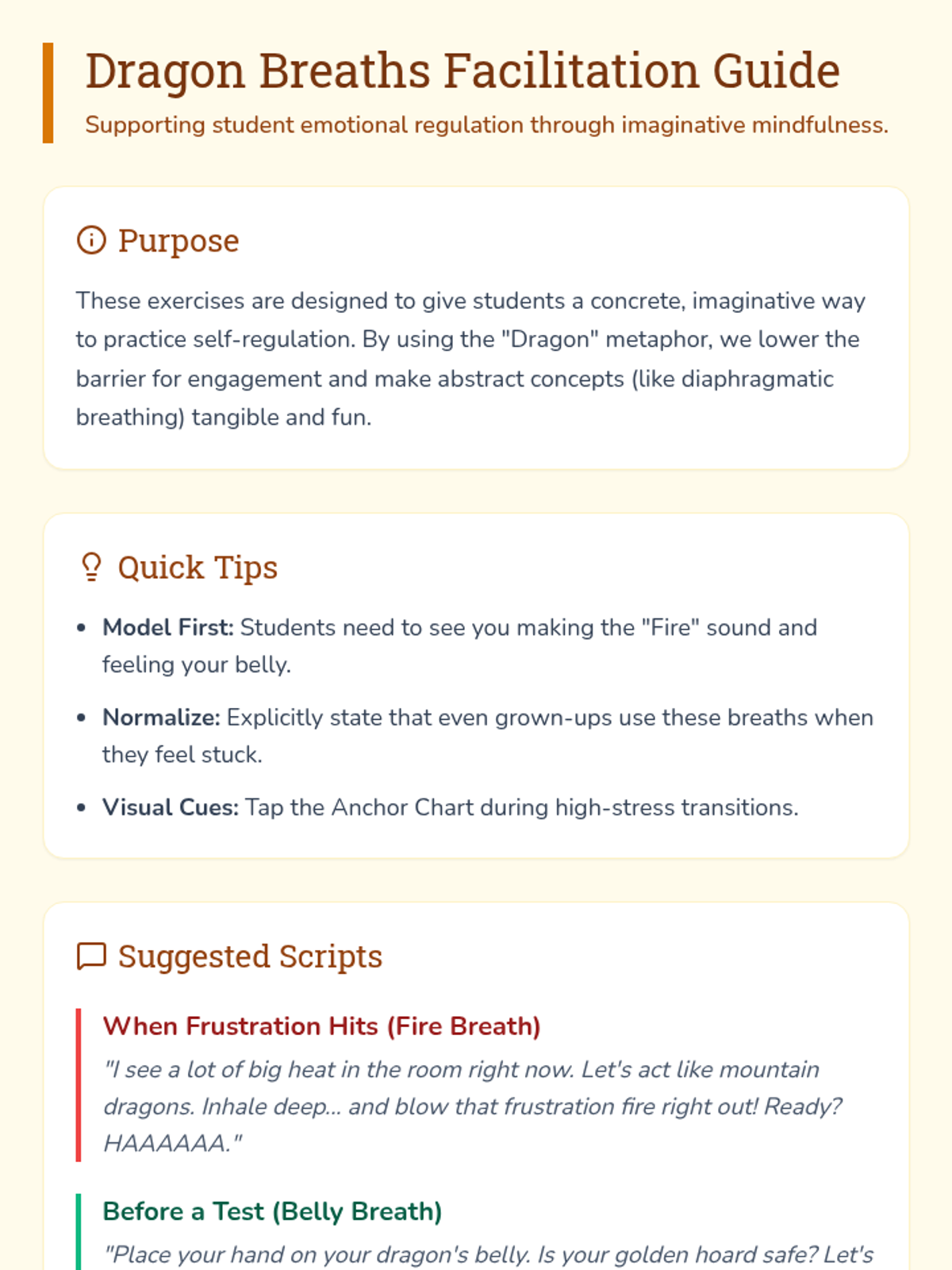
A calming set of mindfulness exercises using dragon-themed imagery to help students manage frustration, focus, and anxiety.
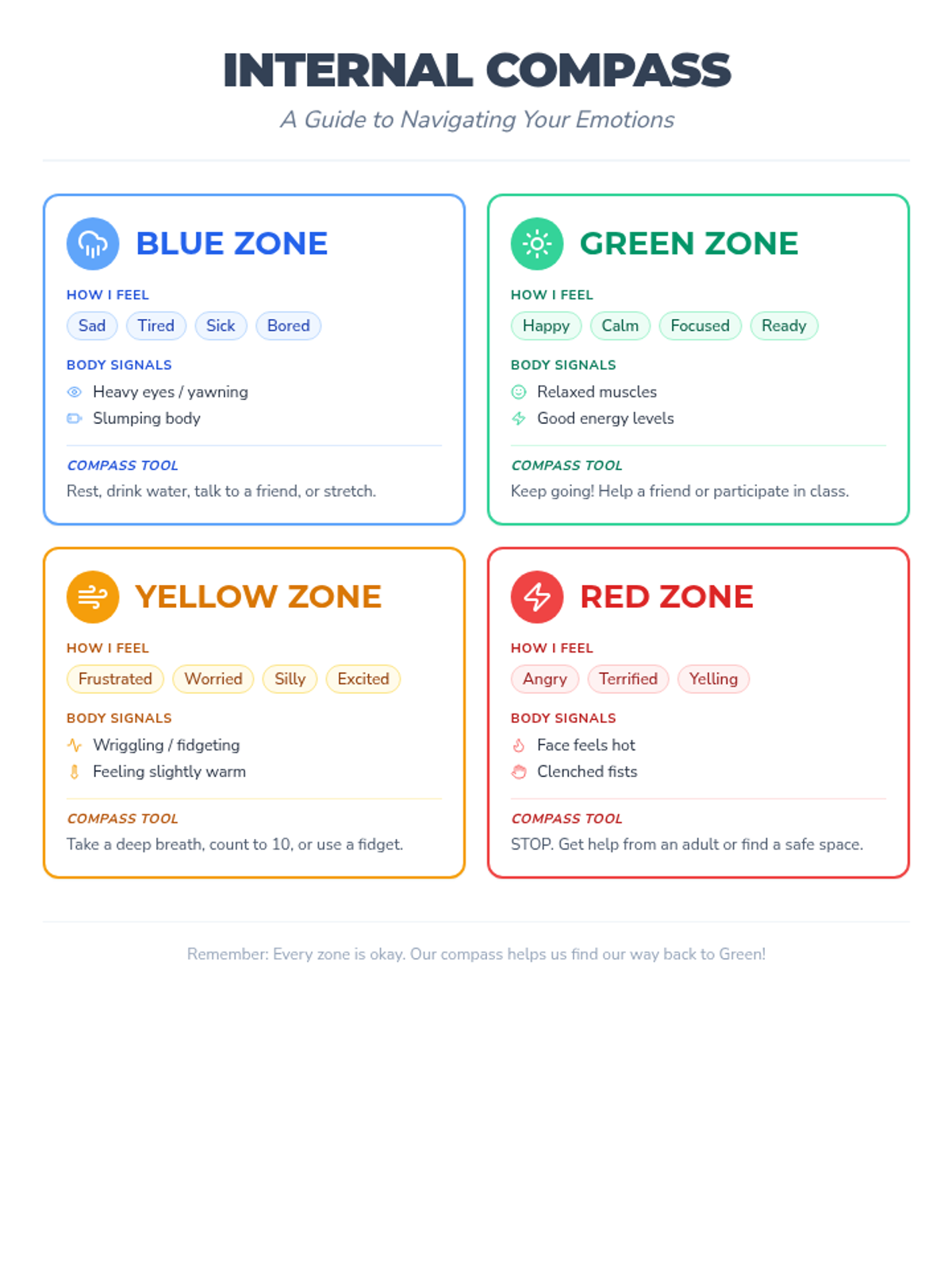
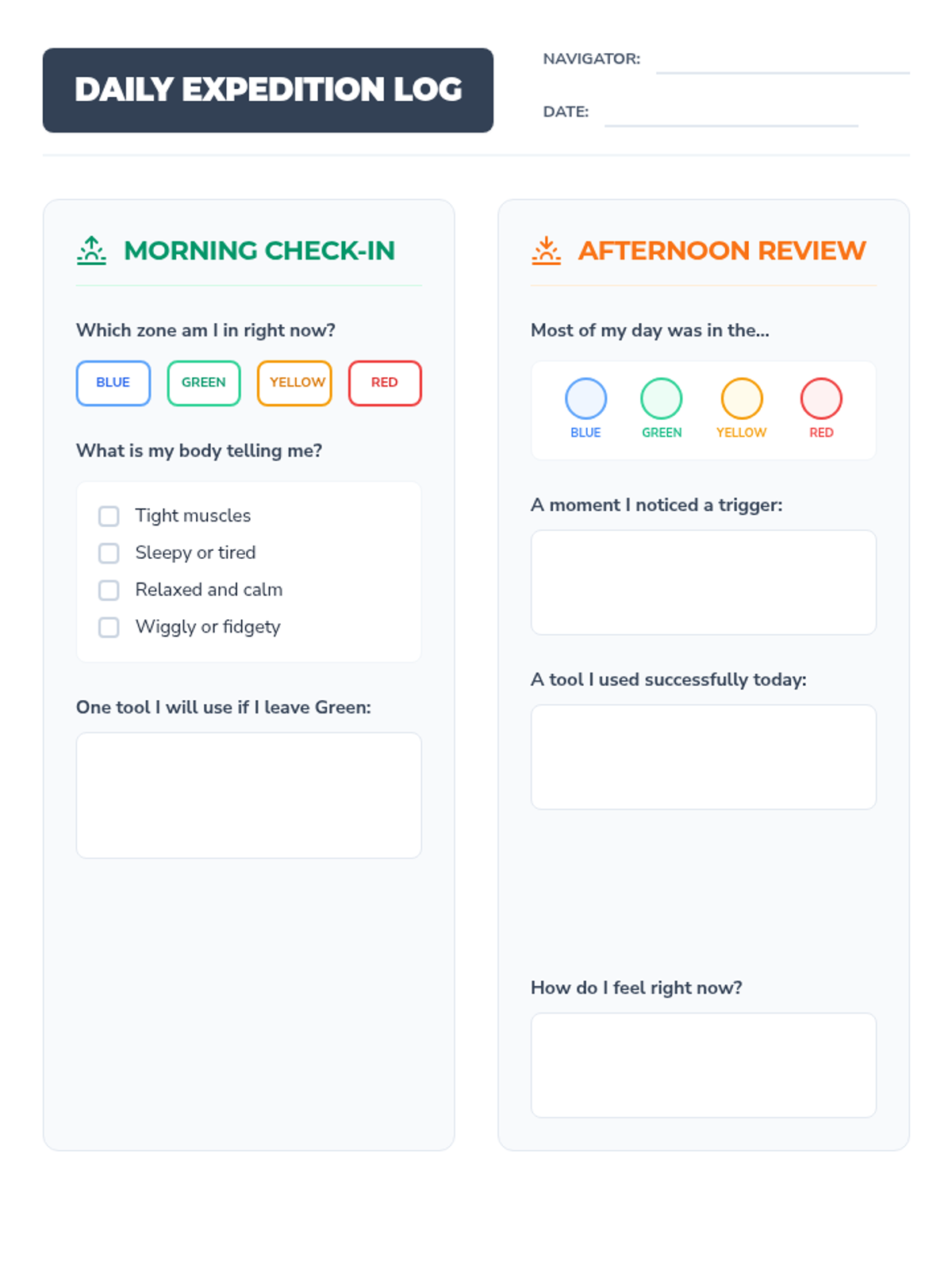
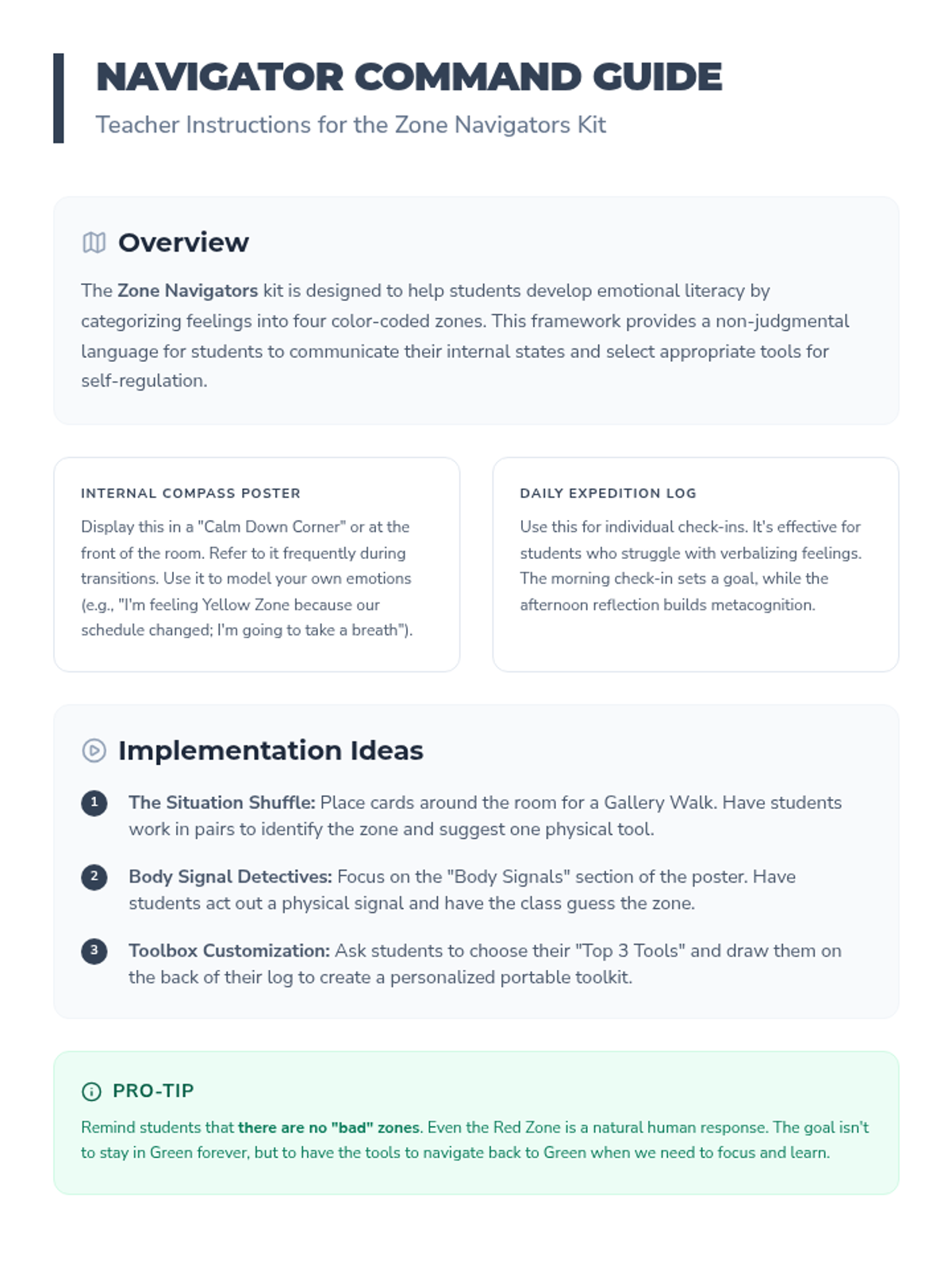
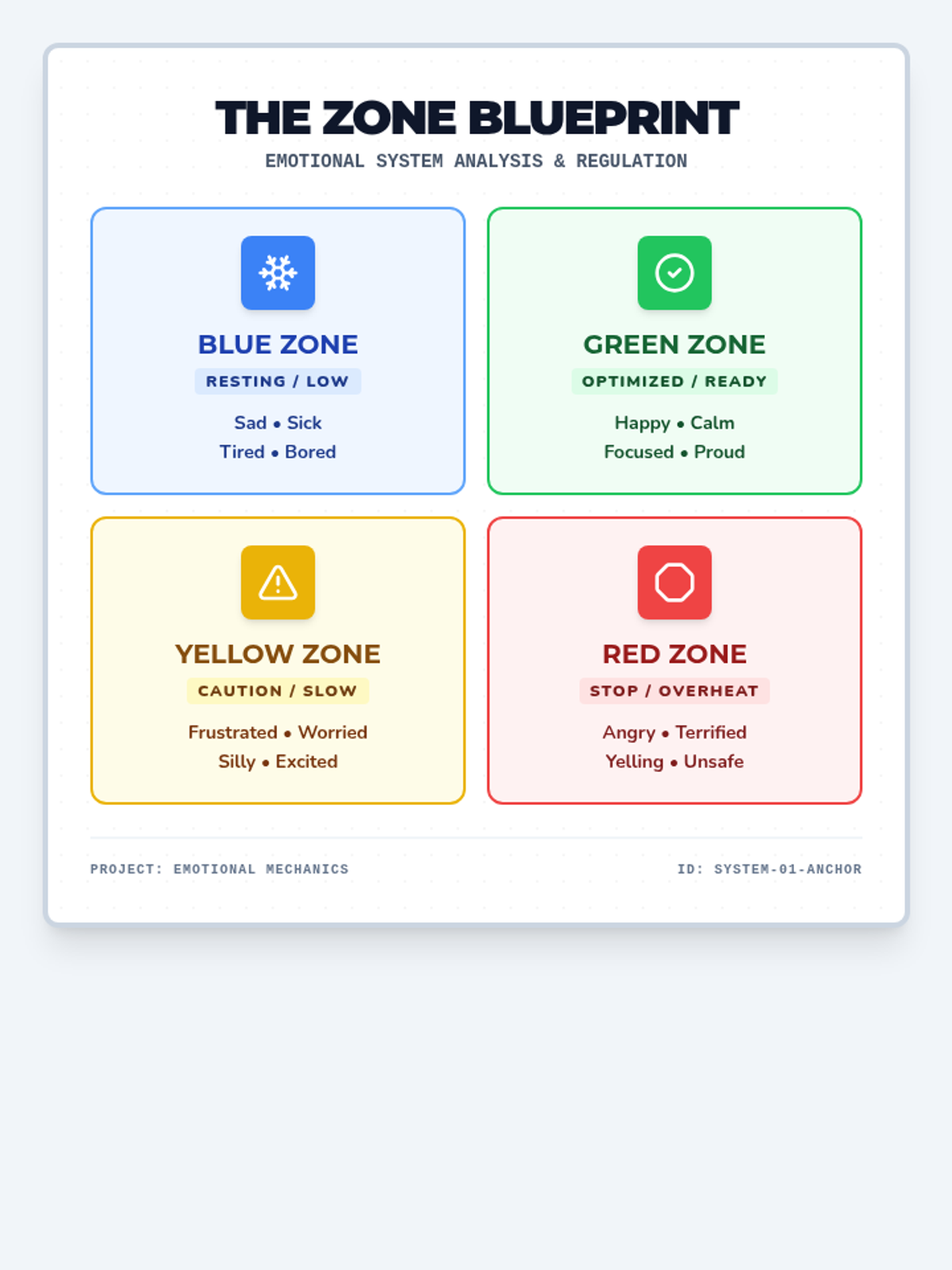
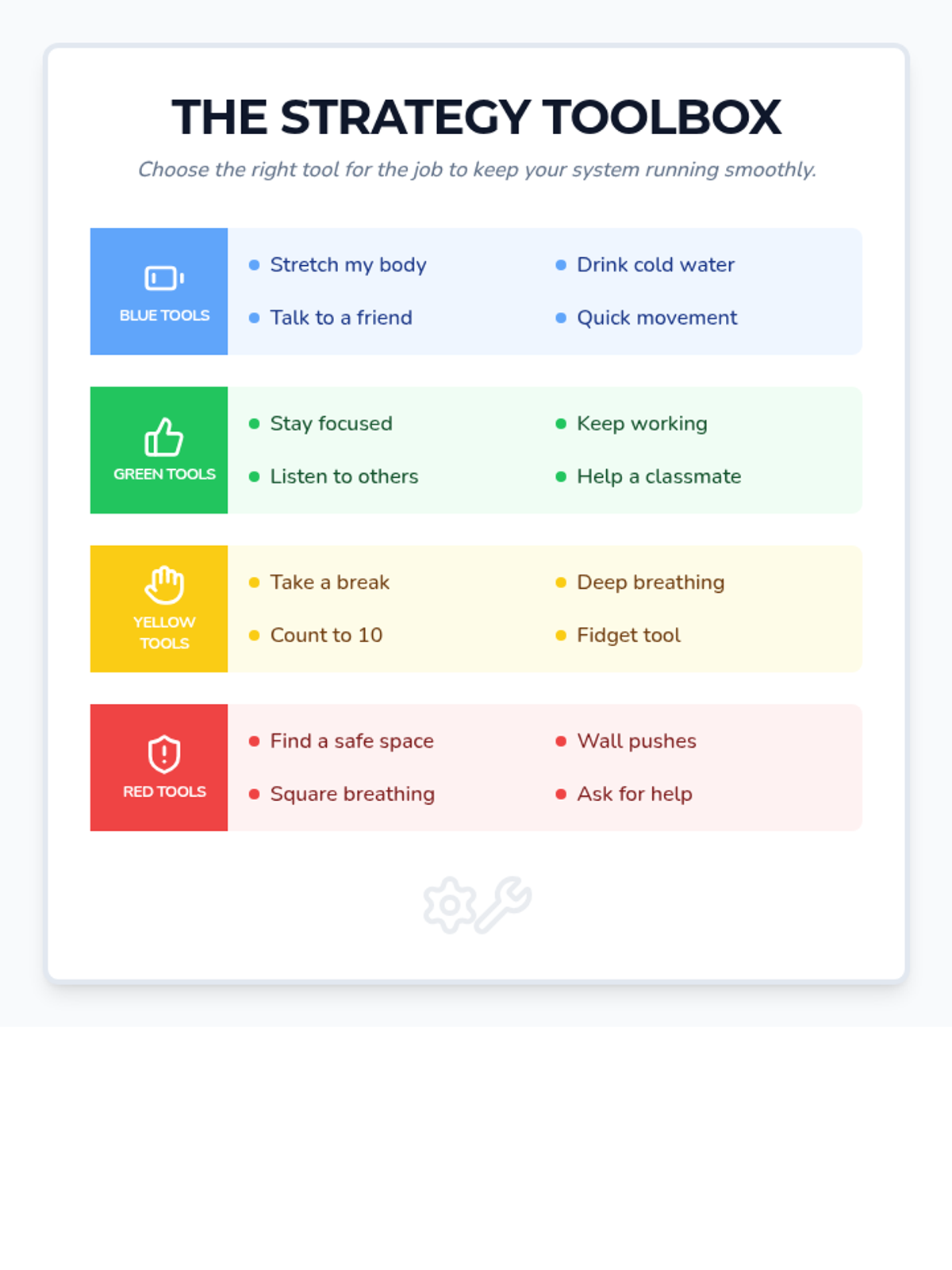
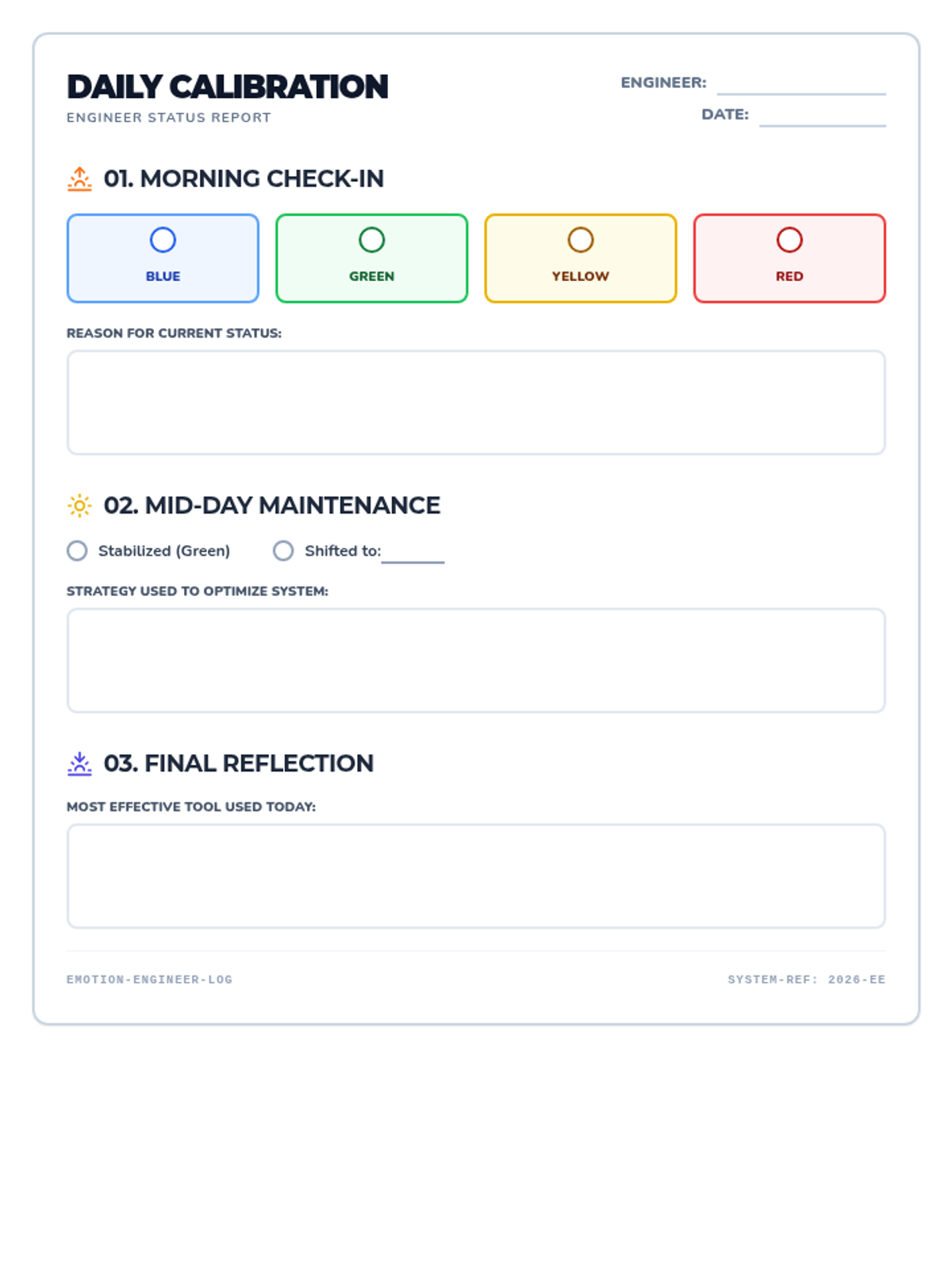
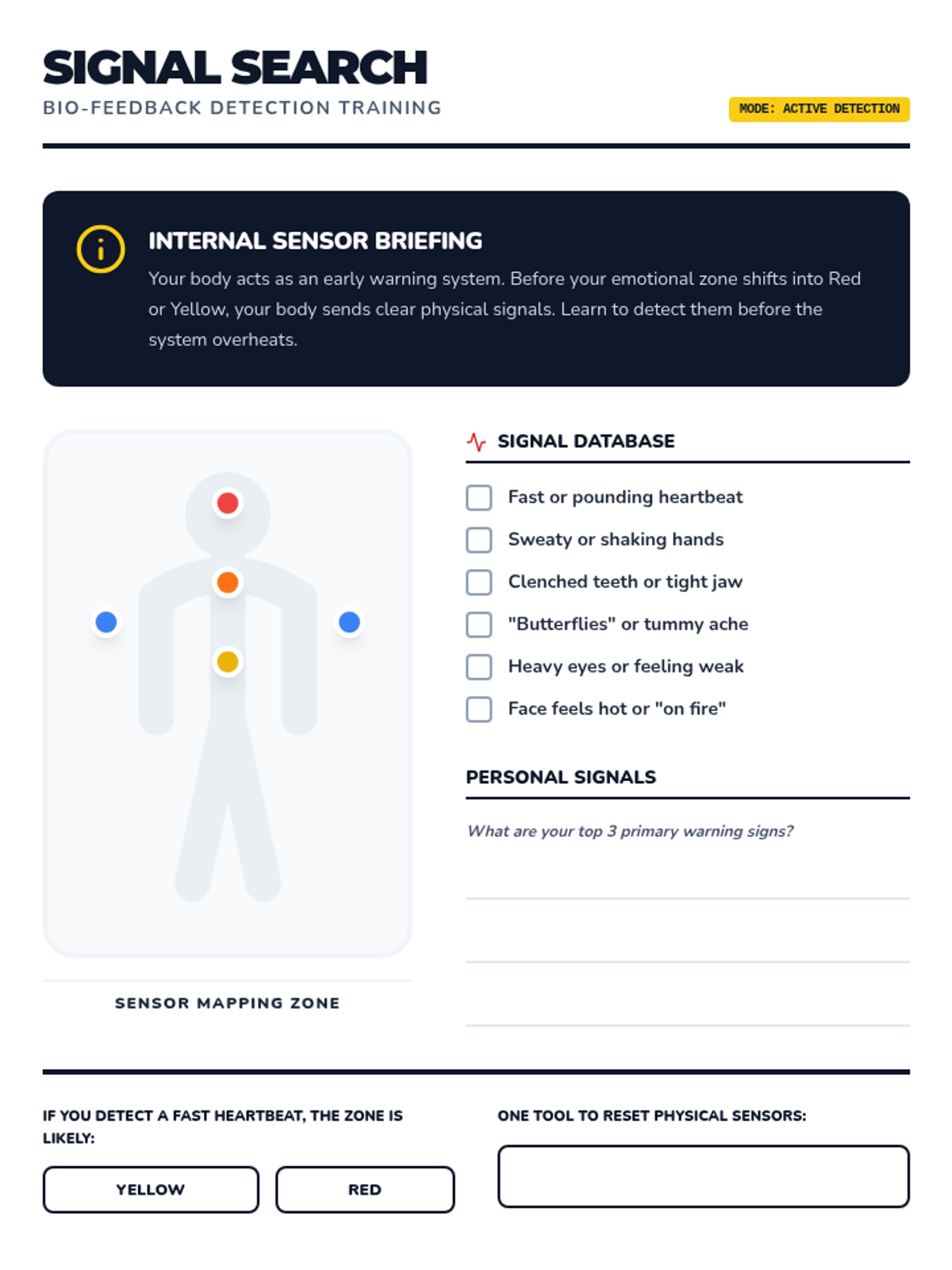
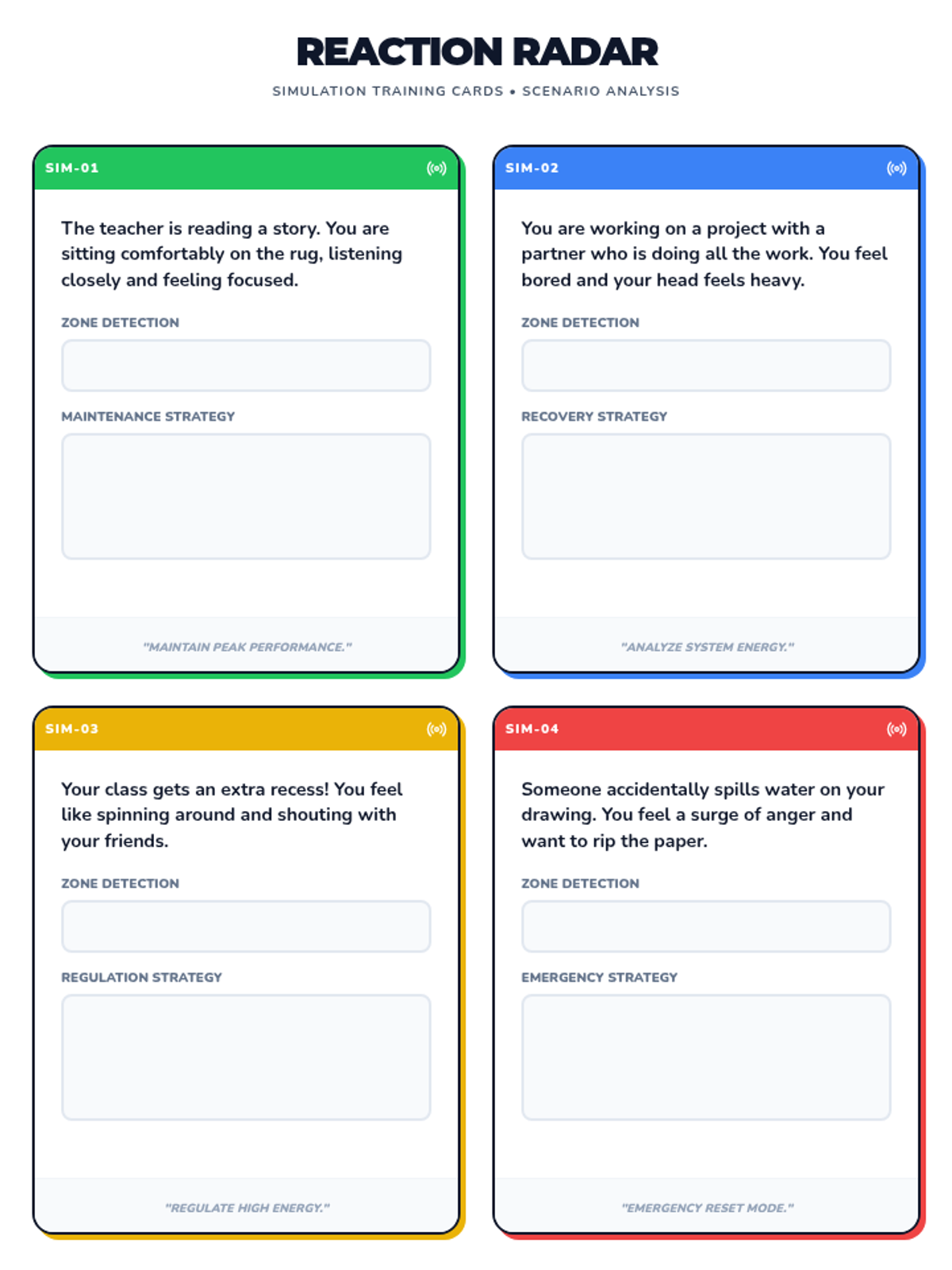
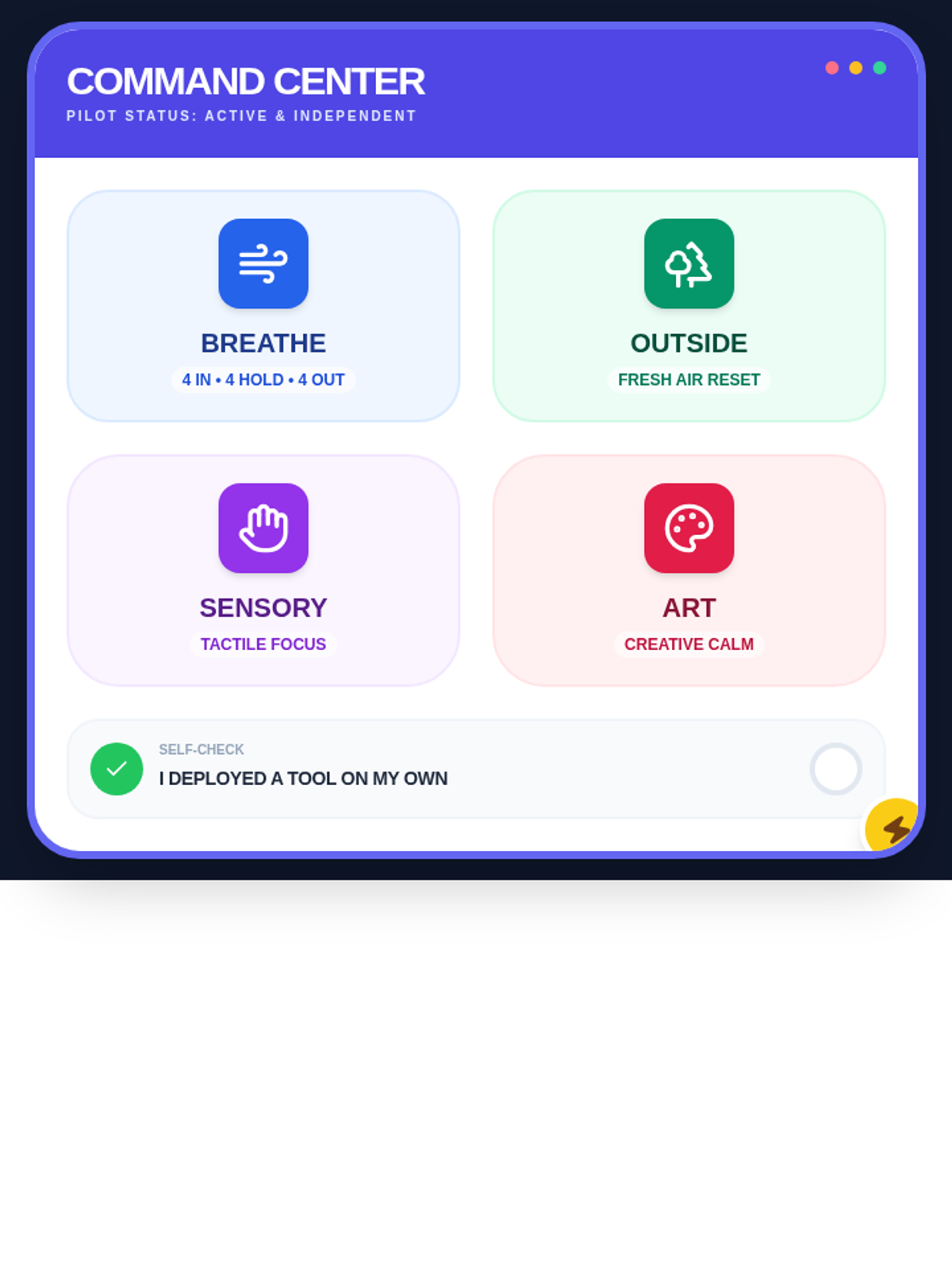
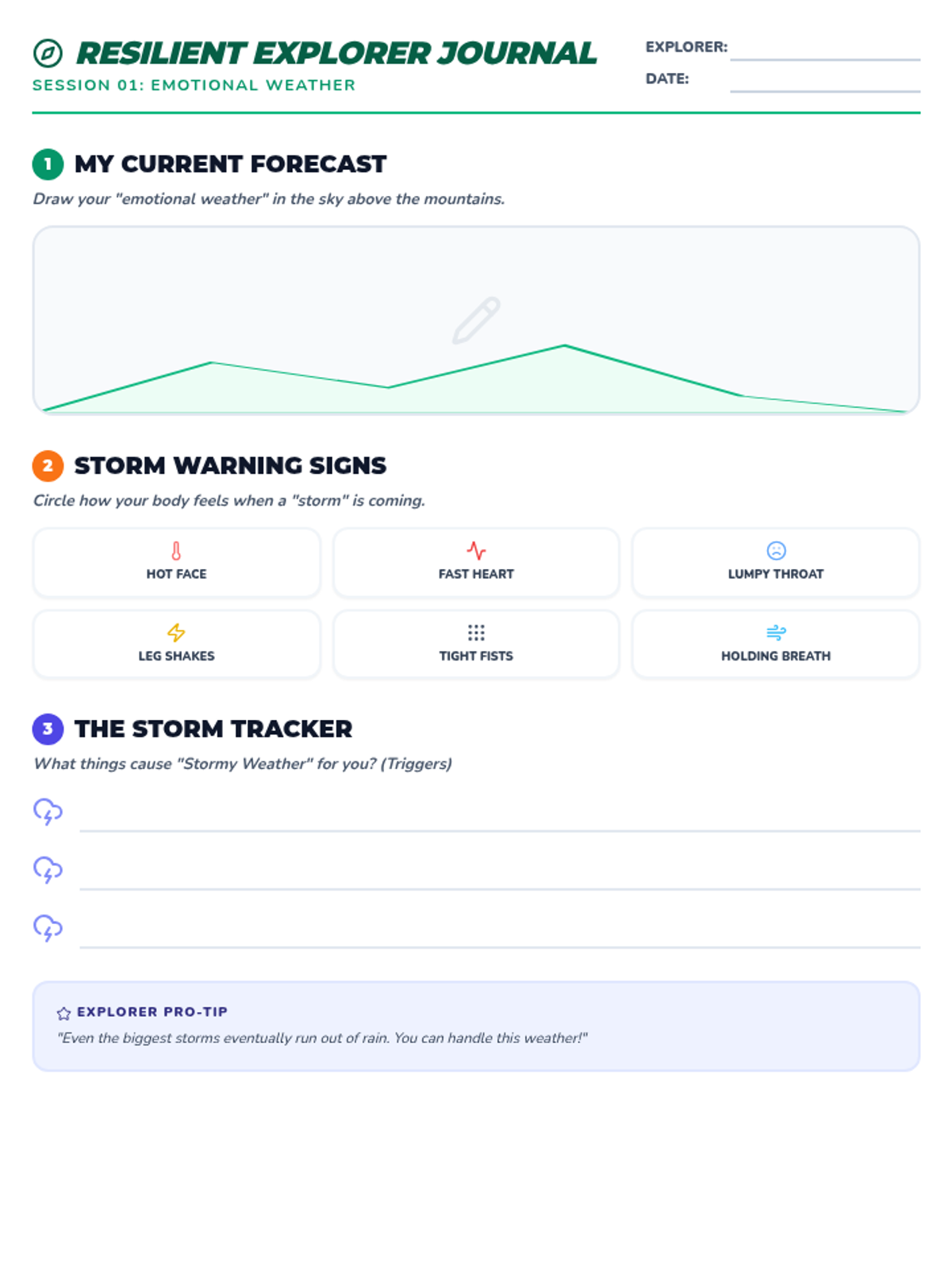
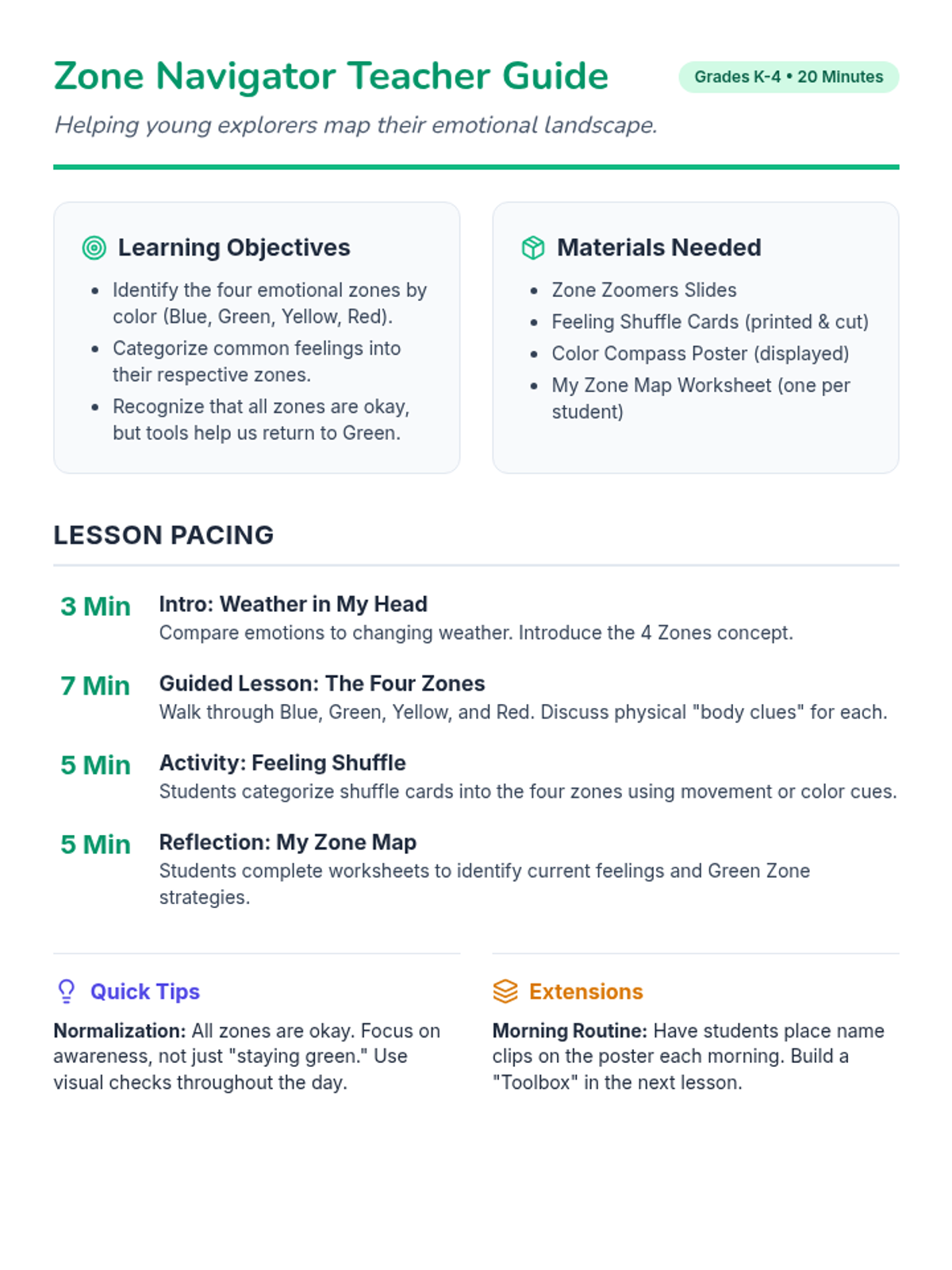
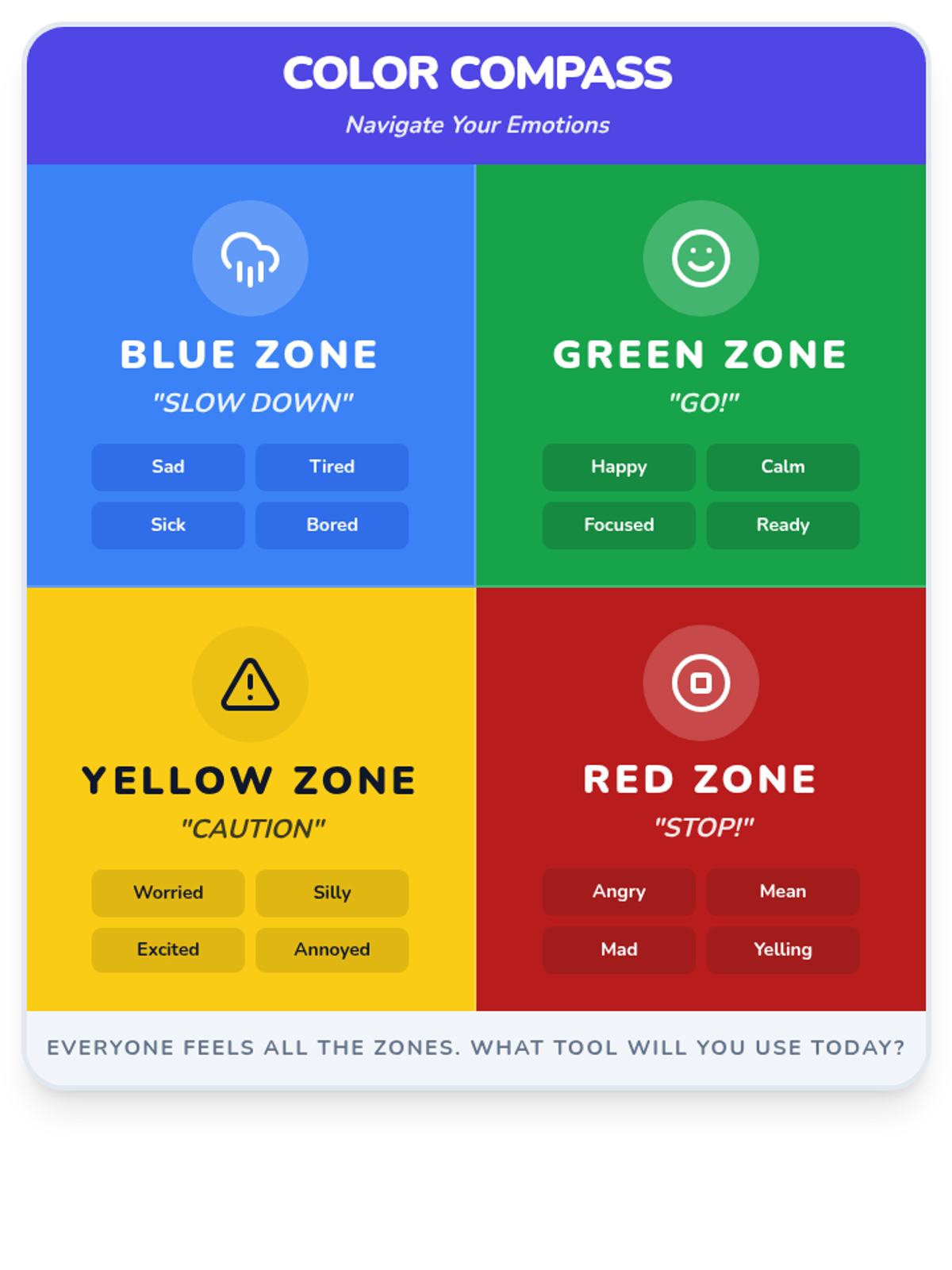
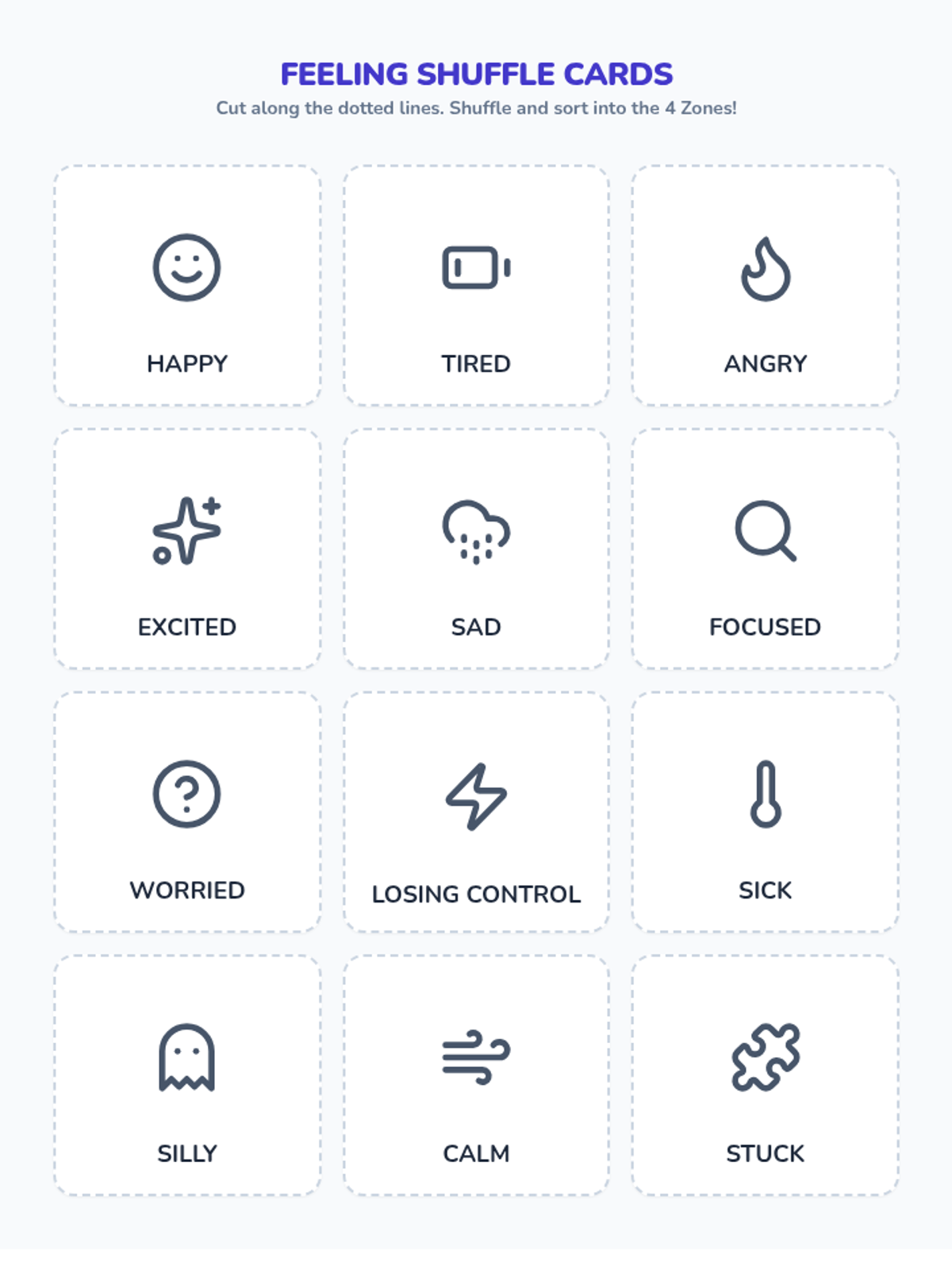
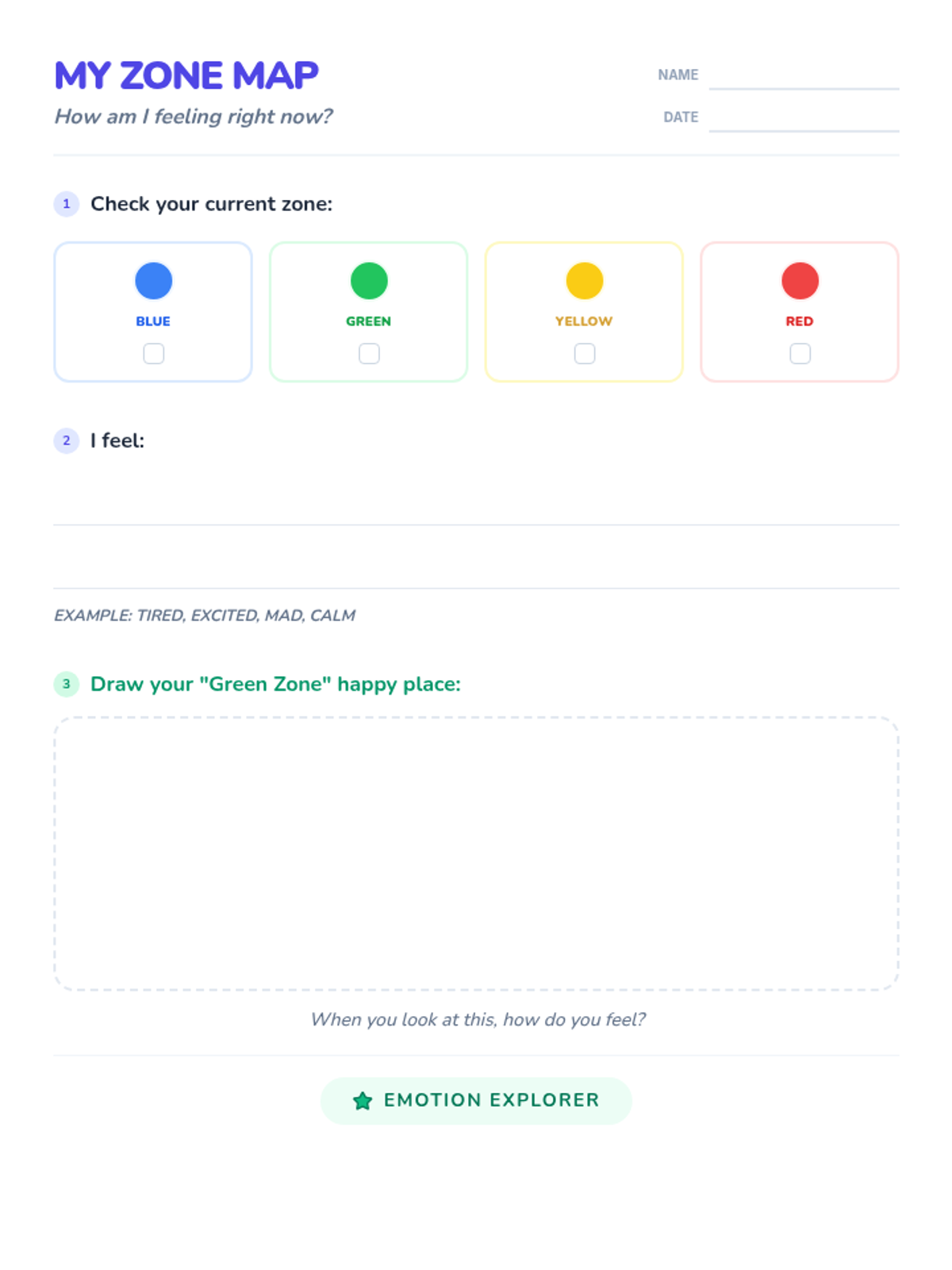
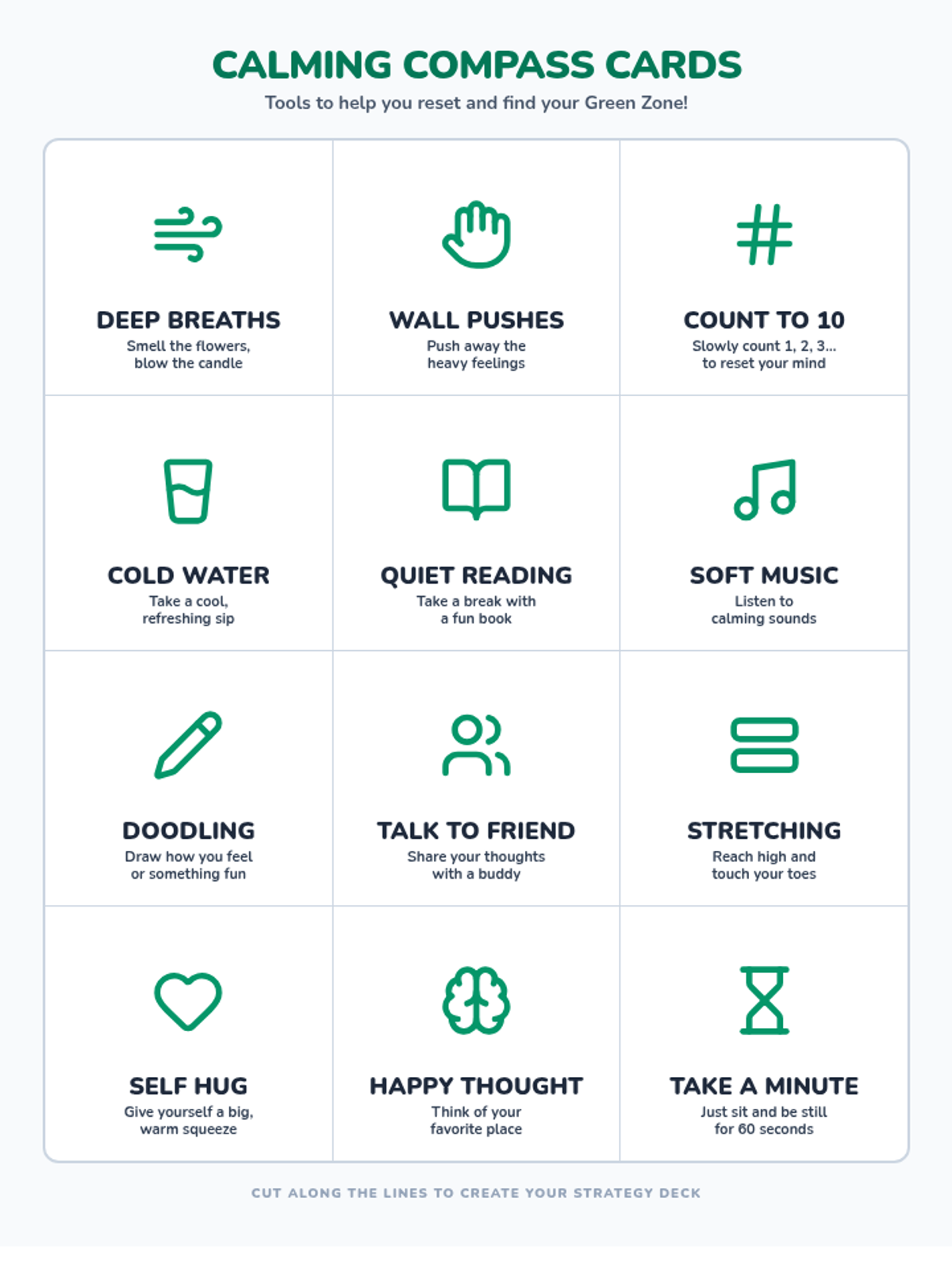
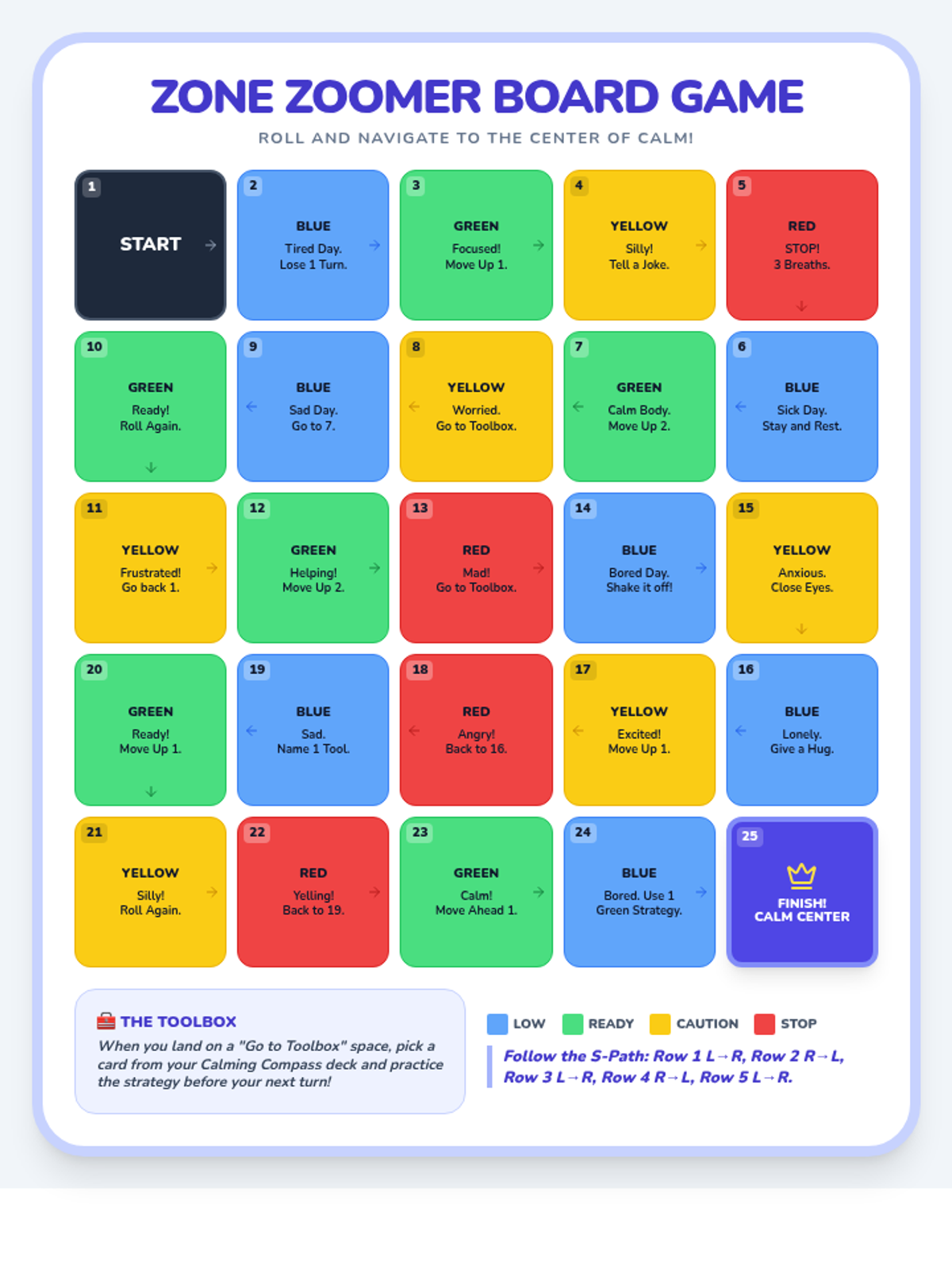
A comprehensive set of tools for students to identify their emotional states, recognize physical triggers, and build a personalized toolbox of coping strategies using the four color-coded zones.
A lesson focused on identifying emotional states using the four zones, recognizing physical triggers, and building a personalized toolbox of coping strategies.
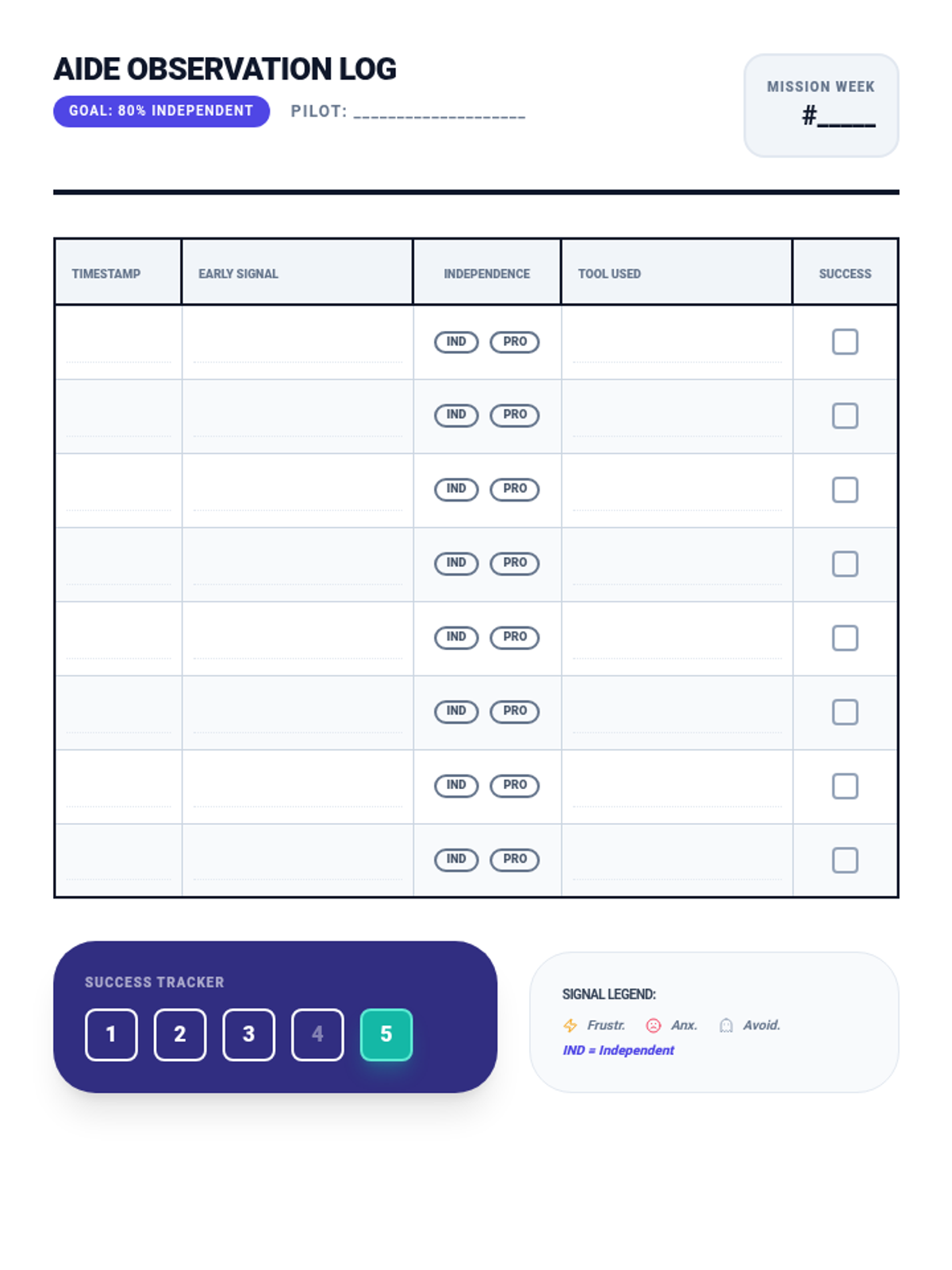
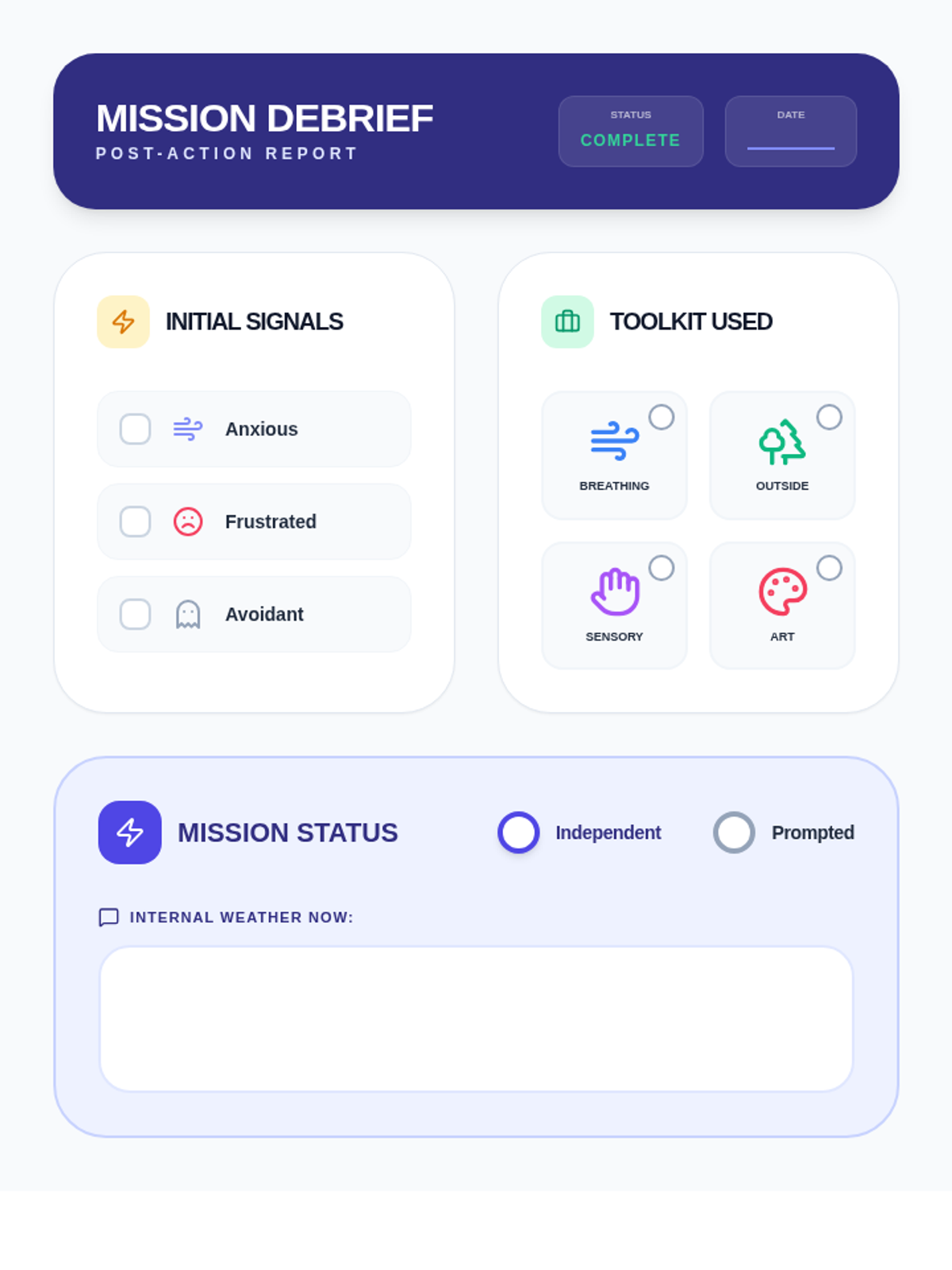
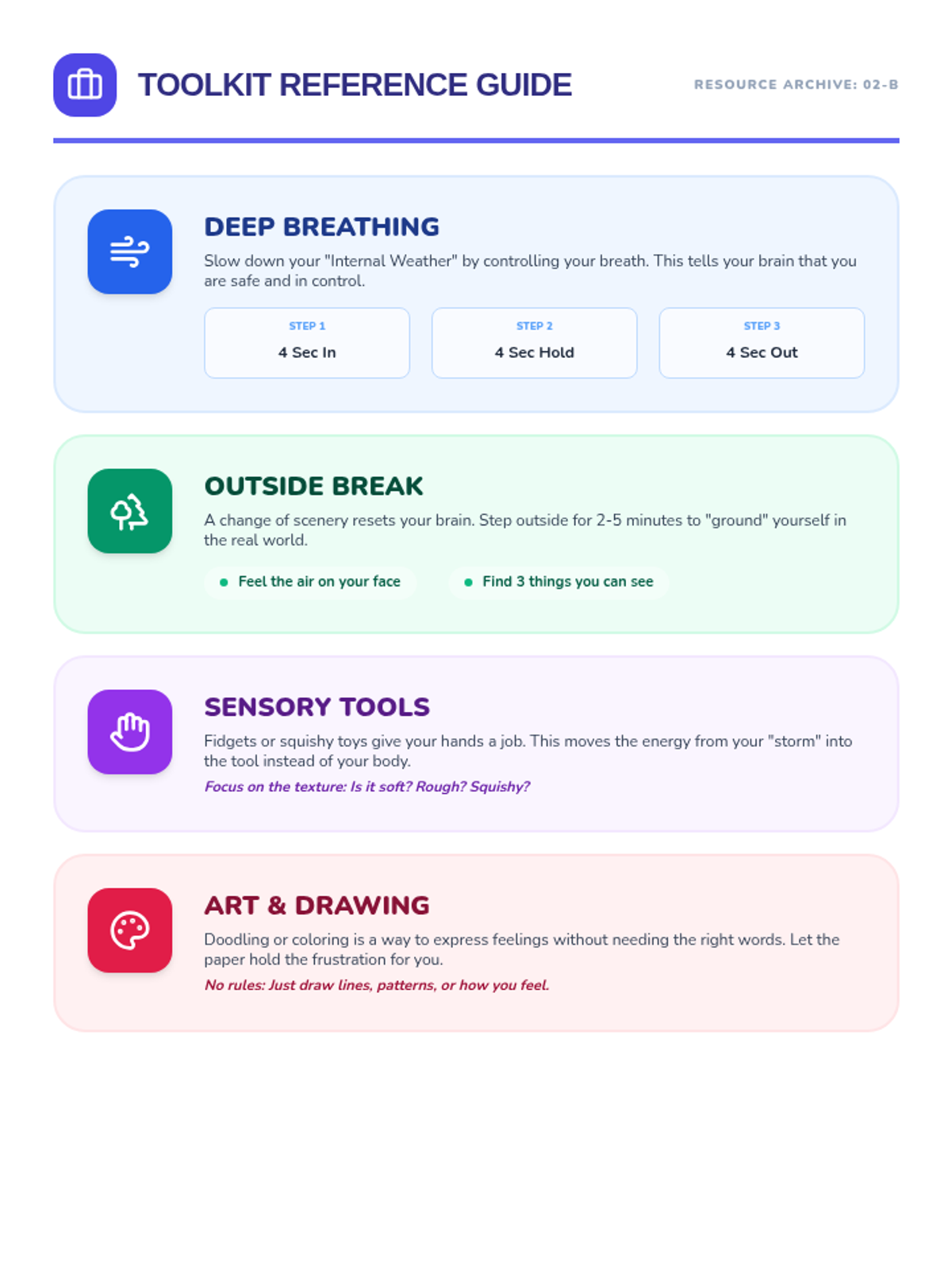
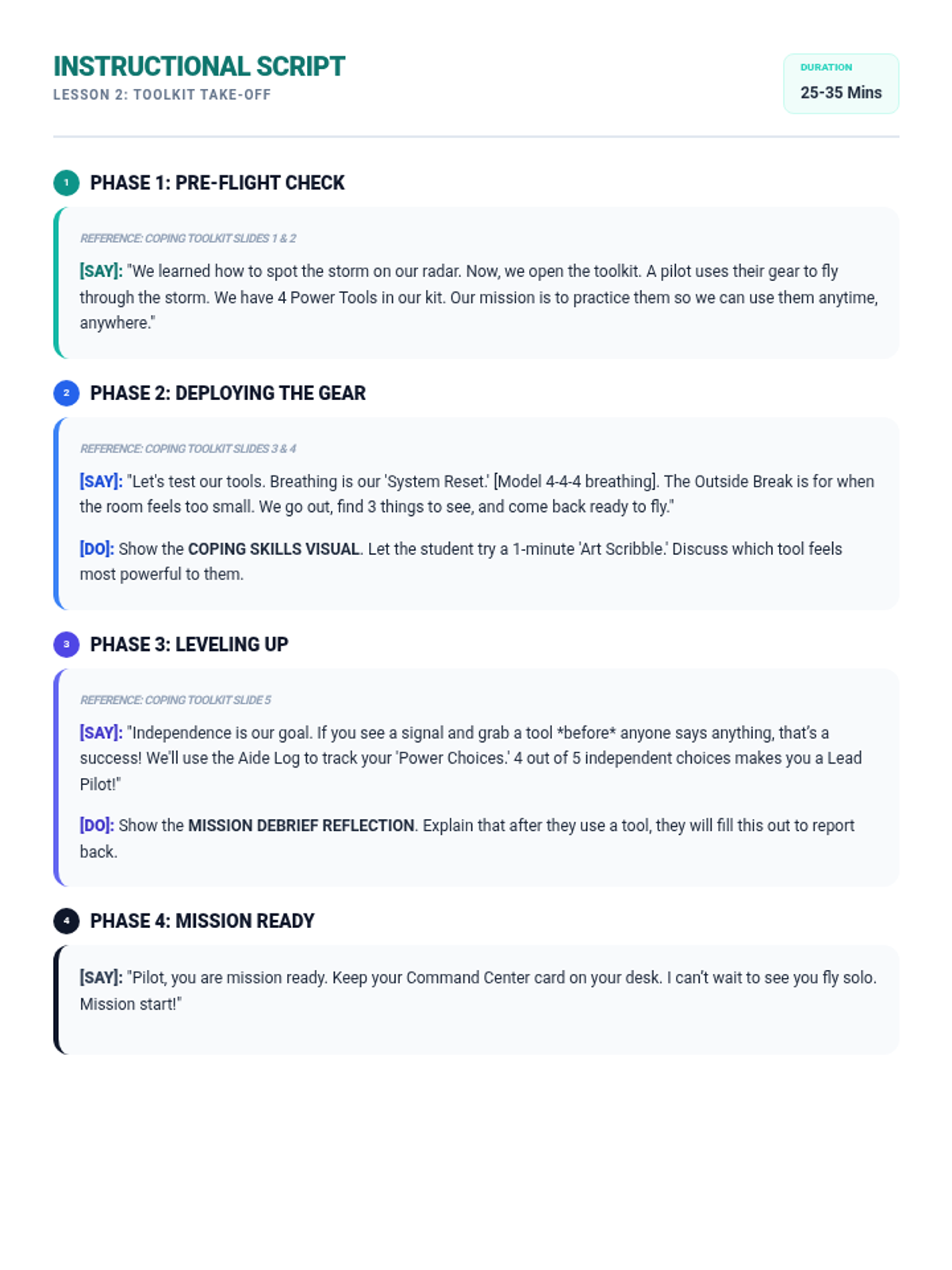
Introducing and practicing the four specific coping strategies: deep breathing, outside breaks, sensory toys, and art.
Focused on identifying the physical and emotional 'early warning signs' of dysregulation, such as anxiety and frustration.
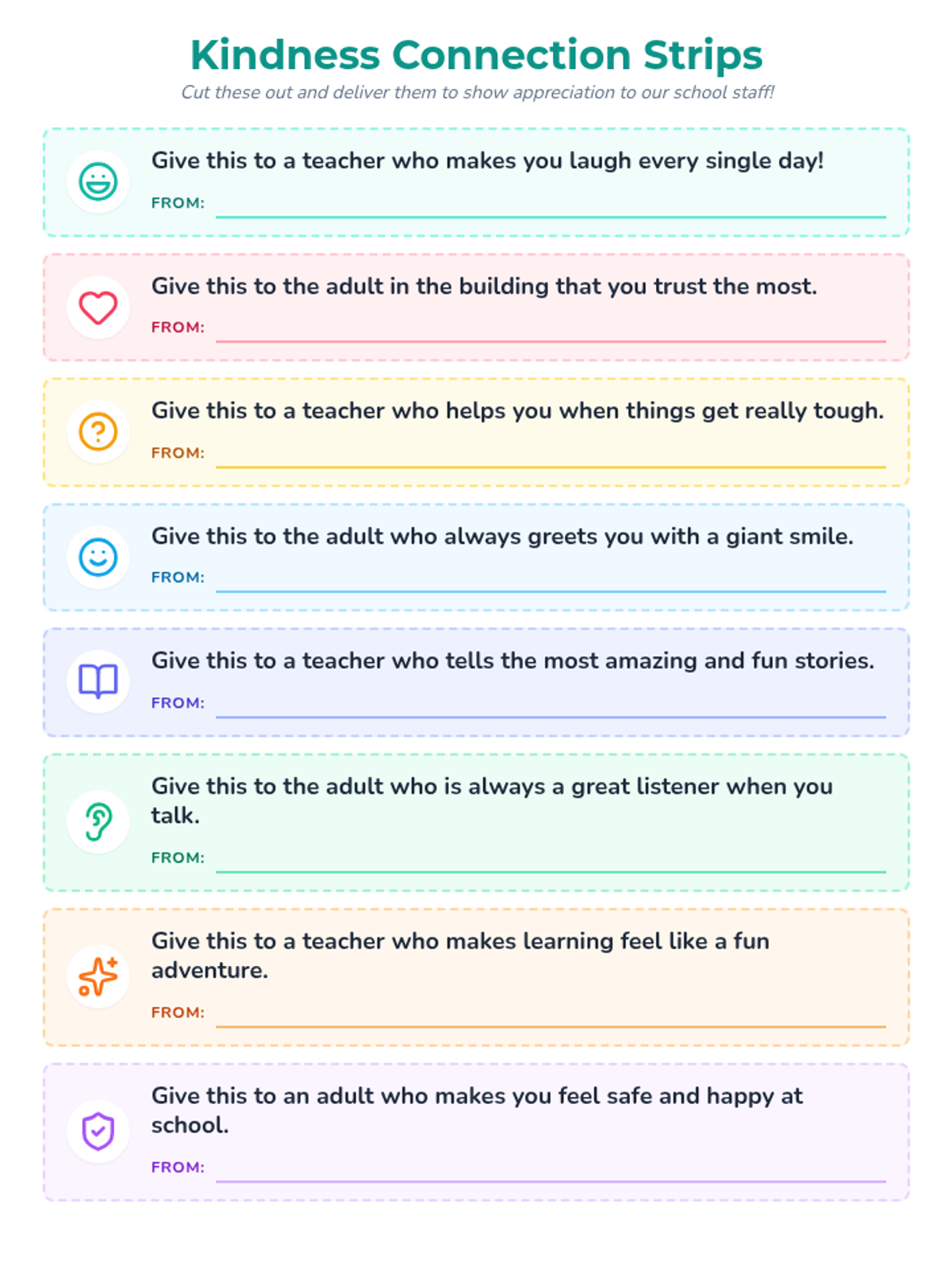
A lesson focused on building school community and practicing gratitude through student-led kindness initiatives. Students identify positive traits in the adults around them and deliver personalized 'Kindness Connections' strips to show appreciation.
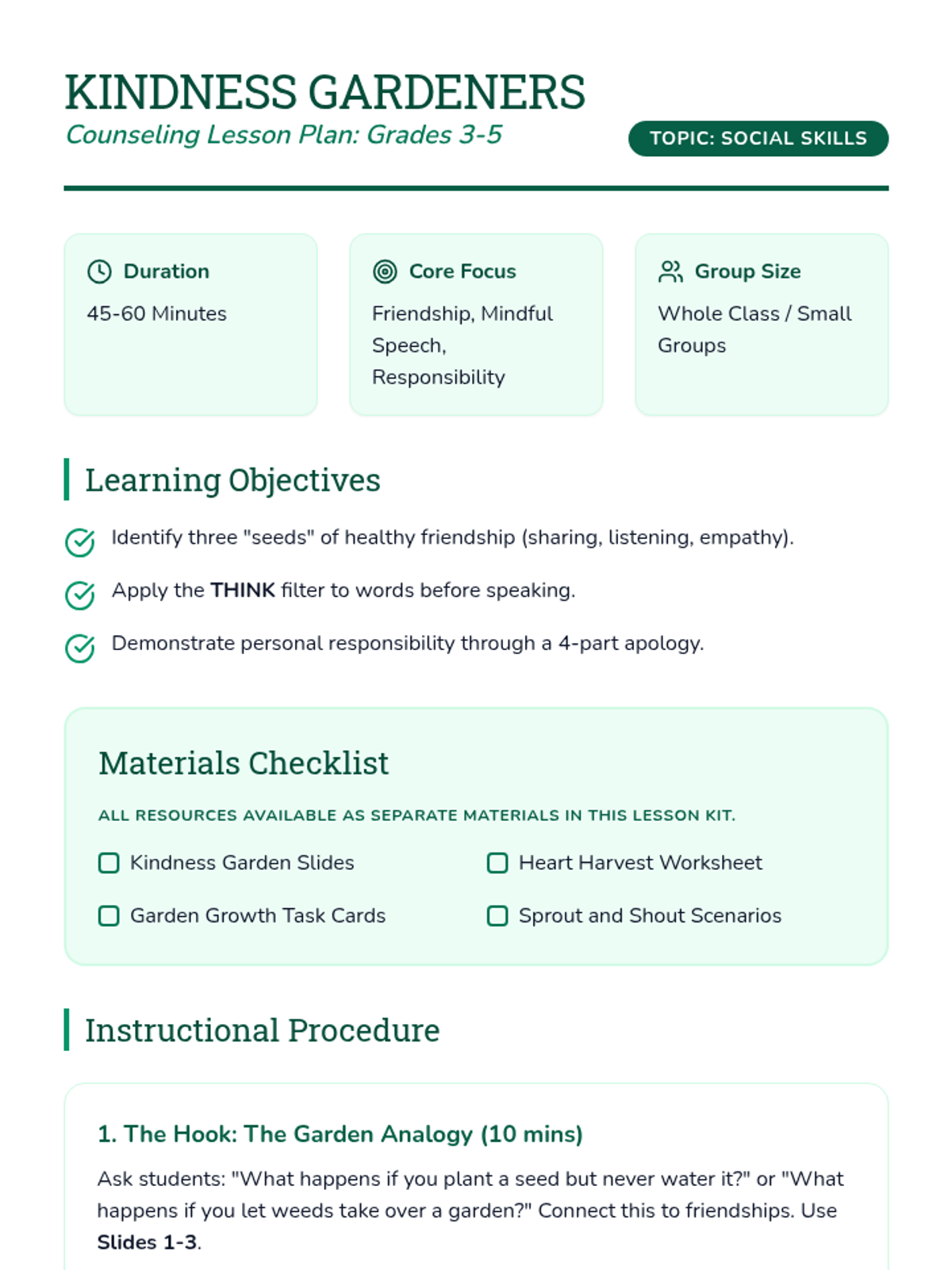
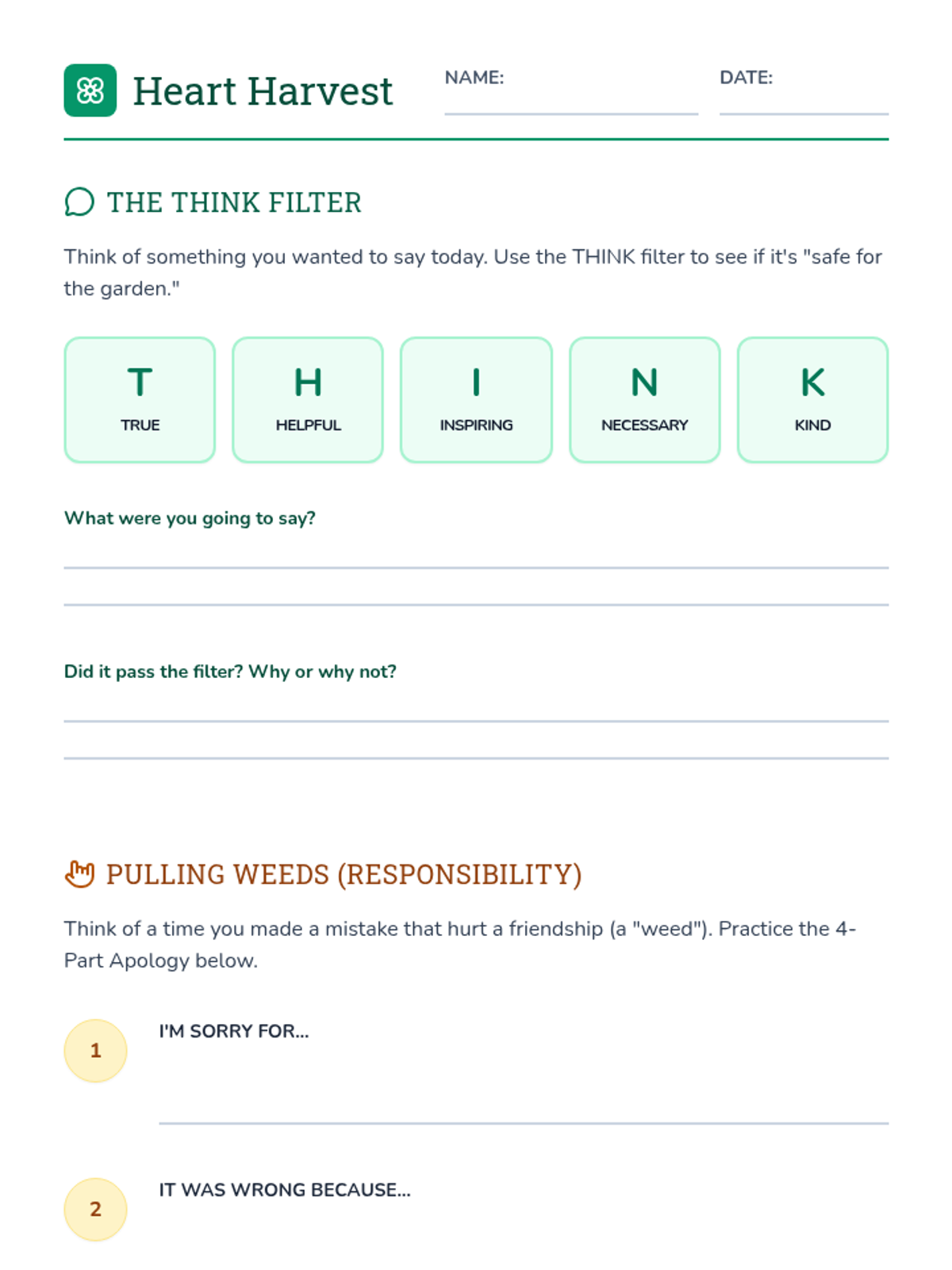
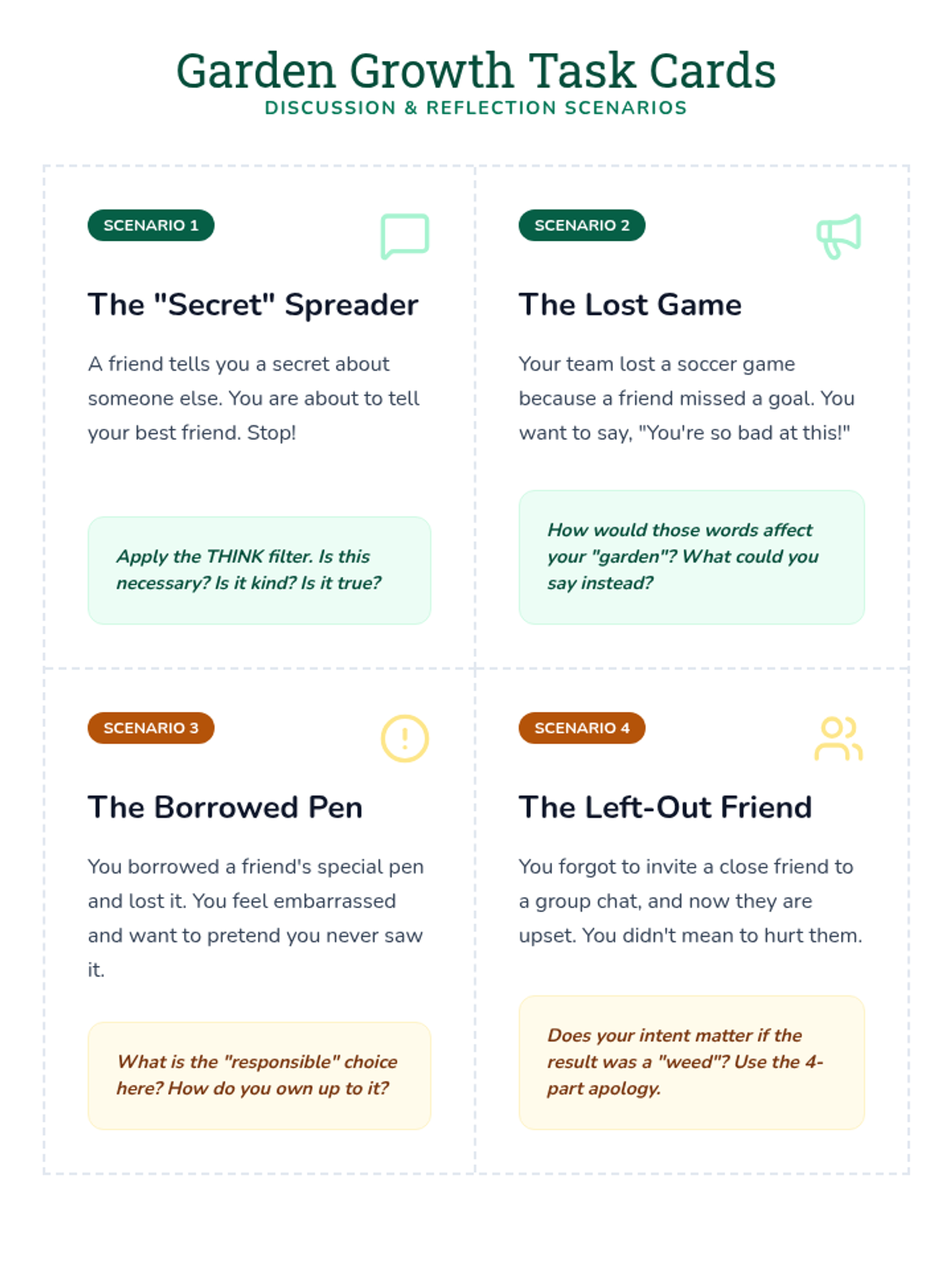
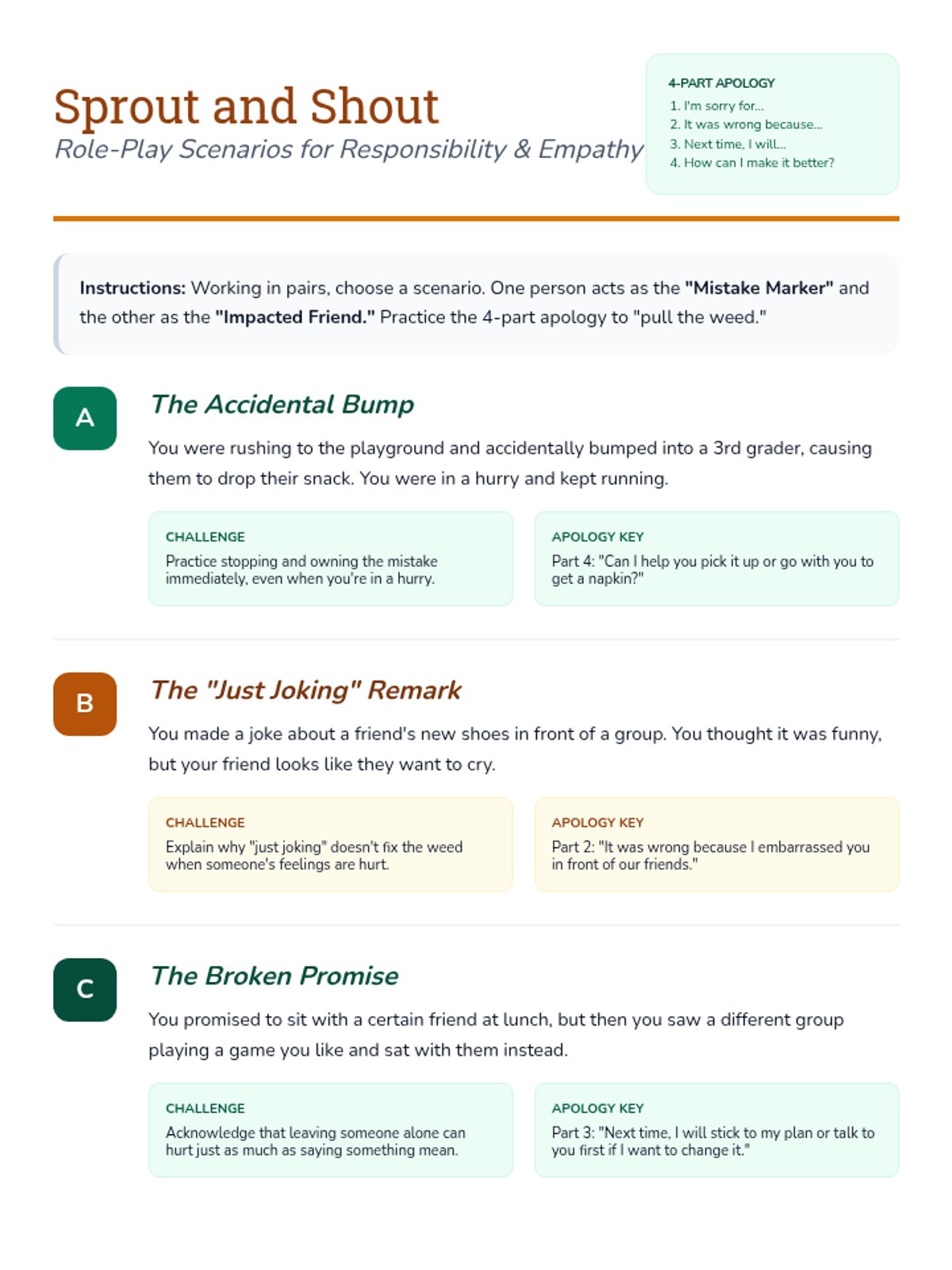
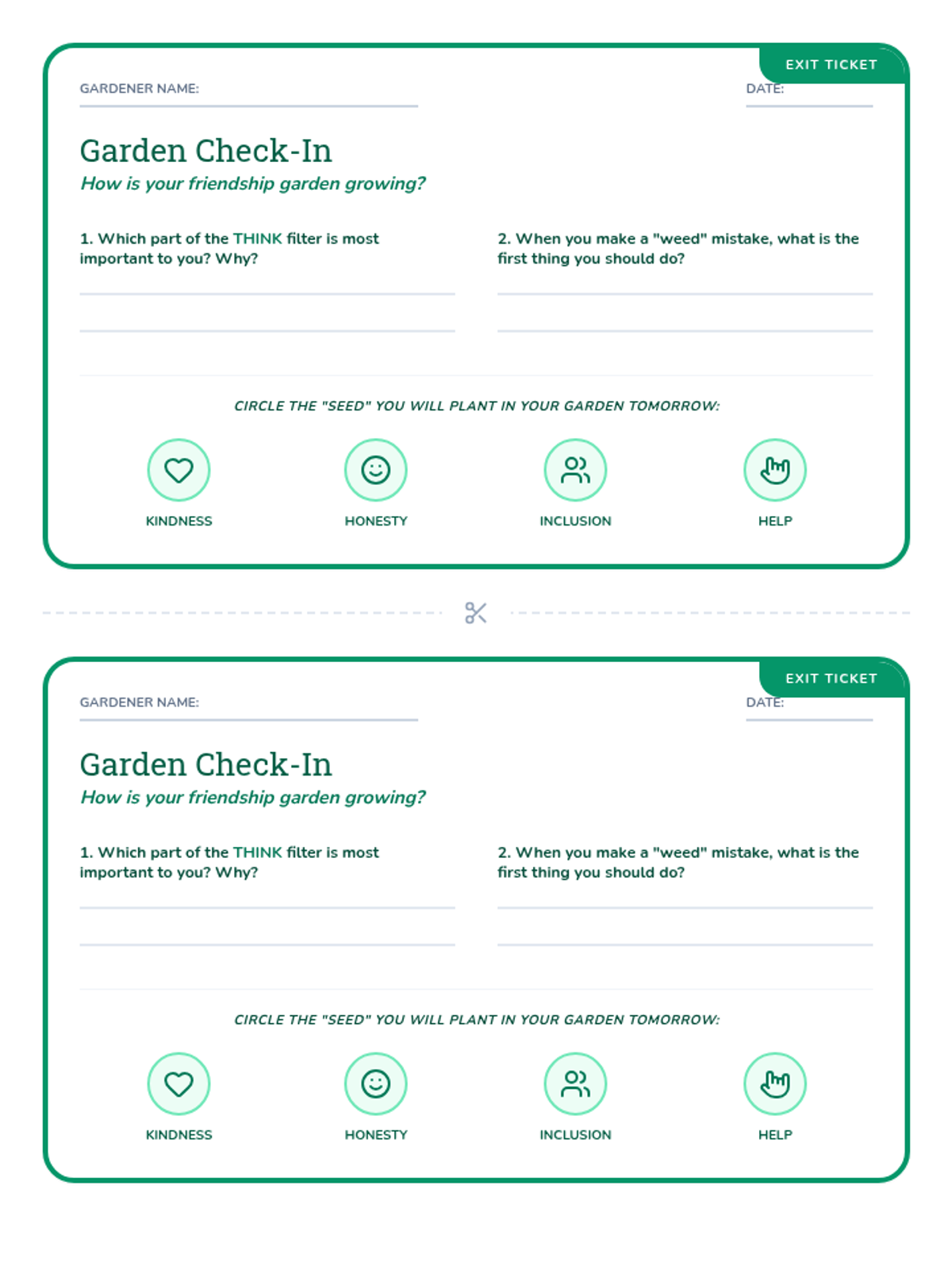
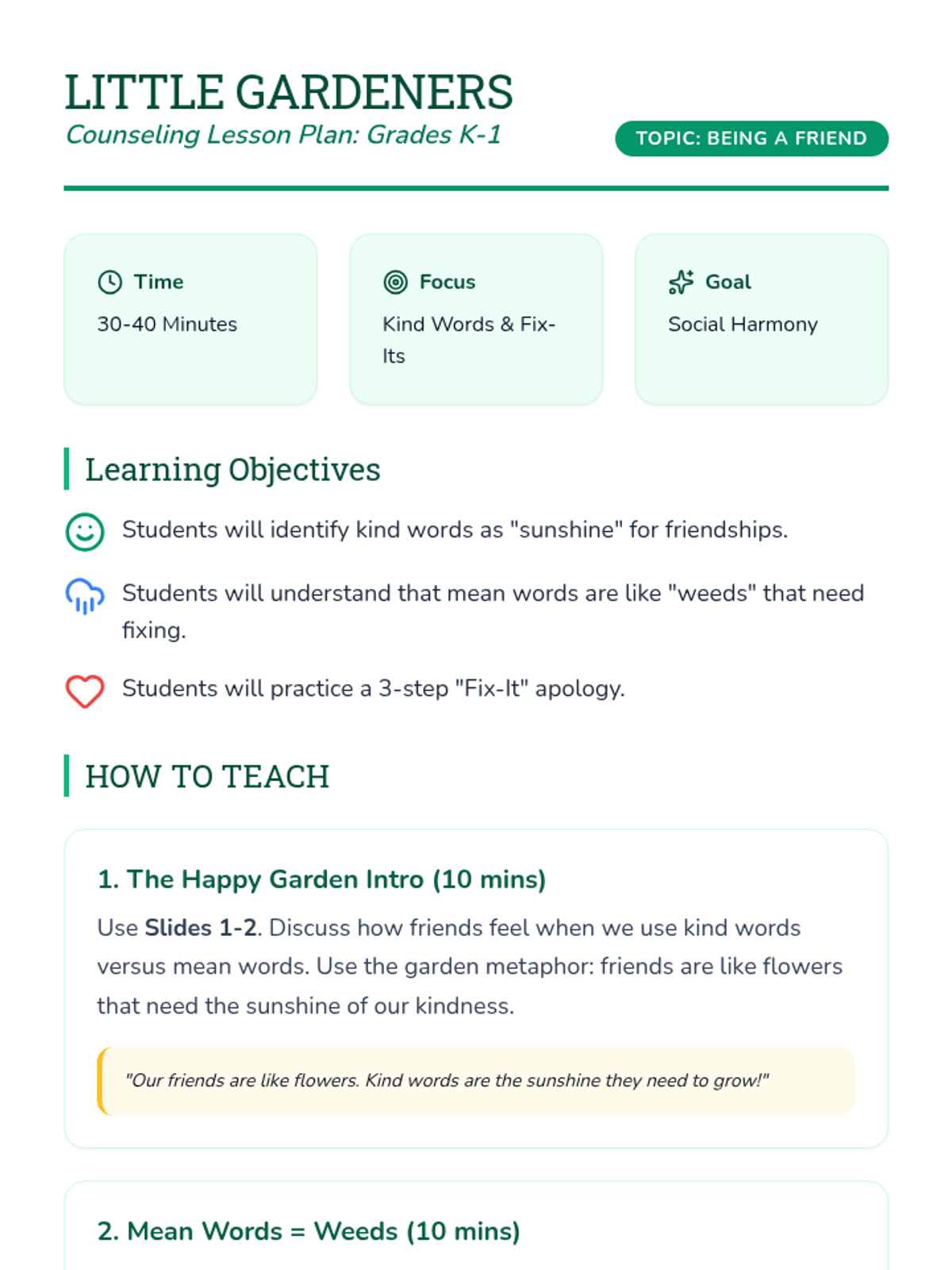
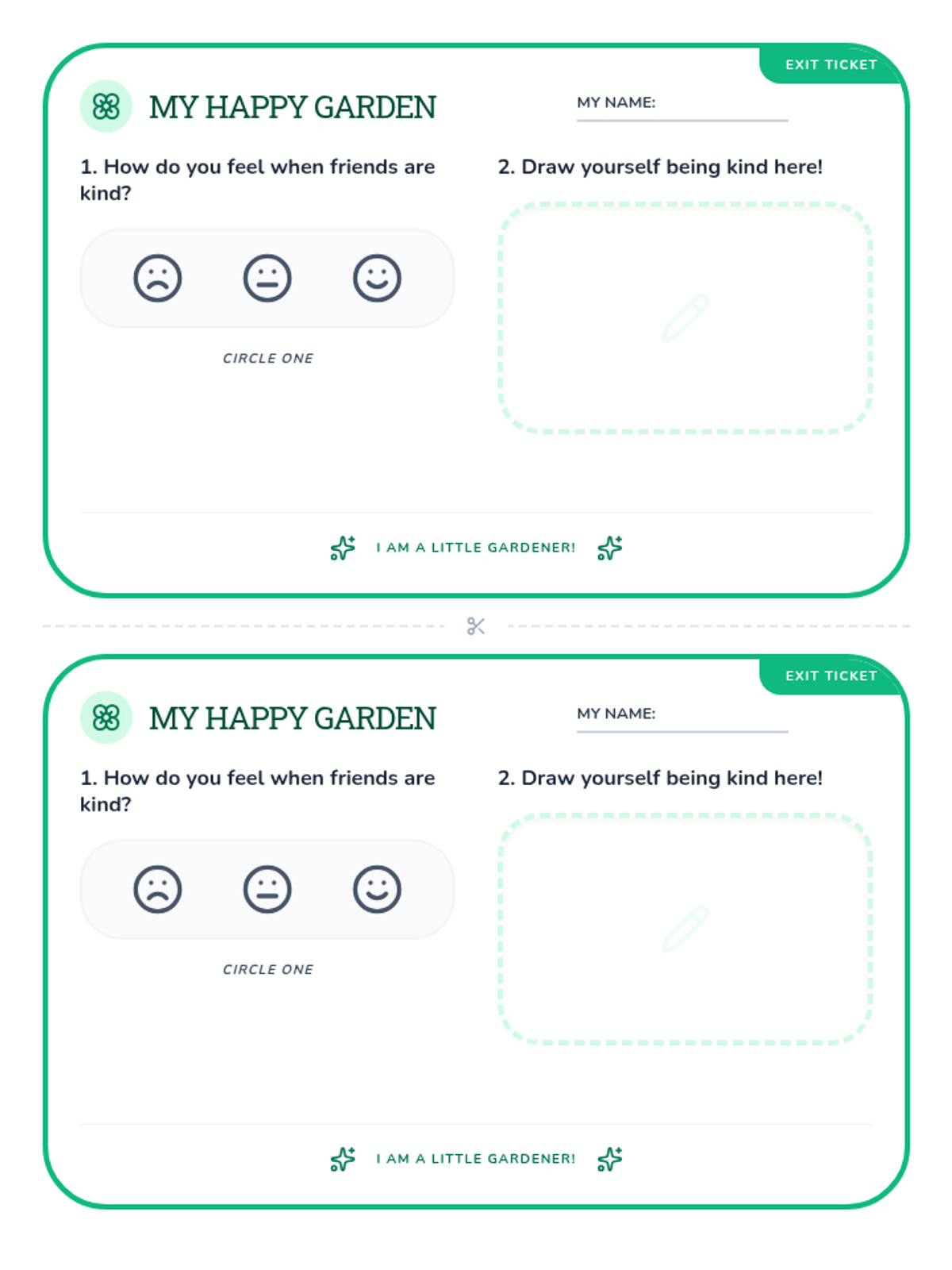
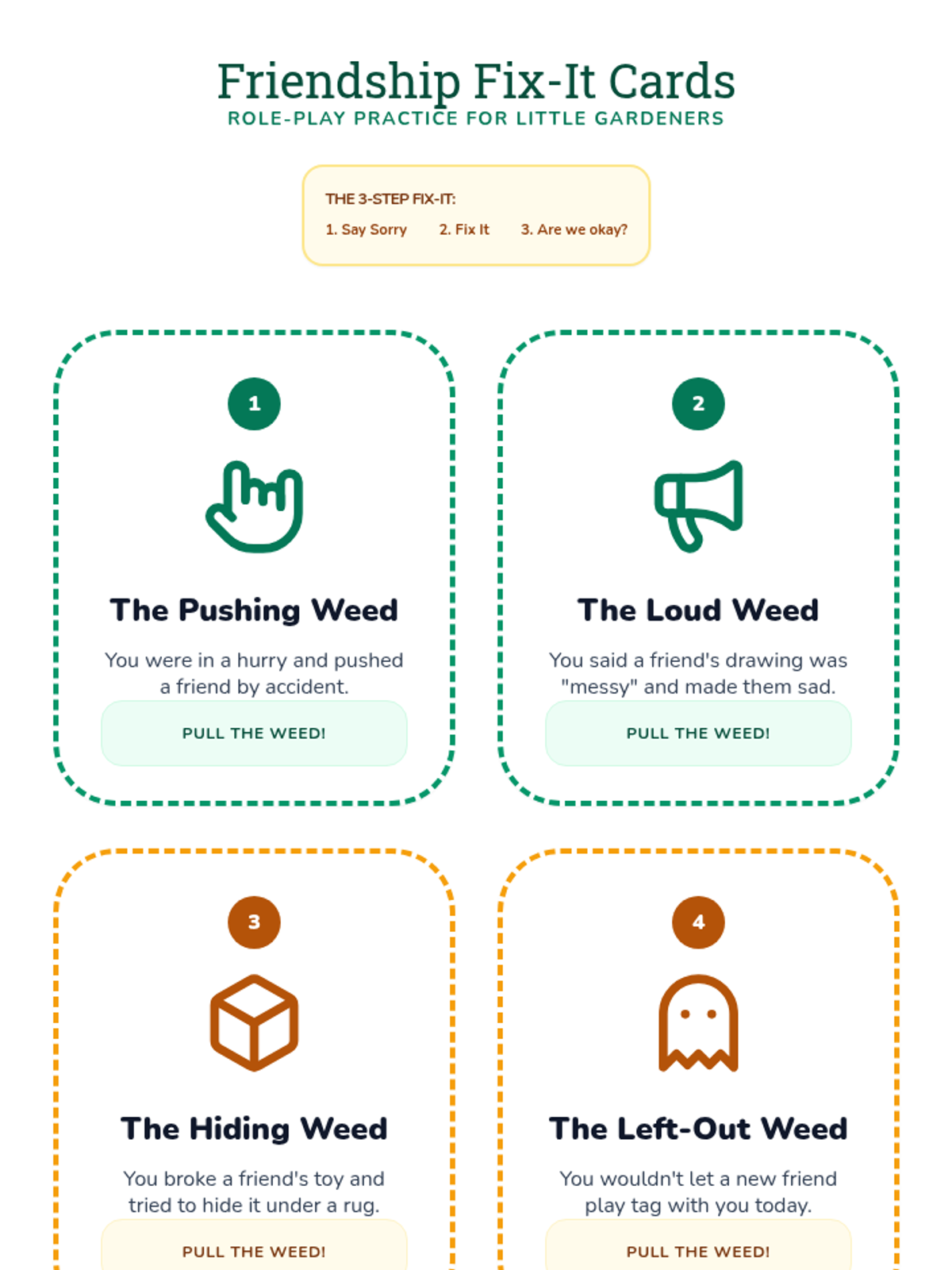
A comprehensive counseling lesson for 3rd-5th graders focusing on the intersection of friendship, mindful communication, and personal responsibility. Students learn to cultivate healthy relationships through the metaphor of a garden.
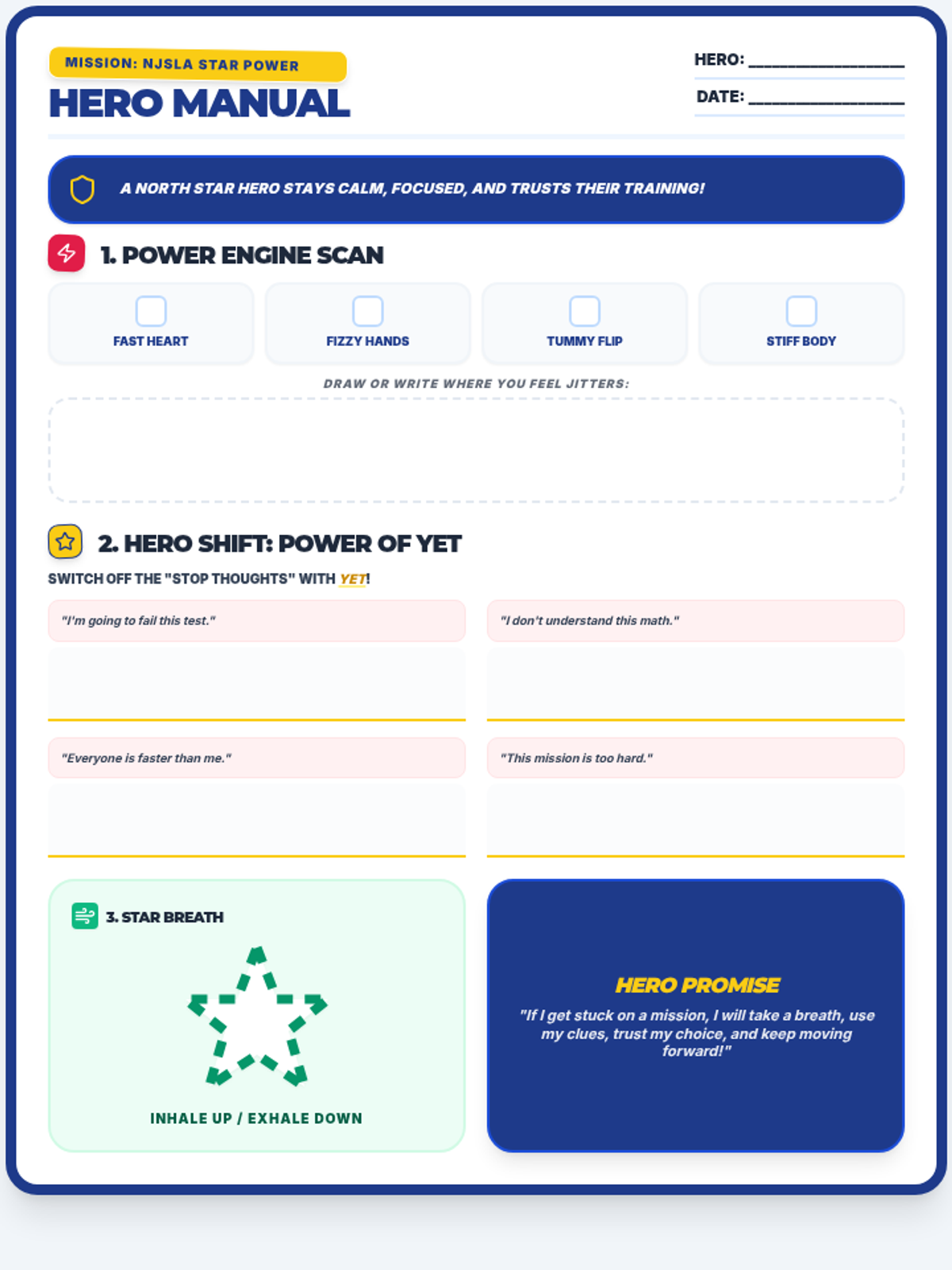
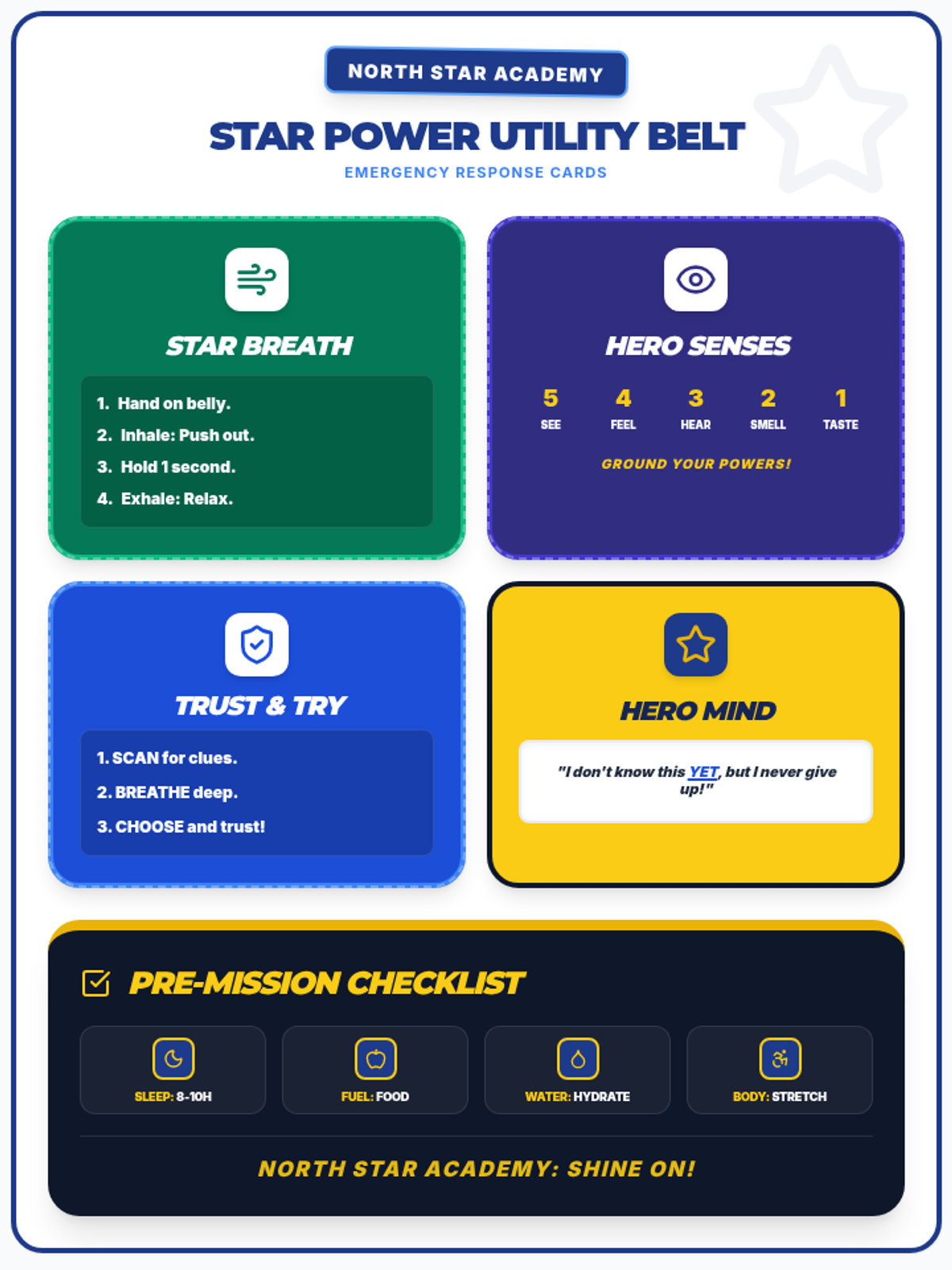
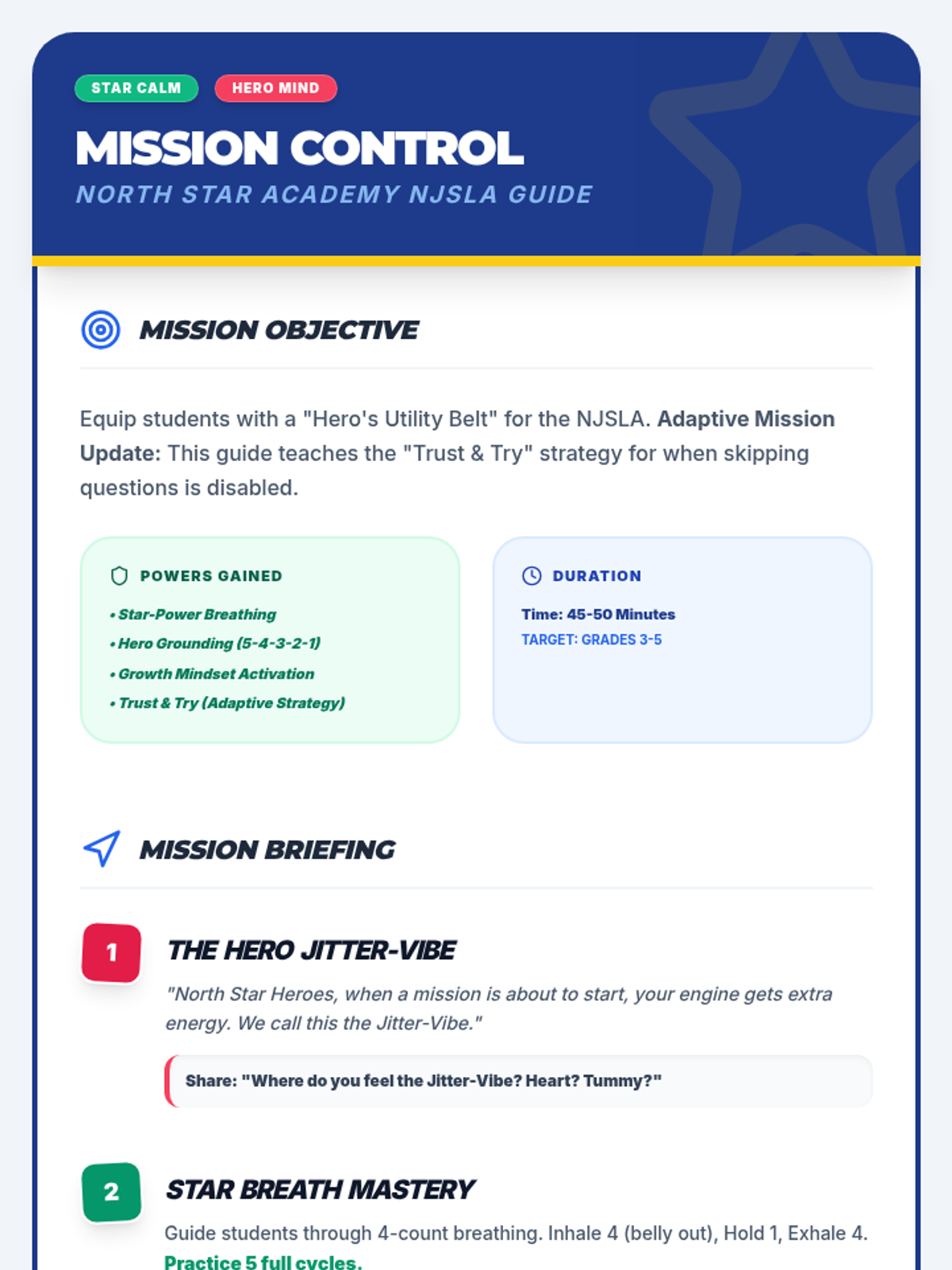
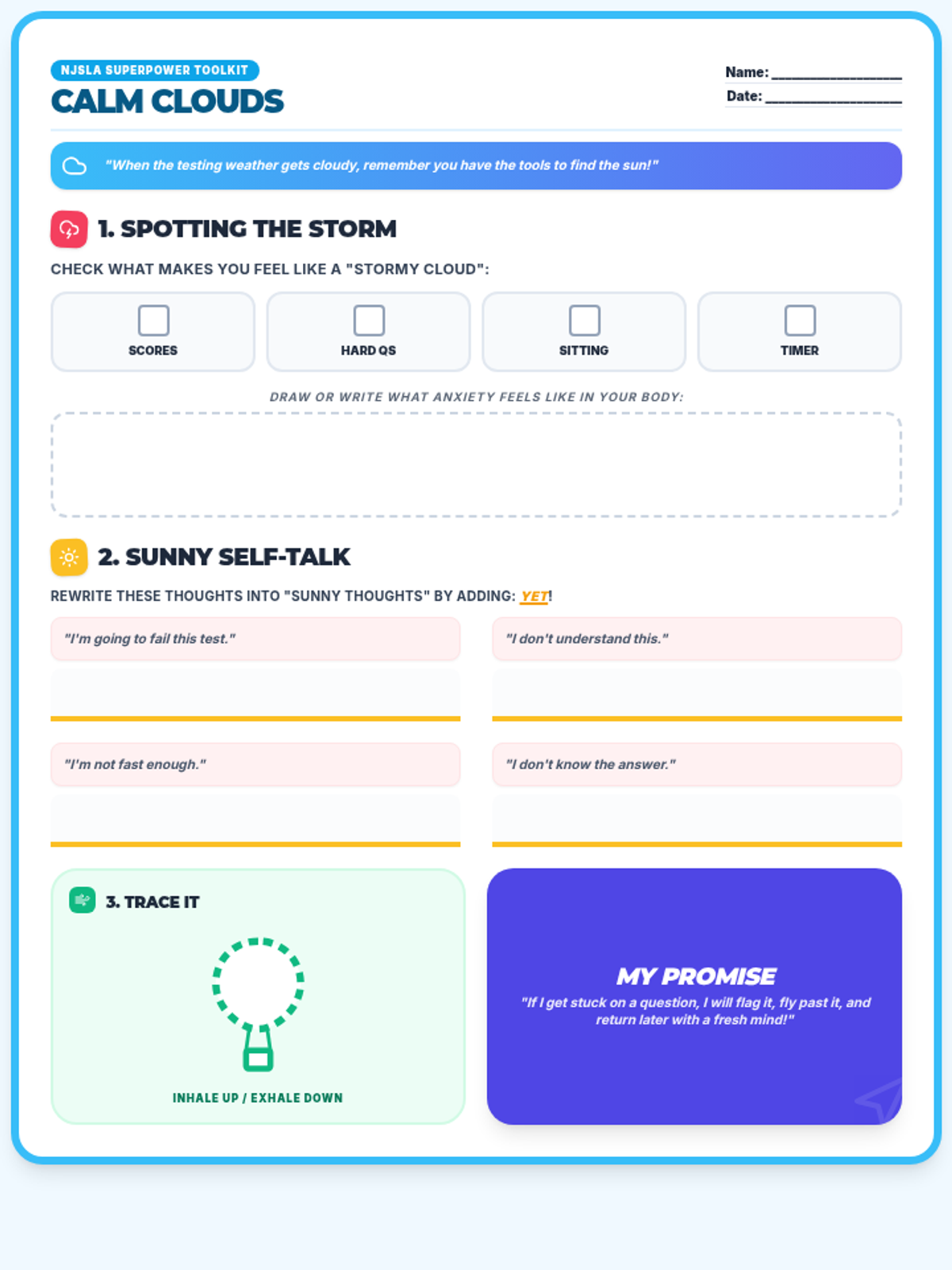
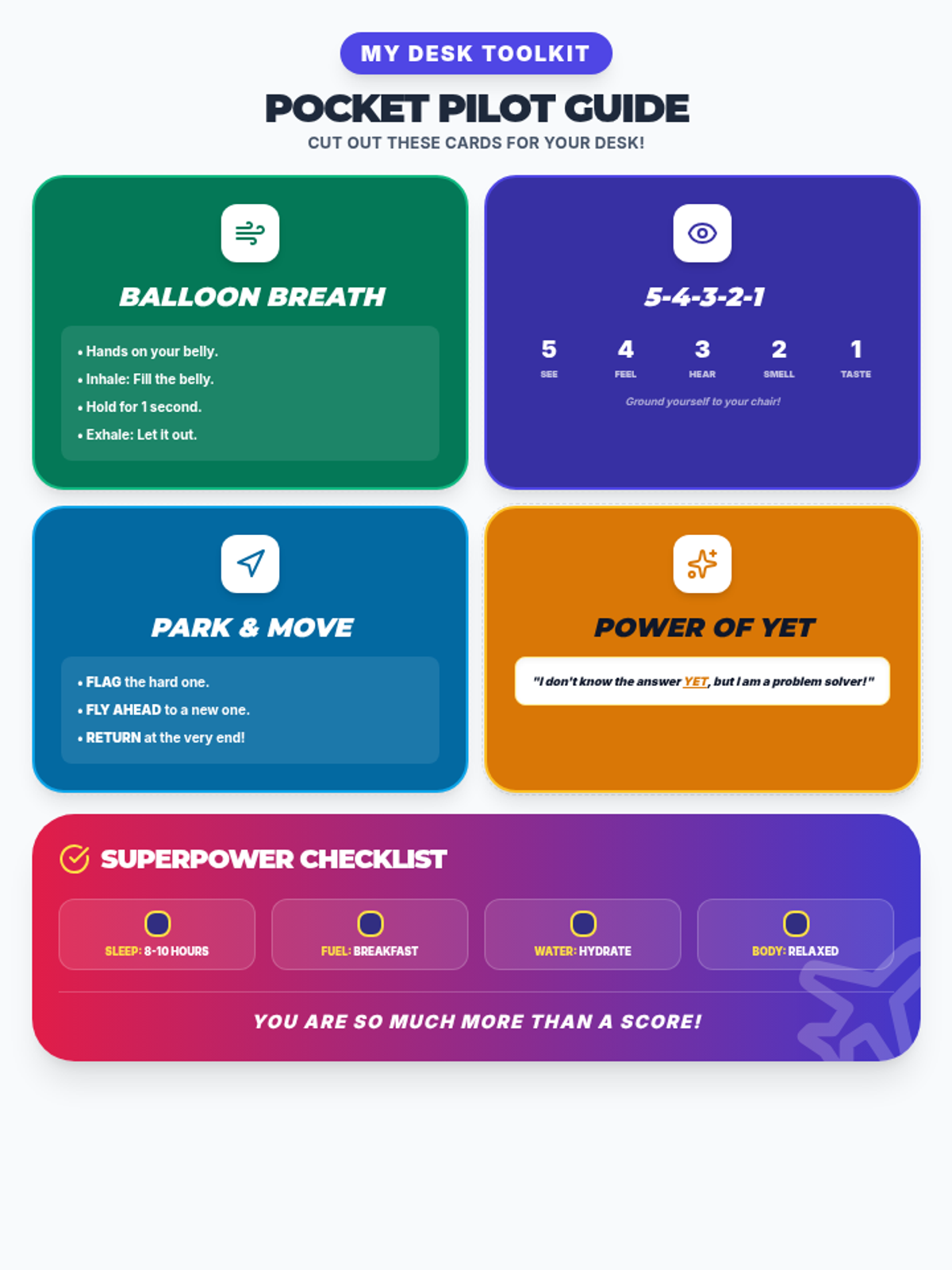
Students learn to activate their North Star 'Star Power' by managing testing jitters, using the 'Power of Yet', and mastering strategic tools to stay calm and focused during the NJSLA.
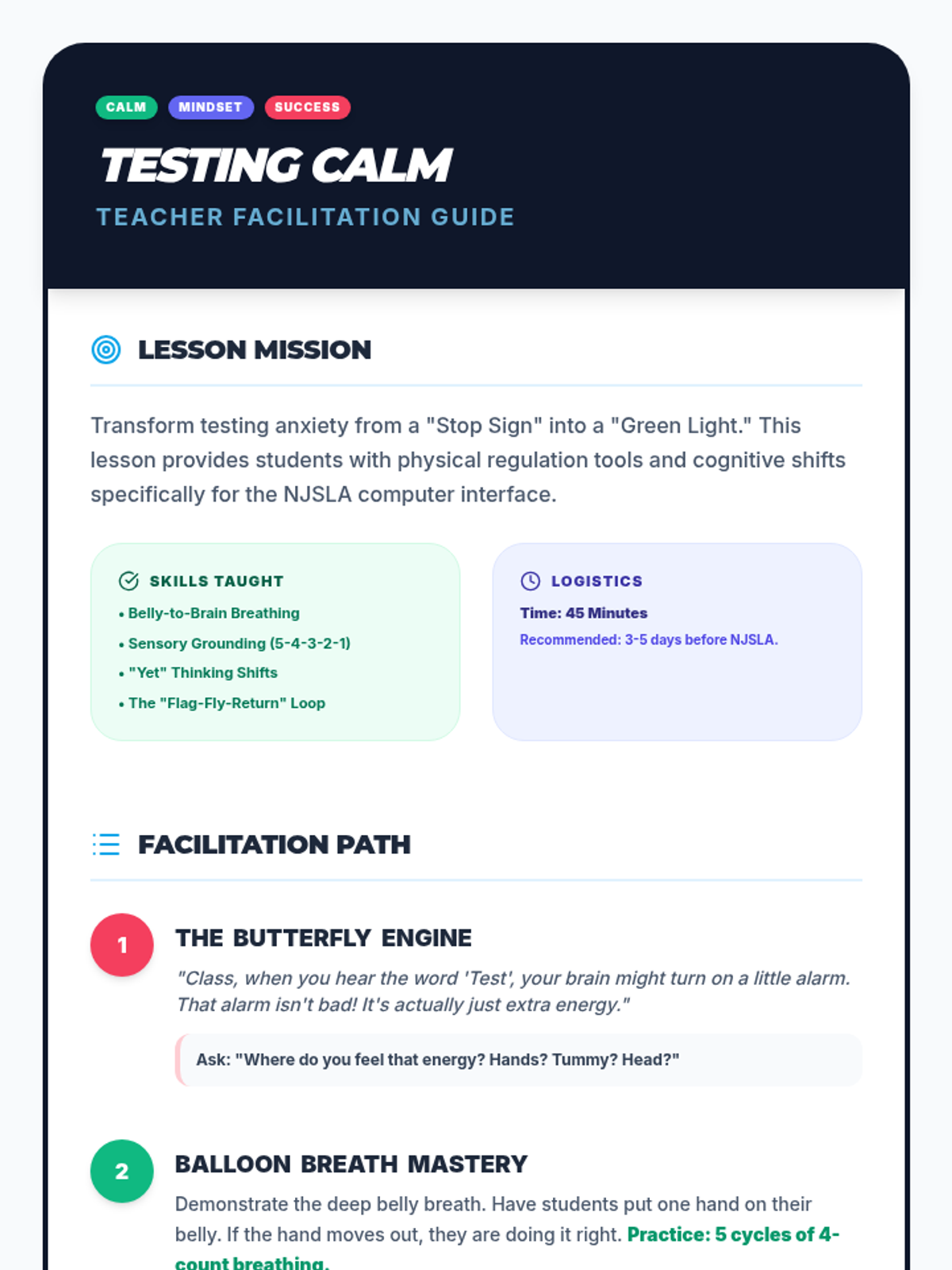
This lesson introduces students to the concept of test anxiety and provides them with a toolkit of regulation techniques and mindset strategies to stay calm during the NJSLA.
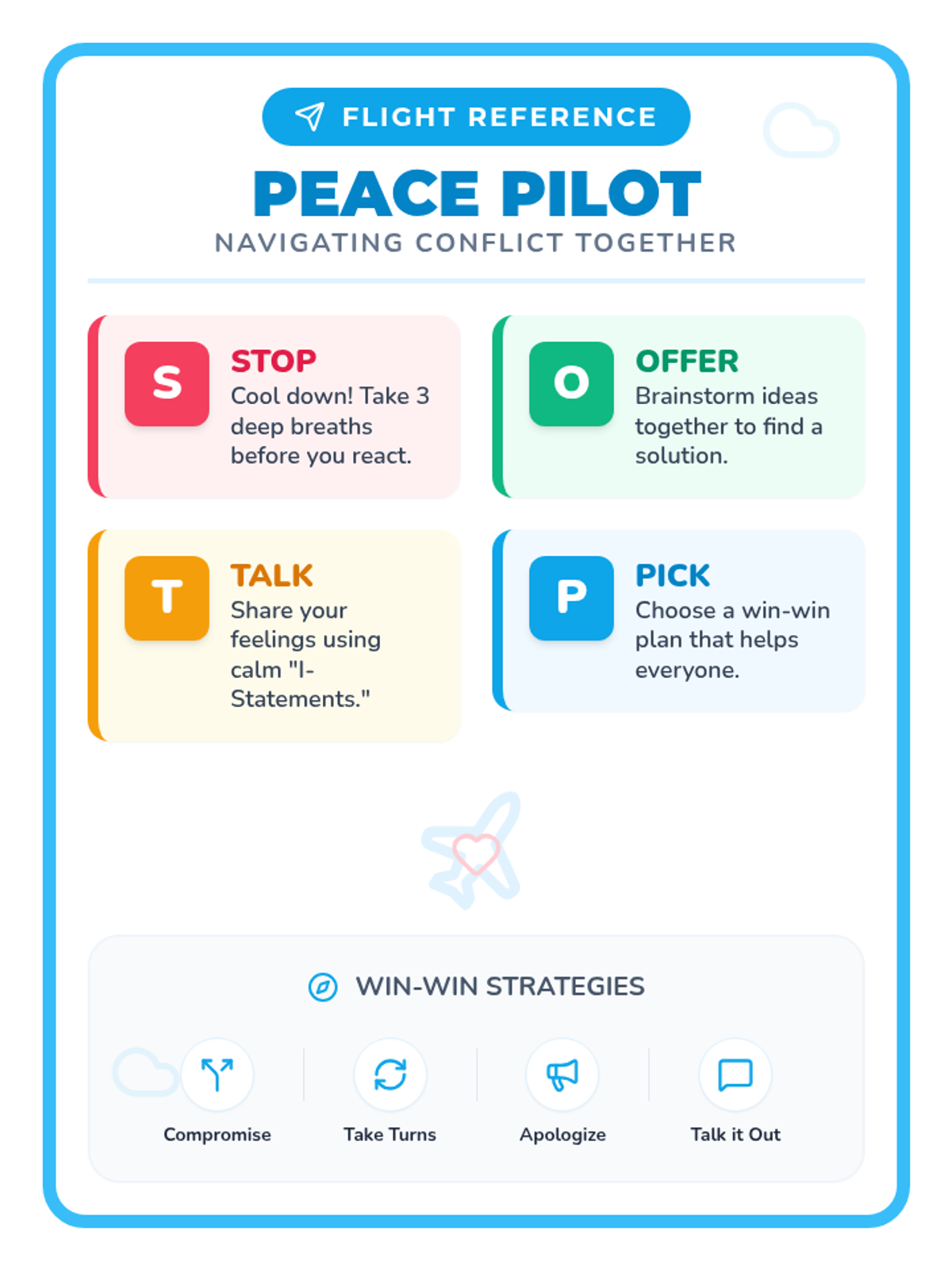
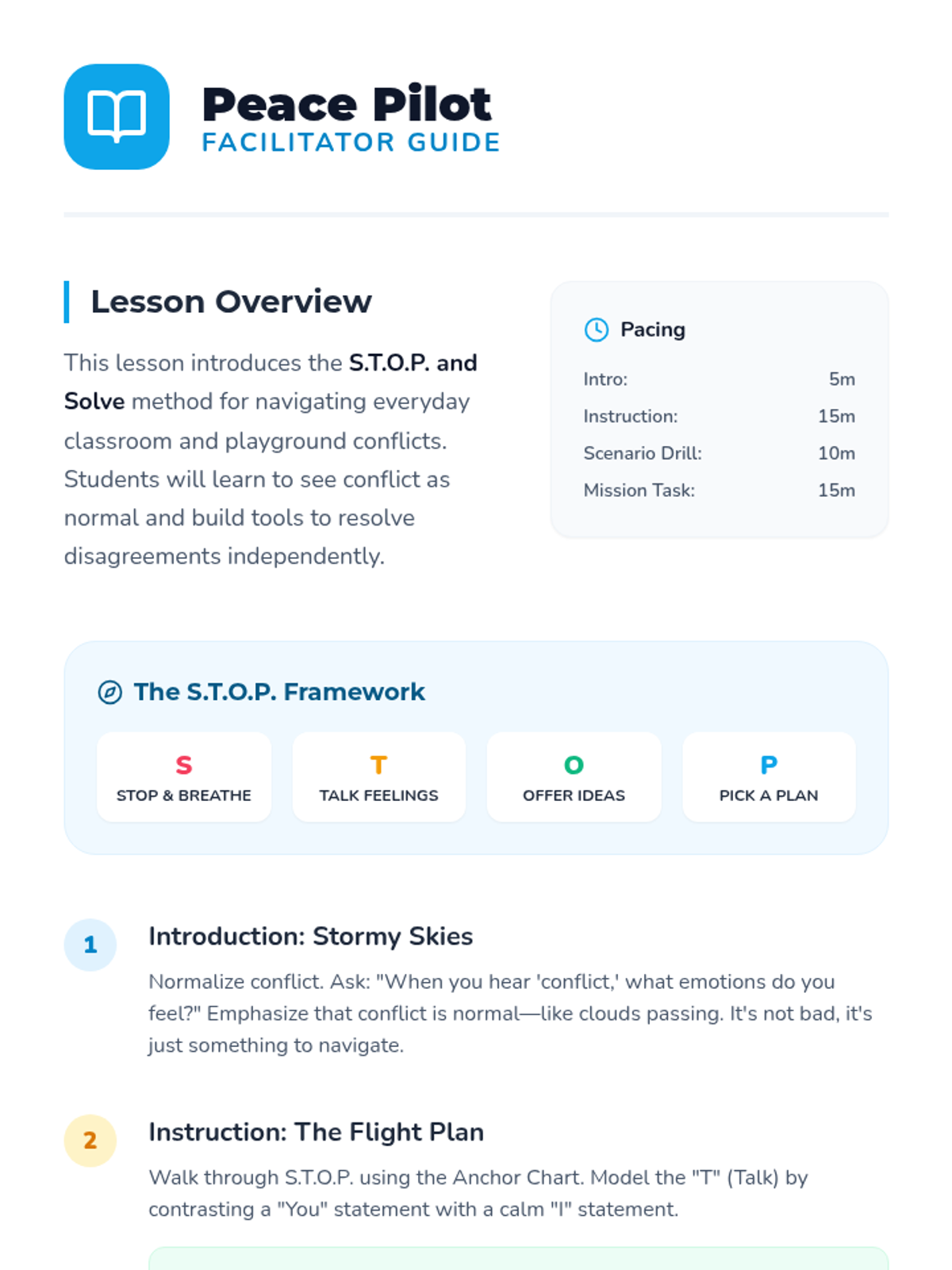
A foundational lesson on conflict resolution using the S.T.O.P. framework to help students navigate disagreements and find win-win solutions.
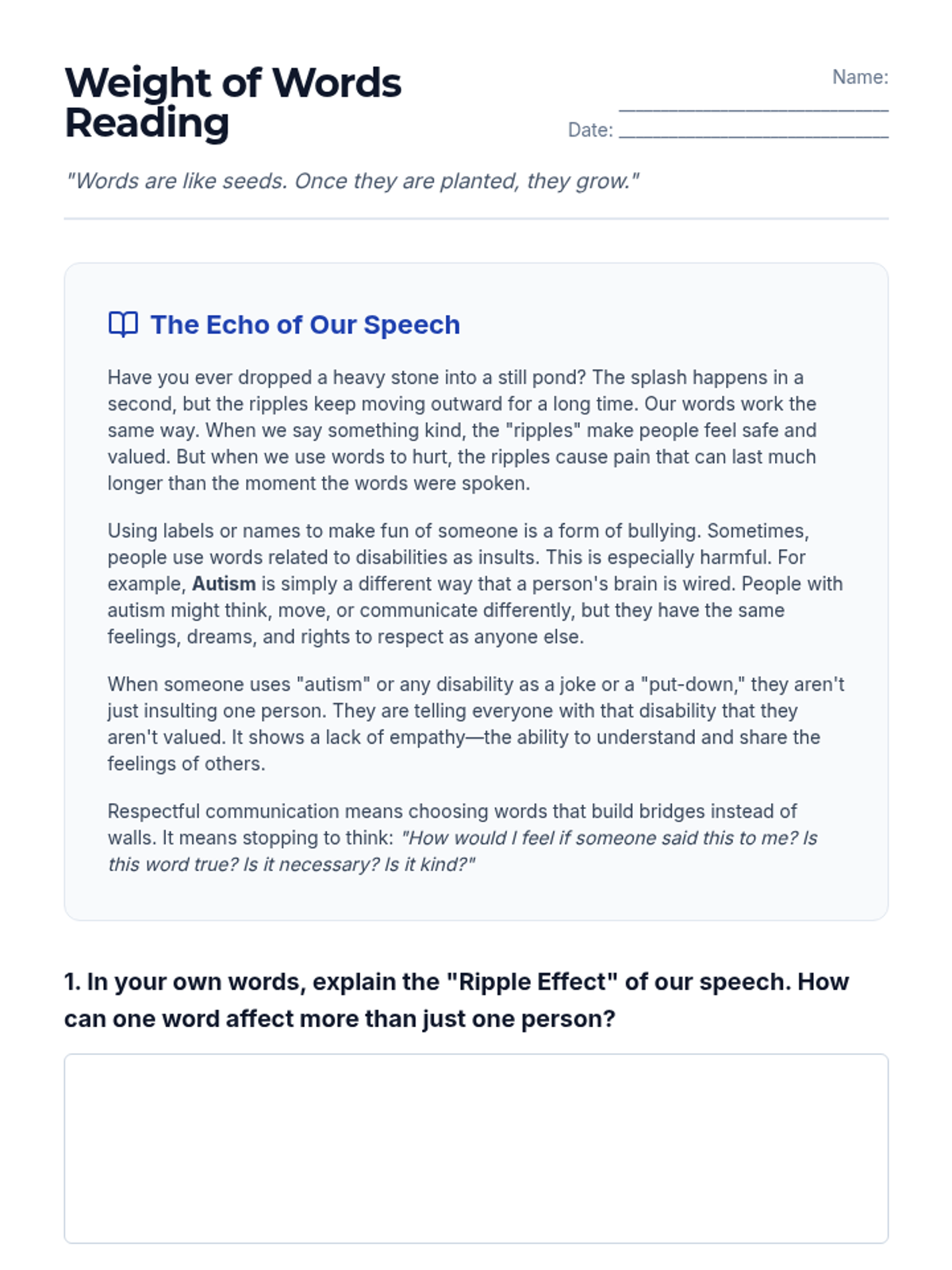
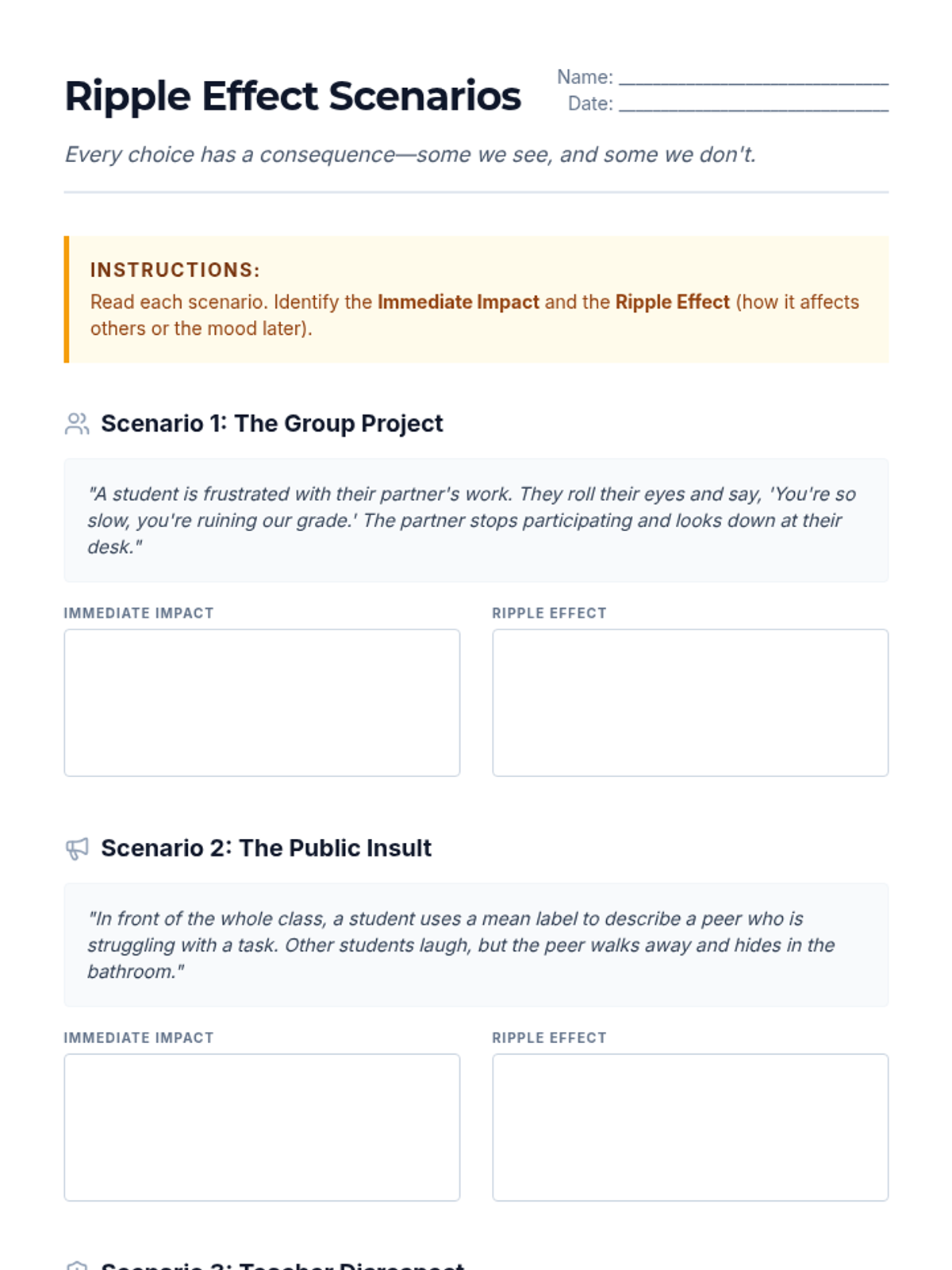
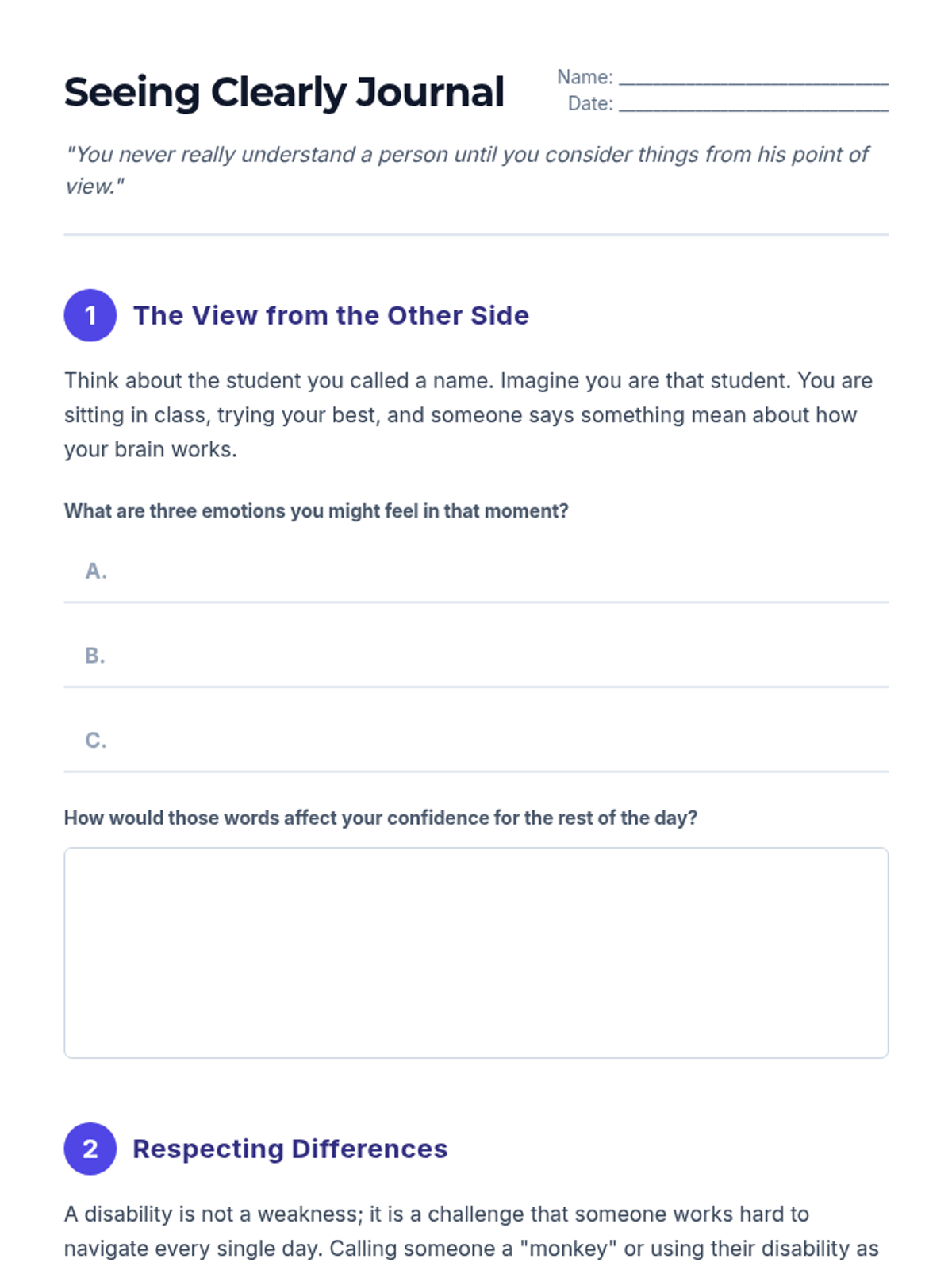
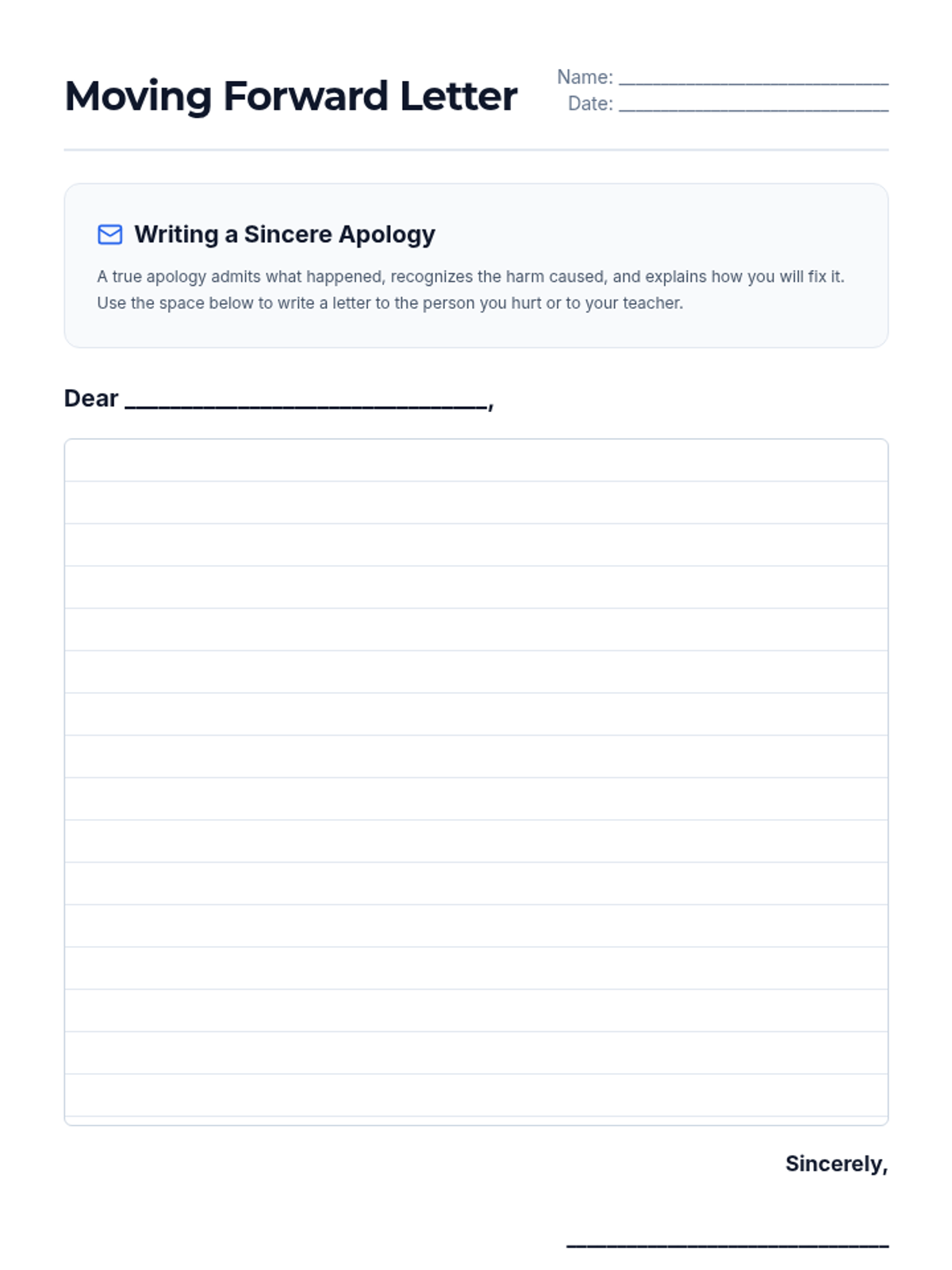
A comprehensive reflection and learning package for a student to complete independently, focusing on the impact of their words, disability awareness, and personal accountability.
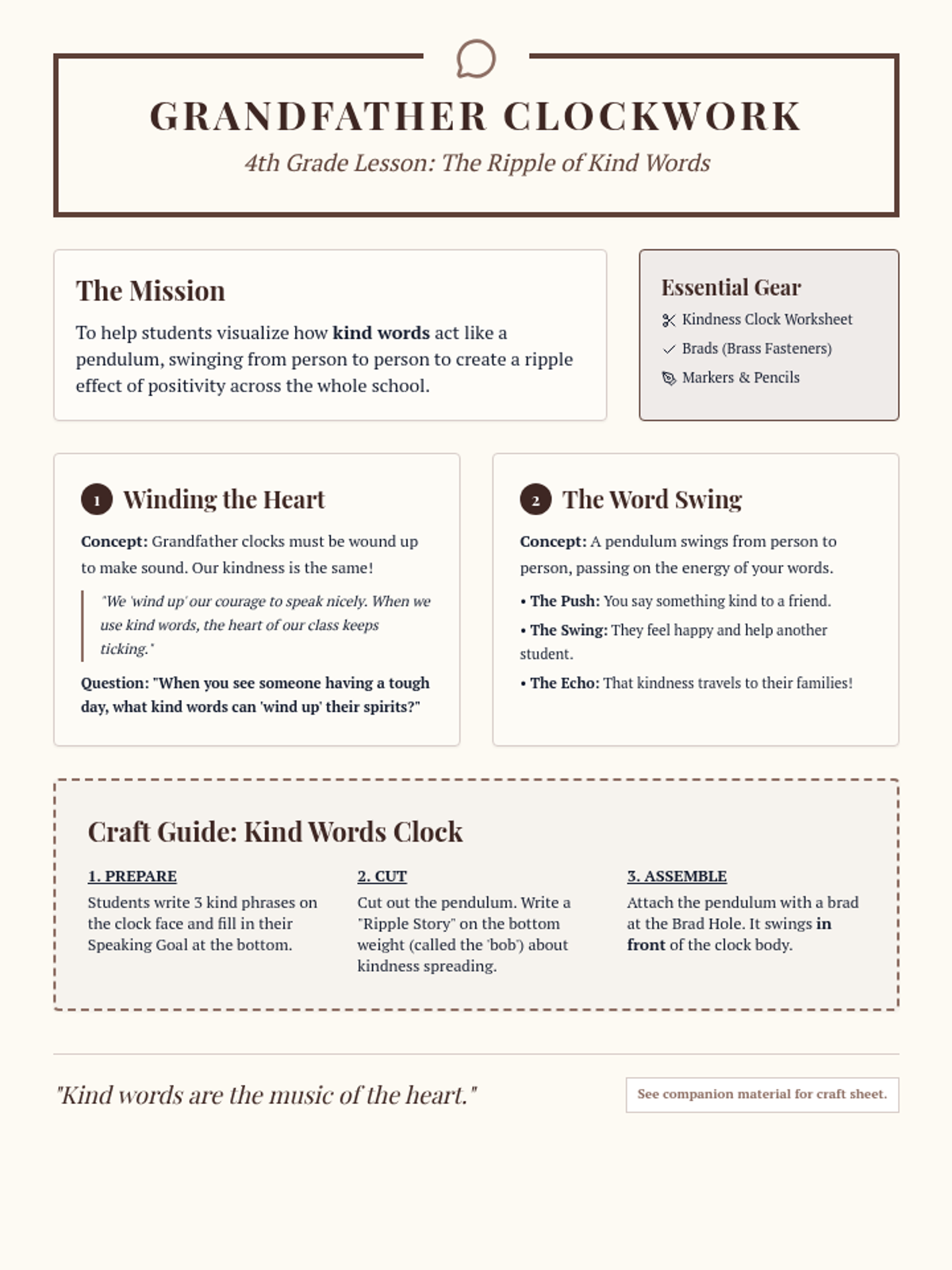
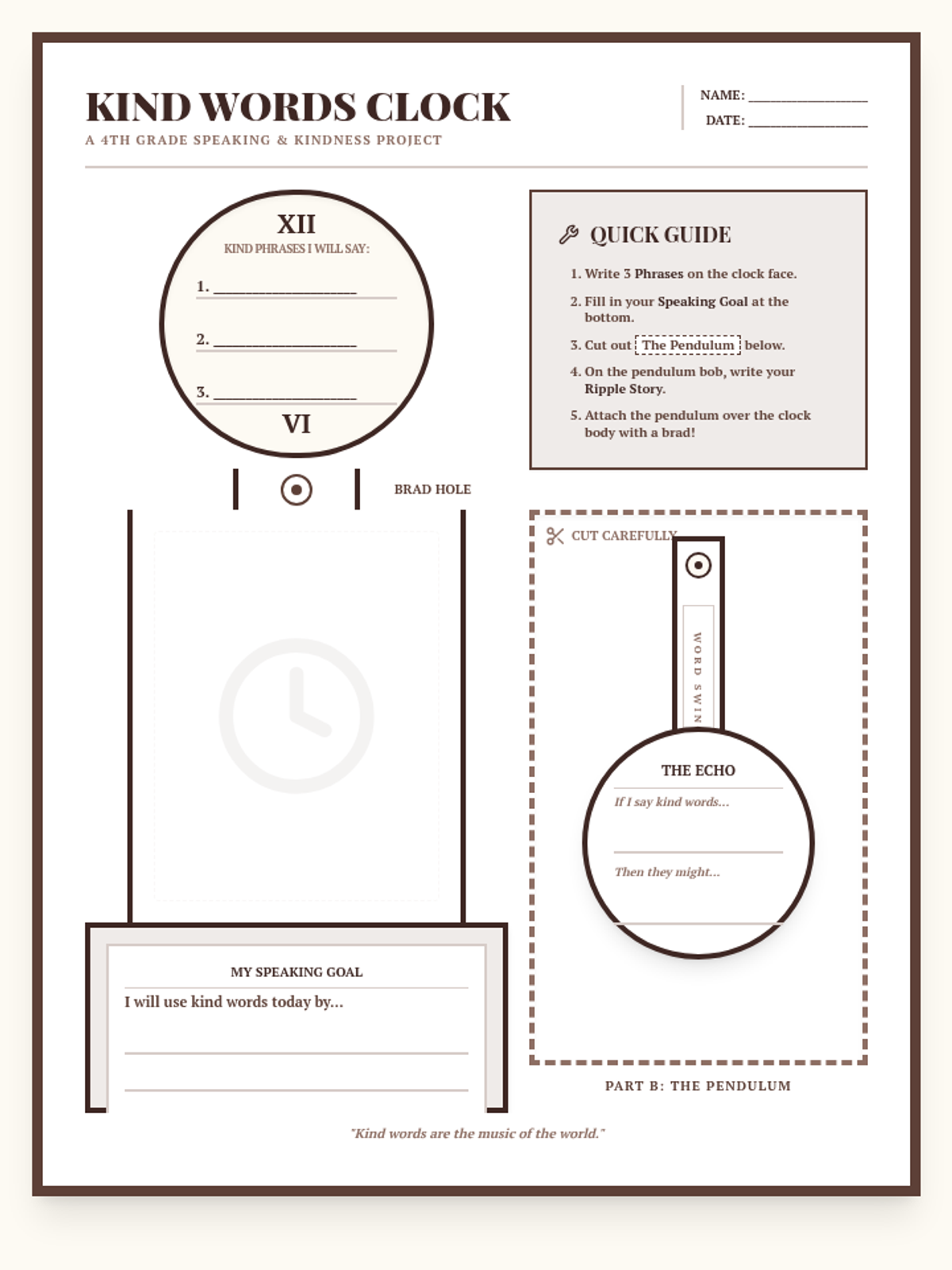
A social-emotional lesson focusing on the power of kind words and the ripple effect, using the mechanics of a grandfather clock as a central metaphor. Students explore 'winding up' their courage to speak kindly and how one small compliment can swing like a pendulum to touch many lives.
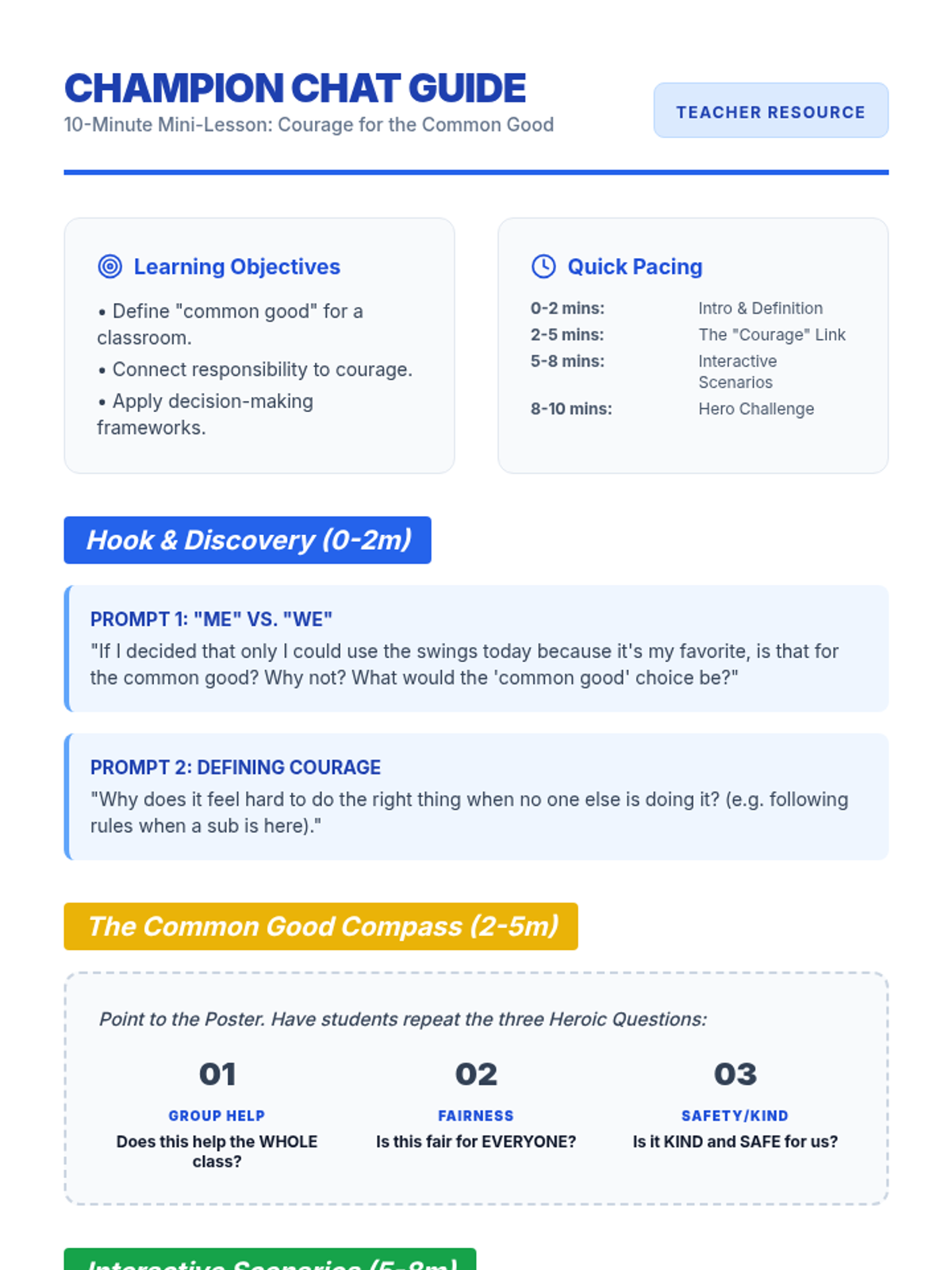
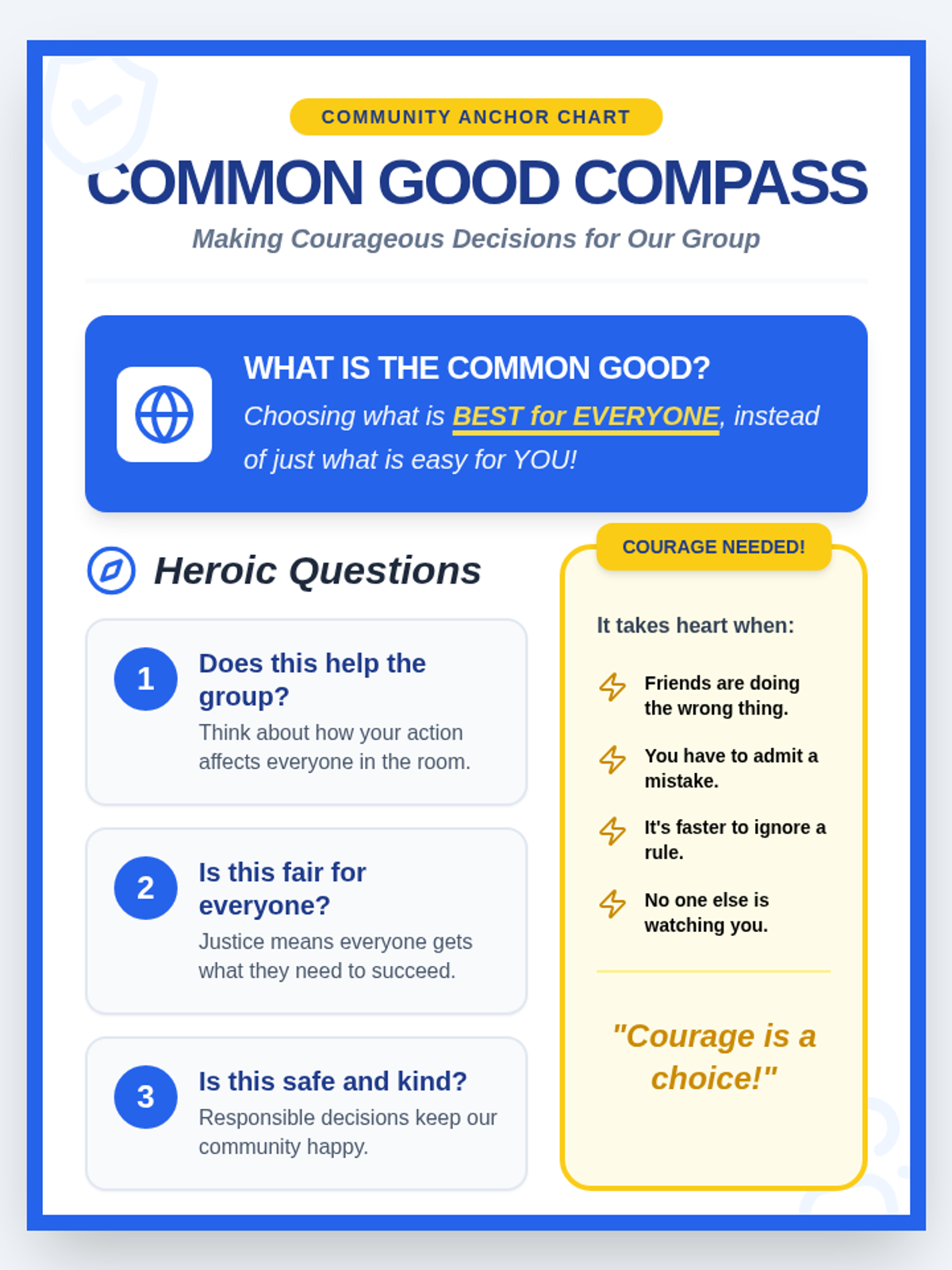
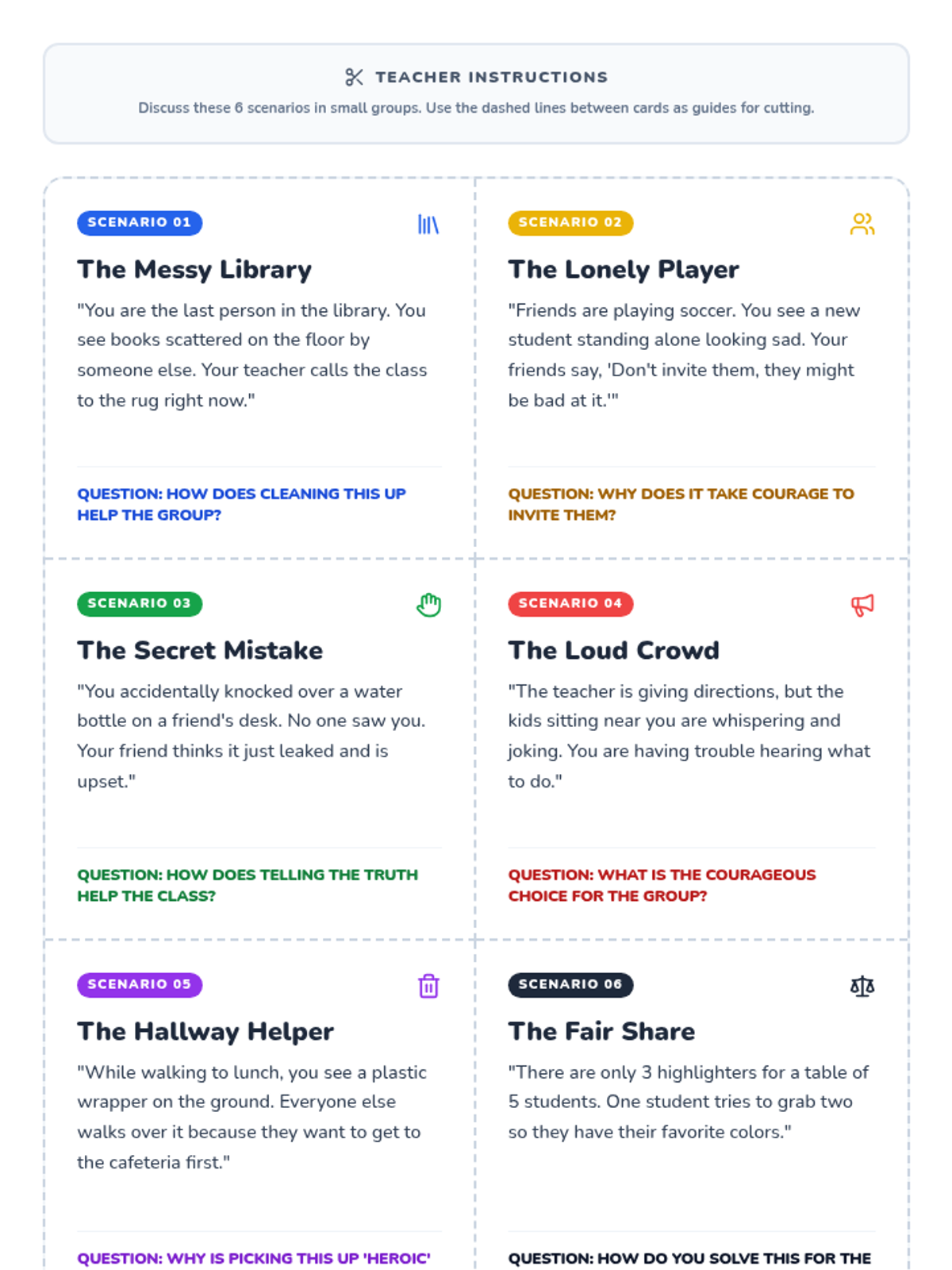
A fast-paced, high-energy 10-minute lesson focused on identifying the 'common good' and practicing the courage needed to make responsible decisions for the classroom and community. Students explore real-world scenarios and use a 'Common Good Compass' to guide their choices.
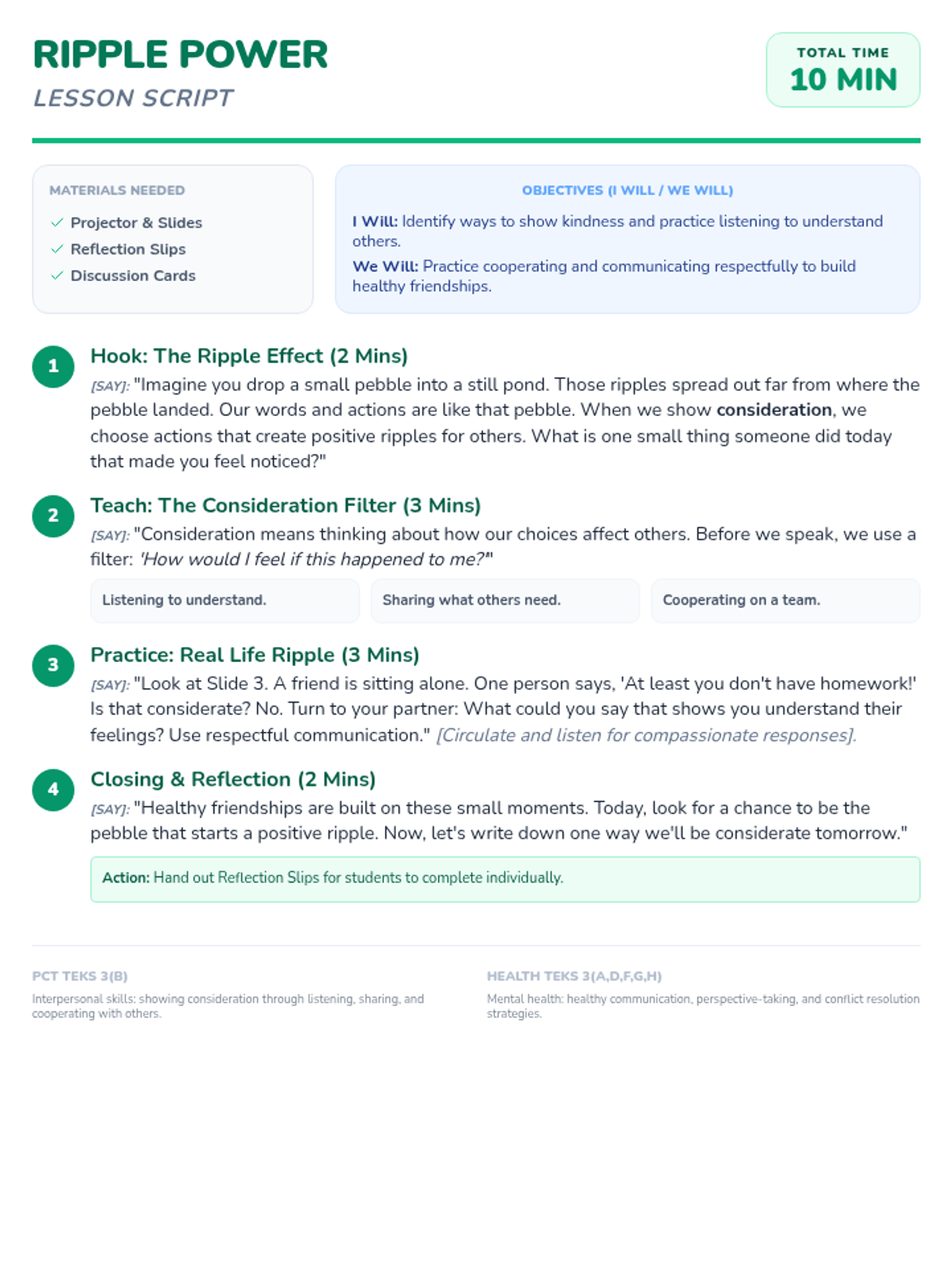
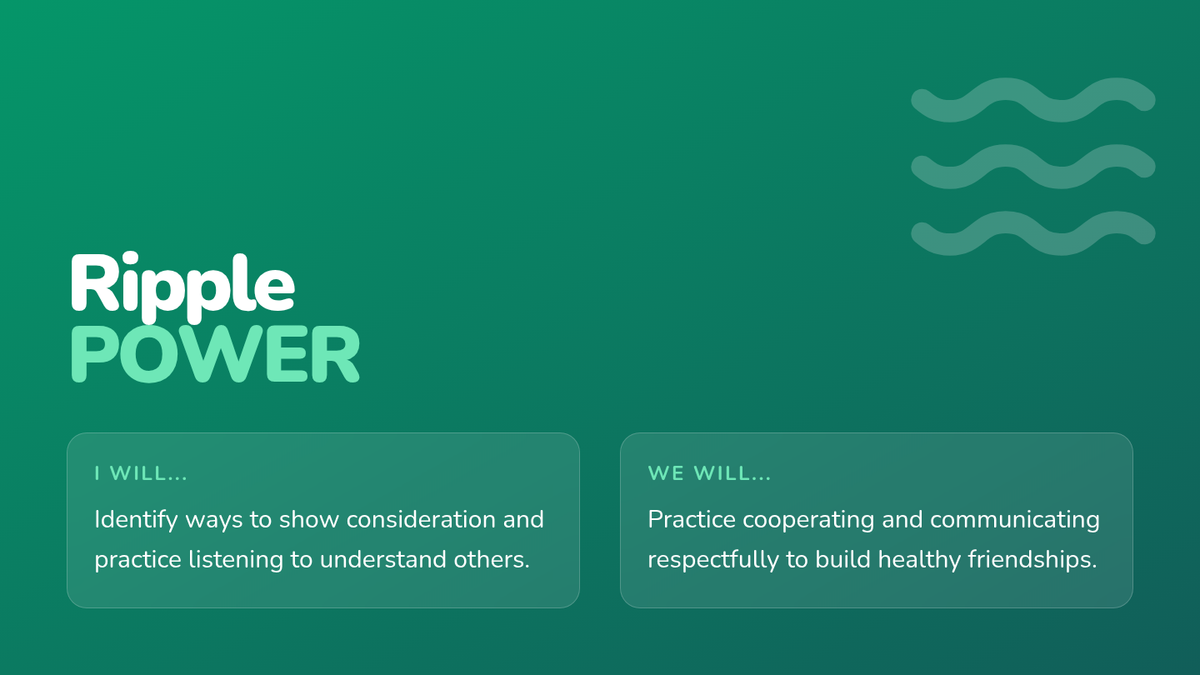
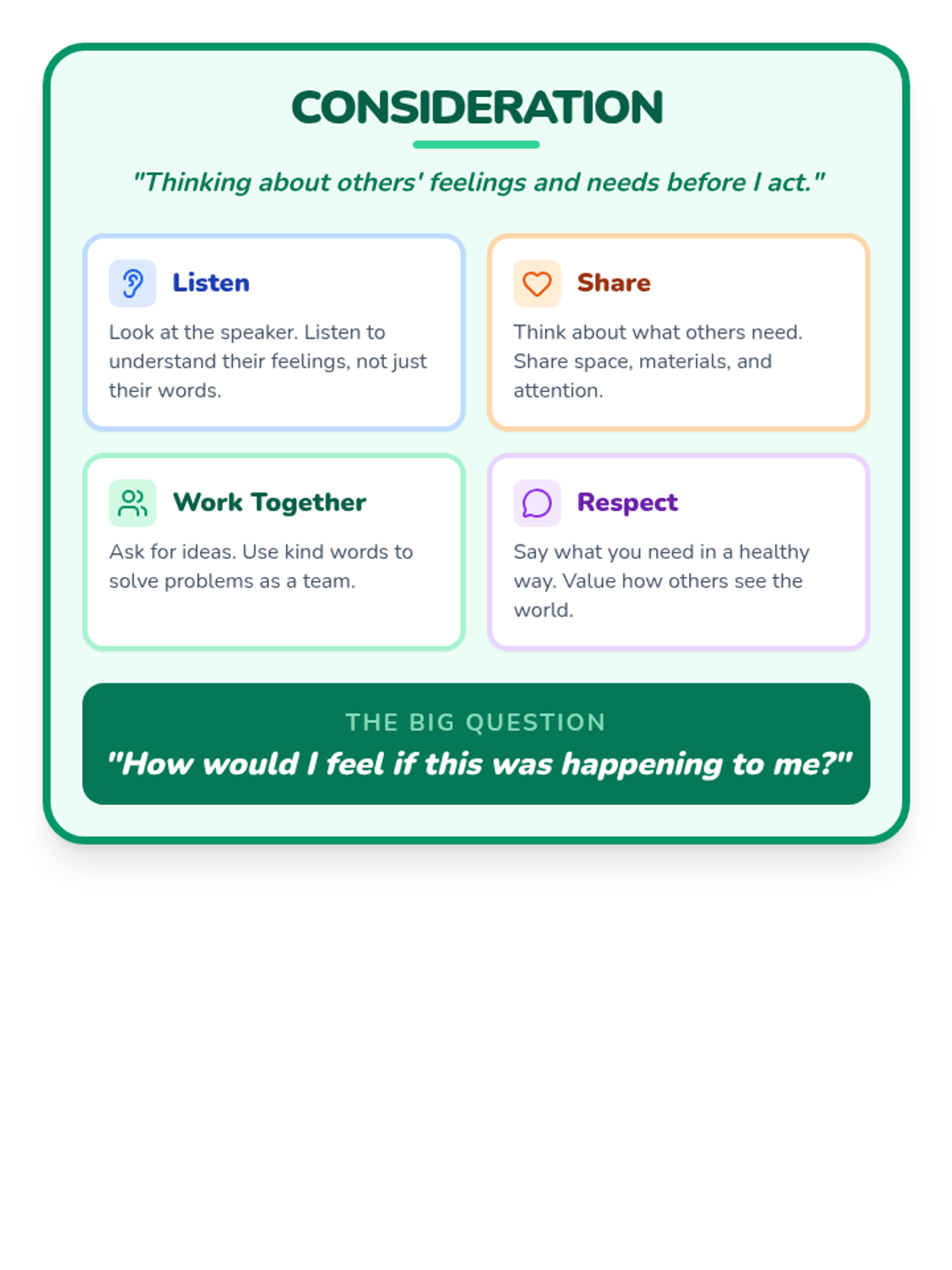
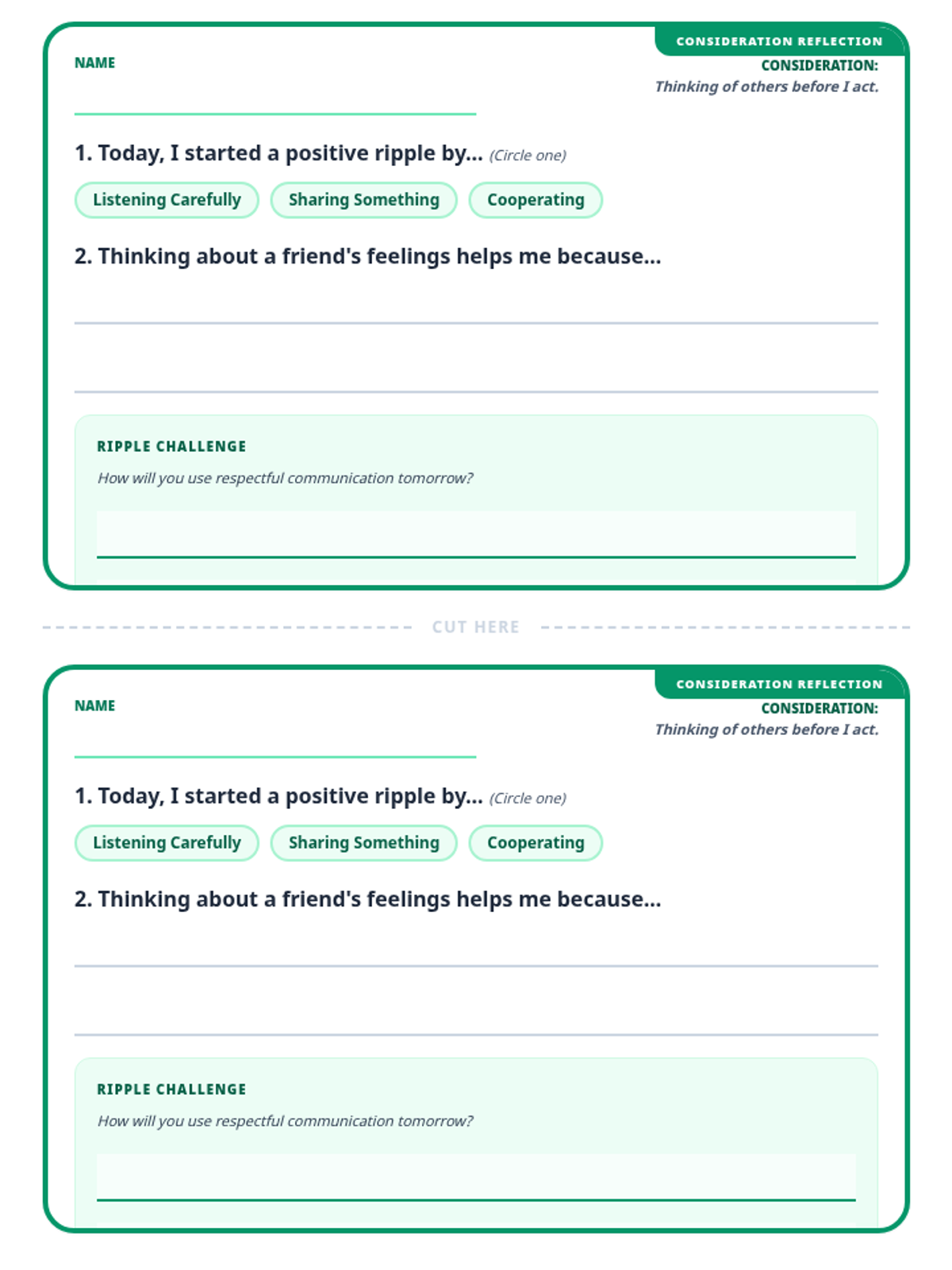
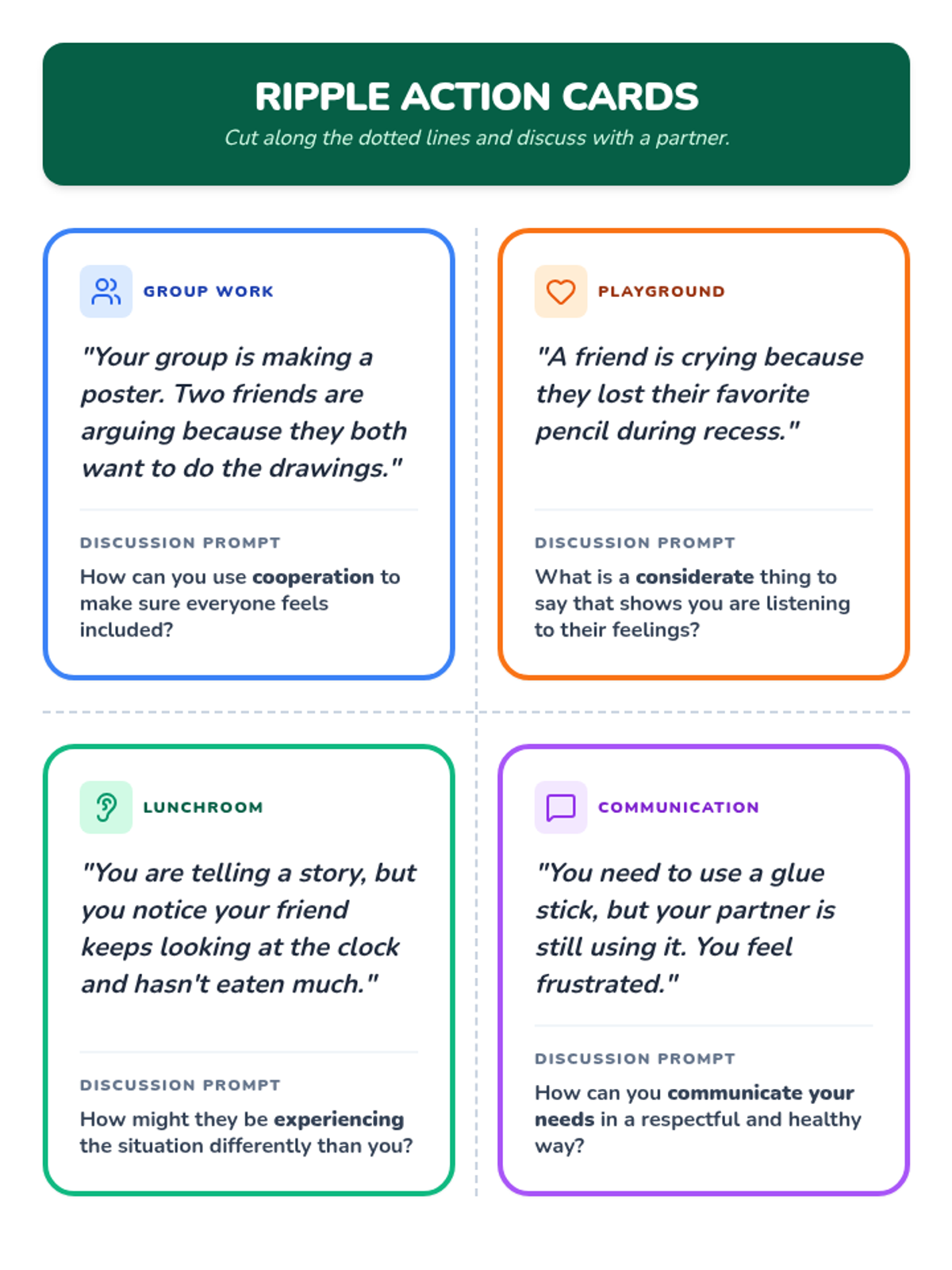
A punchy 10-minute whole-group lesson focused on developing perspective-taking, kindness, and respectful communication in 3rd-grade students using the metaphor of a ripple effect to teach consideration.
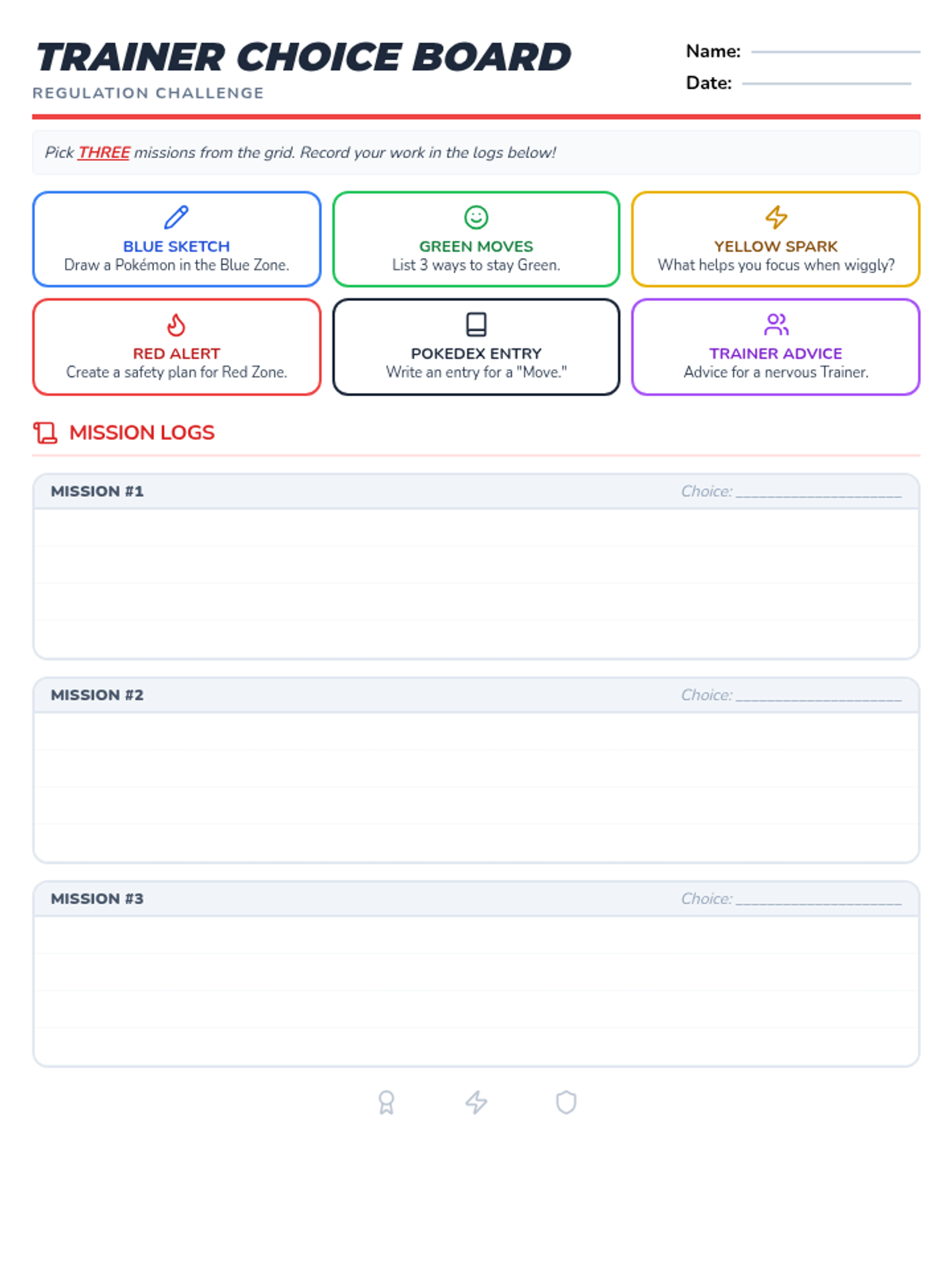
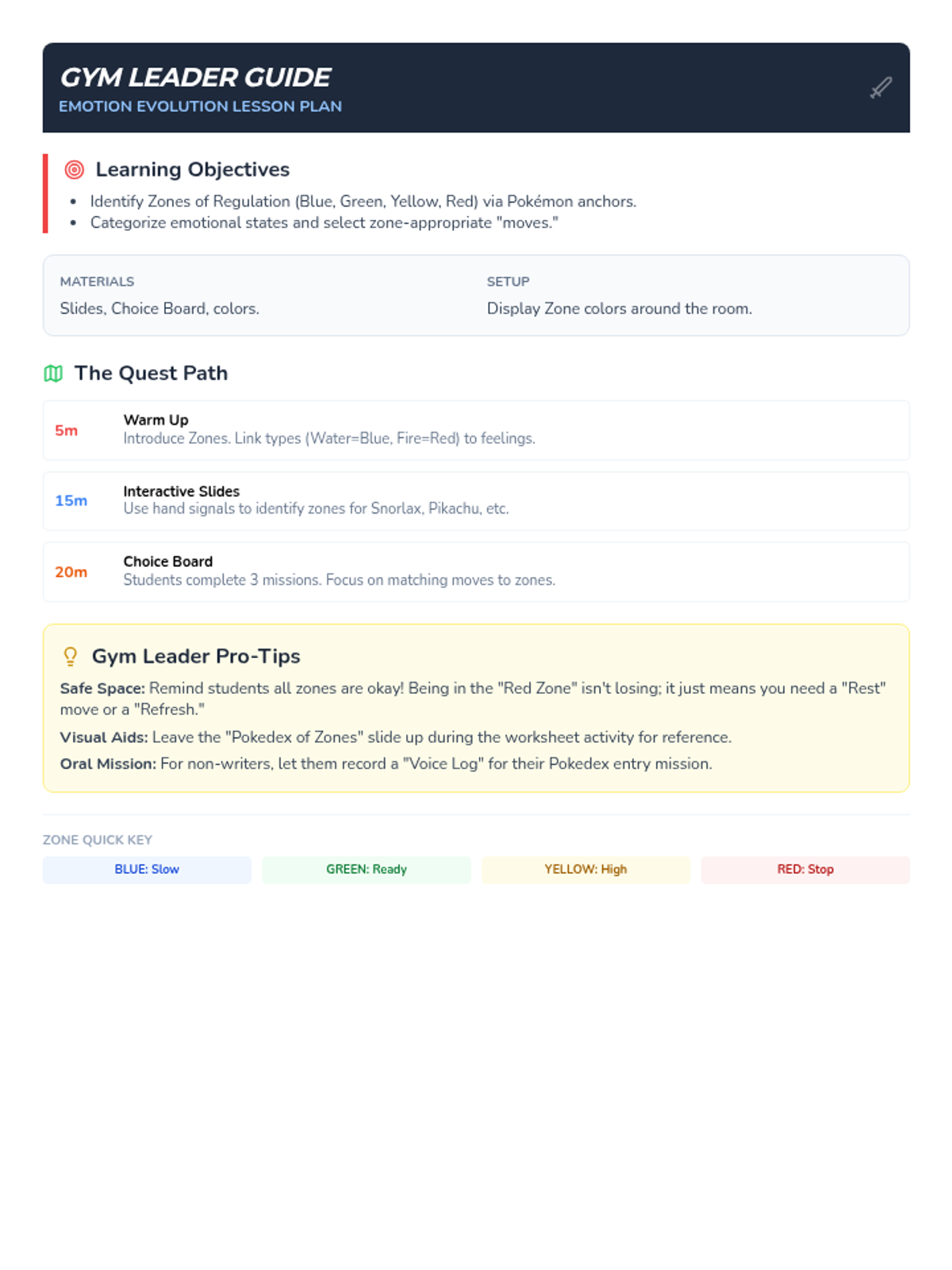
A Pokémon-themed lesson where students identify the four Zones of Regulation through interactive scenarios and choice-based activities. Students learn to recognize emotional states and select appropriate regulation 'moves'.
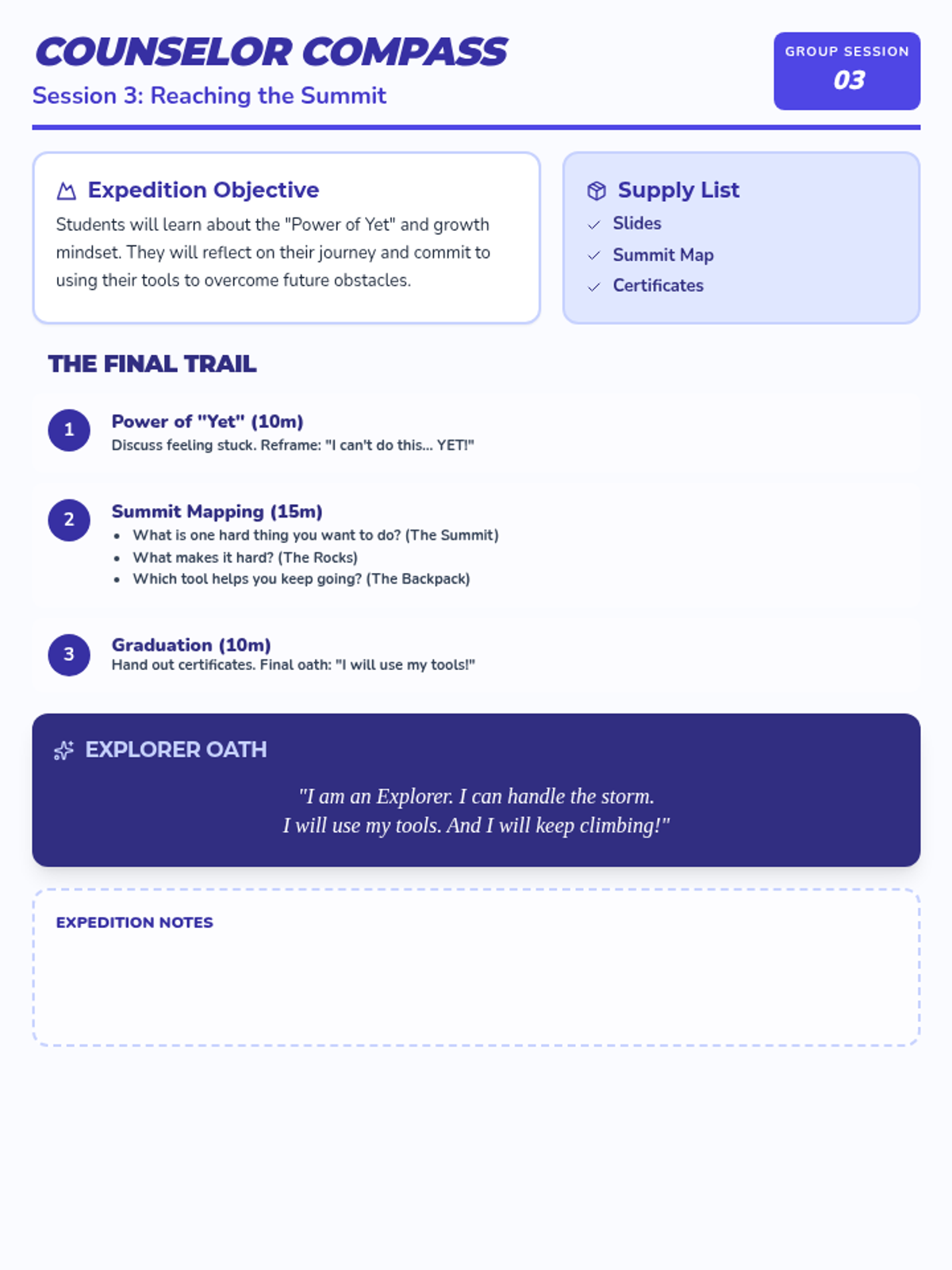
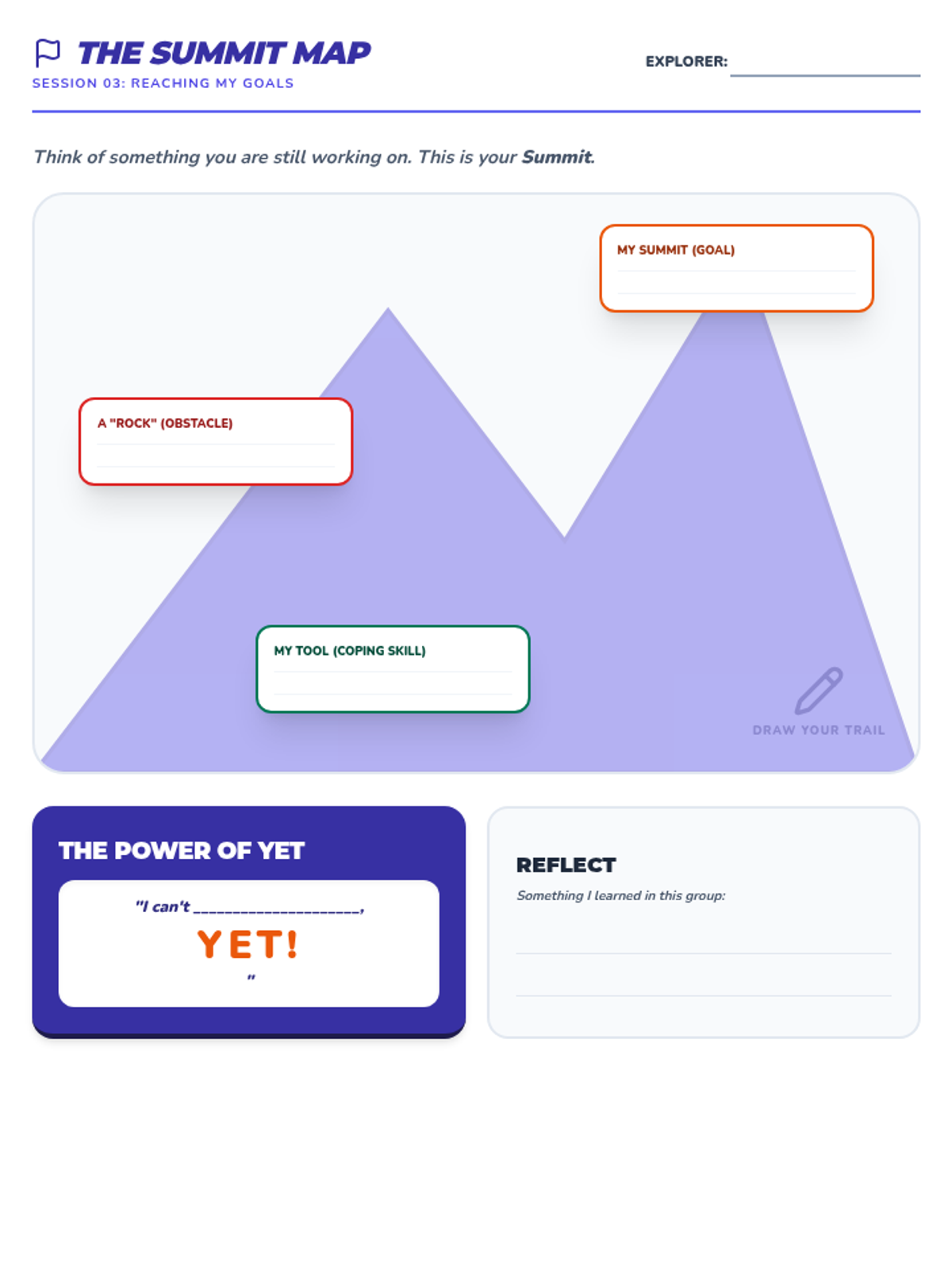
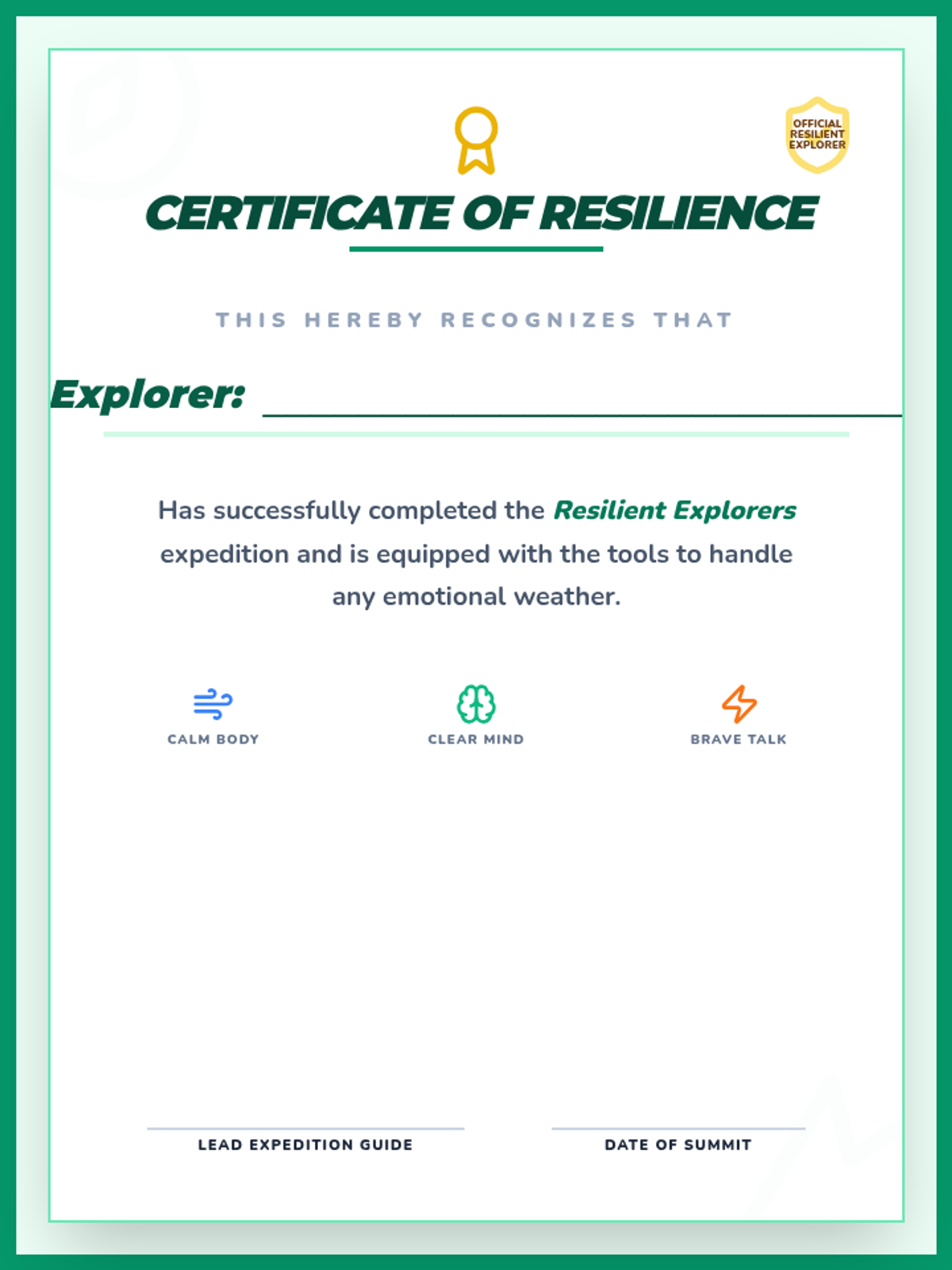
Students learn about growth mindset and the 'Power of Yet' to help them bounce back from setbacks and reach their personal summits.
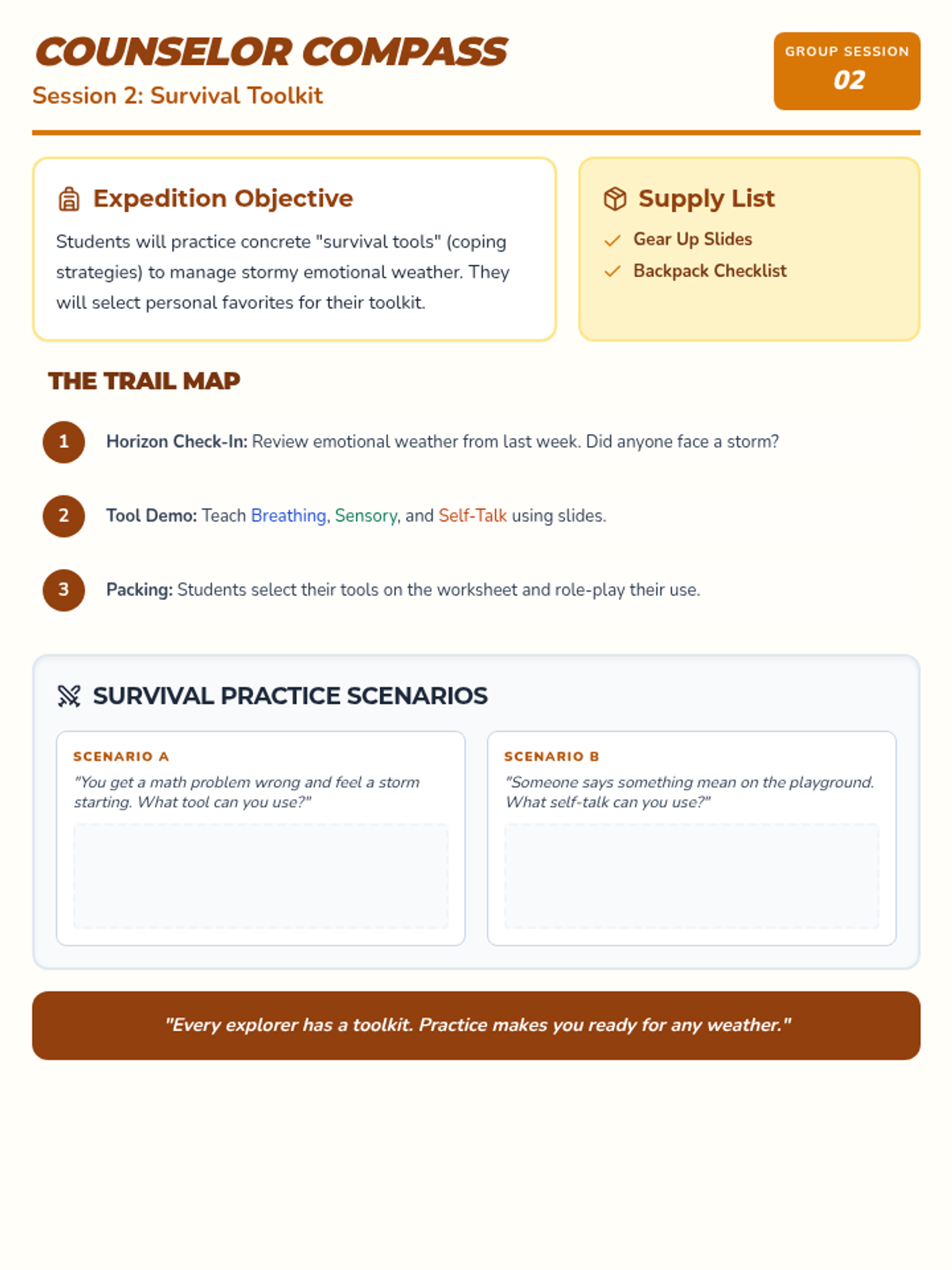
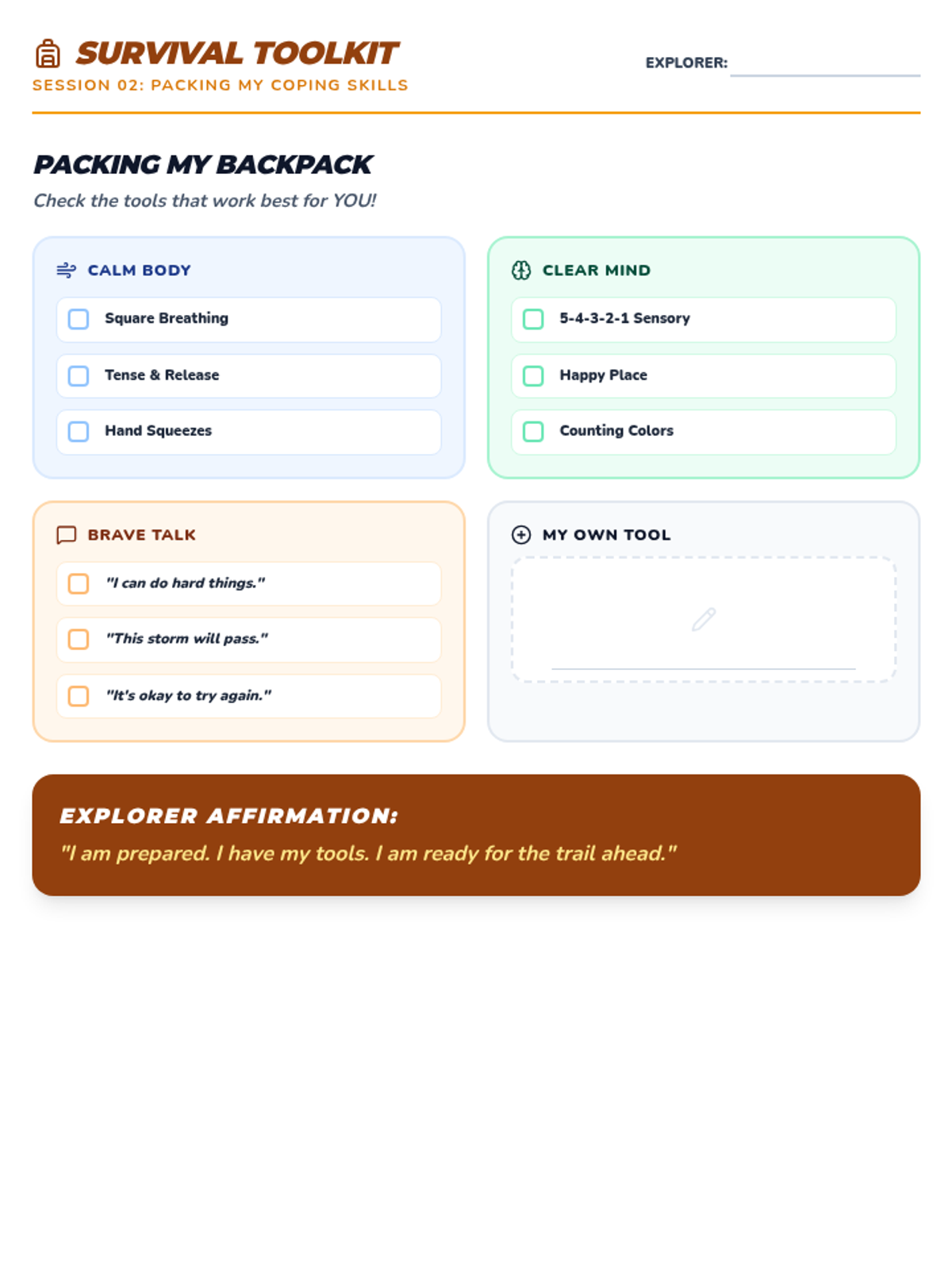
Students identify and practice specific coping strategies to 'pack' into their personal survival kits for when they face challenging situations.
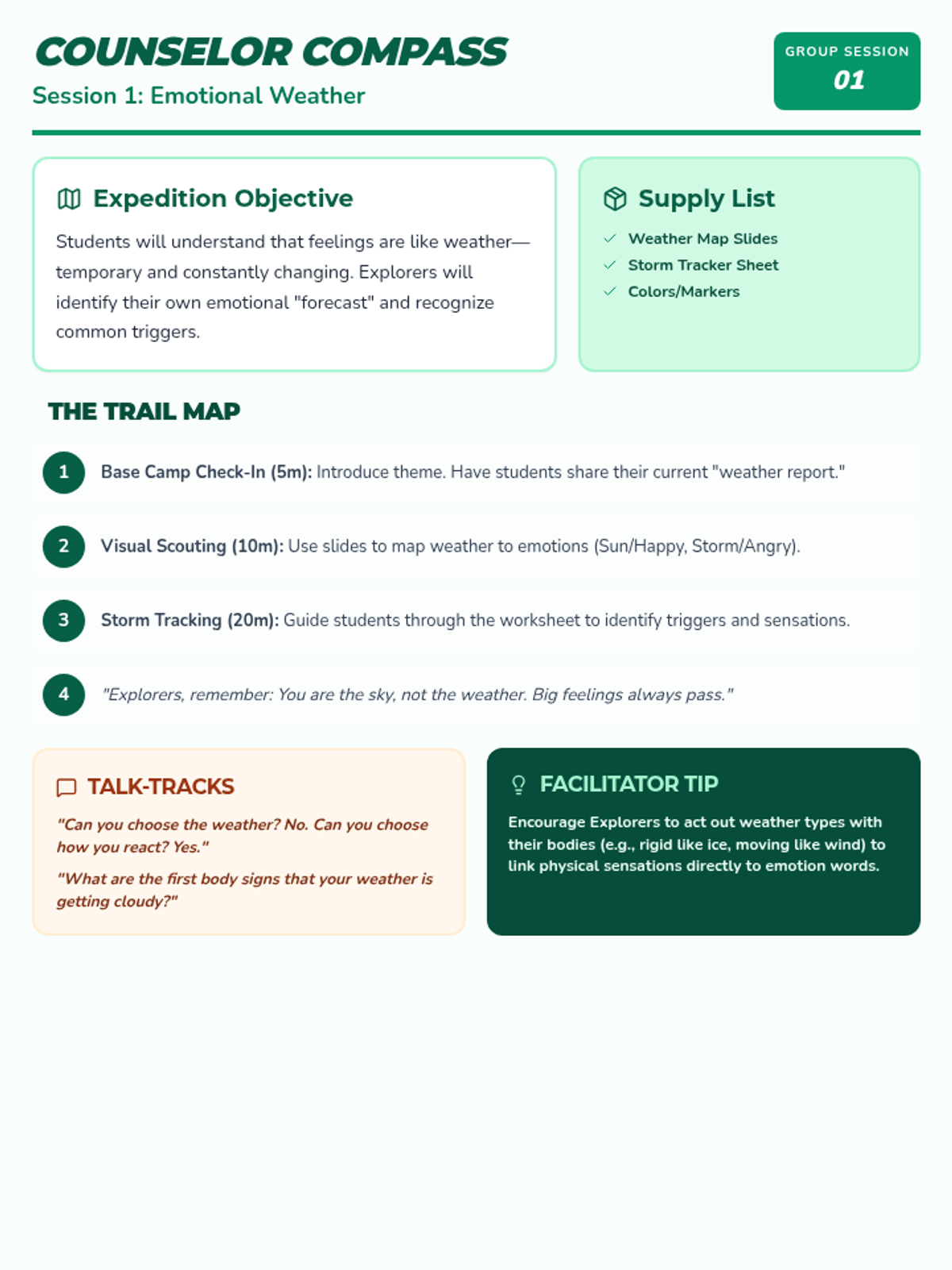
Students explore the concept of emotions by comparing them to weather patterns and identify their own 'emotional climate' and triggers.
Students will learn to identify the four emotional zones (Blue, Green, Yellow, Red) and recognize their own physical and emotional cues for each.