A comprehensive guide to connecting emotions with physical movement, designed to reduce stress and increase body awareness for all ages.
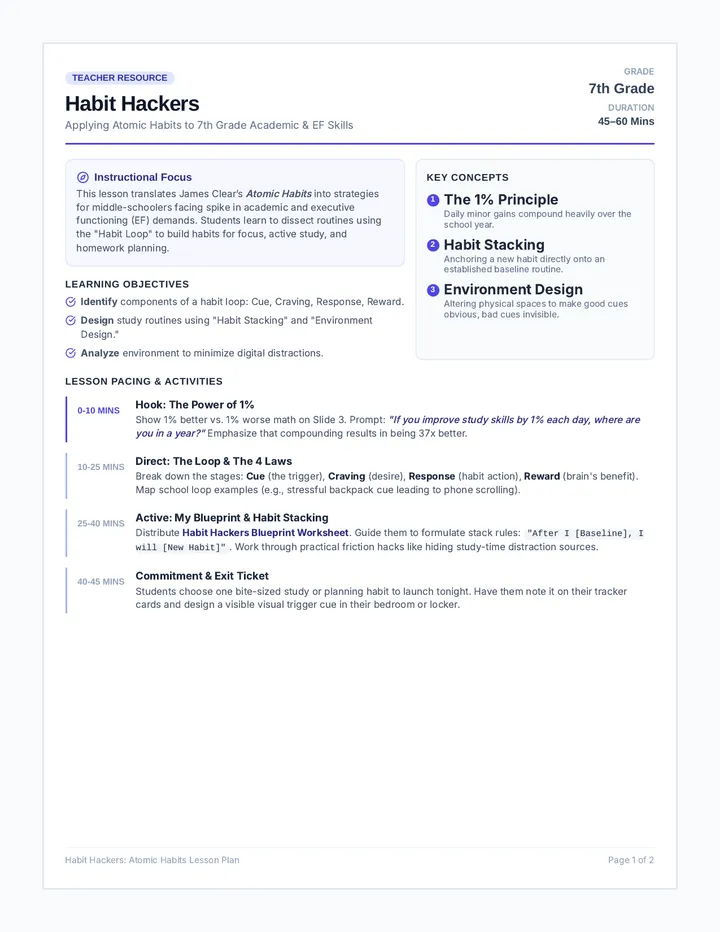
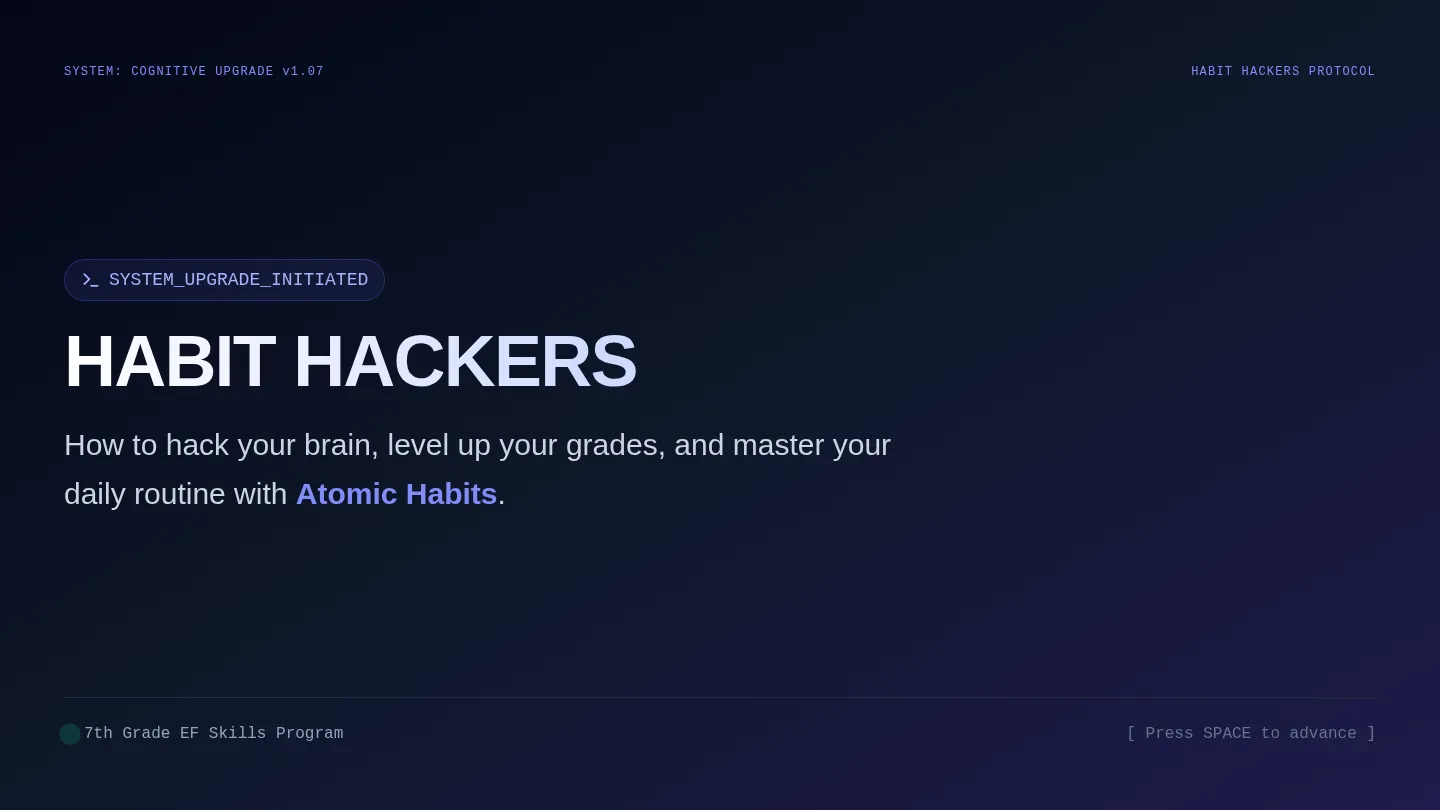
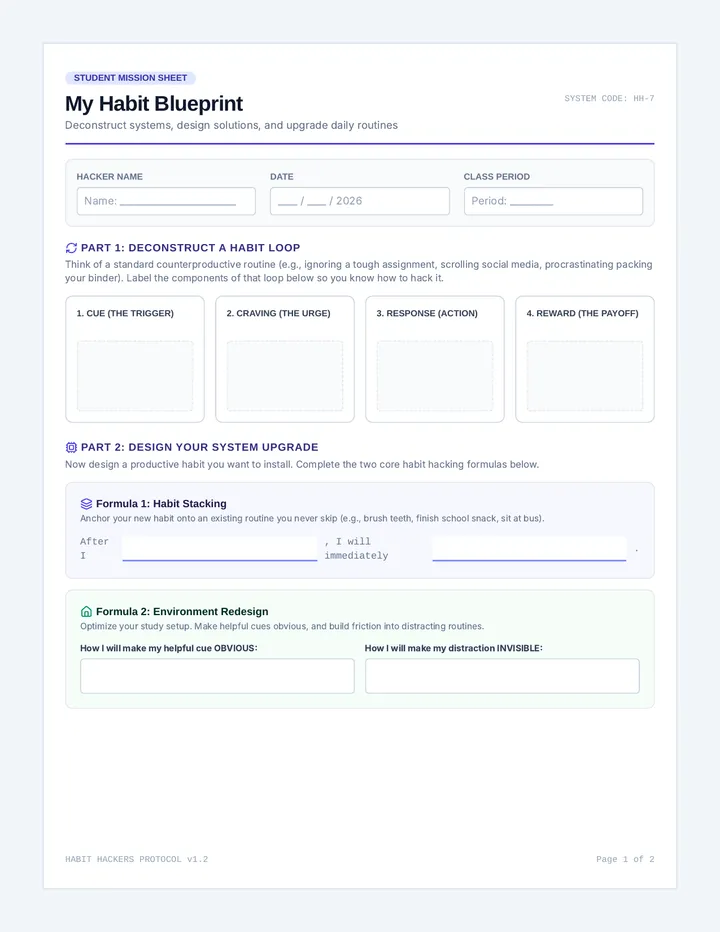
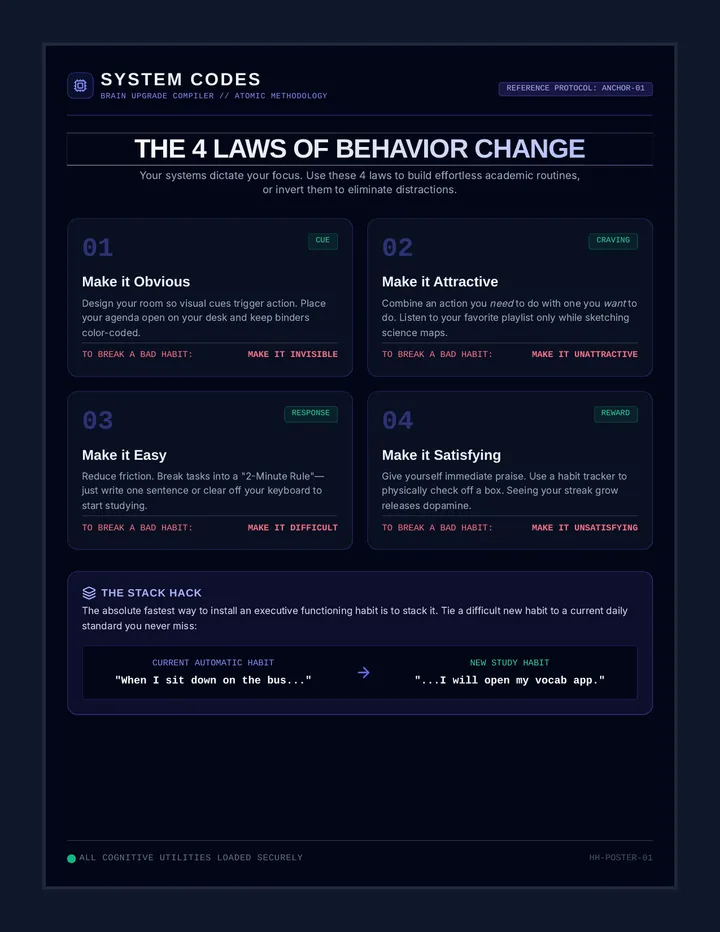
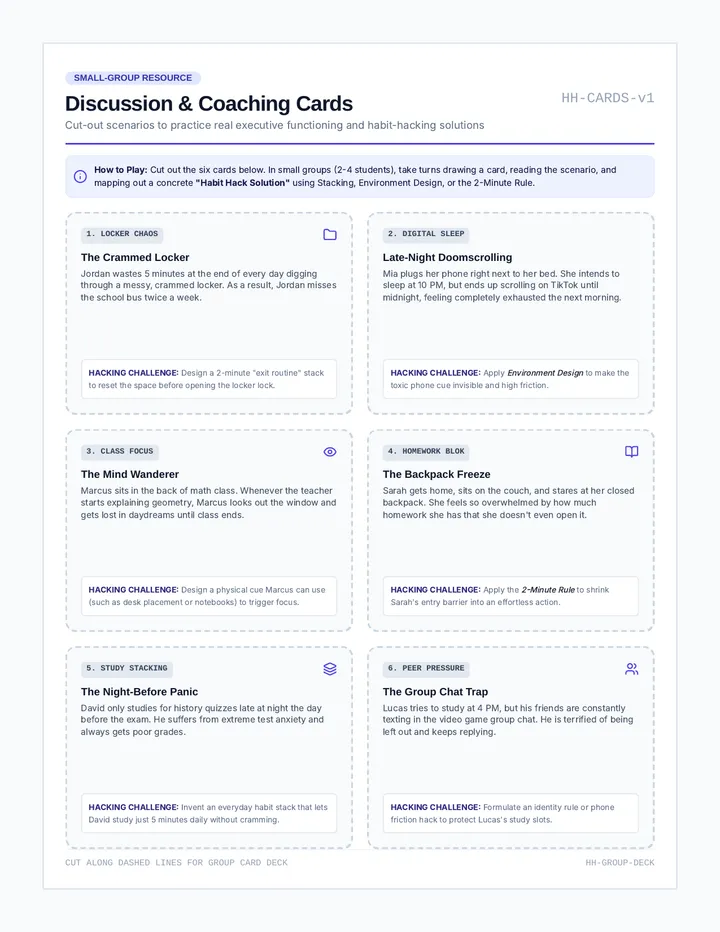
A comprehensive, highly engaging lesson that translates the core principles of Atomic Habits into practical academic, executive functioning, and social strategies for 7th graders. Through interactive slides, concrete worksheets, and structured small-group discussions, students learn to design and track habits that lead to continuous improvement.
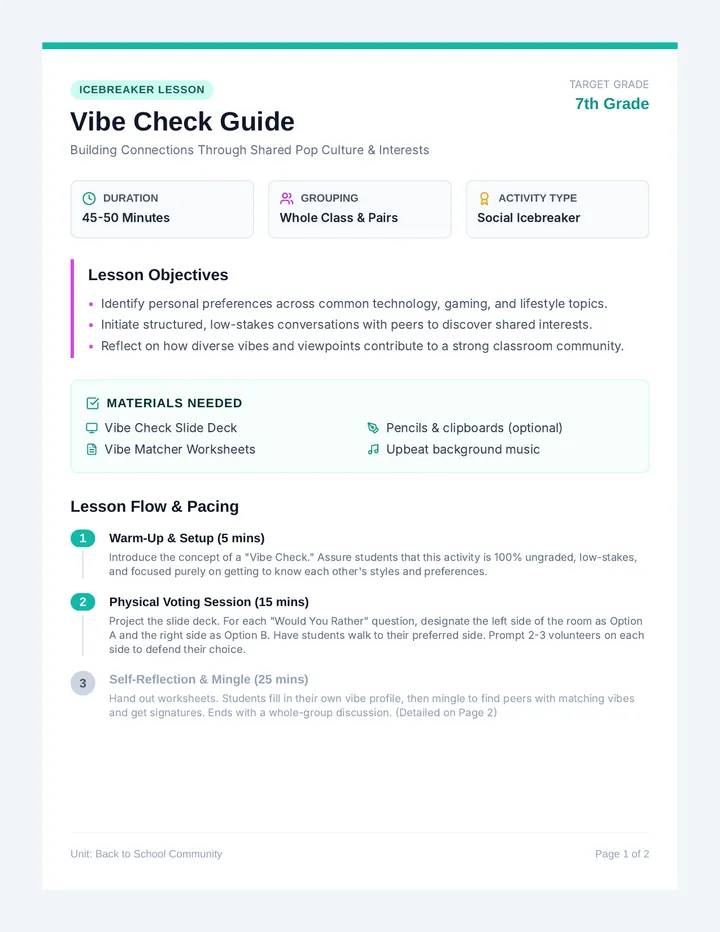
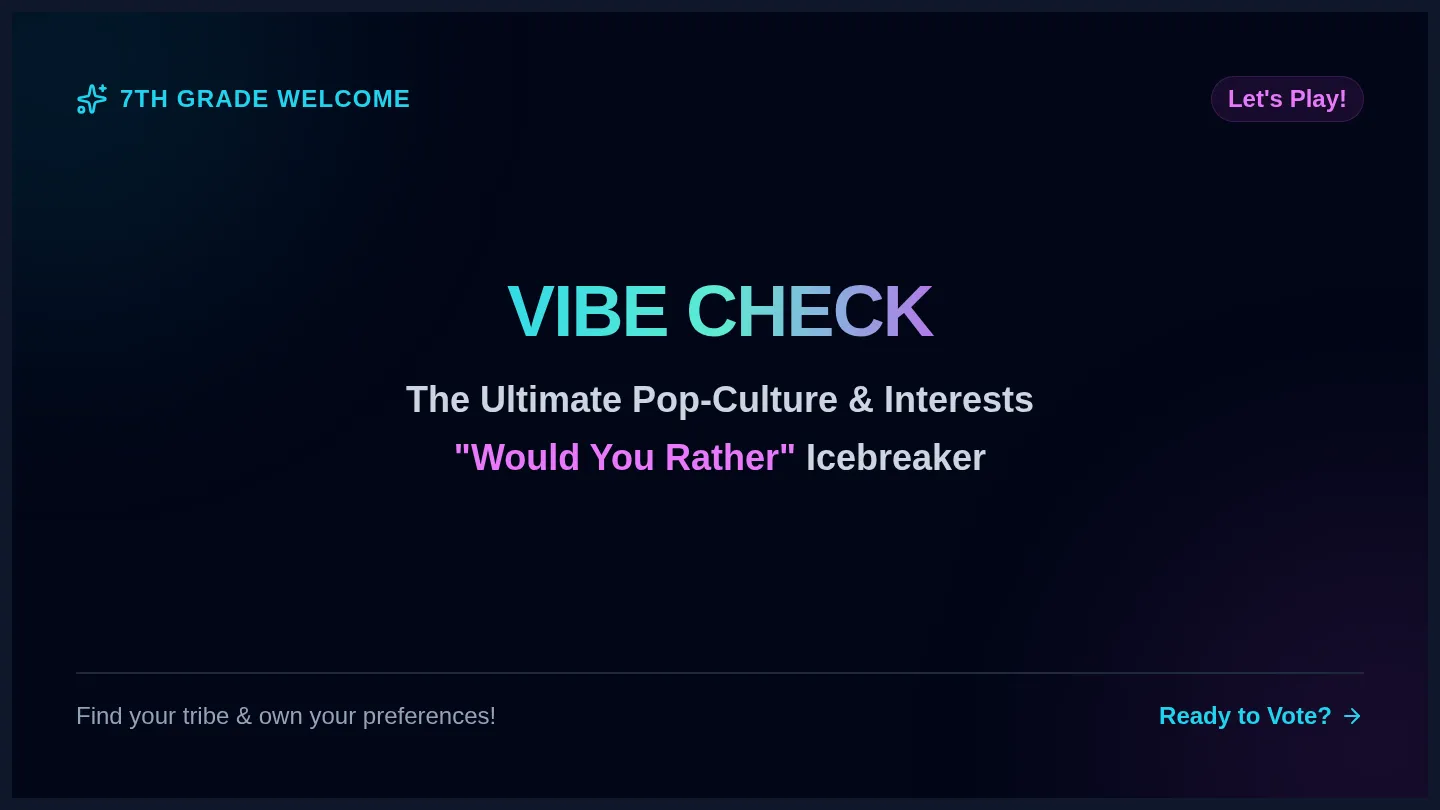
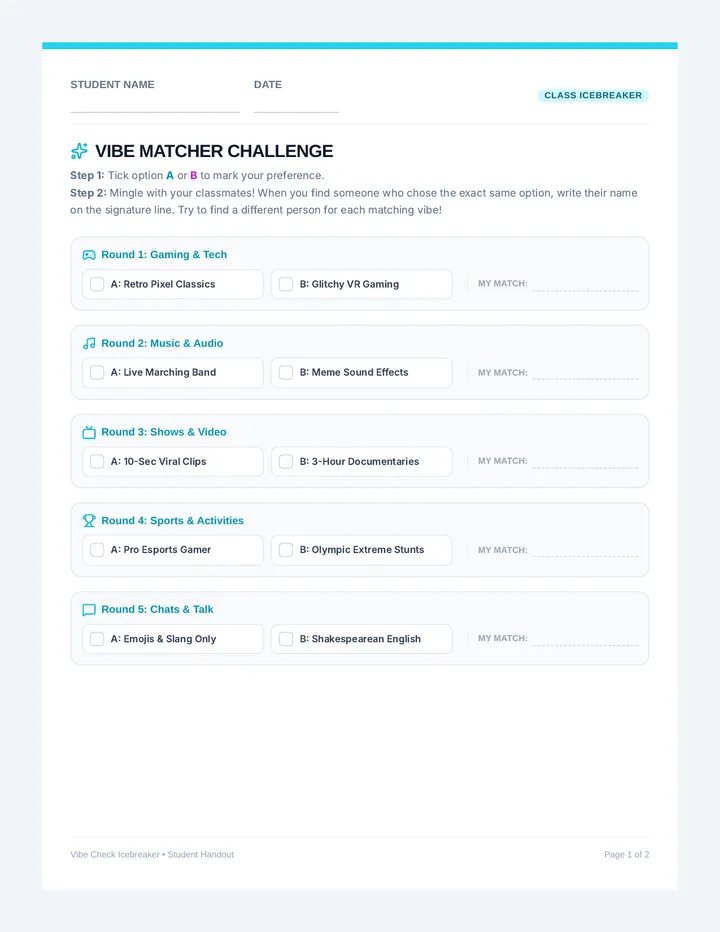
A high-energy, low-stakes icebreaker lesson for 7th graders to ease back-to-school anxiety. Students participate in a visual voting session using a slide deck, complete a self-reflection worksheet, and mingle to find classmates with matching pop culture and interest vibes.
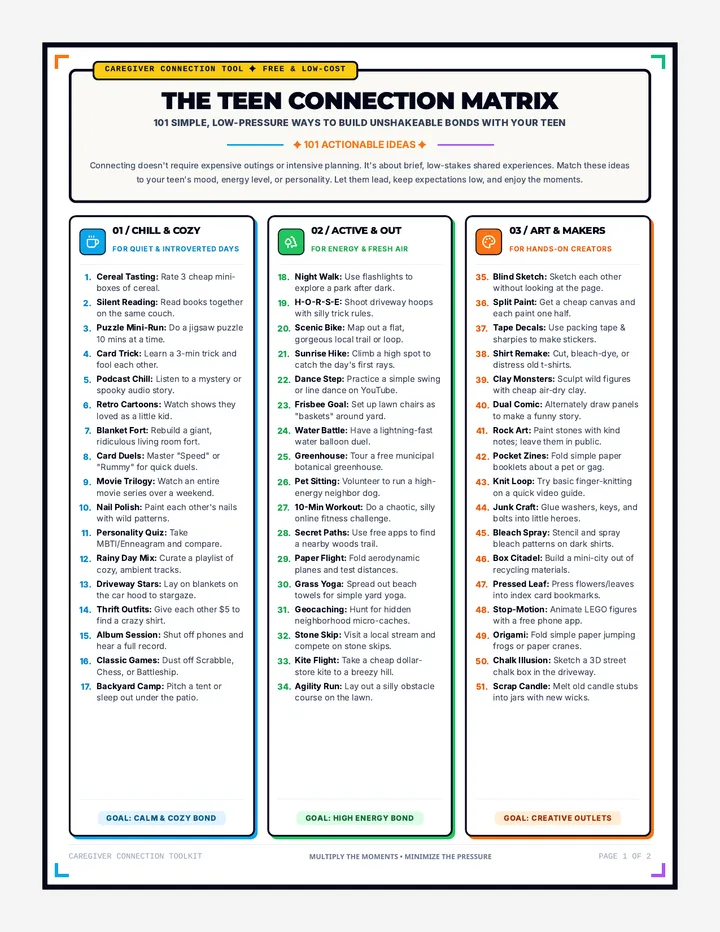
A practical toolkit designed to help caregivers build meaningful, low-stress, and low-cost connections with their teenage children. Contains action-oriented resources categorized by teen interests and connection goals.
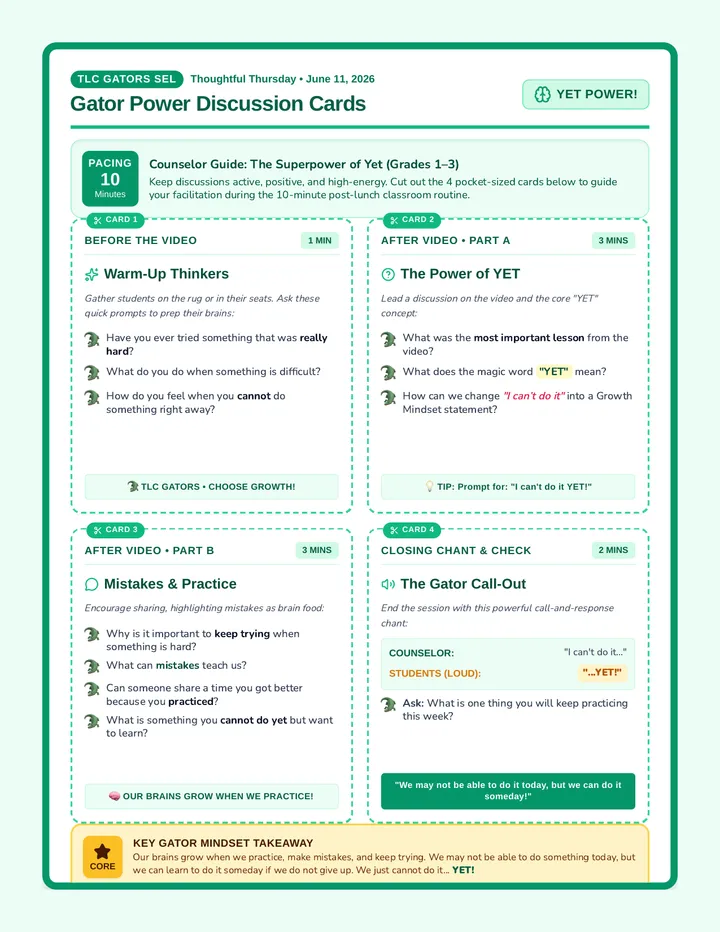
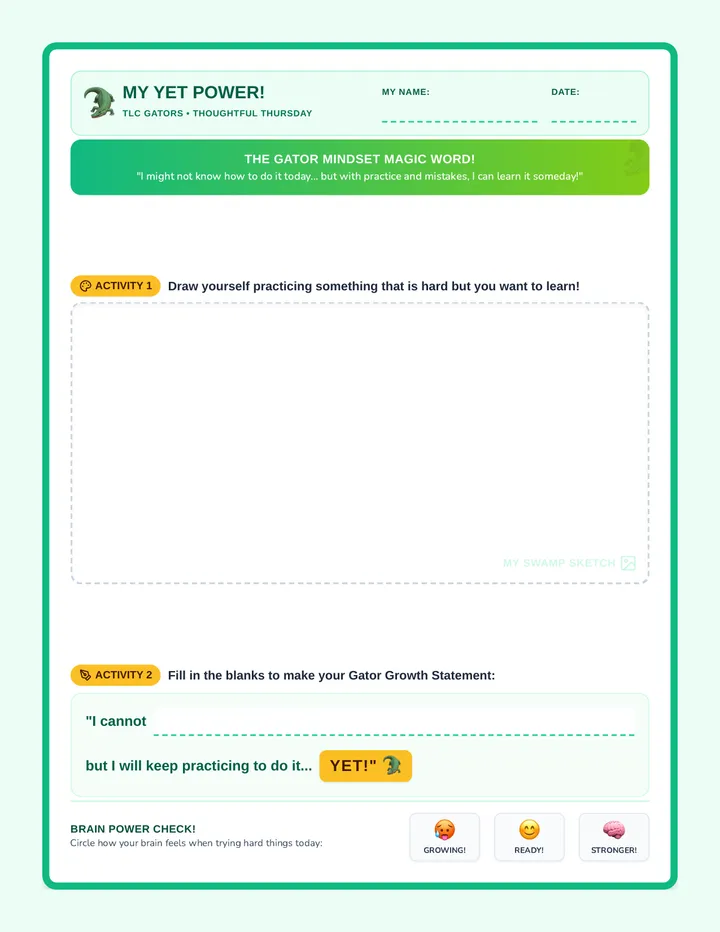
A quick, high-impact SEL lesson designed for Grades 1–3 to introduce the concept of a growth mindset through the 'Superpower of Yet' using the TLC Gators school mascot.
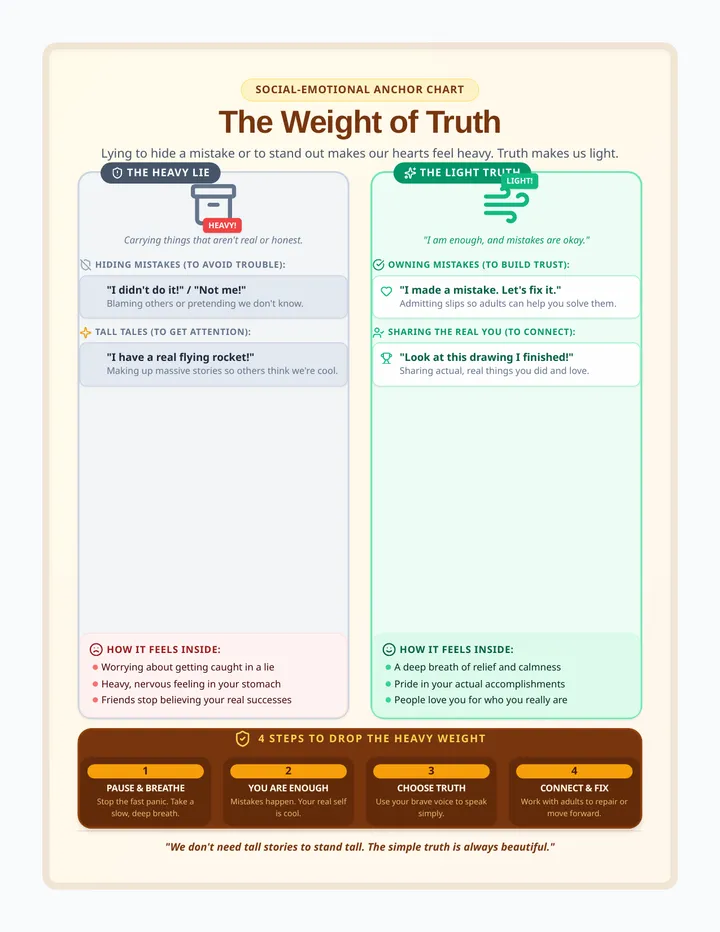
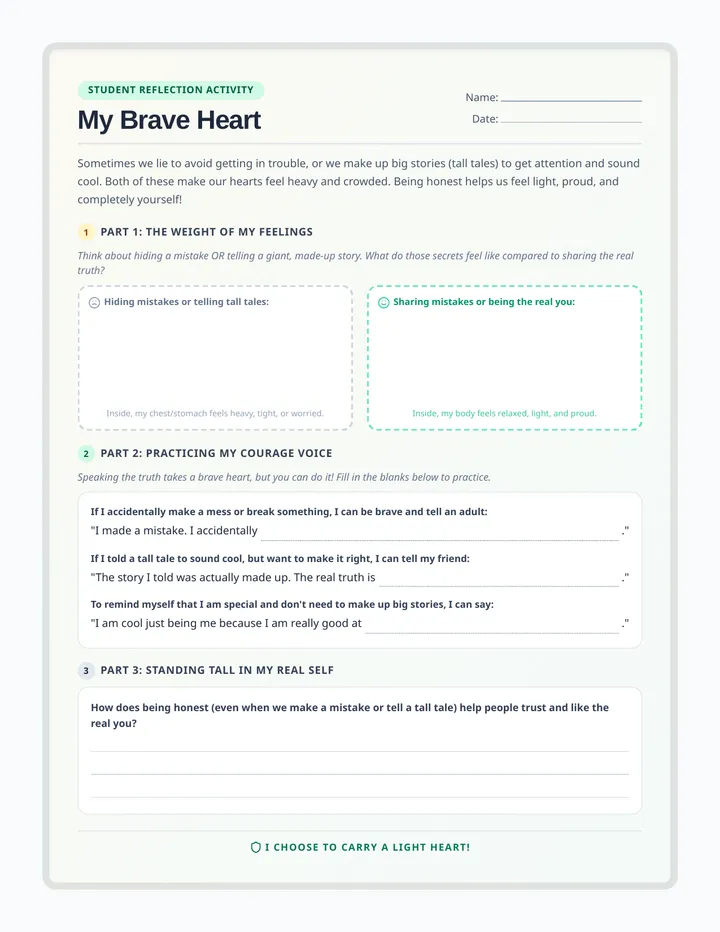
A 15-minute restorative social-emotional learning lesson for third graders struggling with lying to avoid consequences. It helps students understand that hiding mistakes with lies creates a heavy emotional burden, while speaking the truth—even when it requires great courage—brings relief, lightness, and restores trust.
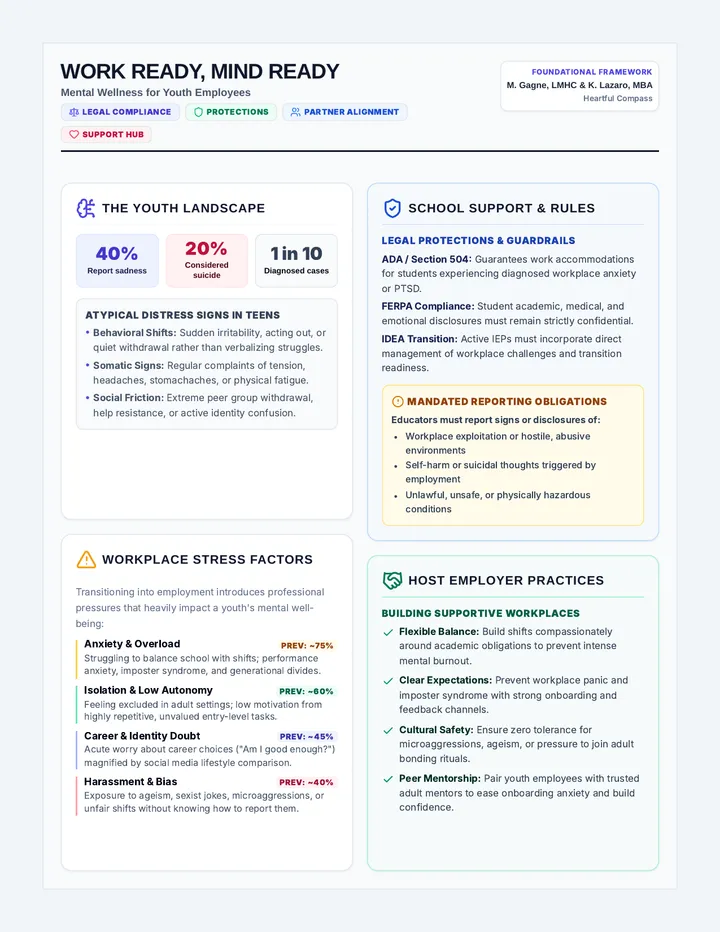
A guide and resource hub focused on equipping educators and employers with strategies to support youth employee mental health and ensure legal compliance. This lesson bridges the gap between school preparation and real-world employment stressors.
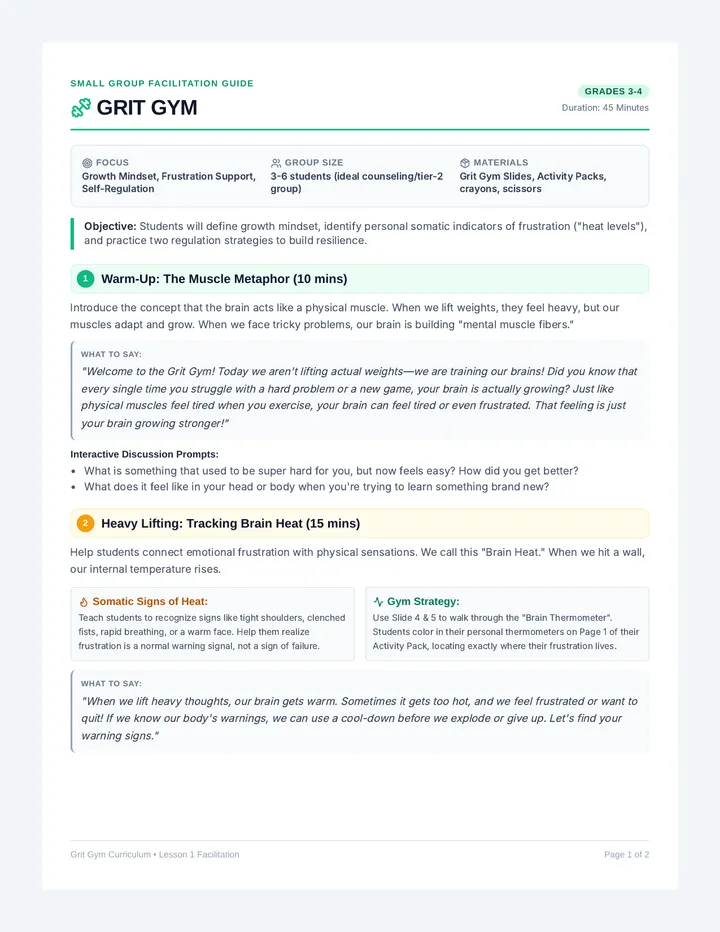
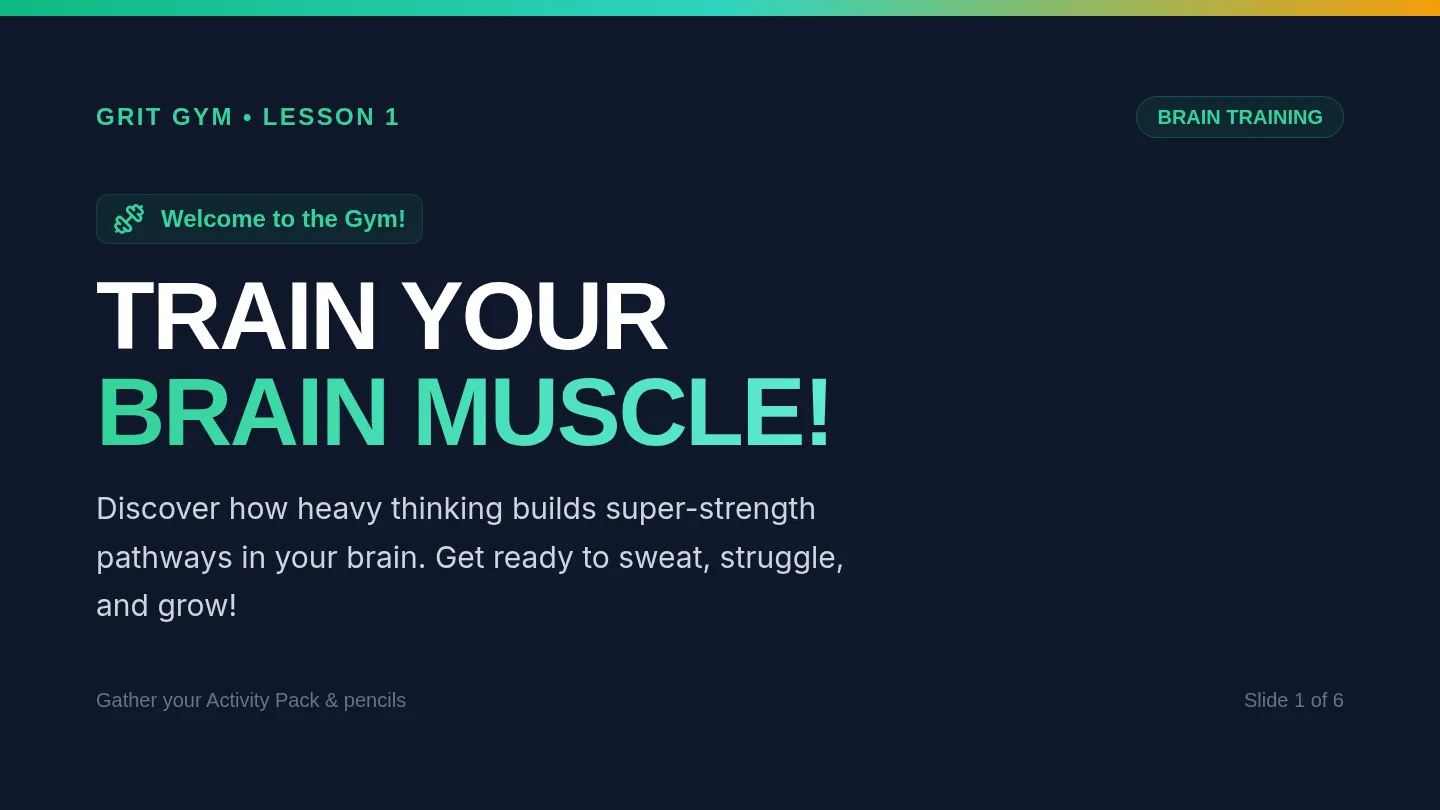
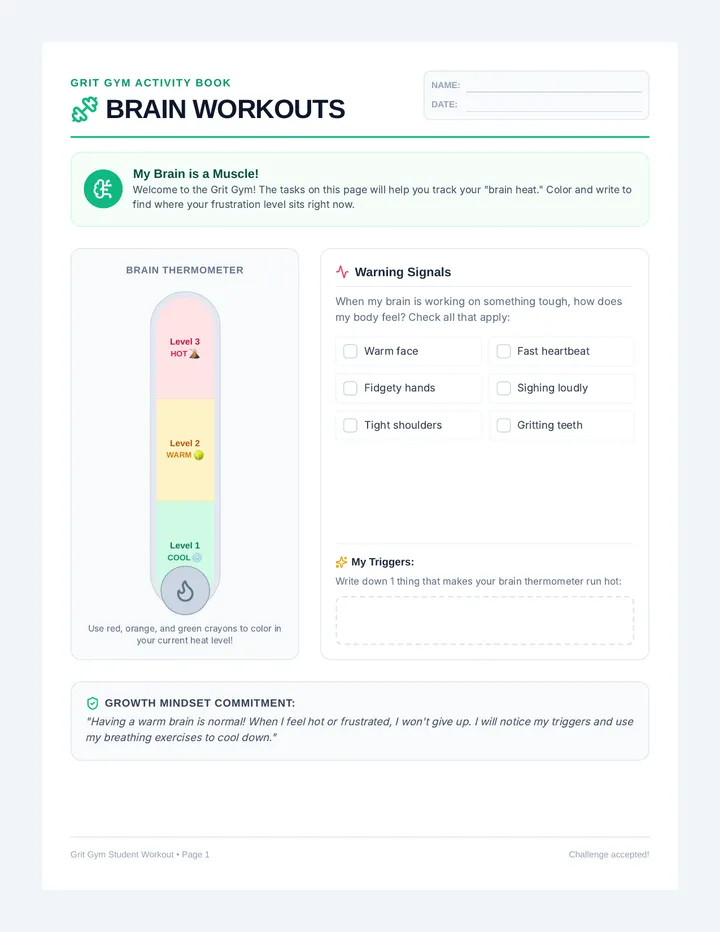
A growth mindset and emotional regulation lesson designed for 3rd and 4th-grade small groups. Students discover how the brain strengthens through challenge, identify their frustration 'heat level', and practice concrete self-regulation exercises like tactical breathing and constructive self-talk.
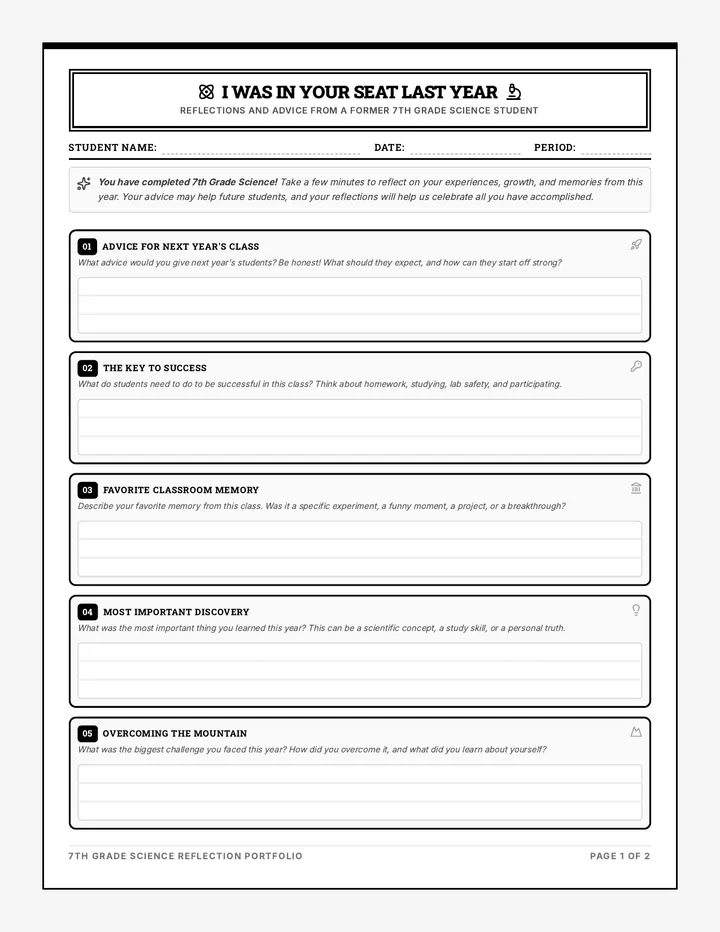
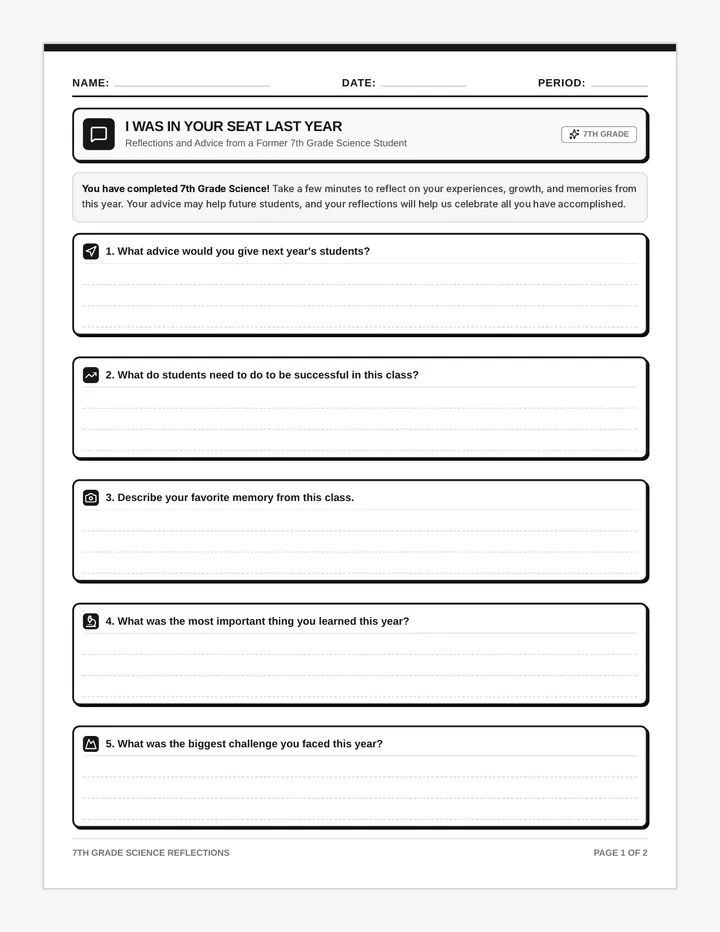
An end-of-year reflection lesson for 7th-grade science students where they reflect on their growth, achievements, and challenges, and leave advice for future students.
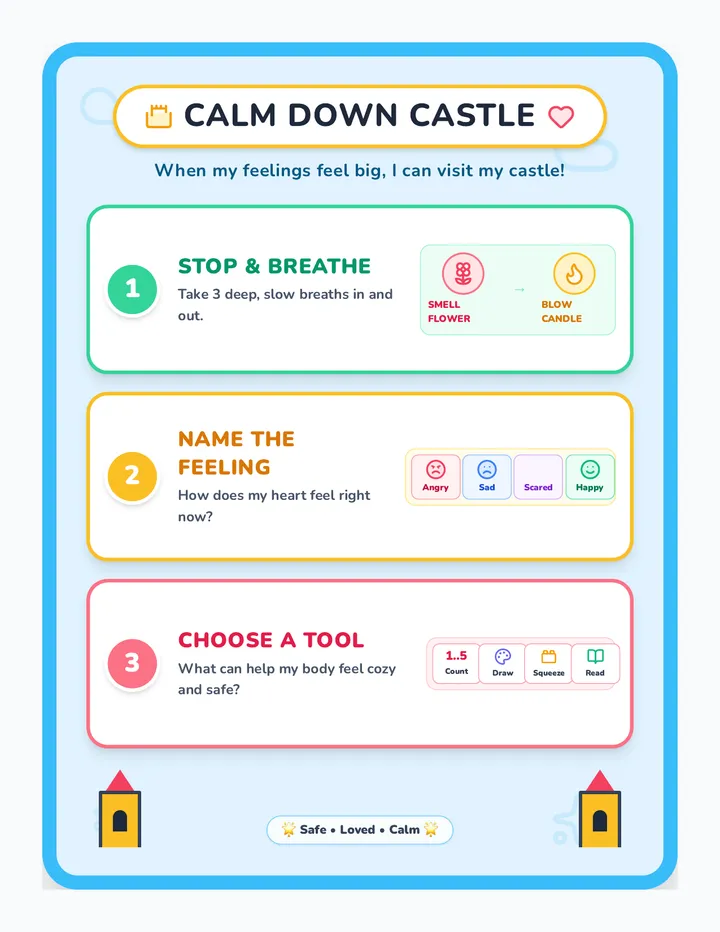
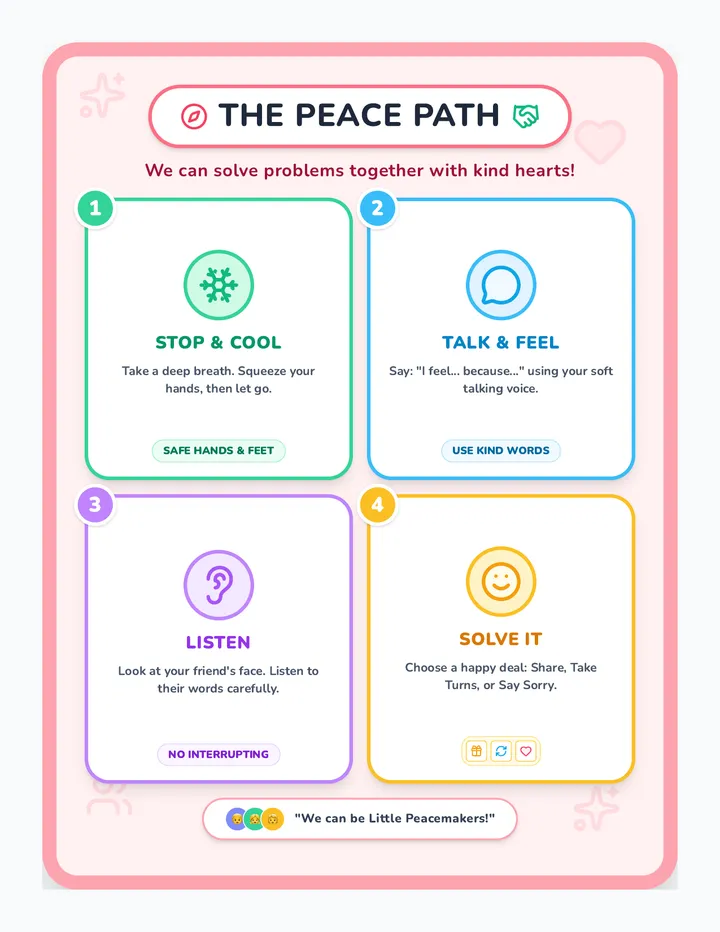
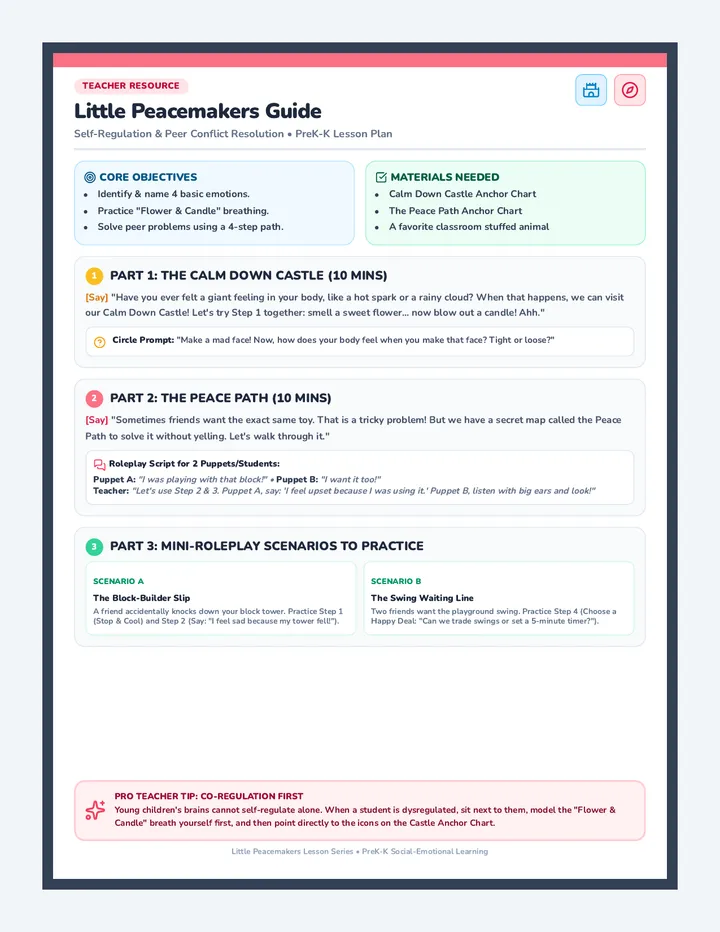
A lesson focused on self-regulation and conflict resolution for PreK-K students, featuring highly visual, icon-based anchor charts and guides.
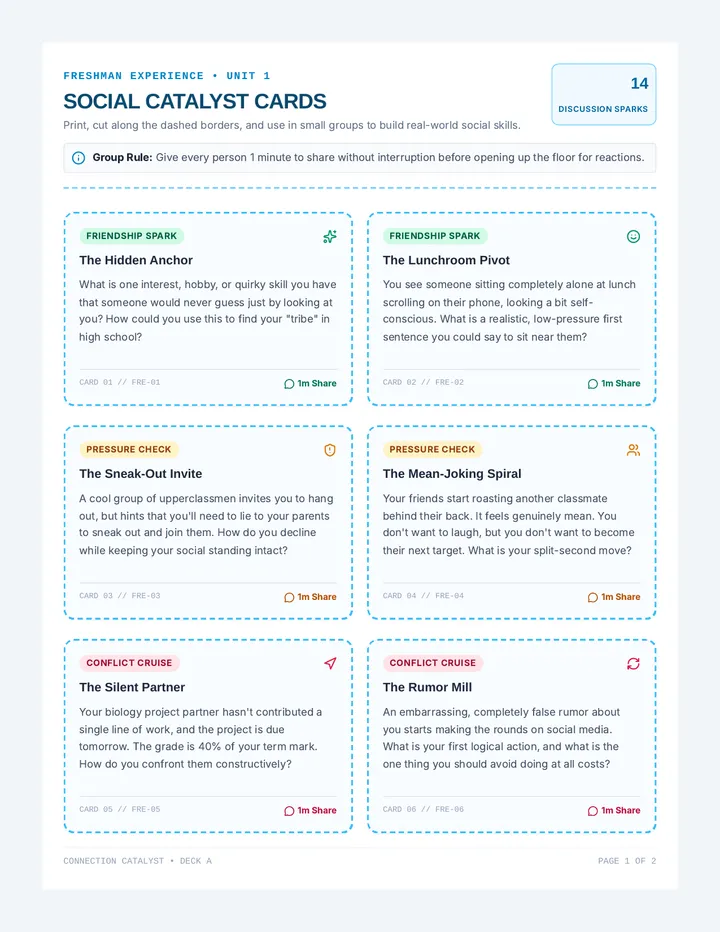
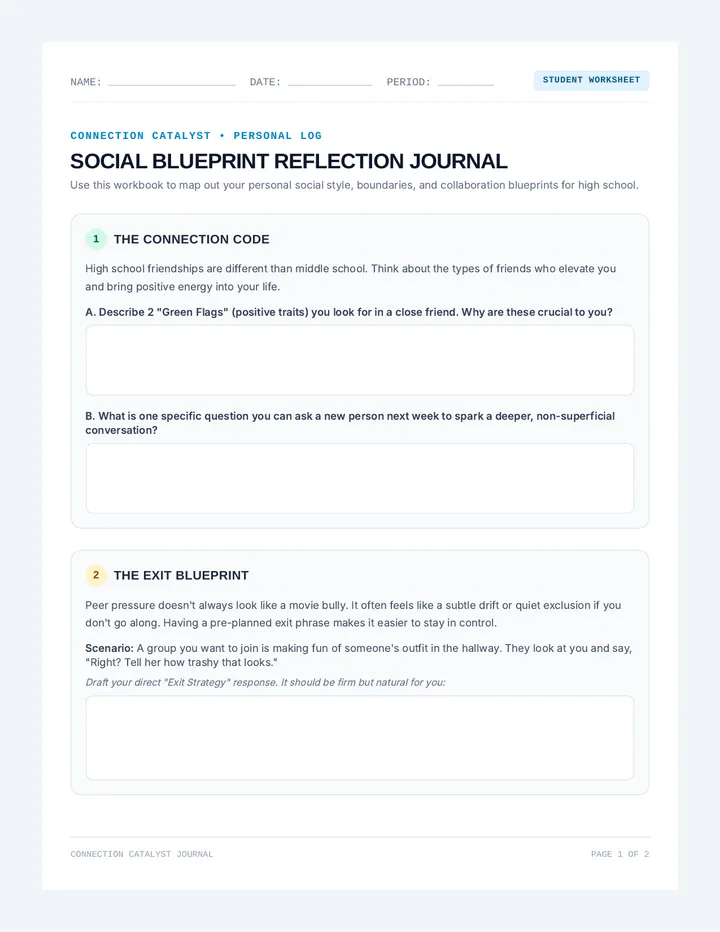
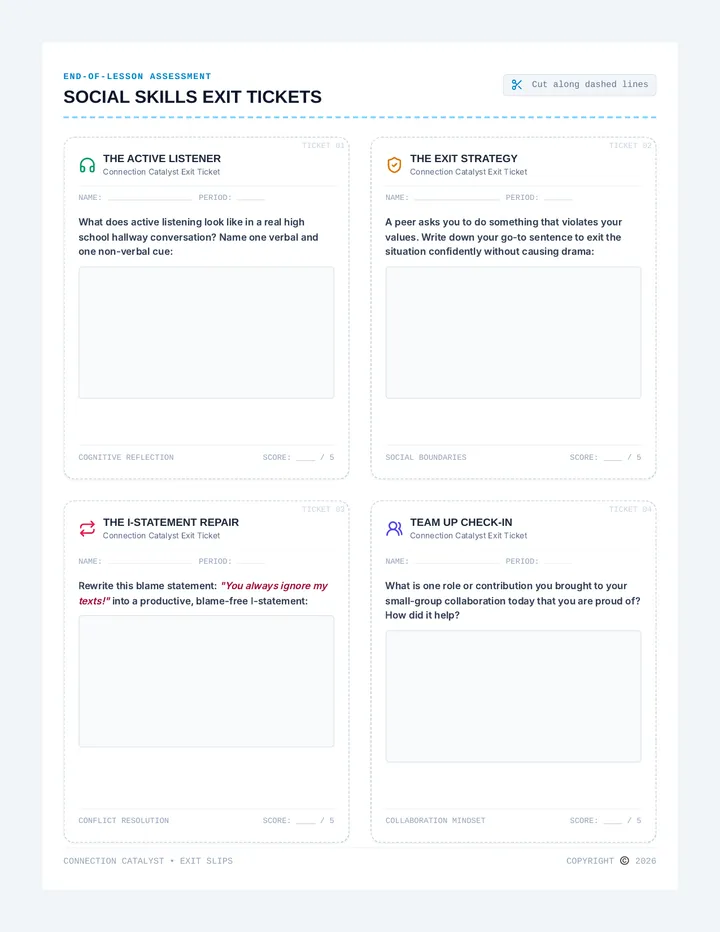
A dynamic social-emotional learning lesson designed for high school freshmen to master relationship and social skills. Students explore techniques for initiating friendships, navigating peer pressure, resolving conflicts constructively, and collaborating effectively in high school environments.
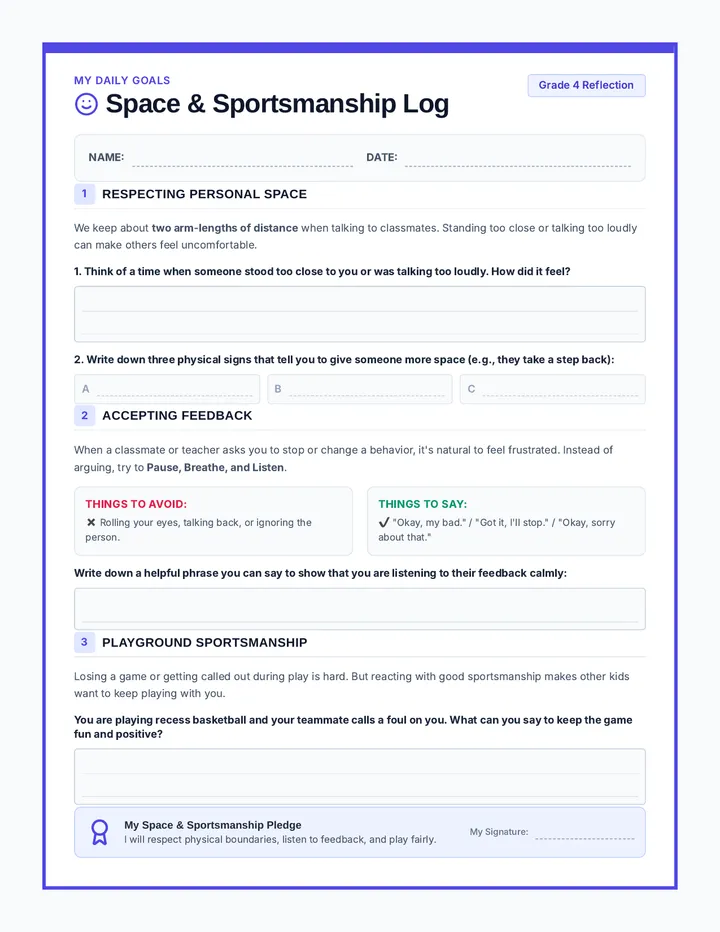
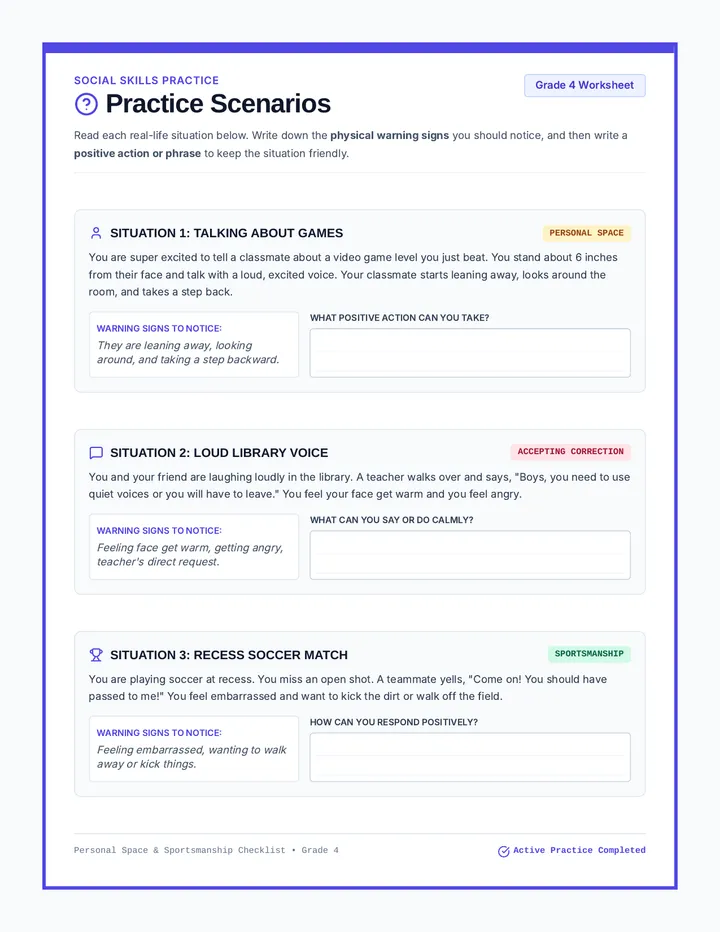
A game-themed social-emotional learning lesson for 4th-grade students to master conversational boundaries, accept feedback, and handle sportsmanship during play using the concept of a 'Social Radar'.
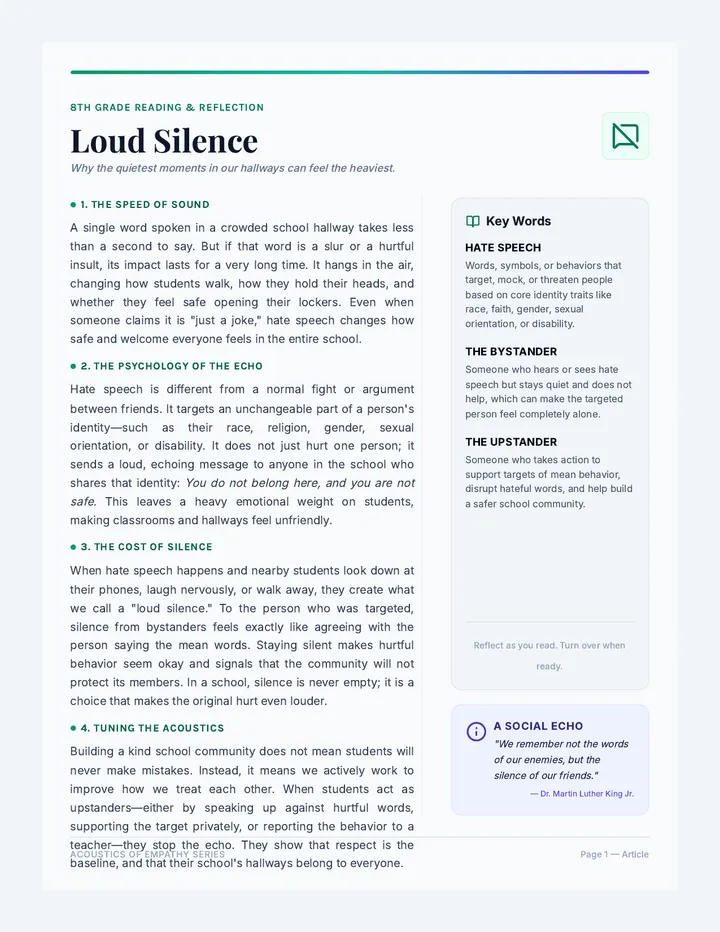
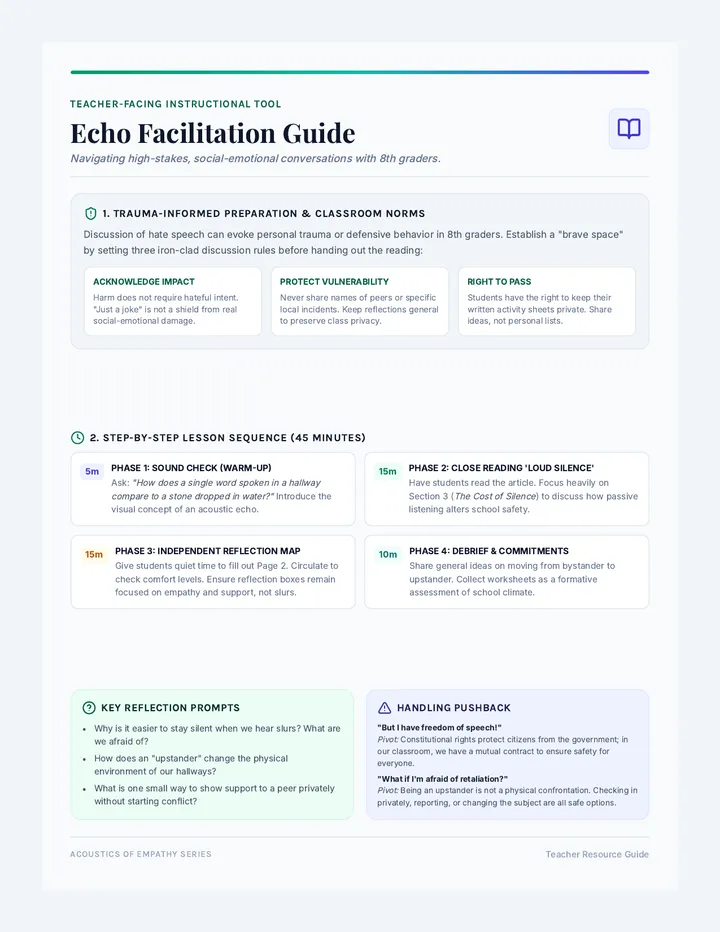
An 8th-grade lesson focusing on the social-emotional impact of hate speech and fostering a supportive school community. Students read an engaging, age-appropriate article and complete a reflective worksheet to map the impact of words and make personal commitments to inclusivity.
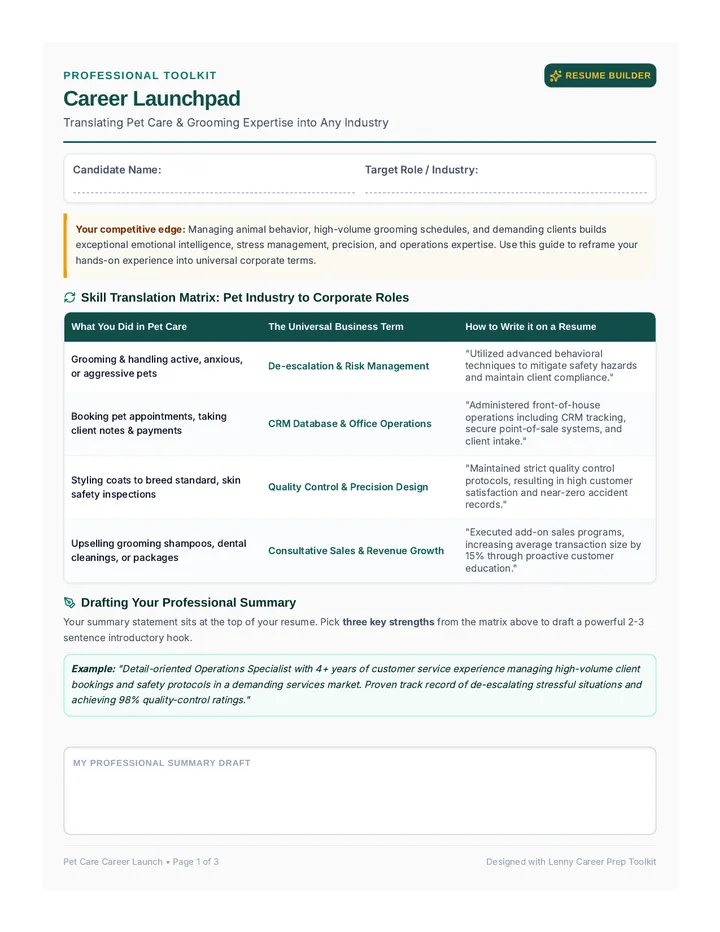
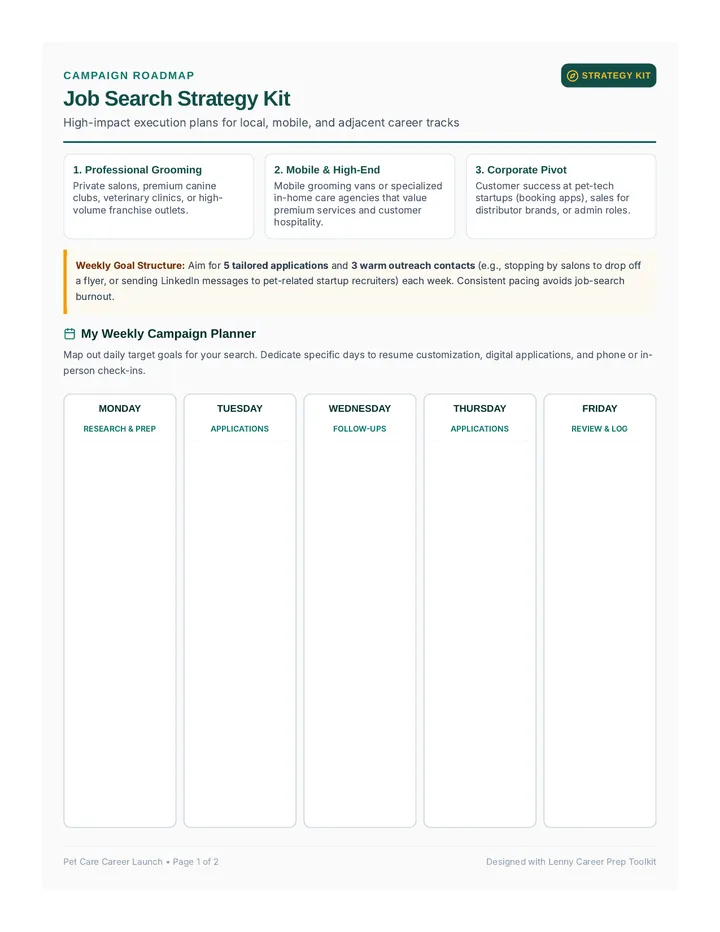
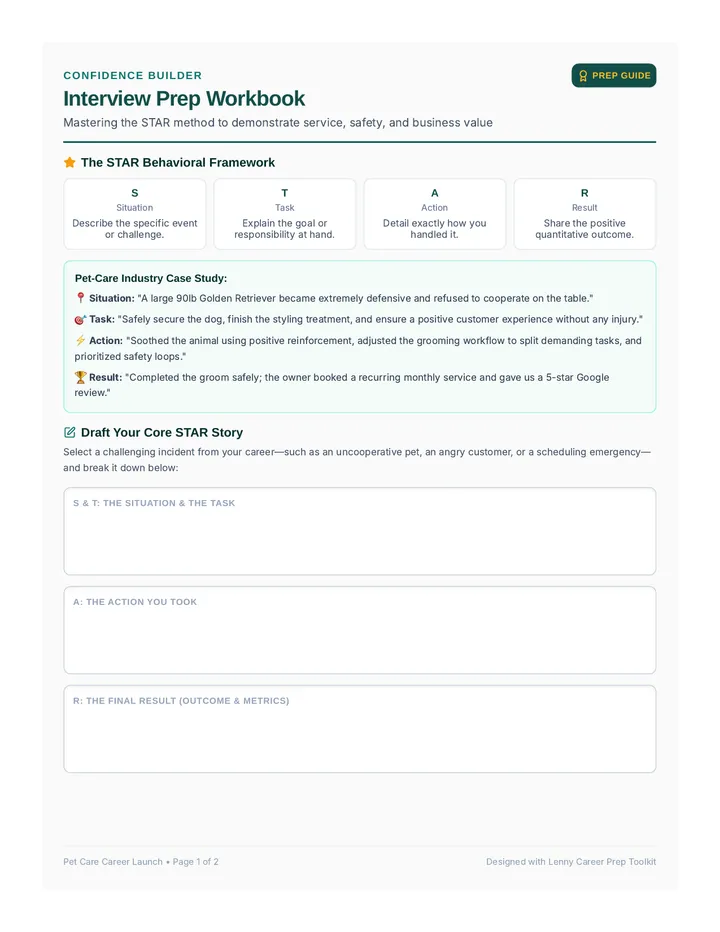
A comprehensive job-seeker toolkit designed specifically for pet care and dog grooming professionals. It includes a tailored Resume & Cover Letter Builder, a Job Search Strategy Kit with trackers, and an Interview Prep Workbook to help candidates transition into new roles or elevate their pet care careers.
An end-of-year reflective science lesson where 7th-grade students look back on their progress, share advice for incoming students, and celebrate achievements.
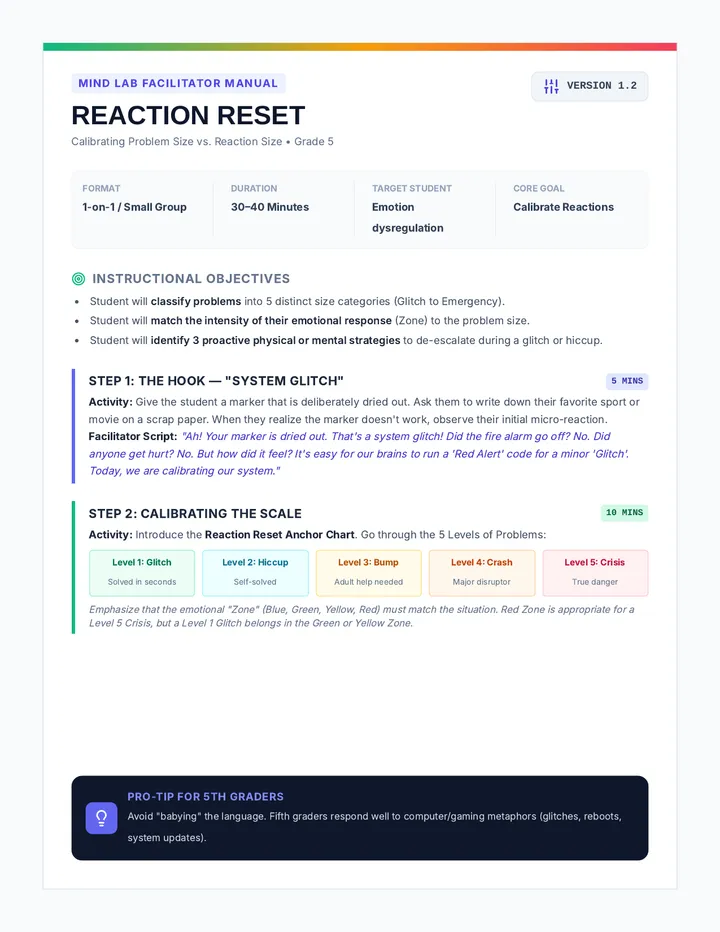
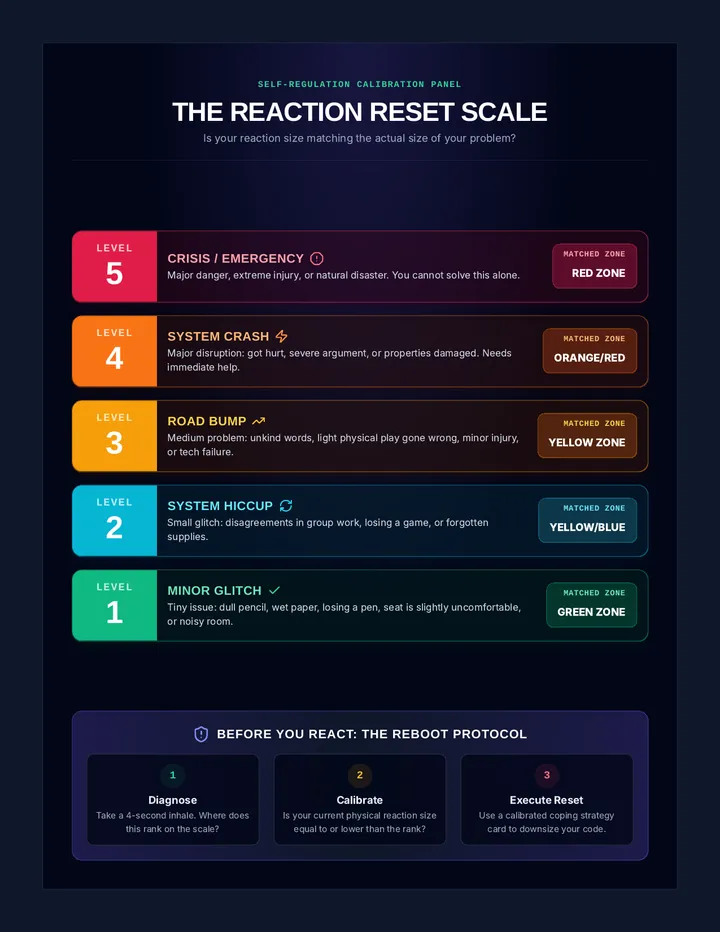
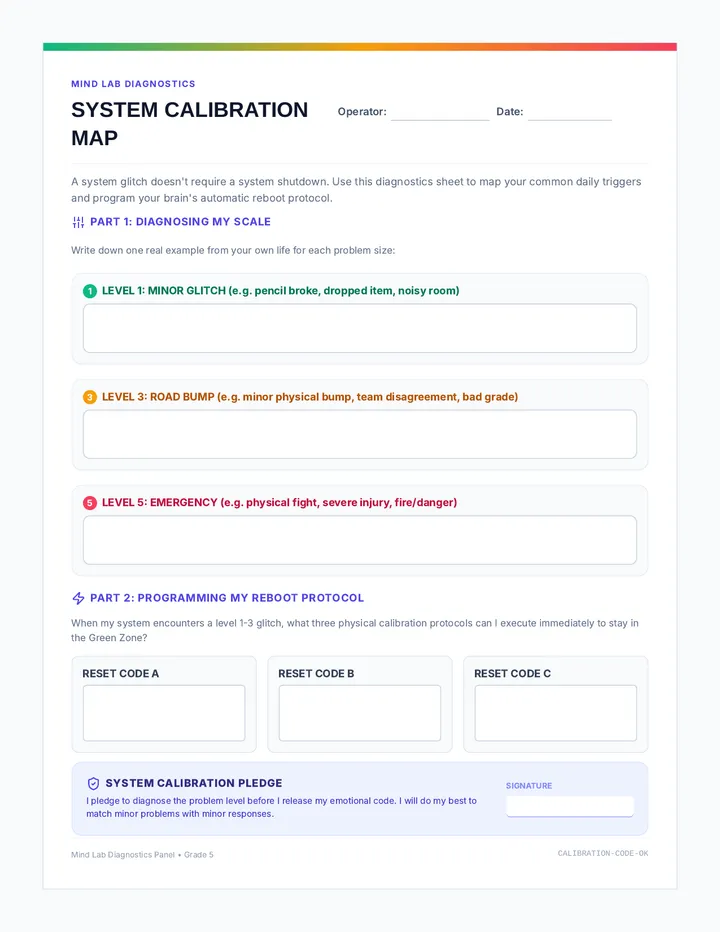
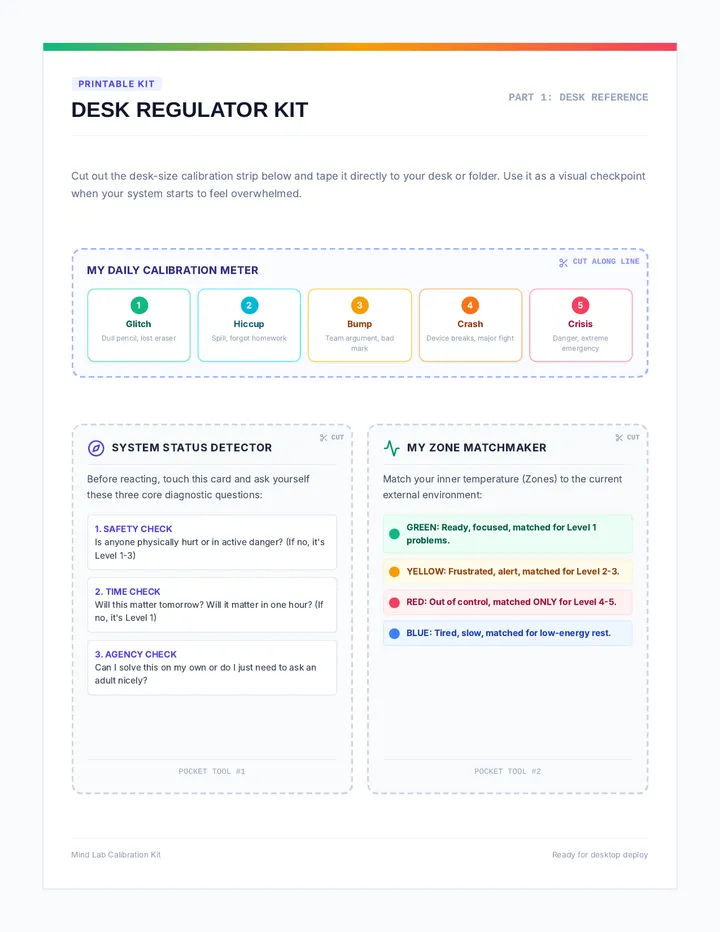
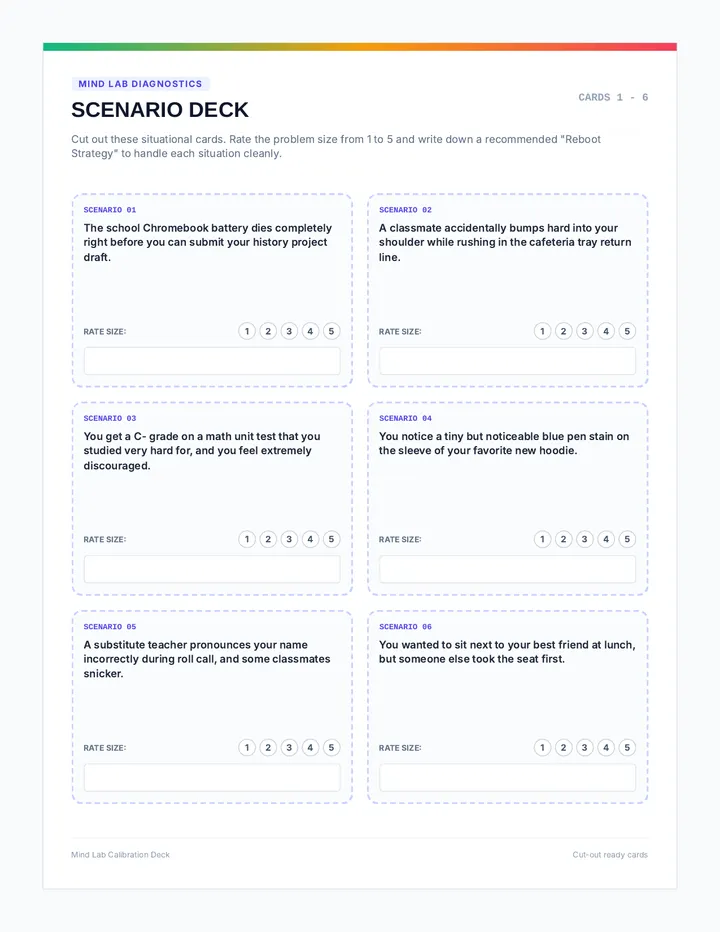
A comprehensive self-regulation lesson bundle designed for 5th graders to match the size of their reactions to the size of their problems, blending the 'Size of the Problem' scale with the 'Zones of Regulation' framework.
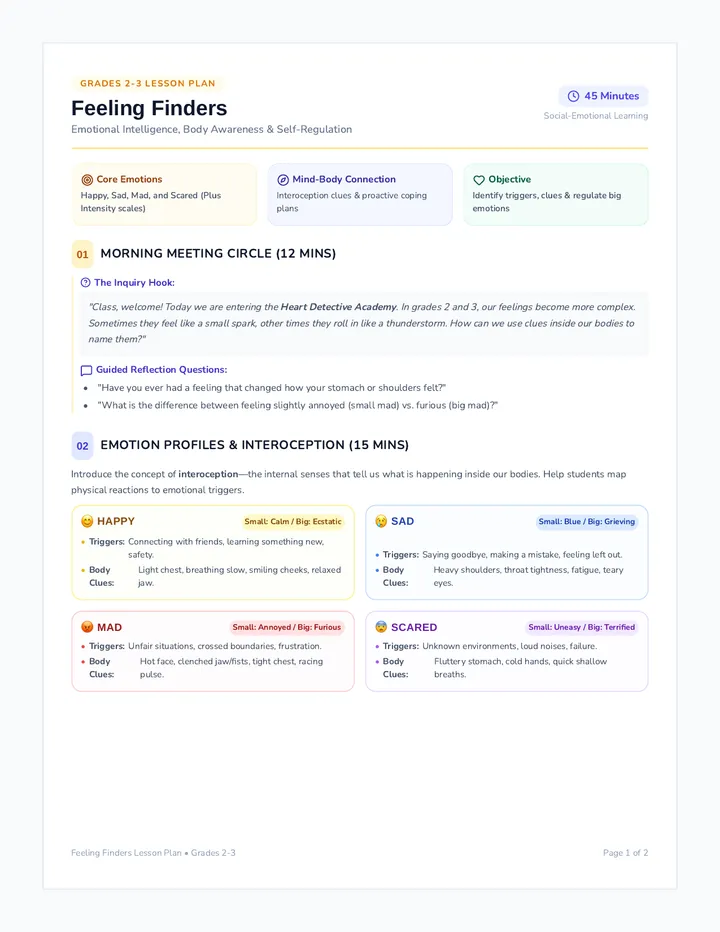
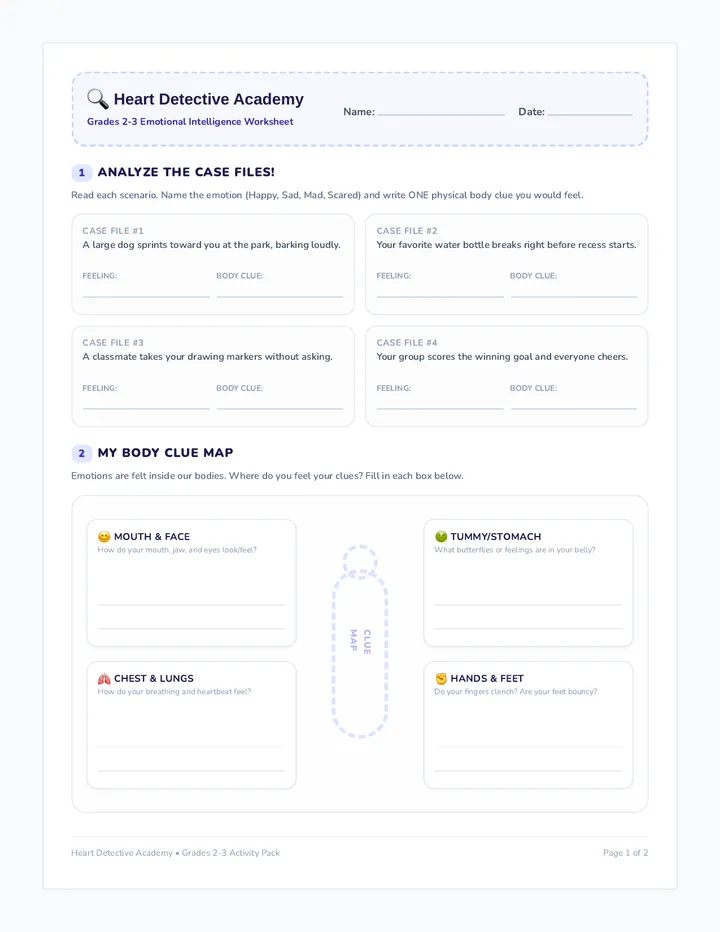
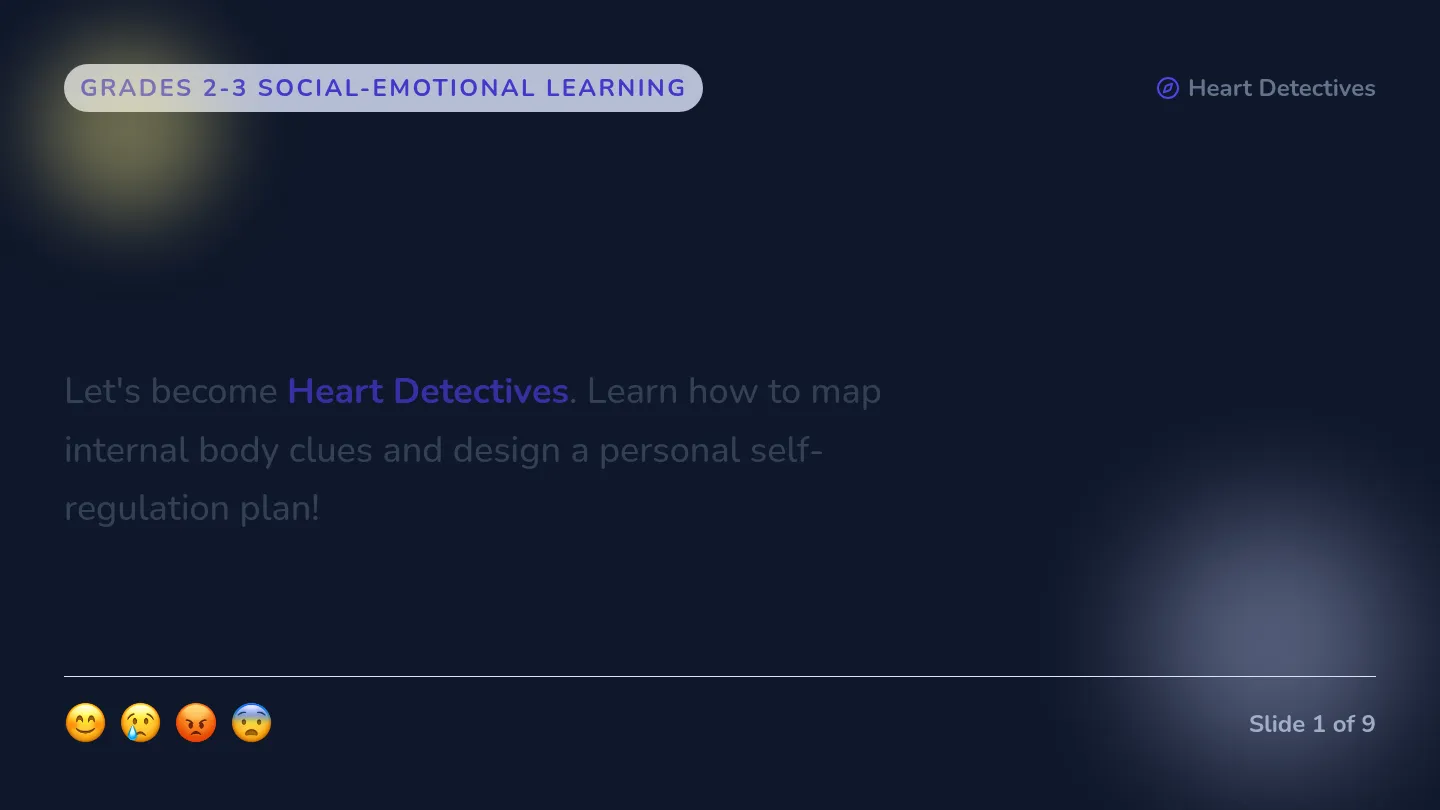
A nurturing and interactive social-emotional learning lesson for grades 2-3 designed to help students identify happy, sad, mad, and scared feelings. It focuses on physical body clues, facial expressions, and written reflection on coping strategies and self-regulation.
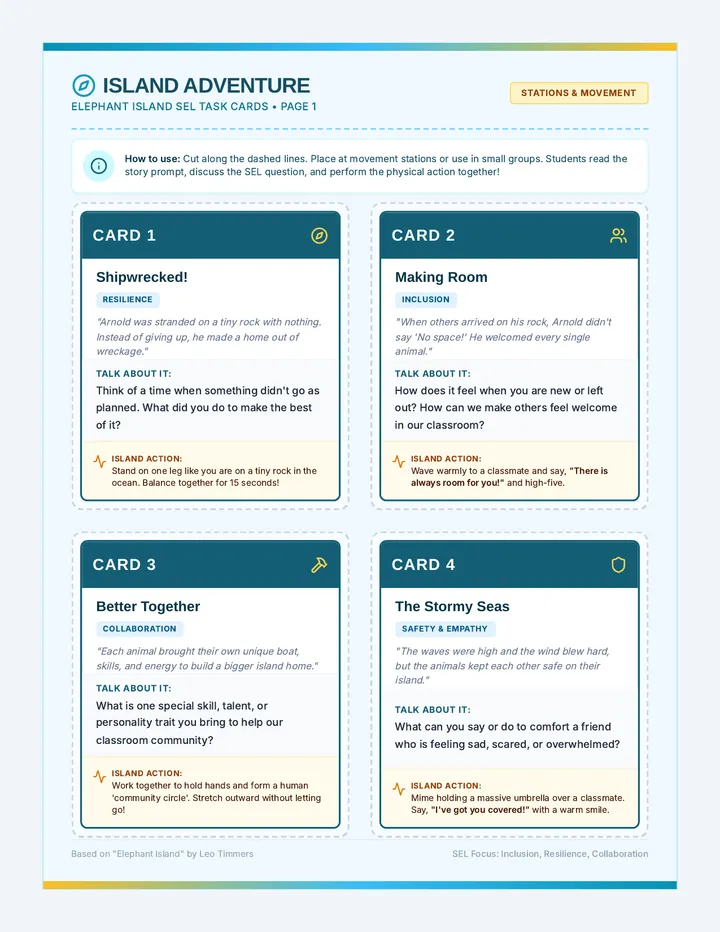
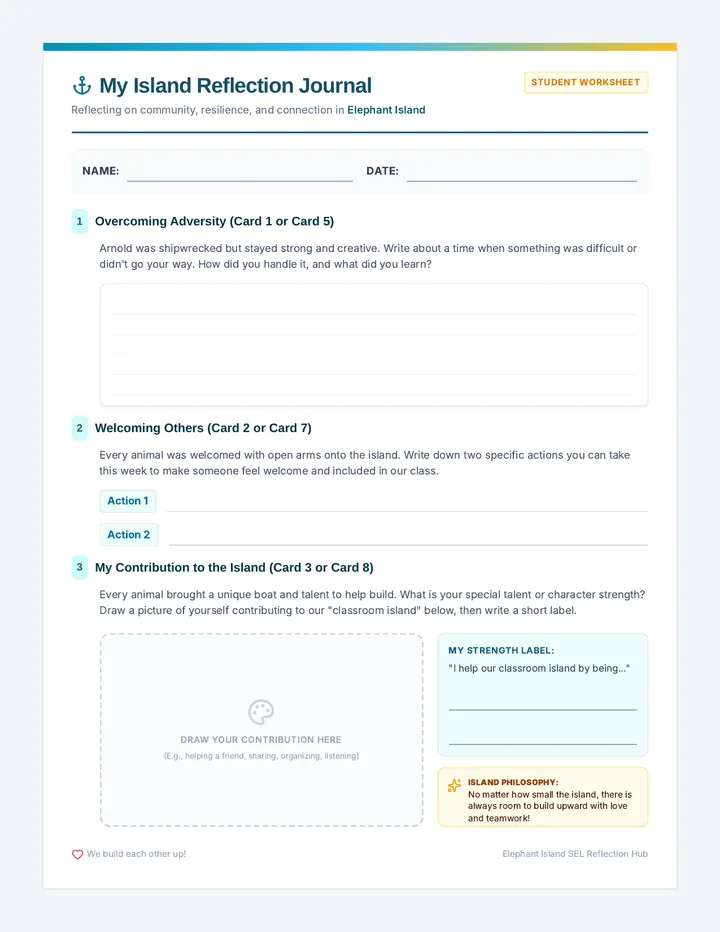
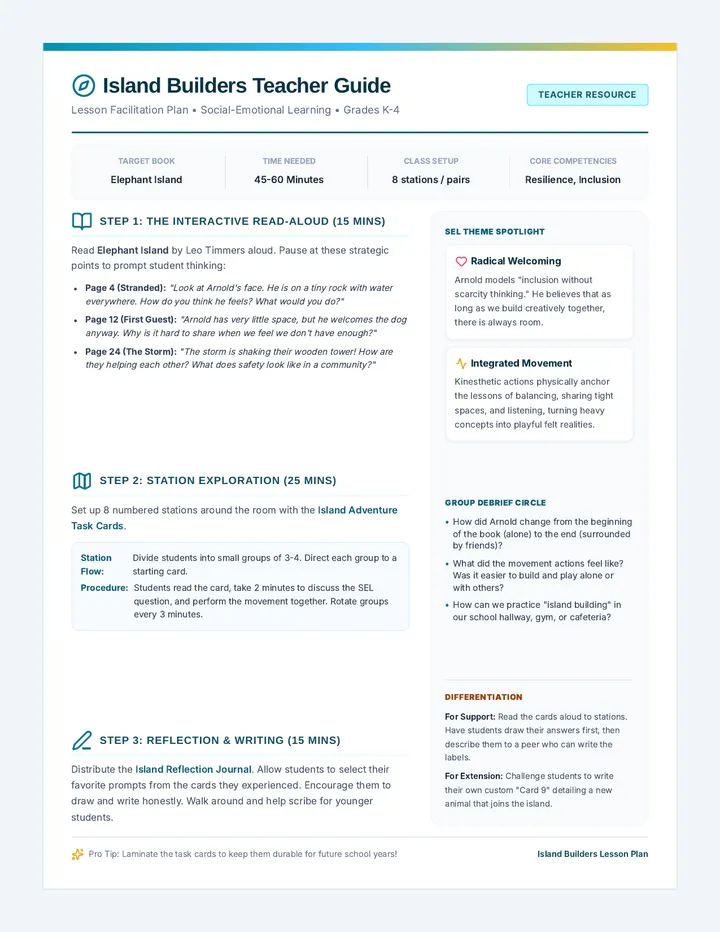
An SEL-focused lesson based on the book 'Elephant Island' by Leo Timmers, exploring community-building, resilience, and welcoming others through movement-based task cards and collaborative reflection.
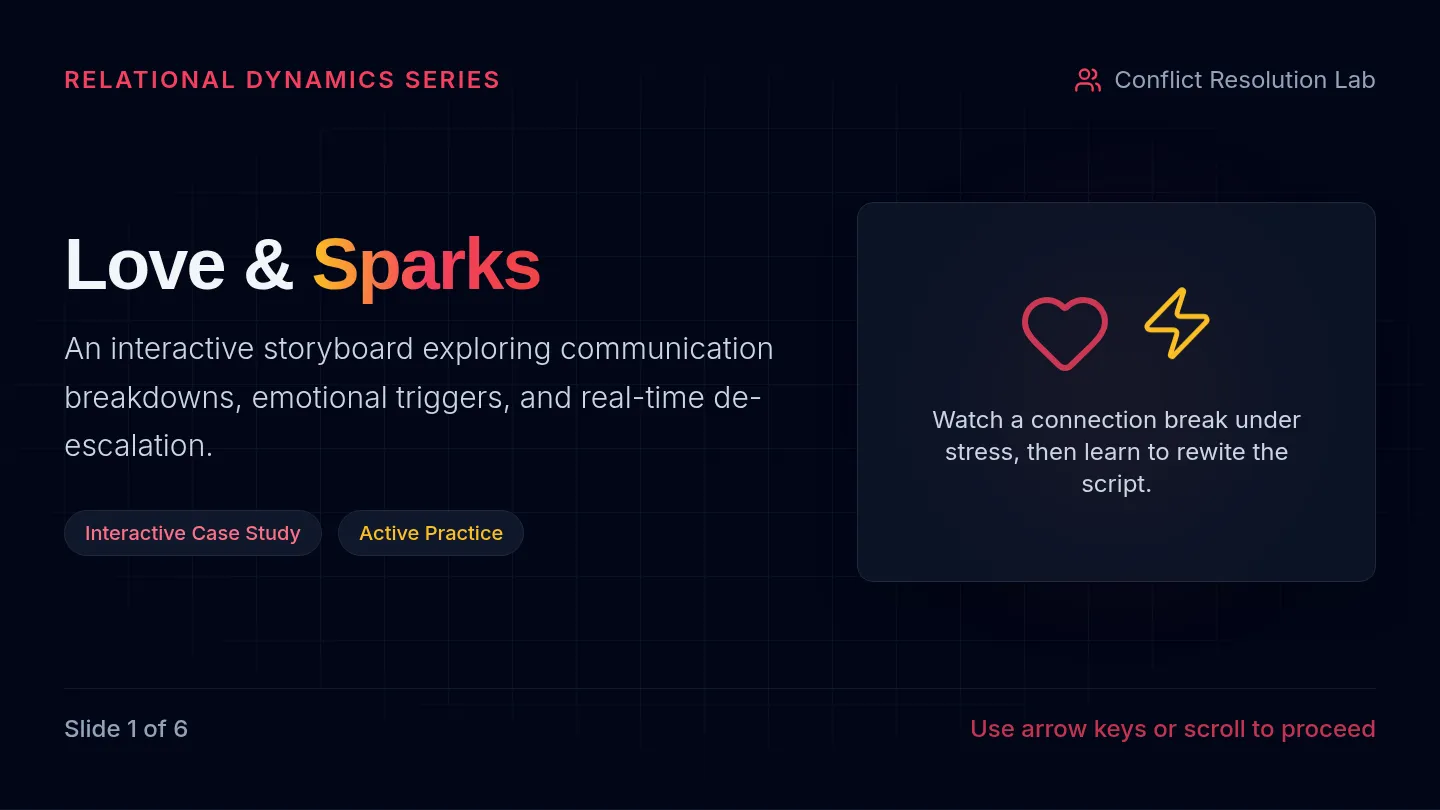
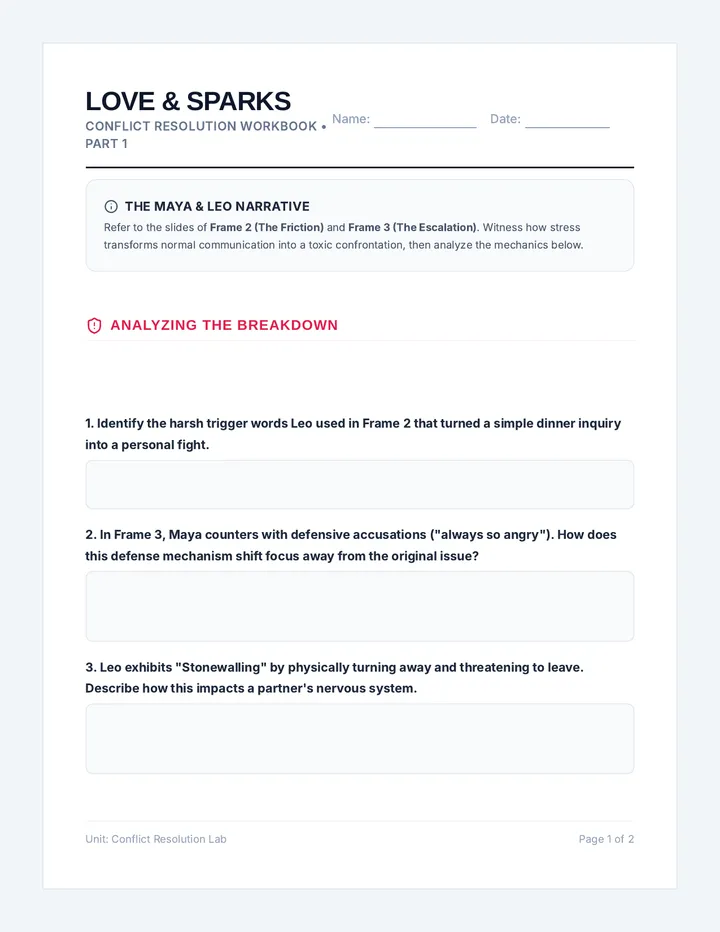
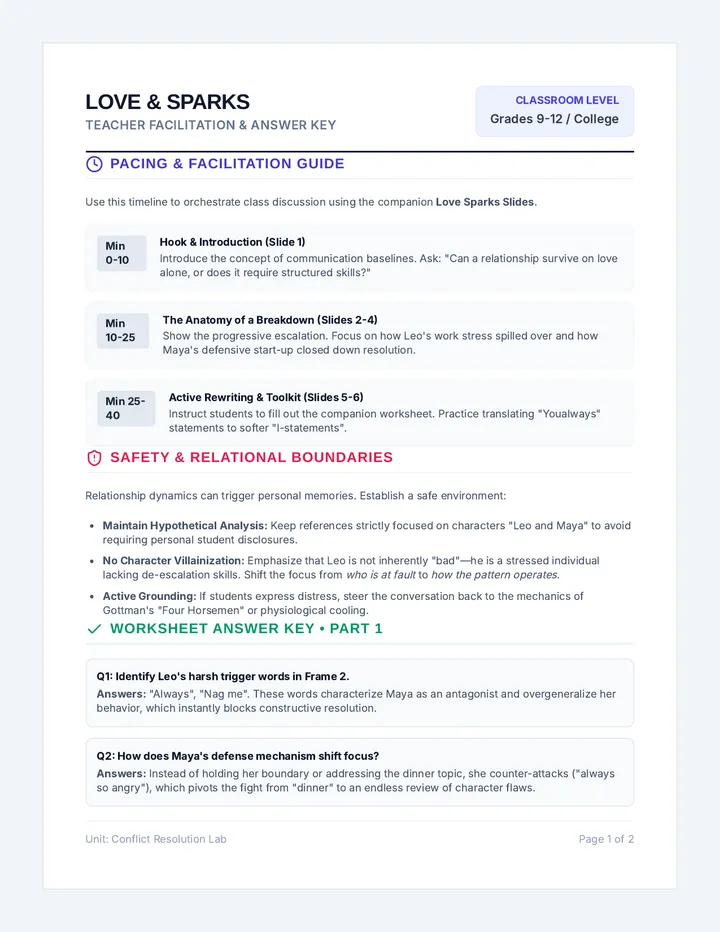
An instructional lesson centered on identifying communication breakdowns, analyzing relational friction, and applying active de-escalation strategies. Features interactive storyboard-driven slides and activities.