A comprehensive lesson focused on teaching students how to manage their end-of-year workload through project decomposition, time management, and effective self-advocacy.
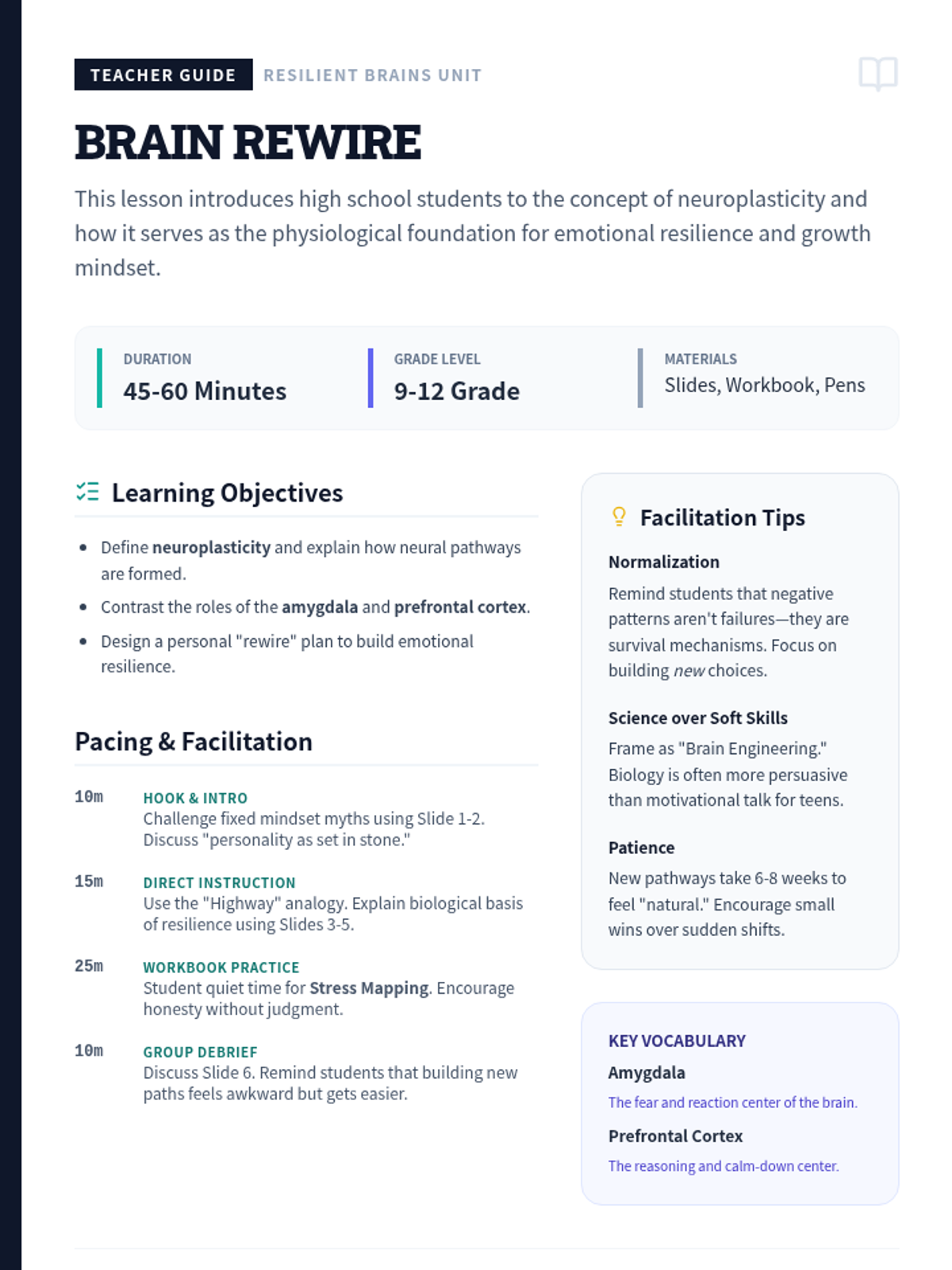
A comprehensive lesson for high school students exploring the science of neuroplasticity and its practical application in building emotional resilience. Students learn how the brain's physical structure changes through experience and how to leverage this for mental well-being.
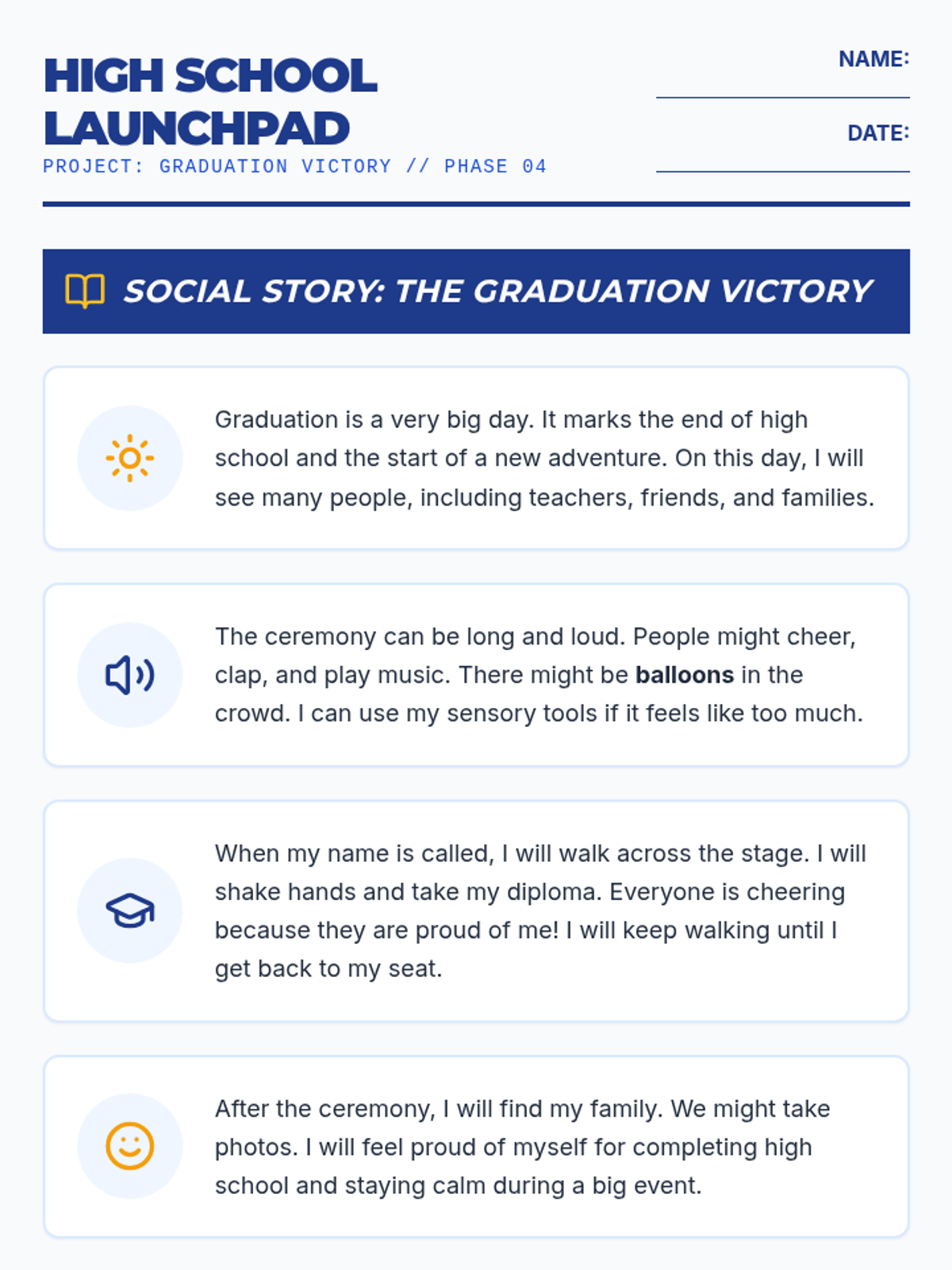
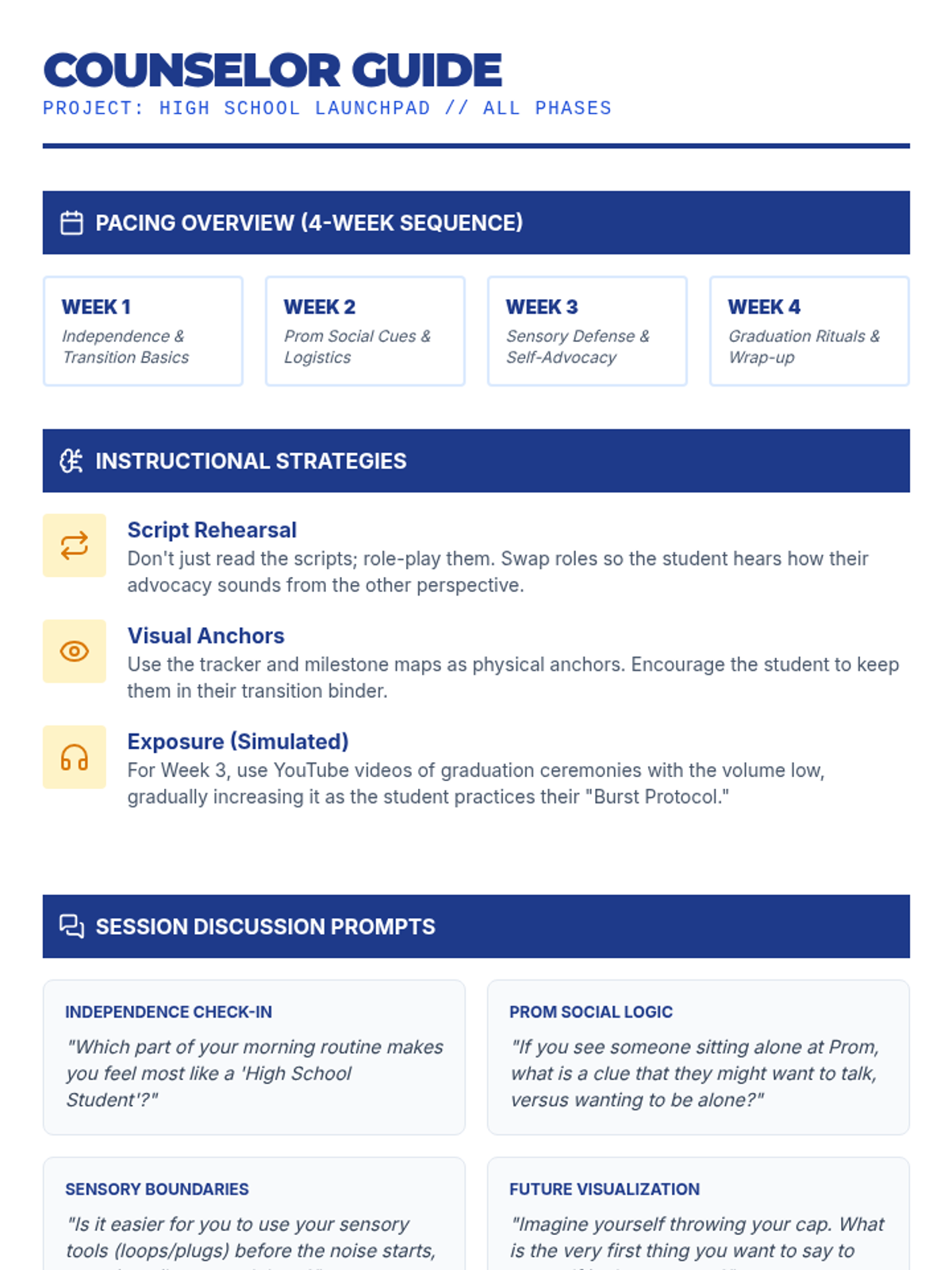
Prepares the student for the graduation ceremony through social stories and a visual guide for the day's events.
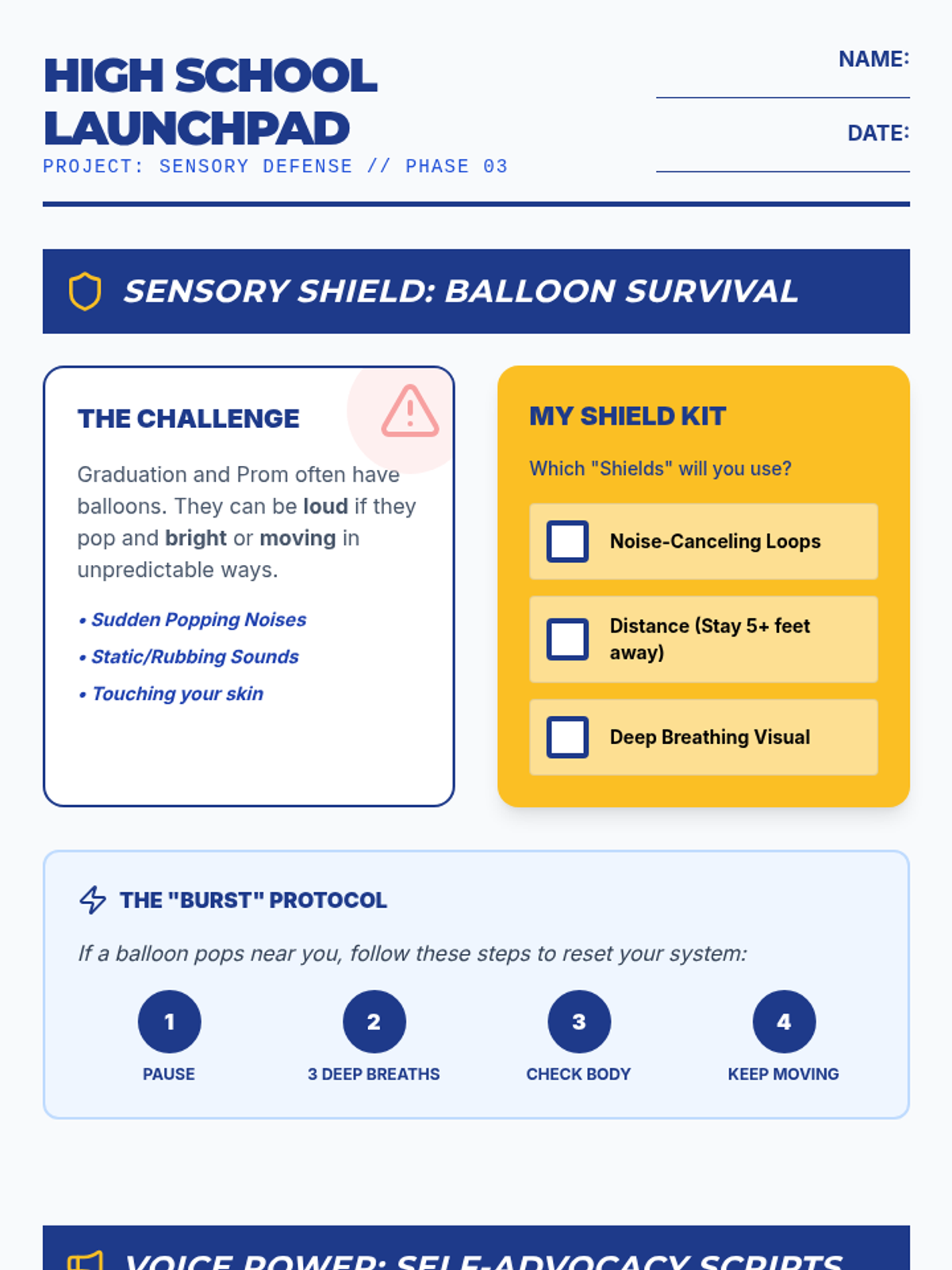
Strategies for managing sensory overload from balloons and loud environments, plus scripts for self-advocacy during formal events.
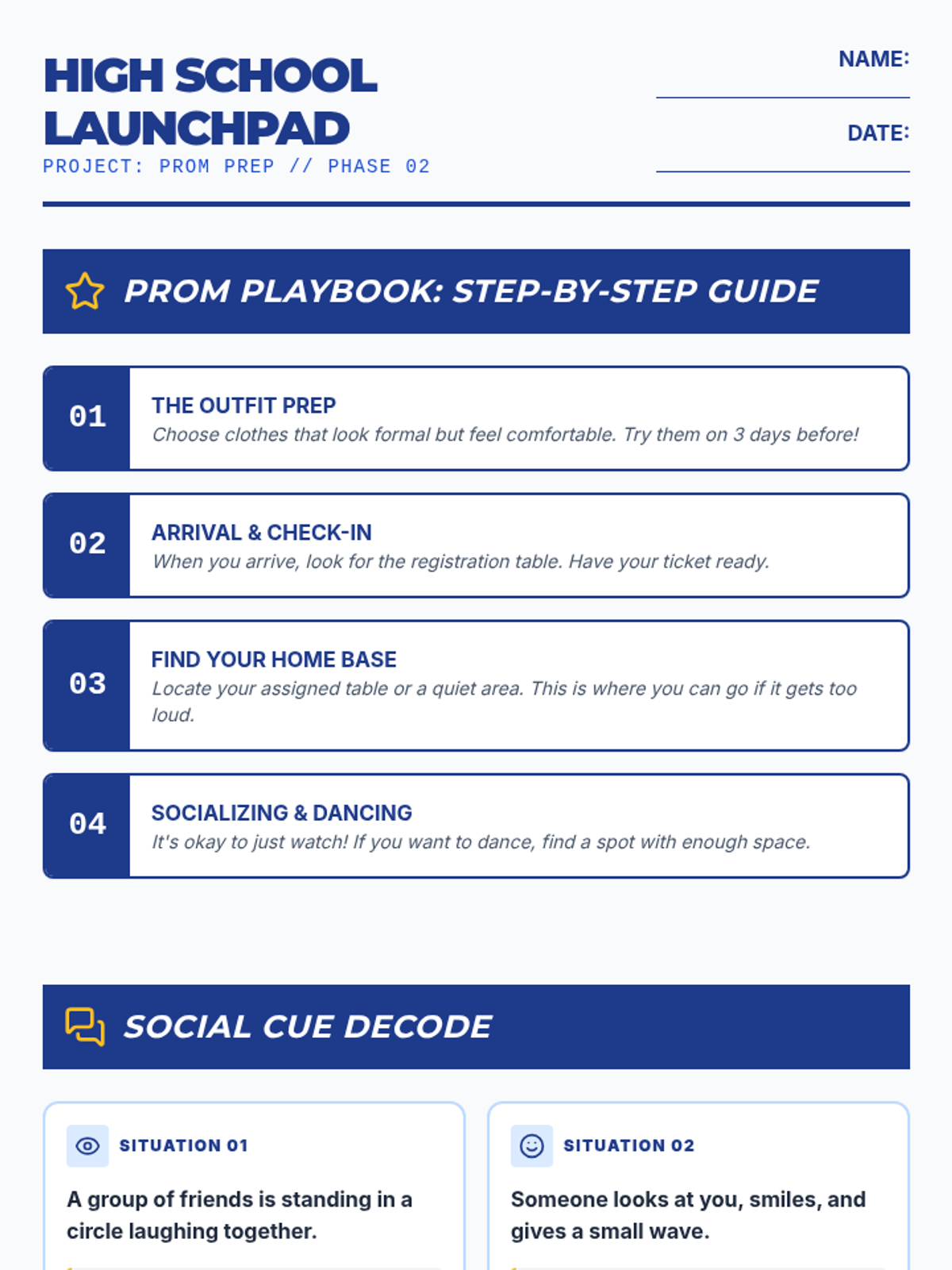
A deep dive into the social expectations and logistics of Prom, including social cue practice and a step-by-step preparation guide.
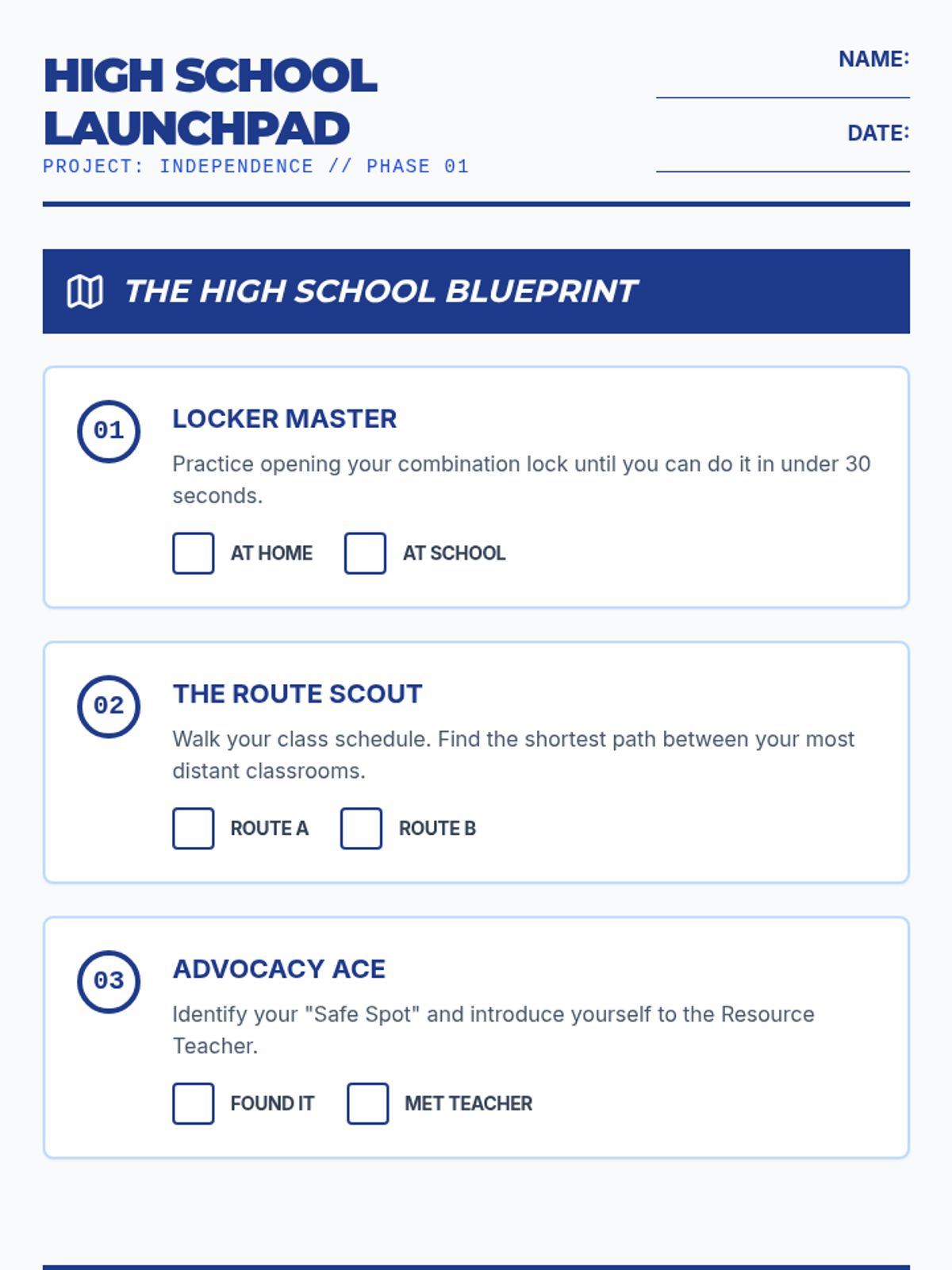
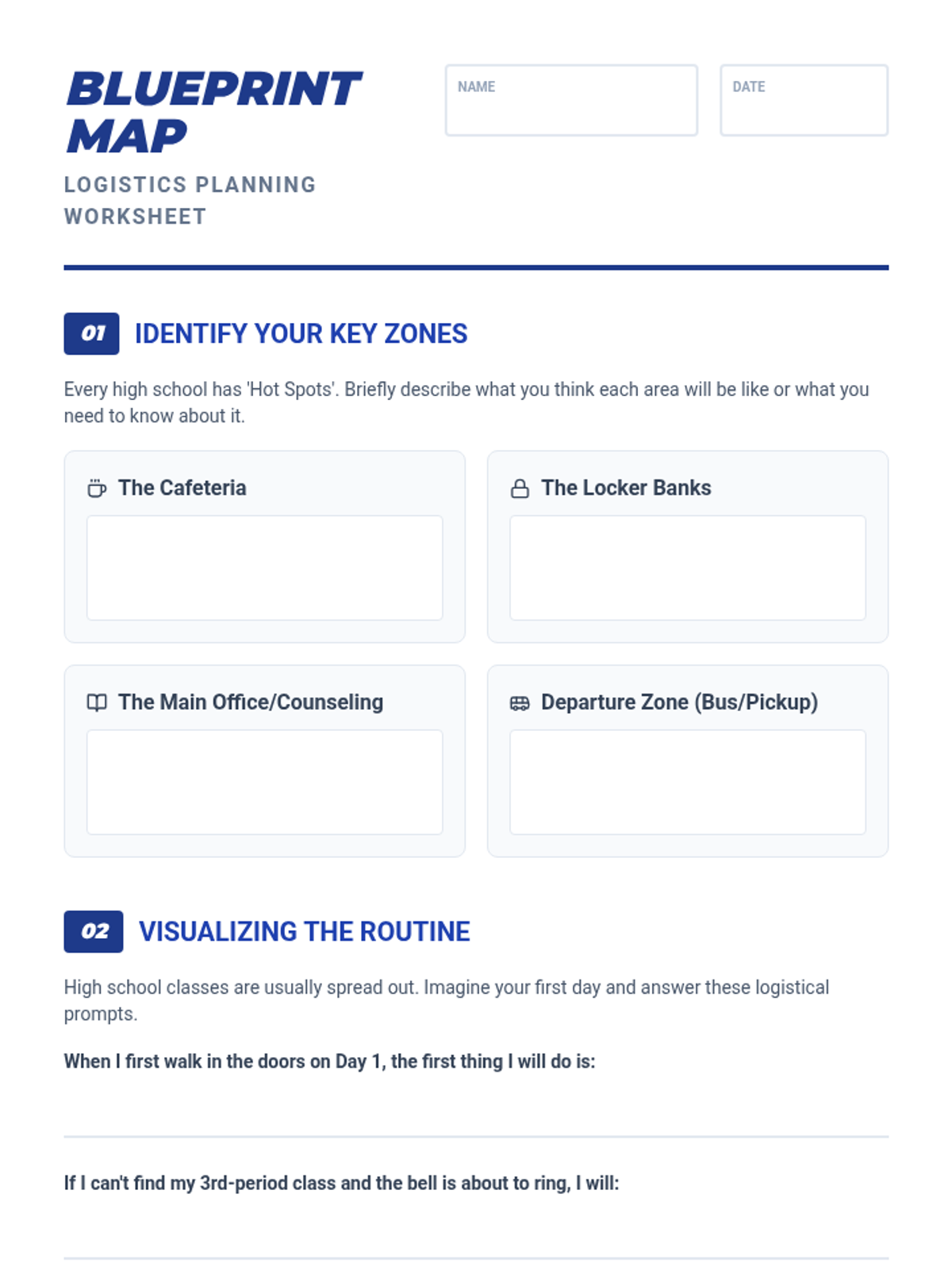
Focuses on building daily habits for independence and providing a visual roadmap for the transition from middle to high school.
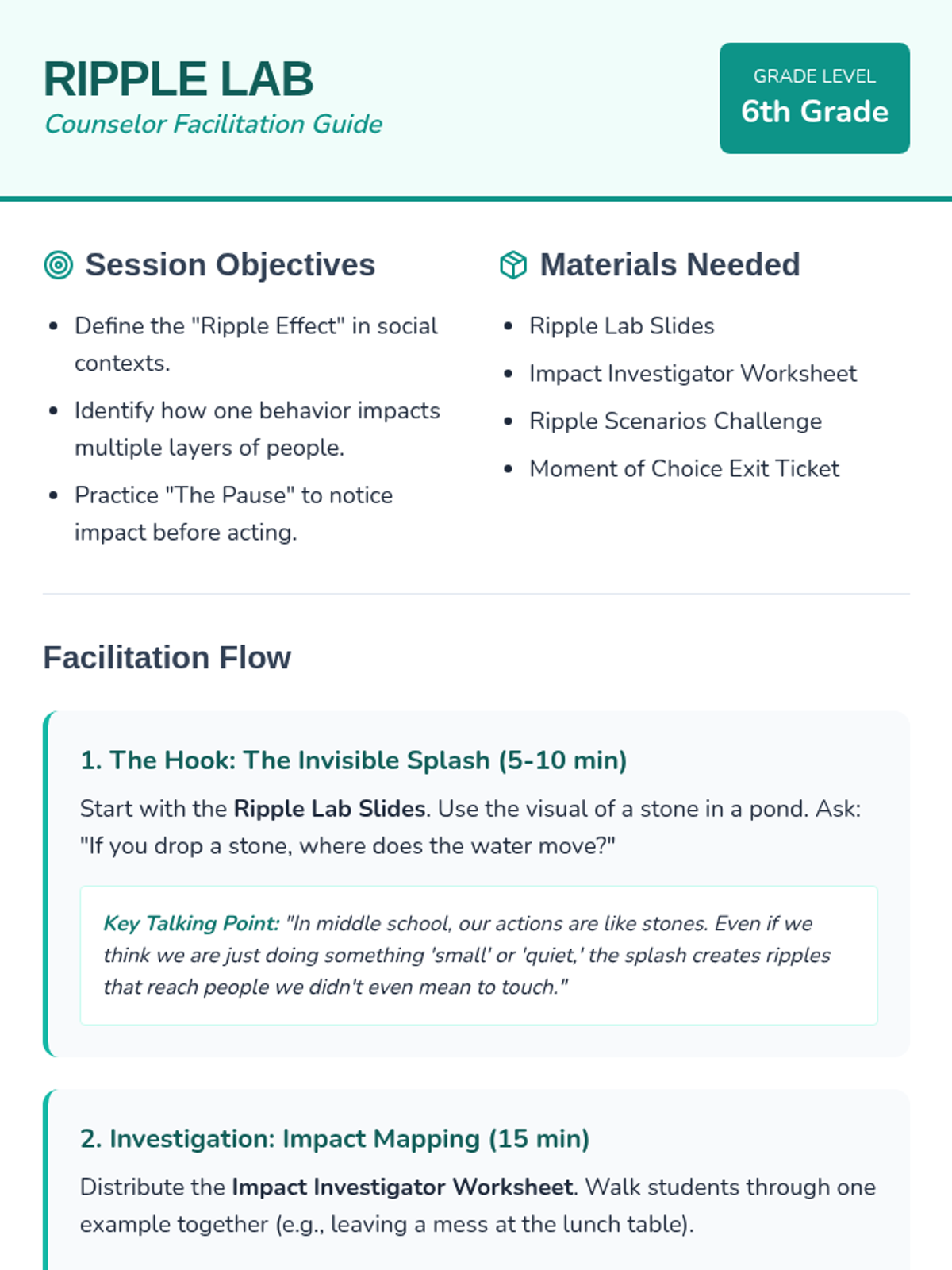
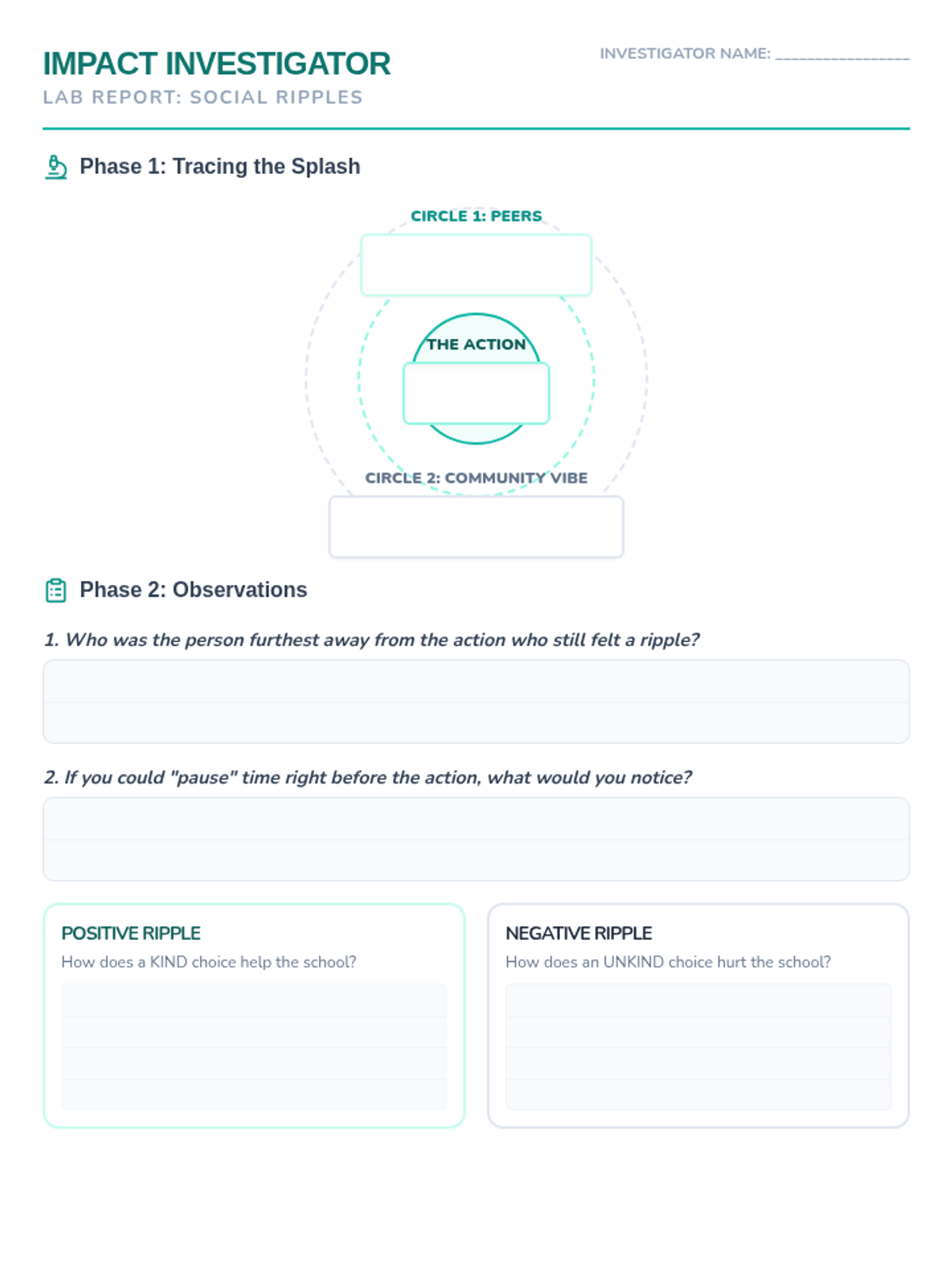
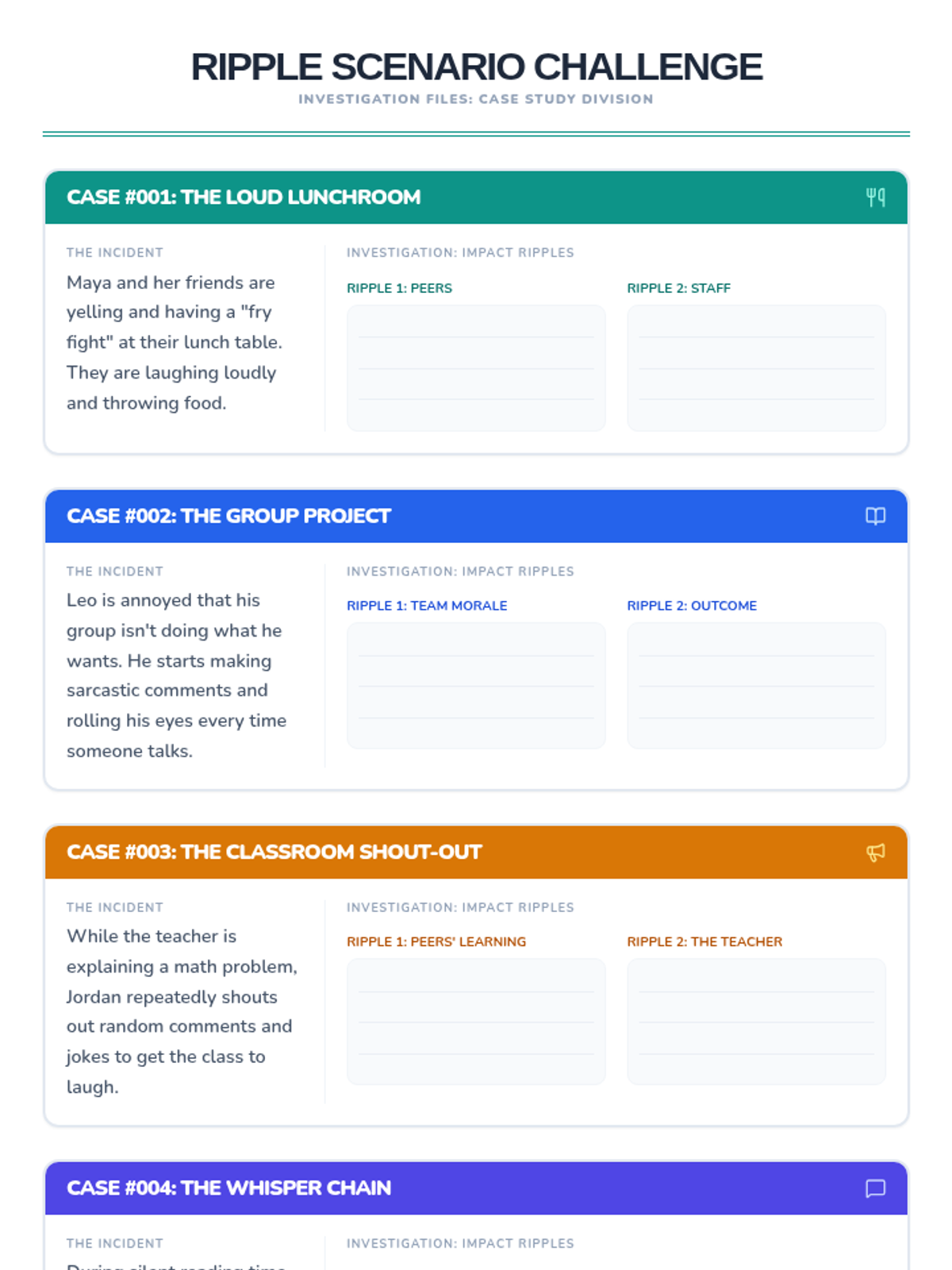
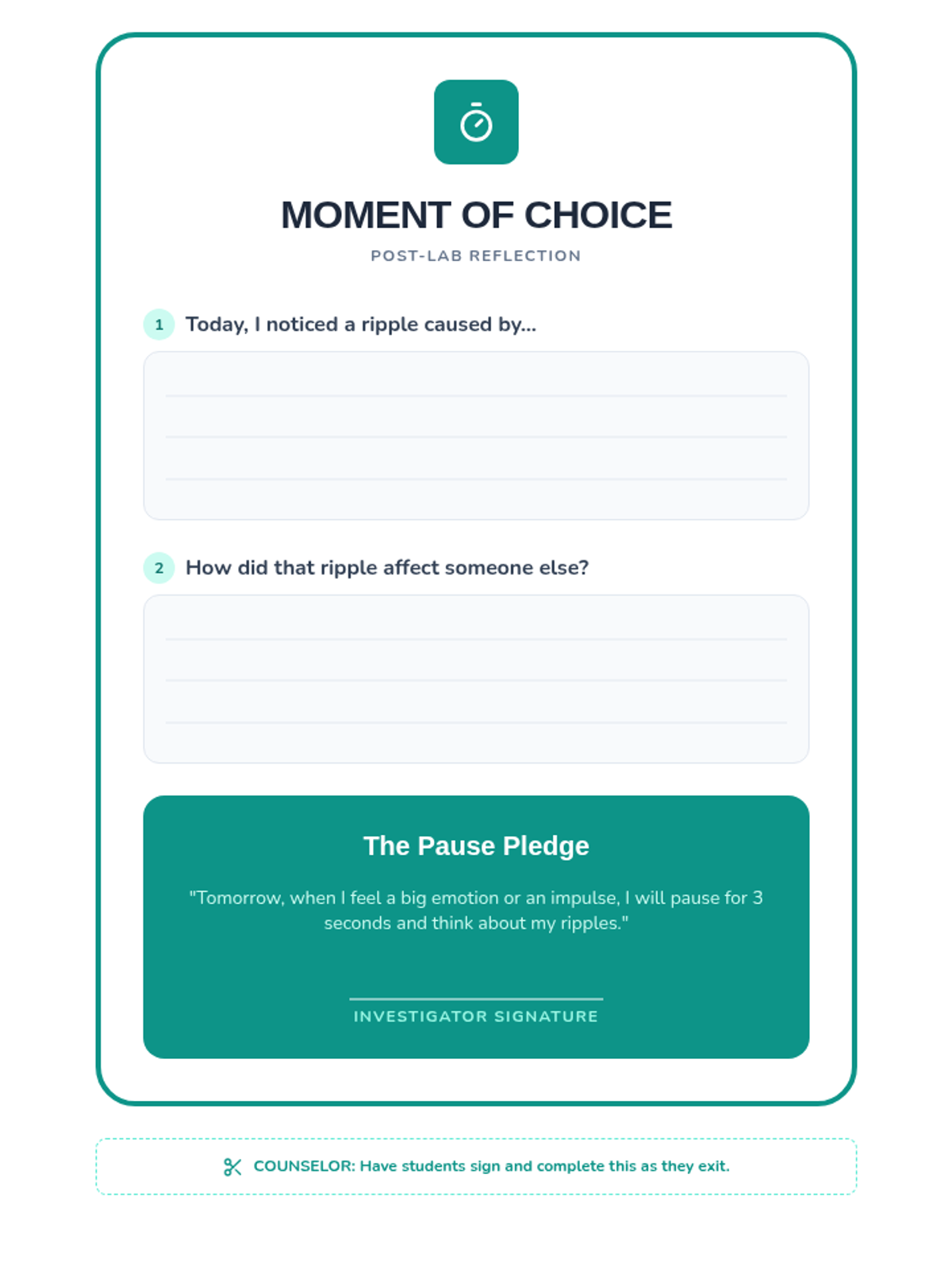
A counseling group lesson for 6th graders focused on understanding the 'Ripple Effect' of their choices. Students will explore how their actions impact themselves, their peers, and their environment while learning techniques to pause and notice these impacts in real-time.
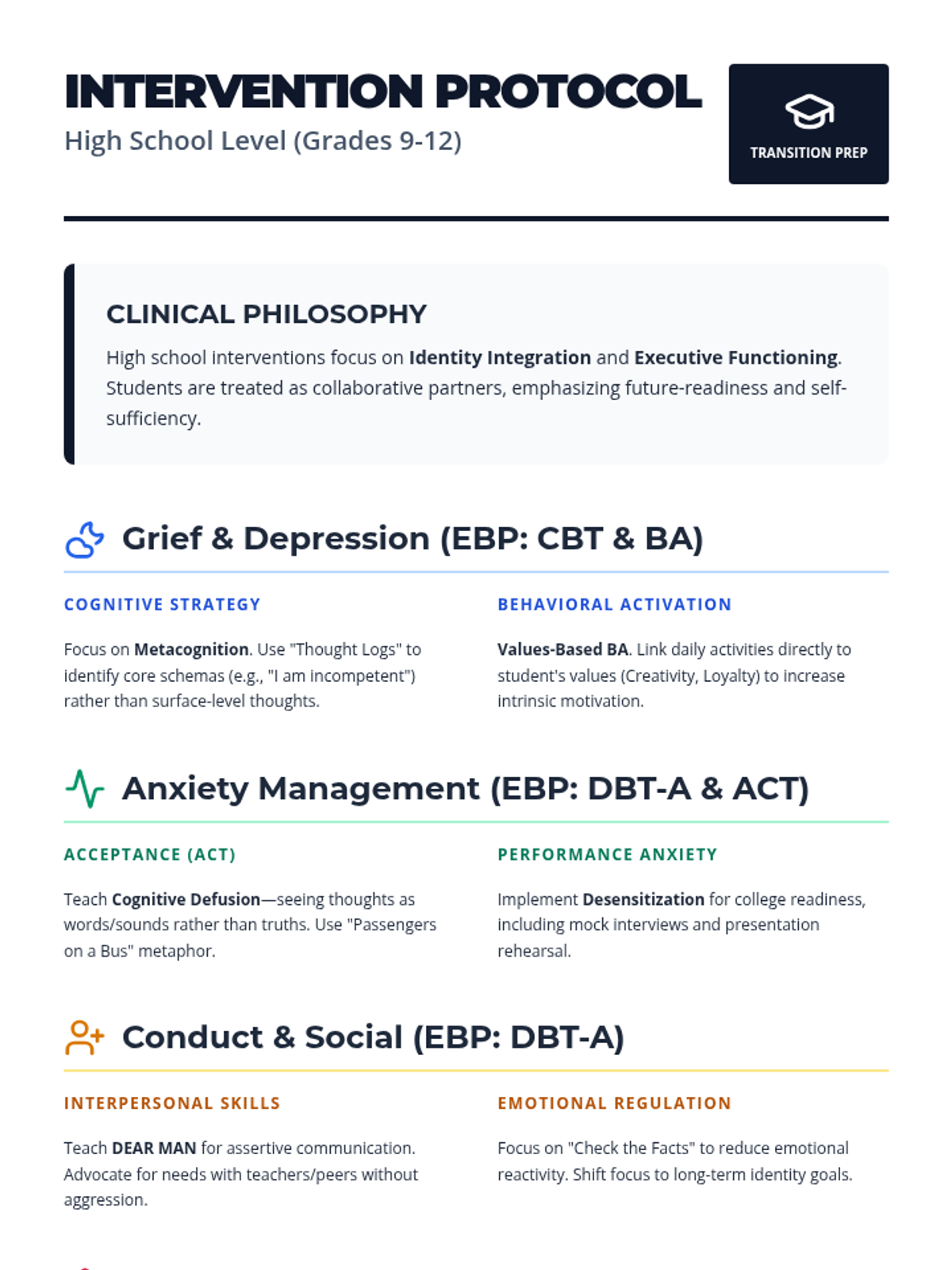
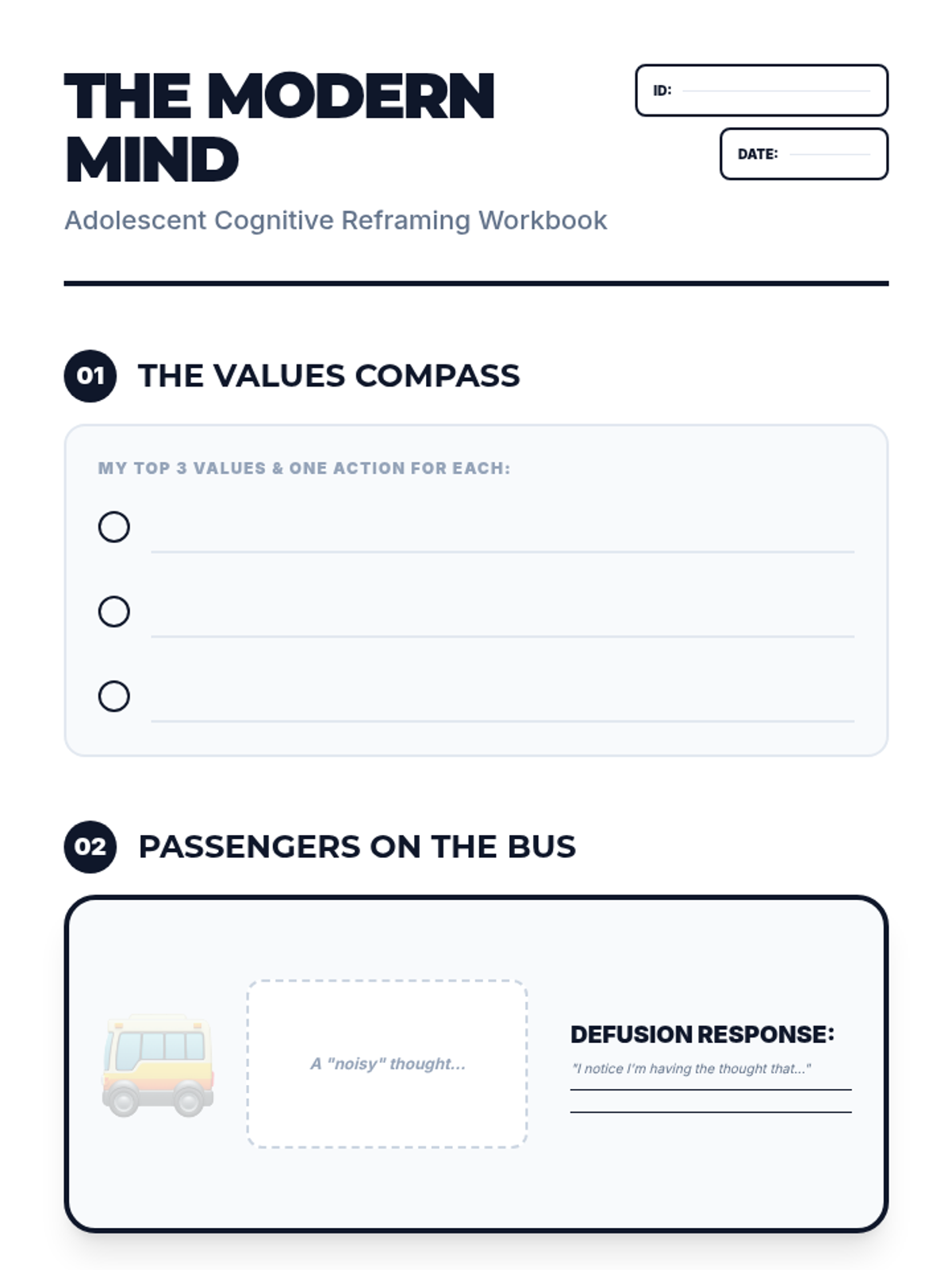
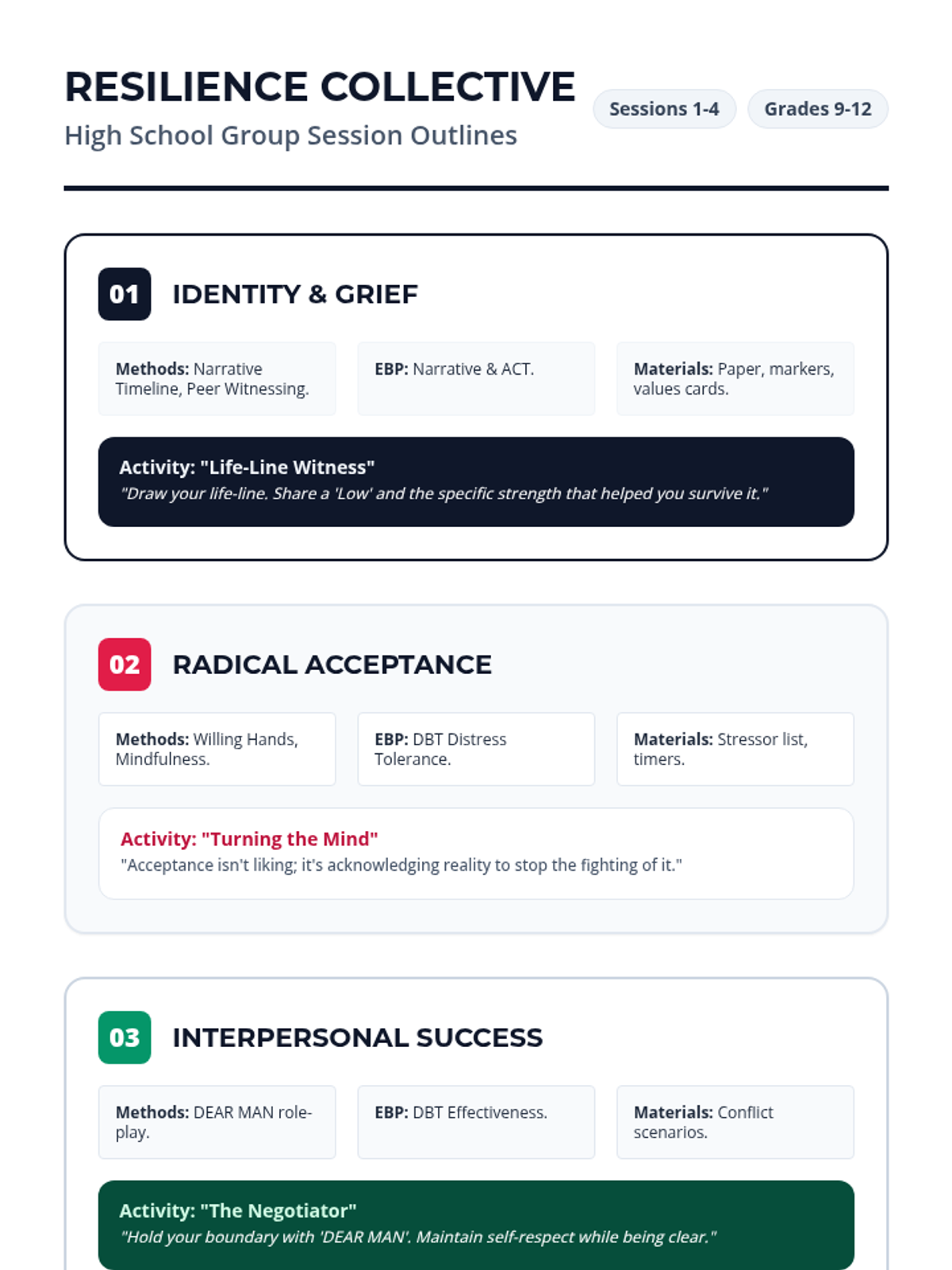
Advanced therapeutic interventions for high schoolers, emphasizing autonomy, complex cognitive reframing, interpersonal effectiveness, and comprehensive crisis protocols.
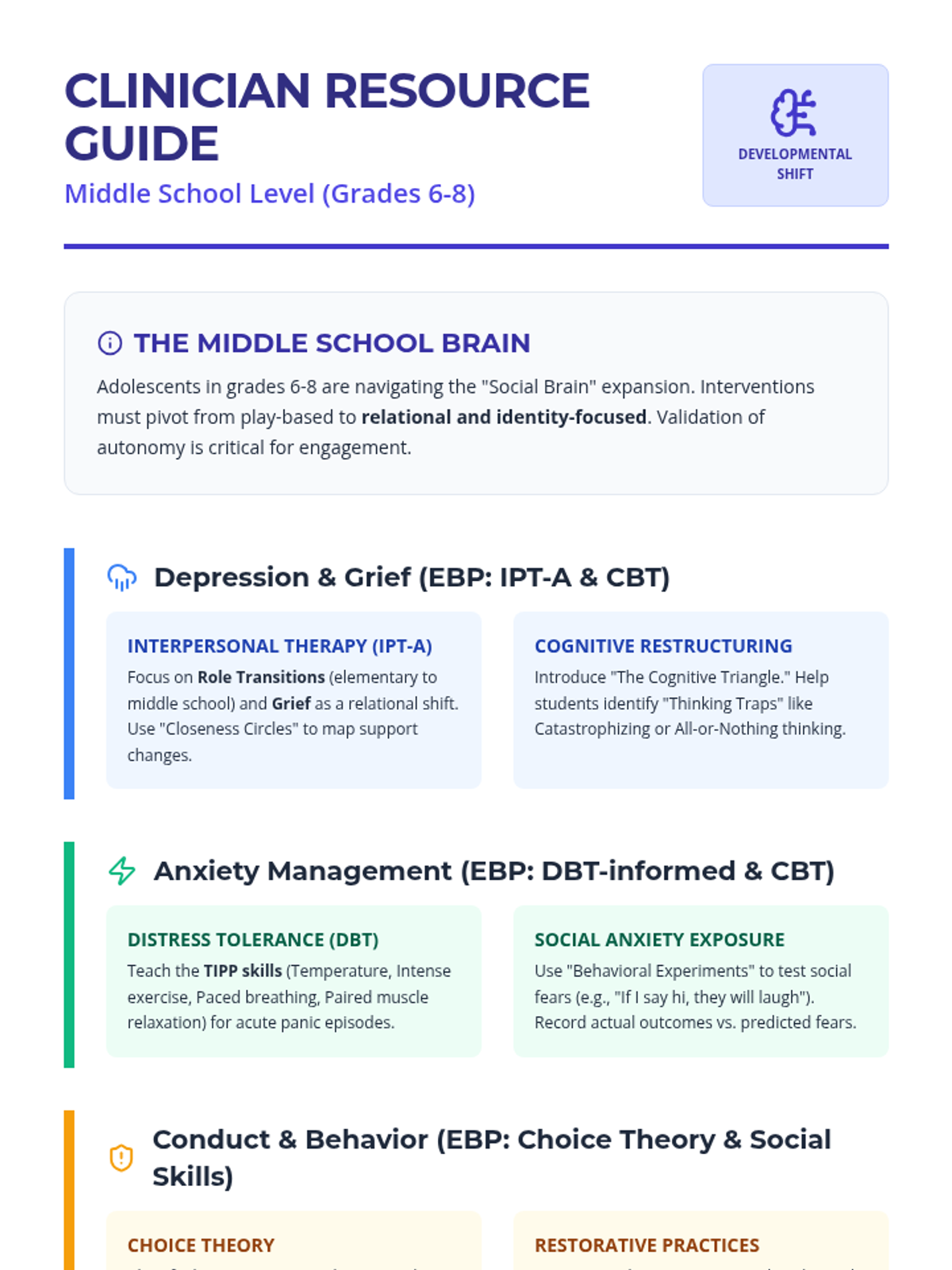
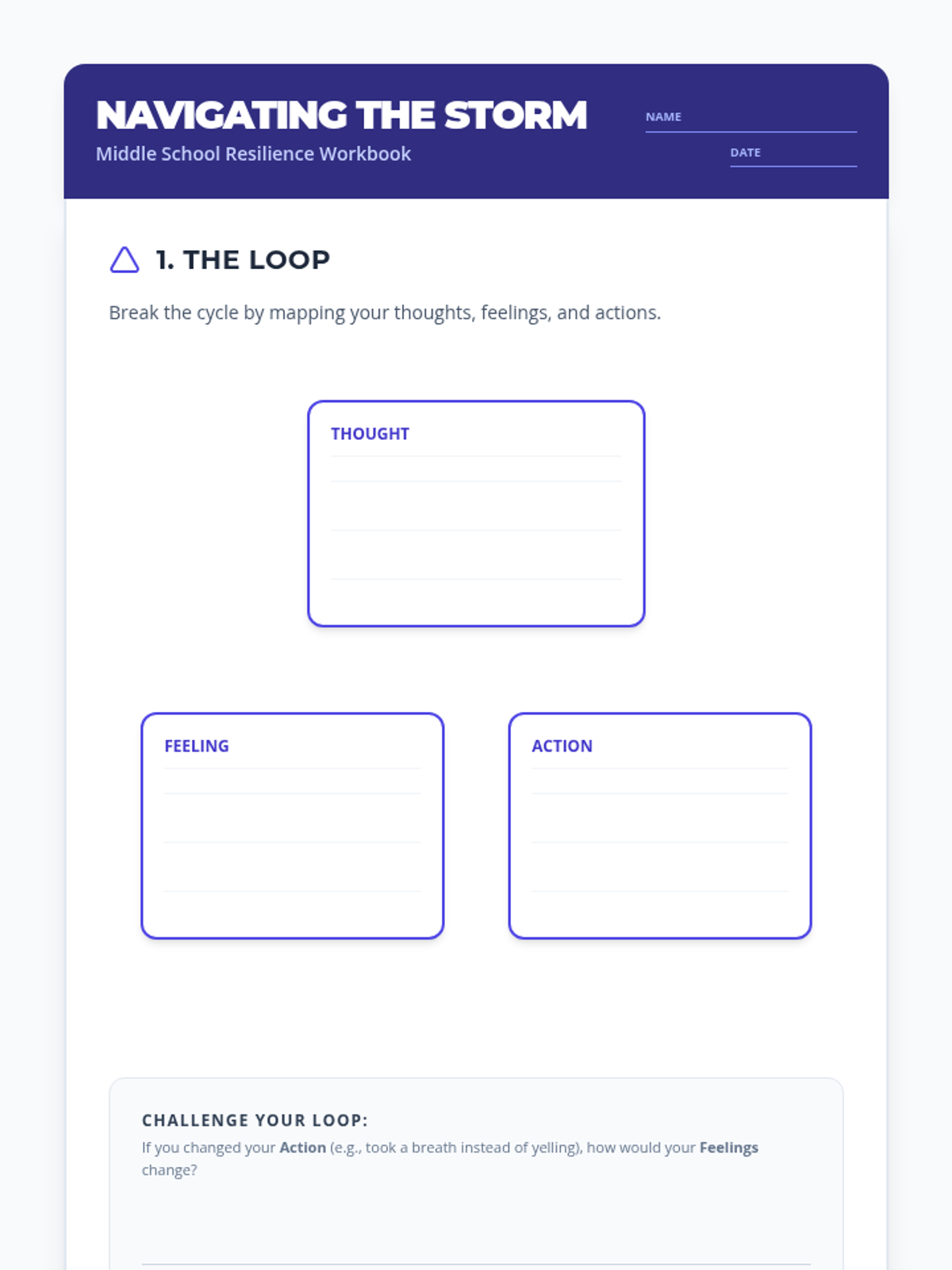
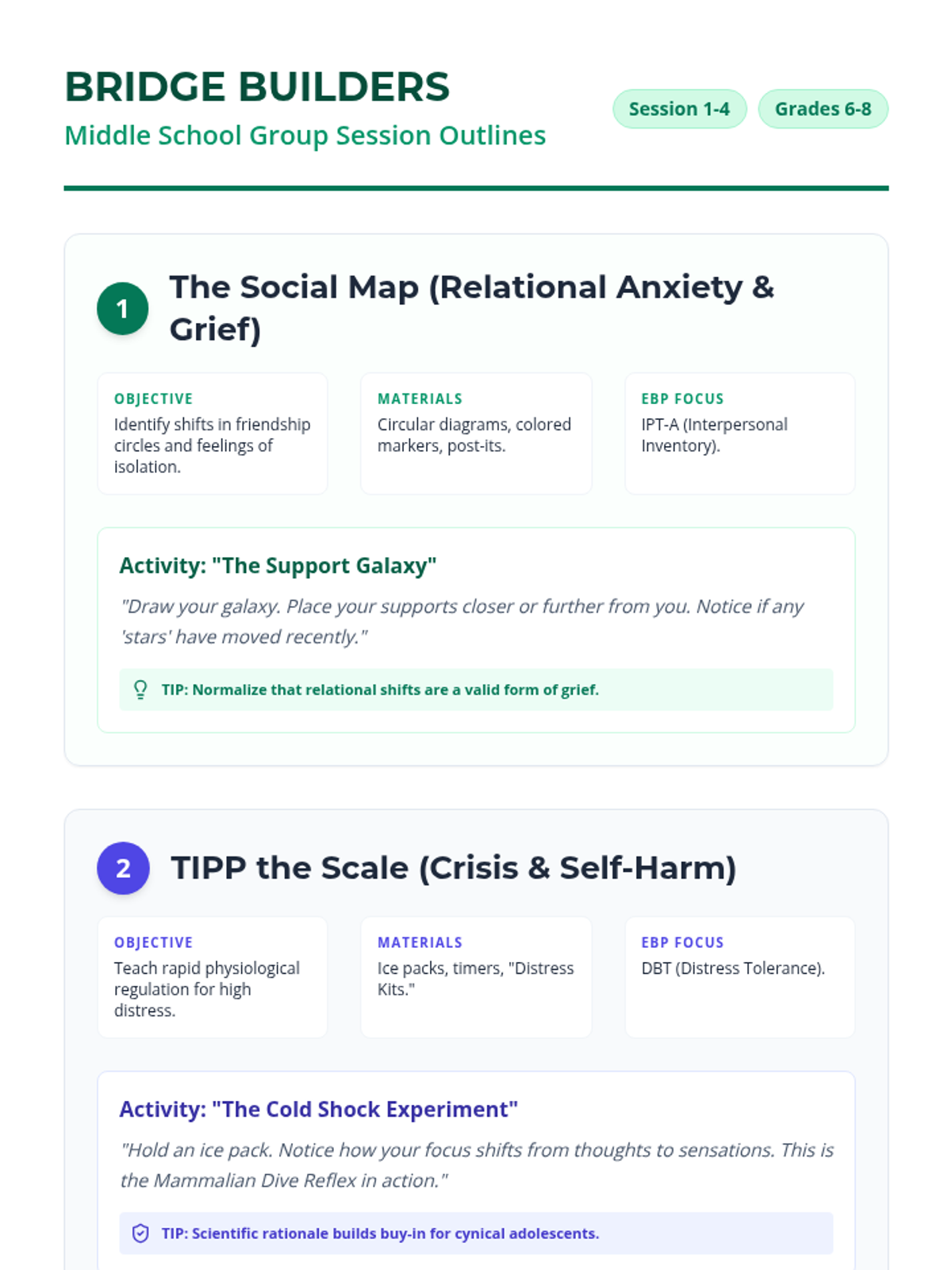
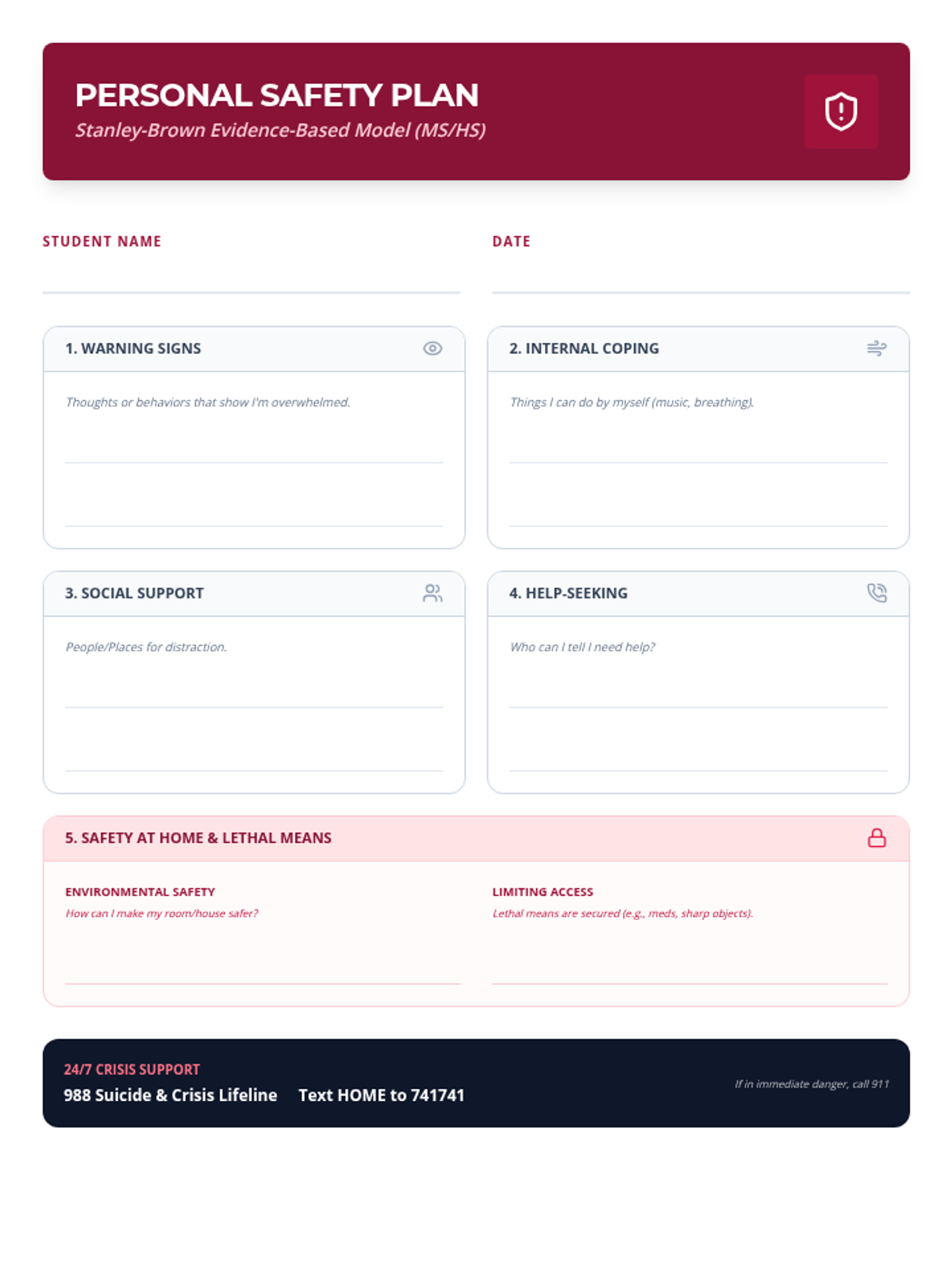
CBT and DBT-informed strategies tailored for the middle school transition, focusing on peer relationships, emotional regulation, and structured safety plans.
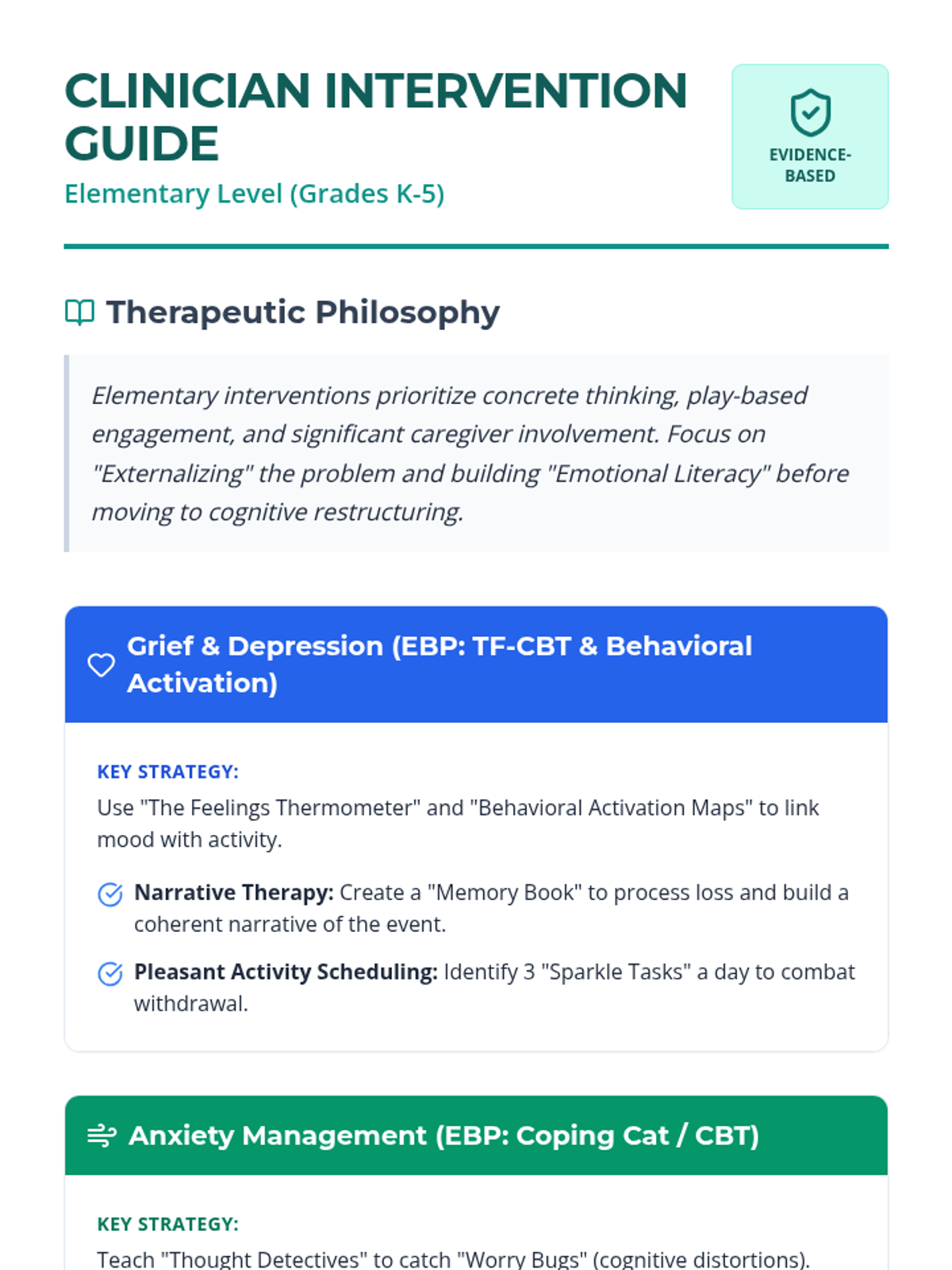
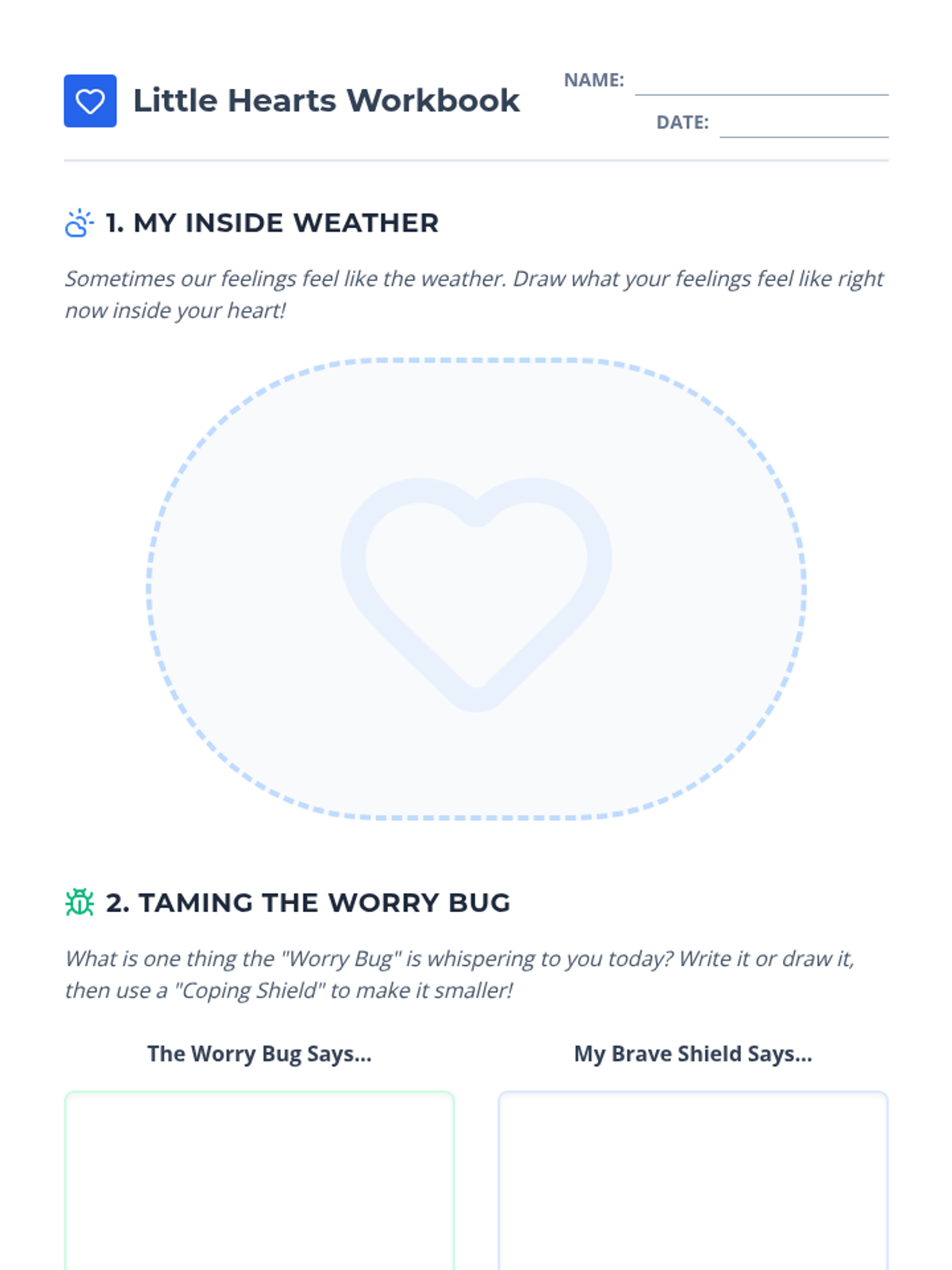
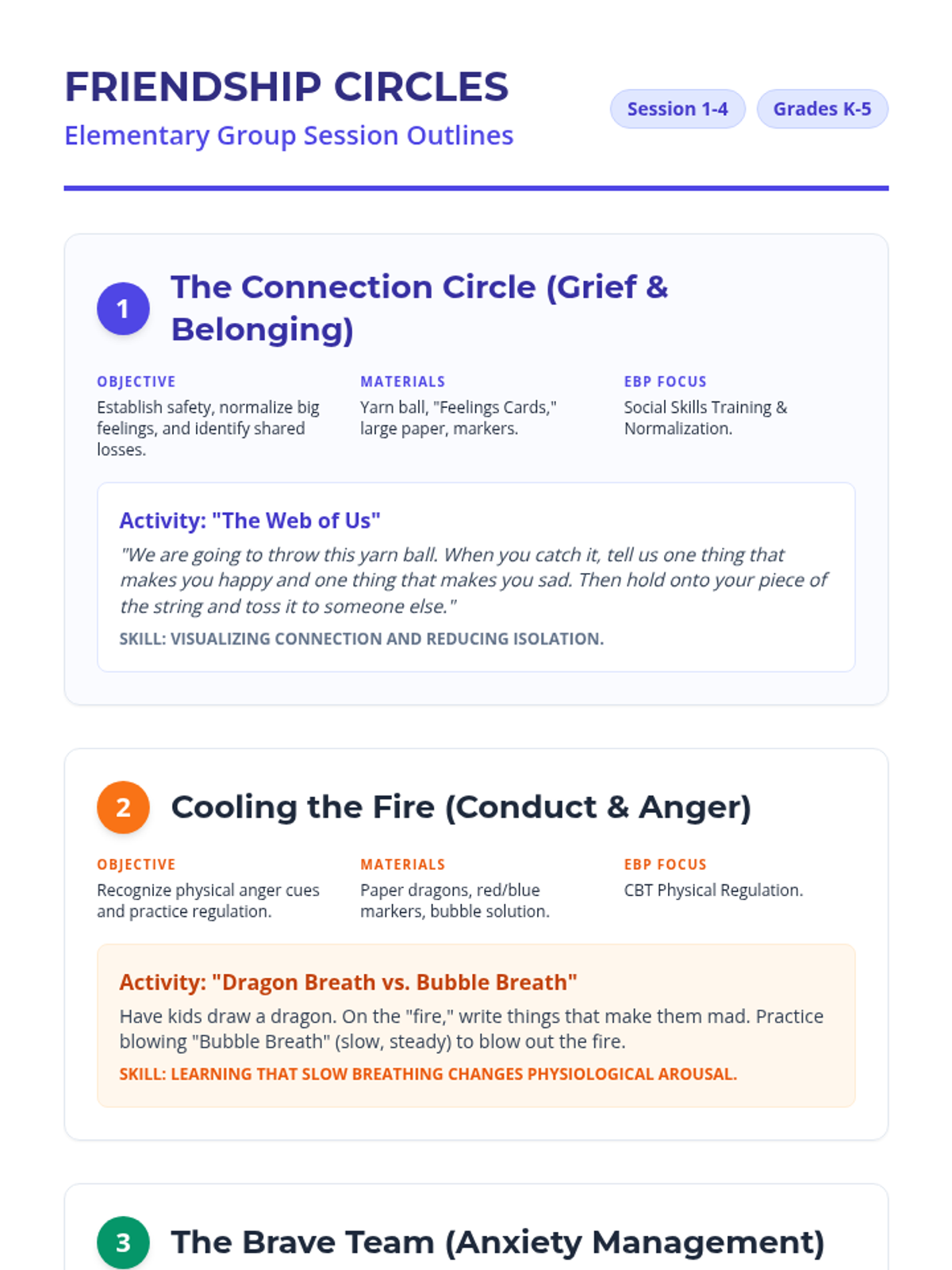
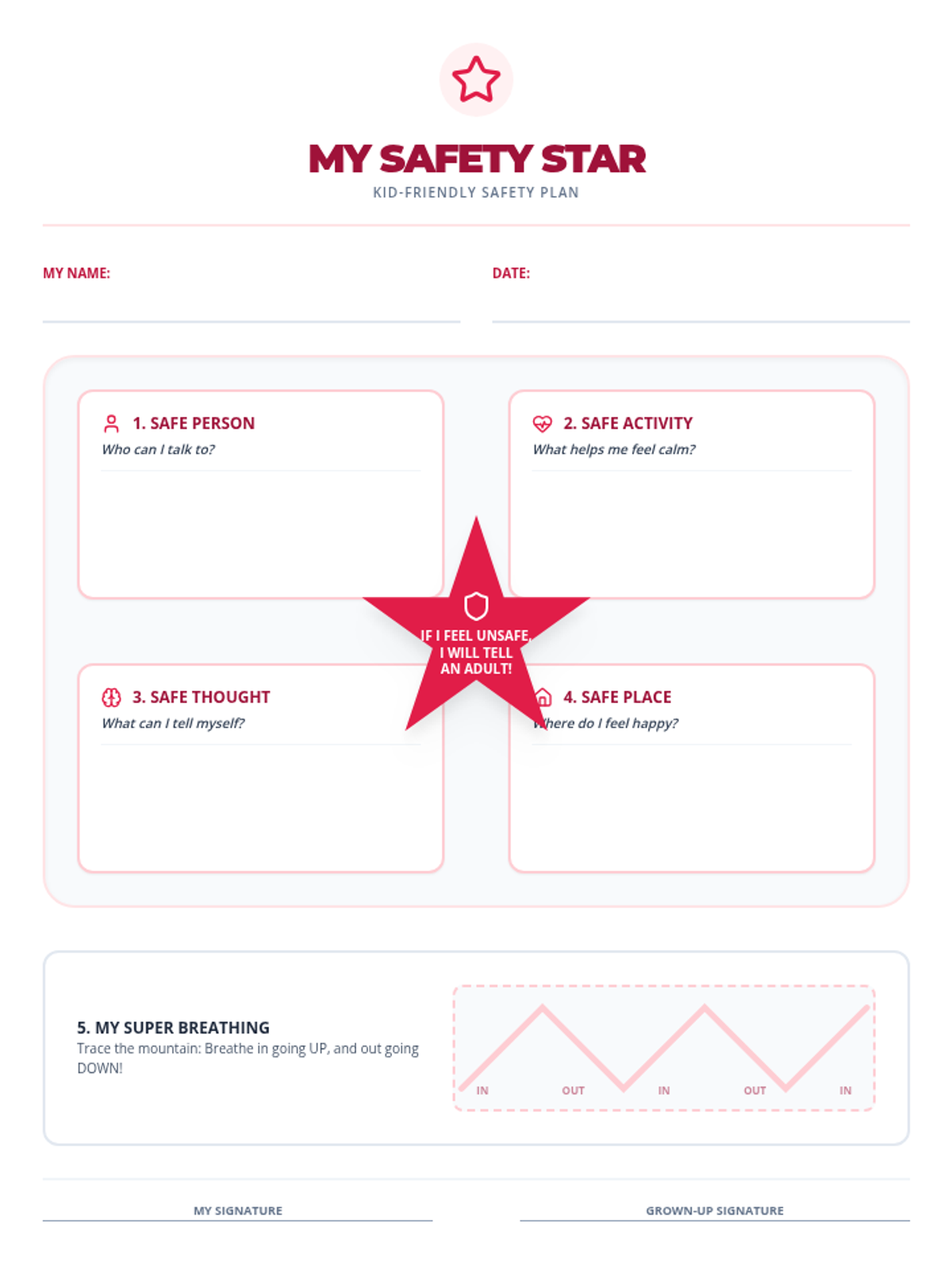
Developmentally appropriate interventions for elementary students focusing on play-based CBT, social-emotional learning, and kid-friendly safety planning.
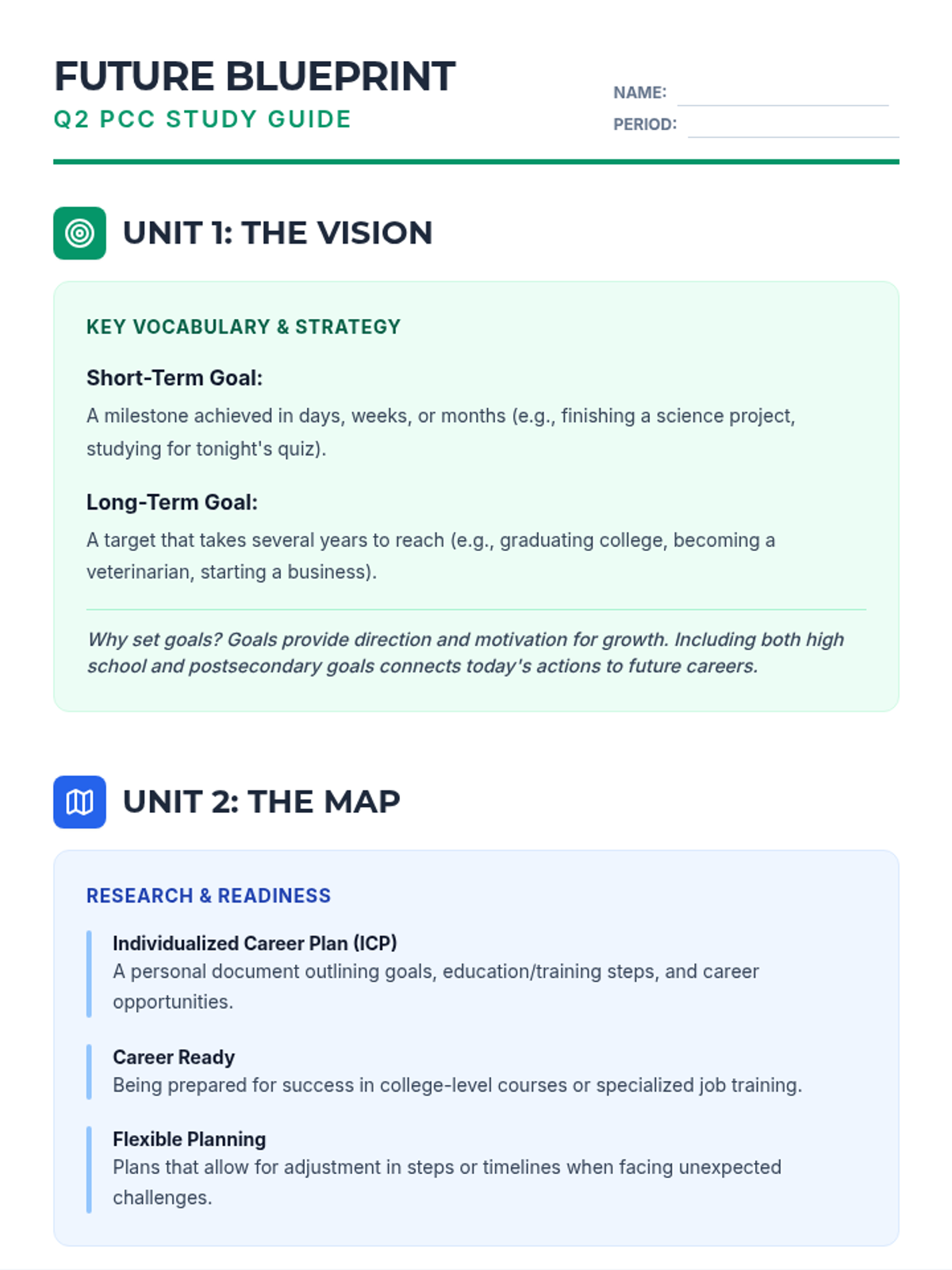
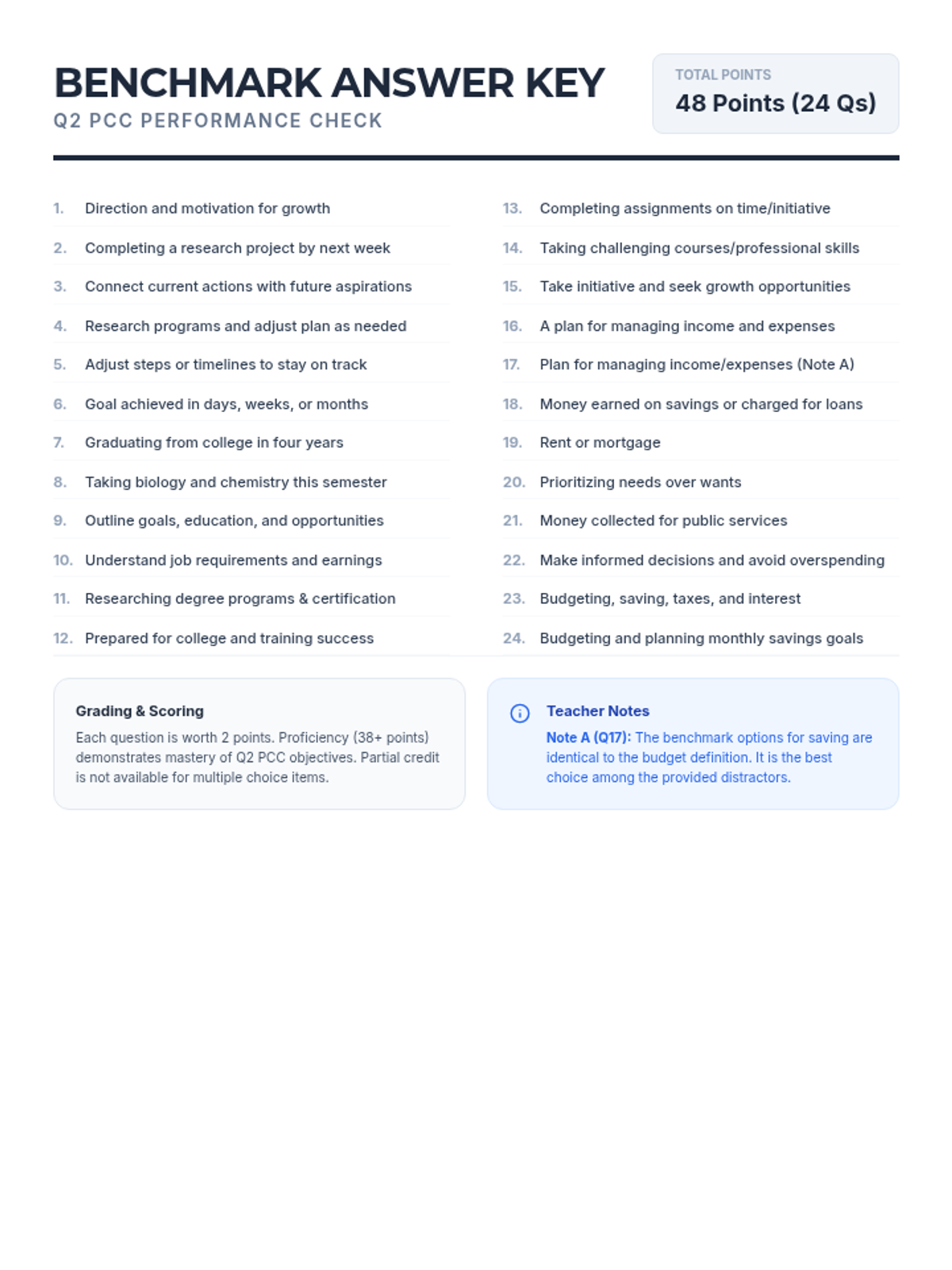
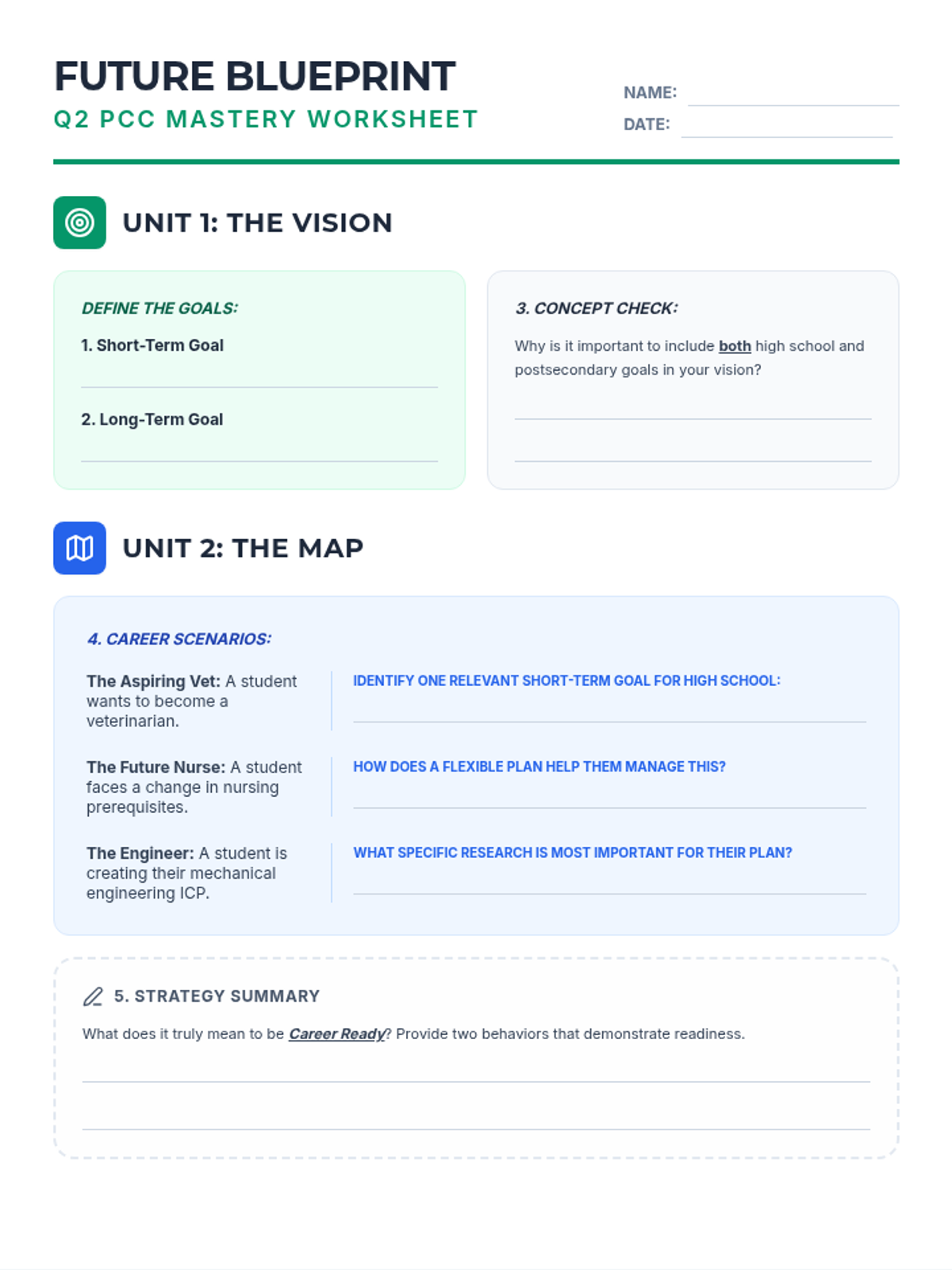
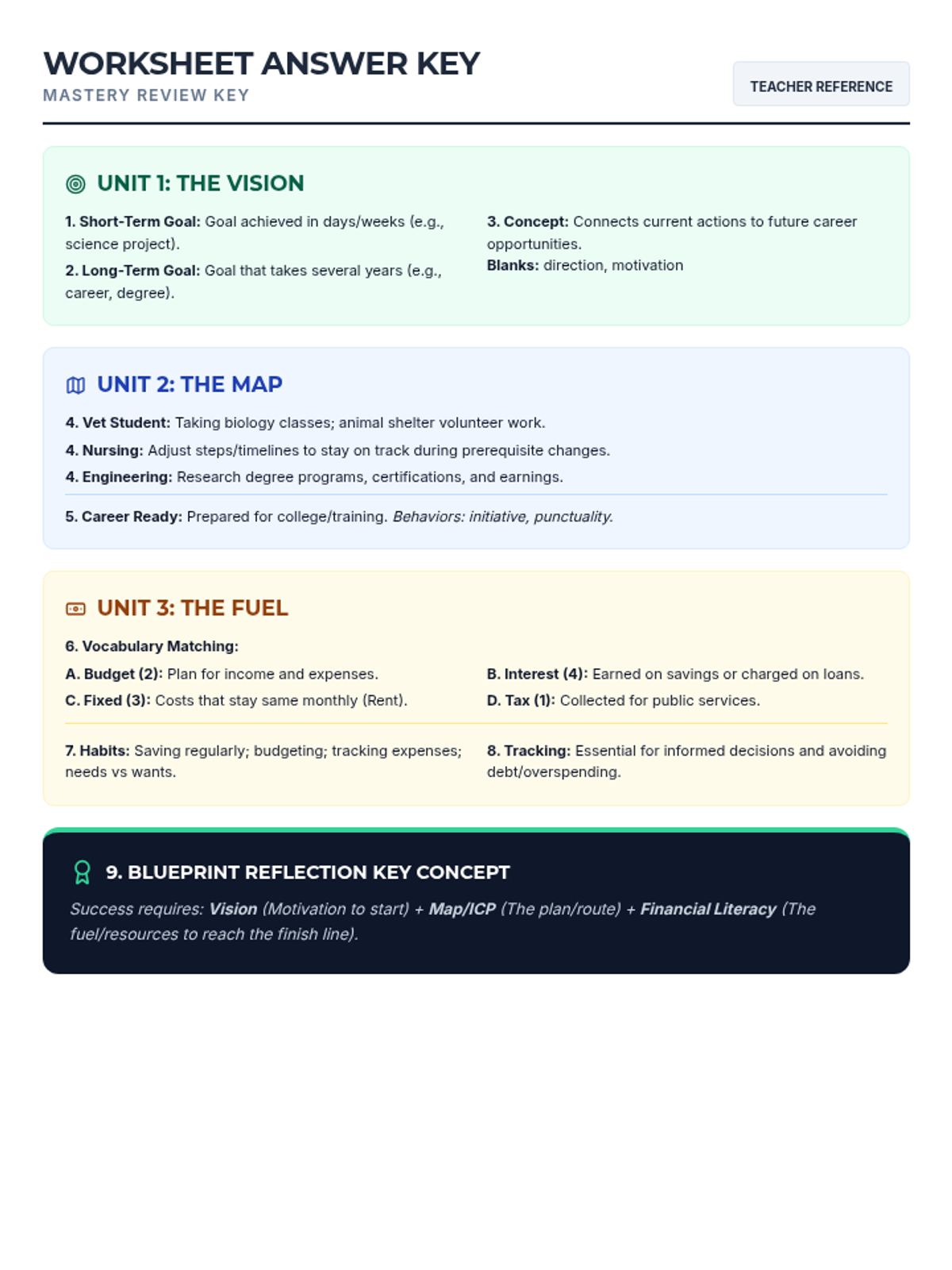
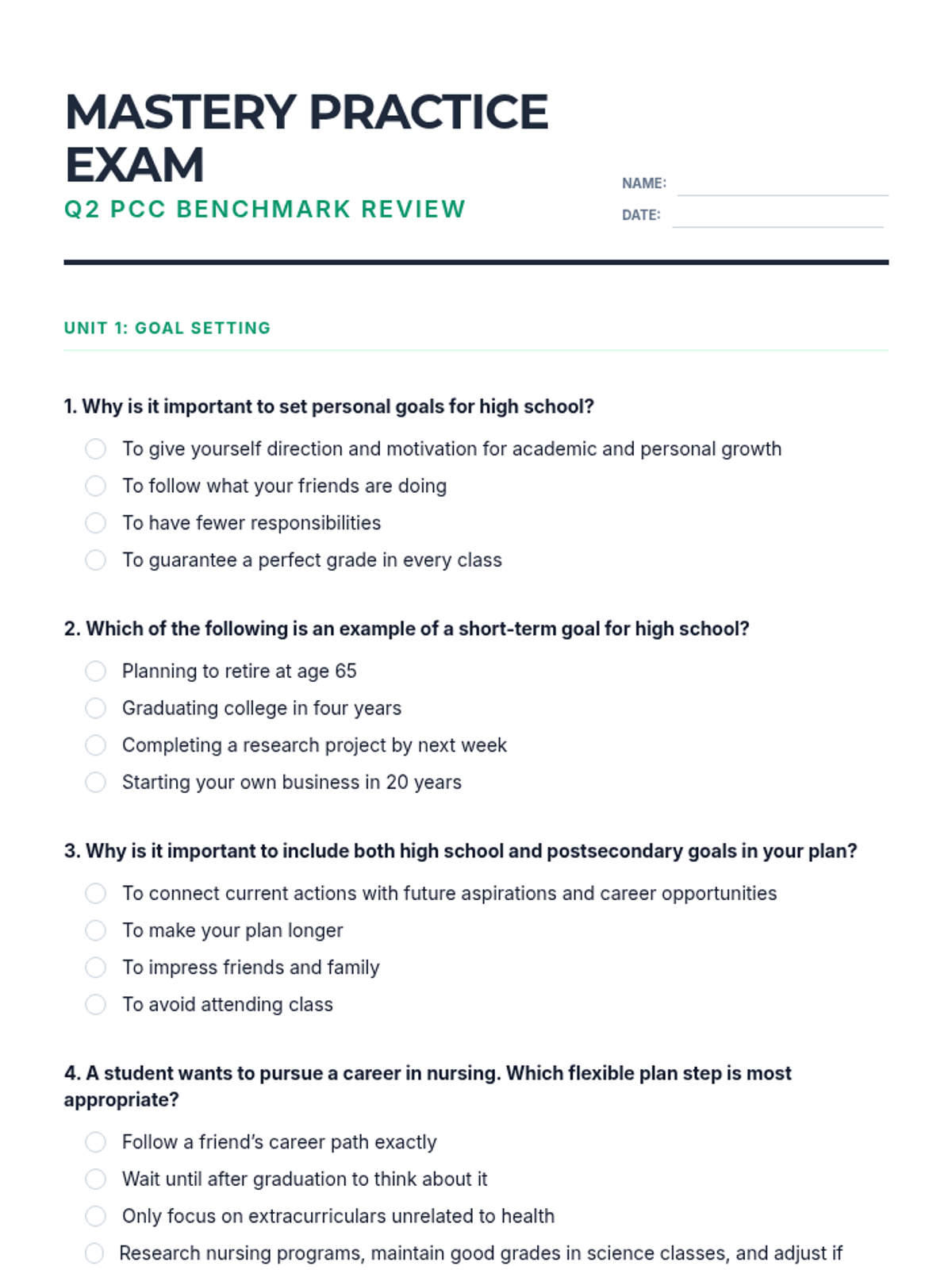
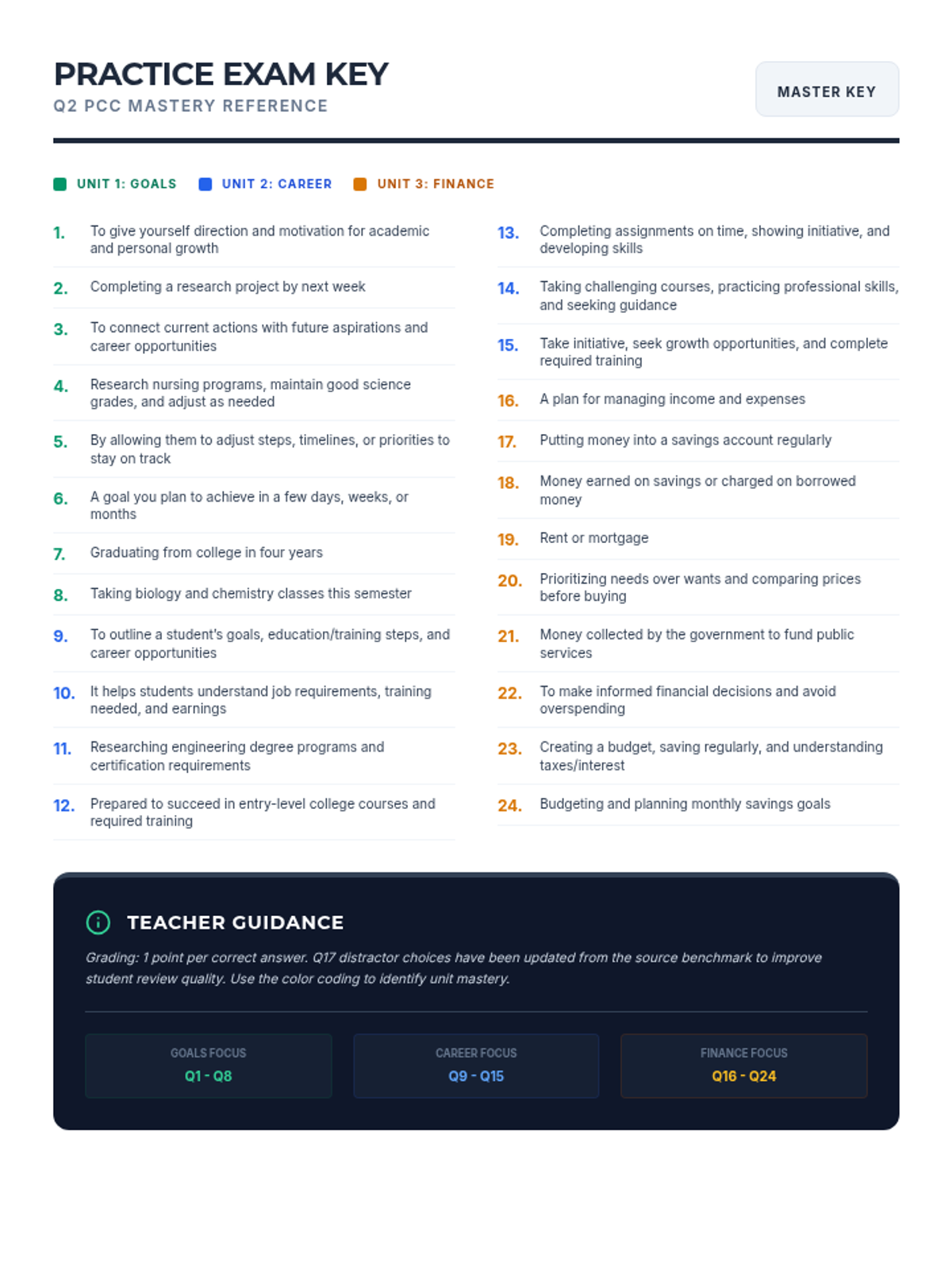
Resources to prepare for the Q2 Benchmark in PCC, including a comprehensive study guide and an answer key for practice questions.
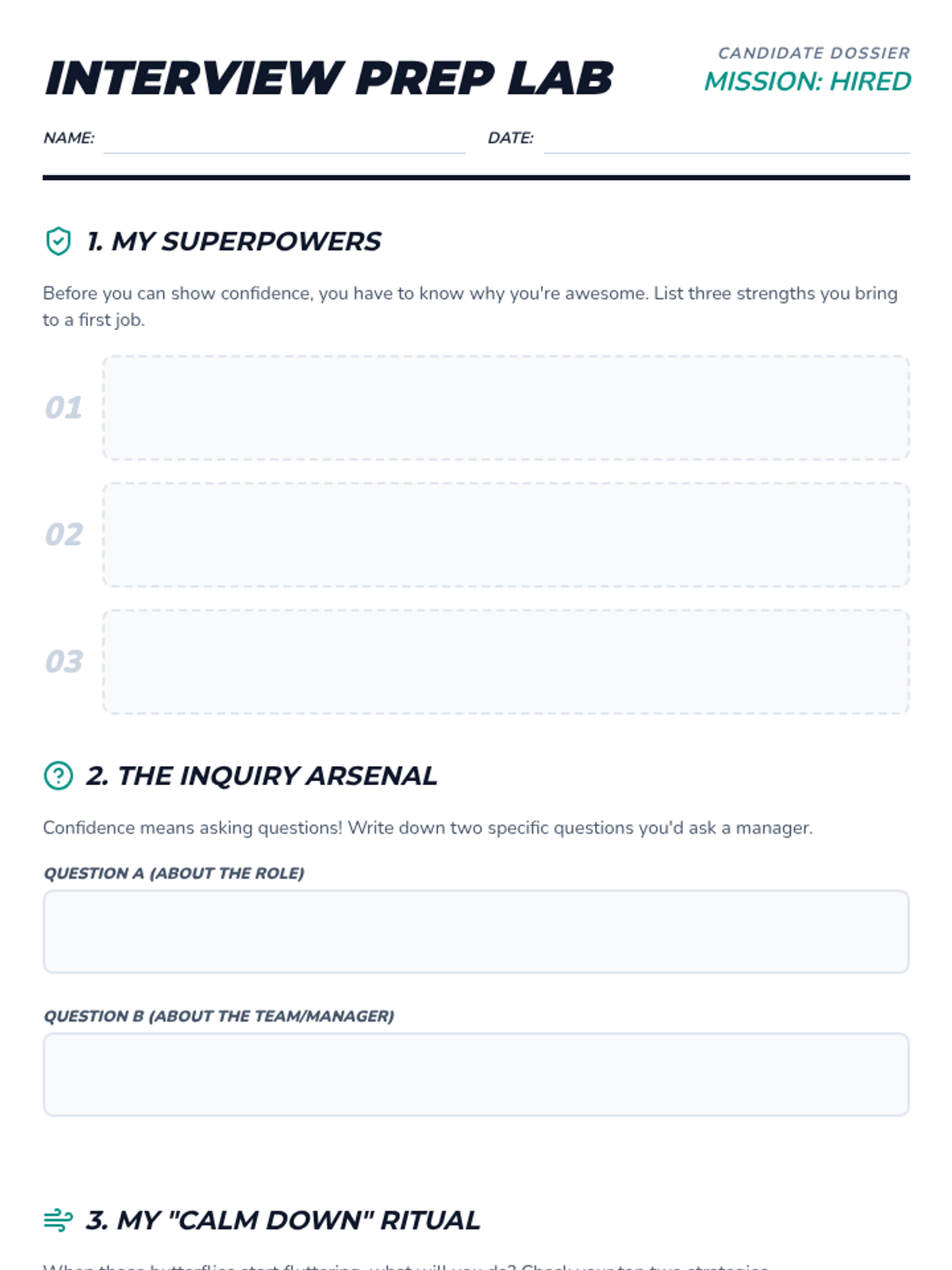
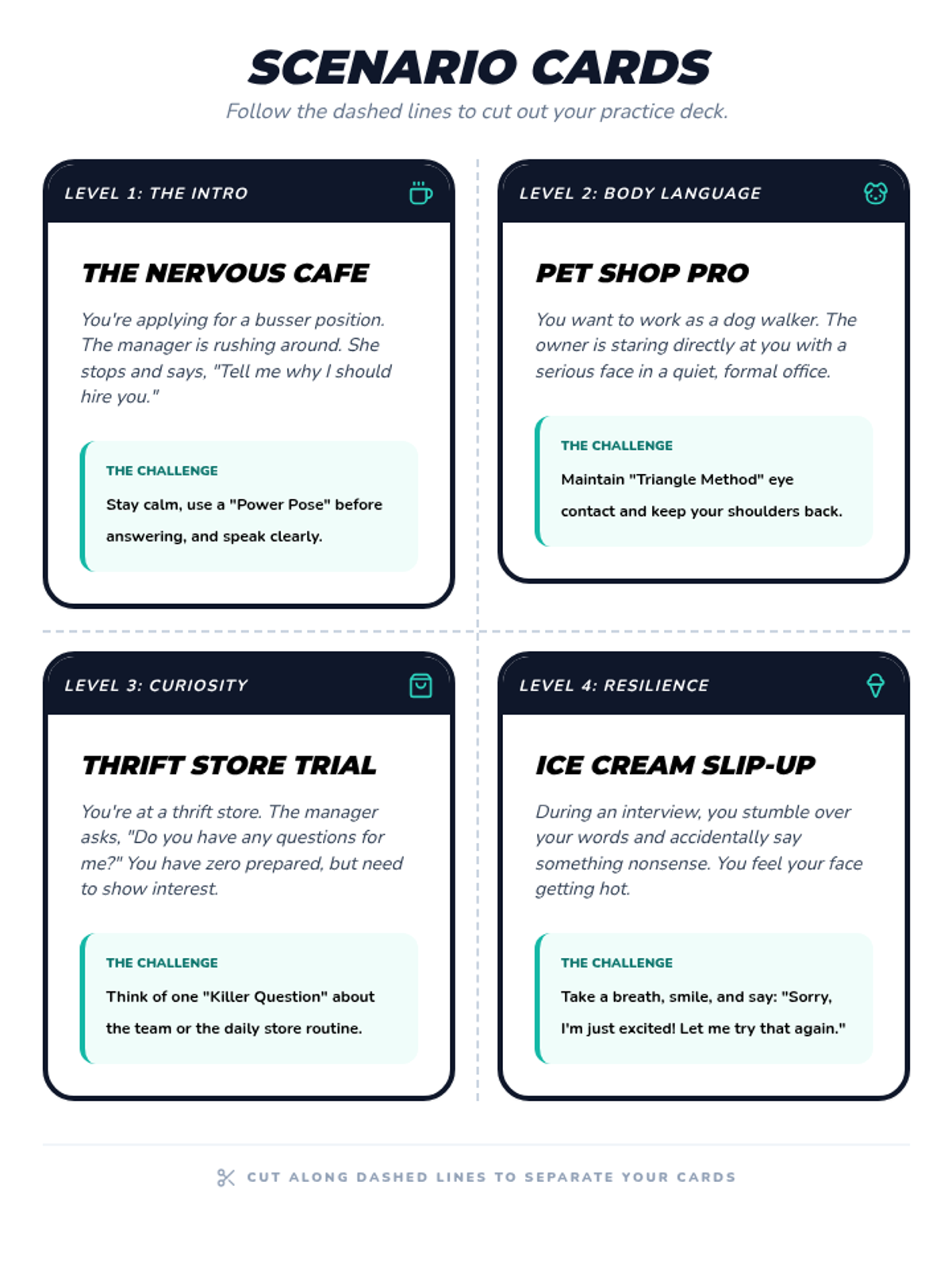
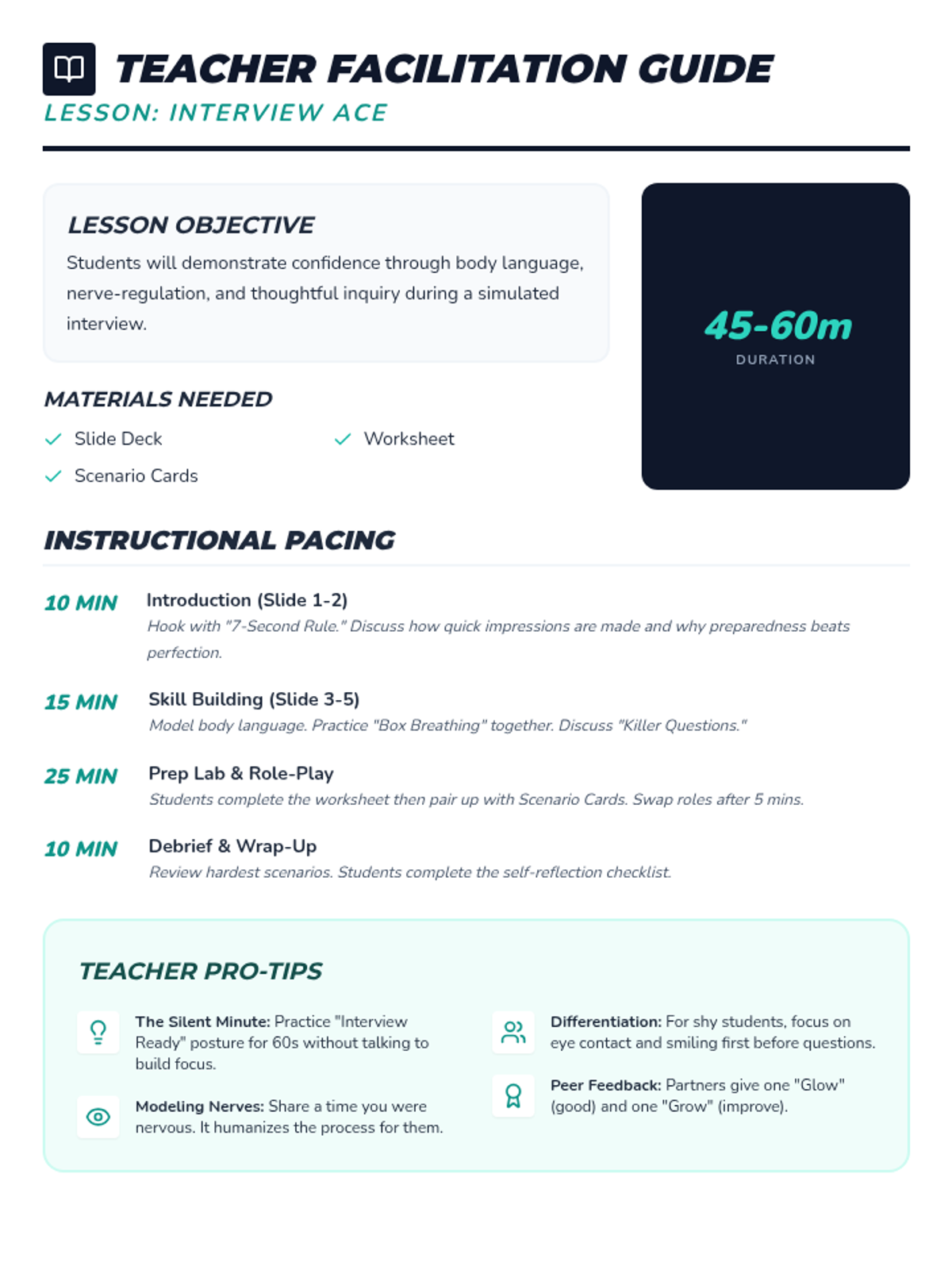
Master the art of the first impression through body language, thoughtful questions, and nerve management.
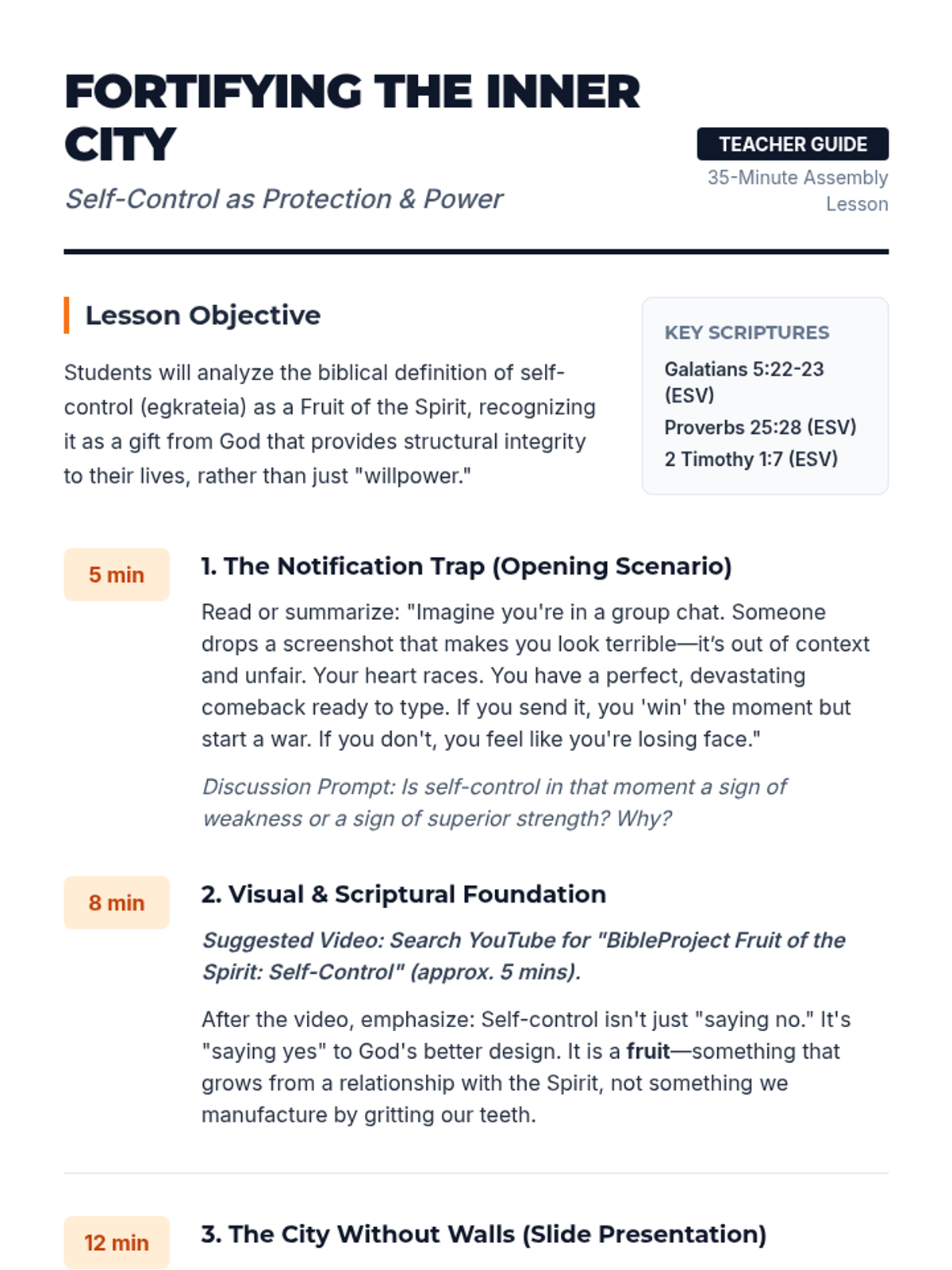
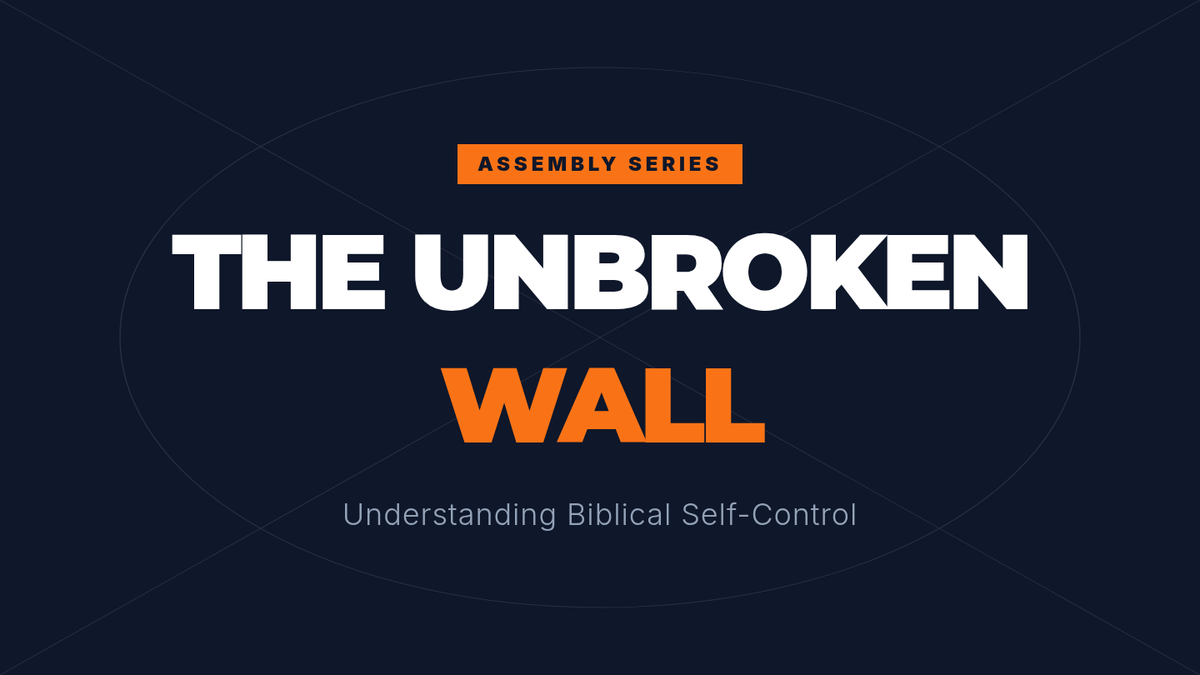
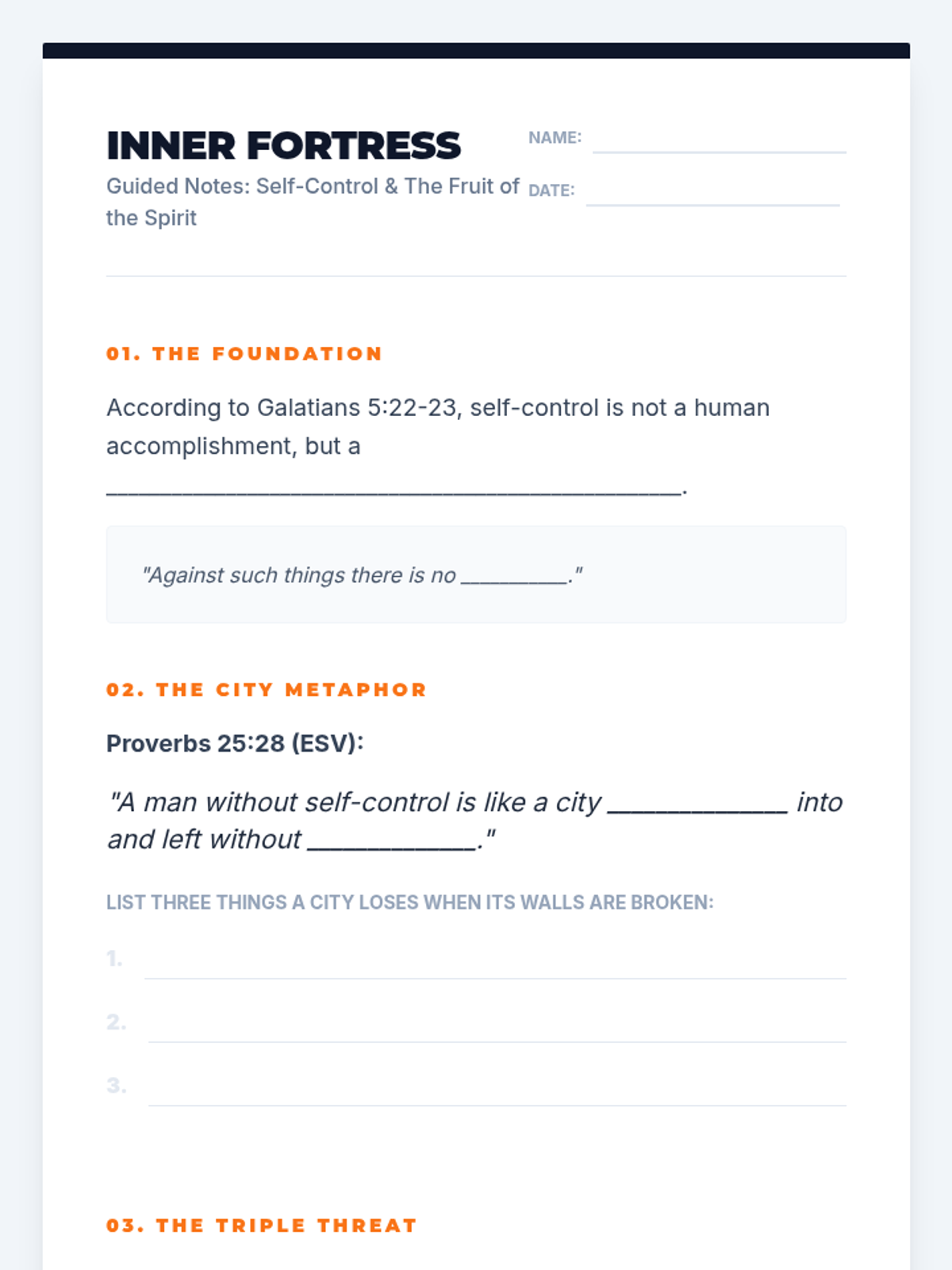
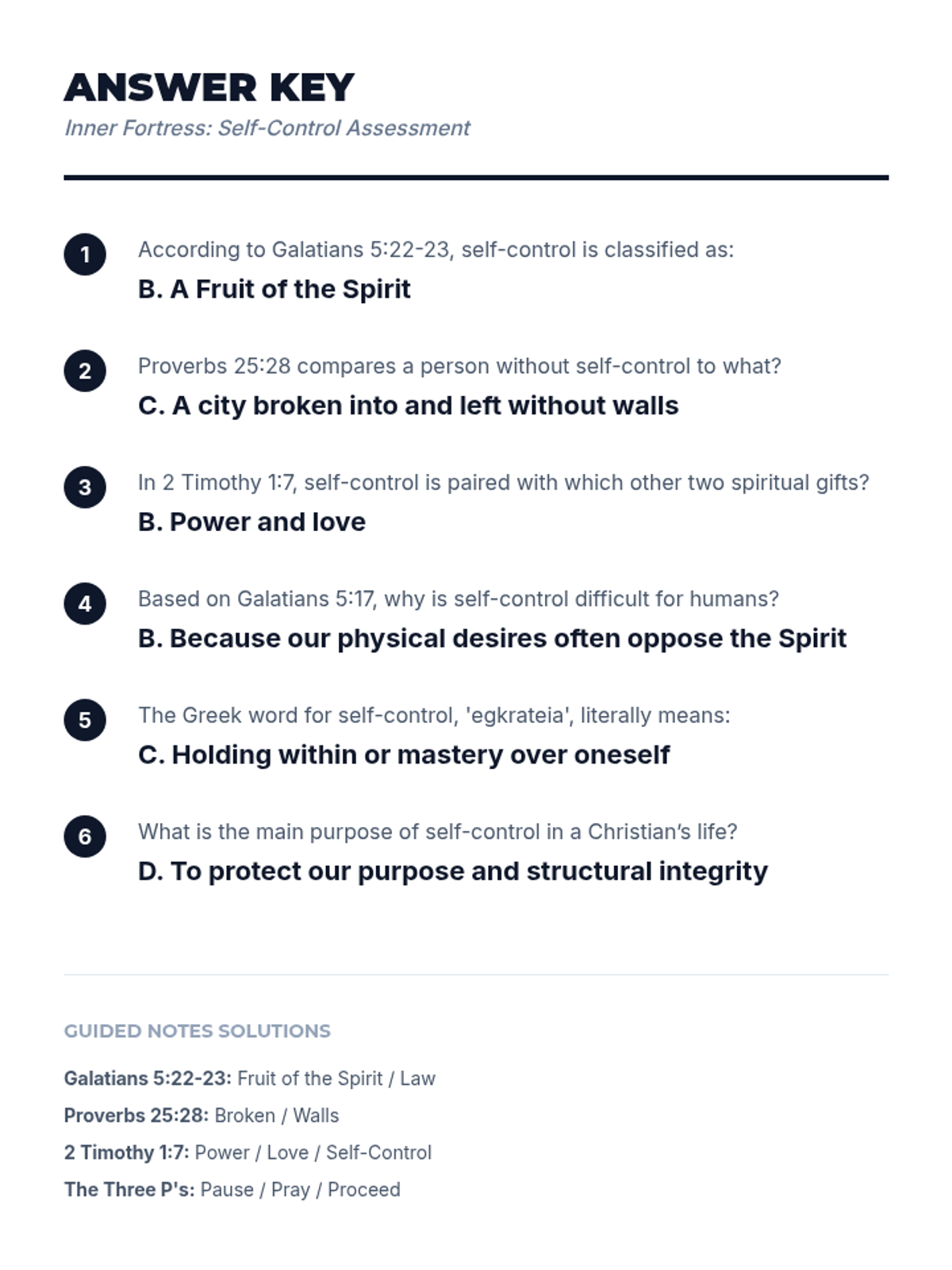
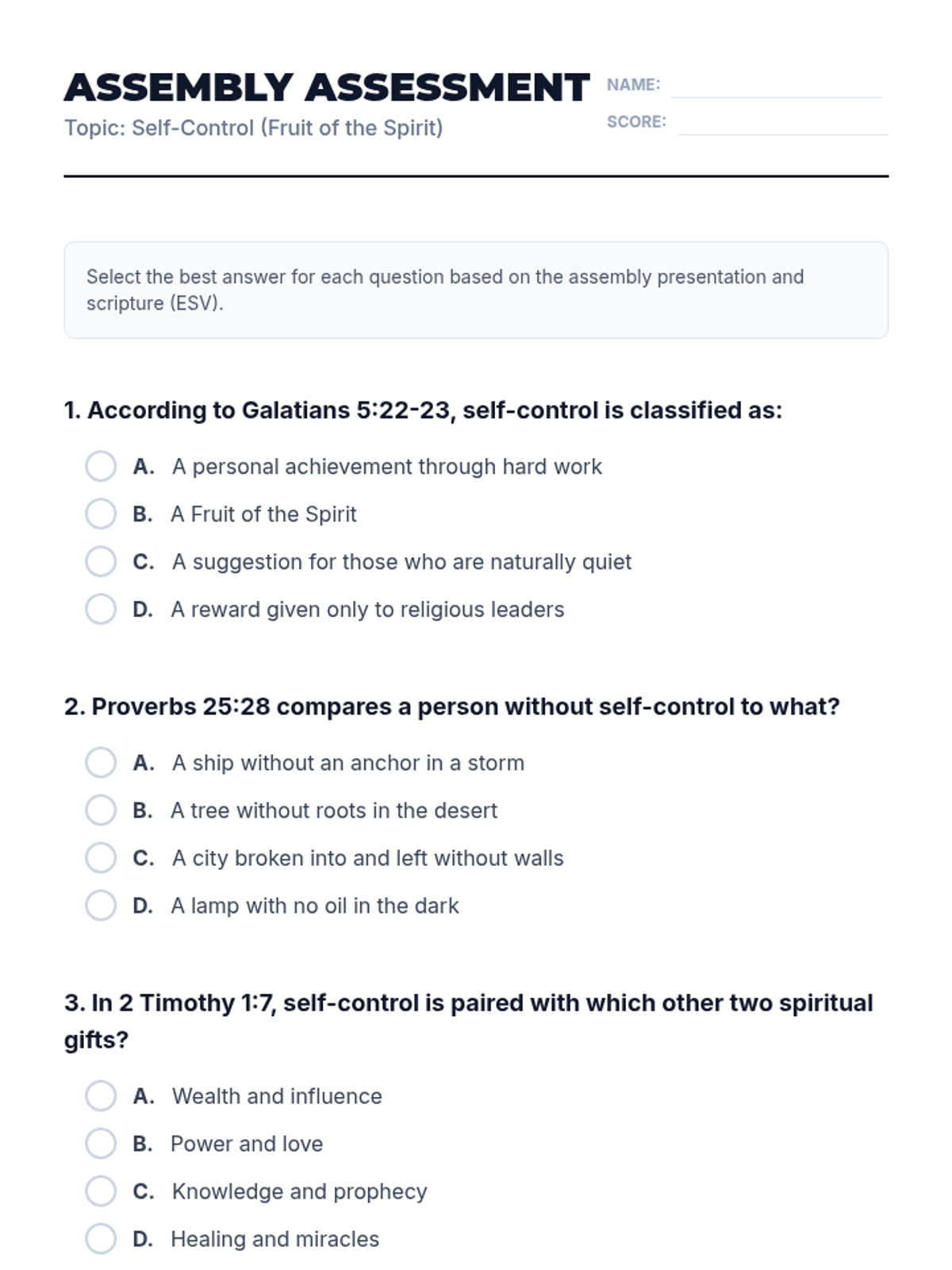
This lesson explores Galatians 5:22-23 and Proverbs 25:28 to help high schoolers understand self-control not as restriction, but as protection and power.
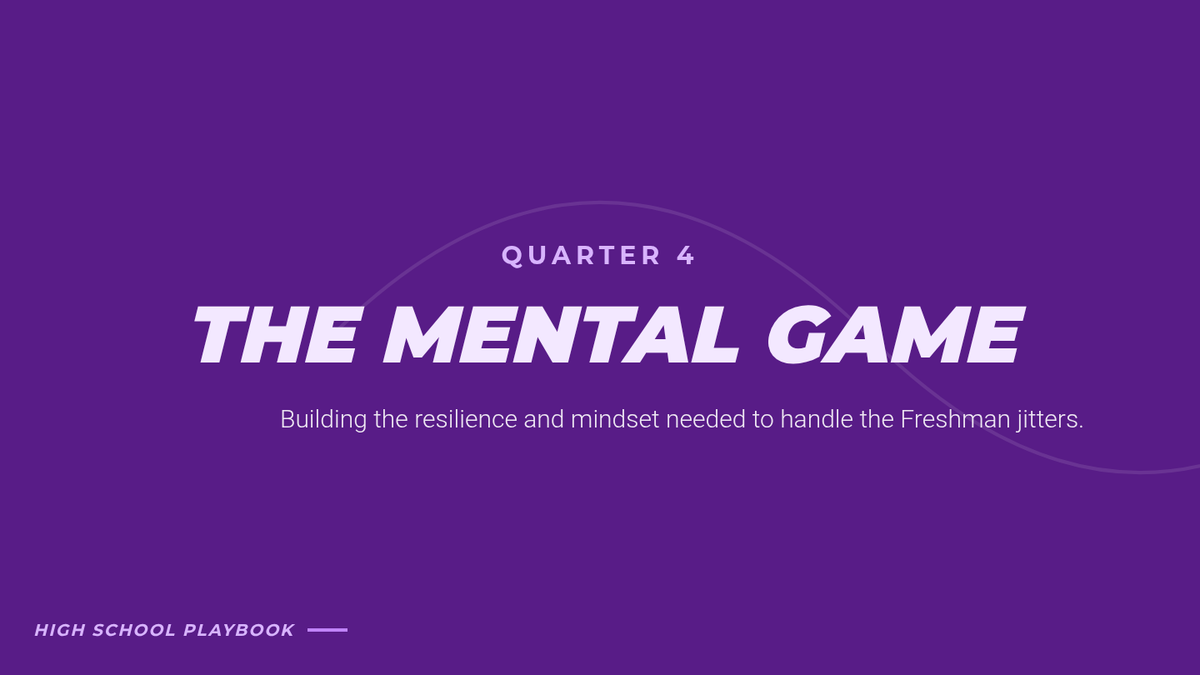
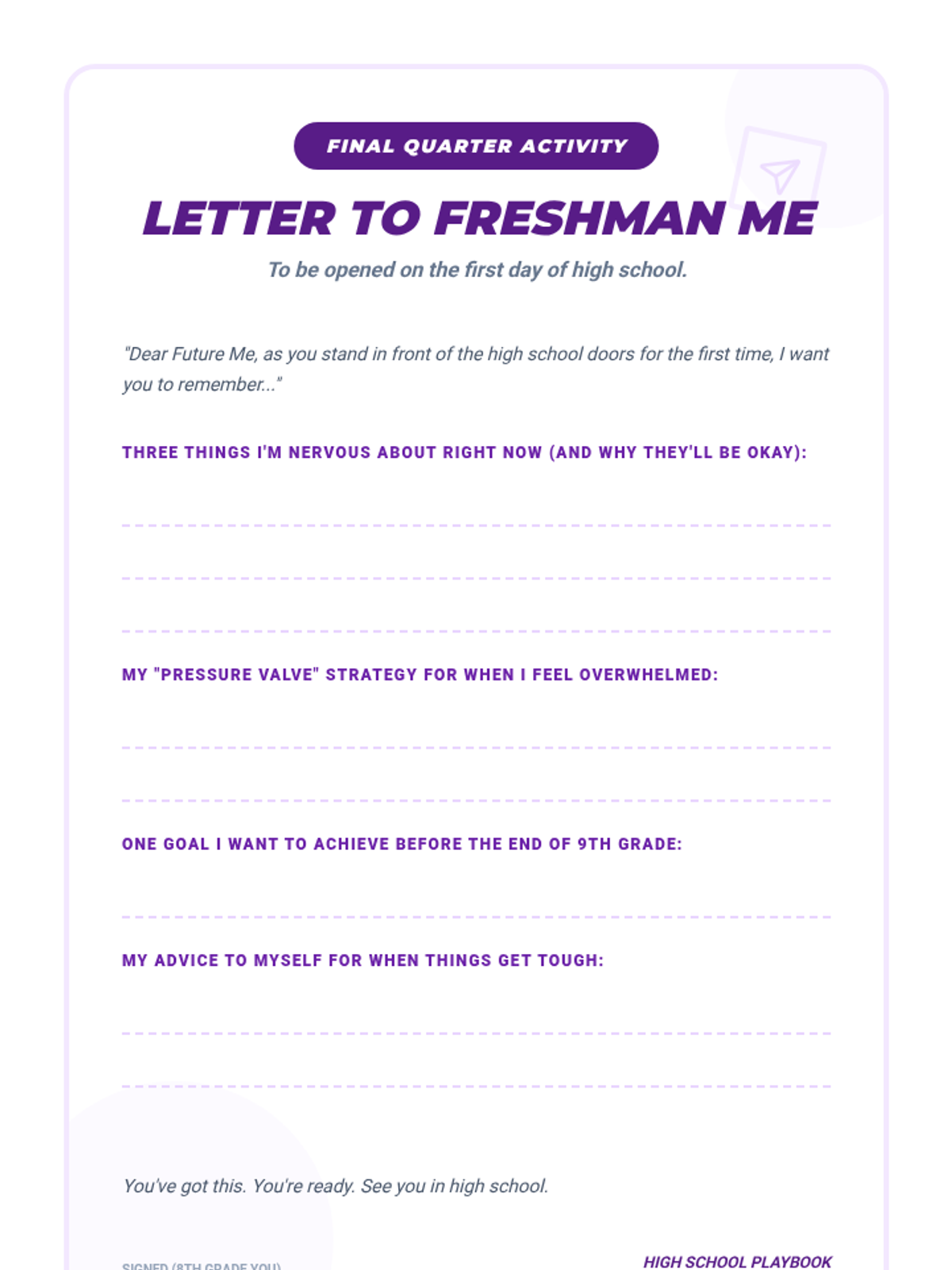
Addresses the emotional aspects of the transition, focusing on stress management, resilience, and maintaining a growth mindset.
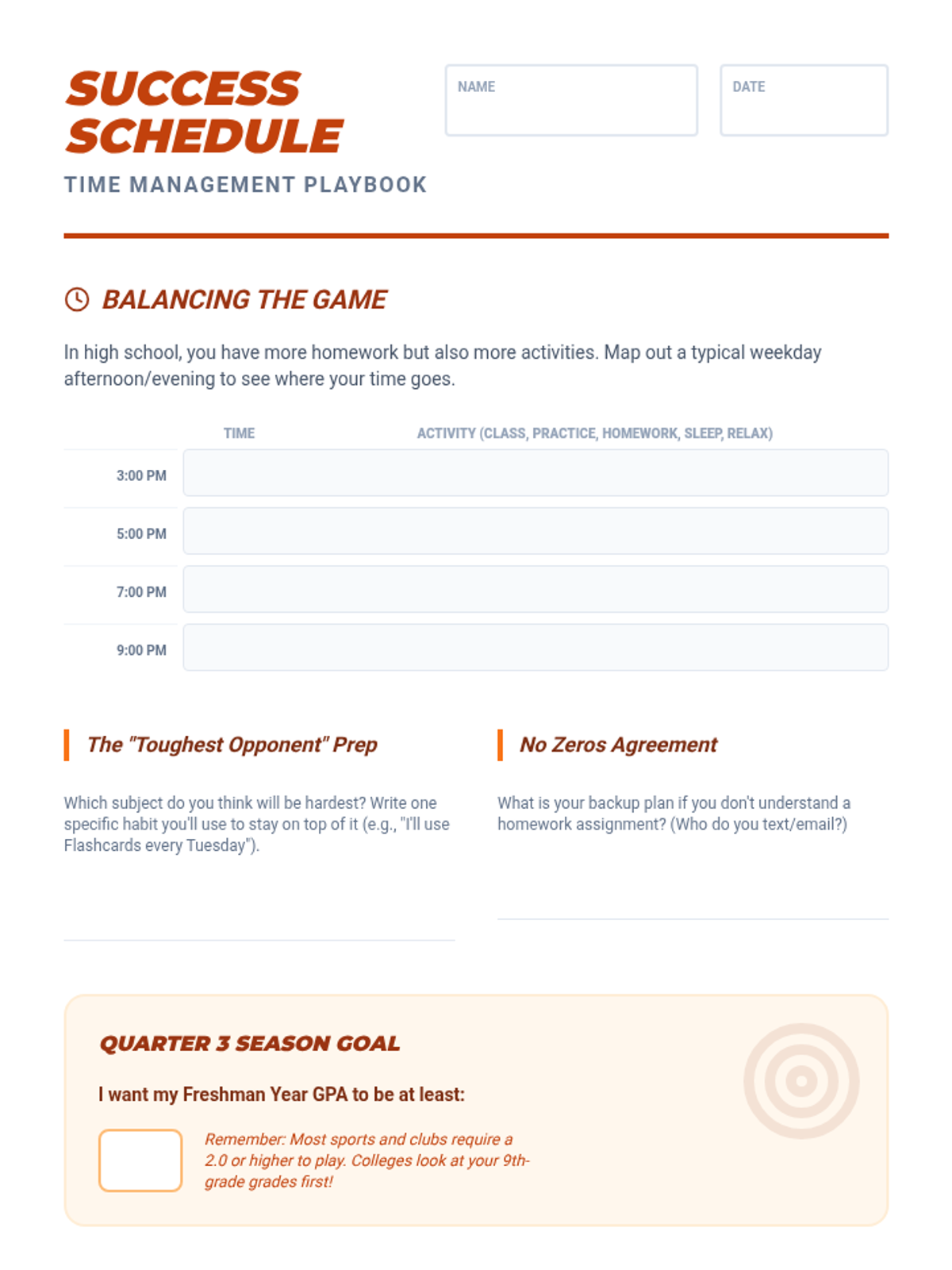
Covers the academic expectations of high school, including credits, GPA, and the importance of time management.
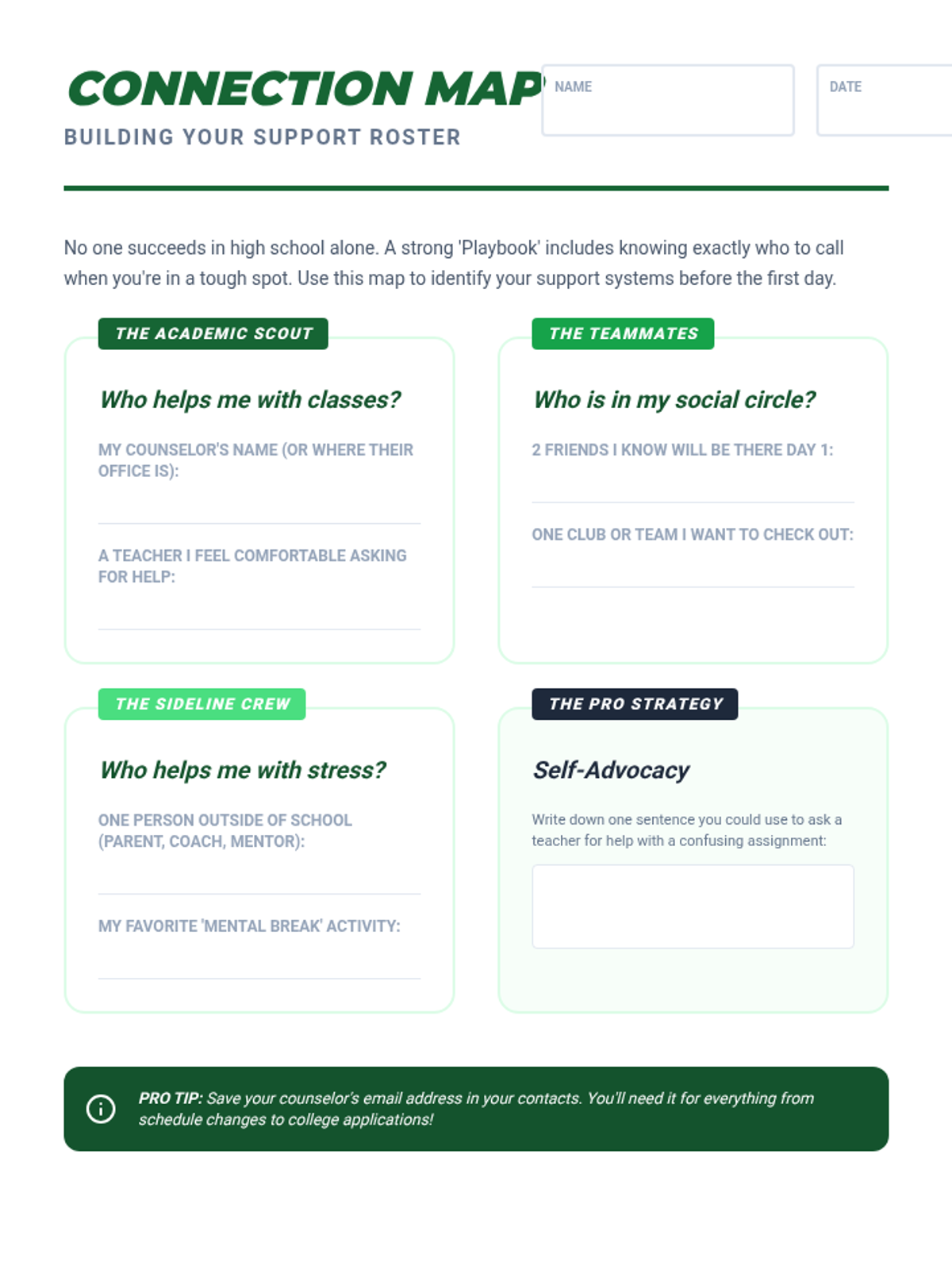
Identifies key adult and peer support systems in high school and strategies for building a positive social network.
Focuses on the physical and logistical changes of high school, including campus size, schedules, and increased independence.
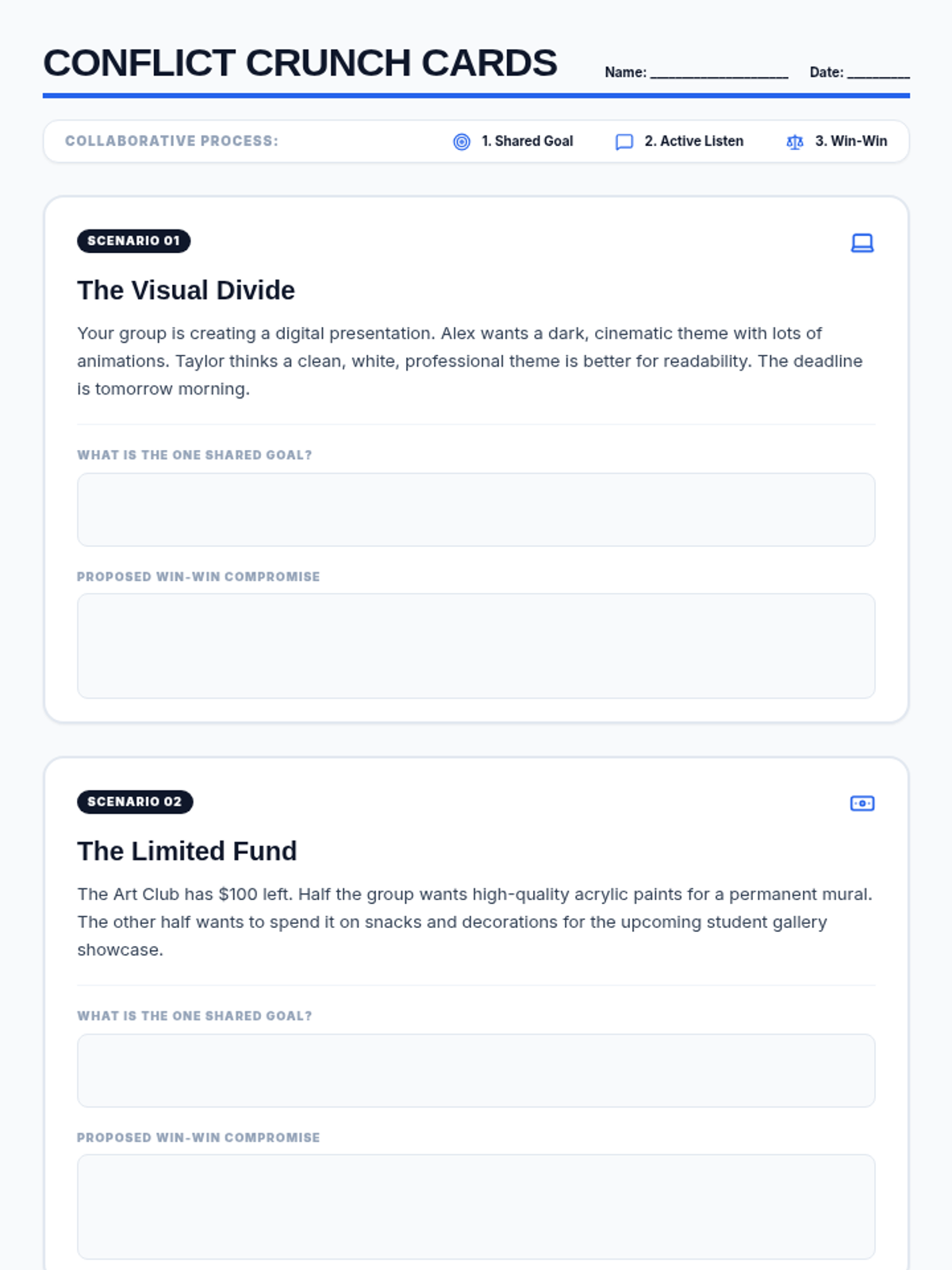
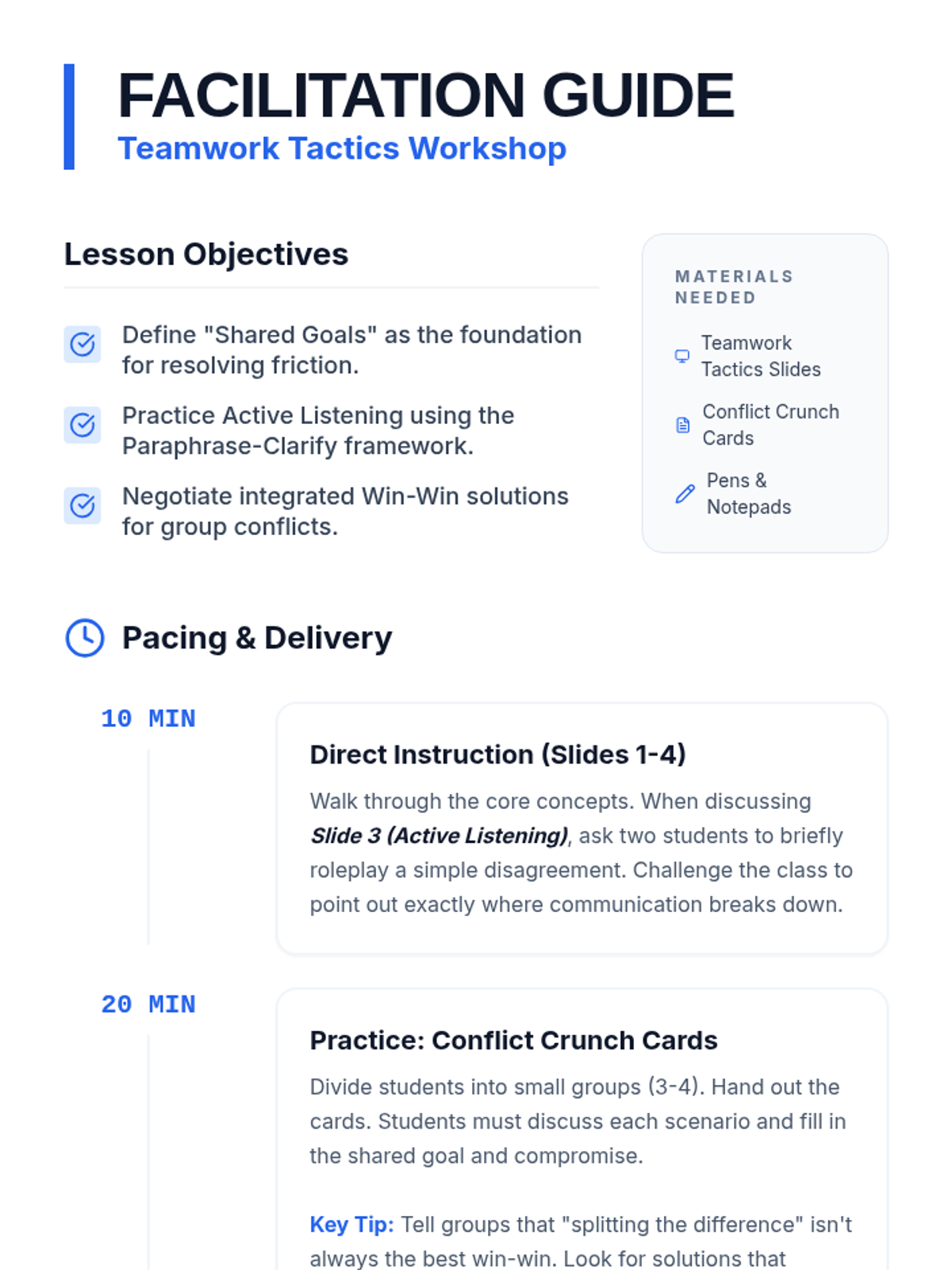
A workshop-style lesson focusing on three essential pillars of group dynamics: active listening, identifying shared goals, and the art of compromise and negotiation.