A small group counseling lesson focused on identifying emotions and implementing a 3-step self-regulation plan. Students learn to navigate feelings like happy, sad, mad, tired, confused, scared, and worried using a detective-themed strategy.
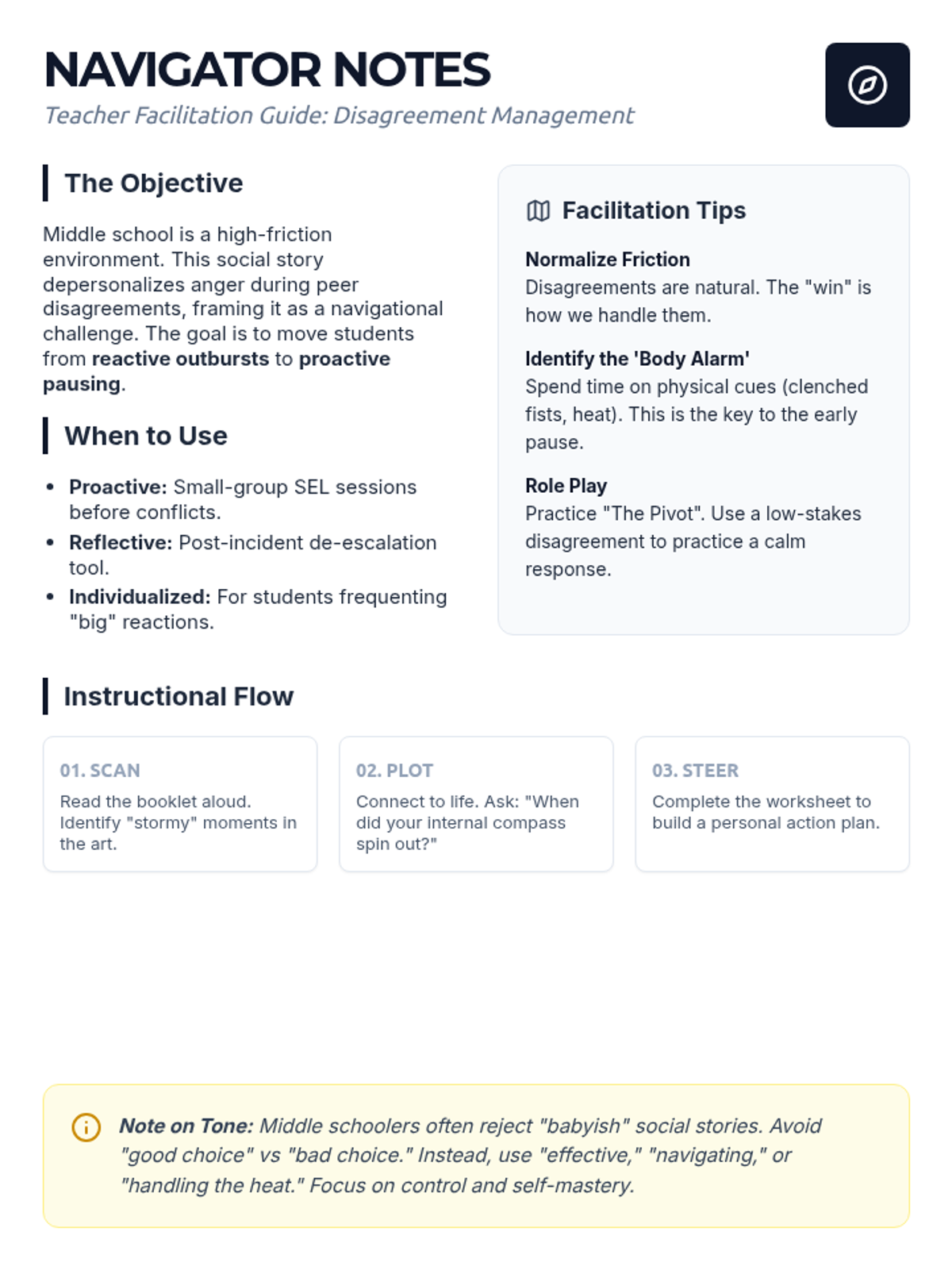
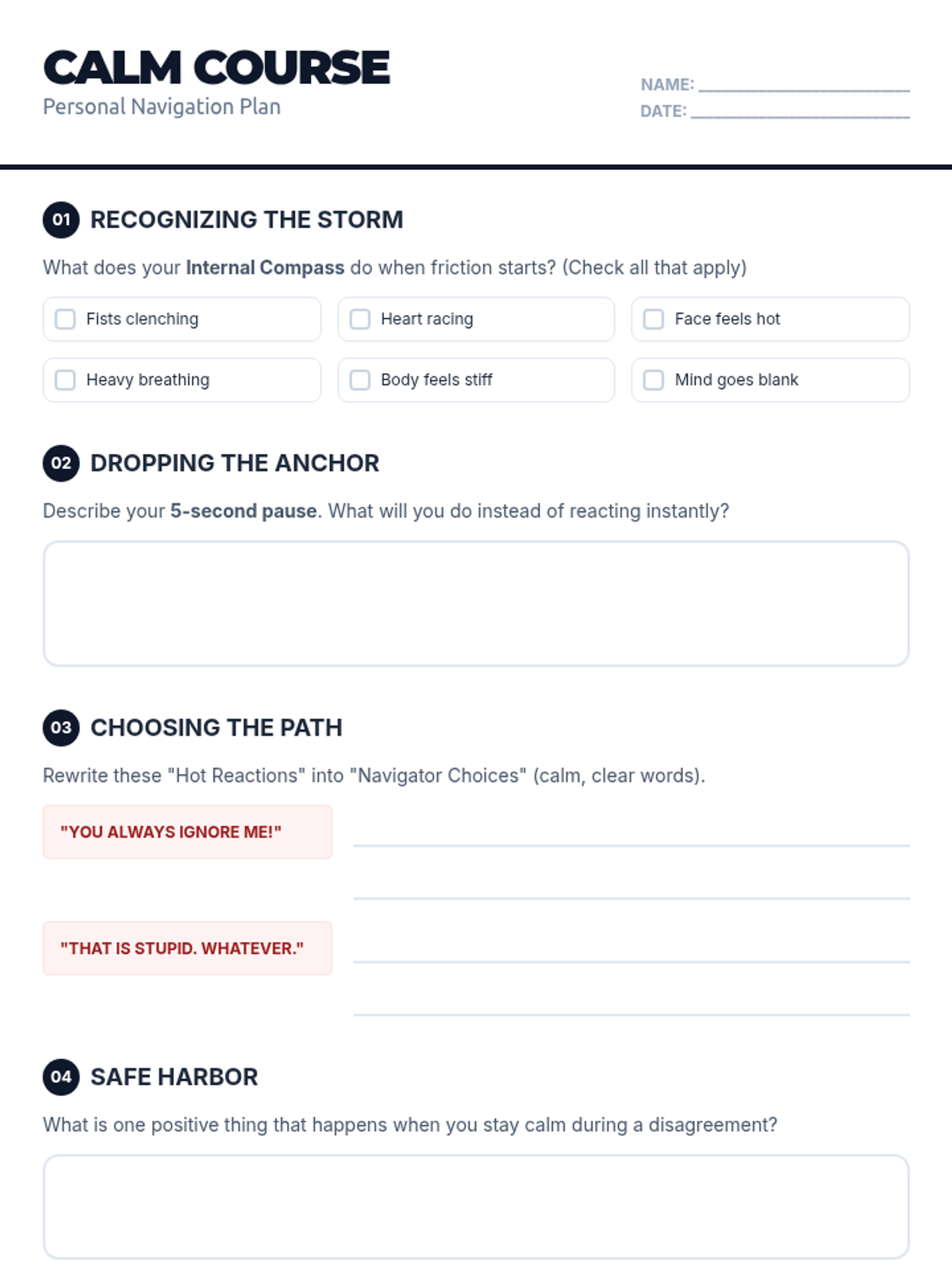
A comprehensive lesson designed for middle school students to help them navigate social disagreements using self-regulation strategies and clear communication. The lesson includes a narrative-based social story, a teacher facilitation guide, and a reflective student worksheet.
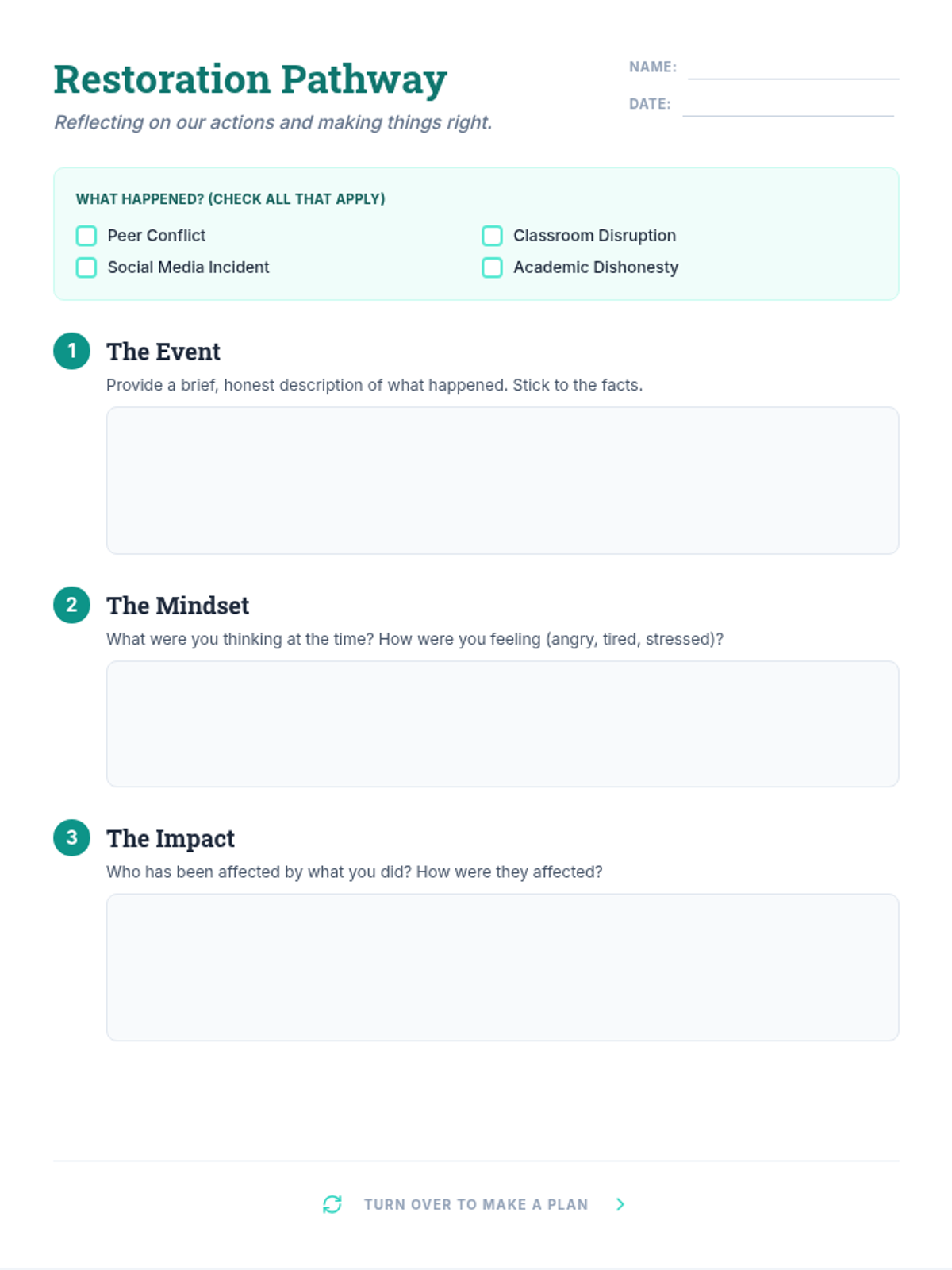
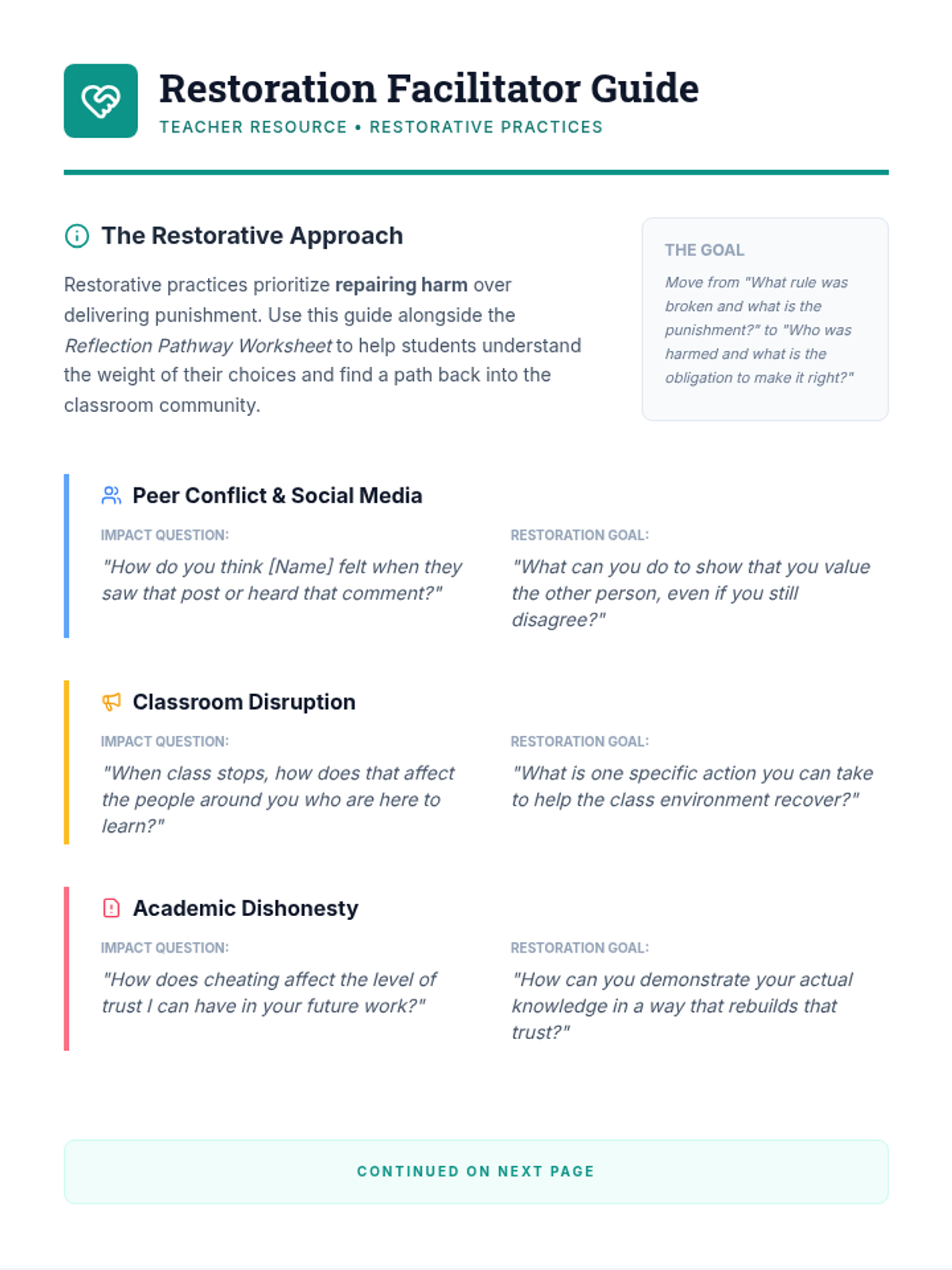
A collection of restorative practice tools designed to help students reflect on their actions, understand the impact of their behavior, and create a plan for restoration following peer conflict, classroom disruption, social media incidents, or academic dishonesty.
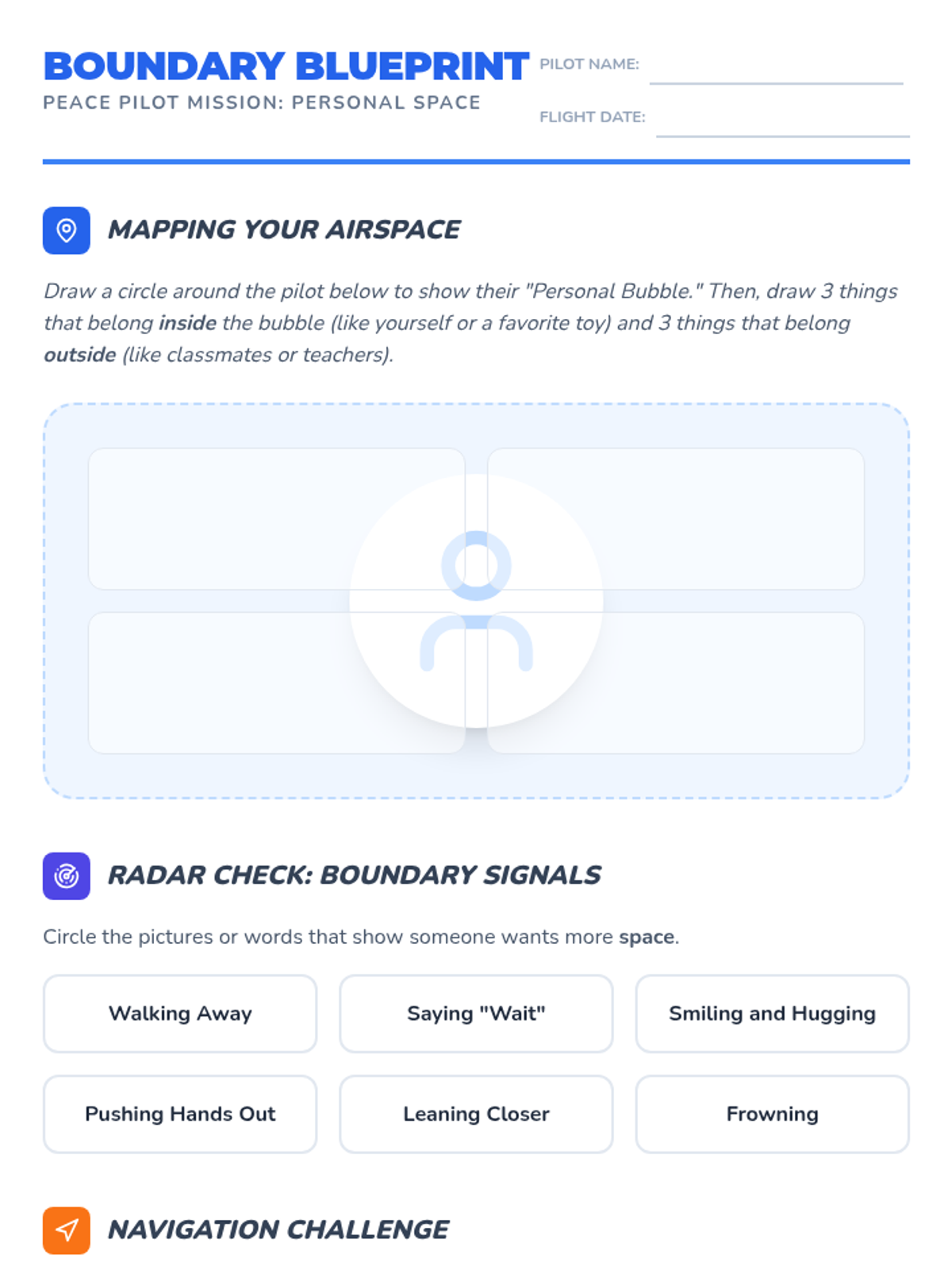
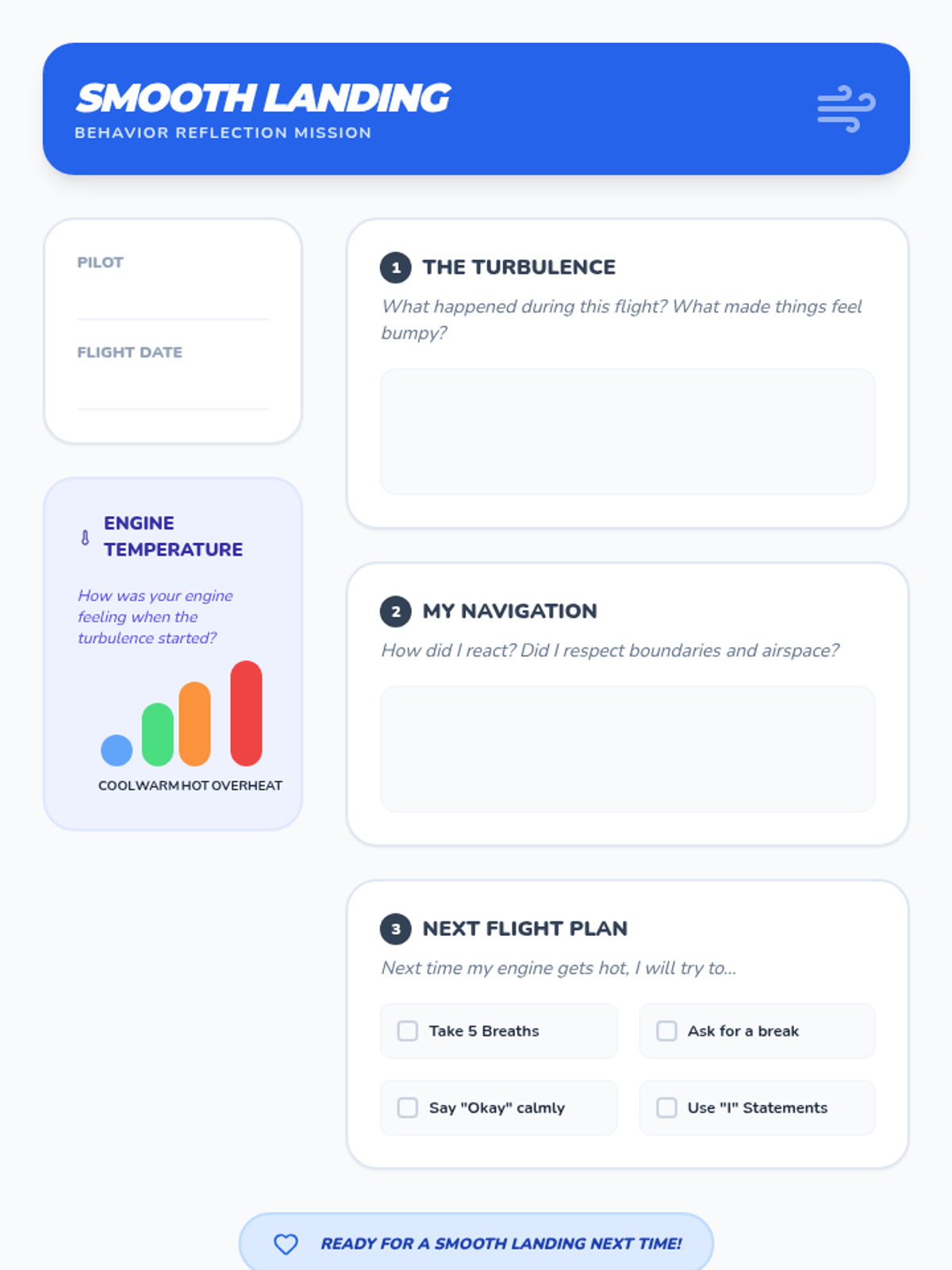
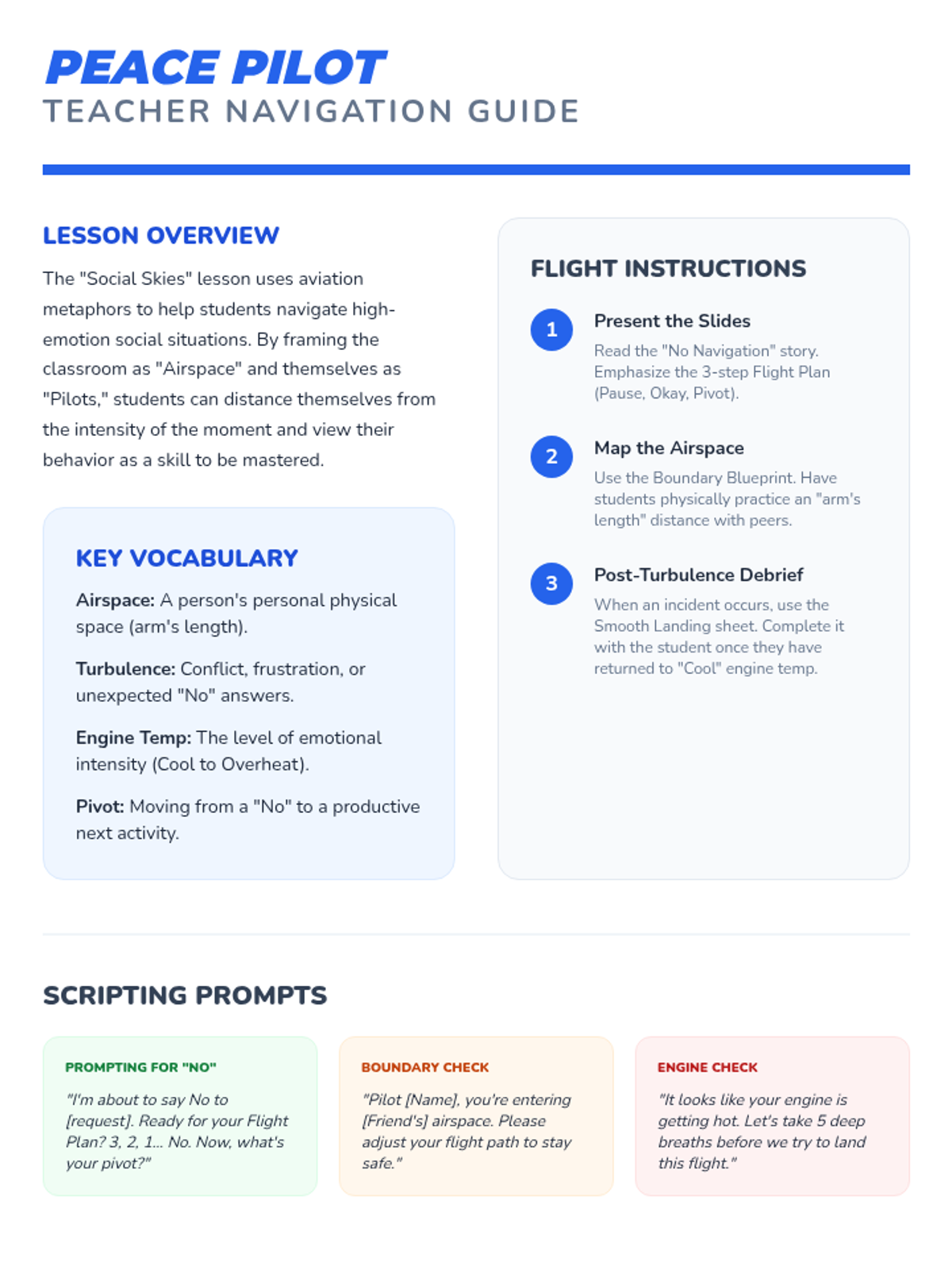
A social-emotional learning lesson focused on accepting 'no', respecting personal space boundaries, and reflecting on behavioral choices. Students learn to navigate social challenges with the 'Peace Pilot' framework for staying calm and respectful.
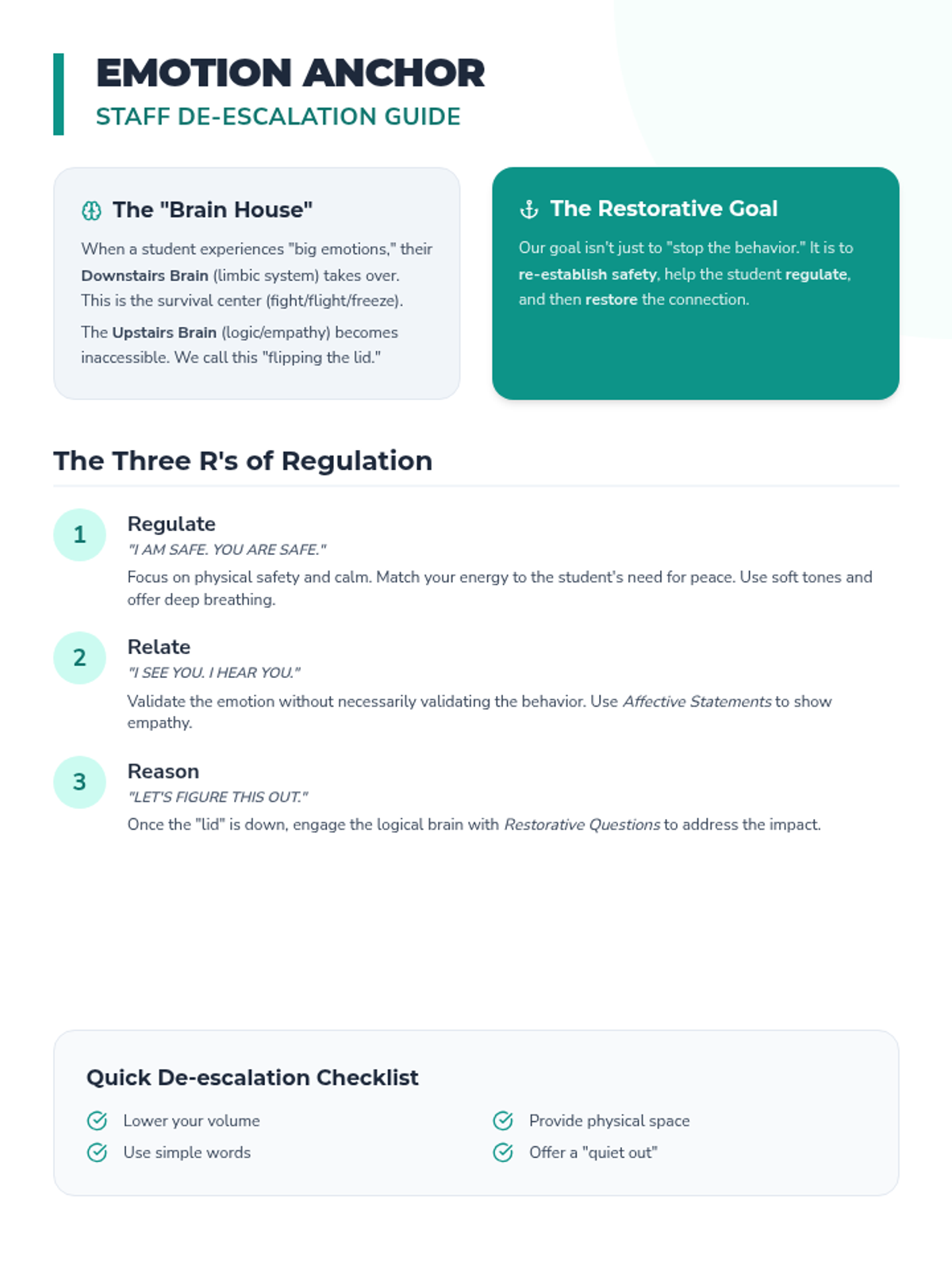
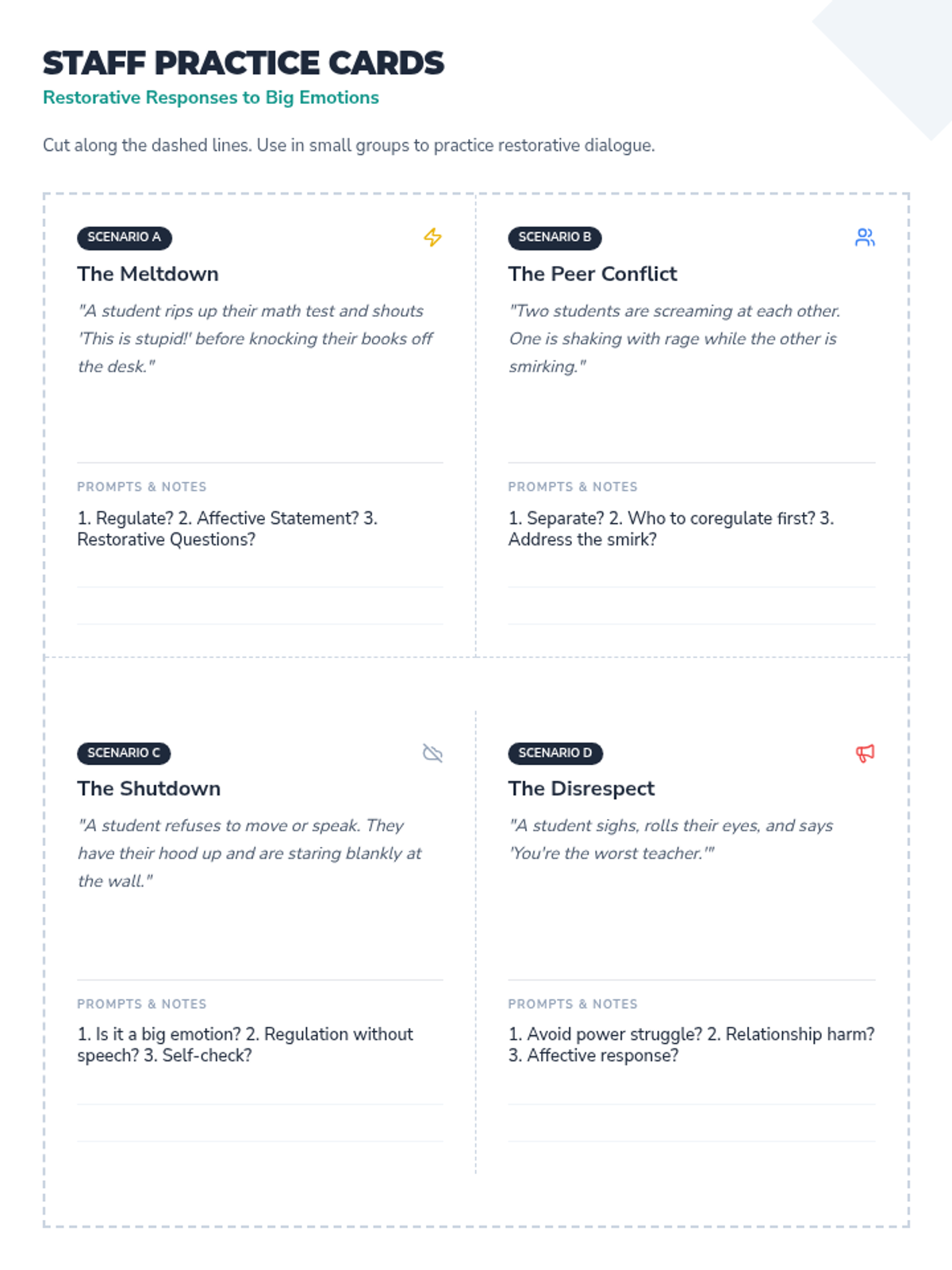
A professional development module for school staff focused on using restorative practices to de-escalate big emotions and foster emotional regulation in students.
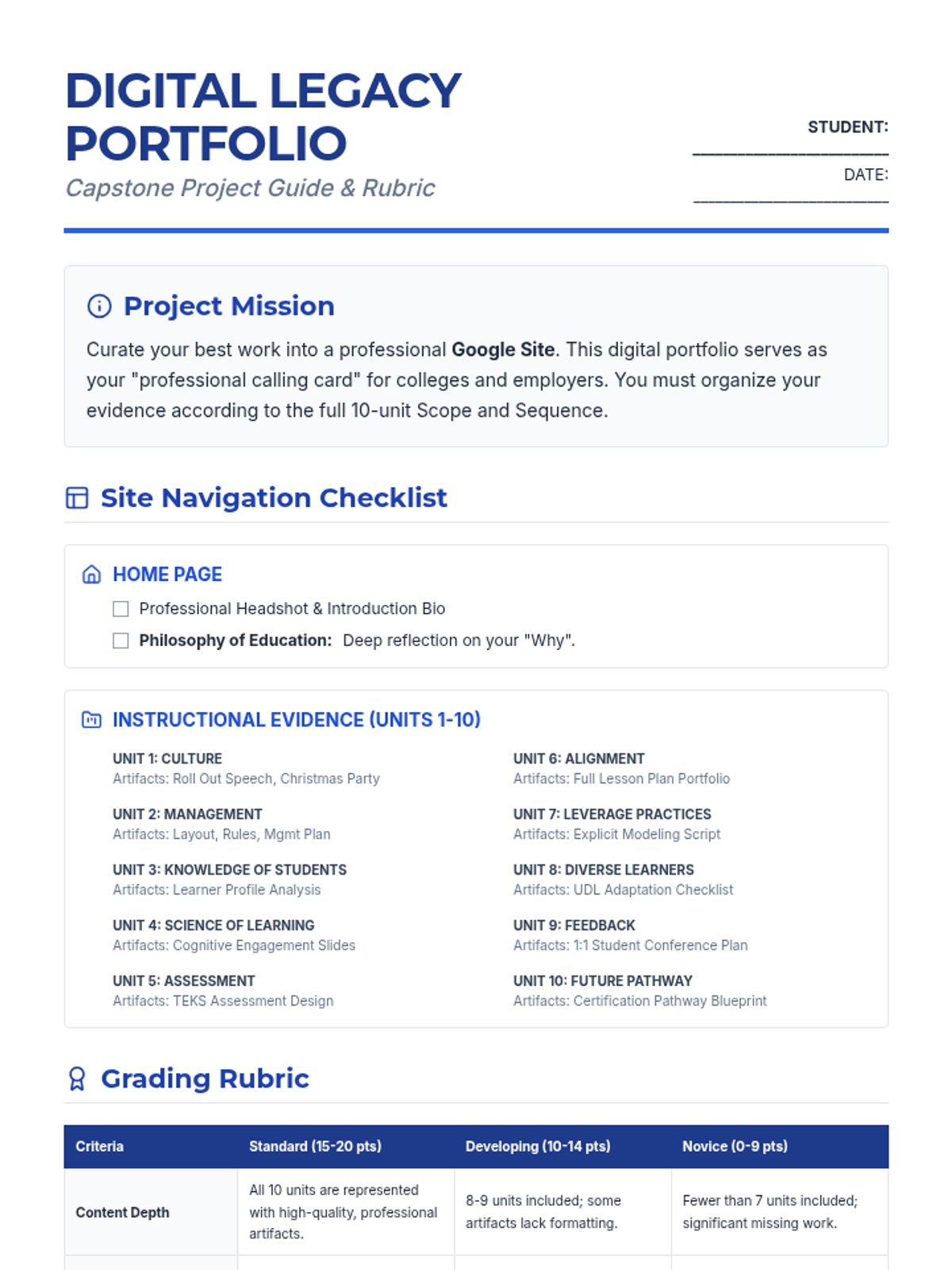
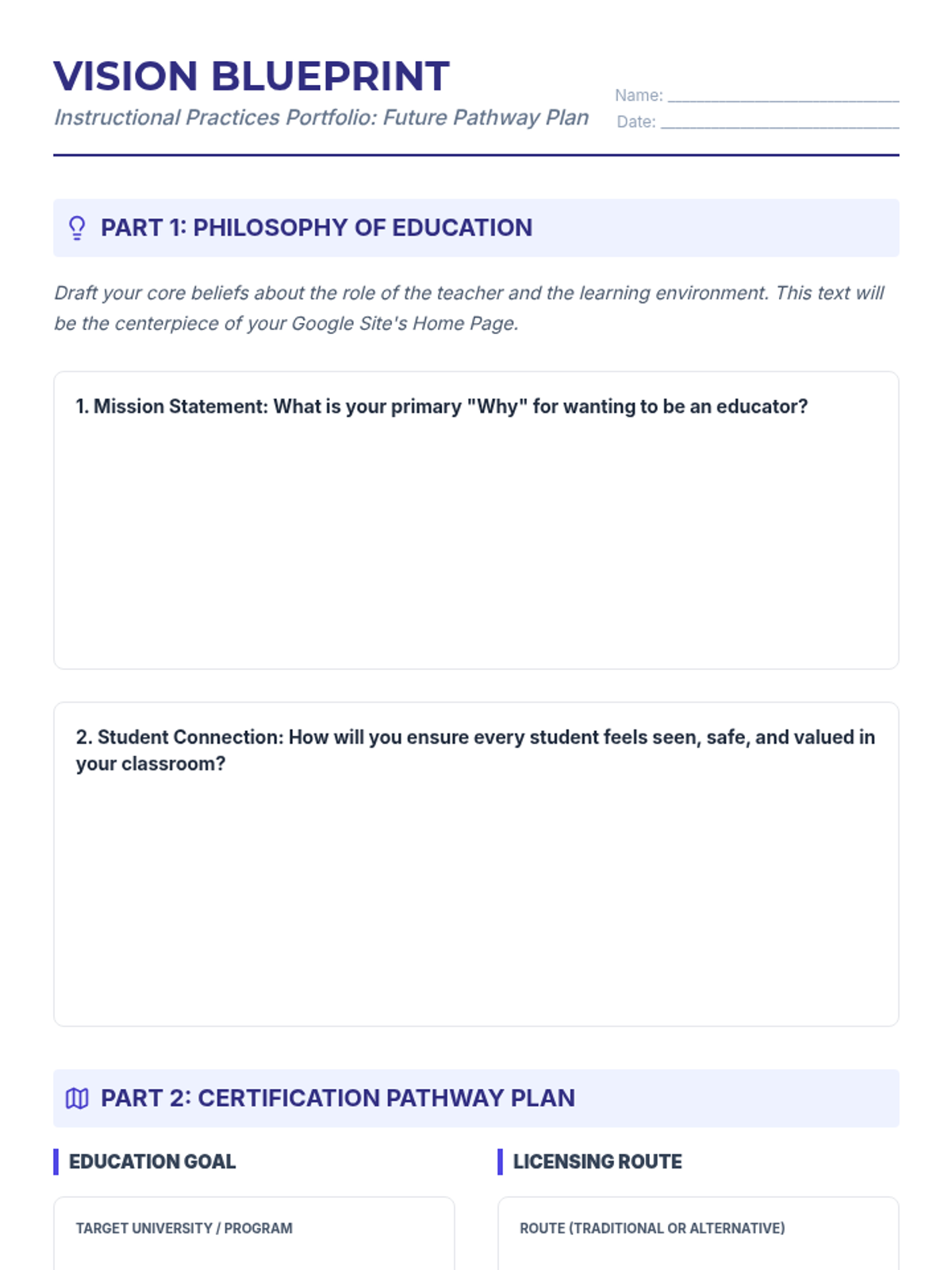
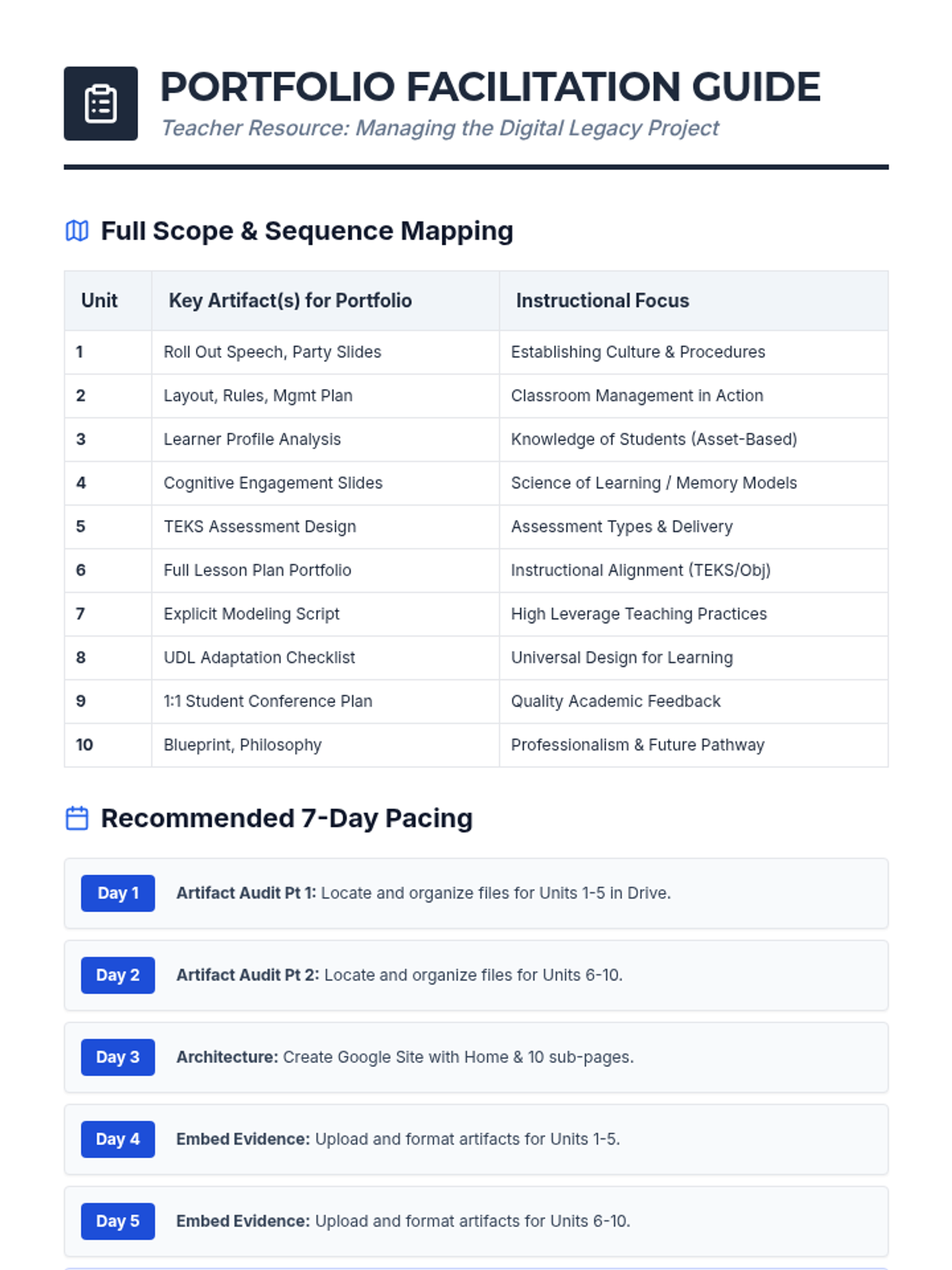
A comprehensive end-of-year portfolio project where students build a professional Google Site to showcase their instructional practices, previous projects, and future career plans in education.
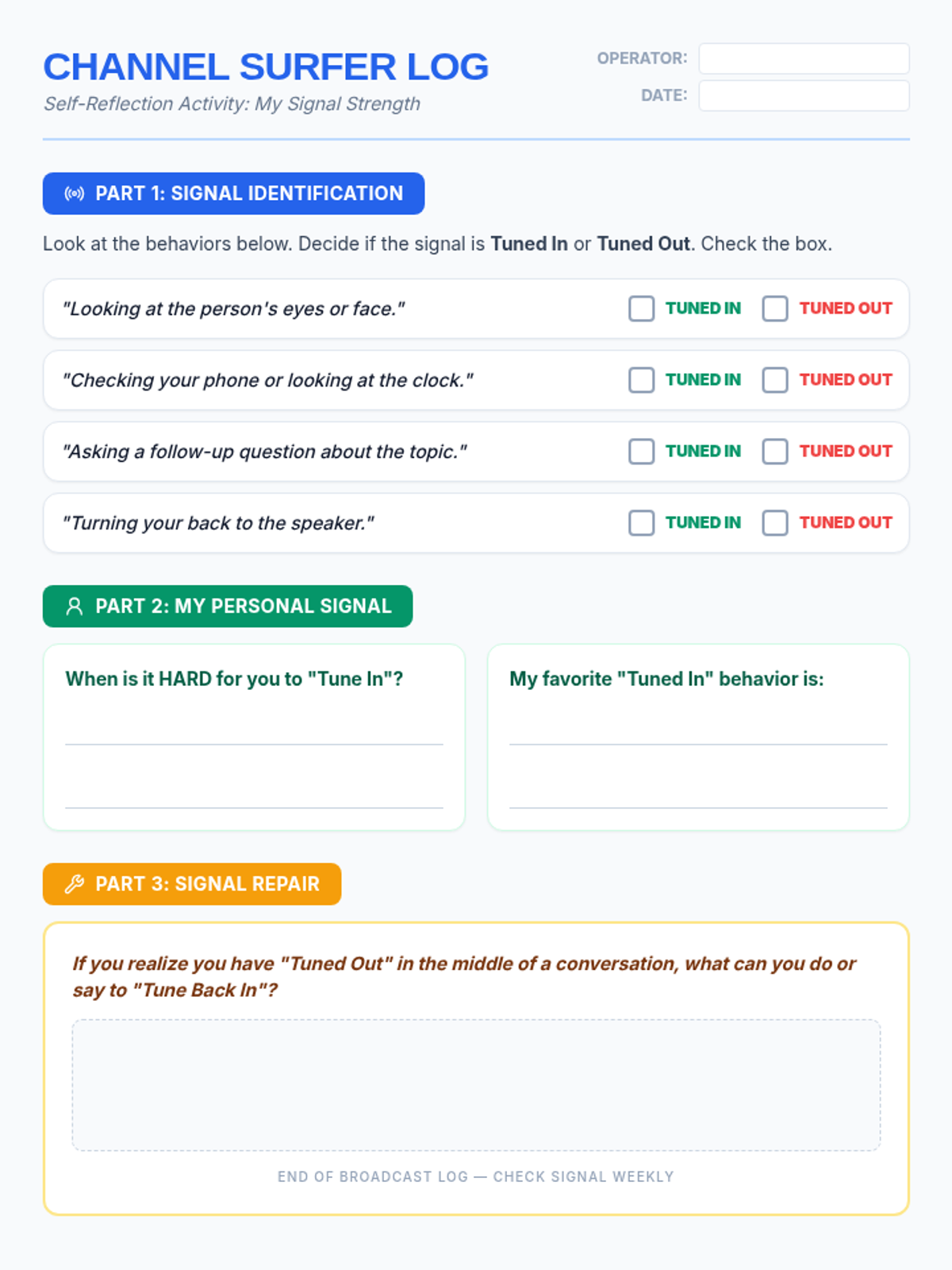
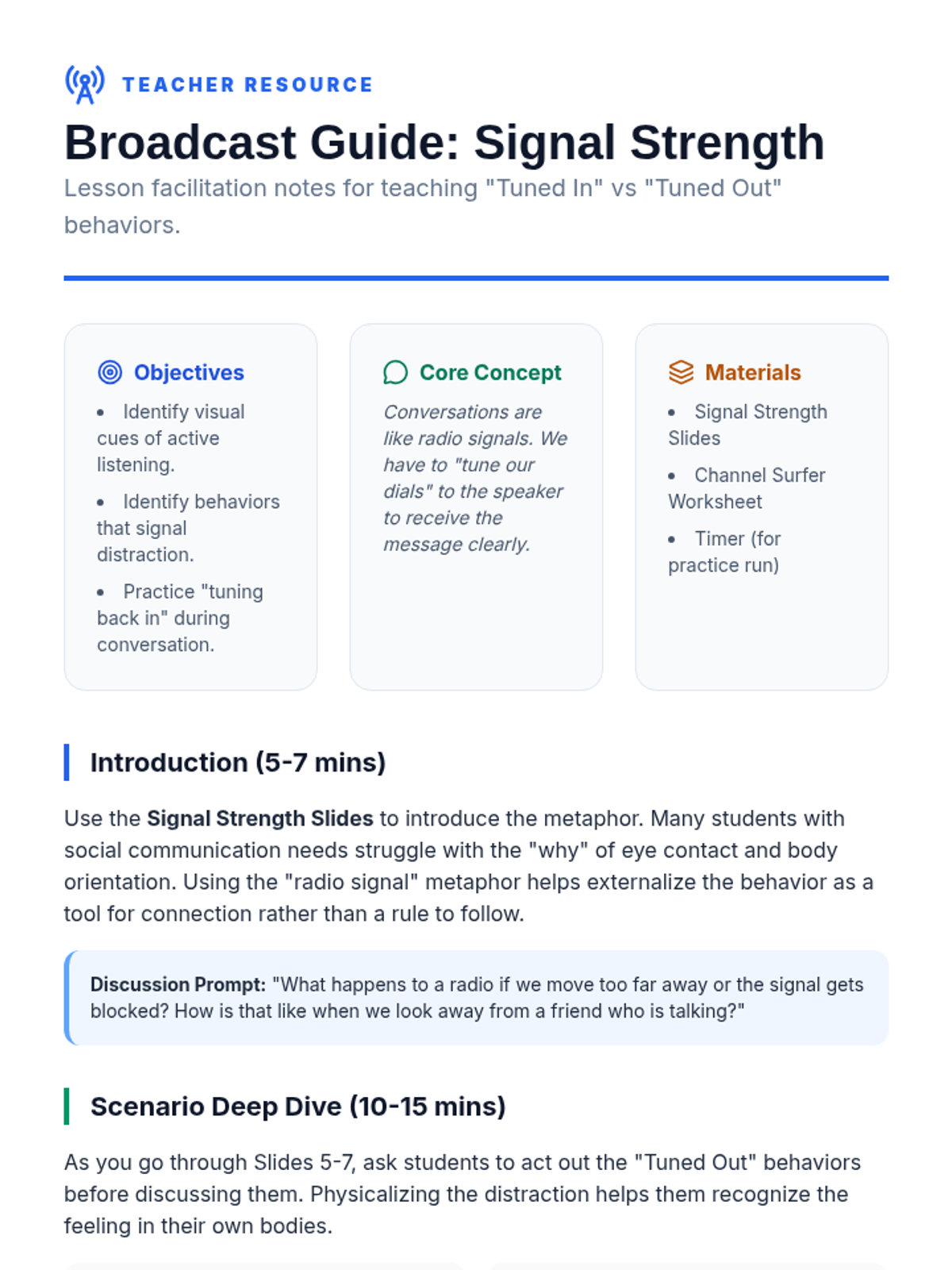
A social skills lesson for speech therapy sessions focusing on identifying and practicing 'tuned in' vs 'tuned out' behaviors using a radio/broadcast signal metaphor.
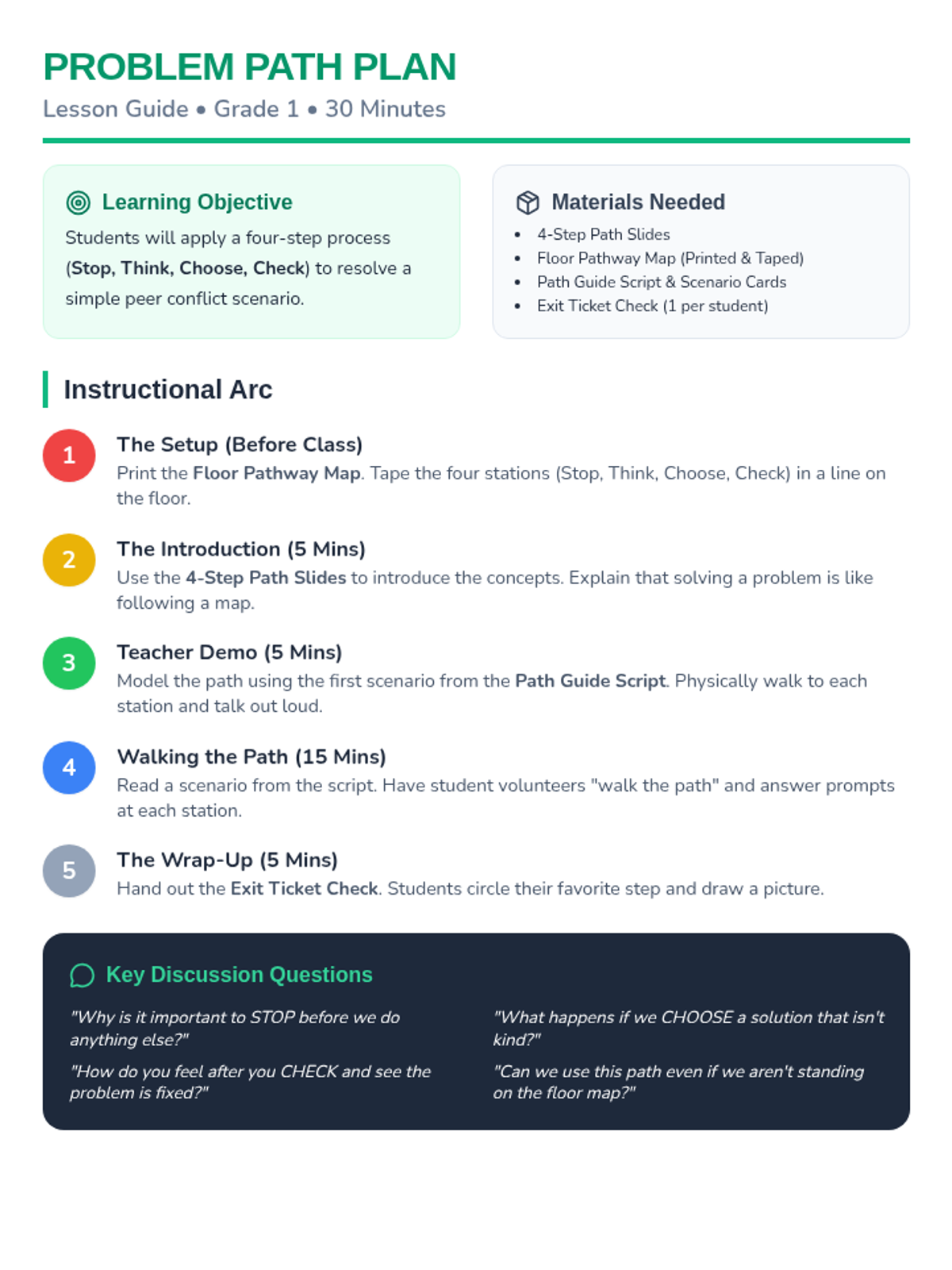
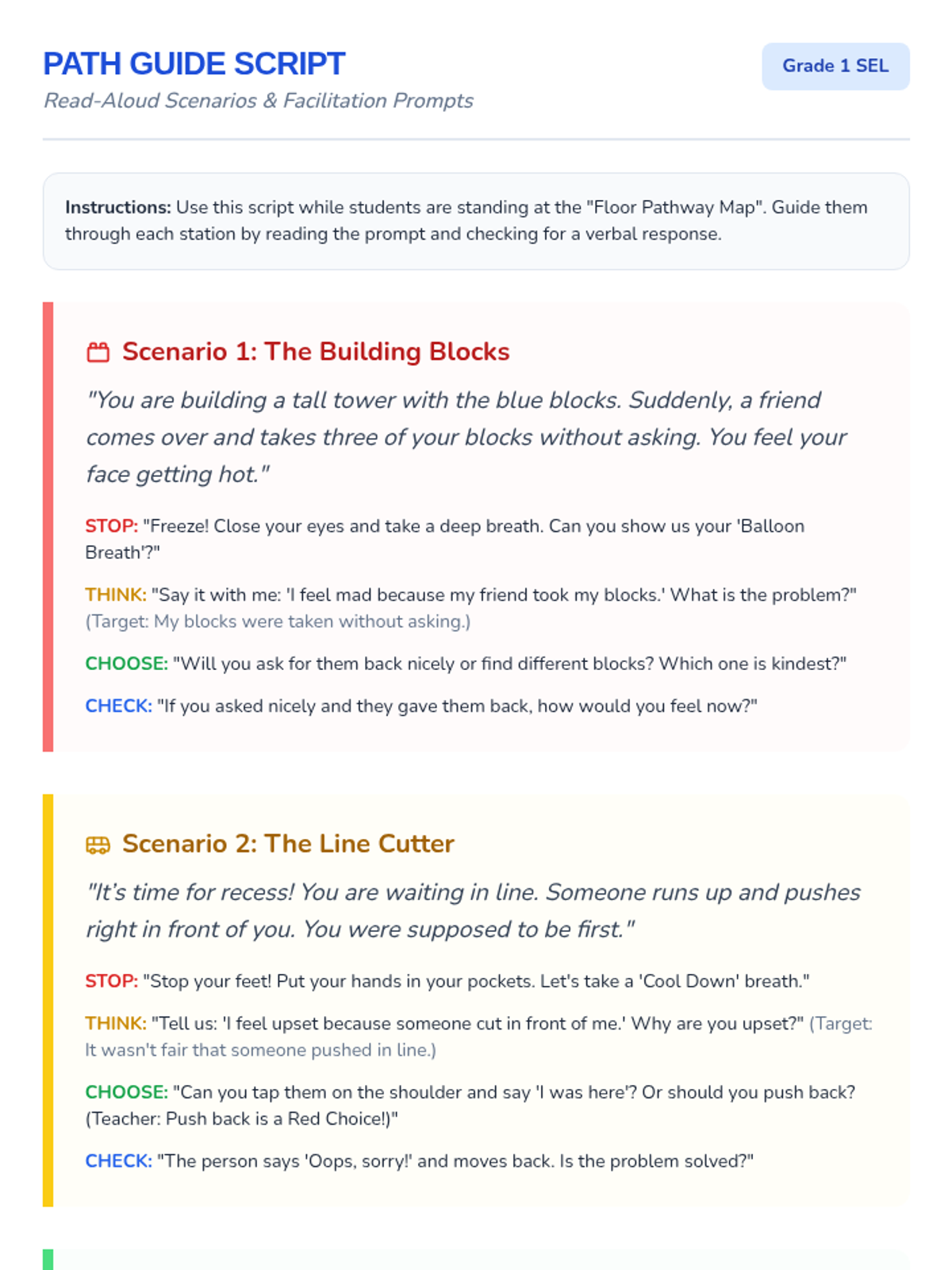
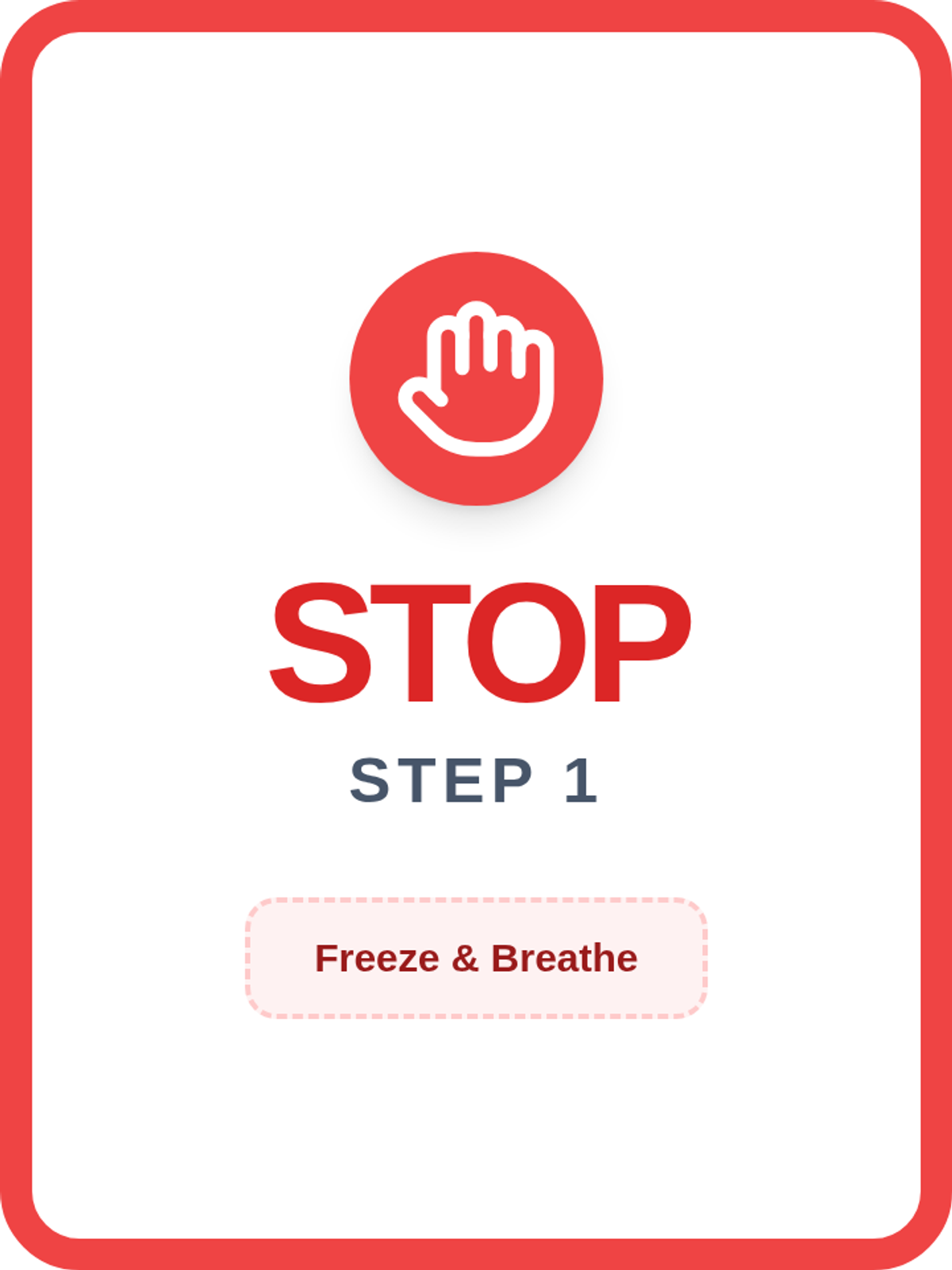
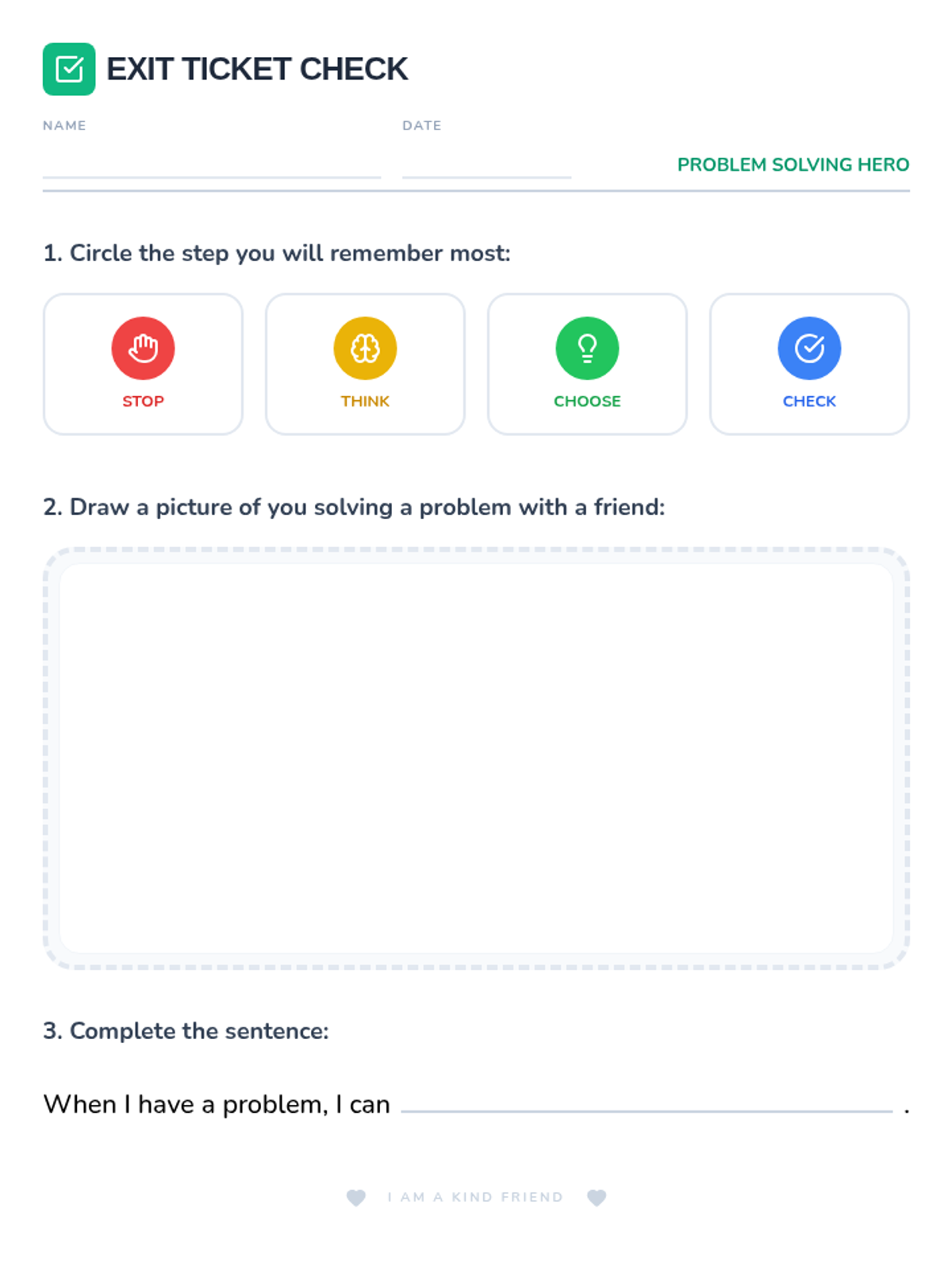
A 30-minute social-emotional learning lesson for 1st graders focused on a four-step conflict resolution process (Stop, Think, Choose, Check). Students engage in a kinesthetic activity walking a physical path to practice solving common peer conflicts.
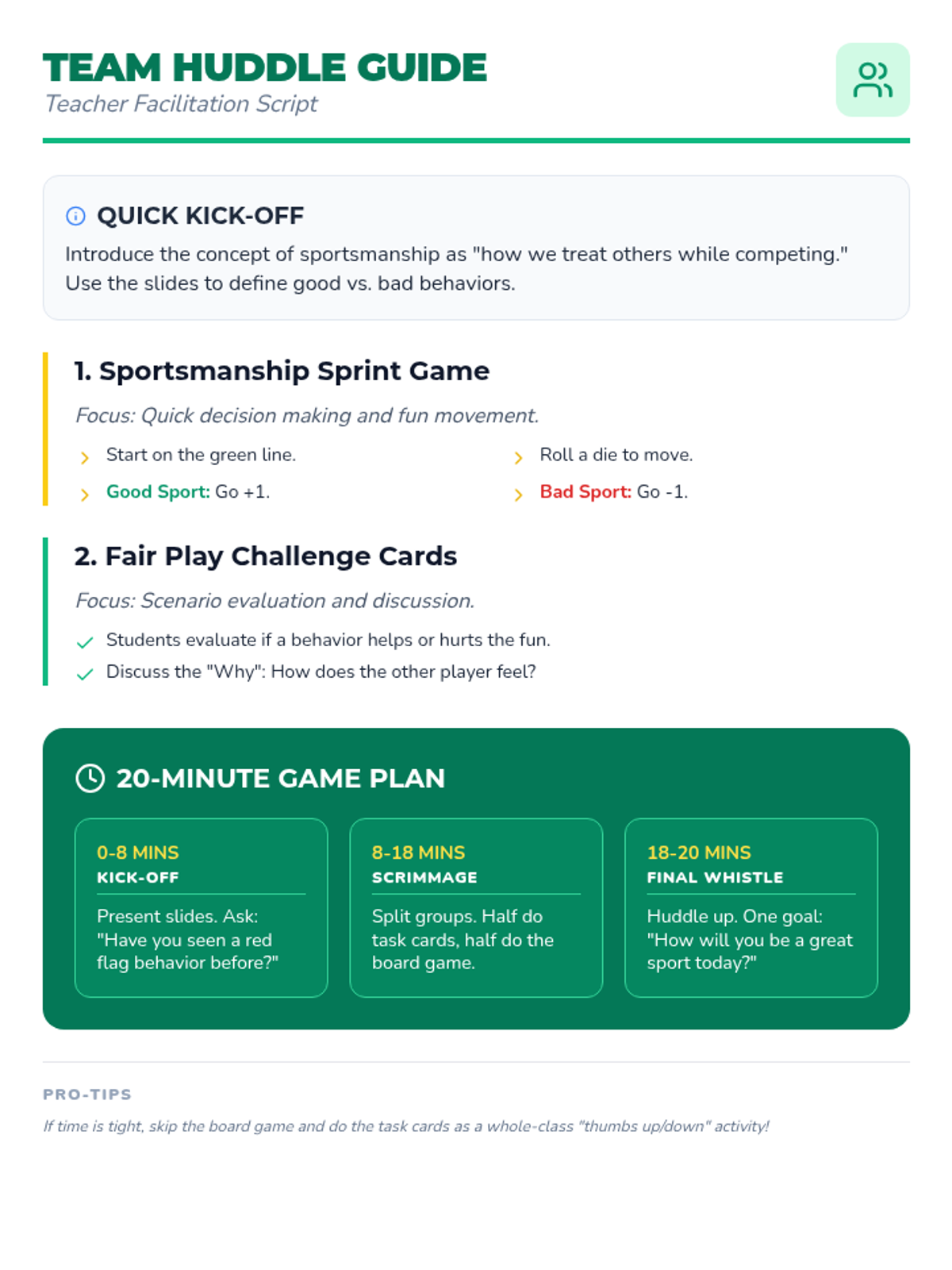
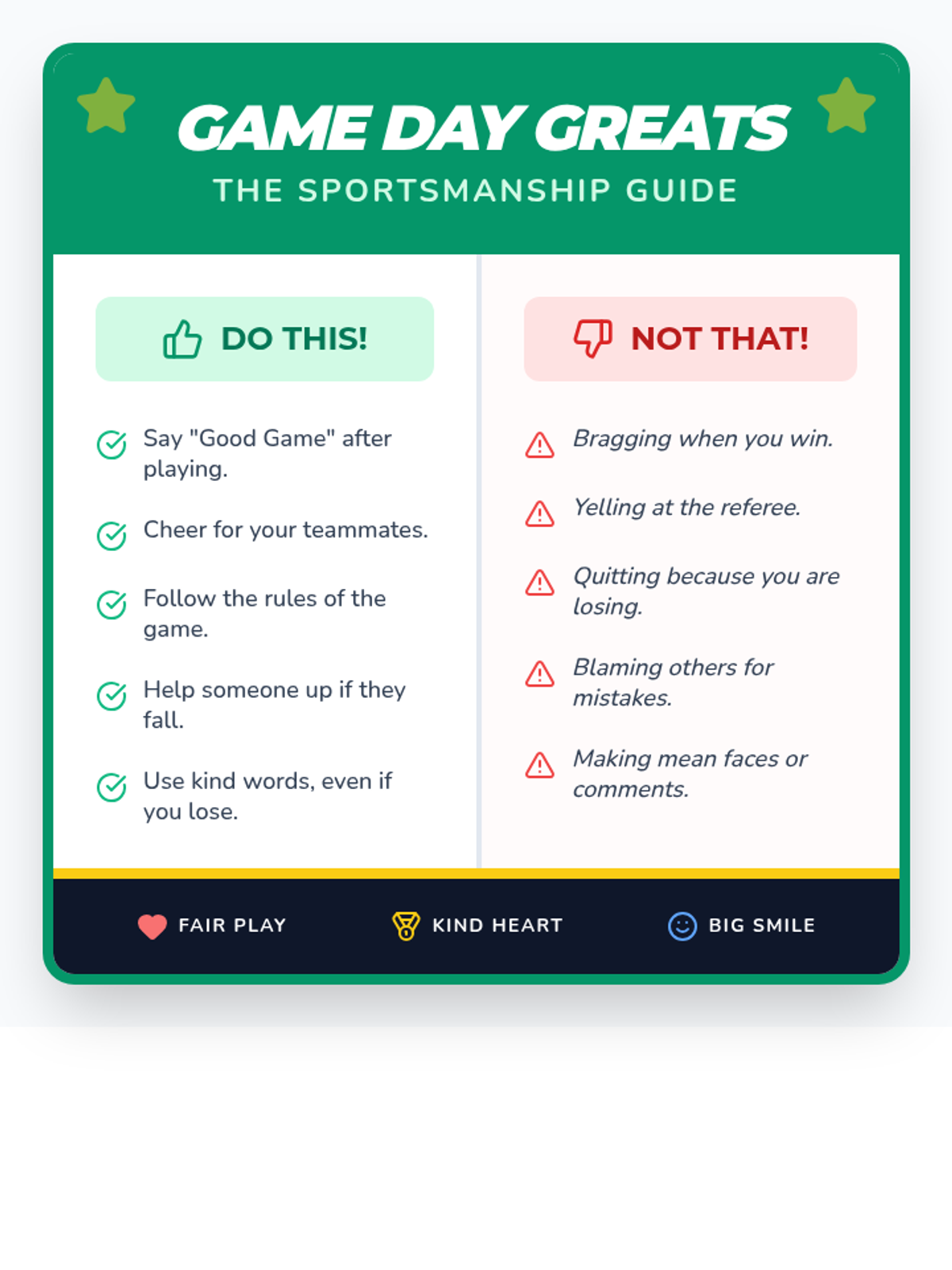
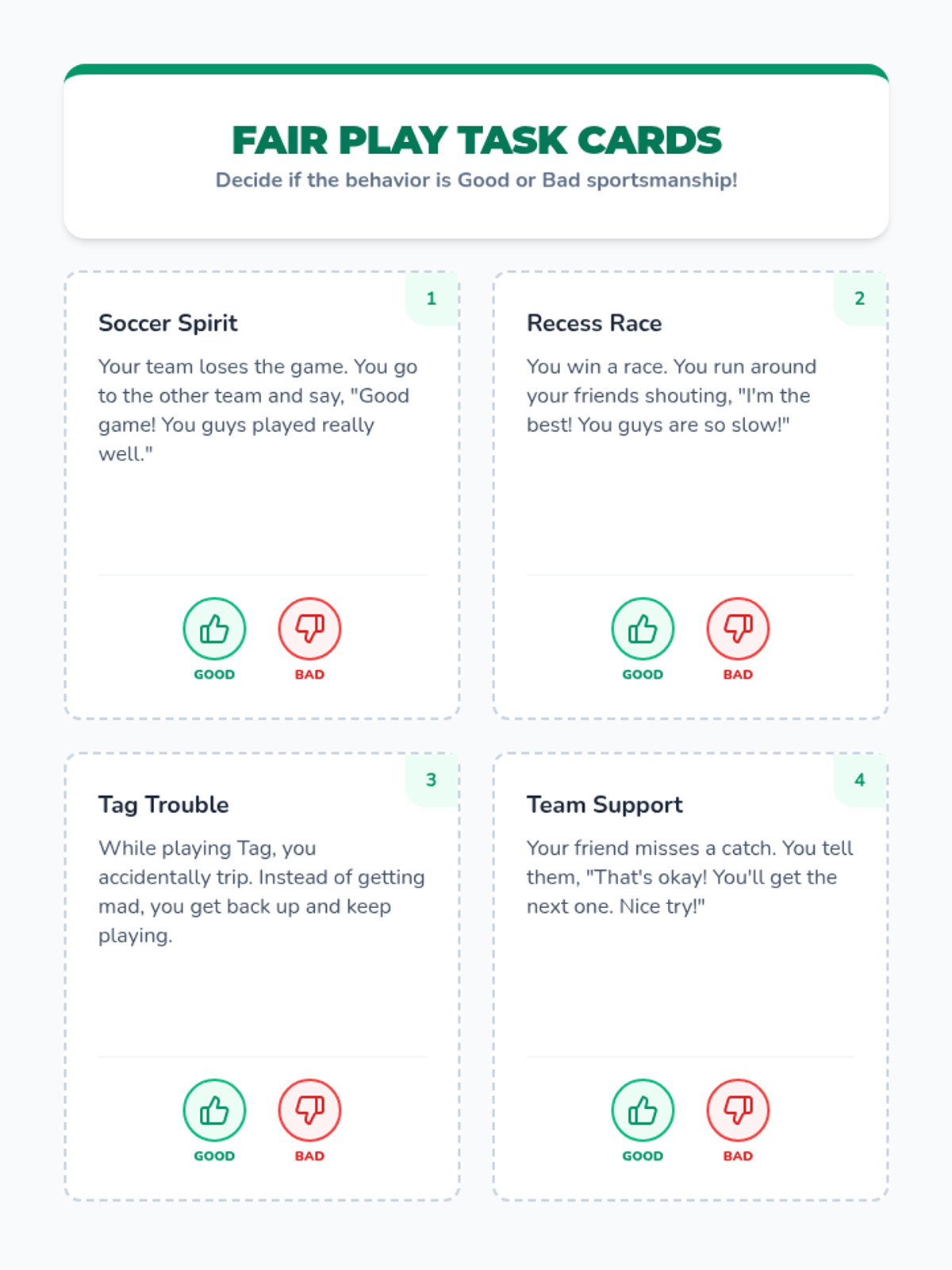
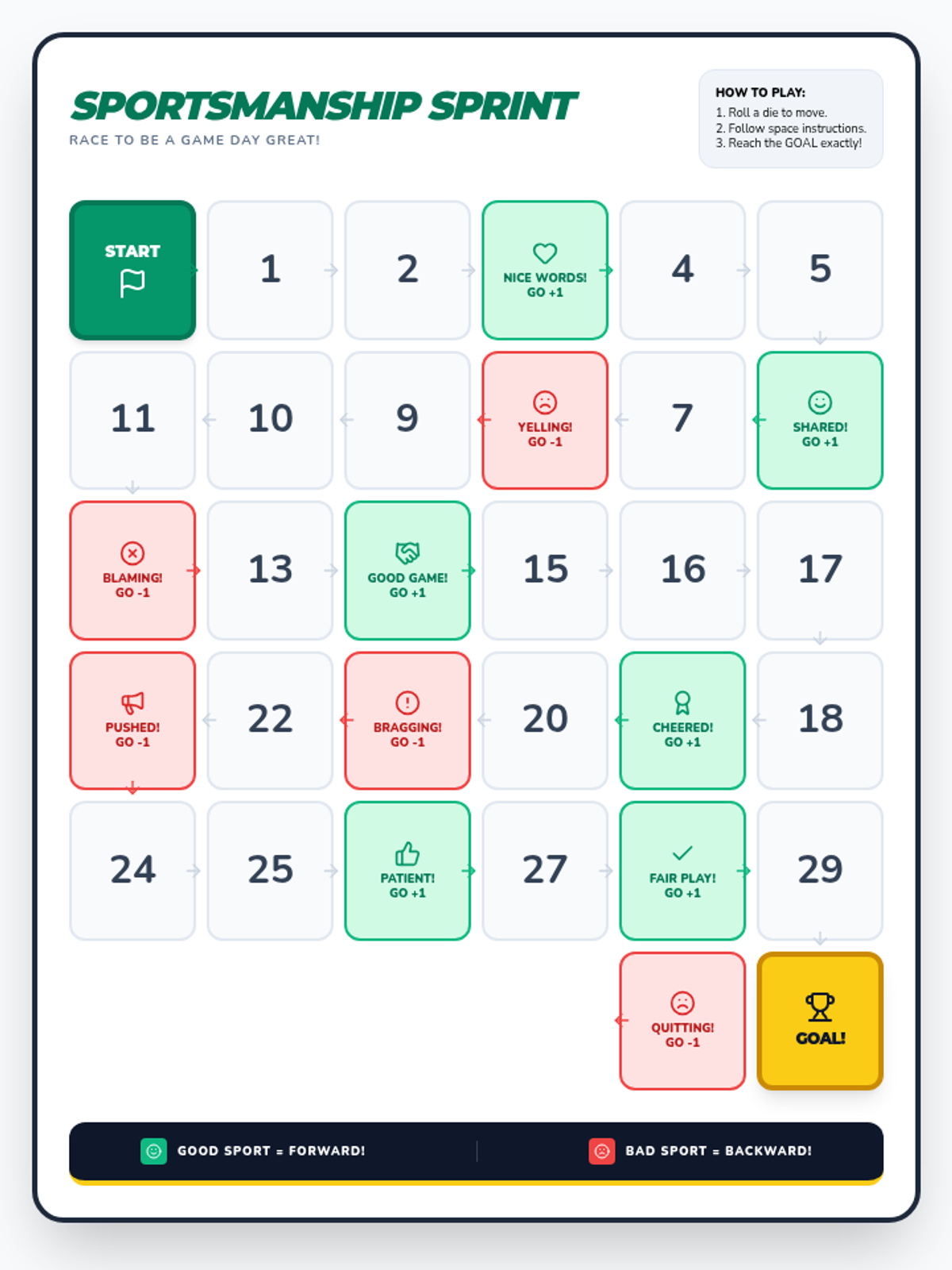
A high-energy, 20-minute lesson on sportsmanship, focusing on how to be a 'Game Day Great' by handling wins and losses with grace. Includes slides, a small group guide, an anchor chart, task cards, and a board game.
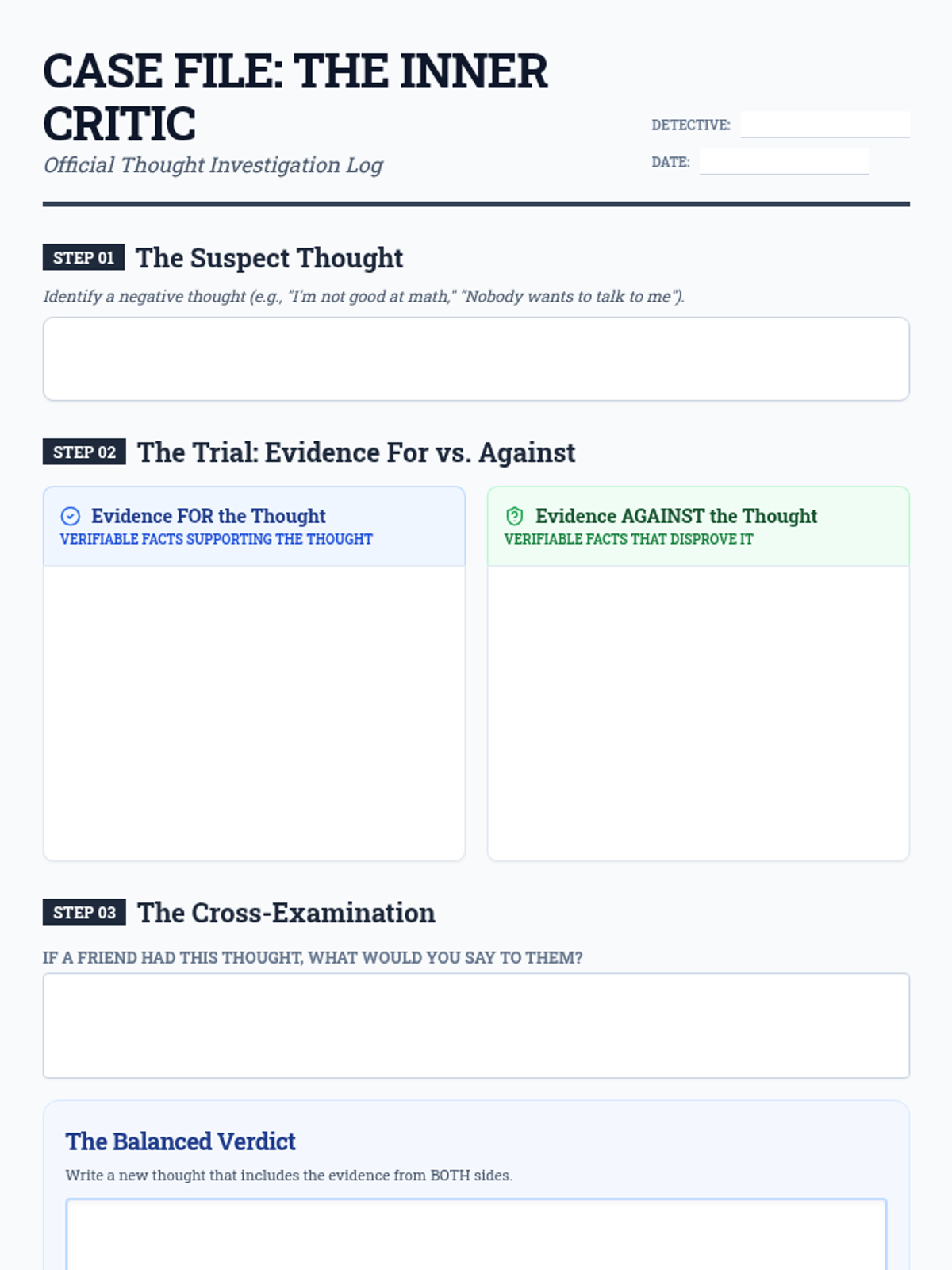
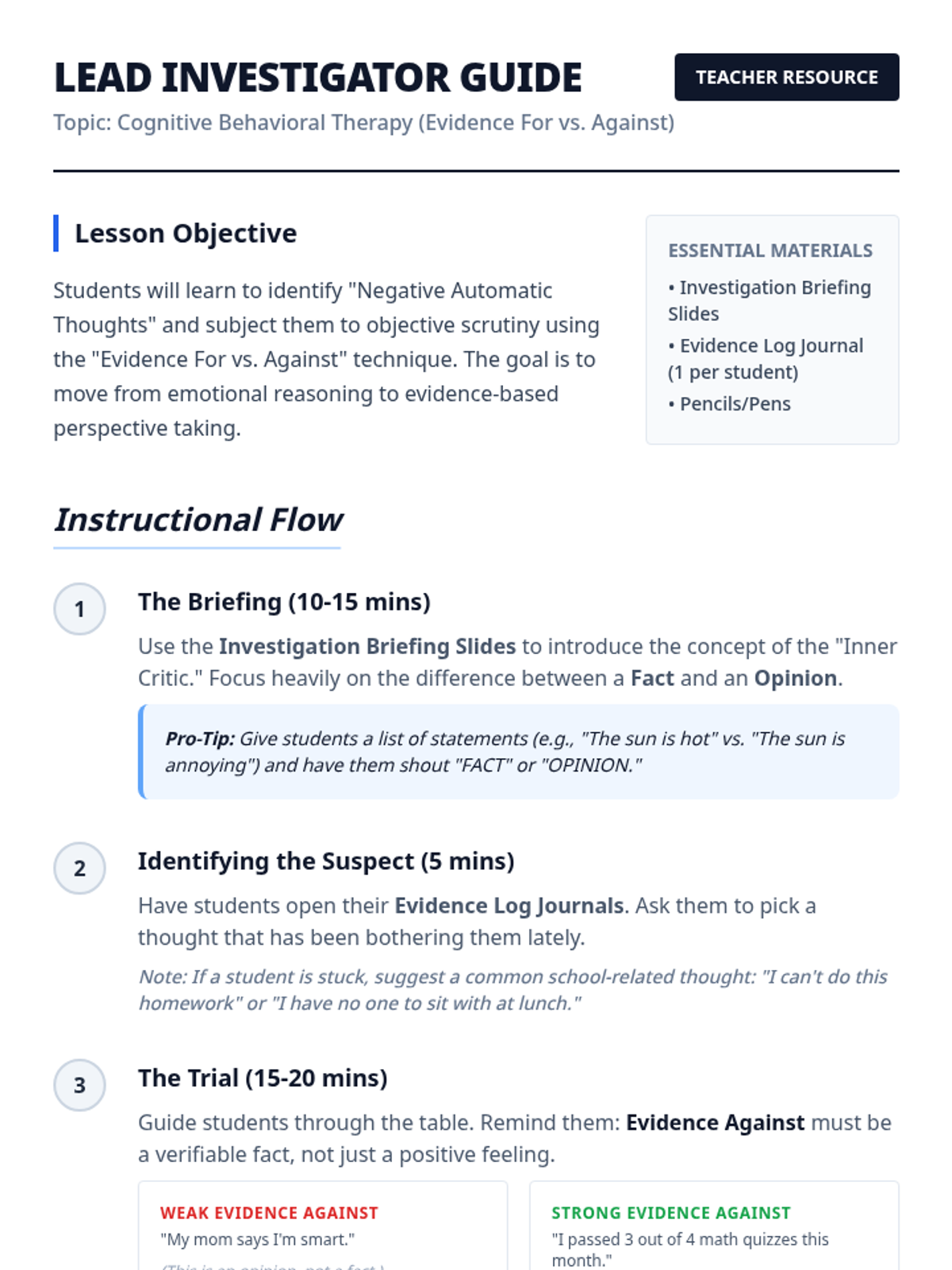
A lesson focused on identifying and challenging cognitive distortions through the 'evidence for vs. against' technique, styled as a psychological investigation.