A lesson exploring the traits of extraordinary individuals through the lens of Chiron, the wise centaur who mentored Greek heroes. Students analyze overcoming adversity, mastering diverse skills, and the impact of mentorship.
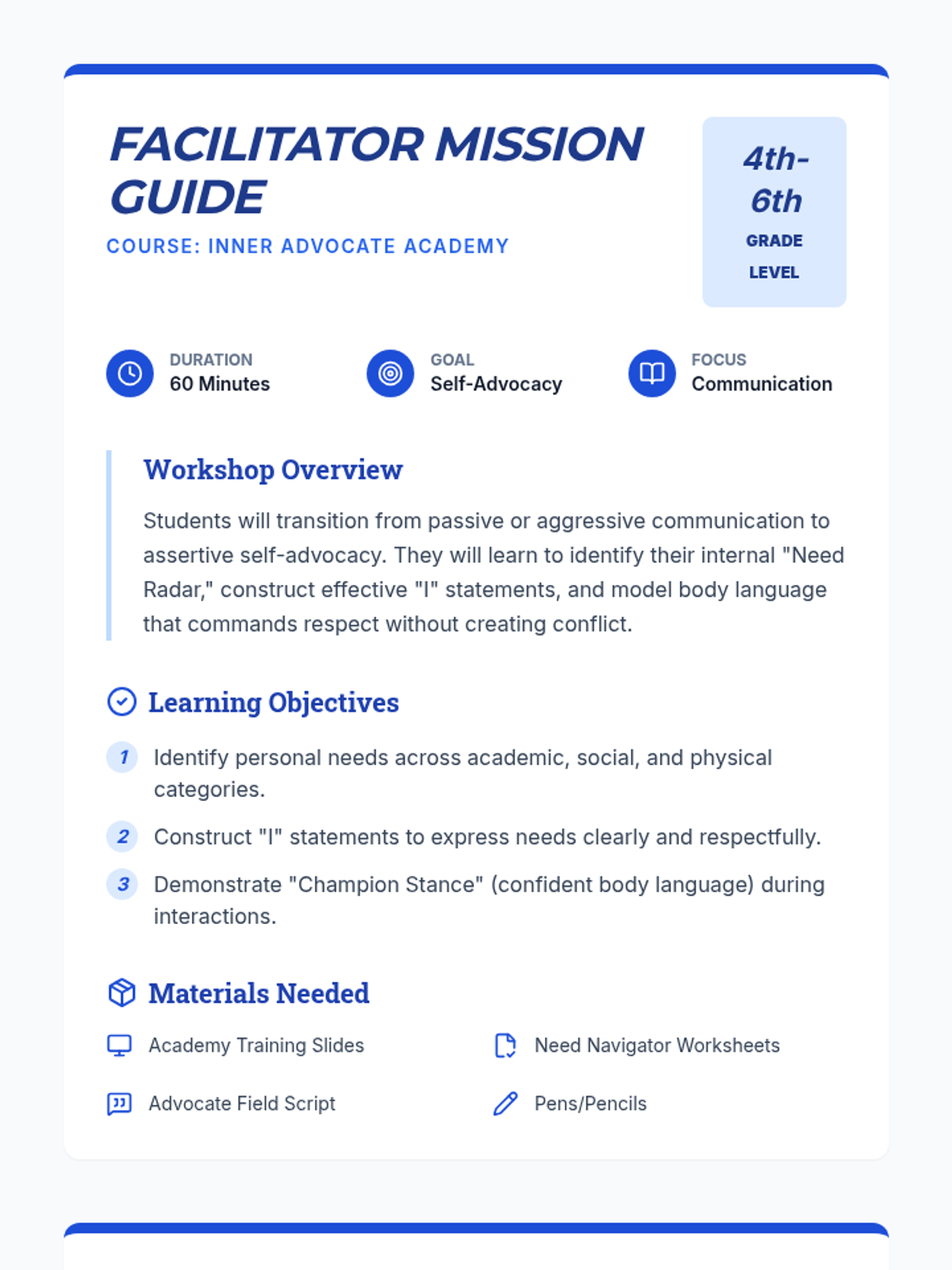
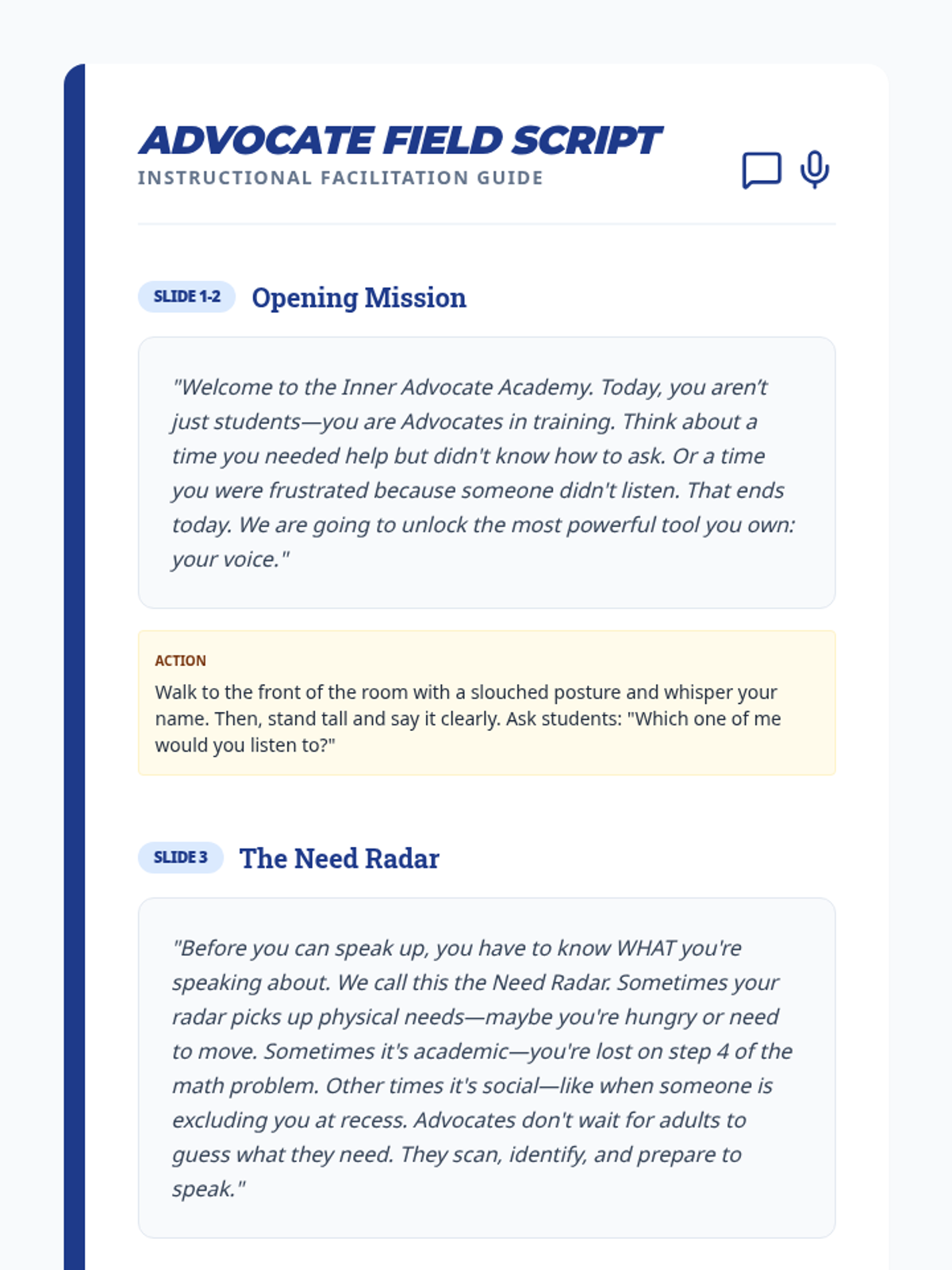
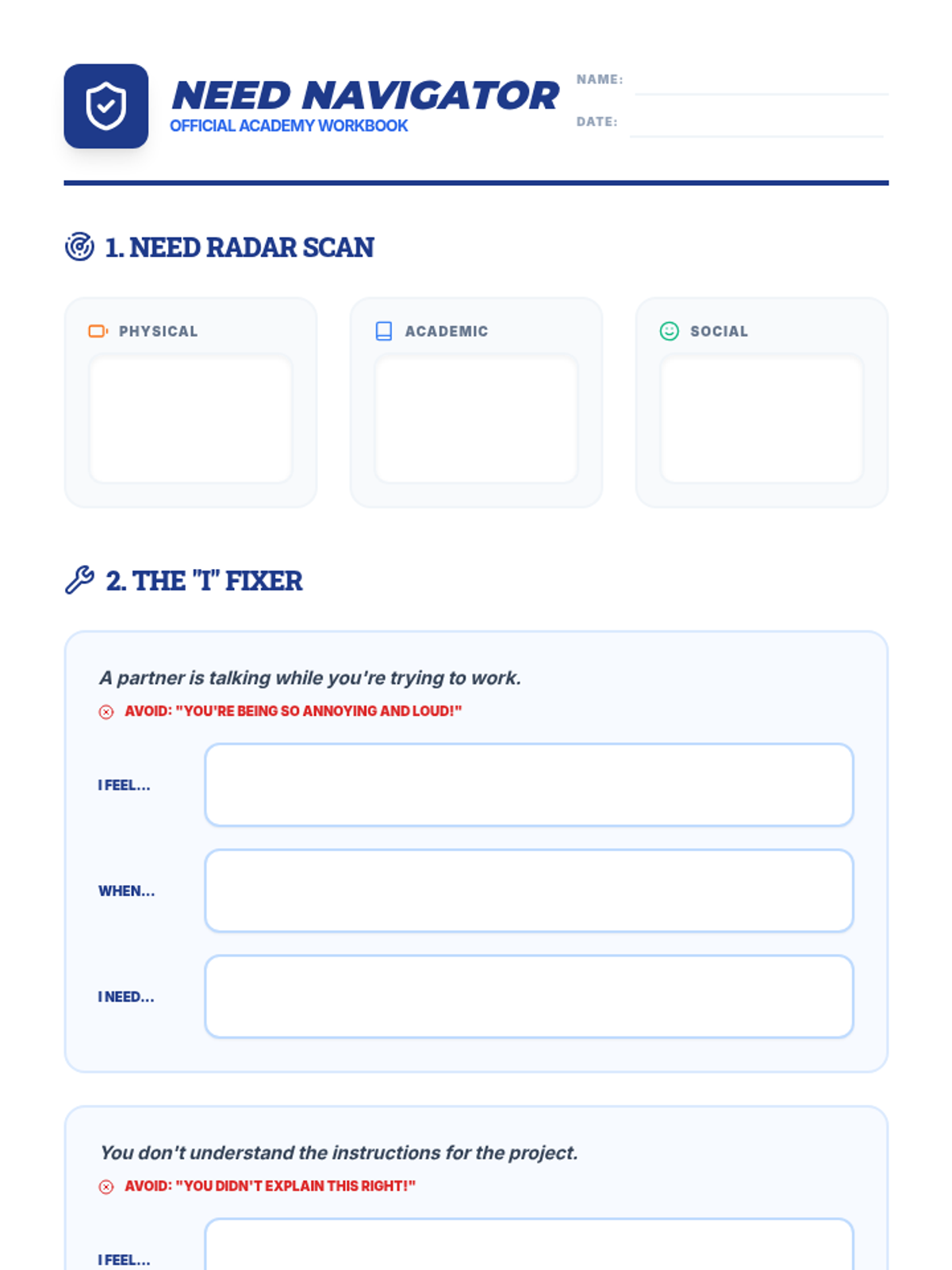
An empowering workshop designed for students in grades 4-6 to develop essential self-advocacy skills. Through interactive activities, students learn to identify their specific needs and articulate them clearly using 'I' statements and confident non-verbal communication.
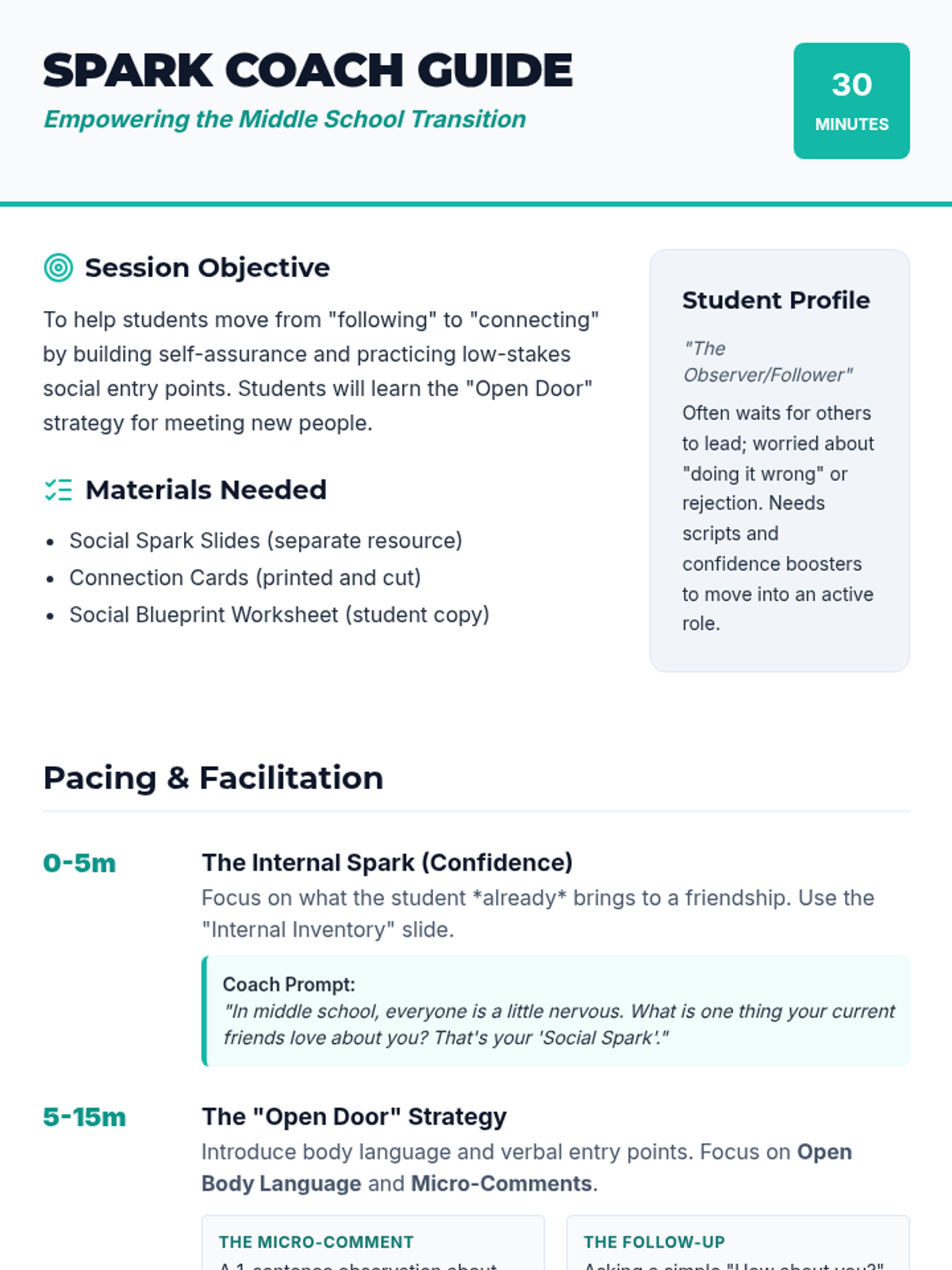
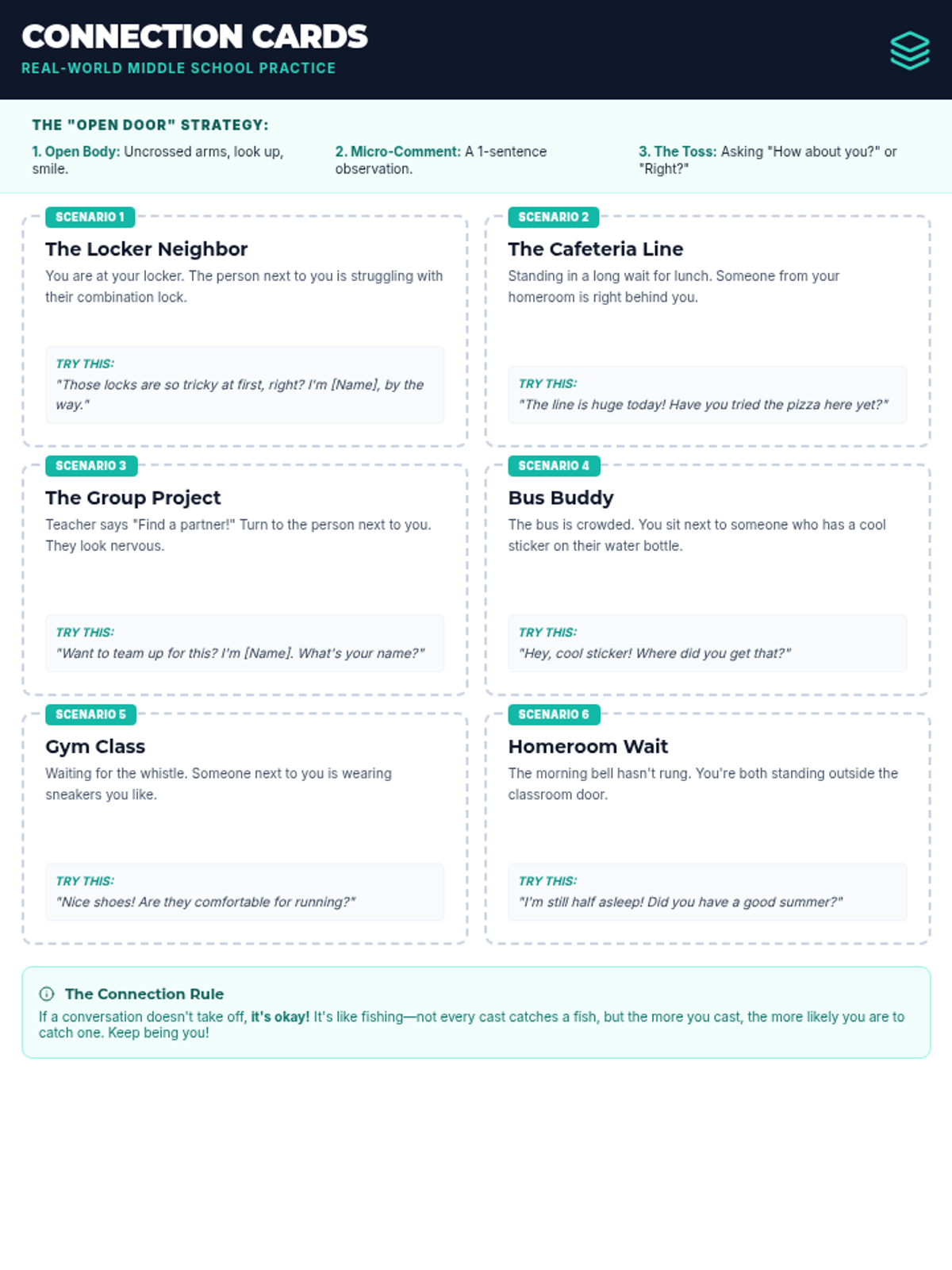
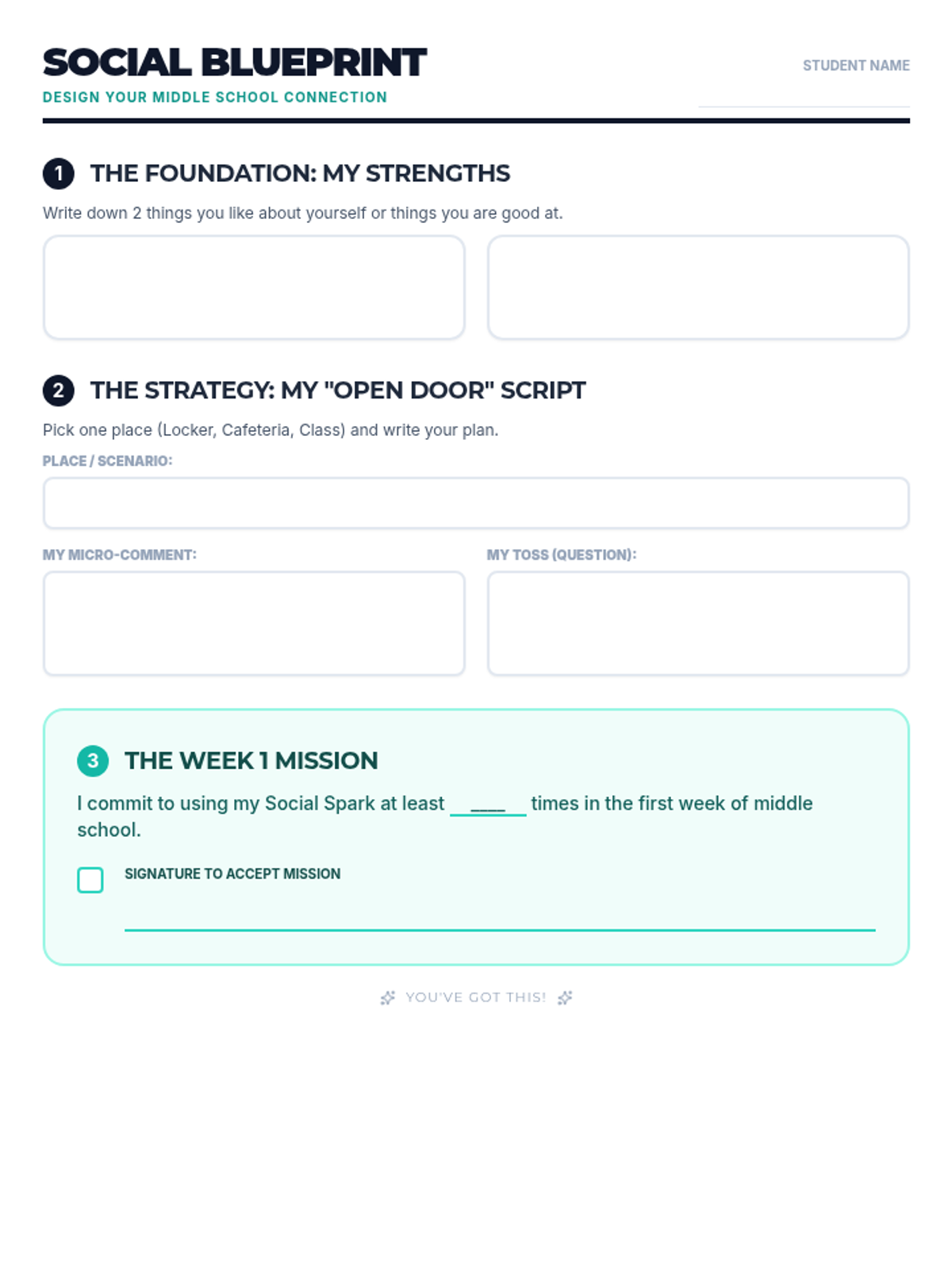
A 30-minute confidence-building lesson designed for students transitioning to middle school. Focuses on shifting from a follower mindset to an active social participant through practical conversation strategies and roleplay.
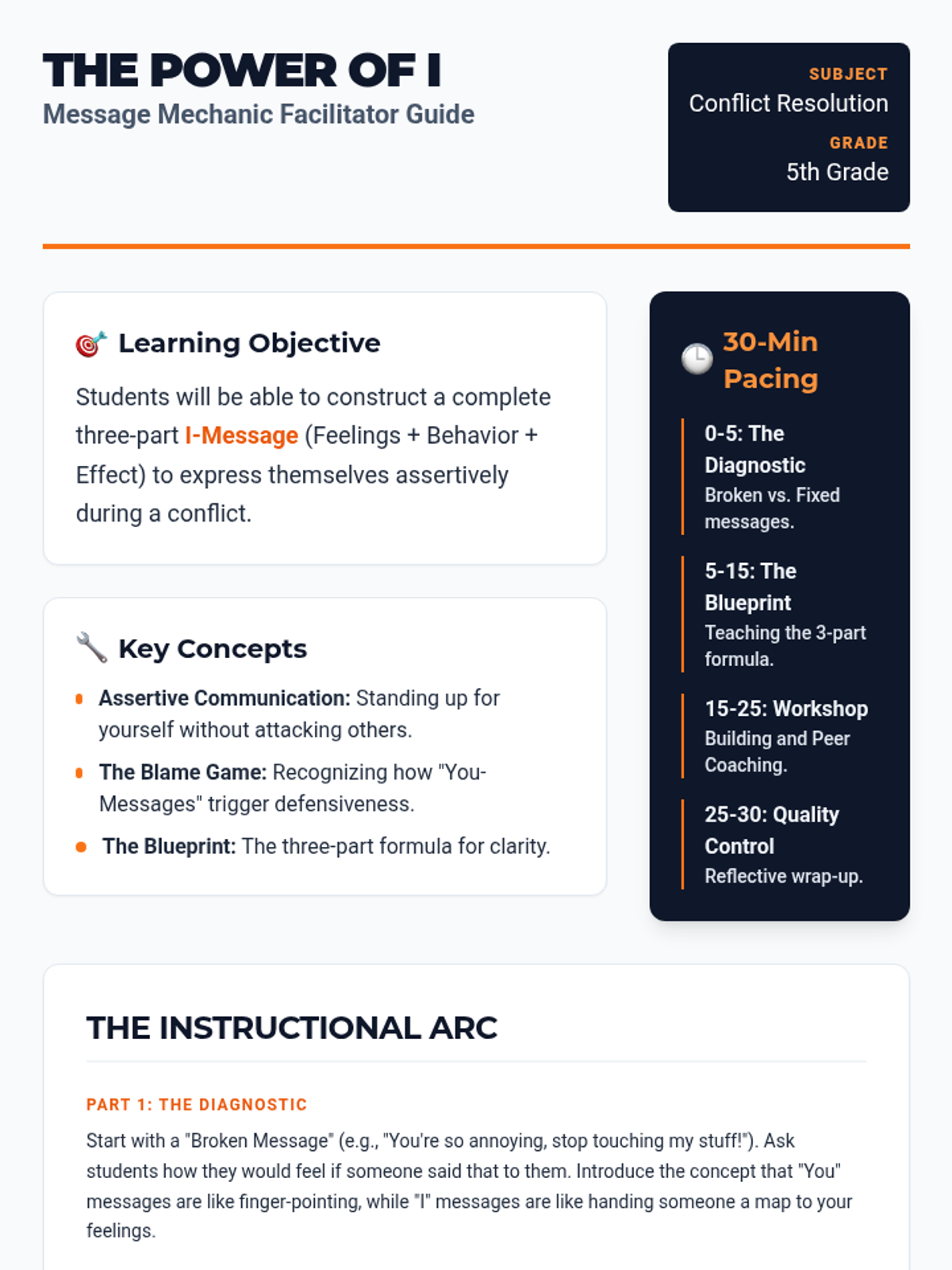
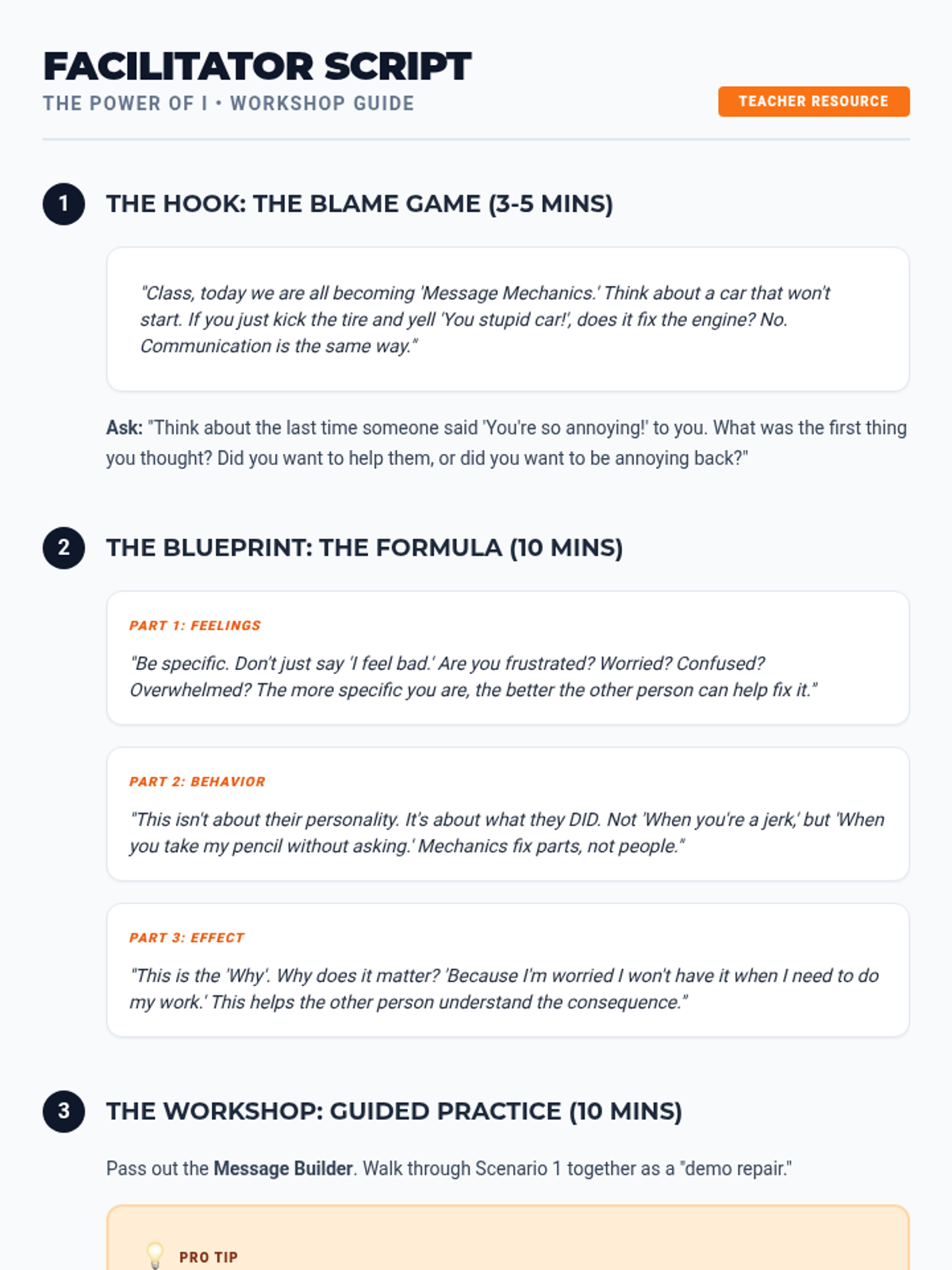
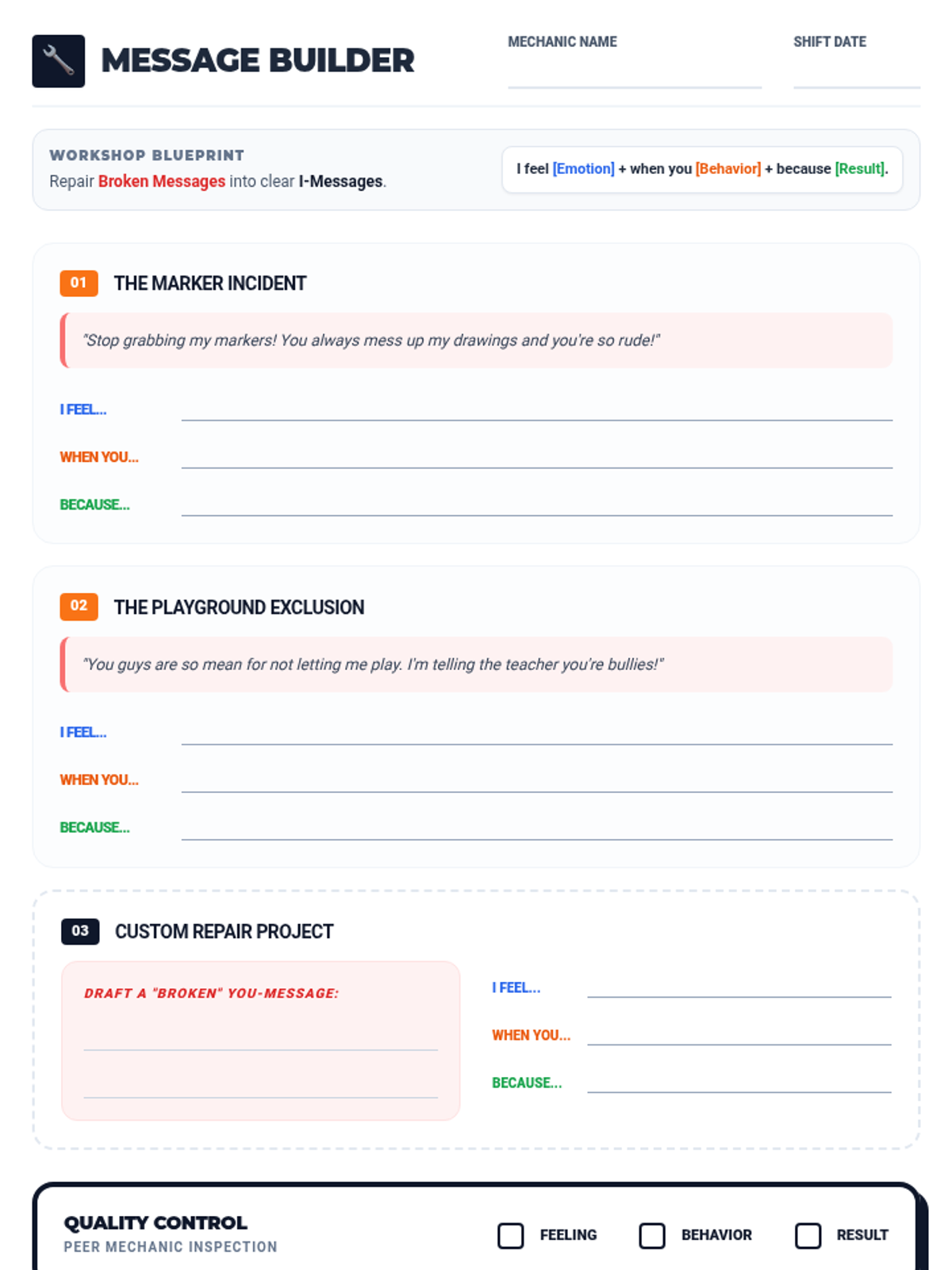
Students learn to transform conflict into constructive conversation using the three-part I-Message formula. The lesson follows a 'Message Mechanic' theme, teaching students to diagnose and repair broken communication.
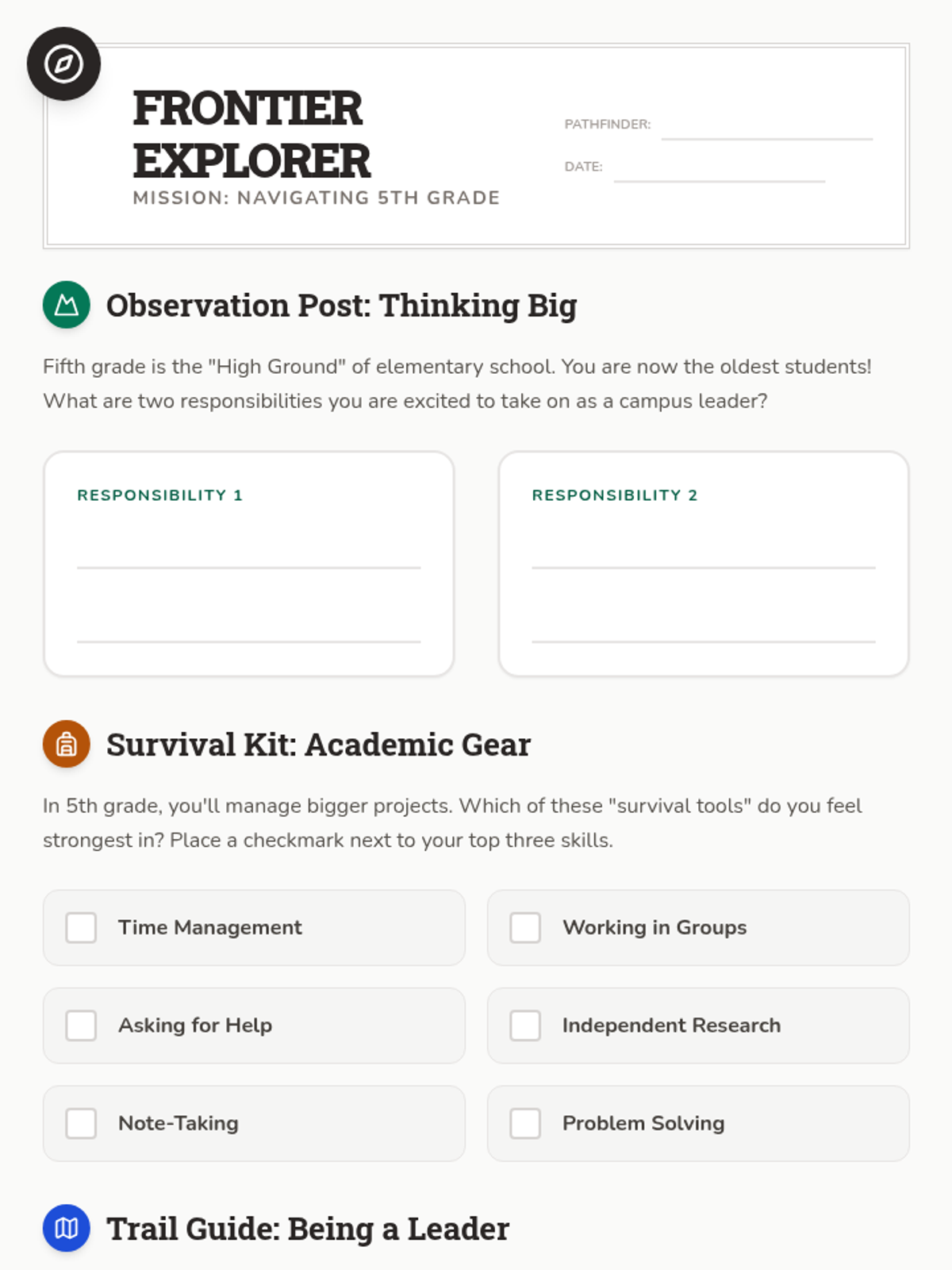
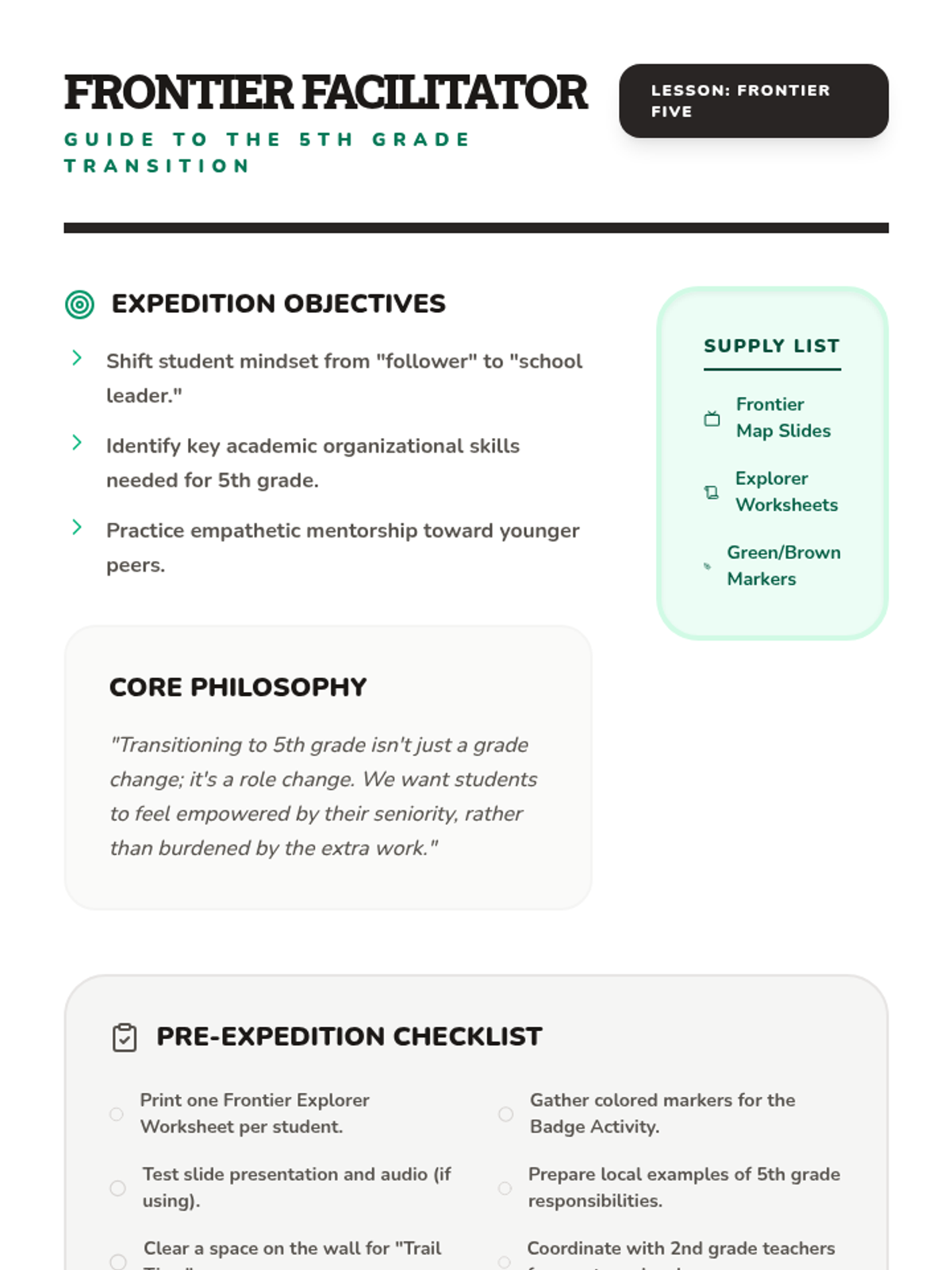
A transition lesson for 4th graders moving into 5th grade, focusing on the shift to being 'the big kids' on campus, increased academic independence, and leadership roles.
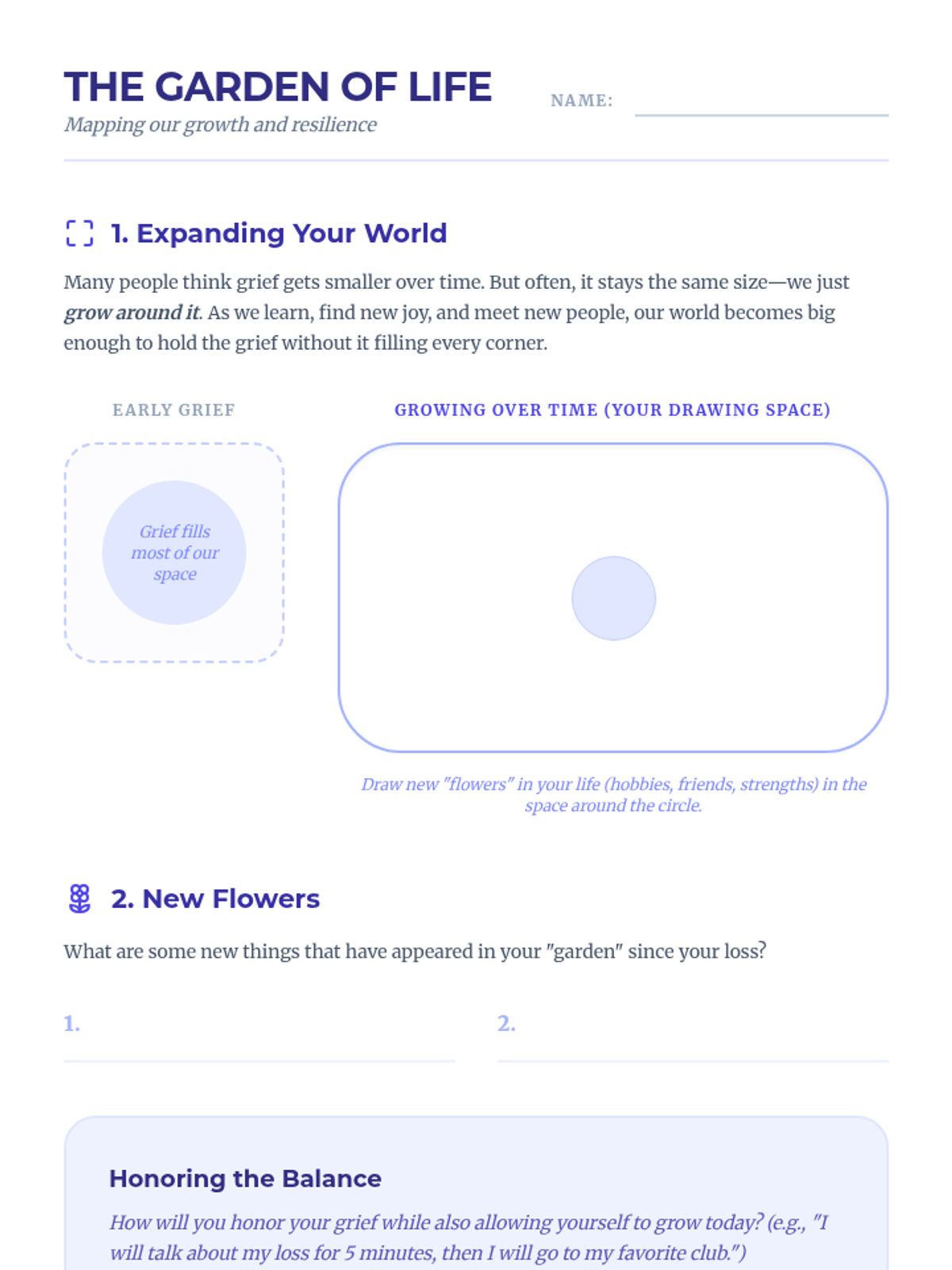
A session focused on long-term resilience and the 'Growing Around Grief' model. Students learn that while grief may never disappear, their world can expand around it.
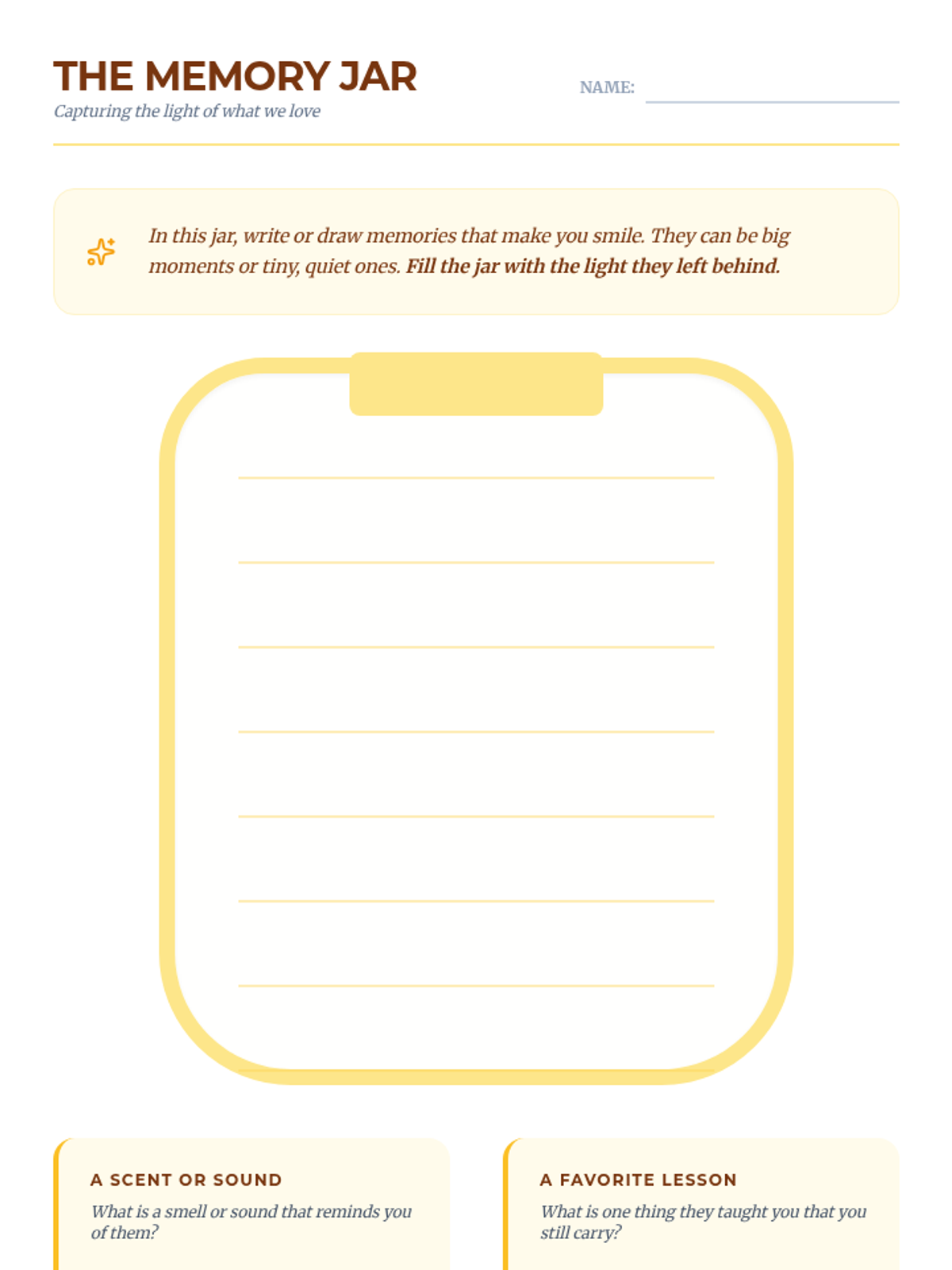
A session focused on celebrating and honoring the connection to what was lost. Students create a 'memory jar' of positive moments to help balance the pain of loss with the warmth of love.
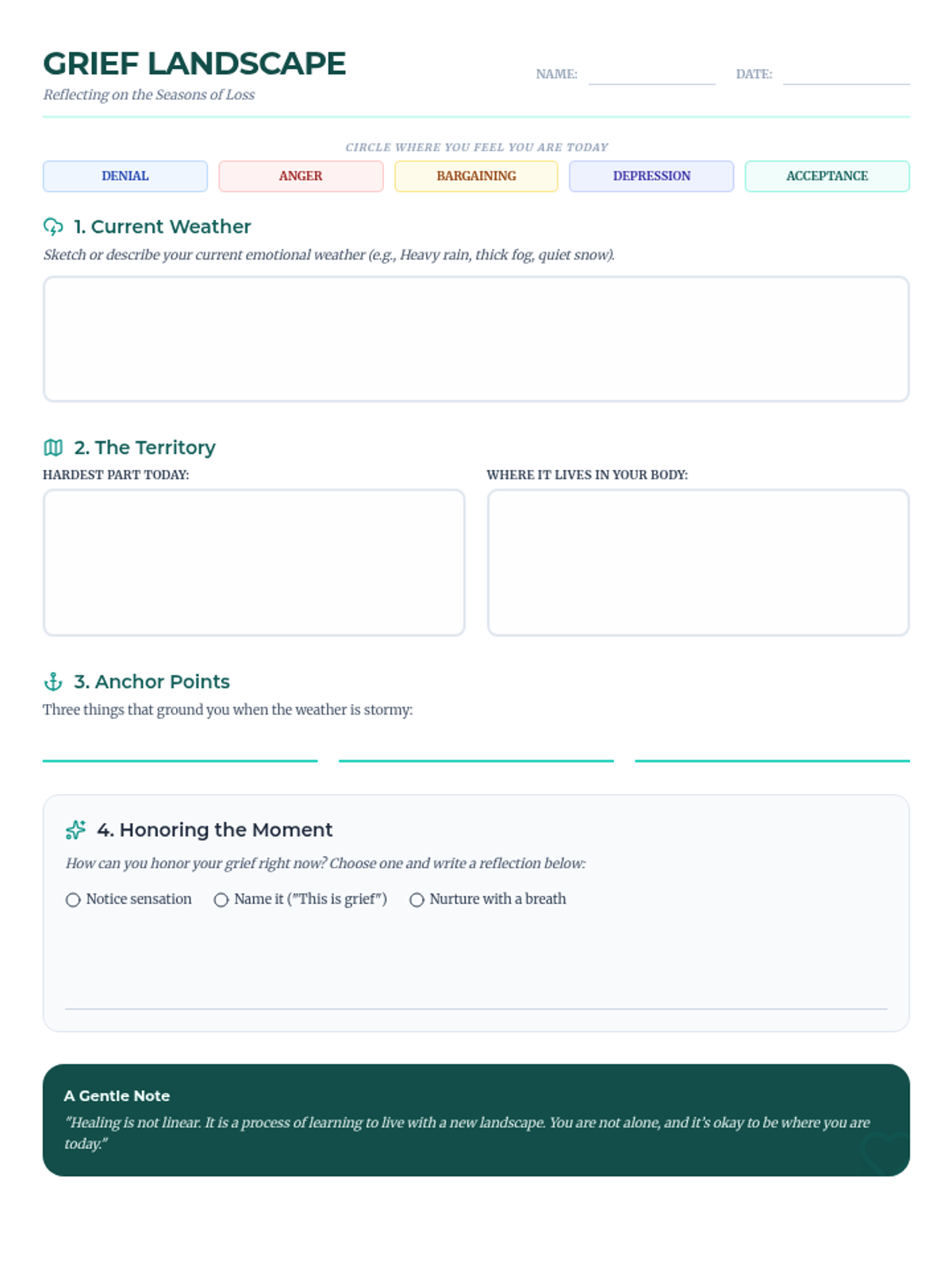
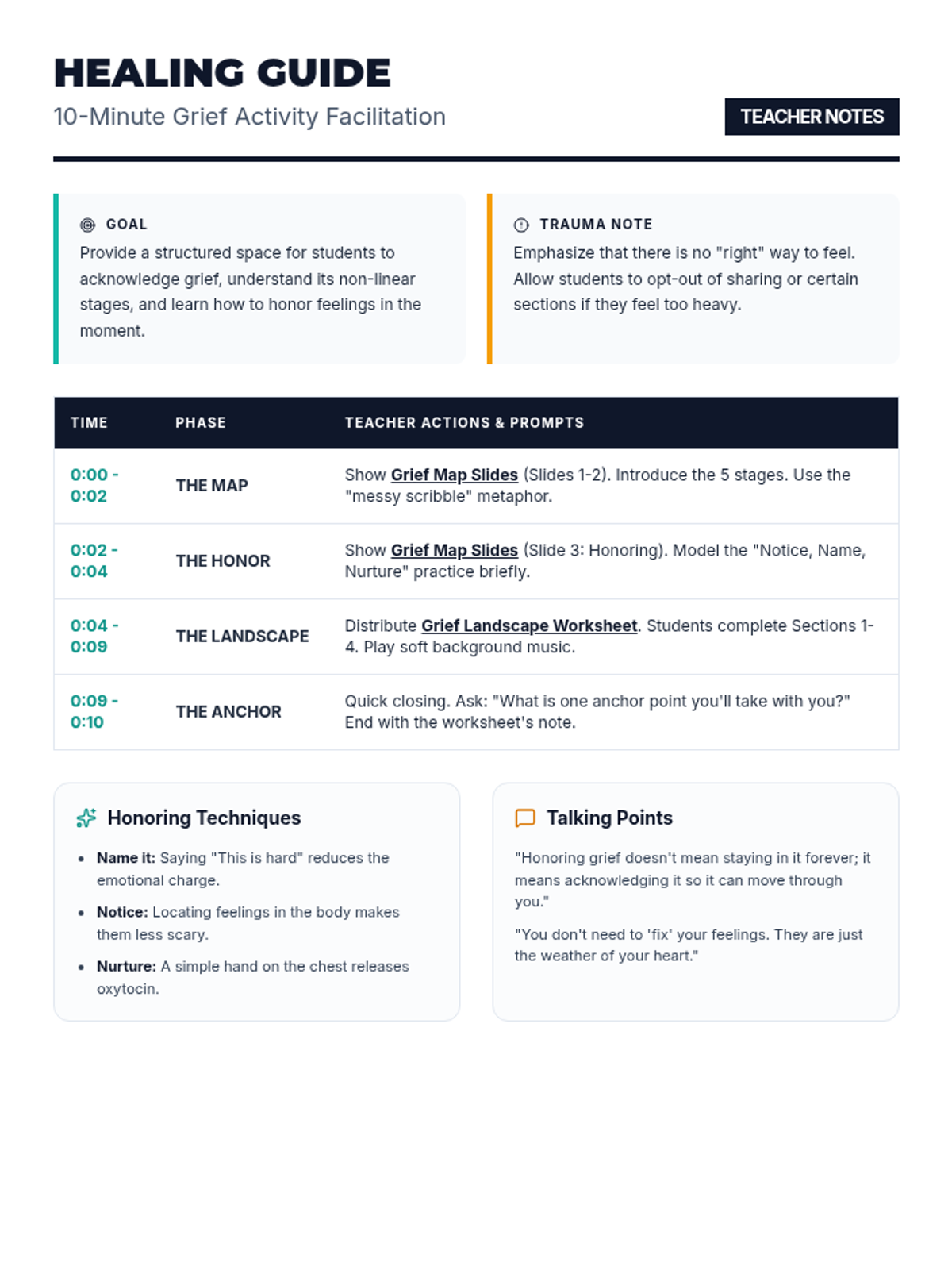
A focused 10-minute session introducing the stages of grief and providing tools for personal reflection and coping. Students explore the non-linear nature of healing and identify their own 'anchor points' during difficult times.
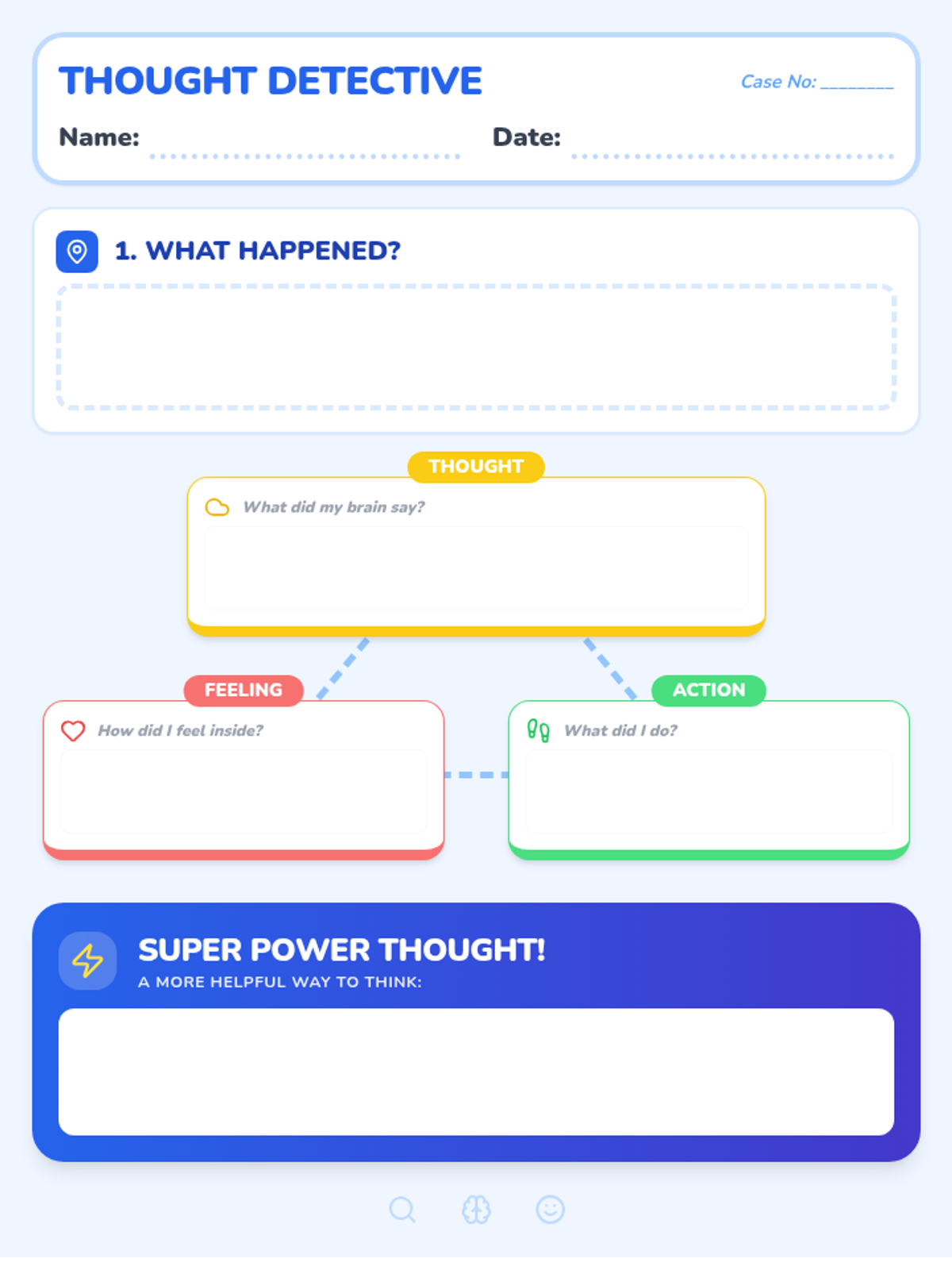
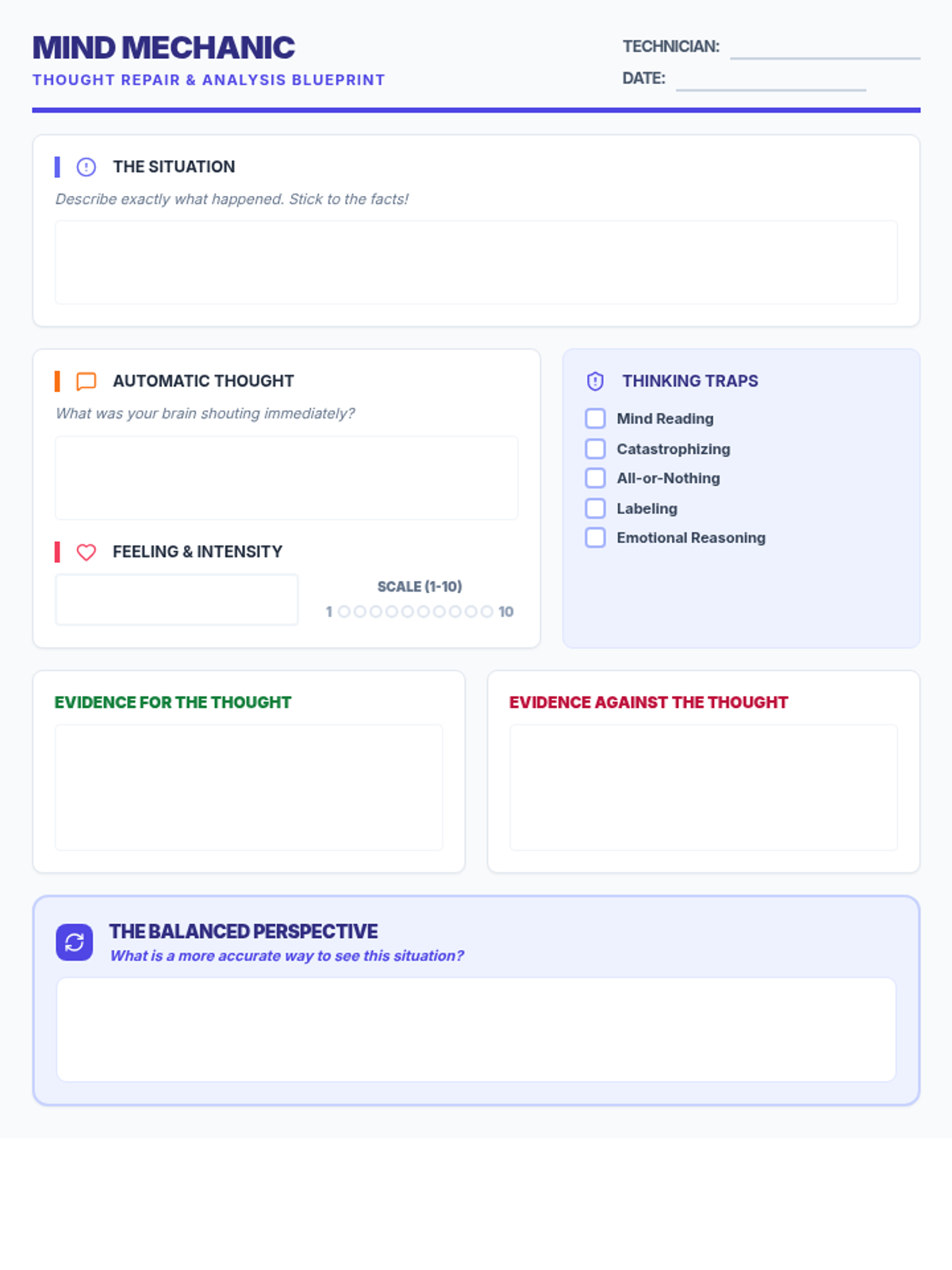
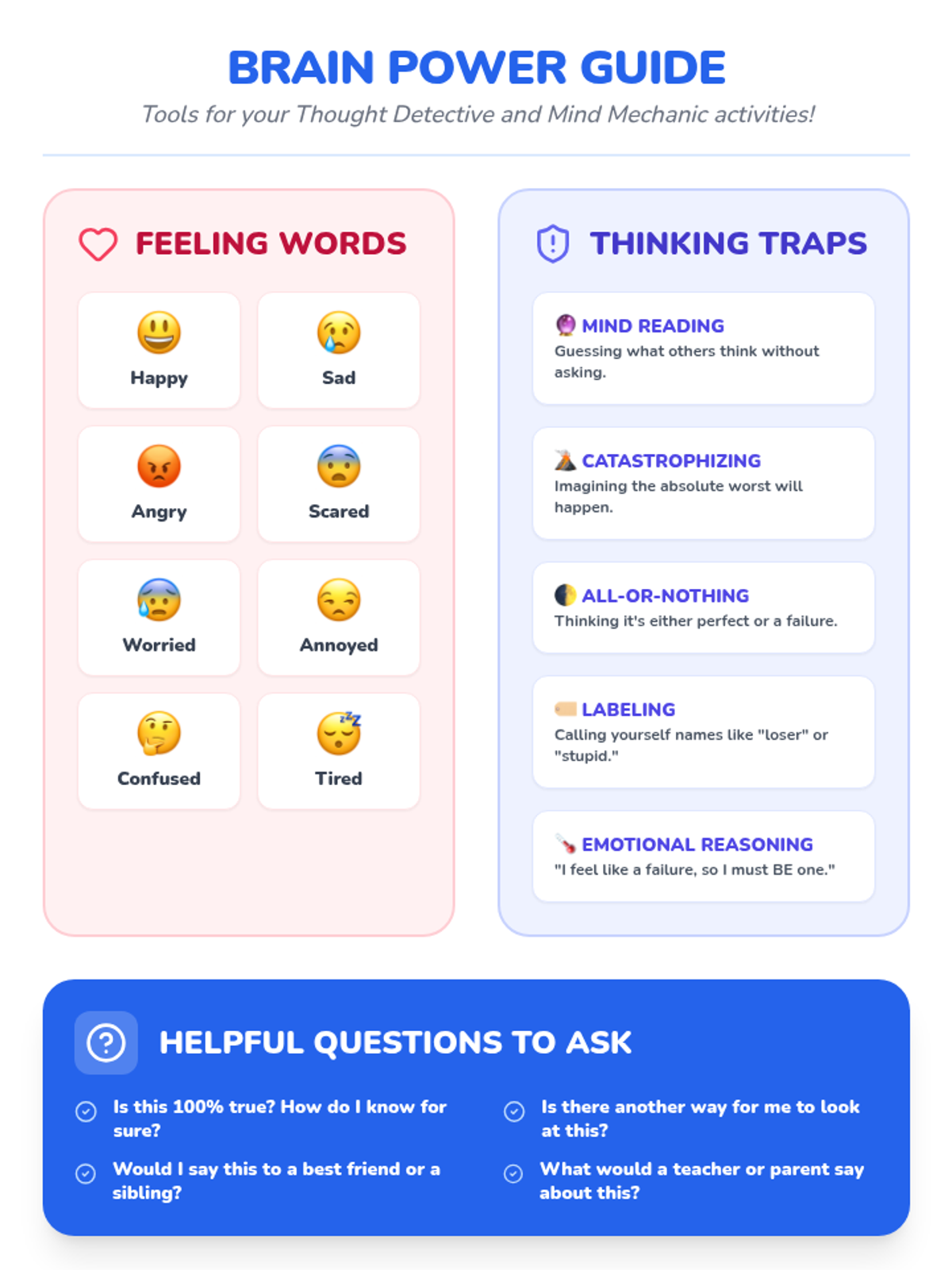
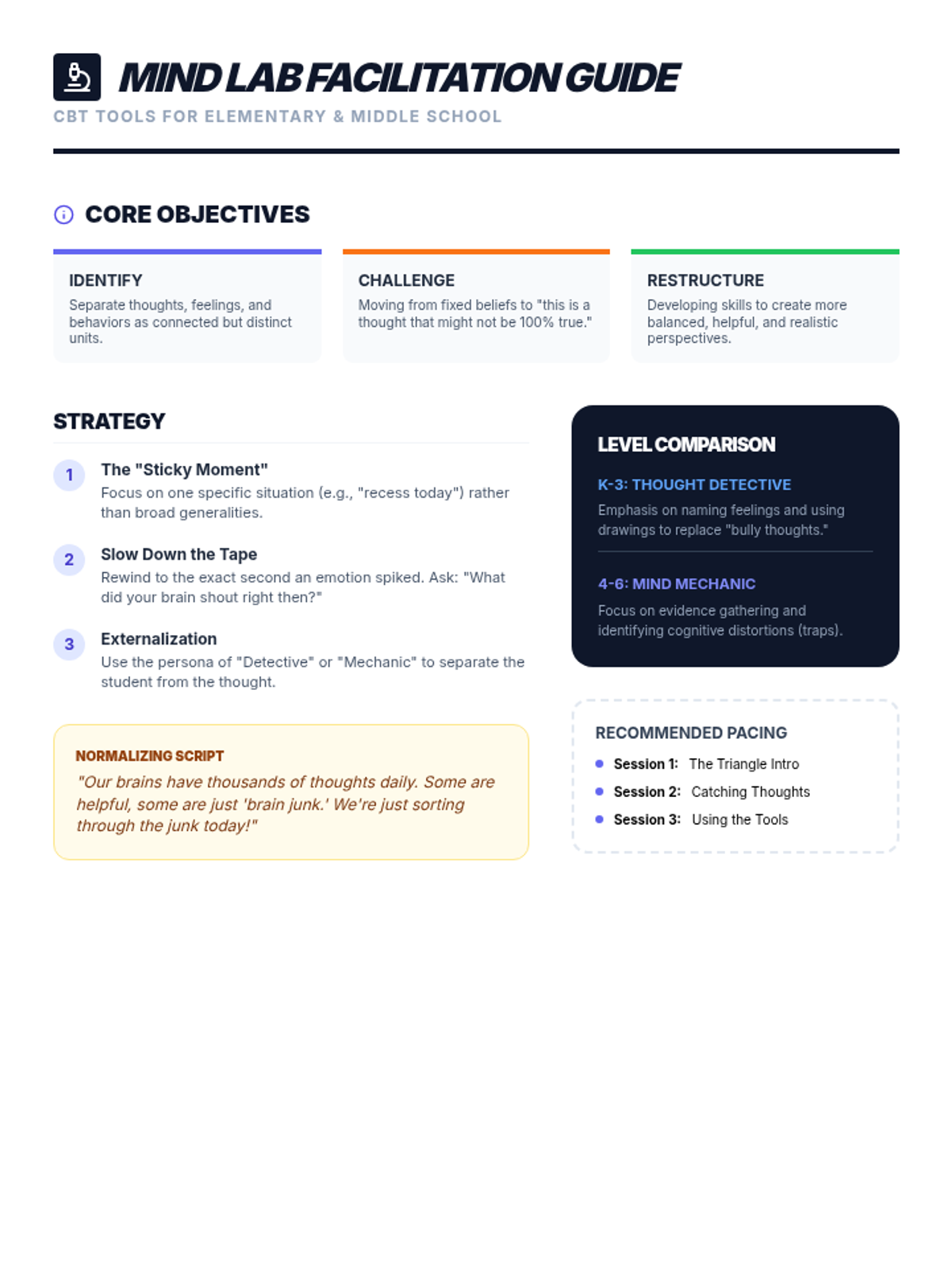
A collection of visual CBT processing tools designed to help students identify the connection between thoughts, feelings, and behaviors. This lesson includes developmentally appropriate worksheets for K-3 and 4-6 students, along with a reference guide and teacher instructions.
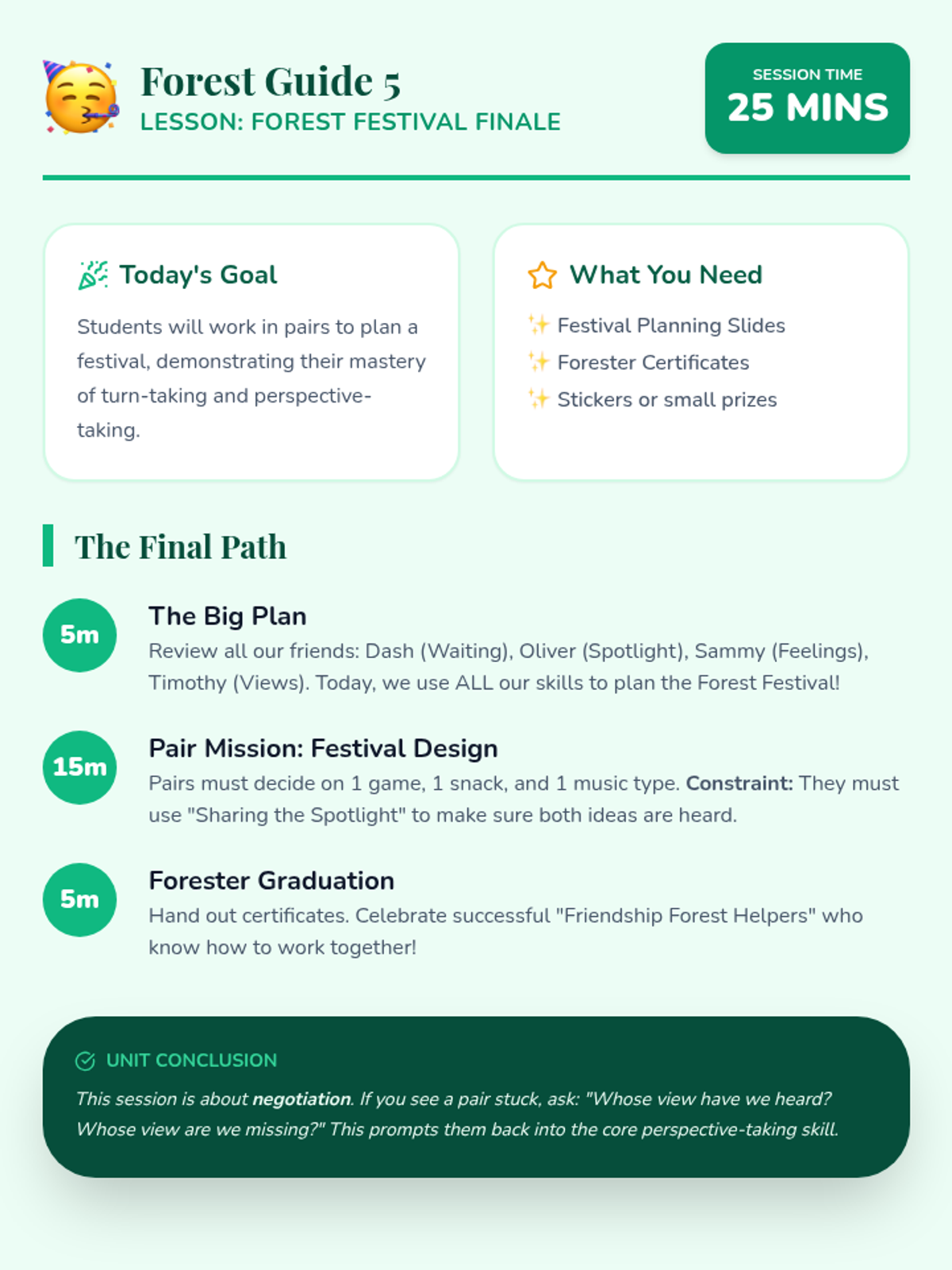
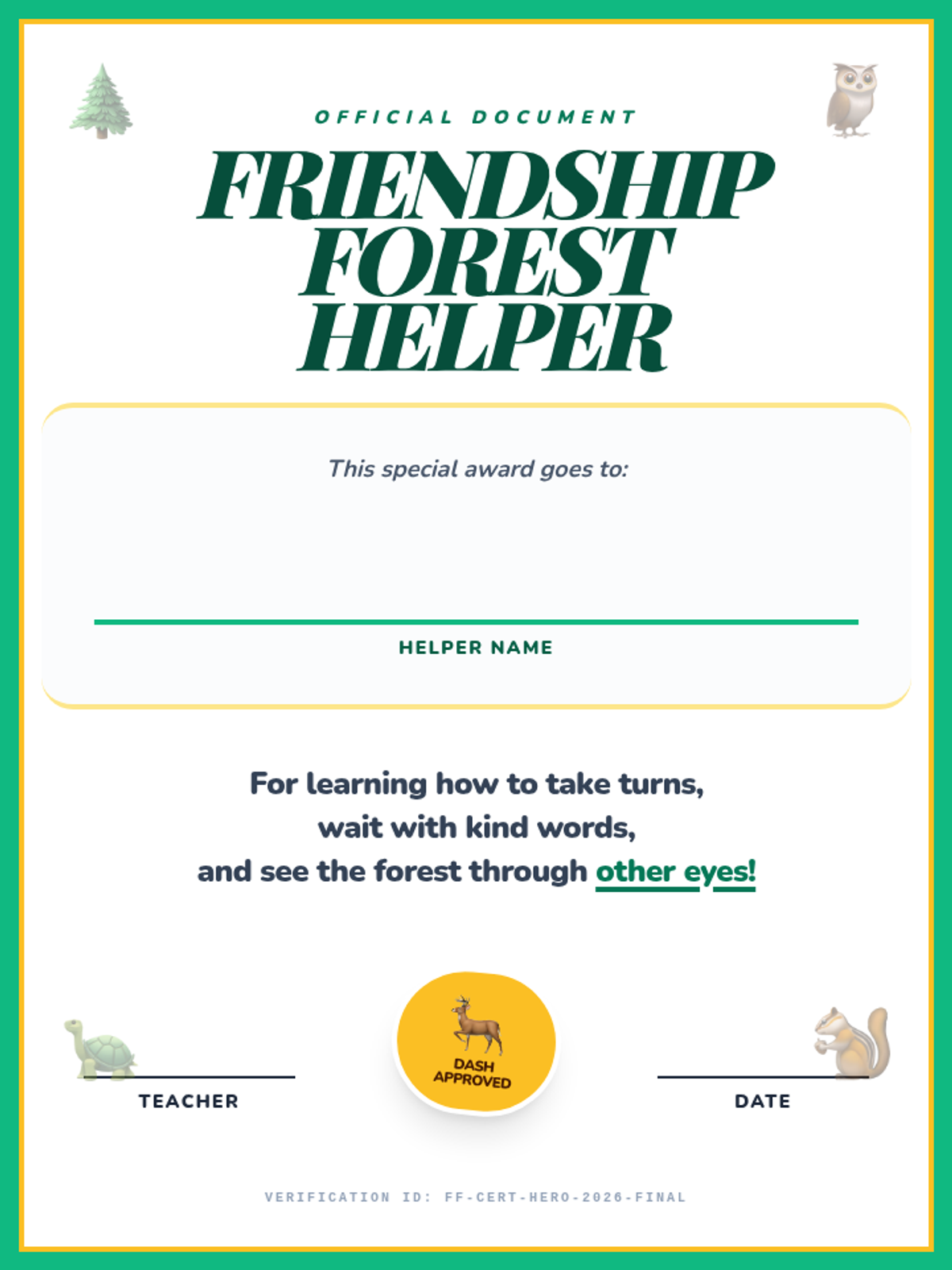
A cumulative lesson where students work in pairs to plan a "Forest Festival" using both turn-taking and perspective-taking.
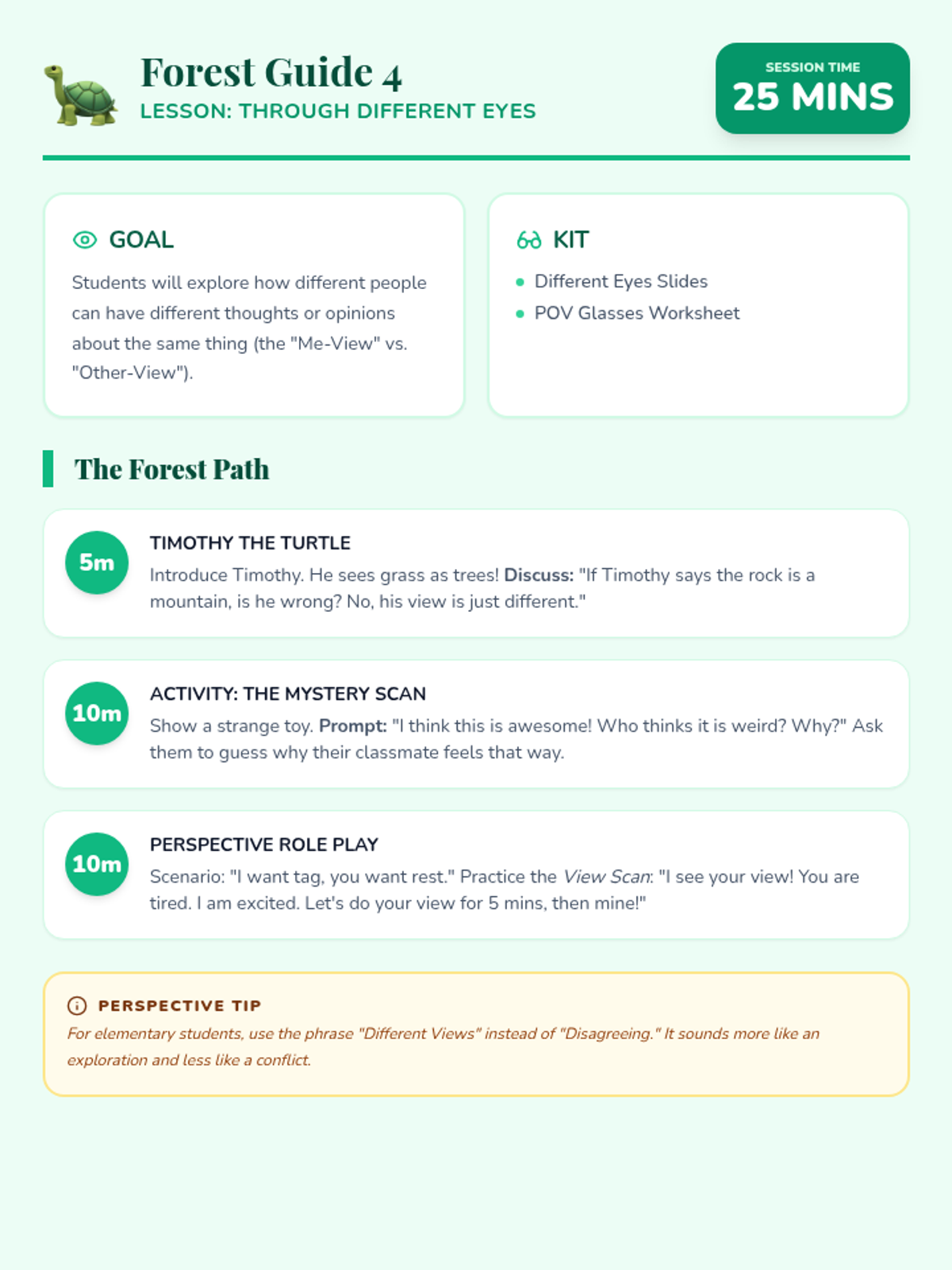
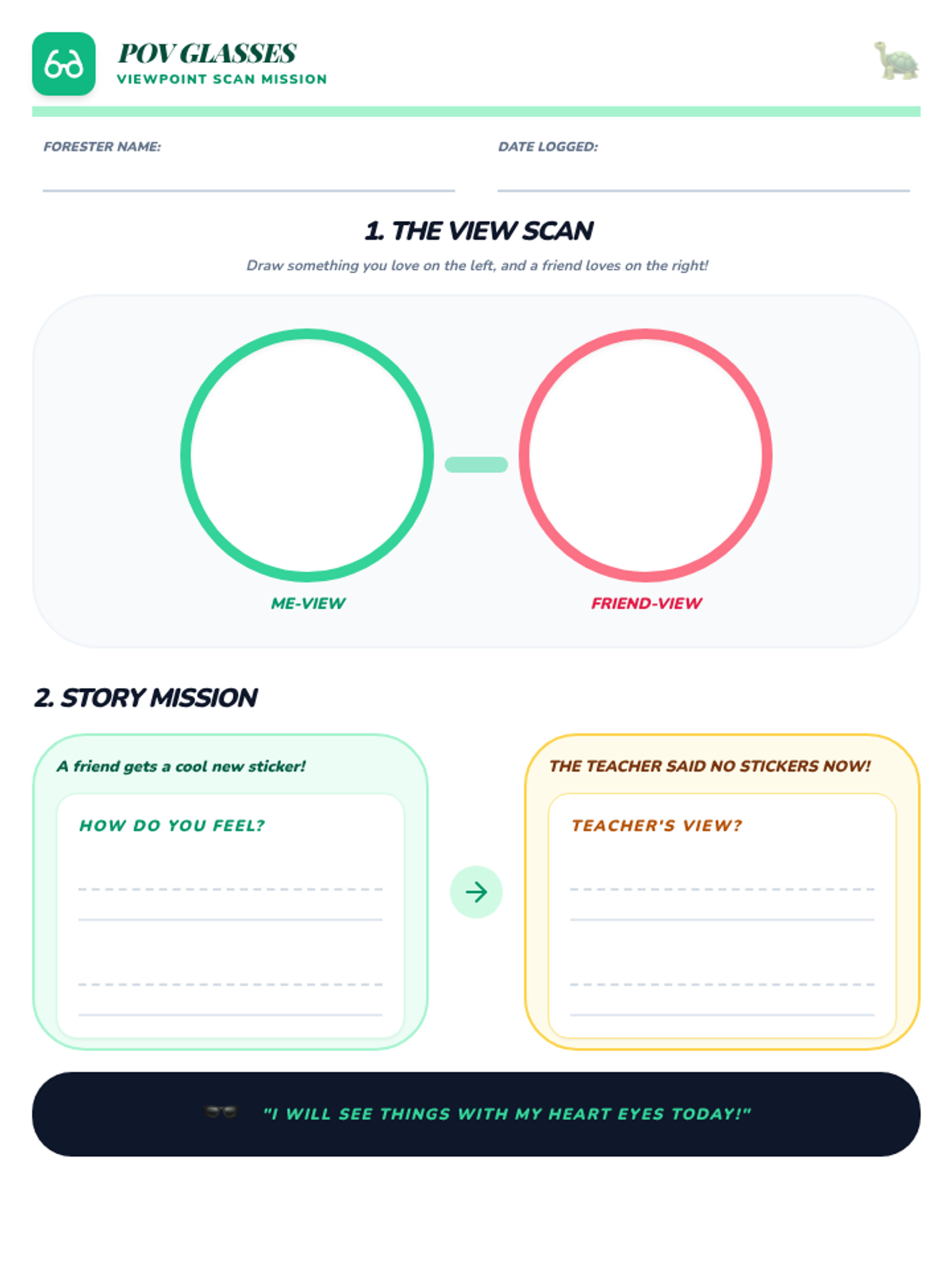
Students explore how two people can see the same thing in different ways through the "Two Sided Glasses" activity.
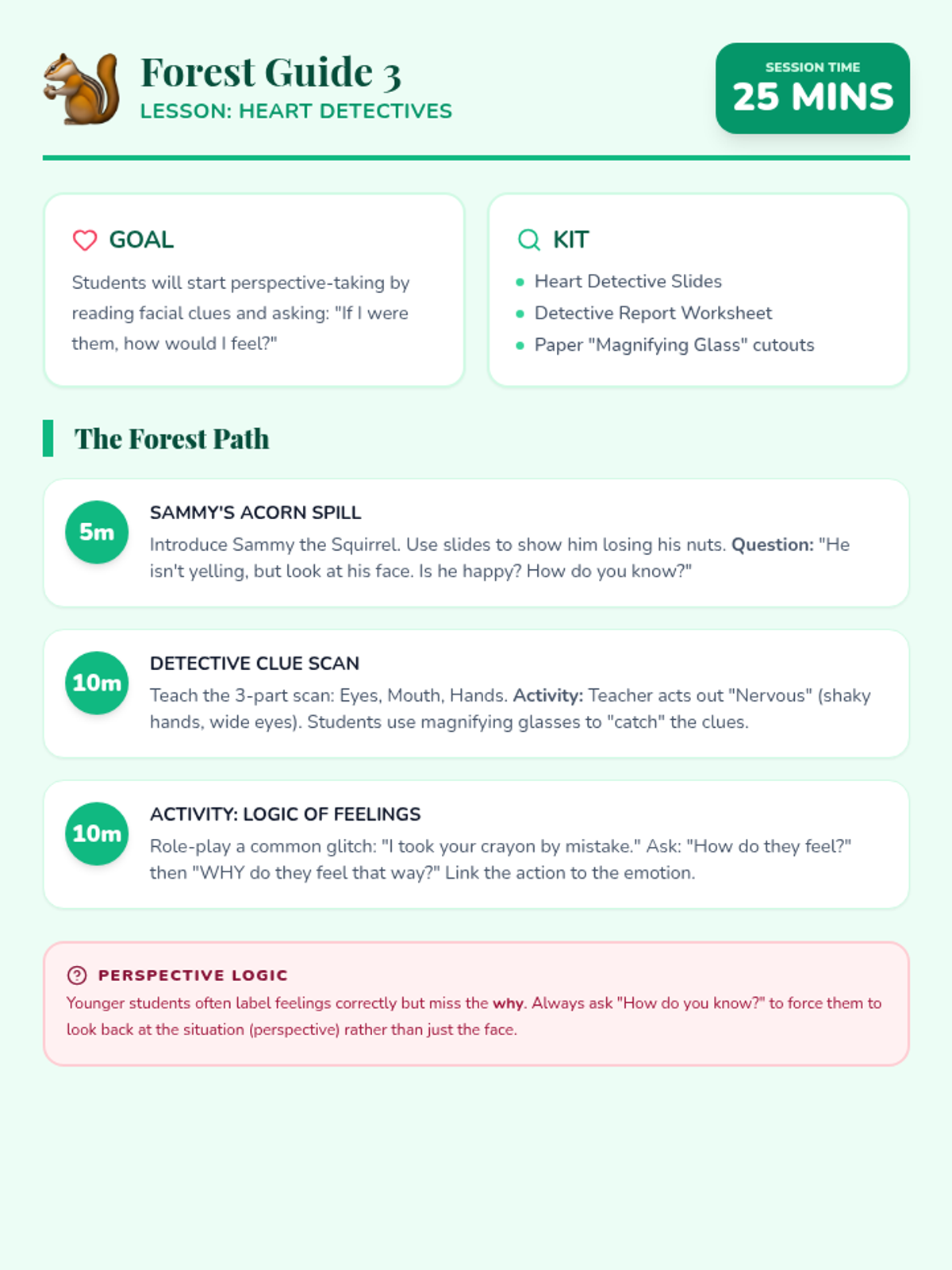
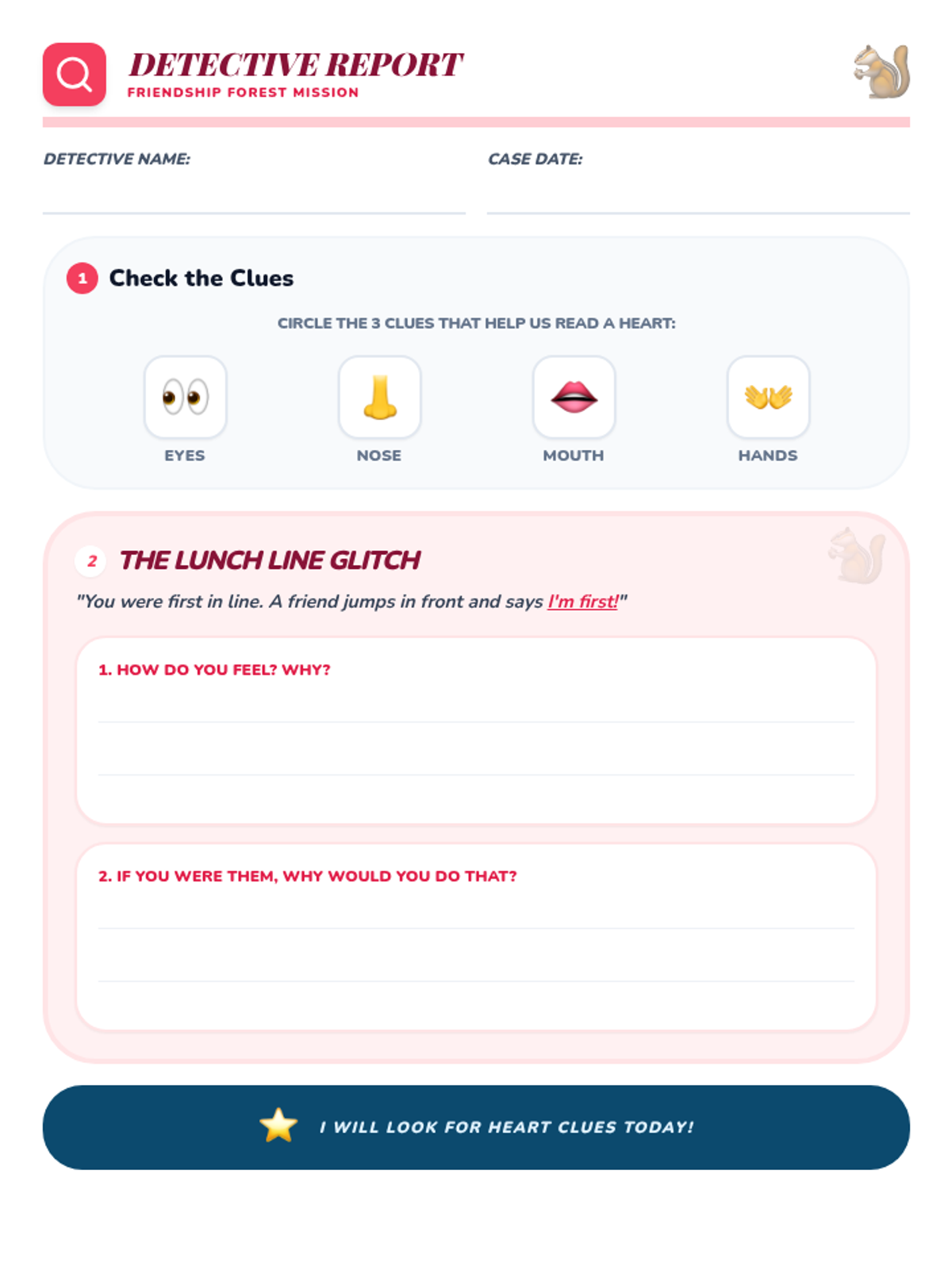
An introduction to empathy, where students learn to identify how others feel using facial clues.