An individual social-emotional learning session for 2nd graders to connect physical sensations with emotional states through detective-themed body awareness activities.
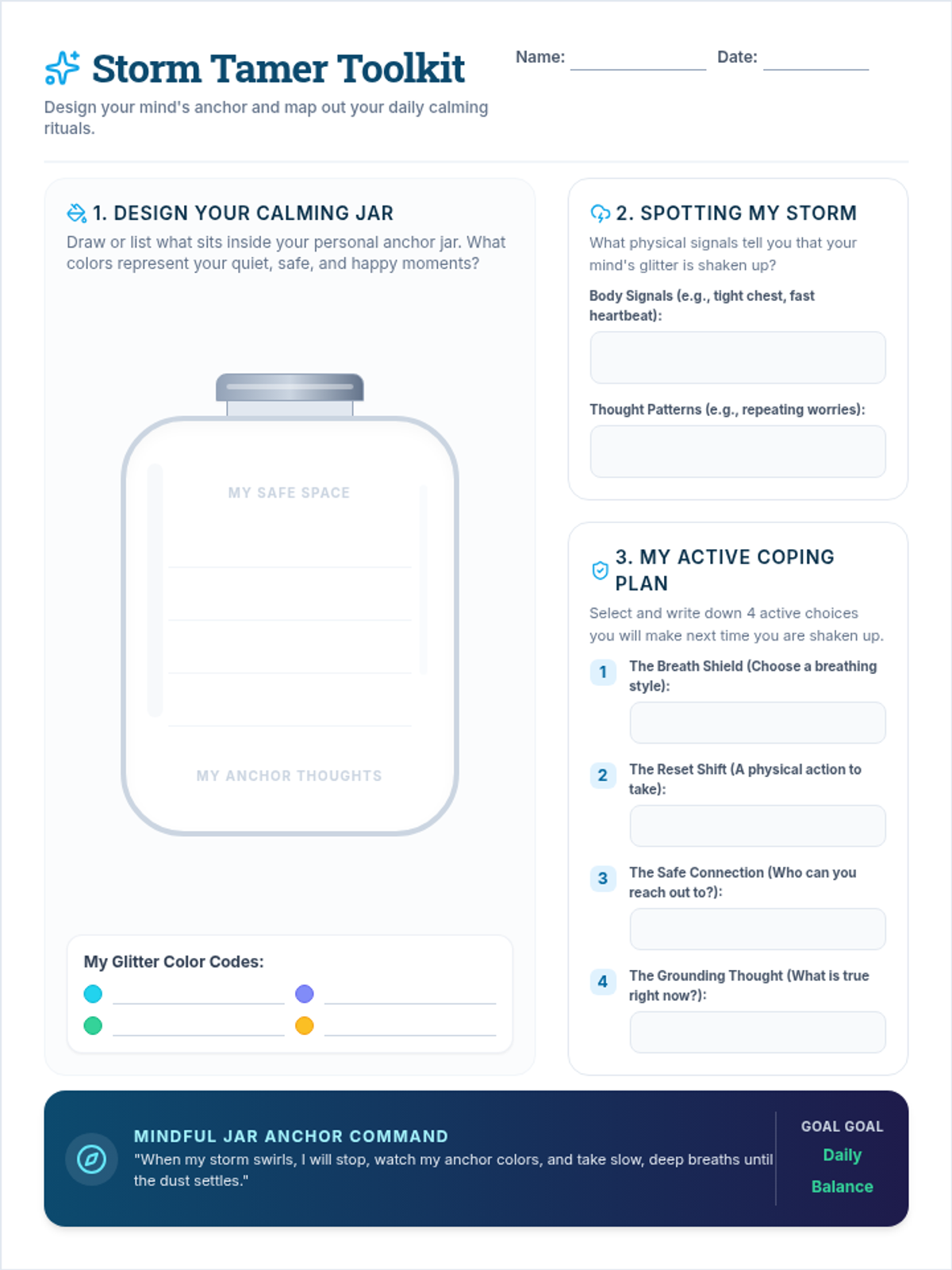
A transformative social-emotional learning lesson using the metaphor of a shaken glitter jar to help students understand emotional agitation, practice mindful breathing, and build a personalized daily coping toolkit.
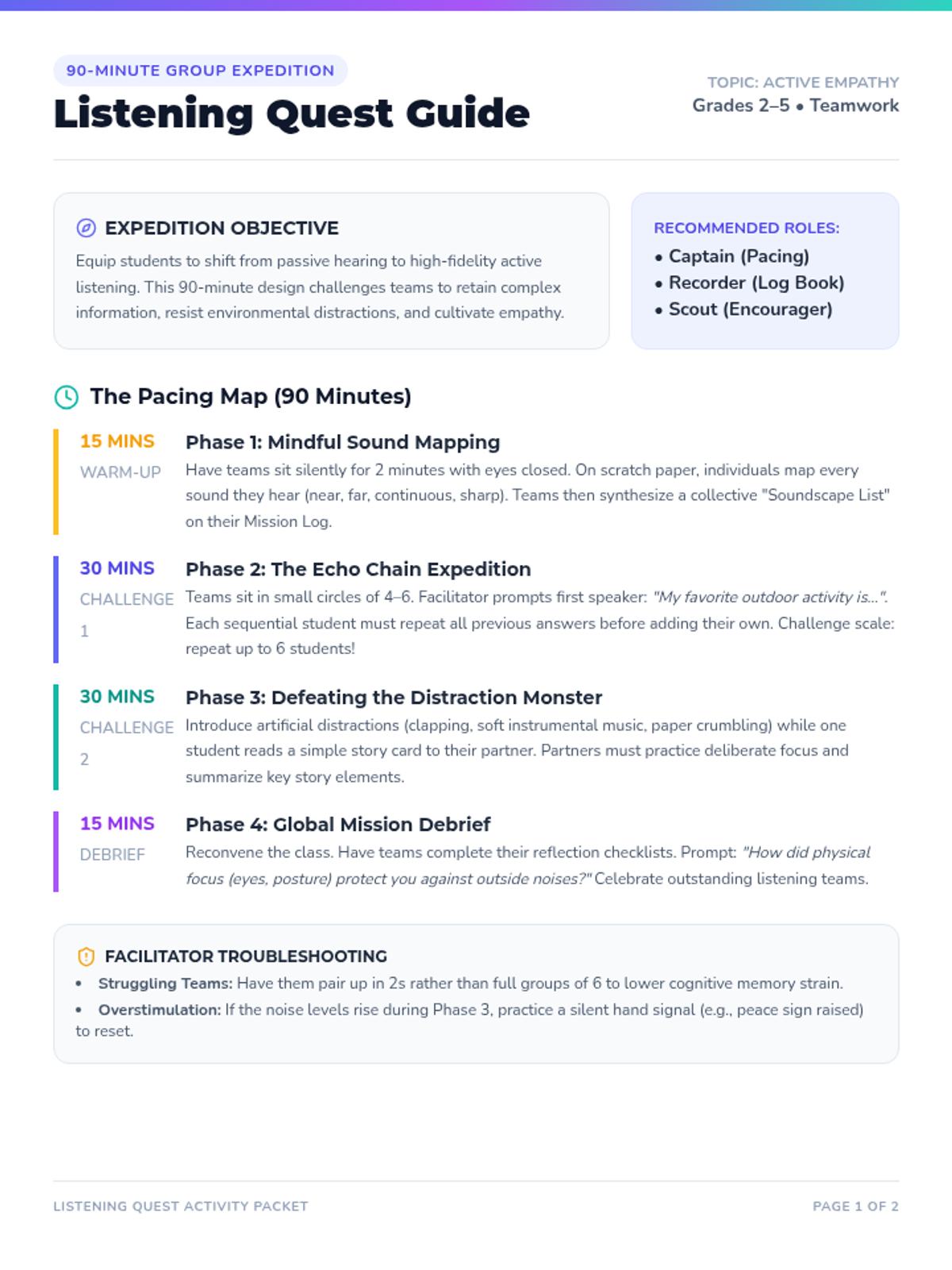
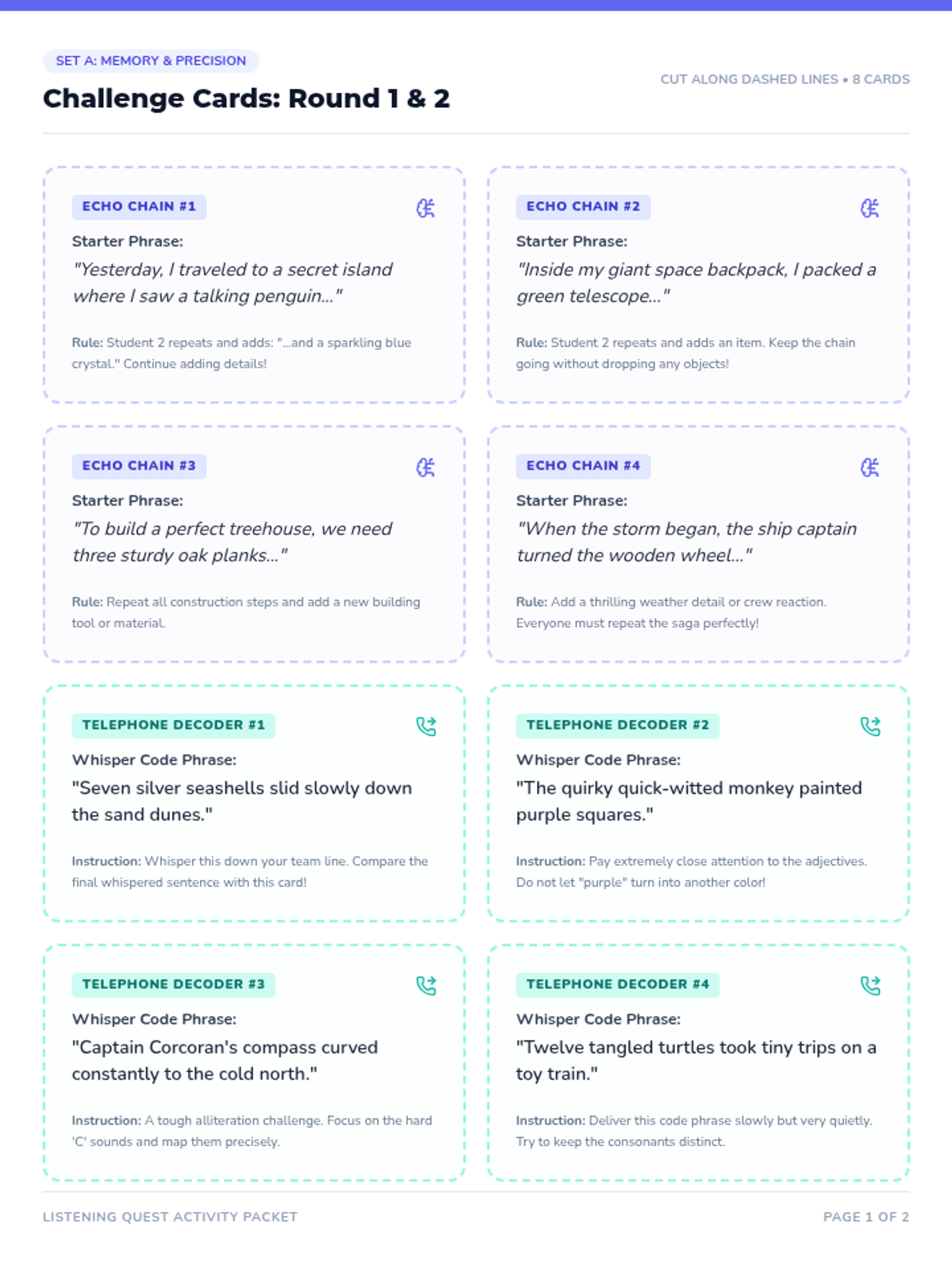
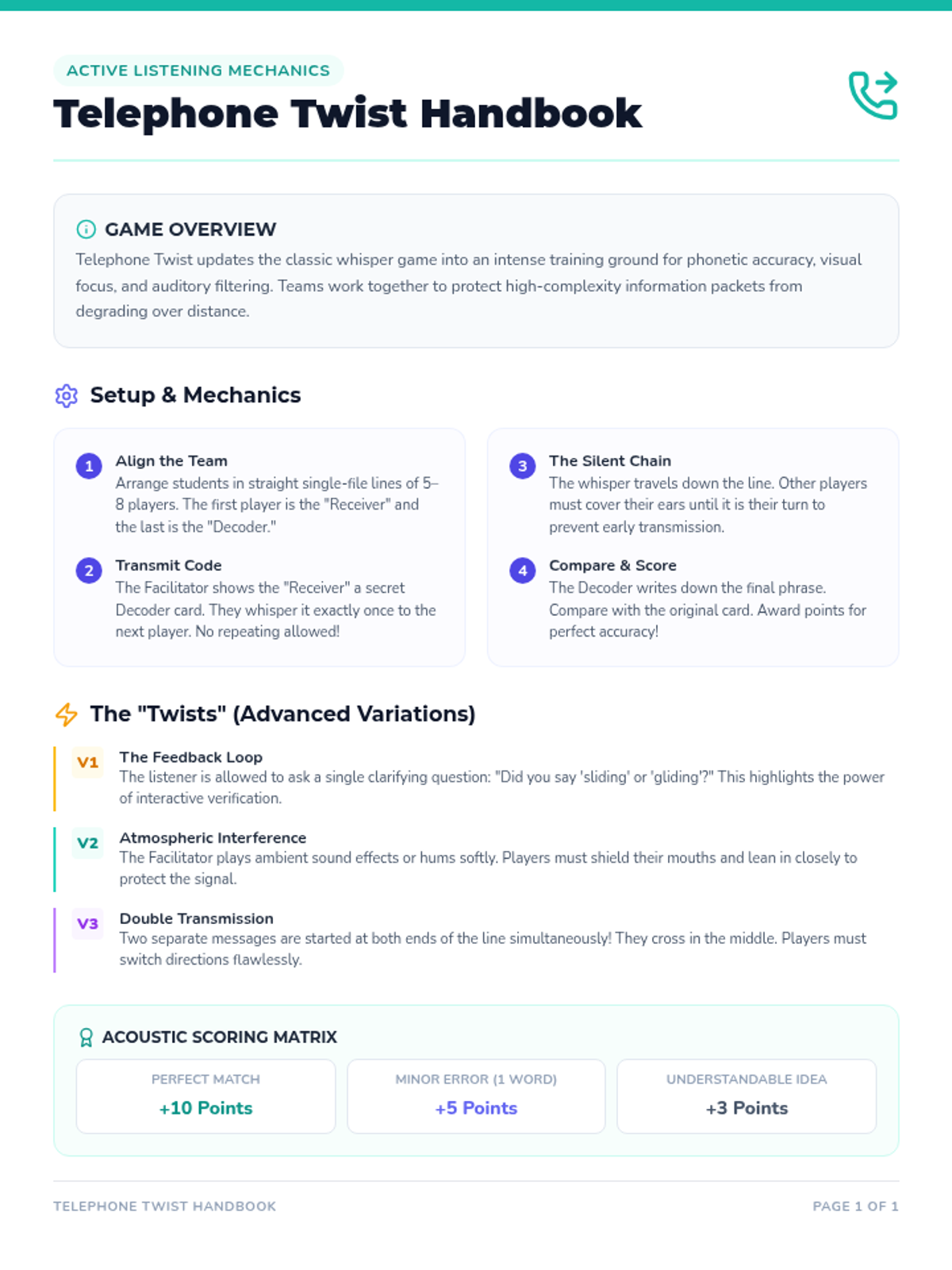
A comprehensive 90-minute immersive workshop lesson where students complete cooperative challenges to master active listening, focus, and empathy.
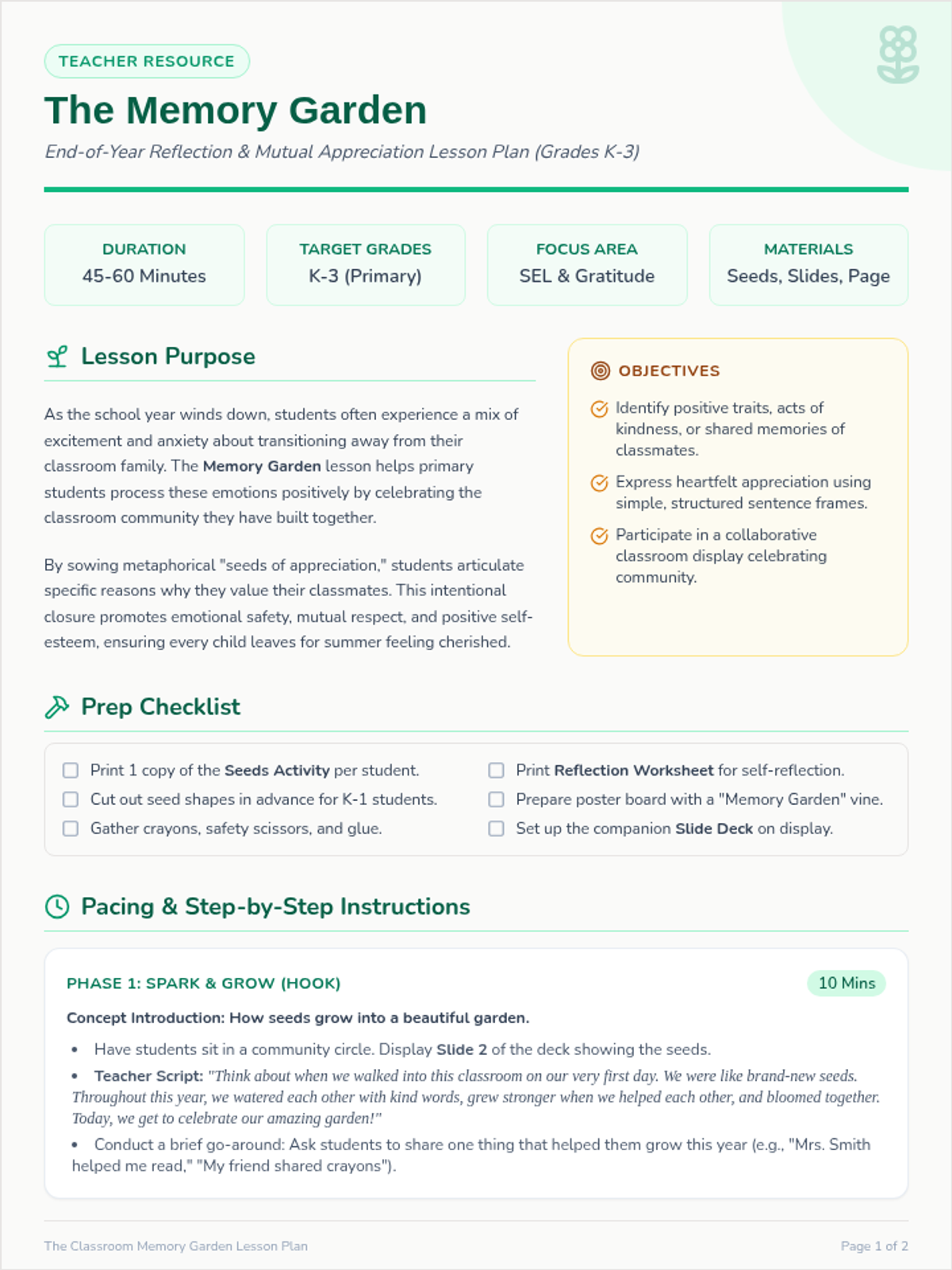
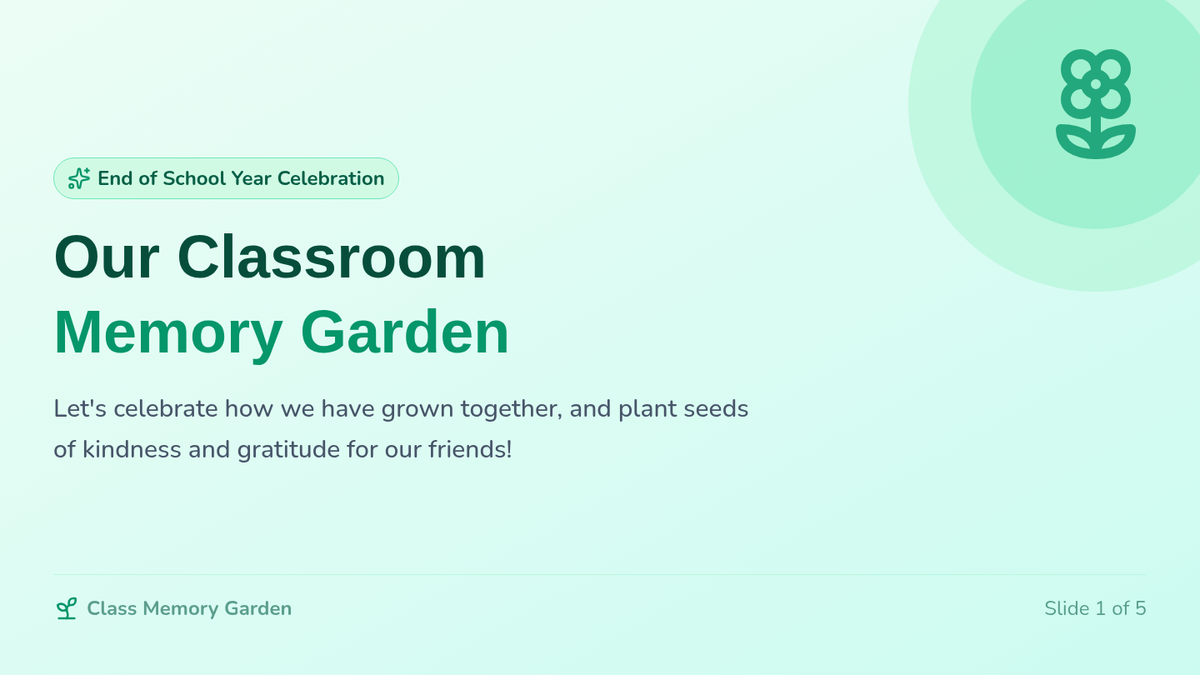
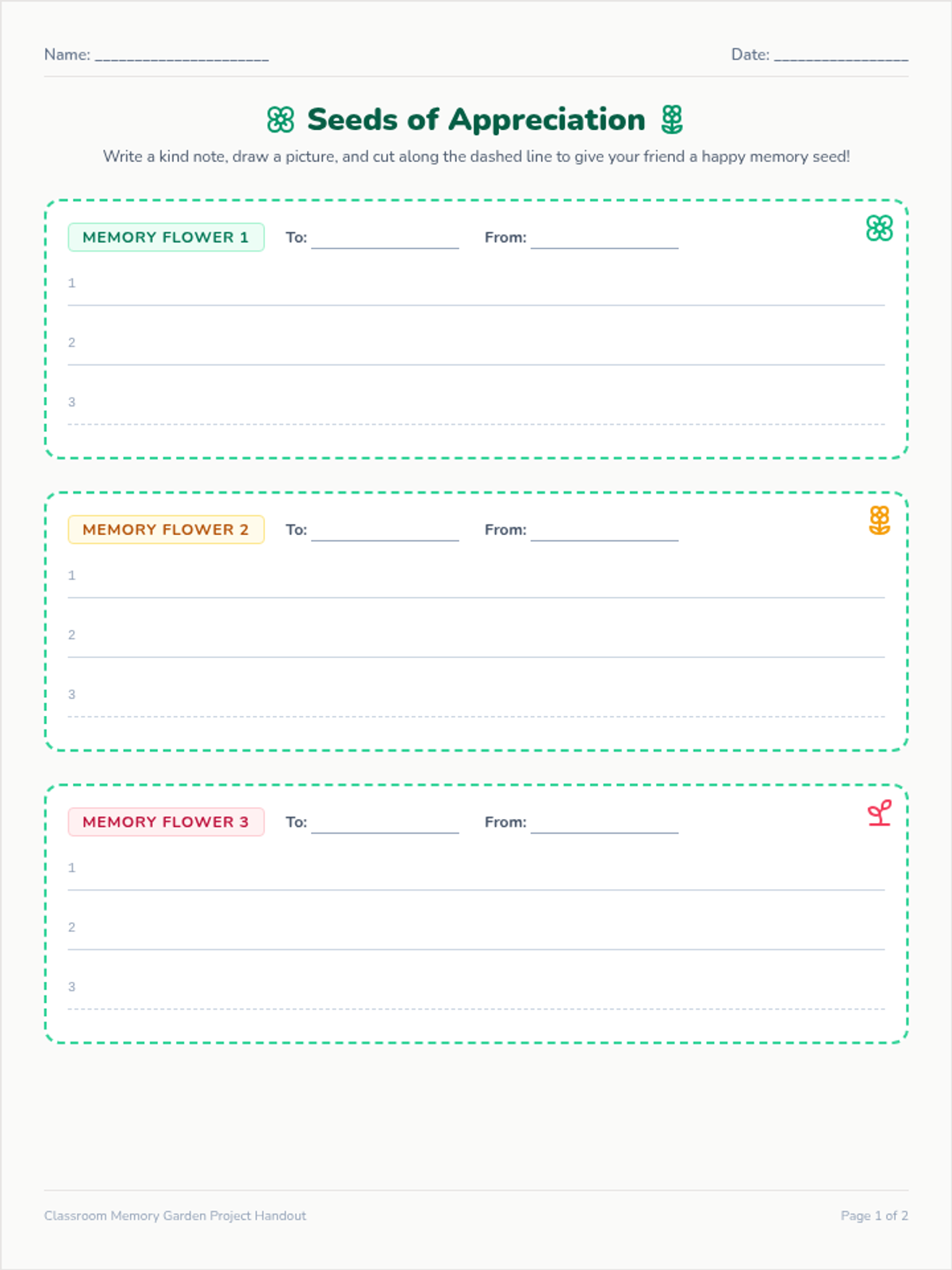
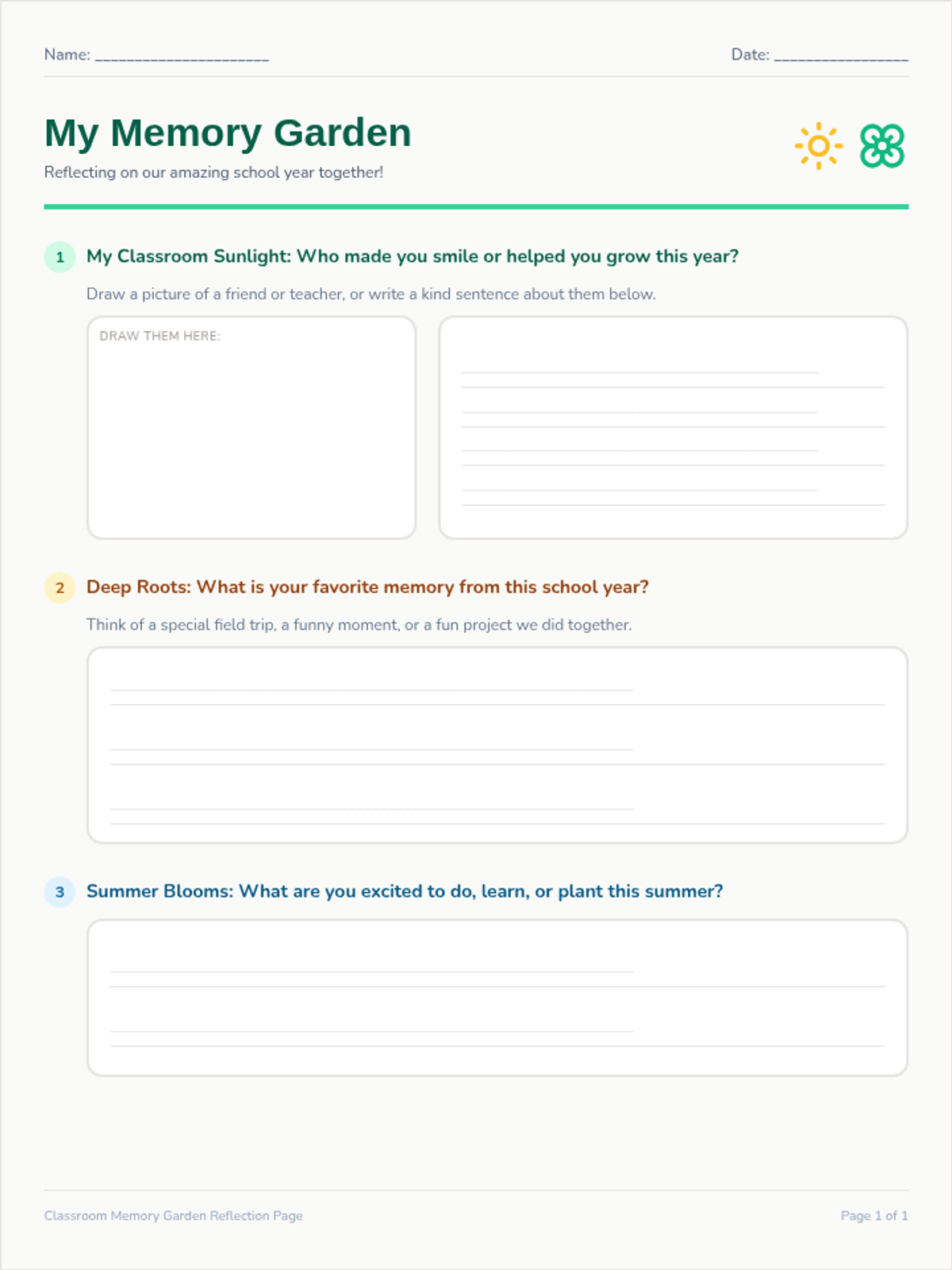
A nurturing end-of-year lesson for K-3 students to reflect on positive peer relationships, express gratitude, and plant metaphorical seeds of appreciation to foster a supportive classroom closure.
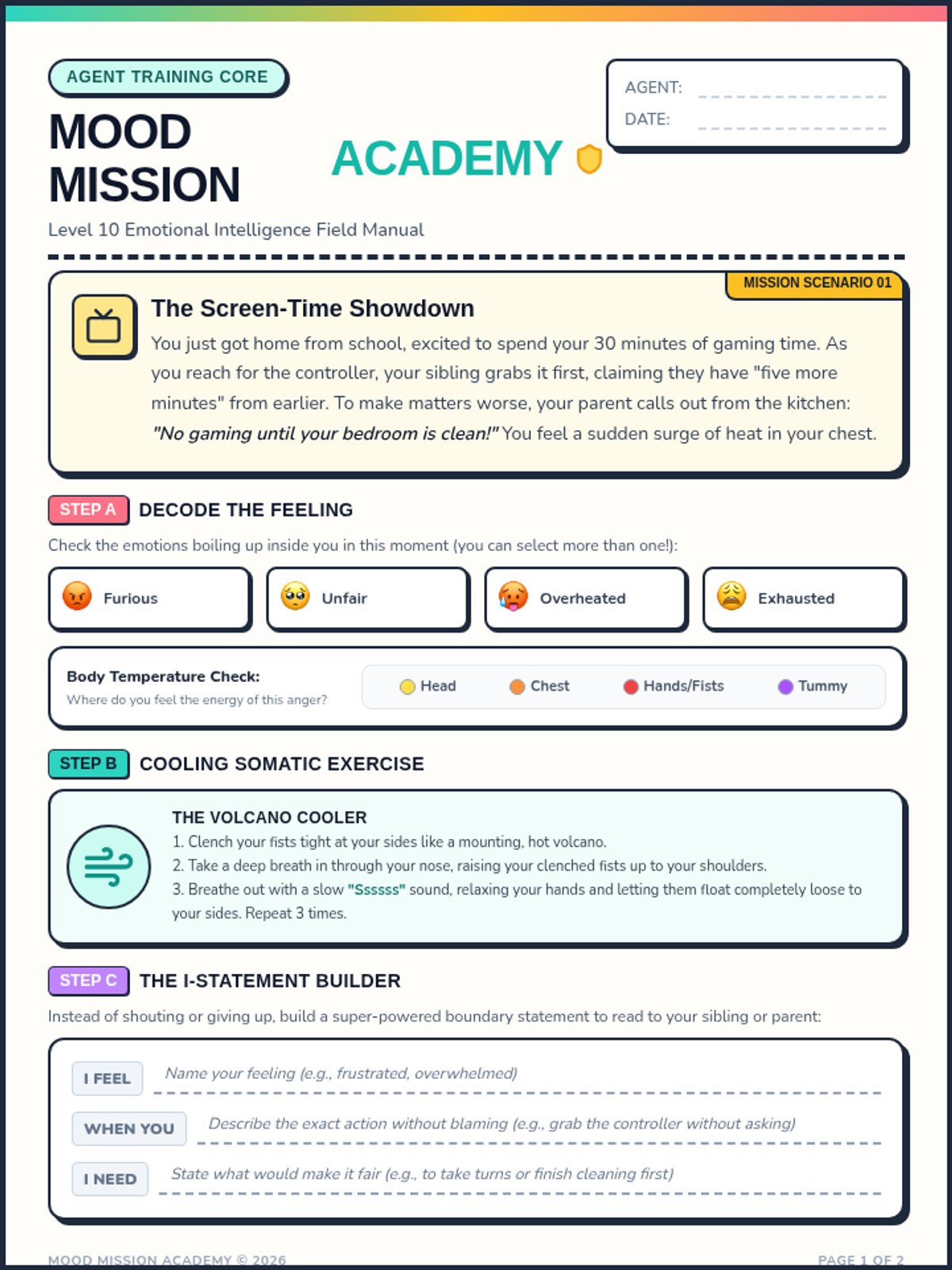
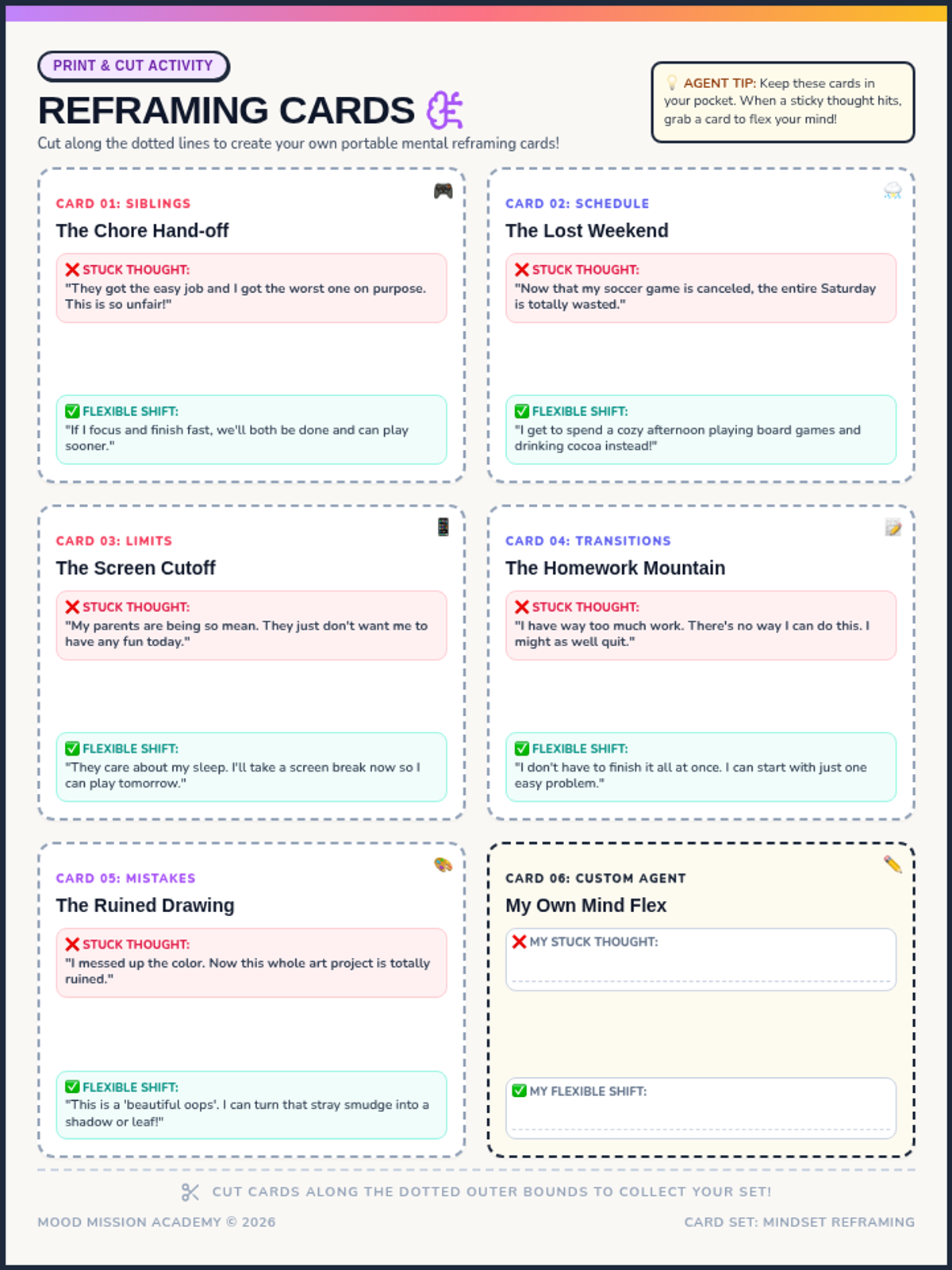
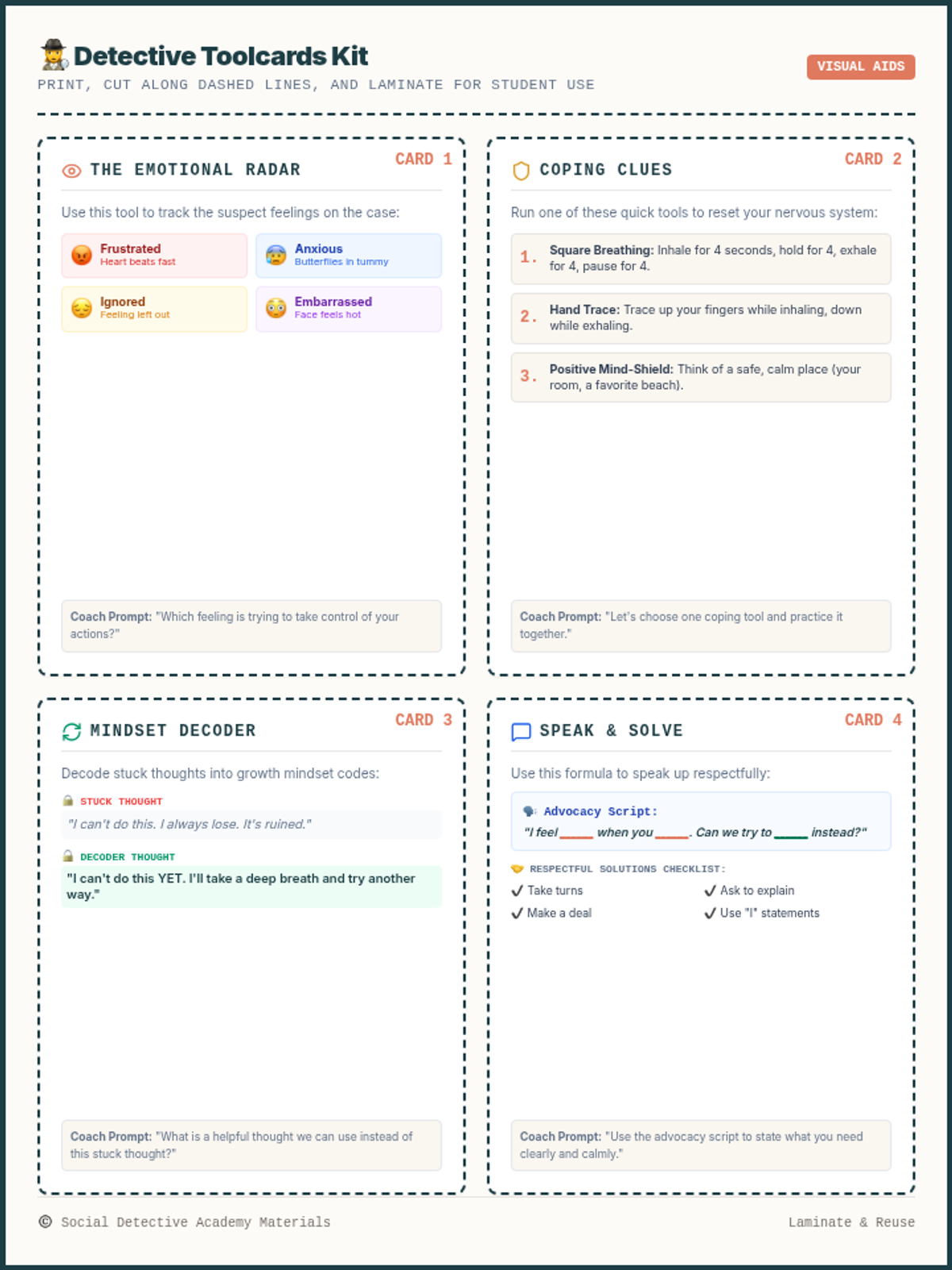
A playful social-emotional learning lesson focusing on identifying emotions, somatic regulation, cognitive reframing, and assertive communication through engaging social stories.
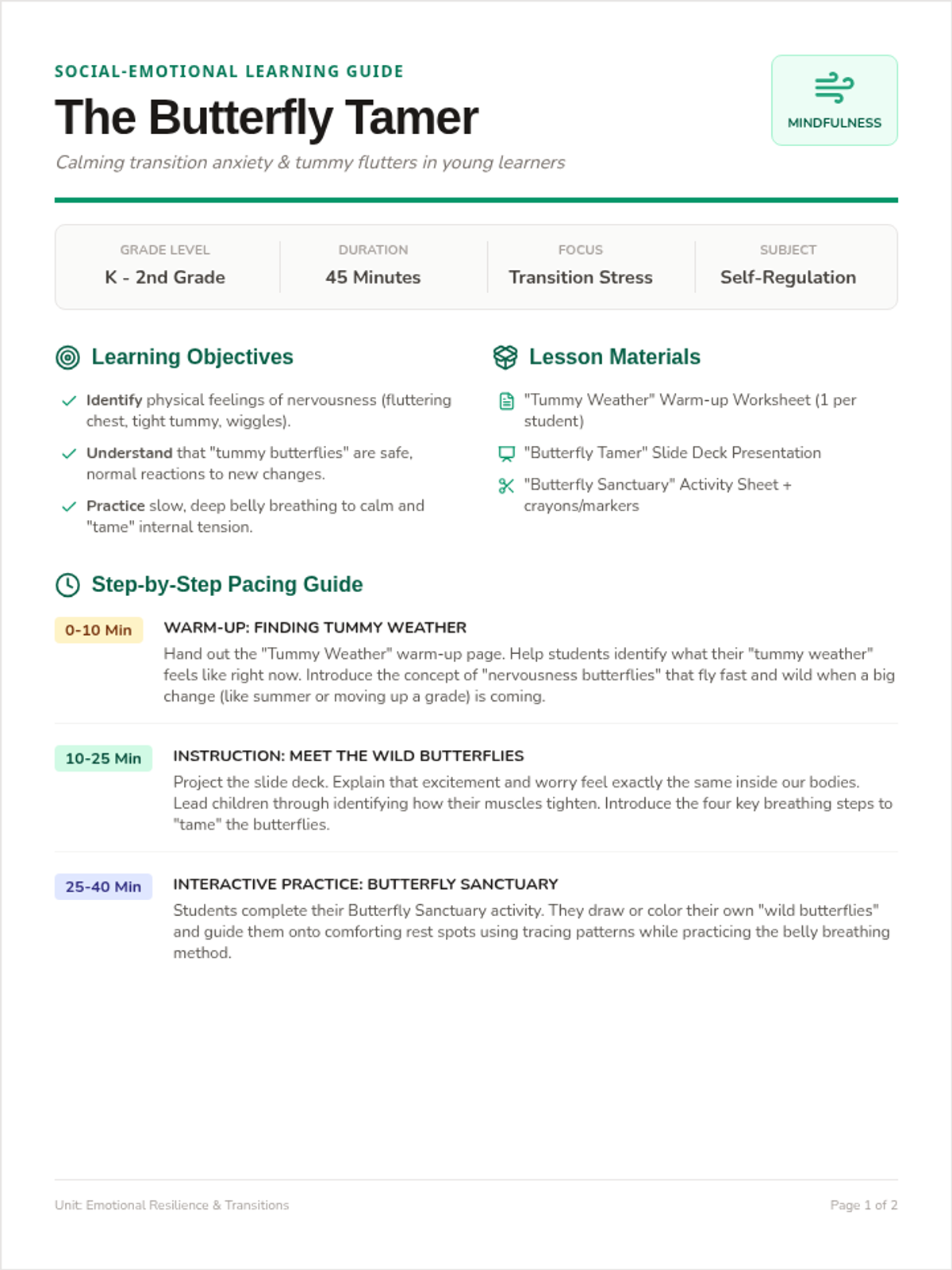
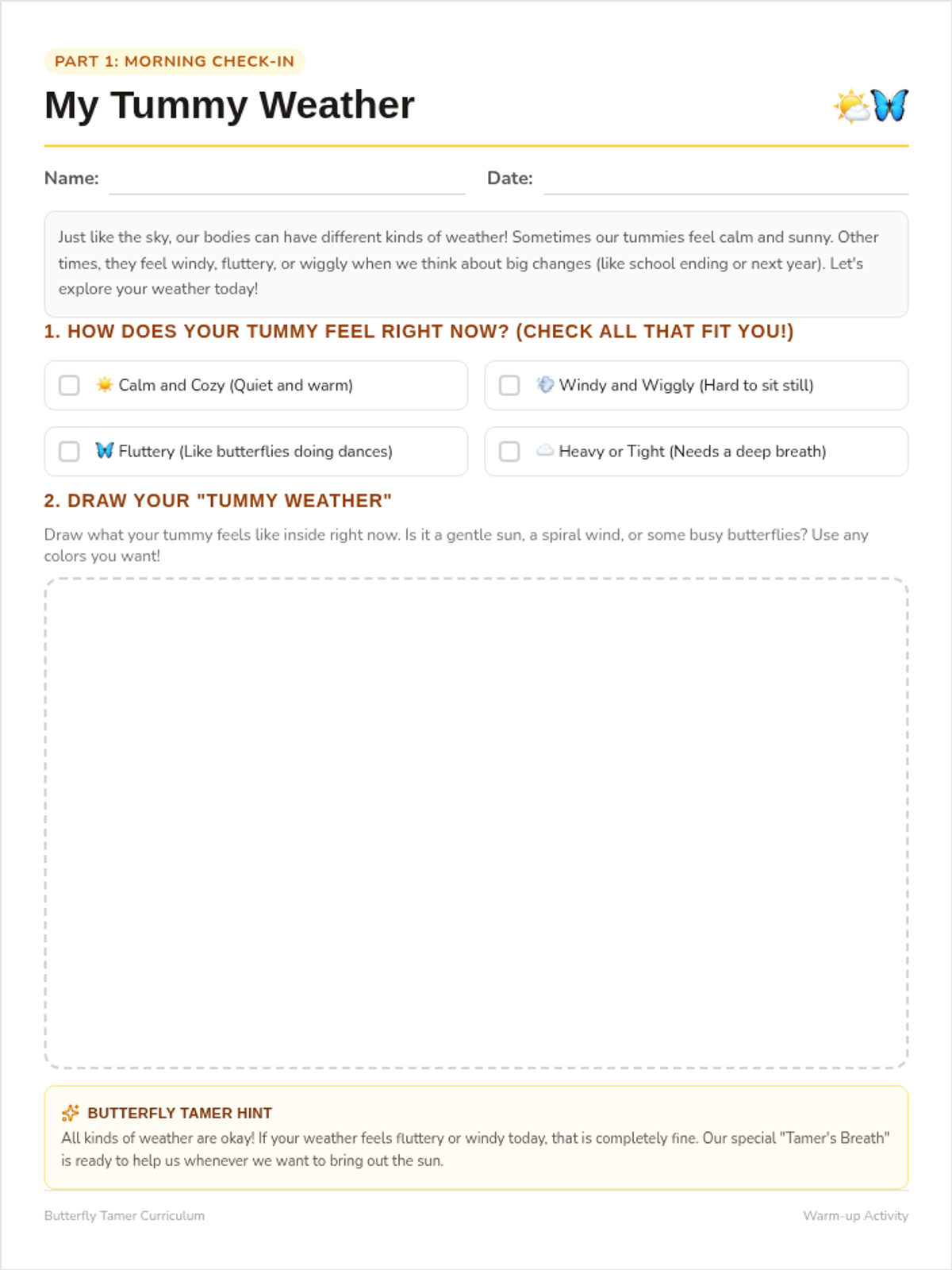
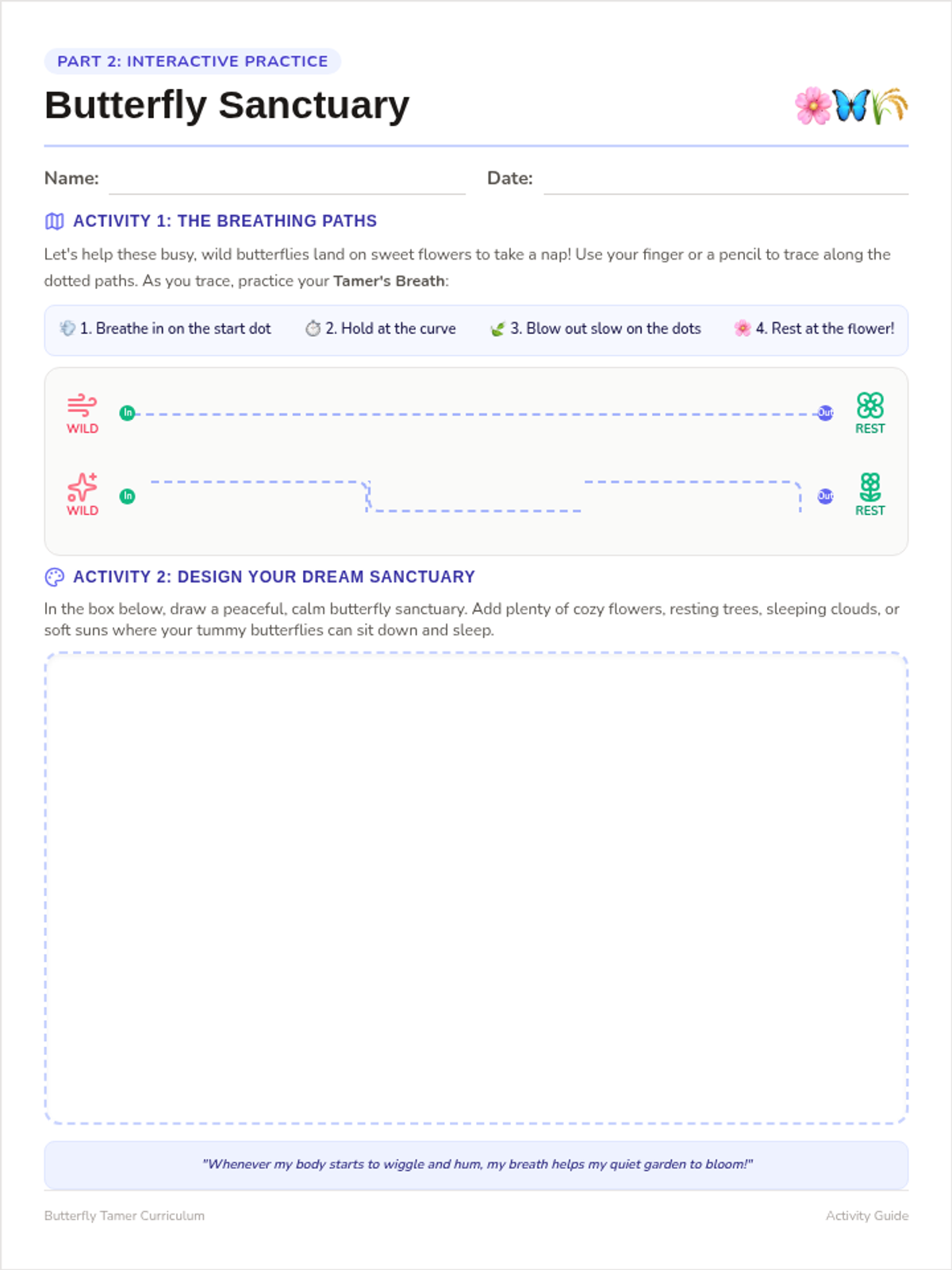
A heartwarming lesson designed for young students to identify physical signs of anxiety (represented as fluttery tummy butterflies) and learn calming breathing techniques to 'tame' them as they transition to summer or a new grade.
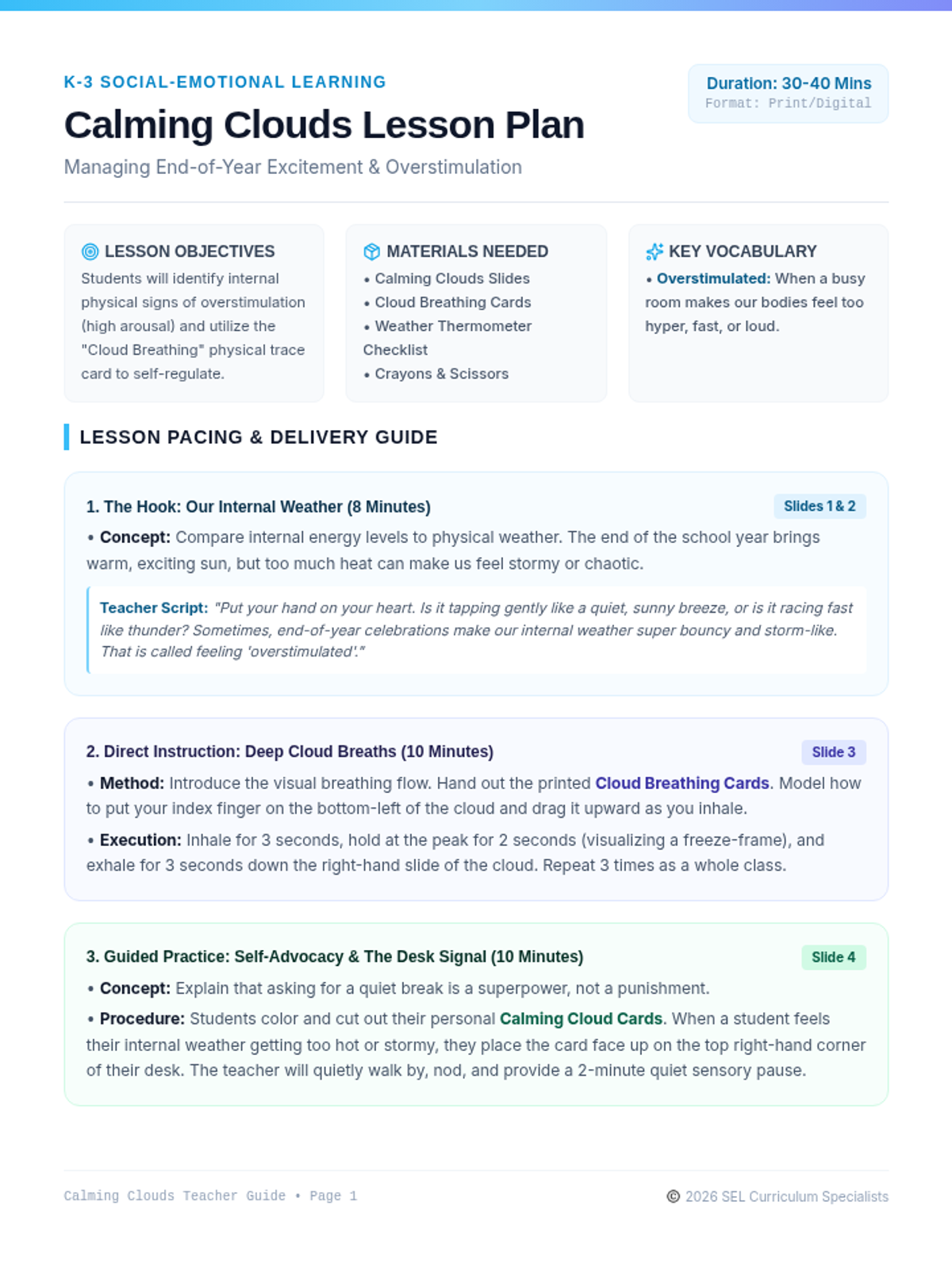
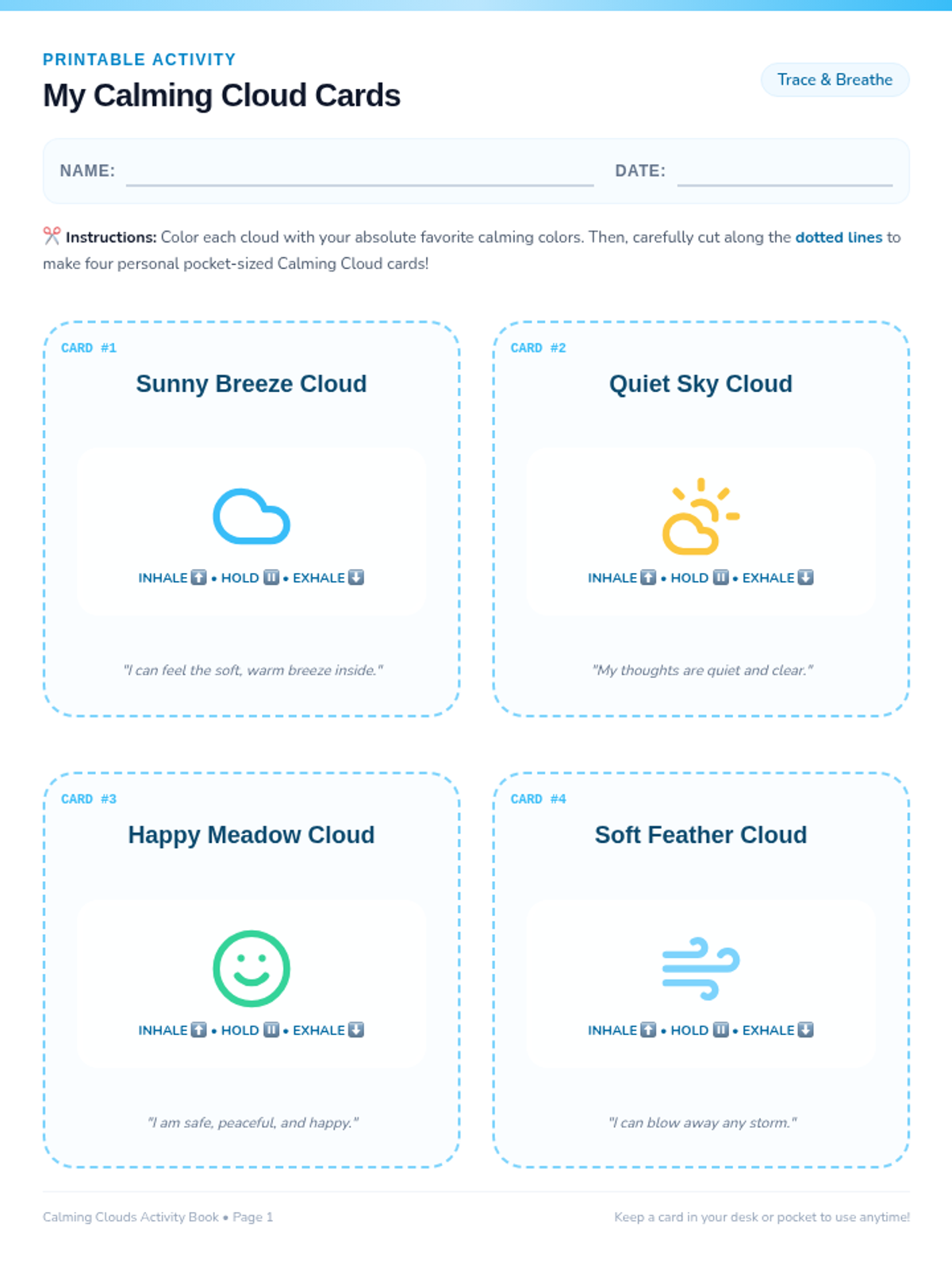
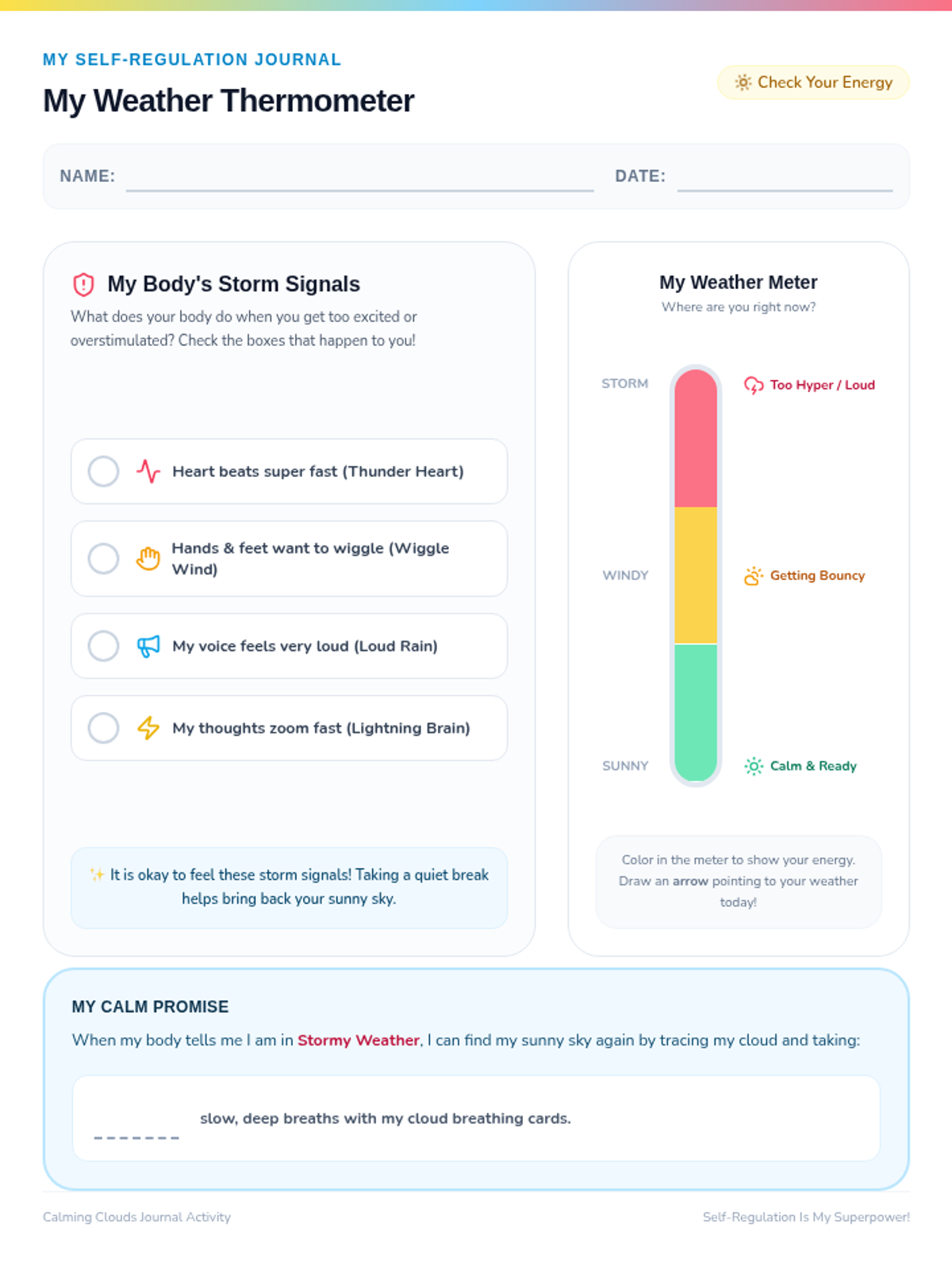
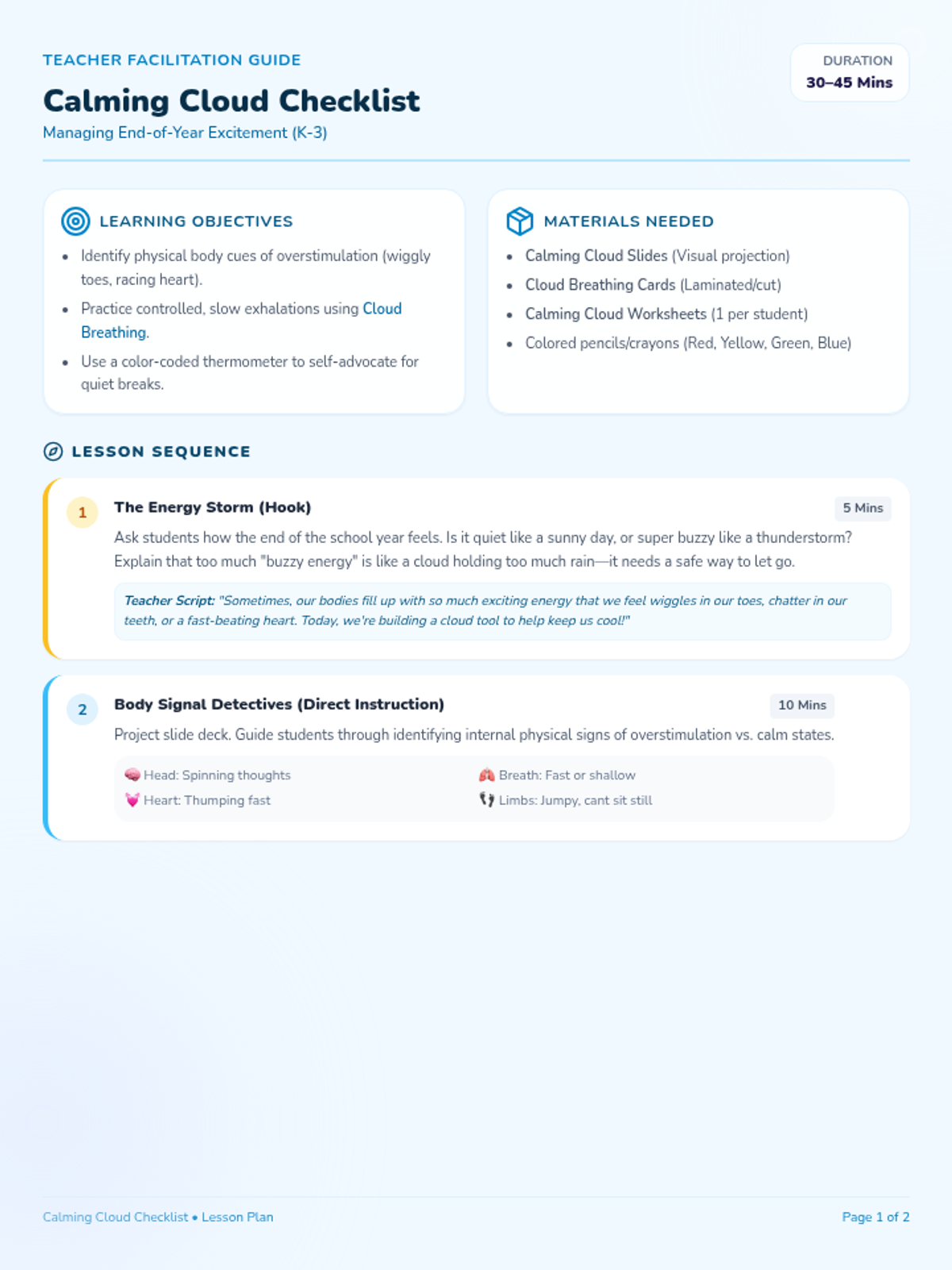
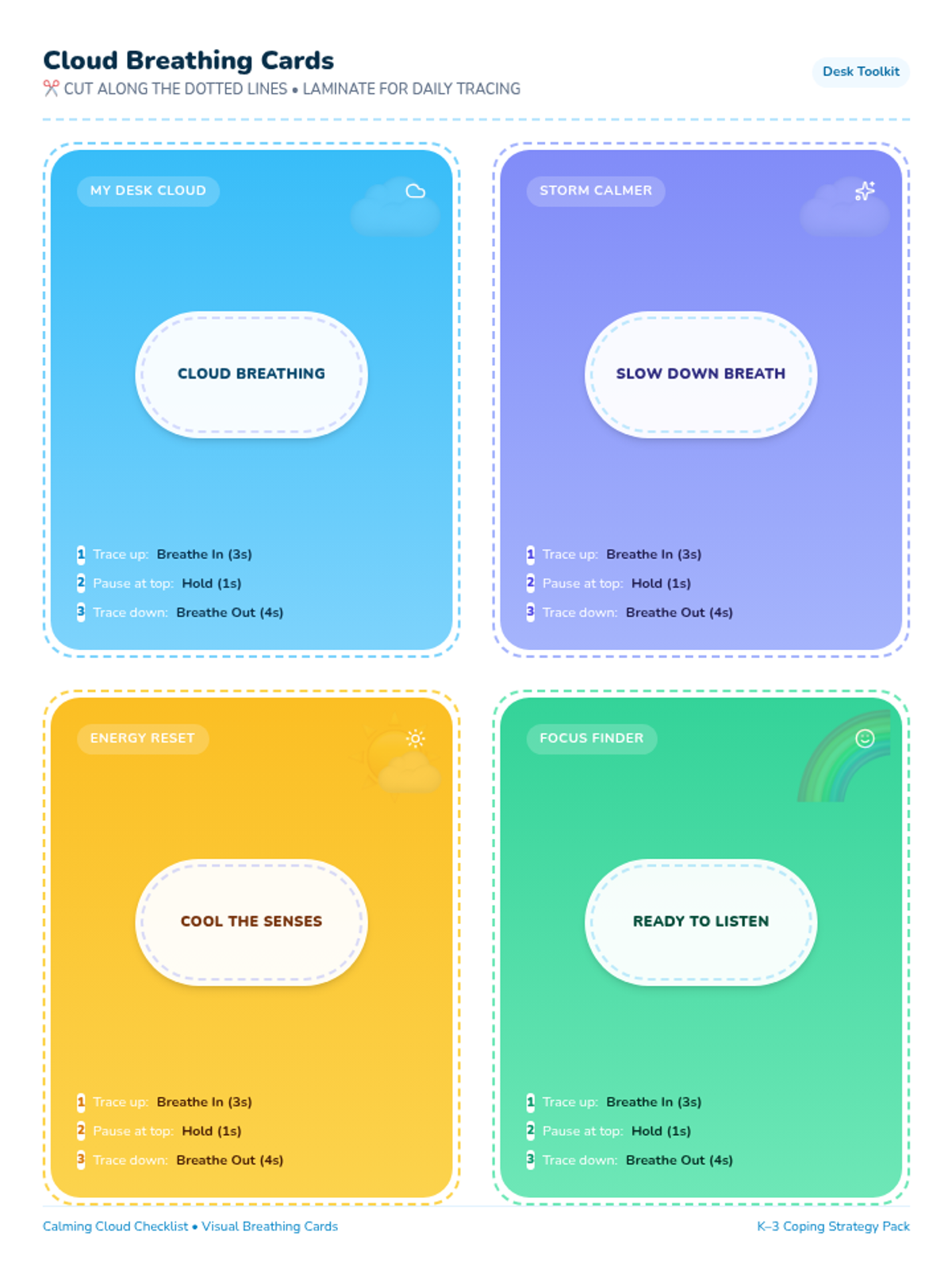
A self-regulation lesson for K-3 students to identify signs of overstimulation and practice deep-breathing techniques during end-of-year excitement.
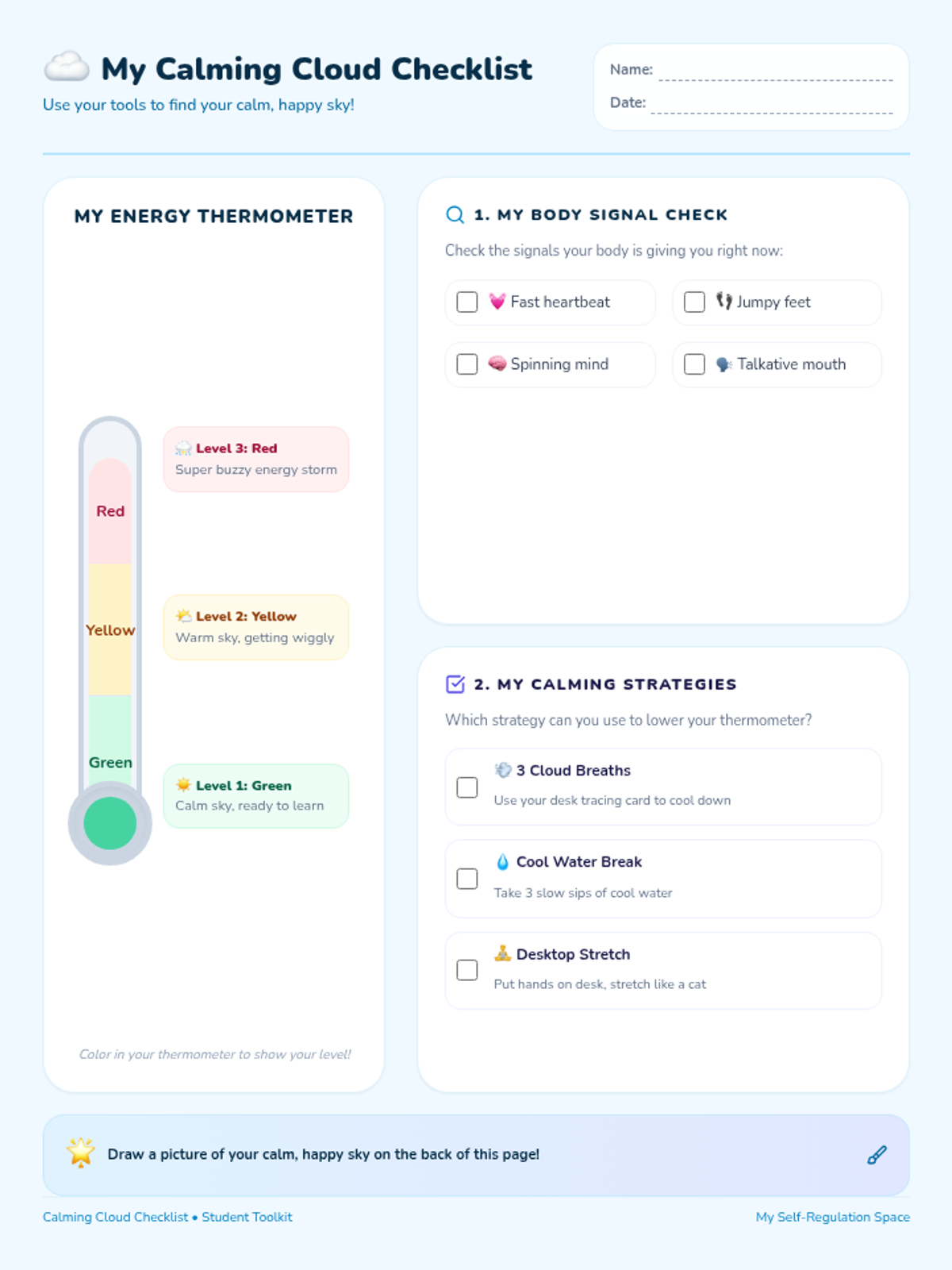
A self-regulation lesson for K-3 students managing end-of-year excitement. Students learn to spot overstimulation body signals, practice deep cloud-breathing, and use a progress thermometer to advocate for calming breaks.
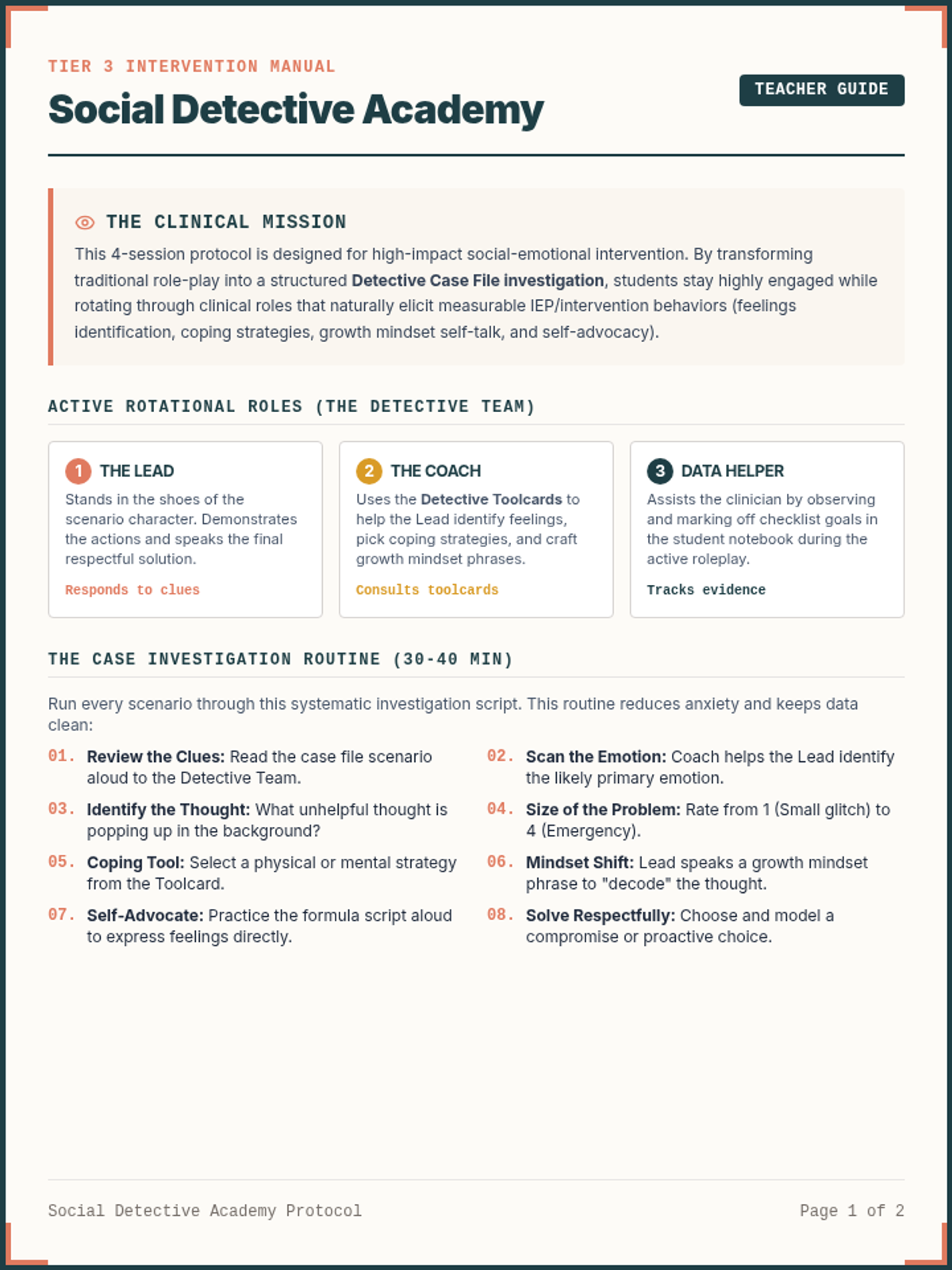
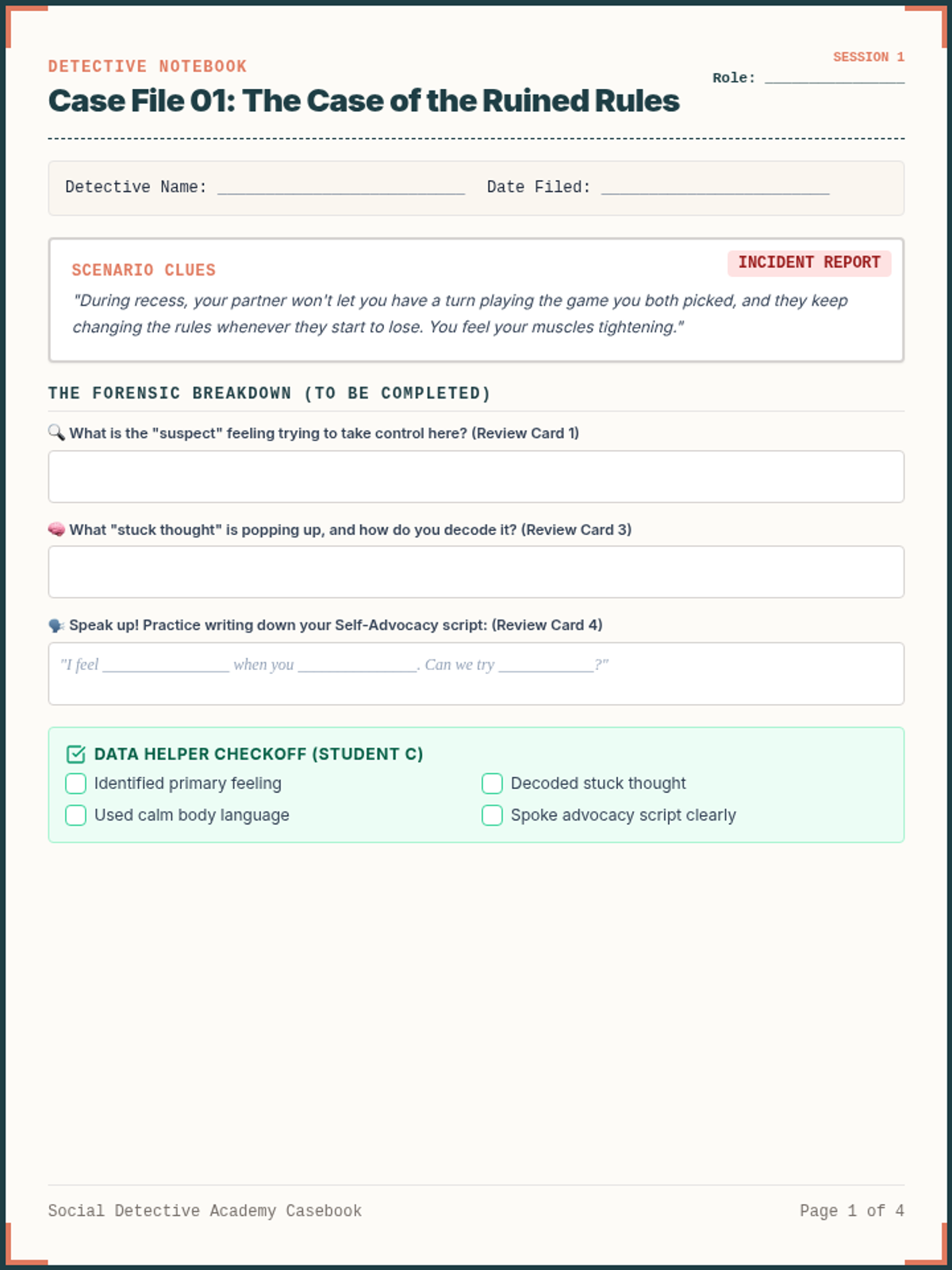
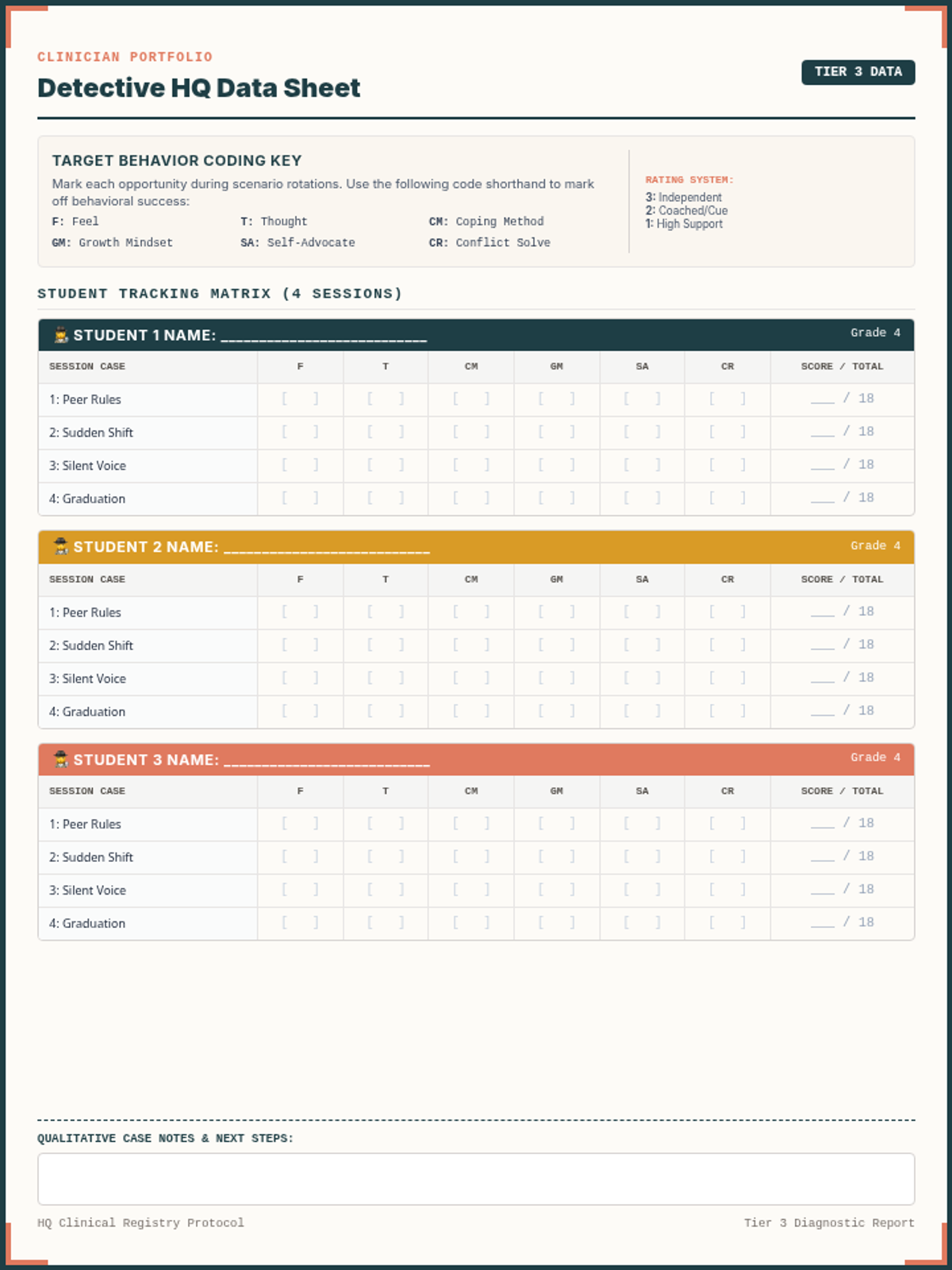
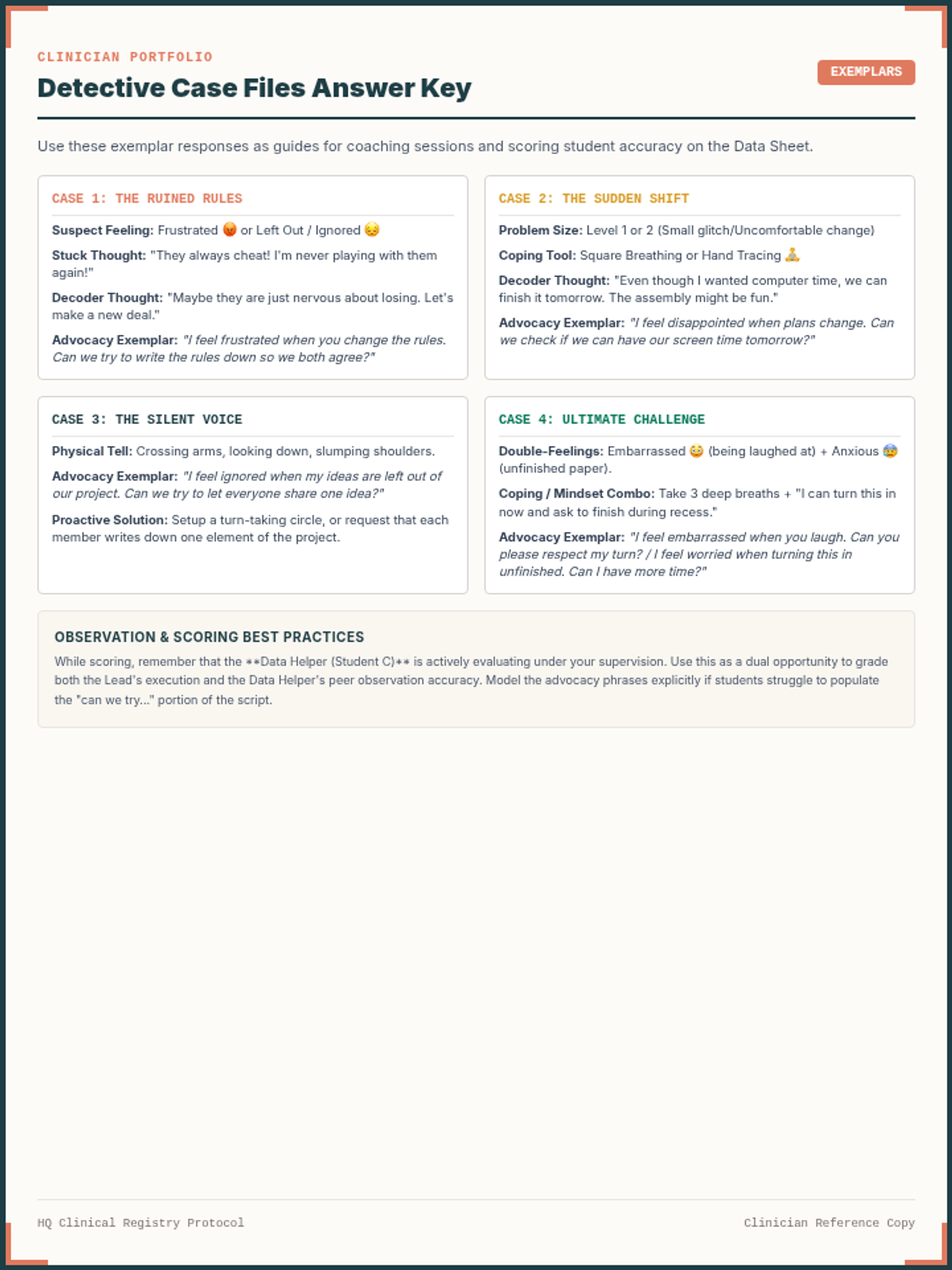
A 4-session intervention plan using a structured 'Social Detective' scenario routine where students rotate through clinical roles (Main Character, Coach, and Data Helper) to build social-emotional skills and self-advocacy.
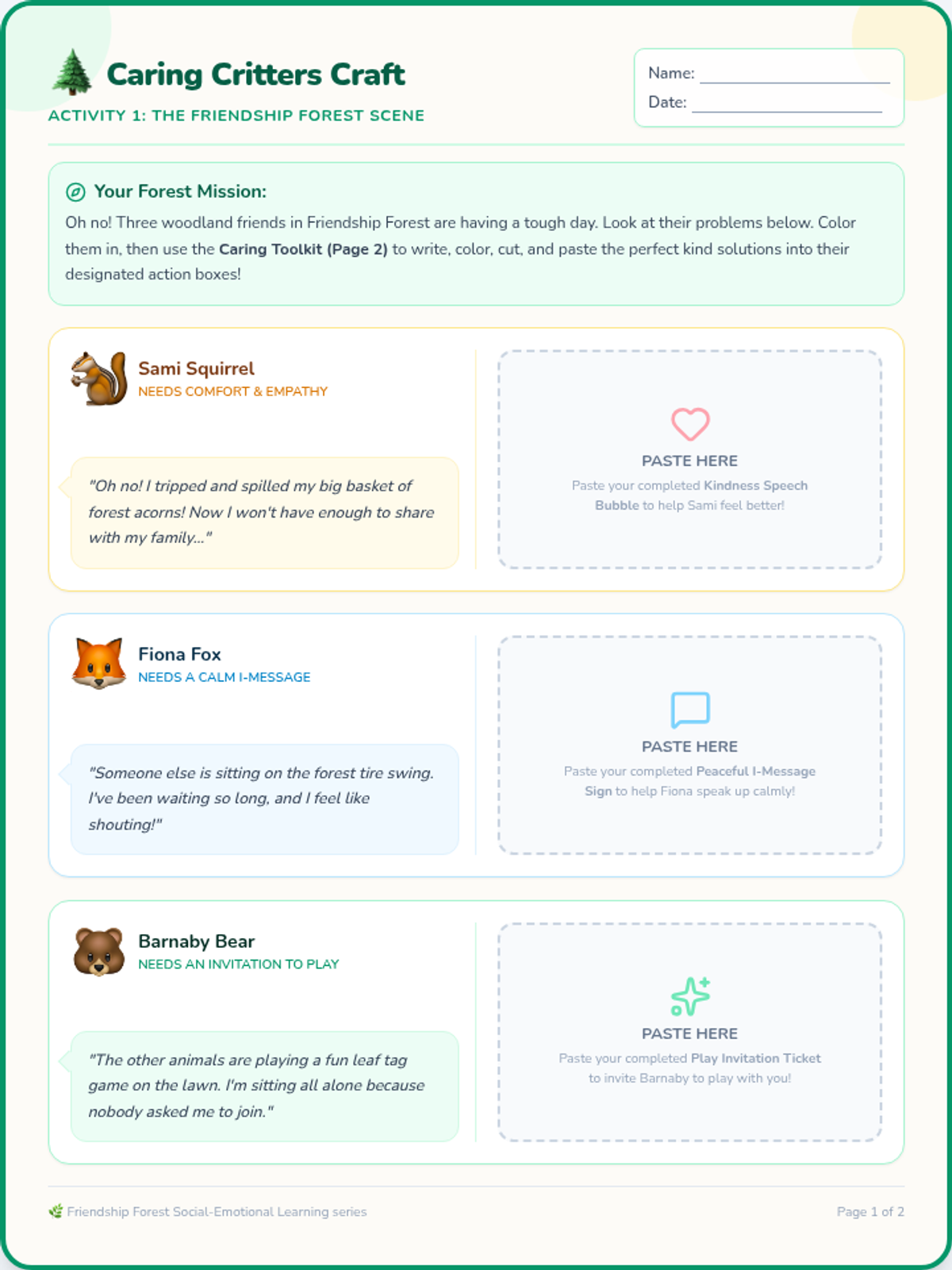
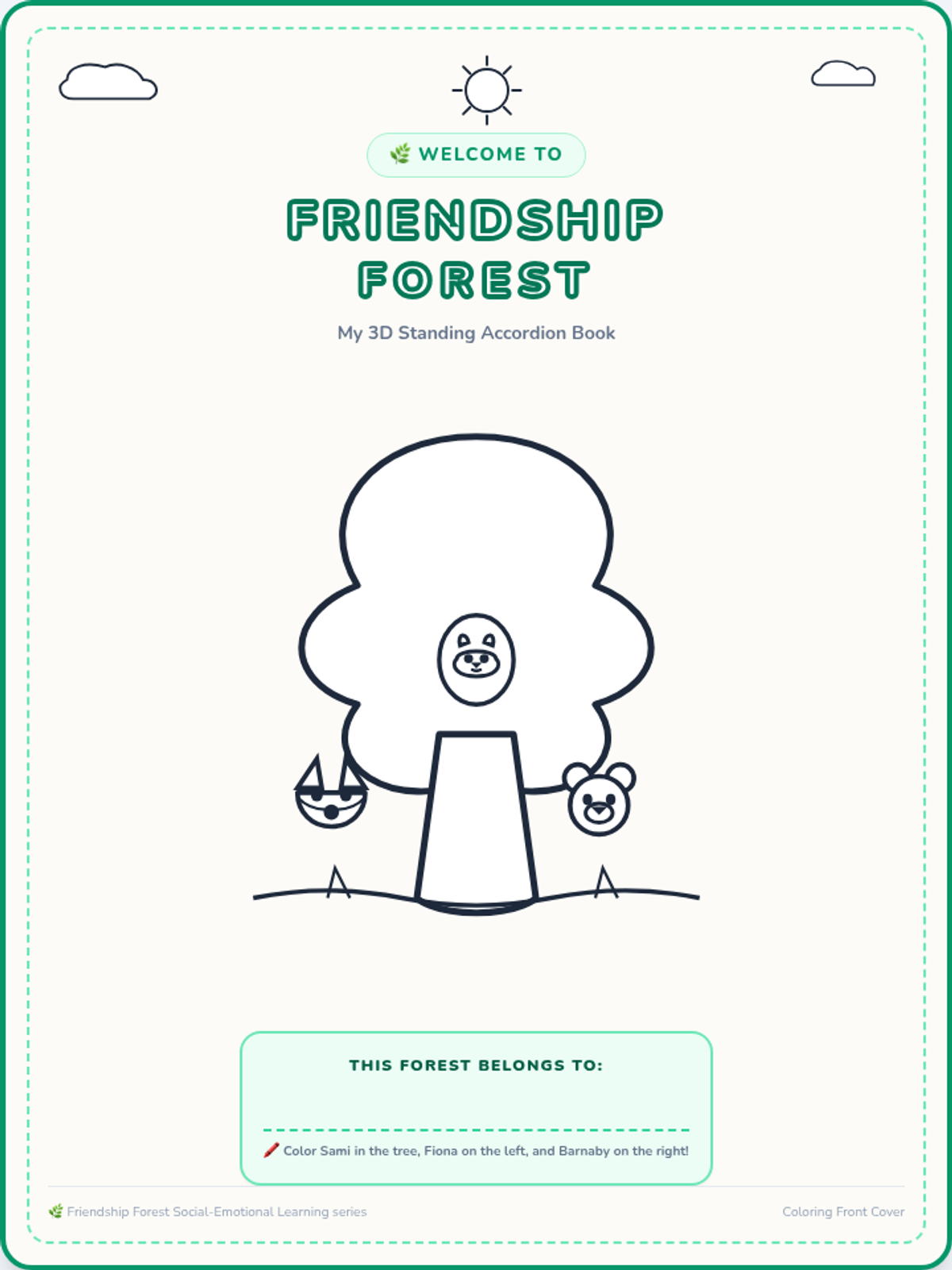
A social-emotional learning lesson set in the whimsical Friendship Forest. Students explore how to resolve conflicts peacefully, share, take turns, use constructive I-messages, and practice active empathy and comfort with cute woodland characters.
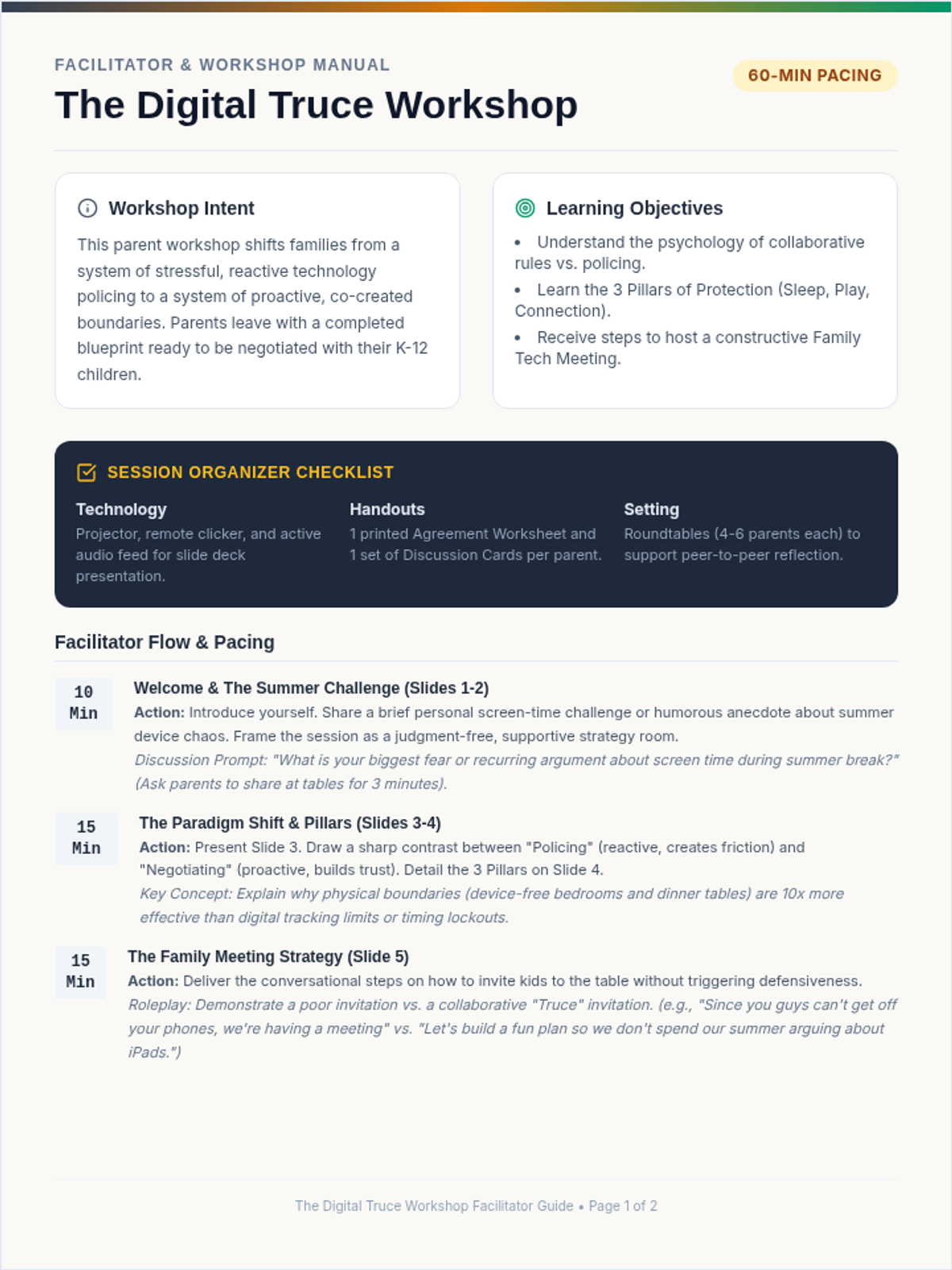
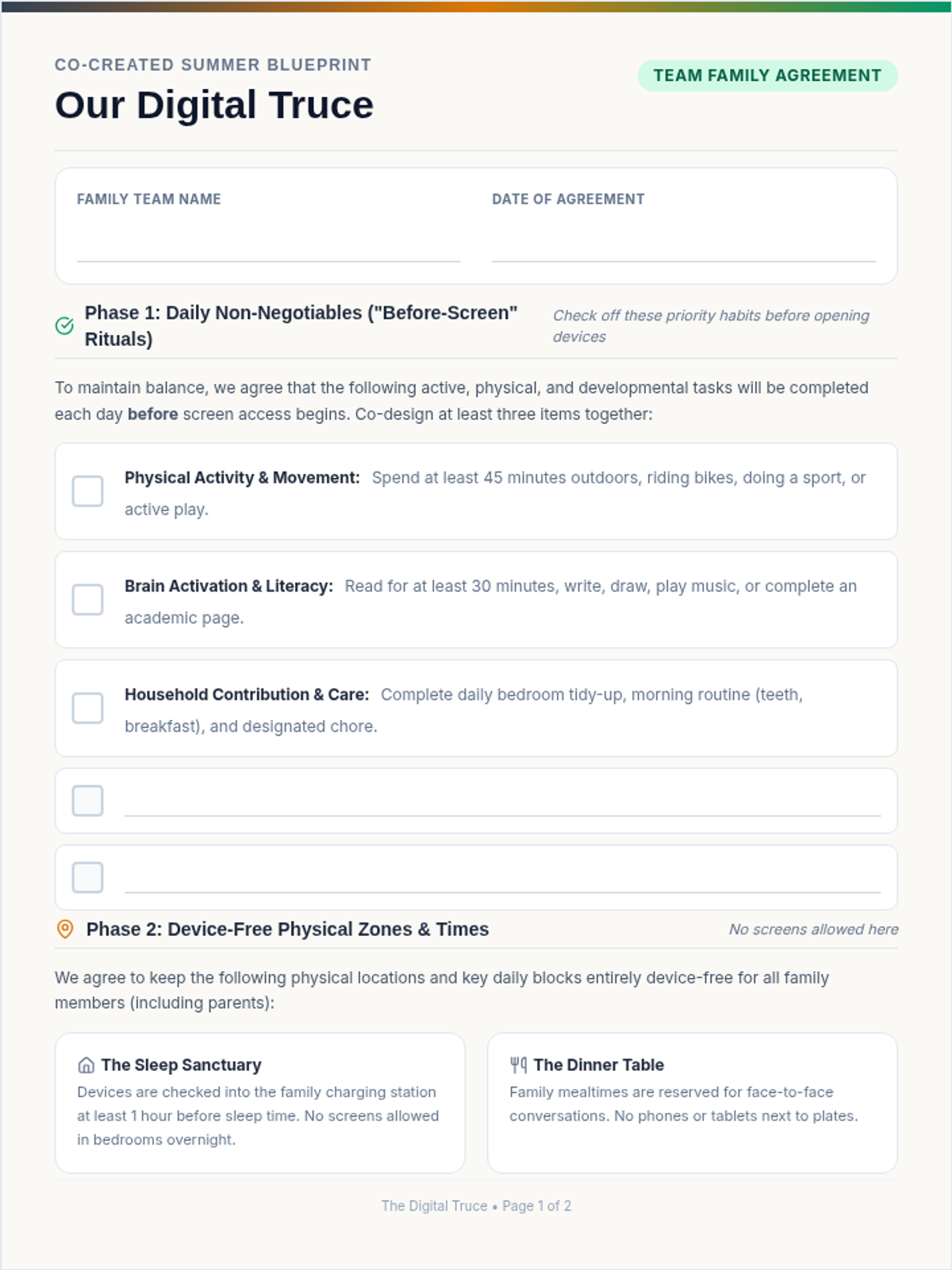
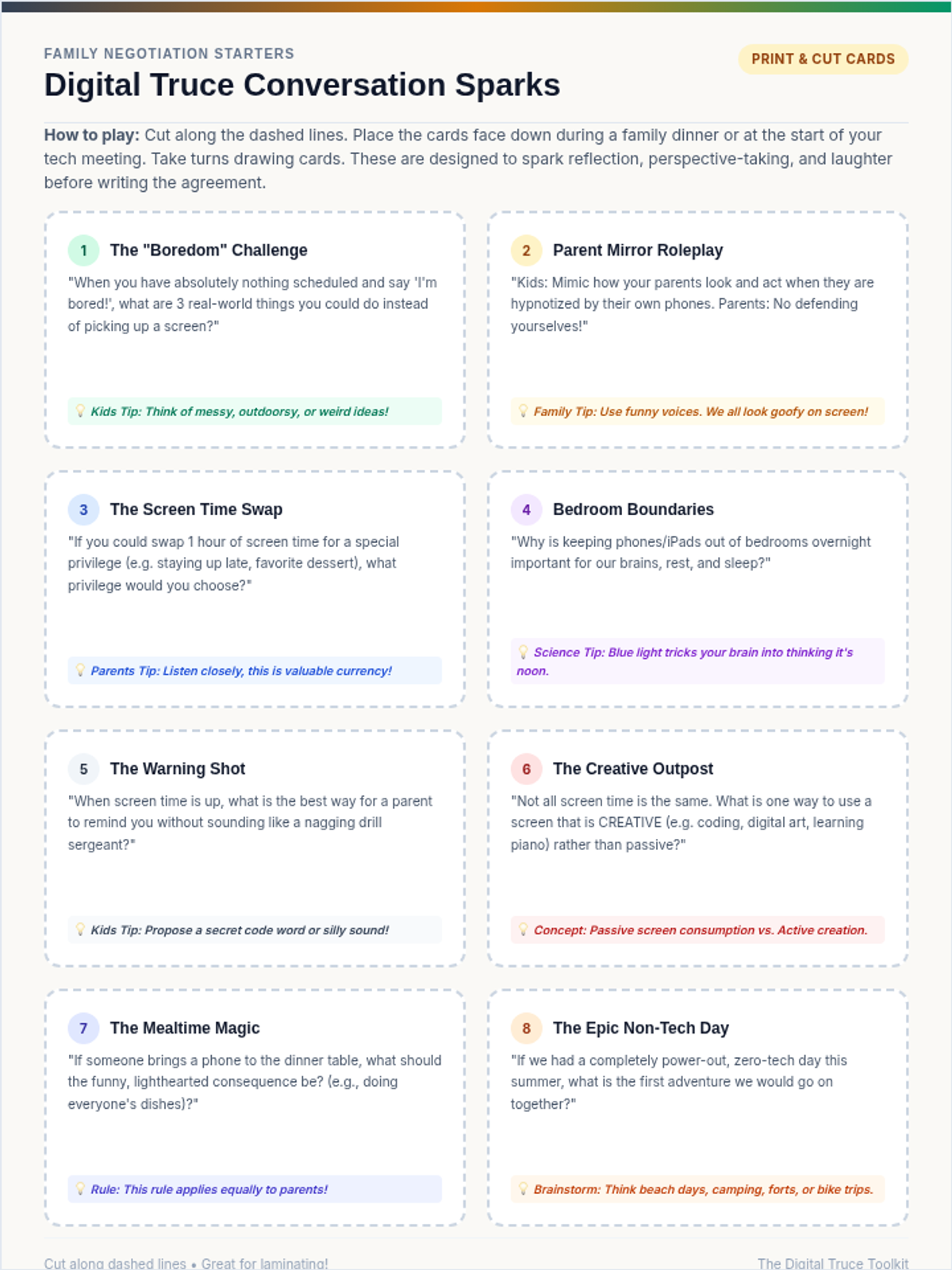
A collaborative workshop and toolkit designed to help parents of K-12 students establish healthy, co-created summer screen-time boundaries with their children through negotiation and mutual trust.