An introduction to AI chatbots, focusing on the concepts of input and output as a way to understand how digital systems respond to human communication.
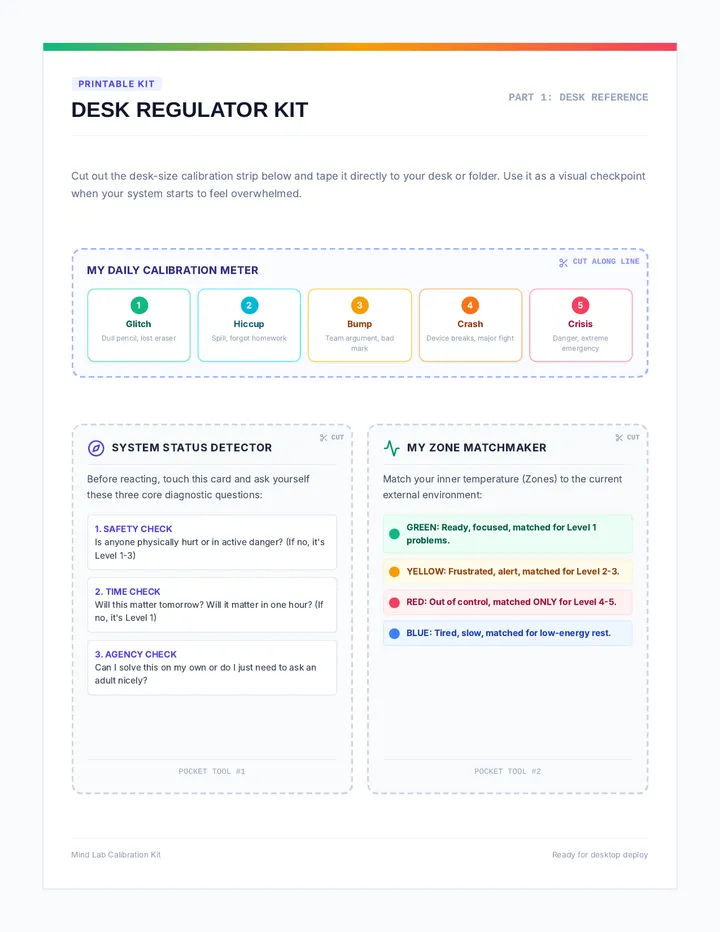
A collection of visual support tools to help students identify and communicate their emotions using portable keyring cards.
A comprehensive support pack designed for 1st grade students experiencing anxiety about family safety, focusing on grounding, reassurance, and emotional regulation.
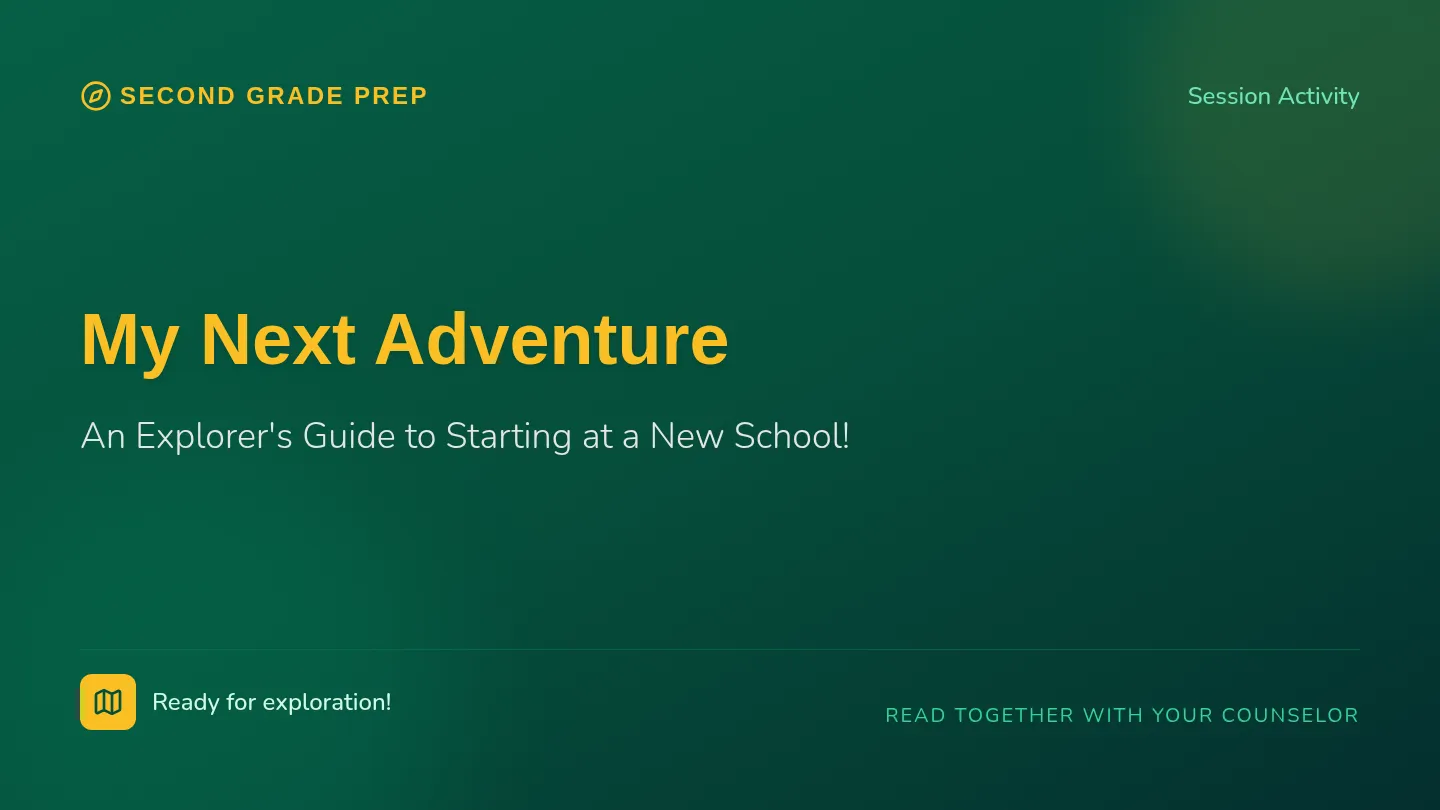
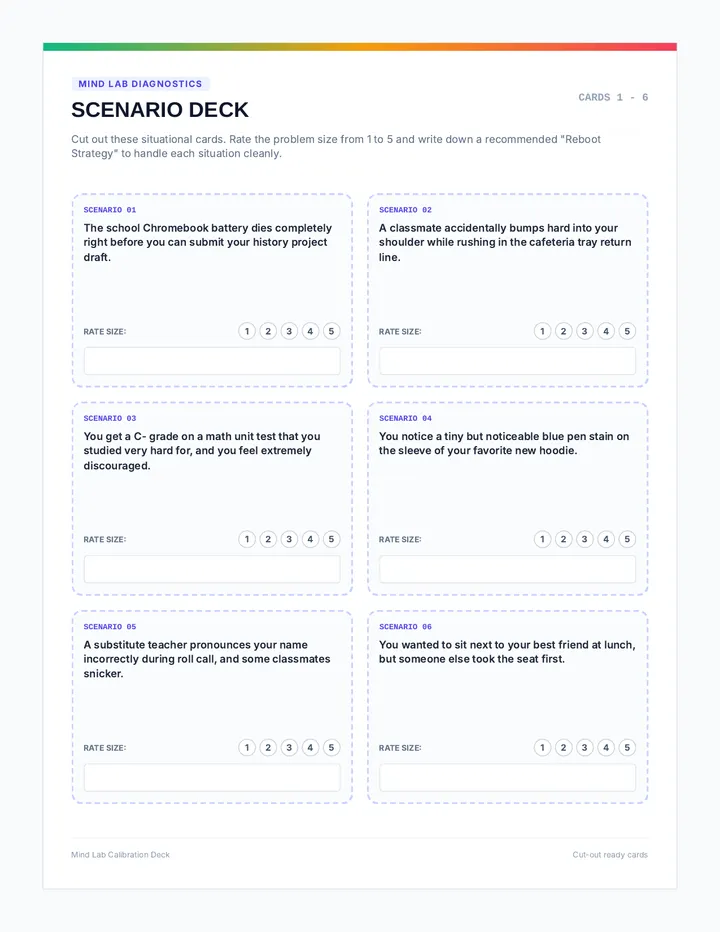
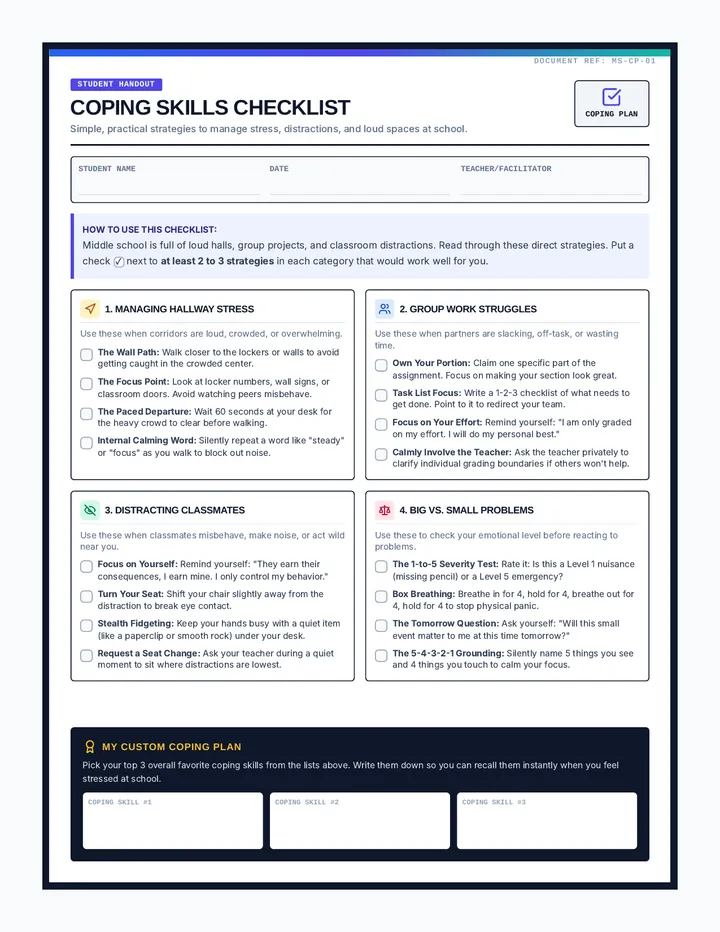
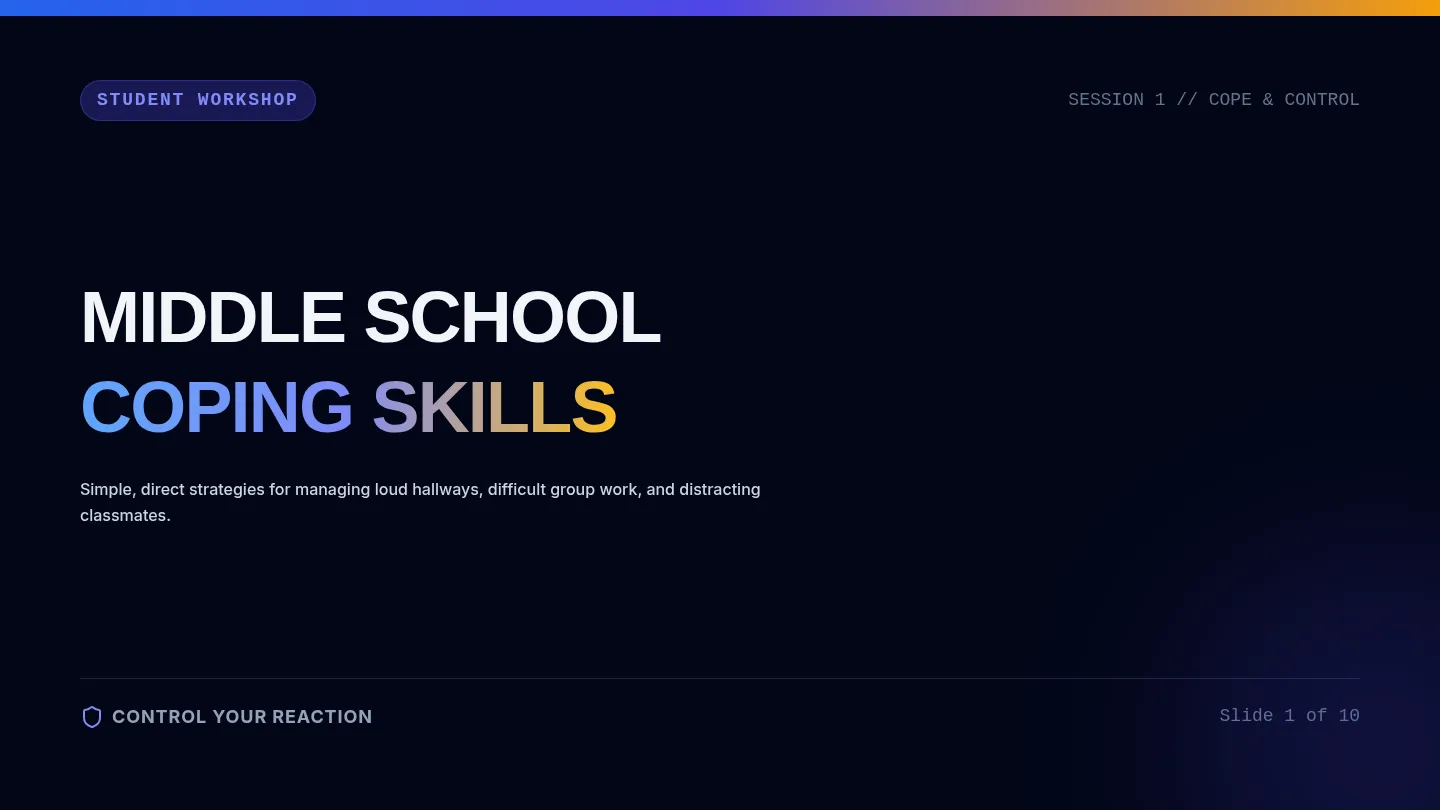
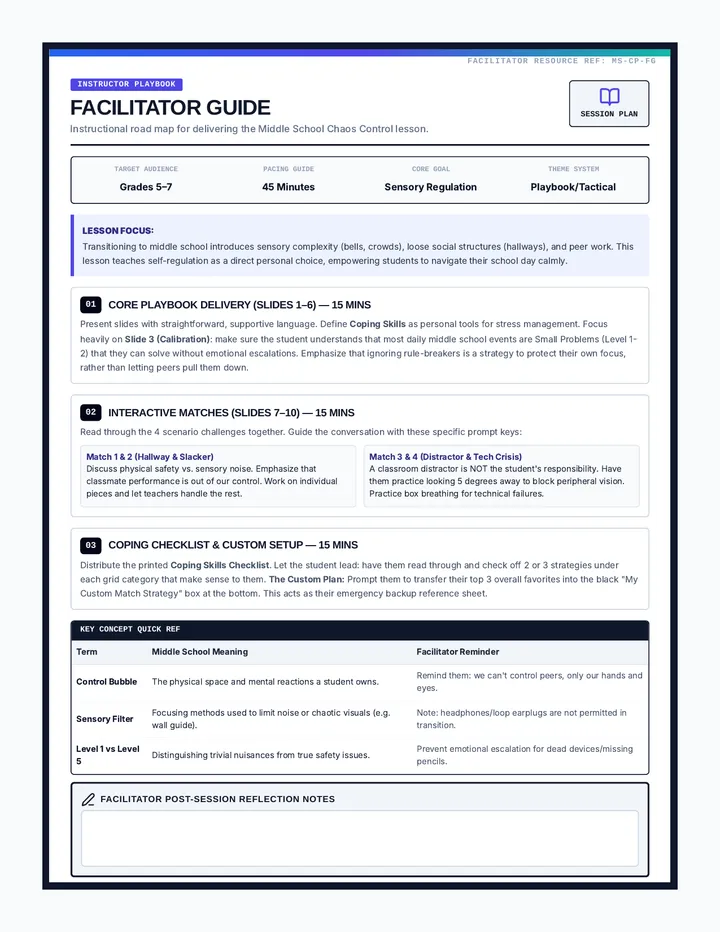
A presentation-based game designed to help incoming middle schoolers navigate the social and logistical changes of their new school. Students will face scenarios, build their 'character stats,' and learn strategies for making friends and managing transitions.
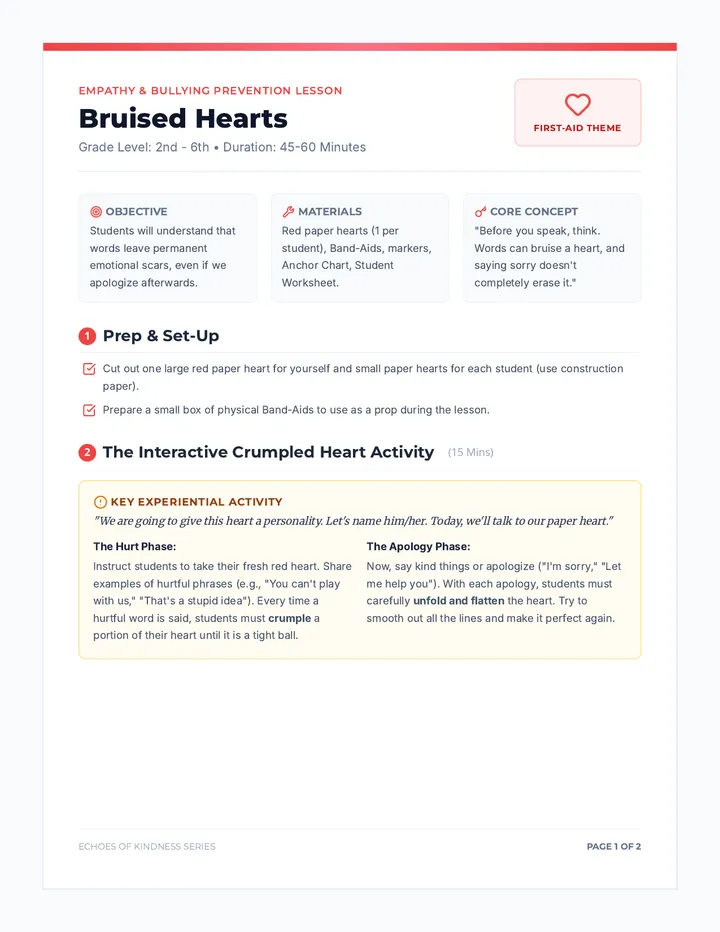
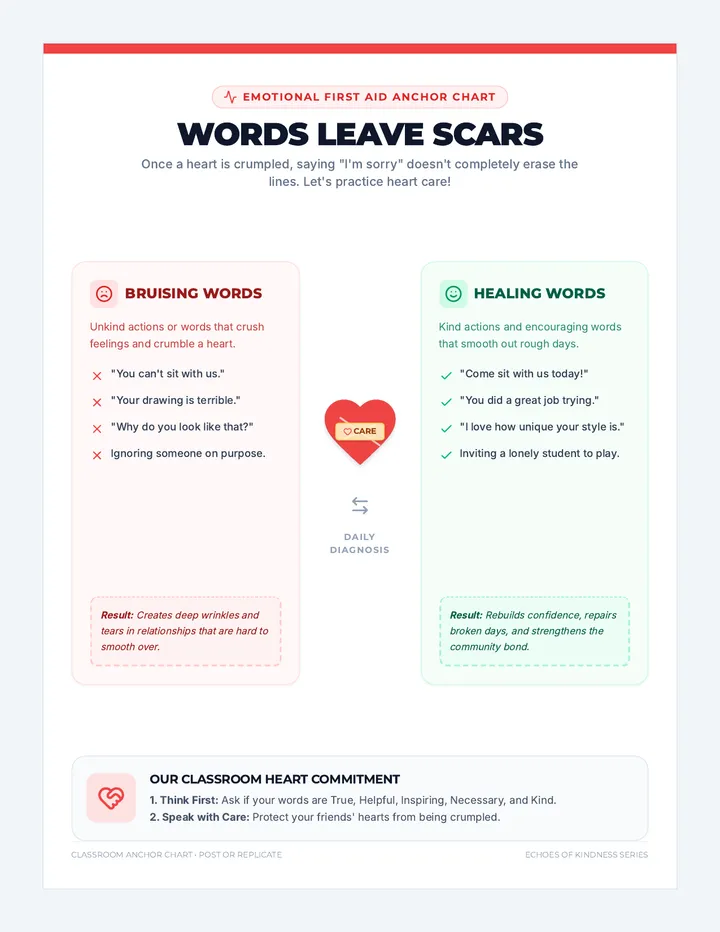
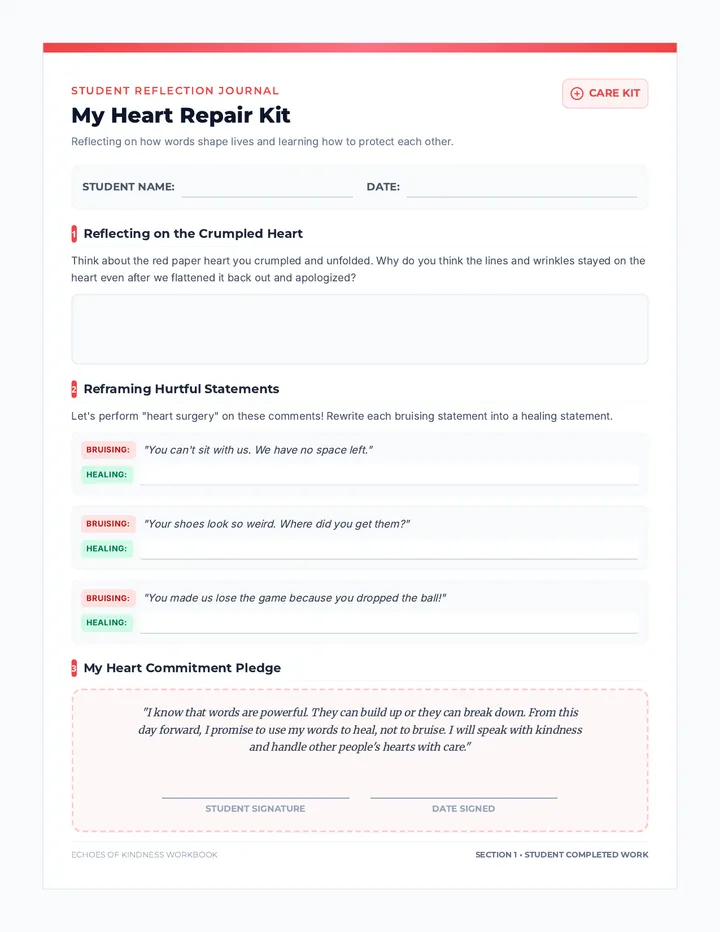
A social-emotional learning lesson for 3rd graders focused on empathy, specifically addressing the impulse to laugh when others make mistakes or have accidents. Students explore the 'Giggle Trap' and learn to identify the feelings of others to choose kindness instead.
A 20-minute social-emotional learning session for 2nd graders focused on building friendships through visual games and collaborative art. Includes movement-based emotion charades, conversation-sparking bingo, and a shared drawing activity.
A social-emotional learning lesson for first graders about recognizing when they've hurt someone's feelings and using specific strategies like apologizing, making amends, and compromising to fix the relationship.
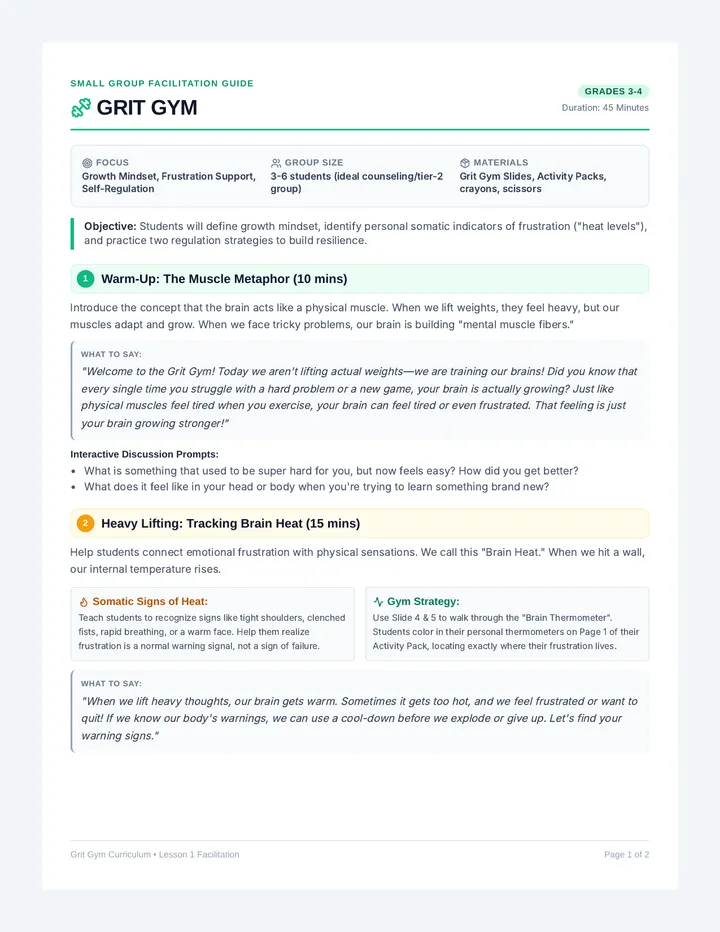
Students explore the physical and emotional signs of frustration and learn a specific step-by-step 'formula' to navigate these feelings effectively.
A social-emotional learning lesson for K-2 students based on the book 'Have You Filled a Bucket Today?' by Carol McCloud, focusing on kindness and empathy.
Introduces specific, safe coping strategies to use when the 'Heat Meter' rises, emphasizing the 'Pause' before choosing a safe action.
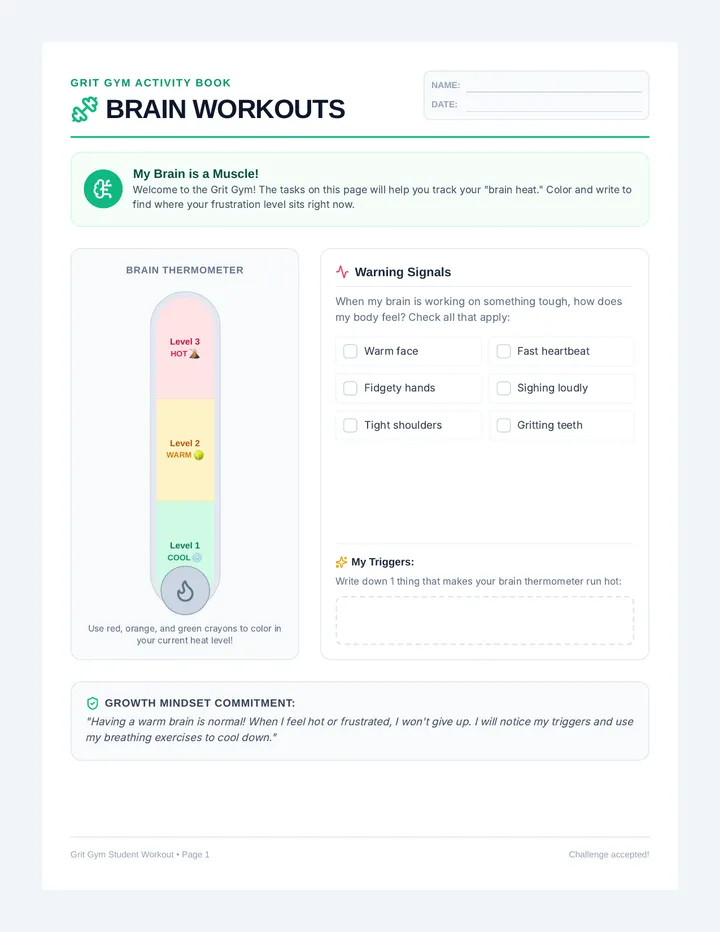
Focuses on identifying the internal and external physical signs of anger, introducing the concept of the 'Heat Meter' to gauge intensity.
A lesson designed for first-grade students to understand the impact of impulsive shouting and threats on their classroom environment and adult responses. It uses the metaphor of 'Word Weather' to help students navigate their emotions and language choices.
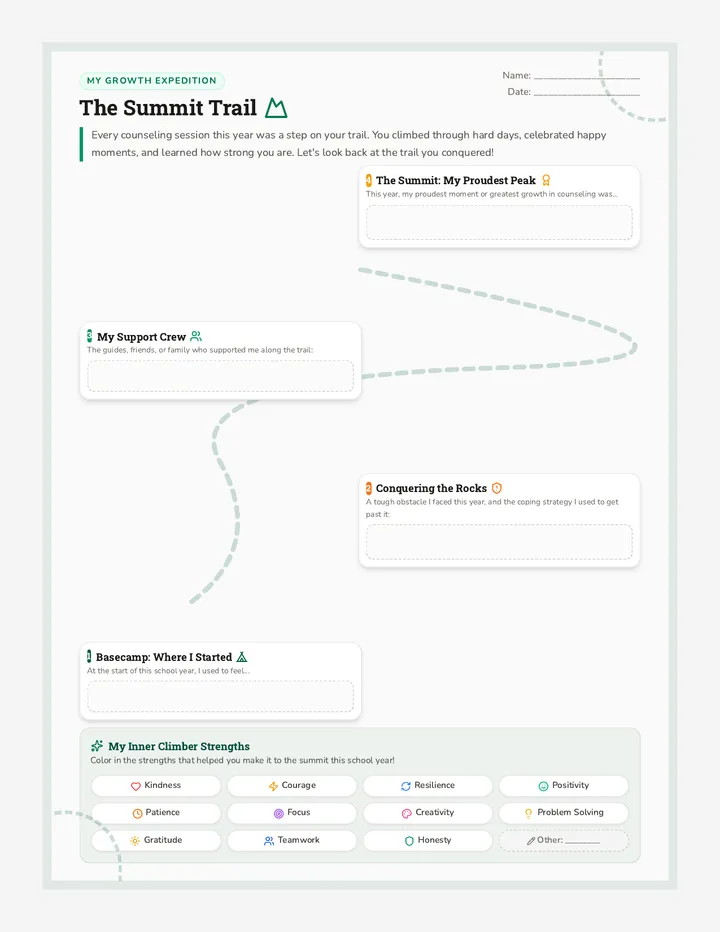
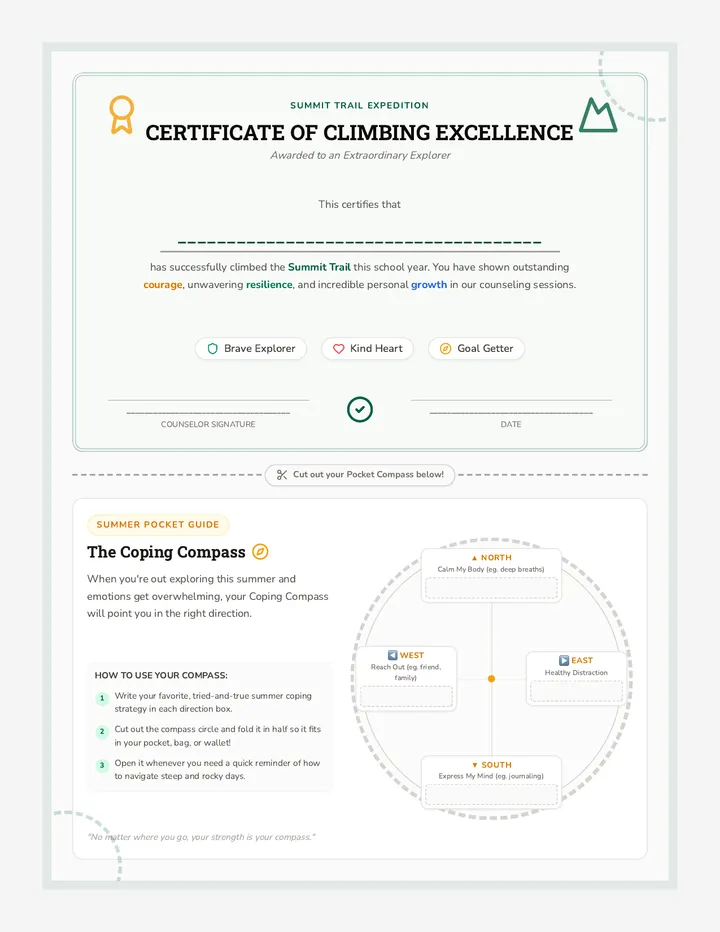
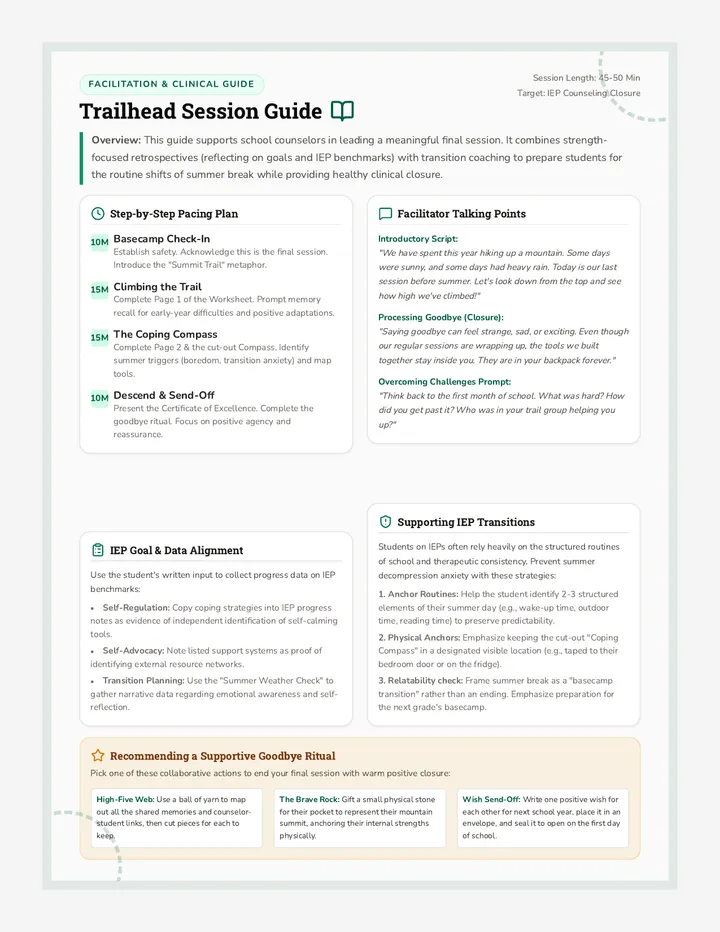
A solution-focused review of progress, graduation ceremony, and creating a 'Success Map' for future challenges.
Creating a personal 'Base Camp' (Calm-Down Corner) toolkit with visual reminders of strategies learned in previous weeks.
Uses social stories and role-play to practice 'pivoting' when faced with unwanted tasks or transitions, focusing on calm compliance and compromise.
Focuses on calm self-advocacy and using 'Power Words' to express dislikes or frustrations without resorting to shouting or threats.
Teaching grounding skills and 5-4-3-2-1 breathing techniques to help students stabilize their emotions when they feel their 'engines' overheating.
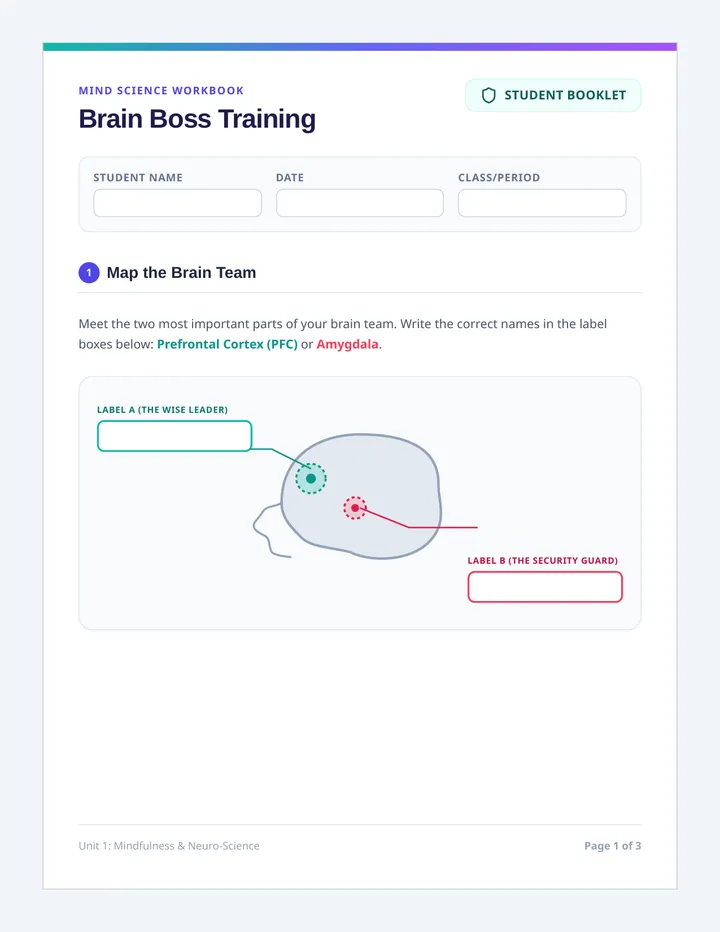
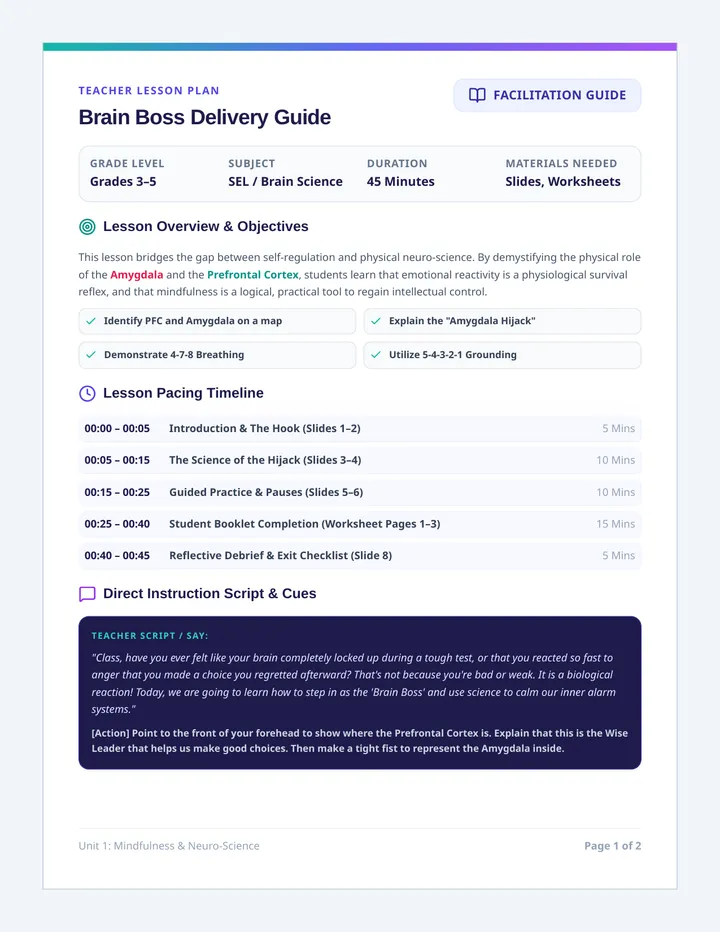
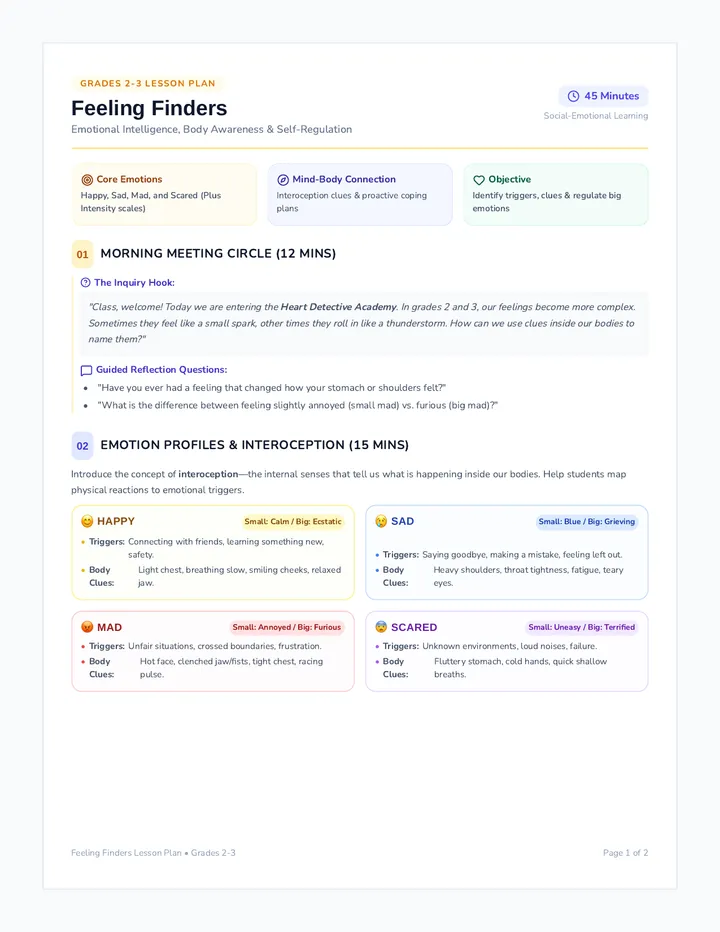
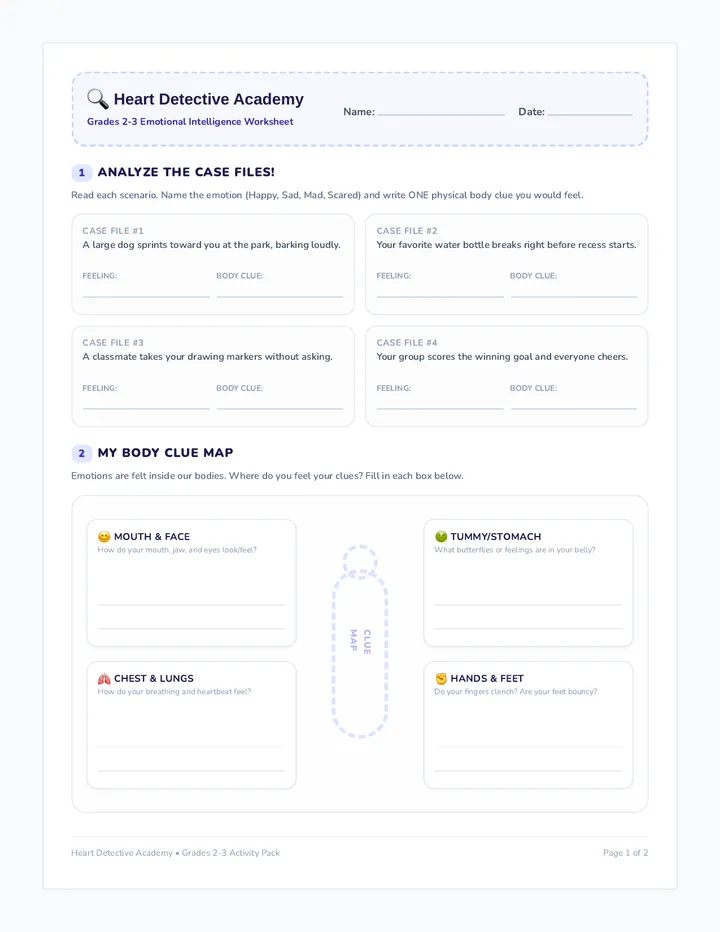
Introduction to identifying emotions using the 'Emotion Radar' and a visual feeling thermometer to help students recognize their internal state before it escalates.