An individual Tier 3 lesson for 8th-grade students that introduces the role of a school counselor, explains confidentiality, and empowers students to utilize counseling services for academic, social, and career support.
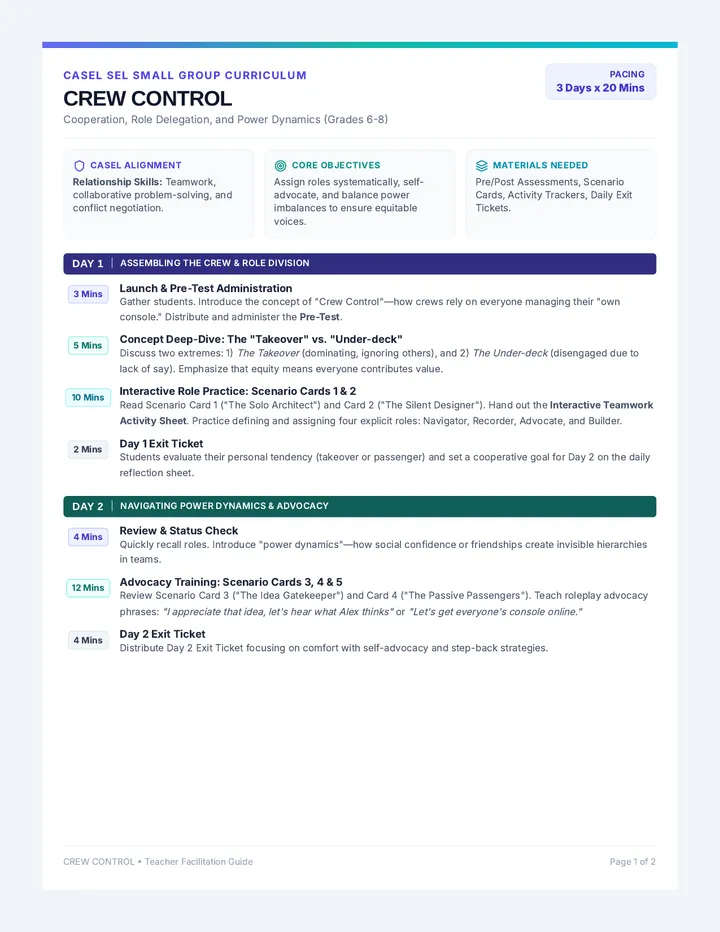
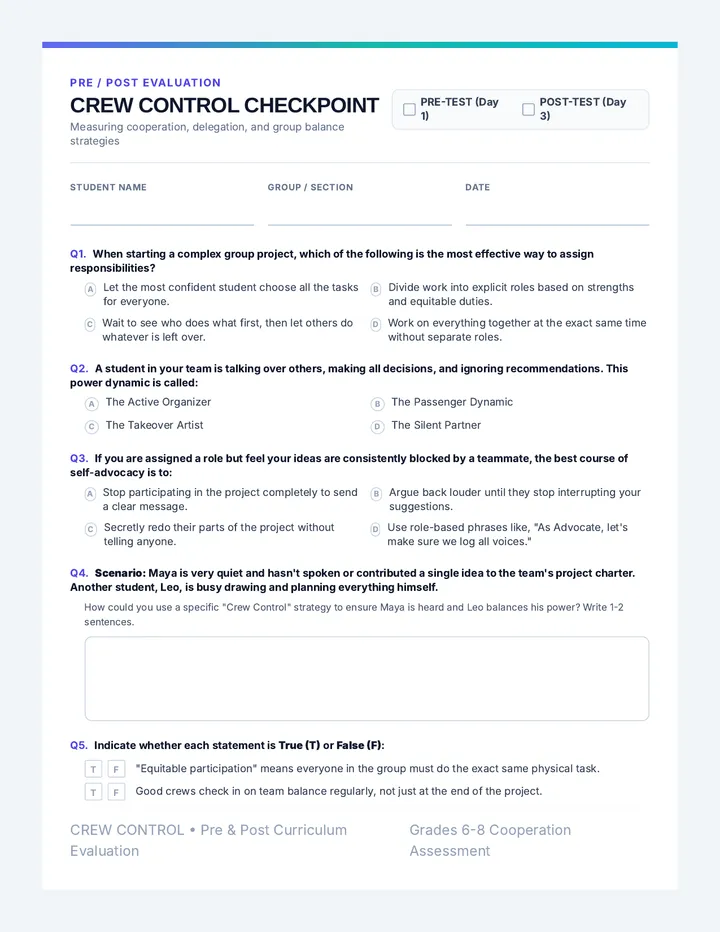
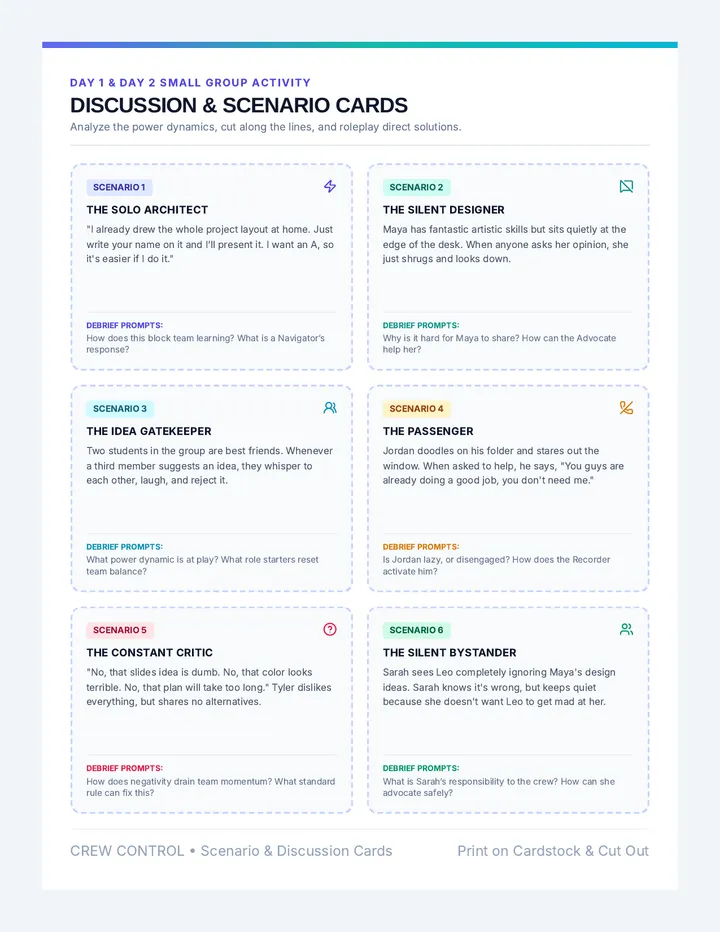
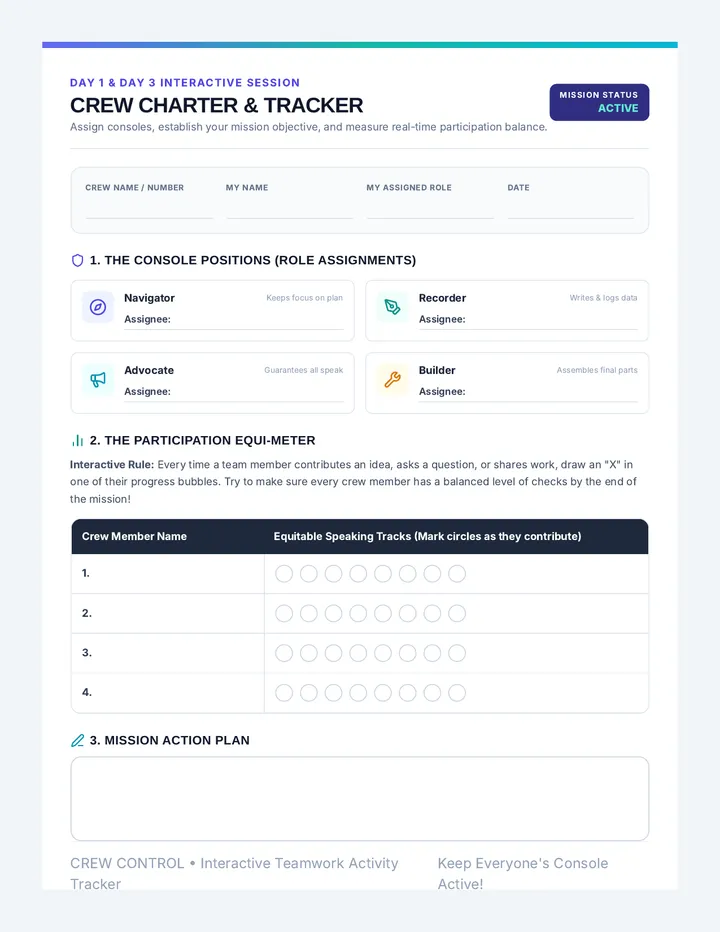
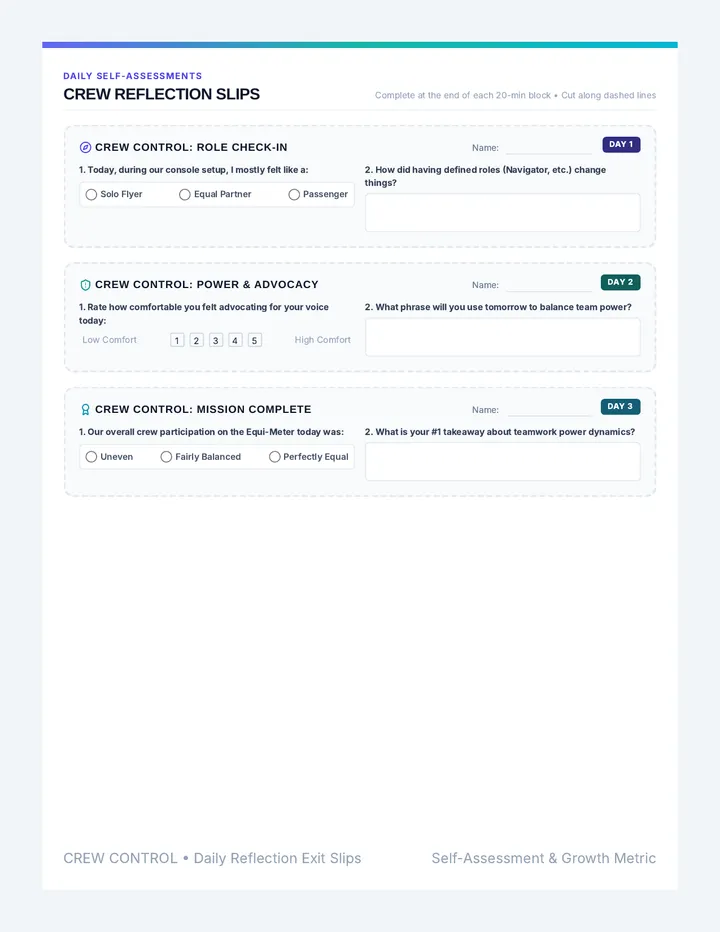
A cohesive 3-day small group curriculum that teaches middle school students how to coordinate project responsibilities, self-advocate, and address dominance or passivity to ensure equitable participation.
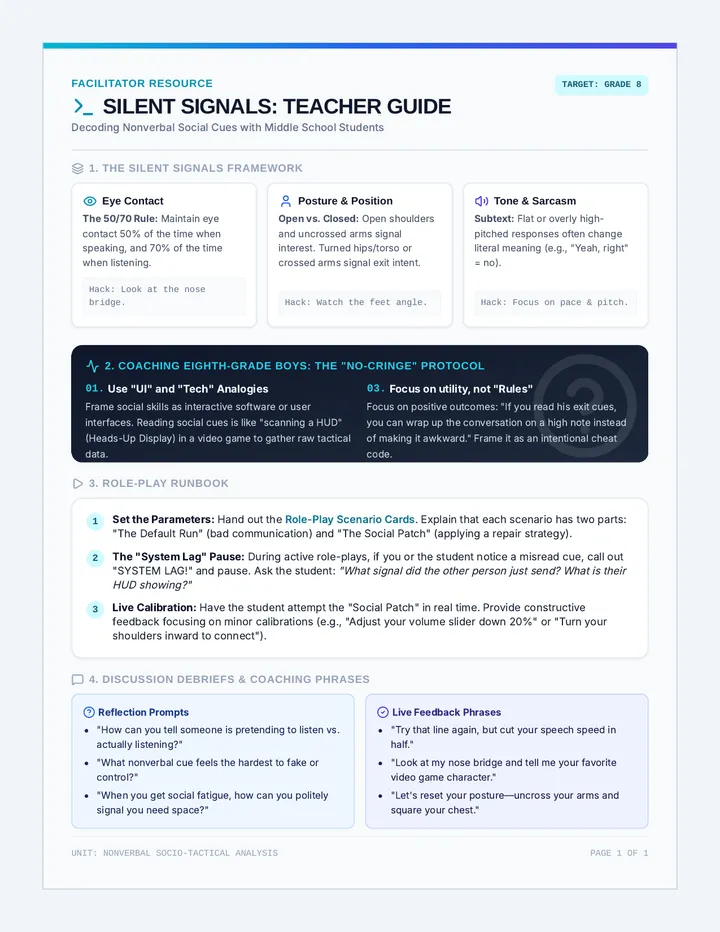
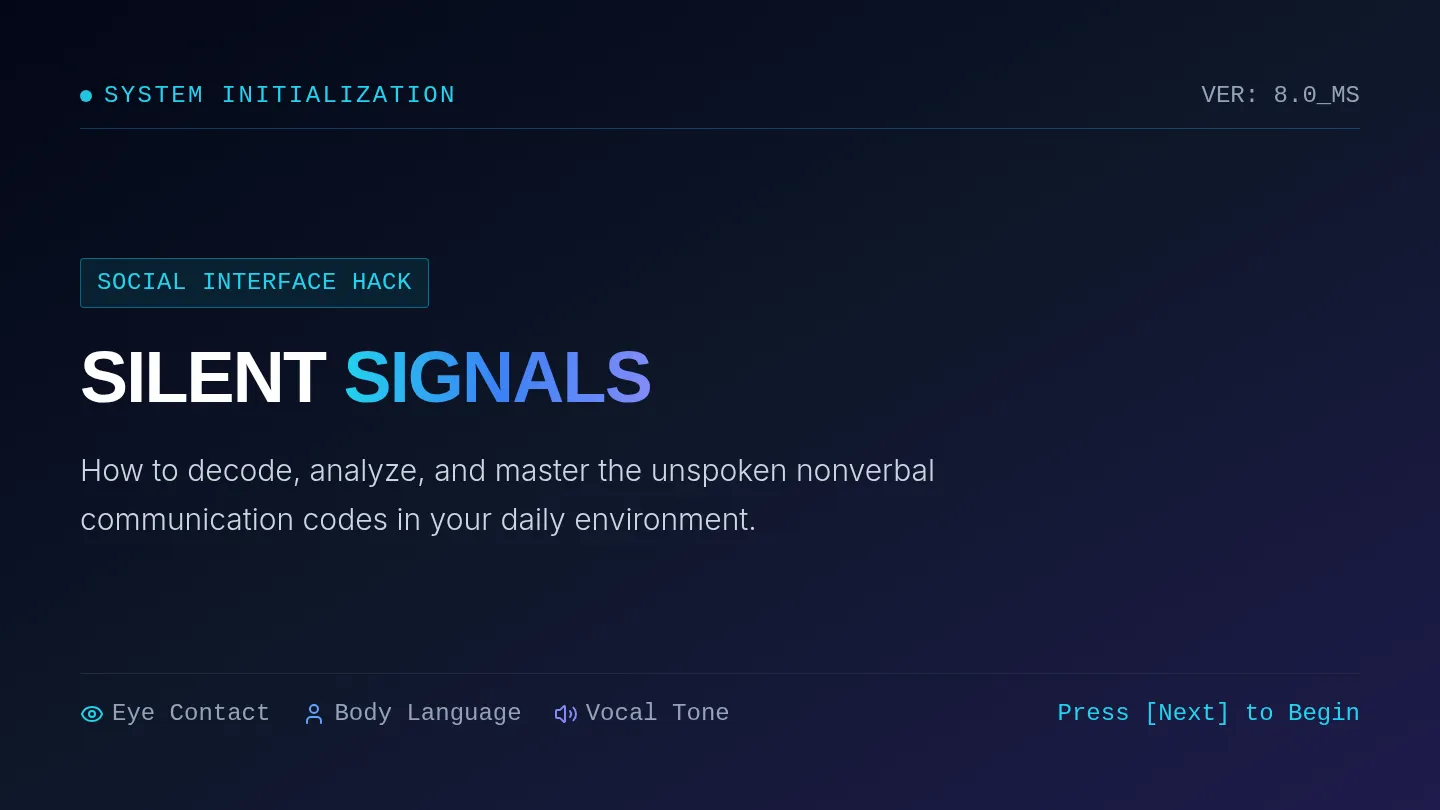
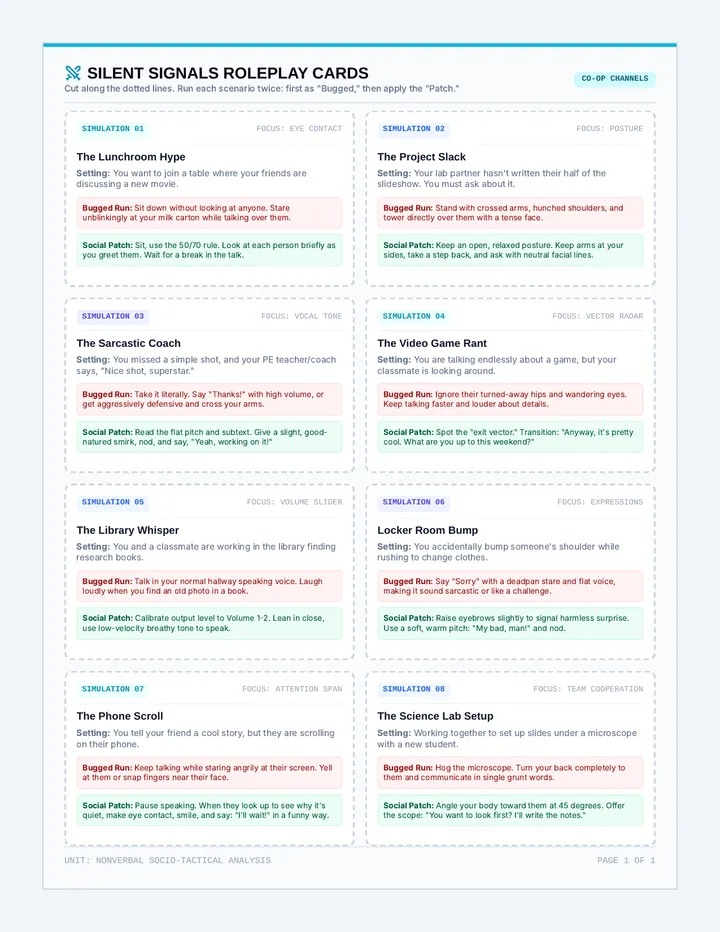
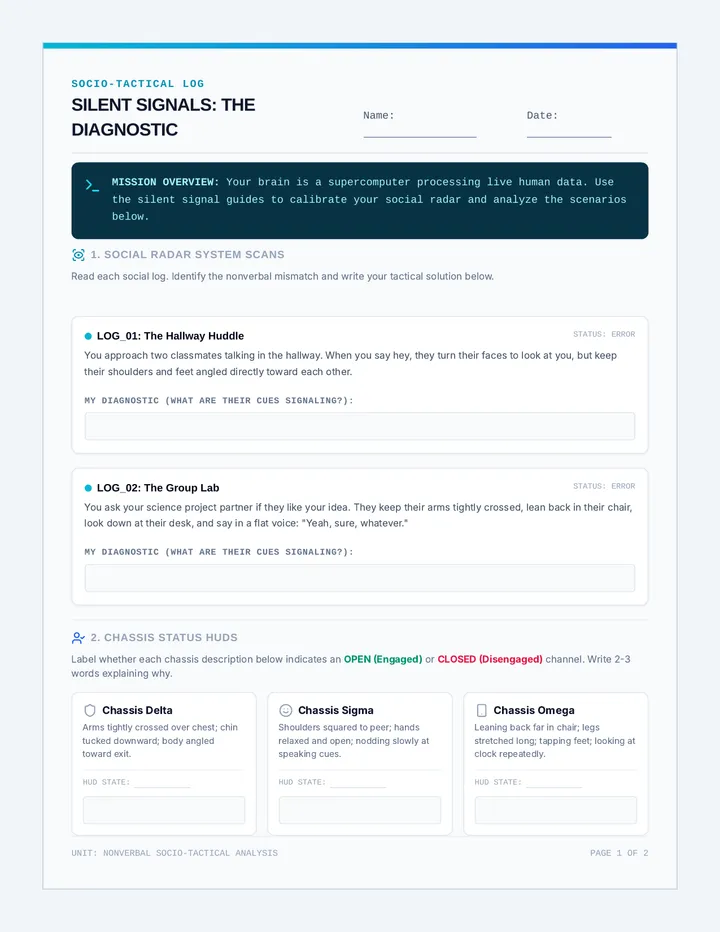
A practical, high-interest social skills lesson designed to help eighth-grade students decode and master silent communication cues: eye contact patterns, body language, and tone of voice. Contains slide-based instruction, role-play challenges, interactive worksheets, and an educator facilitation guide.
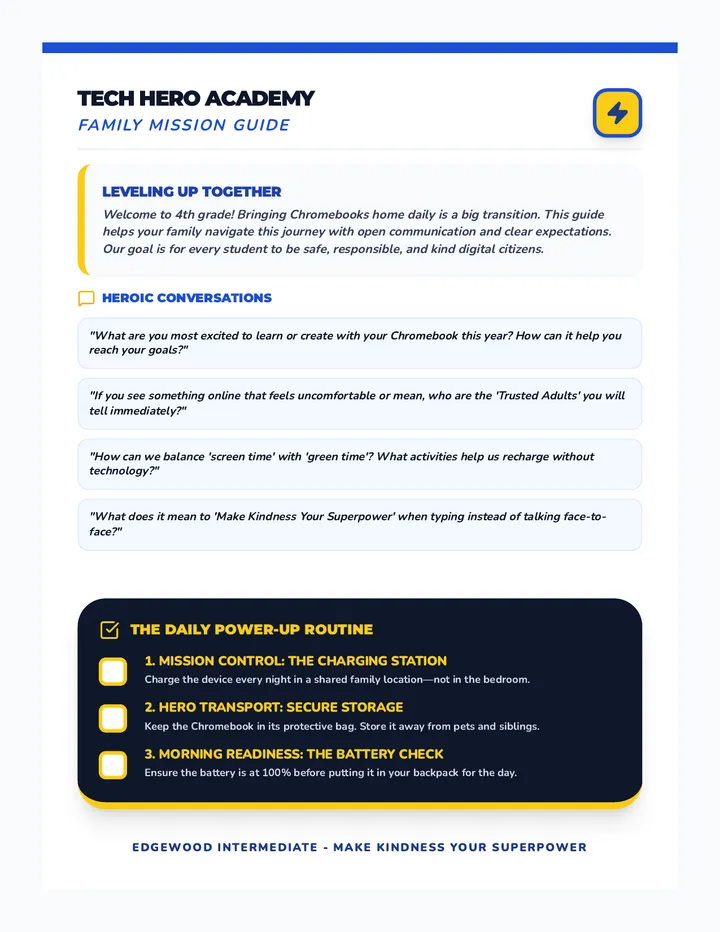
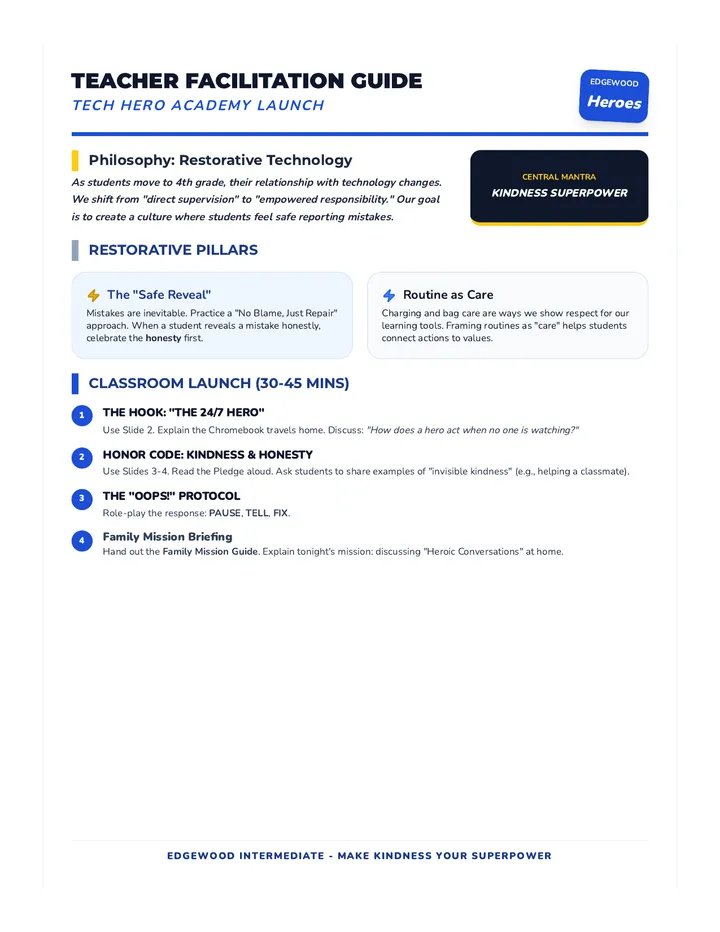
A lesson designed to transition 3rd grade students to 4th grade technology responsibilities, focusing on restorative practices, digital citizenship, and the 'Make Kindness Your Superpower' initiative.
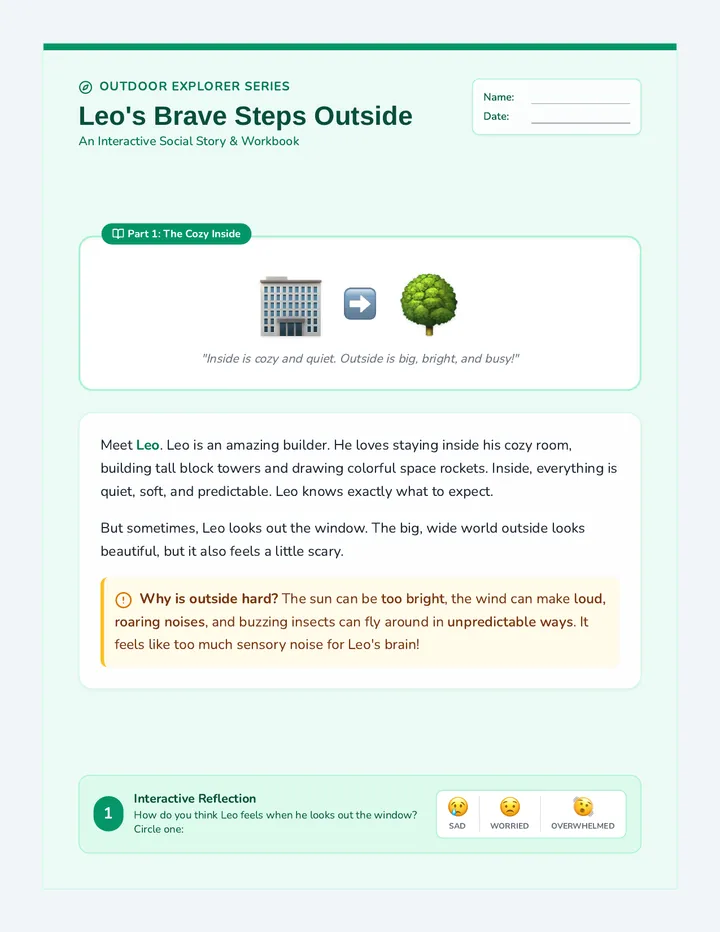
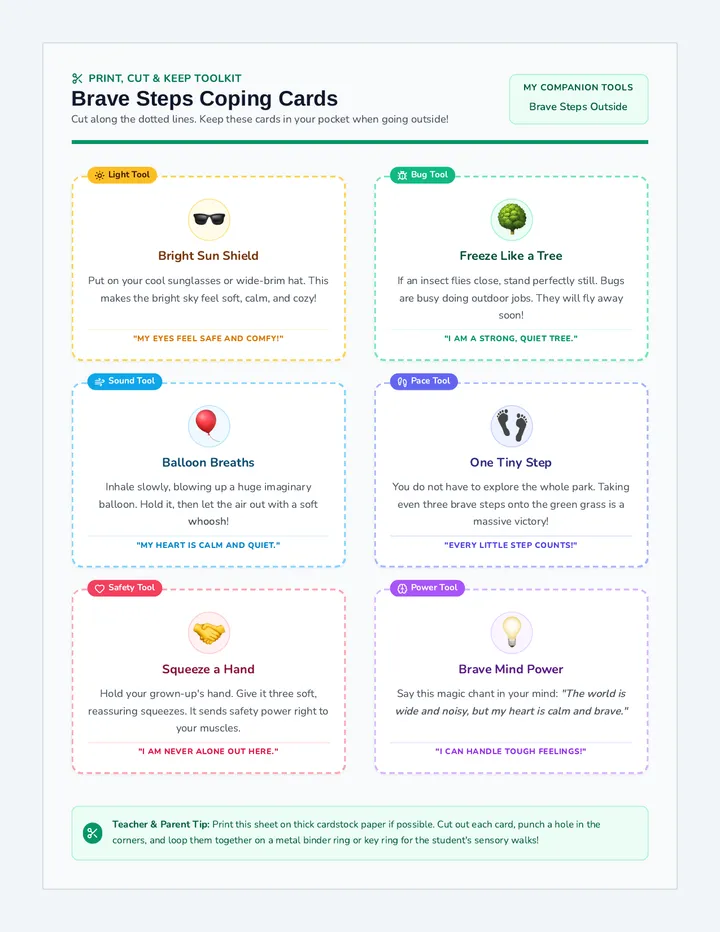
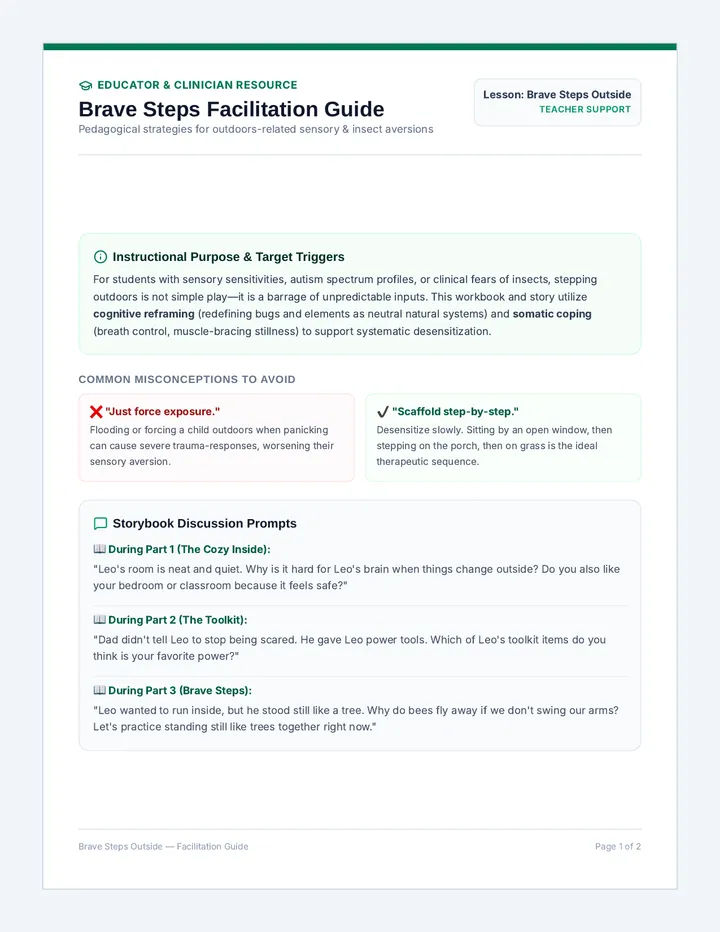
A comprehensive social emotional learning lesson designed to help children navigate fears of the outdoors, specifically focusing on sensory overload (loud noises, bright lights, weather) and unpredictable insects. Includes an interactive social story workbook, visual coping cards, and a teacher support guide.
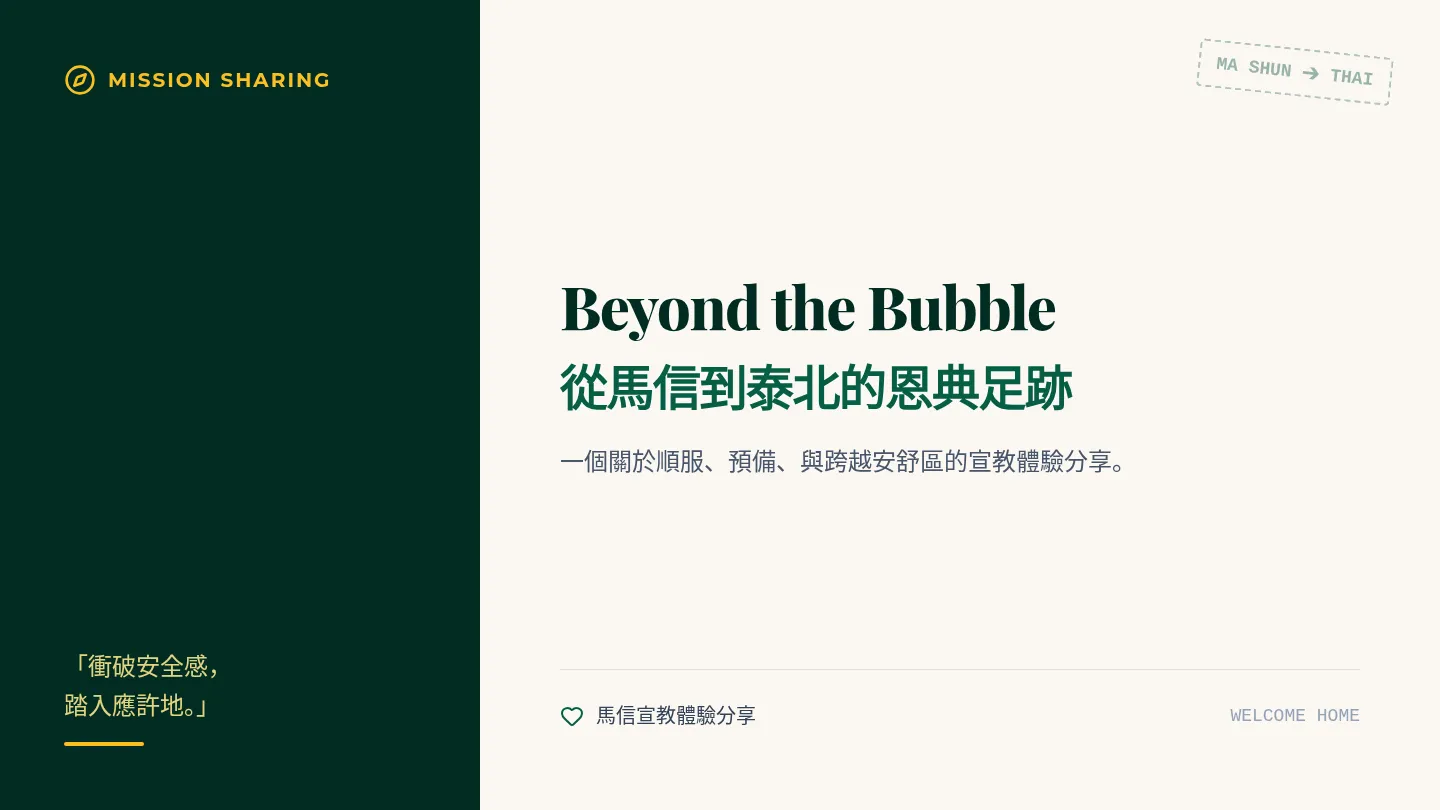
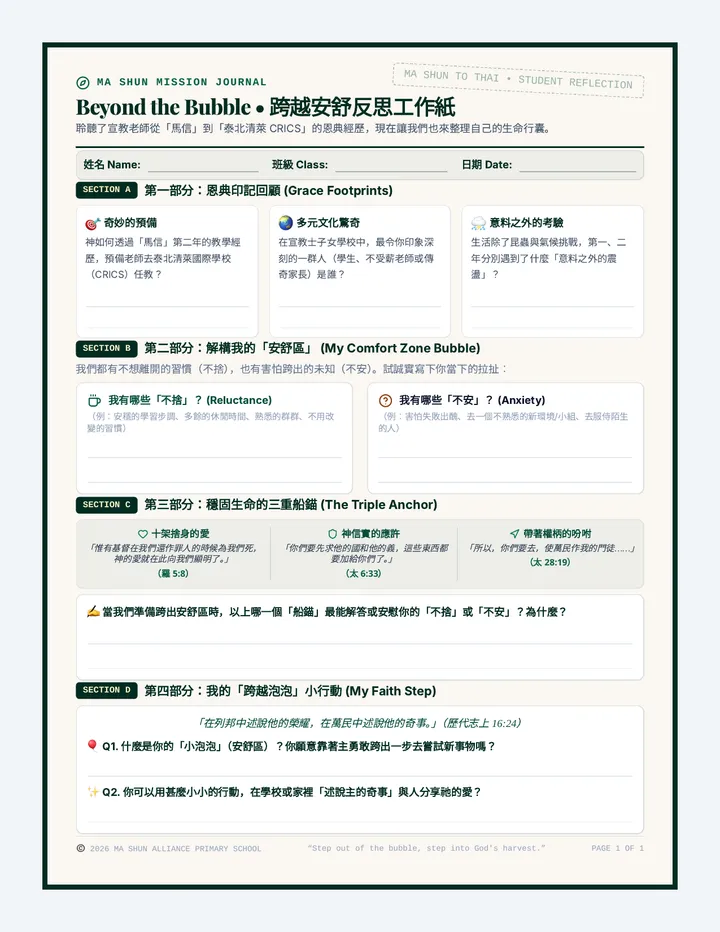
A testimony-based lesson exploring the journey of stepping out of one's comfort zone, overcoming fears through faith, and embracing God's mission in Thailand.
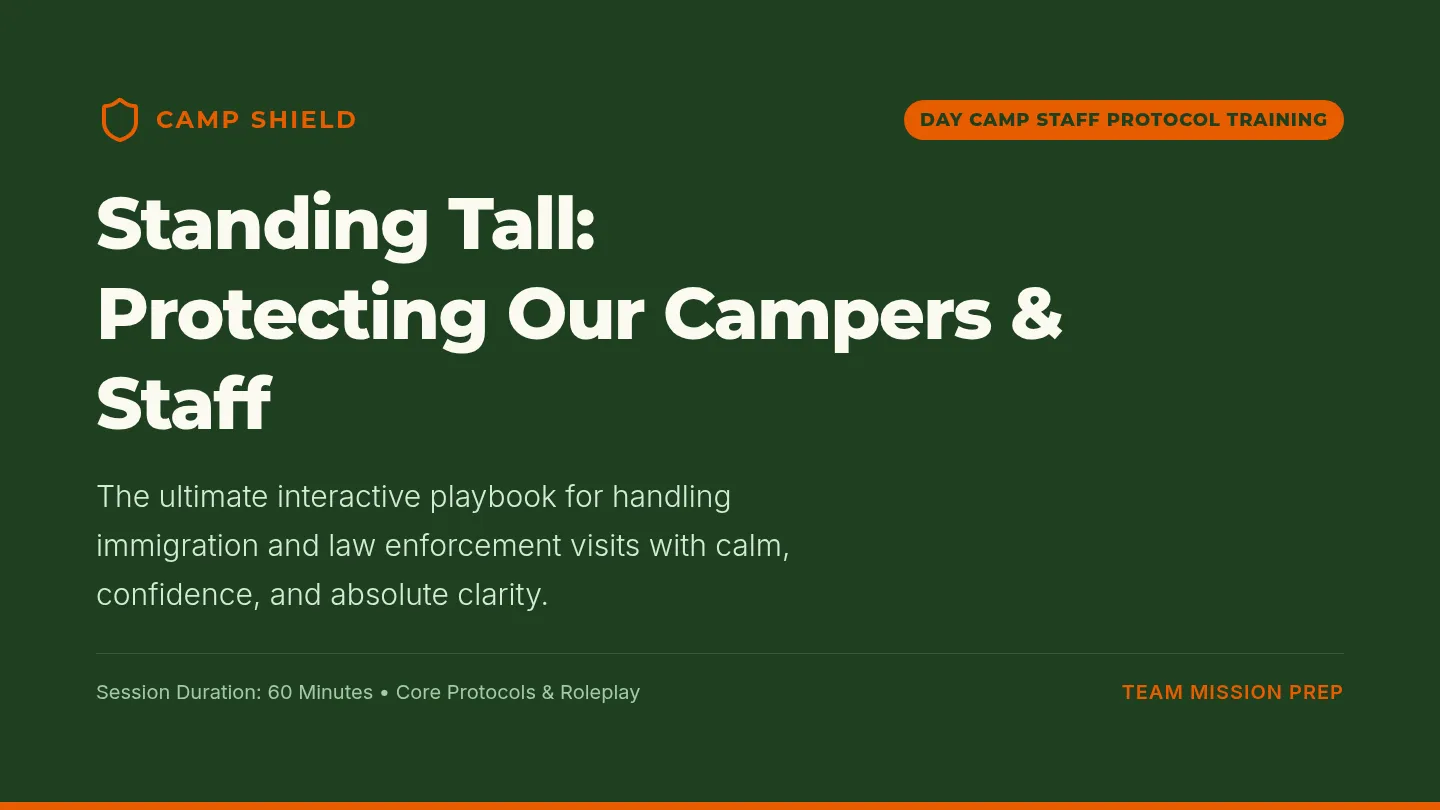
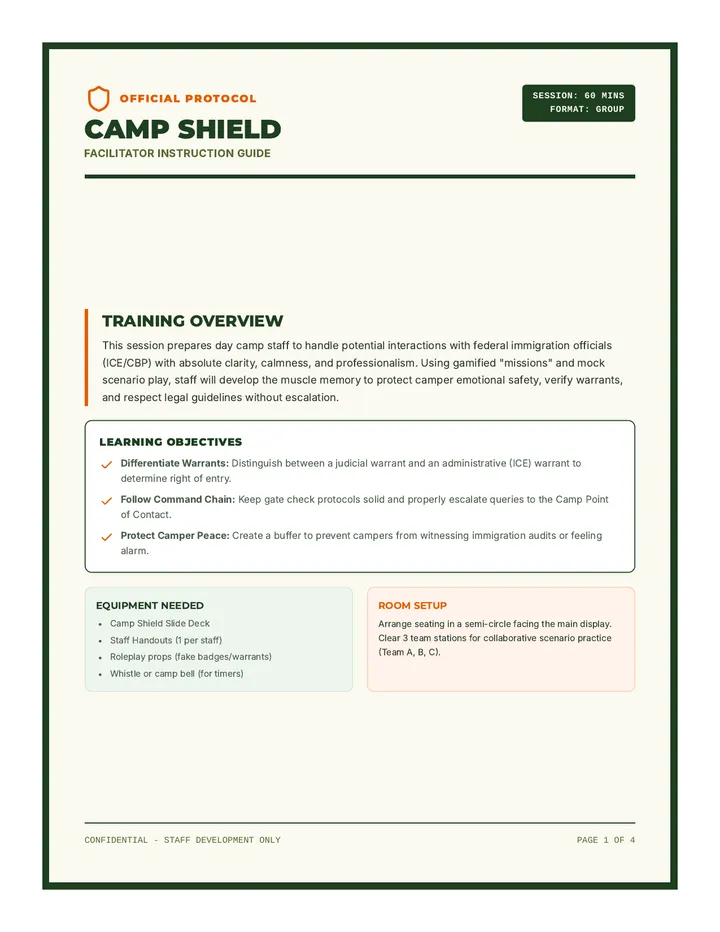
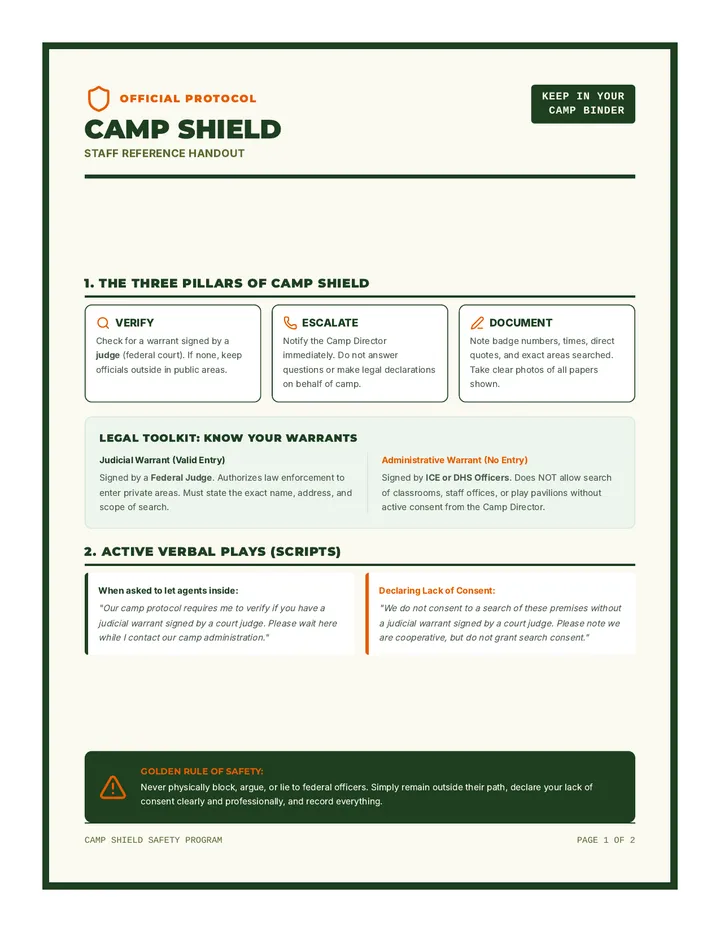
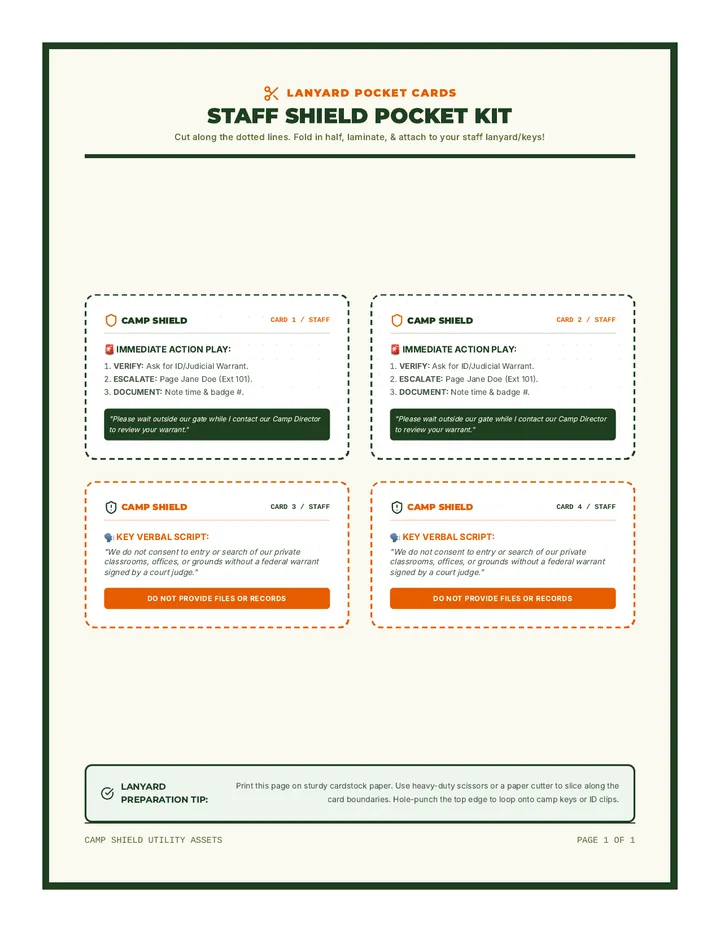
A comprehensive, scenario-based training lesson to prepare camp staff on safety, communication, and legal protocols if ICE or immigration officials arrive at camp. Equips staff with actionable toolkits, step-by-step guides, and interactive roleplay scenarios.
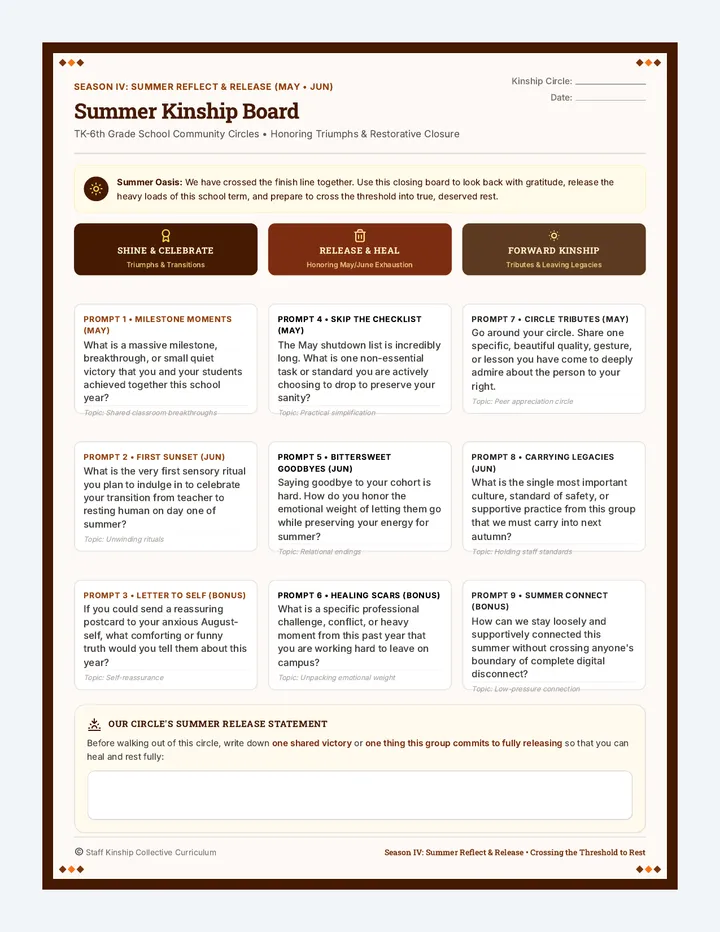
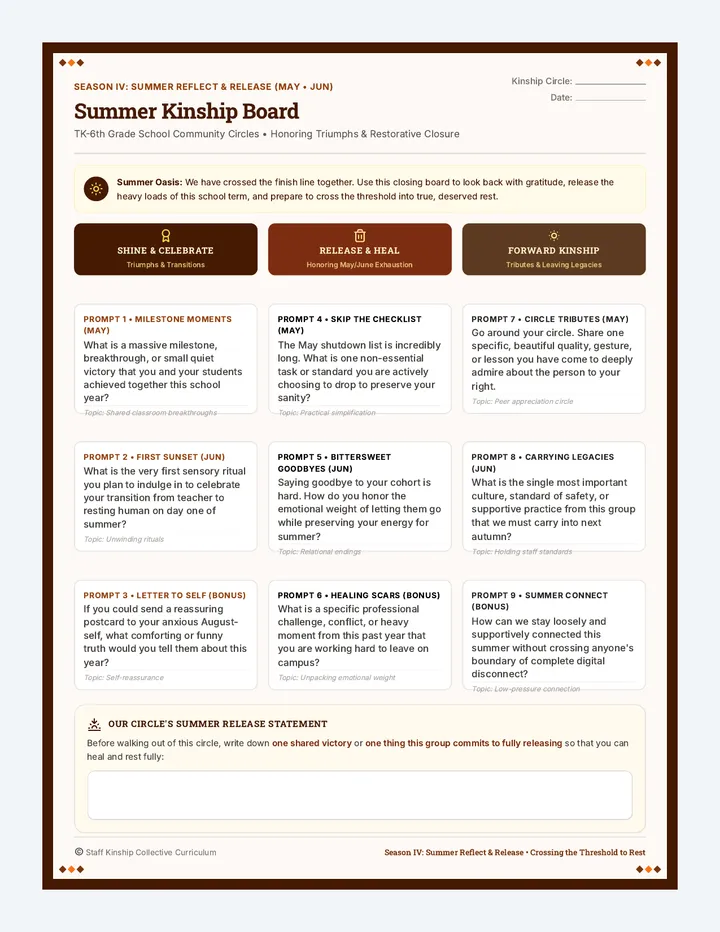
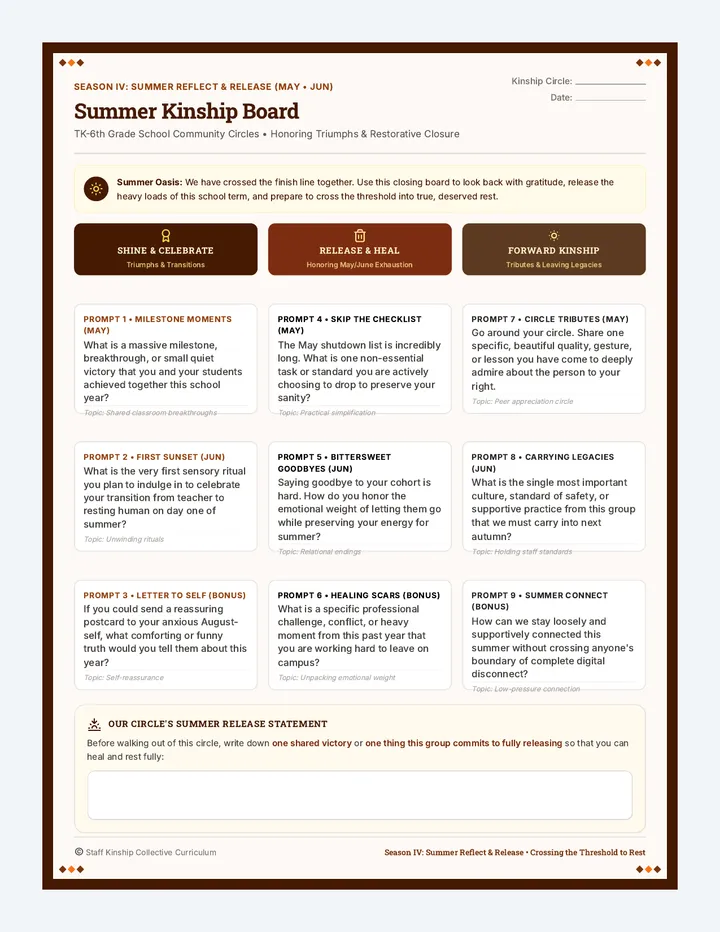
Celebrates collective triumphs, reflective learning, and restorative closure as the school year draws to an end (May, June).
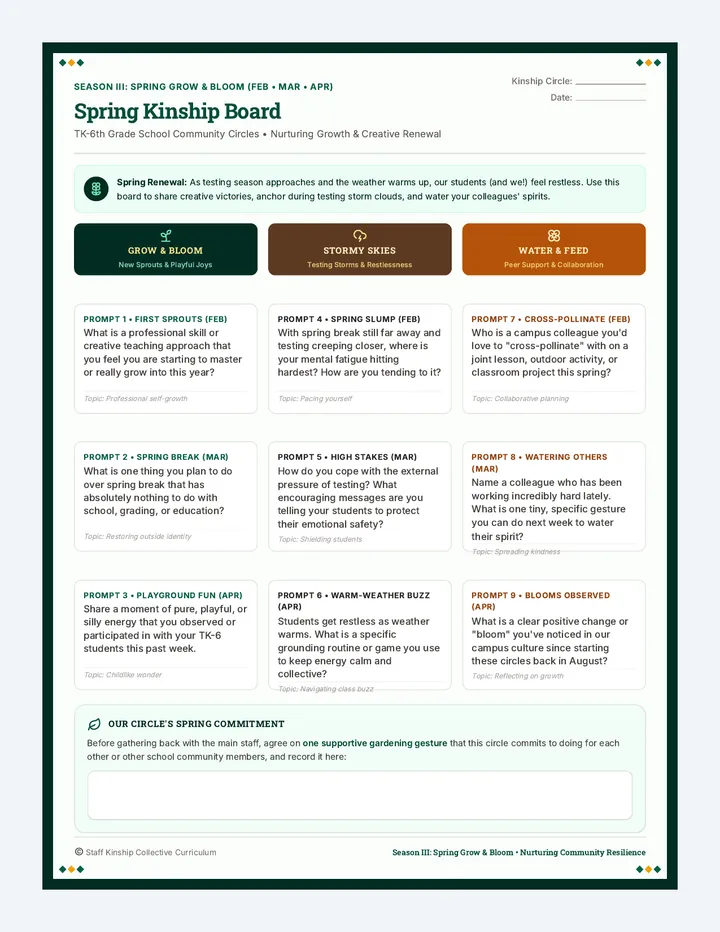
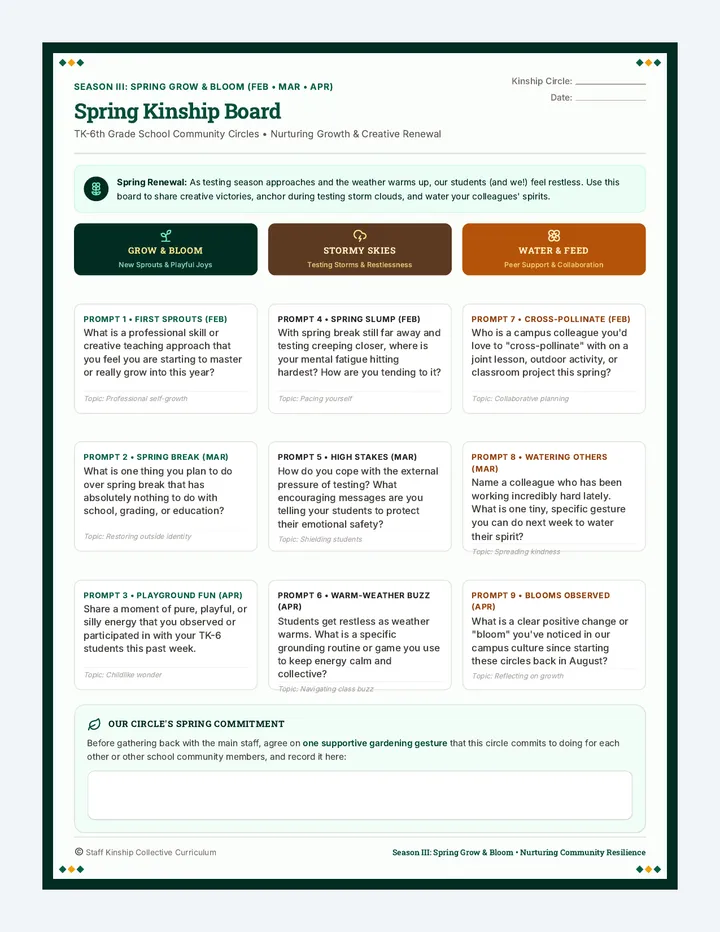
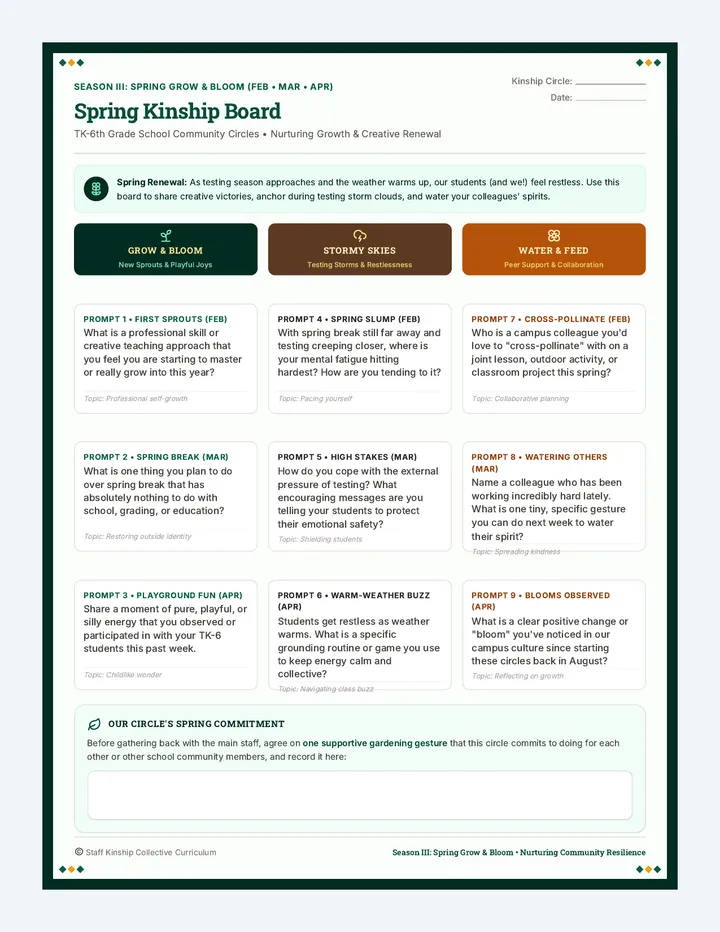
Fosters professional empathy, creative renewal, and navigating high-stakes testing season with collaborative support and grace (February, March, April).
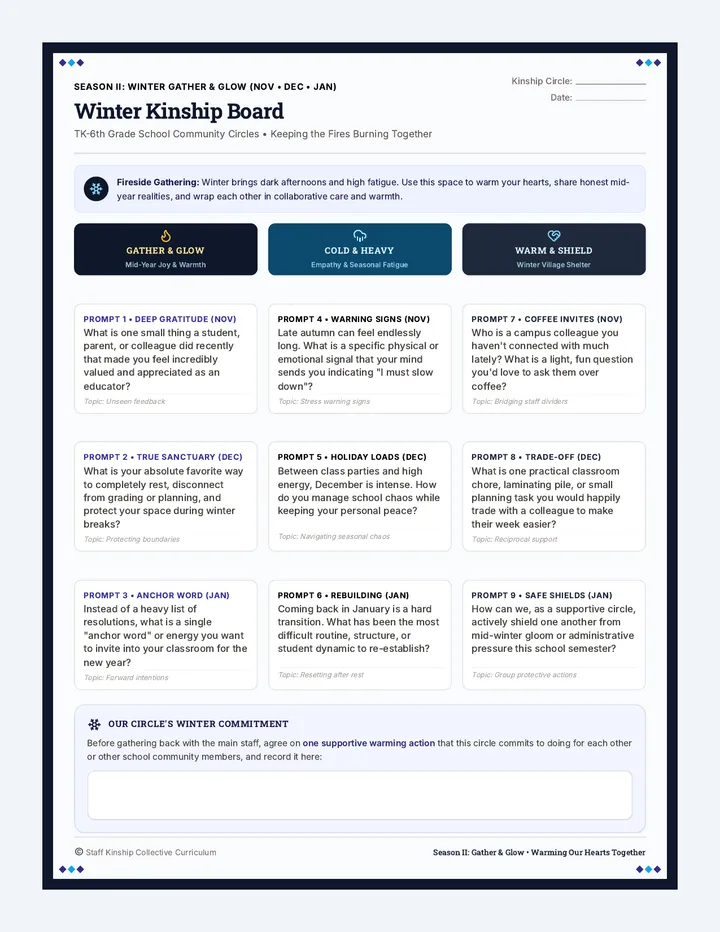
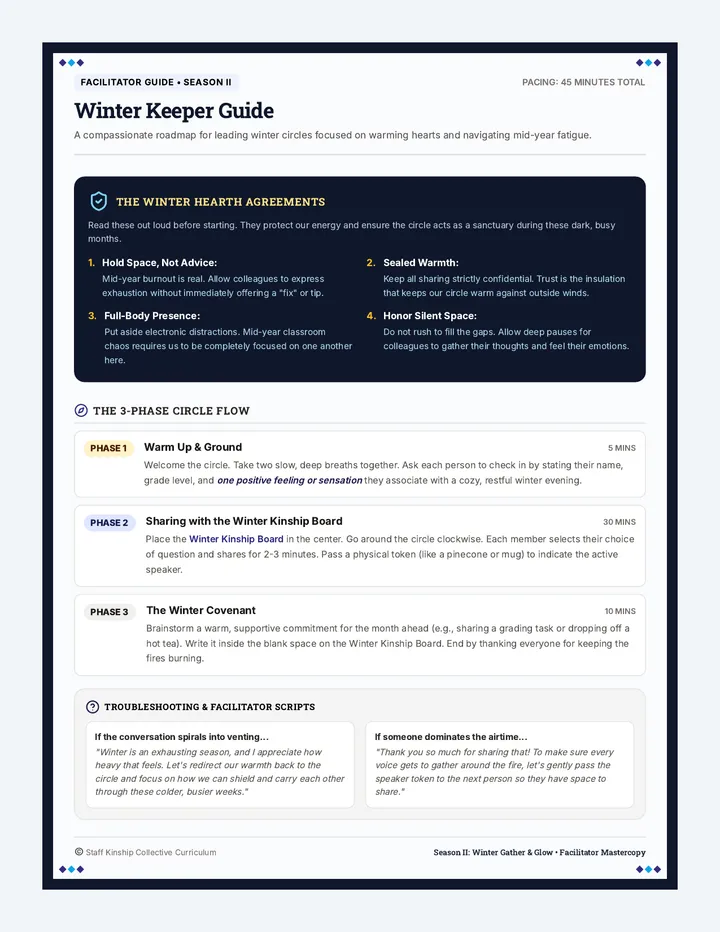
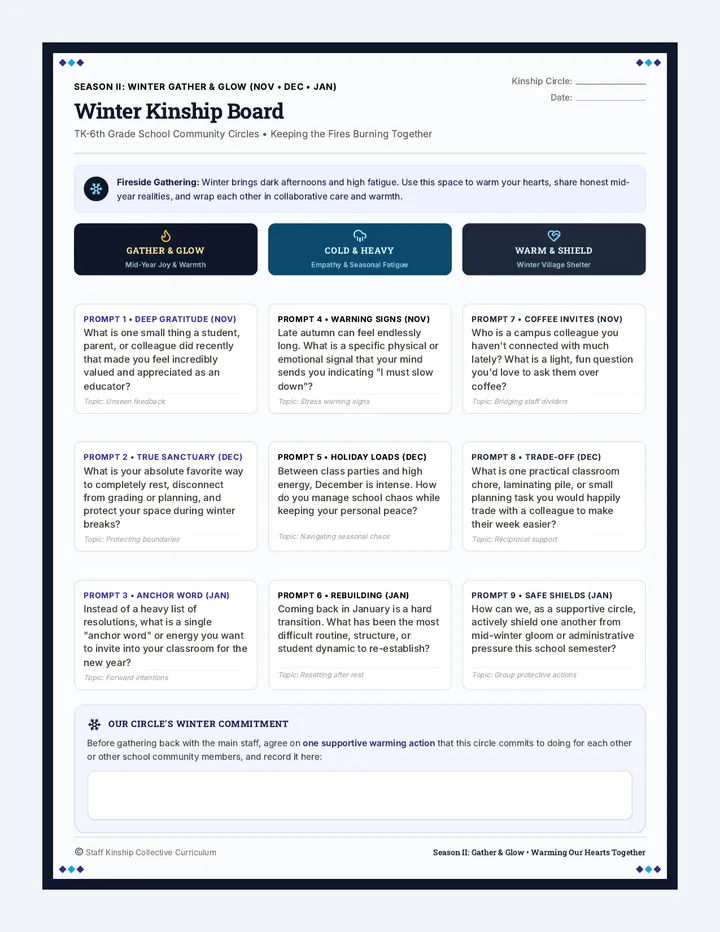
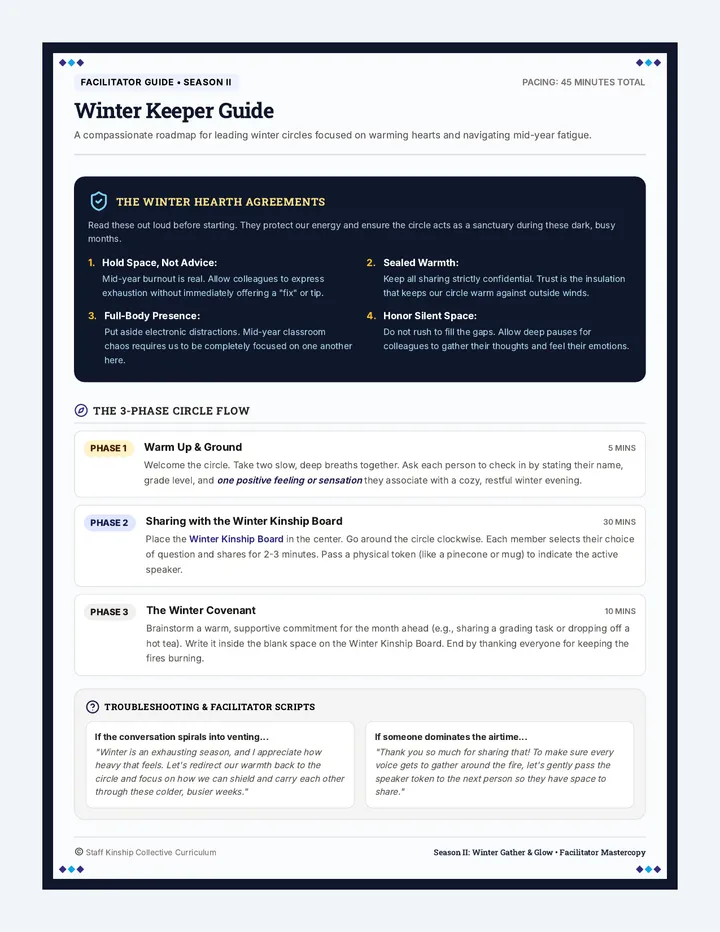
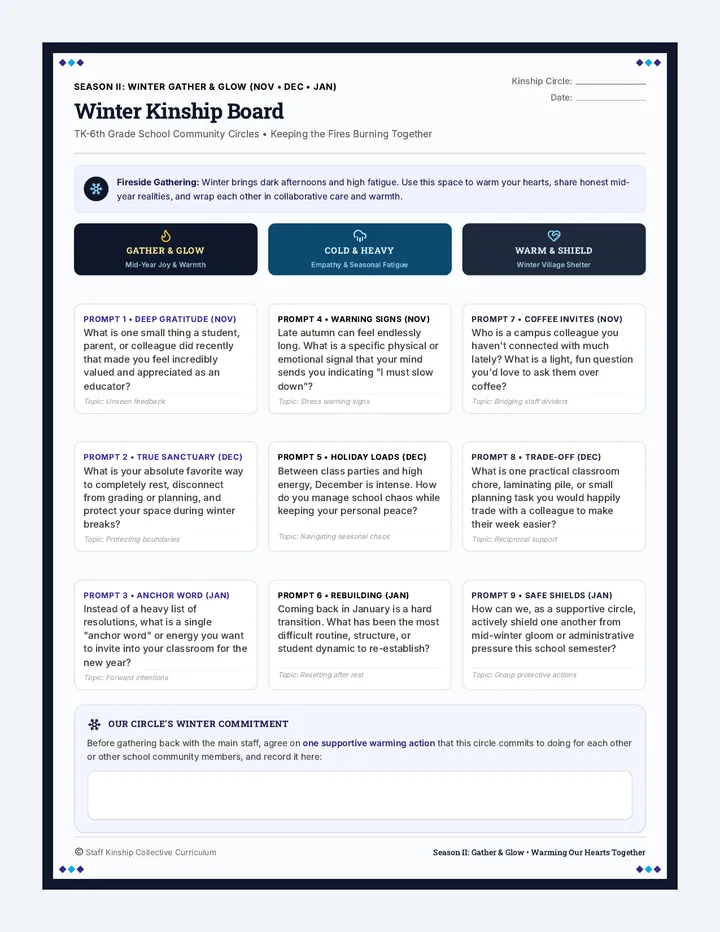
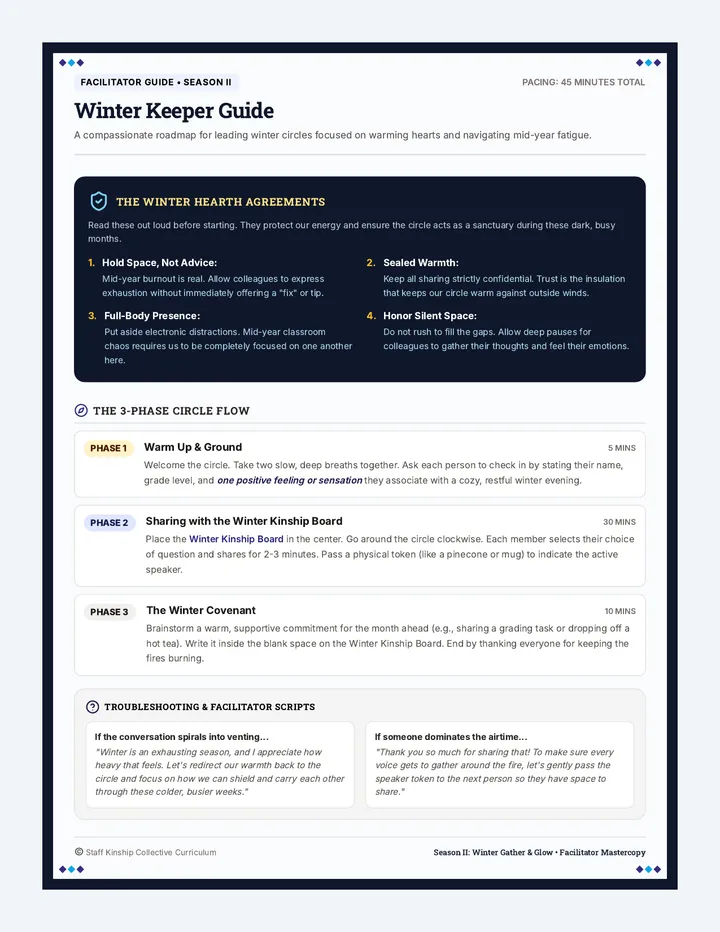
Explores themes of collective healing, mid-year fatigue management, peer-to-peer gratitude, and warming up school culture during the winter months (November, December, January).
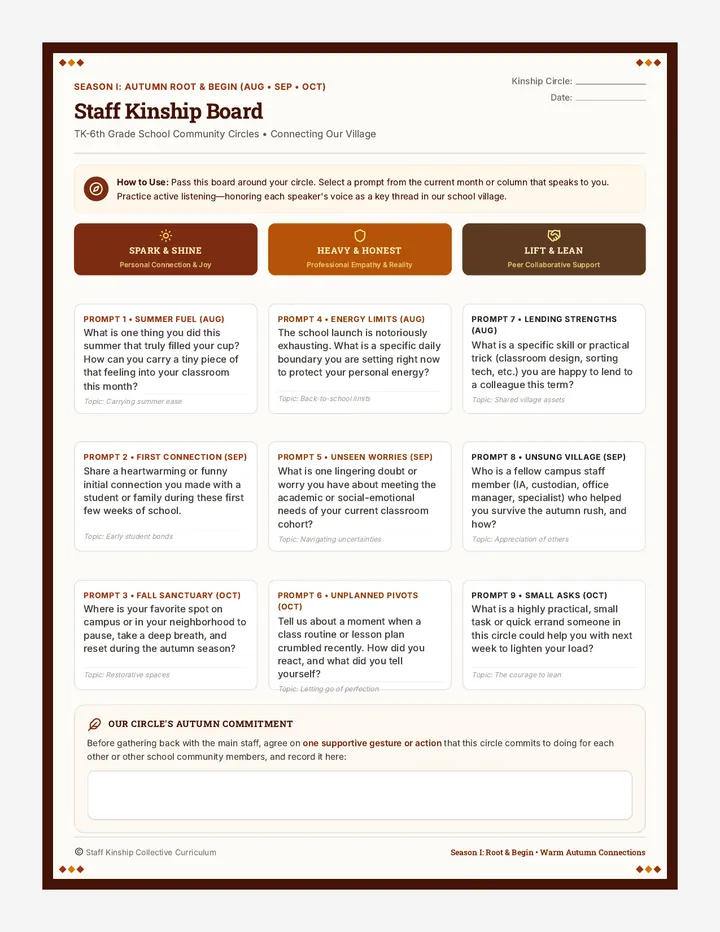
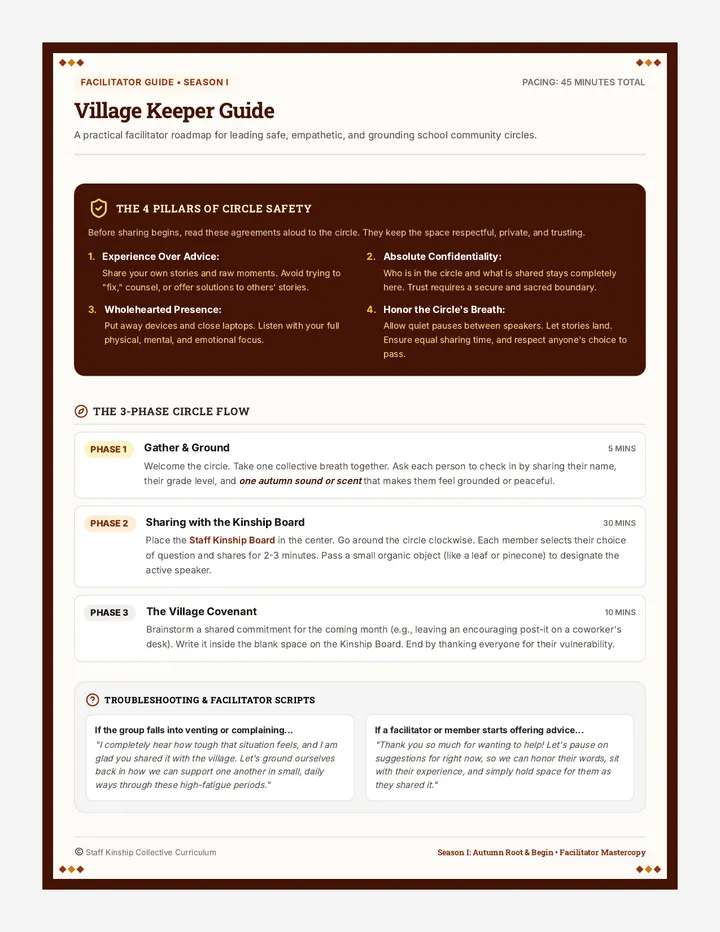
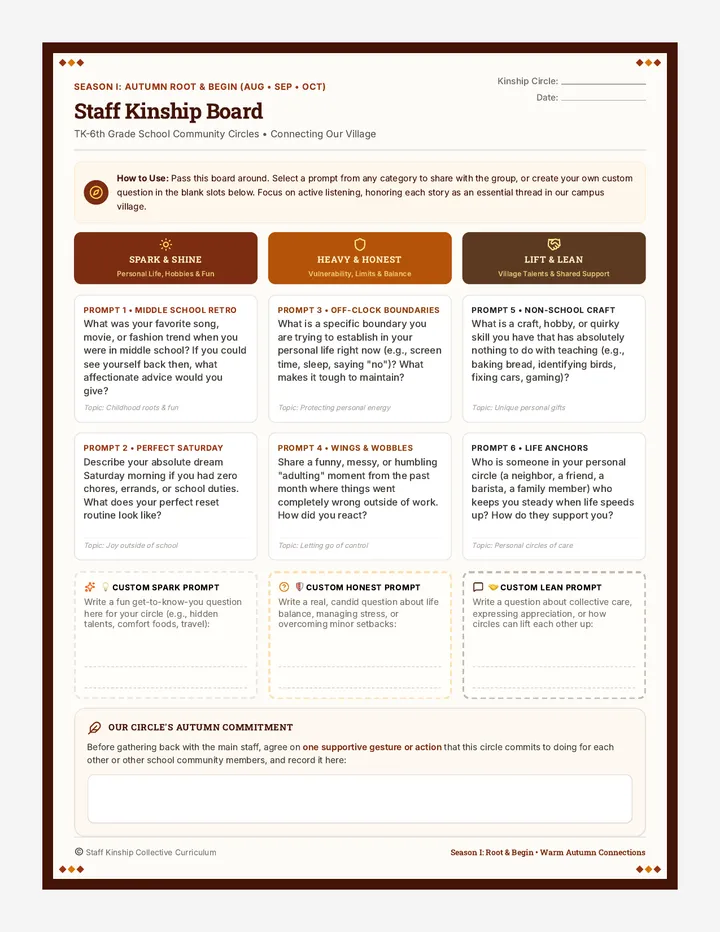
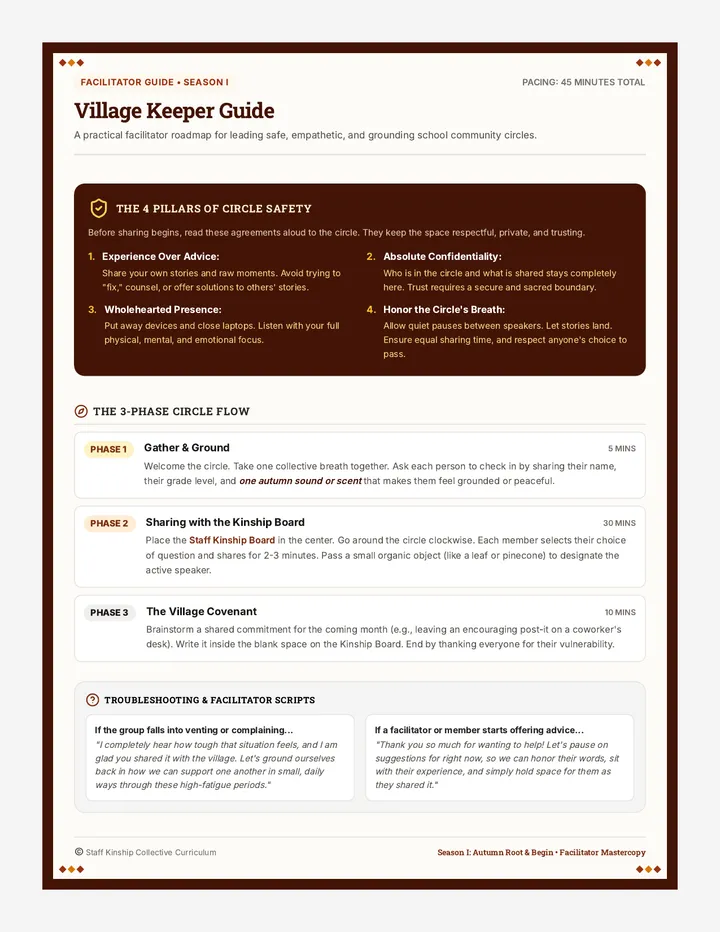
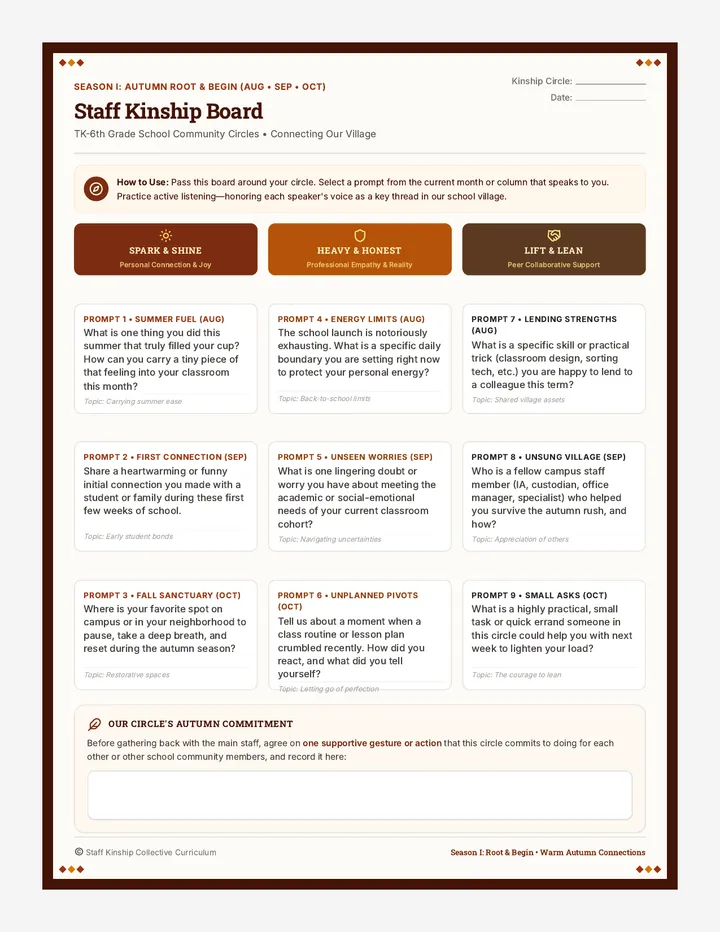
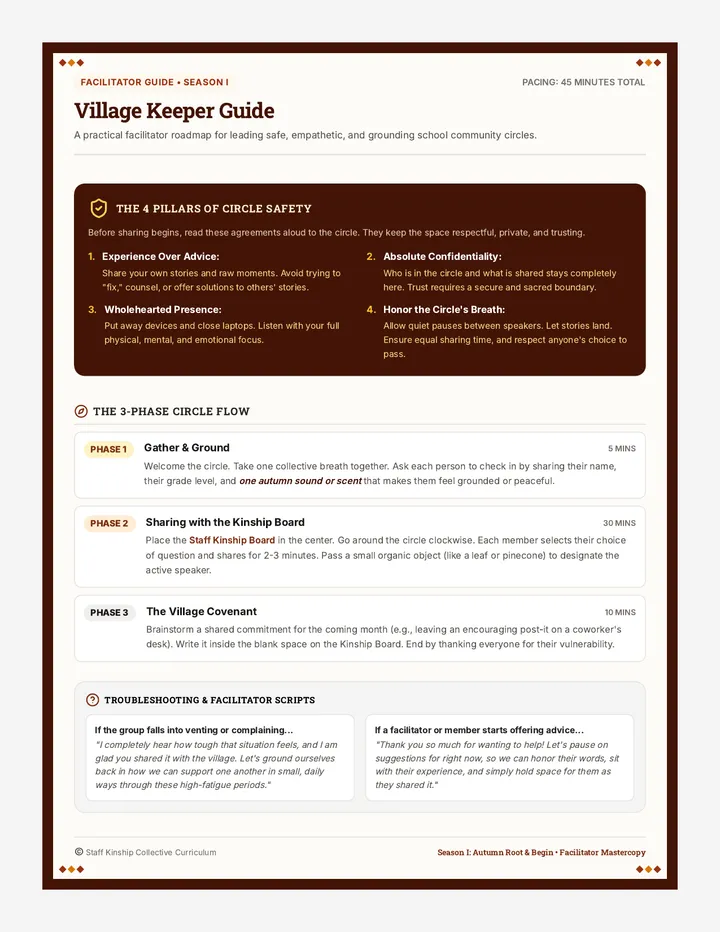
Focuses on establishing group trust, sharing summer transitions, and setting supportive baseline agreements for the start of the school year (August, September, October).
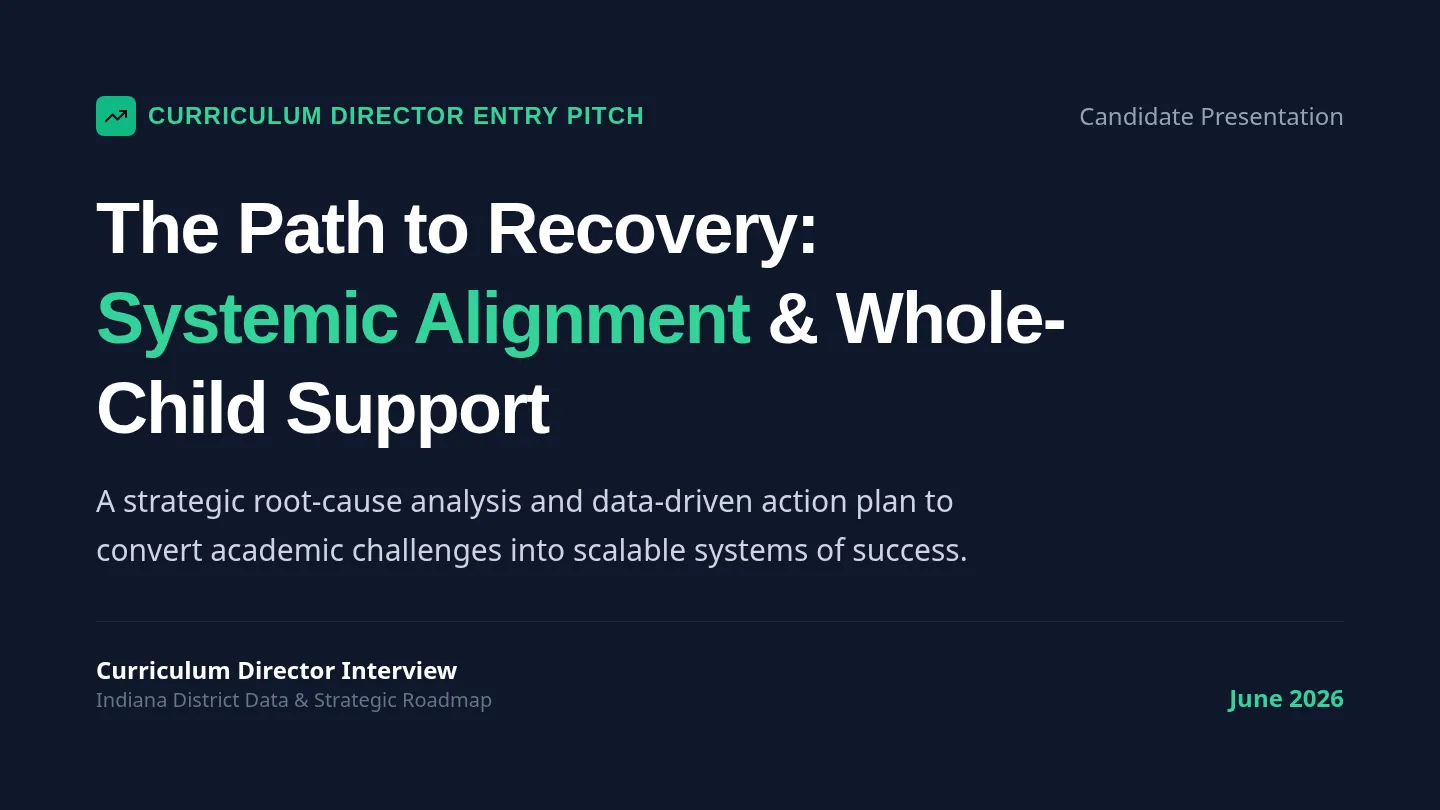
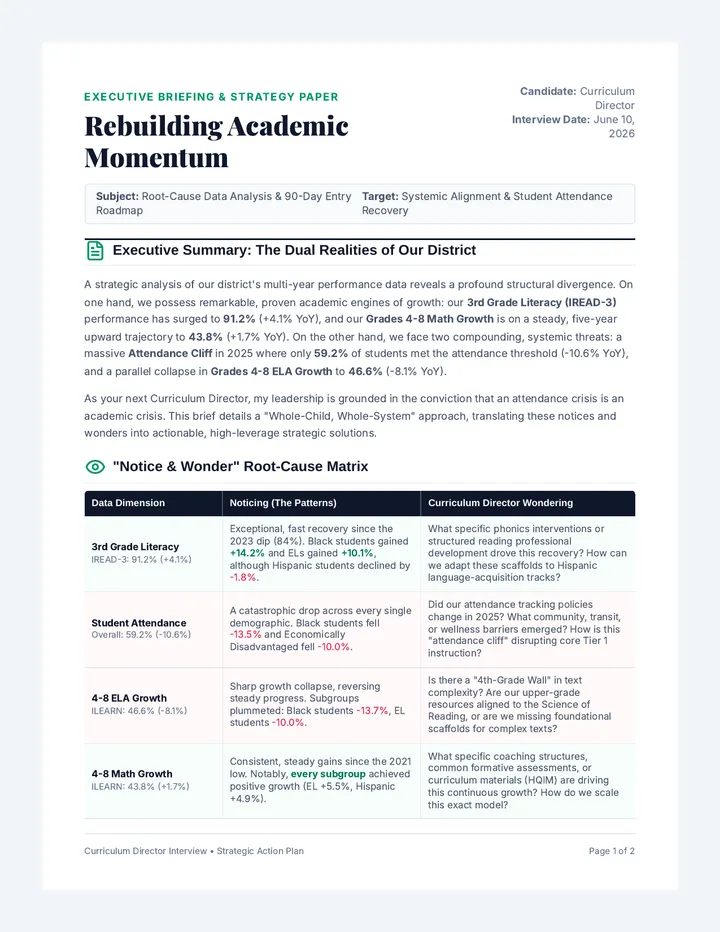
A comprehensive interview package featuring a slide deck and an executive briefing handout, detailing a data-driven action plan and 90-day entry roadmap for curriculum leadership.
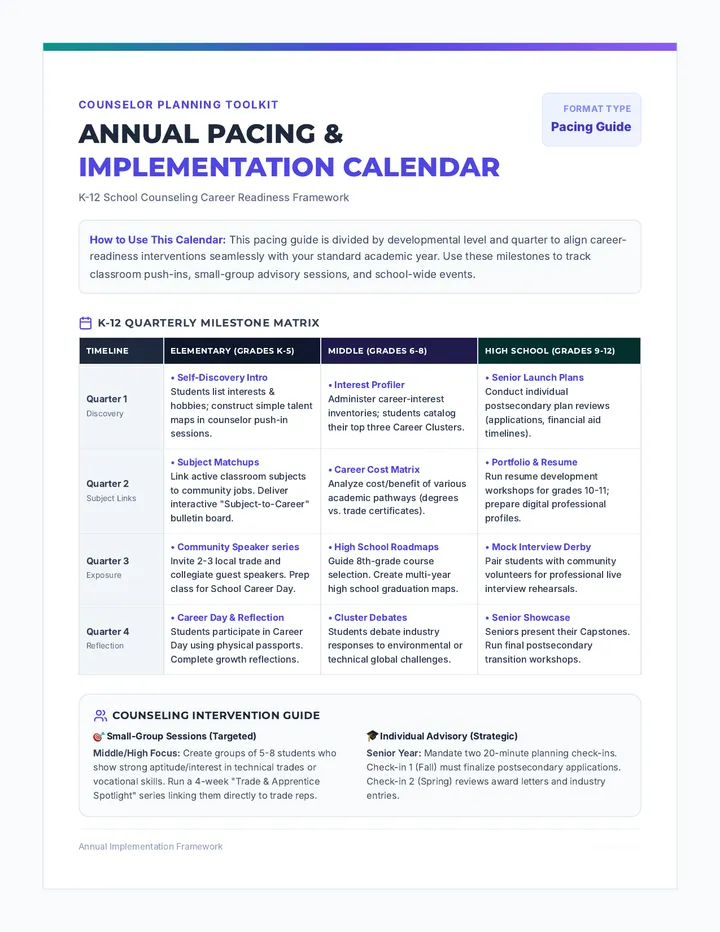
Actionable planning resources, school-wide career day guides, and implementation templates for school counselors to deploy career readiness curricula.
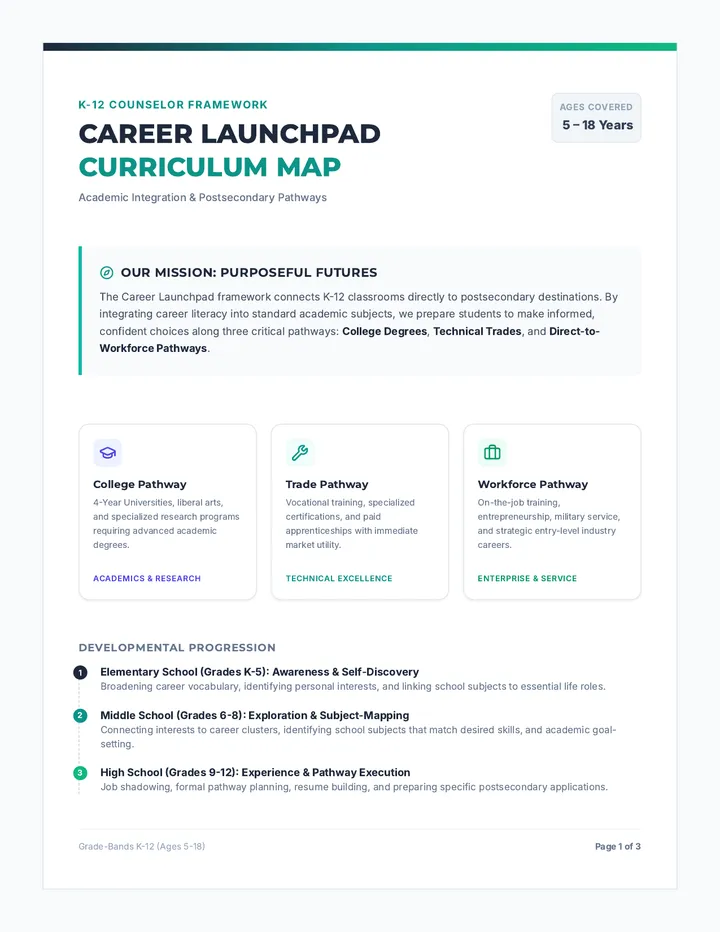
High-level scope, sequence, and developmental milestones for elementary, middle, and high school career exploration. This framework links classroom subjects to real-world college, trade, and workforce pathways.
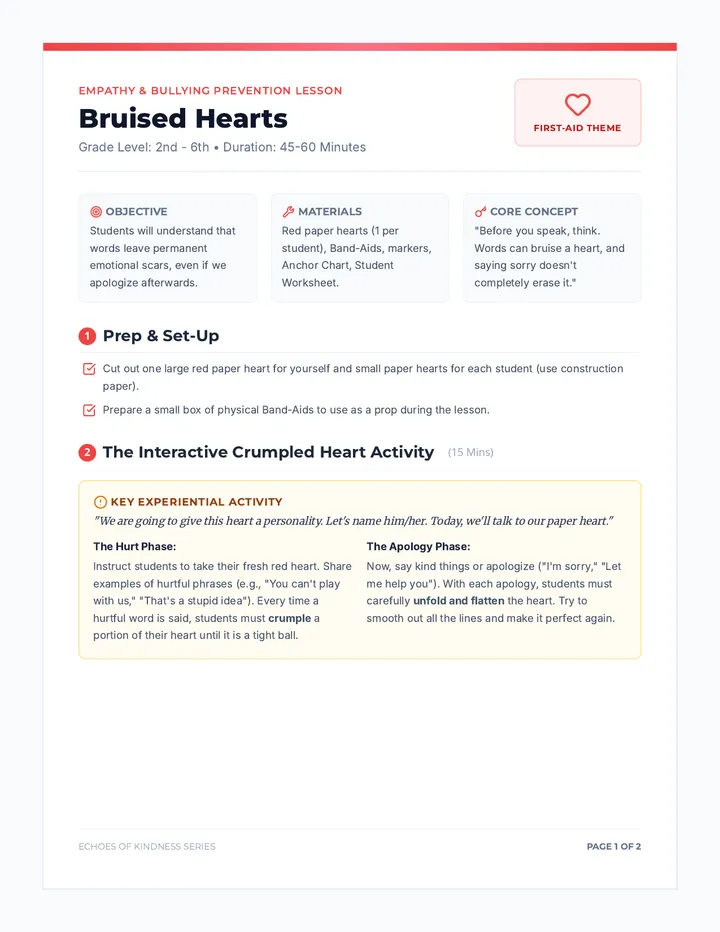
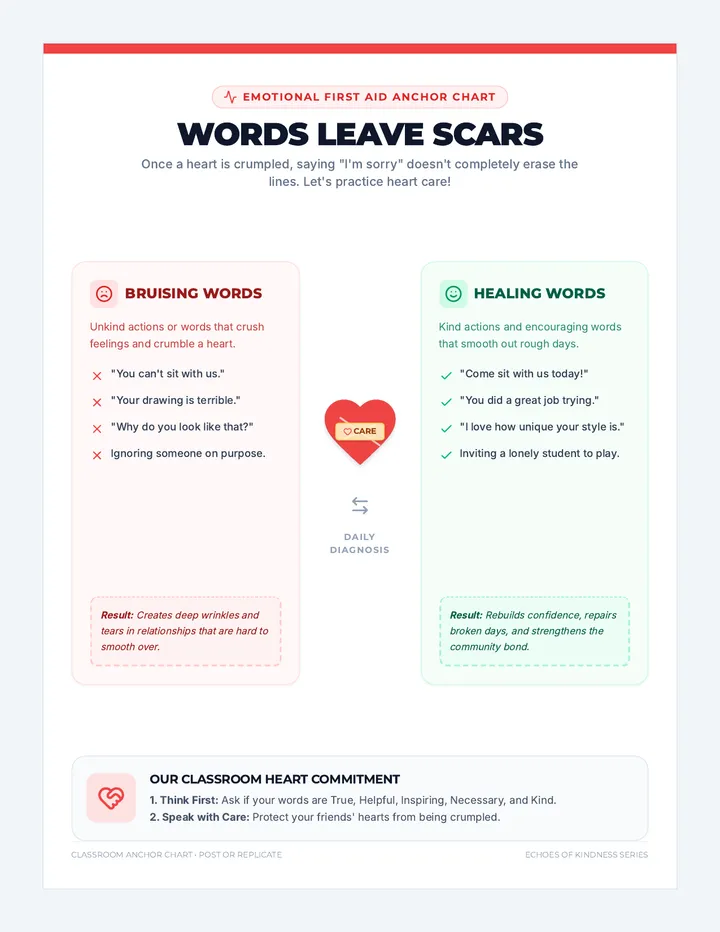
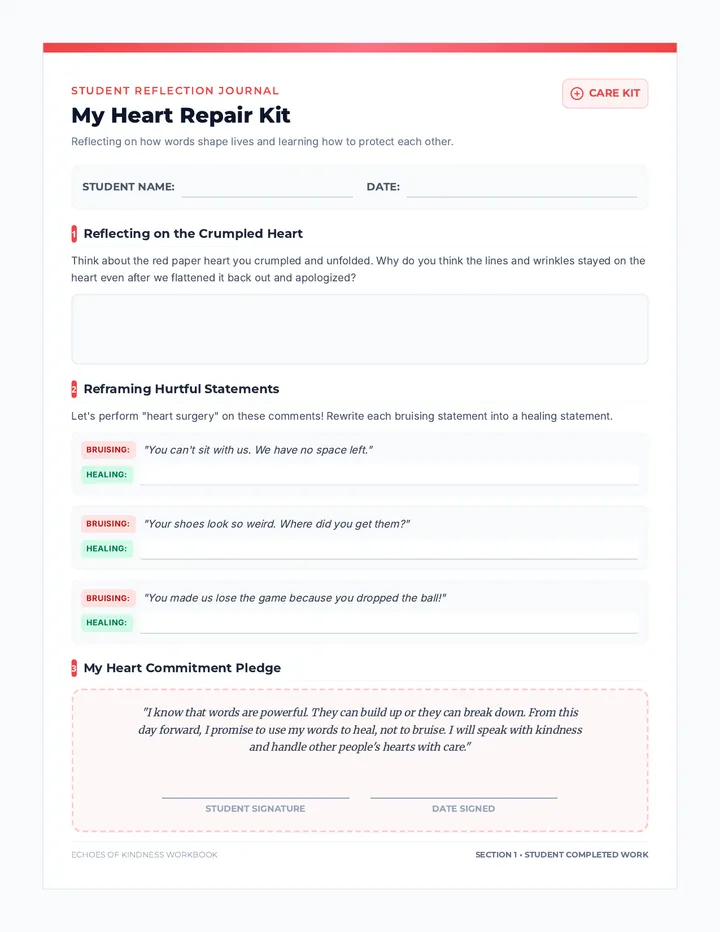
A powerful kindness and bullying prevention lesson exploring how hurtful words affect others and how we can repair hearts. Students engage in a paper-heart crumbling activity to visually understand the lasting impact of unkindness.
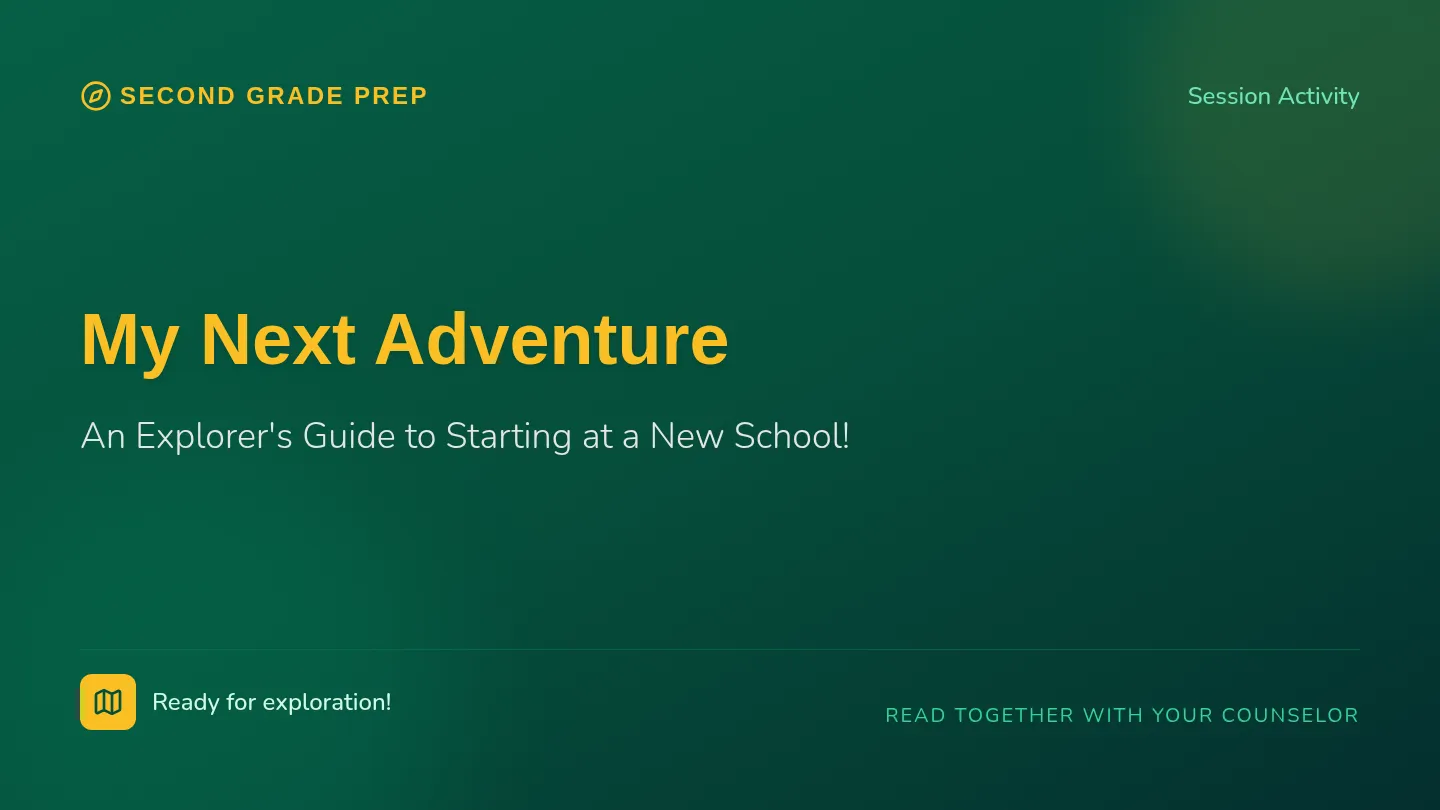
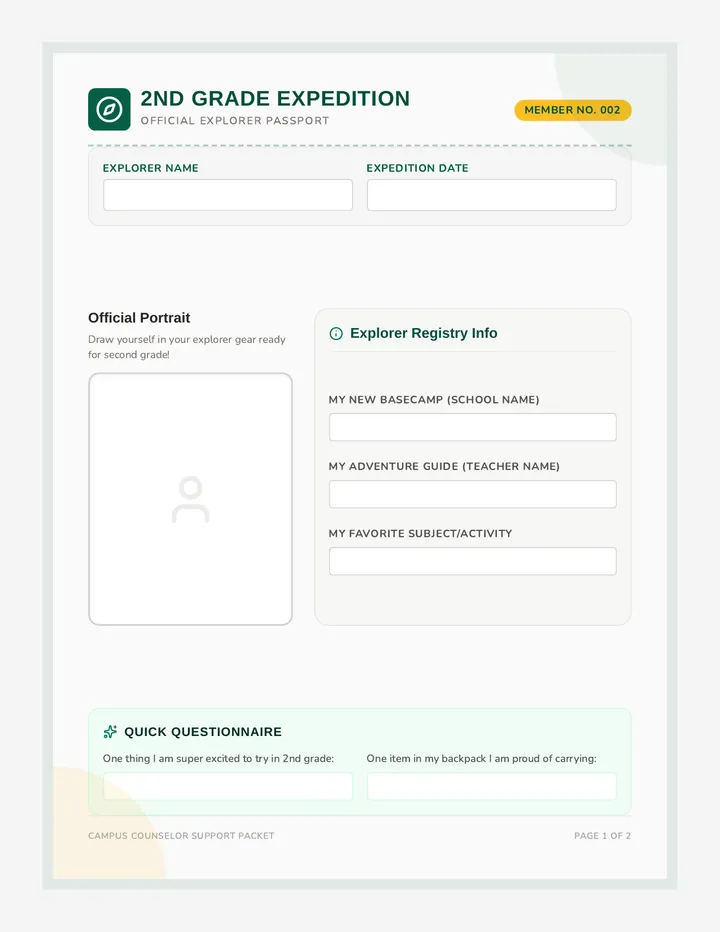
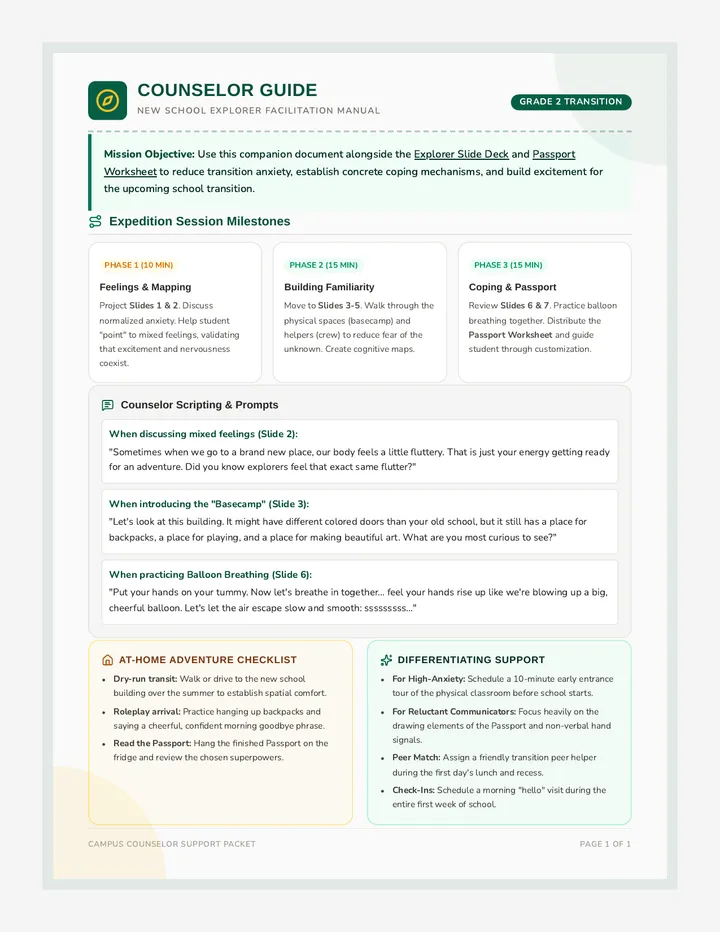
A transition support unit designed for rising 2nd graders entering a new school. Includes a social story presentation, a personal passport worksheet, and a counselor guidance document.
Day 3 of the Sharing Squad small-group intervention. Students combine their sharing and turn-taking skills to complete a collaborative puzzle drawing peacefully, followed by a graduation ceremony.
Day 2 of the Sharing Squad small-group intervention. Students focus on the concept of wait time and turn-taking through interactive games and a physical "Turn Tracker" token activity.
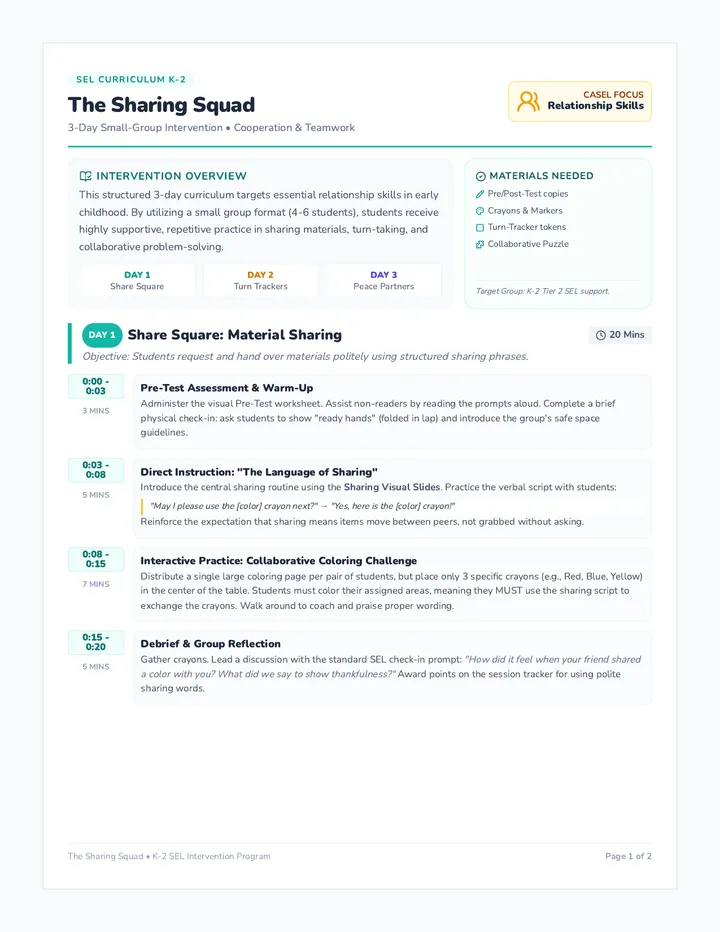
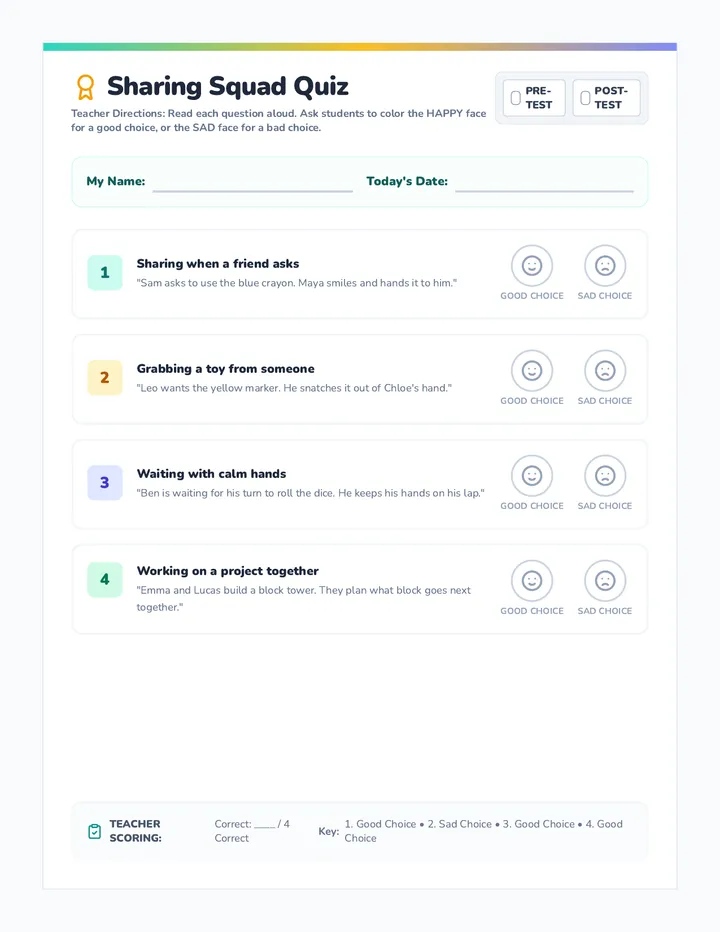
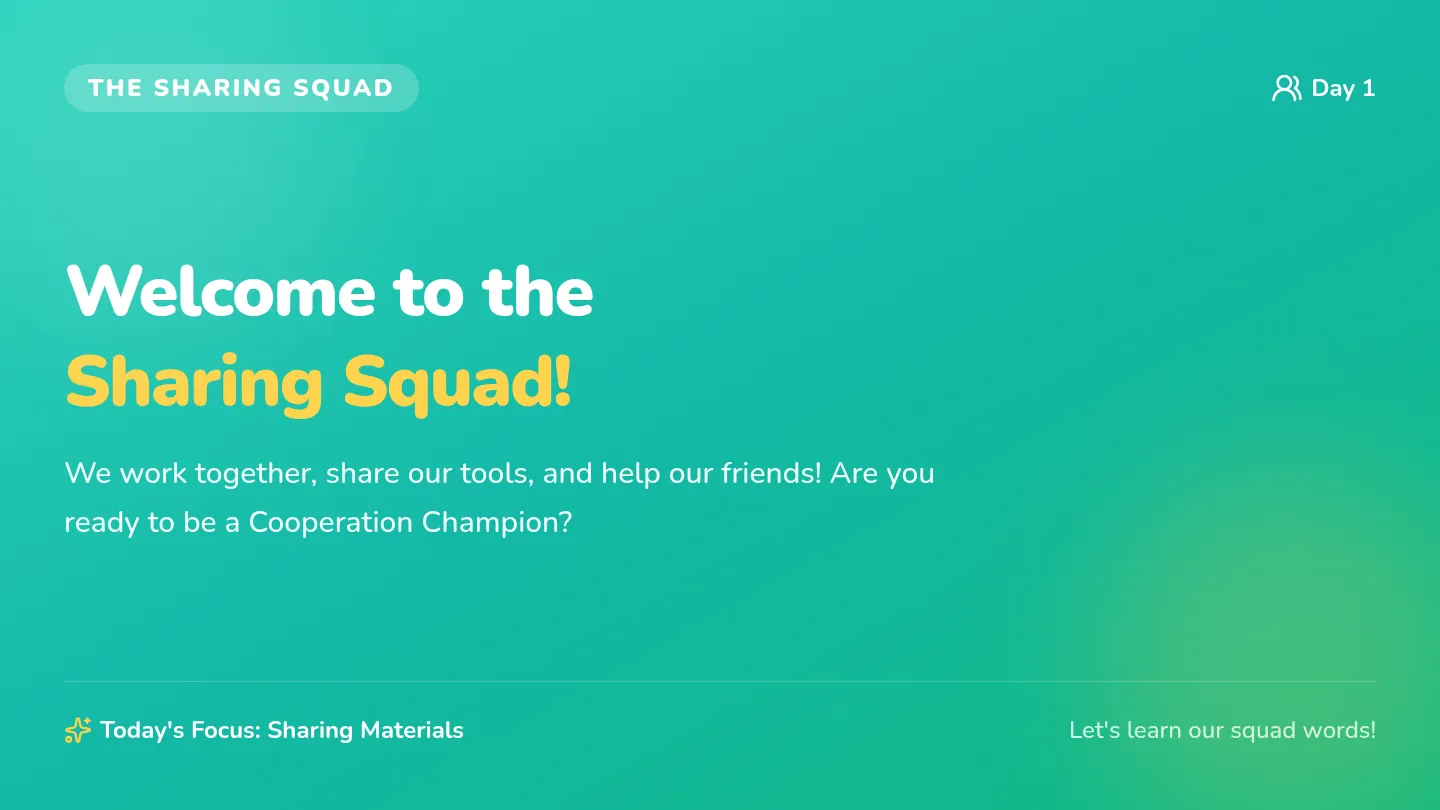
Day 1 of the Sharing Squad small-group intervention. Students learn the importance of sharing art materials, practice key sharing phrases, and complete a collaborative coloring challenge.
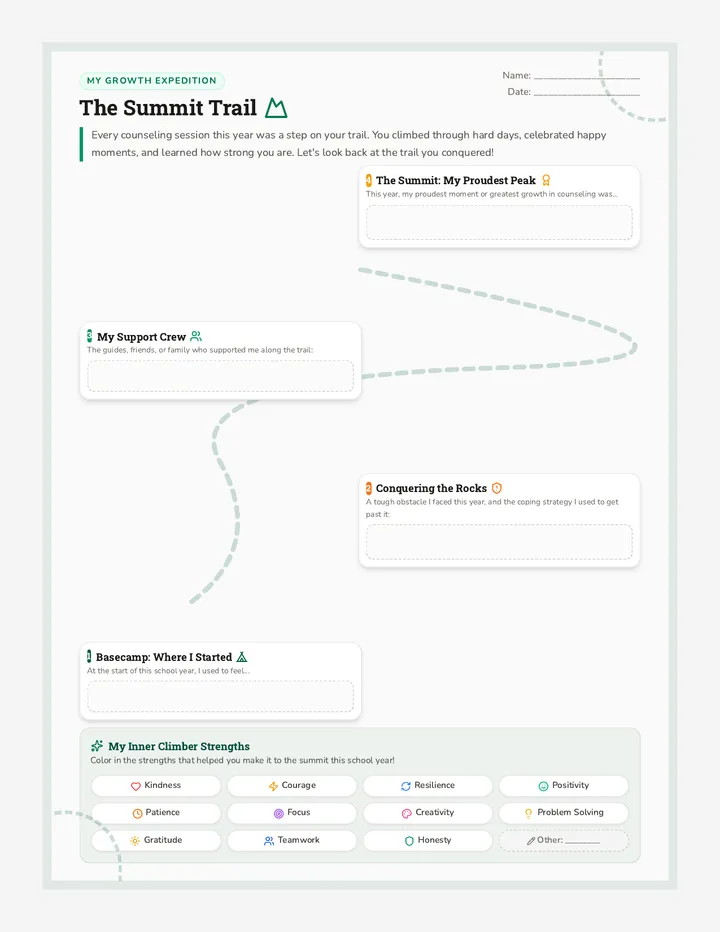
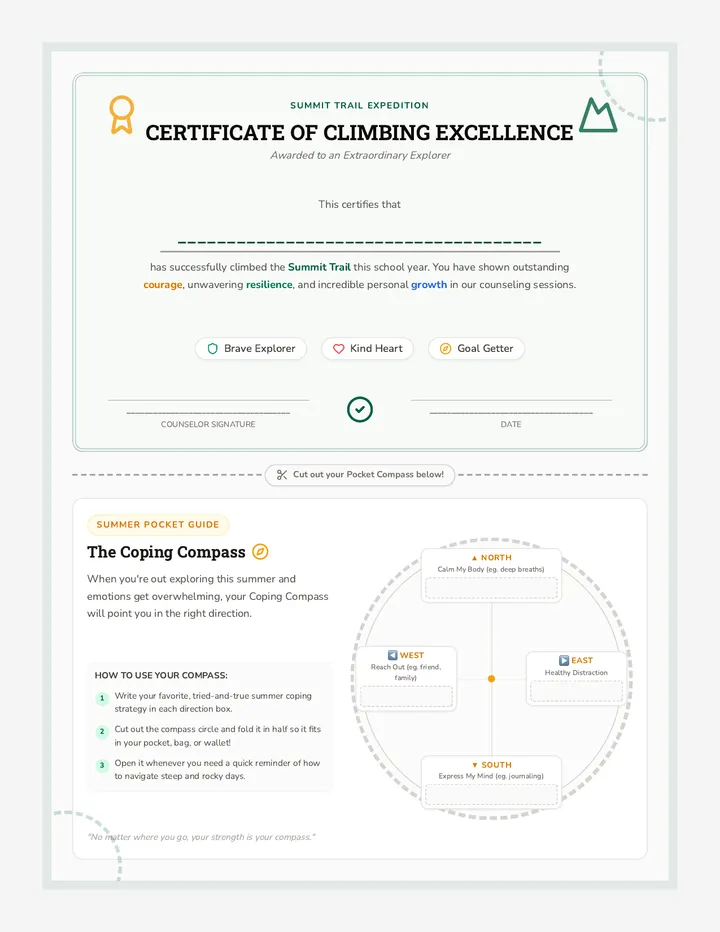
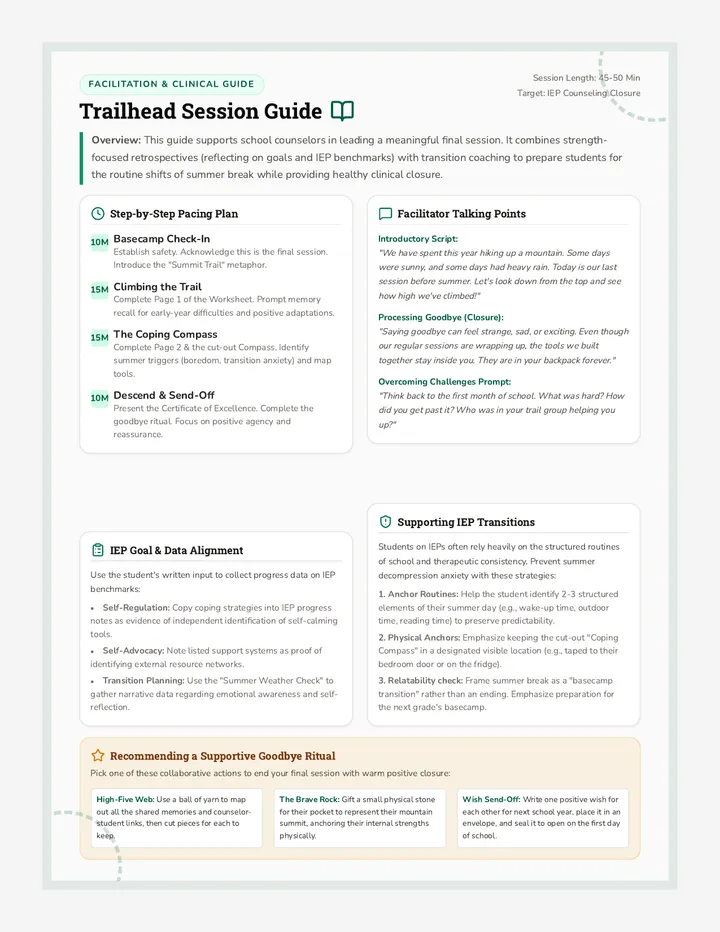
A supportive, mountain-trail-themed final counseling session designed for students on IEPs to celebrate their personal growth, develop summer coping strategies, set future goals, and process closure with their counselor.
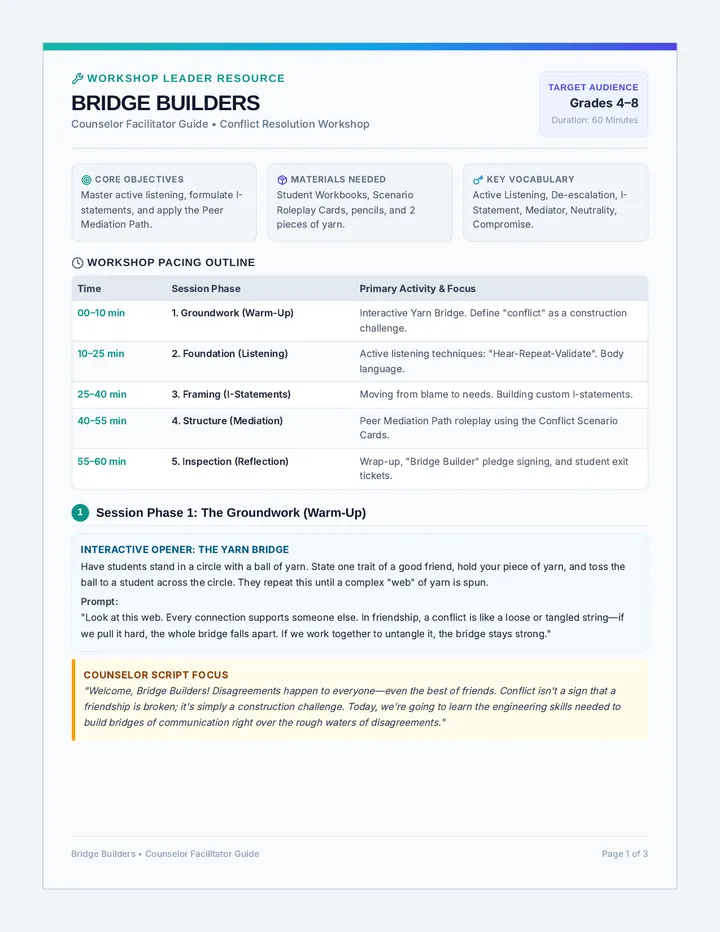
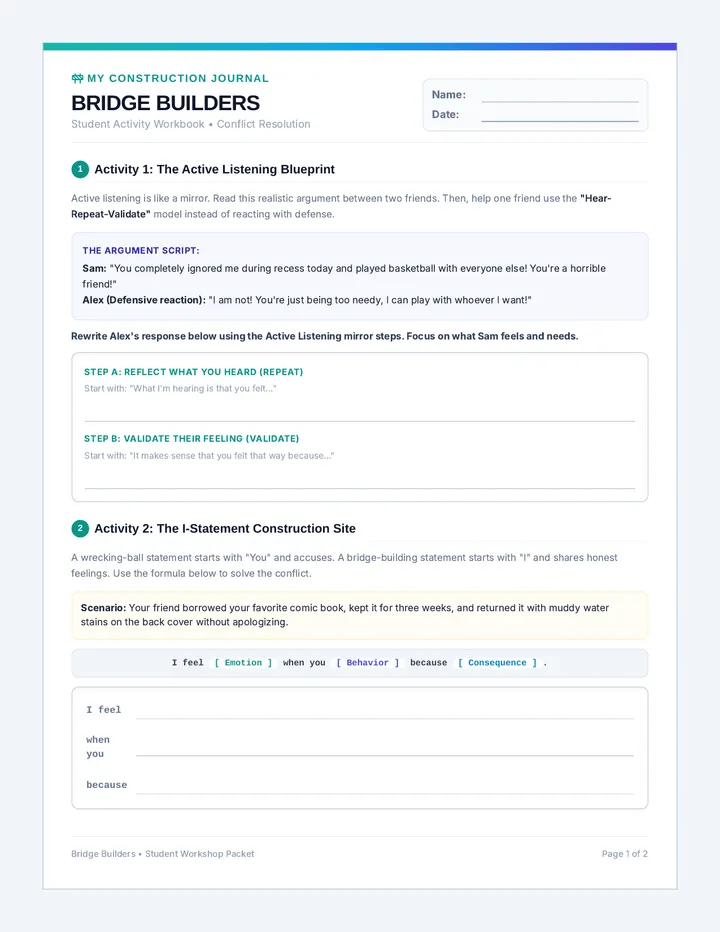
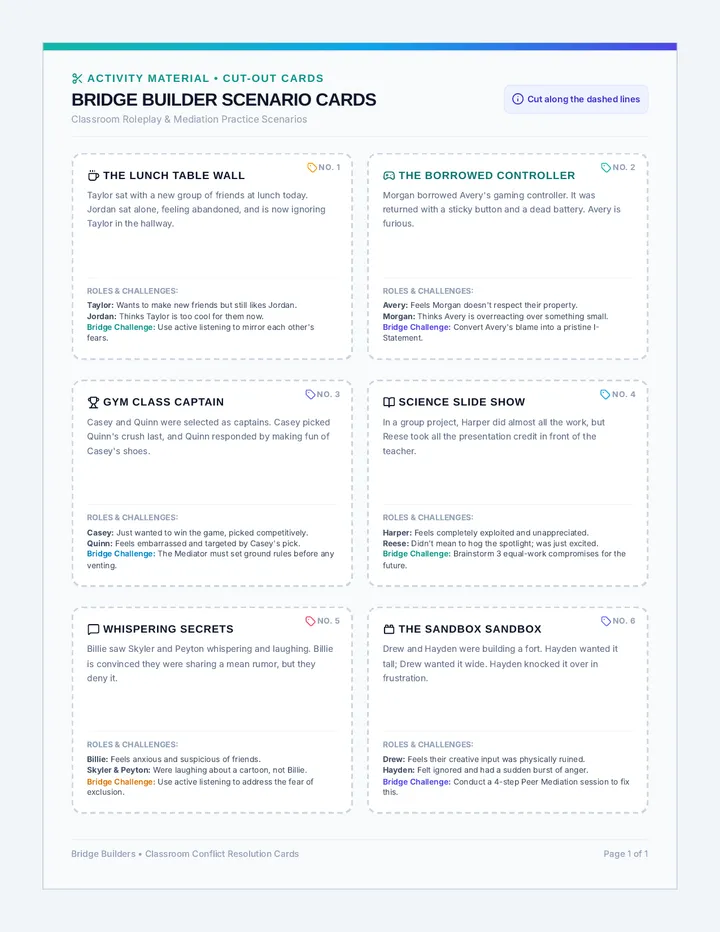
An interactive workshop teaching students essential conflict resolution skills, active listening techniques, and peer mediation frameworks to build stronger, more empathetic friendships.
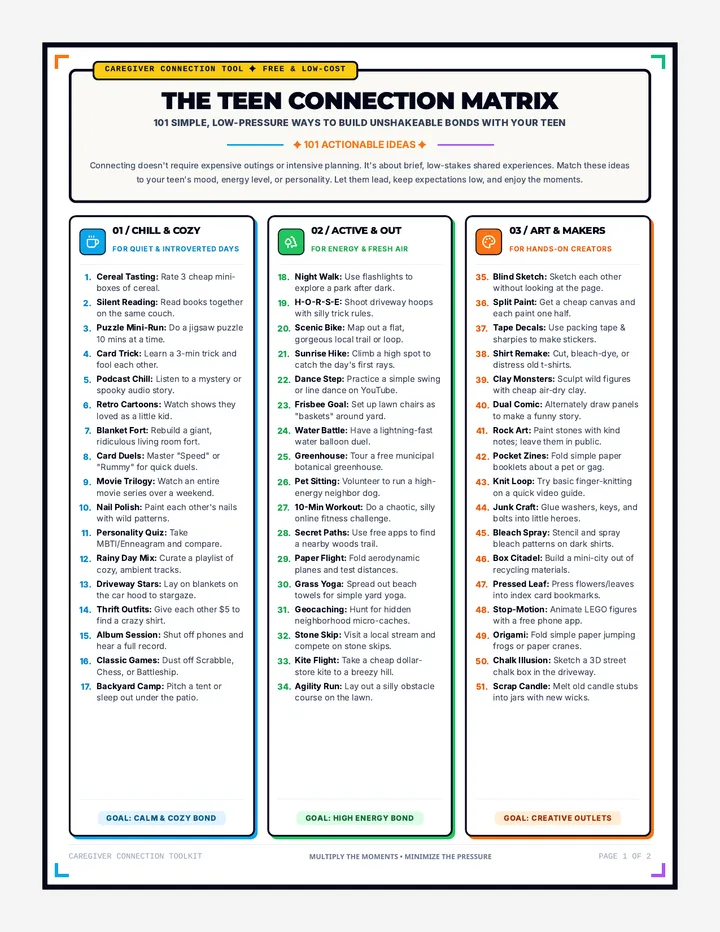
A practical toolkit designed to help caregivers build meaningful, low-stress, and low-cost connections with their teenage children. Contains action-oriented resources categorized by teen interests and connection goals.
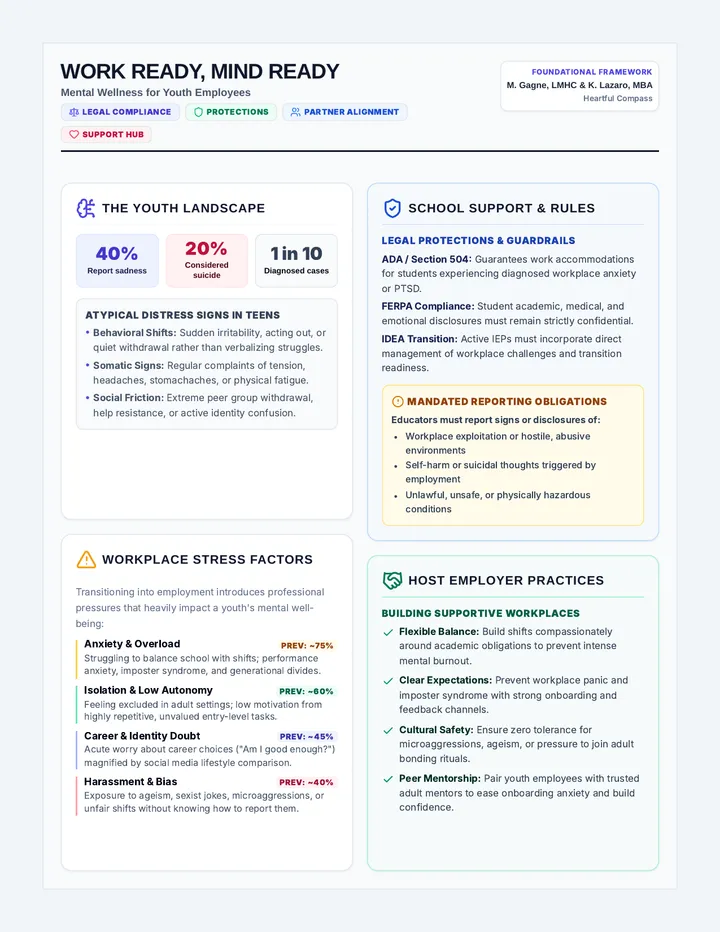
A guide and resource hub focused on equipping educators and employers with strategies to support youth employee mental health and ensure legal compliance. This lesson bridges the gap between school preparation and real-world employment stressors.
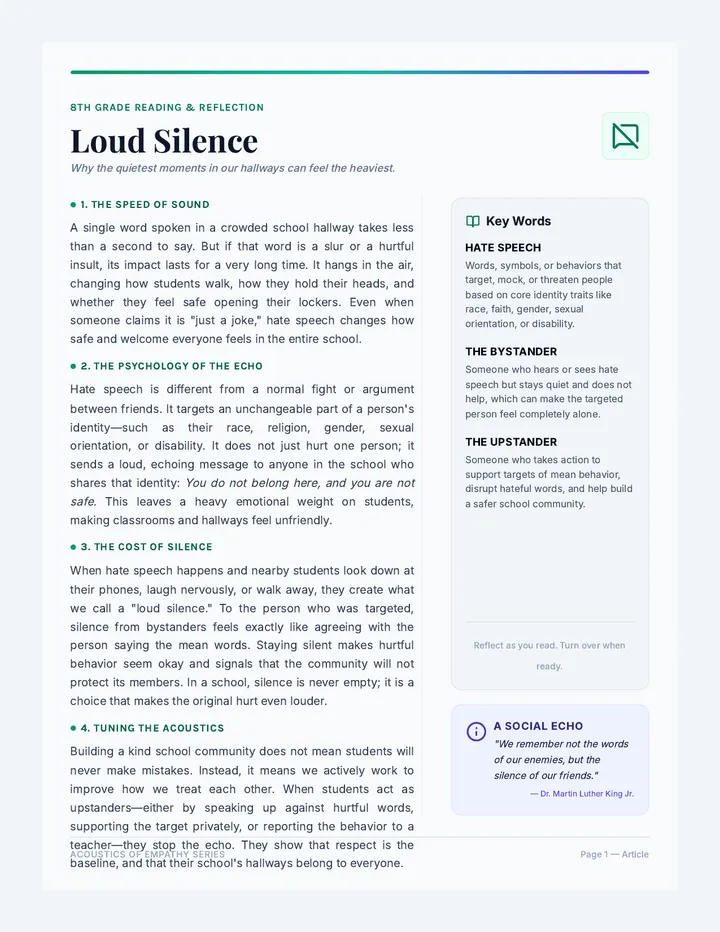
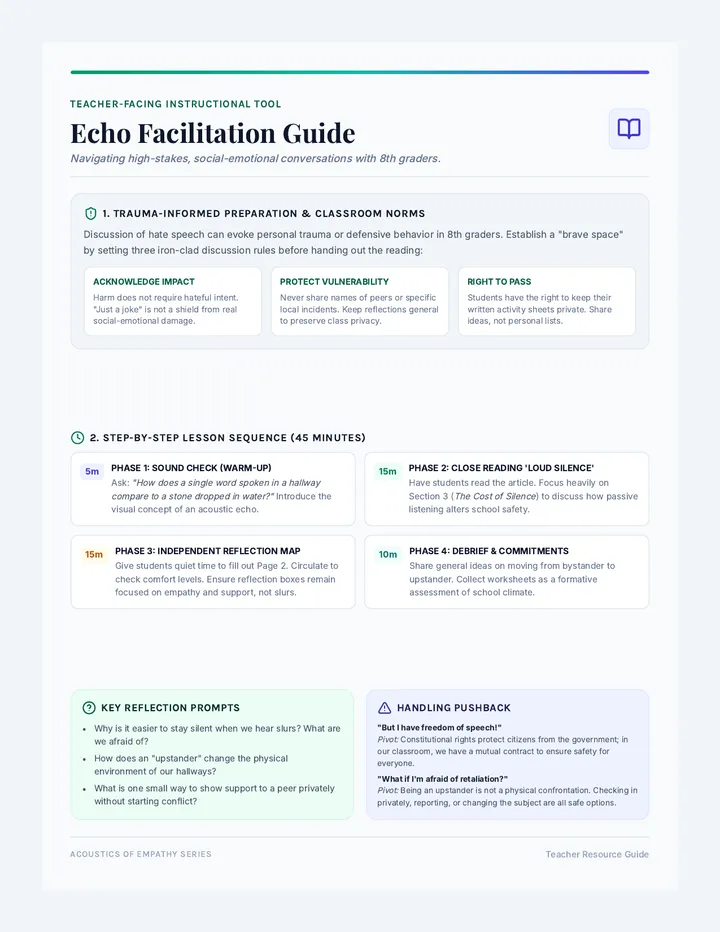
An 8th-grade lesson focusing on the social-emotional impact of hate speech and fostering a supportive school community. Students read an engaging, age-appropriate article and complete a reflective worksheet to map the impact of words and make personal commitments to inclusivity.
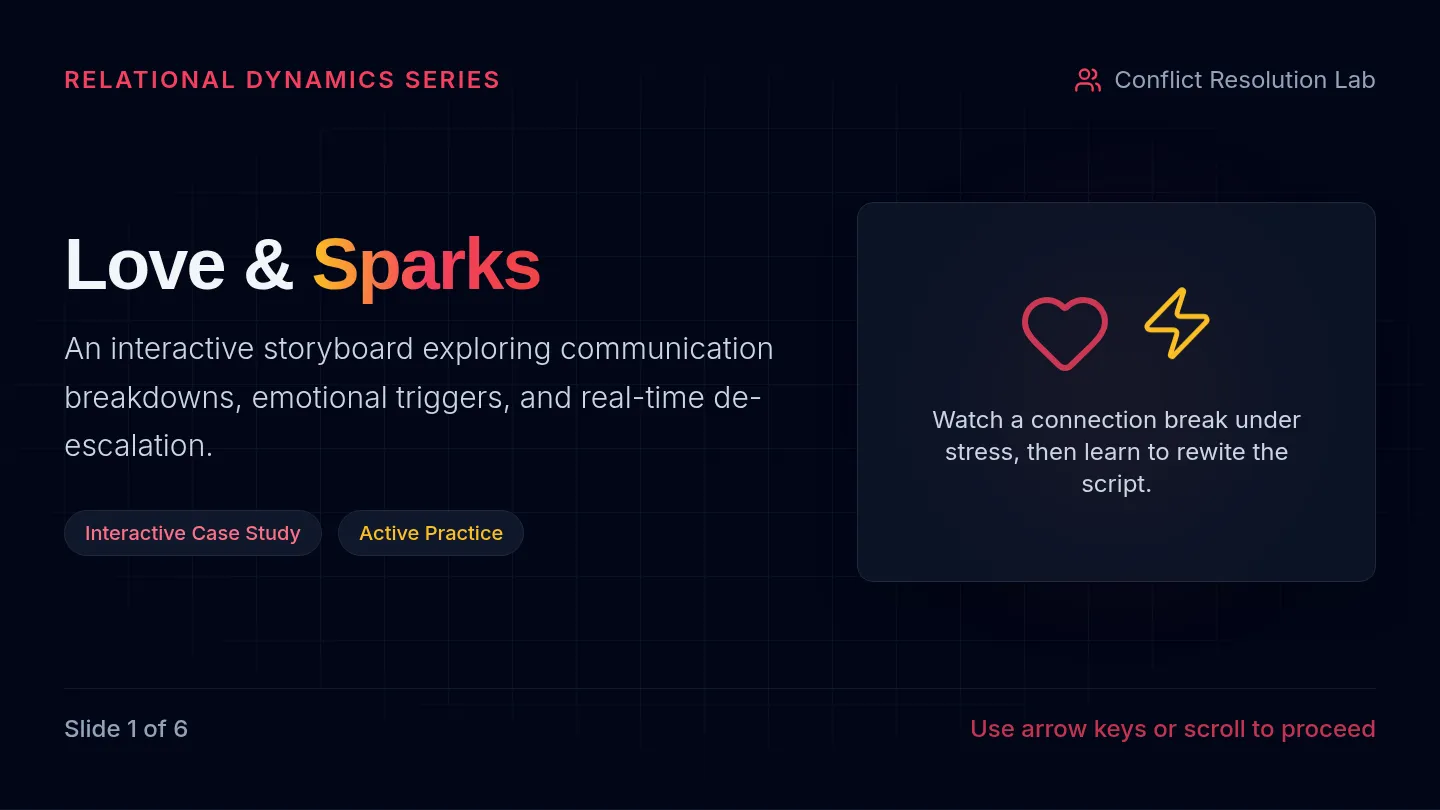
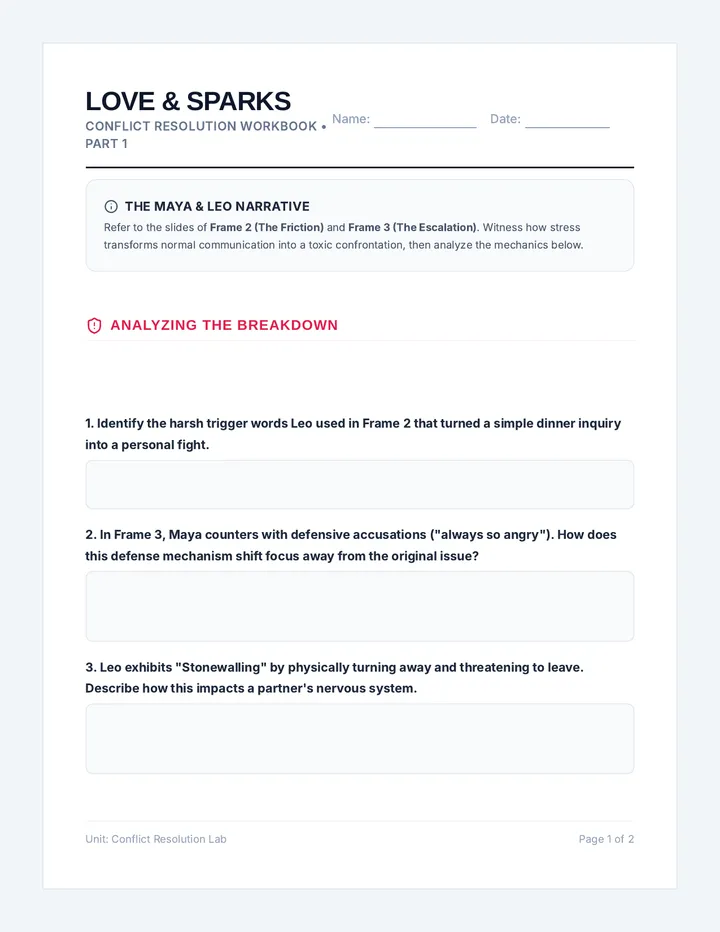
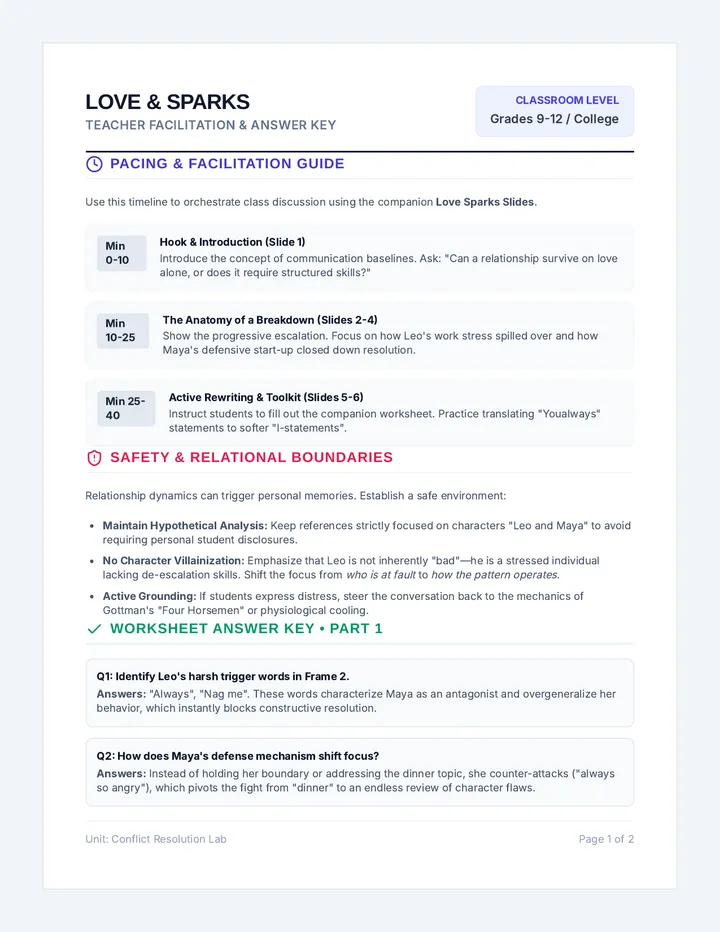
An instructional lesson centered on identifying communication breakdowns, analyzing relational friction, and applying active de-escalation strategies. Features interactive storyboard-driven slides and activities.
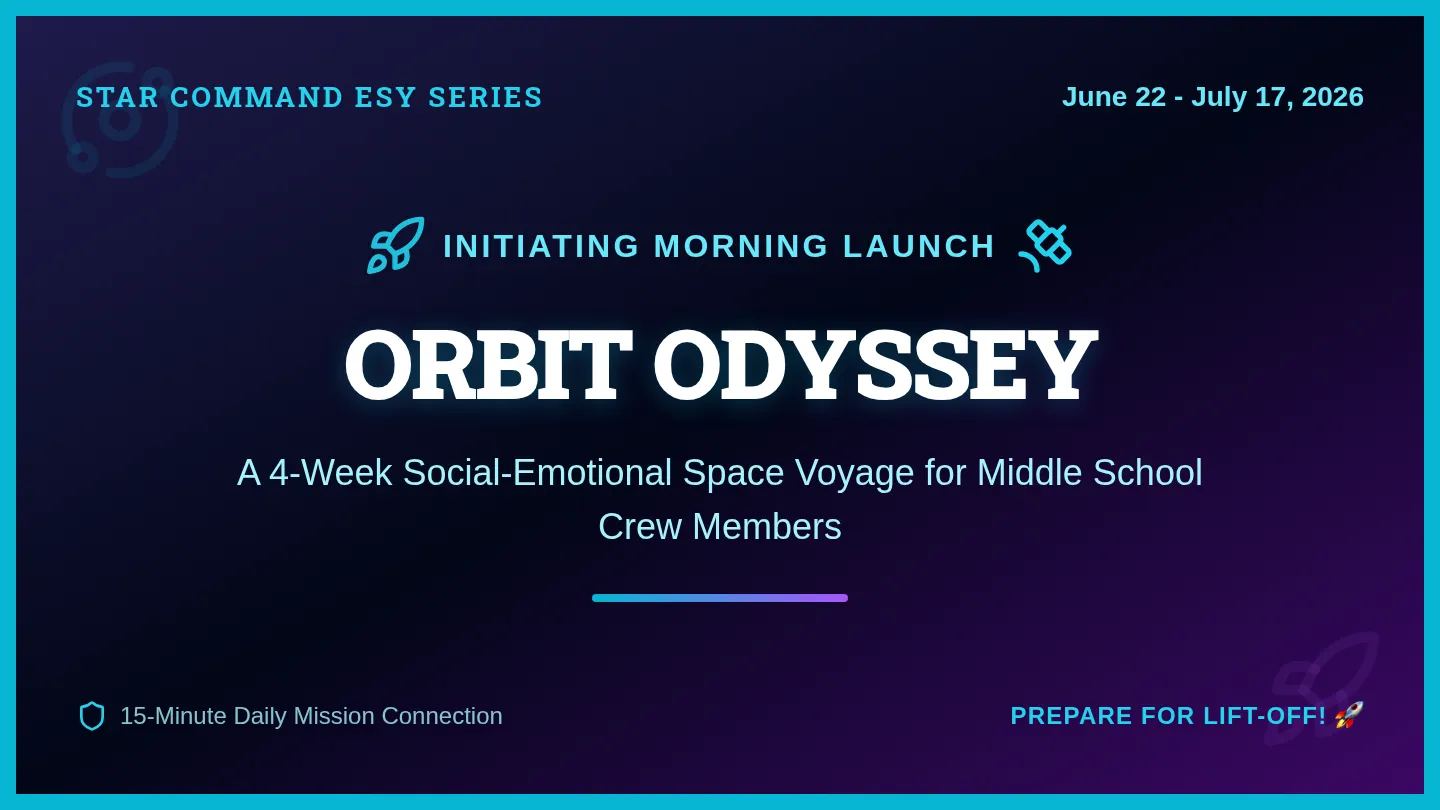
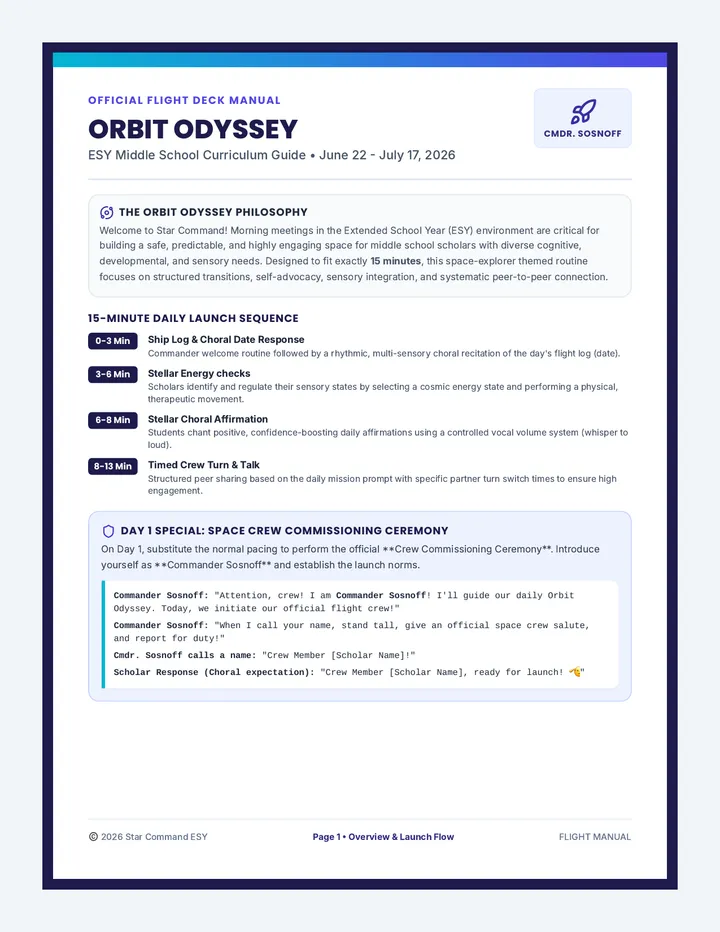
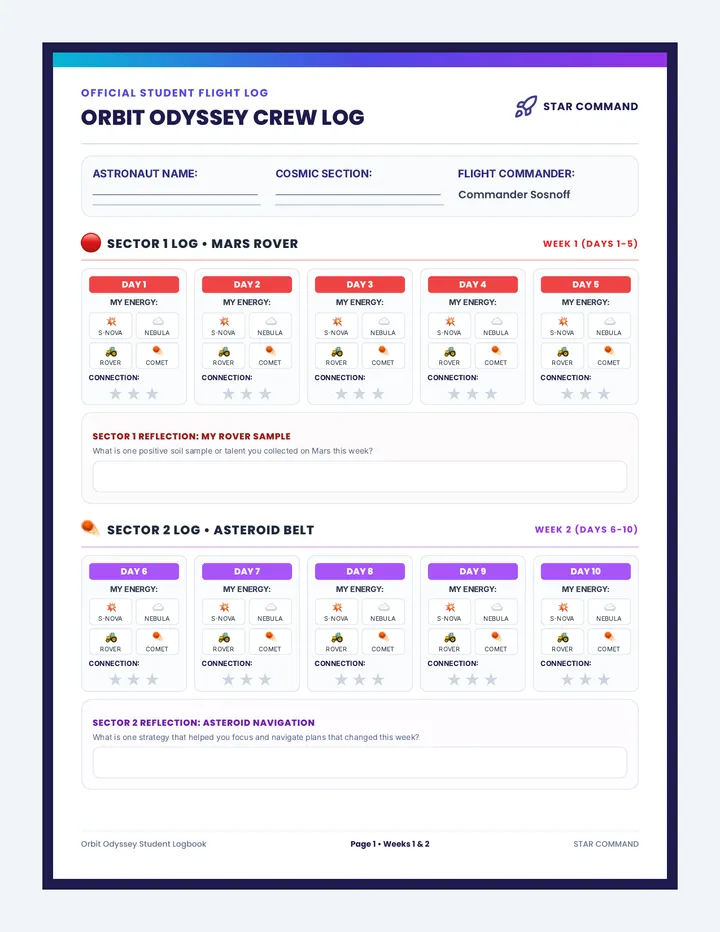
A 4-week space explorer themed morning meeting series for middle school ESY scholars with disabilities. Led by Commander Sosnoff, it covers Mars Rover, Asteroid Navigation, Saturn Rings, and Nebula sectors with calendar ship logs, cosmic energy checks, stellar affirmations, and turn-and-talk communication prompts.
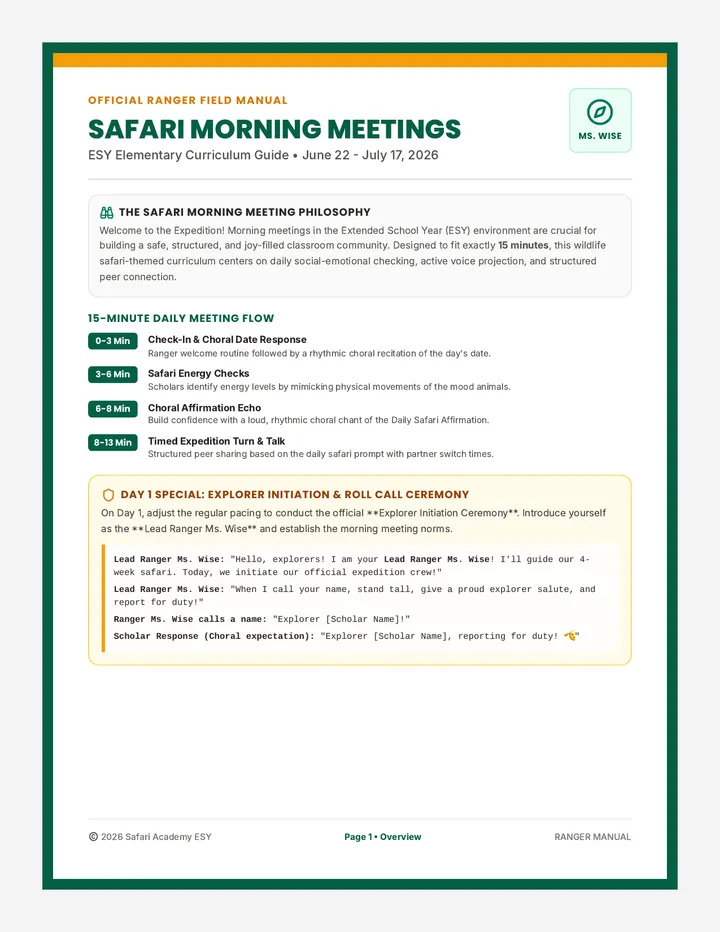
A 4-week wildlife safari themed morning meeting series for ESY elementary school scholars. Covers Savannah, Jungle, Desert, and Ocean habitats with daily welcomes, mood checks, date trackers, affirmations, and interactive social-emotional sharing prompts.
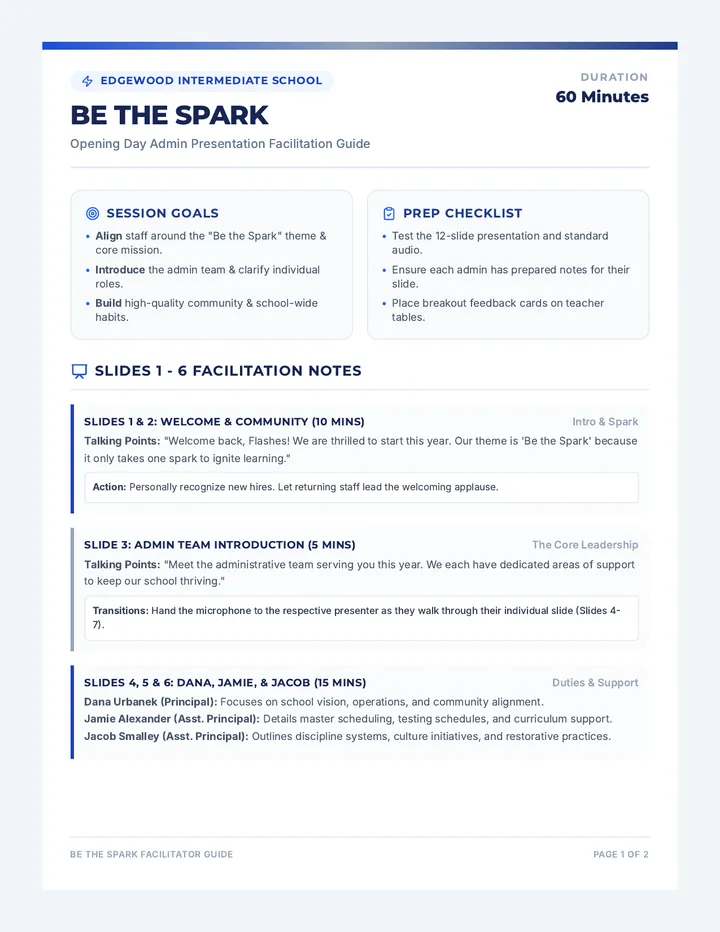
An opening day professional development session for Edgewood Intermediate School, home of the Flashes, centered around the theme 'Be the Spark.' Designed to introduce the administrative team, establish annual goals, build community, and motivate staff.
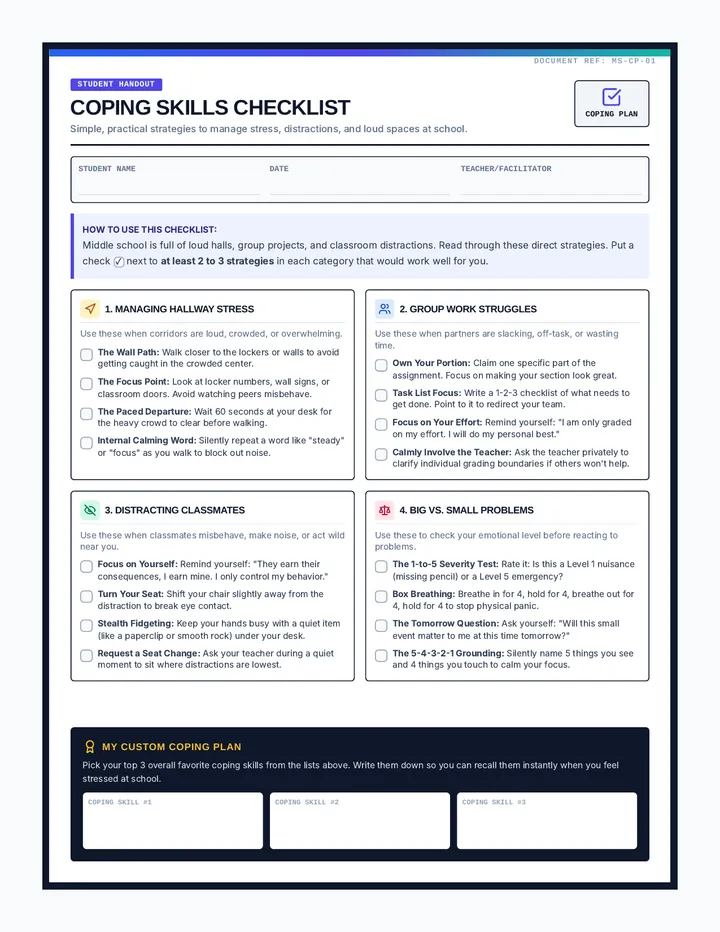
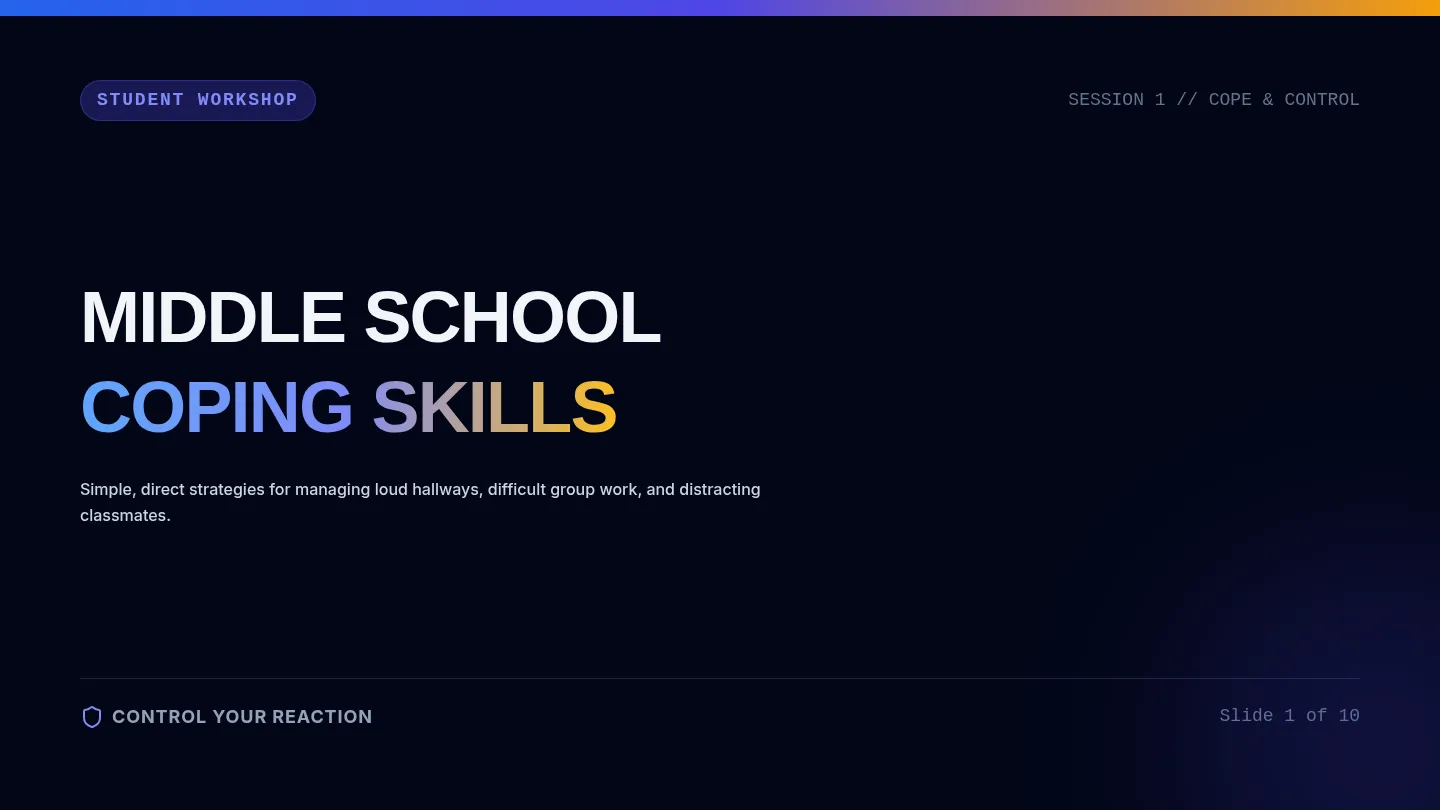
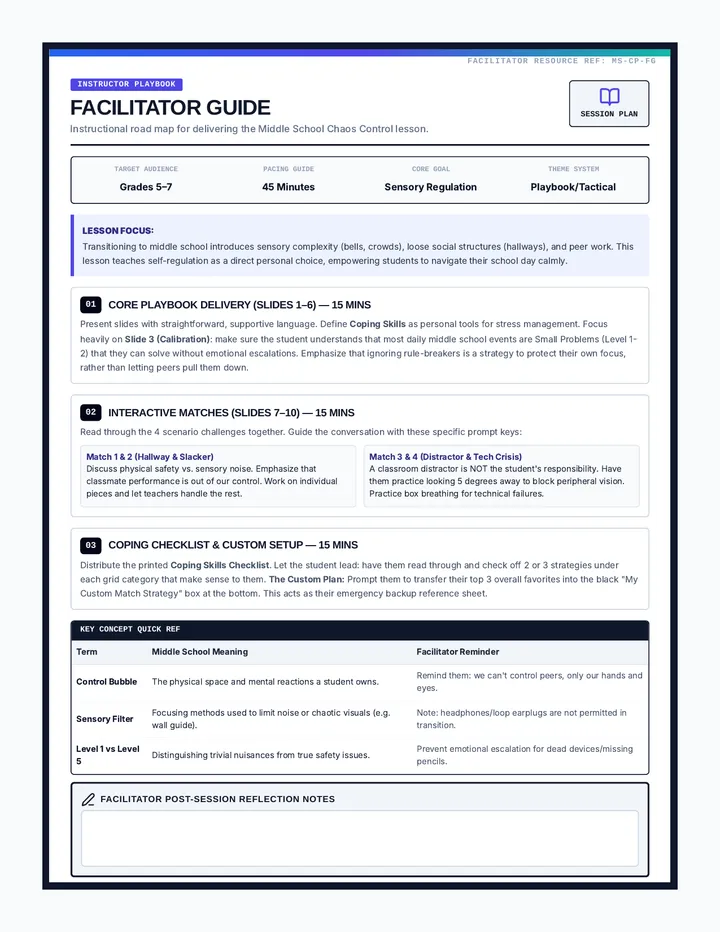
A interactive and engaging lesson designed to equip transitioning middle school students with coping strategies for handling sensory overload, rule-breaking peers, and group work frustrations. Includes an 10-slide presentation, a highly visual coping checklist, and a detailed facilitator guide.
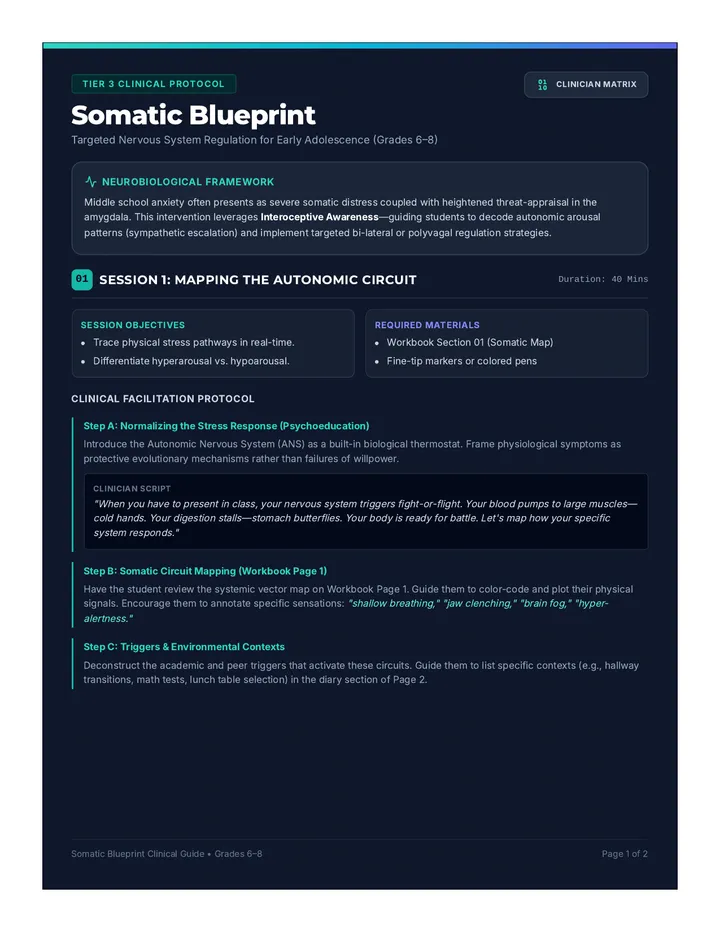
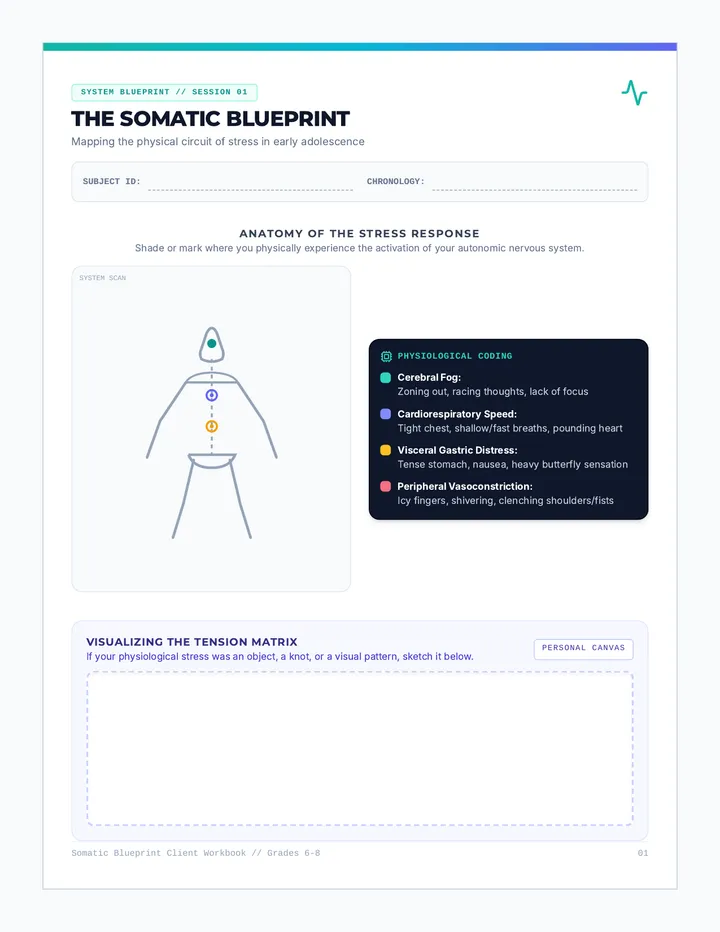
A Tier 3 individual counseling intervention designed for 7th graders (ages 12-13) to map physical stress patterns, analyze neurological escalation, and construct customized coping matrices.
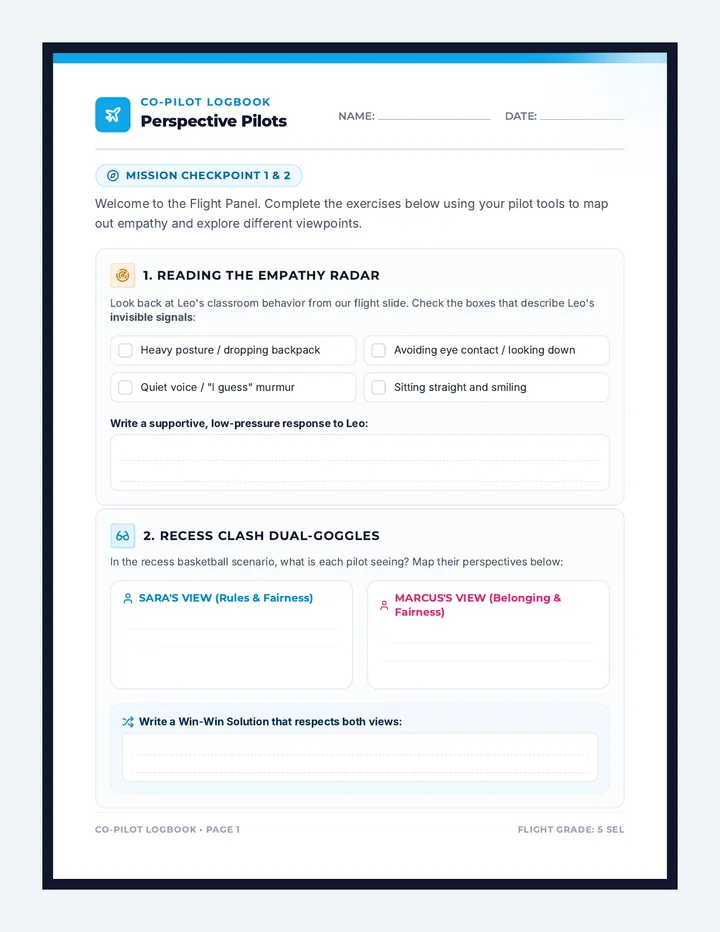
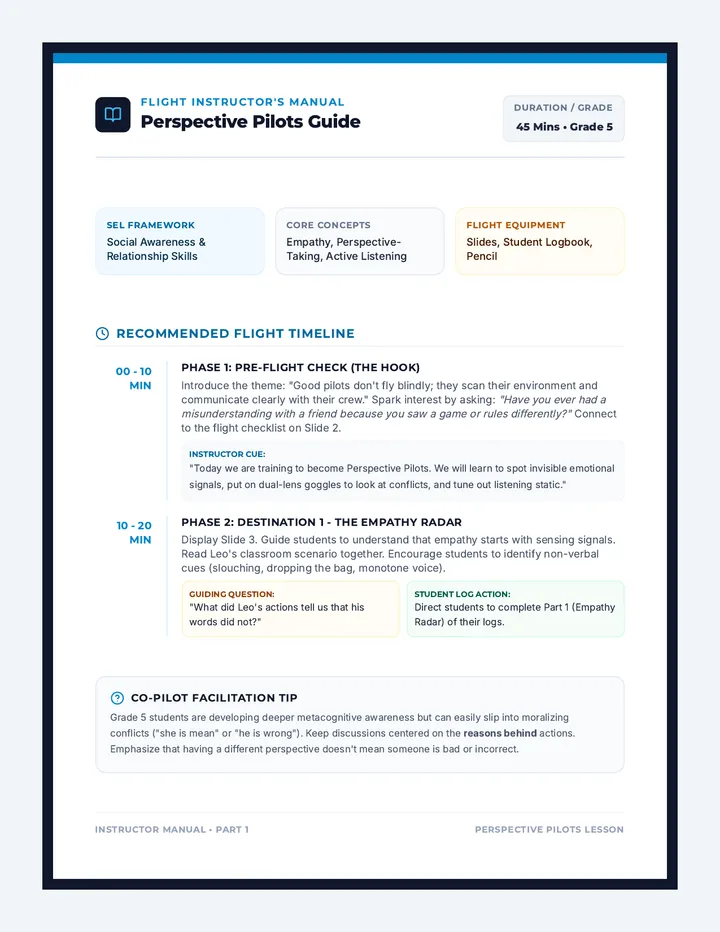
A 5th-grade Social-Emotional Learning lesson focused on empathy, active listening, and perspective-taking. Students become 'Perspective Pilots' to explore diverse viewpoints and connect deeply with others.
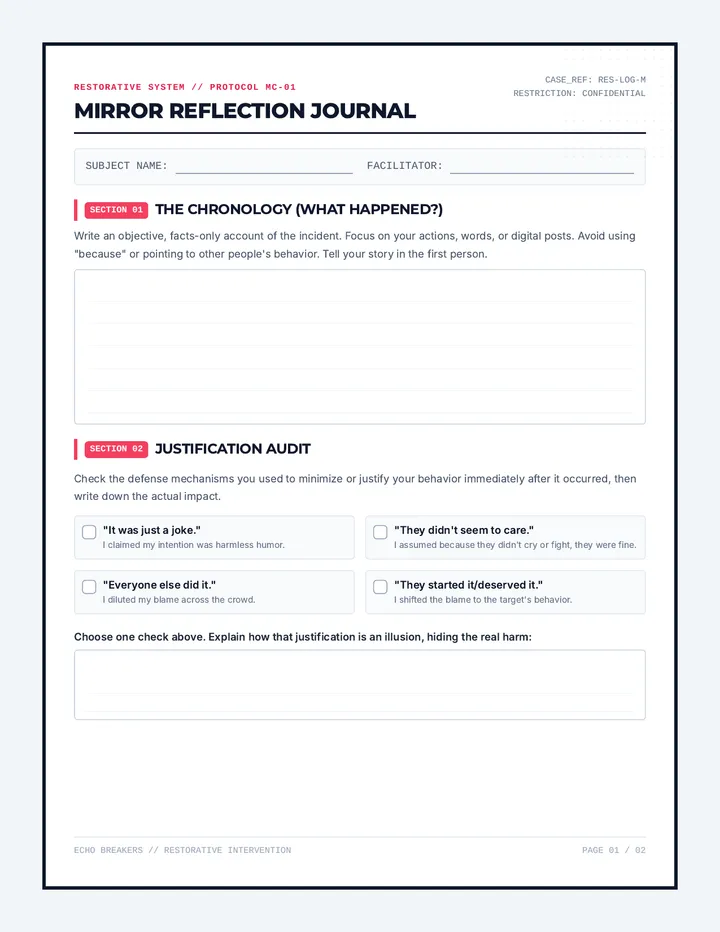
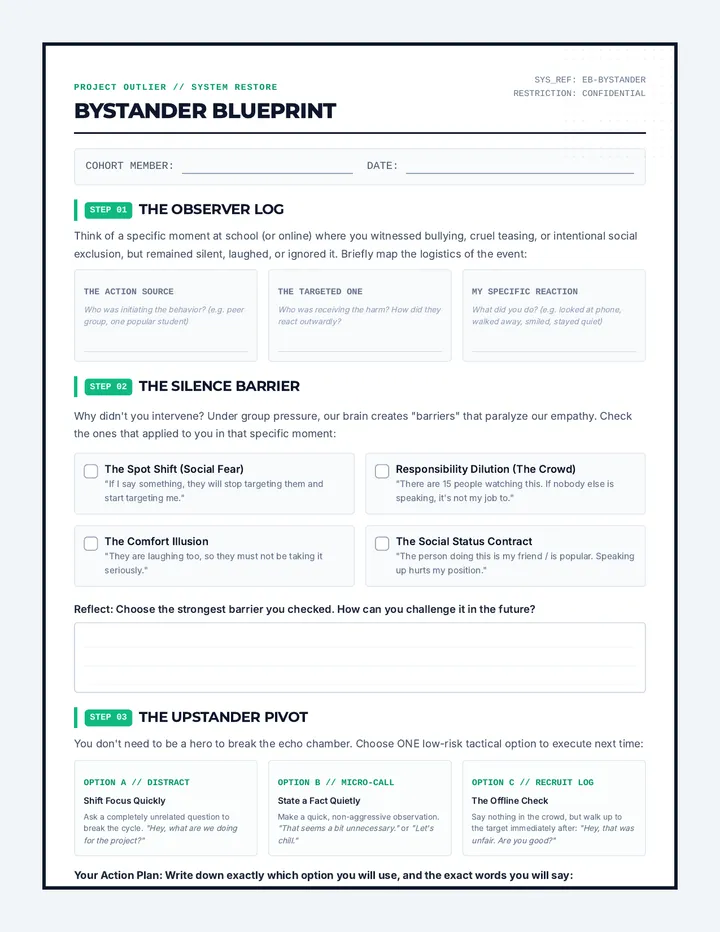
A restorative, intervention-focused lesson designed to address active bullying, social exclusion, or bystander behaviors. Provides a structured, objective, and deeply empathetic framework for restorative justice, self-reflection, and behavior correction.
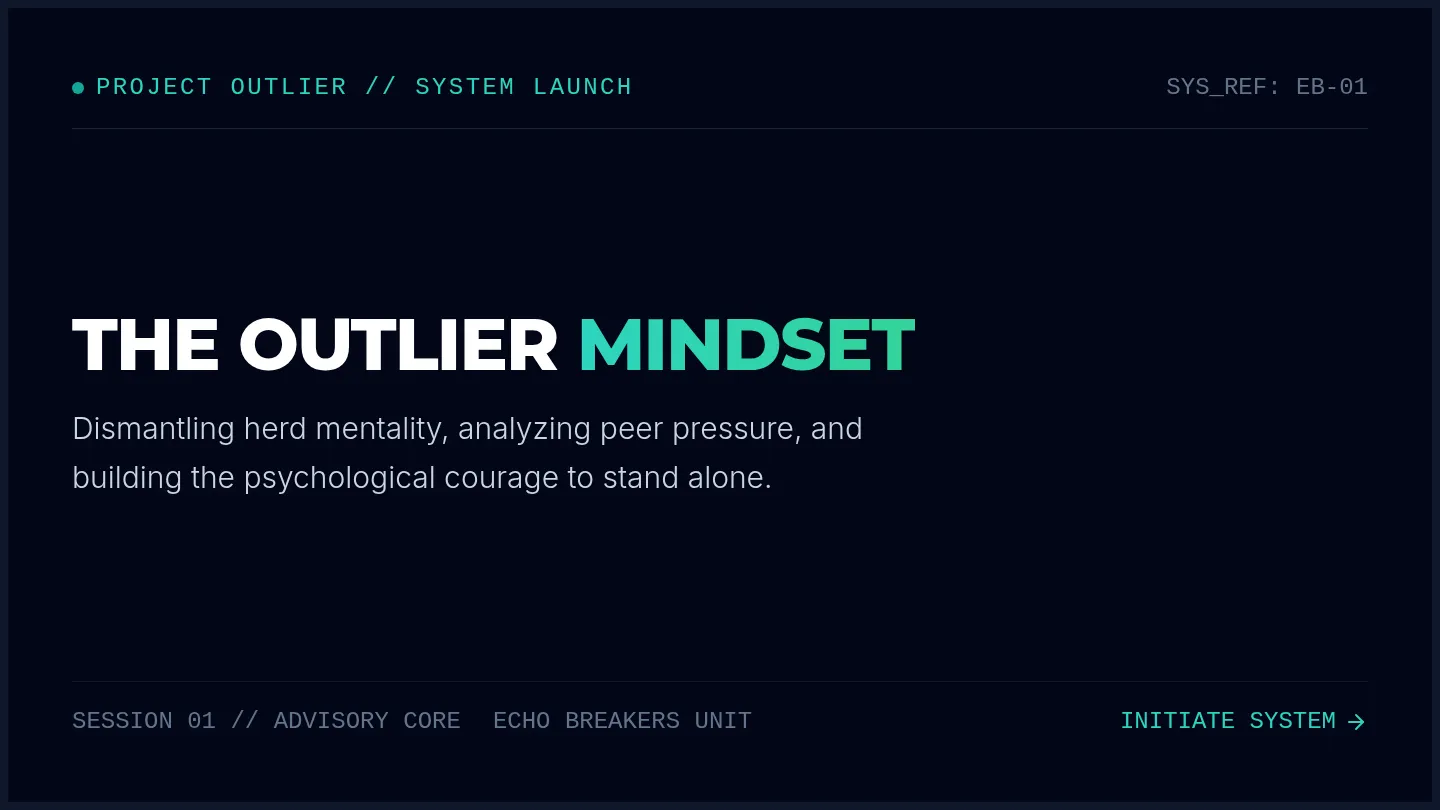
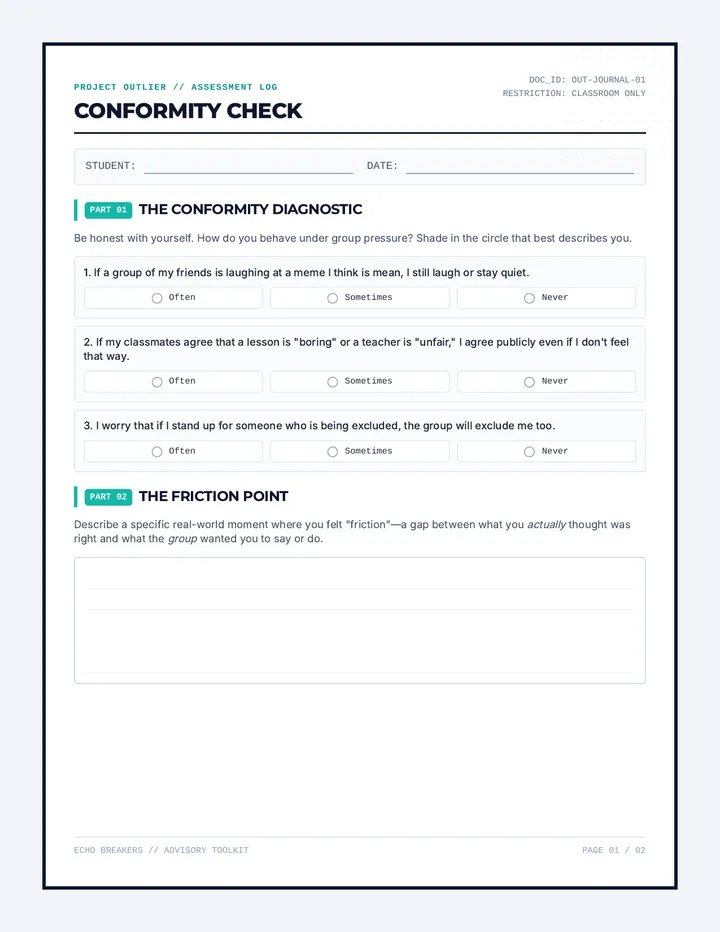
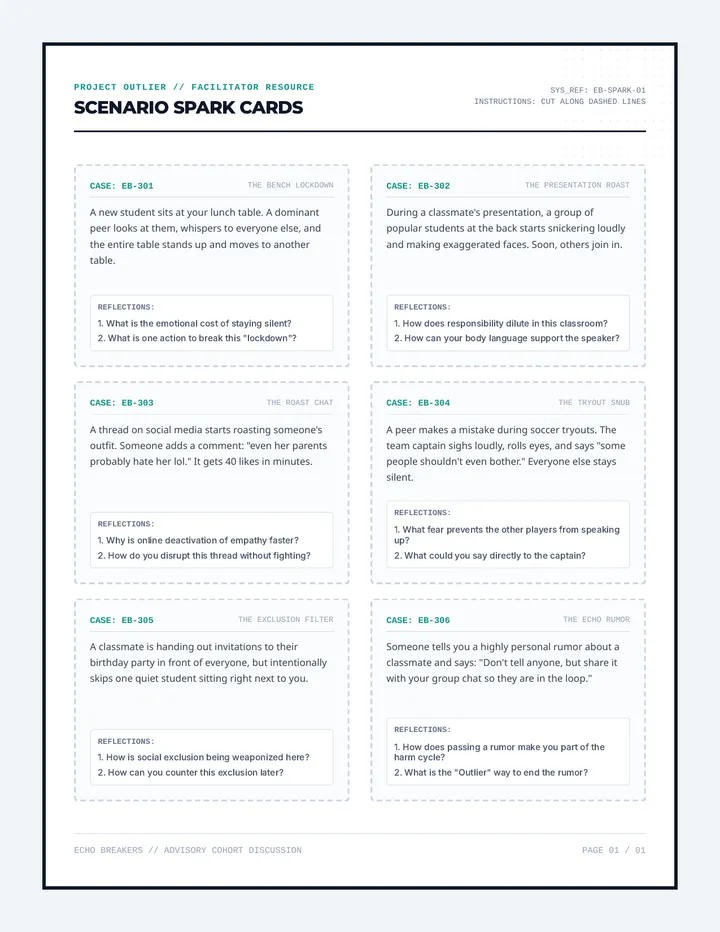
A preventative Advisory-focused lesson that analyzes peer pressure, the psychological mechanics of herd mentality, and the courage required to stand alone. Students engage in self-reflection, case analysis, and scenario-based writing prompts to develop an 'outlier' mindset.
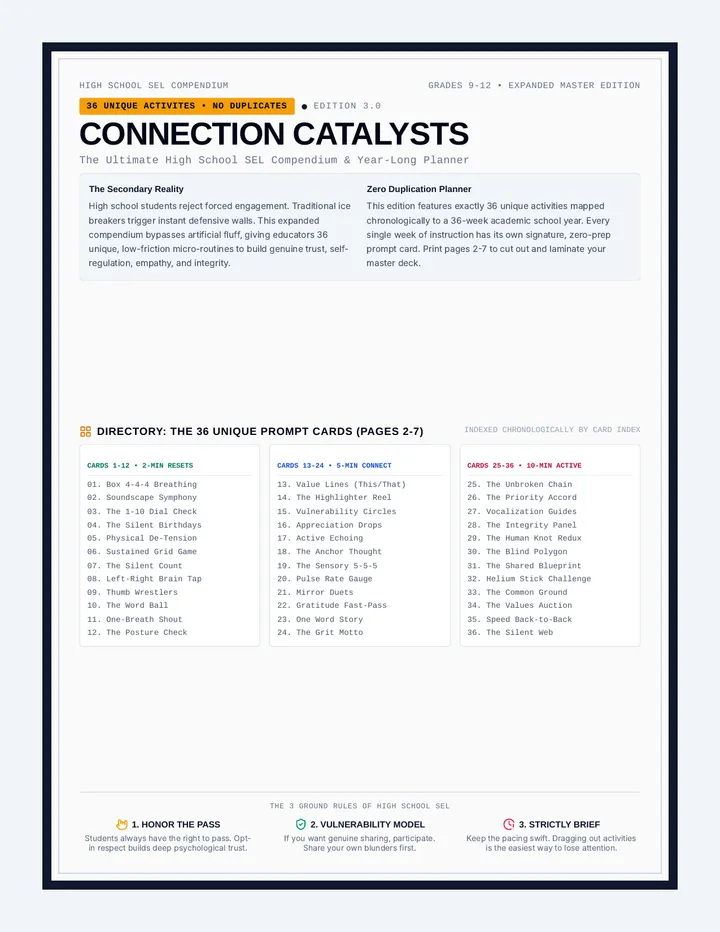
A powerful social-emotional learning lesson series designed for high school teachers to foster relationship-building, self-regulation, active communication, self-awareness, and integrity through quick daily classroom routines.
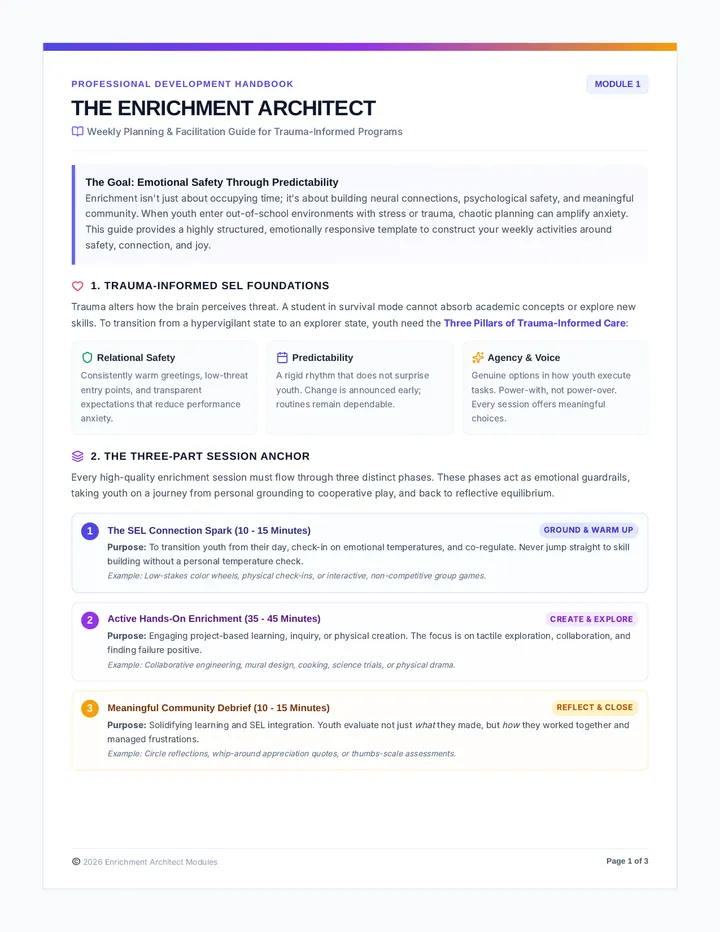
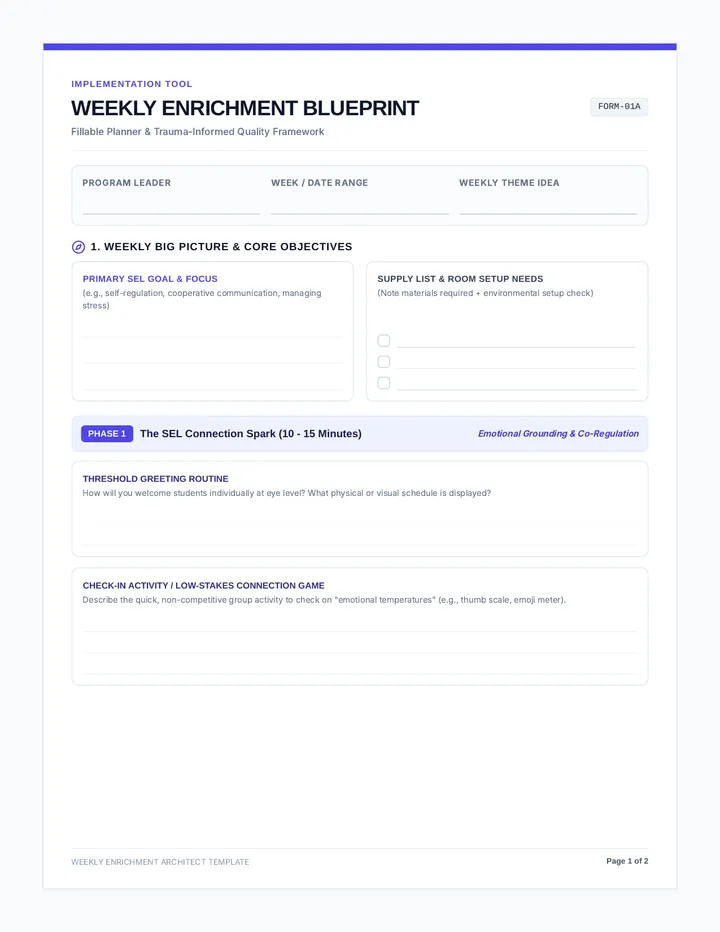
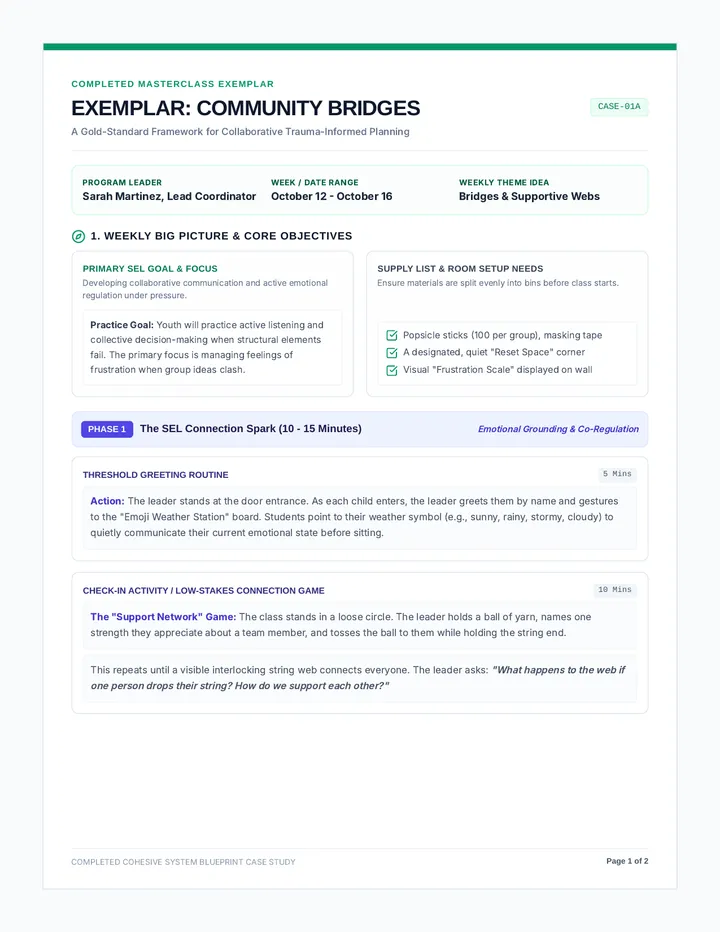
A comprehensive professional development module for program leaders to master the art of weekly enrichment planning. This module focuses on integrating trauma-informed social-emotional learning (SEL), active enrichment, and structured reflection debriefs into cohesive weekly plans.
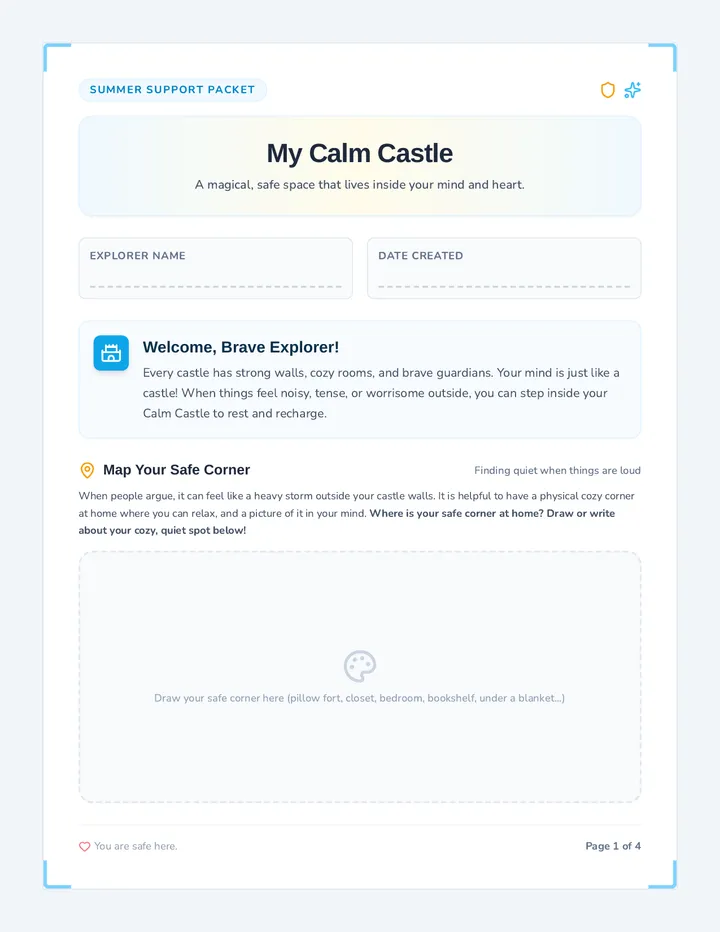
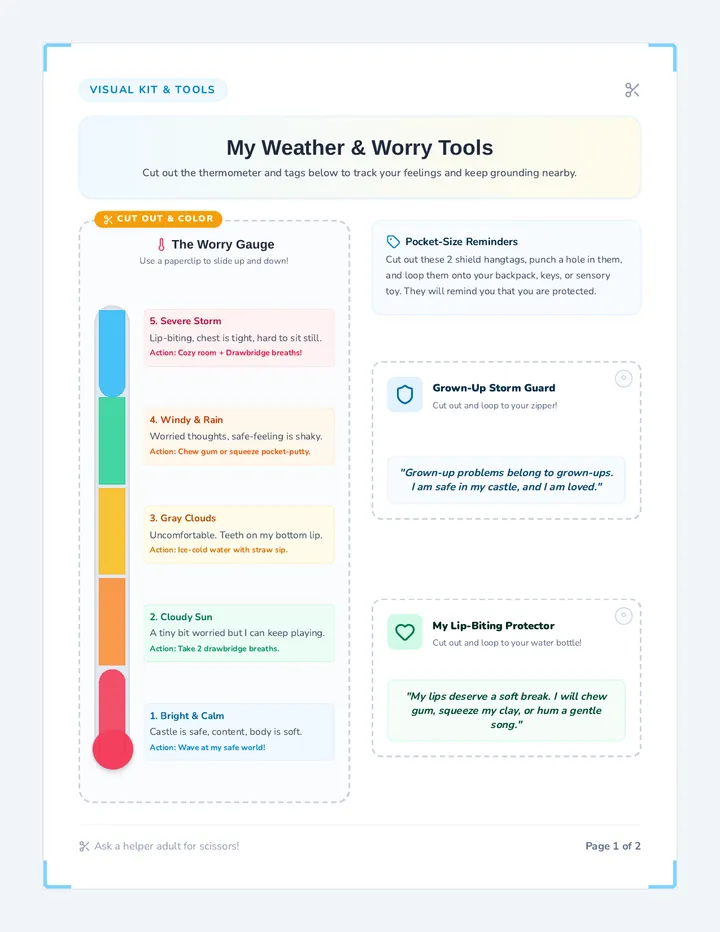
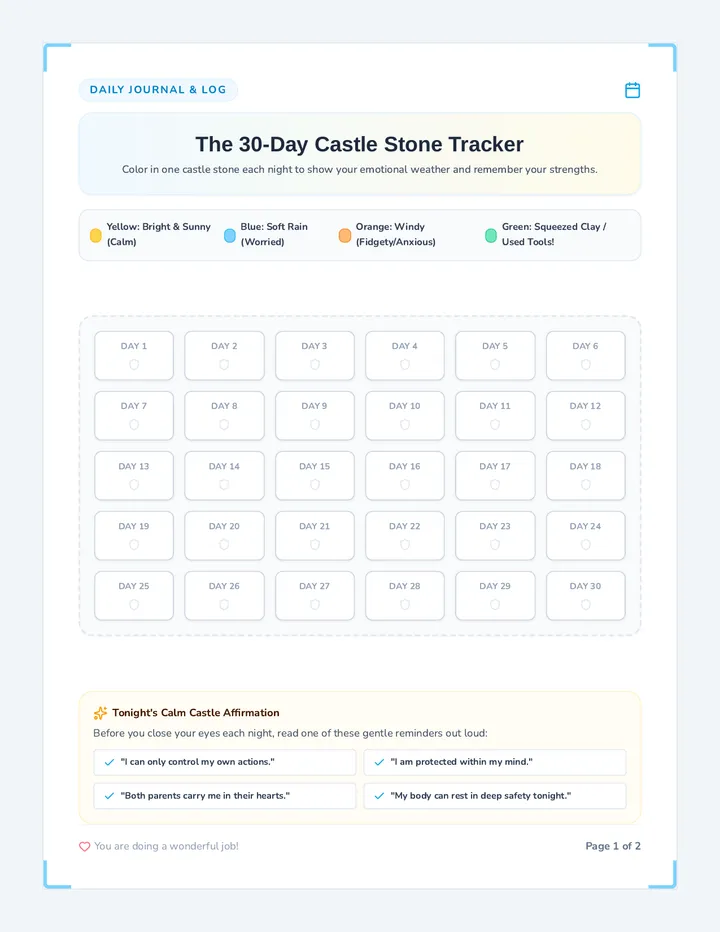
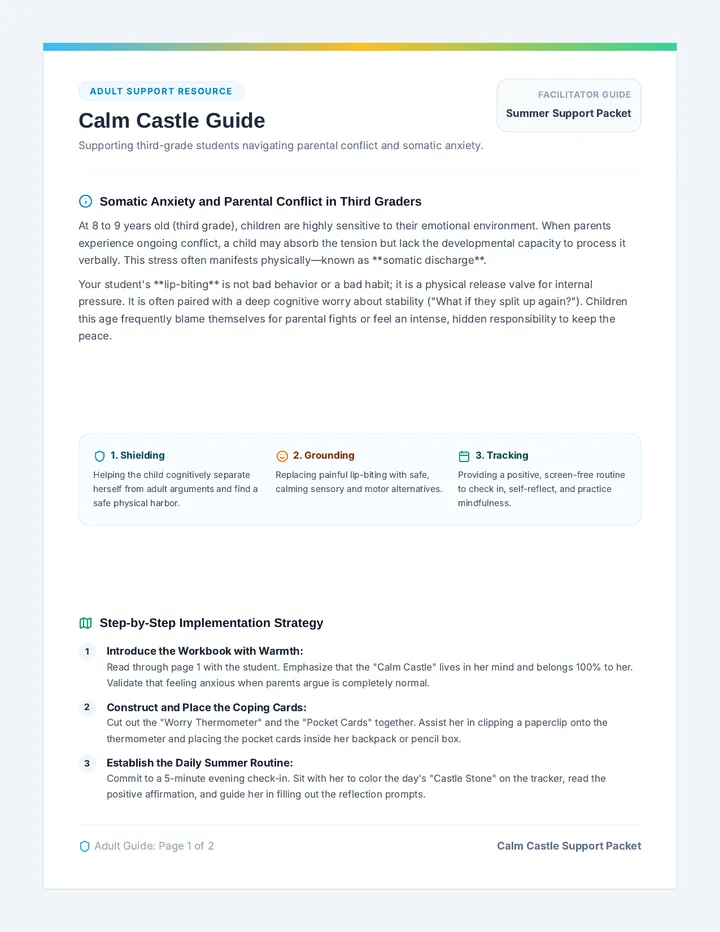
A comprehensive summer support packet for a third-grade student experiencing anxiety and worry due to parental conflict. Includes a child-friendly workbook, coping cards, a daily tracker, and a guide for supporting adults.