Using their investigations, students create a visual 'menu' or choice board of their top 5 reliable mood-boosting activities. They illustrate these options to serve as a reference tool.
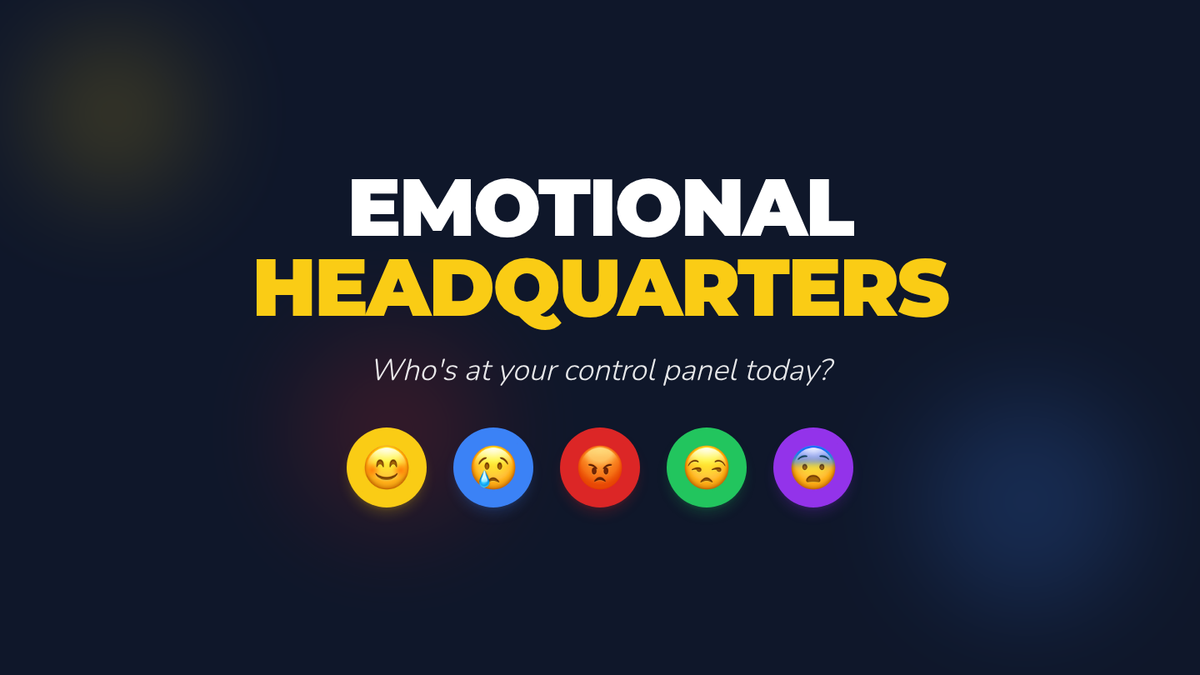
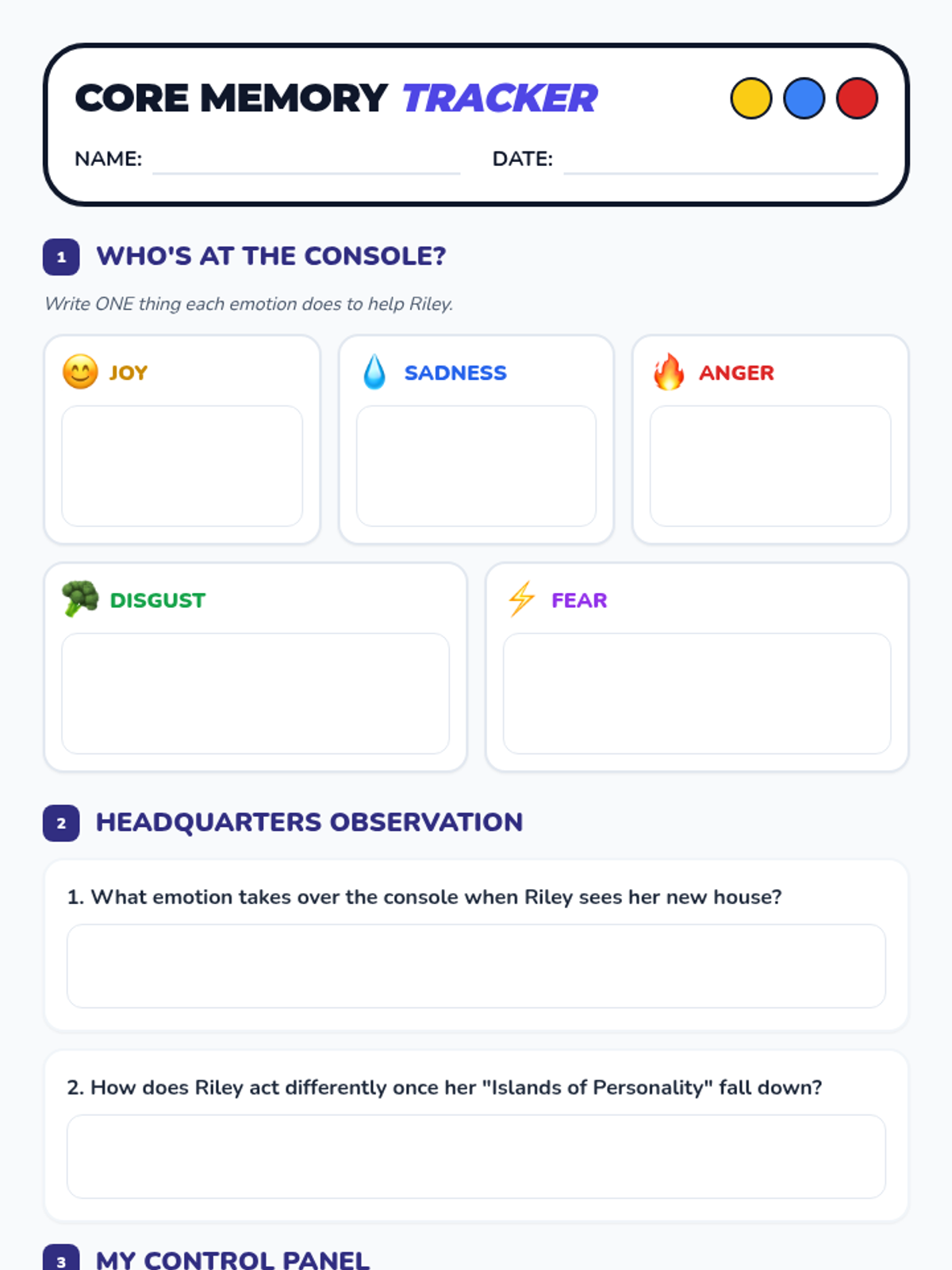
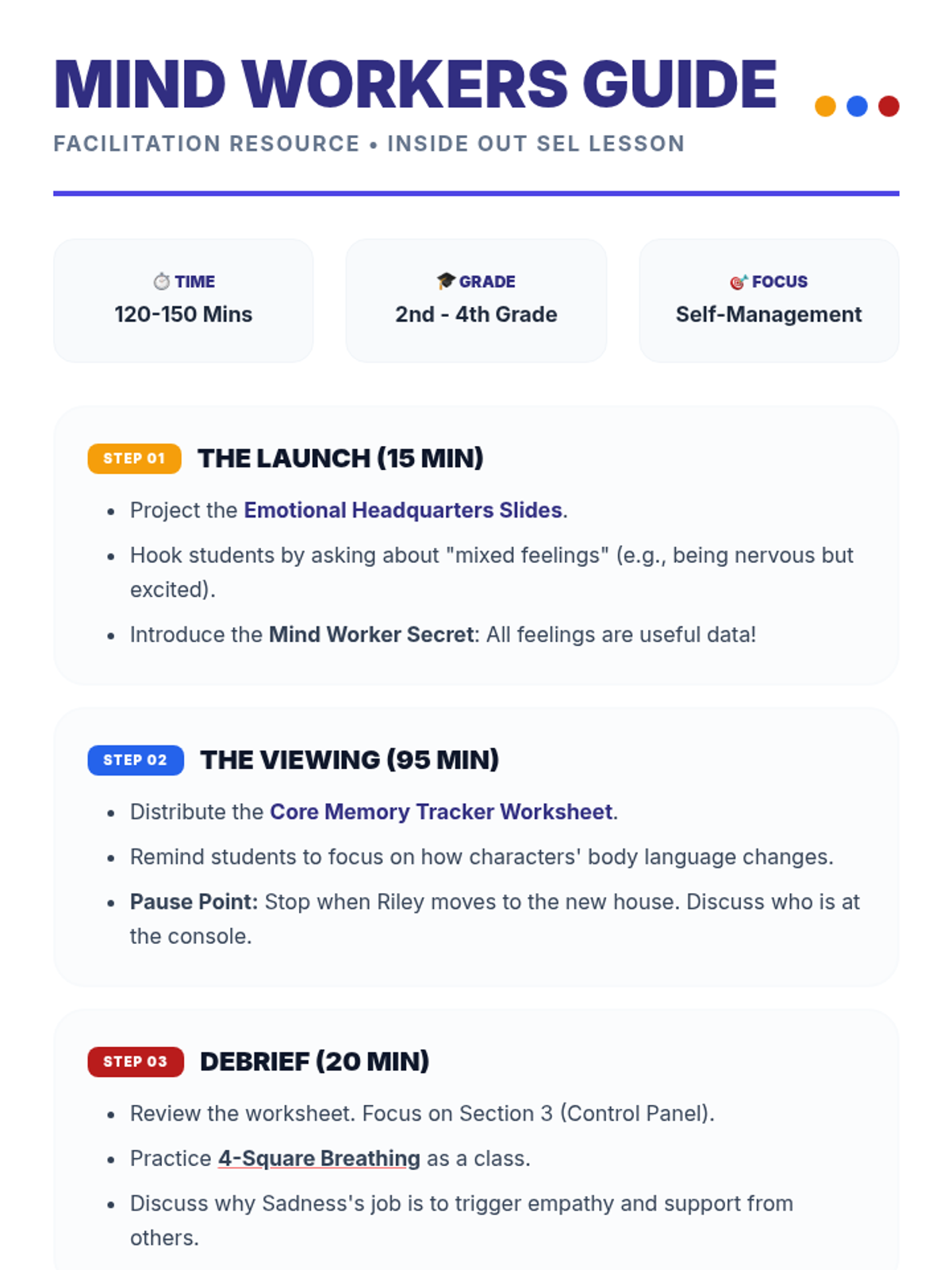
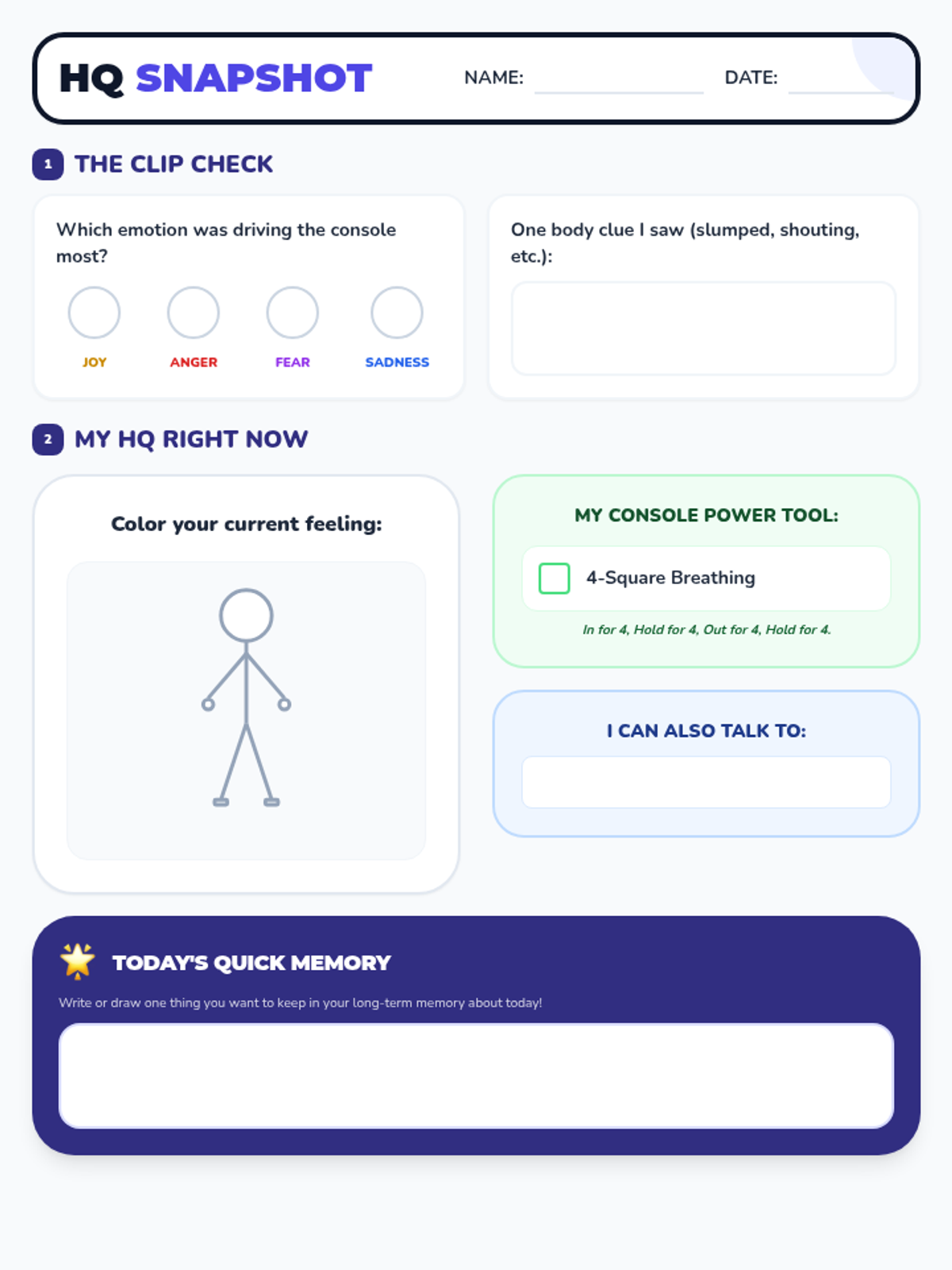
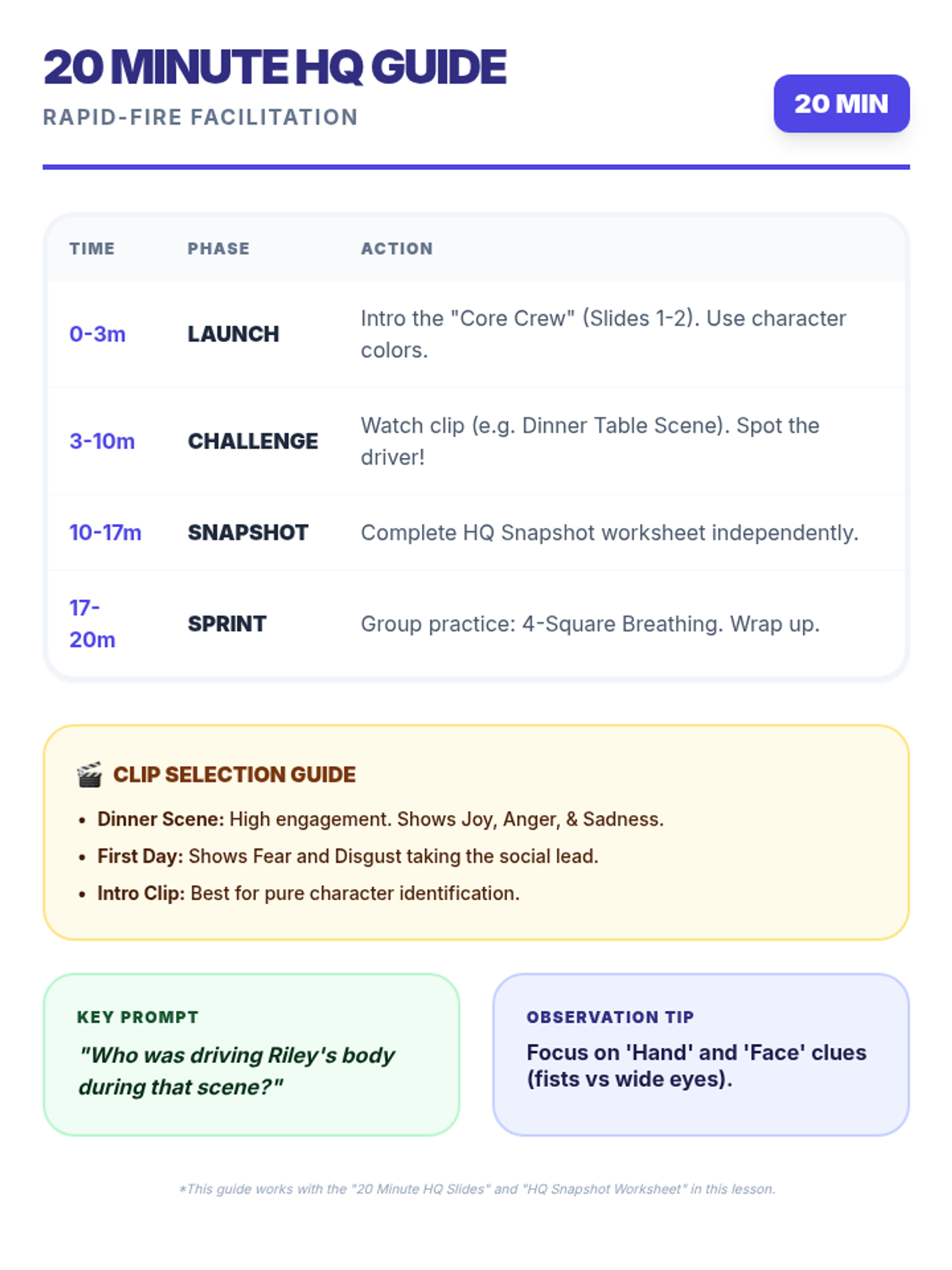
A rapid-fire 20-minute social-emotional learning session using Inside Out to help students identify their current 'Core Emotion' and learn one quick regulation tool. Perfect for short advisory periods or morning meetings.

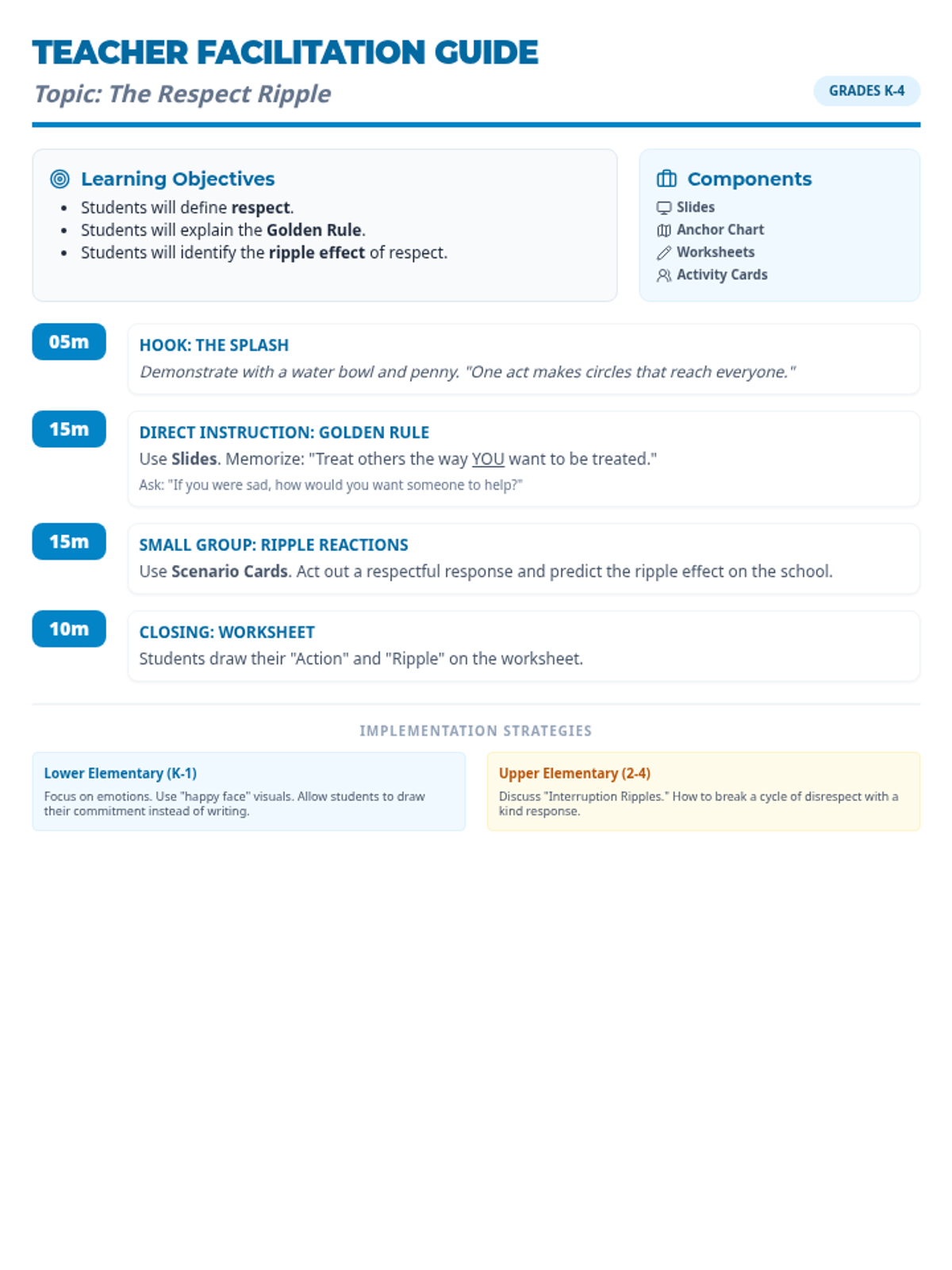
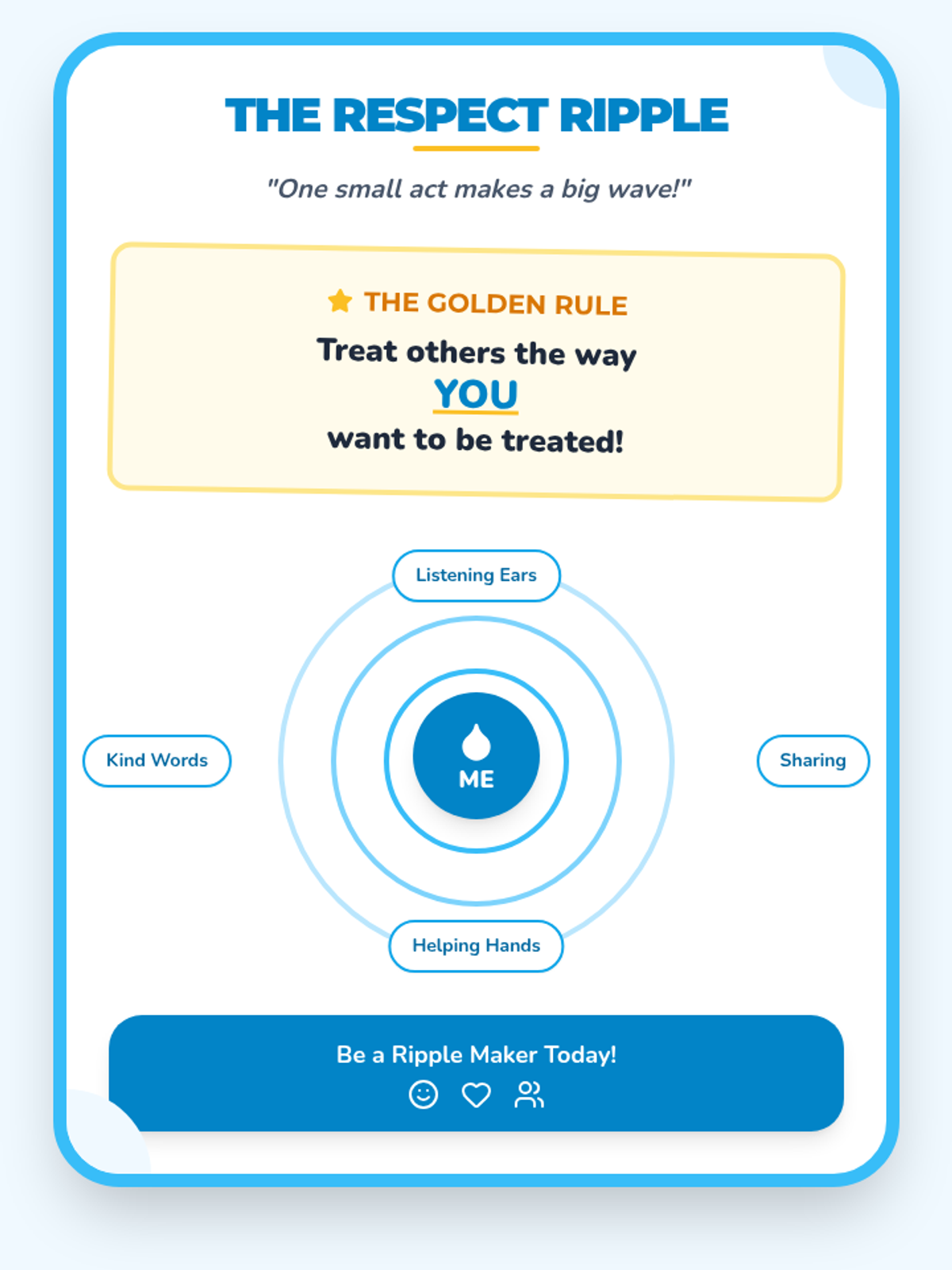
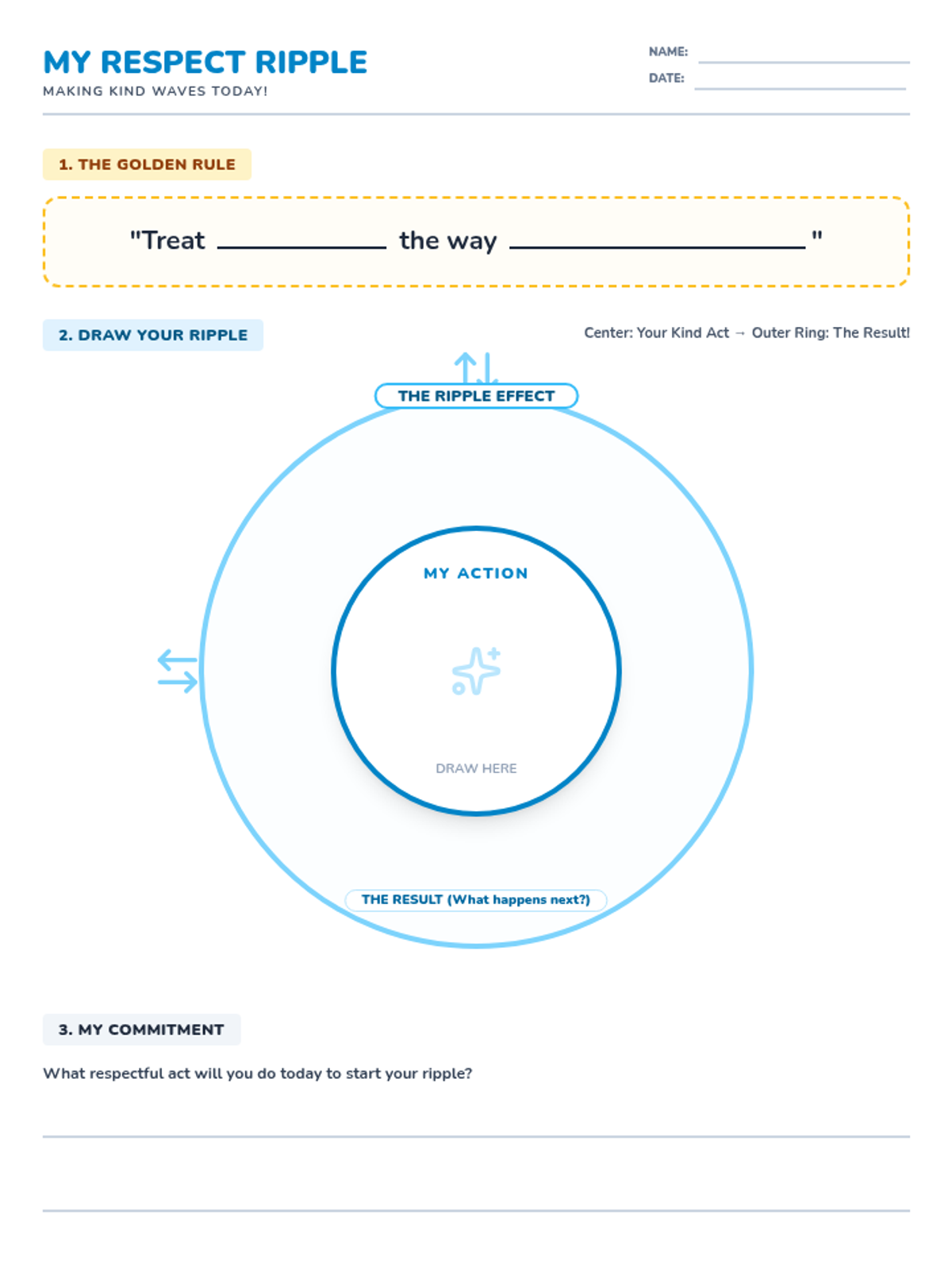
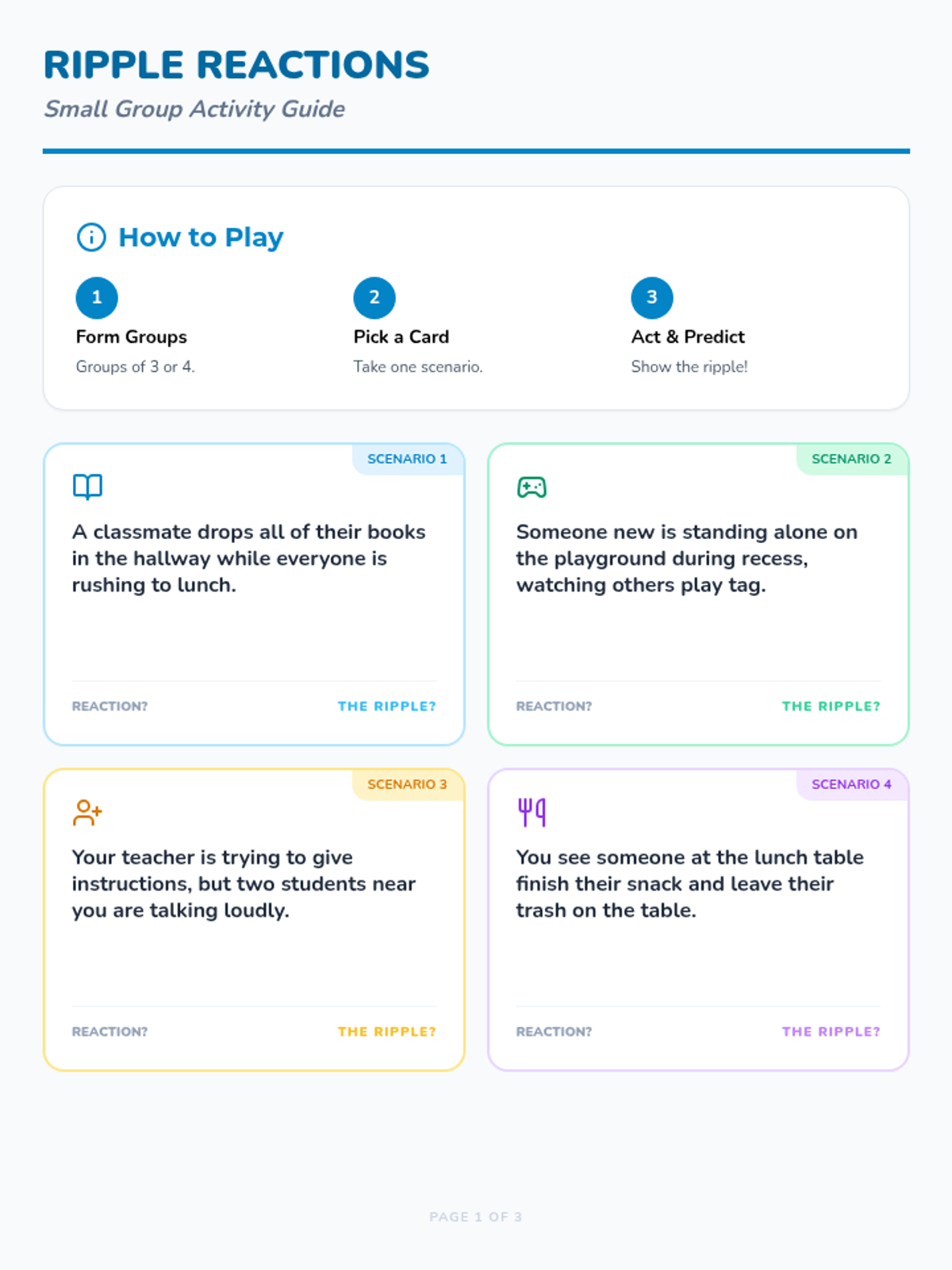
A comprehensive lesson on respect for K-4 students, focusing on the Golden Rule and the 'ripple effect' of kind actions. Includes a visual slide deck, teacher's guide, student worksheet, anchor chart, and small group activity cards.
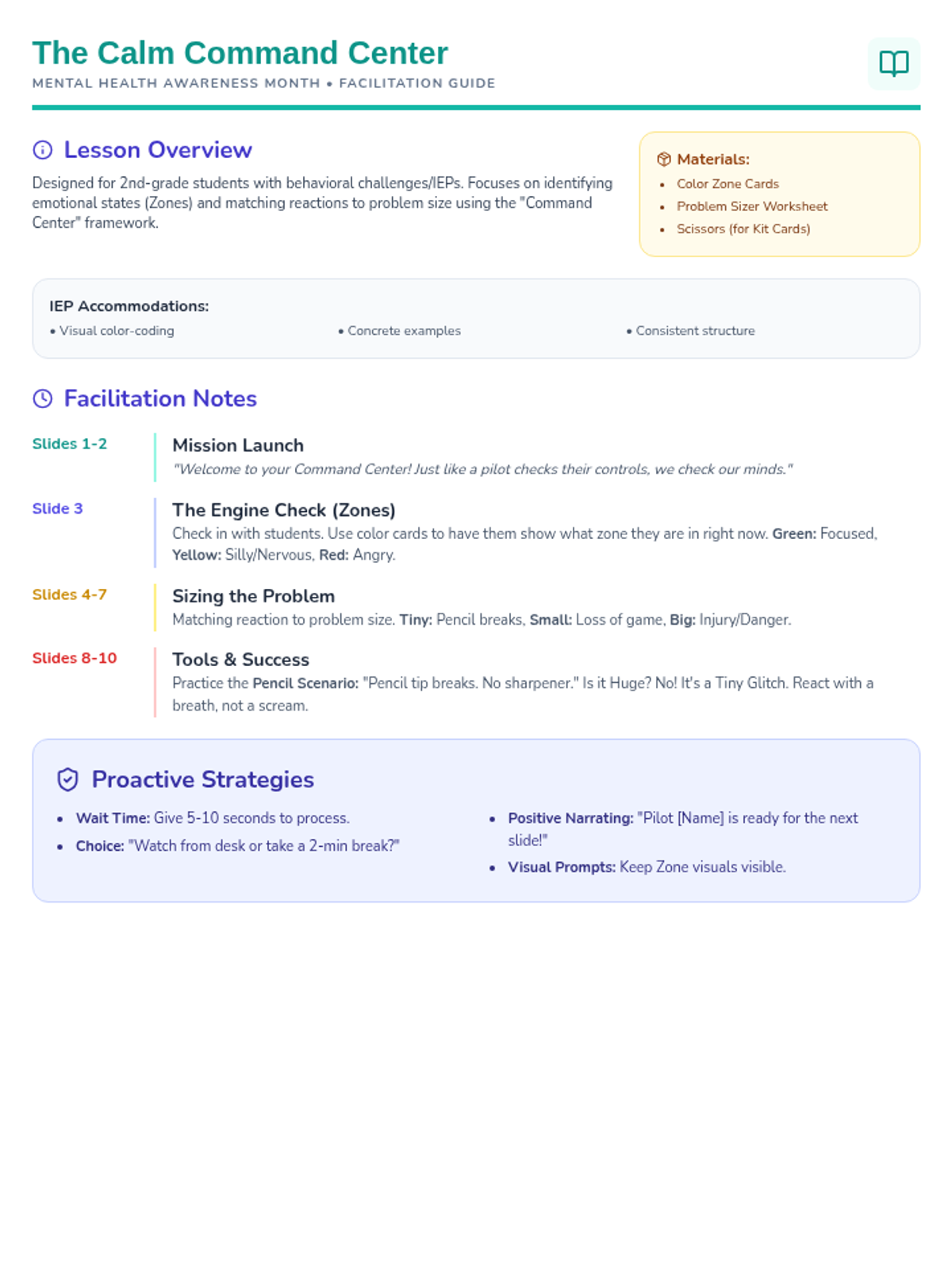
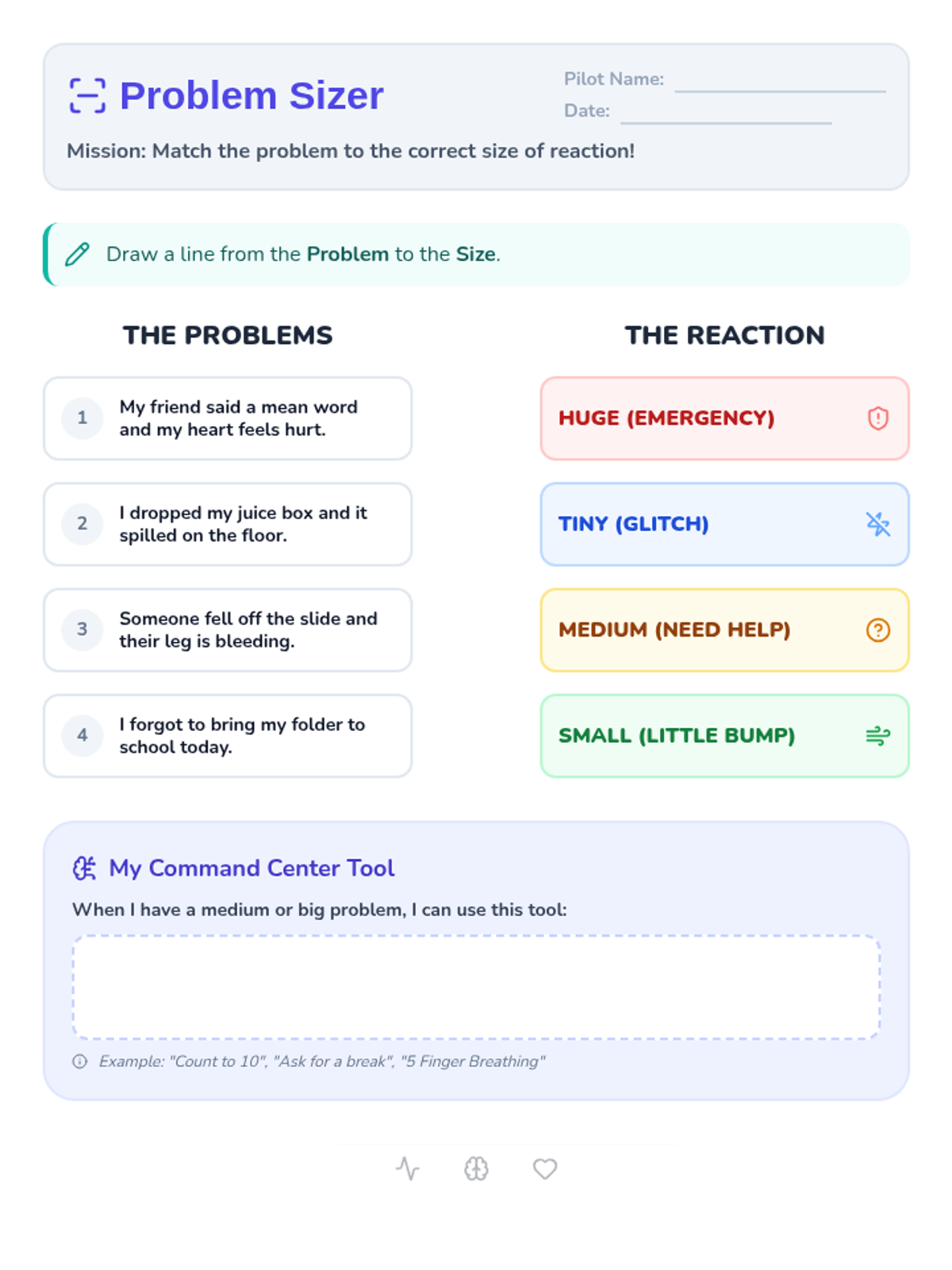
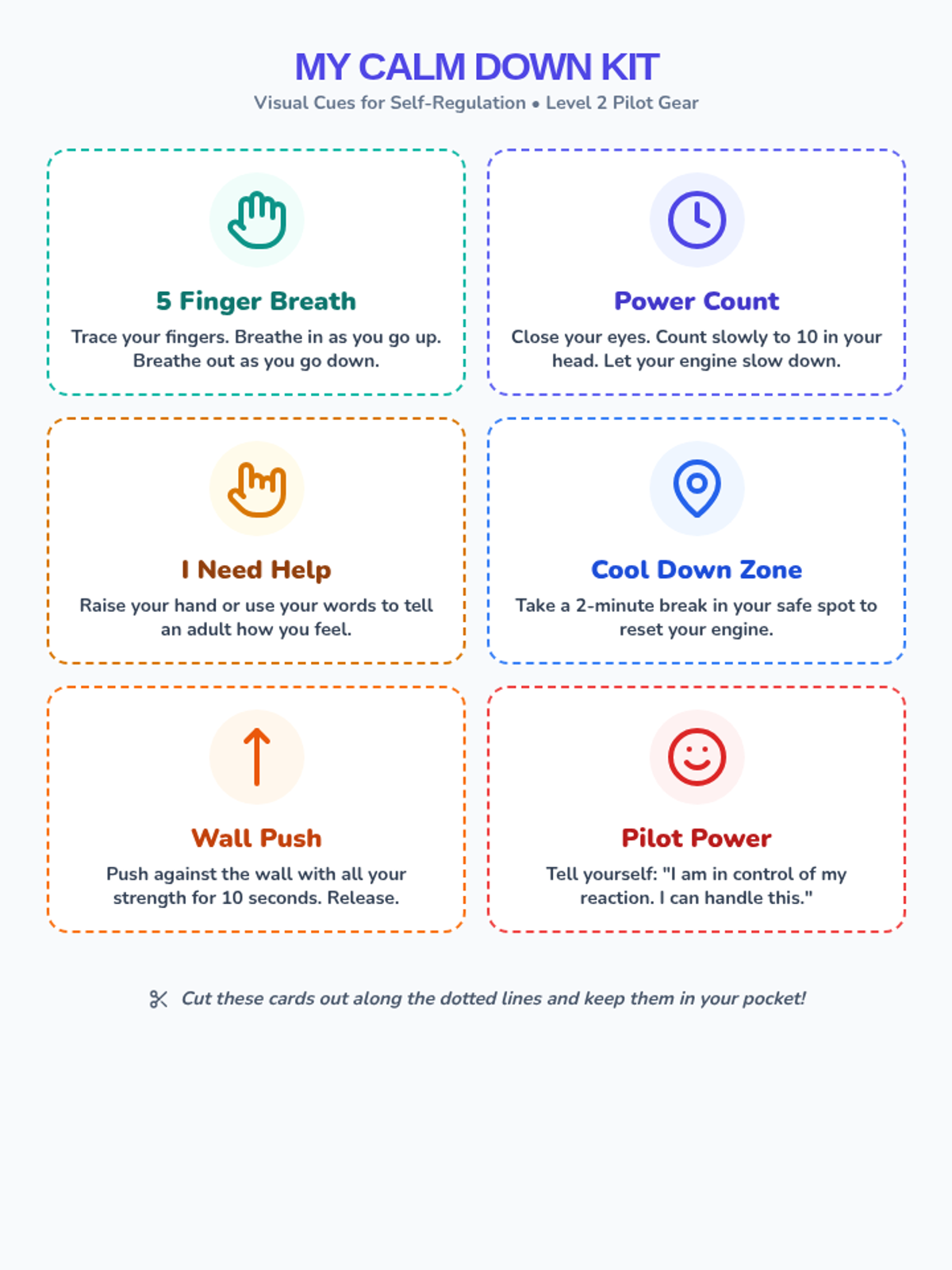
An introductory lesson focusing on identifying the size of problems and selecting appropriate self-regulation tools to manage emotions effectively in a virtual or classroom setting.
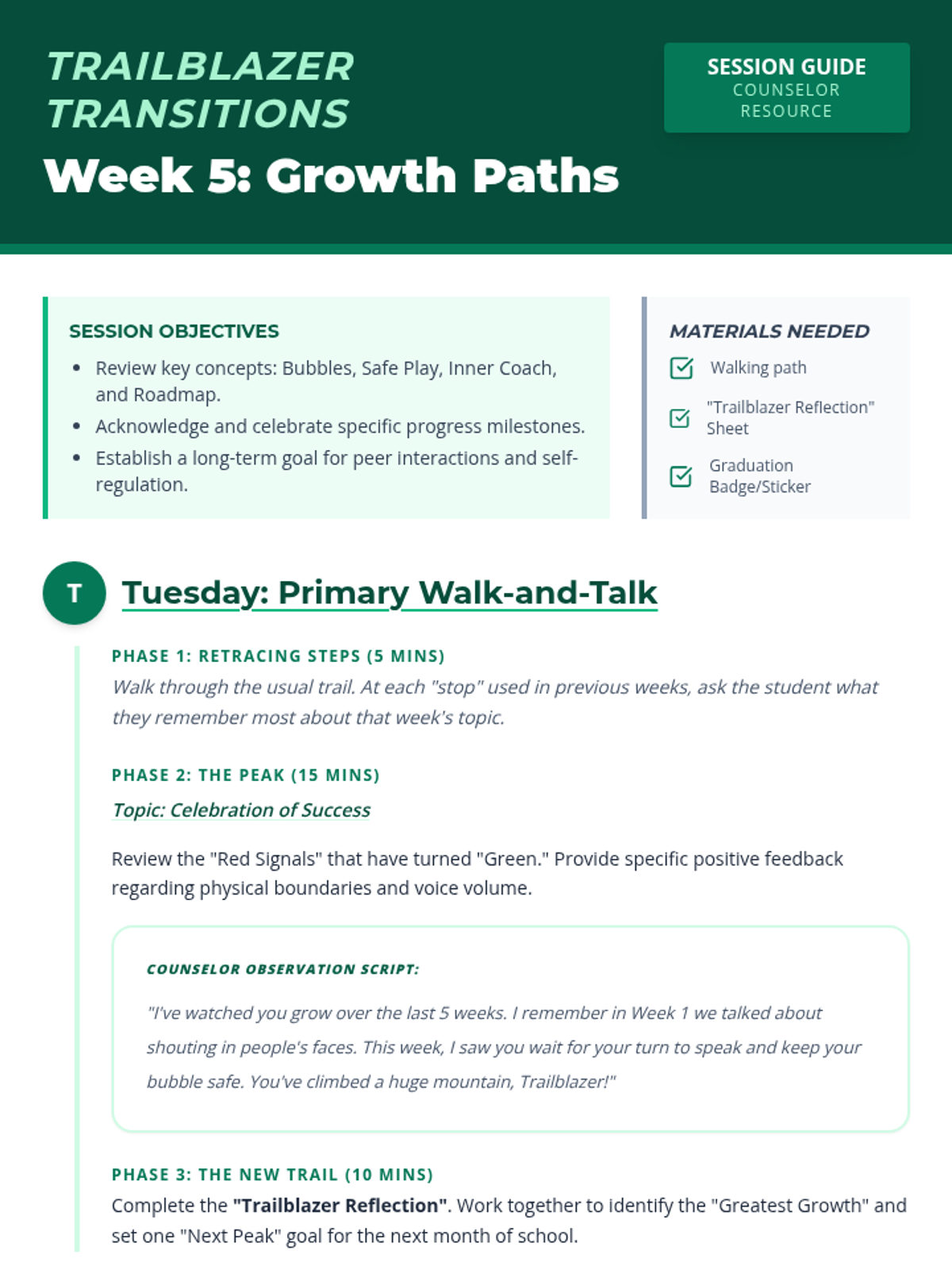
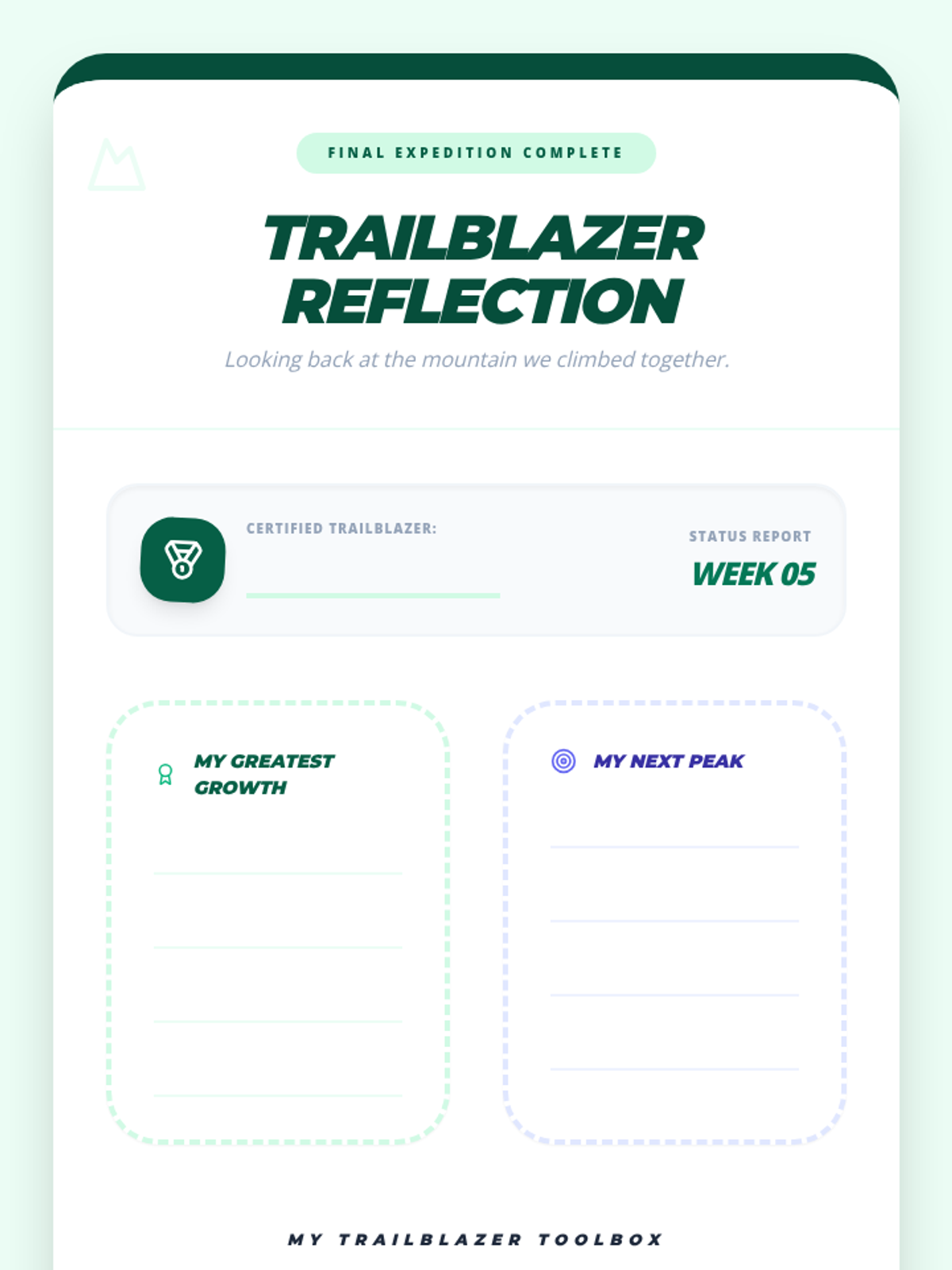
Consolidates learning from the previous weeks and sets goals for continued social-emotional success.
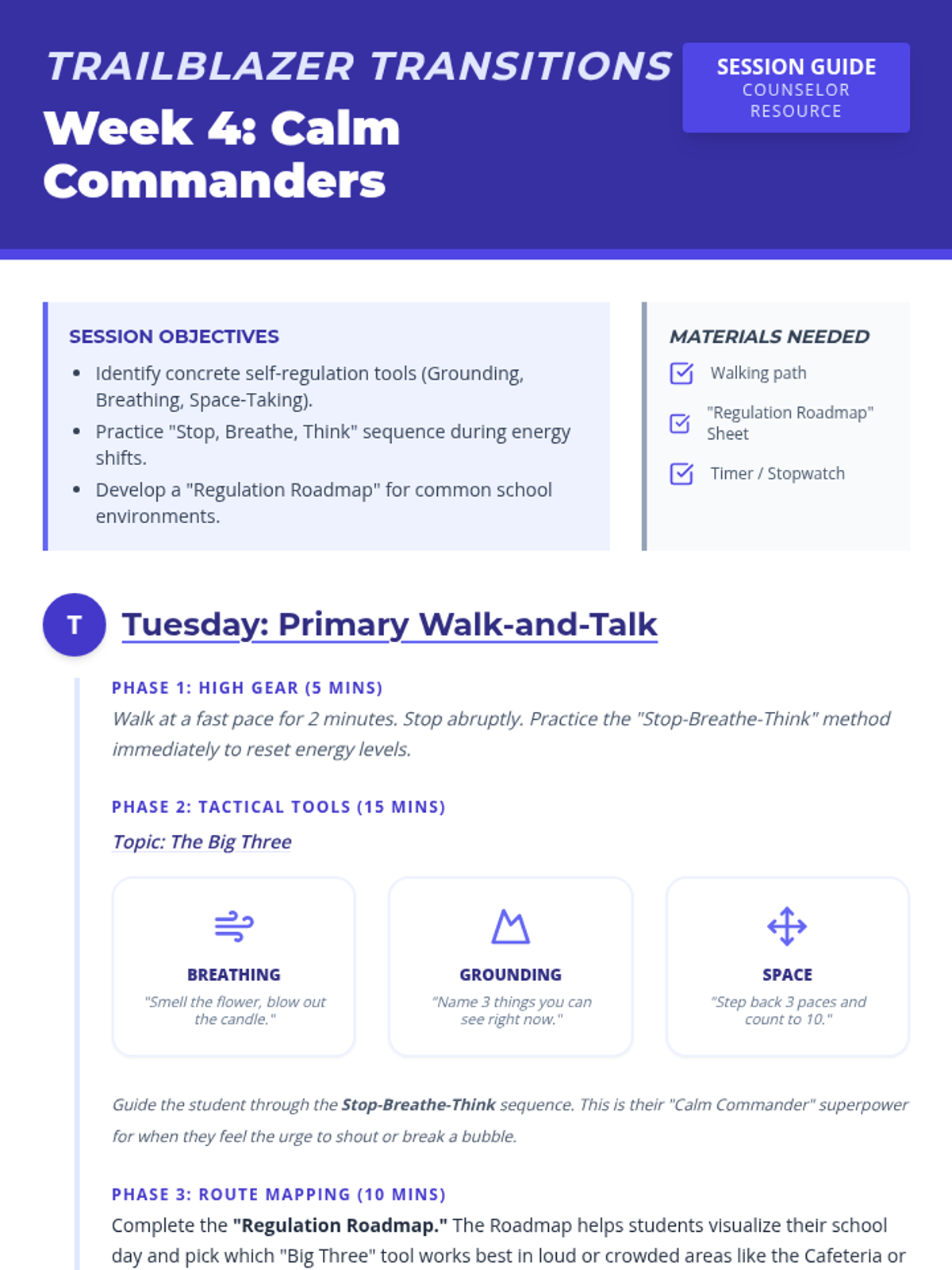
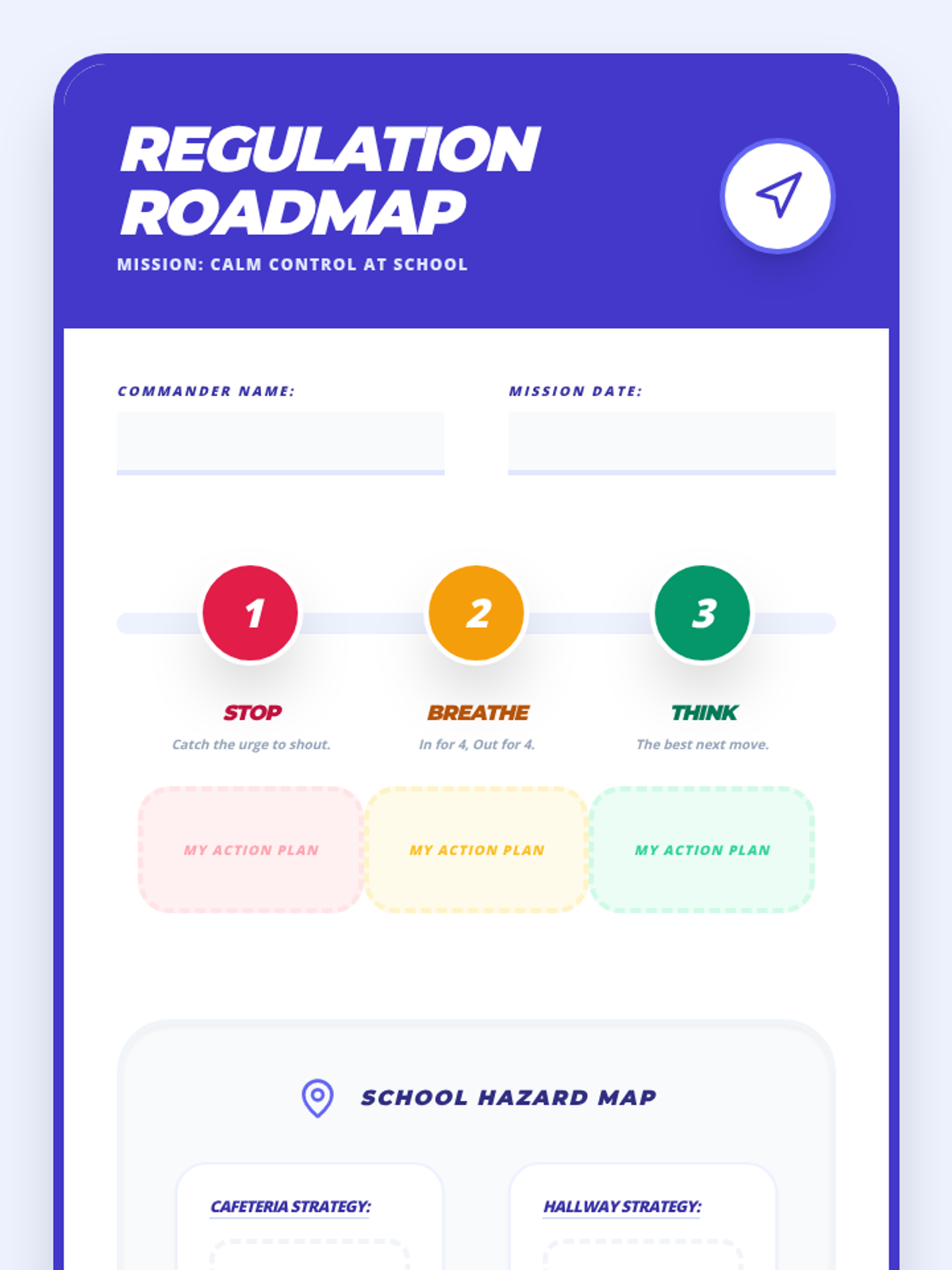
Teaches concrete self-regulation strategies and provides tools for emotional regulation.
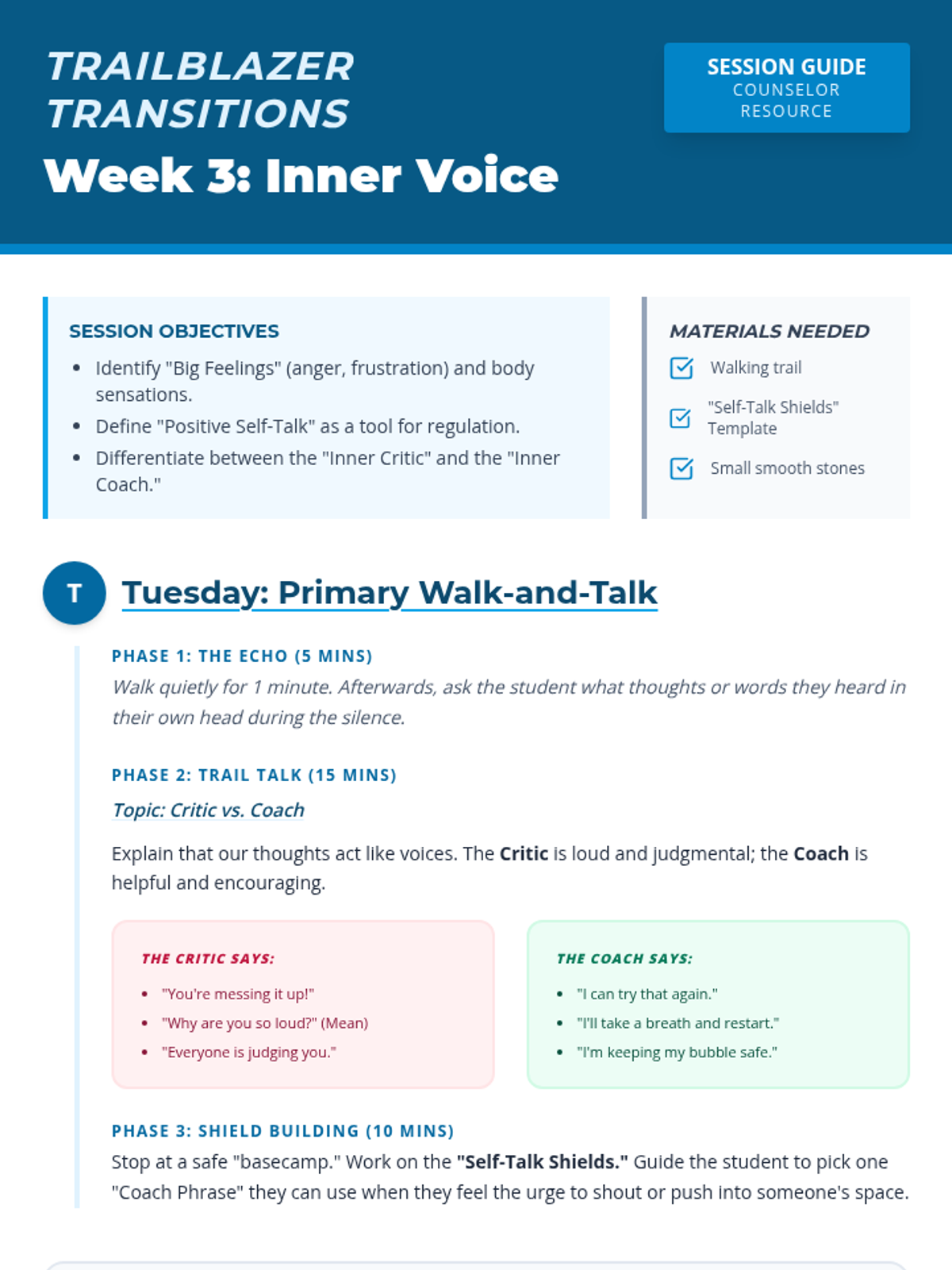
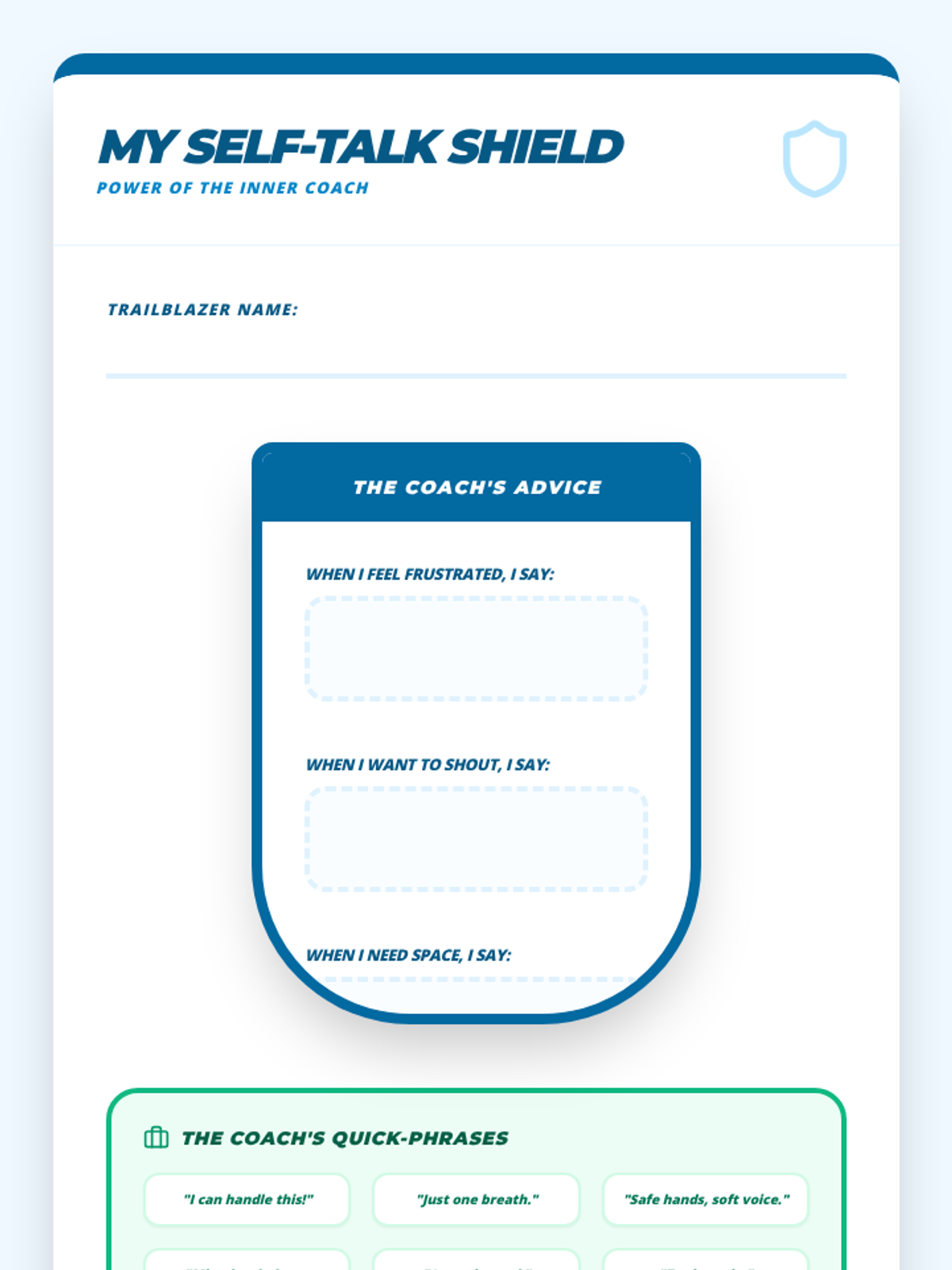
Explores emotional awareness and the power of positive self-talk to manage frustration.
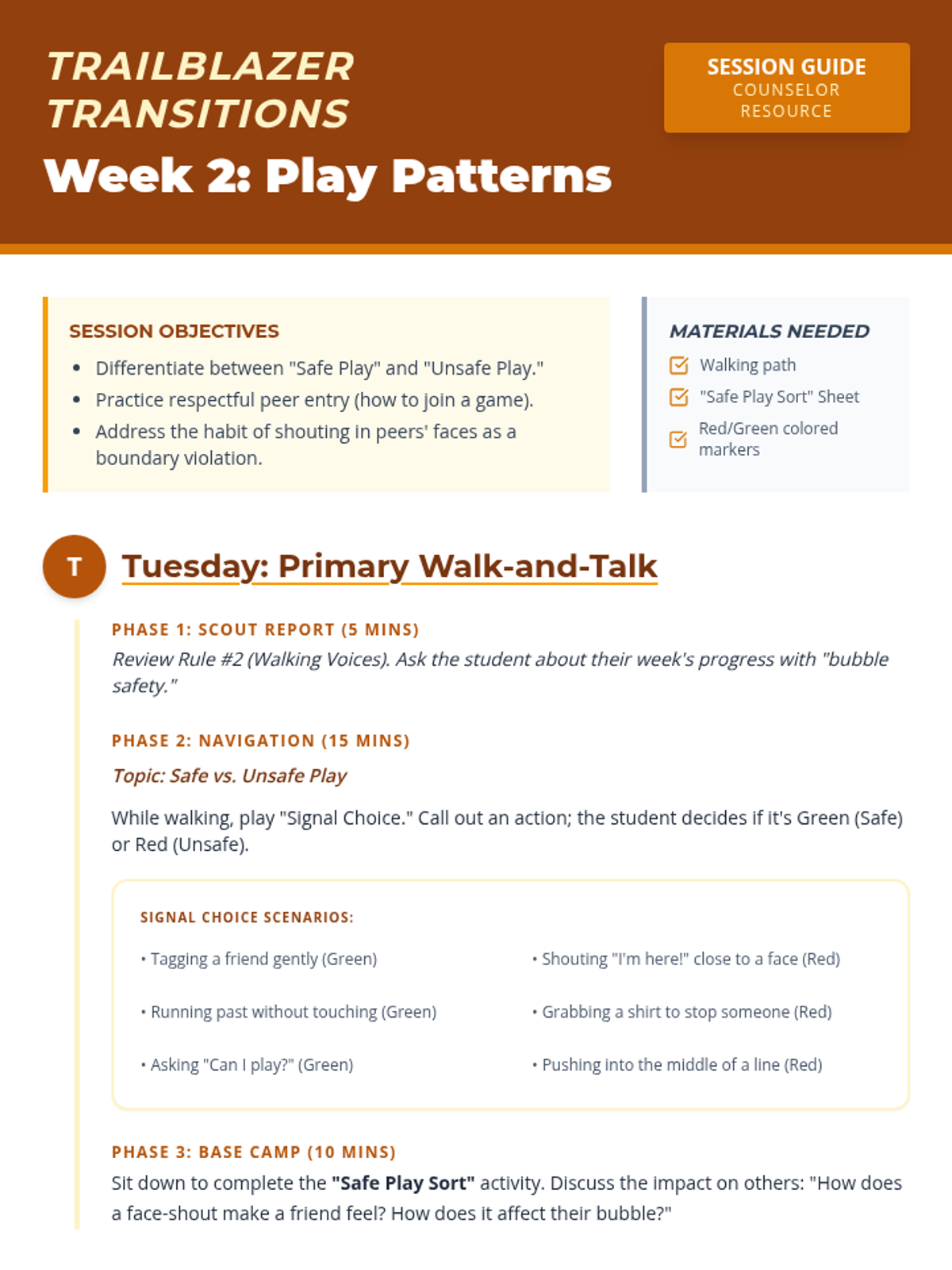
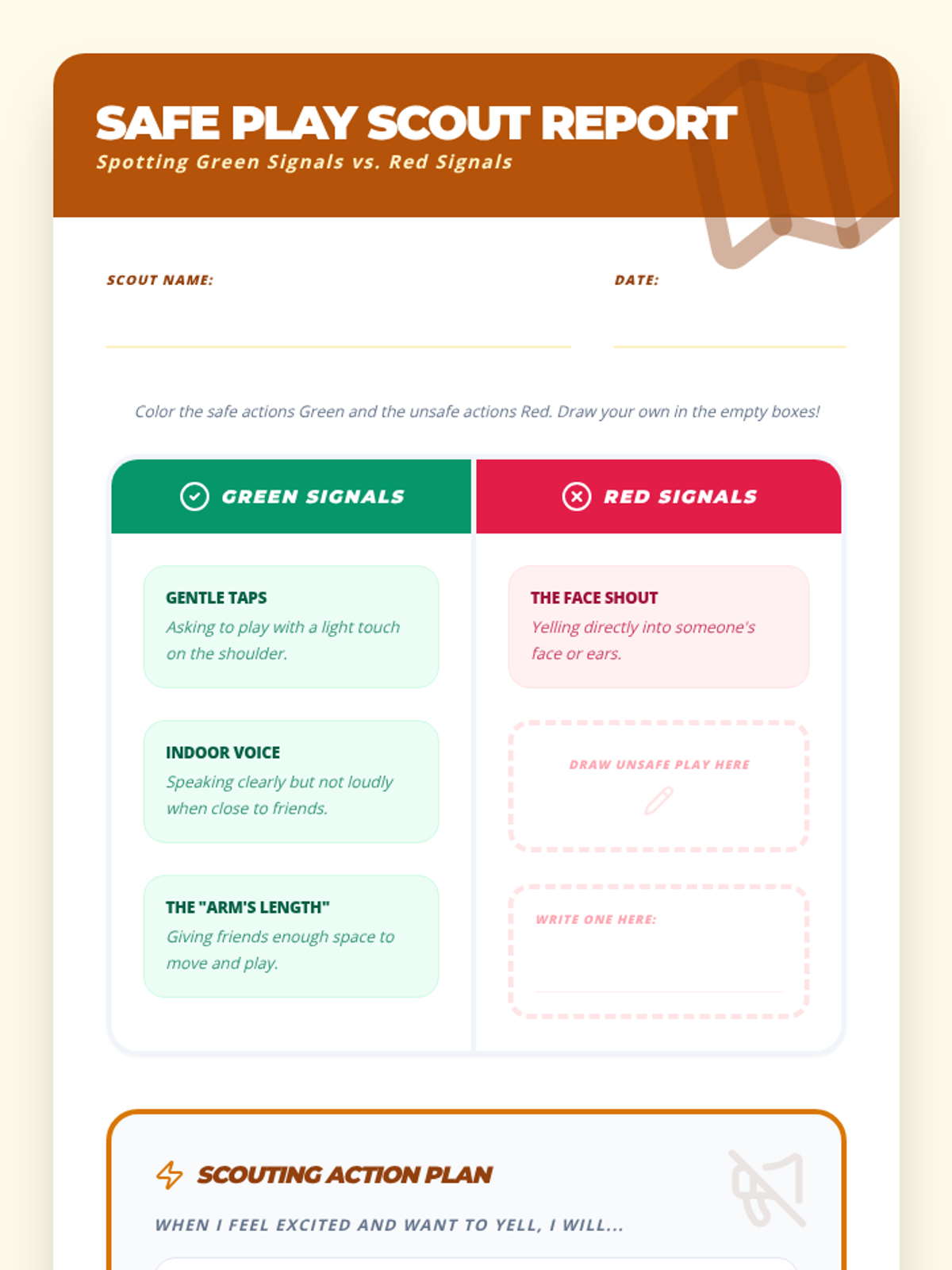
Focuses on distinguishing between safe and unsafe play, specifically addressing peer interactions like shouting and physical contact.
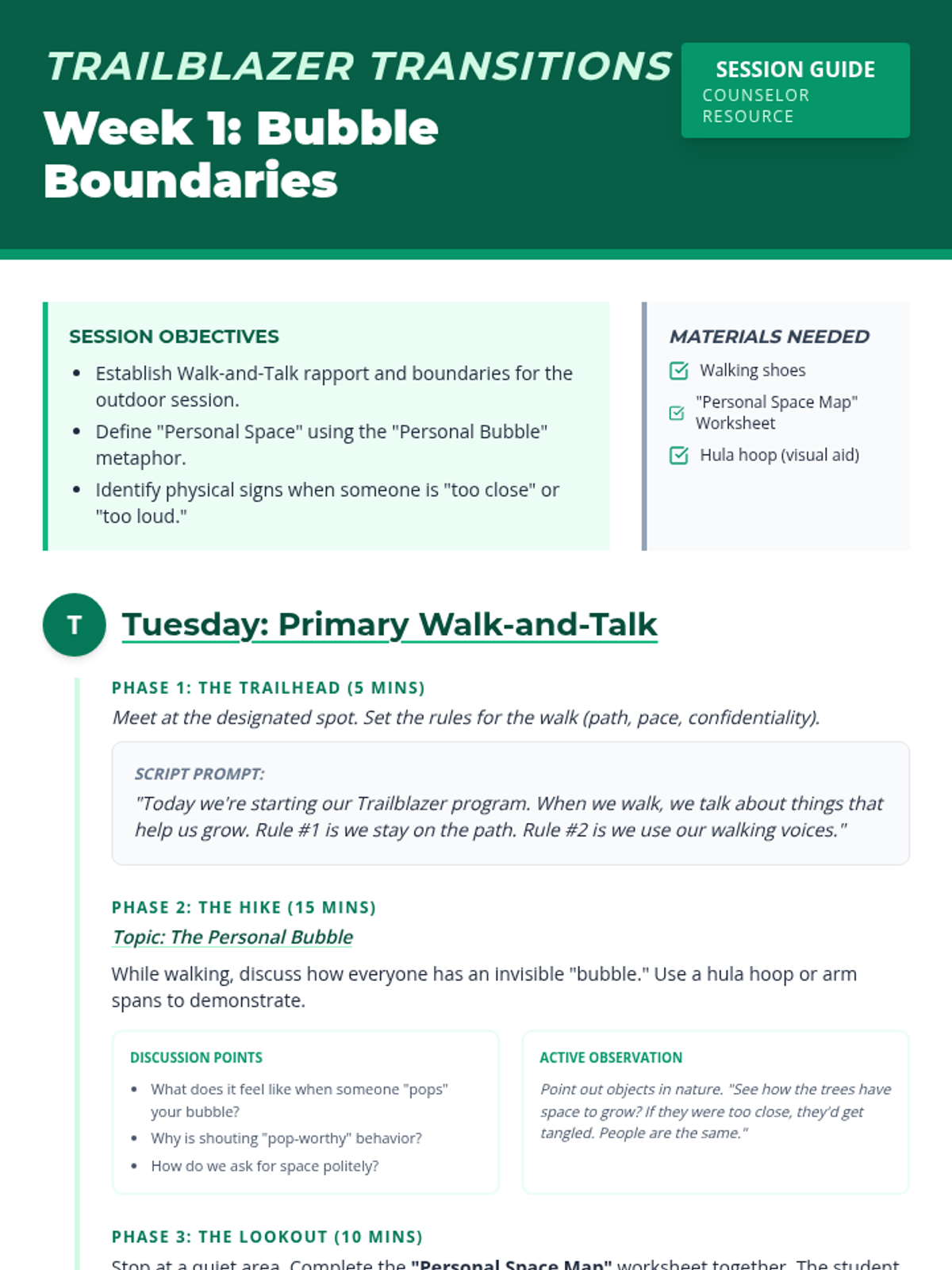
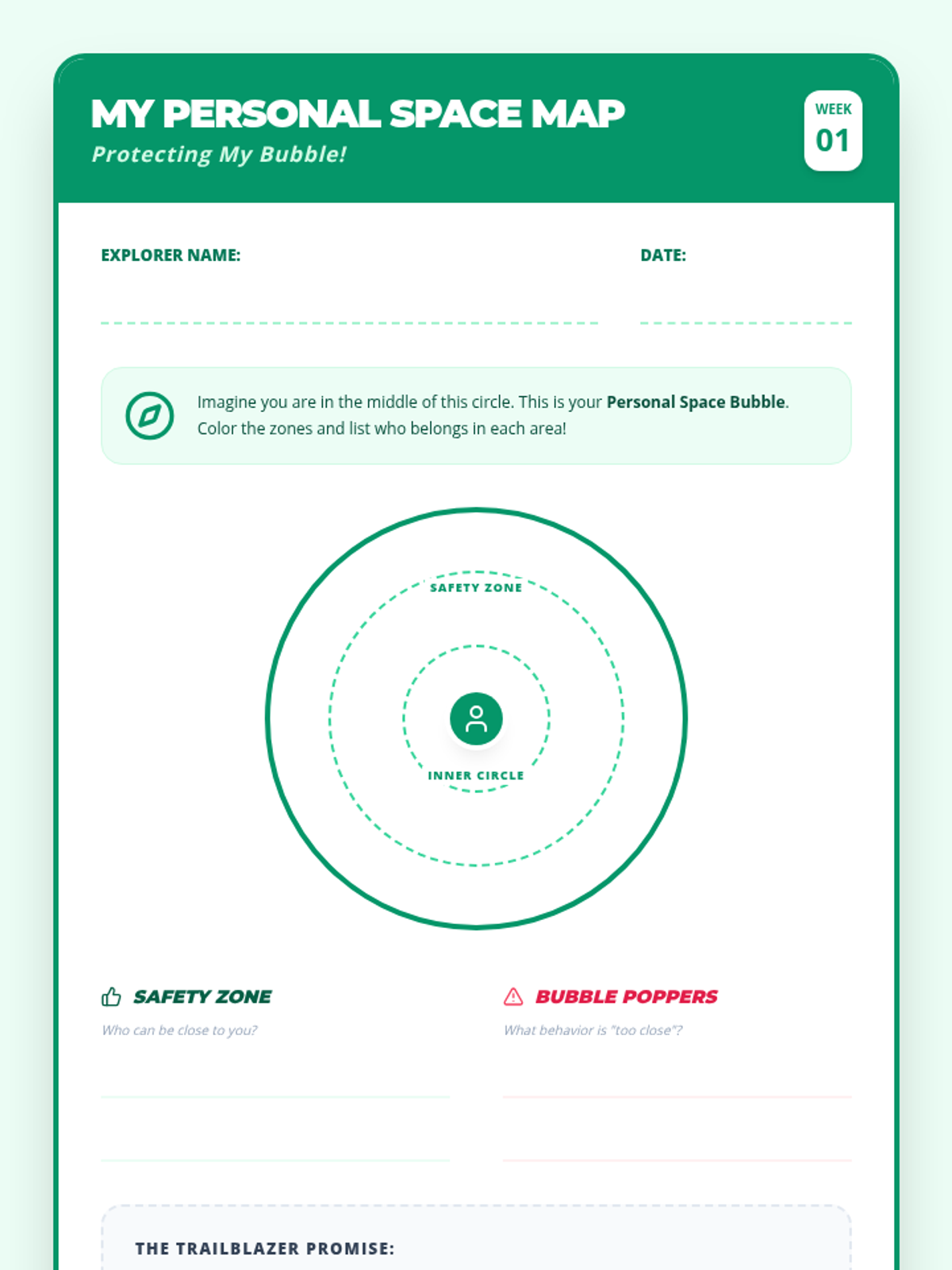
Introduces the concept of personal space and 'bubbles' while establishing the walk-and-talk routine.
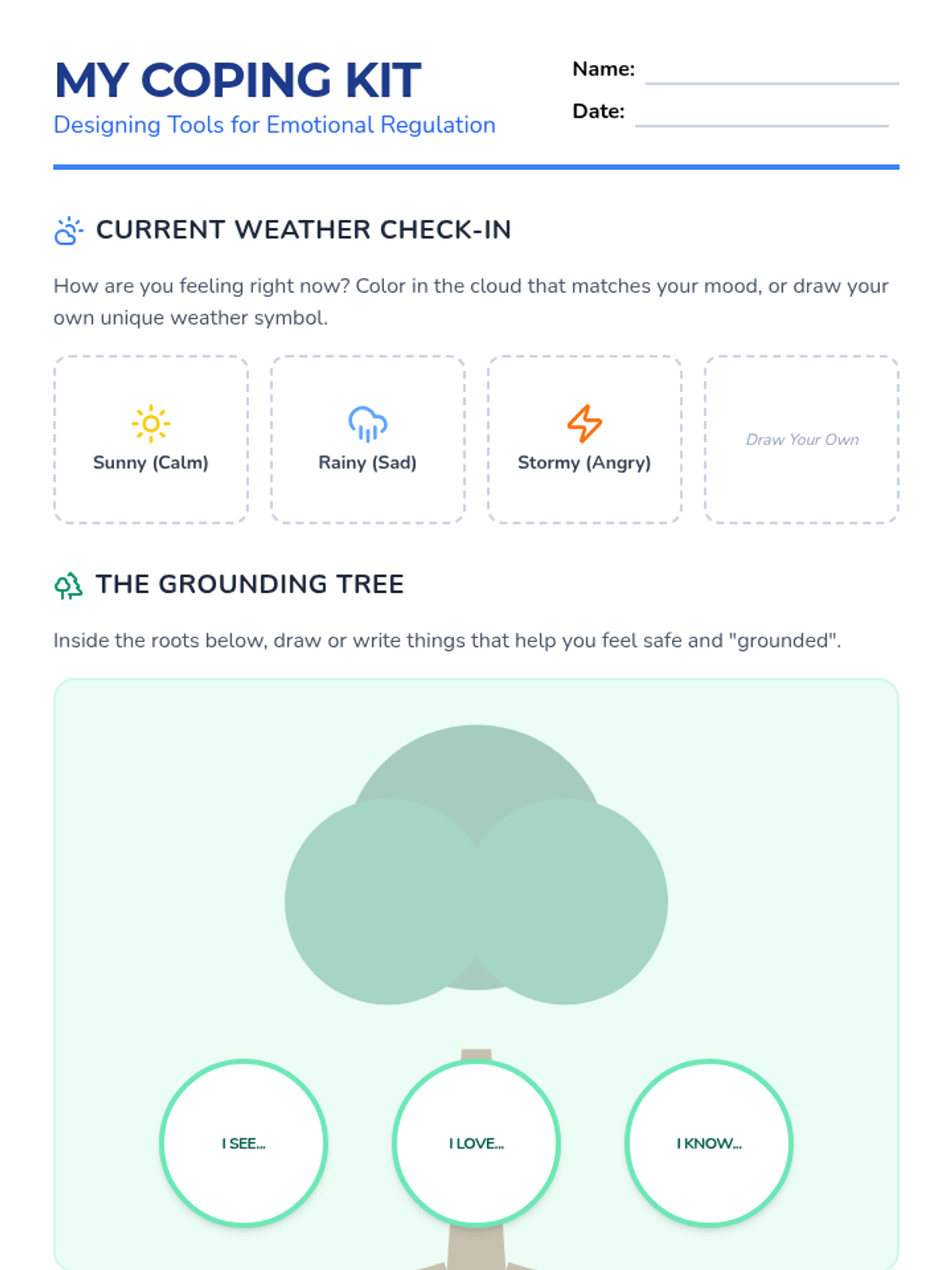
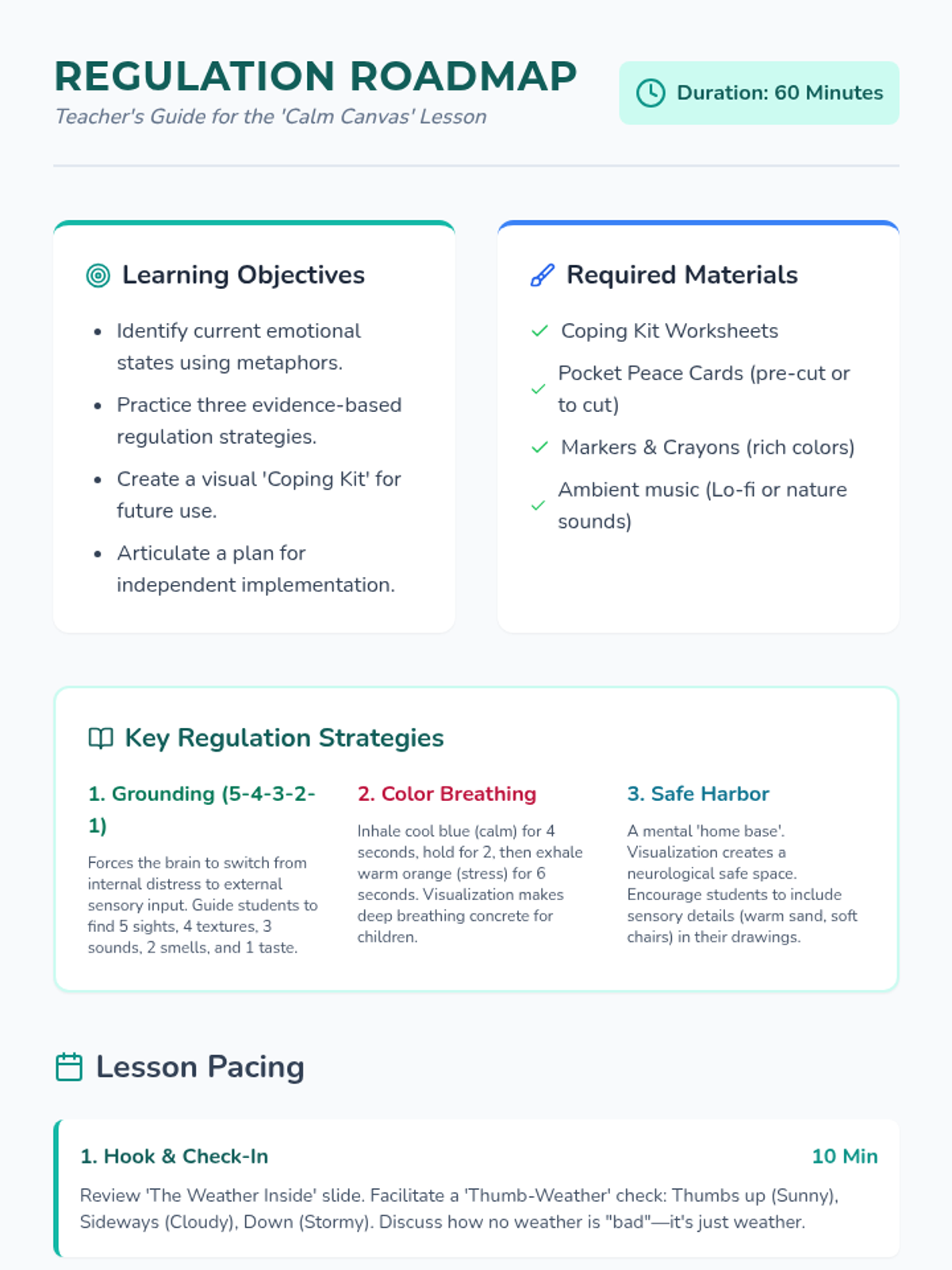
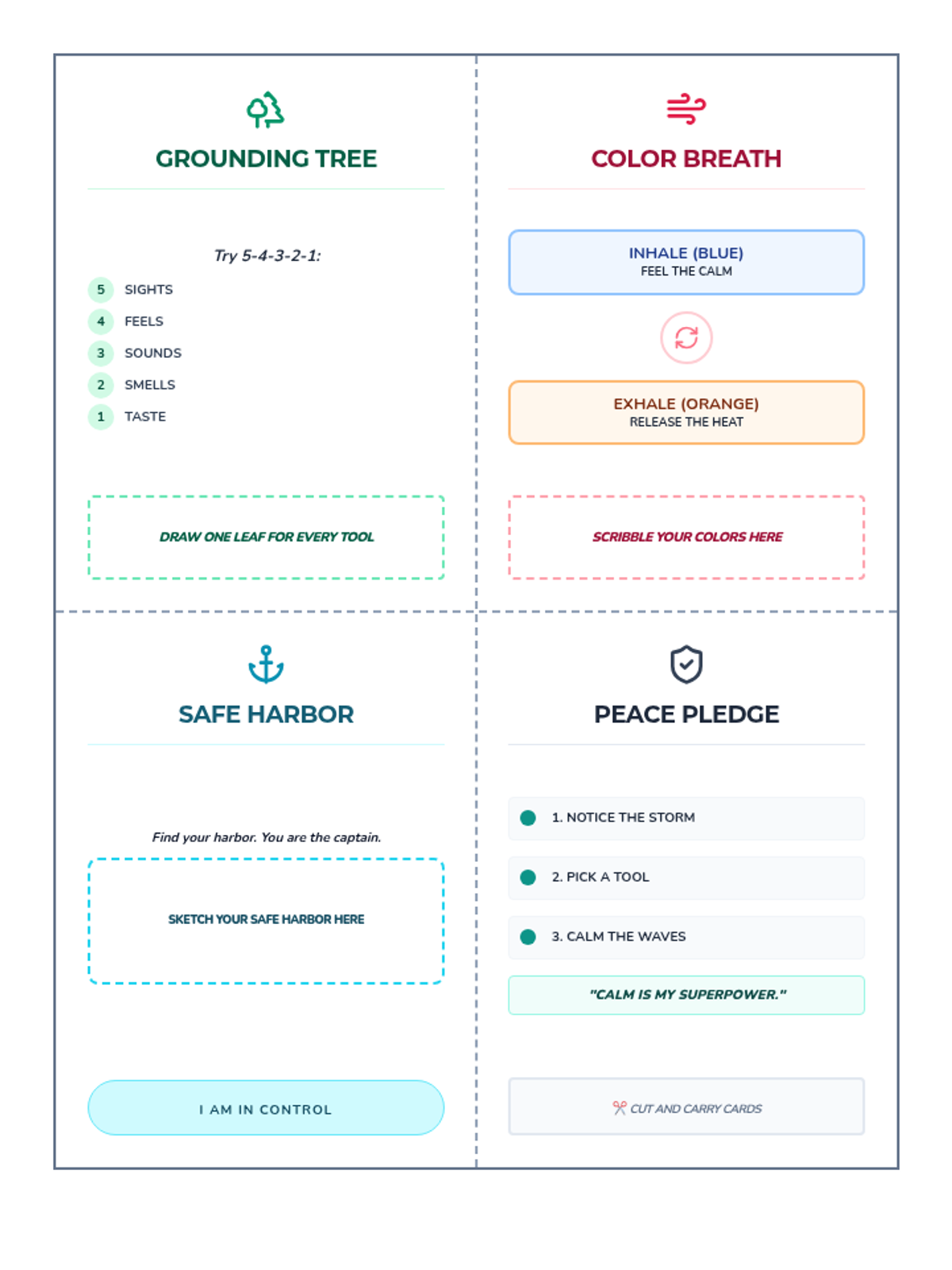
A creative art-based lesson where students learn to identify their emotional states and build a personalized 'coping kit' of regulation strategies using markers and crayons.
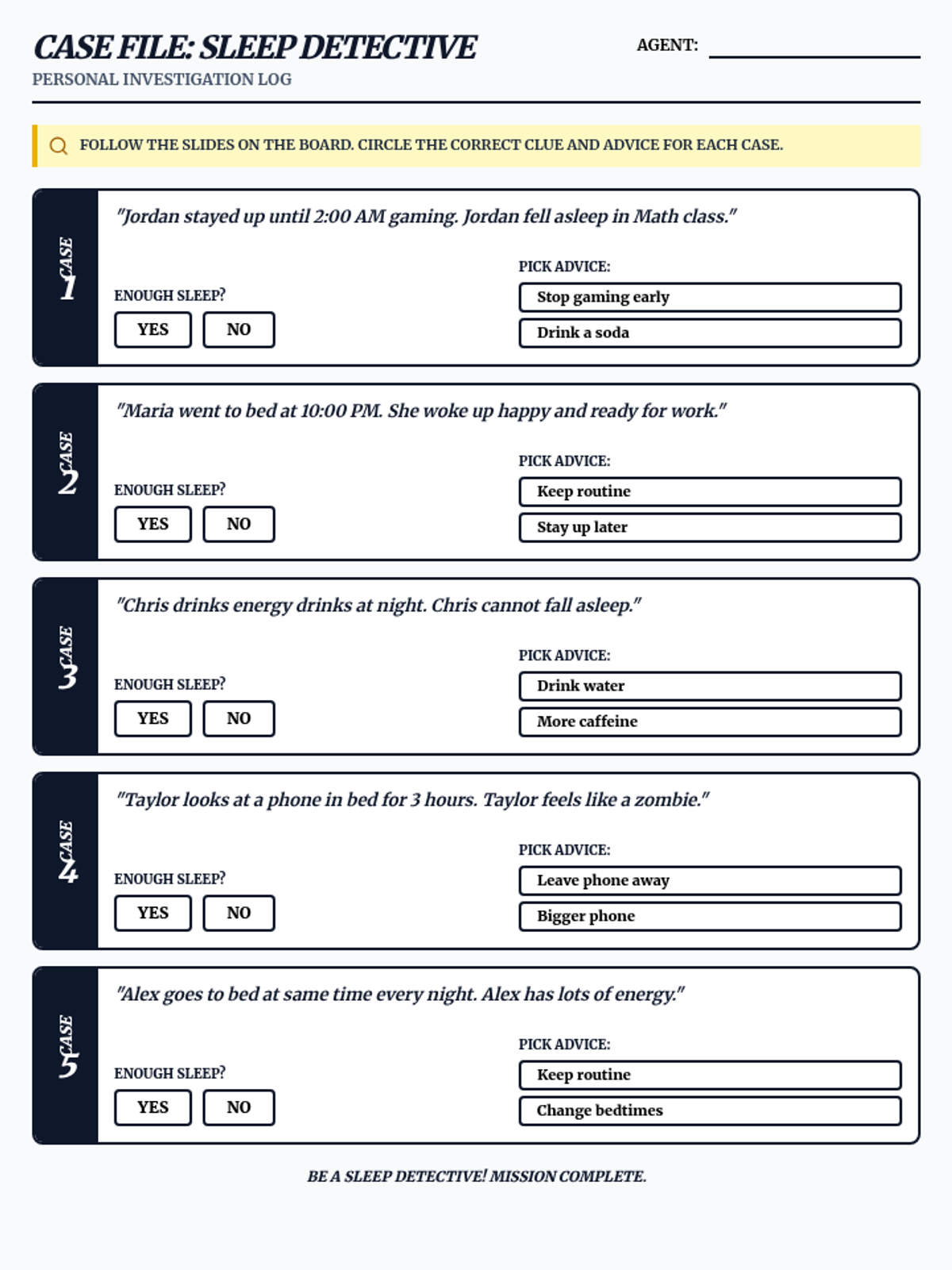
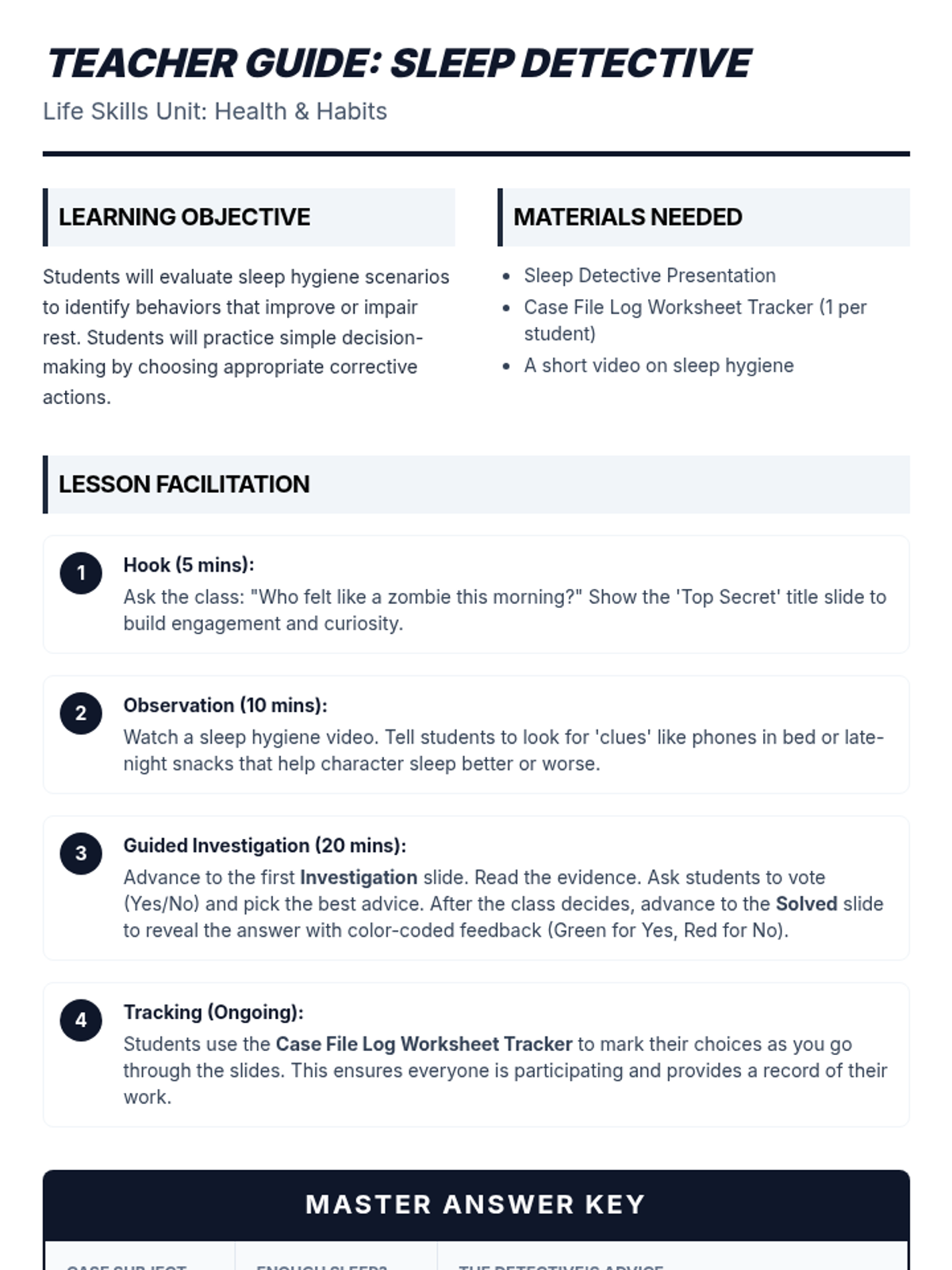
A life skills lesson where students become 'Sleep Detectives' to analyze habits and identify healthy sleep patterns using visual scenarios and simple decision-making.
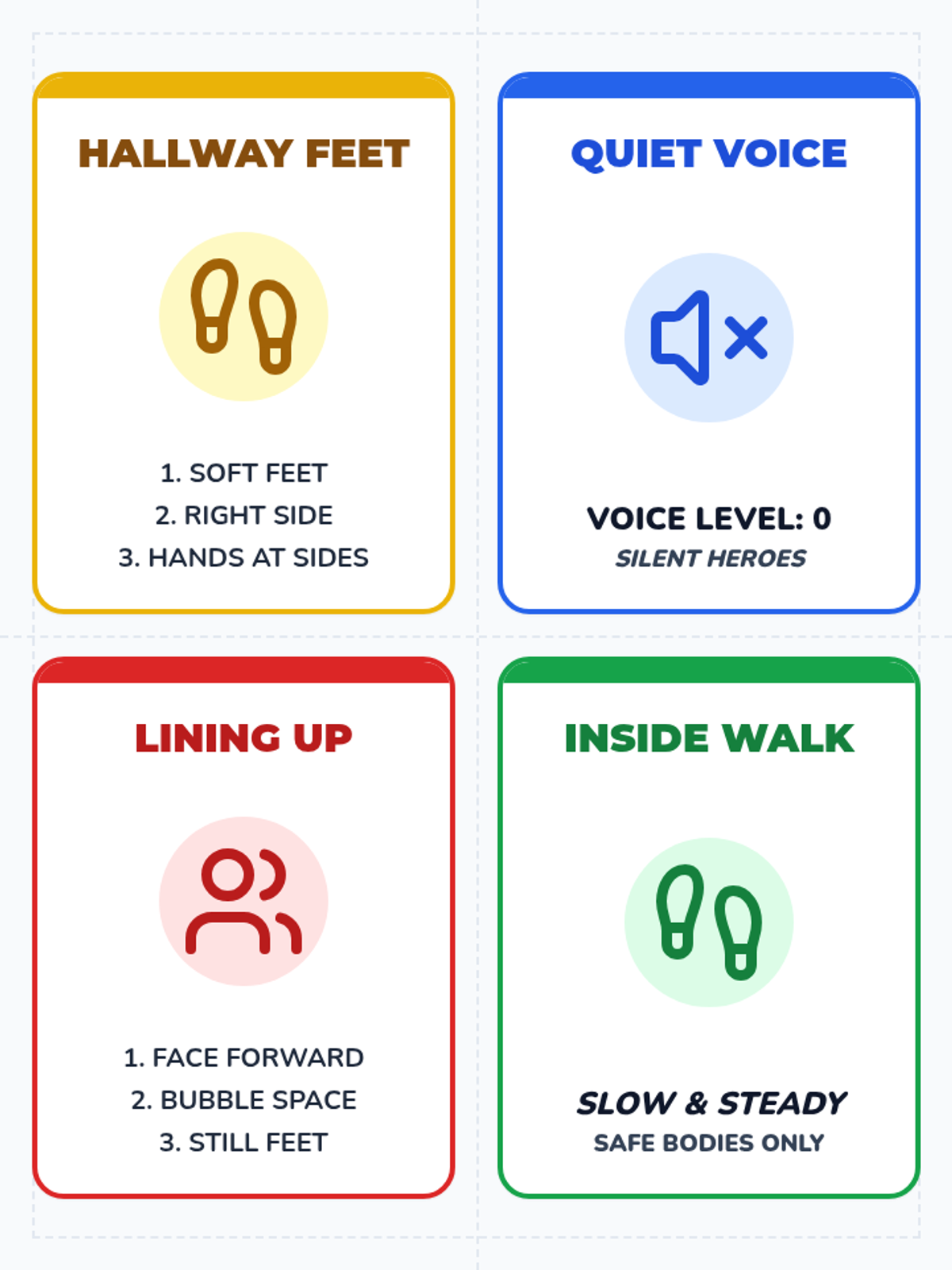
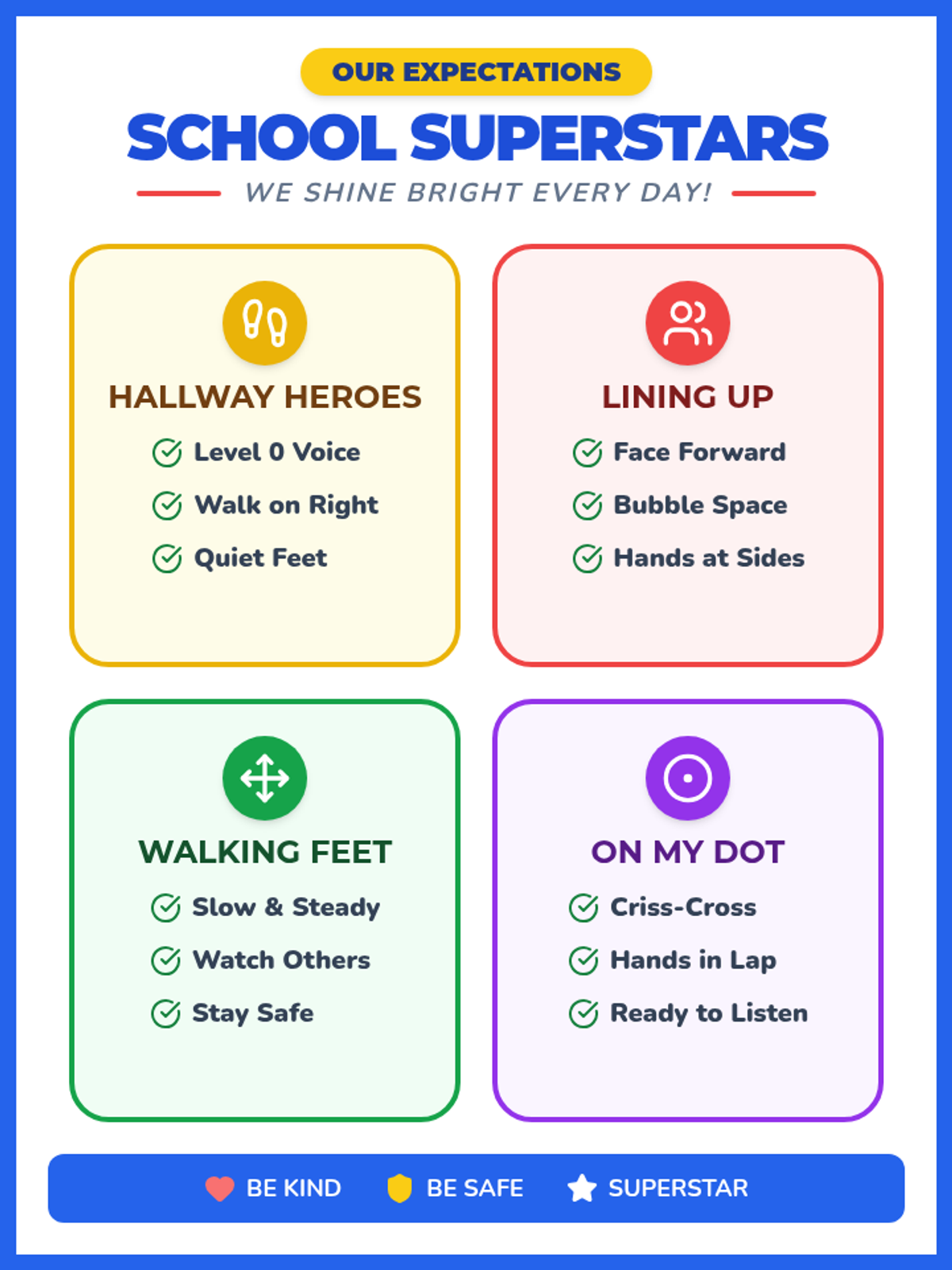
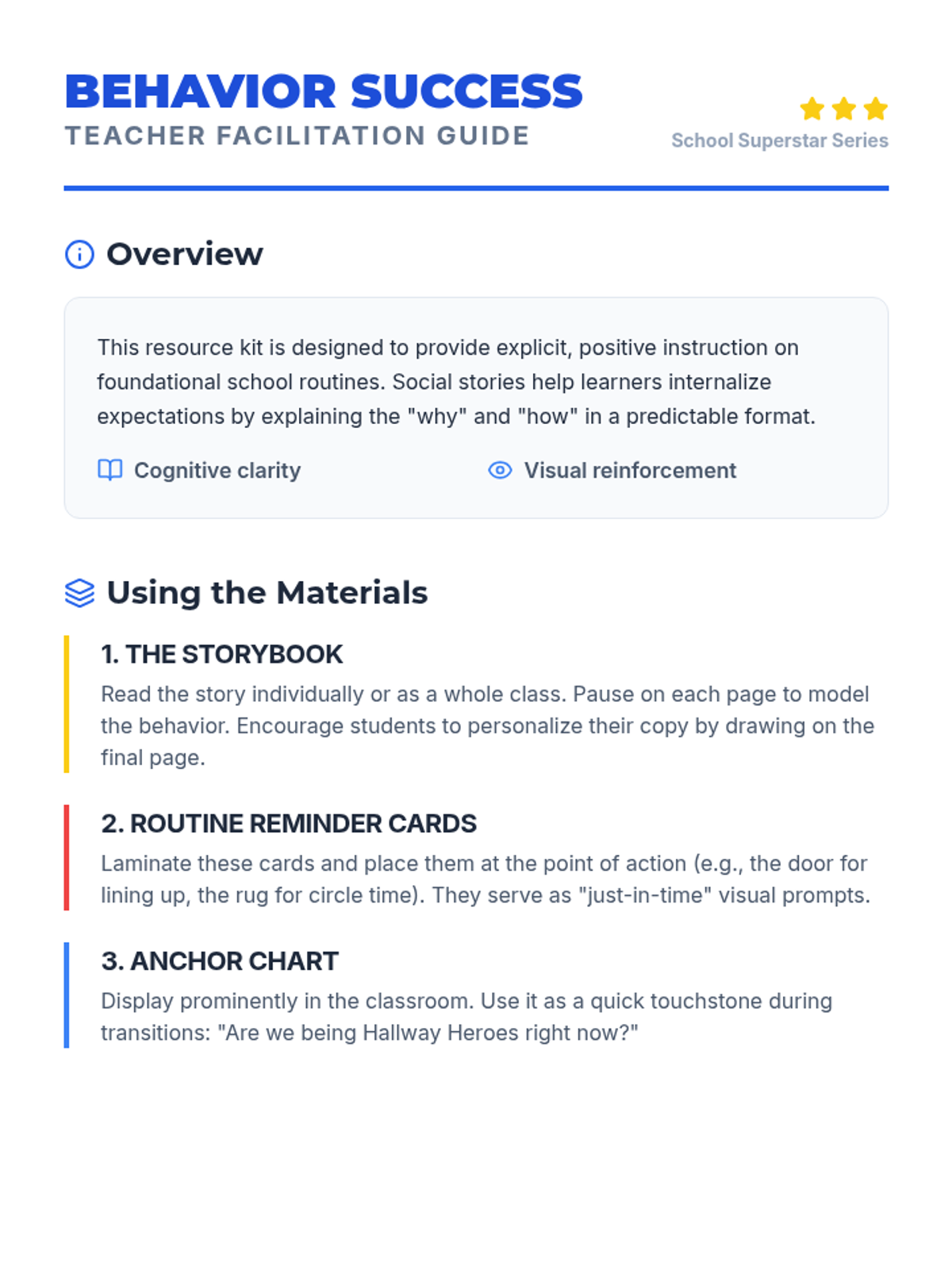
A comprehensive set of social story materials designed to teach and reinforce expected behaviors for walking in hallways, standing in lines, moving through the classroom, and participating in circle time.
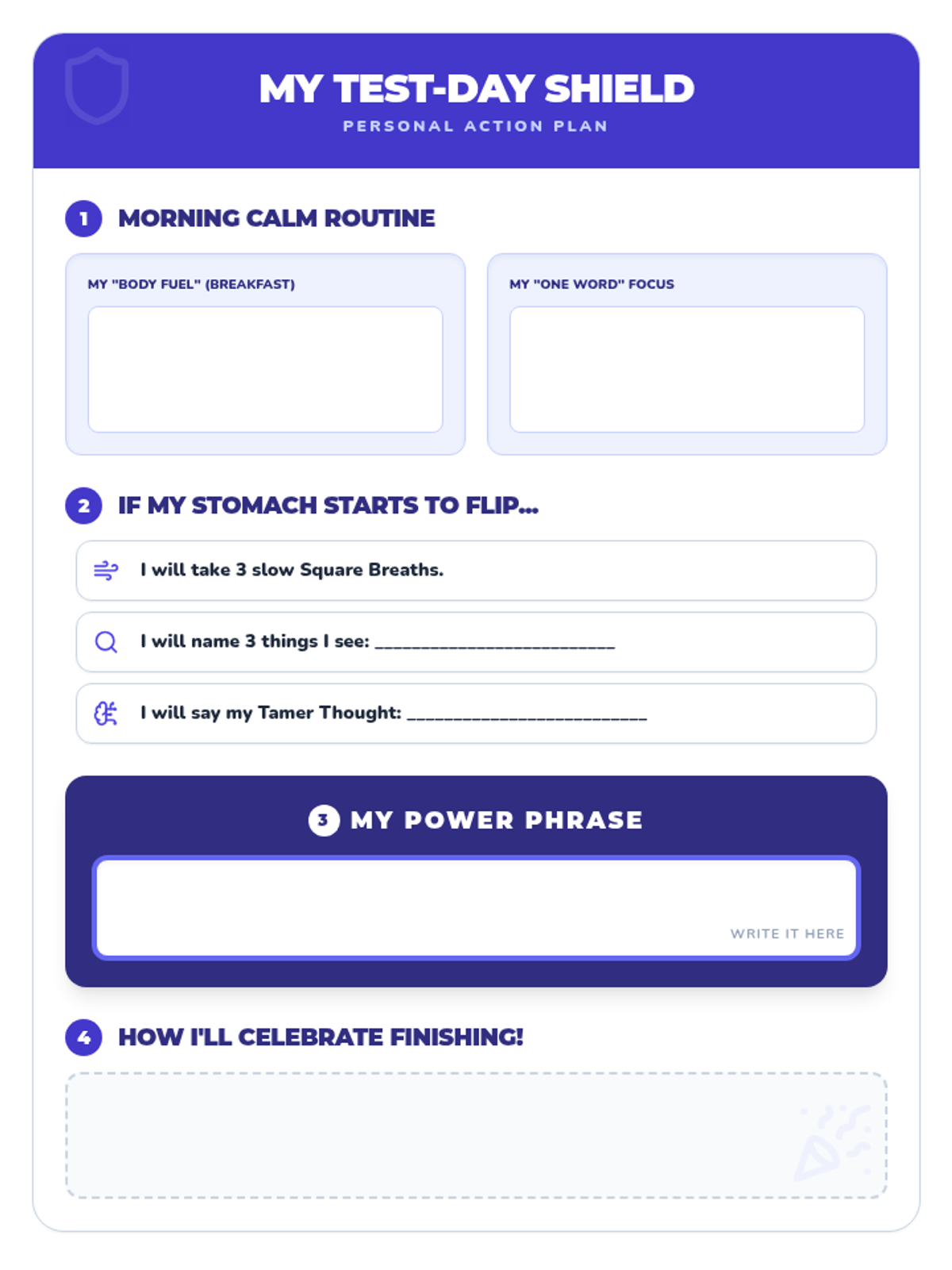
Integrates physical and cognitive strategies into a concrete, visual game plan for upcoming tests.
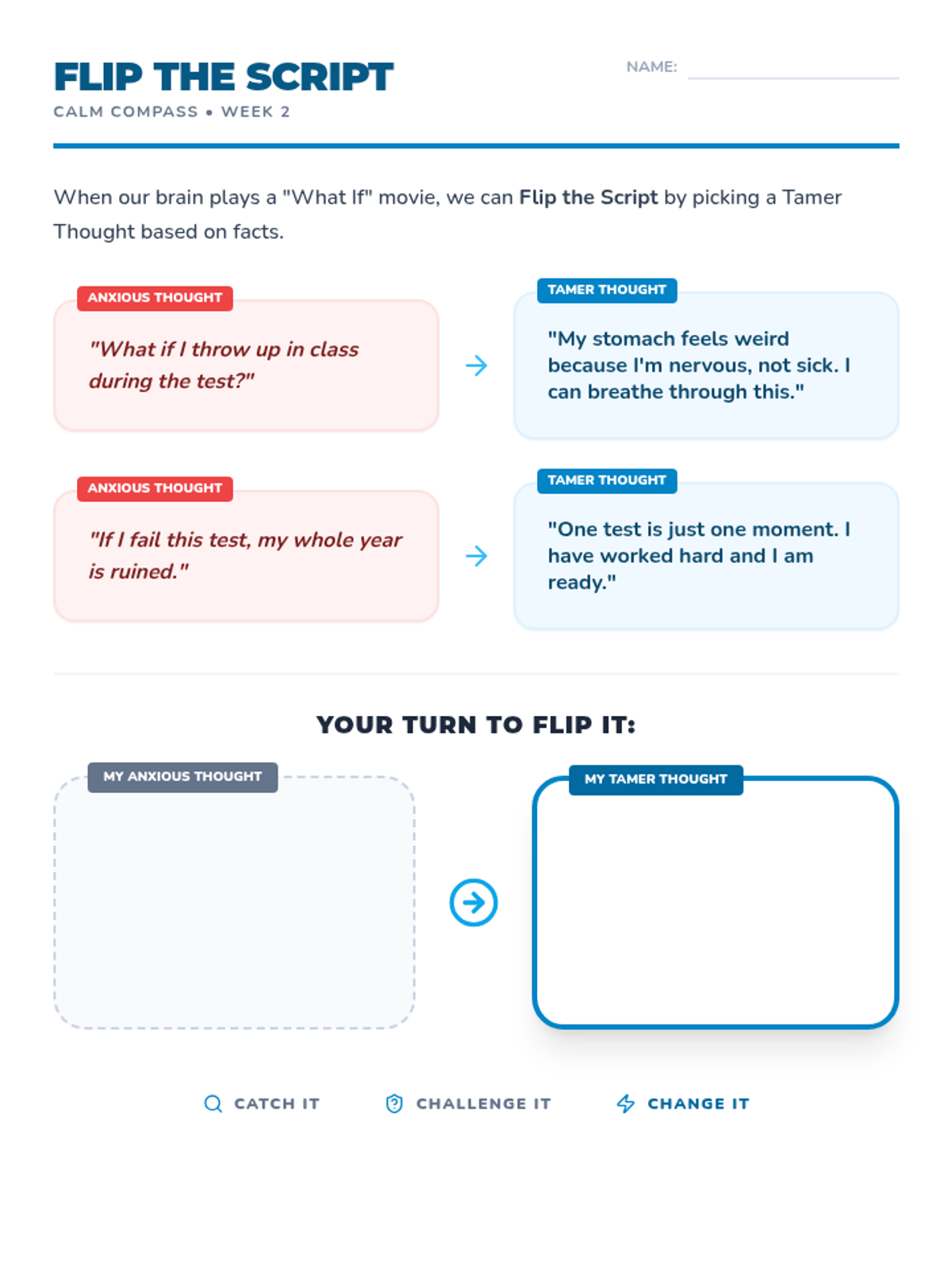
Explores the thoughts behind the physical feelings, teaching the student how to catch and reframe anxious 'what if' thinking.