A counseling and life-skills focused lesson that uses LEGO metaphors to teach students about the "Connection Code"—the habits and social awareness needed to build and maintain positive relationships and self-regulation as a life skill.
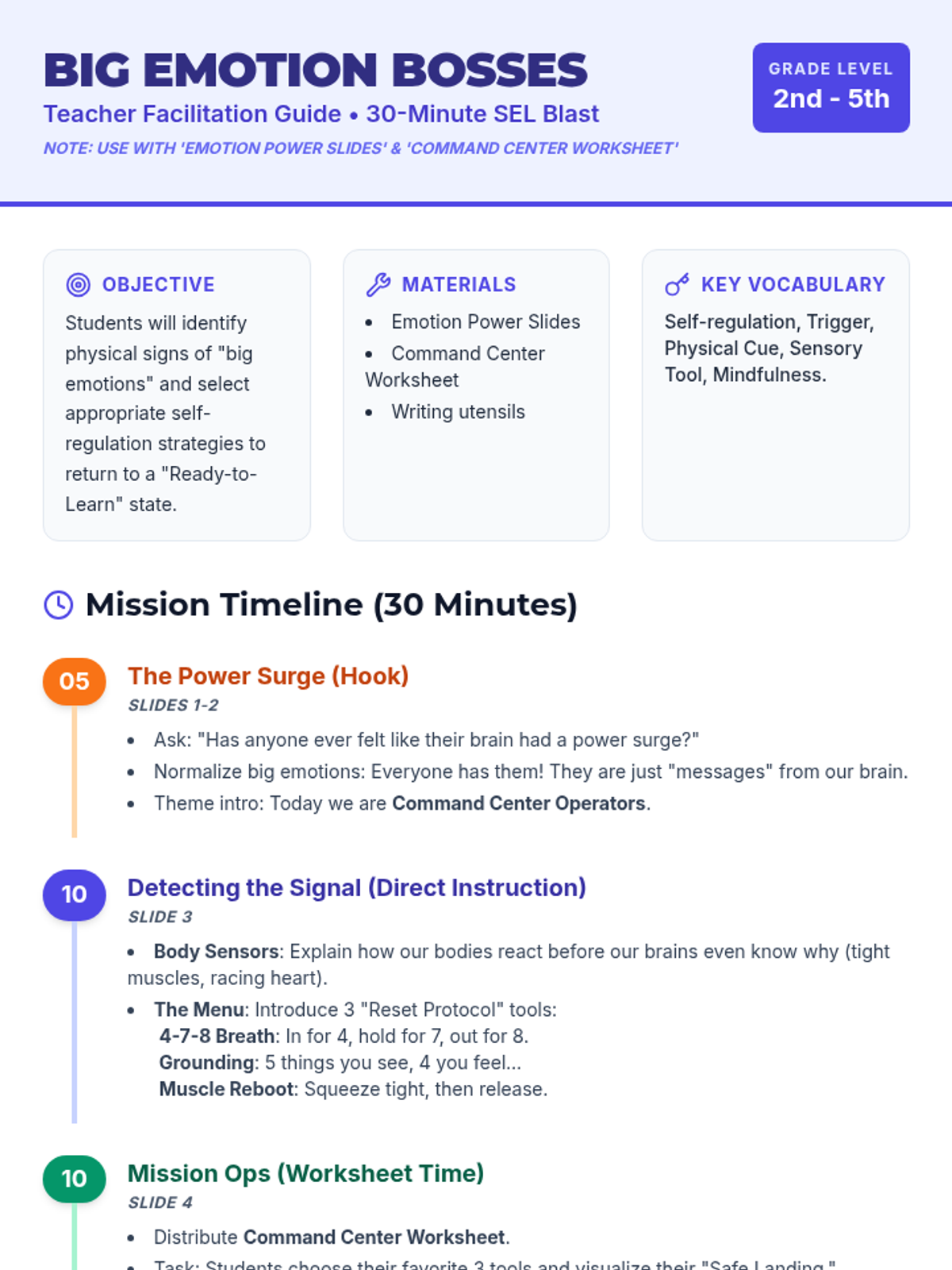
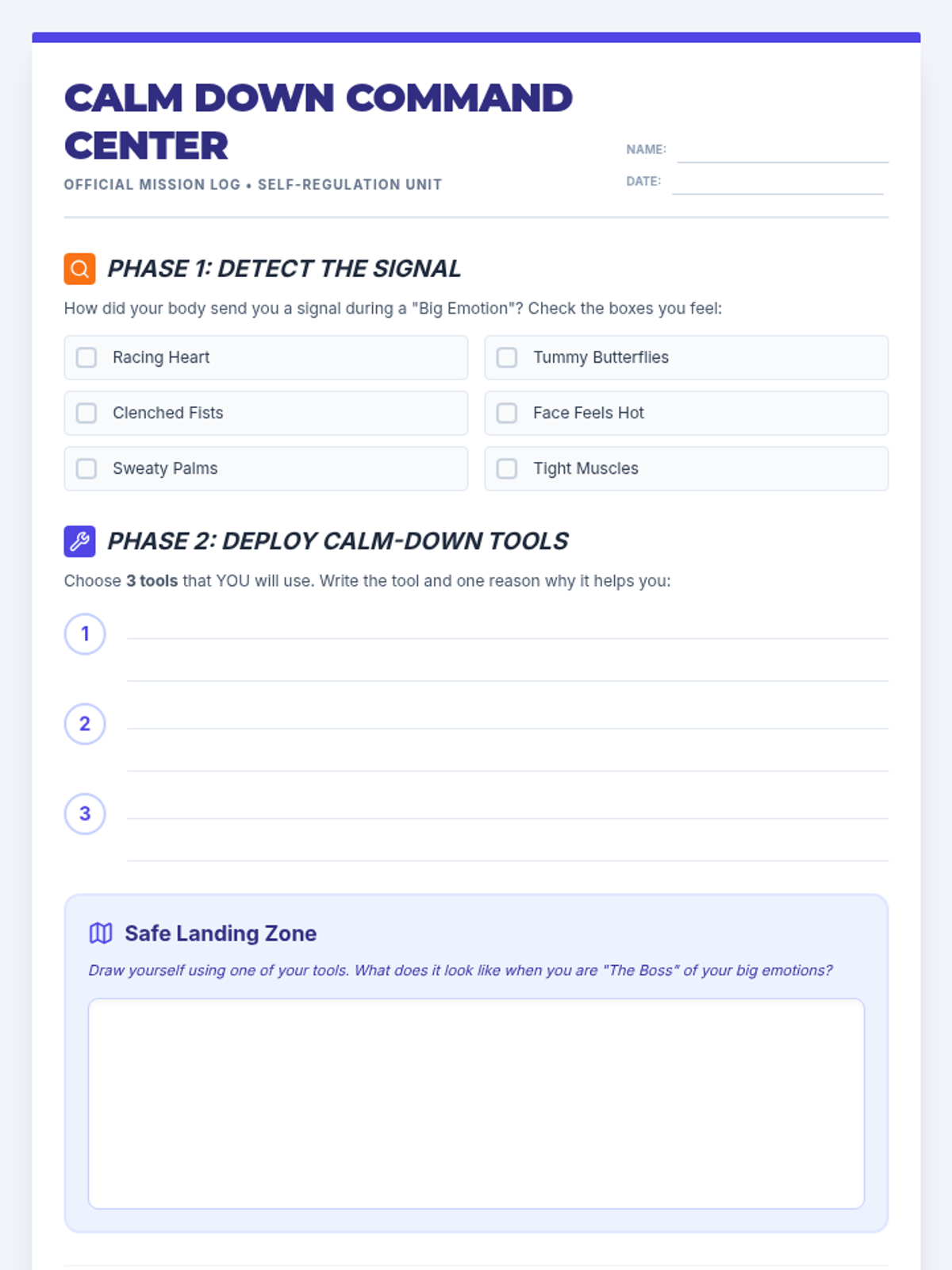
A 30-minute SEL lesson focused on identifying intense emotions and applying self-regulation strategies through a 'Command Center' theme. Students learn to 'detect' their feelings and 'deploy' calming tools.
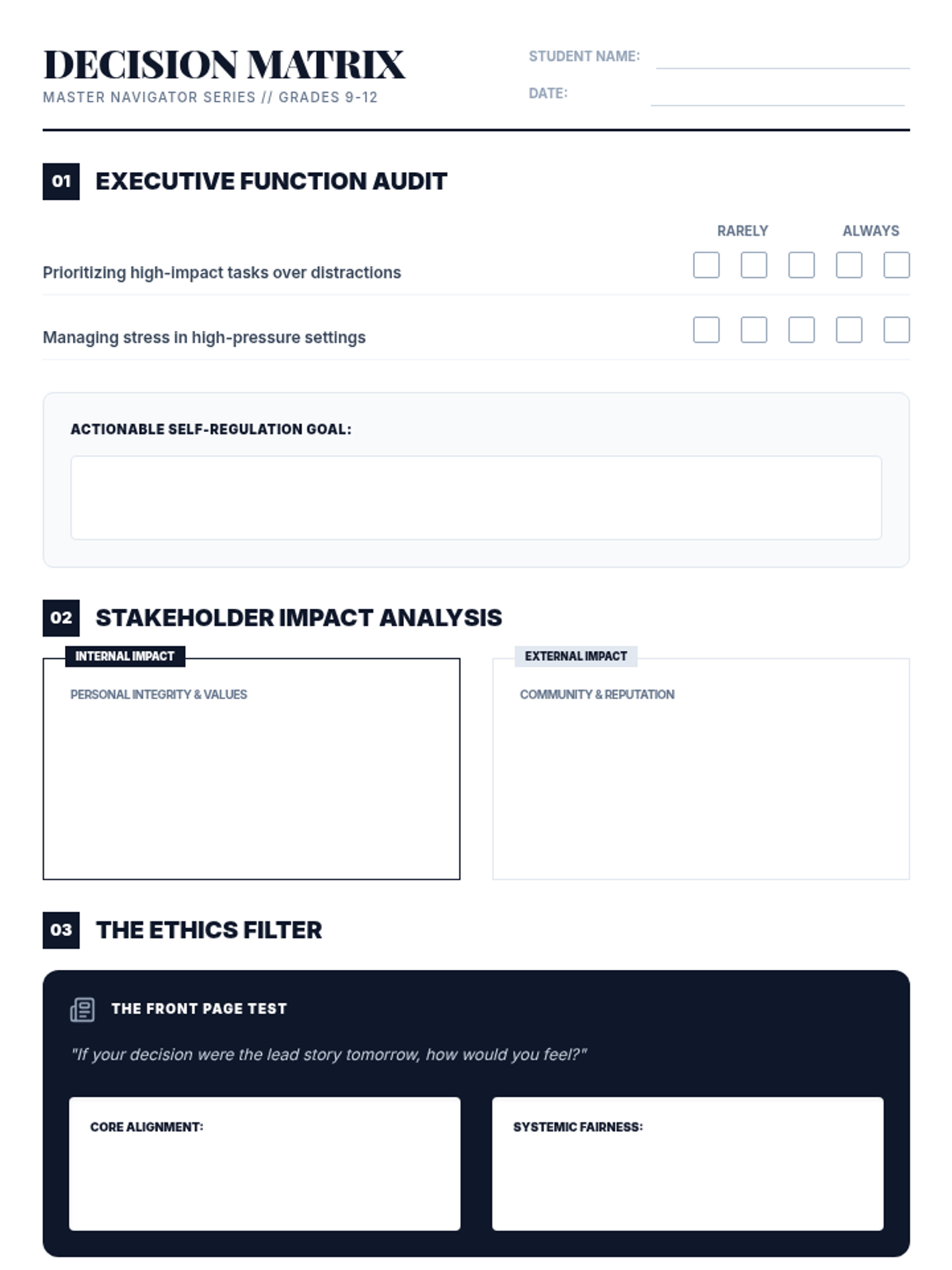
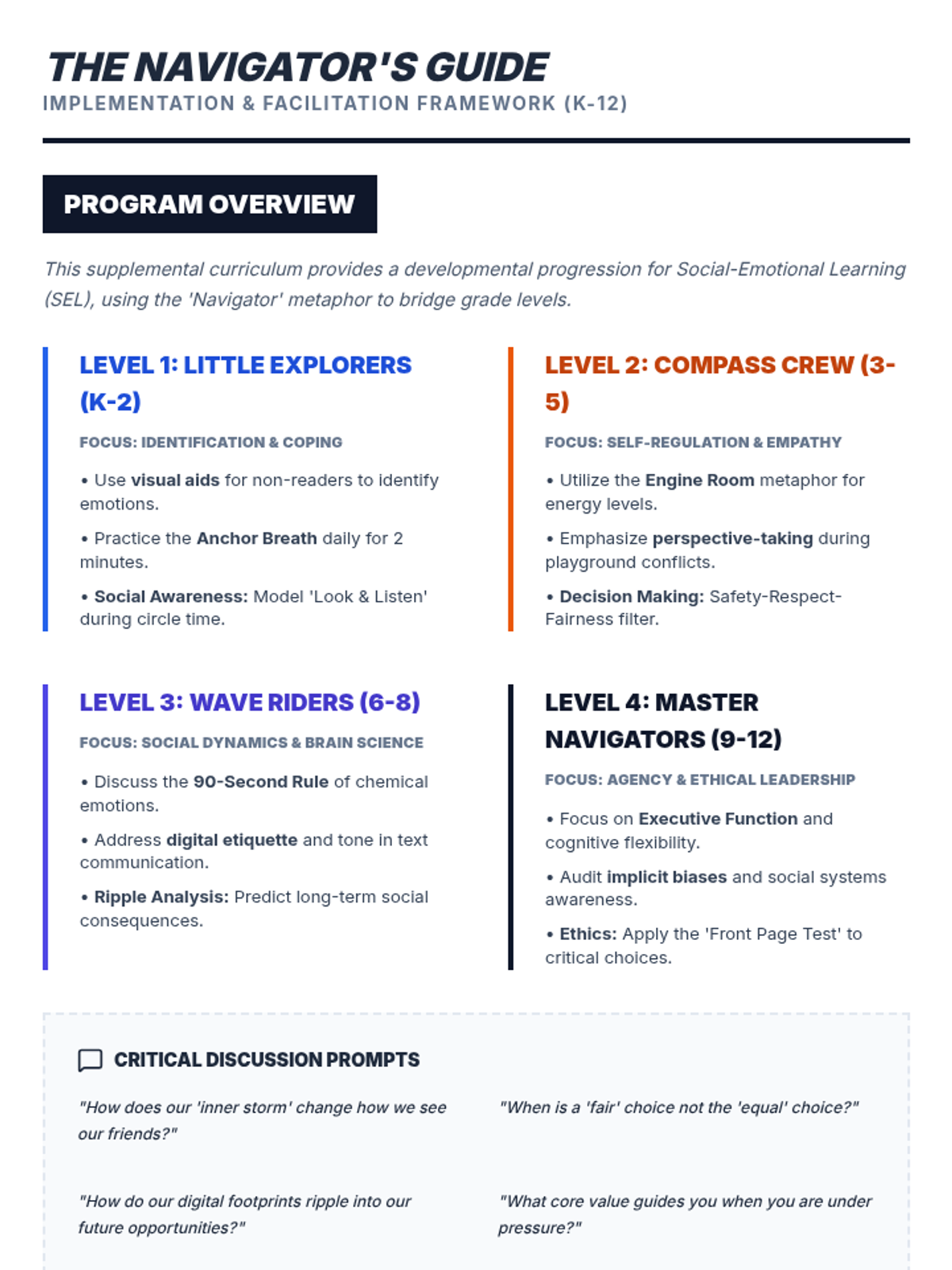
Advanced decision-making and ethical leadership for high school students.
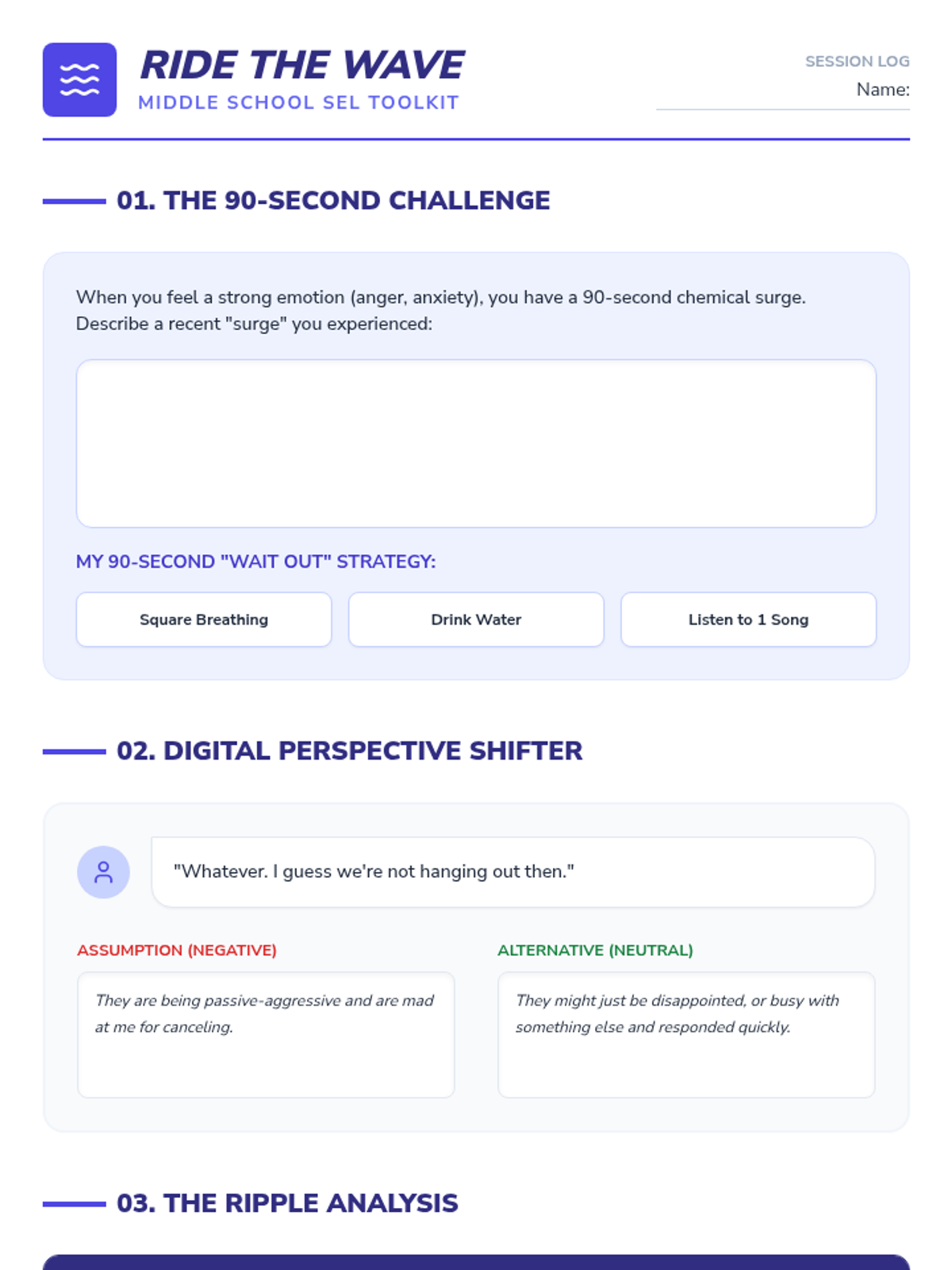
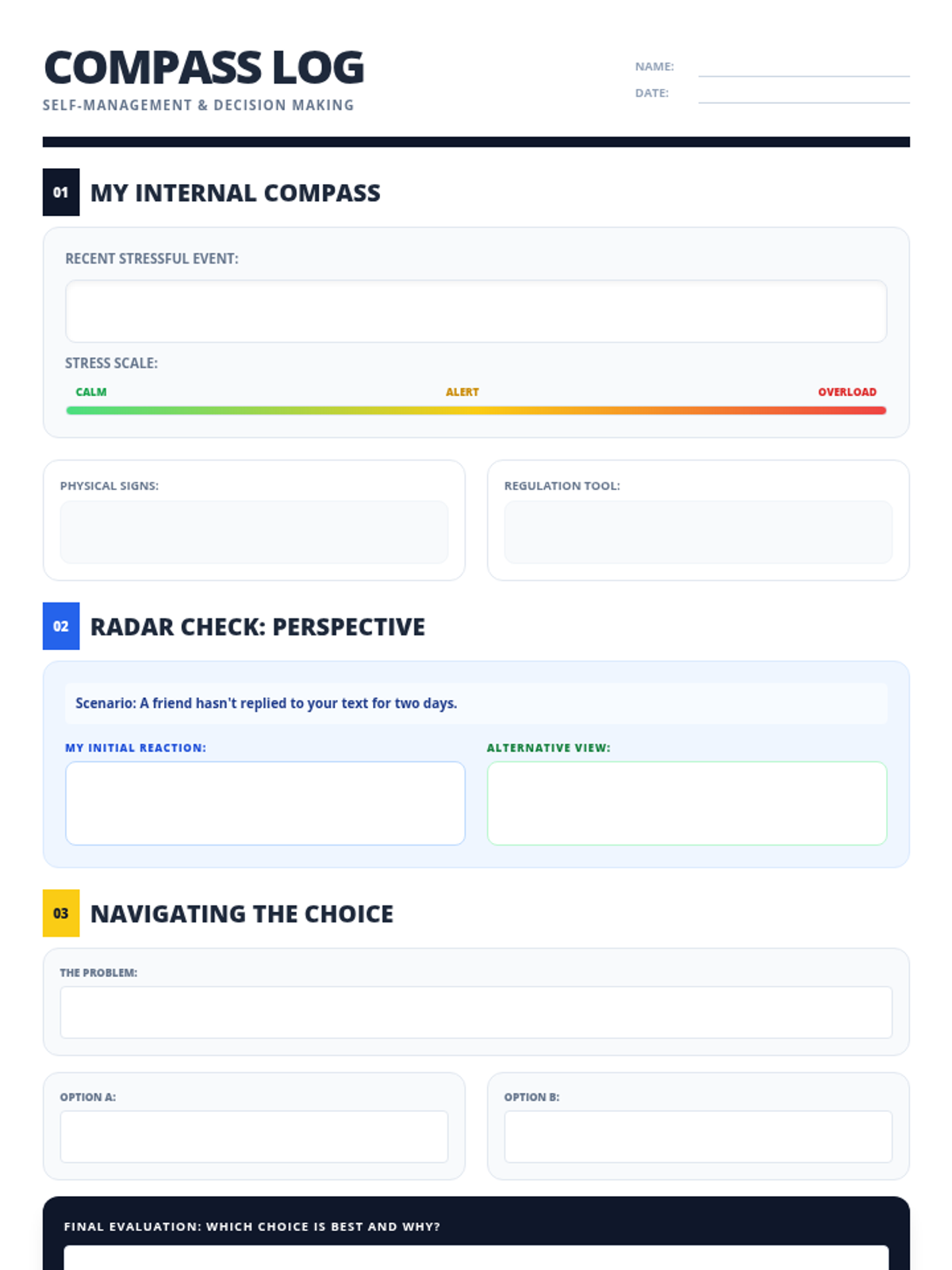
Navigating social dynamics and stress management for middle schoolers.
Developing empathy and self-regulation tools for upper elementary students.
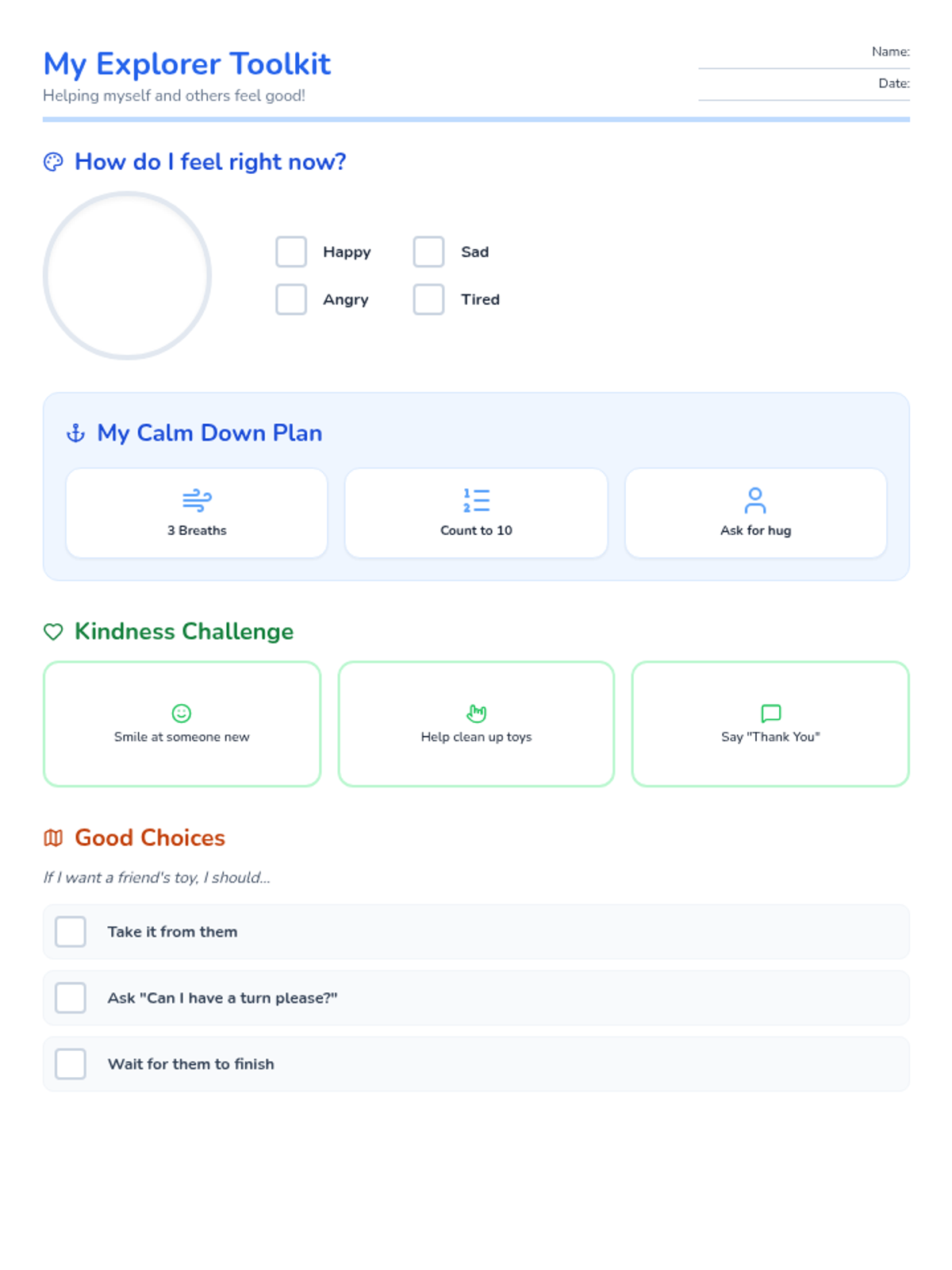
Foundational SEL skills for early learners focusing on identifying feelings and simple coping strategies.
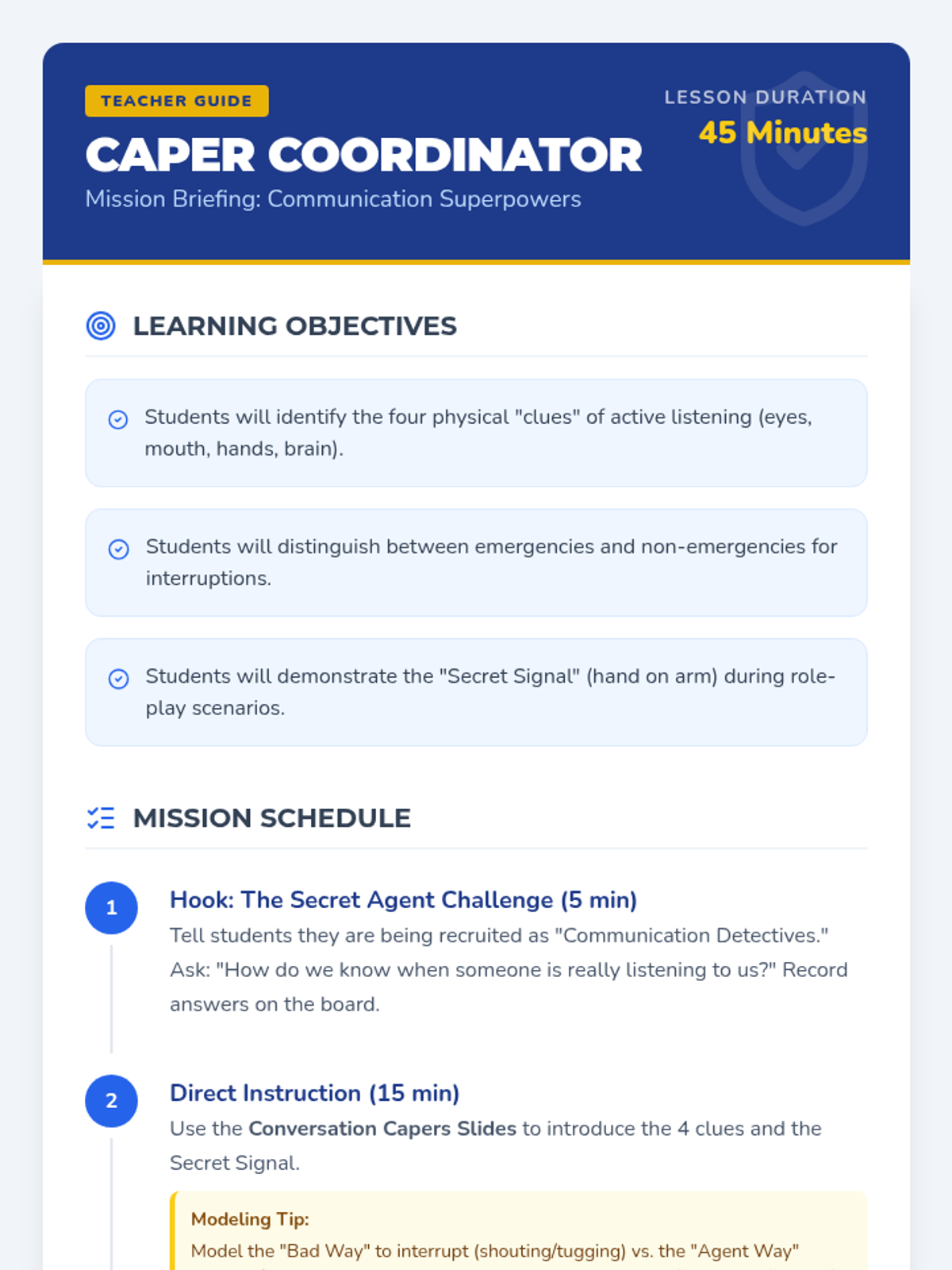
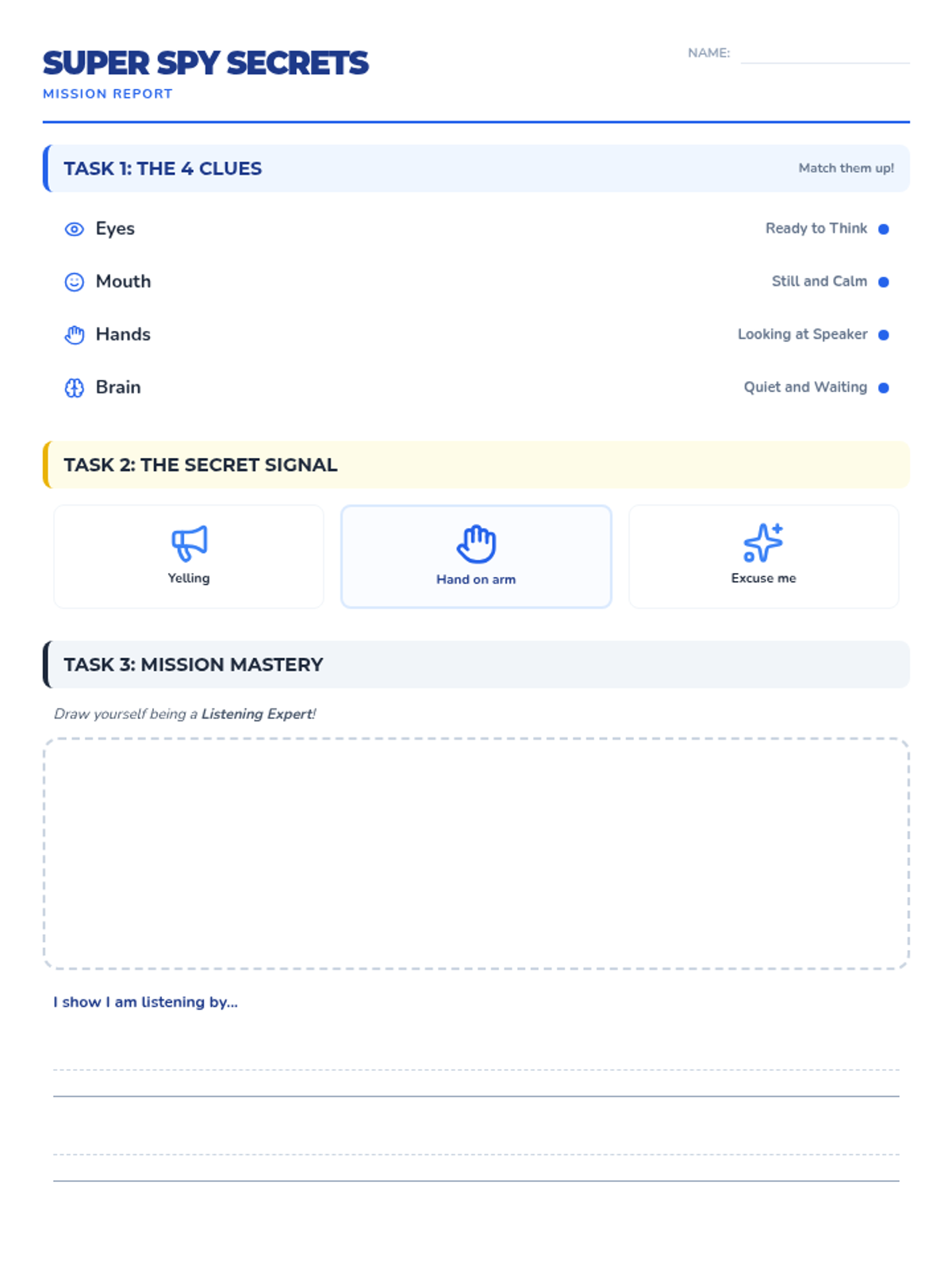
A social-emotional learning lesson for 1st graders focused on mastering the 'superpowers' of active listening and polite interruptions through role-play and interactive discussion.
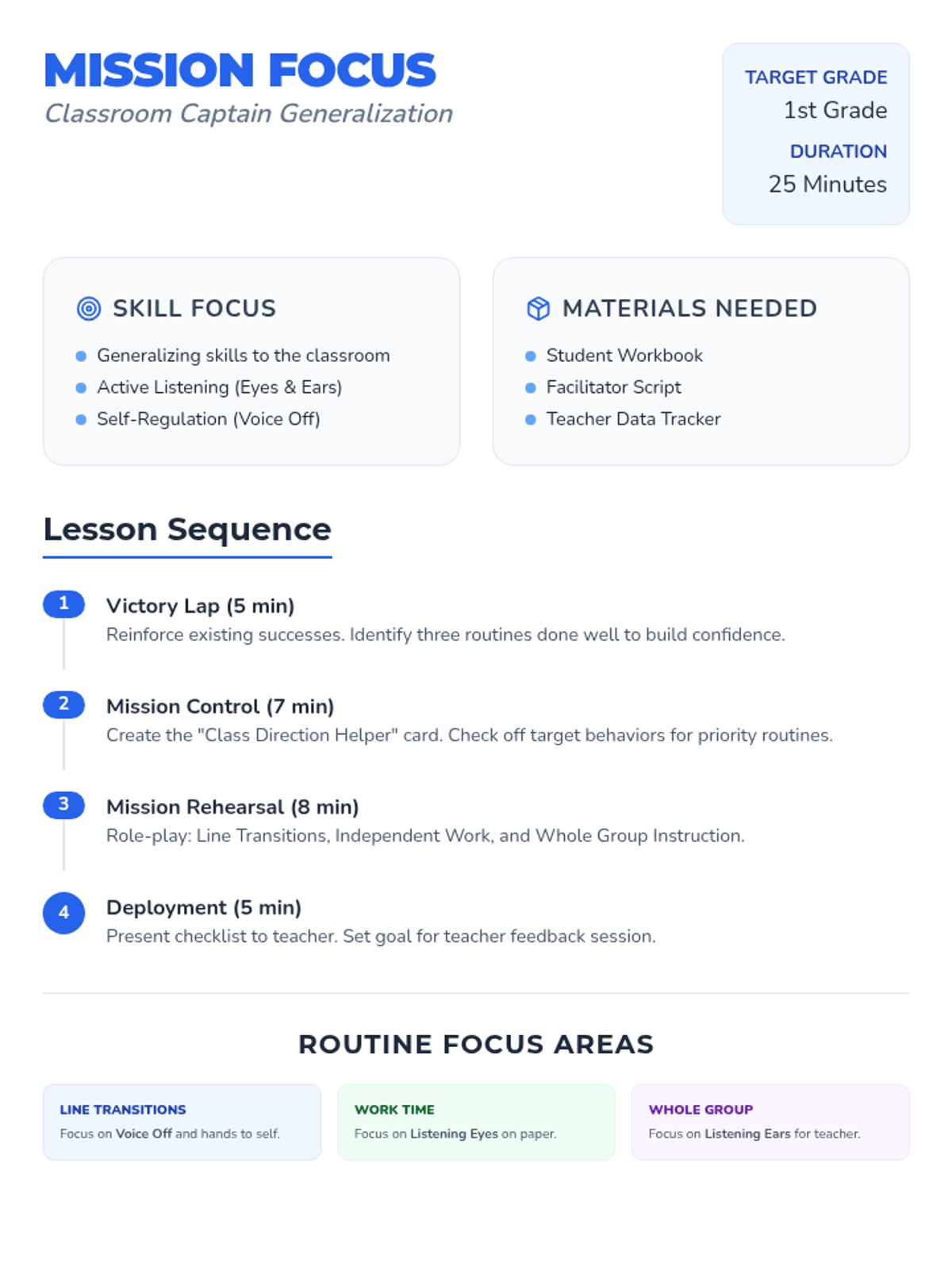
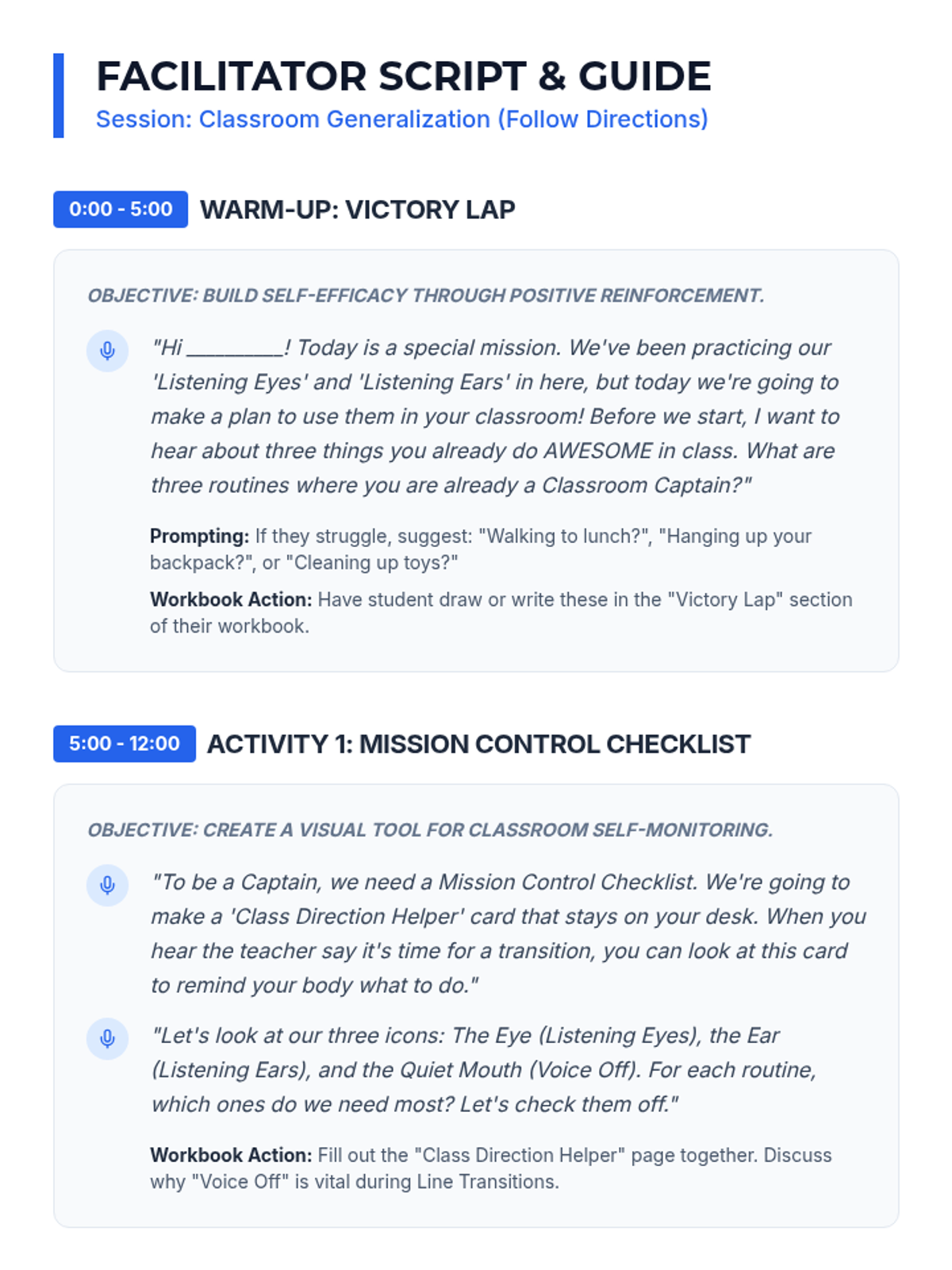
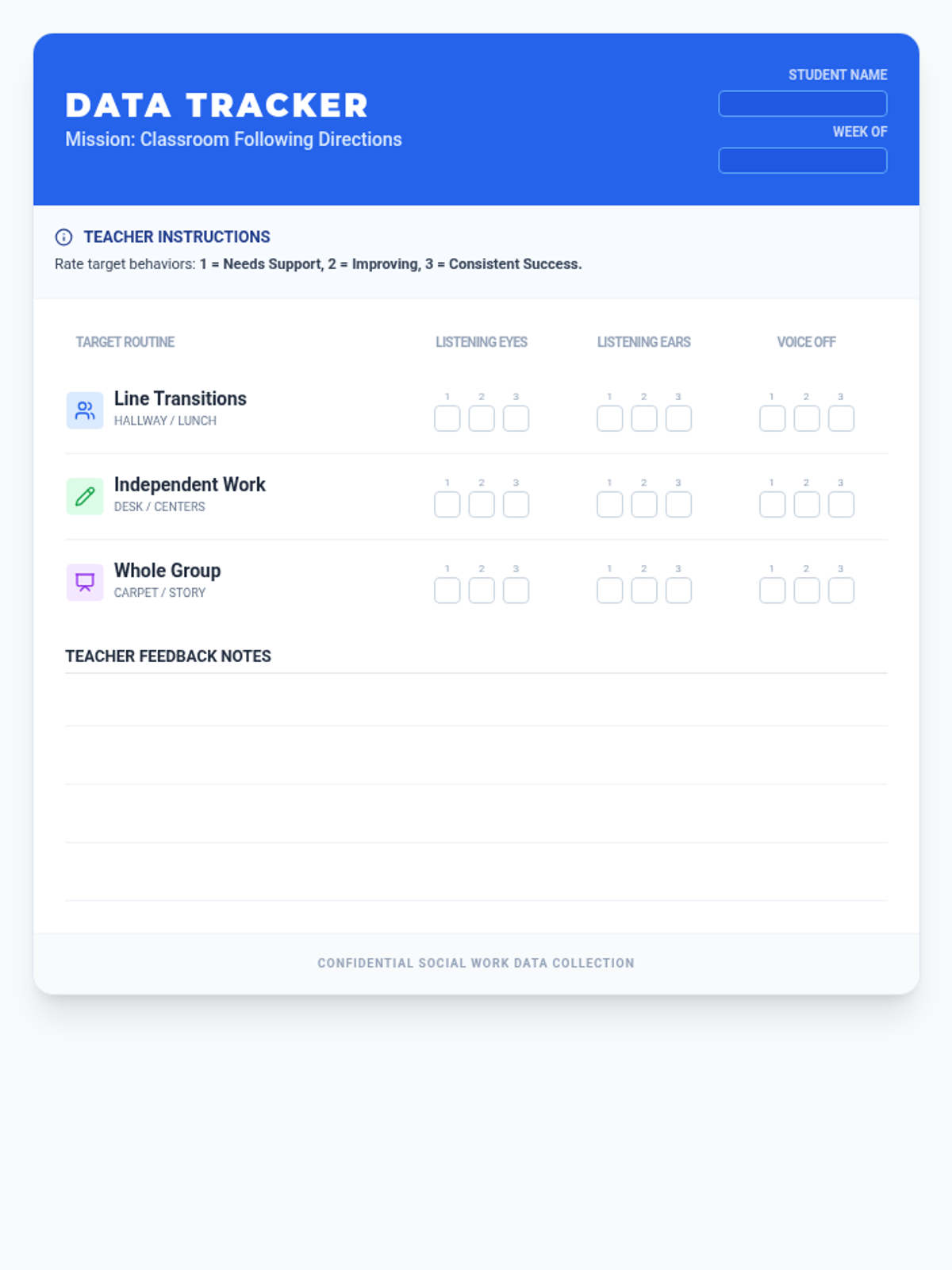
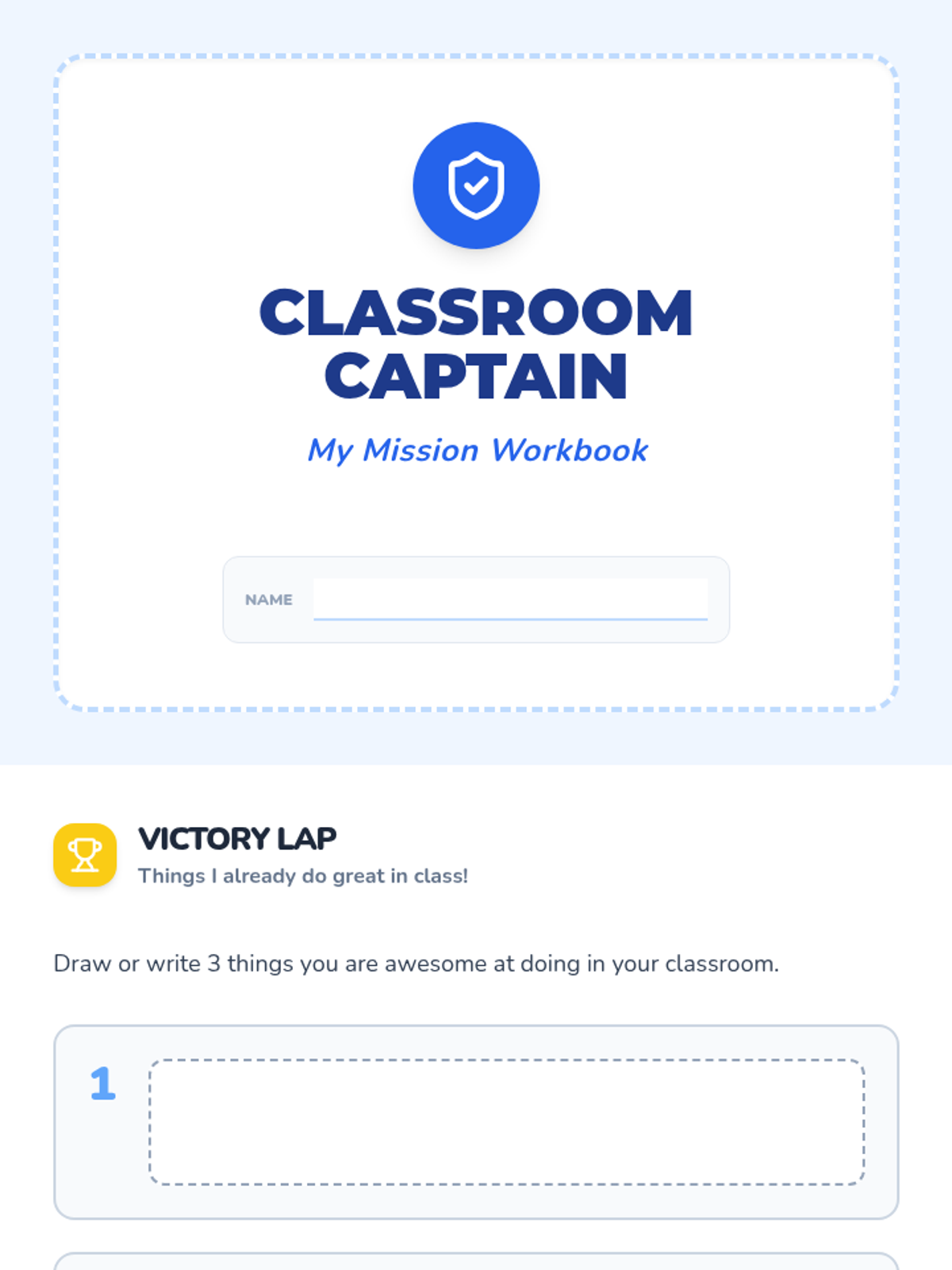
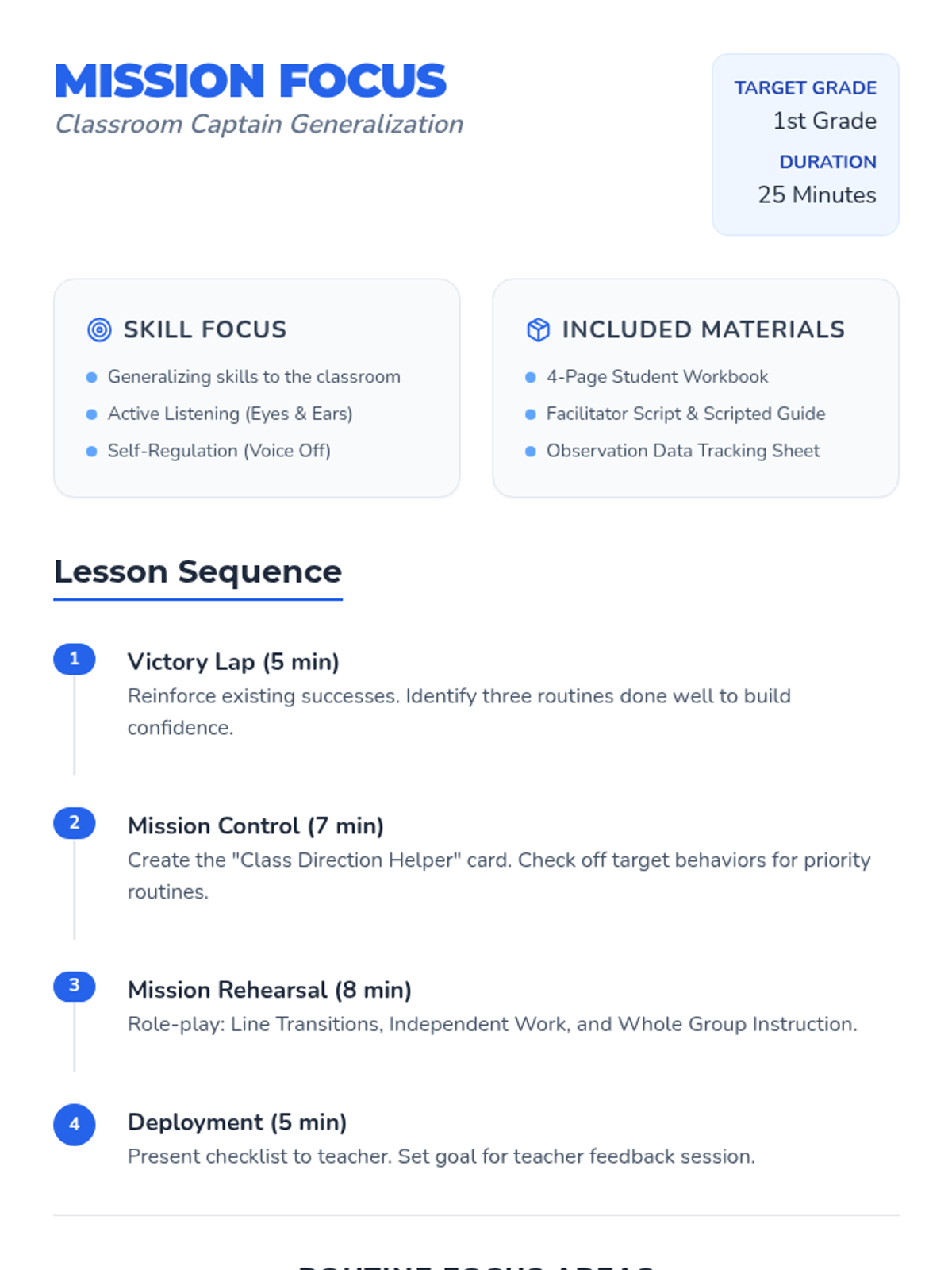
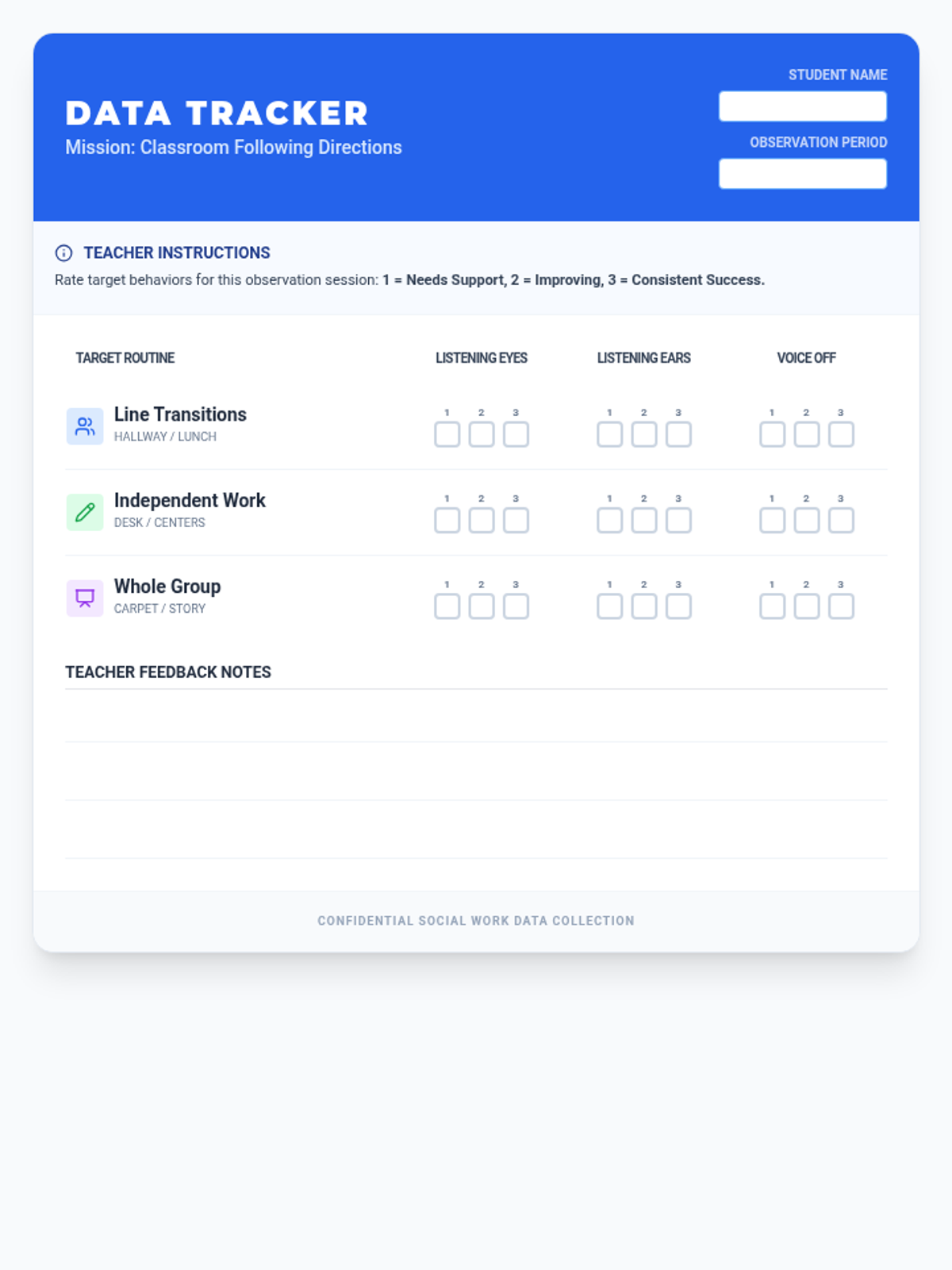
A comprehensive social-emotional learning lesson designed for a 1st grader to generalize following-direction skills into the classroom setting using 'Listening Eyes,' 'Listening Ears,' and 'Voice Off.'
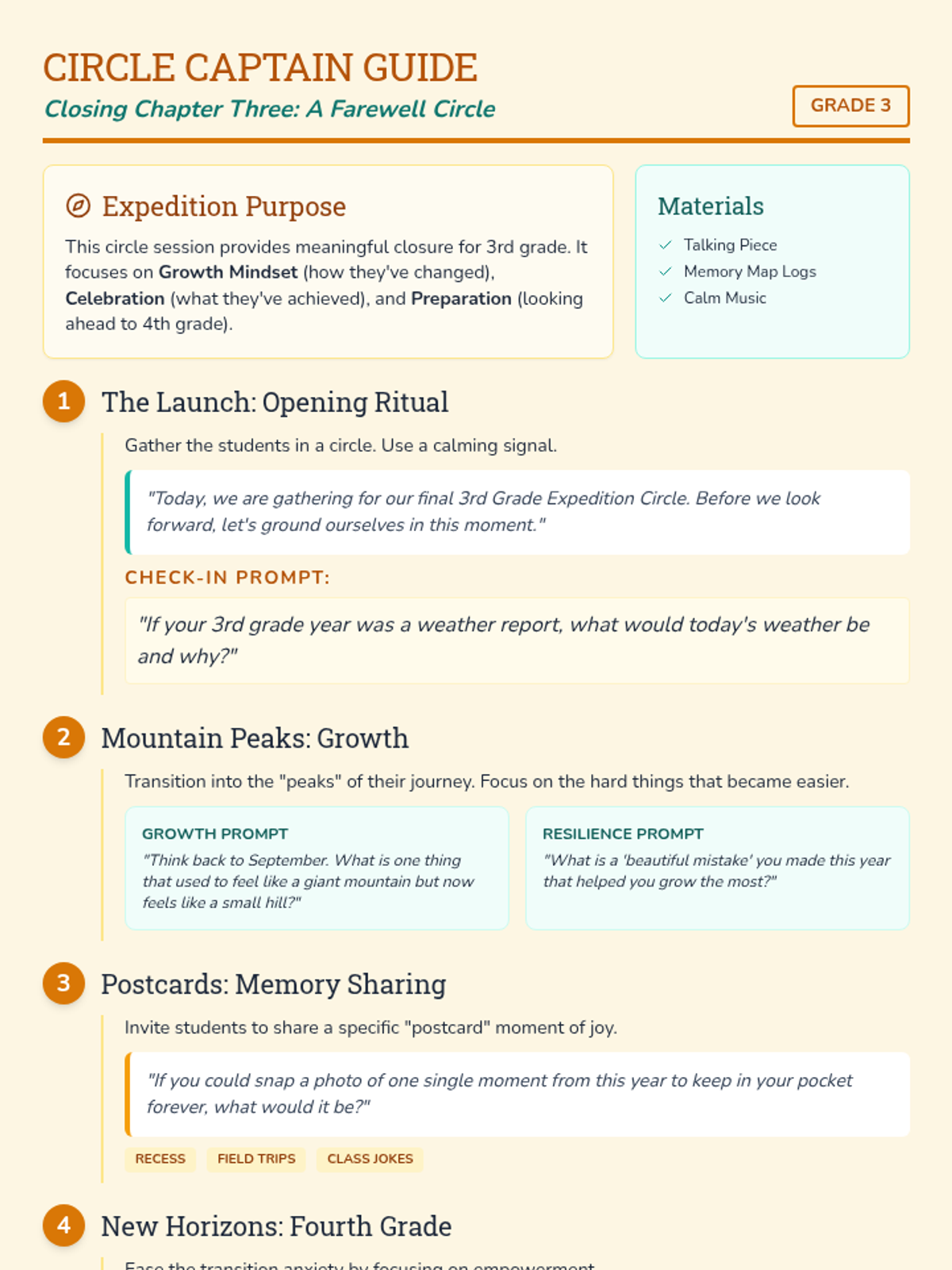
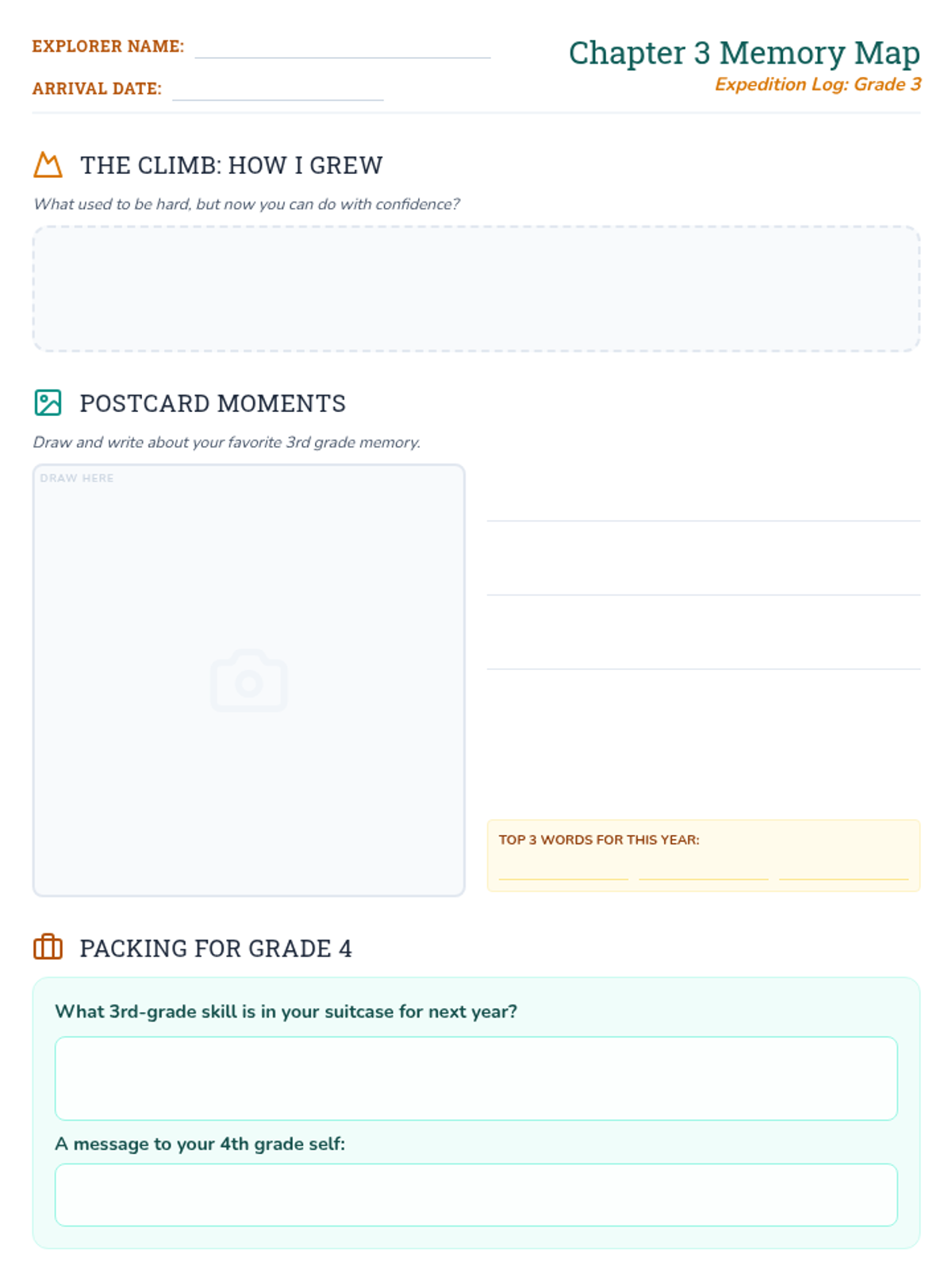
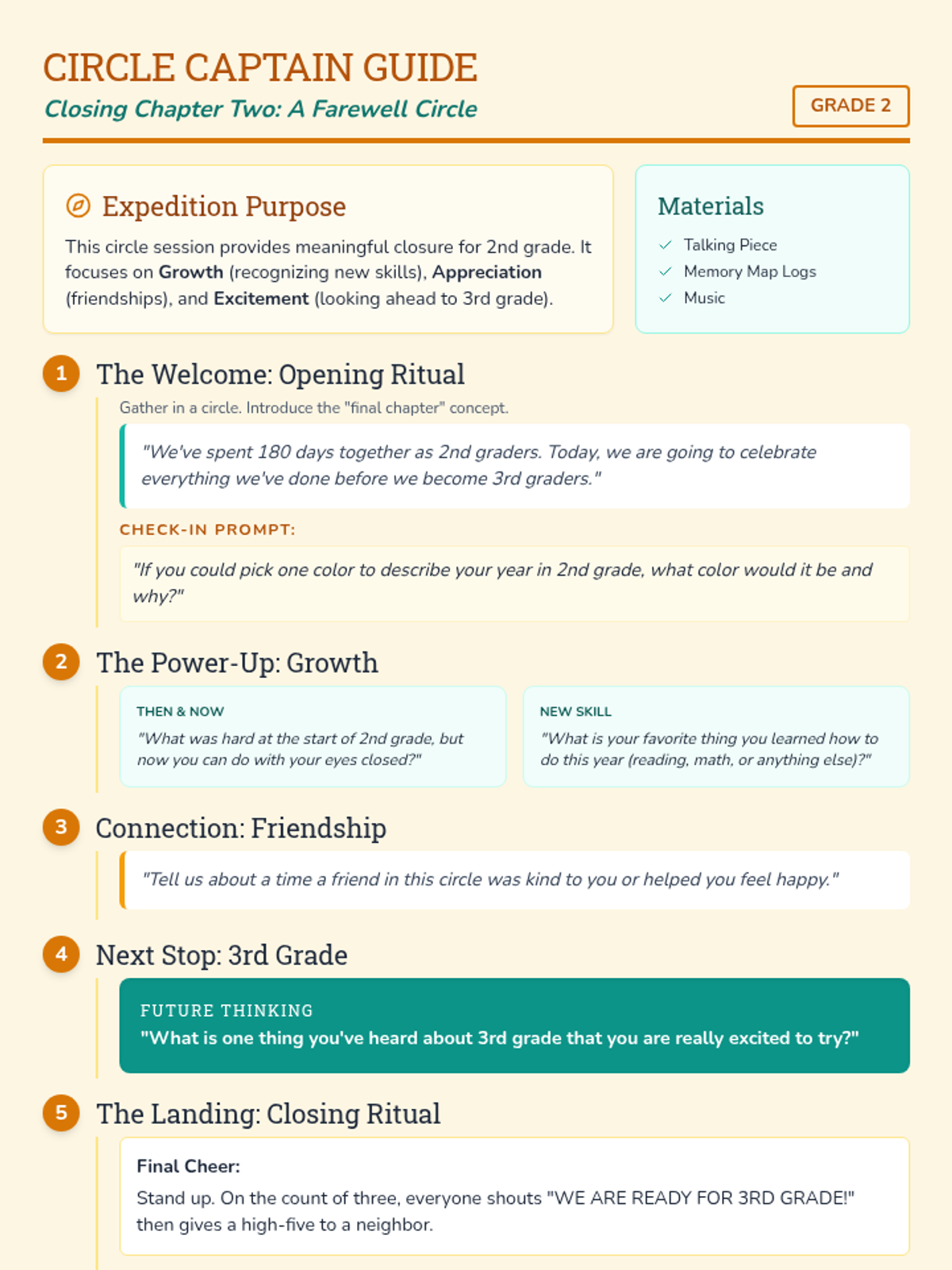
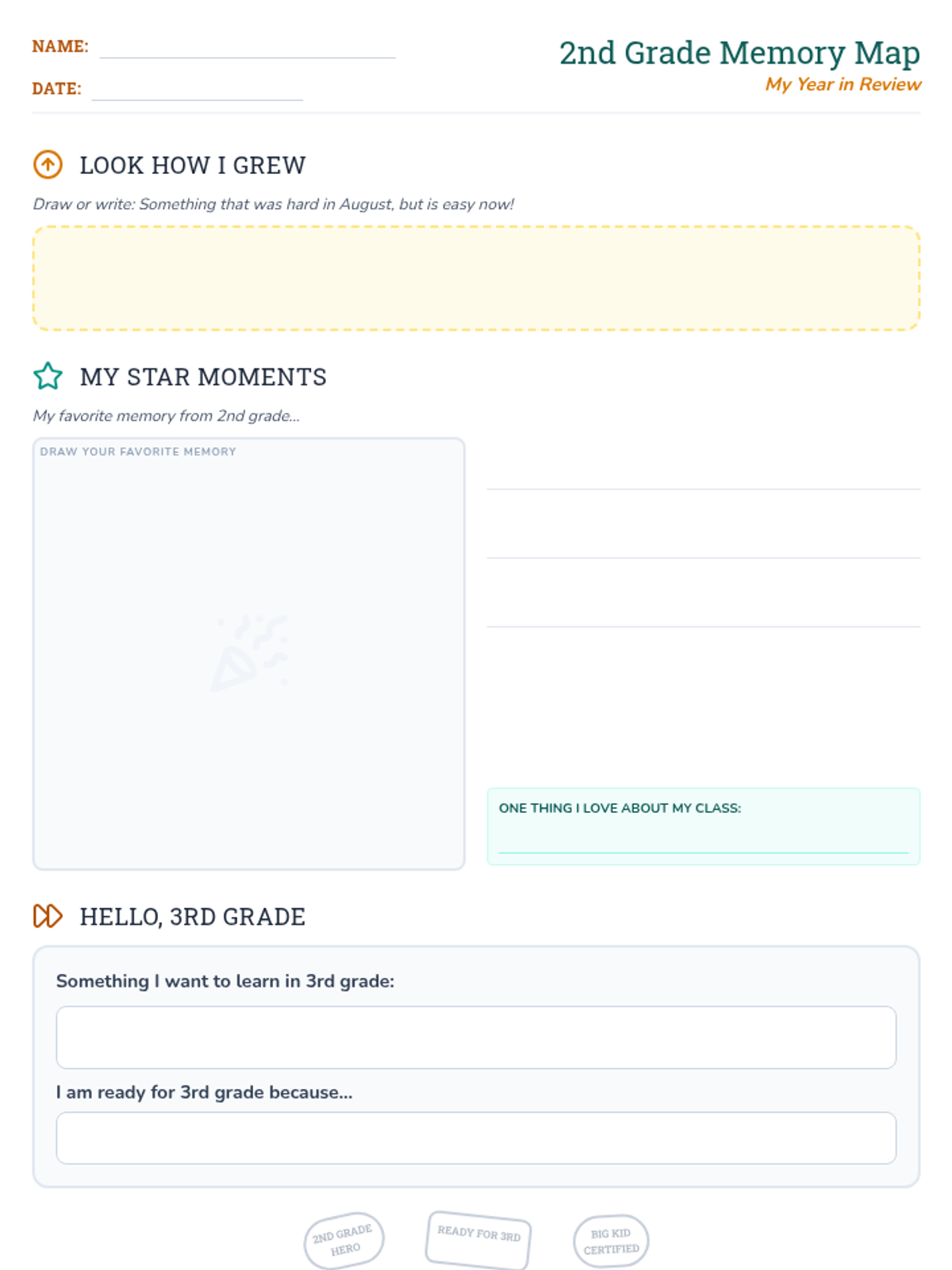
A celebratory end-of-year circle session for 3rd graders focused on reflecting on growth, sharing favorite memories, and preparing for the transition to 4th grade. Students will engage in guided discussion and personal reflection to close their school year with confidence.
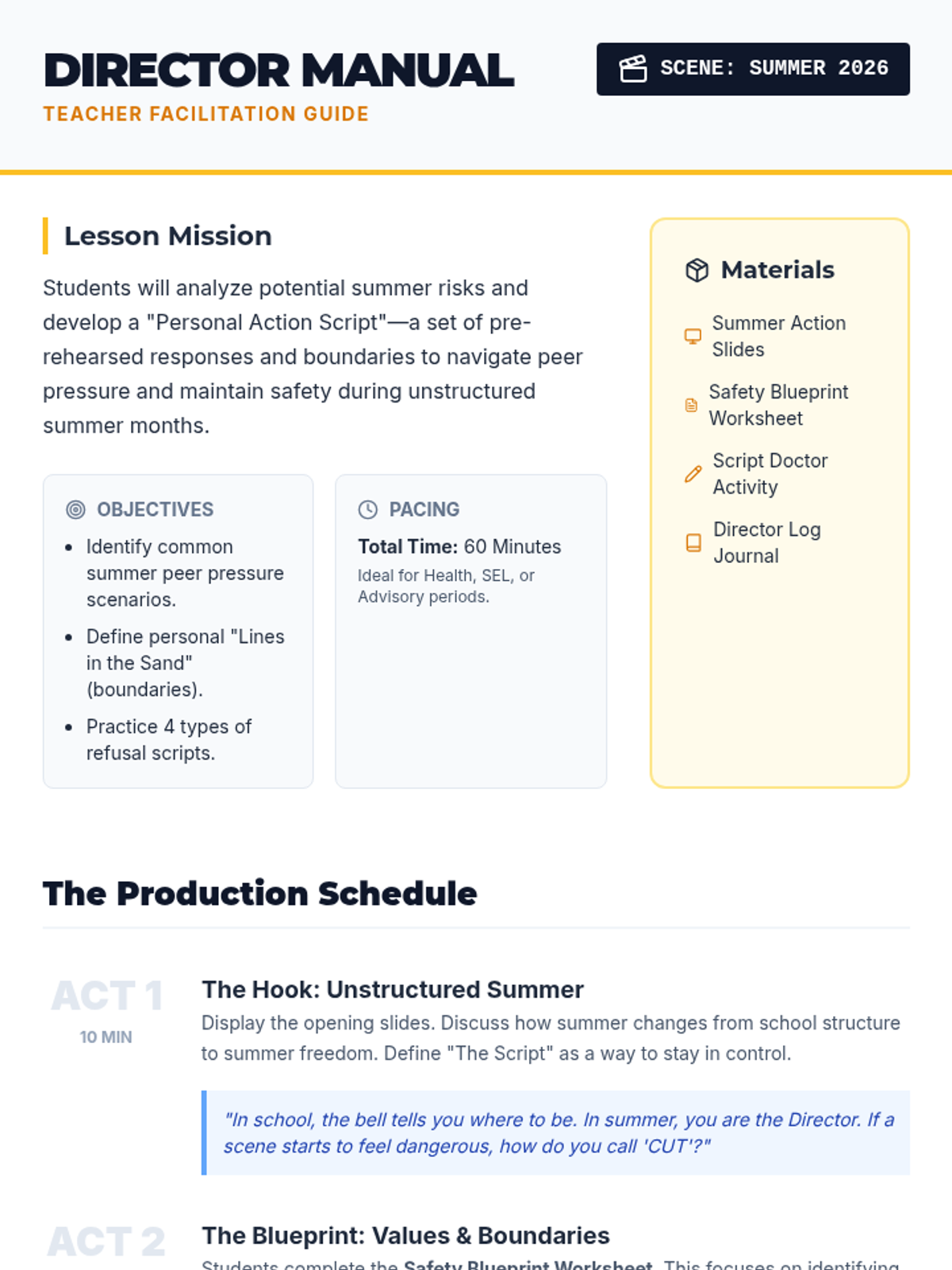
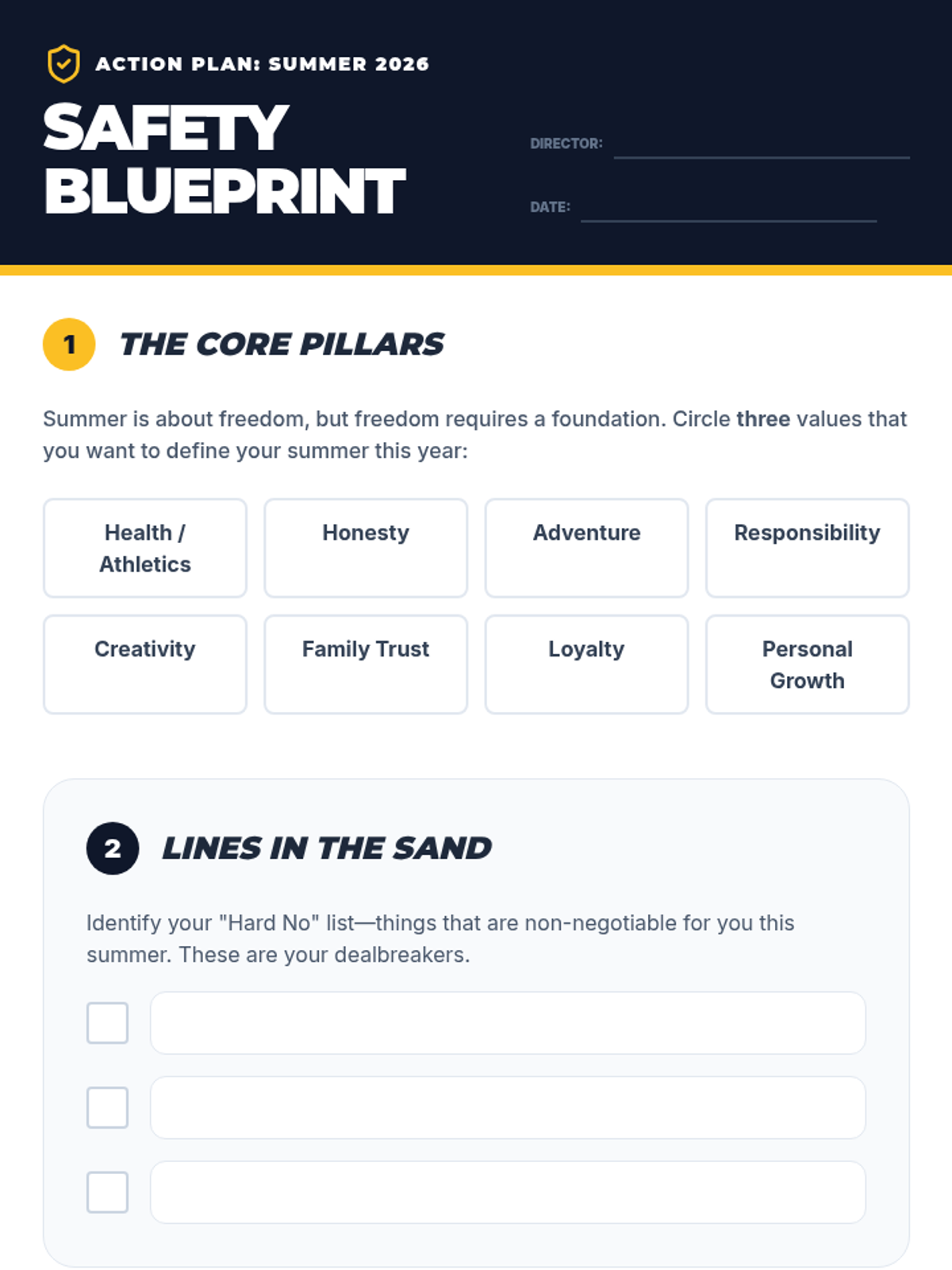
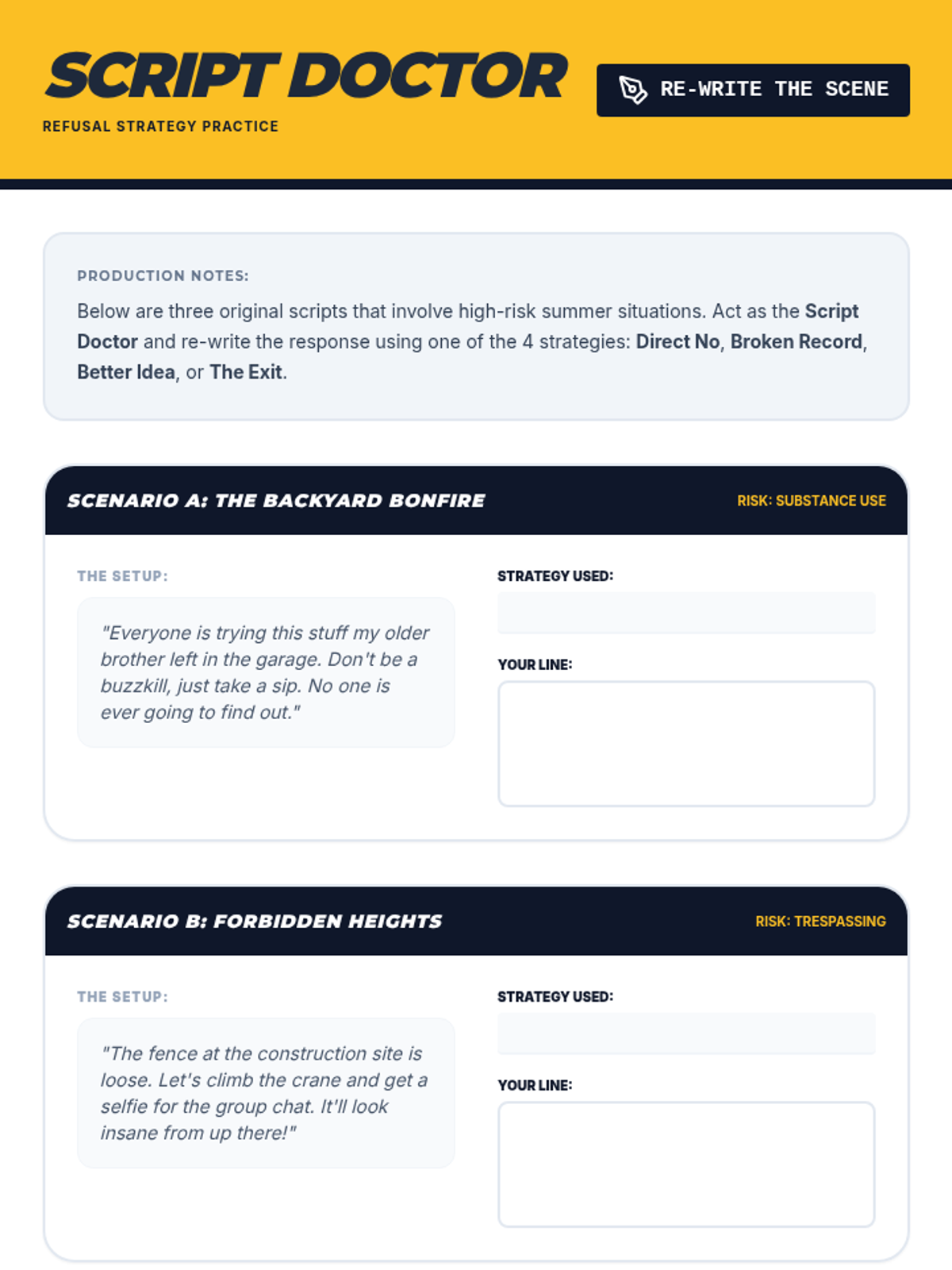
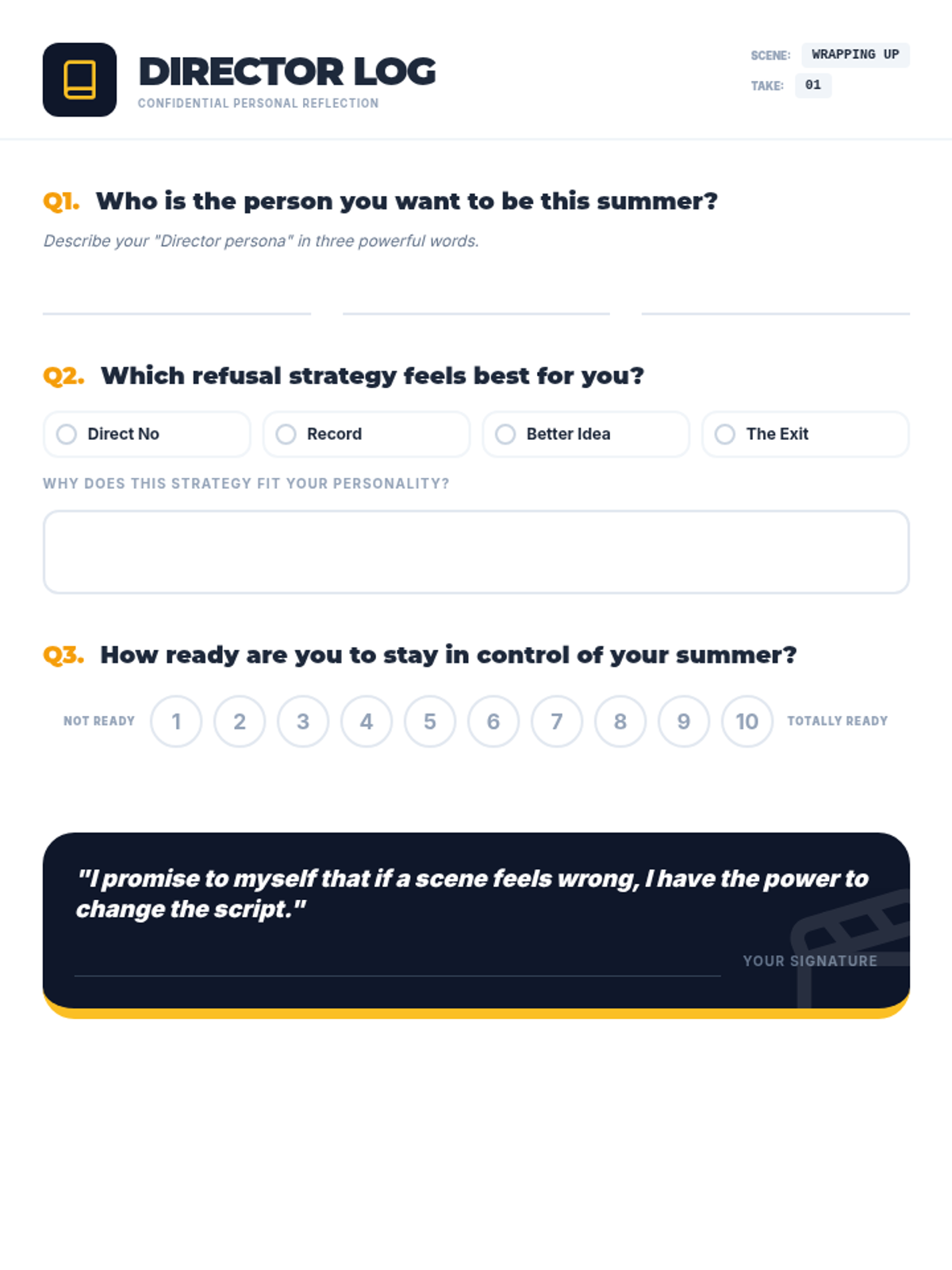
A comprehensive social-emotional learning lesson for middle schoolers to navigate peer pressure and risk-taking during summer vacation using structured refusal scripts and personal boundary planning.
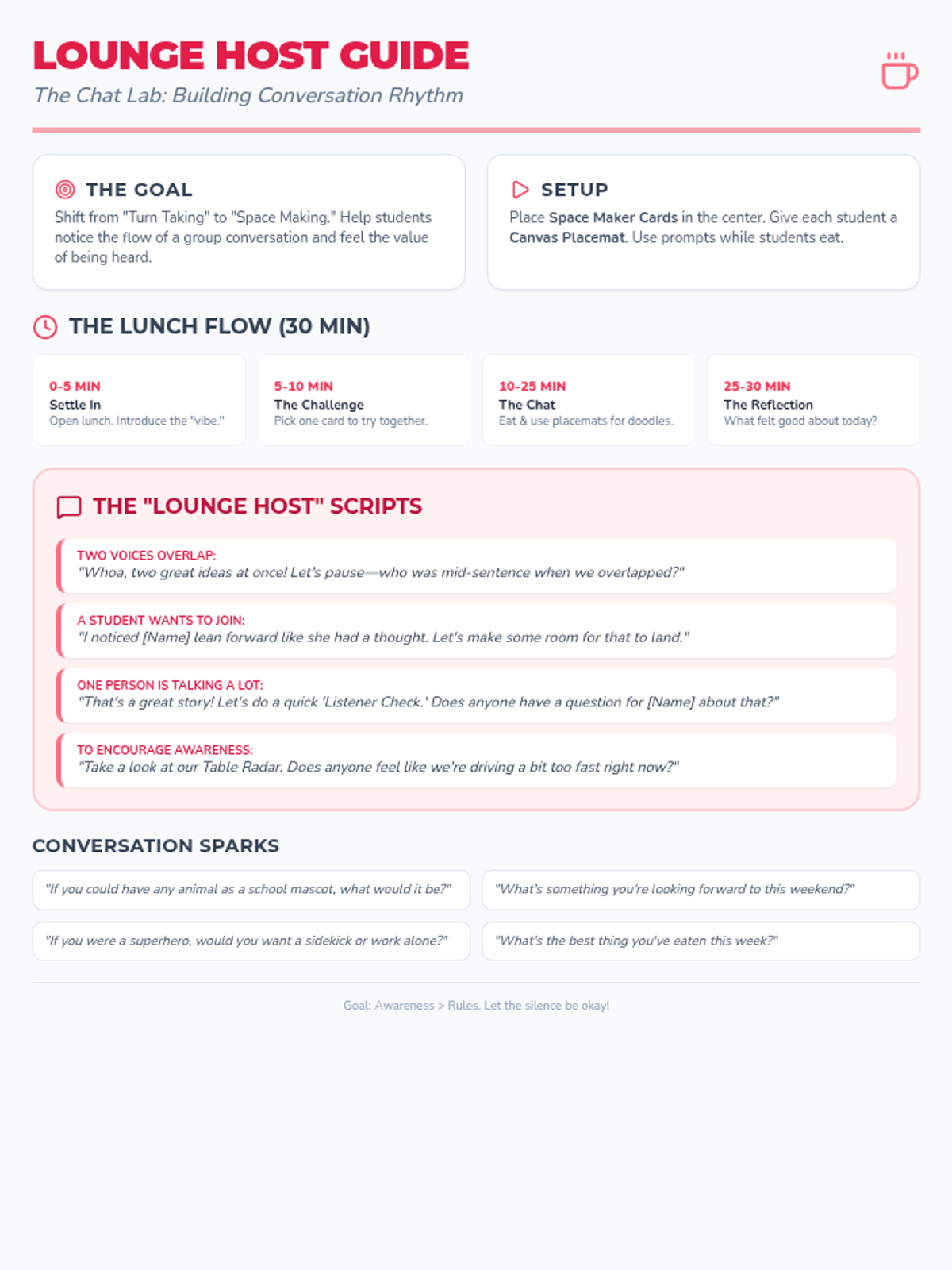
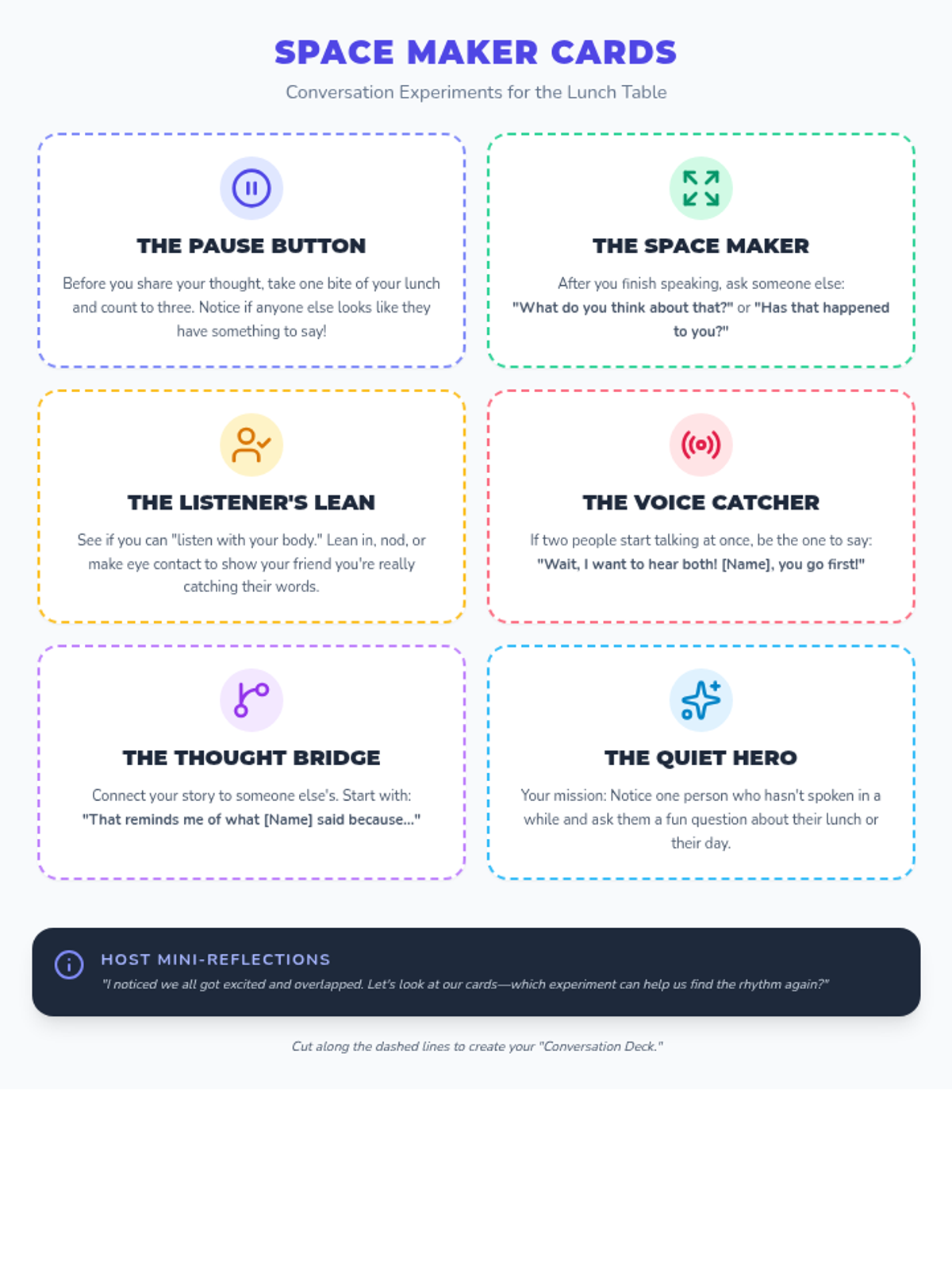
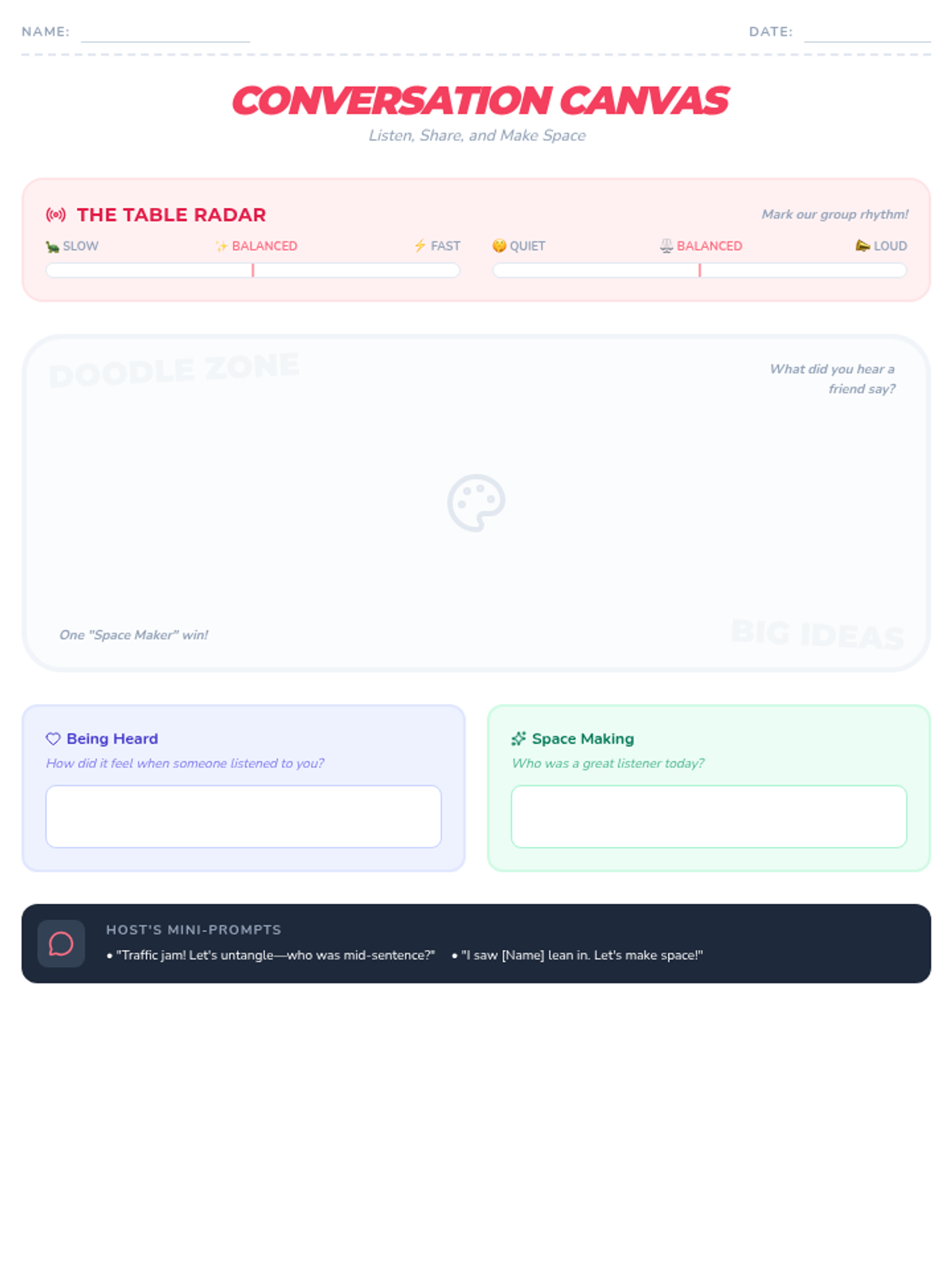
A social-emotional lunch group session designed for elementary students to practice the 'rhythm' of conversation. Instead of rigid turn-taking, it focuses on building awareness of others' voices and the feeling of being heard.
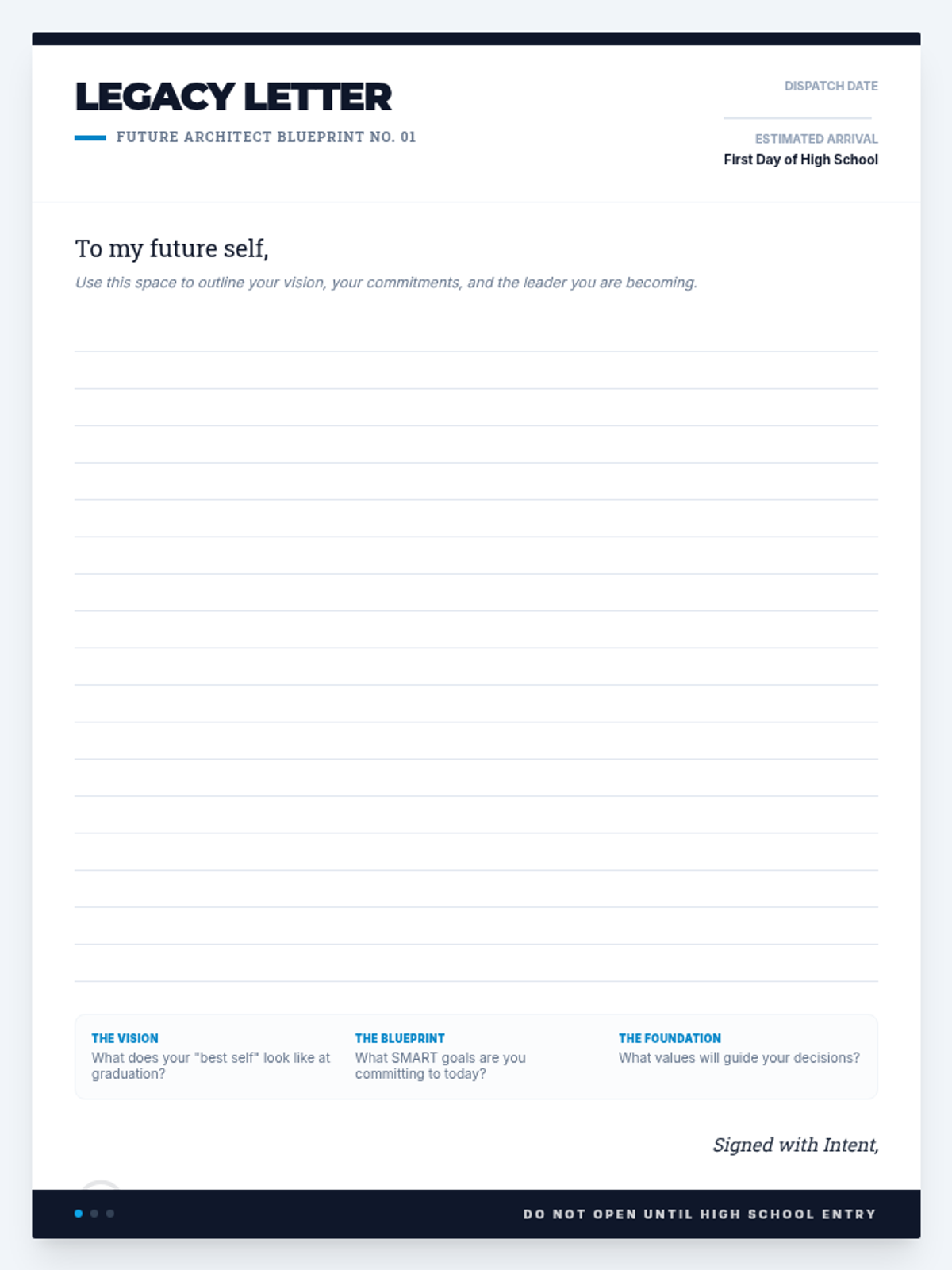
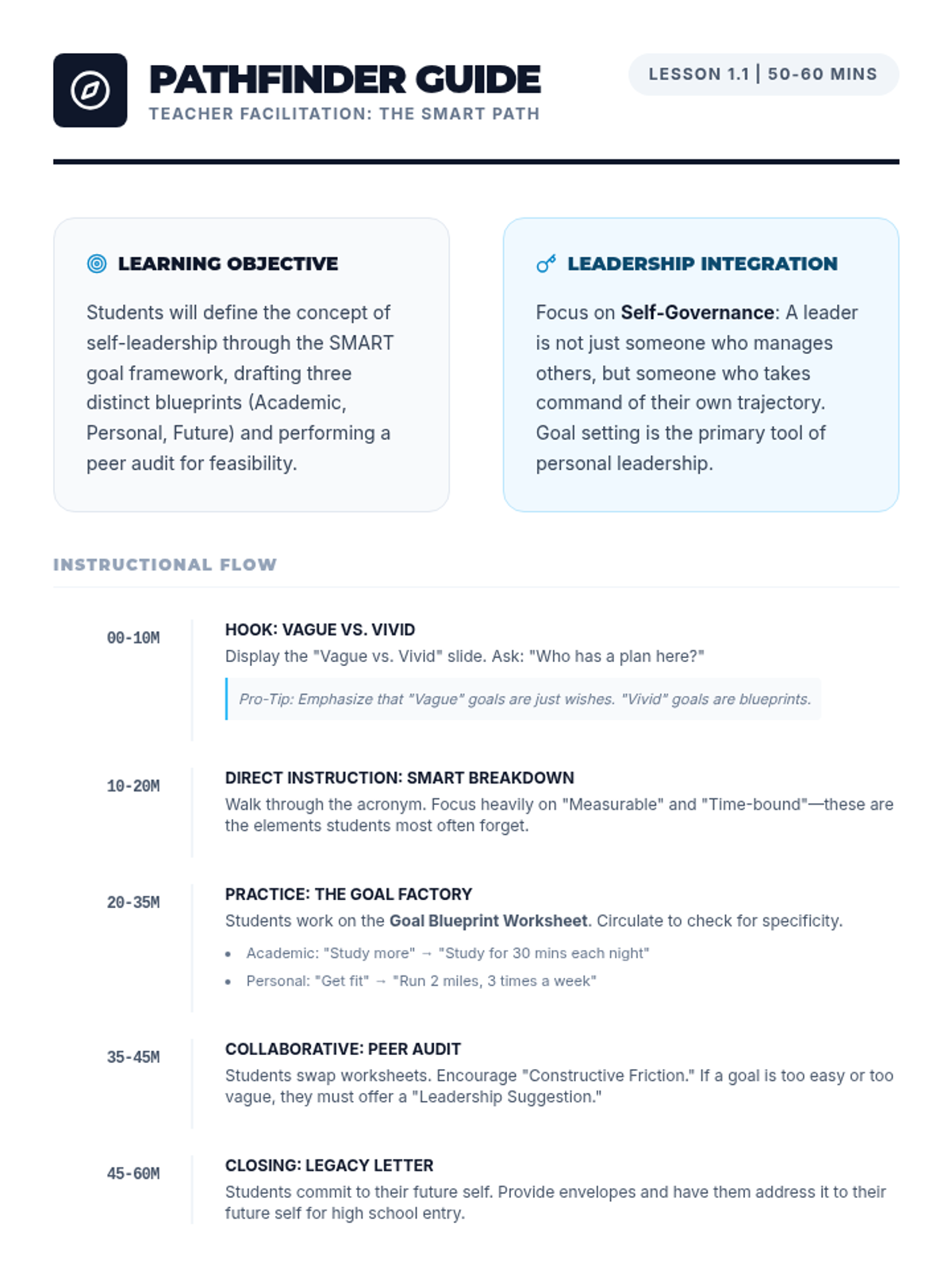
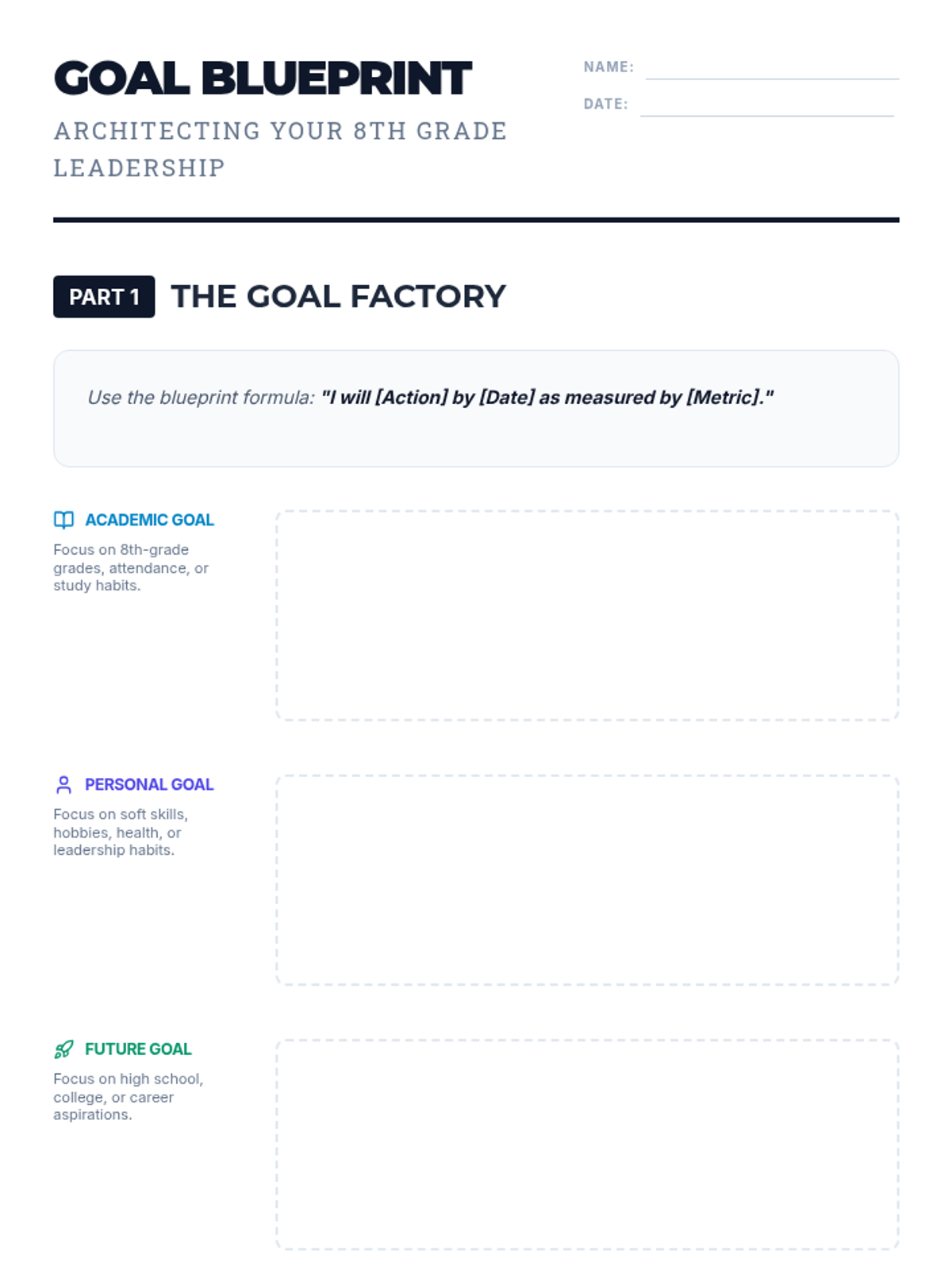
In this lesson, students transition from passive dreamers to active leaders of their own futures by mastering SMART goals. They will draft academic, personal, and long-term goals while engaging in a peer audit process to ensure their plans are specific, measurable, and achievable.
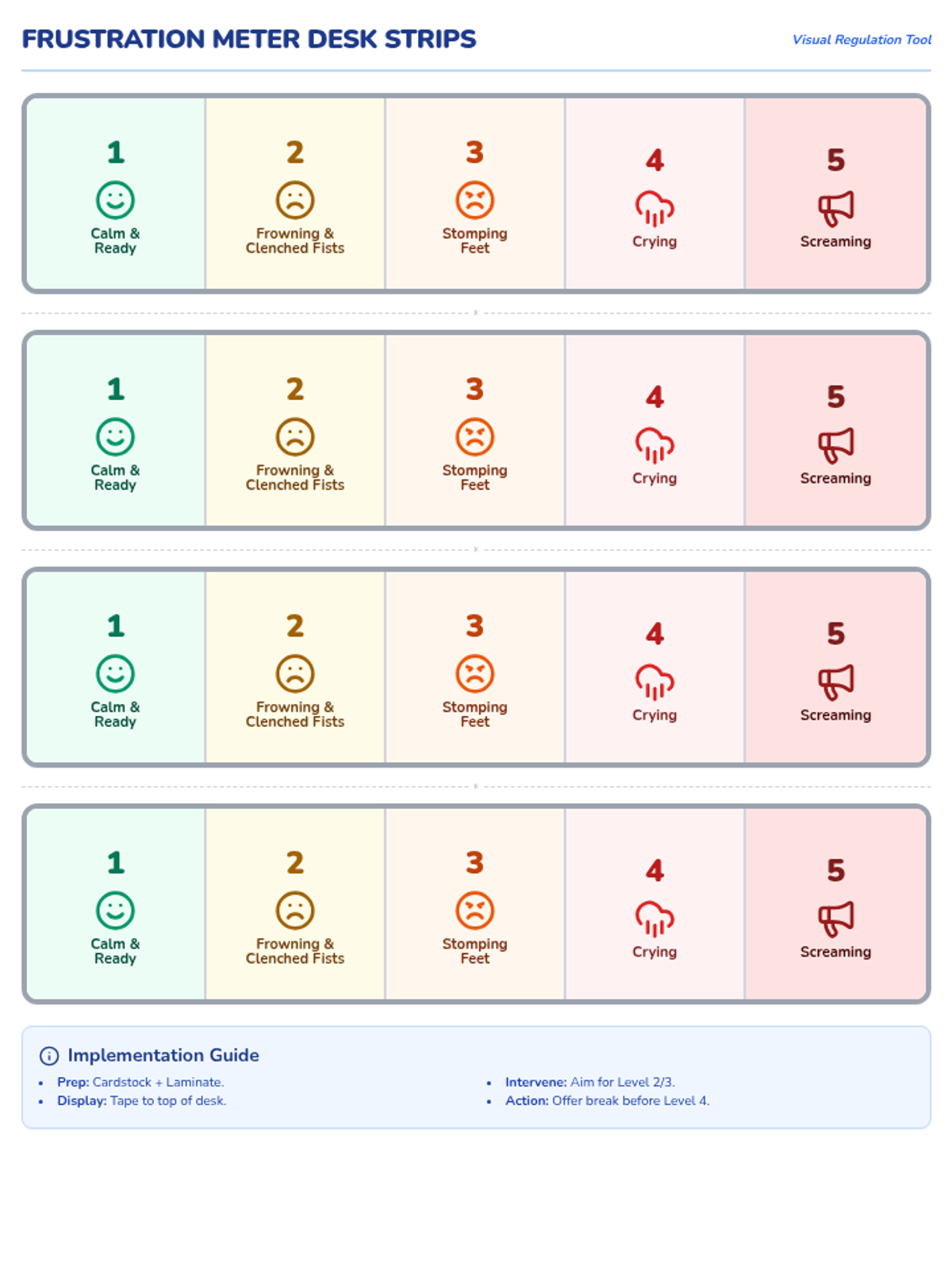
This lesson focuses on identifying physical signs of frustration and providing students with a visual tool to communicate their emotional state to teachers and peers.