A restorative circle lesson designed to help students reflect on their personal choices, the impact of their behavior on others, and how to lead by example within their school community.
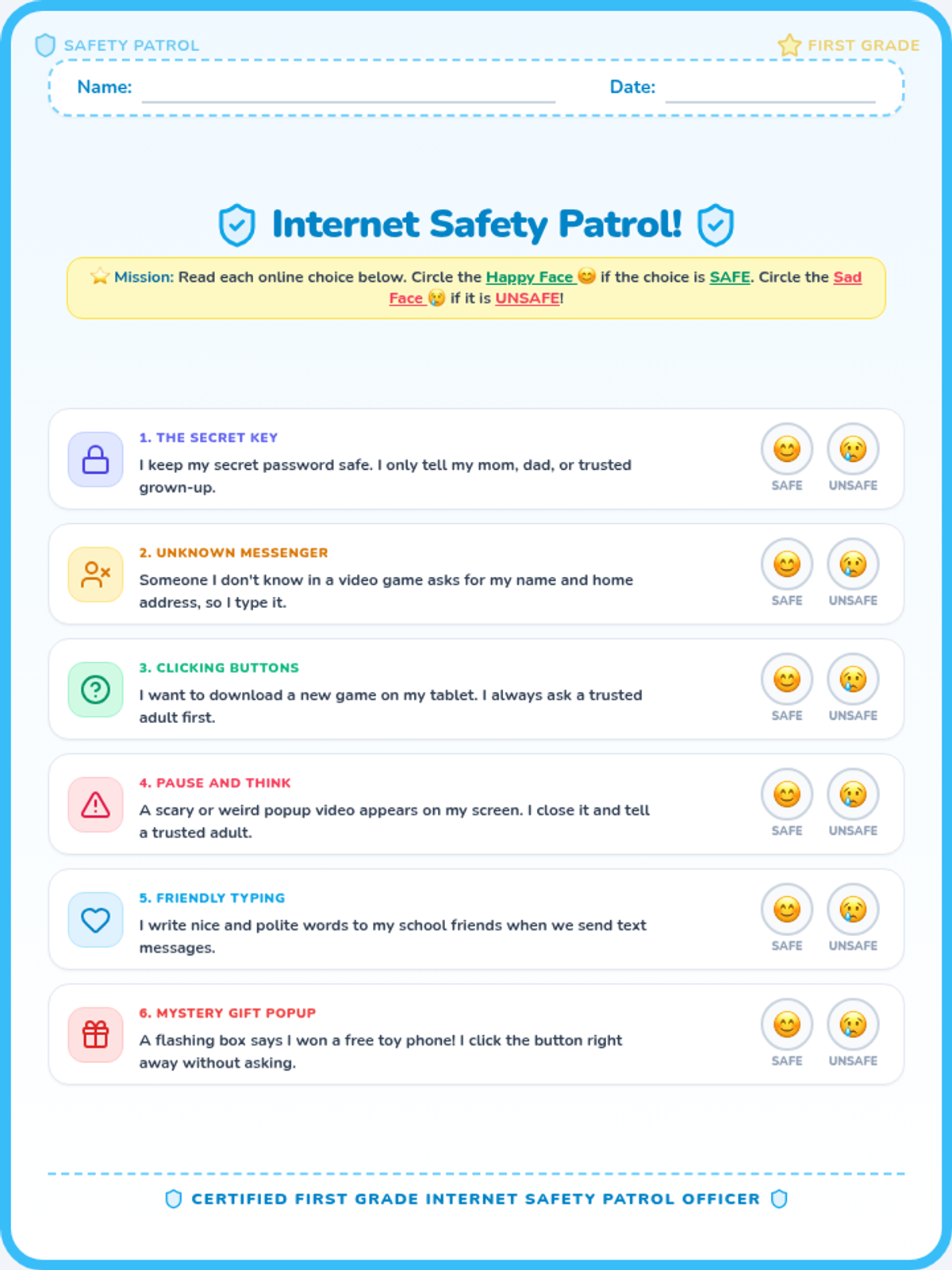
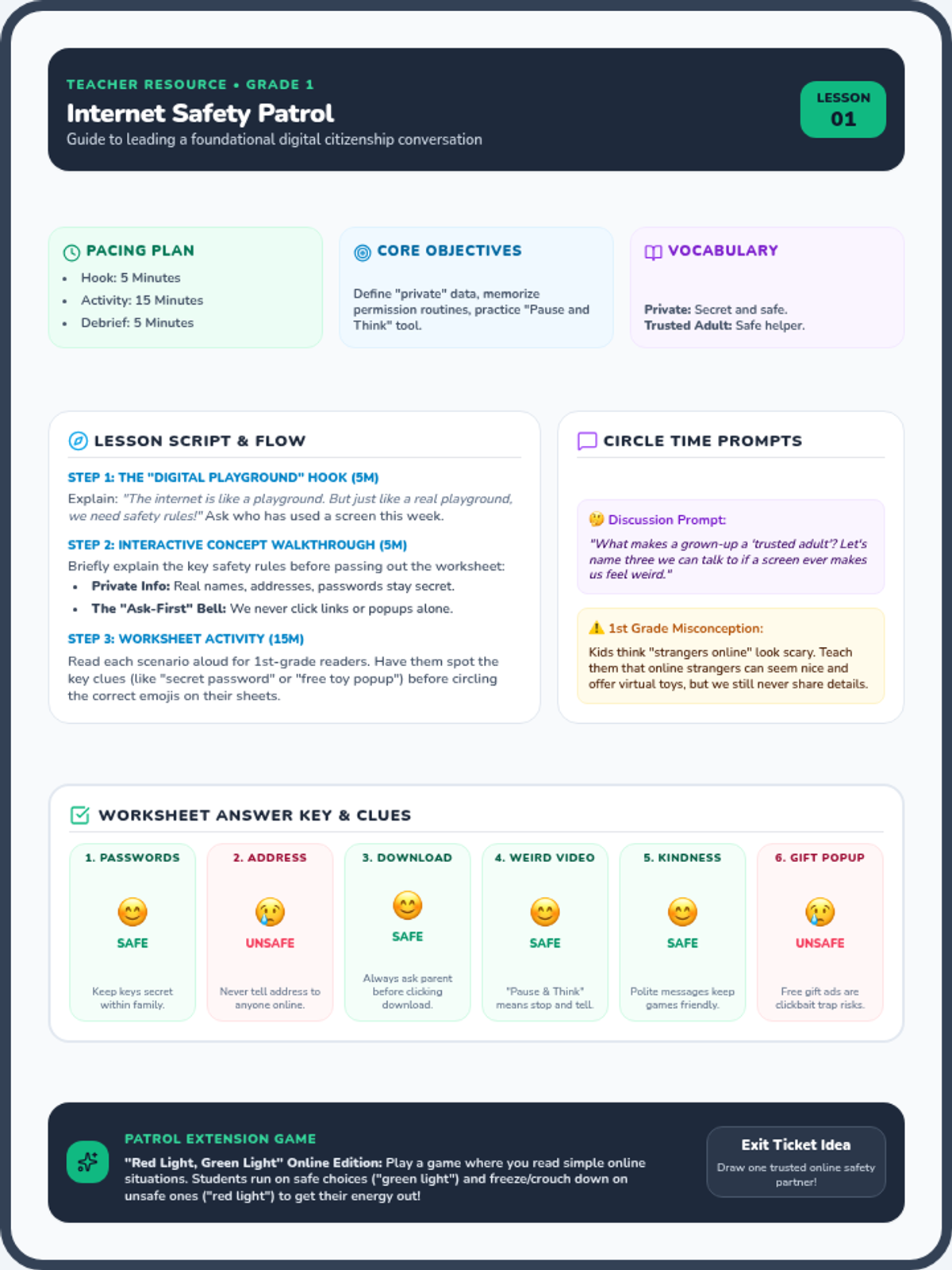
A 1st-grade interactive lesson about online safety. Includes a hands-on coloring and coding worksheet for identifying safe and unsafe digital behaviors, and a comprehensive teacher guide with discussion prompts and lesson walkthroughs.
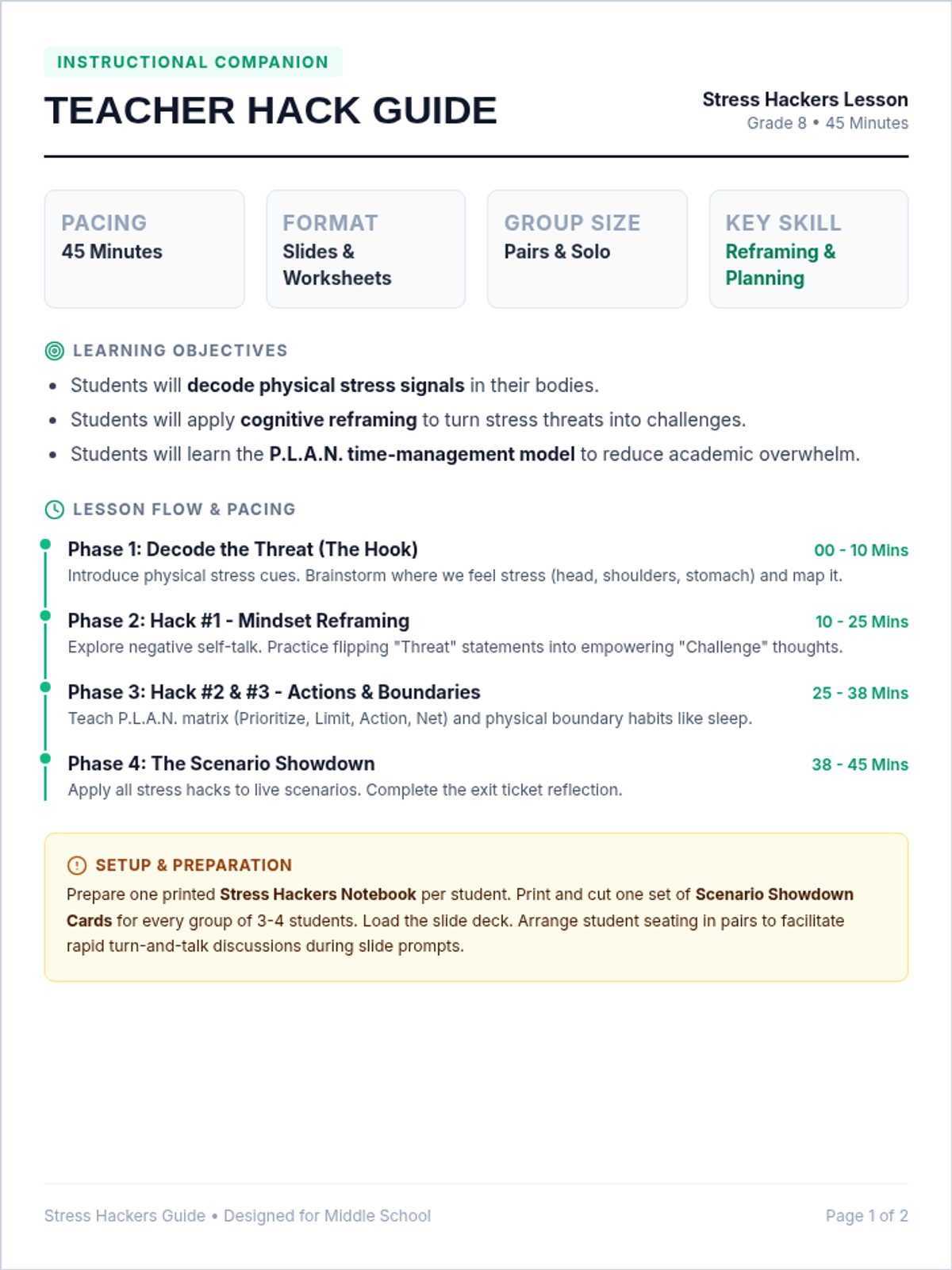
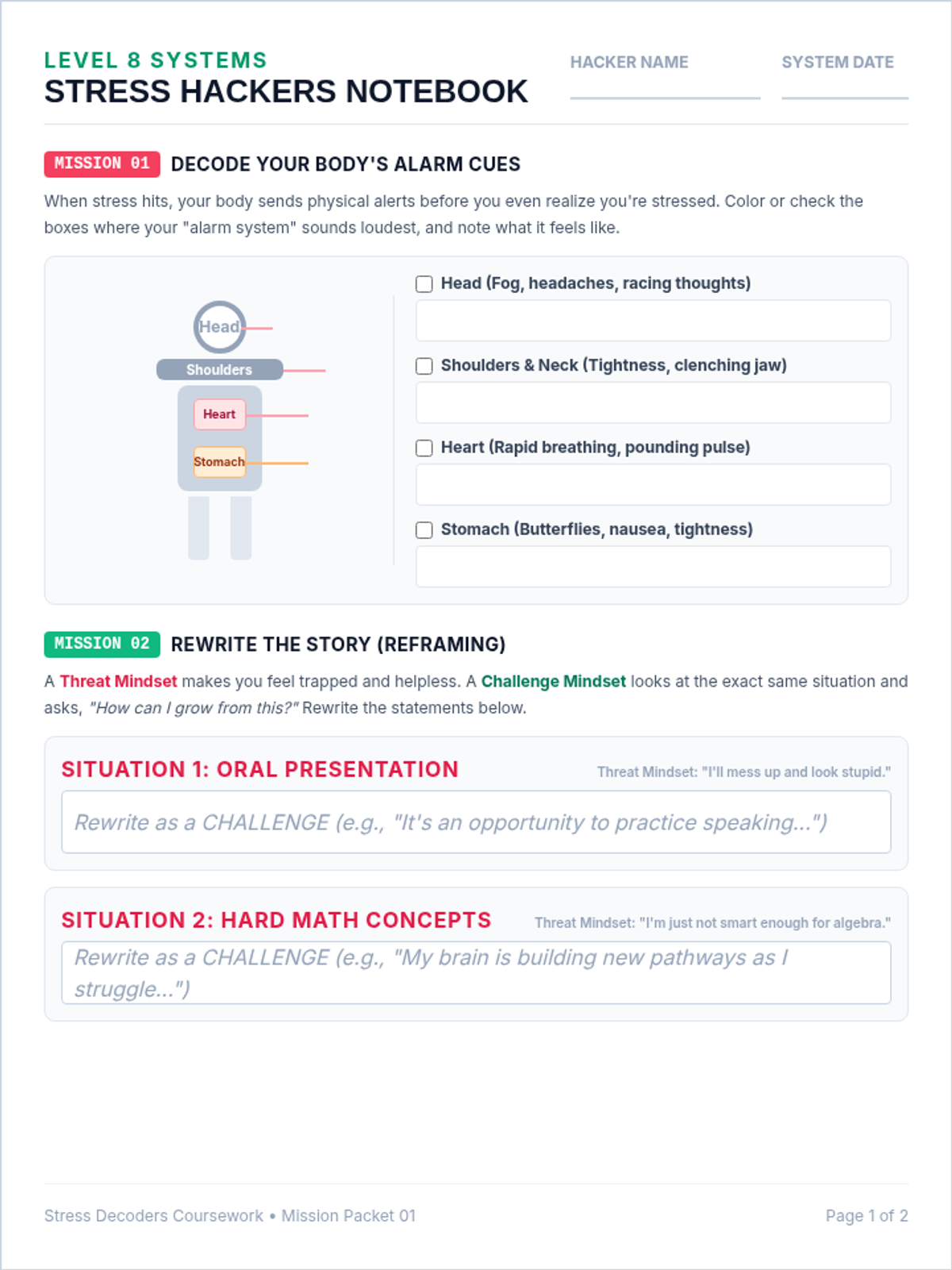
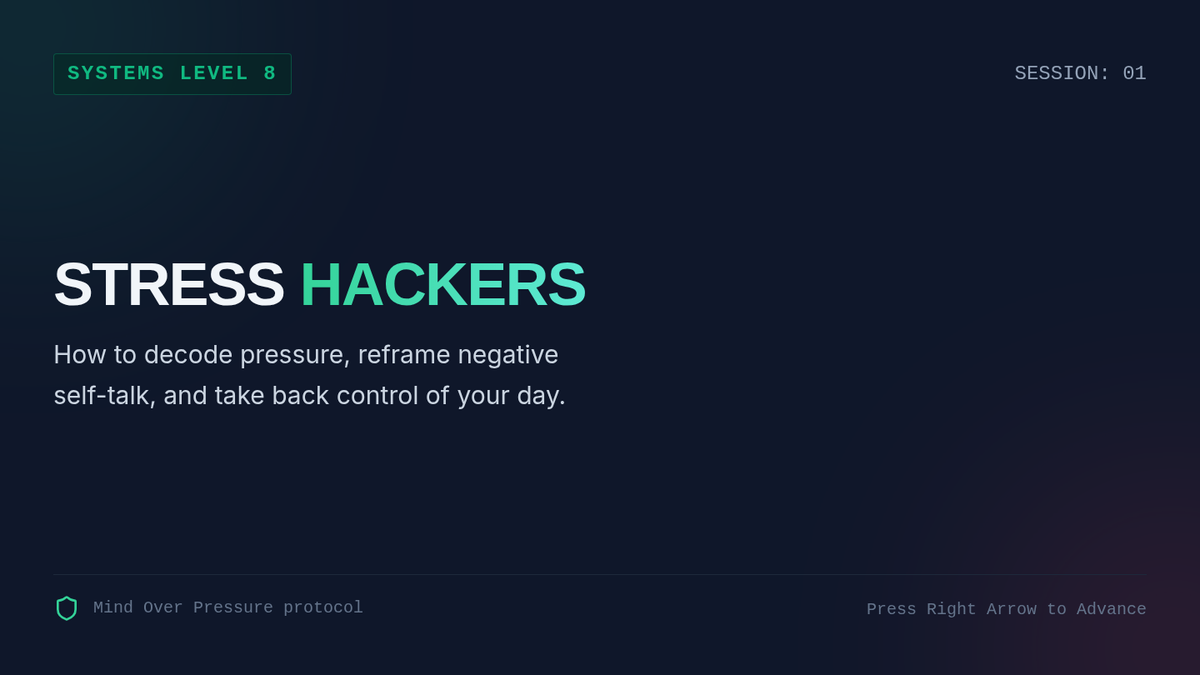
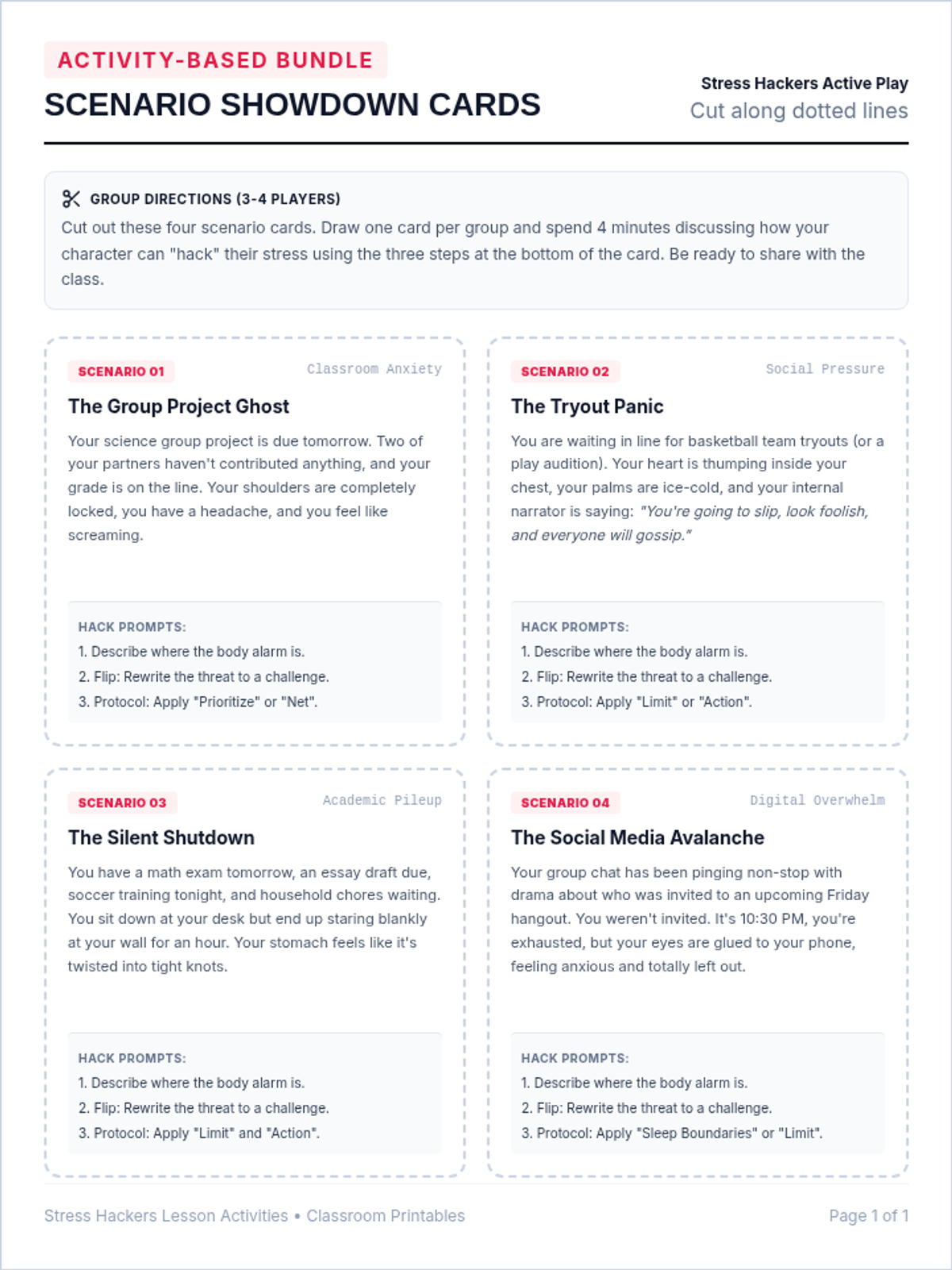
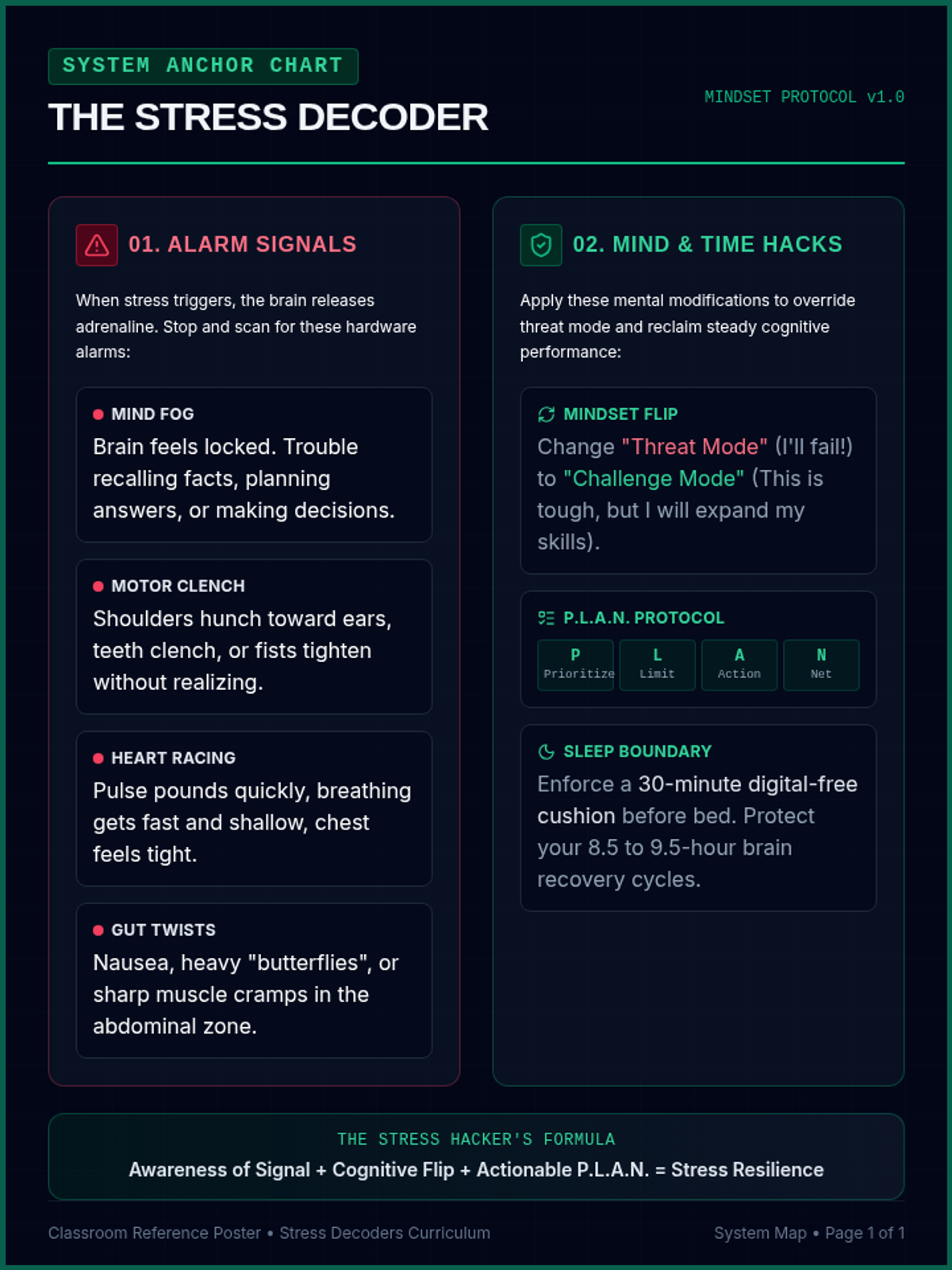
An interactive, comprehensive 45-minute lesson for 8th-grade students on stress management. Students learn to decode stressors, apply cognitive reframing, practice time management, and build boundaries through interactive slides, reflective worksheets, activity cards, and visual maps.
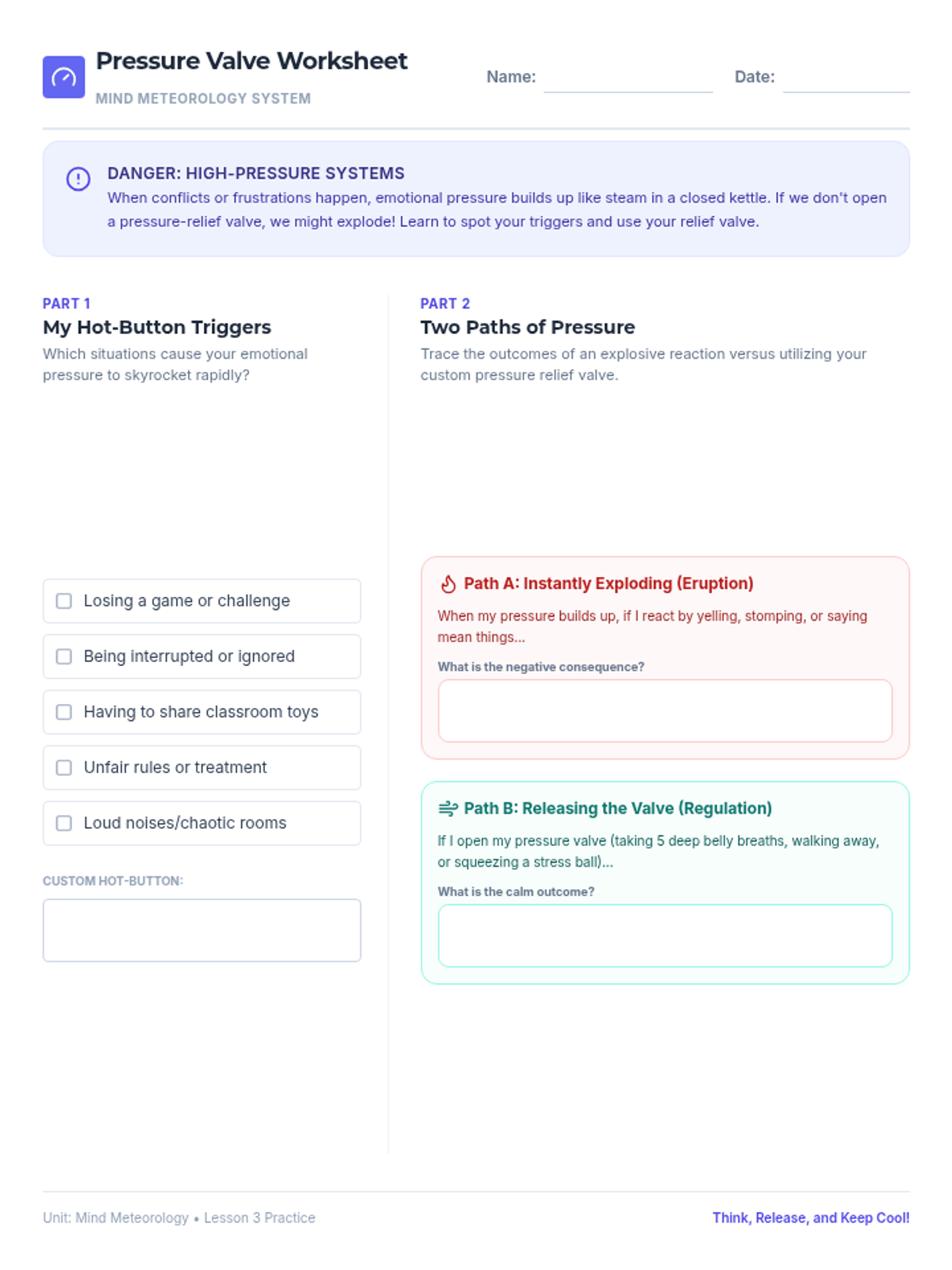
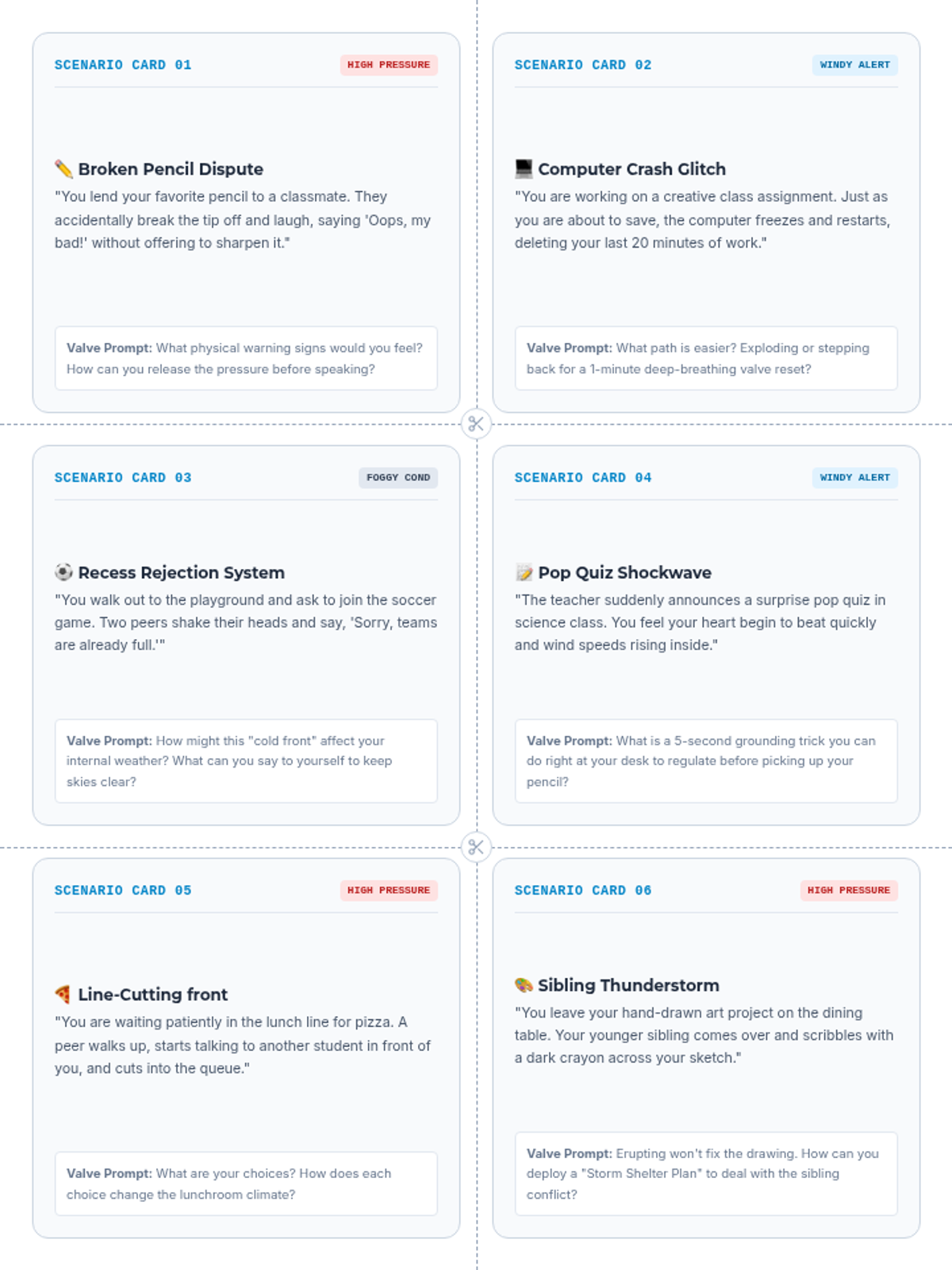
Focuses on responsible decision-making during high-stress conflicts, helping students identify hot-button triggers, evaluate action-consequences, and apply 'pressure relief valve' strategies.
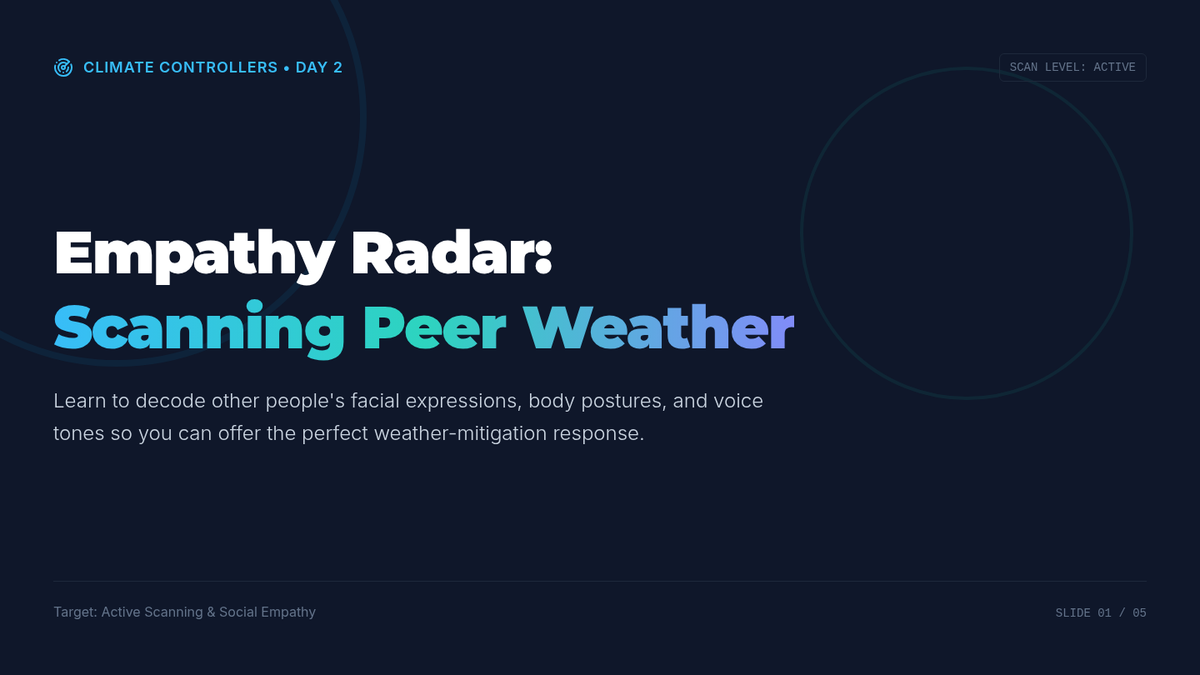
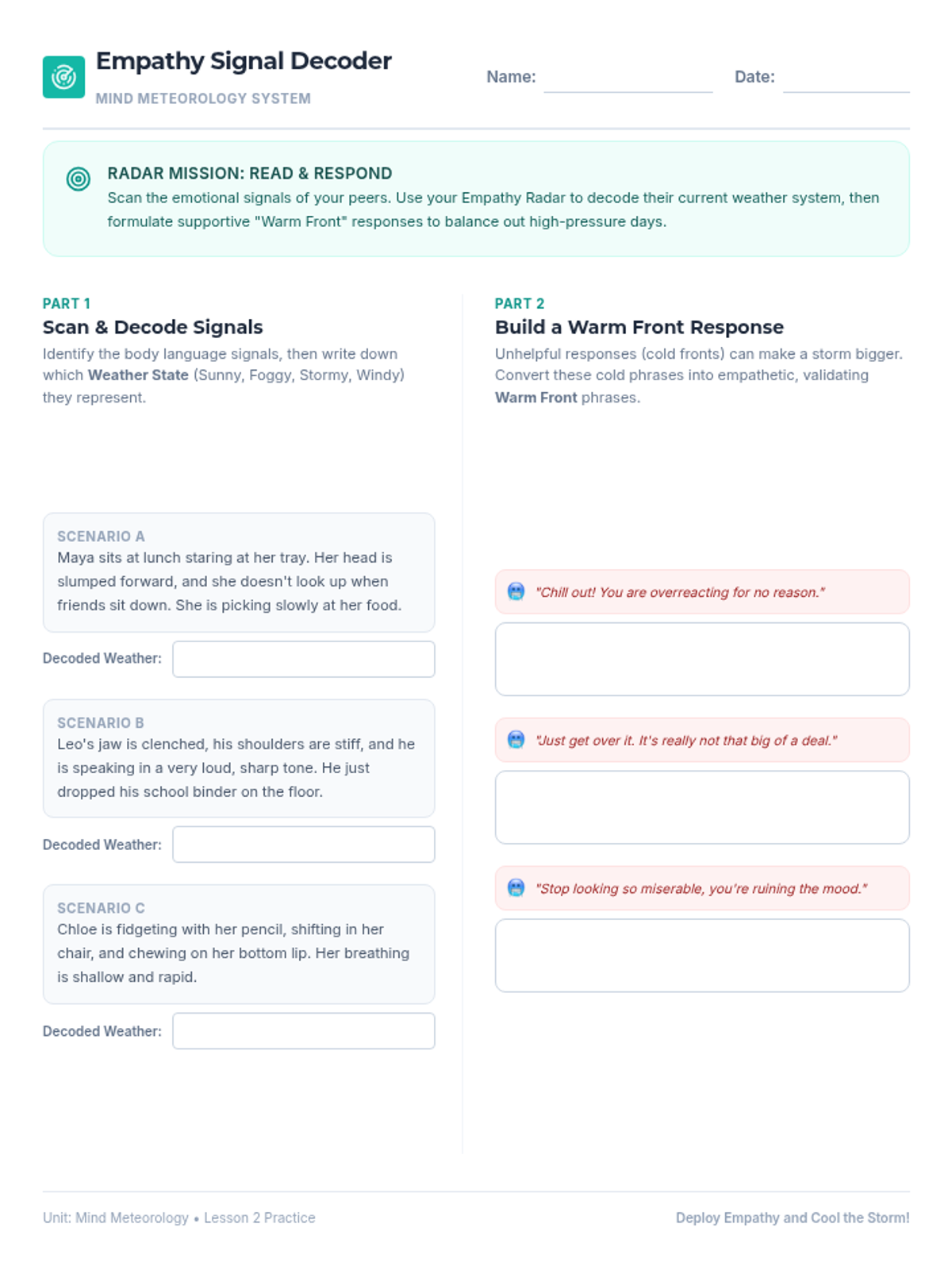
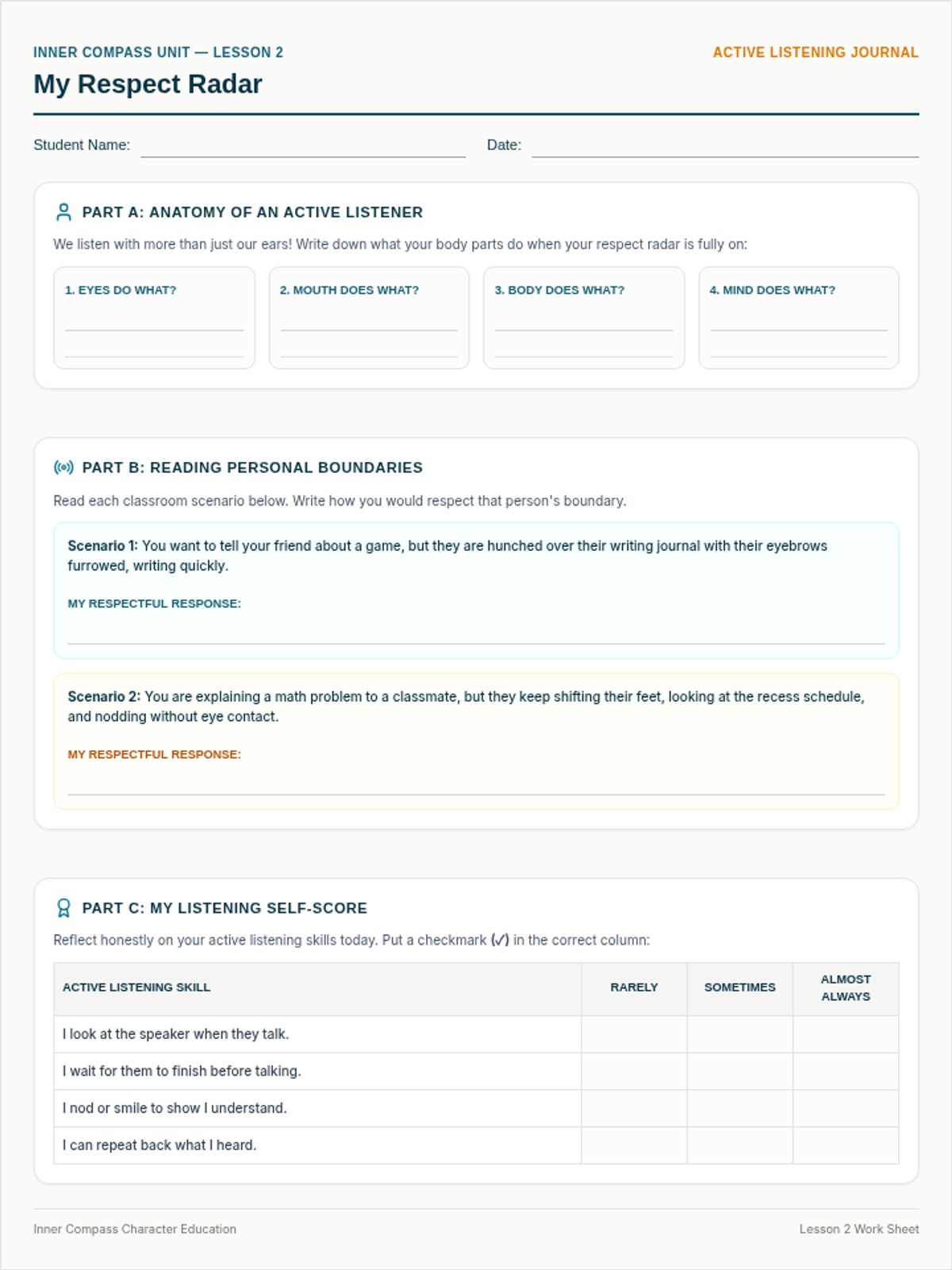
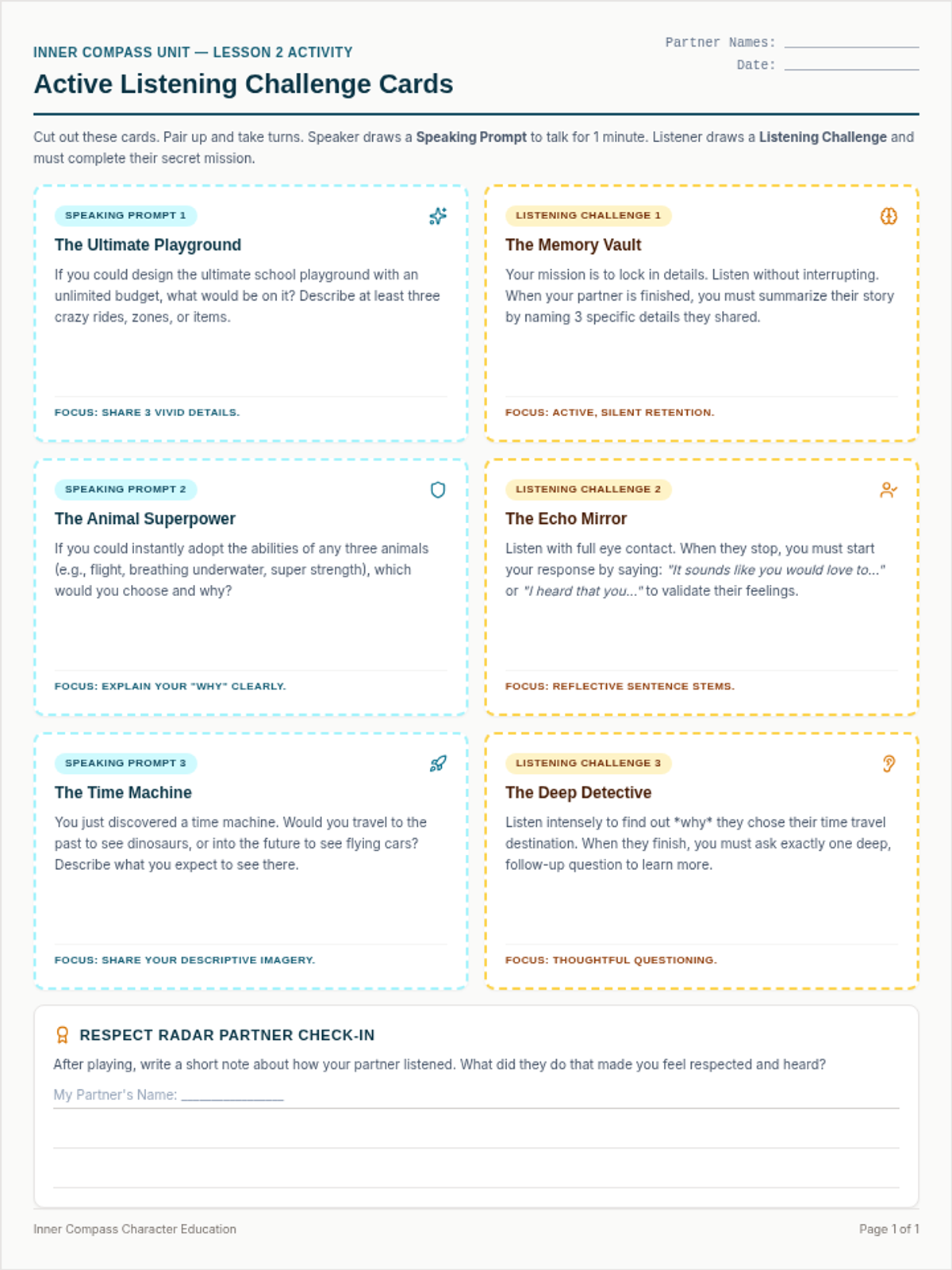
Focuses on active listening, reading other people's emotional signals (body language, tone), and matching our response to their weather state with empathy and validation.
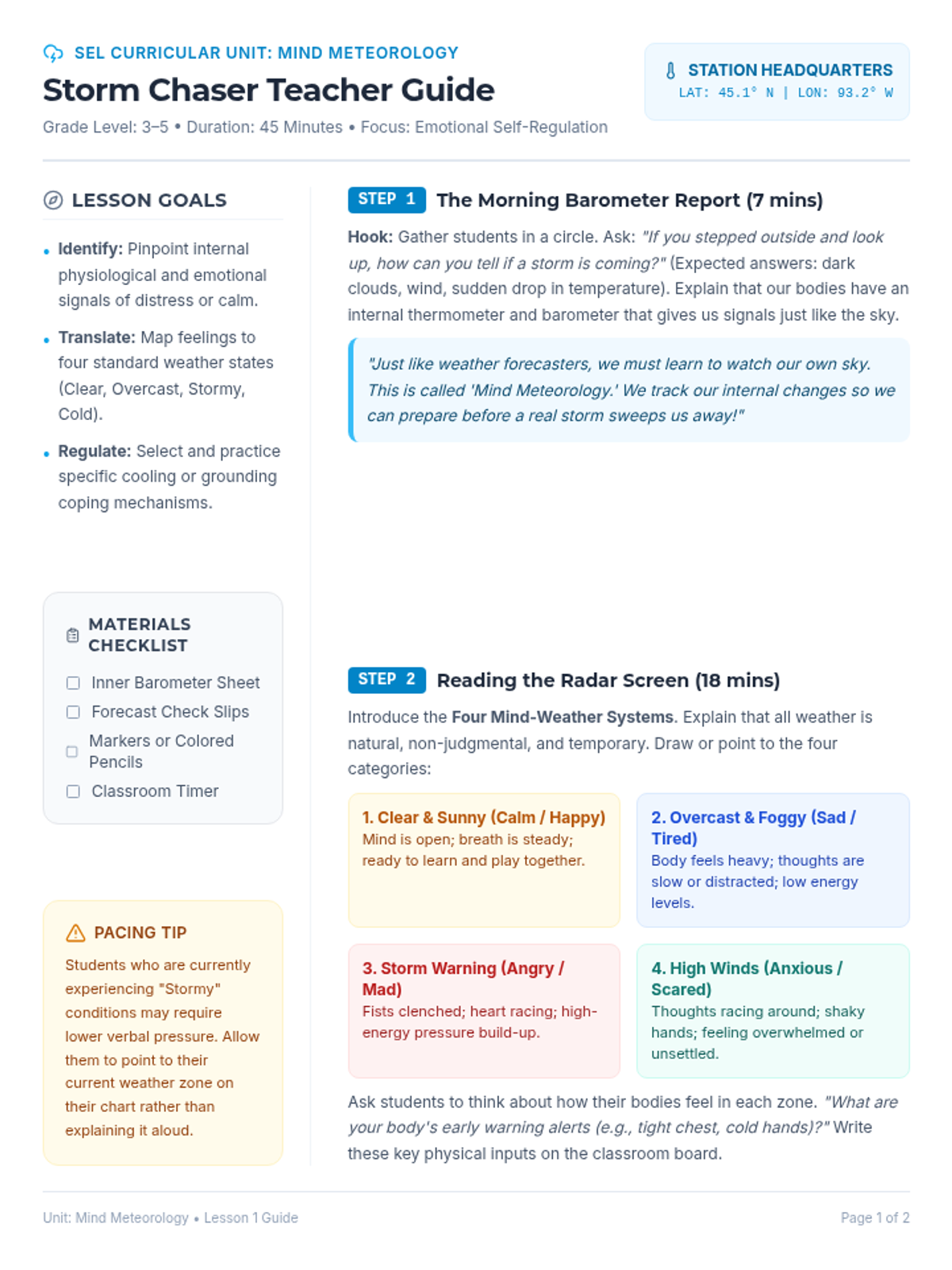
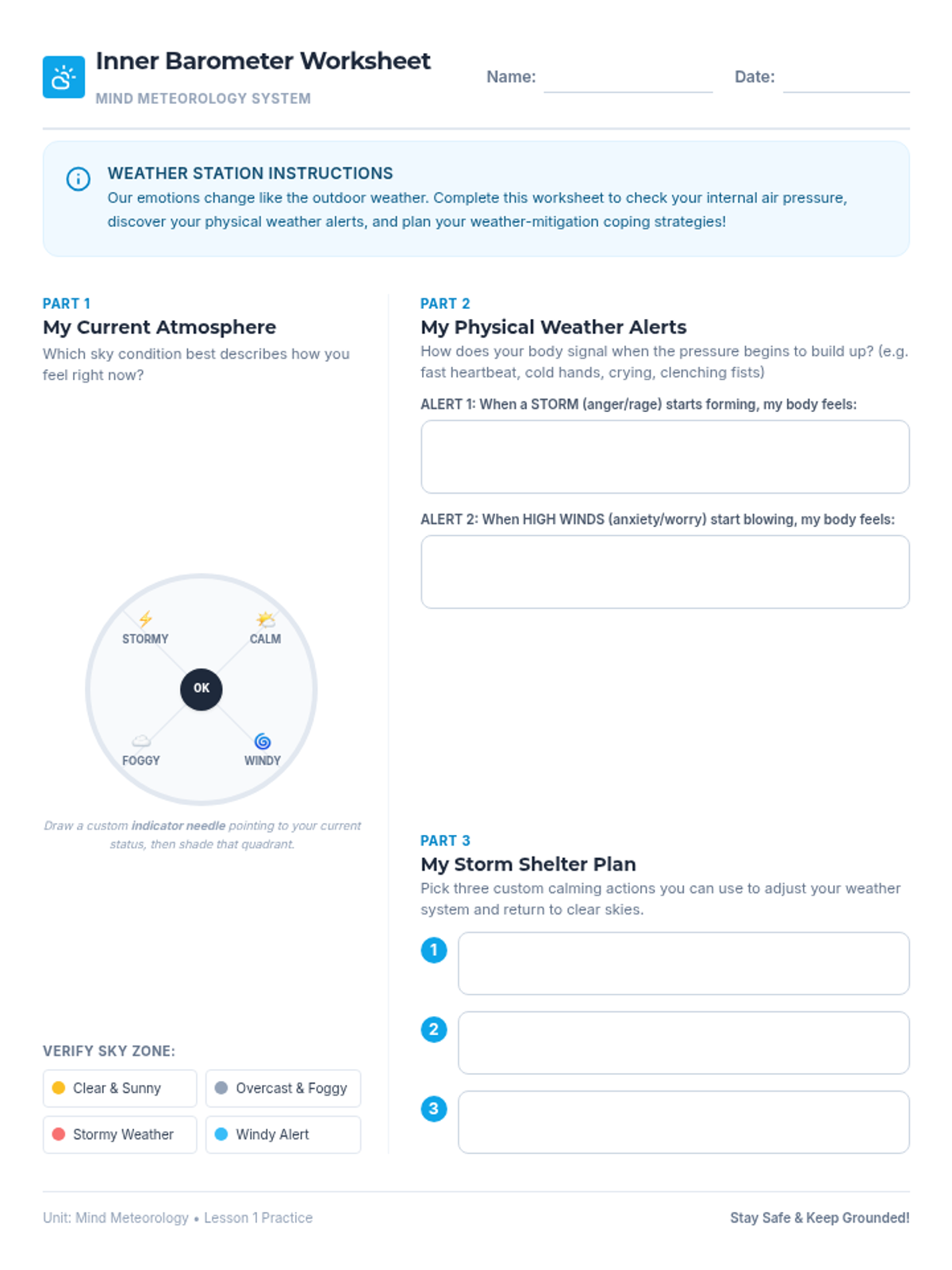
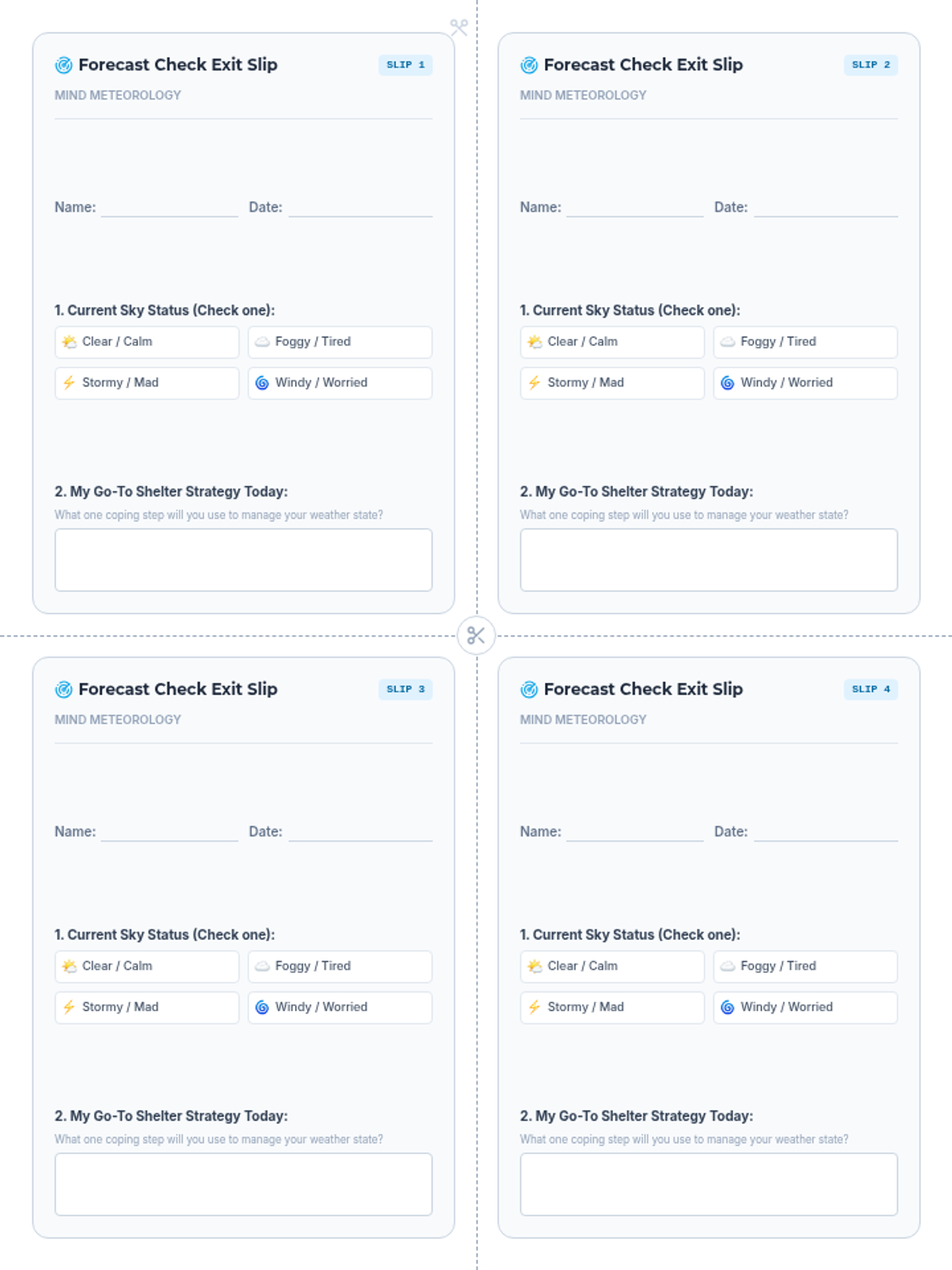
An engaging social-emotional learning lesson that teaches students to identify their emotional states as internal weather patterns and apply self-regulation coping strategies to return to calm, clear skies.
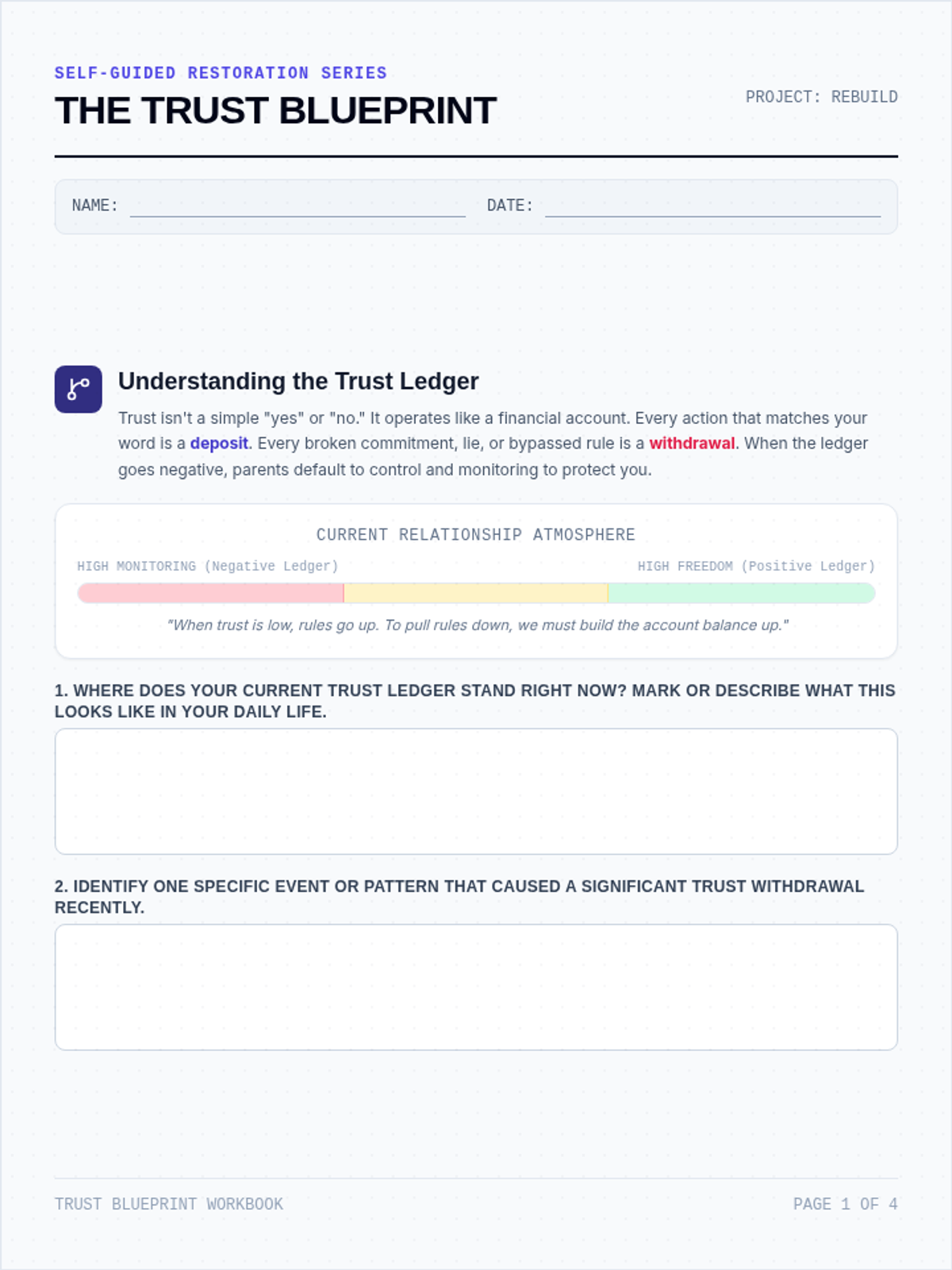
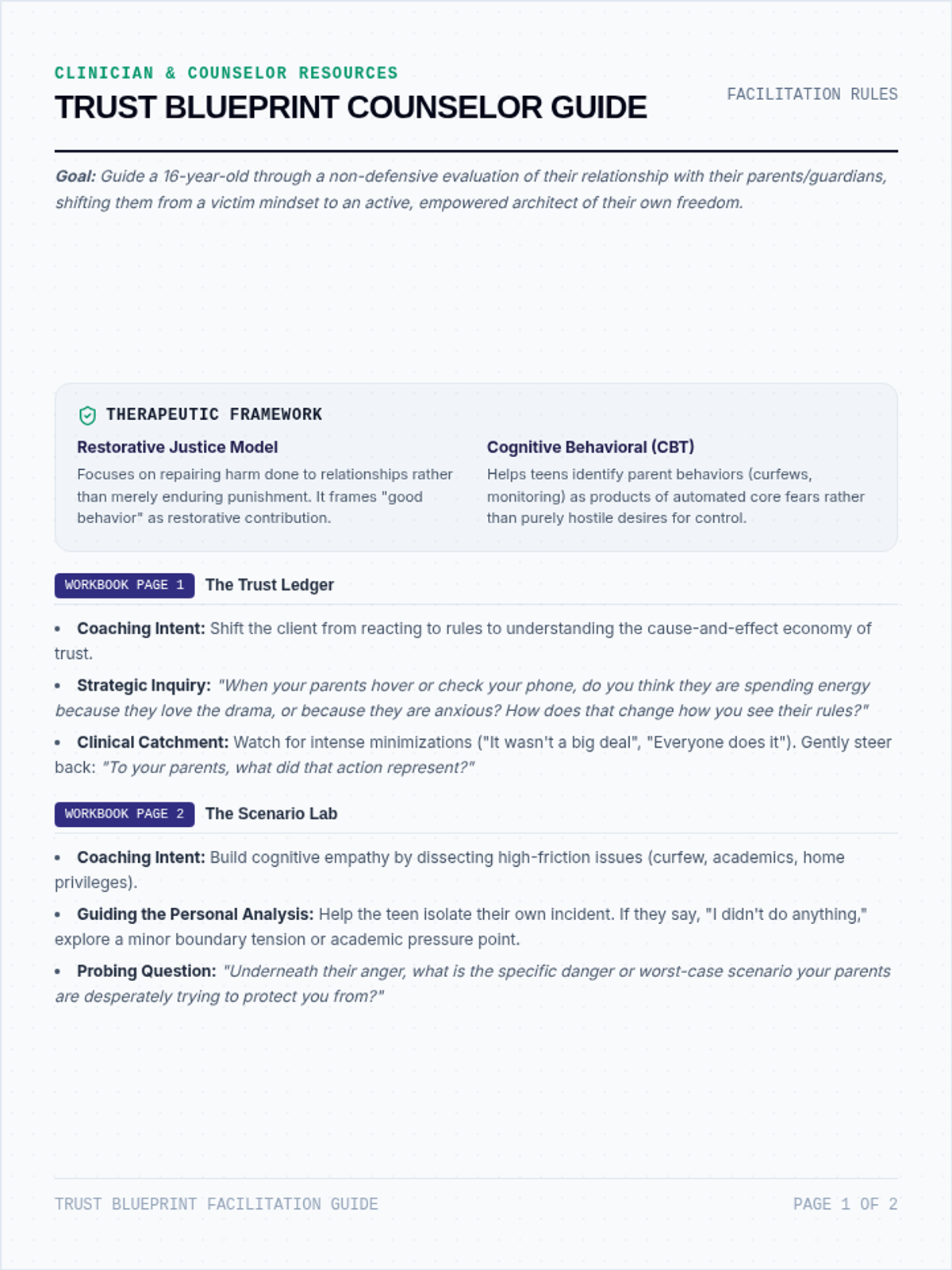
A counselor-led guide and interactive reflection workbook for 16-year-olds working to rebuild trust with parents or guardians. The lesson covers the mechanics of trust, realistic scenario analysis around curfew, academic honesty, and privileges, and provides an actionable path forward.
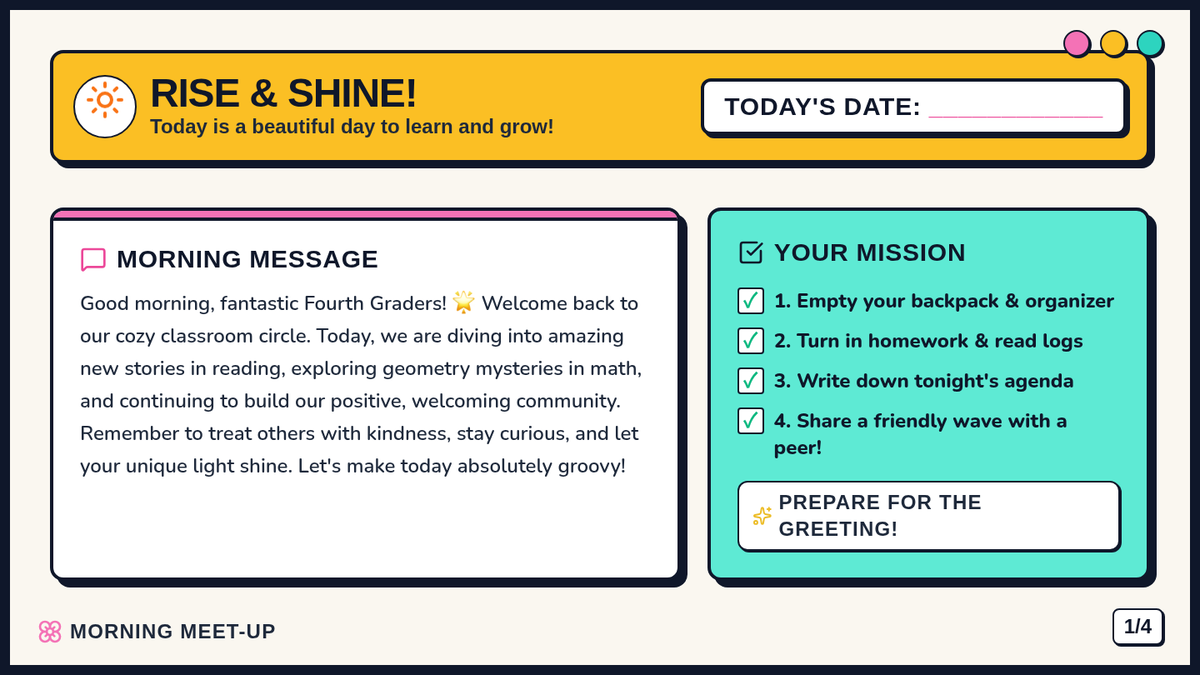
A vibrant, interactive morning meeting sequence designed to start the school day with positive 4th-grade energy. Features retro-inspired slide activities to foster community, sharing, and collaborative play.
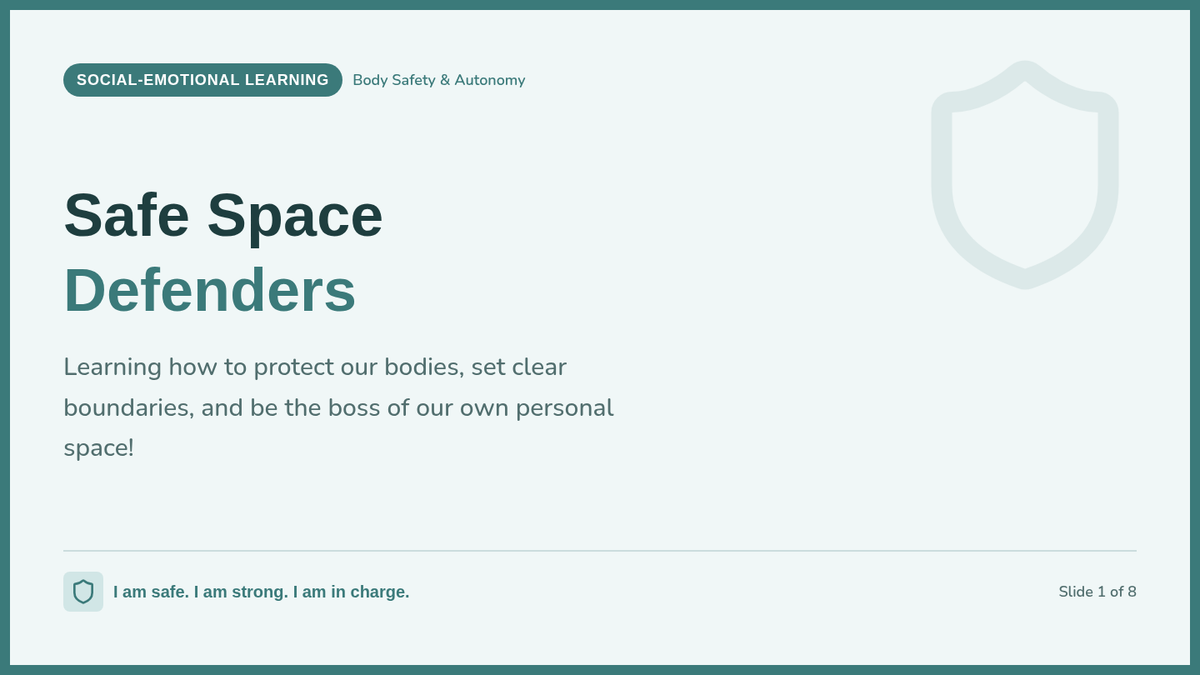
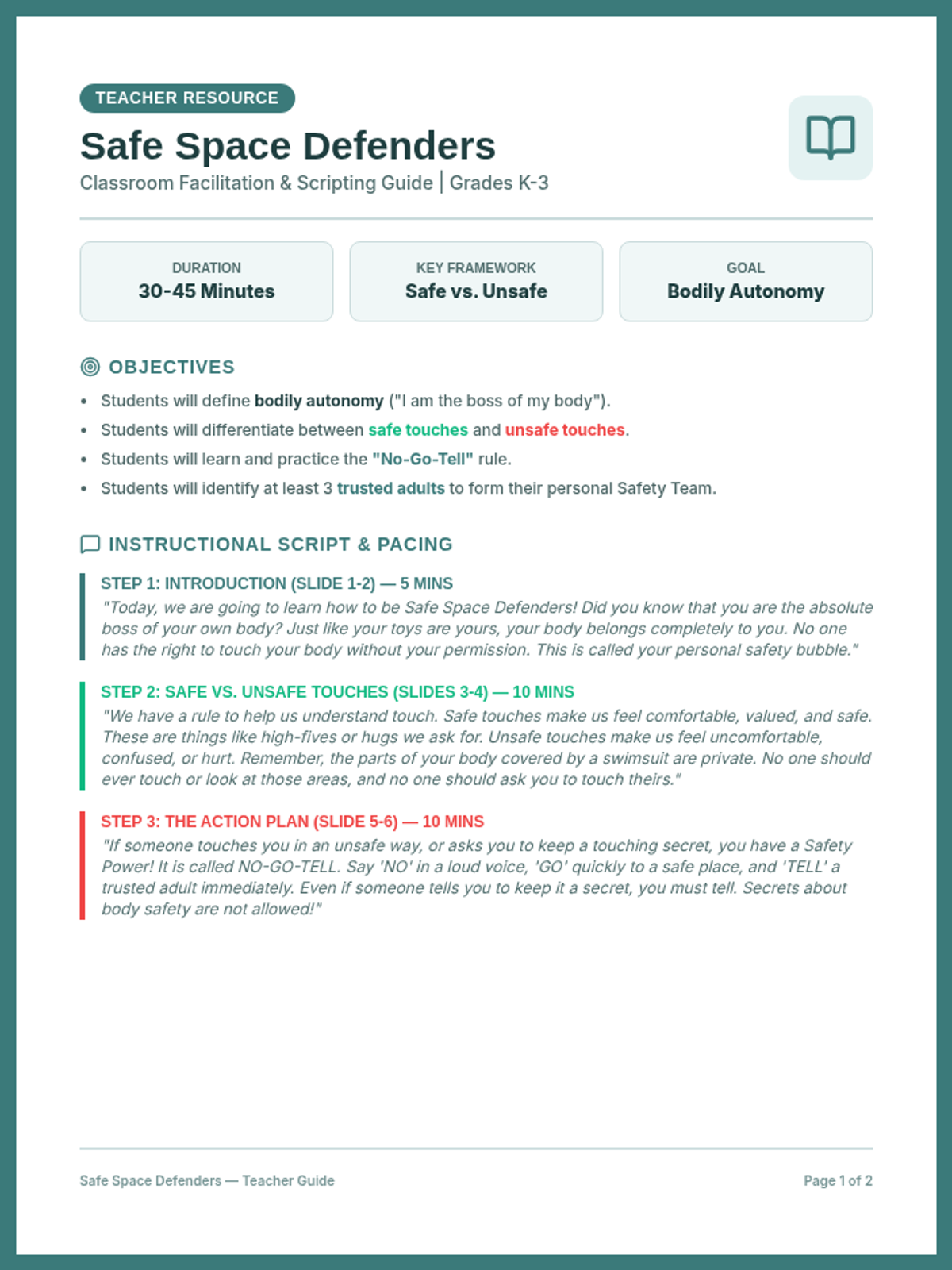
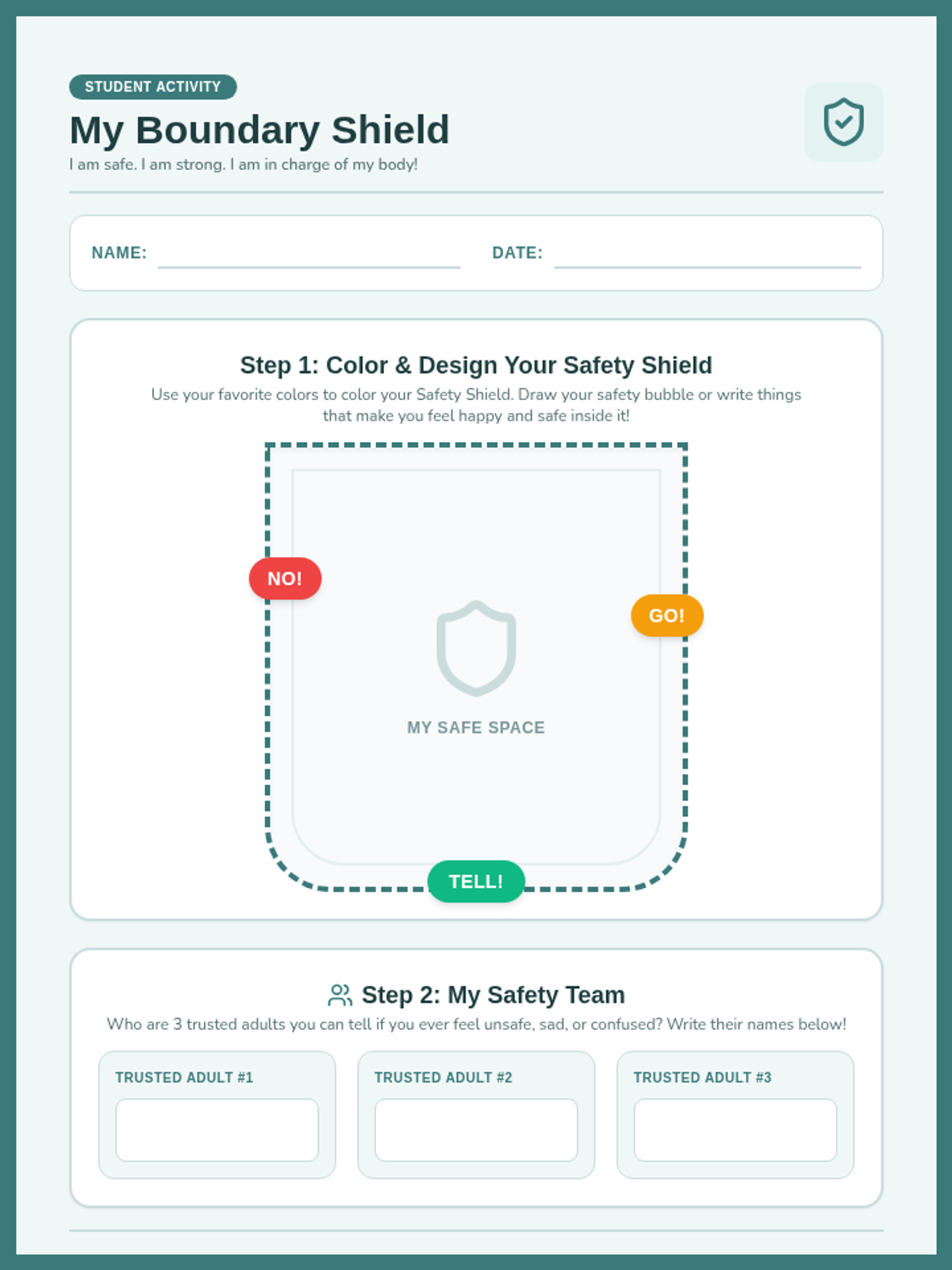
A sensitive and empowering Social-Emotional Learning (SEL) lesson designed to teach elementary students the concepts of safe versus unsafe touches, bodily autonomy, and how to identify and communicate boundaries with trusted adults.
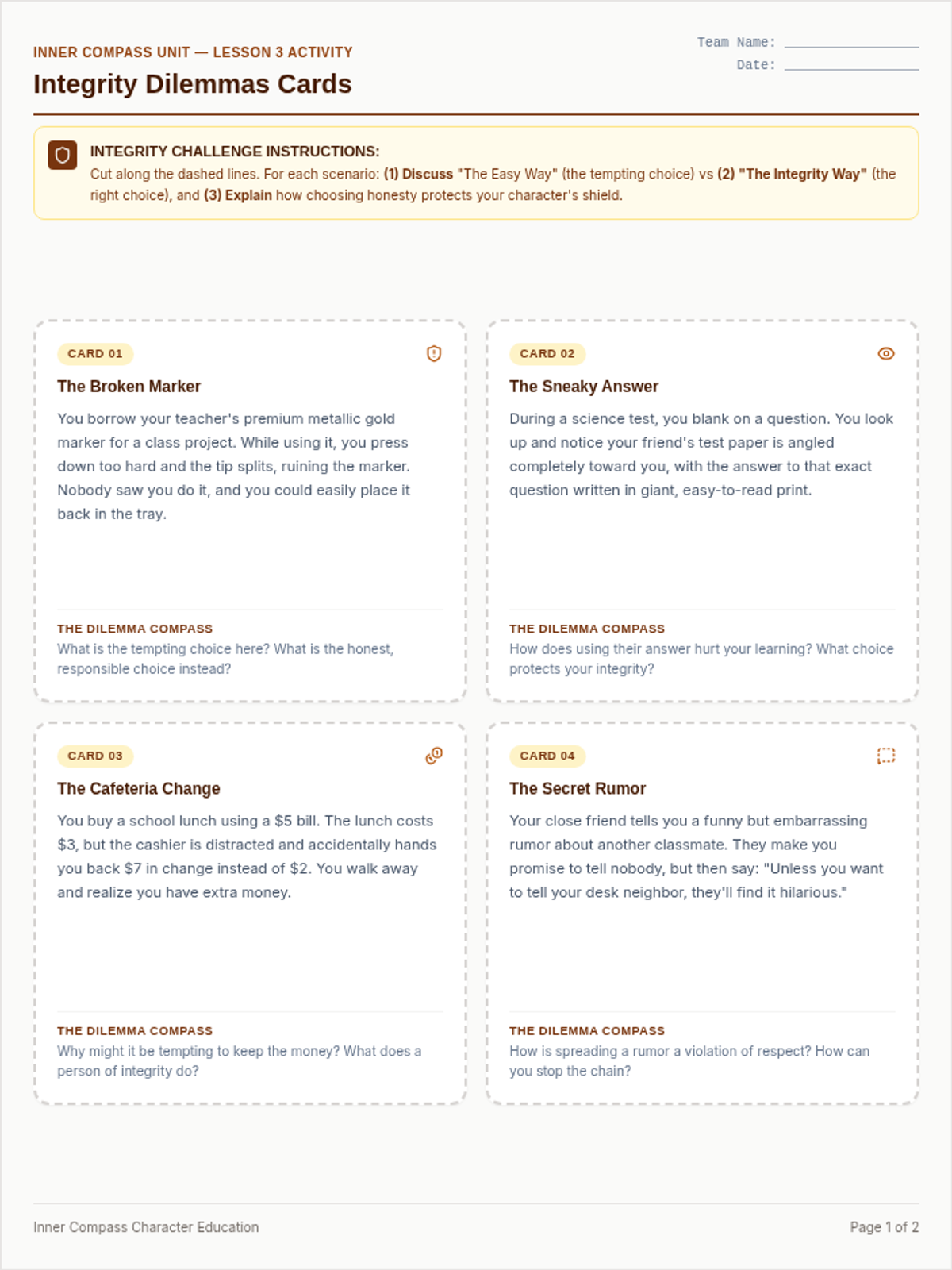
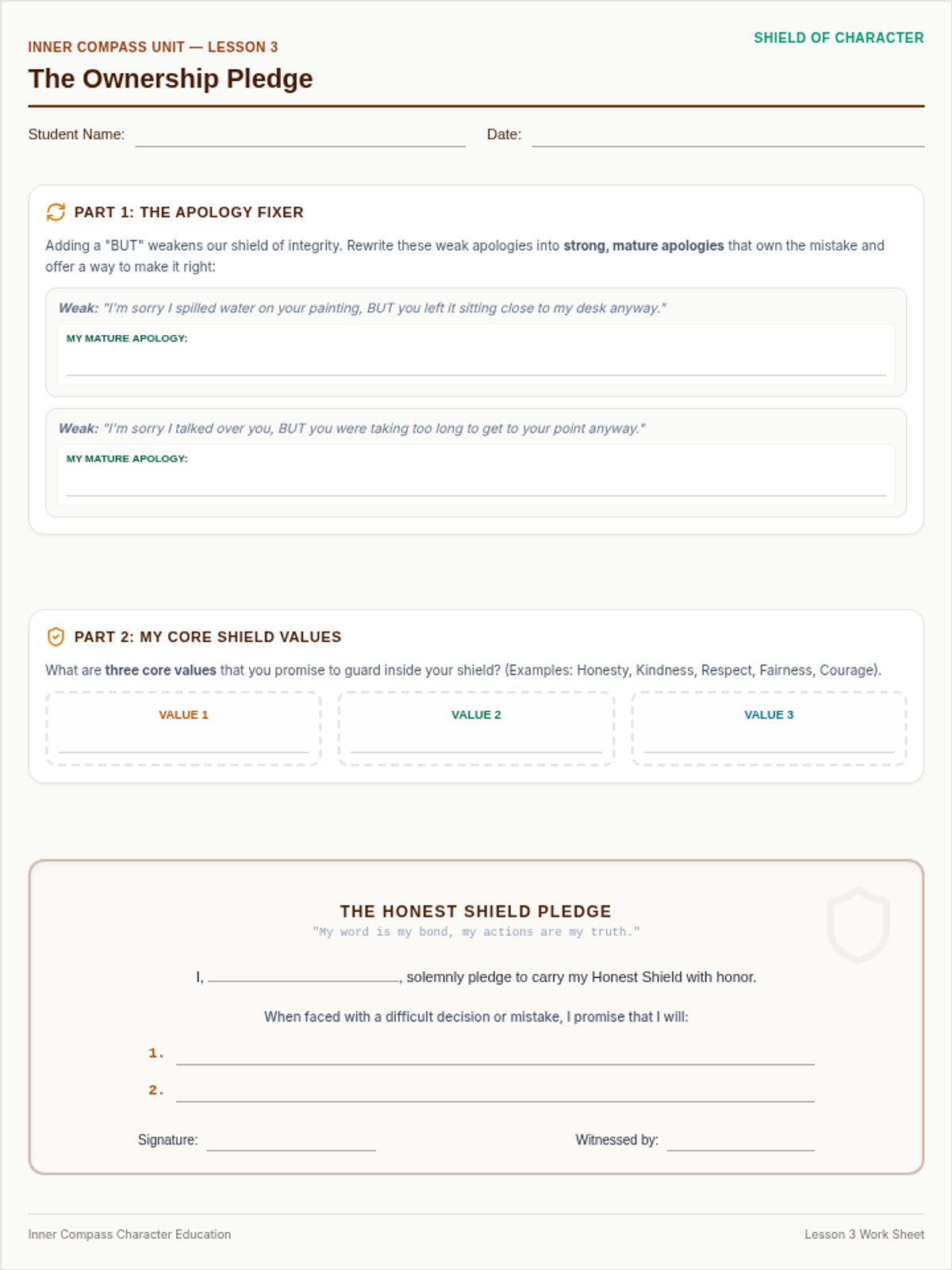
Students investigate responsibility, honesty, and integrity. They learn to make difficult choices, take ownership of mistakes, and construct a personal pledge for moral character.
Students learn respect and active listening techniques. They engage in verbal exercises and boundary-setting activities to build effective communication and mutual respect.