A social skills lesson focused on maintaining back-and-forth conversations by using 'rally' techniques like asking follow-up questions and sharing related comments.
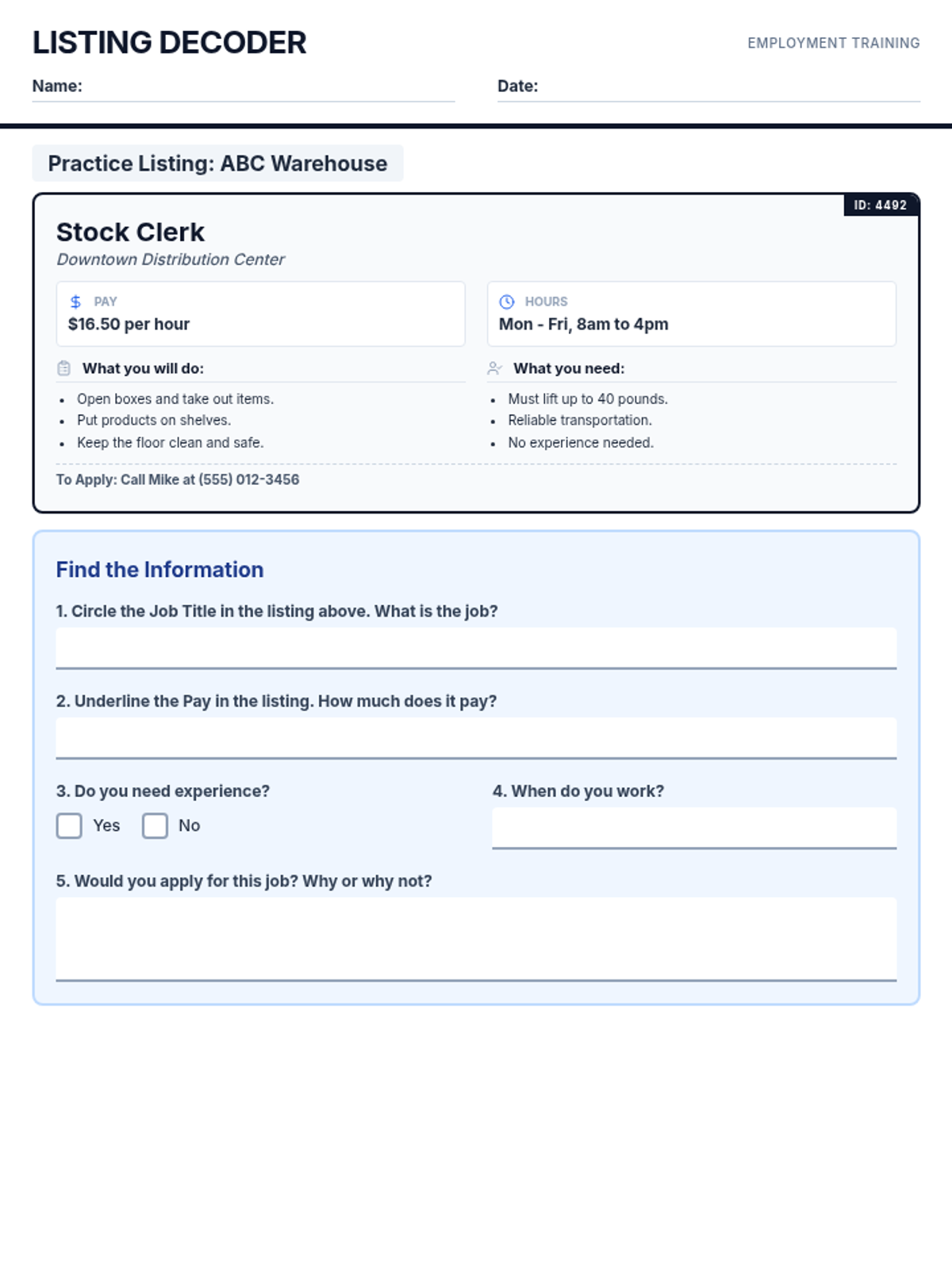
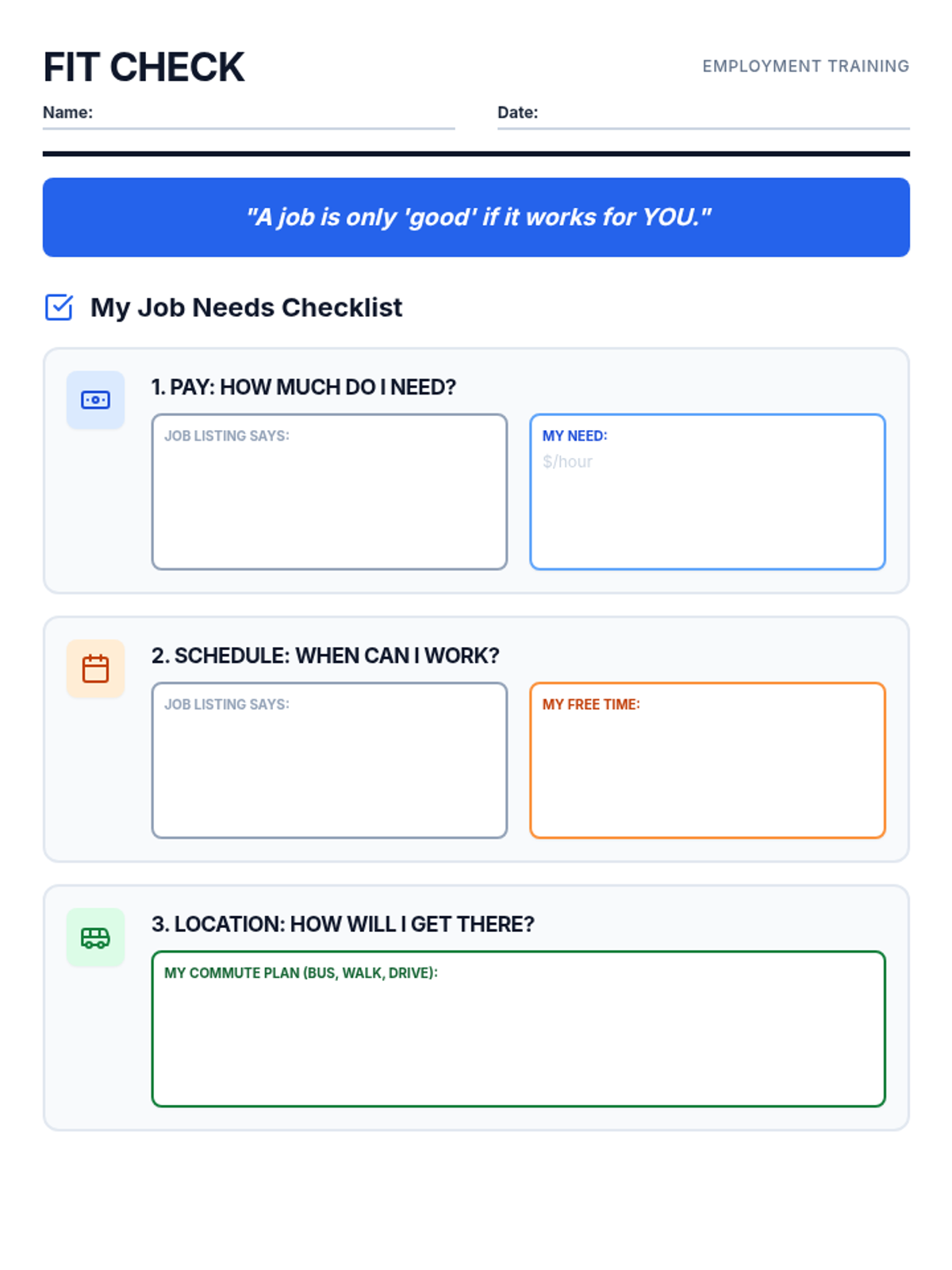
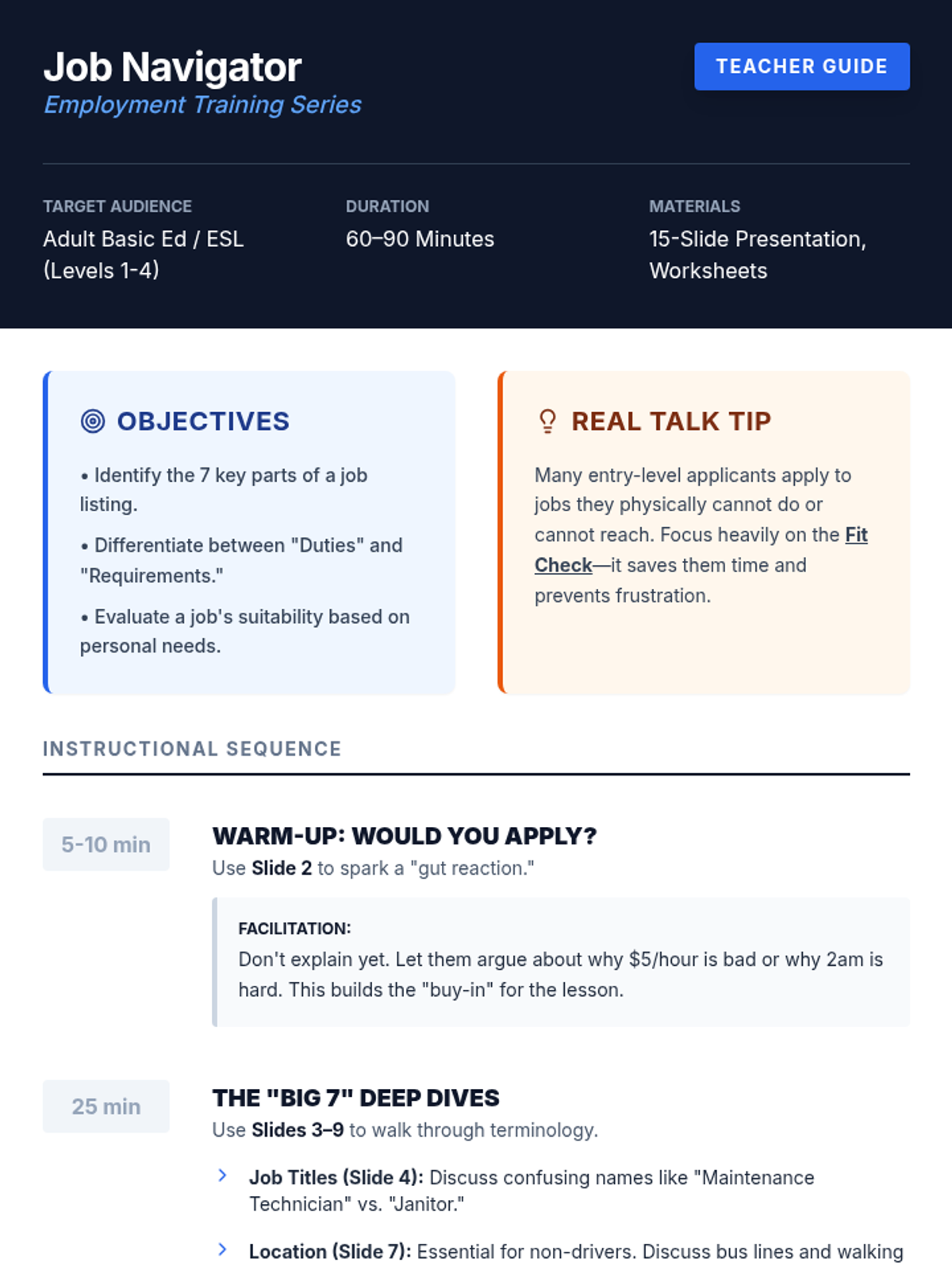
A practical lesson for entry-level job seekers to identify key information in job postings and determine if a role aligns with their personal needs and abilities.
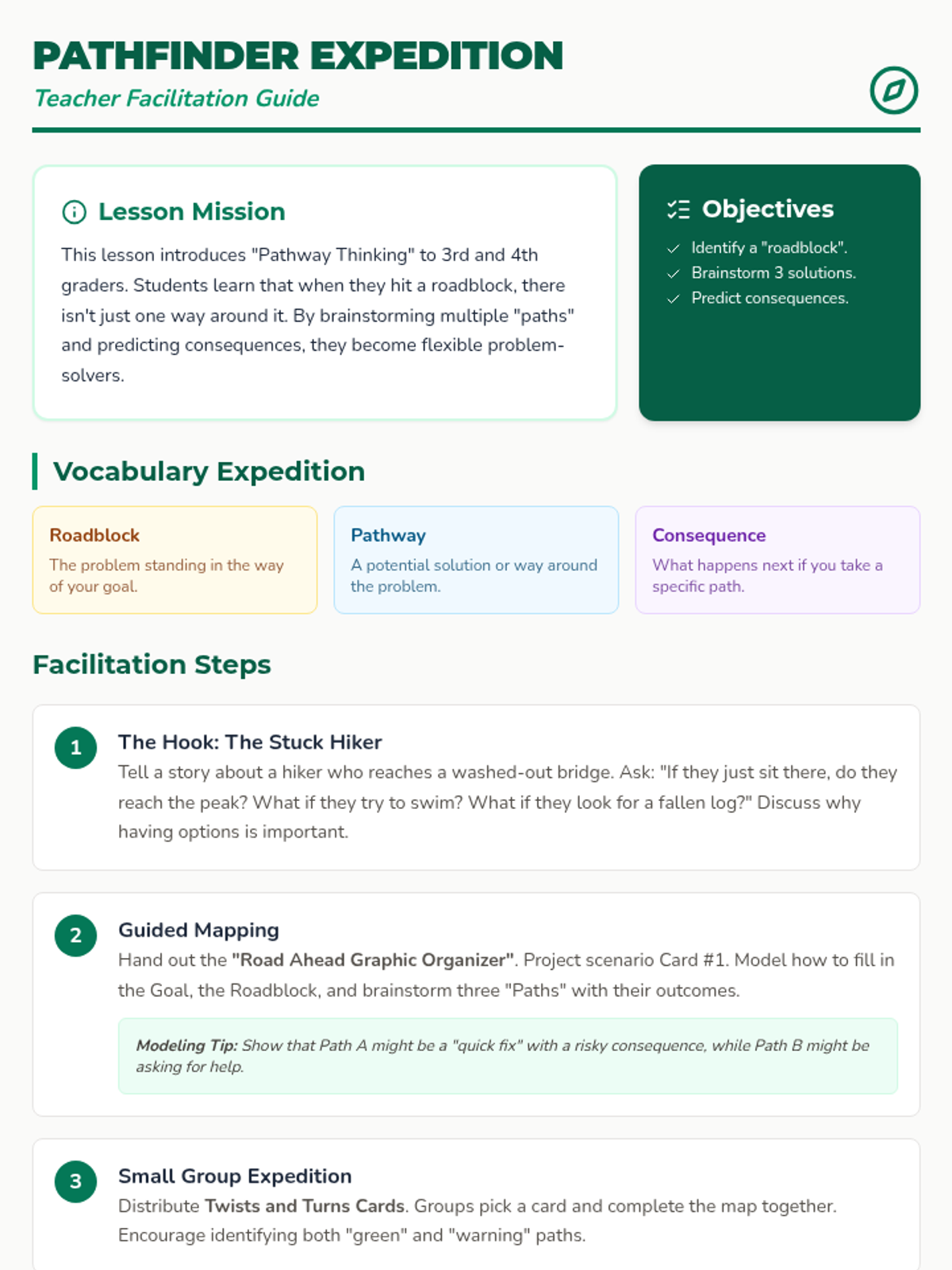
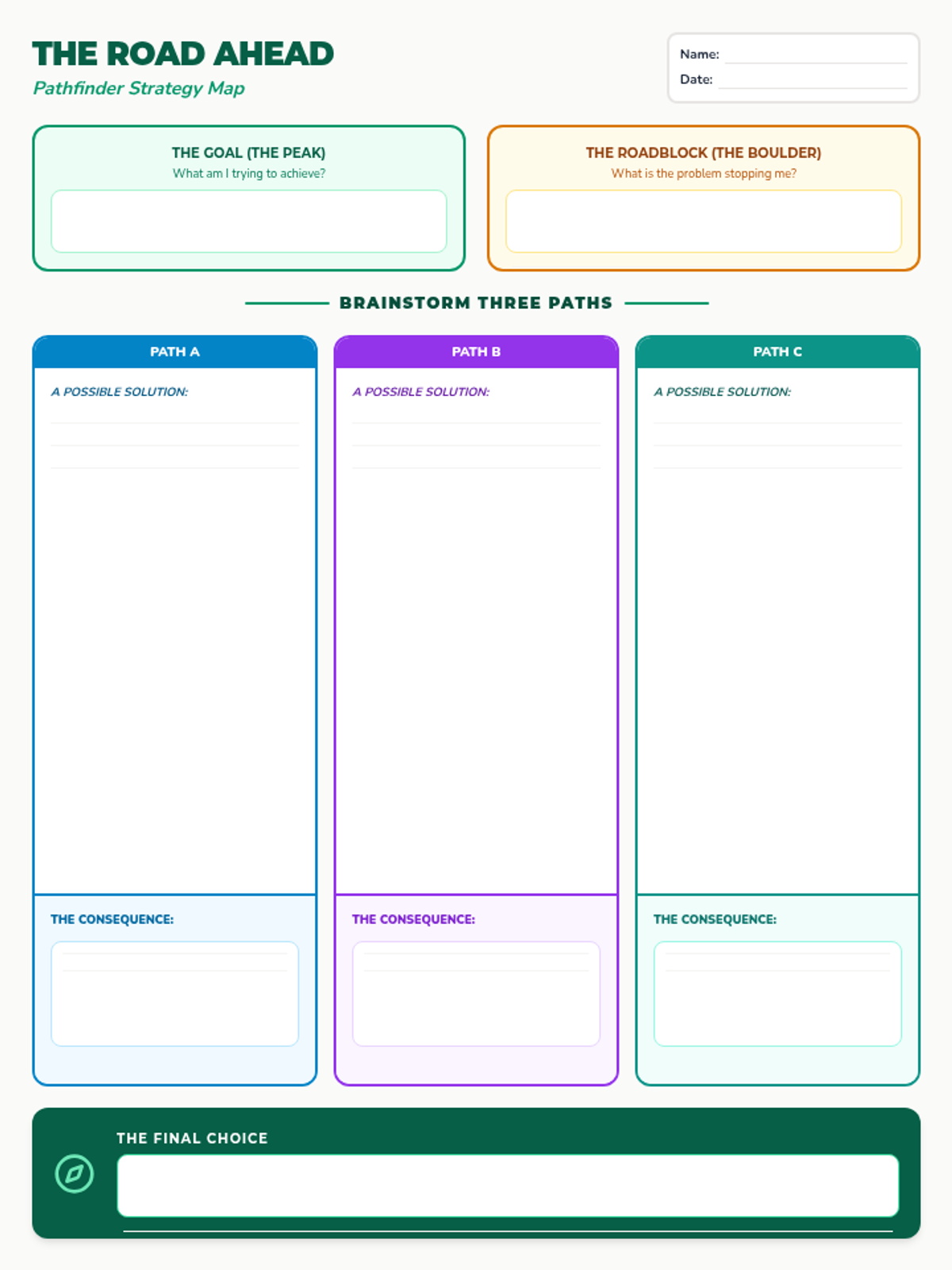
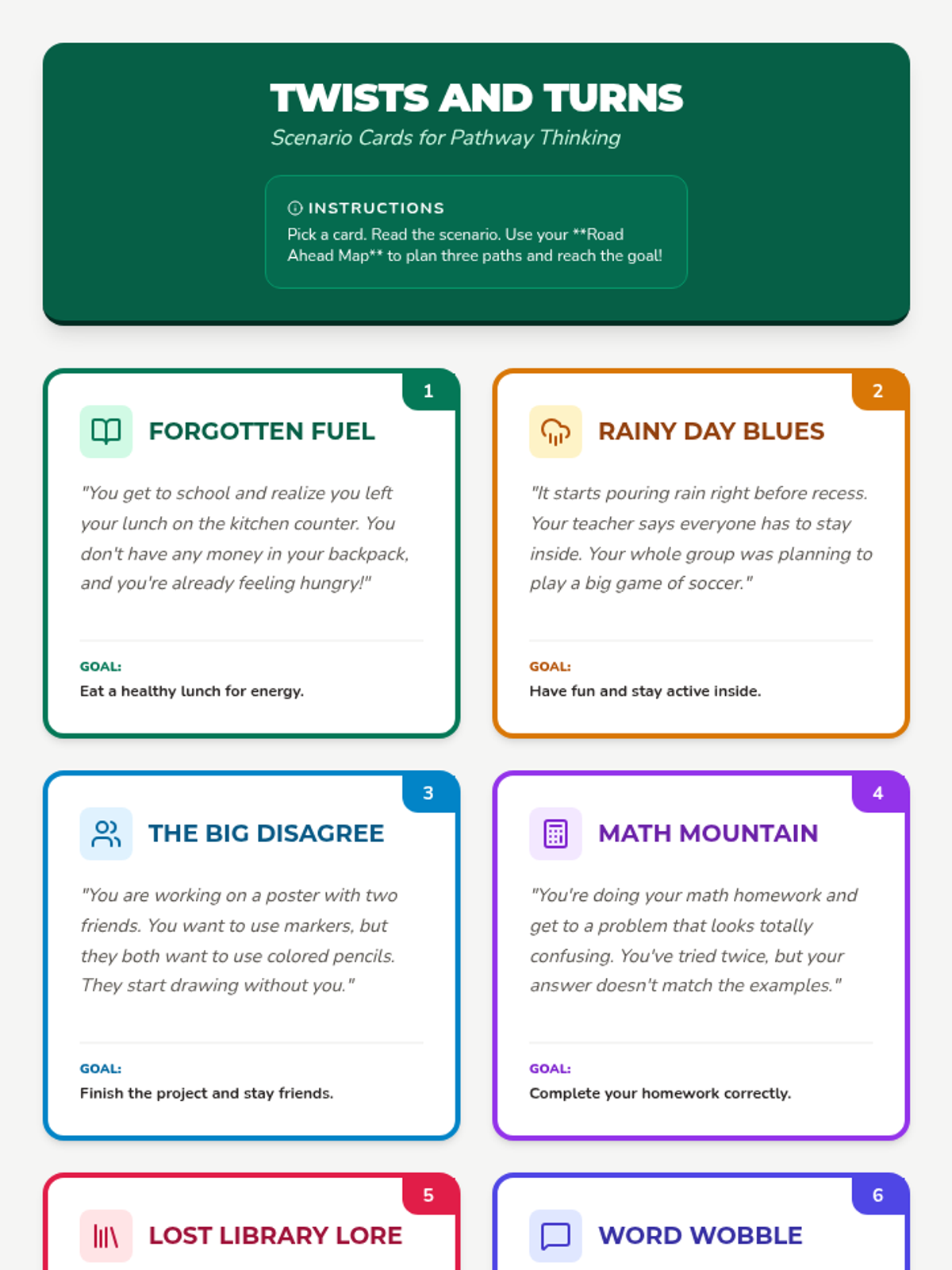
A lesson focused on teaching 3rd and 4th grade students pathway thinking skills: identifying roadblocks, brainstorming multiple solutions, and weighing consequences.
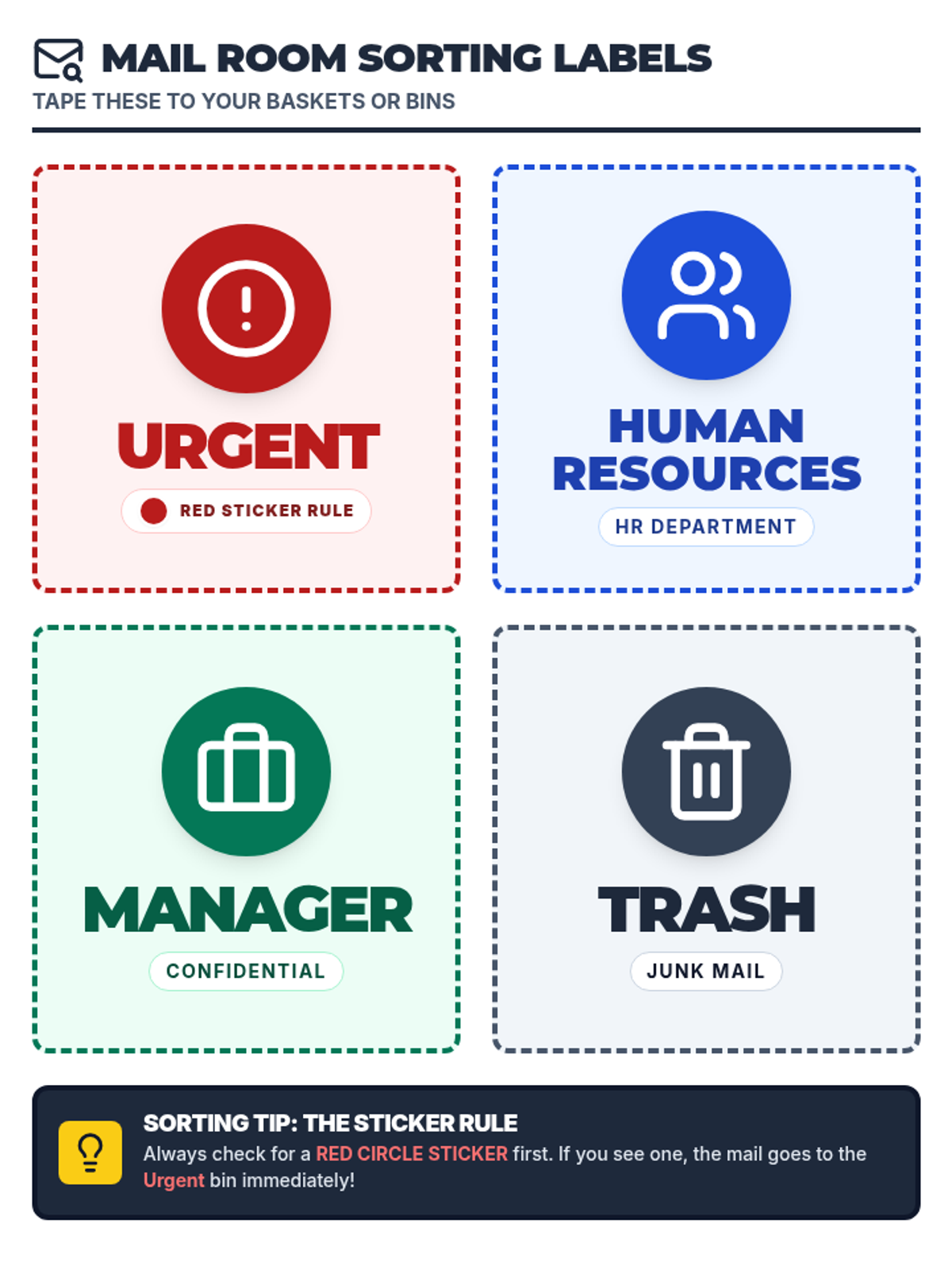
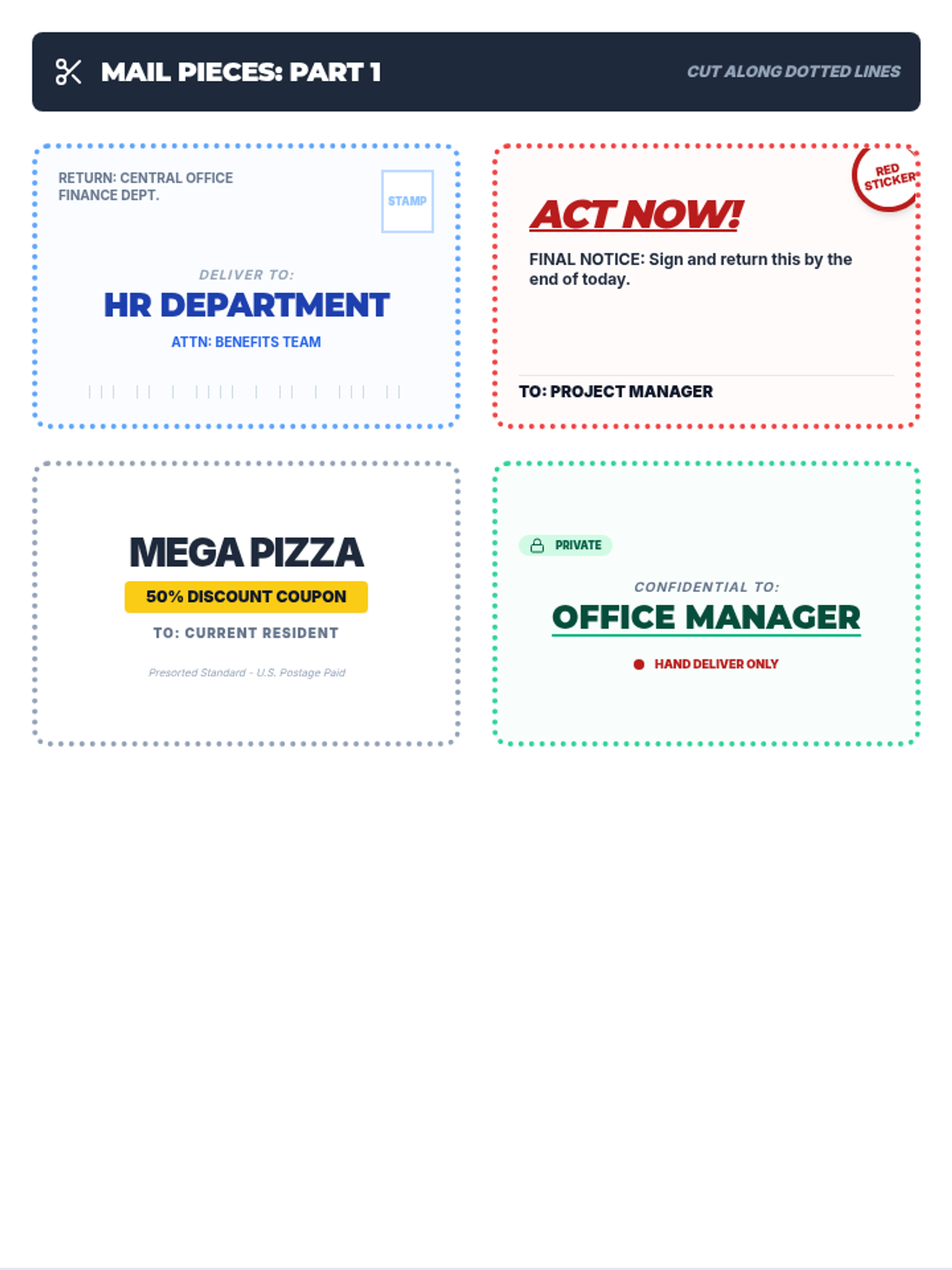
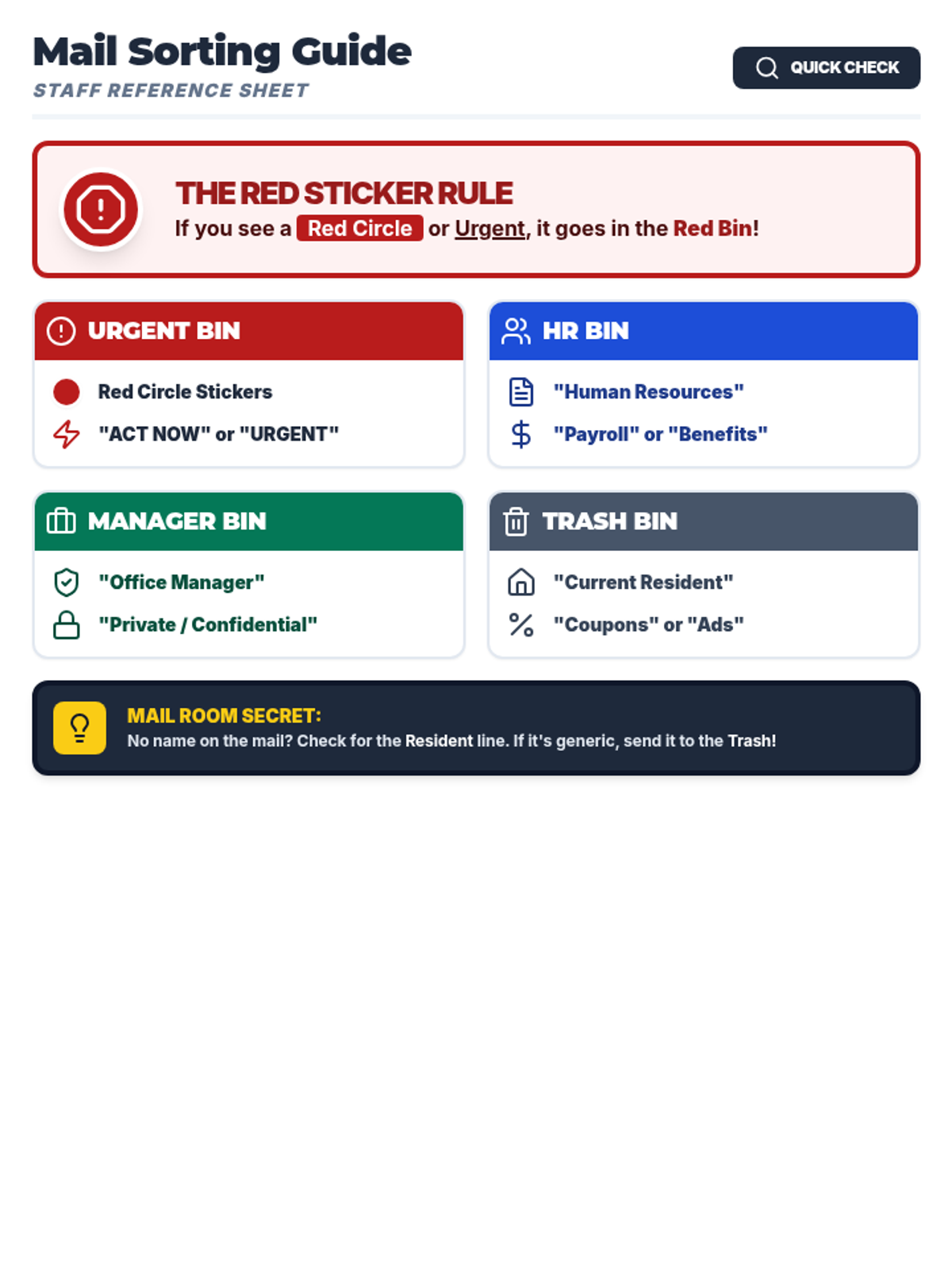
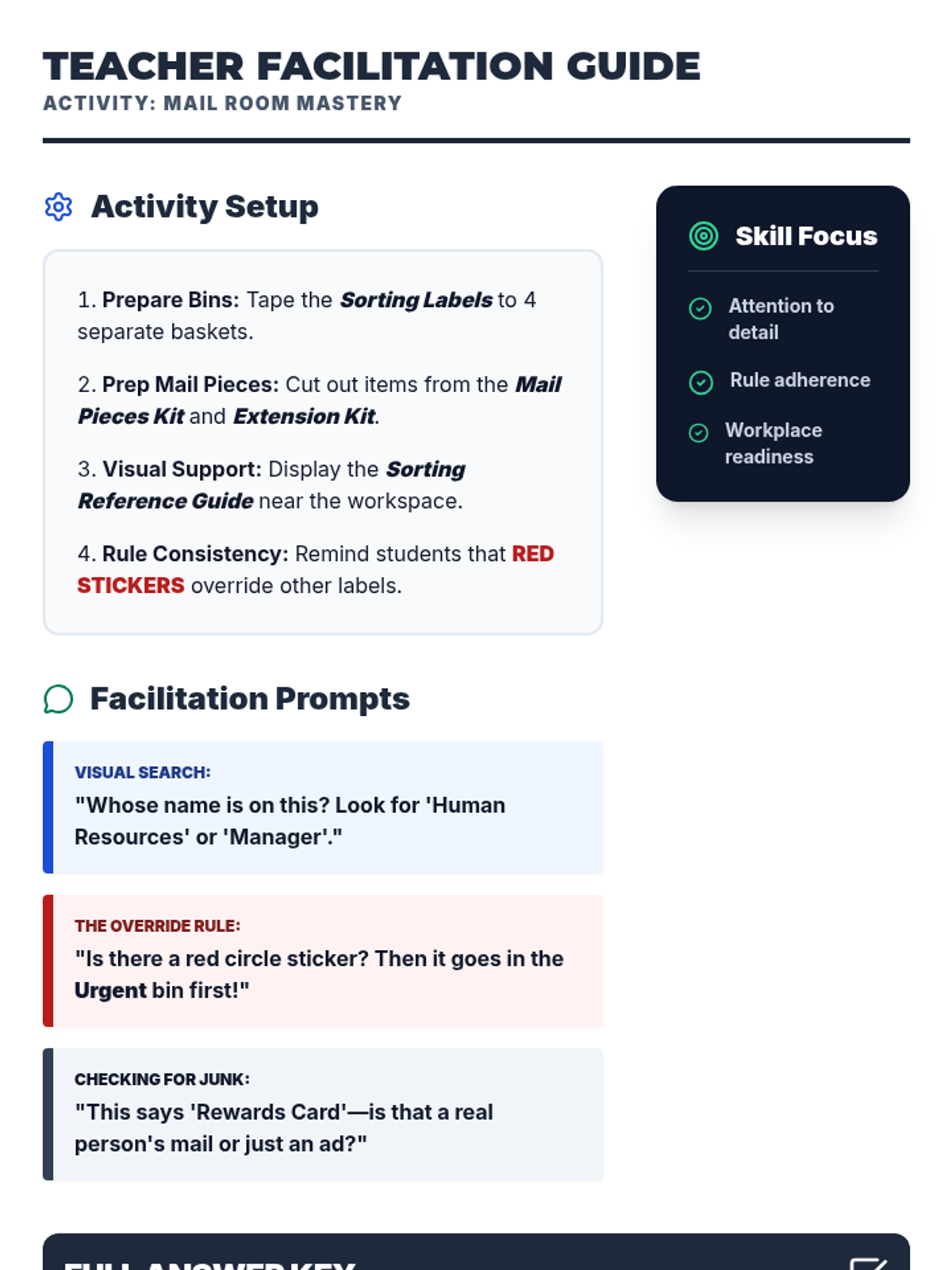
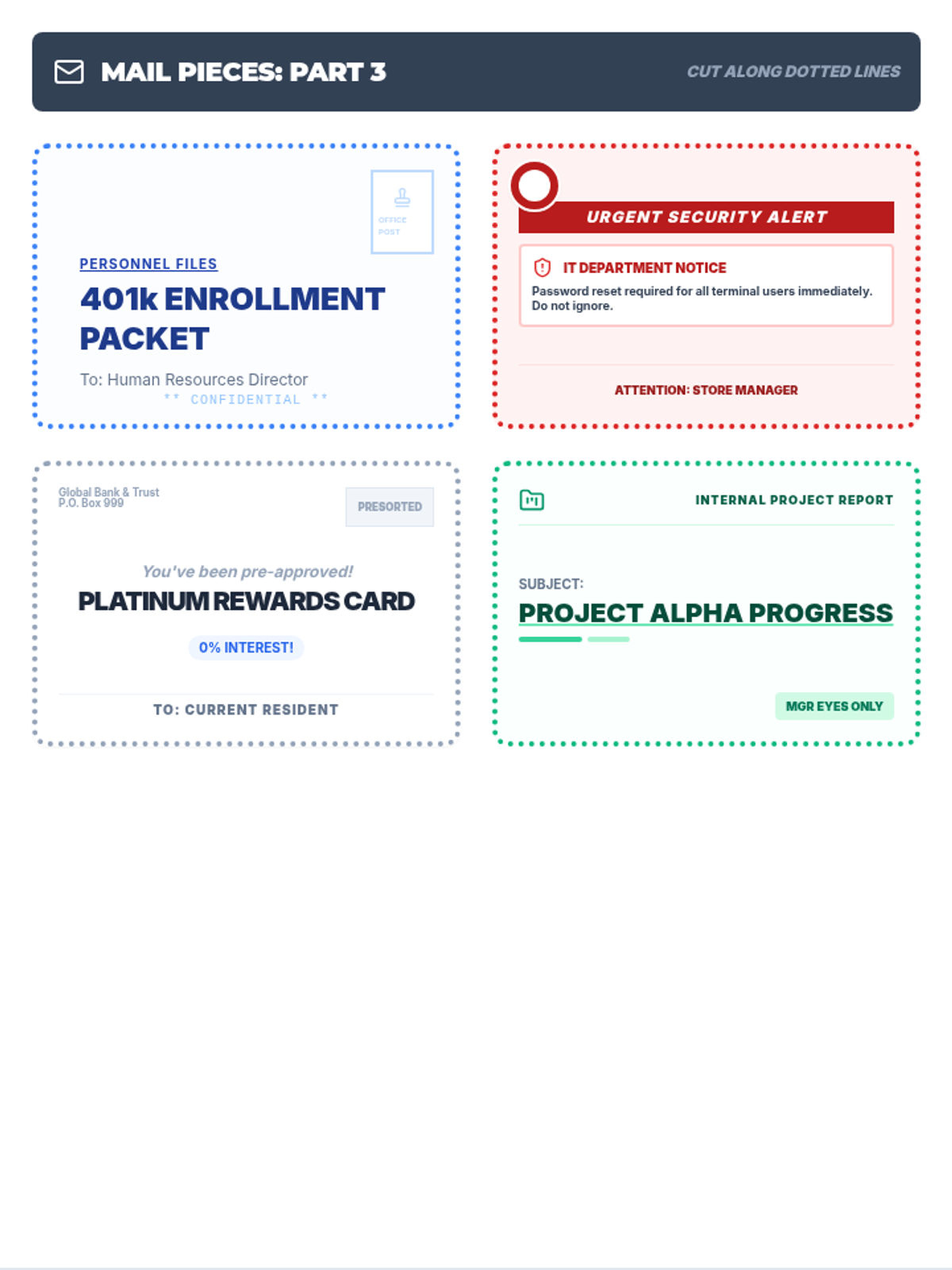
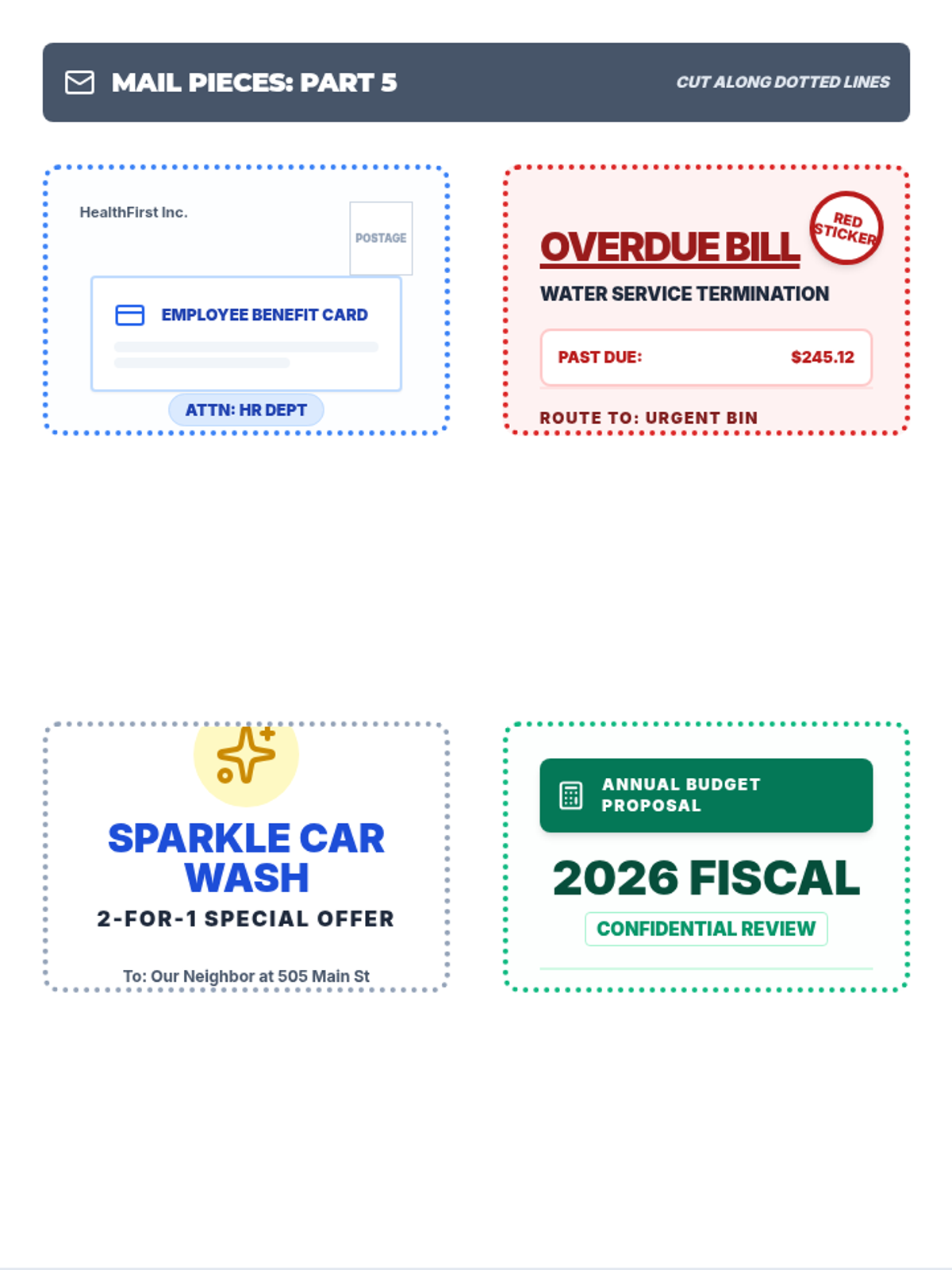
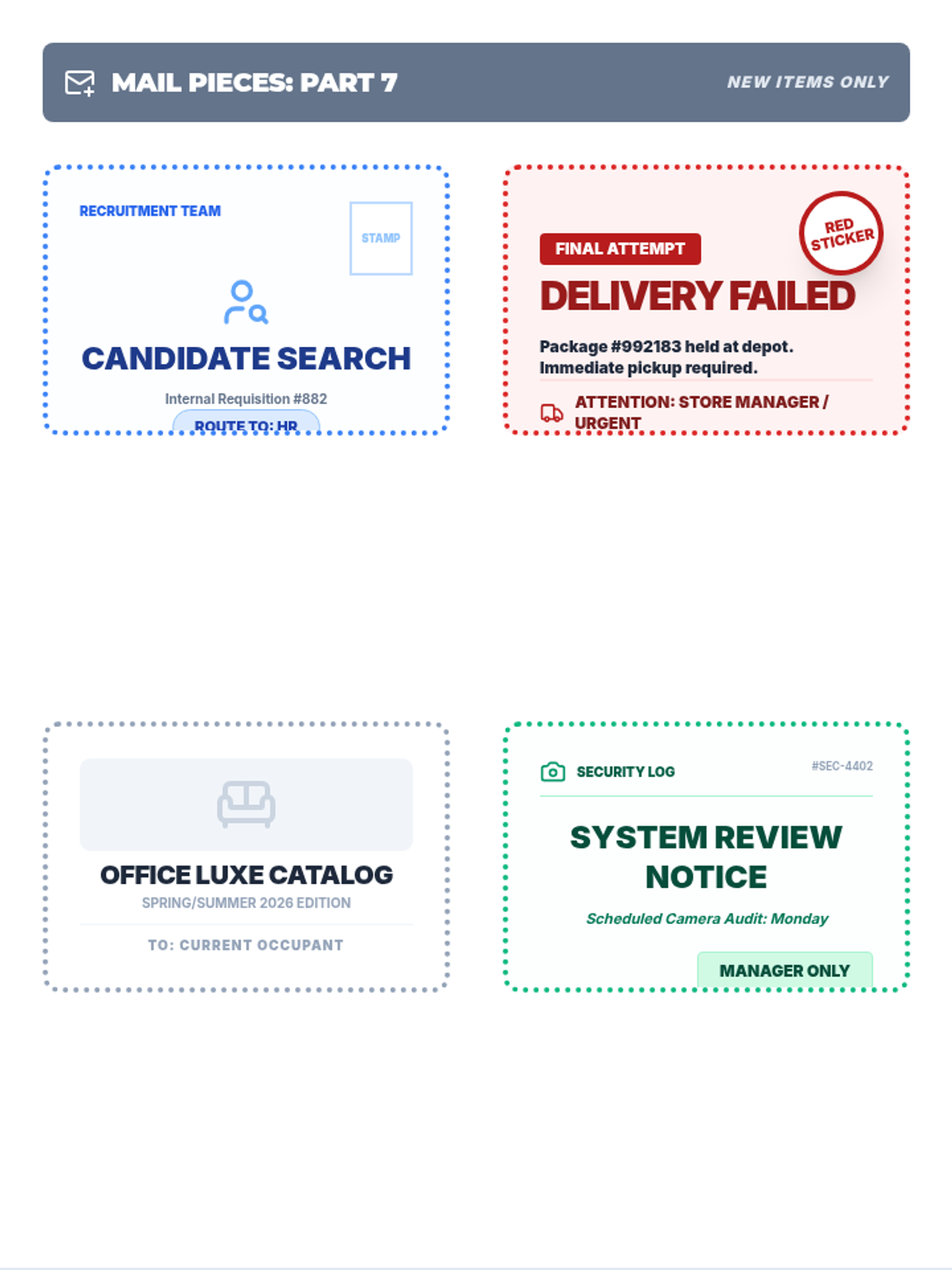
A hands-on vocational activity focused on sorting mail into categories like HR, Urgent, Manager, and Trash to build organizational and attention-to-detail skills.
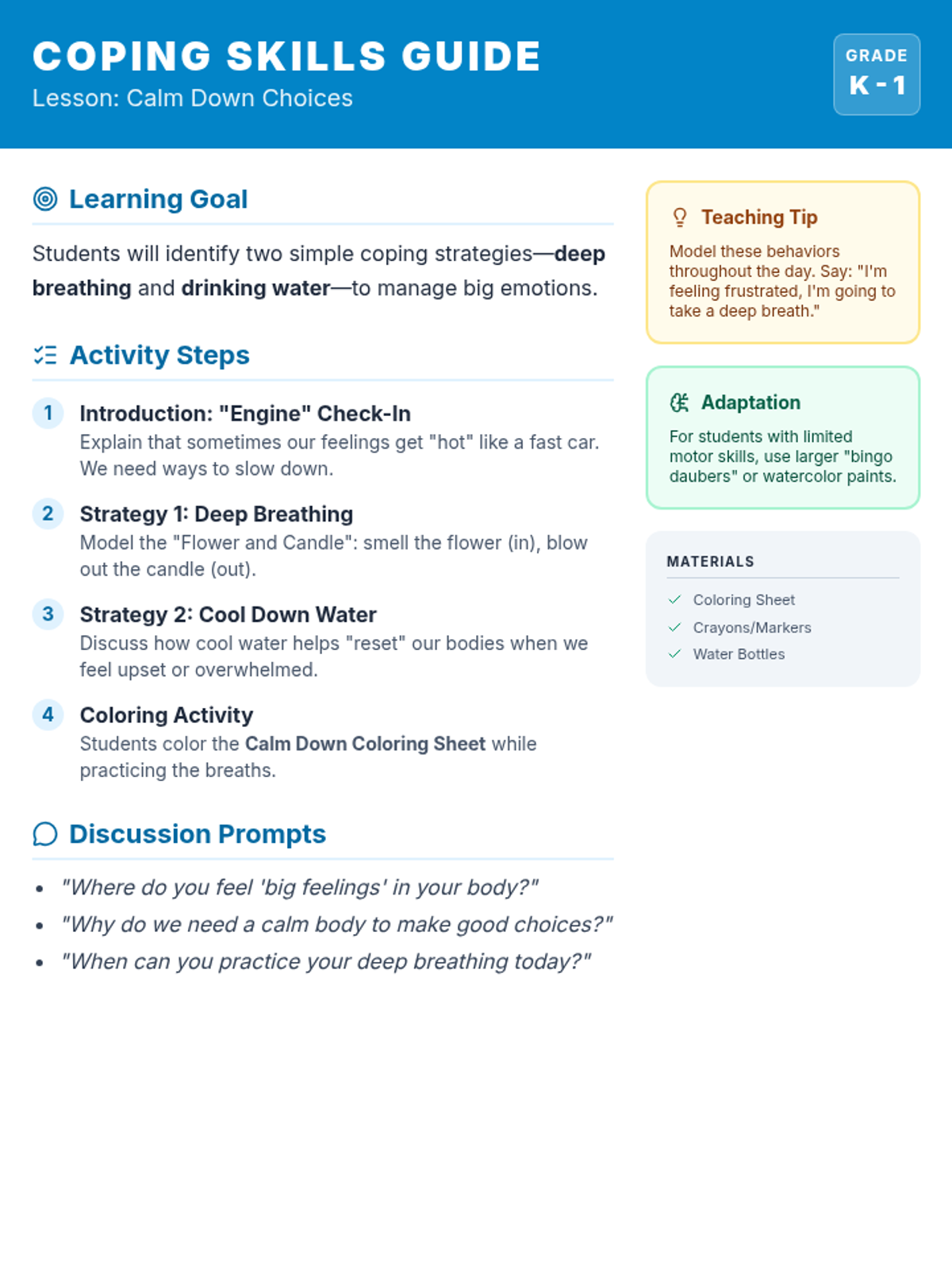
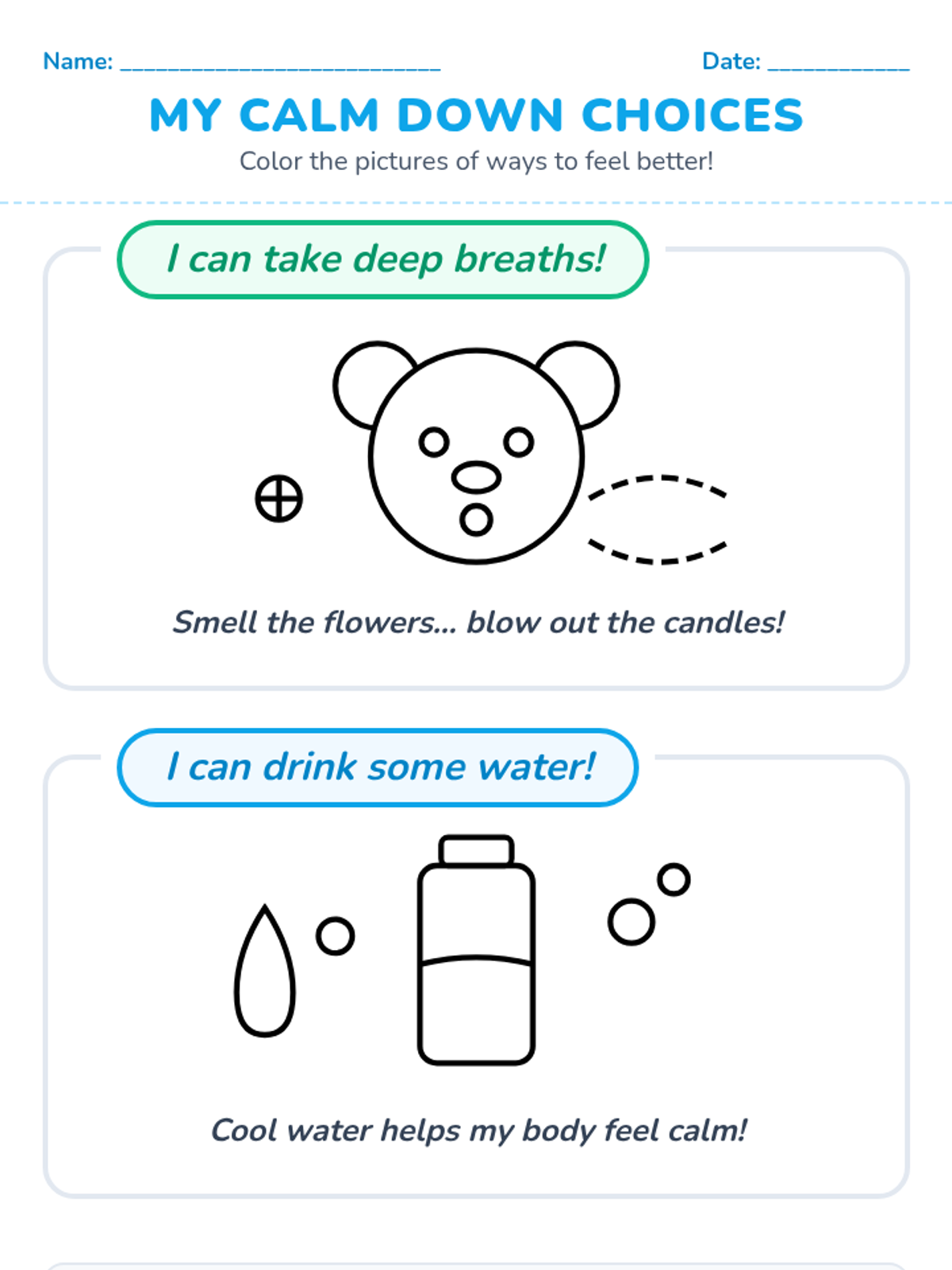
A collection of activities and visual aids to help kindergarteners identify and practice simple coping strategies like deep breathing and drinking water.
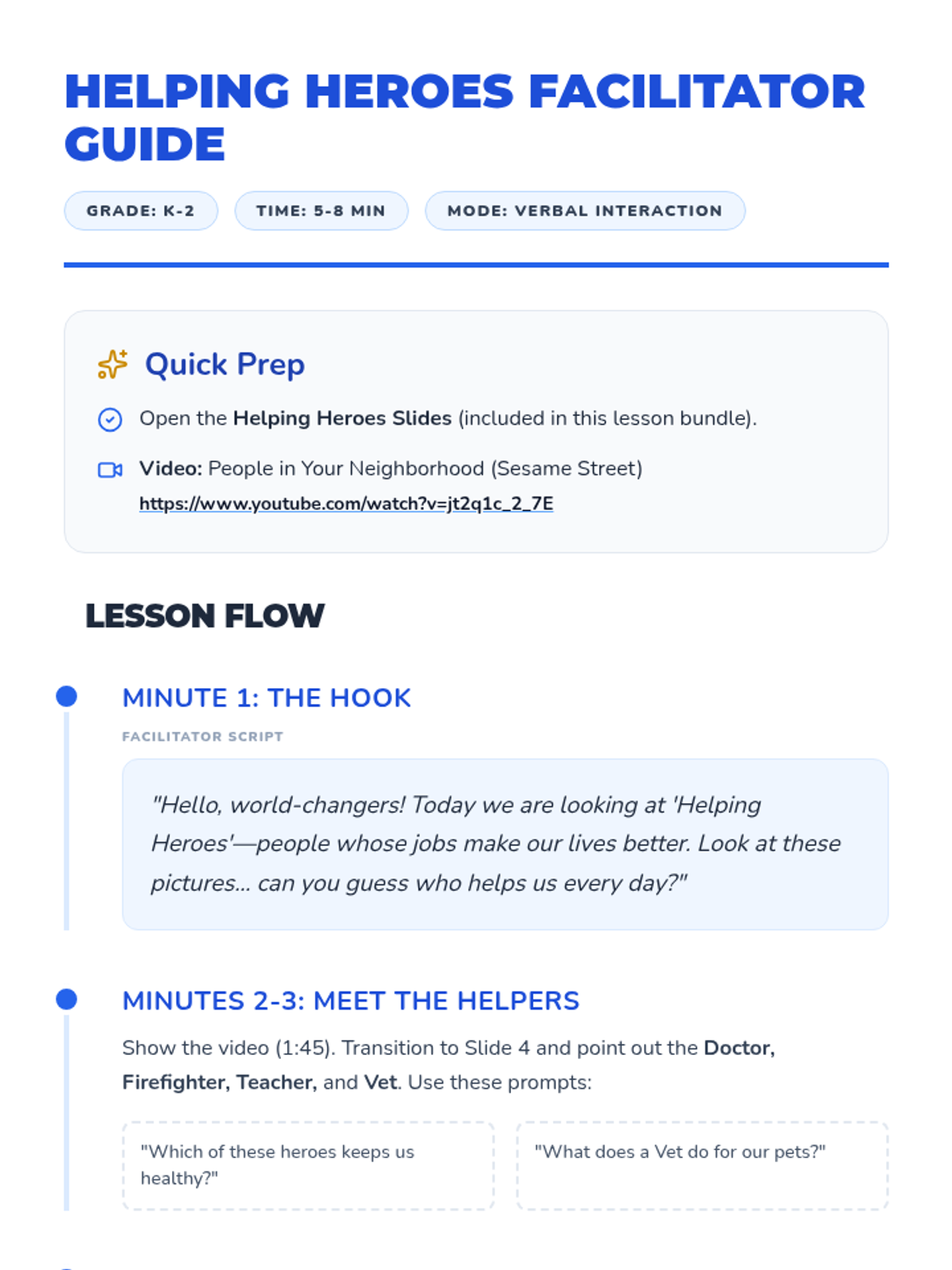
A fast-paced, high-energy 5-minute introduction to community helpers and "helping" careers designed specifically for K-2 students. The lesson focuses on verbal sharing and visual engagement to spark early career interest.
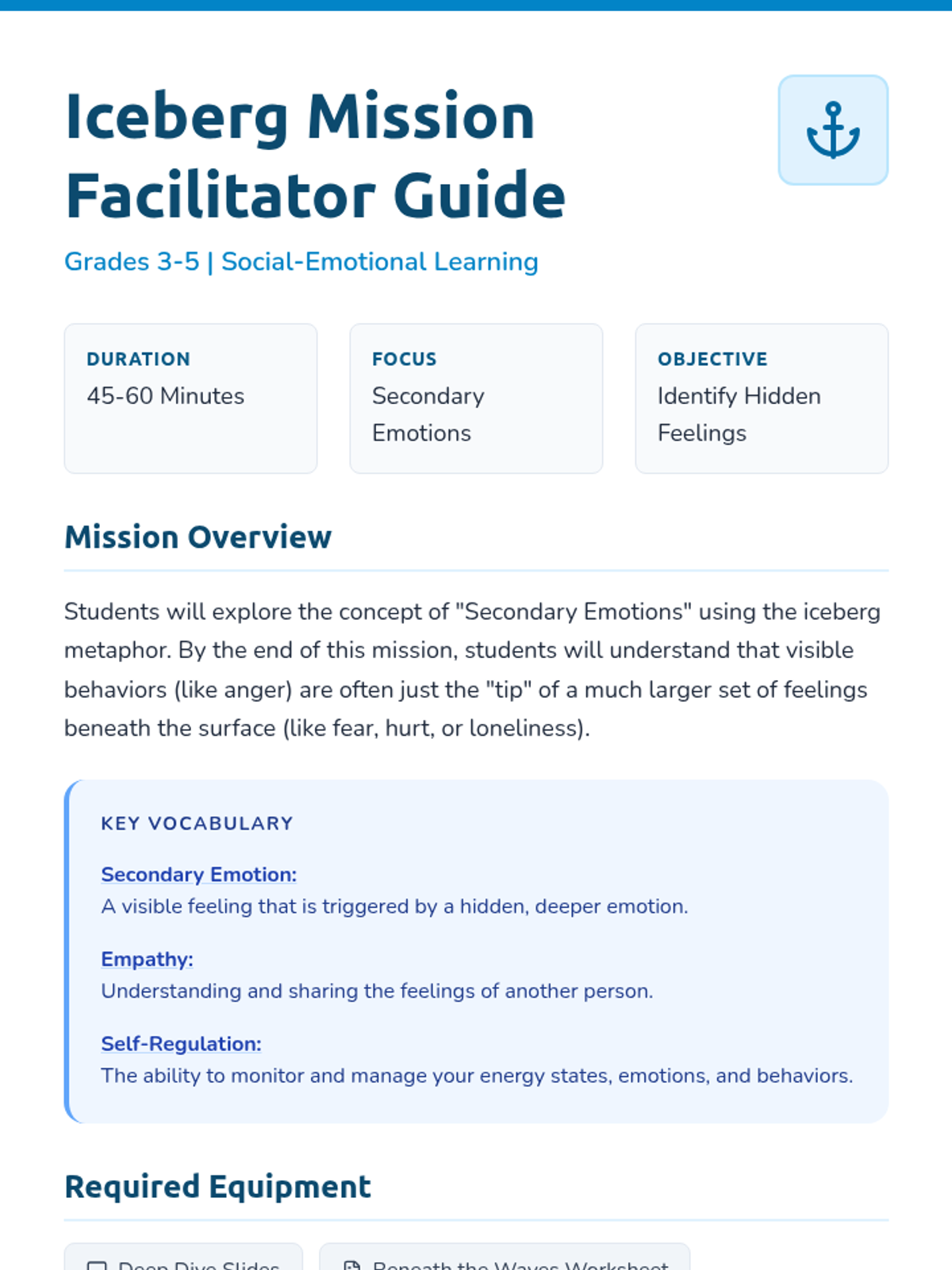
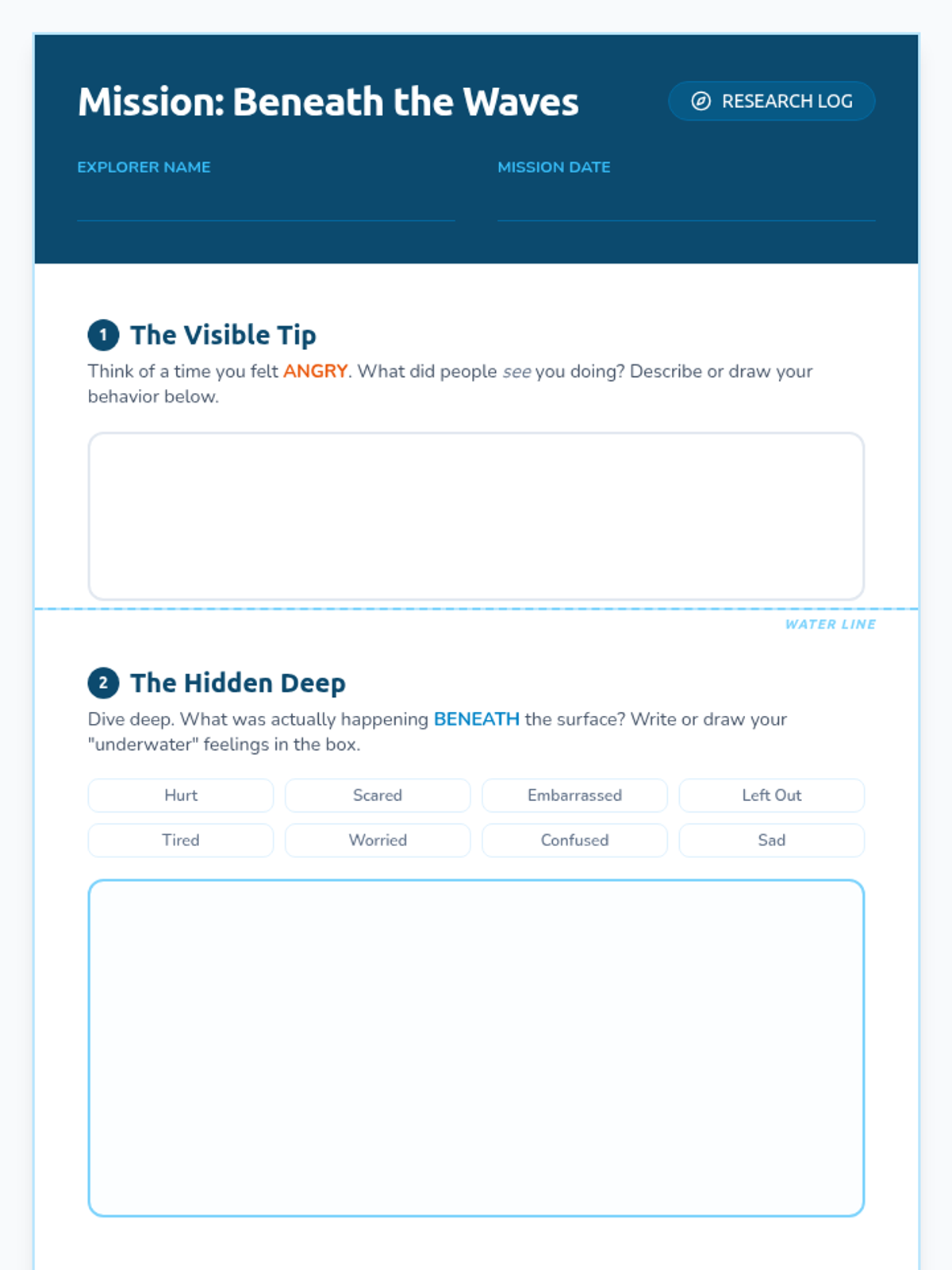
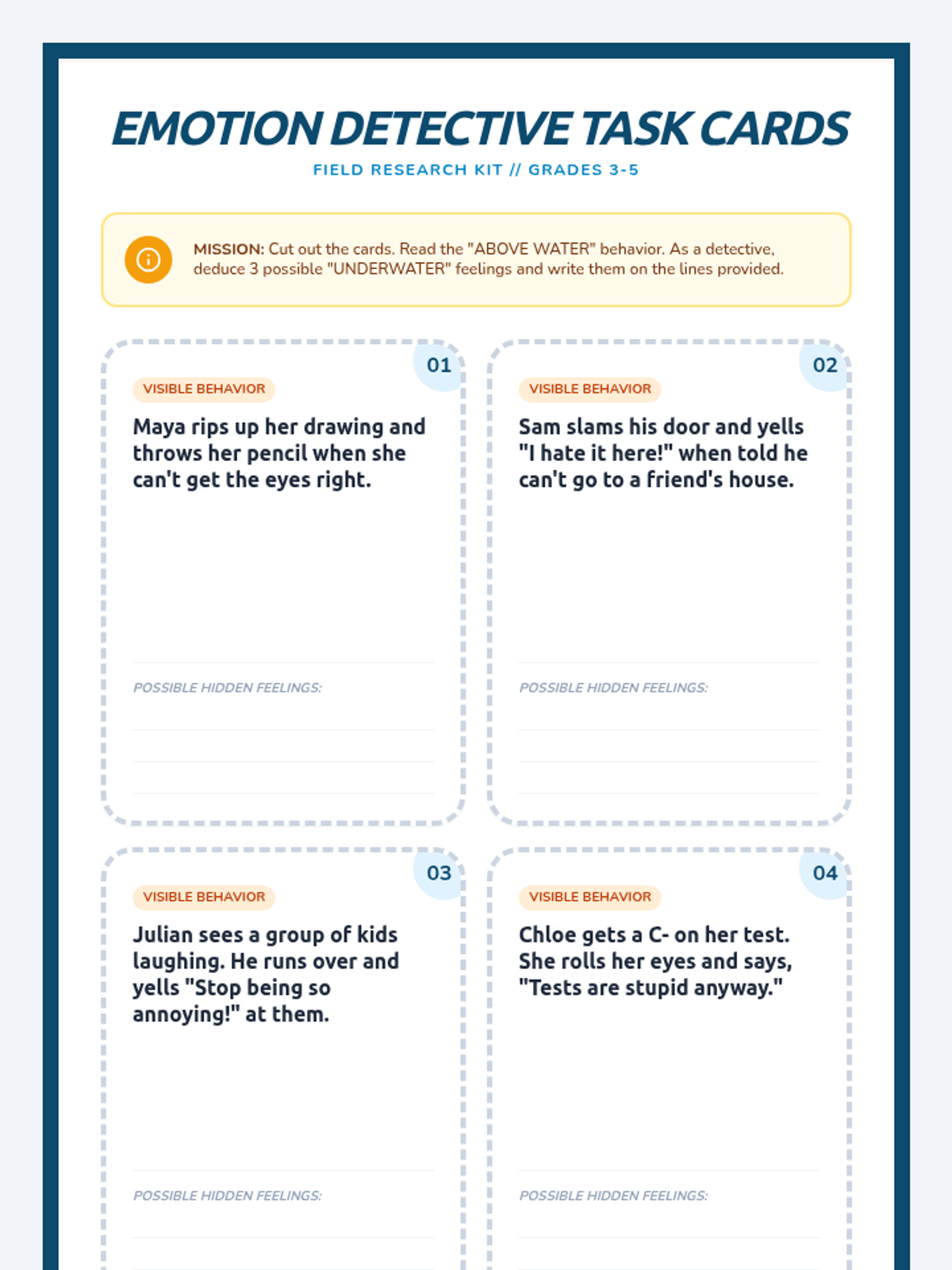
A social-emotional learning lesson for grades 3-5 that uses the iceberg metaphor to teach students how to identify 'underwater' emotions like hurt or fear that often hide behind anger. Students will develop self-regulation and empathy by learning to look beneath the surface of their own and others' behaviors.
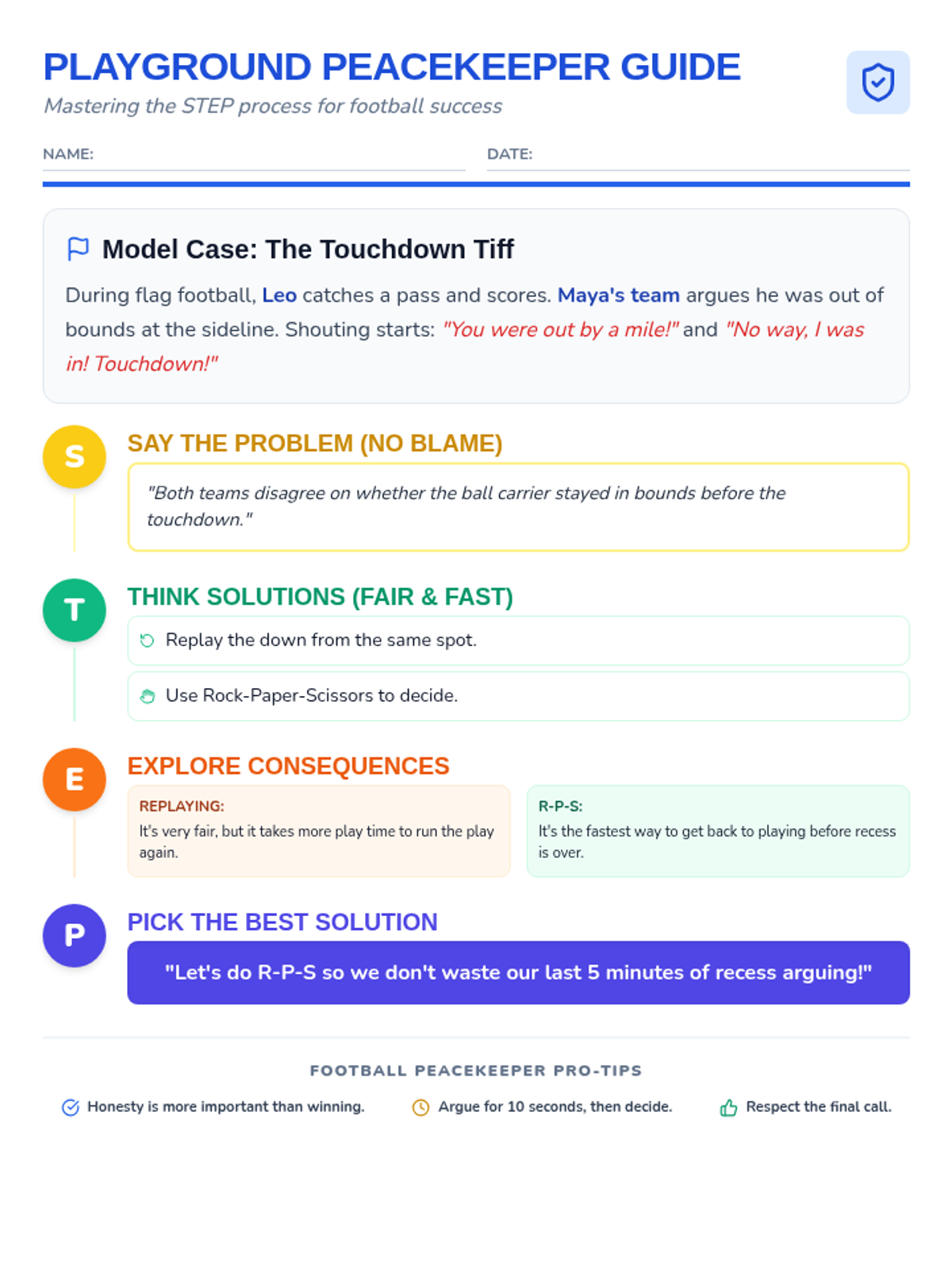
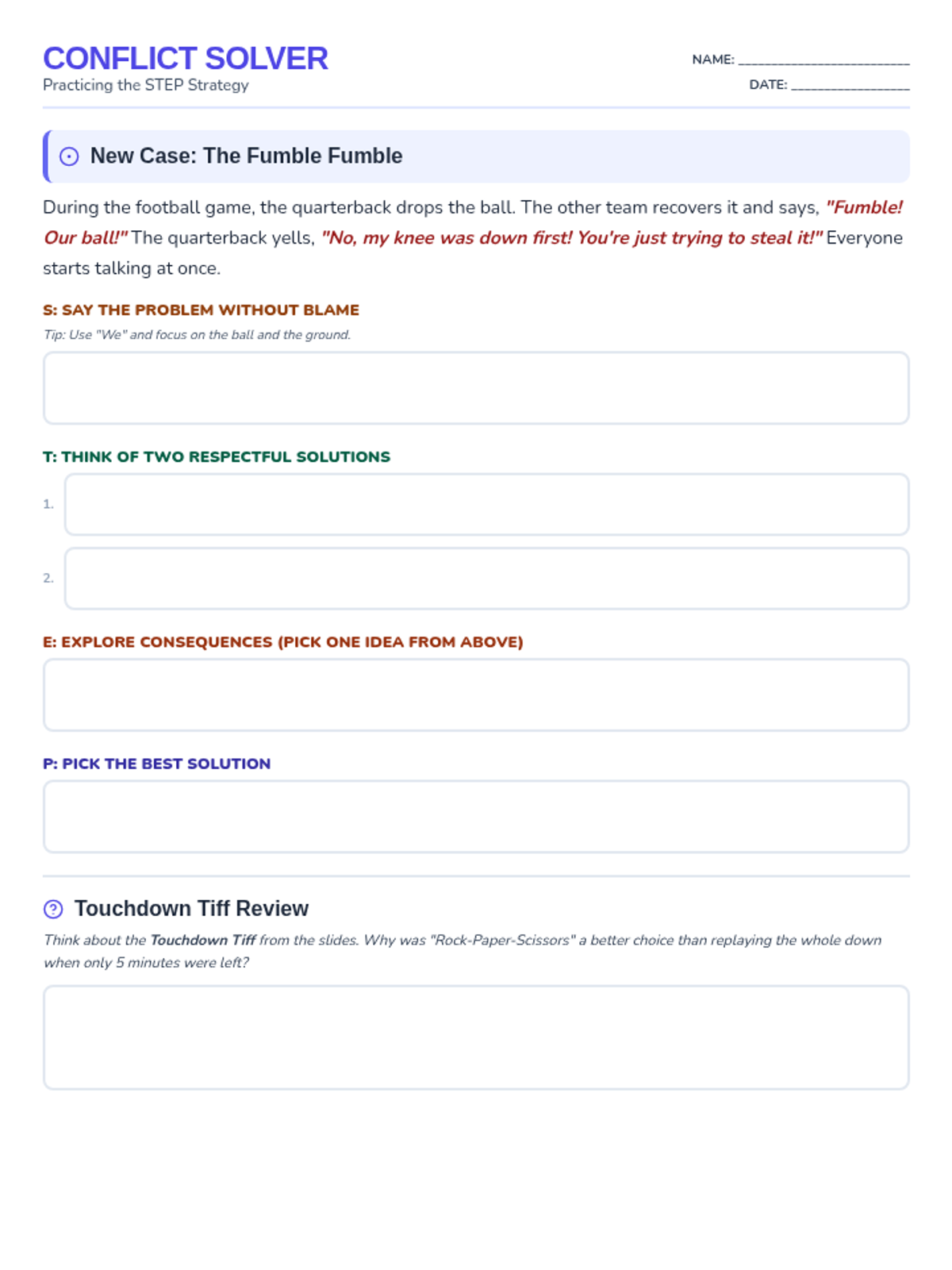
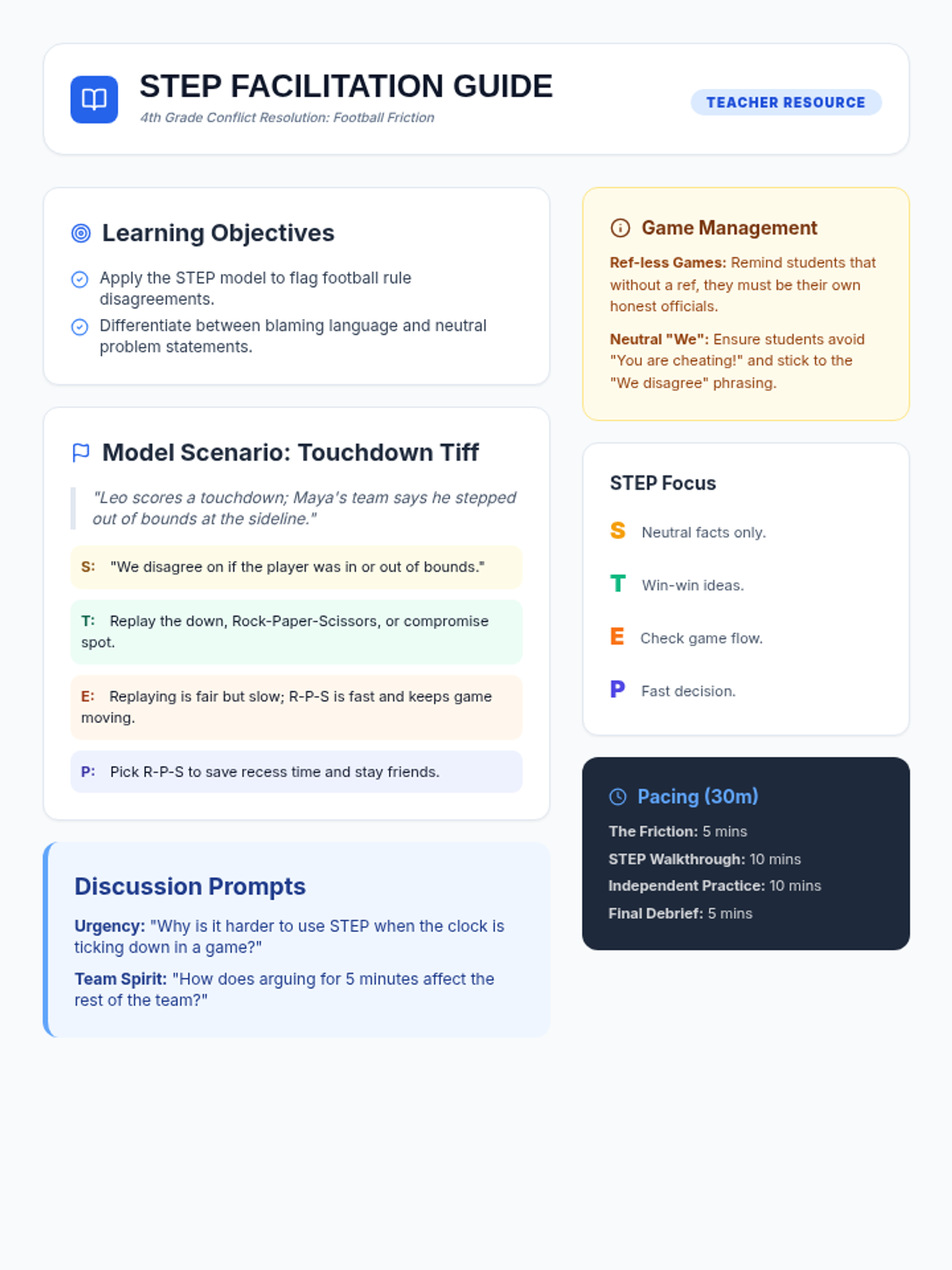
A social-emotional learning lesson focused on the STEP problem-solving process applied to a common 4th-grade recess conflict. Students will learn to identify the problem without blame and evaluate solutions to maintain friendships and keep games moving.
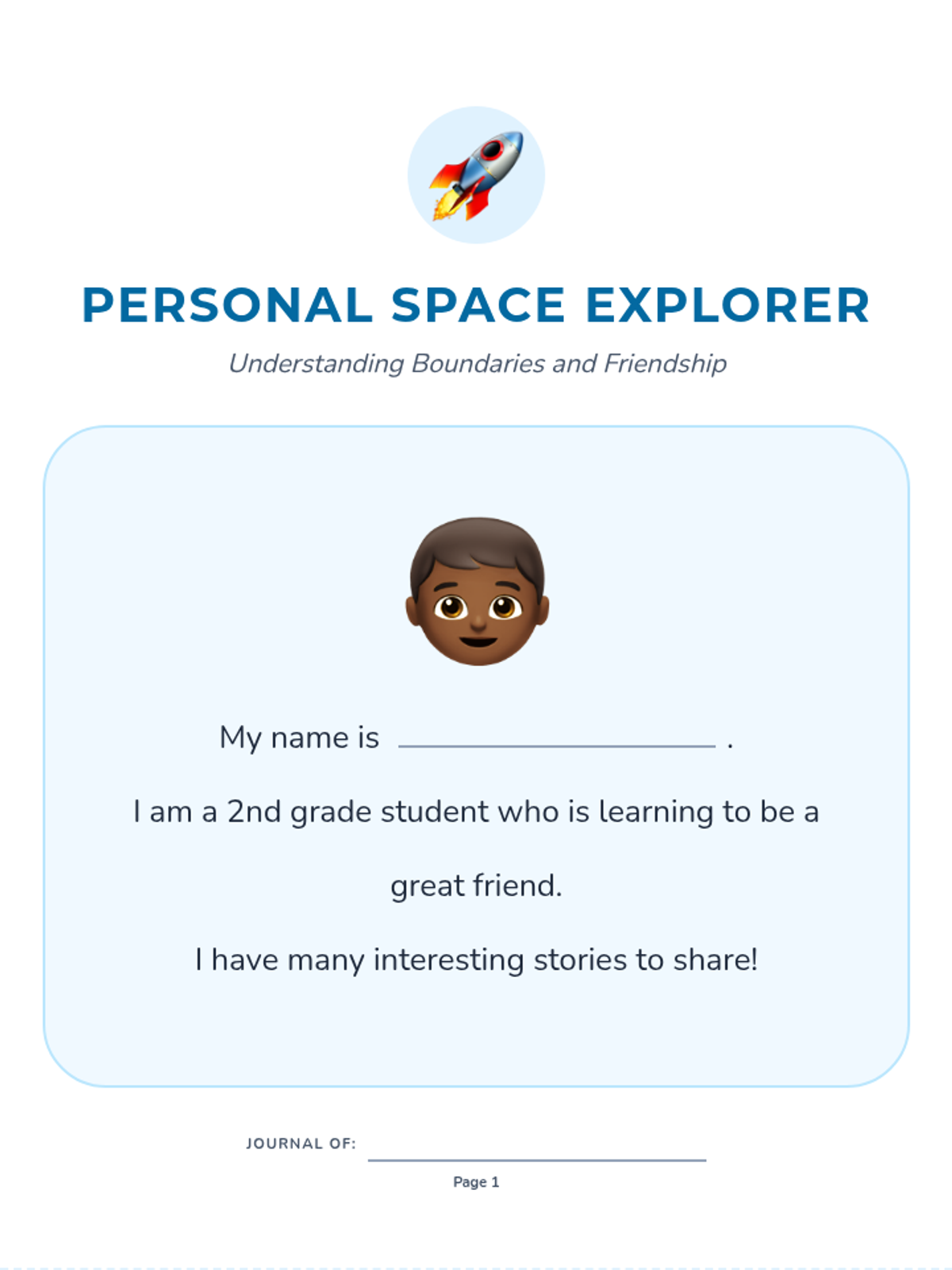
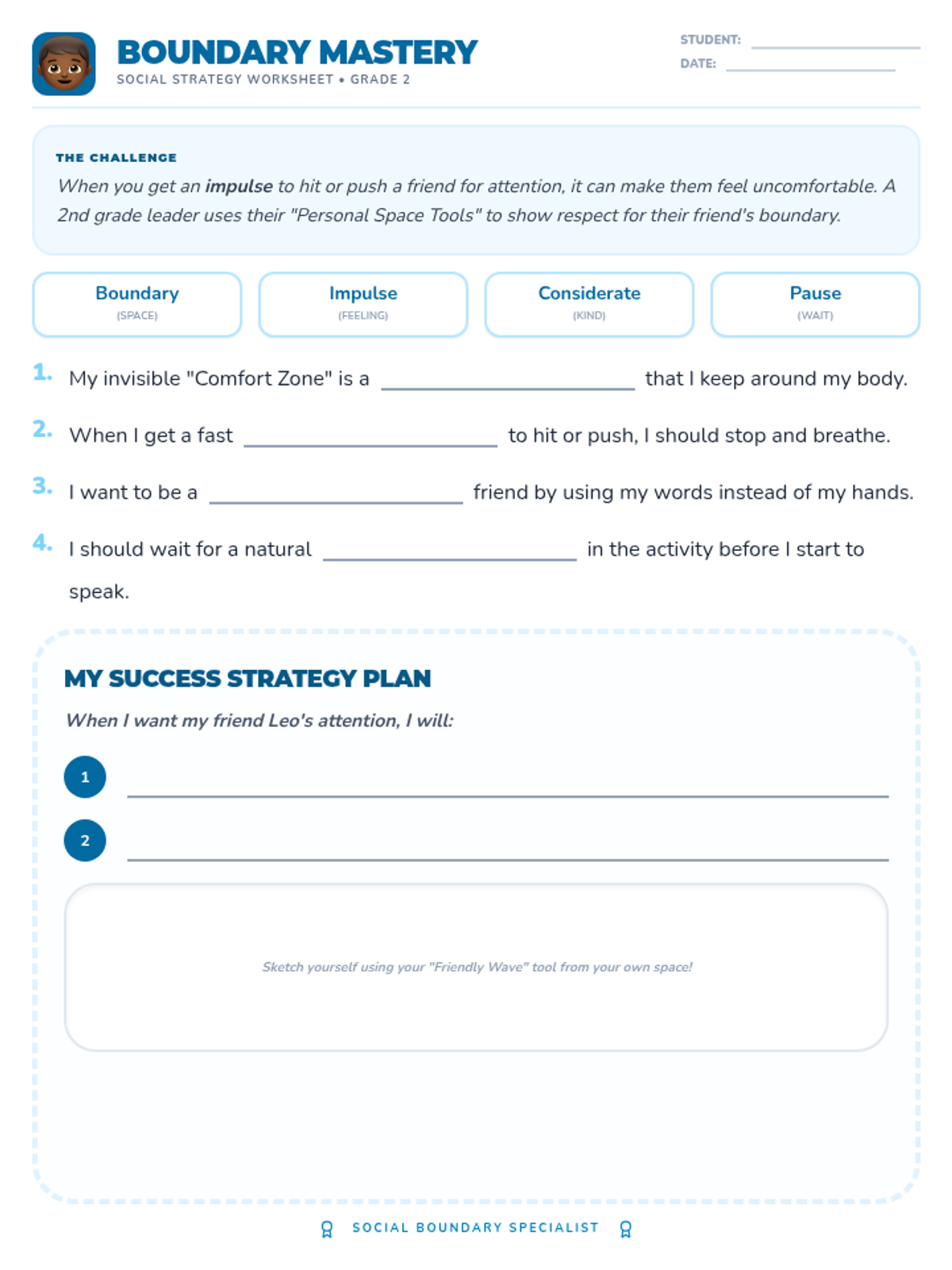
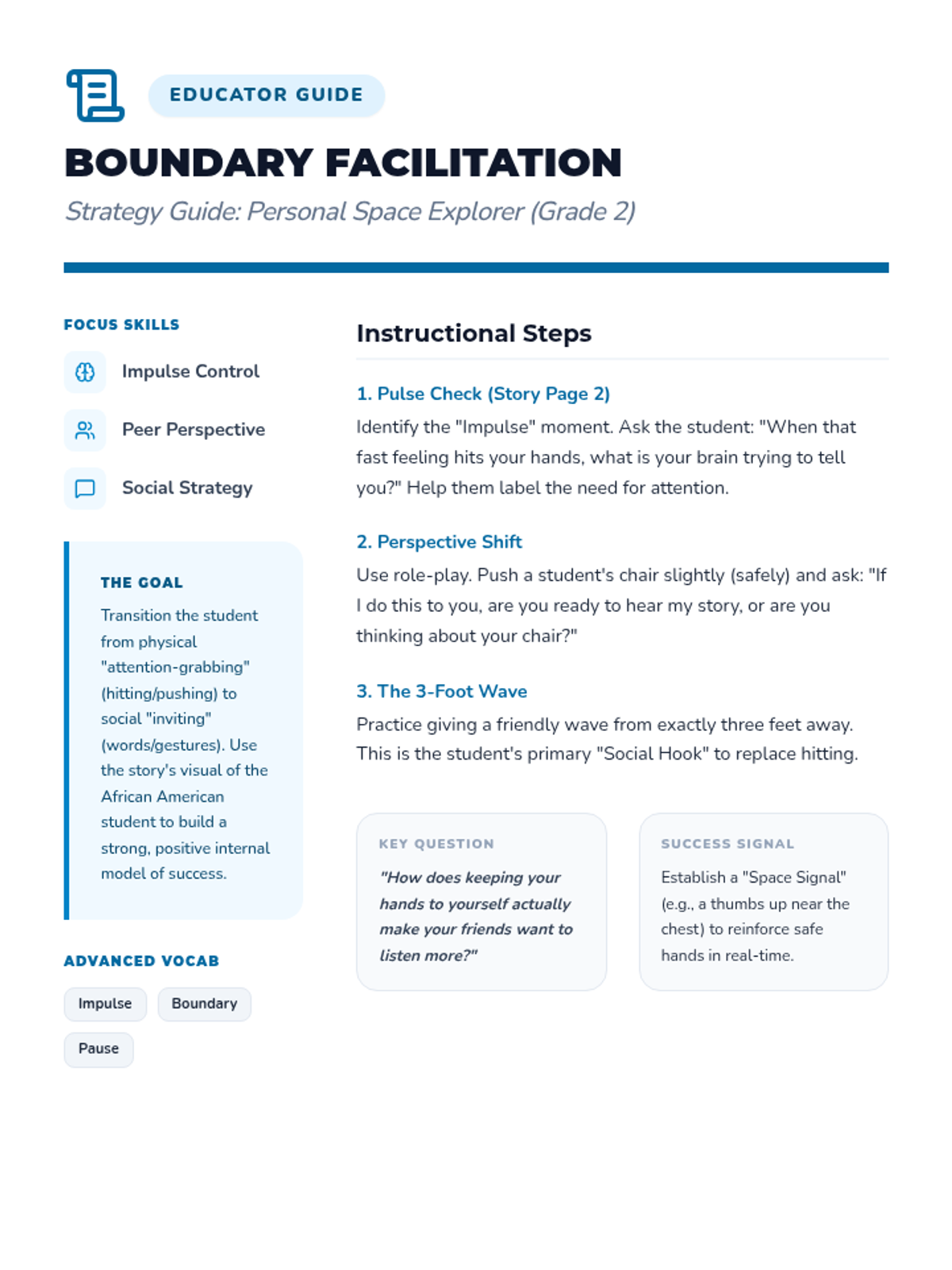
A comprehensive social story lesson designed to help 1st-grade students understand personal space and appropriate attention-seeking behaviors through the 'Space Bubble' concept.
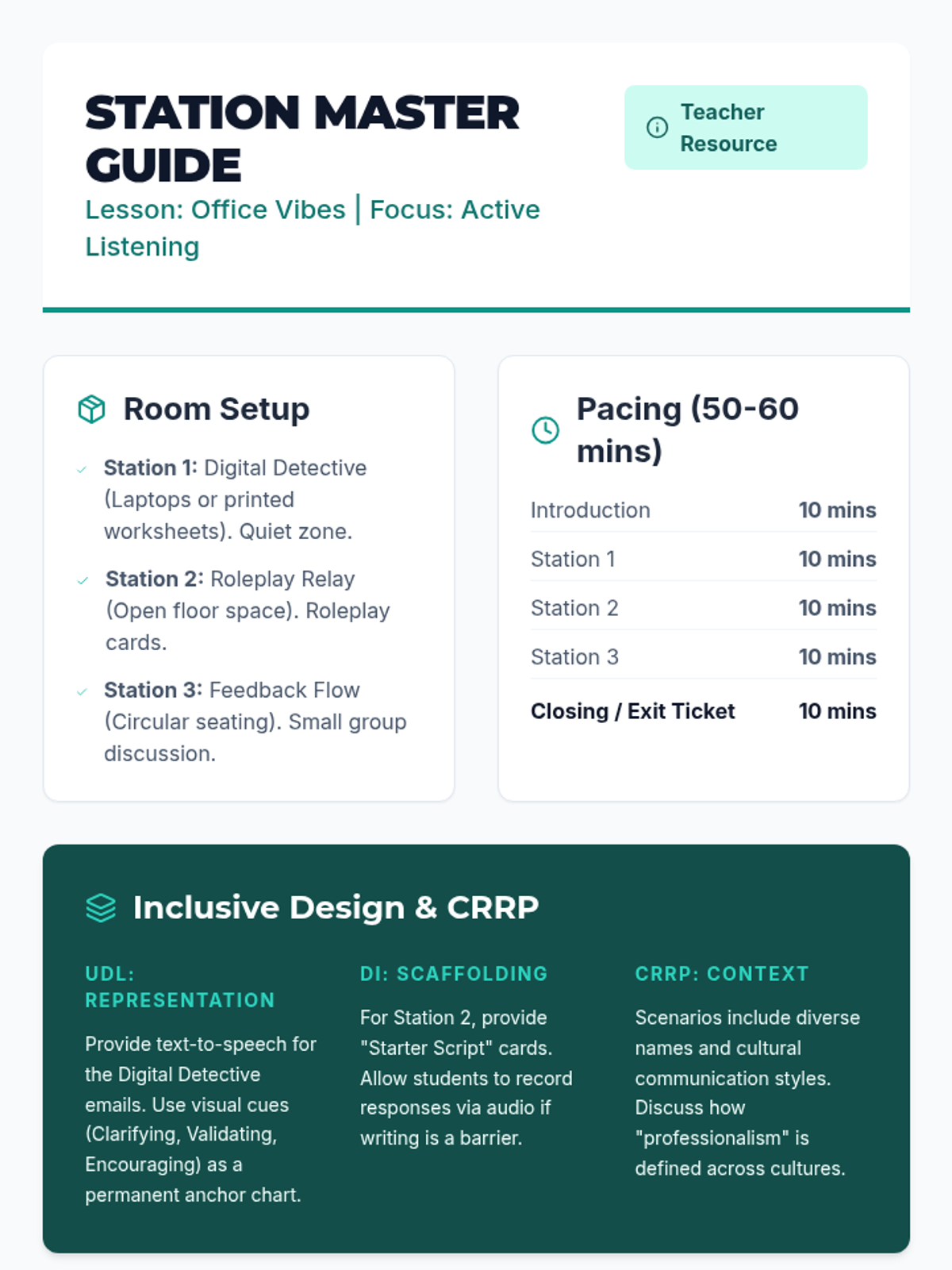
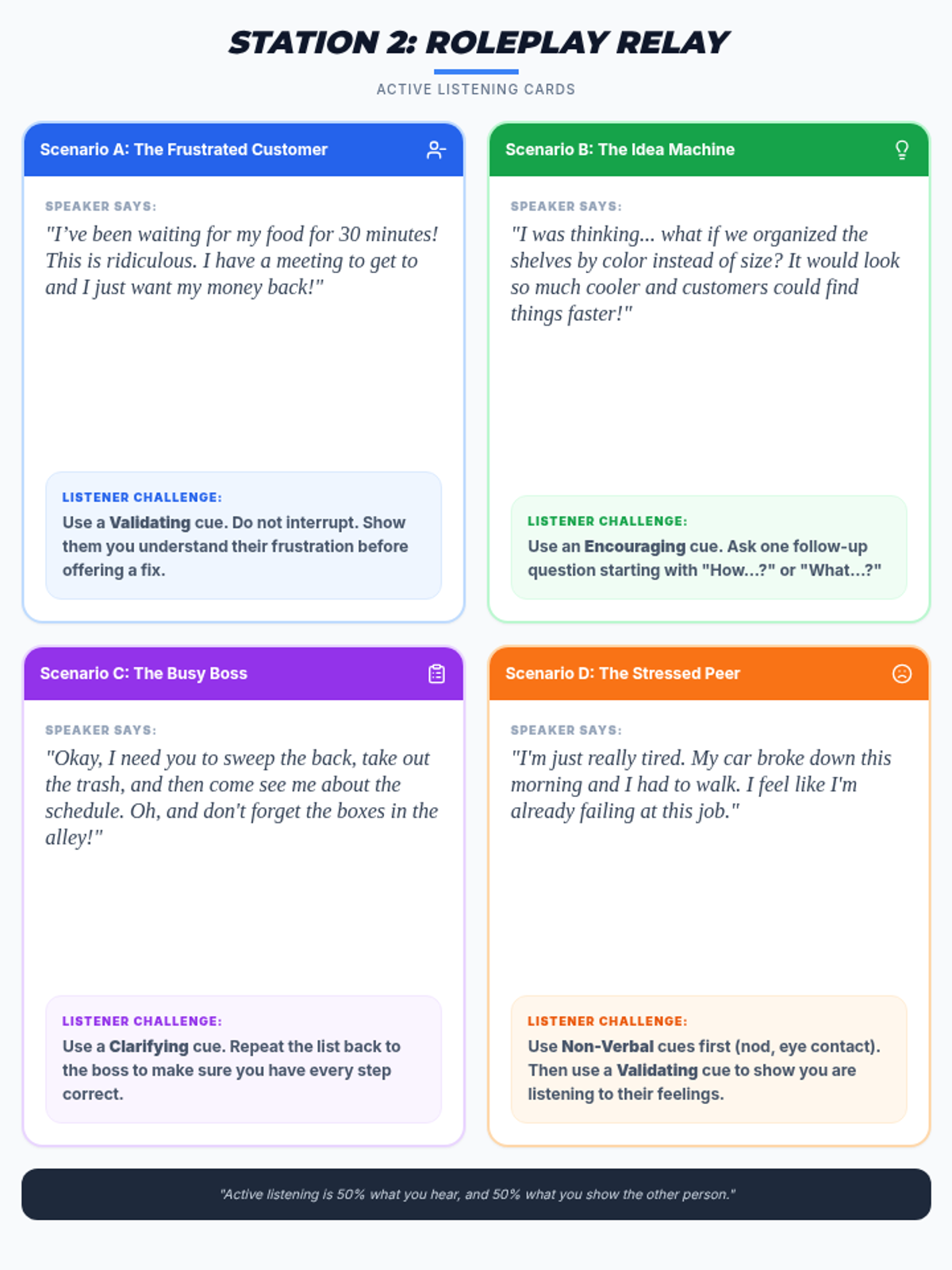
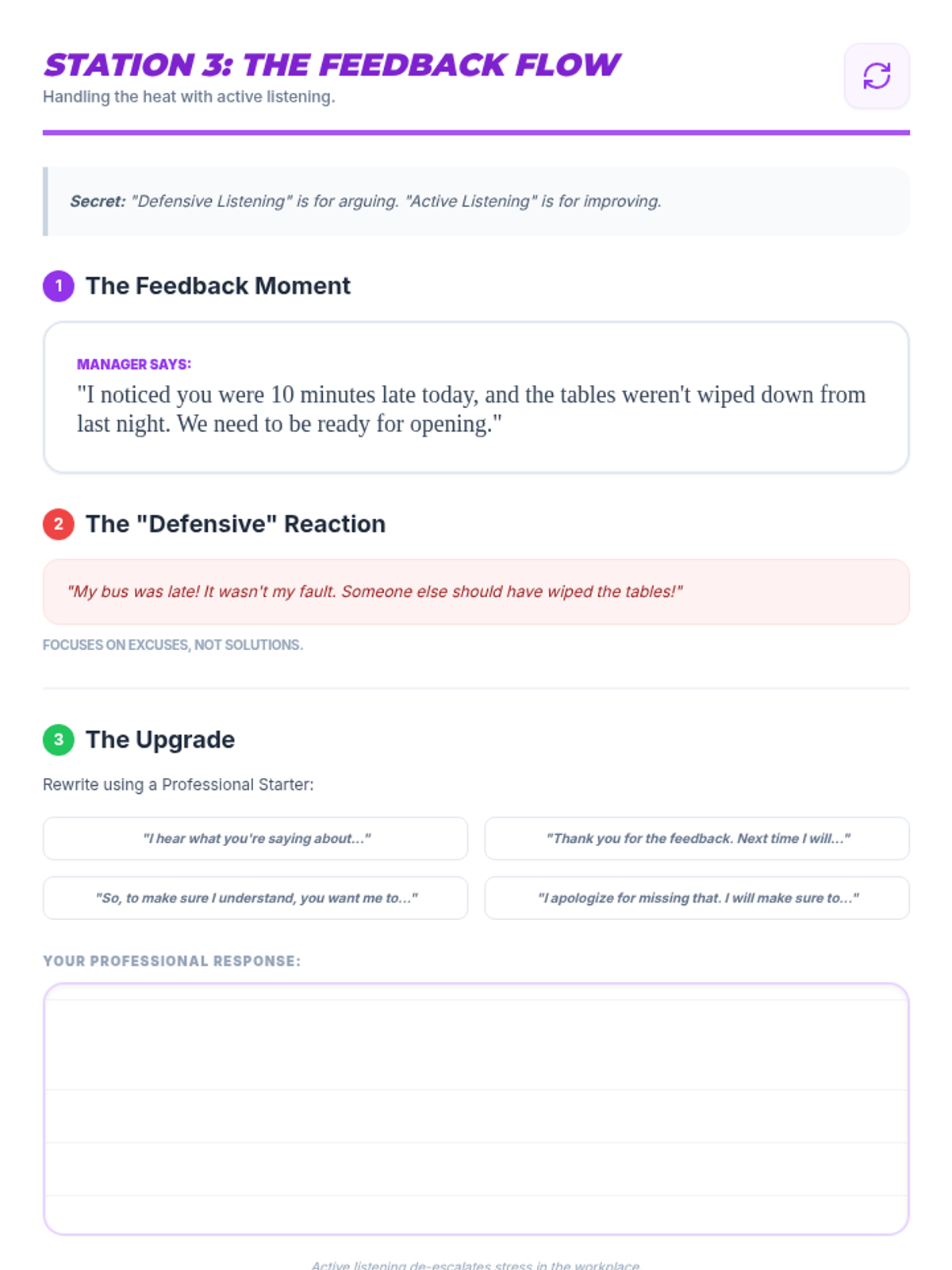
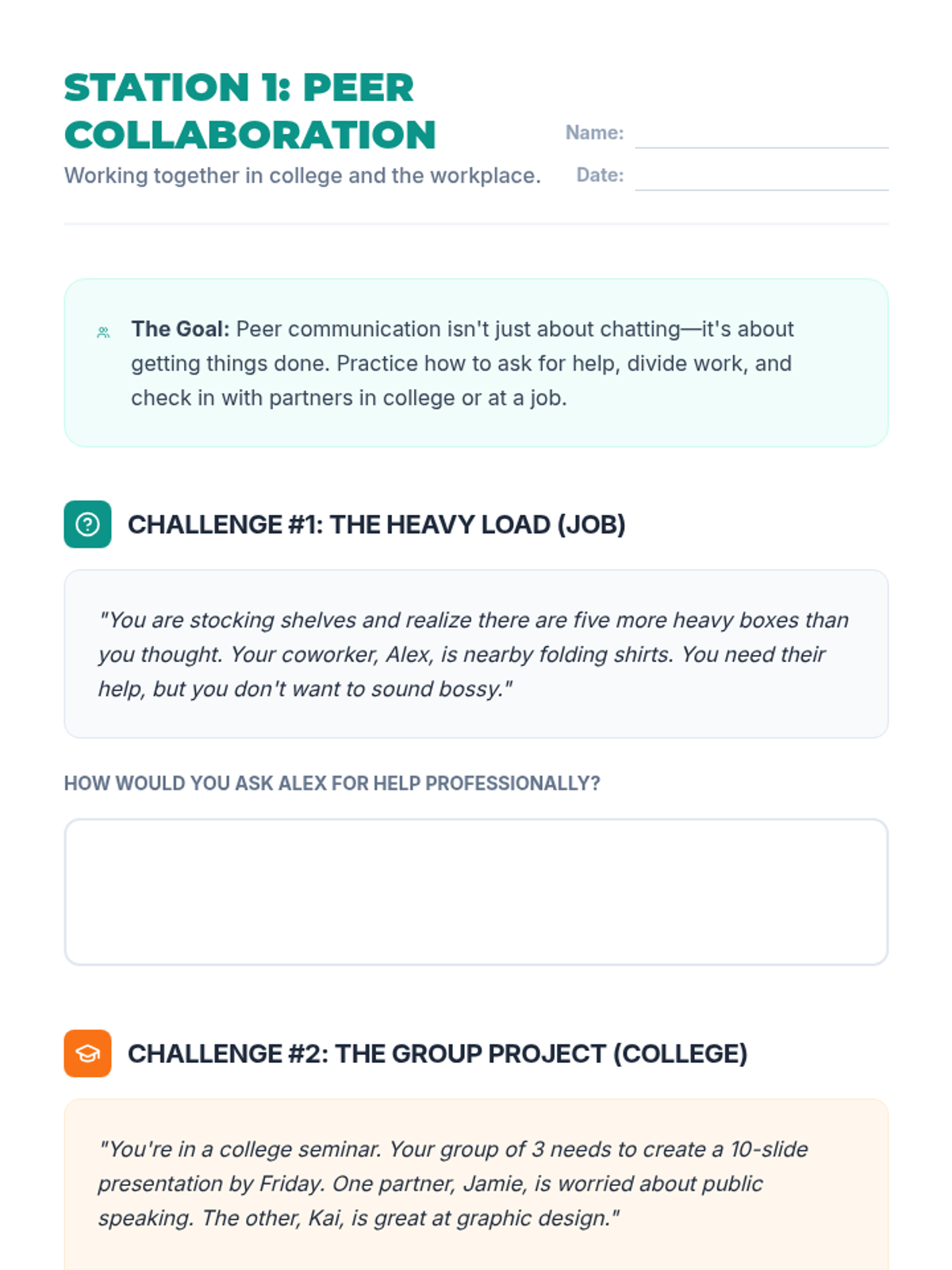
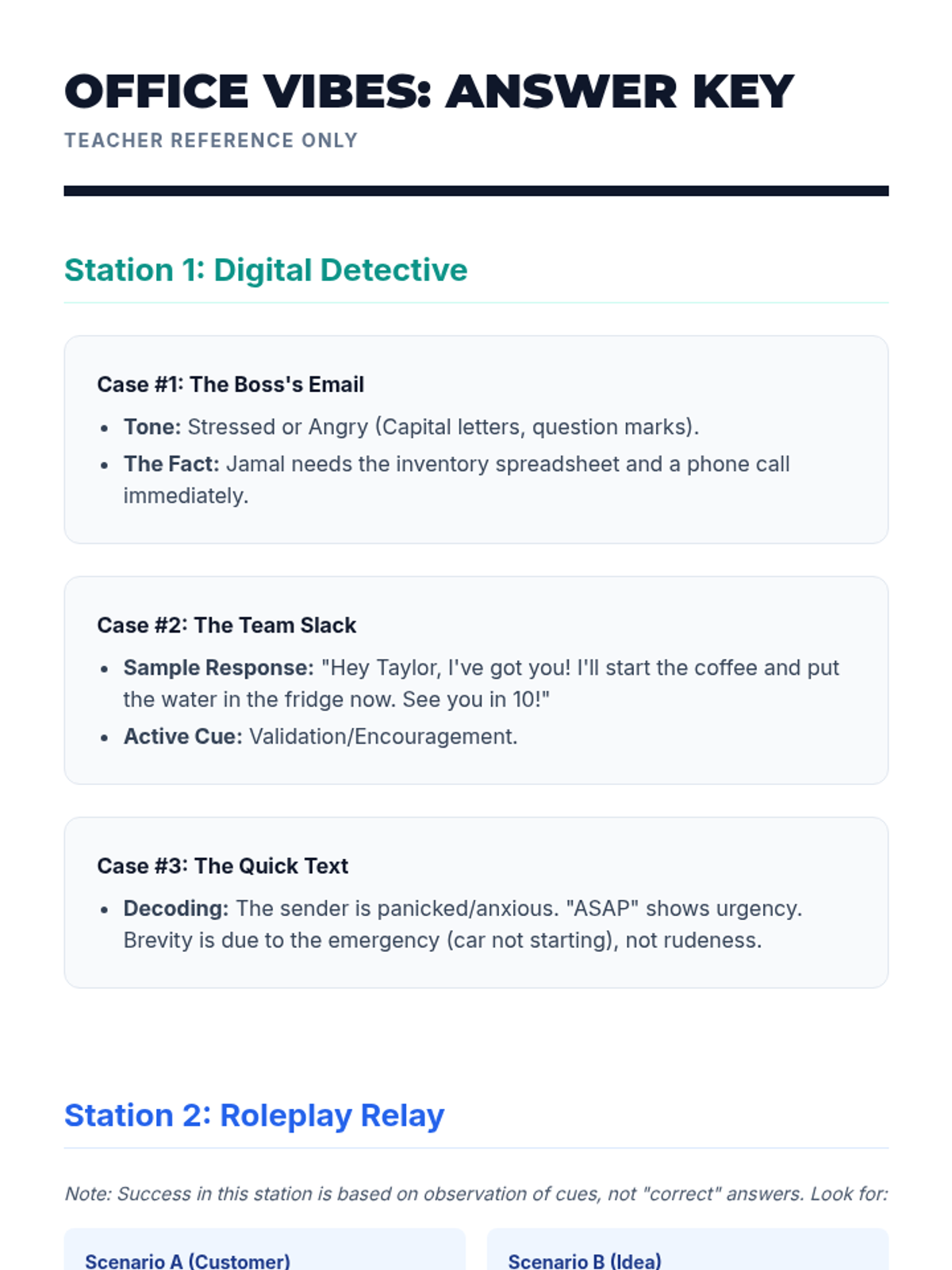
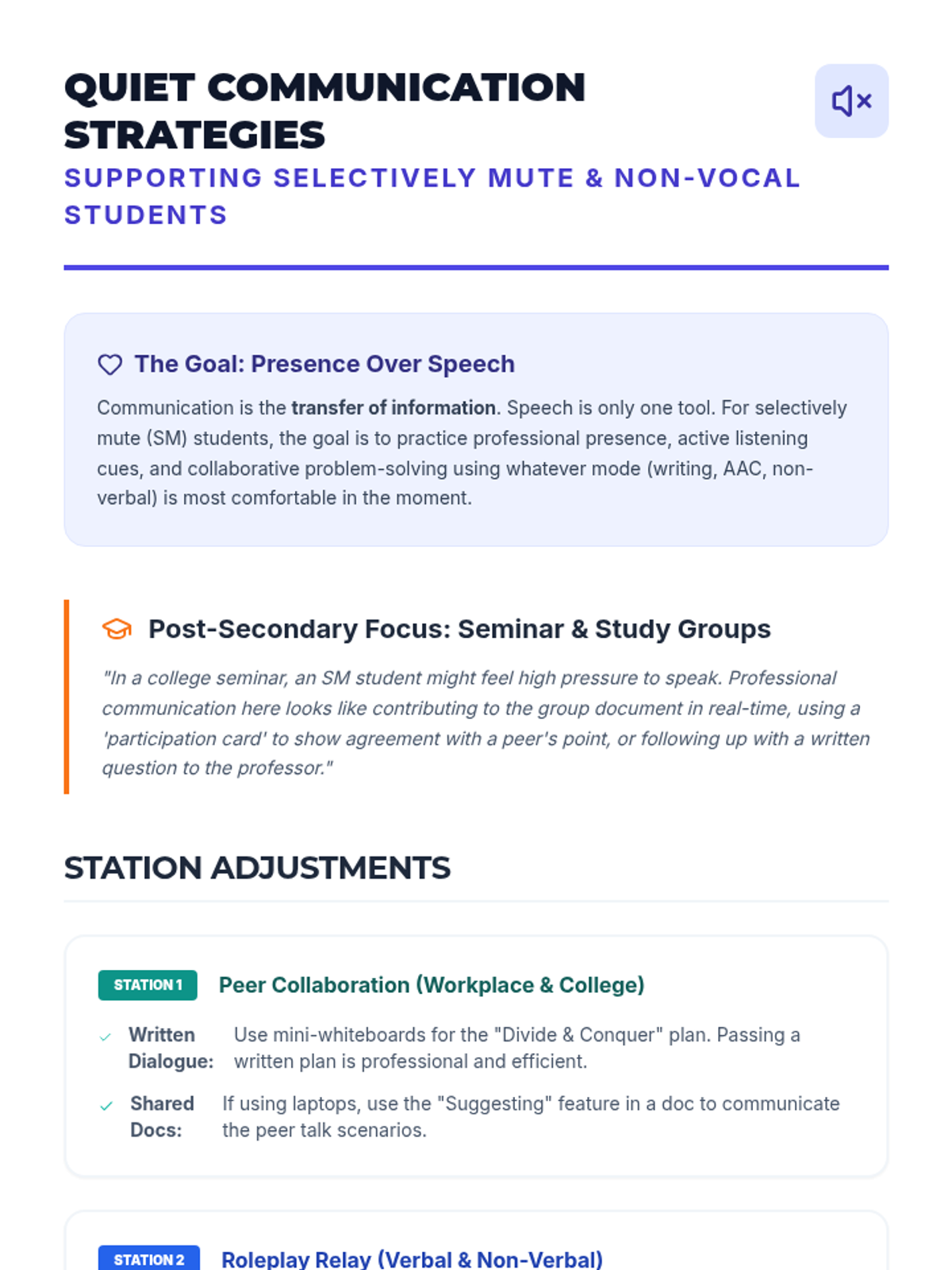
A high-energy, station-based lesson focusing on active listening and professional communication with peers in the workplace. Students move through interactive tasks that build social-emotional skills, collaborative habits, and the ability to give and receive professional feedback.
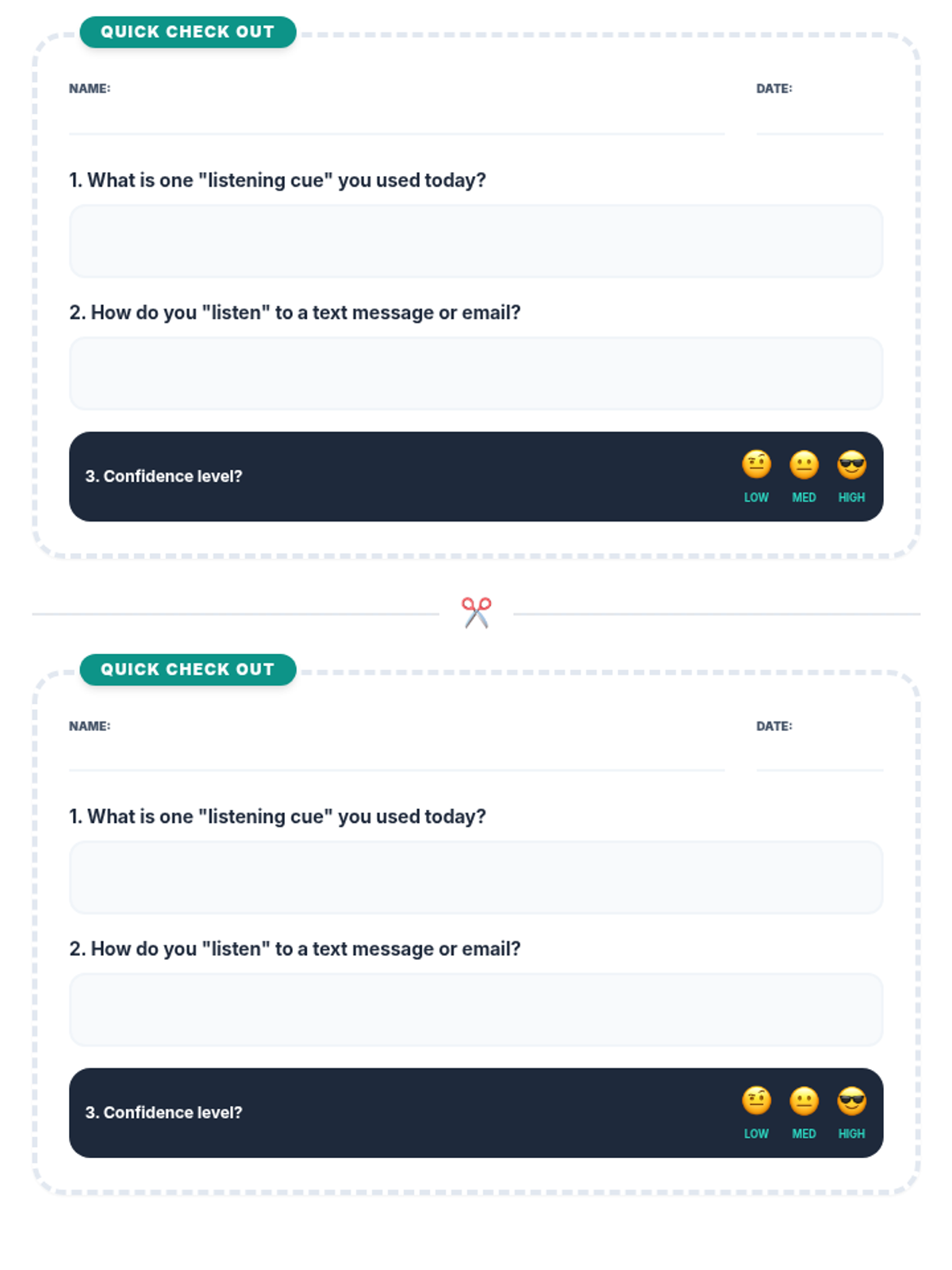
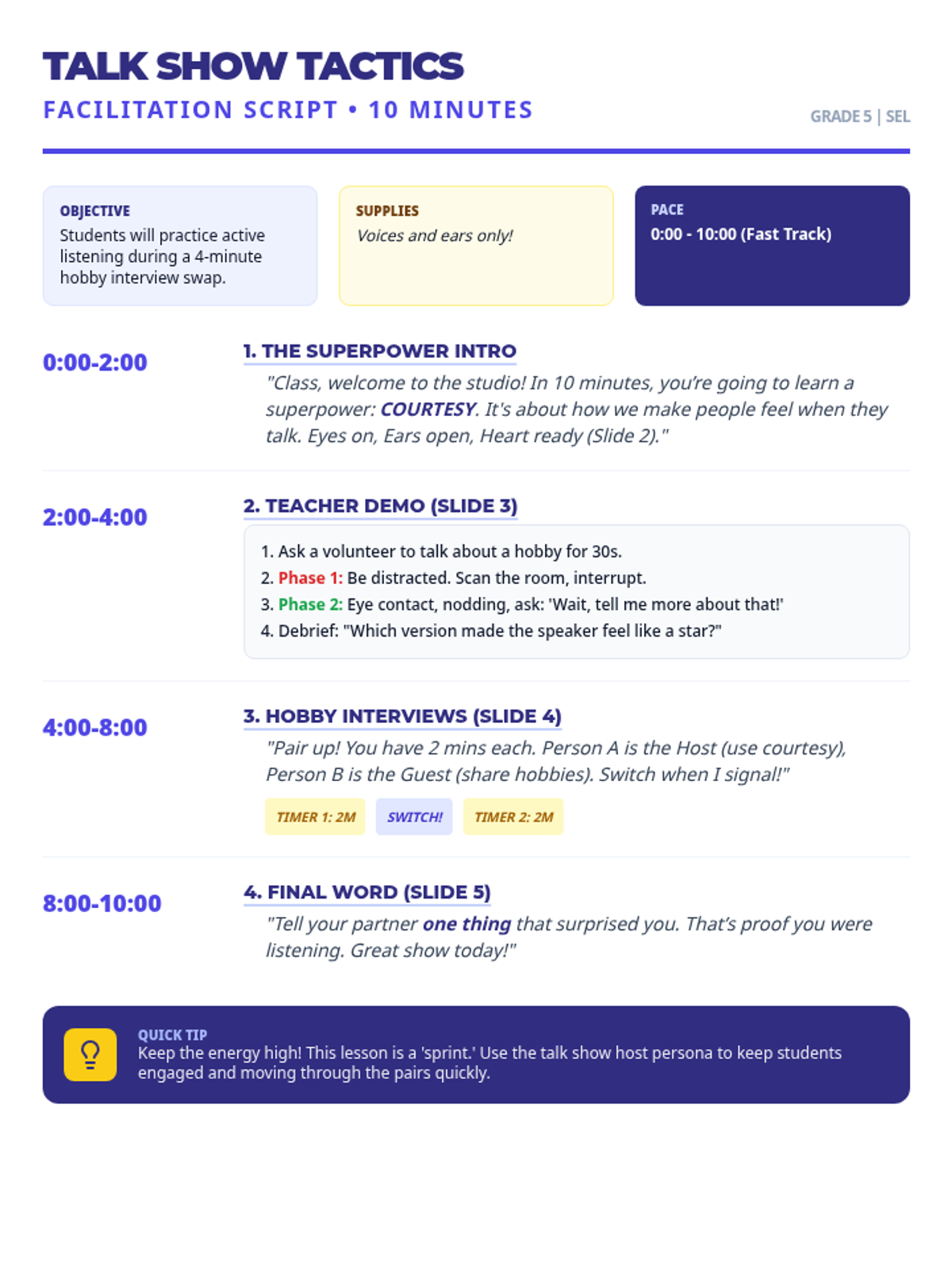
A fast-paced 10-minute lesson on courtesy and active listening, styled as a talk show training session. Students learn the 'superpower' of making others feel heard through a hobby-focused interview activity.
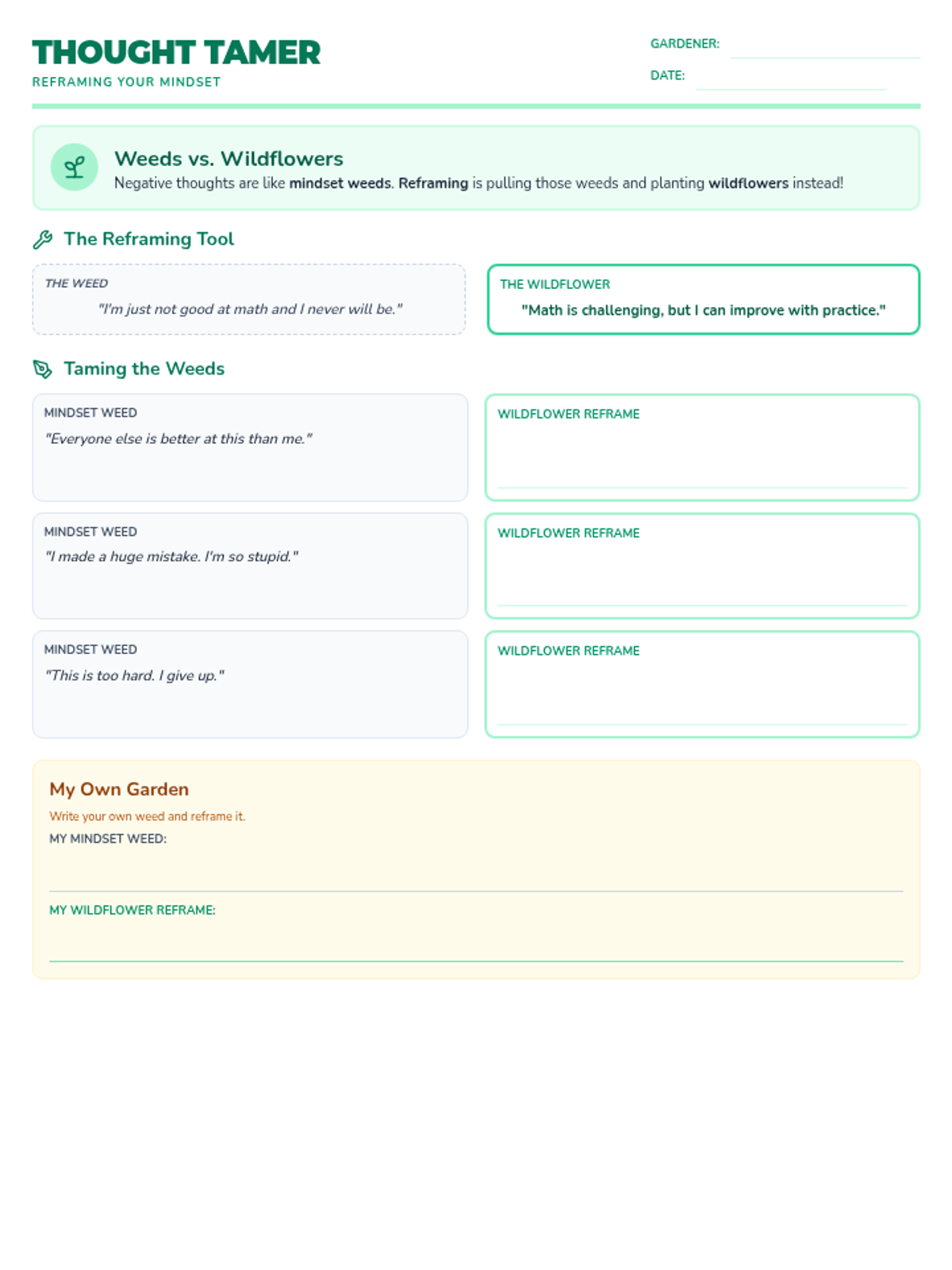
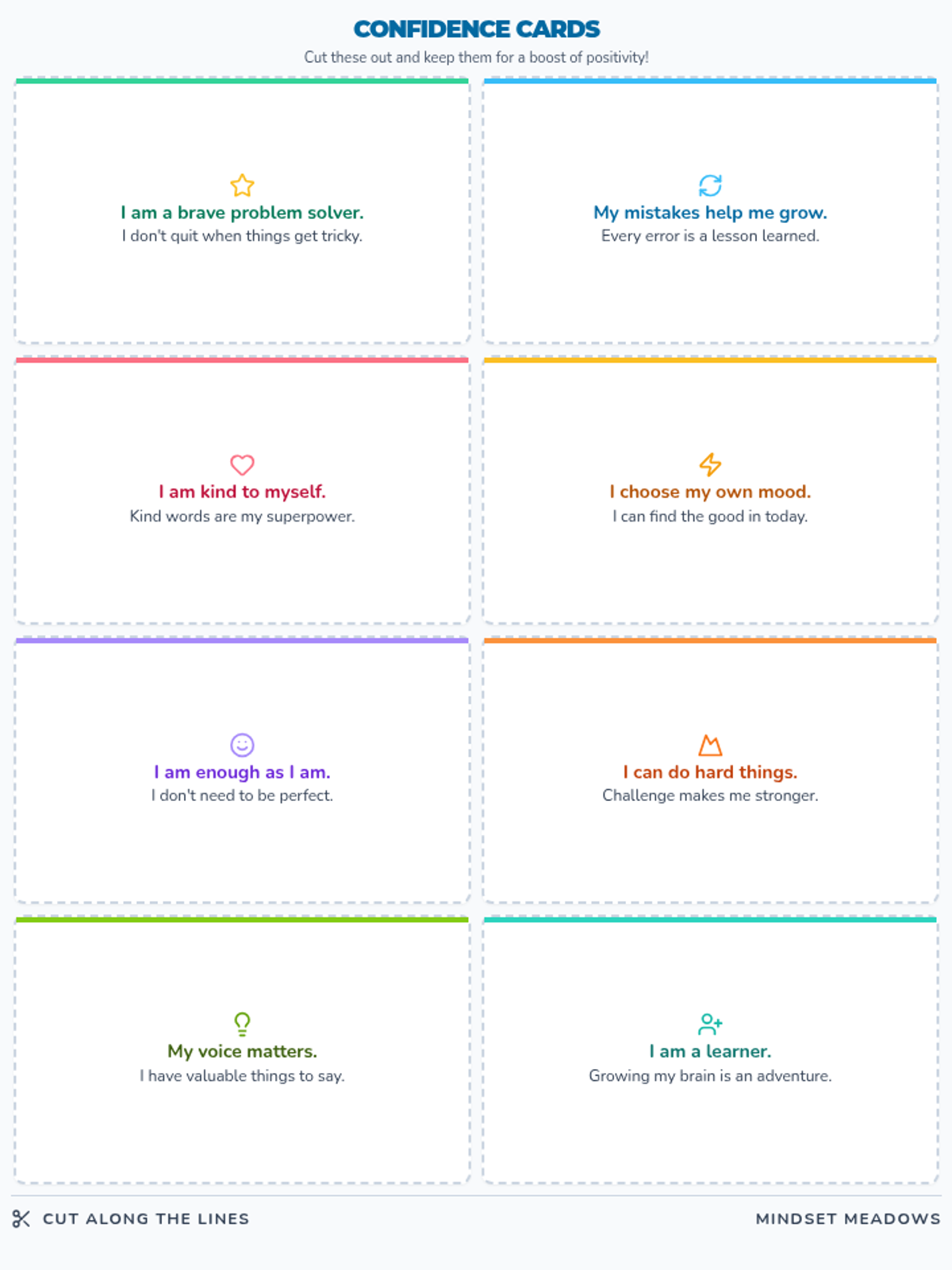
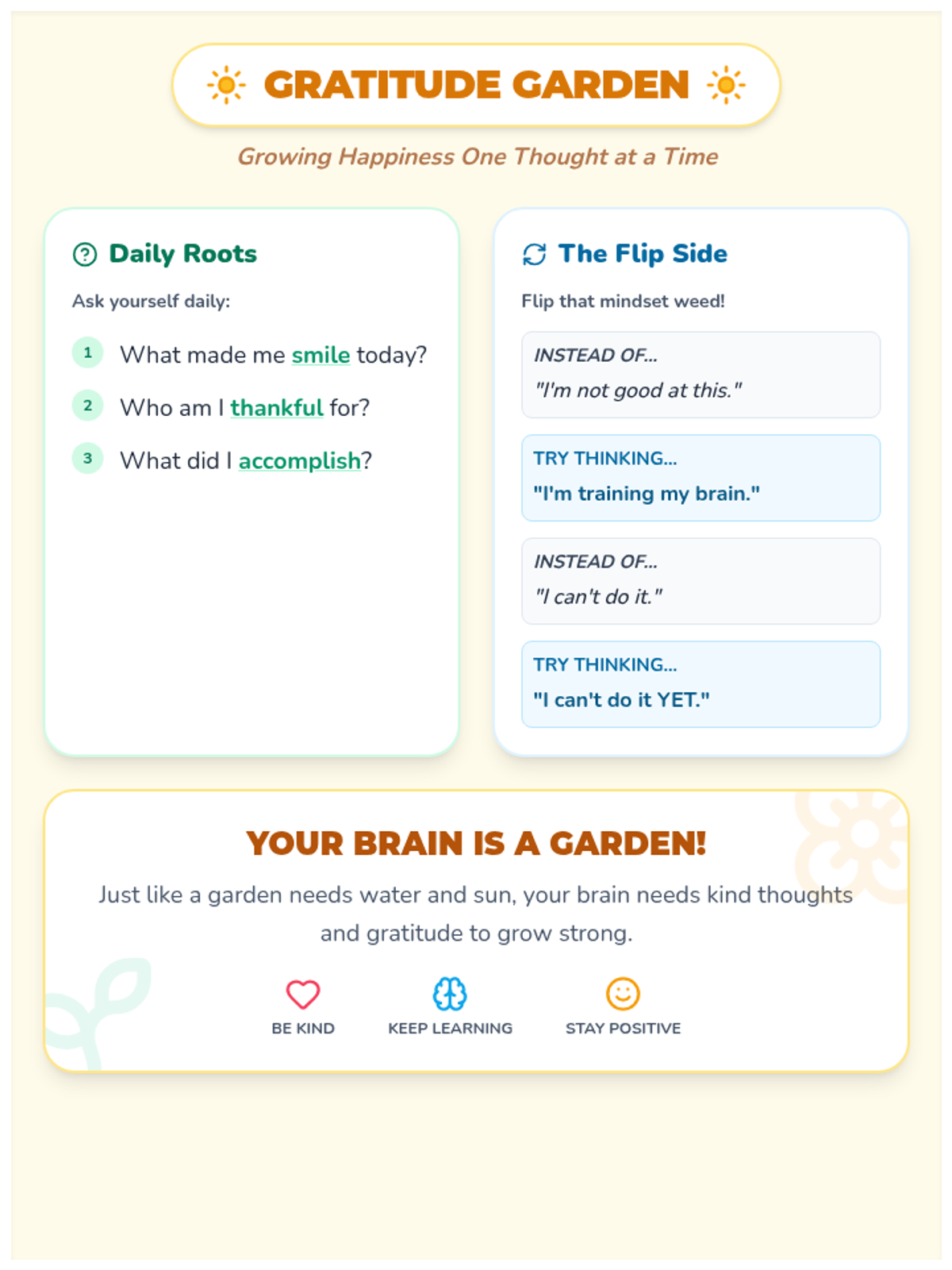
A lesson designed to help 4th graders identify negative self-talk and reframe it into positive affirmations while cultivating a daily gratitude practice.
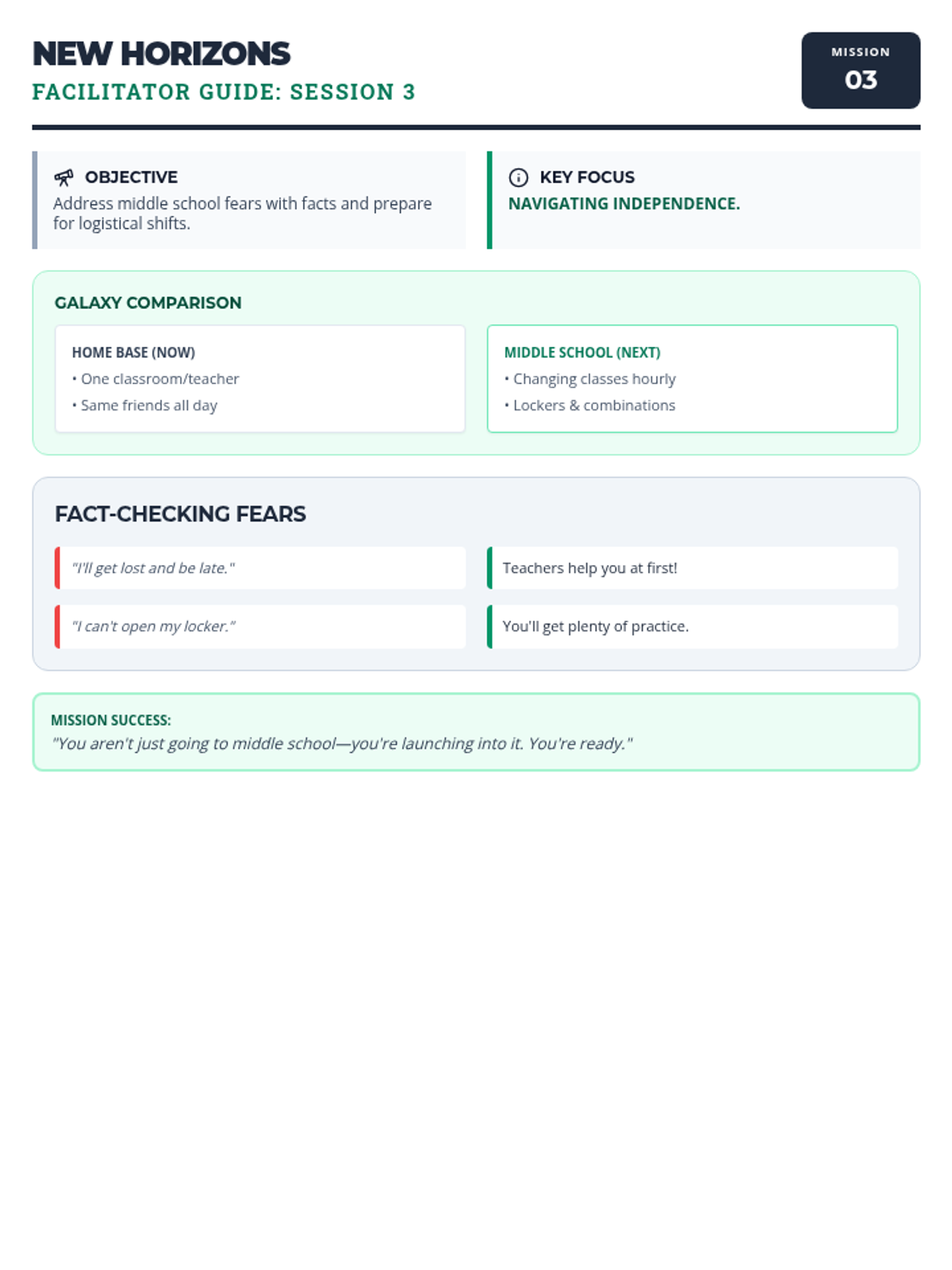
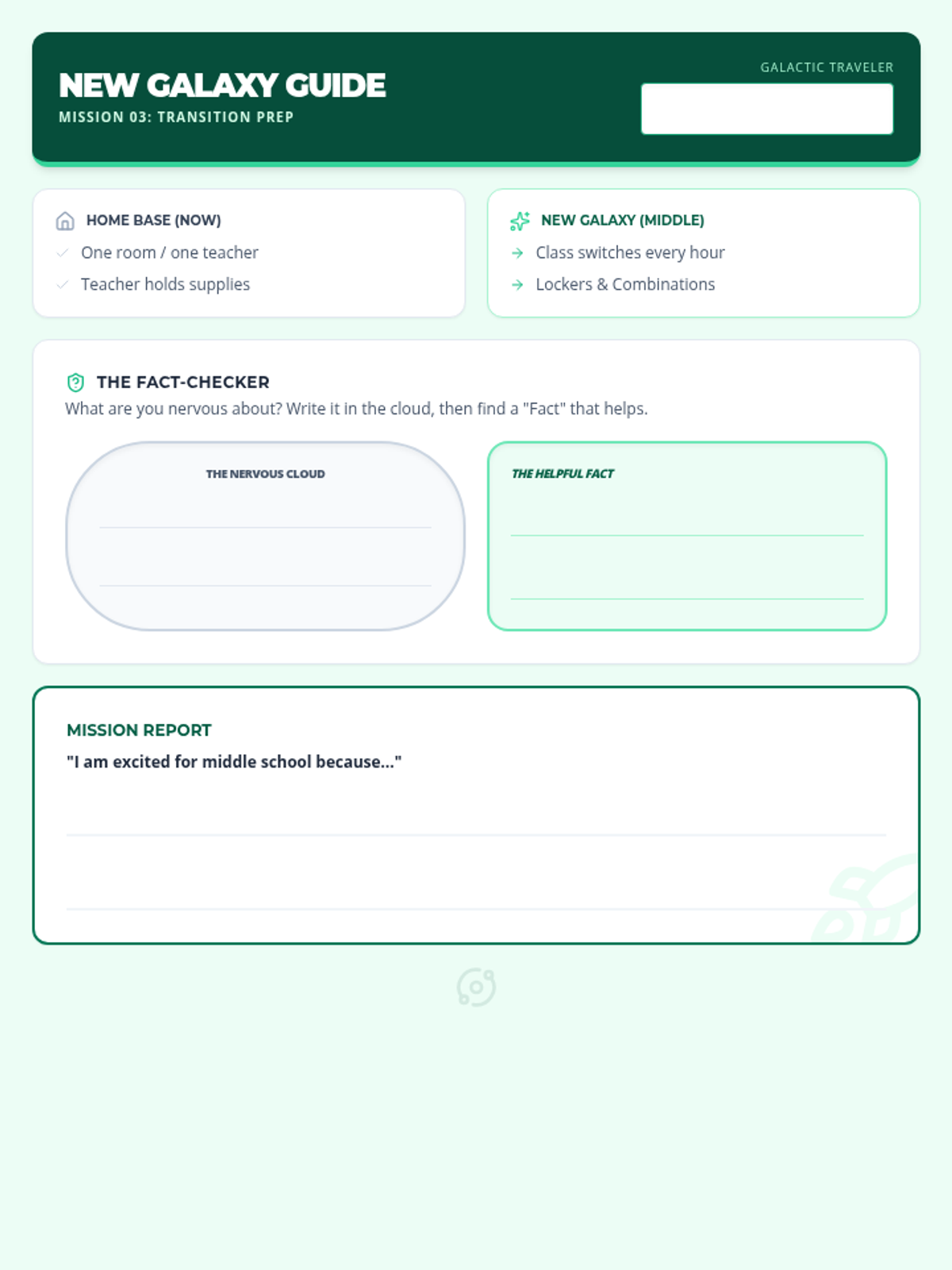
Specifically addresses the transition to middle school by exploring hopes, fears, and practical changes. Includes a 'Fear vs. Fact' exploration and navigation tips.
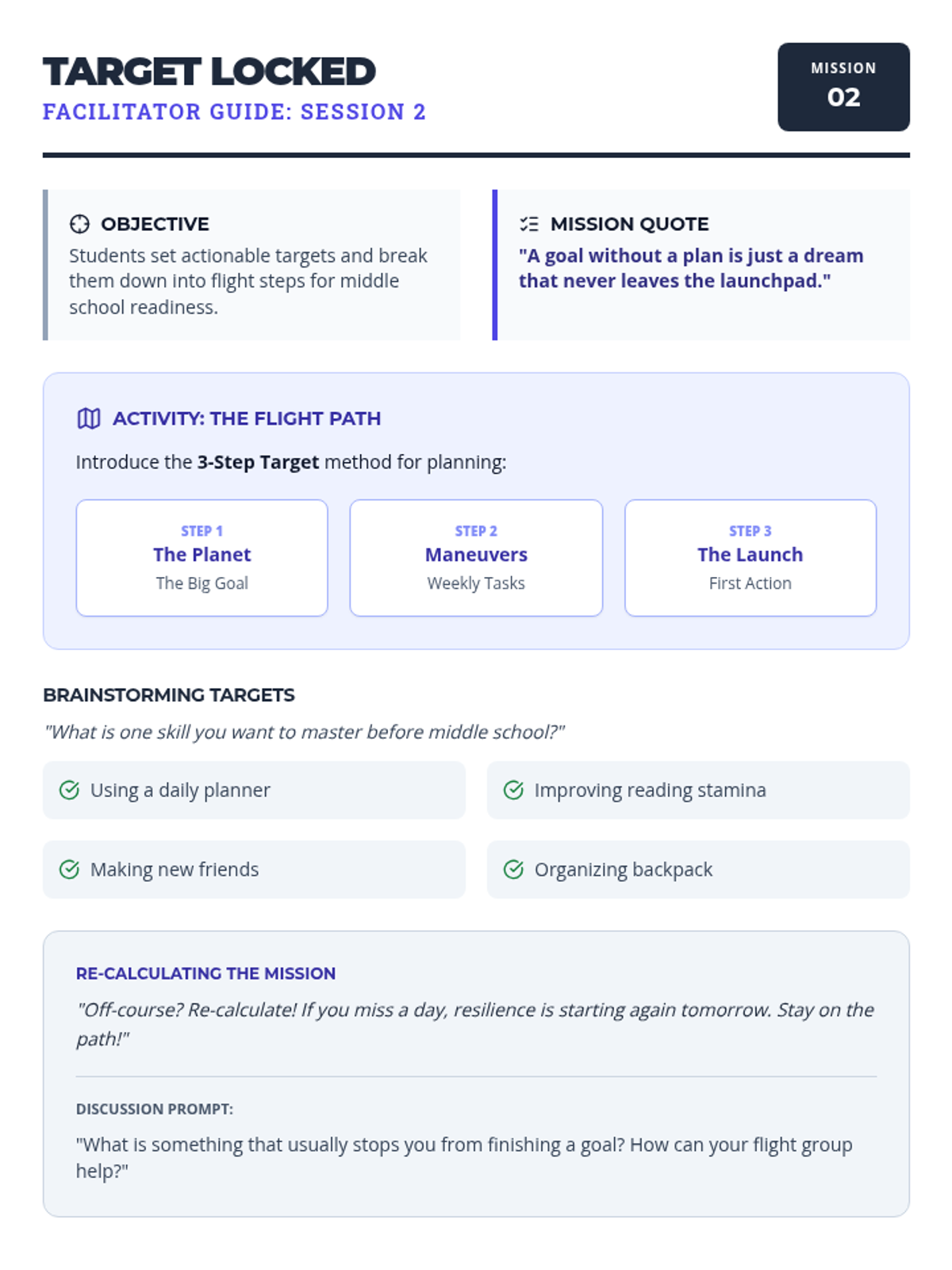
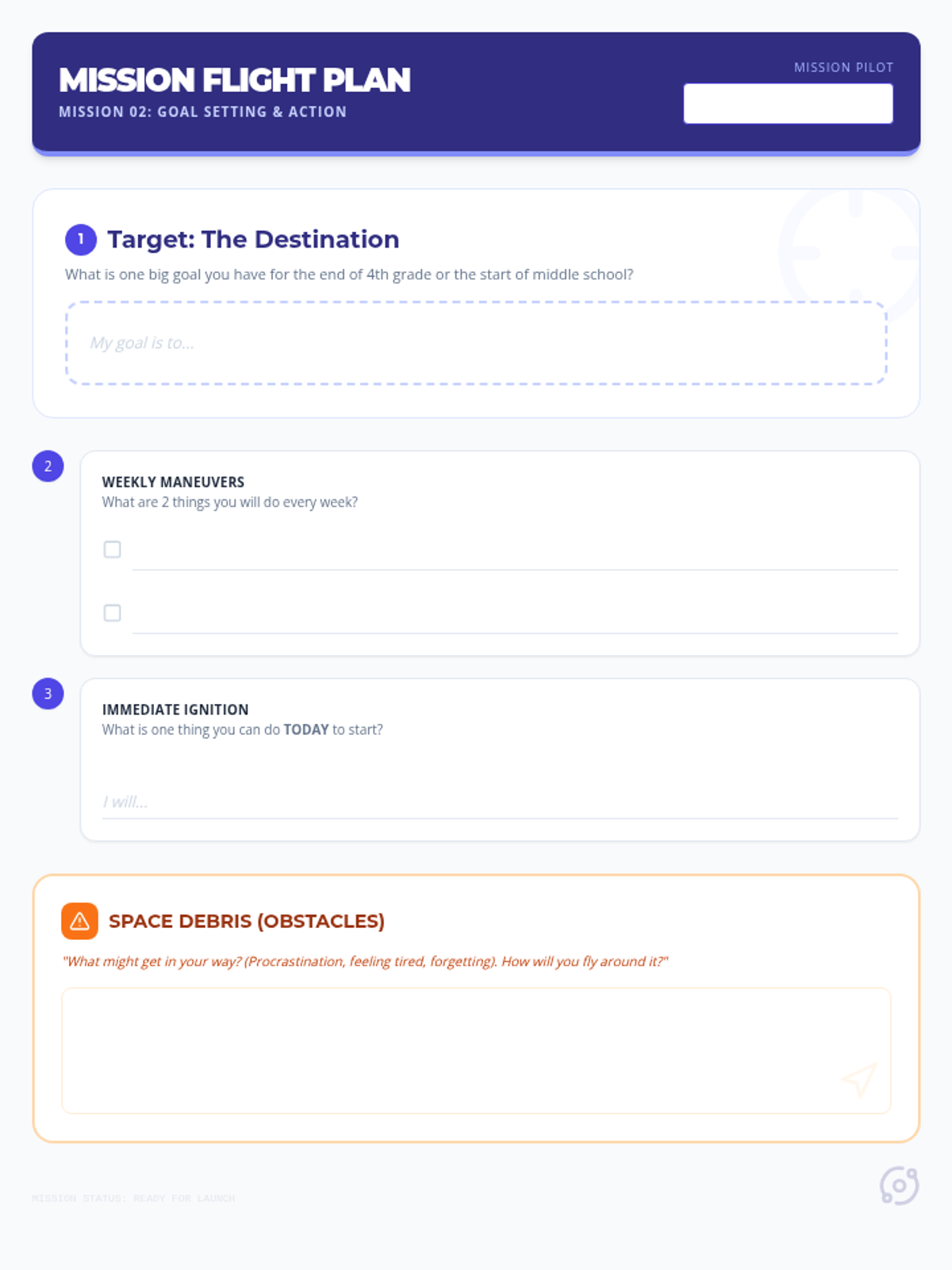
Teaches students how to set actionable goals and break them down into 'flight steps.' Students create a concrete plan for a personal or academic objective.
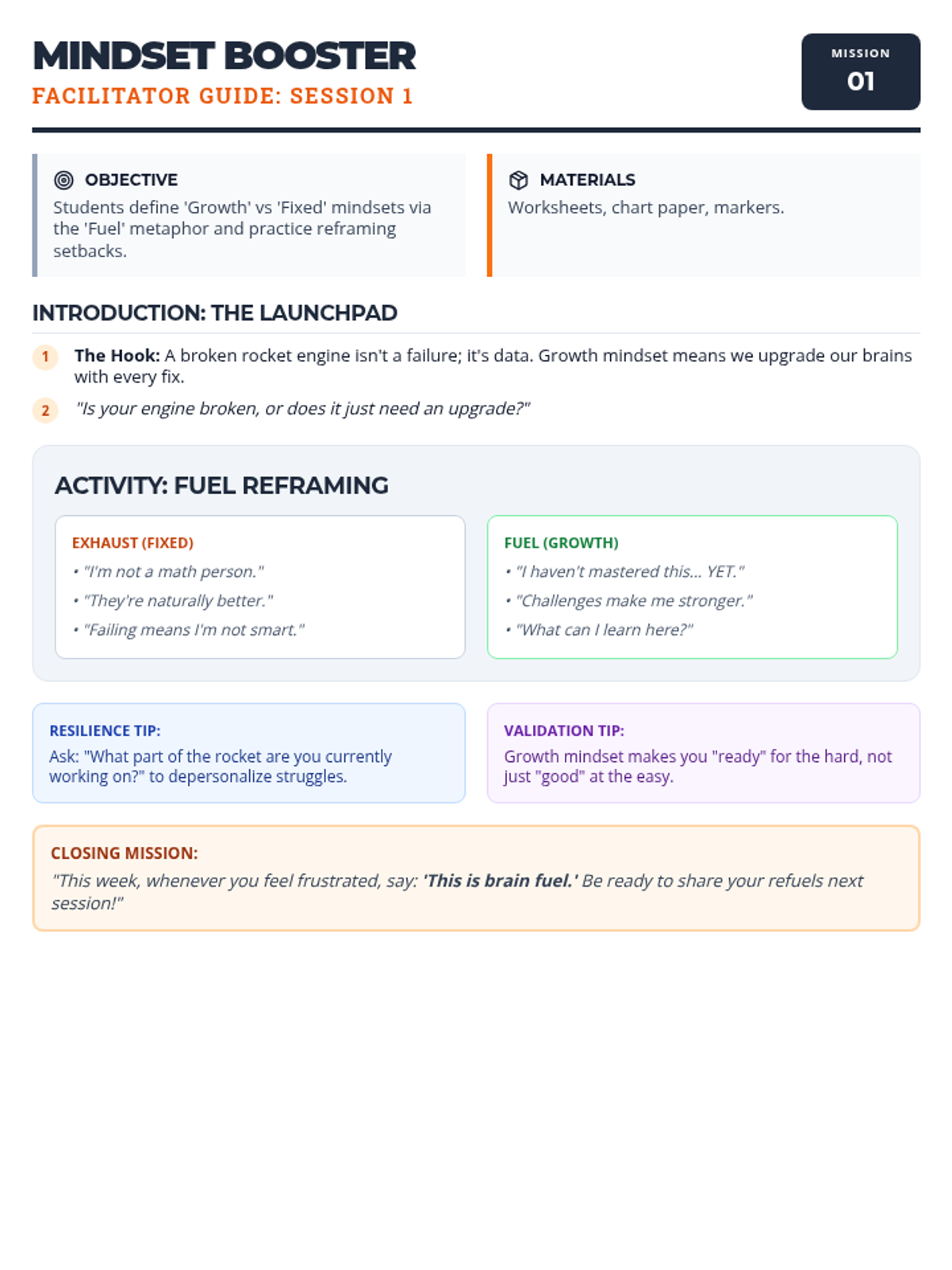
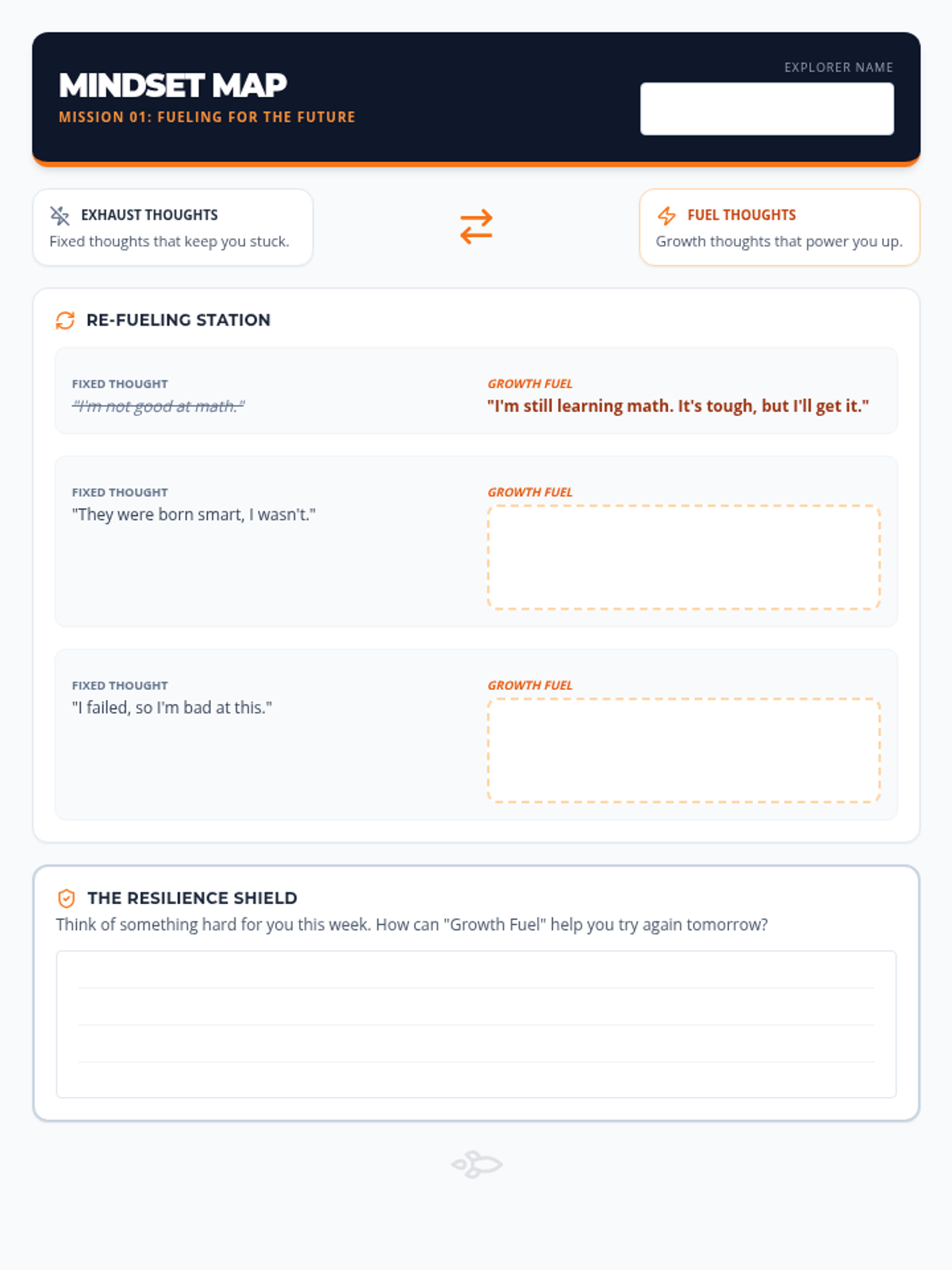
Focuses on developing a growth mindset and building resilience to handle the challenges of upper elementary and middle school. Students learn to reframe failure as 'fuel' for learning.
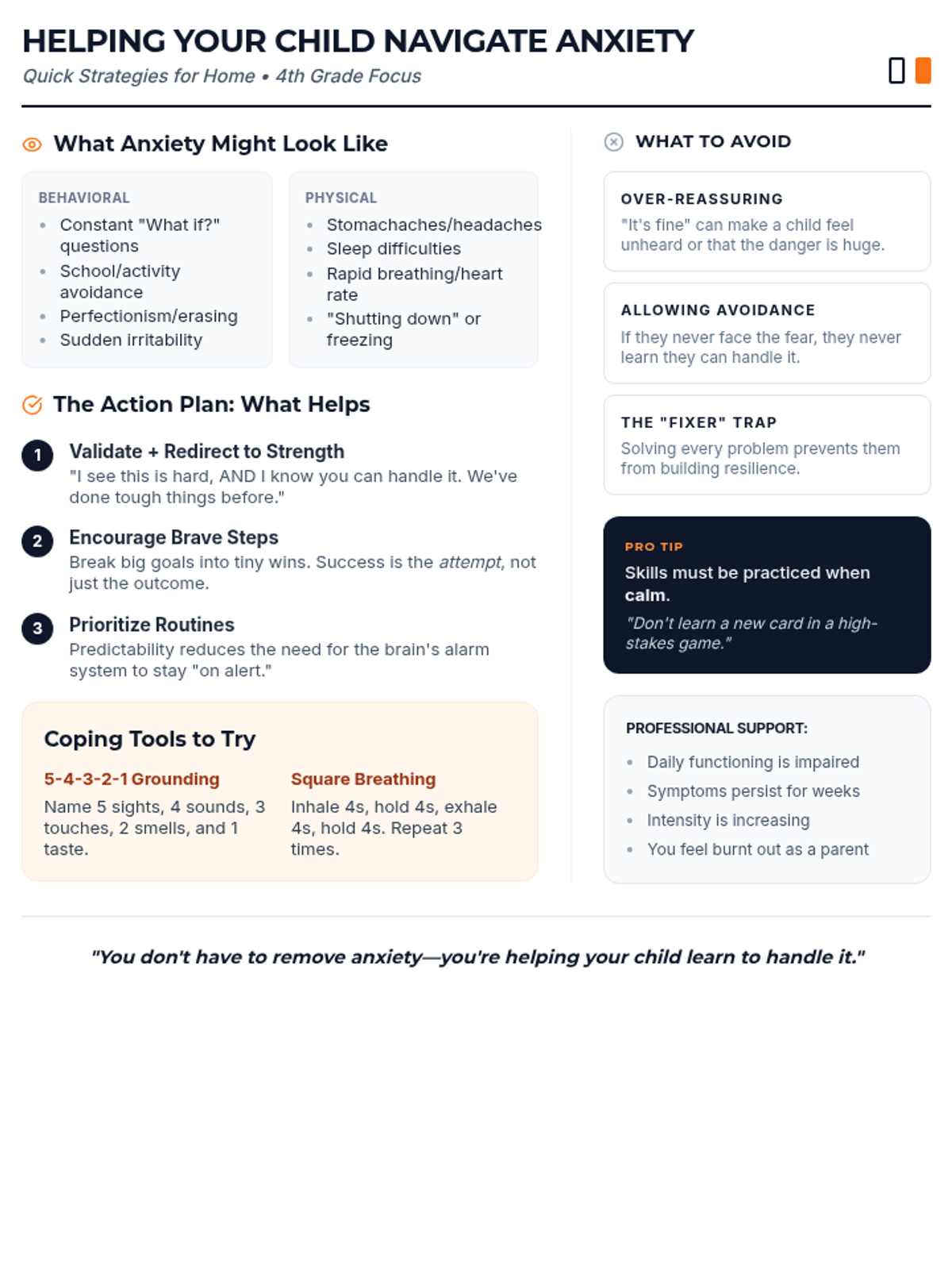
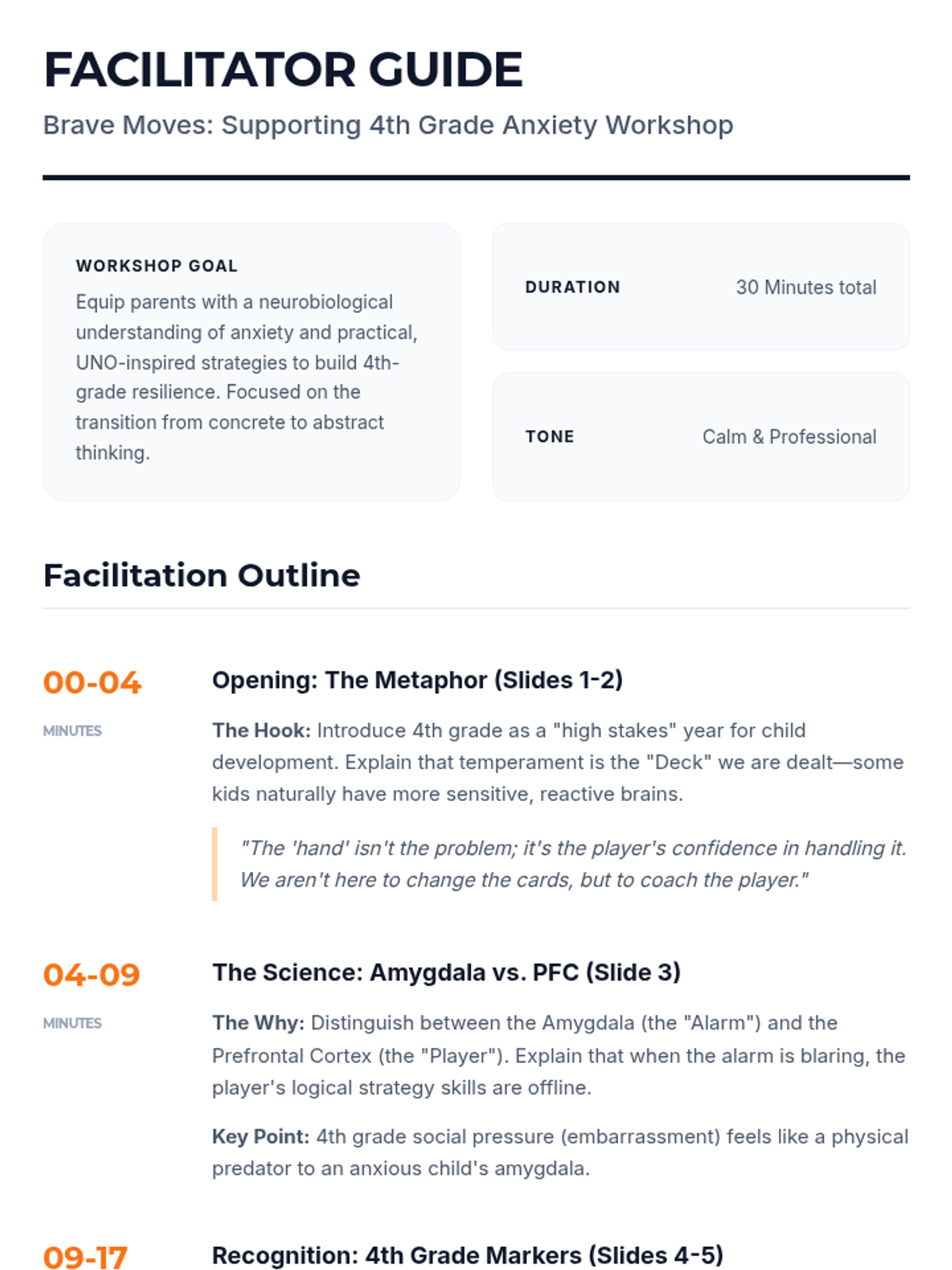
A 30-minute workshop for parents focused on identifying anxiety in 4th graders and implementing practical, UNO-inspired coping strategies. Includes a minimalist slide presentation and a sleek, fridge-worthy handout.
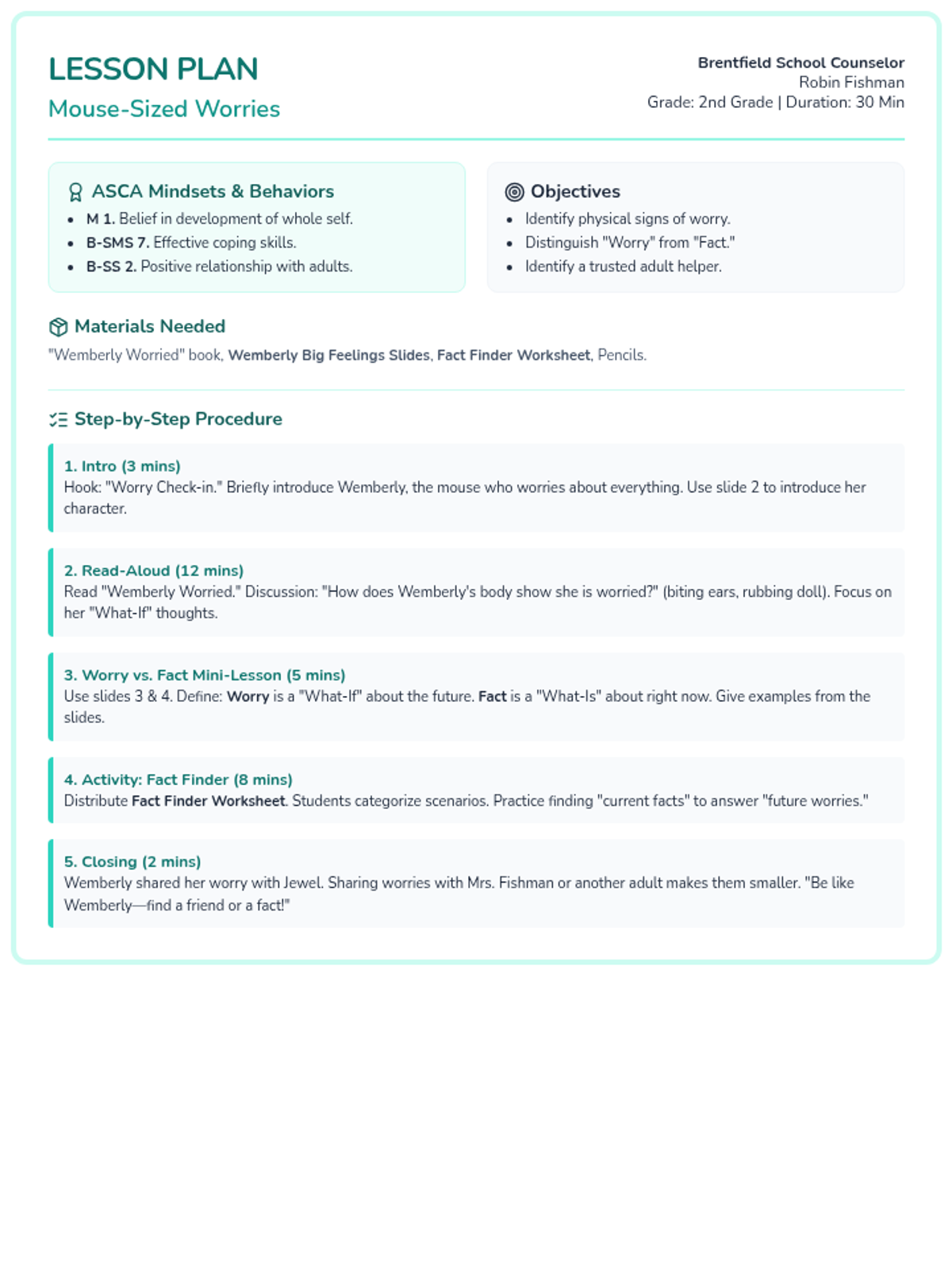
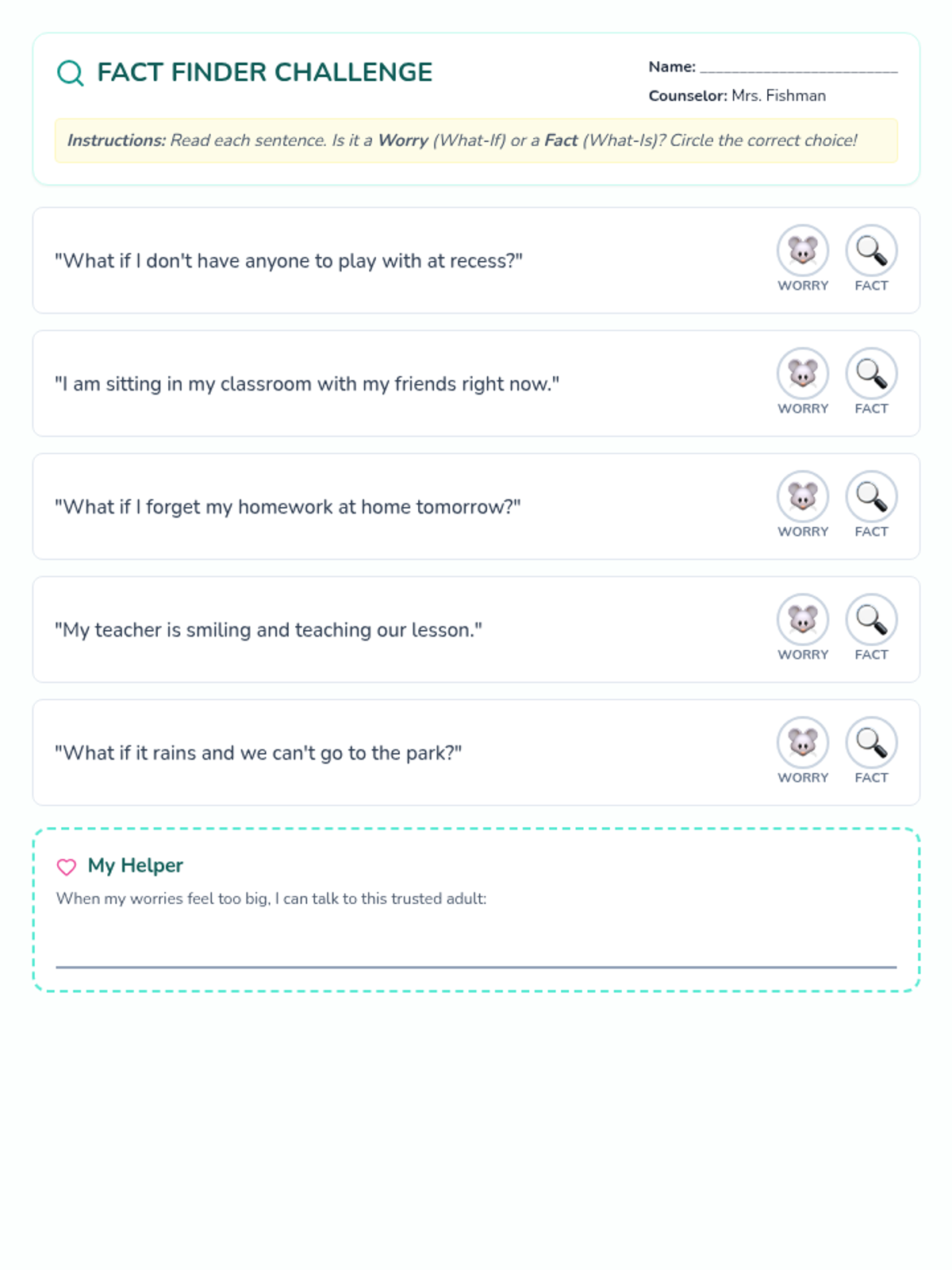
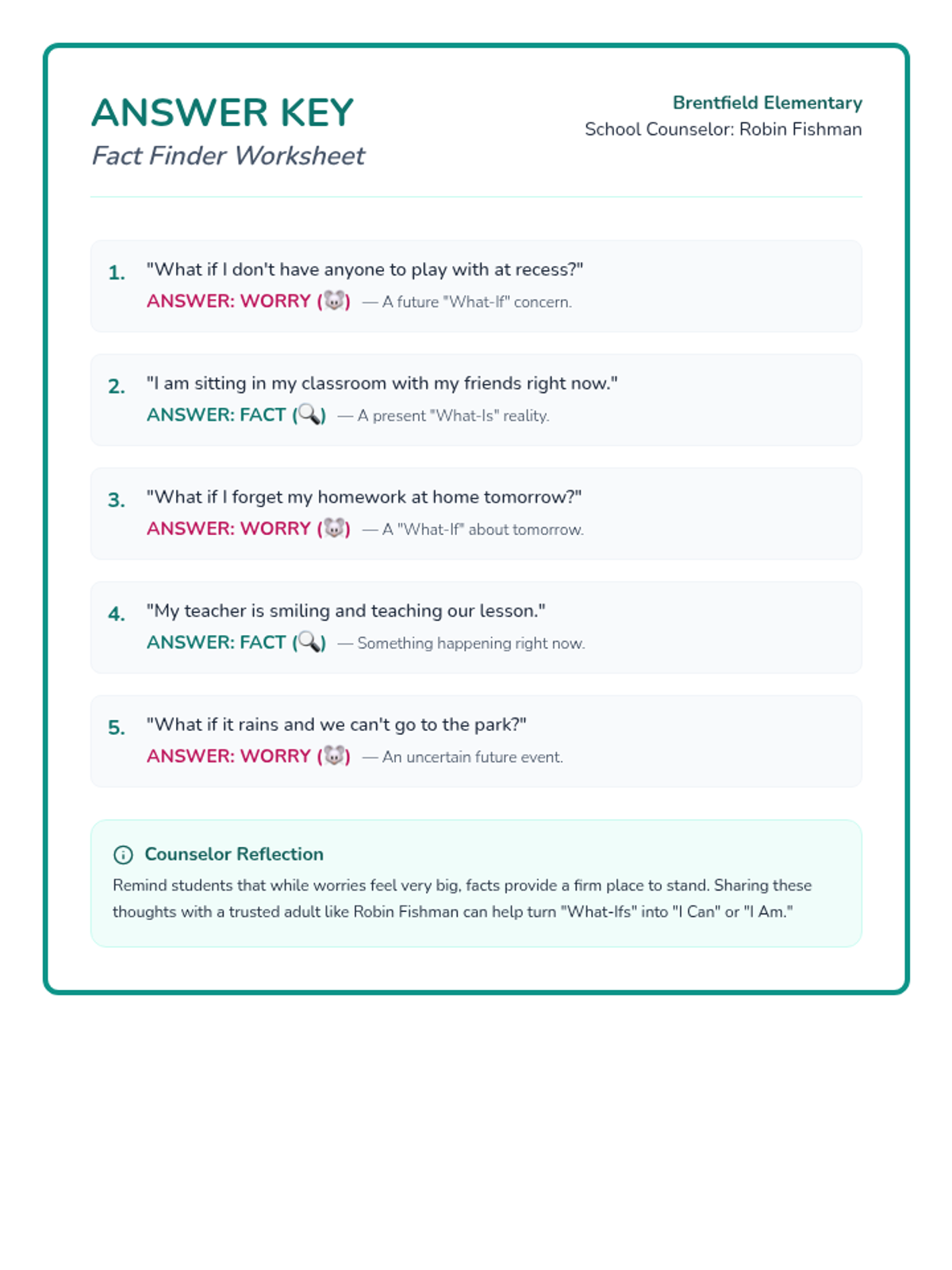
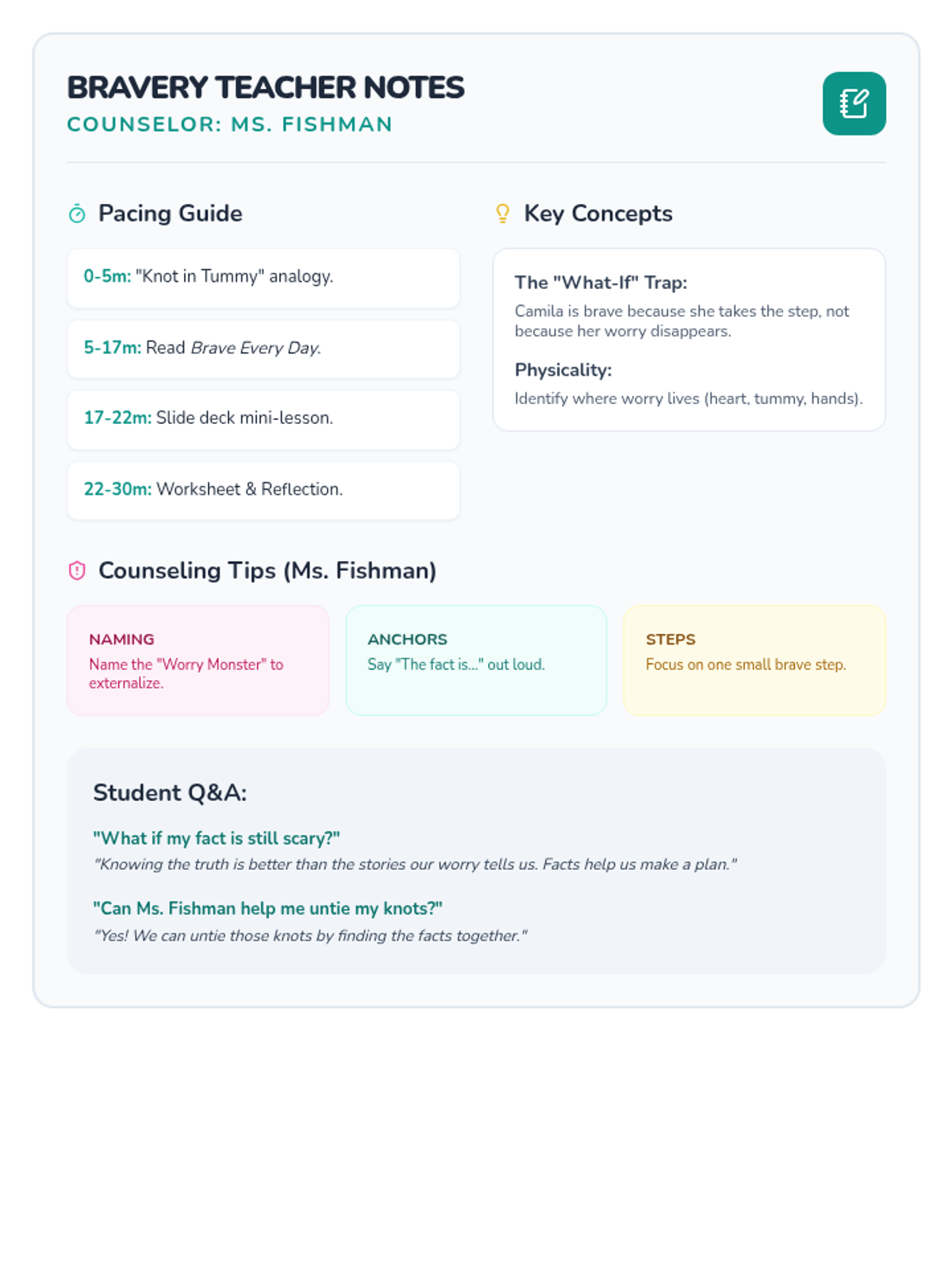
An elementary social-emotional learning lesson using 'Brave Every Day' to help students identify physical signs of worry and use facts to build bravery. Aligned with ASCA standards.
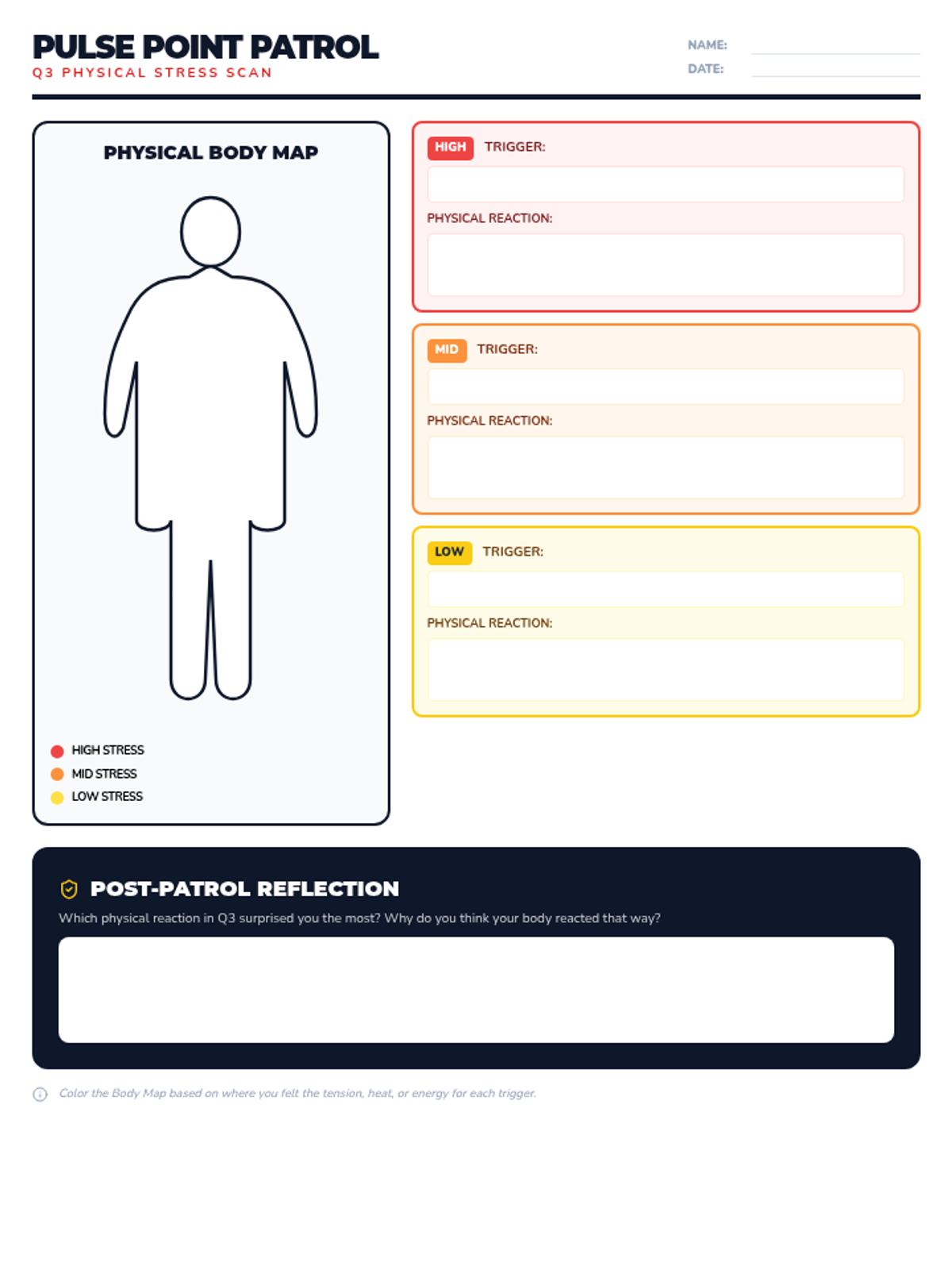
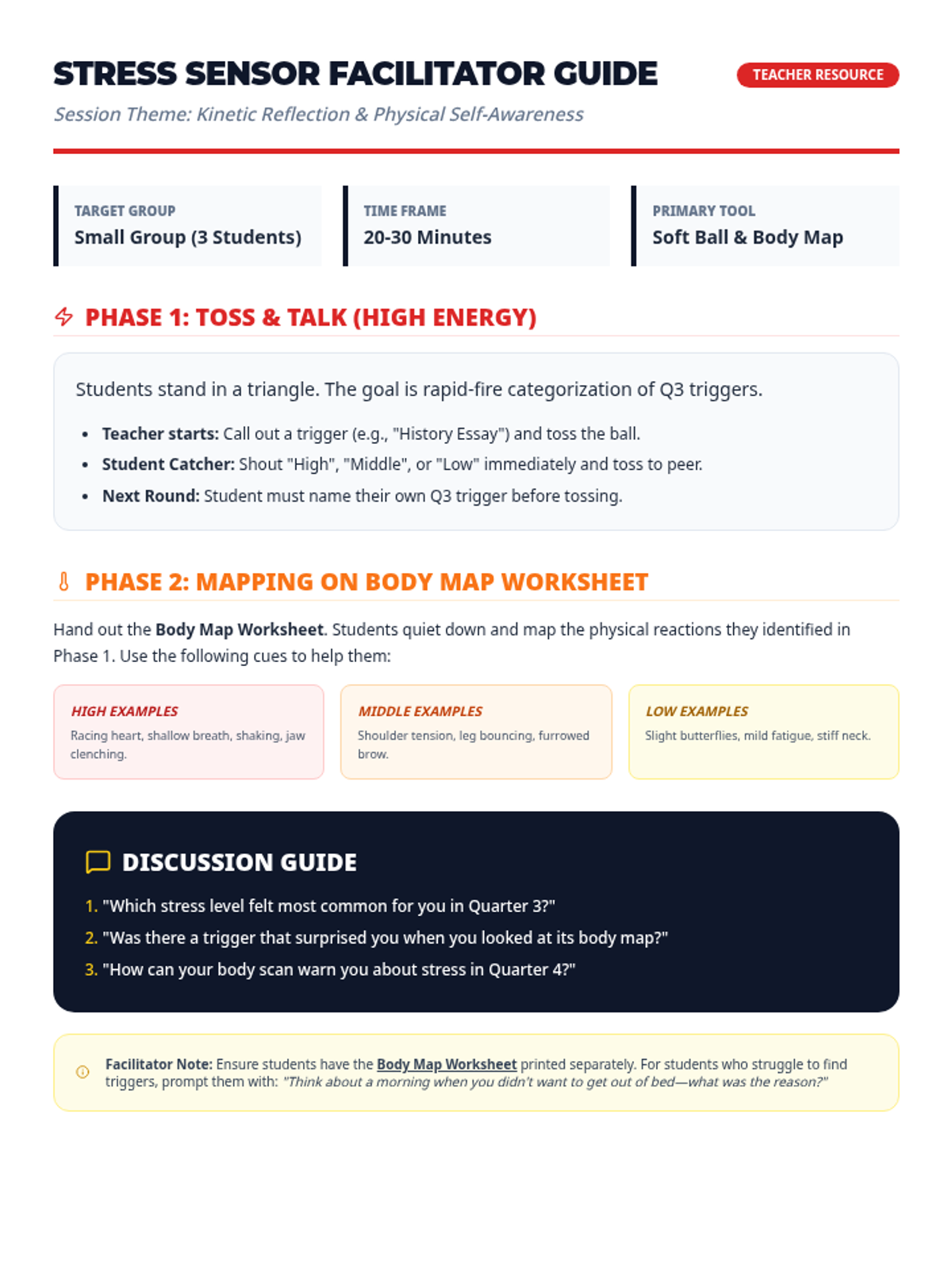
A high-energy, kinetic lesson for students to identify and map stress levels (High, Middle, Low) and their physical manifestations through a ball-toss reflection on Quarter 3.
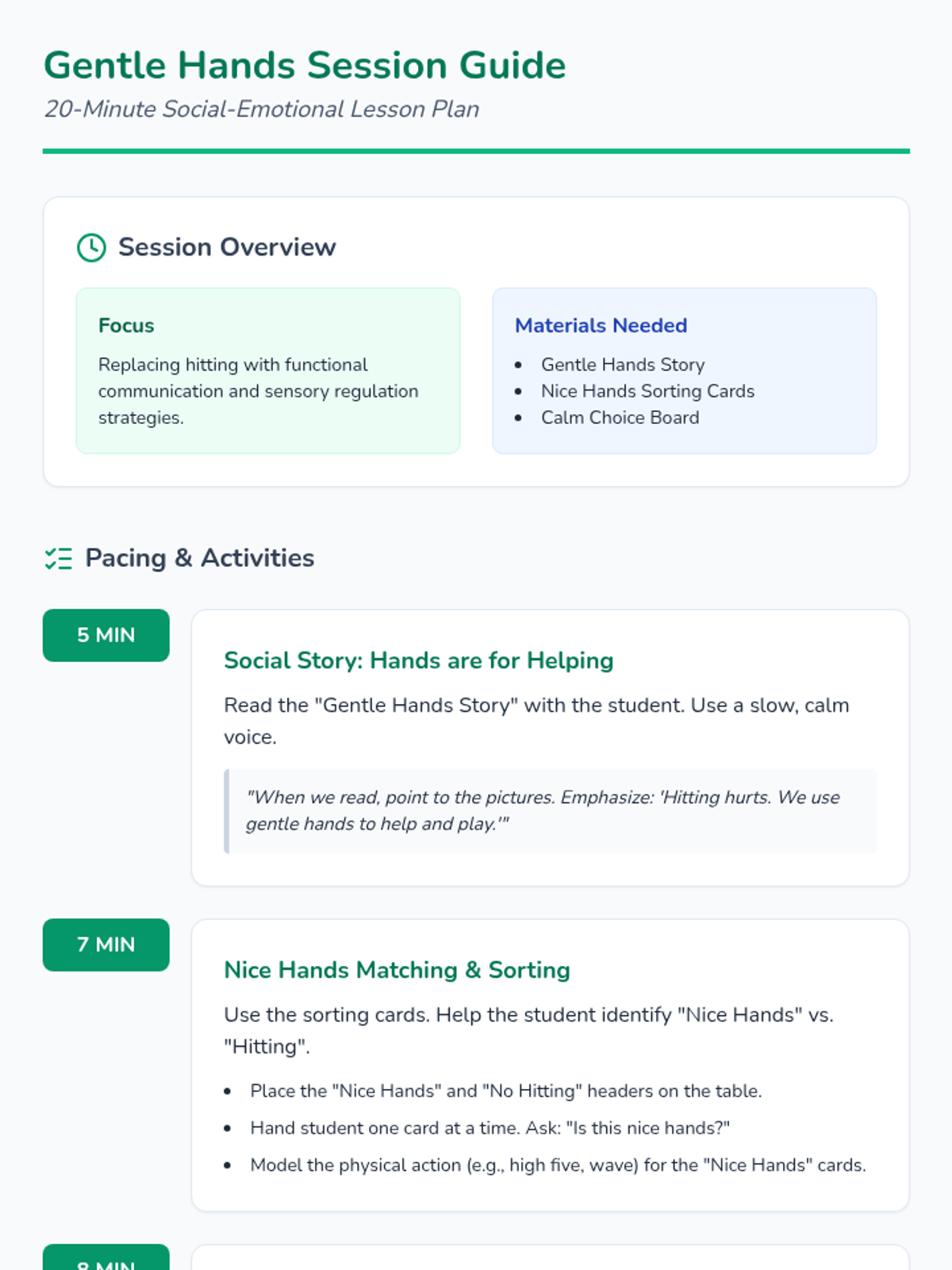
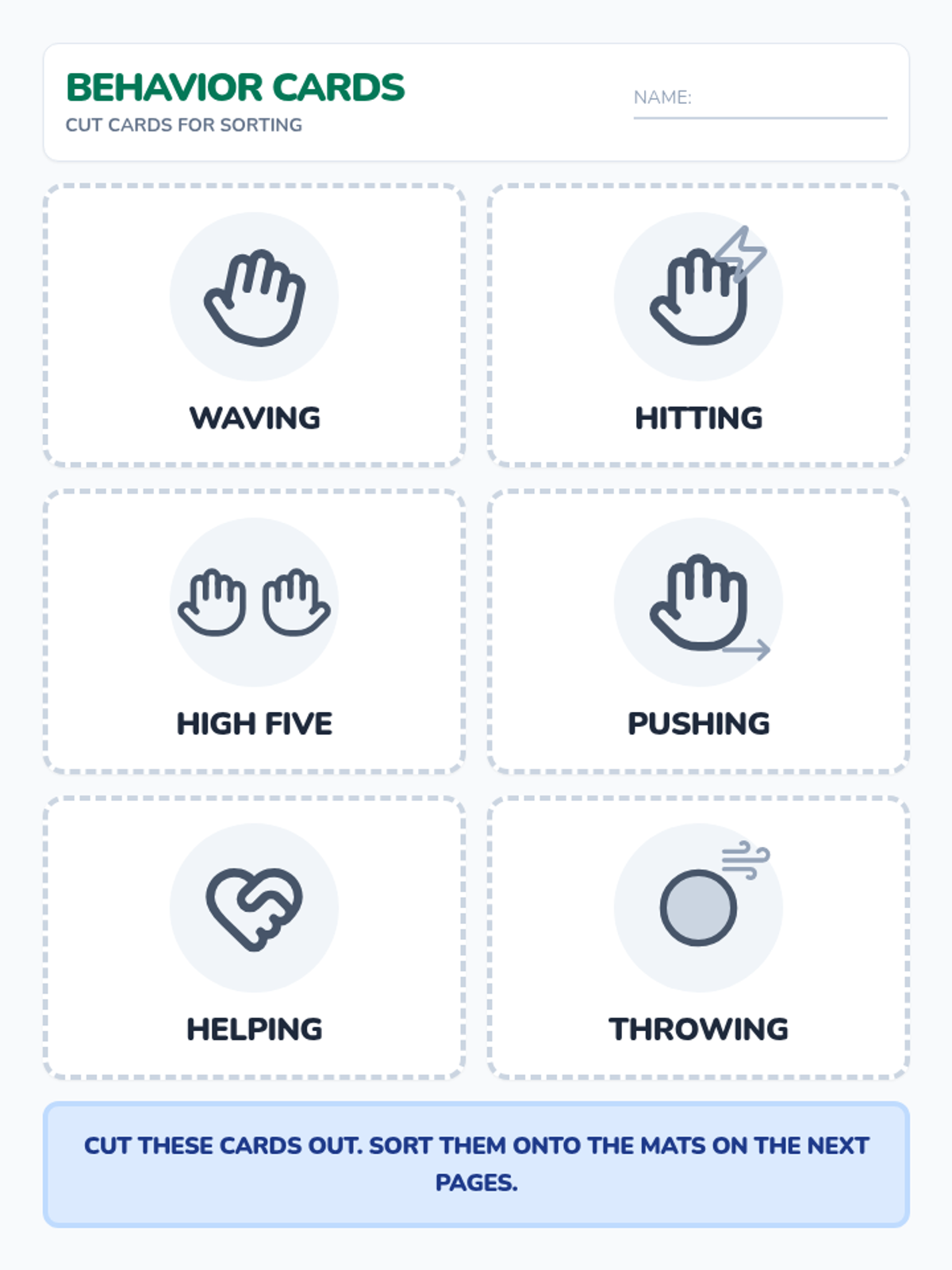
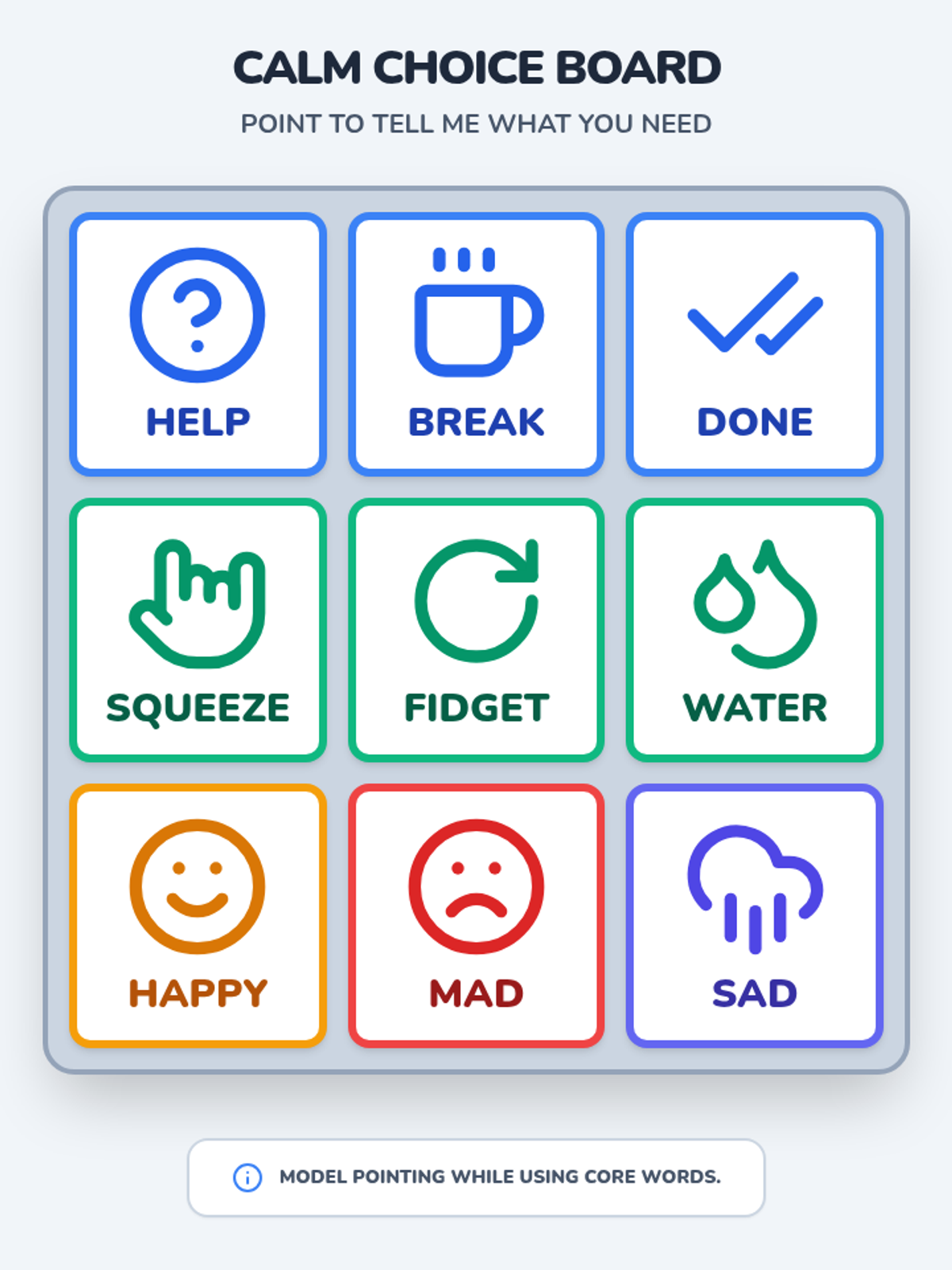
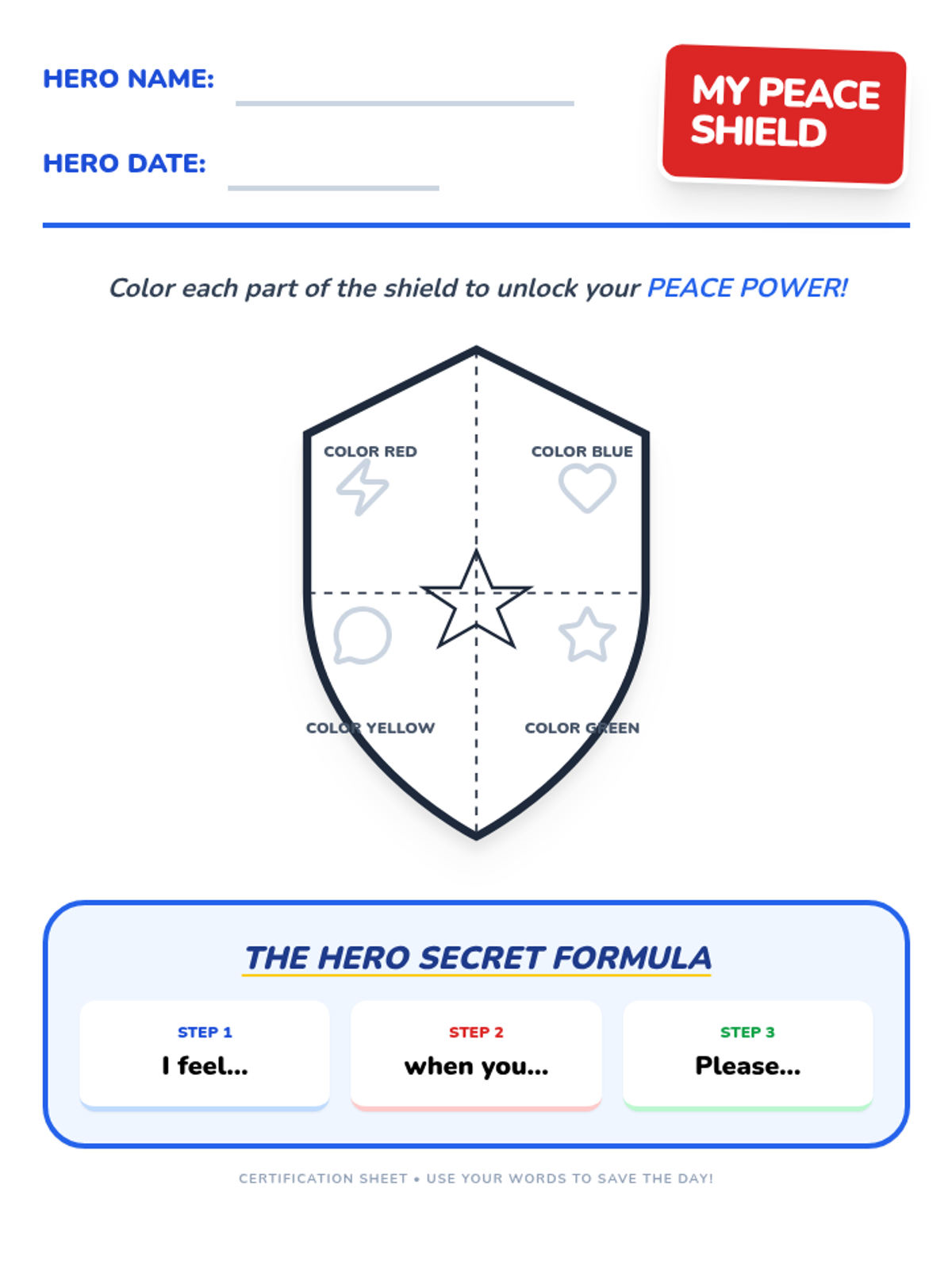
A 20-minute social-emotional learning session for high-needs students focusing on replacement behaviors for hitting through social stories and visual supports.
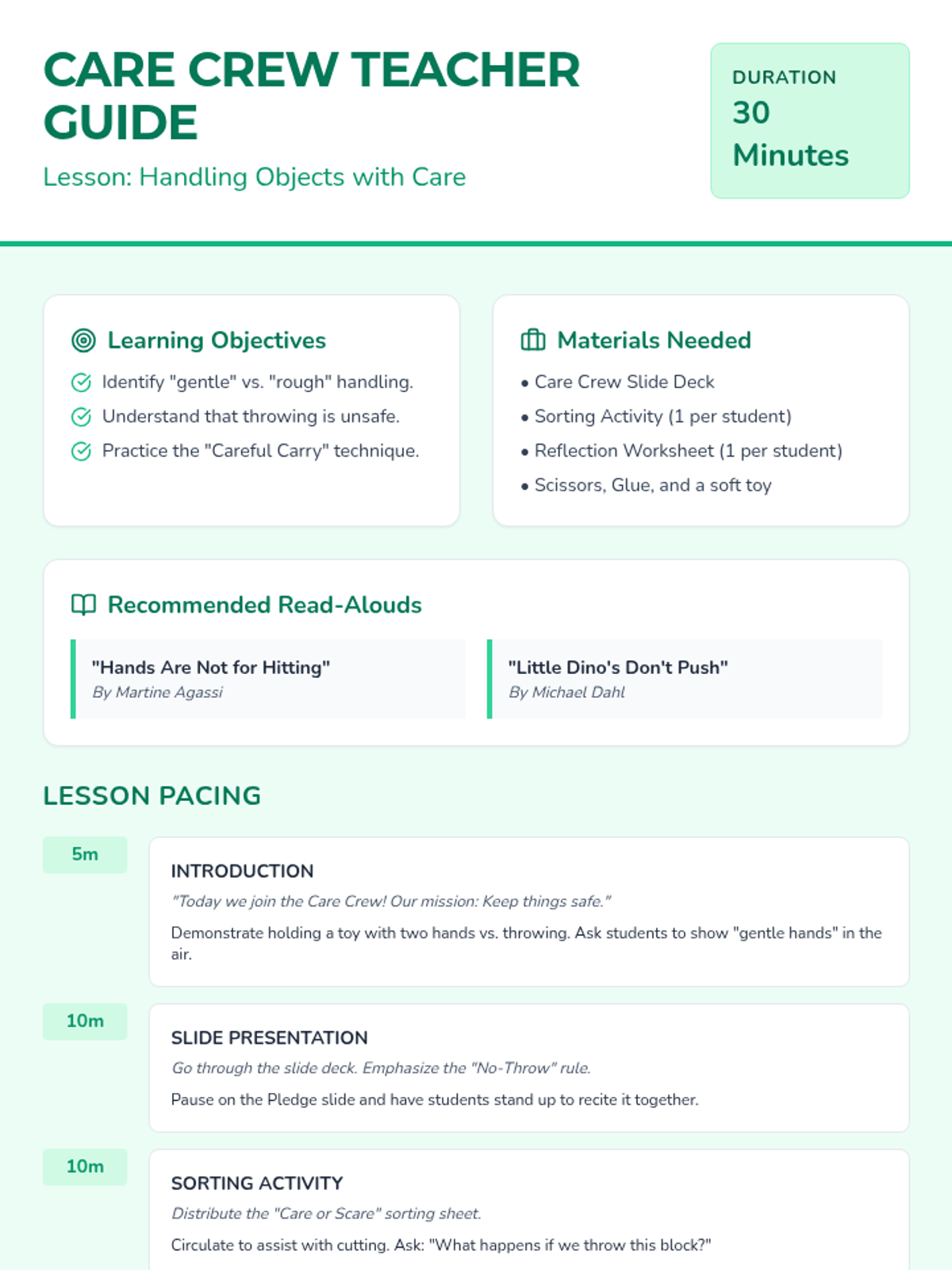
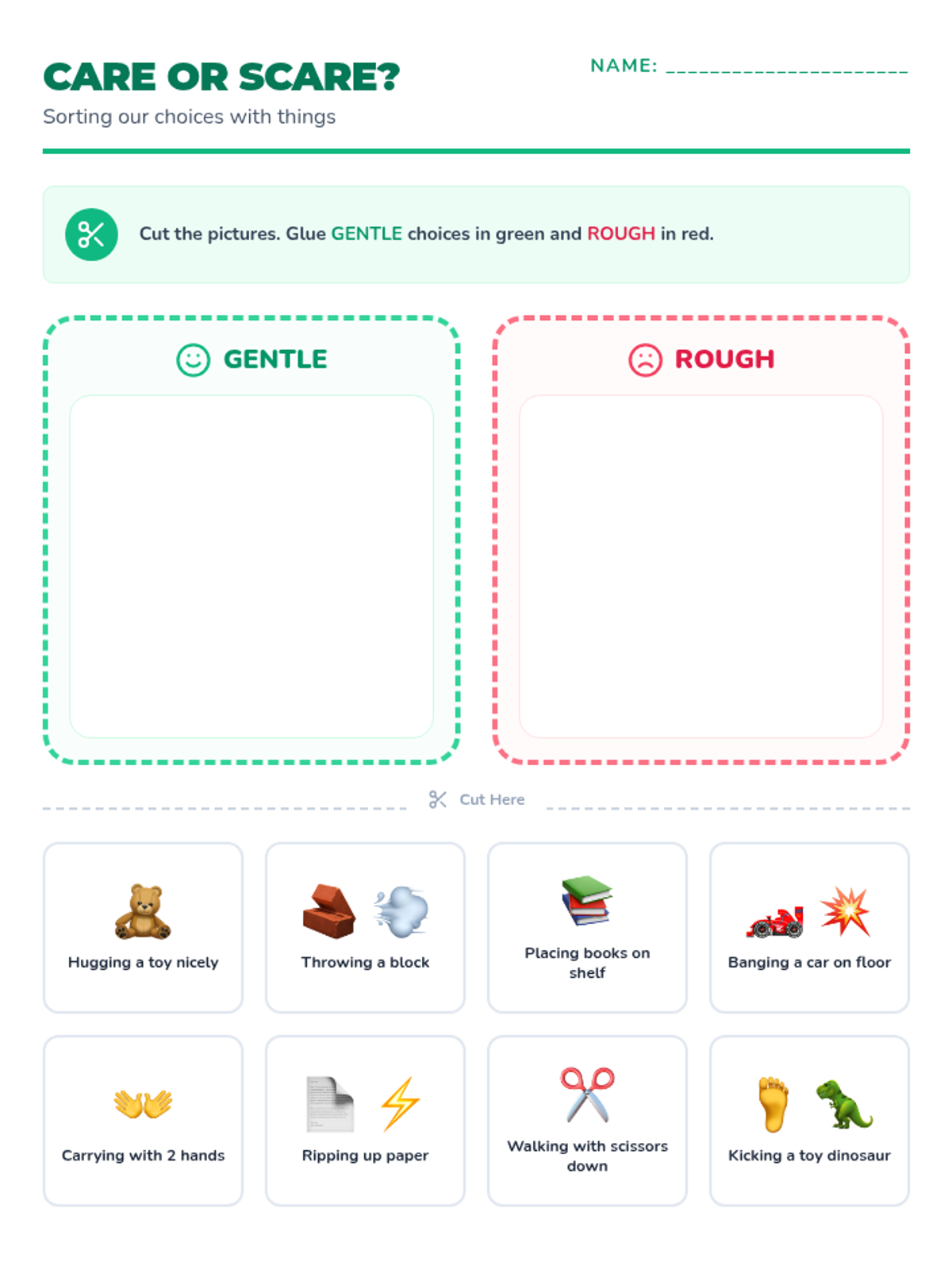
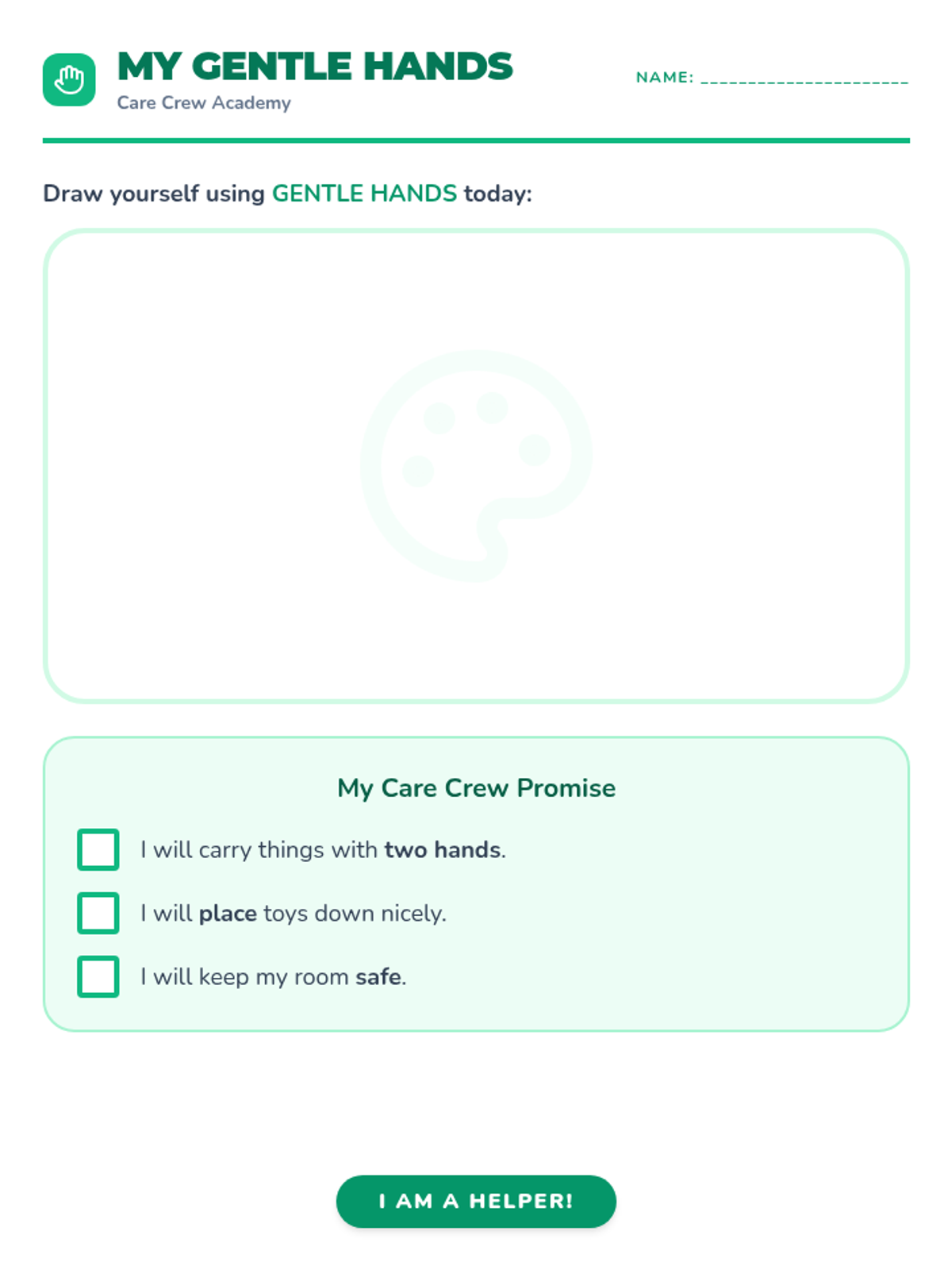
A social-emotional learning lesson for K-1 students focusing on the importance of handling objects gently and the consequences of throwing things. This lesson uses a 'Care Crew' theme to build positive behavior habits.
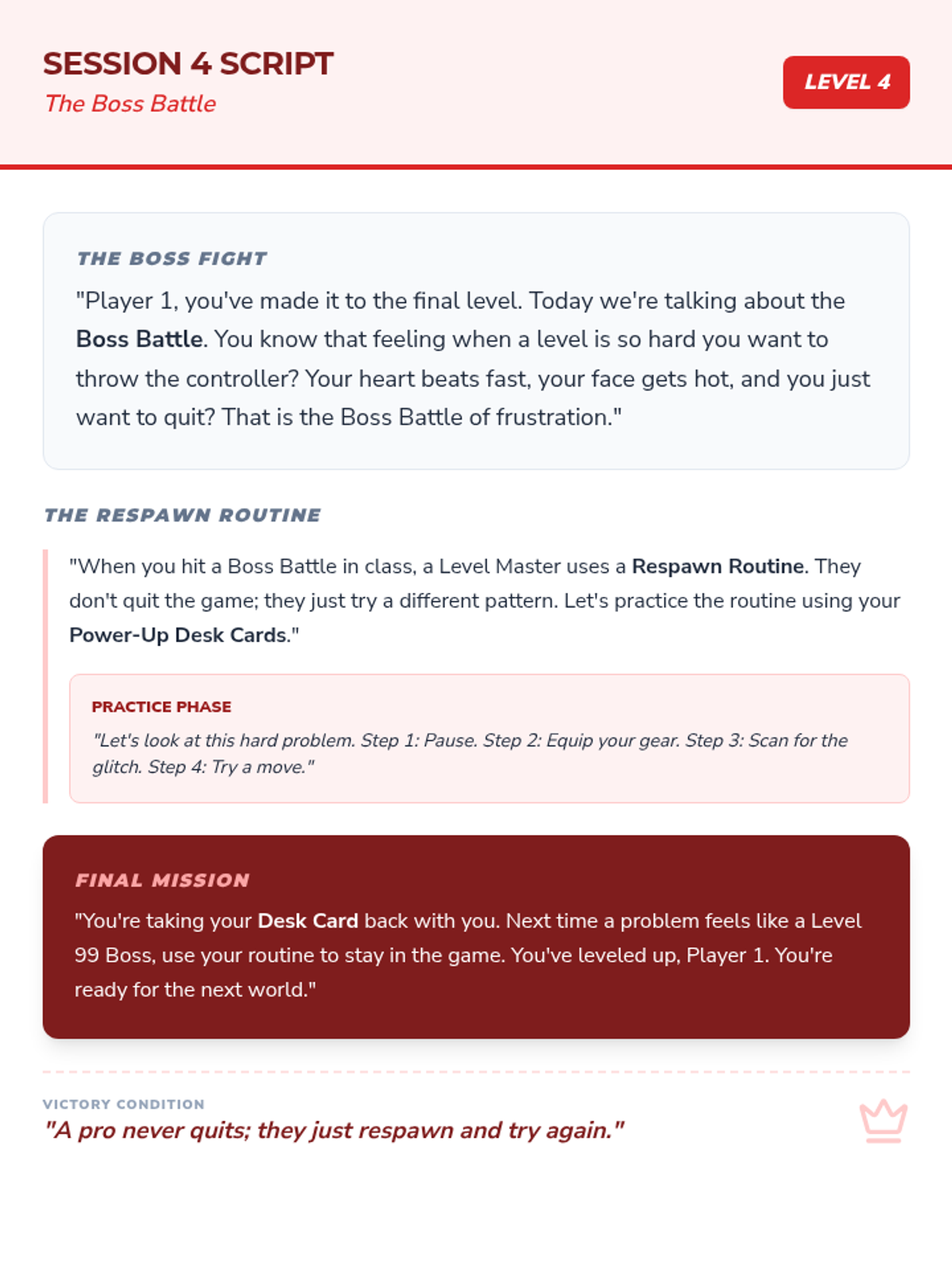
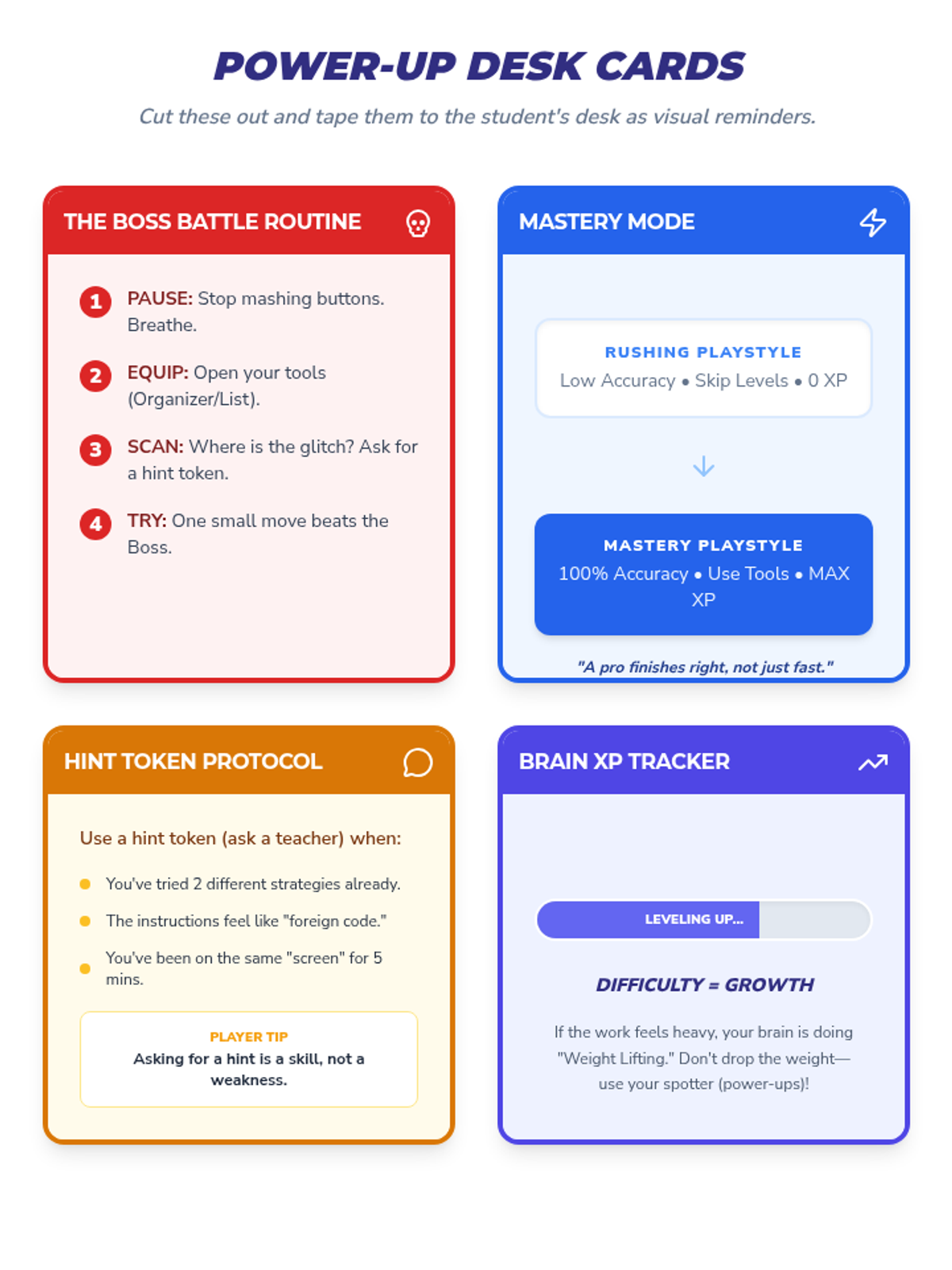
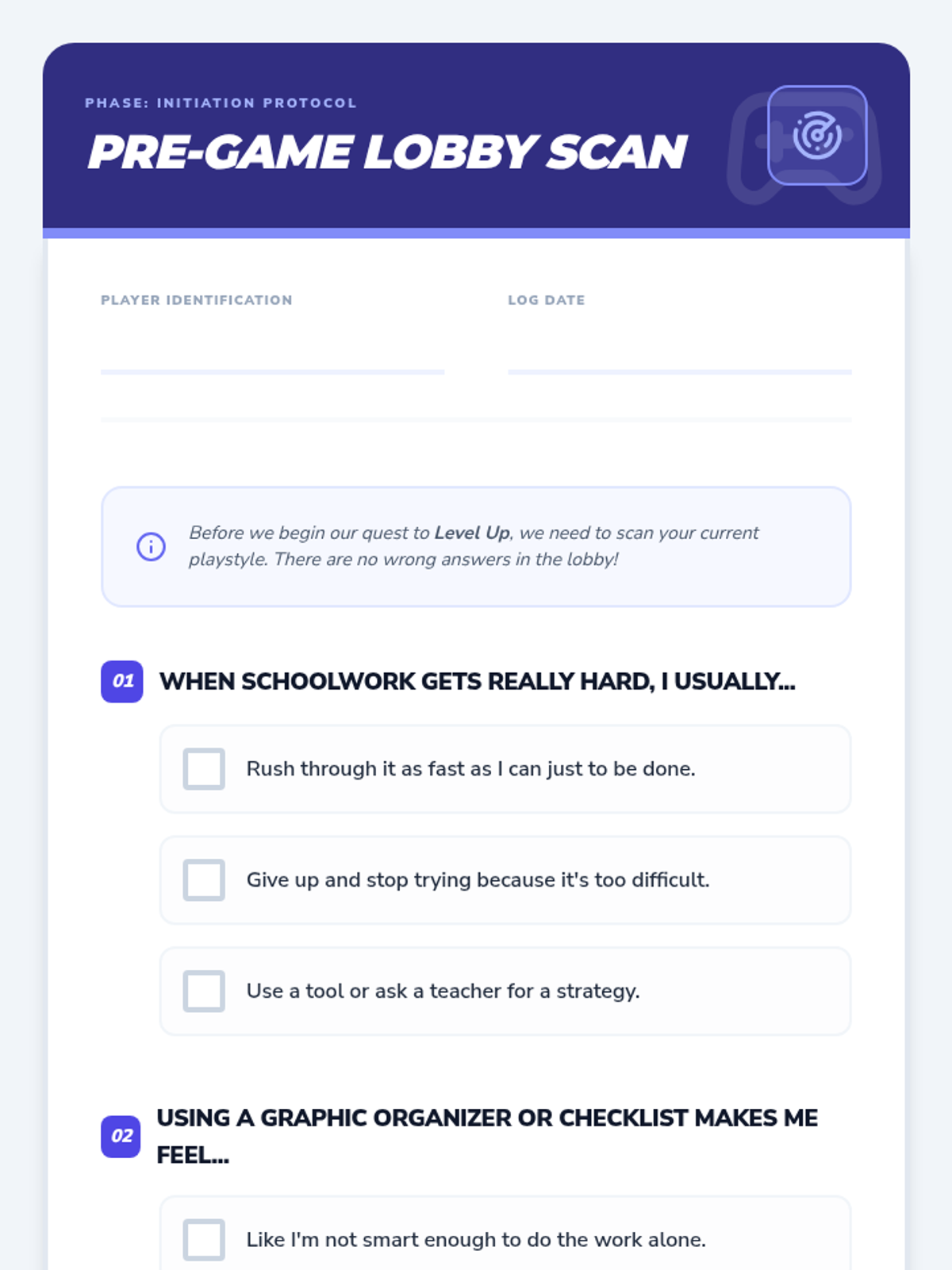
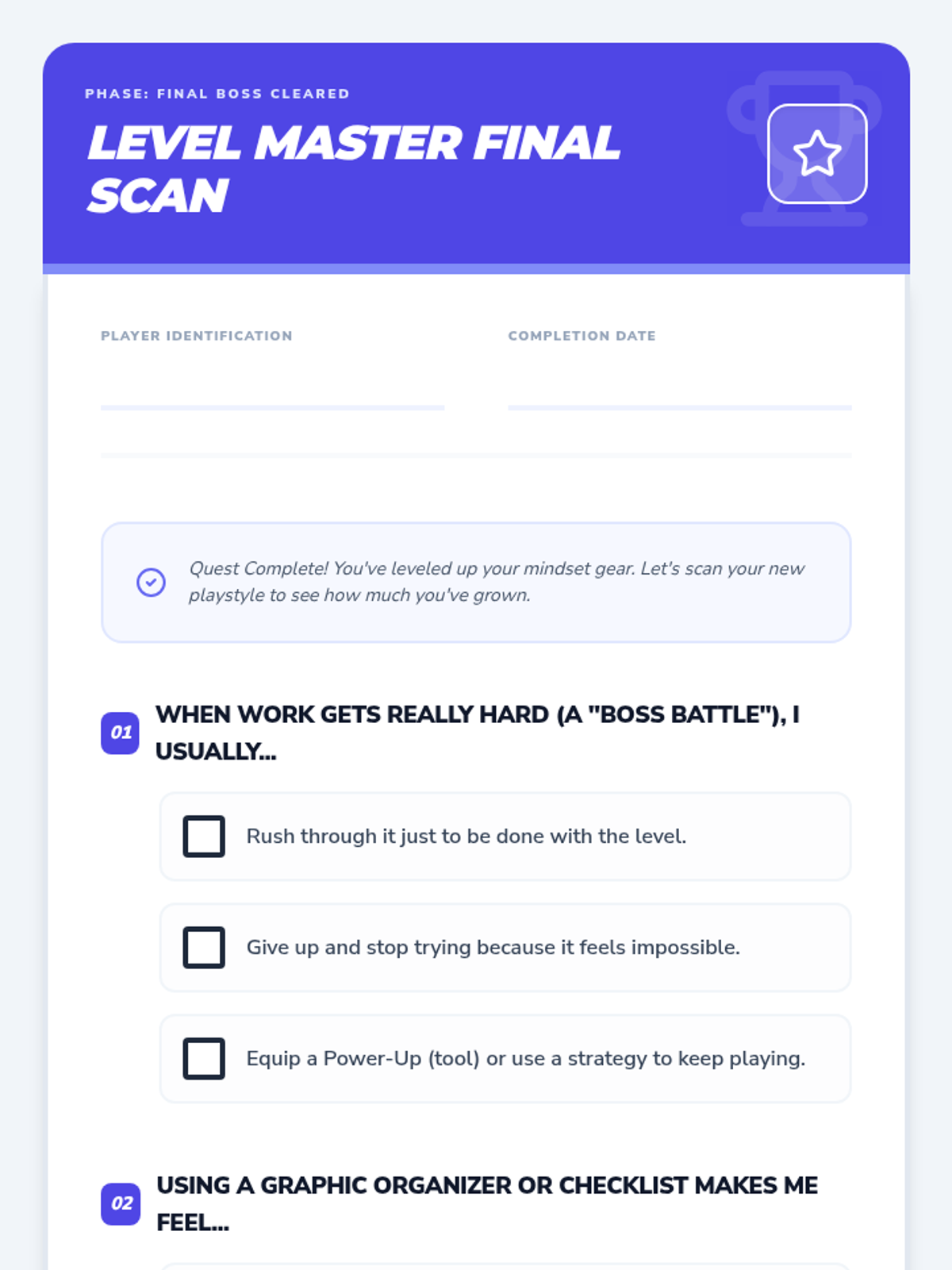
Focuses on managing frustration (the 'Boss Battle') and building the stamina to stay with a task when it gets difficult.
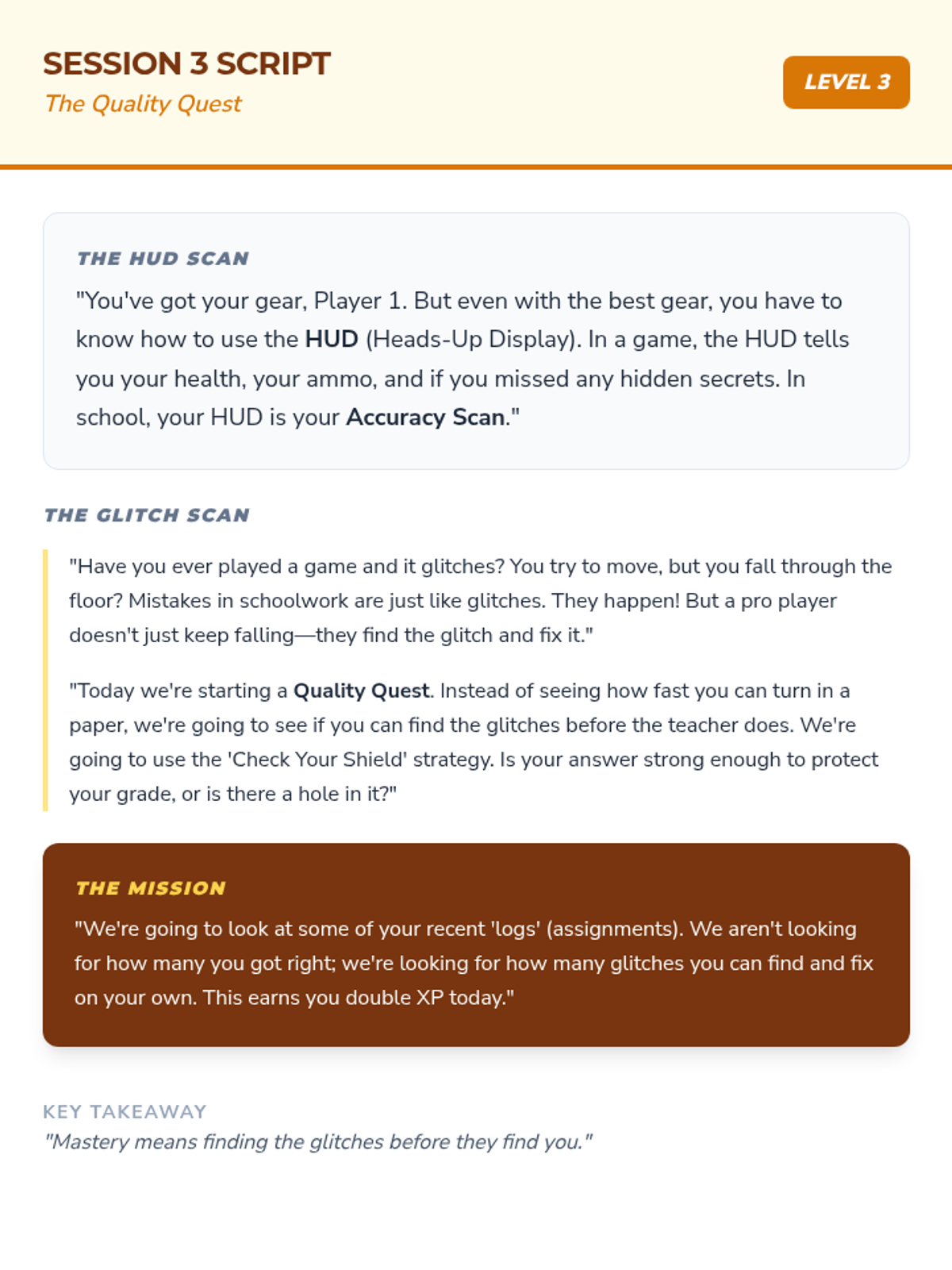
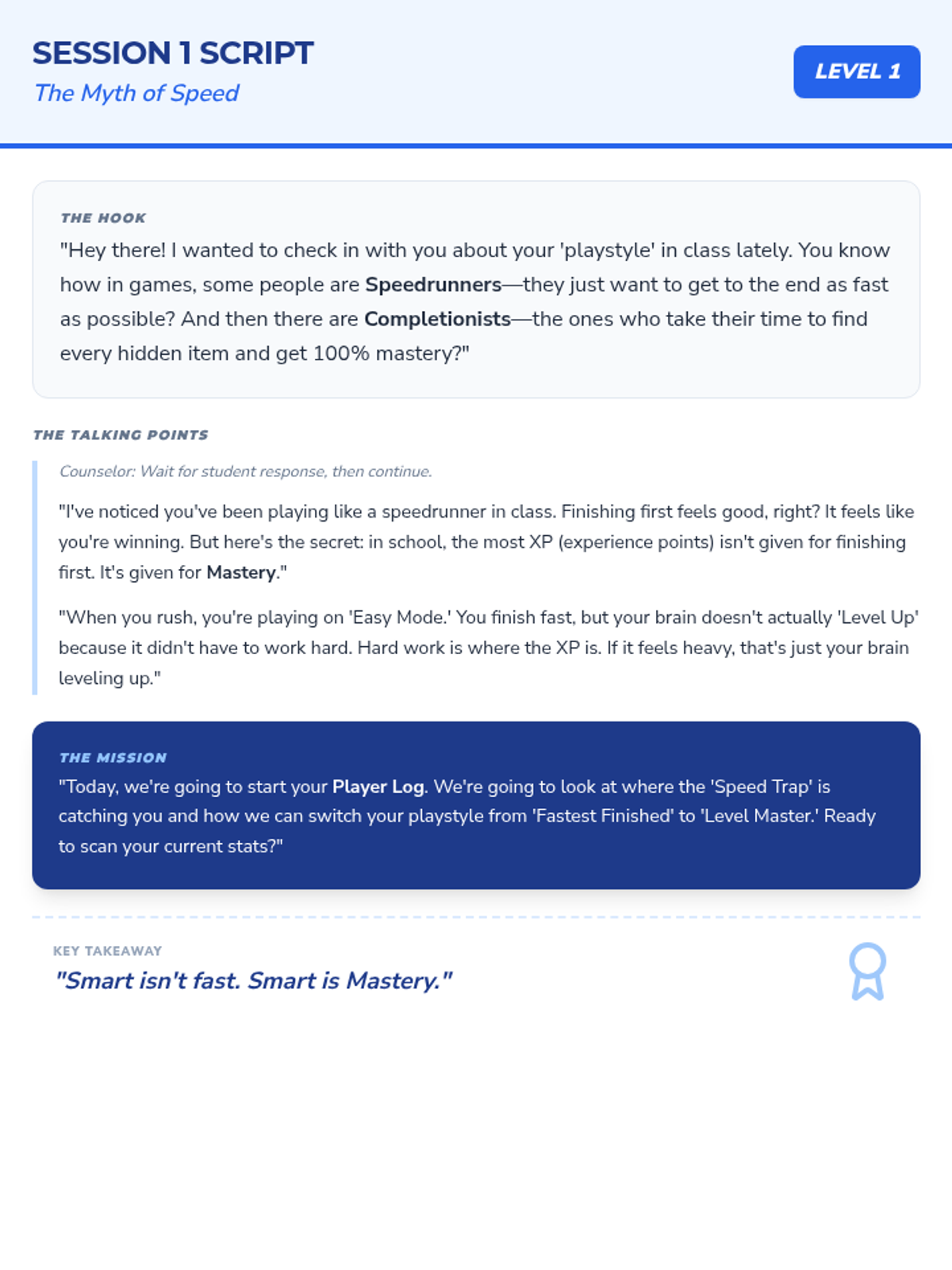
A session focused on the 'Quality Quest,' teaching self-monitoring strategies and the value of accuracy in finishing a 'level' perfectly rather than just quickly.
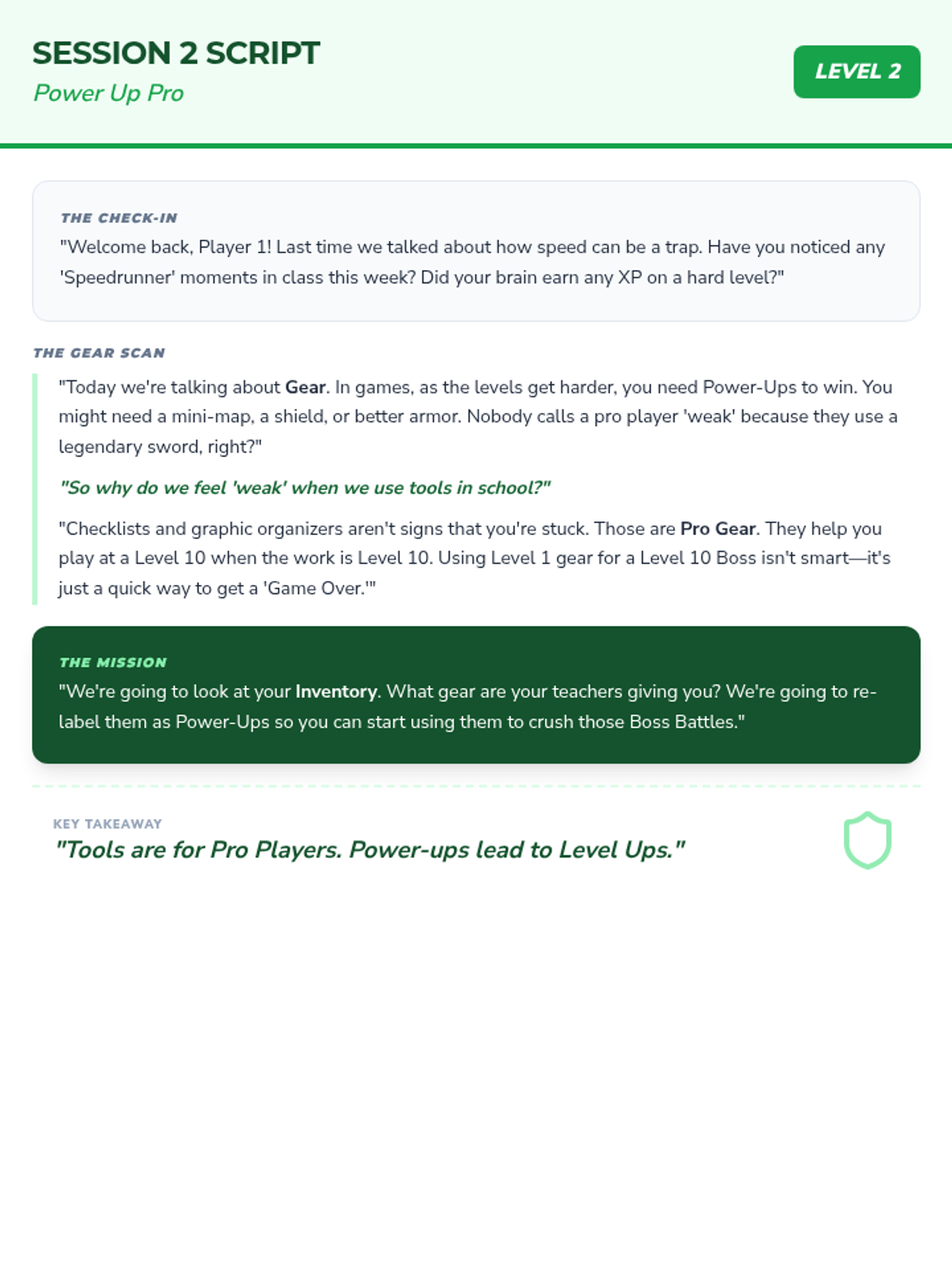
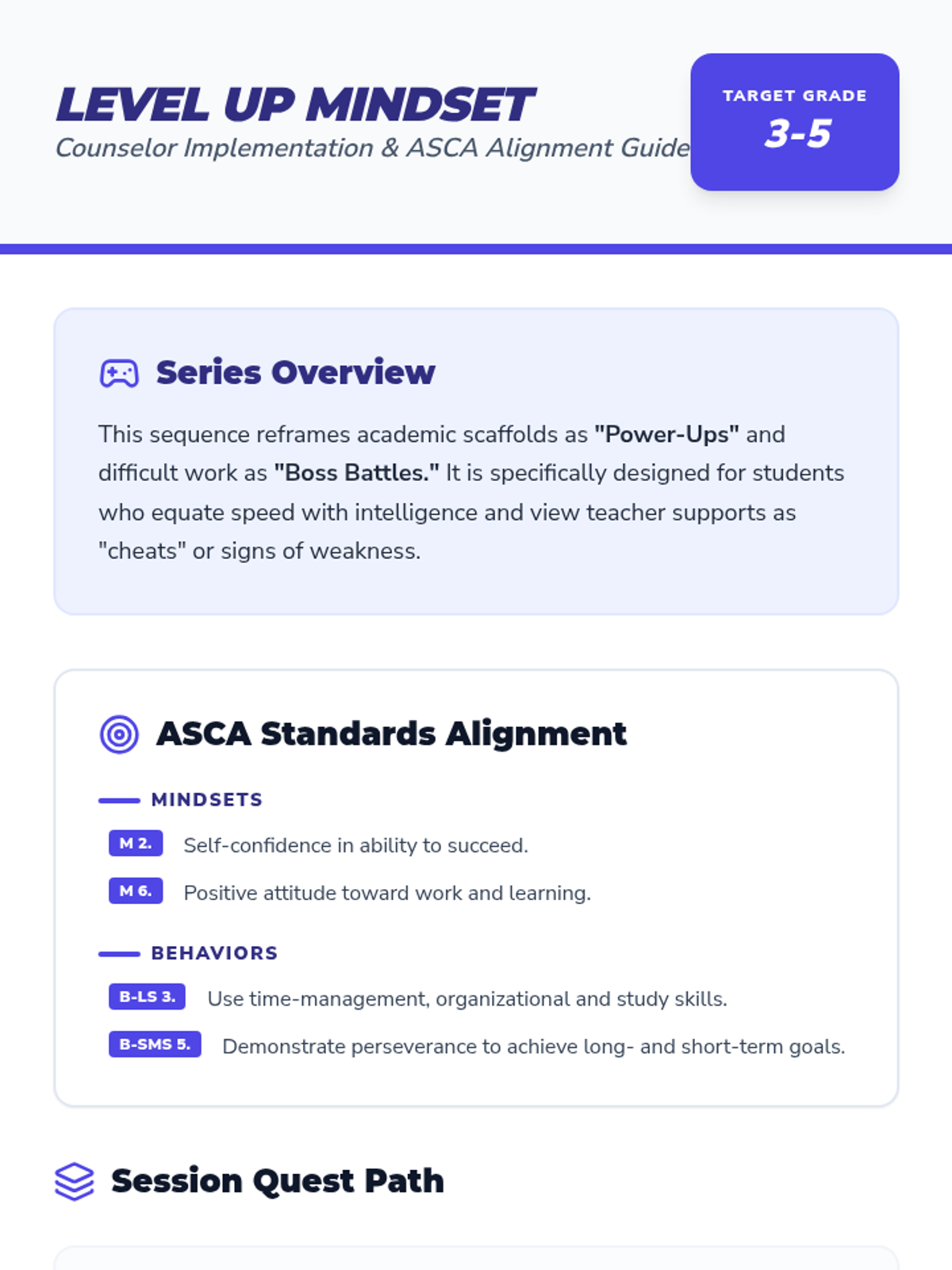
Reframing academic scaffolds and teacher supports as 'Power-Ups' that help players reach higher levels, rather than 'cheats' or signs of weakness.
Redefining what it means to be 'smart' by focusing on brain growth (XP) rather than speed. Introduces the concept that expert gamers practice slowly to master skills.
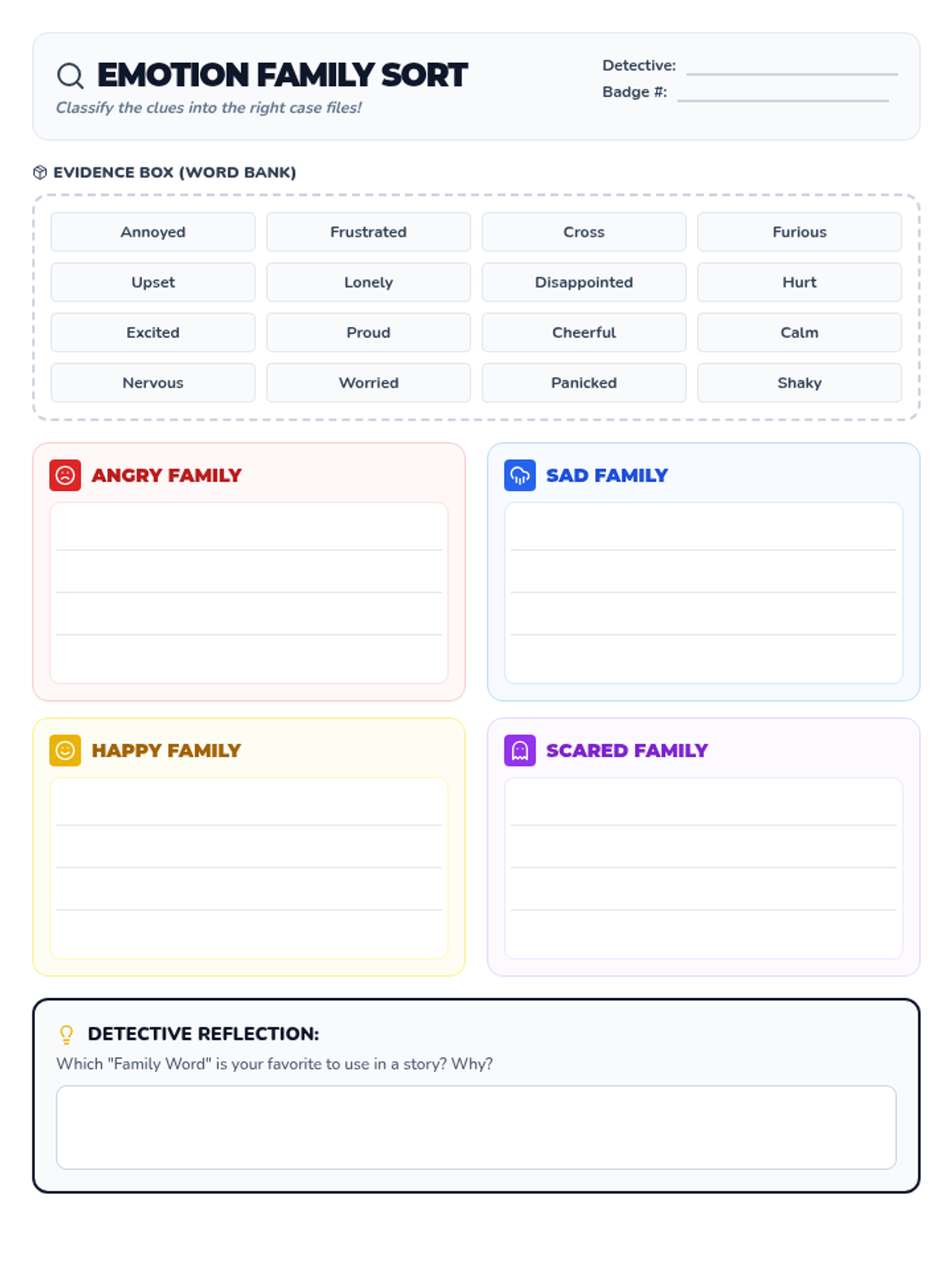
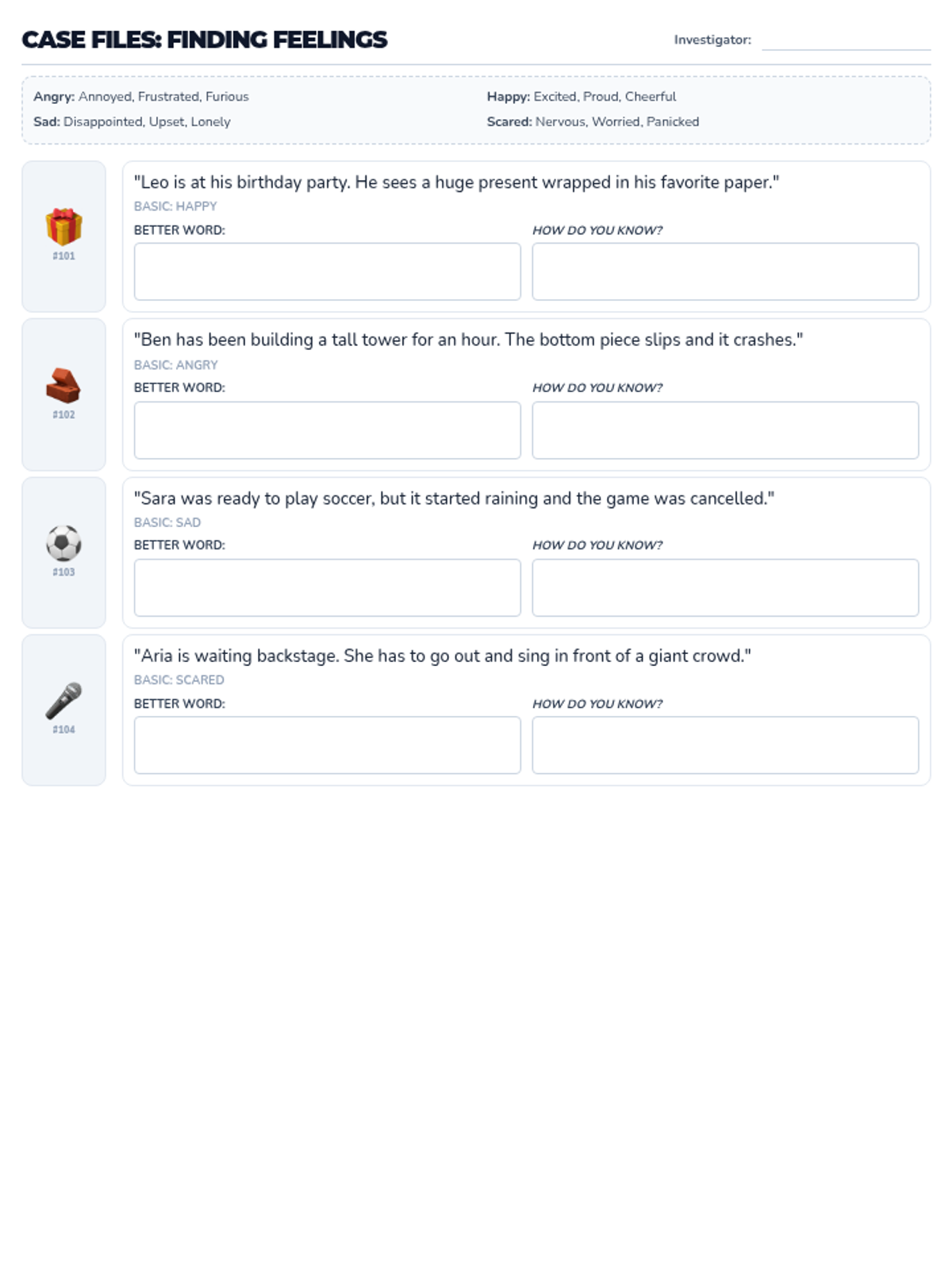
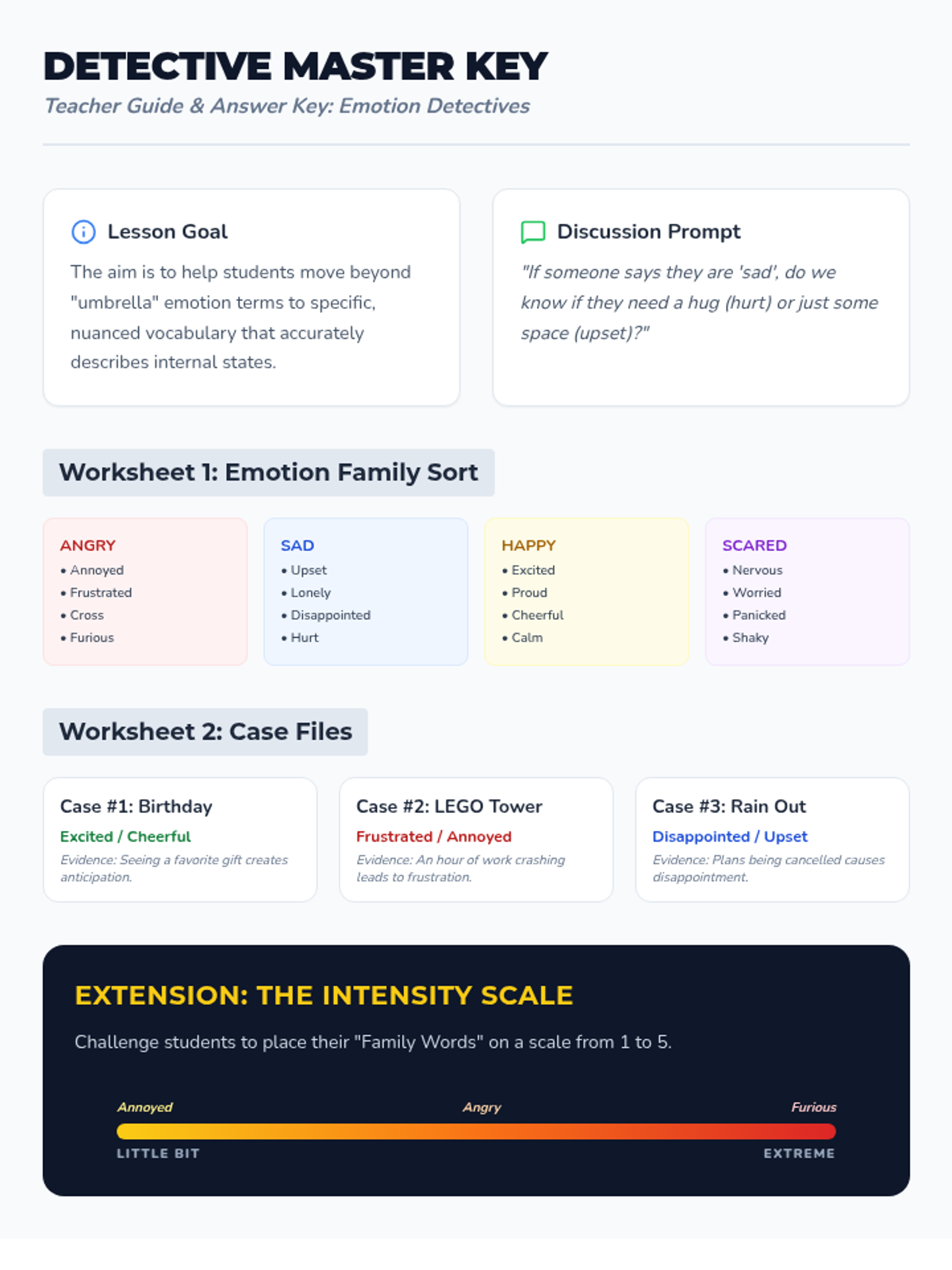
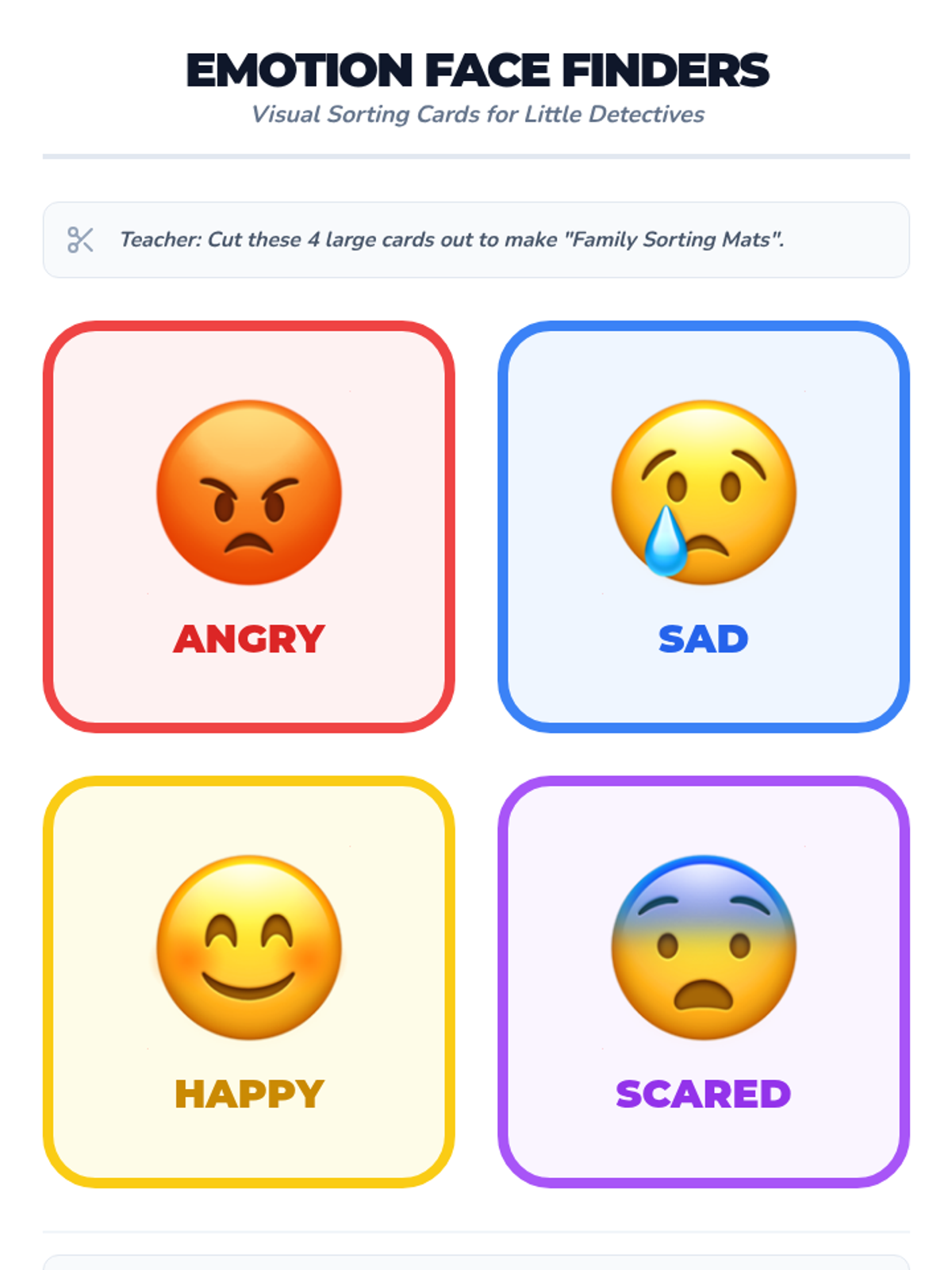
Students will explore 'emotion families' to expand their vocabulary beyond basic feeling words. They will analyze picture scenes to identify nuanced emotions and sort various feeling words into appropriate categories.
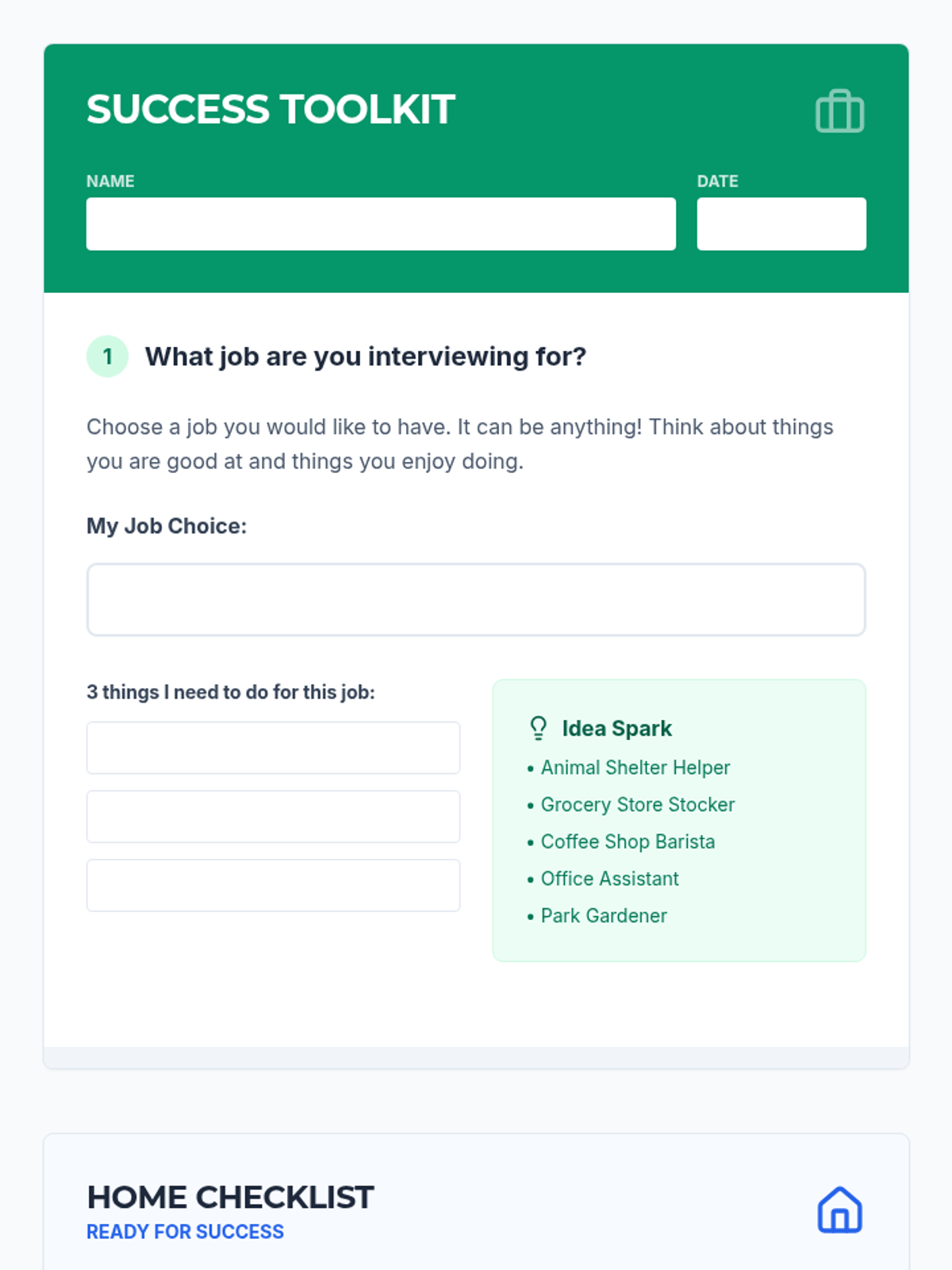
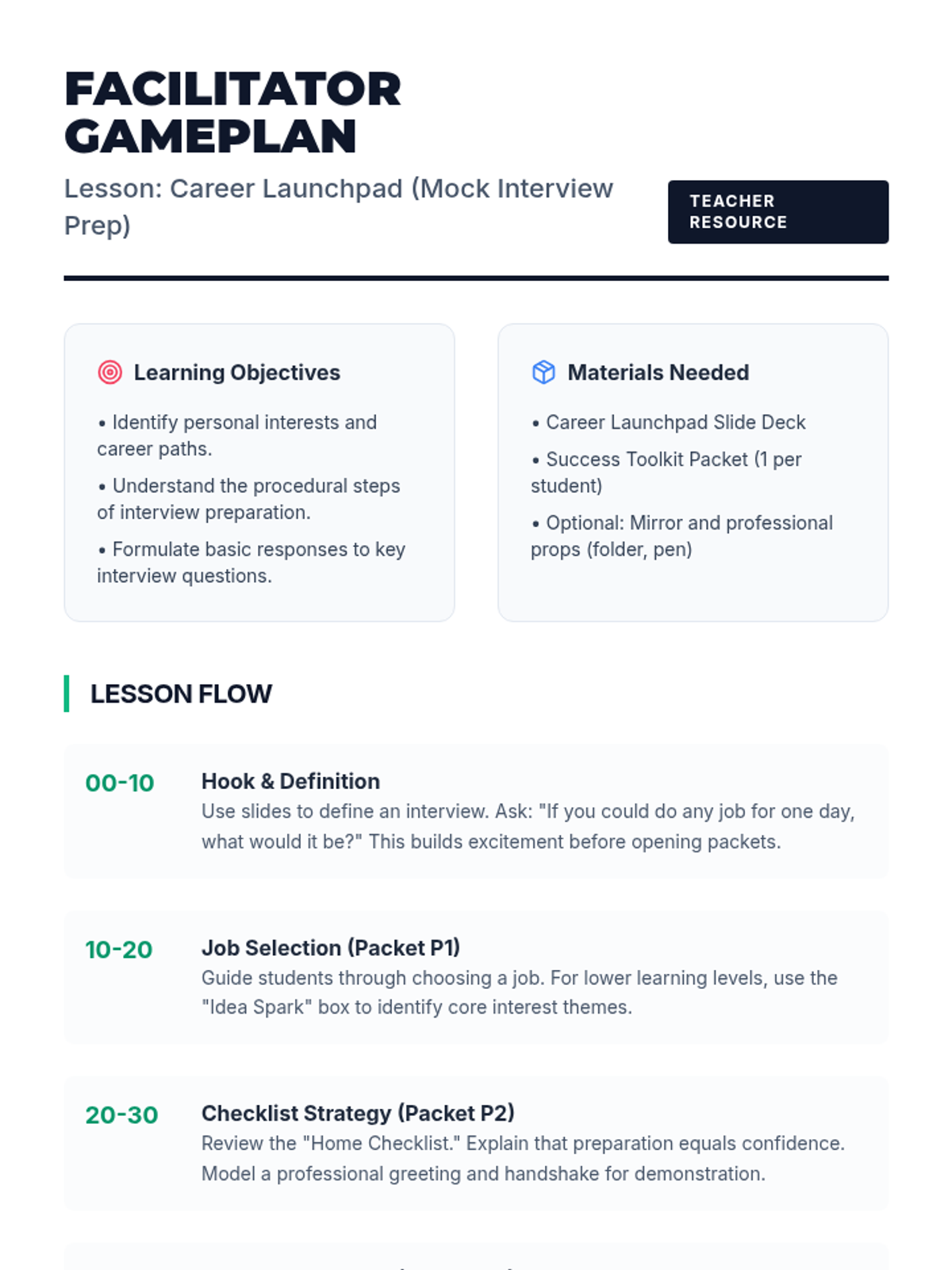
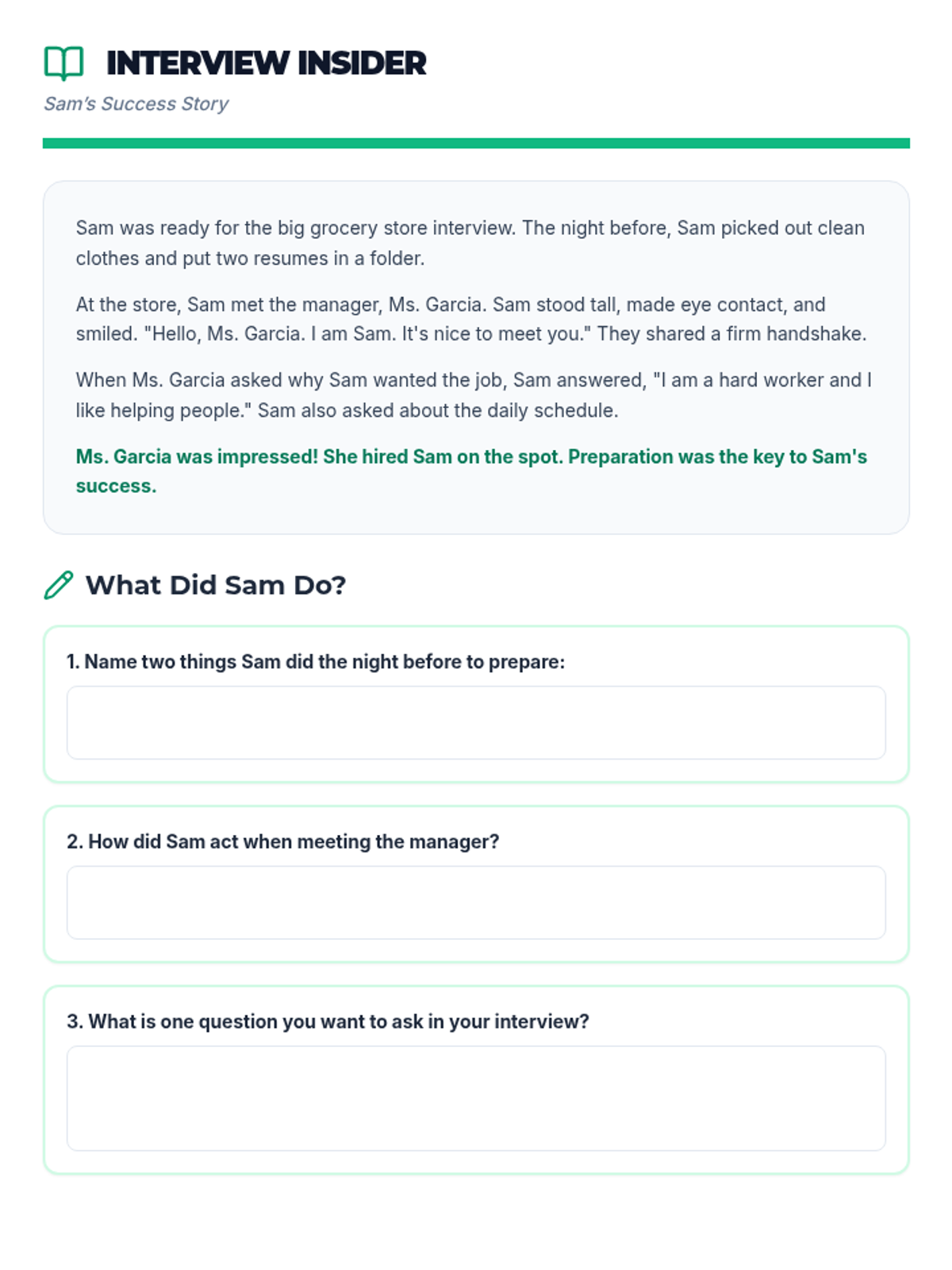
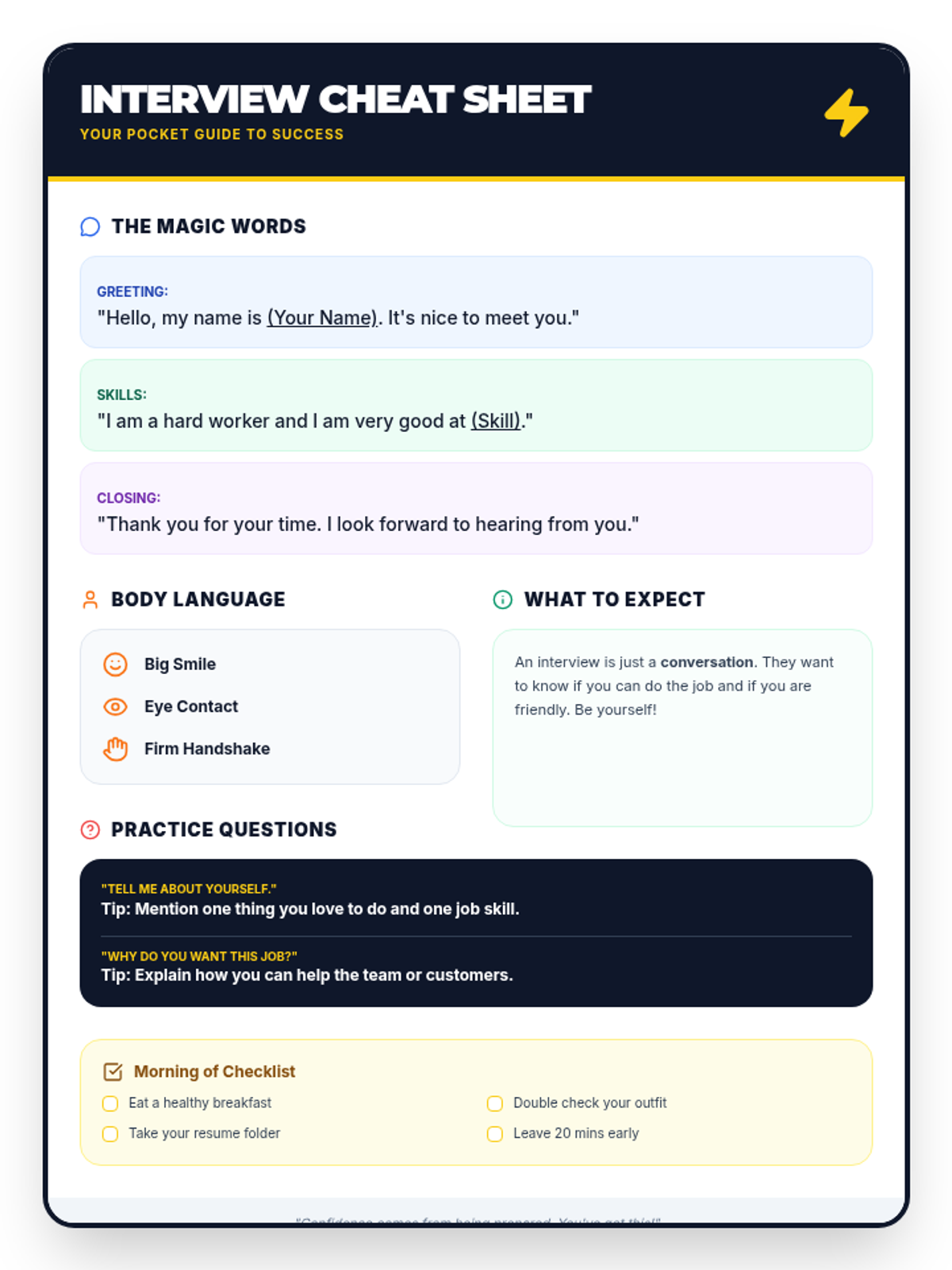
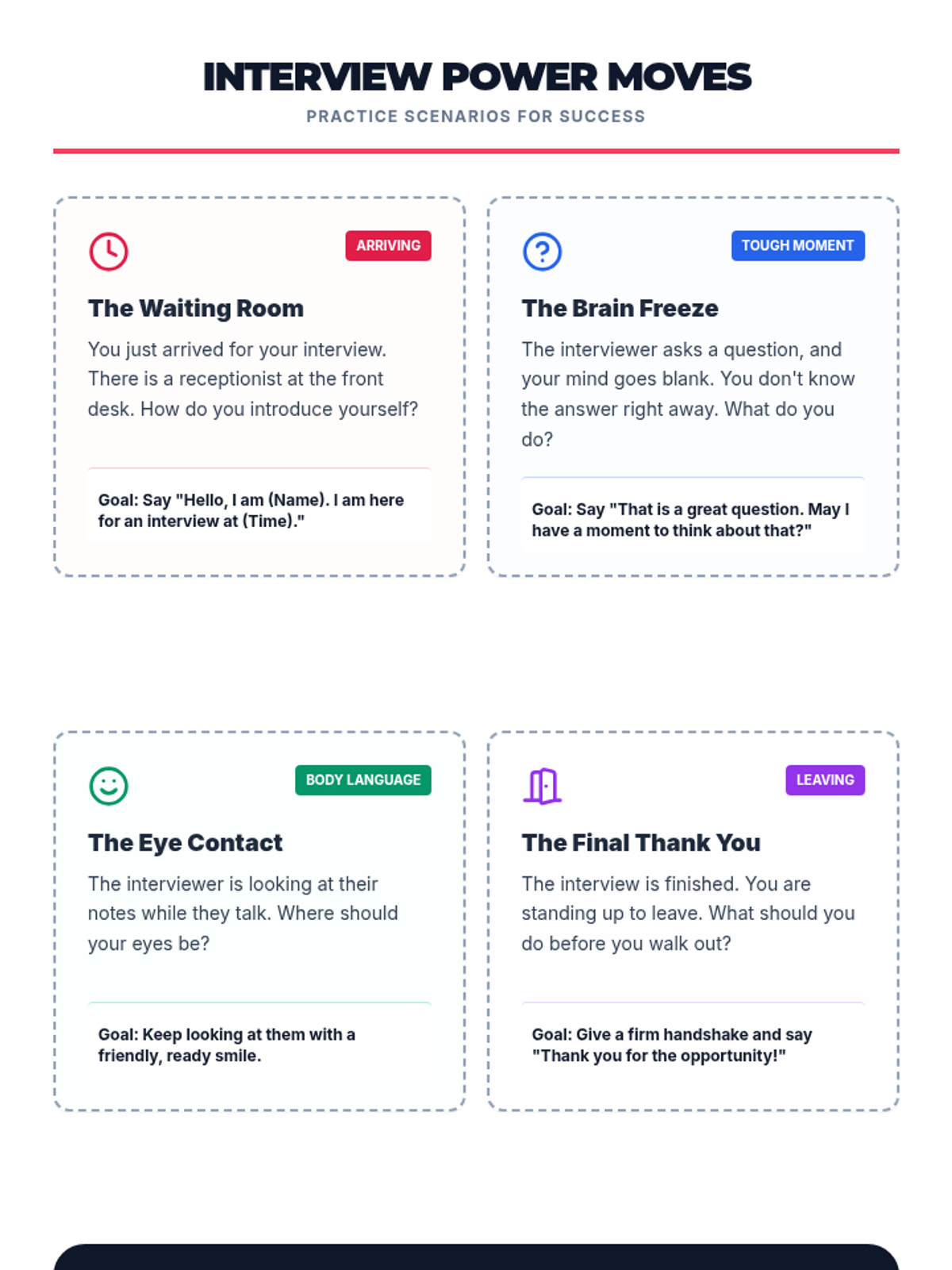
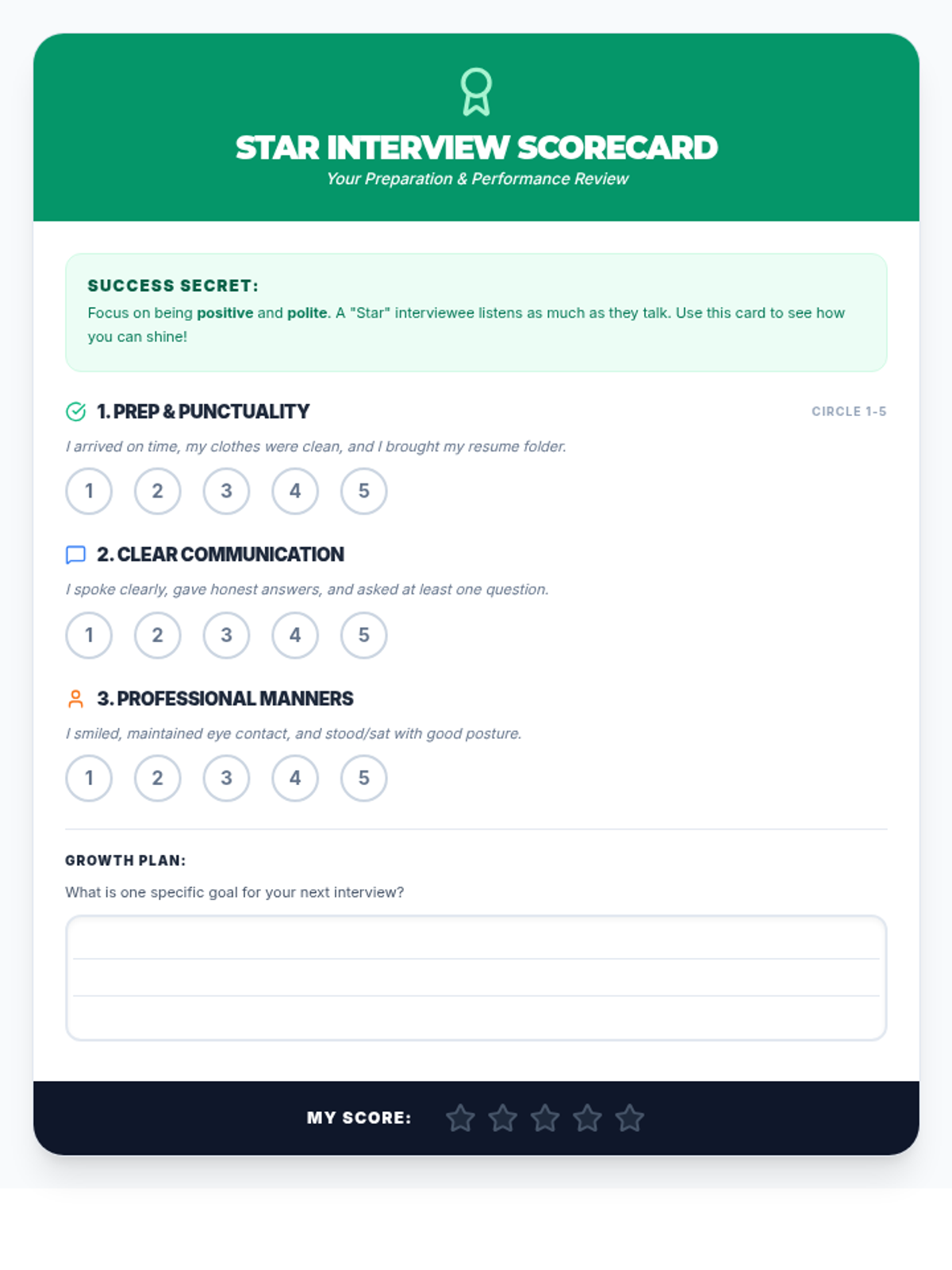
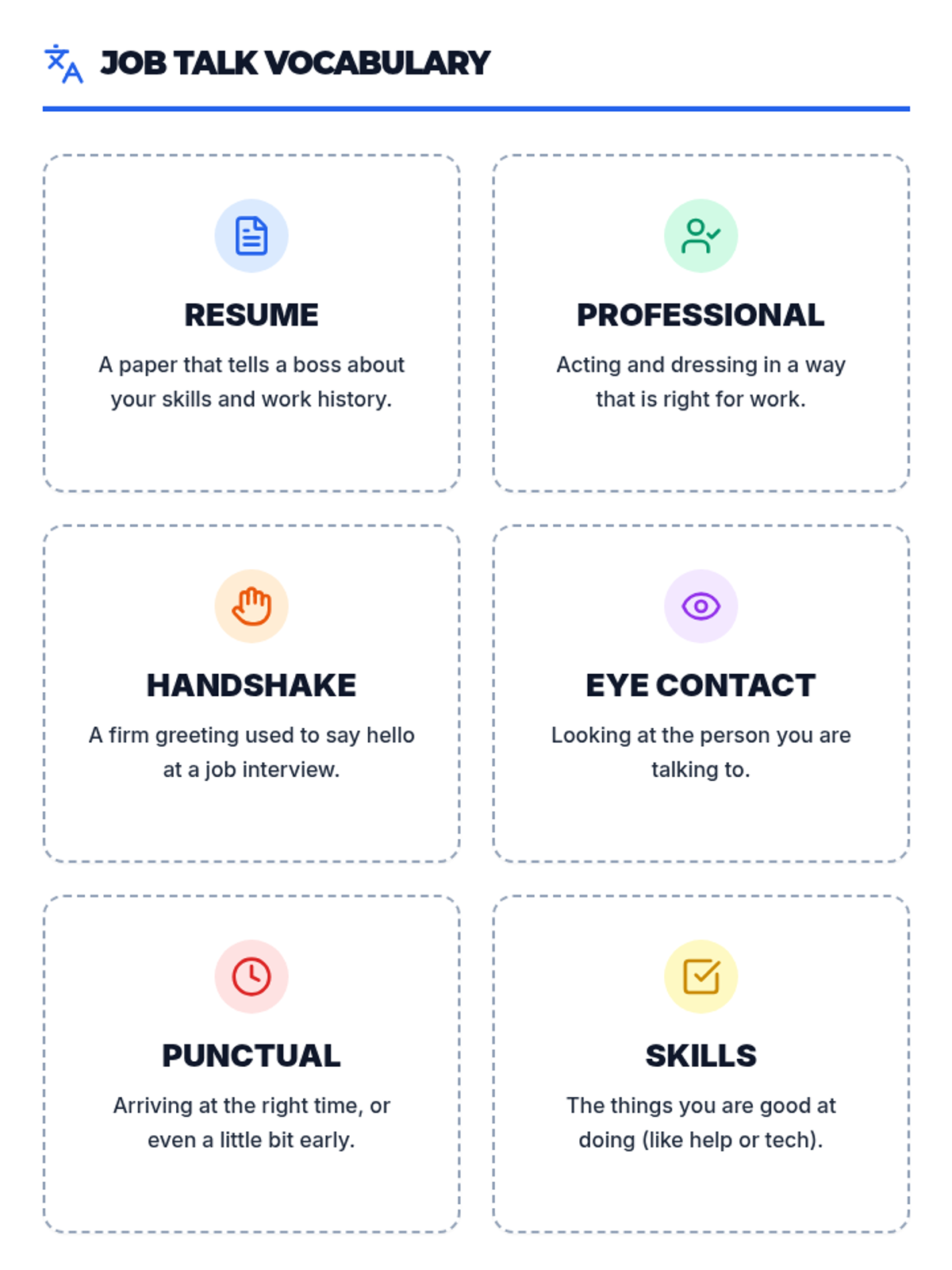
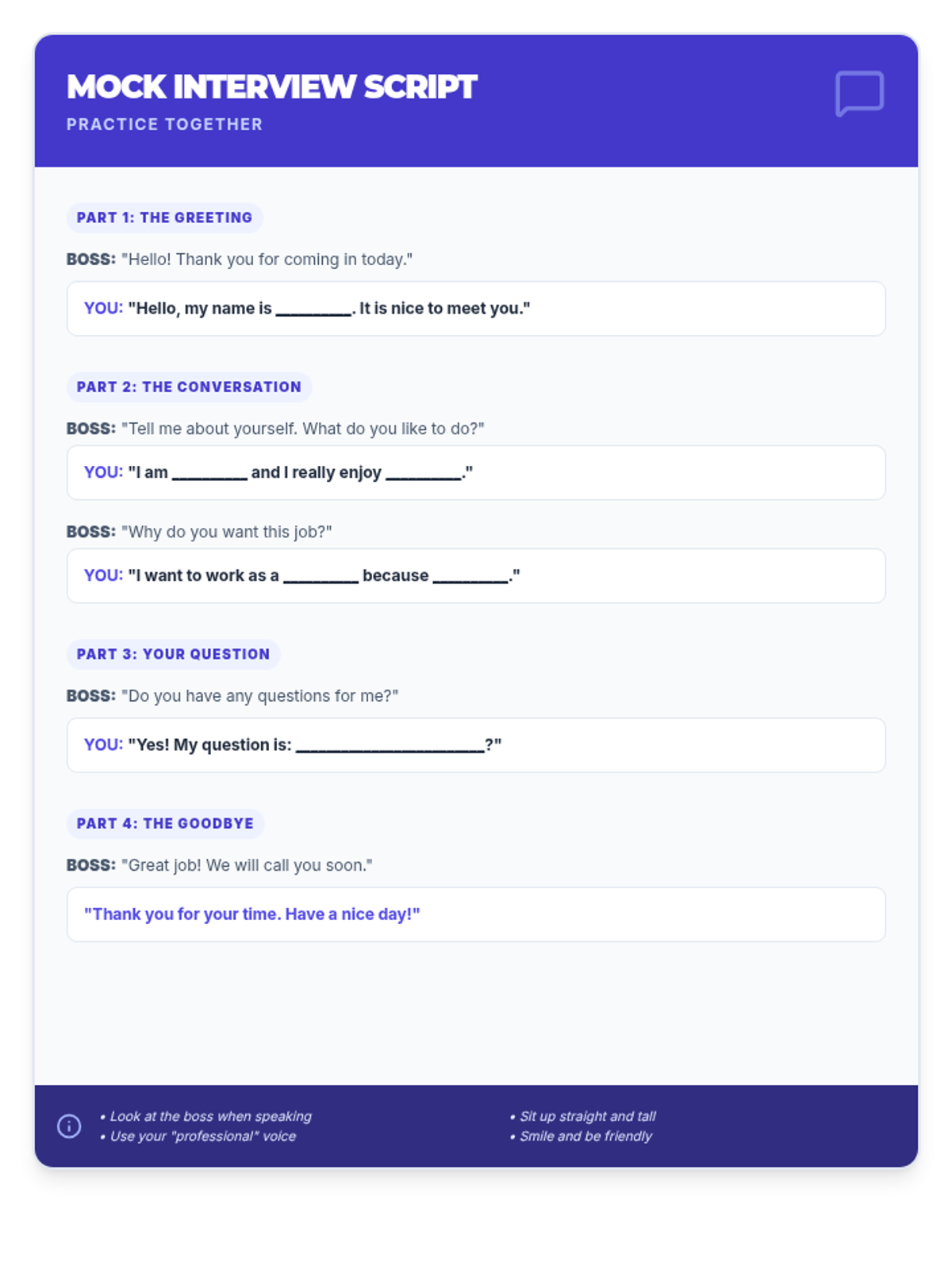
A comprehensive lesson designed to help students identify a target job, prepare for an interview with practical tips and checklists, and collaborate on job-specific question preparation.
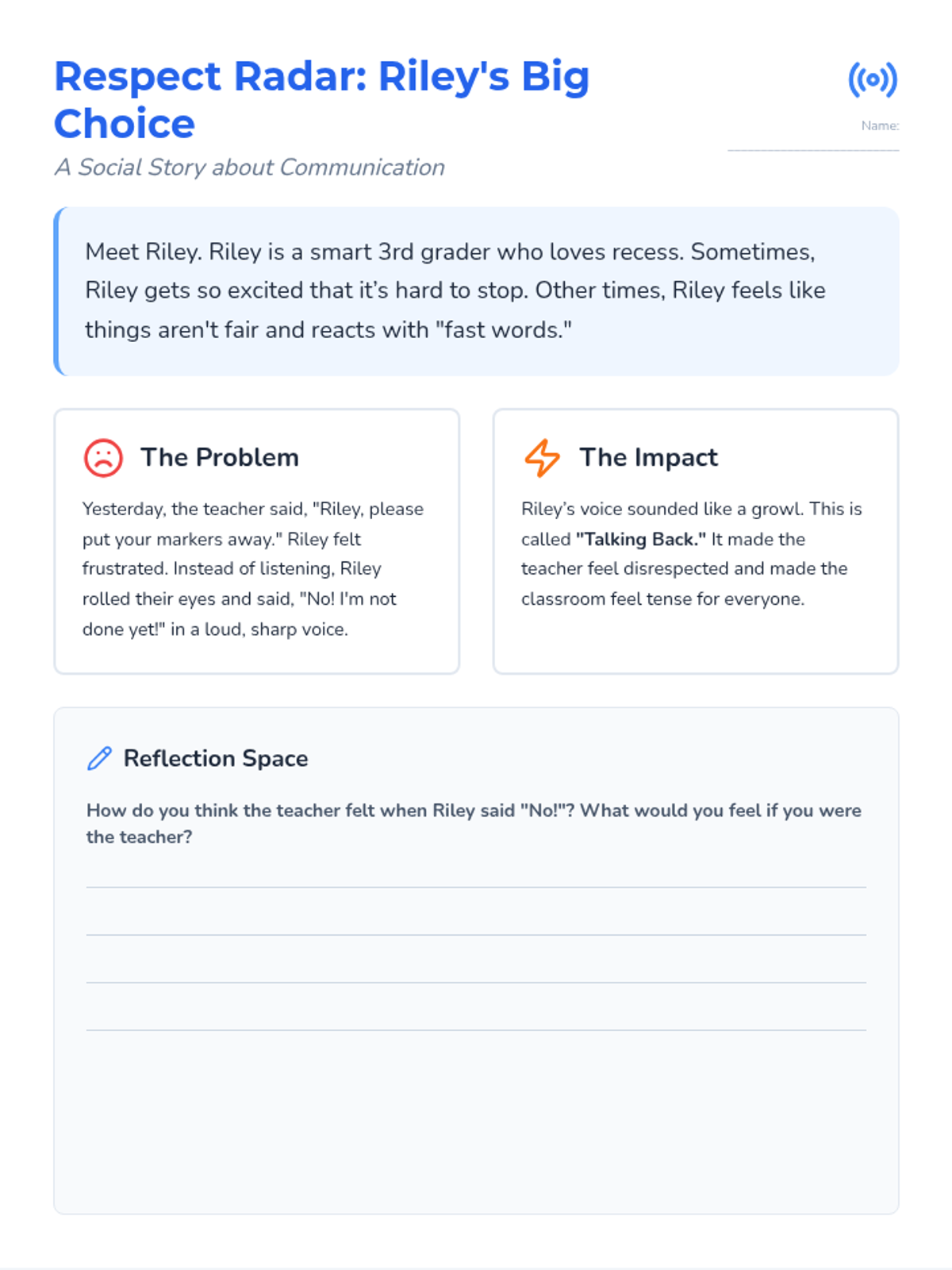
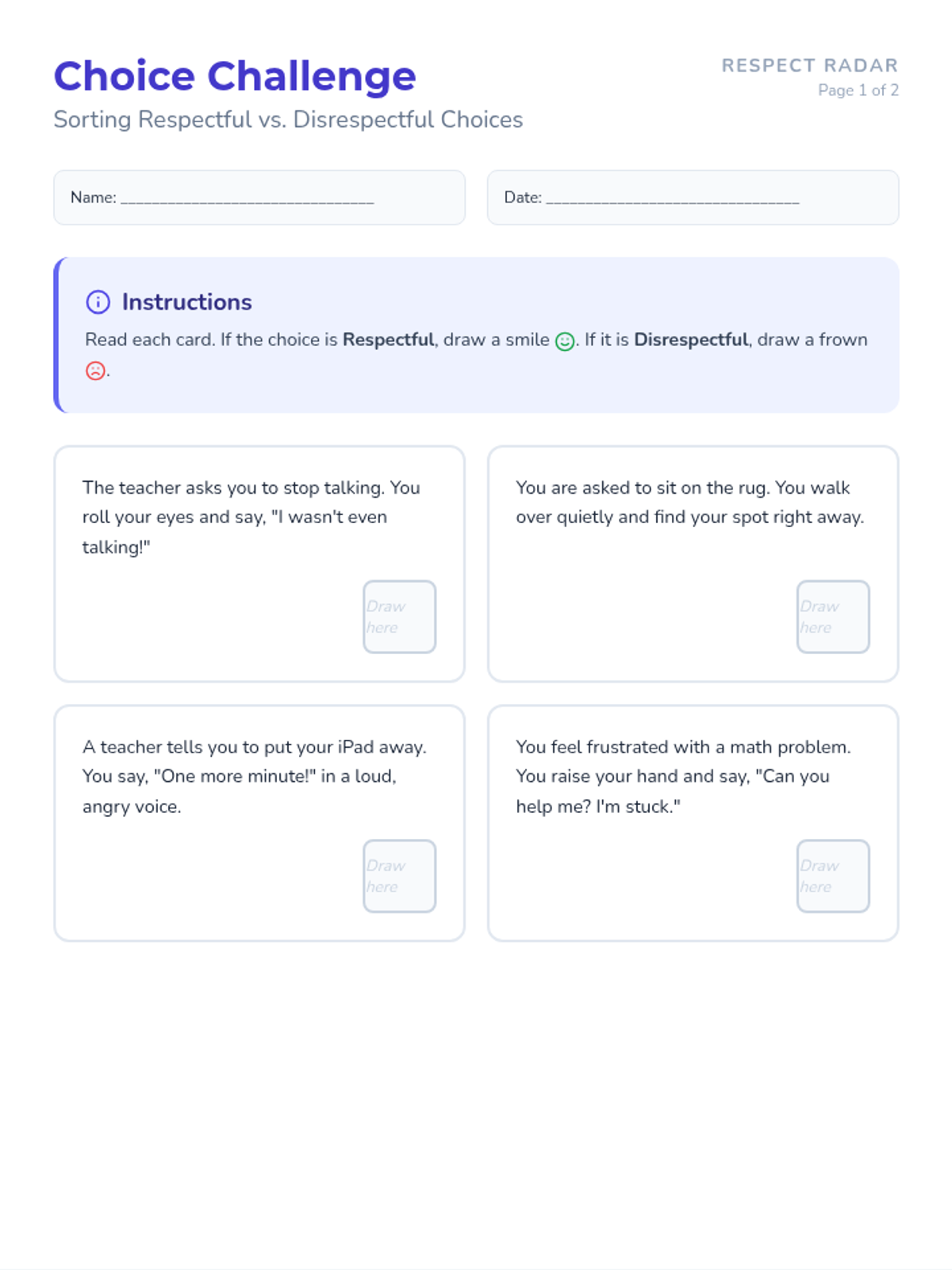
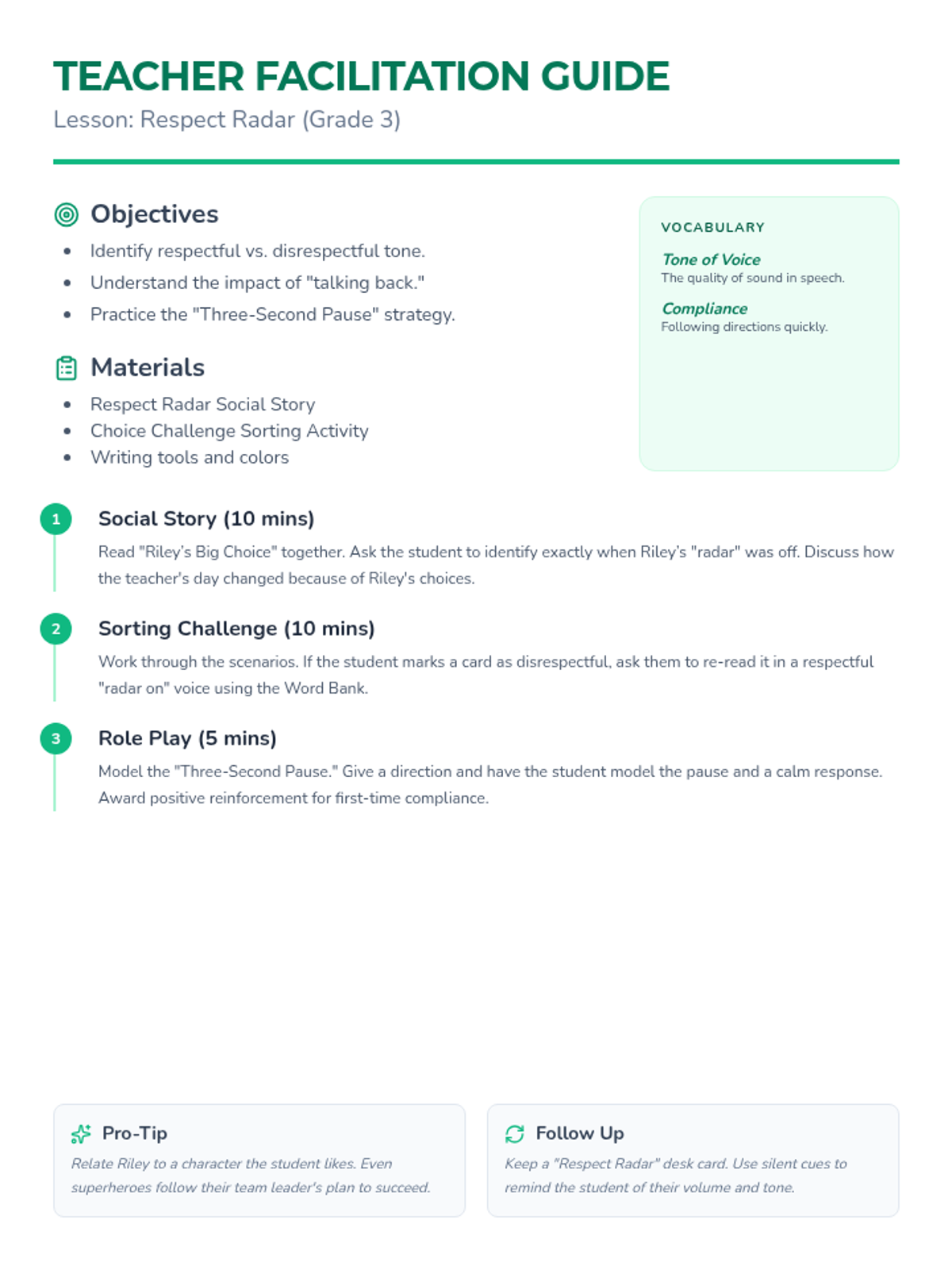
An individual social-emotional learning lesson designed for 3rd graders struggling with respectful communication and compliance. This lesson uses a social story and sorting activity to identify disrespectful behaviors like talking back and refusing directions while providing respectful alternatives.
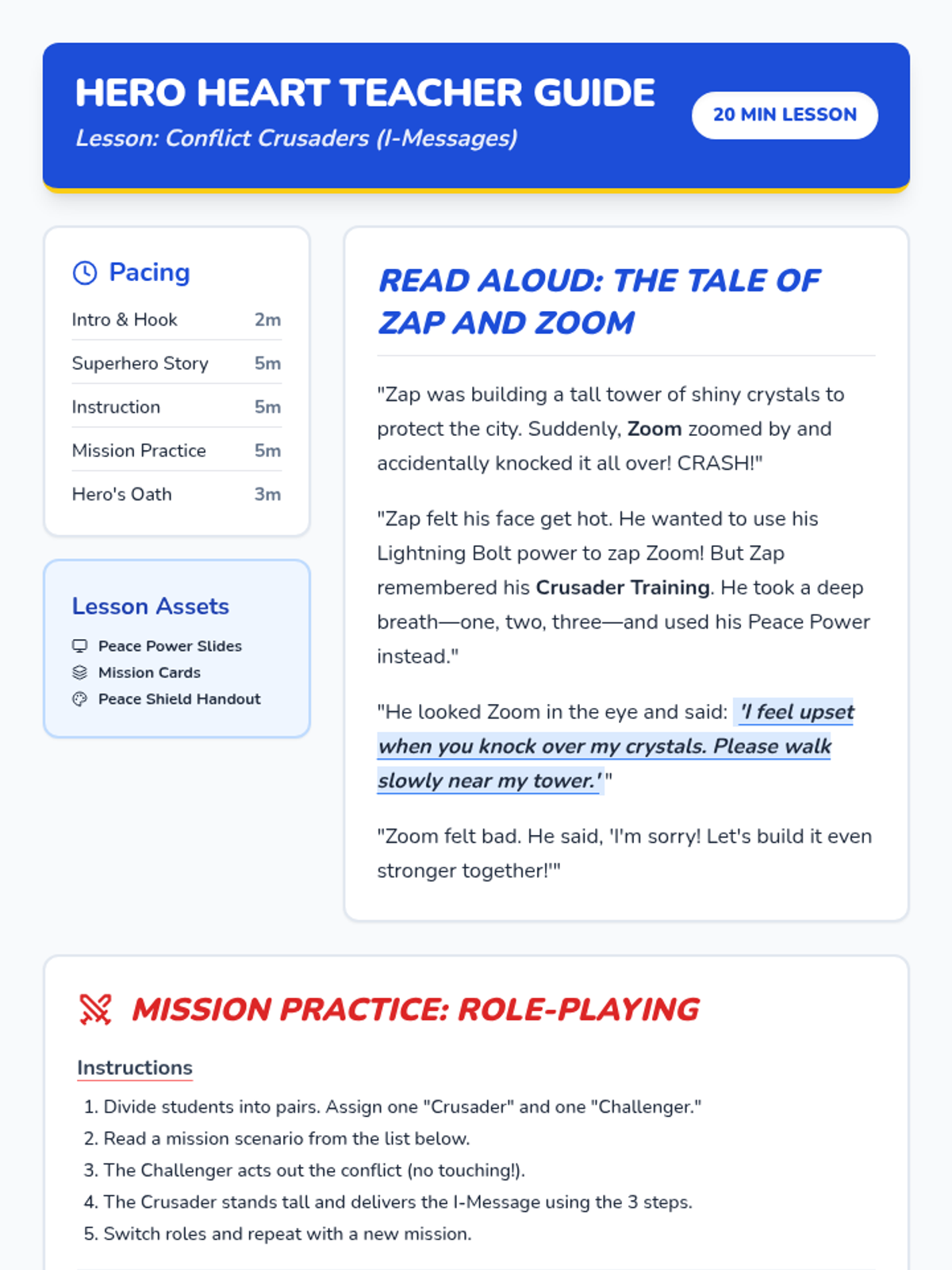
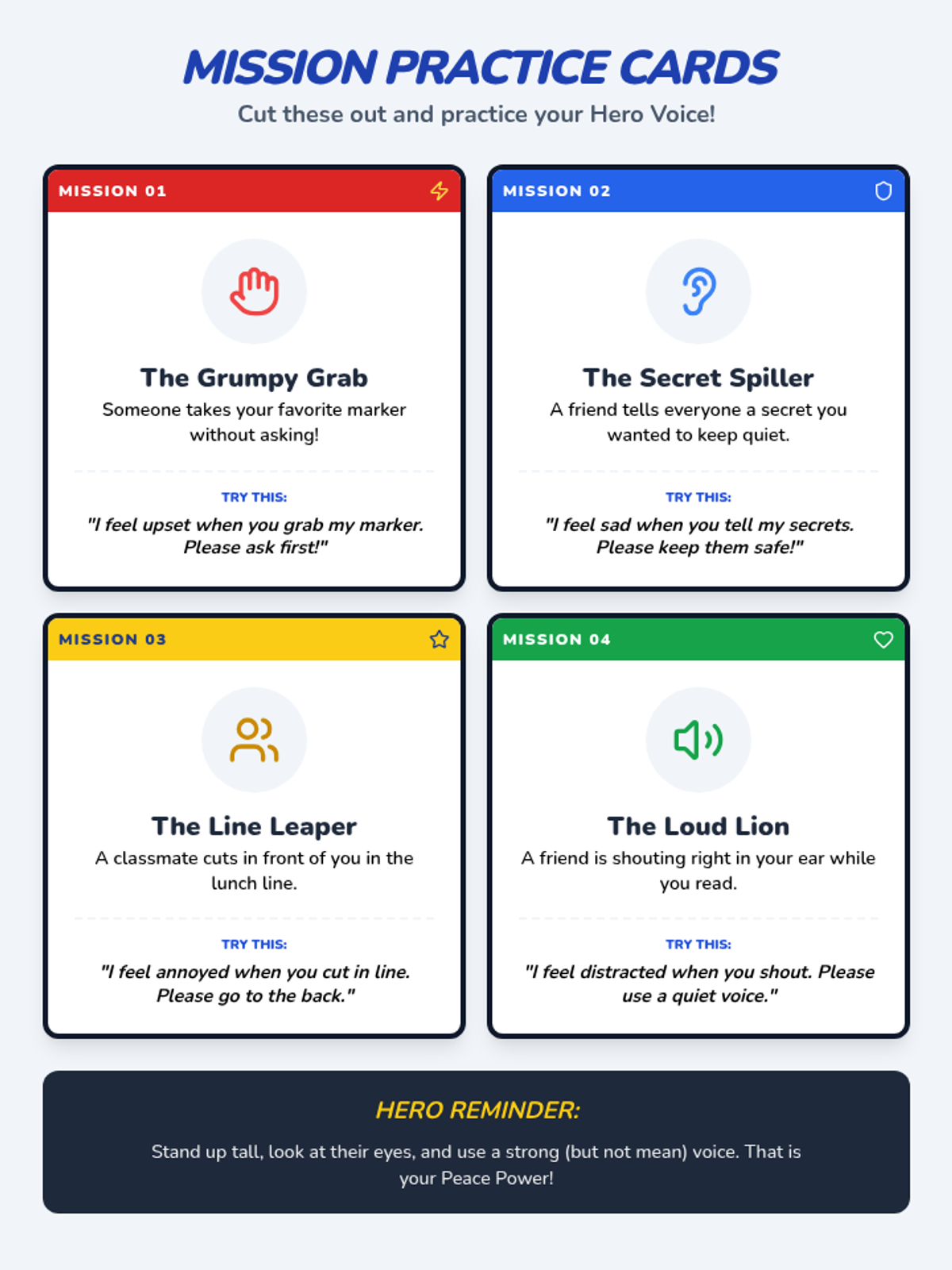
A fast-paced, high-energy 20-minute lesson teaching 1st graders how to use I-Messages to resolve conflicts like superheroes. Includes a read-aloud story, visual instruction, and active role-playing.
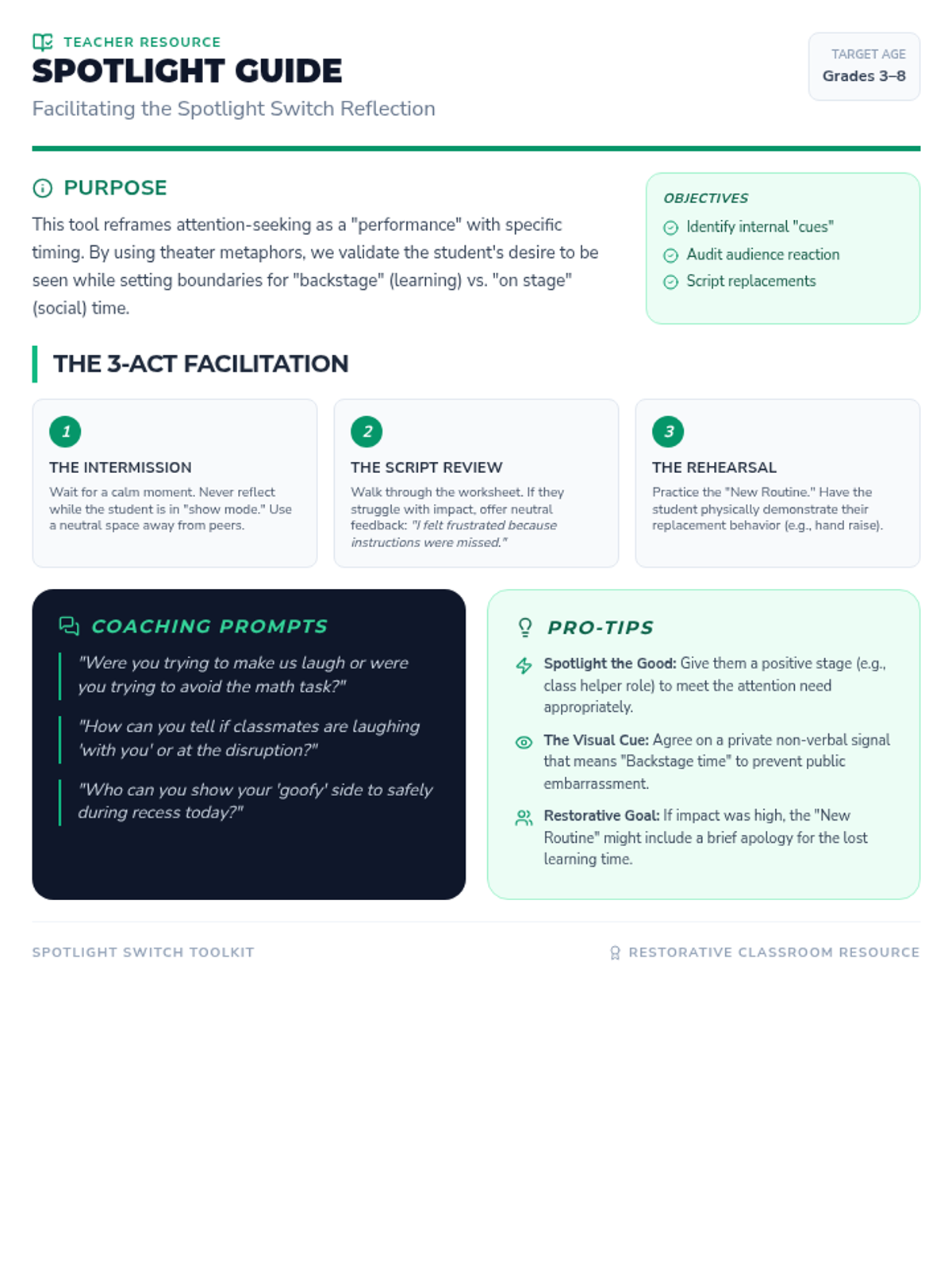
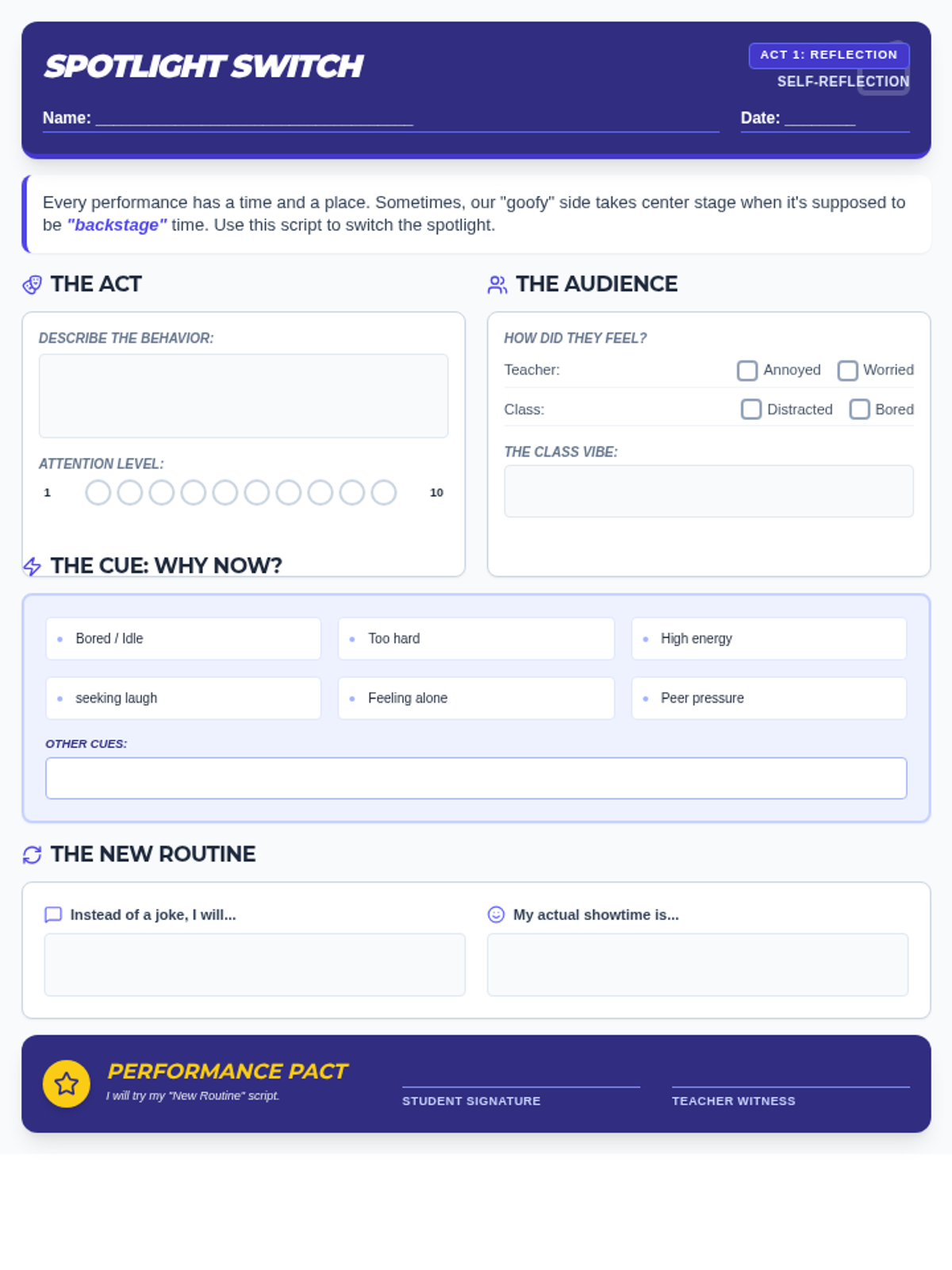
A lesson focused on helping students recognize and redirect attention-seeking behaviors by using theater-based metaphors for social awareness and self-control.
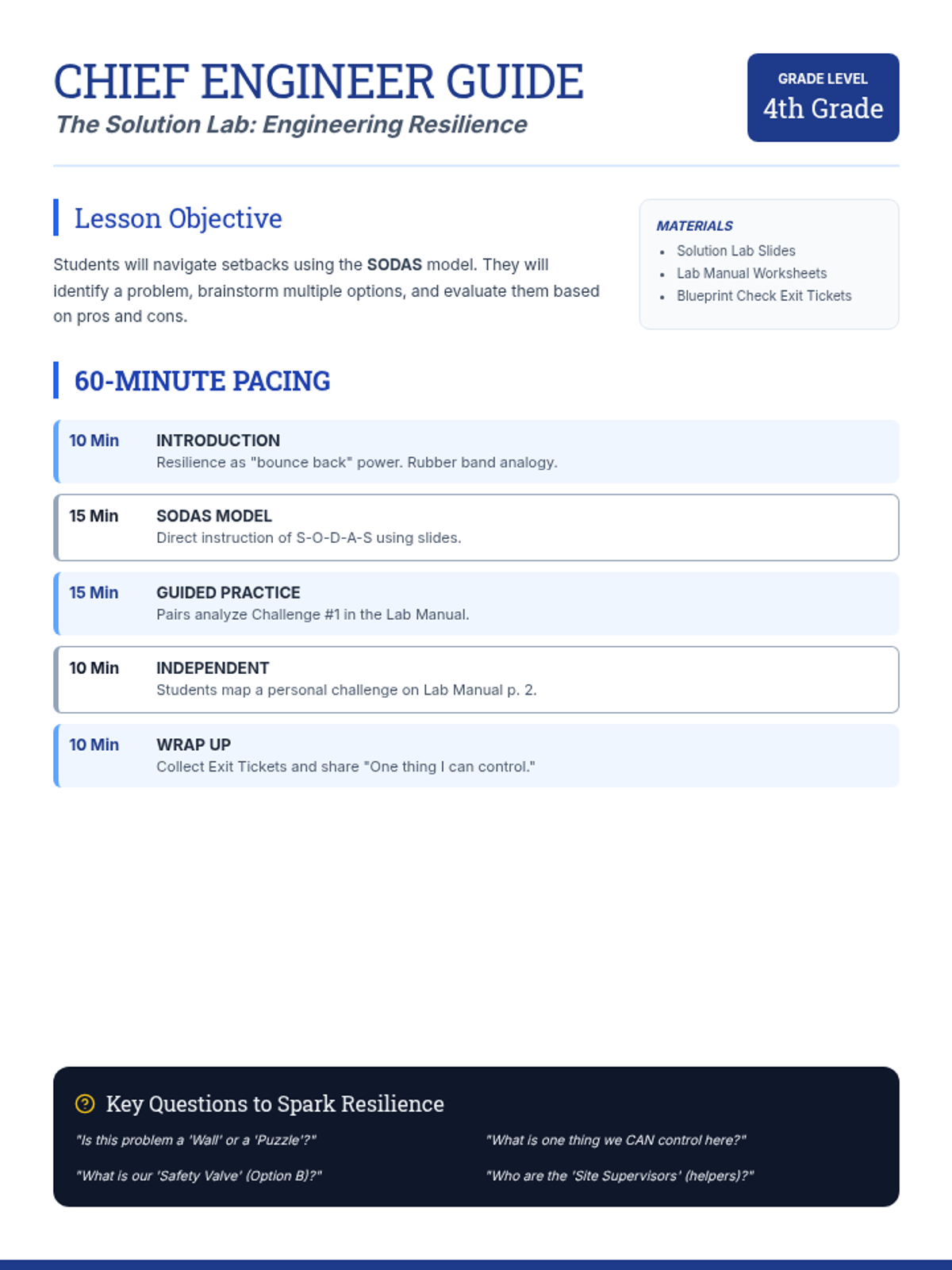
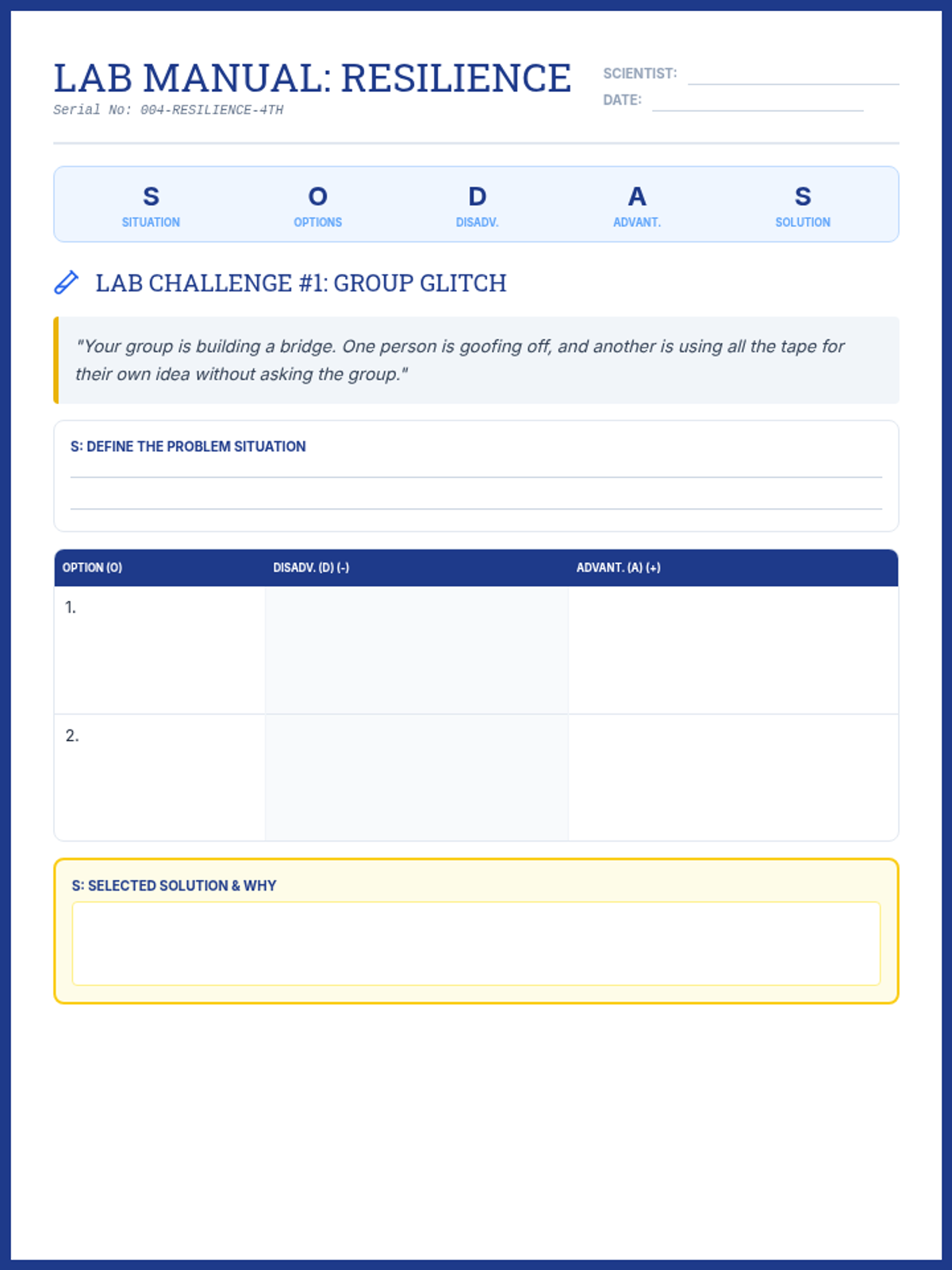
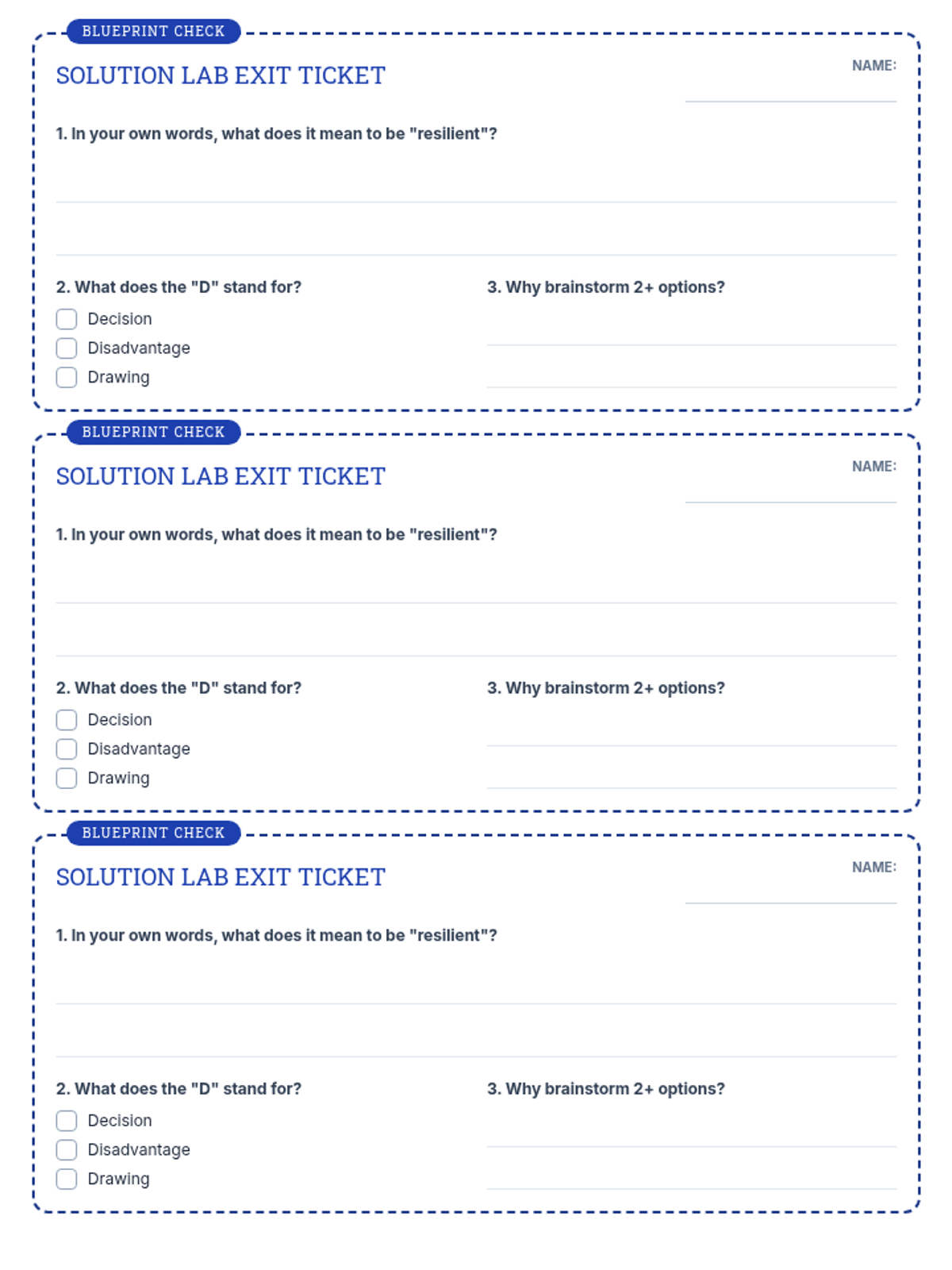
A 60-minute lesson for 4th graders focused on building resilience through a structured 4-step problem-solving model (SODAS). Students act as 'Solution Scientists' to analyze challenges and engineer effective responses.
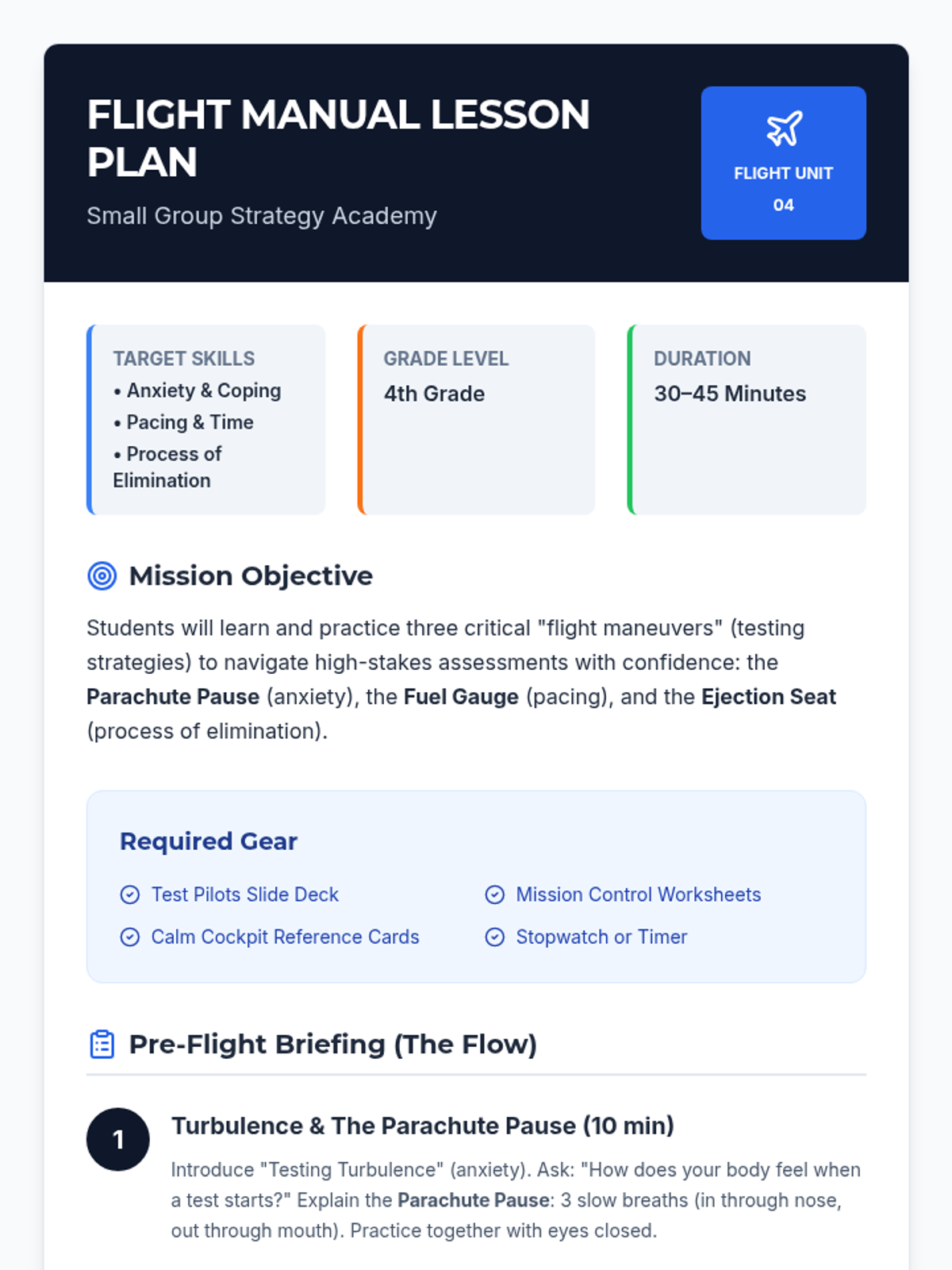
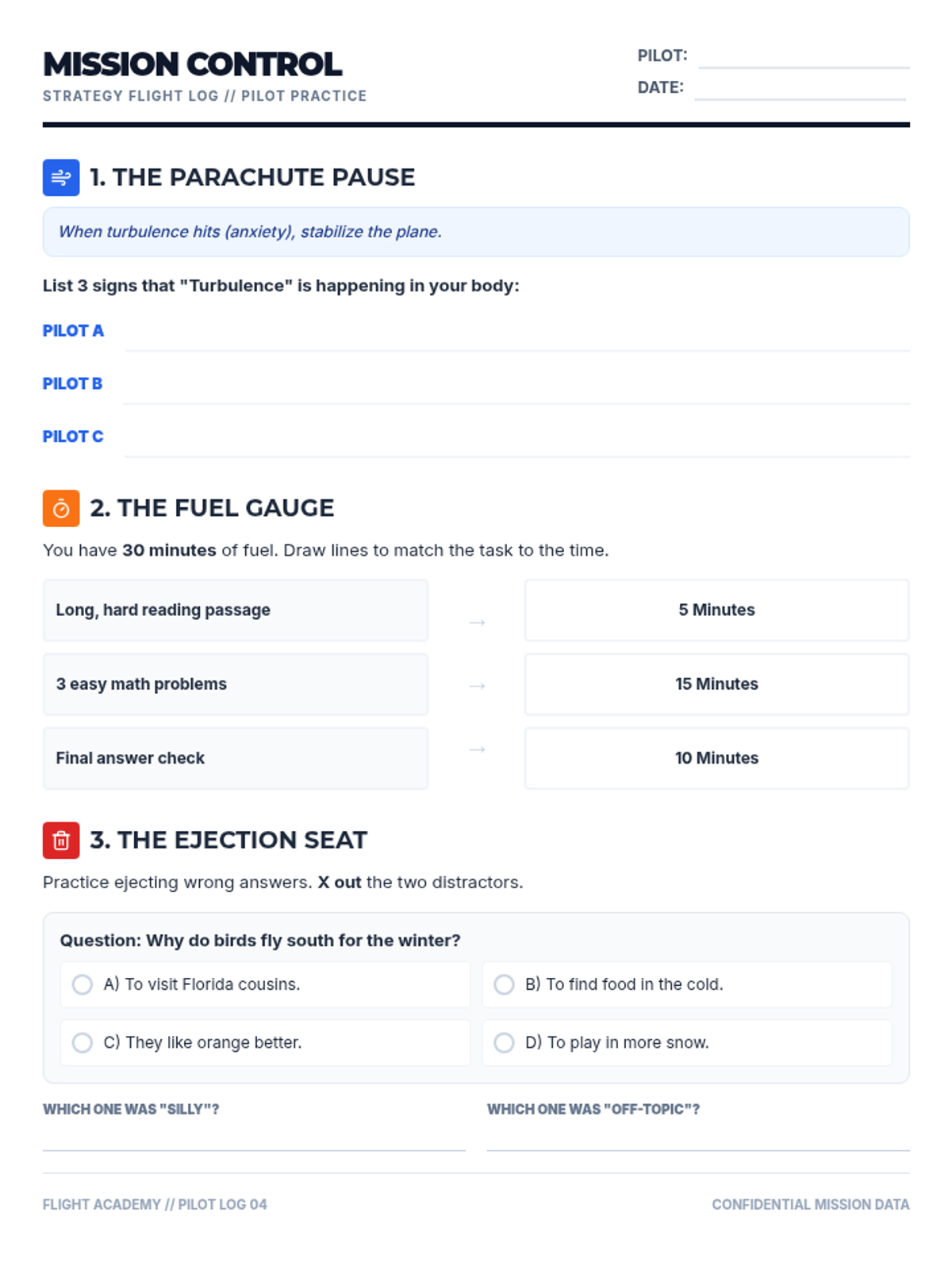
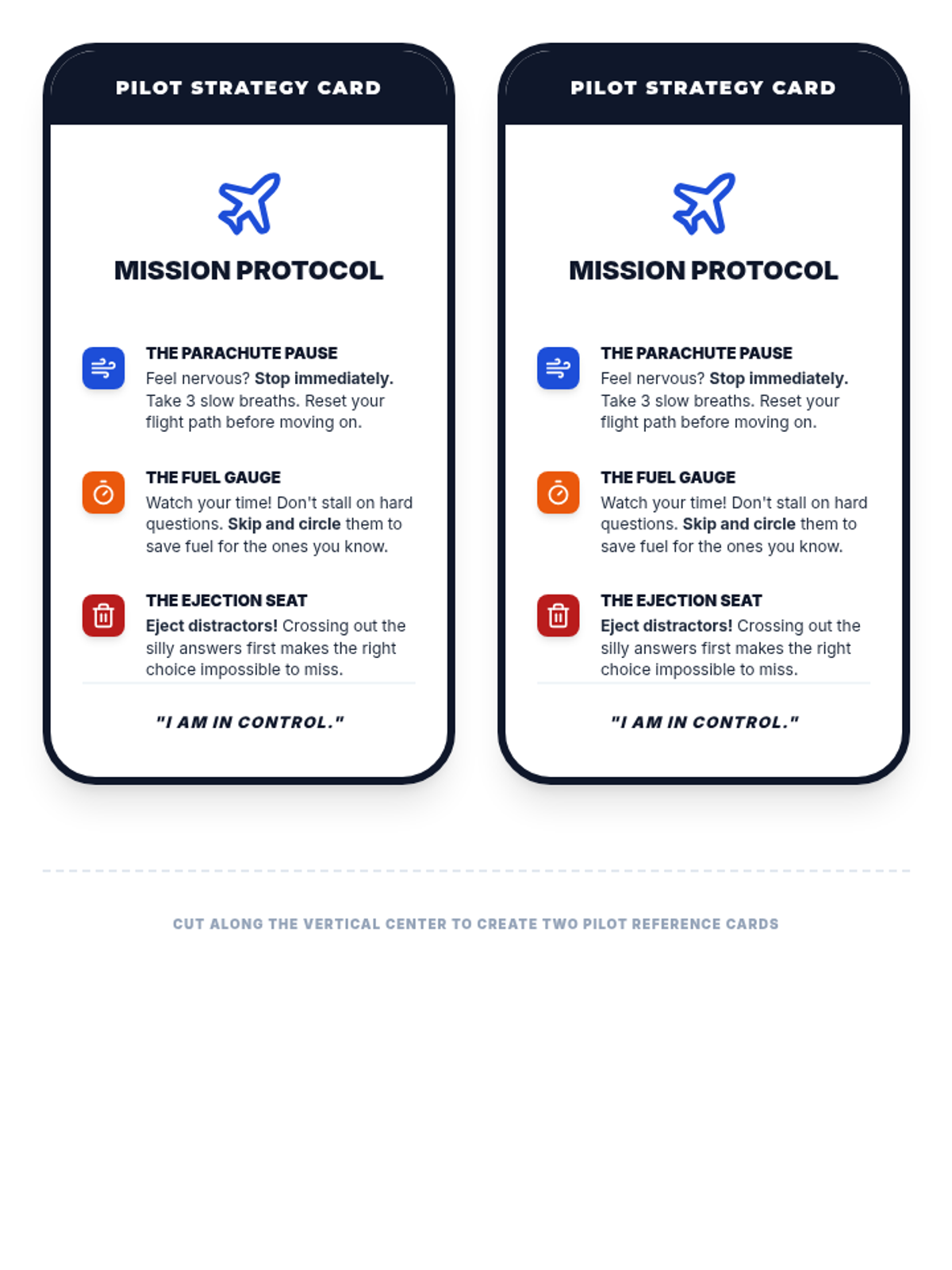
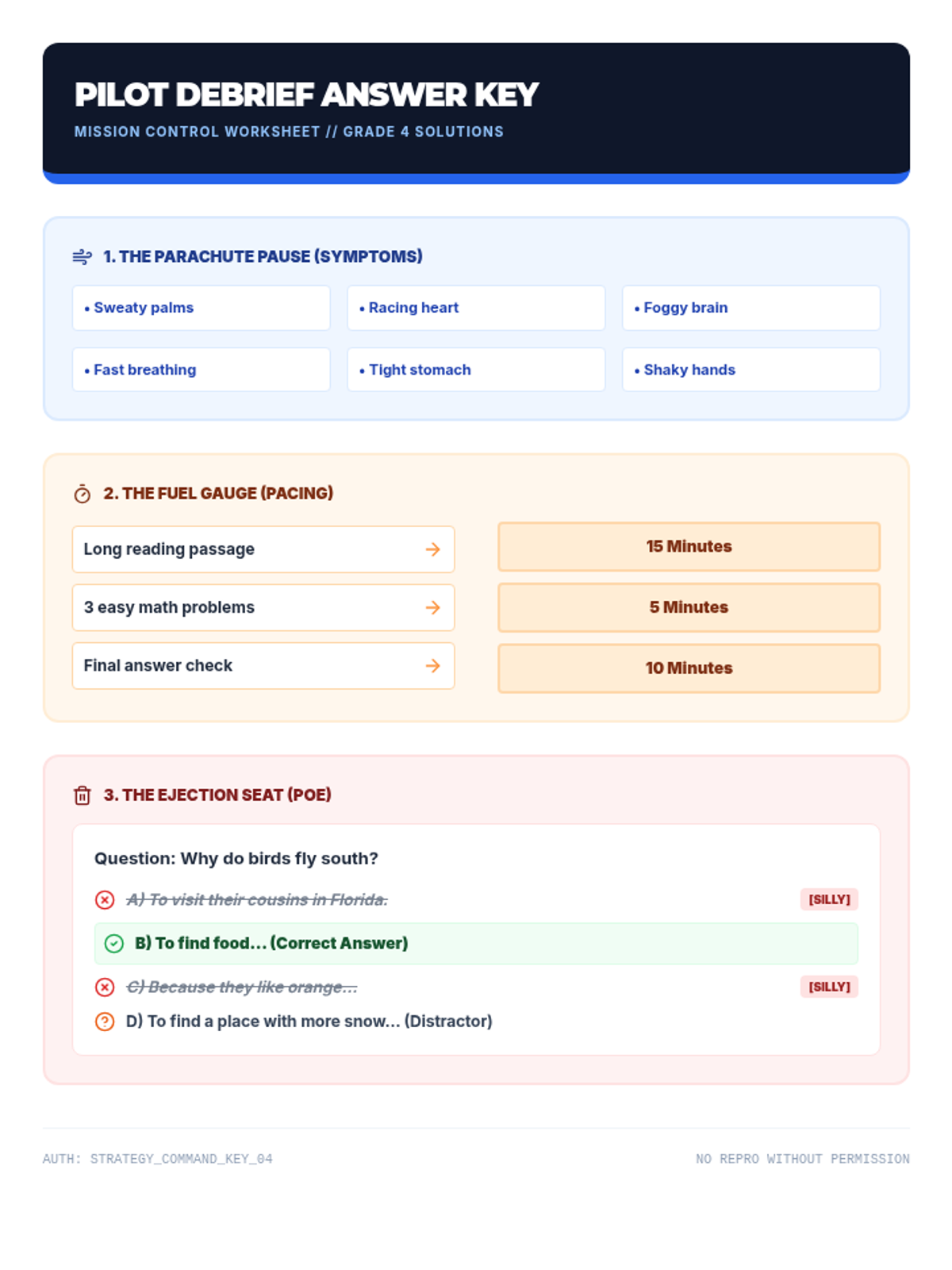
A comprehensive small group lesson designed to empower 4th graders with essential testing strategies, including anxiety management, pacing, and the process of elimination using an engaging aviation theme.
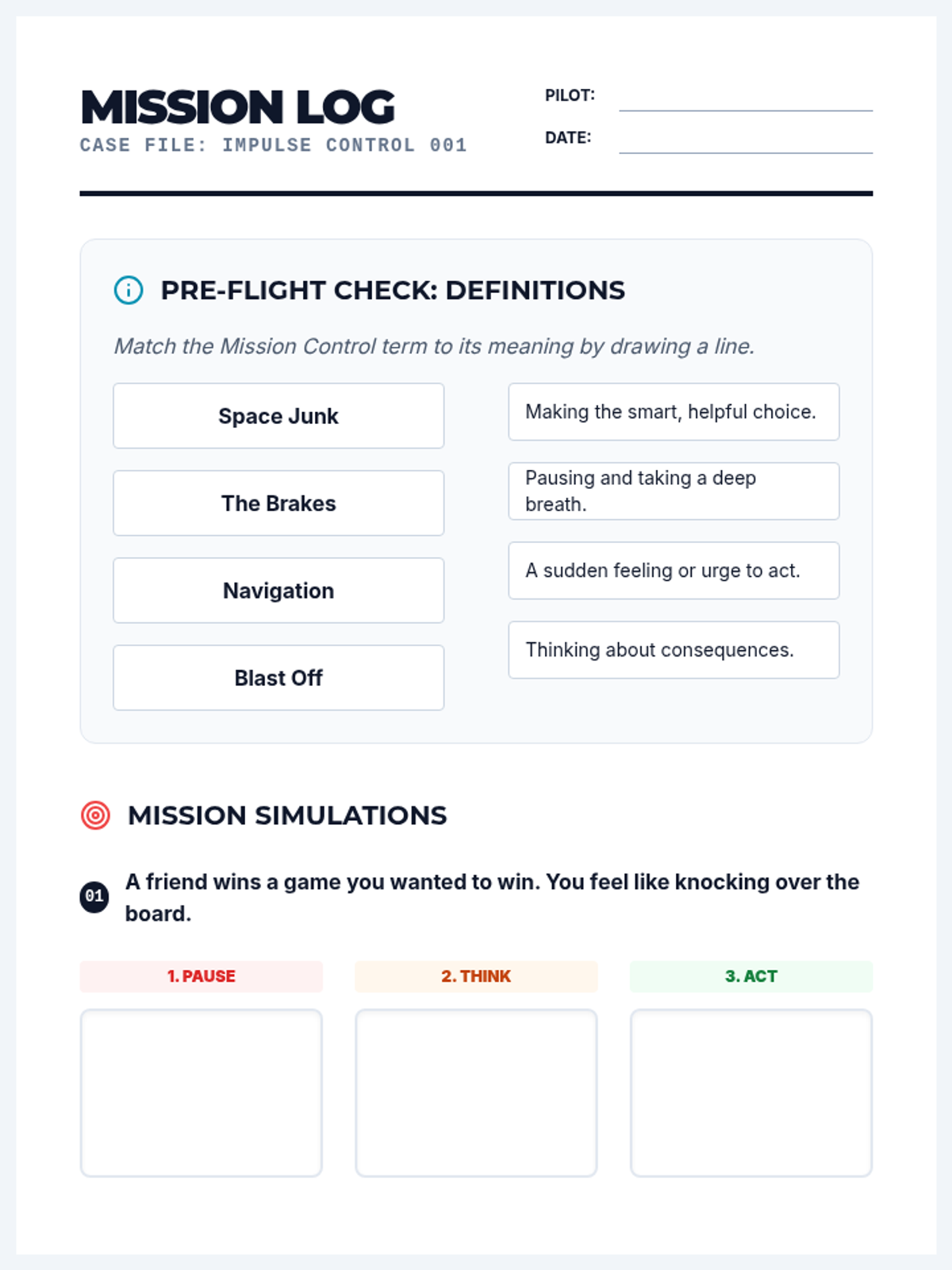
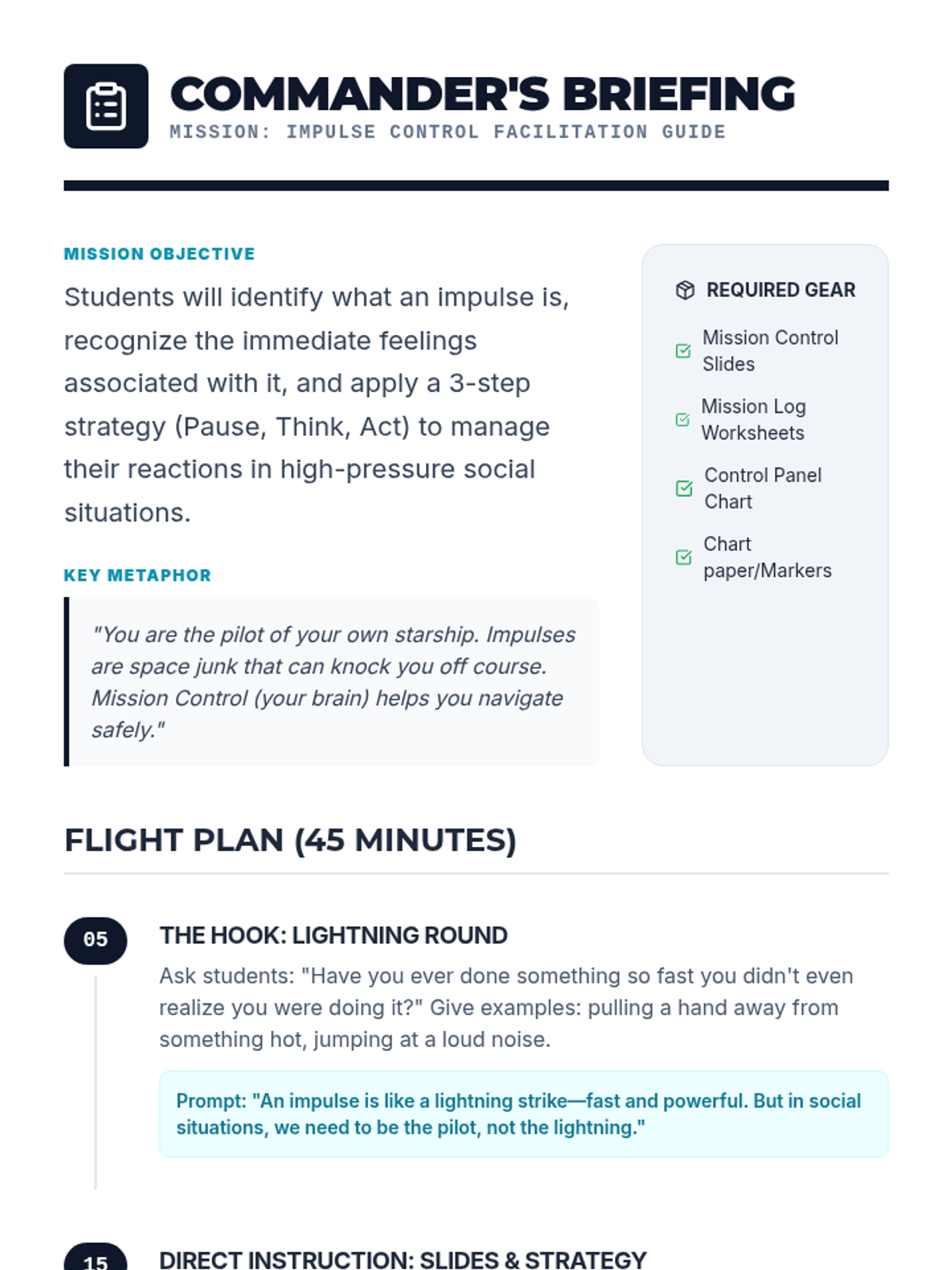
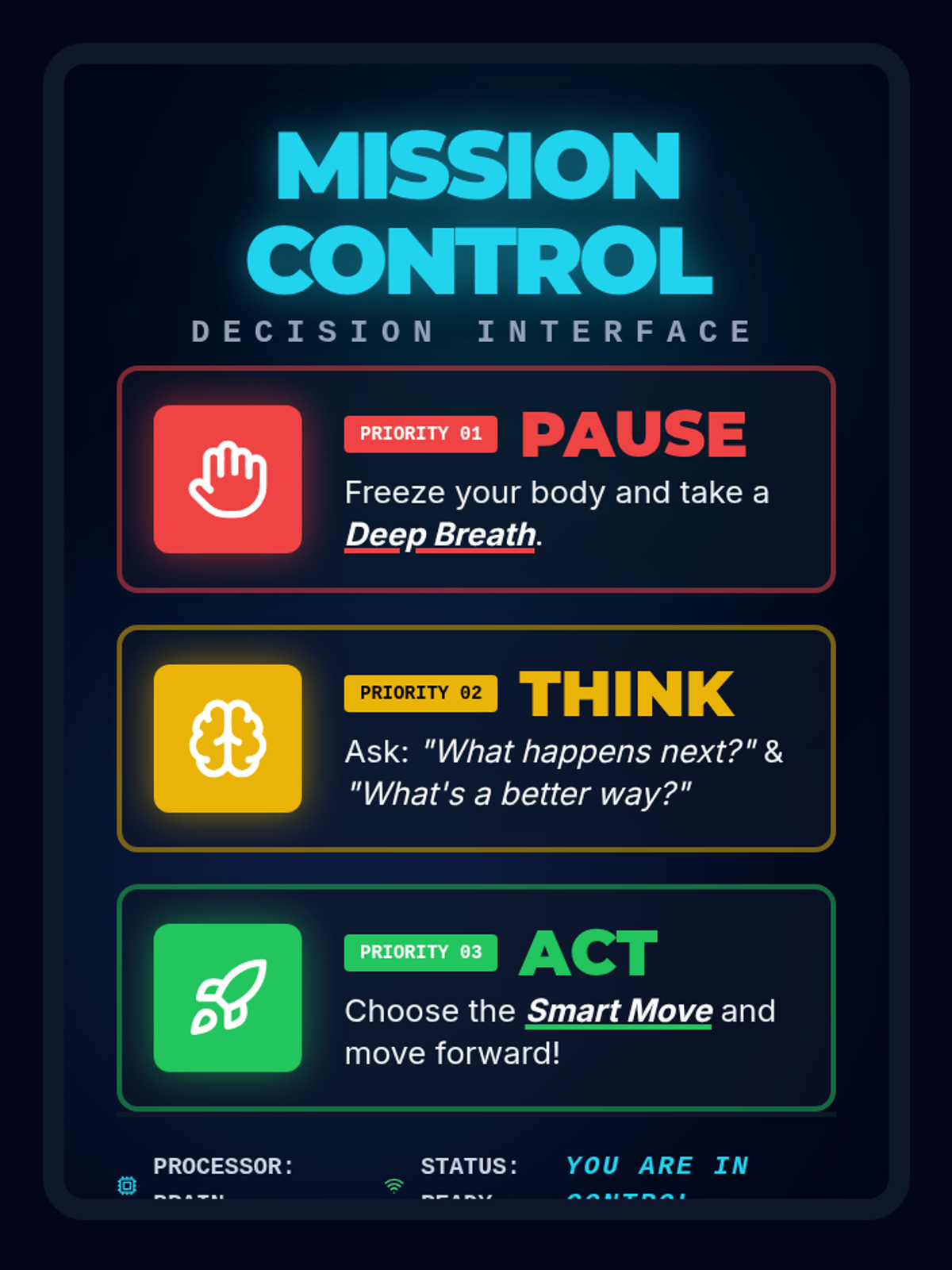
A social skills lesson focused on impulse control and decision-making. Students learn the 'Pause, Think, Act' strategy through a space-themed Mission Control metaphor.
Una unidad didáctica interactiva sobre la gestión del tiempo en pantalla y el bienestar personal. Los estudiantes analizan sus hábitos digitales y desarrollan estrategias de autorregulación mediante una hoja de trabajo estructurada que completan durante la instrucción dirigida.
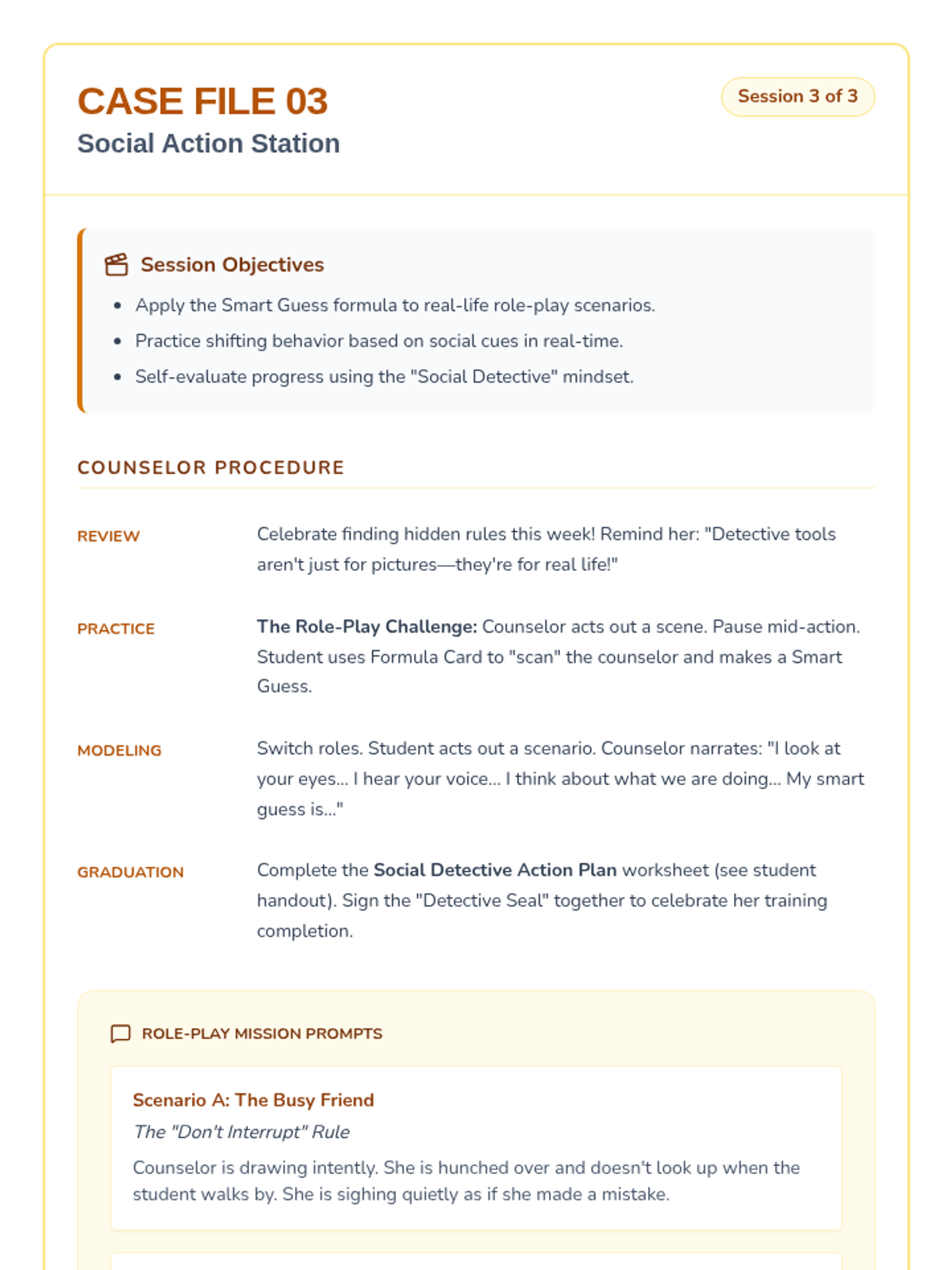
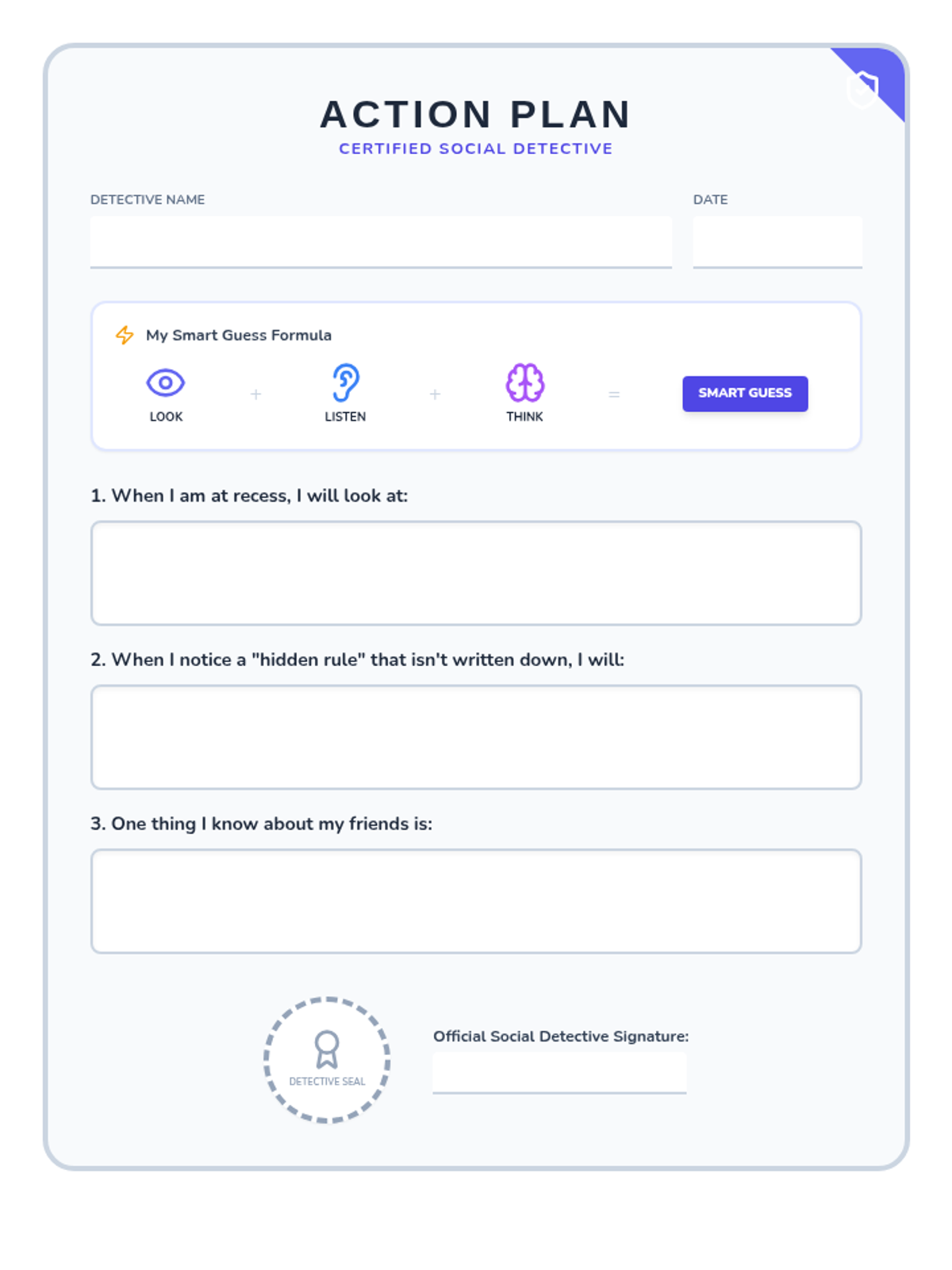
Students transition from static scenarios to dynamic role-play, using the Smart Guess formula to navigate real-time social interactions.
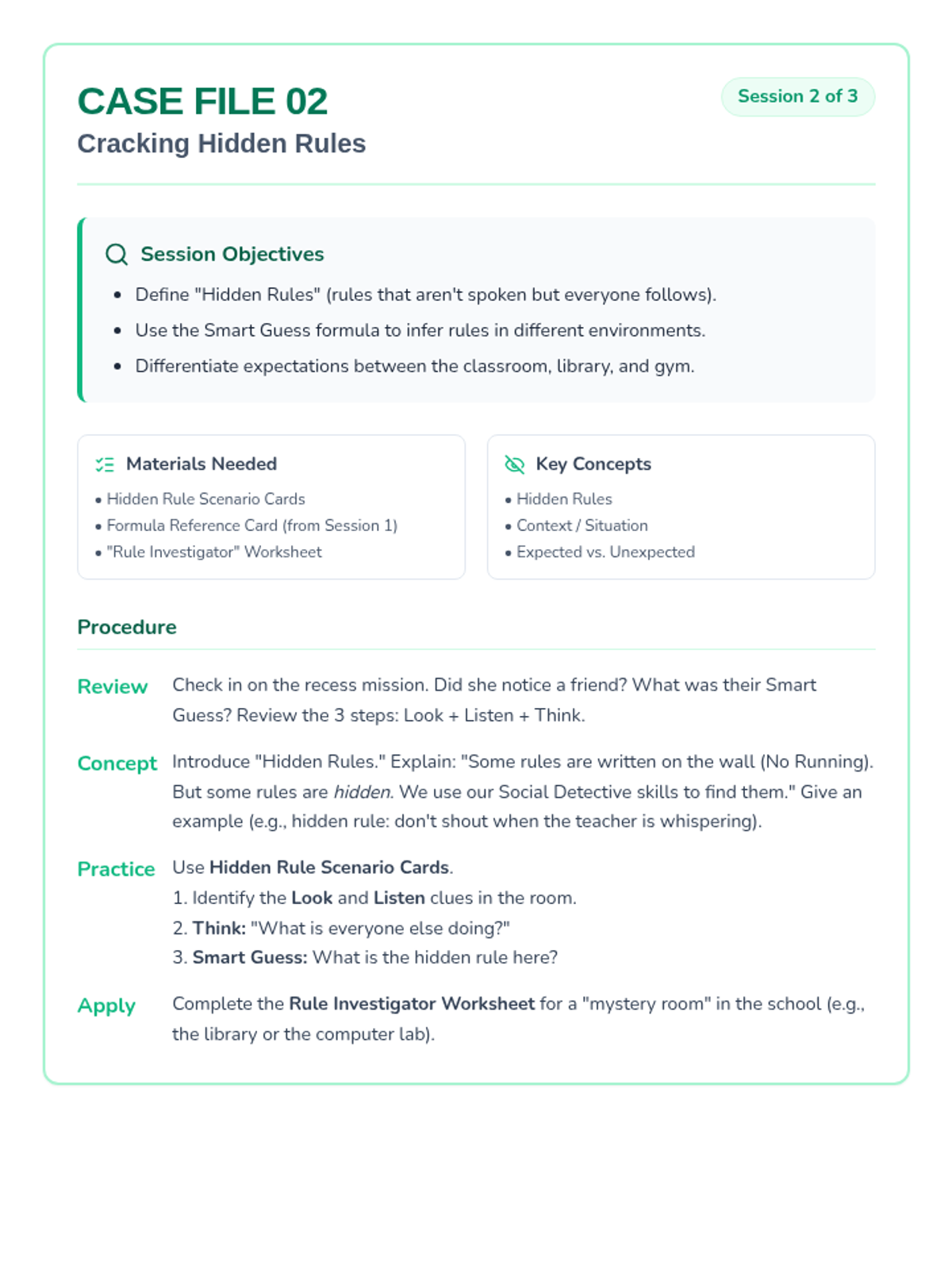
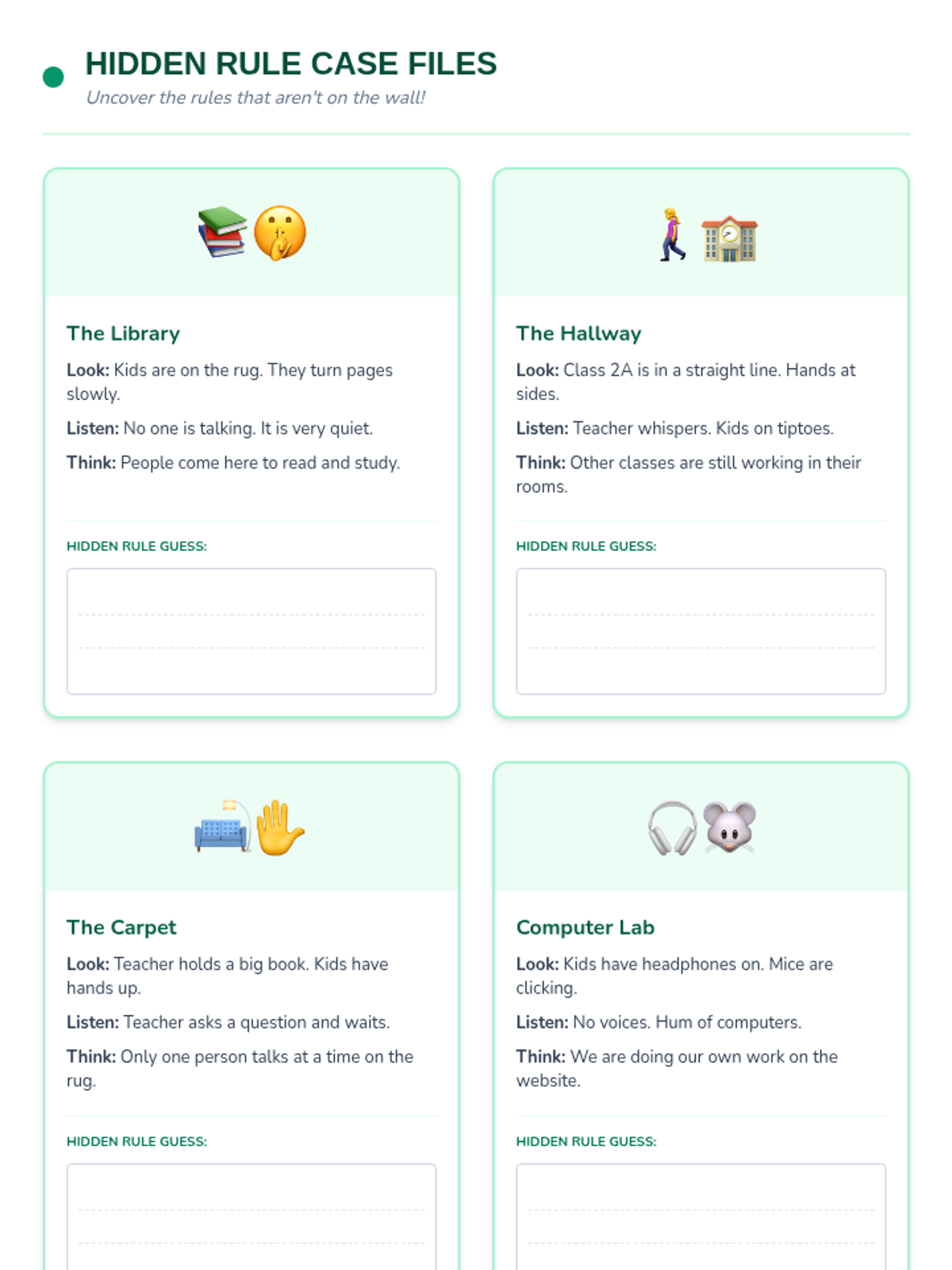
Students use social cues to uncover 'hidden rules' in different school settings, understanding how environment changes expectations.