A 30-minute interactive lesson designed for 5th graders to strengthen working memory using visualization, chunking, and rehearsal strategies through engaging drills and reflection.
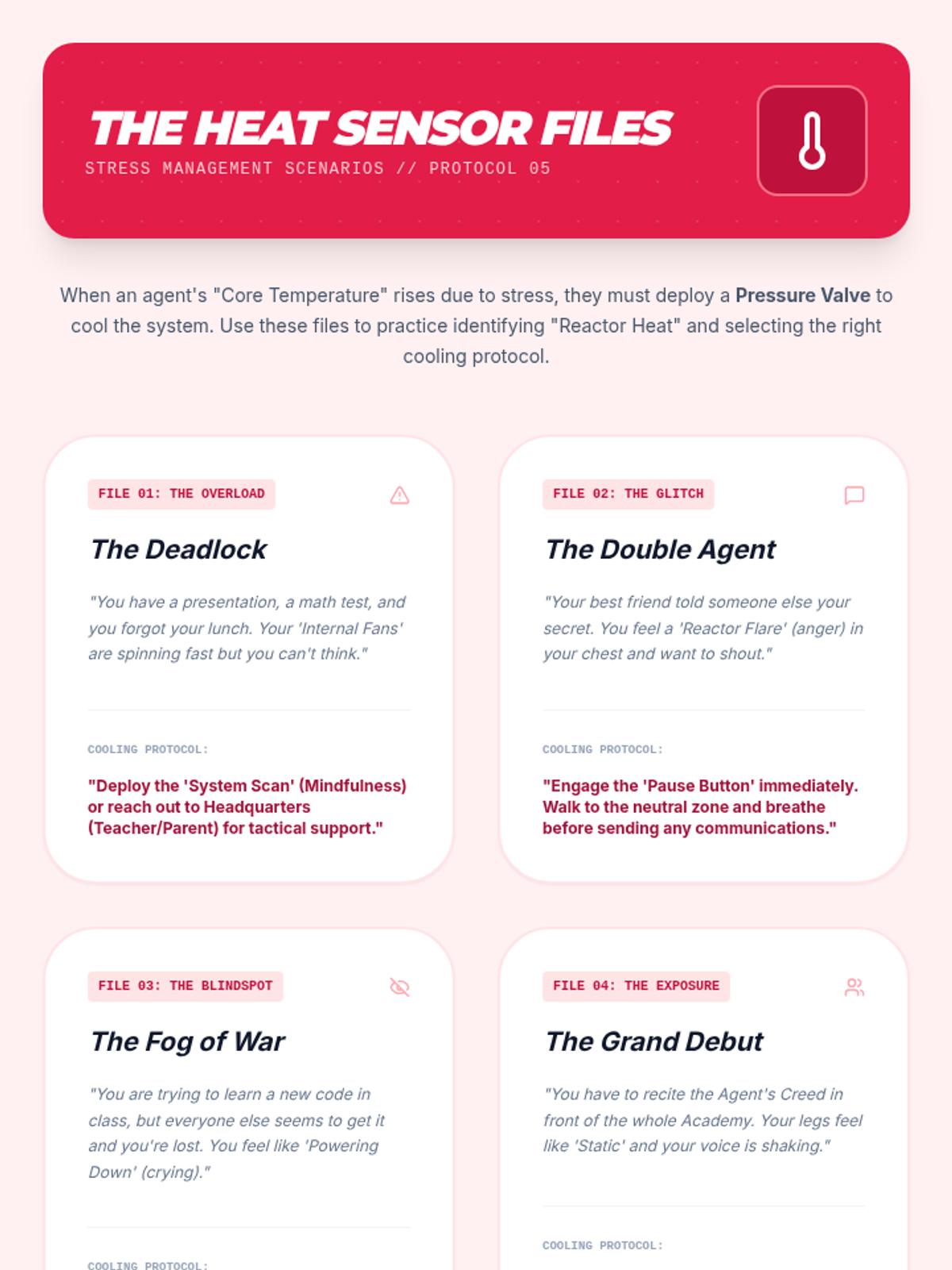
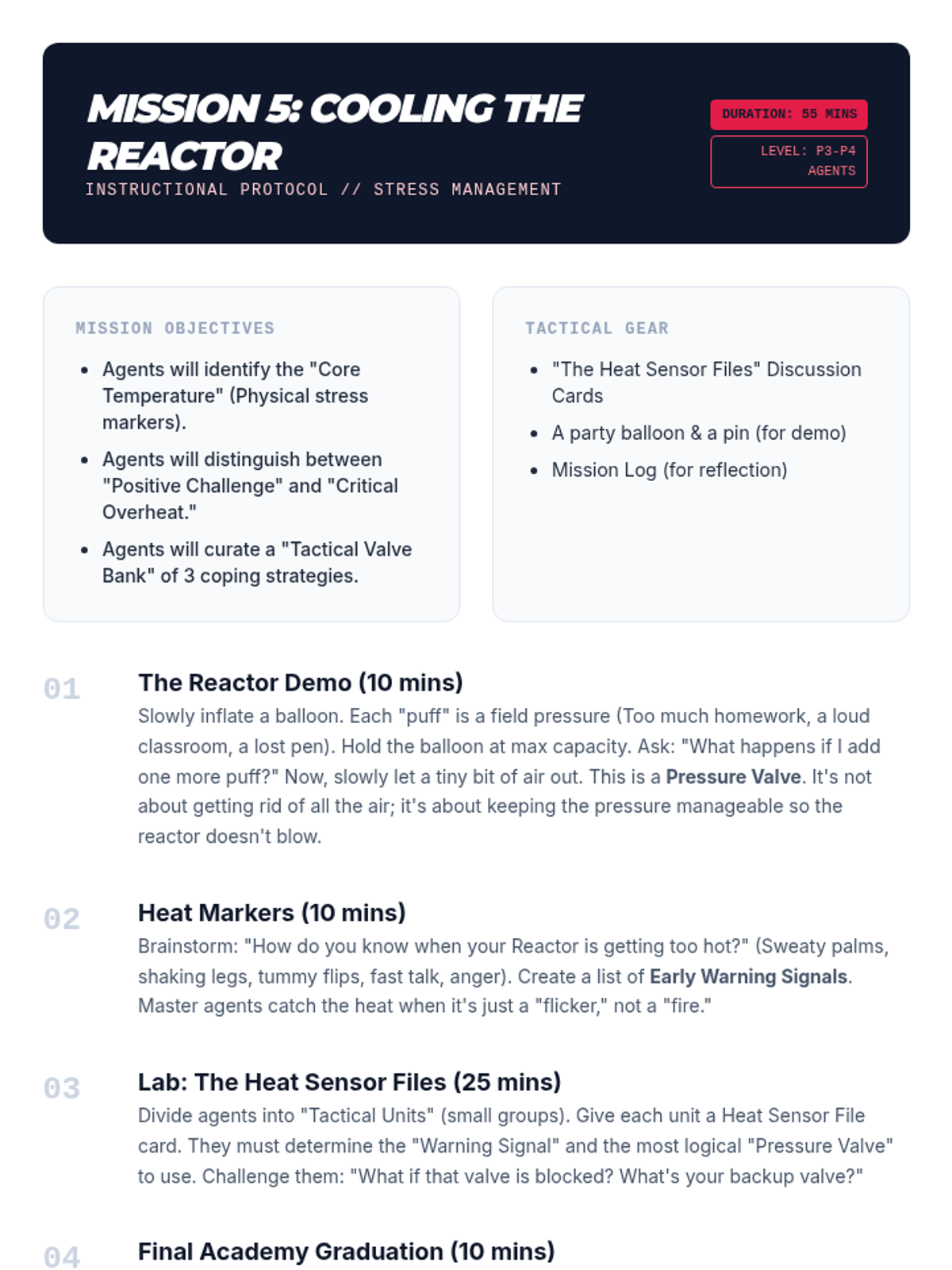
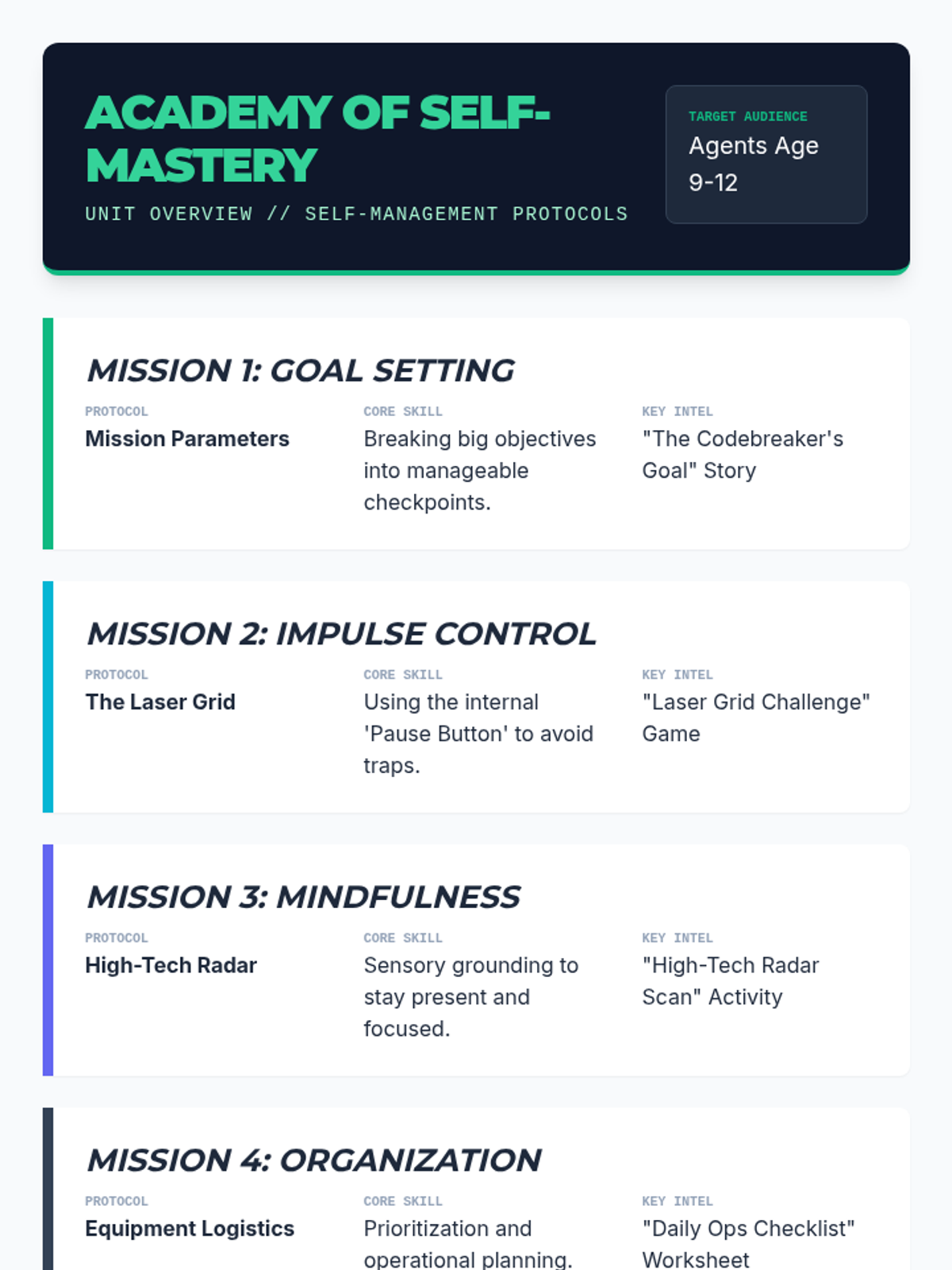
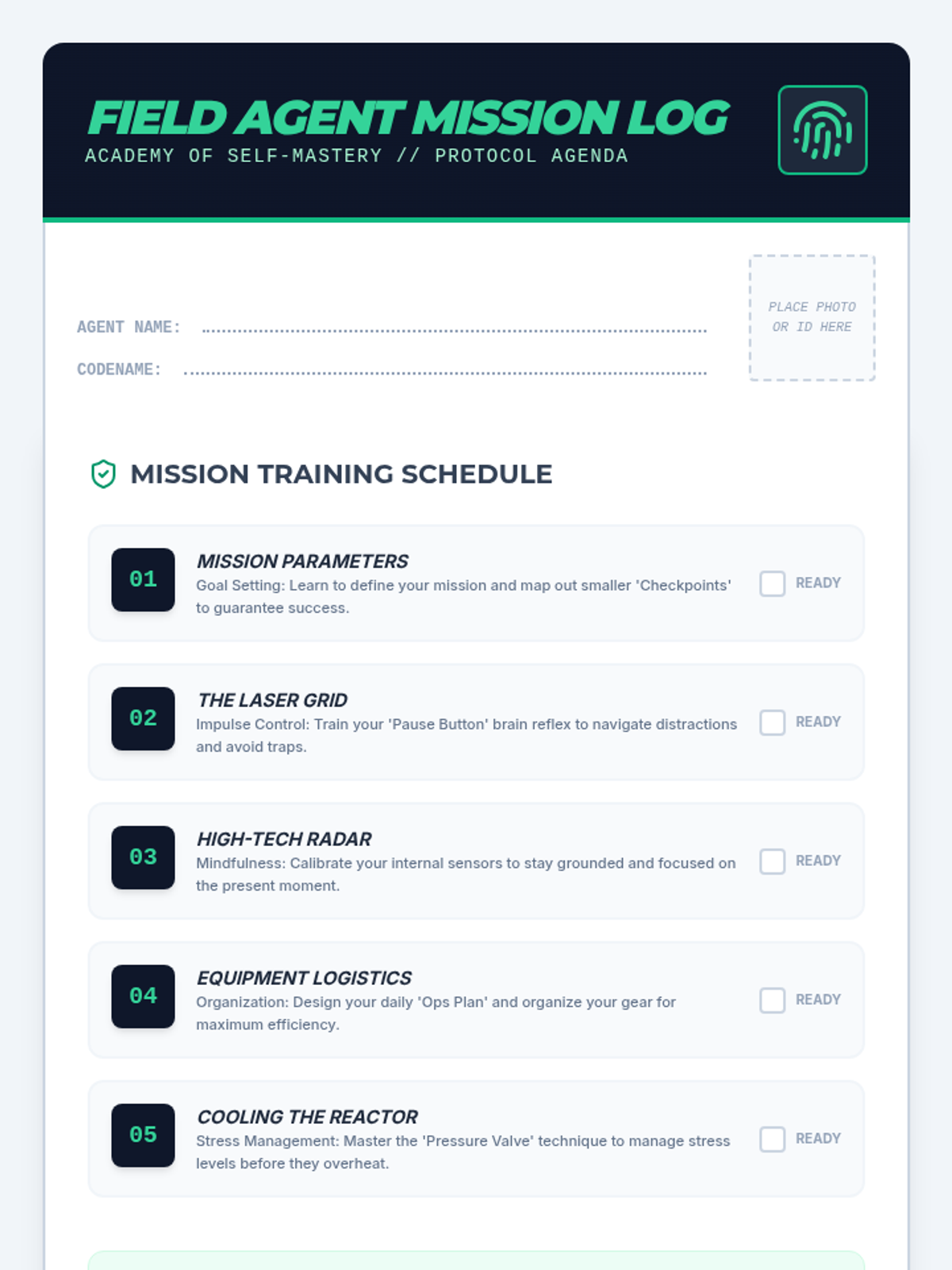
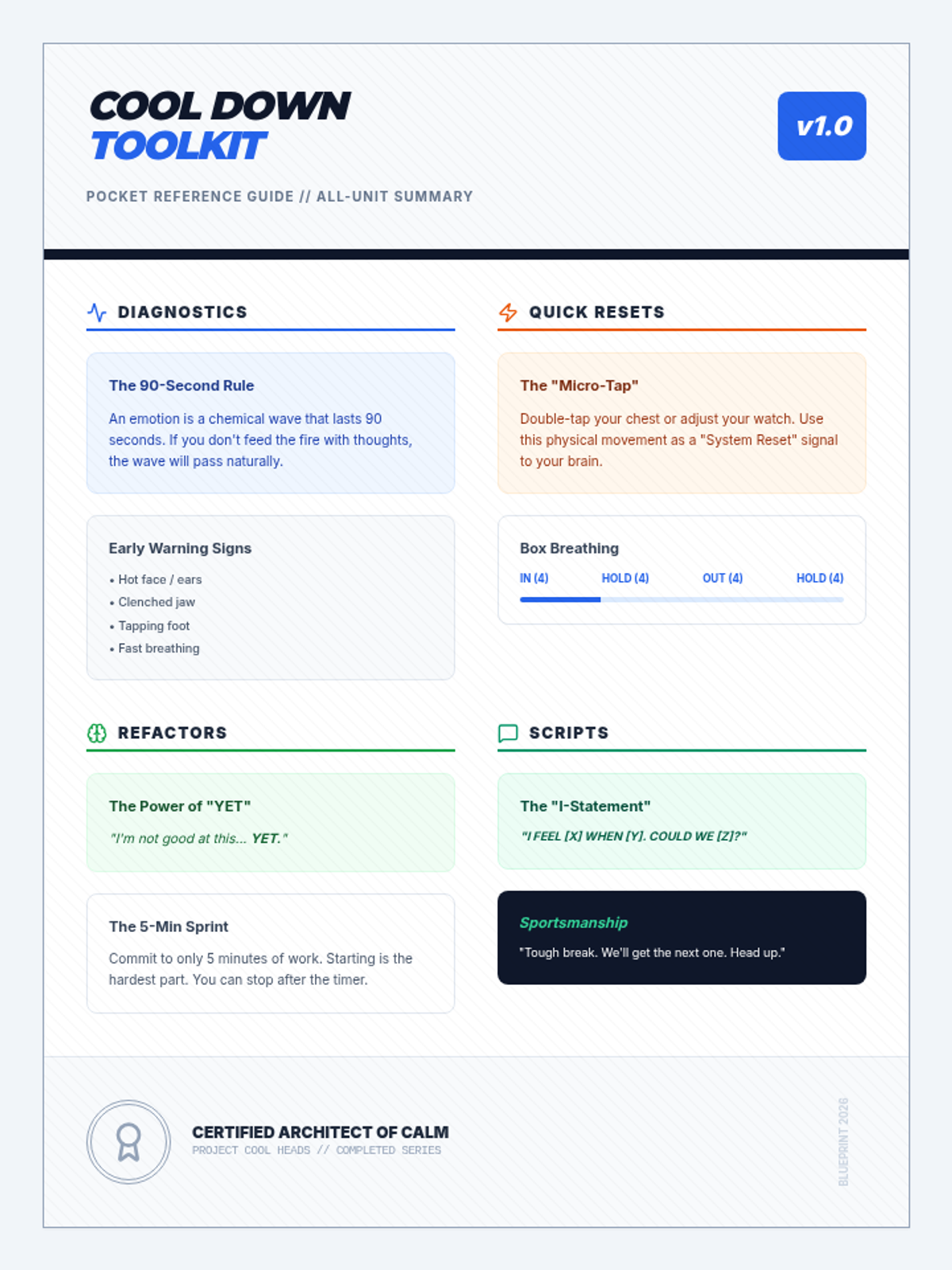
Agents learn to identify 'reactor heat' (stress) and use cooling valves to maintain operational status.
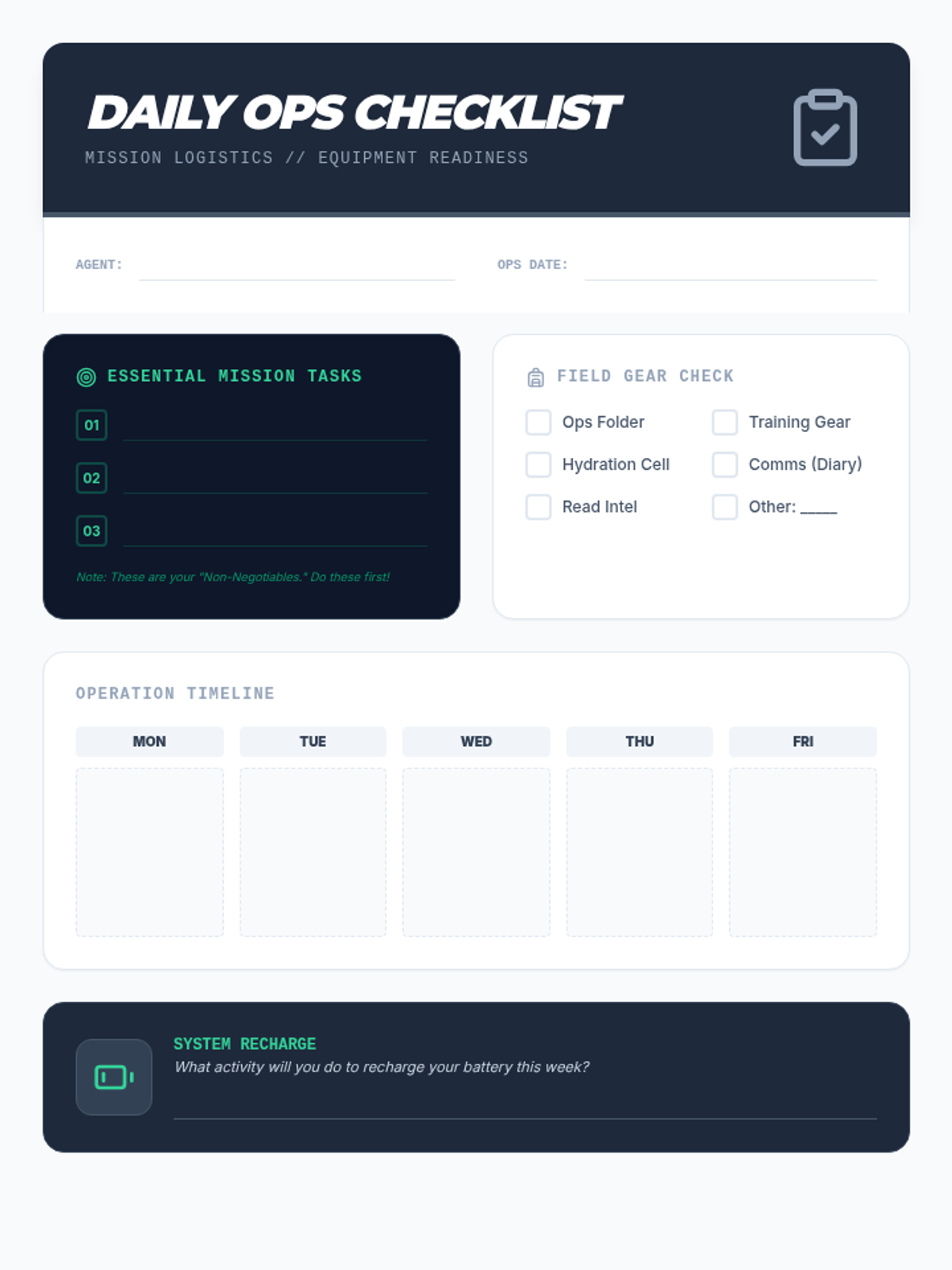
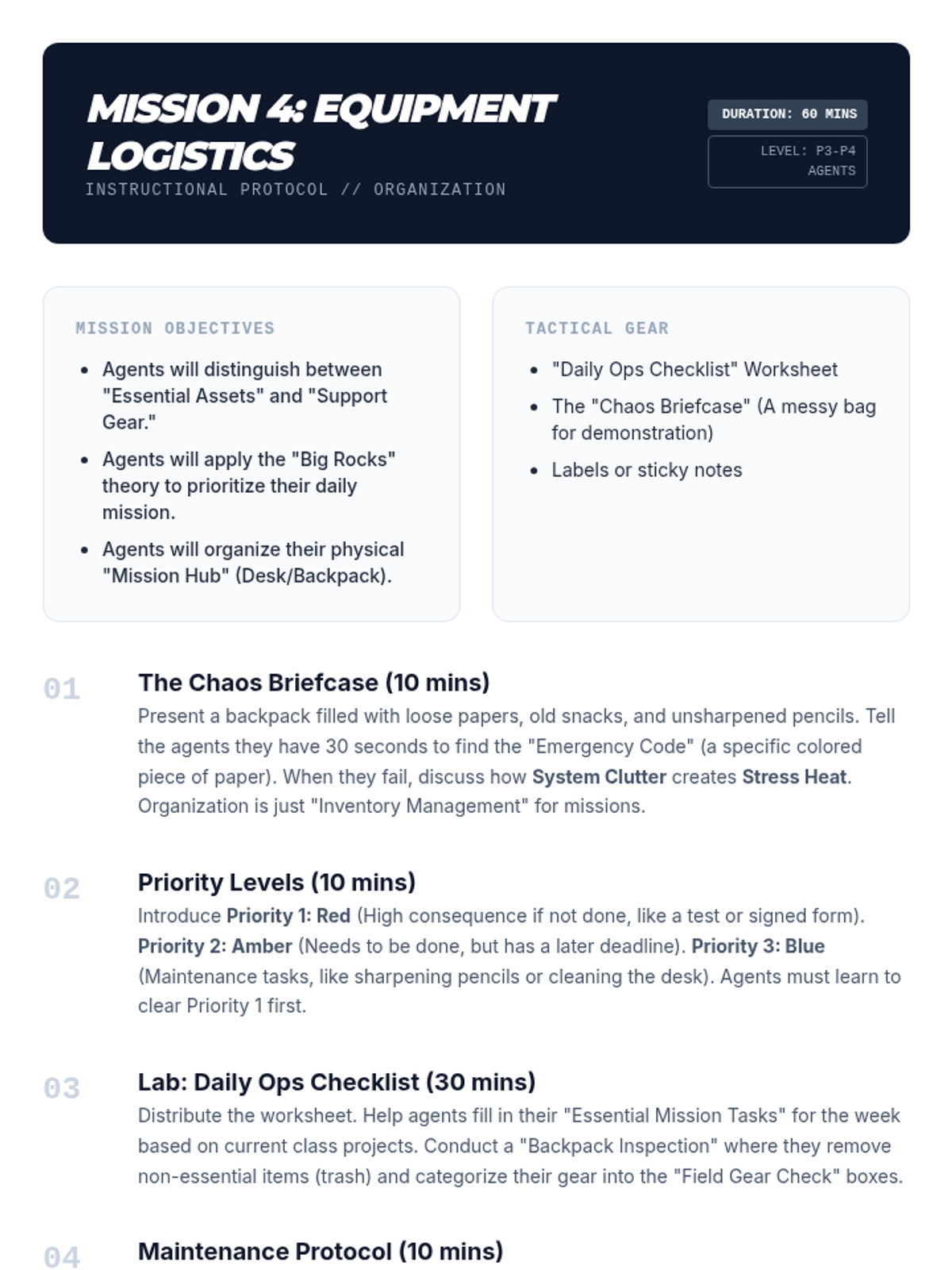
Agents master the logistics of their daily operations through effective planning and organization.
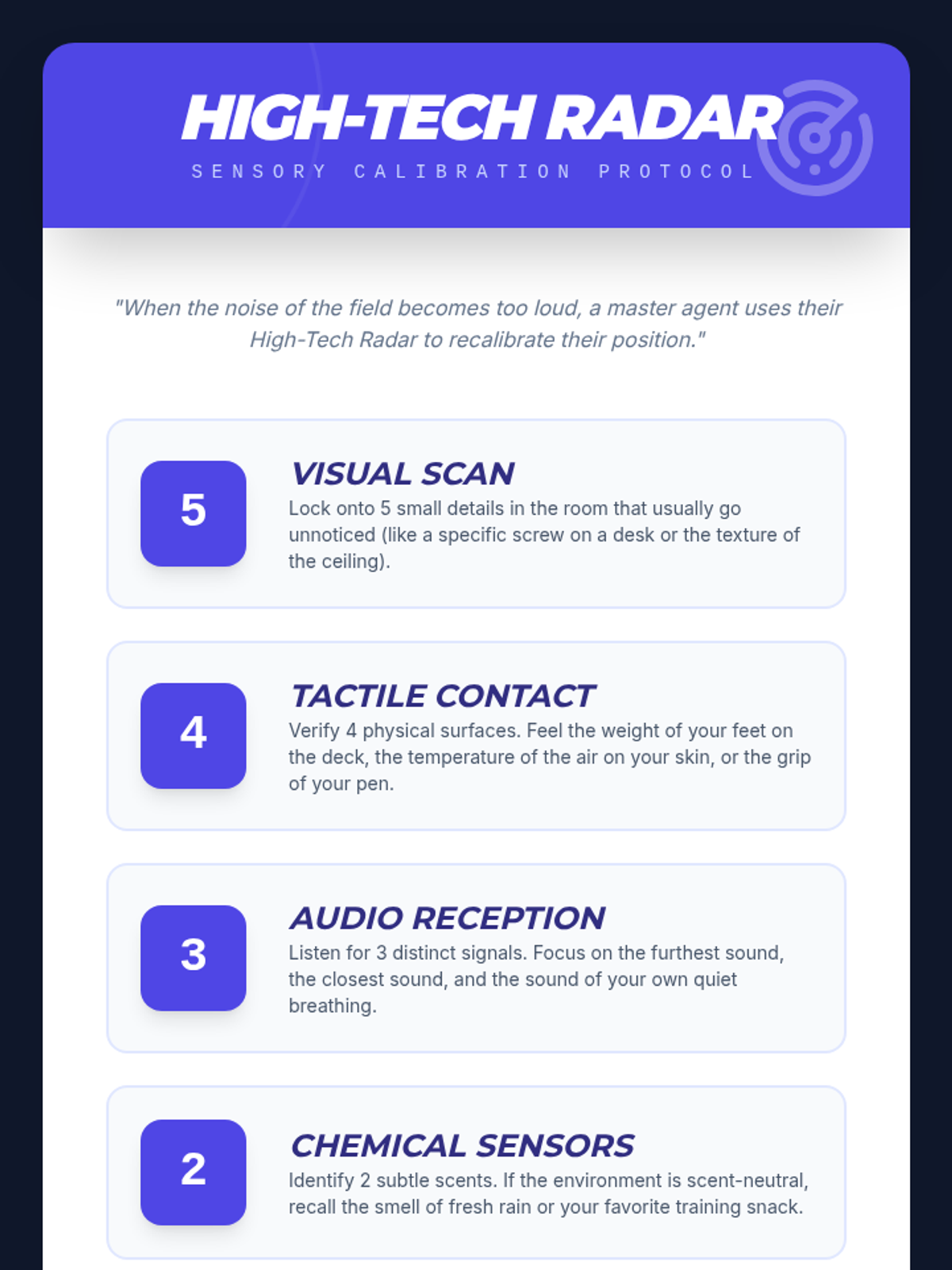
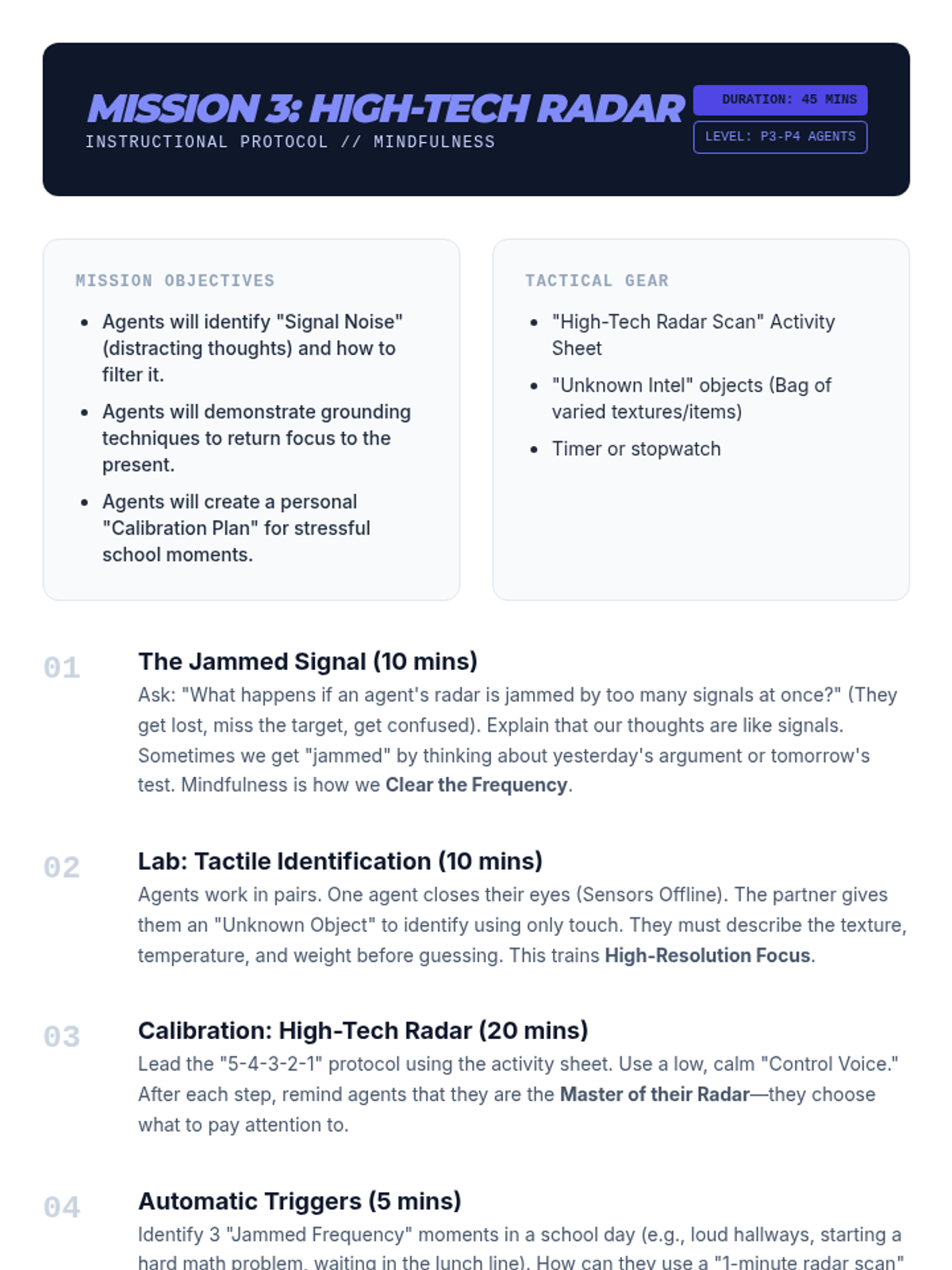
Agents calibrate their internal radar using sensory grounding techniques to stay focused.
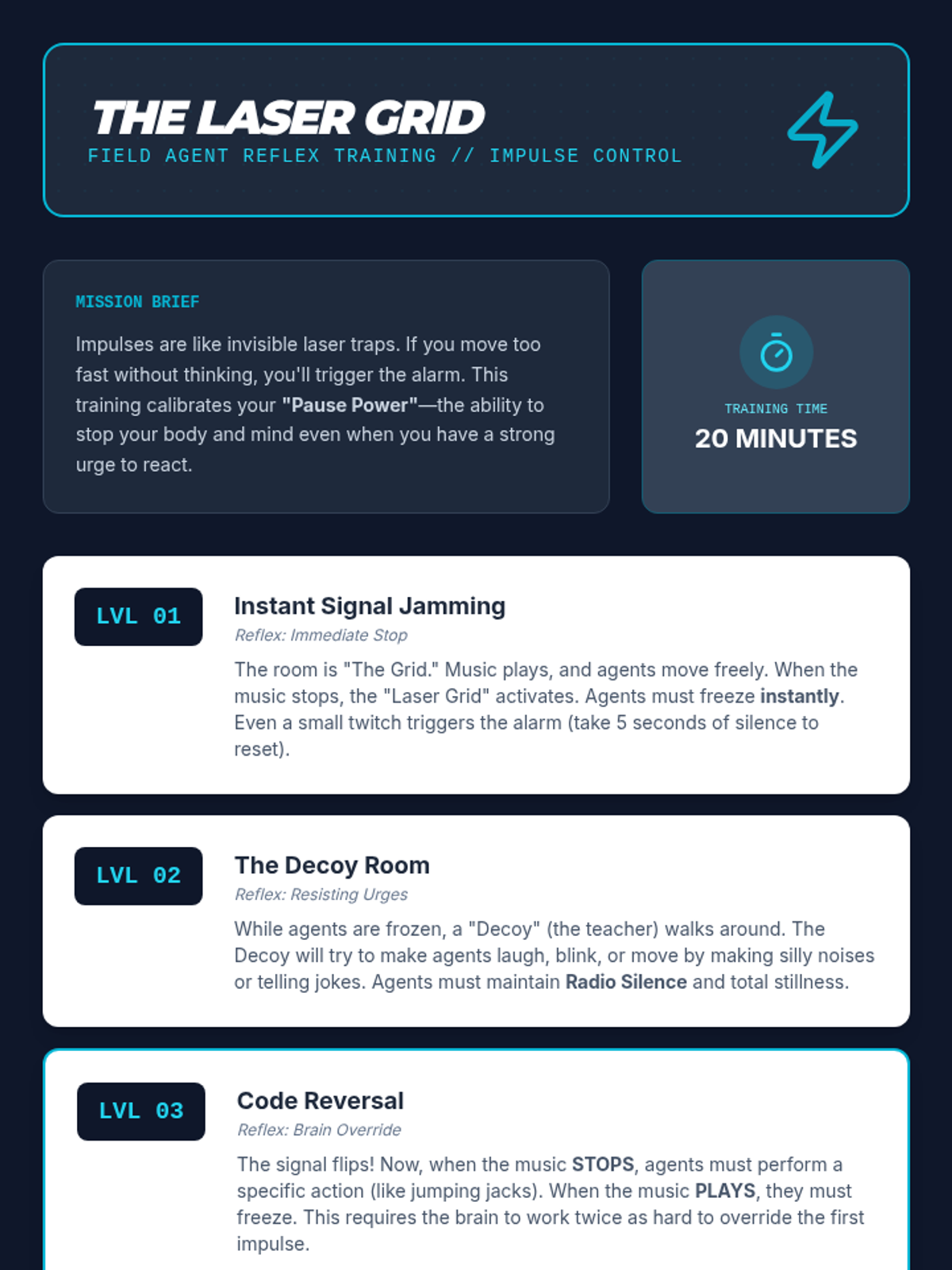
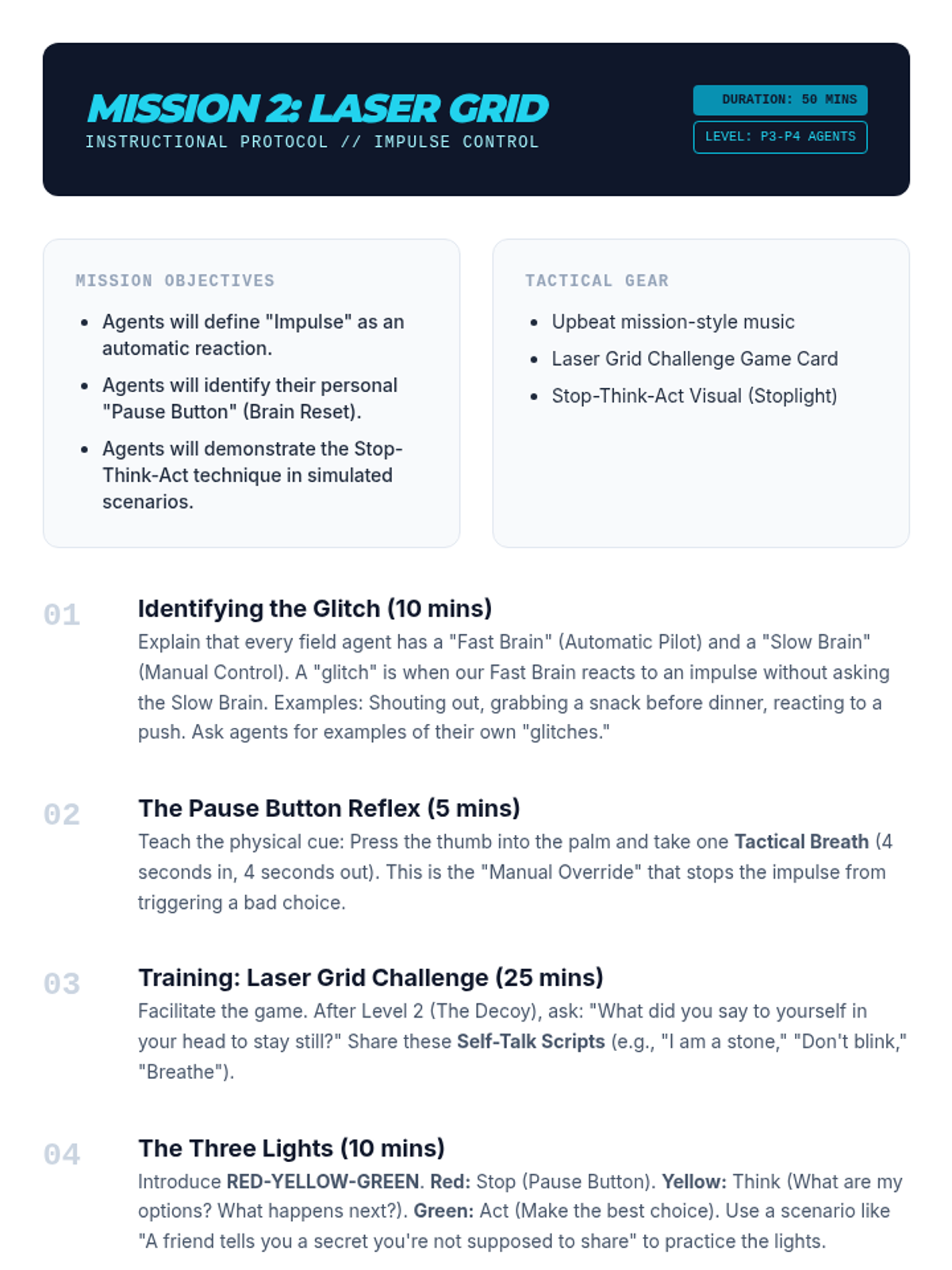
Agents practice navigating the 'Laser Grid' of impulses by using their internal pause button.
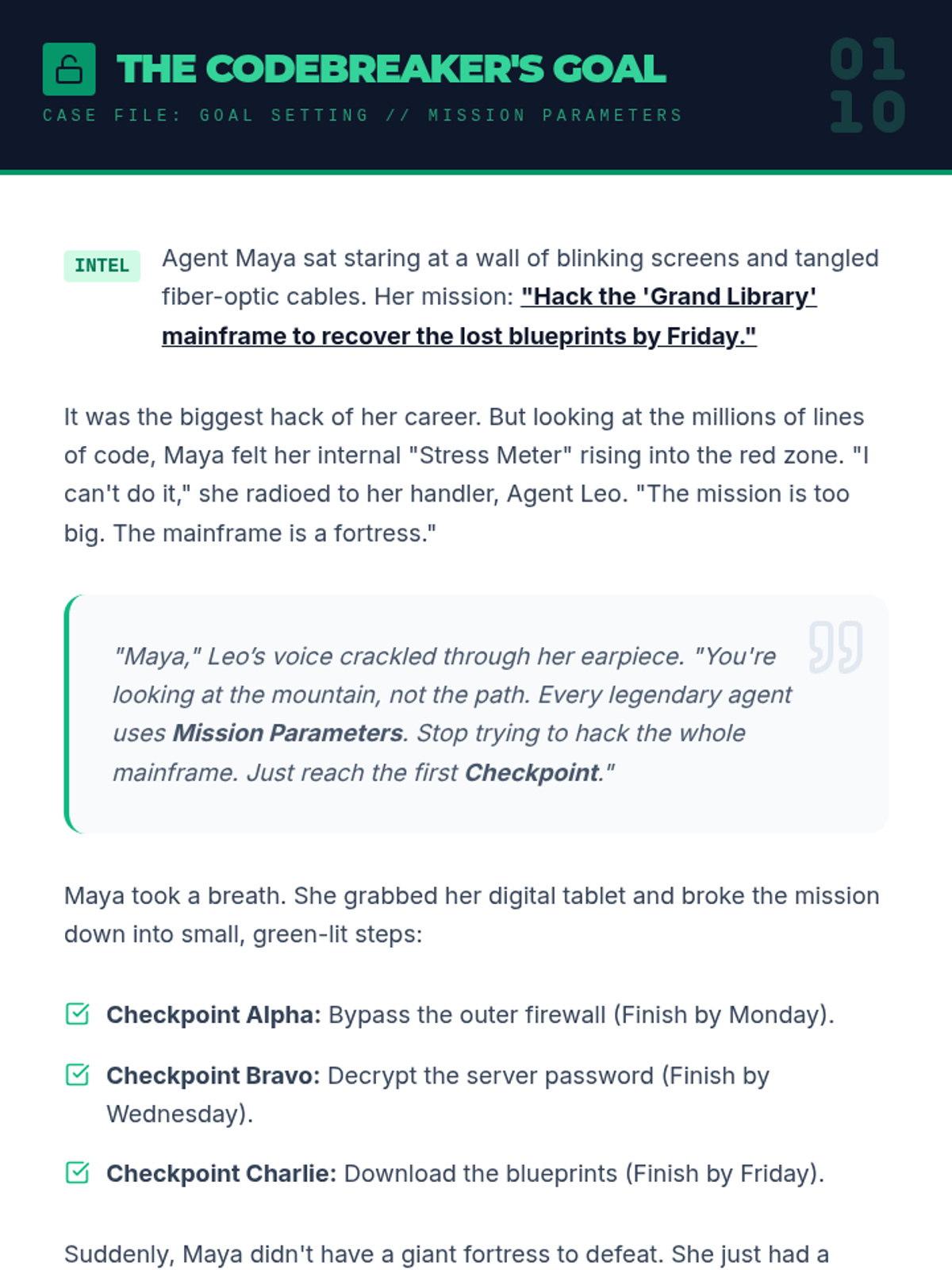
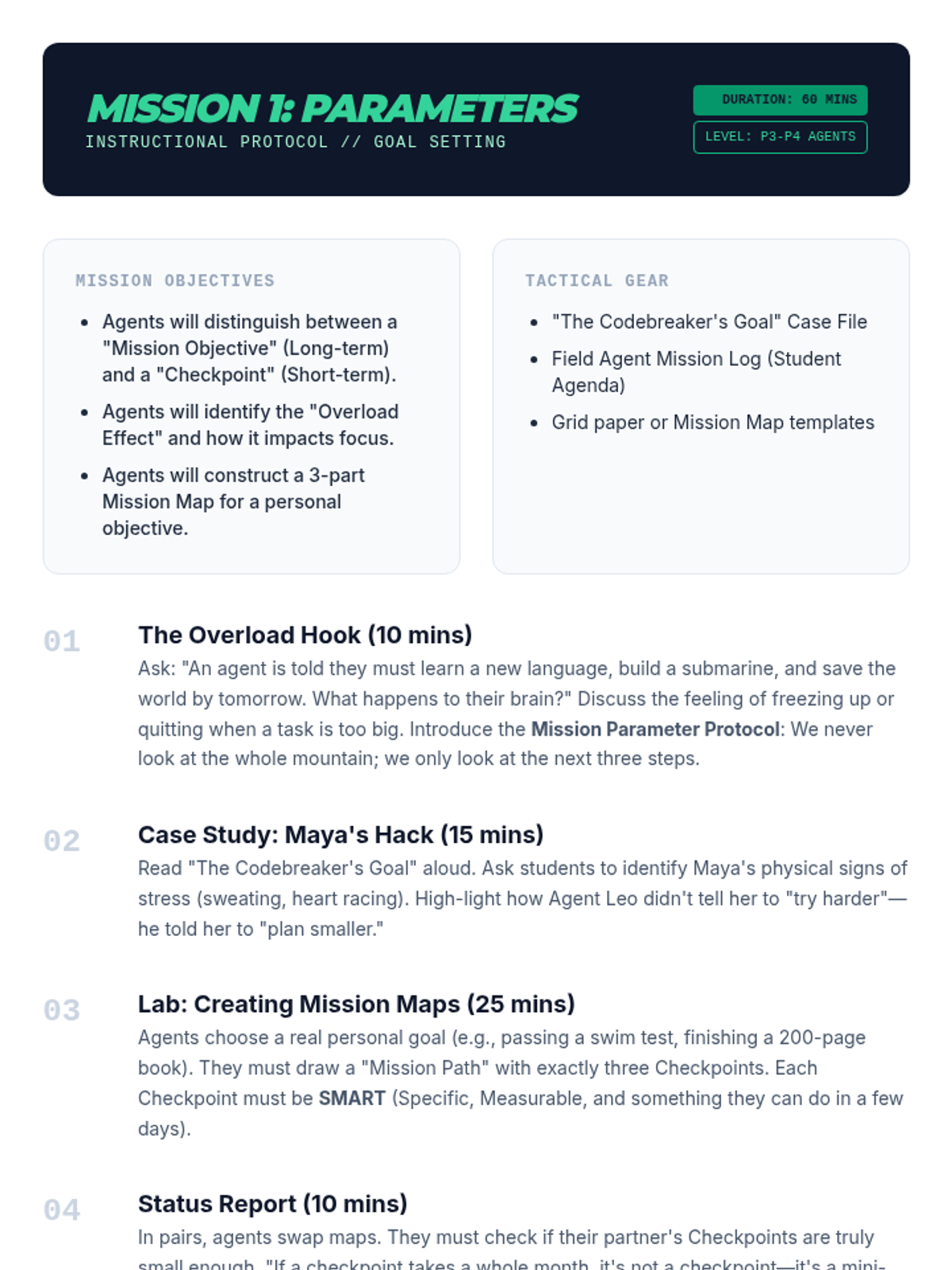
Agents learn to define their mission and break down big objectives into manageable checkpoints.
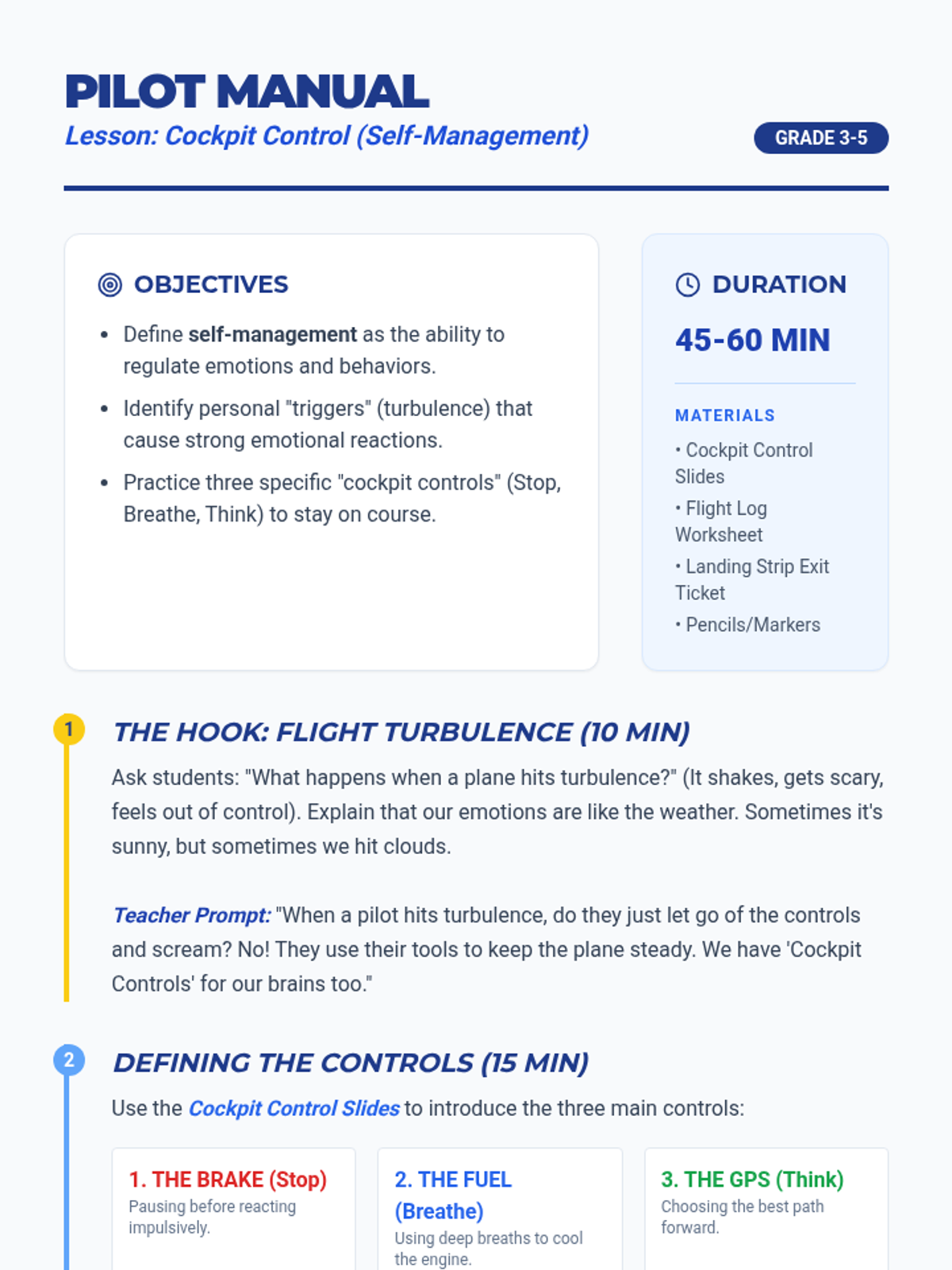
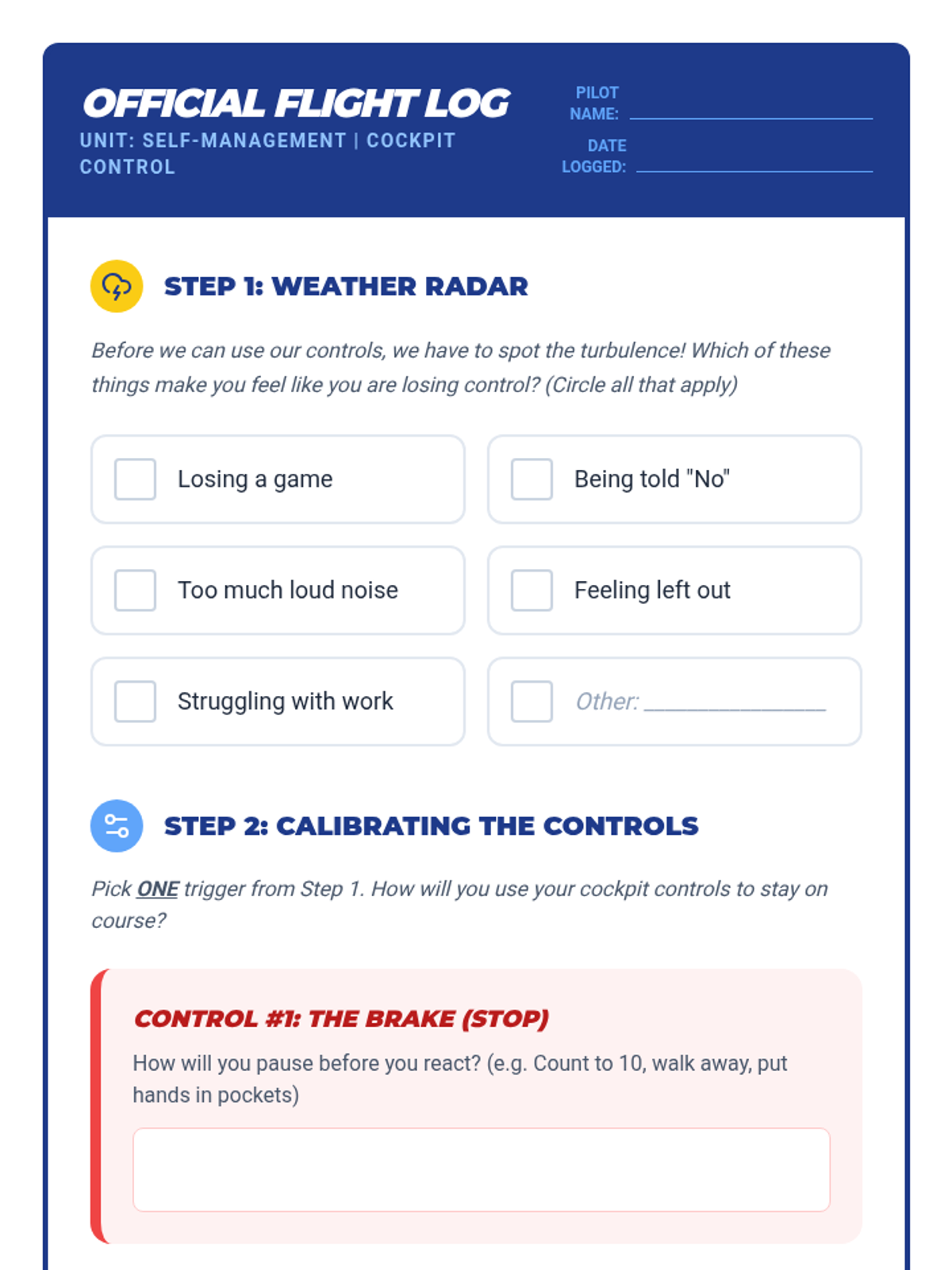
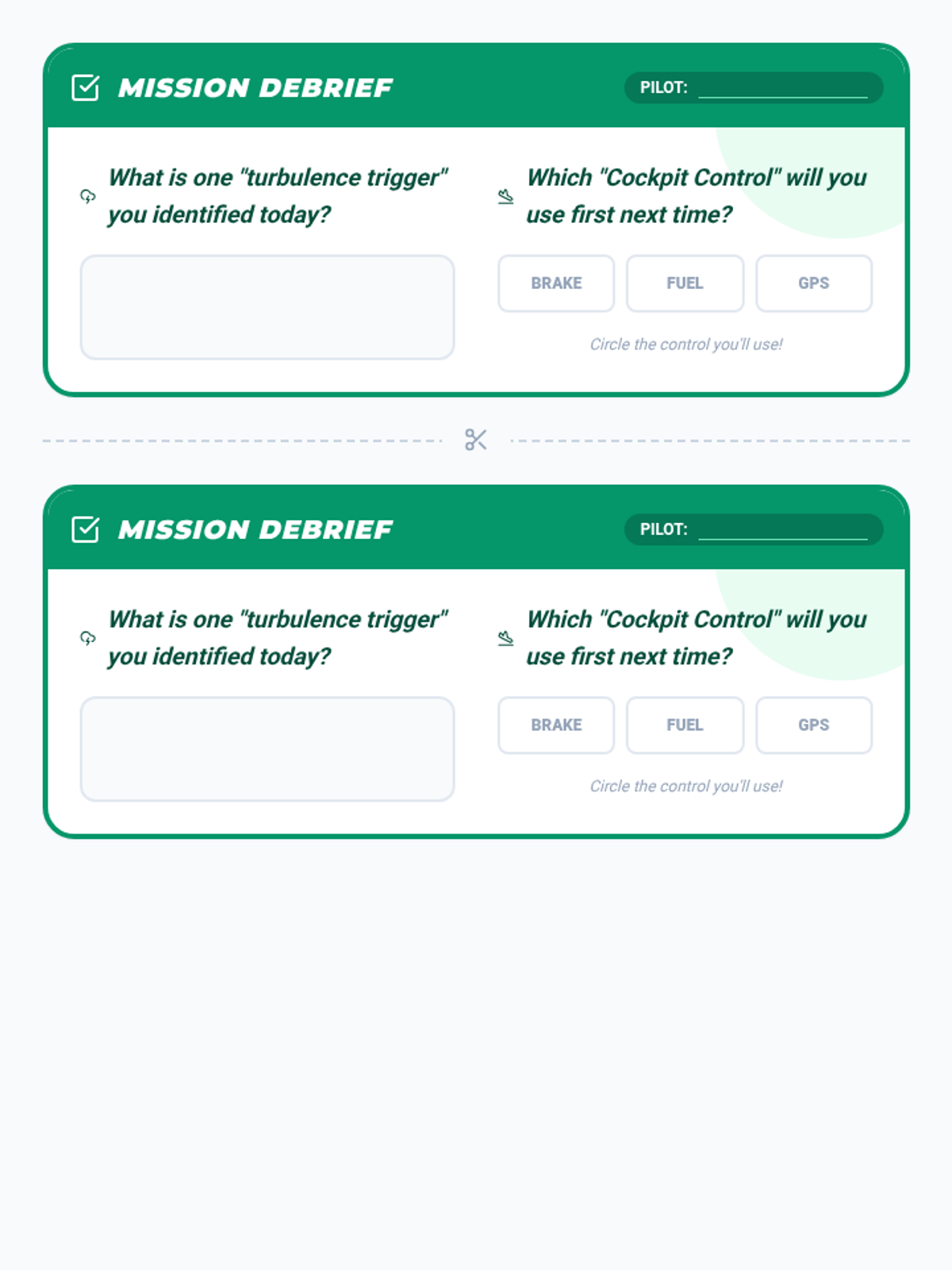
This lesson introduces self-management through an aviation metaphor, teaching students to identify emotional 'turbulence' and use specific 'cockpit controls' to stay on course. Students will learn strategies for impulse control and emotional regulation.
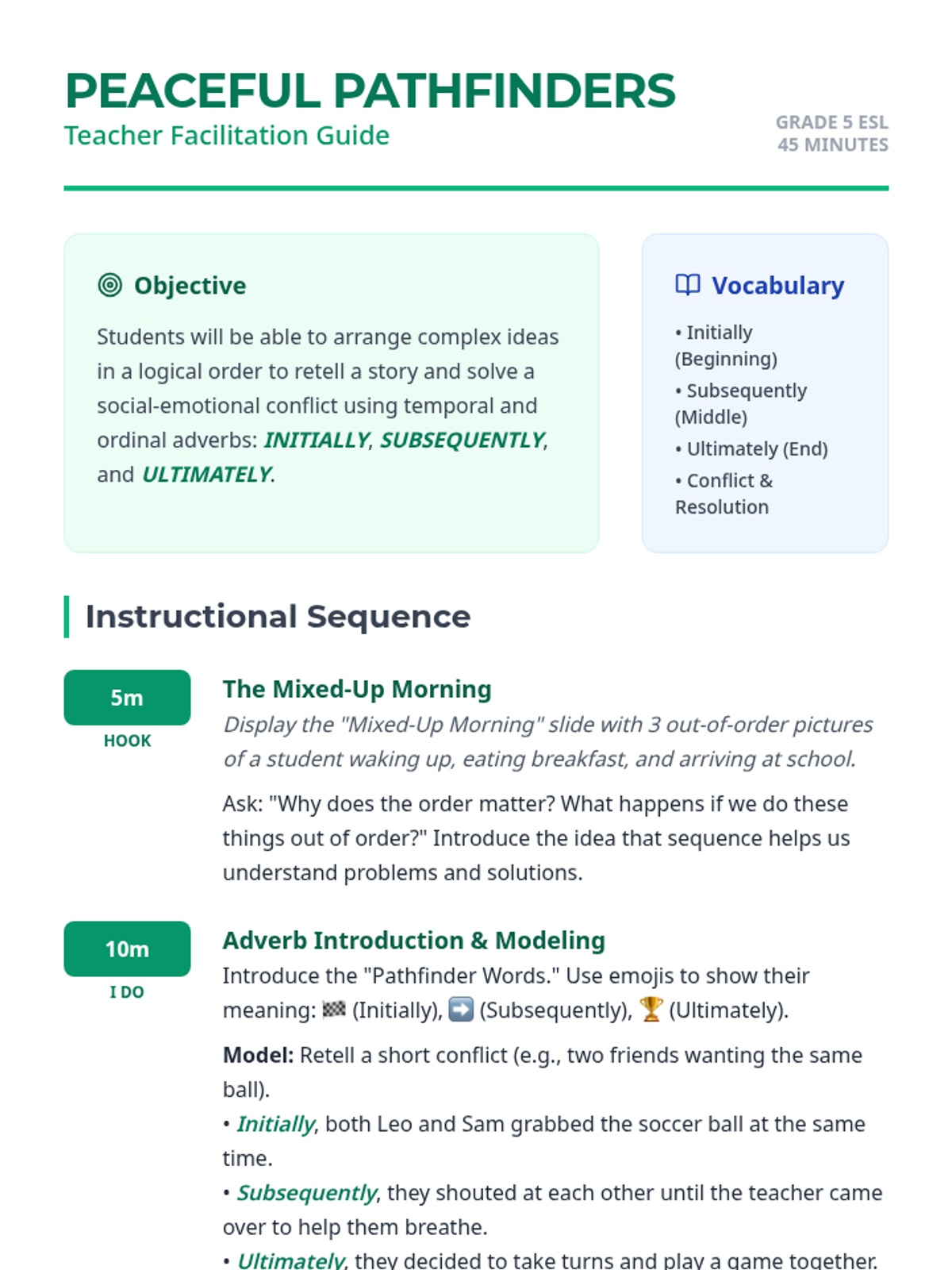
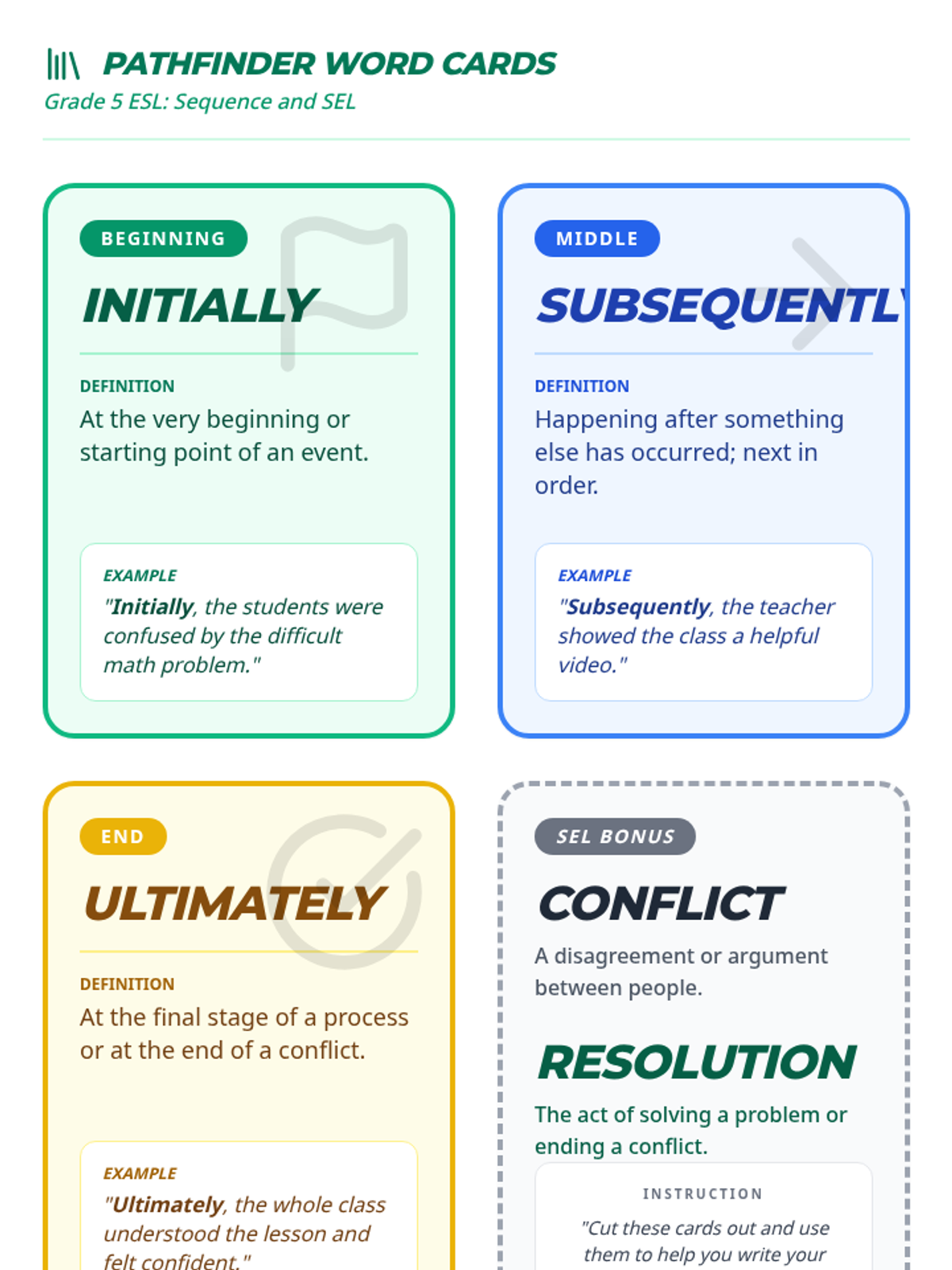
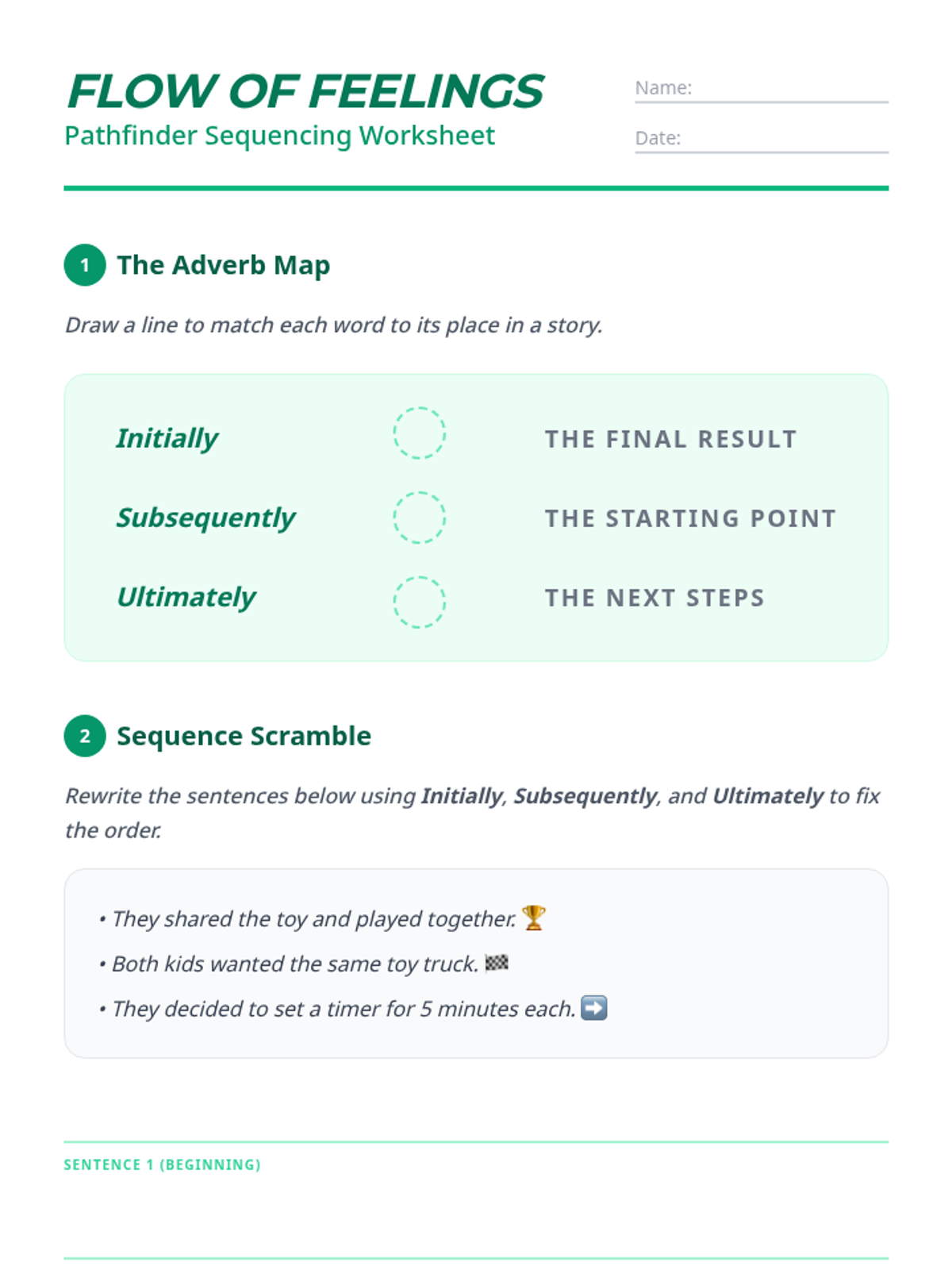
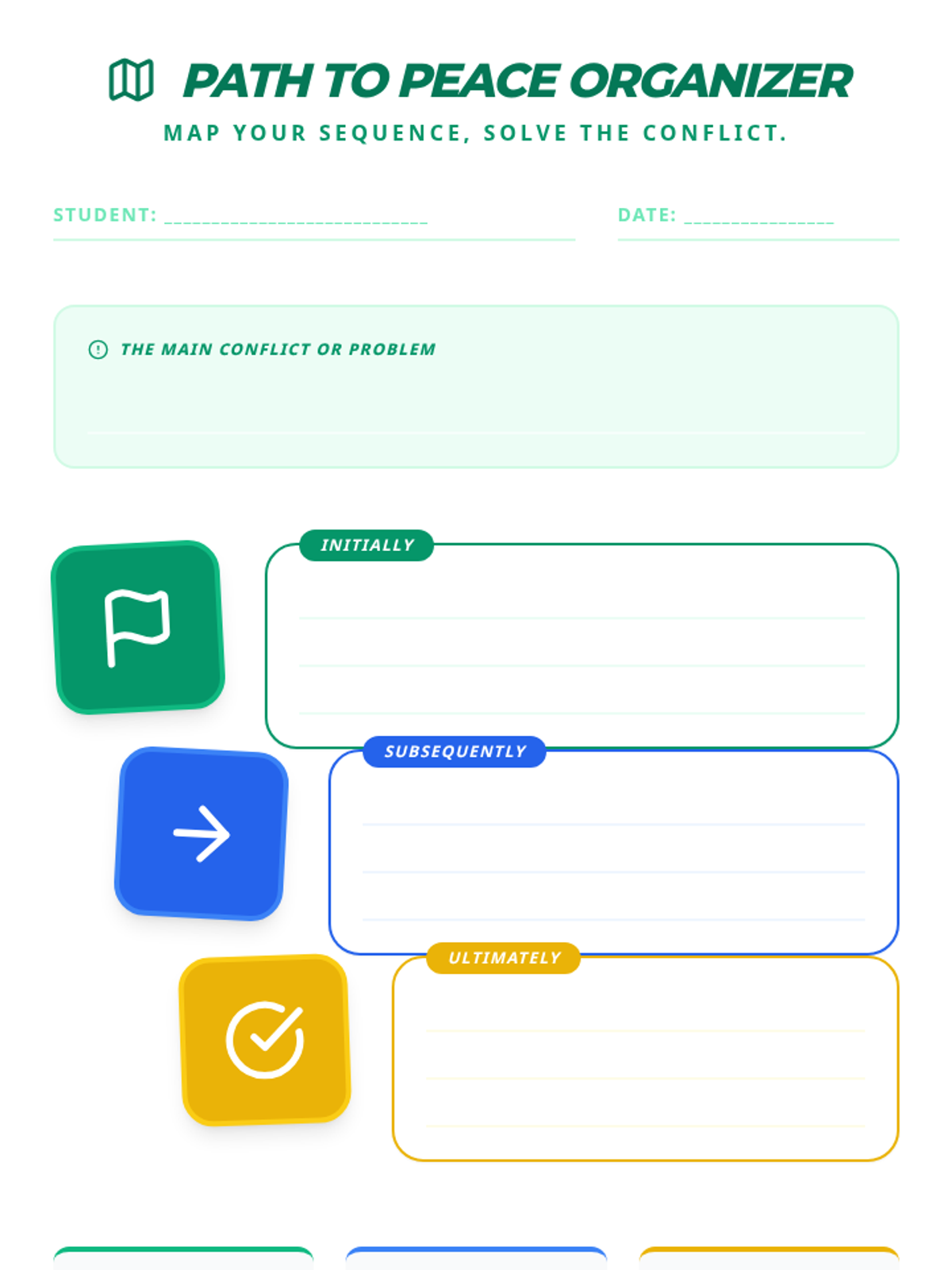
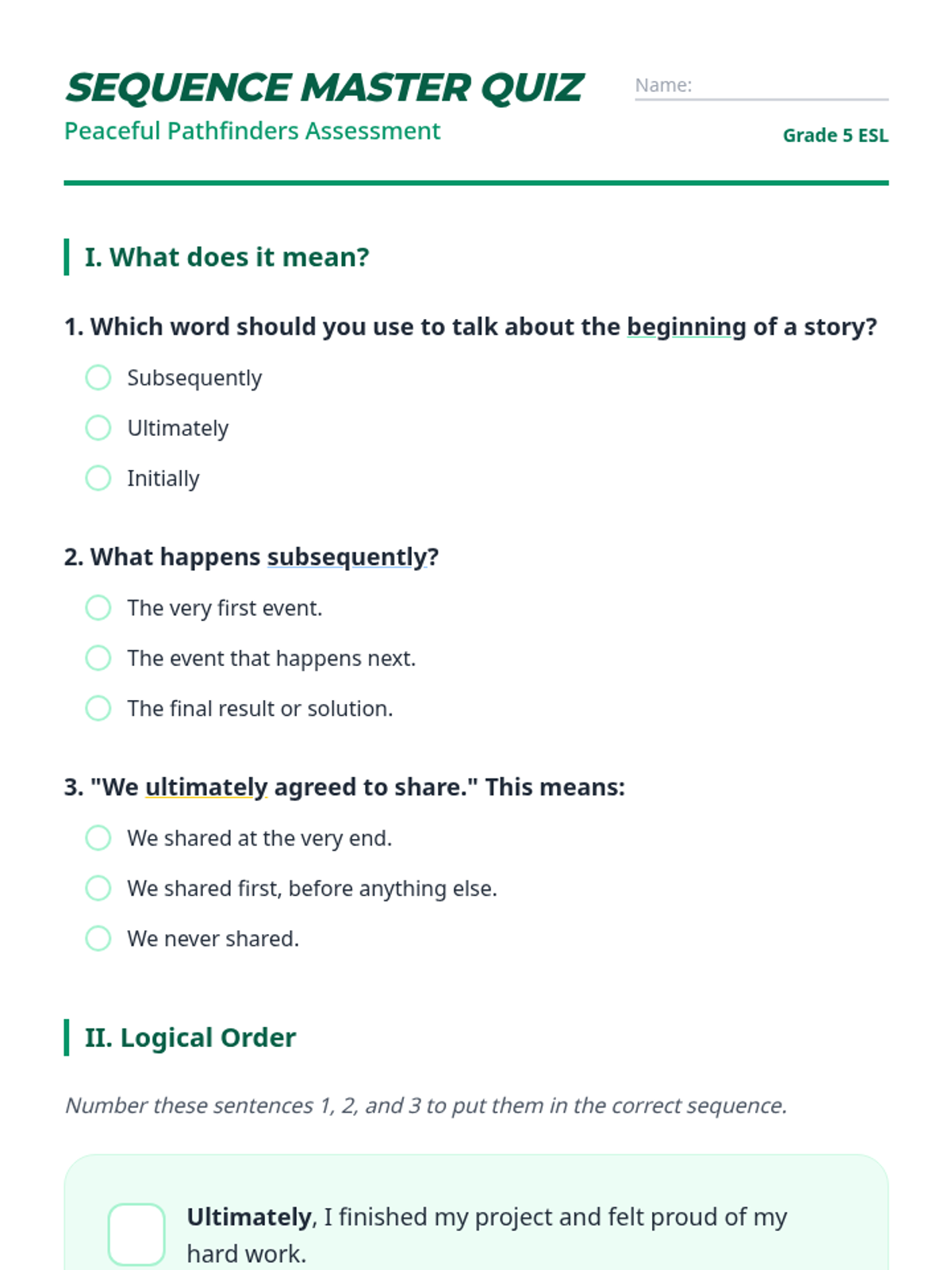
A 45-minute ESL lesson for grade 5 students focusing on using advanced temporal adverbs (initially, subsequently, ultimately) to retell stories and sequence social-emotional problem-solving steps.
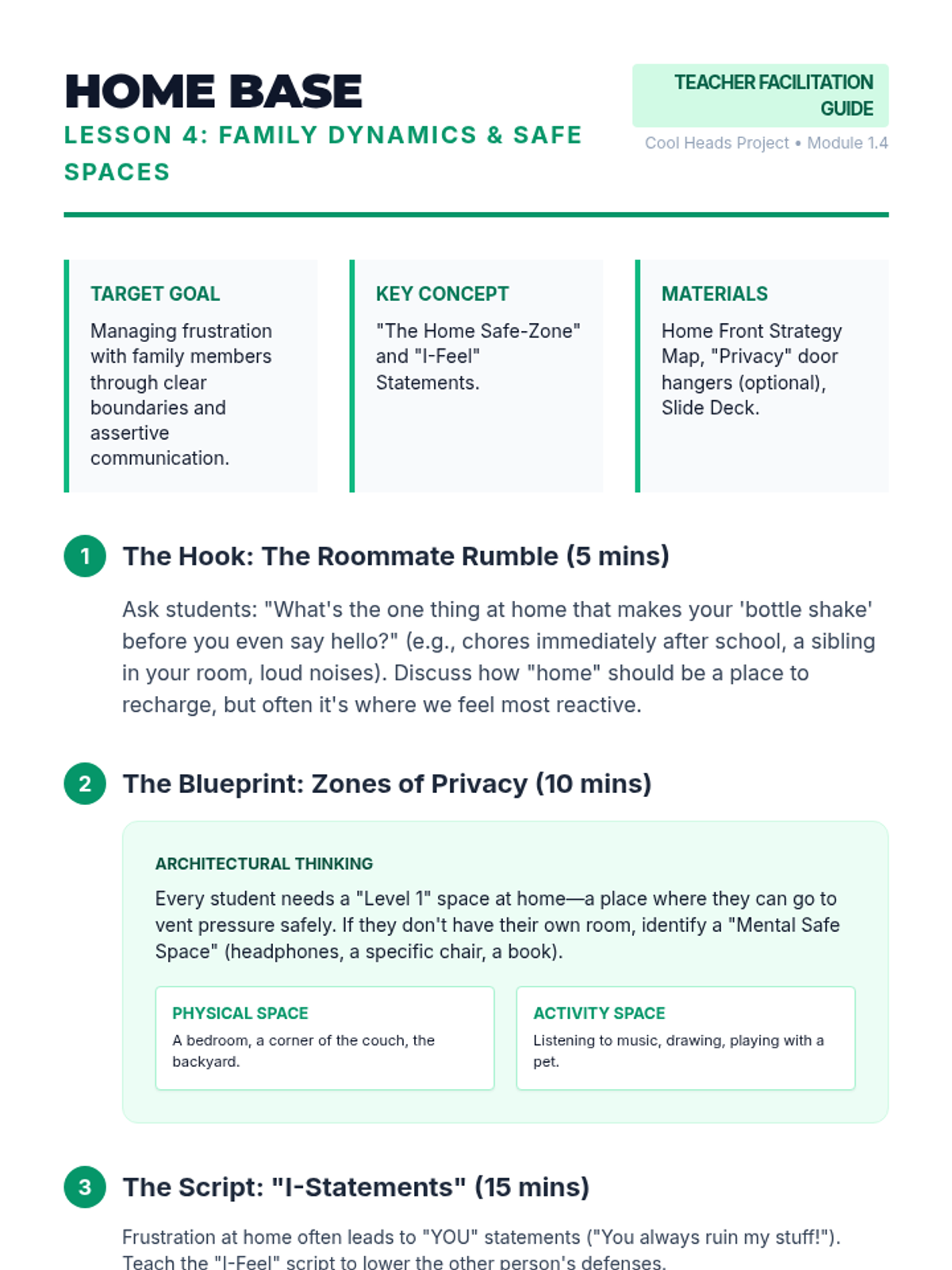
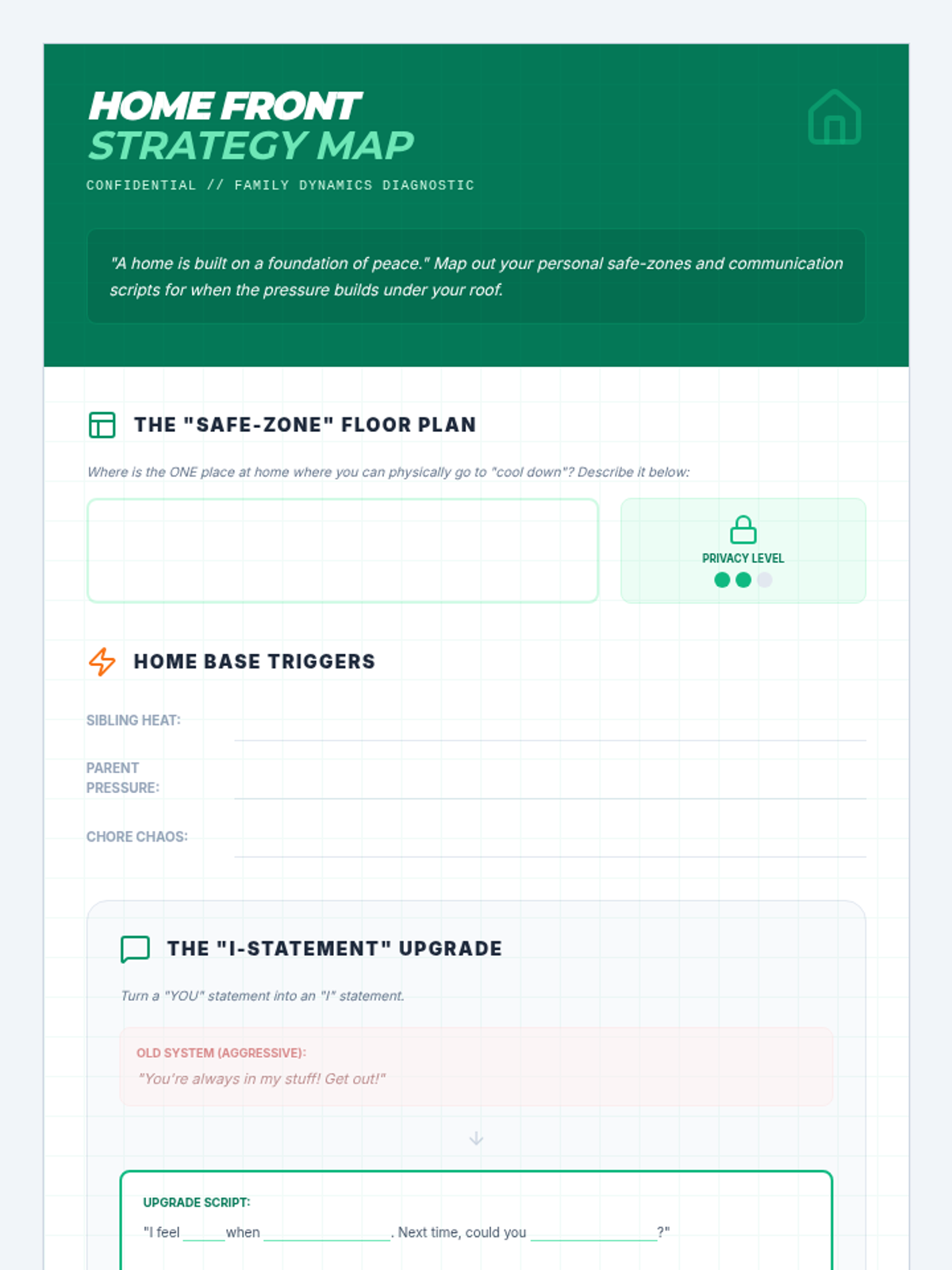
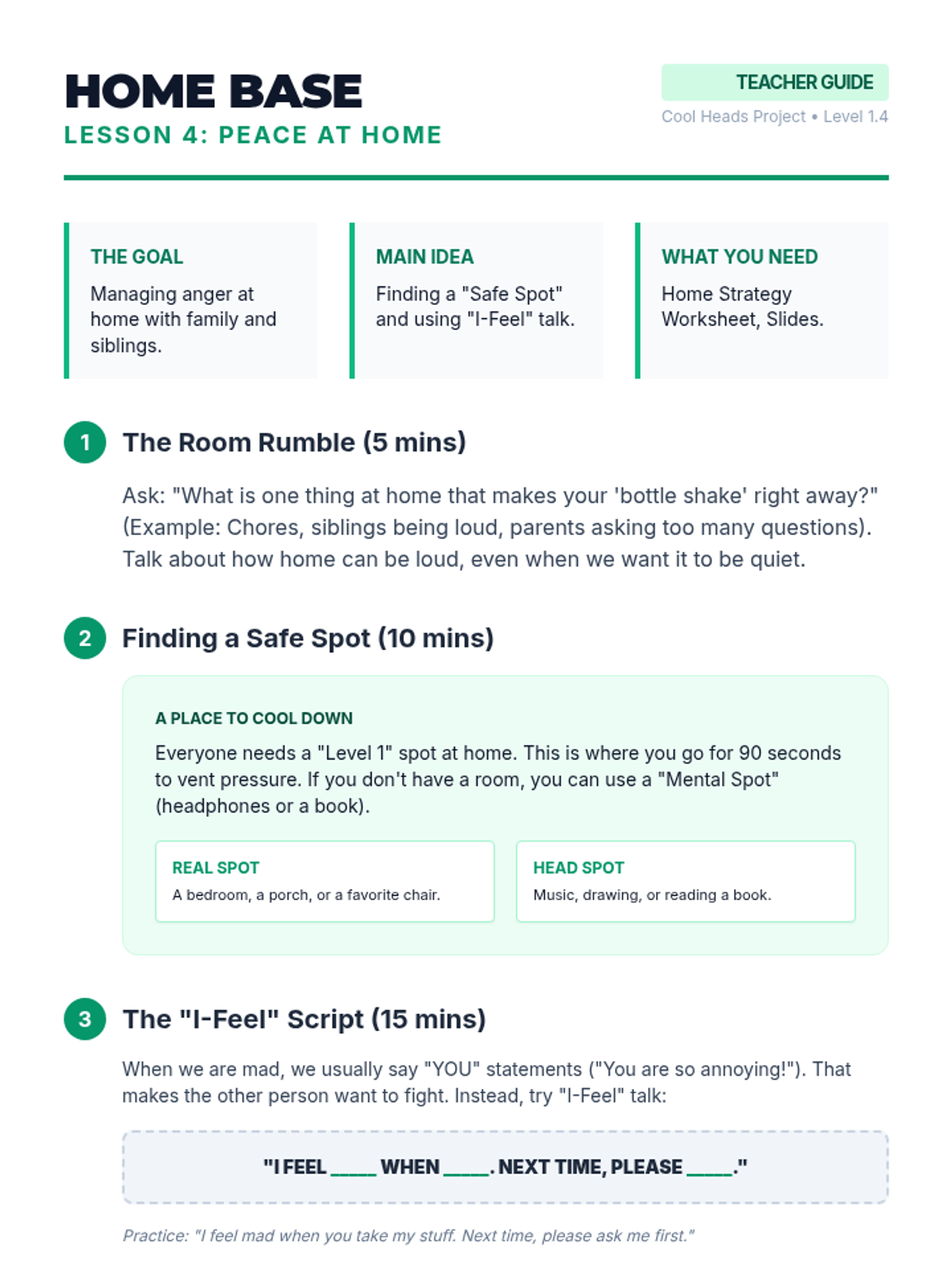
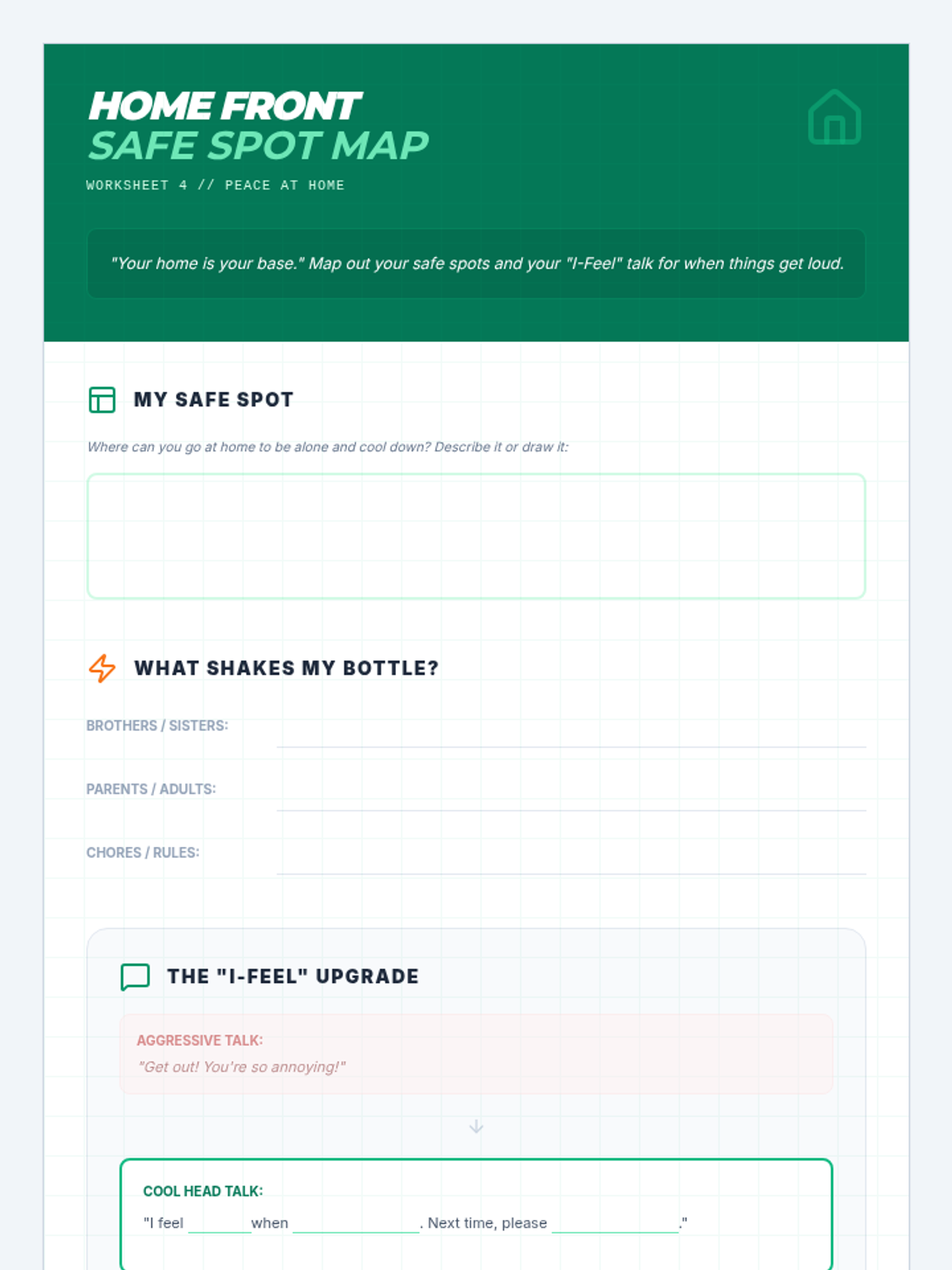
Strategies for navigating family dynamics, sibling conflicts, and home-based stressors through clear communication and personal space.
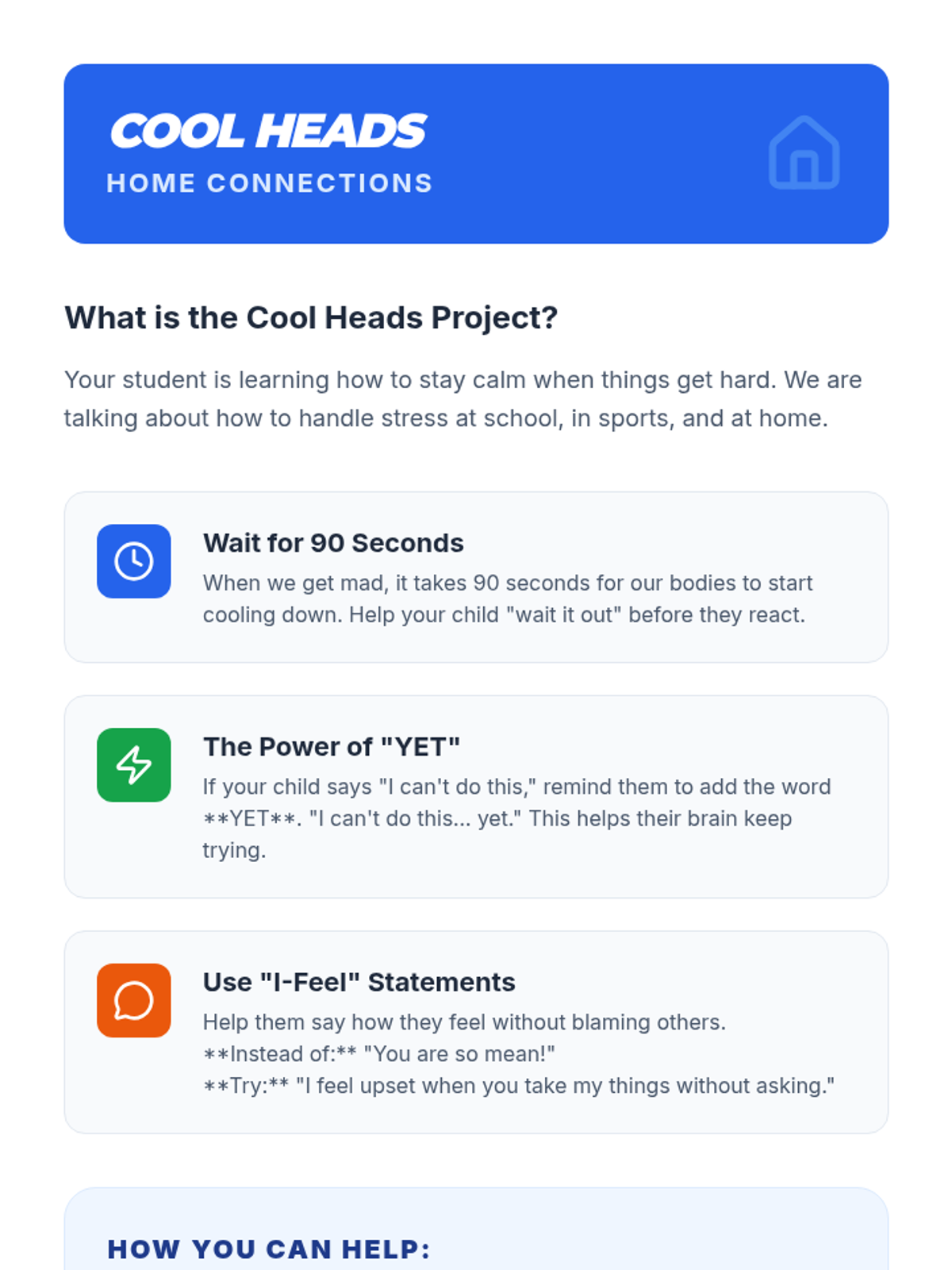
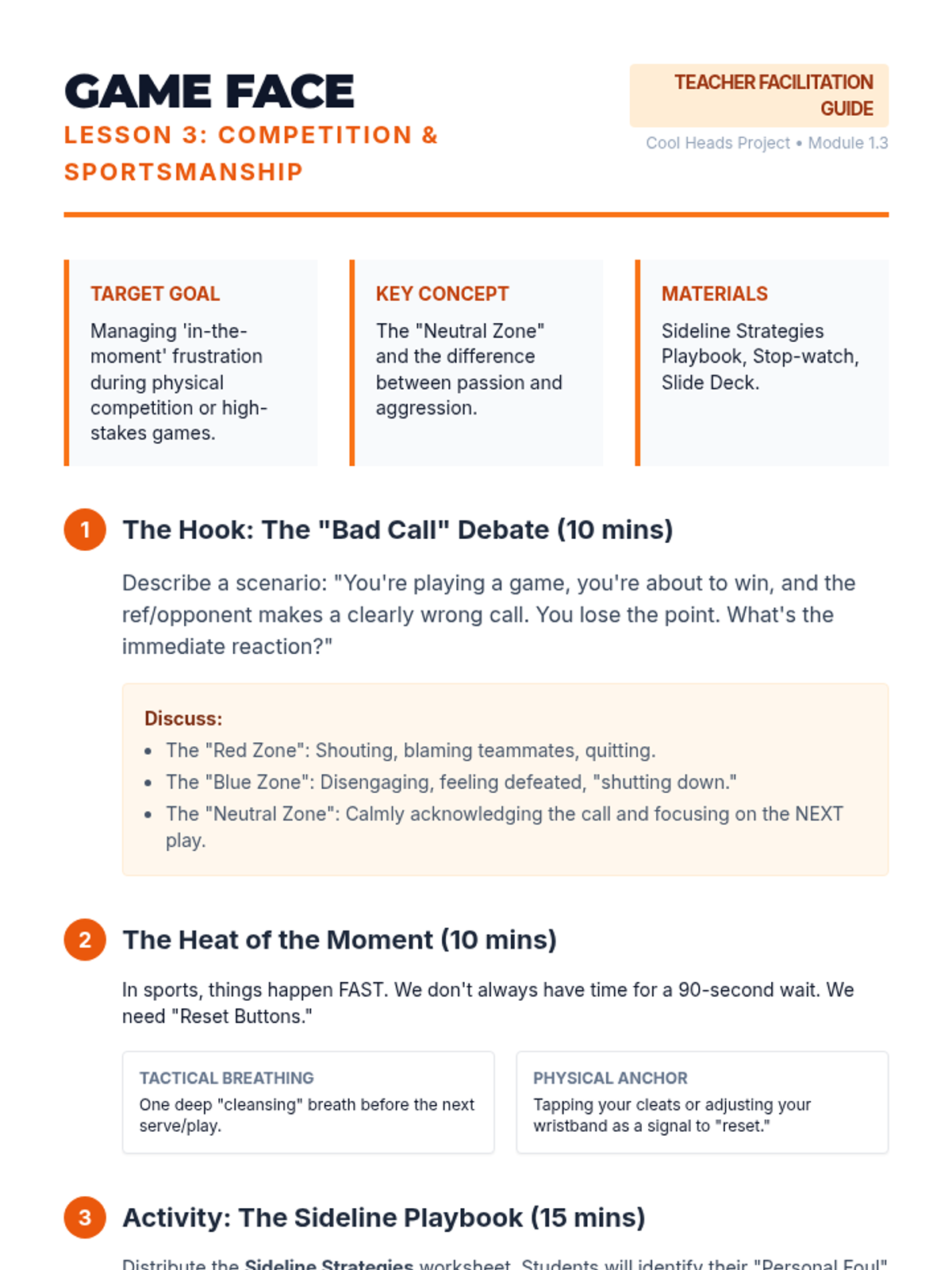
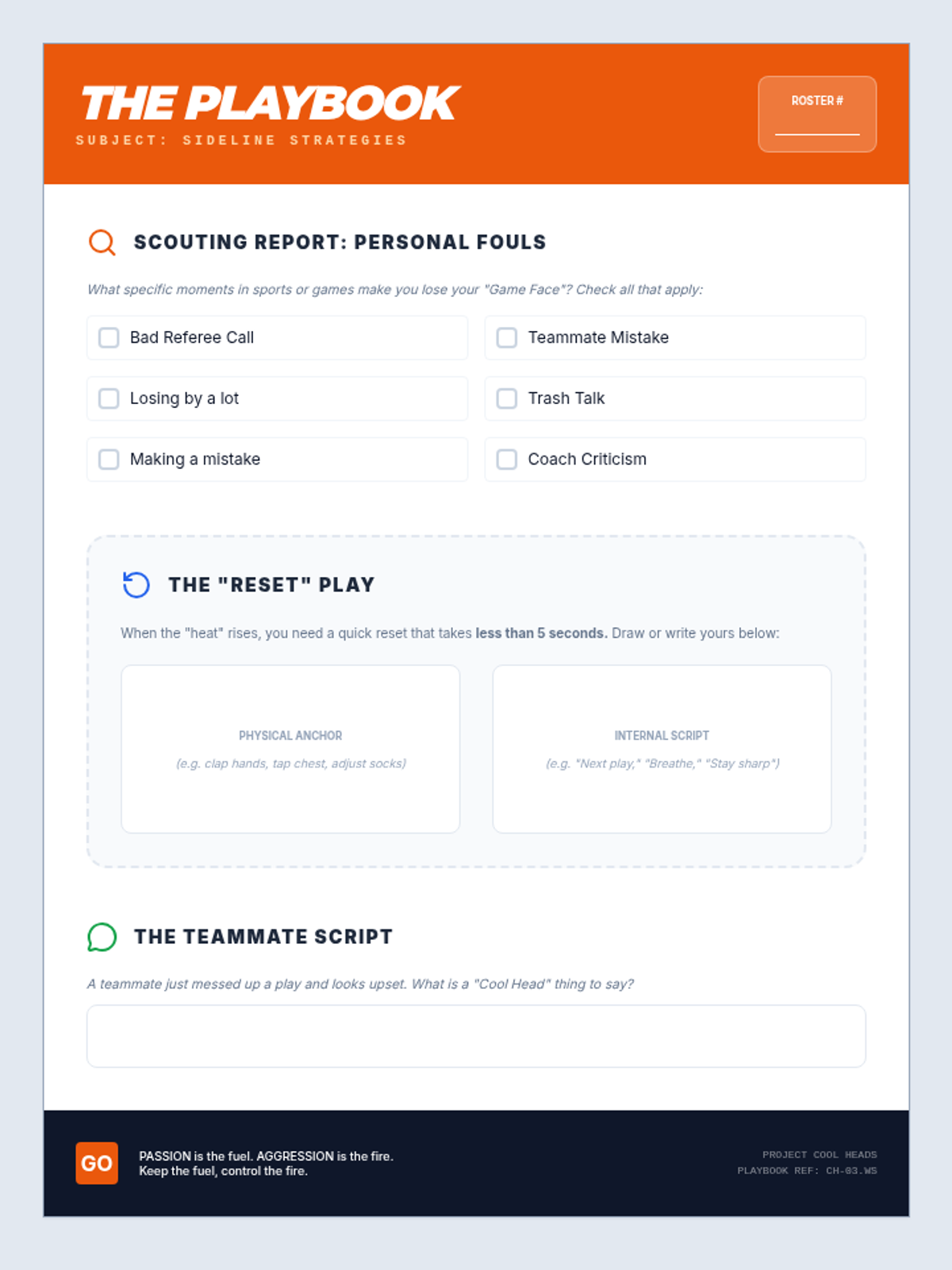
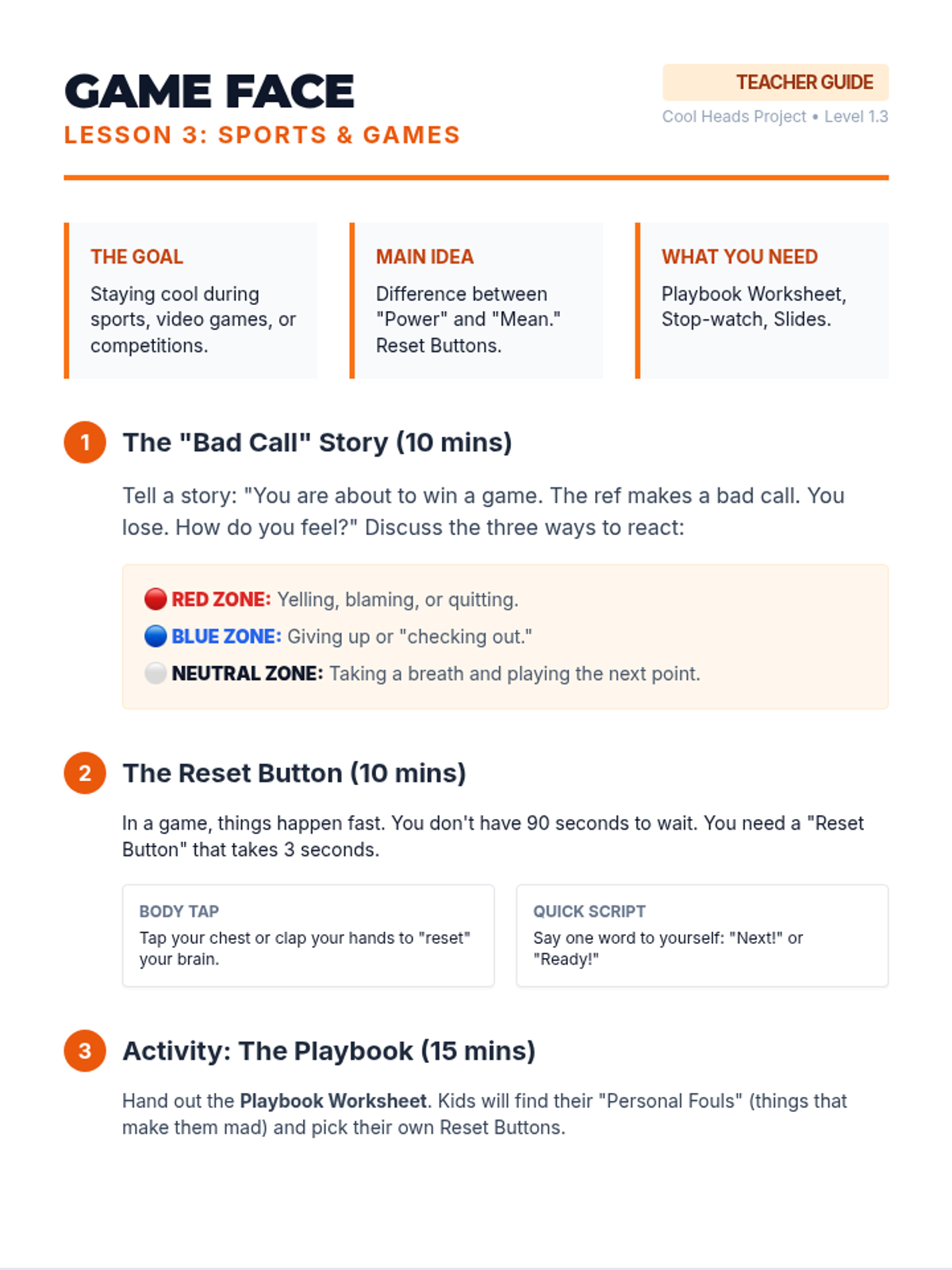
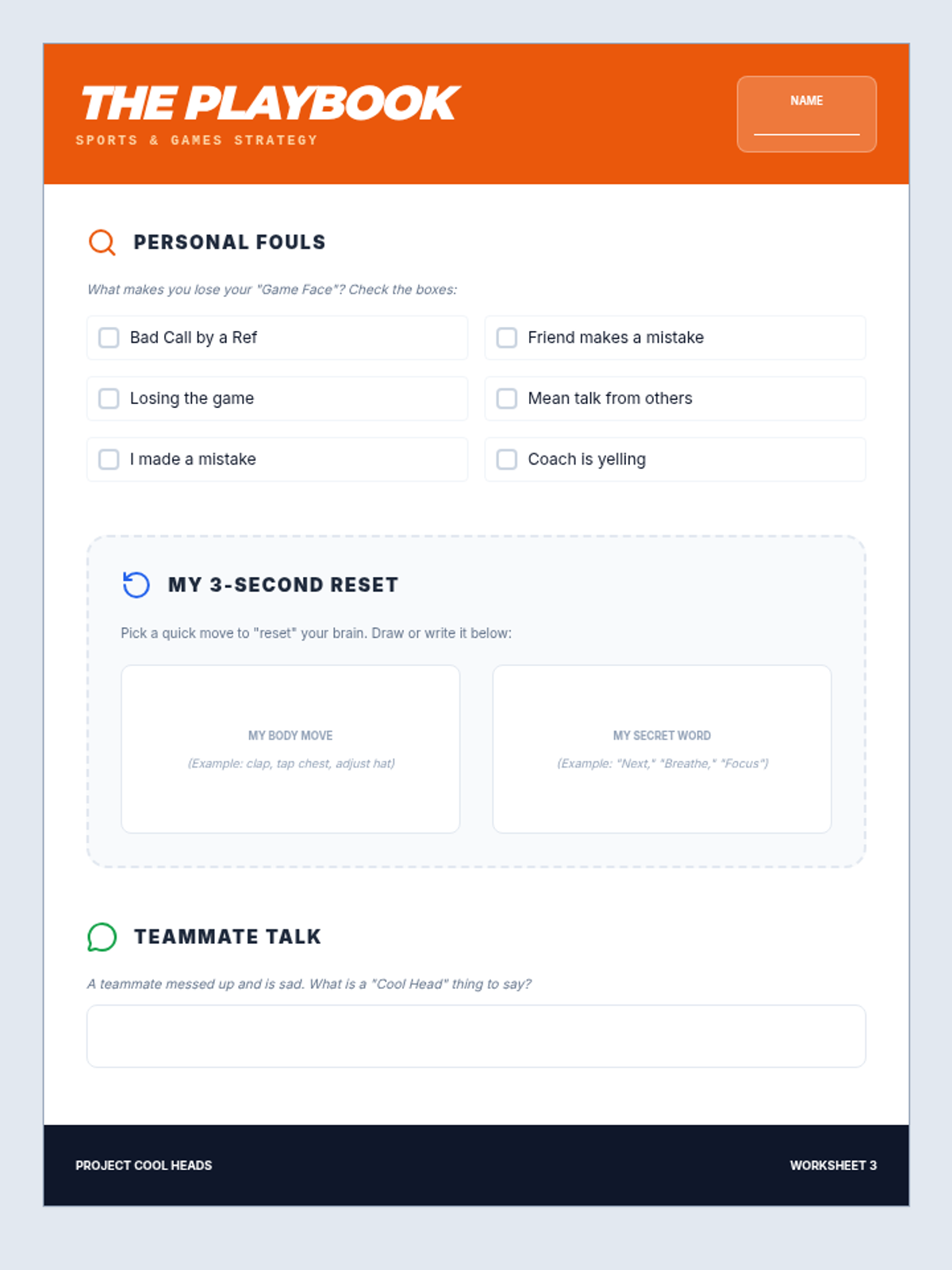
Explores the emotional ups and downs of sports and competition, teaching students how to keep their cool during wins and losses.
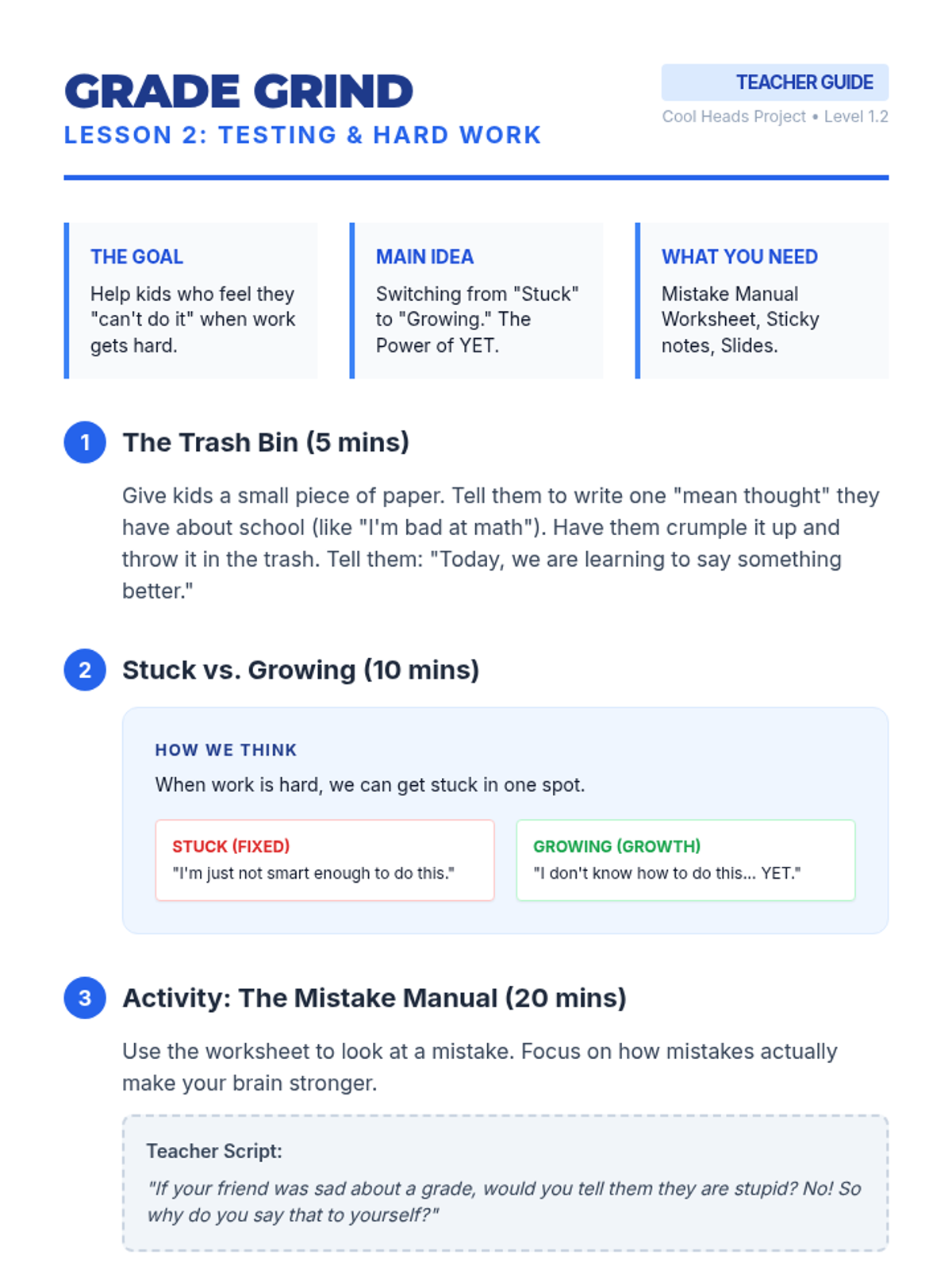
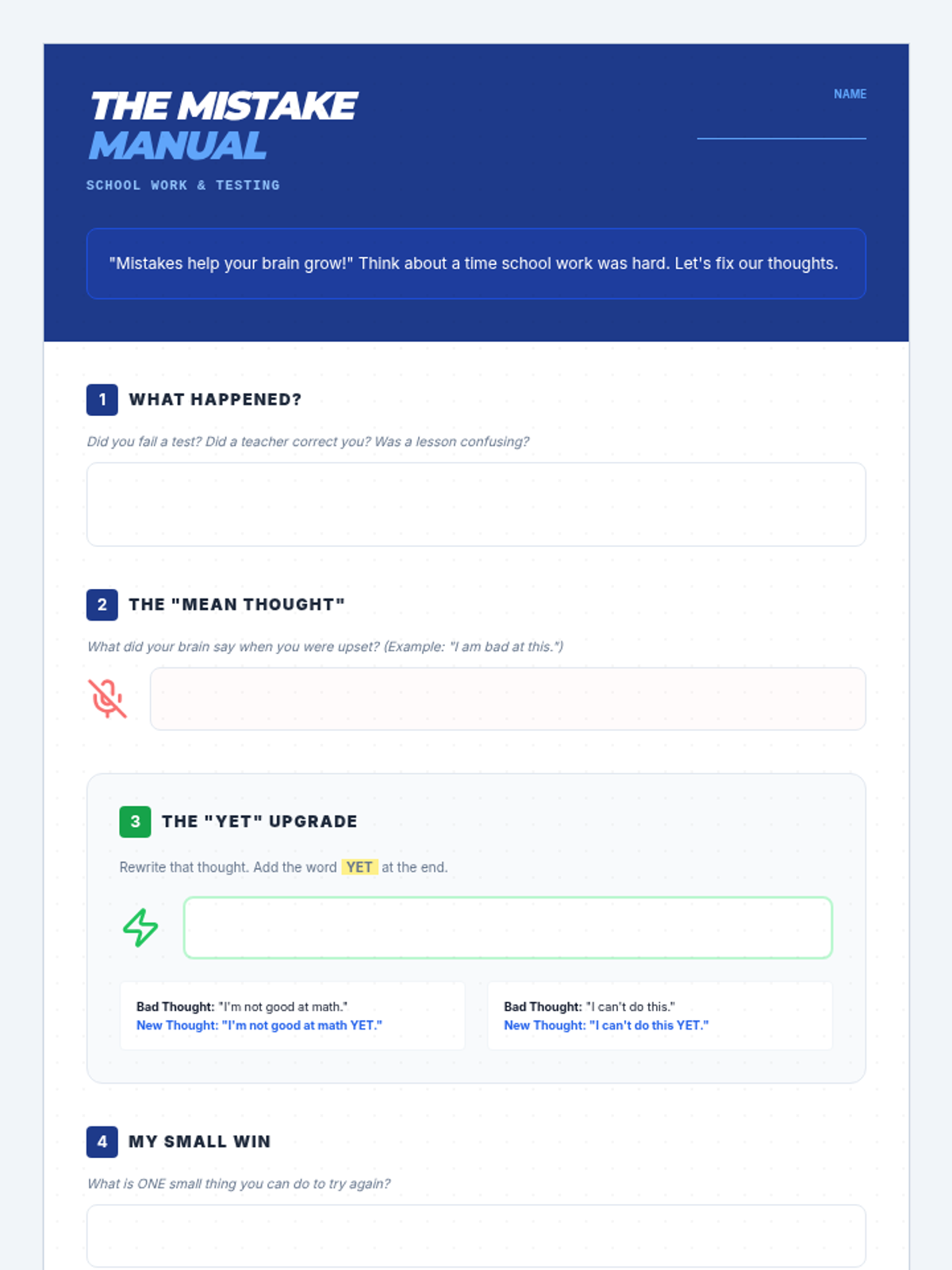
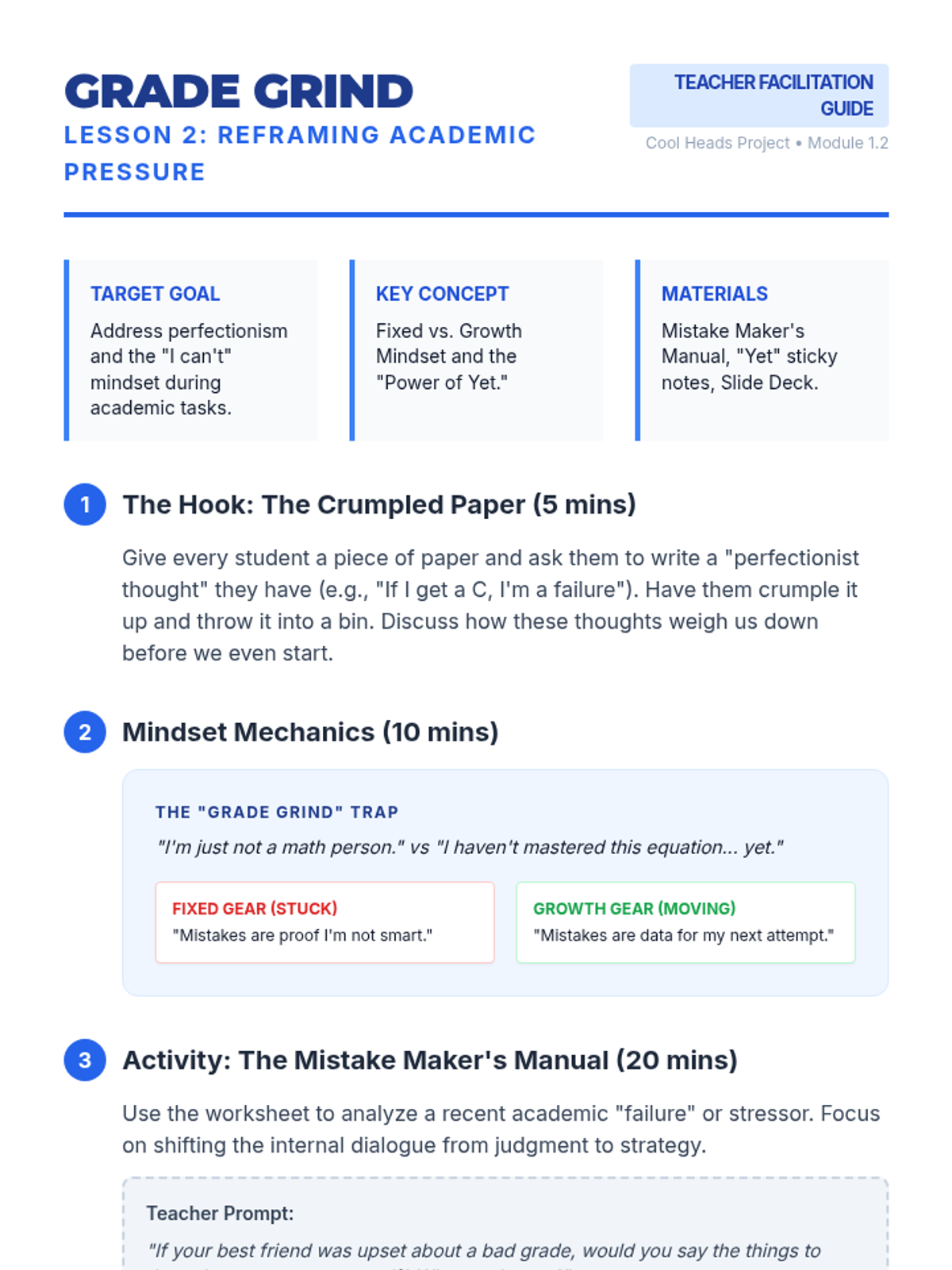
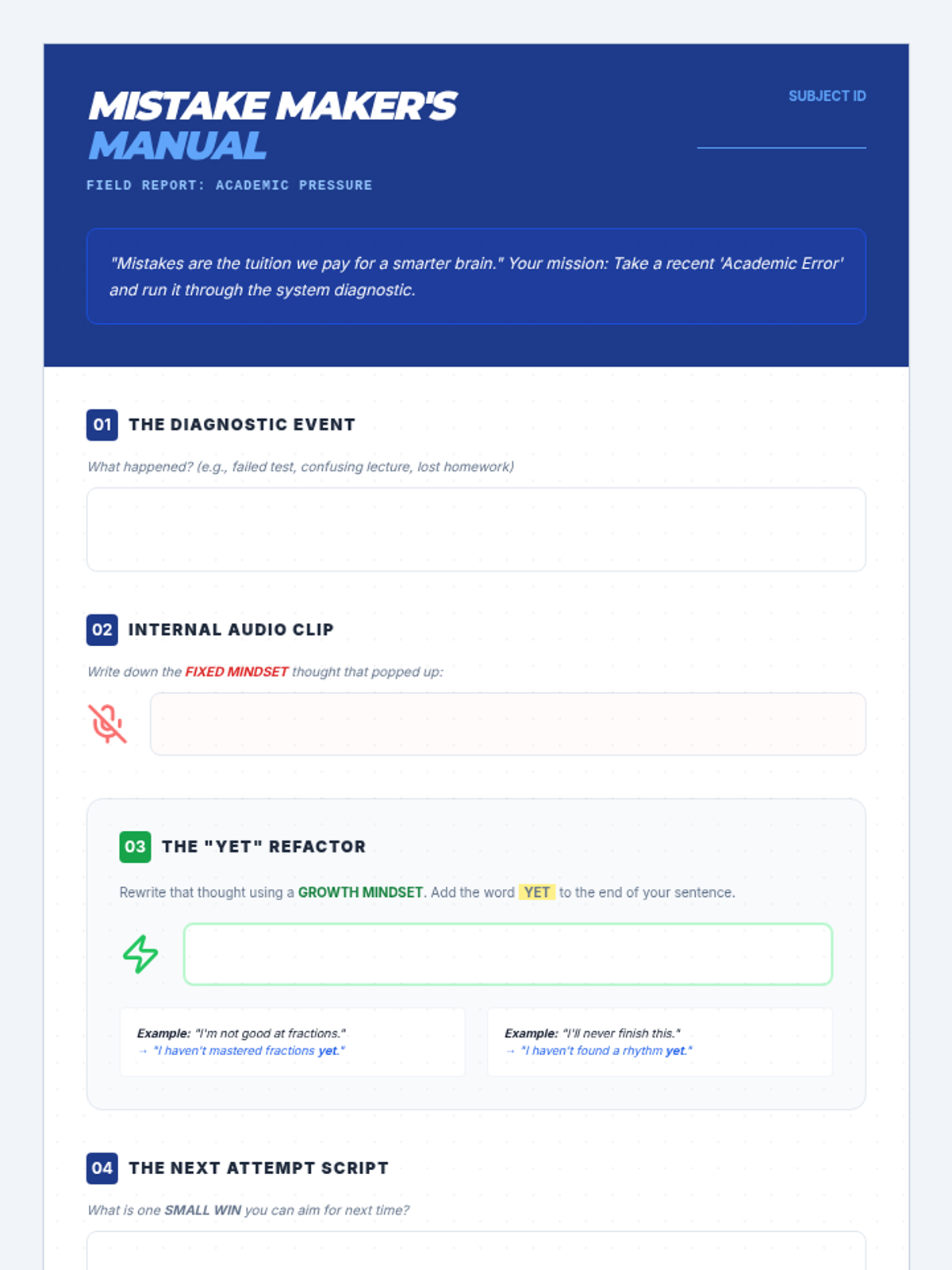
Focuses on managing the pressure of grades, tests, and academic expectations through reframing and realistic goal-setting.
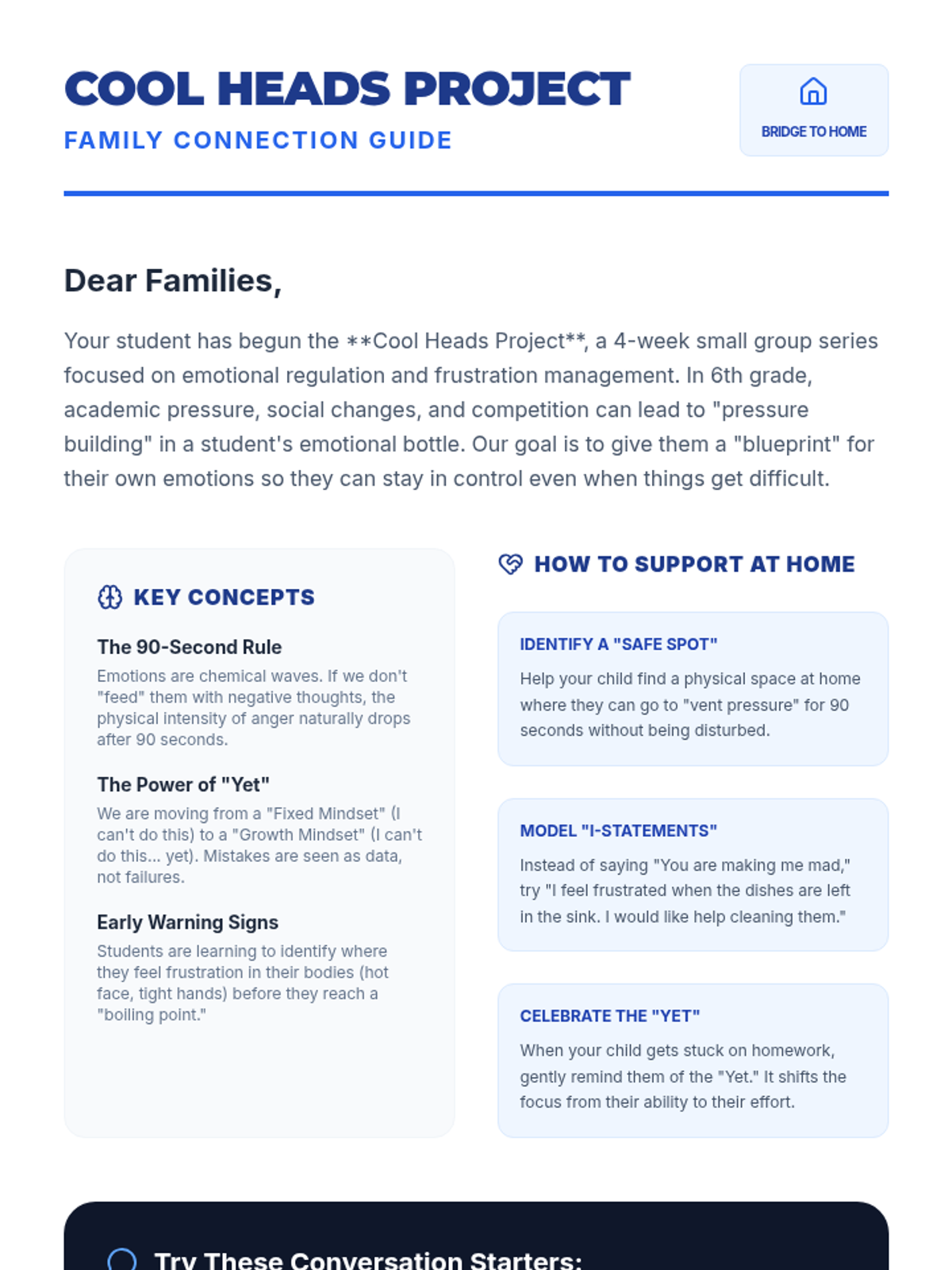
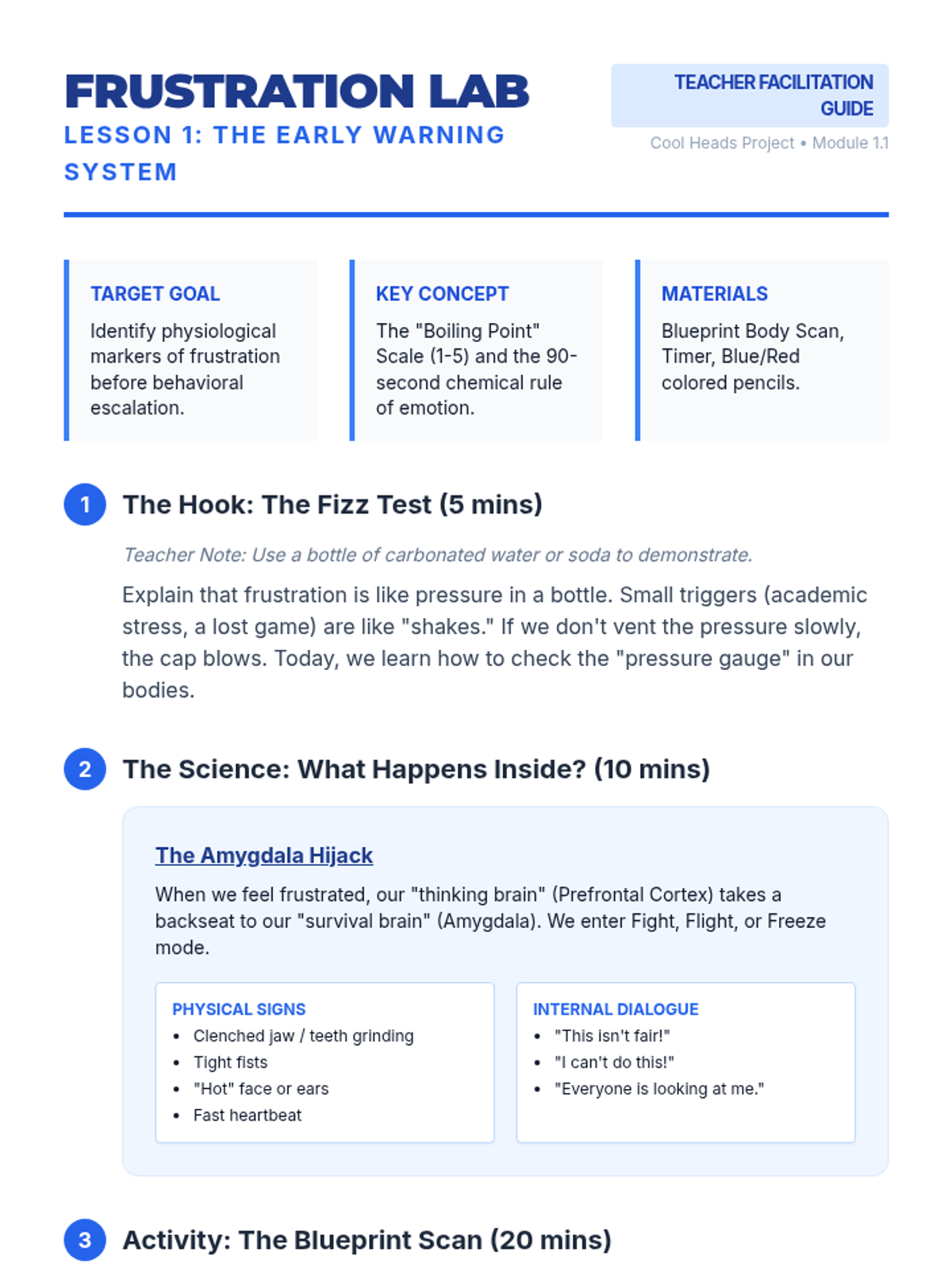
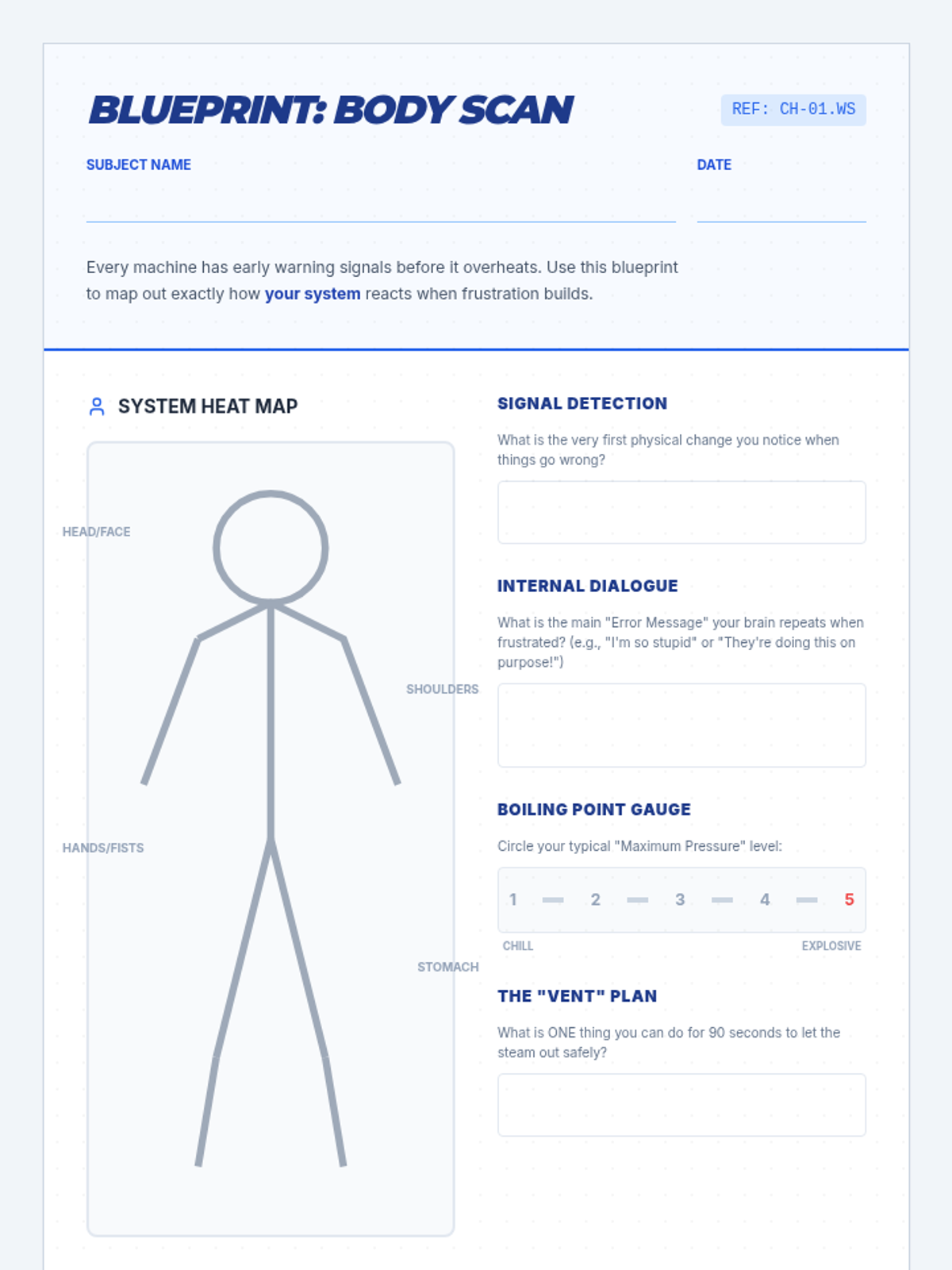
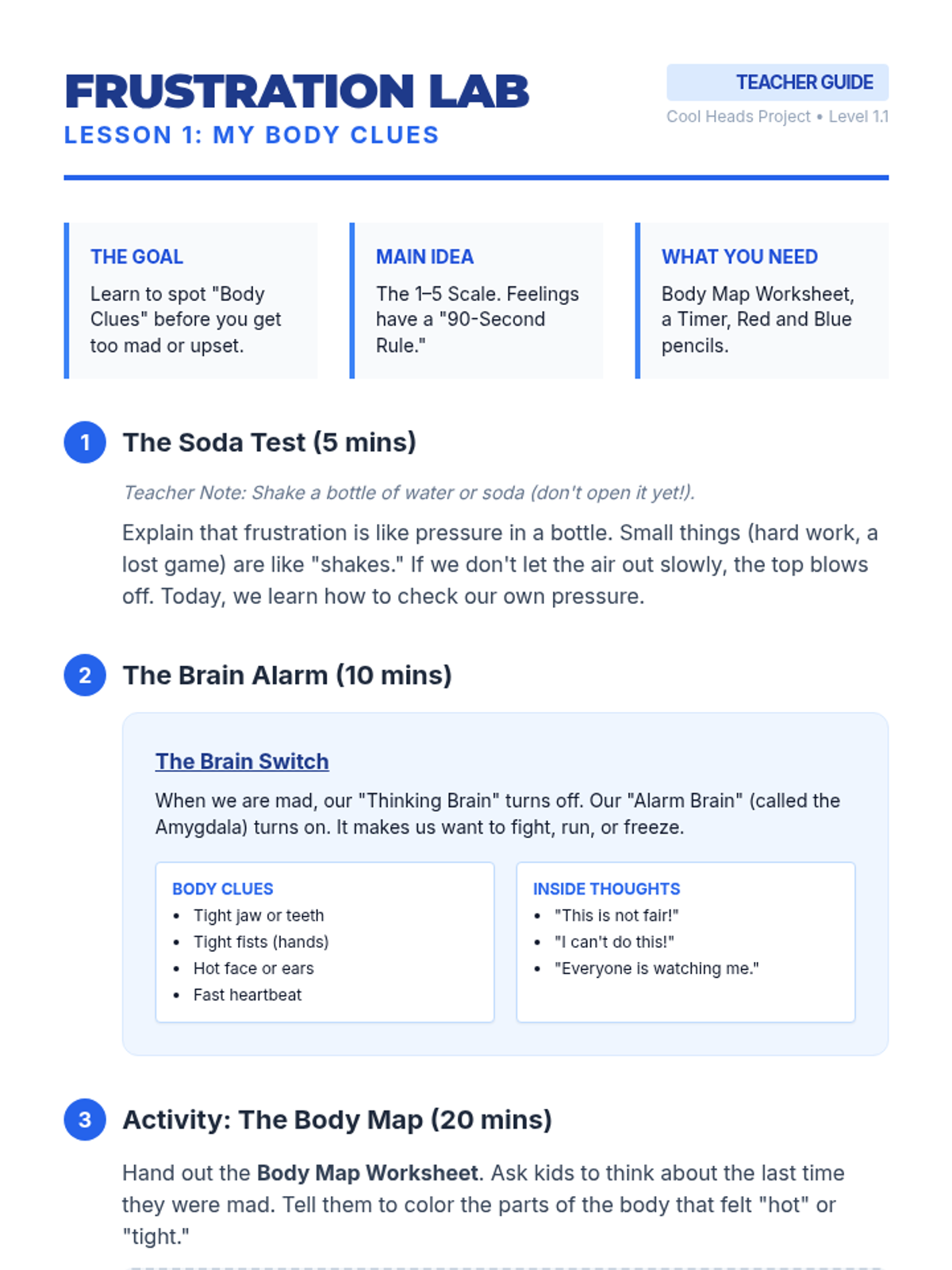
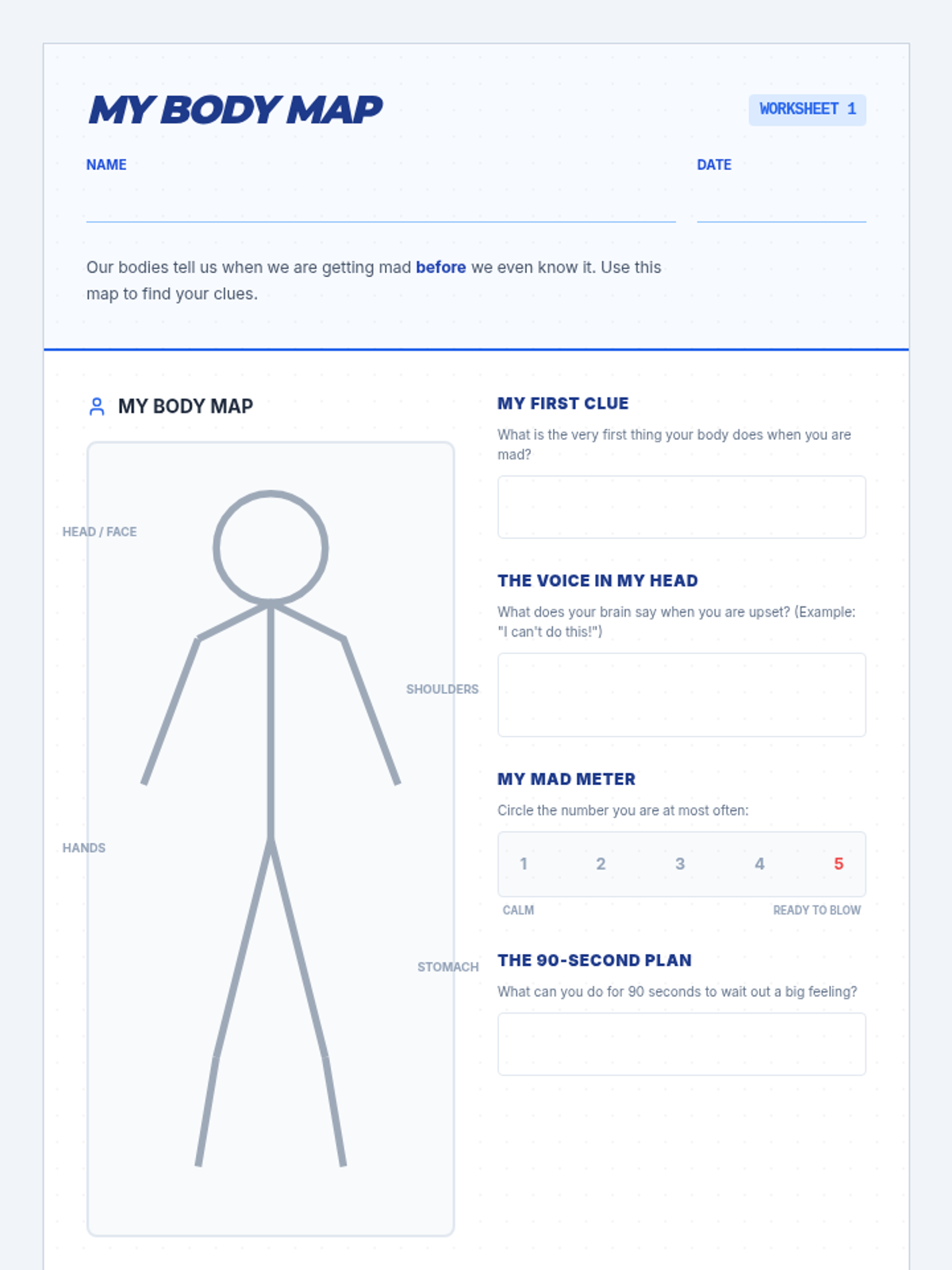
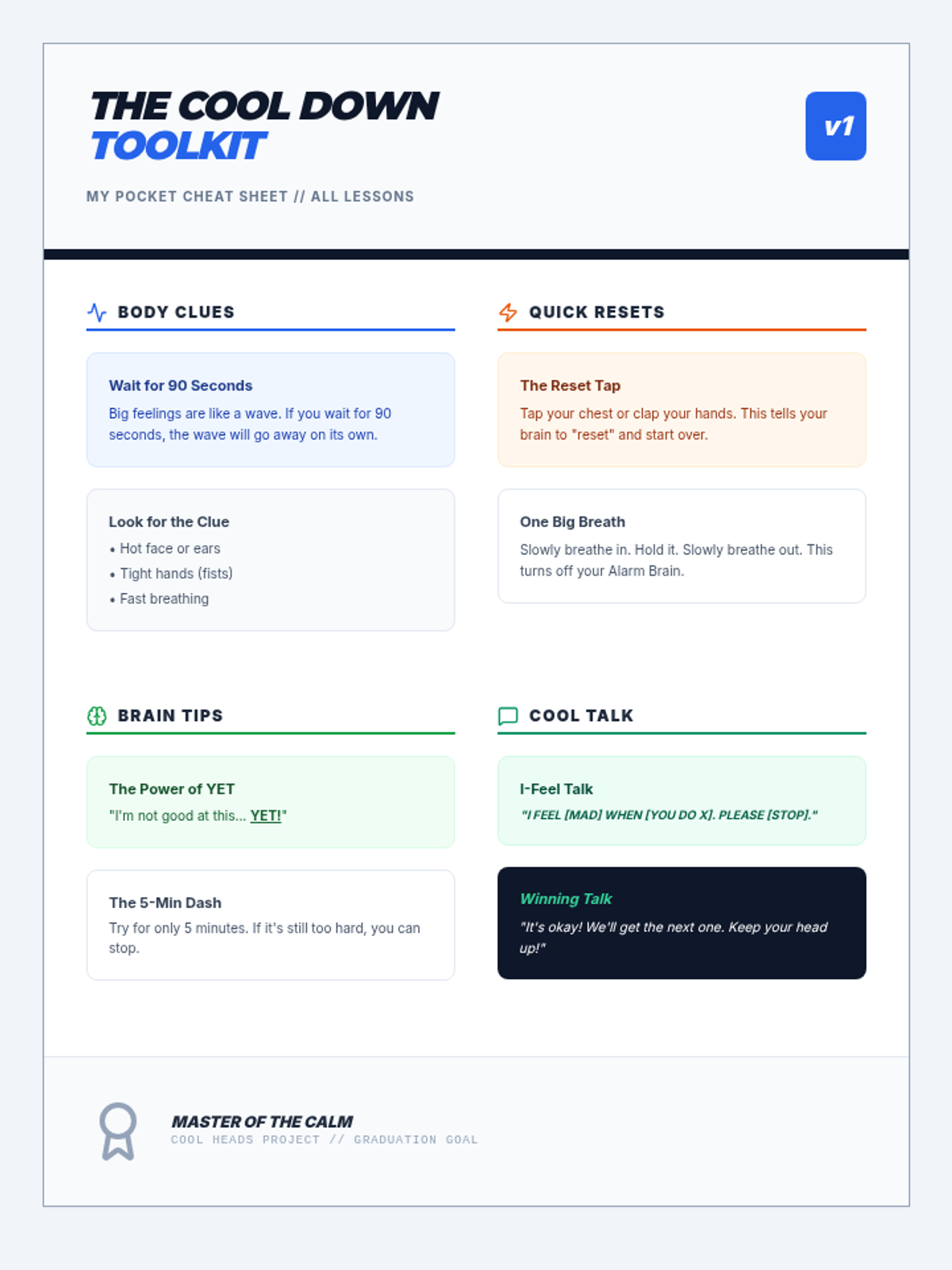
Students identify the physical sensations of frustration and learn to recognize their personal 'early warning signs' before they reach a boiling point.
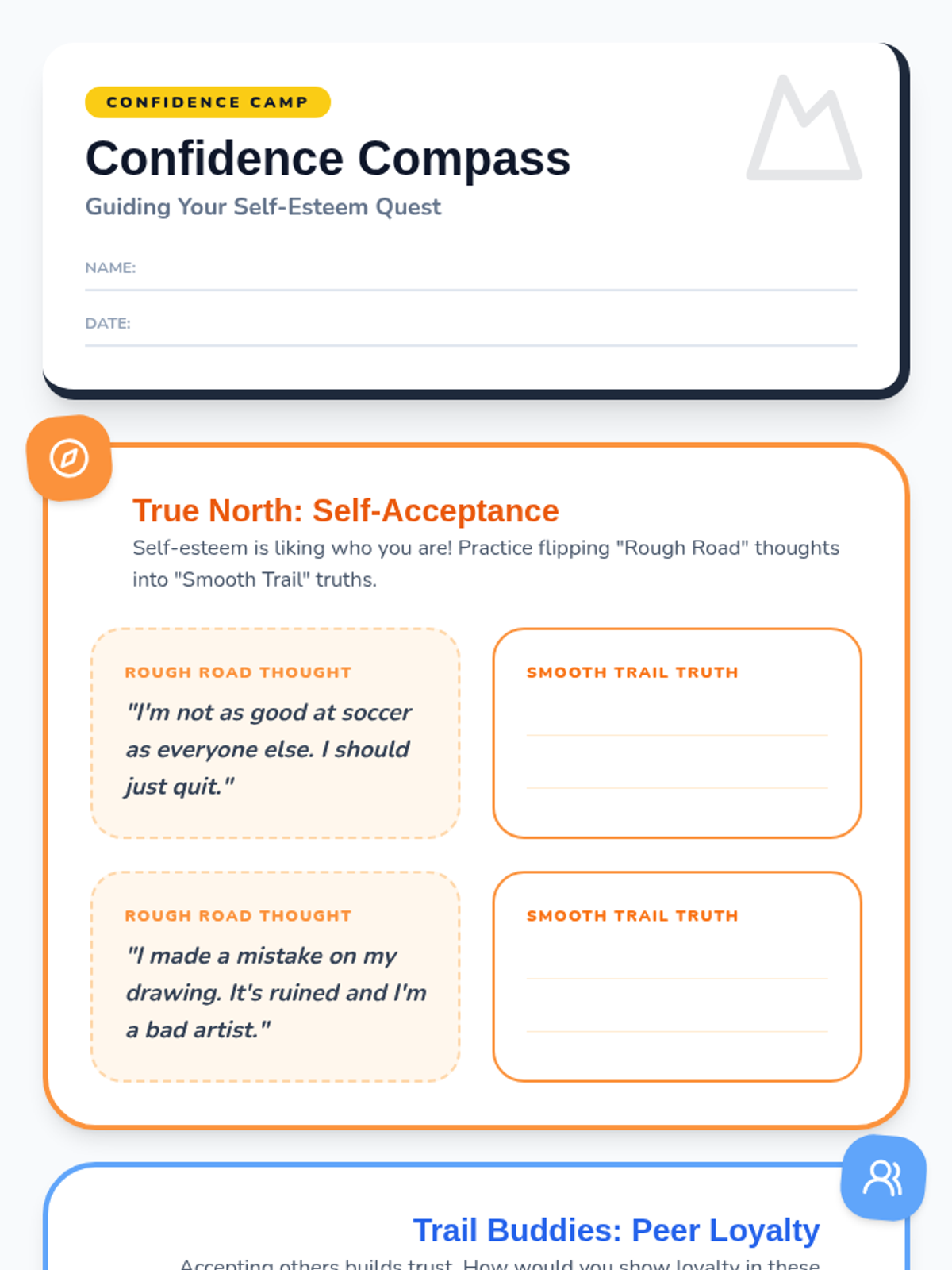
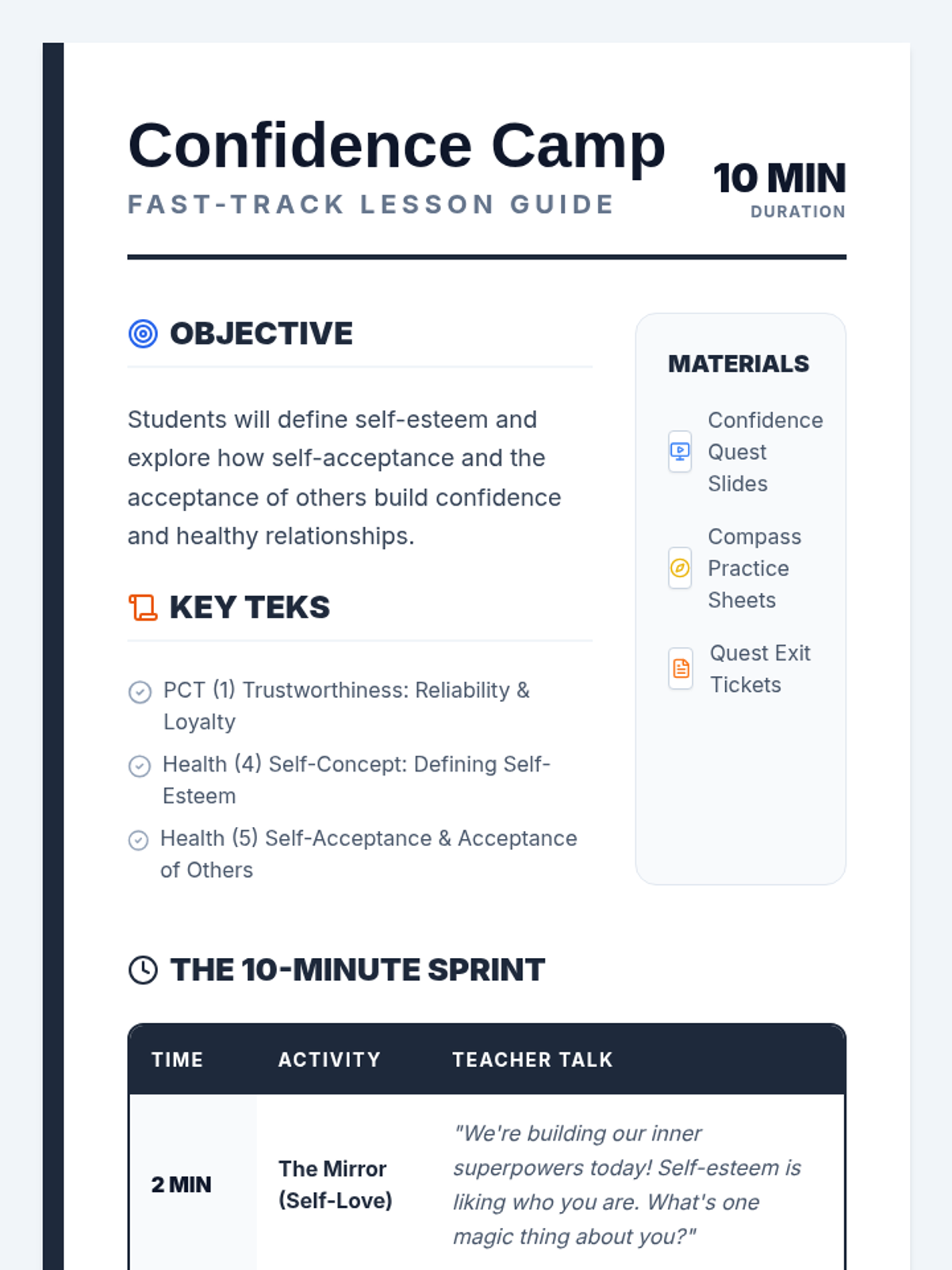
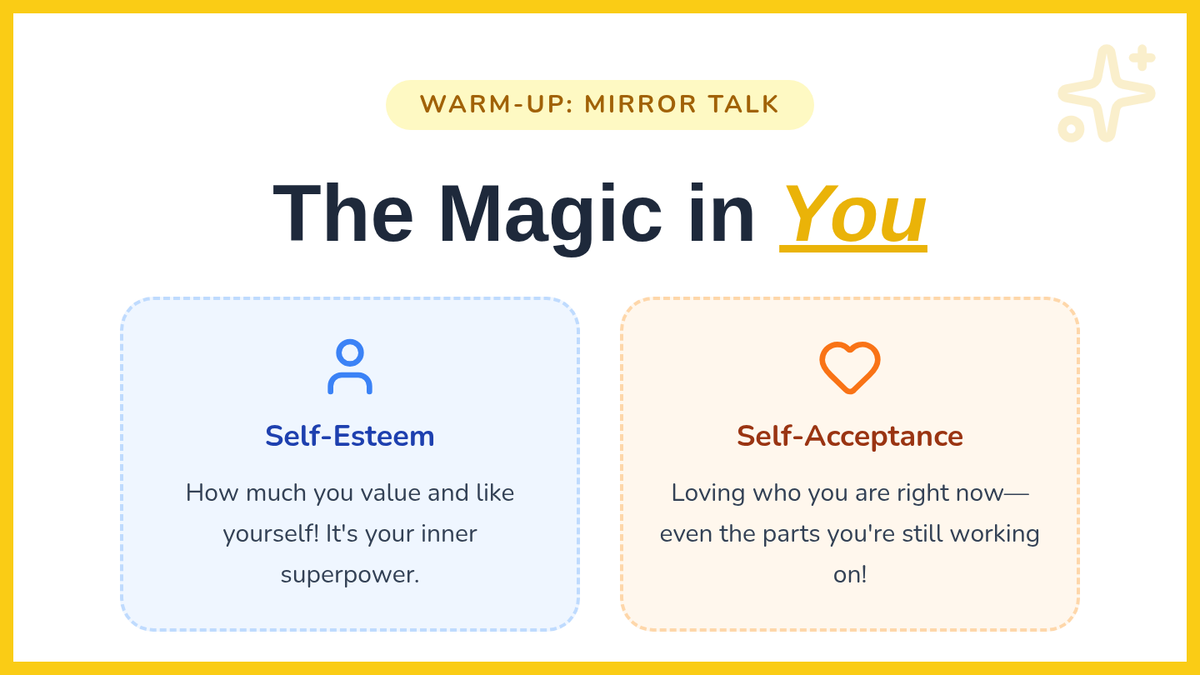
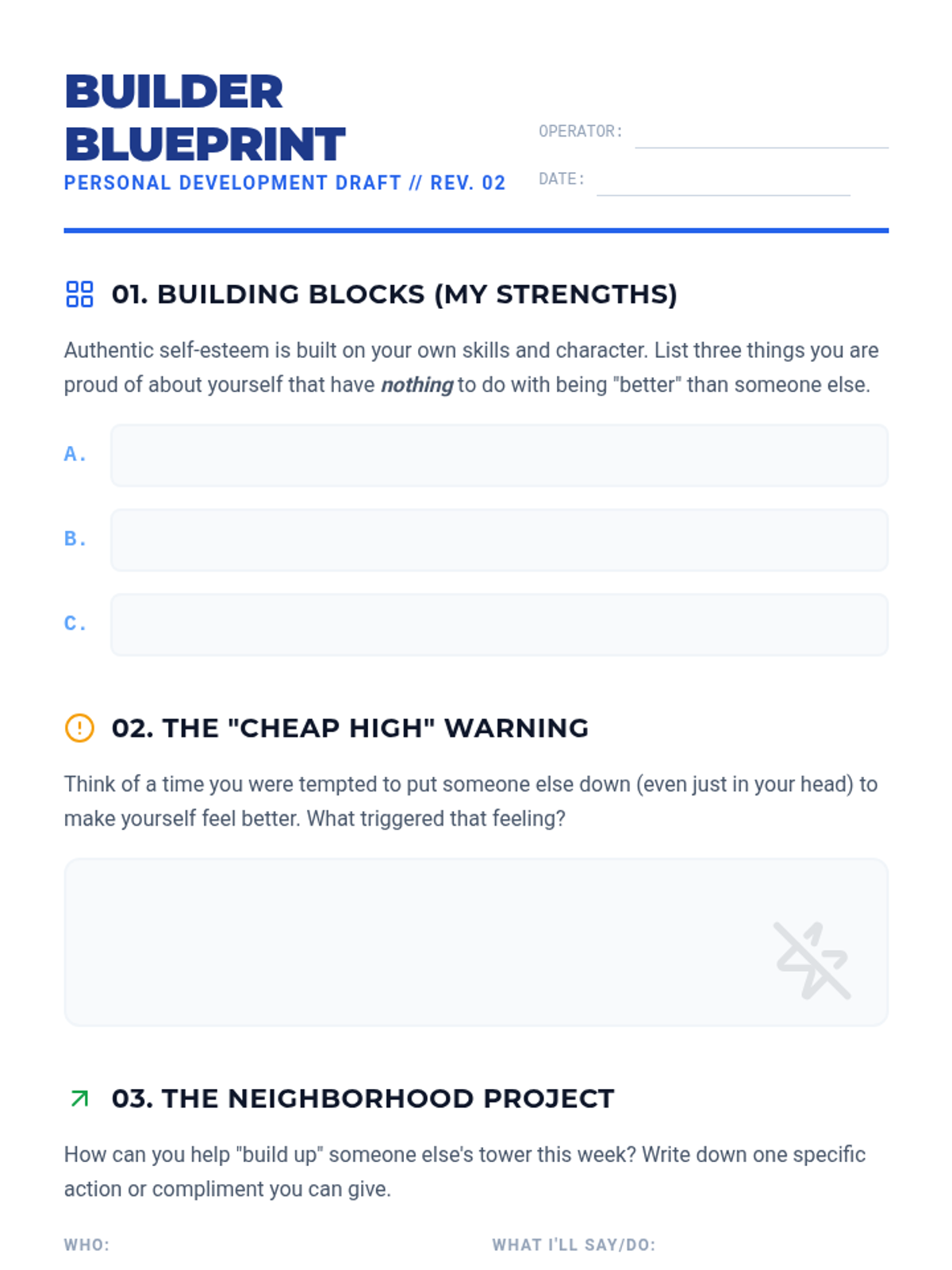
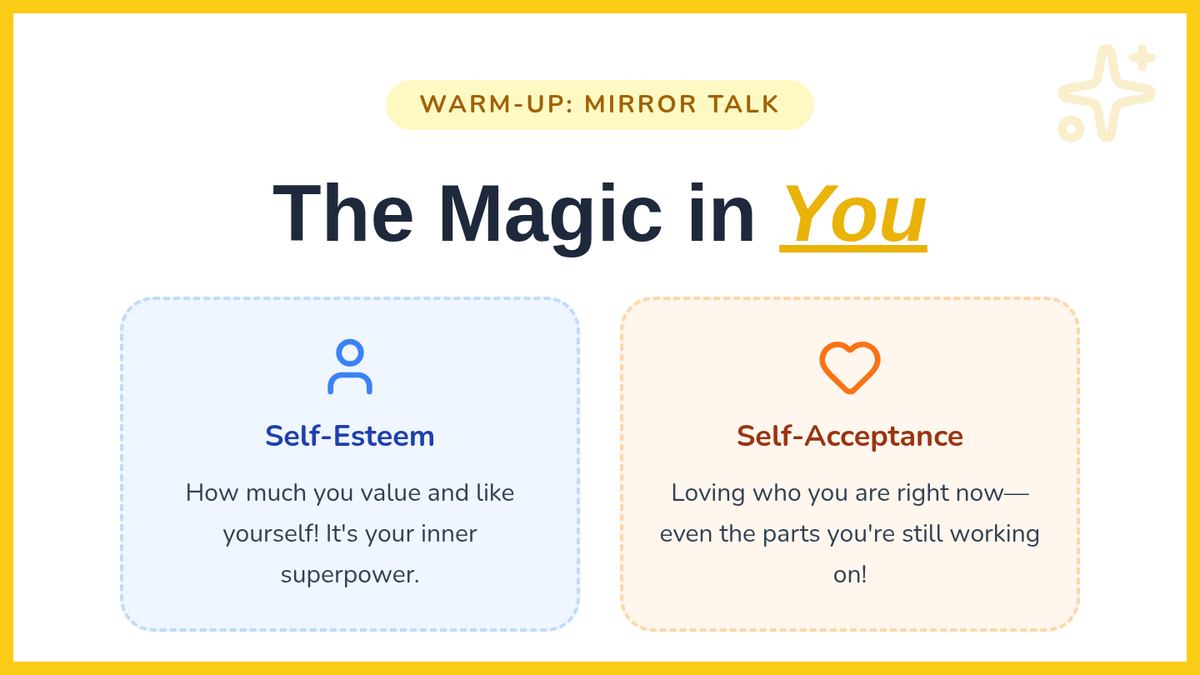
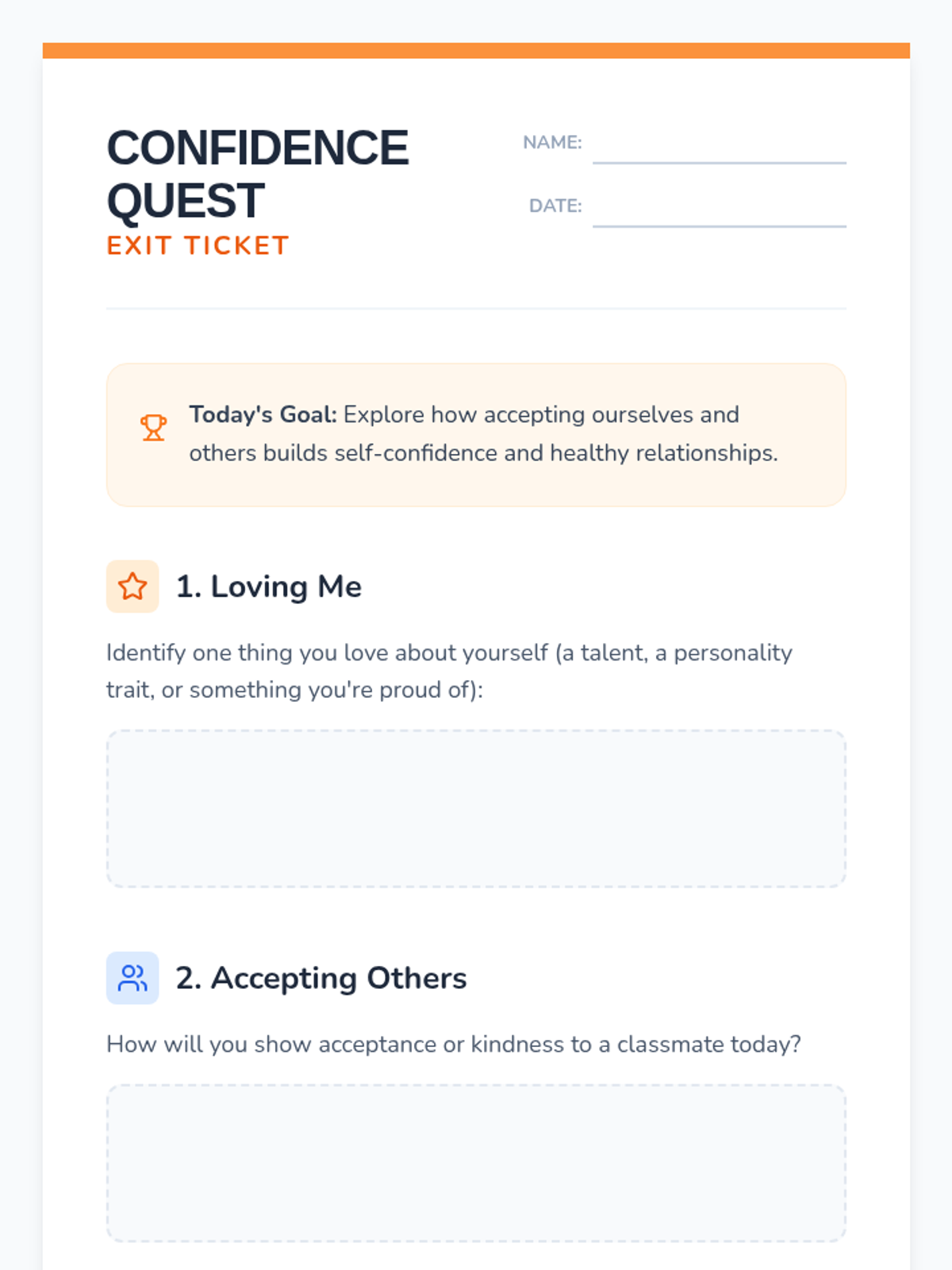
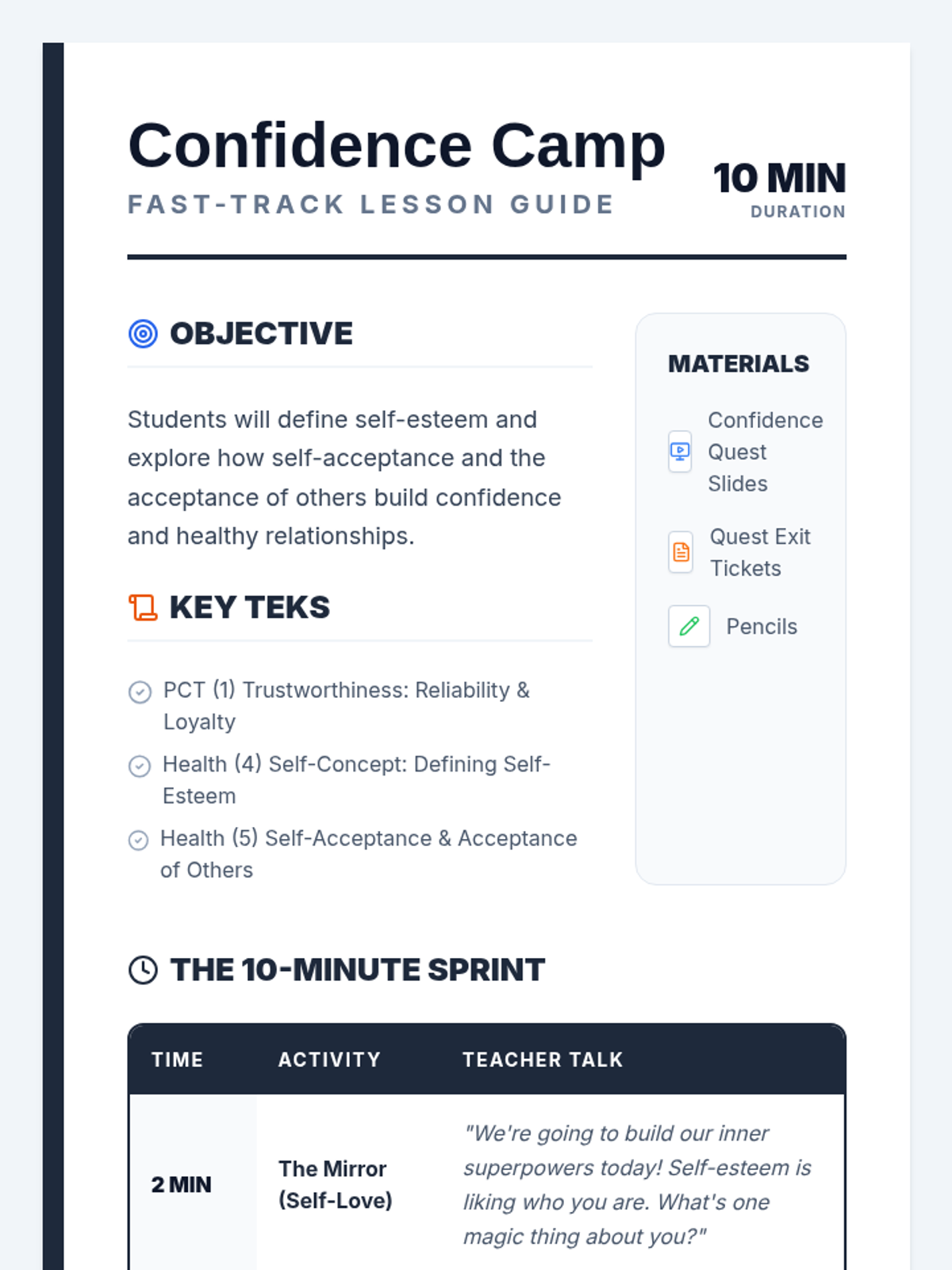
A fast-paced, 10-minute social-emotional learning lesson focused on building self-confidence through self-acceptance and kindness toward others. Students define self-esteem and set immediate goals for personal growth and peer acceptance.
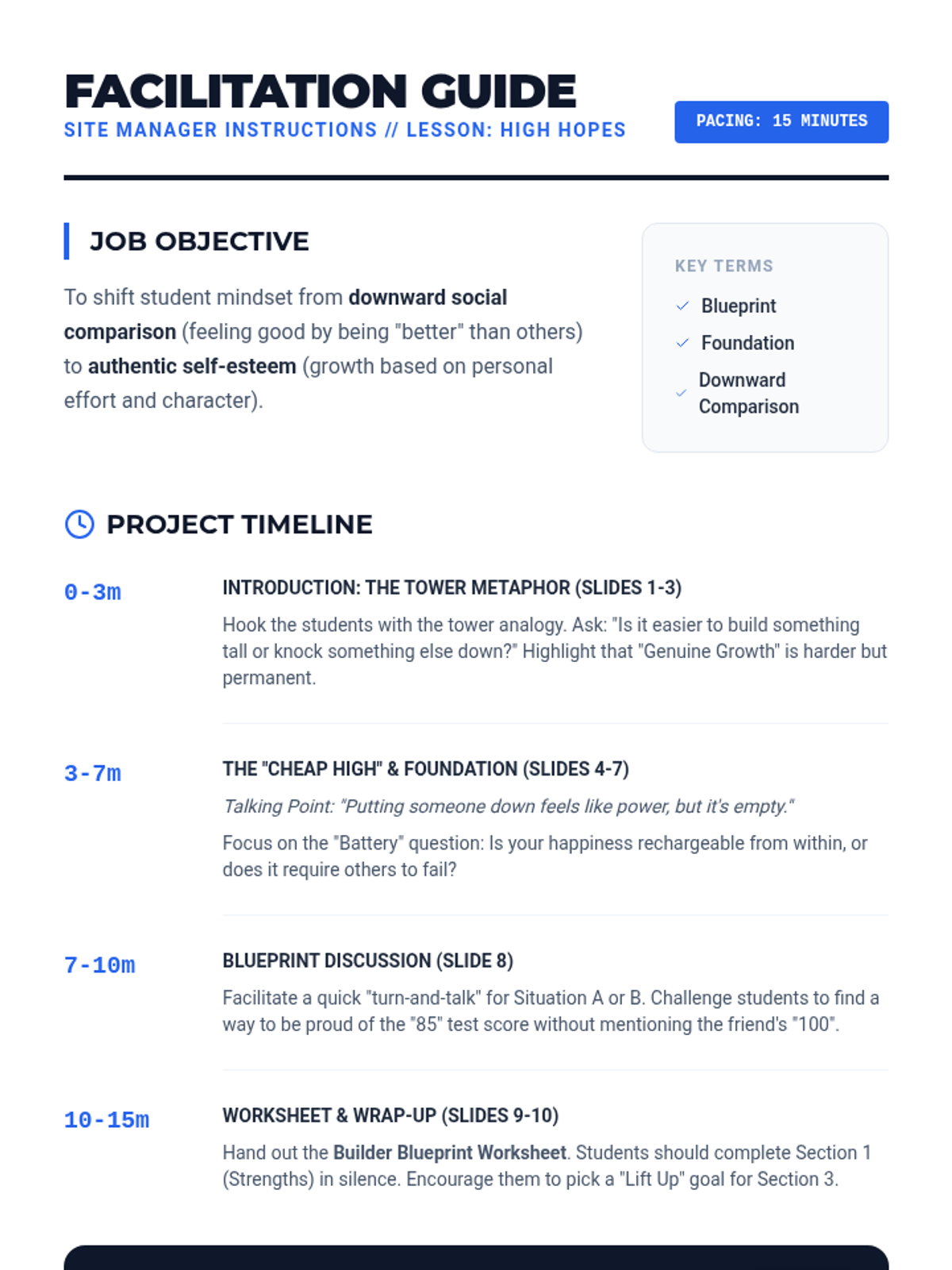
A 15-minute lesson exploring the pitfalls of 'downward social comparison' and how to build authentic self-esteem without diminishing others. Students will learn that true confidence comes from personal growth rather than putting others down.
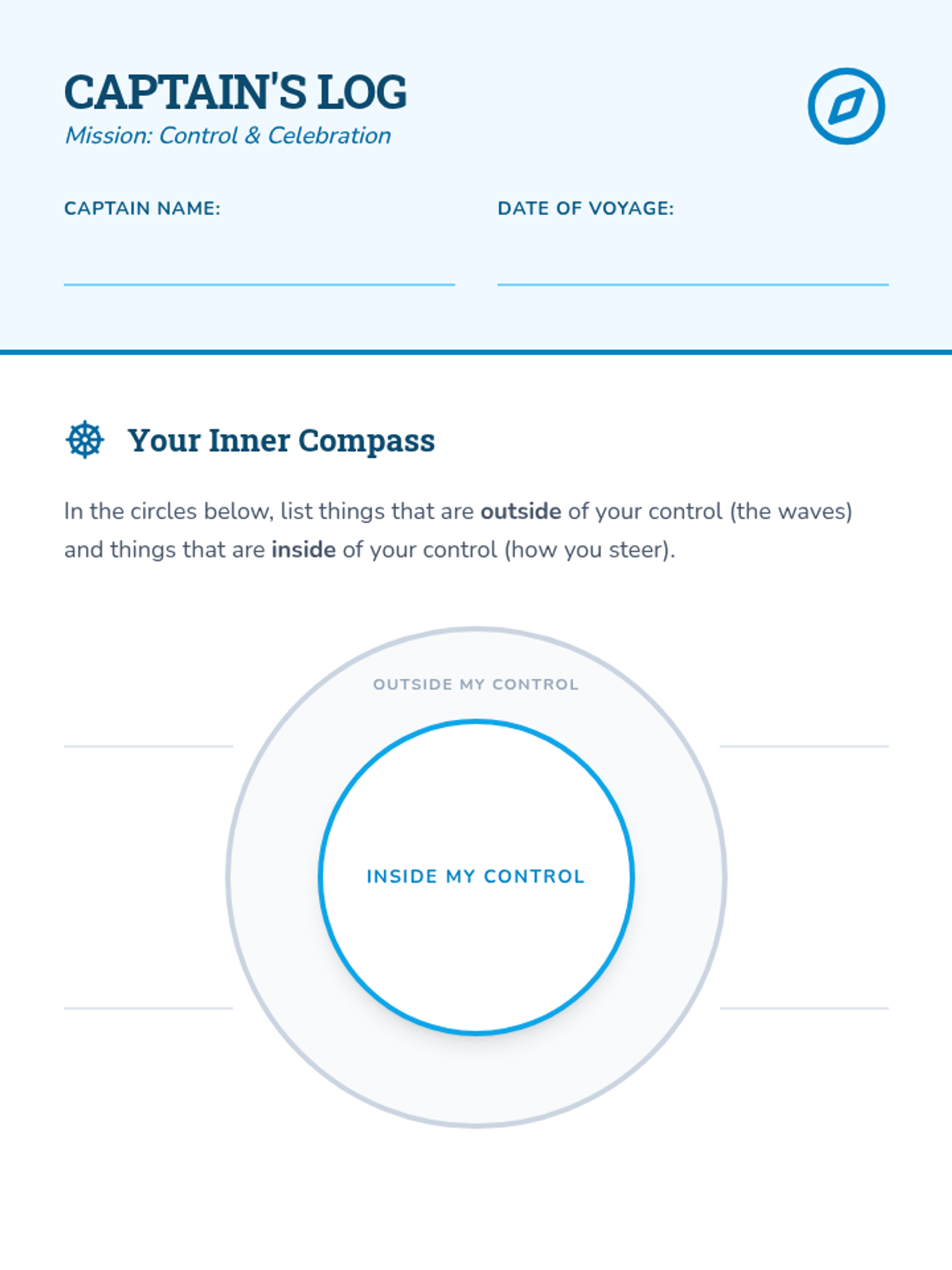
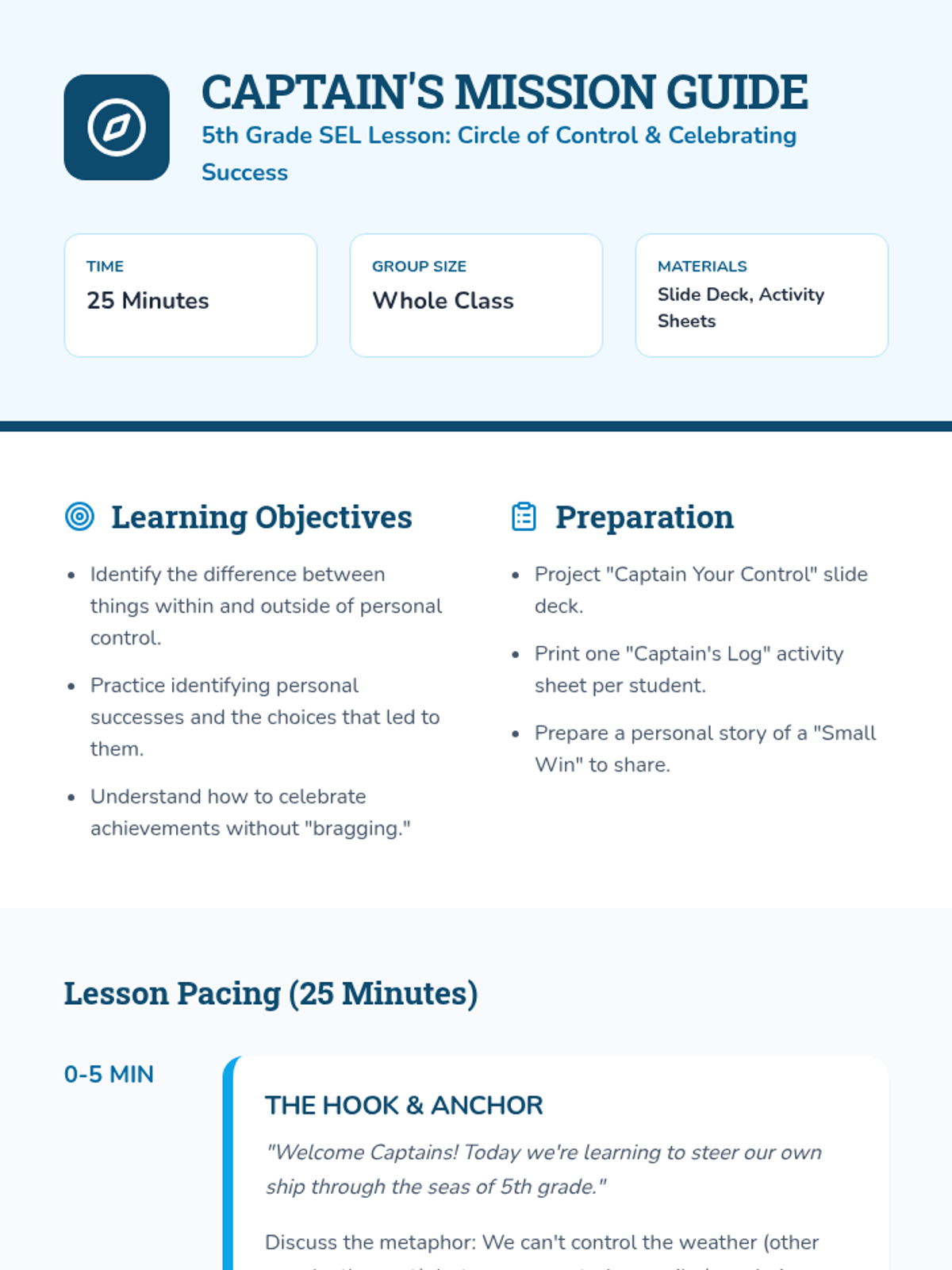
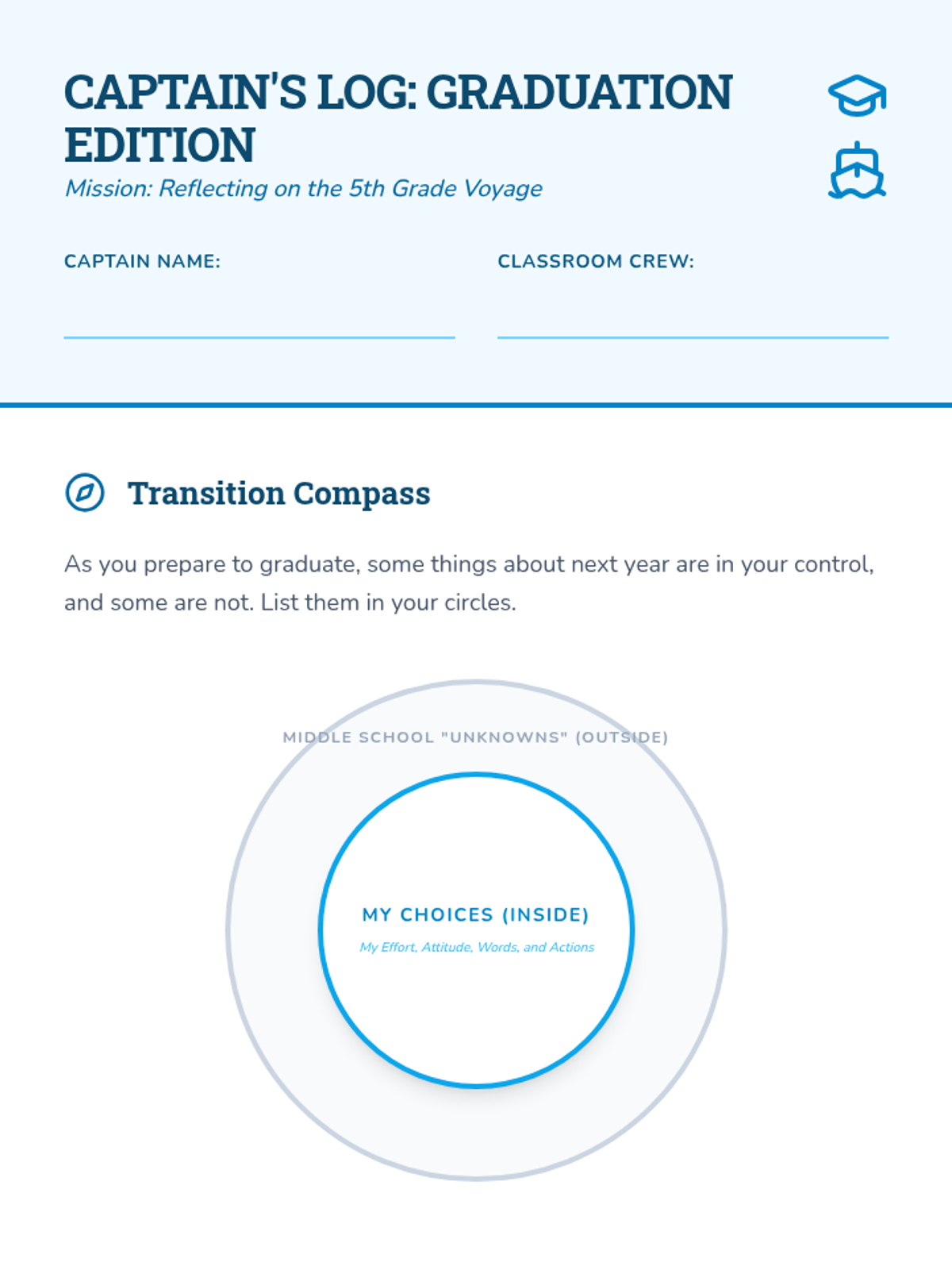
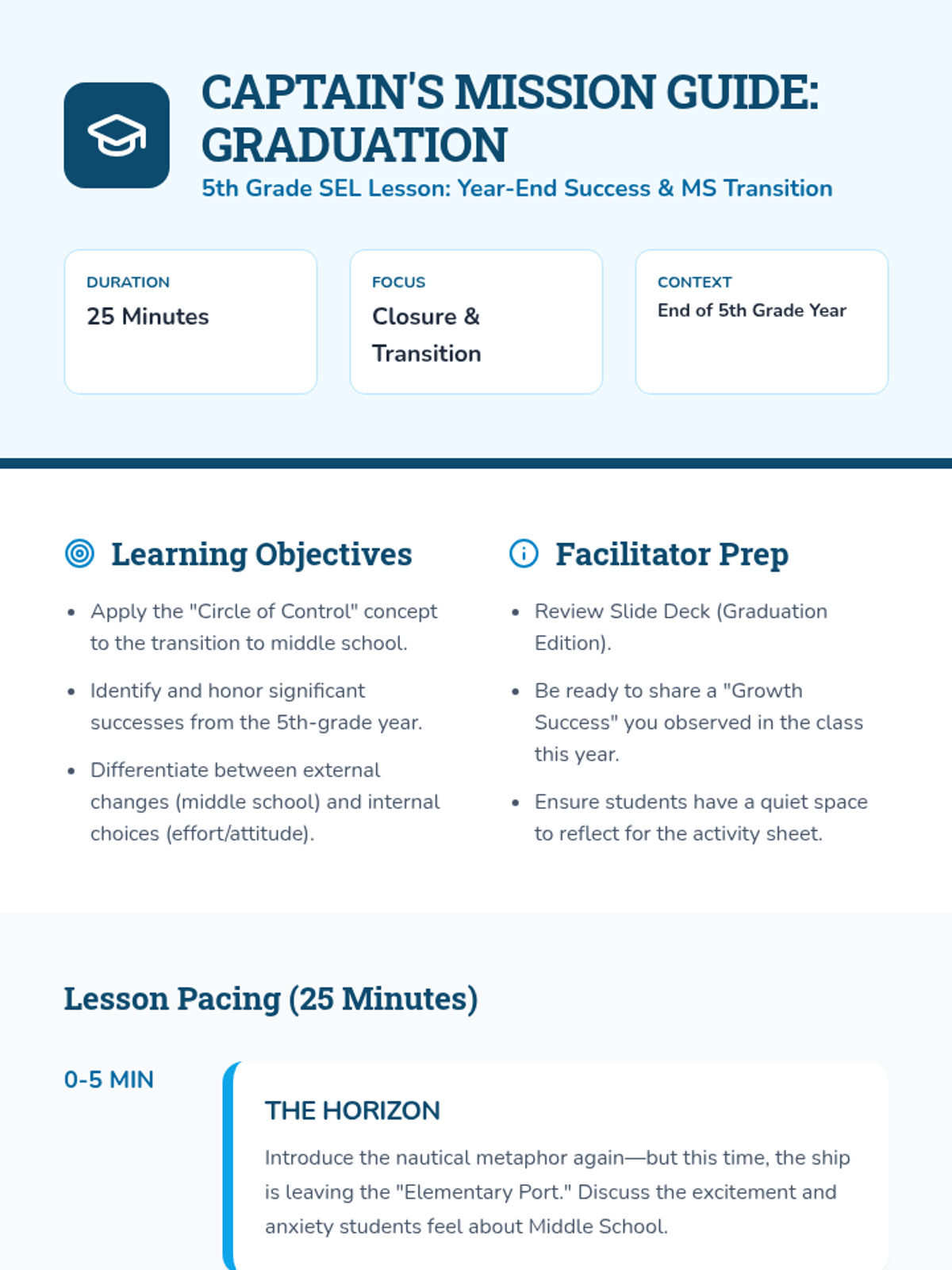
A 25-minute social-emotional learning lesson for 5th graders focused on identifying areas of personal control and practicing the celebration of personal achievements through a nautical 'Captain' theme.
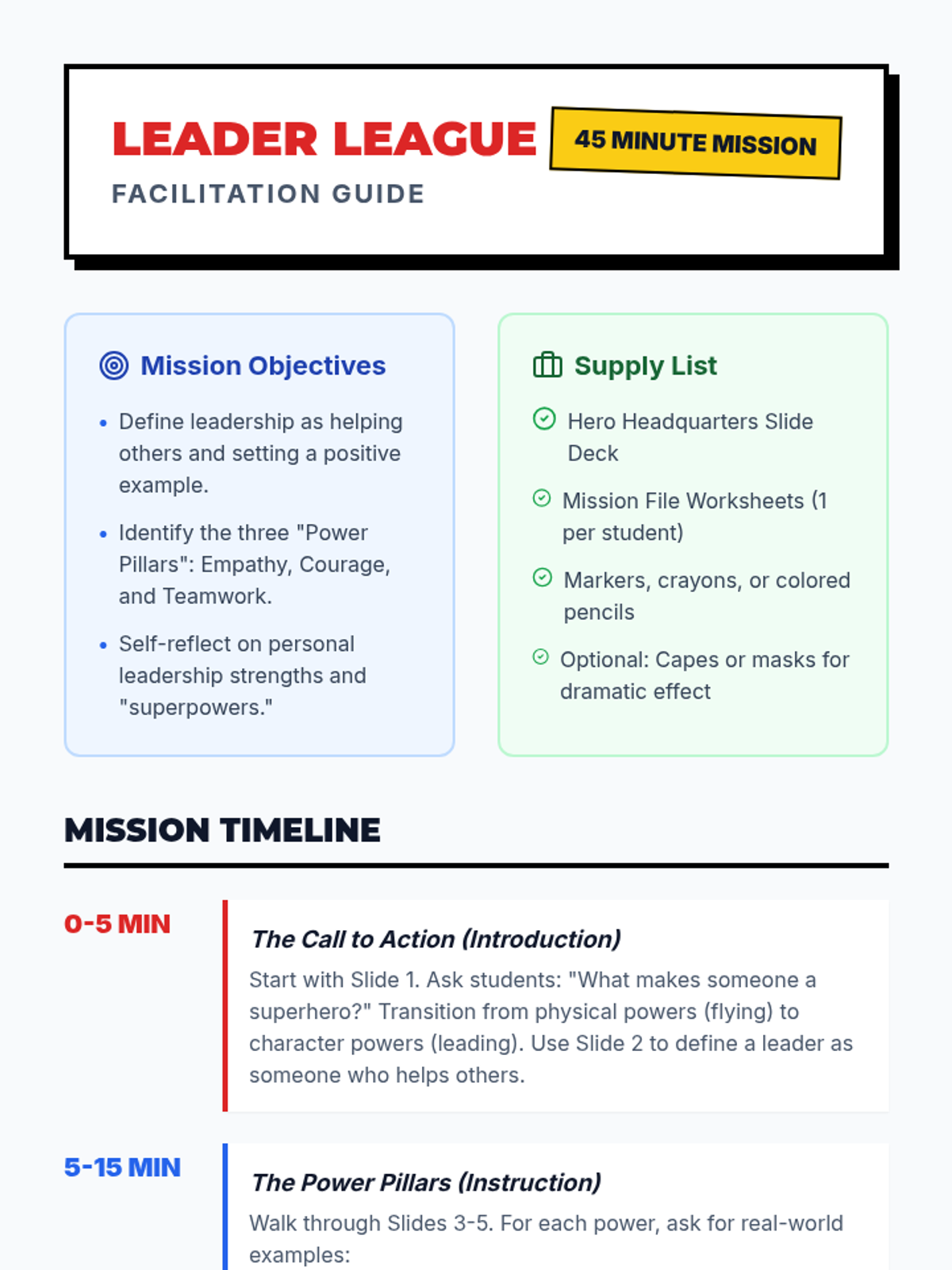
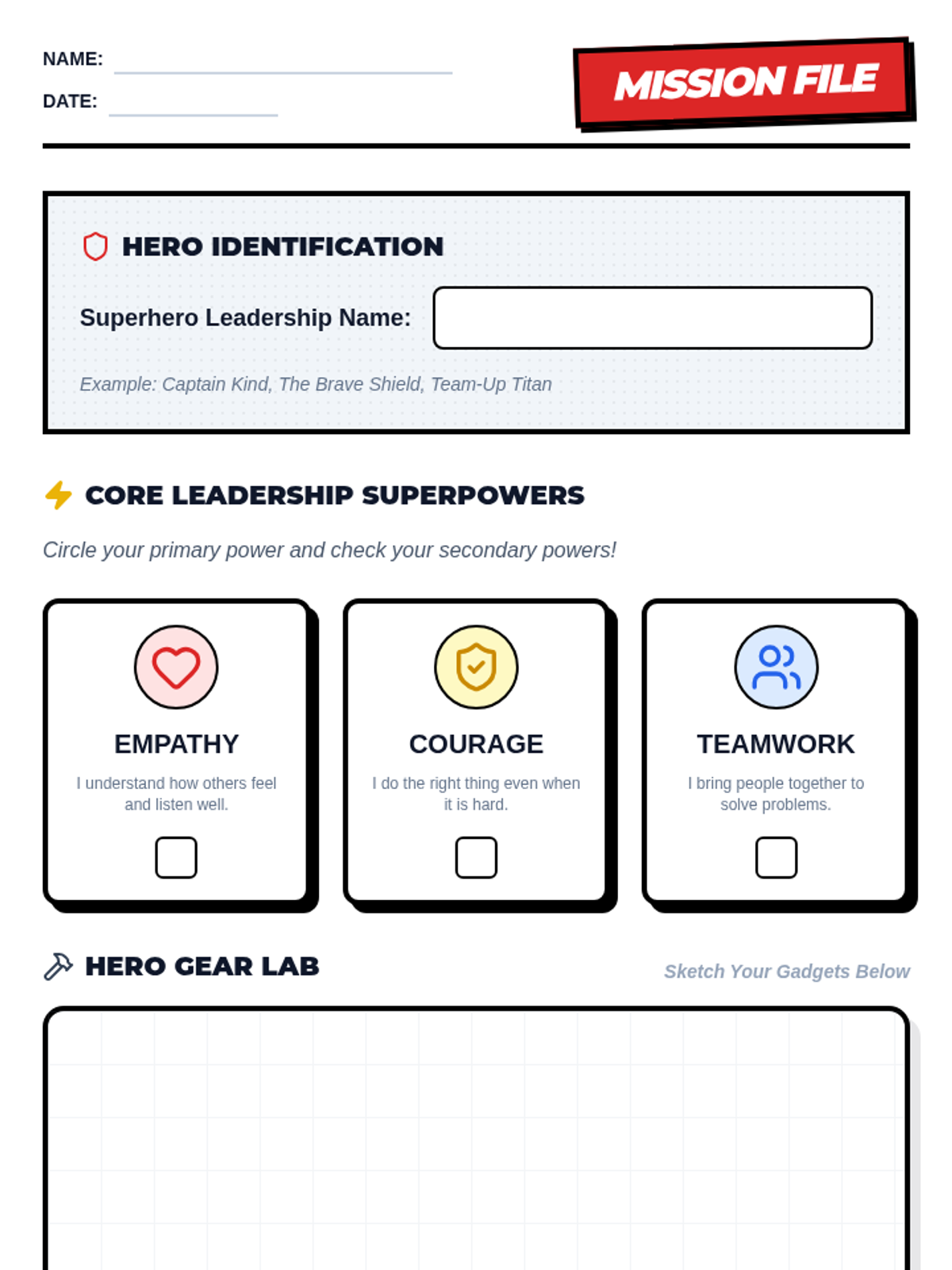
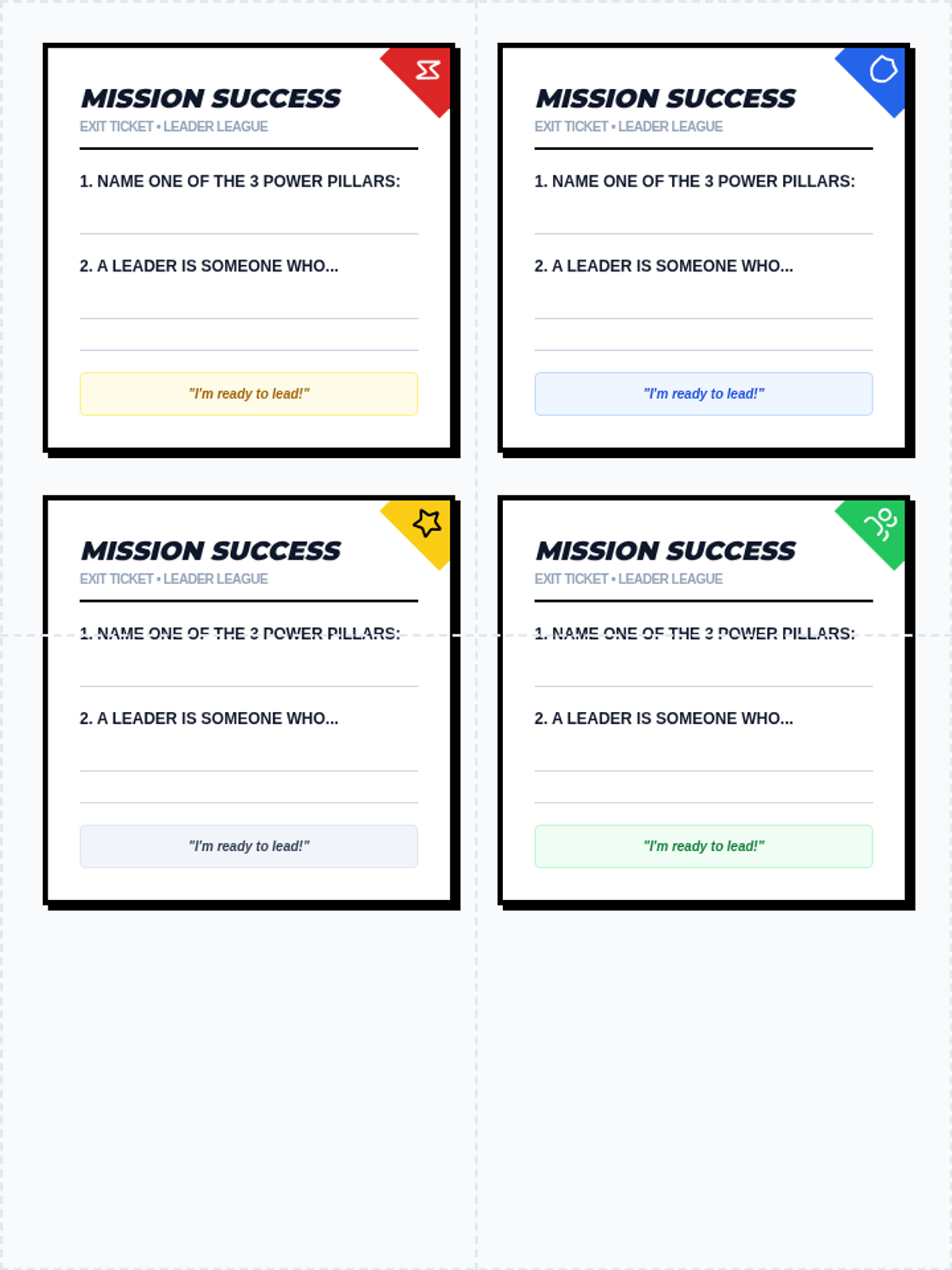
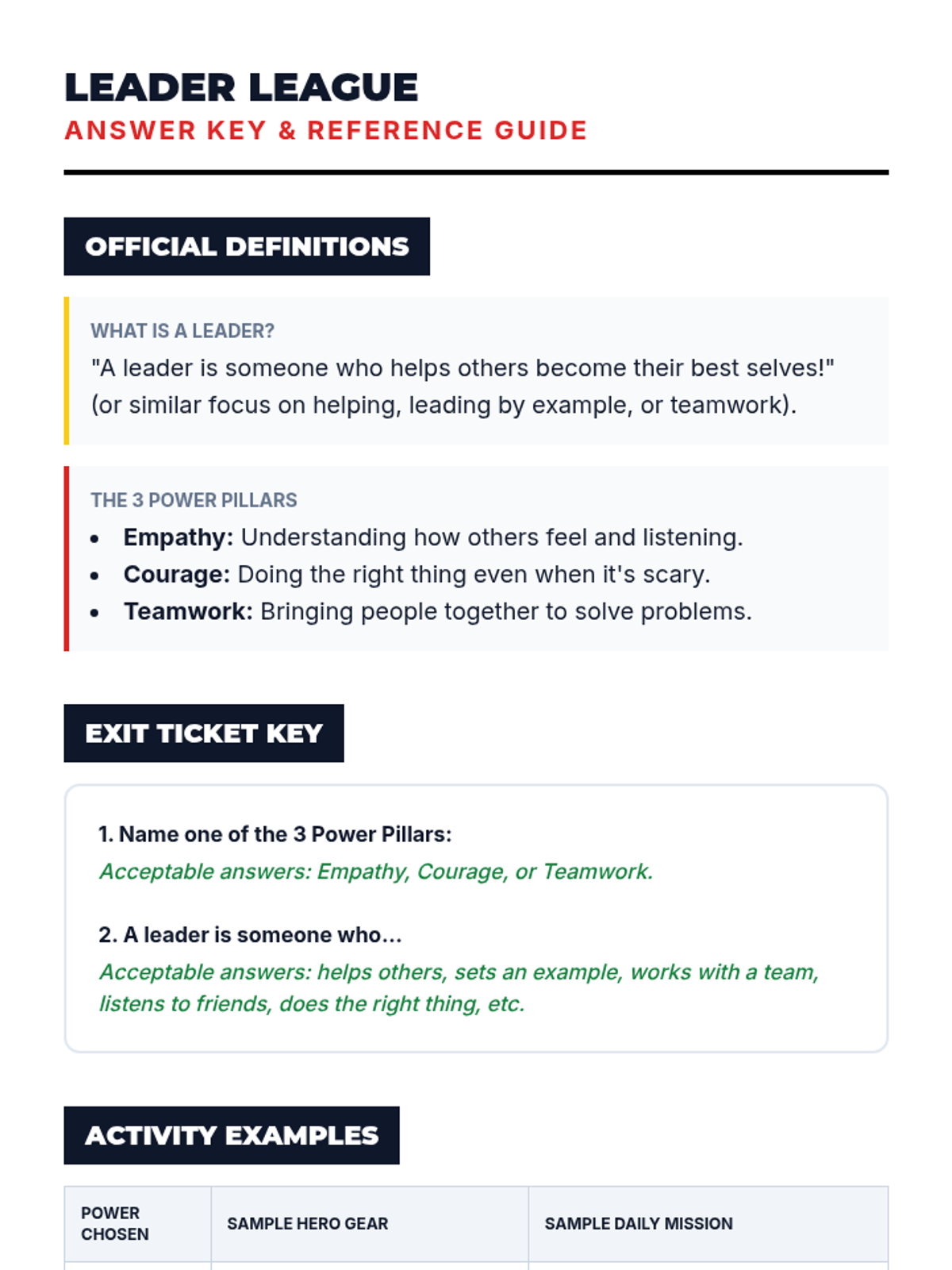
Students explore core leadership qualities through the lens of superheroes, identifying their own unique leadership 'superpowers' and learning how to lead with empathy, courage, and teamwork.
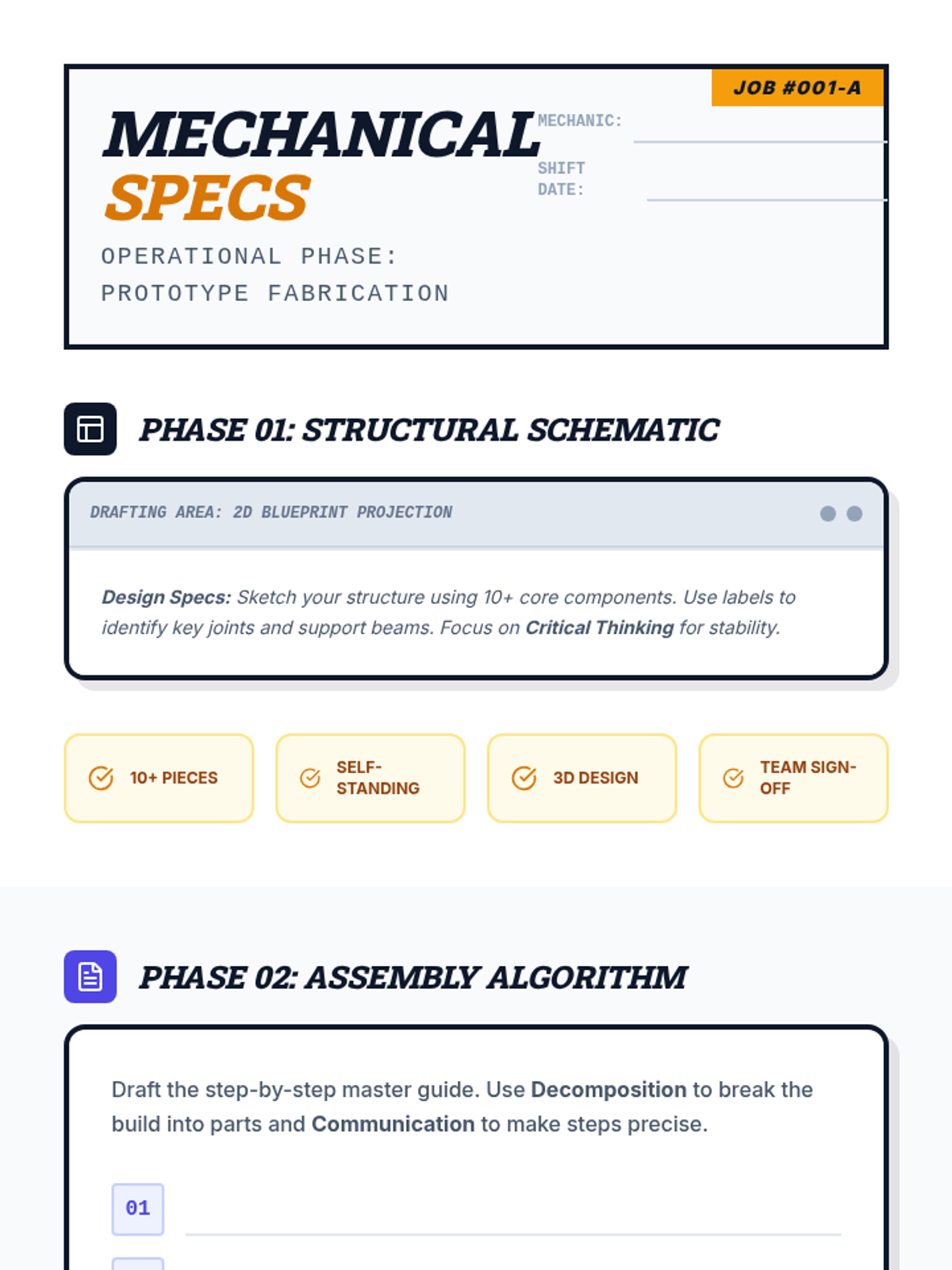
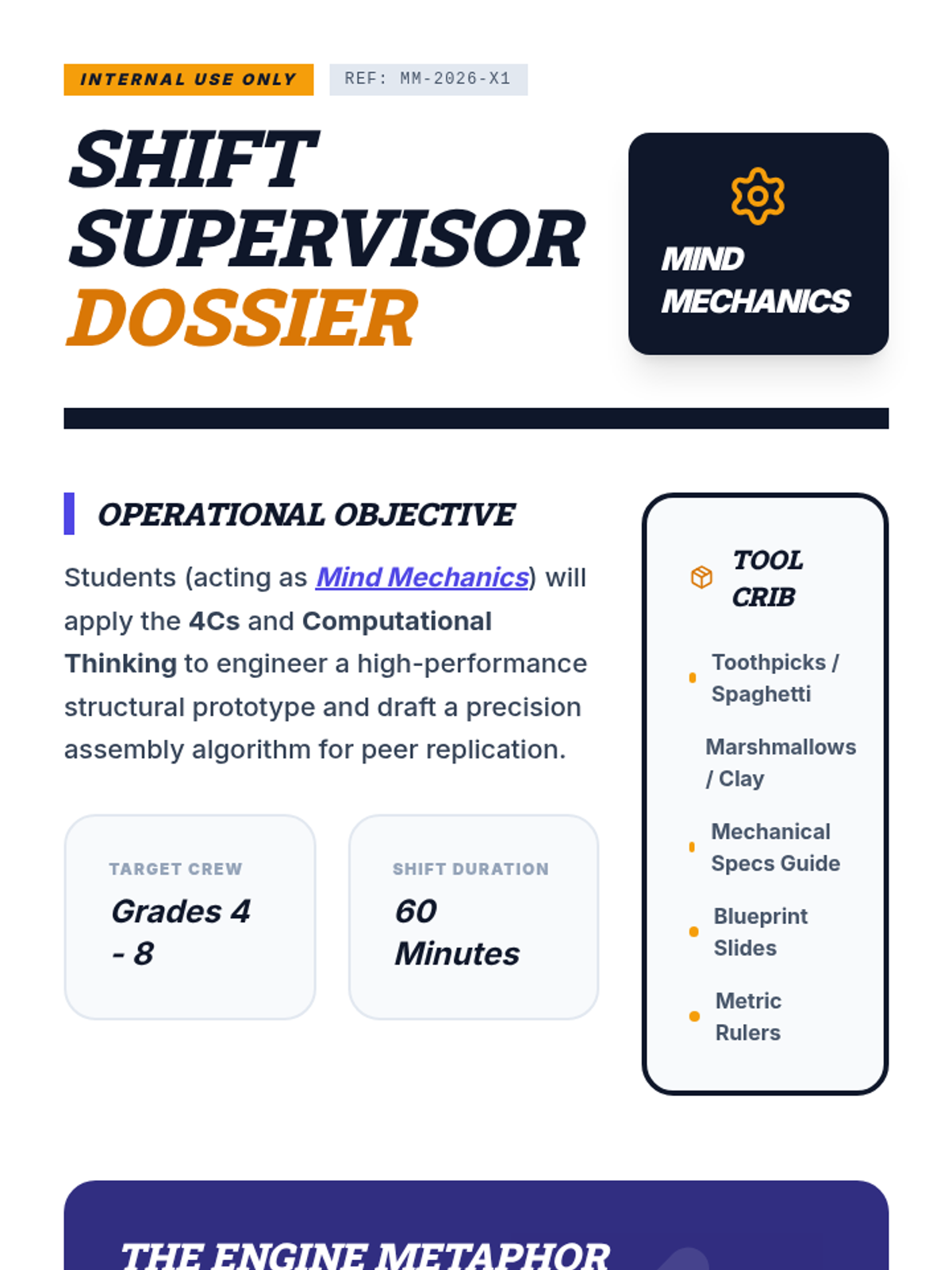
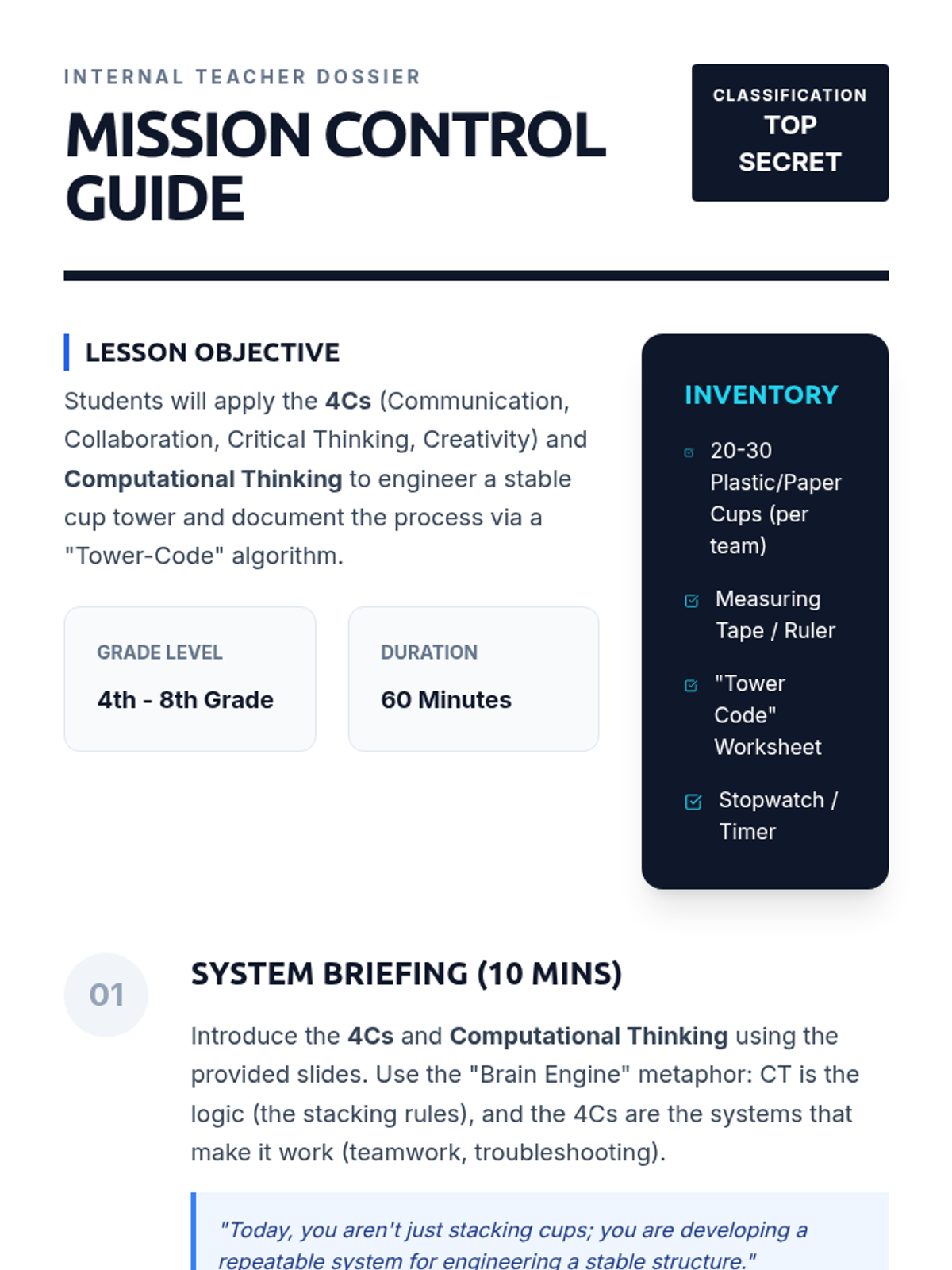
An industrial-themed teamwork lesson where students act as "Mind Mechanics" to apply the 4Cs and Computational Thinking to a complex engineering challenge.
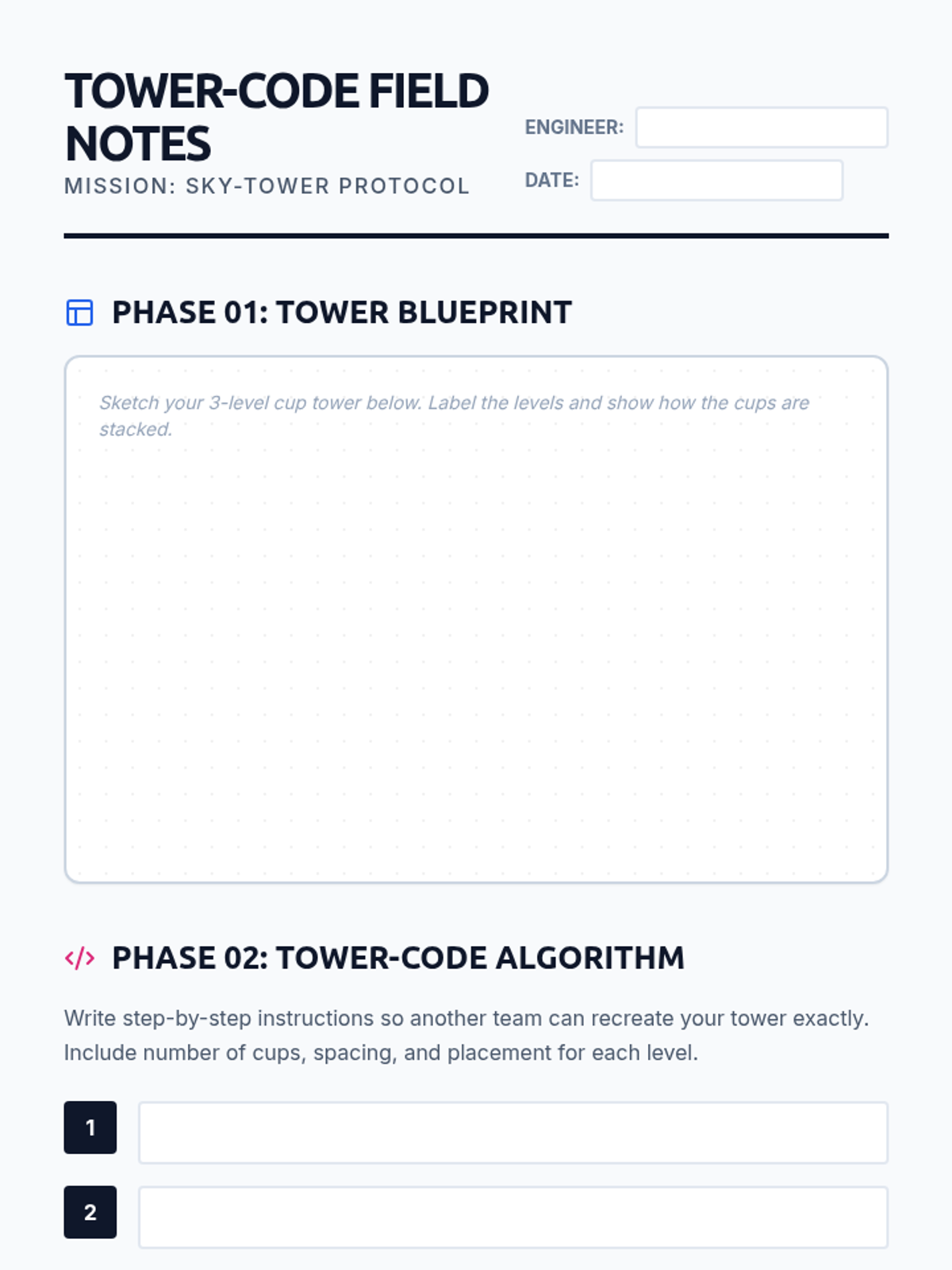
A high-stakes engineering challenge where students use the 4Cs and Computational Thinking to design, build, and document the ultimate cup tower structure.
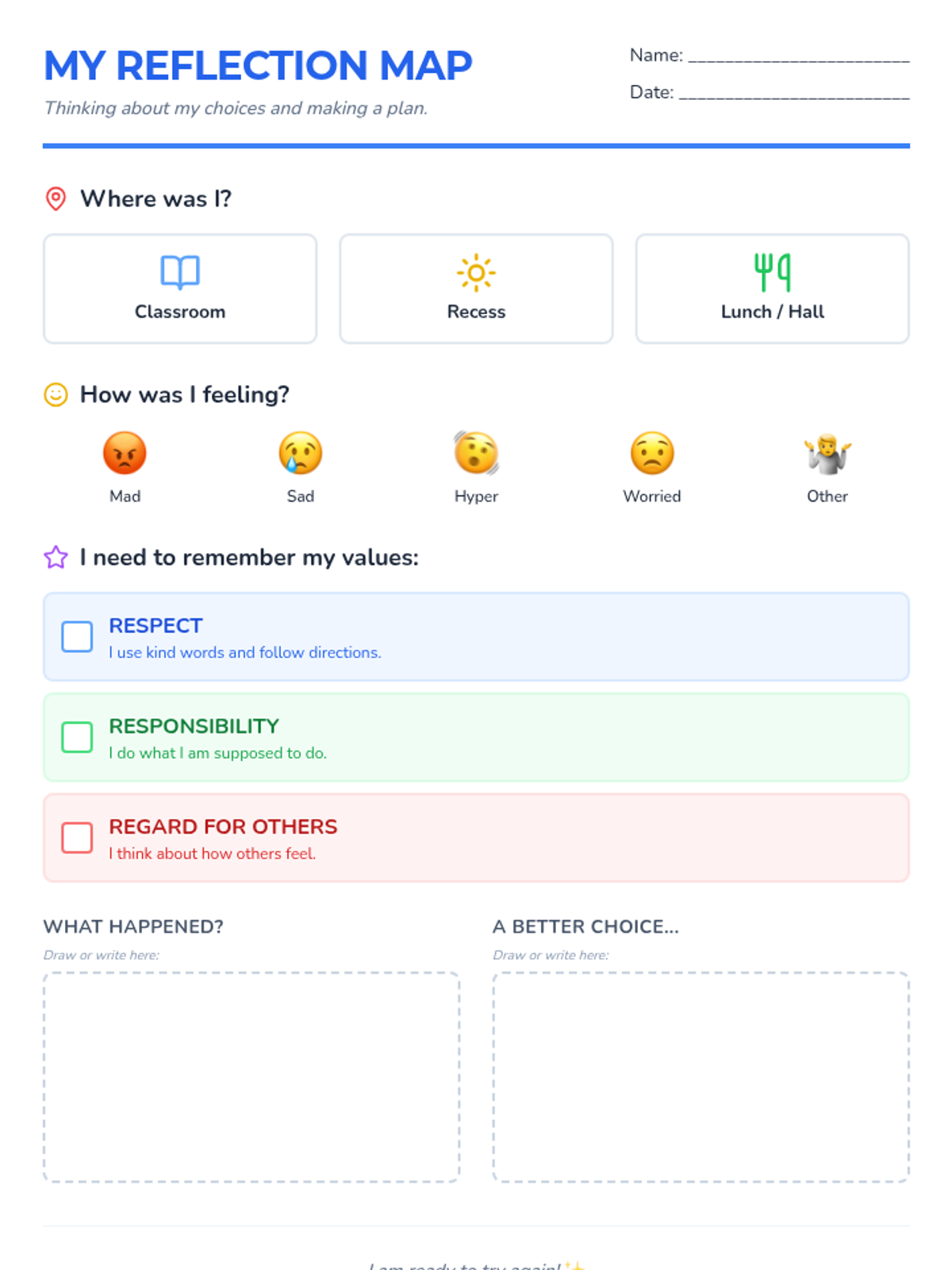
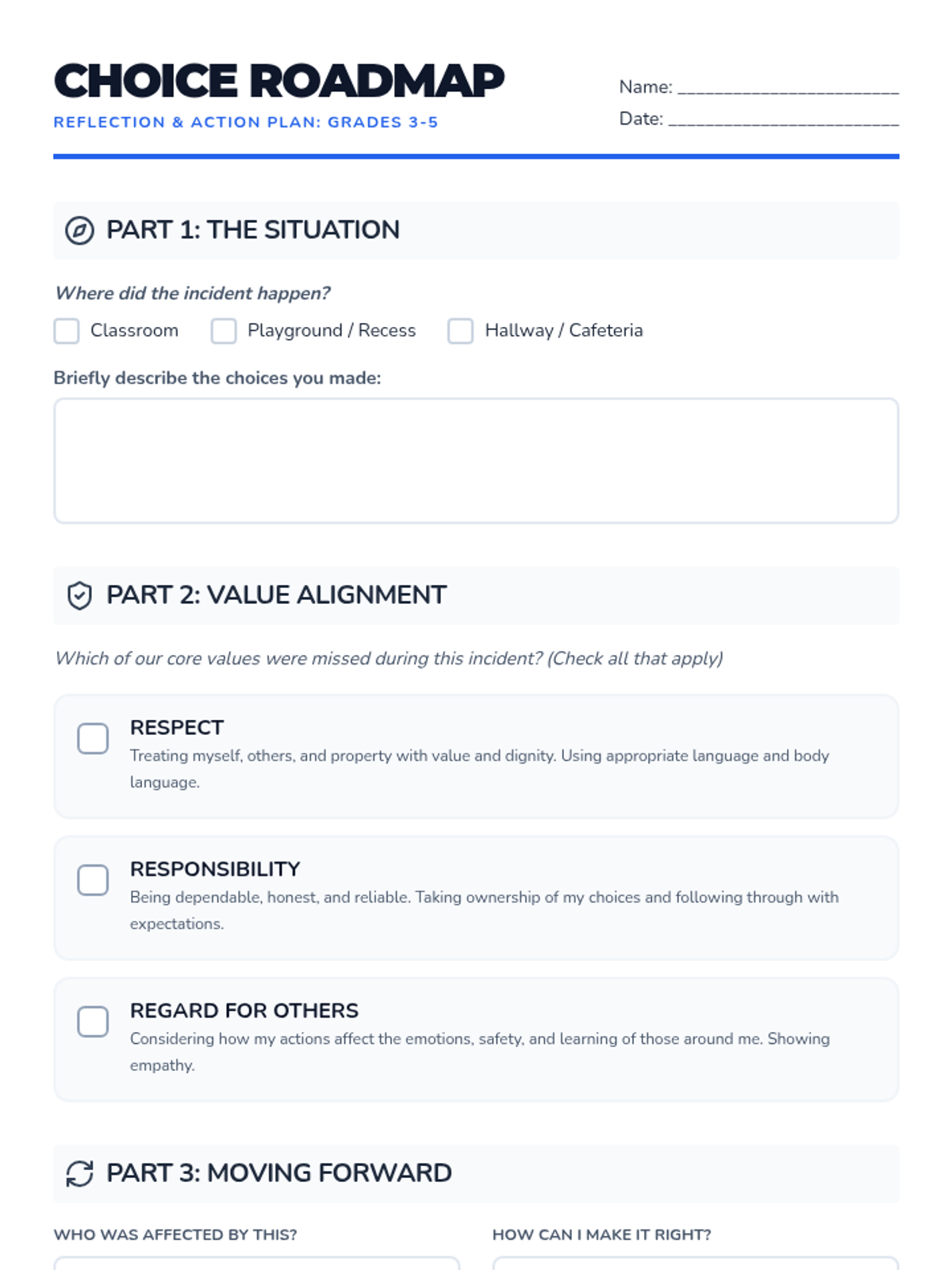
A set of reflection tools for students in grades K-5 to process behavioral incidents through the lens of core values: Respect, Responsibility, and Regard for Others. Includes tiered versions for lower and upper elementary students.
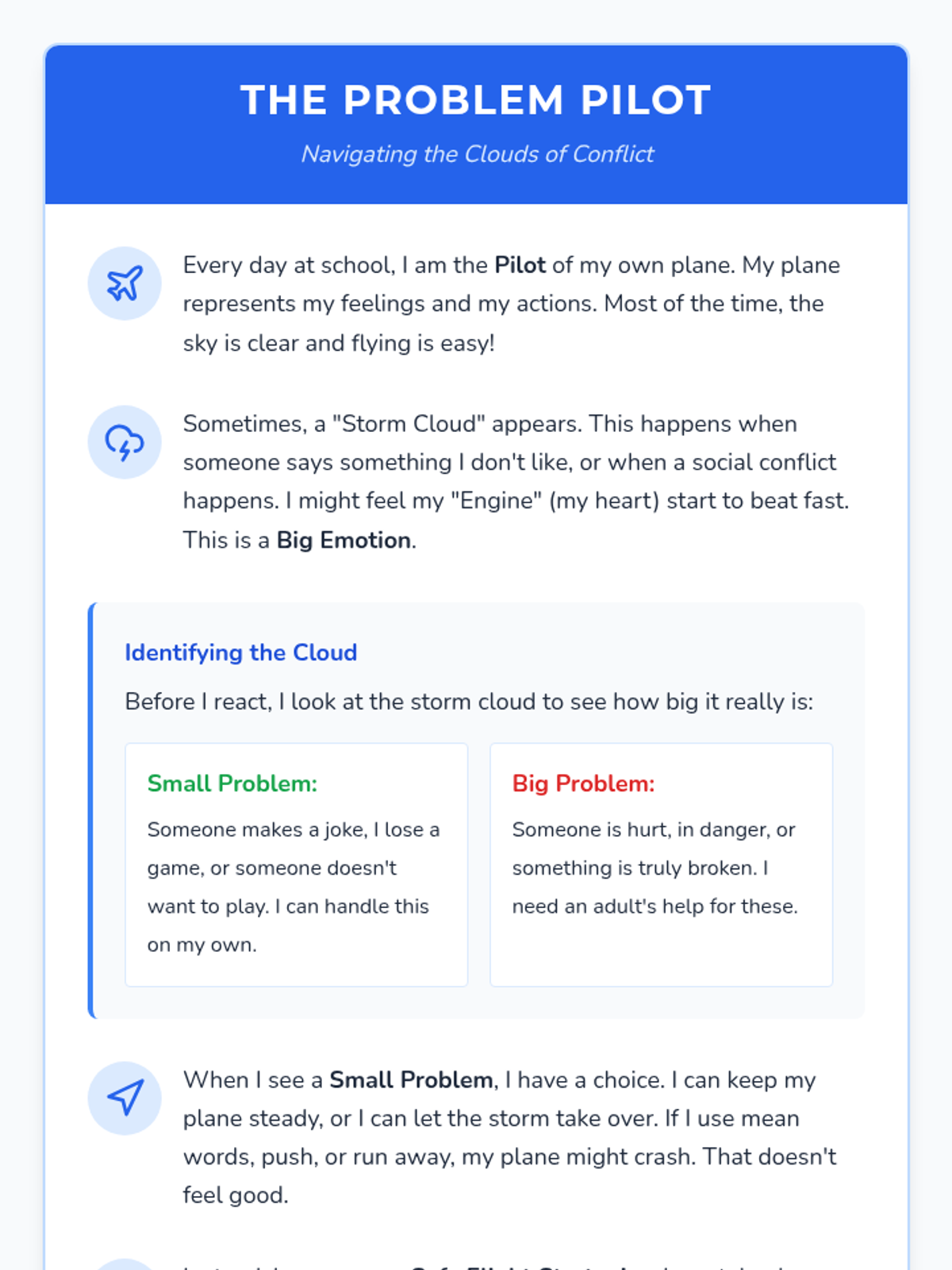
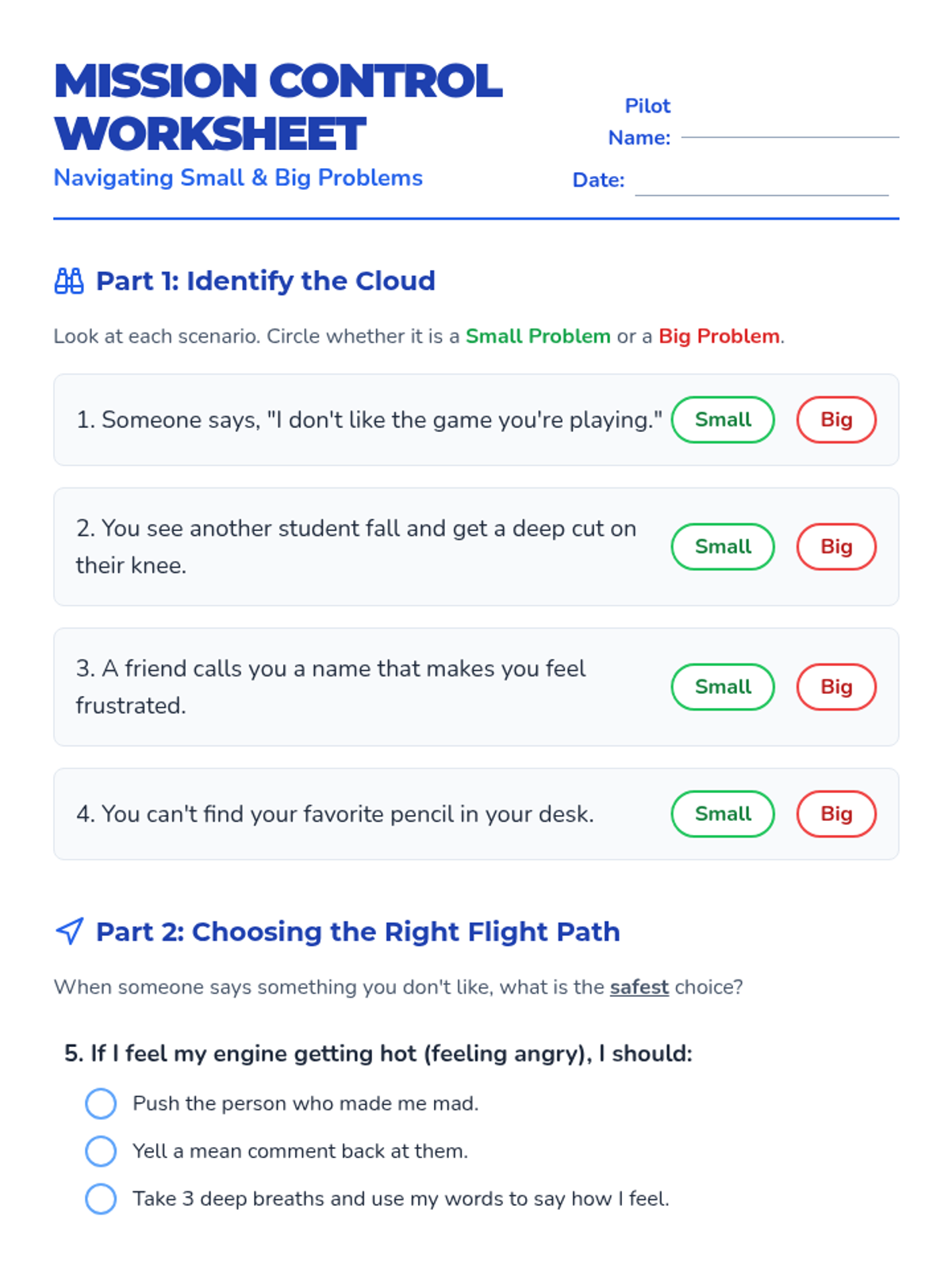
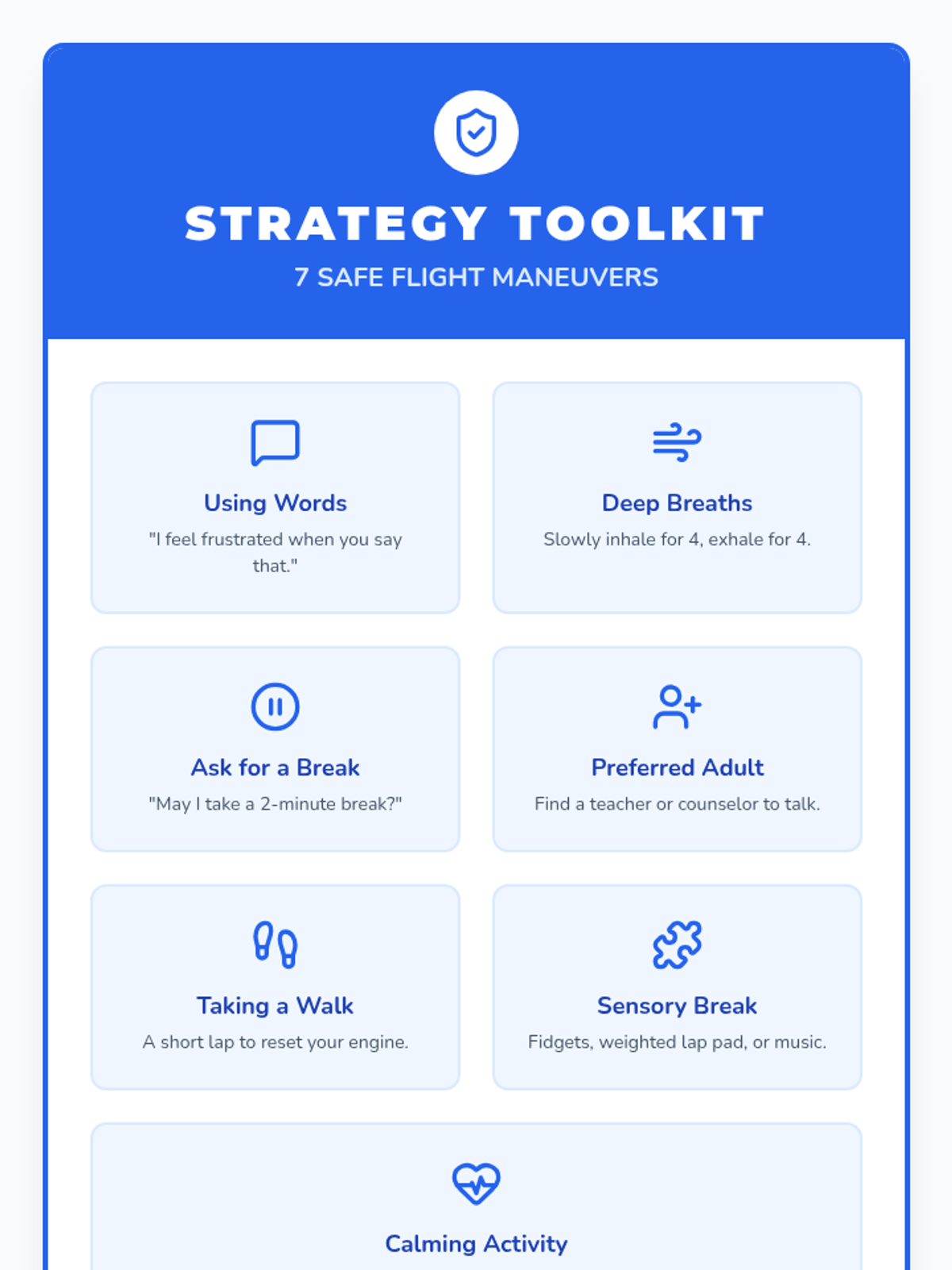
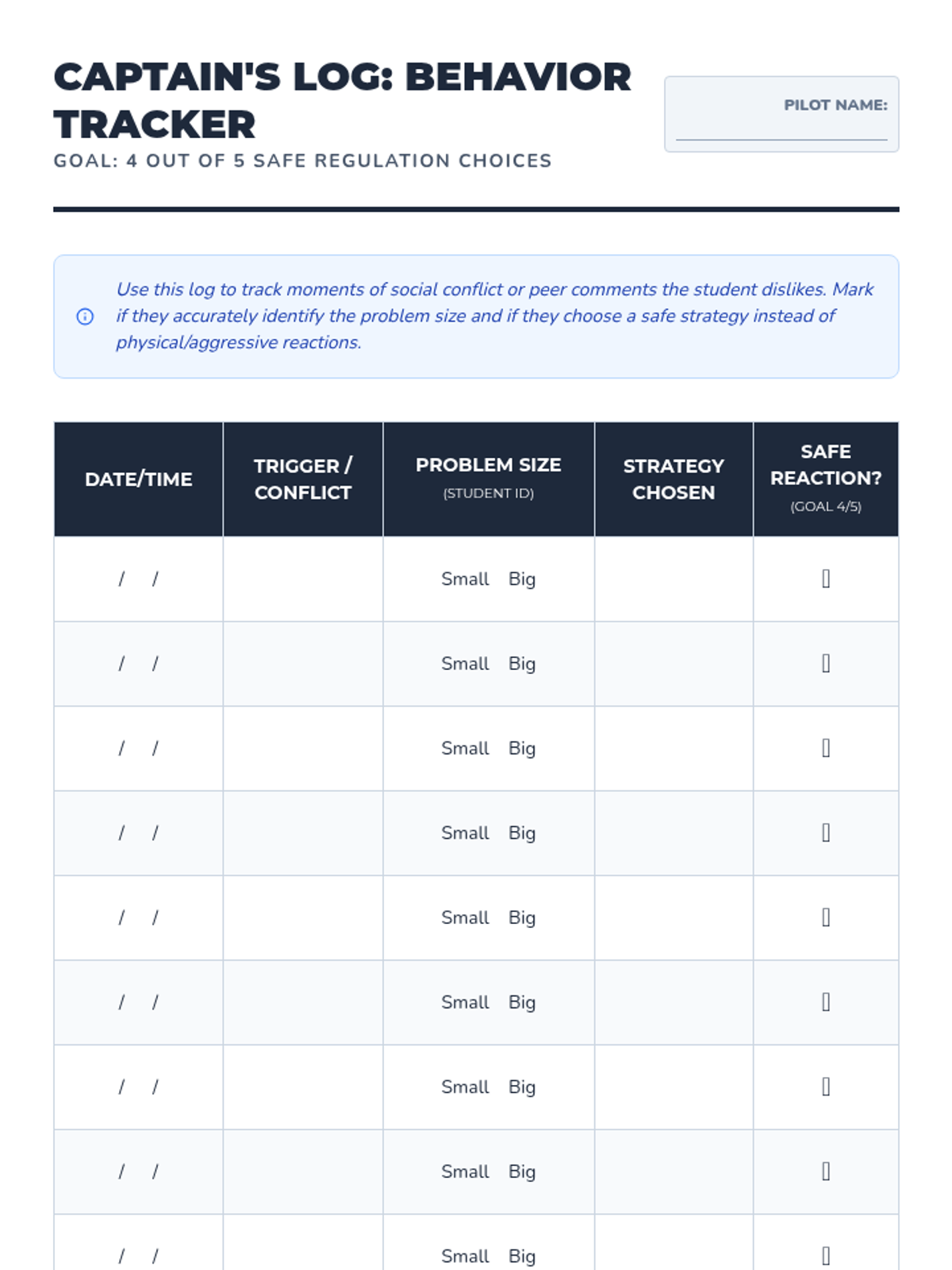
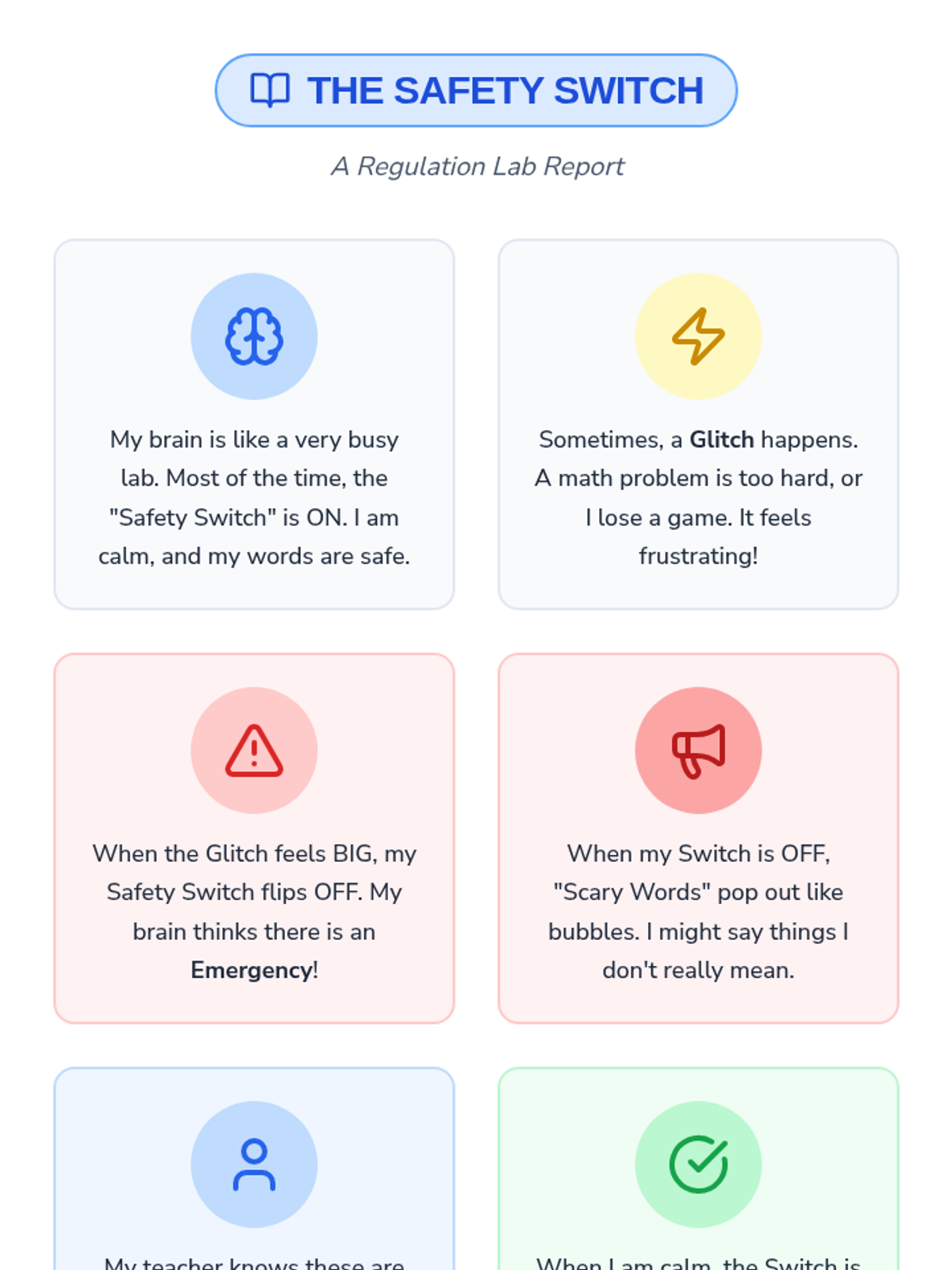
A lesson designed to help students distinguish between Small and Big Problems and choose safe regulation strategies instead of physical reactions. It includes a social story, practice worksheet, and strategy reference guide.
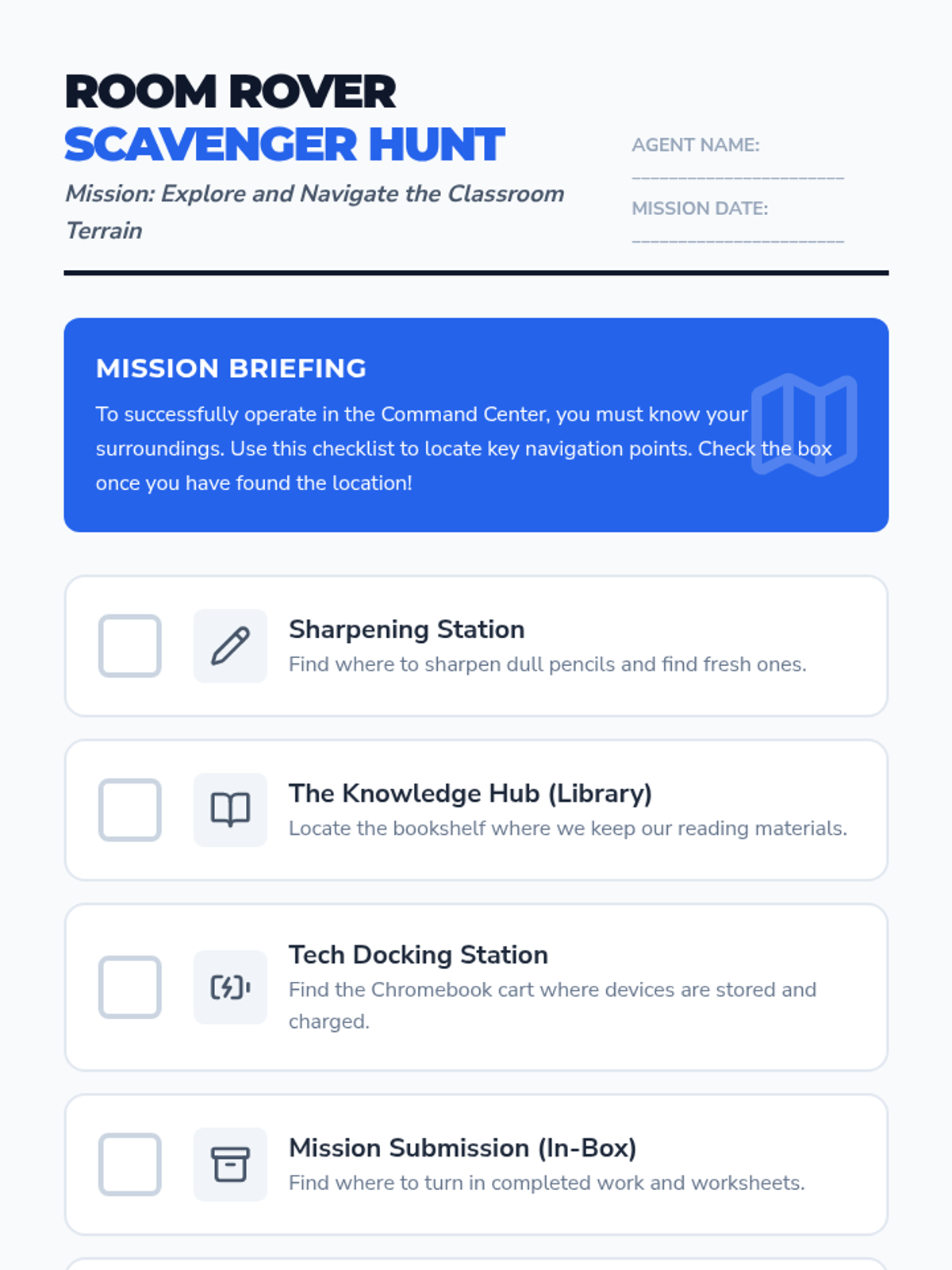
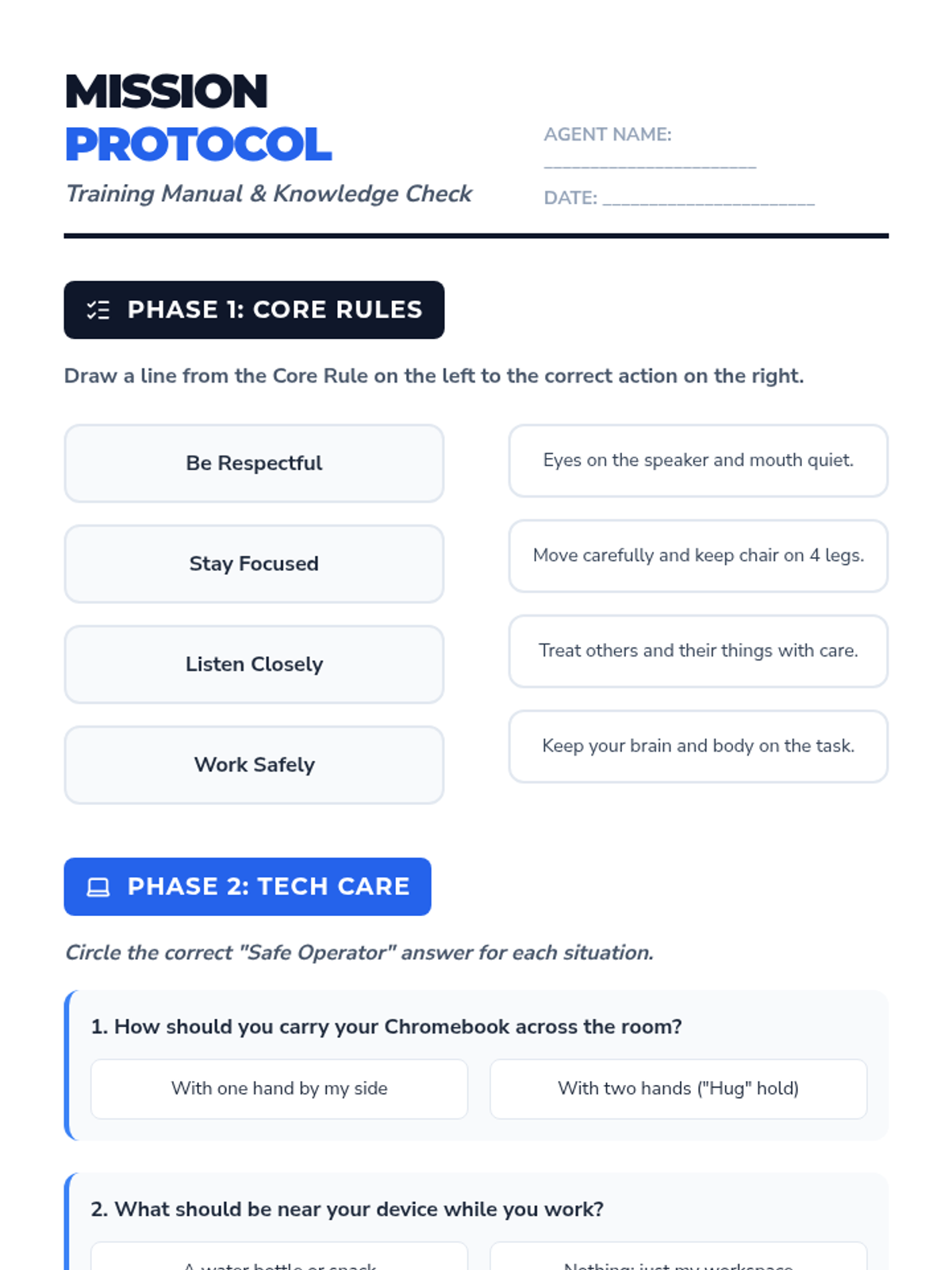
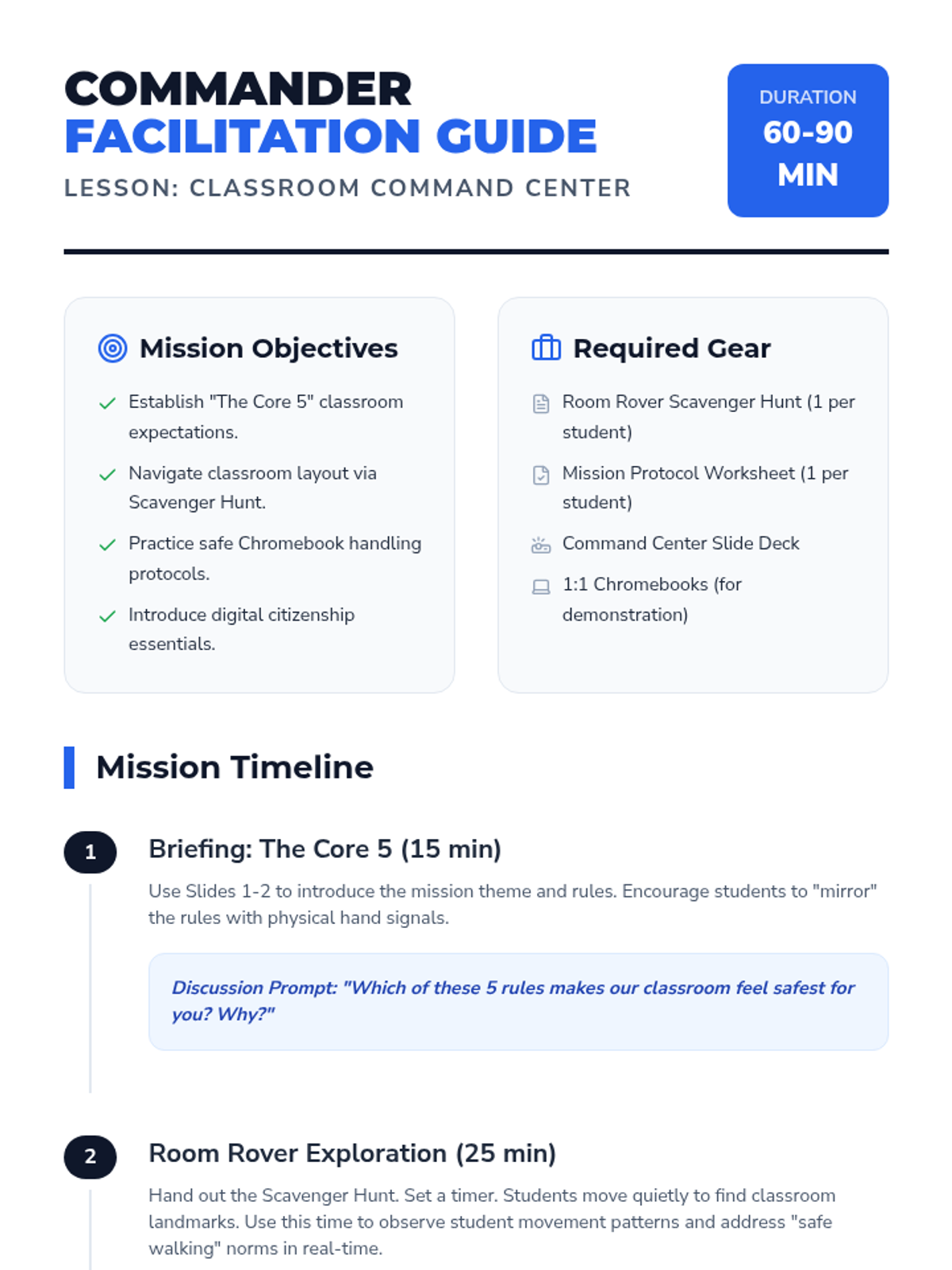
A comprehensive first-day lesson to establish classroom norms, physical space navigation, and digital responsibility. Includes instruction on Chromebook care and digital citizenship.
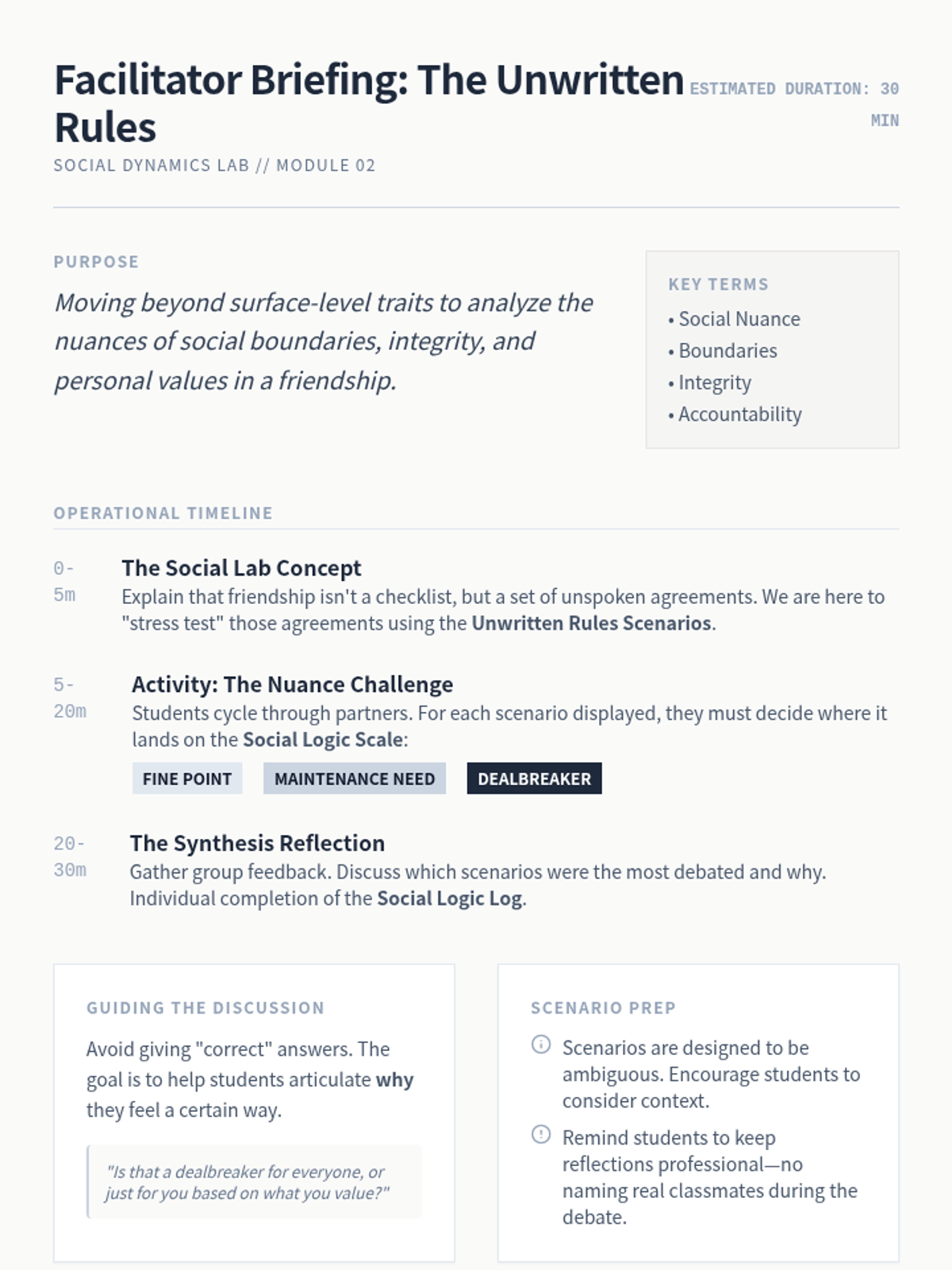
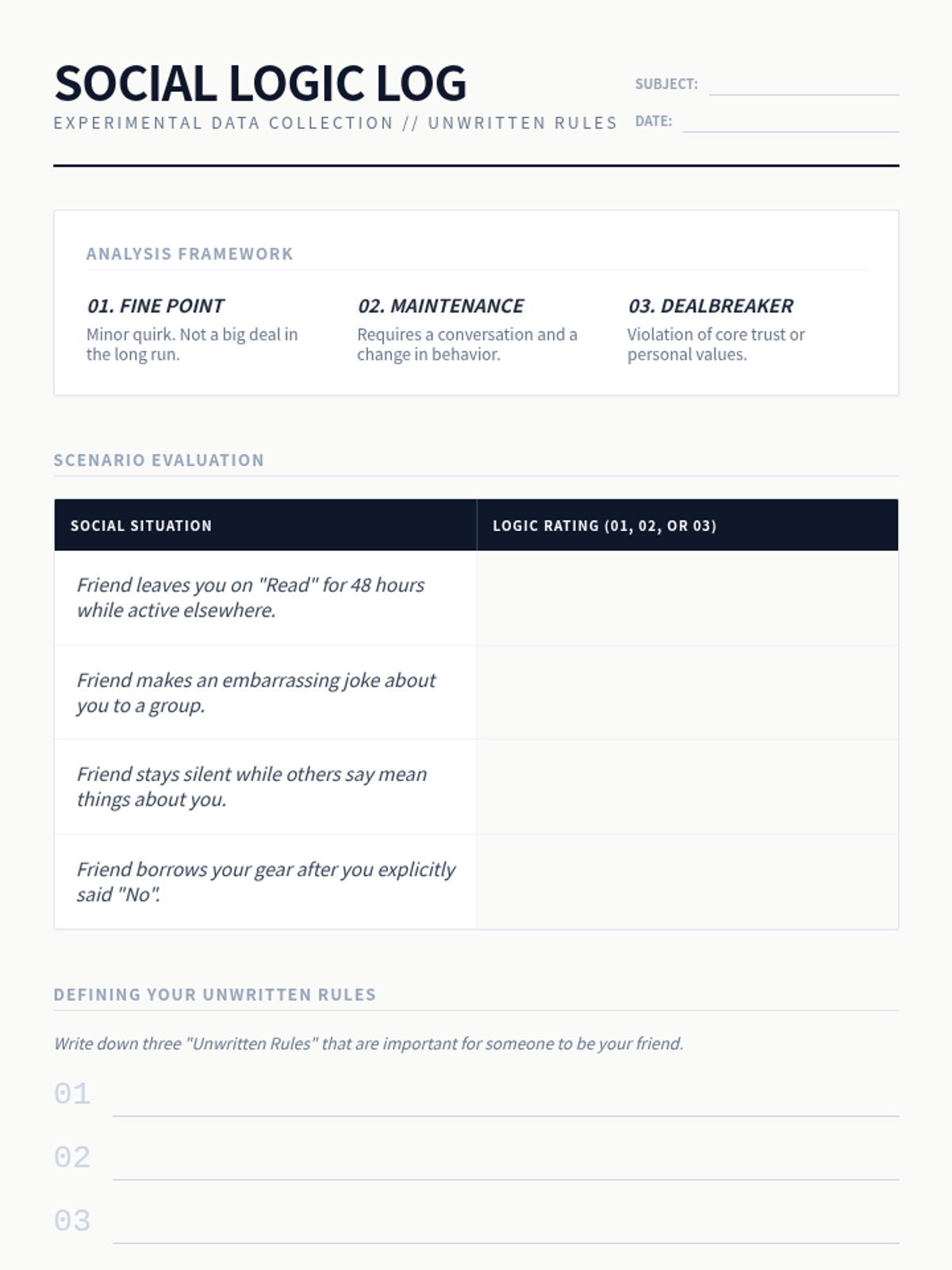
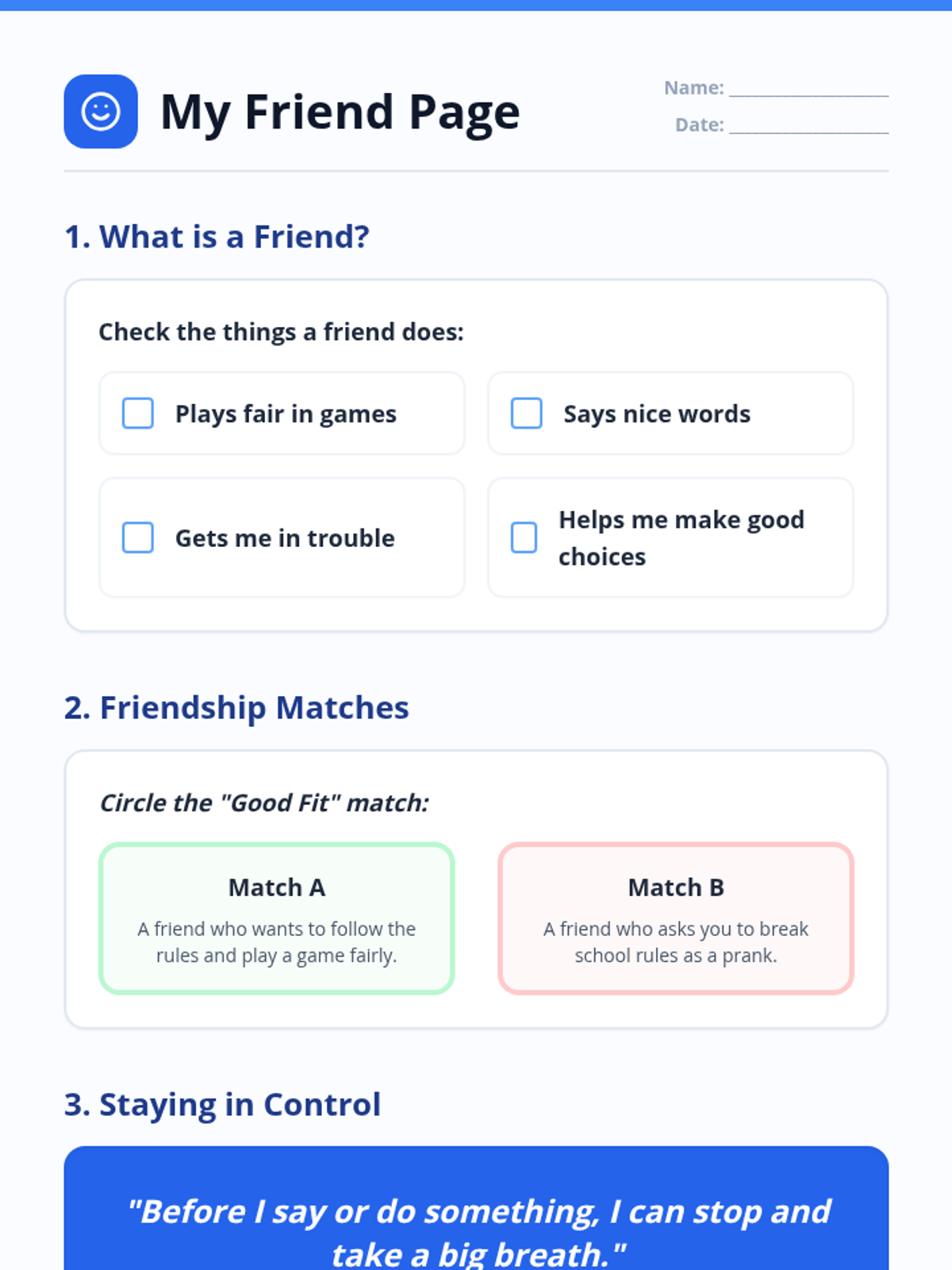
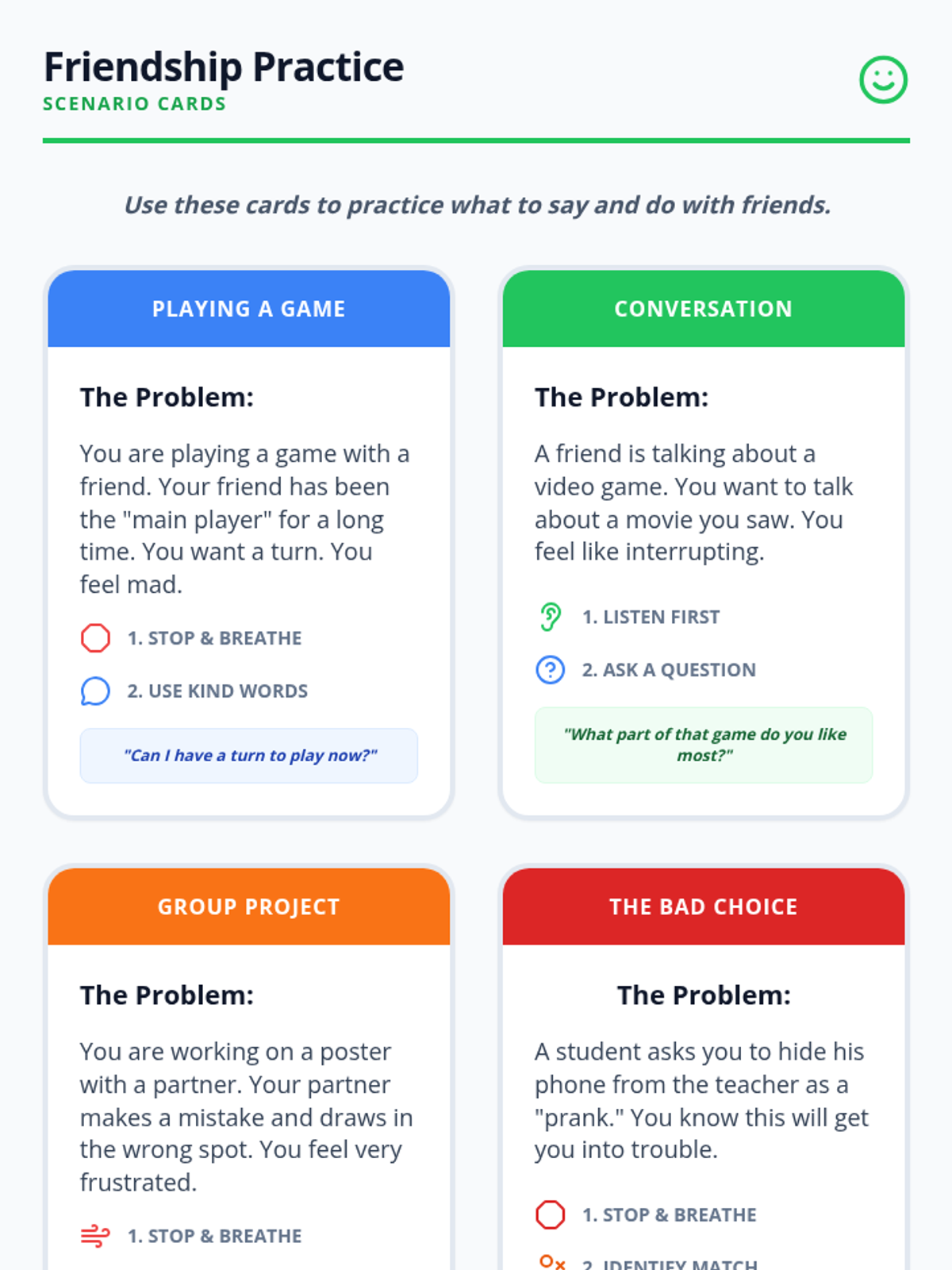
A 30-minute SEL lesson for 5th graders that uses a 'Social Lab' approach to analyze the unspoken rules of friendship. Students evaluate real-world scenarios to define their personal boundaries and values in a relationship.
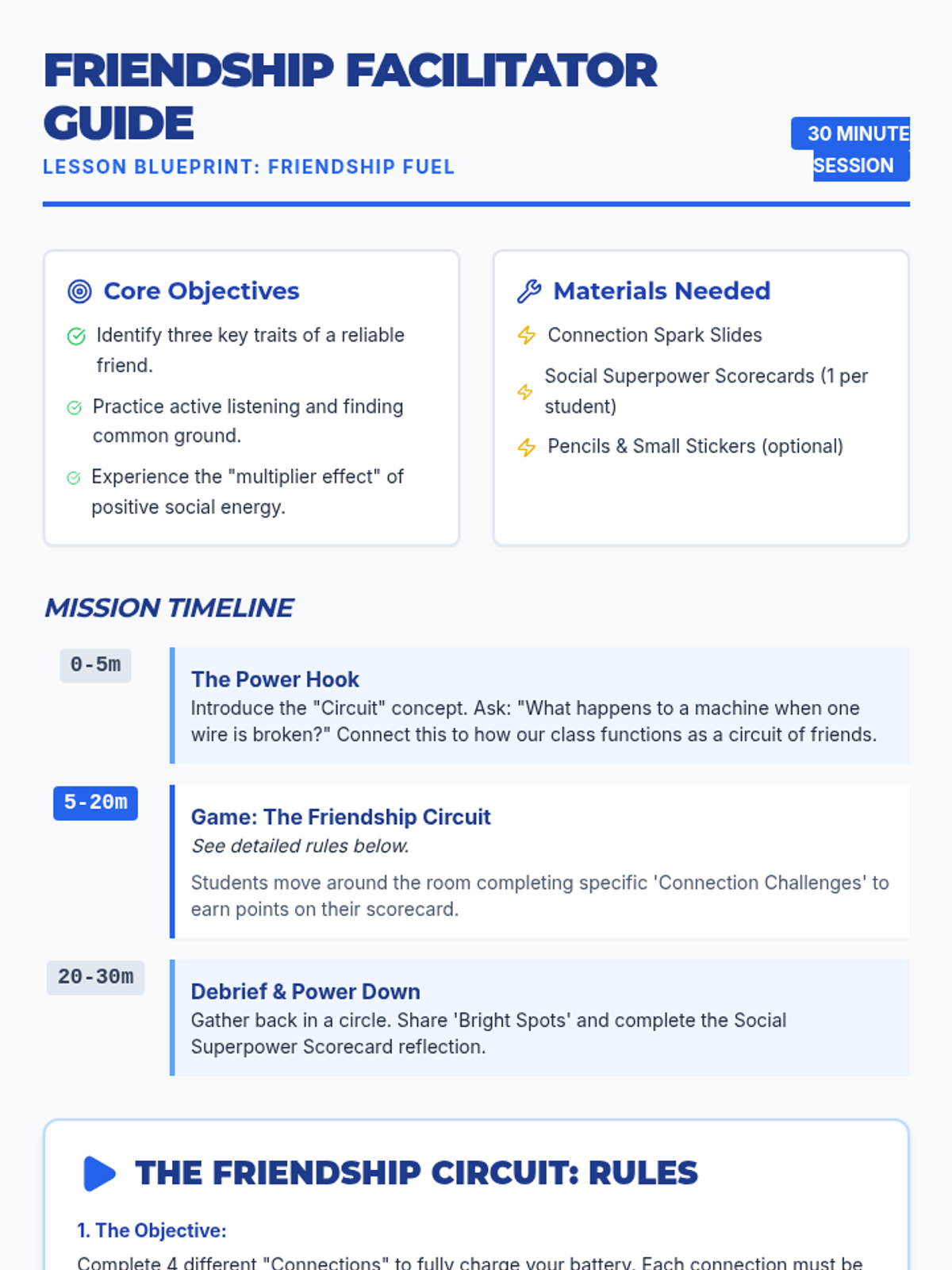
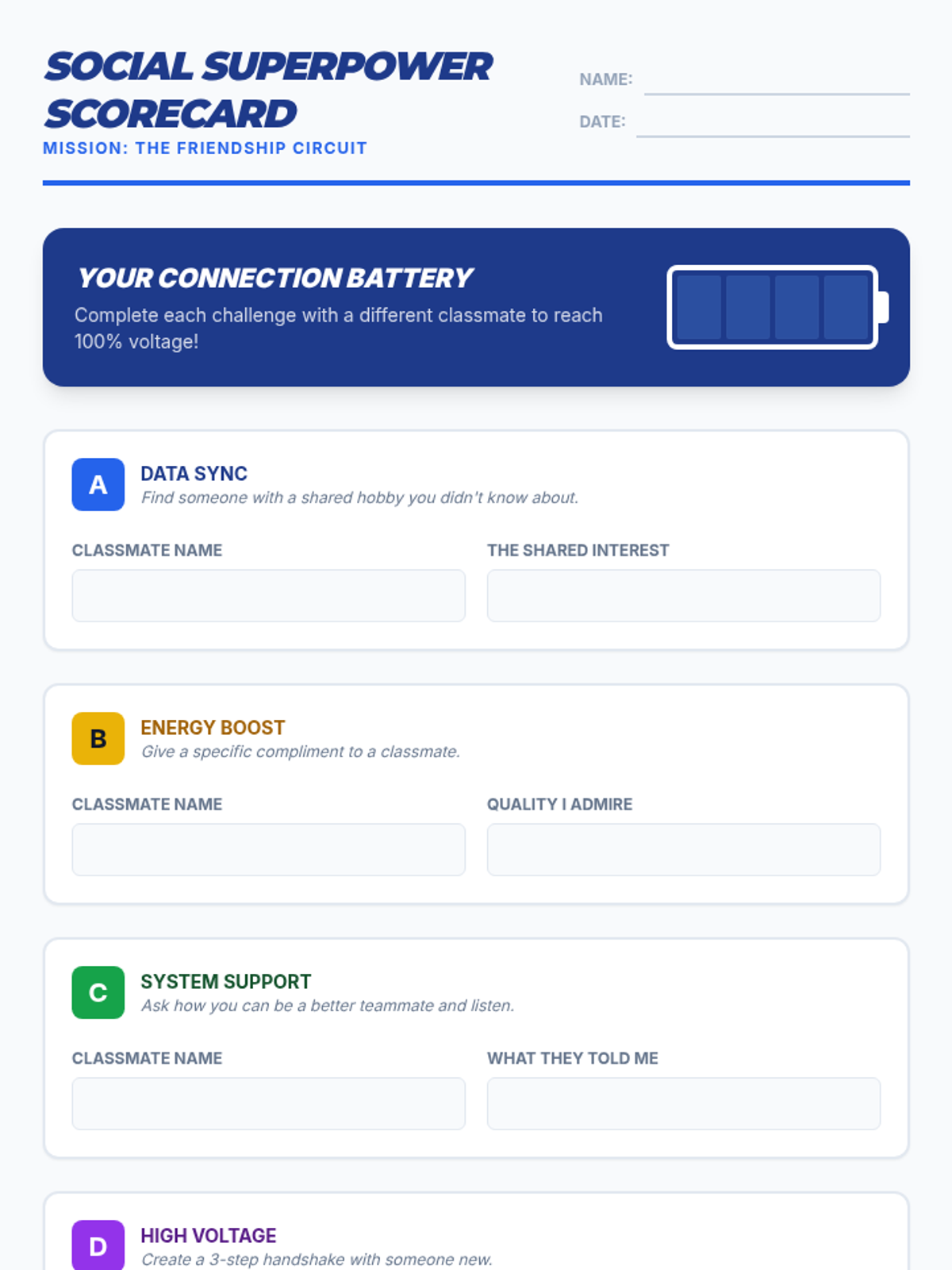
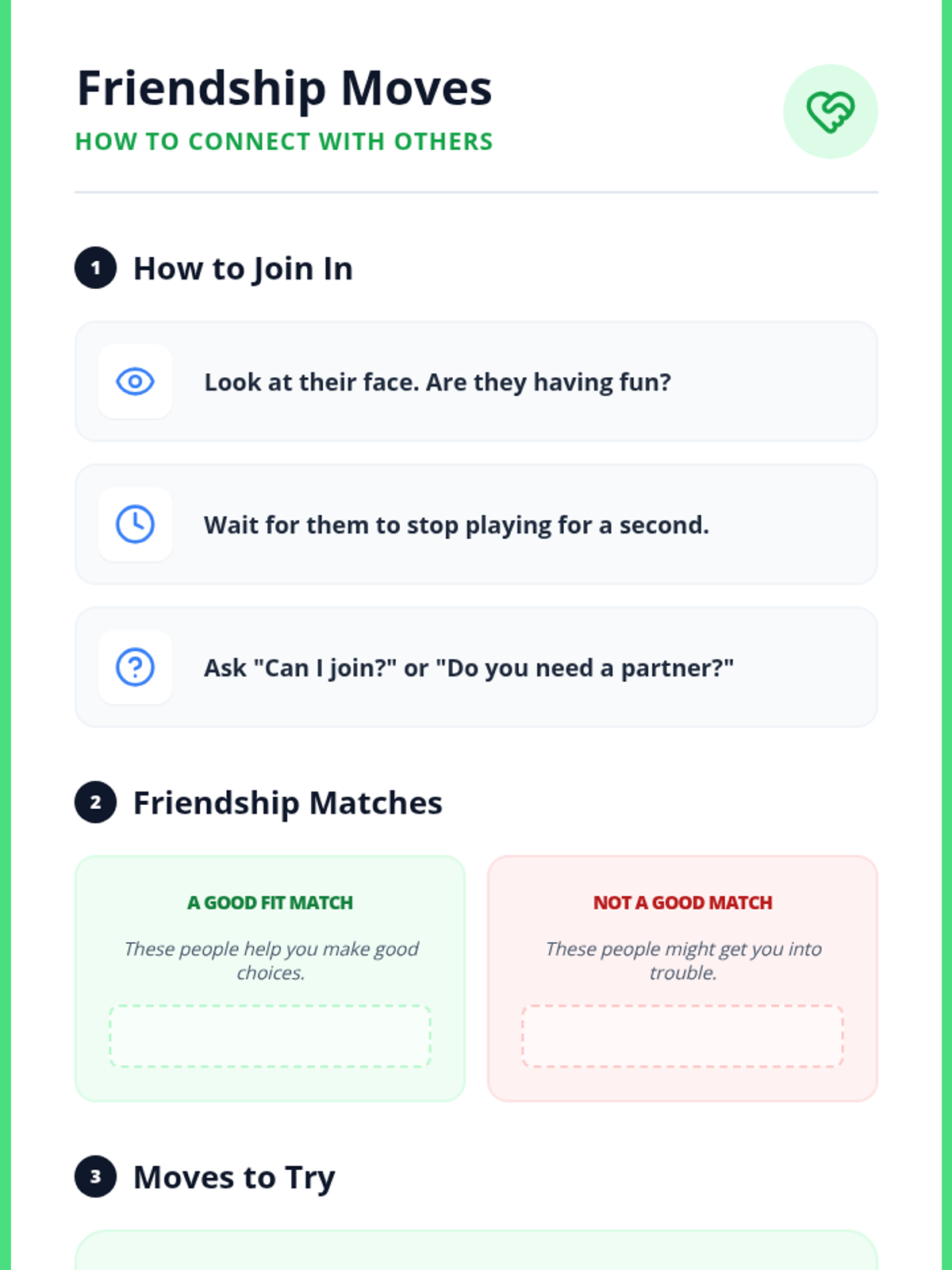
A 30-minute interactive SEL lesson for 5th graders focused on the qualities of a good friend and building positive social connections through an energetic group game called 'The Friendship Circuit'.
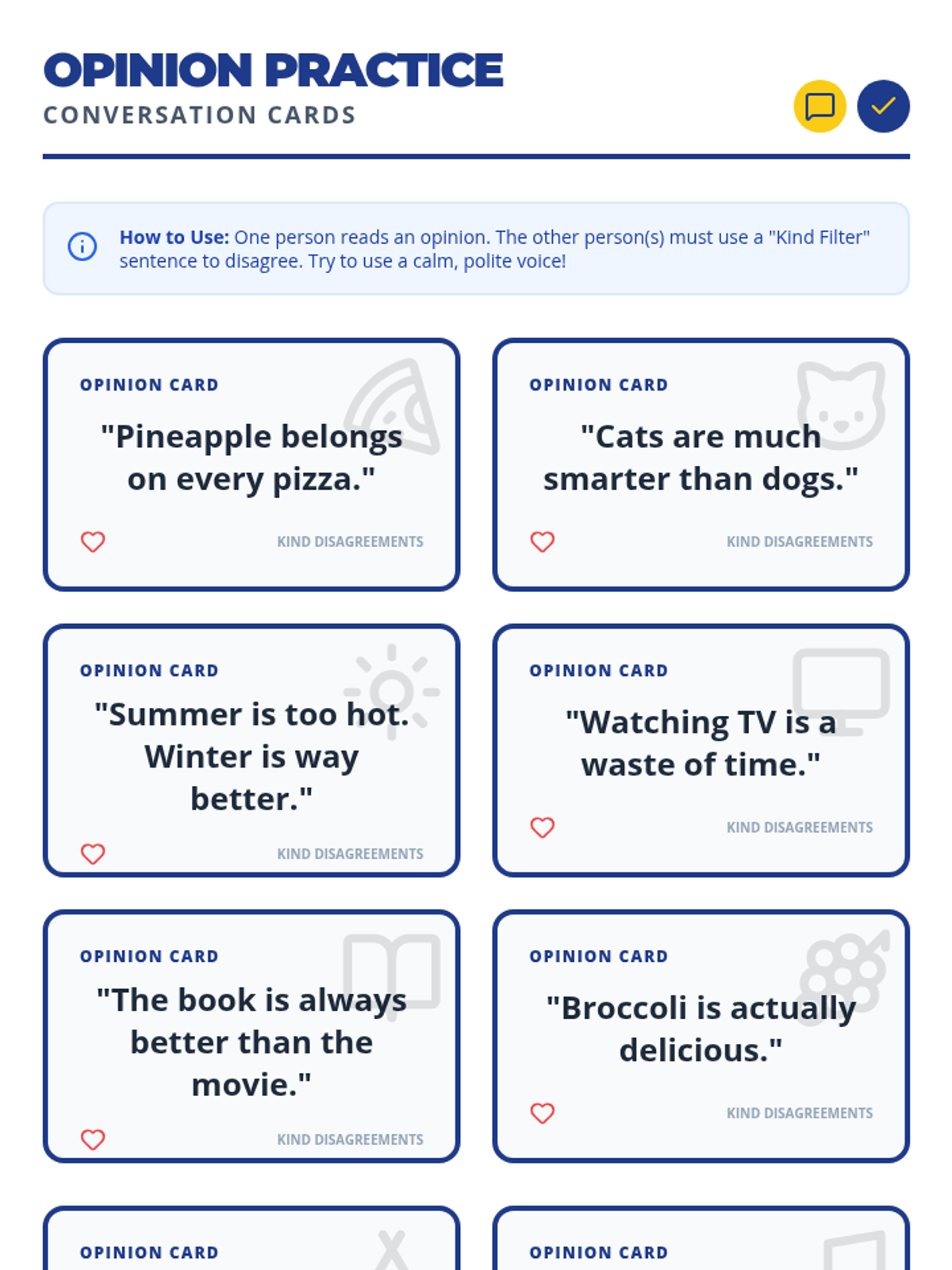
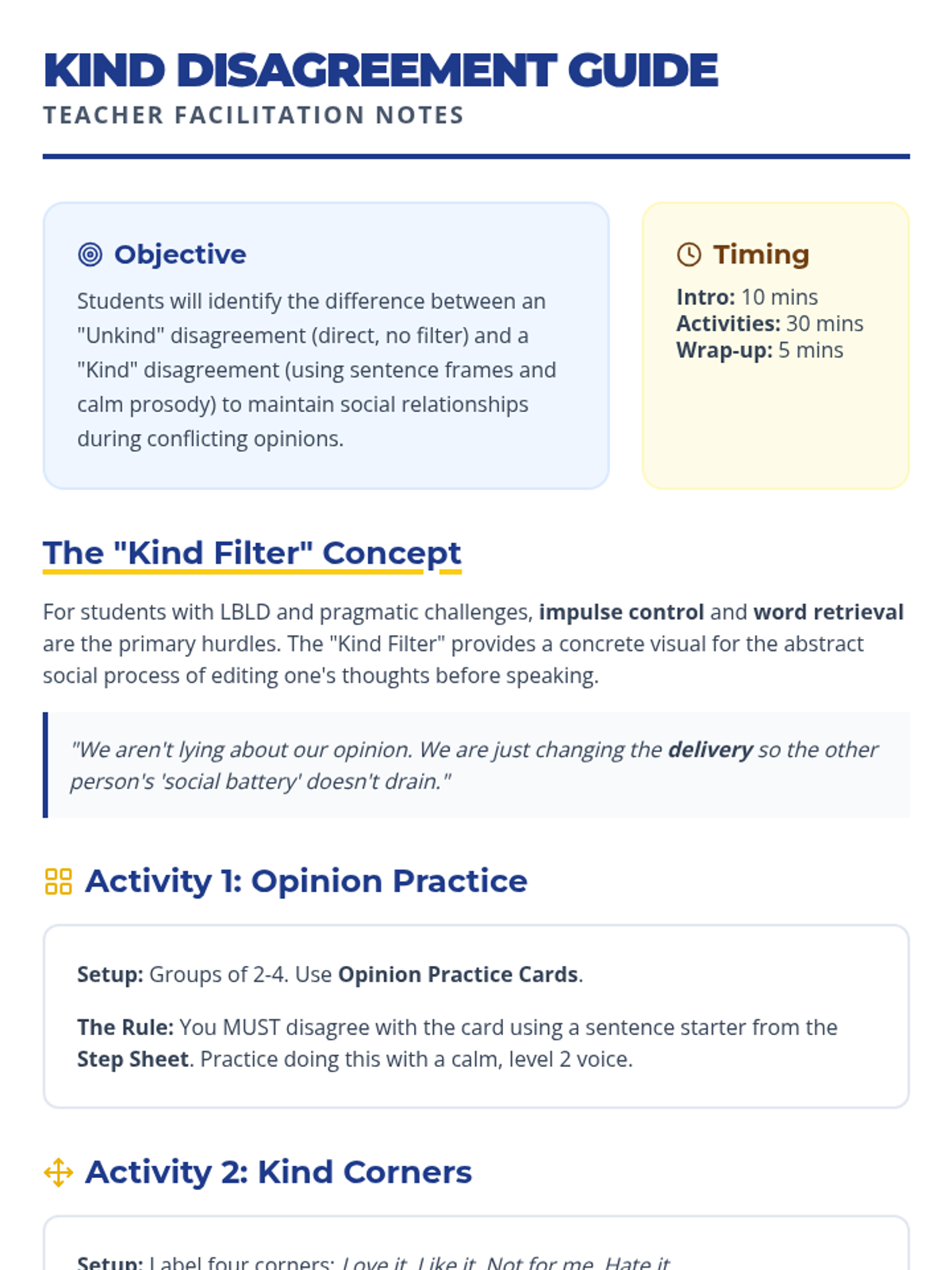
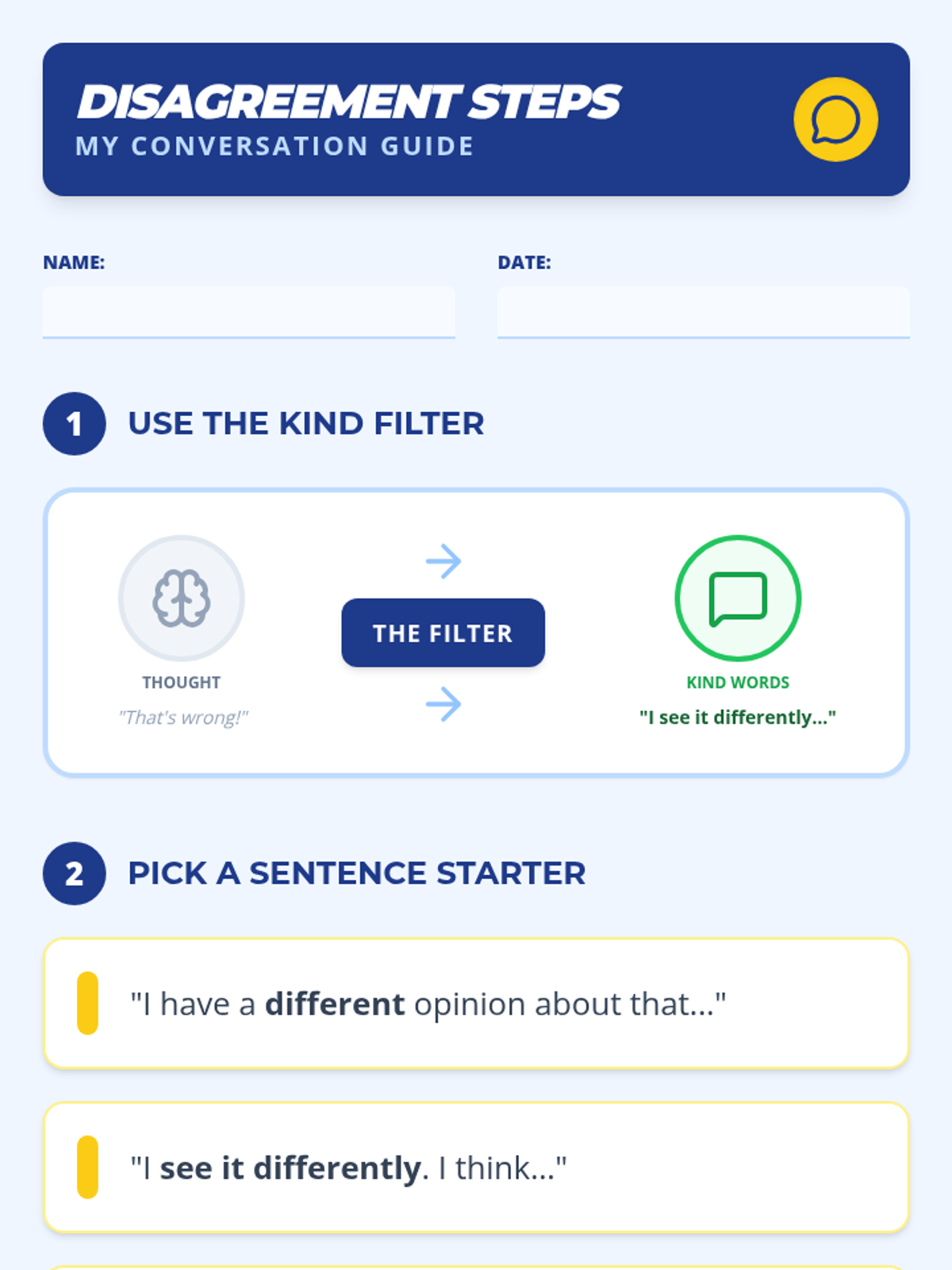
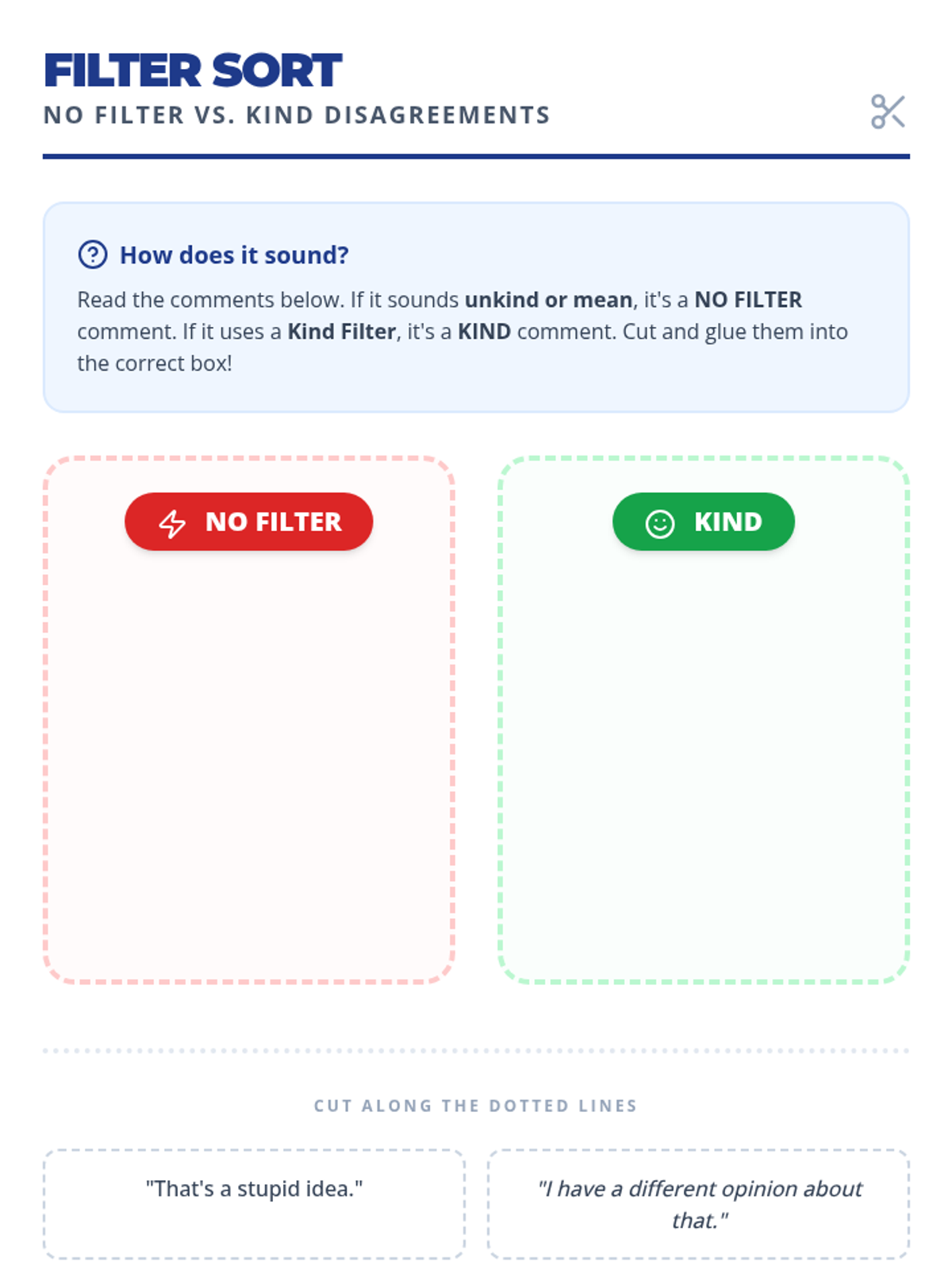
A pragmatic language lesson designed for students with LBLD to practice expressing disagreement respectfully. Through visual-heavy slides, structured role-plays, and hands-on activities like 'Kind Corners' and 'Opinion Practice', students learn to use social filters and sentence frames to navigate conflicting opinions.
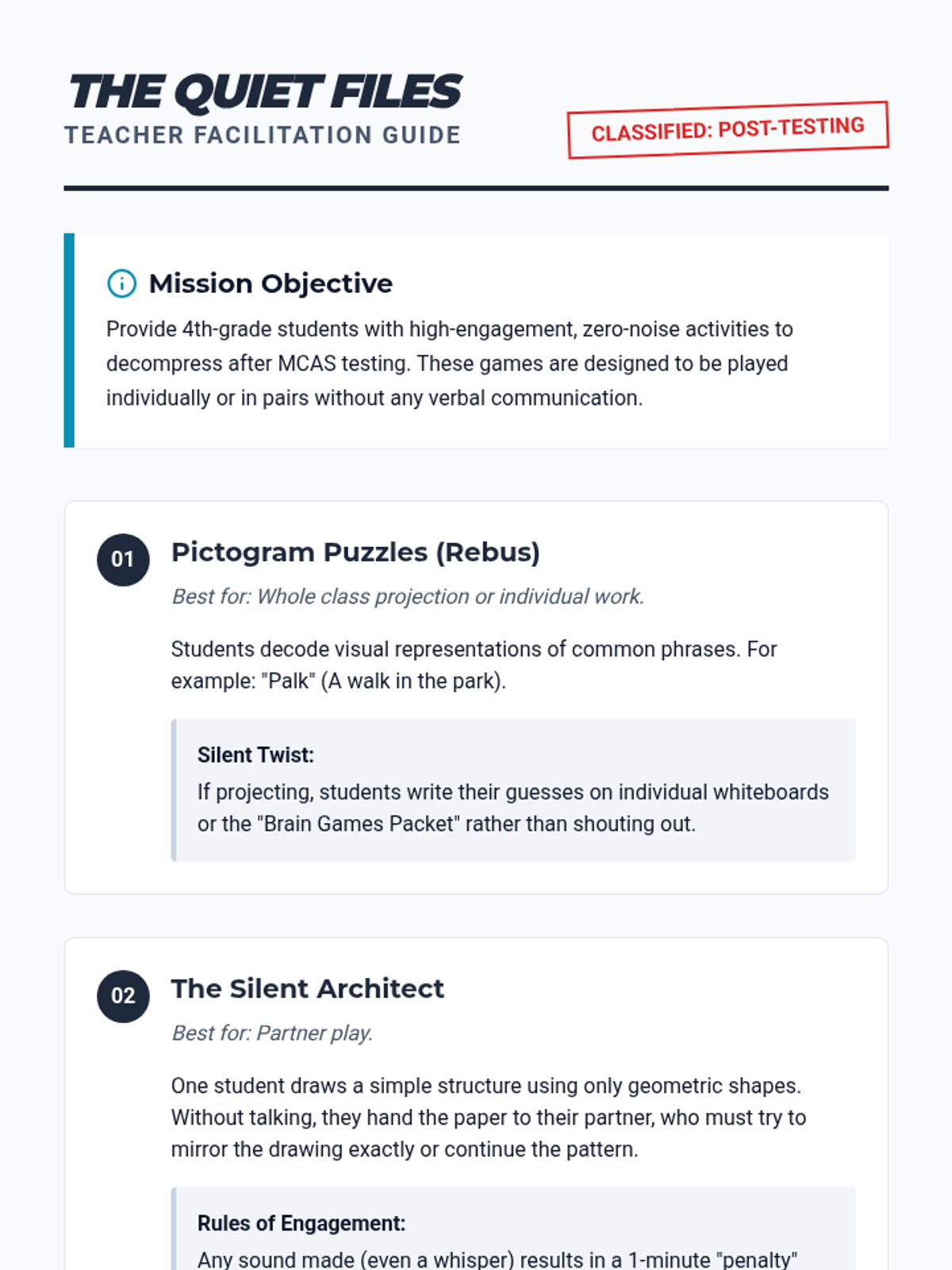
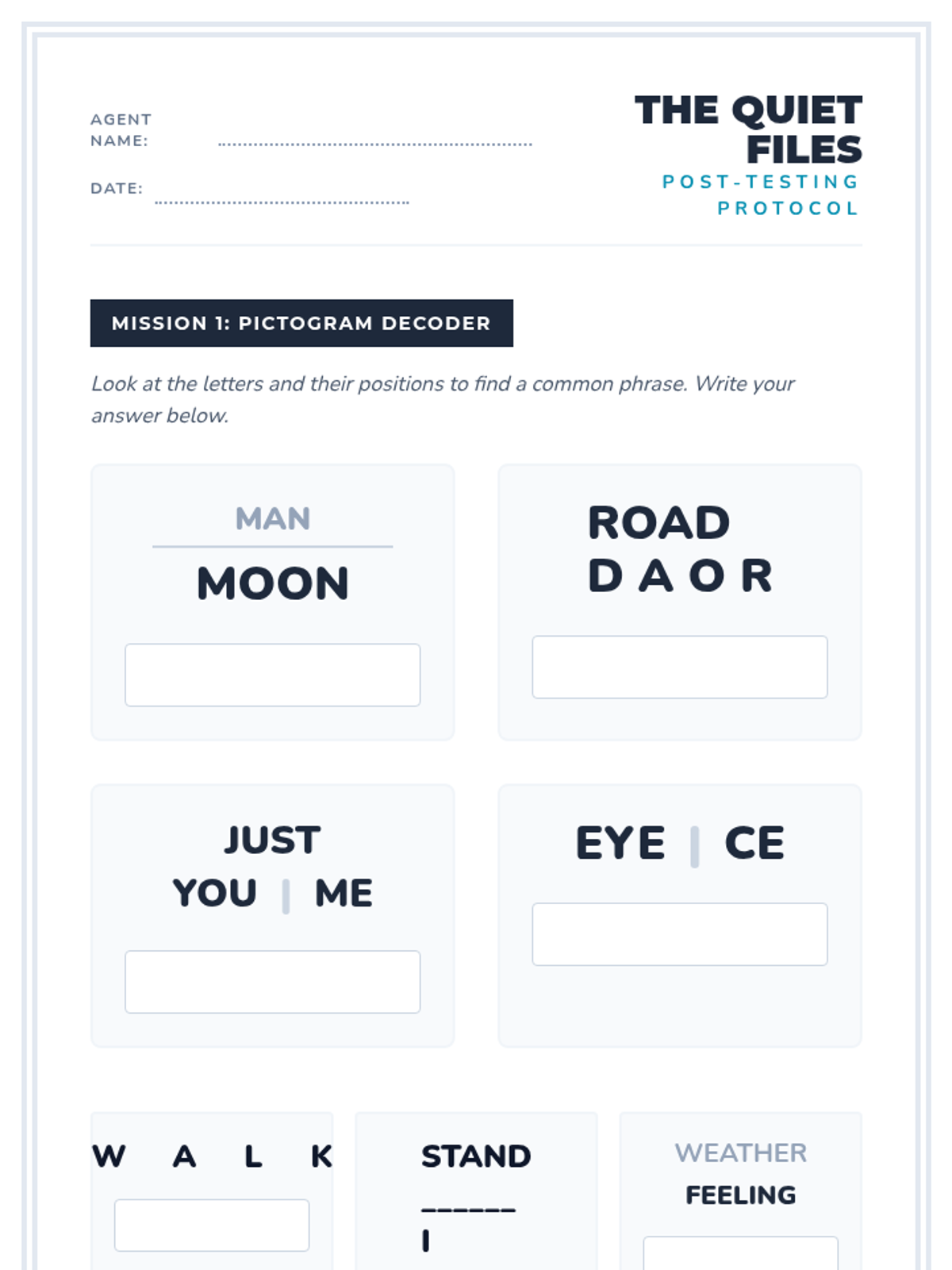
A collection of low-energy, silent activities and games designed for students to engage in after high-stakes testing, focusing on visual puzzles, logic challenges, and creative drawing.
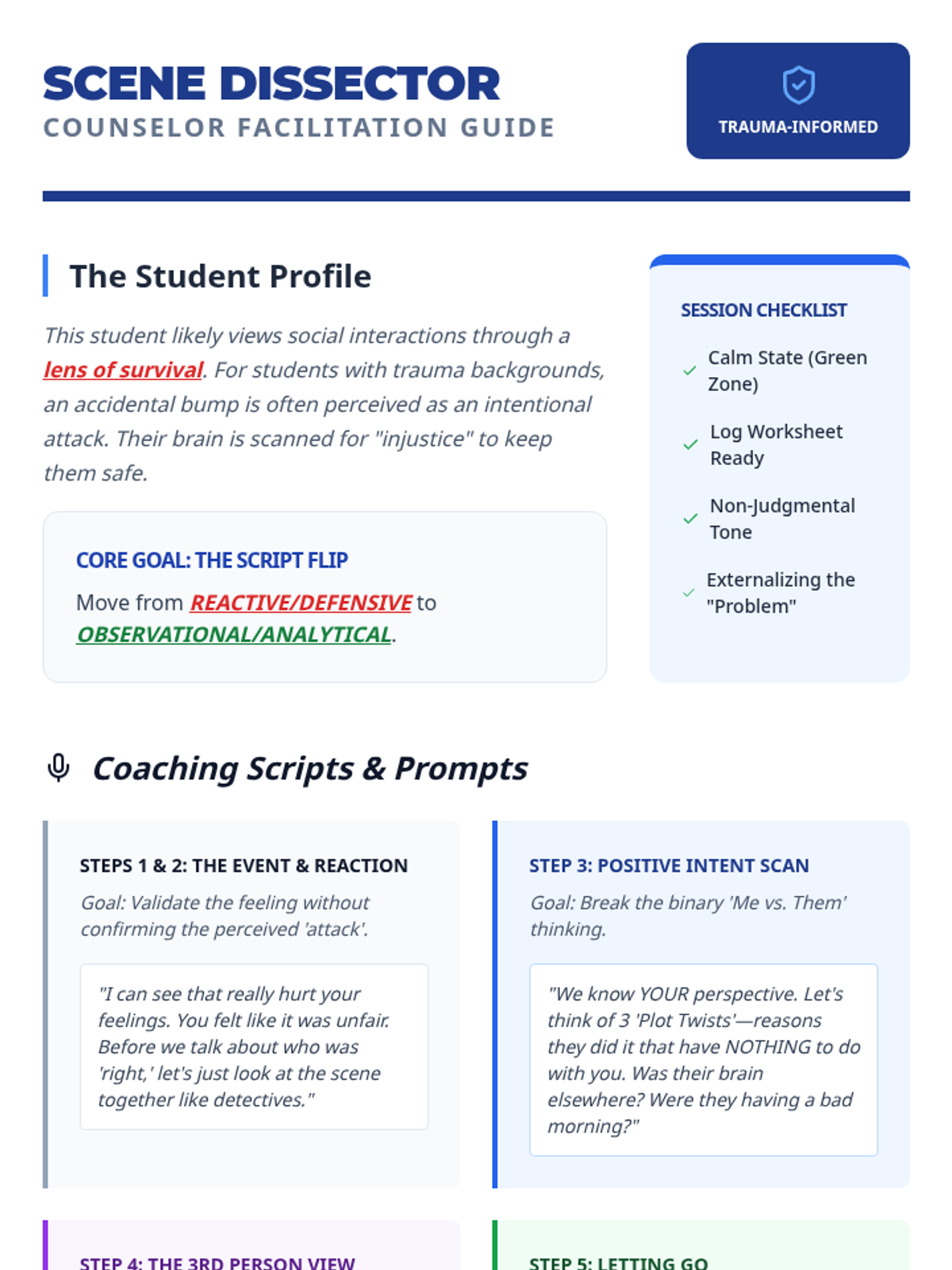
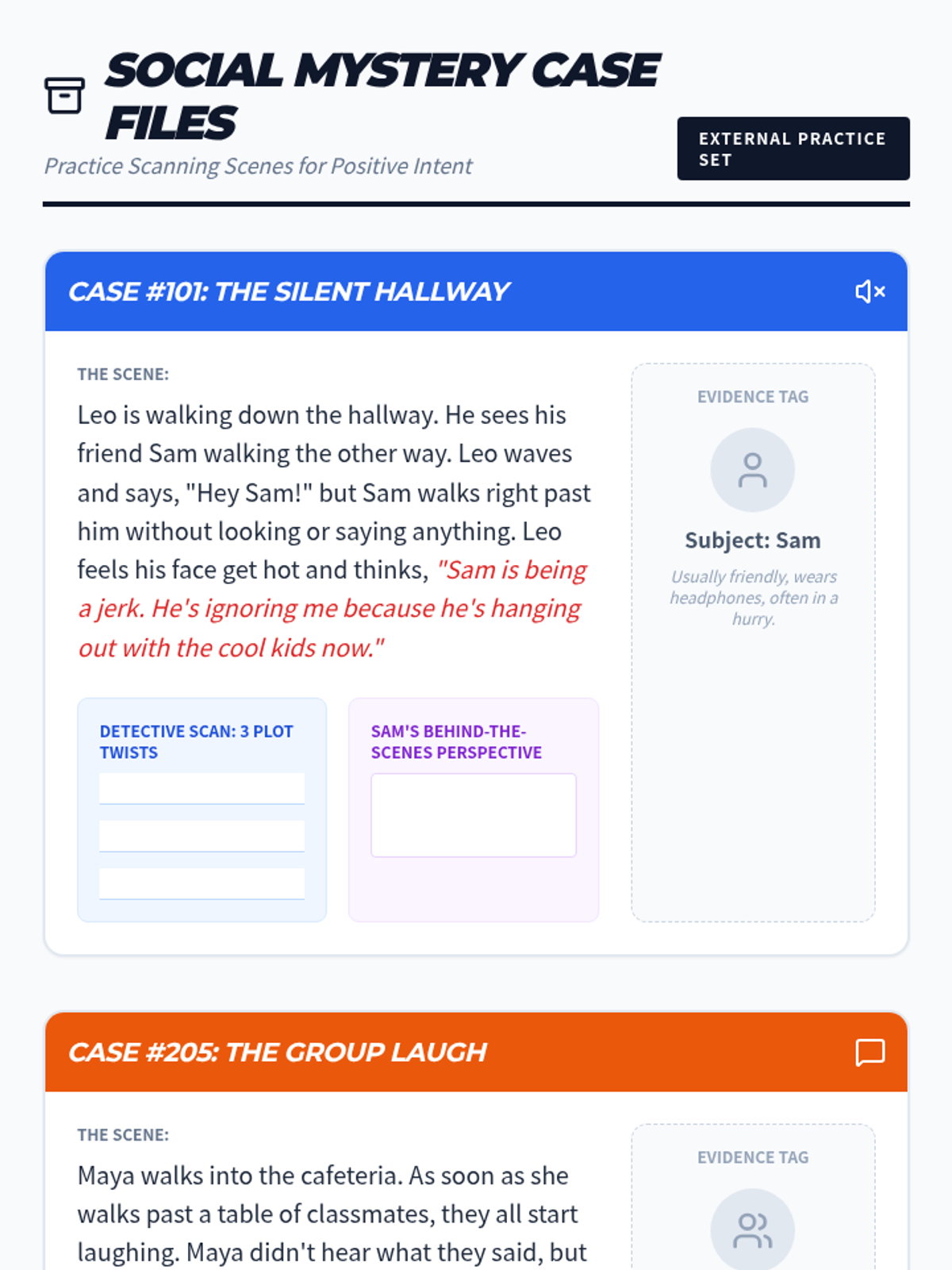
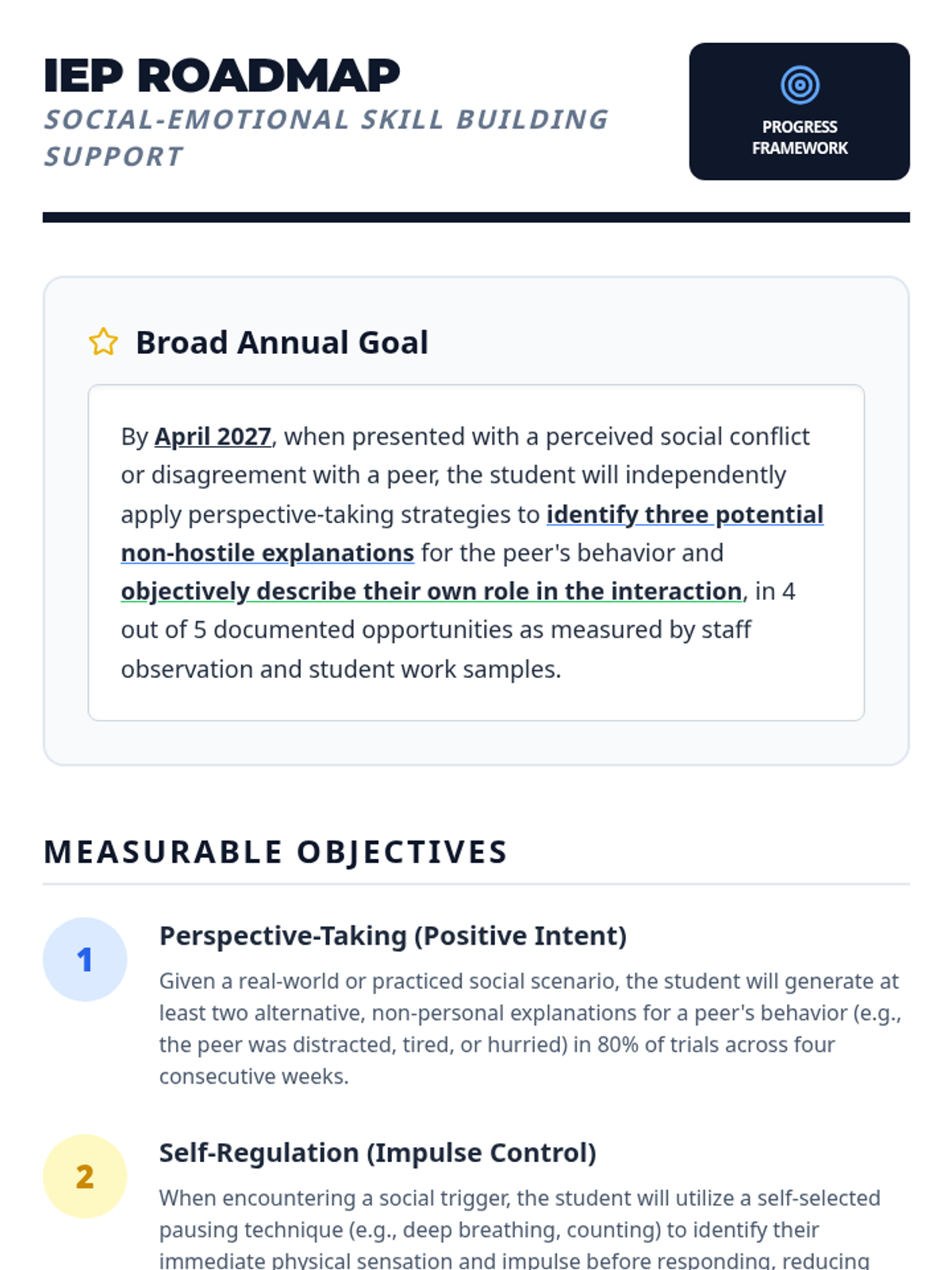
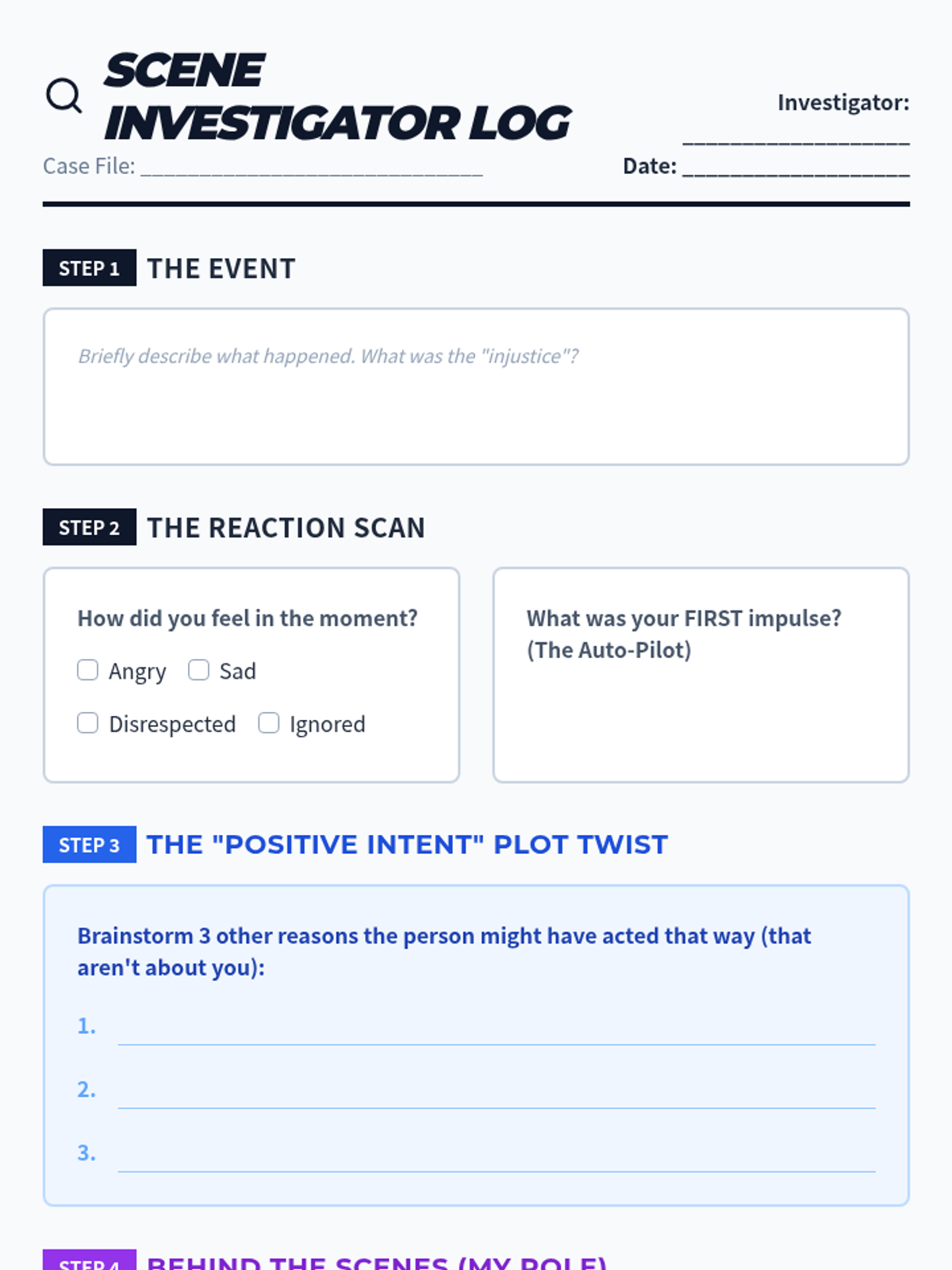
A social-emotional learning lesson designed for students with trauma backgrounds and impulse control challenges. It focuses on 'Scene Scanning'—assuming positive intent and dissecting social interactions through a detective-style lens to improve perspective-taking and reduce reactivity.
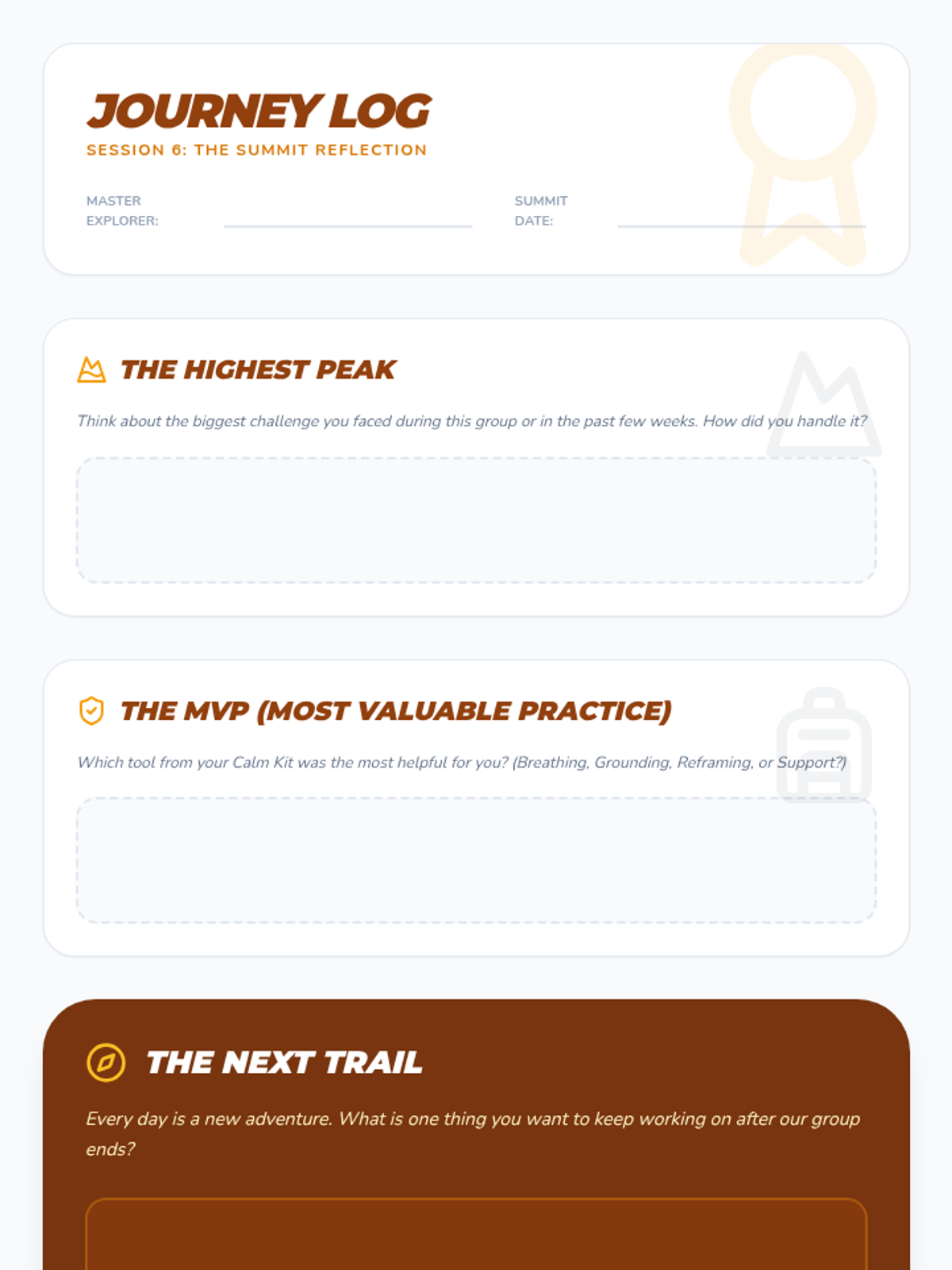
Final reflection, celebration of growth, and planning for the journey ahead.
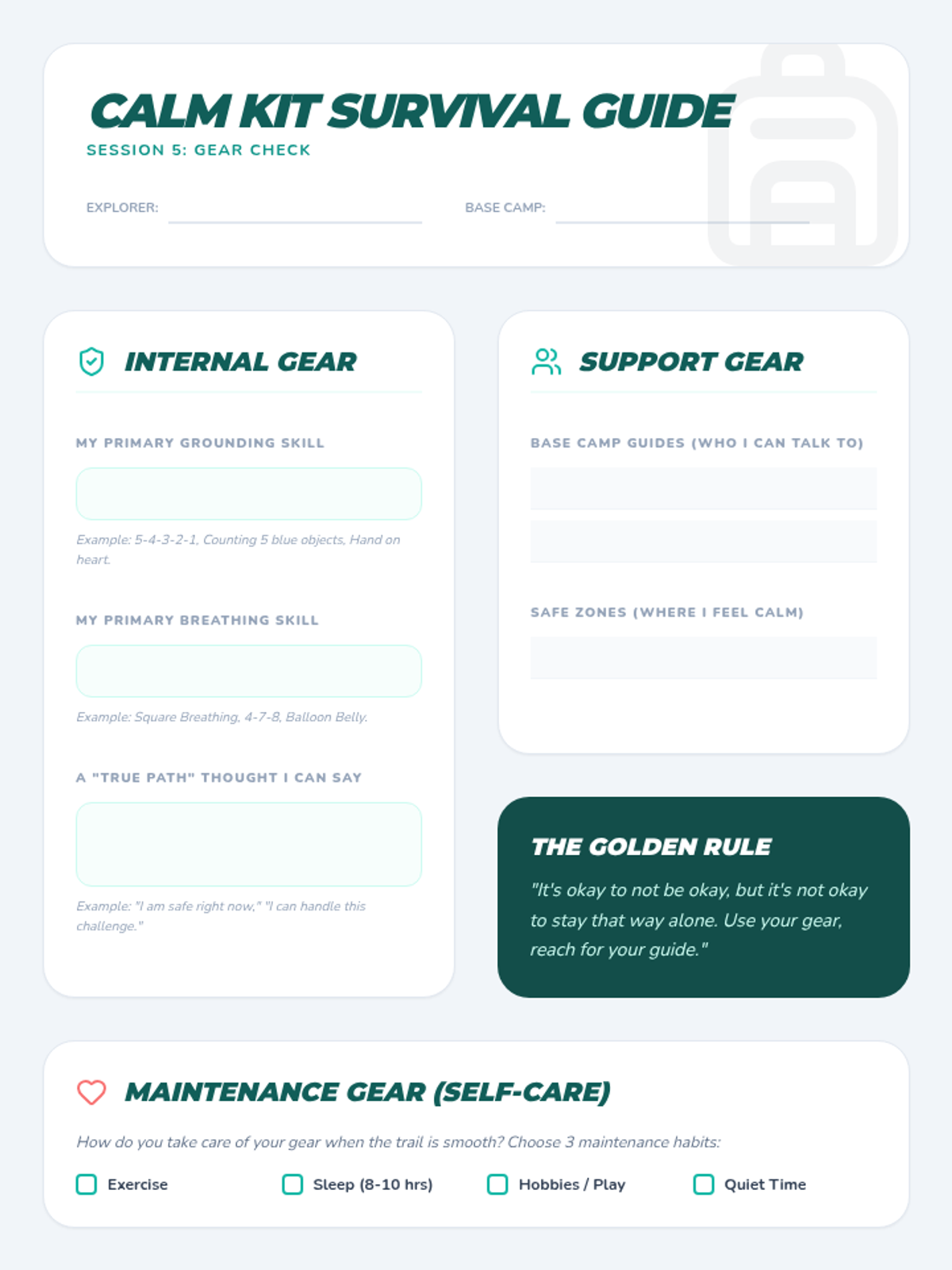
Reviewing various coping skills and creating a personalized 'Survival Kit' for future use.
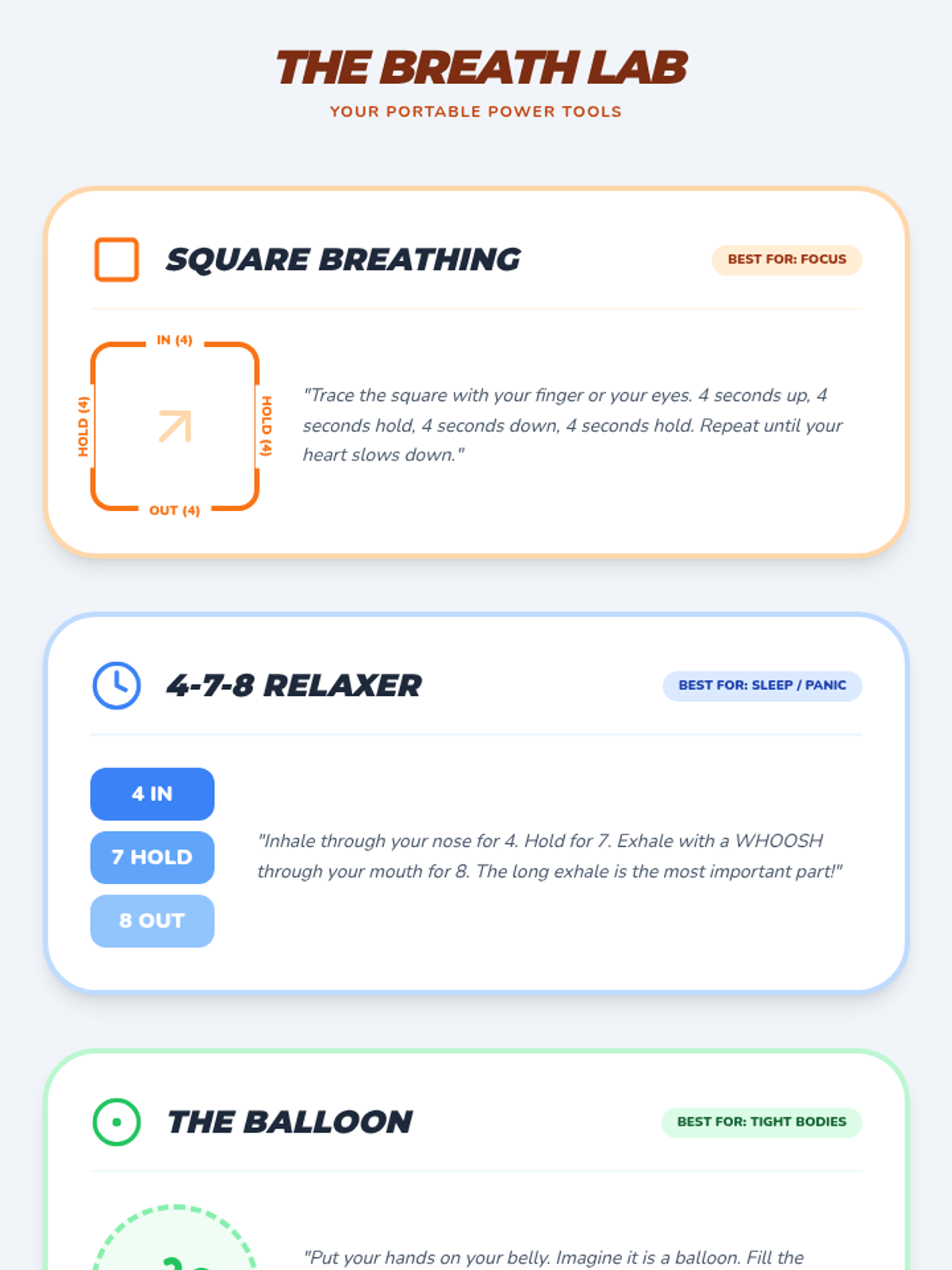
Focusing on the power of breath and mindfulness as internal tools for regulation.
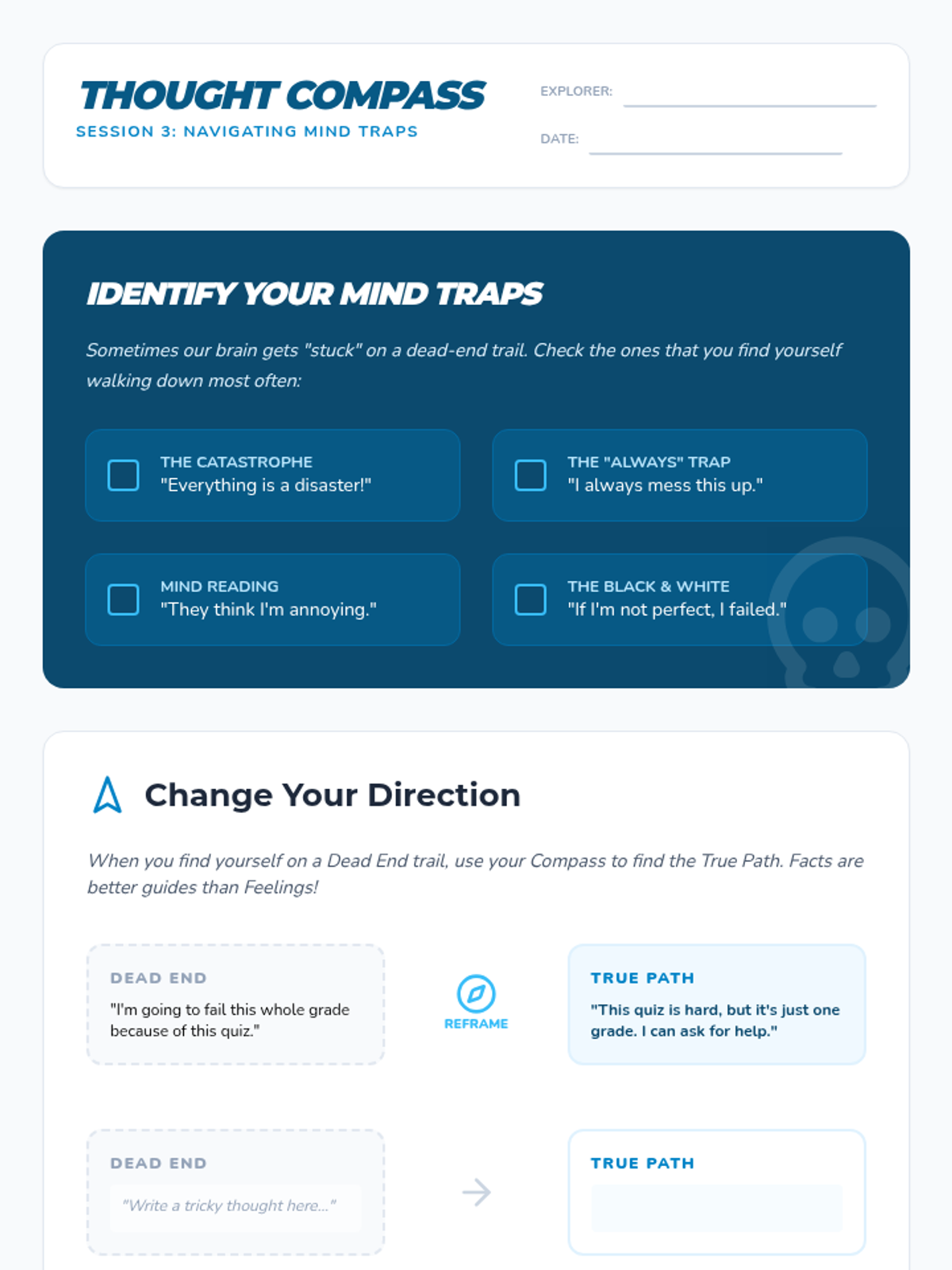
Identifying cognitive distortions or 'tricky trails' and learning to reframe thoughts using a 'Thought Compass'.
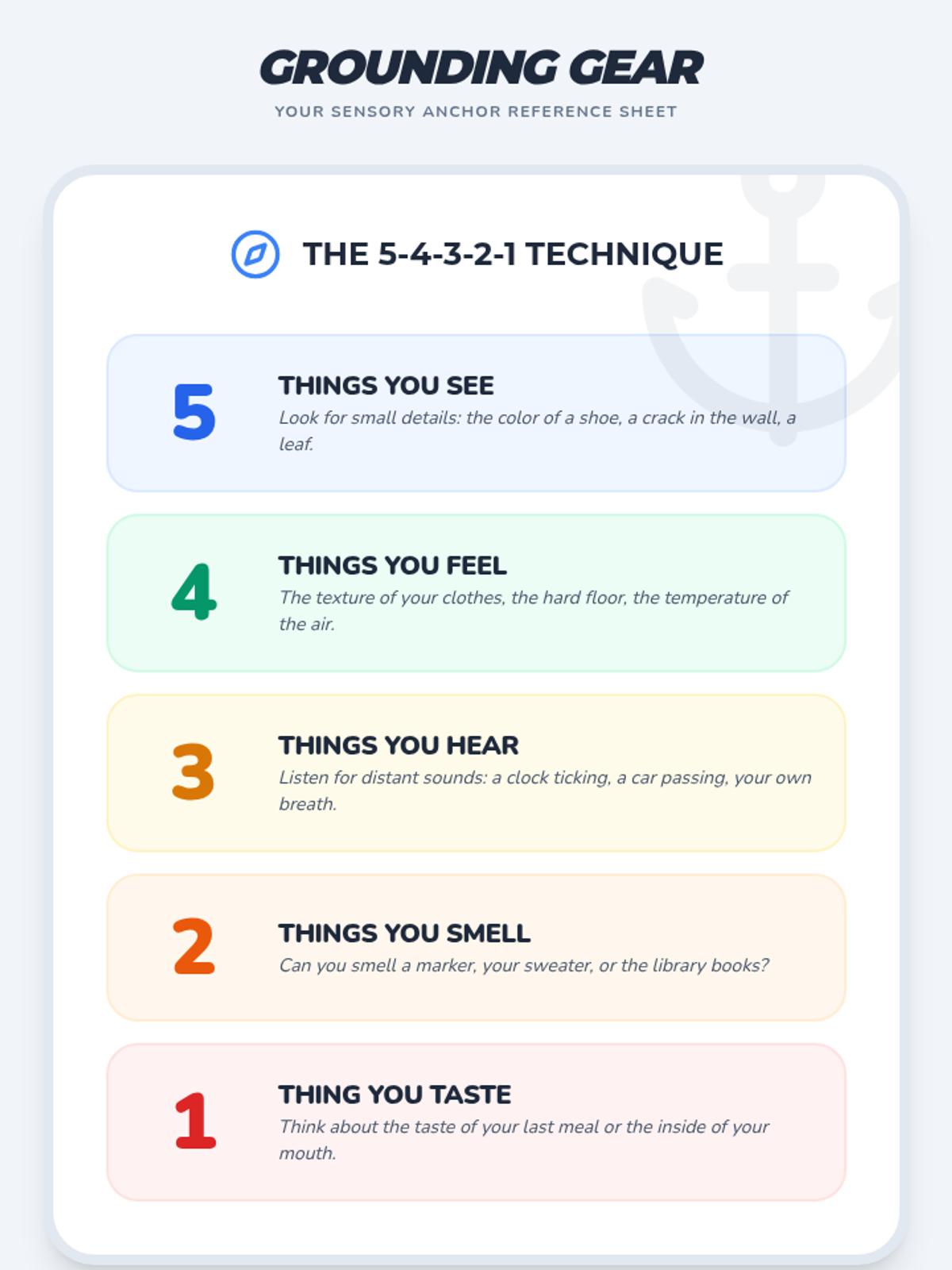
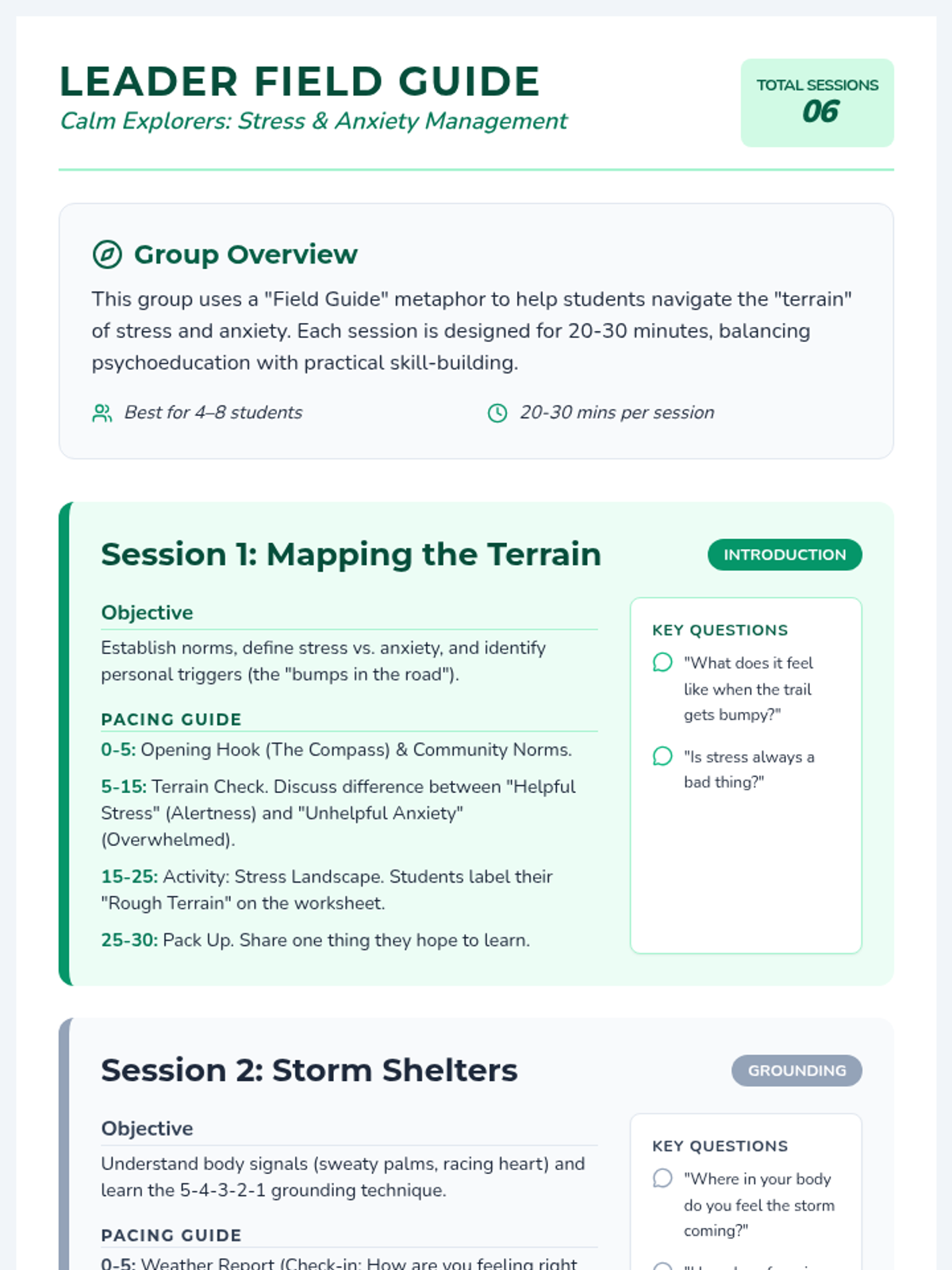
Understanding the physical 'alarm system' of the body and learning grounding techniques to stay present during 'storms'.
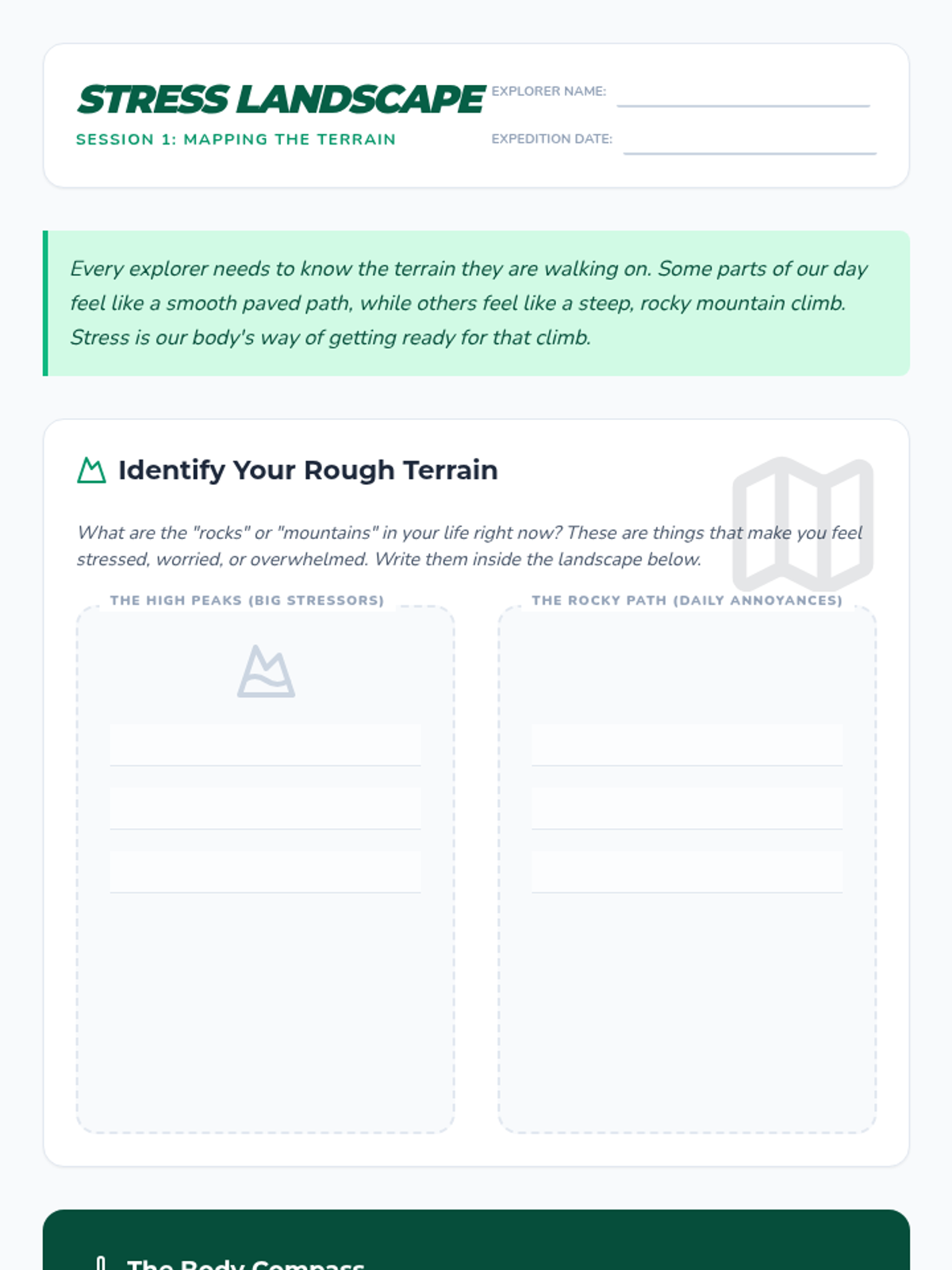
Introduction to the group, establishing norms, and identifying individual stress triggers using the 'Stress Landscape' metaphor.
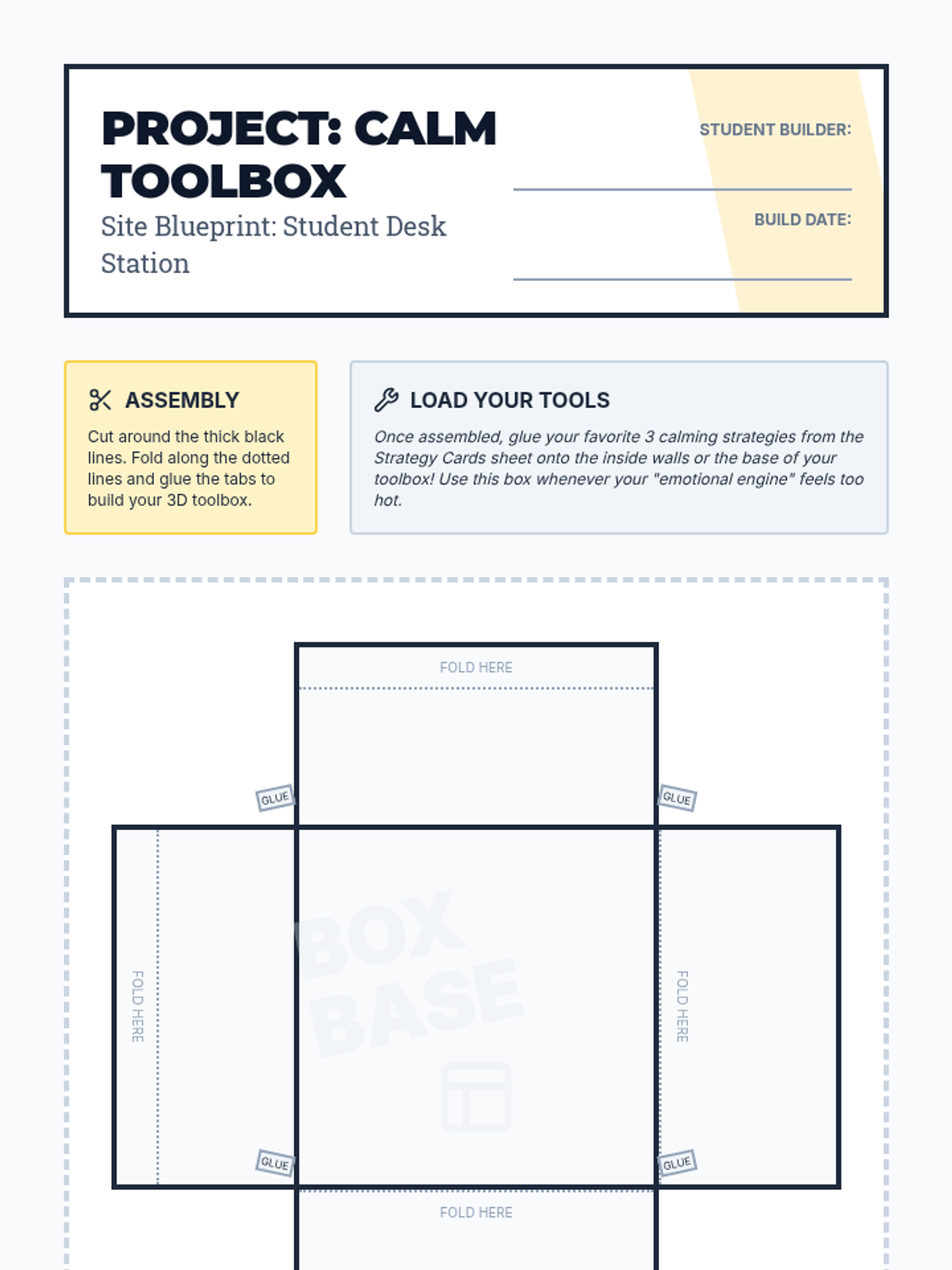
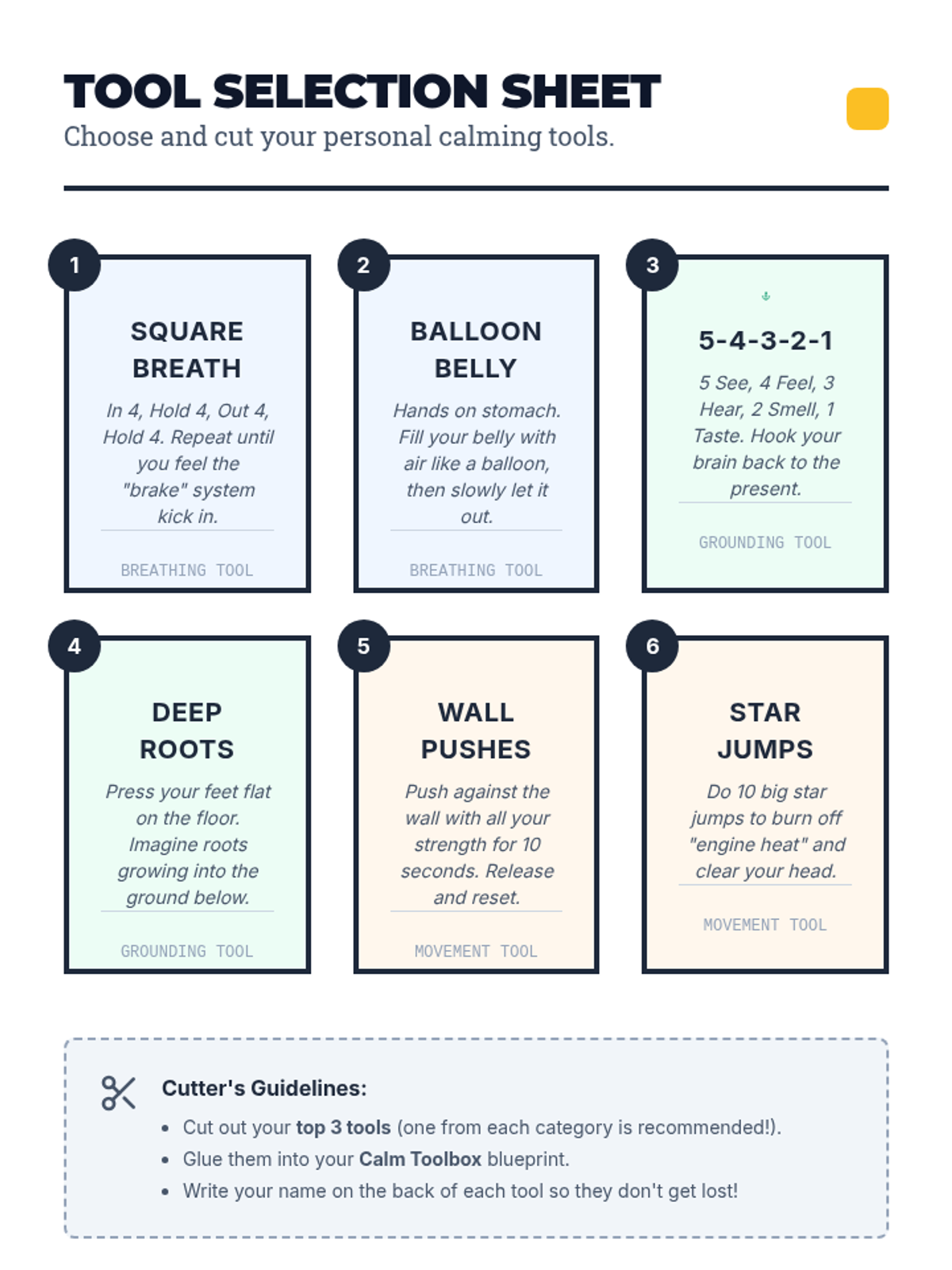
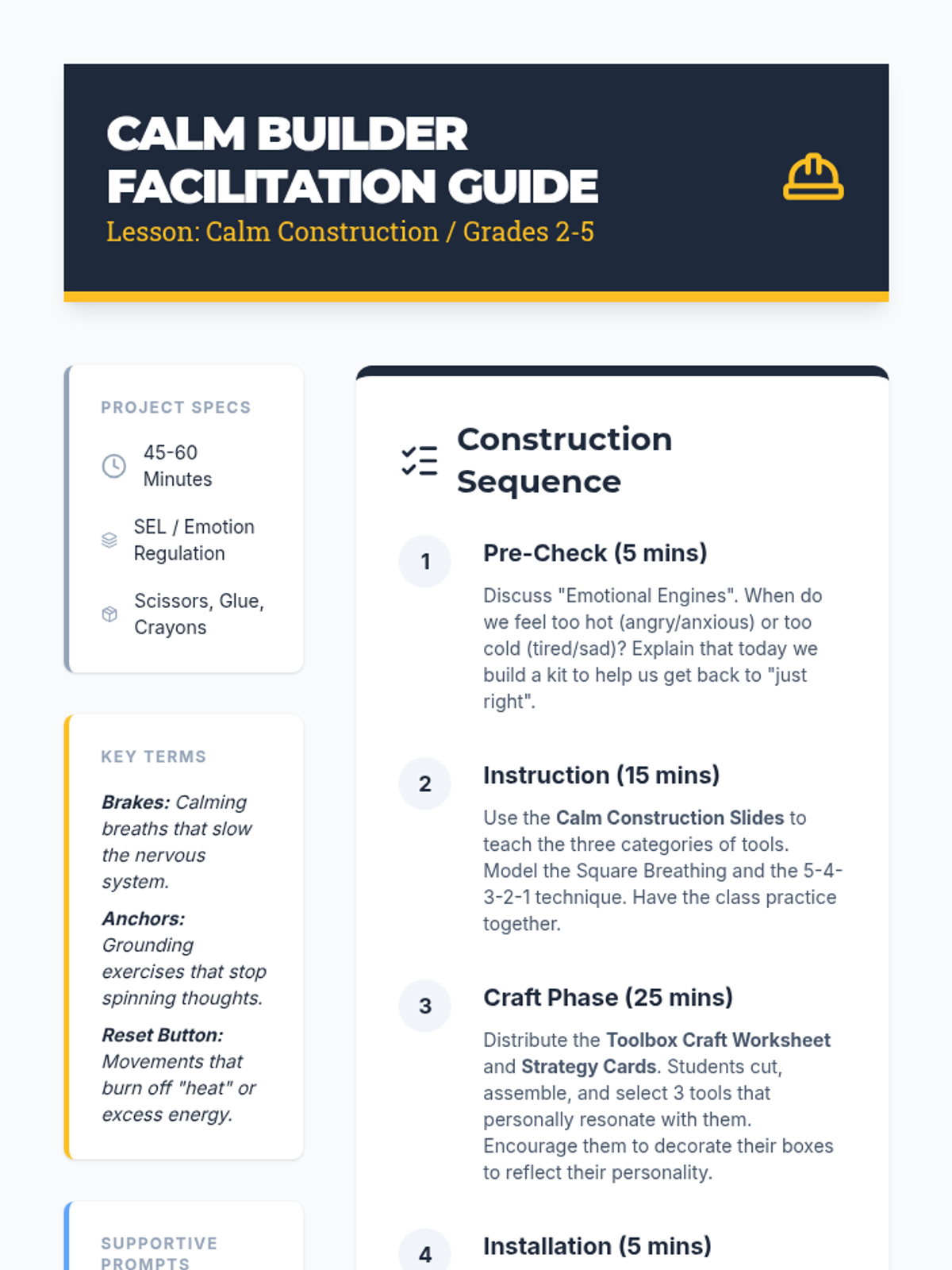
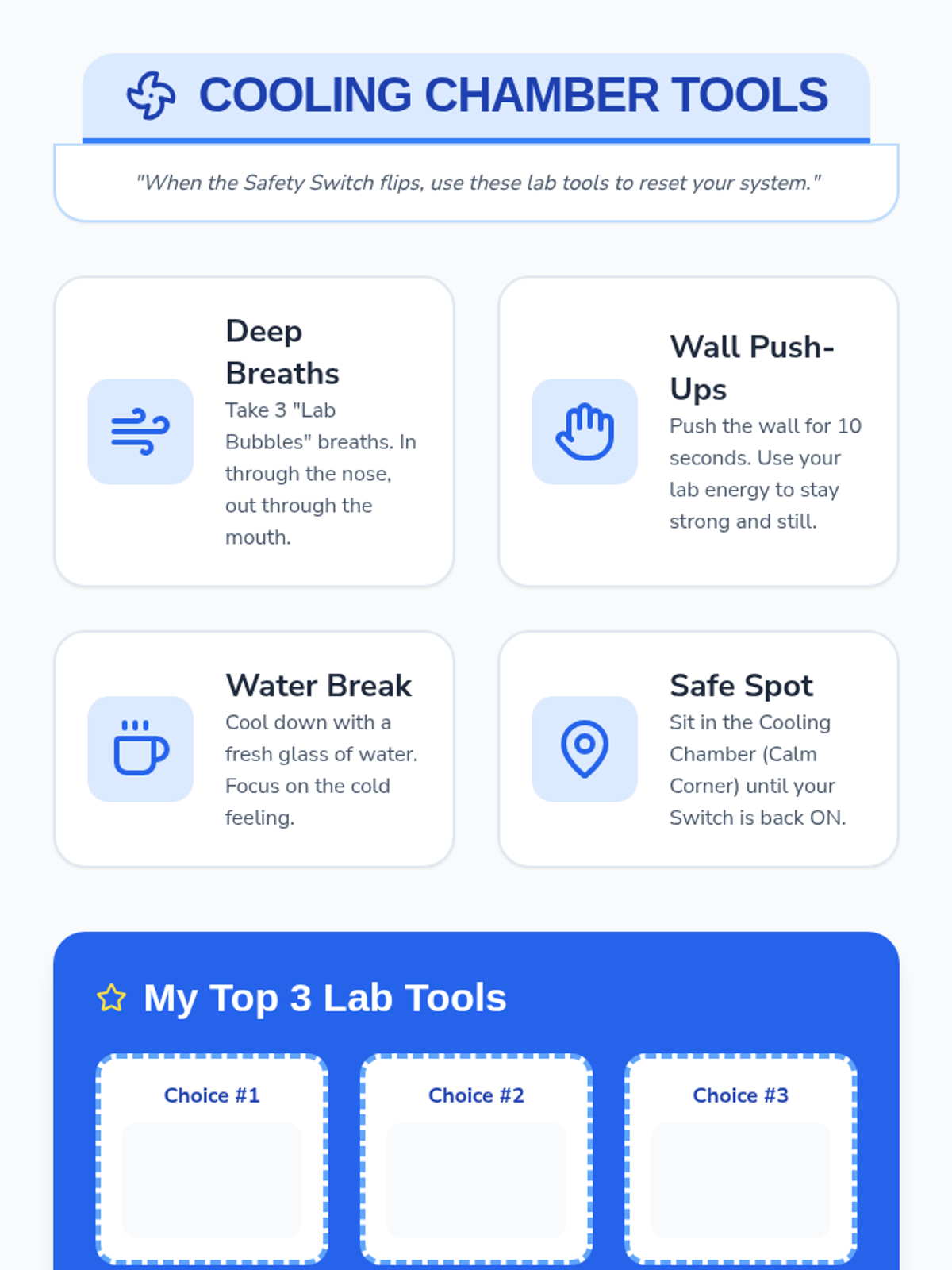
A hands-on lesson where students build a personal 'calming toolbox' filled with evidence-based strategies for breathing, grounding, and movement. Students learn to identify when they need a tool and how to use it effectively to manage their emotions.
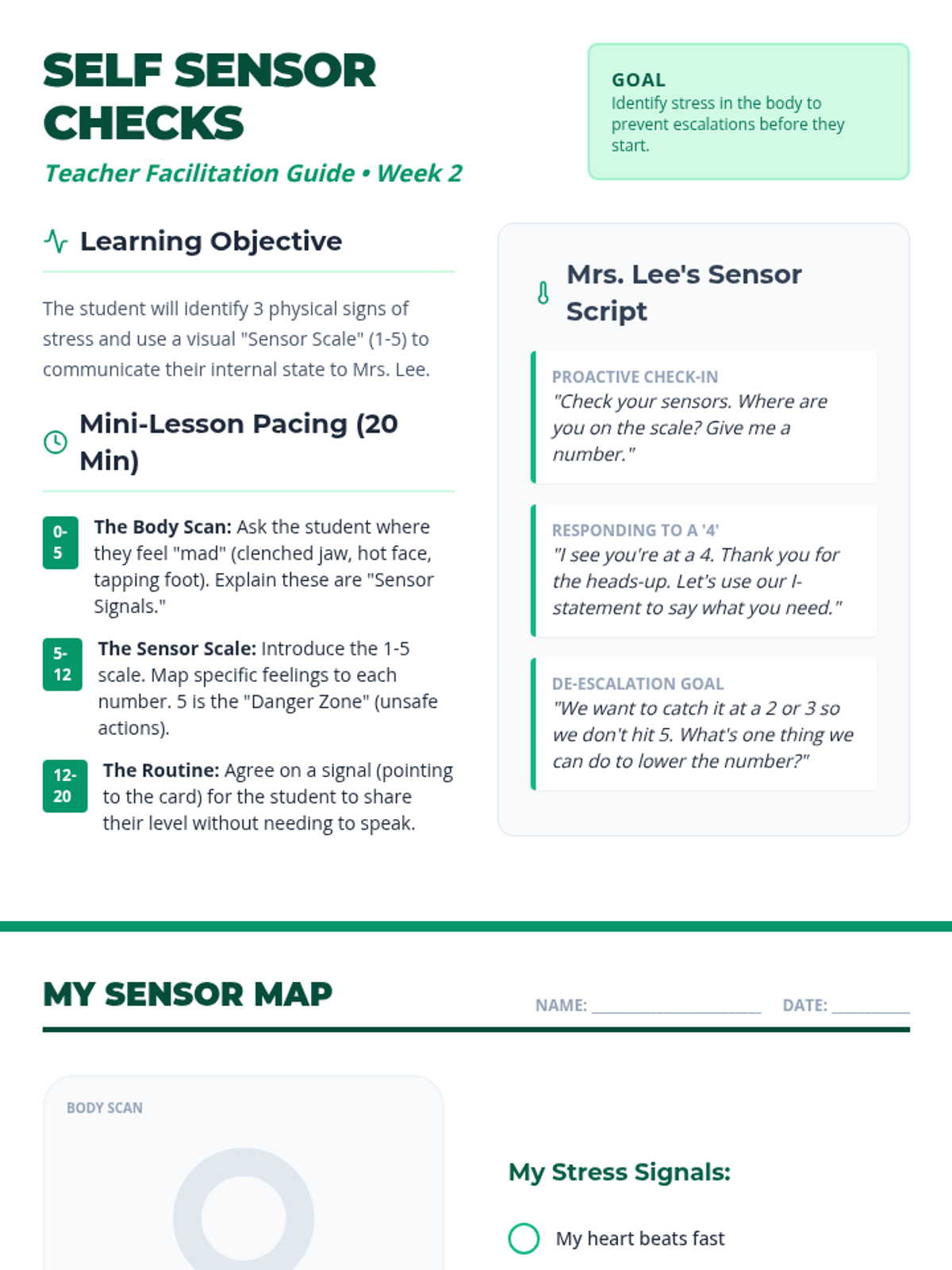
This lesson focuses on identifying internal emotional states and using visual check-ins to monitor stress levels before they lead to disruptions.
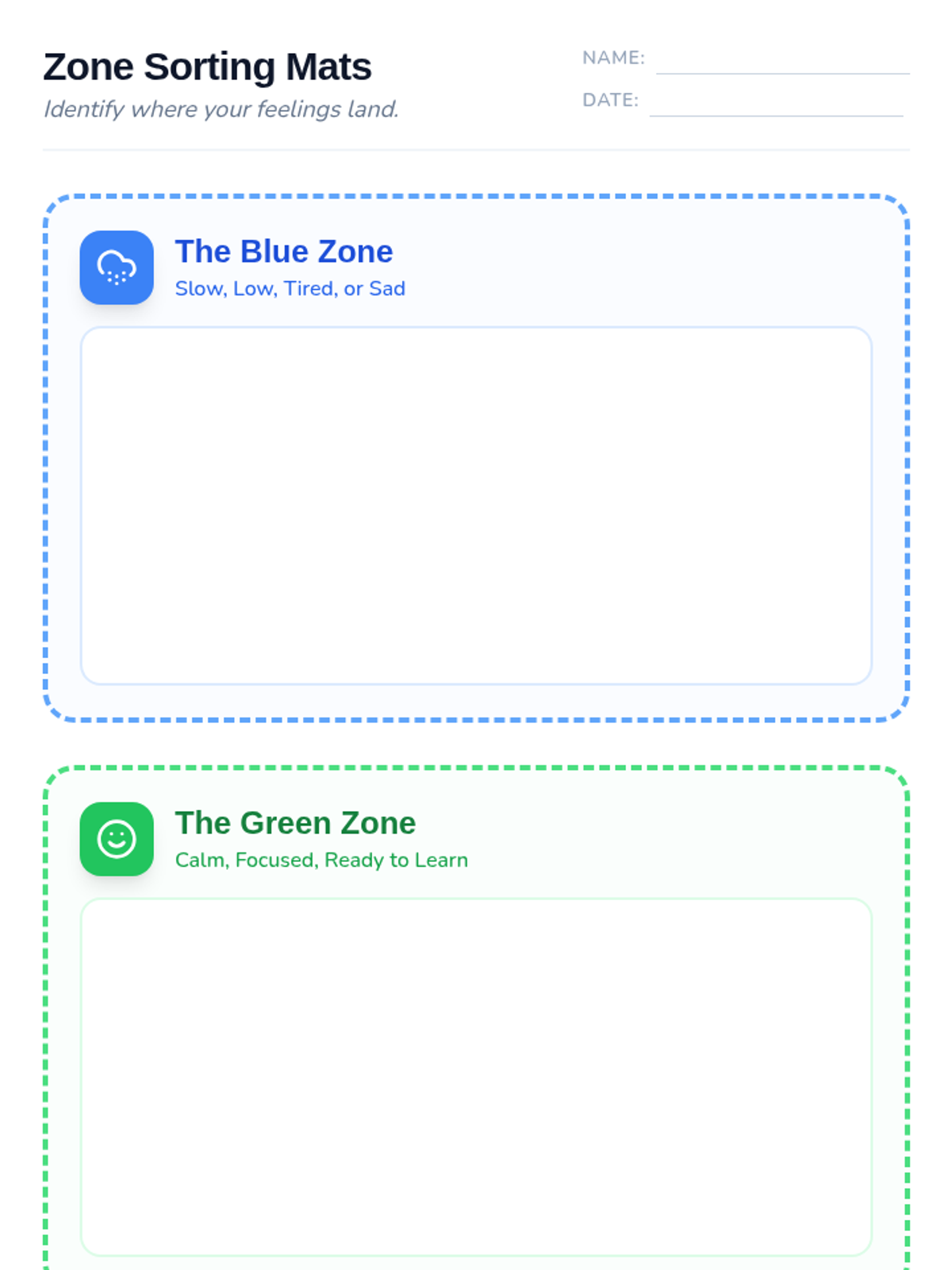
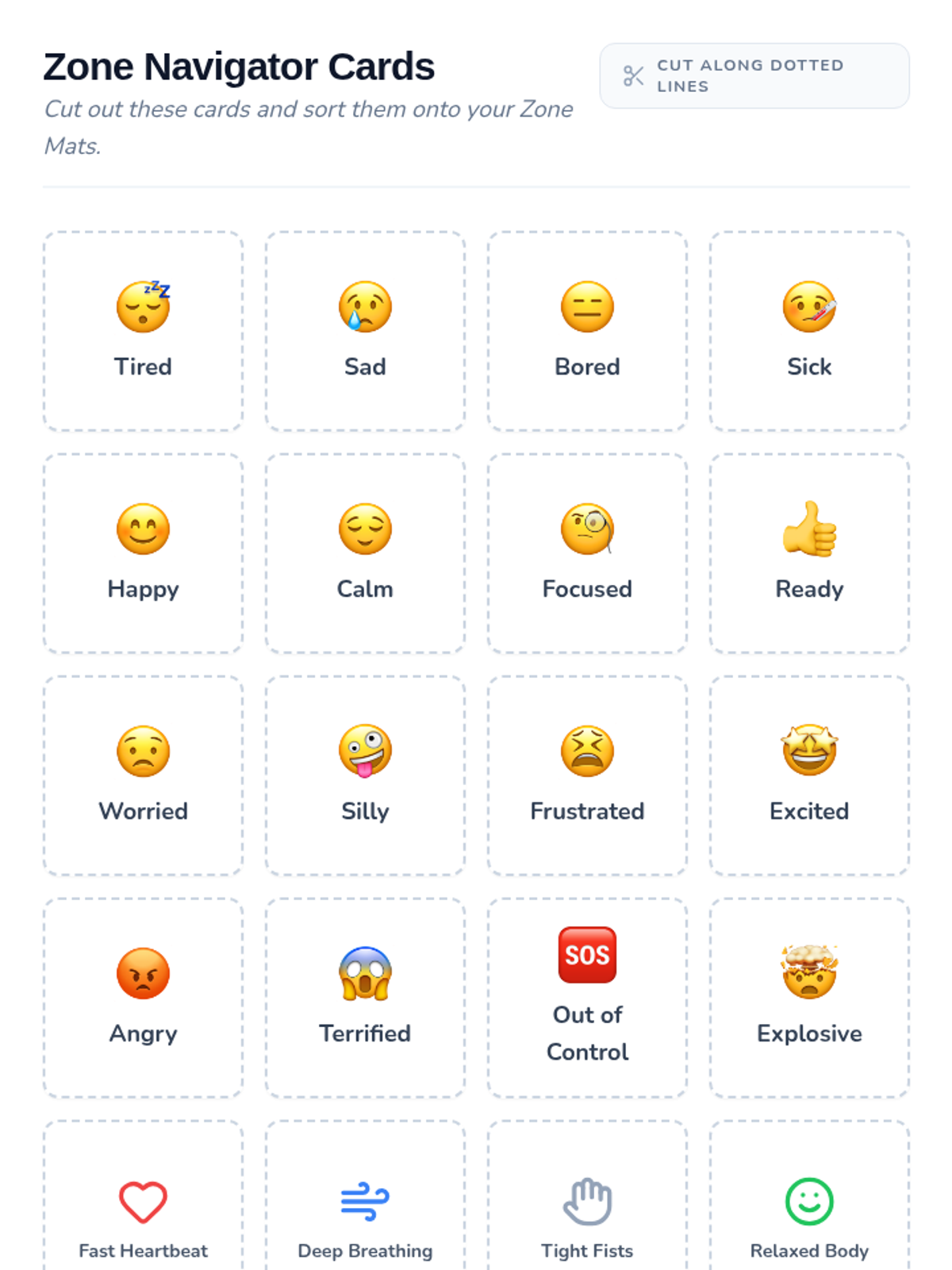
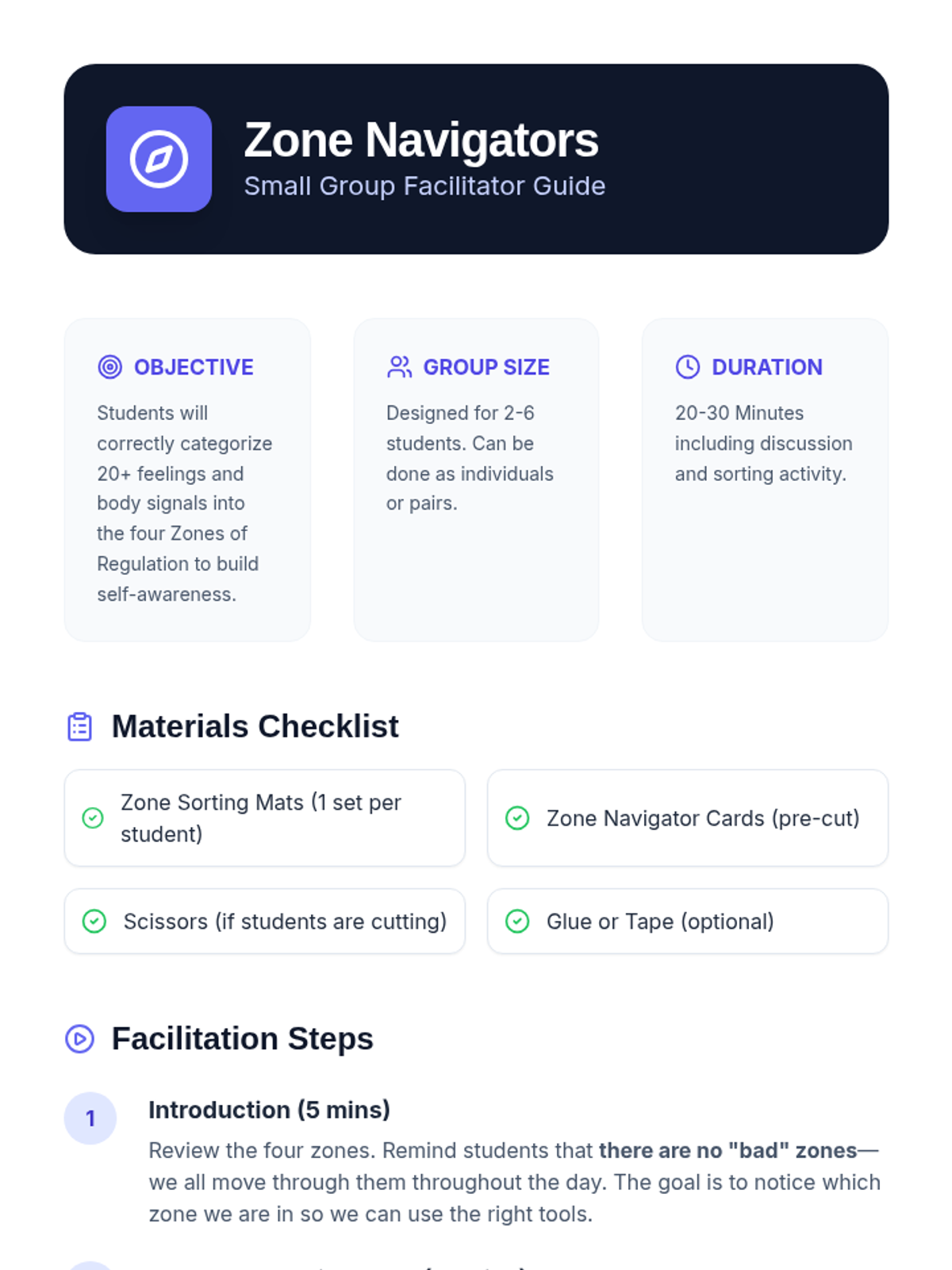
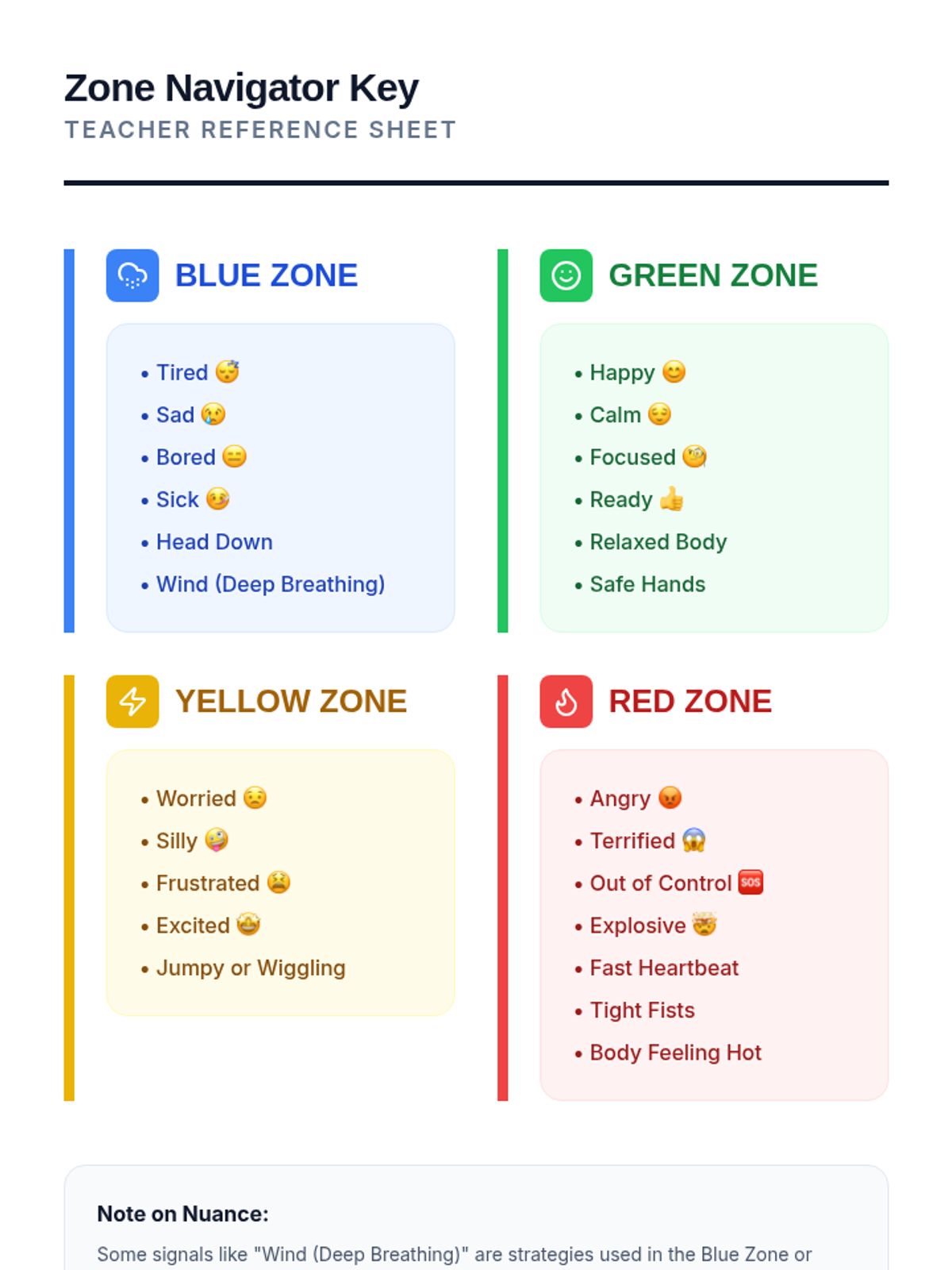
A small group activity focused on identifying and categorizing emotions into the four color zones (Blue, Green, Yellow, and Red). Students will practice recognizing body signals and feelings to improve self-awareness and regulation.
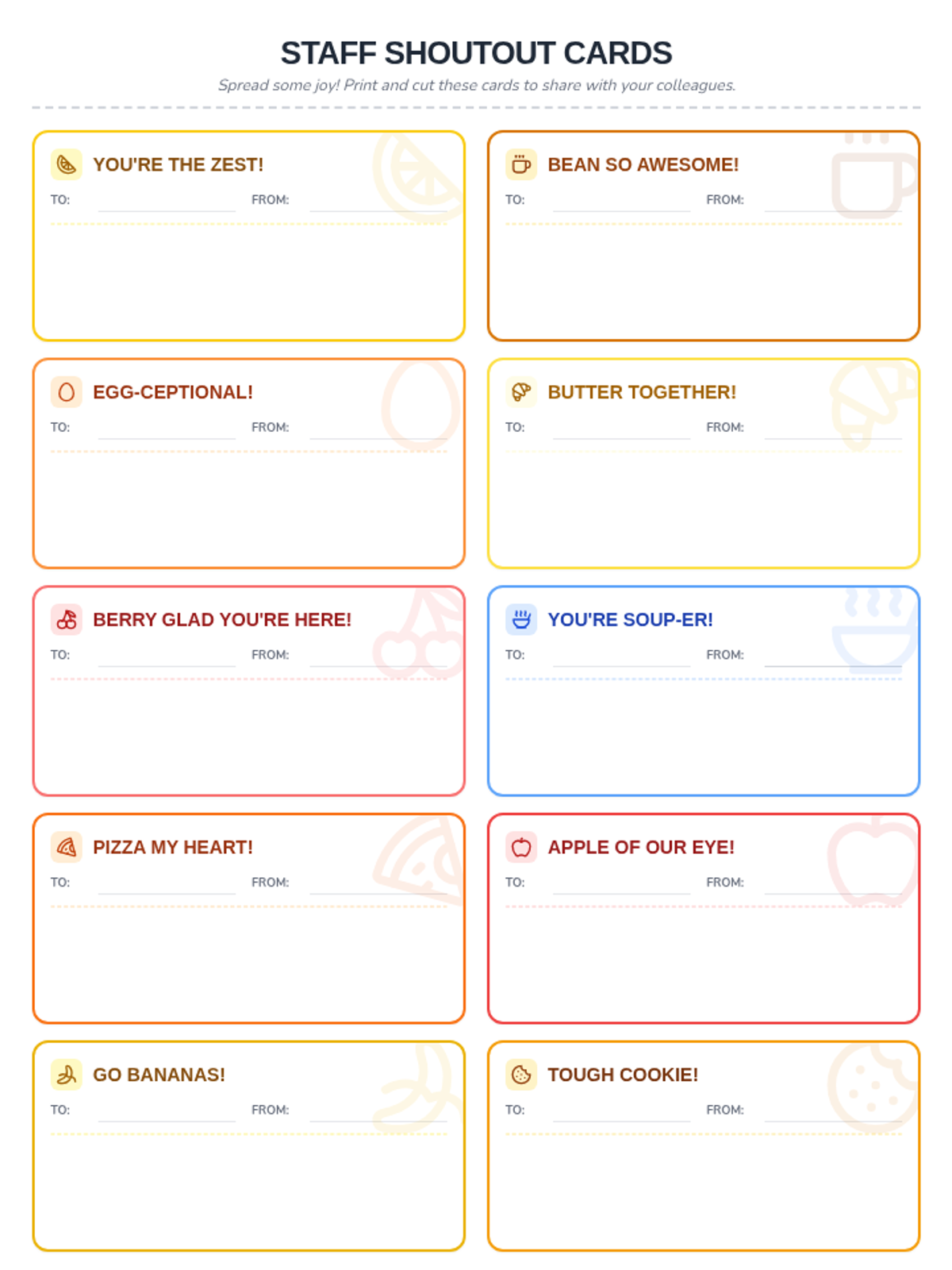
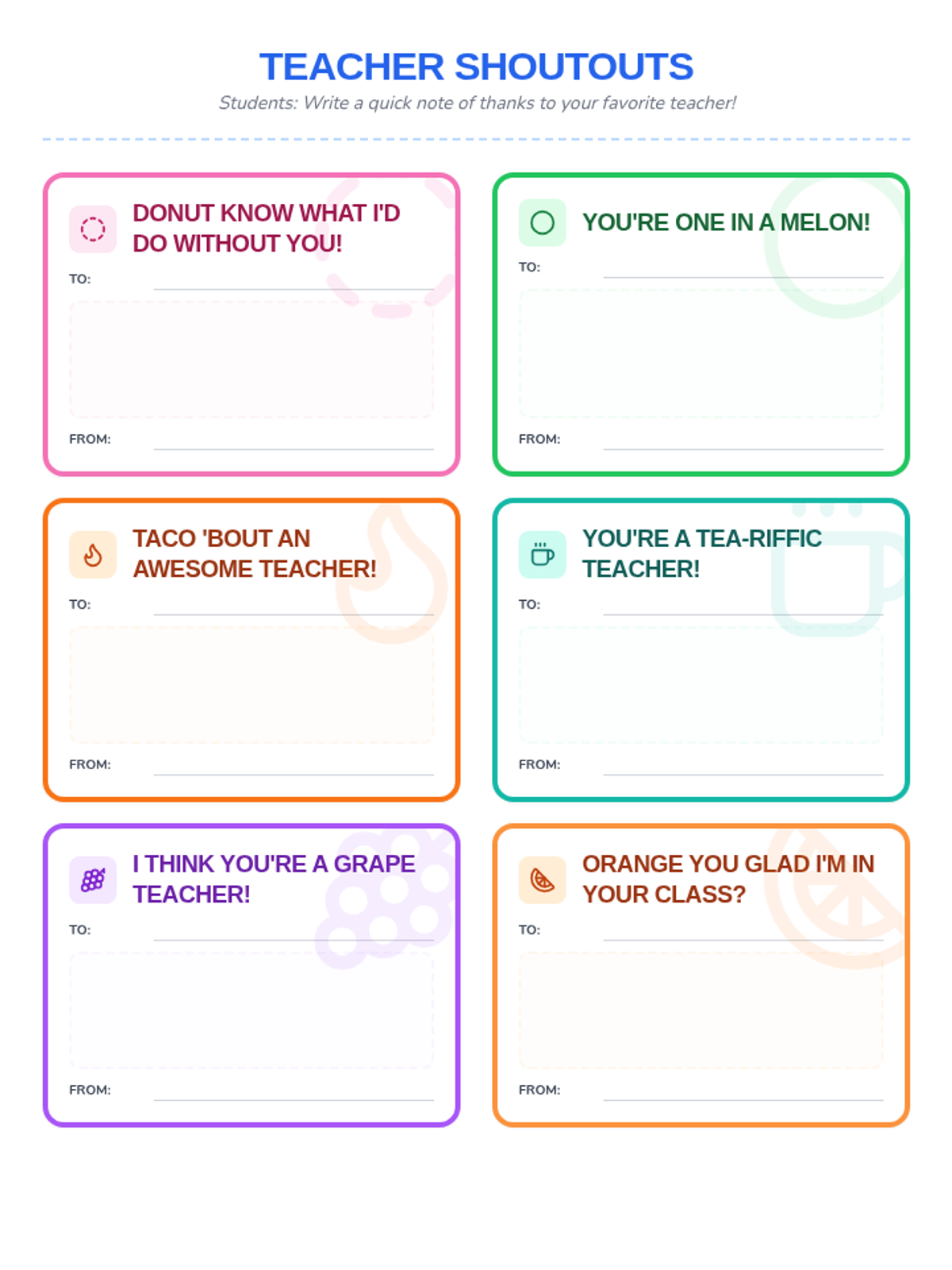
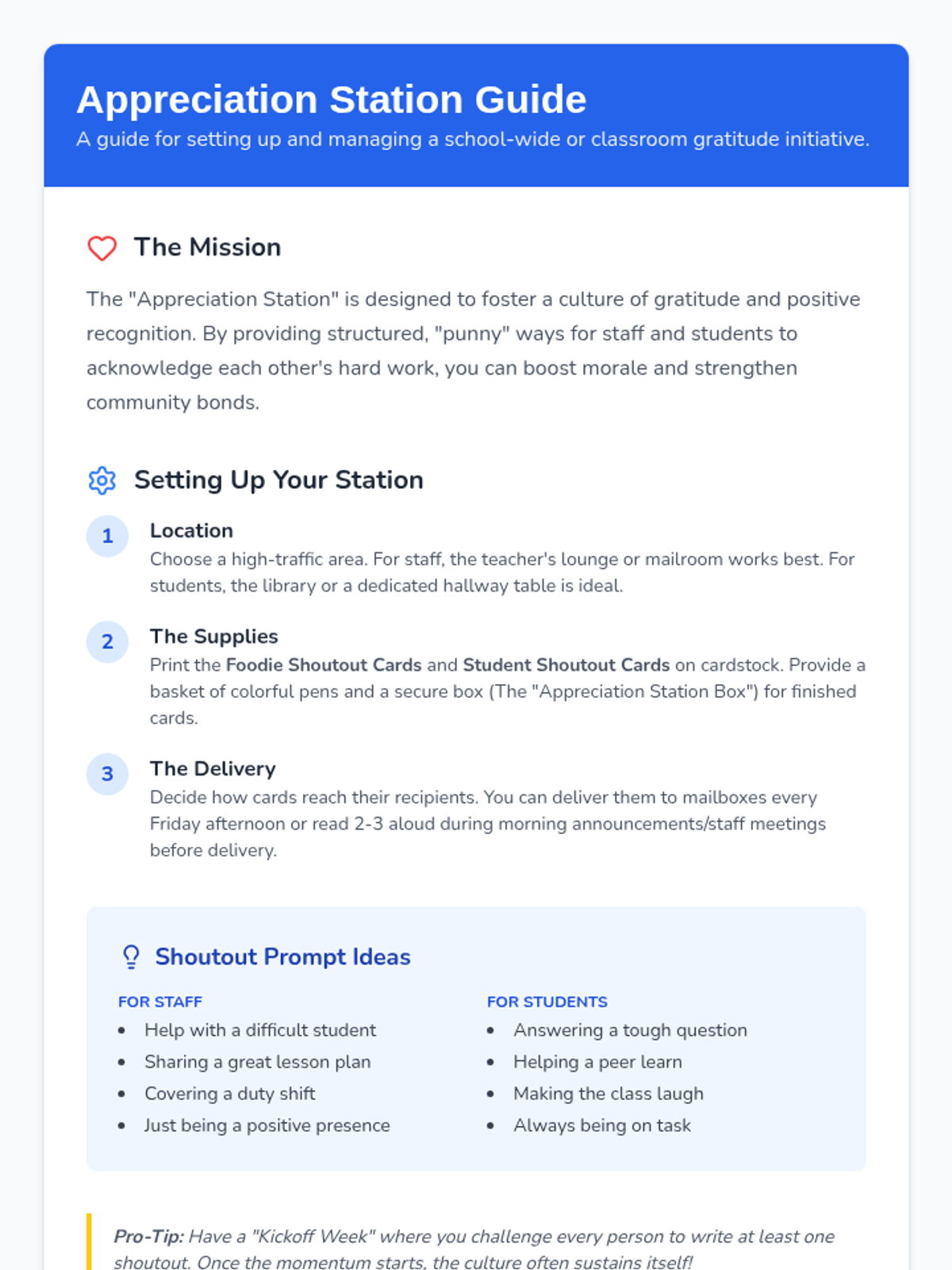
A collection of appreciation-themed resources for school staff and students to express gratitude through creative, pun-based shoutout cards.

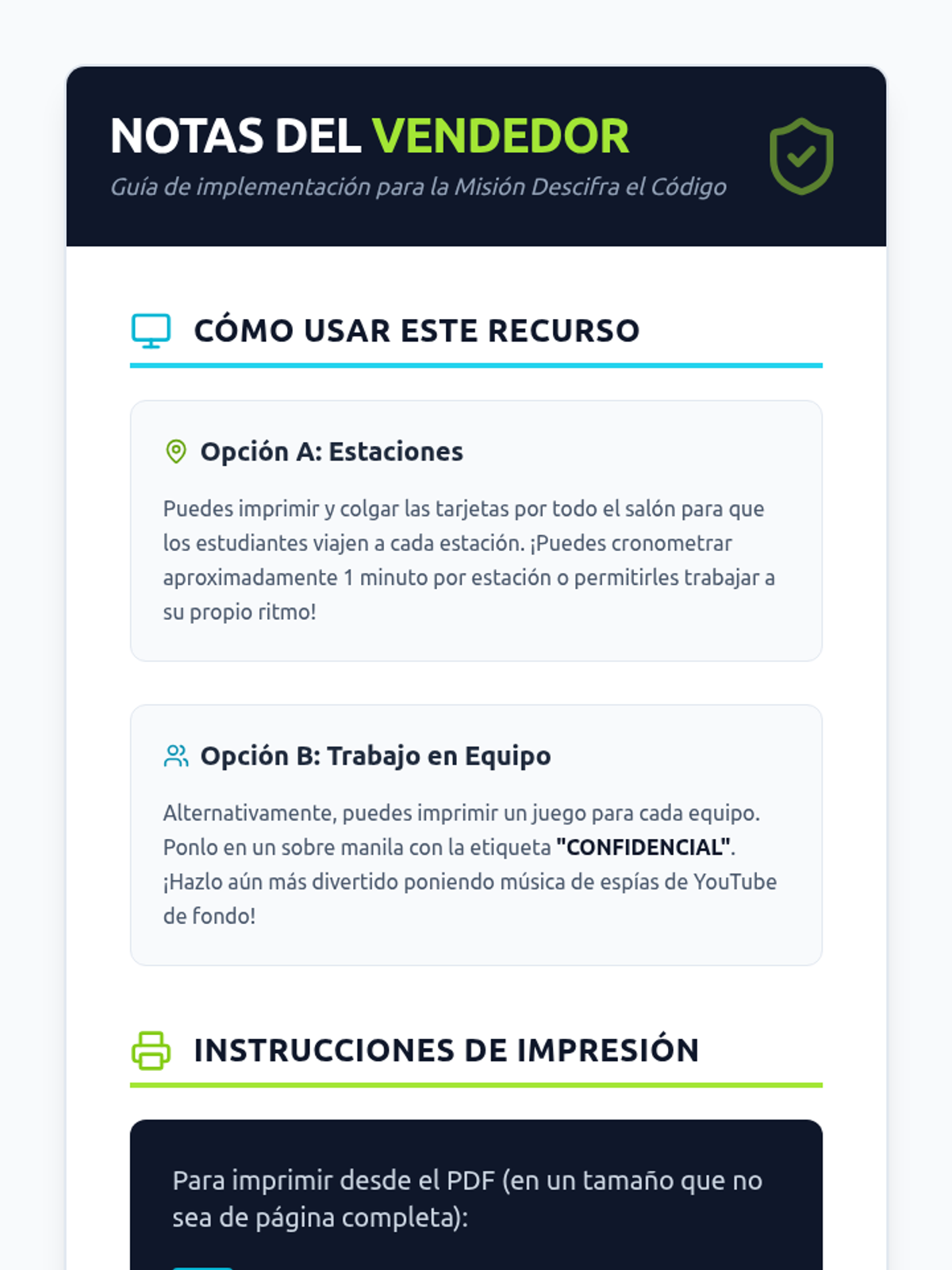
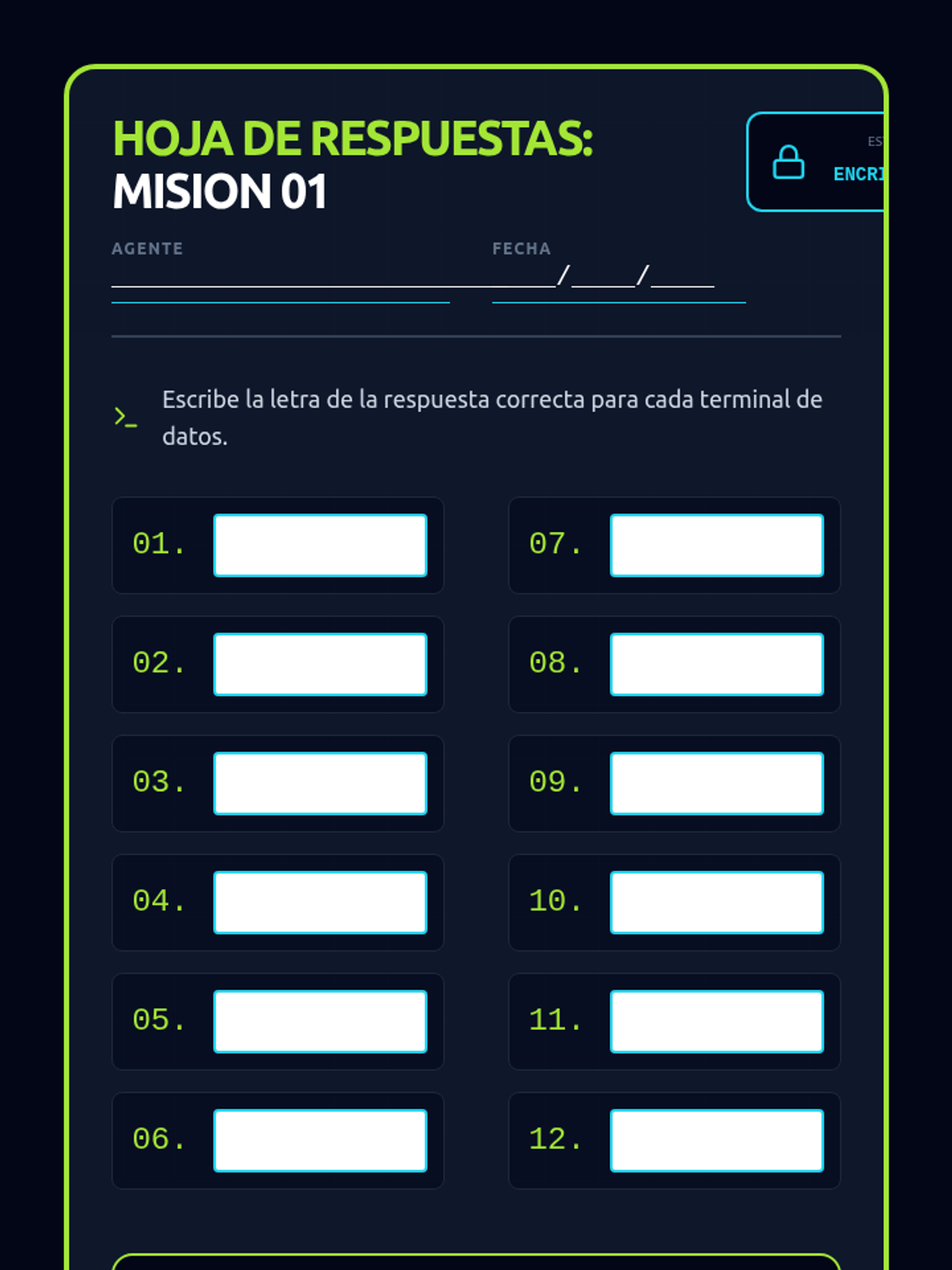
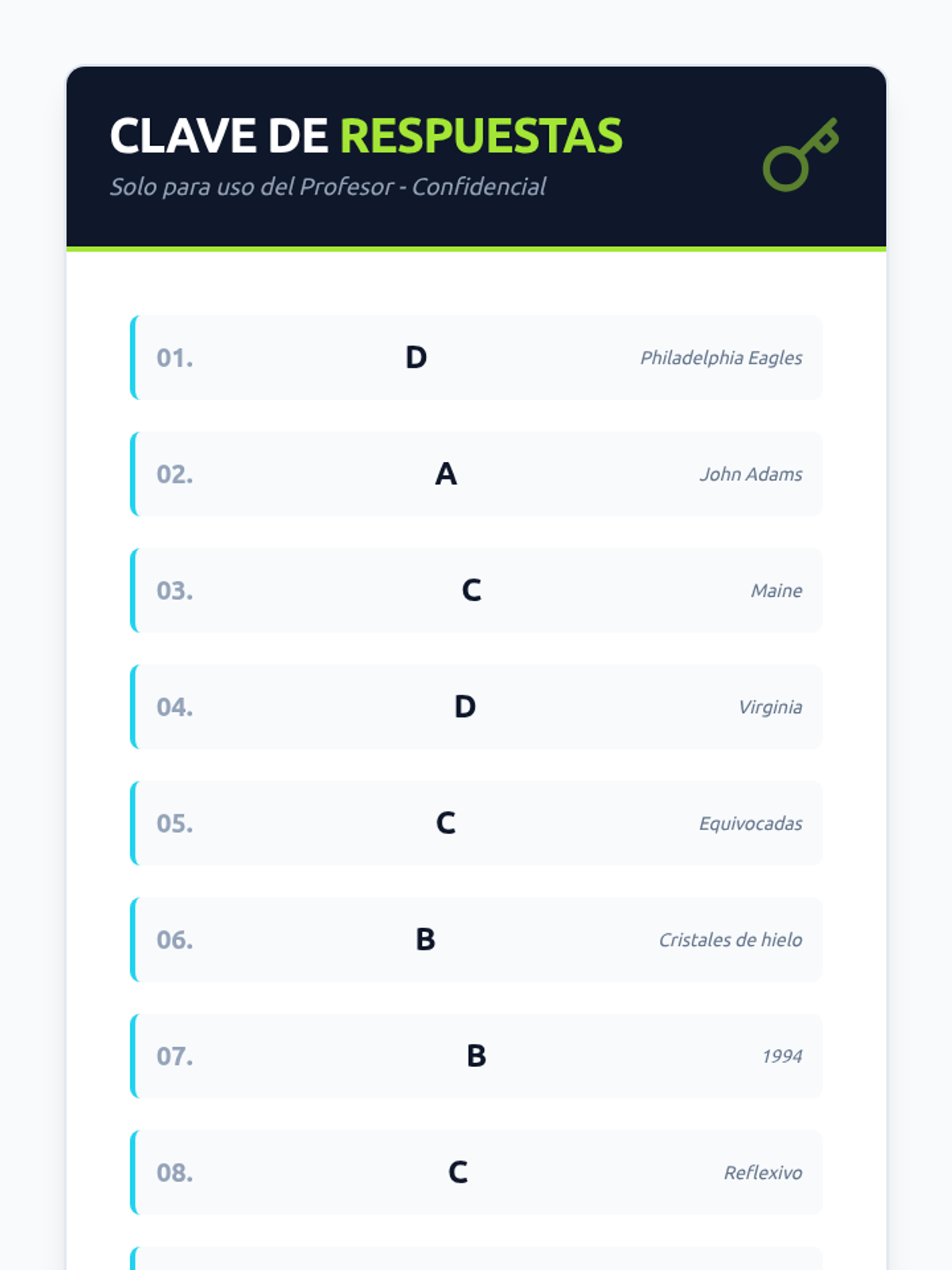
Un juego interactivo de preguntas tipo "hacker" donde los estudiantes deben responder correctamente para "descifrar el código" y completar la misión. Incluye preguntas de cultura general, ciencia, historia y lenguaje.
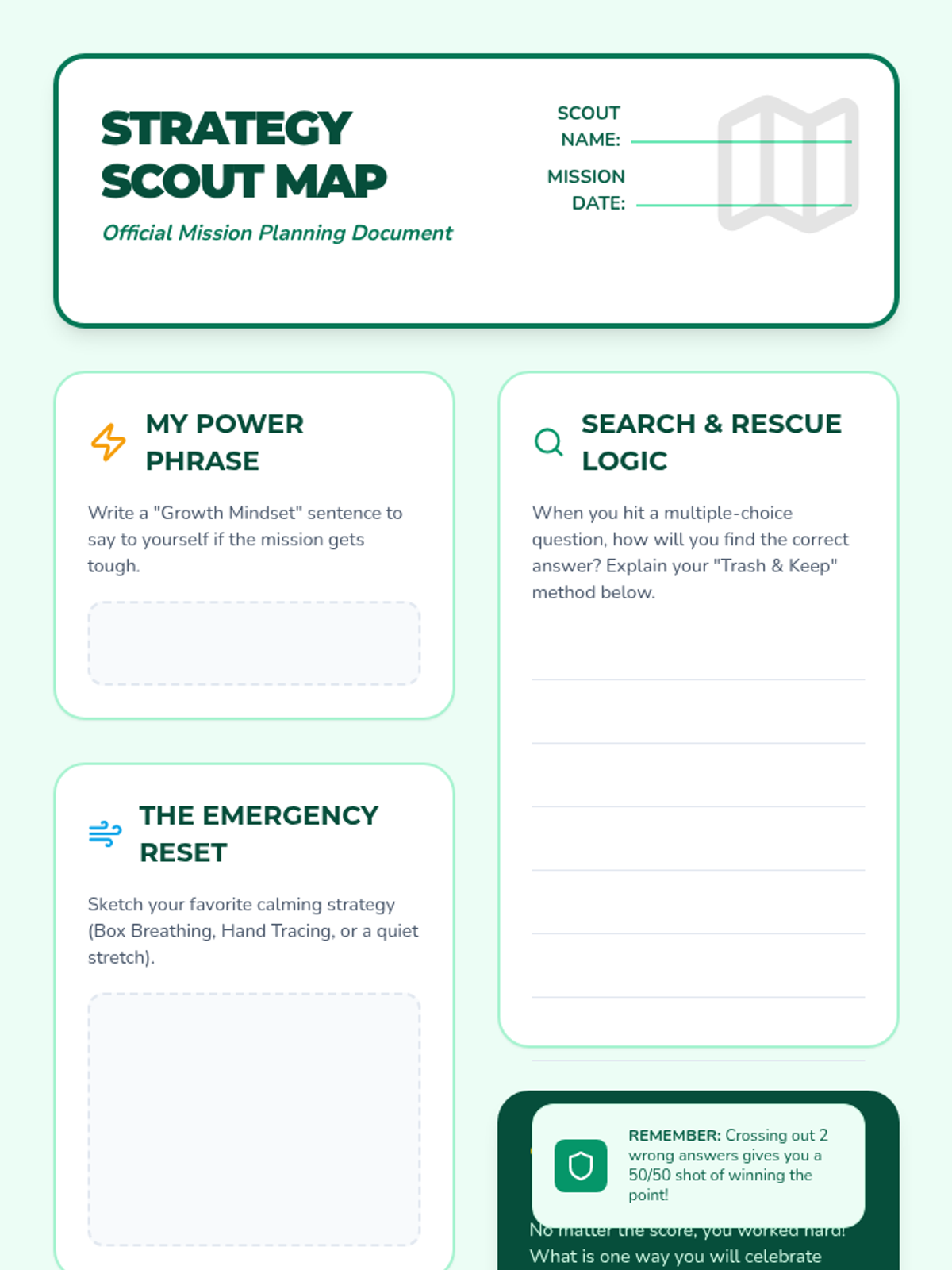
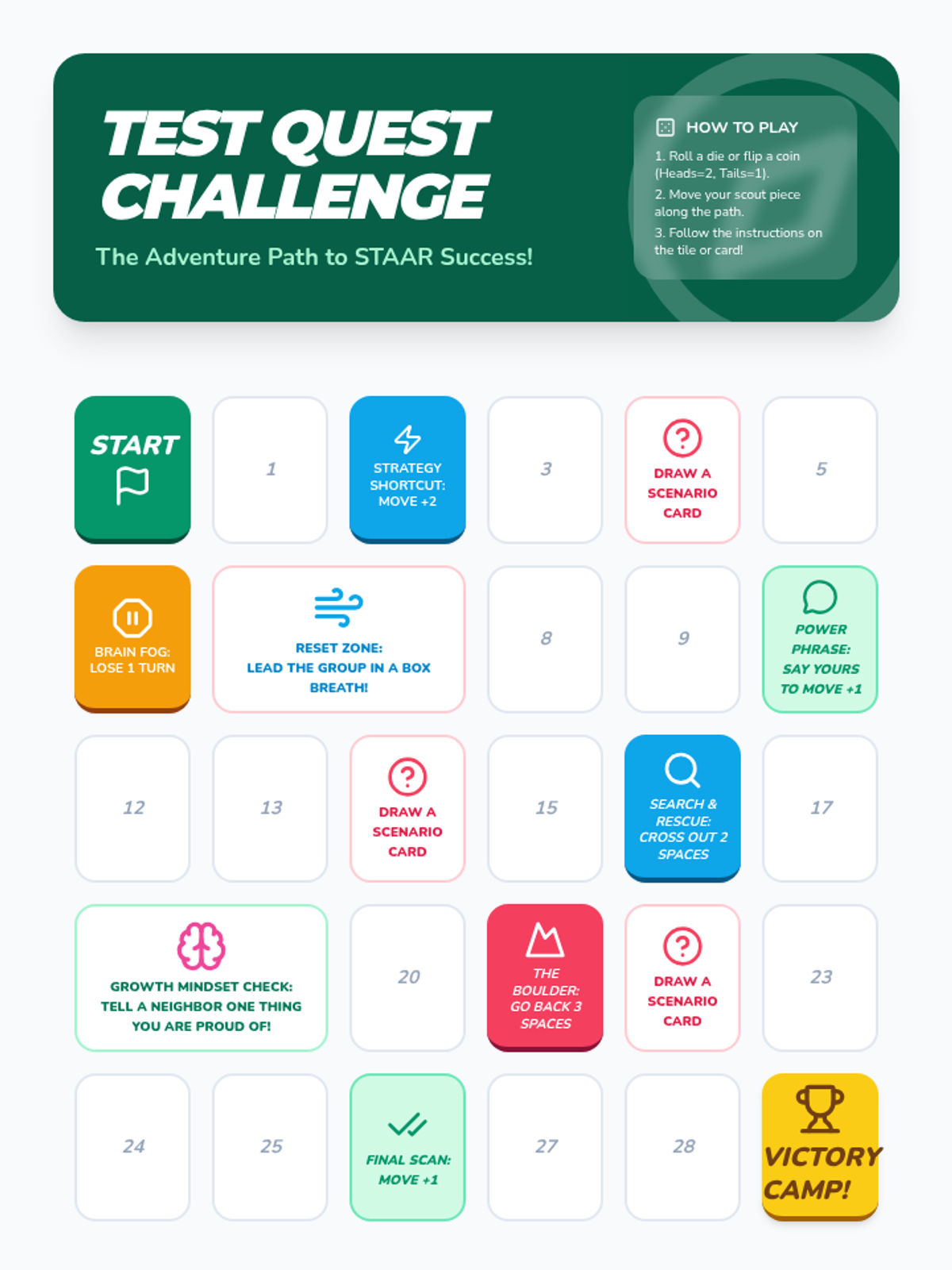
A comprehensive lesson designed to equip students with social-emotional strategies and practical techniques for tackling the STAAR test with confidence and focus.
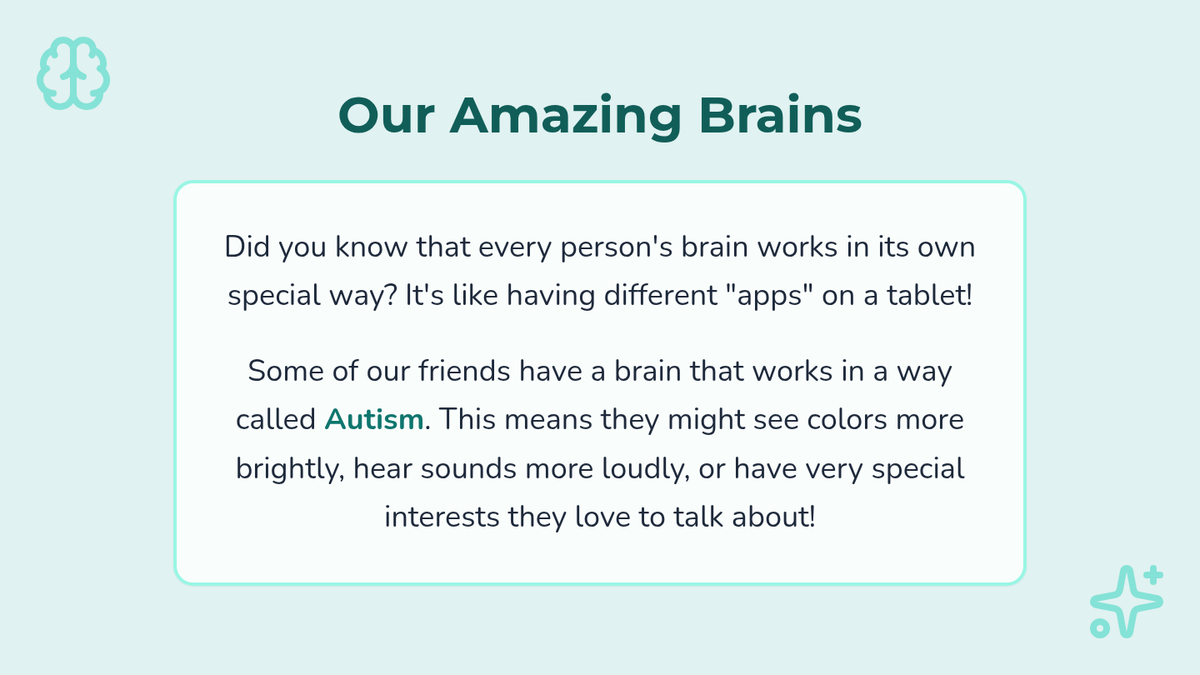
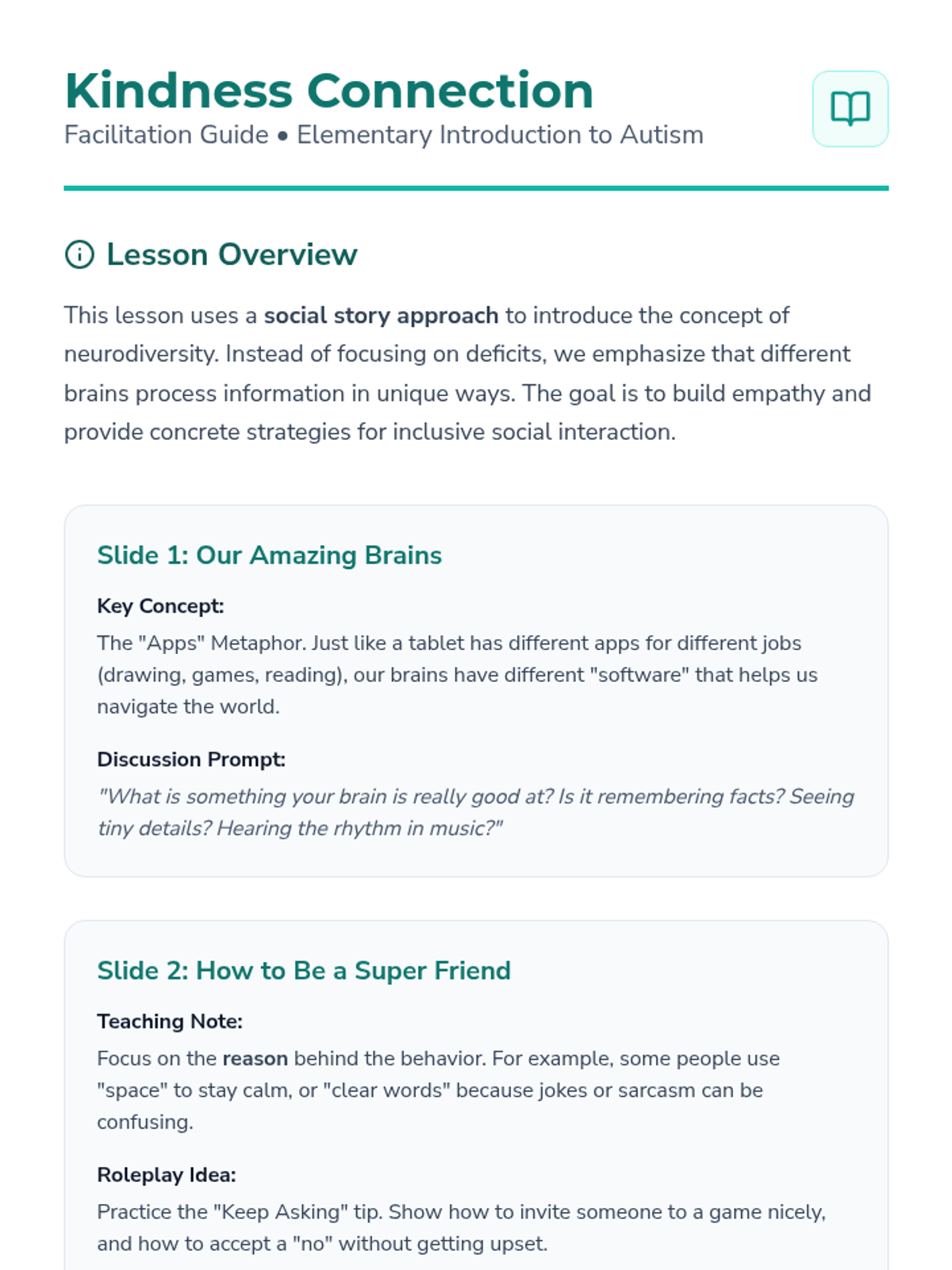
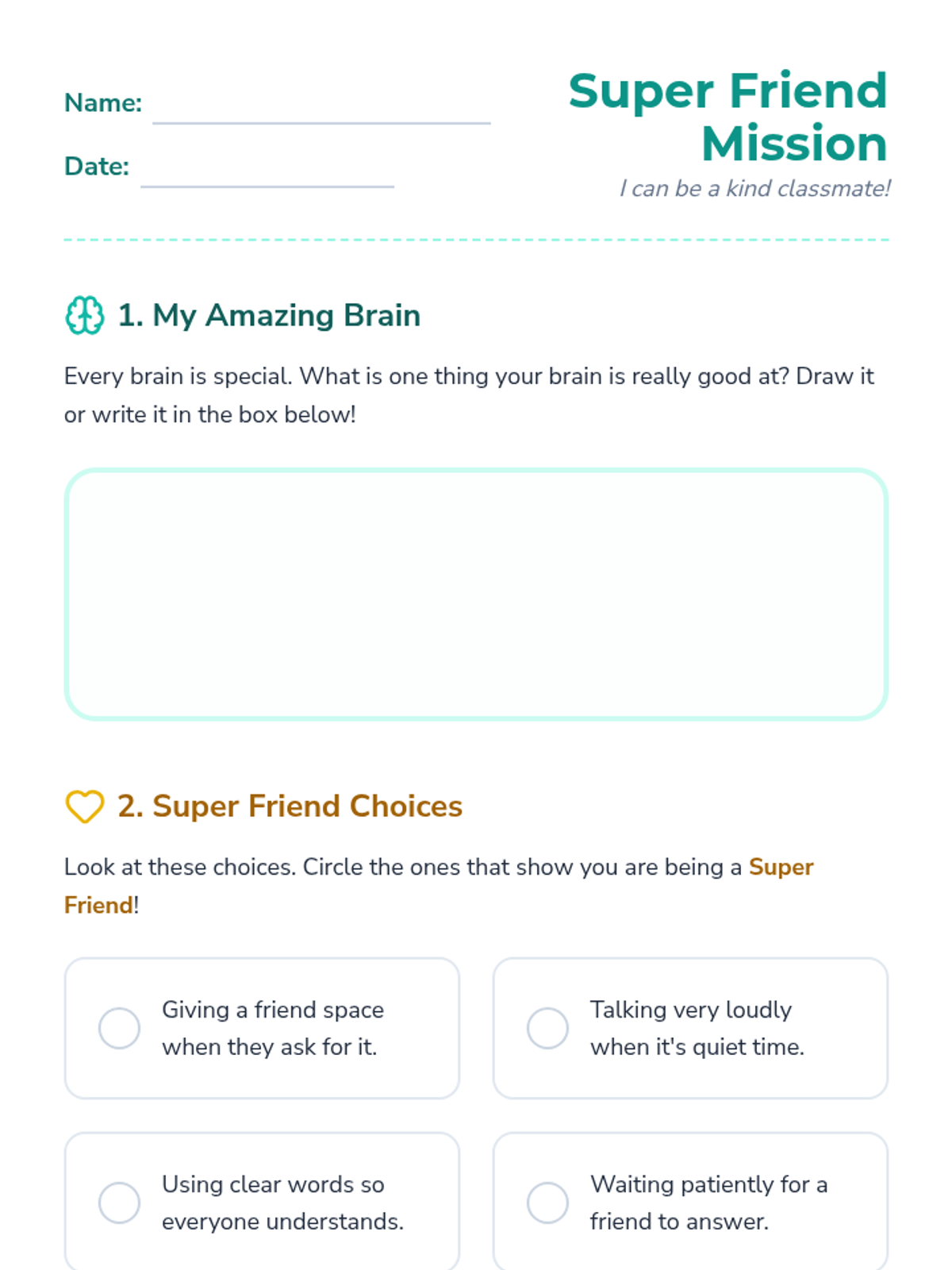
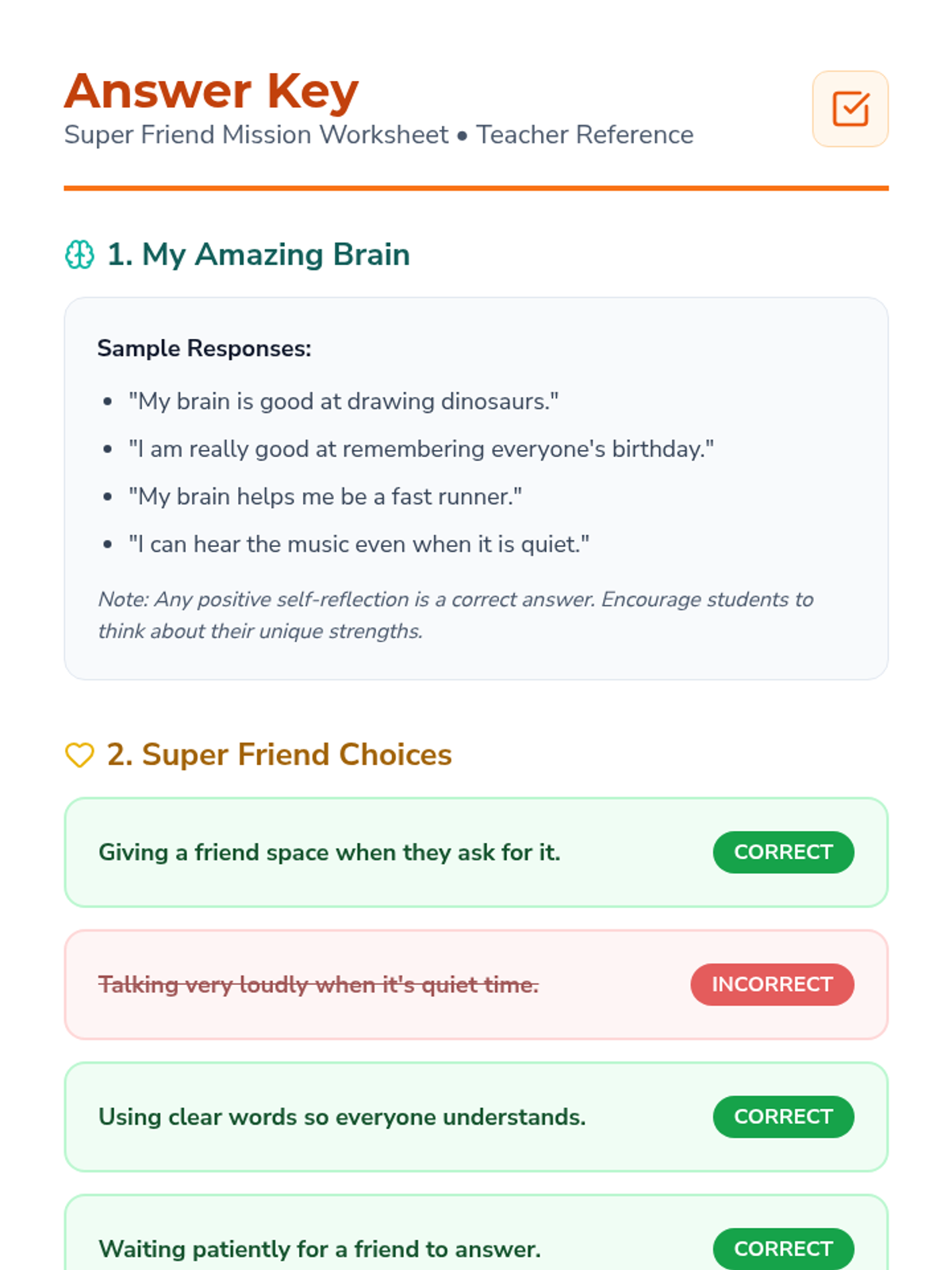
A gentle introduction to Autism for elementary students, focusing on neurodiversity and practical ways to be a supportive classmate using a social story approach.
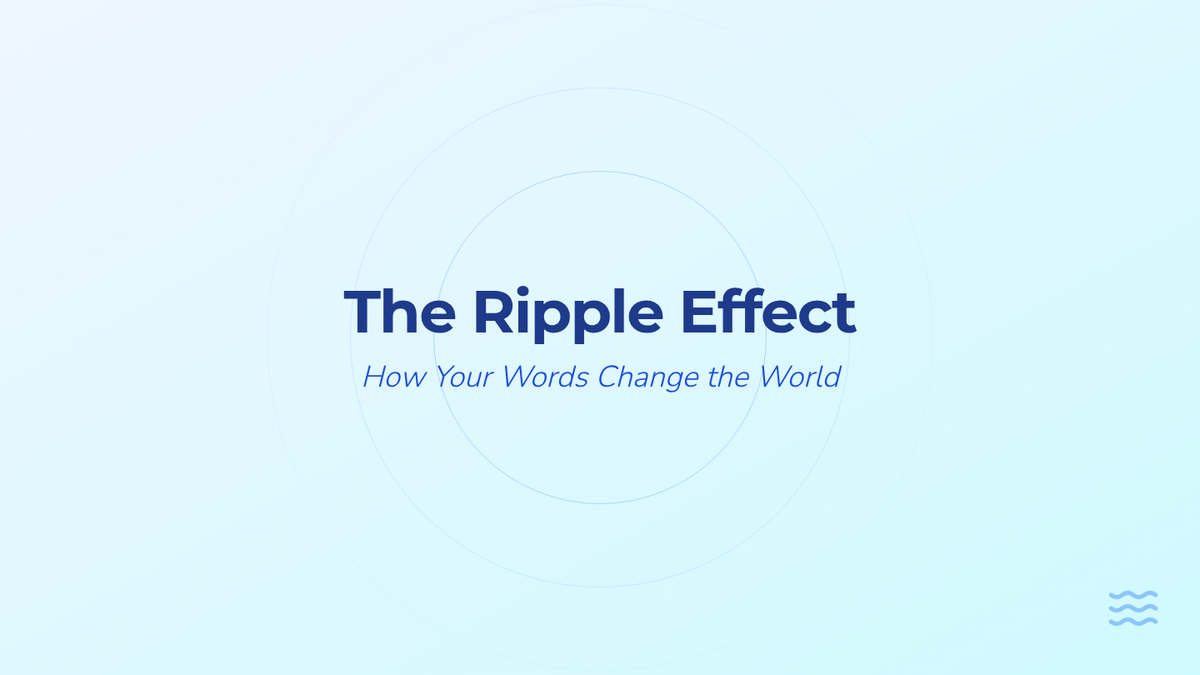
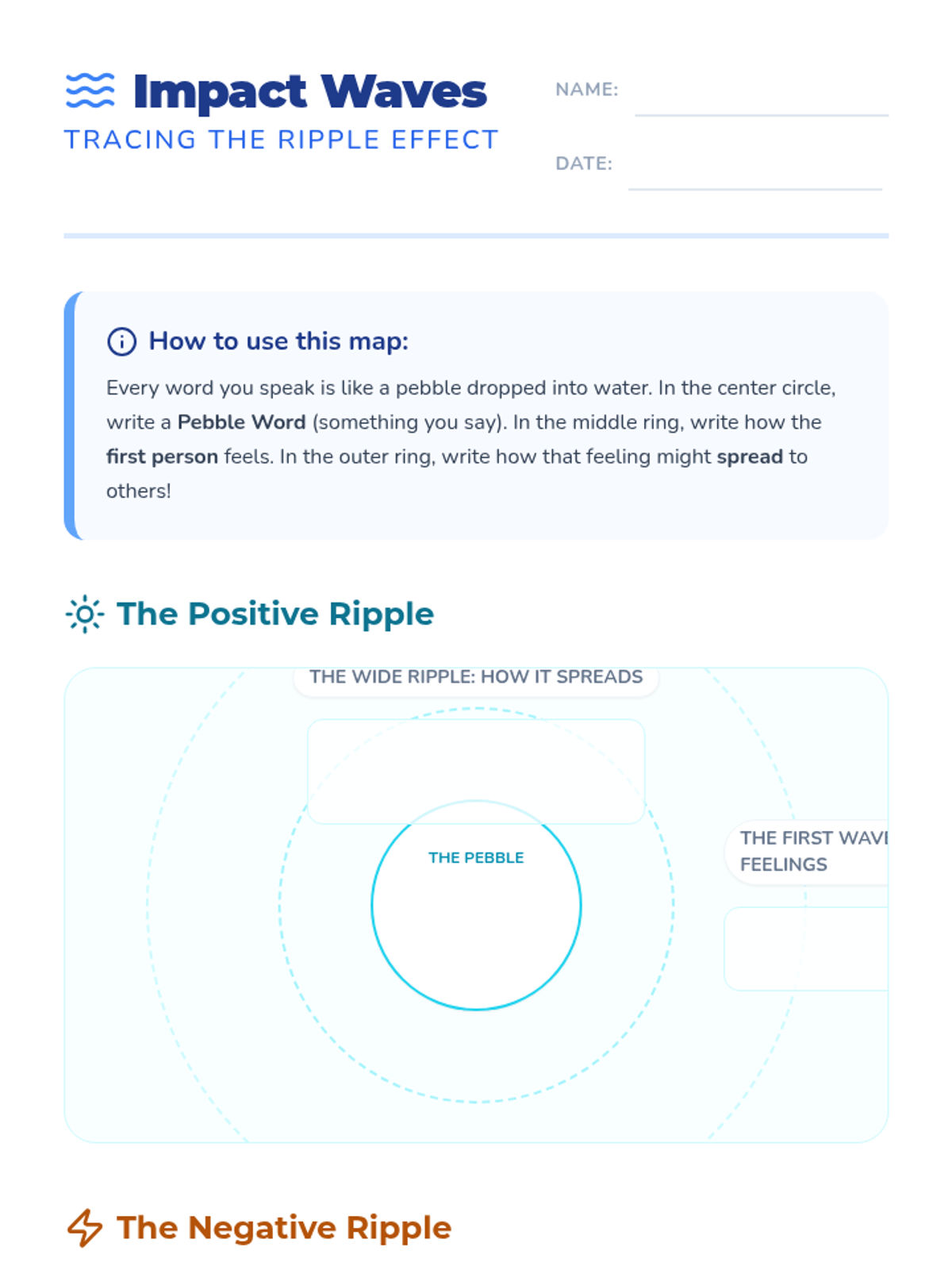
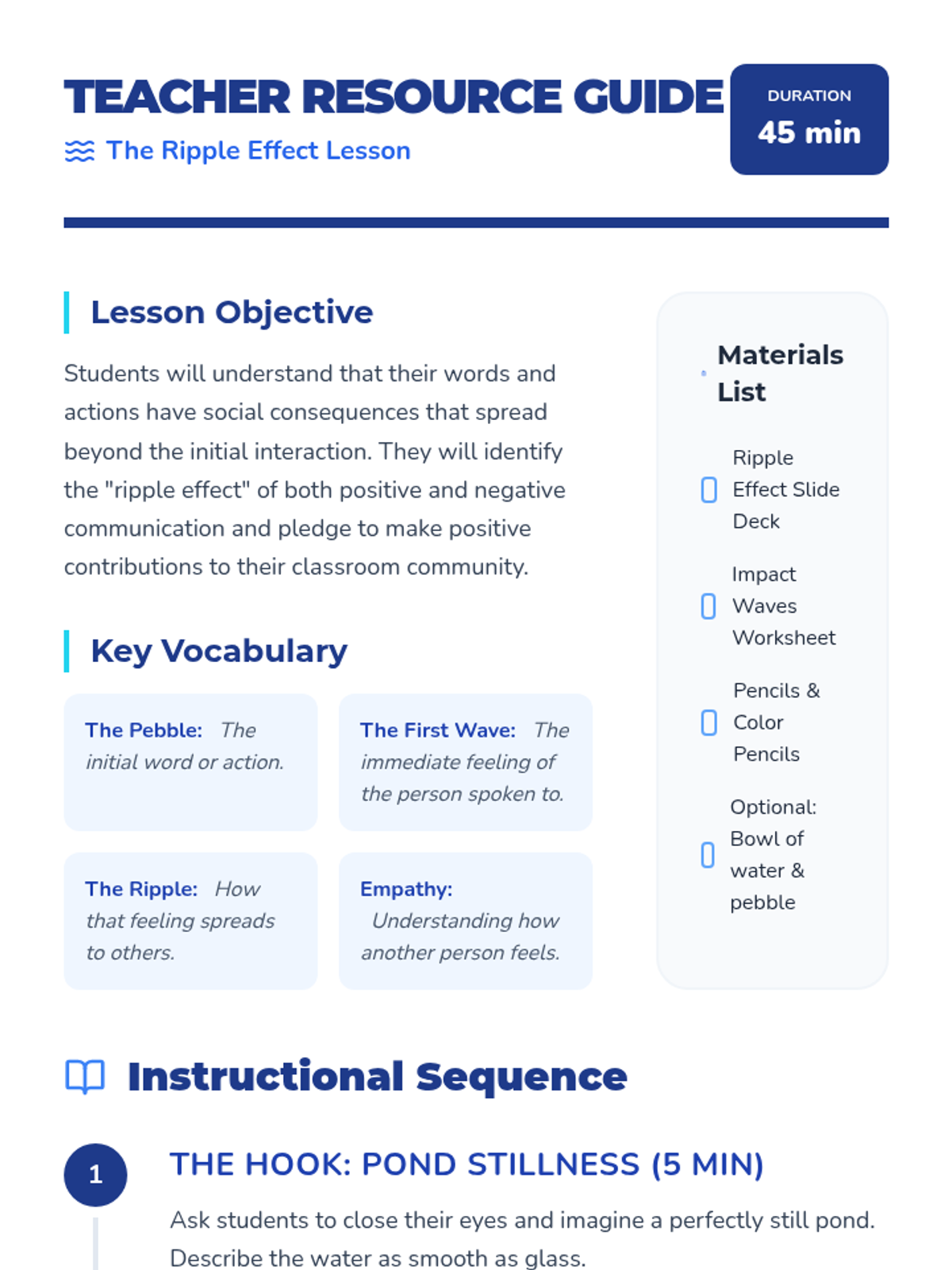
A social-emotional learning lesson that teaches students how their words create a 'ripple effect' of positive or negative emotions and actions in their community.
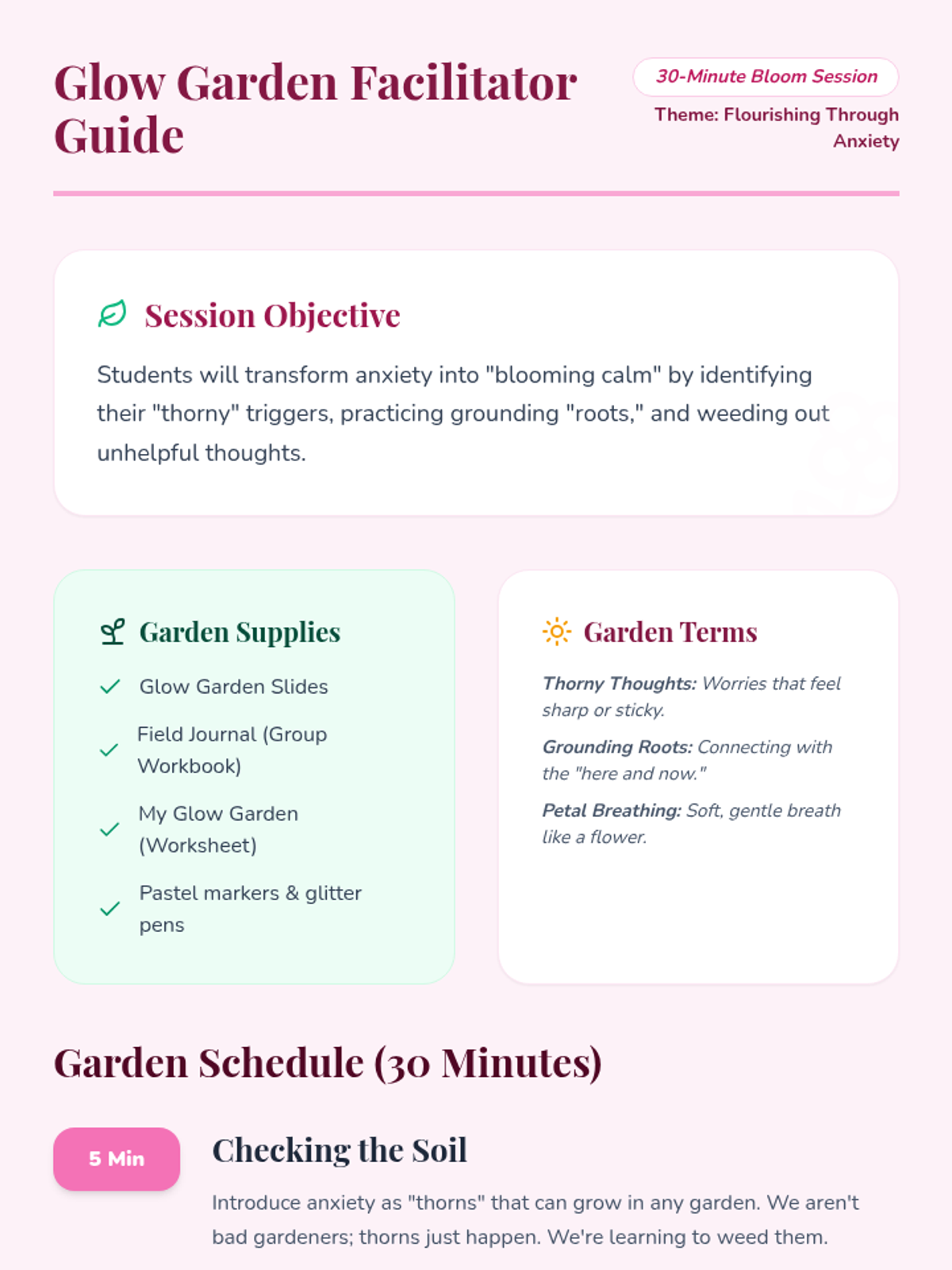
A 30-minute nature-themed session for a 5th-grade girl to identify anxiety triggers and build a 'coping garden' using grounding and thought-weeding techniques.
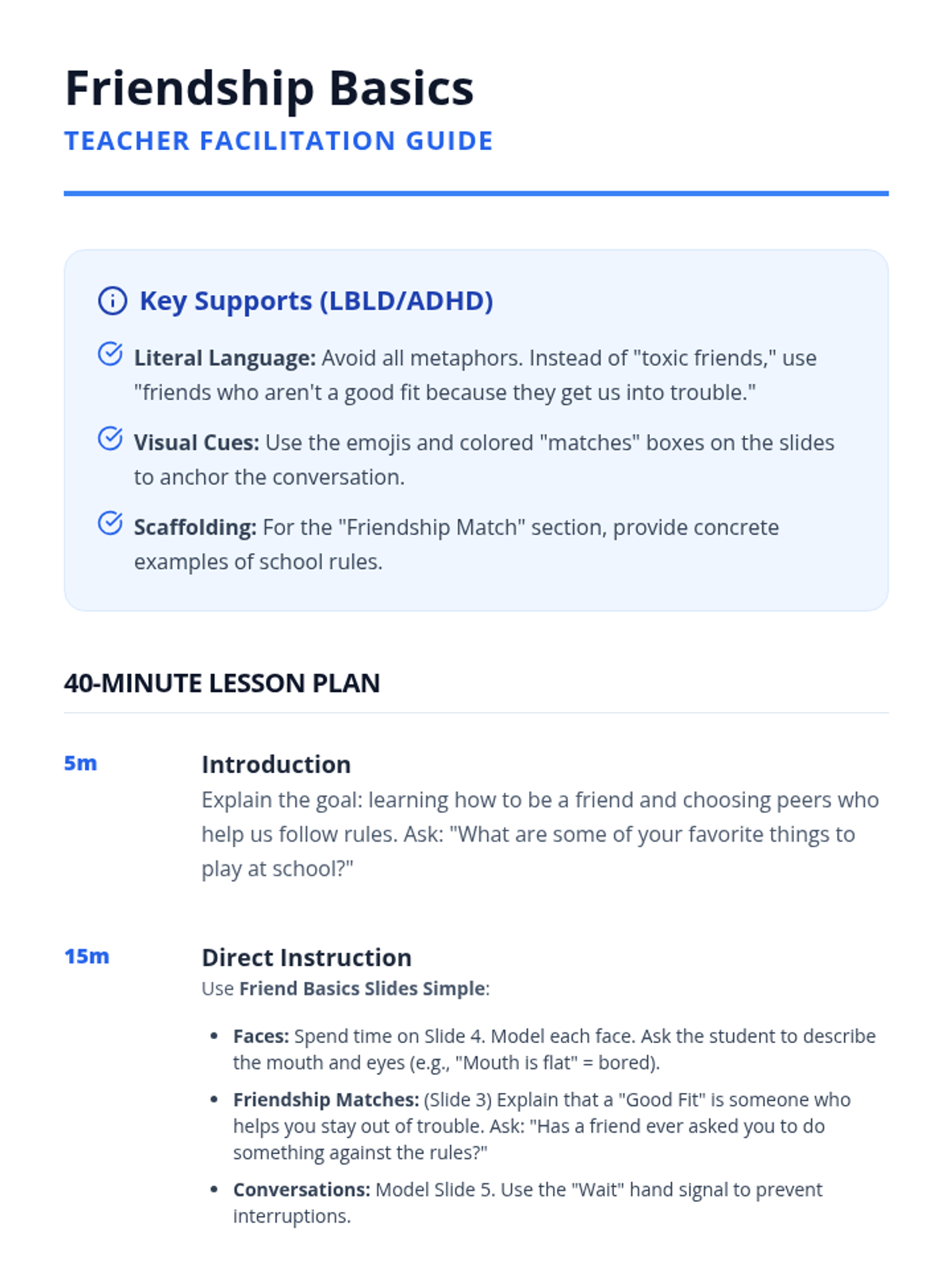
A simplified 40-minute introductory counseling session for a 10-year-old with ADHD and LBLD. The lesson focuses on literal friendship skills, including identifying friend qualities and reading basic body language without complex analogies.
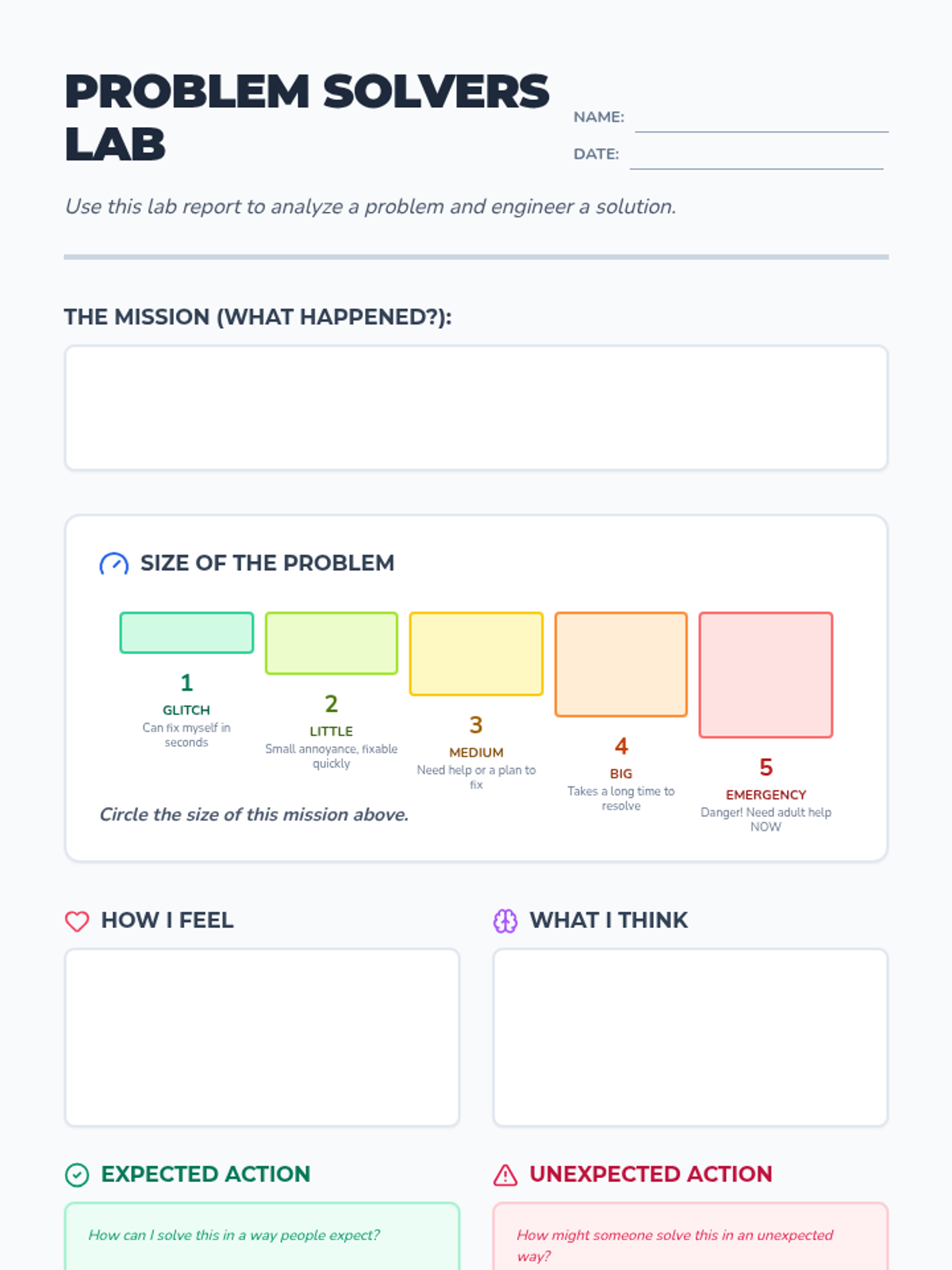
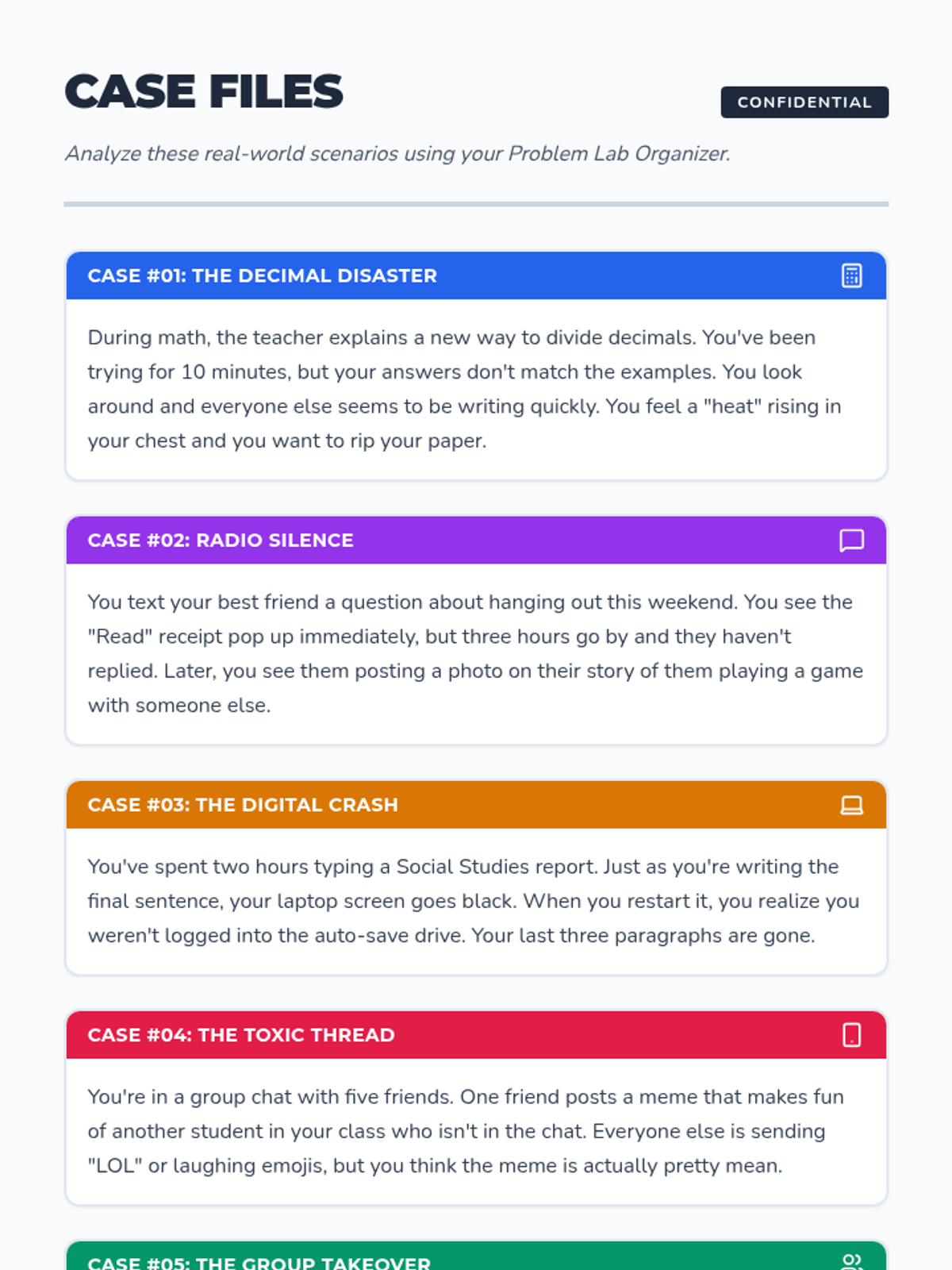
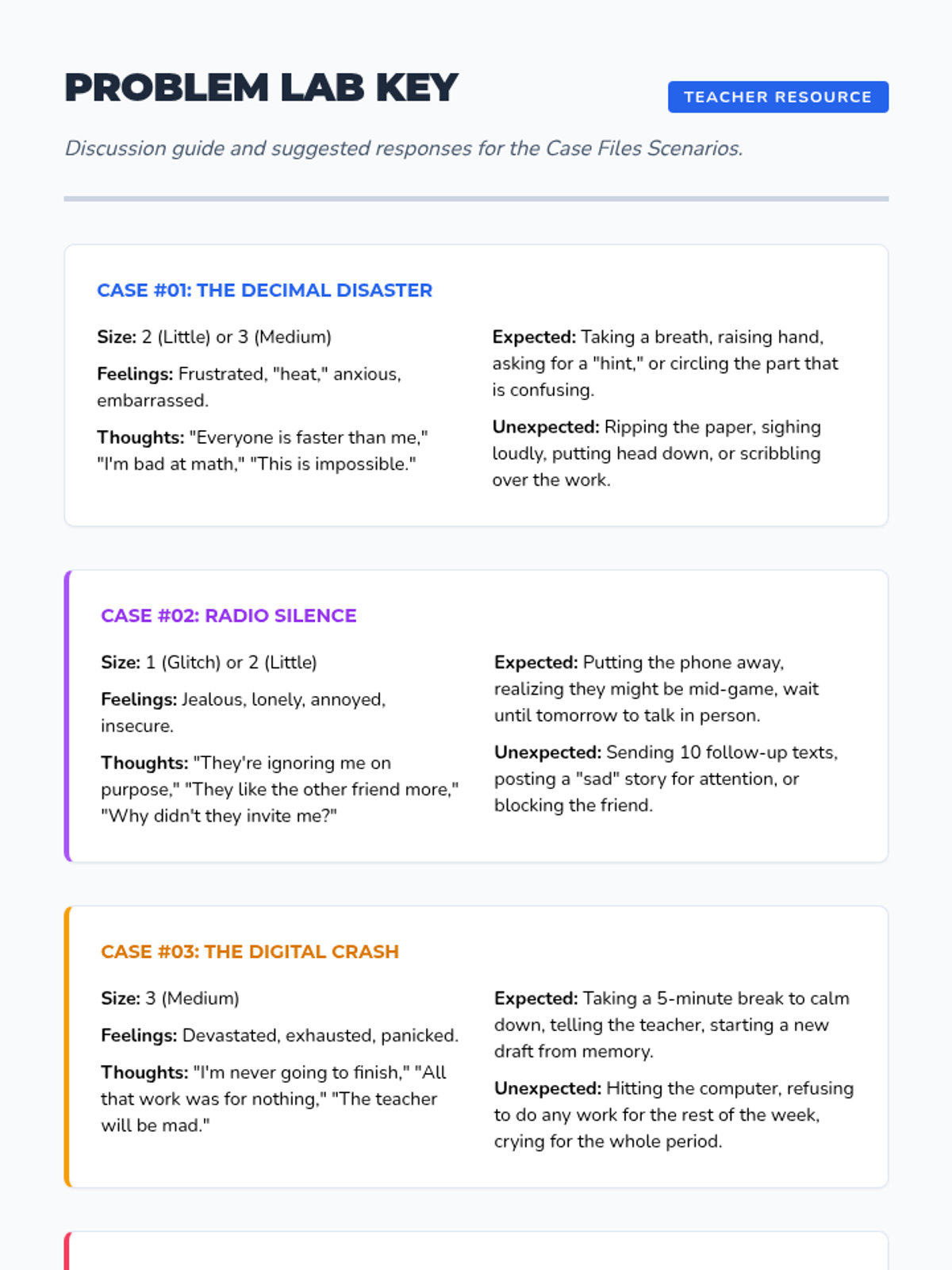
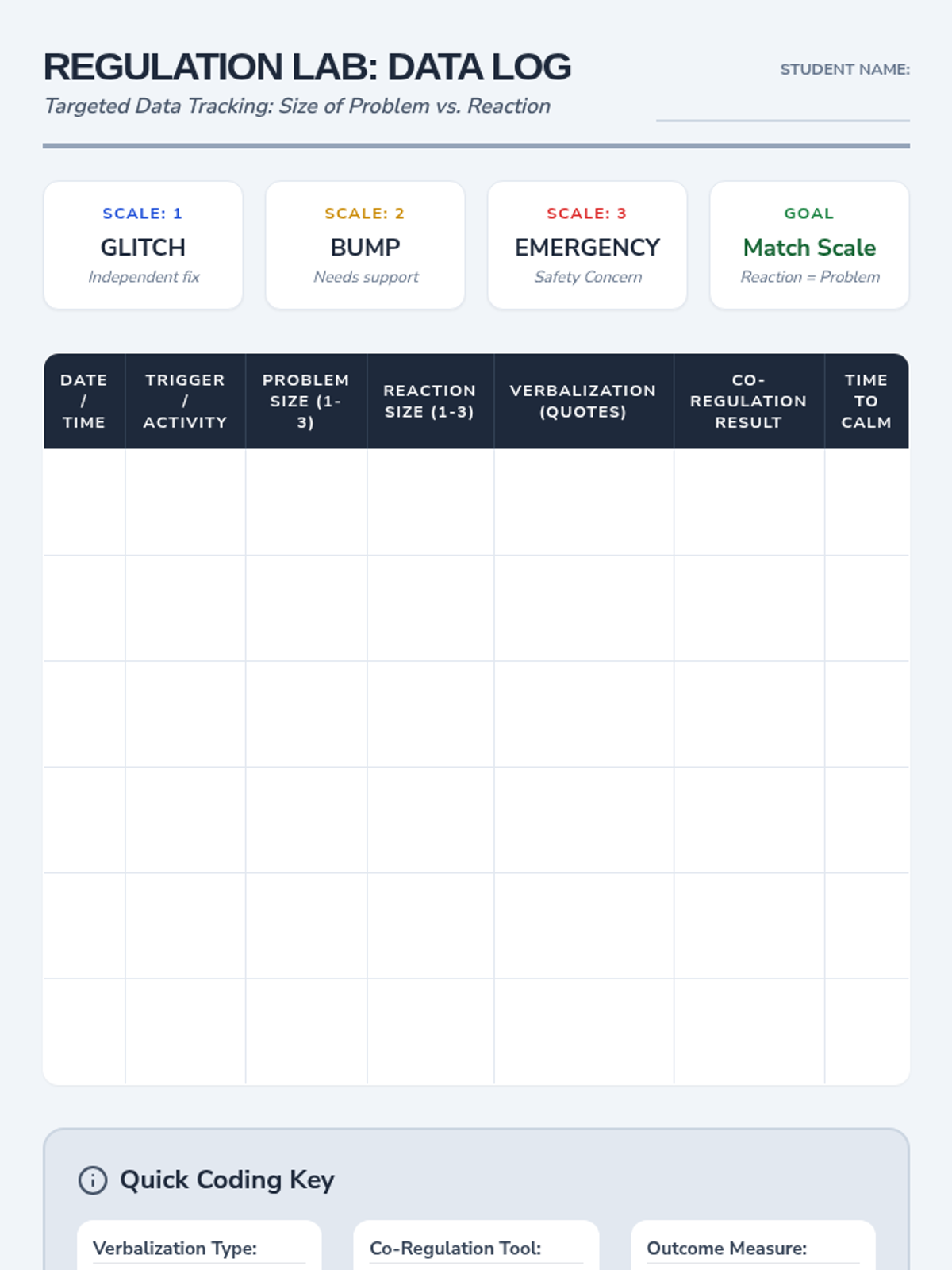
A social-emotional learning lesson focusing on the Size of the Problem framework, CBT thought-feeling connections, and Social Thinking concepts of expected vs. unexpected behaviors. Students analyze classroom and digital scenarios to build self-regulation and problem-solving skills.
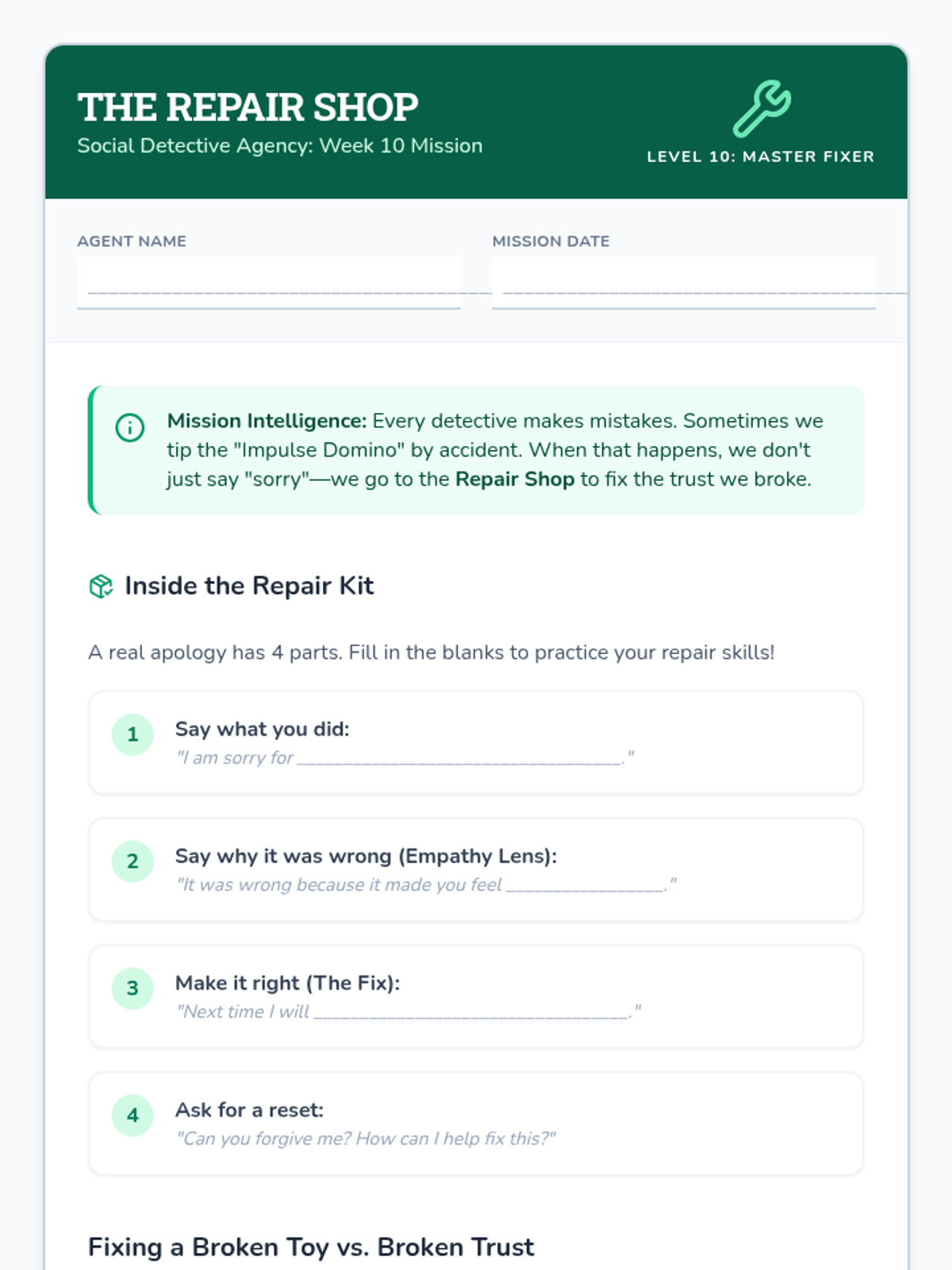
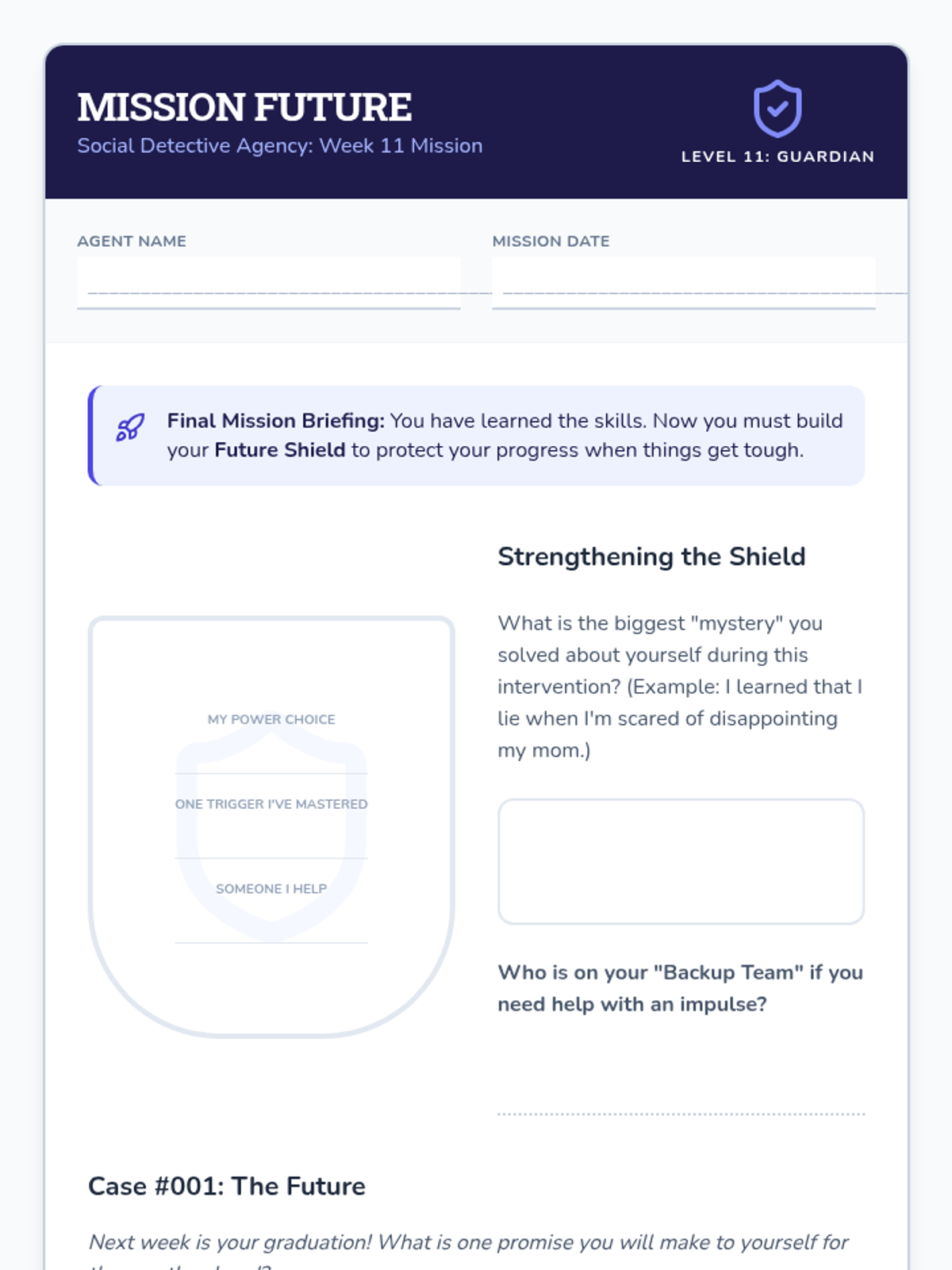
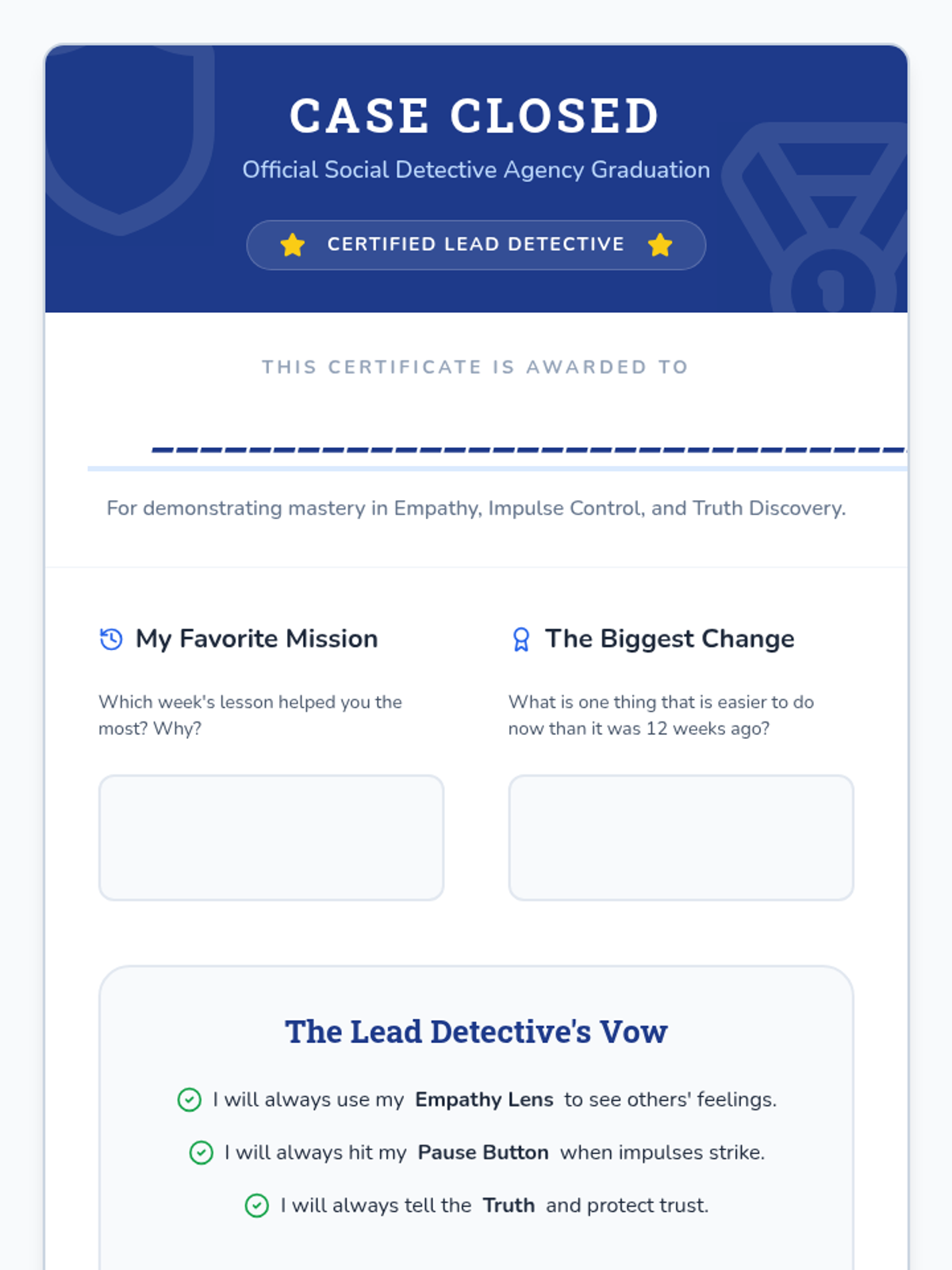
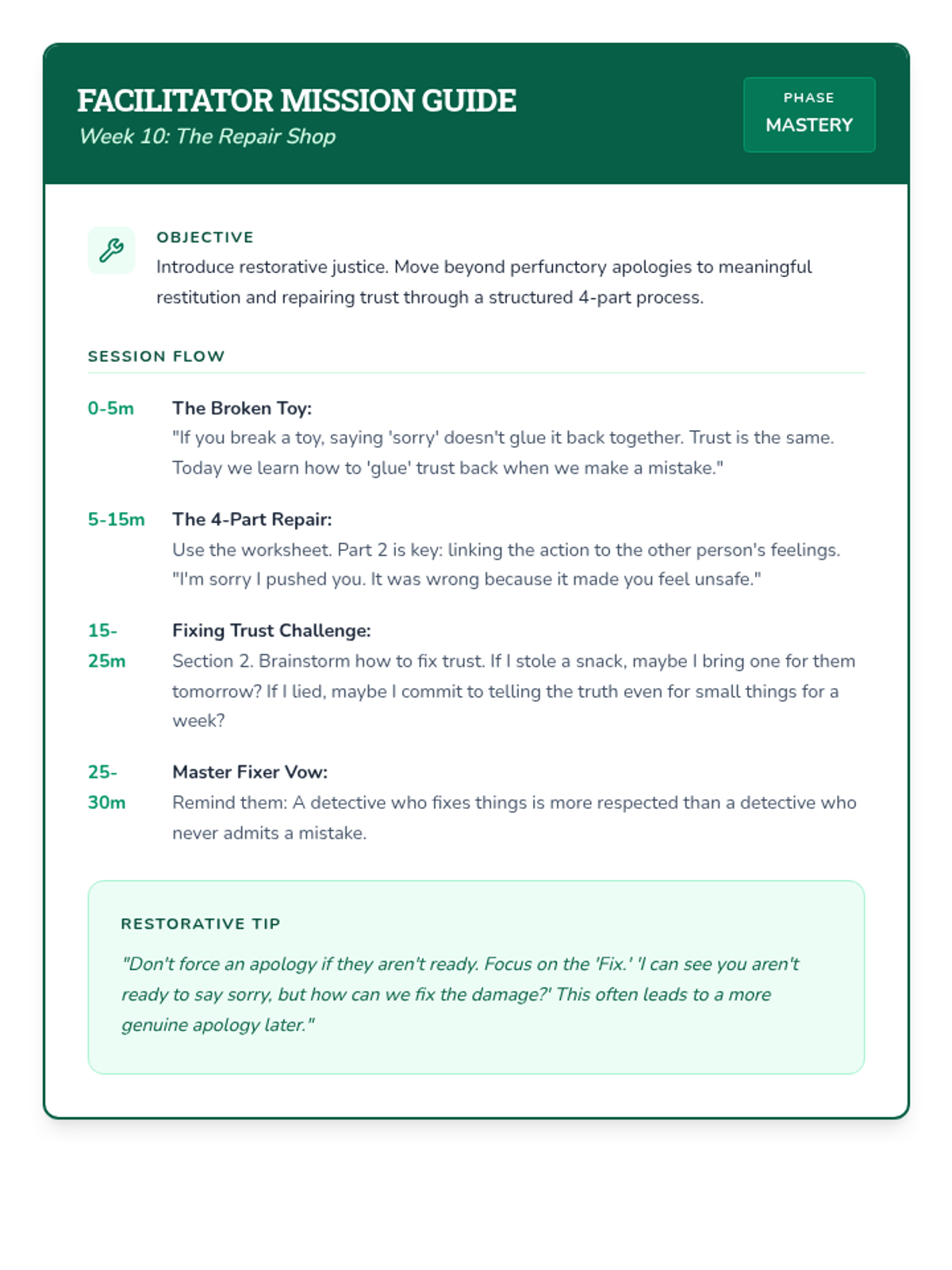
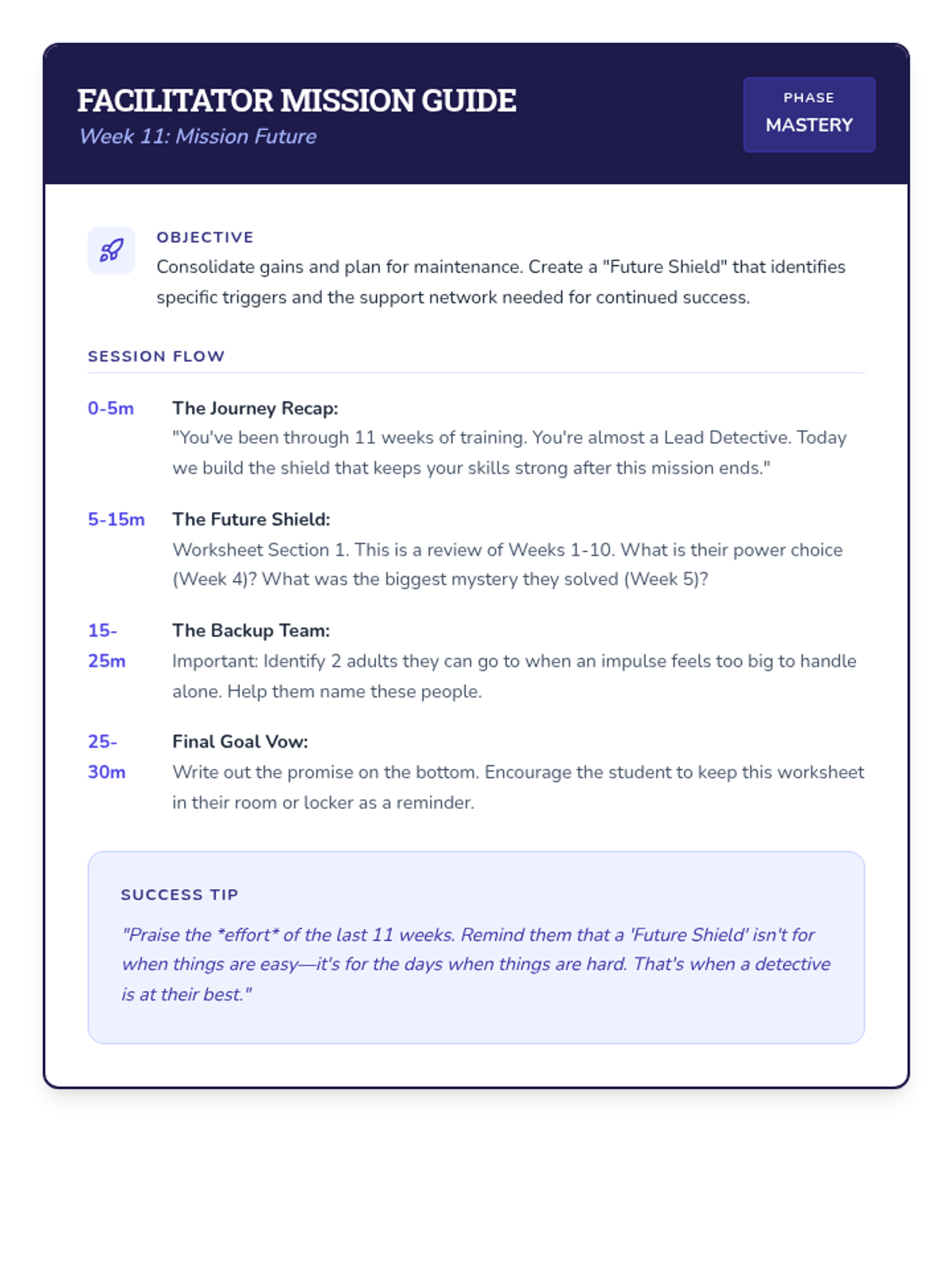
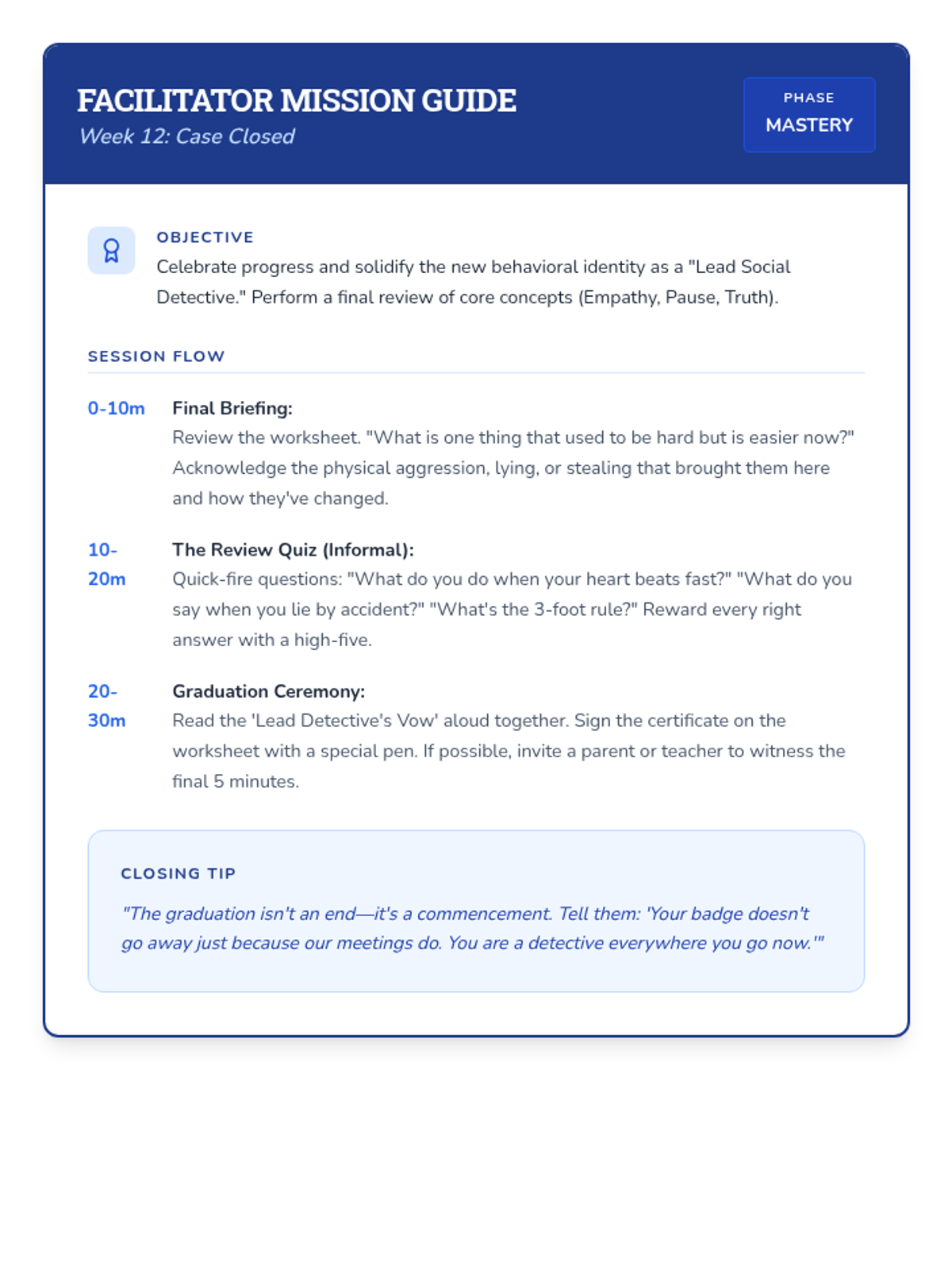
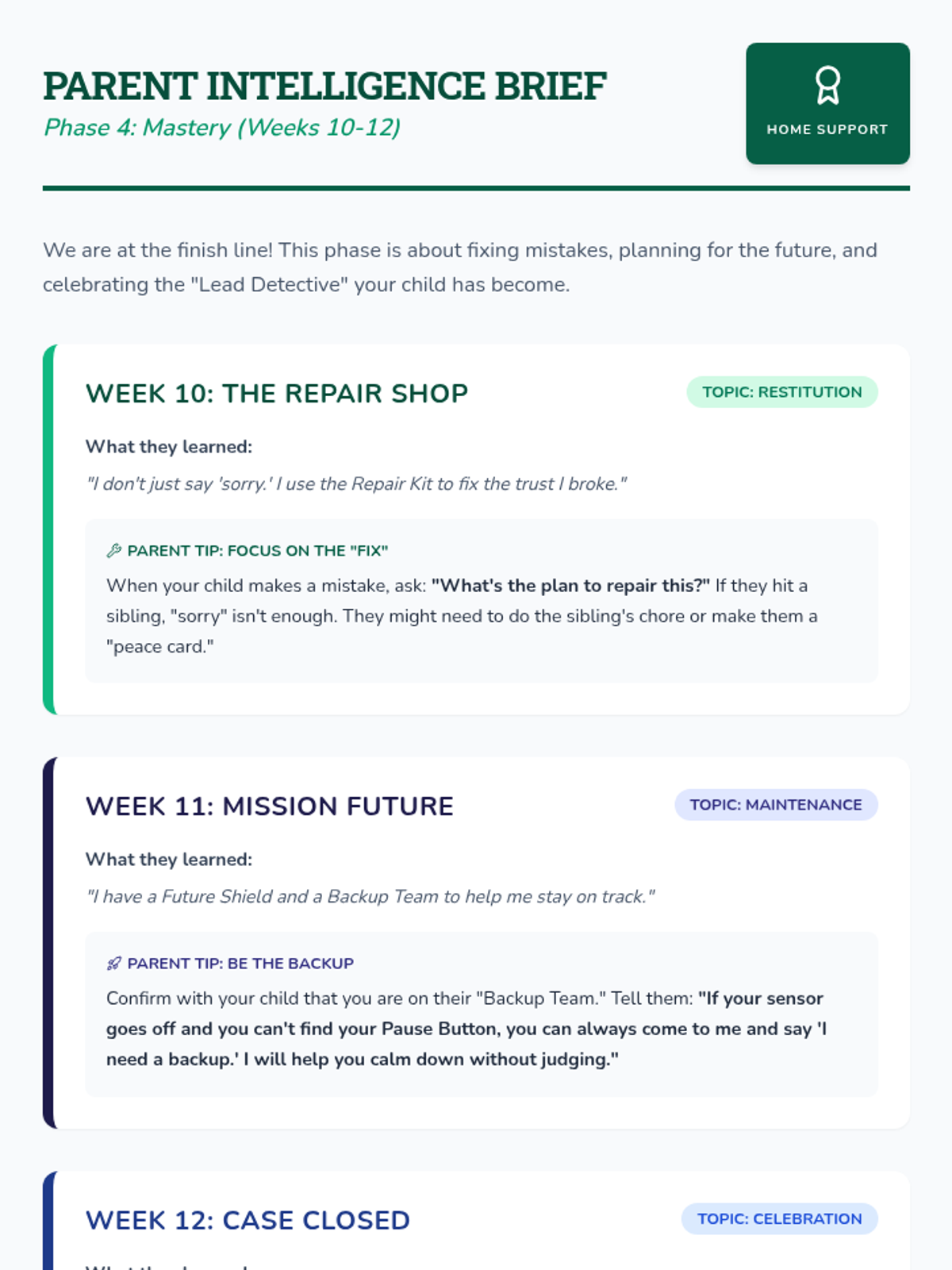
The final three weeks focus on making amends, setting future goals, and celebrating the progress made throughout the Social Detective program.
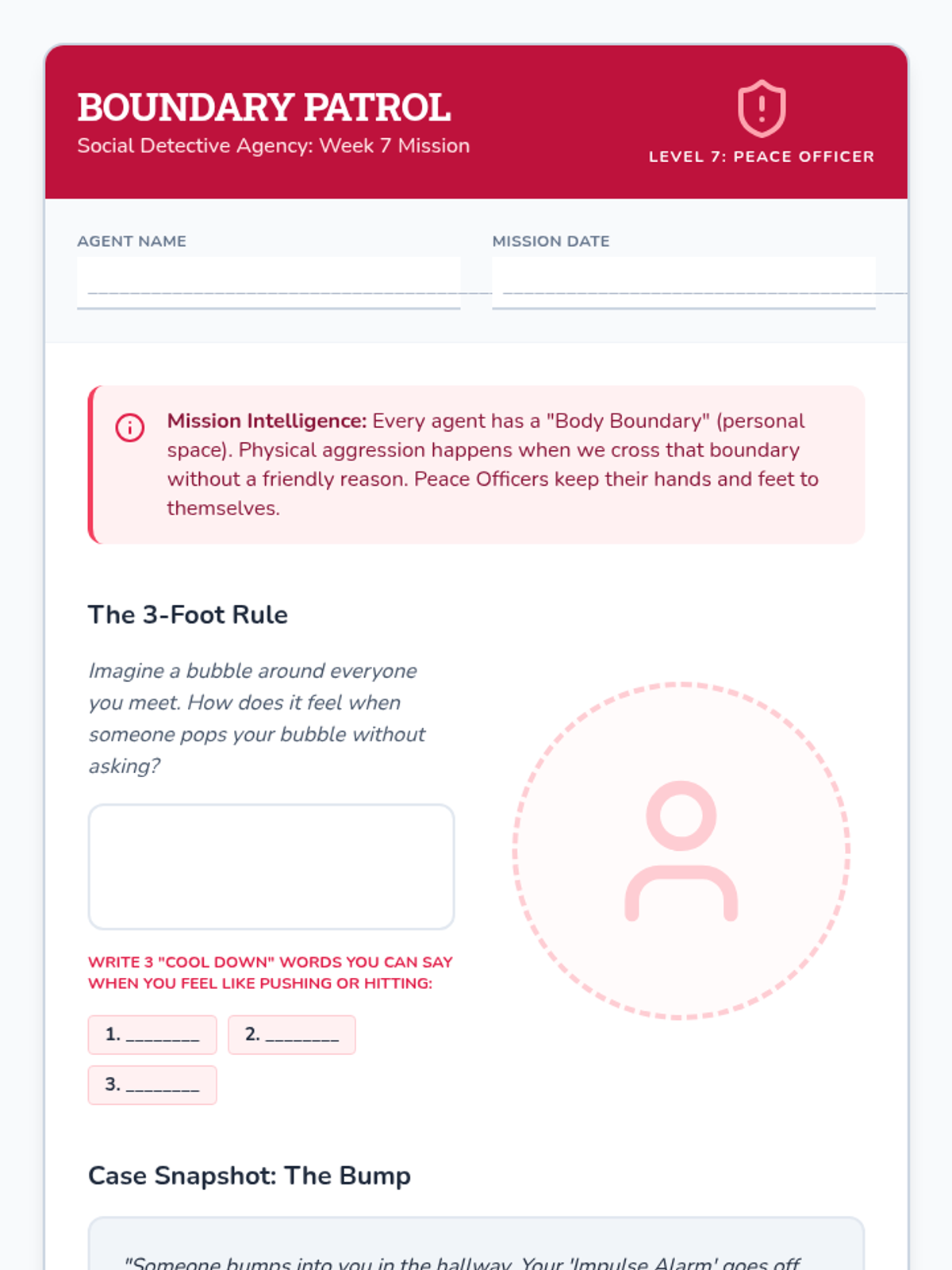
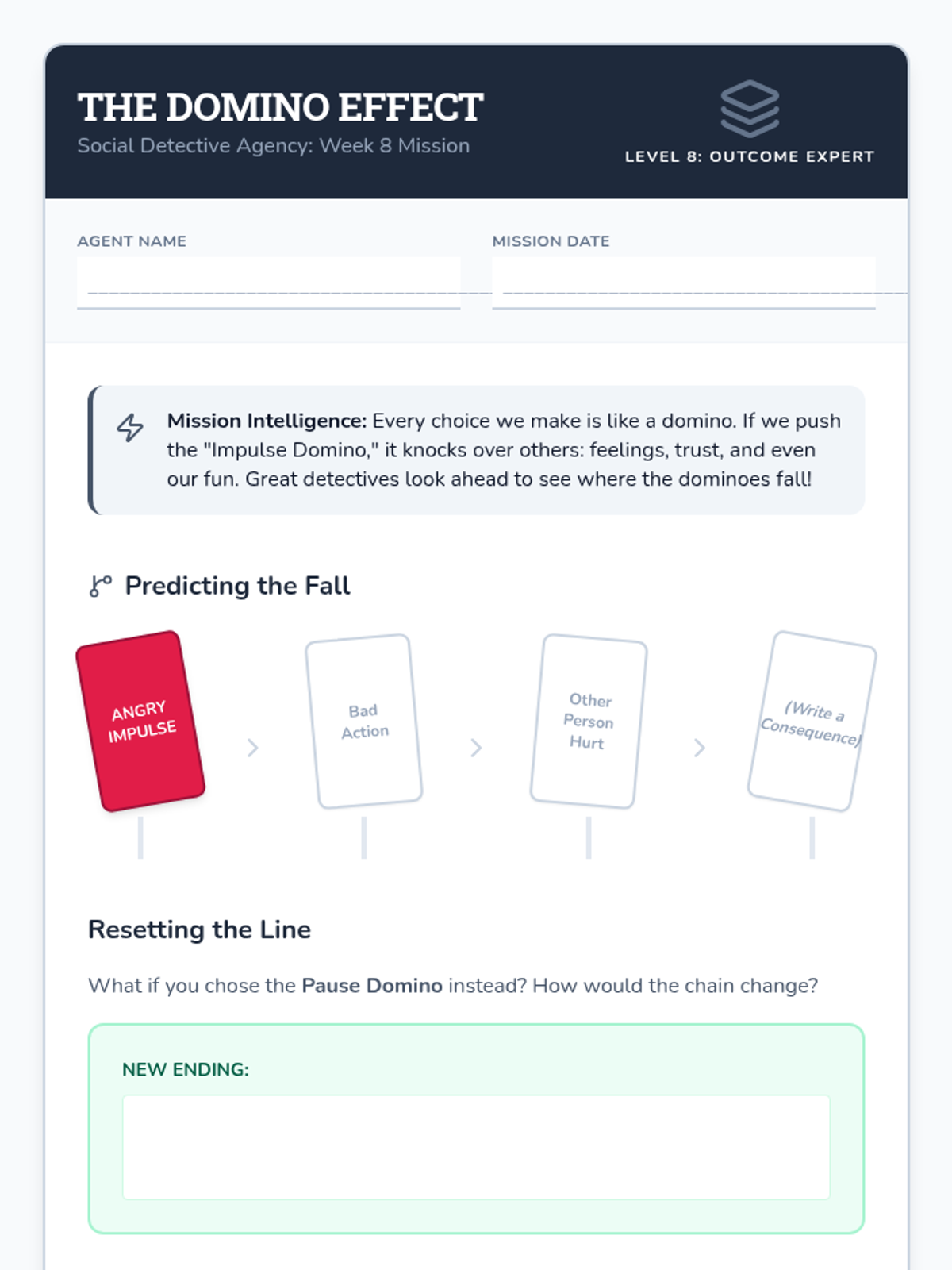
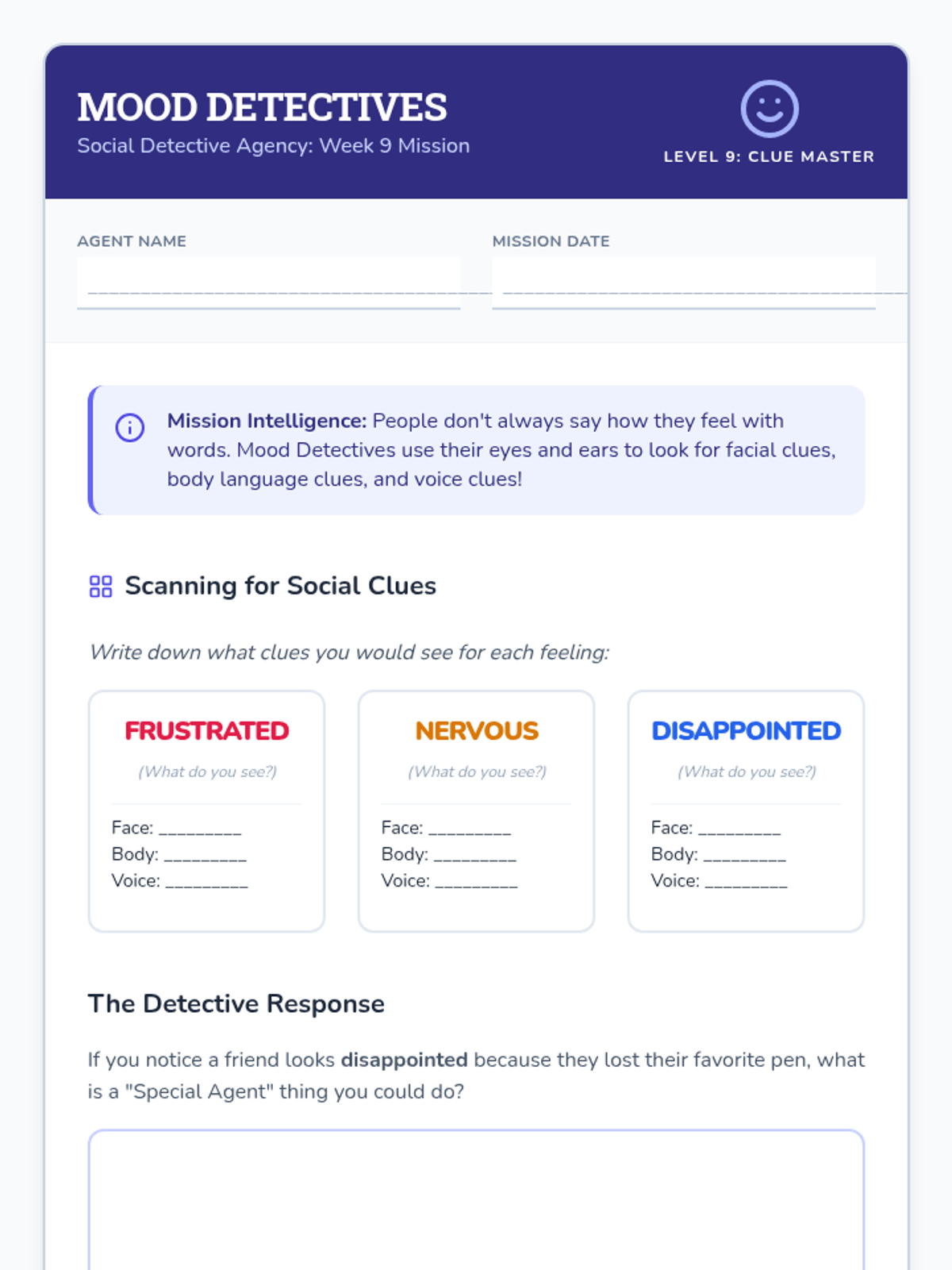
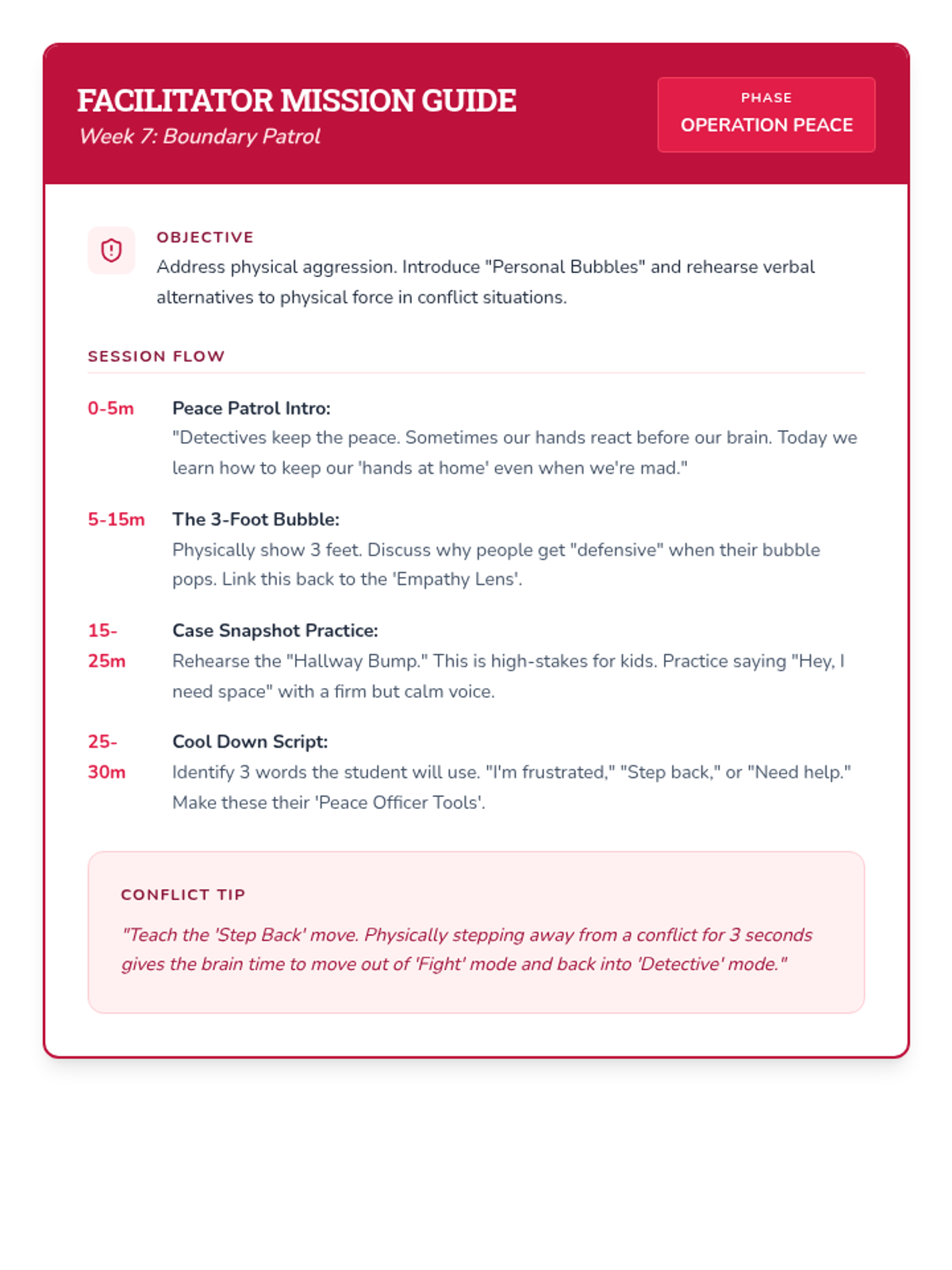
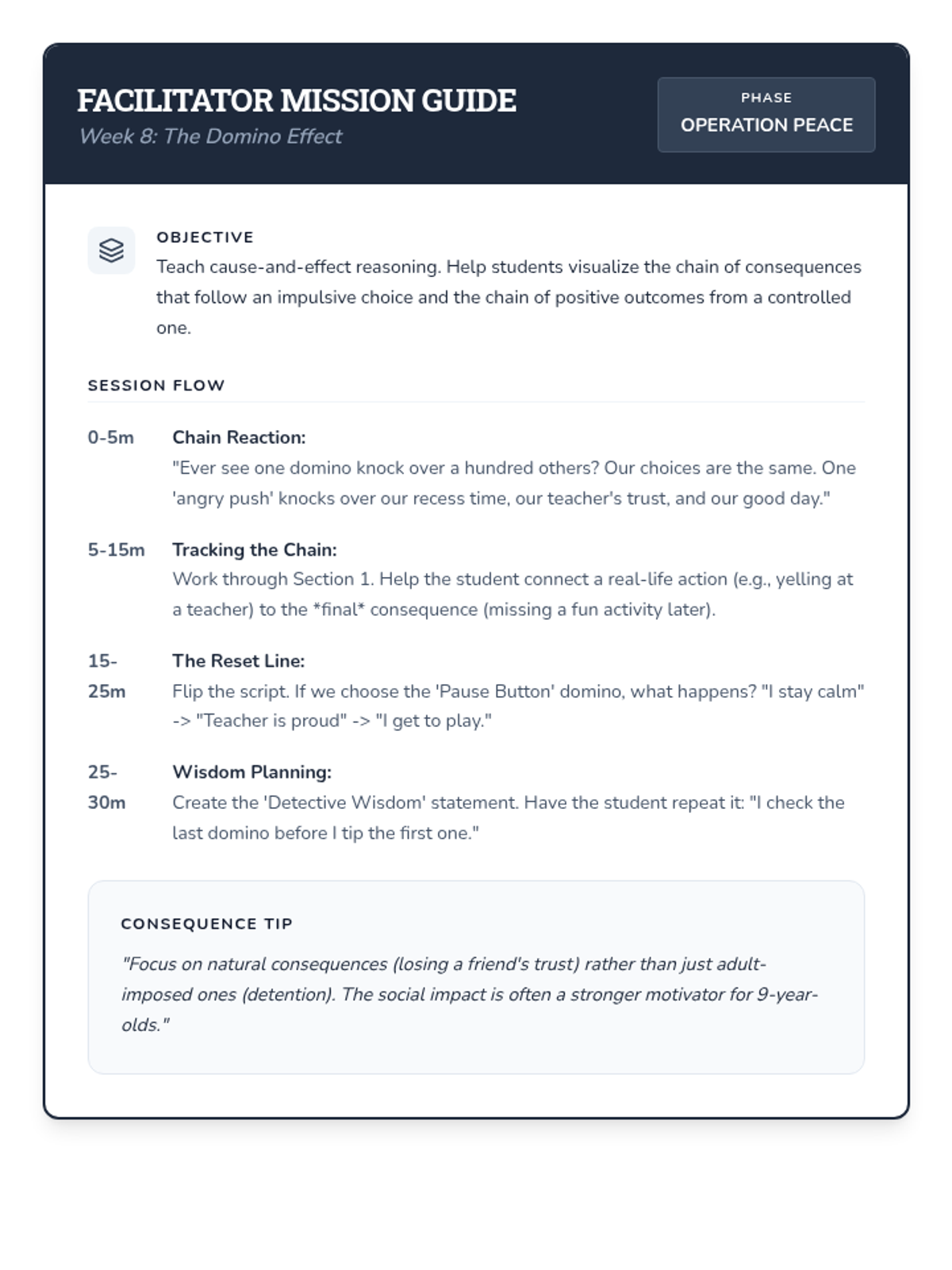
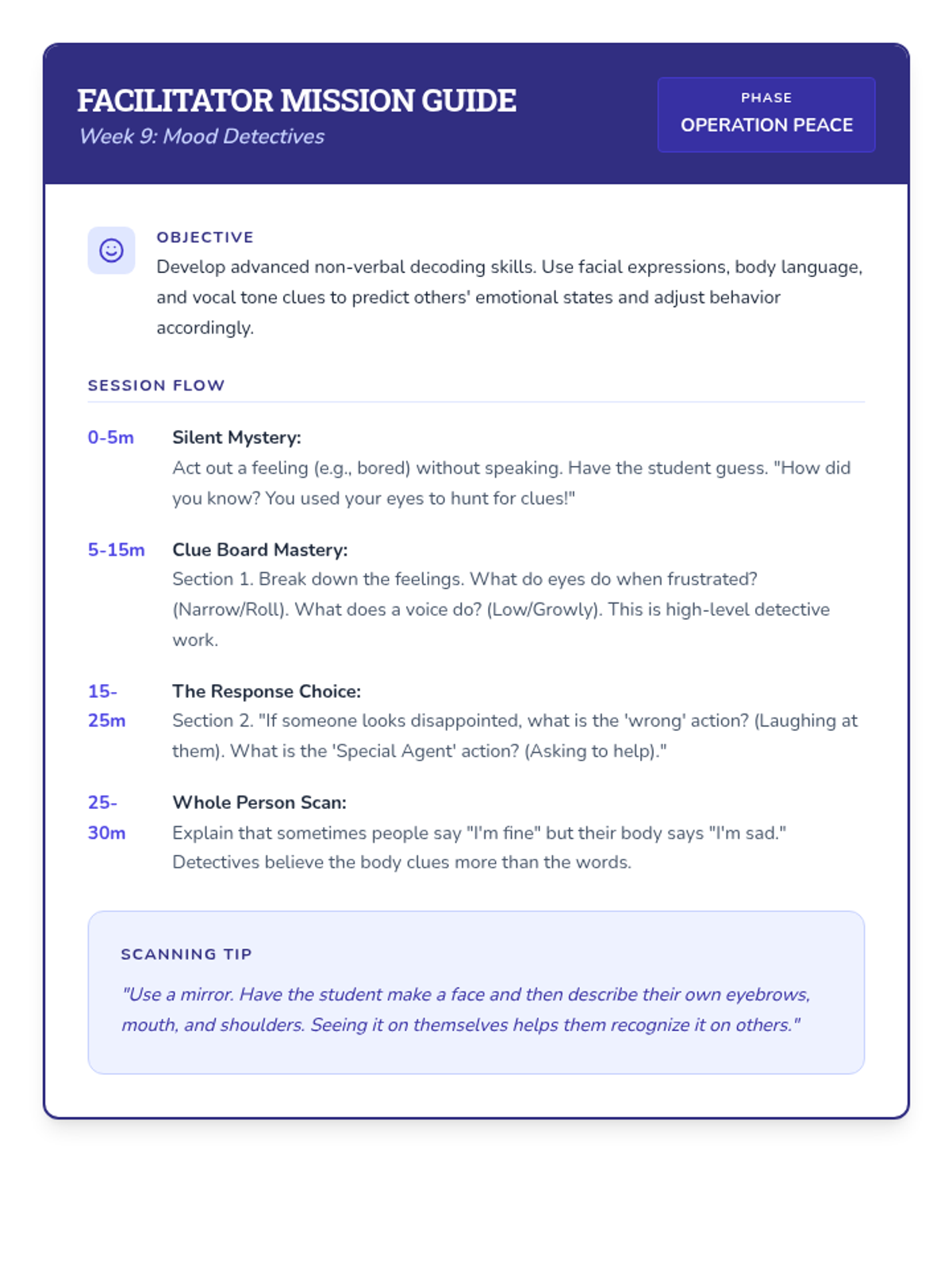
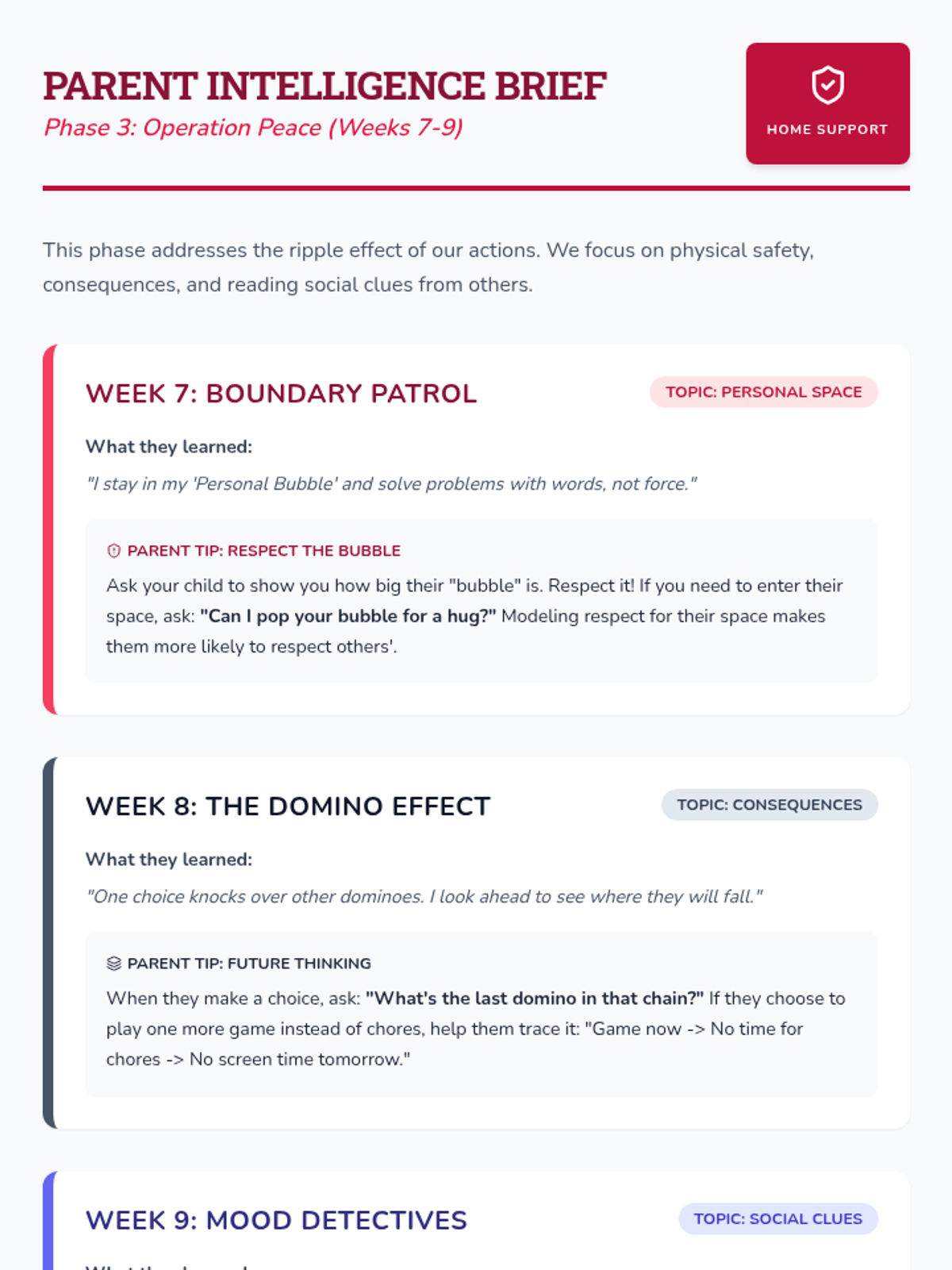
Weeks 7-9 address physical aggression, understanding consequences, and deep-diving into reading social clues to build empathy.
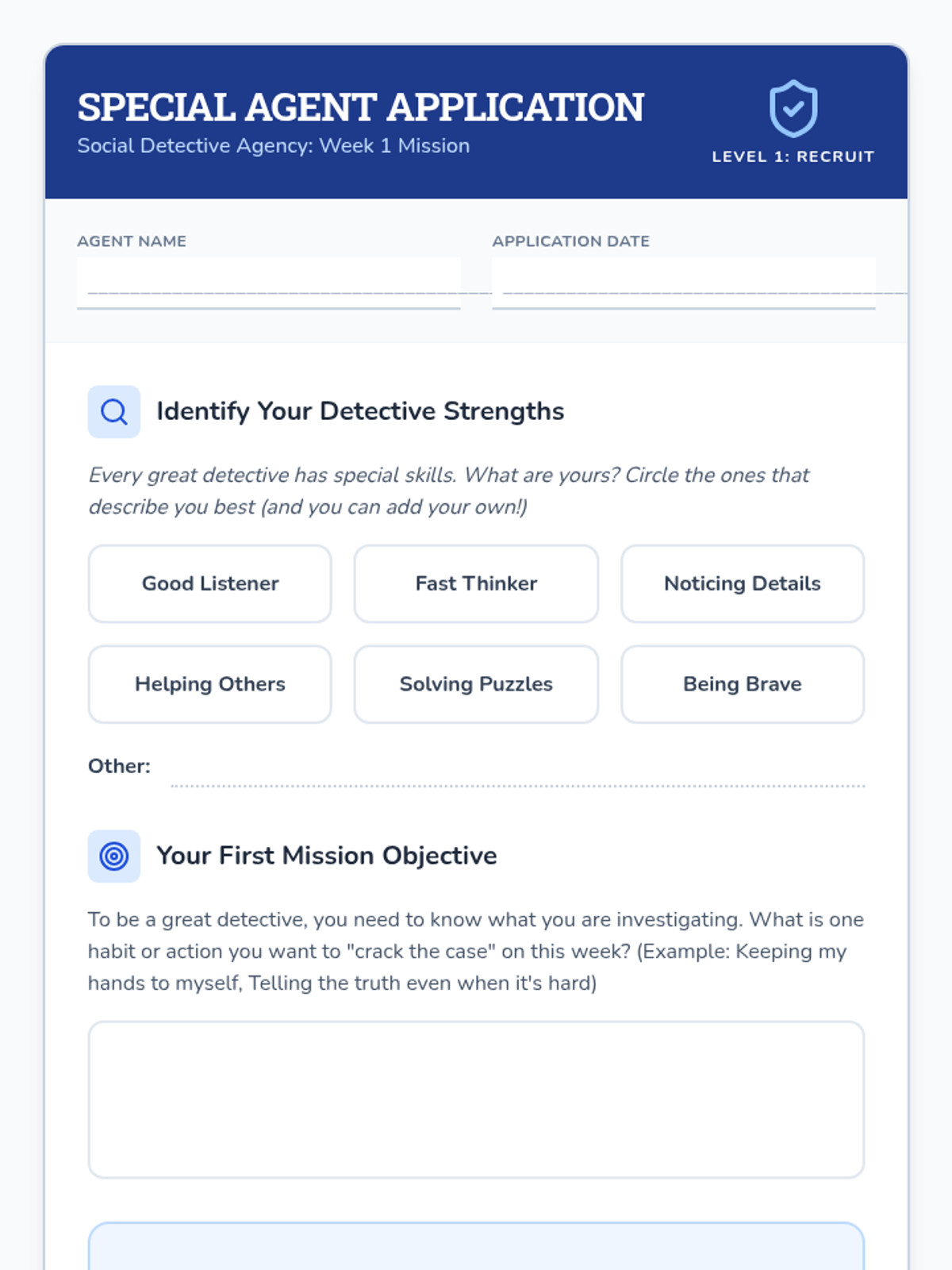
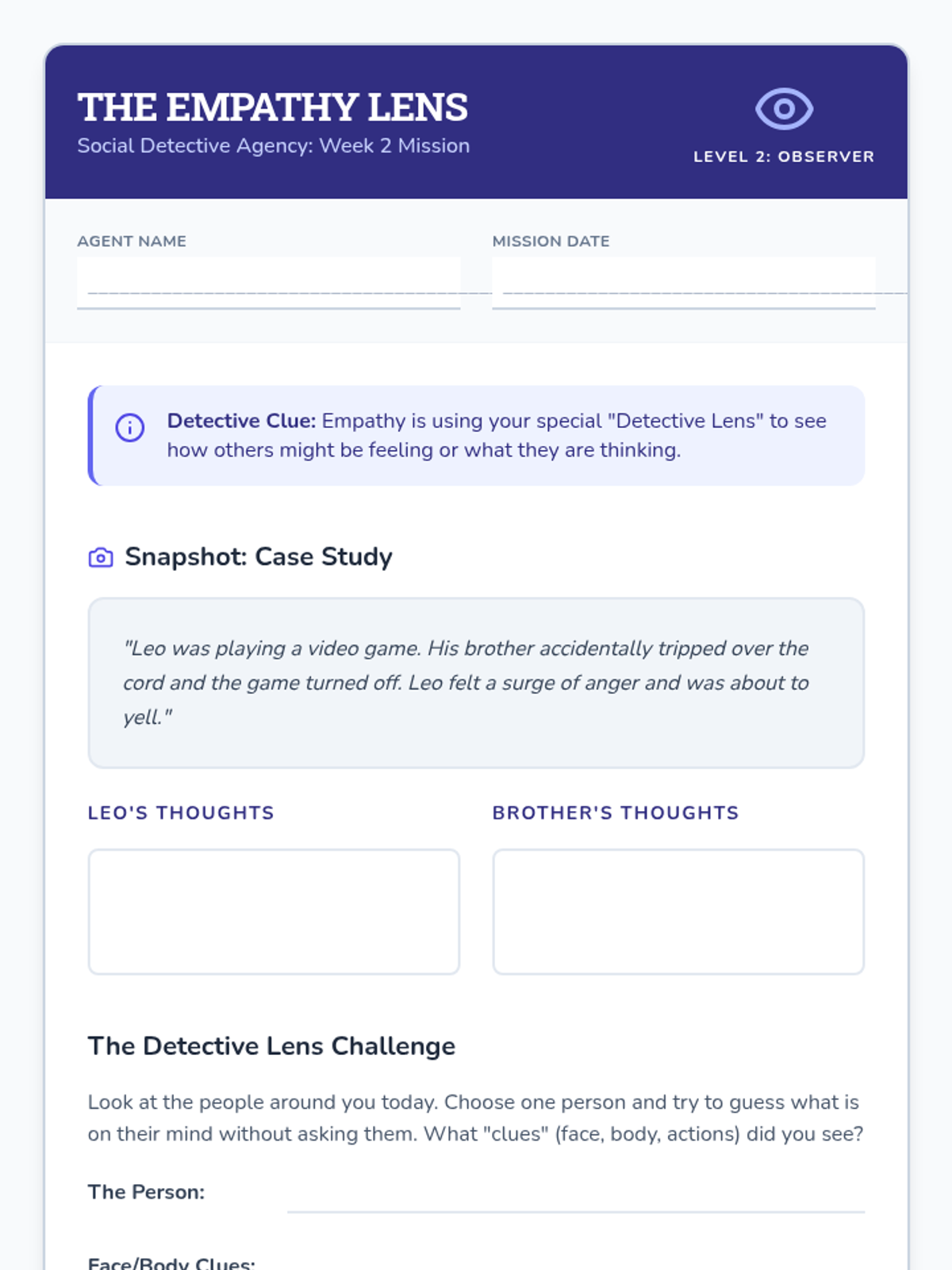
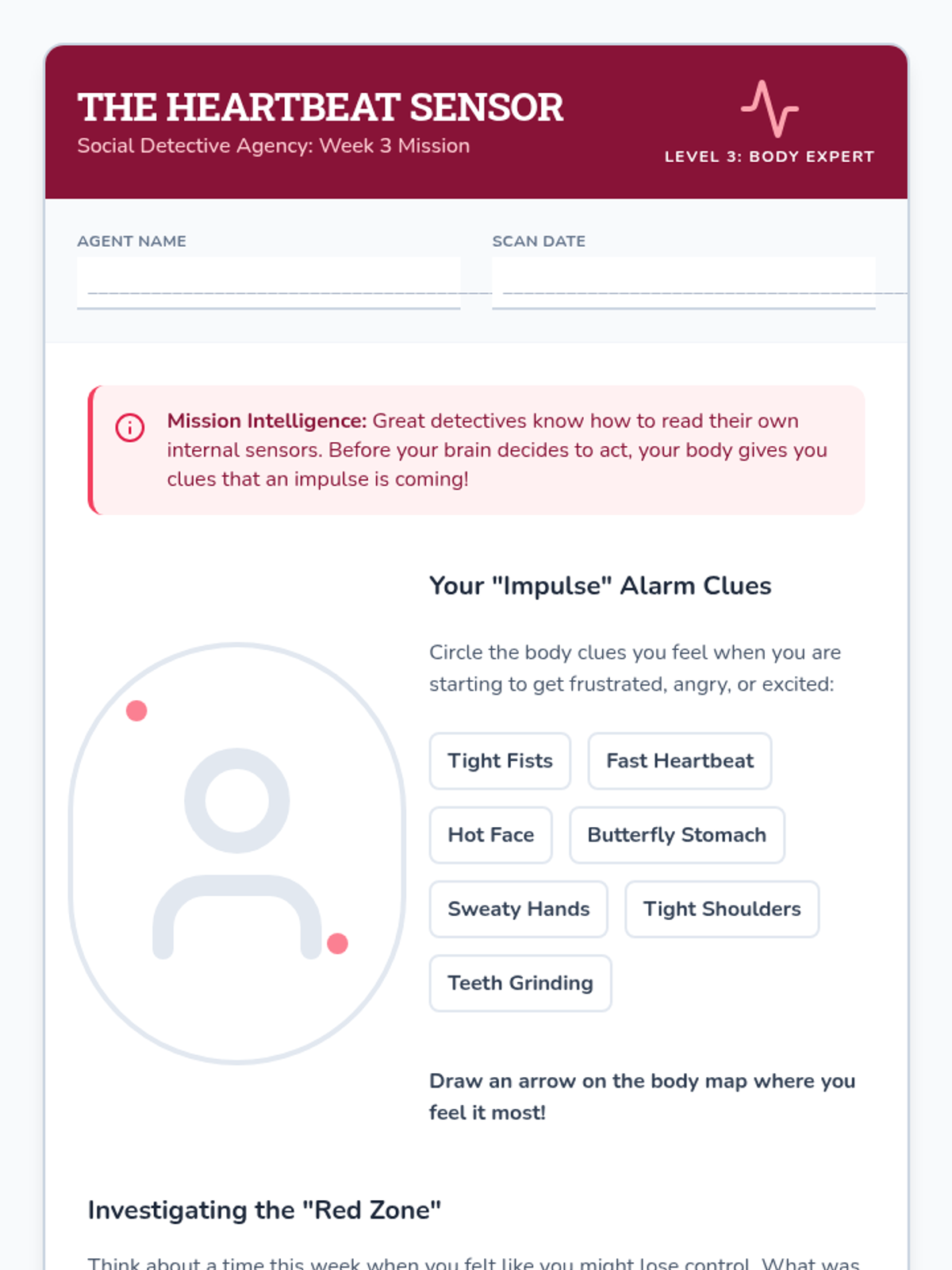
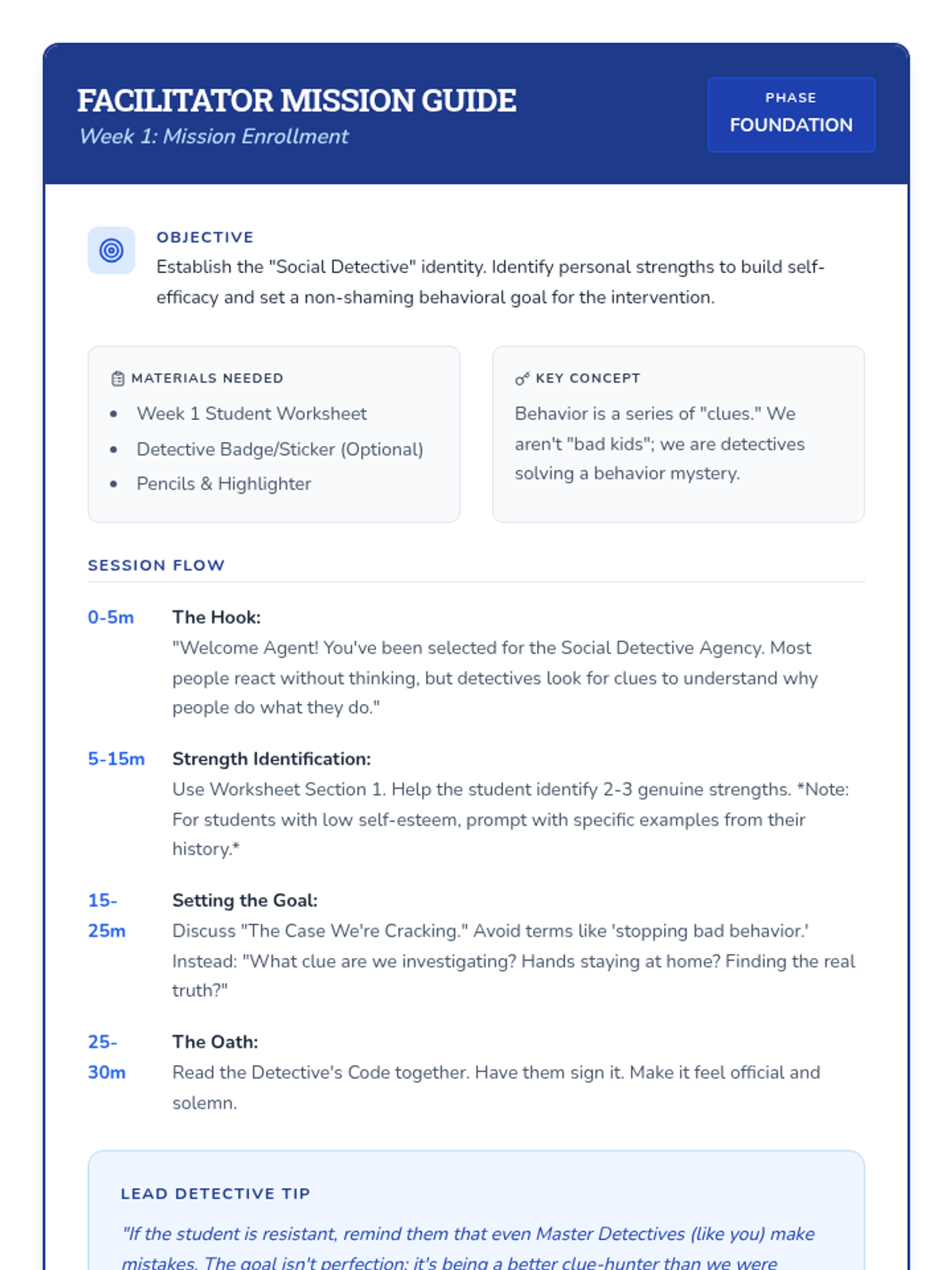
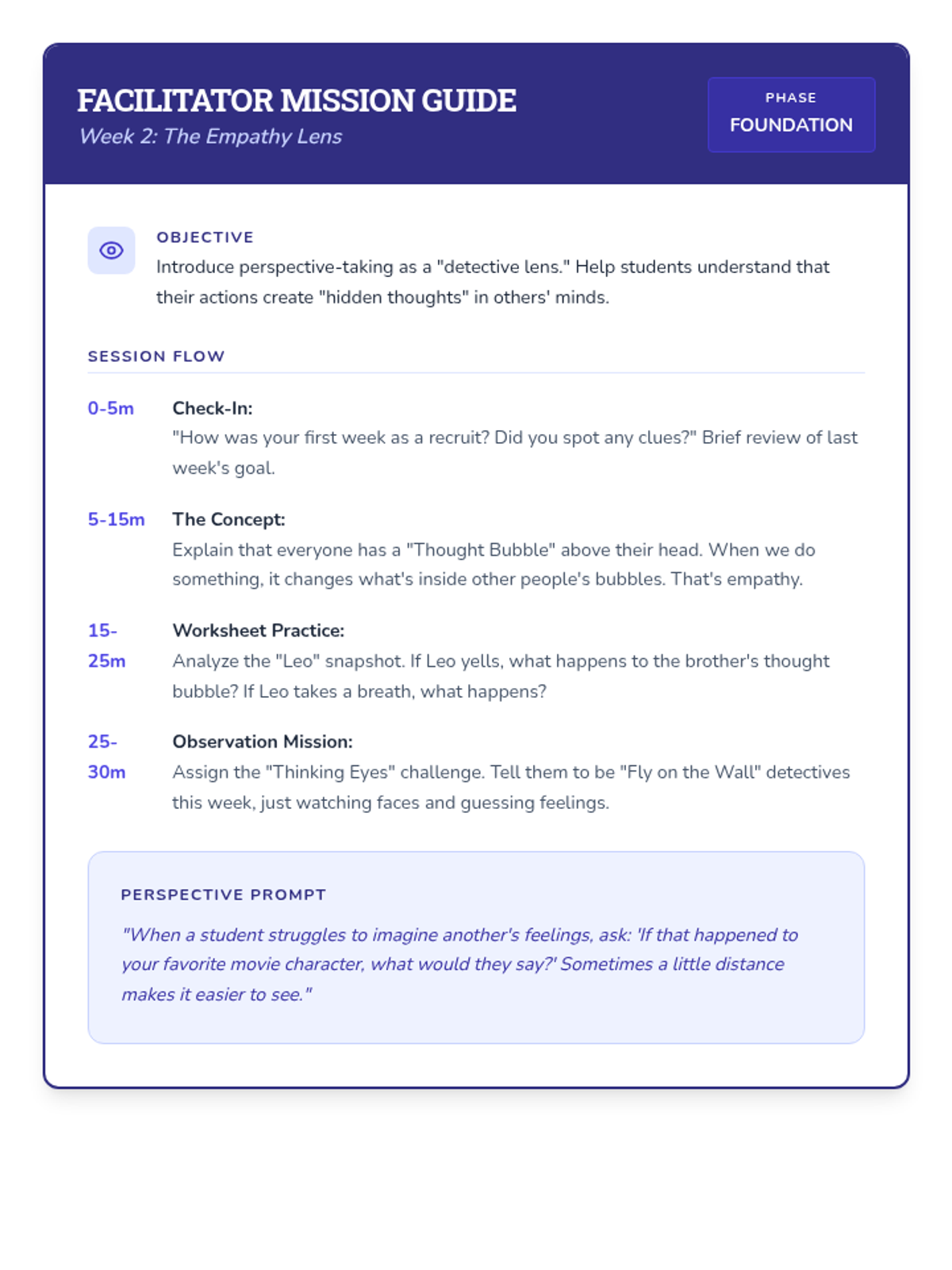
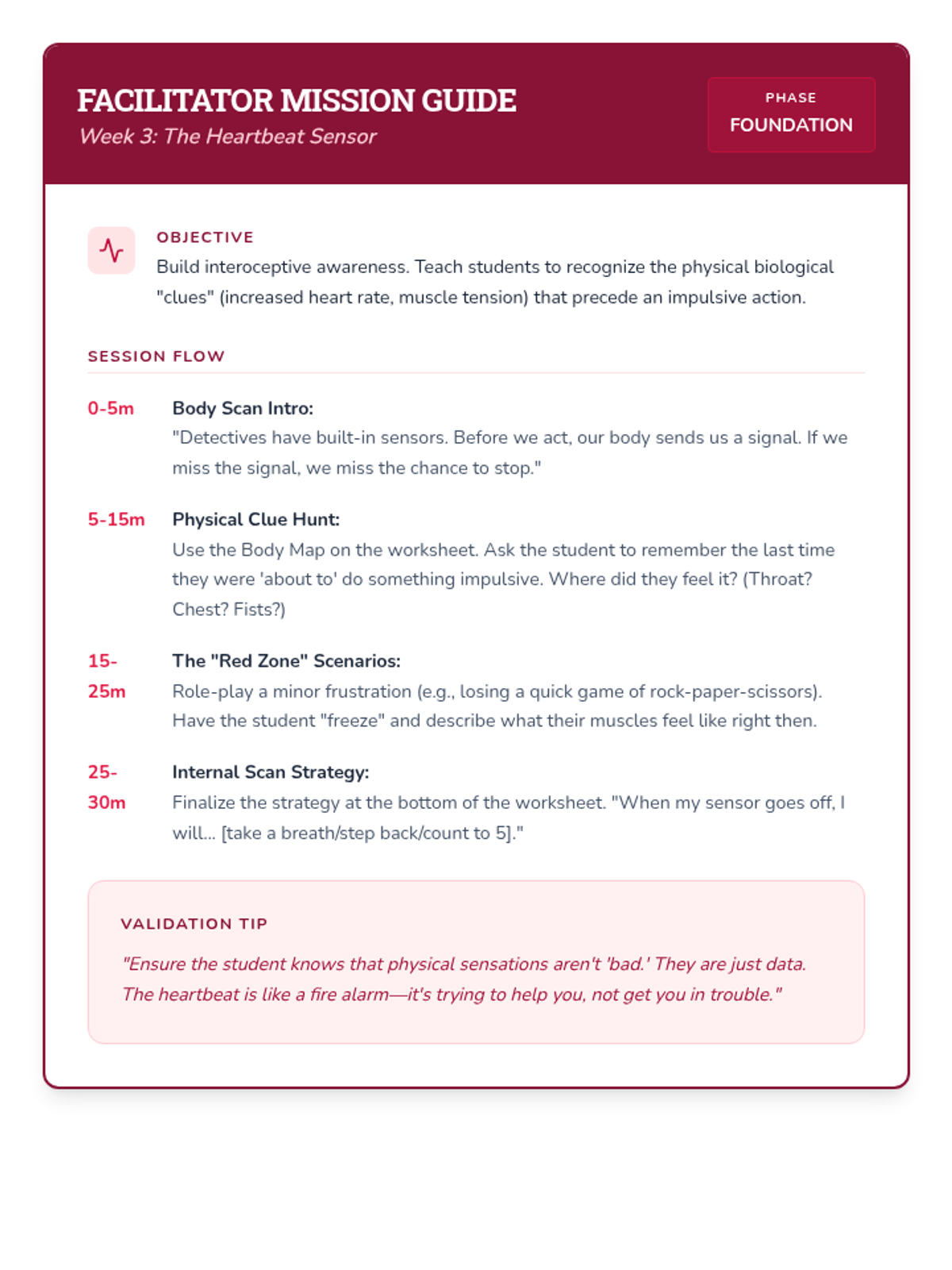
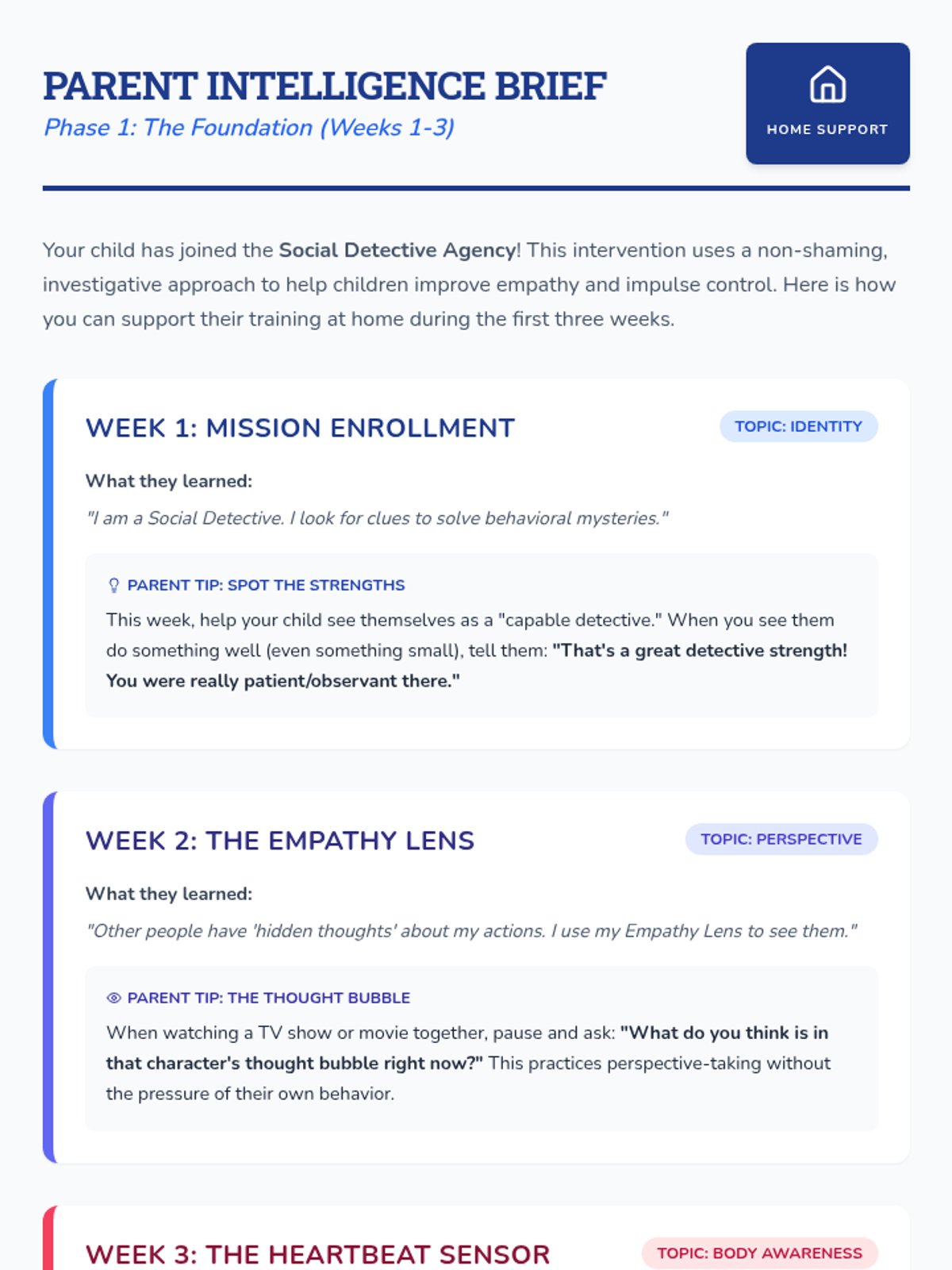
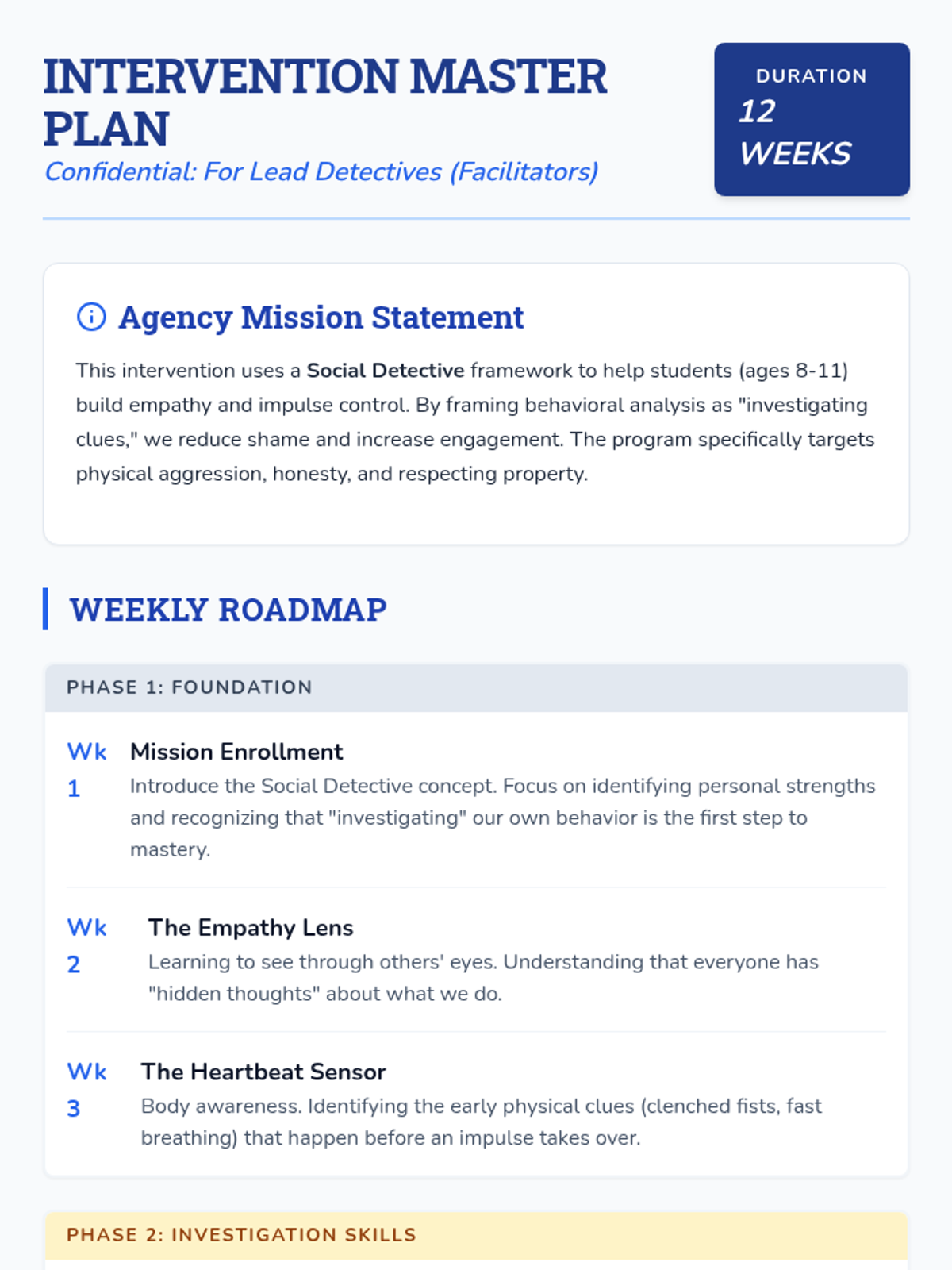
The first three weeks of the Social Detective intervention, focusing on building self-awareness and understanding the core concepts of empathy and physical body cues.
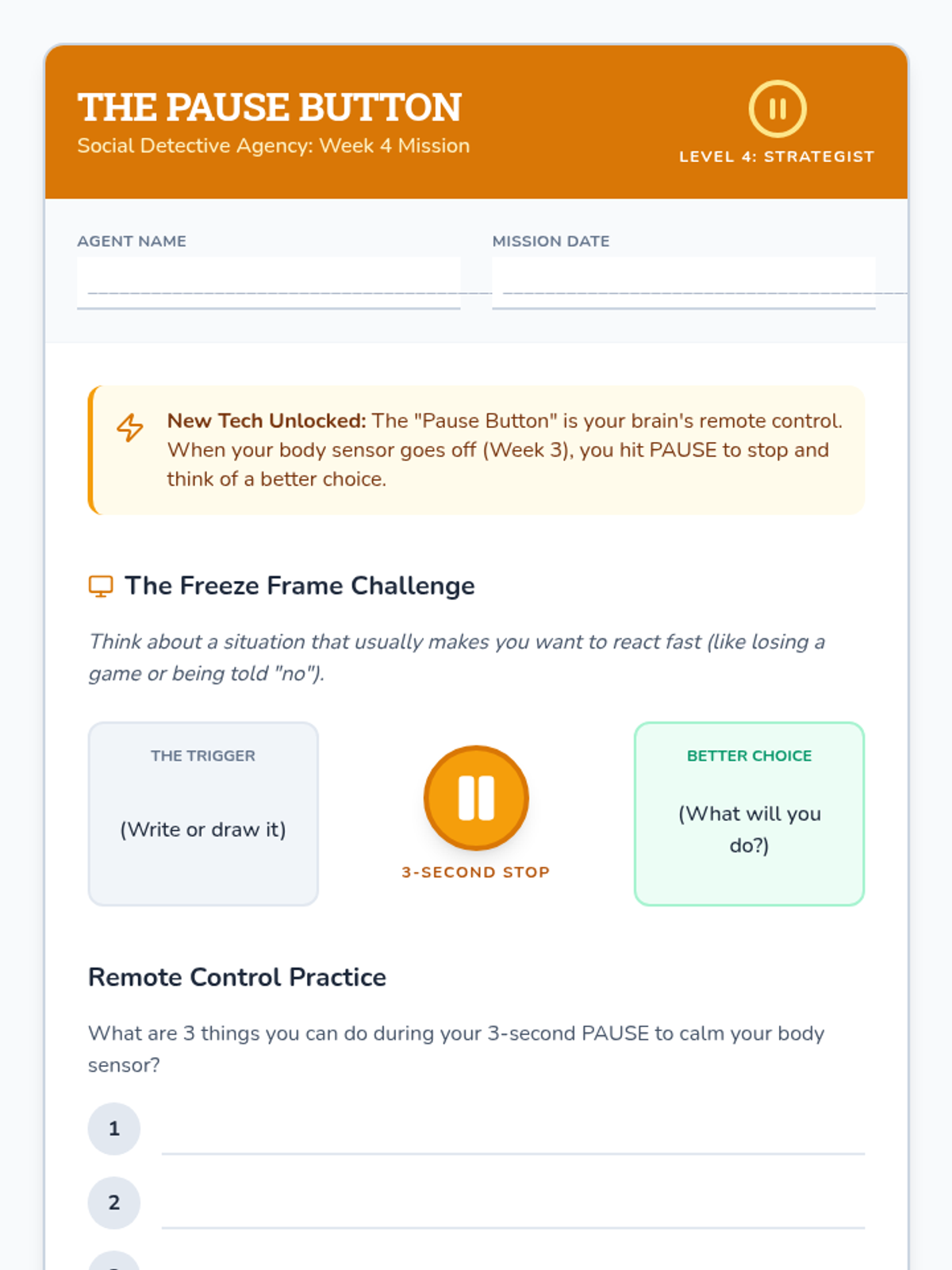
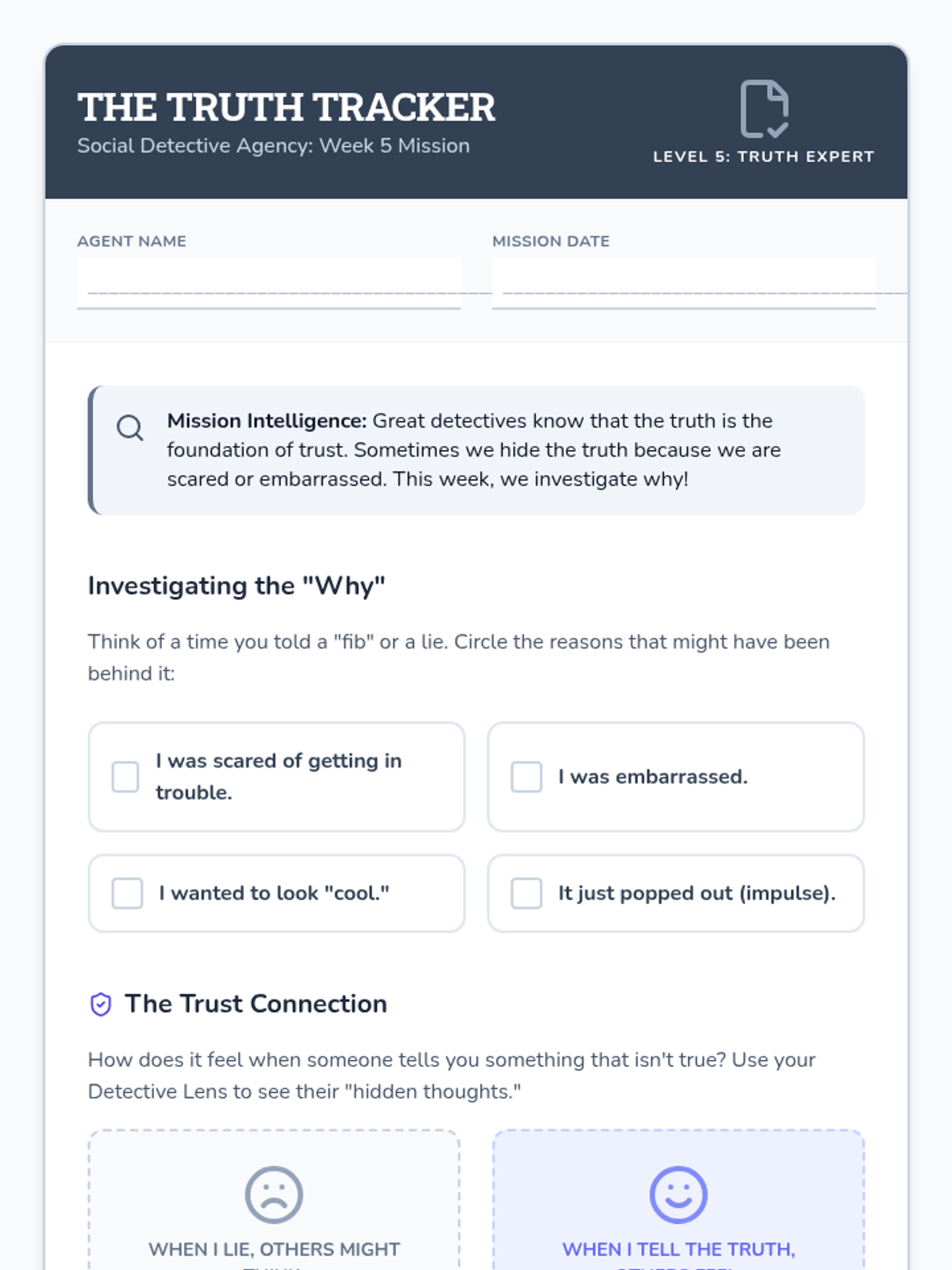
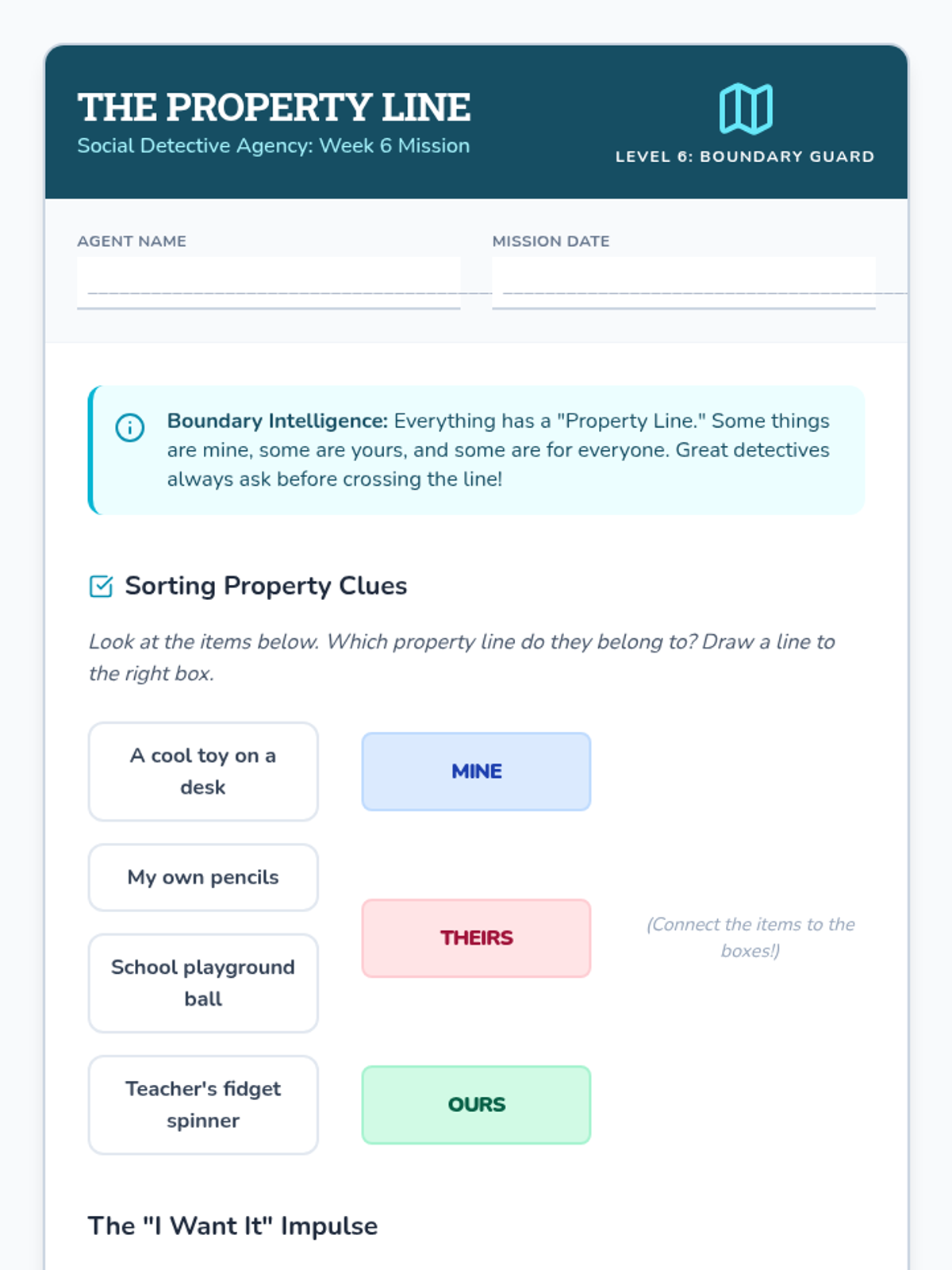
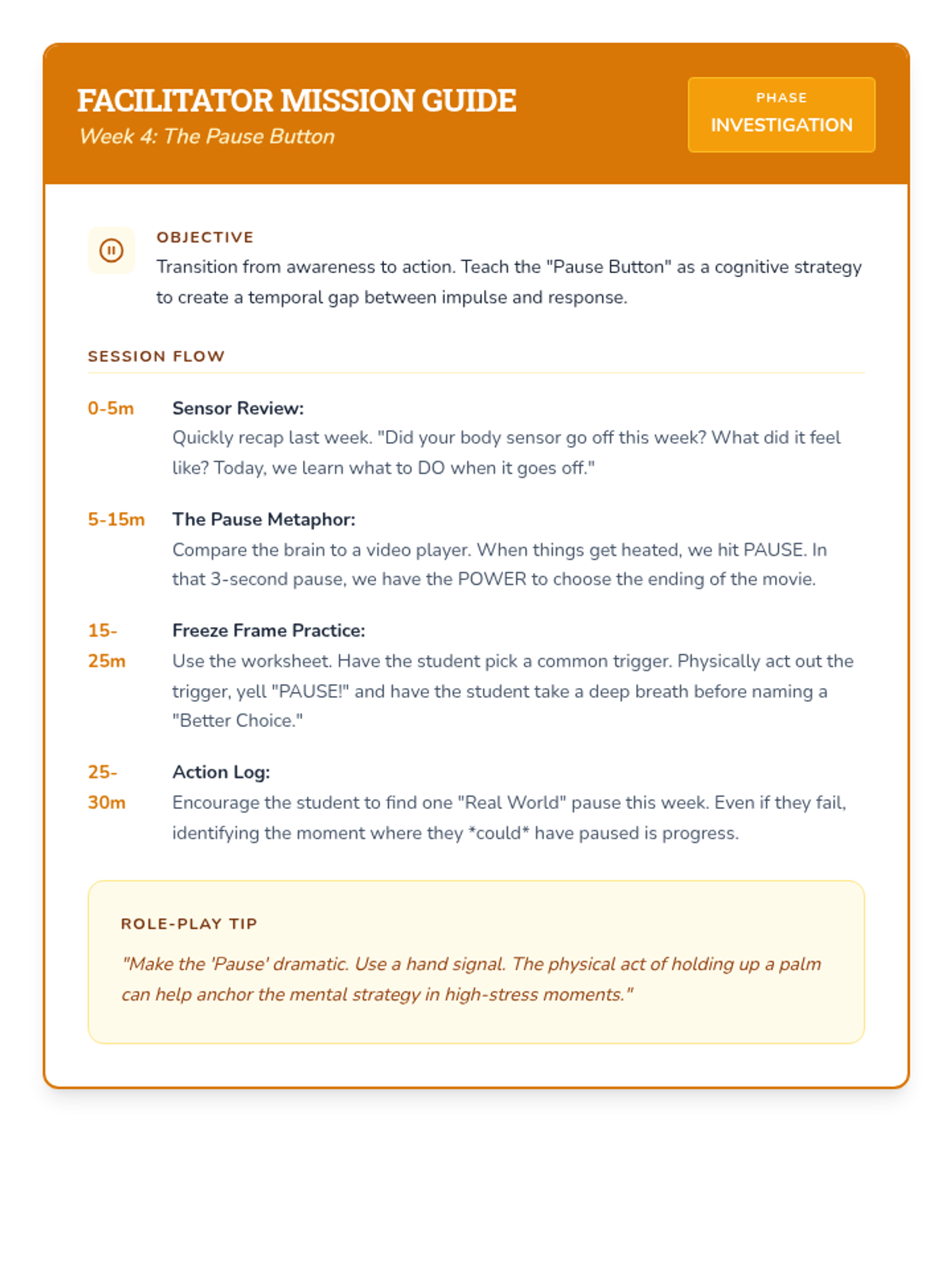
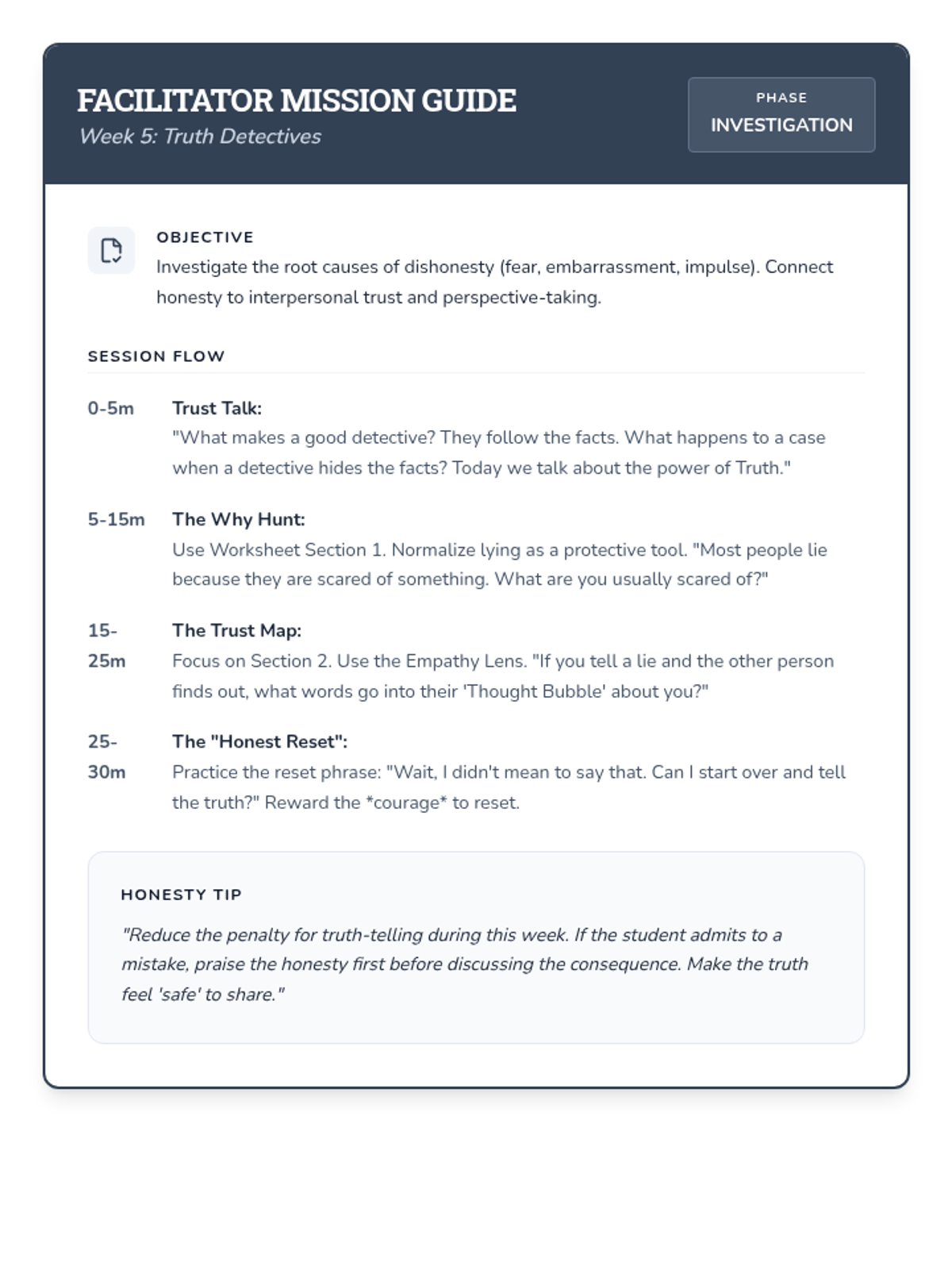
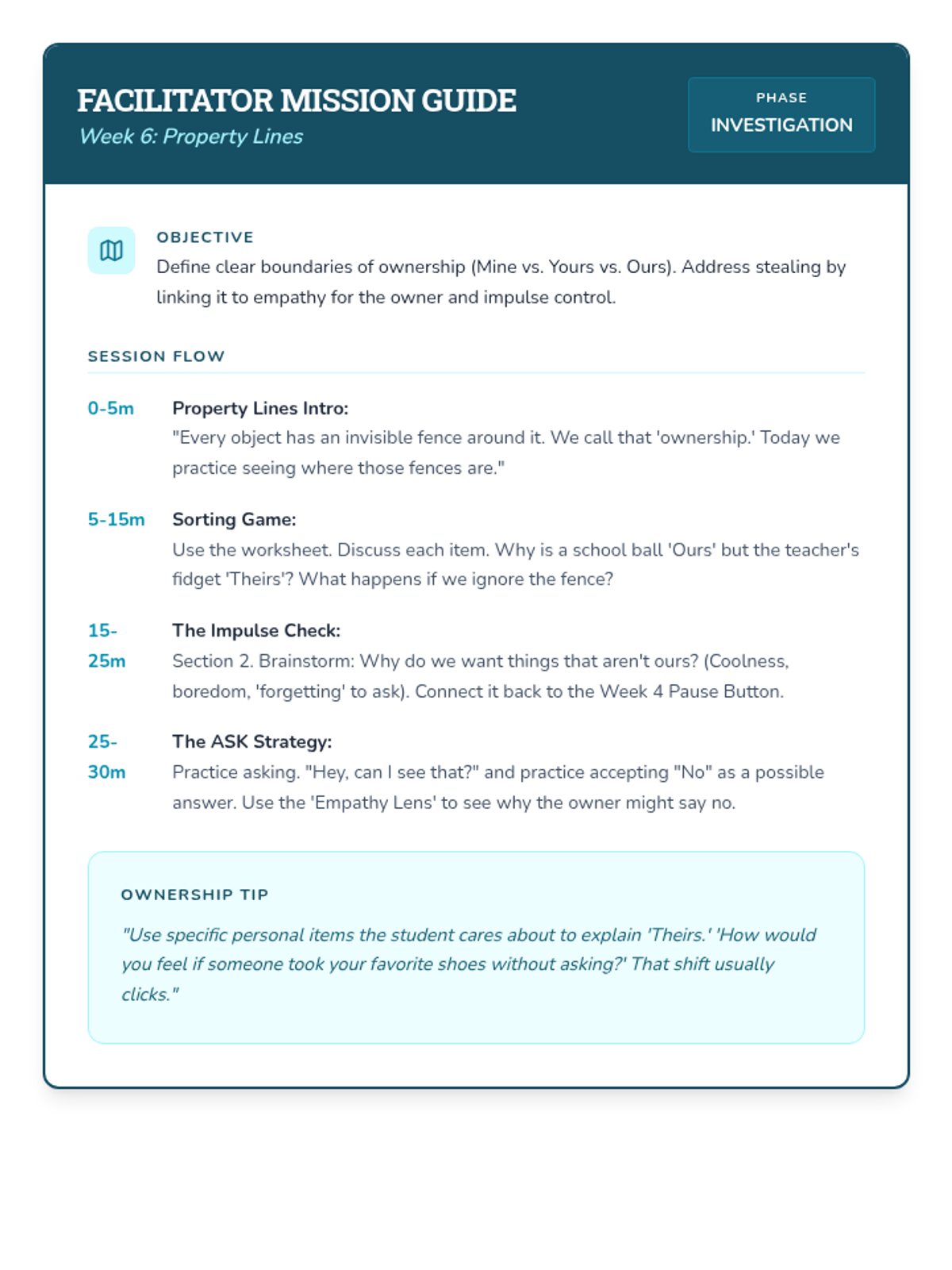
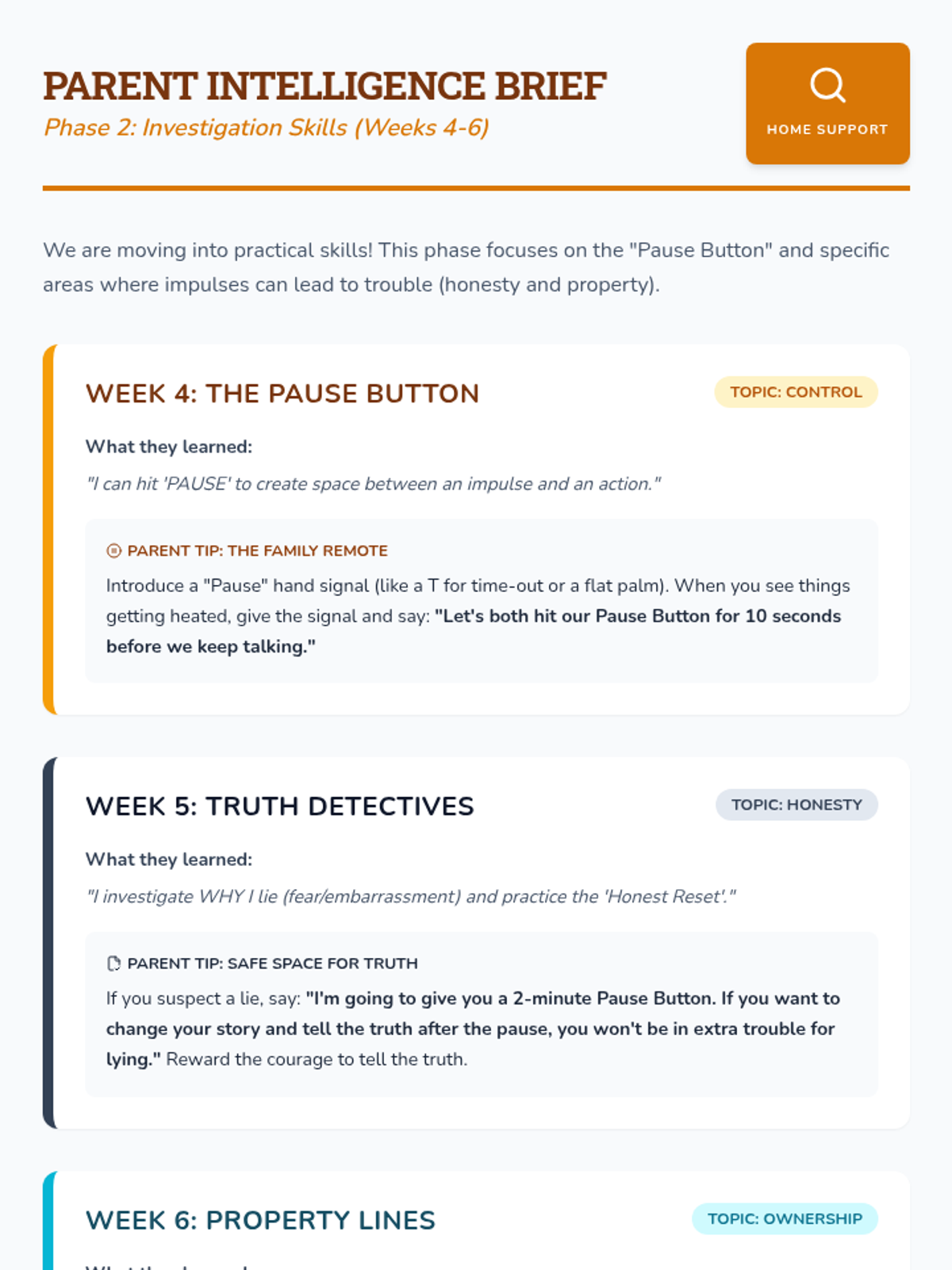
Weeks 4-6 of the intervention, focusing on practical impulse control strategies like the 'Pause Button' and addressing specific behaviors like lying and respecting property.
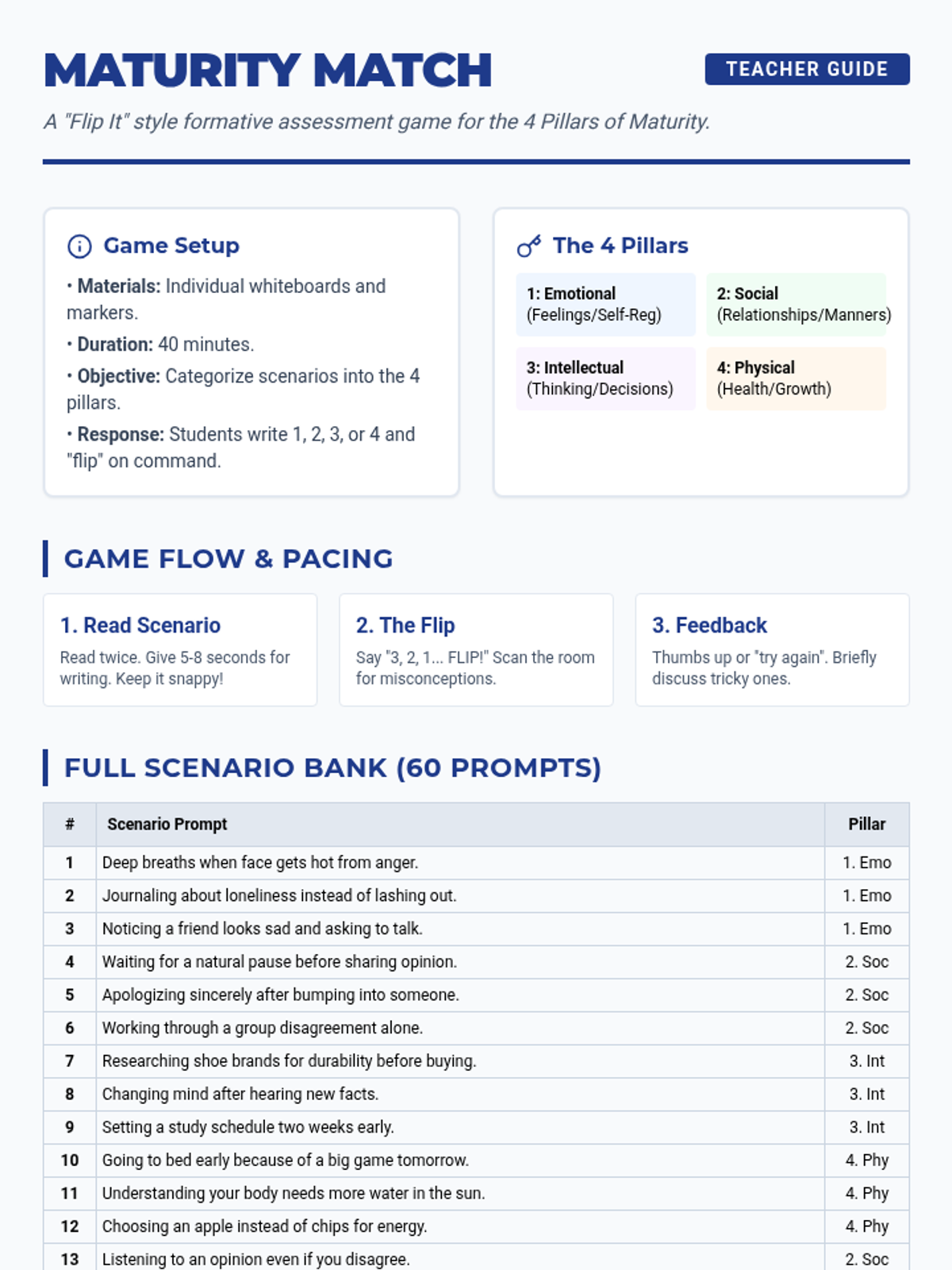
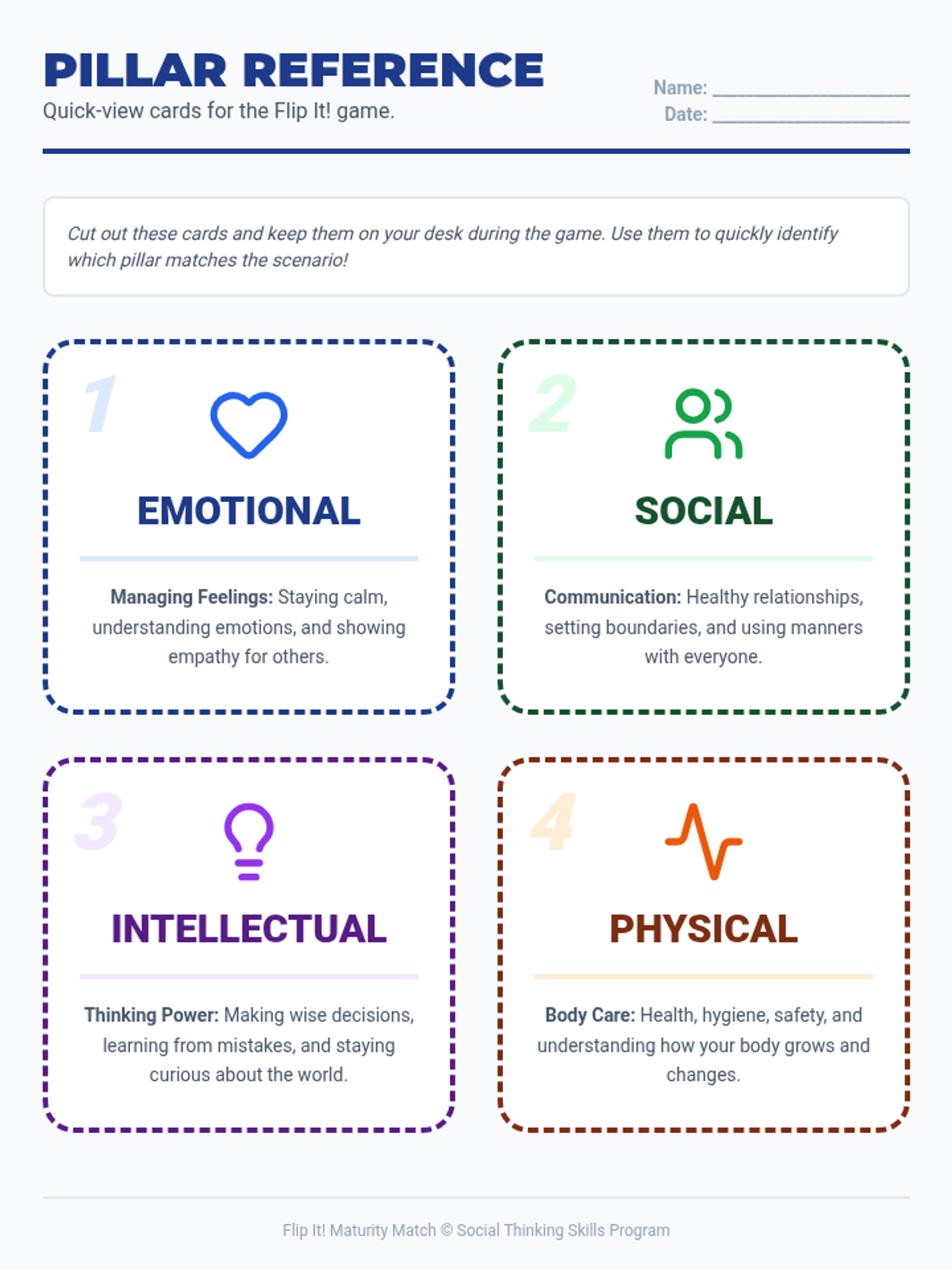
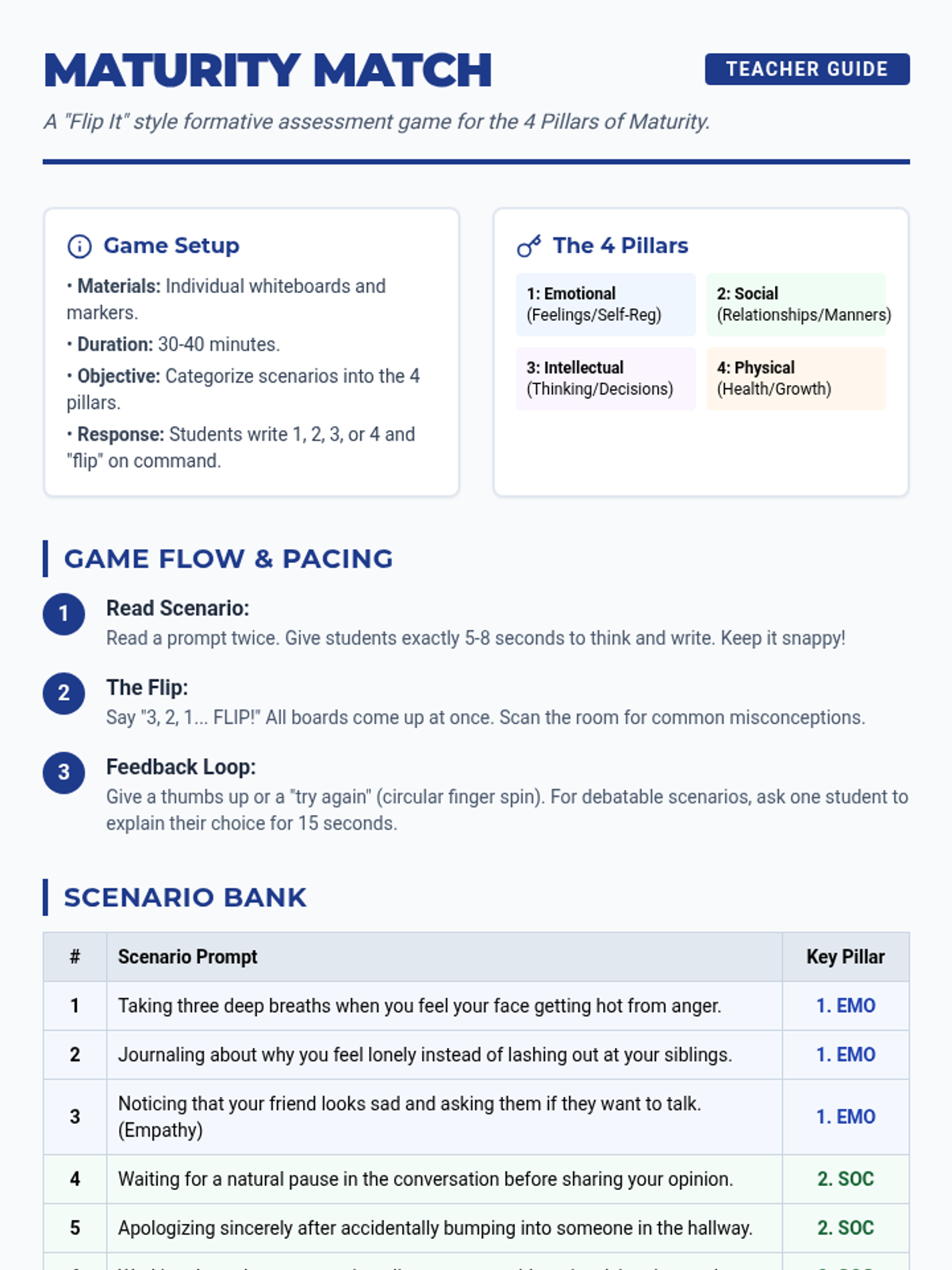
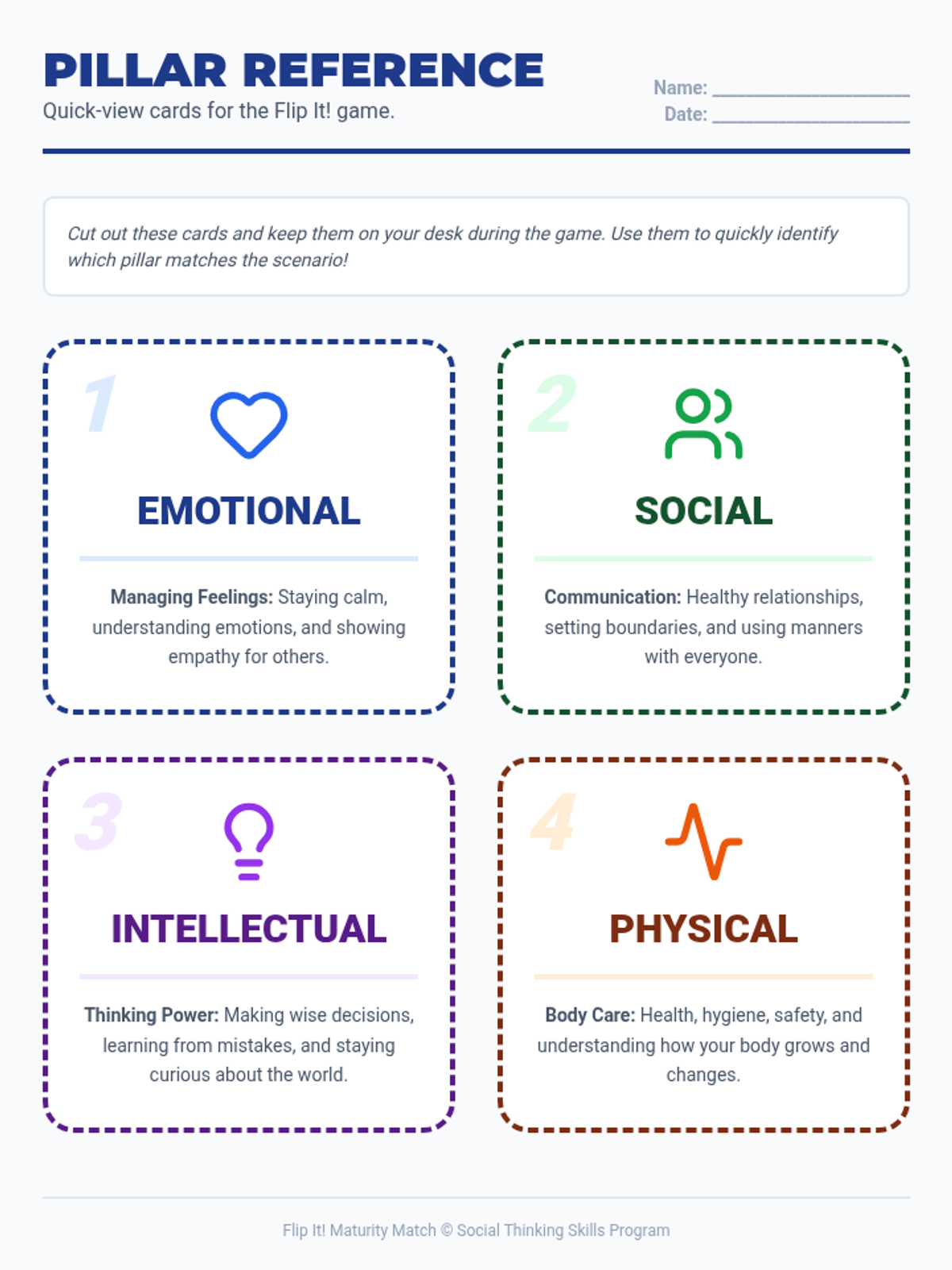
A fast-paced formative assessment game where students identify the four pillars of maturity through real-world scenarios. Includes a visual slide deck, a bank of 60 scenarios for the teacher, and reference cards for students.
A fast-paced formative assessment game where students identify the four pillars of maturity (Emotional, Social, Intellectual, and Physical) through real-world scenarios. Includes a visual slide deck, a bank of 40+ scenarios for the teacher, and reference cards for students.
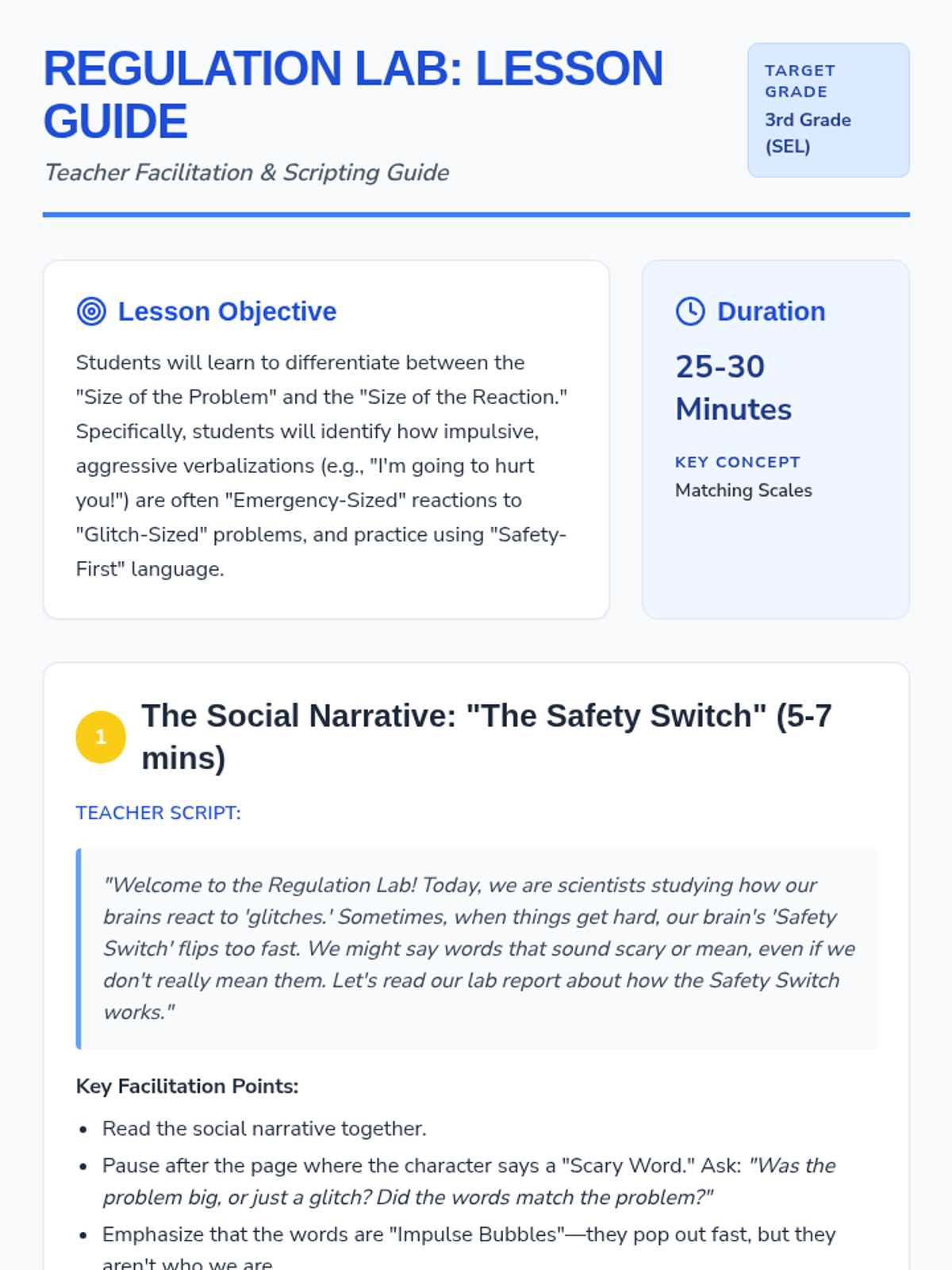
A comprehensive social-emotional learning lesson focused on helping students match the size of their reaction to the size of the problem, specifically addressing impulsive verbal aggression during dysregulation.