A hands-on LEGO robotics lesson where students collaborate to design and build functional robots, focusing on teamwork, creative problem-solving, and iterative design.
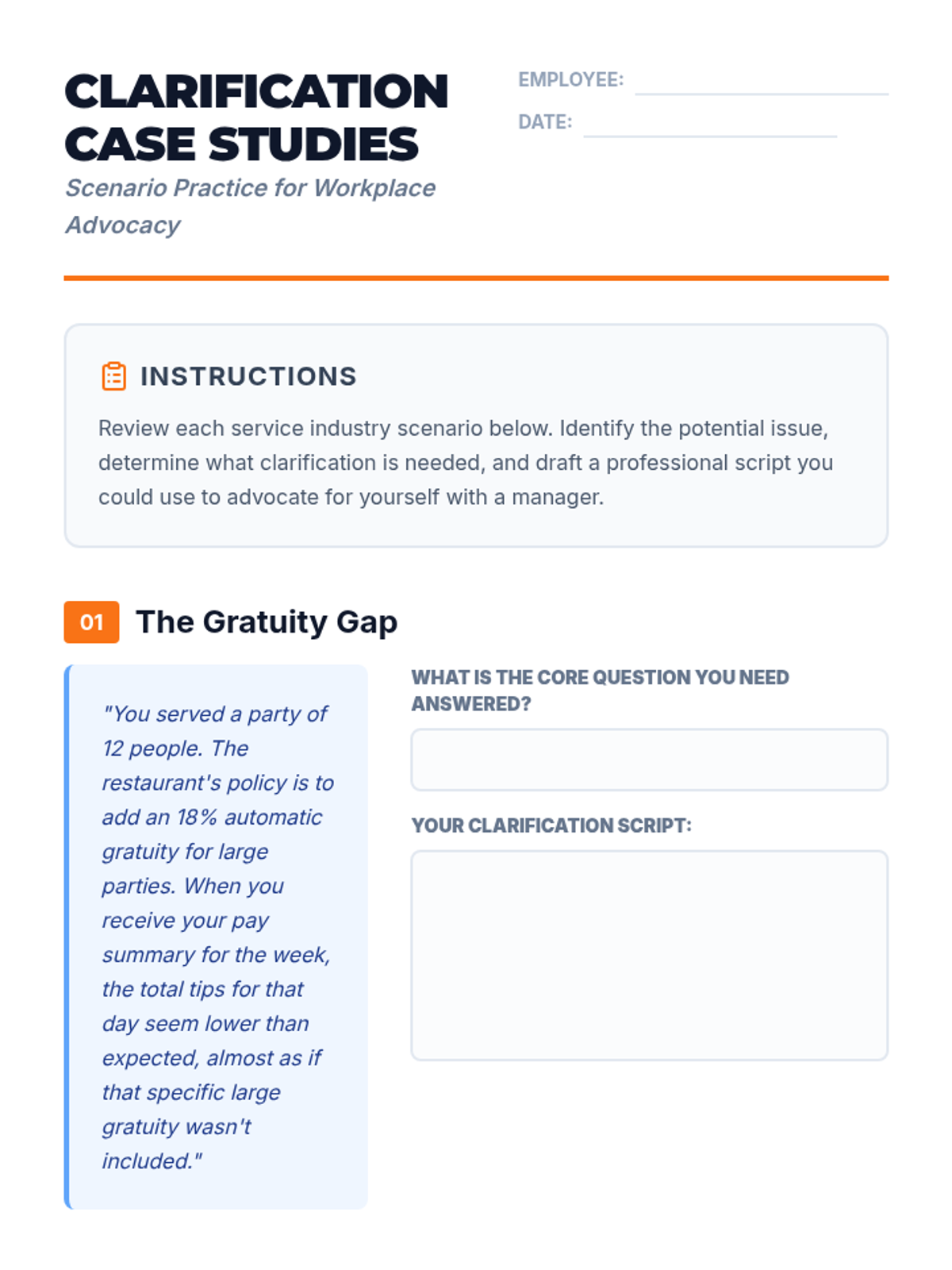
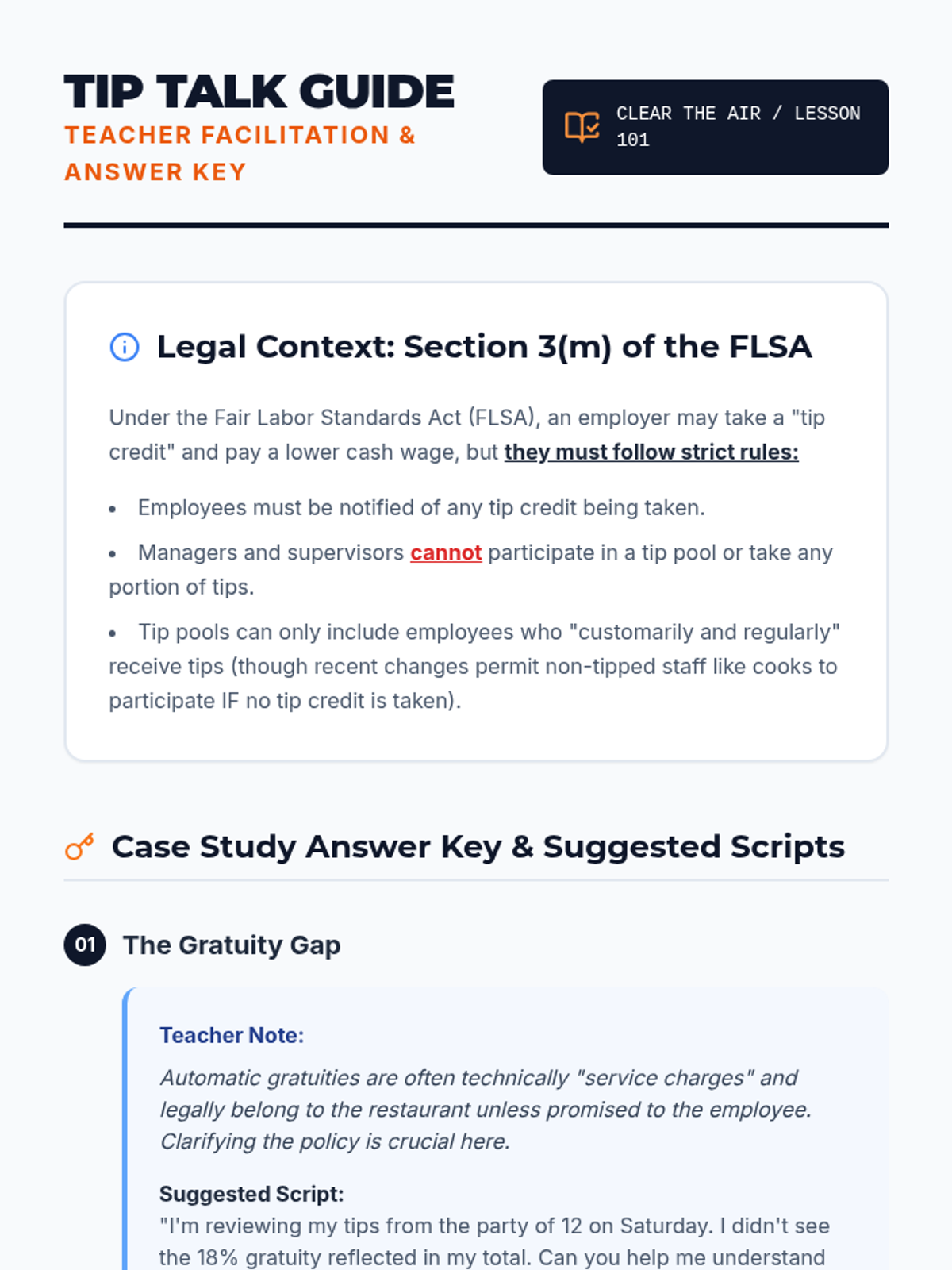
This lesson focuses on self-advocacy in the service industry, specifically regarding tipping policies and procedures. Students will learn how to identify different tipping systems and practice asking for clarification when they have questions about their earnings.
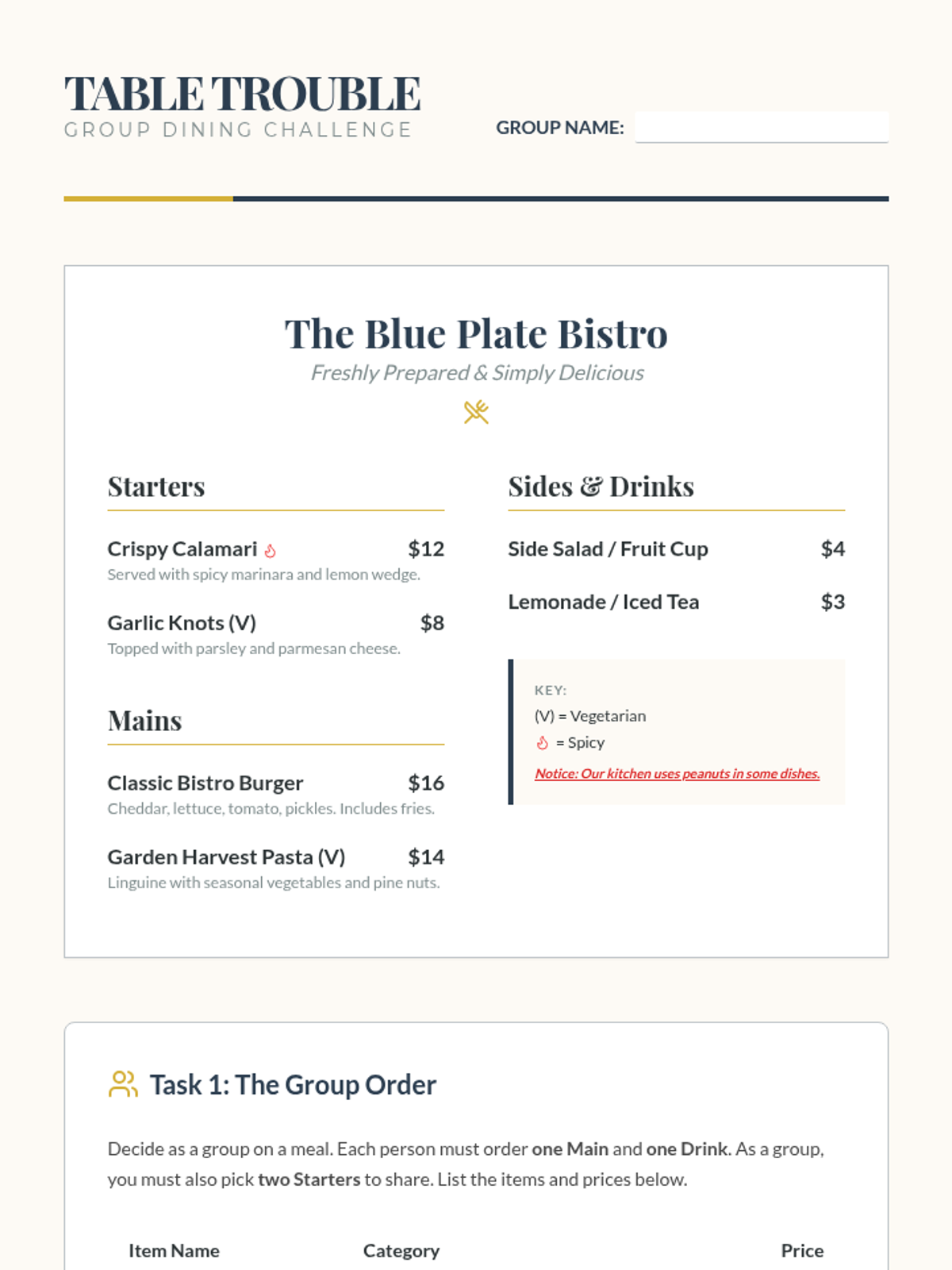
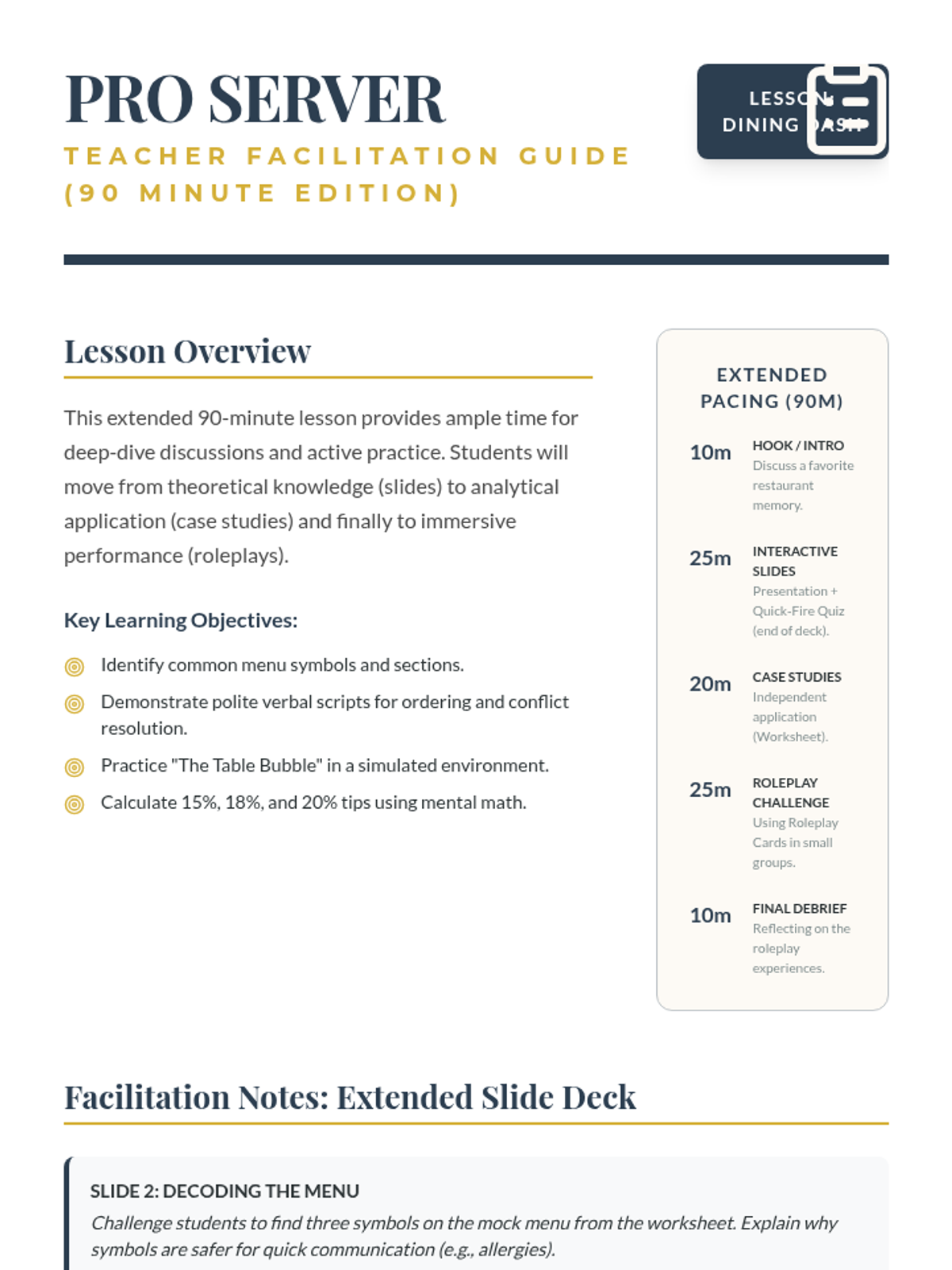
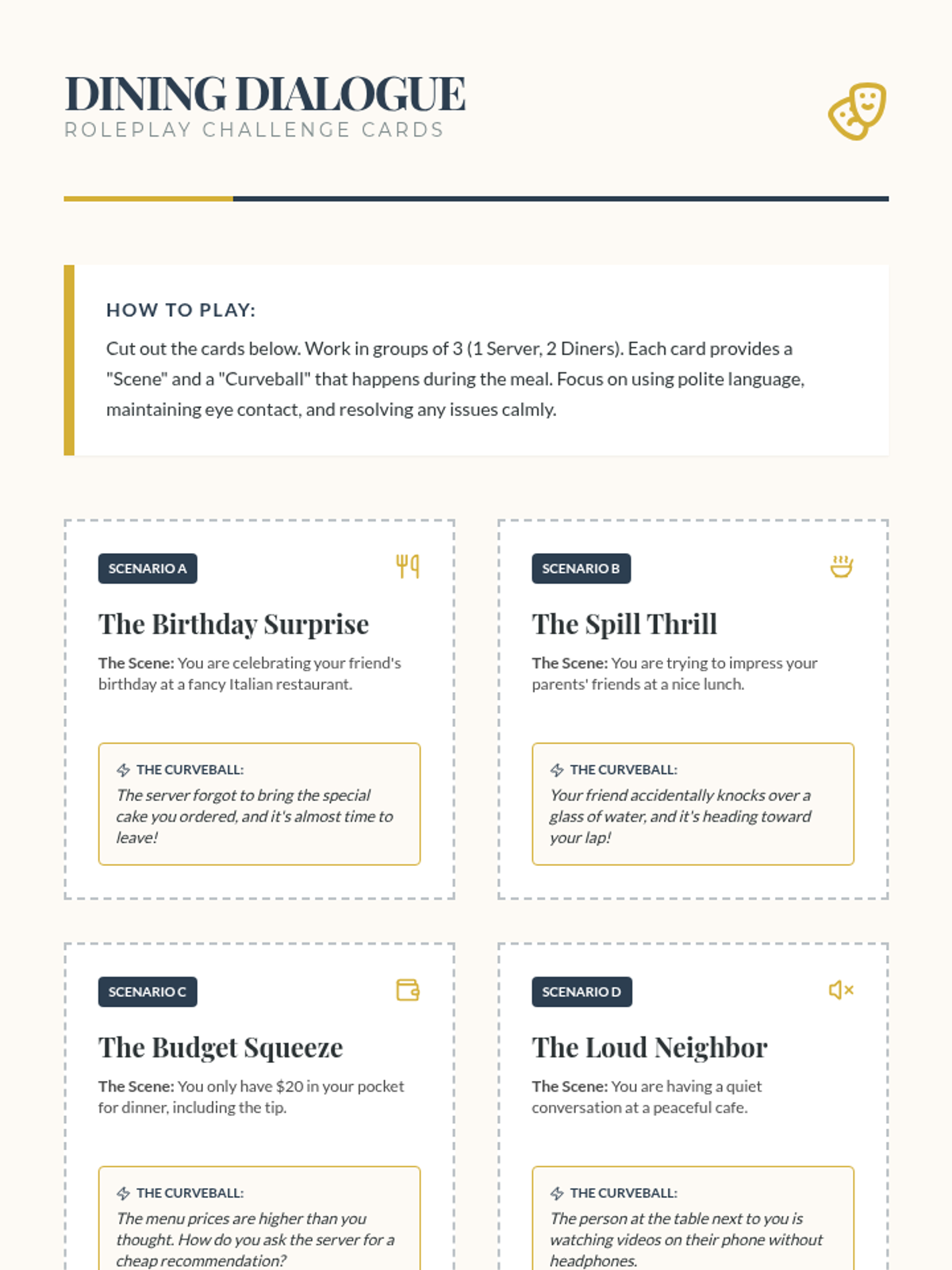
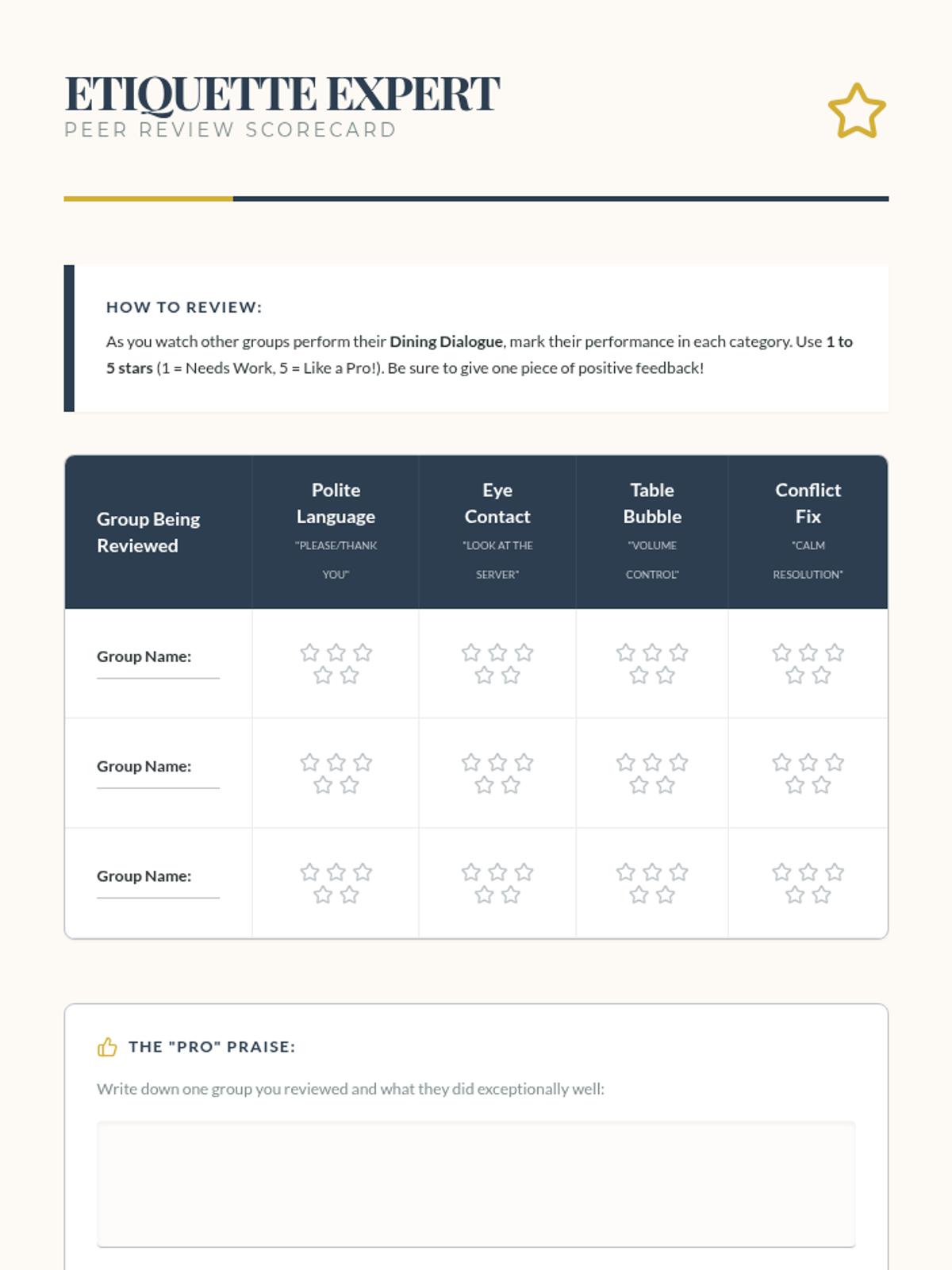
A comprehensive lesson on restaurant etiquette covering menu reading, ordering, manners, volume control, tipping, and conflict resolution.
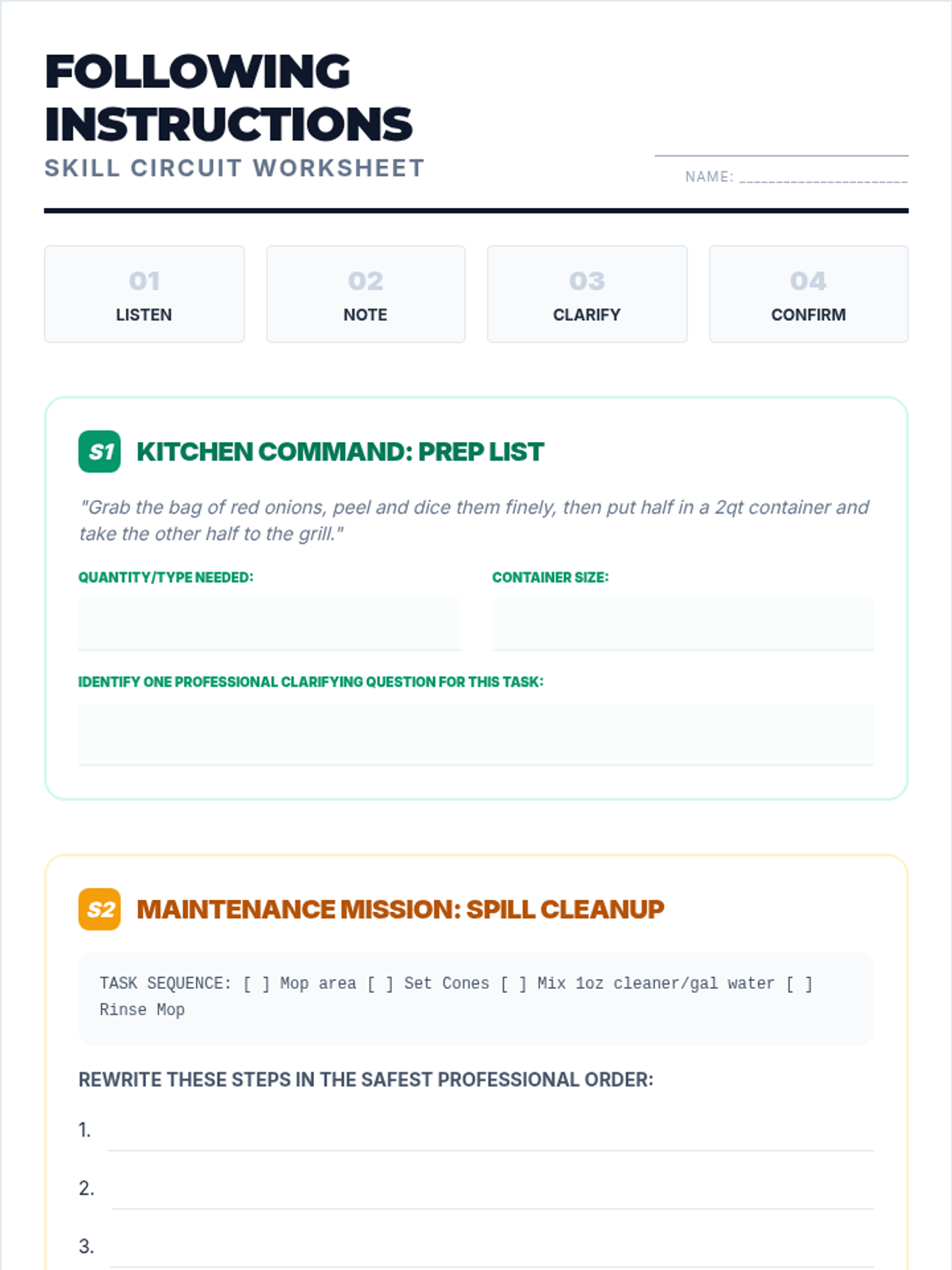
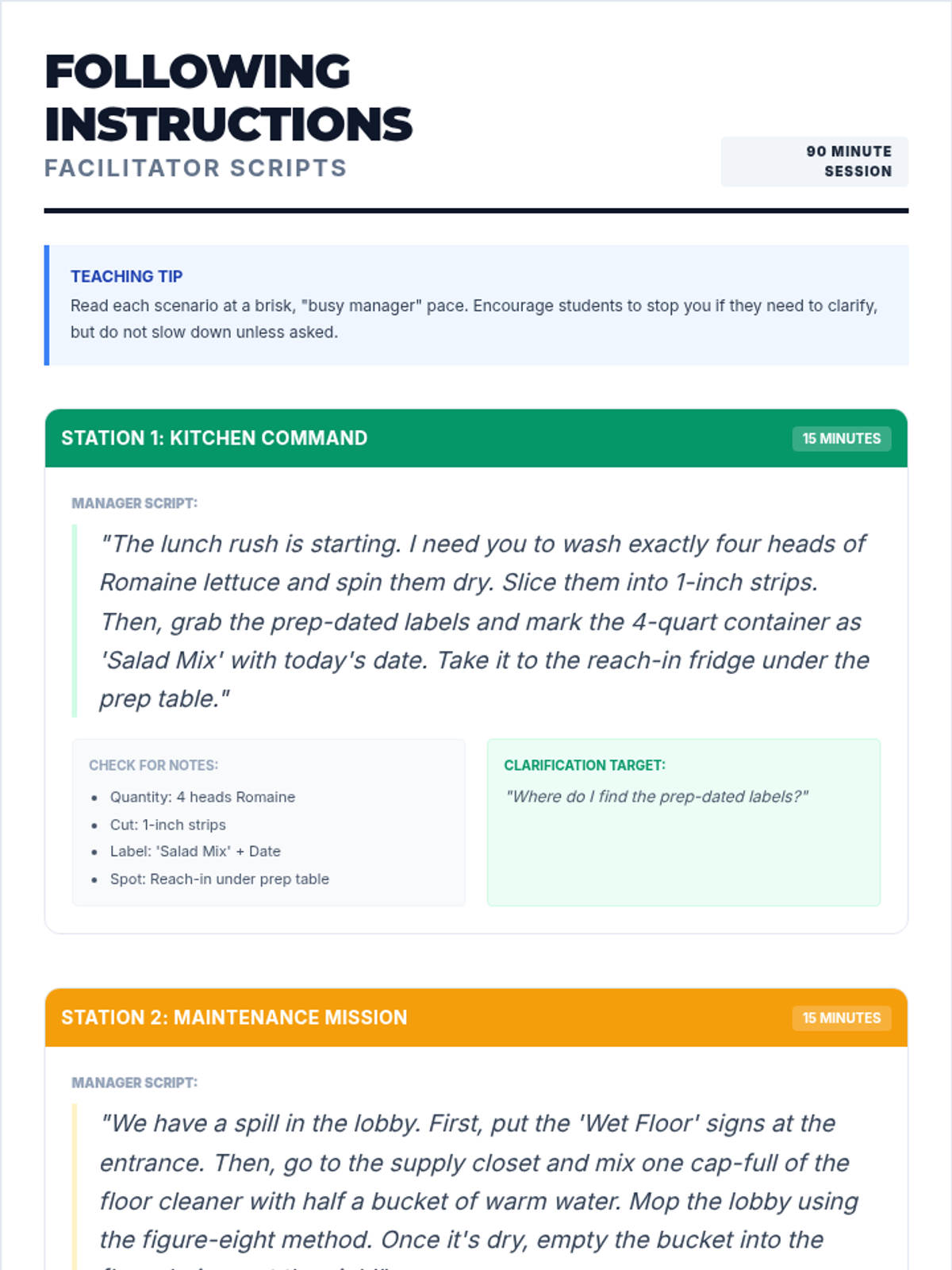
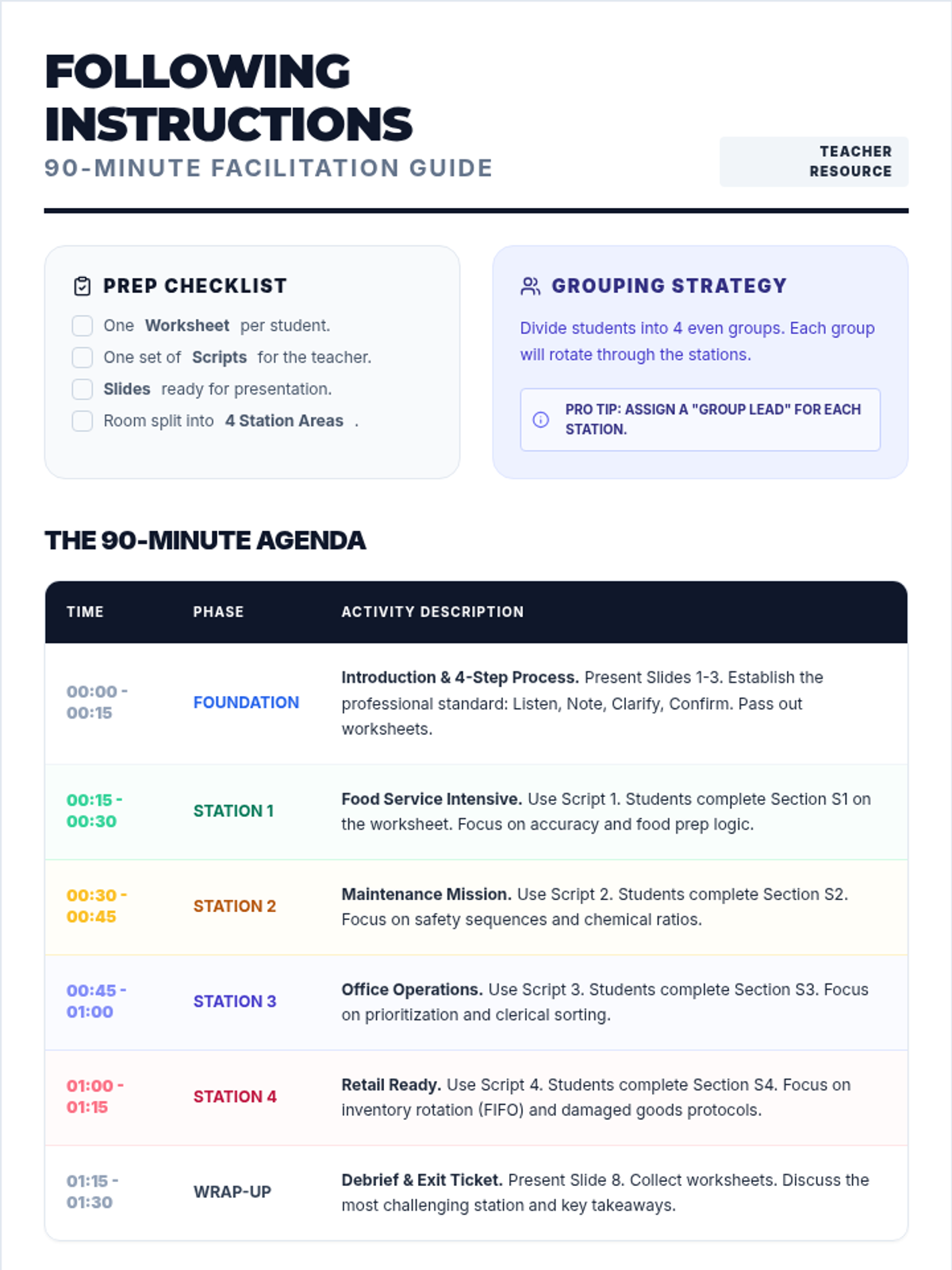
The core 90-minute training session covering four industry-specific challenges. Students rotate through scenarios to master the 4-step professional process for following instructions.
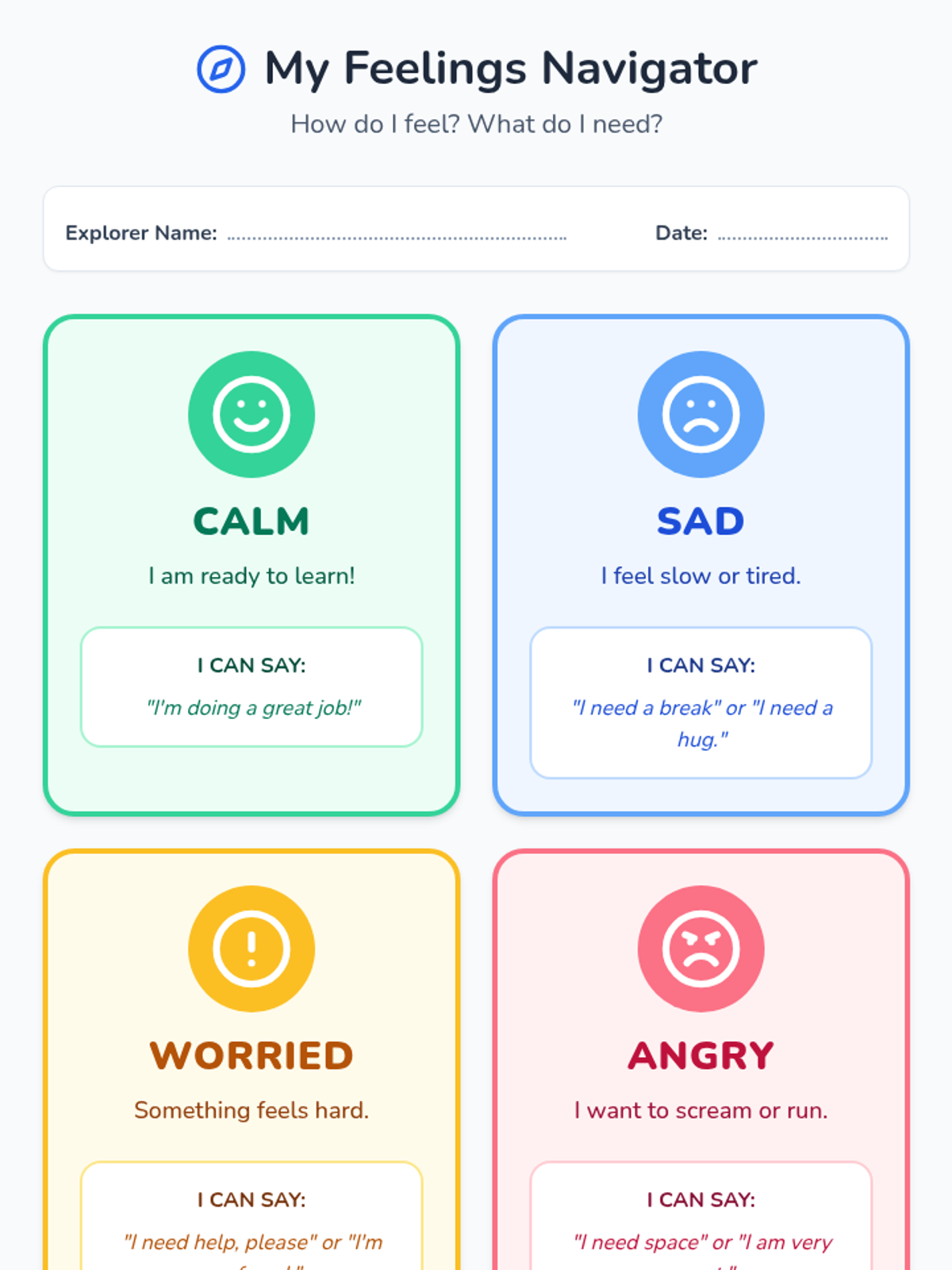
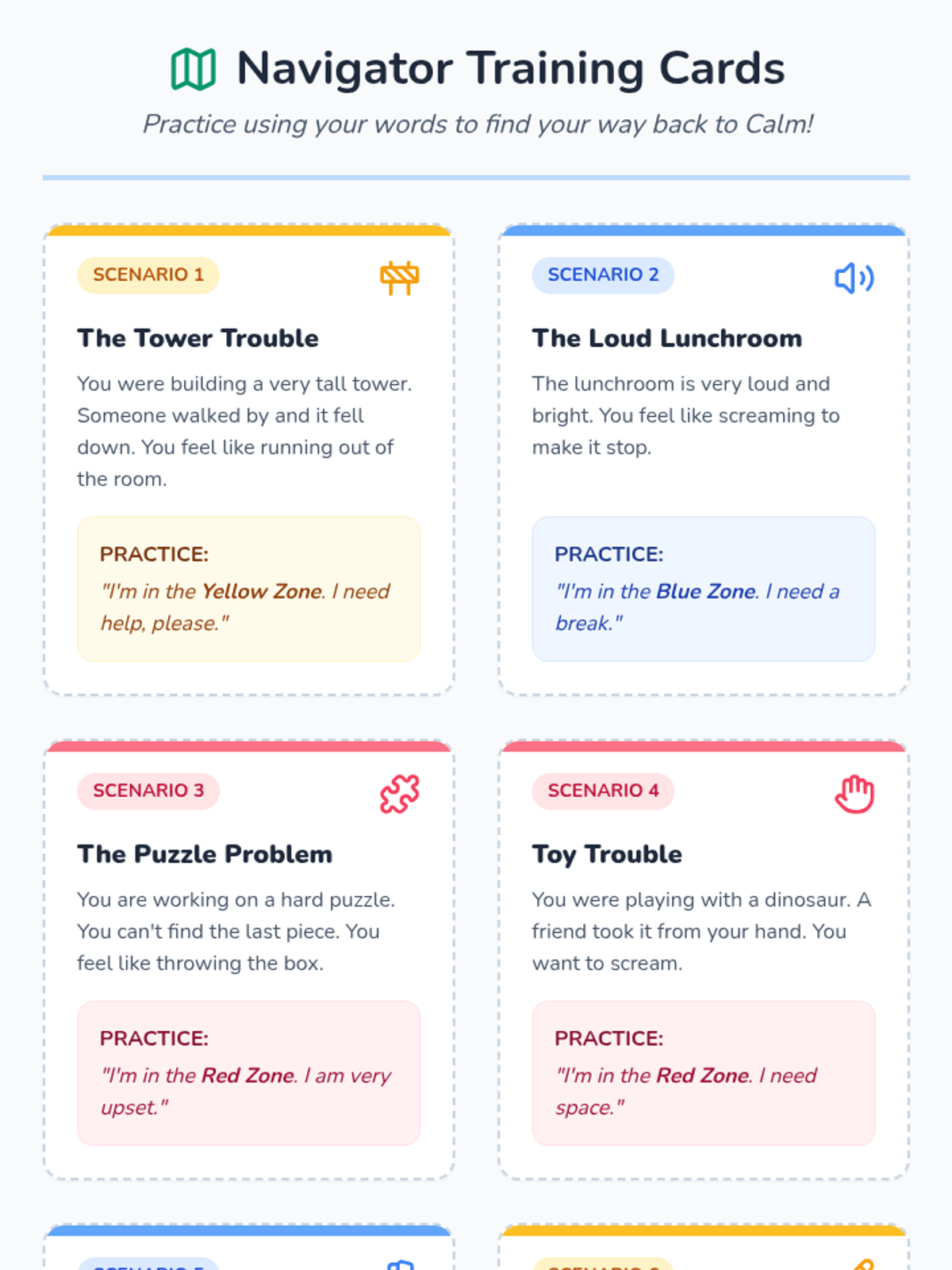
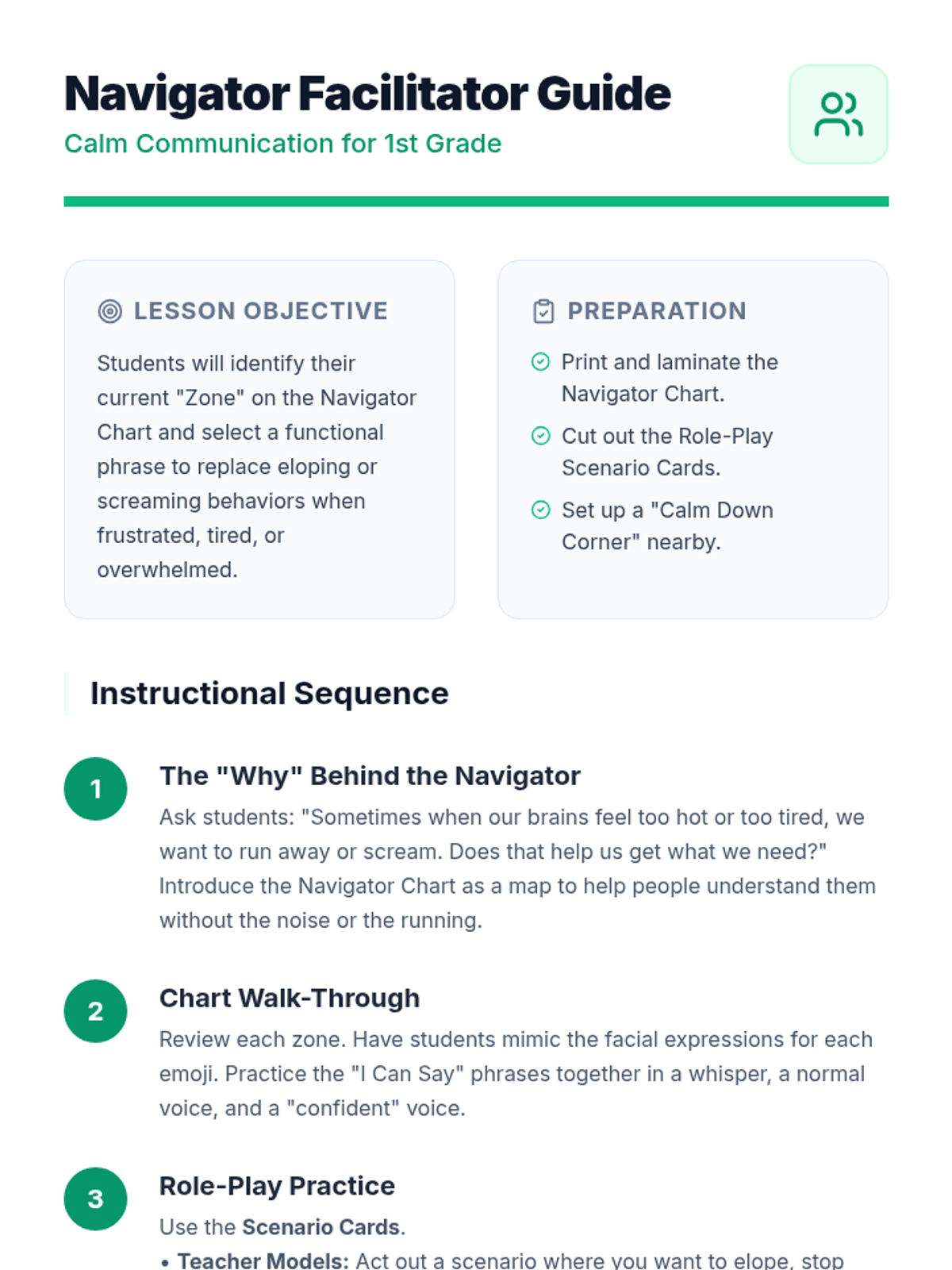
A lesson designed for two first-graders to learn how to replace screaming and eloping with verbal communication using a feelings chart. Through role-play and visual aids, students practice identifying their emotions and stating their needs.
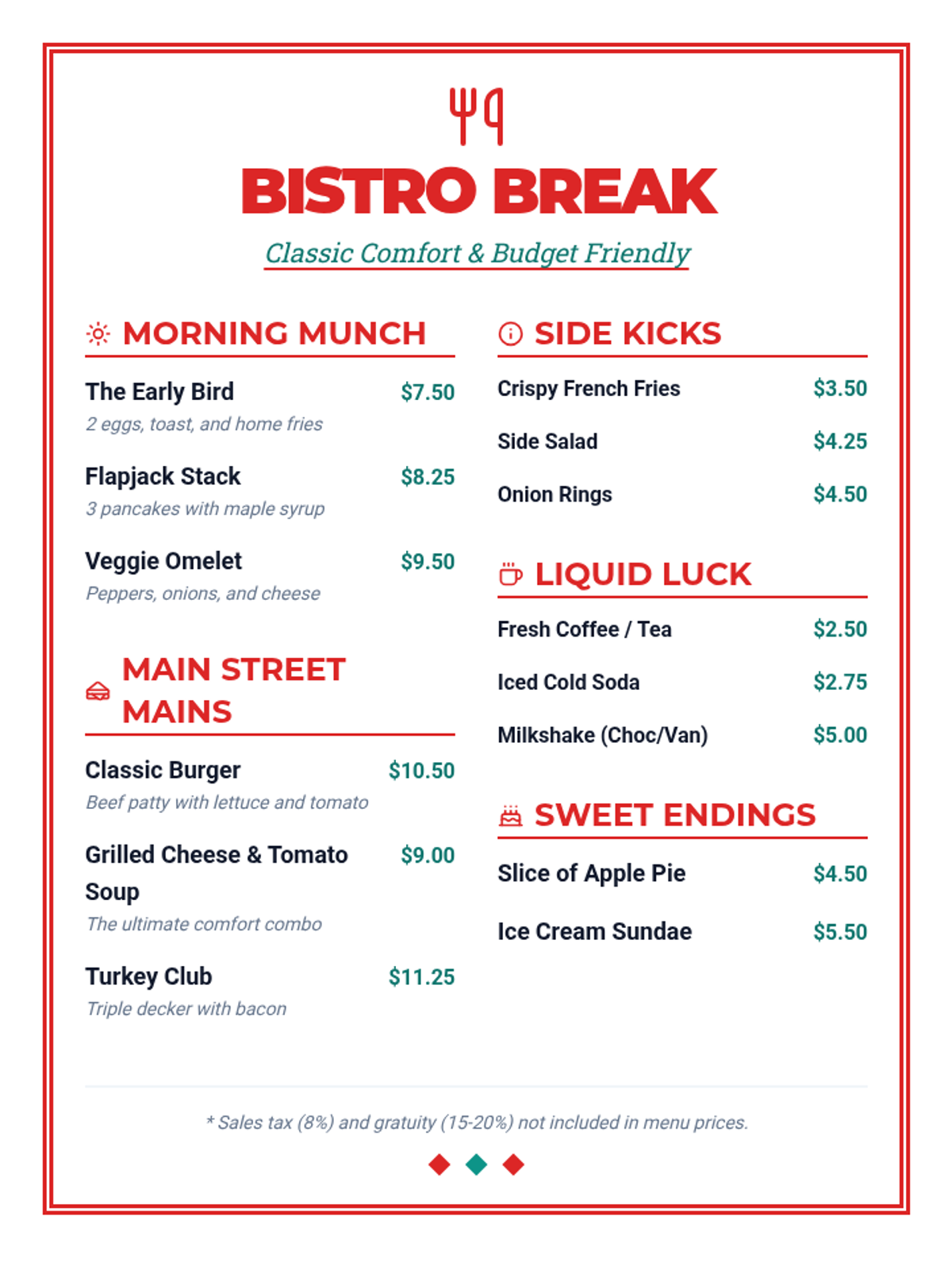
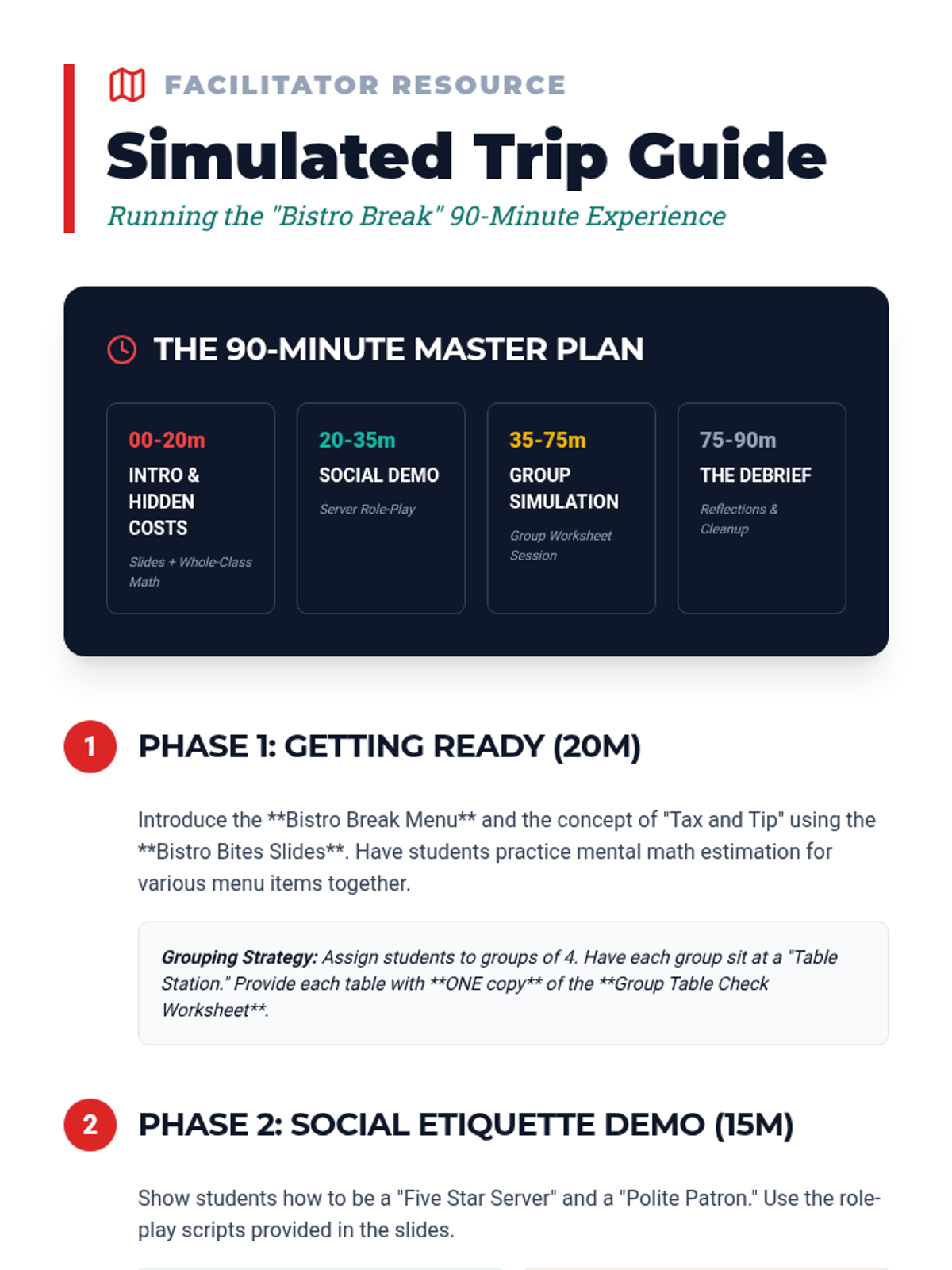
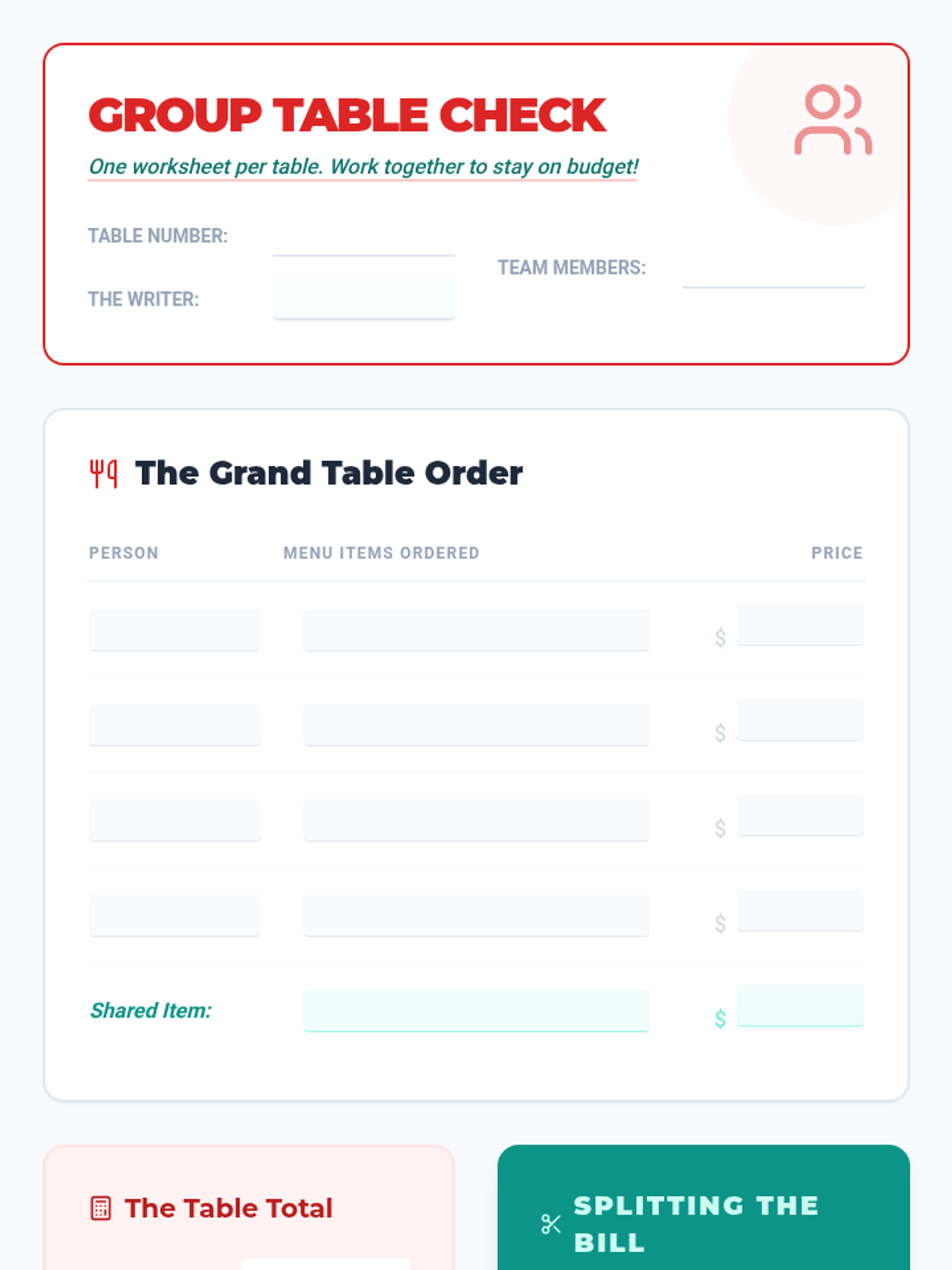
A functional skills lesson focused on navigating a restaurant experience on a budget, covering menu reading, budget planning, social etiquette, and group check splitting.
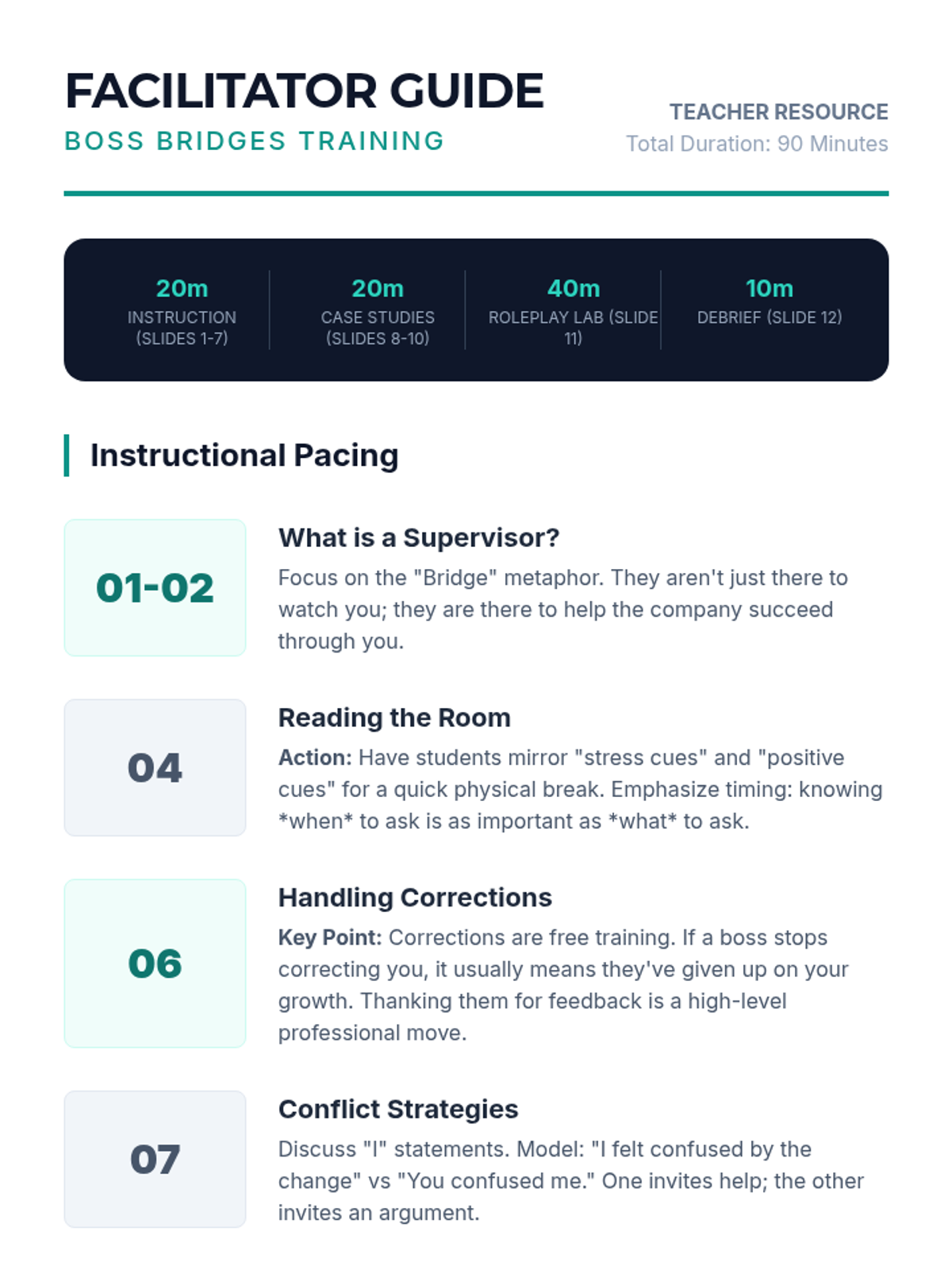
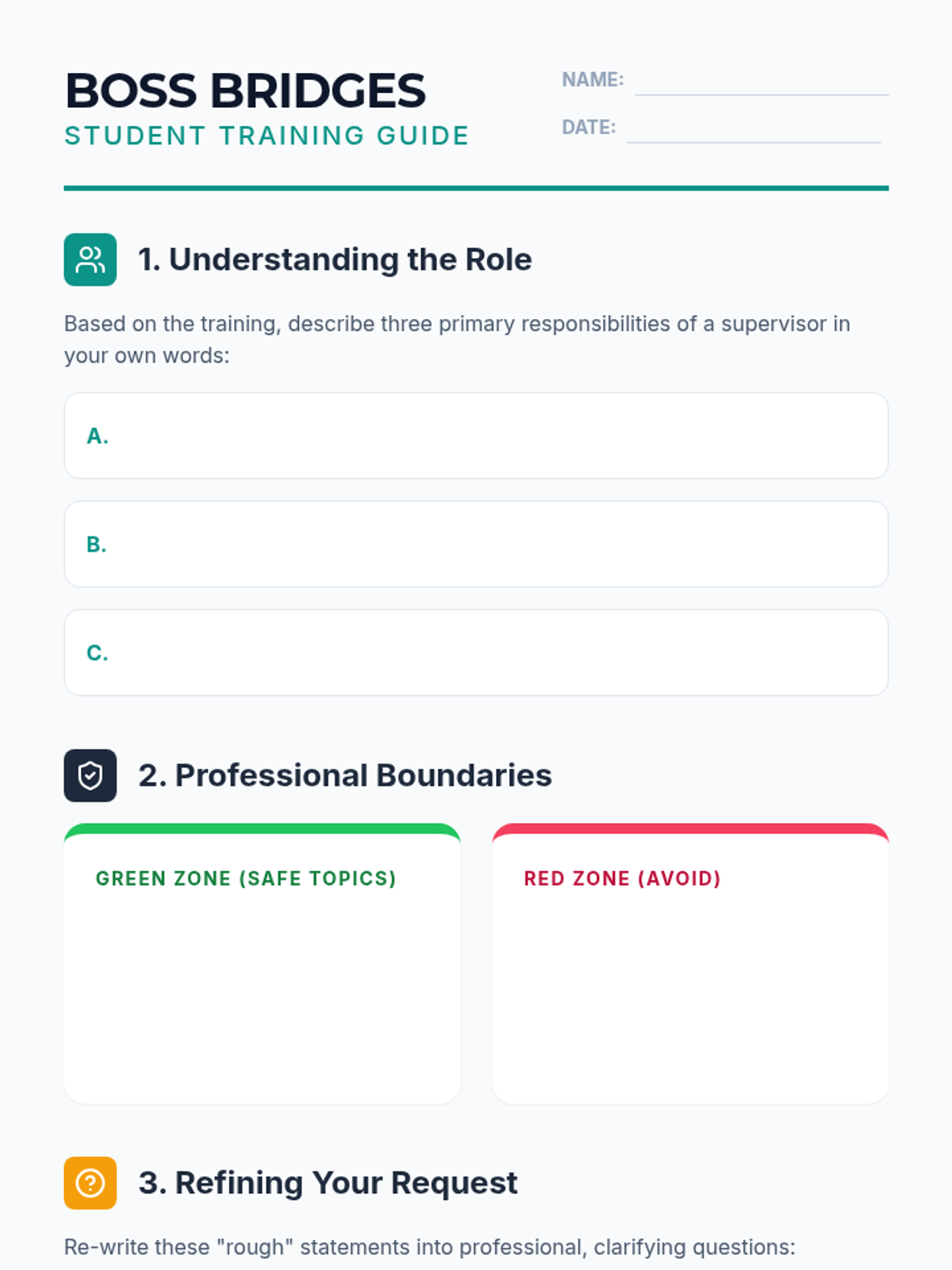
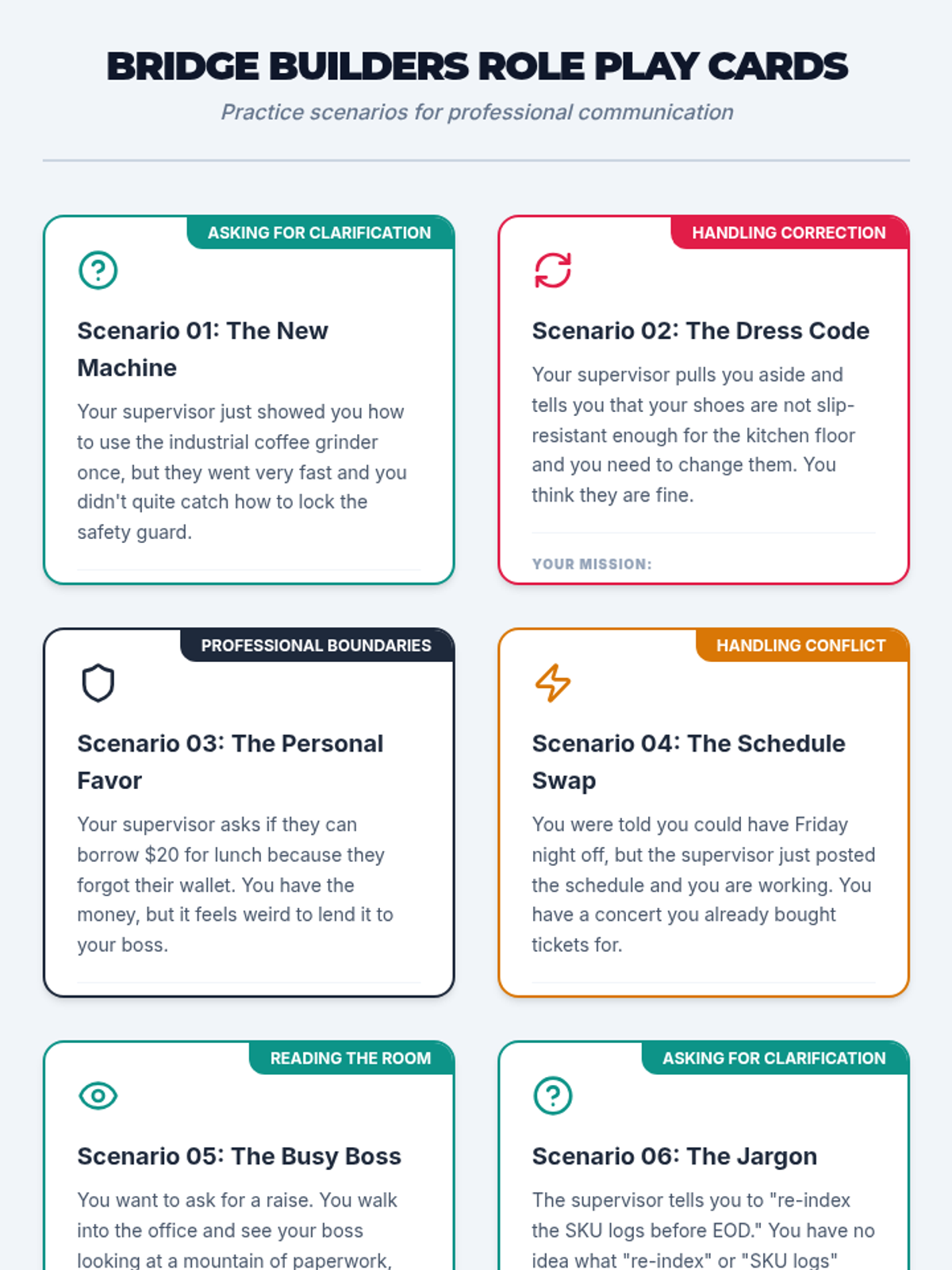
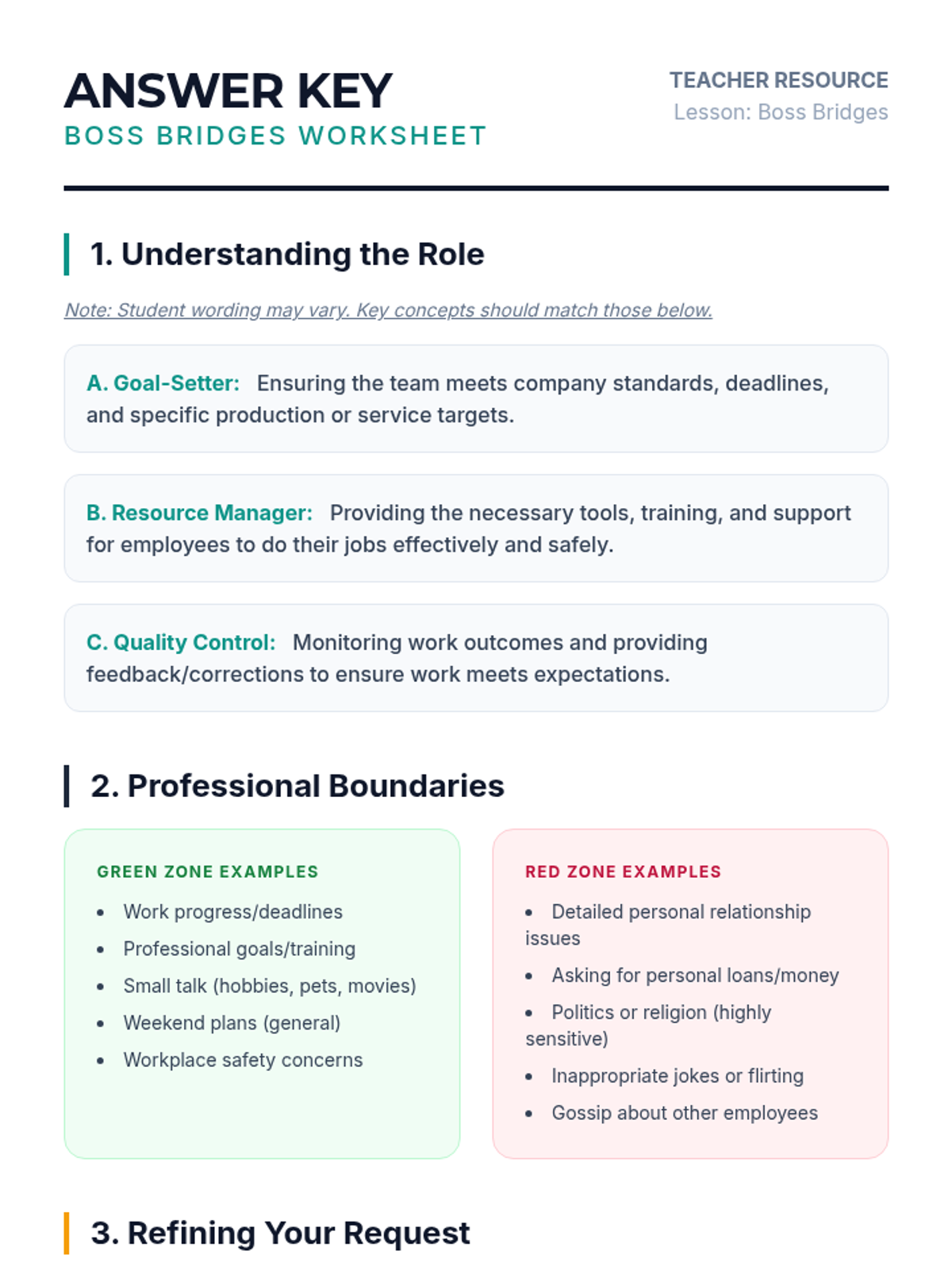
A comprehensive training session focusing on the professional relationship between employees and supervisors. Students will learn about supervisor roles, boundaries, communication strategies, and conflict resolution through interactive case studies.
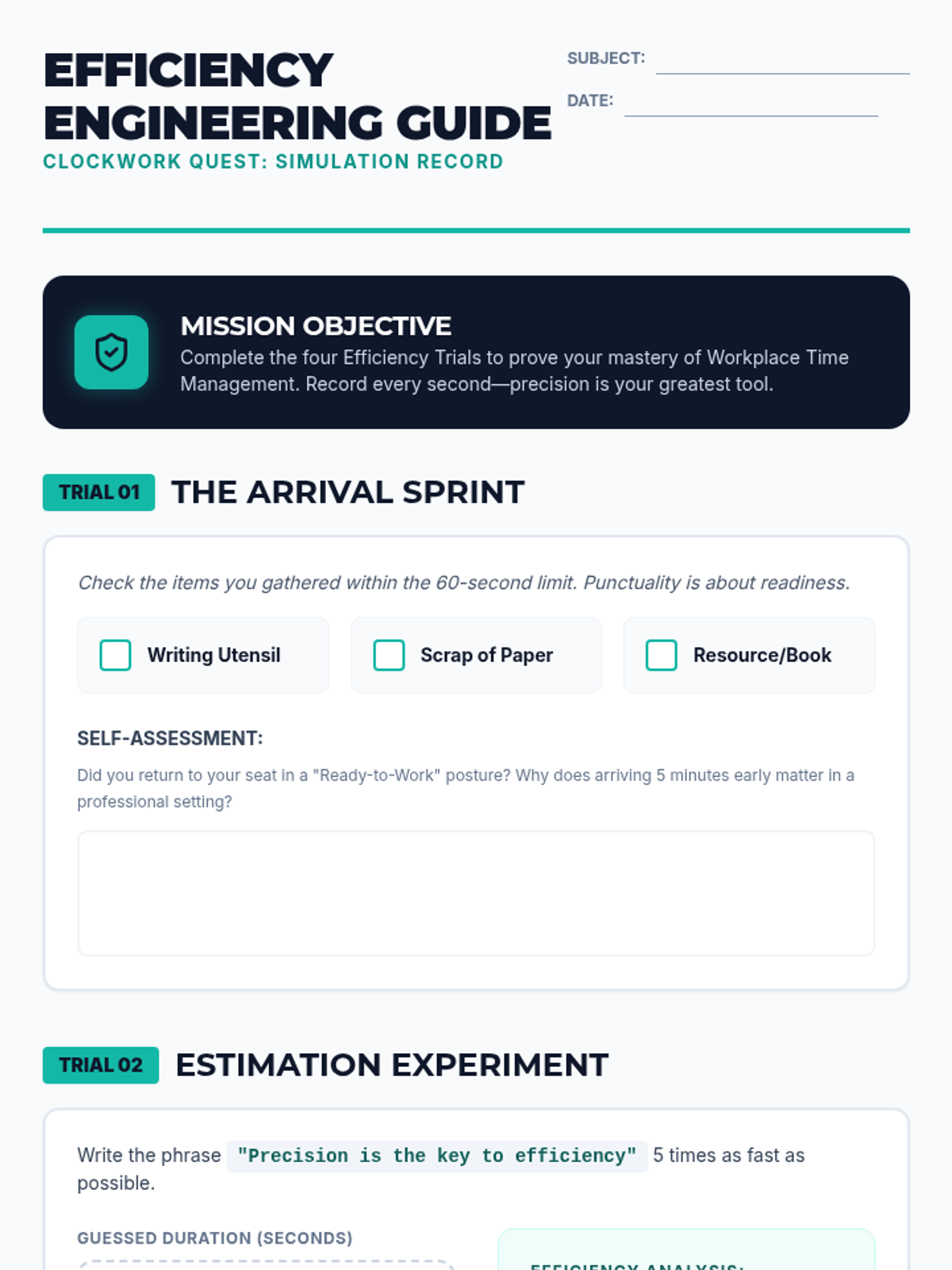
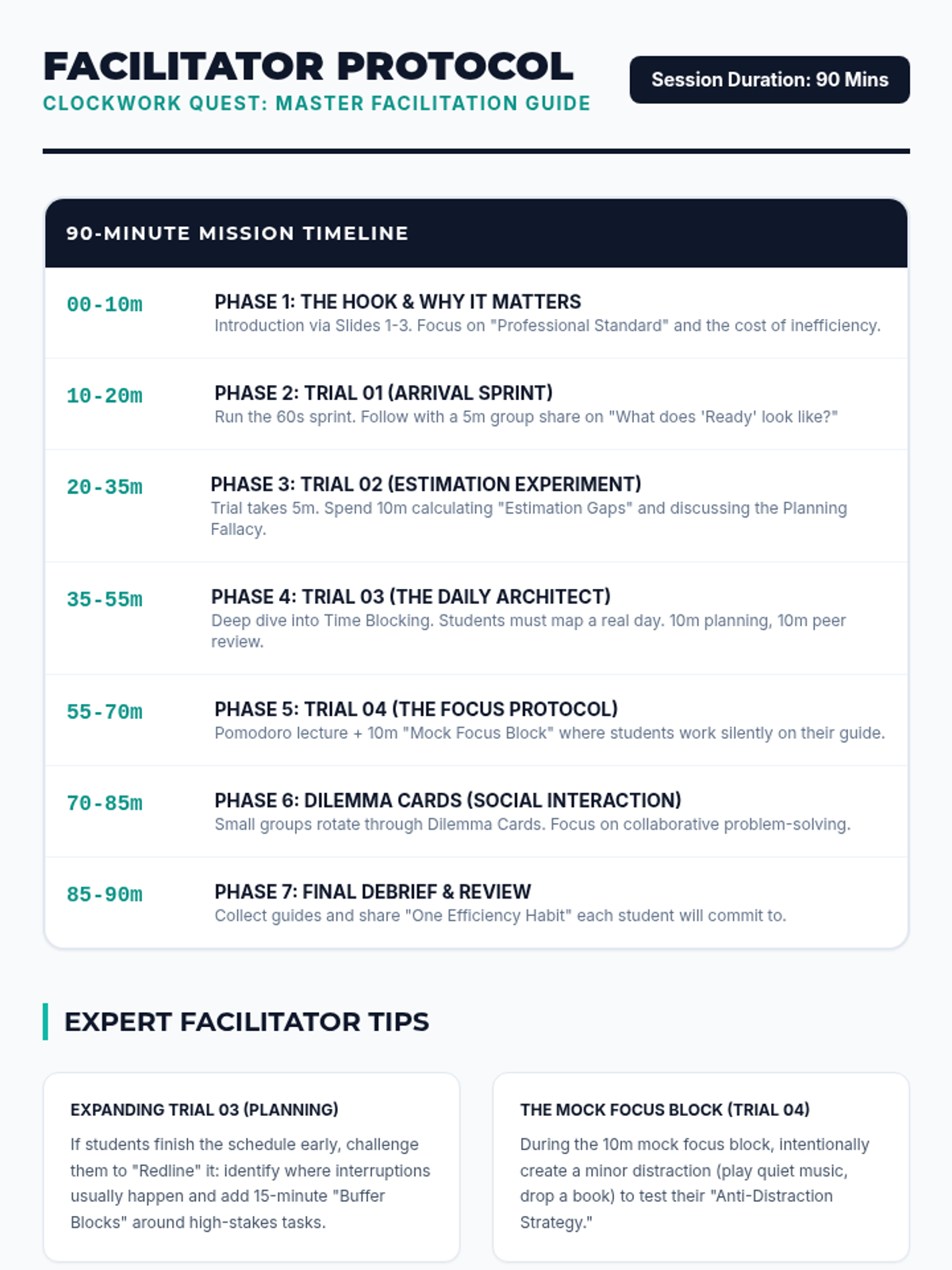
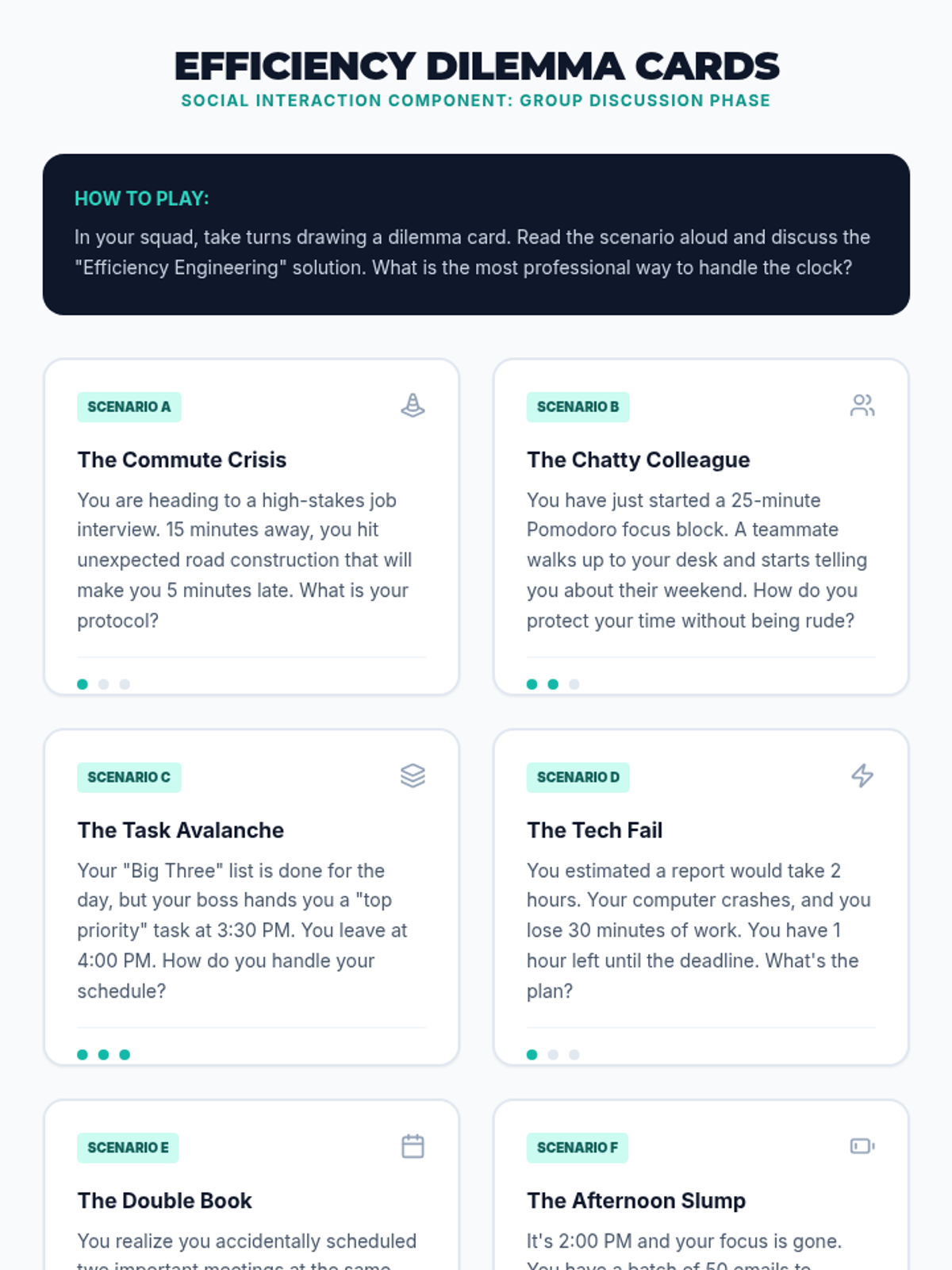
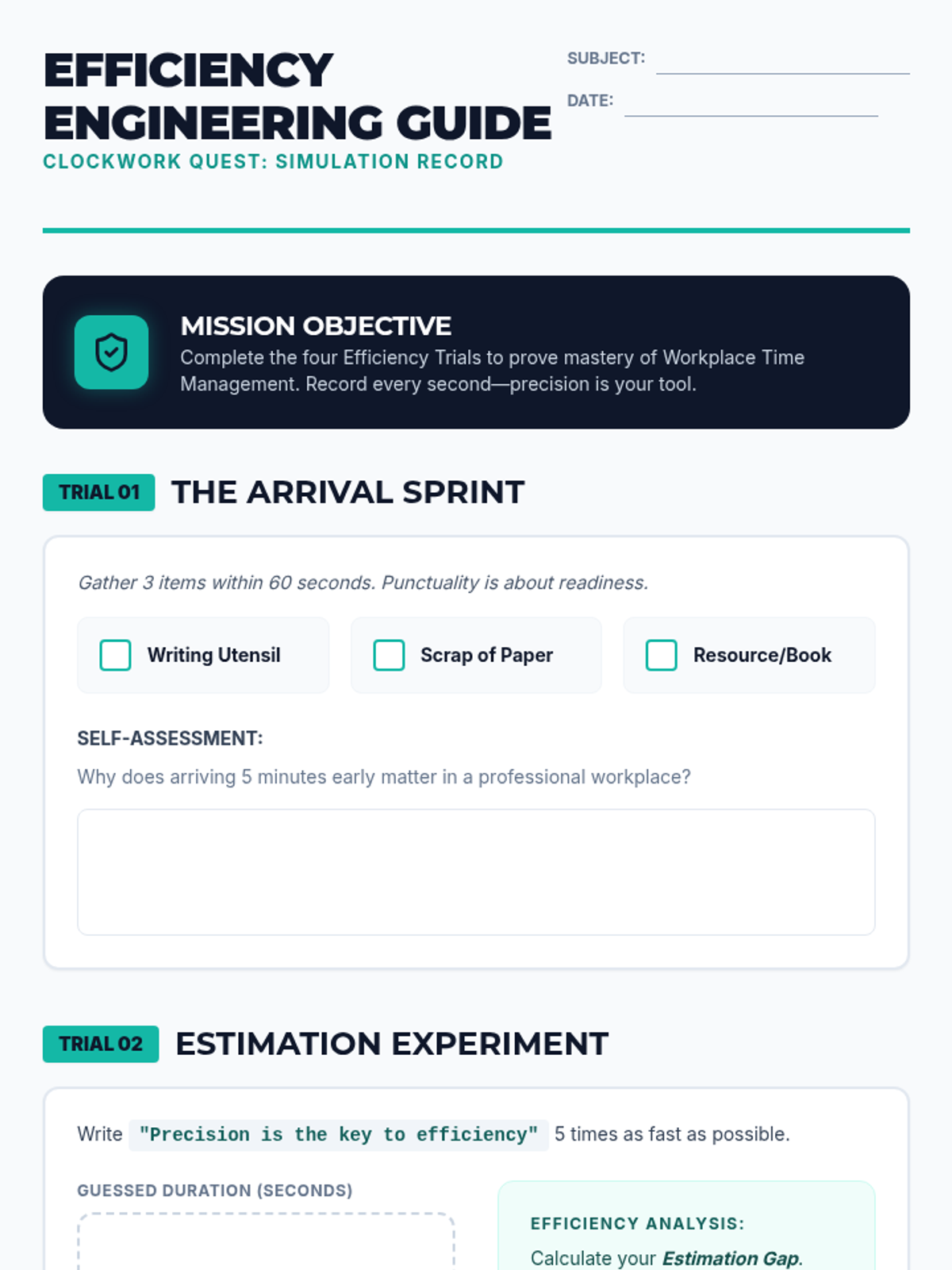
A lesson focused on mastering time management through hands-on 'trials' that teach punctuality, task estimation, scheduling, and focus techniques.
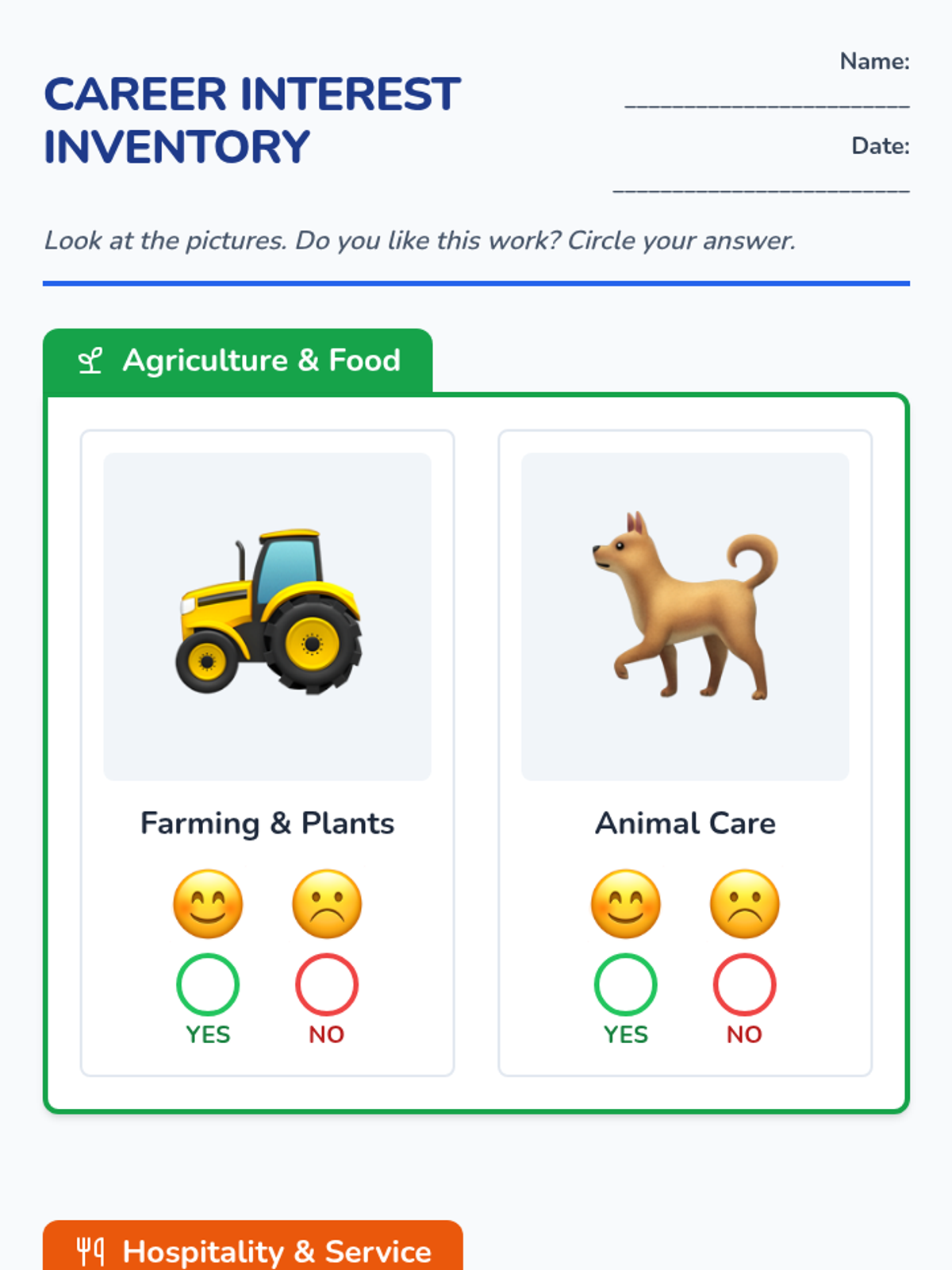
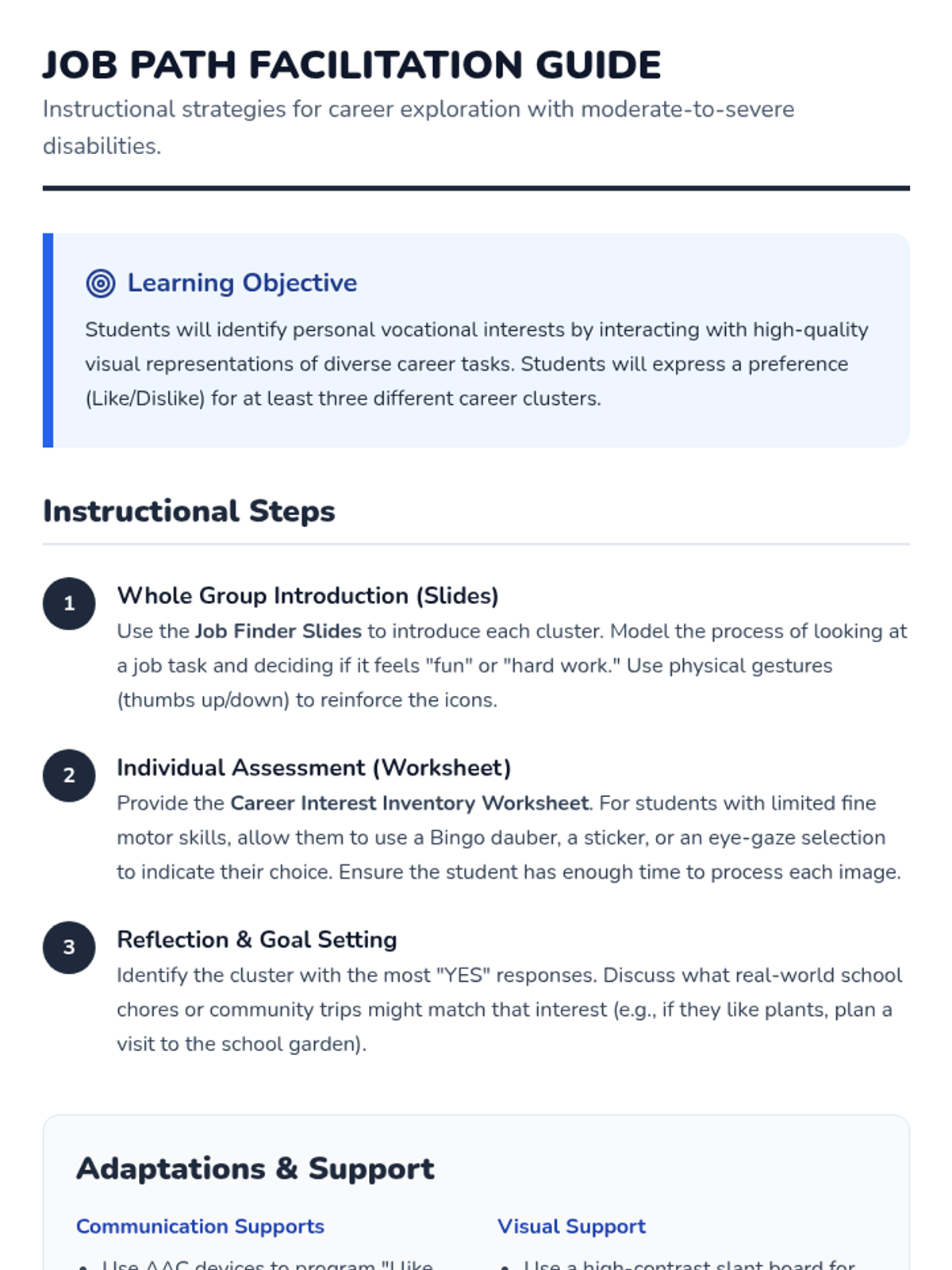
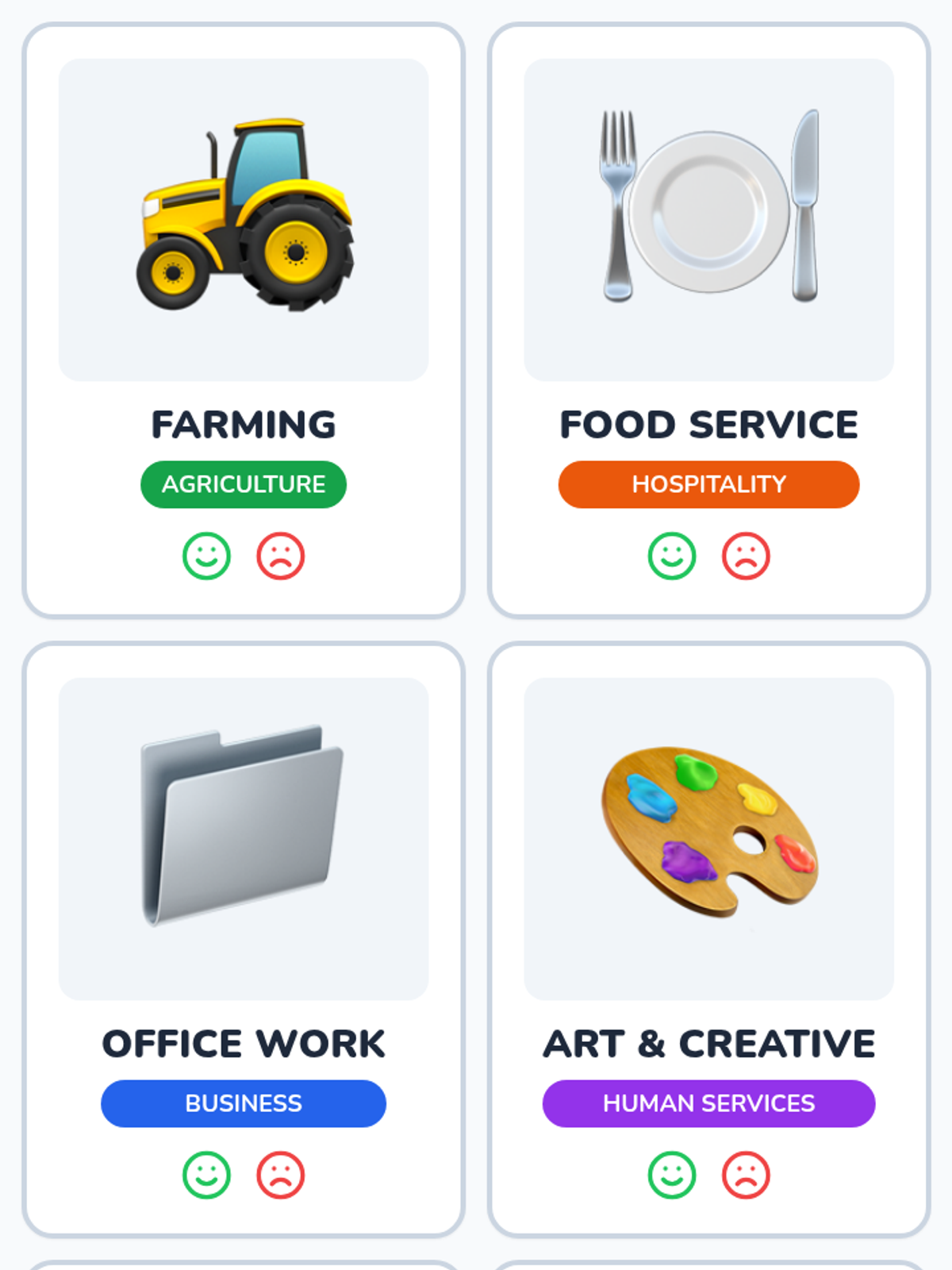
A visual career exploration lesson designed for students with moderate to severe disabilities, using real photos to identify interests across various career clusters.
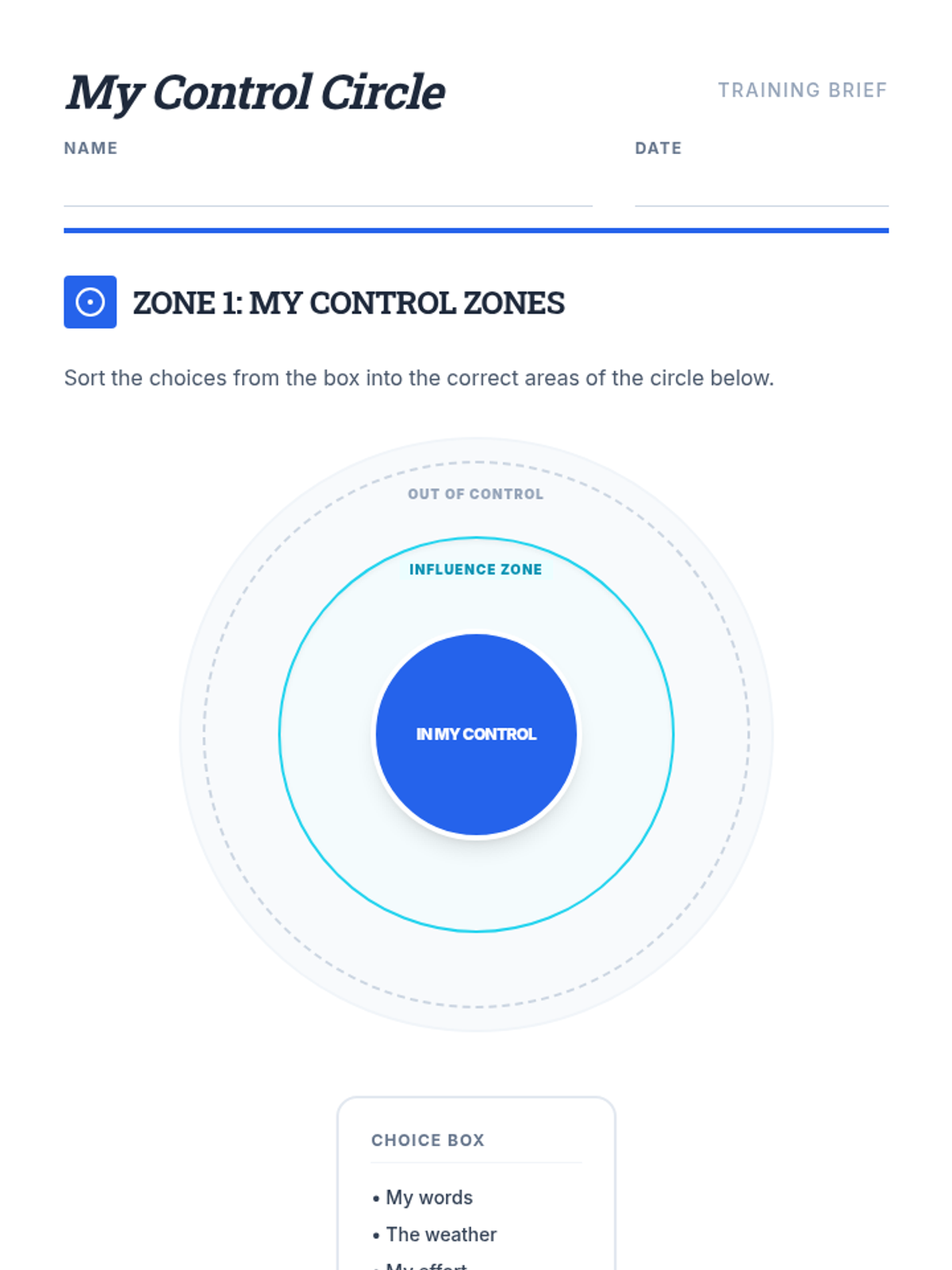
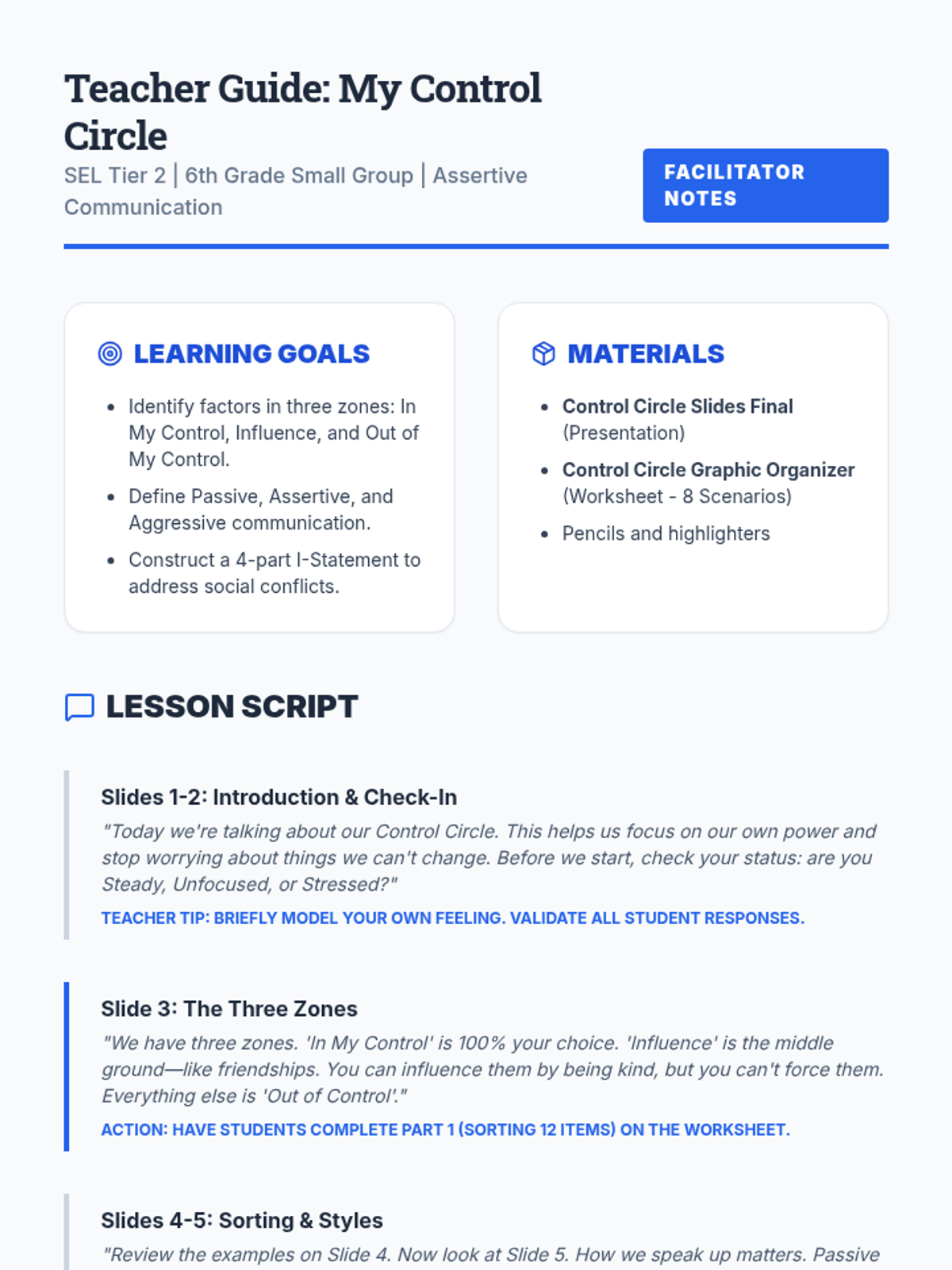
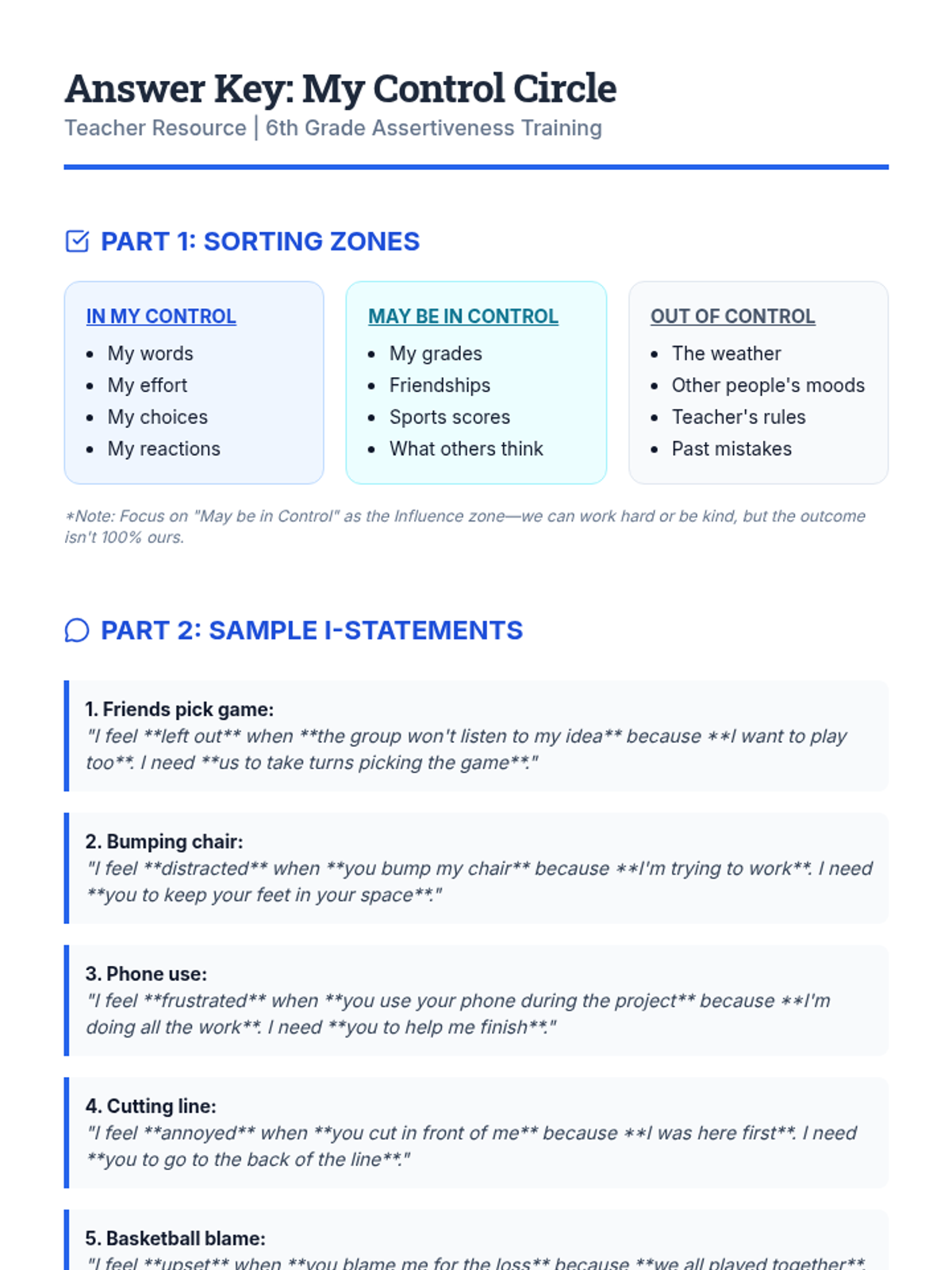
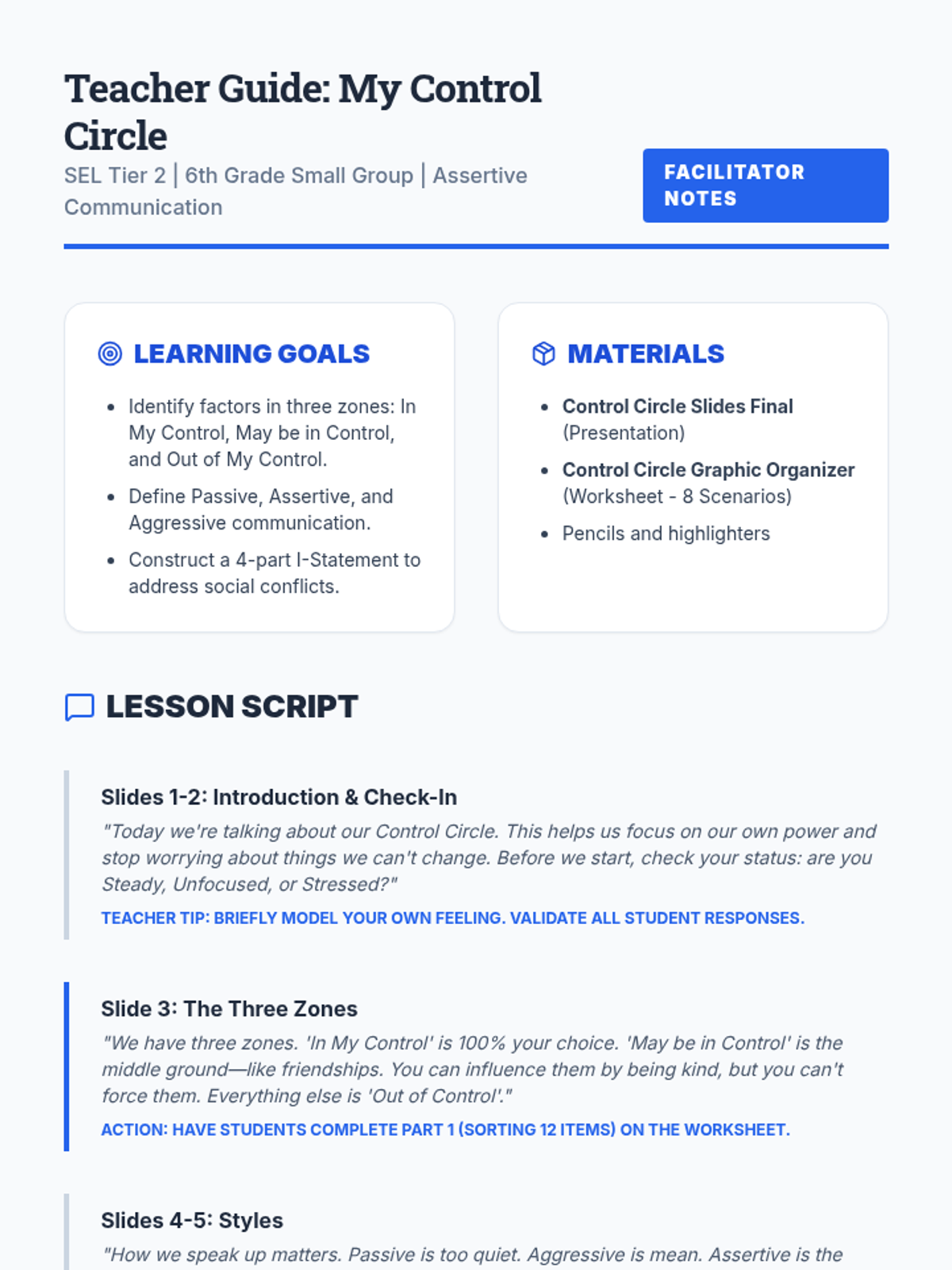
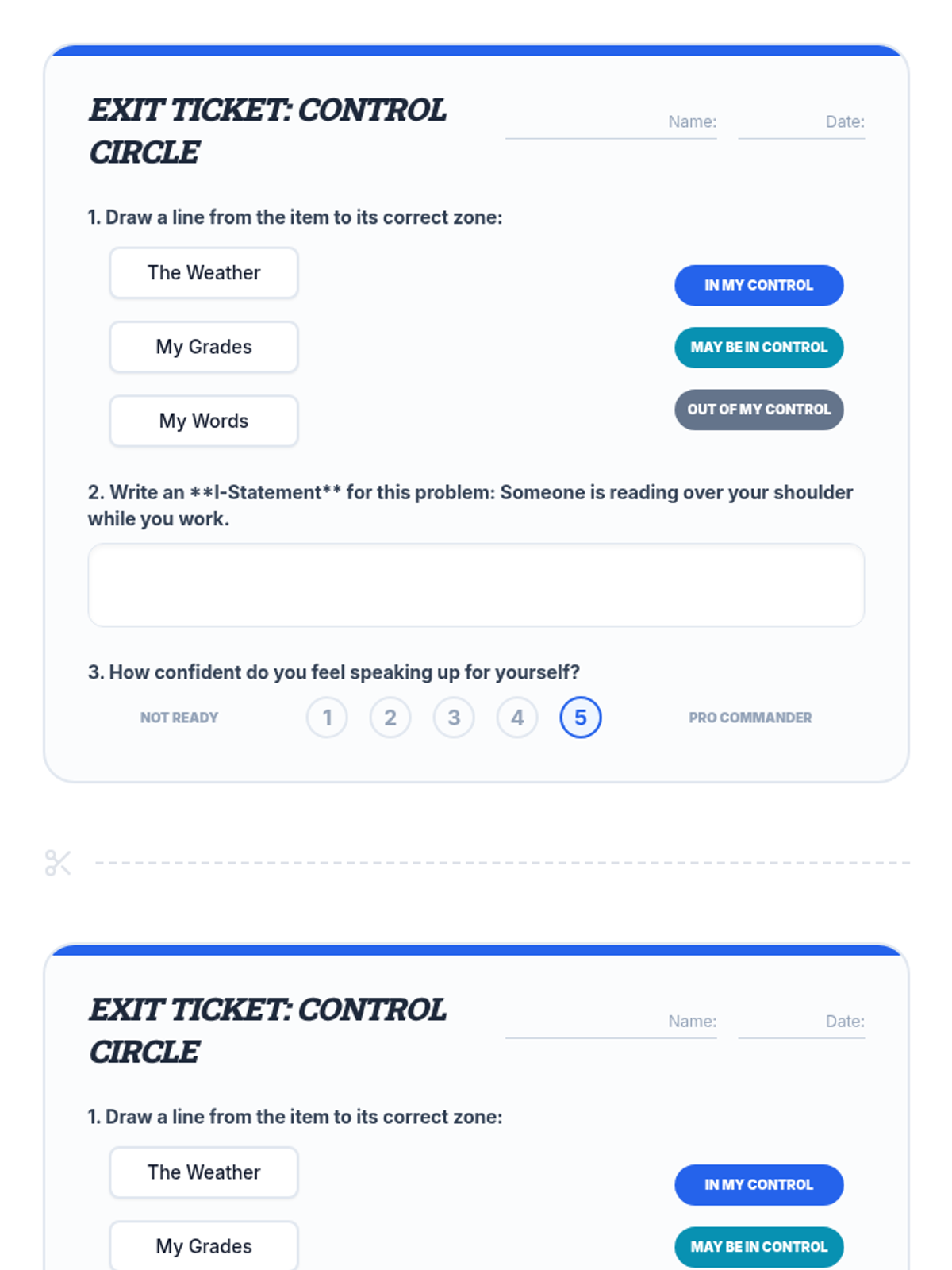
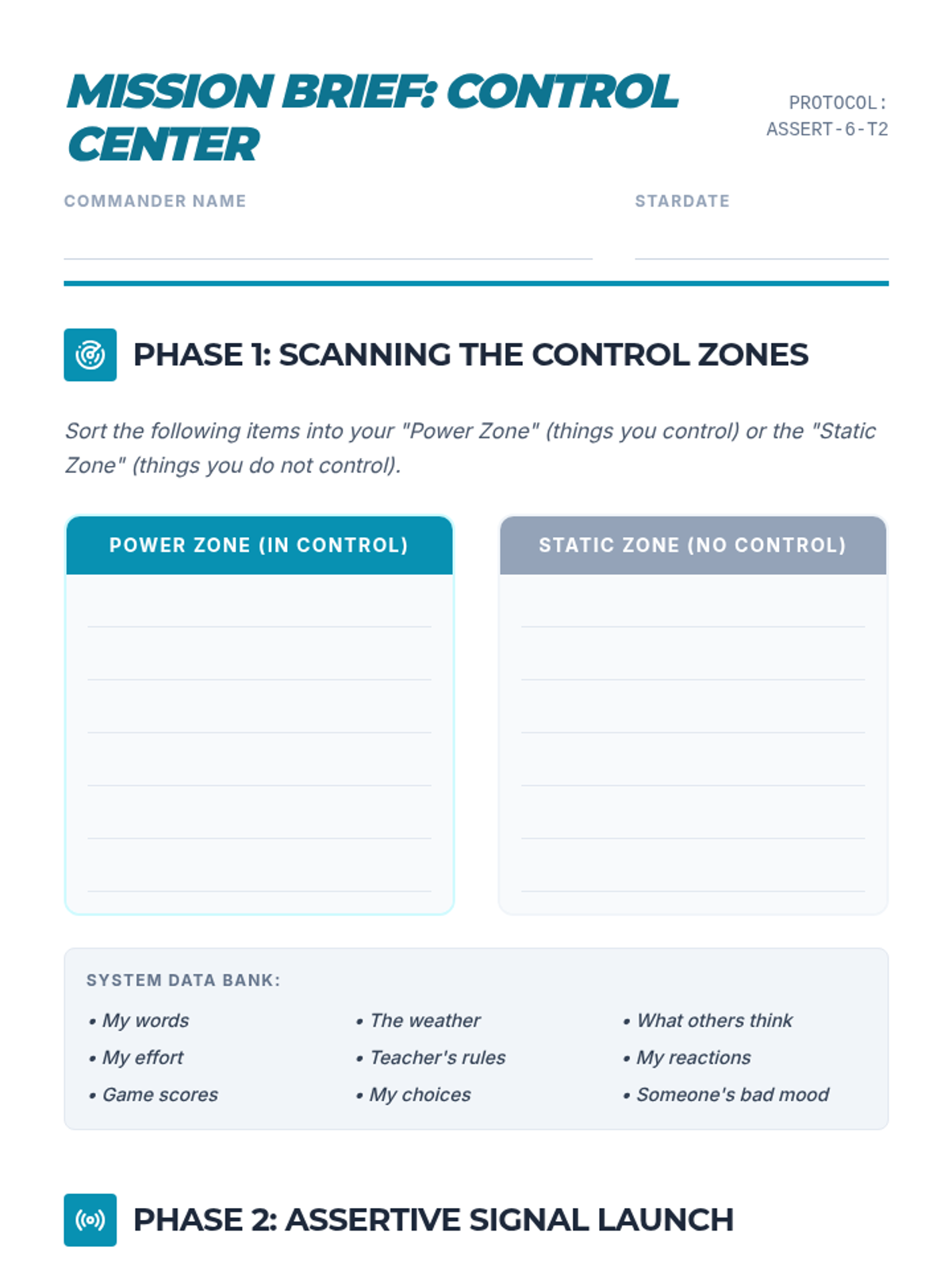
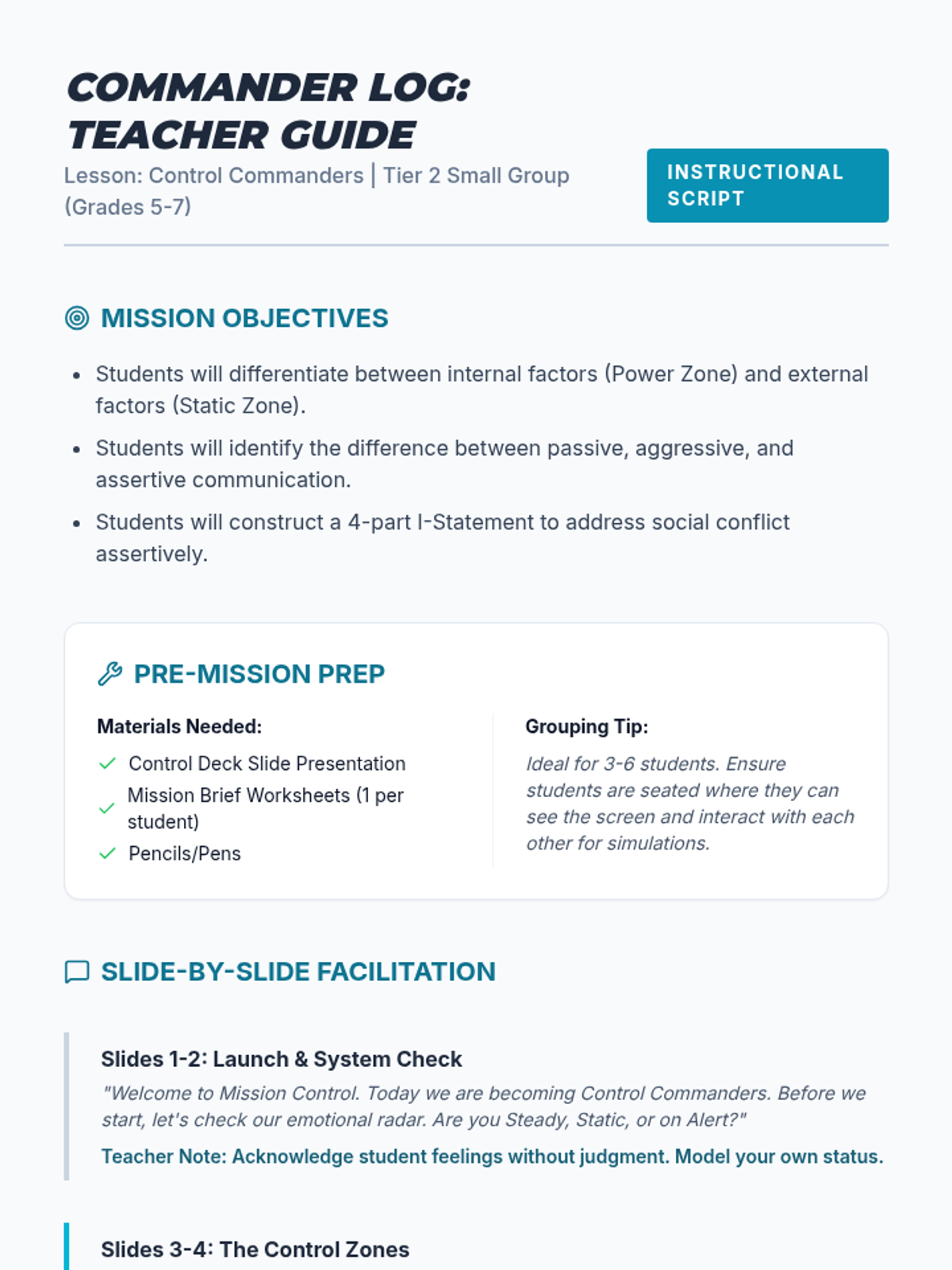
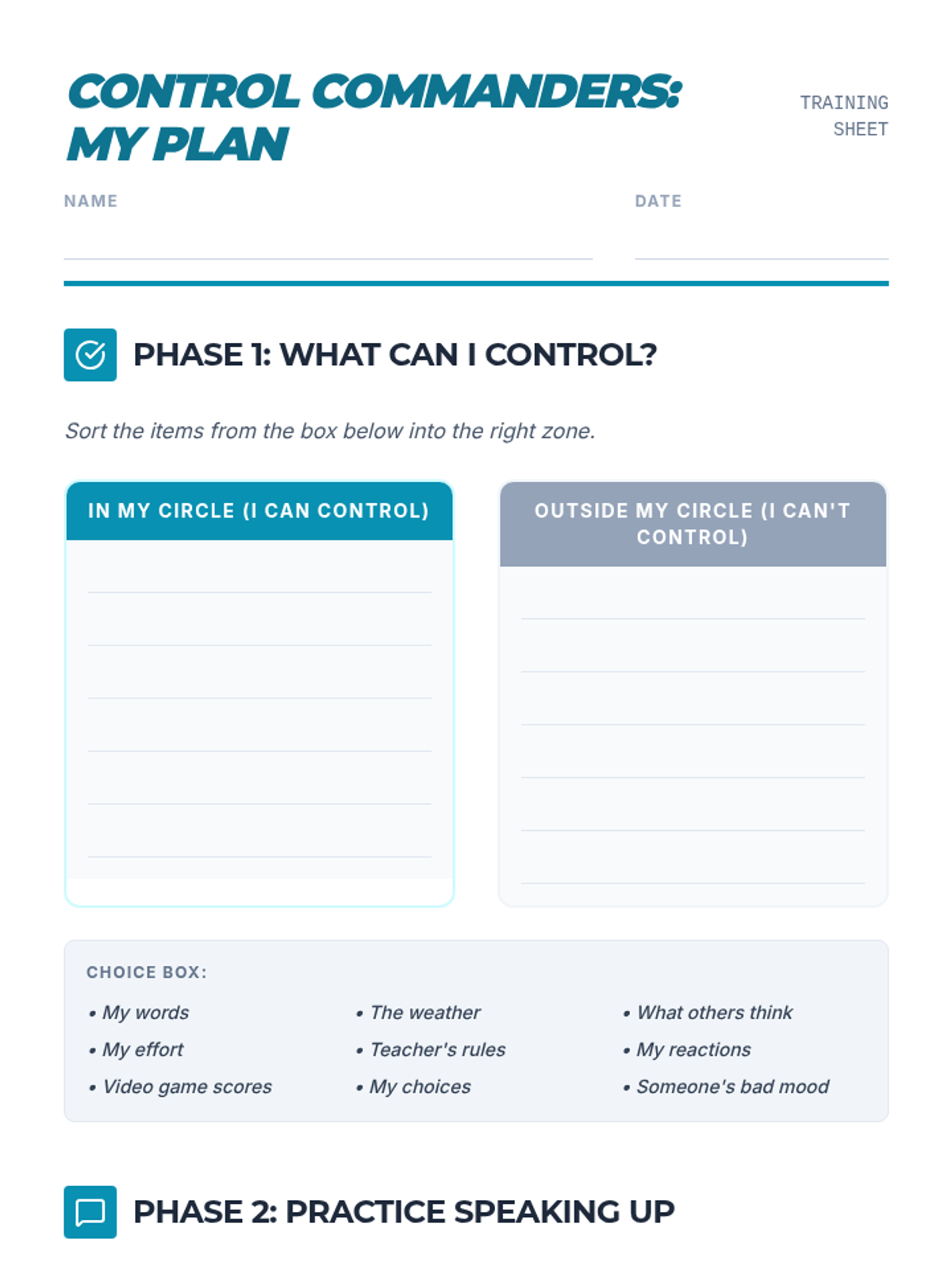
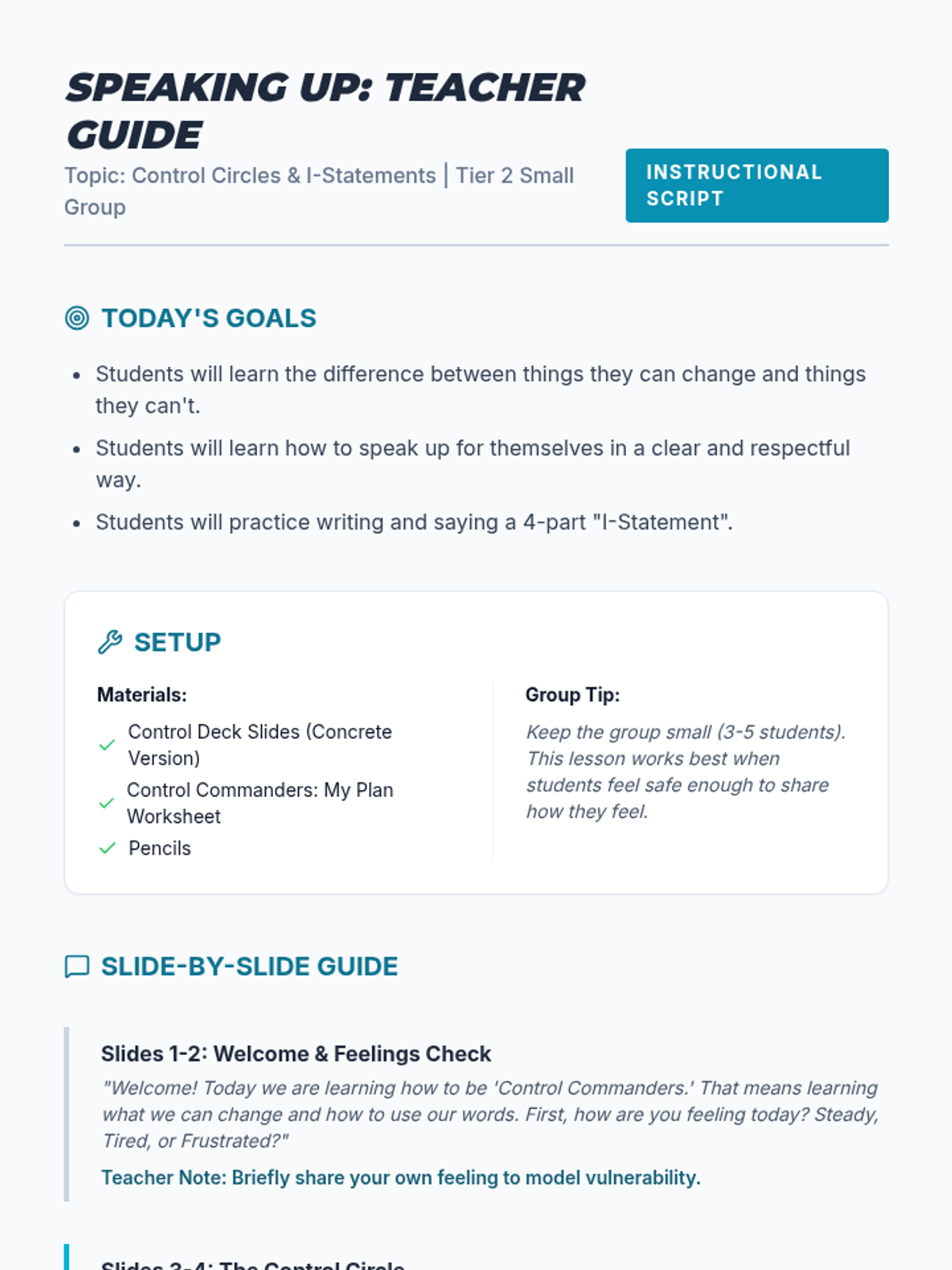
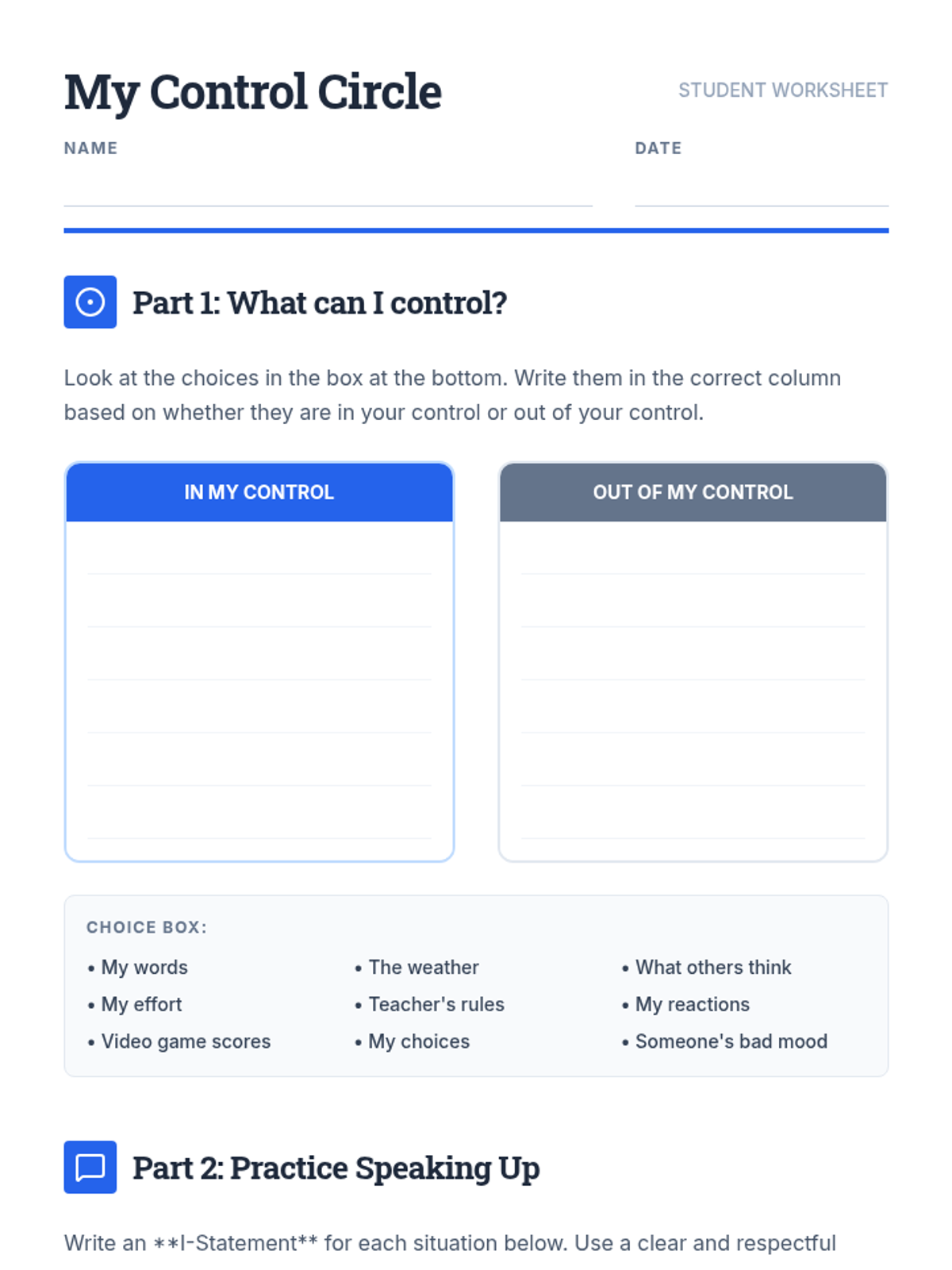
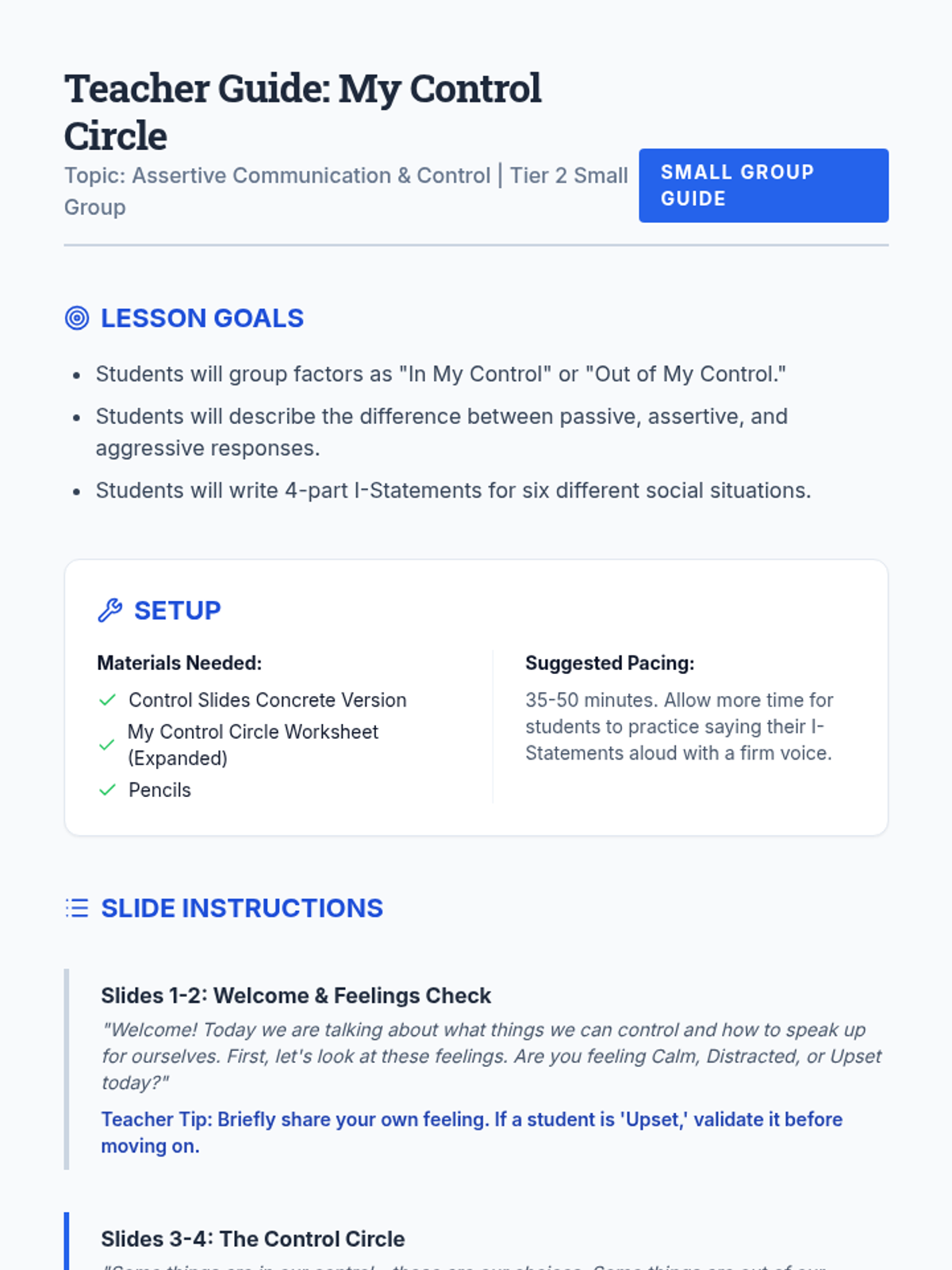
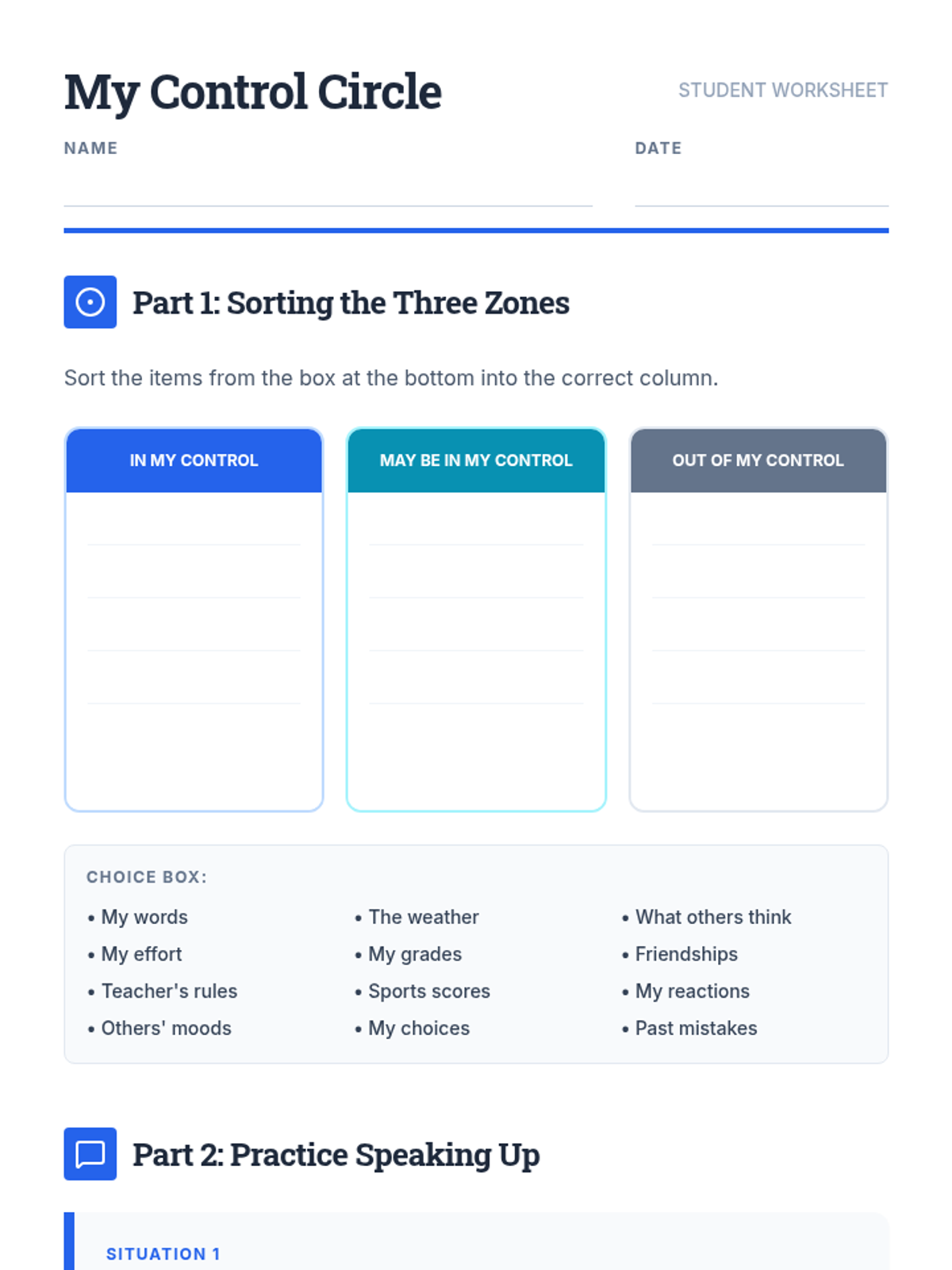
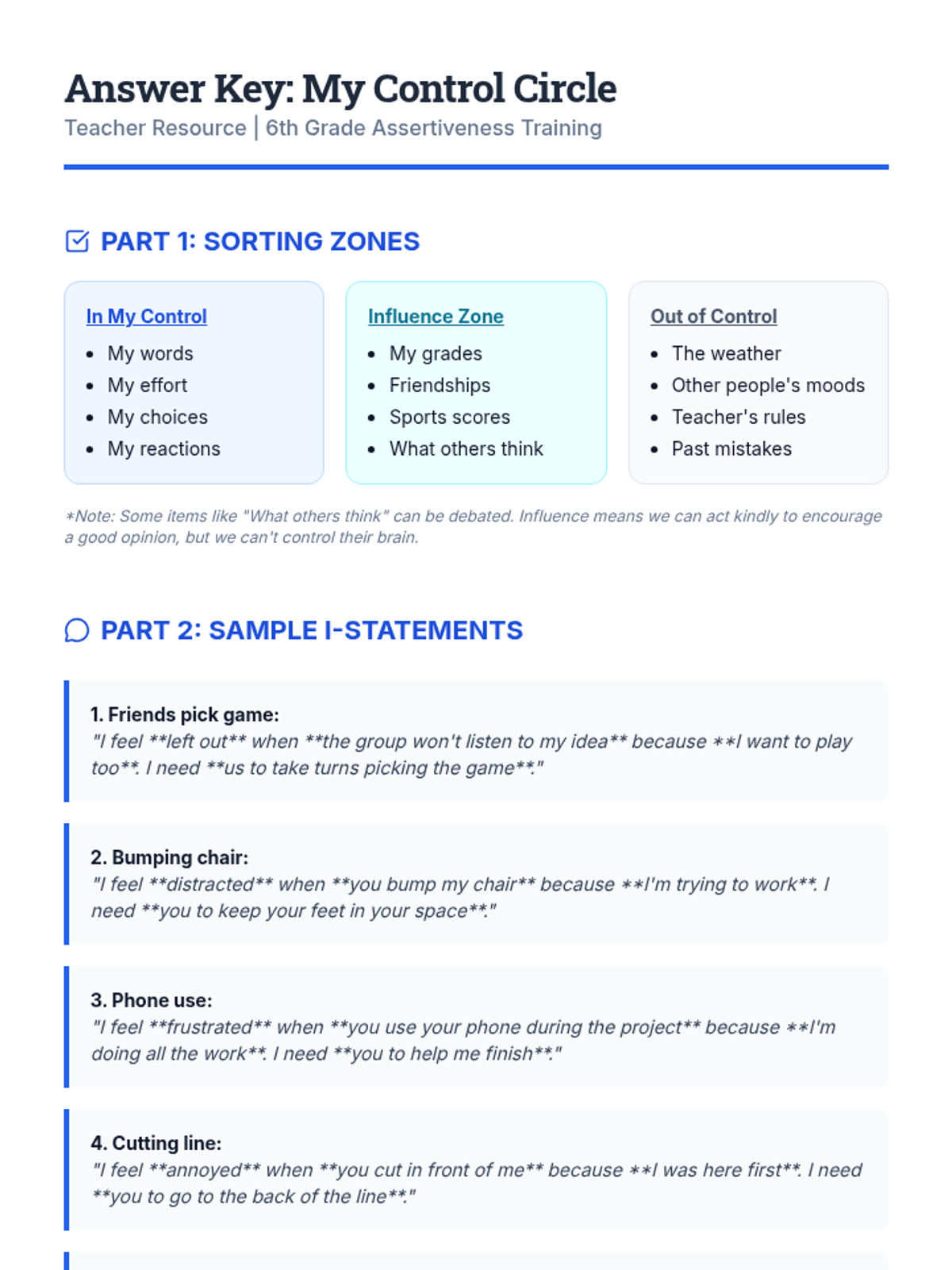
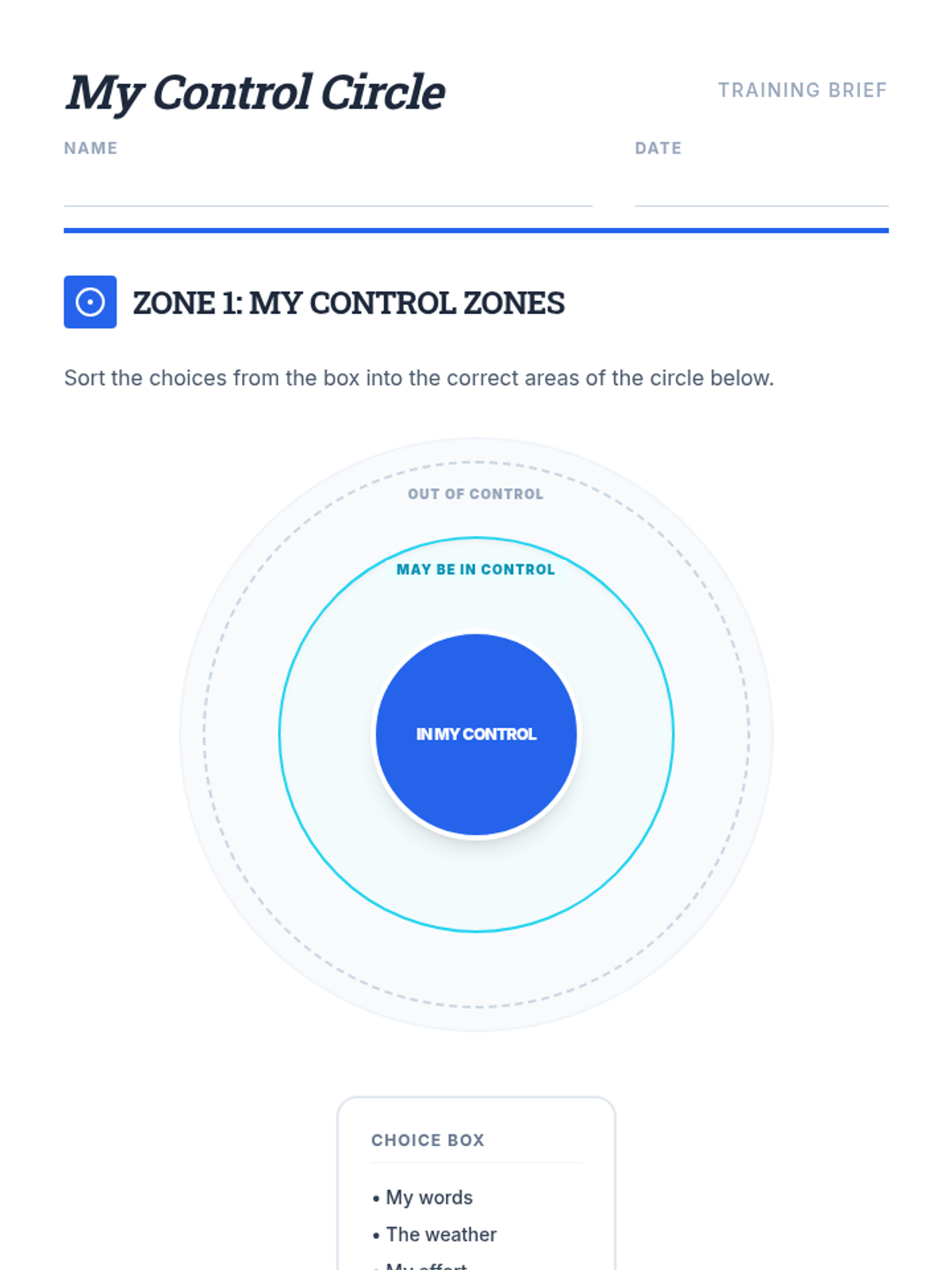
A social-emotional learning lesson for Tier 2 small groups focusing on identifying spheres of control and practicing assertive I-Statements in social scenarios.
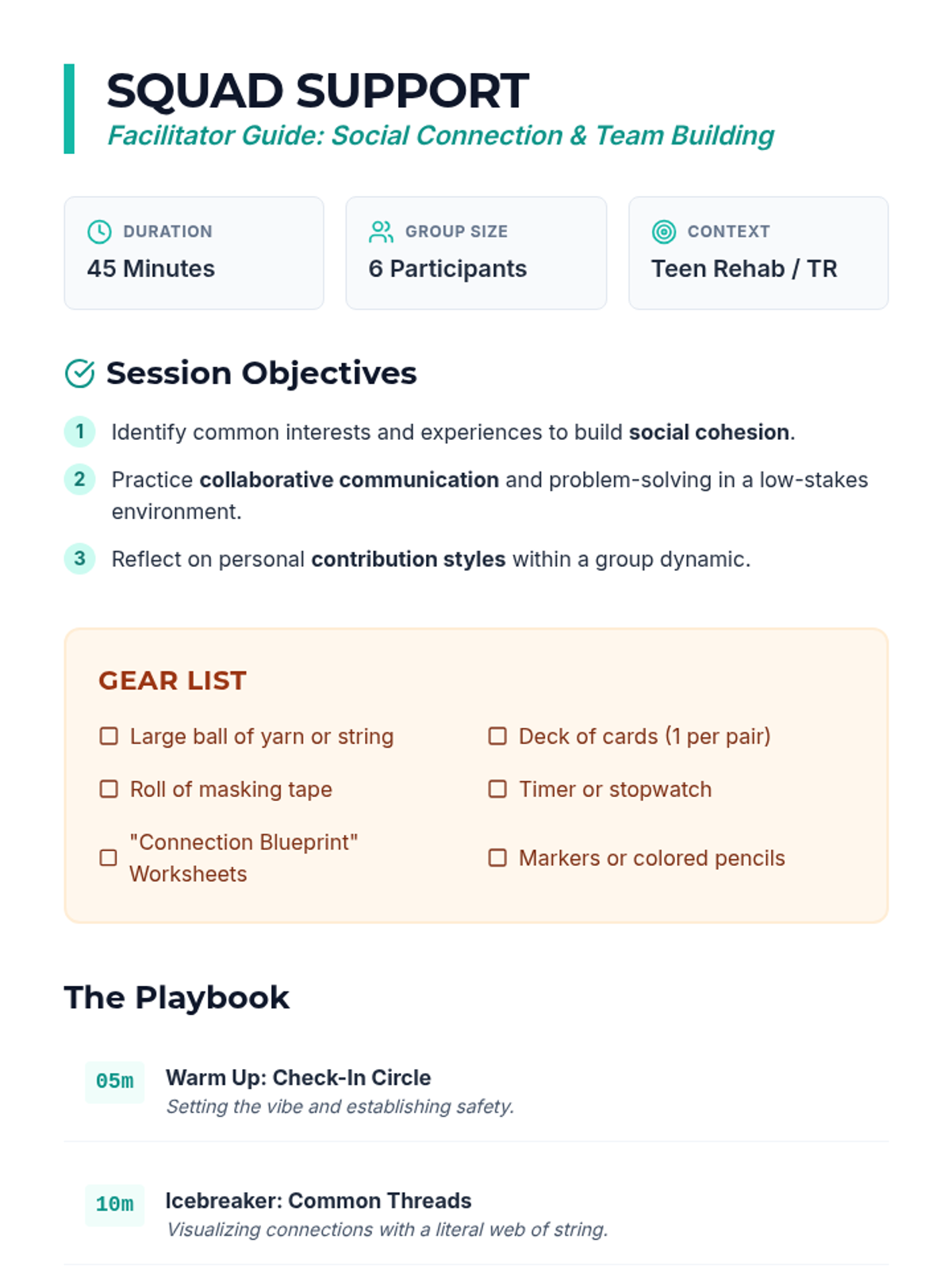
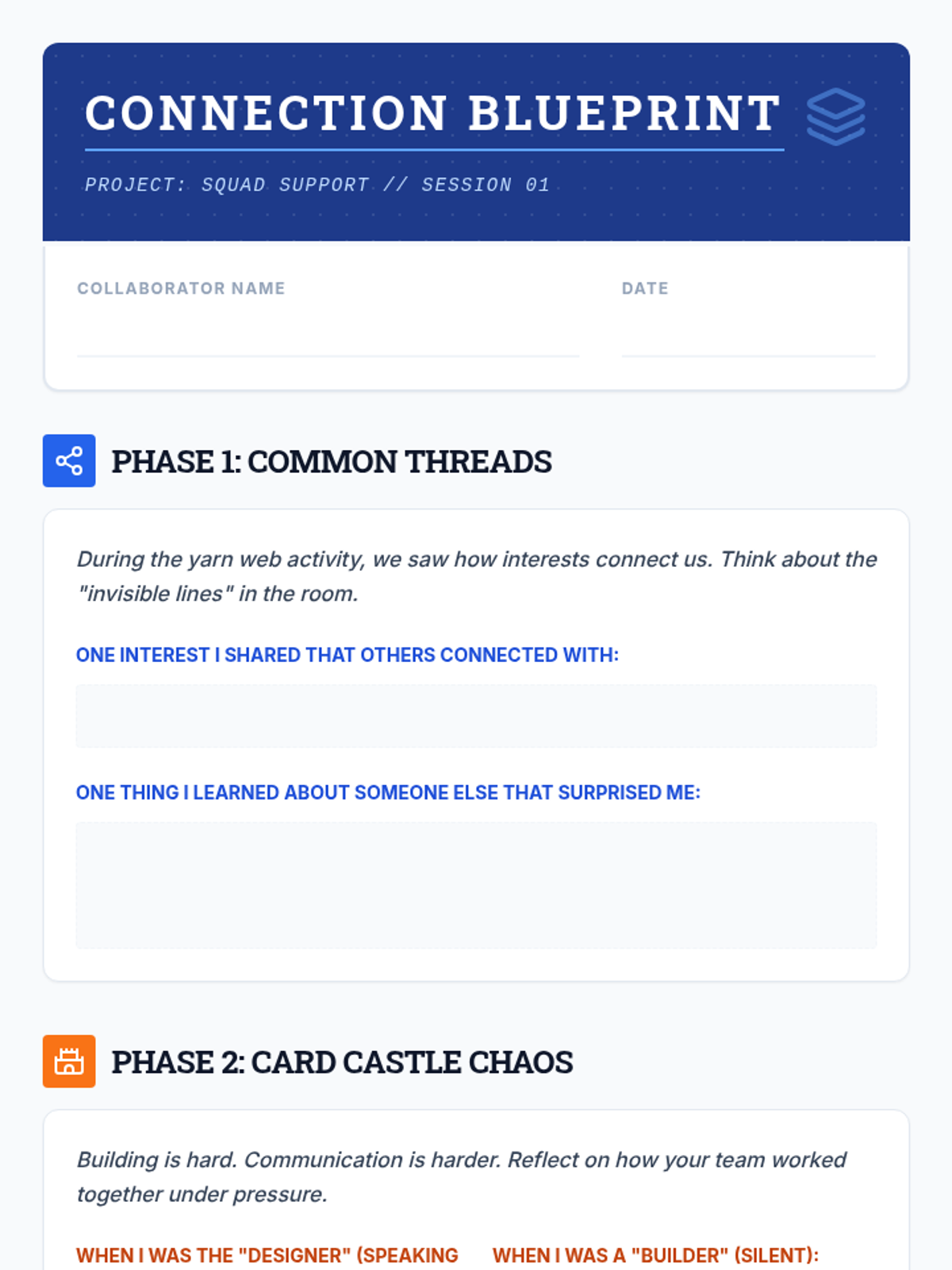
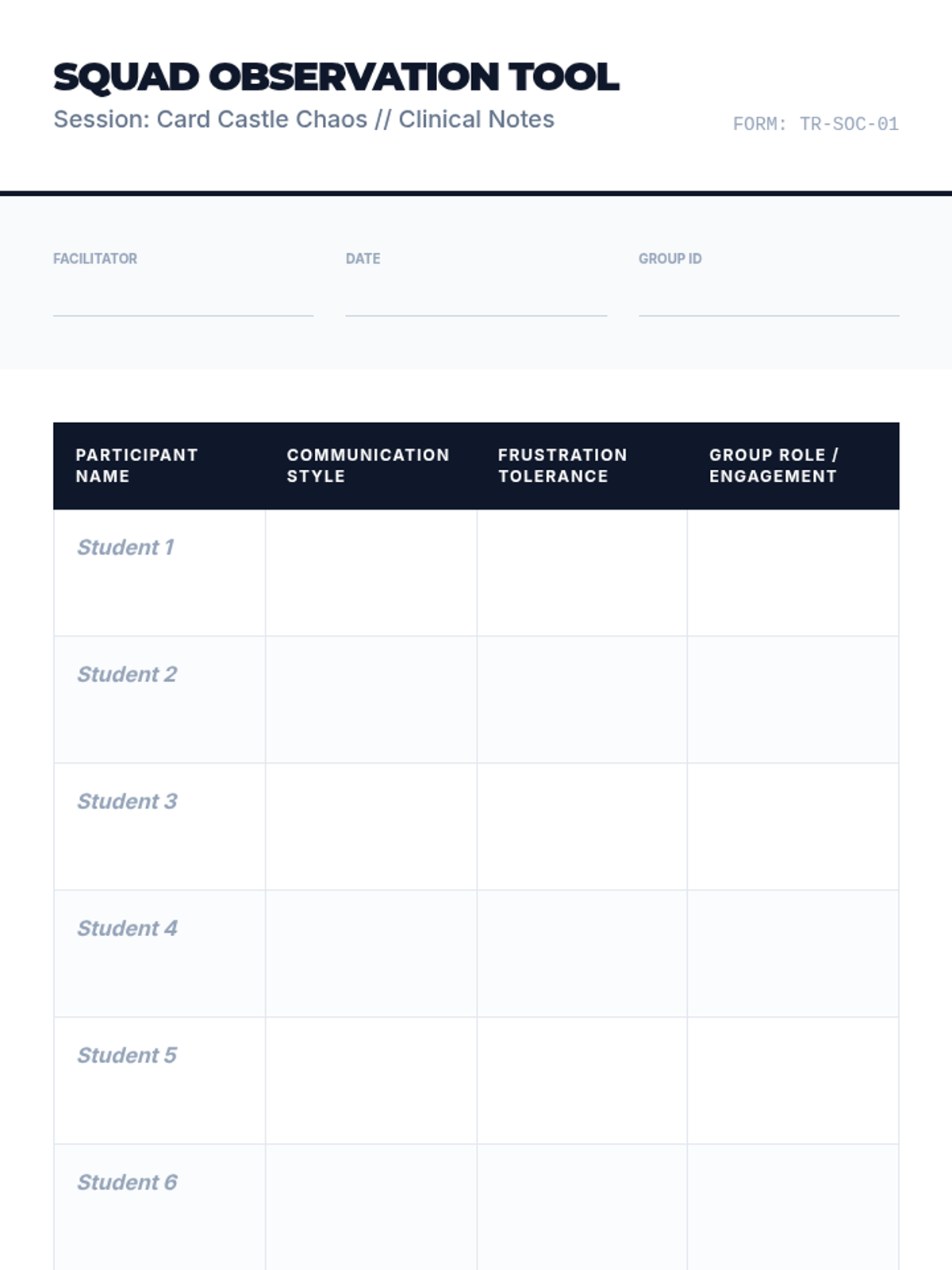
A 45-minute therapeutic leisure session for teens focused on building social connections and team dynamics through collaborative activities and reflection.
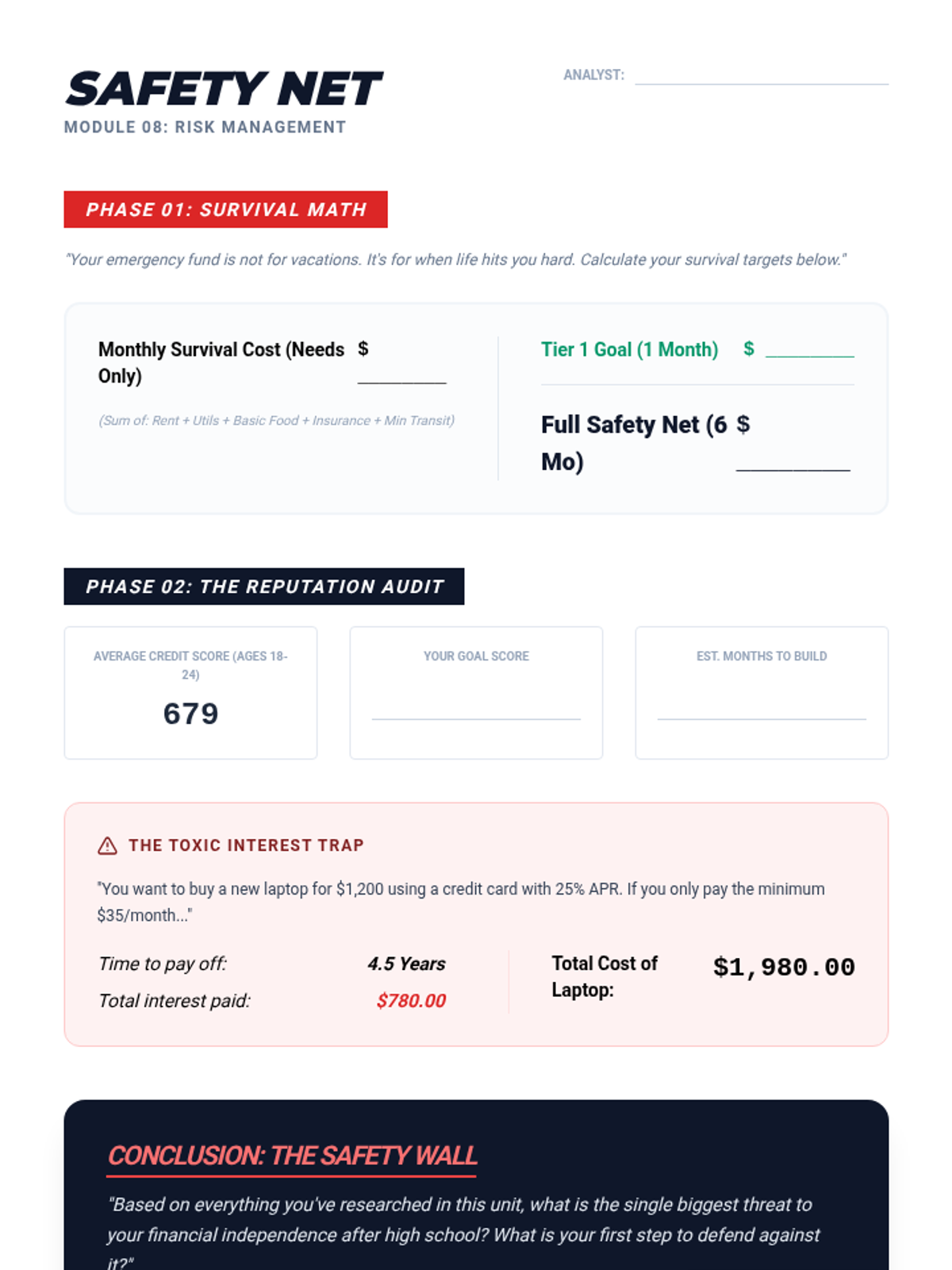
Exploring emergency funds, the basics of credit scores, and strategies for avoiding high-interest debt after high school.
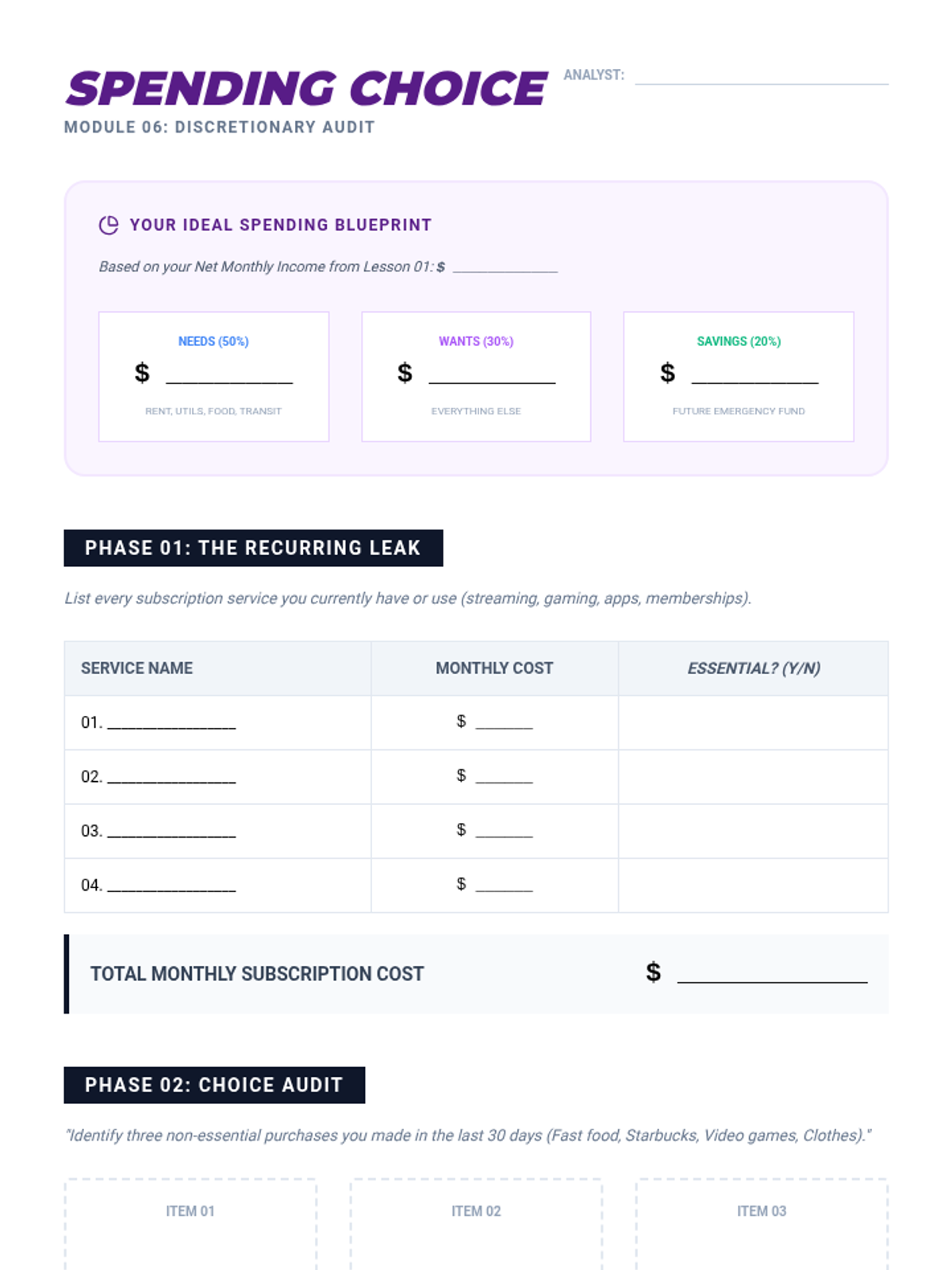
Understanding the 50/30/20 rule, identifying personal "wants" versus "needs," and managing discretionary expenses like subscriptions and entertainment.
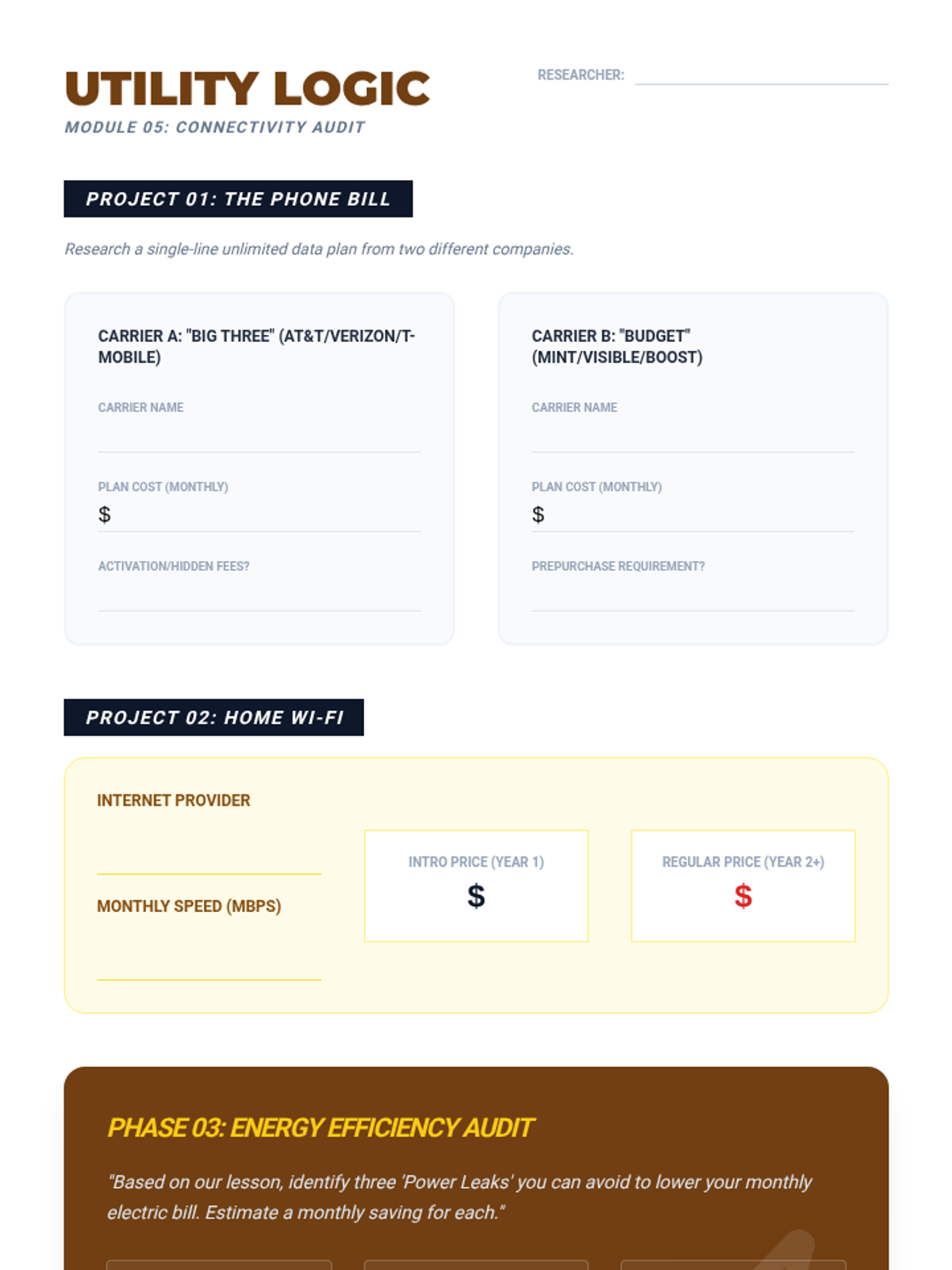
Managing recurring monthly bills like internet, phone plans, and electricity, including strategies for reducing usage and costs.
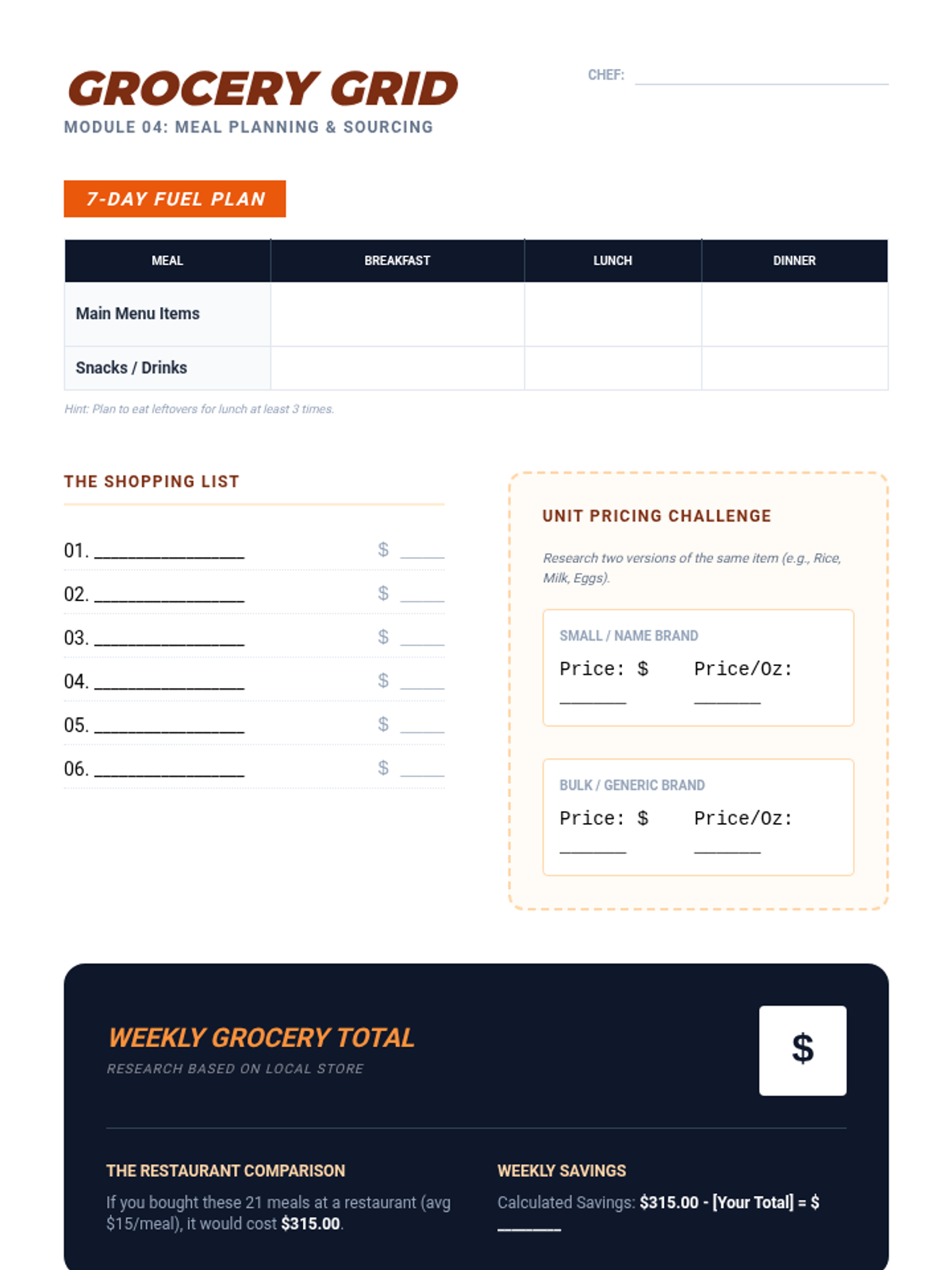
Practical math for grocery shopping, including unit pricing, meal planning on a budget, and the hidden costs of convenience foods.
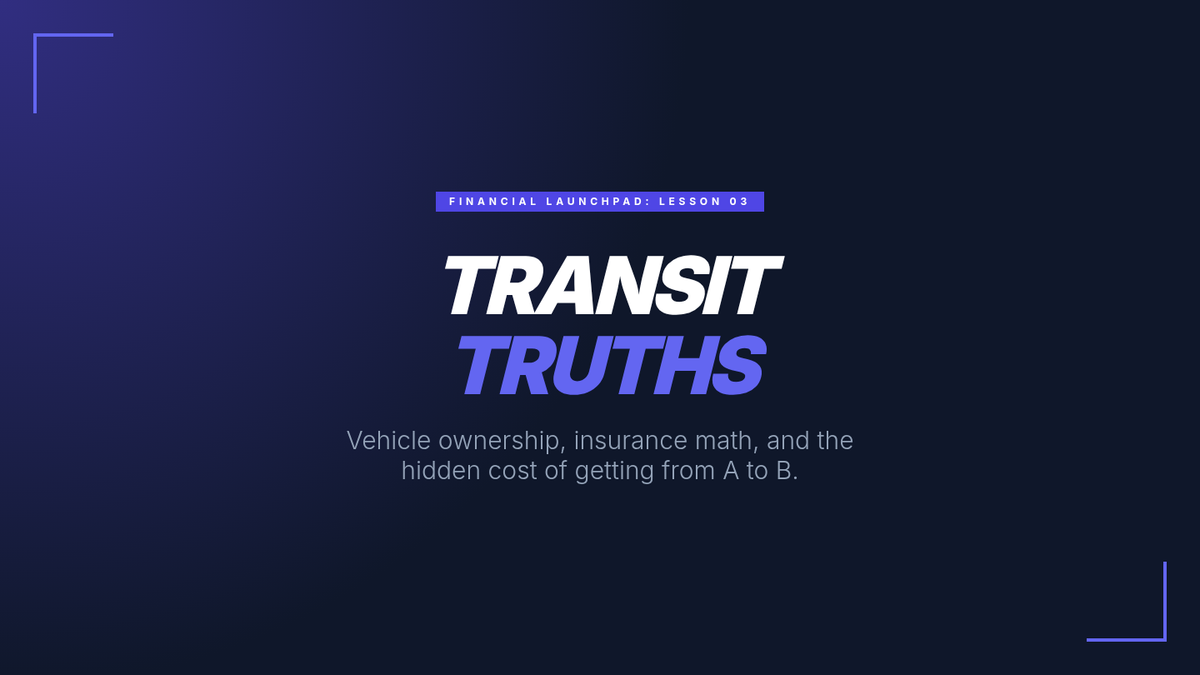
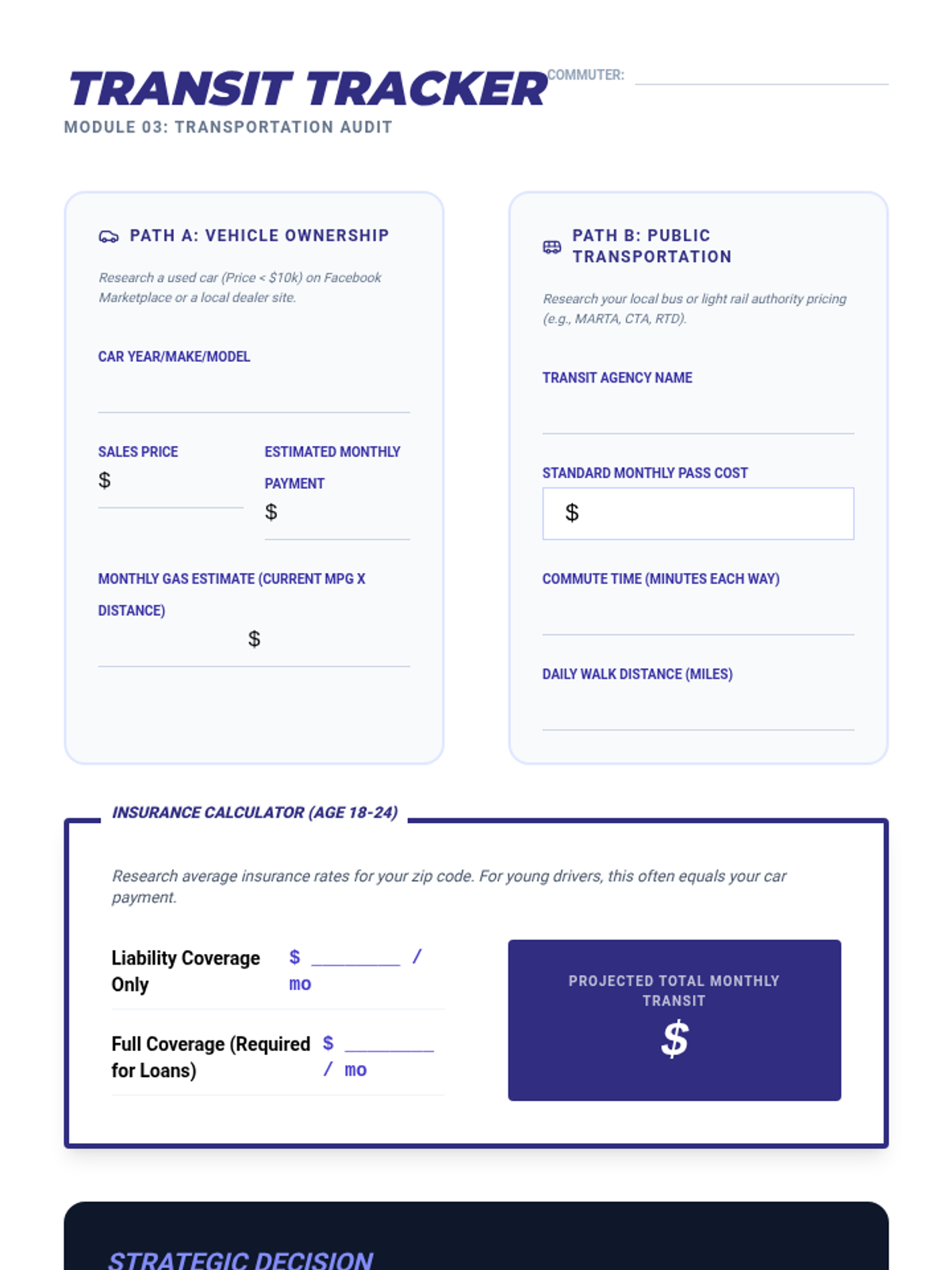
Comparing the true costs of vehicle ownership versus public transit, including insurance premiums, gas, maintenance, and parking.
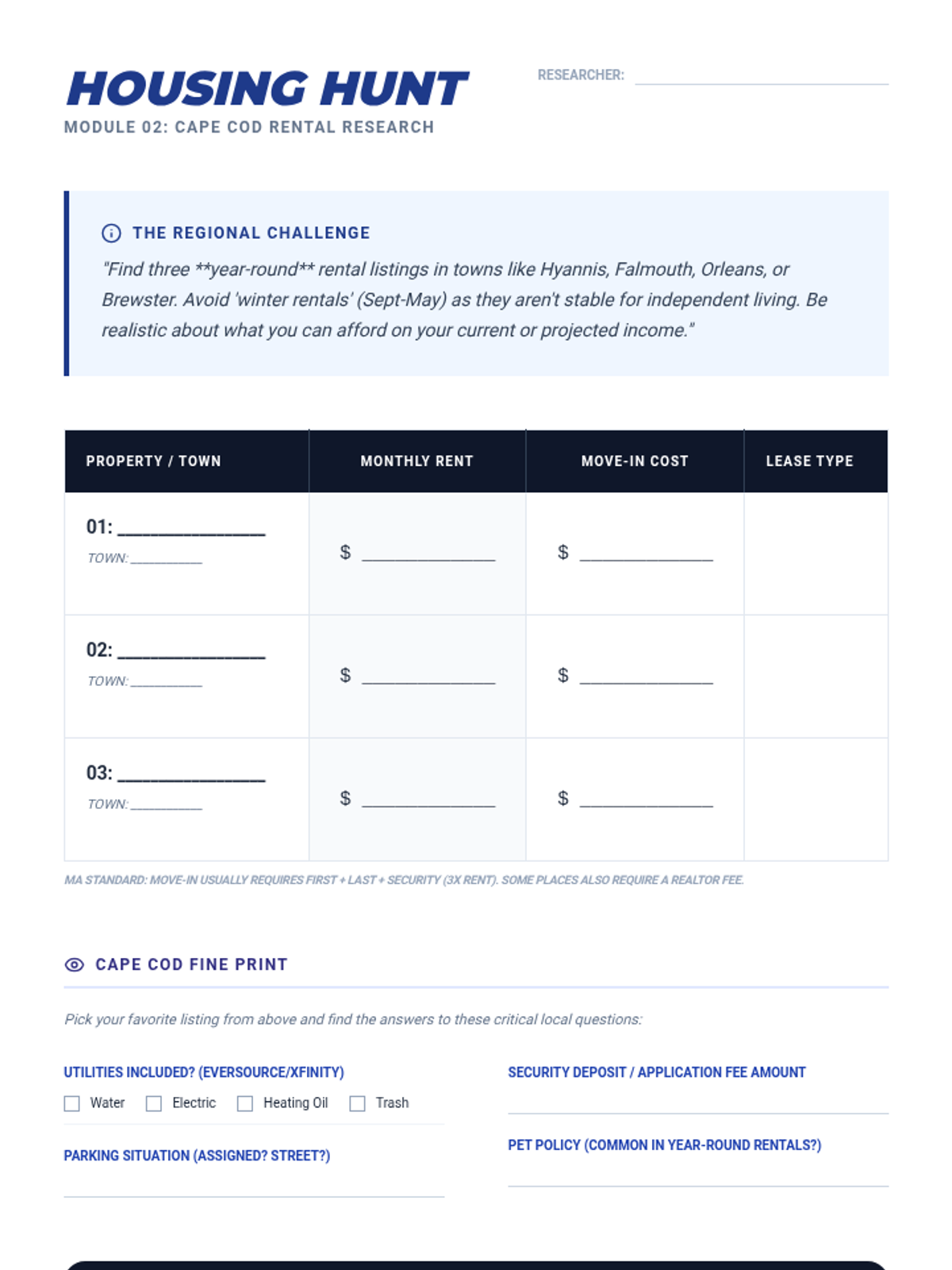
A deep dive into the costs of renting, including security deposits, renters insurance, and understanding the terms of a standard lease agreement.
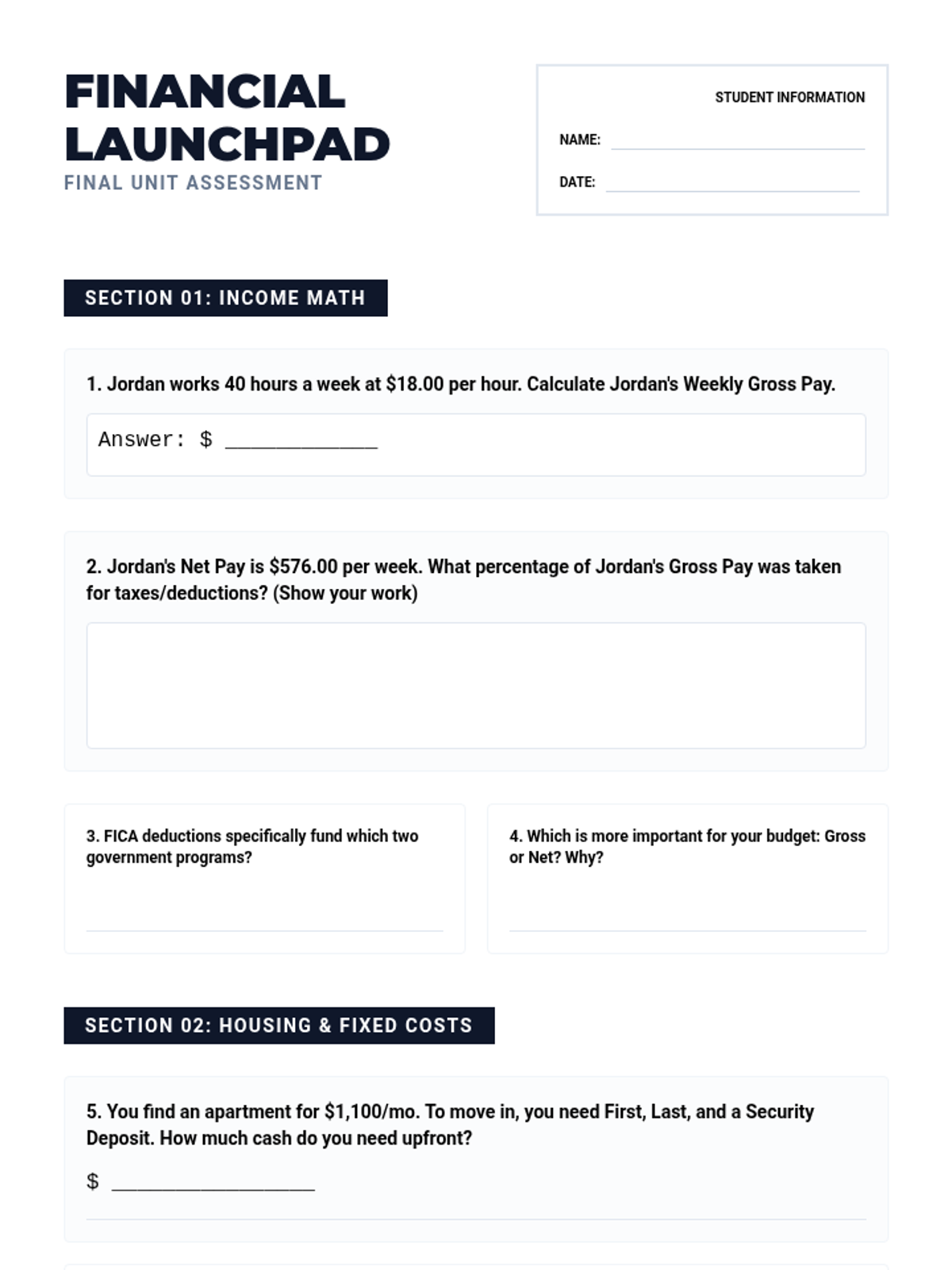
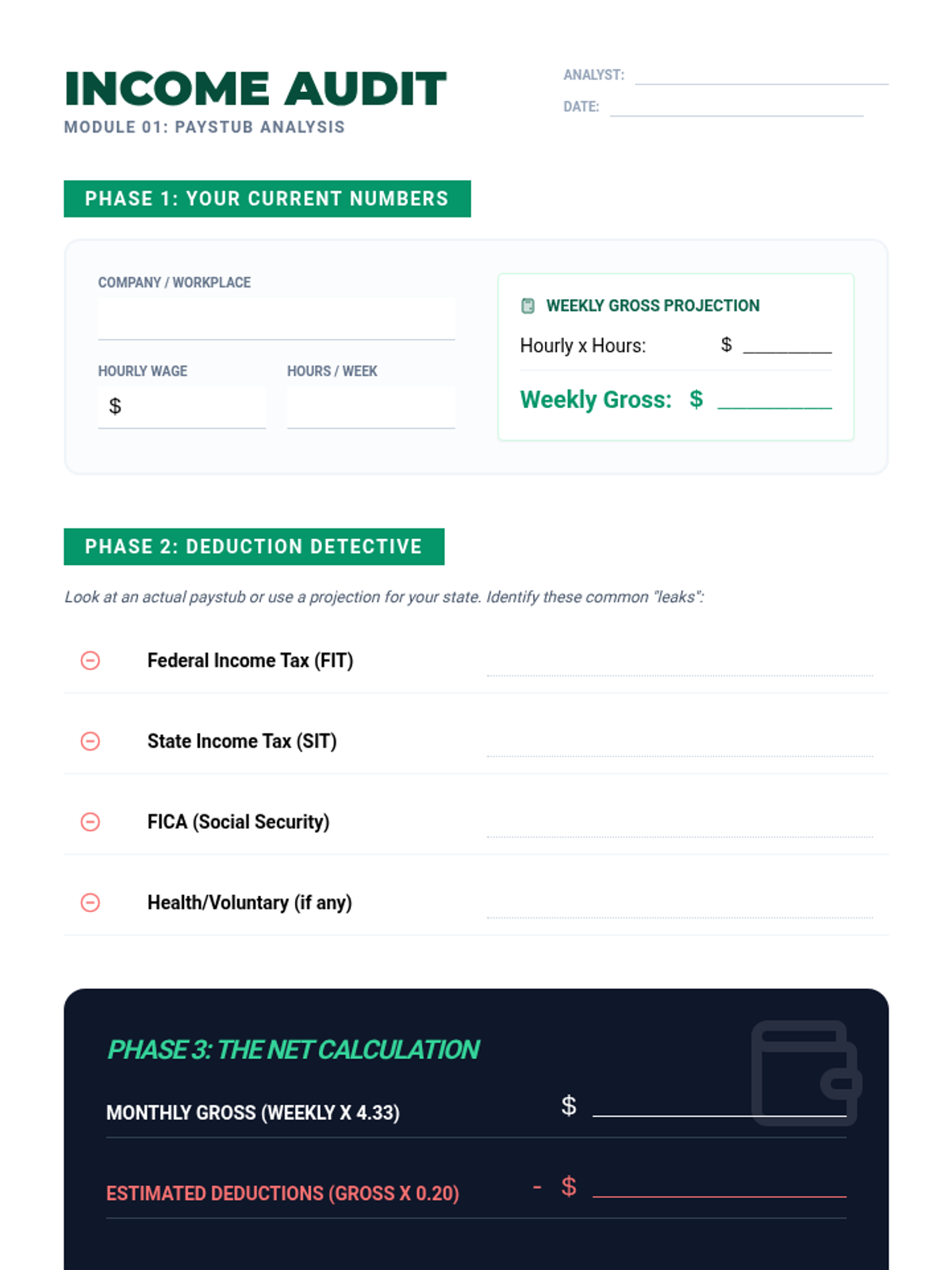
Students identify different components of a paystub, understand FICA and income tax deductions, and calculate accurate net monthly income based on their current jobs.