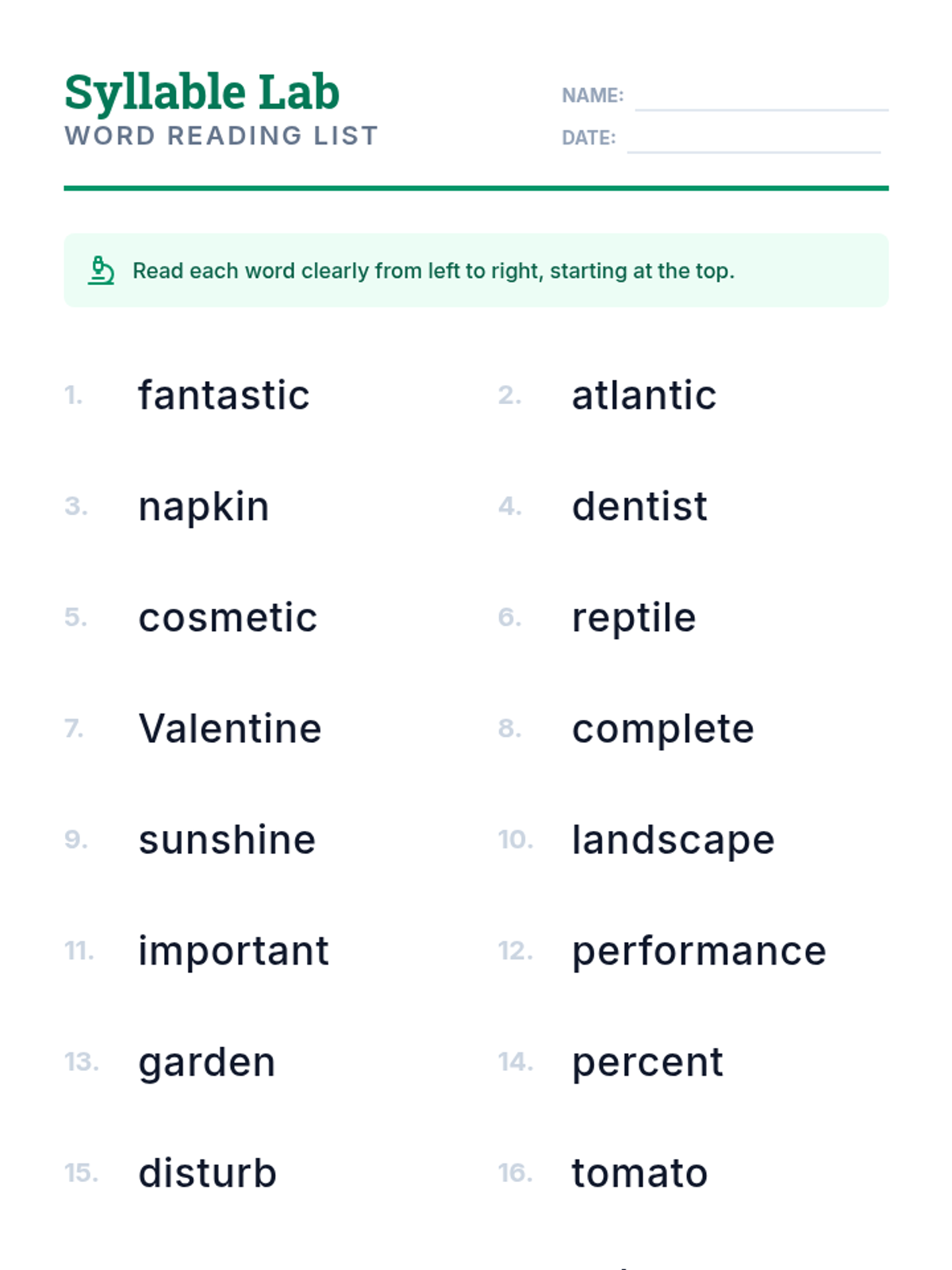
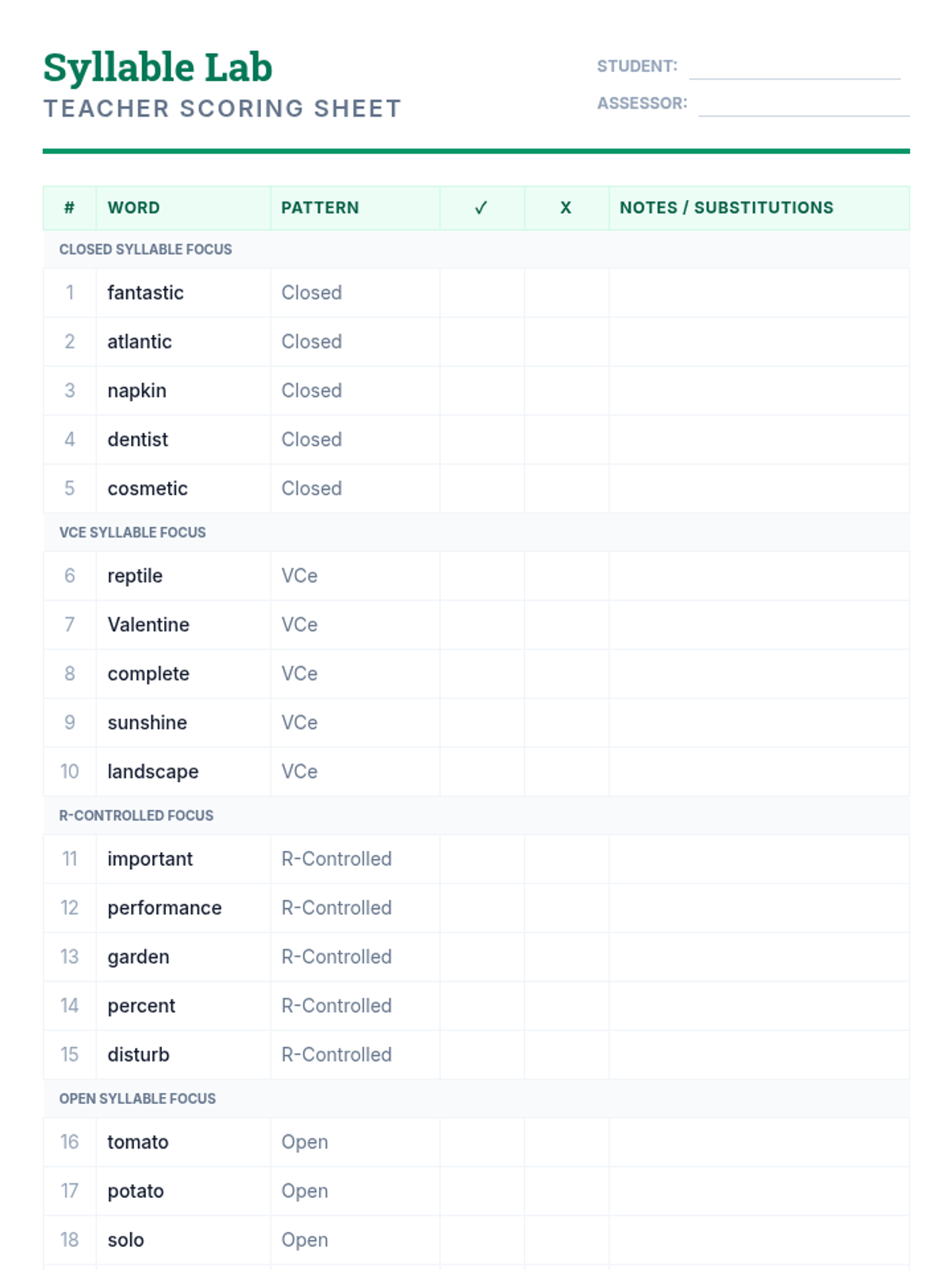
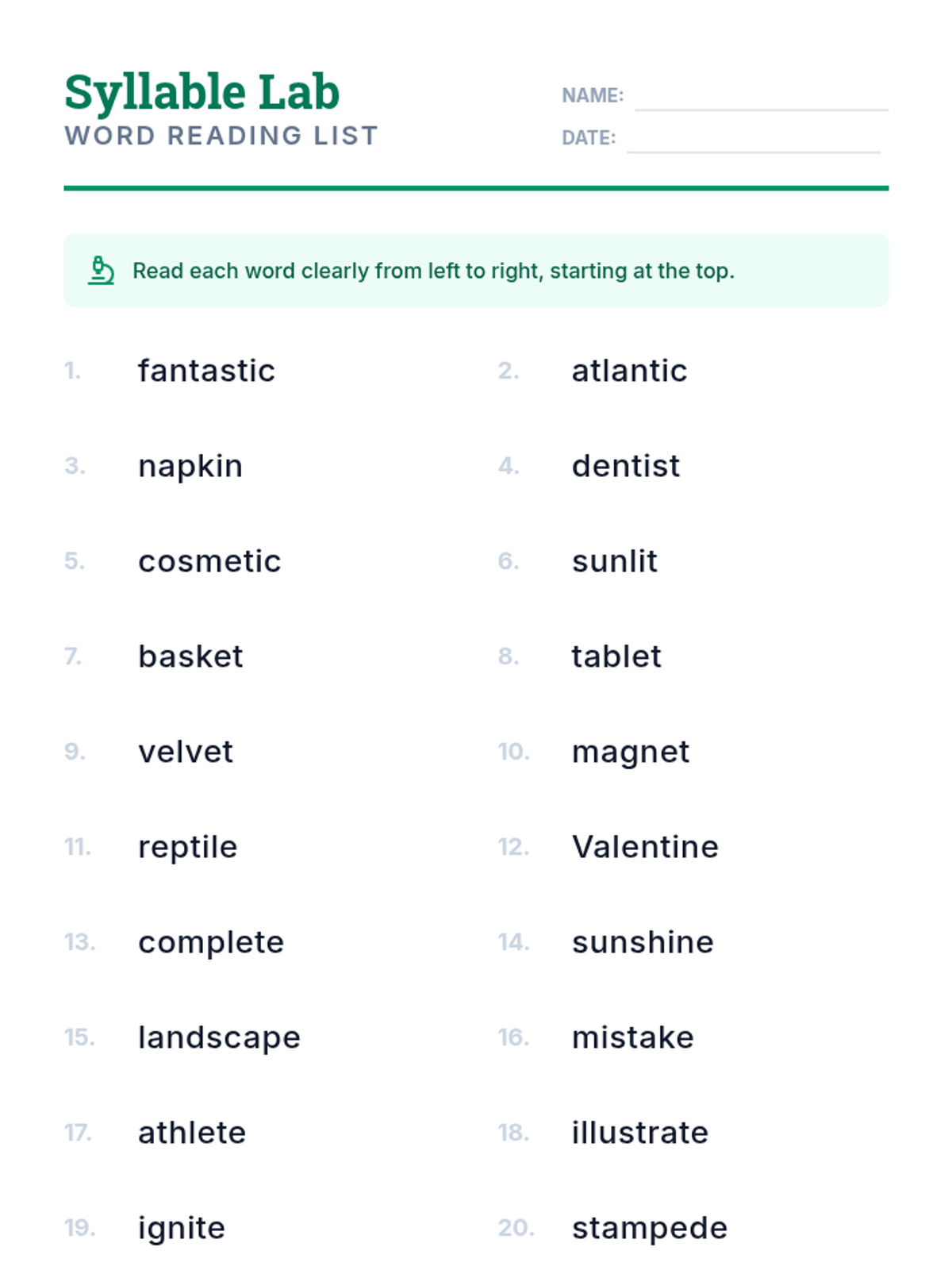
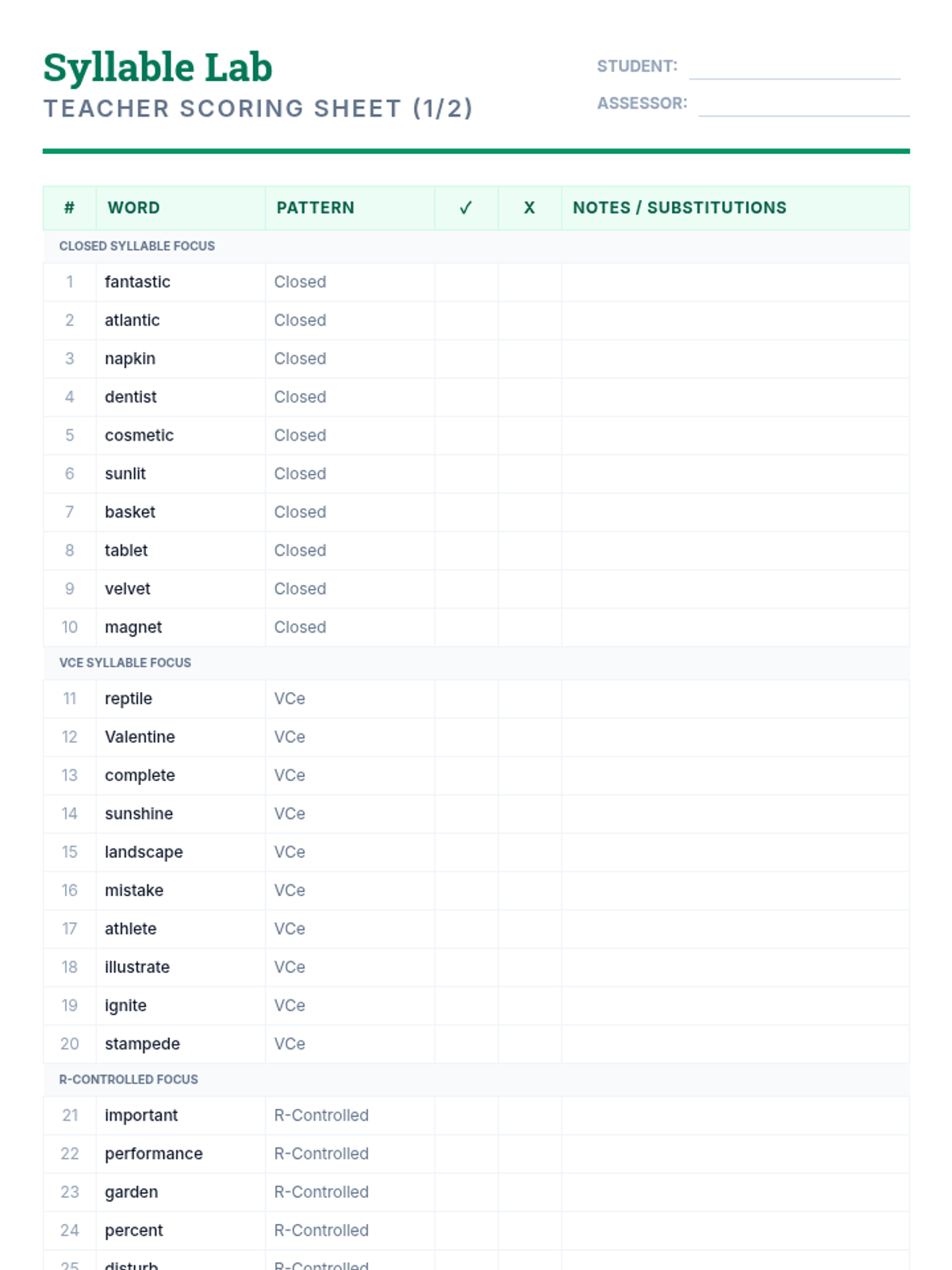
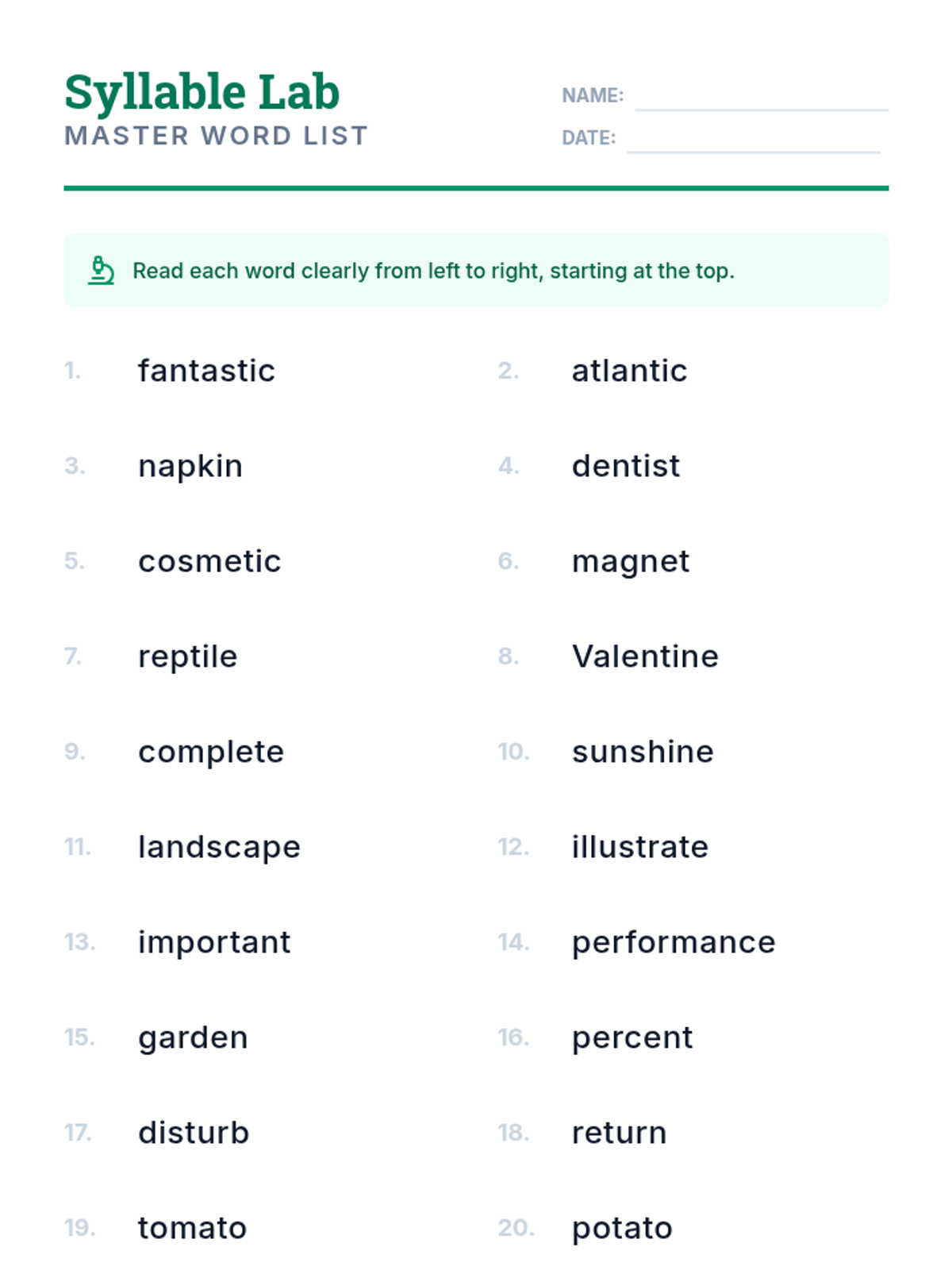
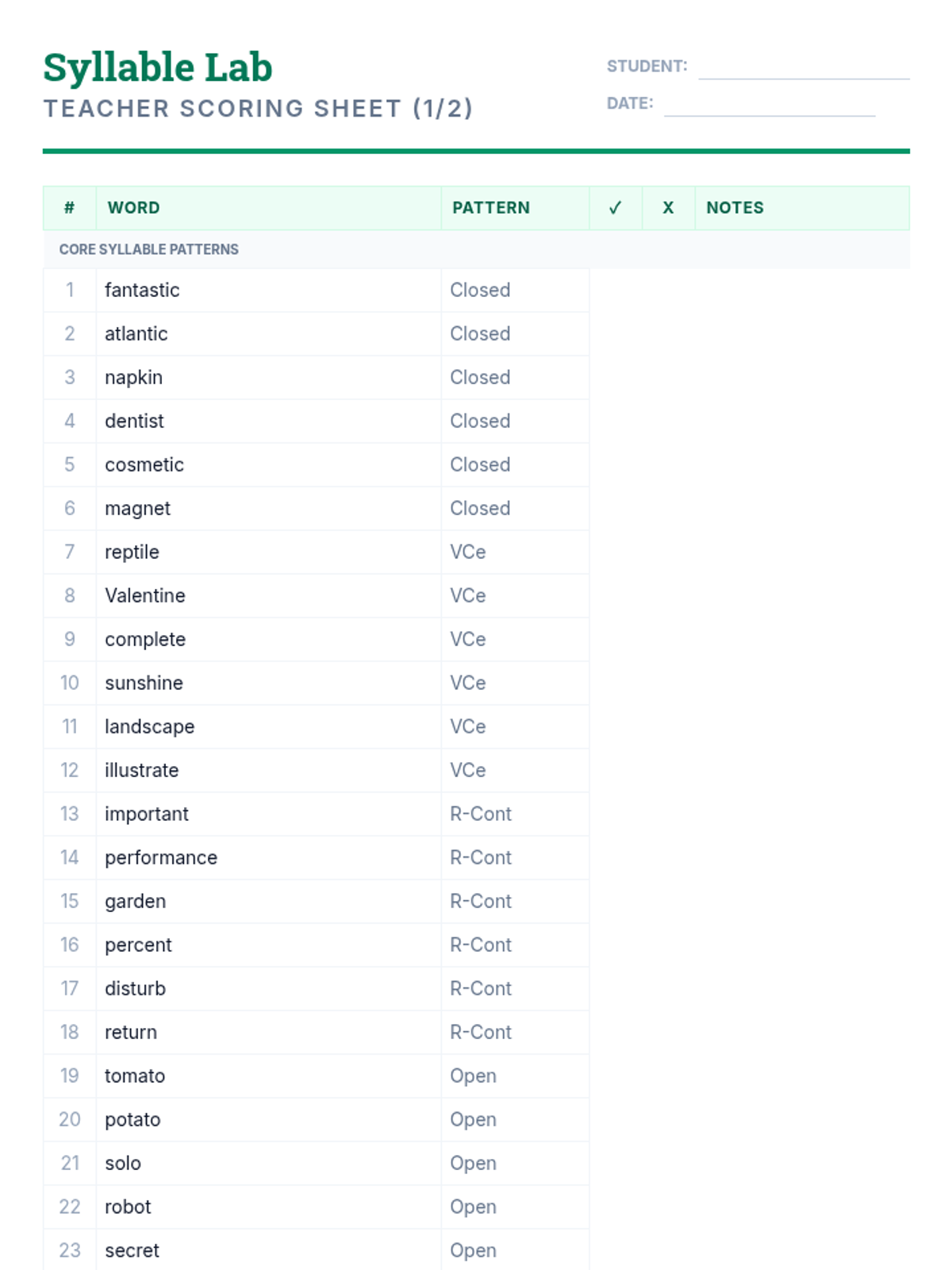
This lesson provides an informal assessment for students to demonstrate their ability to read 2-3 syllable words containing common prefixes and suffixes. It includes a student-facing word list and a corresponding teacher recording sheet.
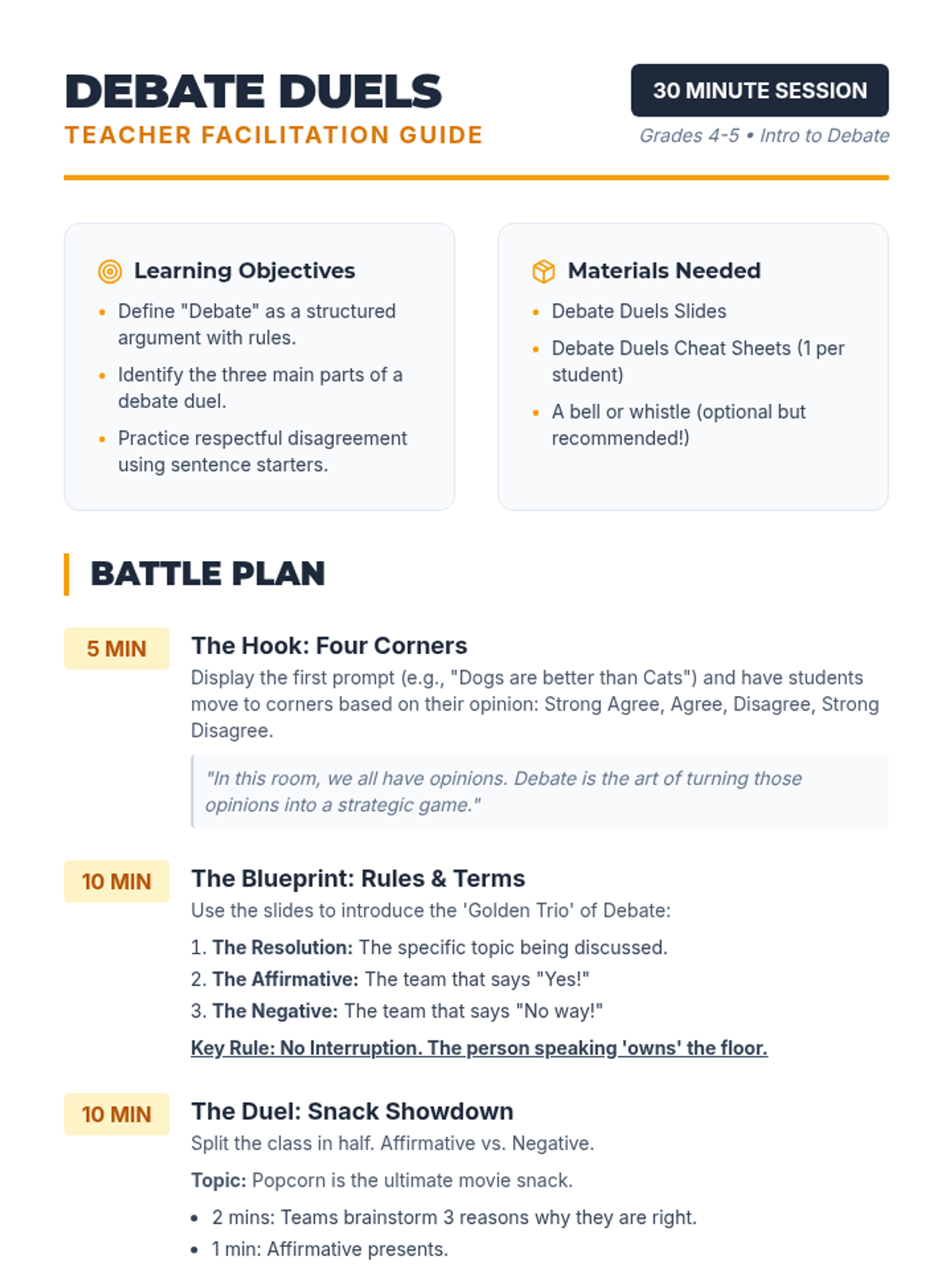
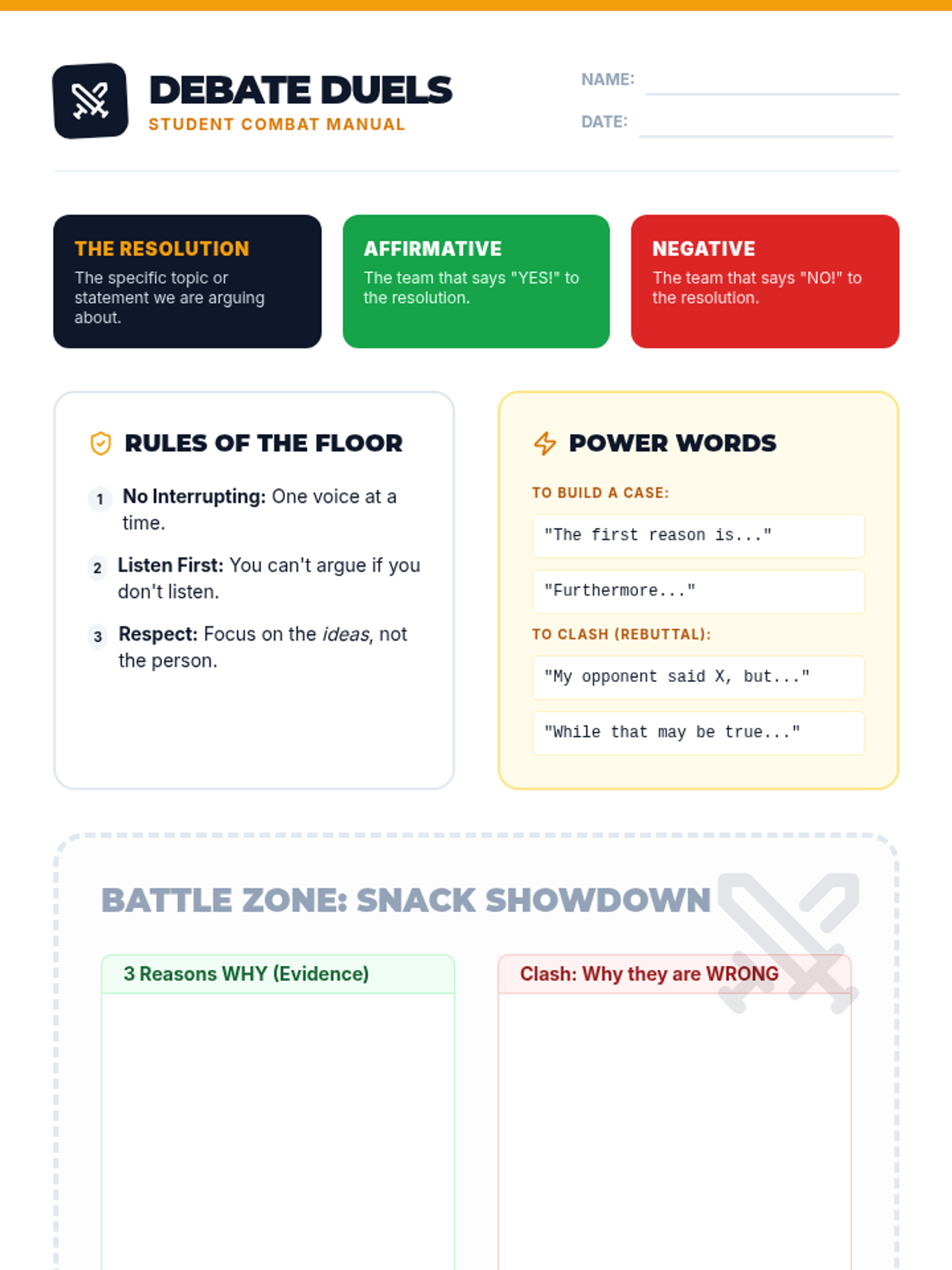
An introductory lesson for 4th and 5th graders to the world of competitive debate, focusing on structure, rules, and respectful disagreement through high-energy activities.
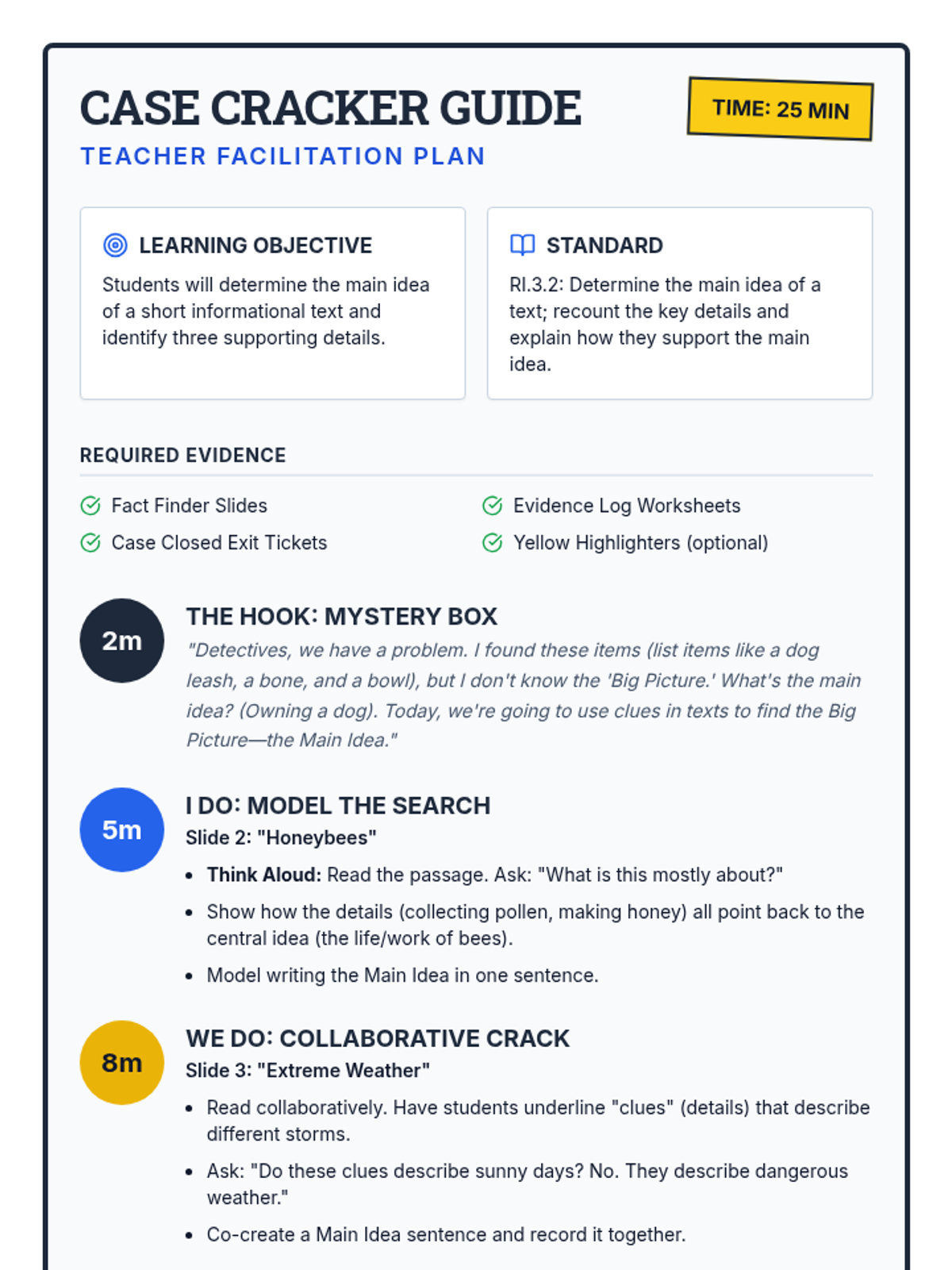
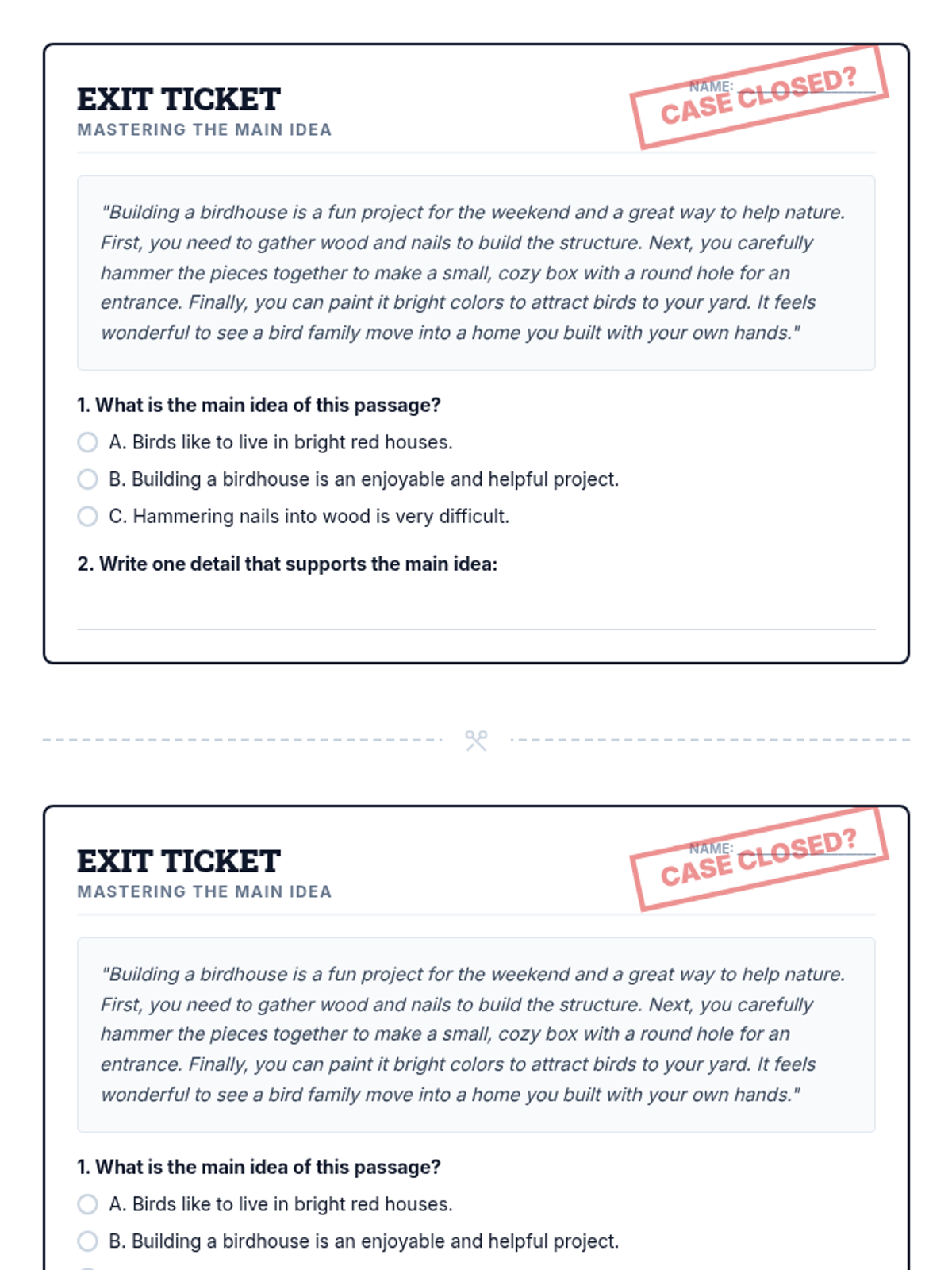
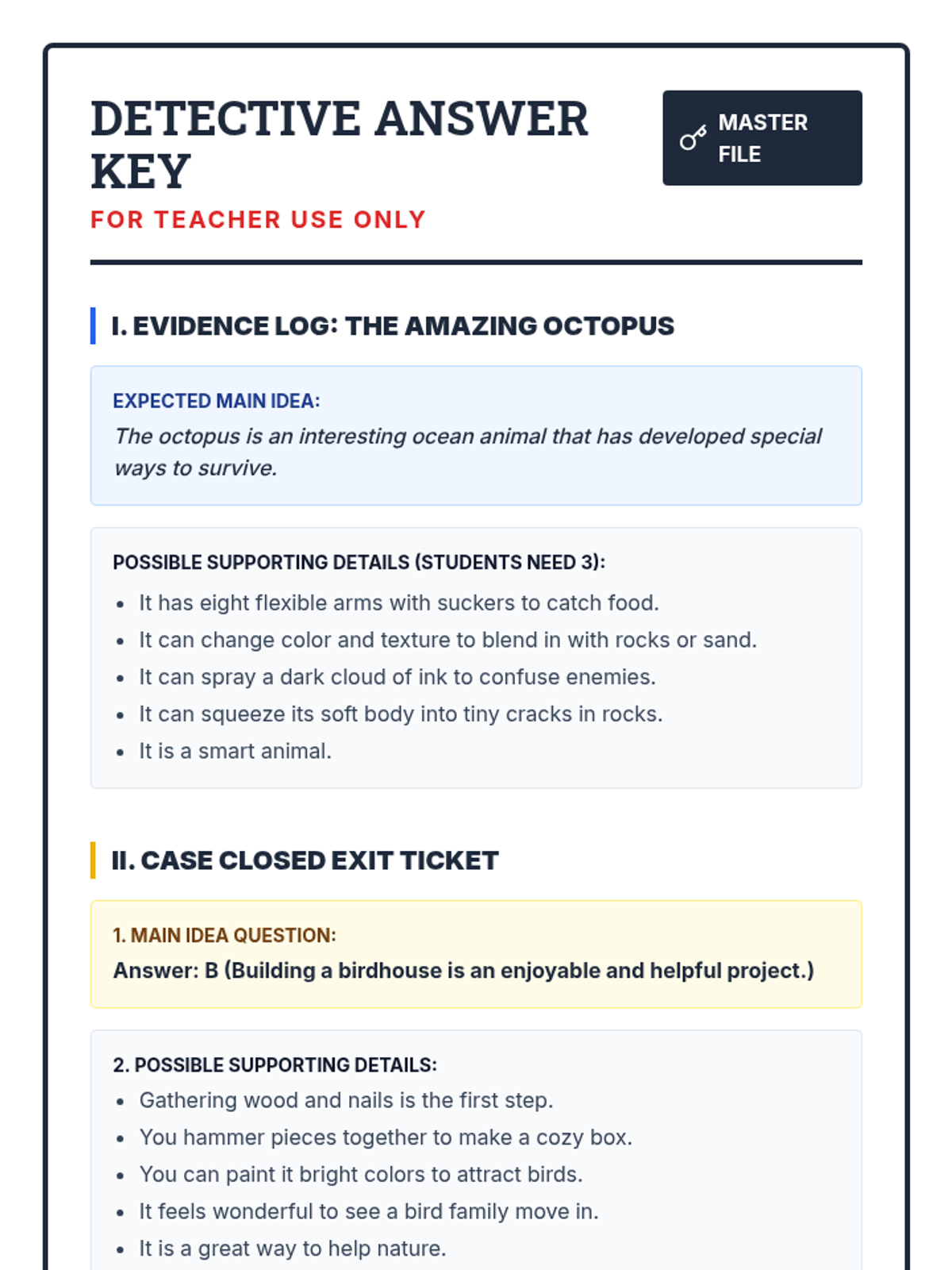
A fast-paced 25-minute small group lesson focusing on identifying main ideas and supporting details using a detective-themed 'Case Files' approach. Includes guided modeling, collaborative practice, and independent application.
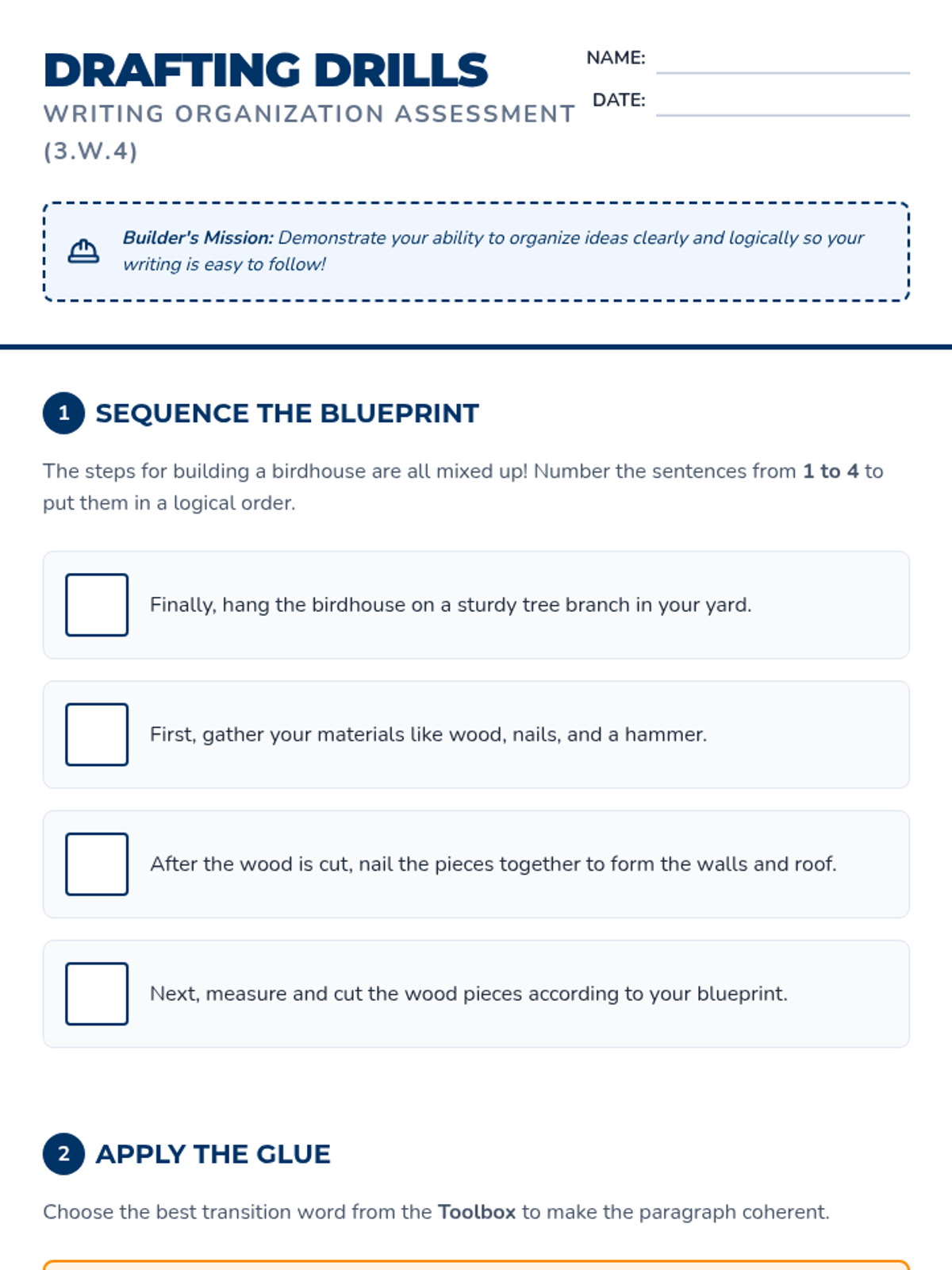
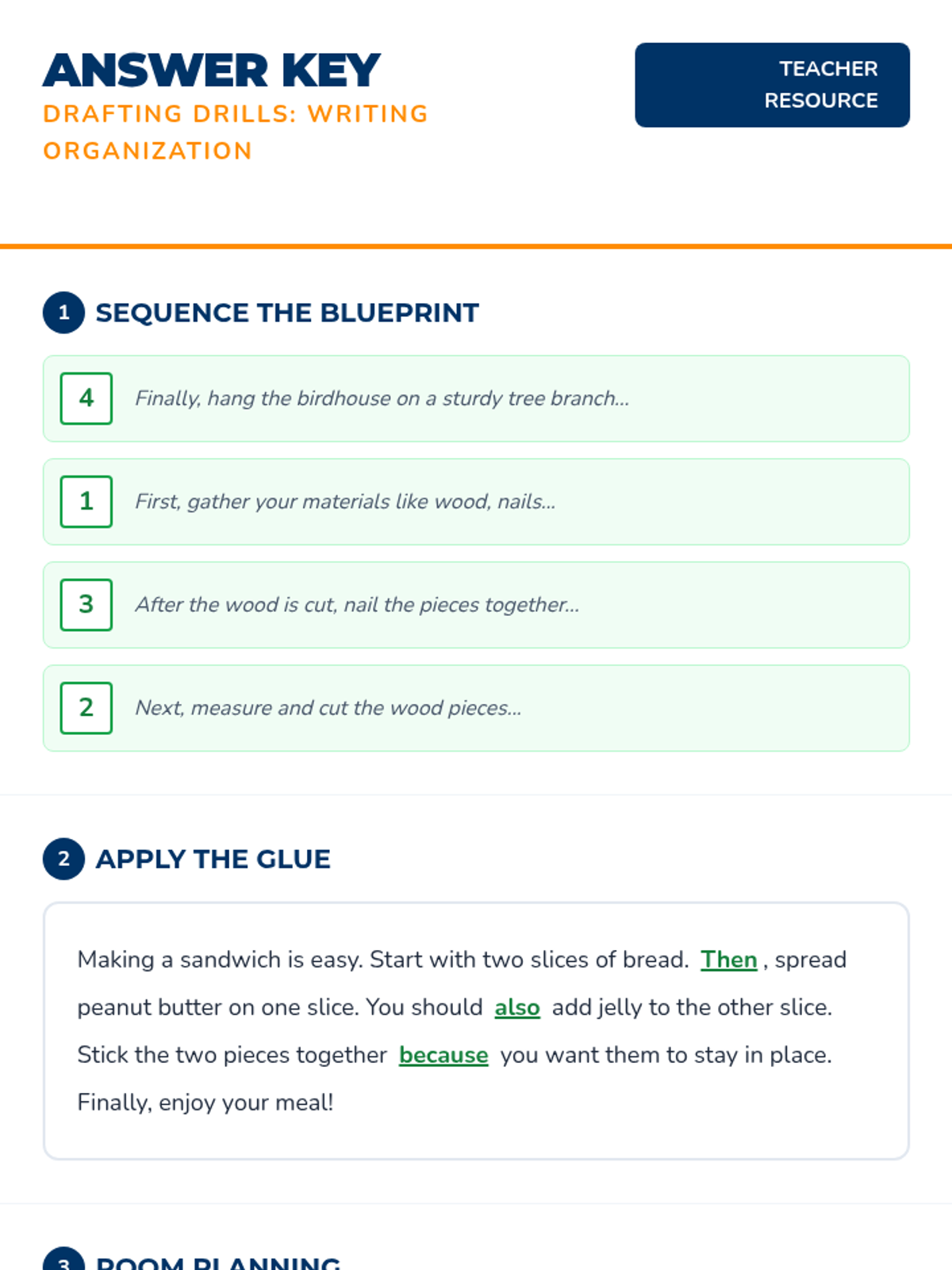
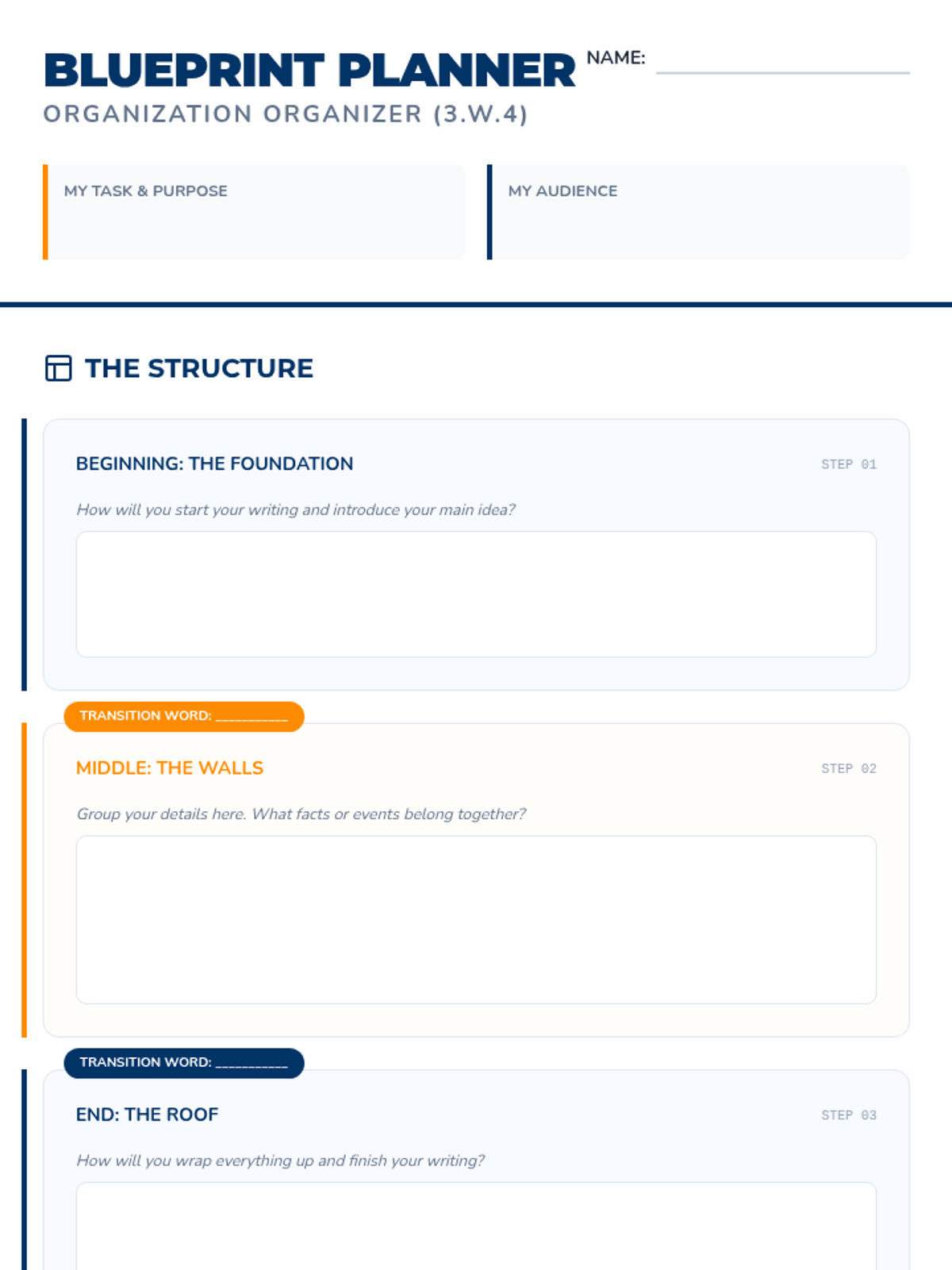
A lesson focused on mastering standard 3.W.4 by teaching students how to organize their writing for clarity and coherence through the metaphor of architectural drafting.
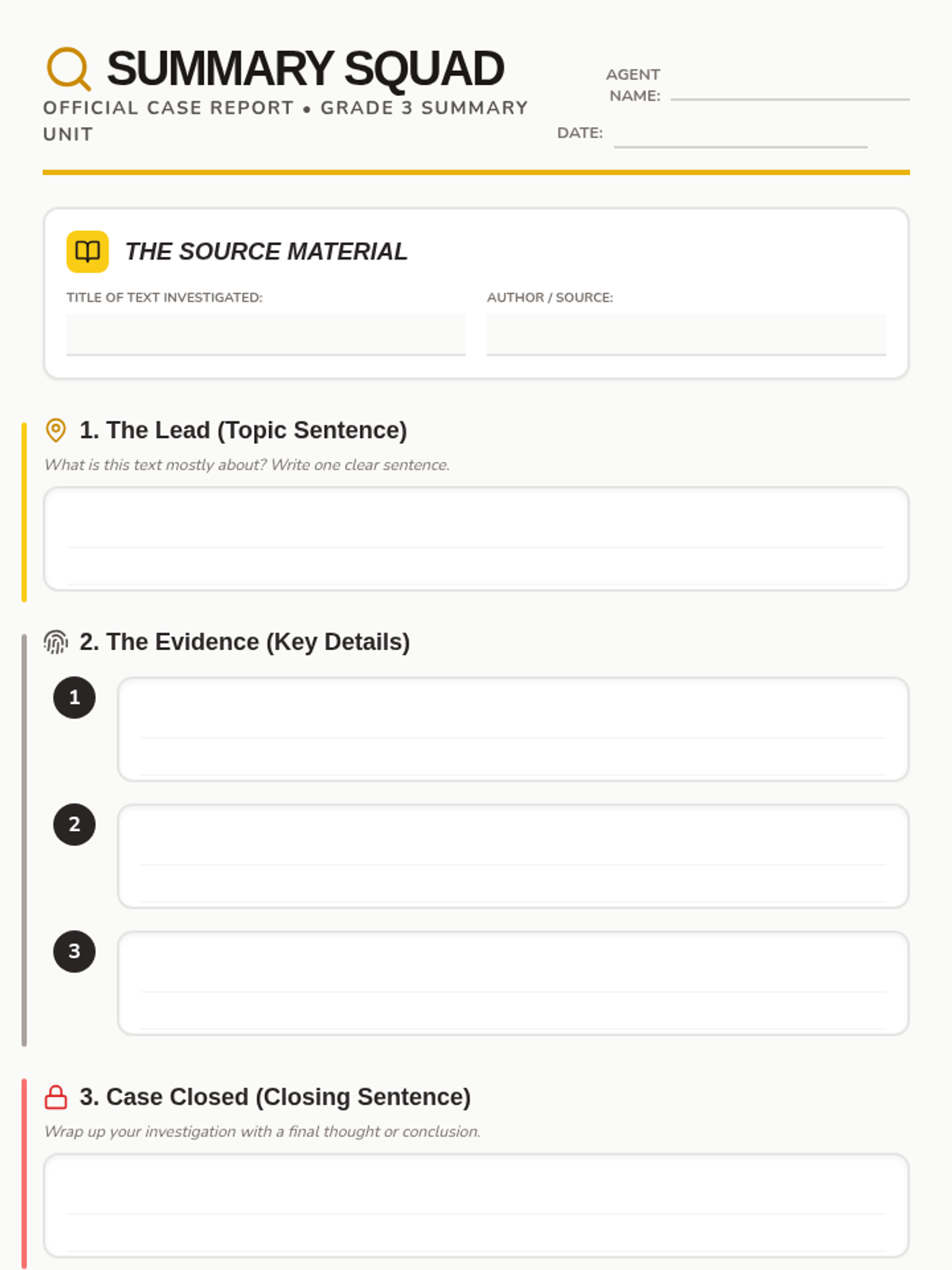
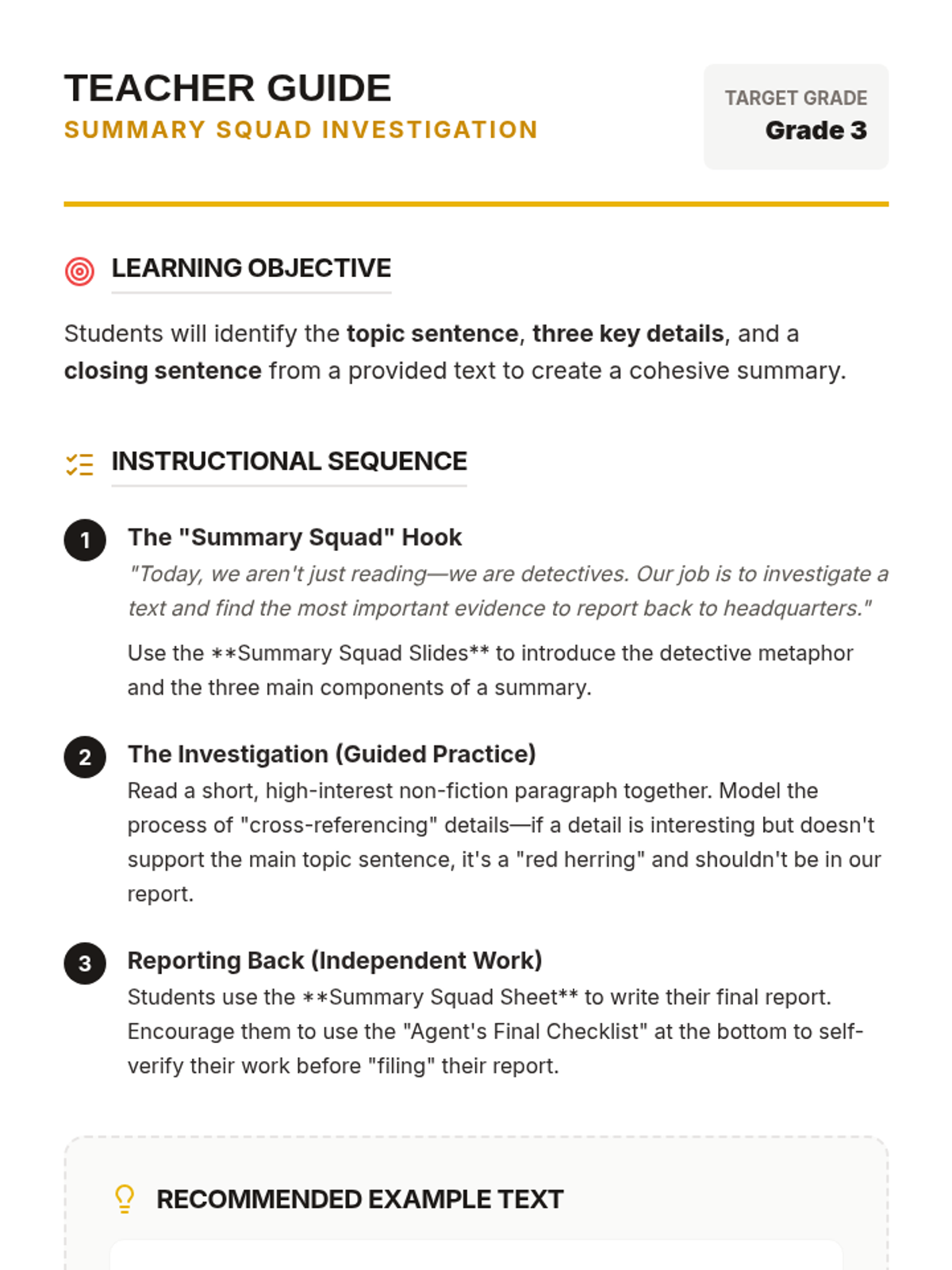
A lesson designed to help 3rd-grade students master the art of summarizing by identifying a topic sentence, three key details, and a closing sentence. Using a fun 'Summary Squad' detective theme, students learn to treat summarizing as an investigation to find the most important parts of a text.
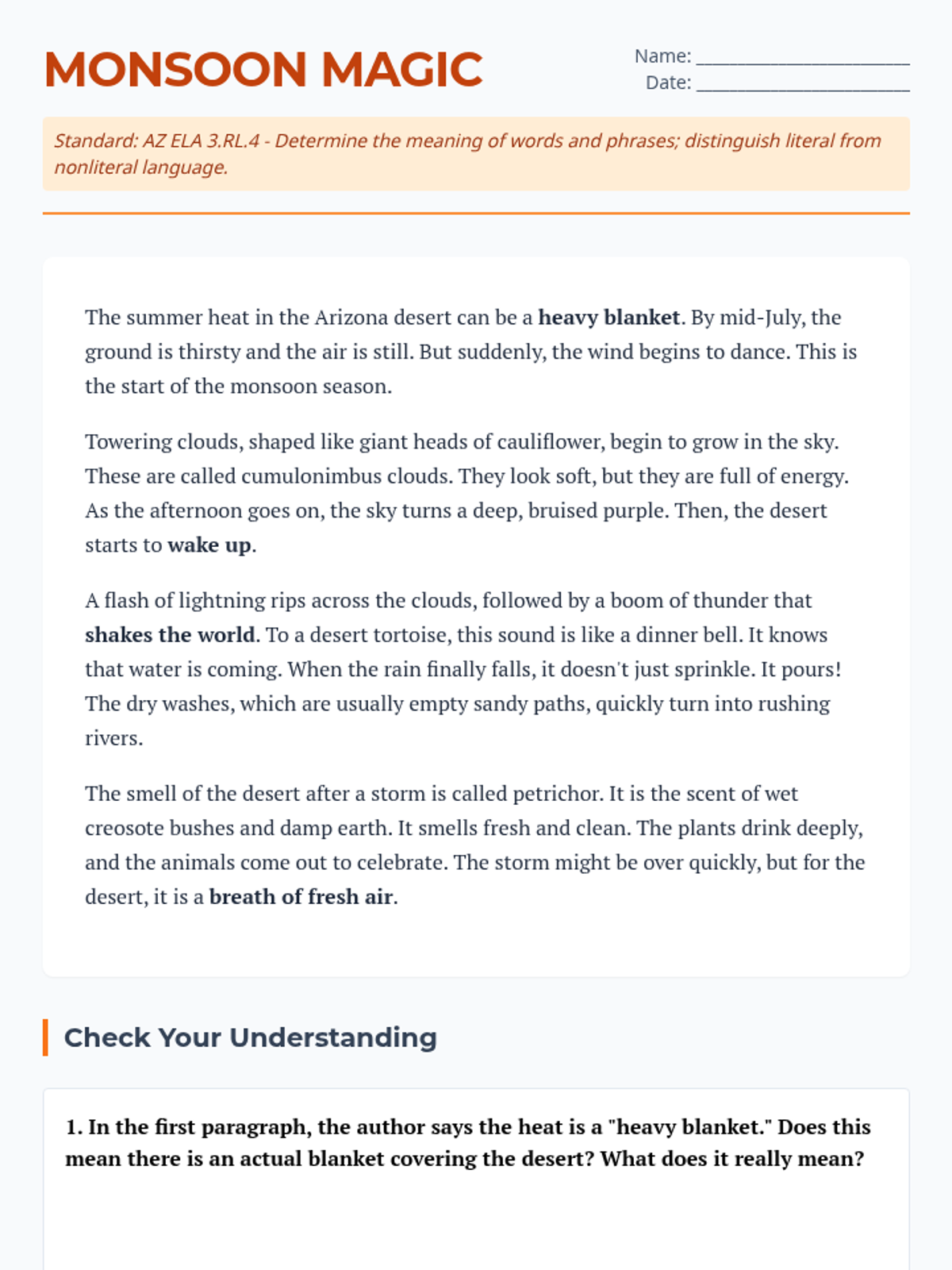
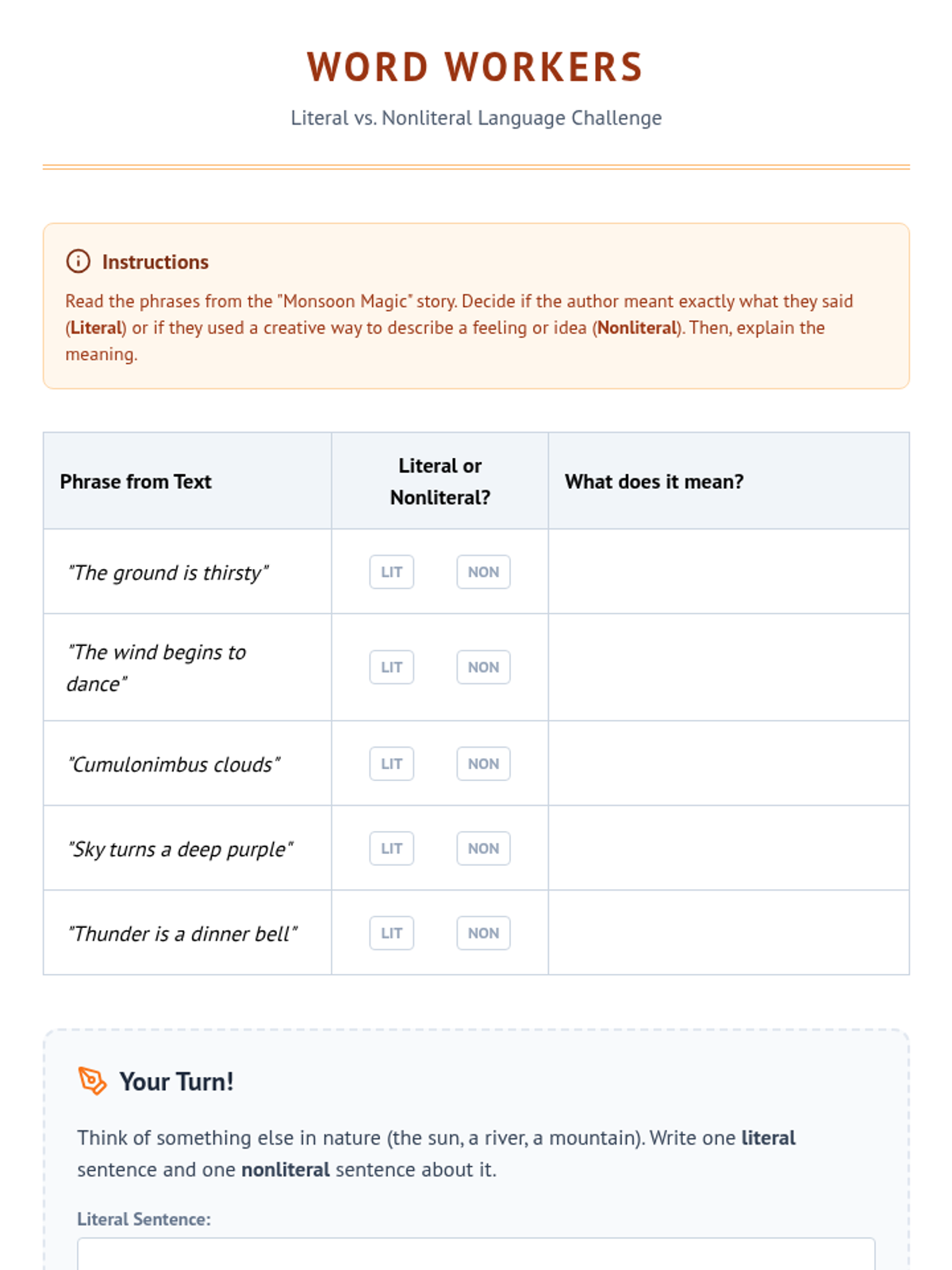
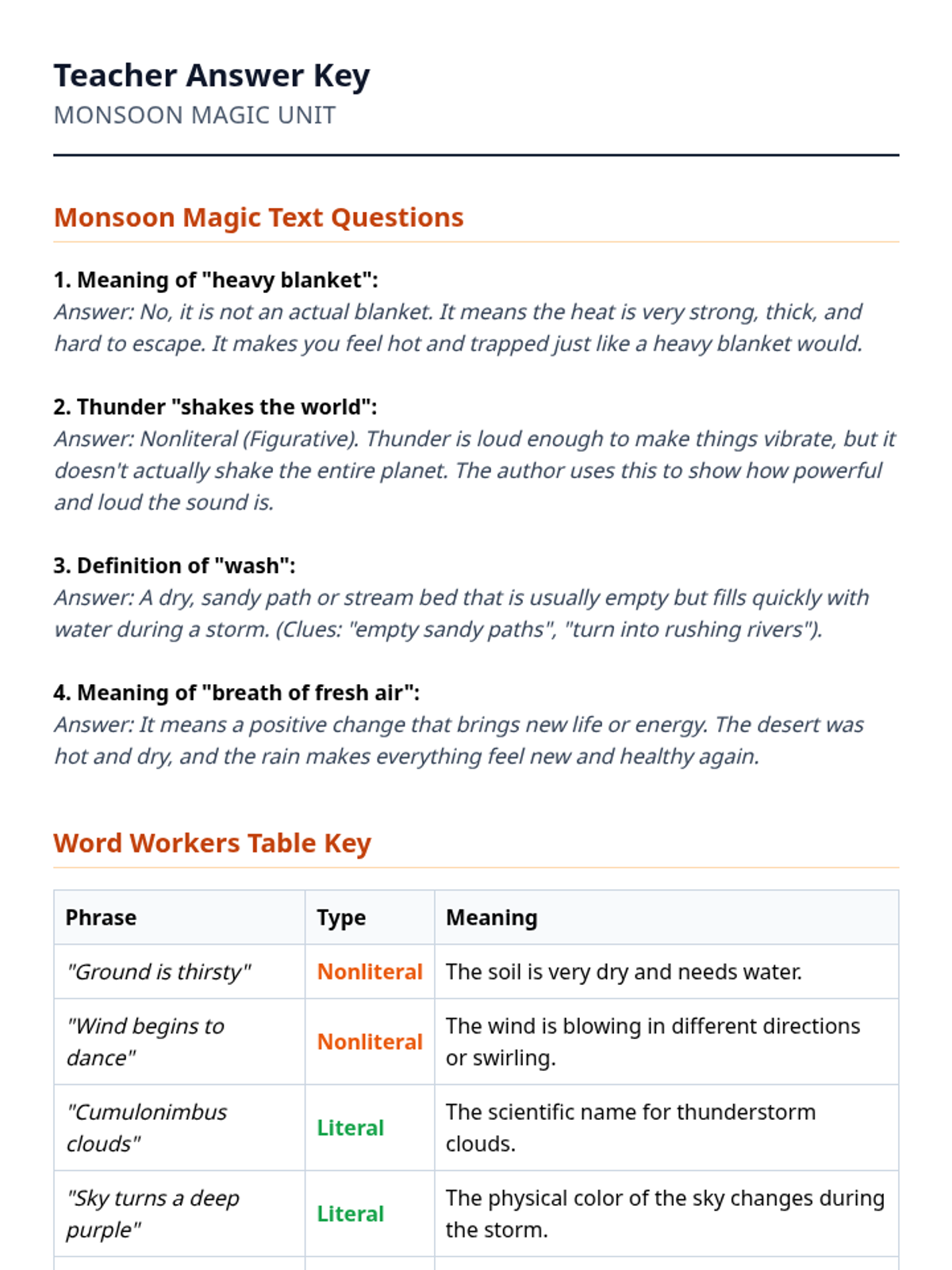
A lesson focused on identifying literal and nonliteral language within a narrative nonfiction text about Arizona monsoons, aligned with AZ ELA standard 3.RL.4.
A decodable reader and guided reading lesson focused on S-blends (sk, sl, st, sc, sw, sm) through the story of Skip the skunk's clumsy accident.
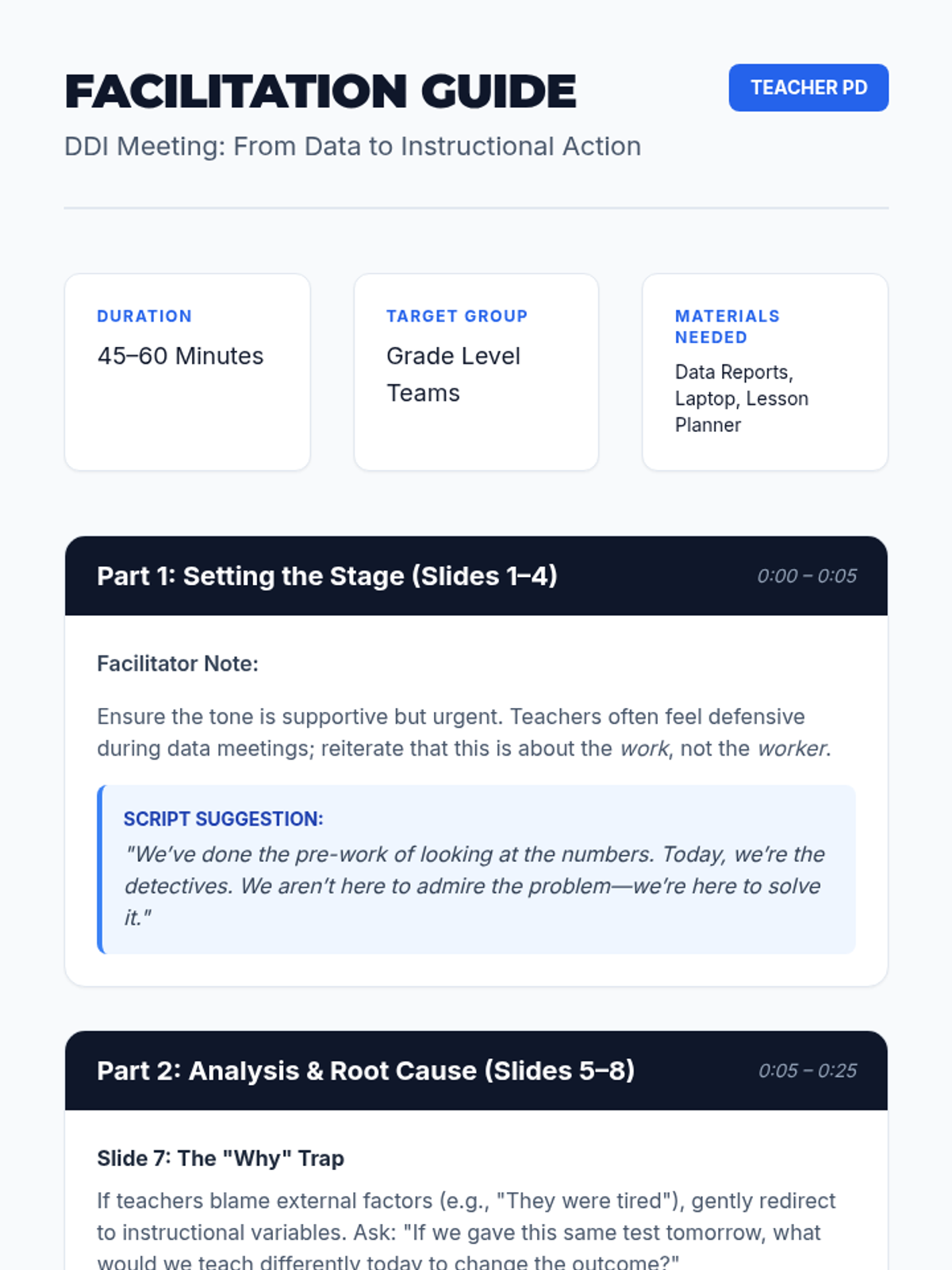
A professional development session focused on turning student data into actionable instructional plans through root cause analysis and collaborative planning.
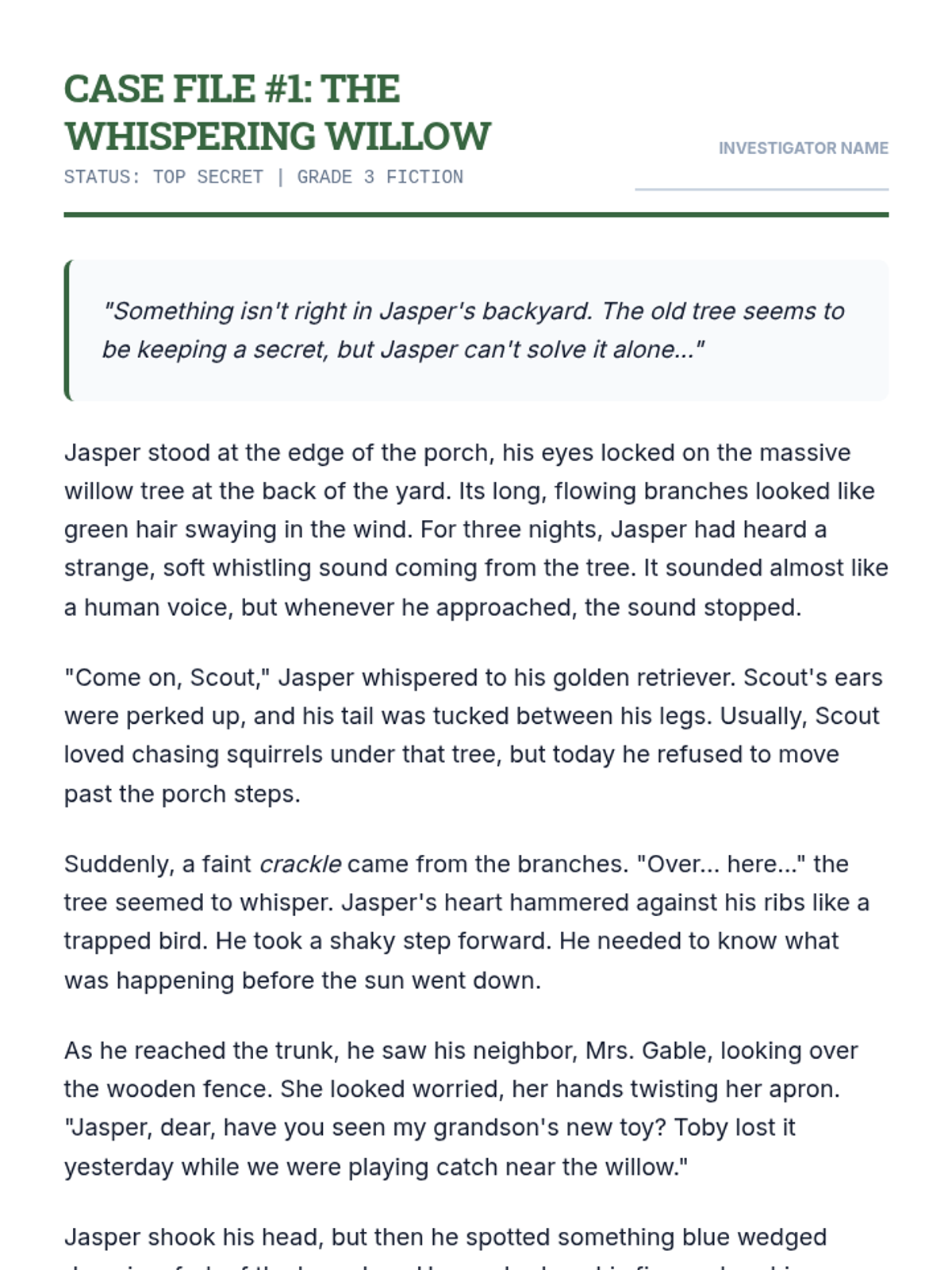
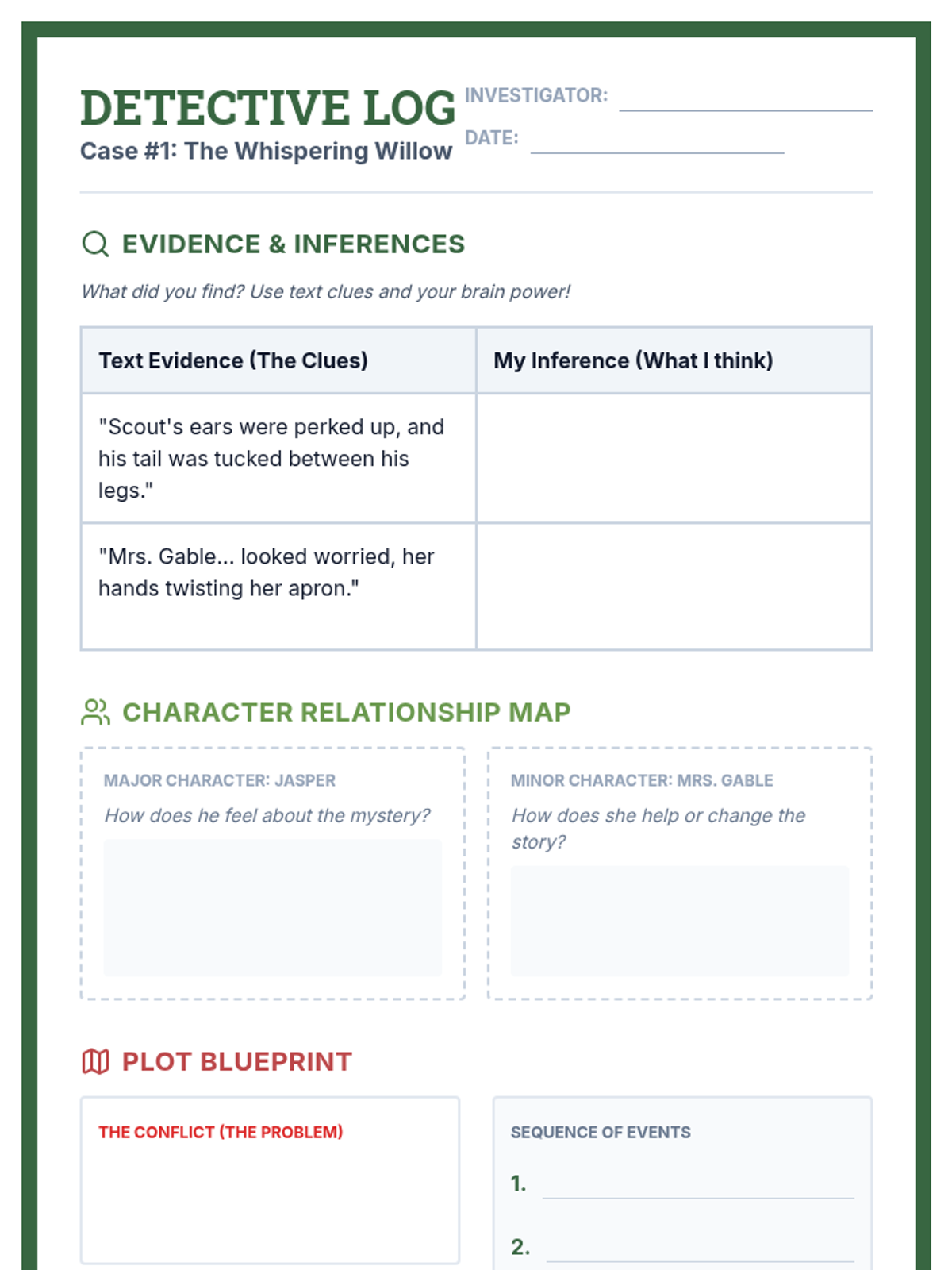
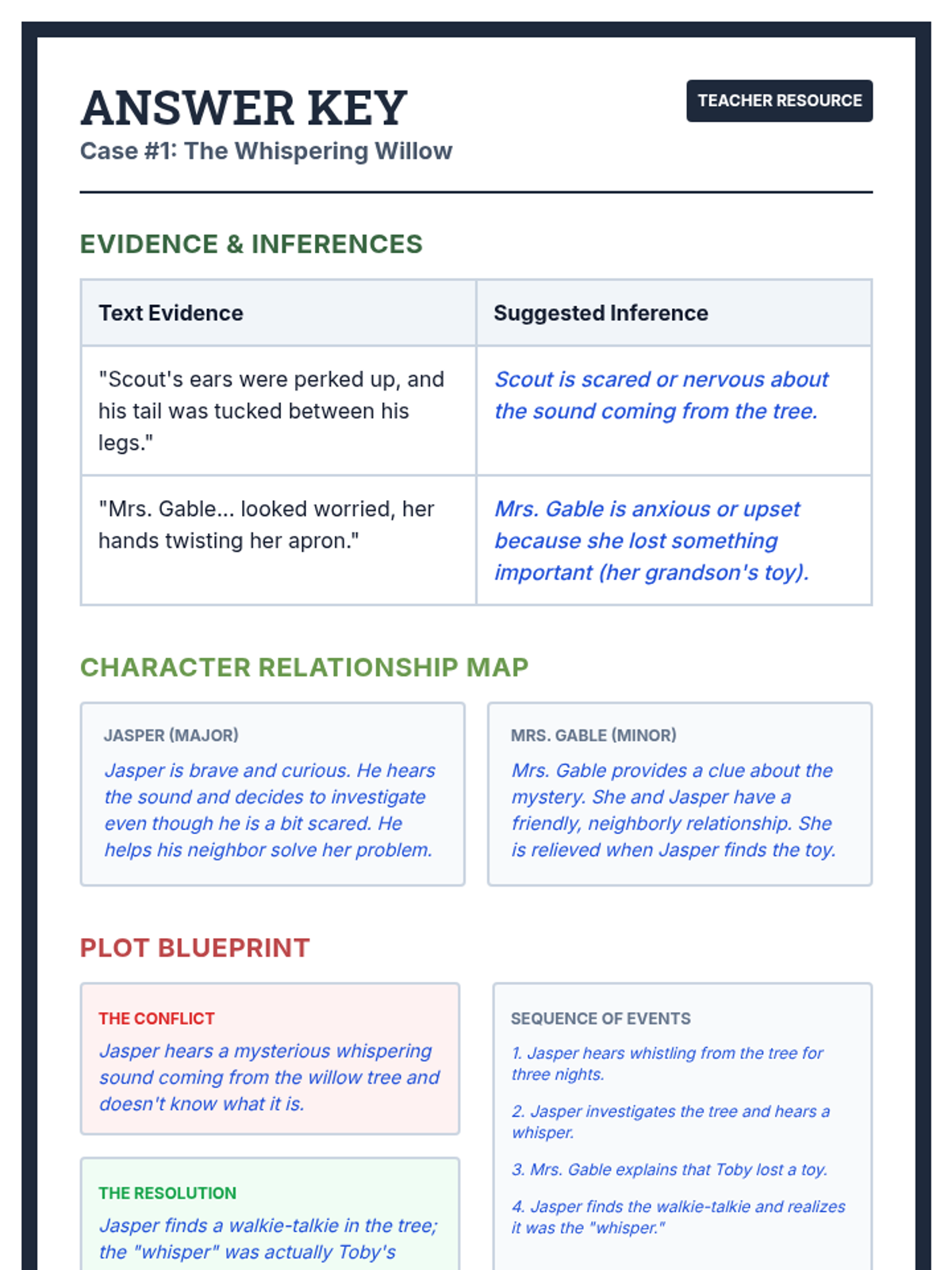
A lesson where students become 'Story Detectives' to practice making inferences, analyzing character relationships, and mapping out plot elements using two engaging mystery stories.
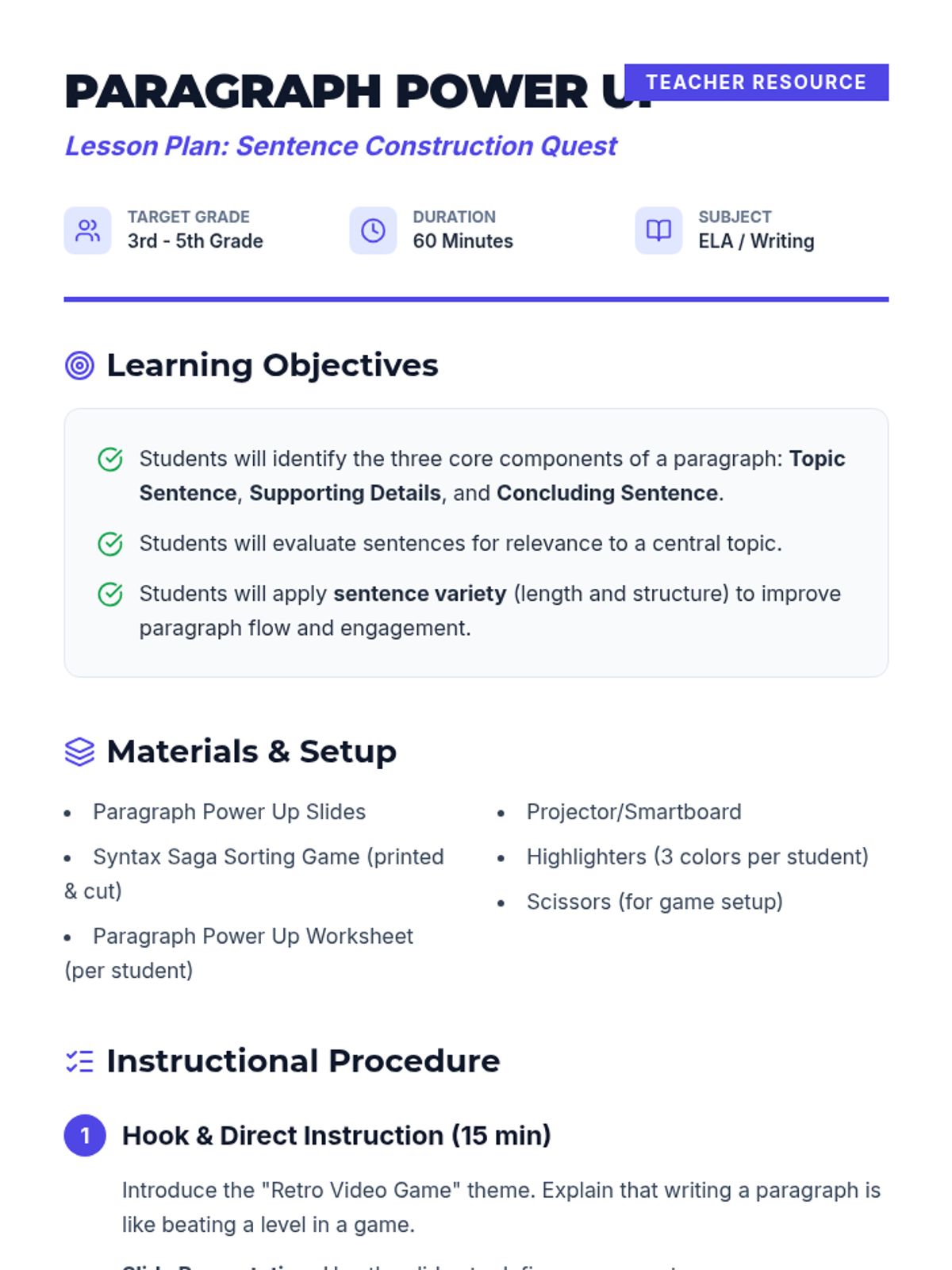
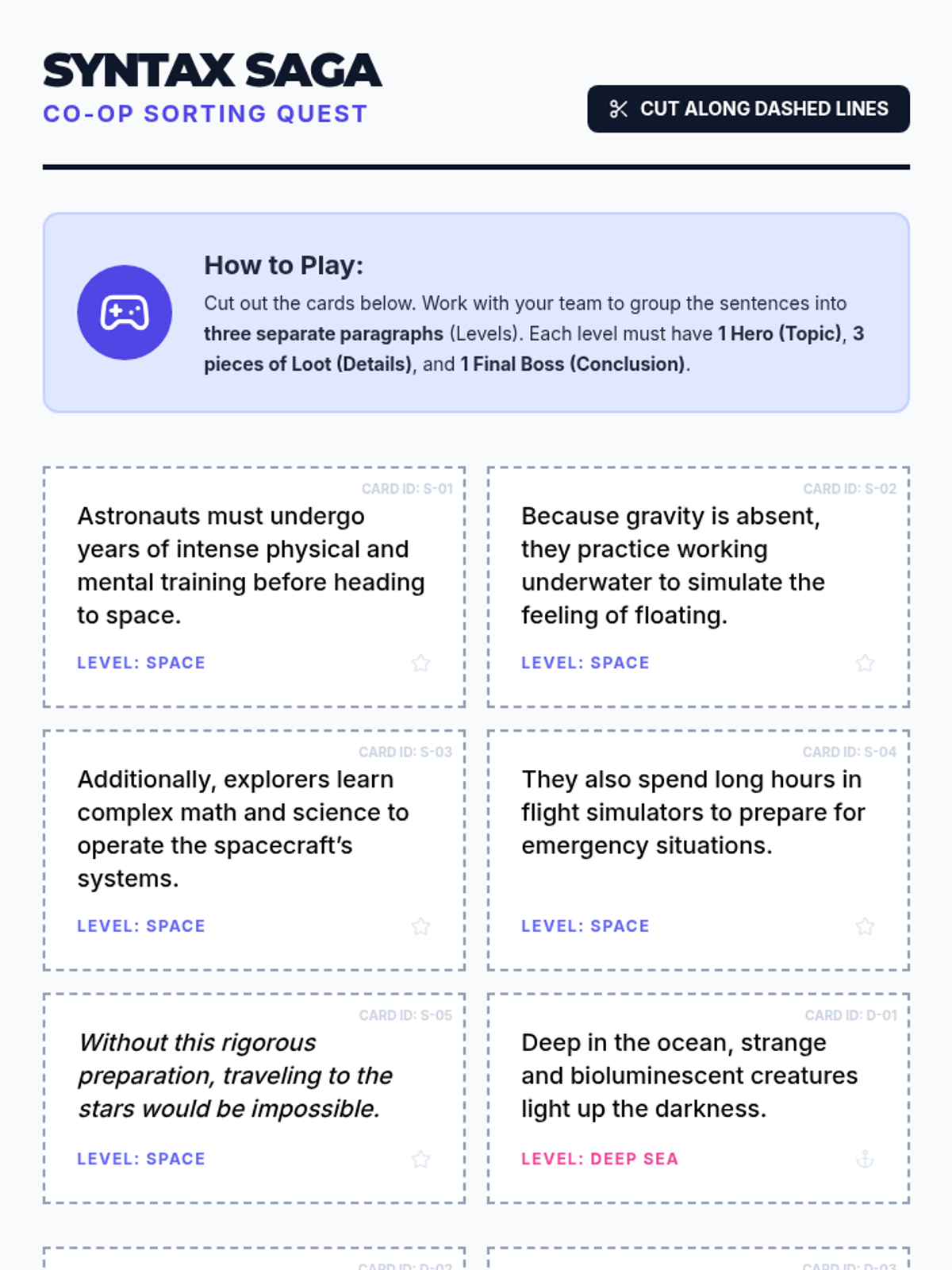
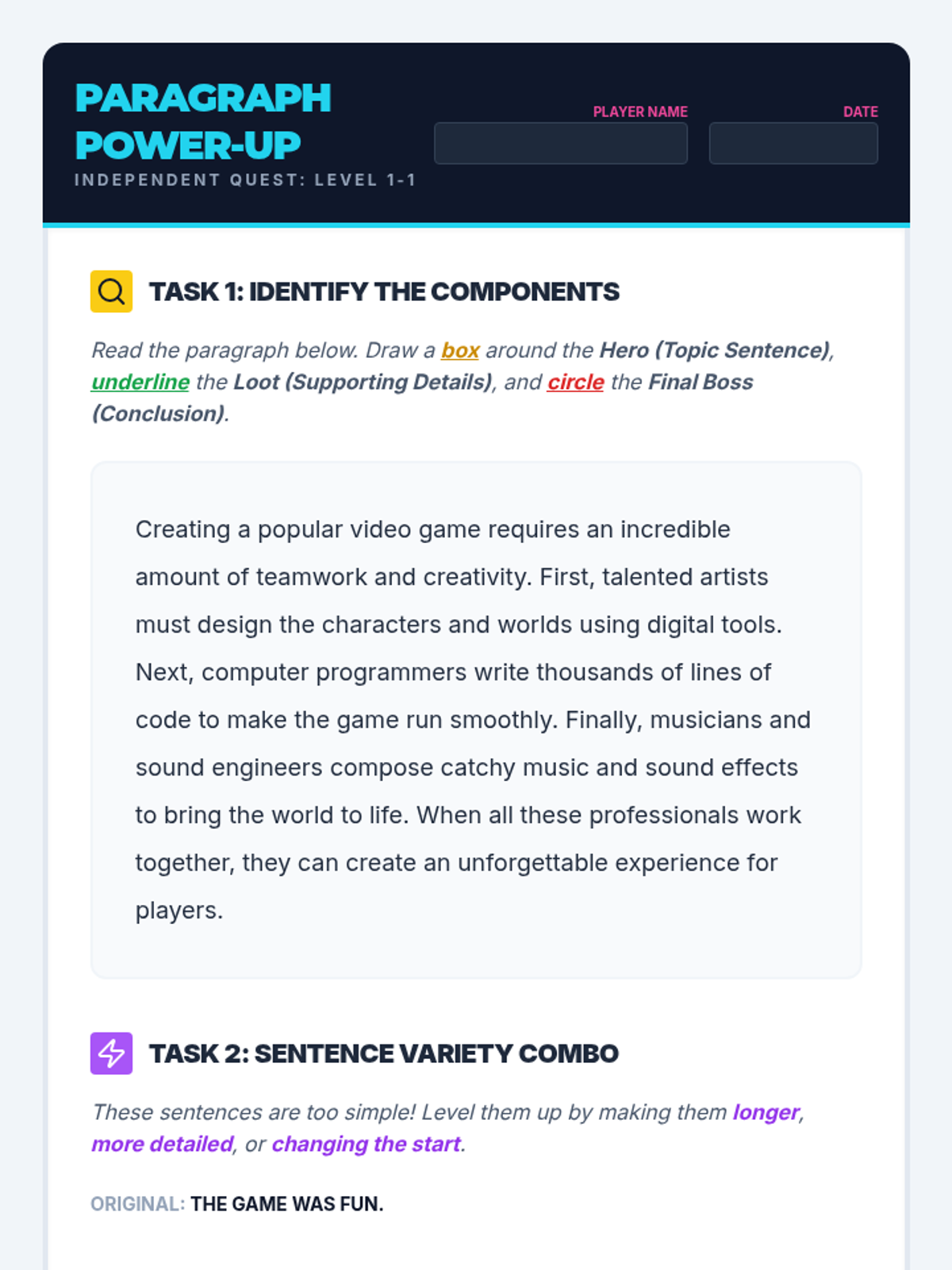
A comprehensive lesson designed to help 3rd-5th grade students master the art of paragraph construction through a fun, retro video game theme. Students will learn about sentence variety, topic sentences, and supporting details through interactive slides, a card-based game, and scaffolded practice.
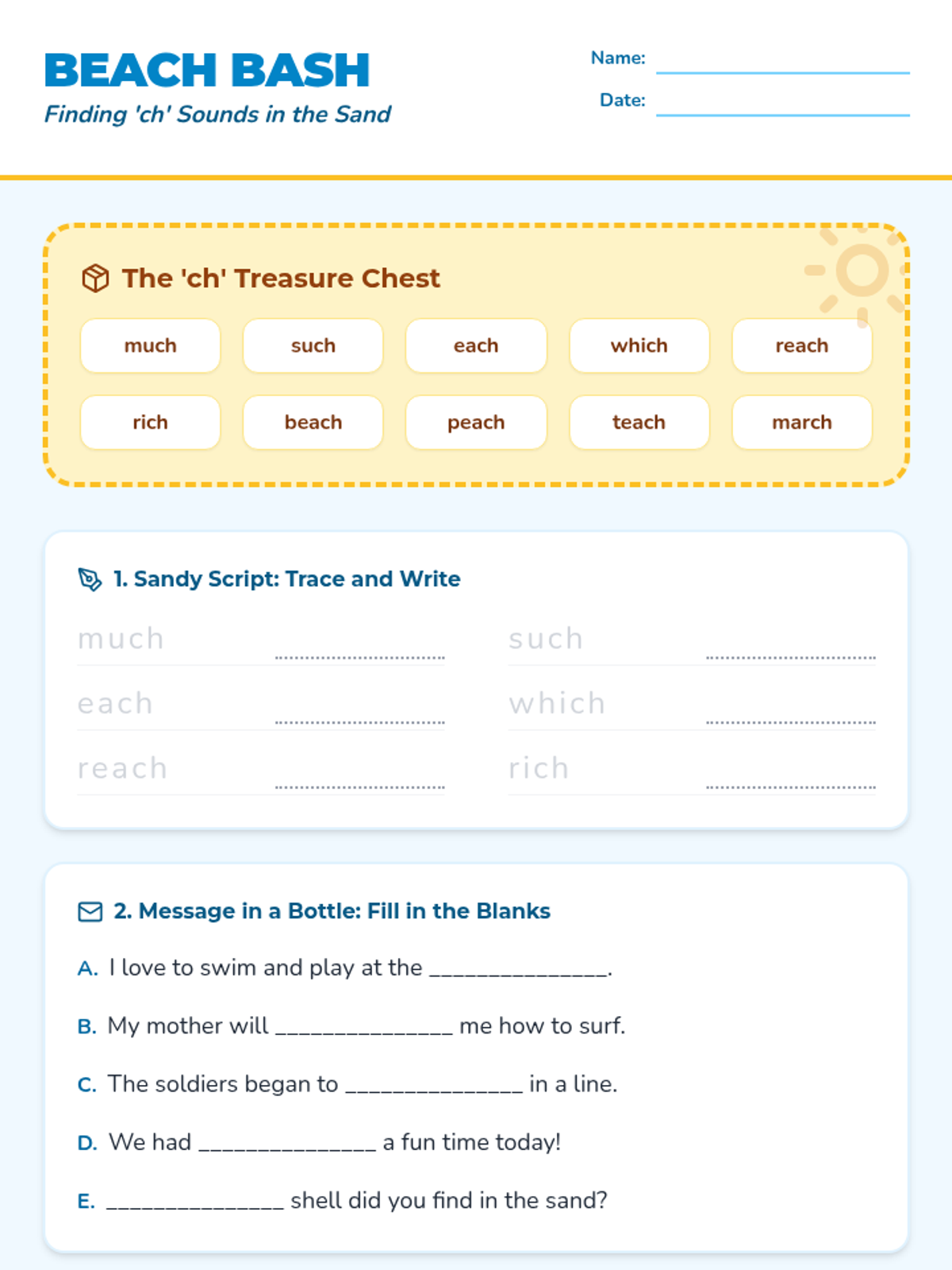
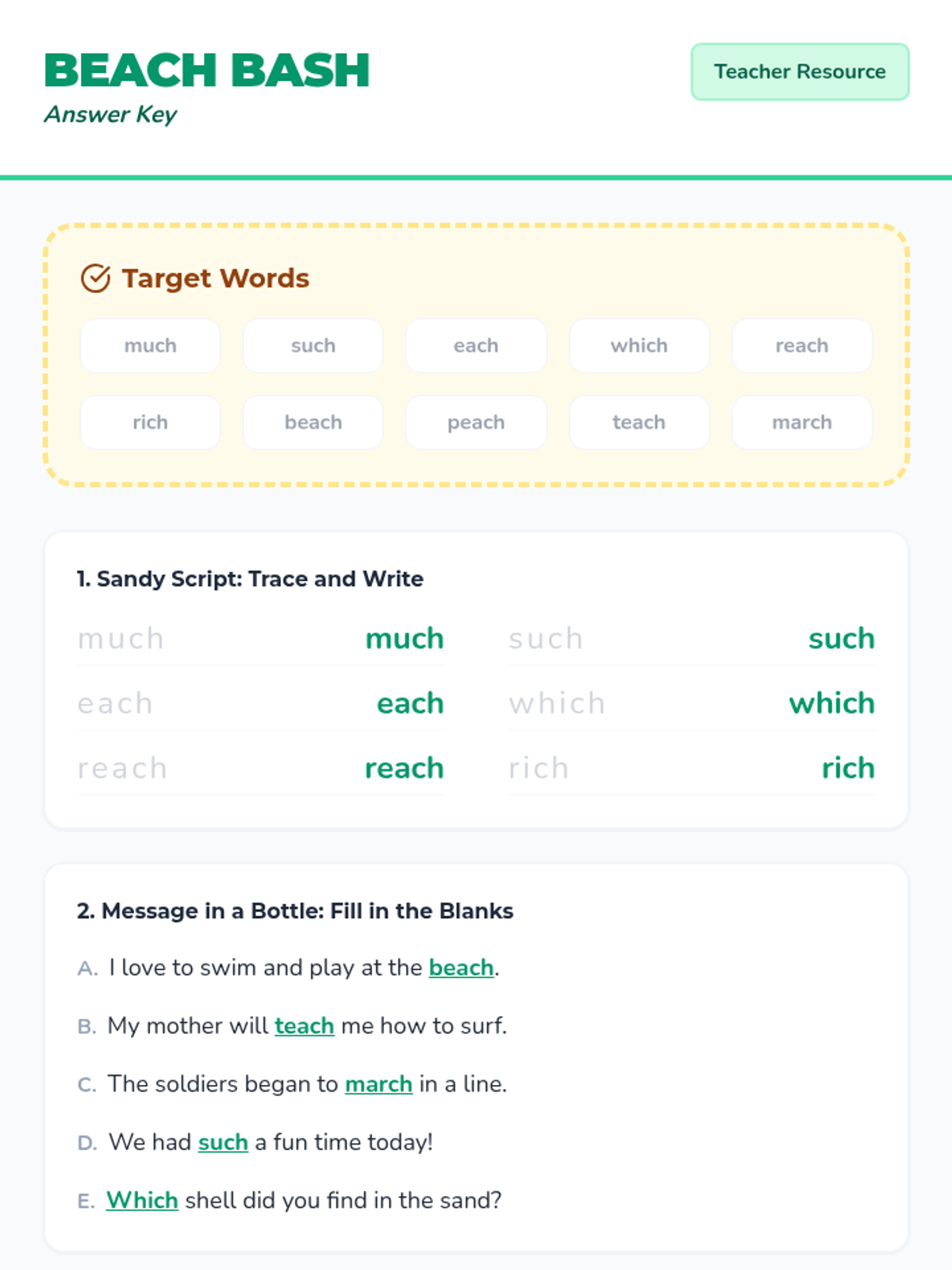
A fun, beach-themed lesson focusing on reading and writing high-frequency words that end with the 'ch' digraph. Students will engage with 10 key words through tracing, sentence completion, and visual identification.
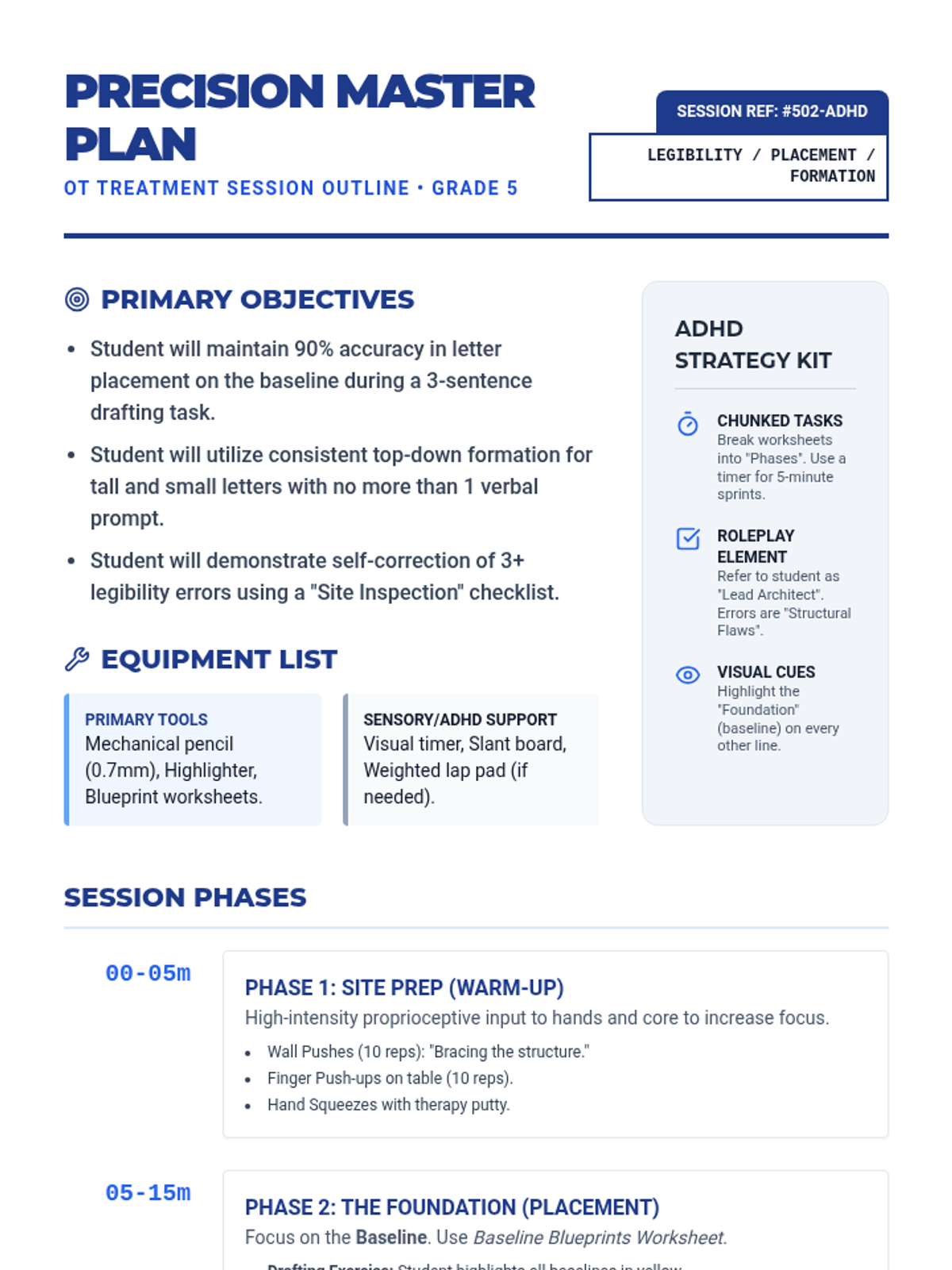
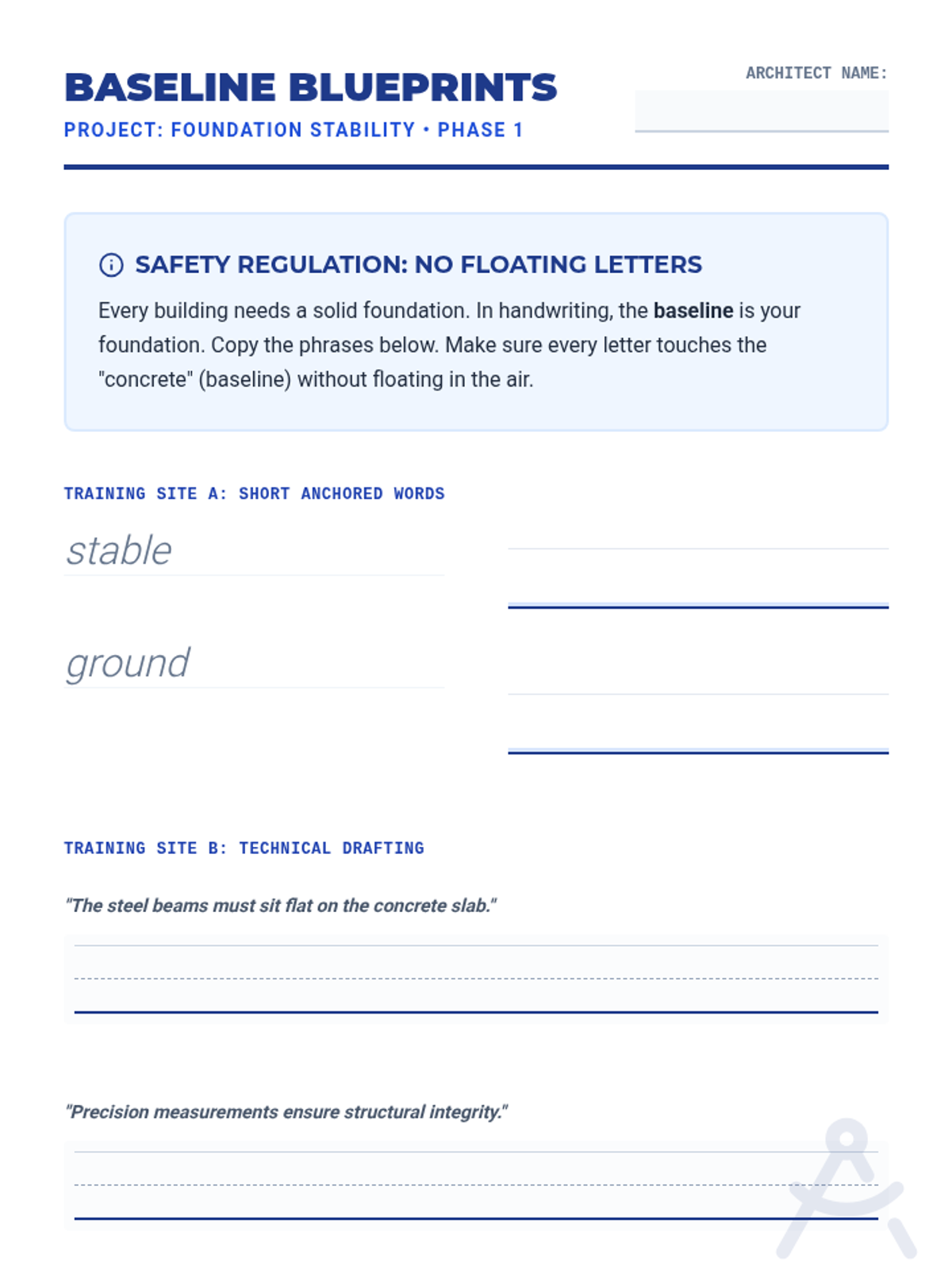
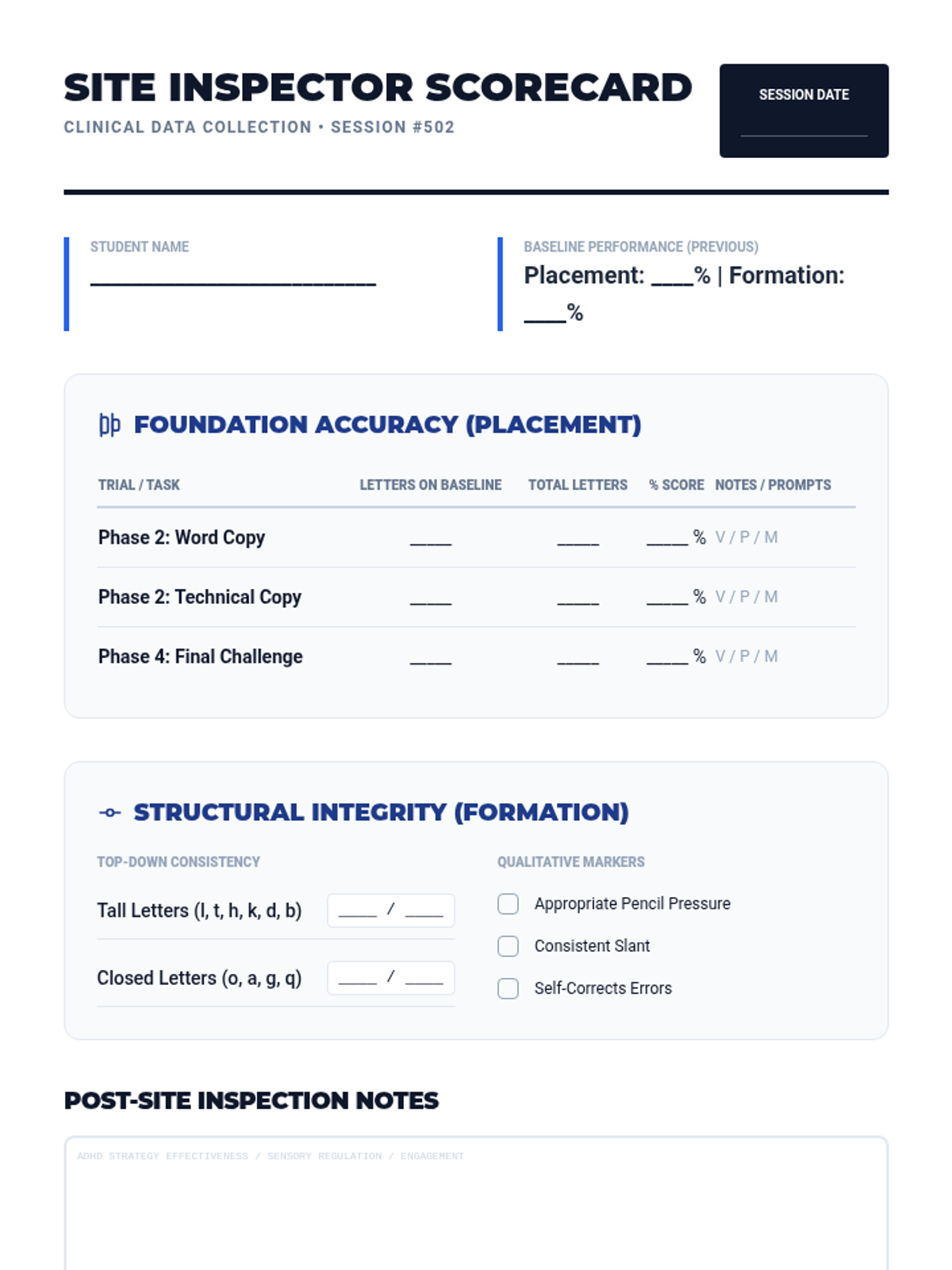
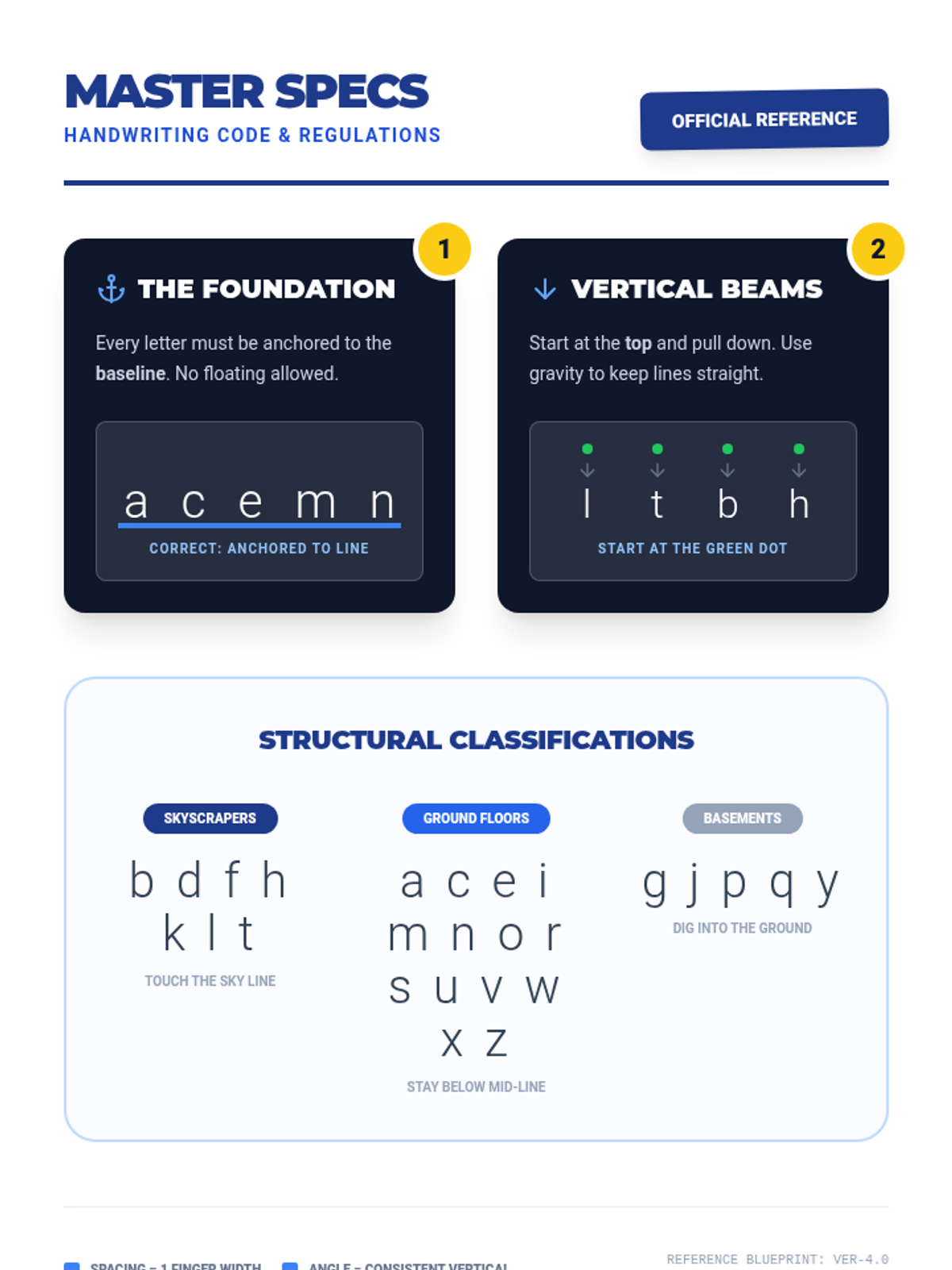
A structured occupational therapy treatment session focused on improving handwriting legibility through architectural-themed activities. This lesson targets line placement accuracy and consistent letter formation for 5th-grade students, particularly those with ADHD.
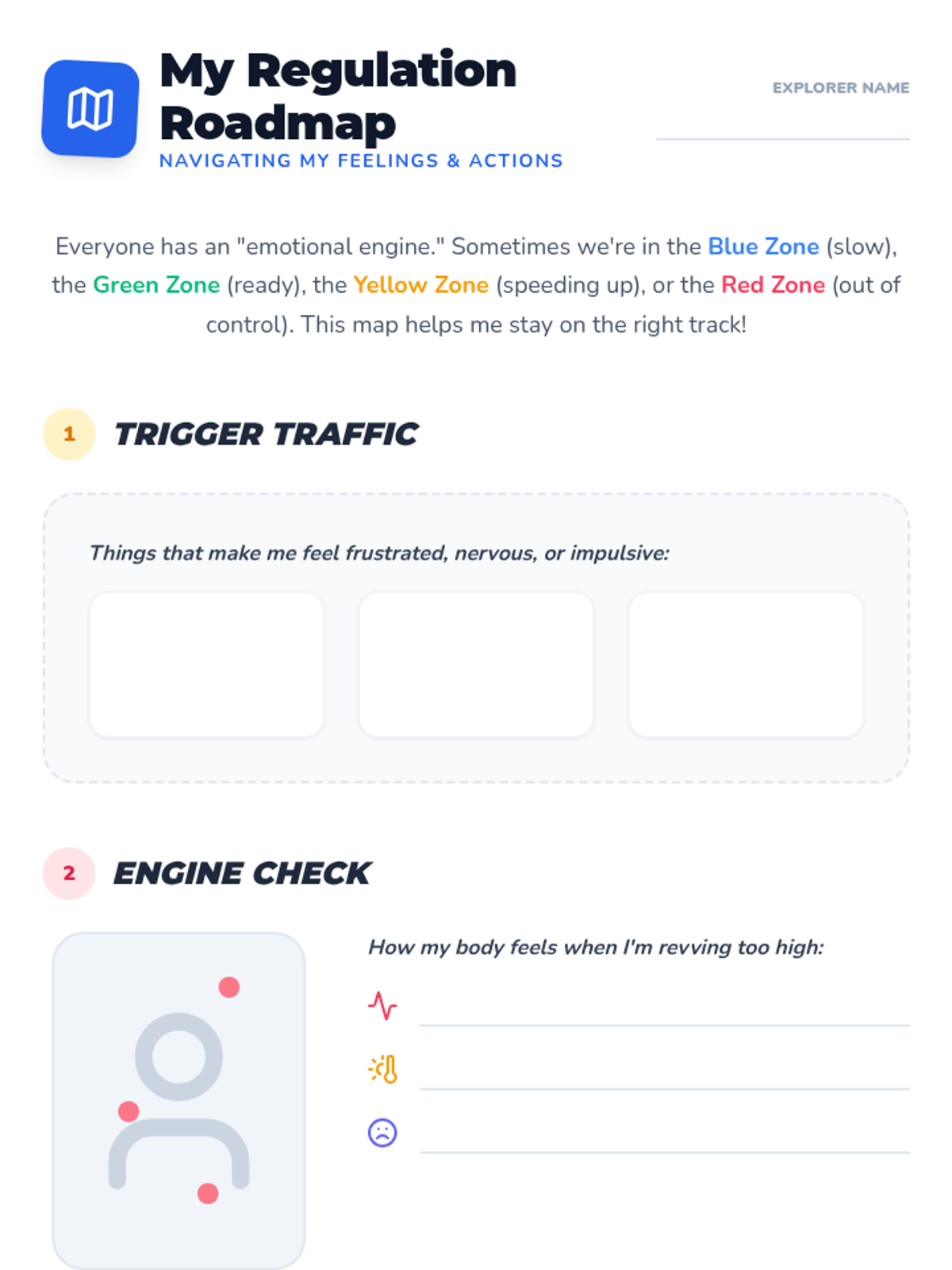
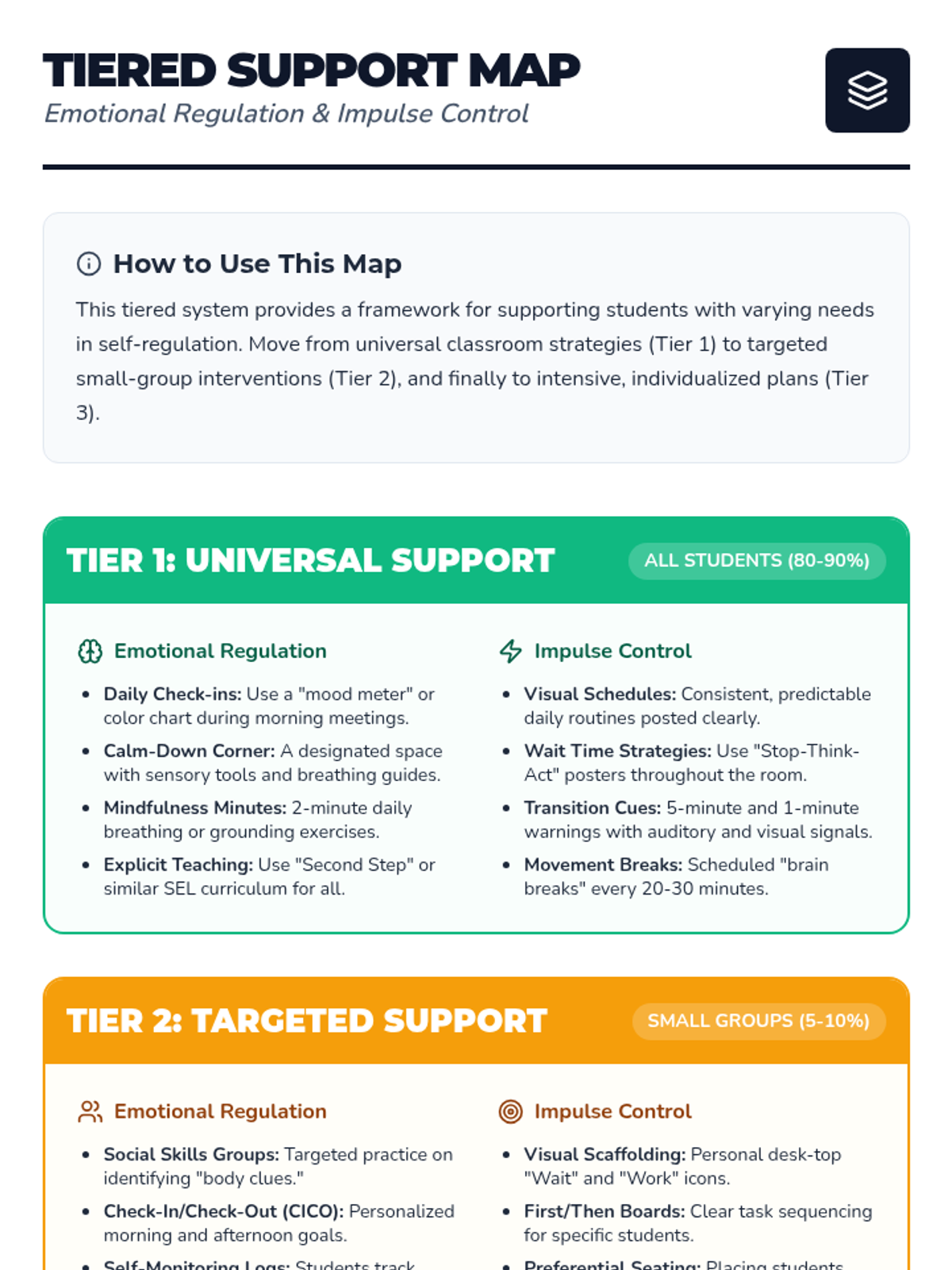
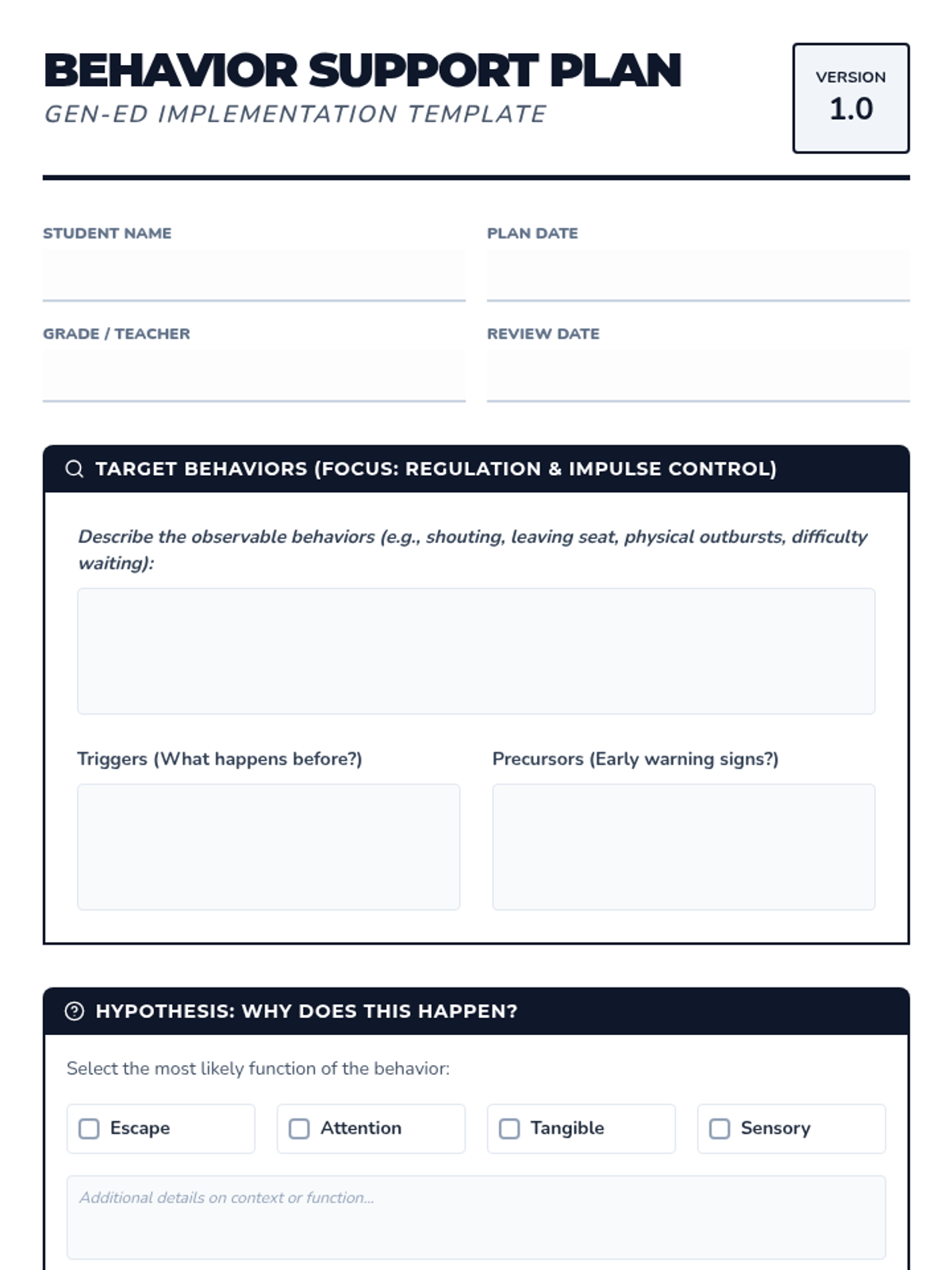
A comprehensive suite of resources for implementing tiered behavior supports in the general education classroom, focusing on emotional regulation and impulse control.
Practical application of time tools (calculators, phones) to determine the duration of real-world work and leisure events.
Using visual aids like timelines and number lines to calculate elapsed time for shifts and activities up to one hour.
Introductory time-telling skills focused on identifying and setting clocks to the nearest half hour.
Mastering the analog clock face by telling time to the nearest 5-minute interval in daily school routines.
Calculating elapsed time to the nearest 5-minute interval using analog and digital representations for travel and leisure.
Focused on identifying start and end times to calculate elapsed whole-hour intervals within work and community scenarios.
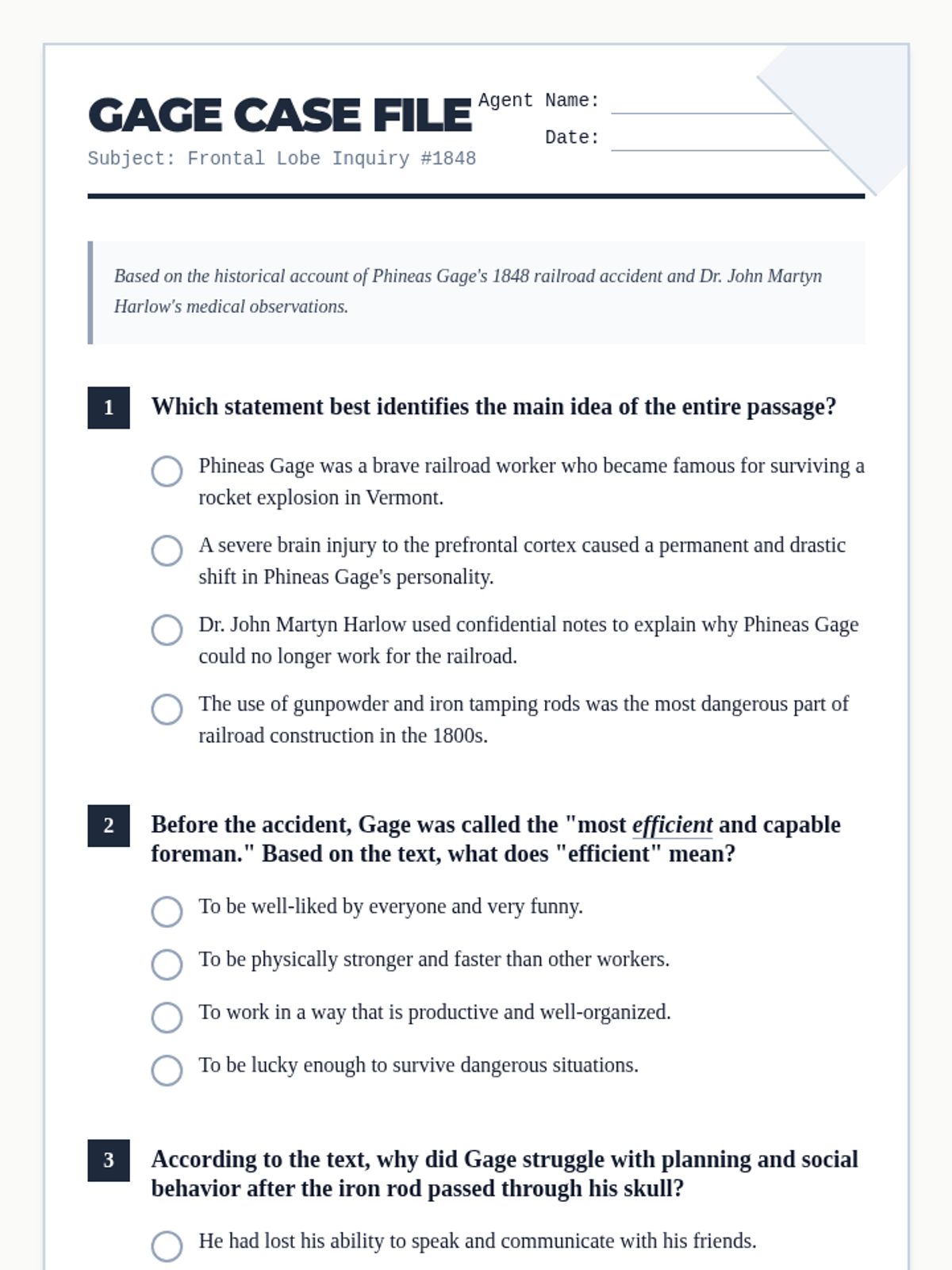
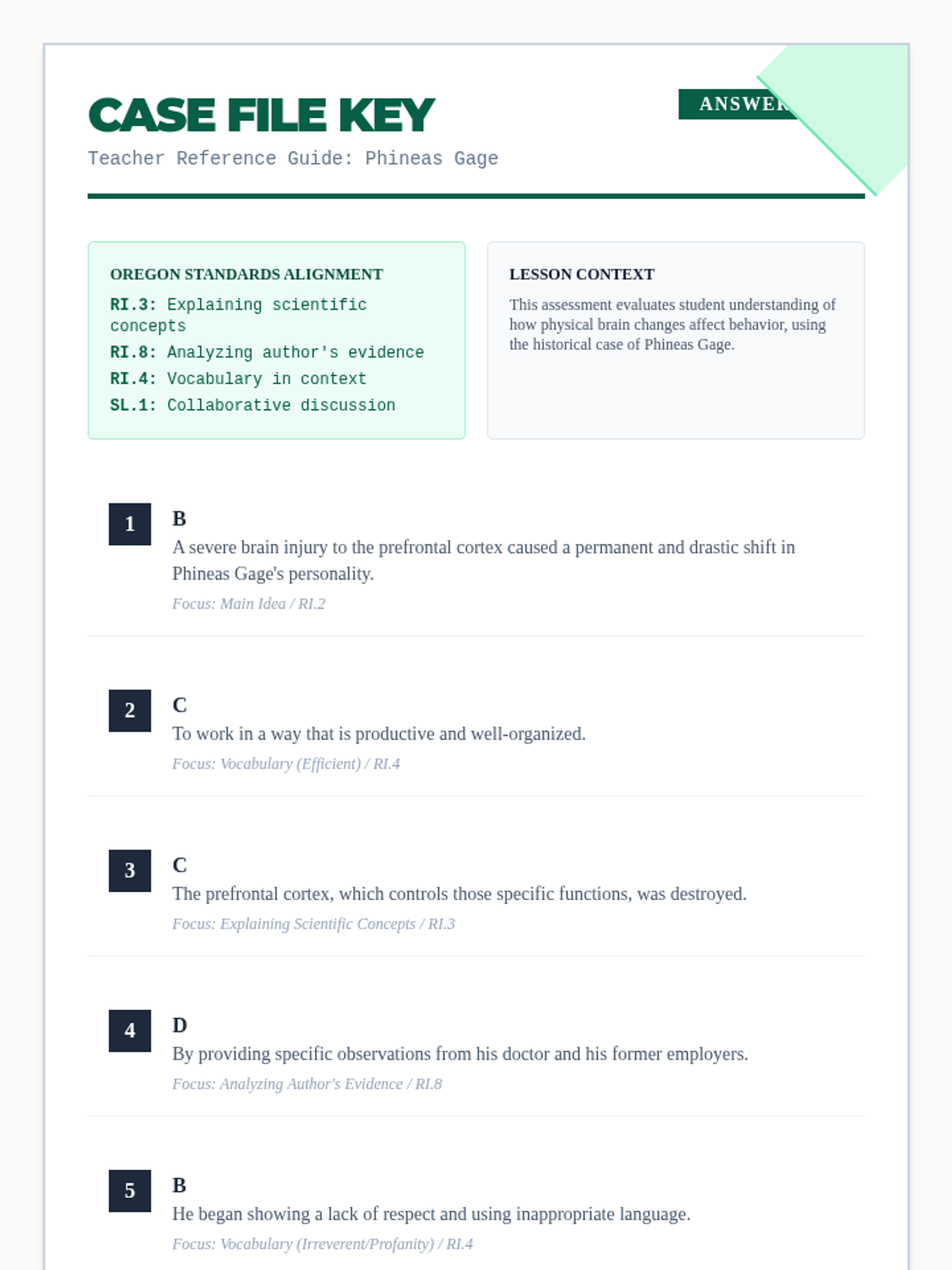
A lesson exploring the famous case of Phineas Gage to understand the connection between brain structure and personality, meeting Oregon learning standards for reading informational text.
A comprehensive assessment focusing on decoding 2-3 syllable words across various syllable patterns including closed, VCe, r-controlled, open, and vowel teams.
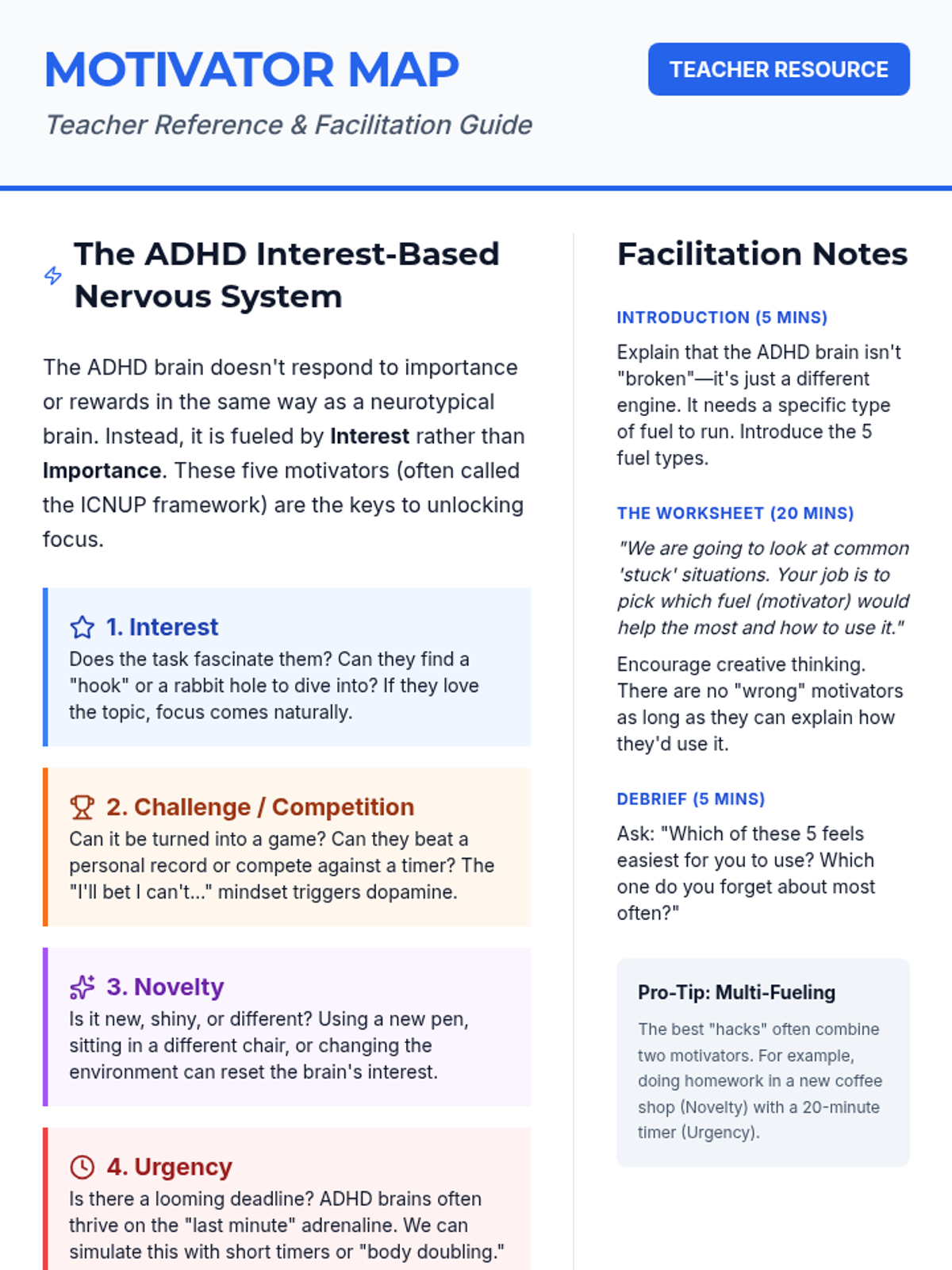
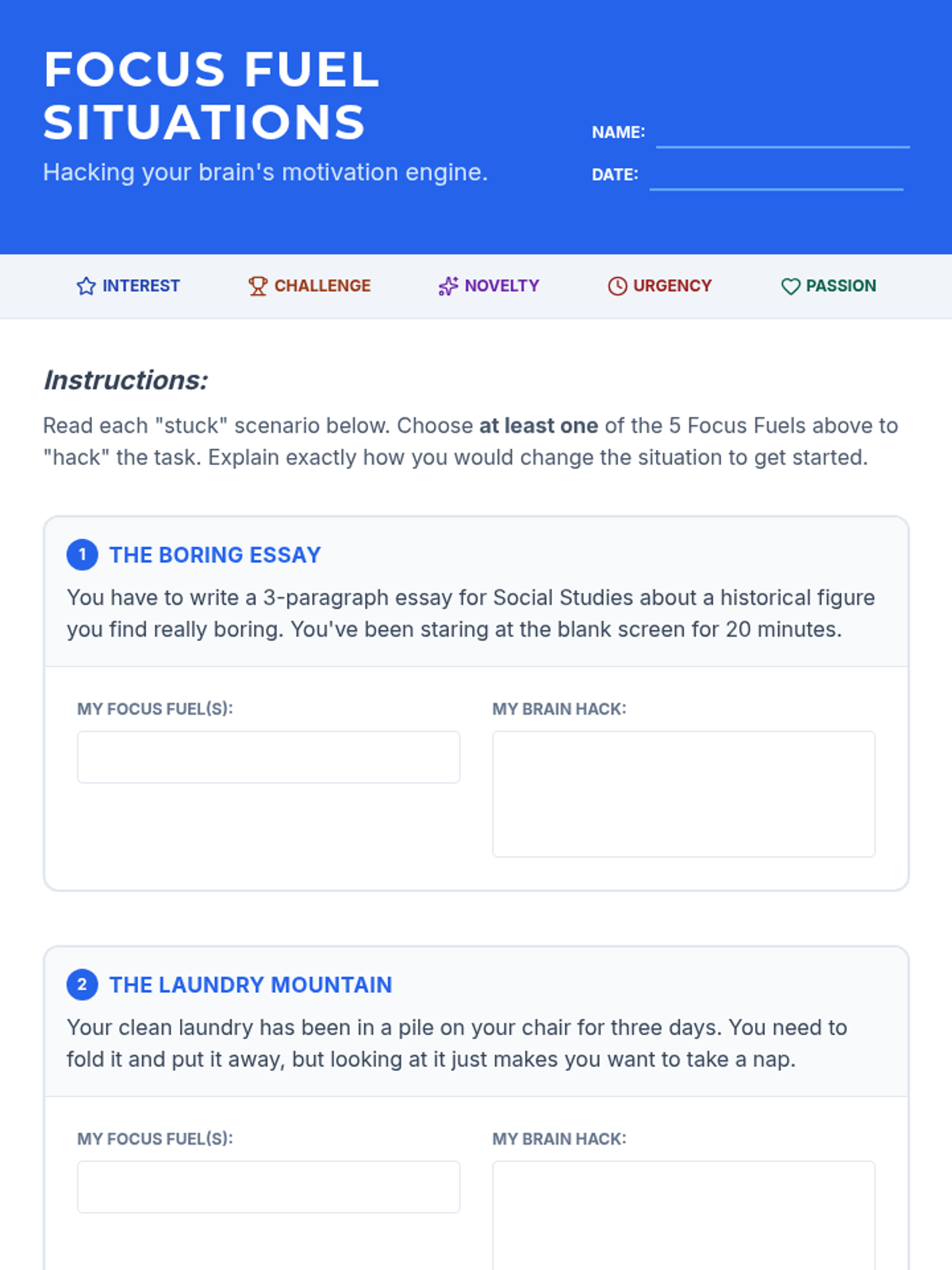
A 30-minute session introducing students to the five core ADHD motivators (Interest, Novelty, Challenge, Urgency, and Passion) and practicing how to apply them to everyday tasks.
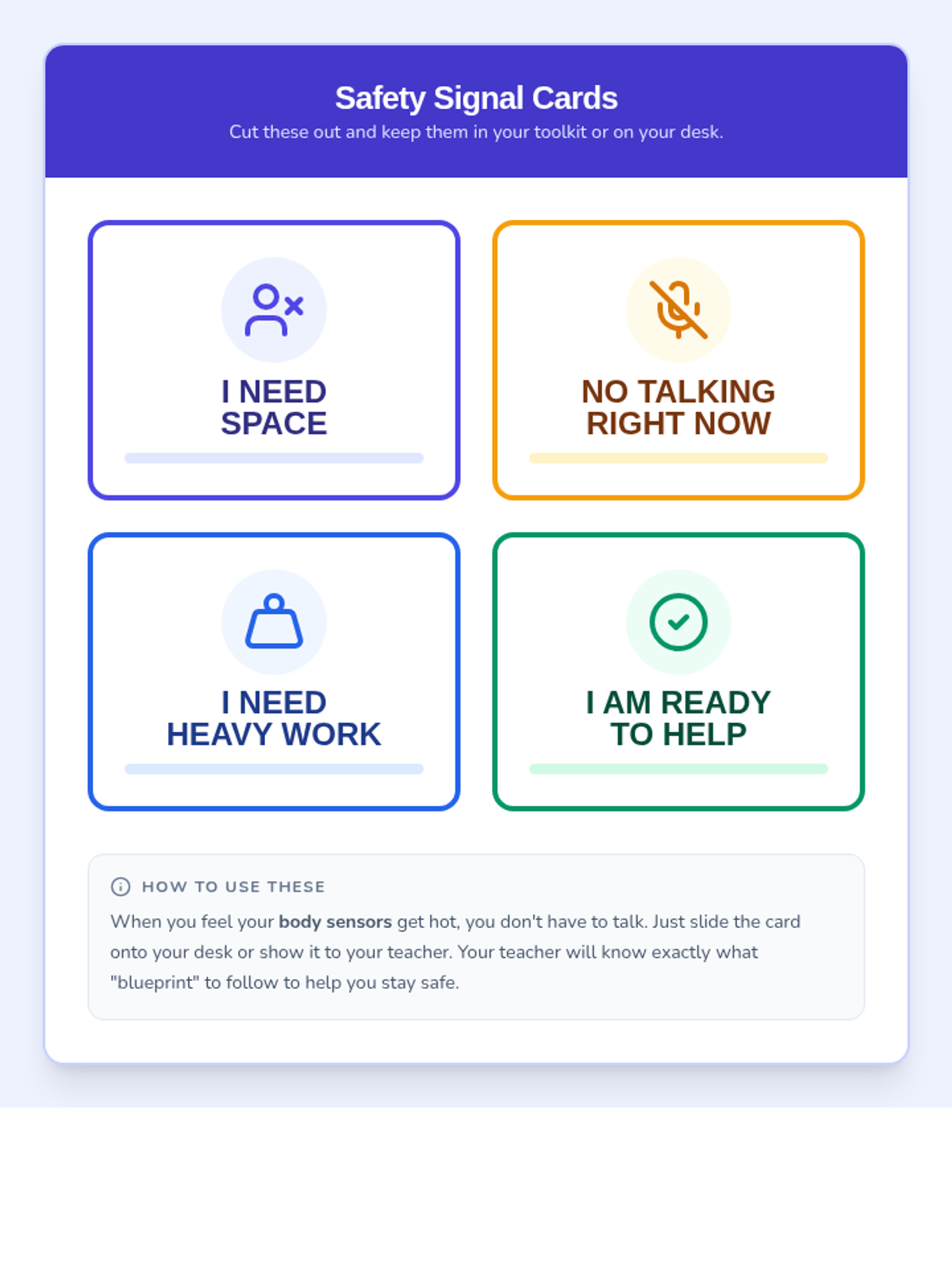
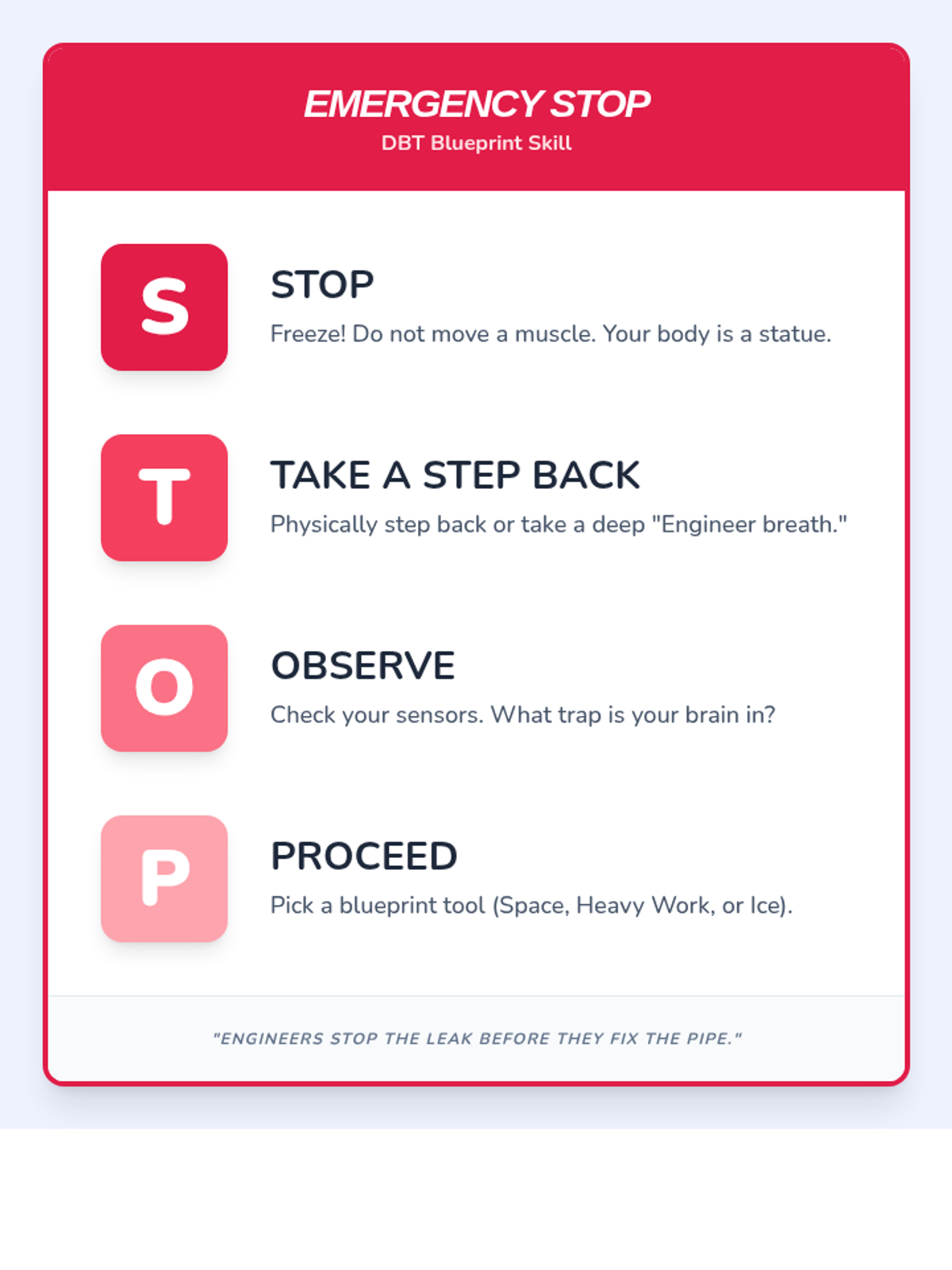
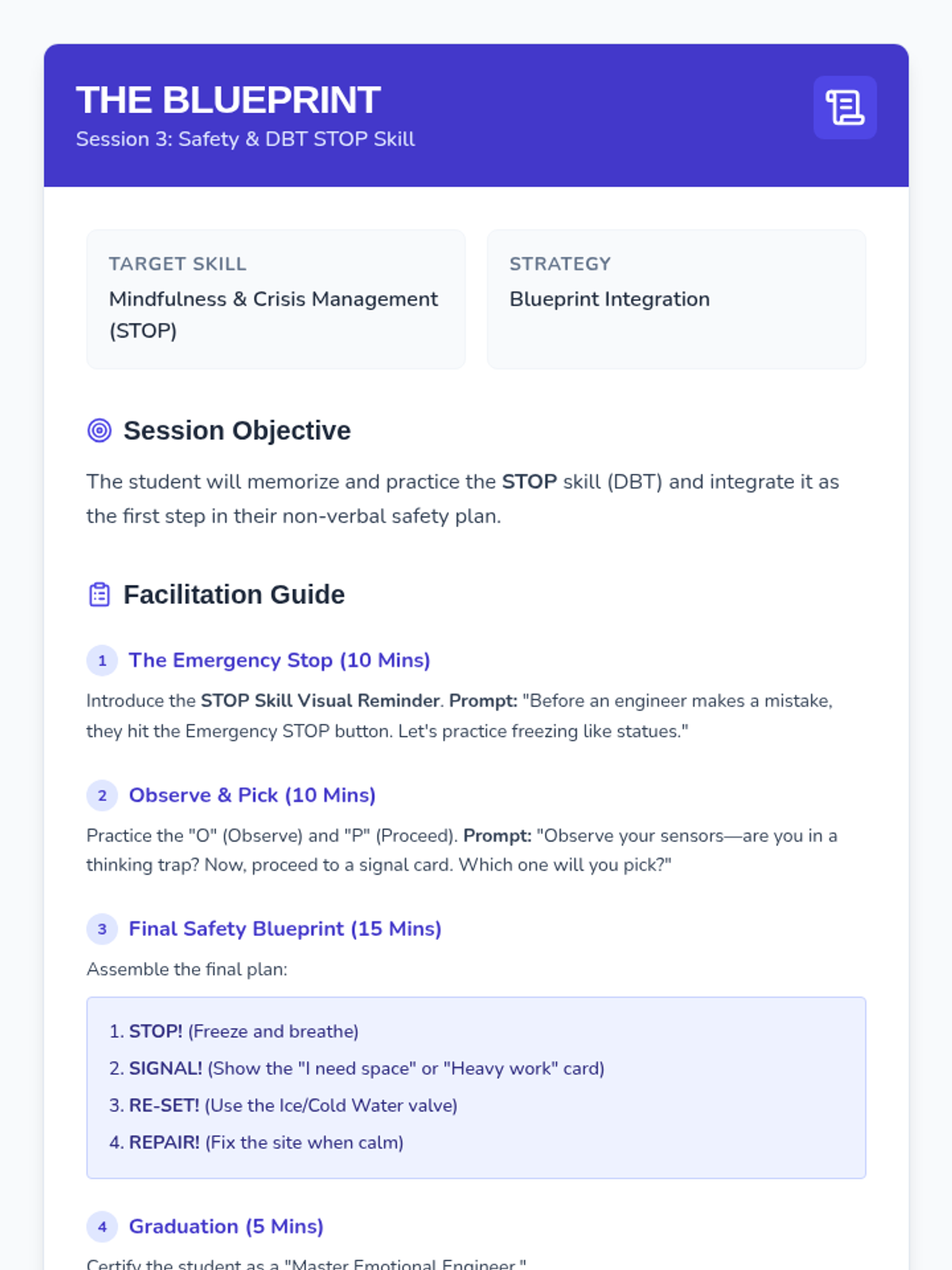
The final session focuses on creating a non-verbal safety plan and a 'blueprint' for repair after an incident has occurred.
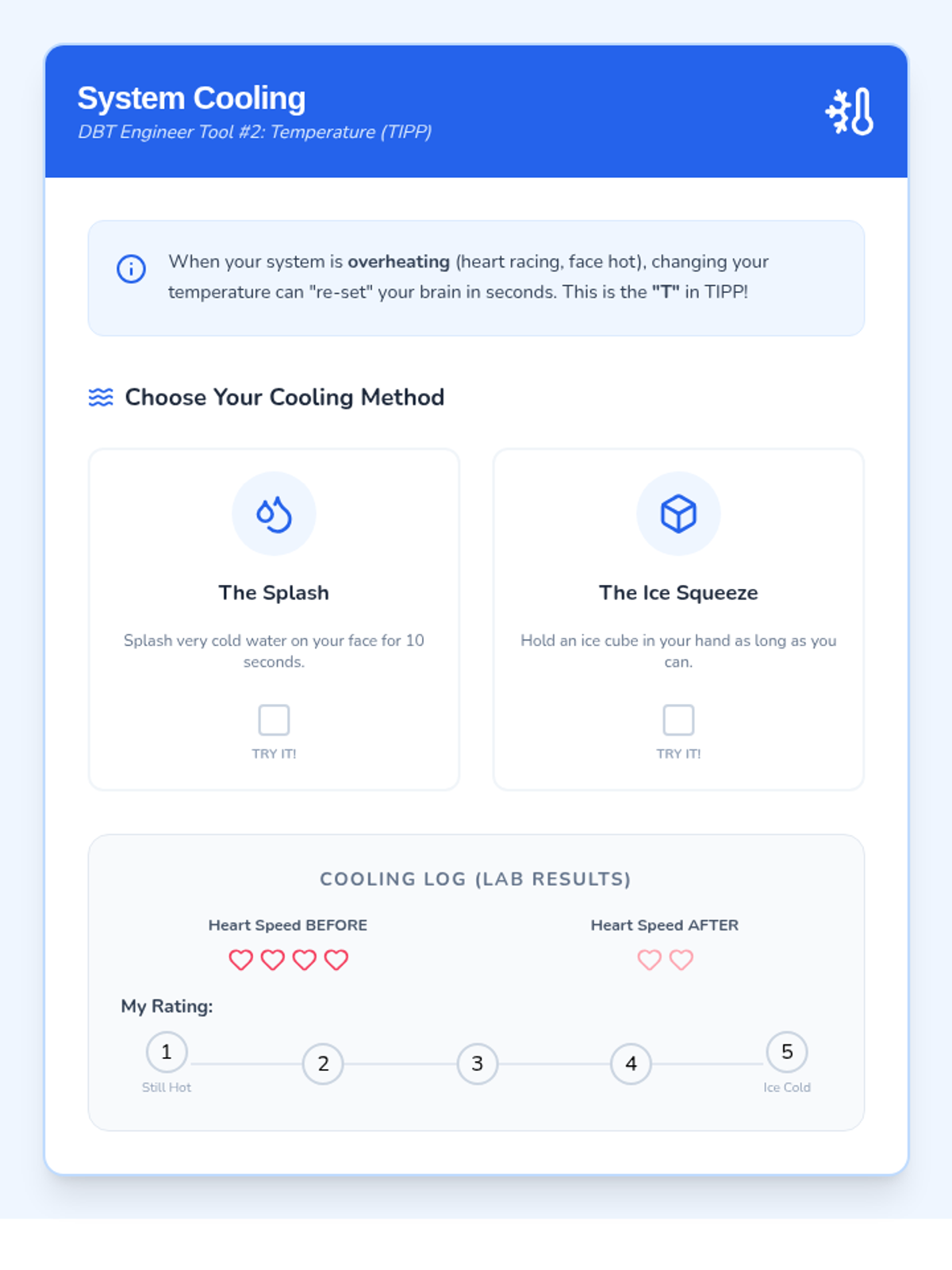
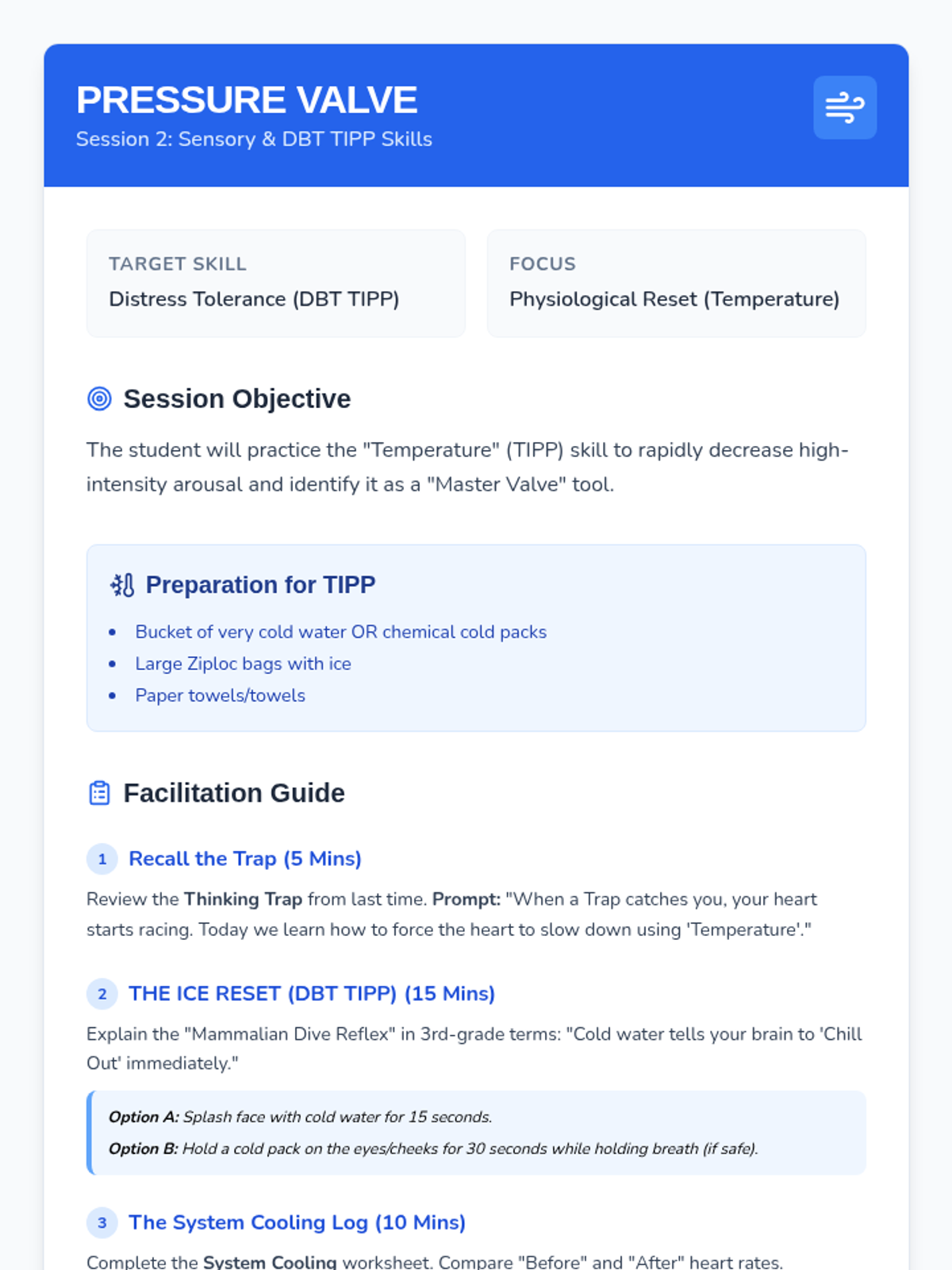
This session introduces concrete, sensory-based coping strategies ('pressure valves') specifically designed for students who may become non-verbal or physically aggressive.
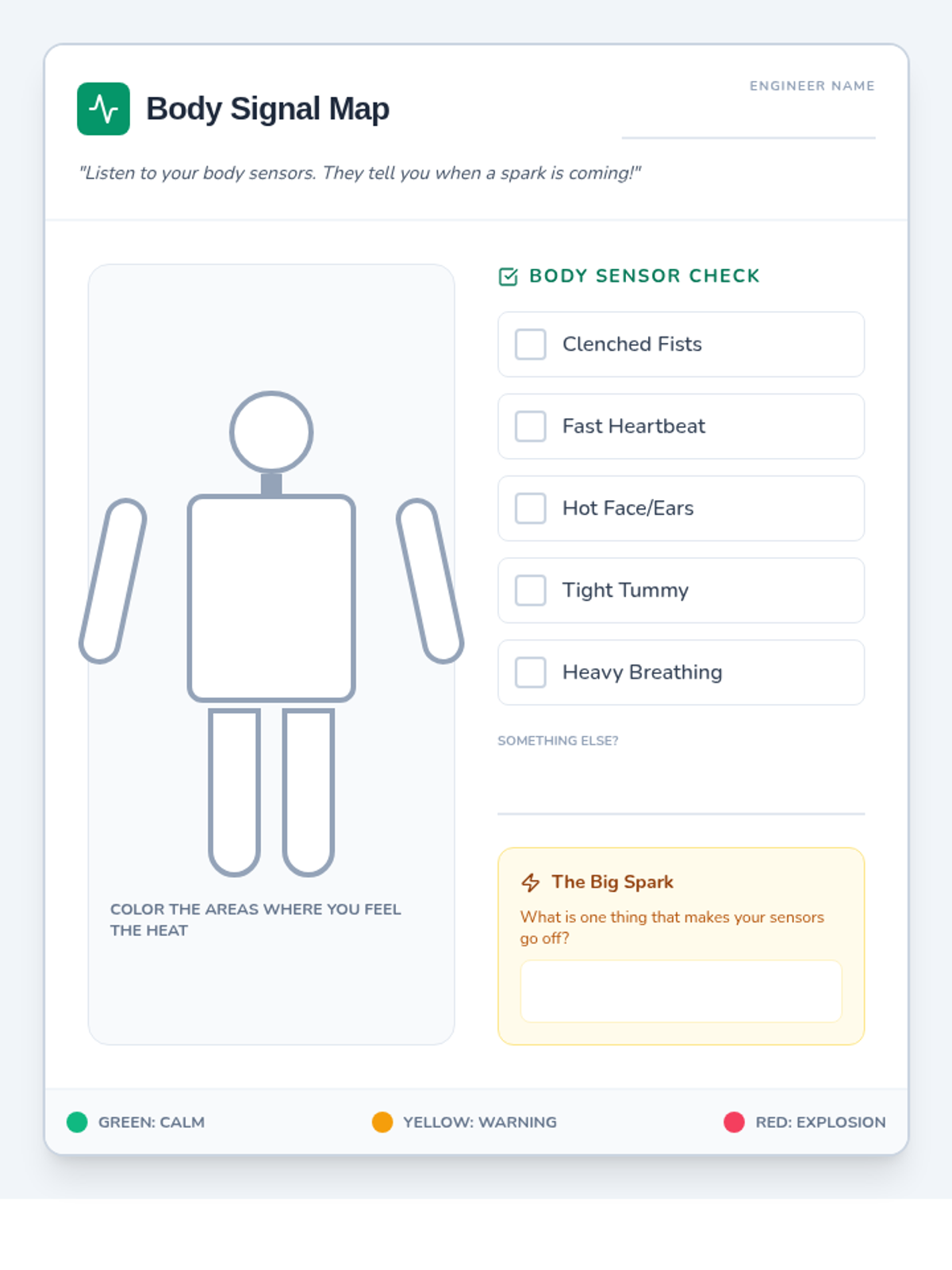
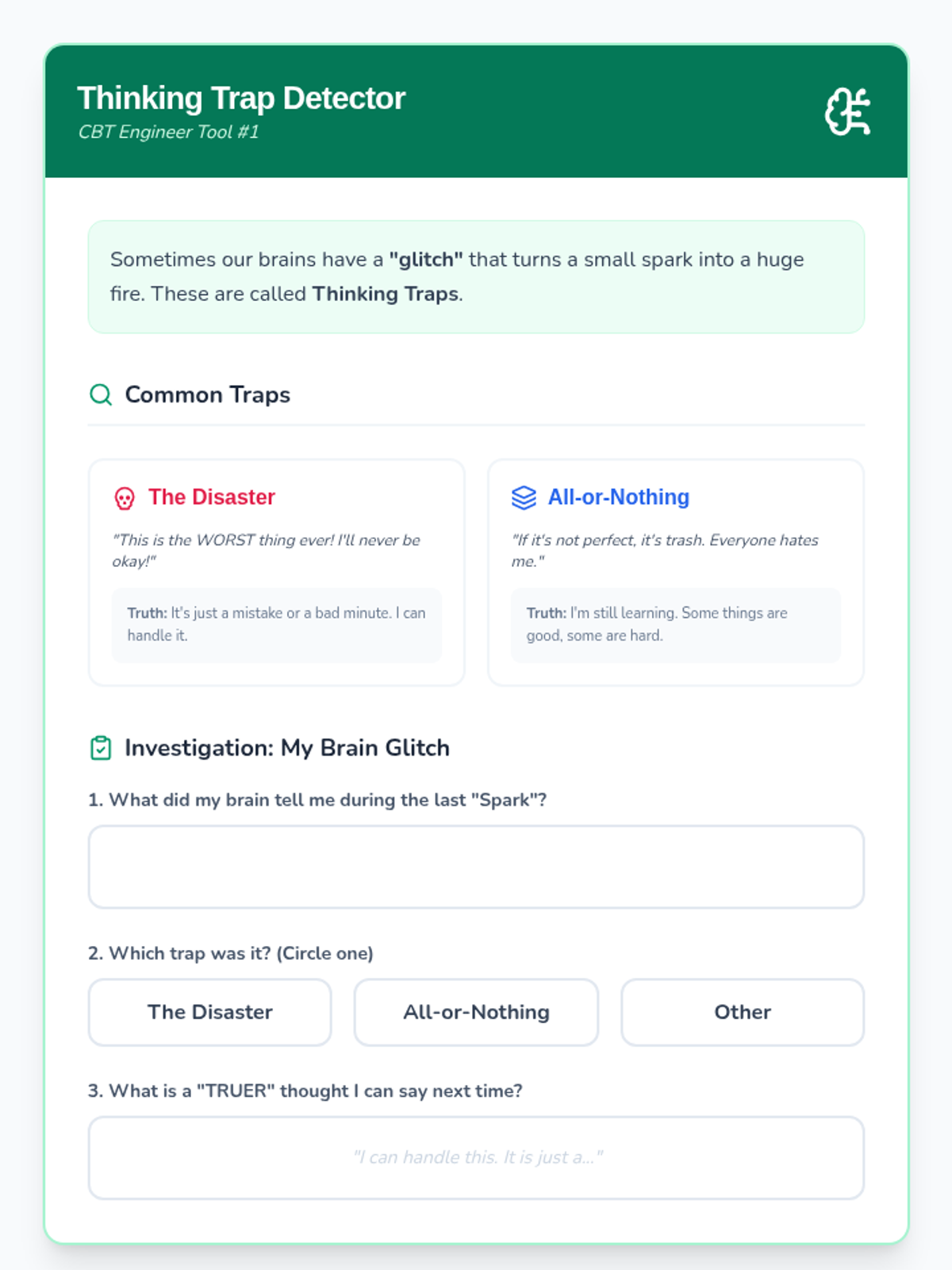
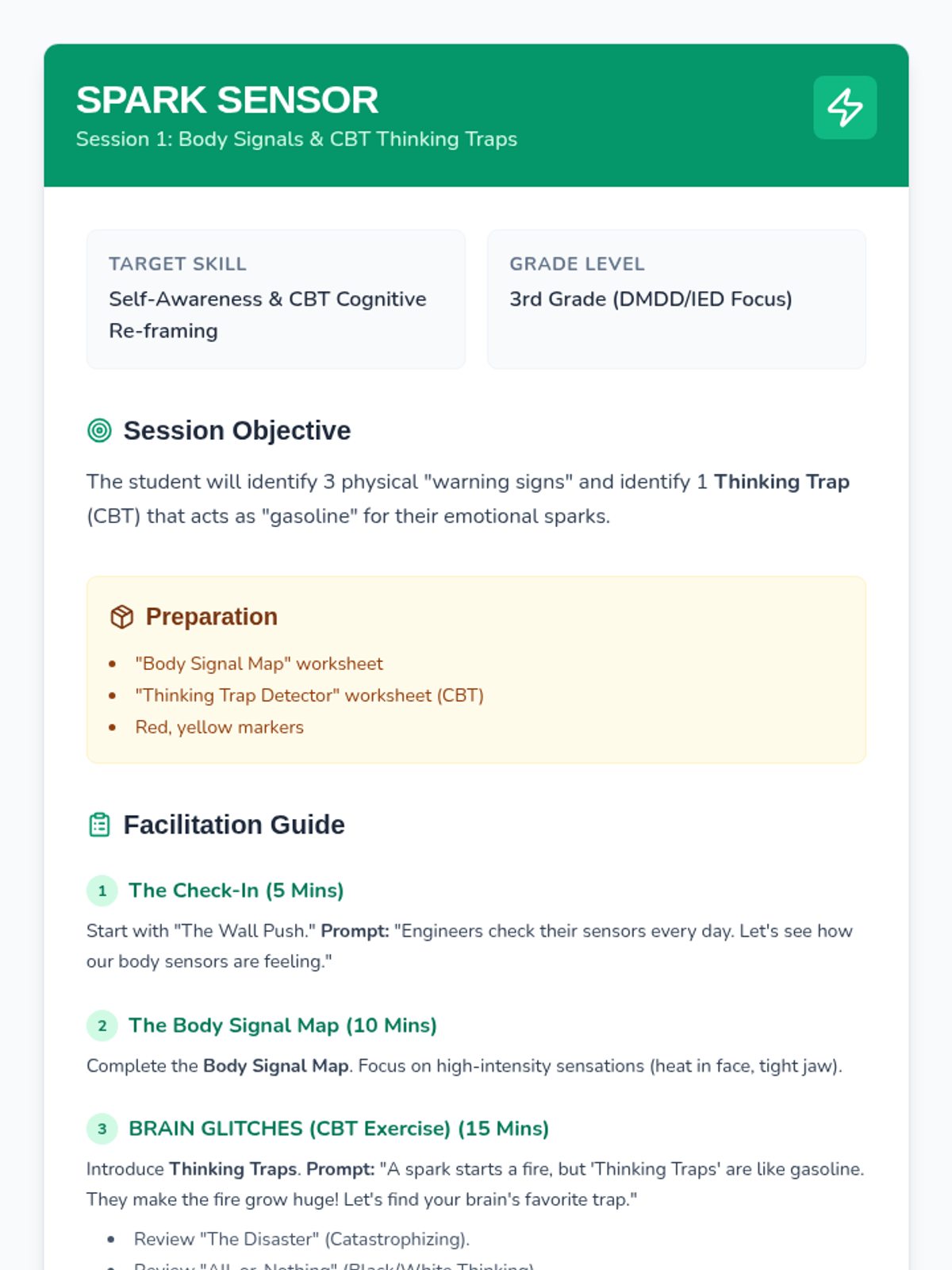
This session focuses on helping the student identify 'spark' triggers and the physiological body signals that precede a 'blow-up,' emphasizing early detection.
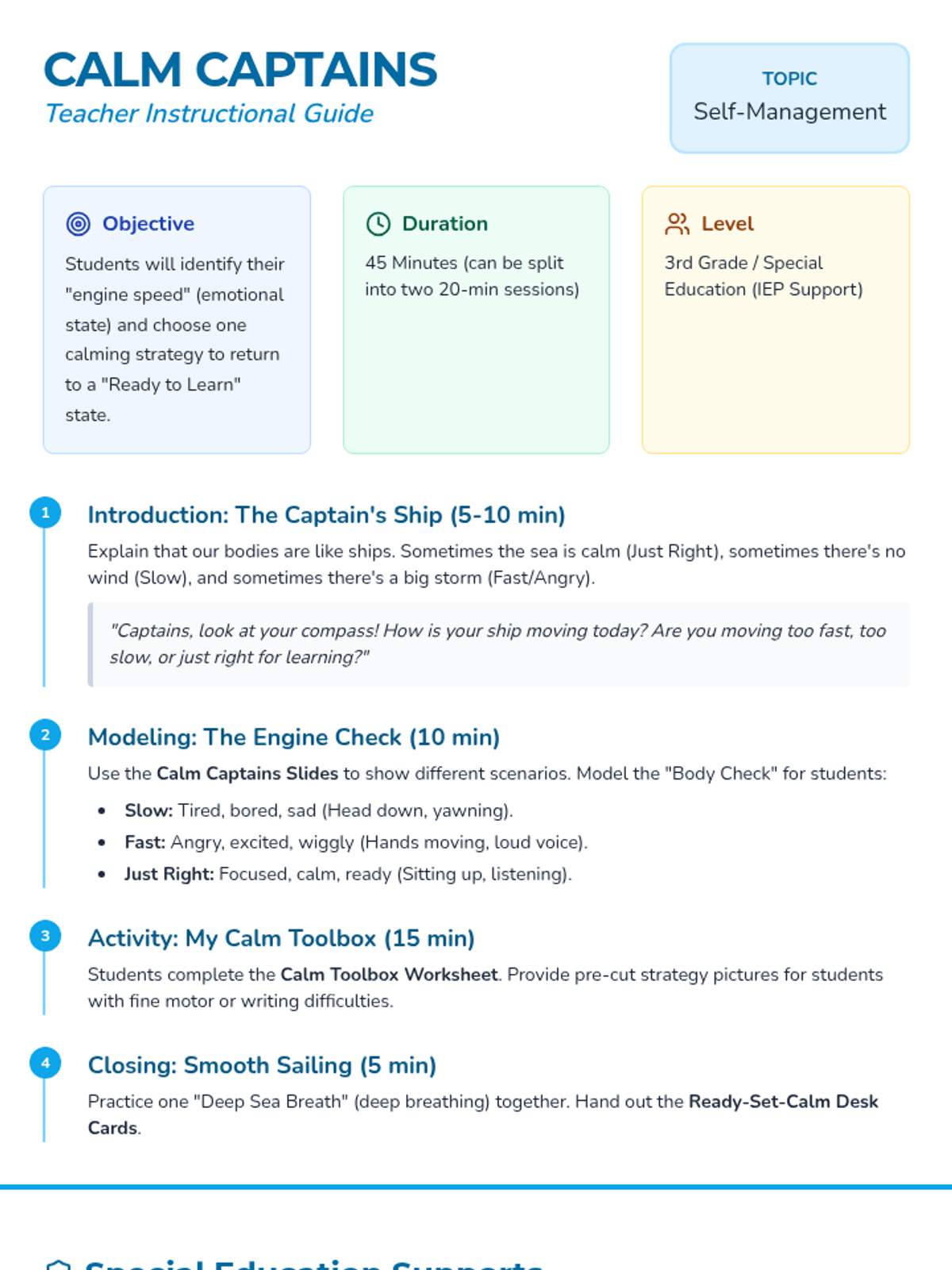
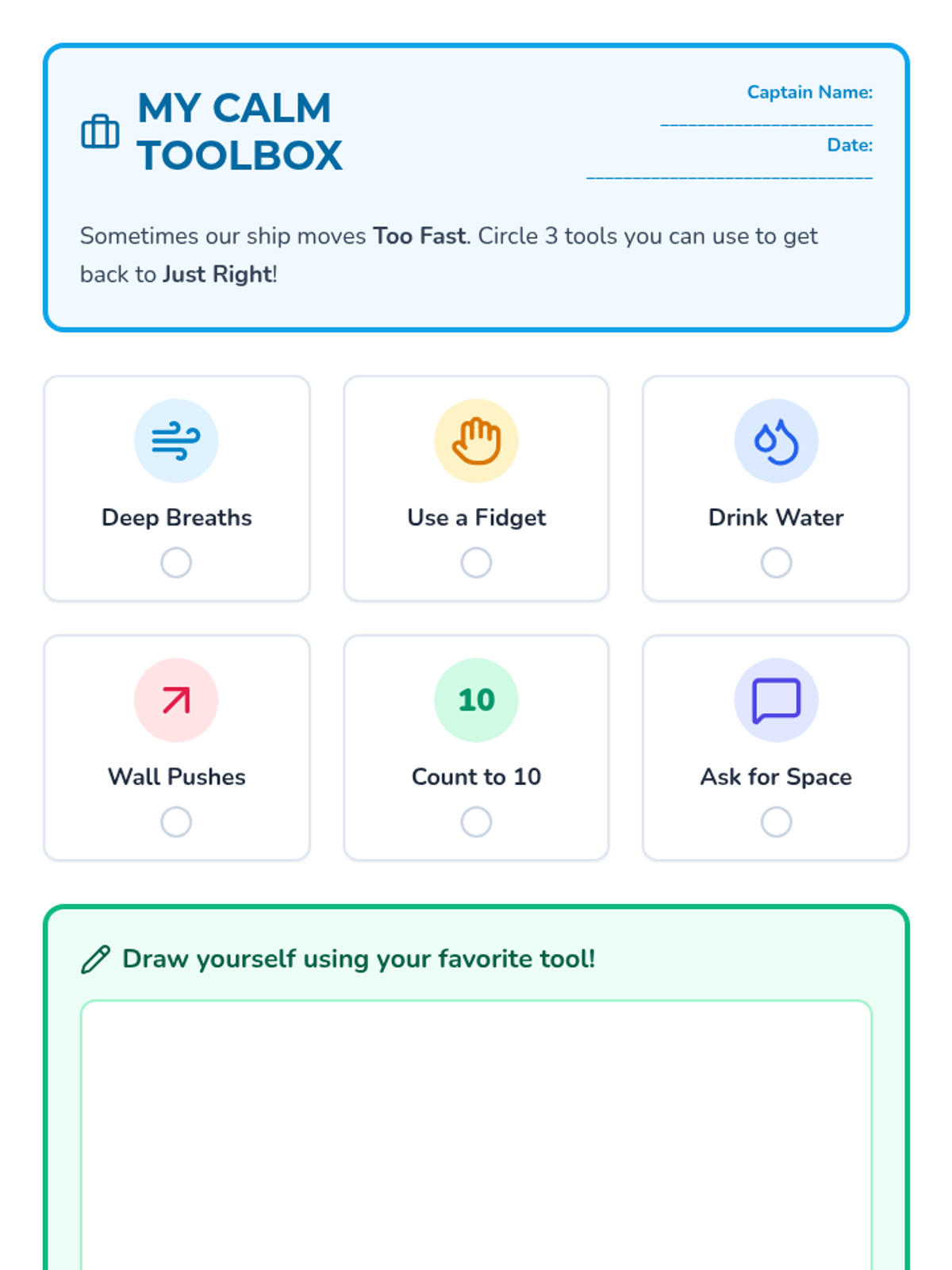
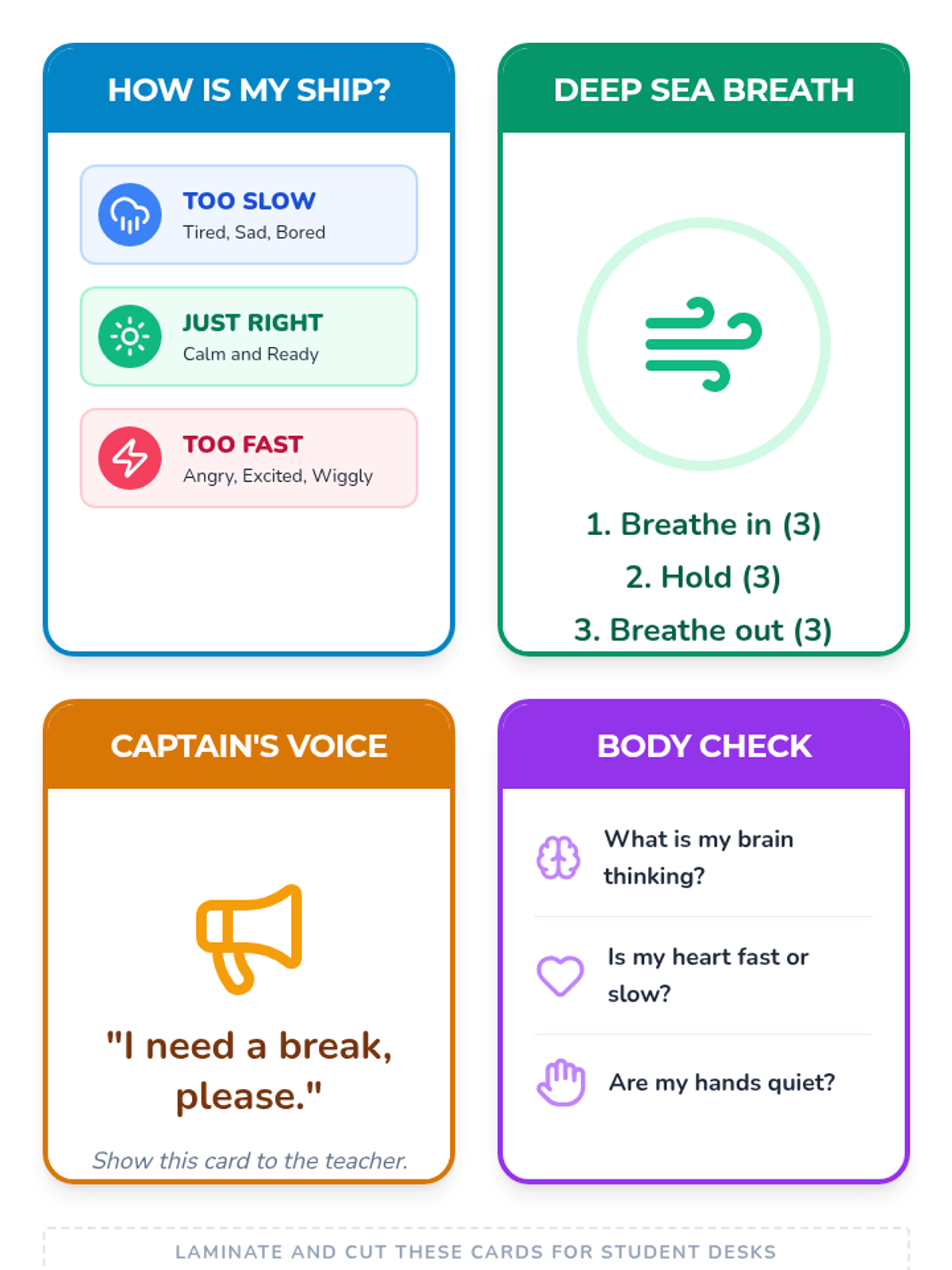
A lesson focused on self-management for 3rd-grade special education students, teaching them to identify their emotional states and use calming strategies to stay 'on course.'
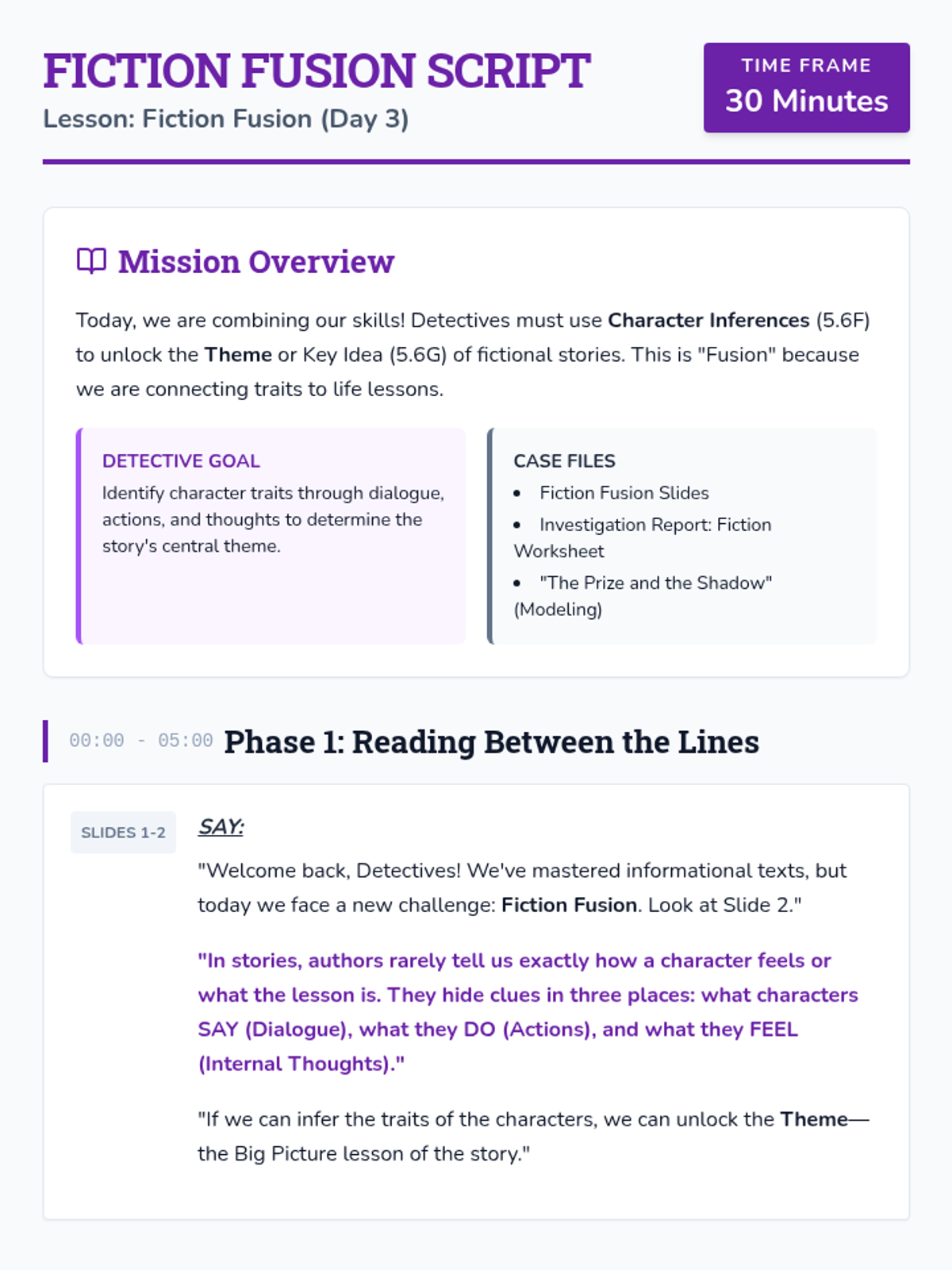
A lesson that bridges the gap between informational and narrative texts by applying detective skills to fiction. Students integrate character inferences with theme identification to solve 'literary mysteries,' analyzing fables like 'The Wisdom of the Cracked Pot' and 'The Kindness of the Lion.'
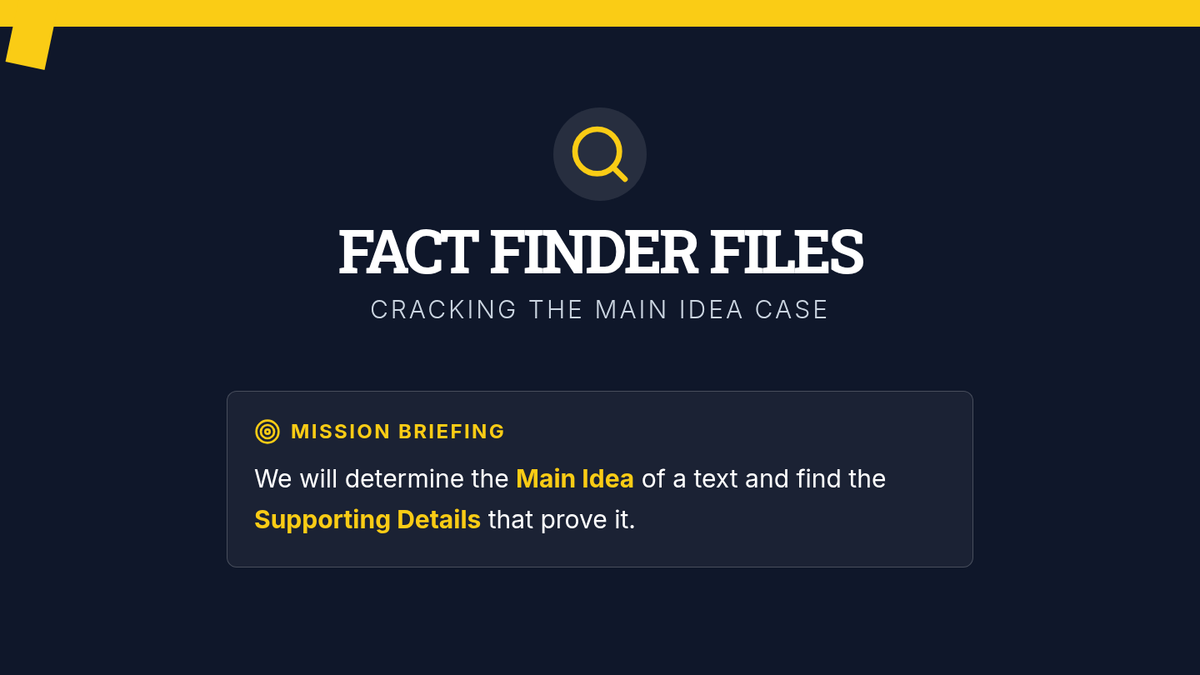
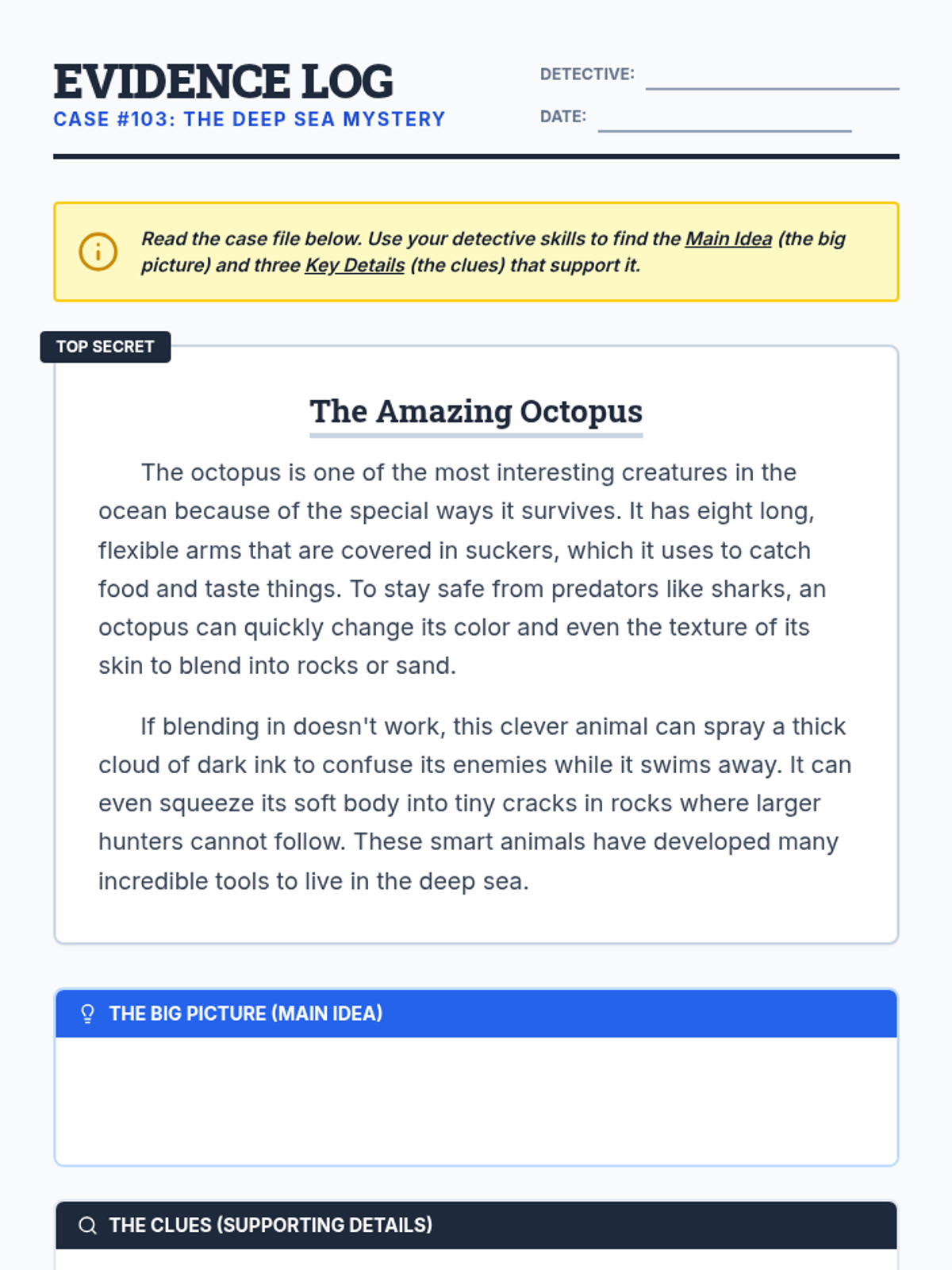
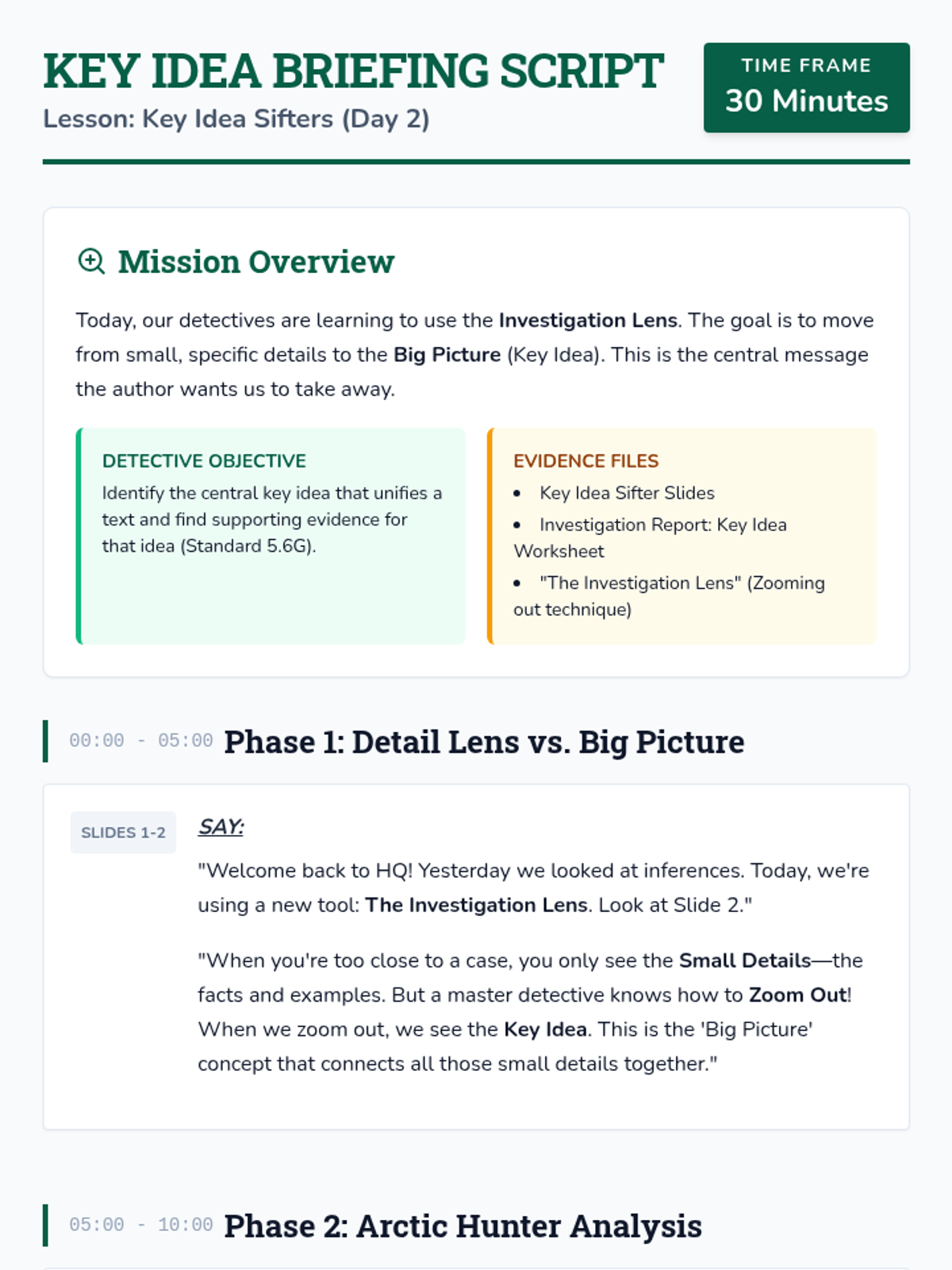
A lesson focused on identifying the central 'Big Picture' idea in informational texts using the 'Investigation Lens.' Students practice zooming out from specific details to synthesize the main message authors intend to convey, using cases about polar bear adaptations and Thomas Edison's persistence.
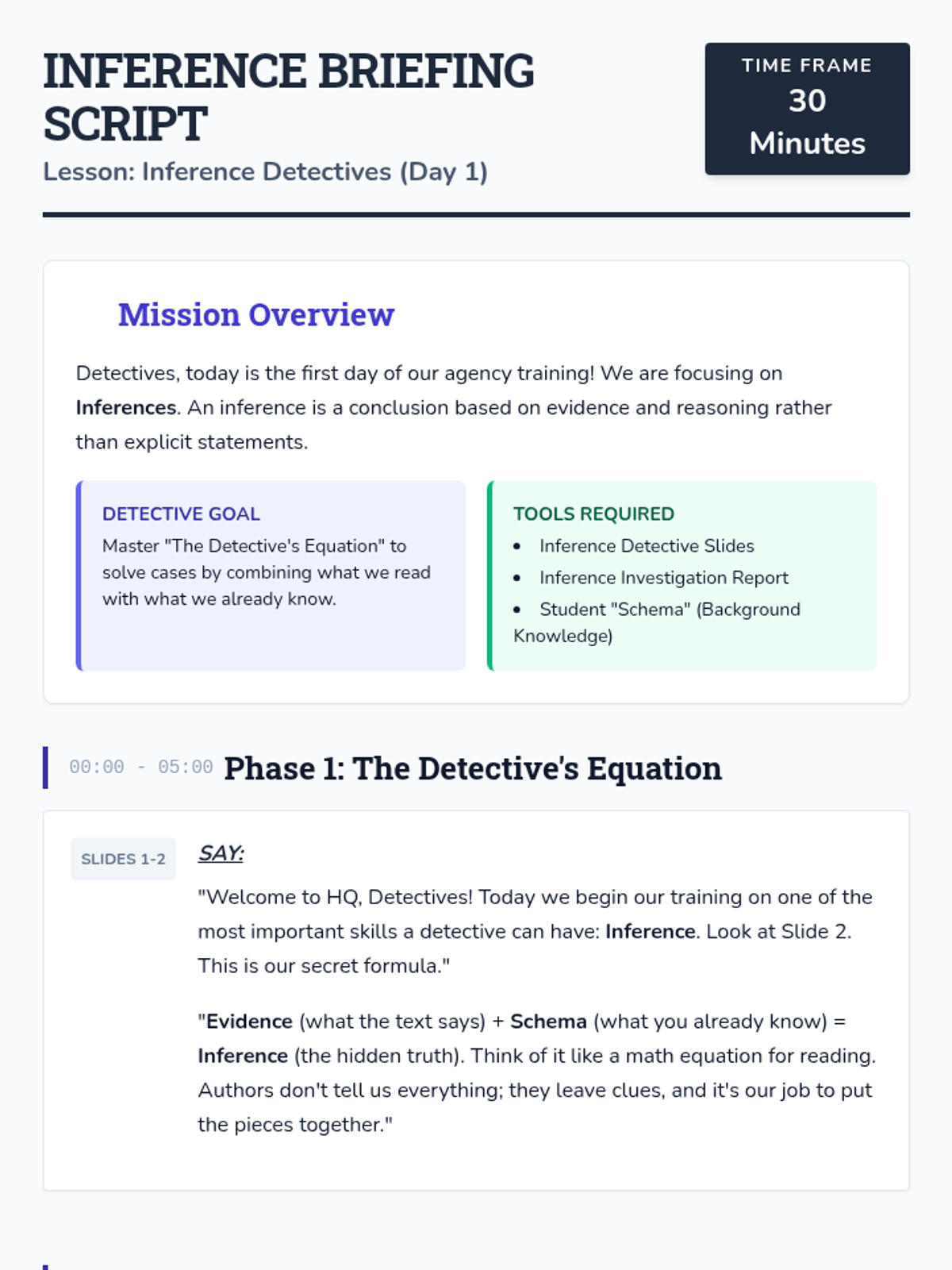
A foundational lesson on making inferences using text evidence and personal schema. Students learn 'The Detective's Equation' (Evidence + Schema = Inference) and apply it to solve short 'case studies' ranging from athletic disappointments to mysterious kitchen messes.
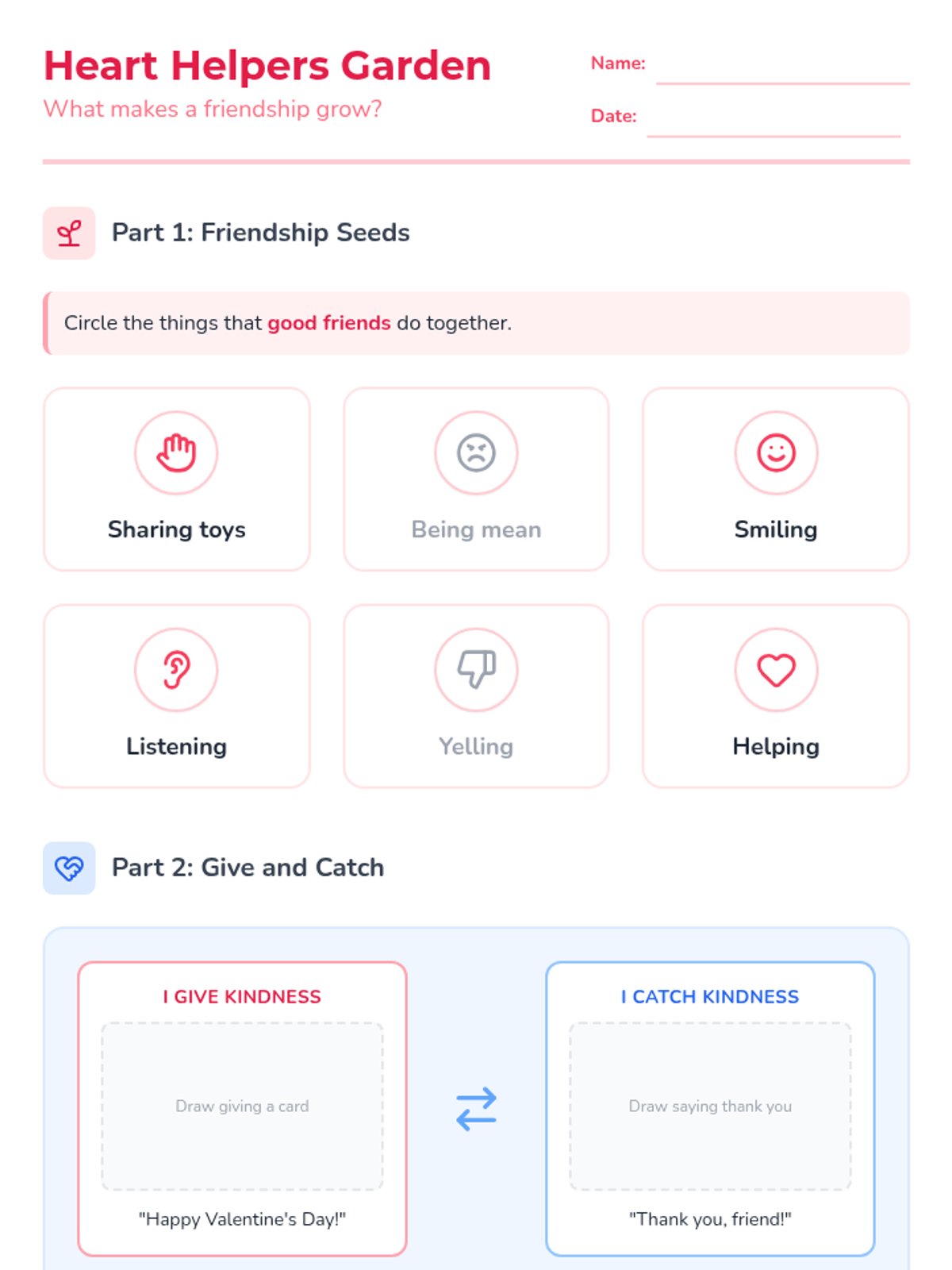
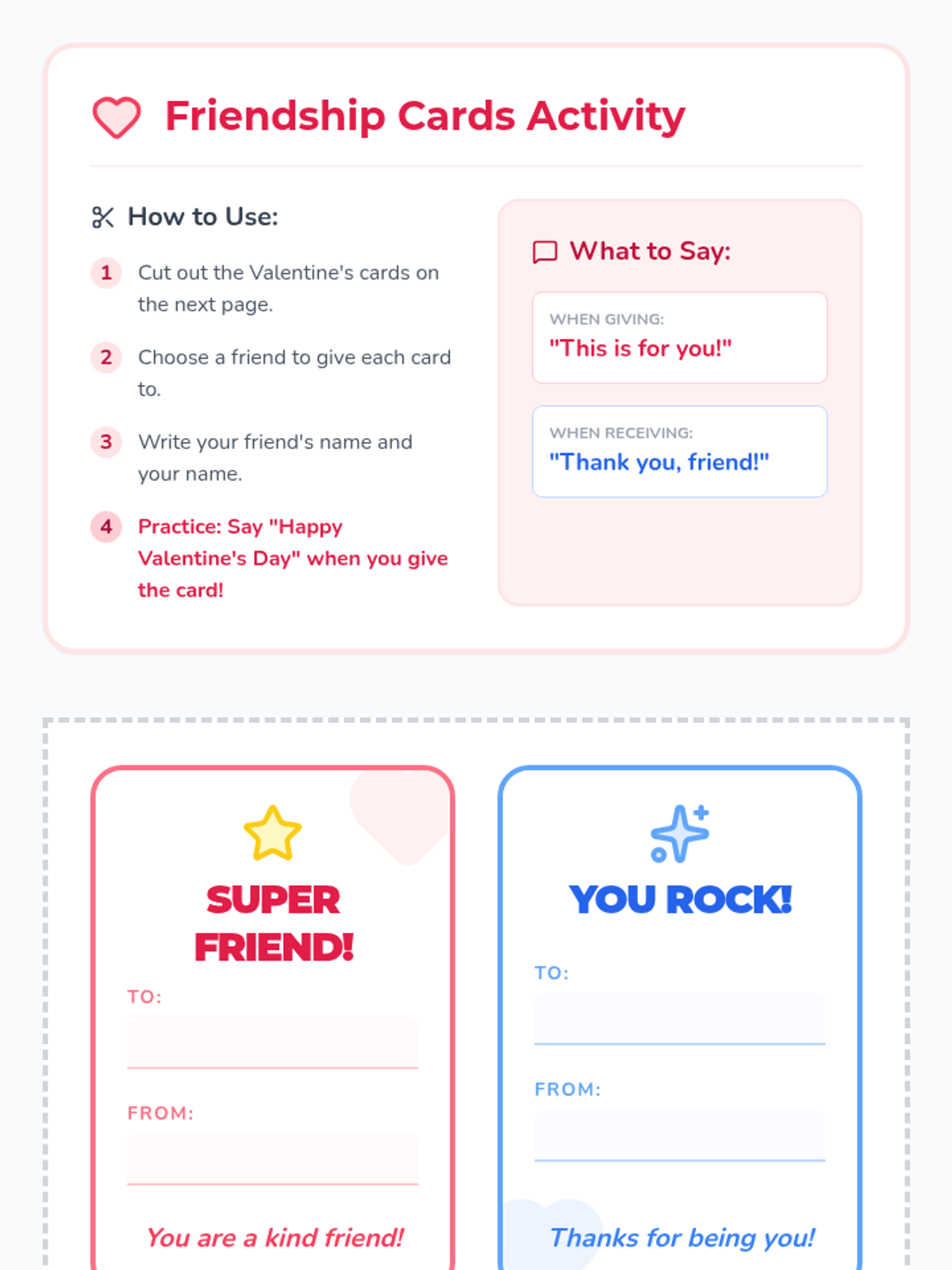
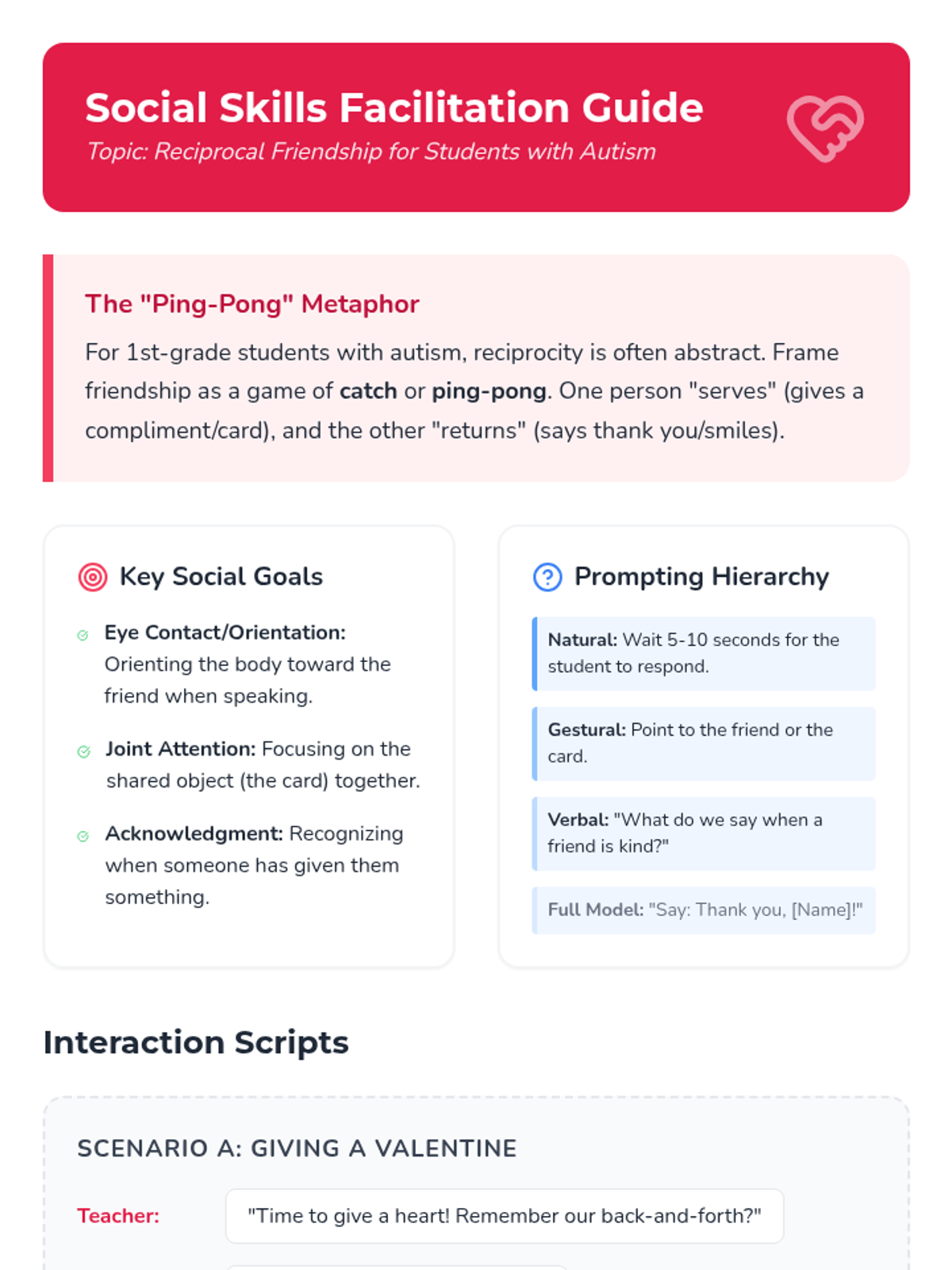
A specialized lesson for 1st-grade students with autism, focusing on the reciprocal nature of friendships through a Valentine's Day theme. The lesson teaches giving and receiving kindness and identifying positive friend qualities.
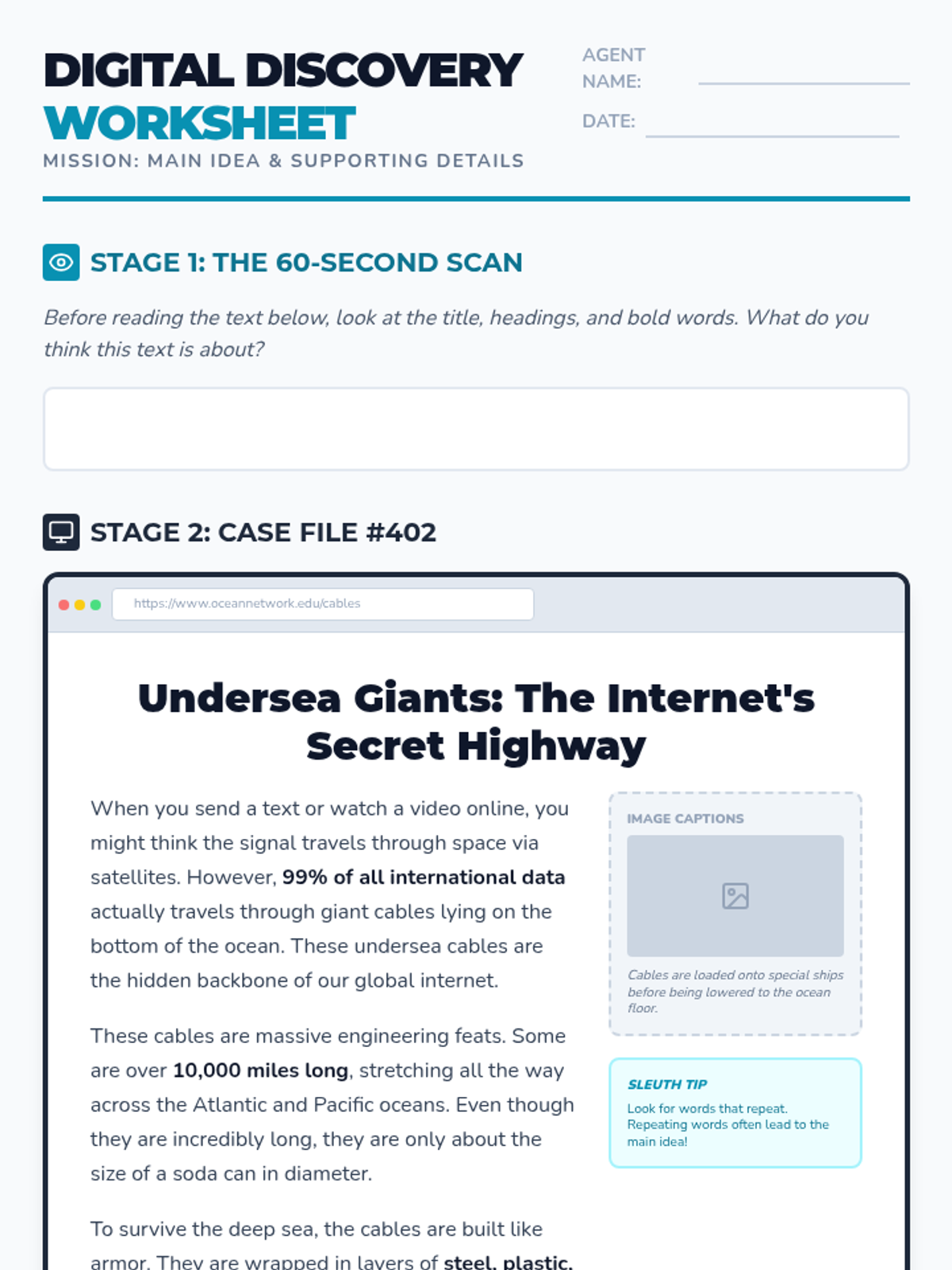
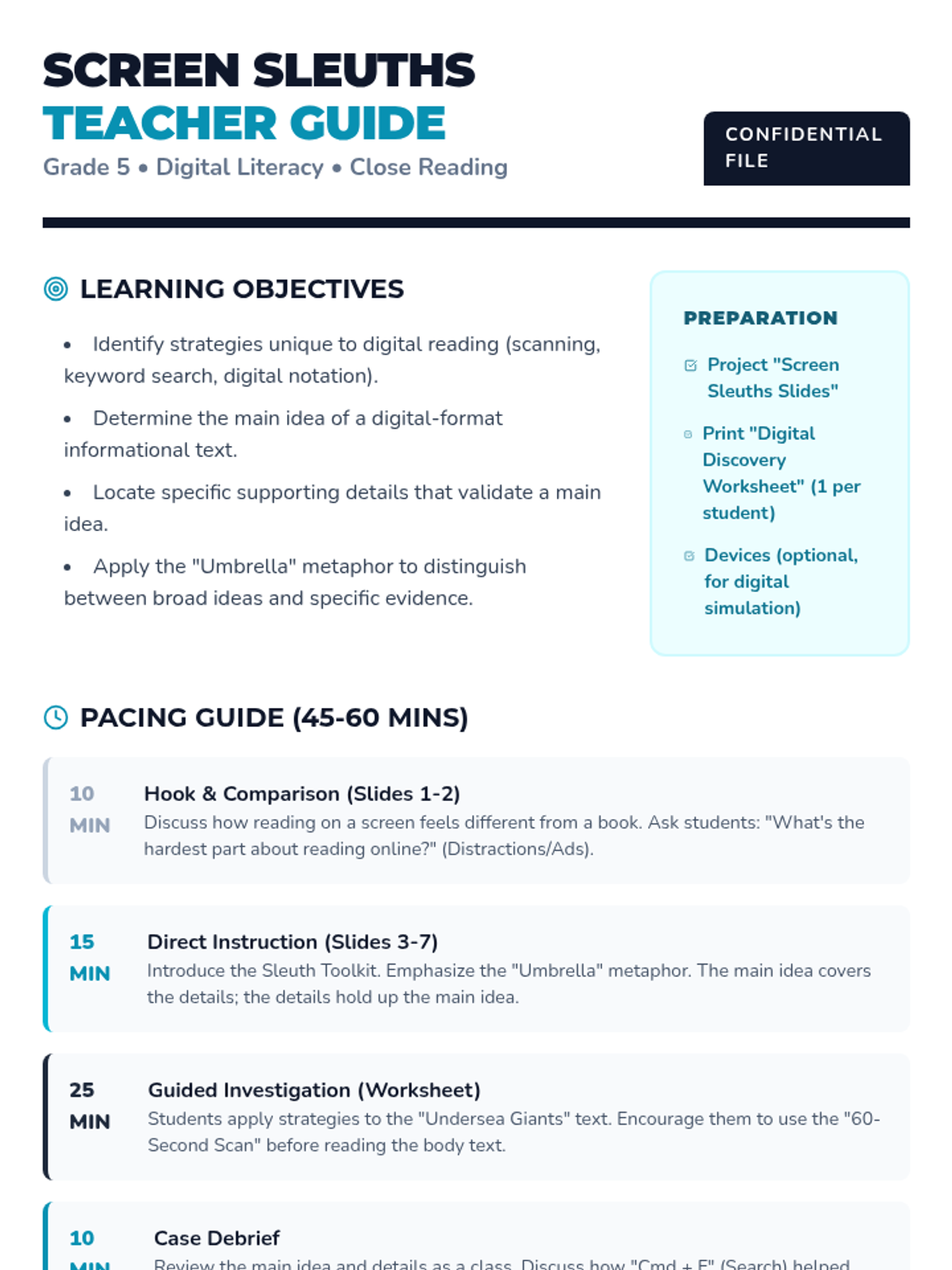
A lesson for 5th graders on applying close reading strategies to digital texts, with a specific focus on identifying main ideas and supporting details in an online environment.
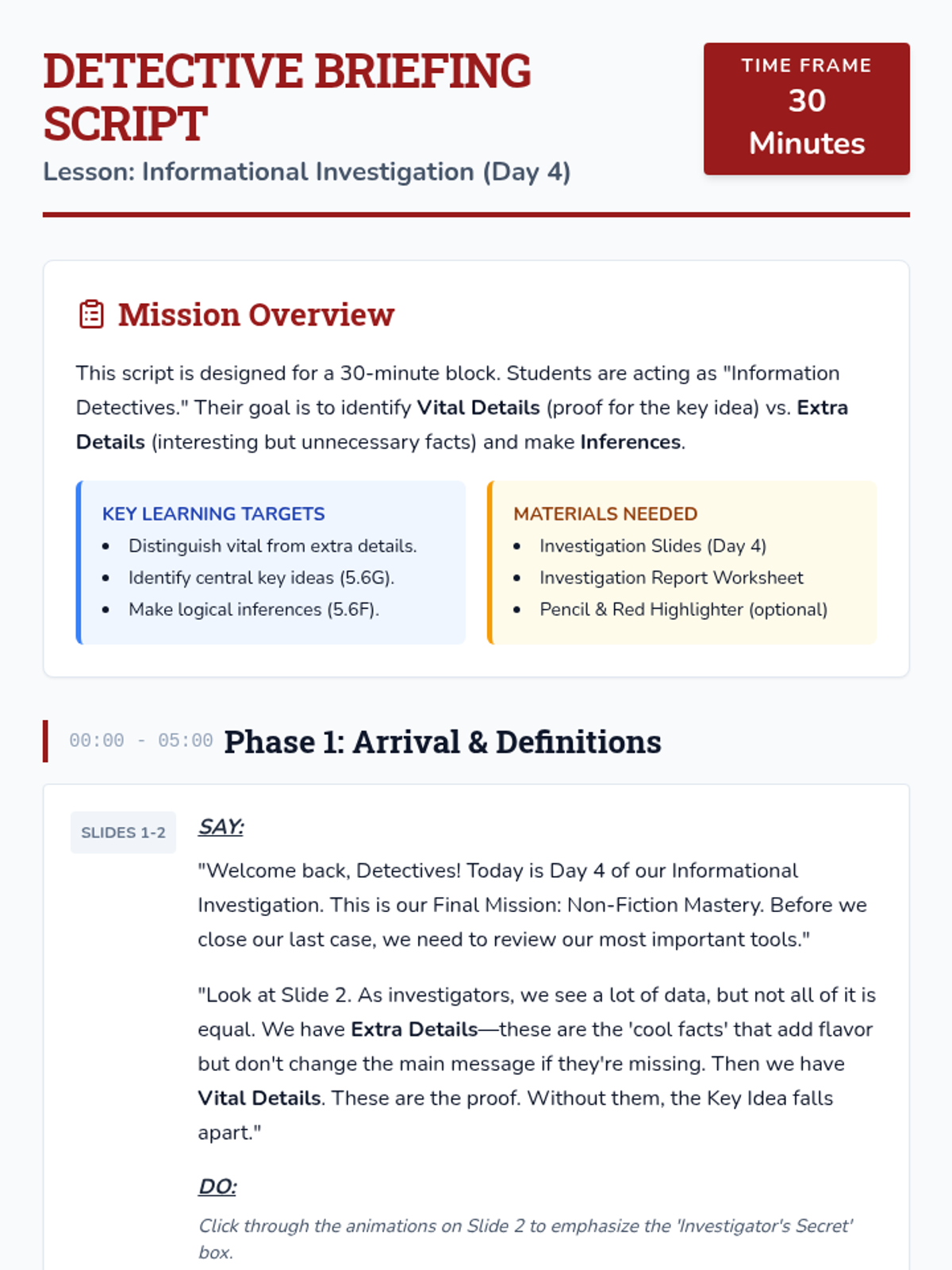
A comprehensive lesson focused on teaching students how to distinguish between vital and extra details in informational texts to identify key ideas and make inferences. Using a 'detective' theme, students analyze real-world topics like the invention of Band-Aids, the importance of bees, and medical 3D printing.
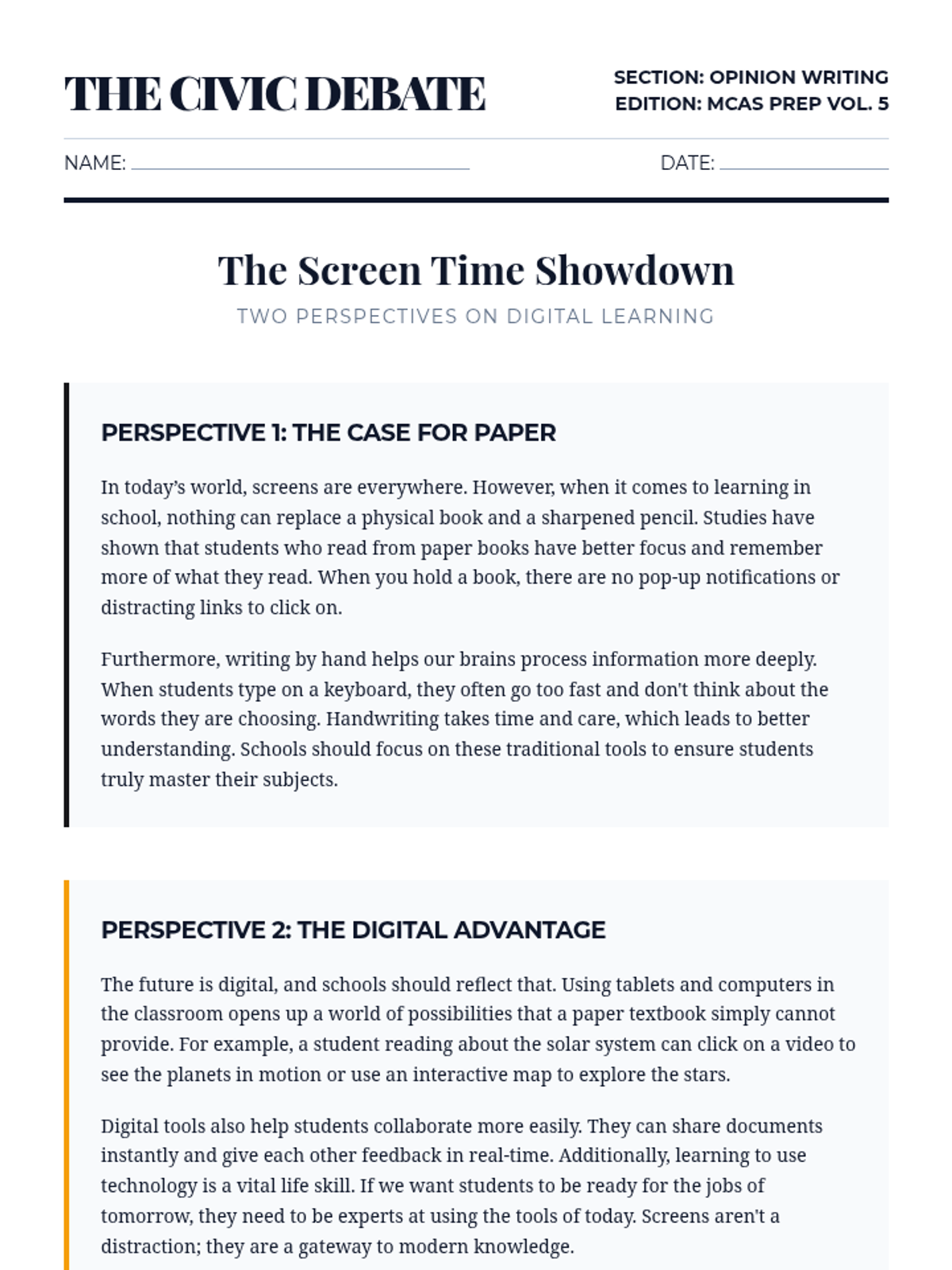
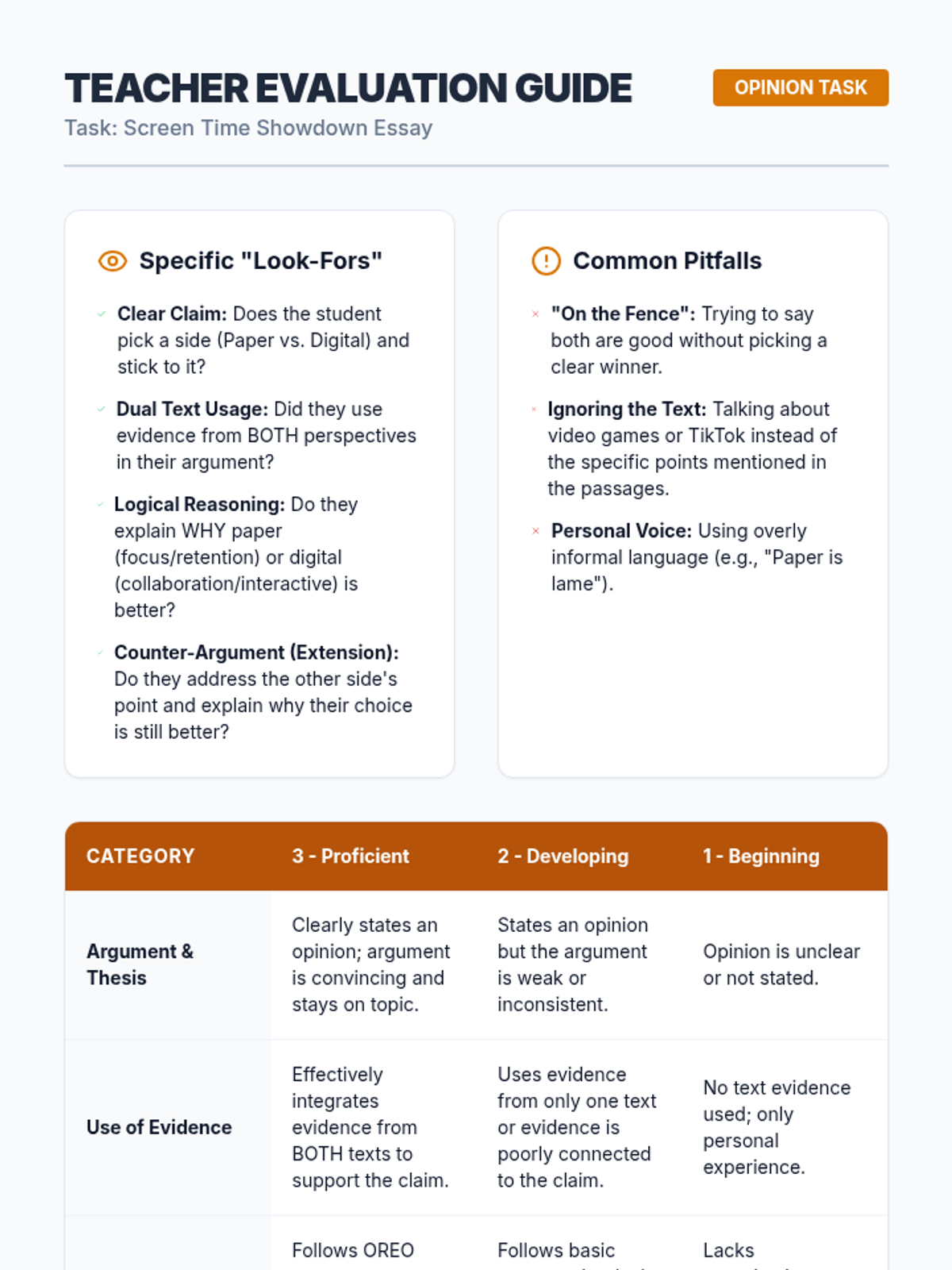
Students evaluate multiple viewpoints on a topic and construct a persuasive essay supported by evidence from the text.
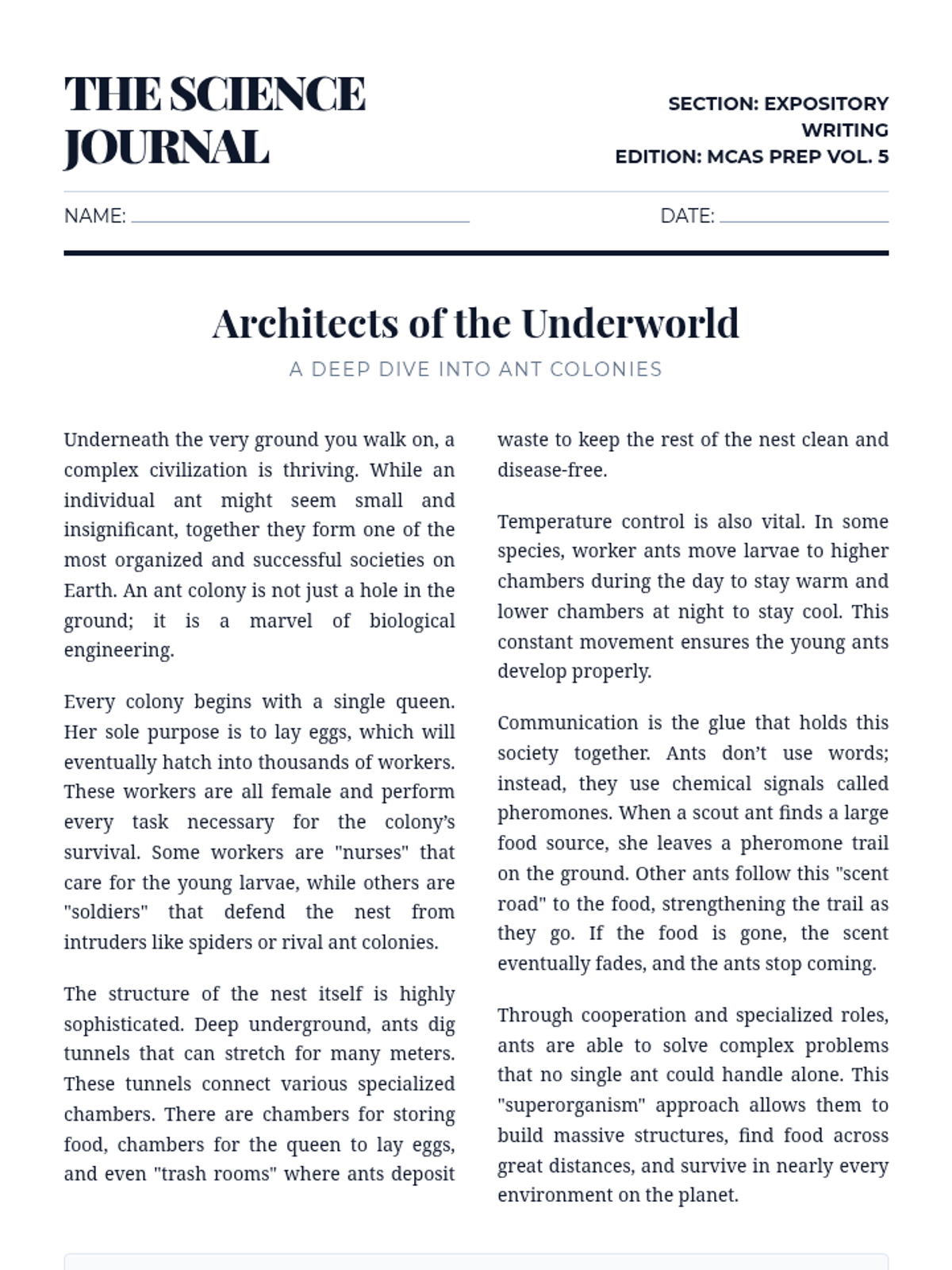
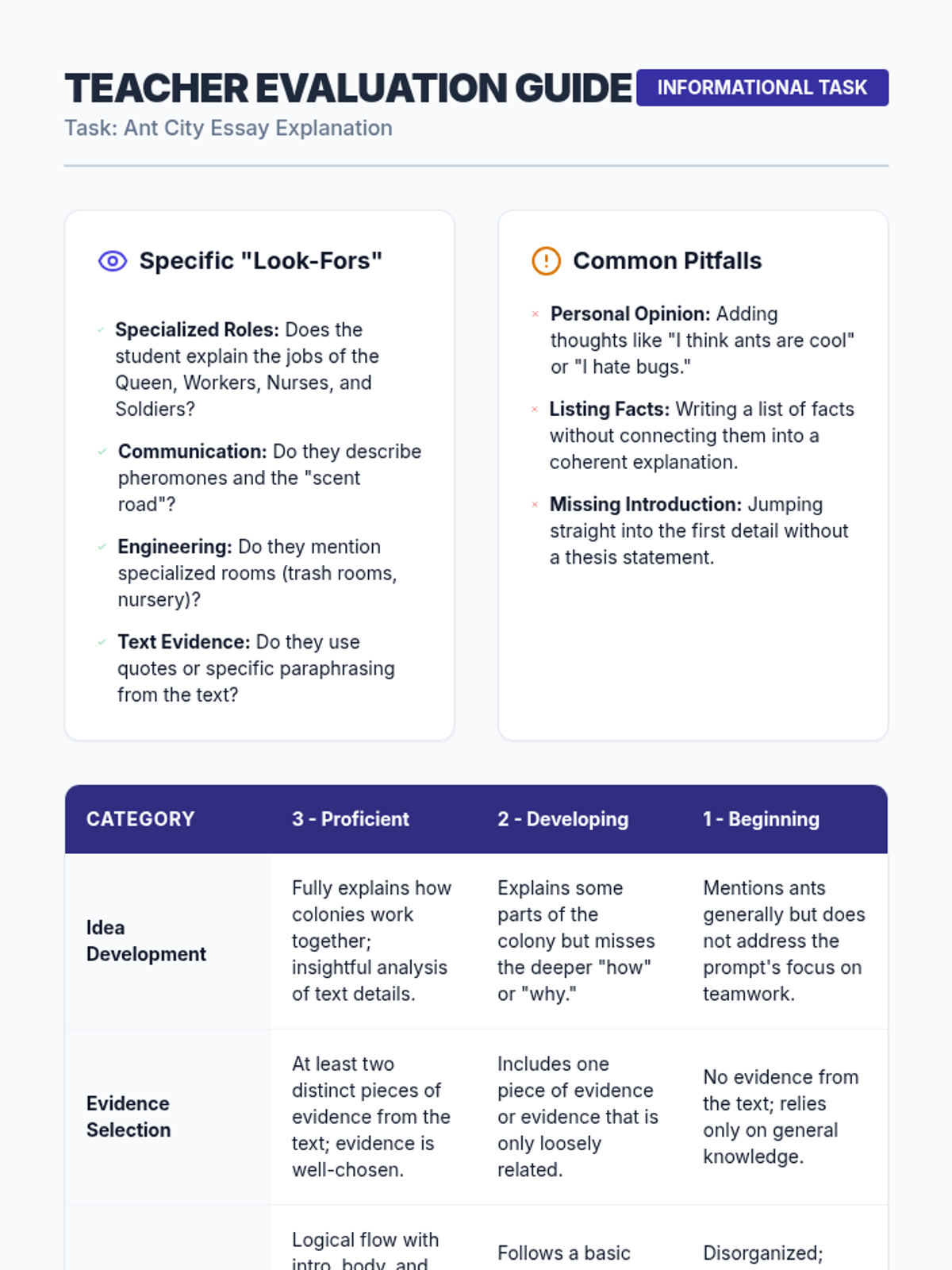
Students analyze informational texts to extract key details and synthesize information into a coherent expository essay.
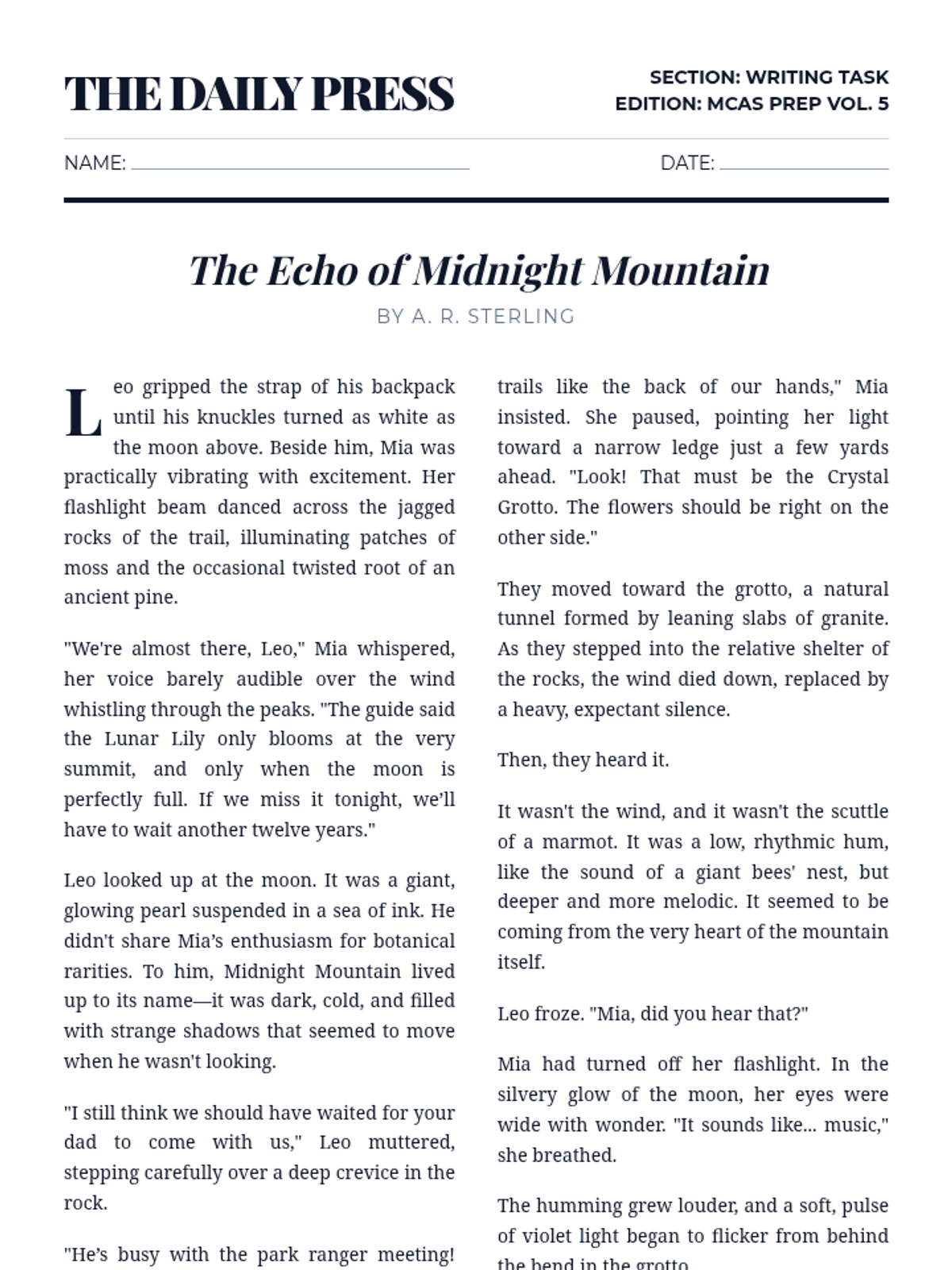
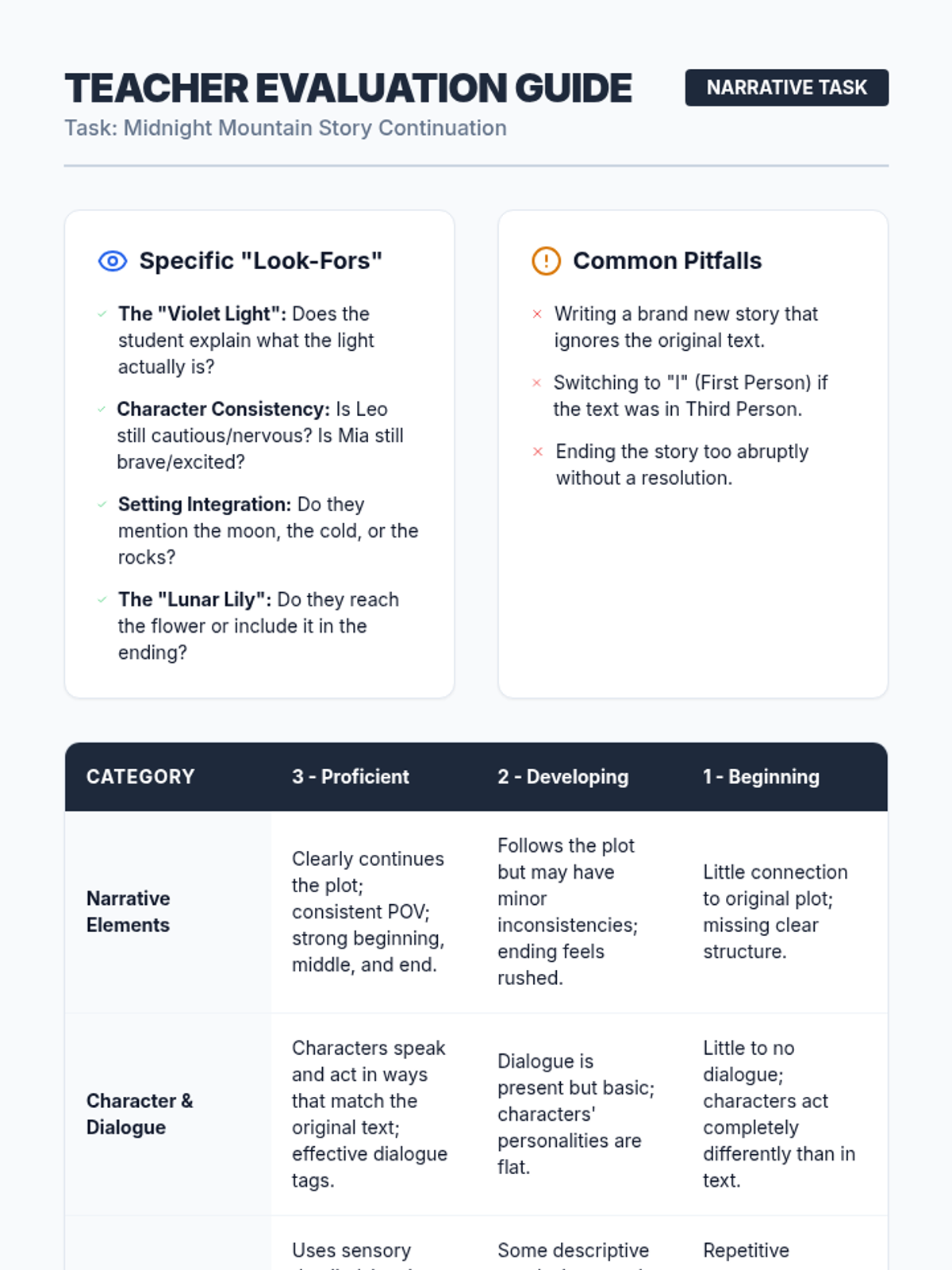
Students practice crafting narrative responses by continuing a story or changing a character's perspective based on a given text.
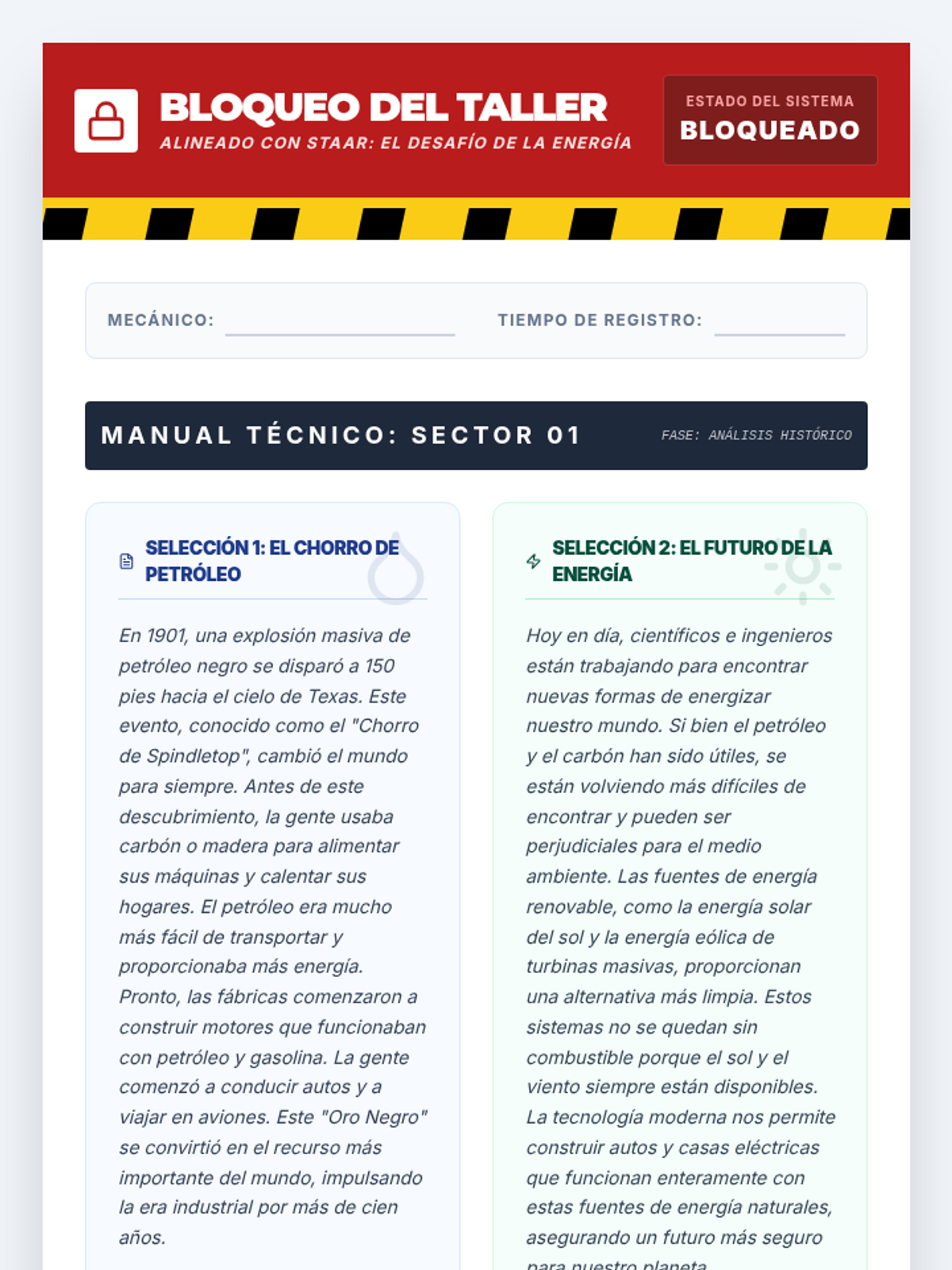
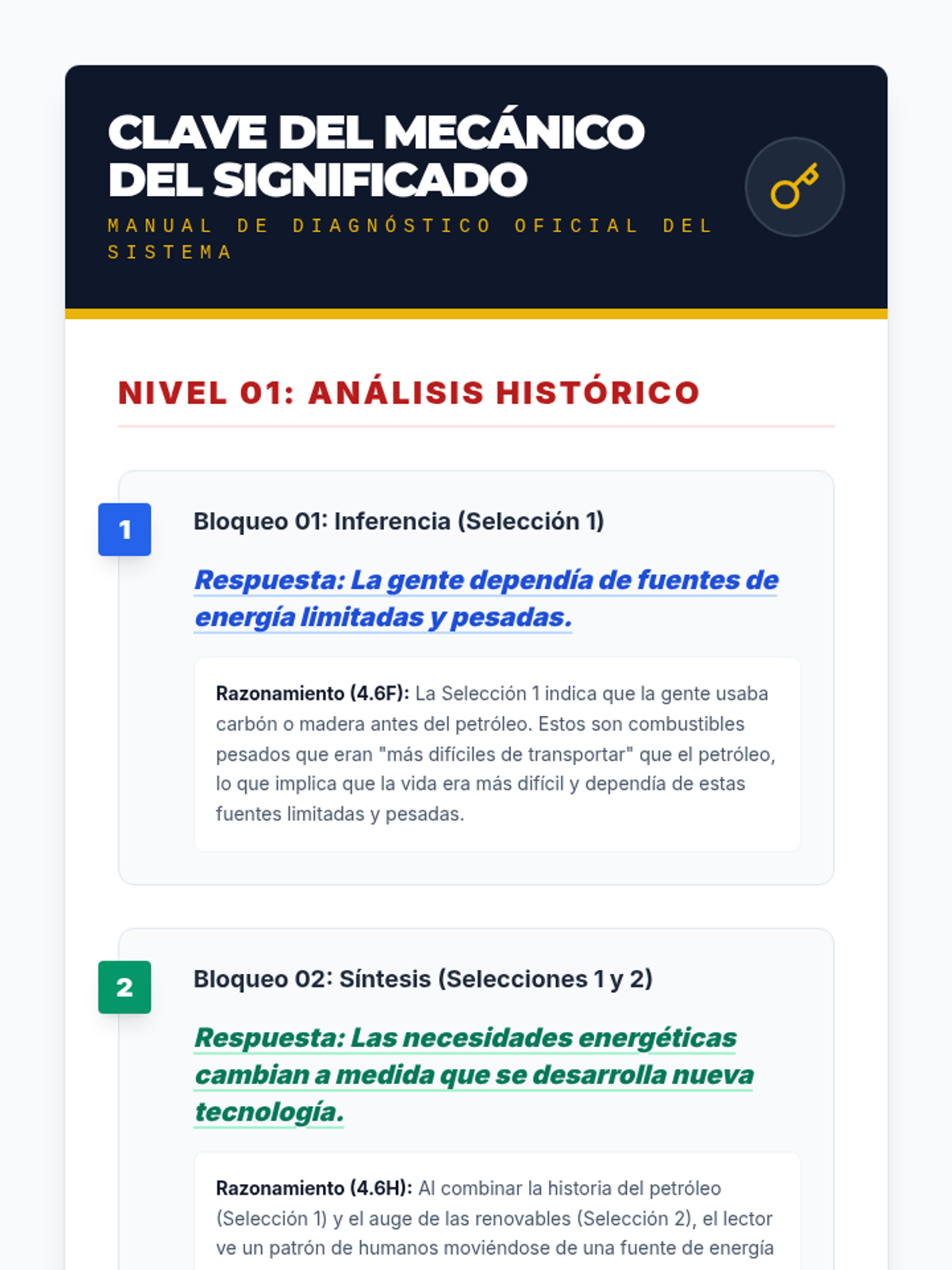
Una misión de simulación de alta intensidad donde los estudiantes deben resolver acertijos de comprensión lectora (inferencia y síntesis) para 'desbloquear' un taller de energía después de un fallo crítico del sistema.