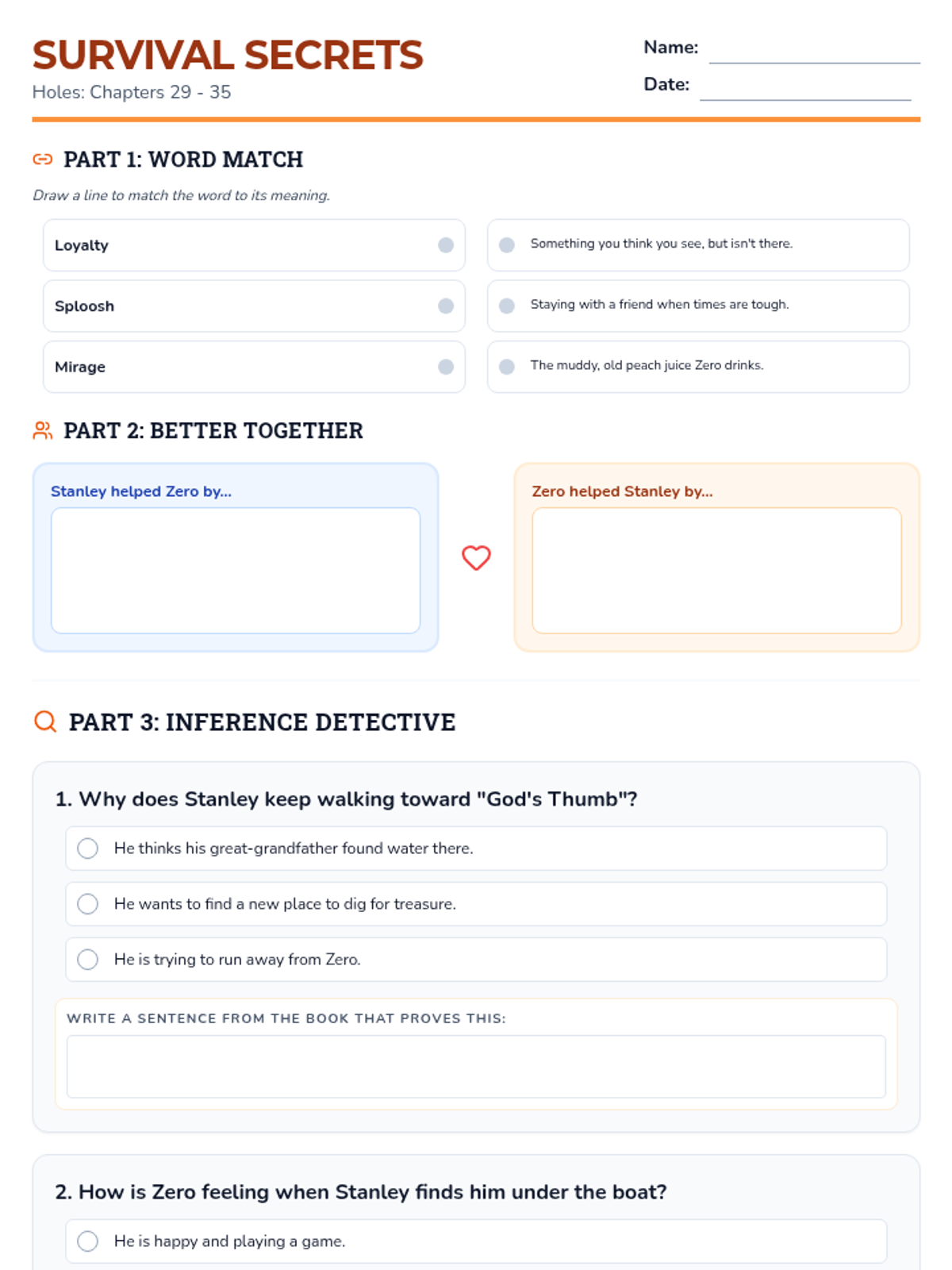
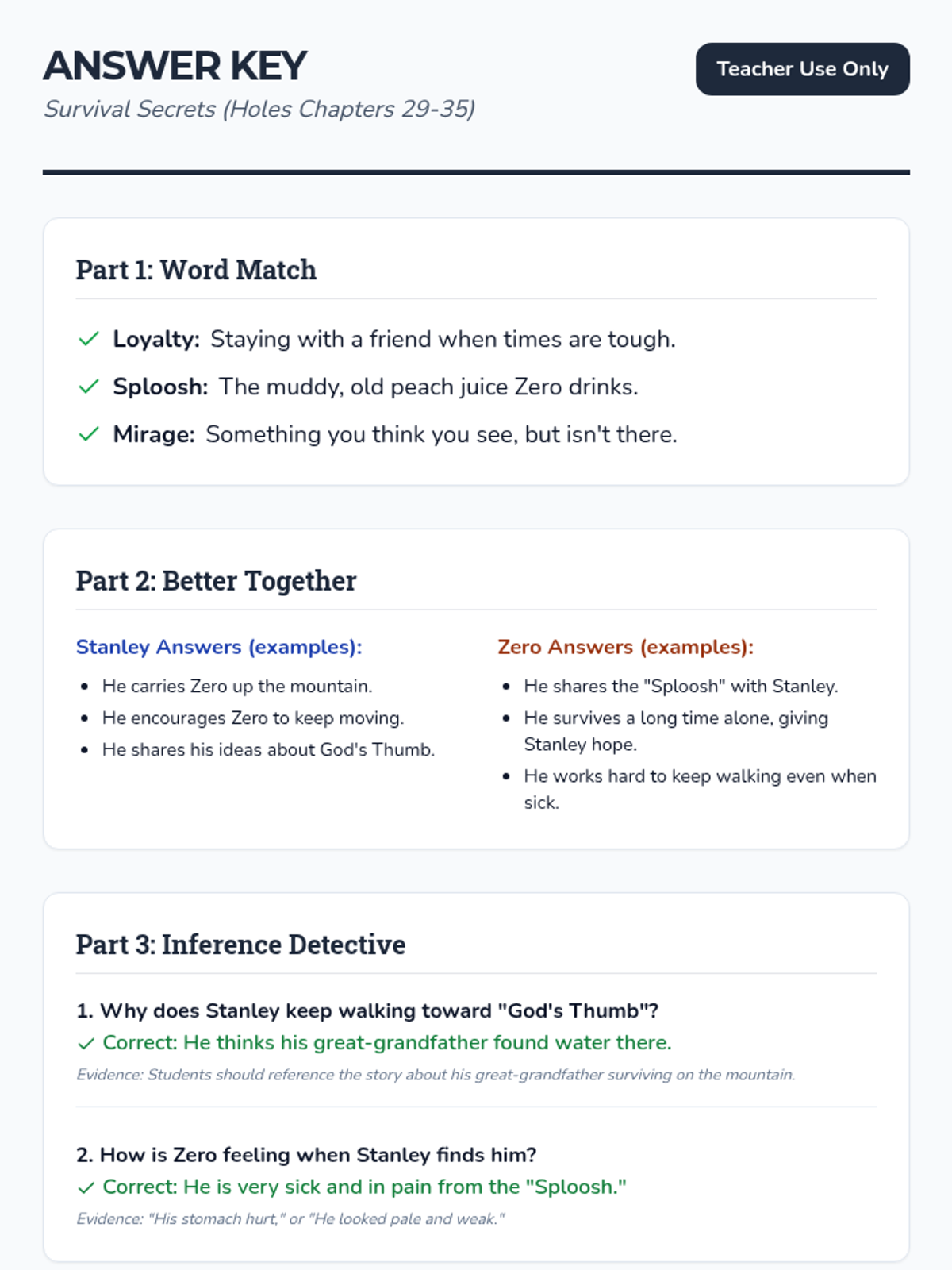
A lesson where students become 'Story Detectives' to practice making inferences, analyzing character relationships, and mapping out plot elements using two engaging mystery stories.
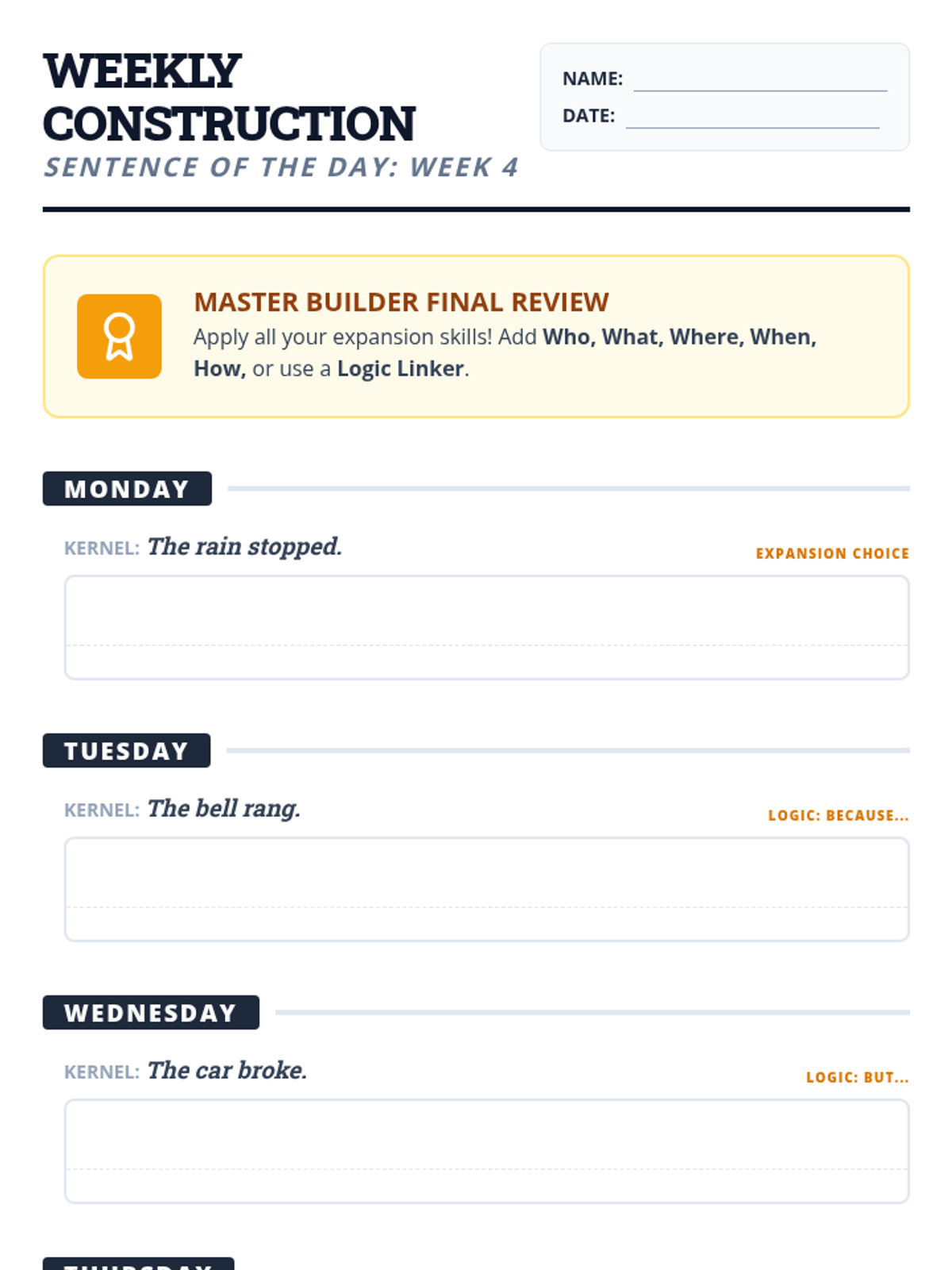
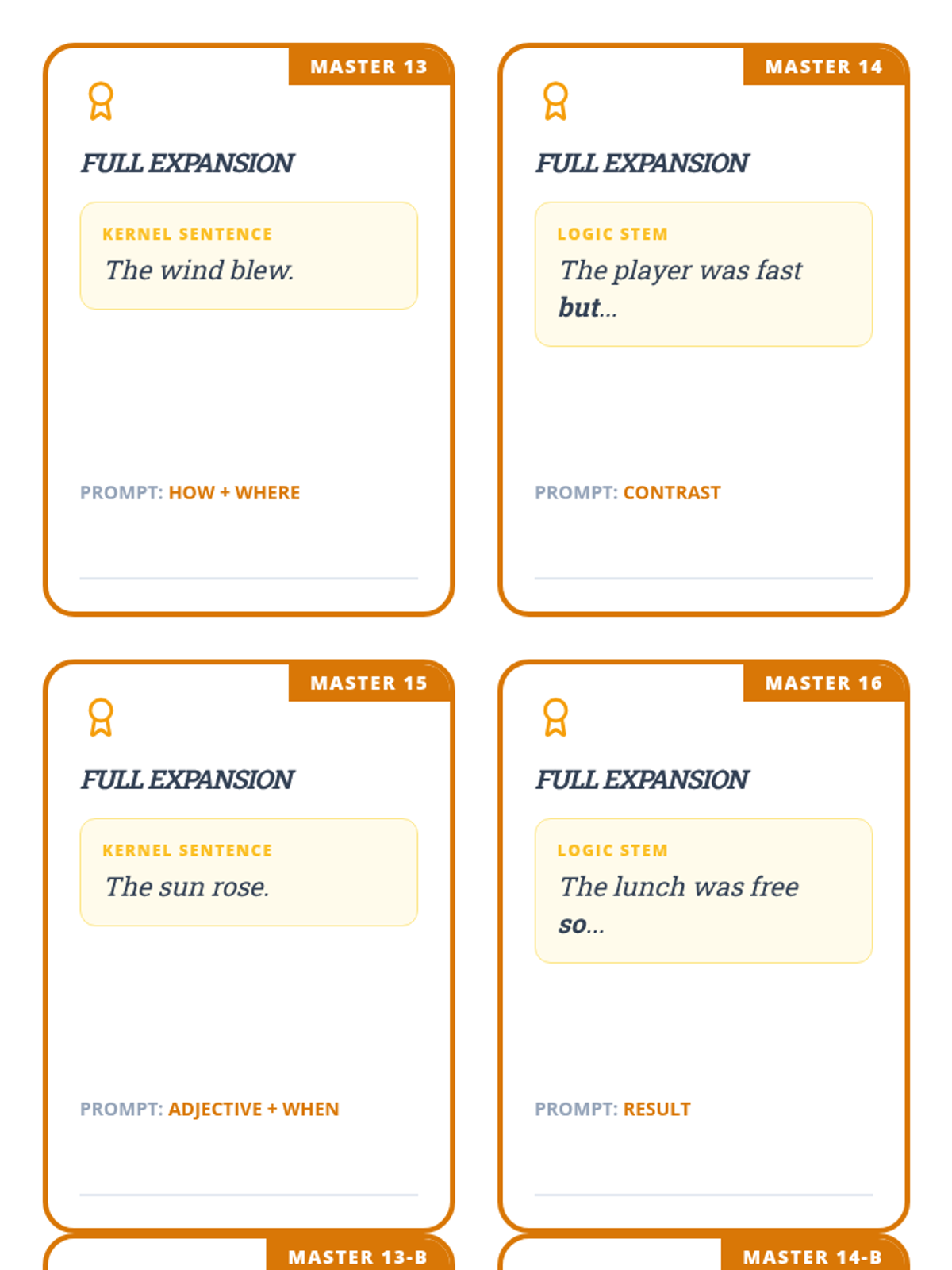
The final review lesson where students apply all previous strategies (adjectives, situational details, and logical conjunctions) to create complex and polished sentences.
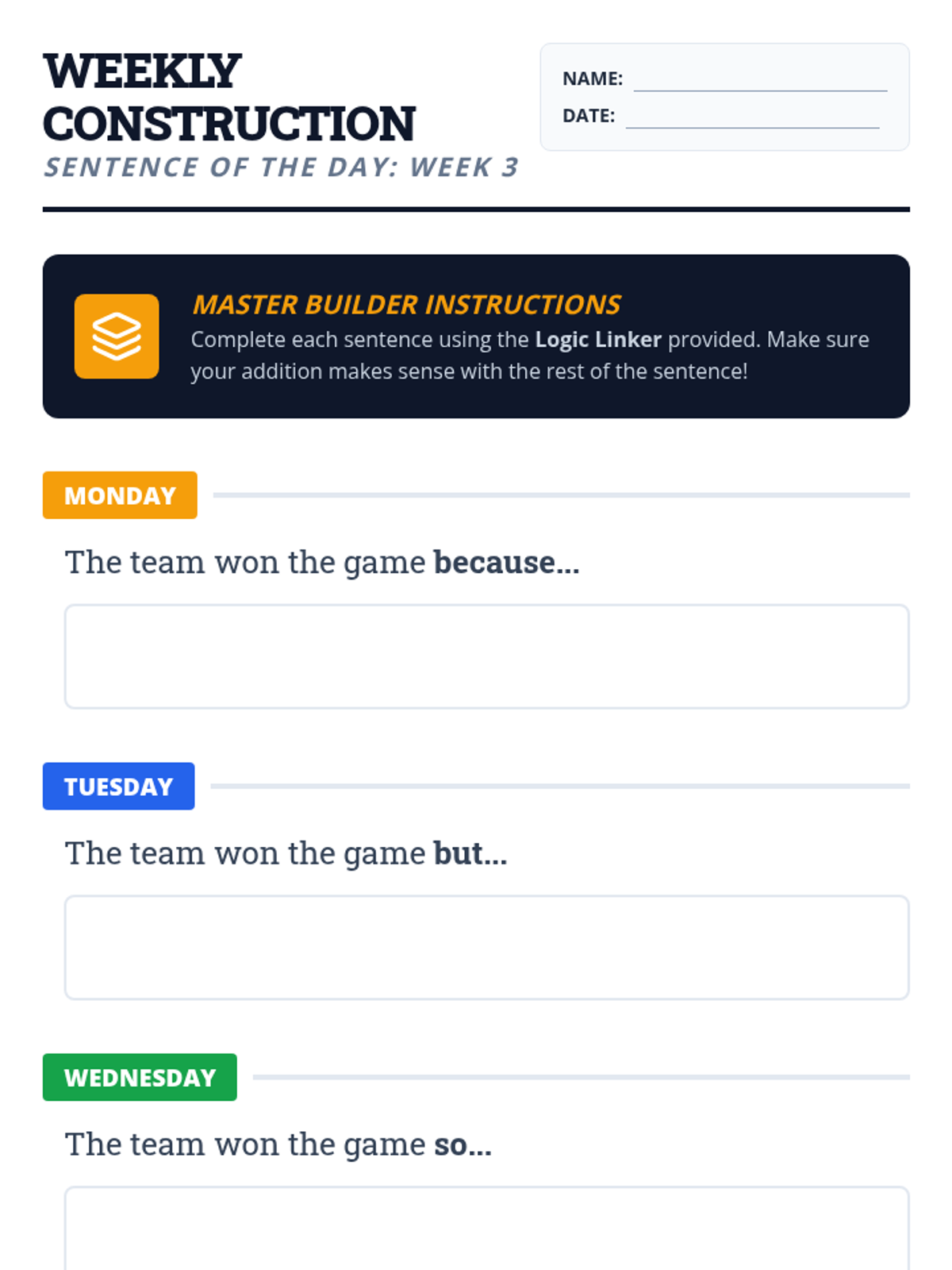
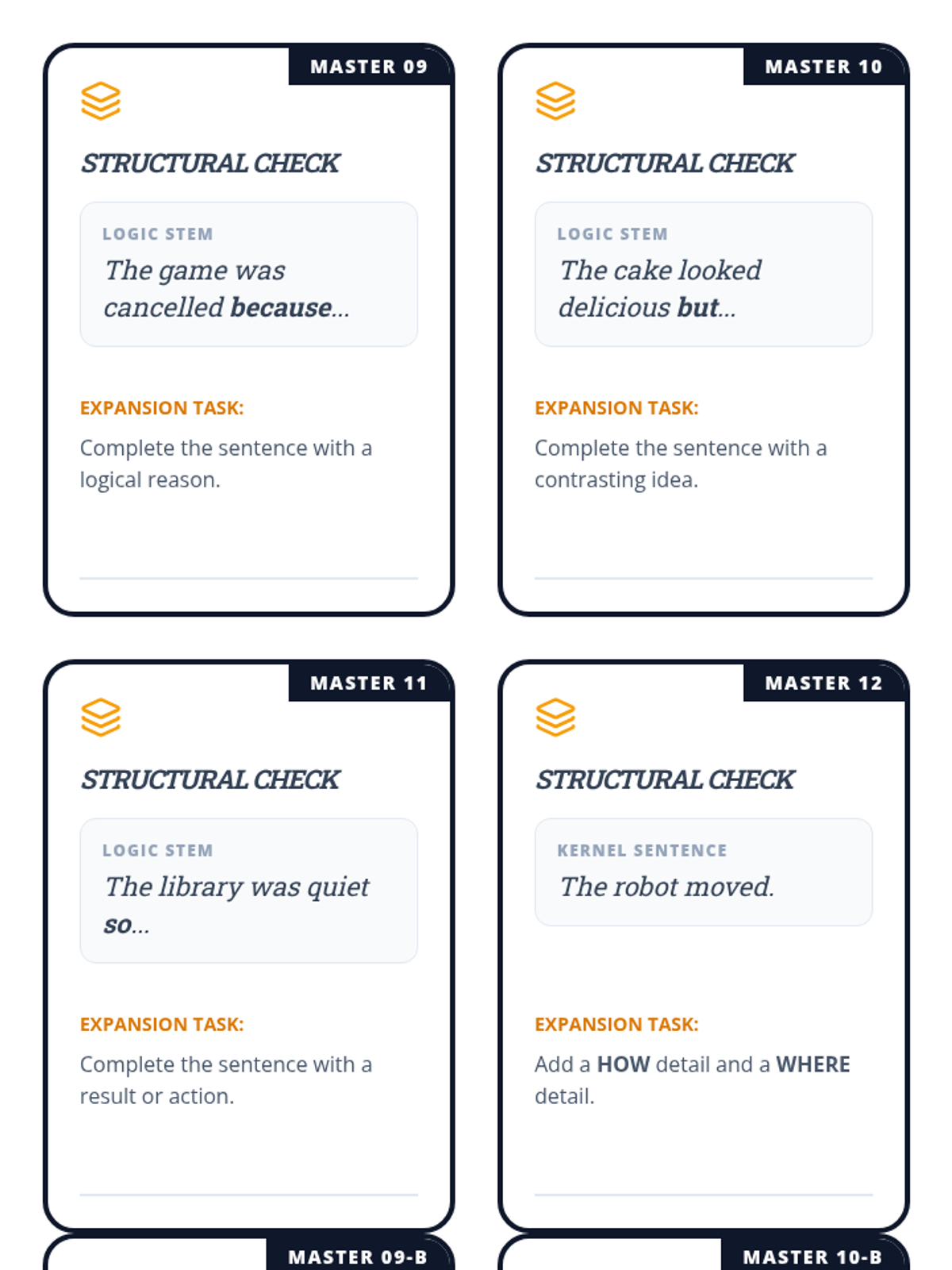
The final lesson focuses on using 'Because, But, So' to expand sentences logically and demonstrate deeper reasoning and detail.
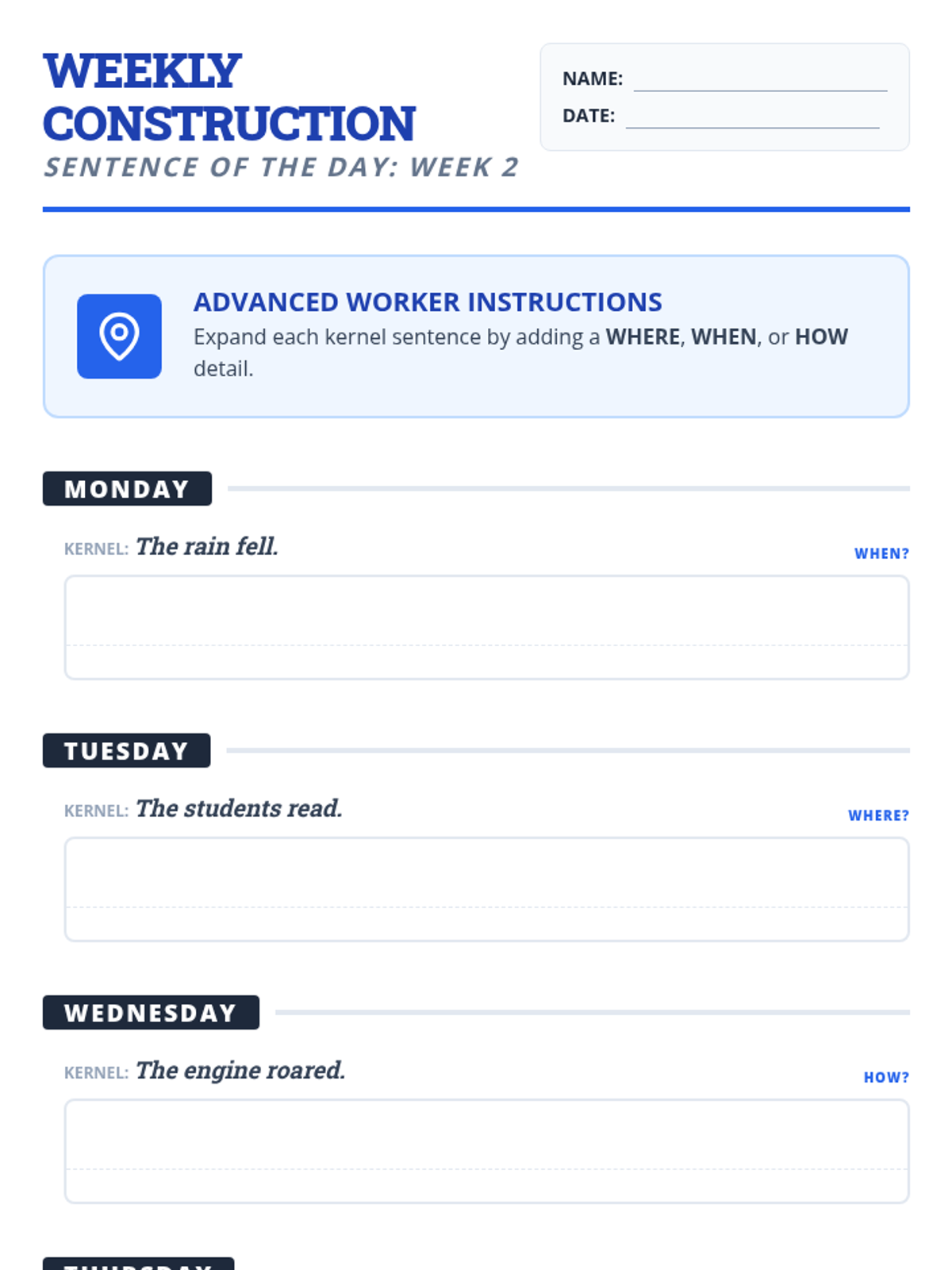
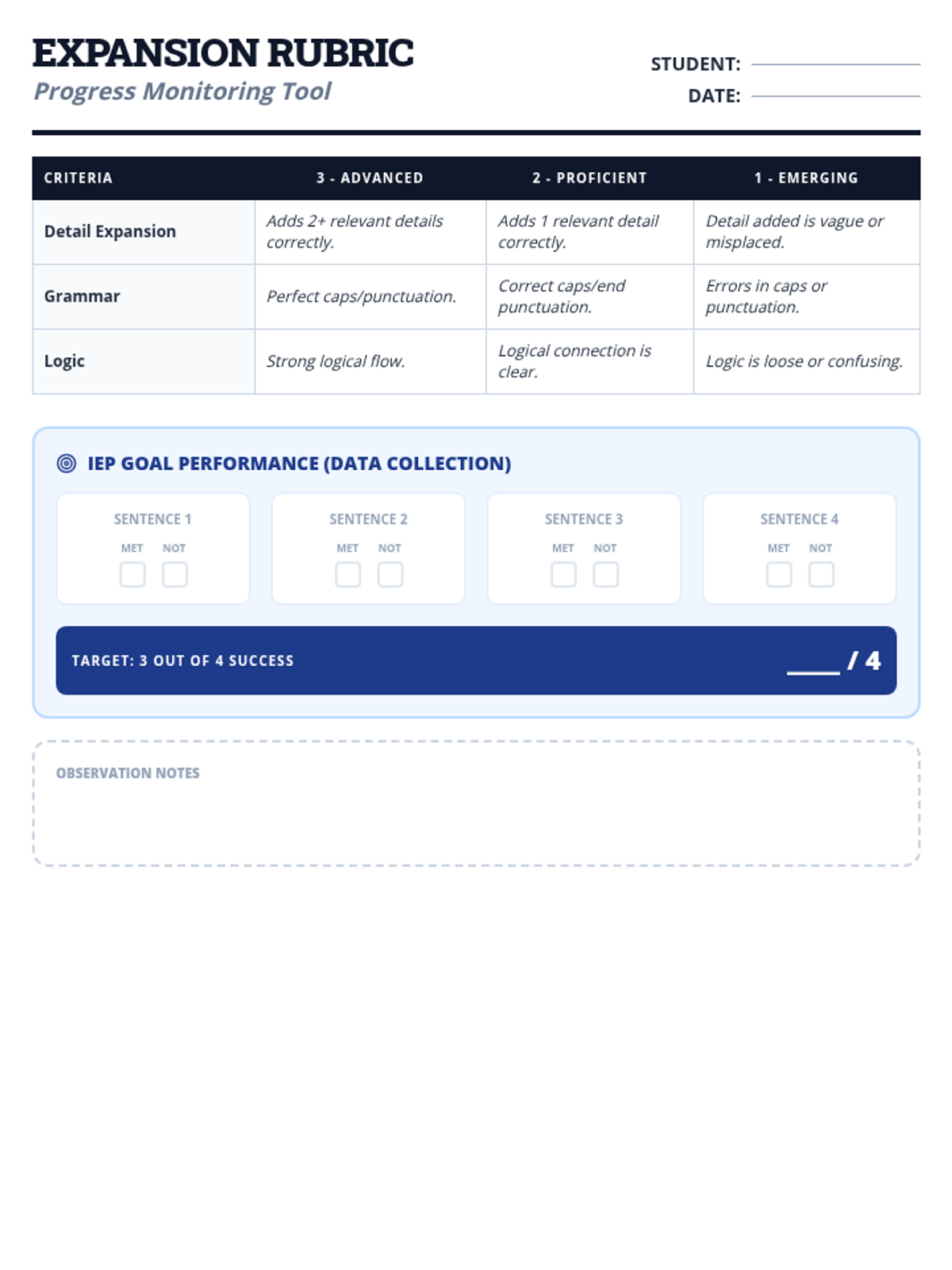
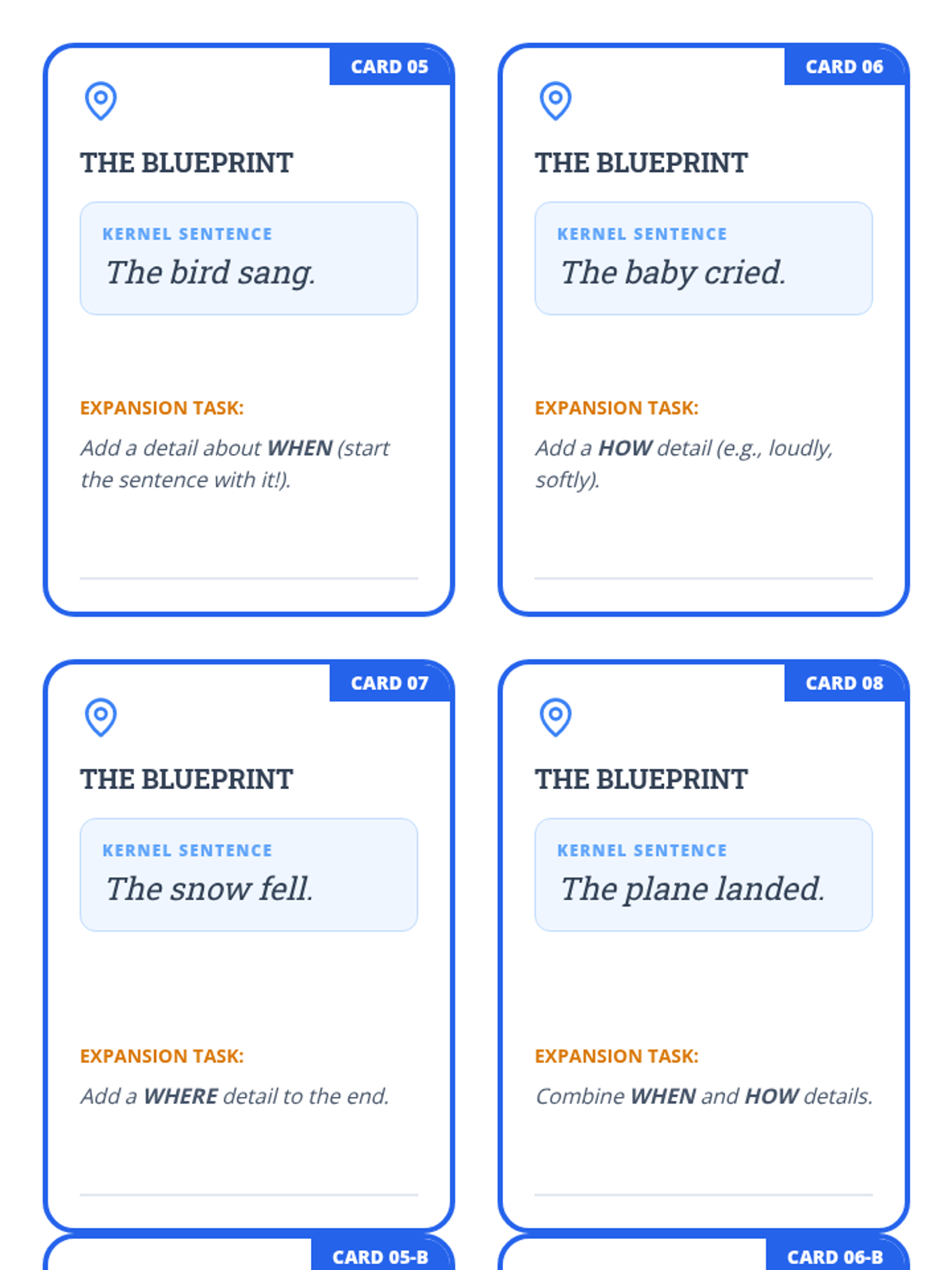
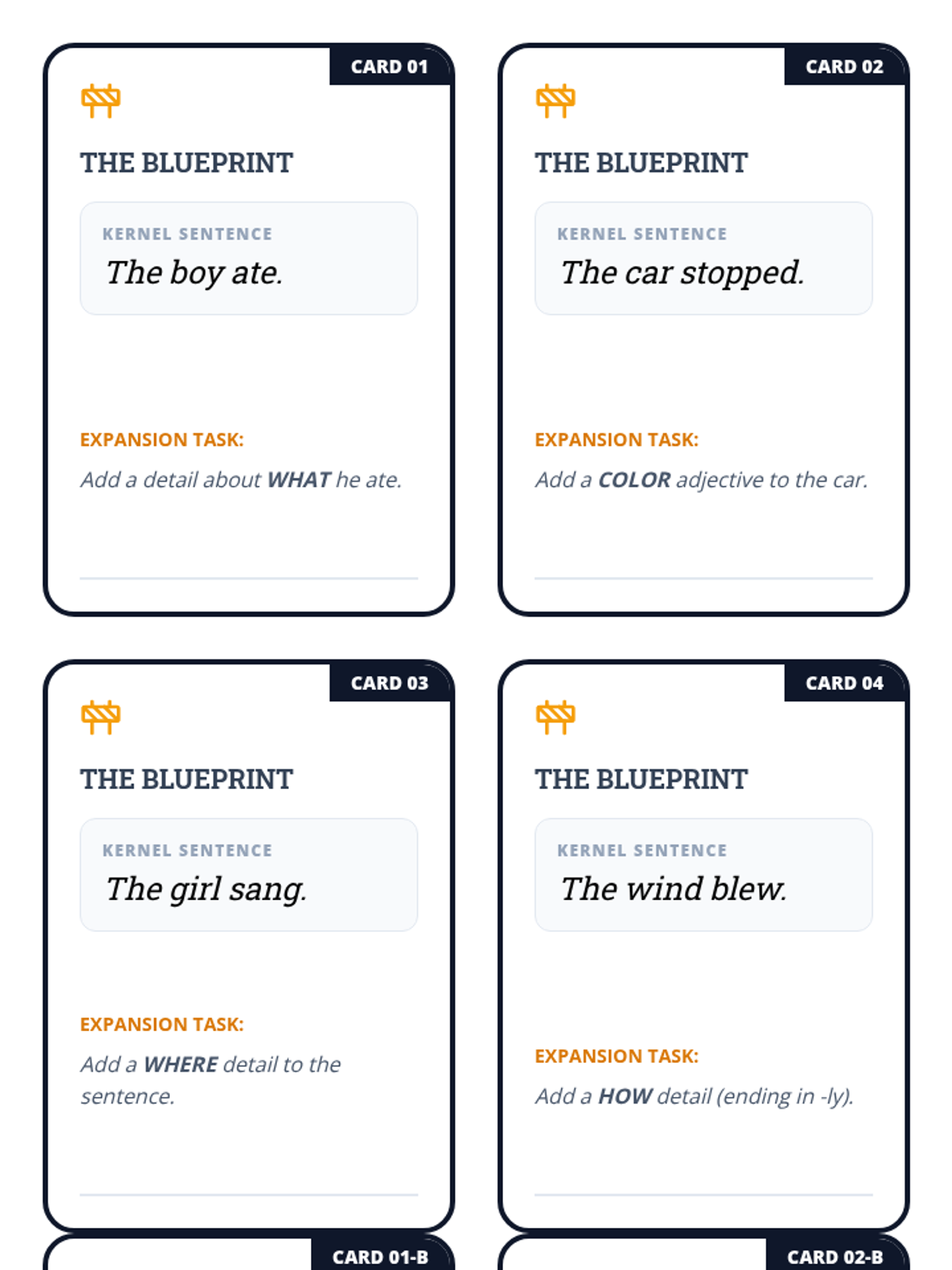
In this lesson, students learn to add situational details to their sentences using 'Where', 'When', and 'How' question words.
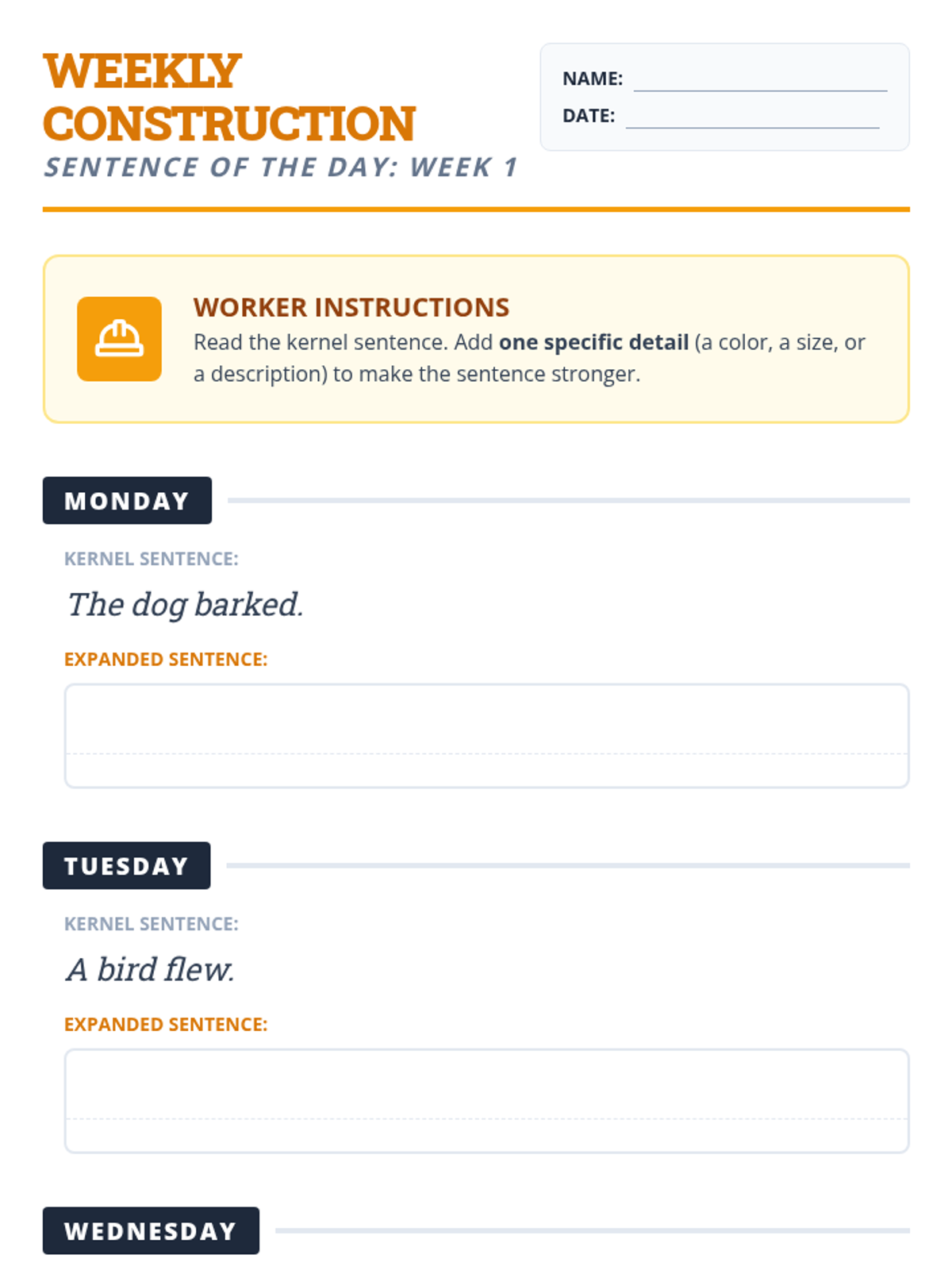
This lesson introduces the concept of a complete sentence versus a fragment and begins basic sentence expansion using 'Who' and 'What' details.
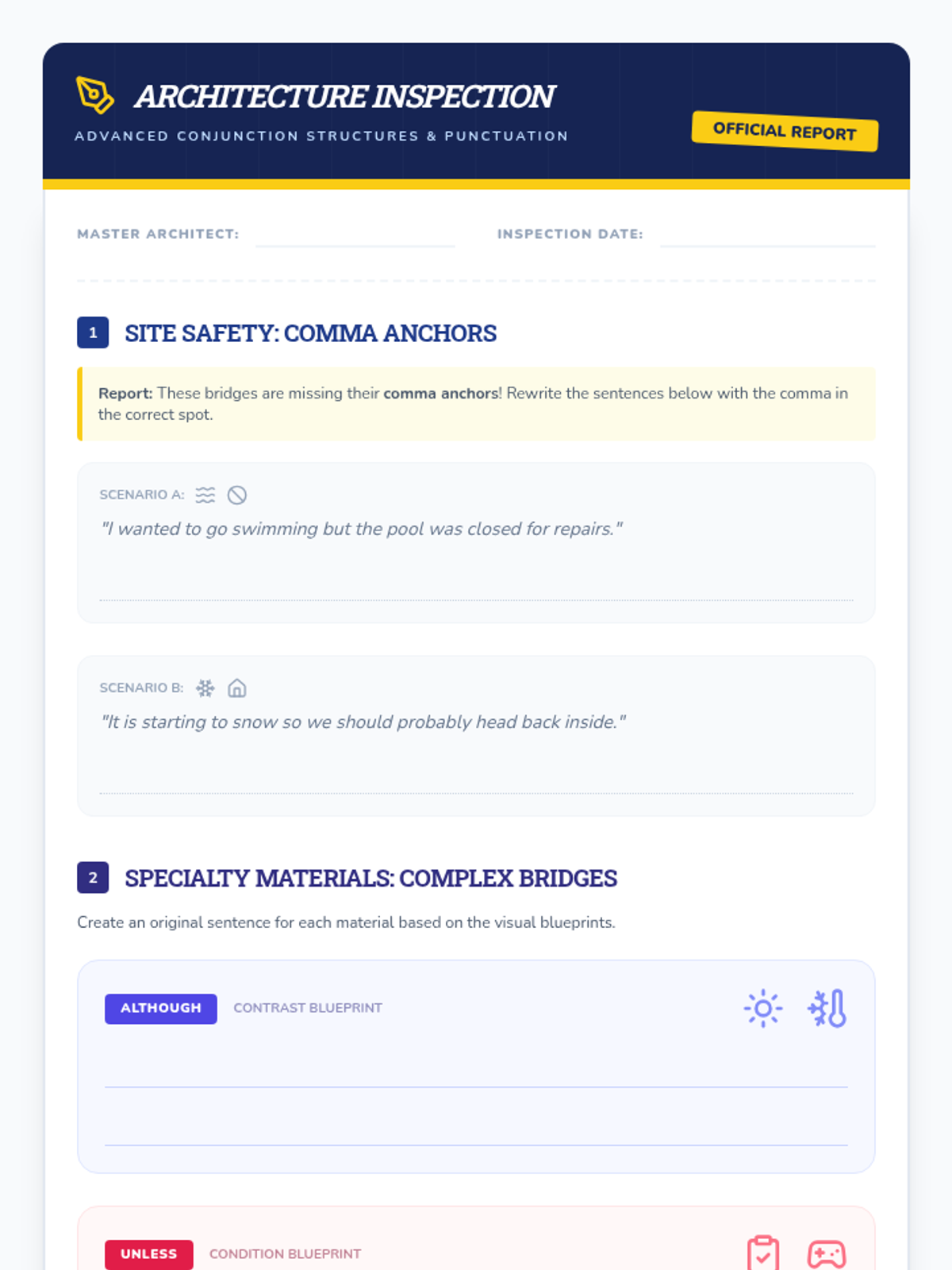
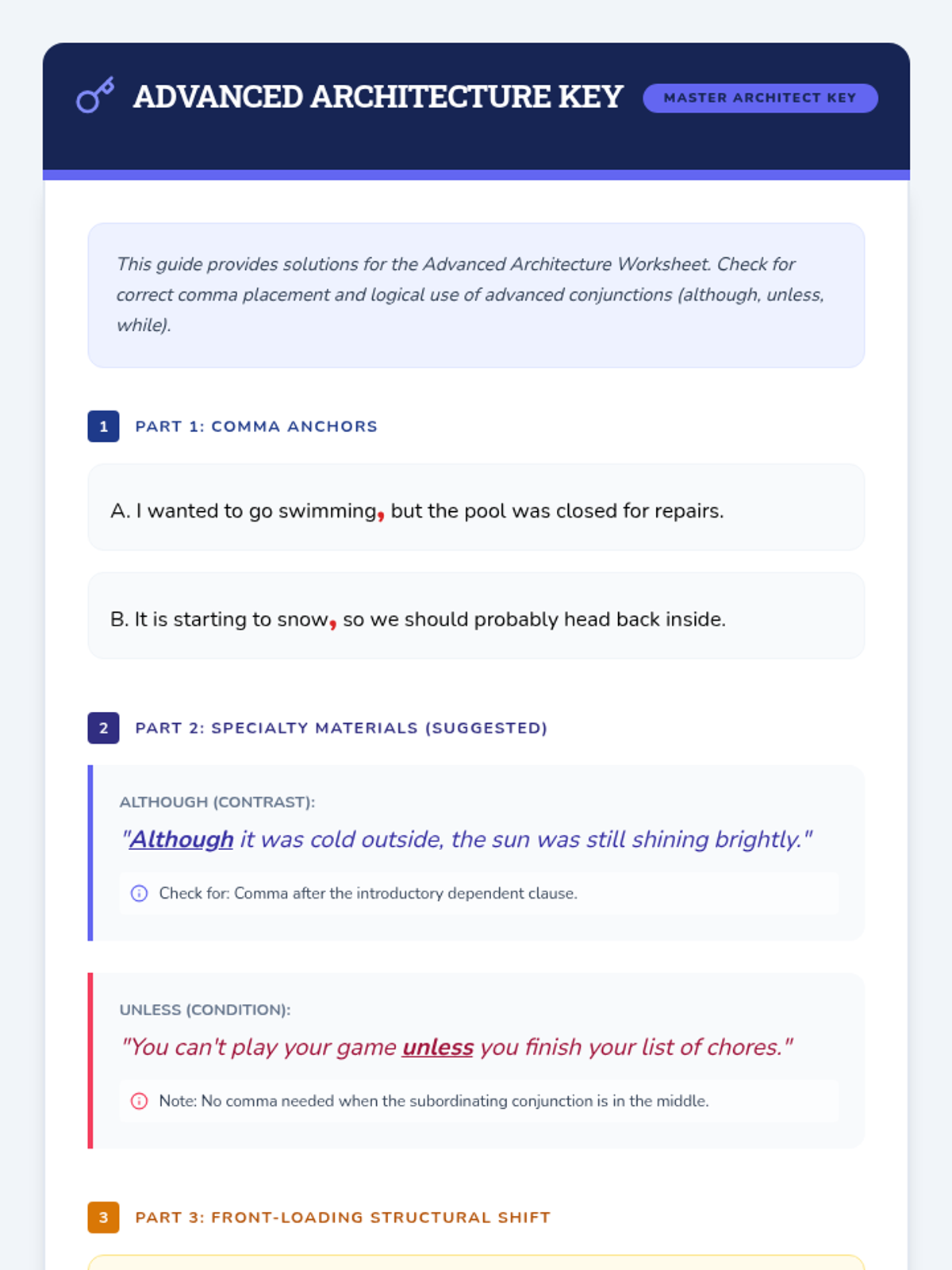
A follow-up lesson focusing on complex sentence structures, including comma placement in compound sentences and starting sentences with subordinating conjunctions. Introduces advanced conjunctions like 'although', 'while', and 'unless'.
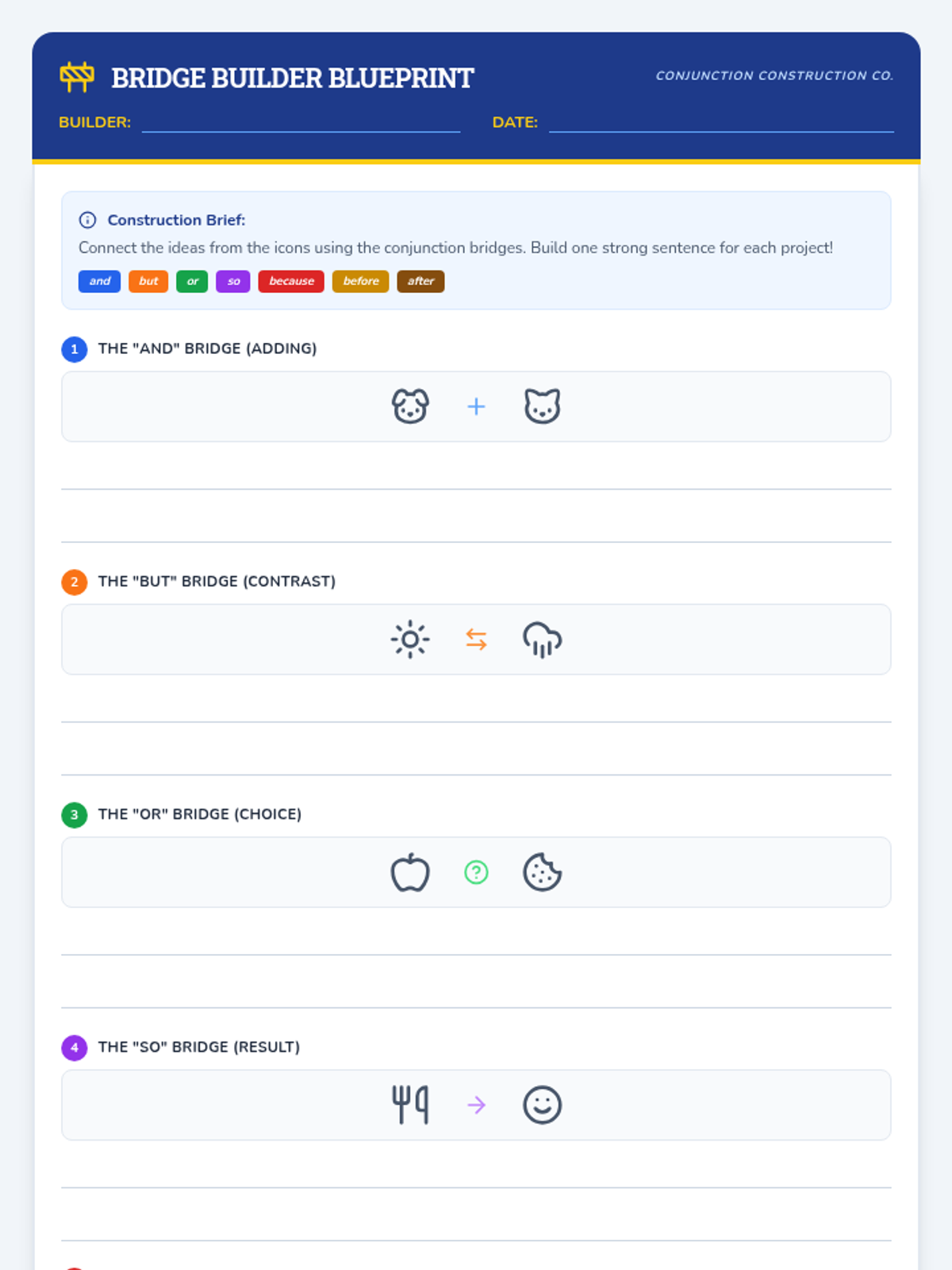
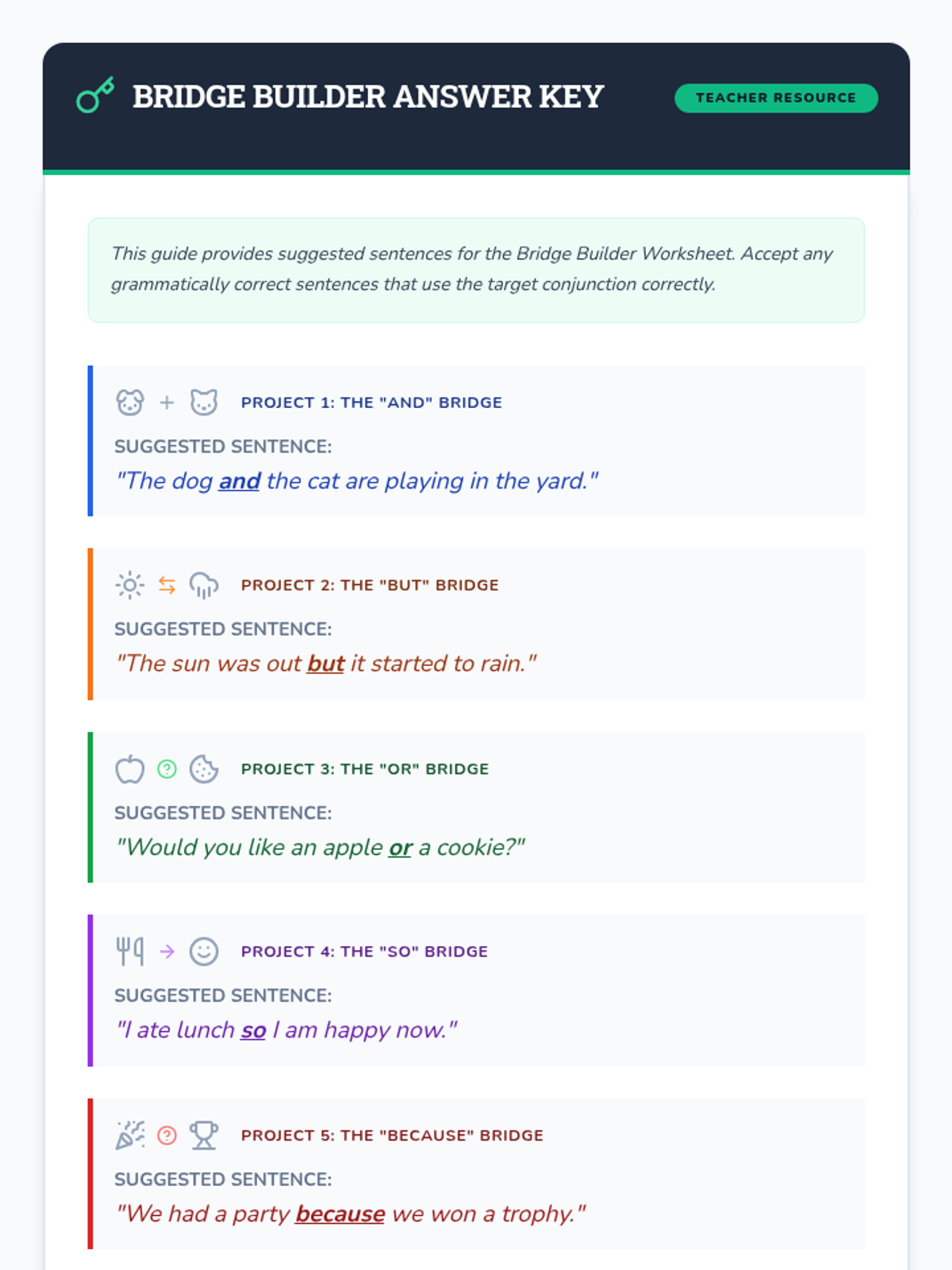
A lesson on using coordinating and subordinating conjunctions to build complex sentences. Students learn to use conjunctions as 'bridges' to connect their ideas together clearly.
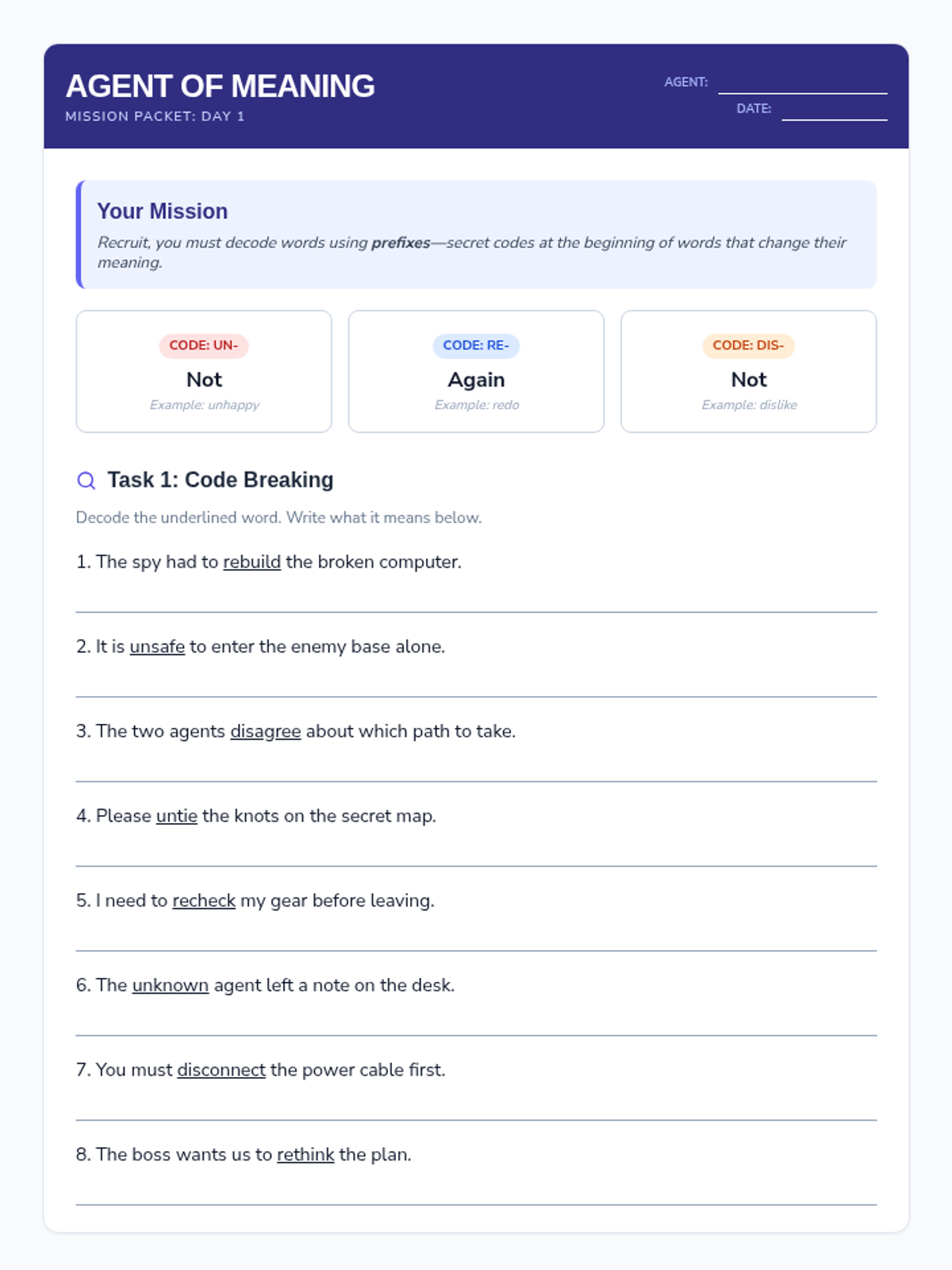
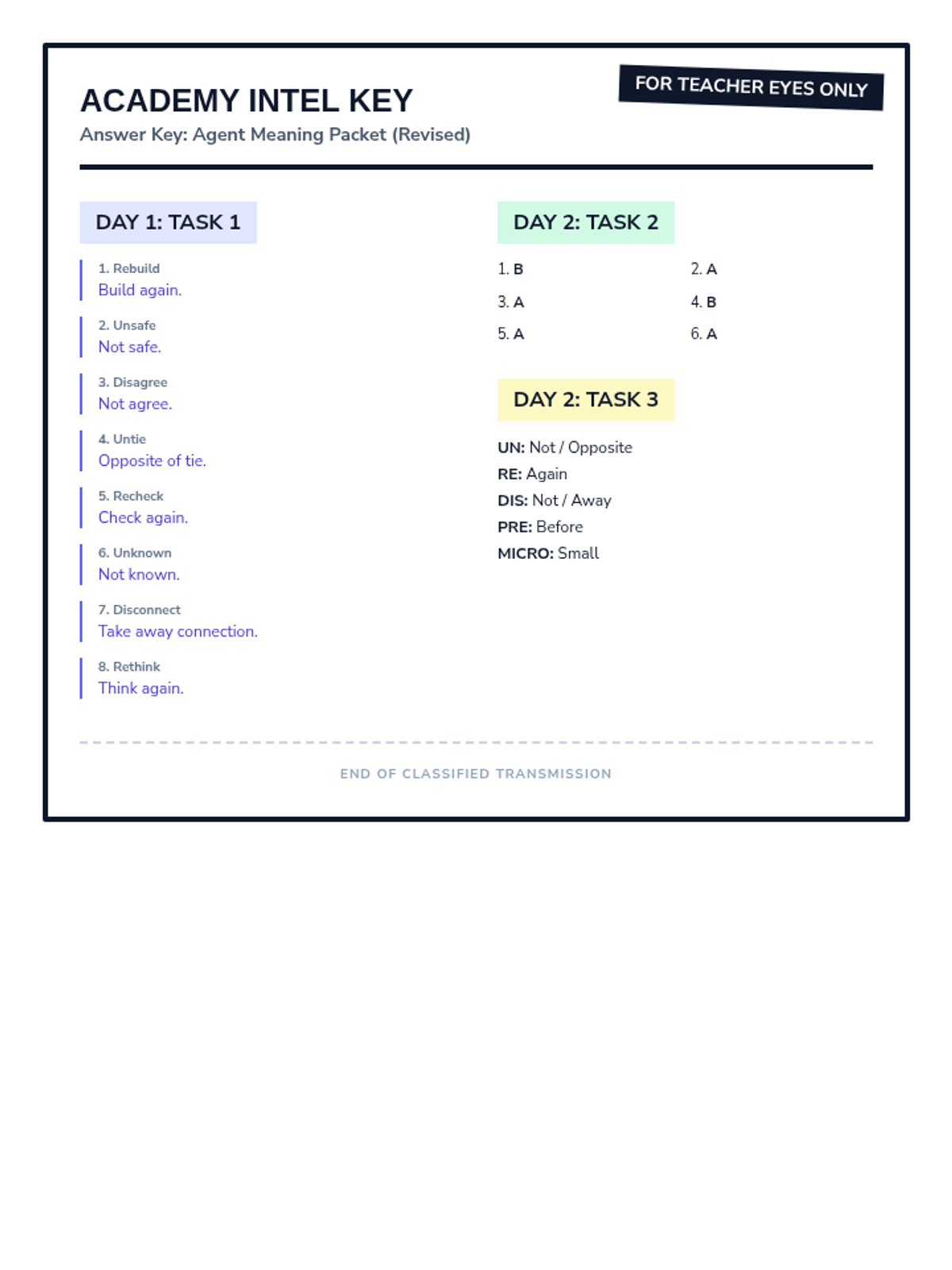
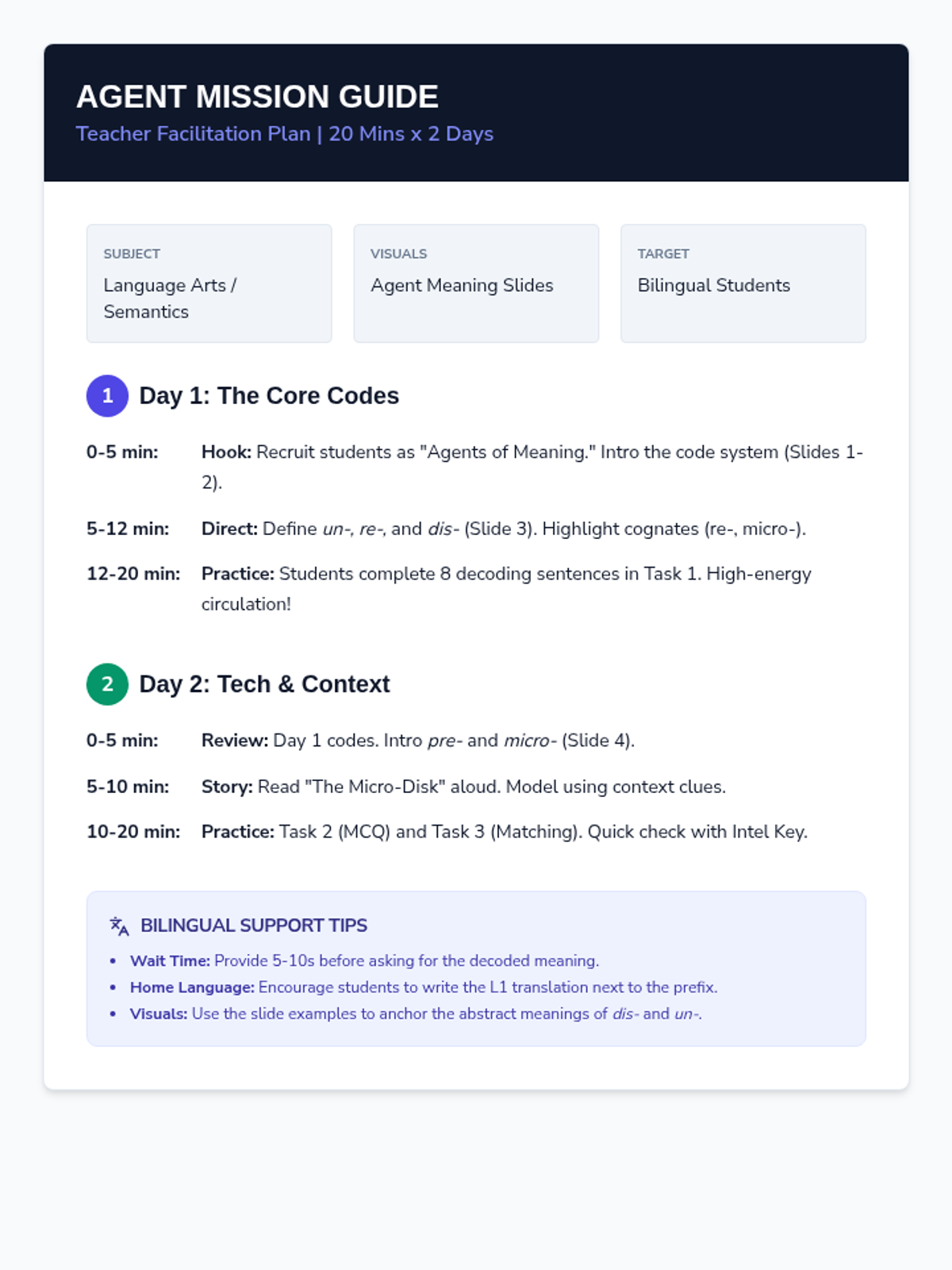
A two-day mini-lesson for bilingual students focused on decoding prefixes (un-, re-, dis-, pre-, micro-) using a spy-themed 'Agent of Meaning' narrative. Students use context clues and semantics to unlock word meanings in short stories and practice exercises.
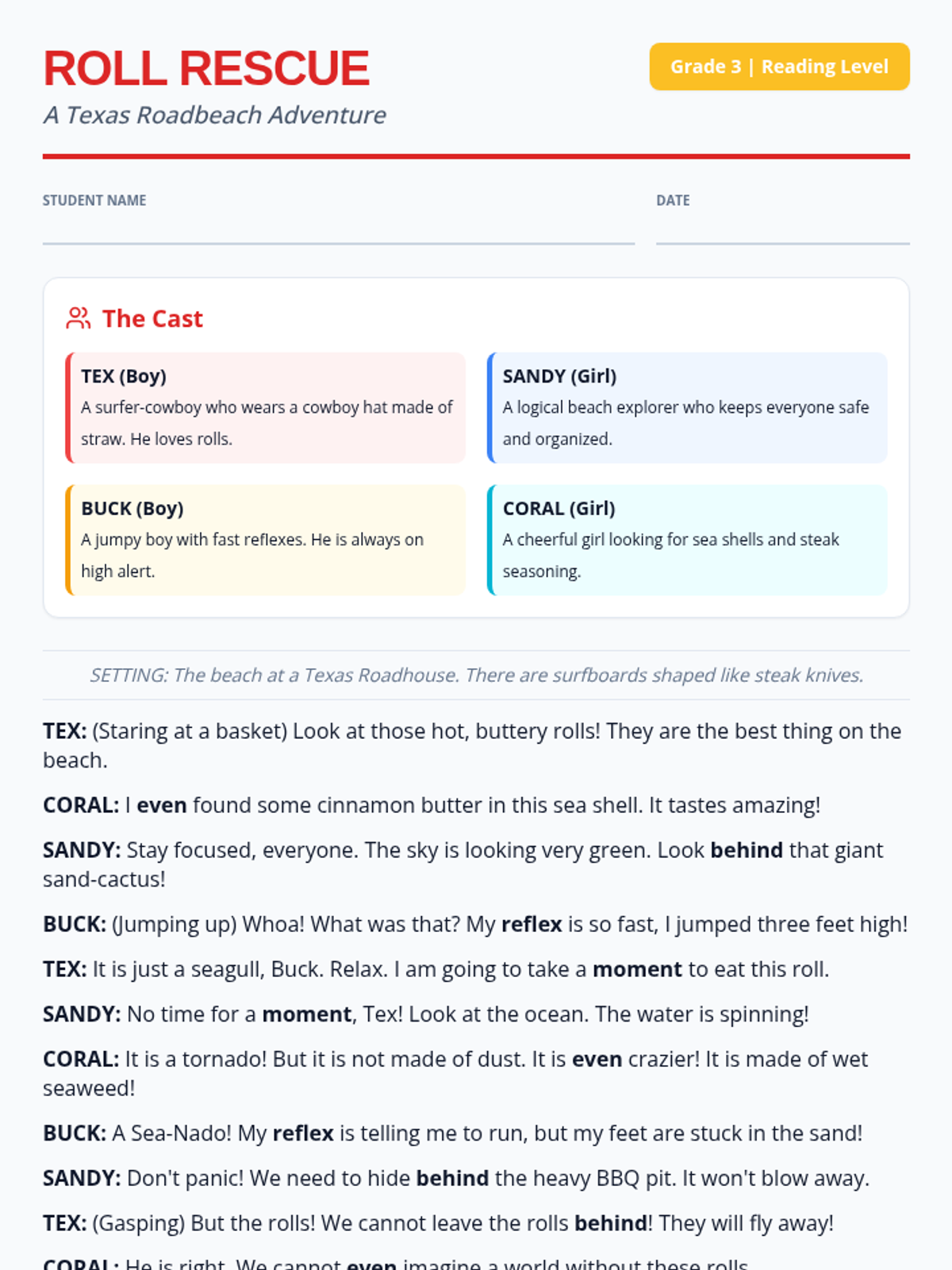
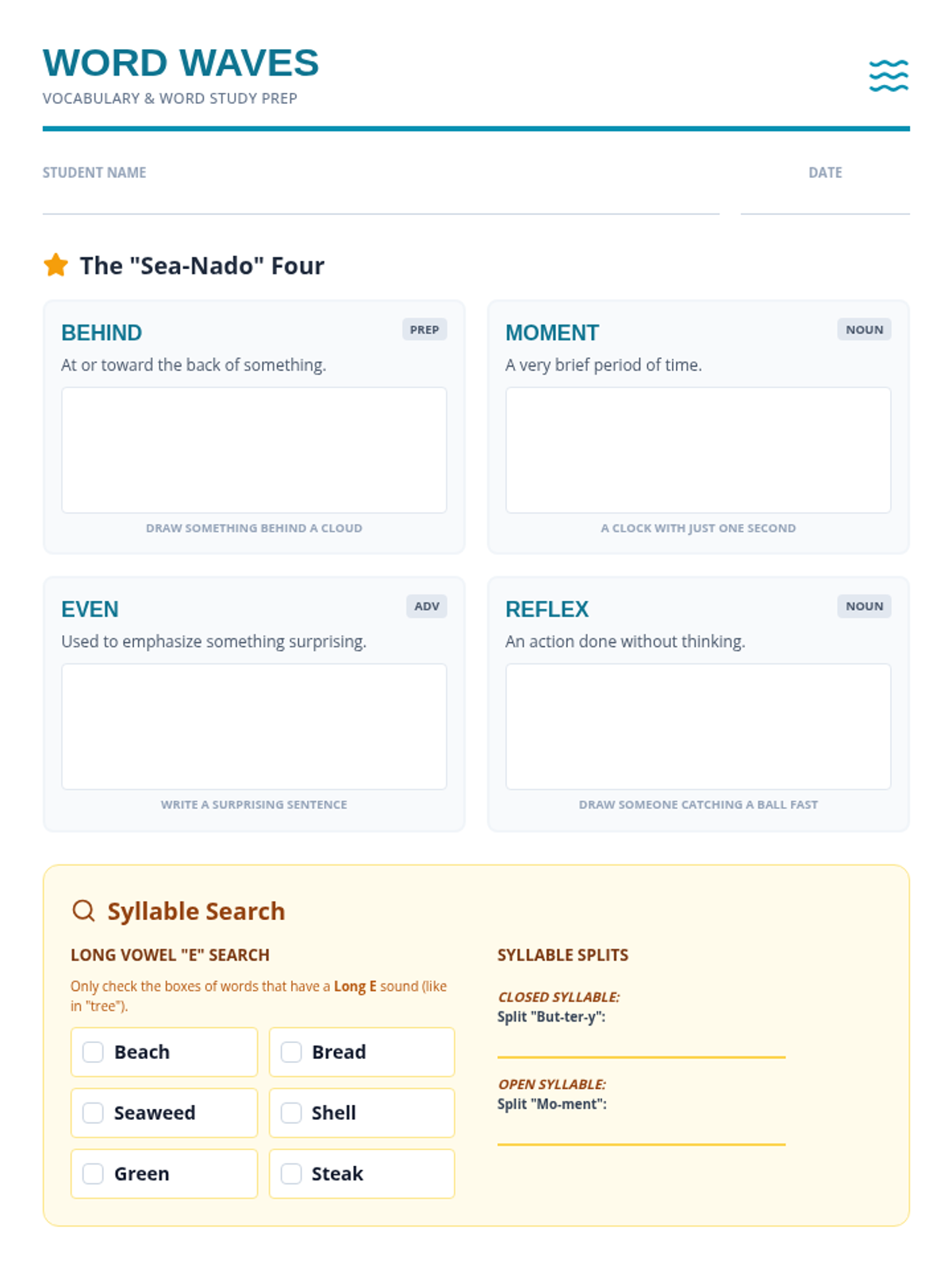
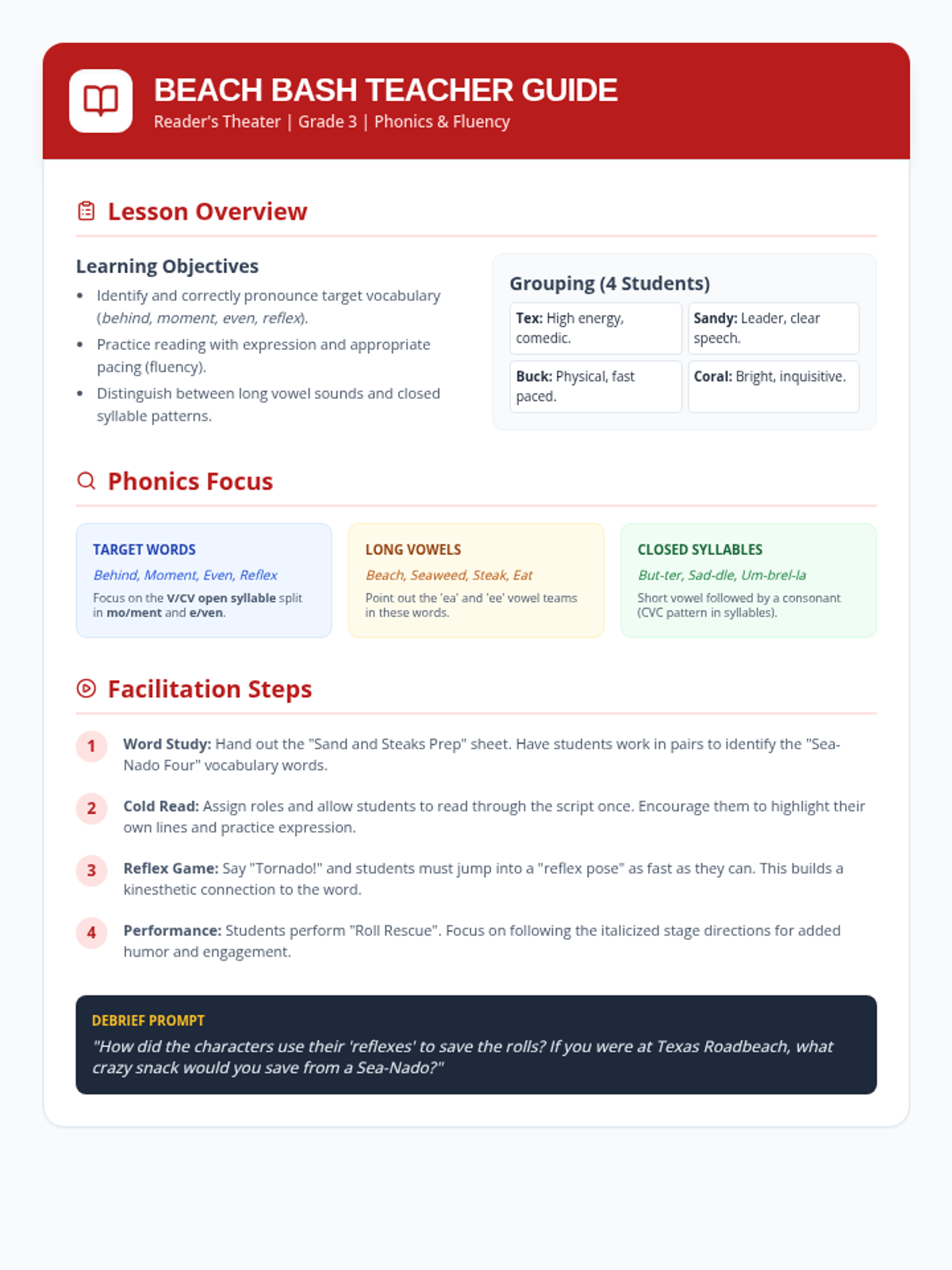
A funny grade 3 reader's theater lesson set at an absurd beach-themed Texas Roadhouse, focusing on long vowel sounds and specific vocabulary words like behind, moment, even, and reflex.
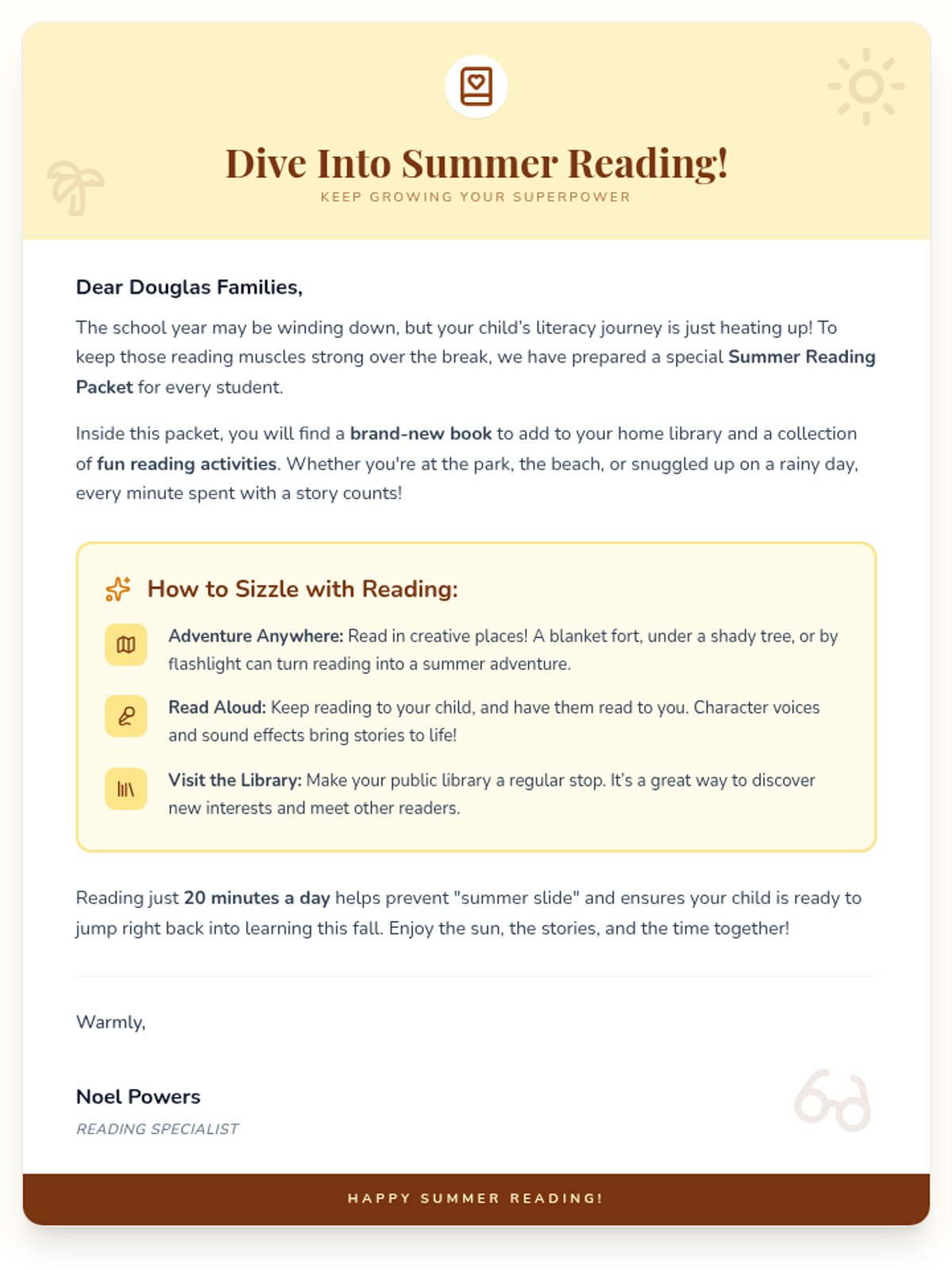
A collection of resources to encourage and track reading progress over the summer break for K-3 students, including a parent letter and activity suggestions.
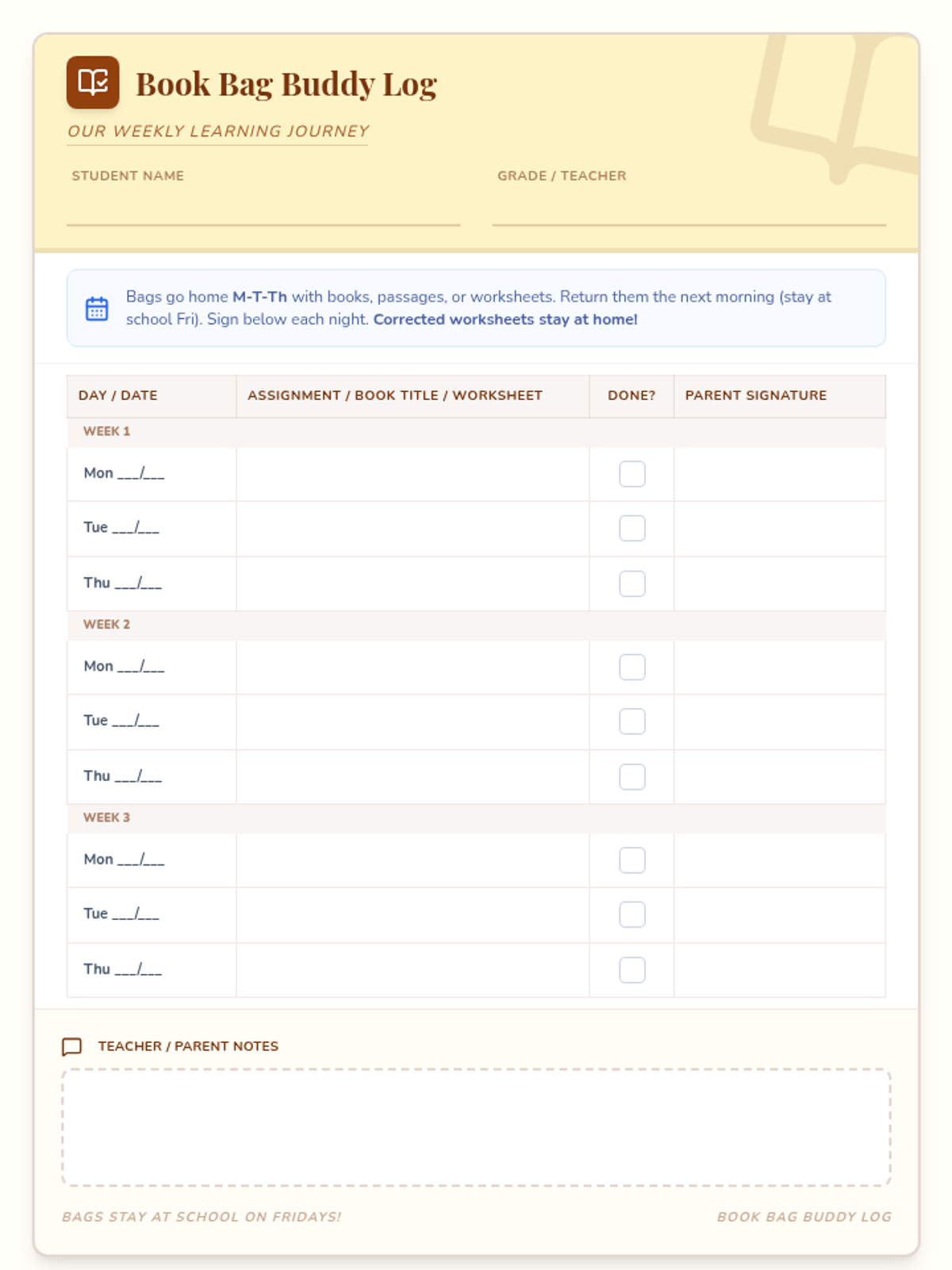
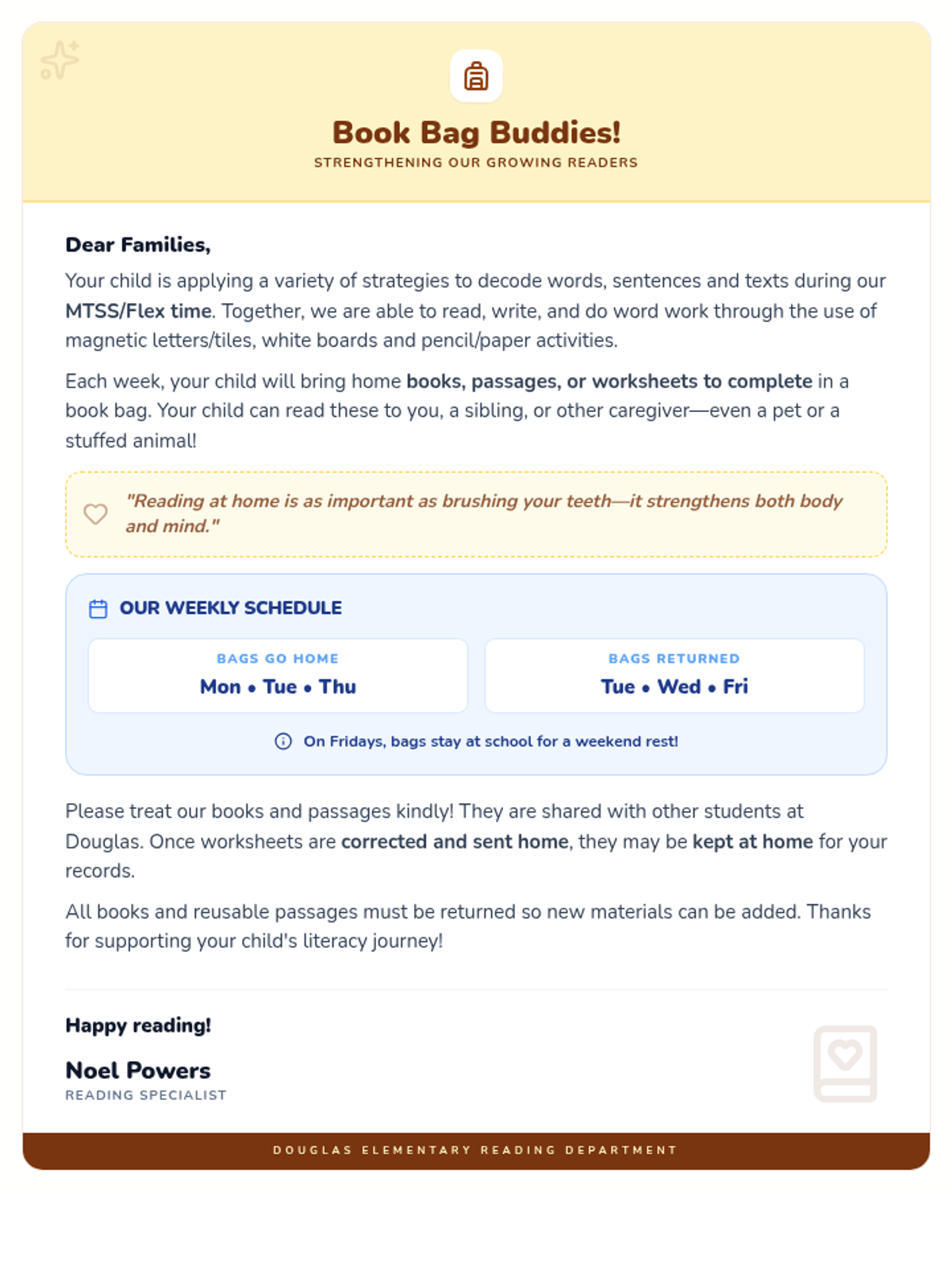
A home-school communication system for K-3 students featuring a homework bag log and an introductory letter for parents, detailing a Monday-Tuesday-Thursday homework schedule.
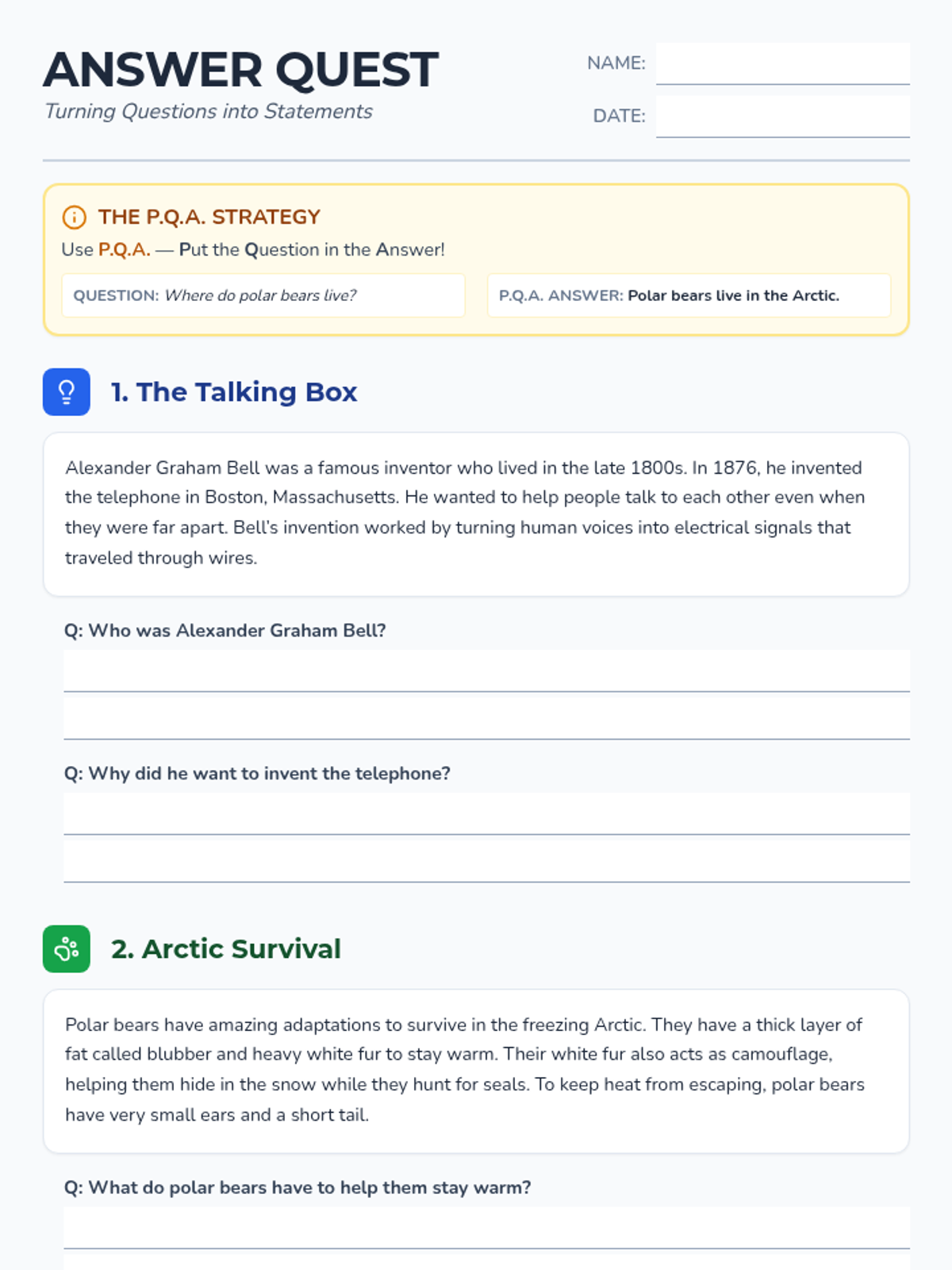
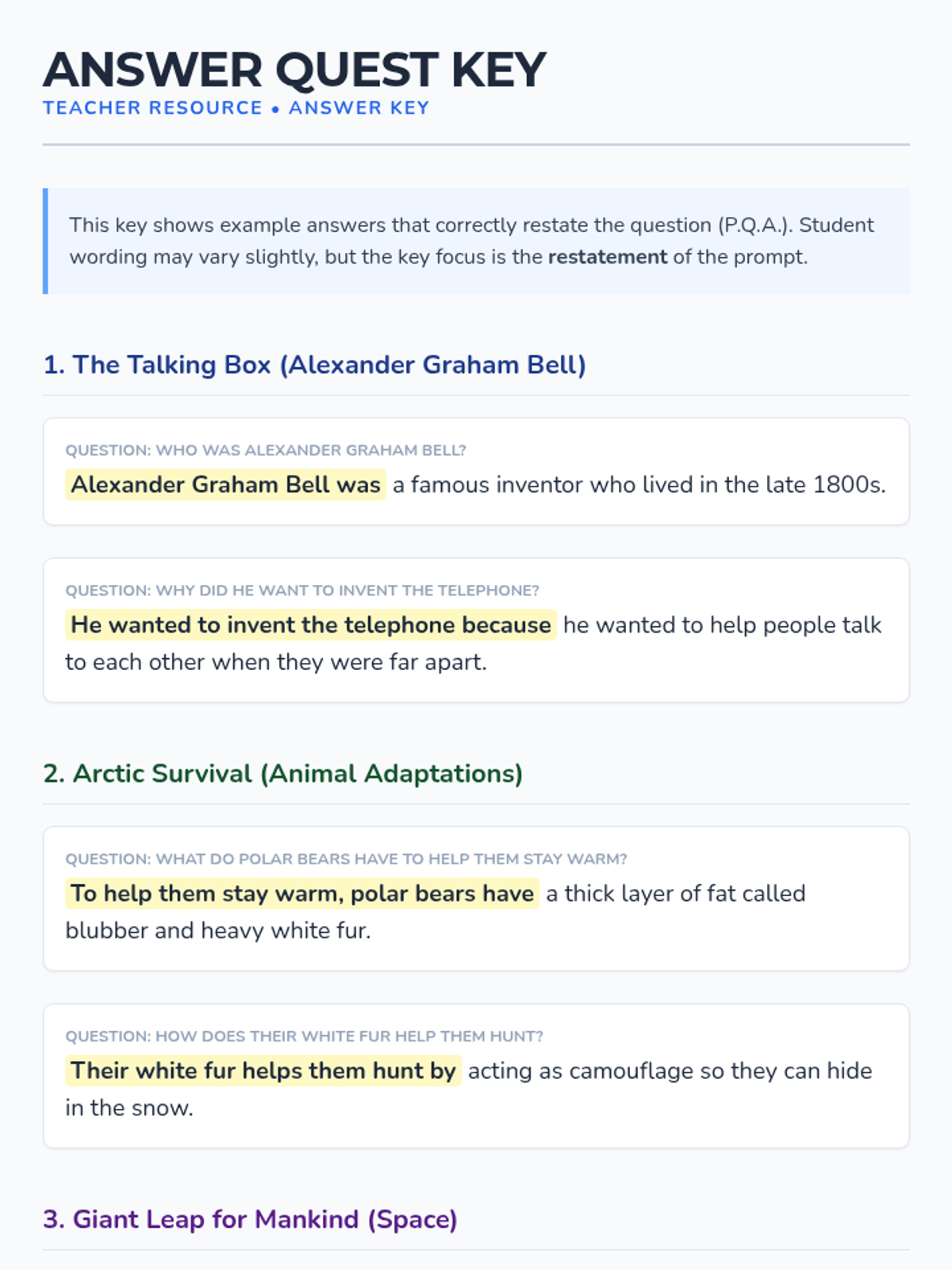
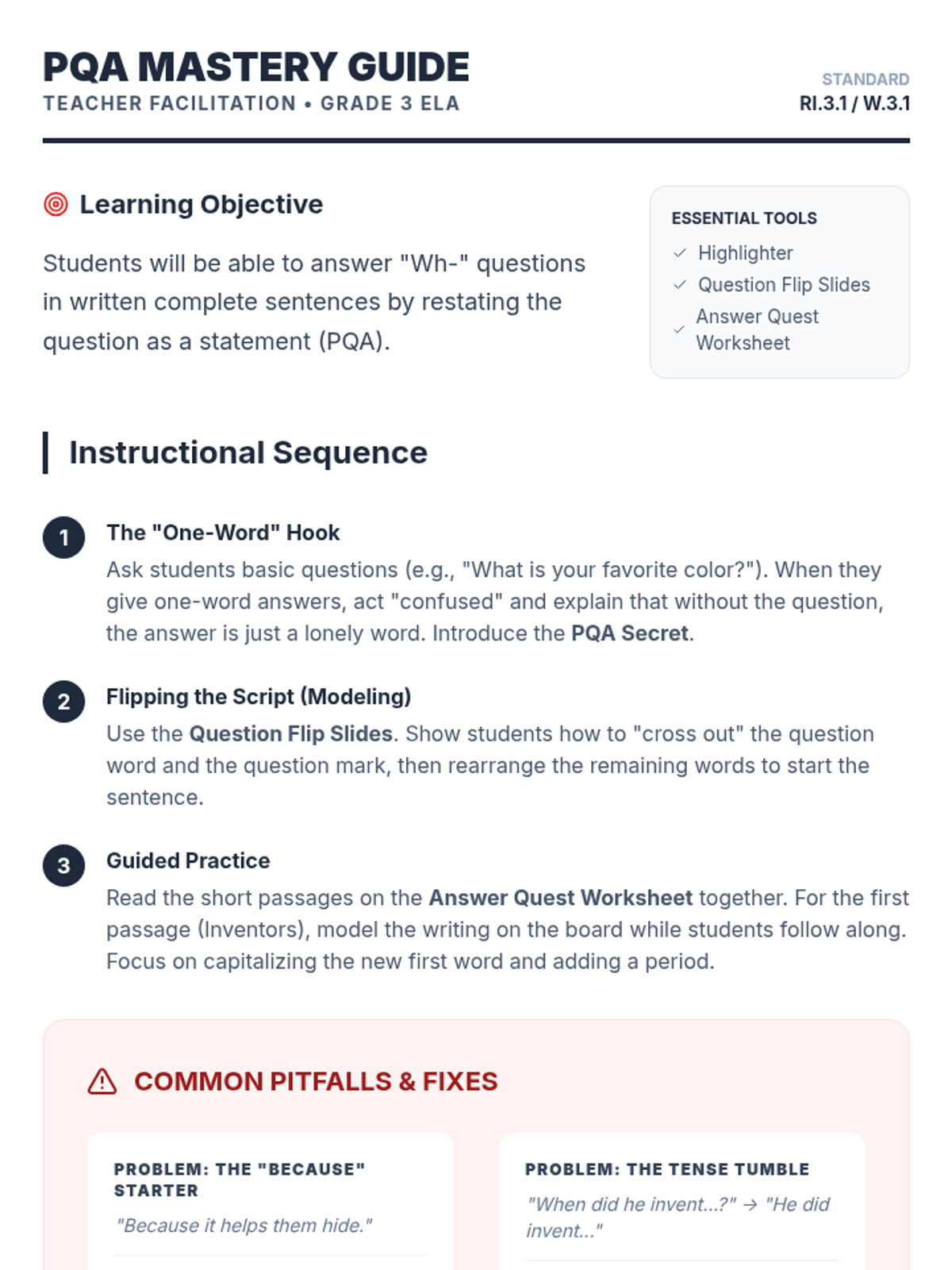
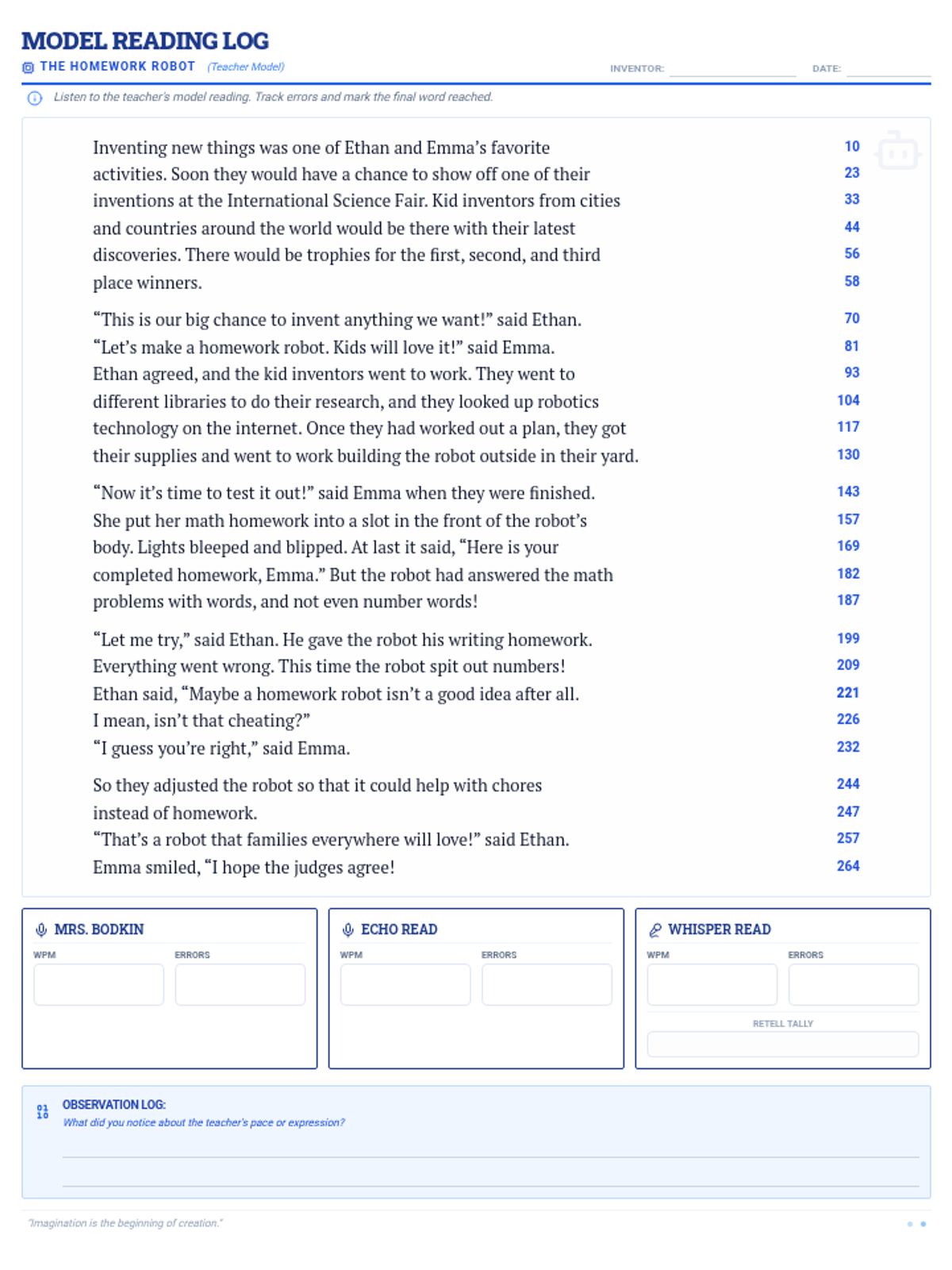
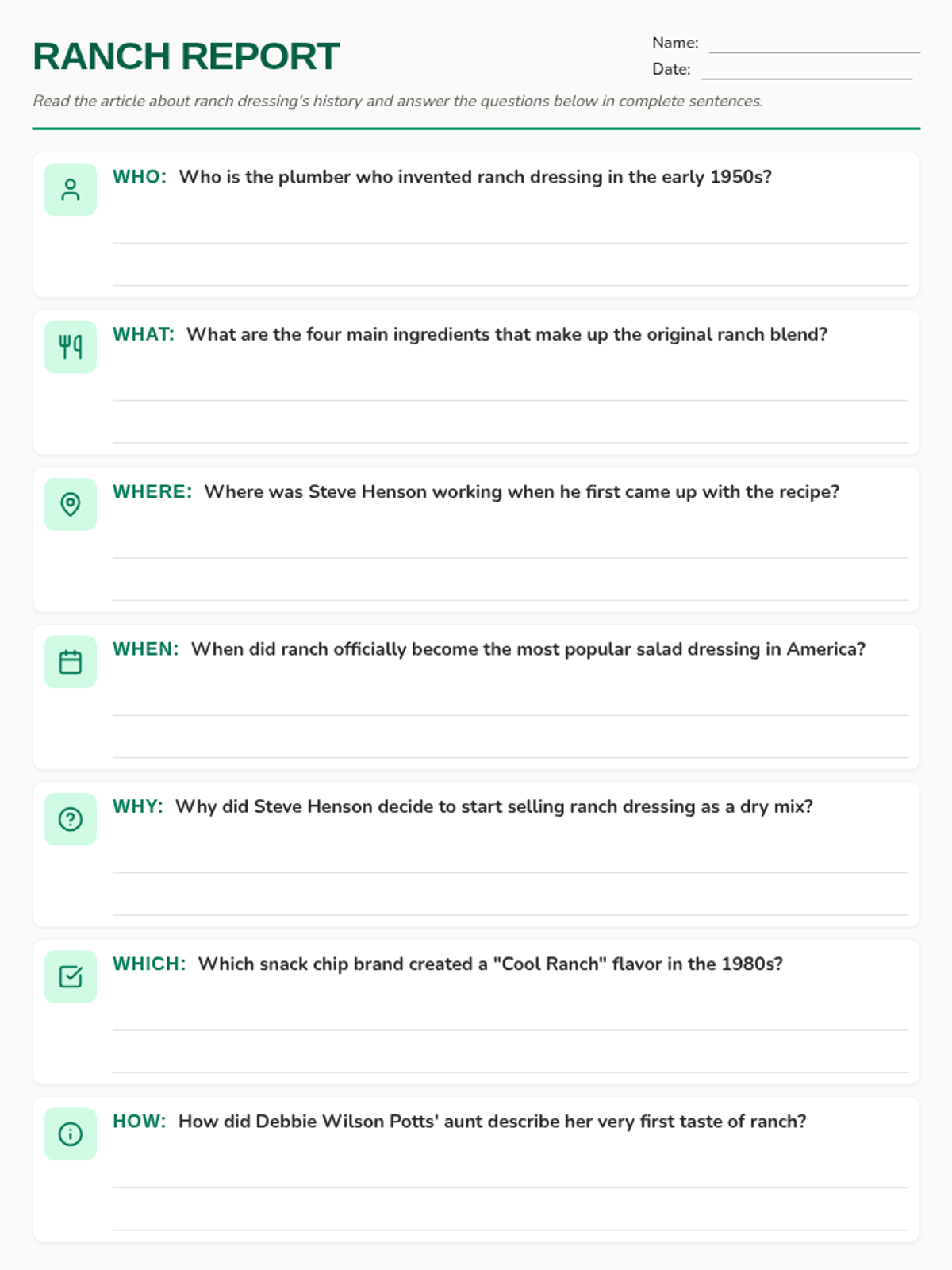
A lesson focused on teaching third-grade students how to answer 'Wh-' questions in complete sentences by restating the question as a statement. Students will practice this skill using texts about inventors, animal adaptations, and space.
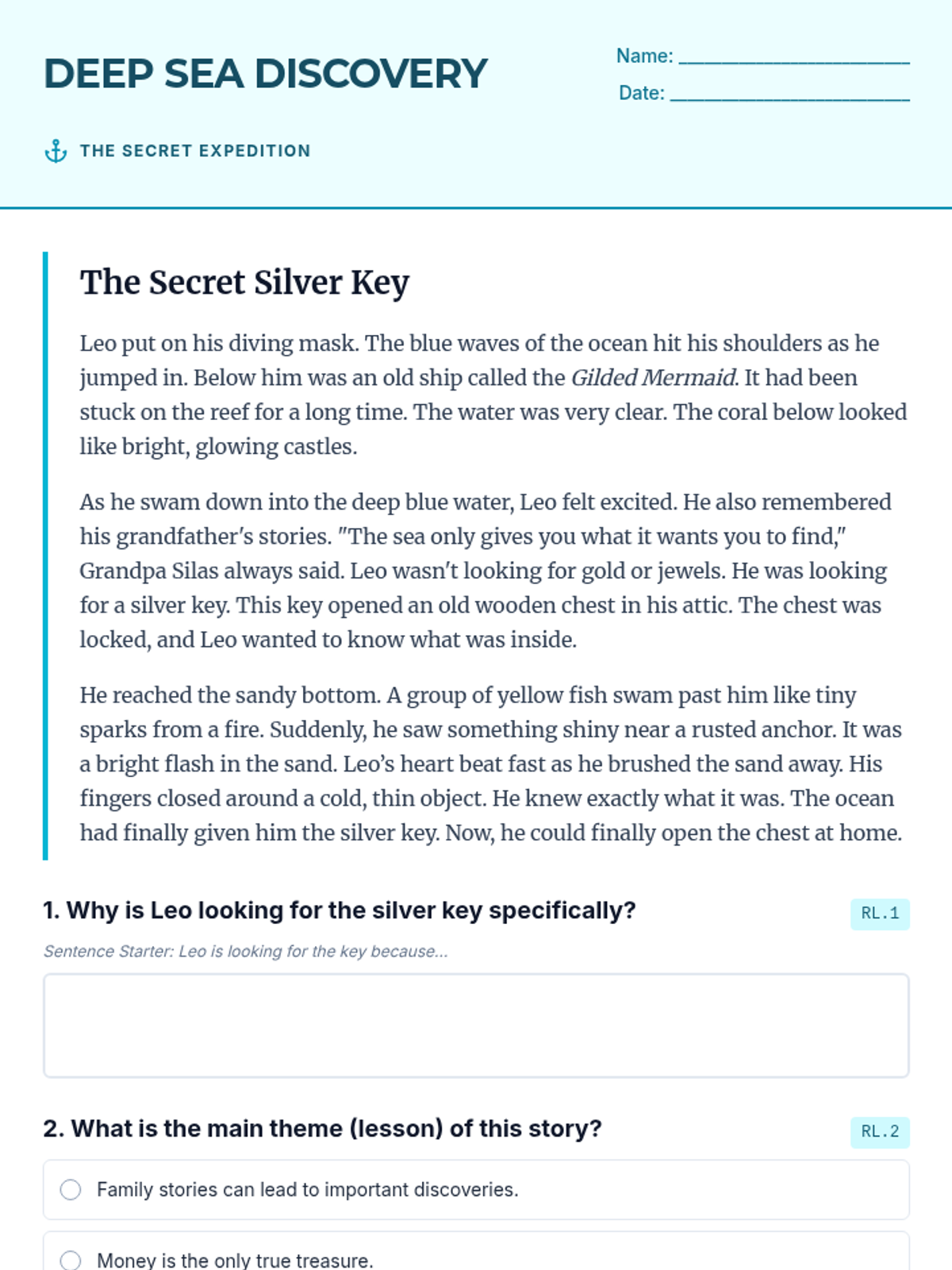
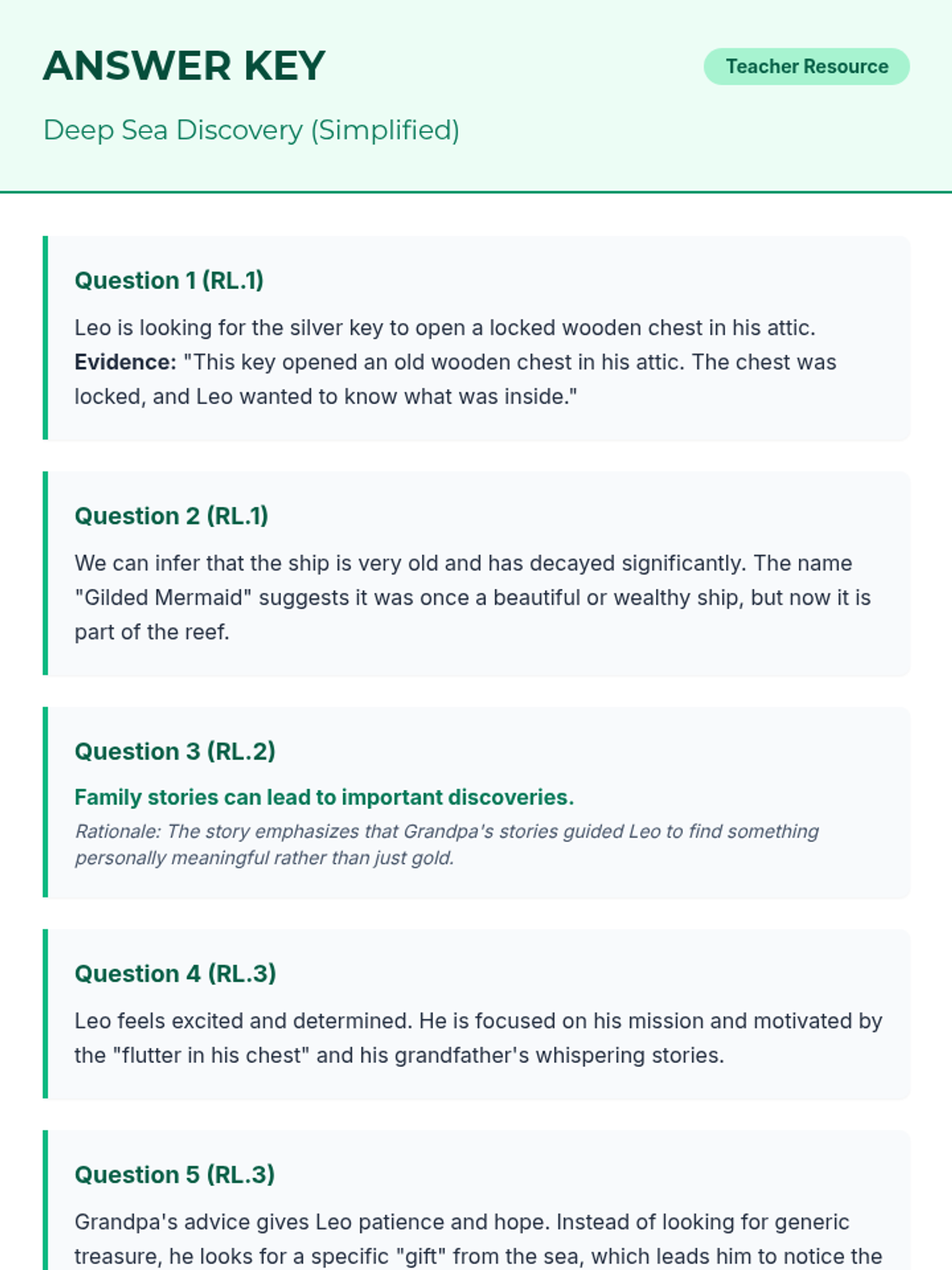
Students analyze a narrative passage to practice quoting evidence, determining themes, and understanding point of view. This lesson specifically targets Common Core standards RL.1, RL.2, RL.3, RL.4, and RL.6.
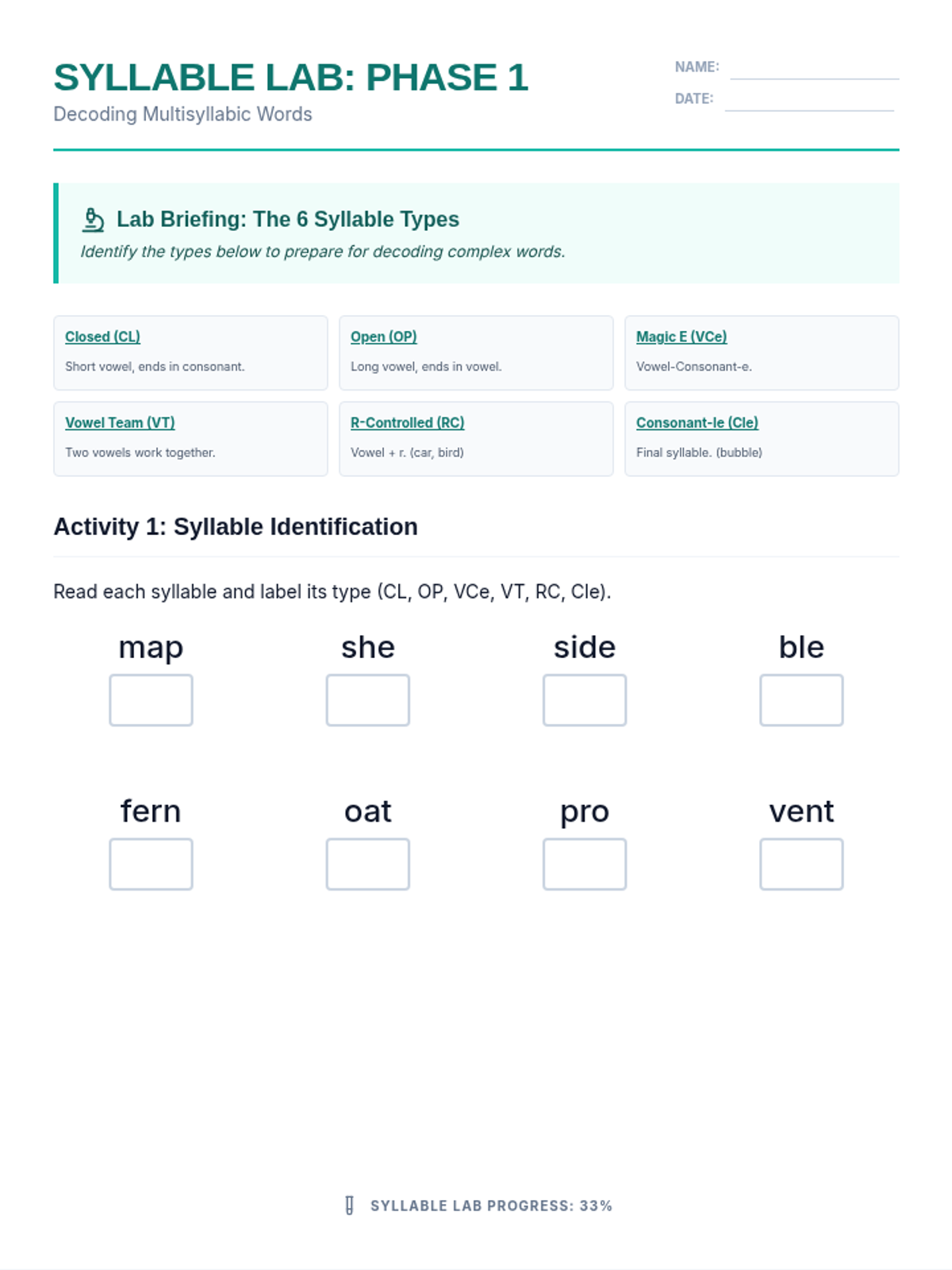
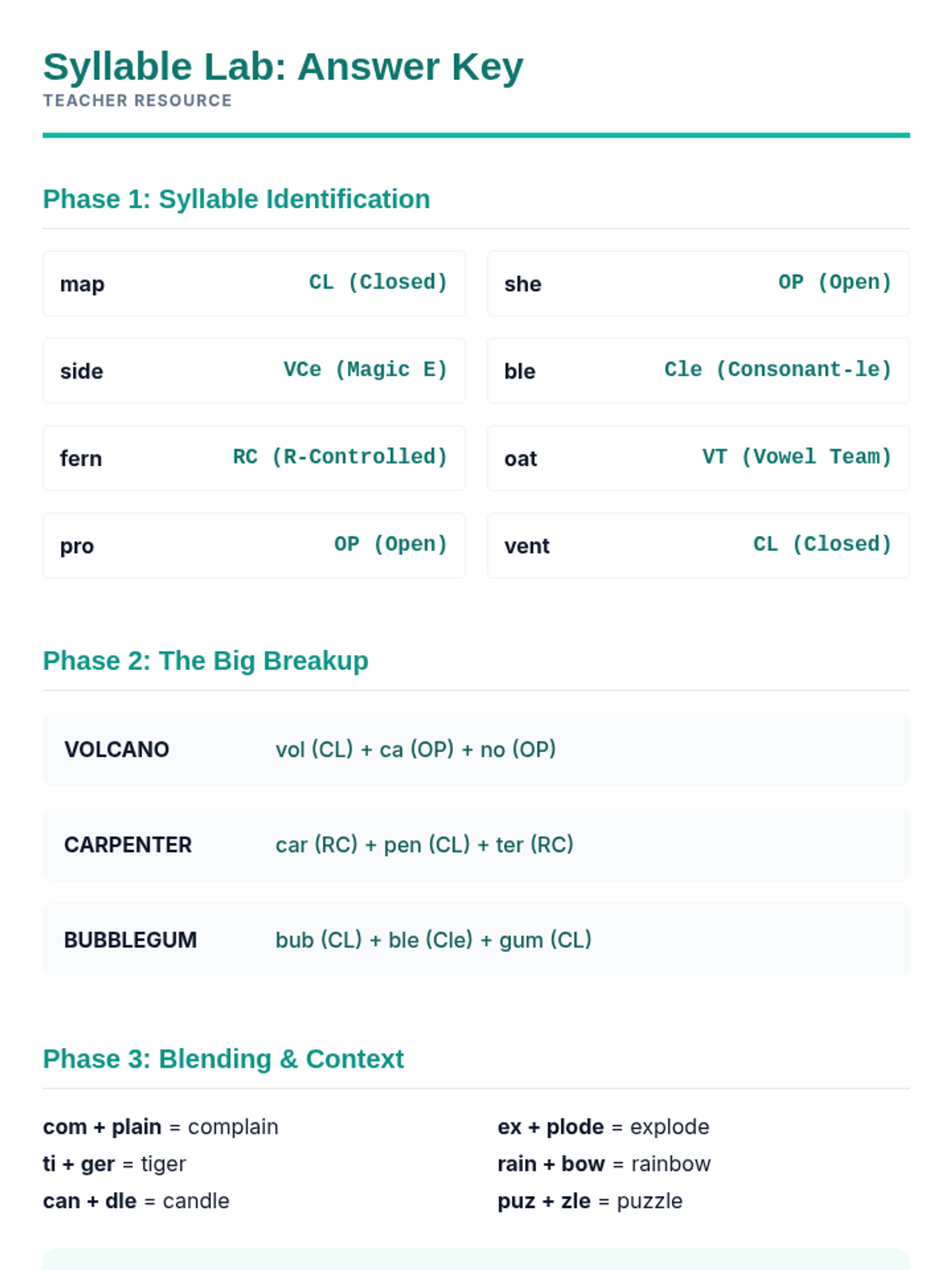
A comprehensive lesson on decoding multisyllabic words using all six syllable types through interactive slides and a multi-page practice packet.
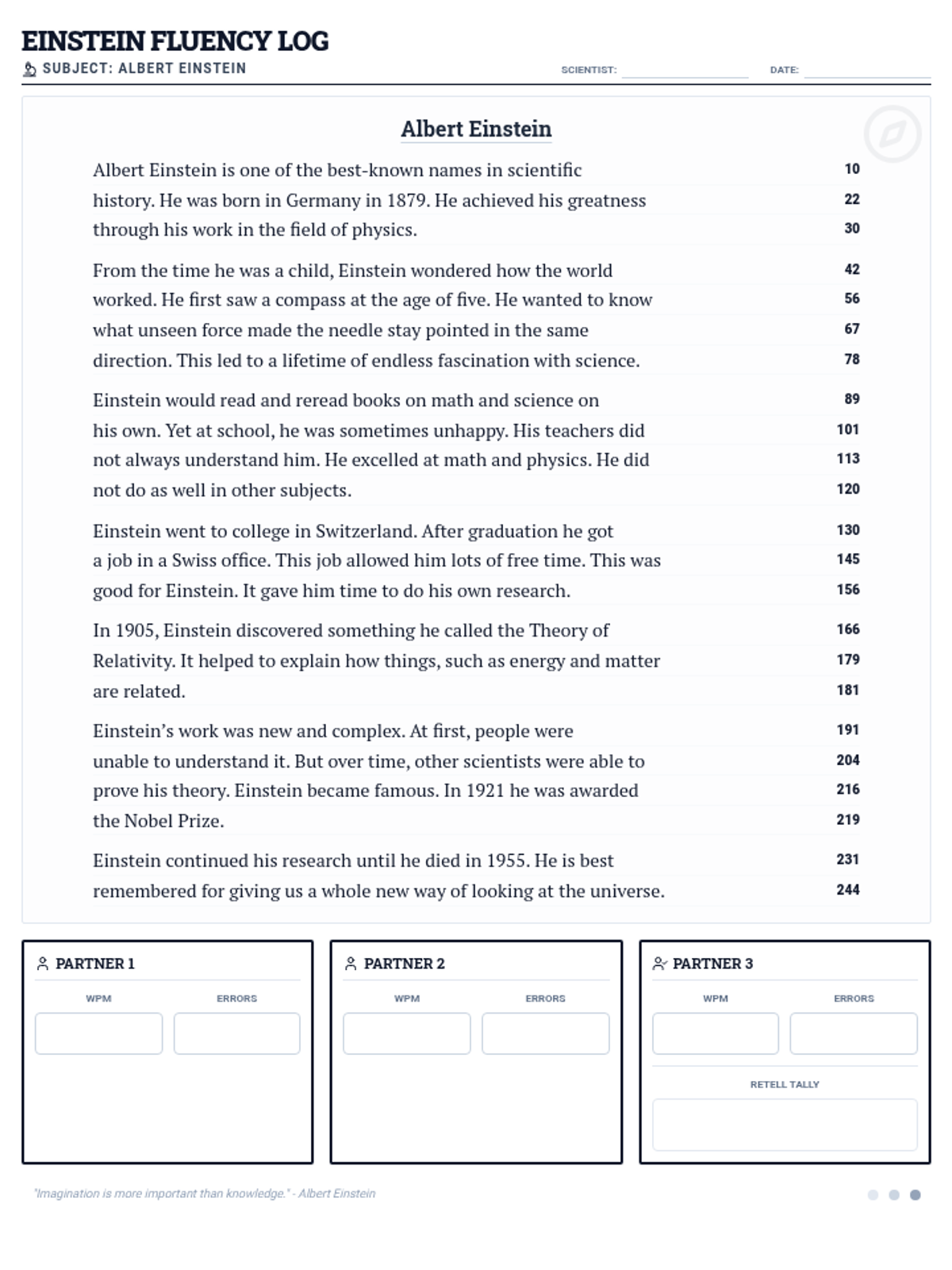
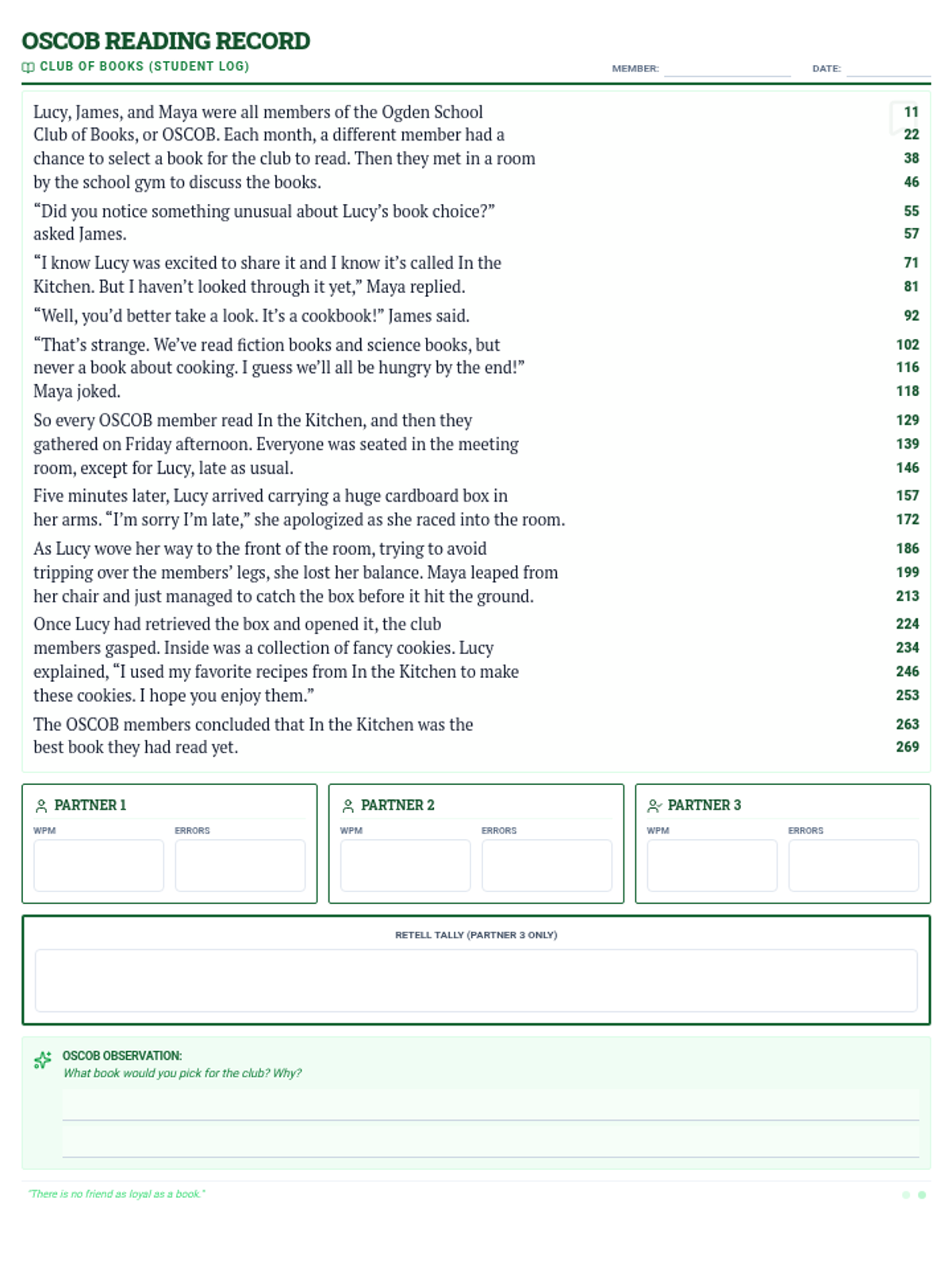
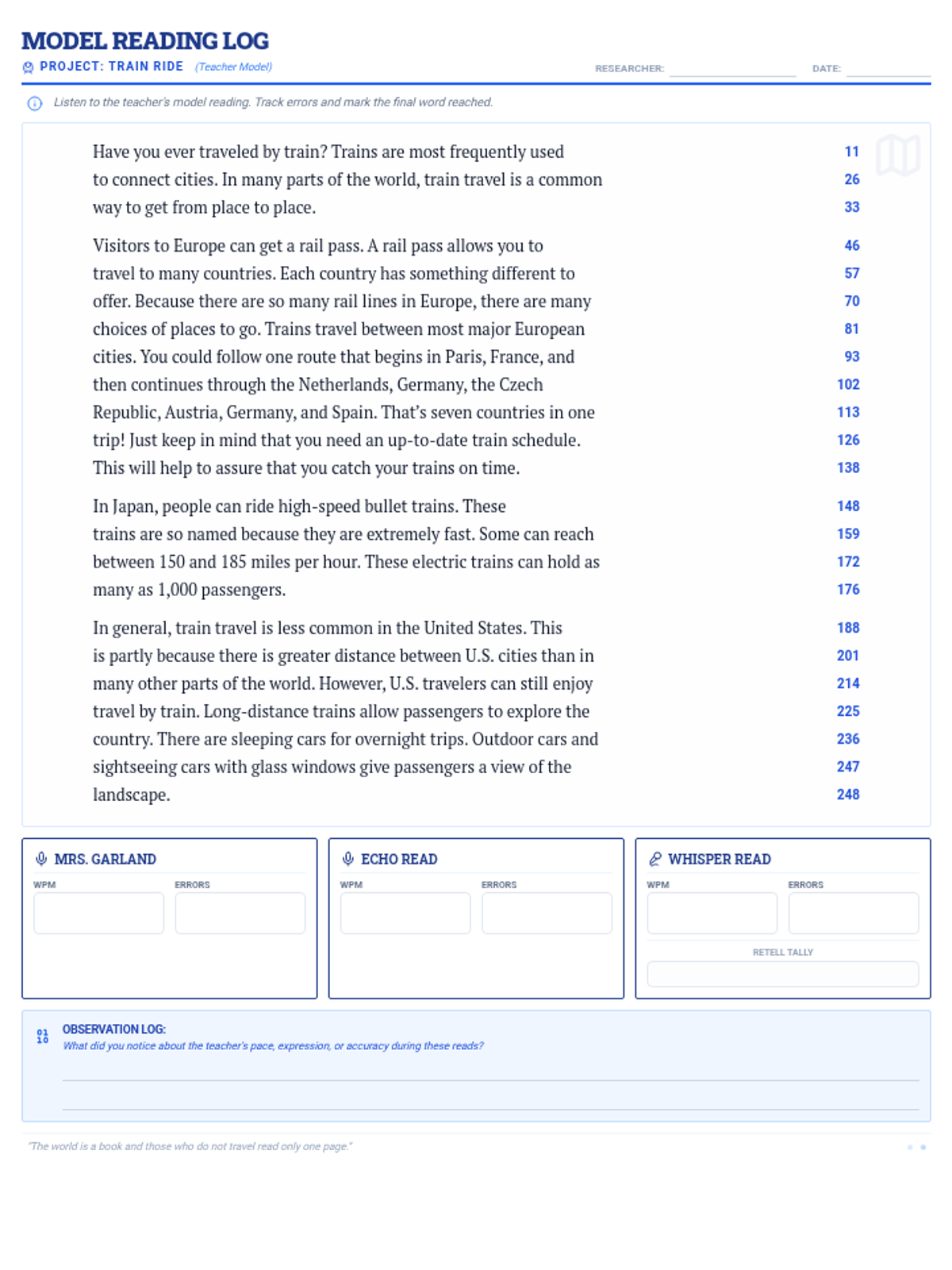
A fluency practice lesson focused on reading speed and comprehension through the story of Albert Einstein, utilizing a peer-partnered tracking system.
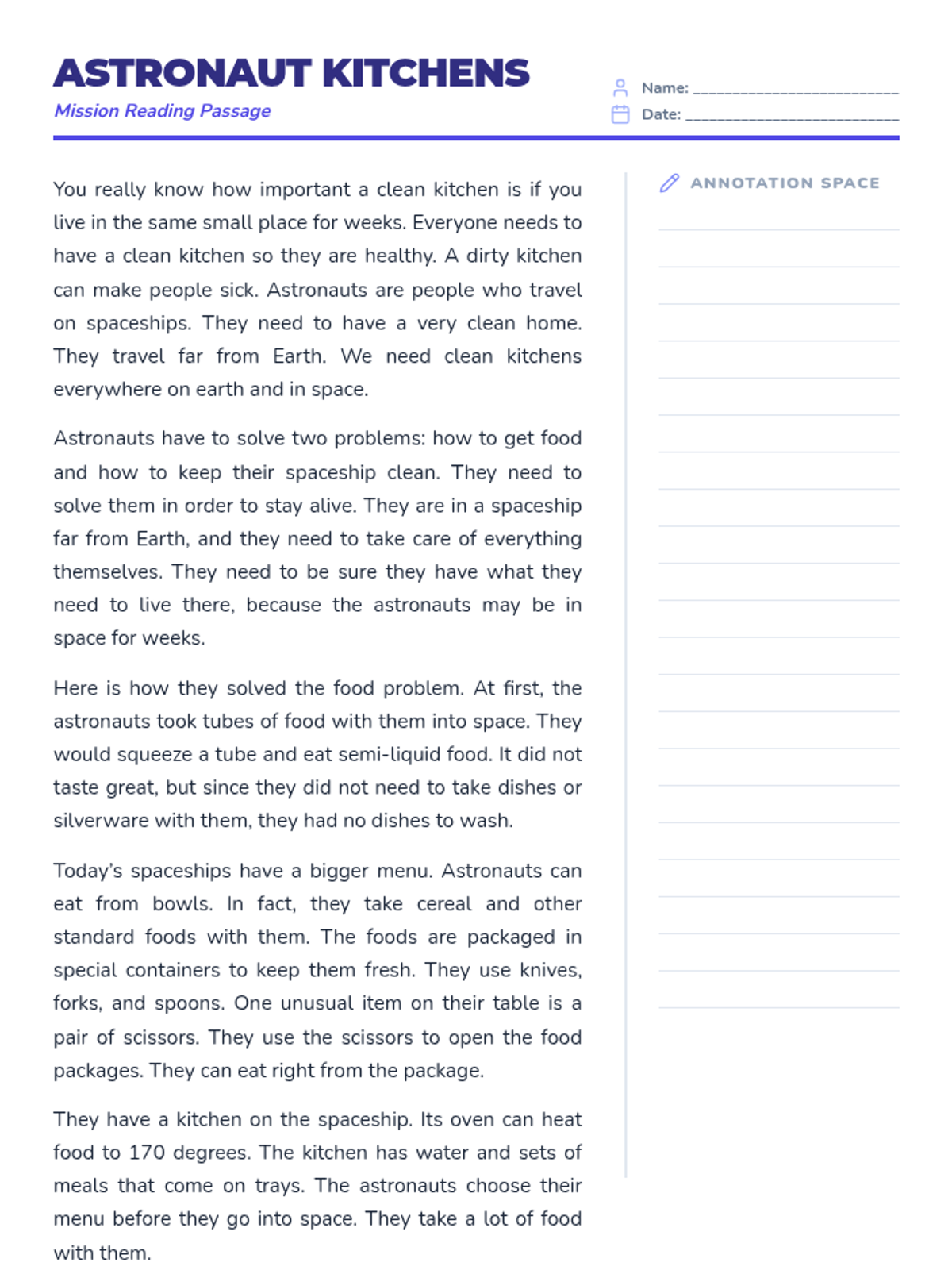
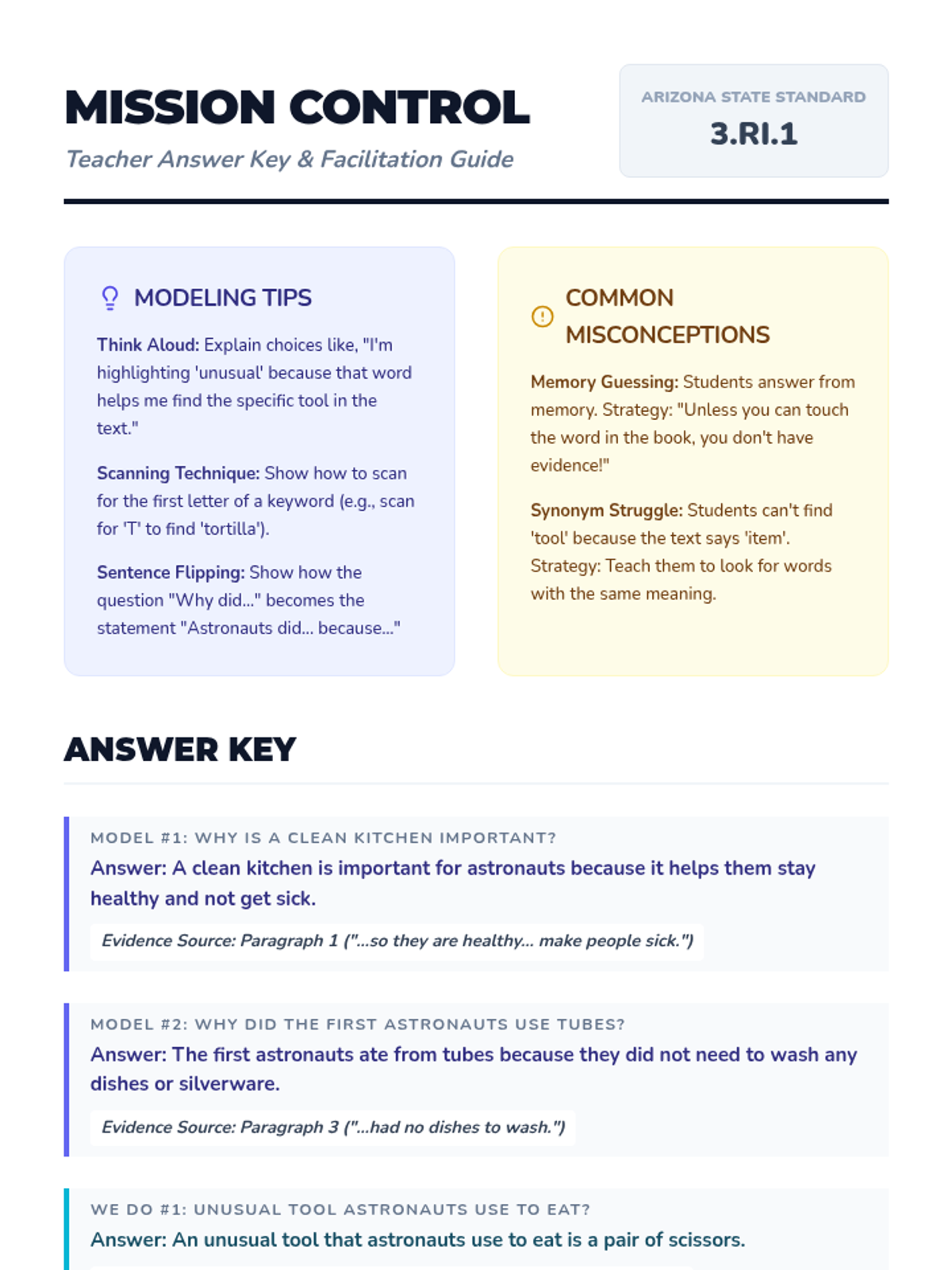
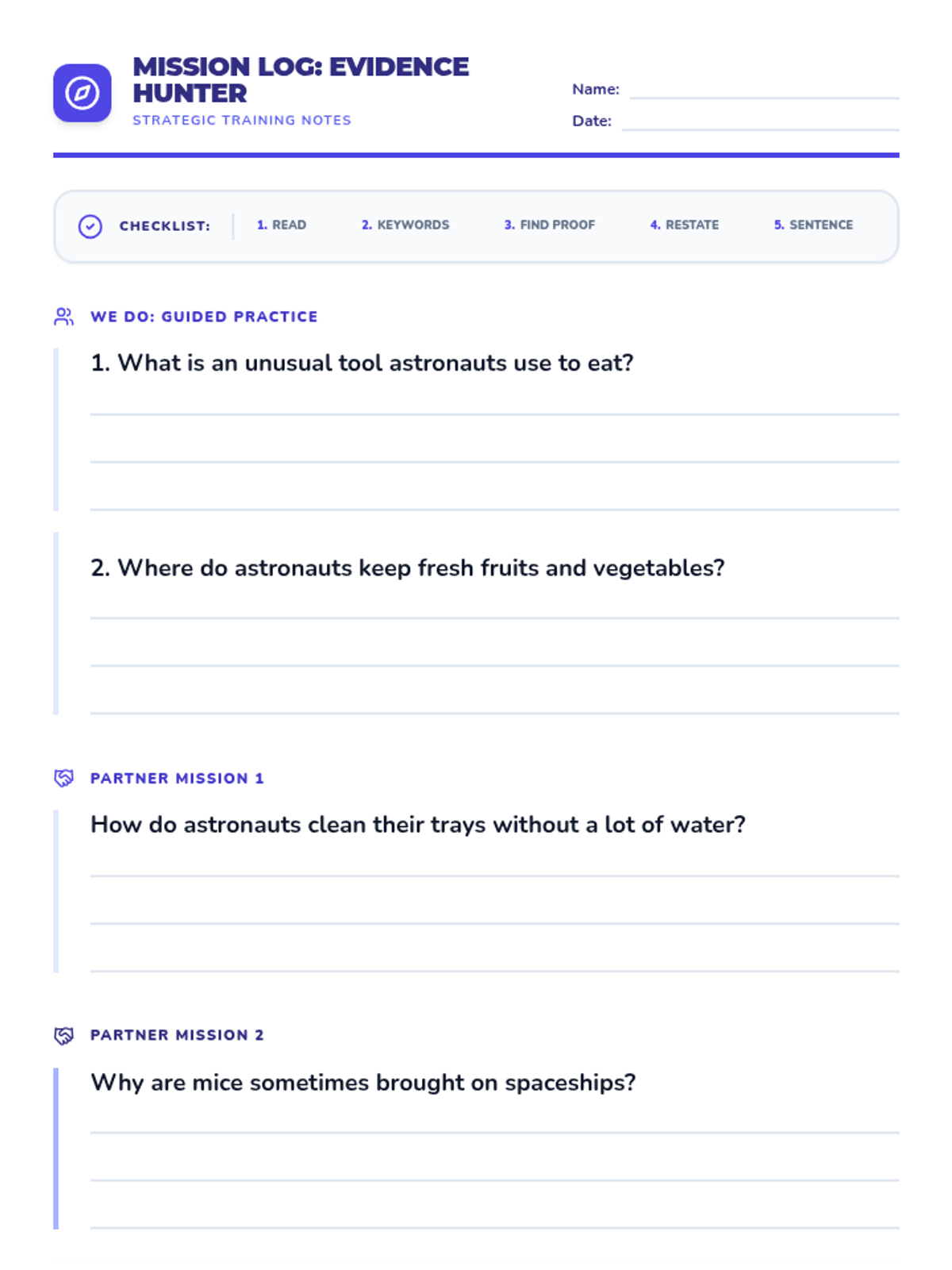
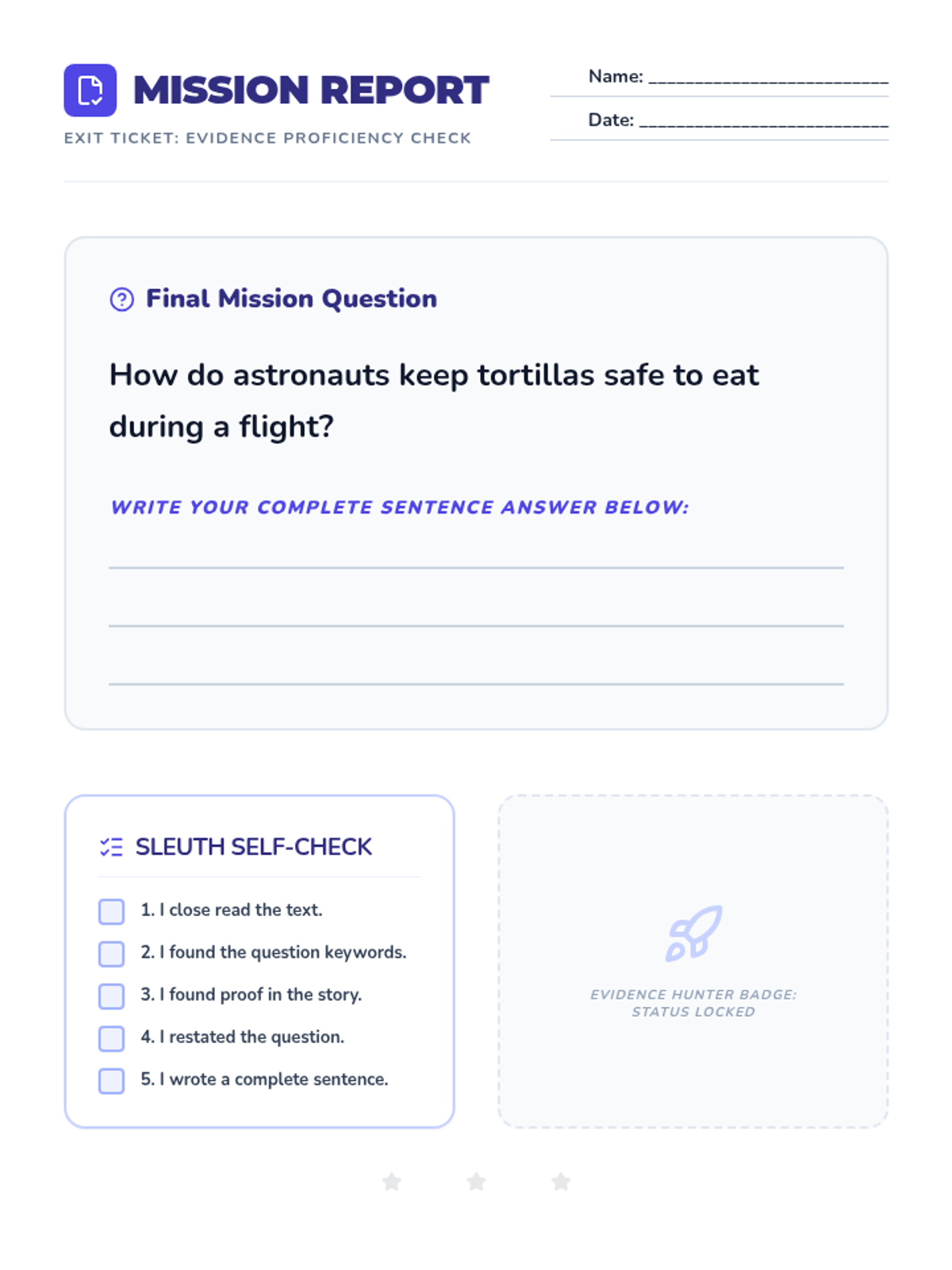
An explicit instruction lesson for 3rd graders on locating text evidence to answer text-dependent questions using an 'I Do, We Do, You Do' model. Students learn to identify keywords in questions and find matching evidence in the text using a five-step checklist.
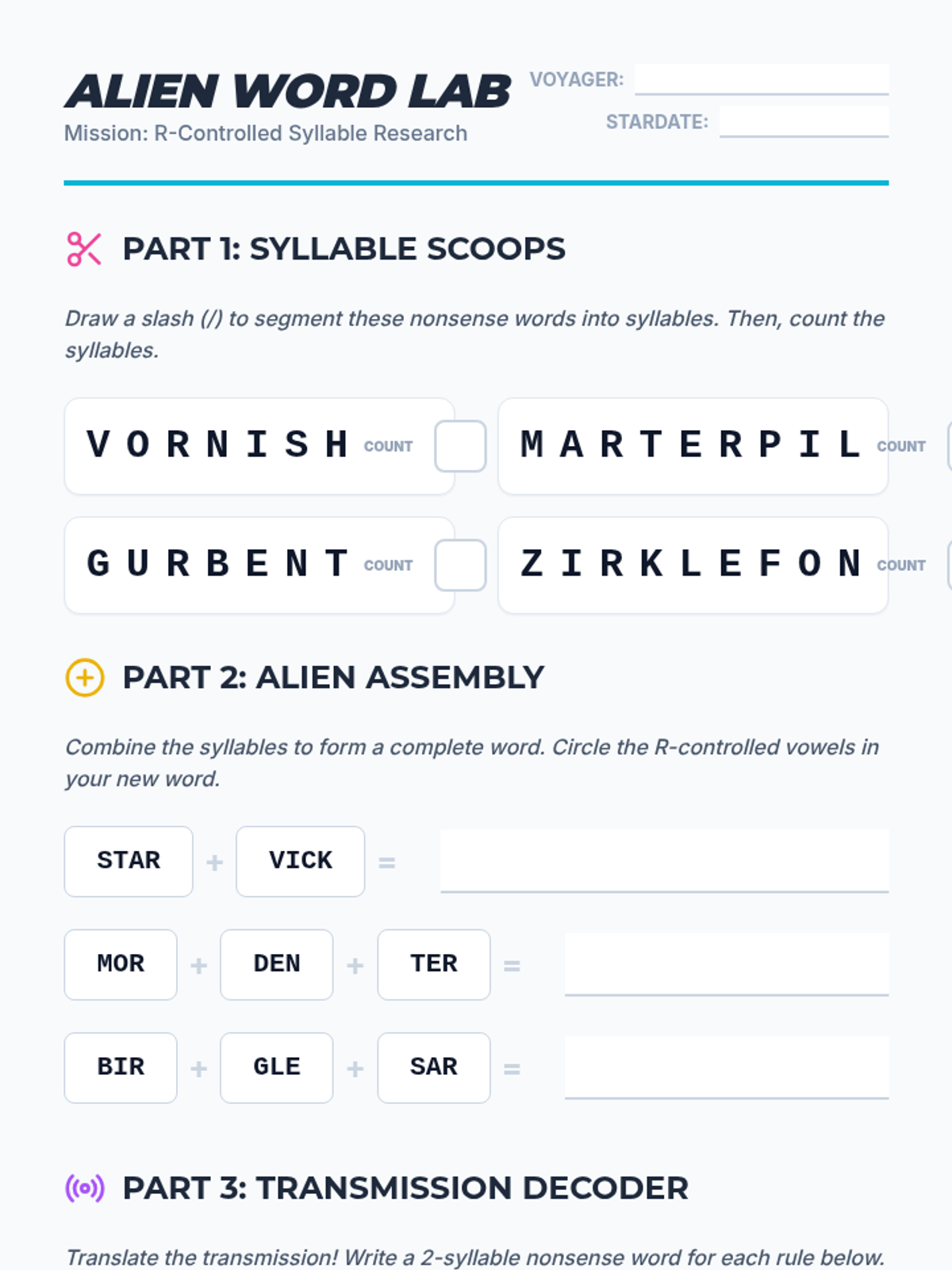
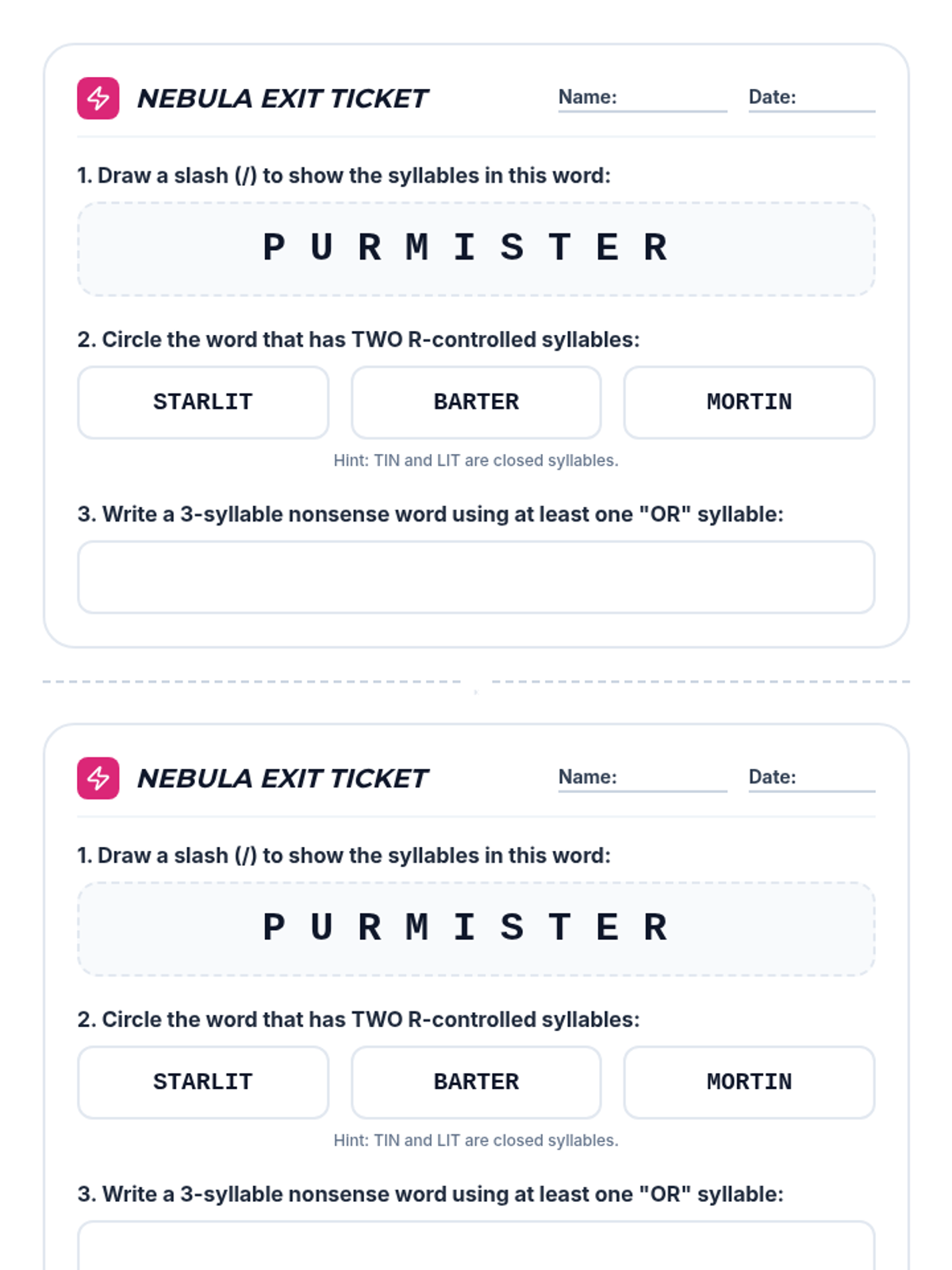
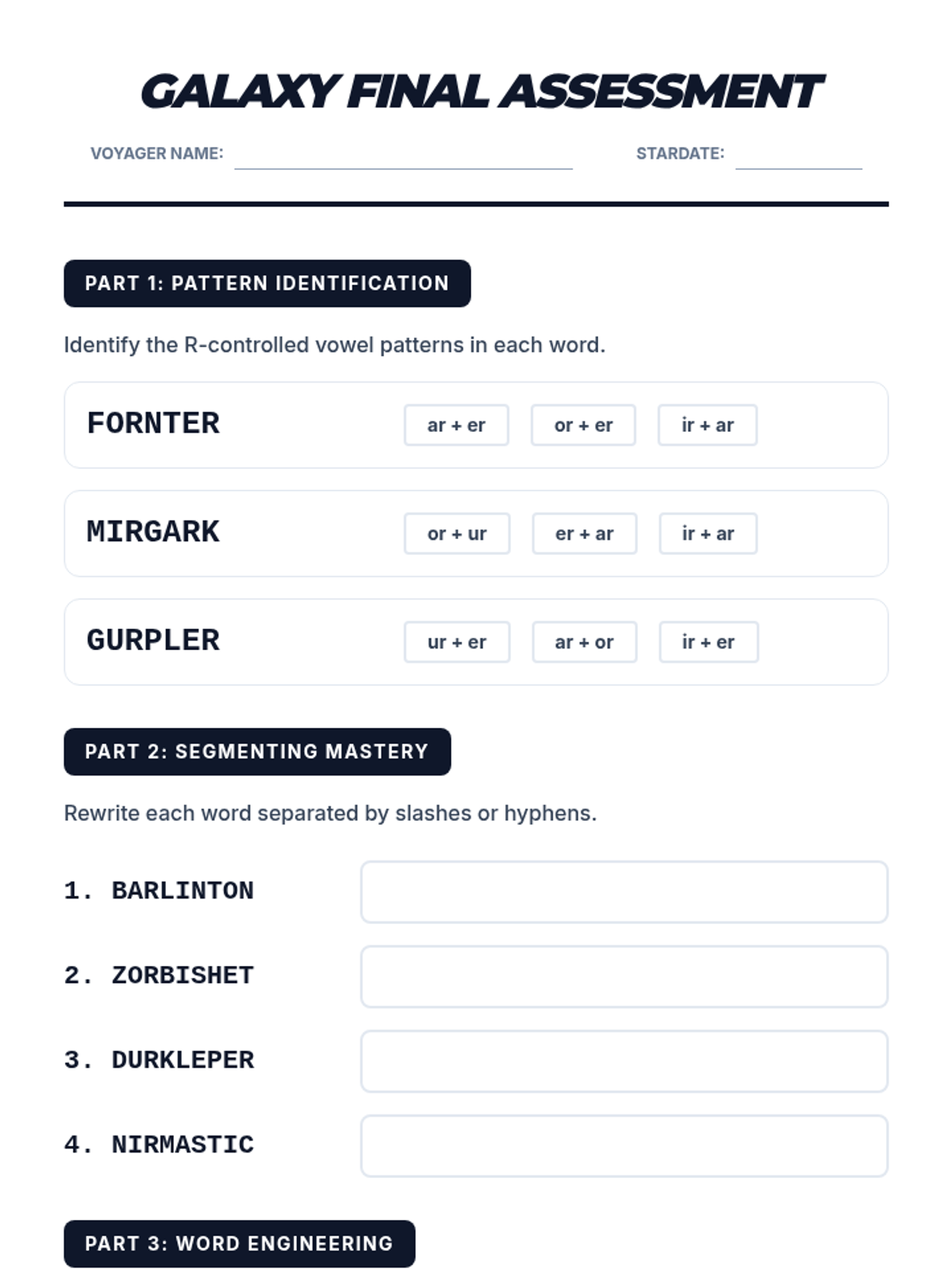
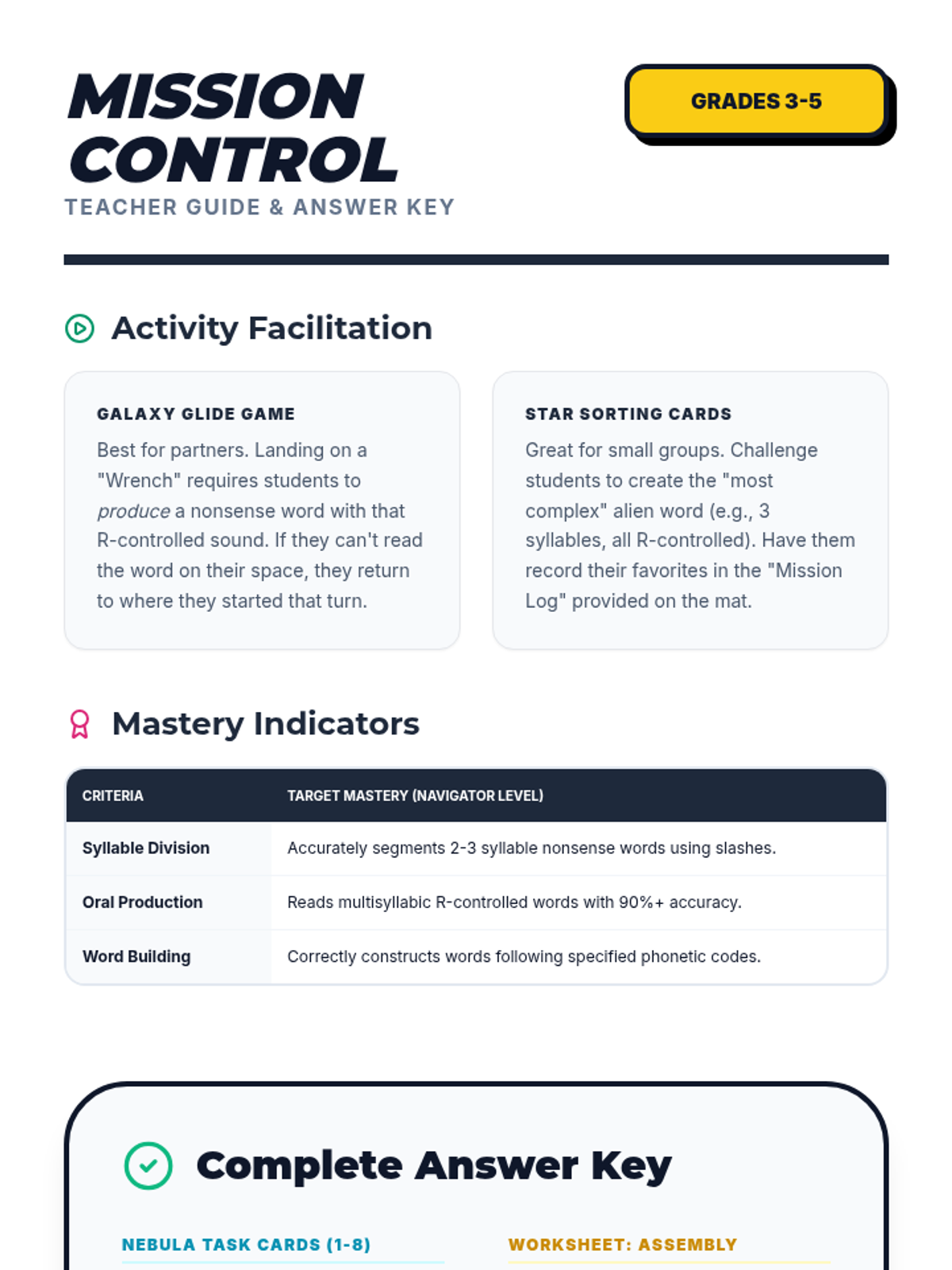
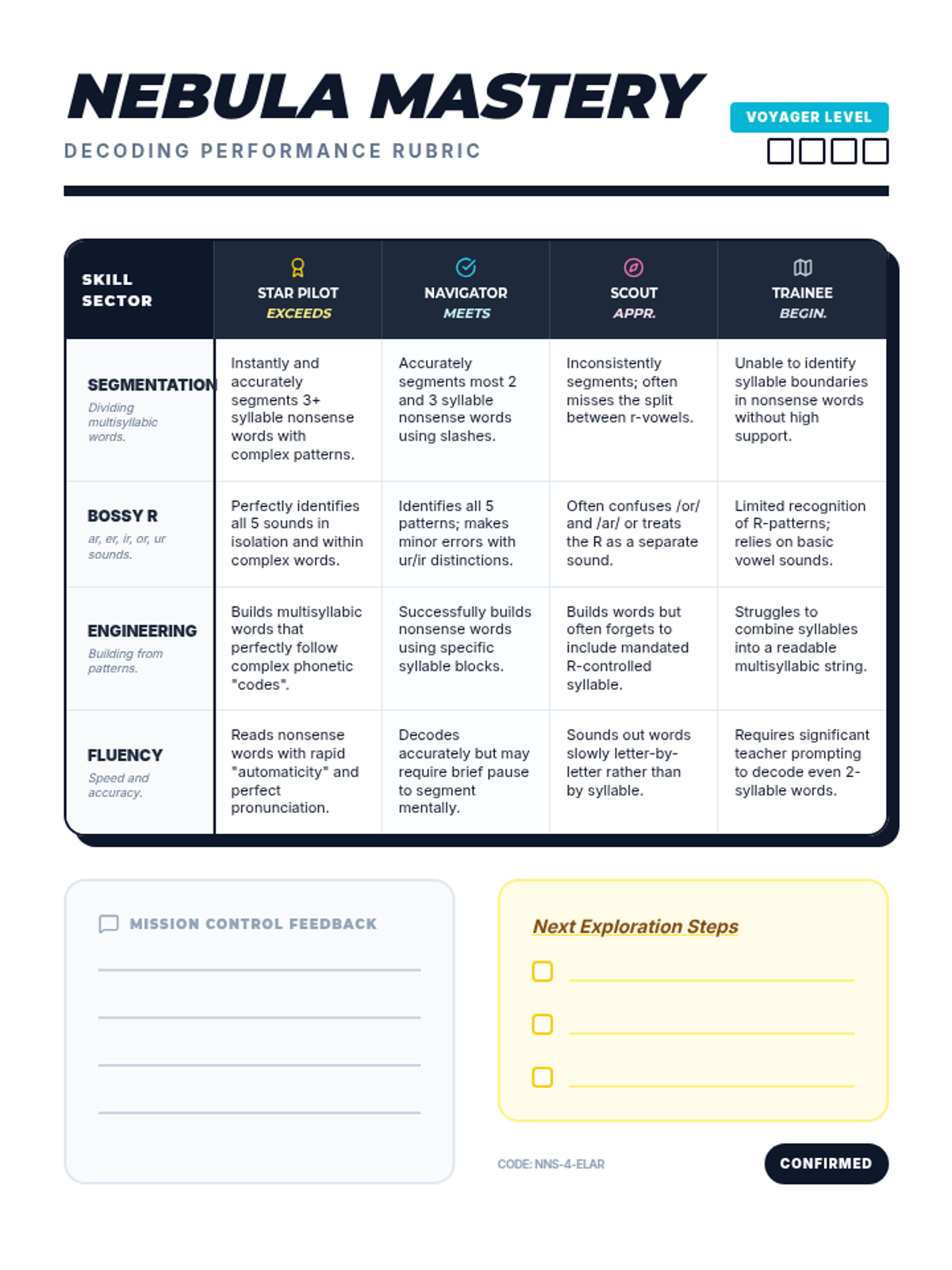
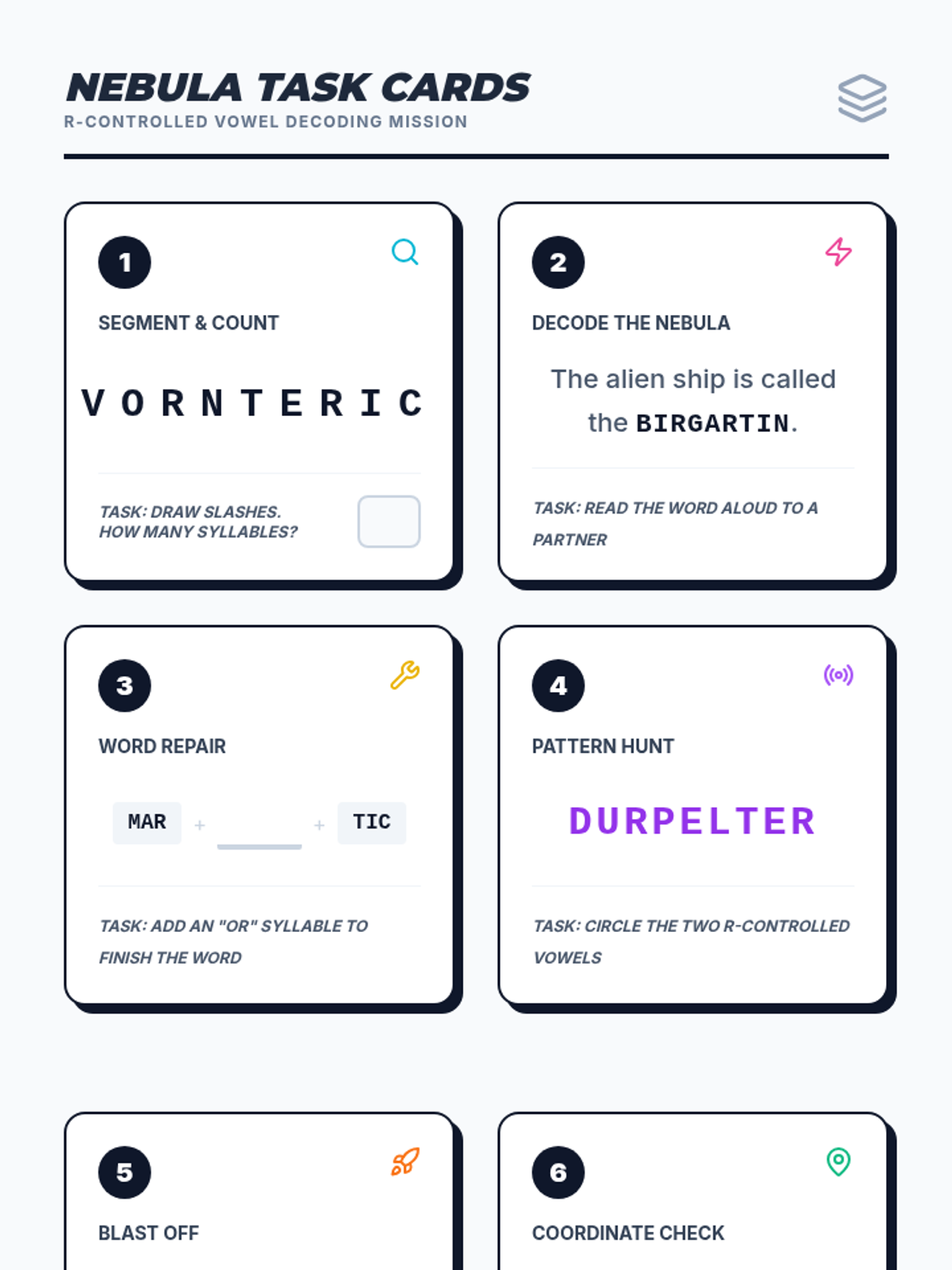
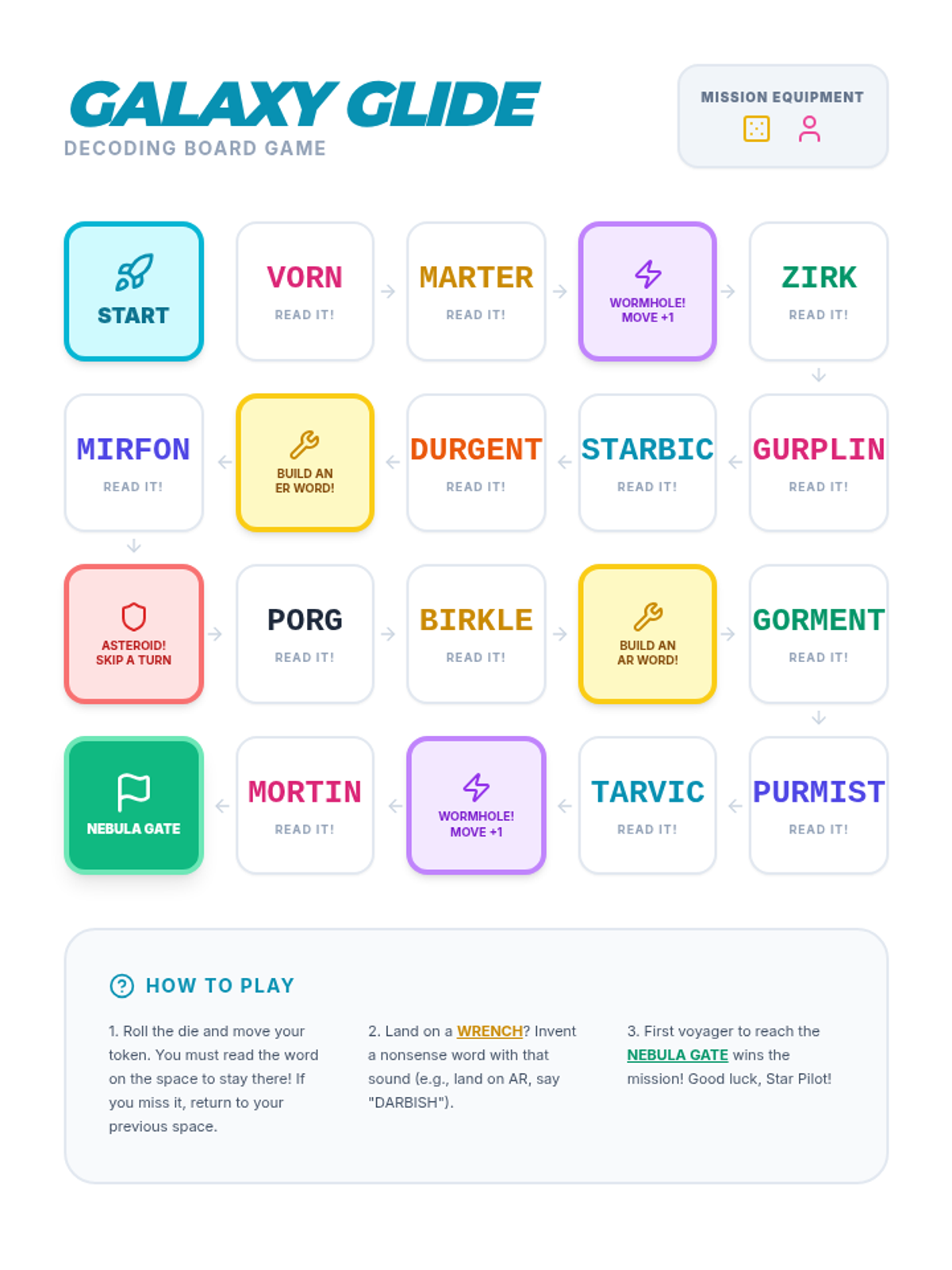
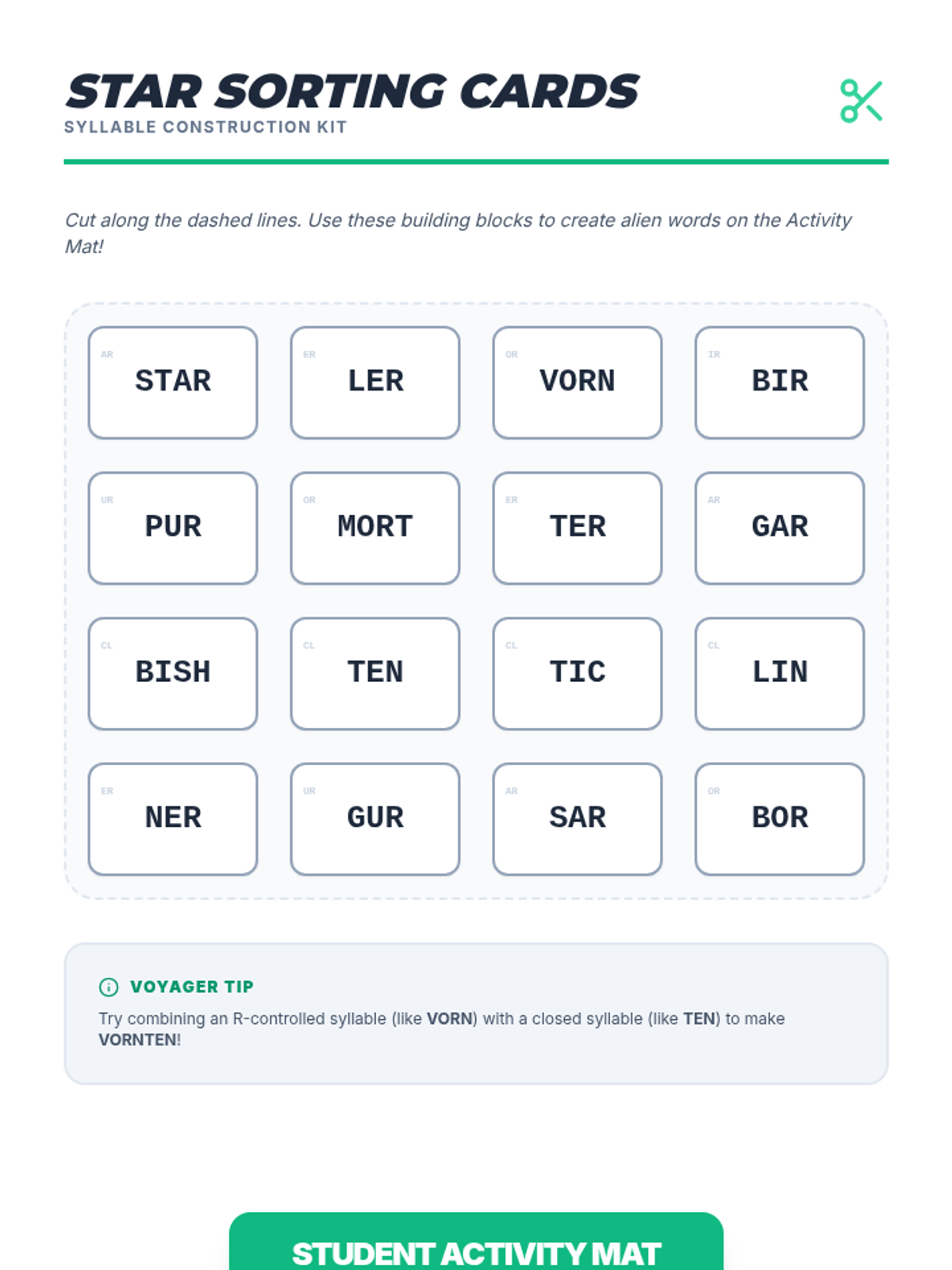
Students will identify, segment, and build multisyllabic nonsense words using R-controlled vowels (ar, er, ir, or, ur) to strengthen their decoding skills.
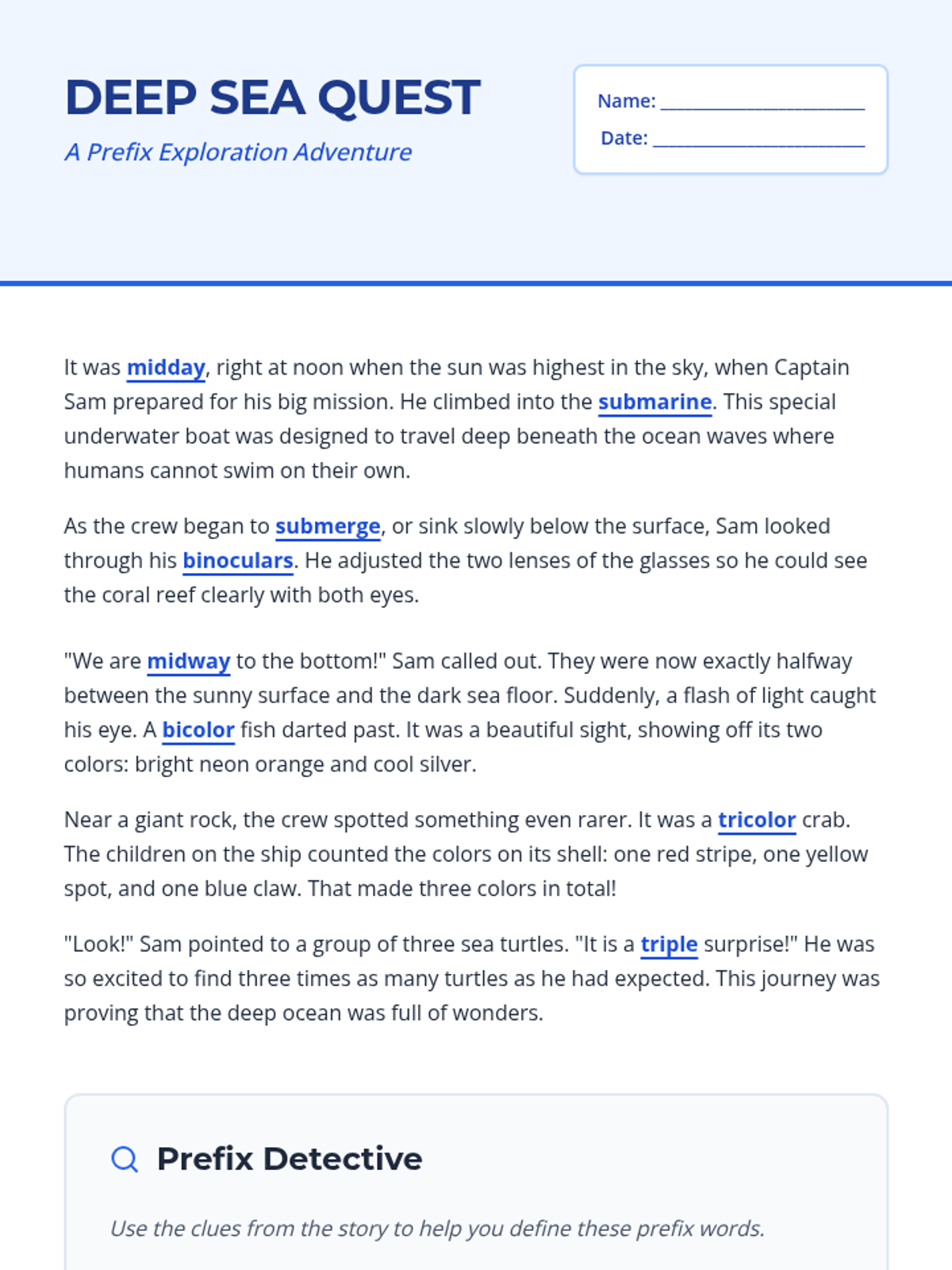
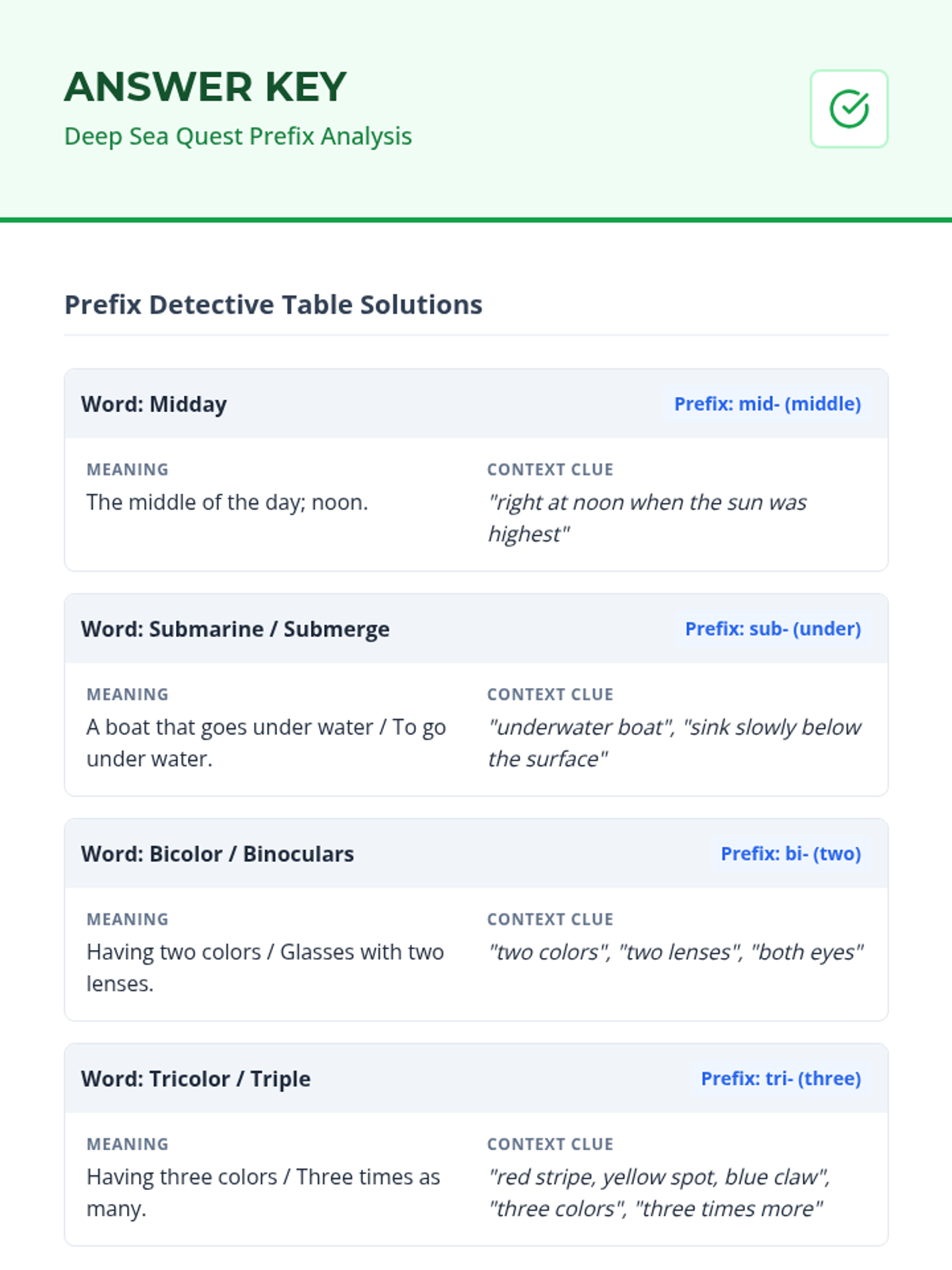
A reading-focused lesson that introduces 3rd-grade prefixes (bi-, tri-, sub-, mid-) through a narrative story and comprehension activities.
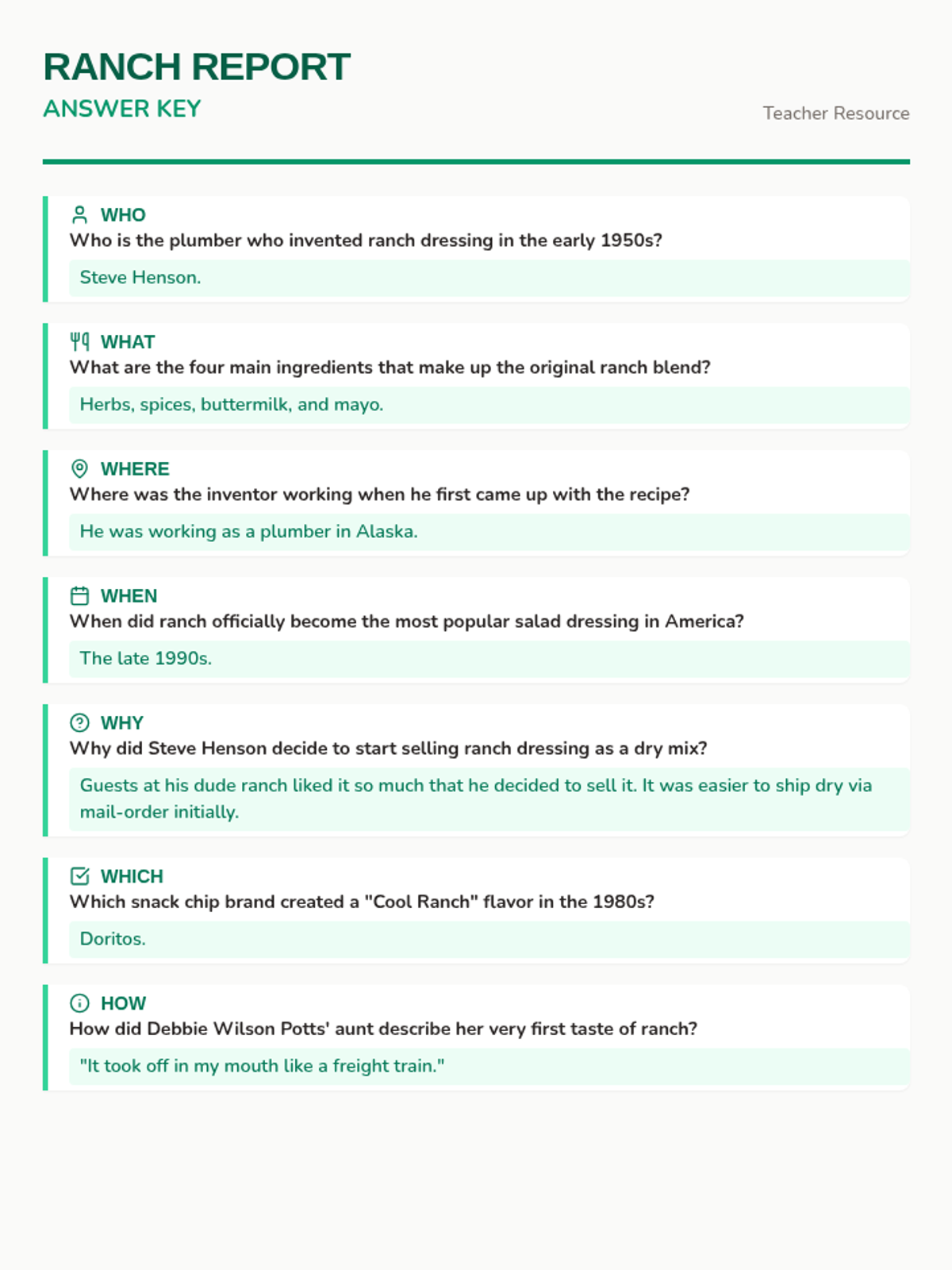
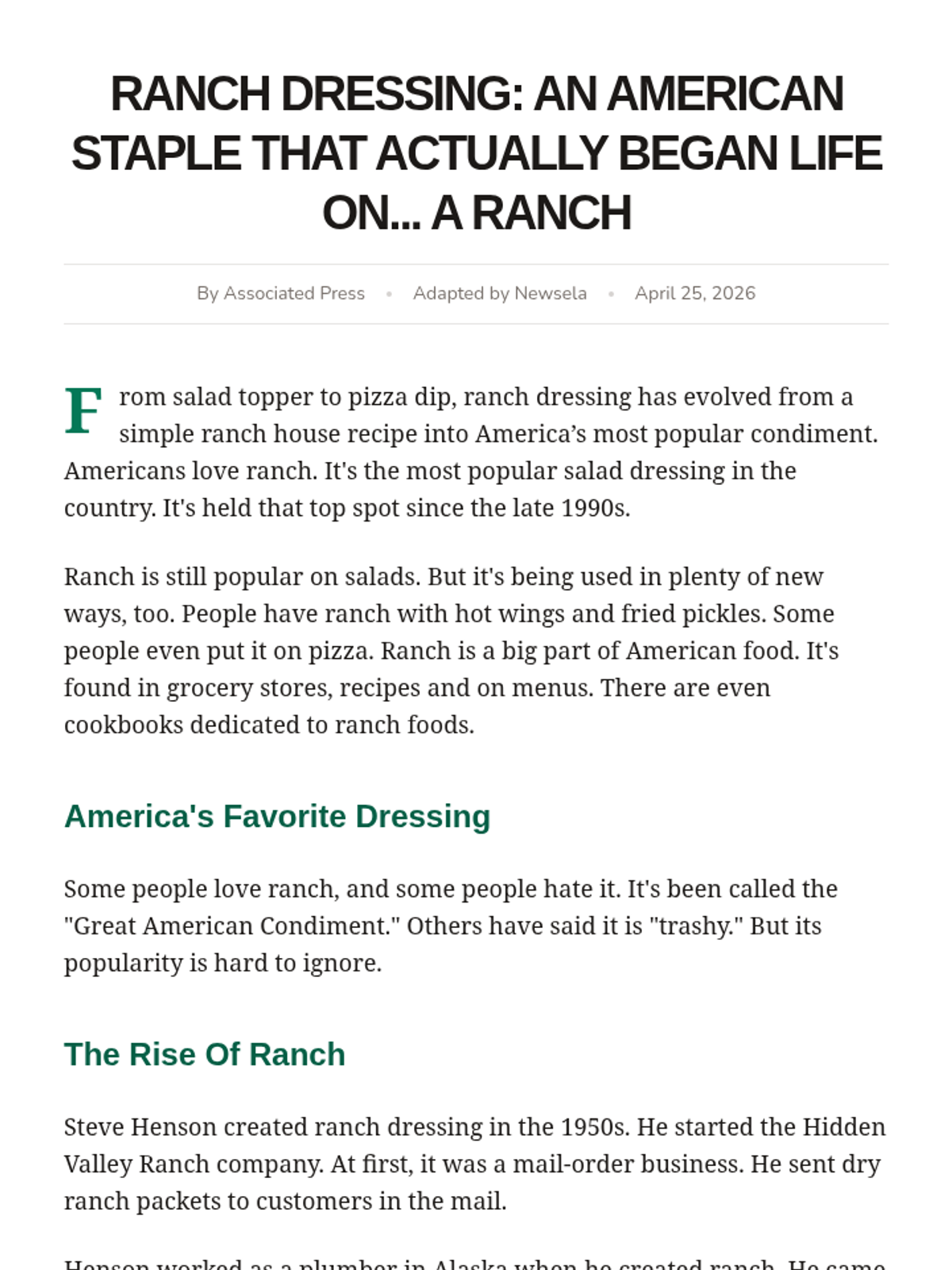
A lesson exploring the history and cultural impact of ranch dressing based on a Newsela article, featuring a reading comprehension worksheet and answer key.
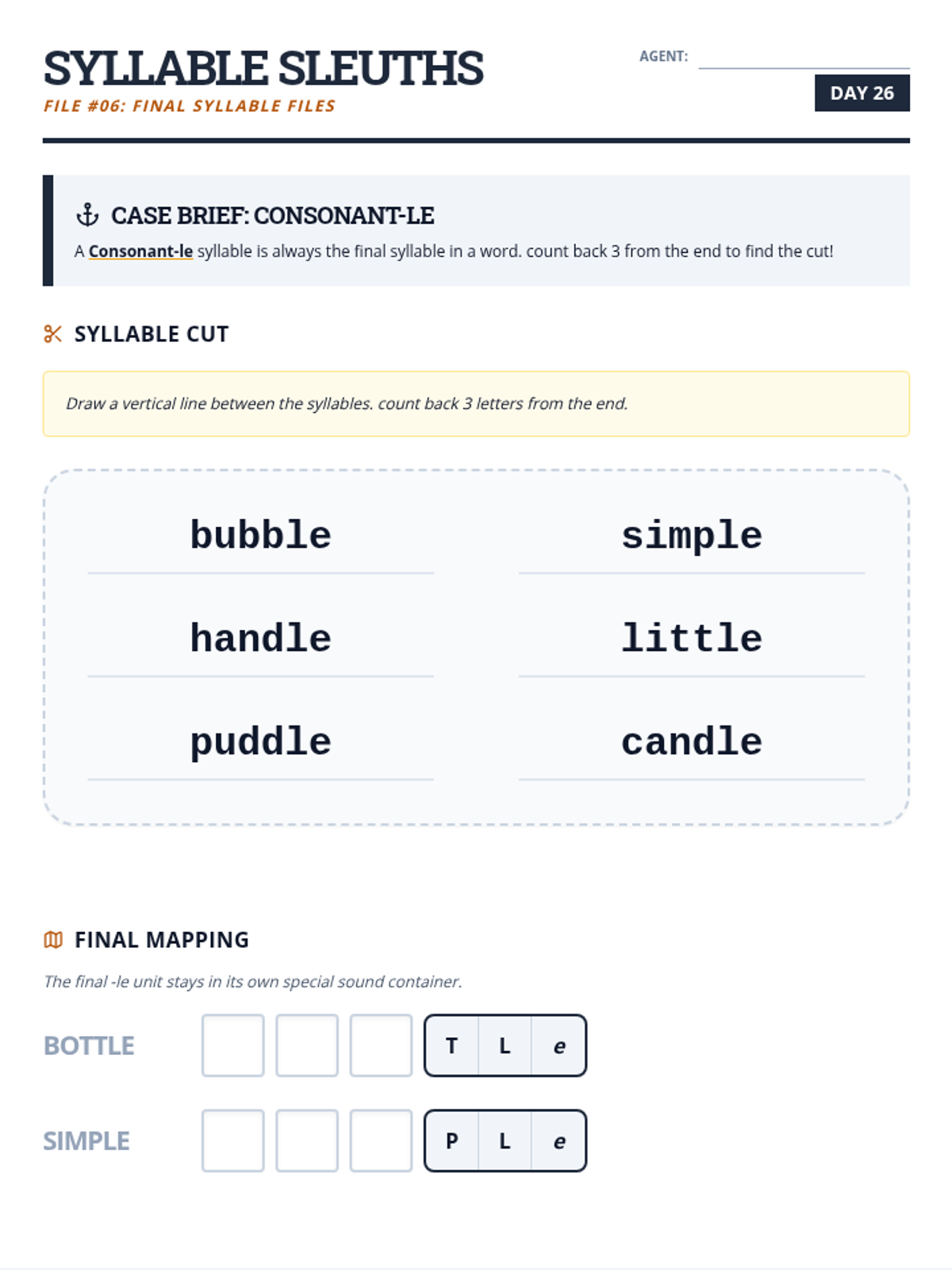
Mastering the final stable syllable 'Consonant-le' found at the end of multi-syllabic words.
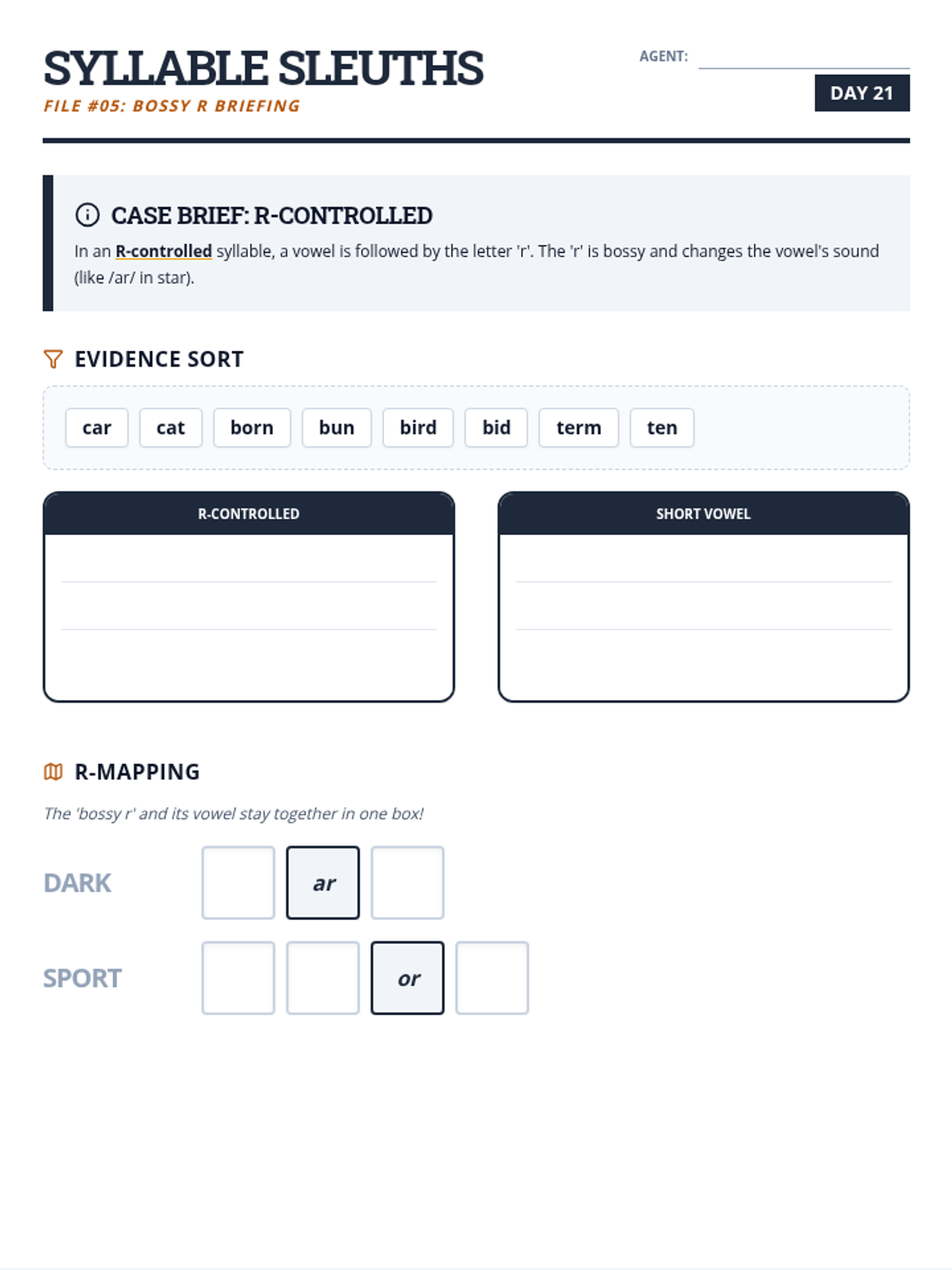
Analyzing how the 'Bossy R' influences the sound of the preceding vowel in R-controlled syllables.
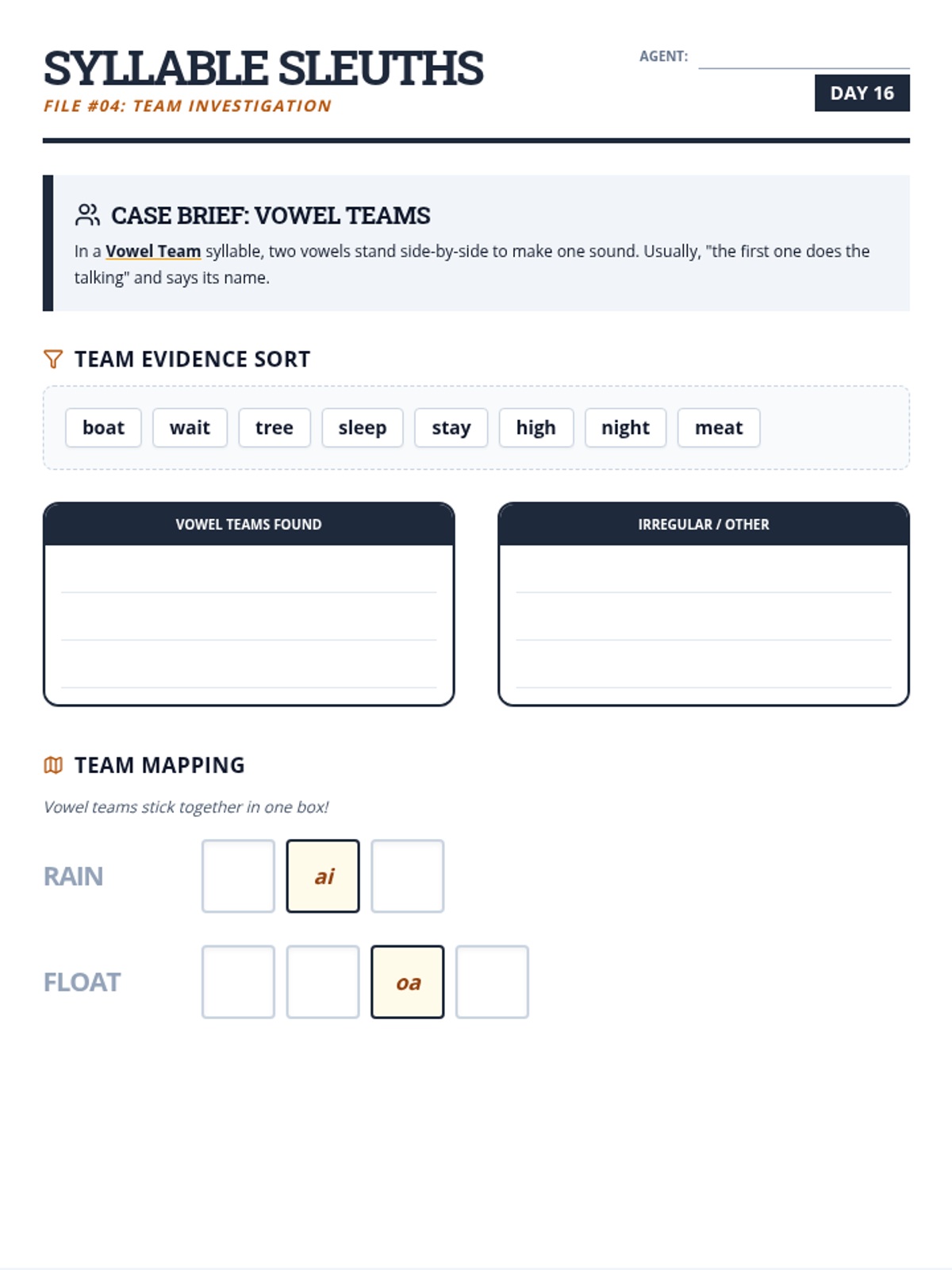
Tracking down vowel teams where two vowels work together to create a specific long or unique vowel sound.
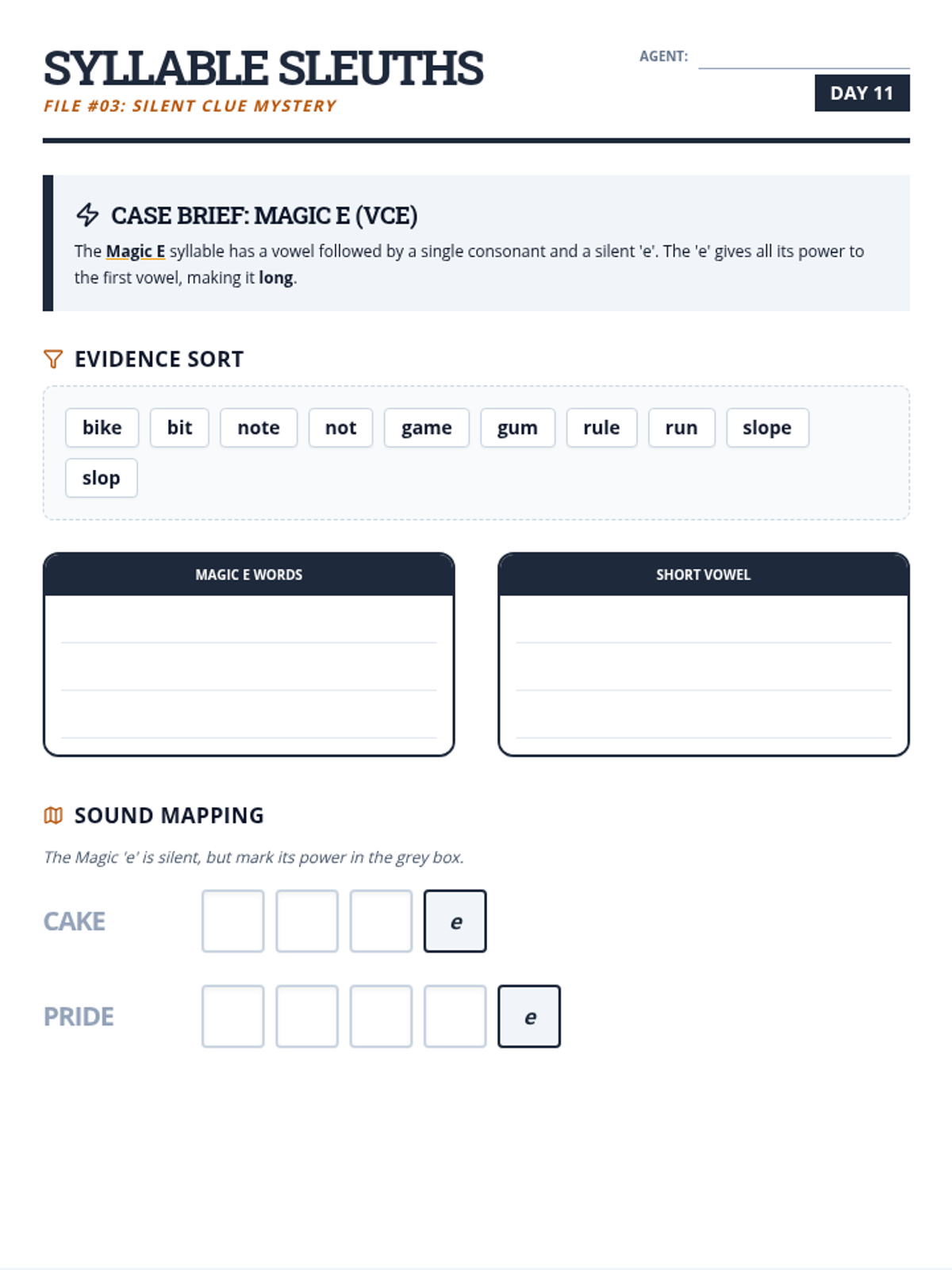
Deciphering the Magic E (VCe) pattern where a silent 'e' at the end of a syllable makes the preceding vowel long.
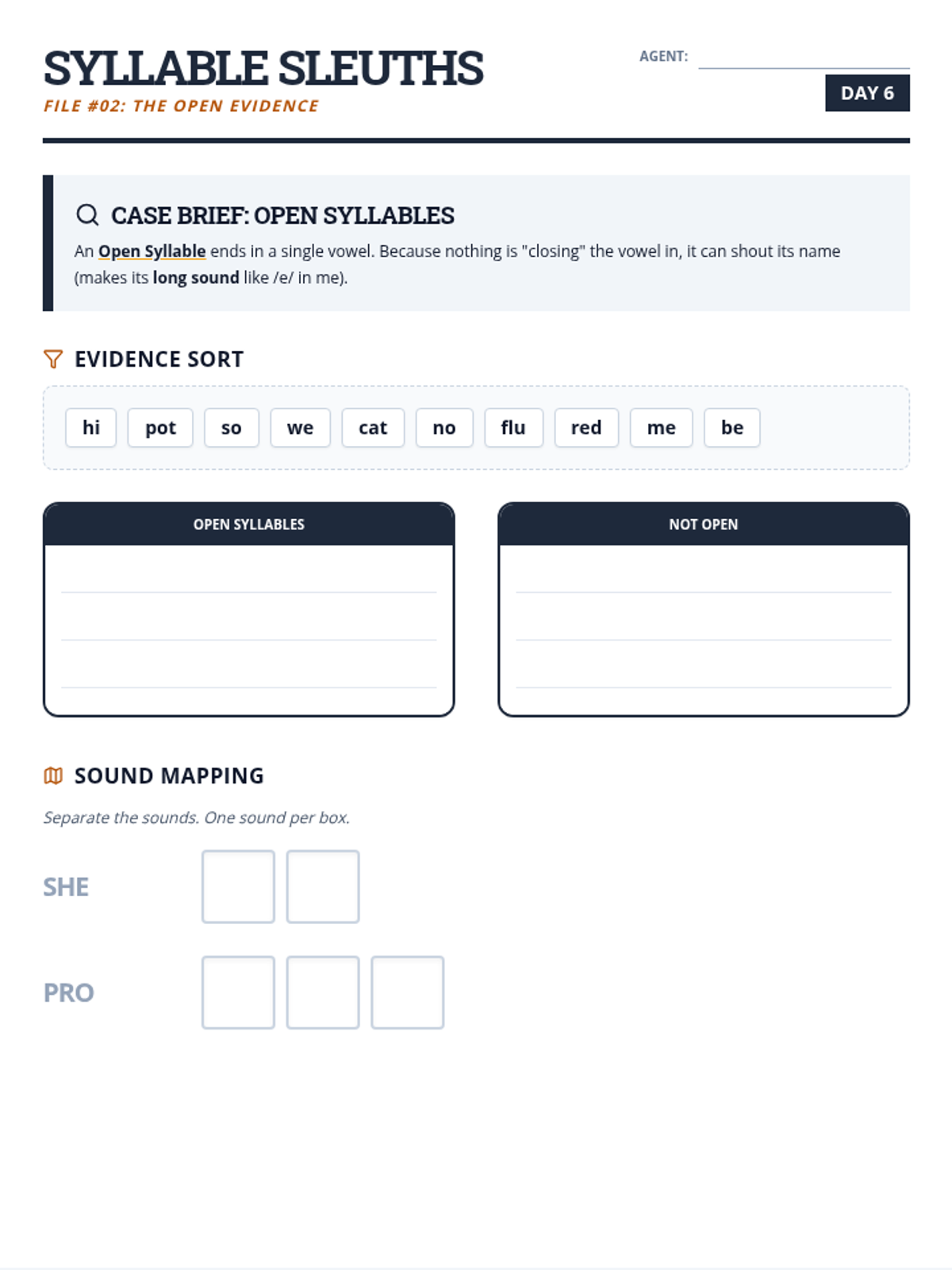
Exploring open syllables that end in a single vowel, which typically makes its long sound.
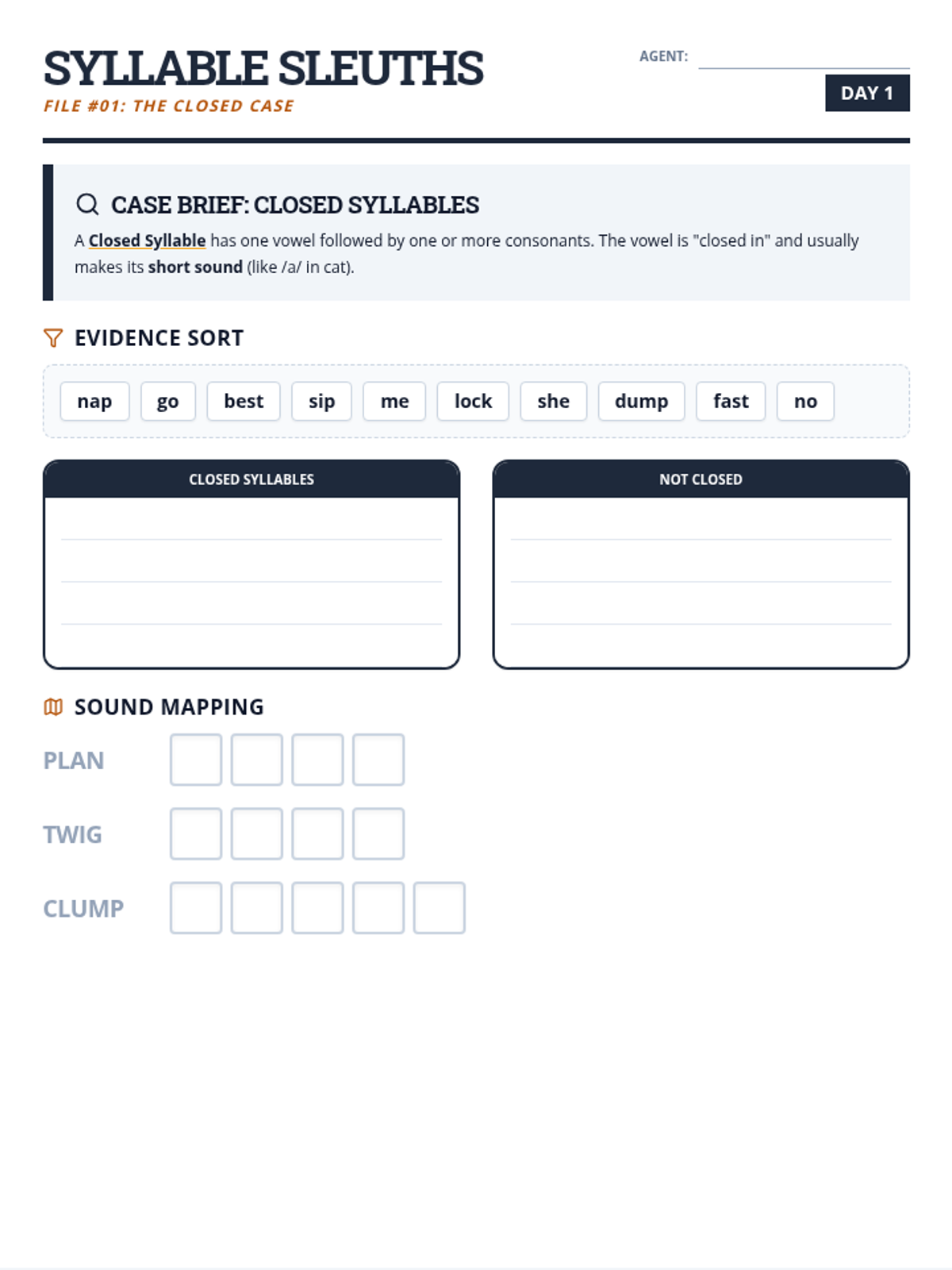
Investigation of closed syllables where a single vowel is followed by one or more consonants, resulting in a short vowel sound.
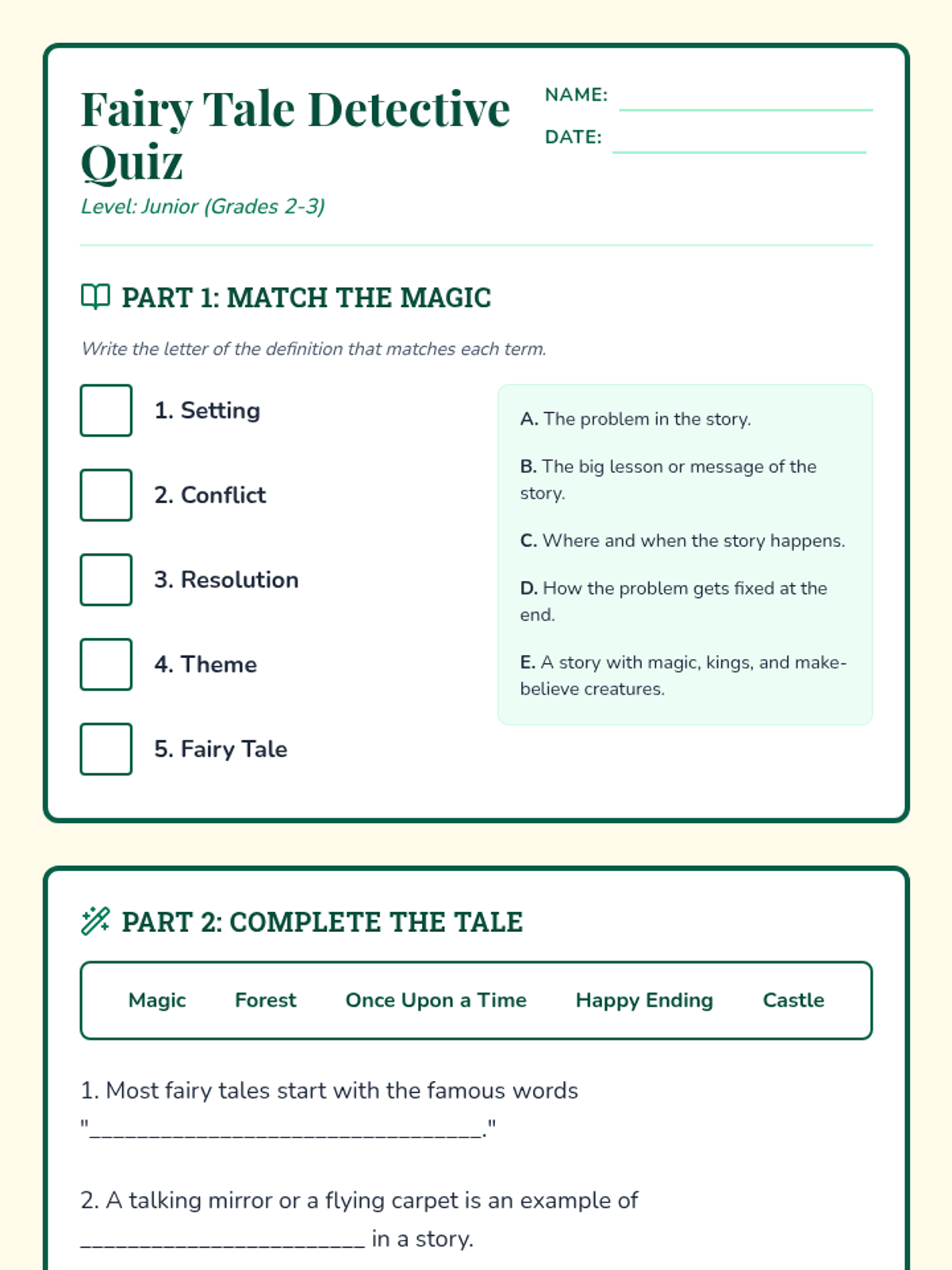
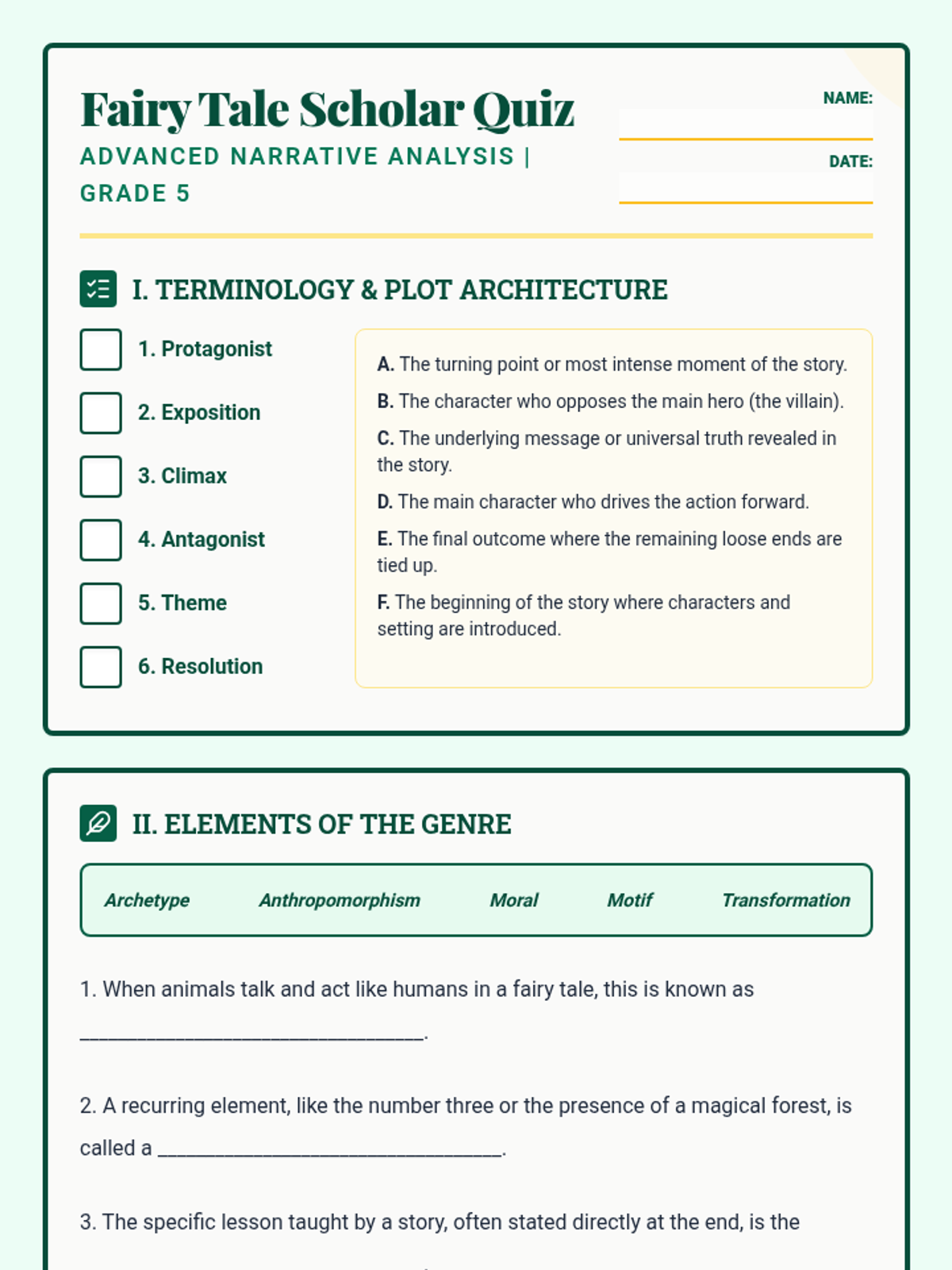
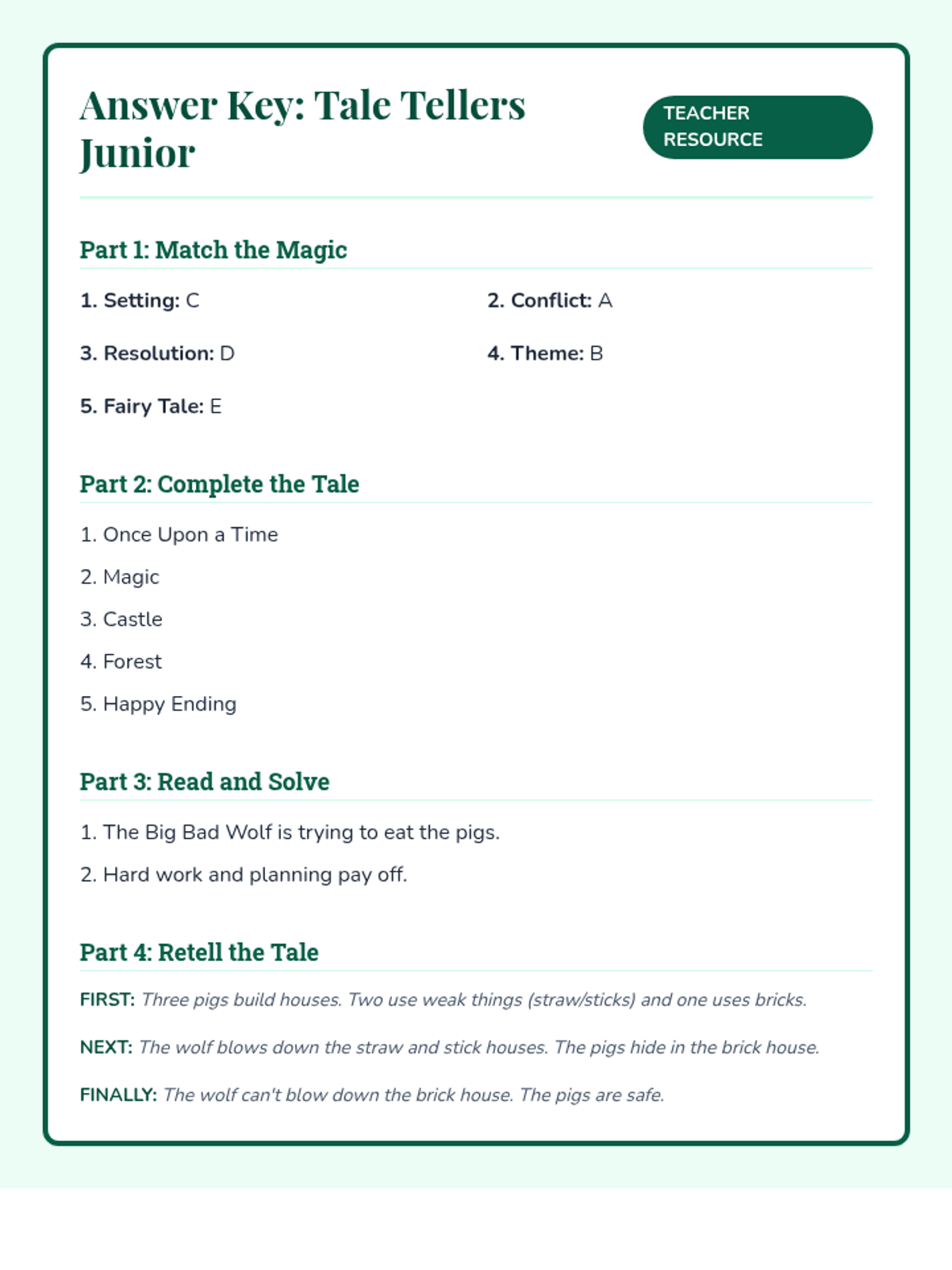
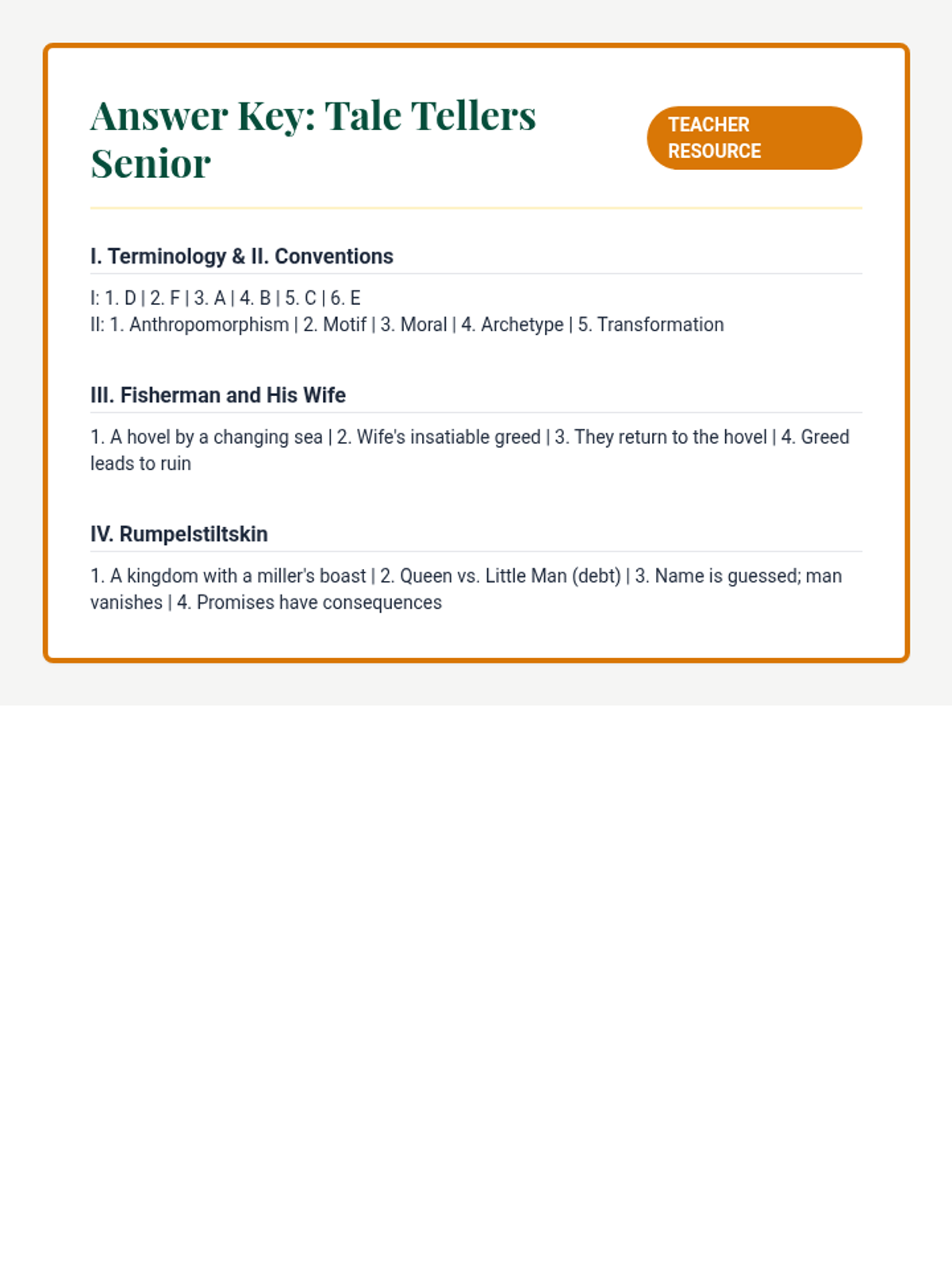
A comprehensive assessment on fairy tale elements and plot structures for elementary students, featuring two differentiated levels to meet specific grade-level standards.
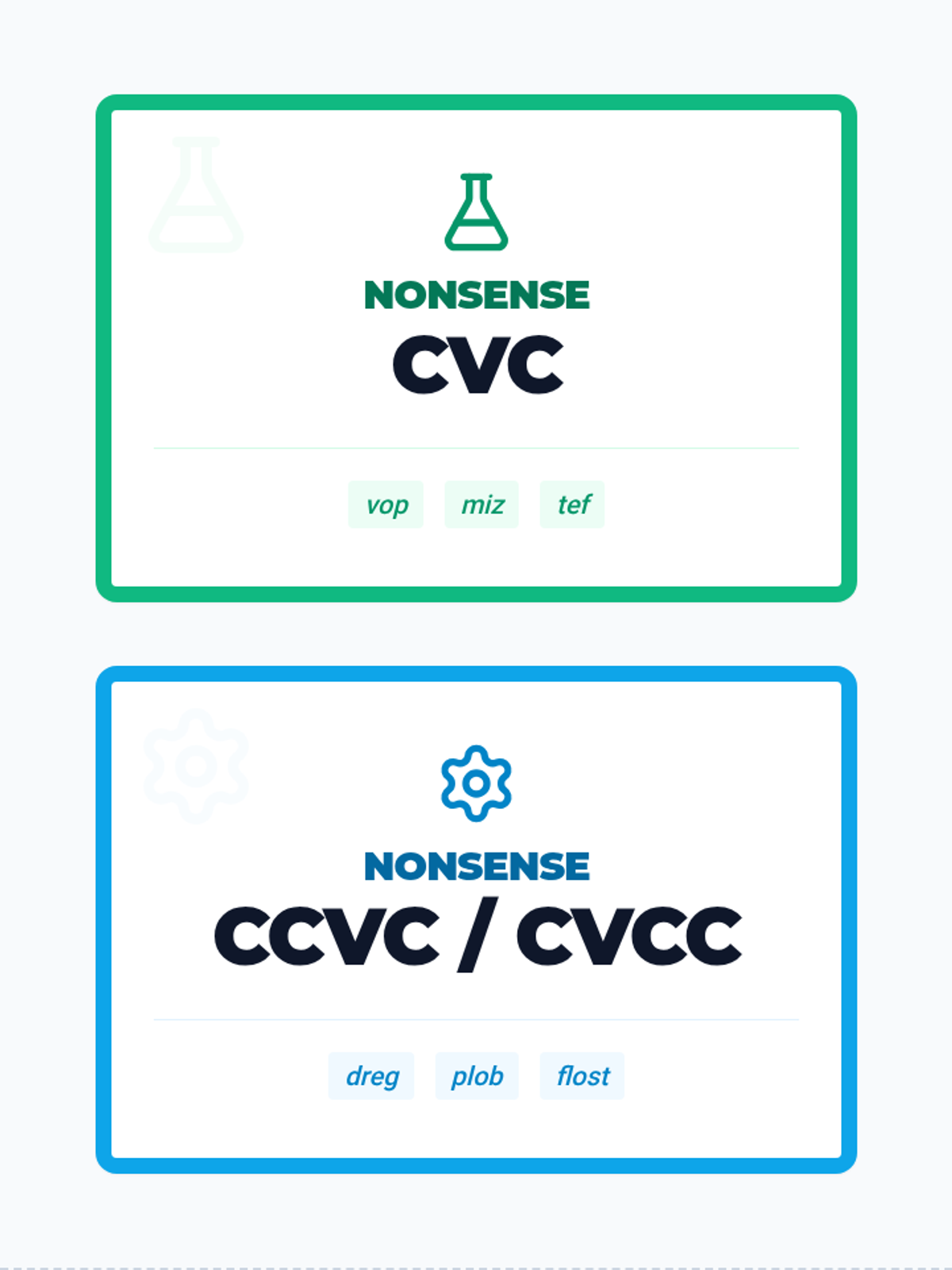
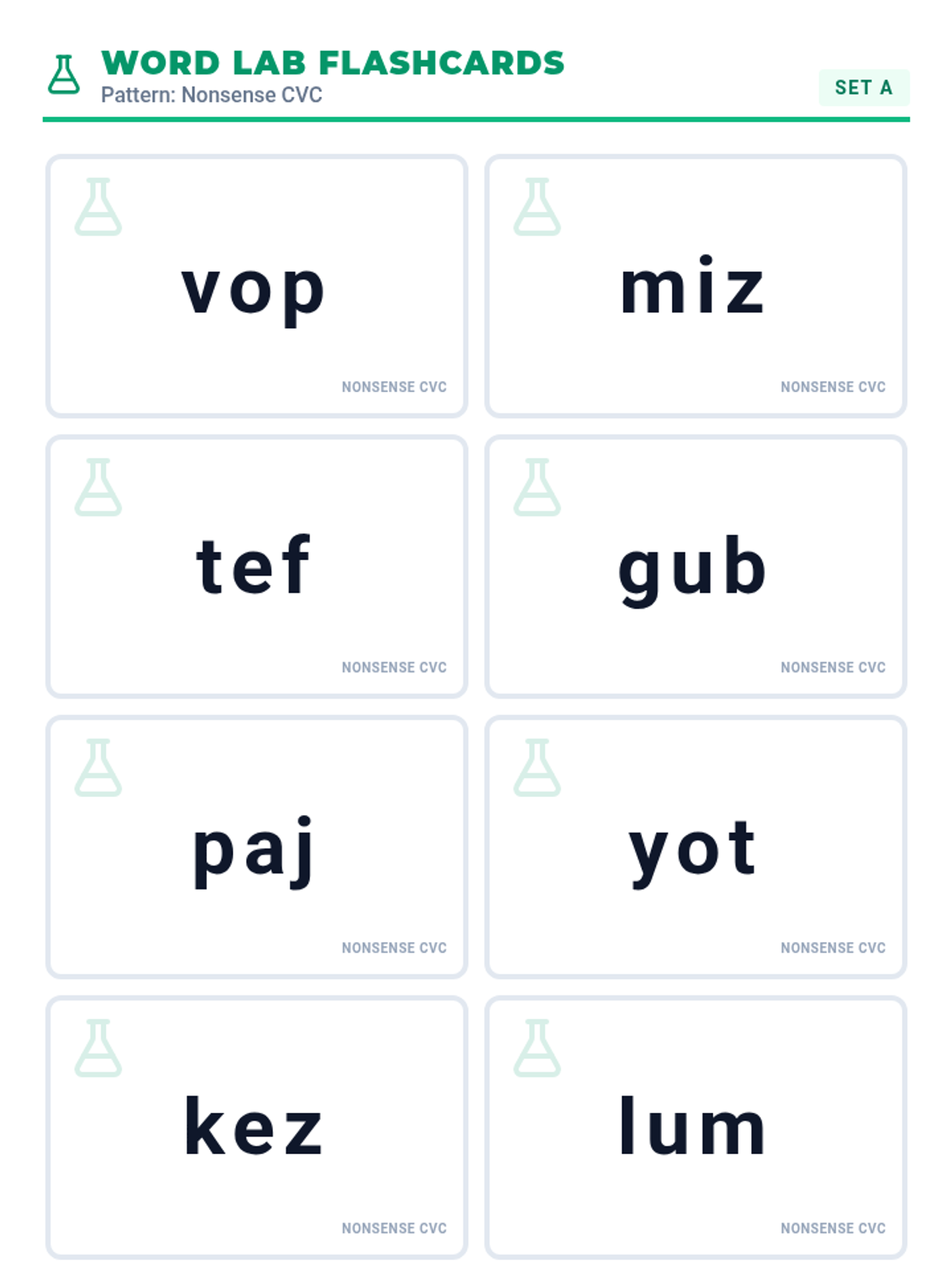
A collection of instructional resources and organizing tools for nonsense word fluency practice across various phonics patterns.
A lesson focused on chapters 29-35 of Louis Sachar's Holes, exploring the deepening friendship between Stanley and Zero as they face the challenges of the desert. Students will analyze character relationships, make inferences about their survival, and identify the central theme of loyalty.