A lesson exploring the famous case of Phineas Gage to understand the connection between brain structure and personality, meeting Oregon learning standards for reading informational text.
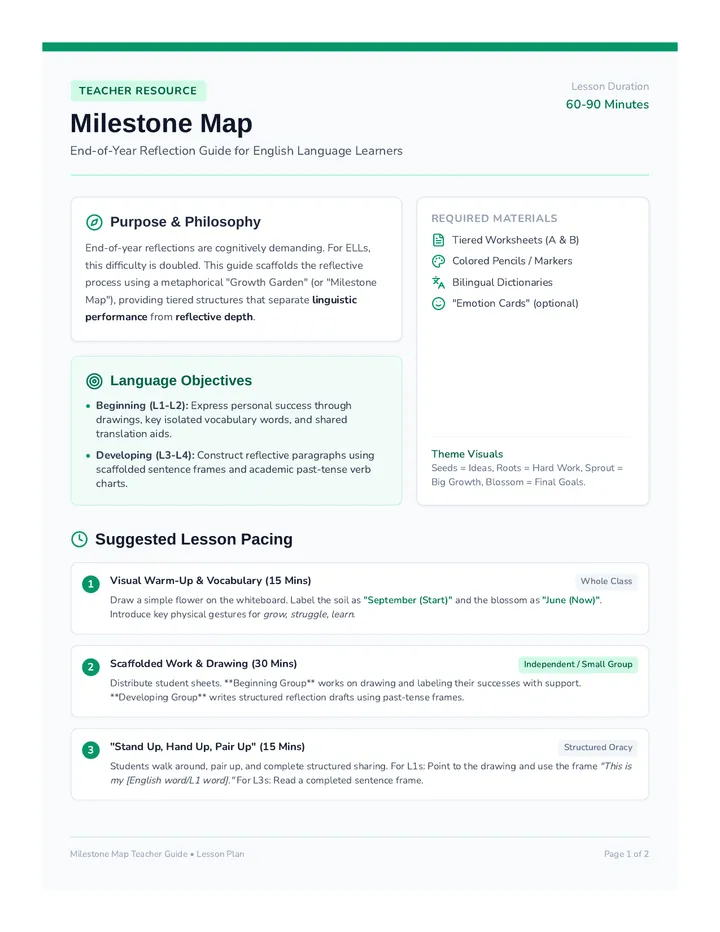
A short lesson focusing on practicing short constructed responses (SCR) using informational texts about the Ancestral Puebloans and the Haudenosaunee. Students read short passages, identify key details, and write evidenced-based responses.
An introductory lesson for 4th and 5th graders to the world of competitive debate, focusing on structure, rules, and respectful disagreement through high-energy activities.
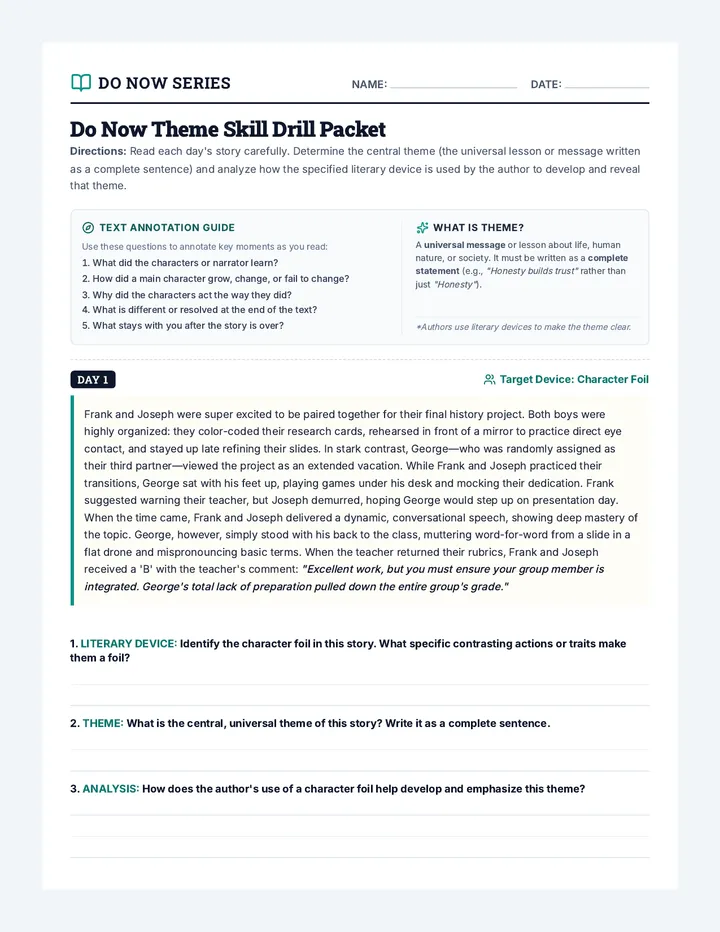
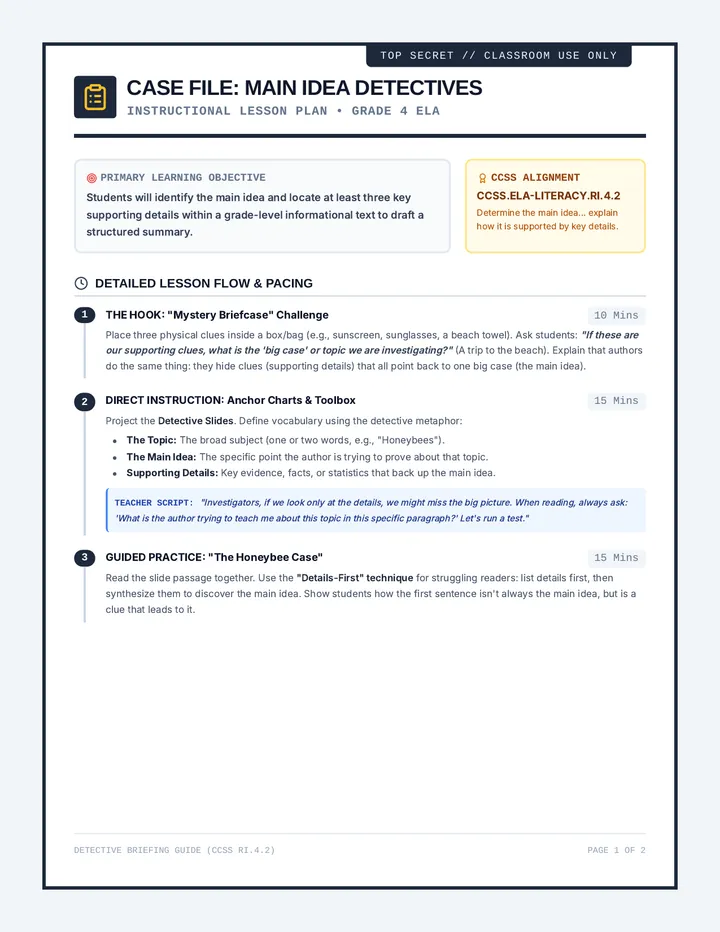
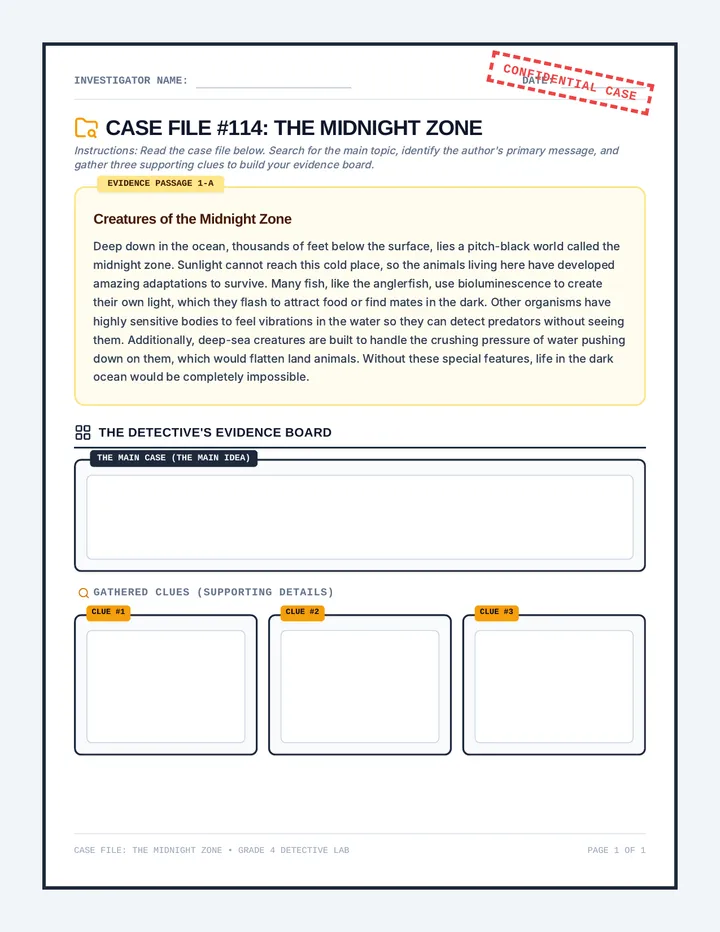
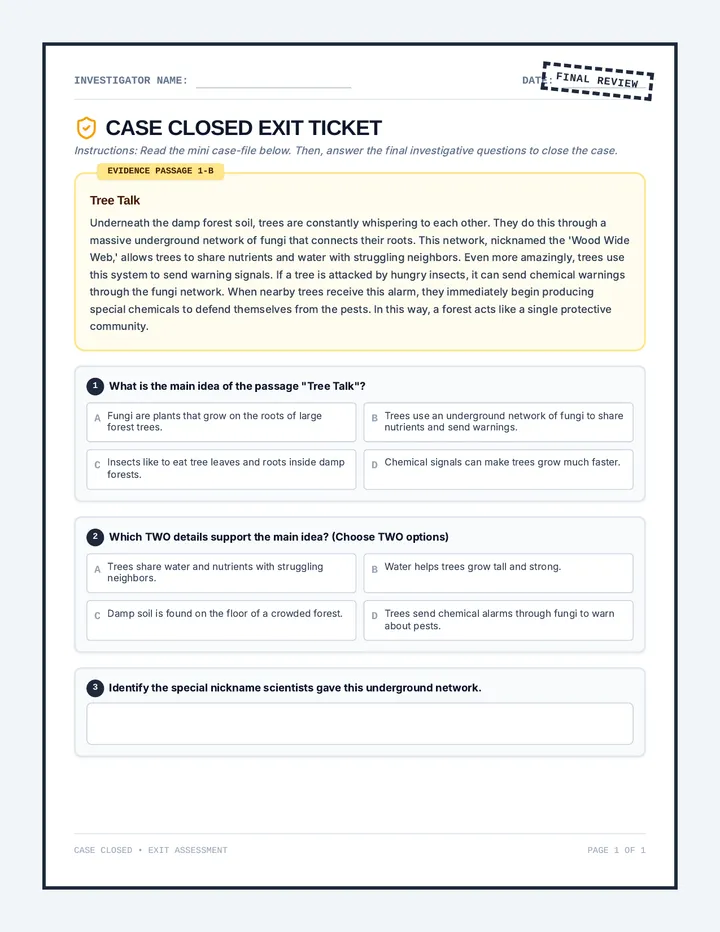
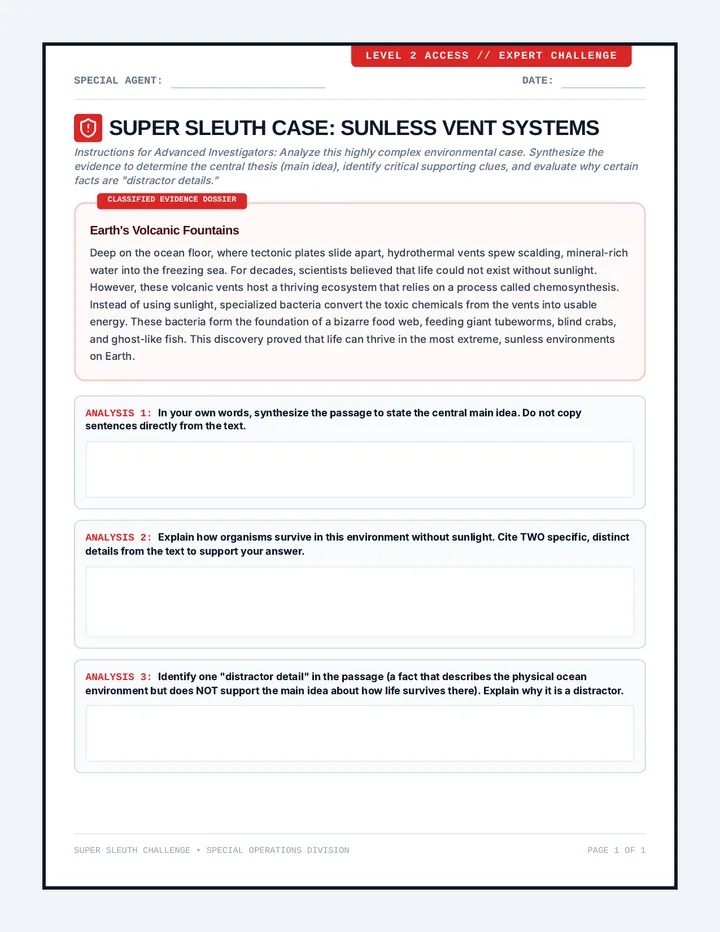
A fast-paced 25-minute small group lesson focusing on identifying main ideas and supporting details using a detective-themed 'Case Files' approach. Includes guided modeling, collaborative practice, and independent application.
A comprehensive lesson designed to help 3rd-5th grade students master the art of paragraph construction through a fun, retro video game theme. Students will learn about sentence variety, topic sentences, and supporting details through interactive slides, a card-based game, and scaffolded practice.
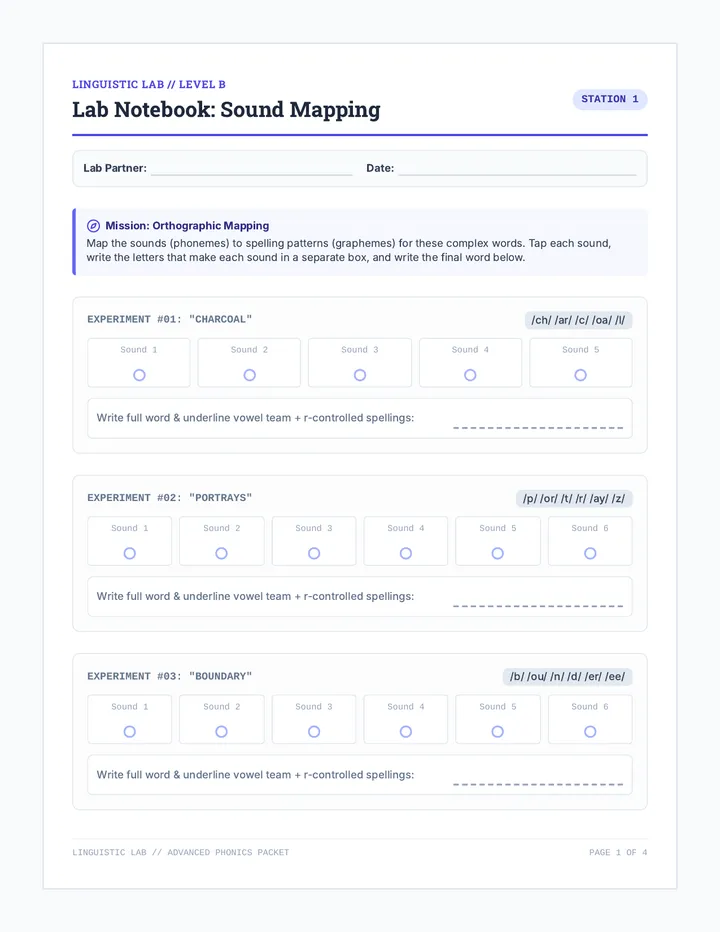
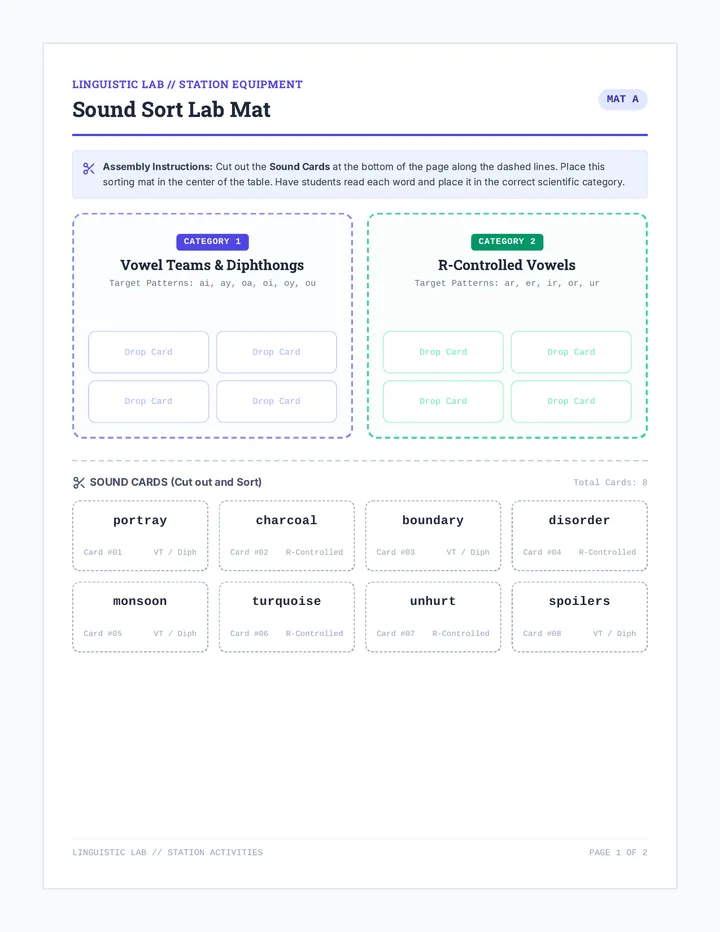
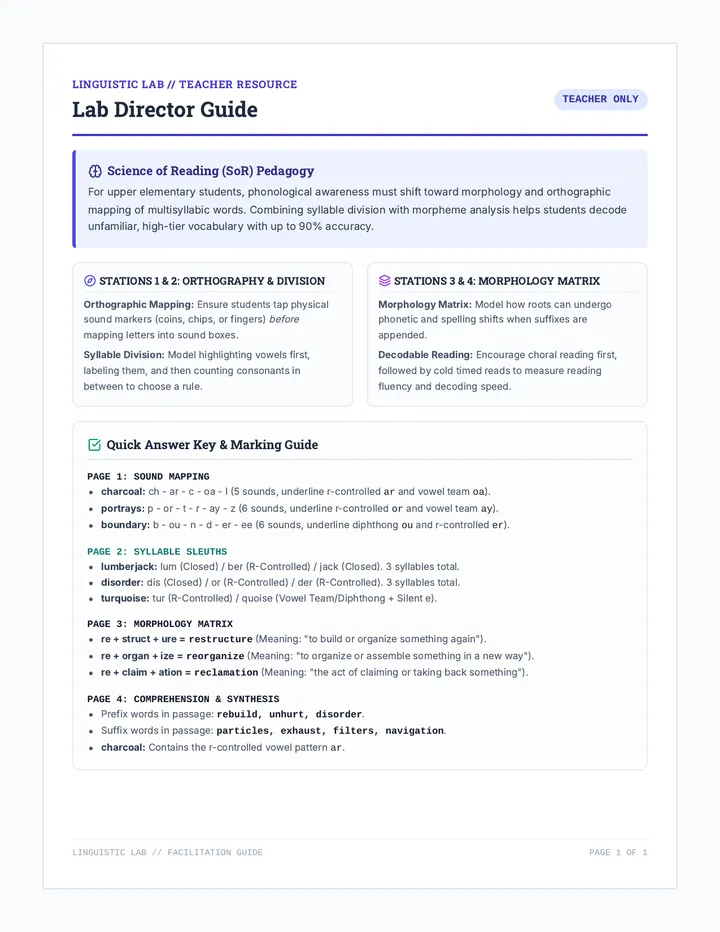
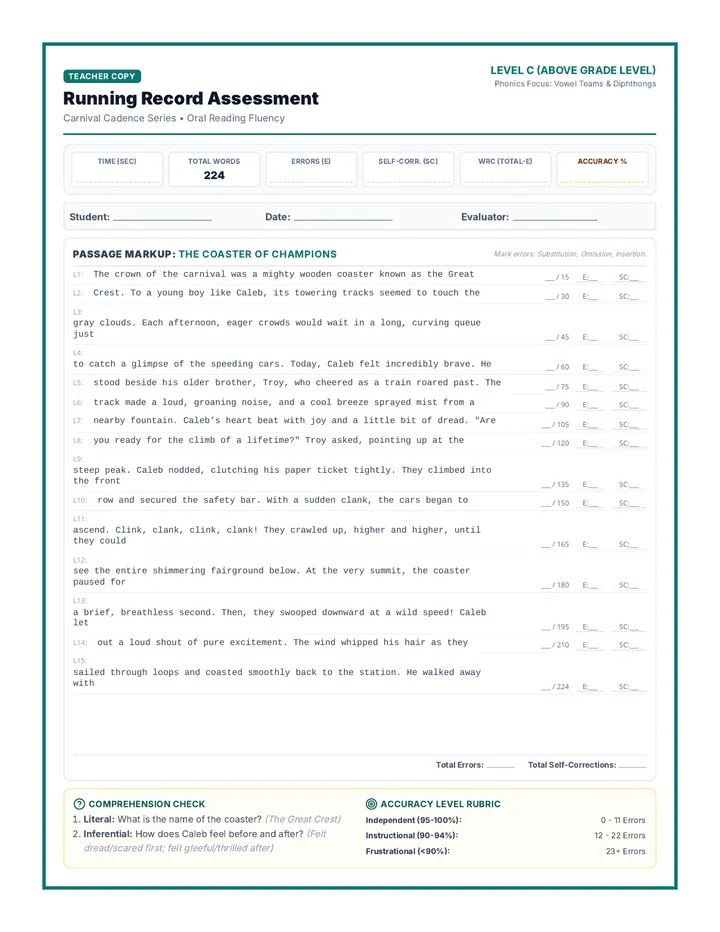
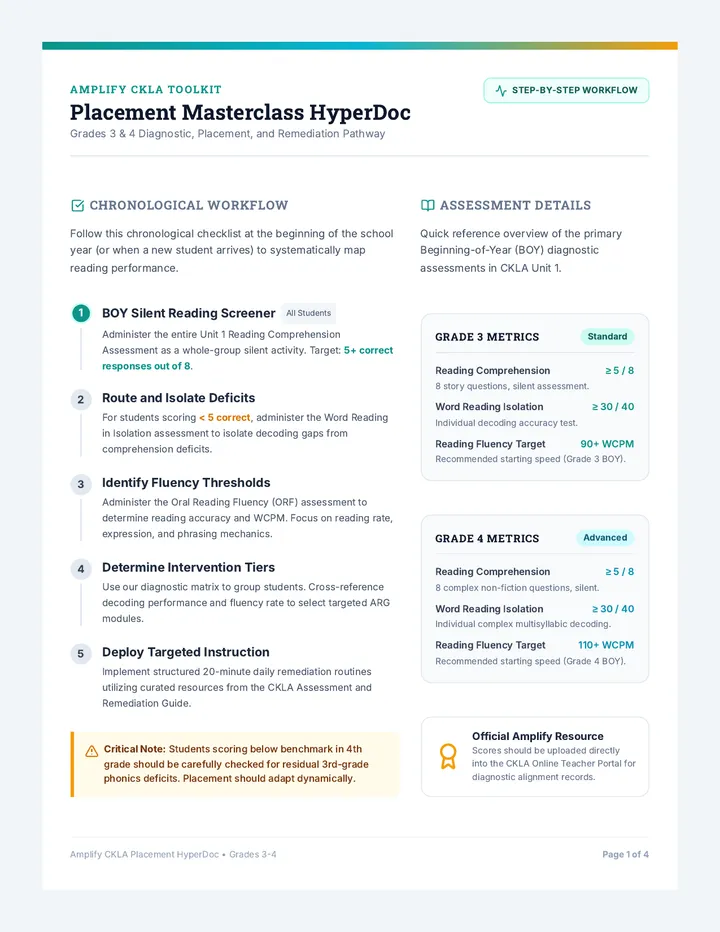
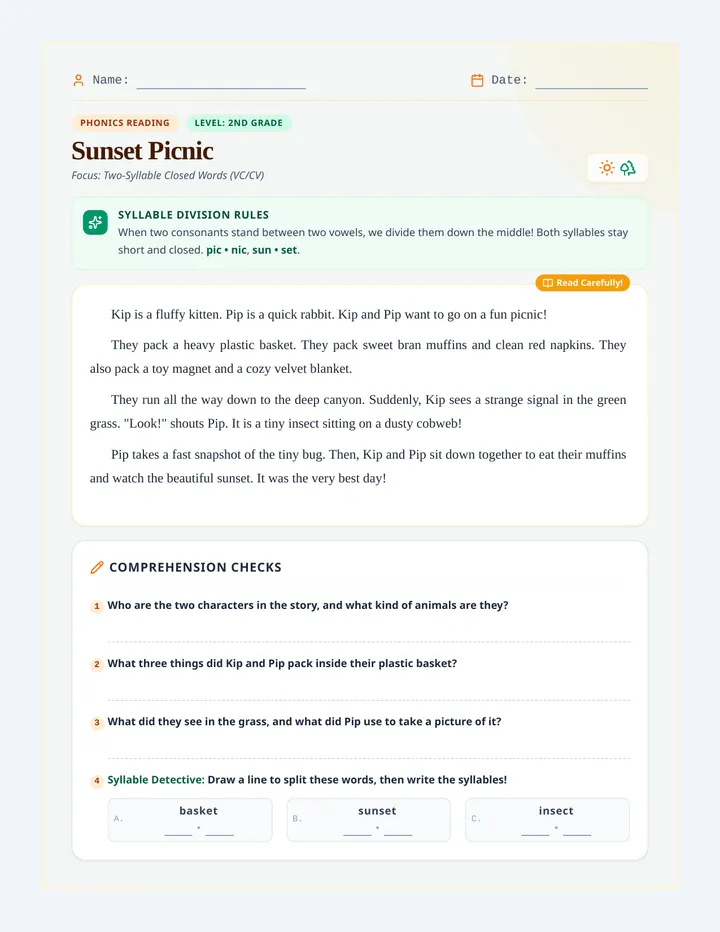
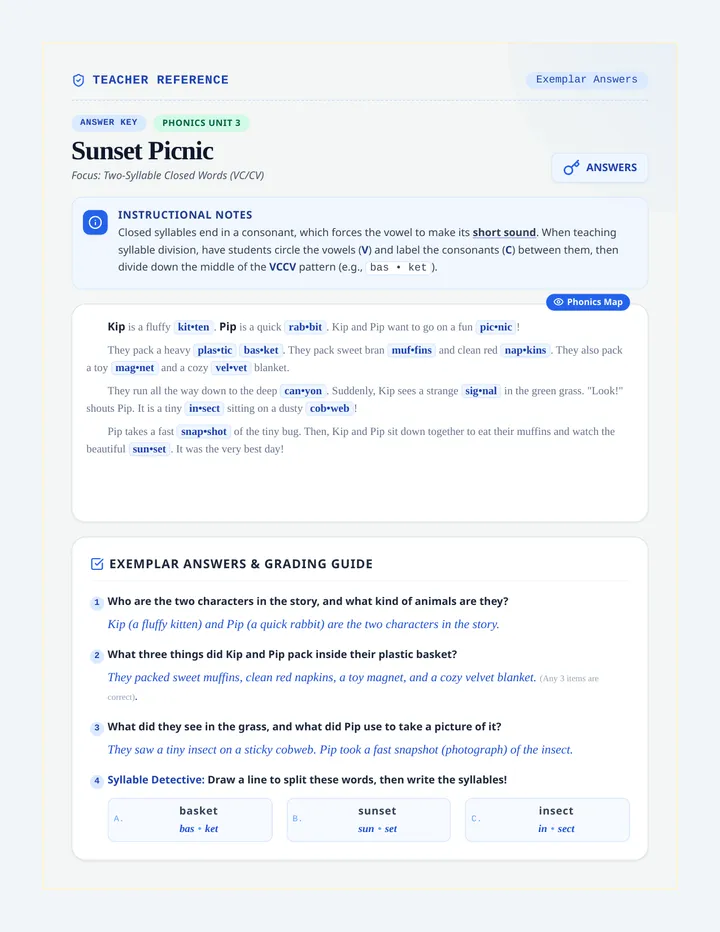
A comprehensive assessment focusing on decoding 2-3 syllable words across various syllable patterns including closed, VCe, r-controlled, open, and vowel teams.
A focused 30-minute exploration of Macbeth's moral decay and psychological collapse across Act II, Scene 2 and Act III, Scene 4. Students analyze the immediate aftermath of regicide and the public appearance of Banquo's ghost to determine if Macbeth is fit for the crown.
This lesson focuses on Chapter 4 of Frederick Douglass's narrative, analyzing how specific accounts of murder illustrate the inhumanity of slavery and the corruption of the Southern legal system. Students analyze key lines and imagery to identify Douglass's central claims about the lack of justice and value placed on enslaved lives.
An analysis of Chapter 8 'Moscow', focusing on the introduction of Uncle Anoosh and the influence of political ideology on personal identity and Marji's concept of heroism.
This lesson provides an informal assessment for students to demonstrate their ability to read 2-3 syllable words containing common prefixes and suffixes. It includes a student-facing word list and a corresponding teacher recording sheet.
Students evaluate multiple viewpoints on a topic and construct a persuasive essay supported by evidence from the text.
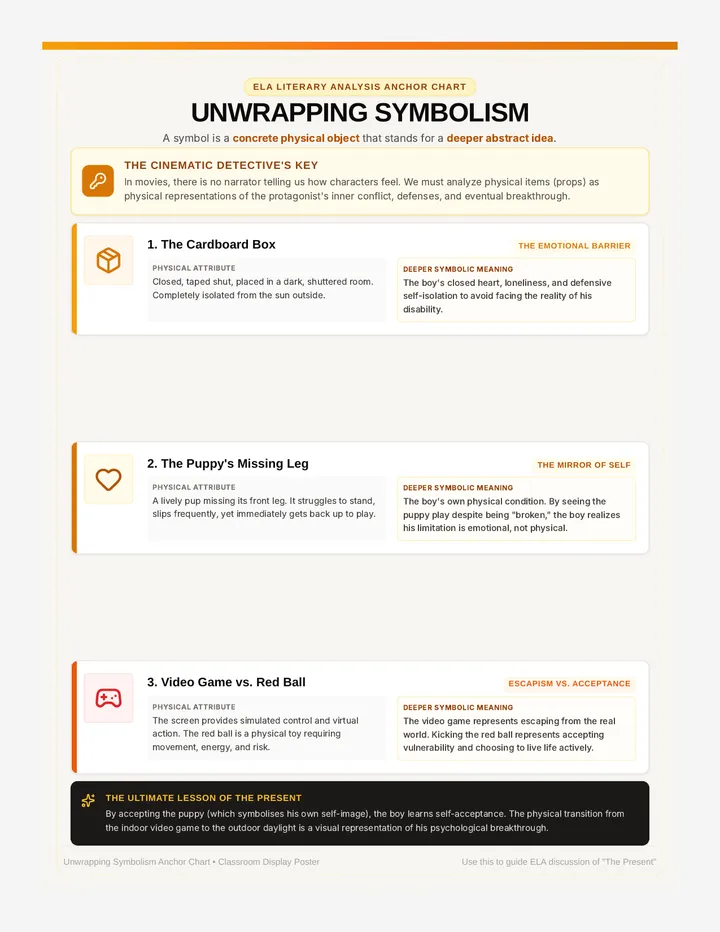
Students analyze informational texts to extract key details and synthesize information into a coherent expository essay.
Students practice crafting narrative responses by continuing a story or changing a character's perspective based on a given text.
Una misión de simulación de alta intensidad donde los estudiantes deben resolver acertijos de comprensión lectora (inferencia y síntesis) para 'desbloquear' un taller de energía después de un fallo crítico del sistema.

A lesson focused on teaching 4th-grade students how to write engaging narrative leads using five specific techniques: Action, Dialogue, Sensory Details, Questions, and Onomatopoeia. Students will analyze examples and practice transforming dull openings into exciting hooks.