A lesson designed to help students understand the profound negative consequences of hate speech on individuals and the broader school environment, encouraging them to choose empathy over harmful rhetoric.
The introductory week of the EF module, focusing on the foundational skill of Goal Setting. Students learn to distinguish dreams from actionable goals and apply the SMART framework.
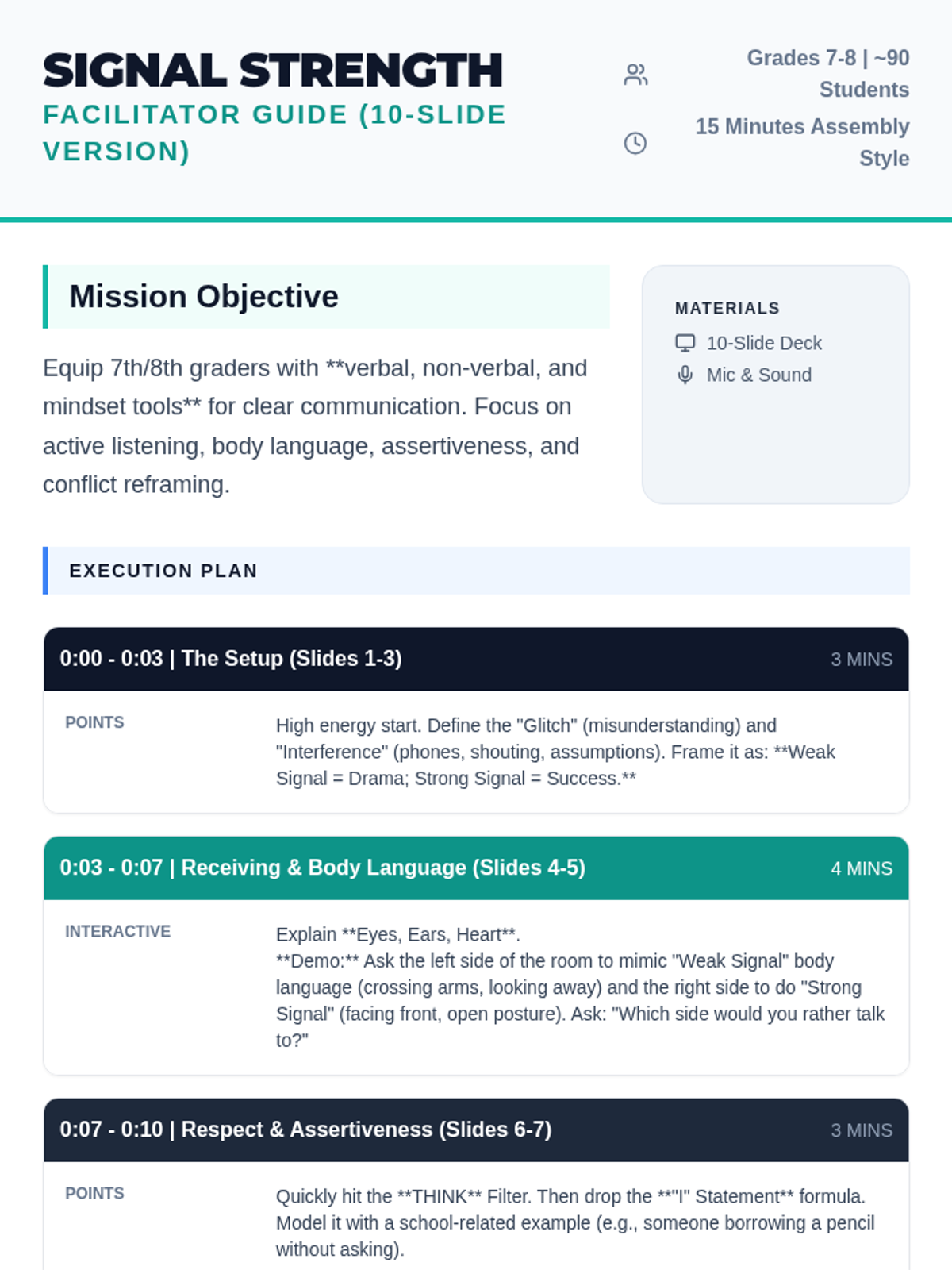
A high-energy, 15-minute assembly lesson for middle schoolers focusing on active listening, respectful interaction, and clear self-advocacy.
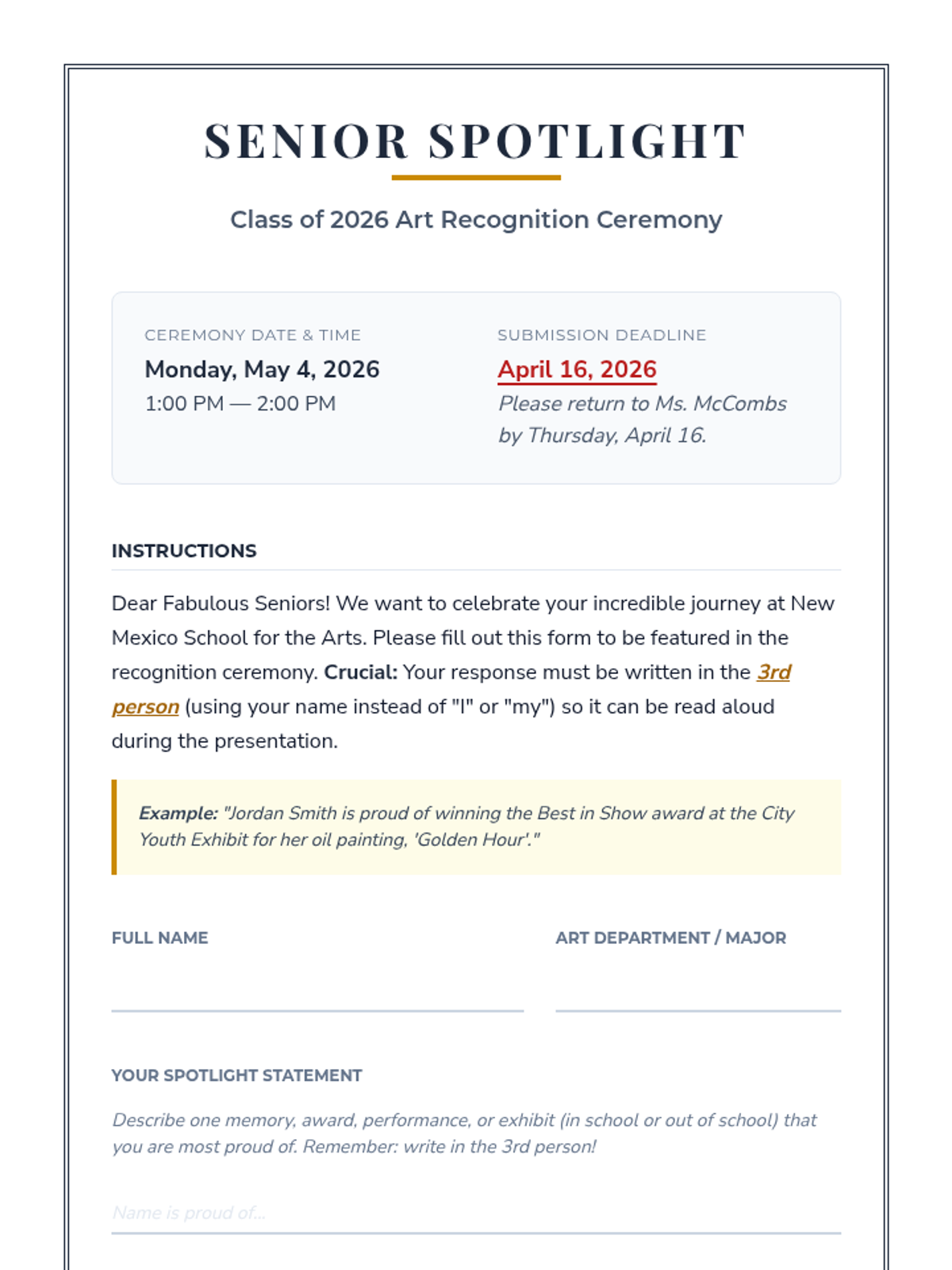
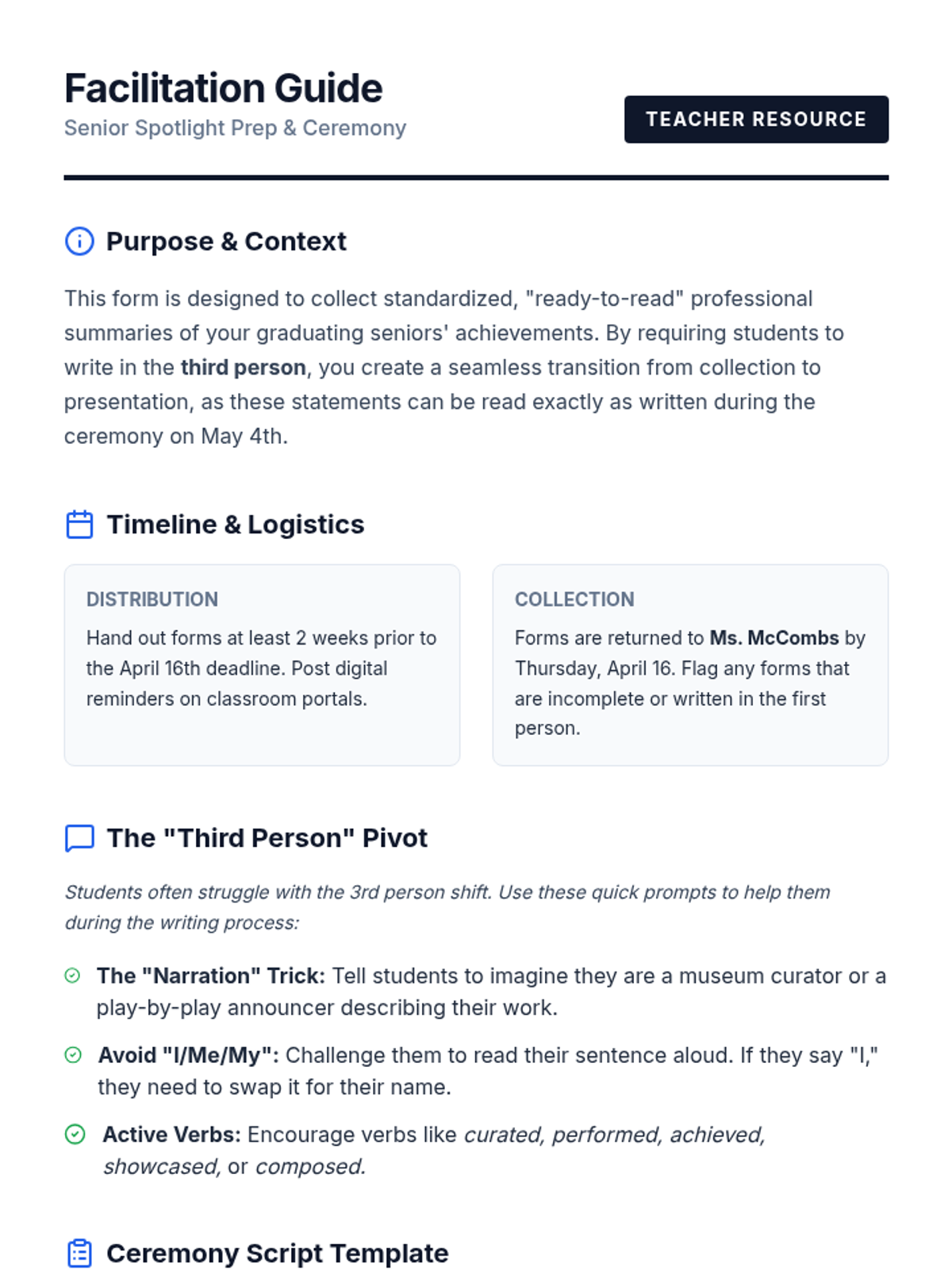
A collection of materials to help graduating seniors prepare for their recognition ceremony, focusing on summarizing their artistic achievements and memories in a professional, third-person format.
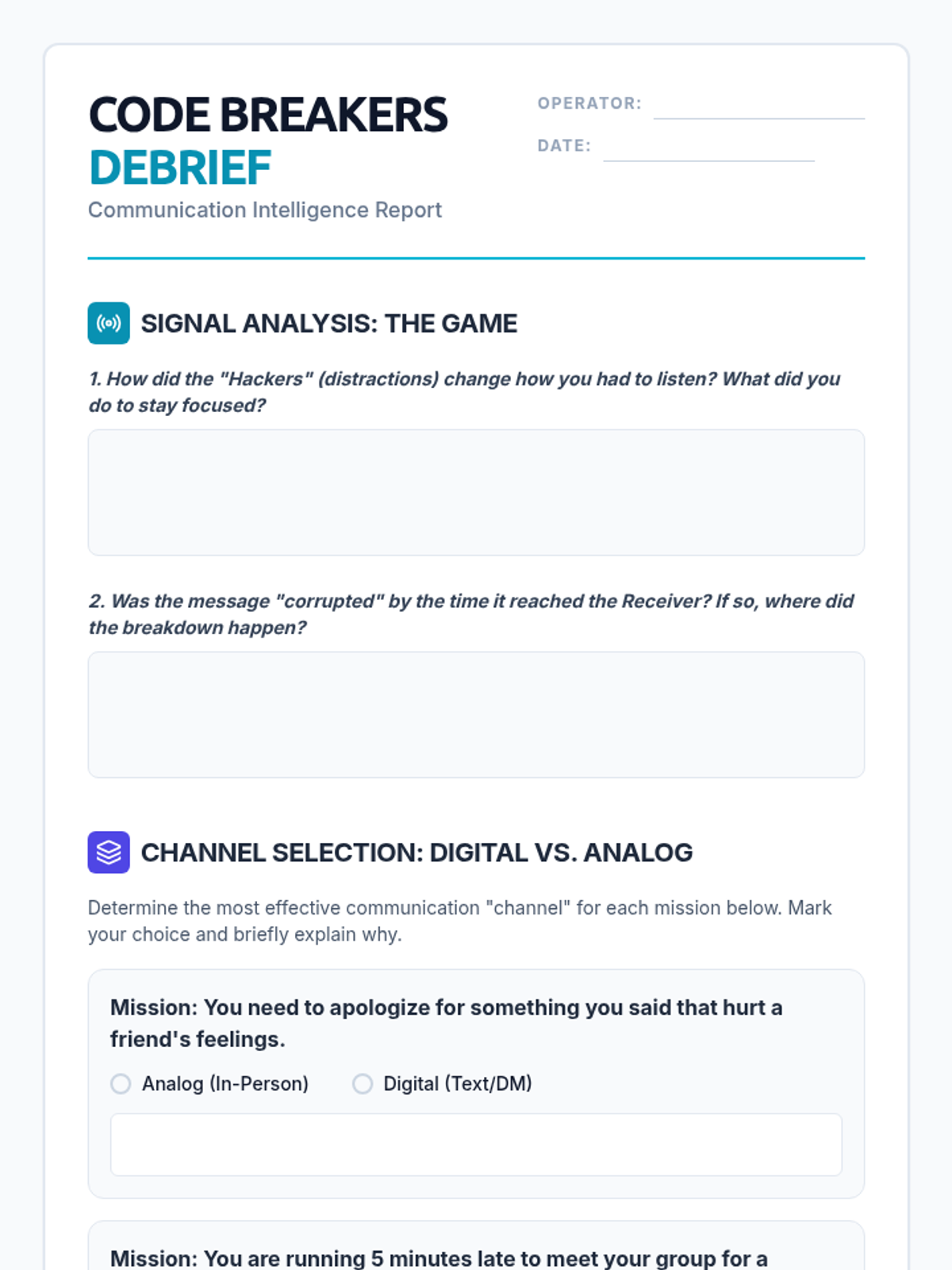
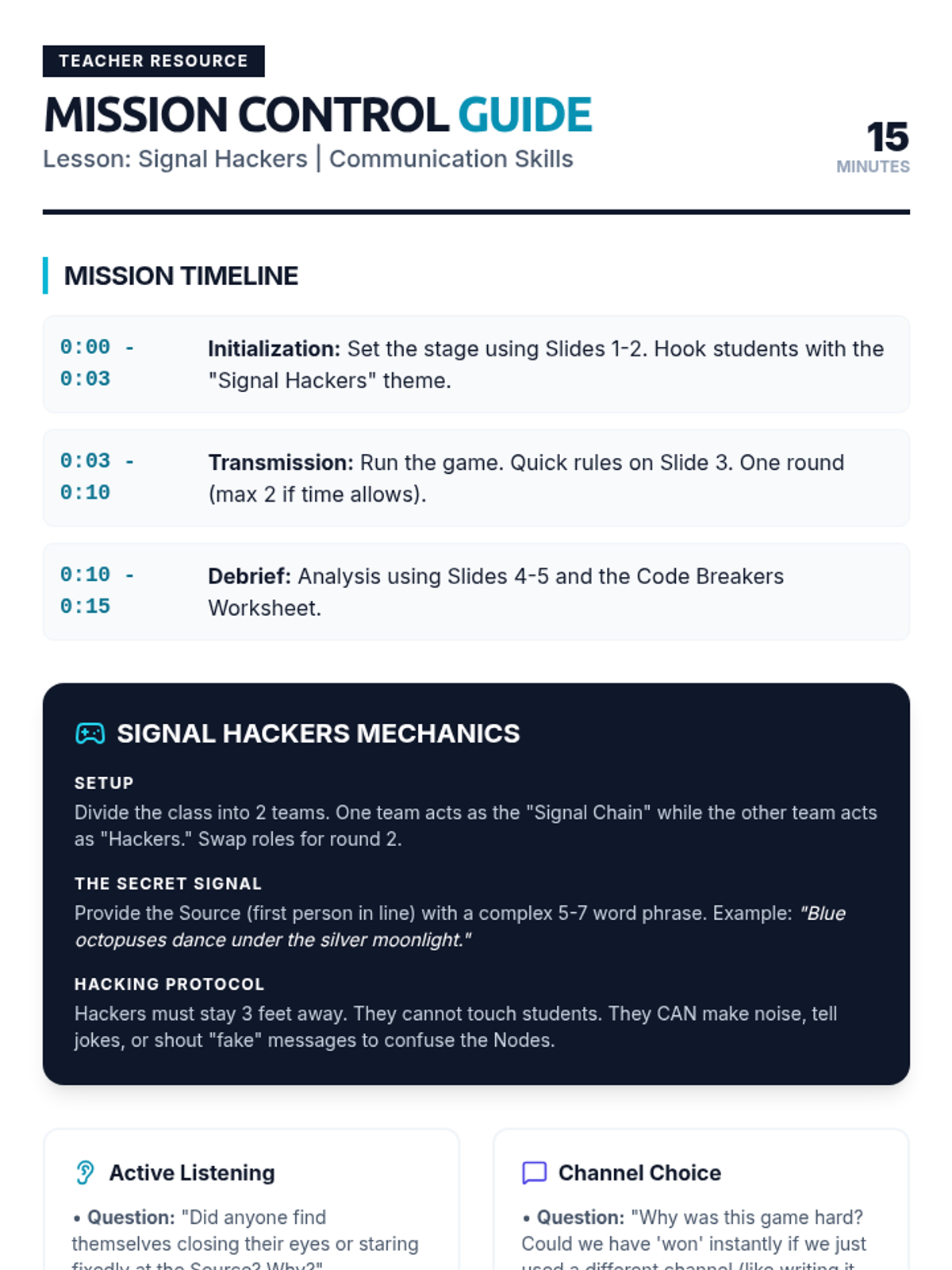
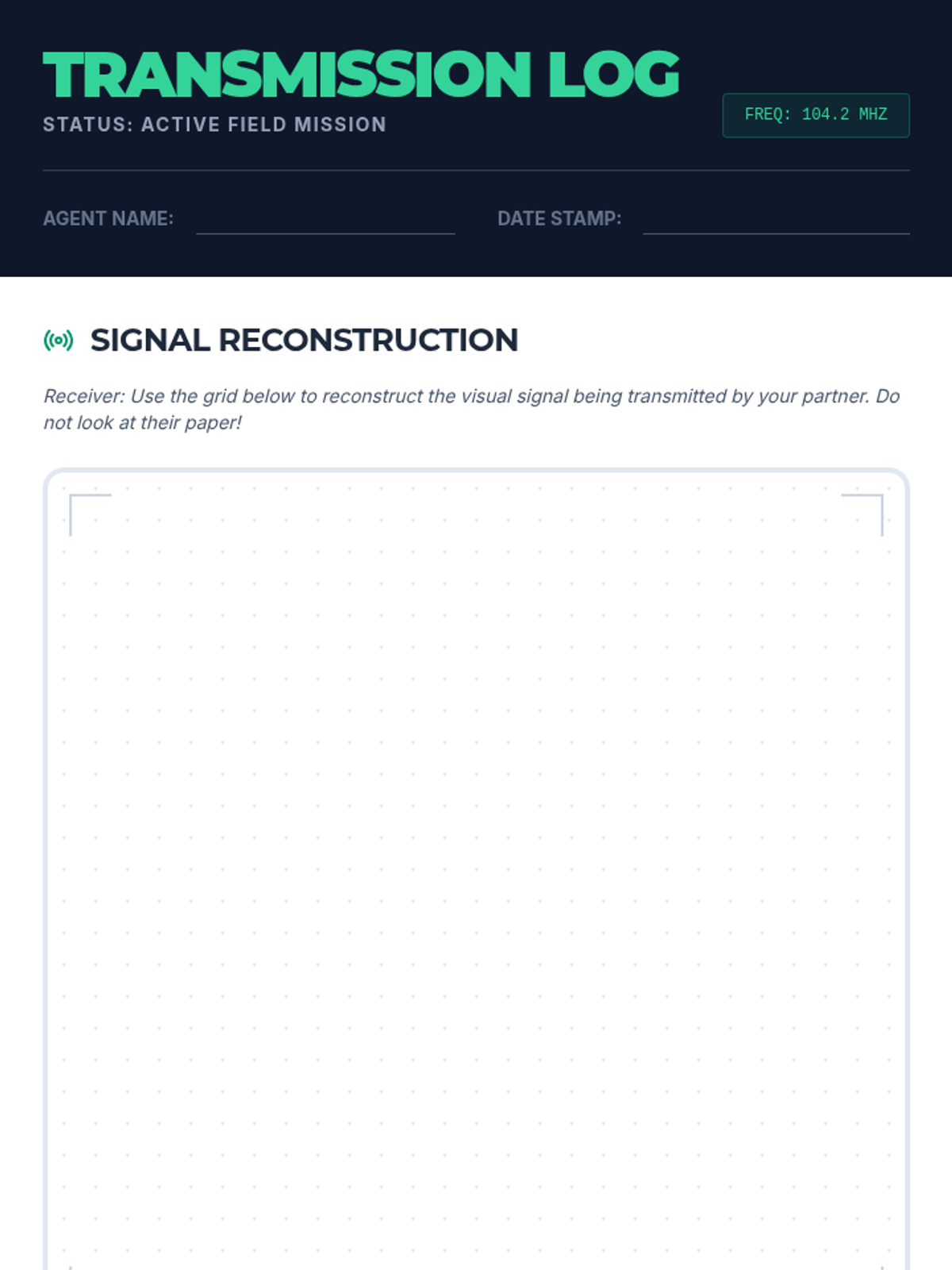
A high-energy, 15-minute exploration of communication through the 'Signal Hackers' game, focusing on active listening and selecting appropriate communication channels.
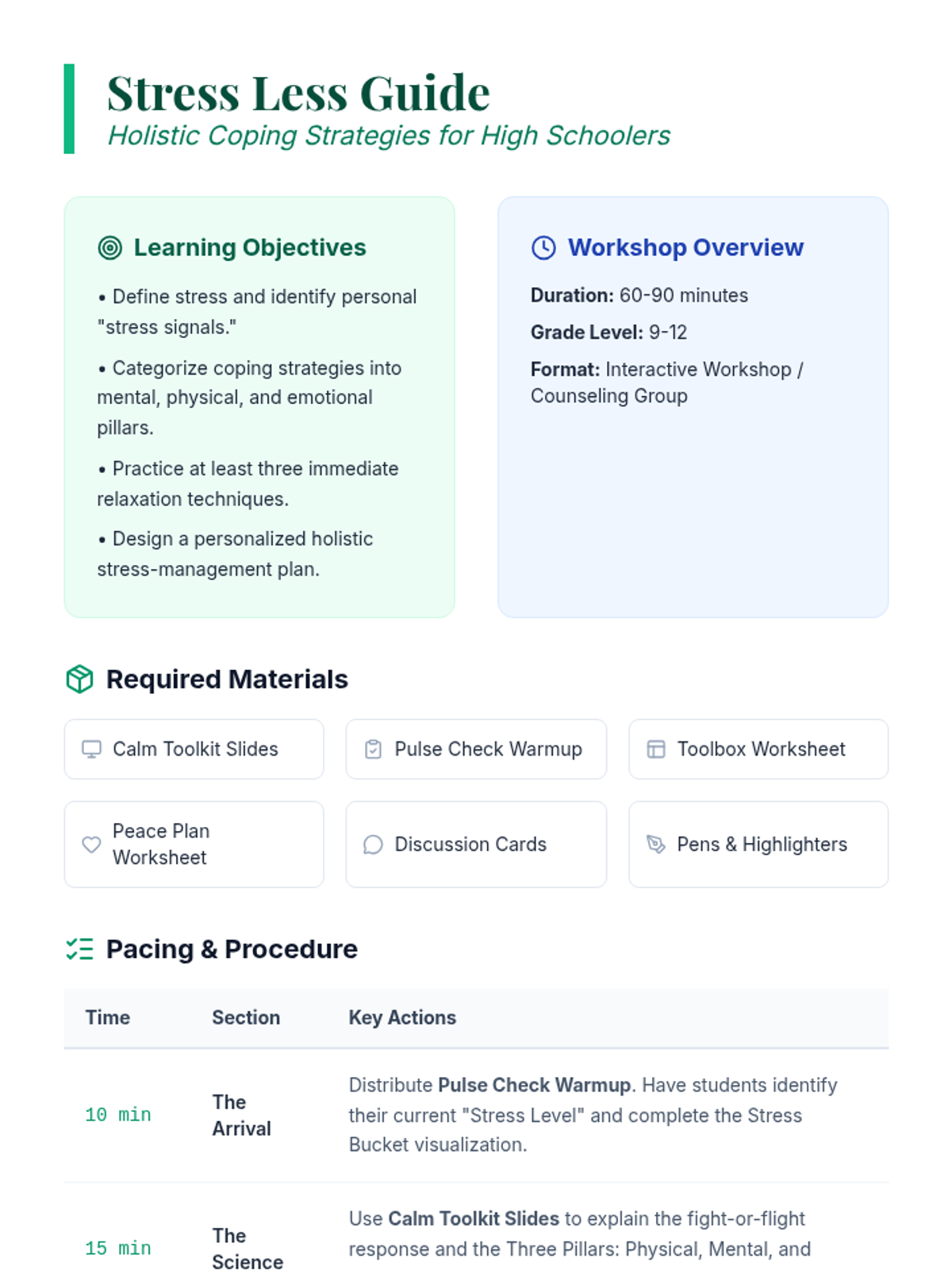
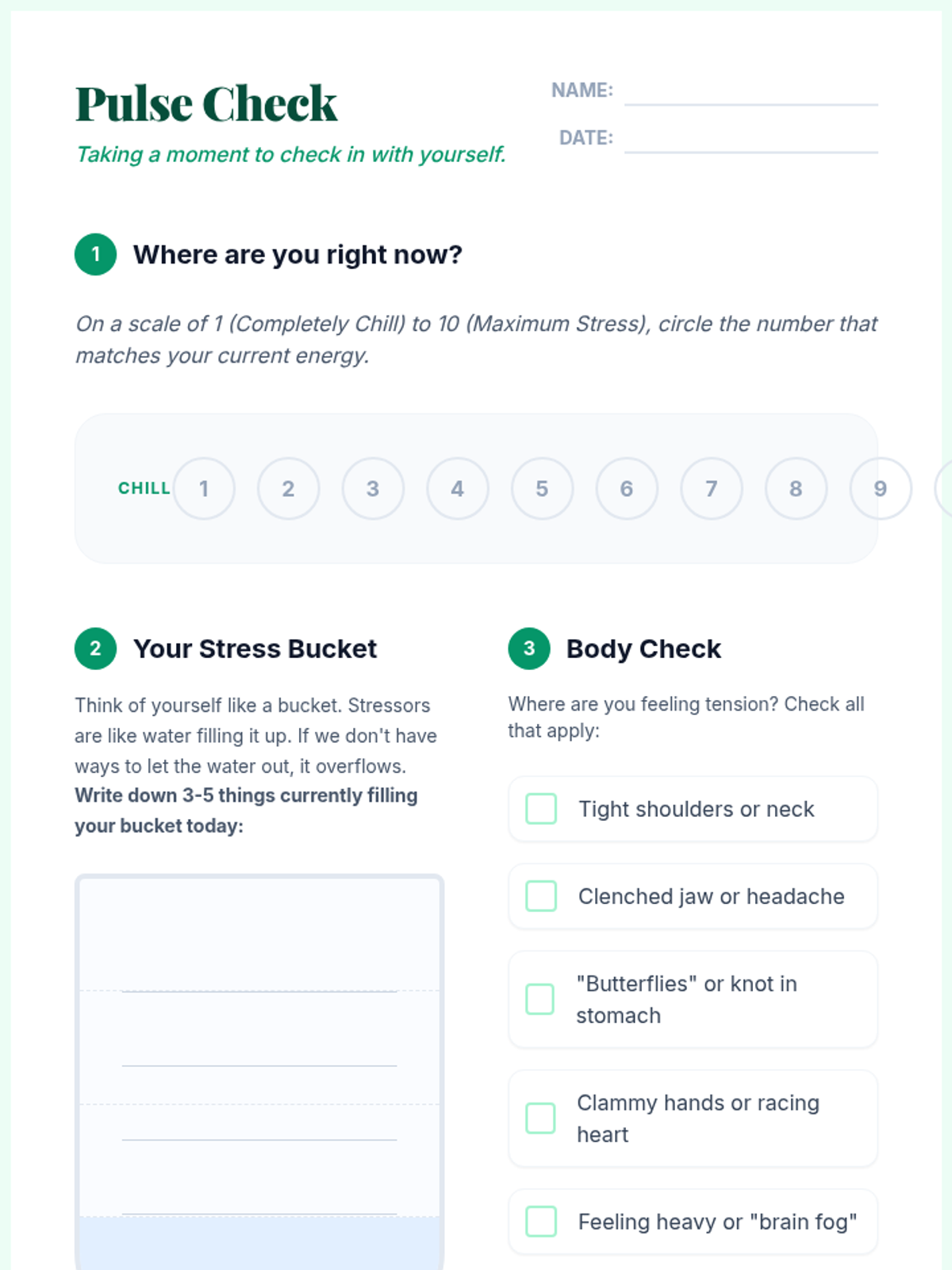
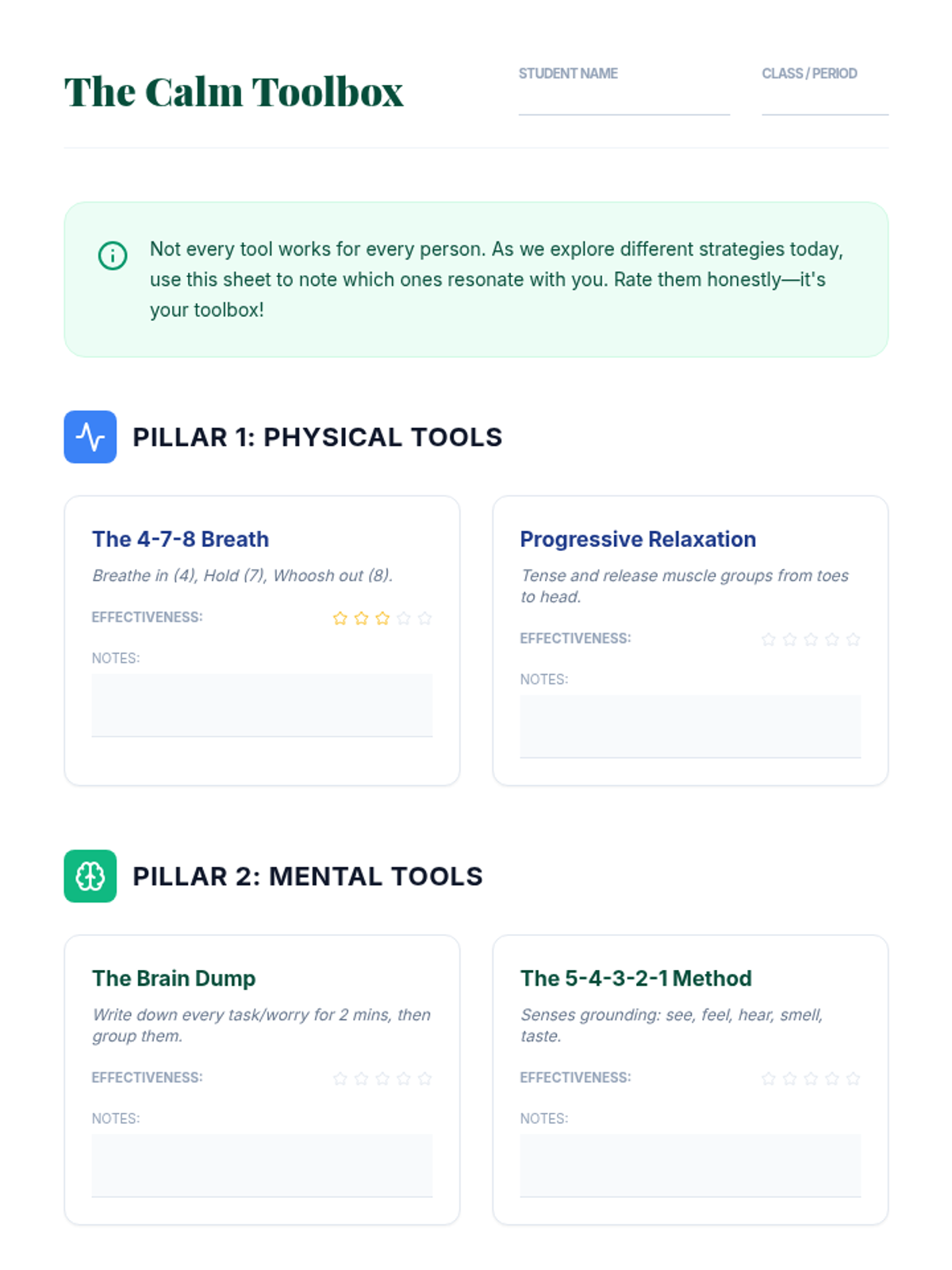
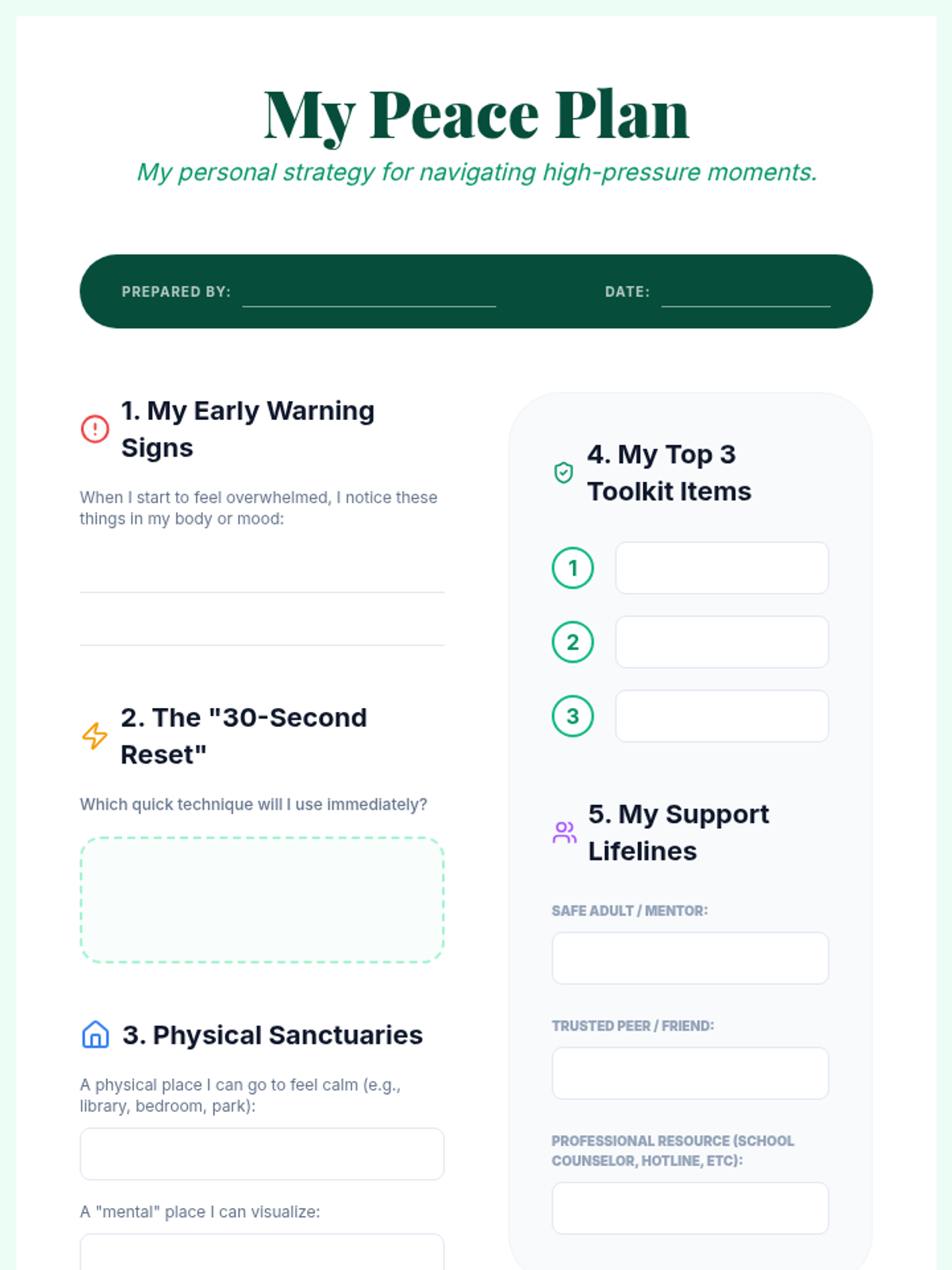
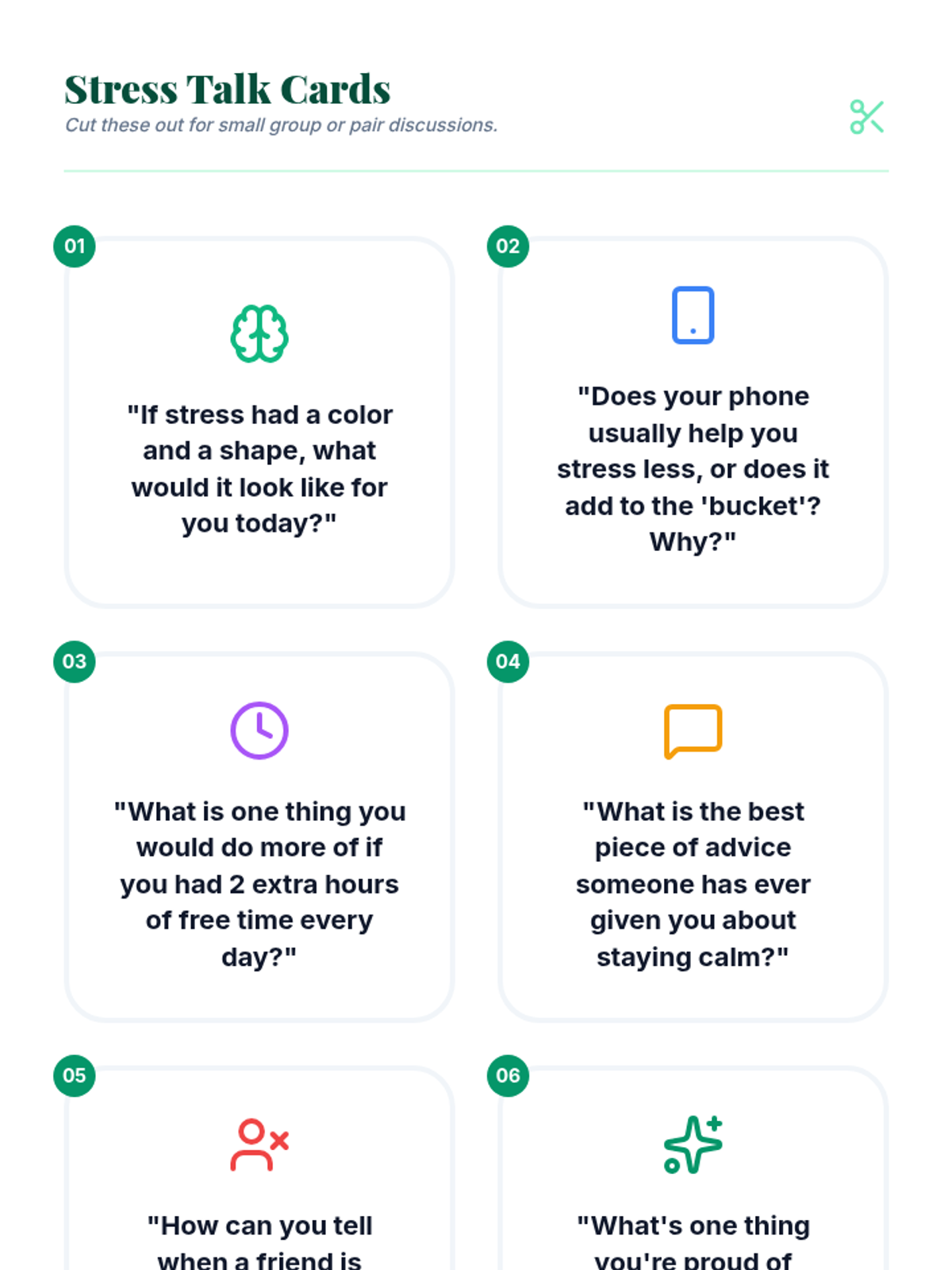
A comprehensive workshop for high schoolers focusing on mental, physical, and emotional coping strategies to manage academic and personal stress effectively. Students will create personalized stress-reduction plans through guided activities and discussion.
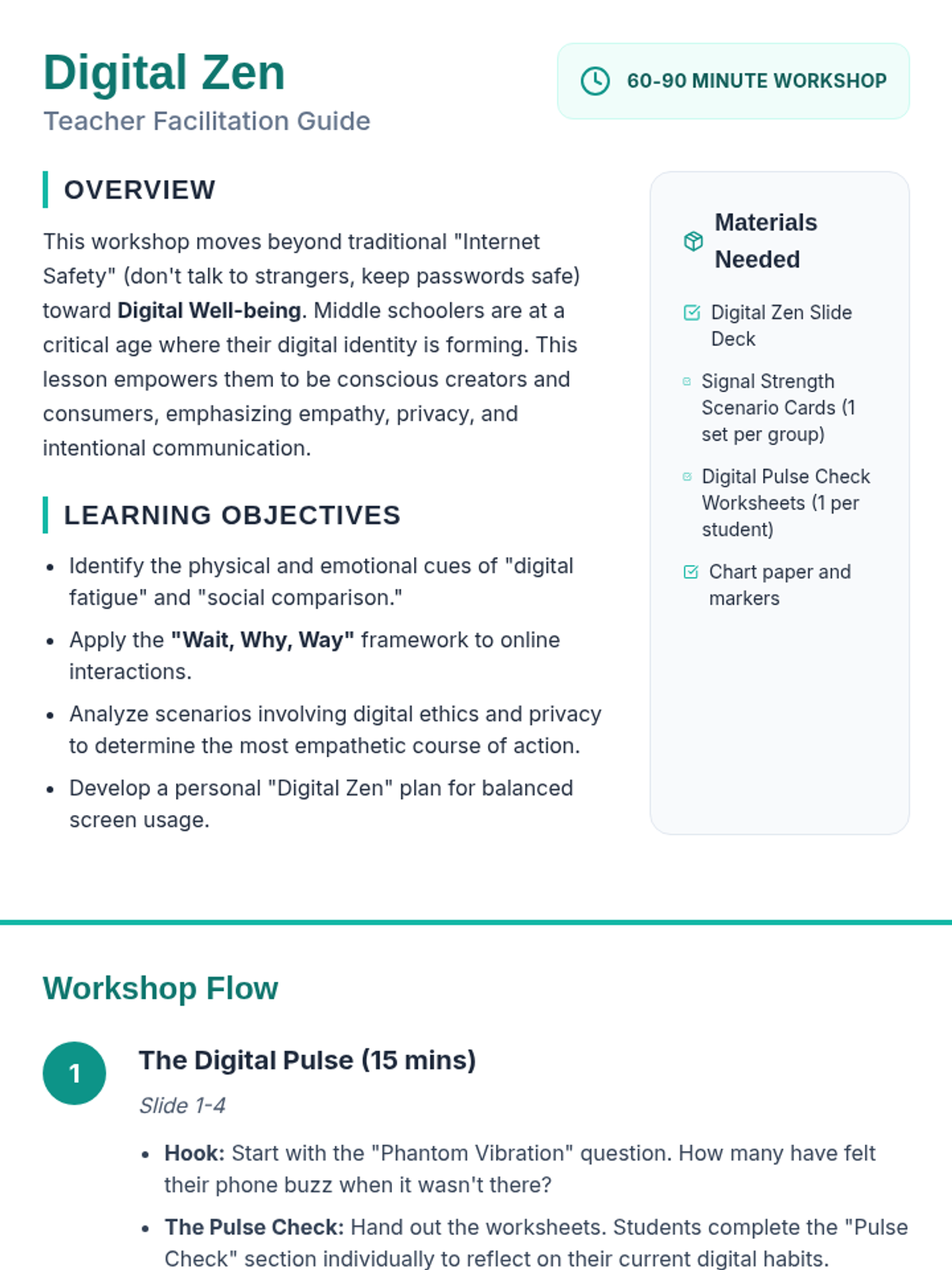
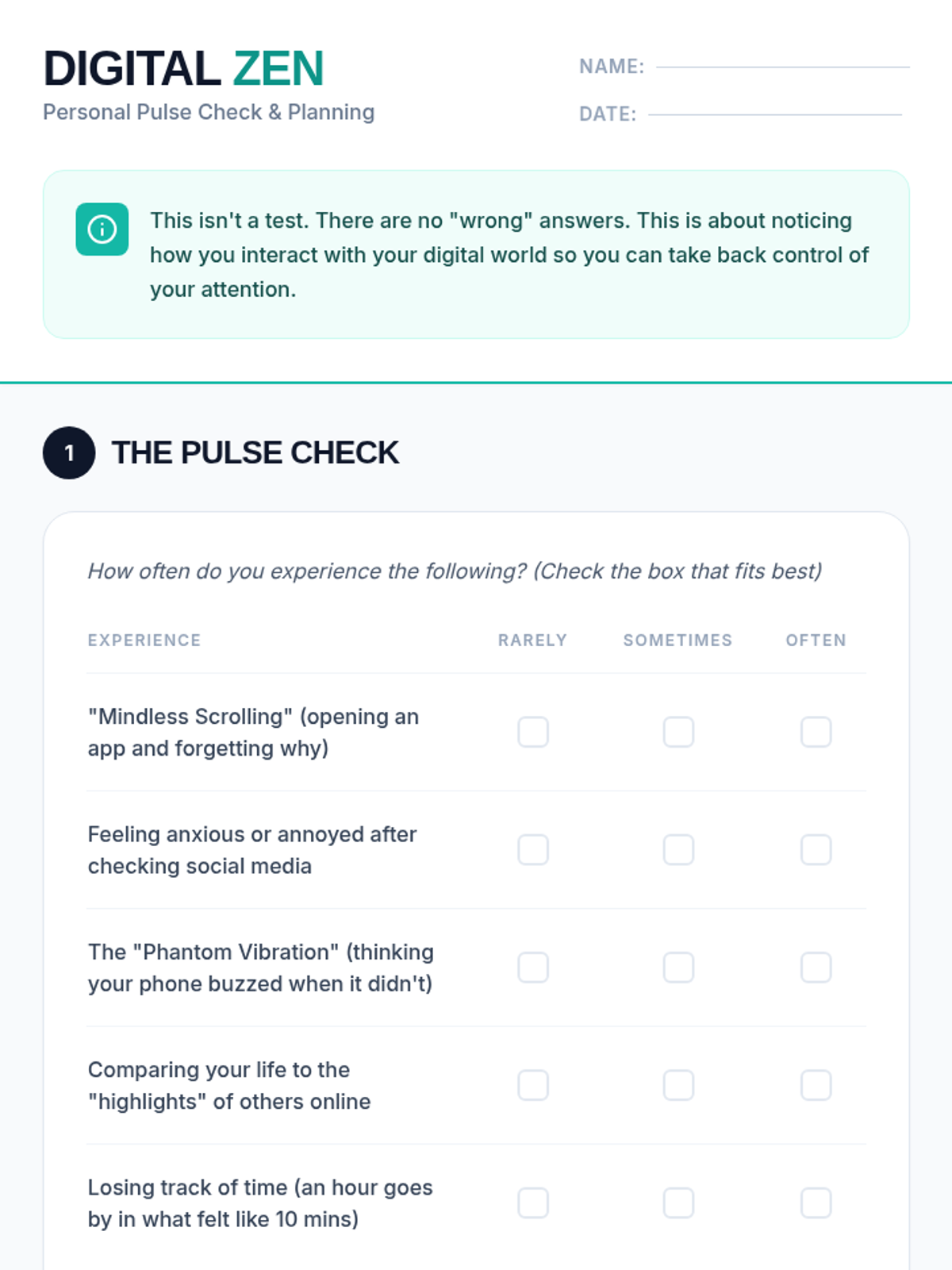
A workshop focused on mindful and ethical online behaviors, empowering middle schoolers to navigate the digital world with empathy, privacy awareness, and intentionality.
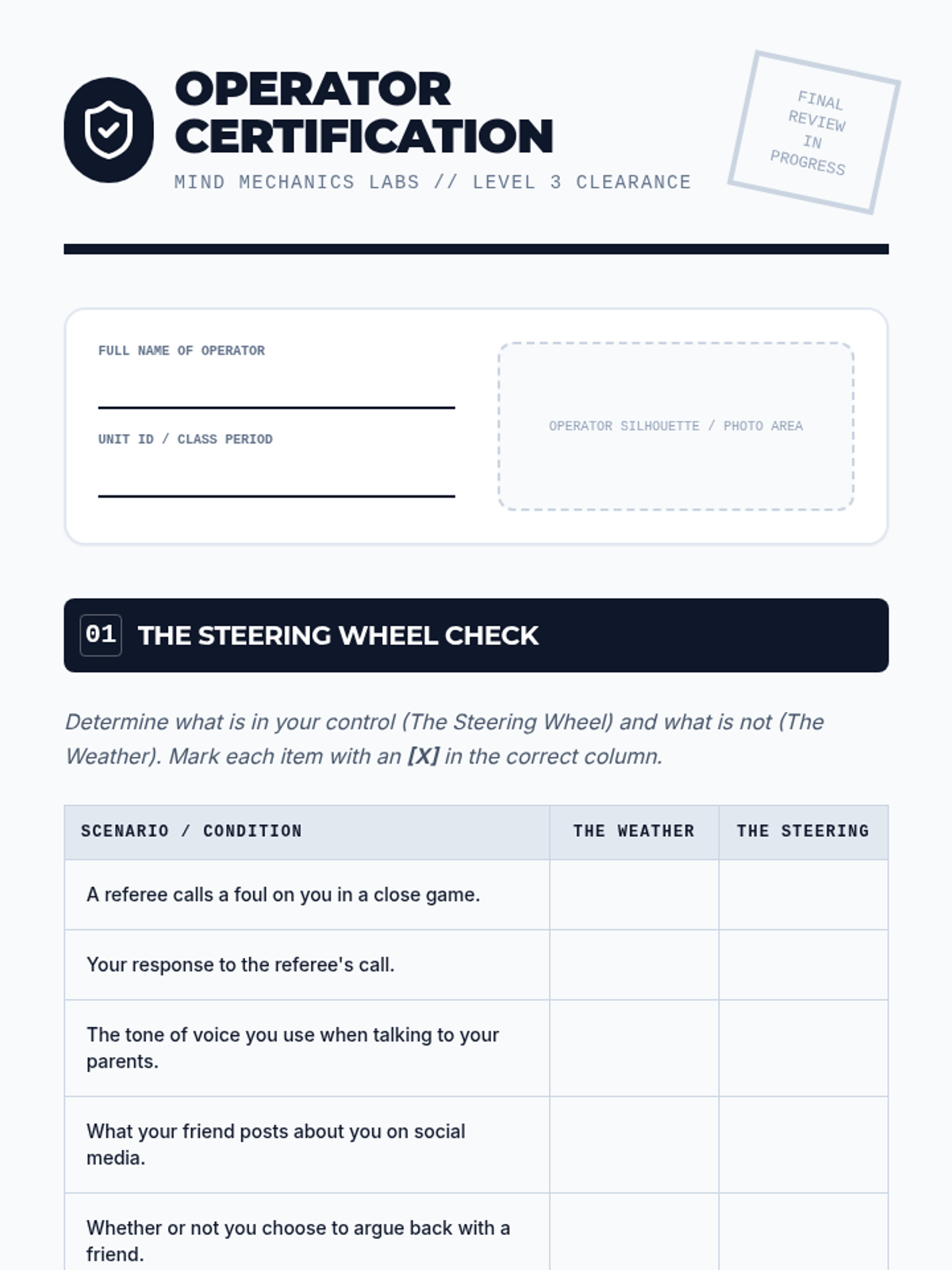
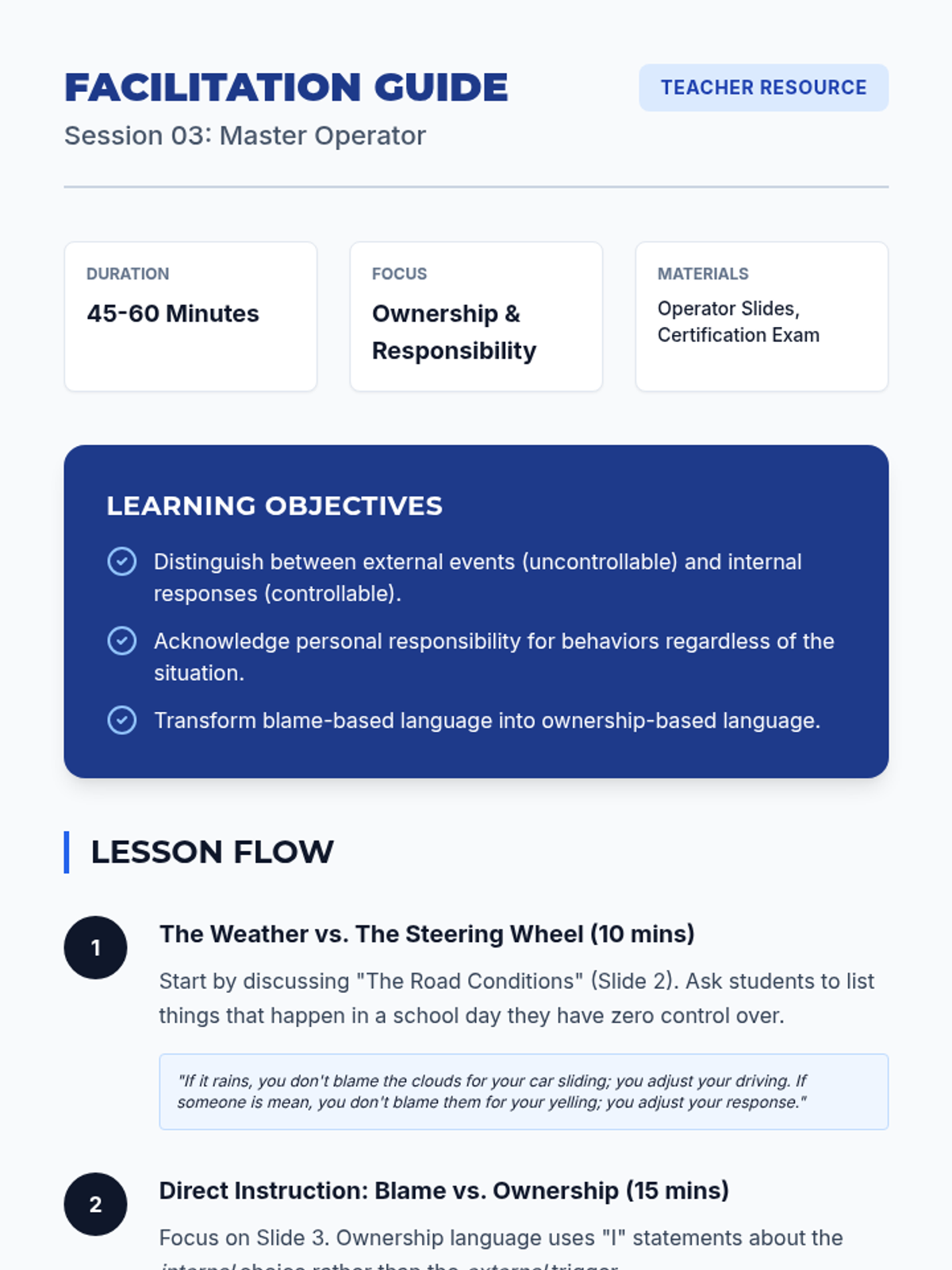
Practicing personal responsibility and ownership of outcomes. Students learn that regardless of the 'road conditions', they are the ones steering their own lives.
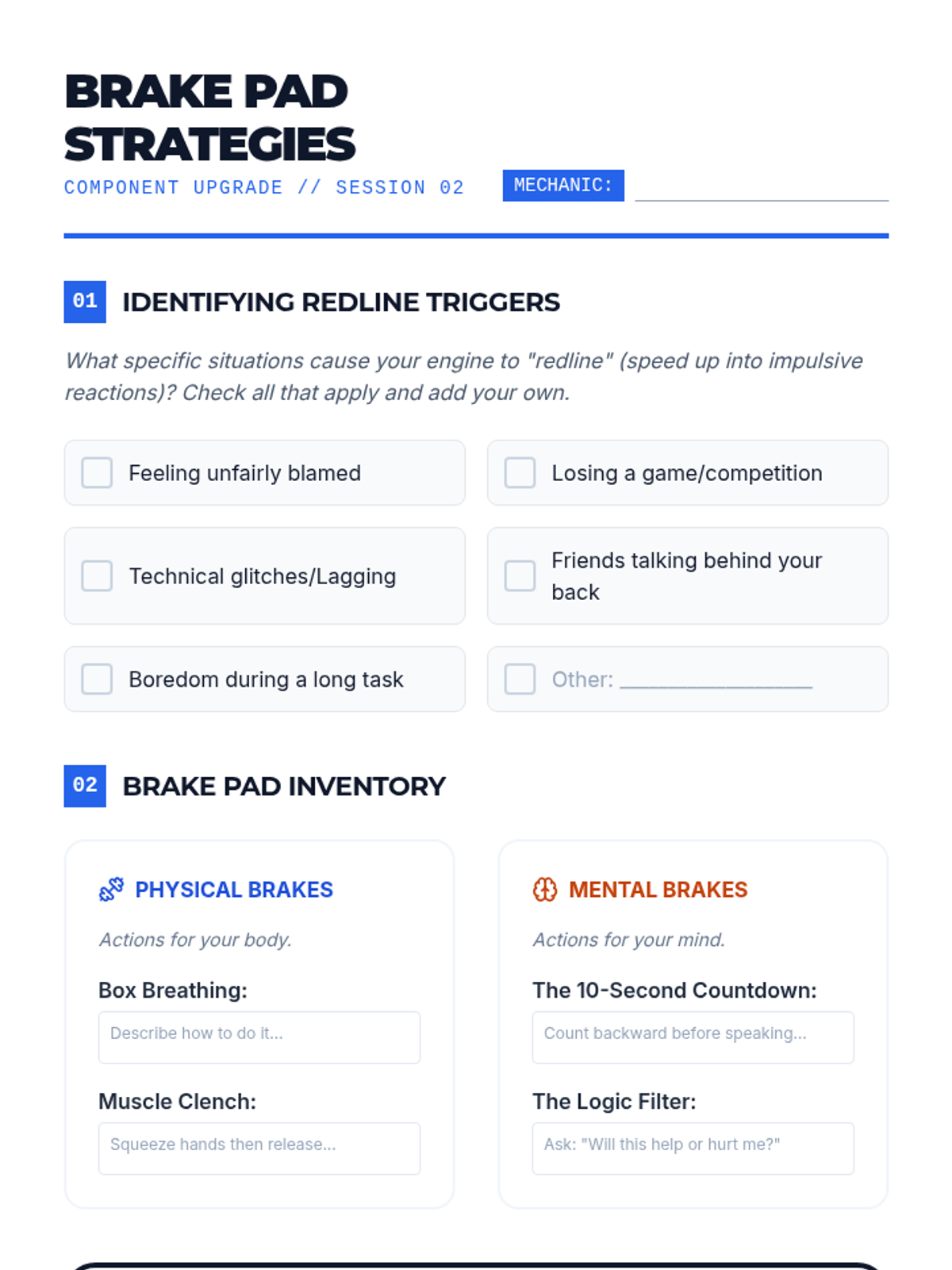
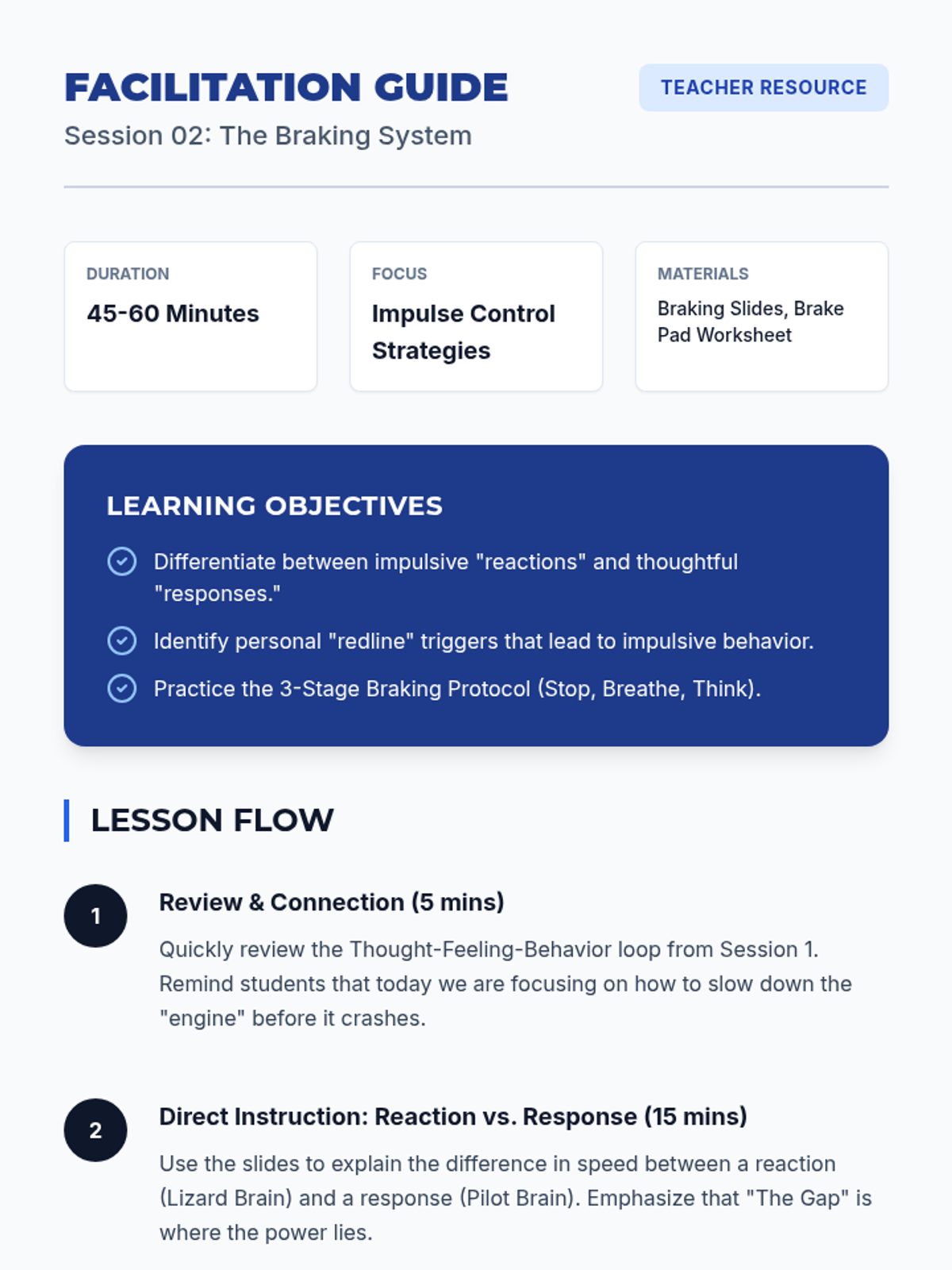
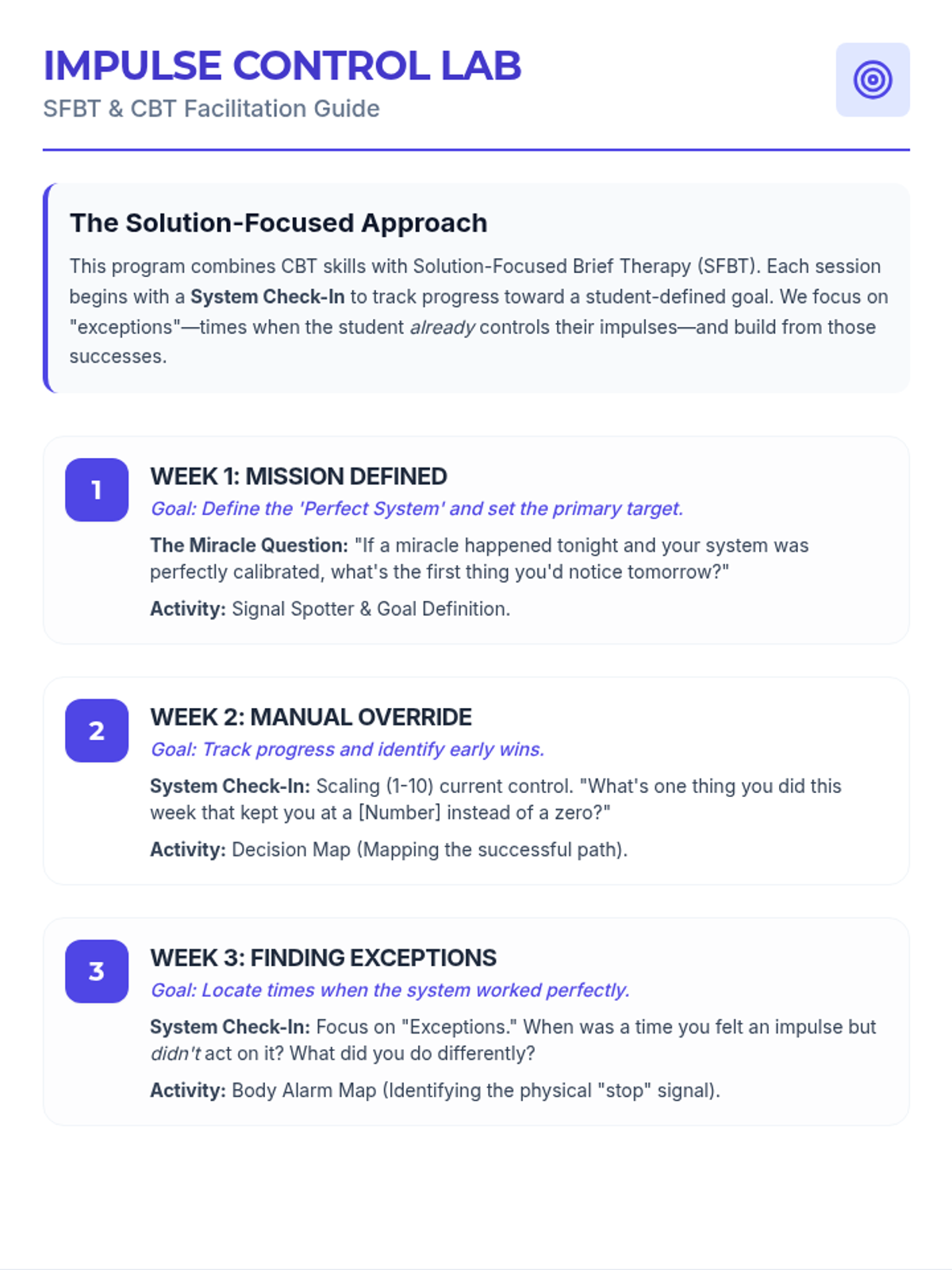
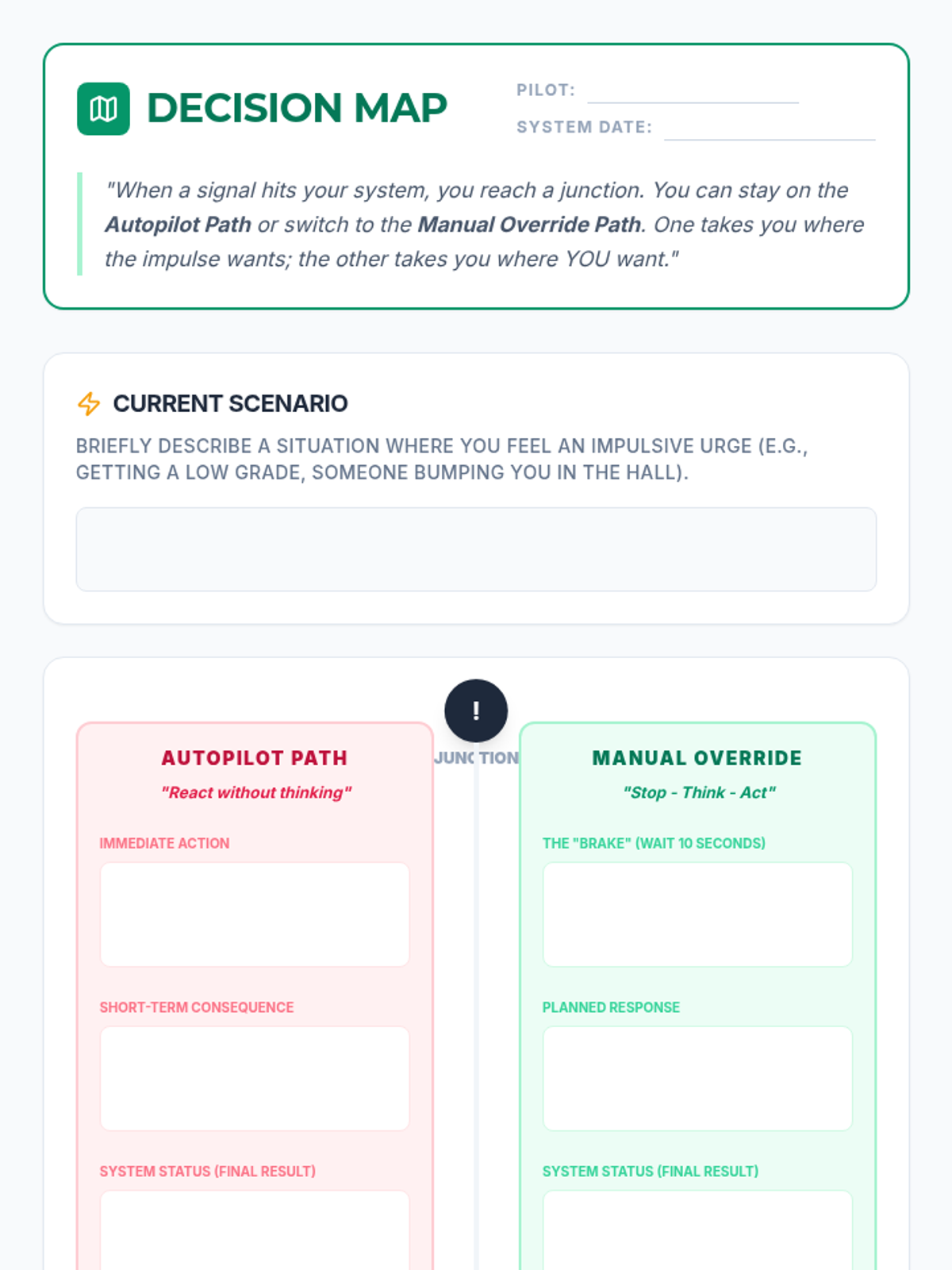
Developing strategies to slow down 'high-speed' impulsive reactions. Students practice using cognitive 'brakes' to create space between a trigger and their response.
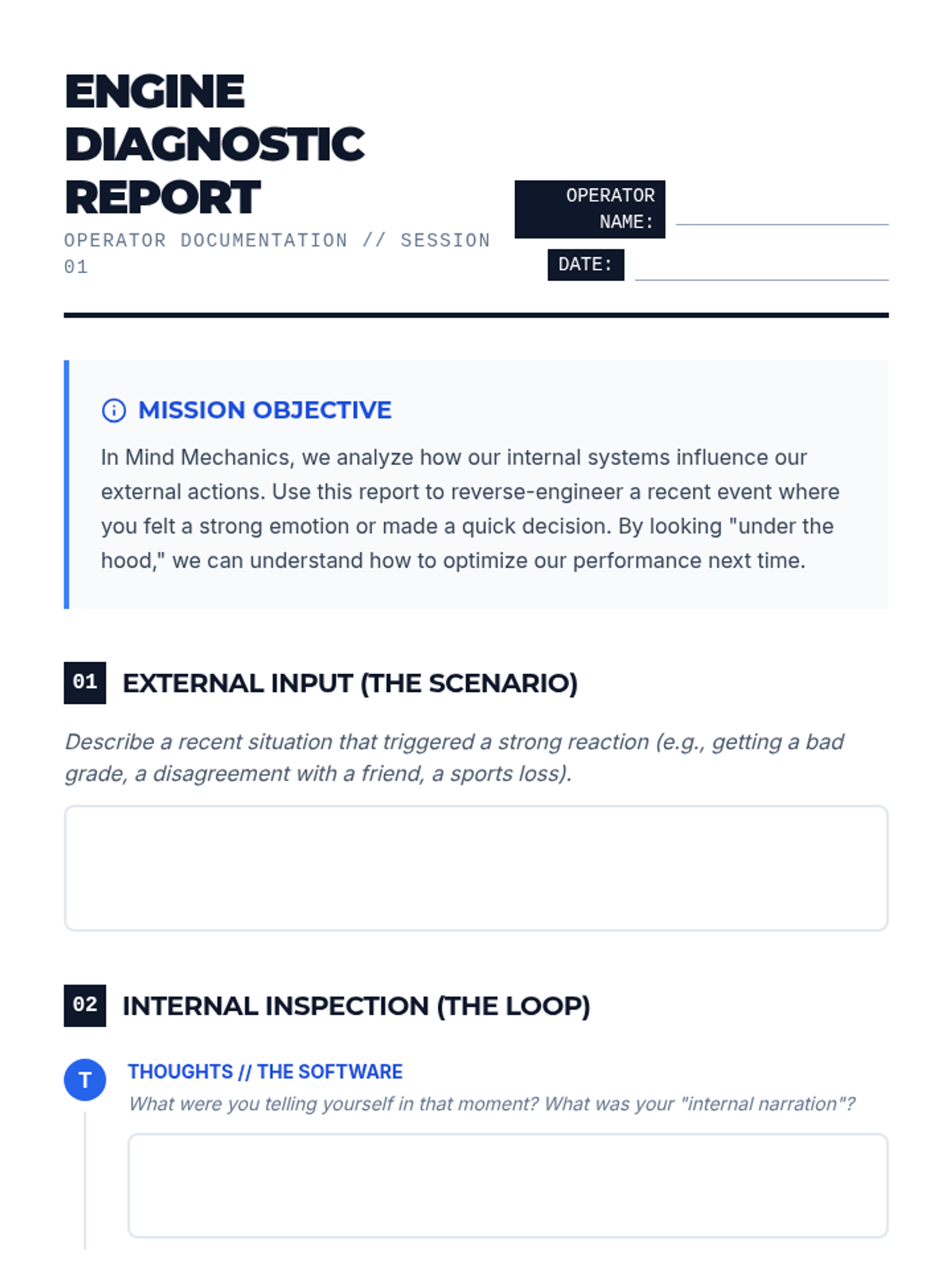
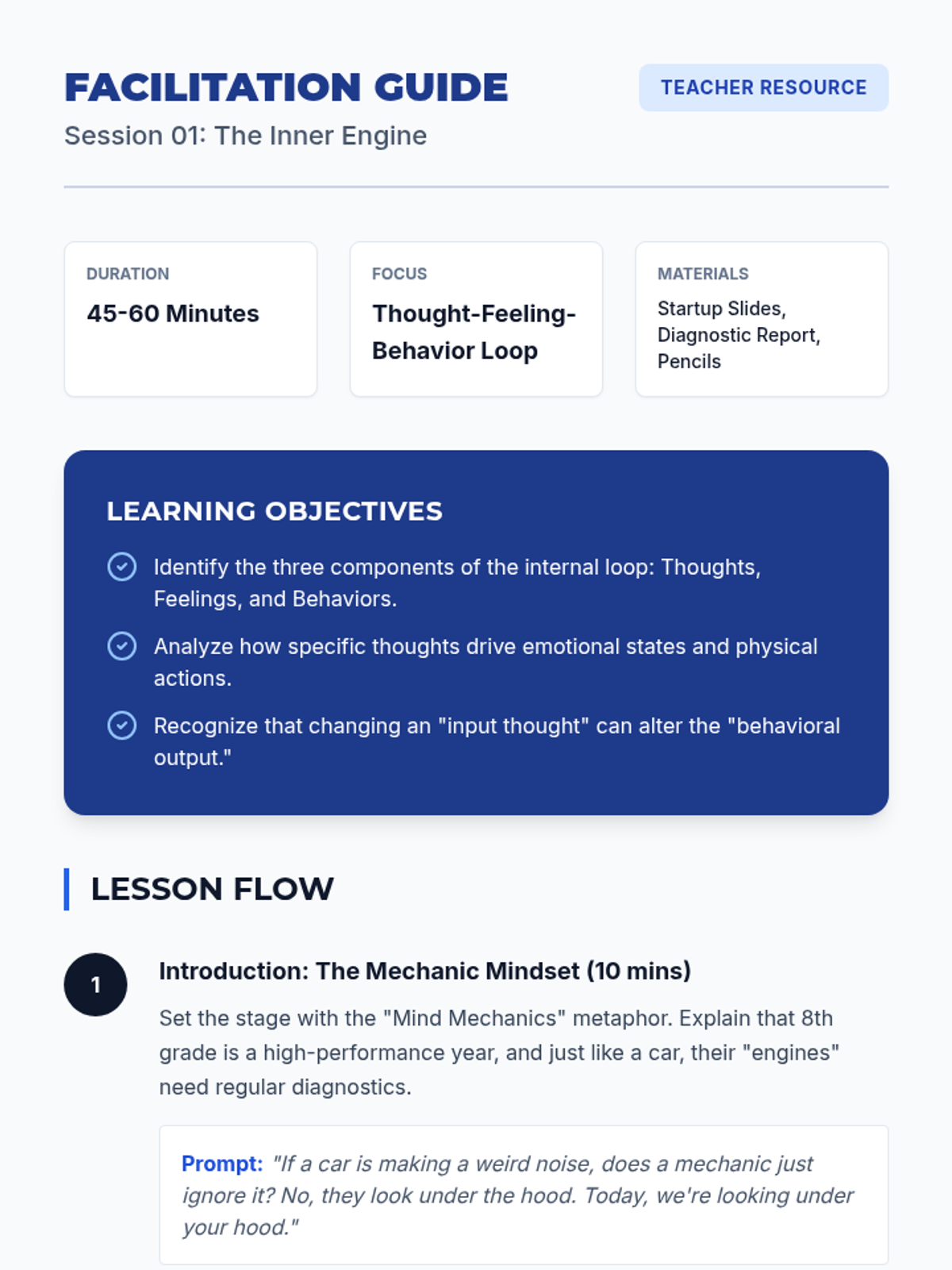
Introduction to the connection between thoughts, feelings, and behaviors. Students learn to diagnose their 'inner engine' and identify how internal states drive external actions.
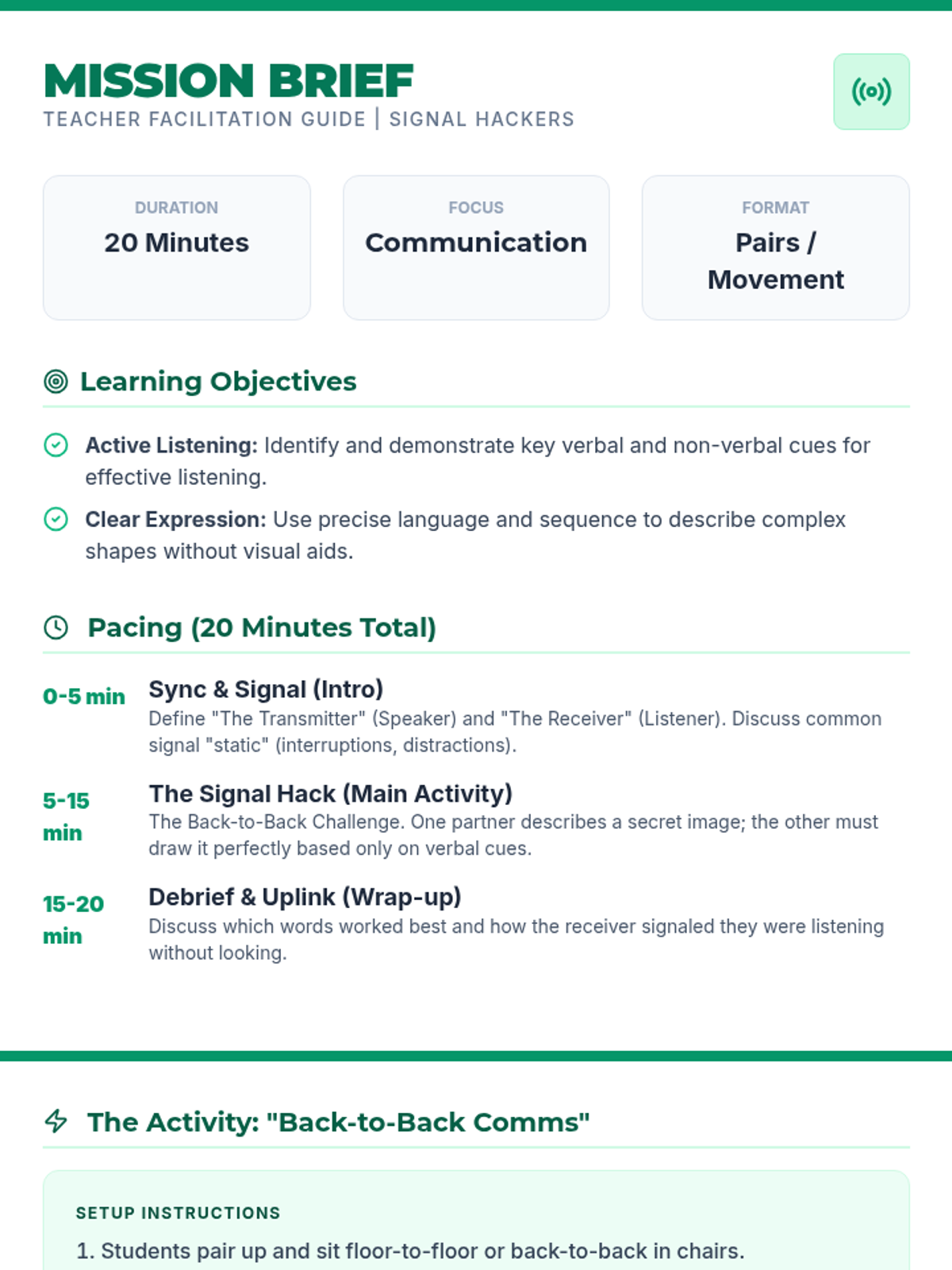
A fast-paced, 20-minute interactive workshop where middle school students practice active listening and clear expression through a back-to-back communication challenge.
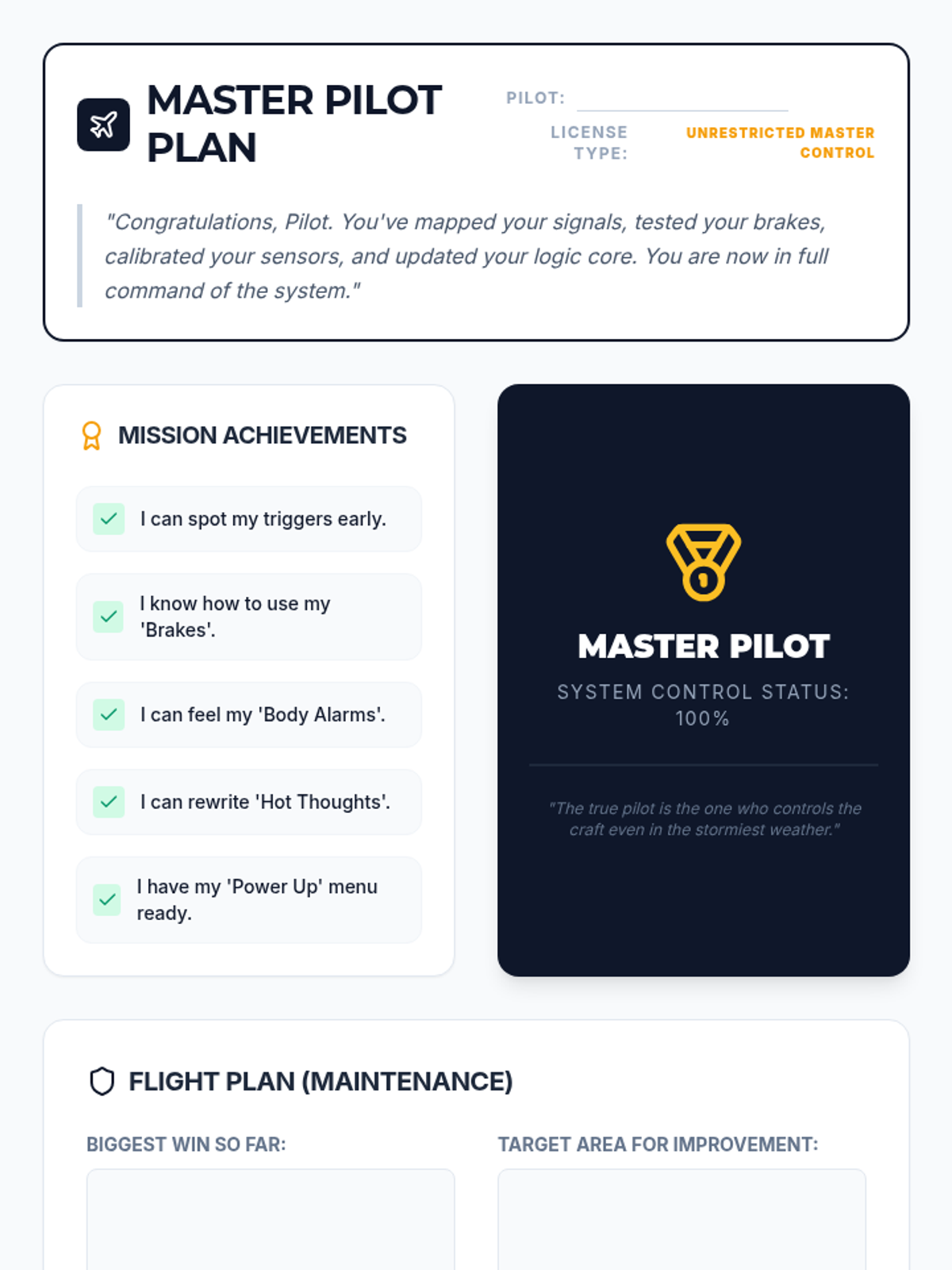
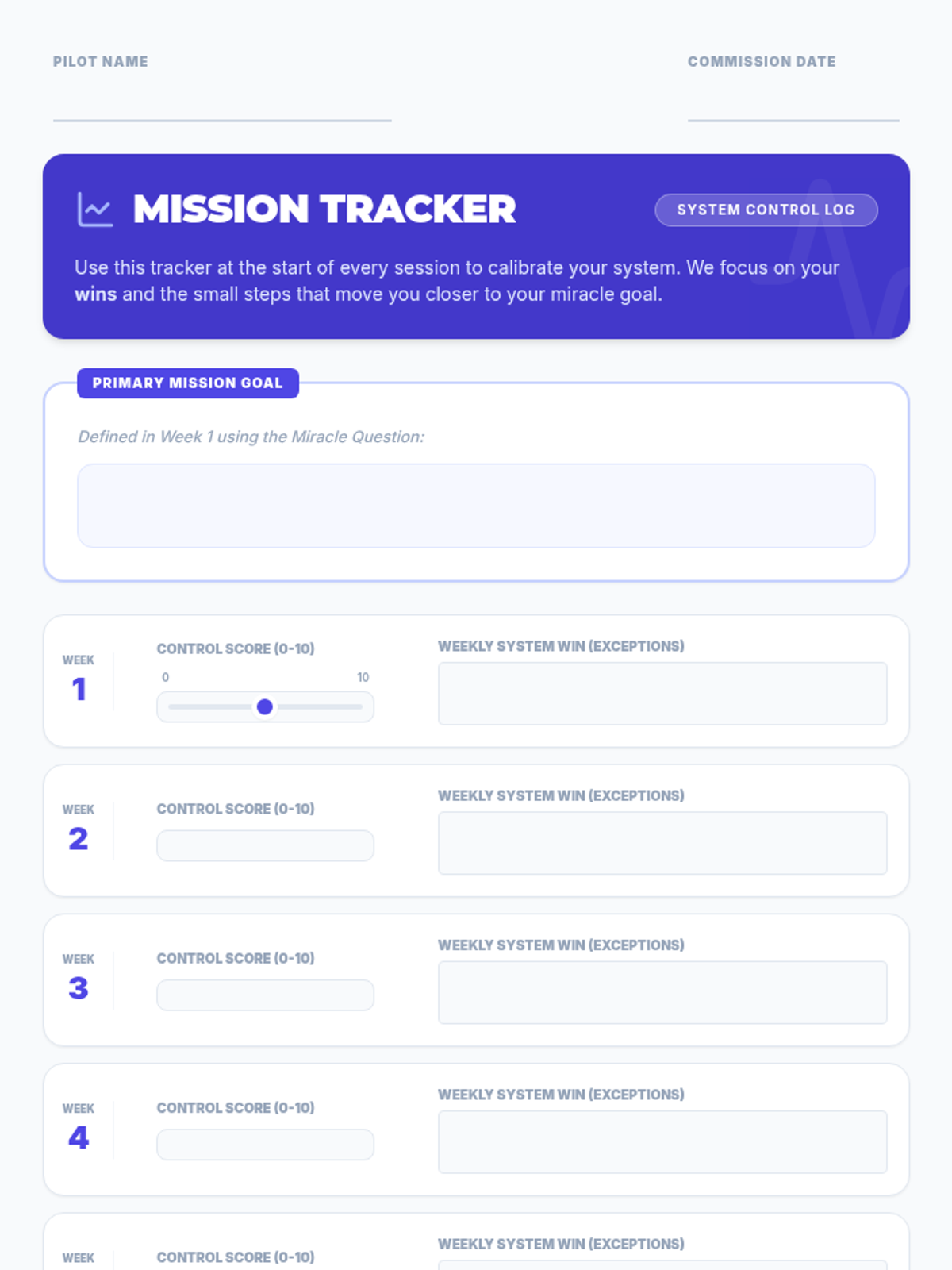
Reviewing progress, creating a long-term maintenance plan, and celebrating the transition to 'Master Pilot'.
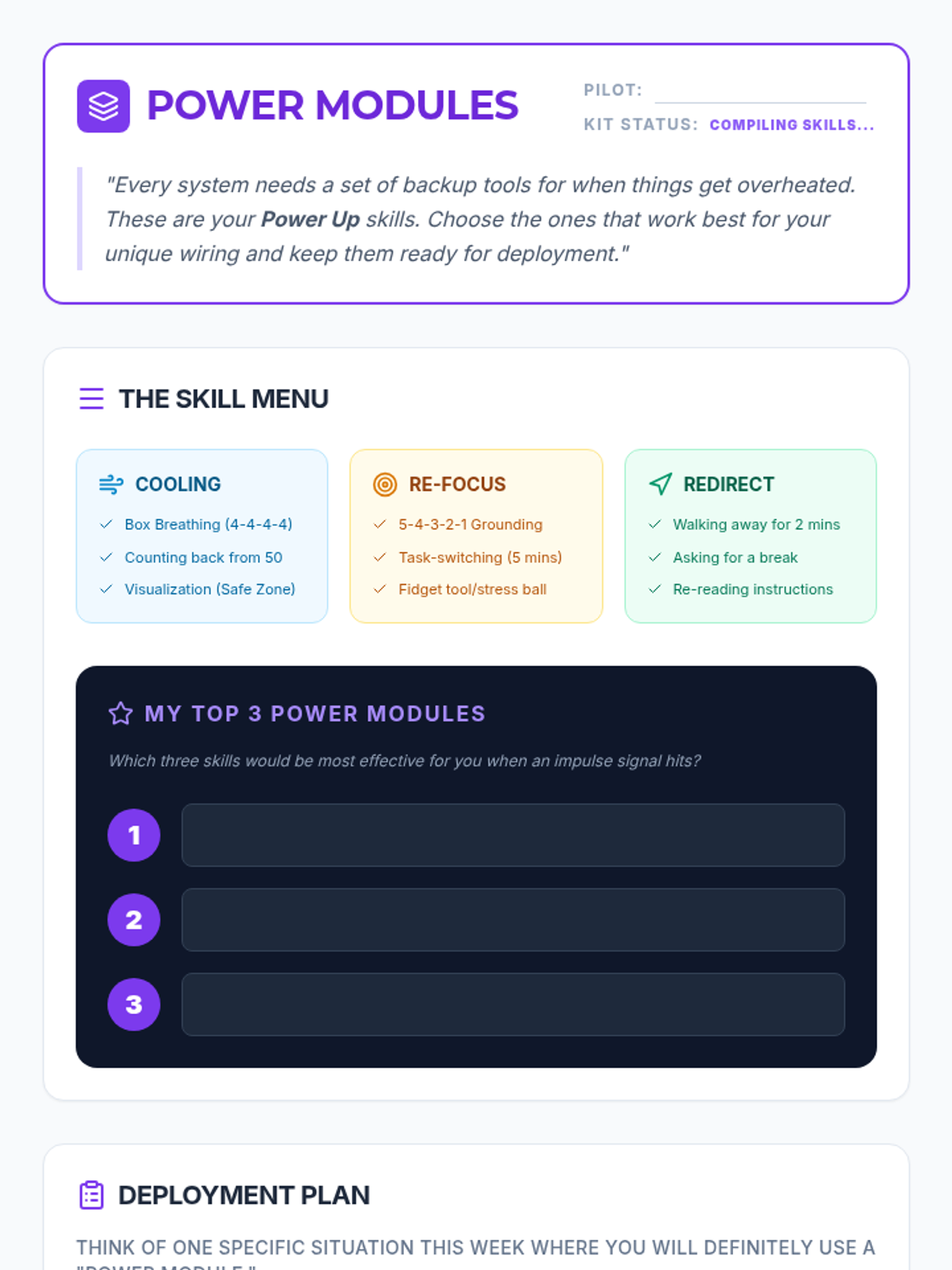
Building a toolkit of personalized coping strategies and 'Power Up' behaviors to replace impulsive ones.
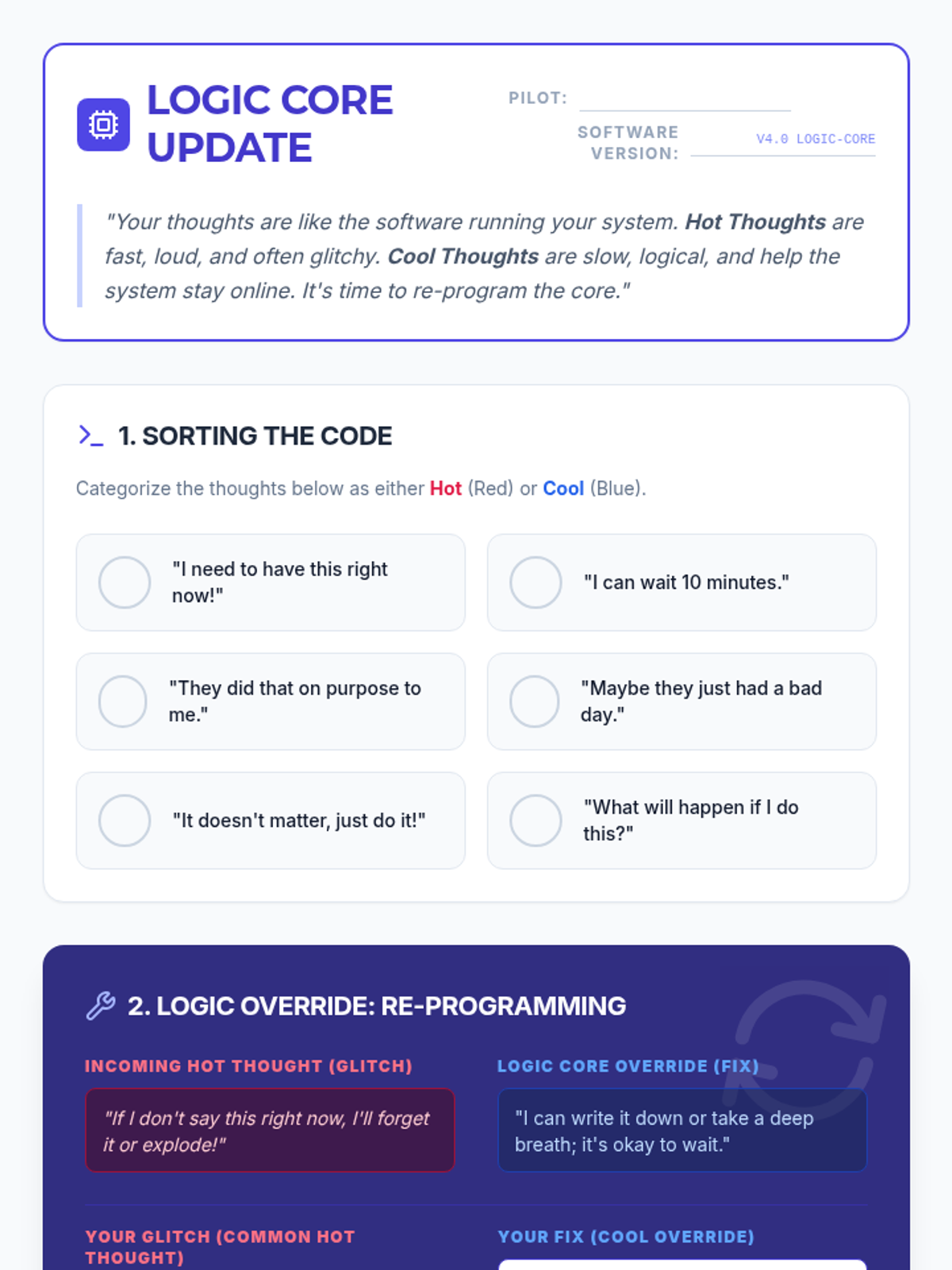
Recognizing 'Hot Thoughts' versus 'Cool Thoughts' and learning to reframe impulsive thinking.
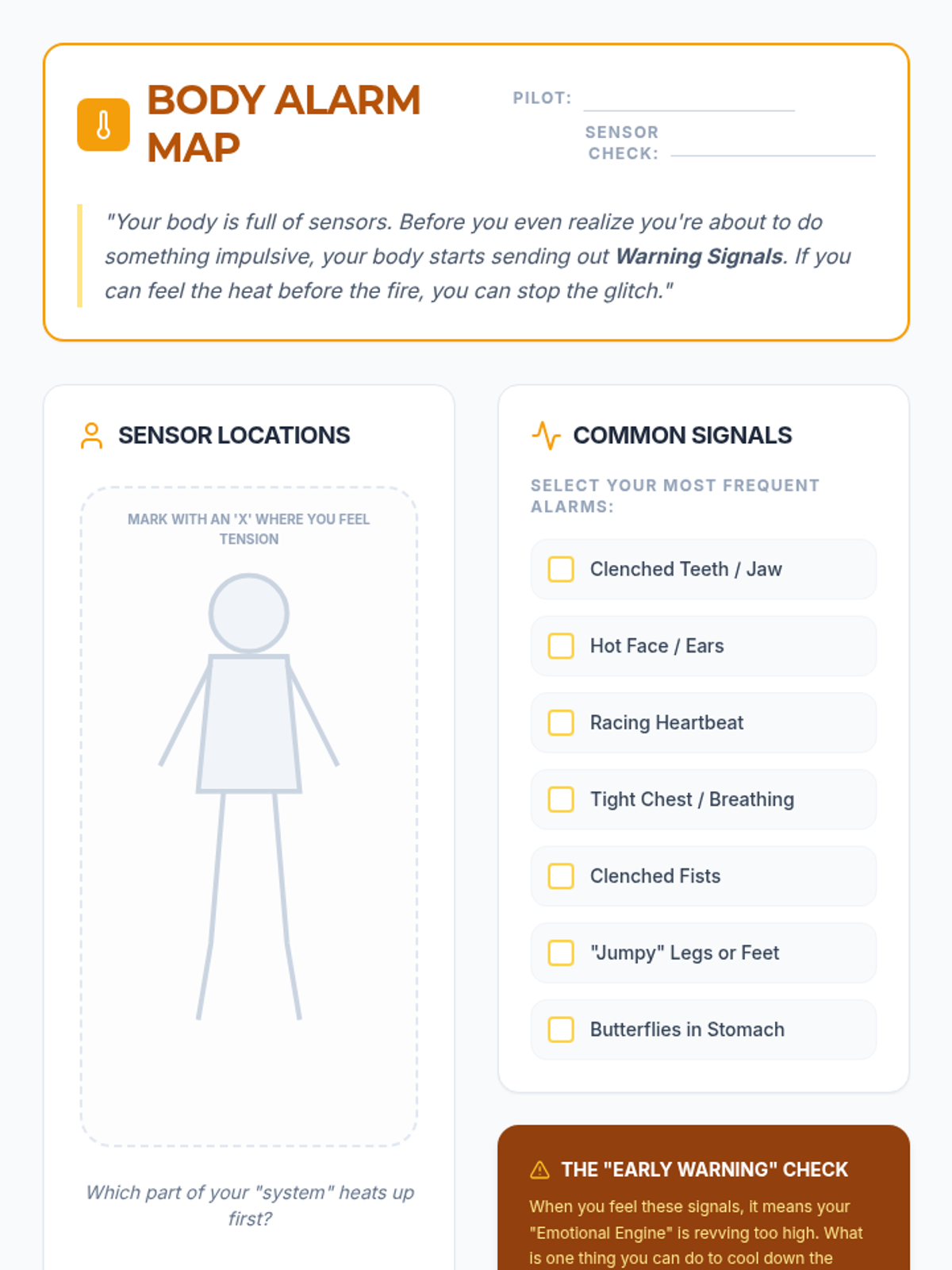
Identifying physical sensations in the body that signal an impulsive urge is coming.
Learning the 'Stop, Think, Act' model and visualizing the consequences of different choices.
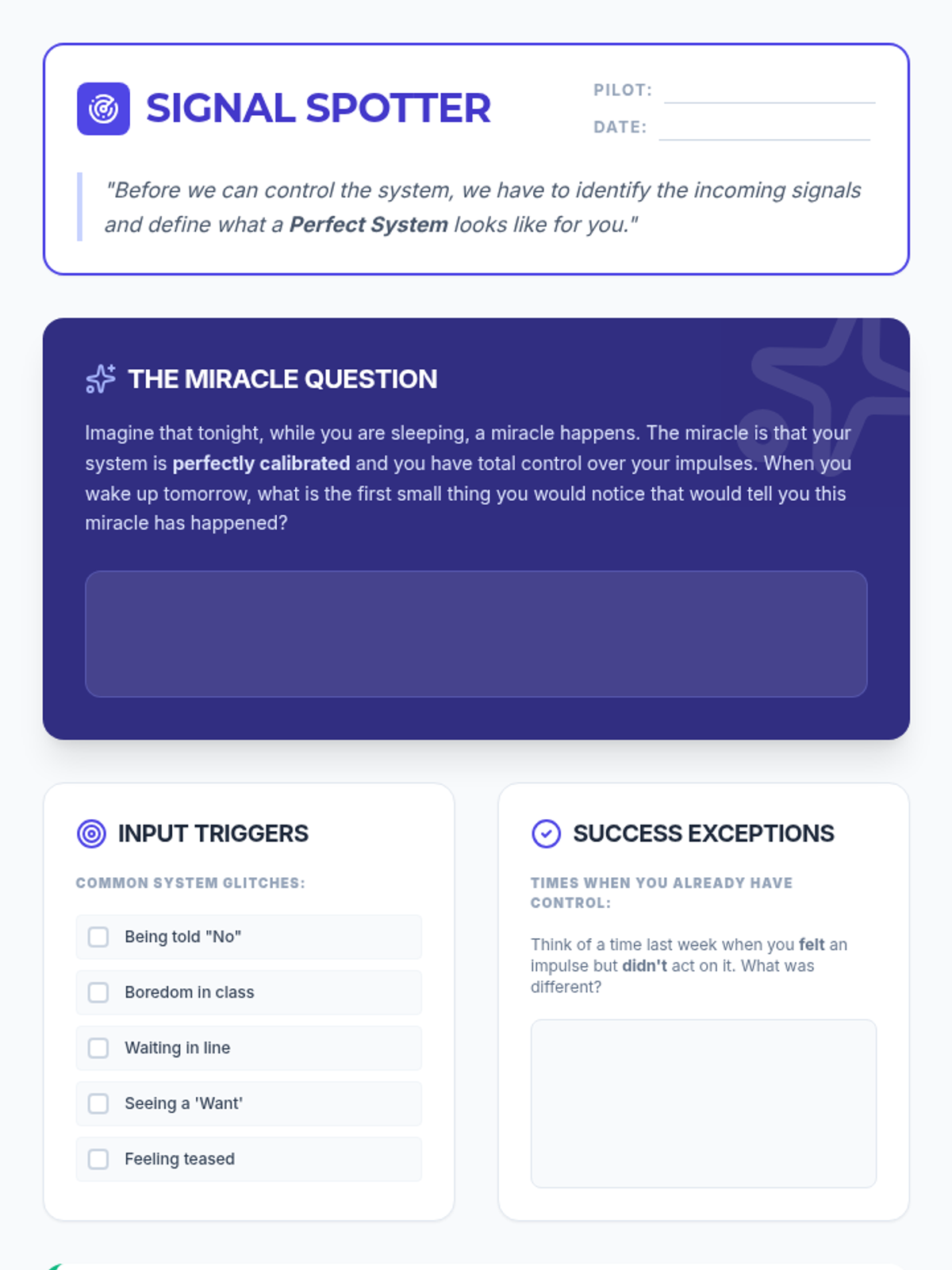
Introduction to impulsivity, identifying personal 'glitches' or triggers, and understanding the 'Control Lab' concept.