A 5-day introductory series for grades 3-5 celebrating Autism Acceptance Month by focusing on neurodiversity, sensory tools, and inclusion skills. The unit uses a 'Brain Lab' theme to encourage scientific curiosity and empathy.
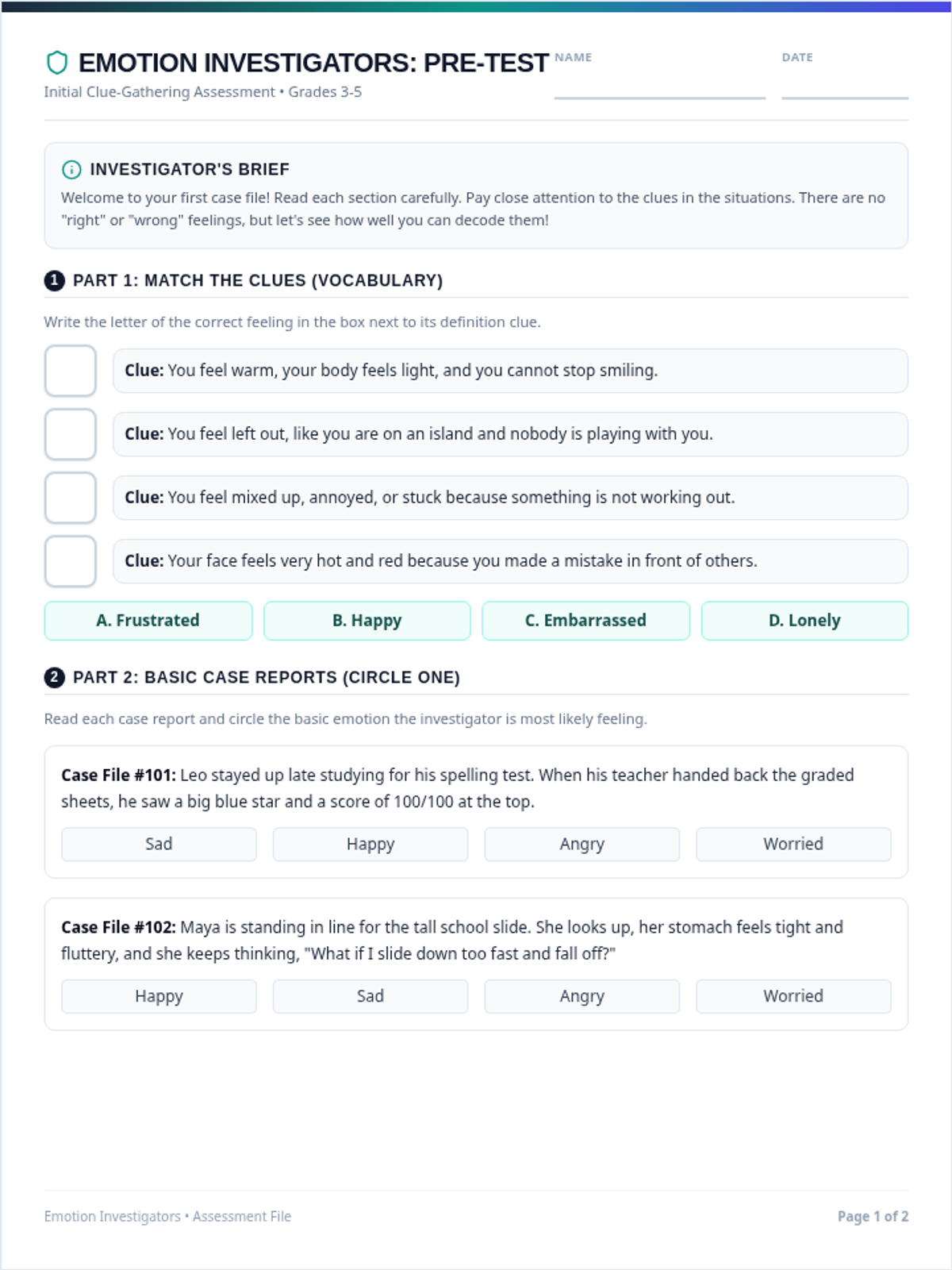
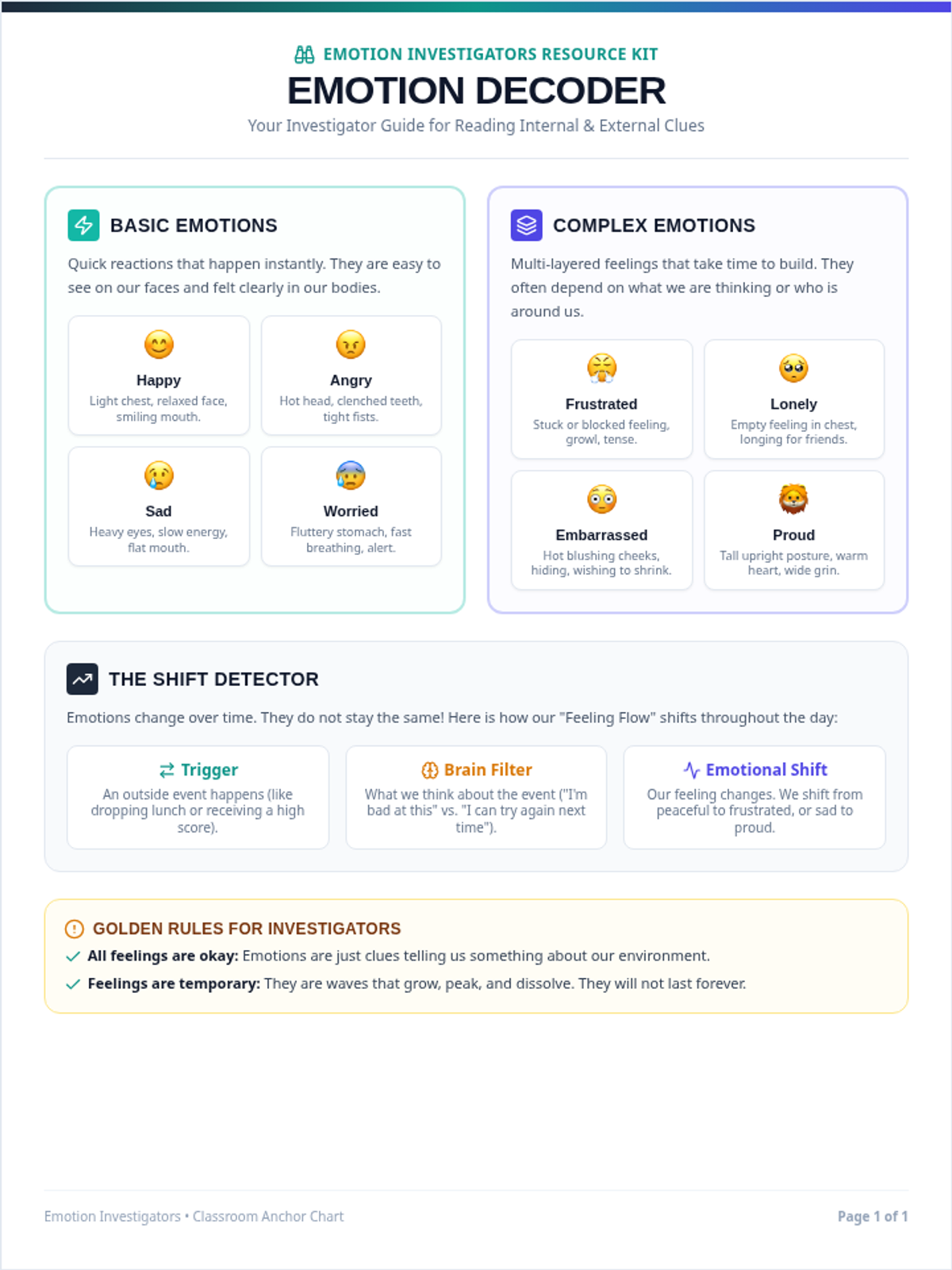
A narrative-driven social work unit for DHH students focusing on non-verbal communication and emotion recognition. Set in a futuristic 'cyber-school' environment to mirror the interactive style of Deafverse.
A multi-day social-emotional learning sequence that teaches students how to identify, manage, and communicate difficult emotions like anger and conflict using the metaphor of an 'Emotional Backpack'. Designed with high-visual support for EAL and neurodivergent learners.
A 5-part journey into building positive mental habits, focusing on gratitude, mindfulness, and kindness through an architectural lens. Students act as 'Joy Architects' to design their own daily well-being routines.
A guidance lesson sequence focused on building empathy, standing up against bullying, and fostering friendship based on the book 'Dare' by Erin Frankel. This sequence aligns with ASCA Mindsets & Behaviors for 3rd-grade students.
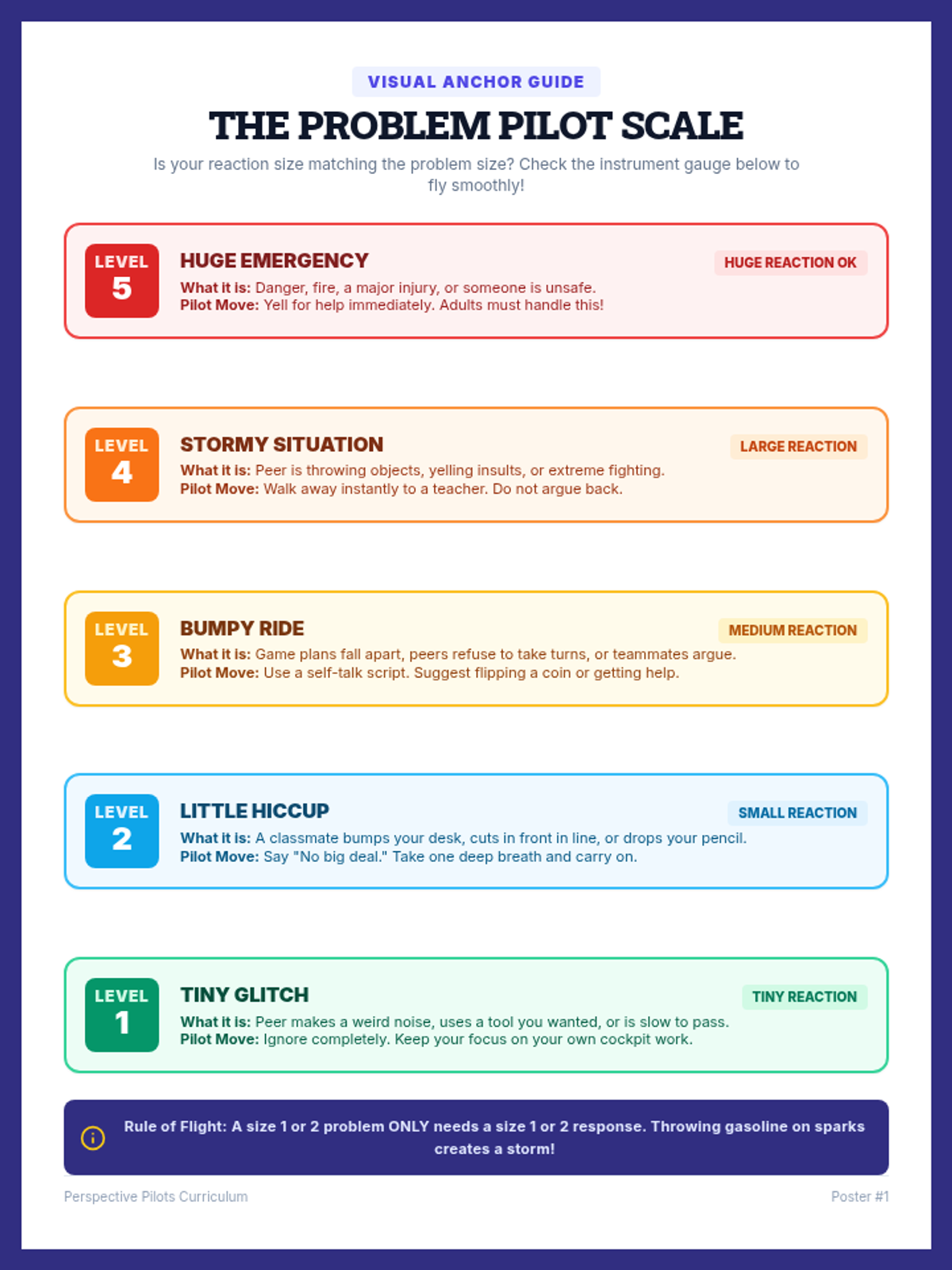
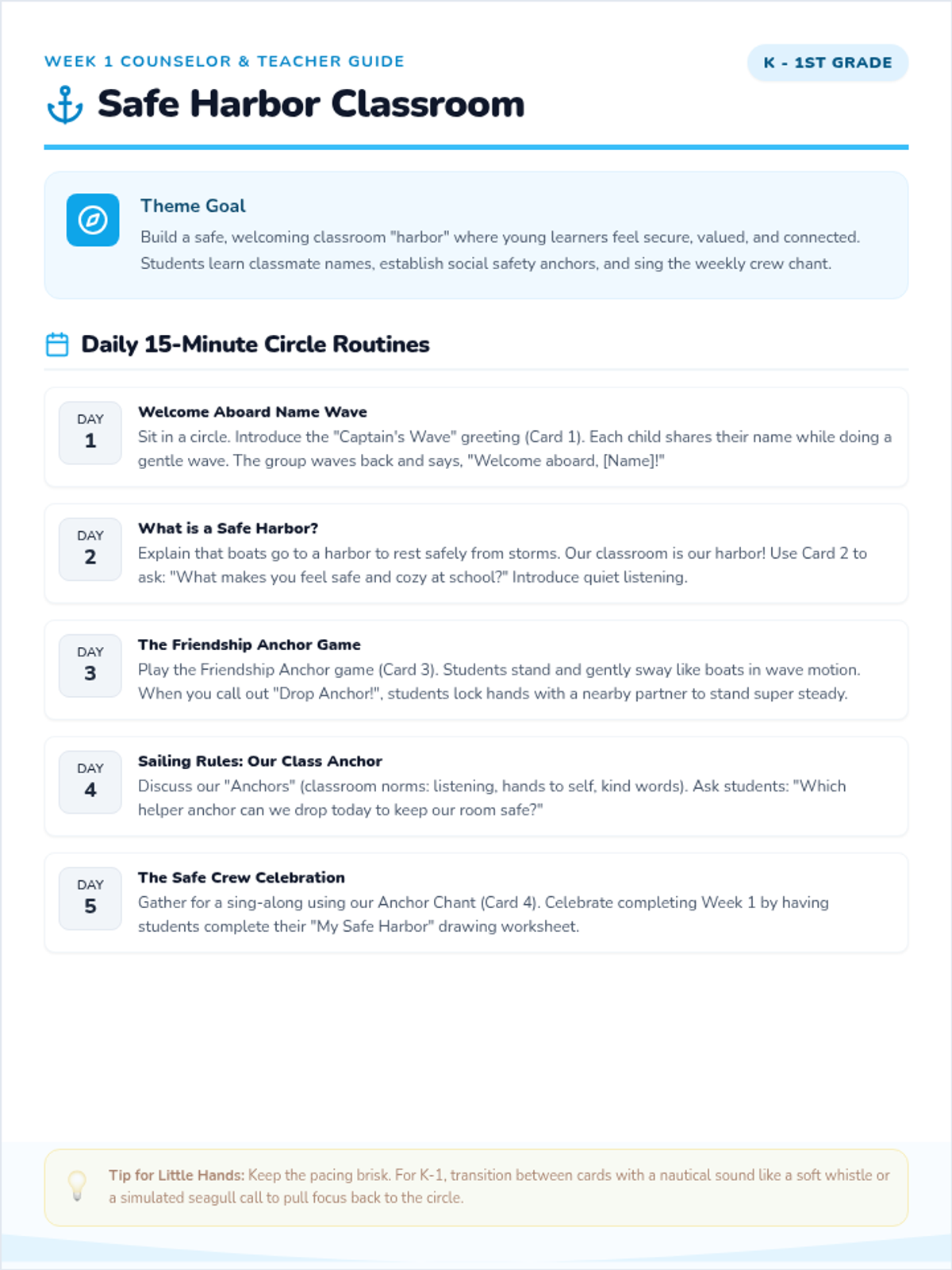
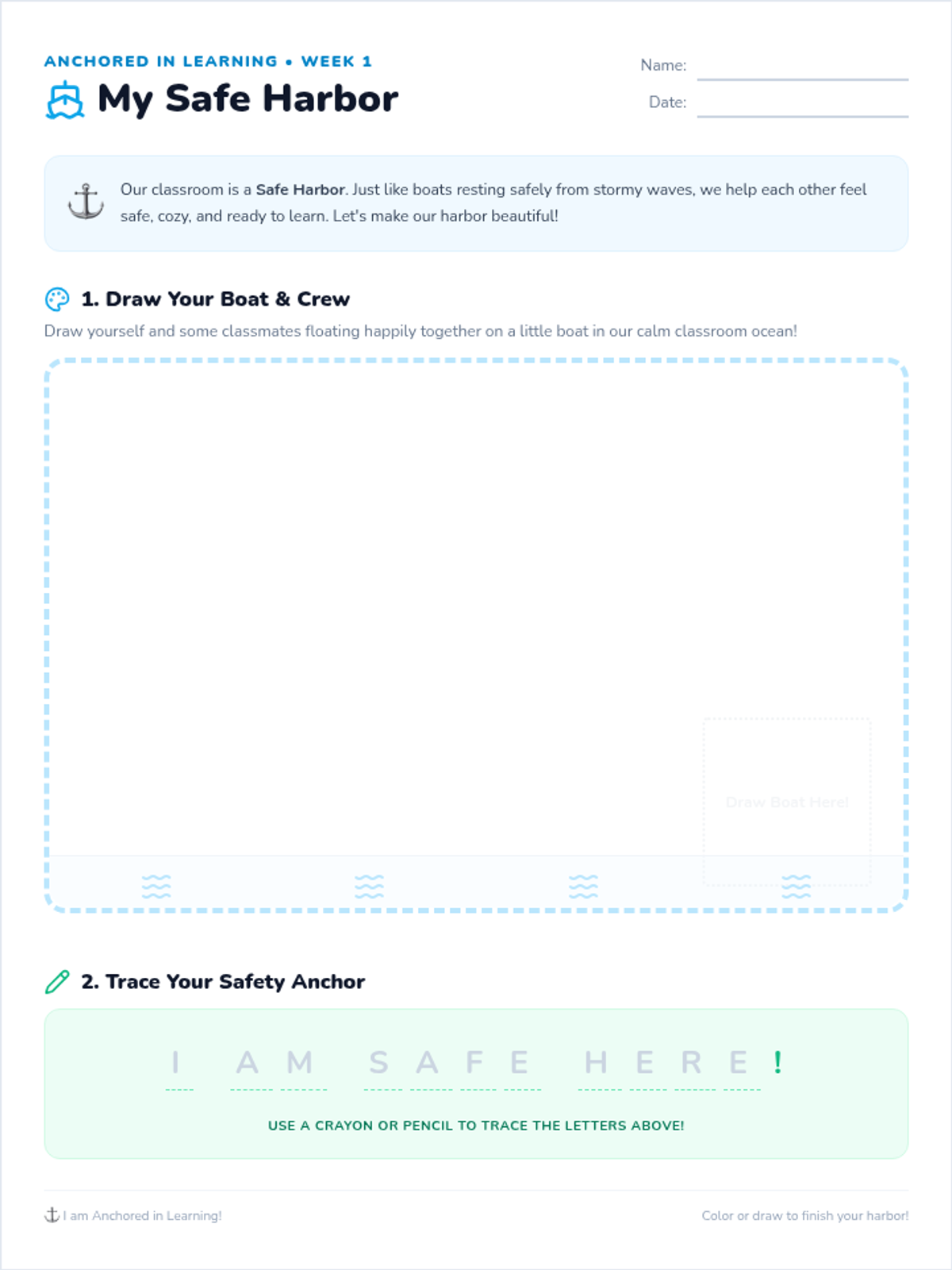
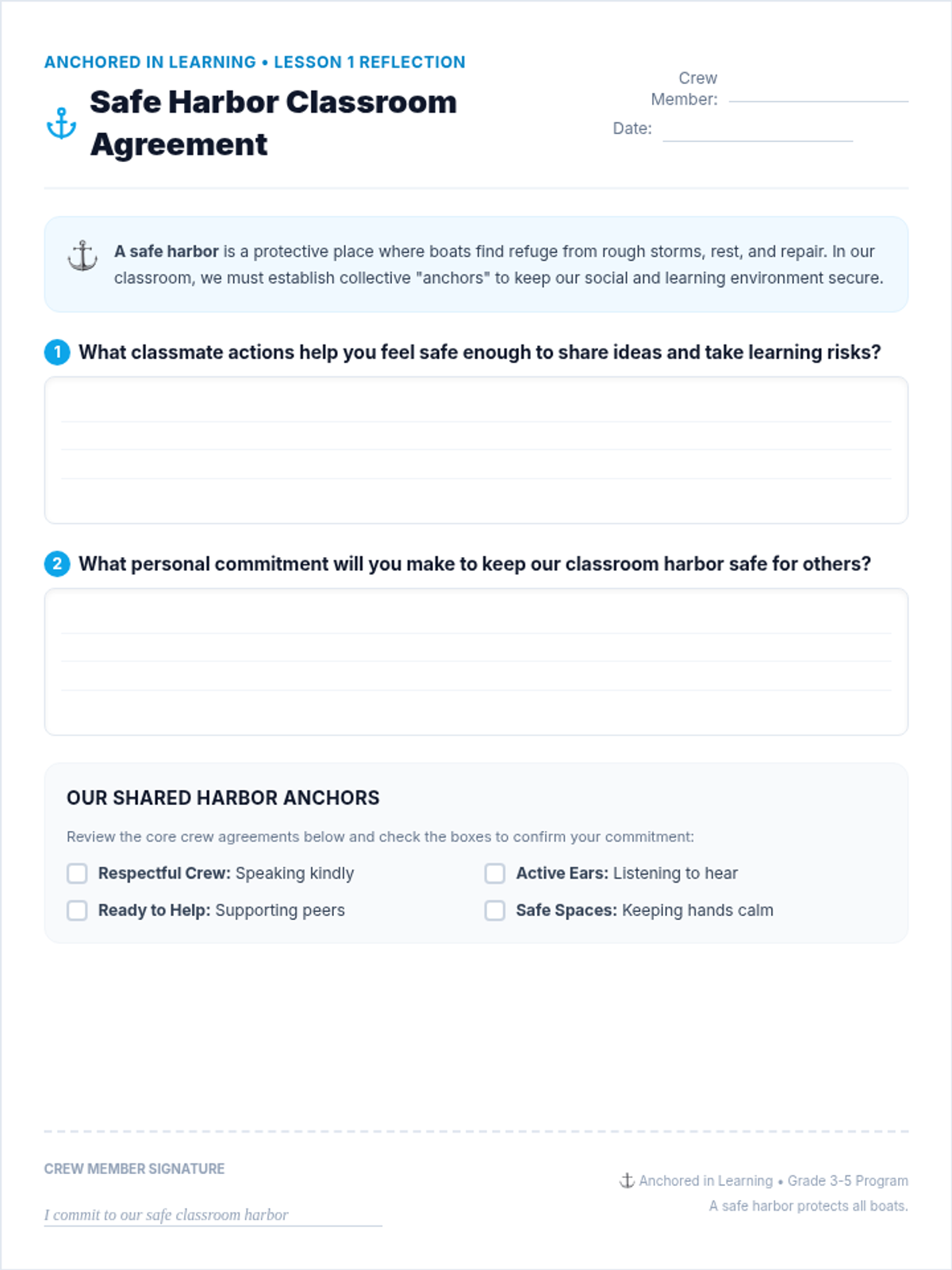
A two-day SEL unit for K-5 students on accepting 'no' gracefully. Using a nautical theme, students learn to identify their 'stormy' feelings and use deep breathing as an 'anchor' to return to calm waters.
A sequence designed for rising 6th graders to navigate the social complexities of middle school by identifying expected and unexpected behaviors in the lunchroom, at recess, and during the school transition.
A foundational unit for elementary students to discover the link between their current schoolwork and their future career aspirations through interest identification and goal setting.
A multi-grade progression of college and career exploration, starting with community heroes and tools (K-1) and moving toward specific skill sets and career blueprints (2-3).
A comprehensive bullying prevention curriculum for PK-6 students, featuring two distinct 30-minute sessions for every individual grade level. The program uses mentor texts by Kathryn Otoshi, Trudy Ludwig, Julia Cook, and others to scaffold concepts of power imbalance, upstander strategies, and school culture change.
A sequence of lessons focused on the pillars of character, starting with citizenship. Students explore what it means to be a productive and caring member of their community through service and responsibility.