A supportive sequence of lessons designed to build rapport and communication skills with selectively mute ELL students through visual and non-verbal methods.
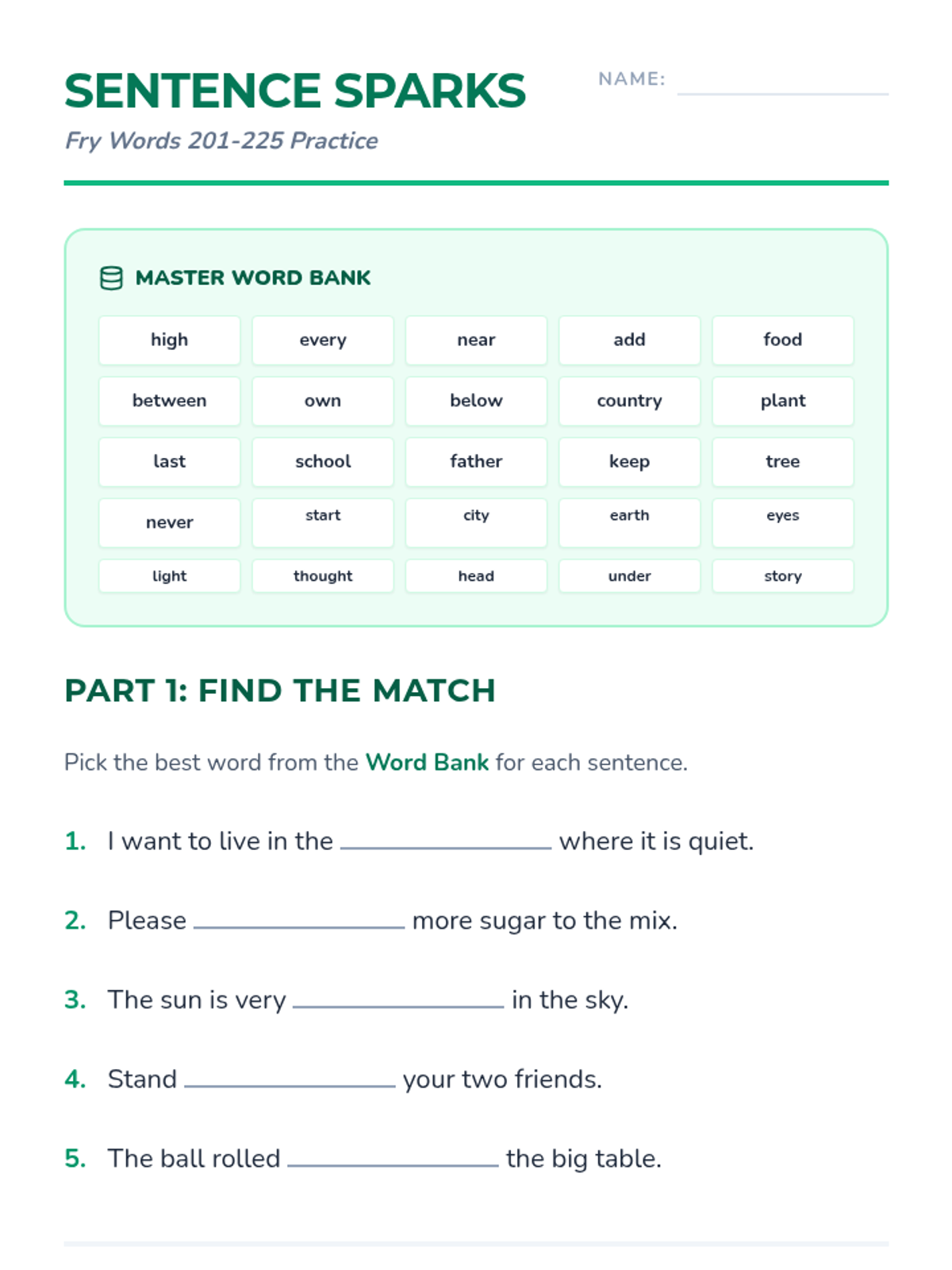
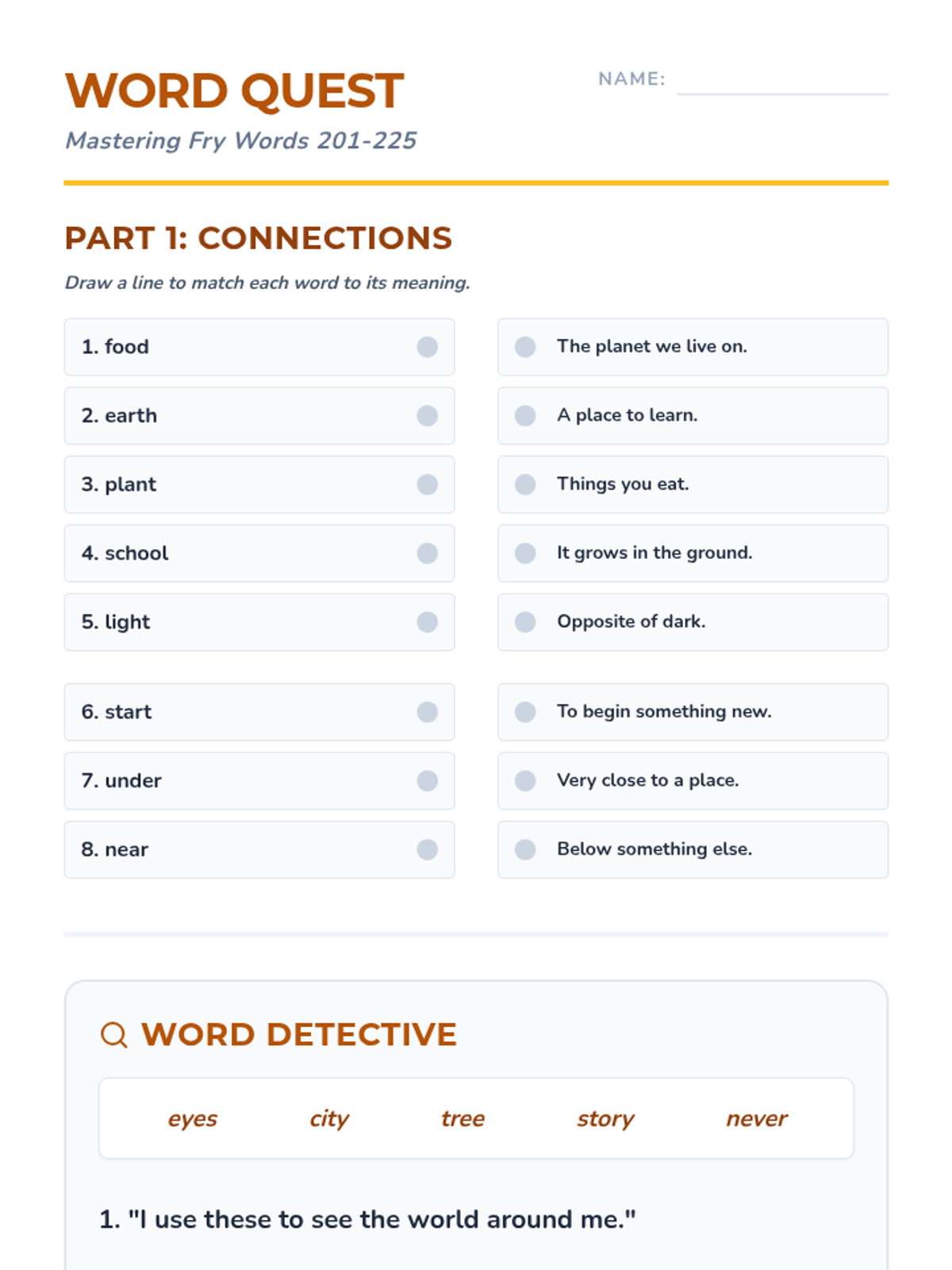
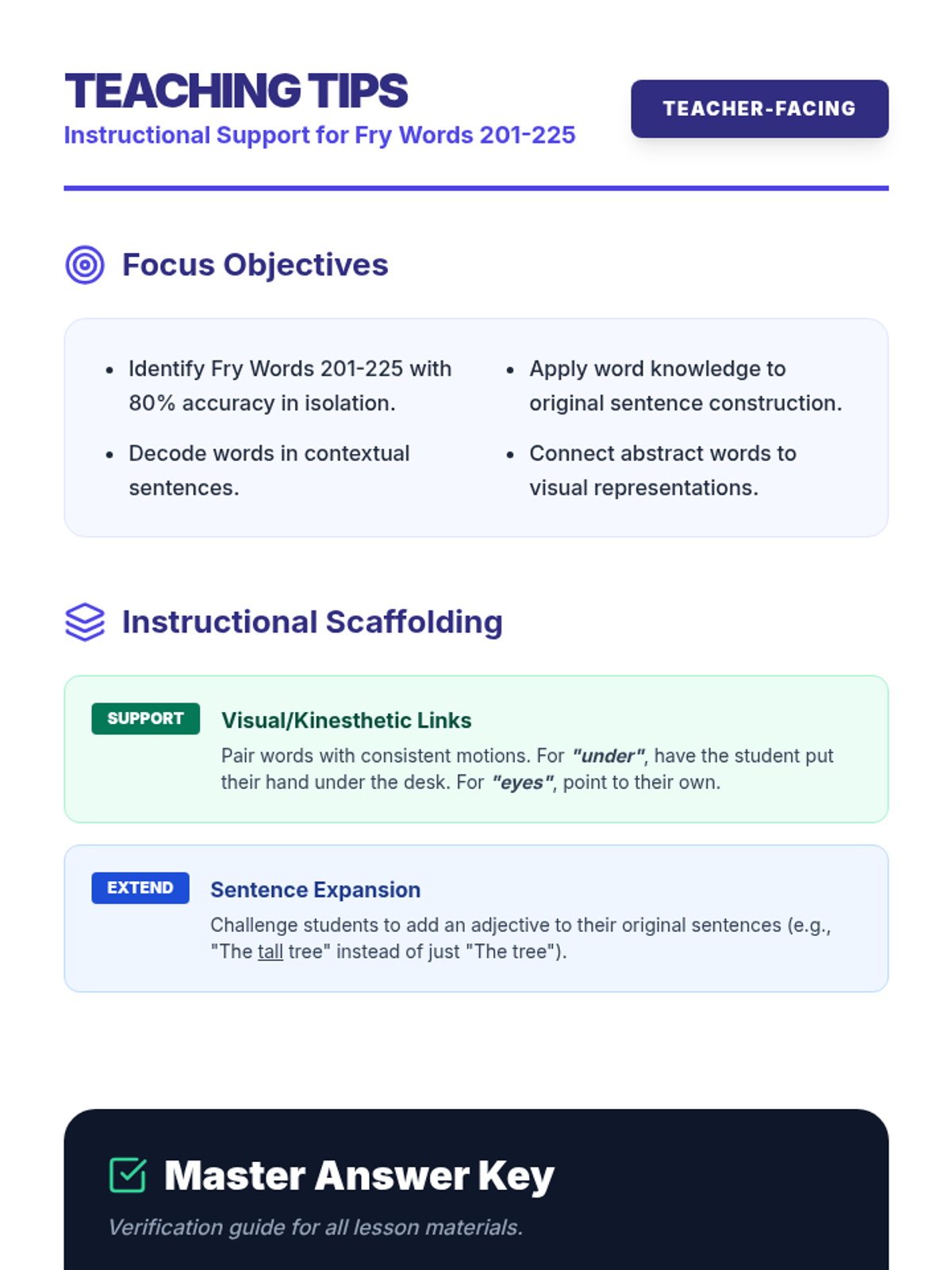
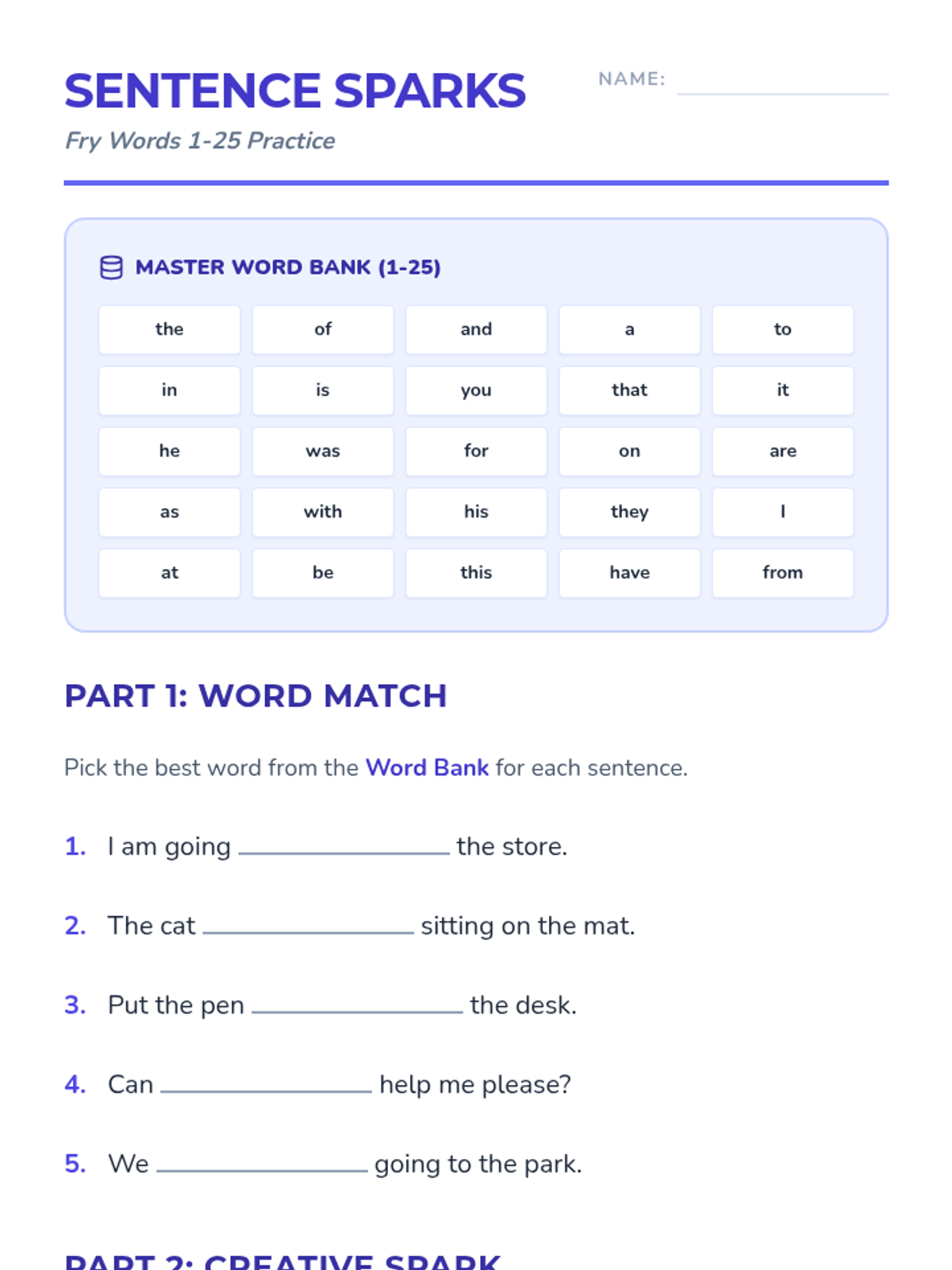
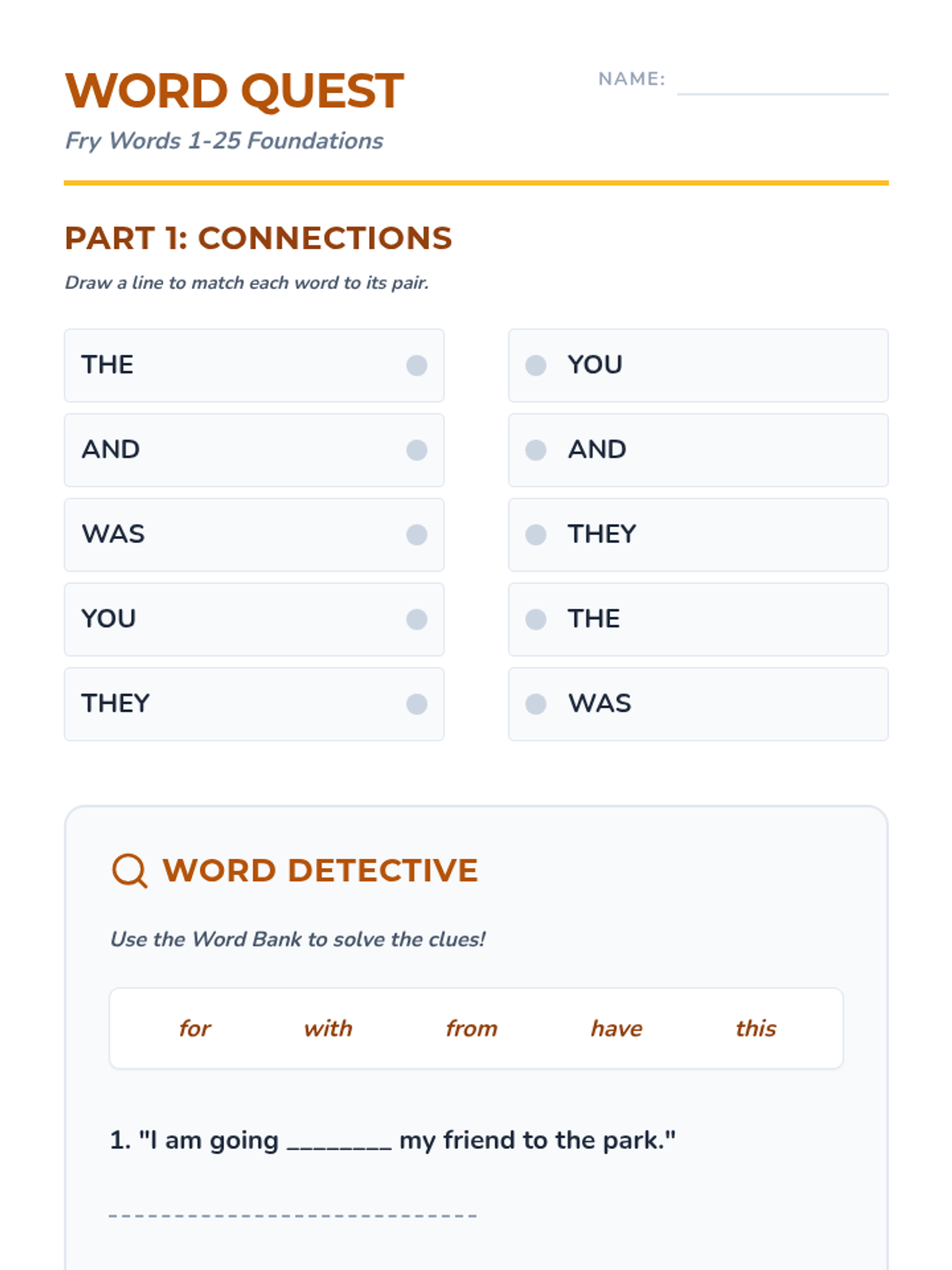
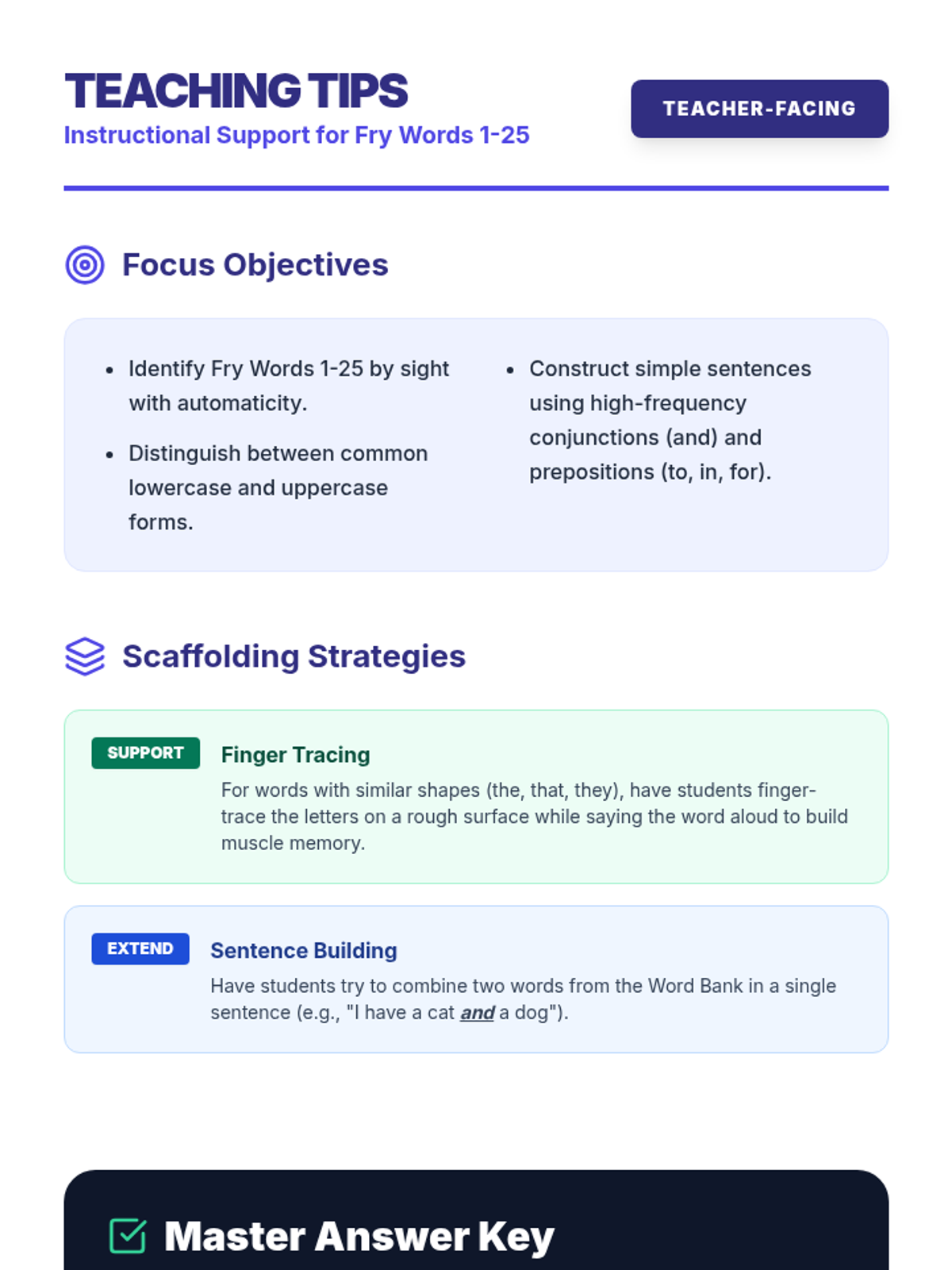
A series of literacy lessons for 5th grade students focused on mastering Fry Sight Word lists through visual instruction, sentence practice, and vocabulary activities.
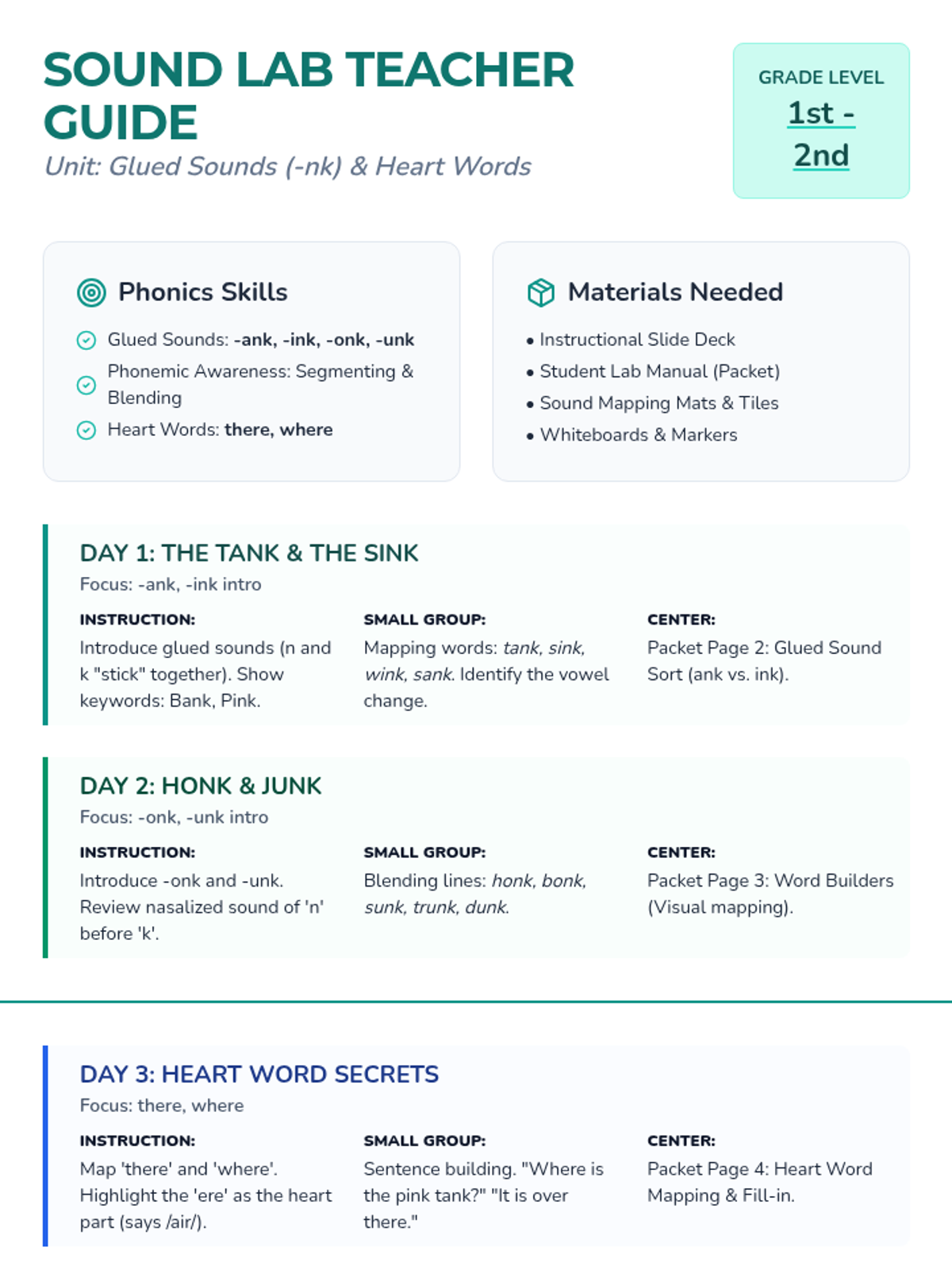
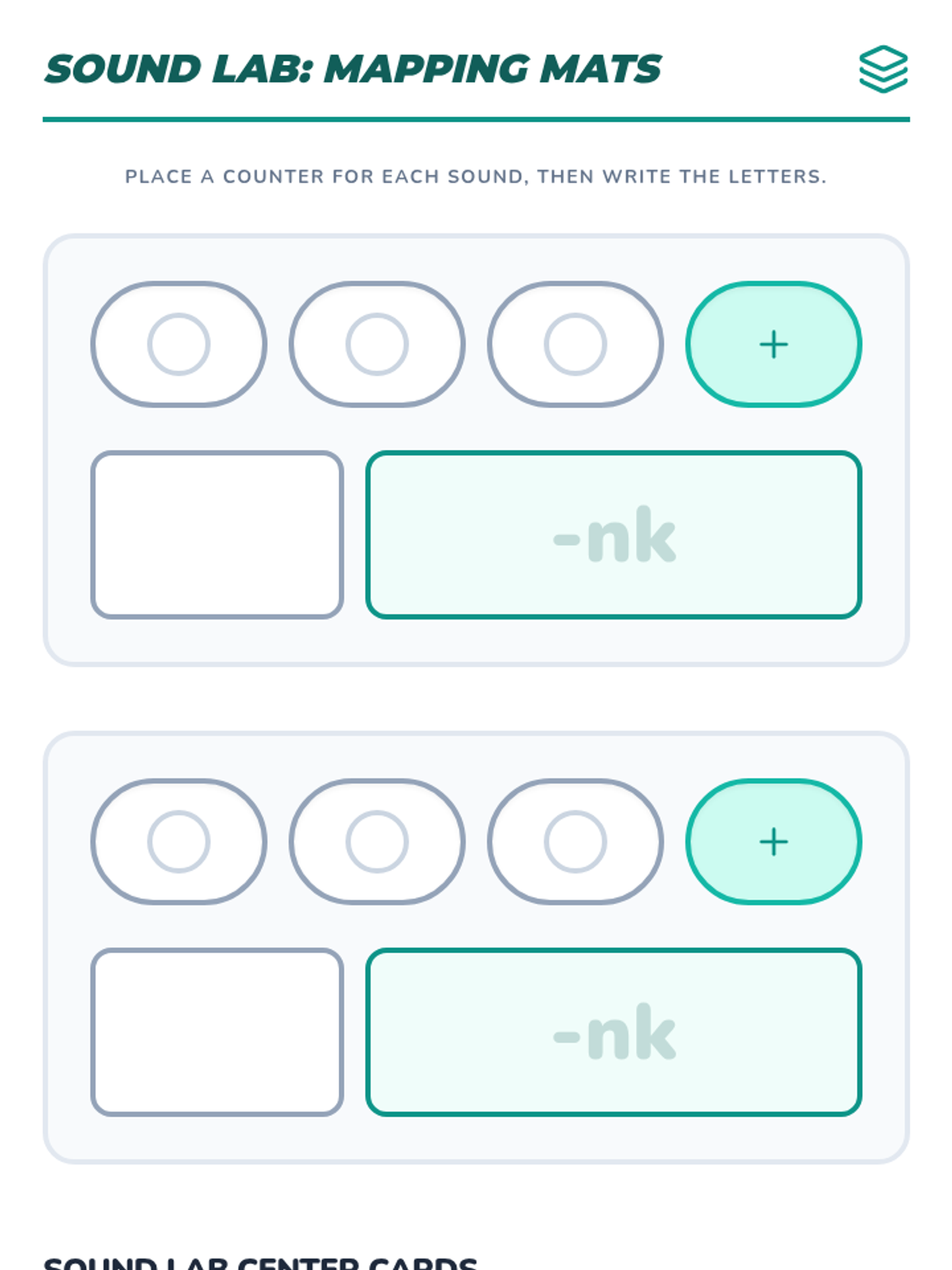
A comprehensive 5-day phonics unit focusing on glued sounds -nk (ank, ink, onk, unk) and the heart words 'there' and 'where'. Includes teacher-led instruction, student packets, and center activities.
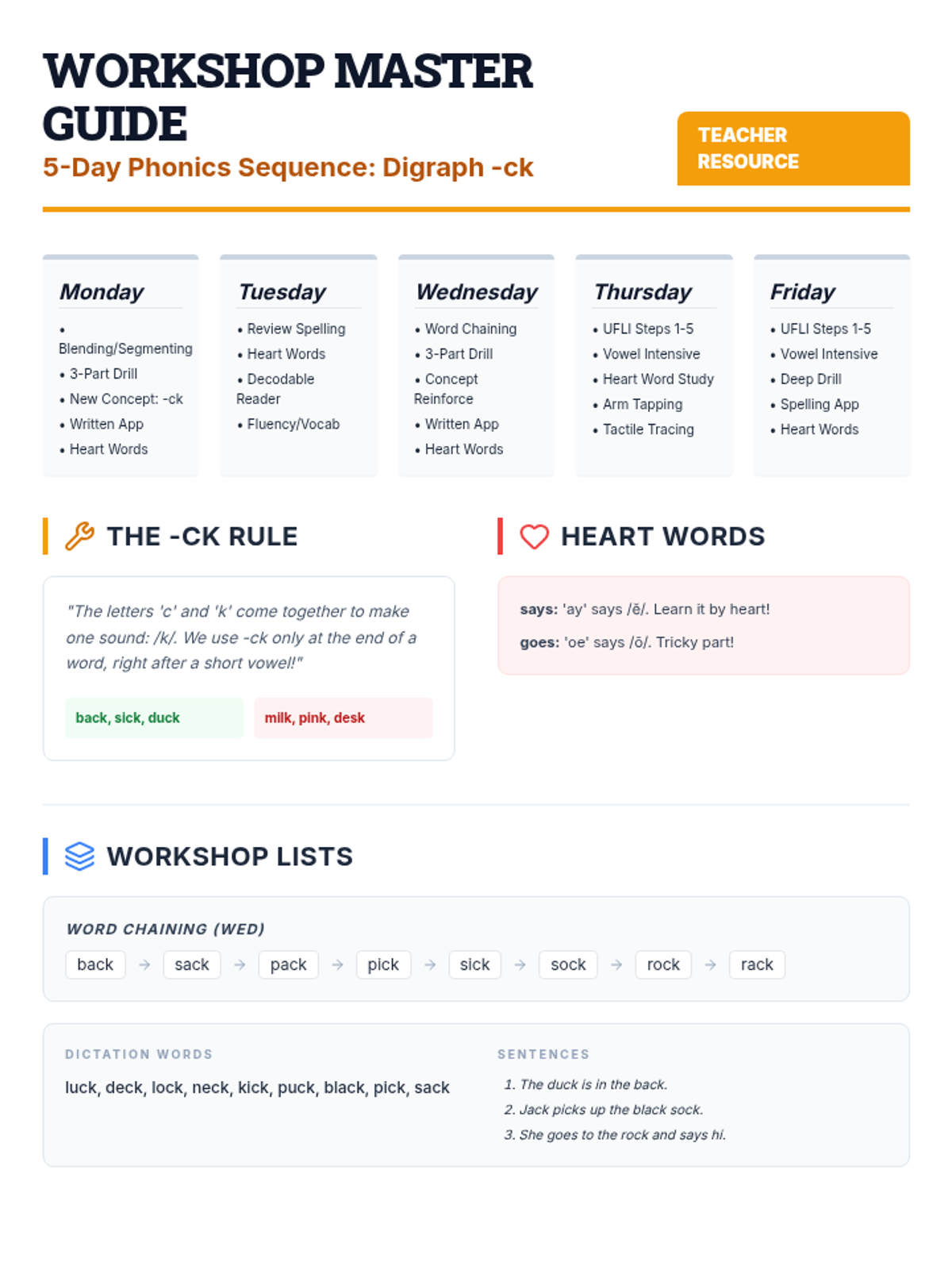
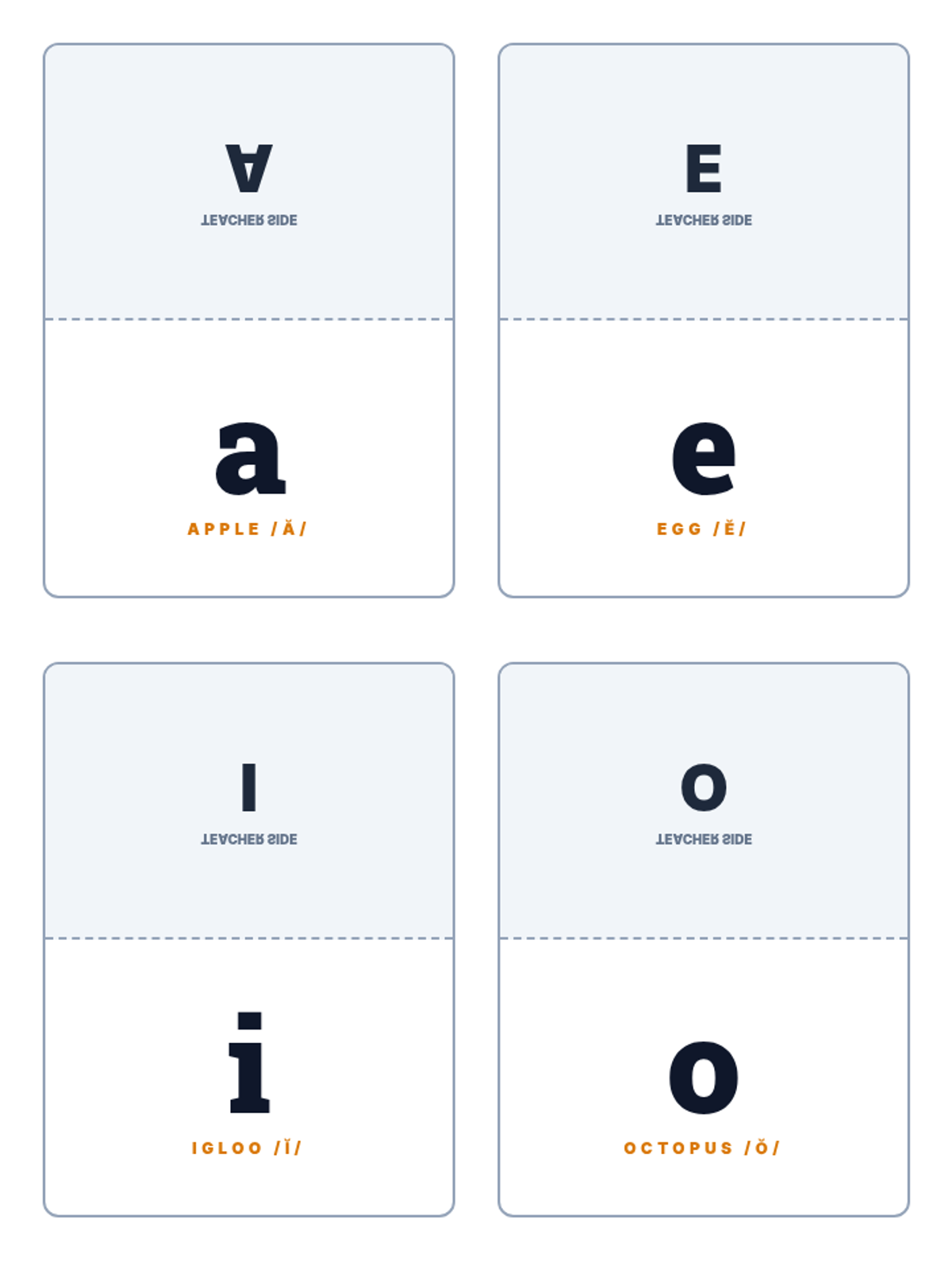
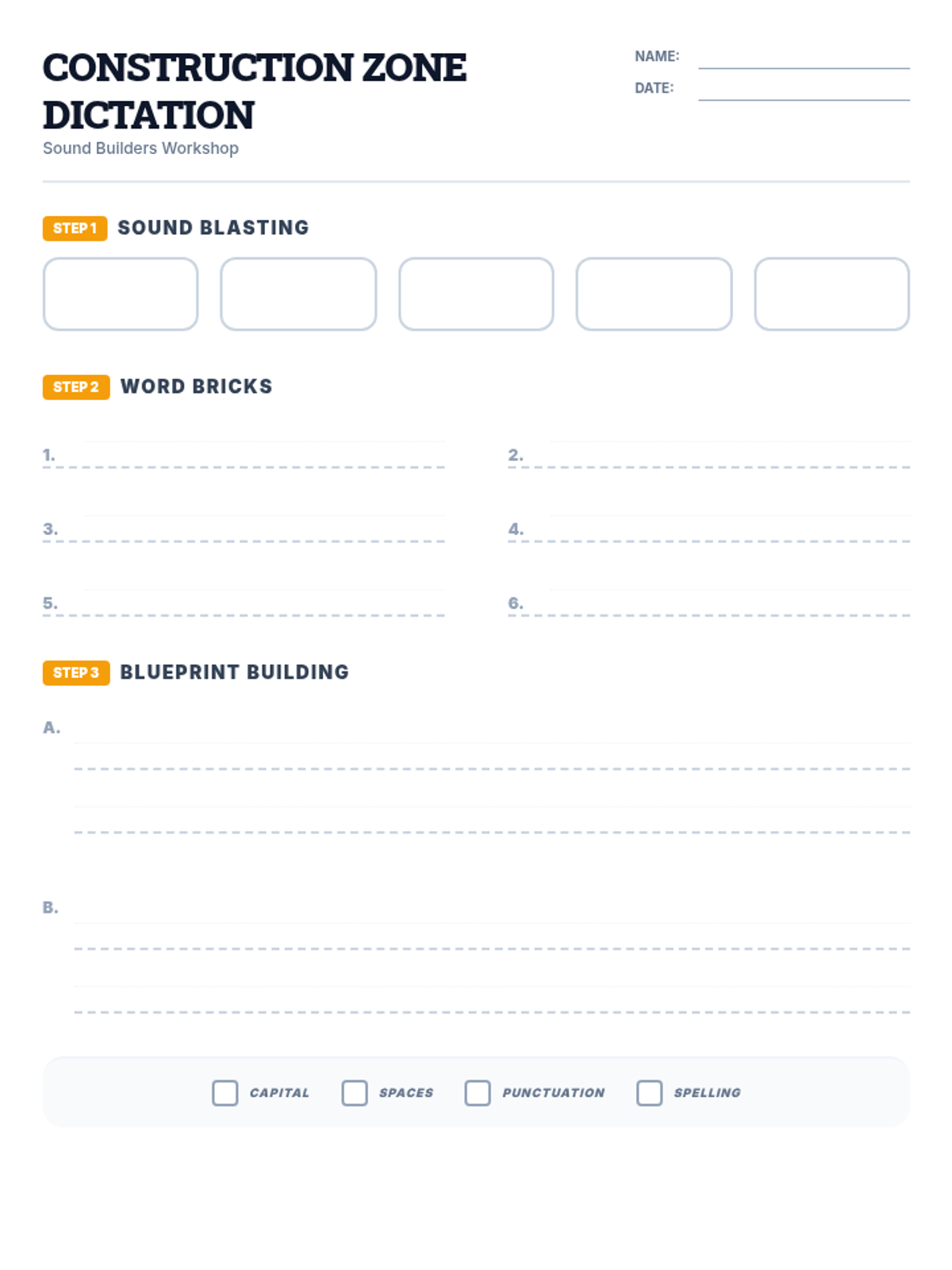
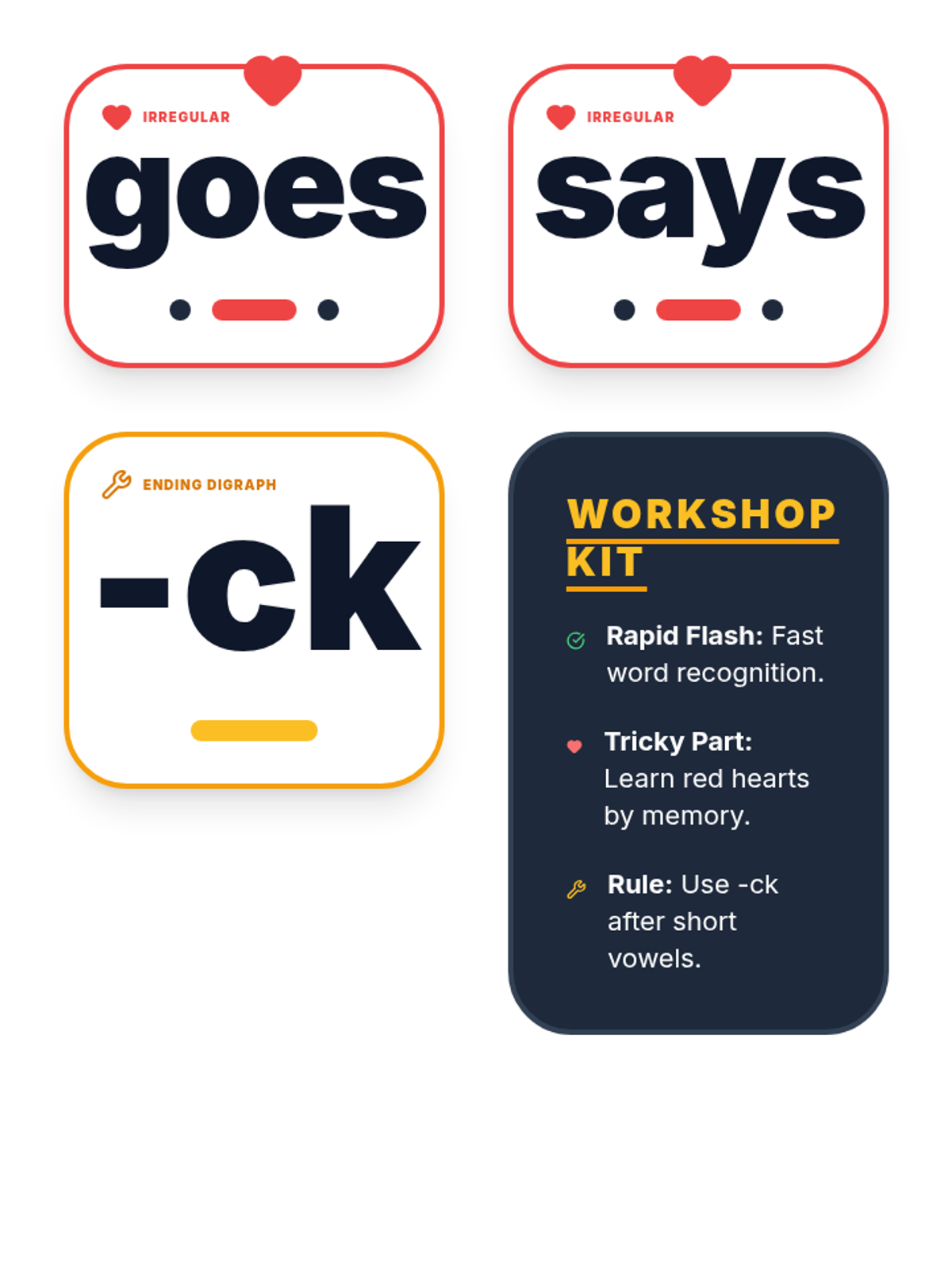
A 5-day phonics unit focused on the -ck digraph, incorporating phonemic awareness, word chaining, and irregular 'heart words' using a structured literacy approach.
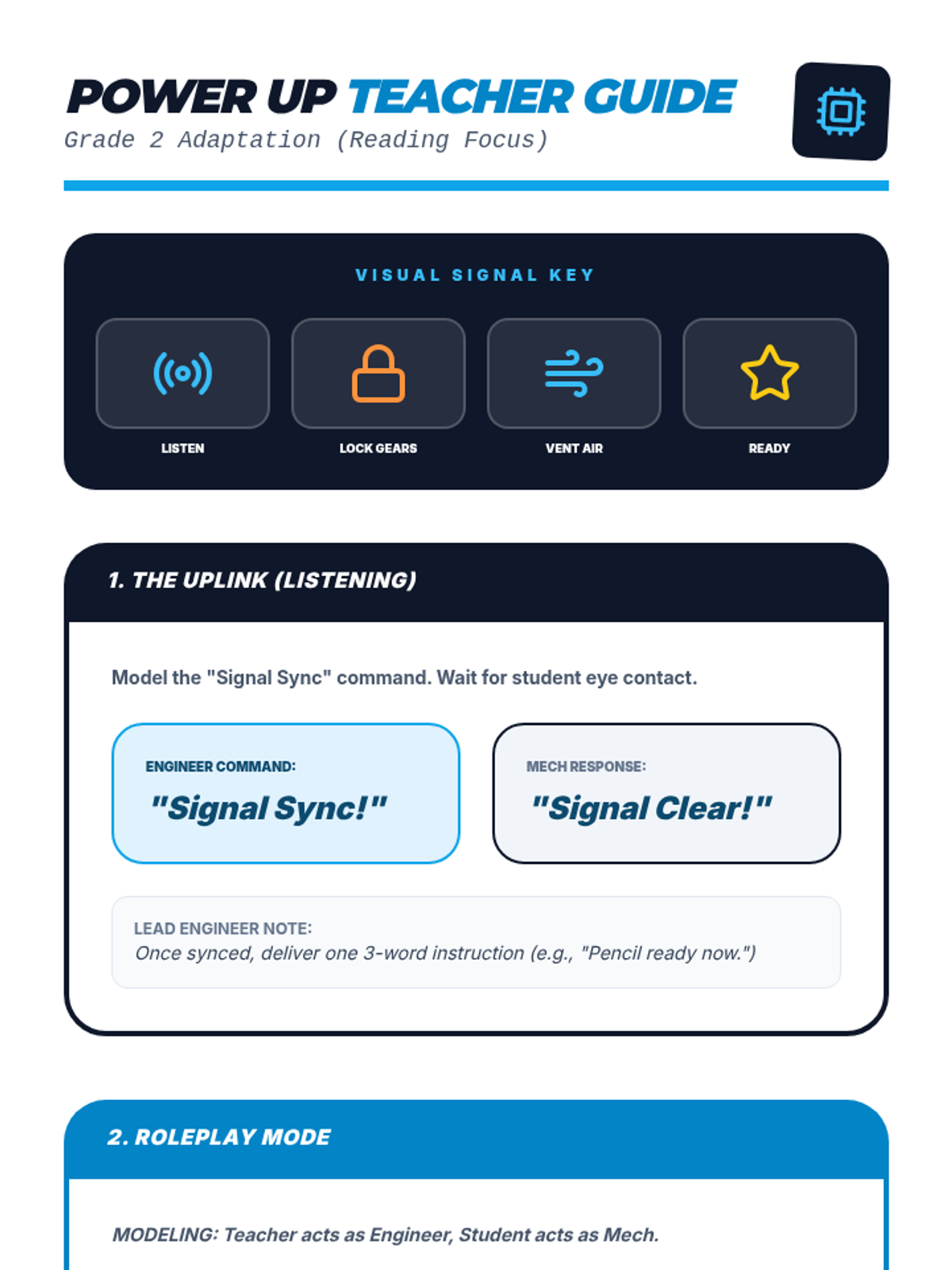
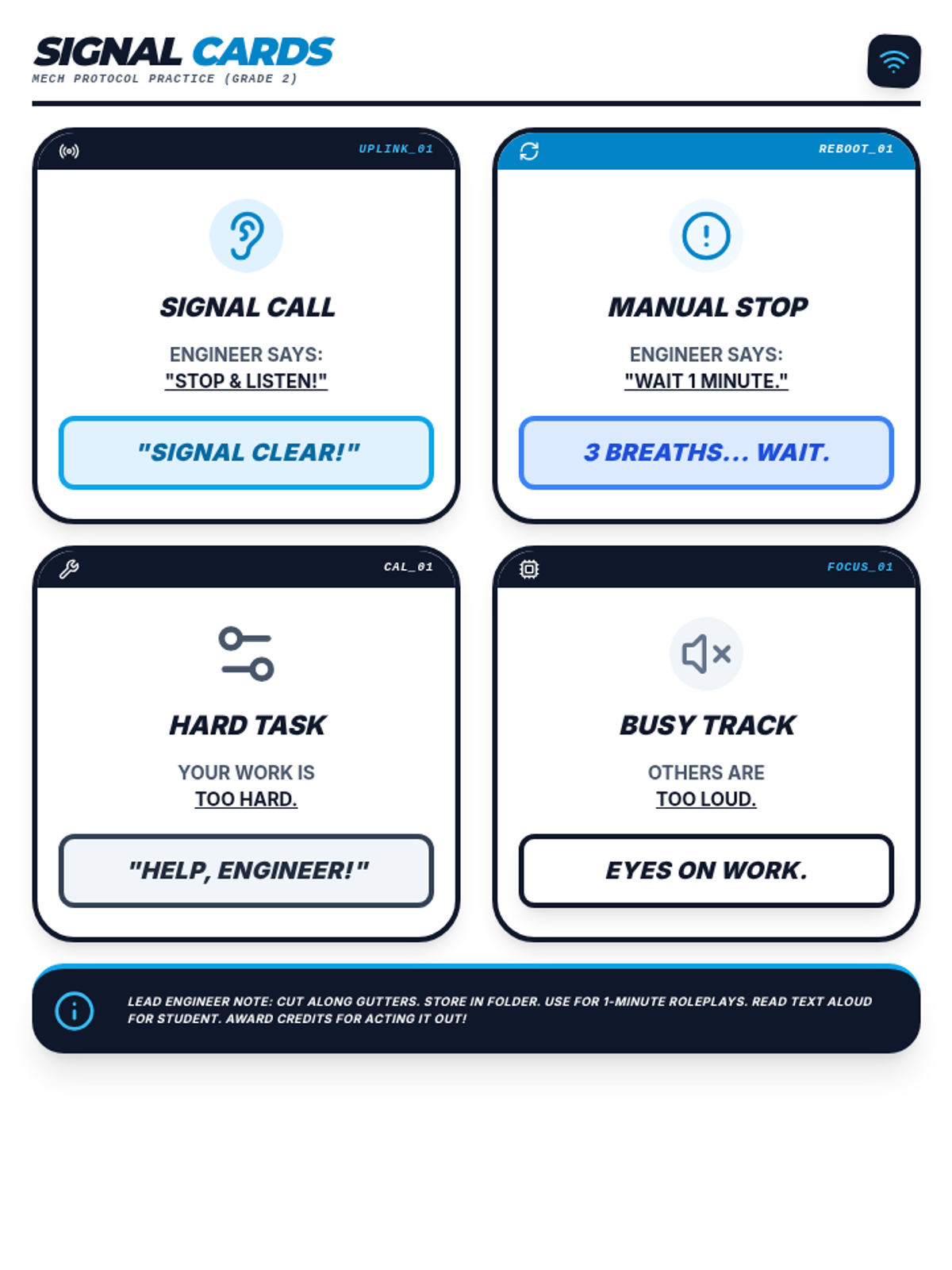
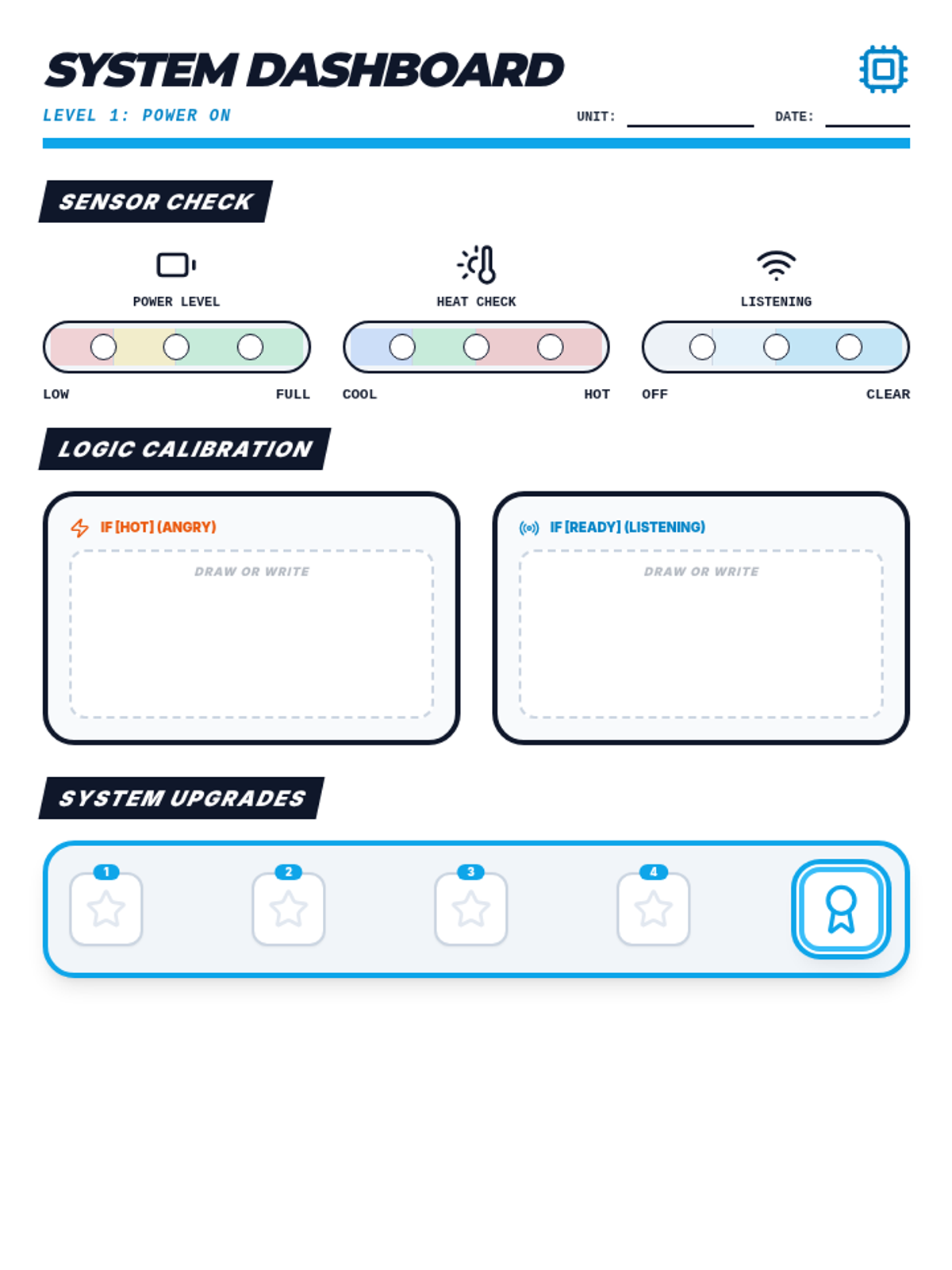
A behavioral intervention unit using robotics metaphors to teach self-regulation, active listening, and compliance to students with defiance or frustration challenges.
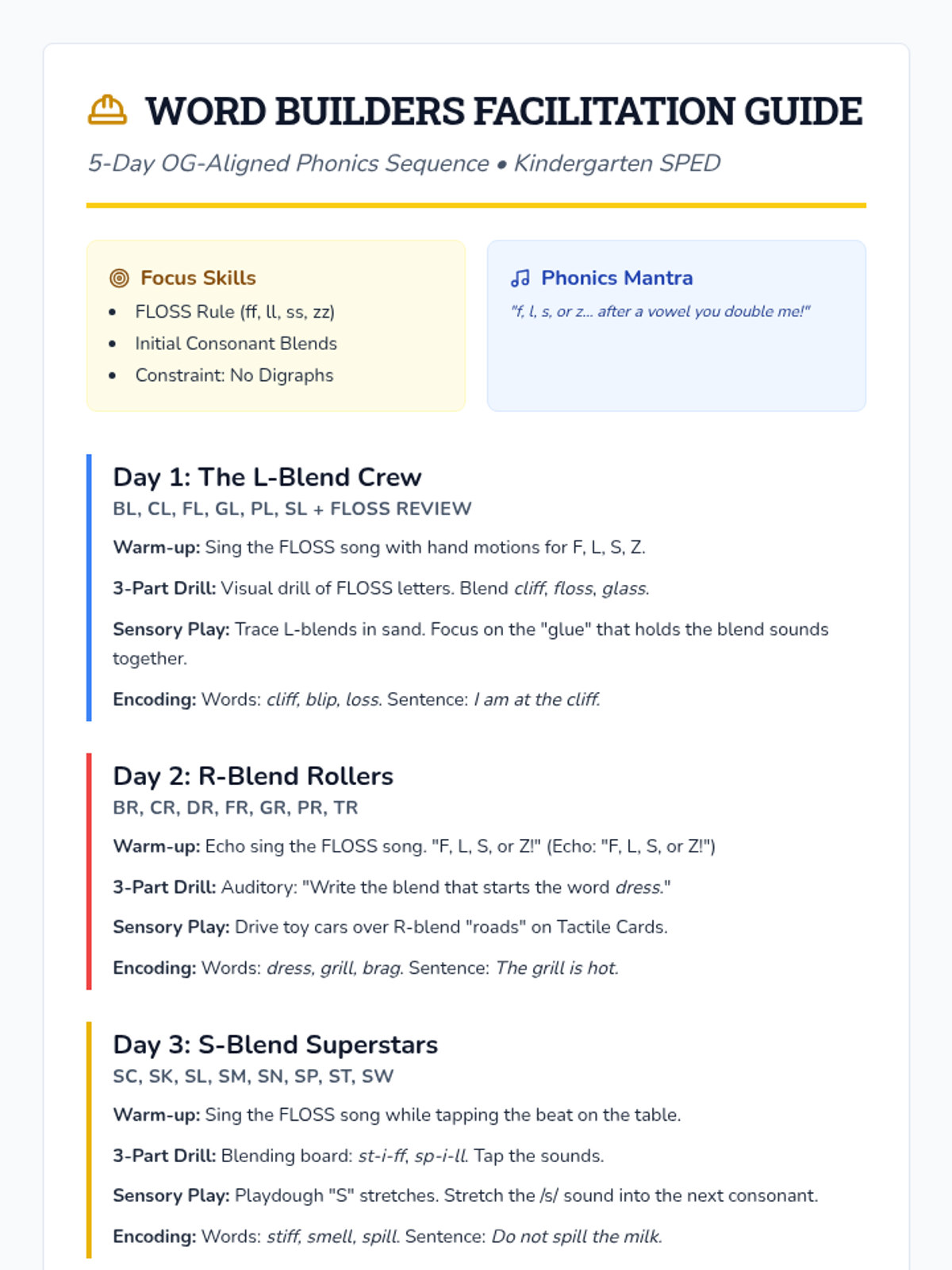
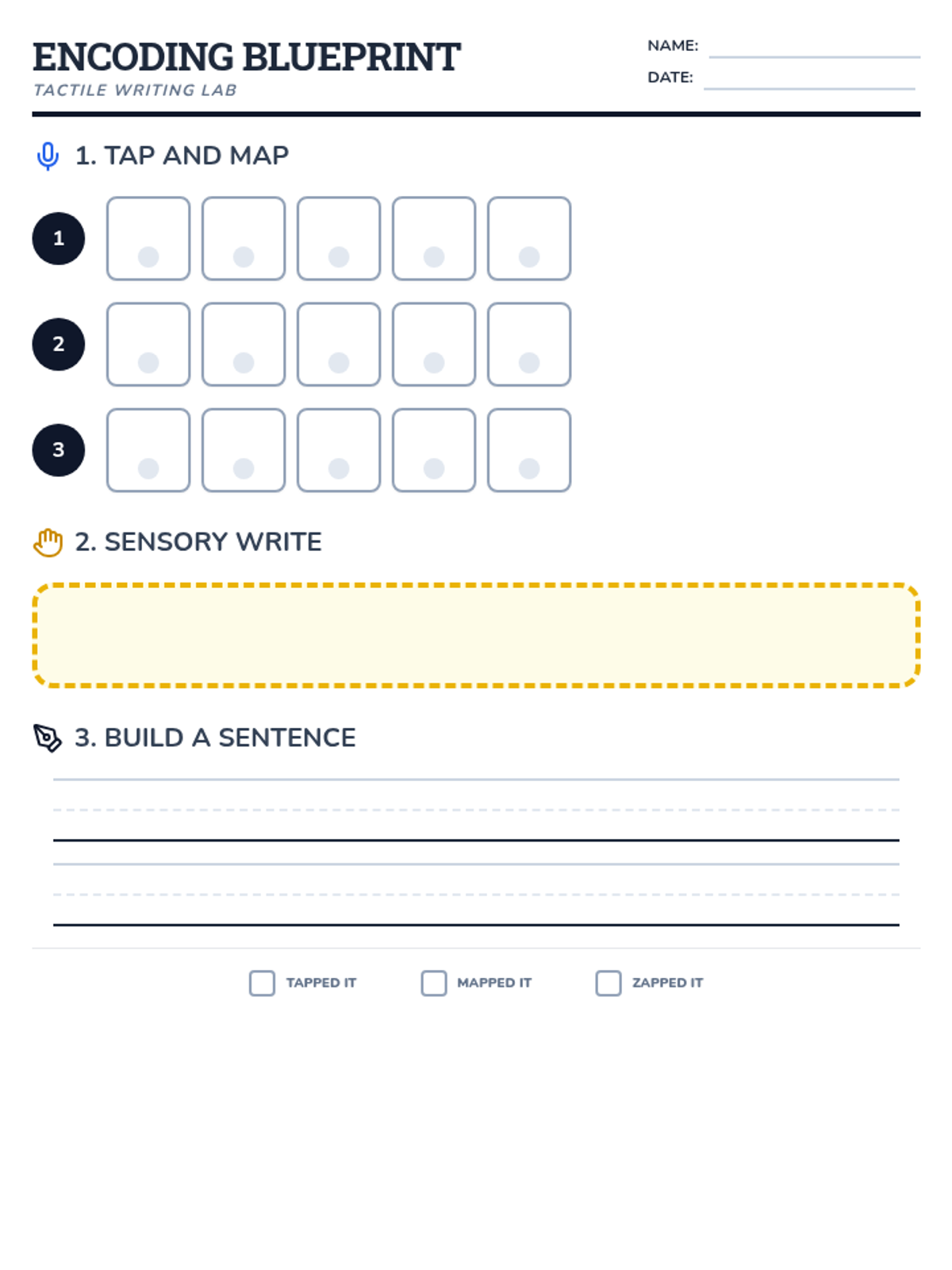
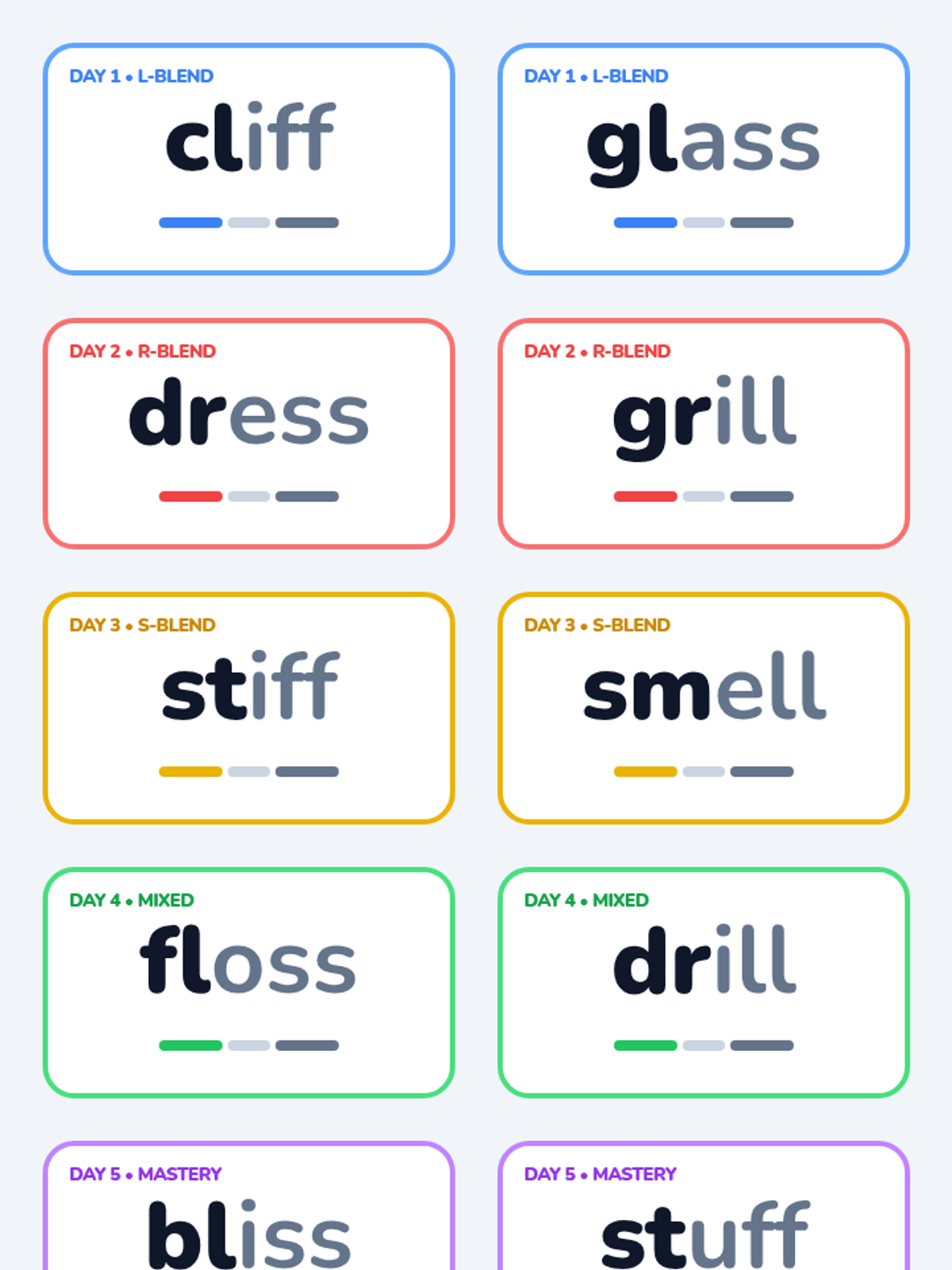
A 5-day Orton-Gillingham aligned phonics sequence for Kindergarten SPED students. Focuses on reviewing the FLOSS rule and introducing initial consonant blends through tactile and sensory play.
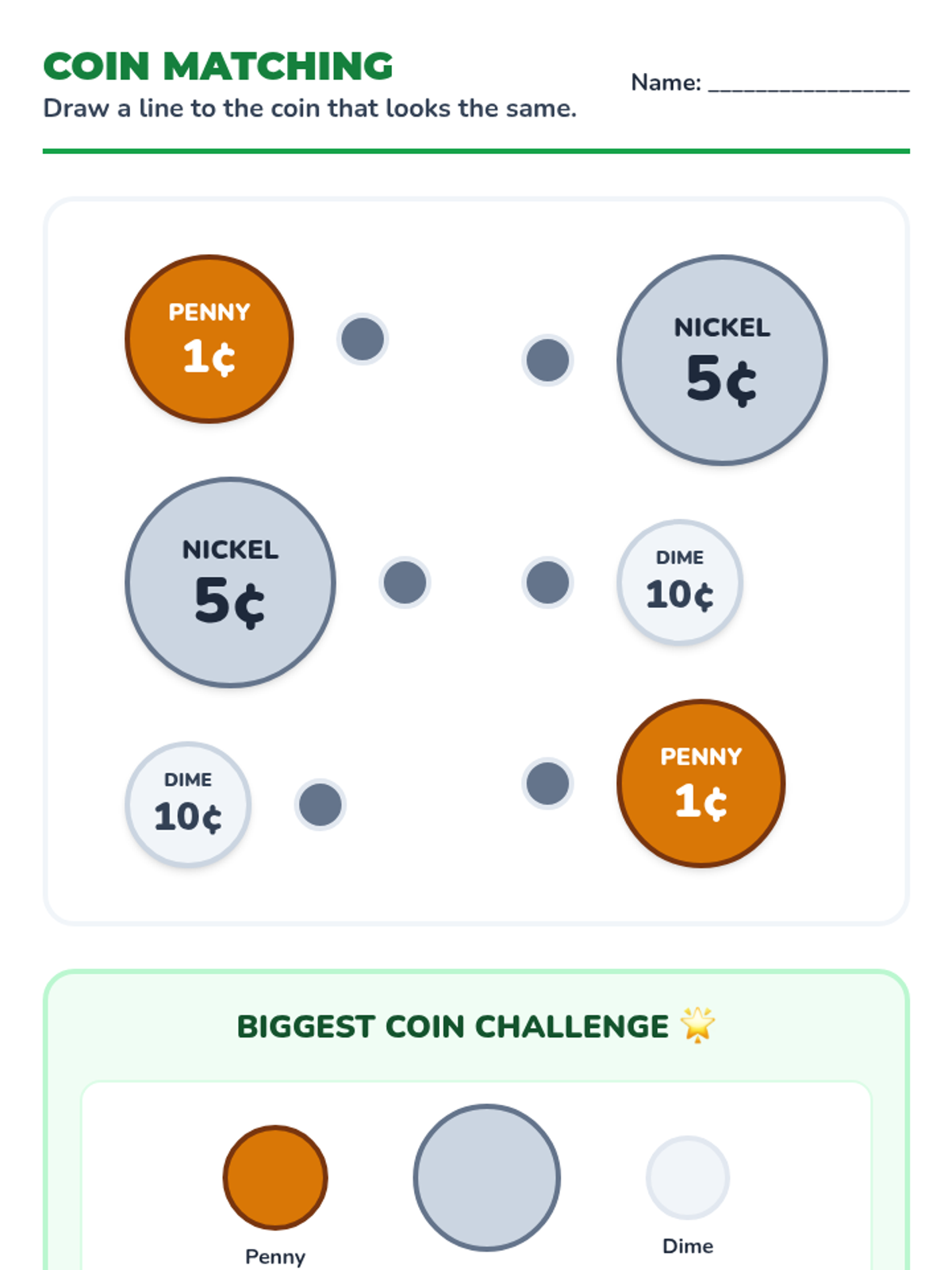
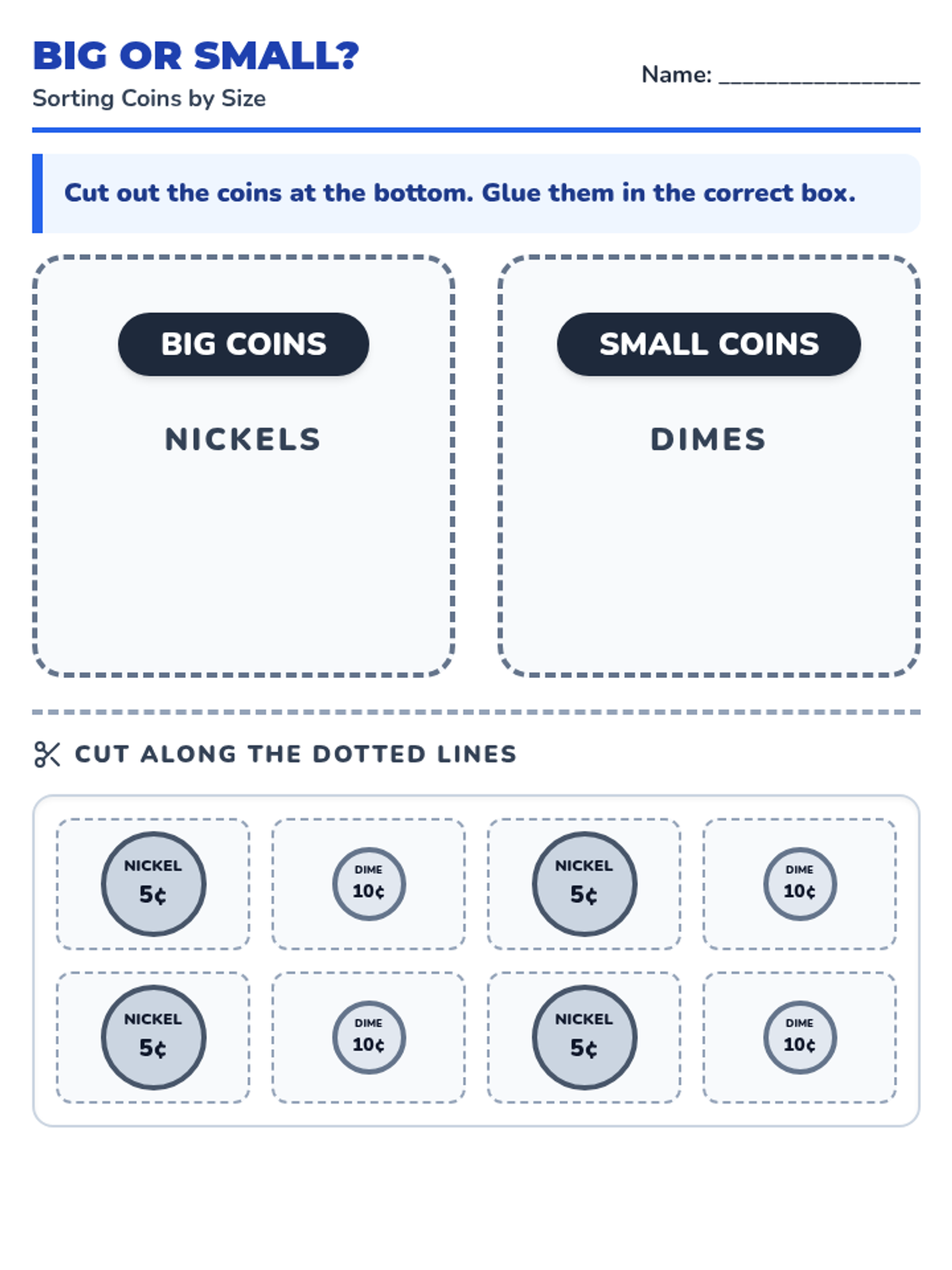
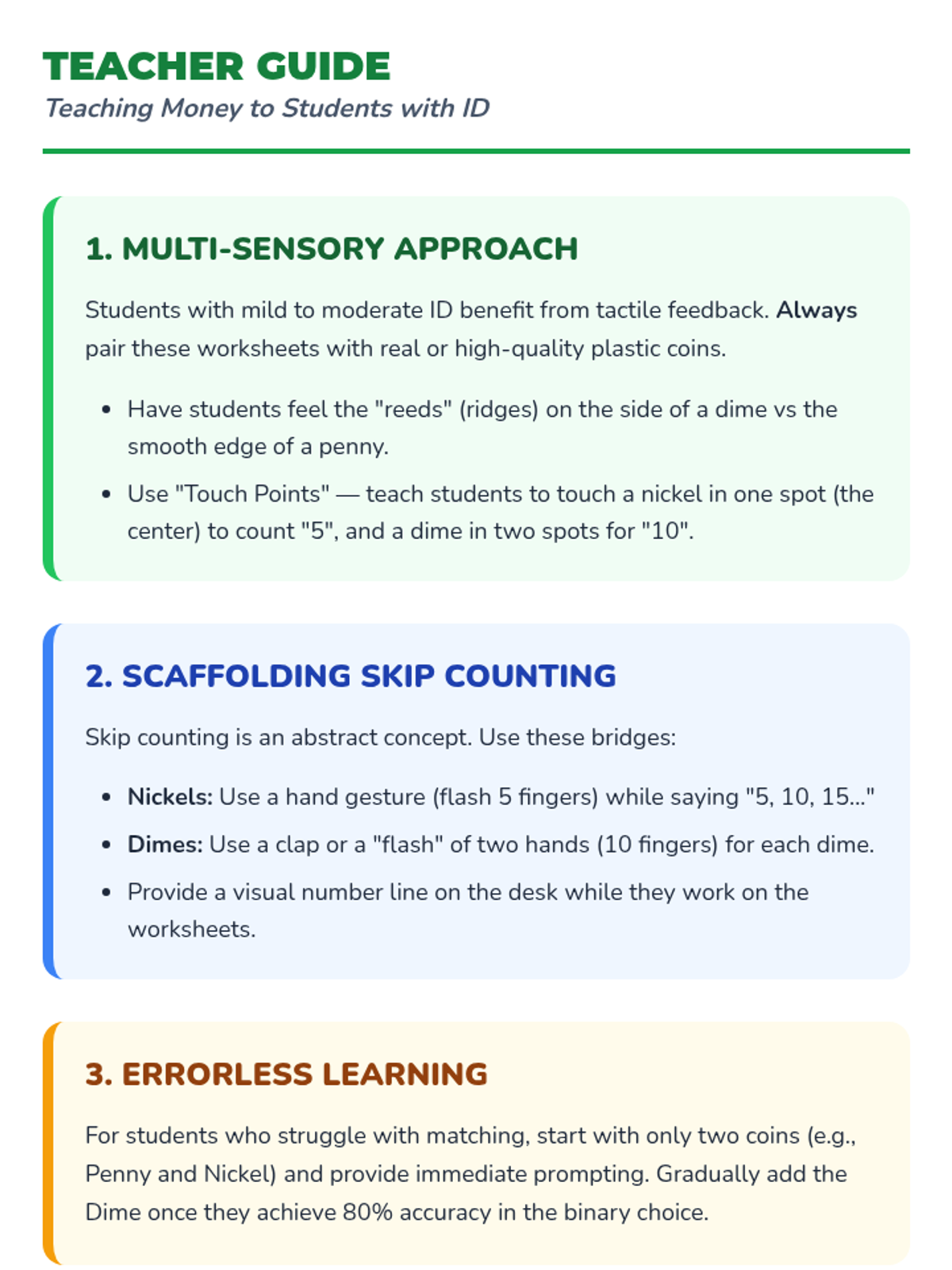
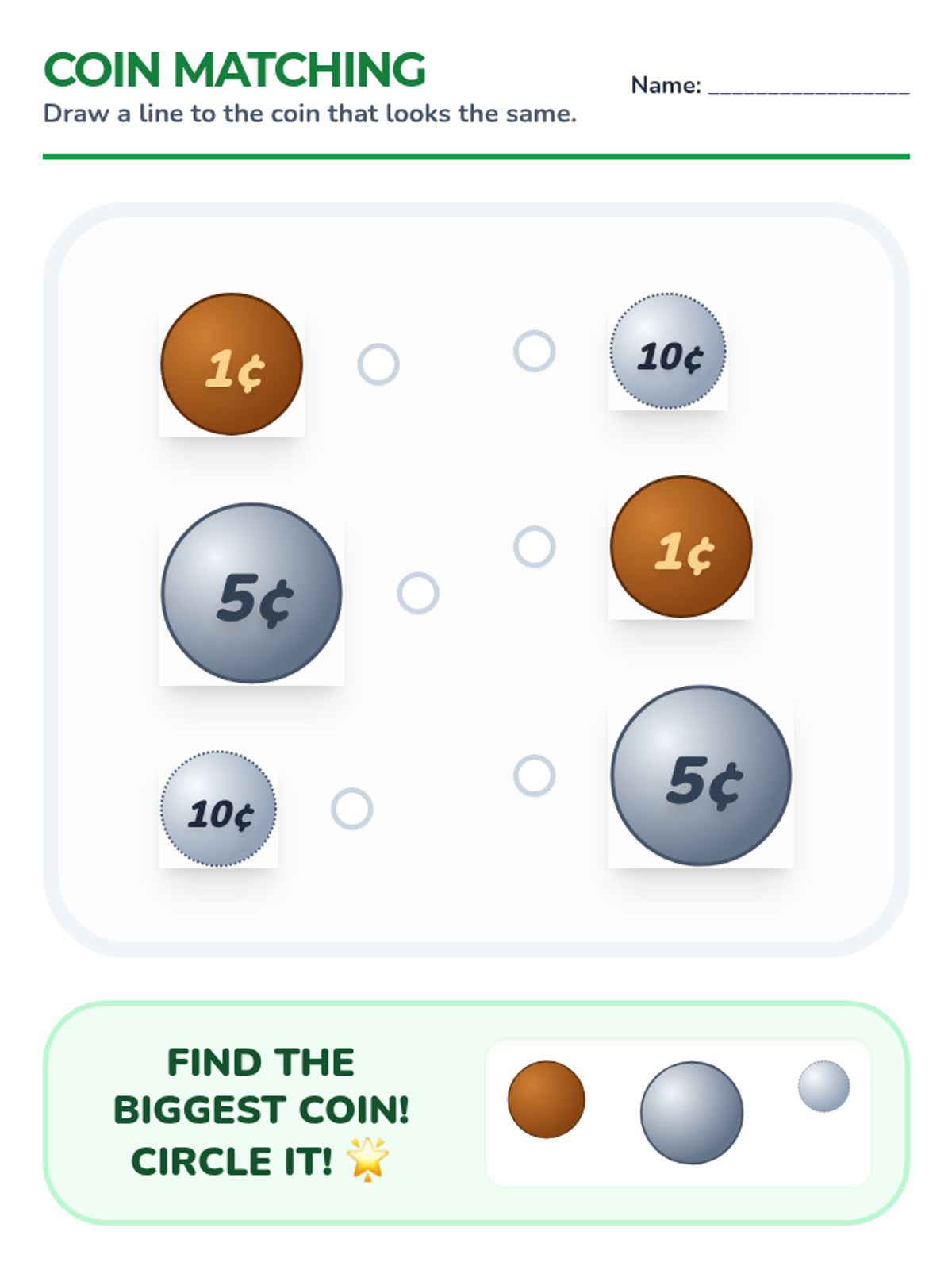
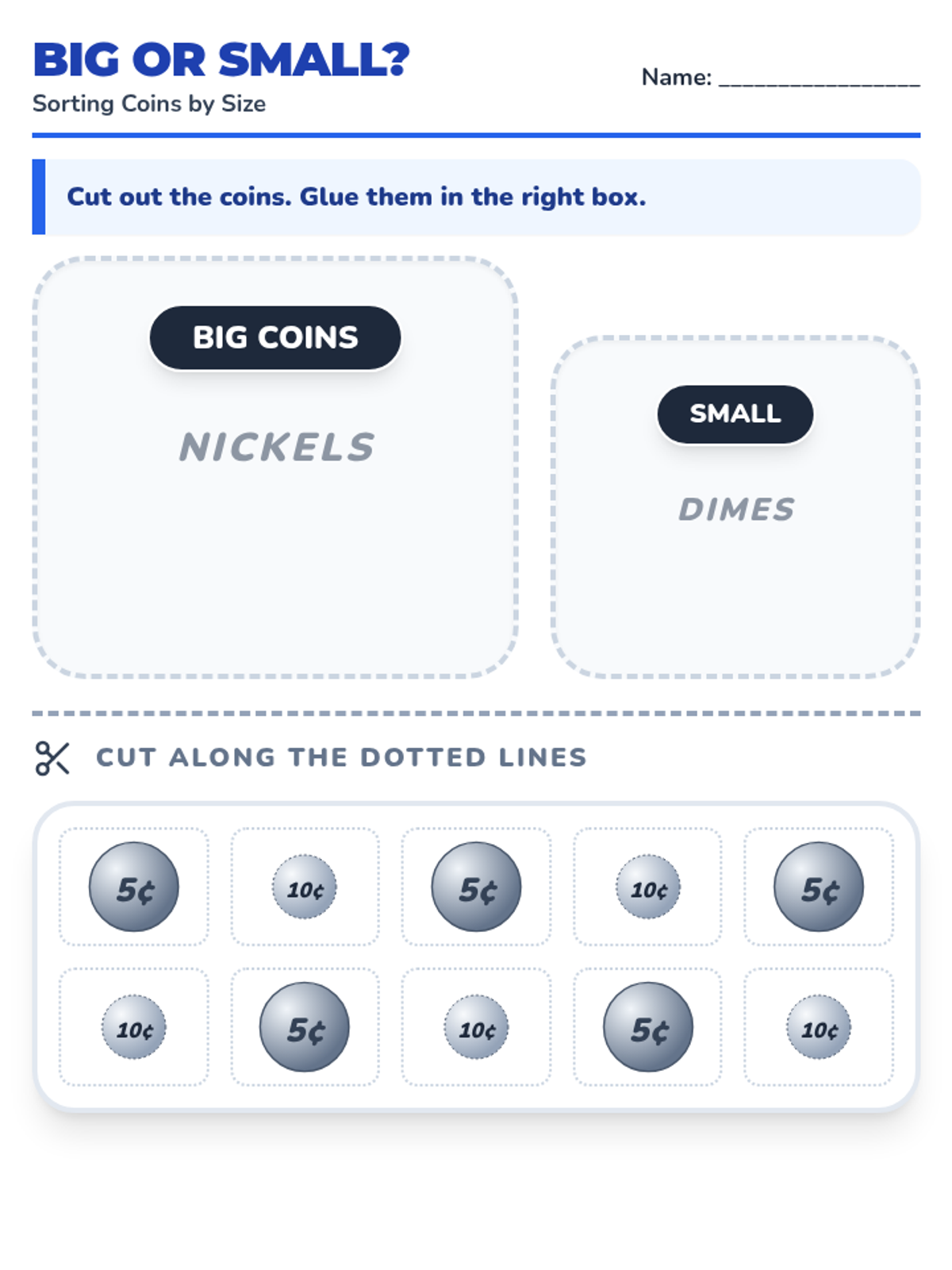
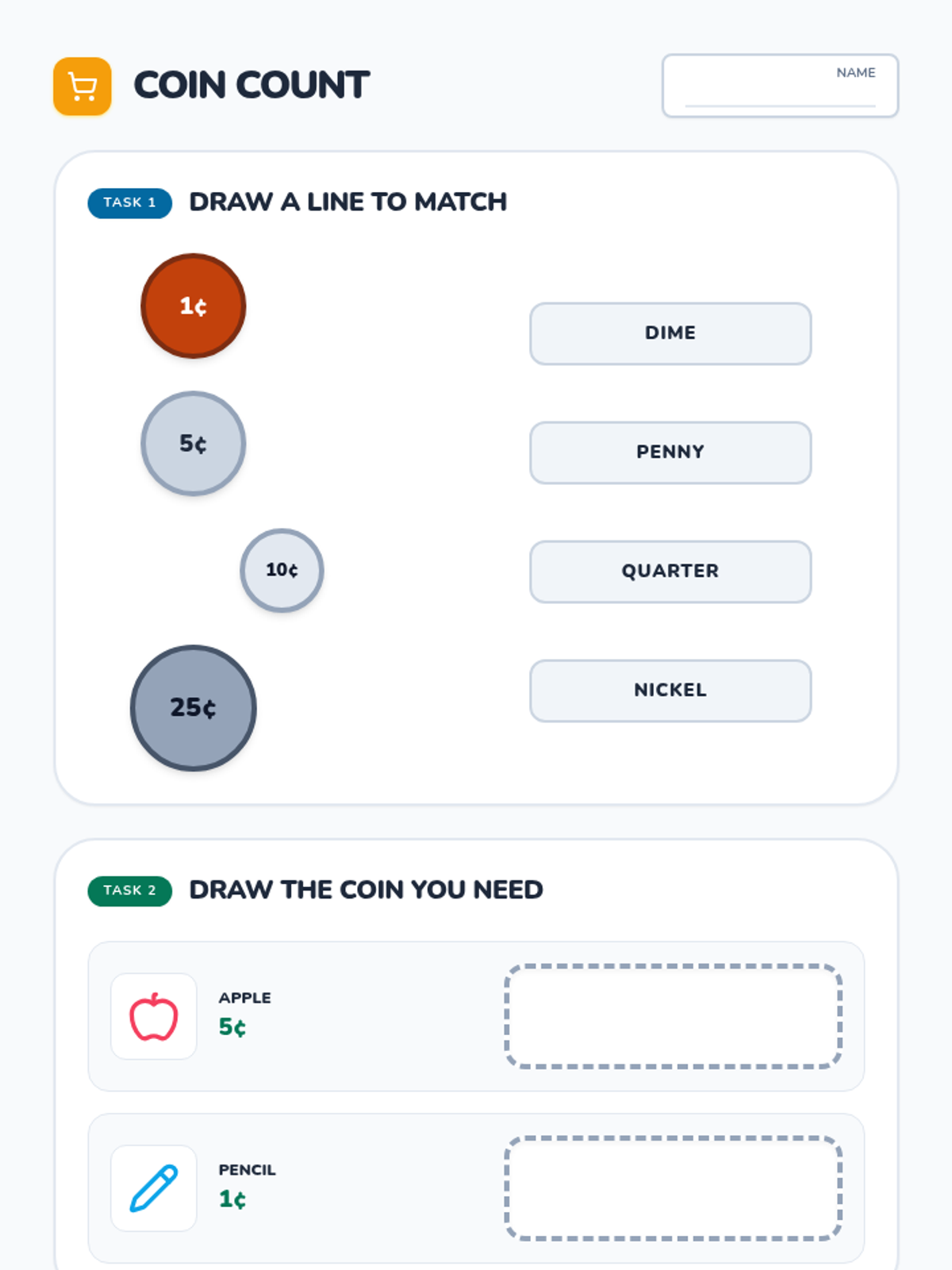
A comprehensive unit designed for students with mild to moderate intellectual disabilities to master basic coin recognition and counting skills for pennies, nickels, and dimes. The materials focus on visual matching, size sorting, and scaffolded skip counting.
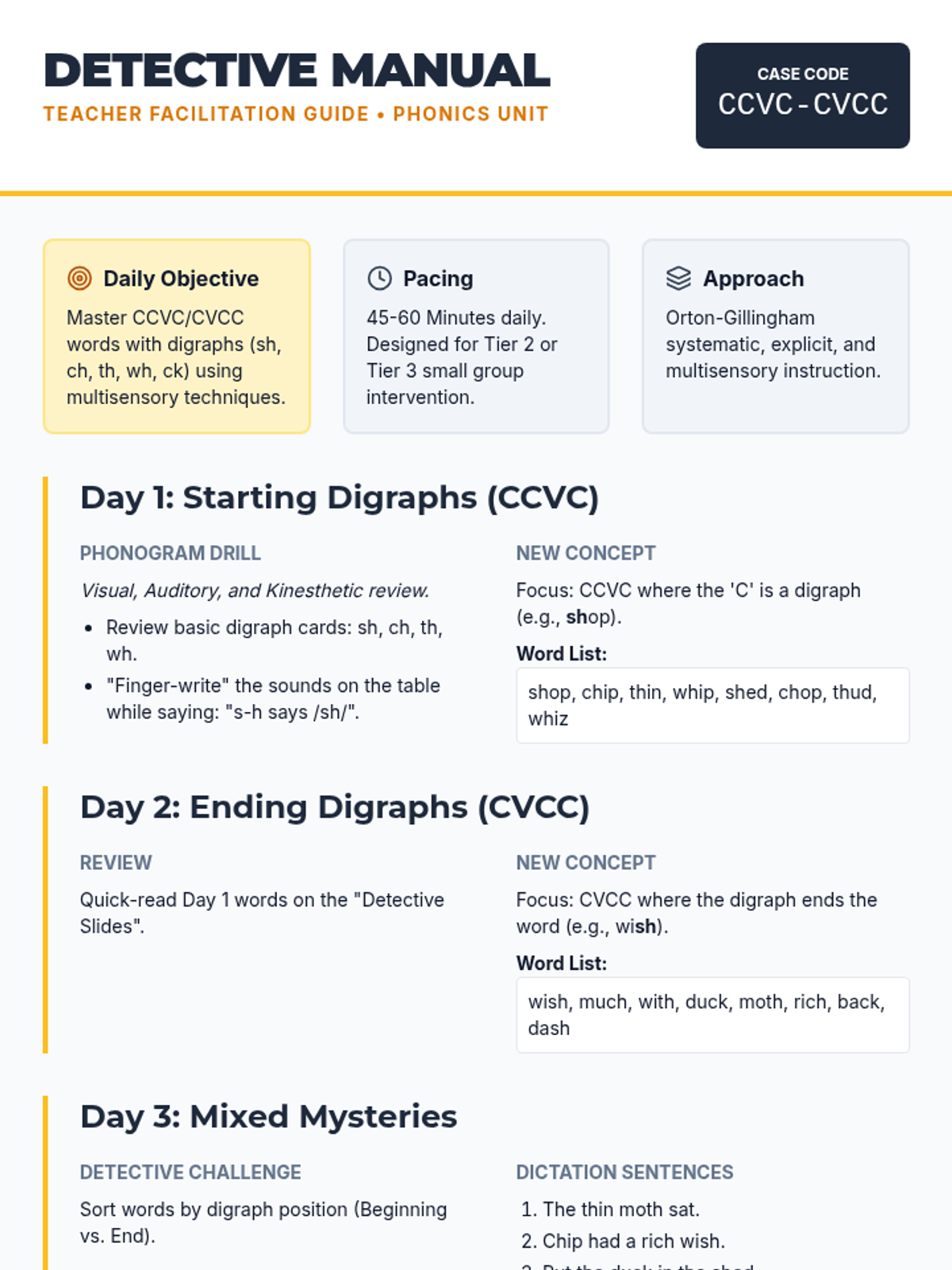
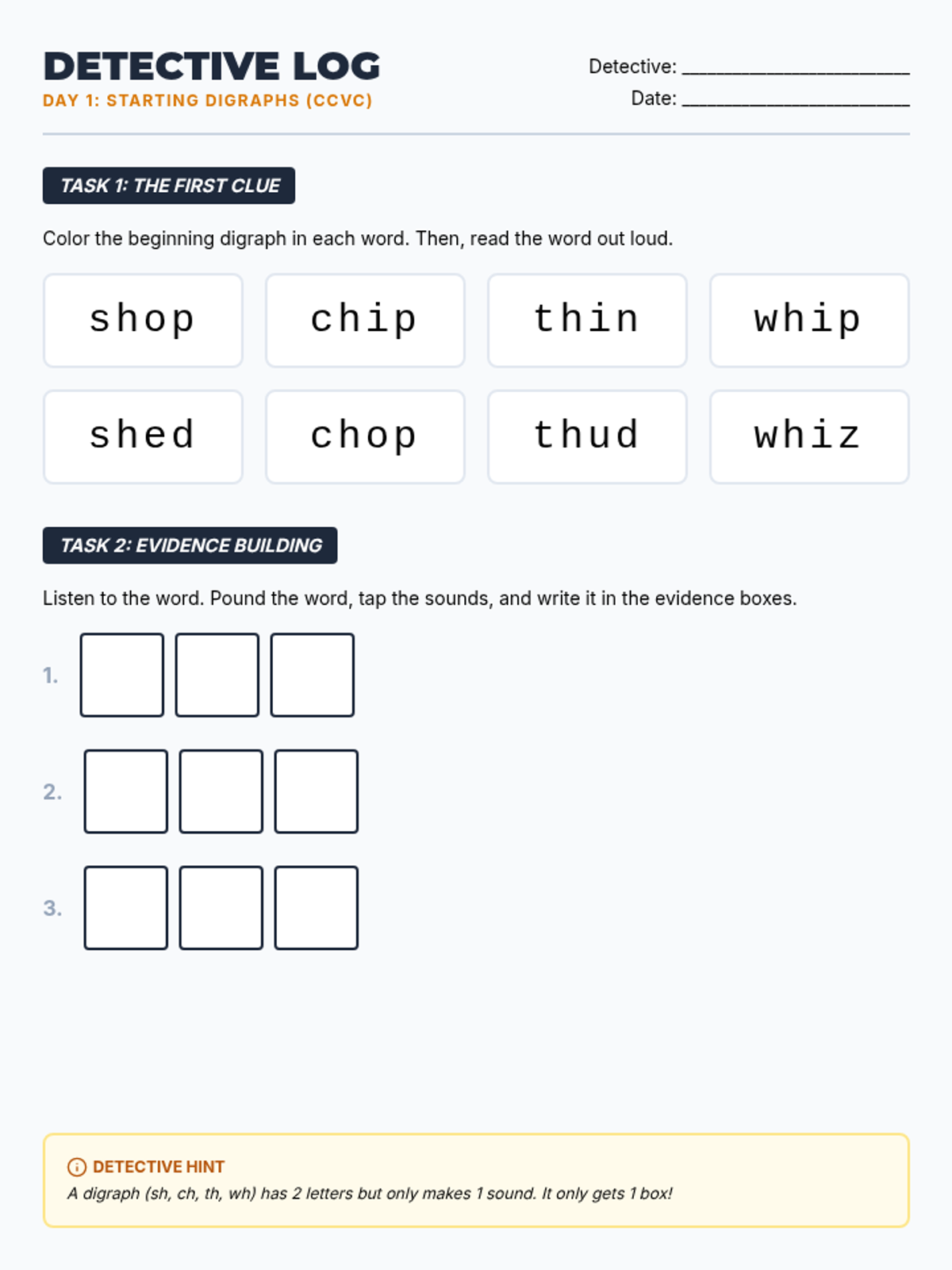
A comprehensive 5-day Orton-Gillingham phonics unit for 2nd graders focusing on CCVC and CVCC words with digraphs. Students act as 'Sound Detectives' to identify, build, and read words with complex structures.
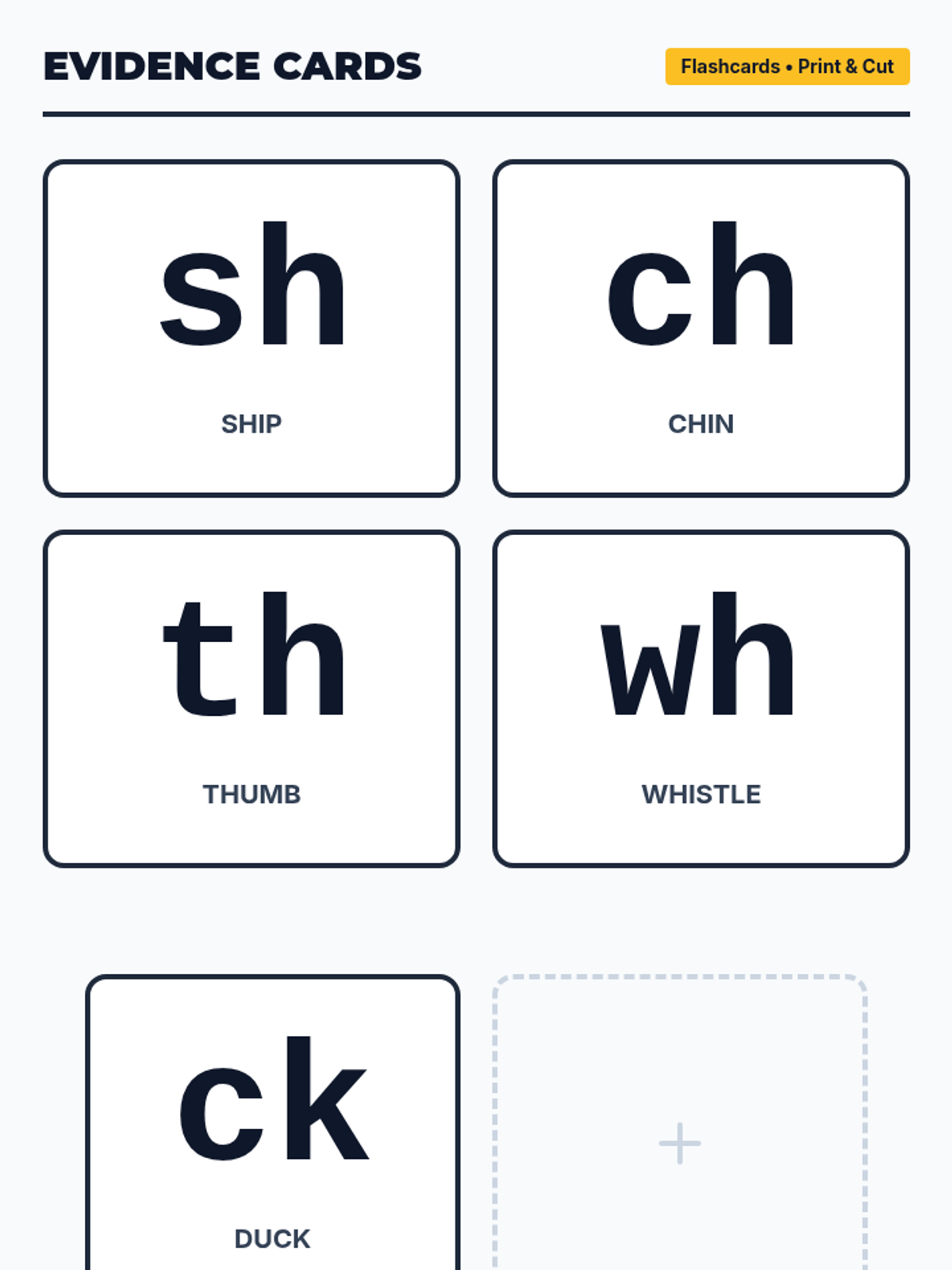
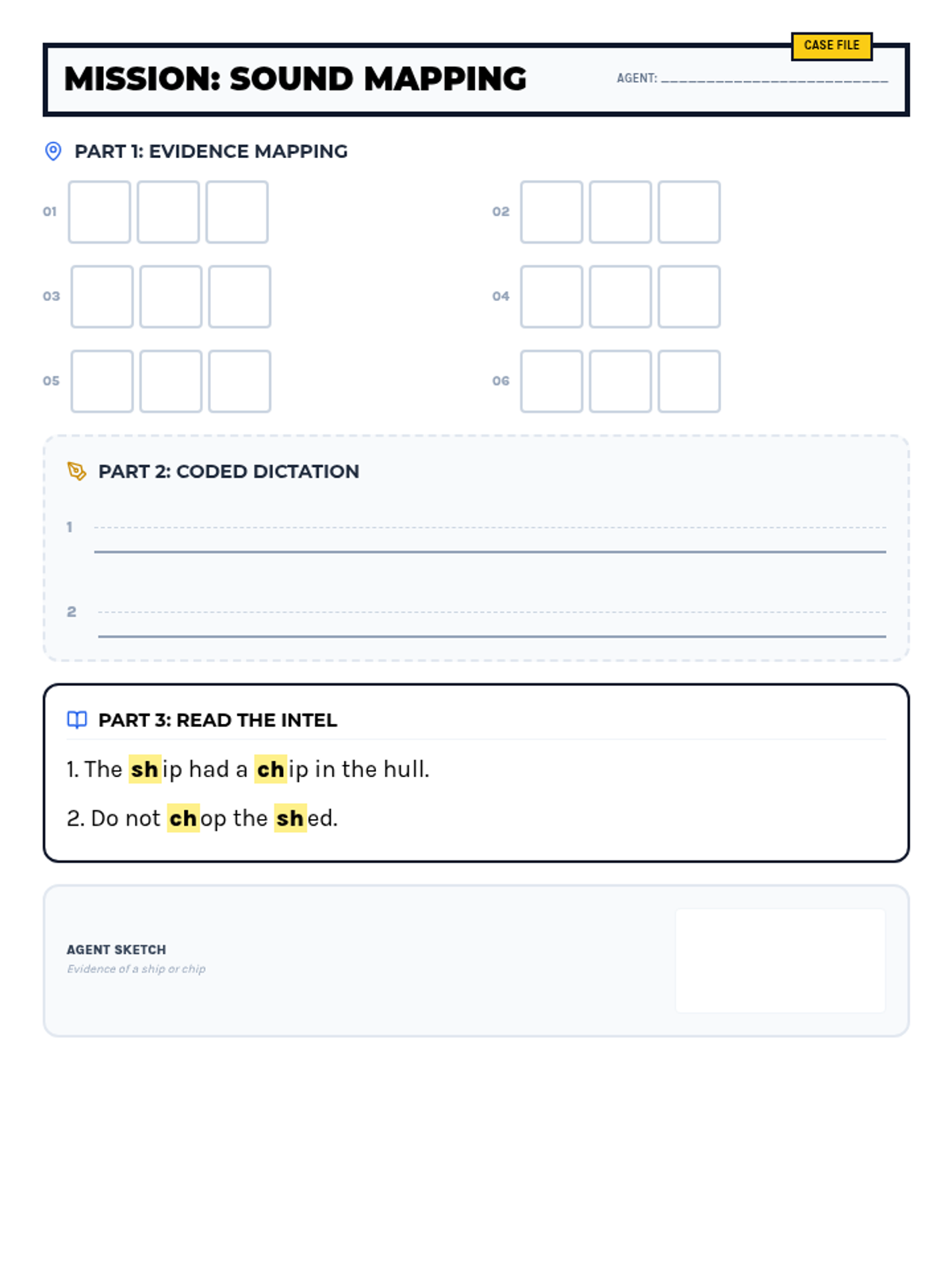
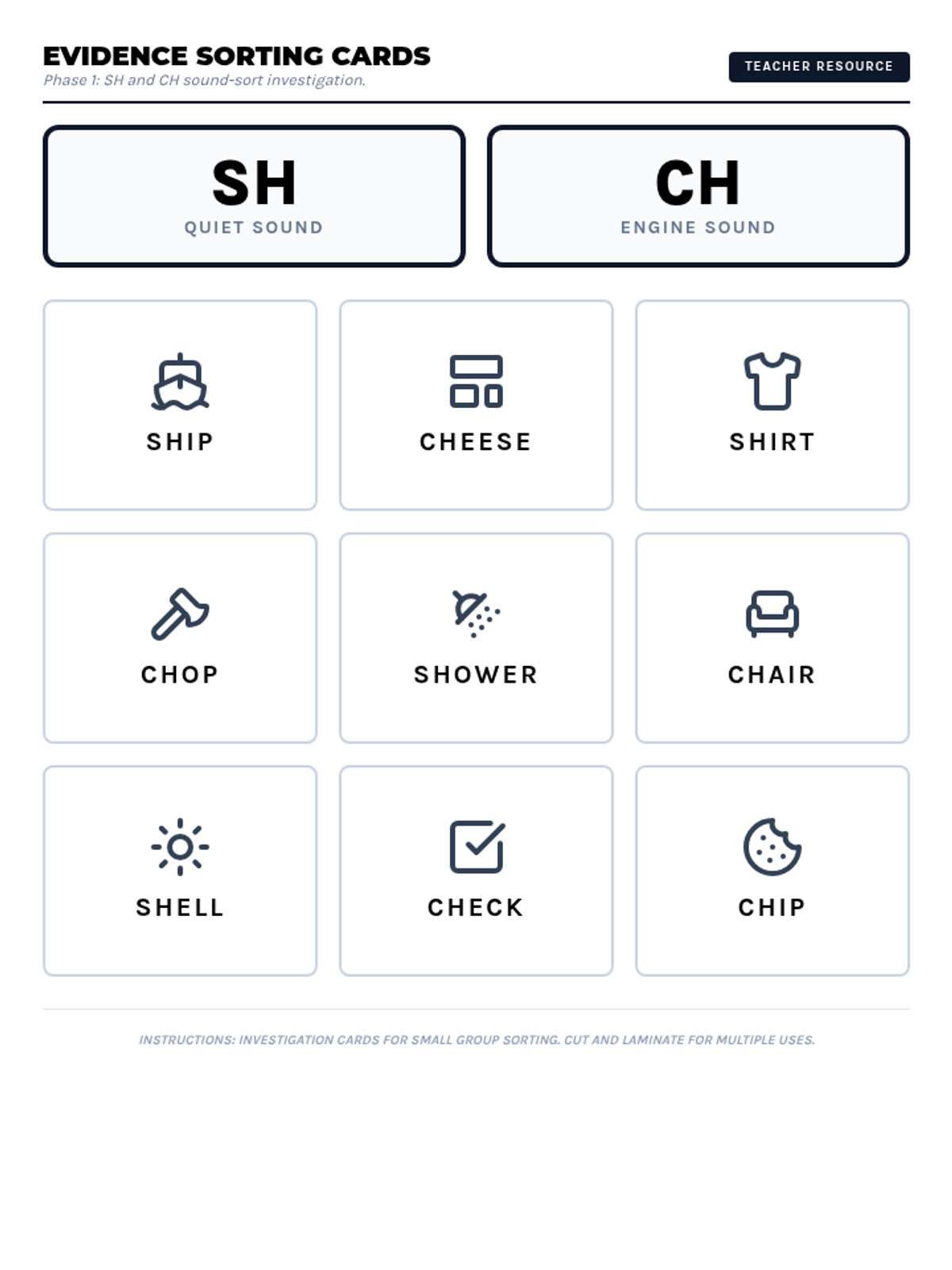
A 4-day intensive small group intervention focusing on digraphs (sh, ch, th, wh, ck) designed for 3rd graders at a kindergarten reading level, featuring a detective-themed 'Case File' approach to keep it age-appropriate.
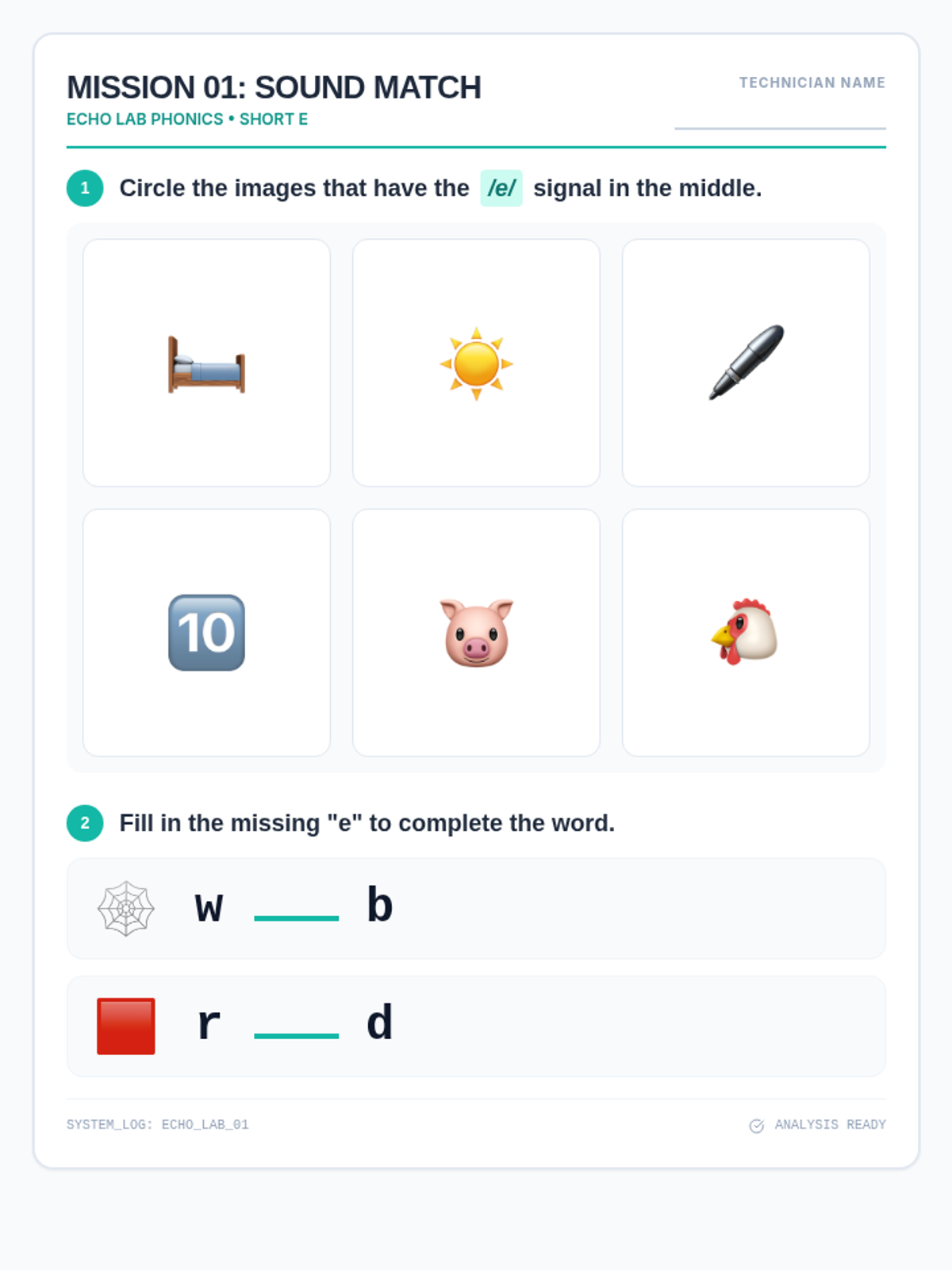
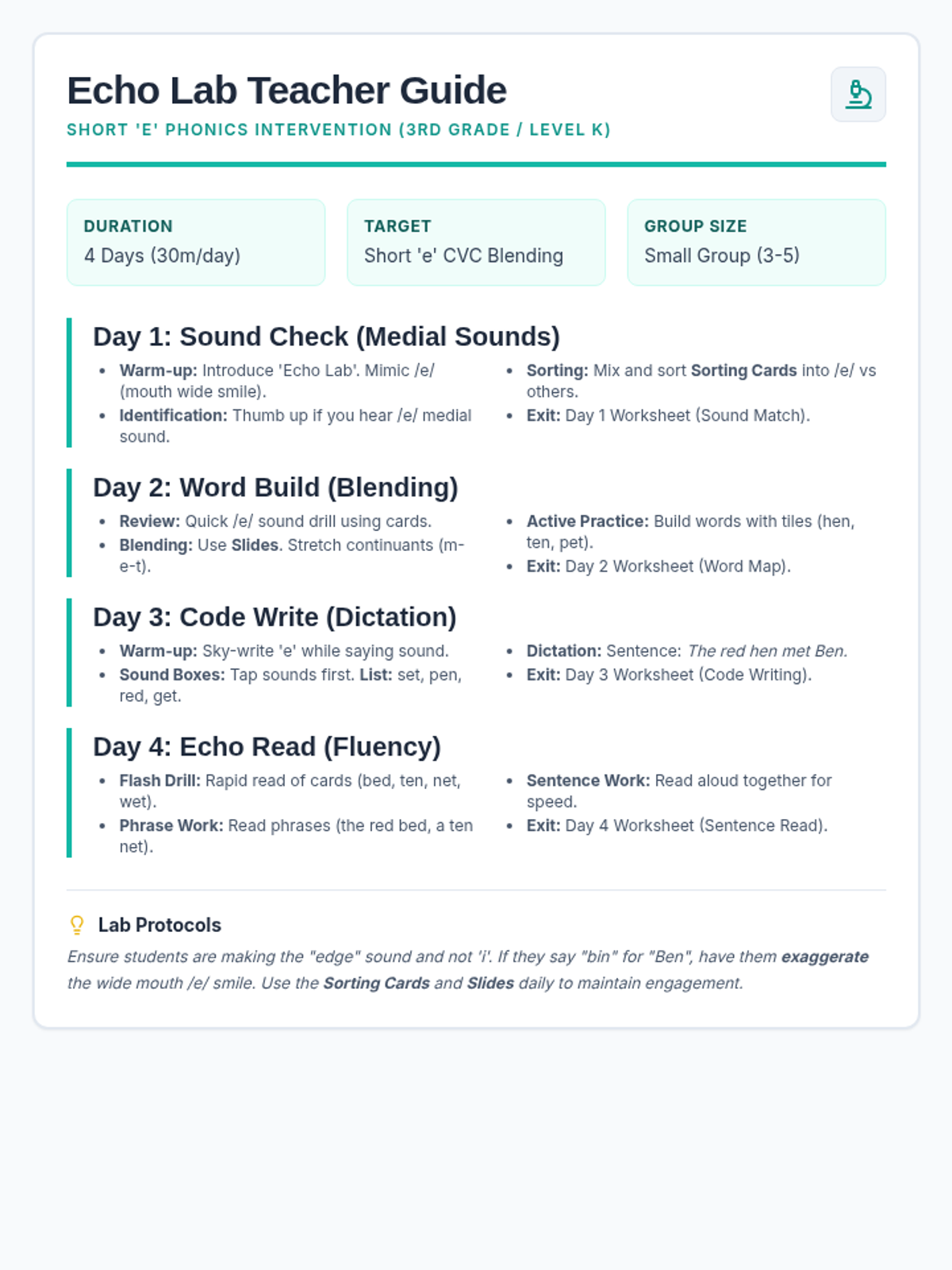
A 4-day intensive phonics intervention focused on the short 'e' sound for 3rd-grade students working at a Kindergarten level. The sequence uses a tech-inspired 'Echo Lab' theme to maintain age-appropriateness while delivering foundational decoding and encoding skills.
A collection of seasonal resources and classroom management tools designed to foster a vibrant and organized learning environment throughout the school year.
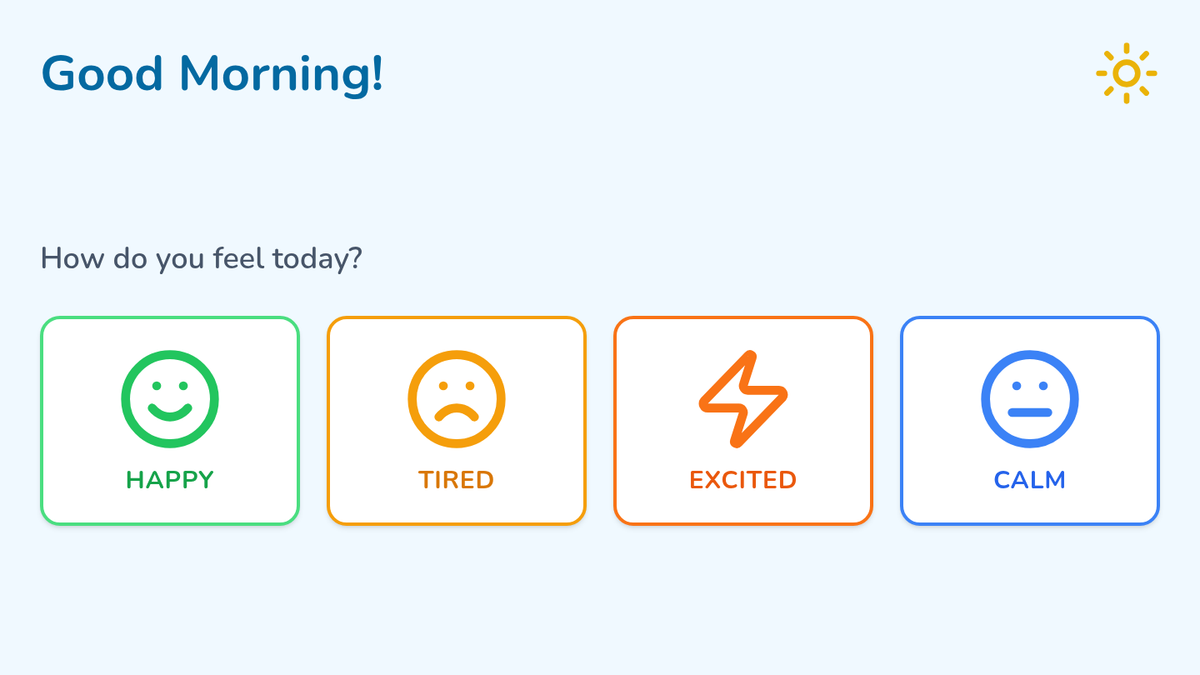
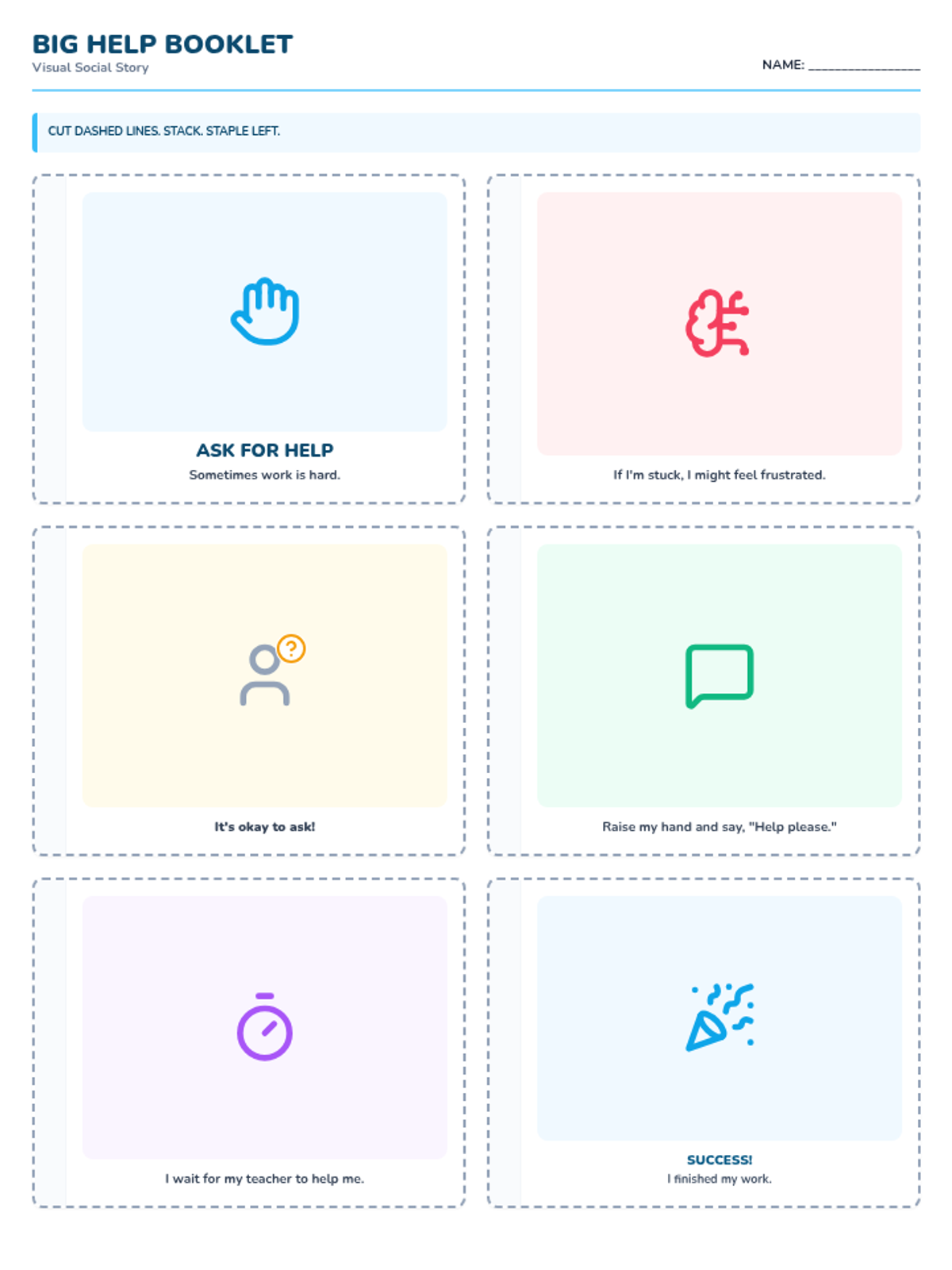
A comprehensive set of foundational resources designed for special education classrooms (K-5). This sequence provides essential tools for morning routines, social-emotional learning, differentiated academic tasks, and classroom organization.
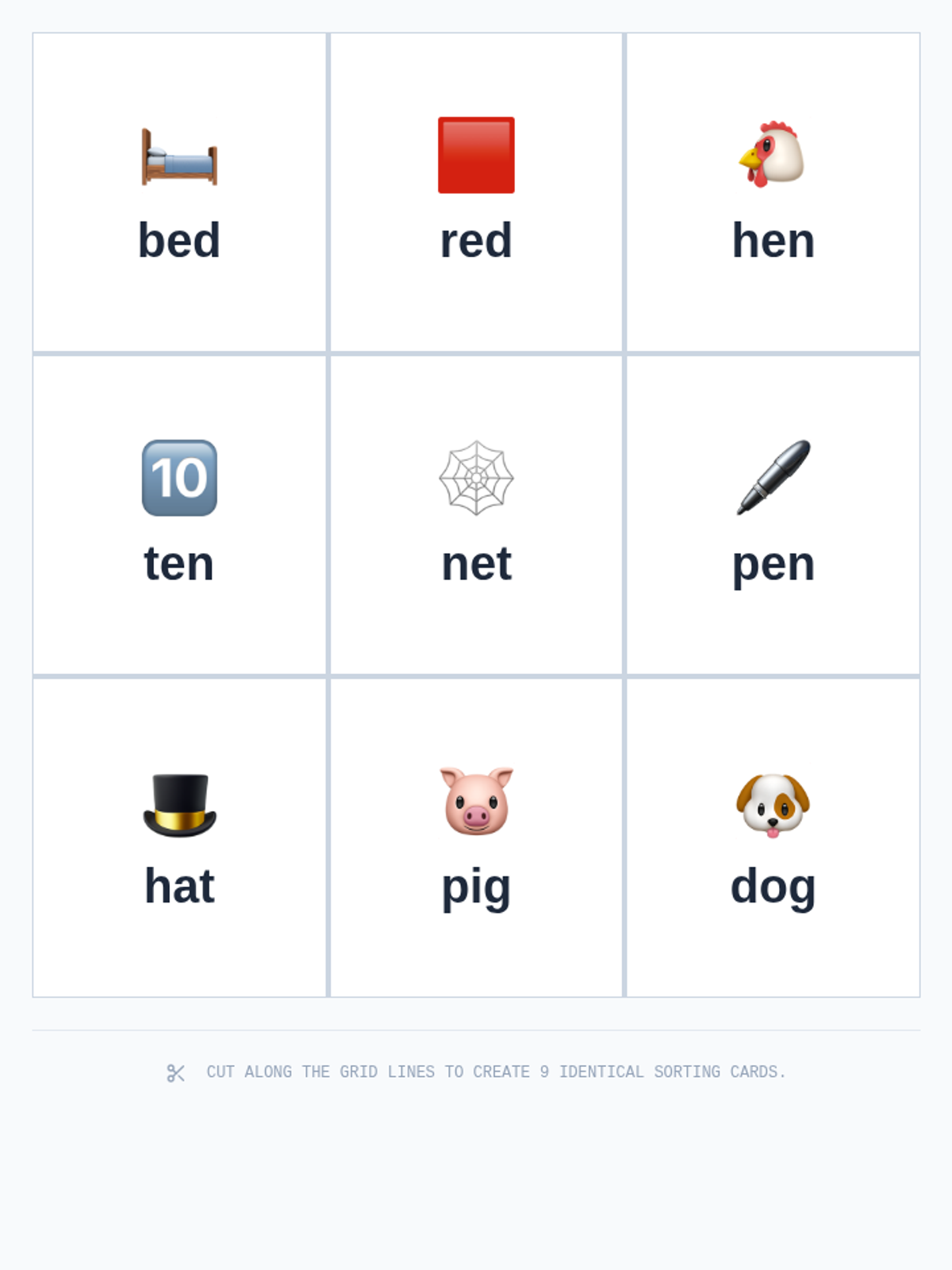
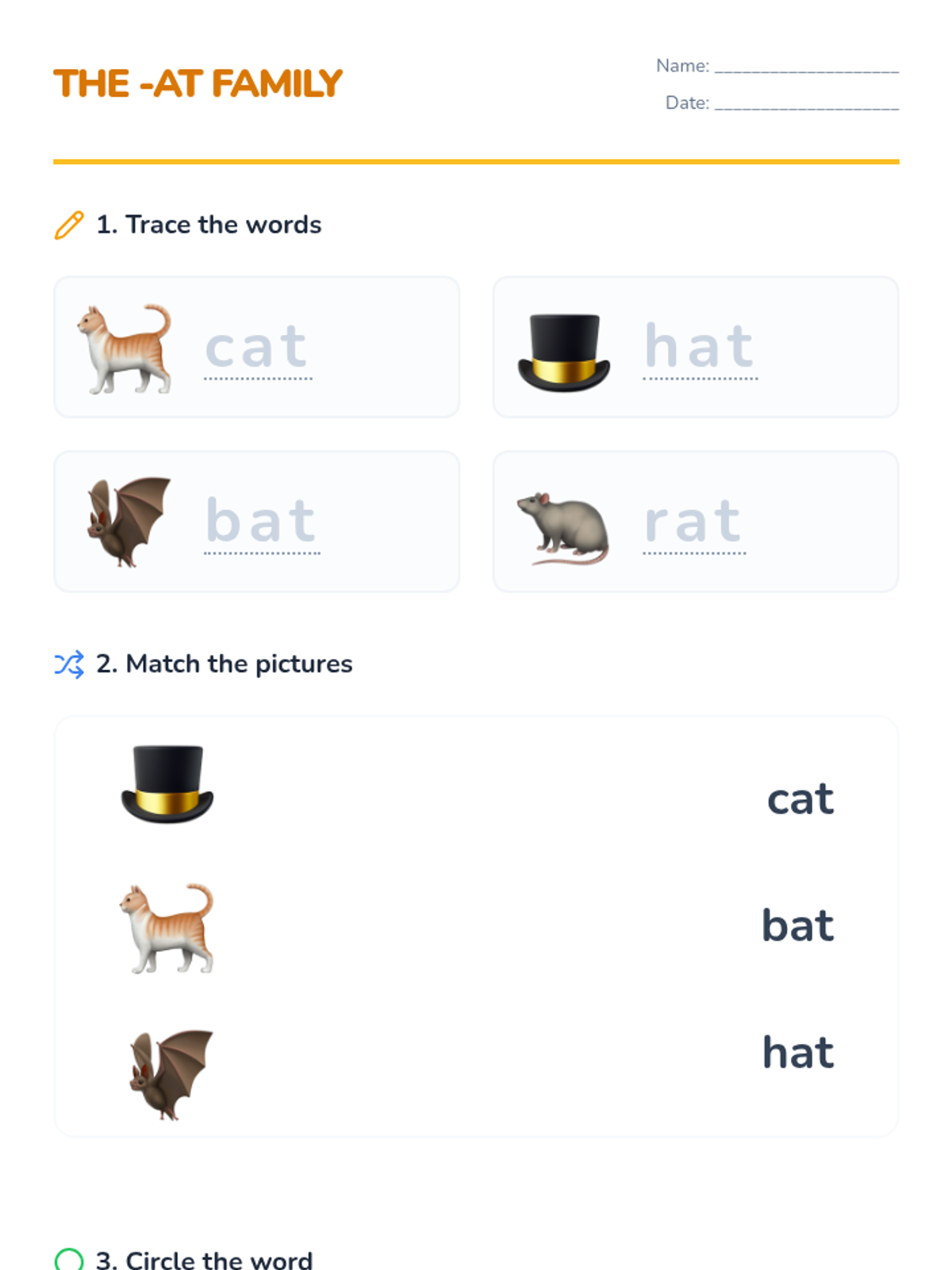
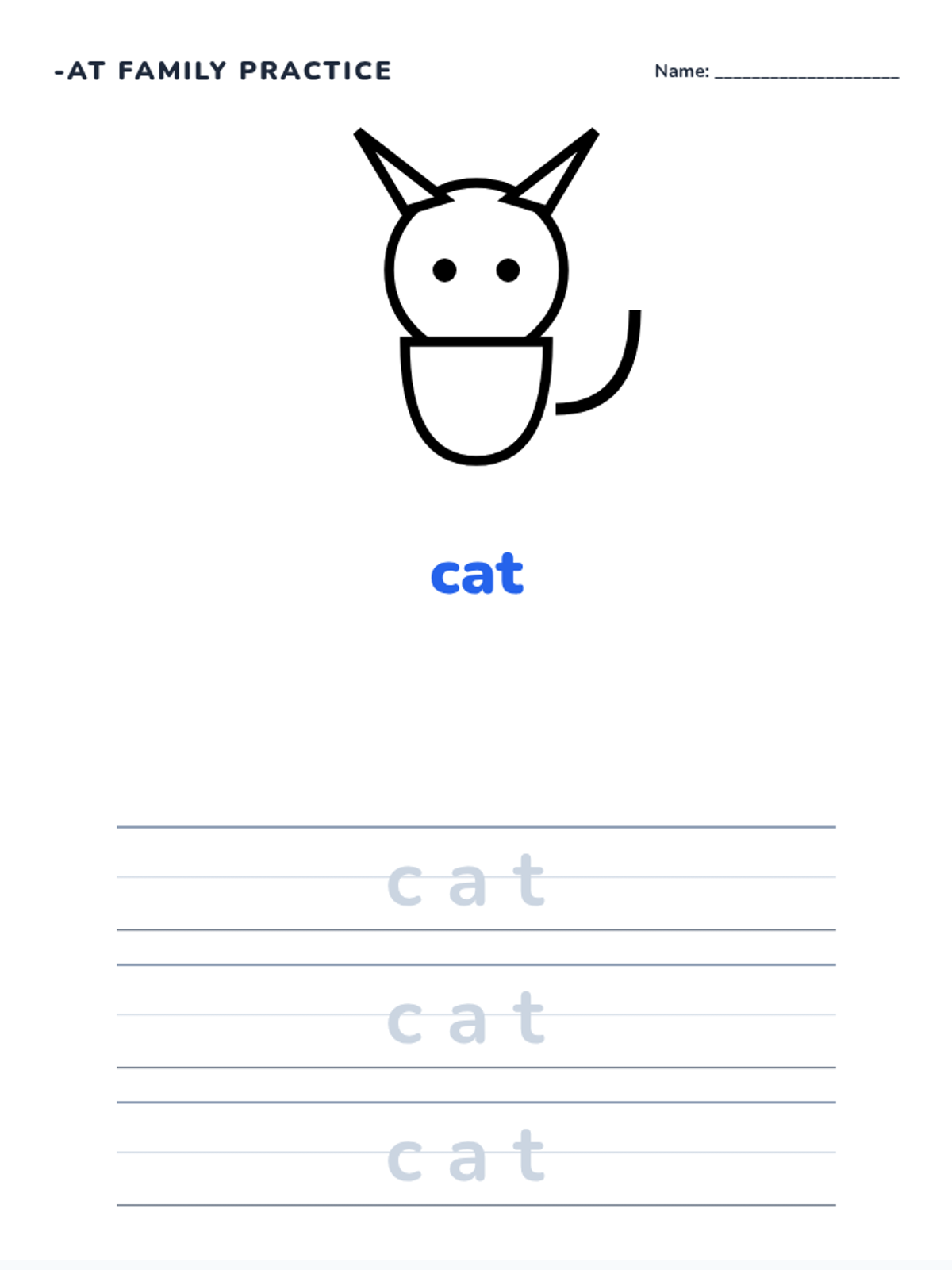
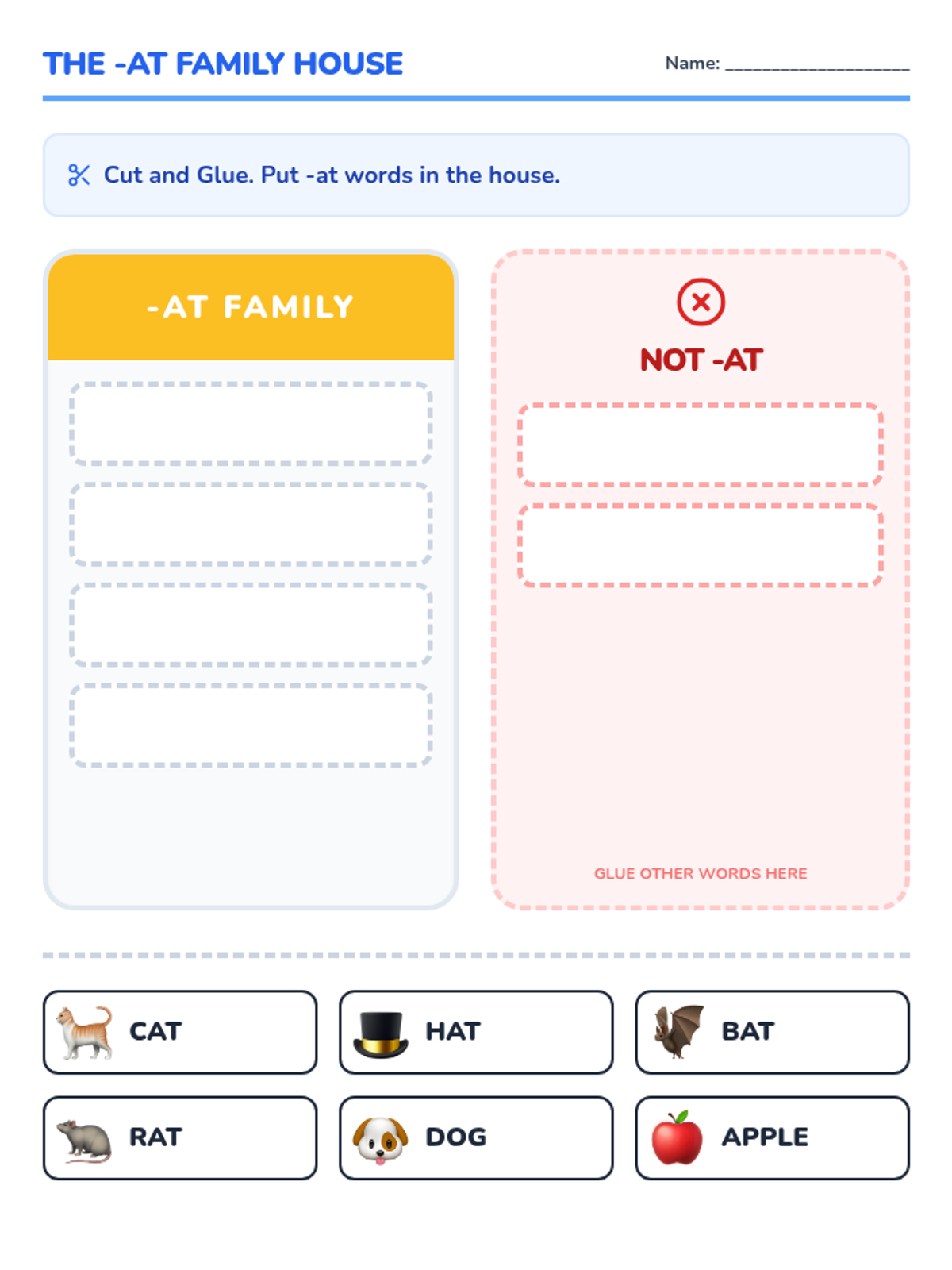
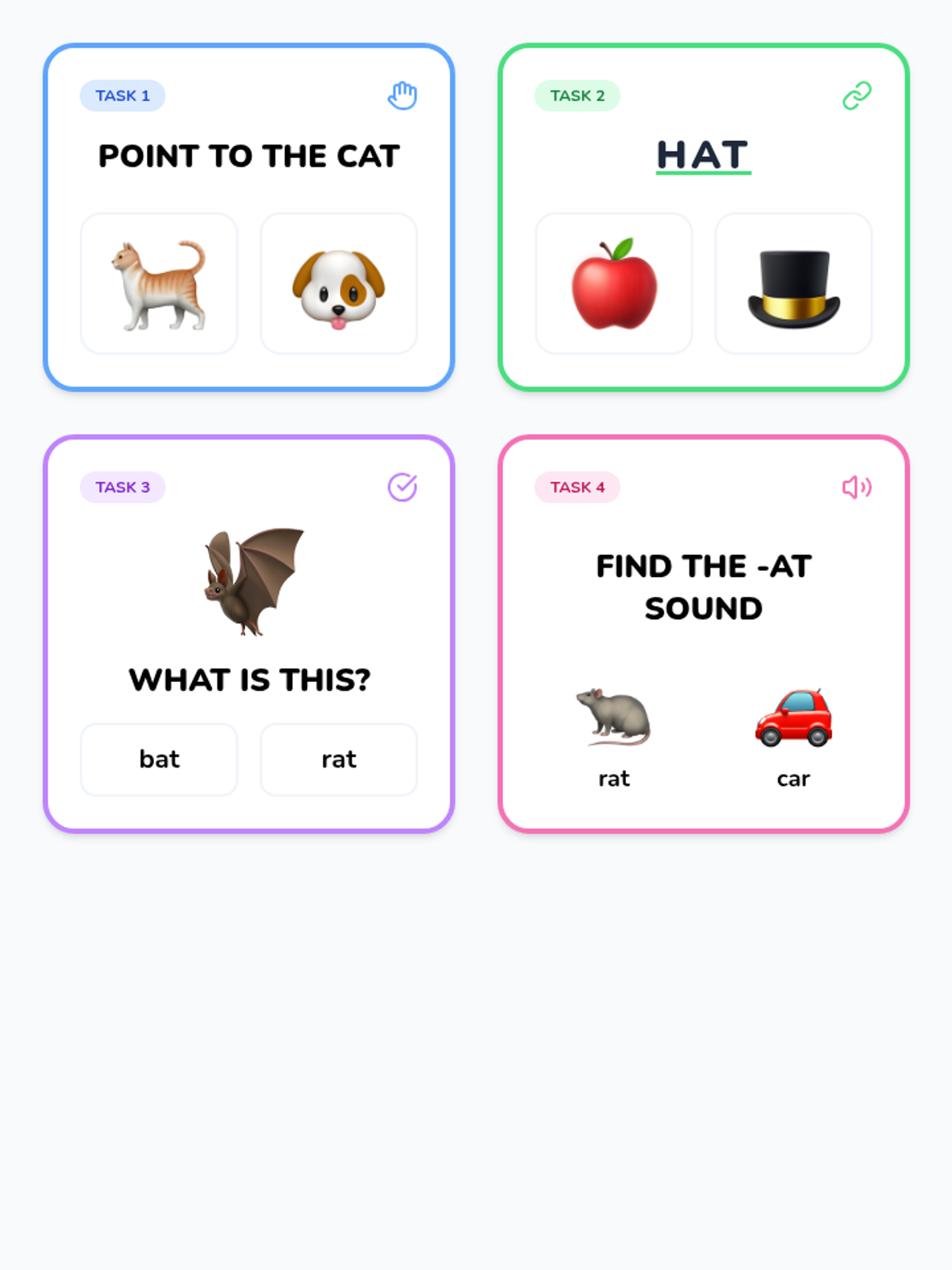
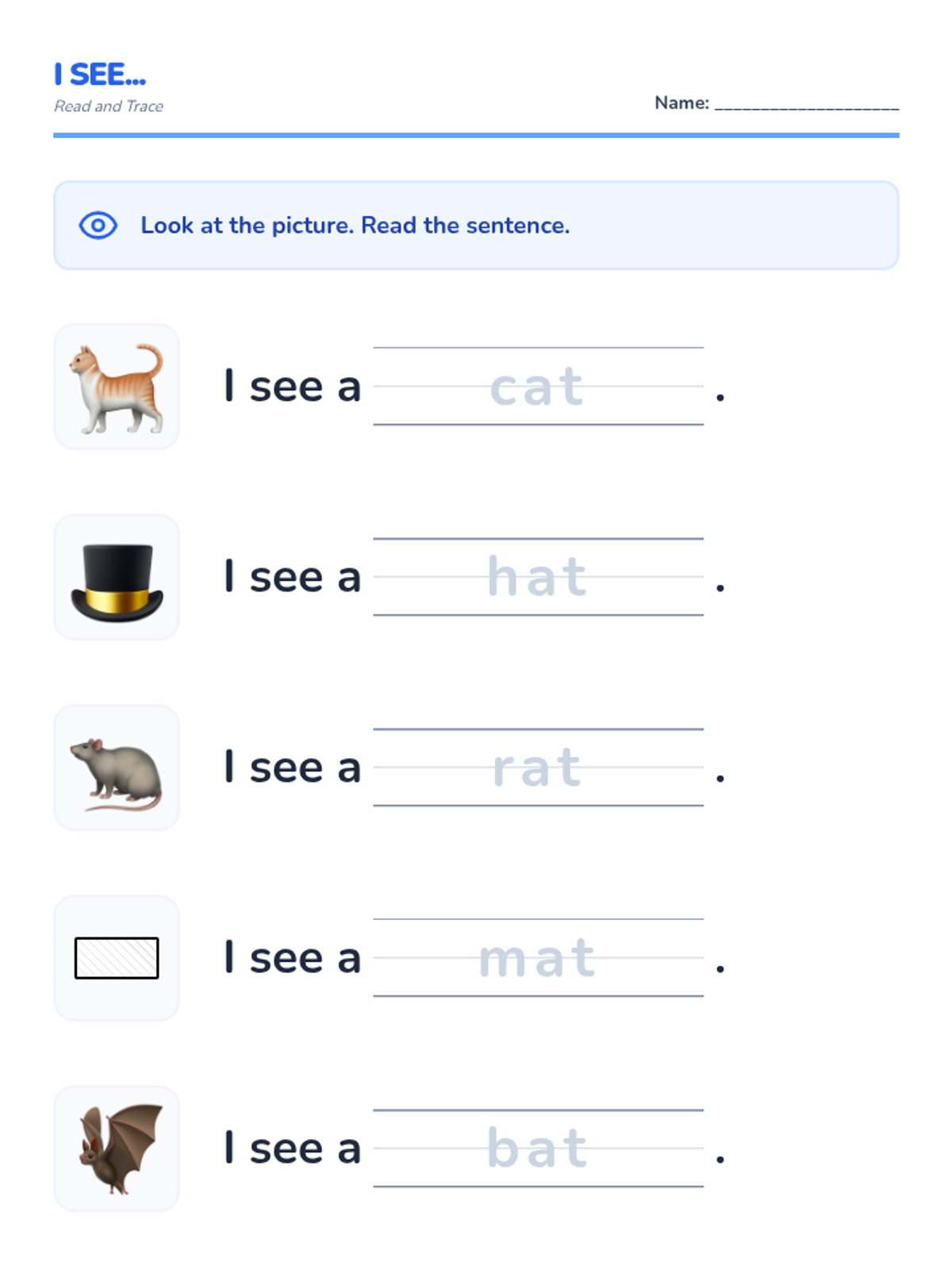
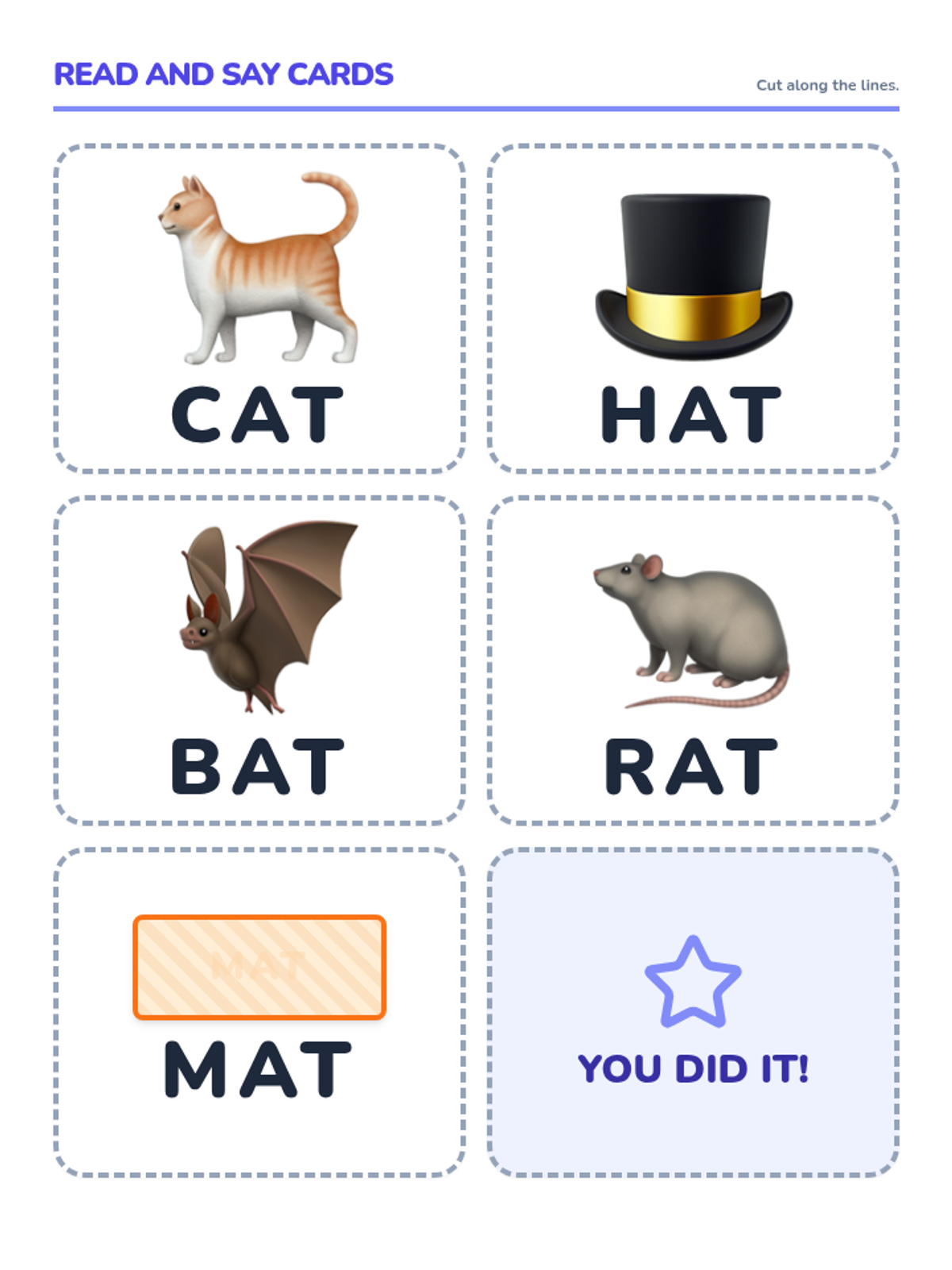
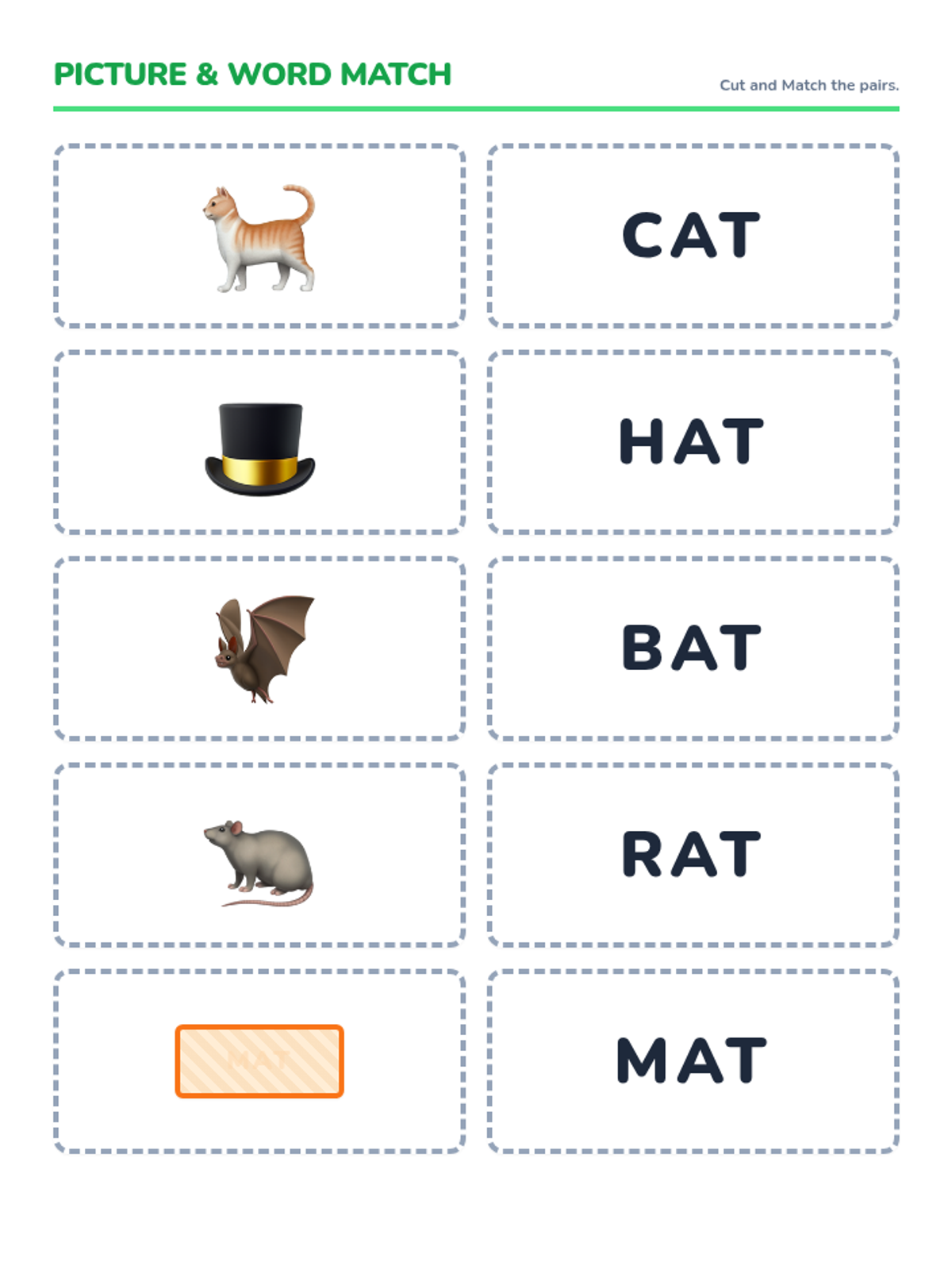
A literacy sequence for an ESL student with significant cognitive and language needs, focusing on CVC word families through high-repetition, visual support, and kinesthetic activities.
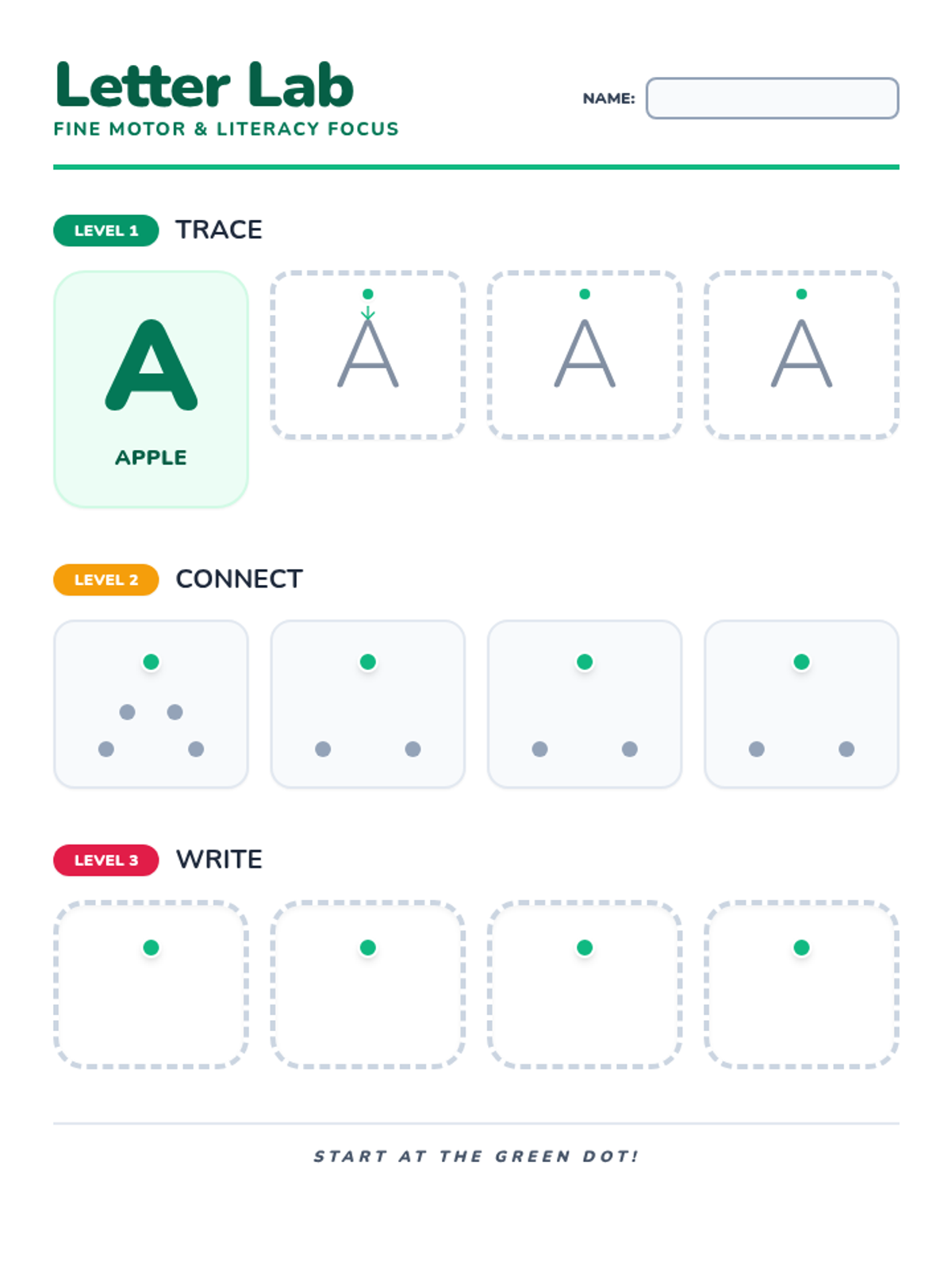
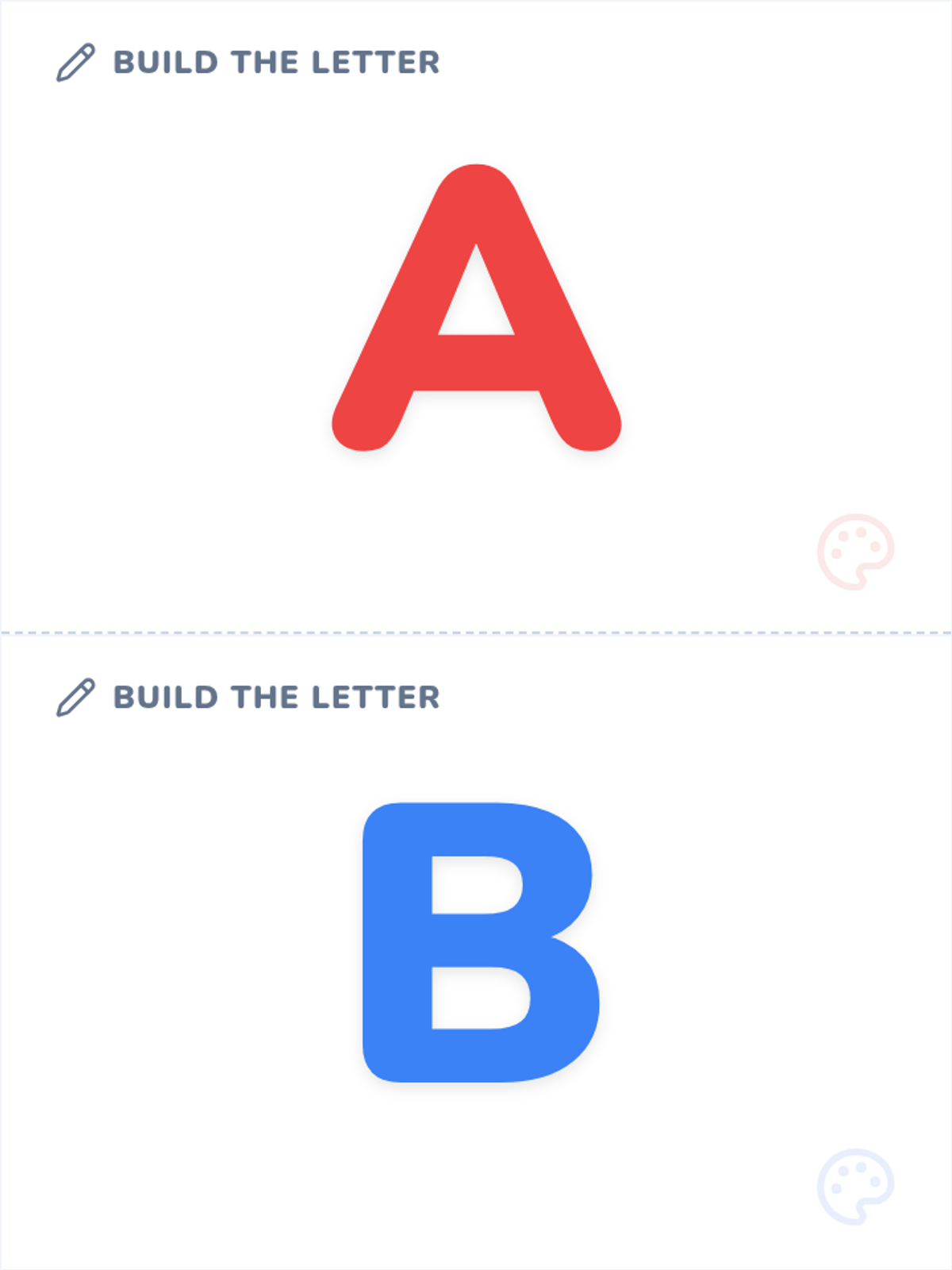
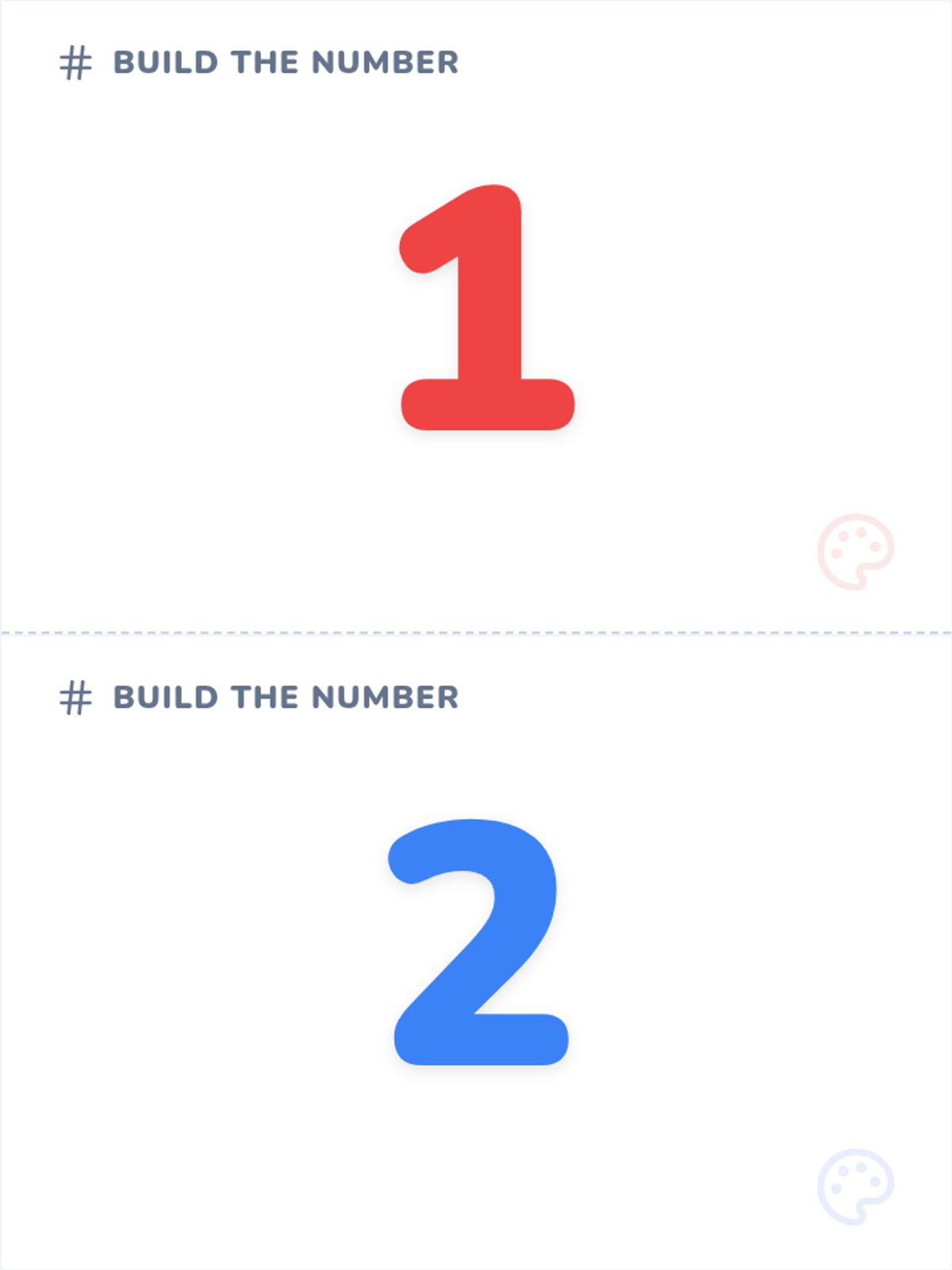
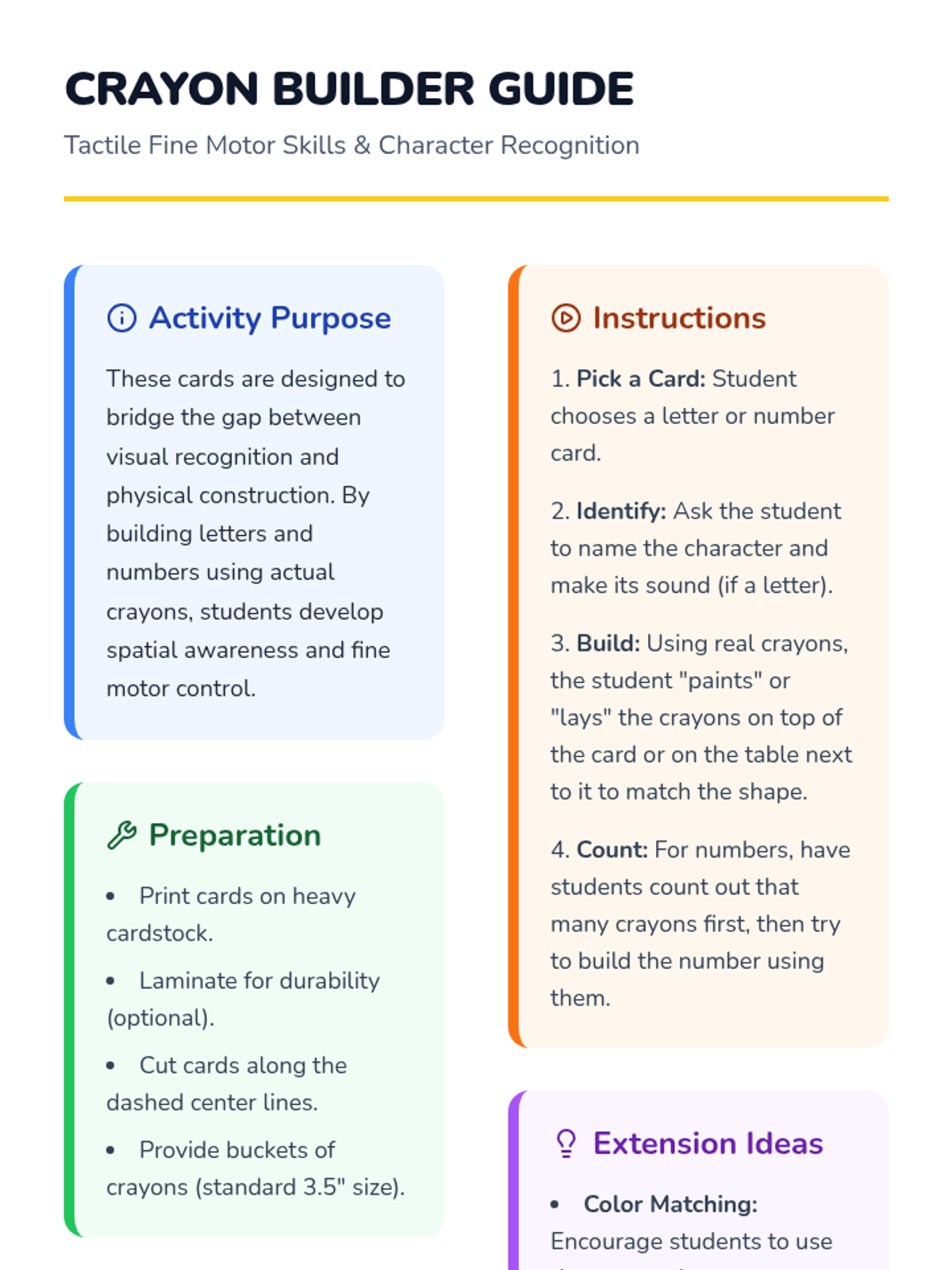
A collection of task cards and guides designed to help young learners develop fine motor skills and letter/number recognition by building shapes using physical crayons.
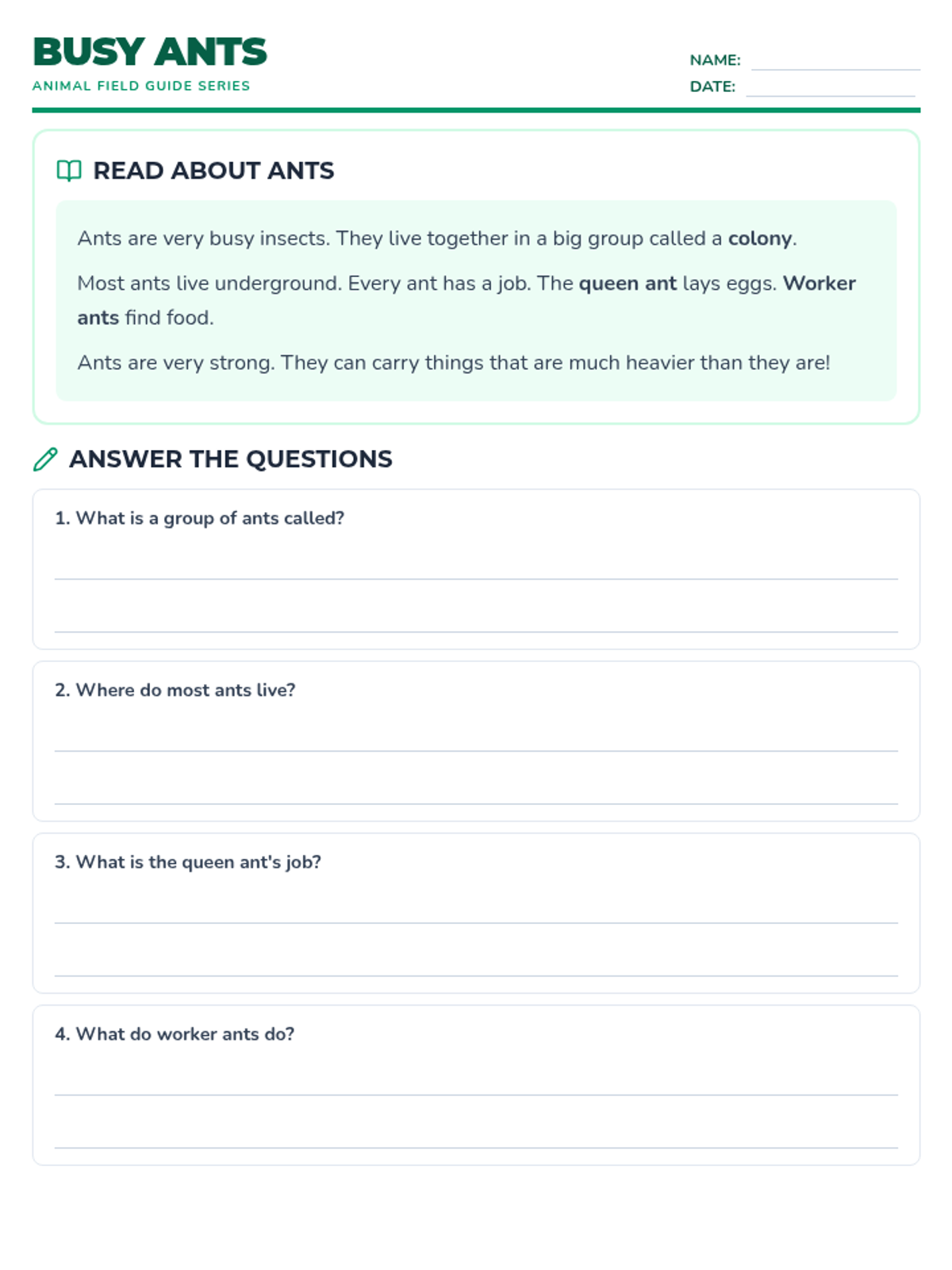
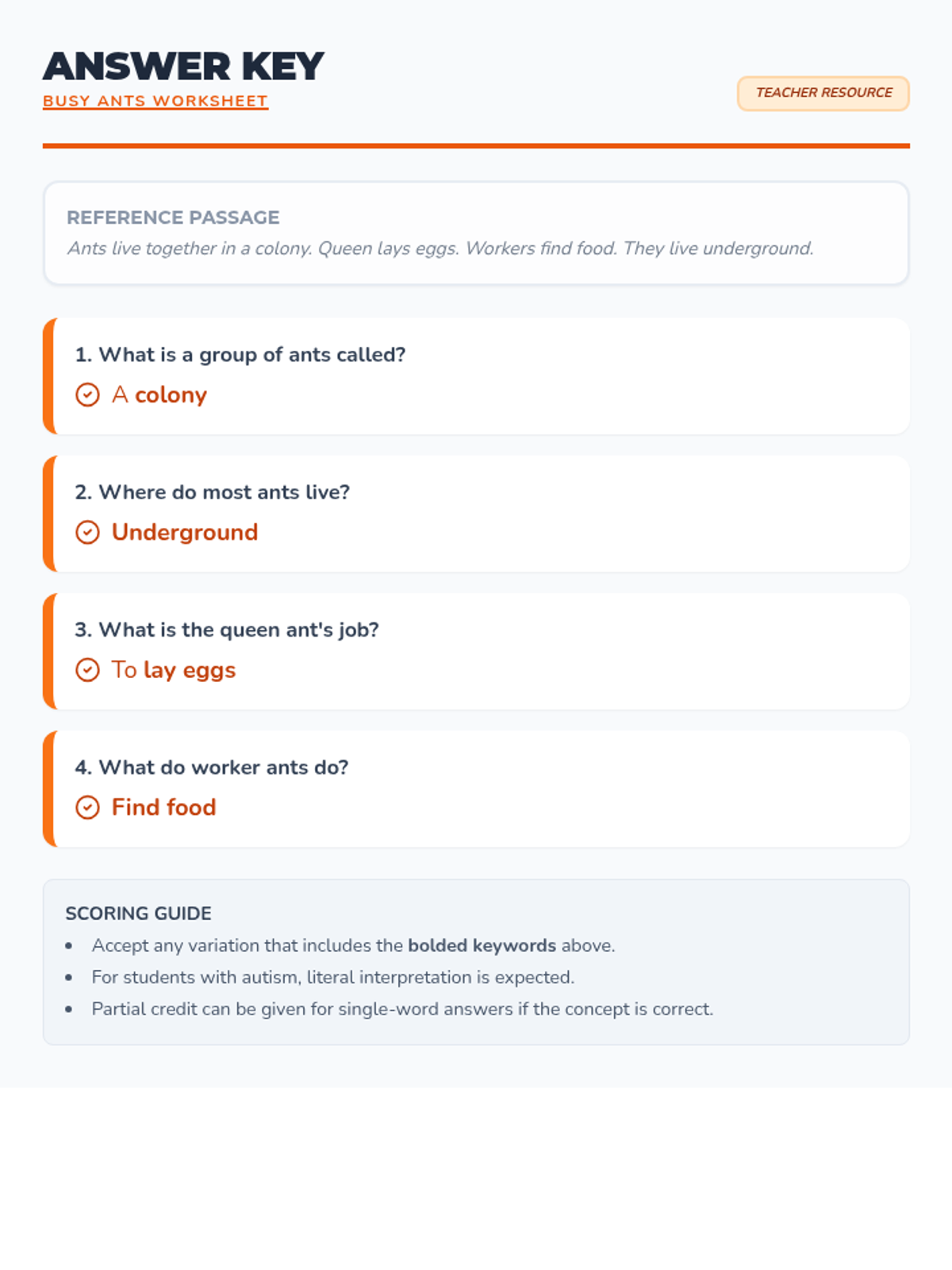
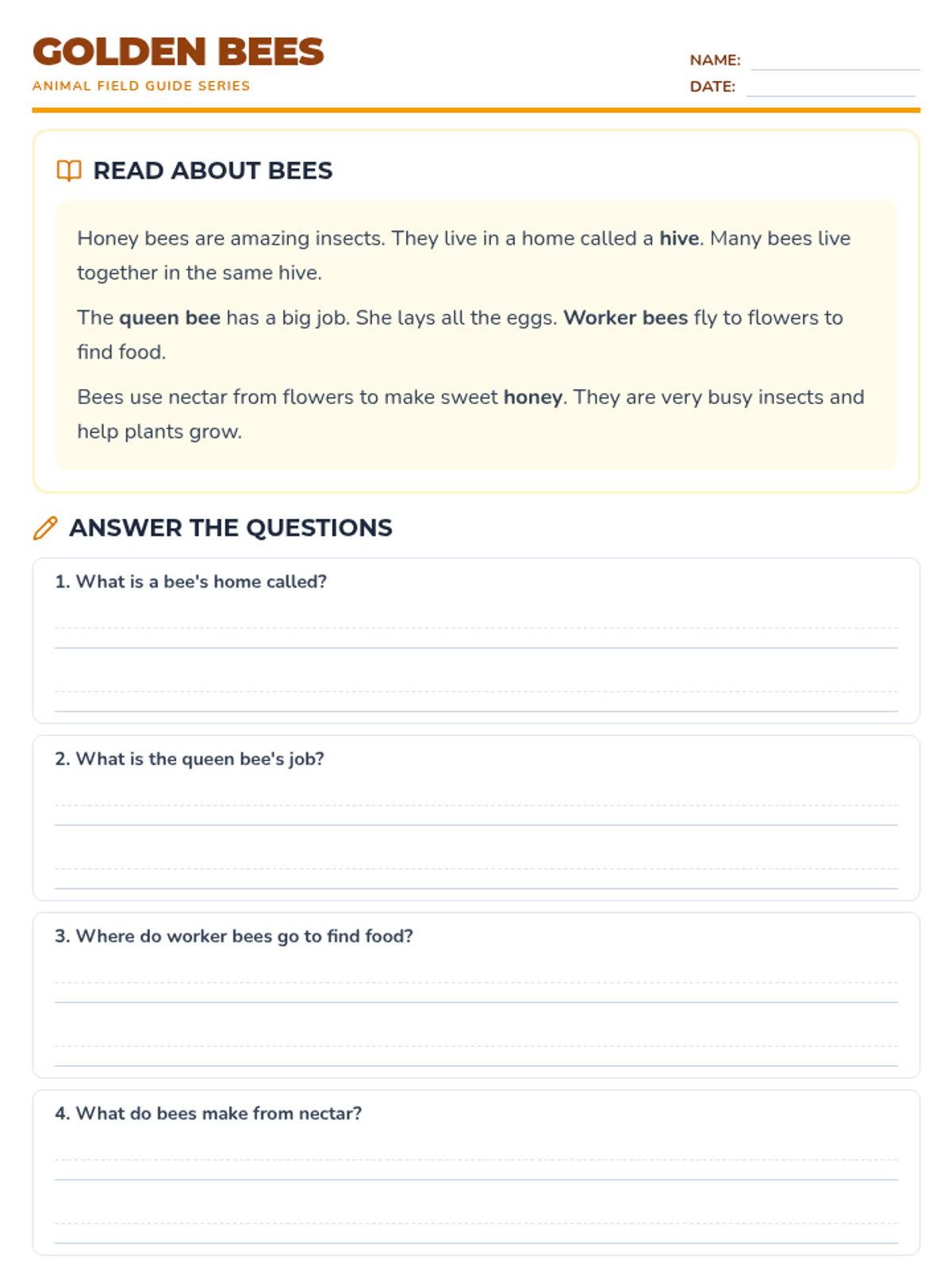
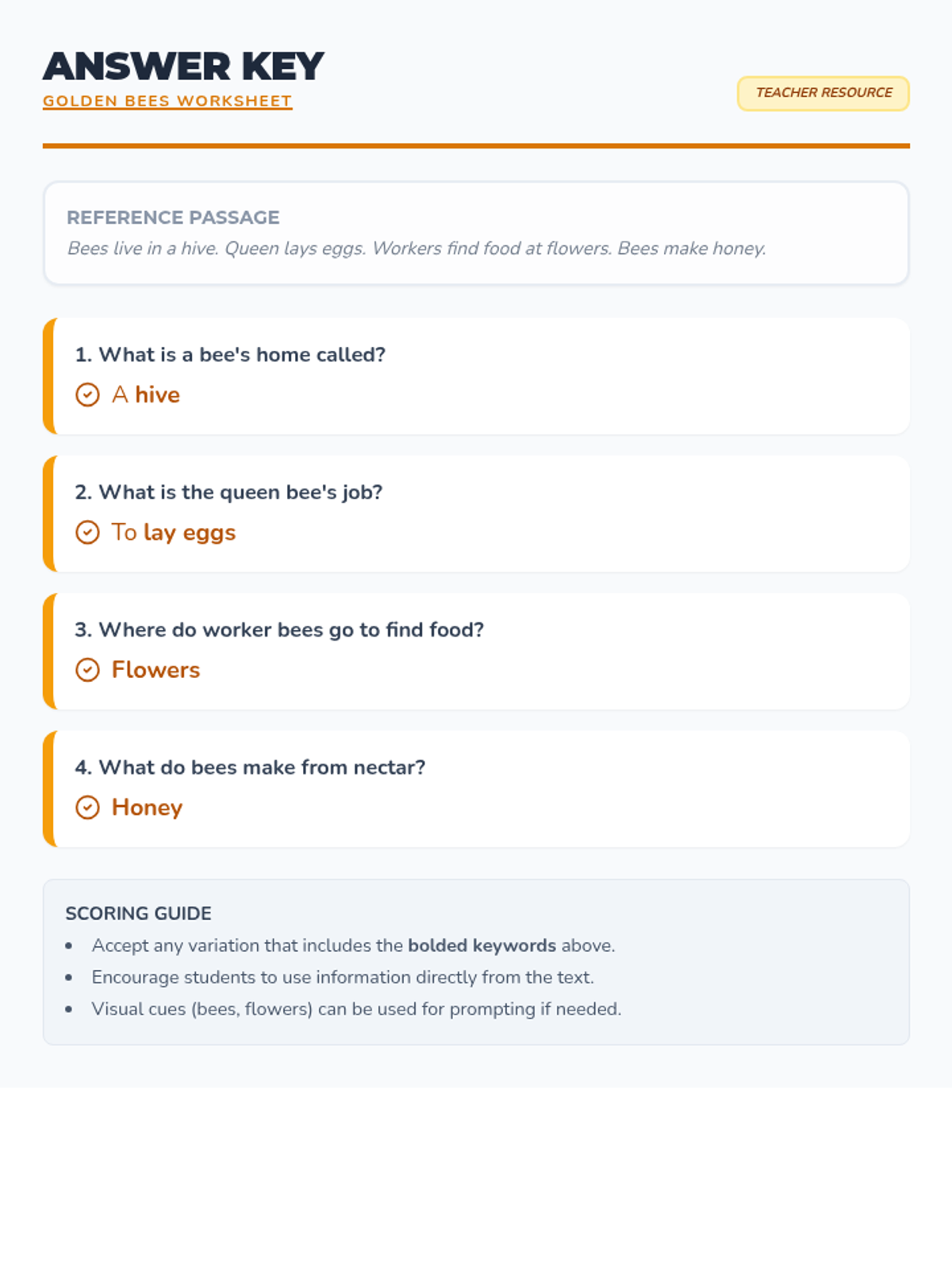
A series of structured reading comprehension lessons exploring the lives of different animals, designed for 1st-2nd grade students with autism using clear visual layouts and literal questioning.
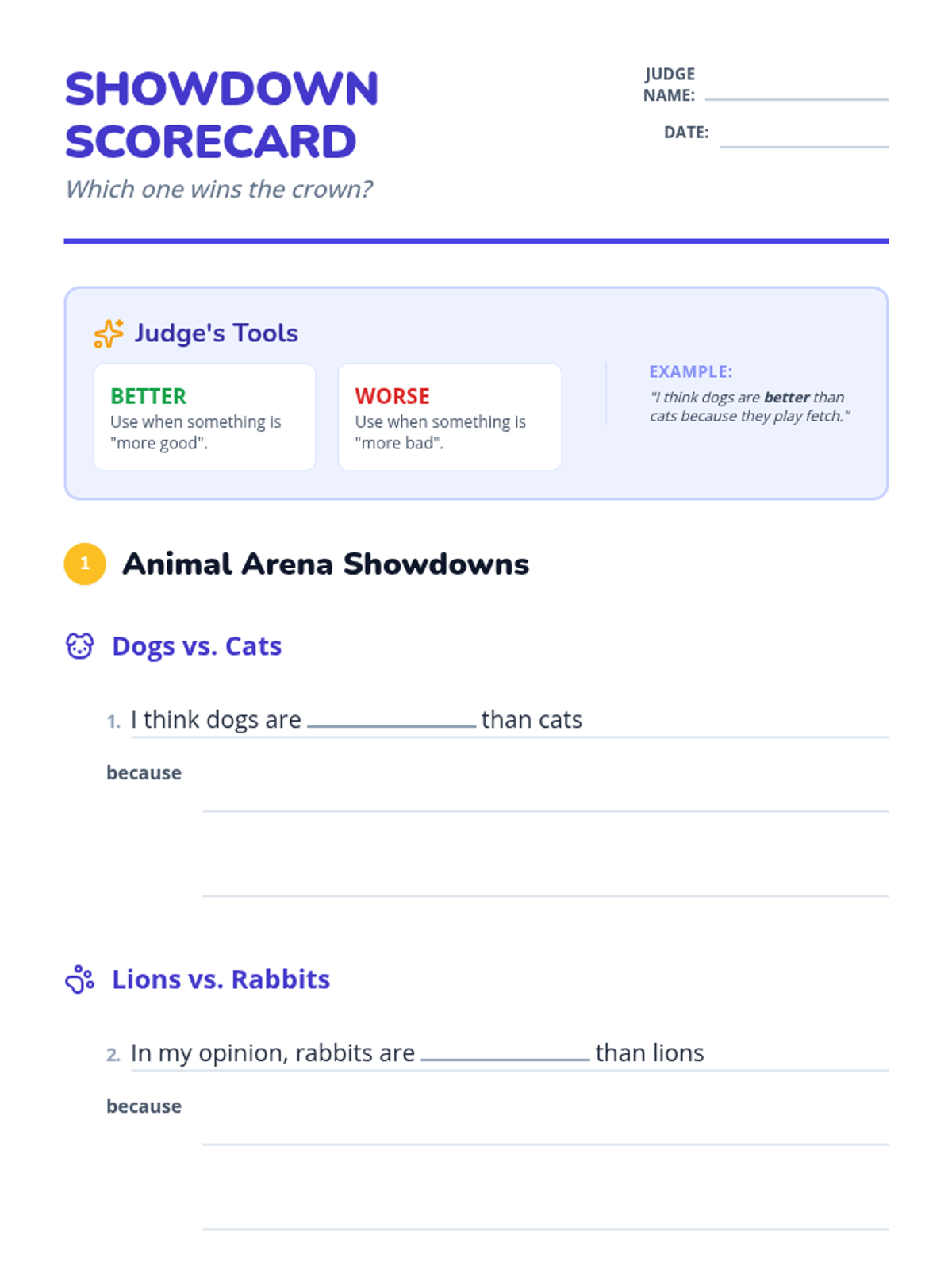
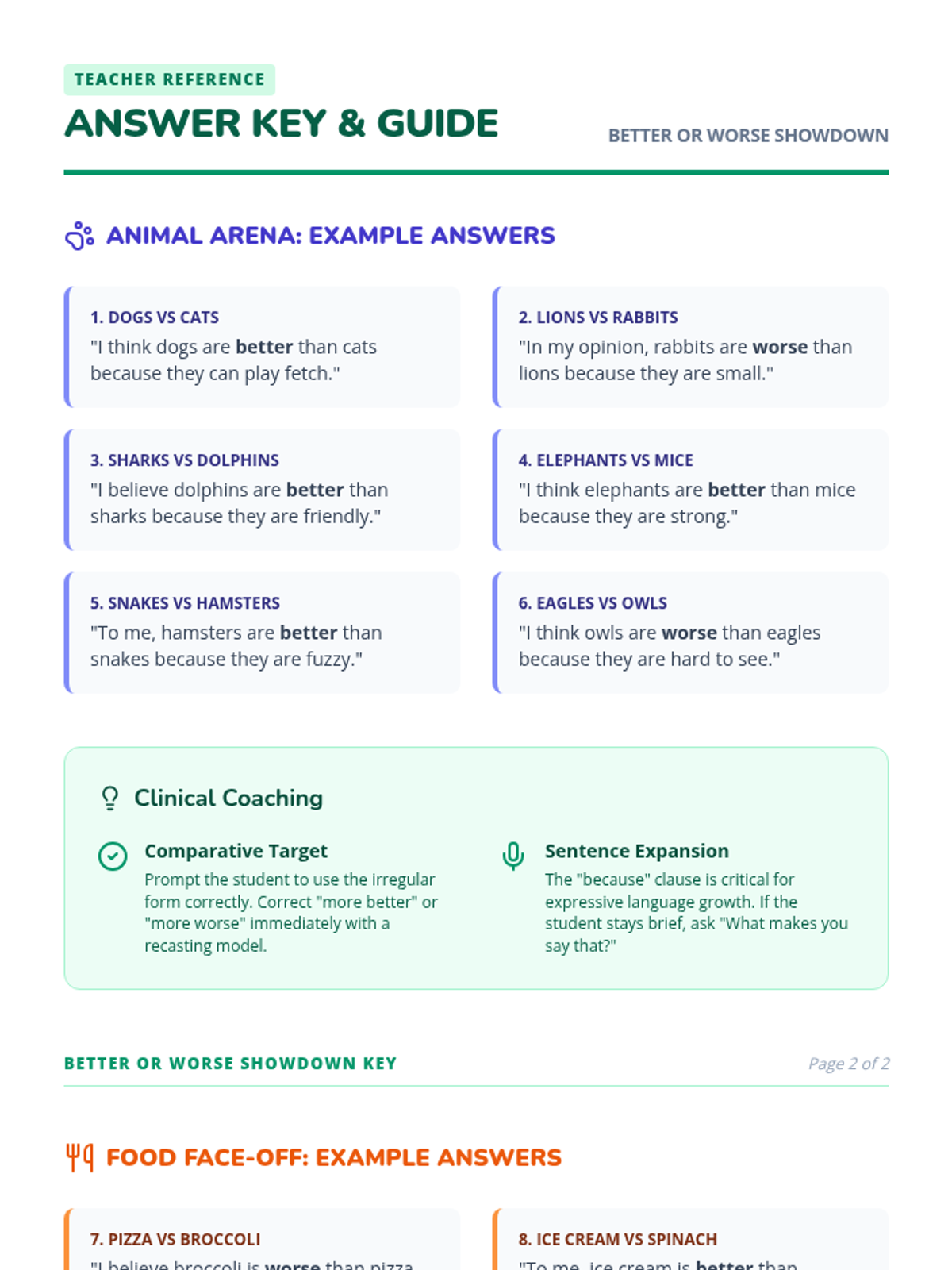
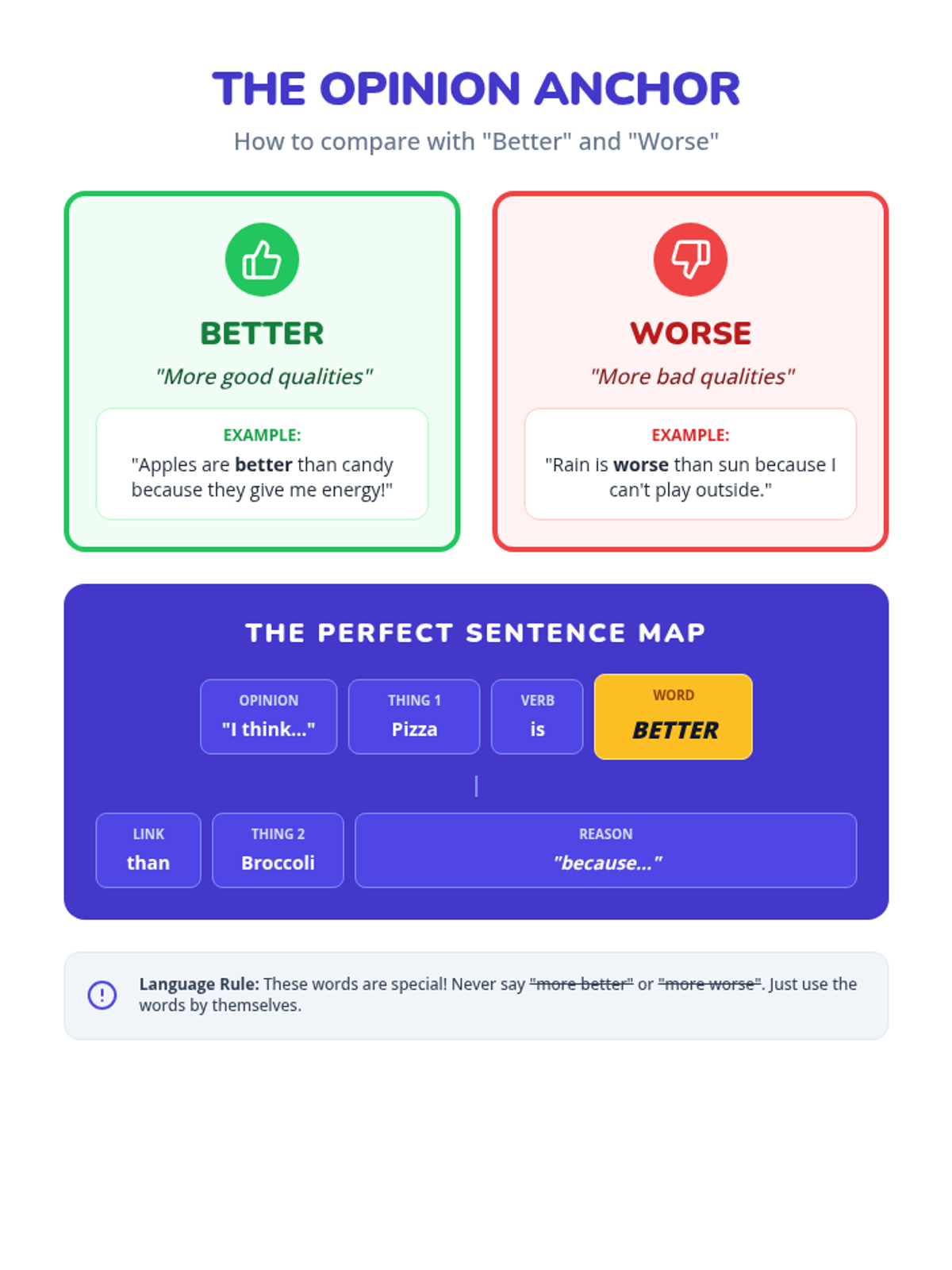
A series of 3rd grade language therapy lessons targeting specific grammatical and sequencing goals through interactive activities and structured practice.
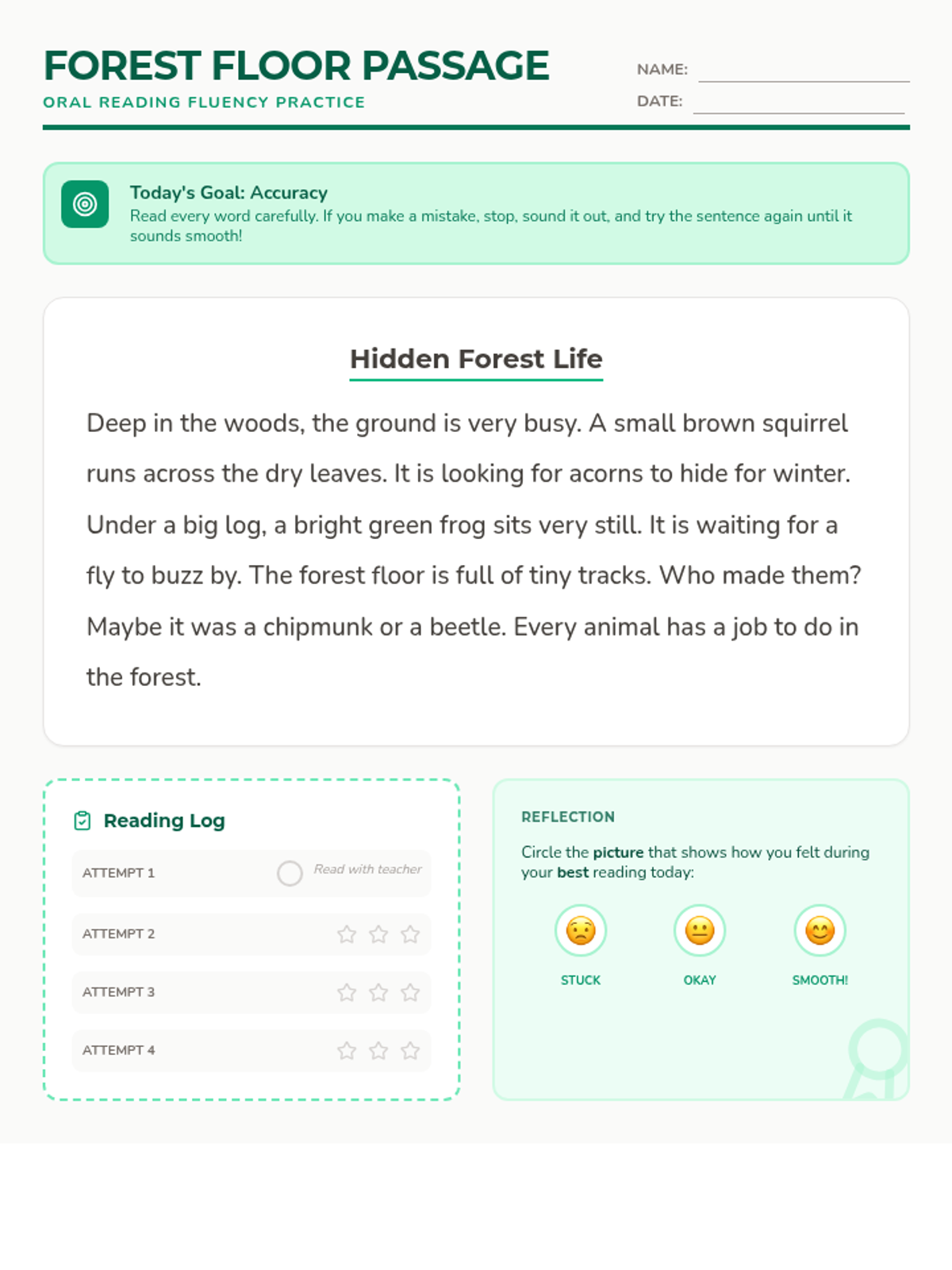
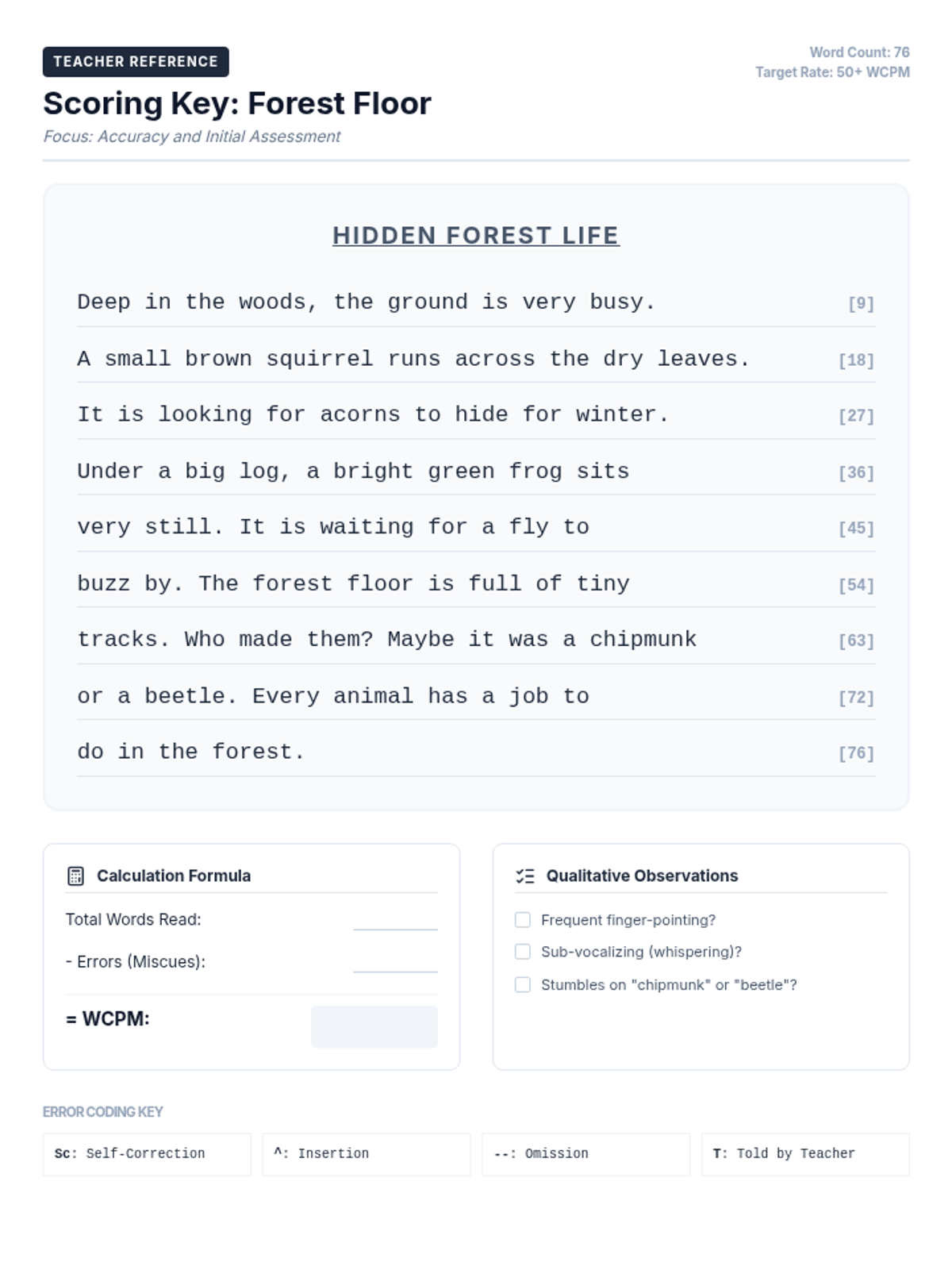
A targeted fluency intervention sequence for 2nd-grade students reading below benchmark. This unit uses repeated reading of engaging non-fiction passages to improve accuracy, expression, and reading rate.
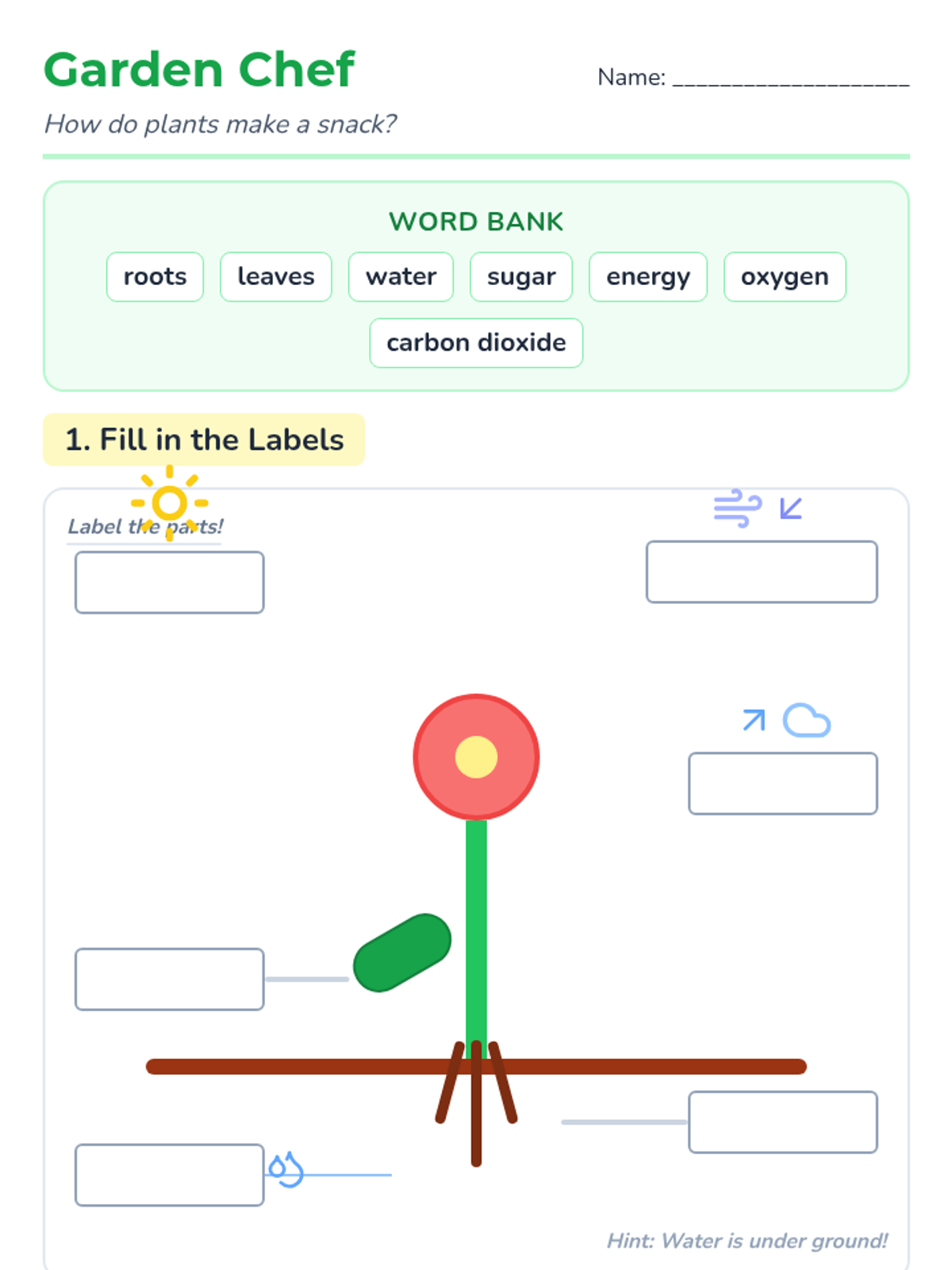
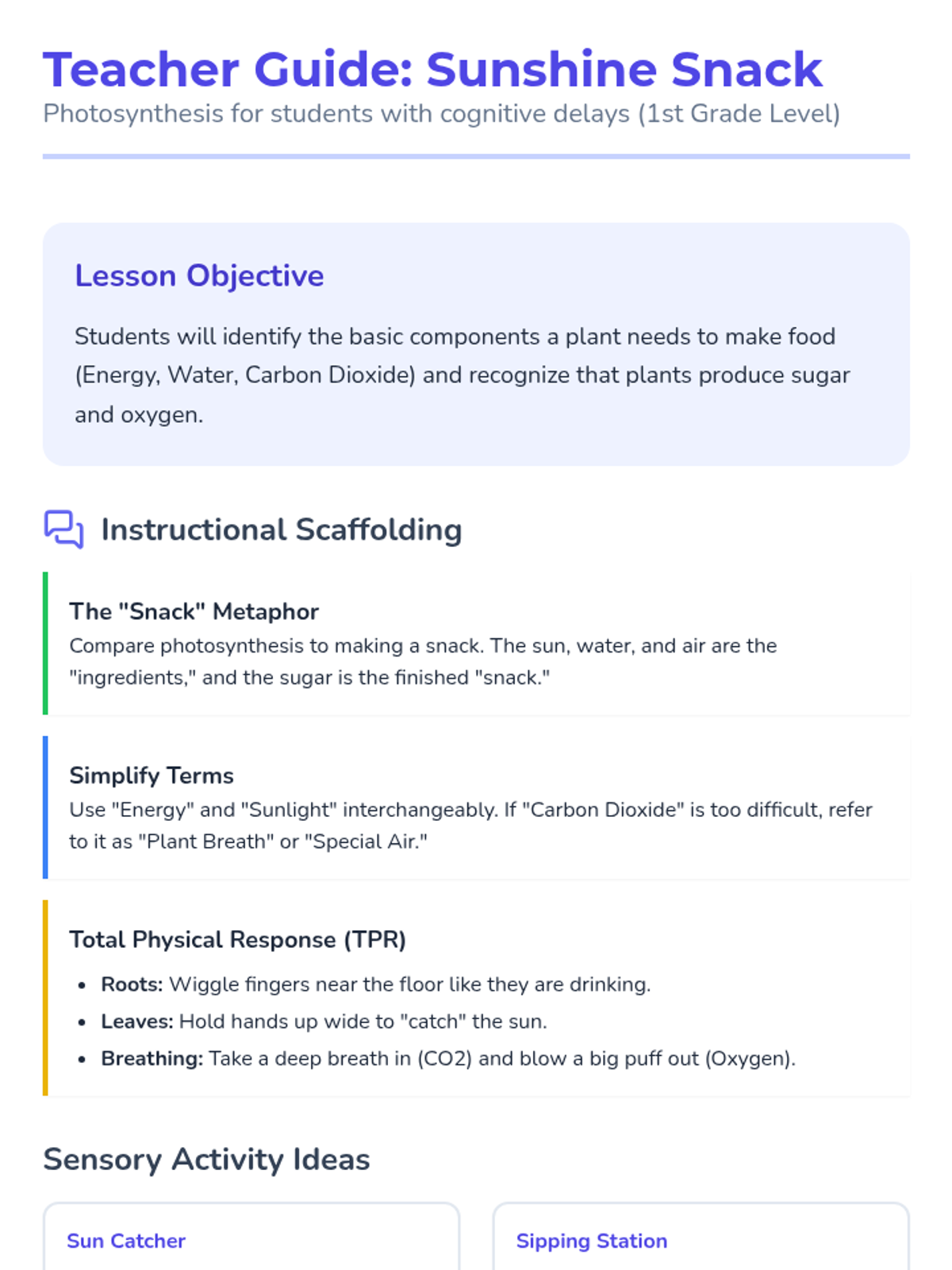
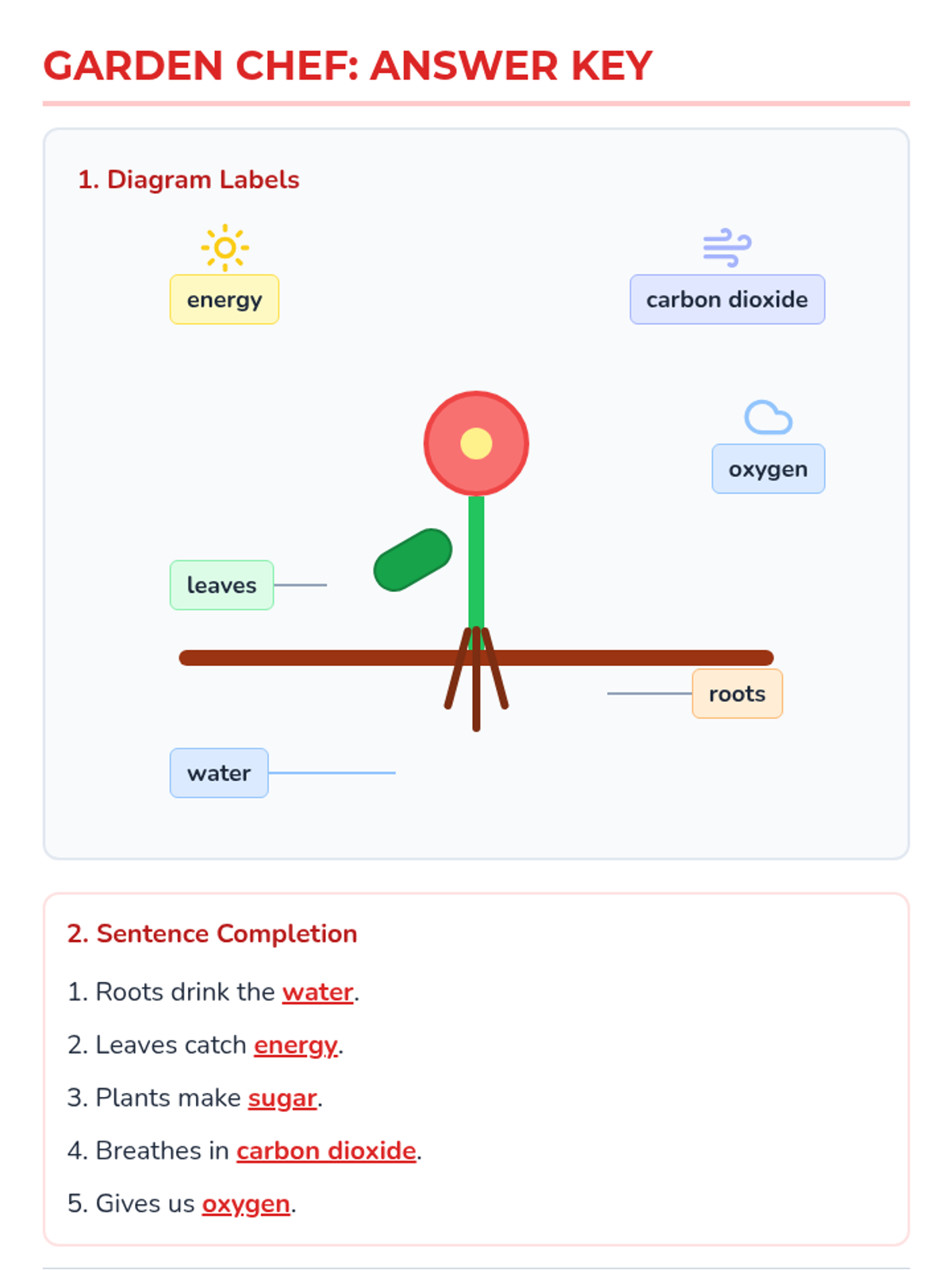
A gentle introduction to how plants make their own food, designed for students with cognitive delays. This sequence focuses on the basic elements of photosynthesis through visual storytelling and simplified language.
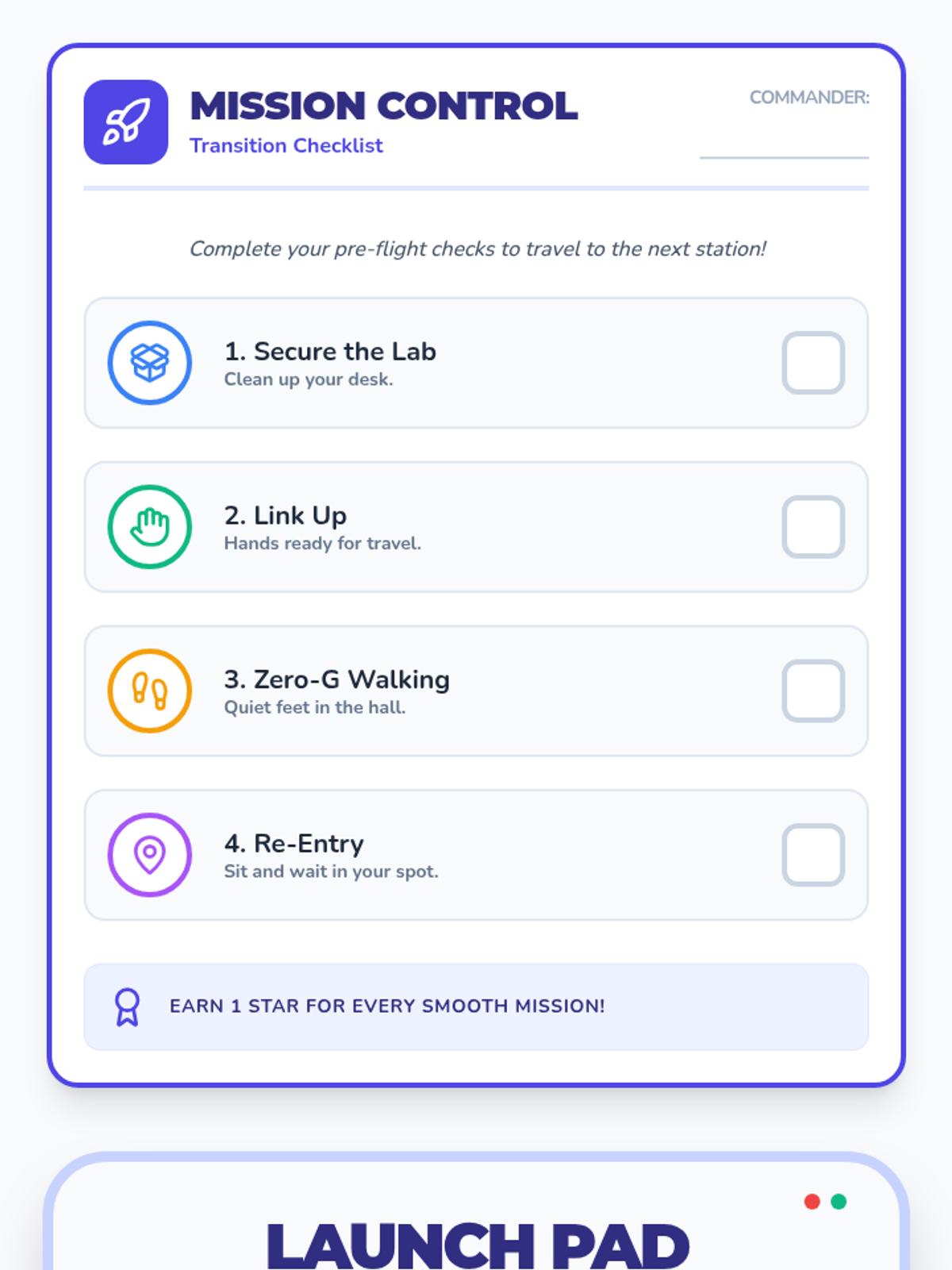
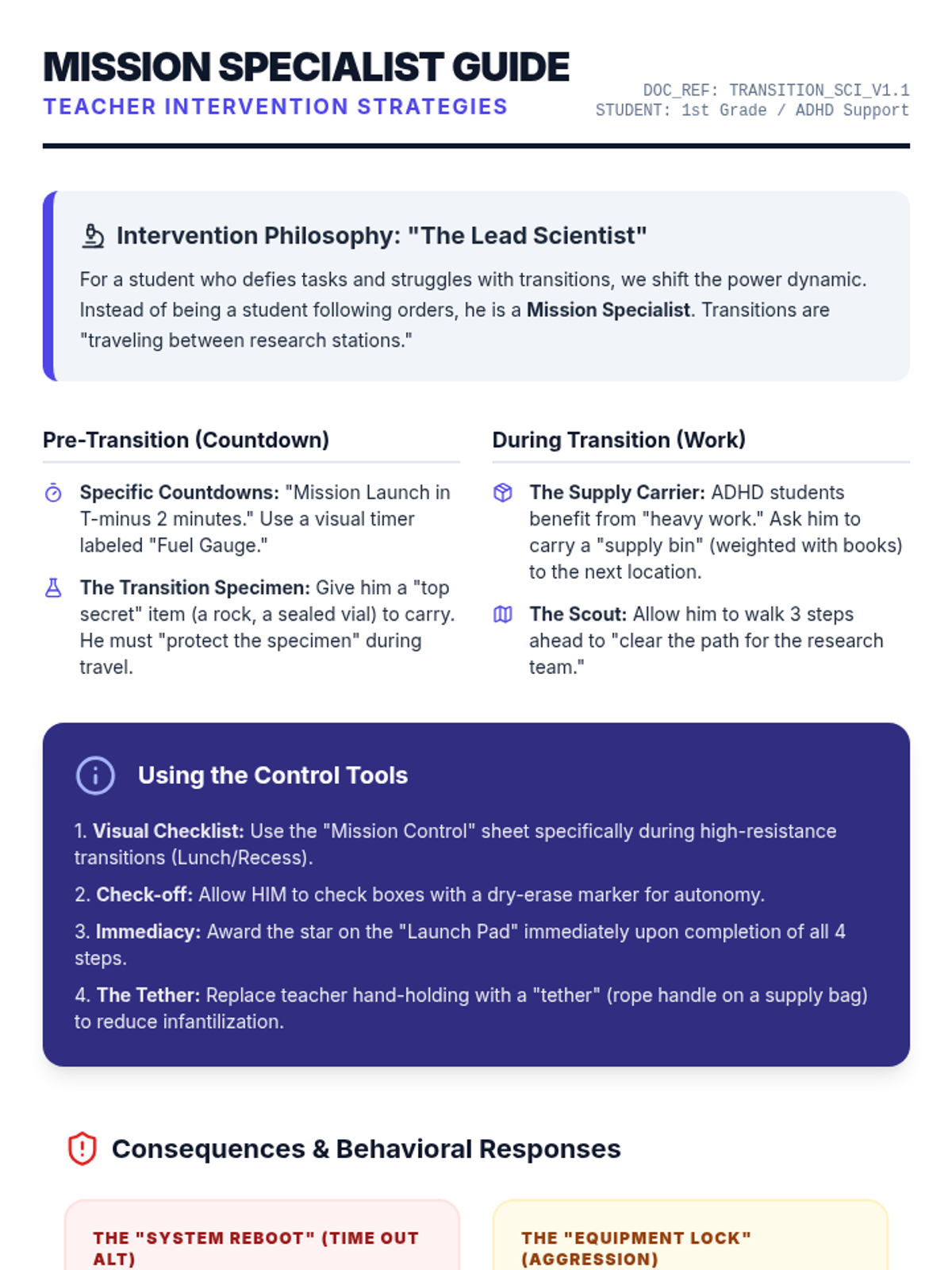
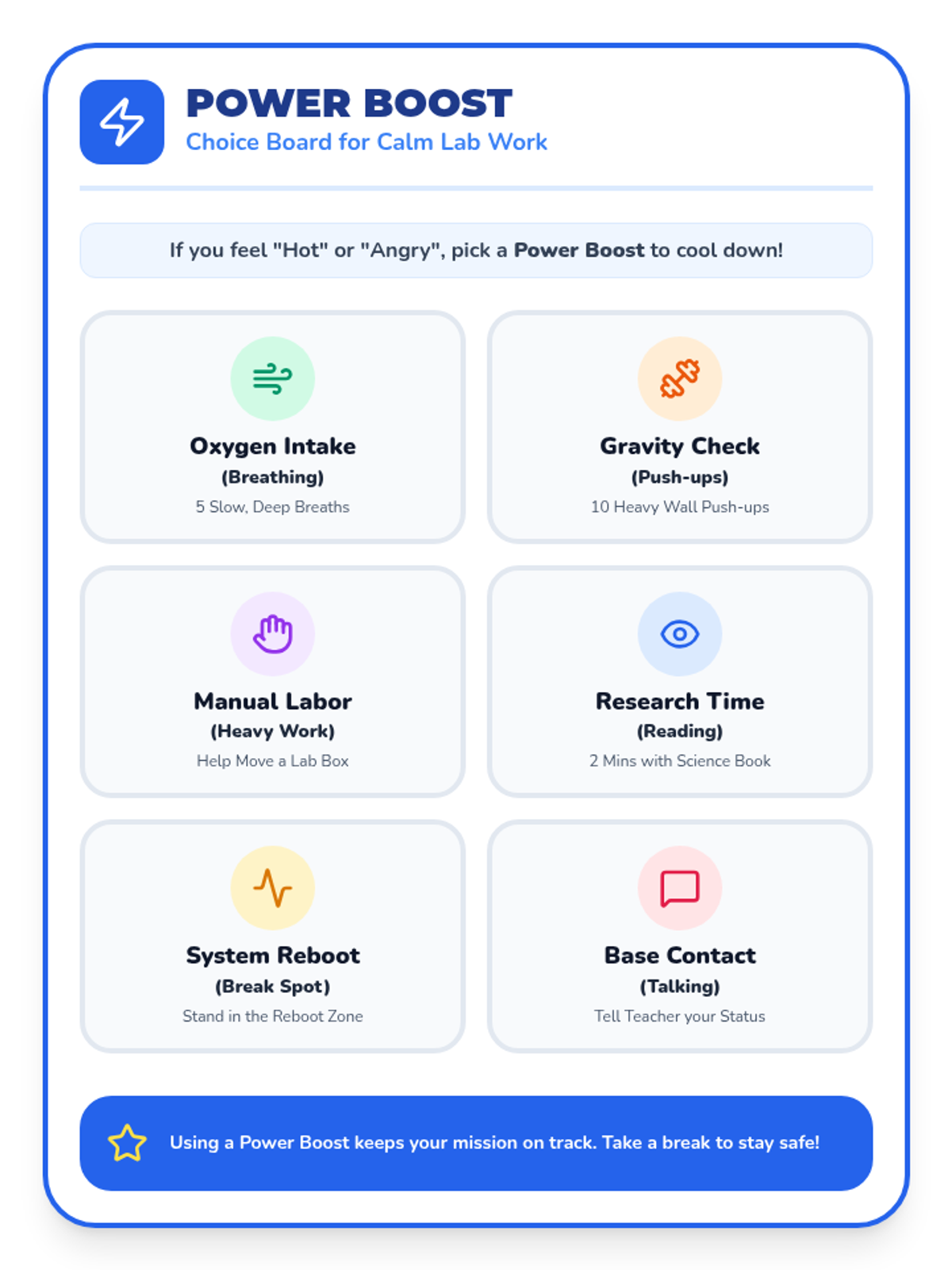
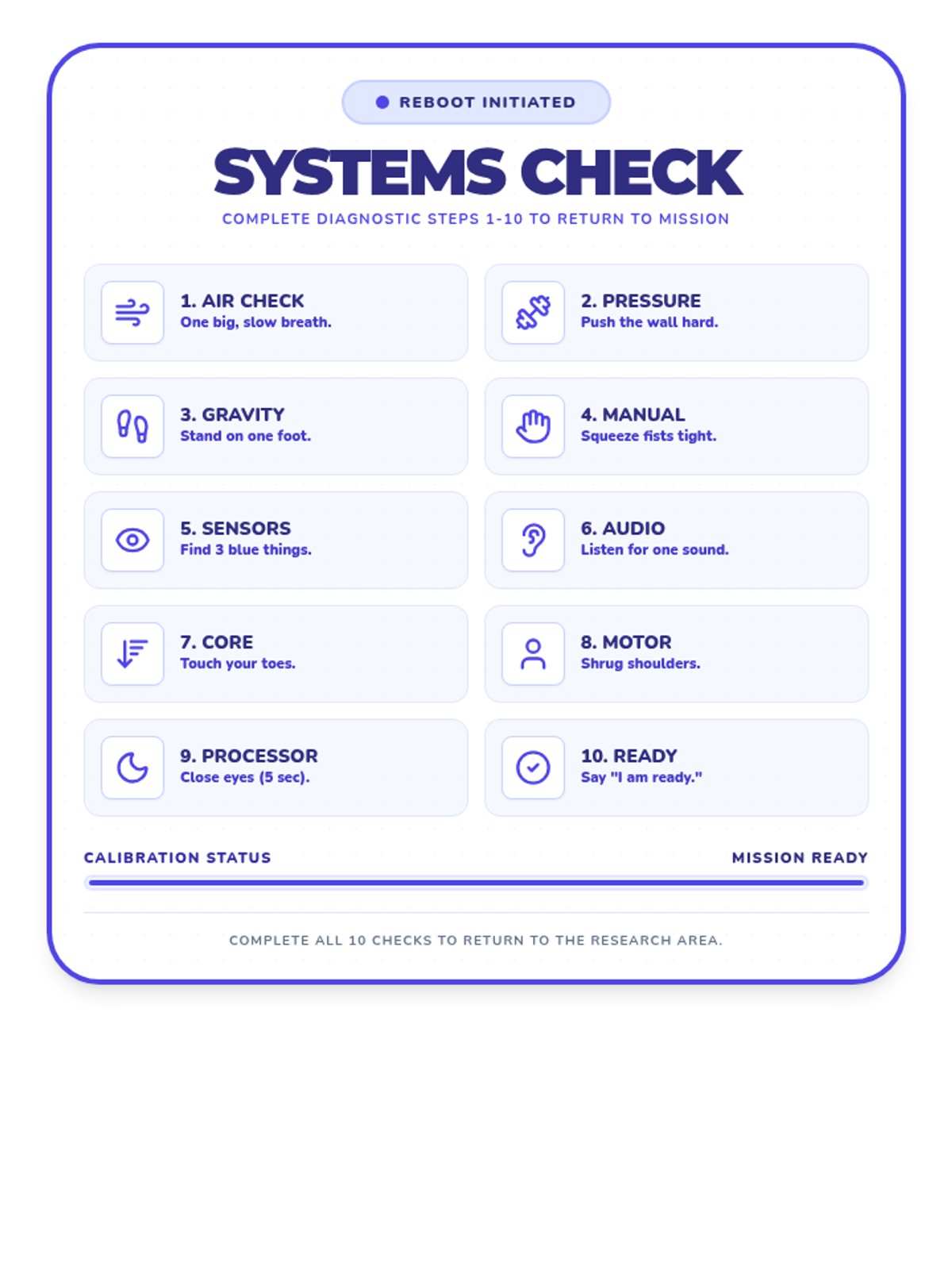
A collection of science-themed behavioral interventions and transition supports designed for a first-grade student with ADHD and high support needs. The sequence focuses on using special interests to increase engagement and provide structured, predictable routines.
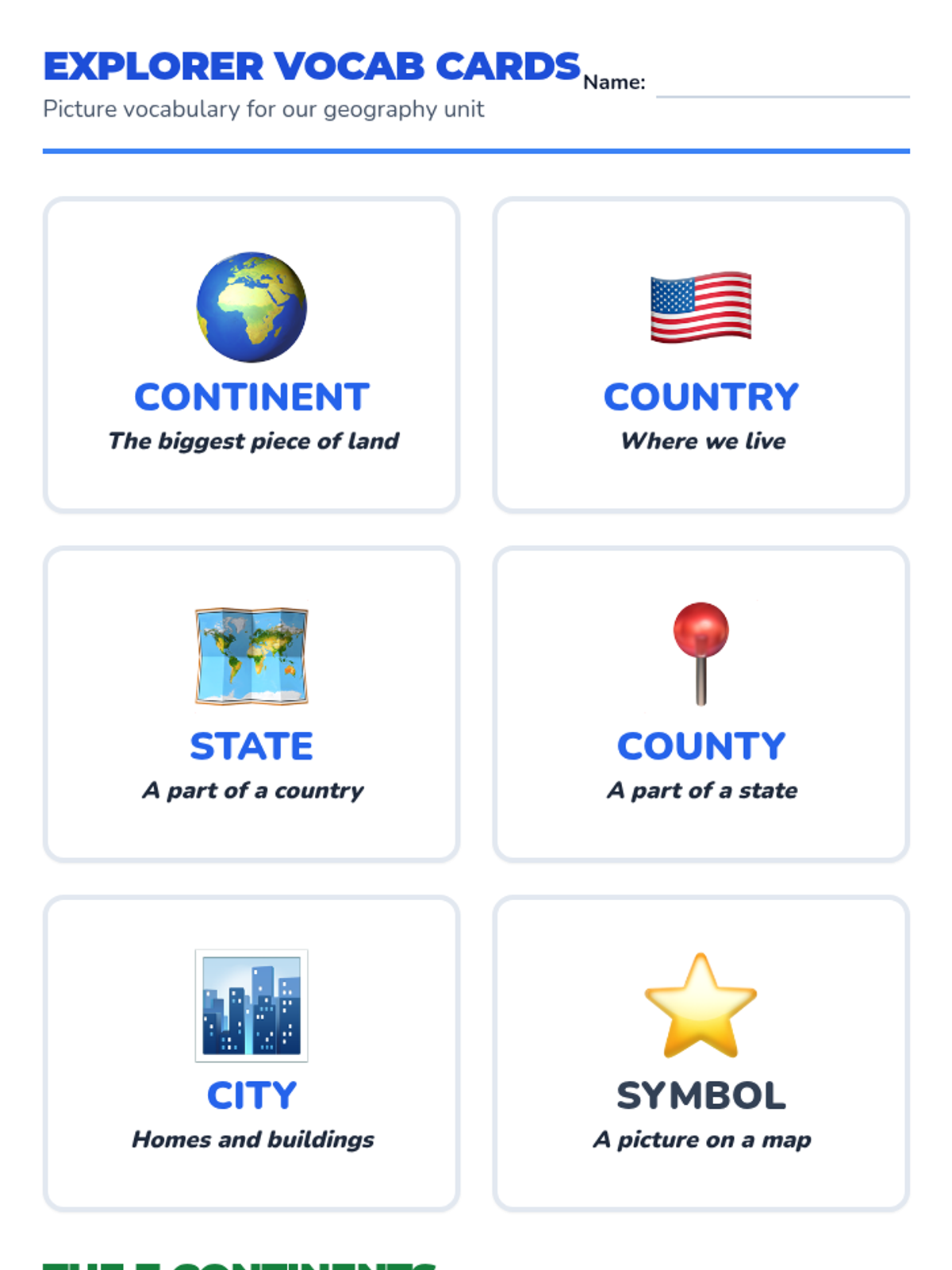
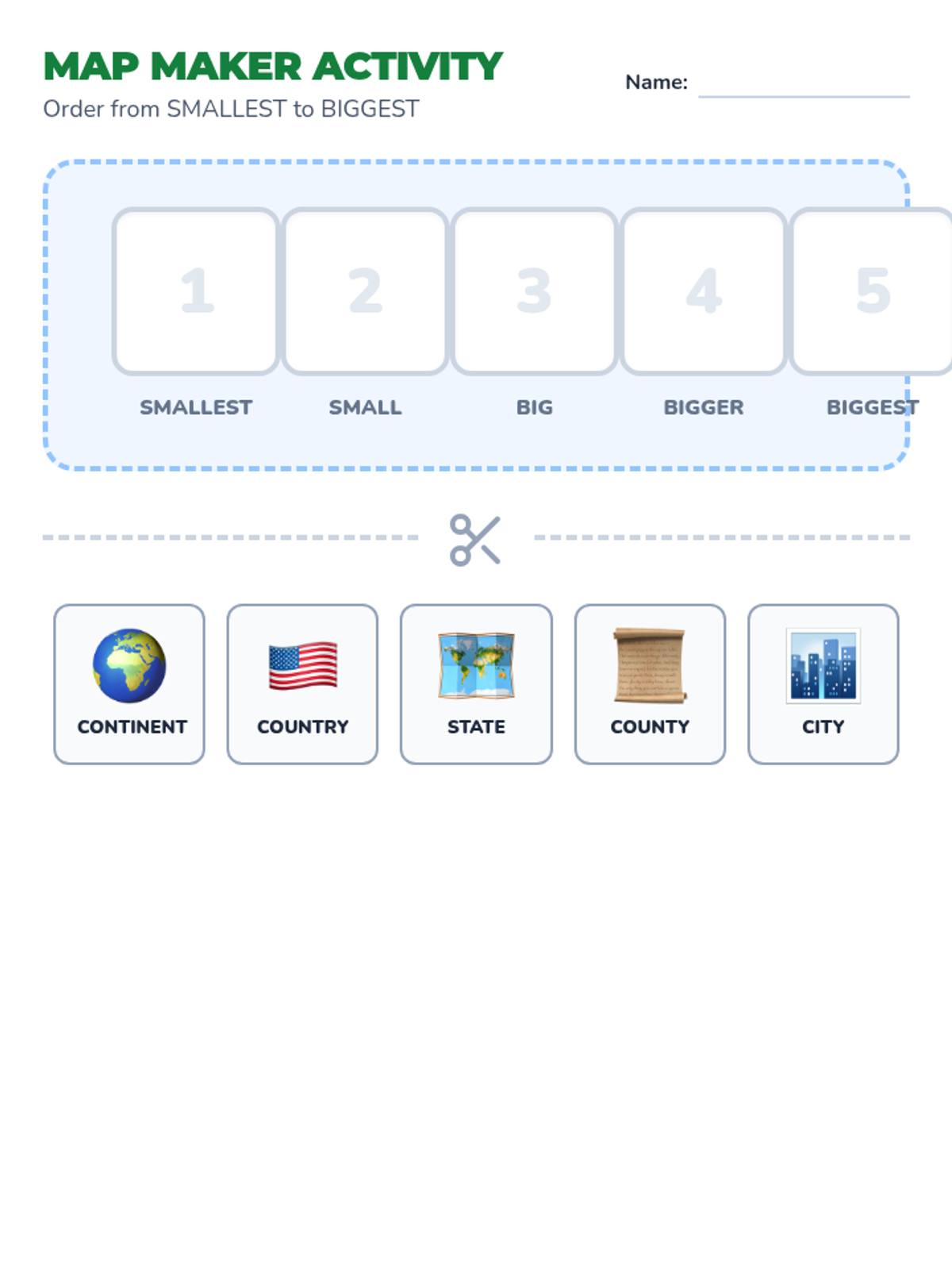
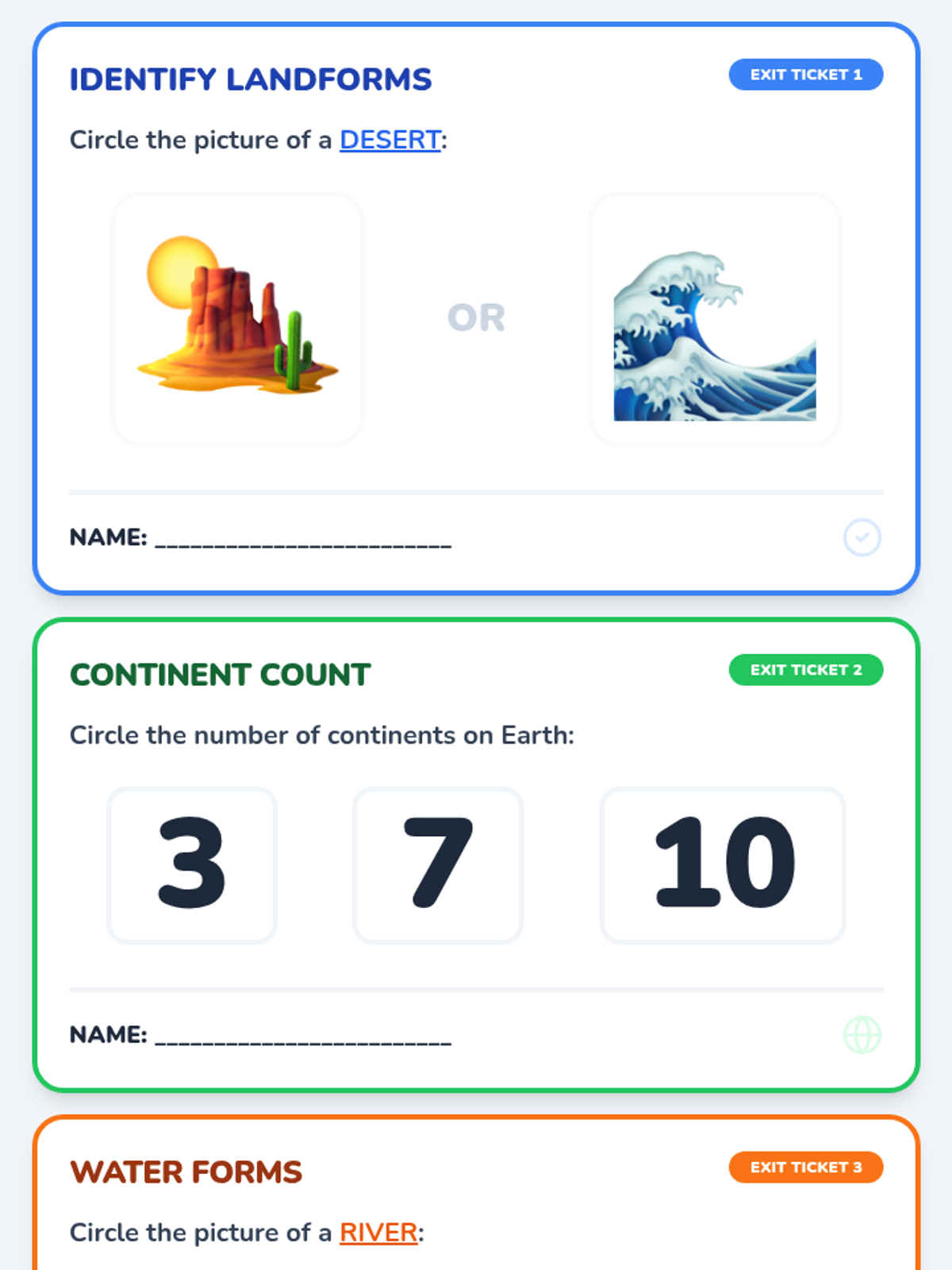
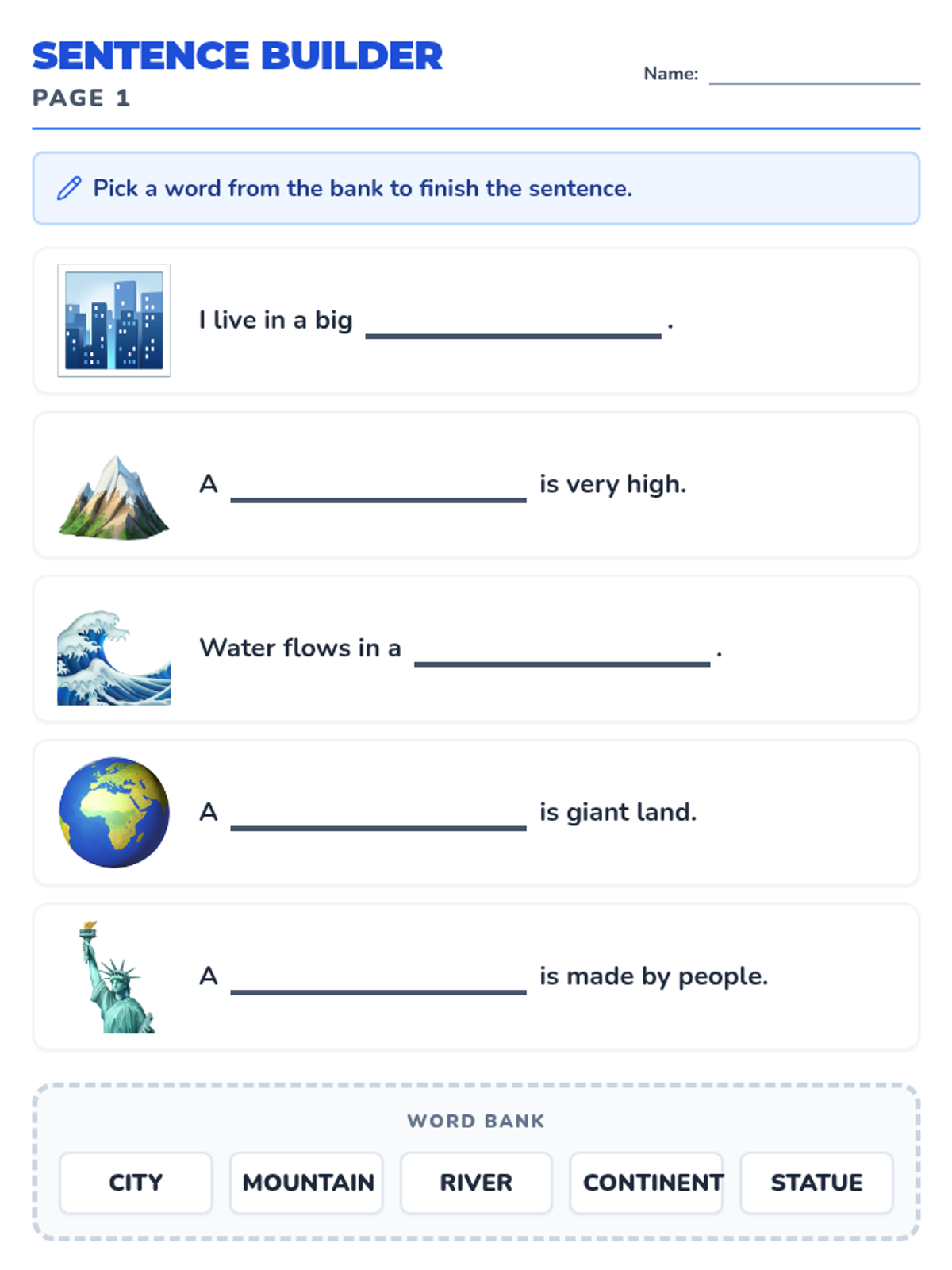
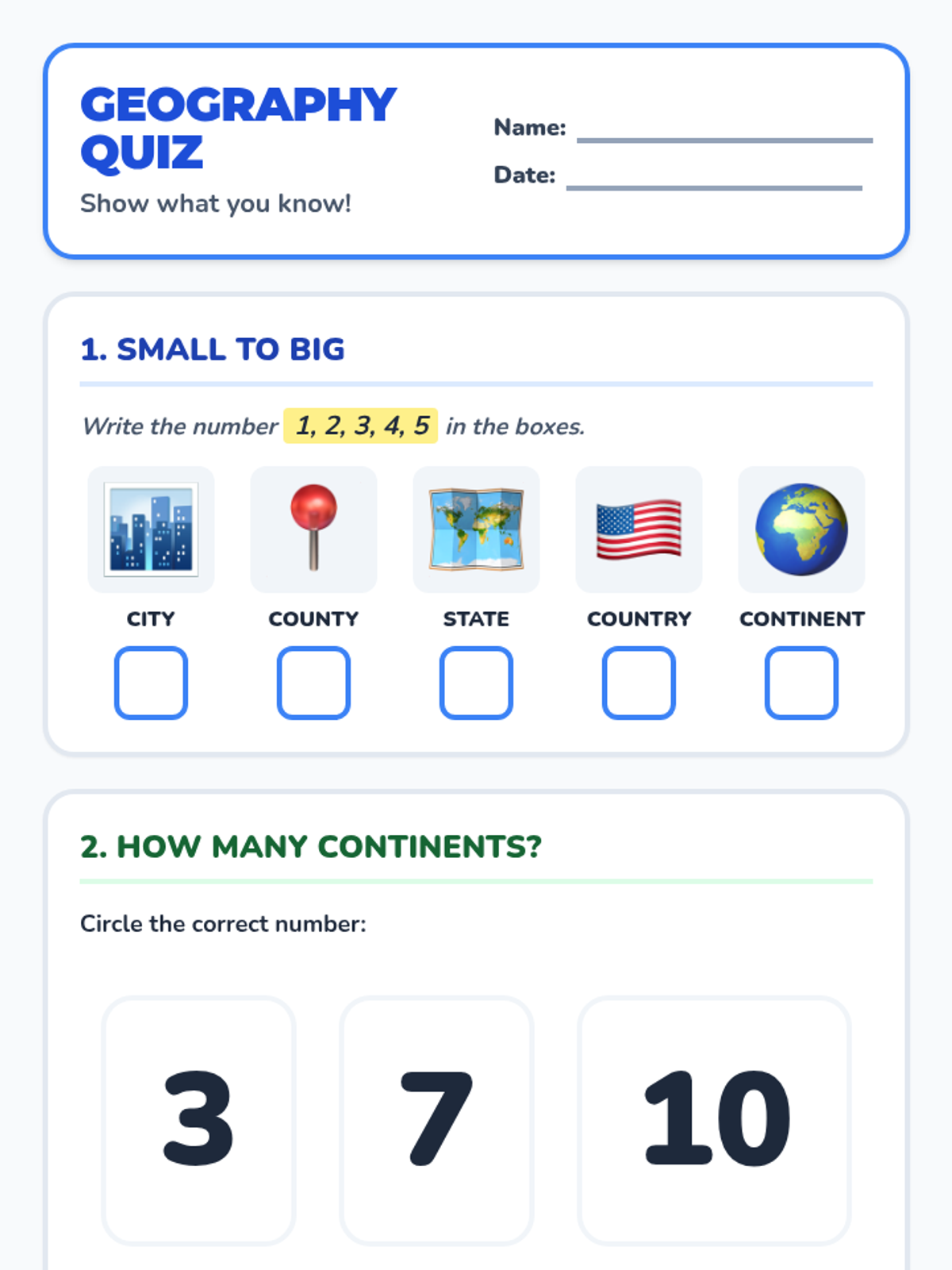
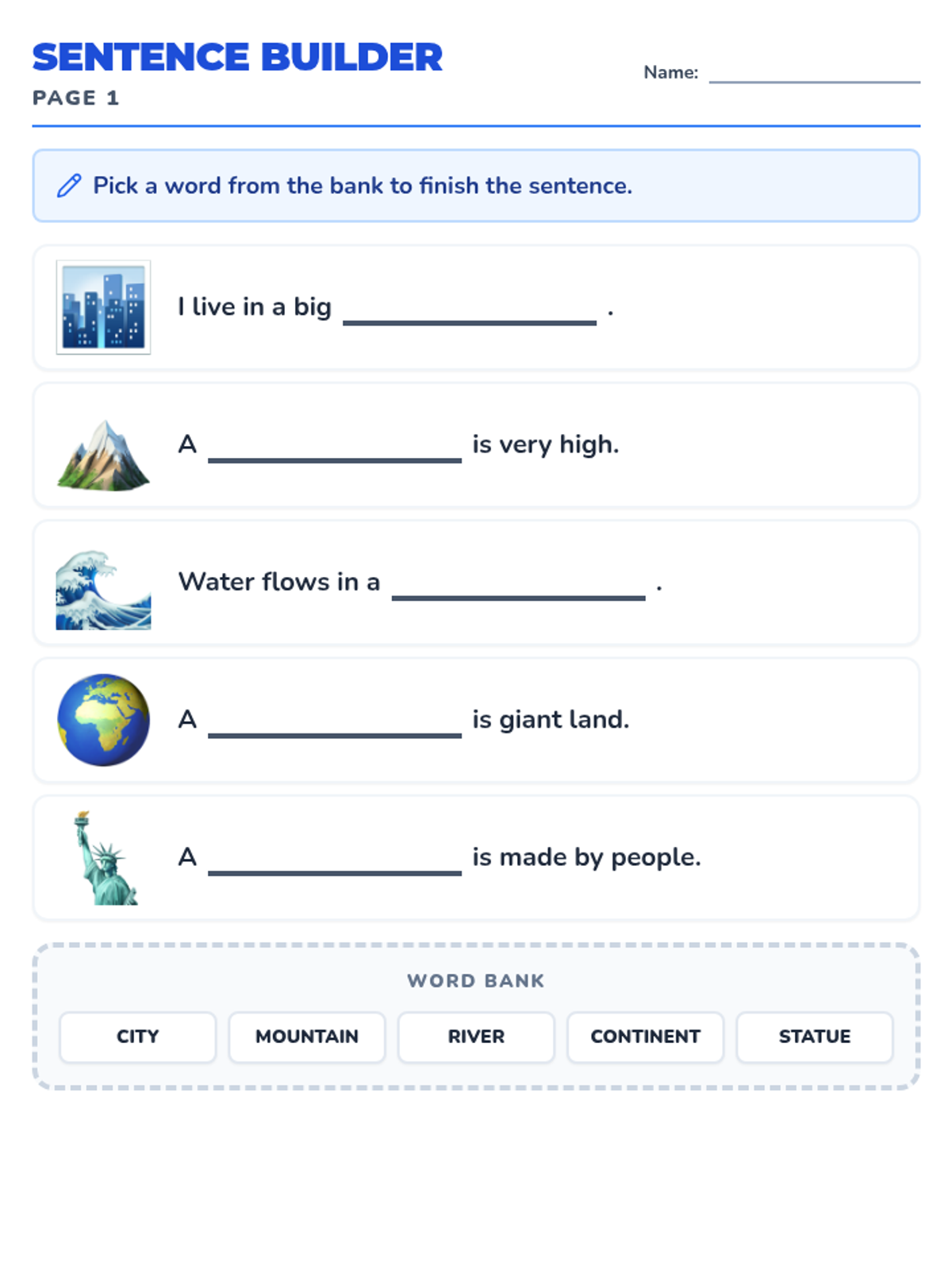
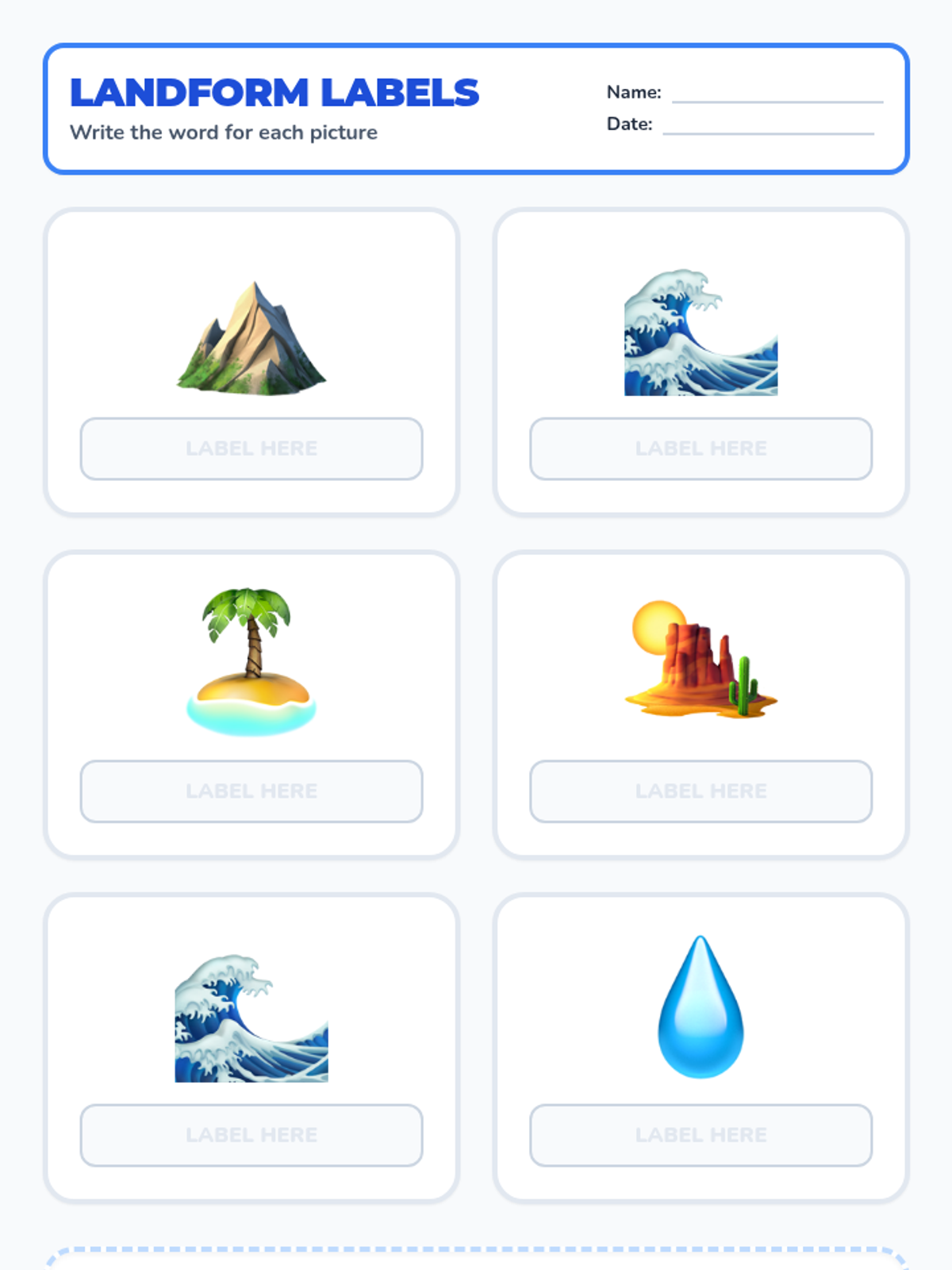
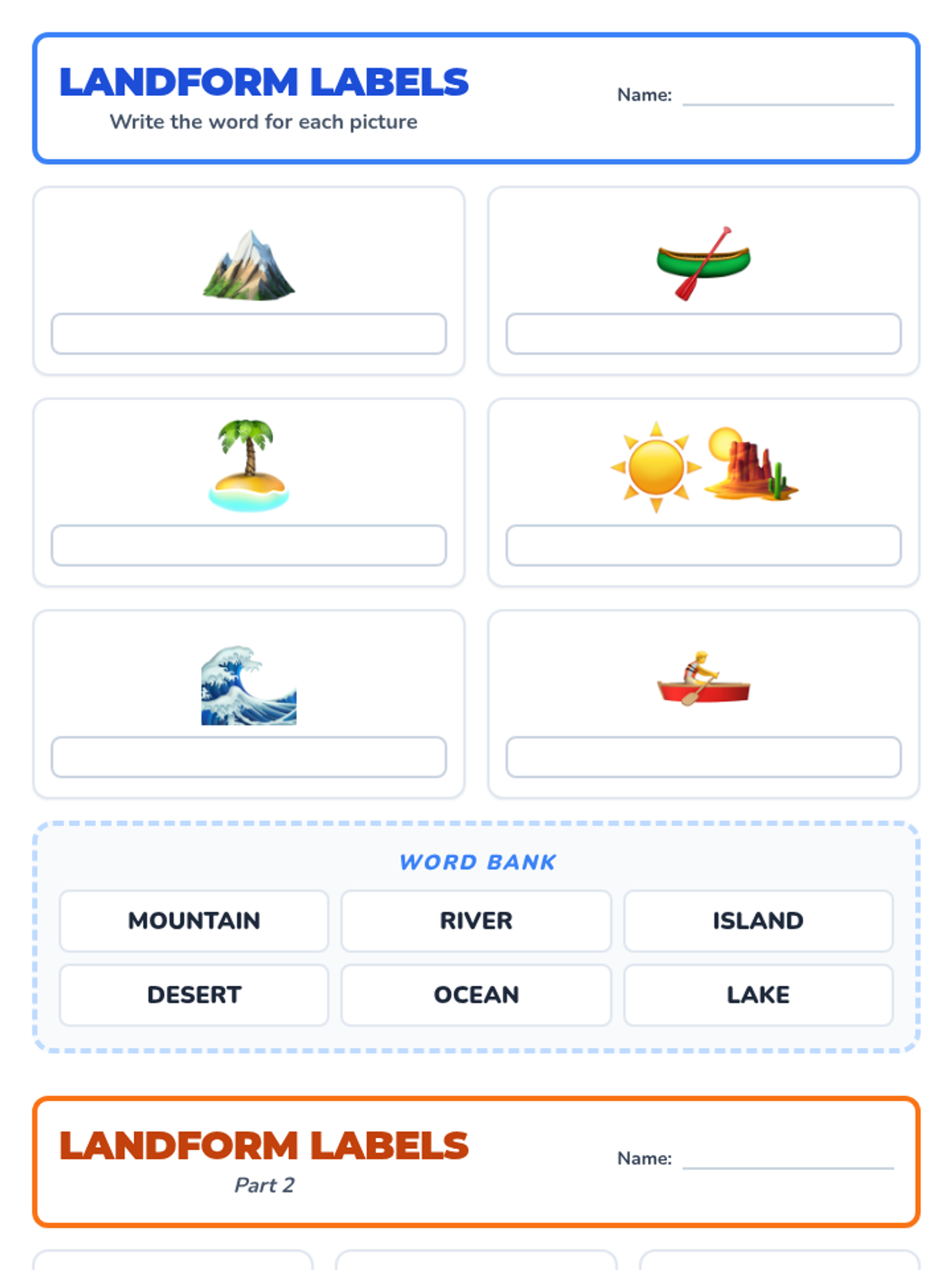
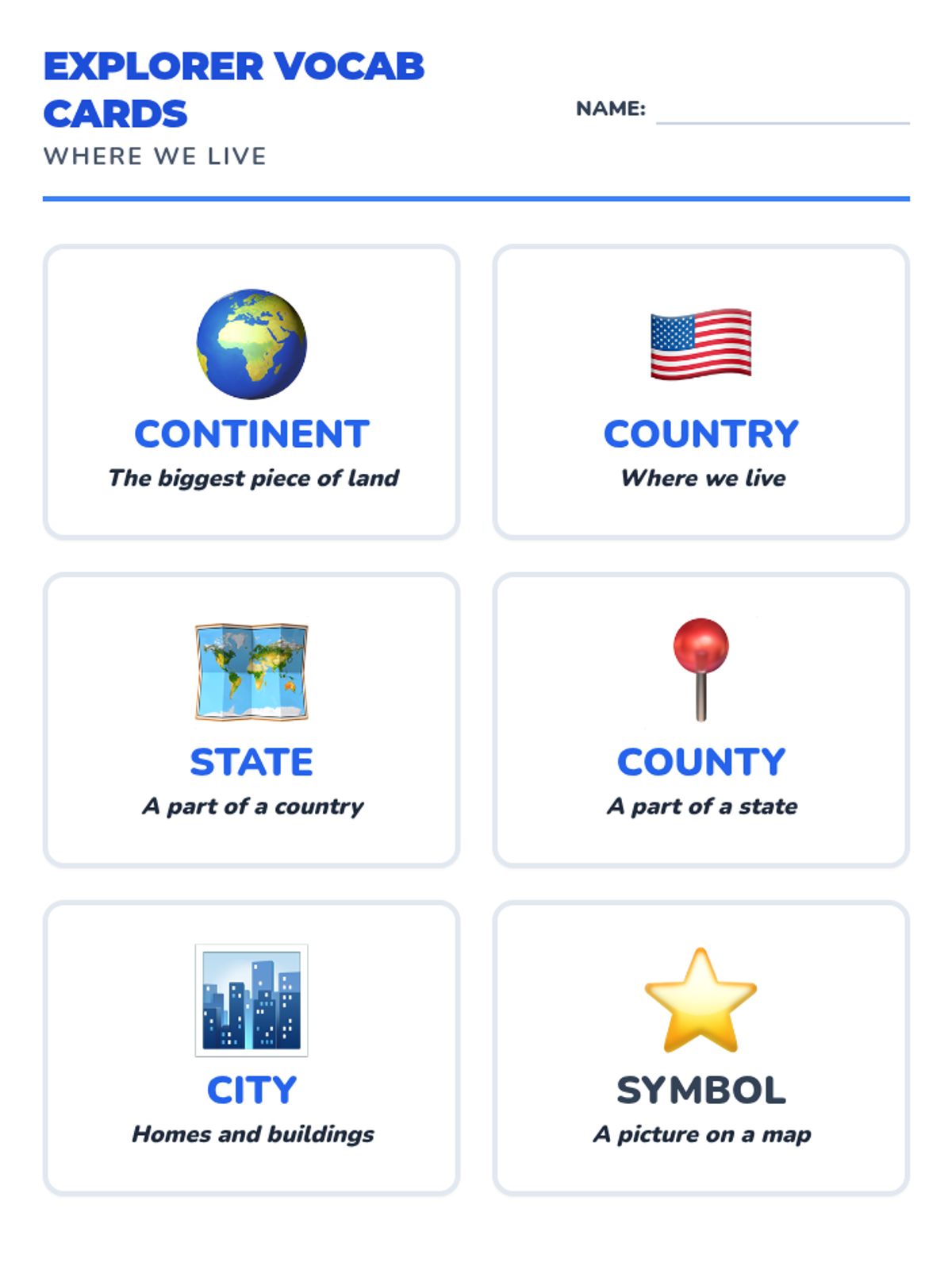
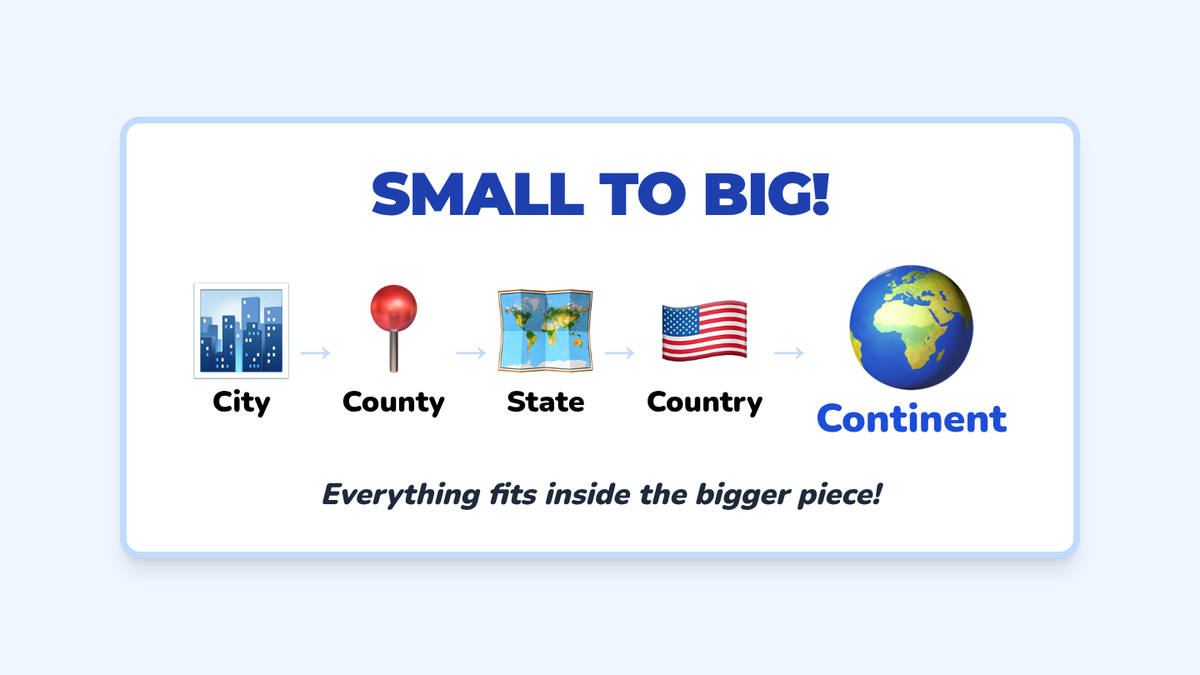
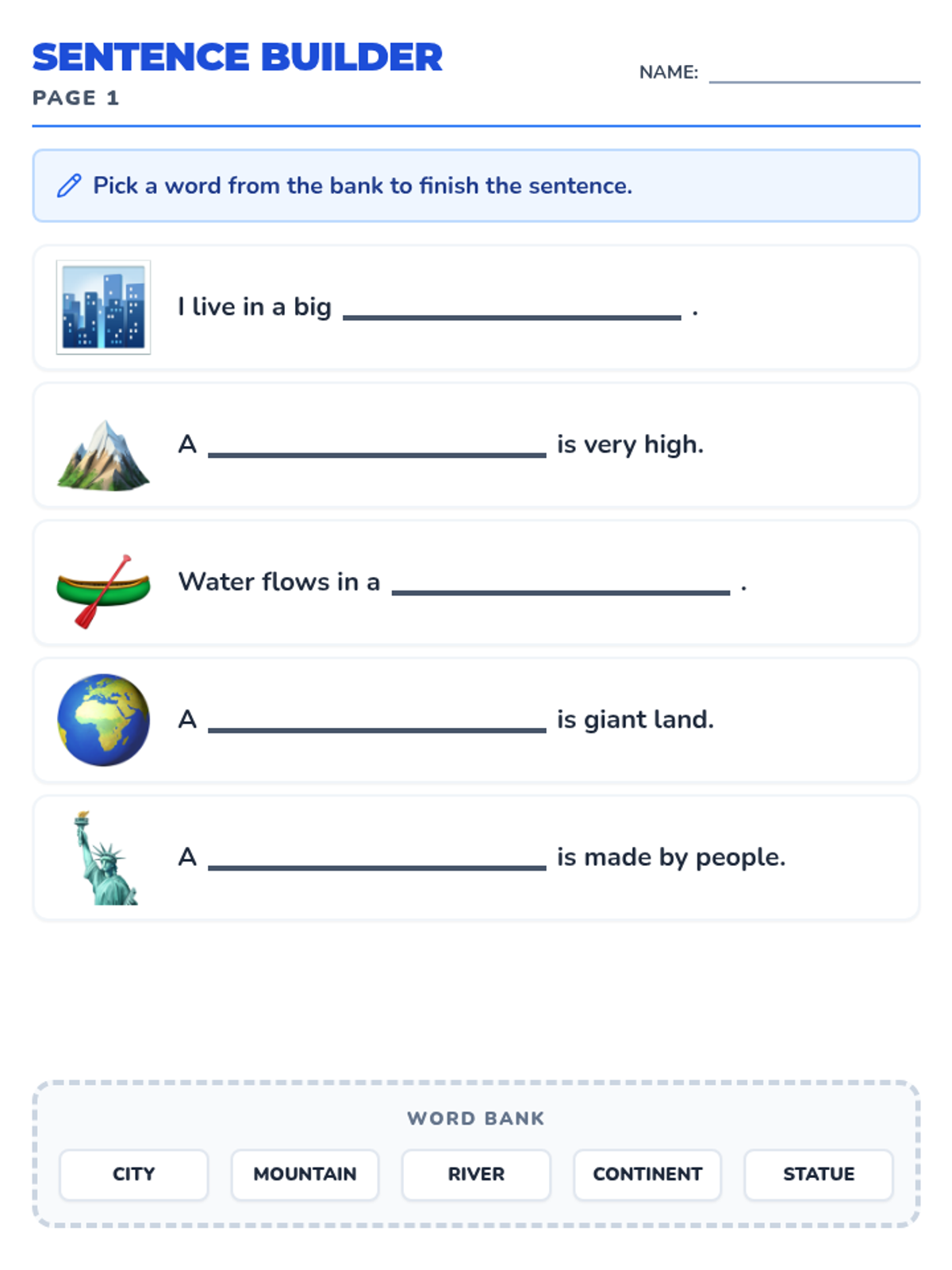
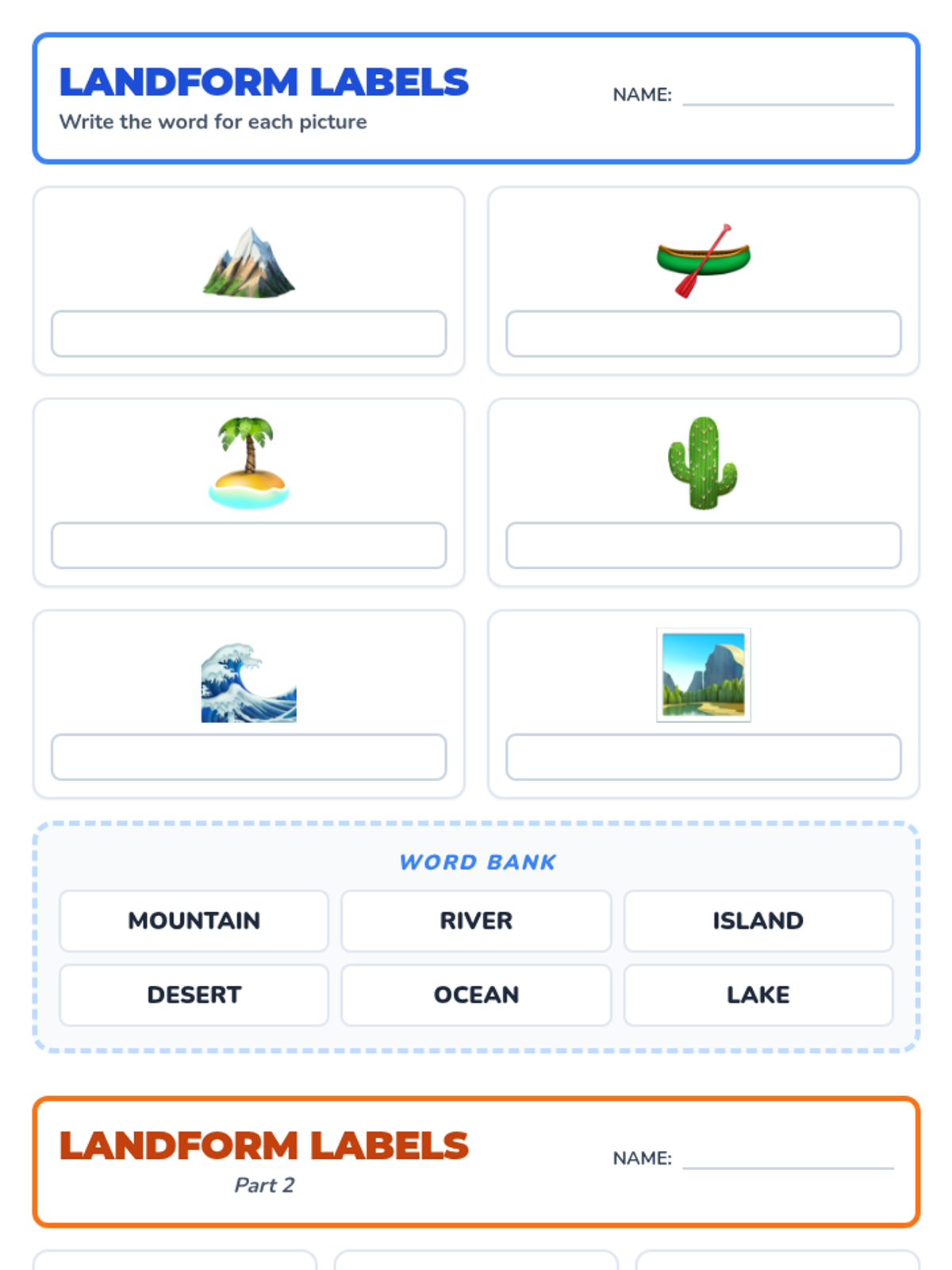
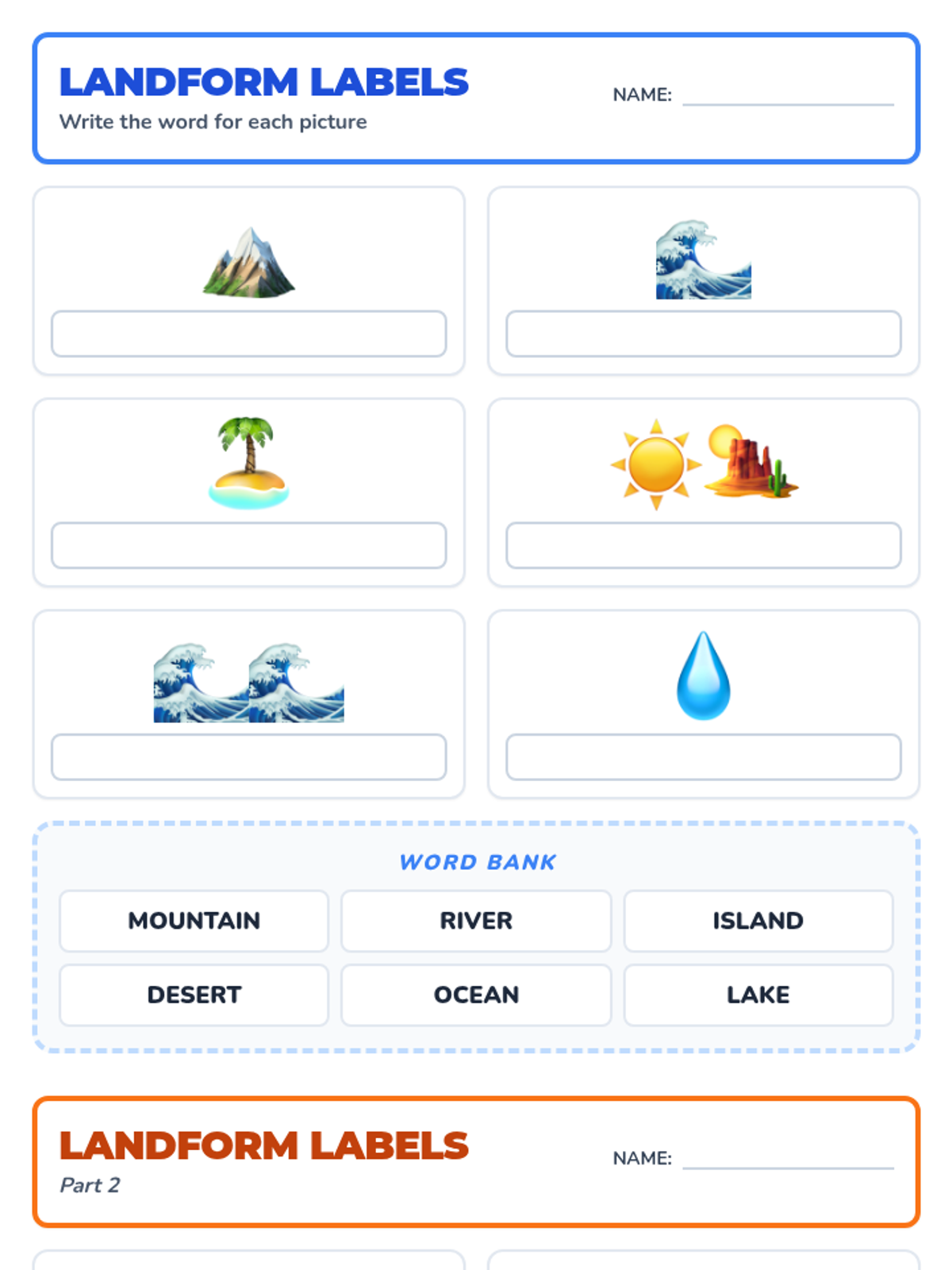
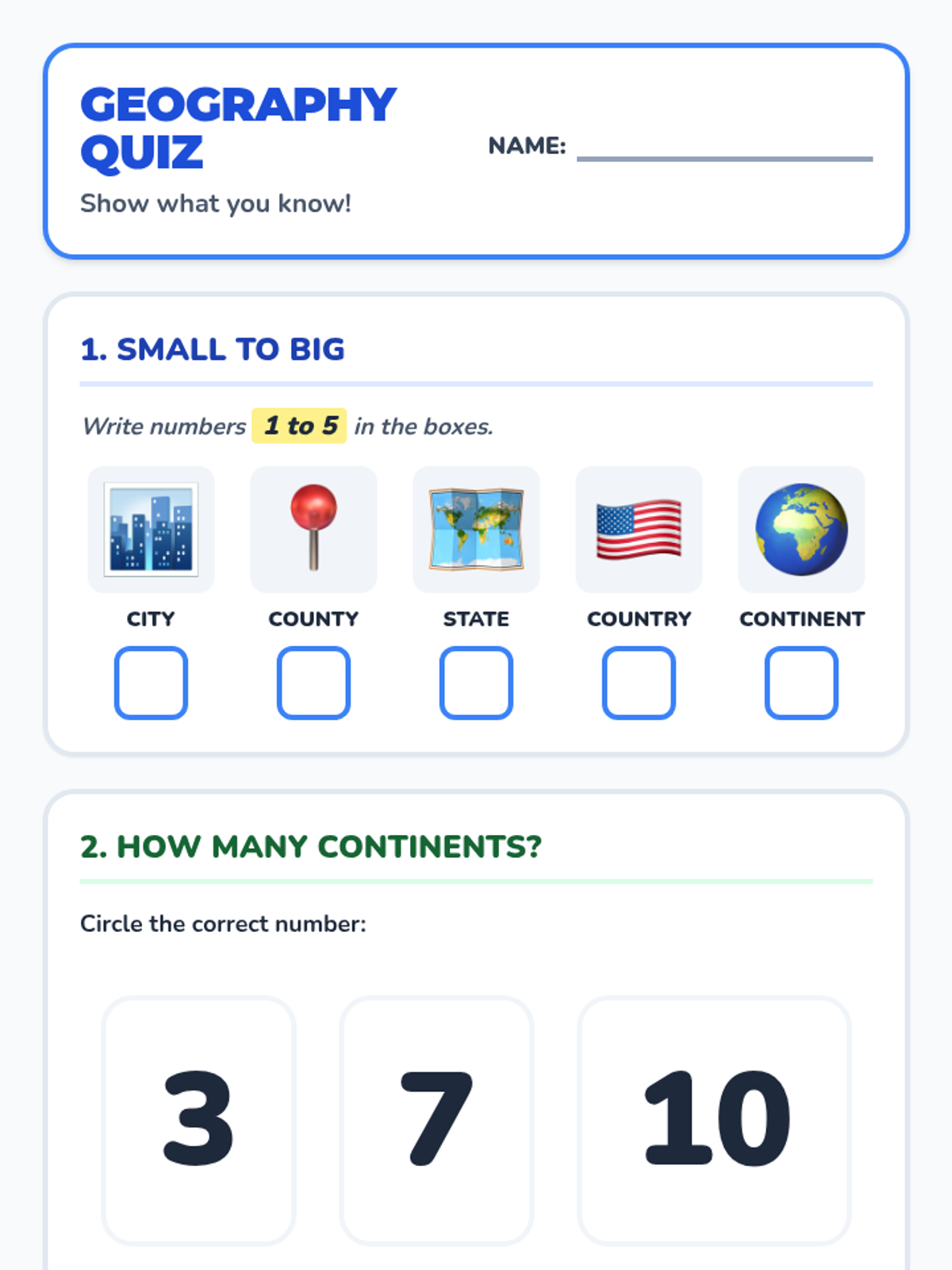
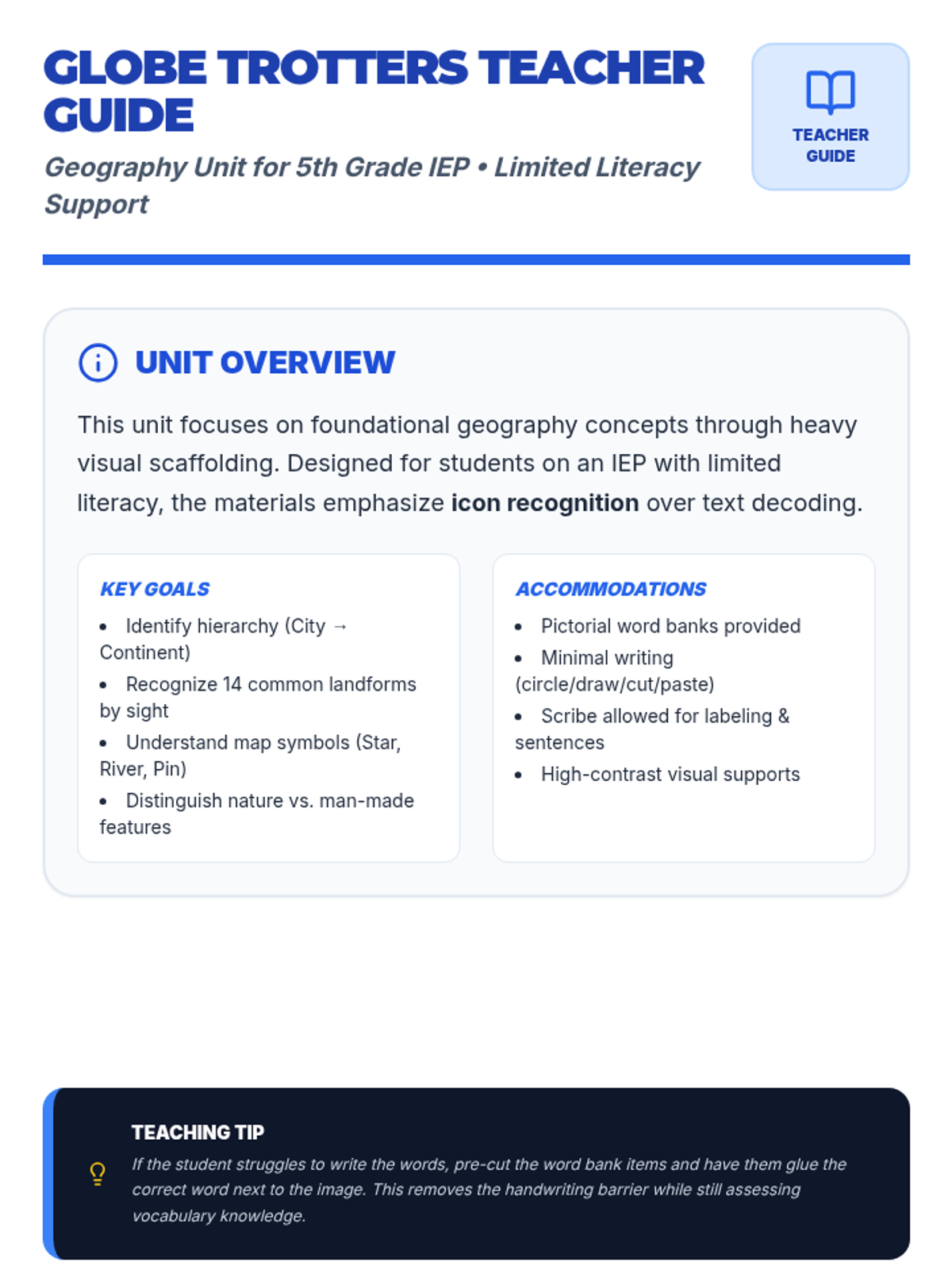
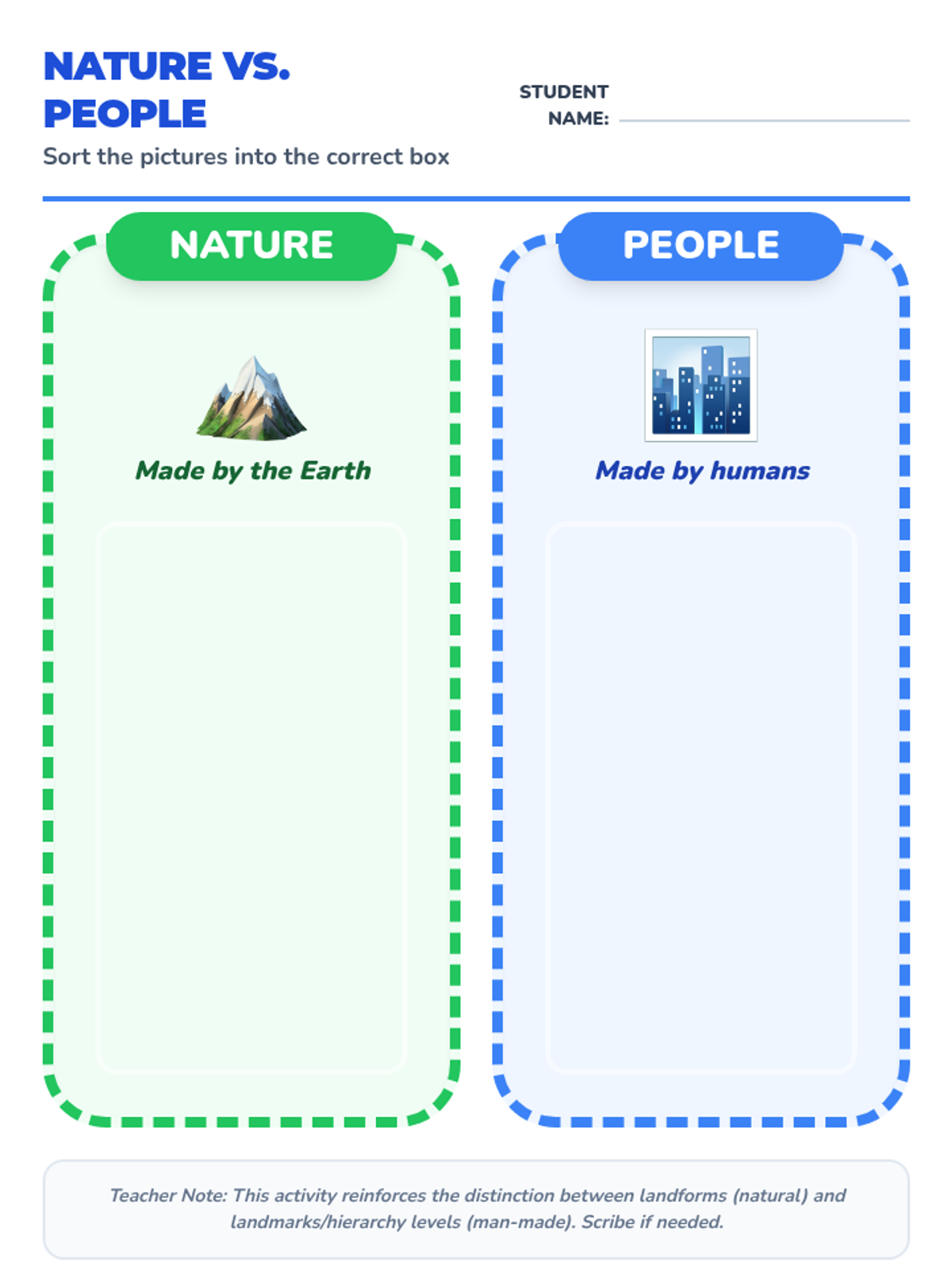
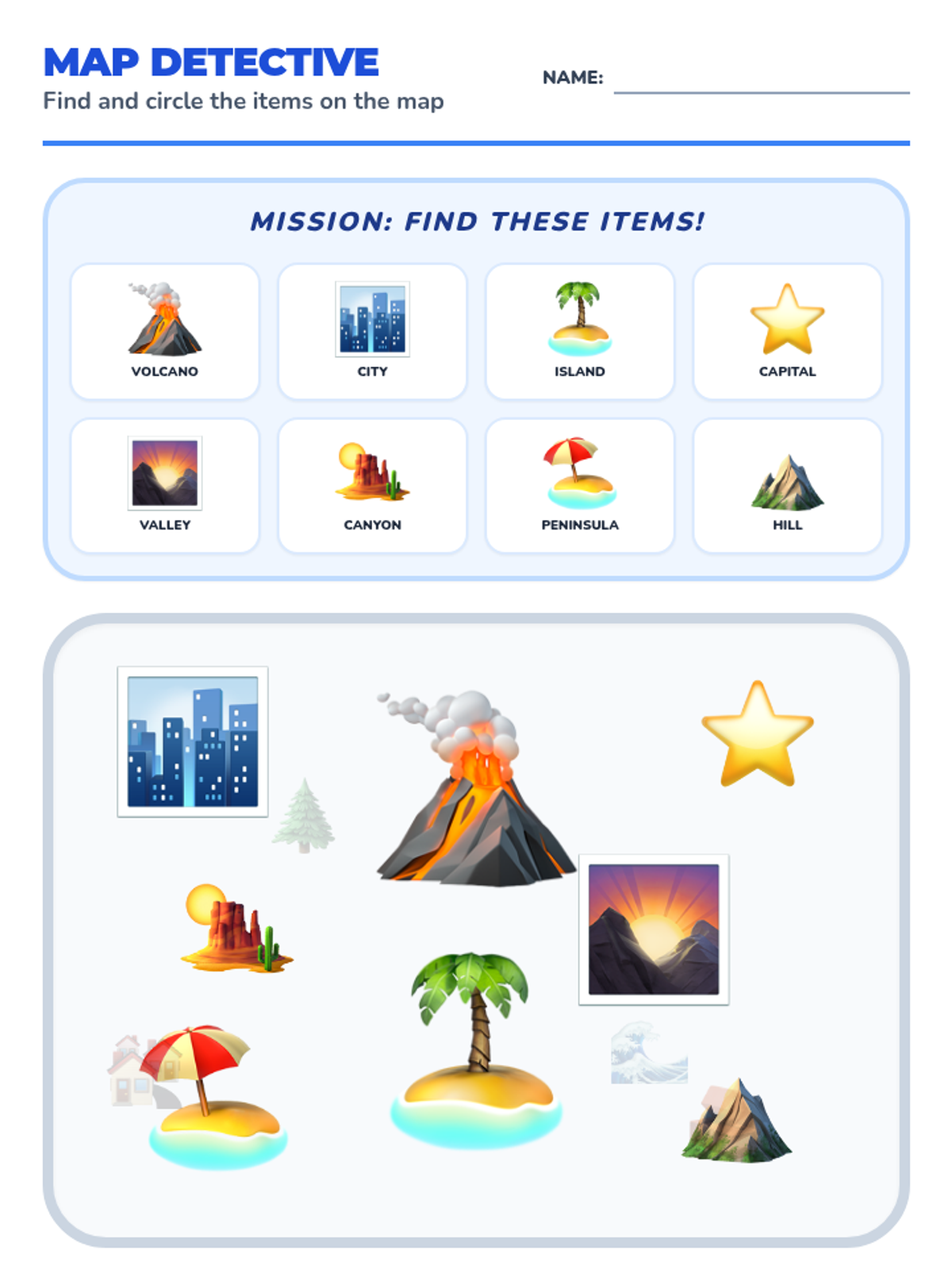
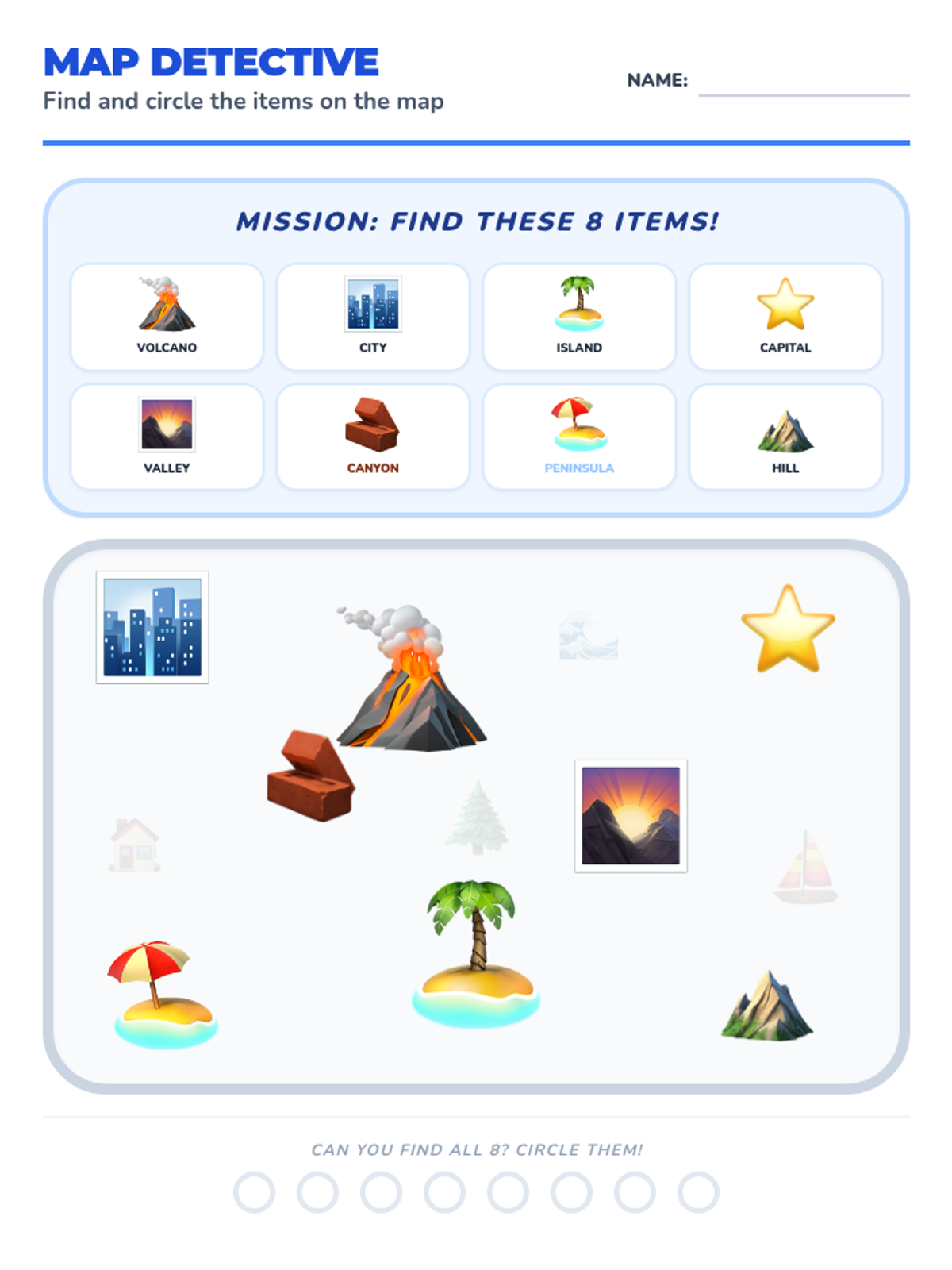
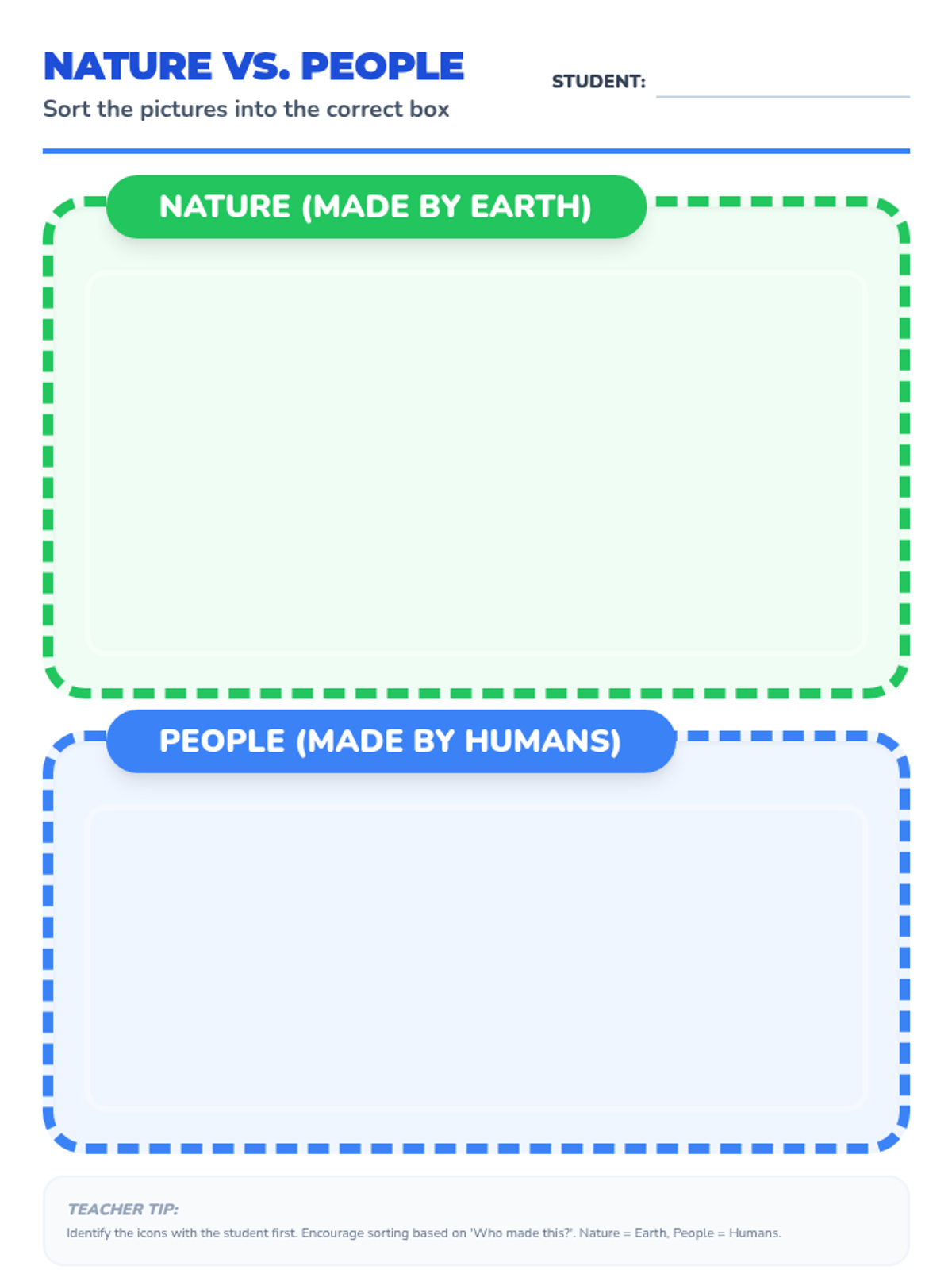
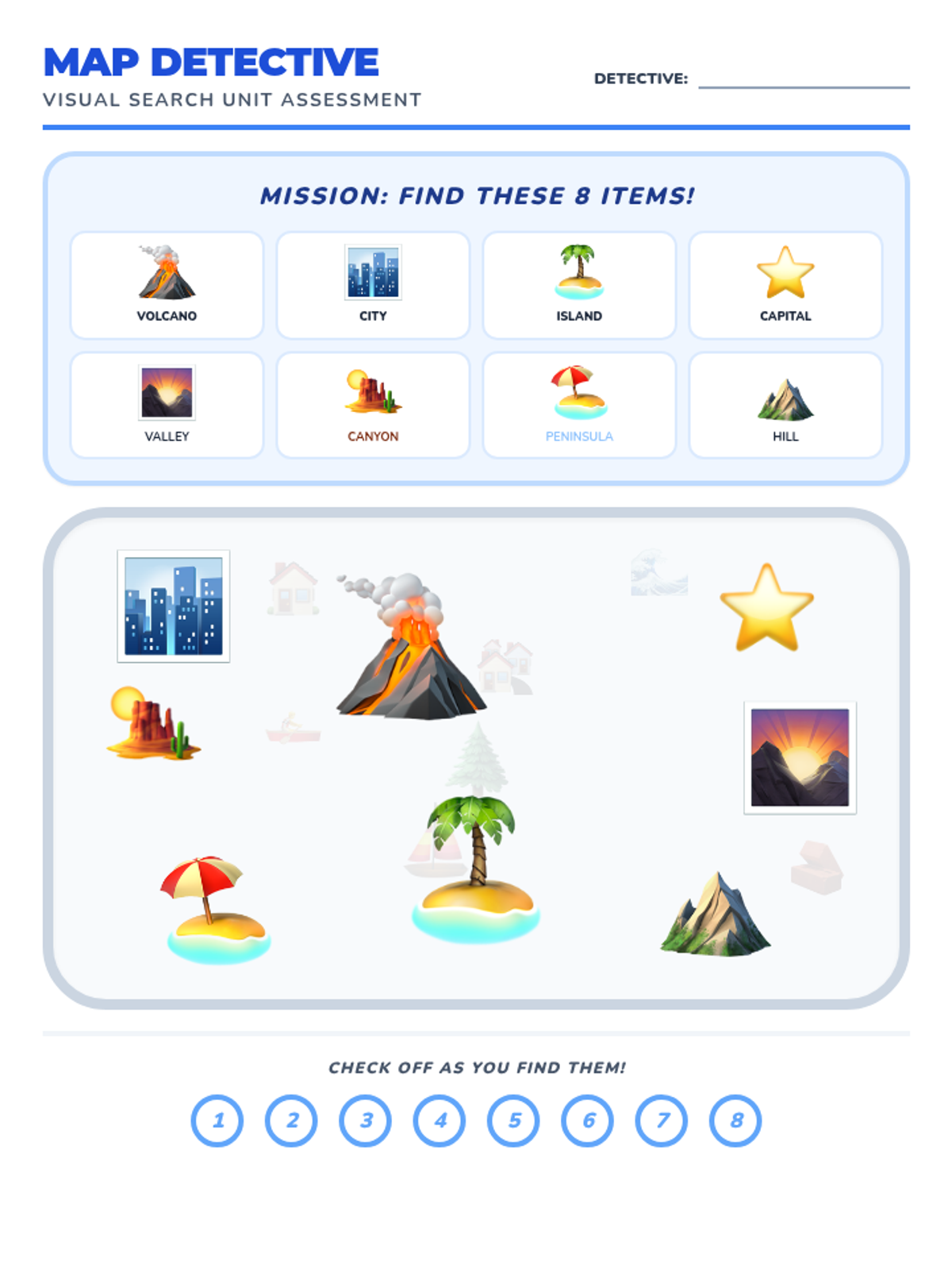
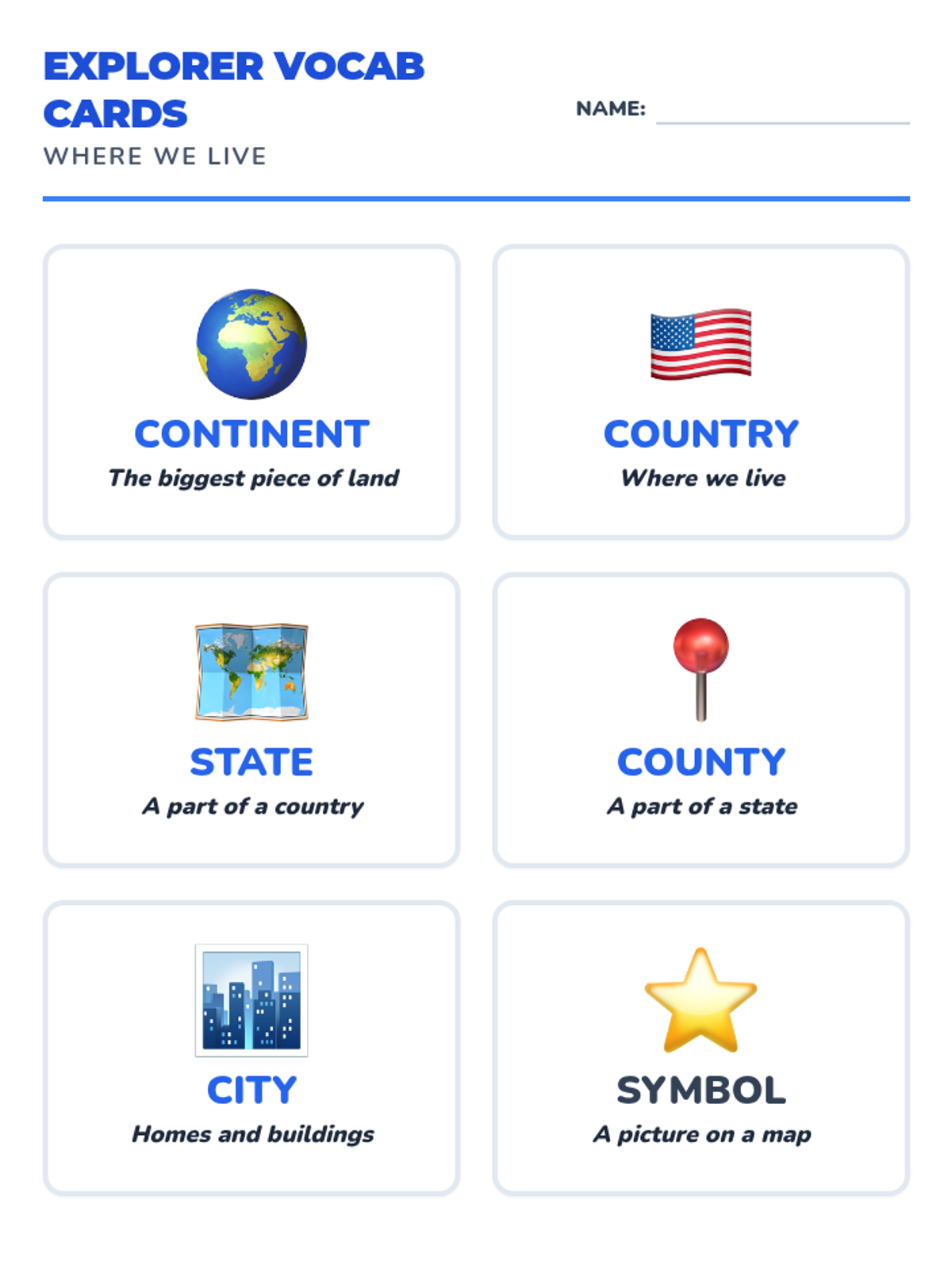
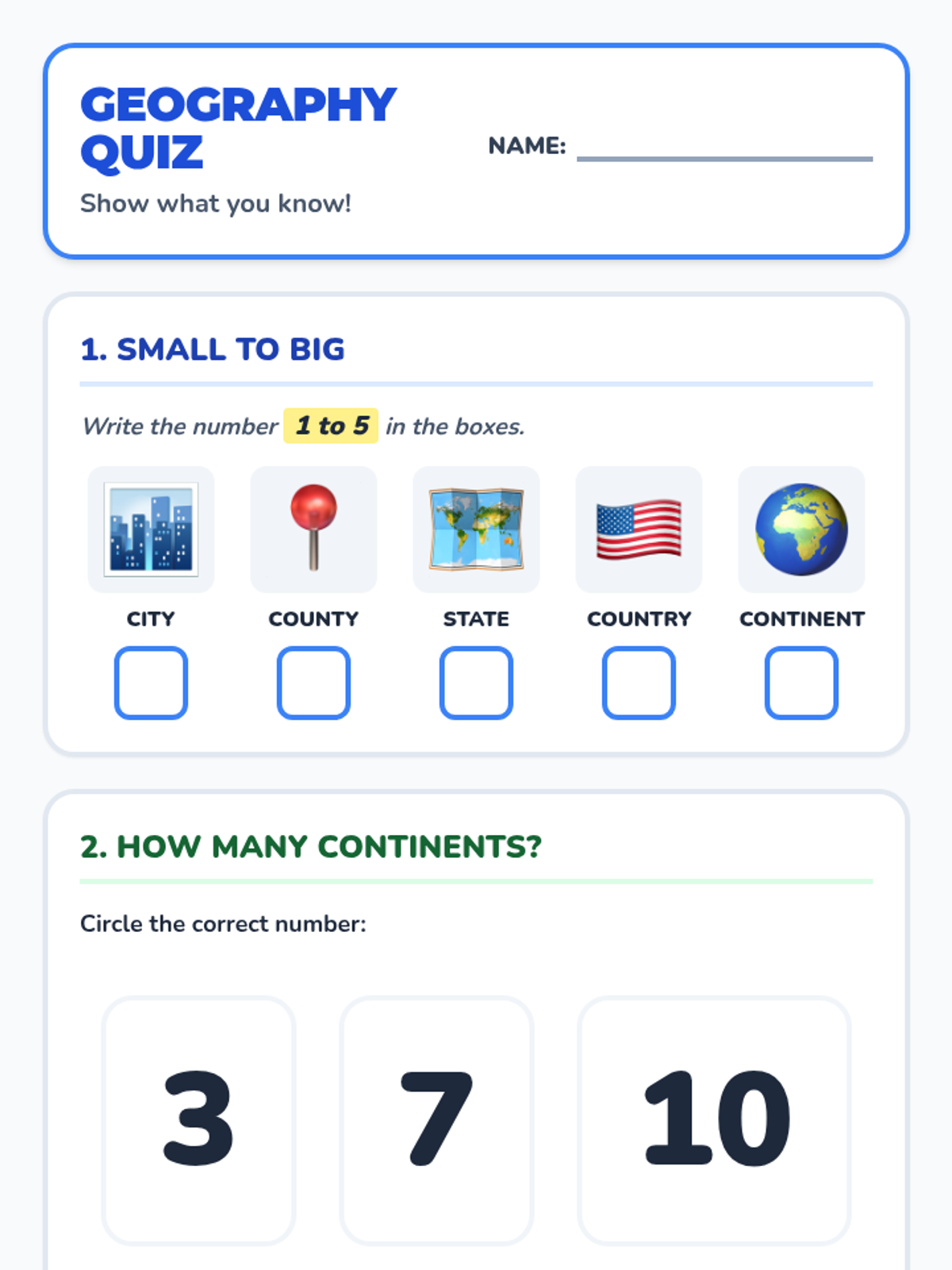
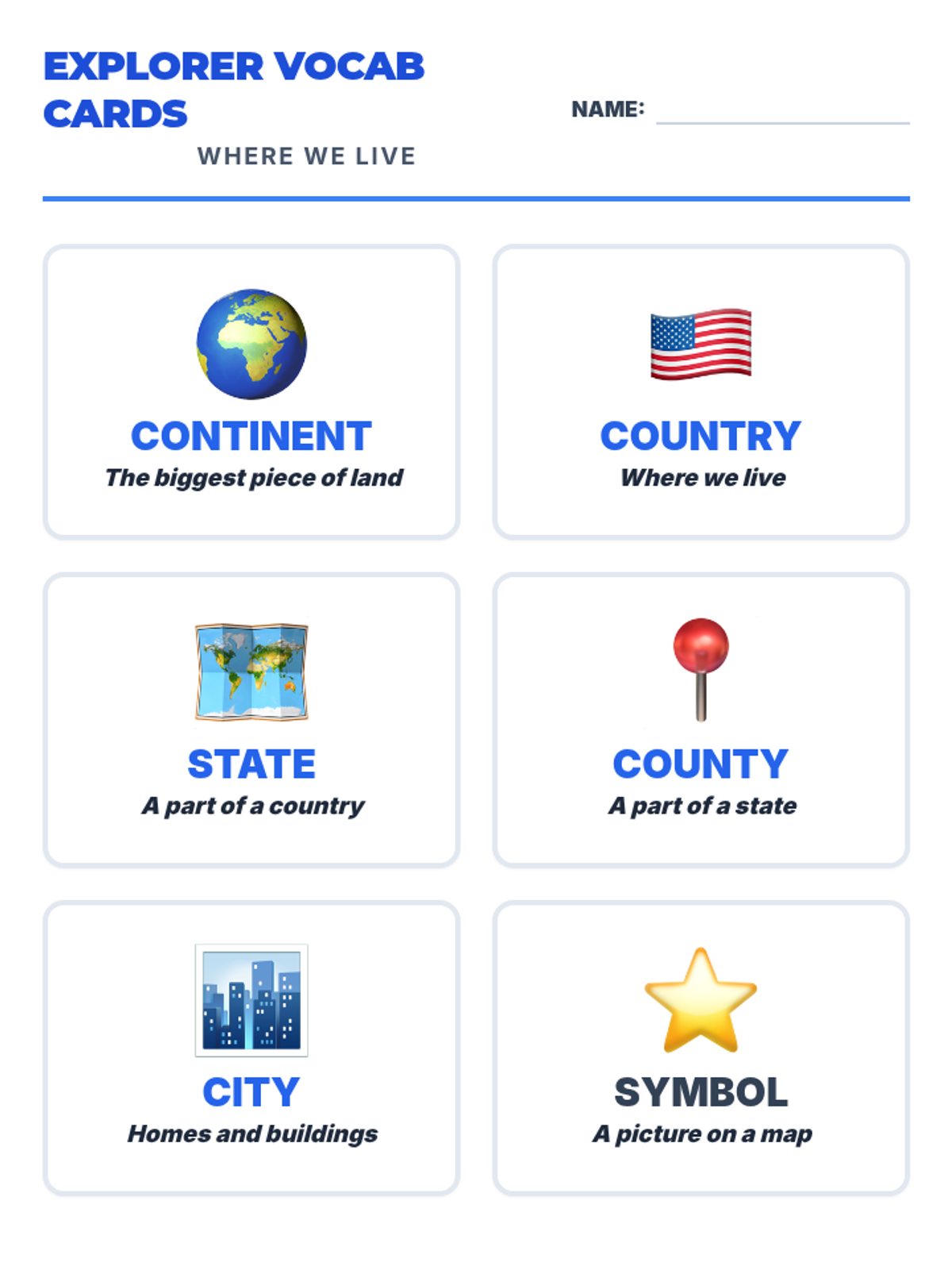
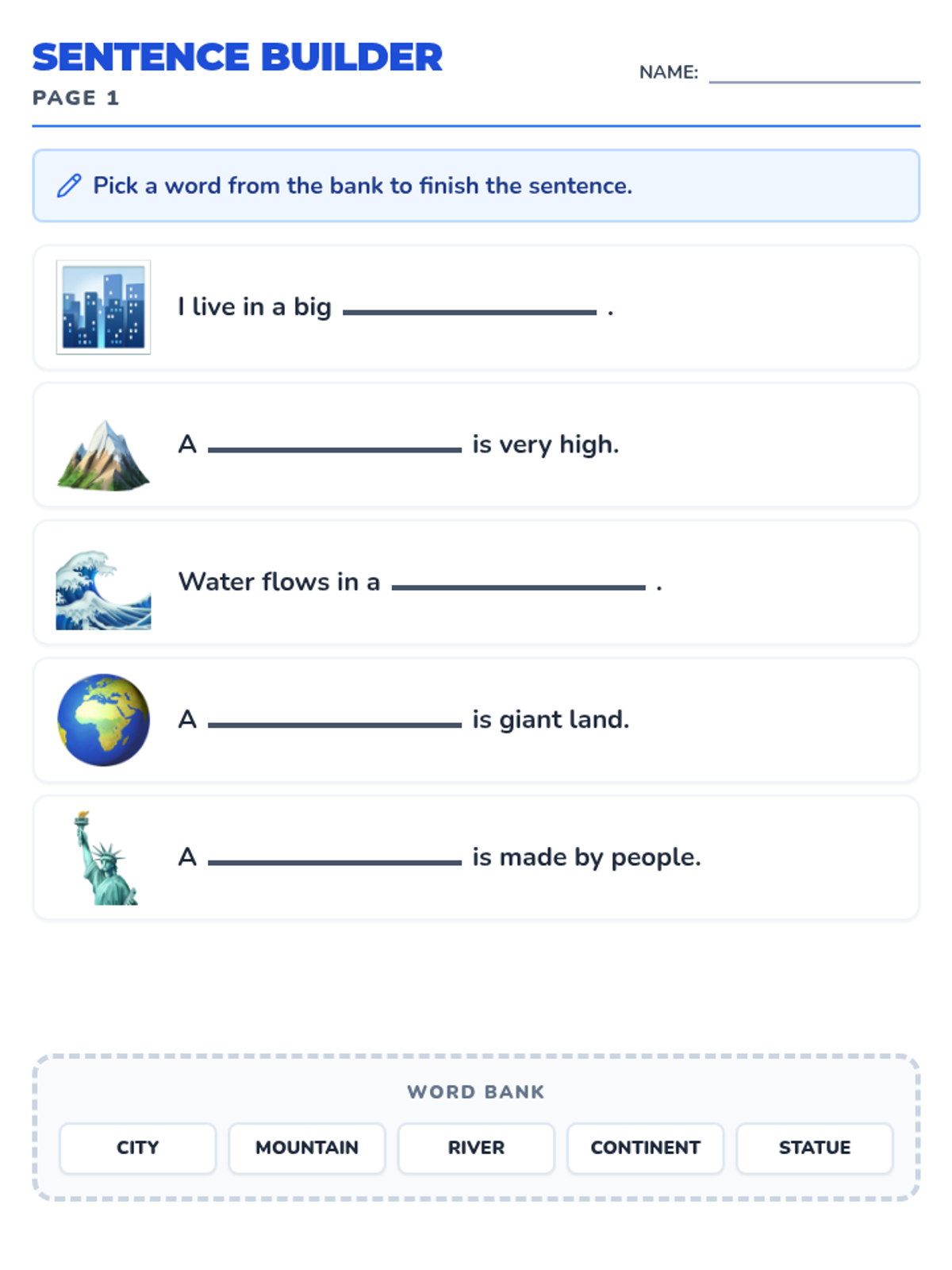
A geography unit designed for 5th-grade students on an IEP with limited literacy, focusing on visual learning, simple hierarchy, and hands-on activities to master map skills and world features.
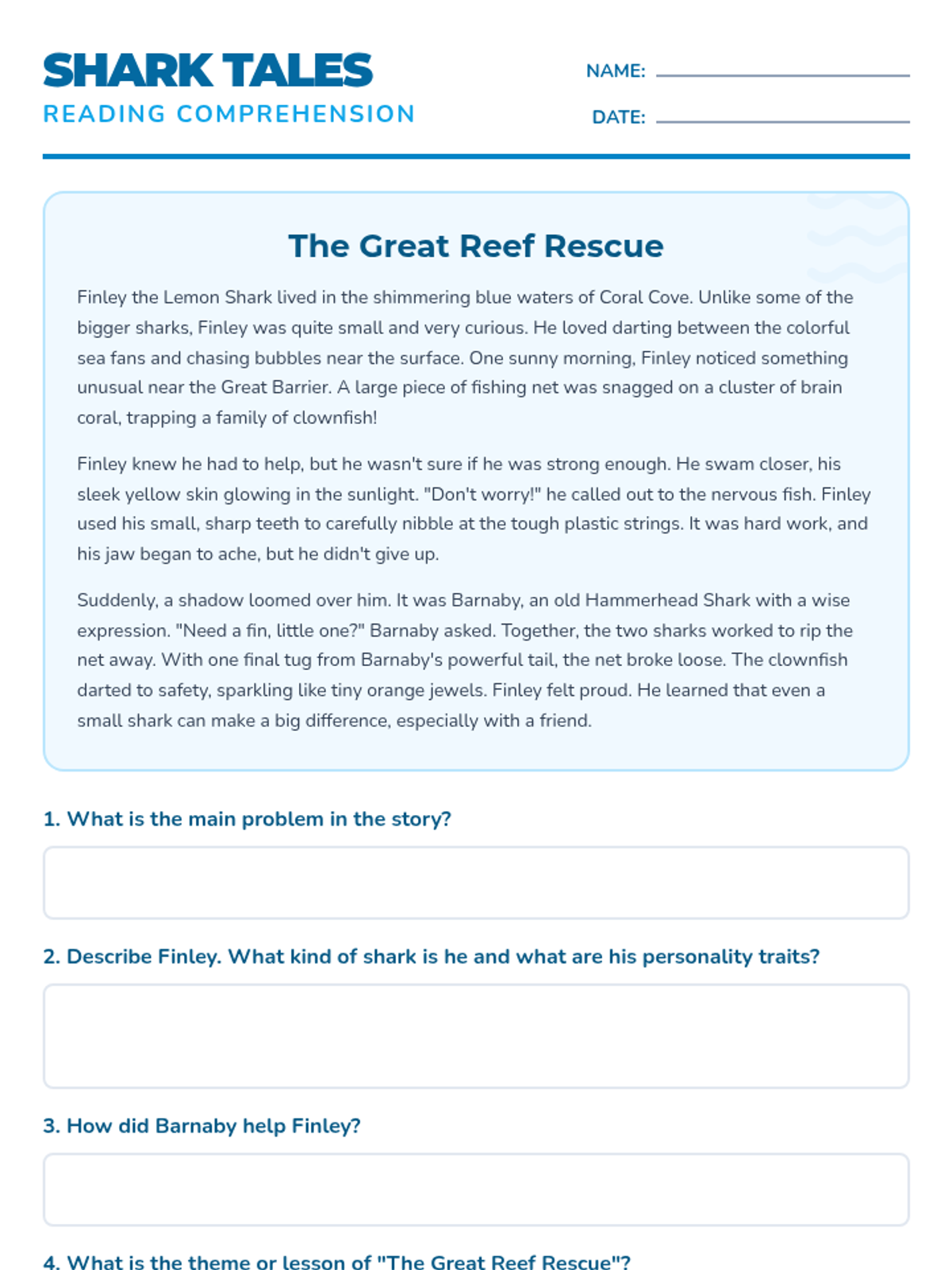
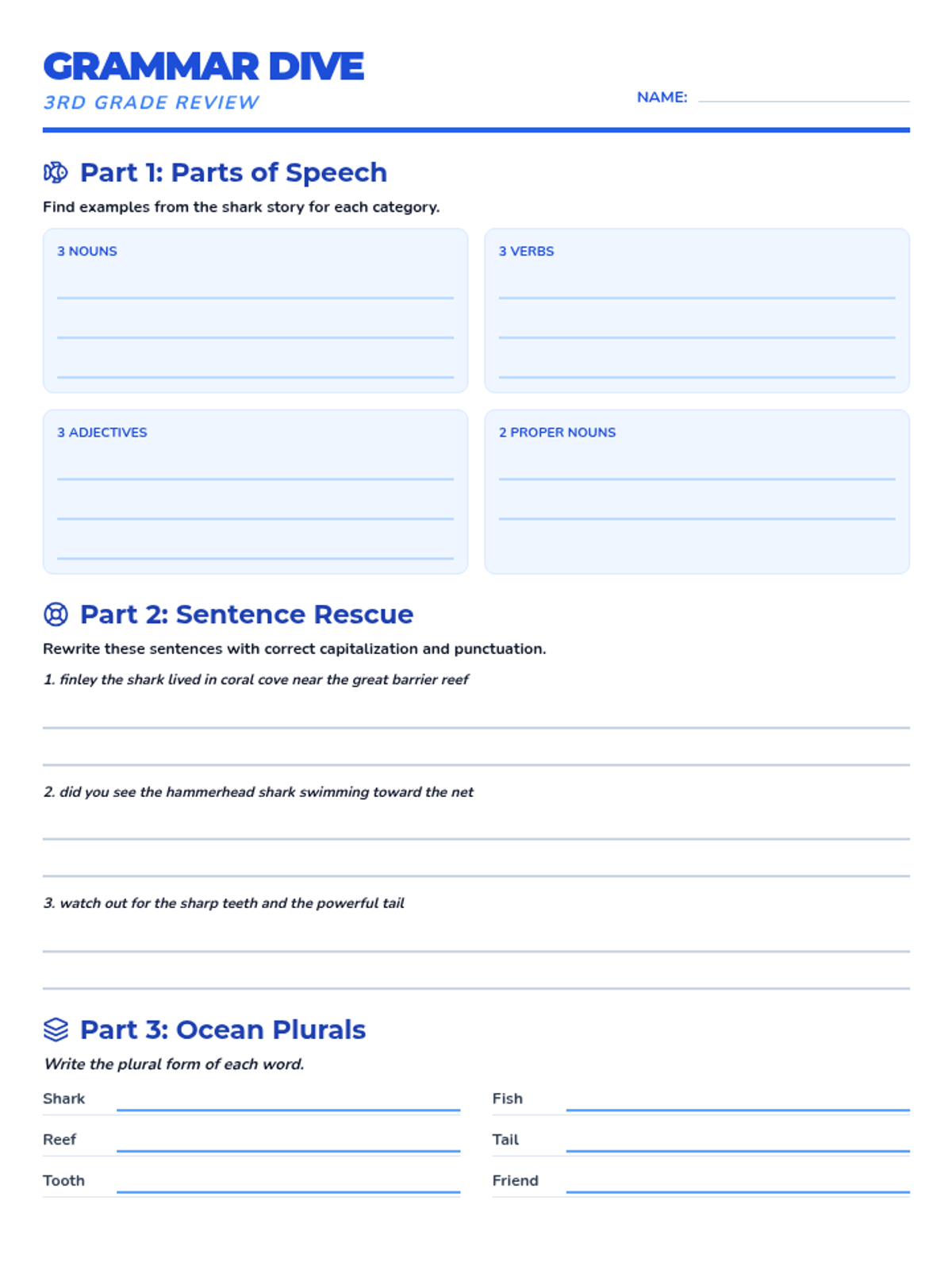
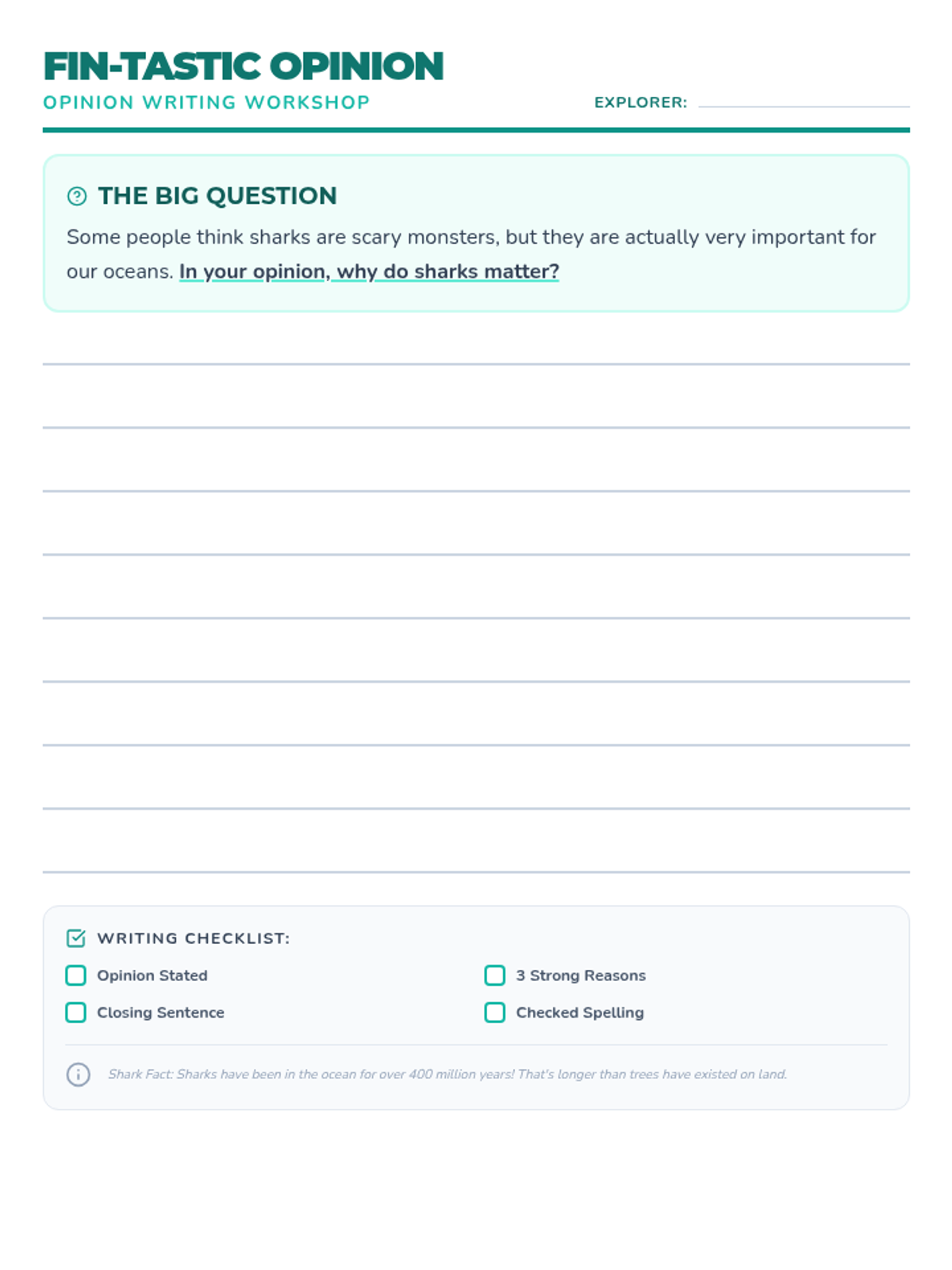
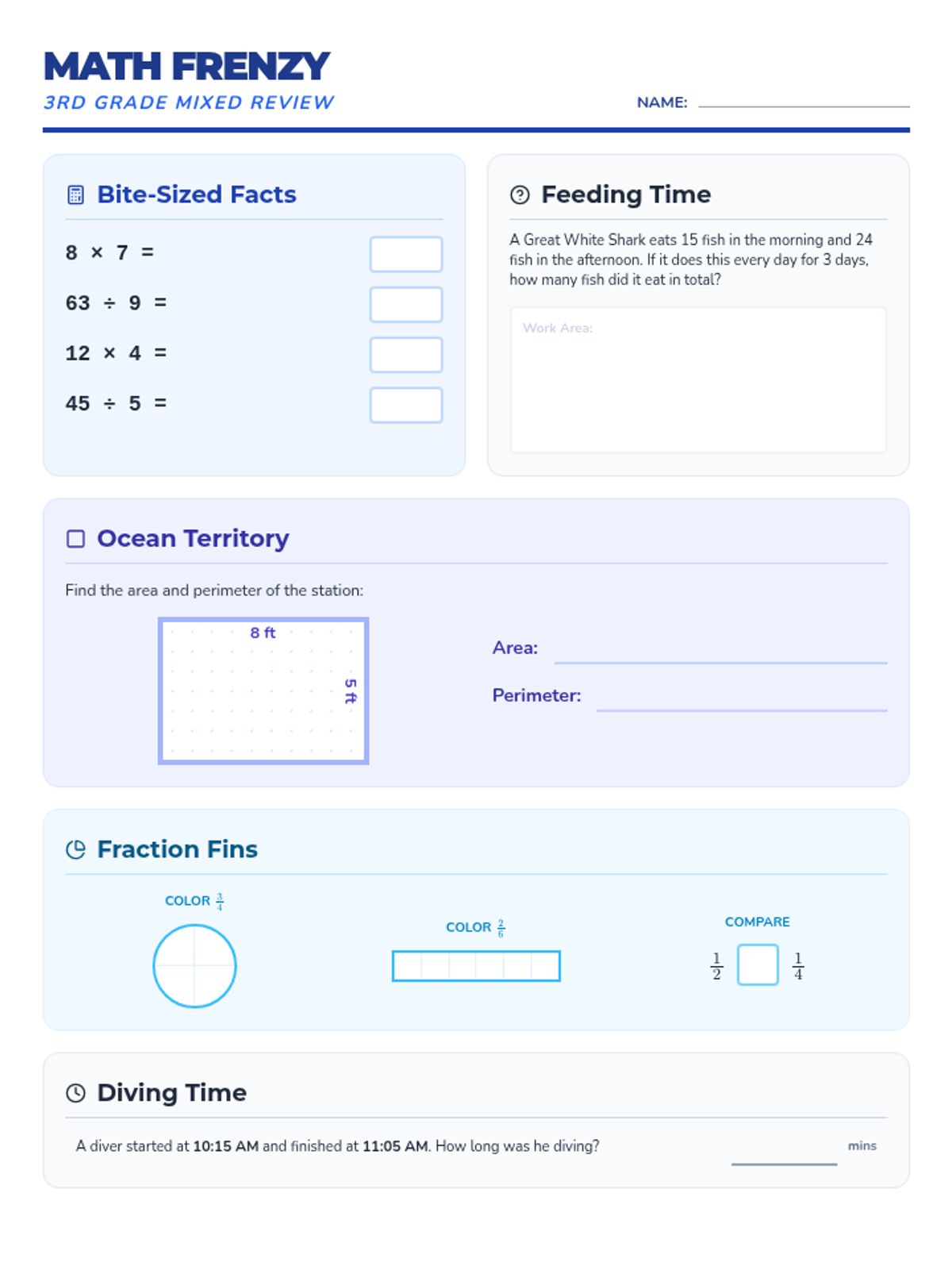
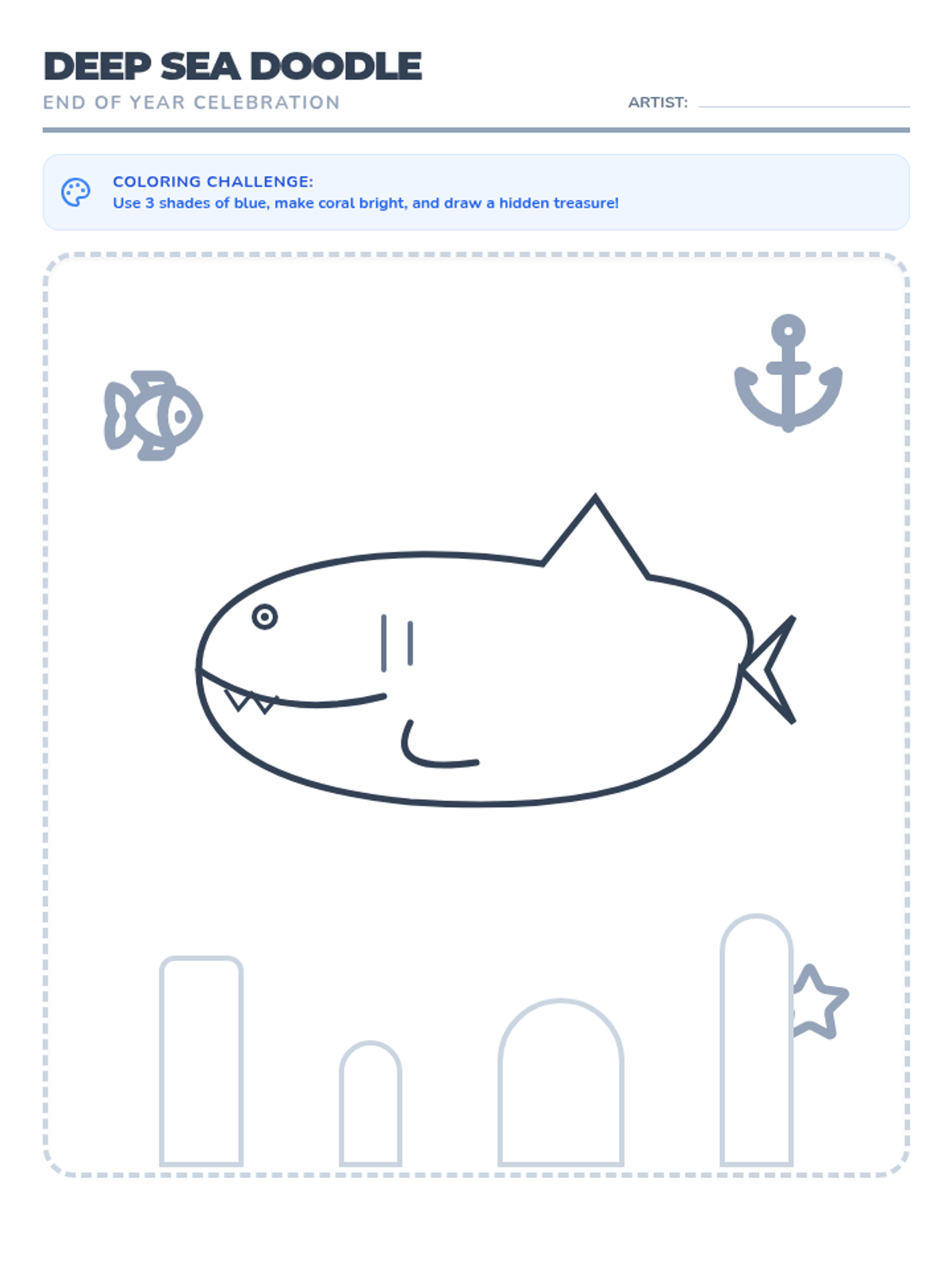
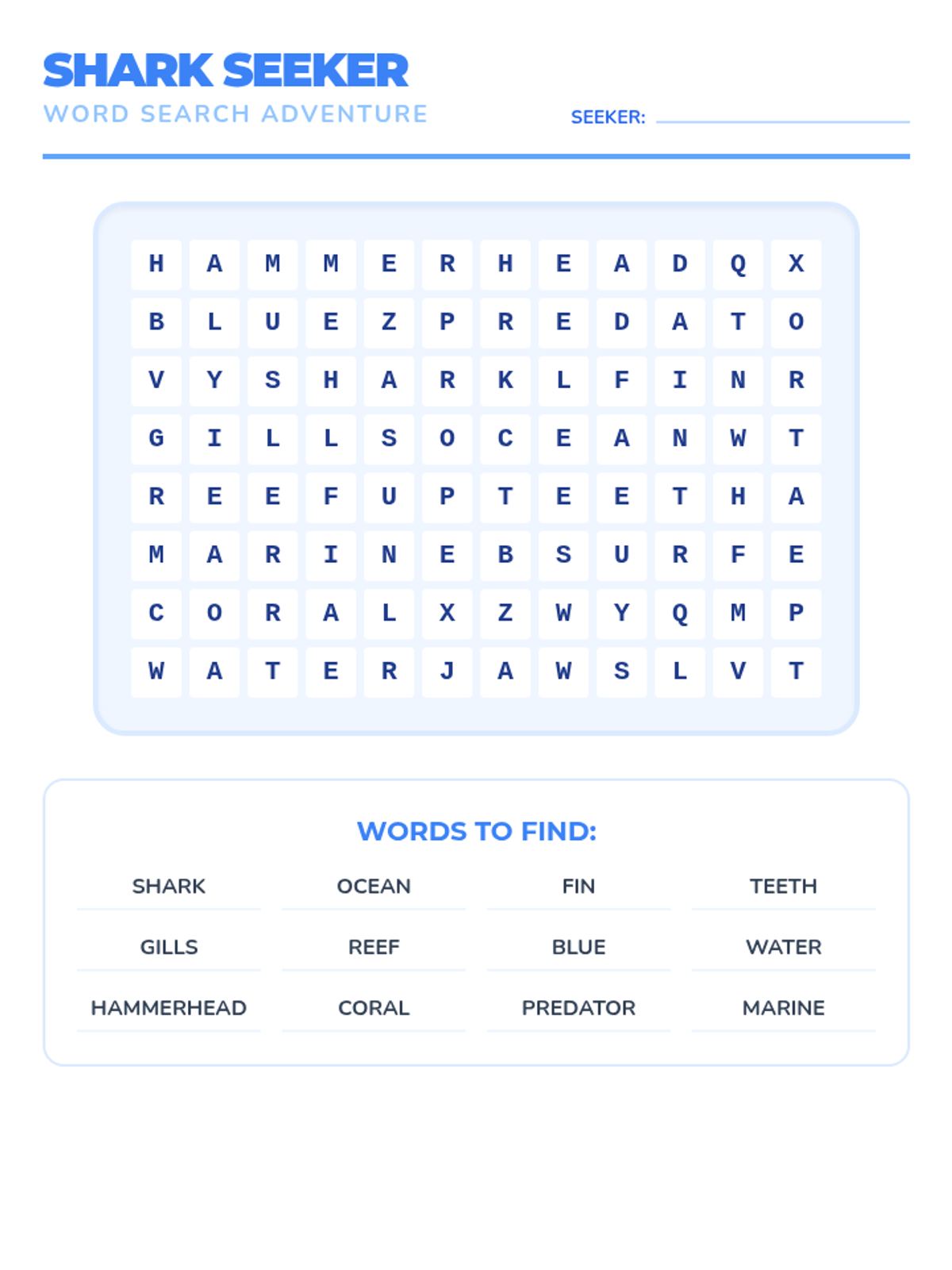
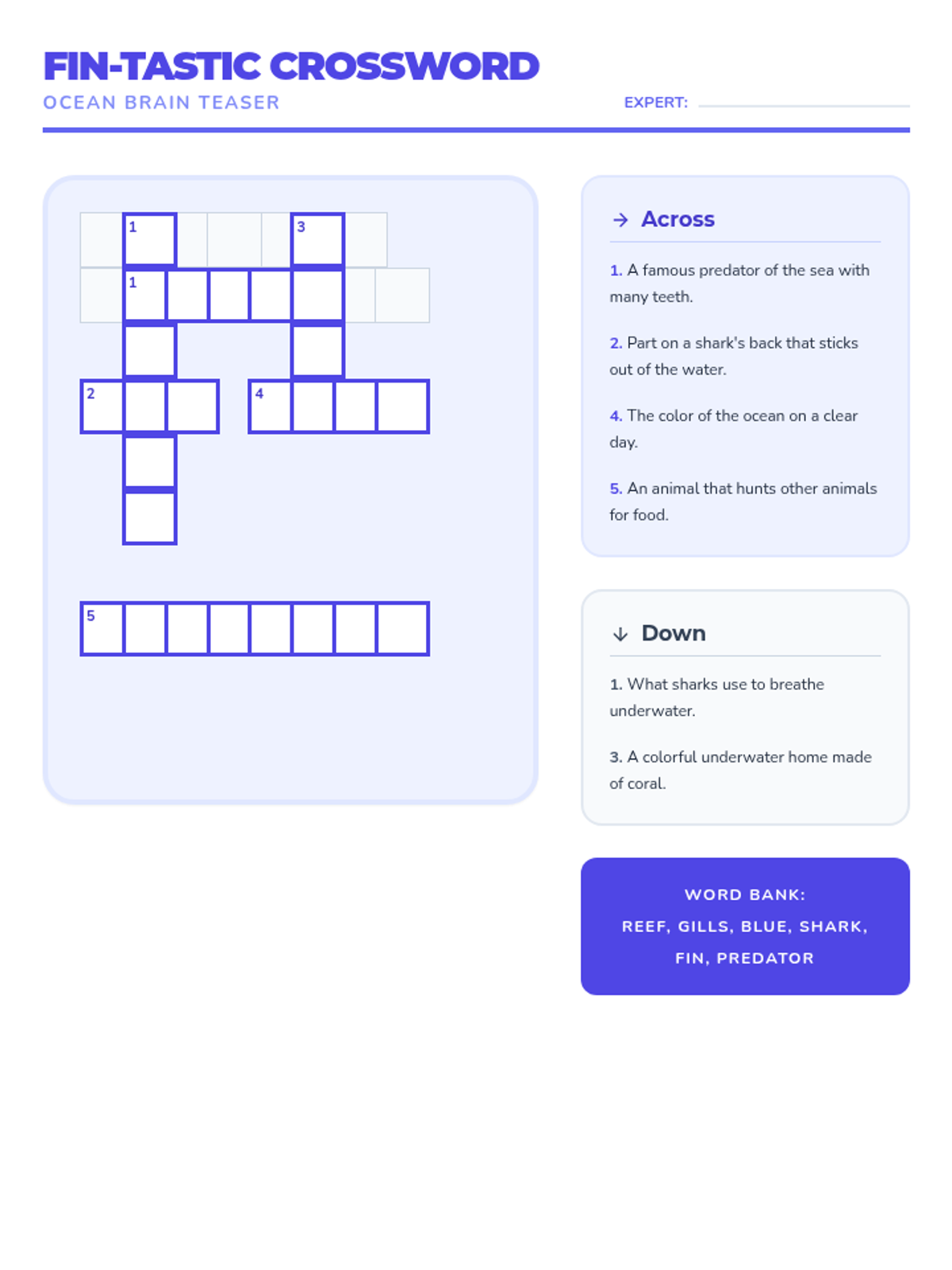
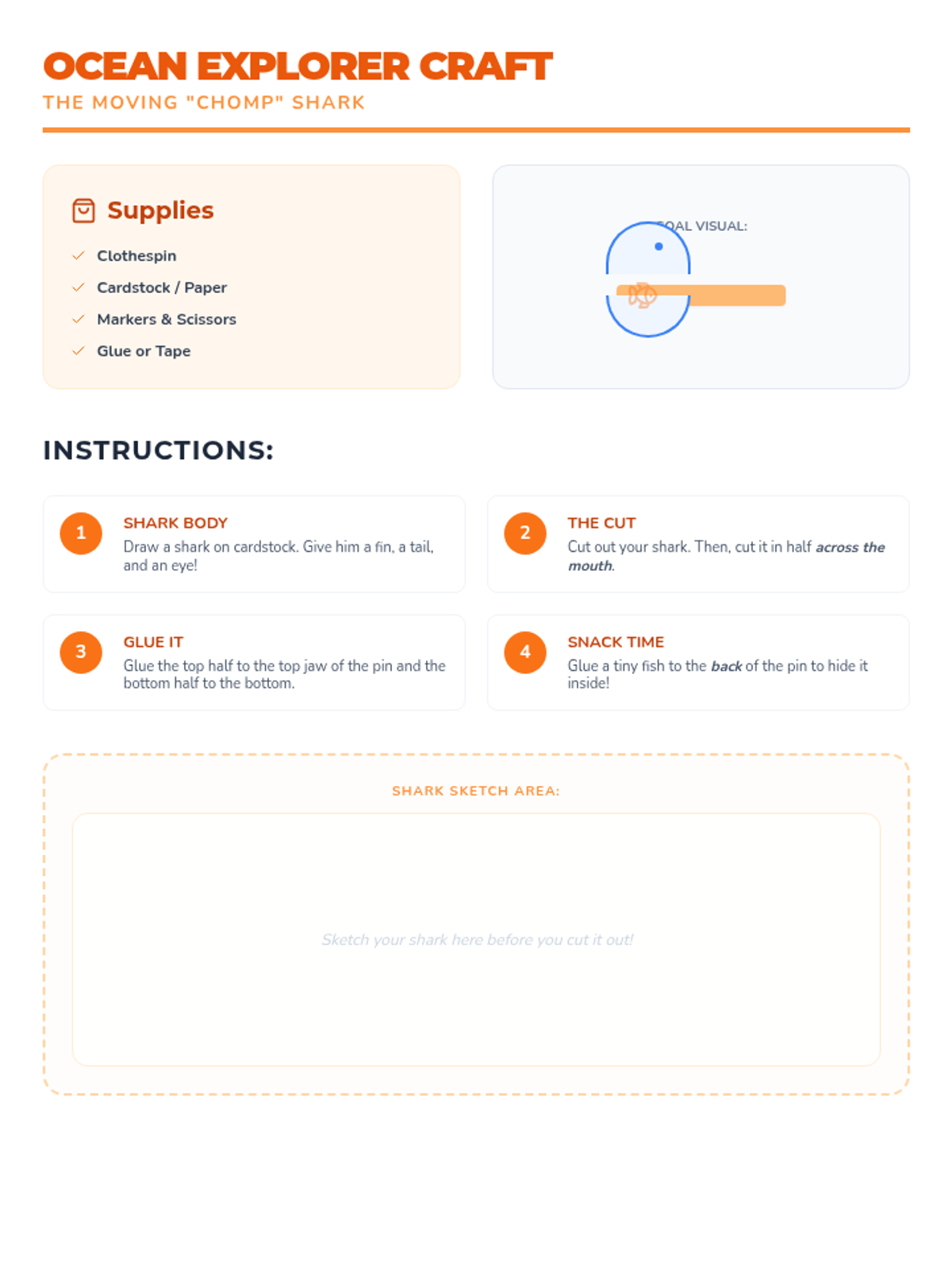
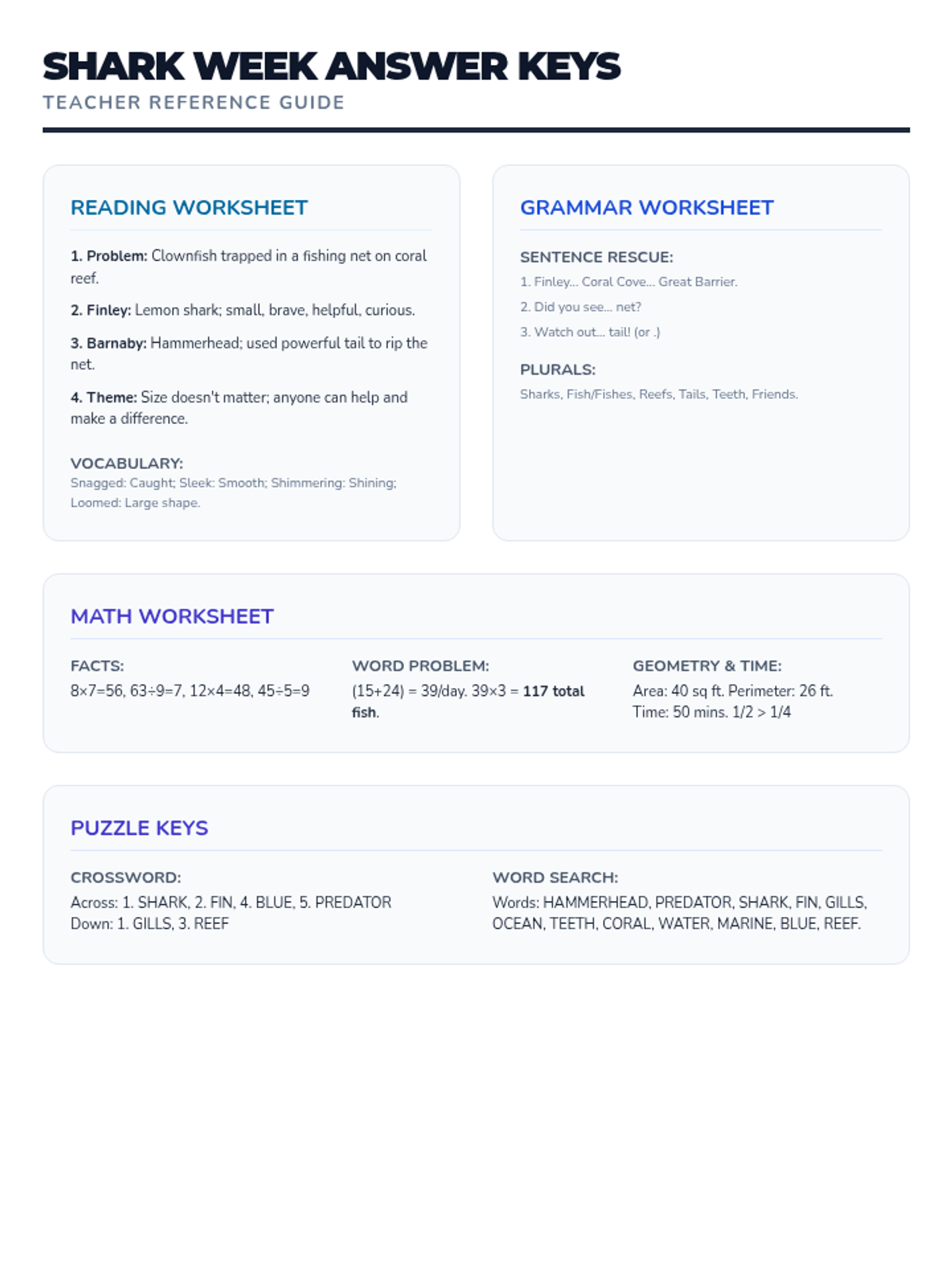
A comprehensive end-of-year review unit themed around sharks and marine life, covering reading, writing, math, and creative arts for 3rd-grade students.
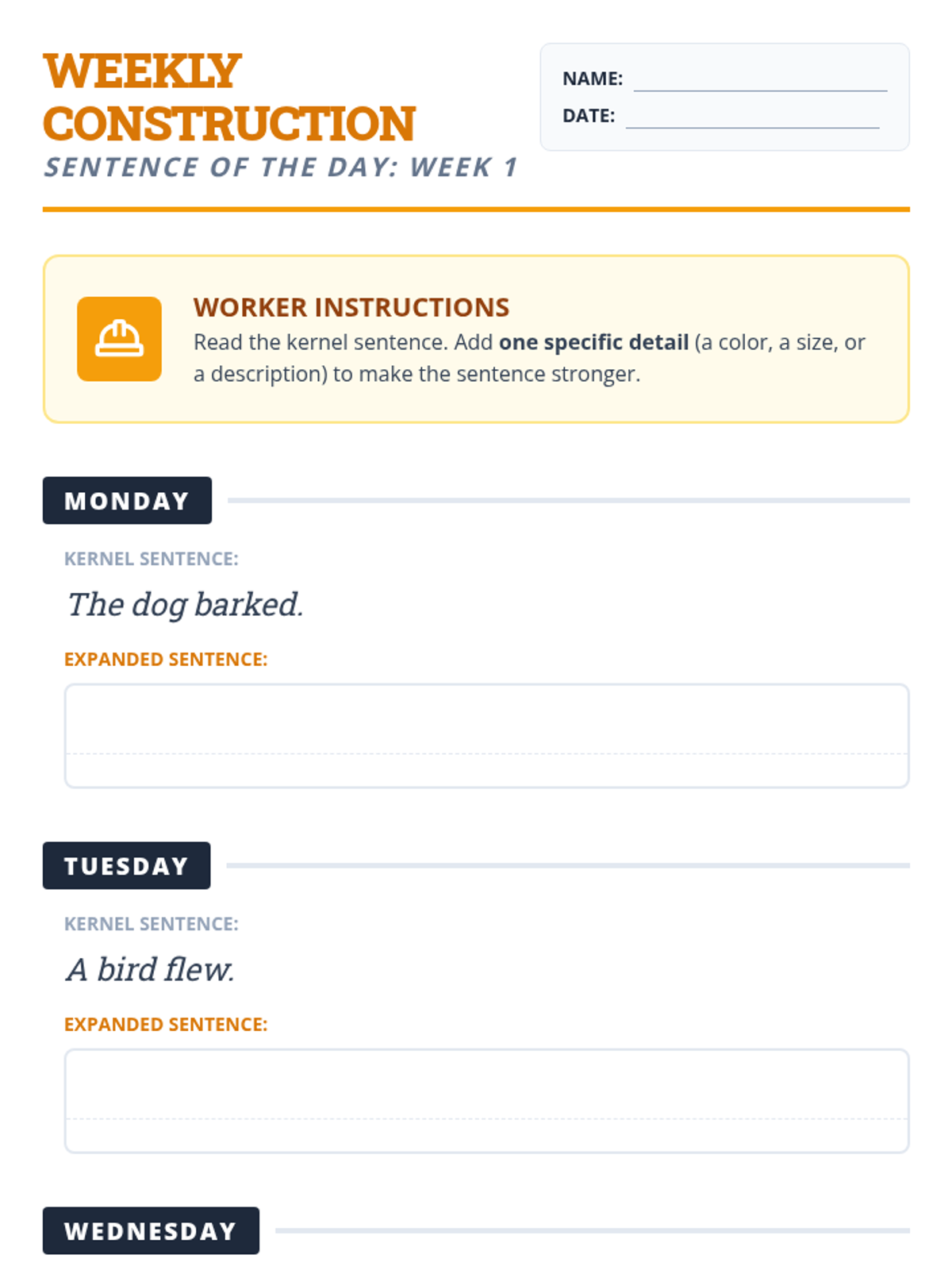
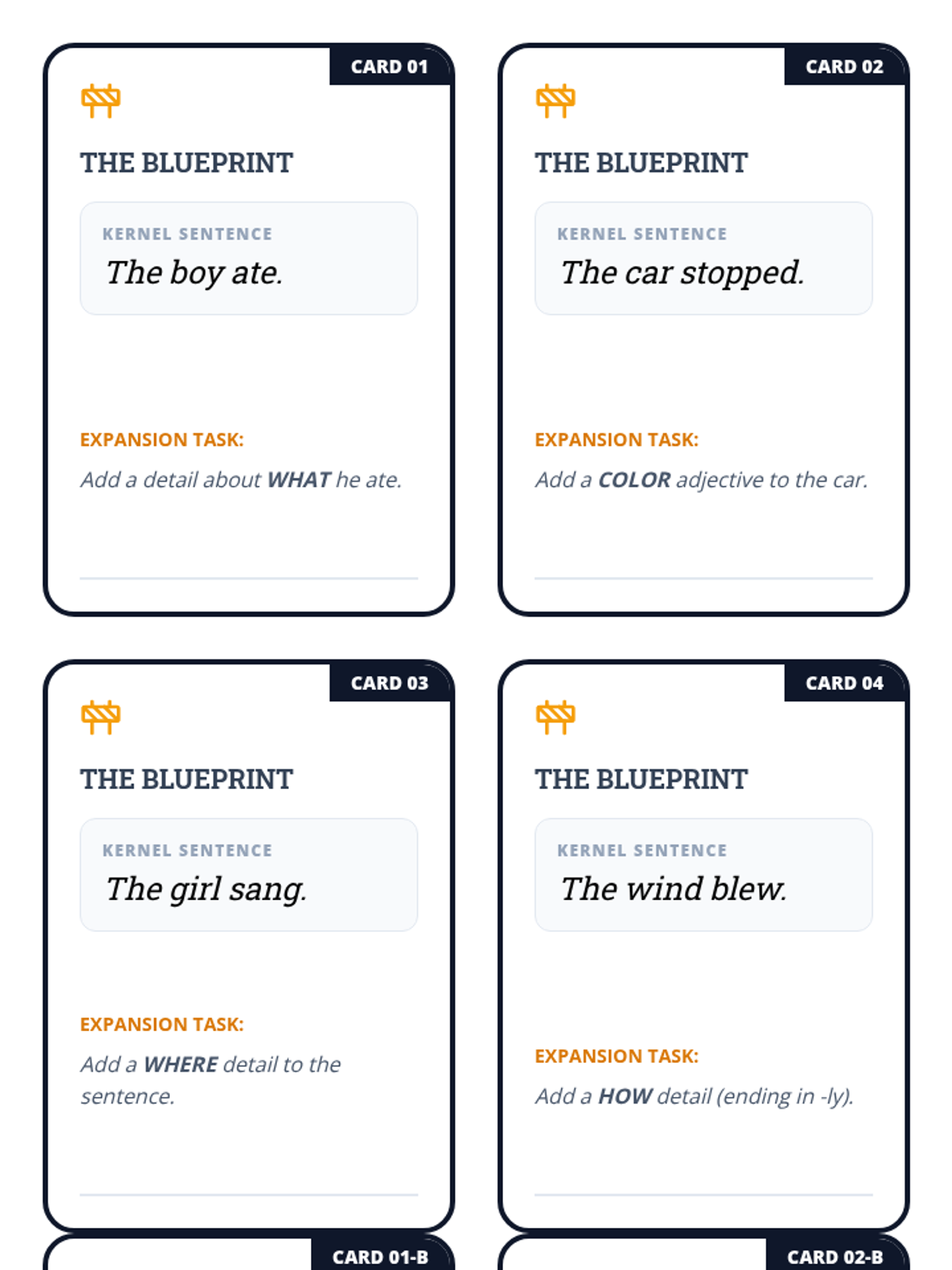
A comprehensive sequence focused on sentence expansion using the Hochman Method (The Writing Revolution). Students move from distinguishing fragments to expanding kernel sentences with 'Who, What, Where, When, Why' and logical conjunctions.
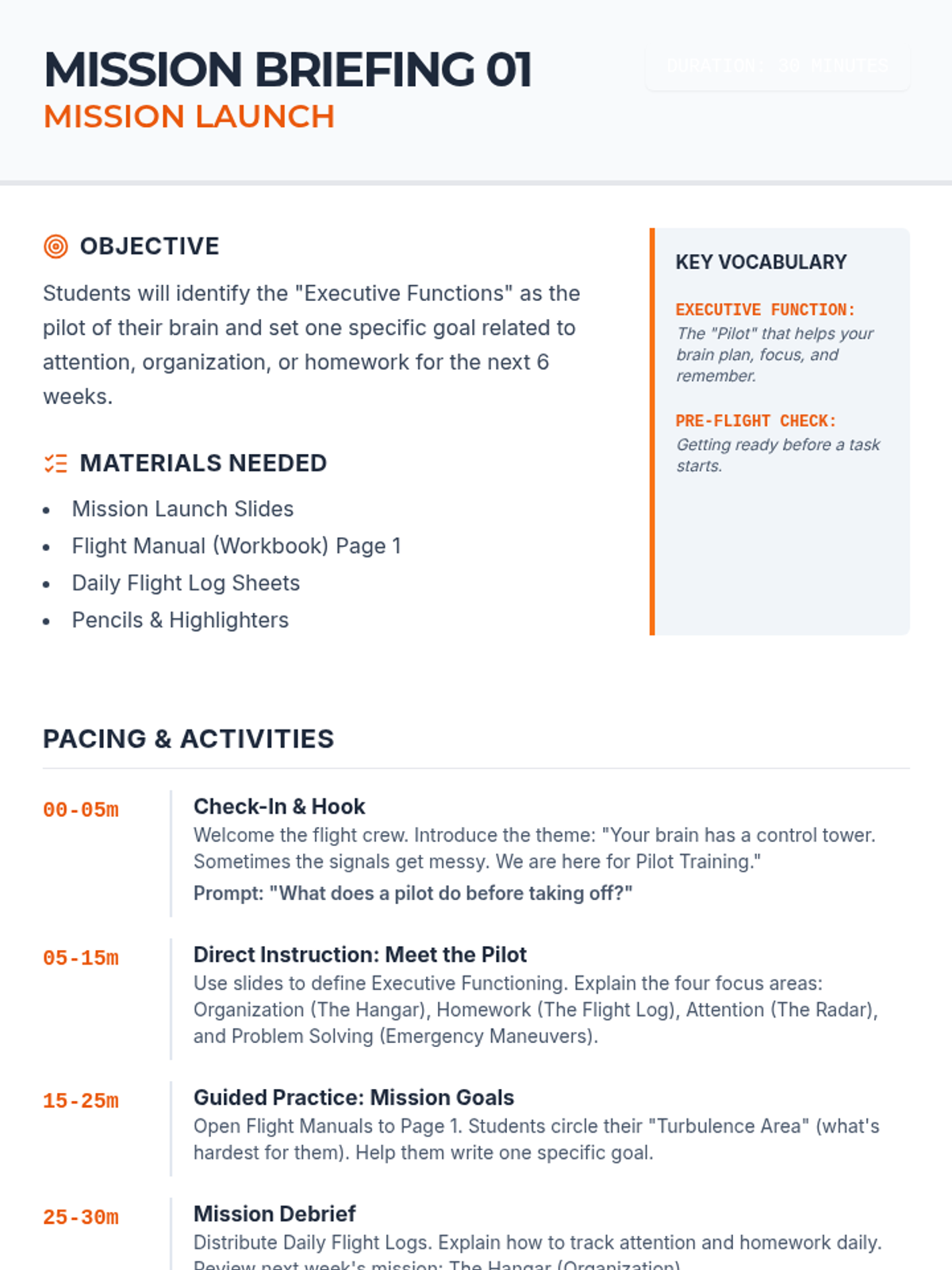
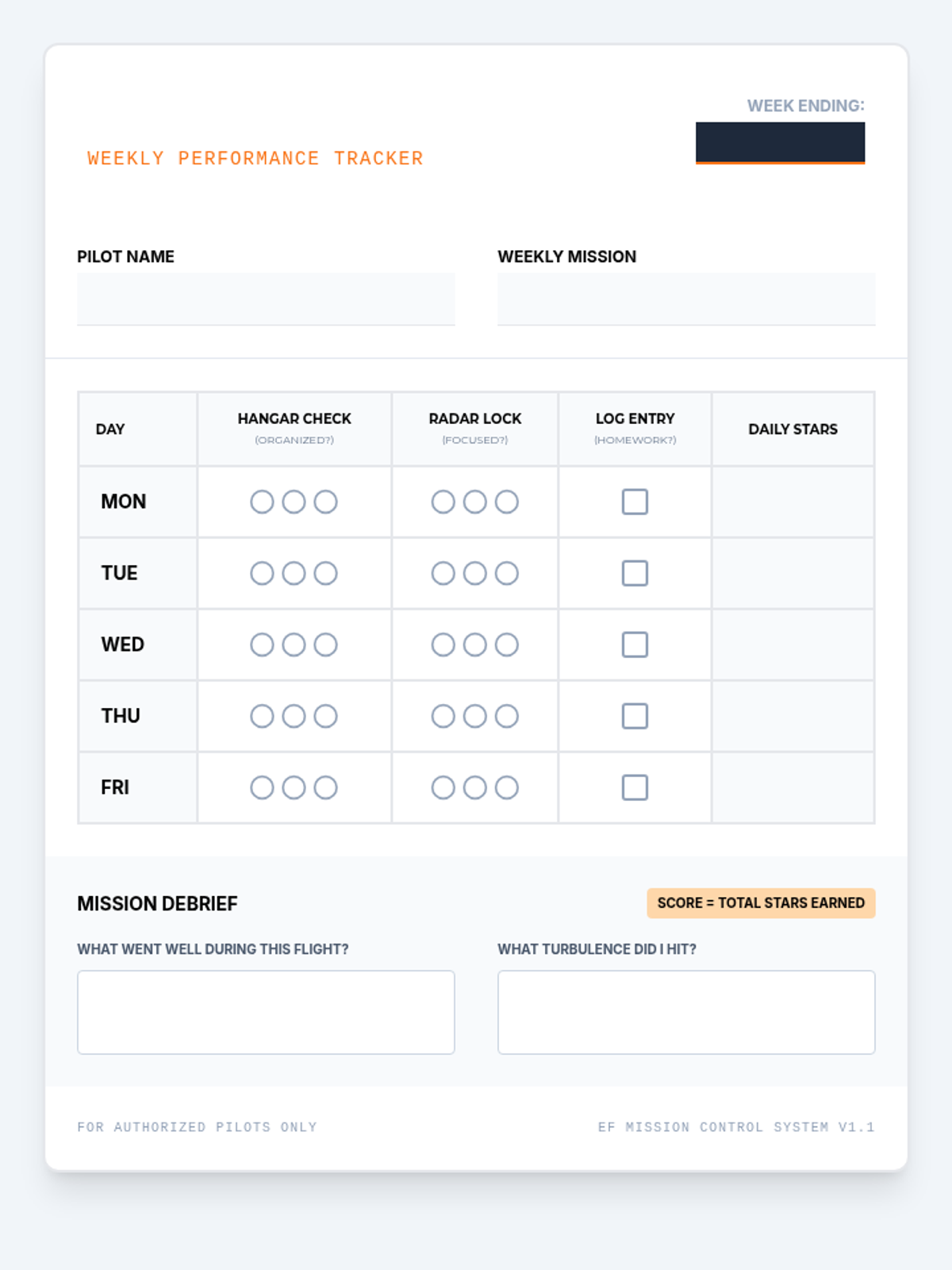
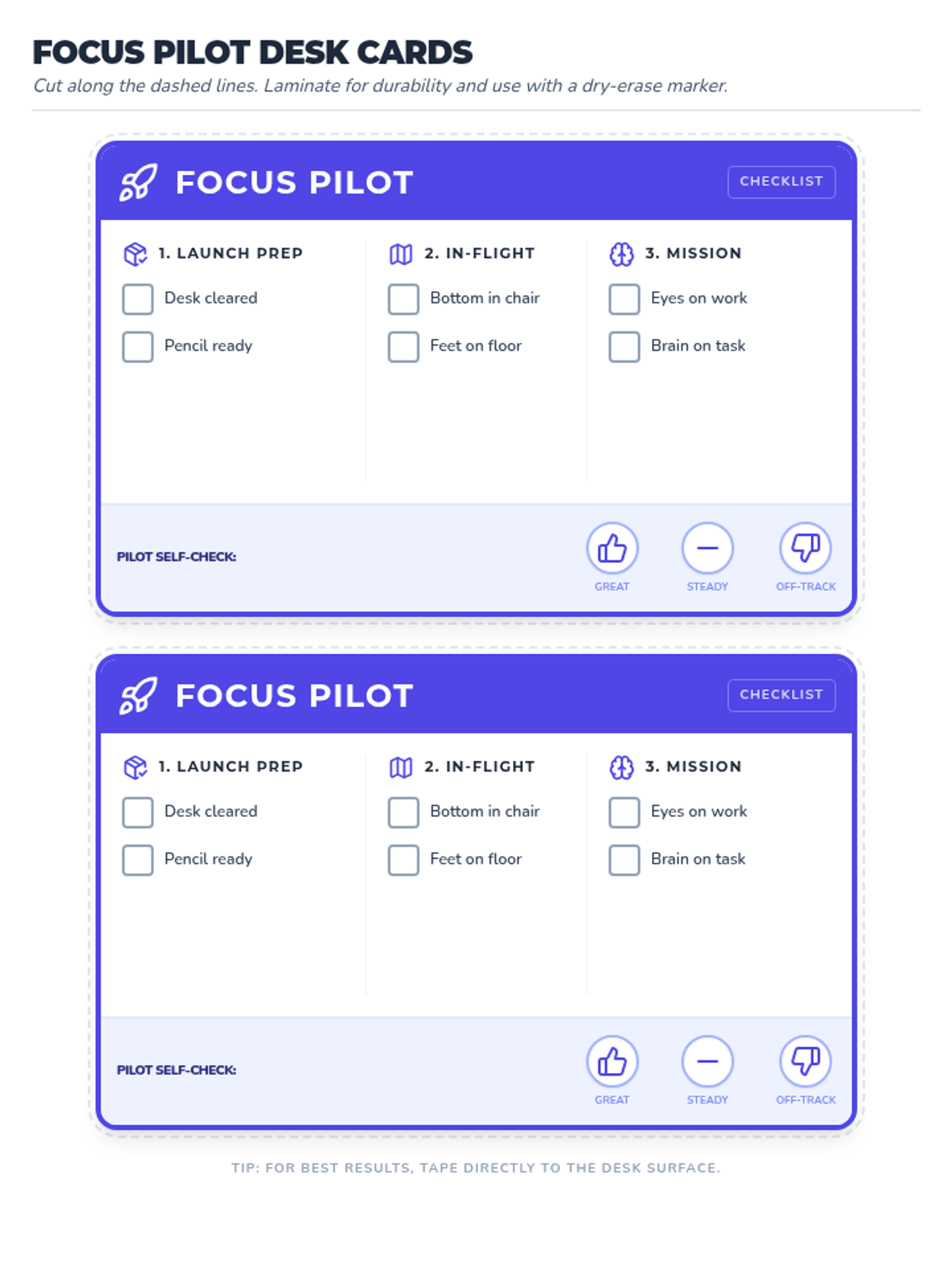
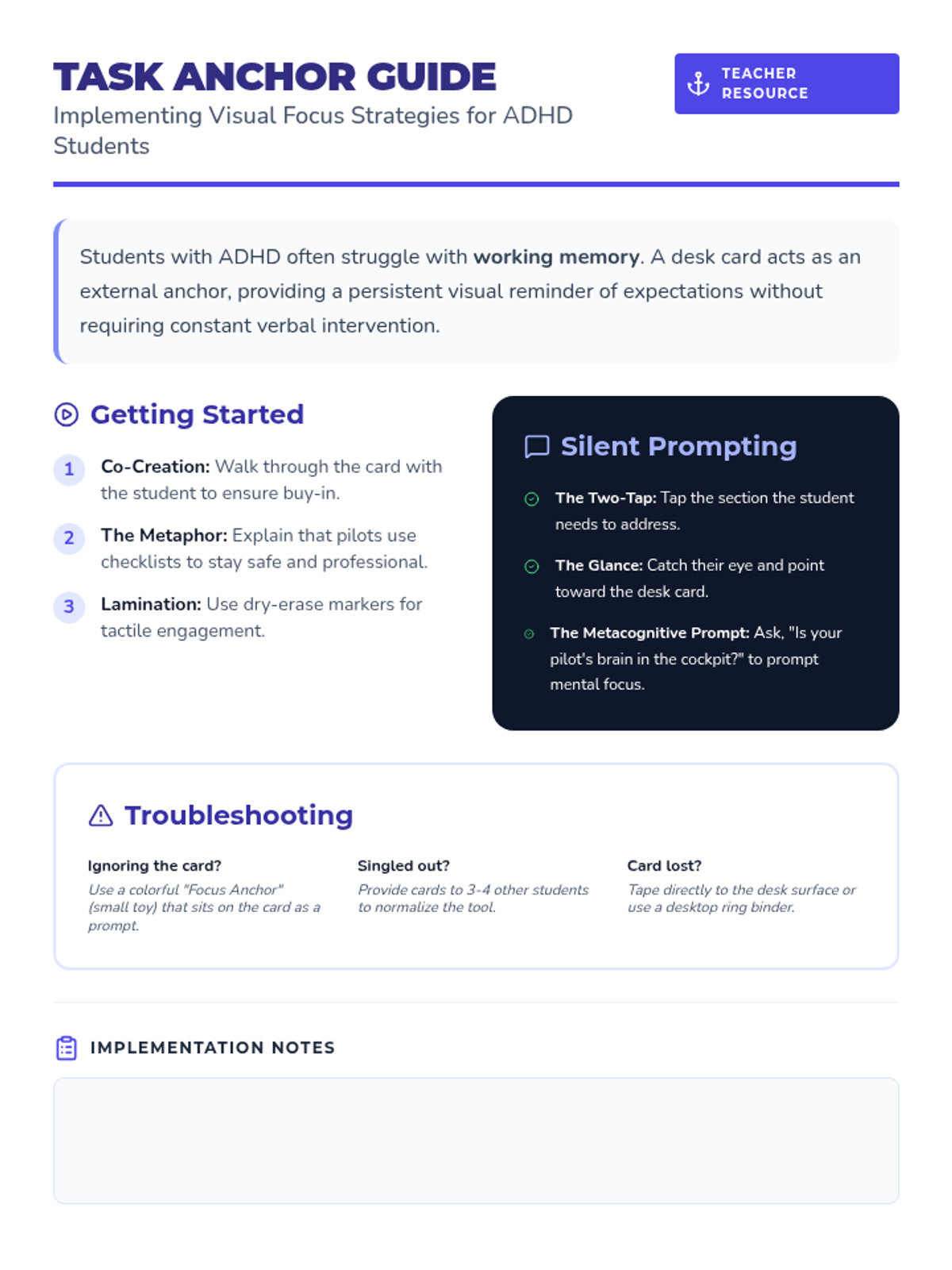
A 6-week executive functioning intervention designed for small groups, using an aviation 'Control Tower' theme to teach organization, attention, homework completion, and problem-solving.
A series of classroom supports and strategies to help neurodivergent students navigate daily routines and stay engaged with learning.
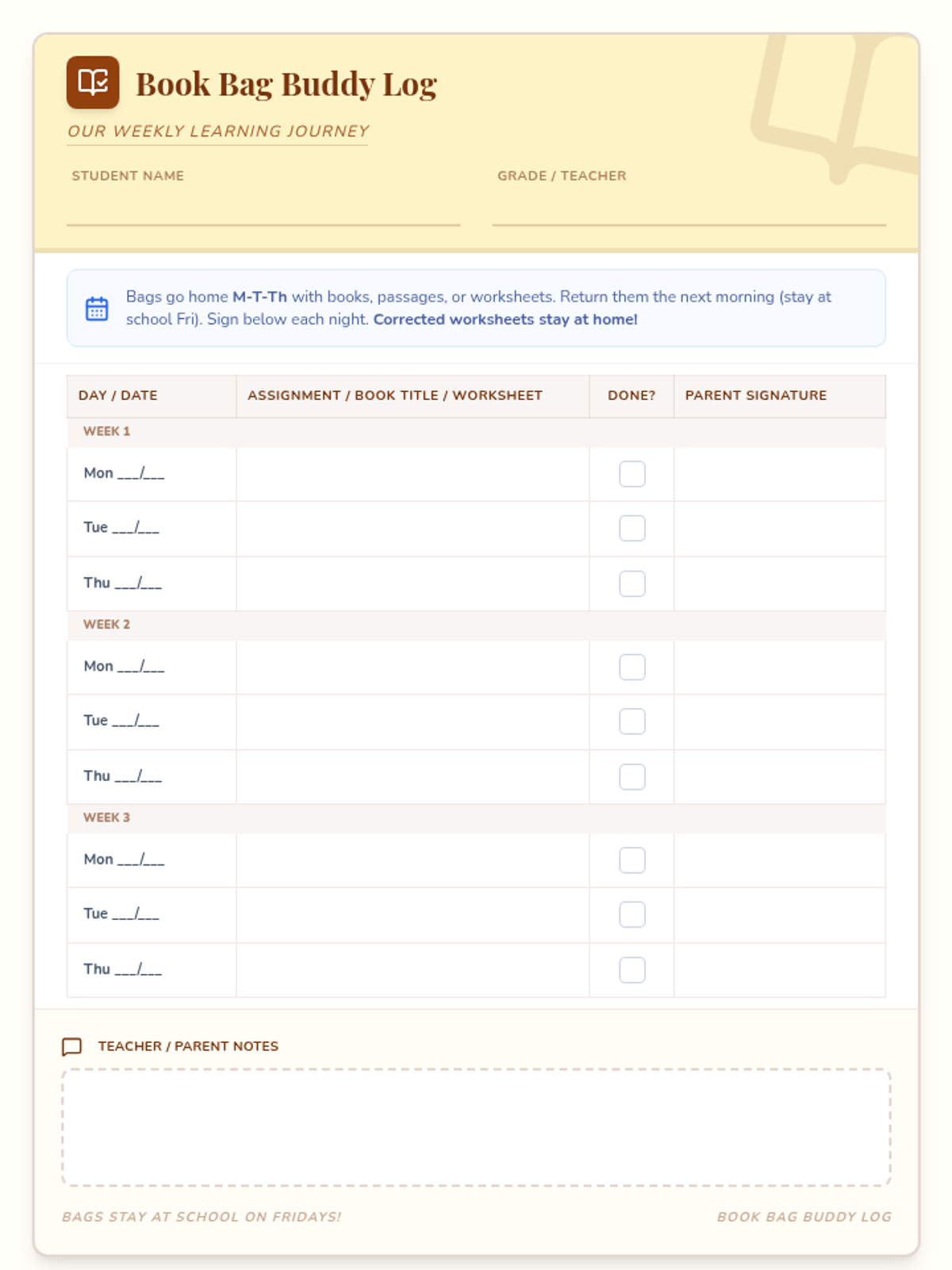
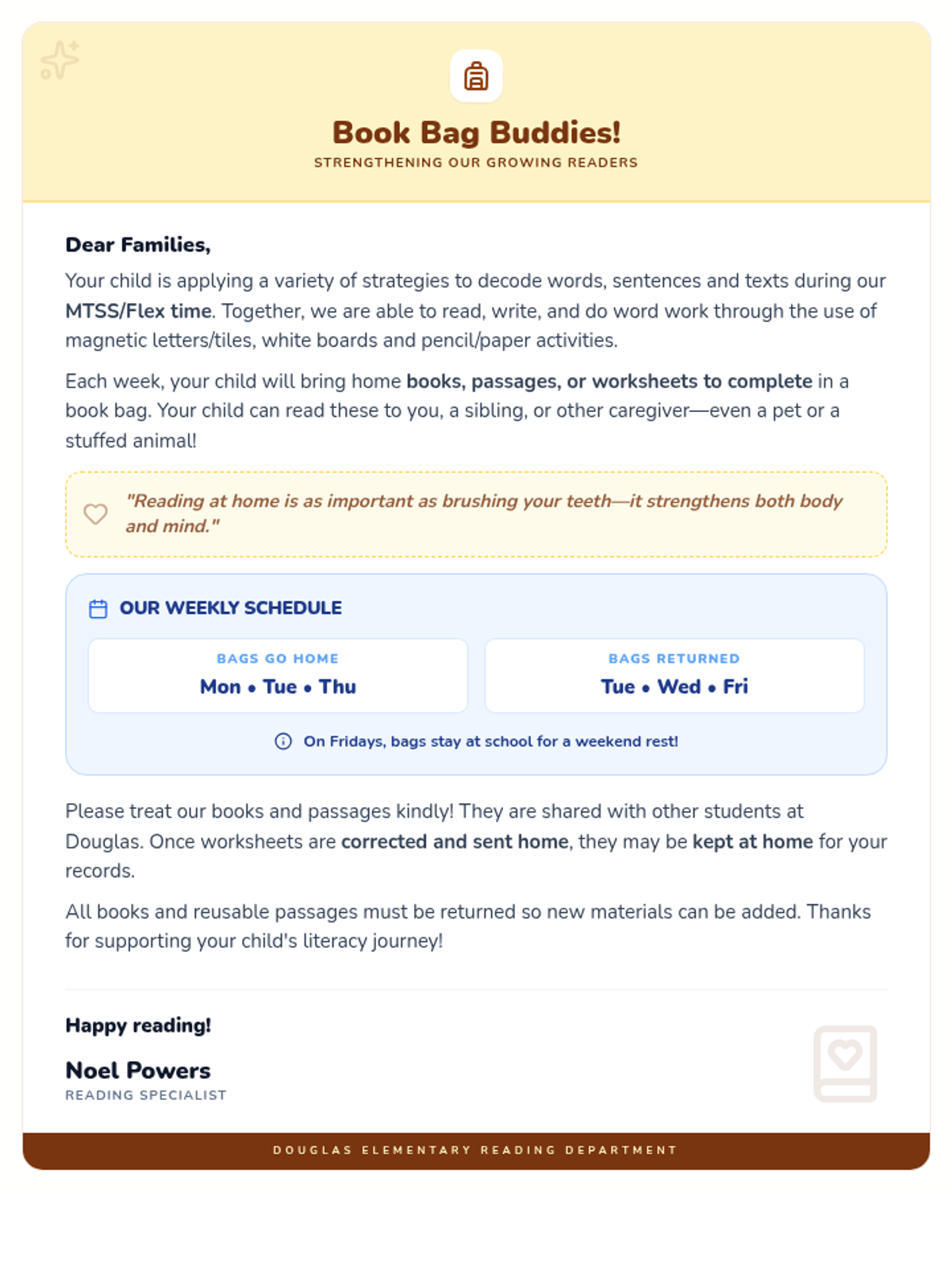
A collection of resources for primary educators to manage parent communication, homework systems, and seasonal literacy encouragement.
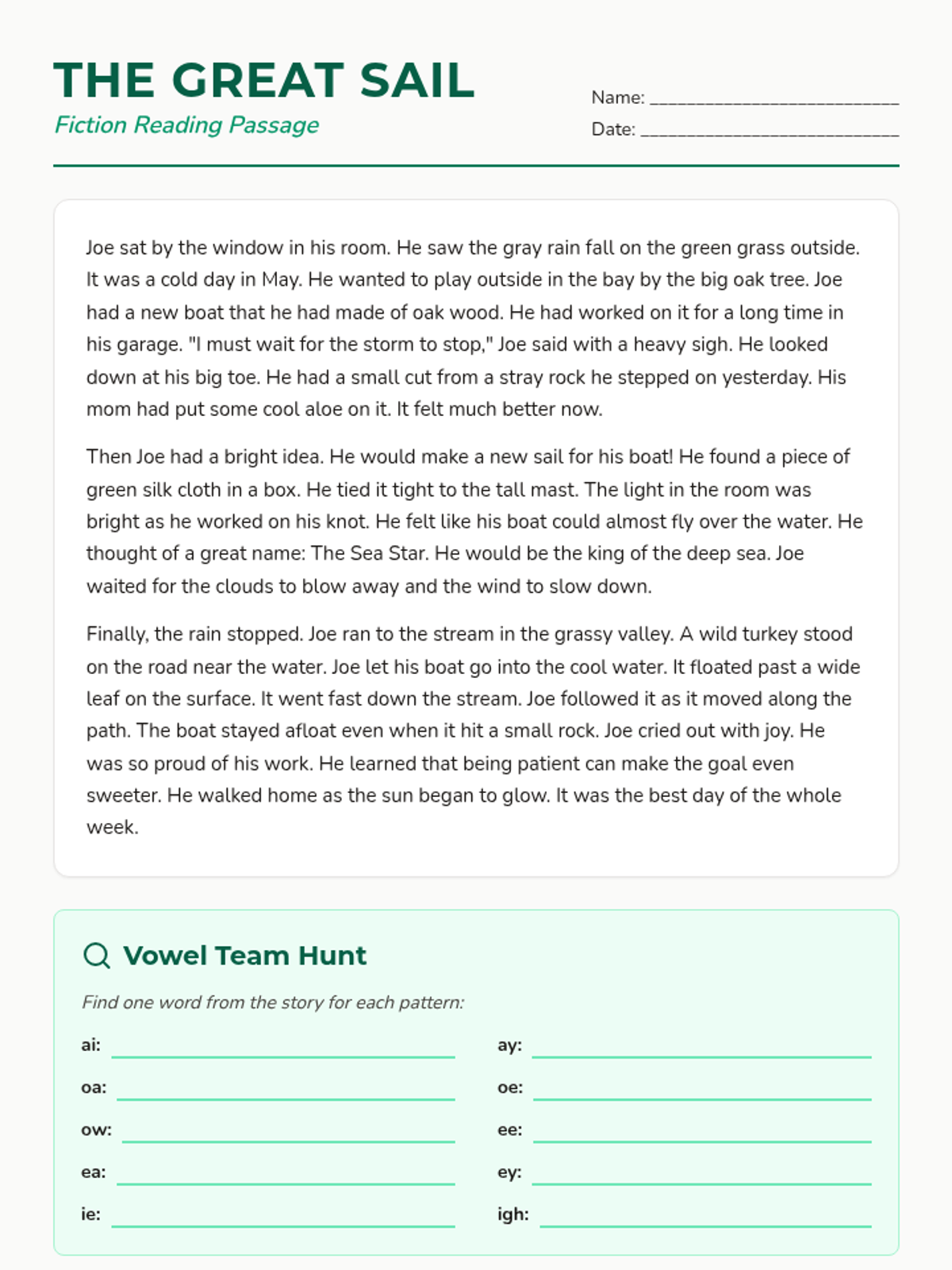
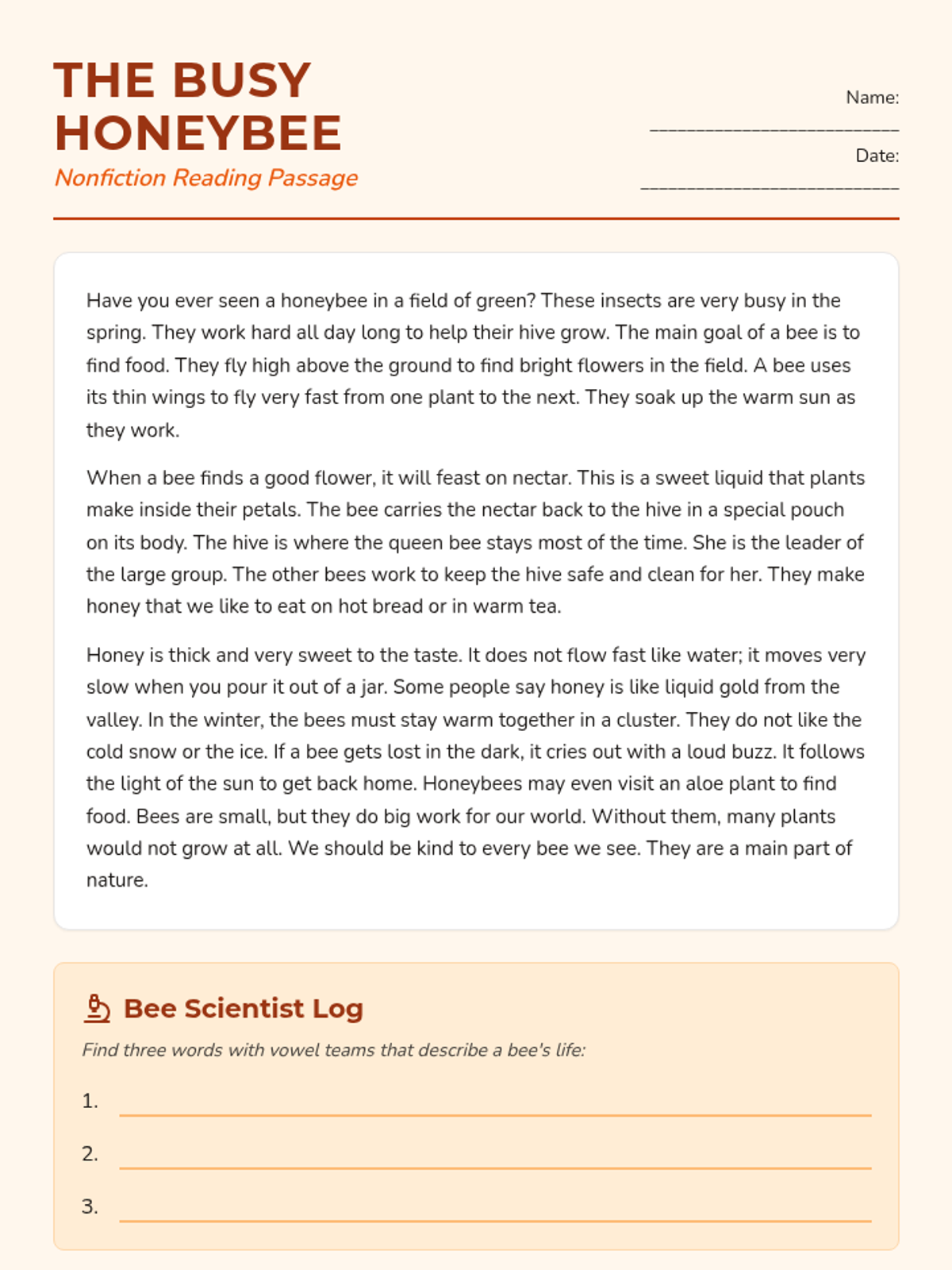
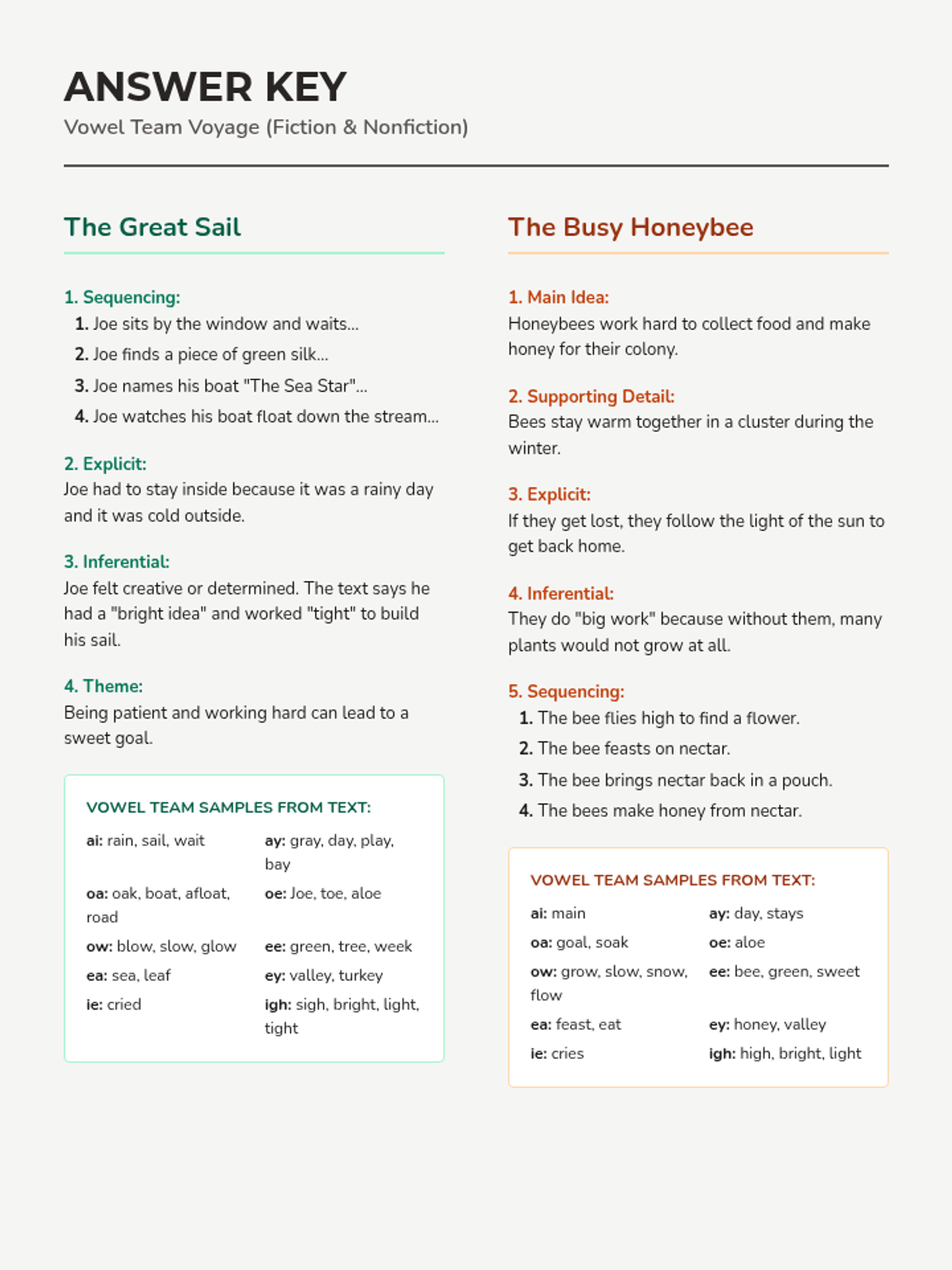
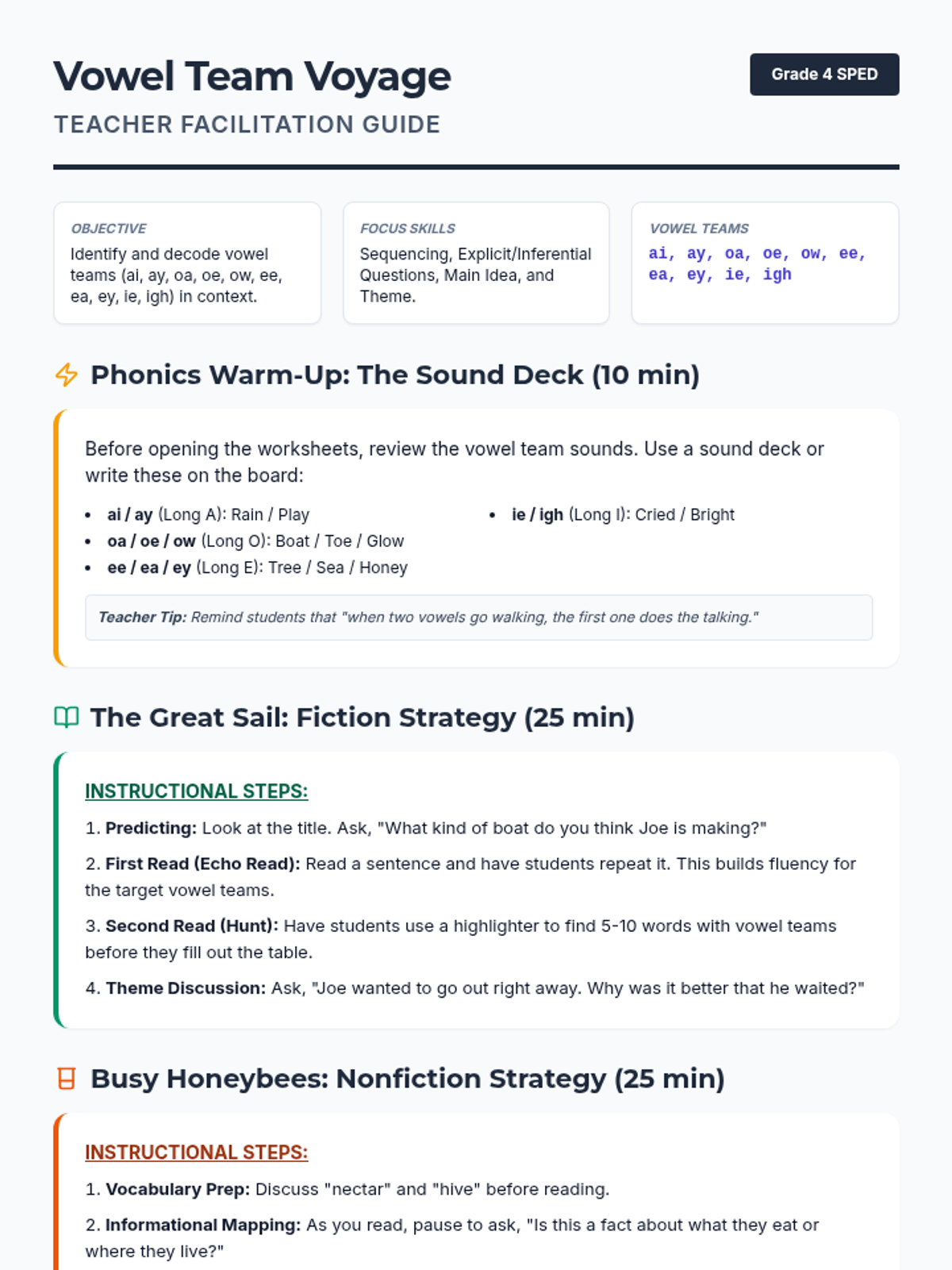
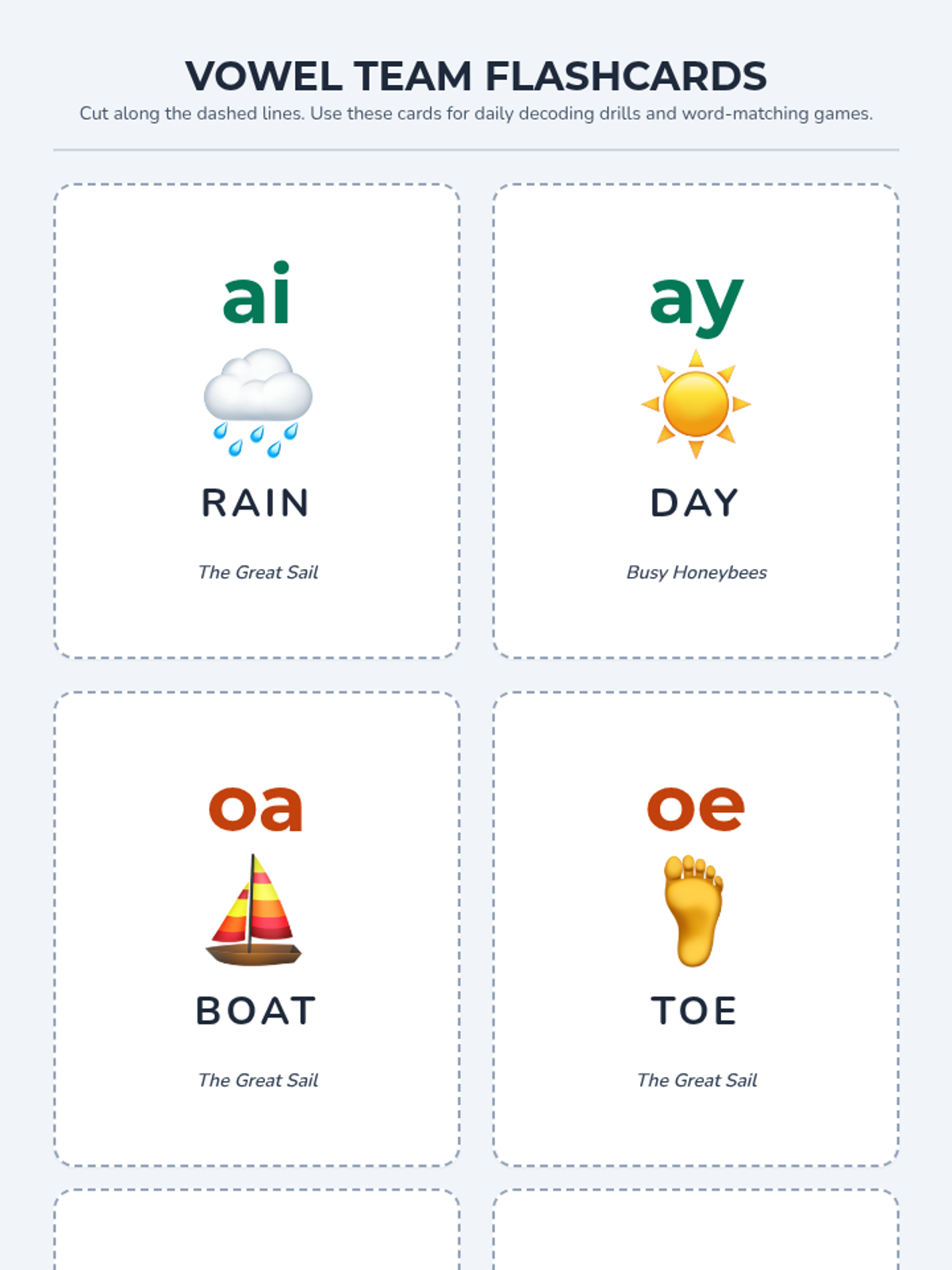
A comprehensive sequence focused on phonics and morphology for Grade 4 special education students, covering vowel teams and common suffixes (-ed, -ing) to improve decoding, spelling, and reading comprehension.
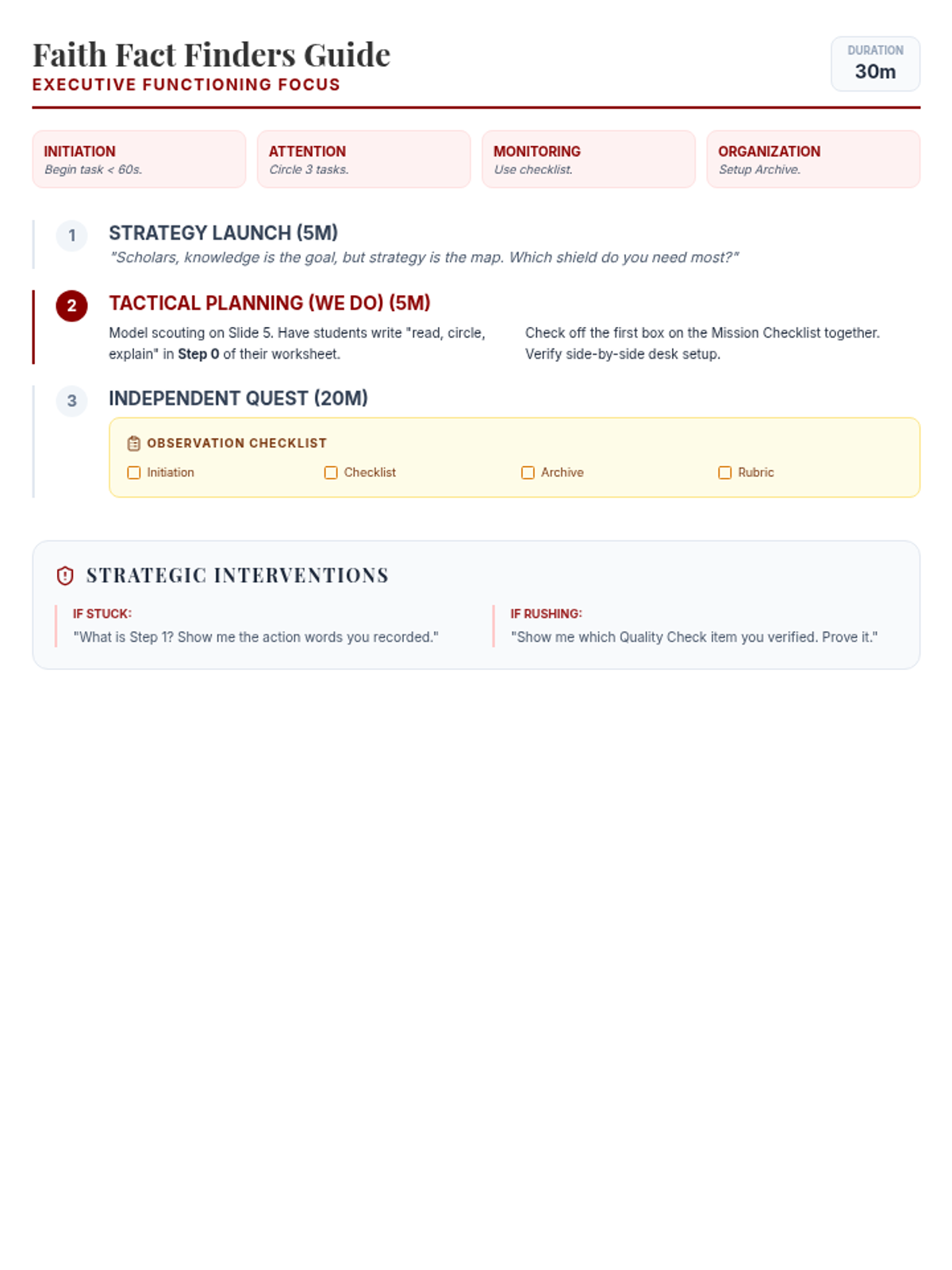
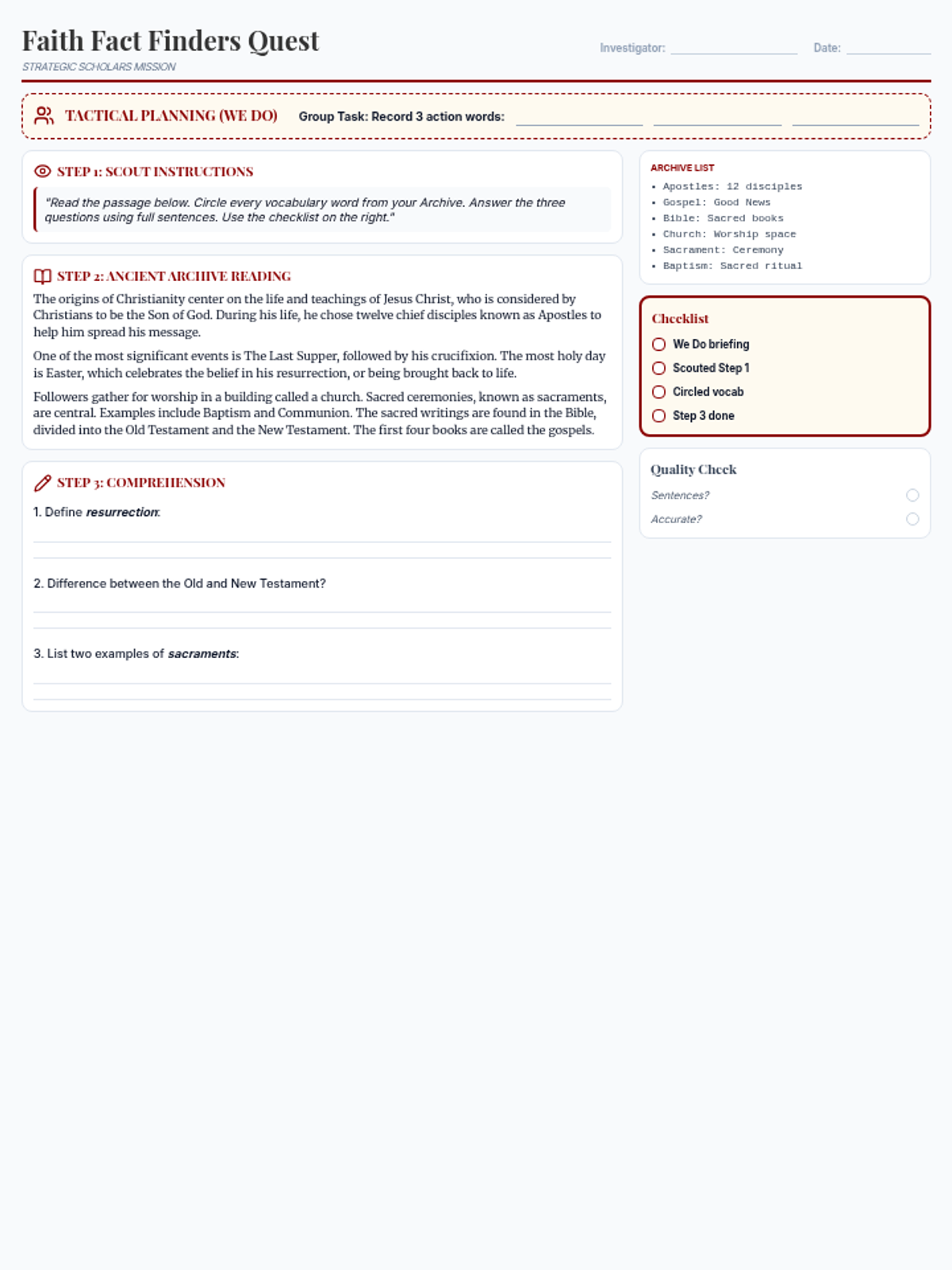
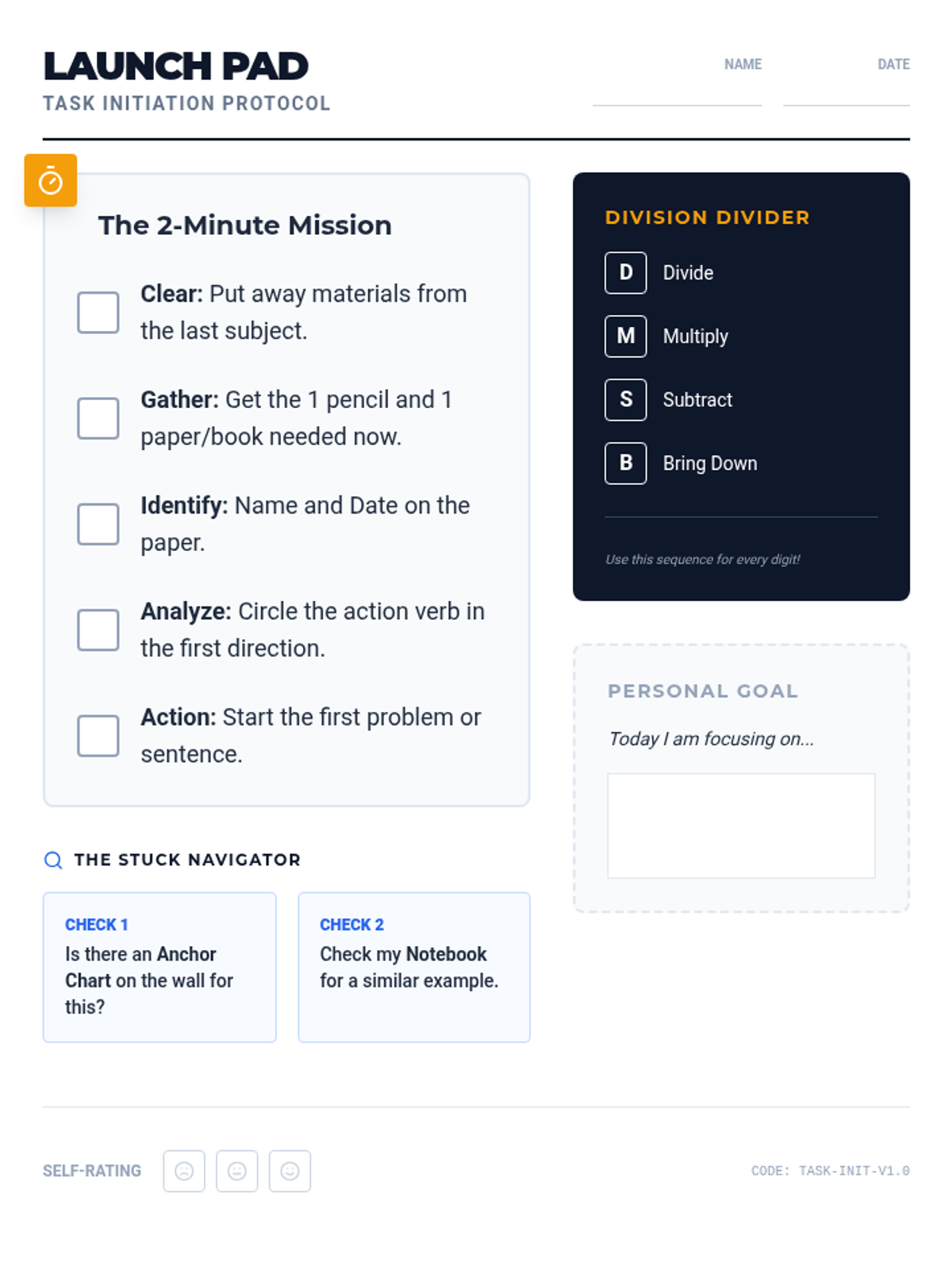
A series of lessons designed to integrate executive functioning strategies with academic content, focusing on goal-oriented task completion and self-monitoring.
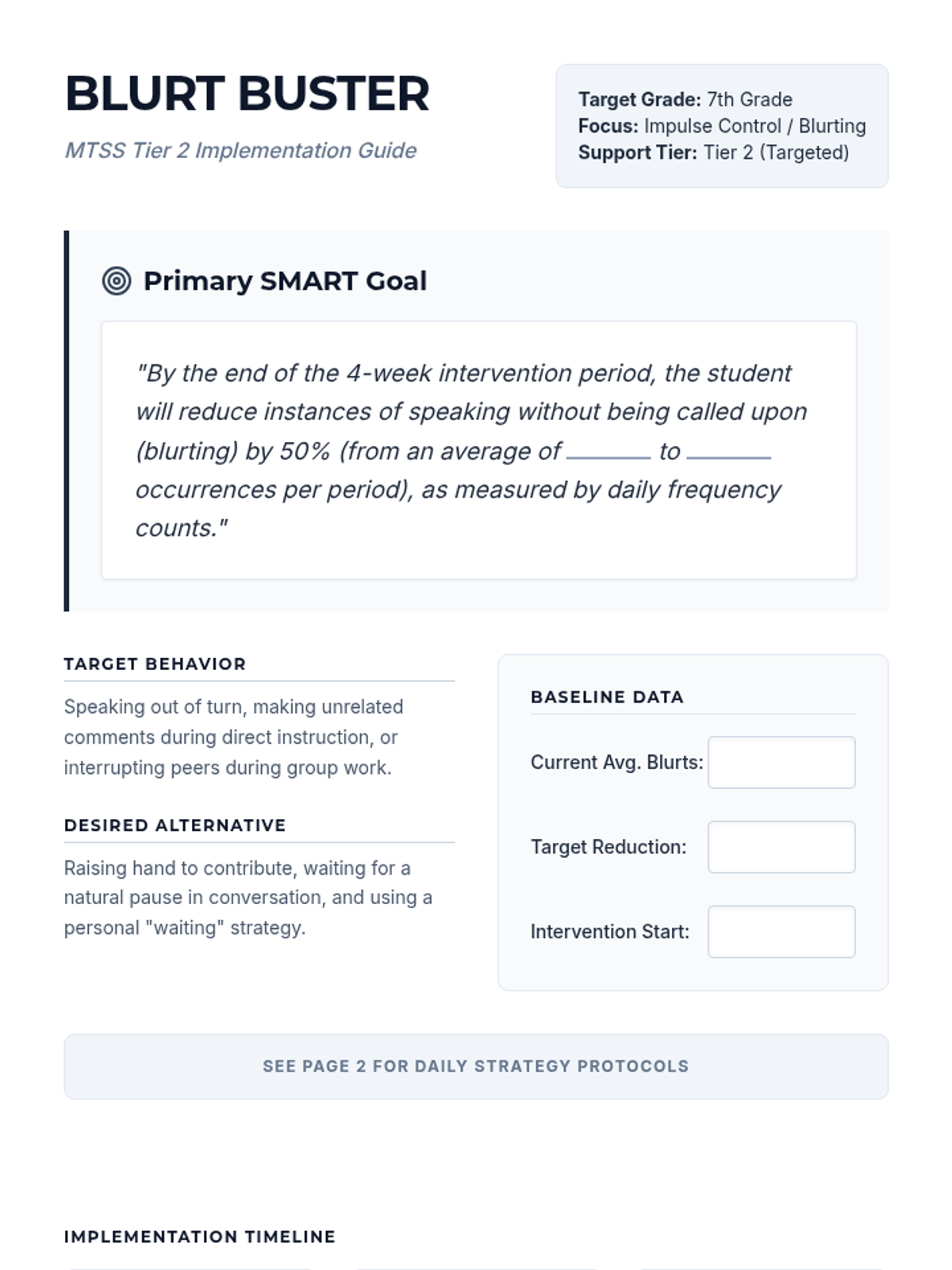
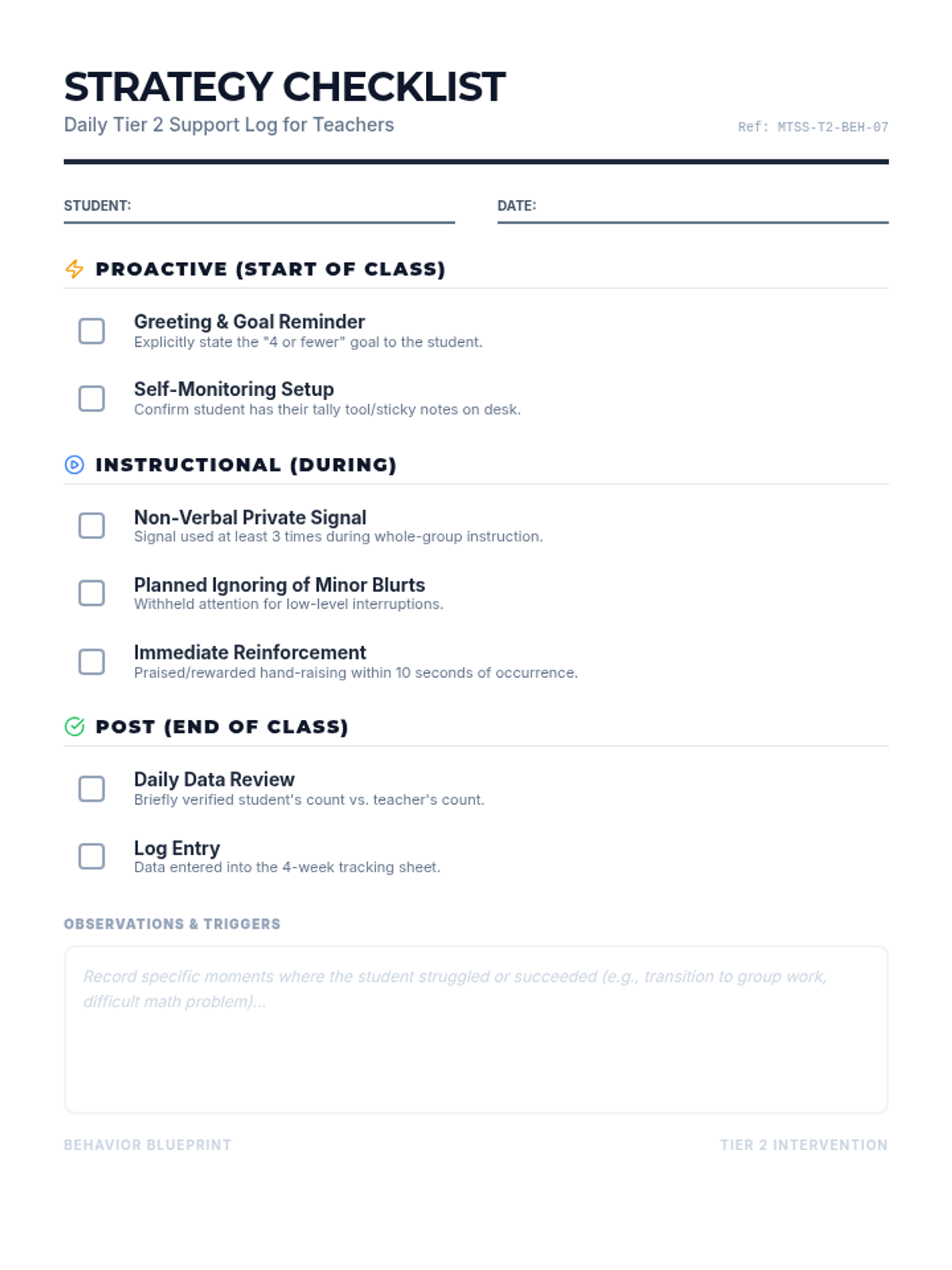
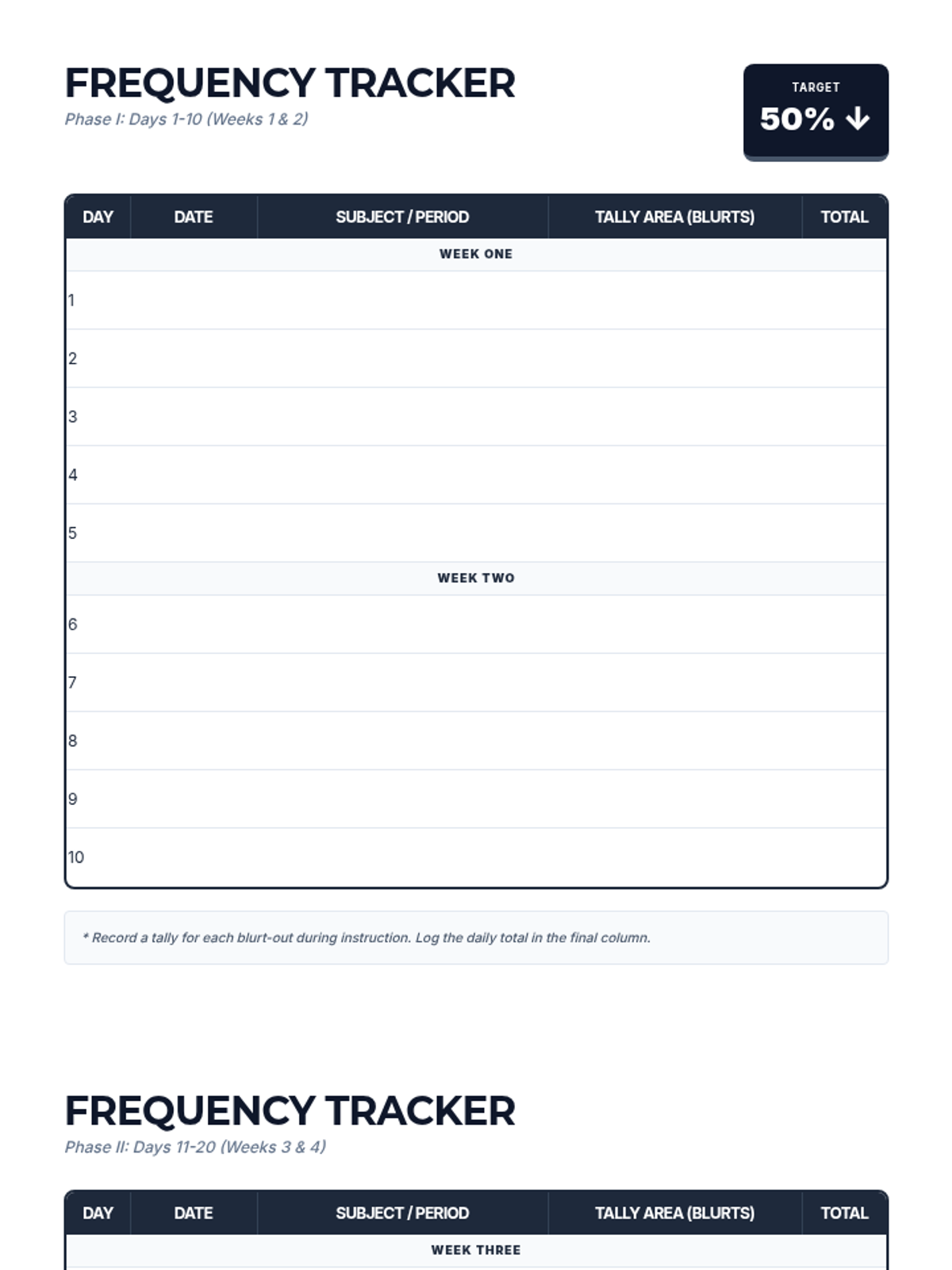
A collection of resources focused on MTSS Tier 2 behavioral interventions for middle school students, providing structured support for common classroom challenges.
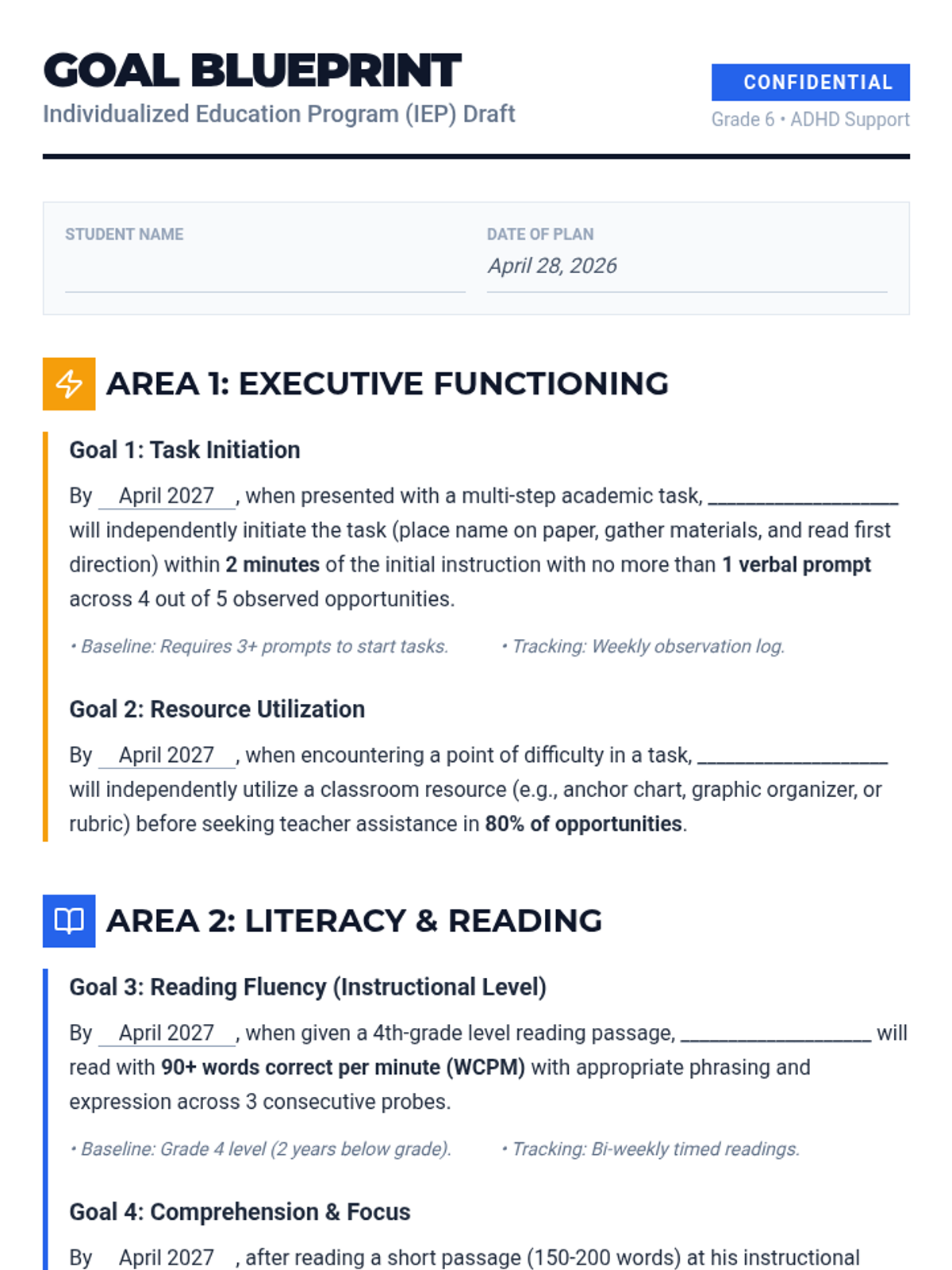
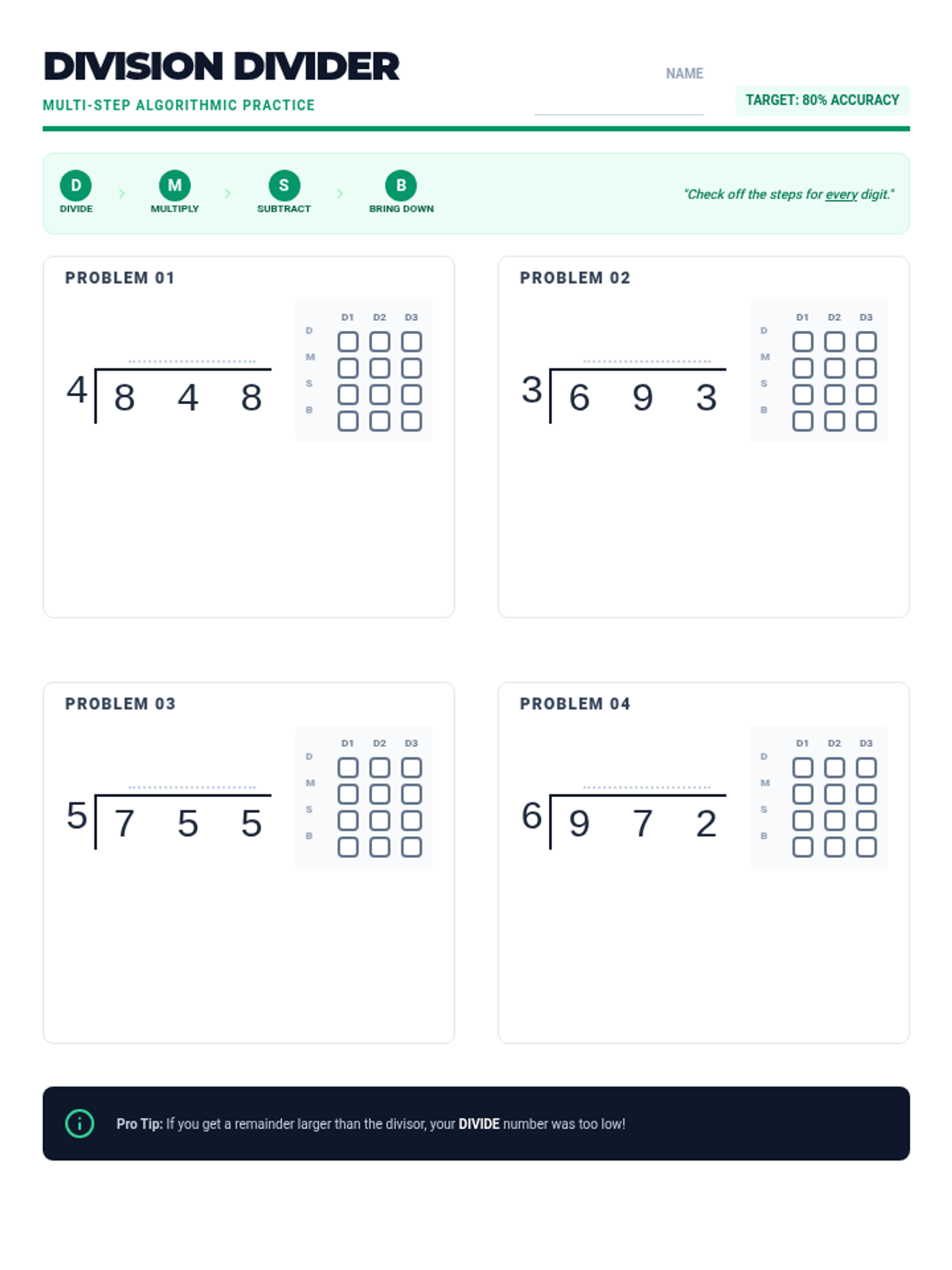
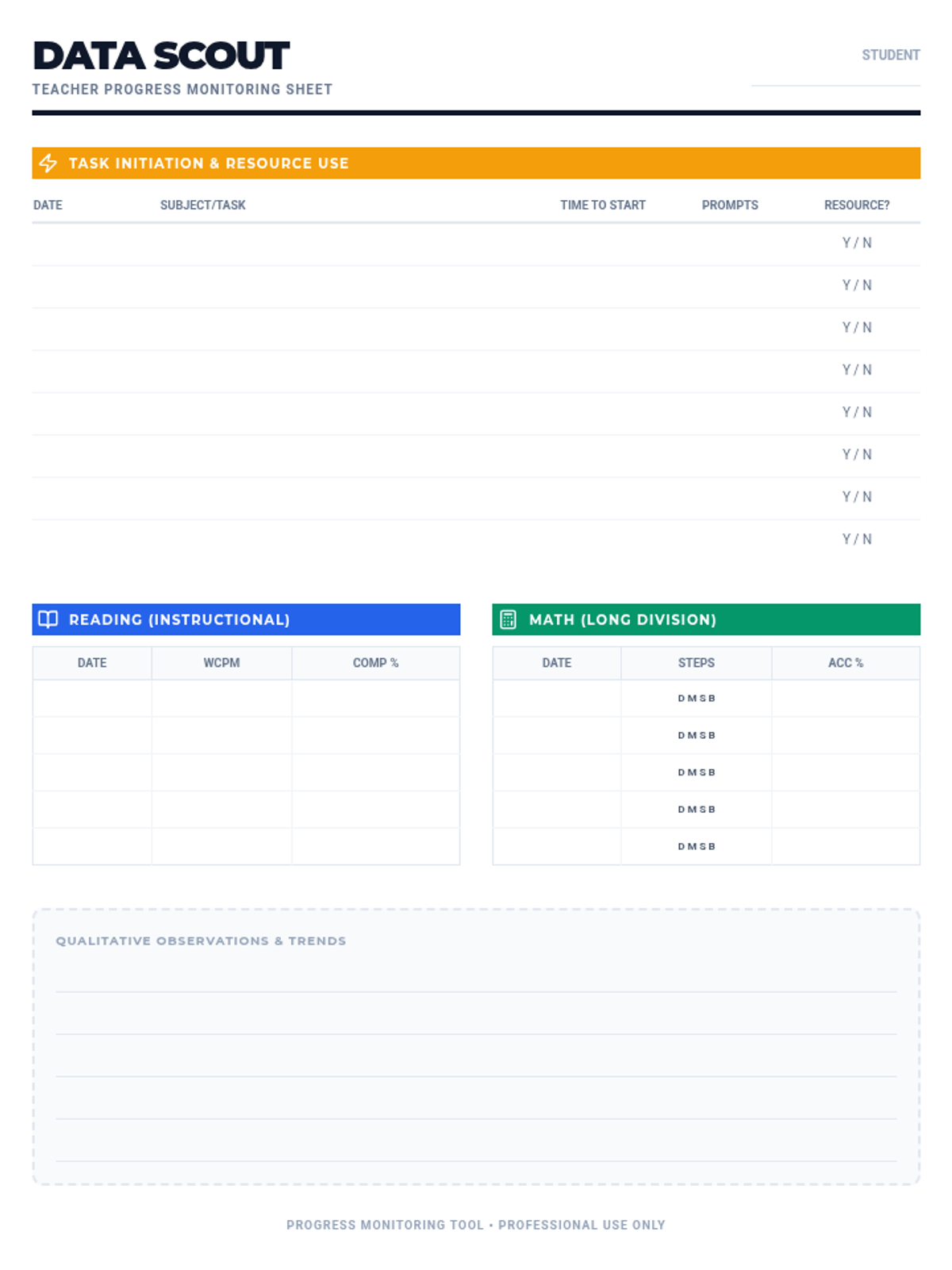
A comprehensive set of IEP goals and supporting materials for a 6th-grade student with ADHD, focusing on reading growth, multi-step math, and executive functioning strategies.
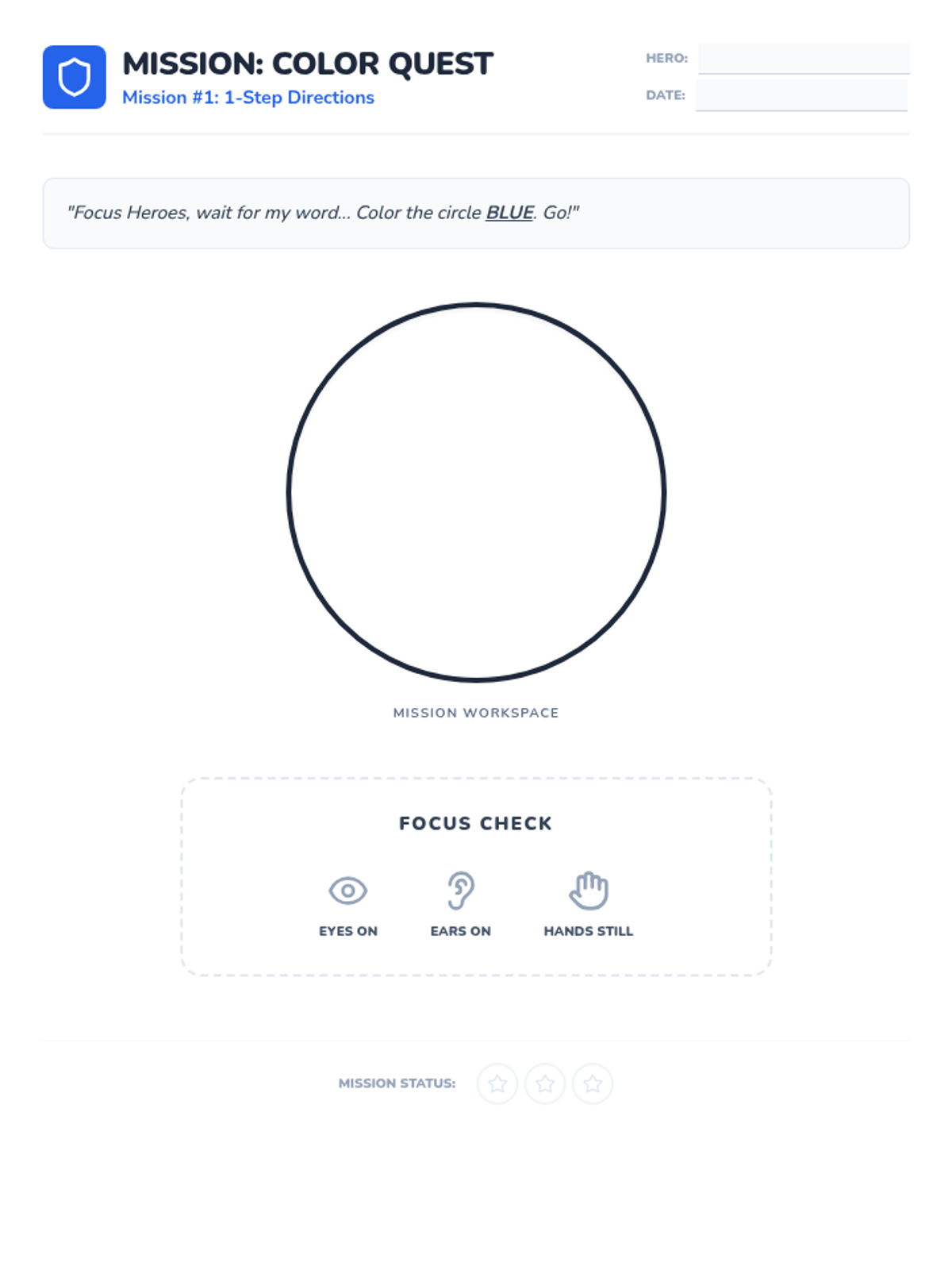
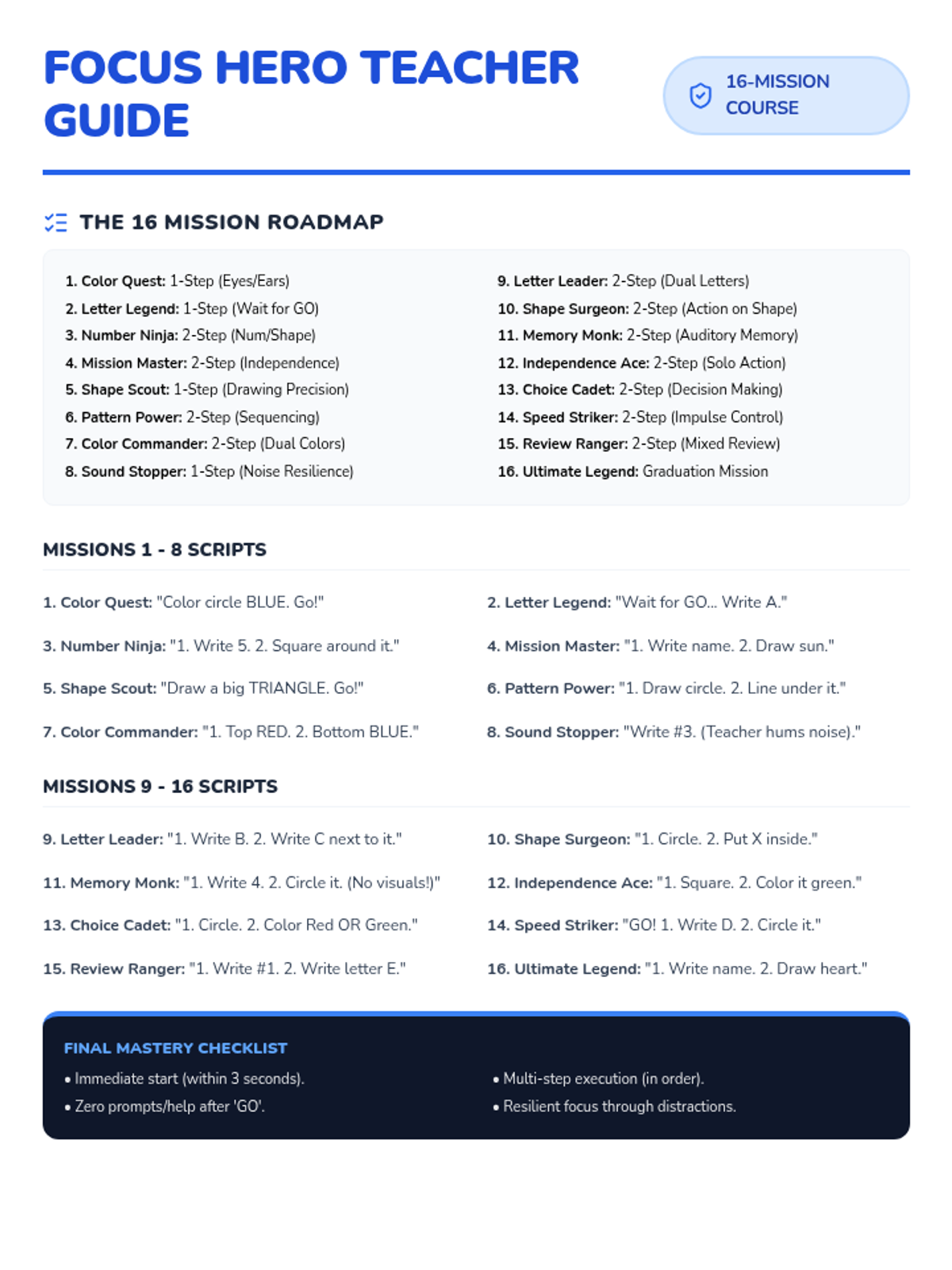
A series of four 15-minute lessons designed for first-grade students with learning disabilities, focusing on developing attention skills to follow 1 and 2-step directions independently using kindergarten-level tasks.
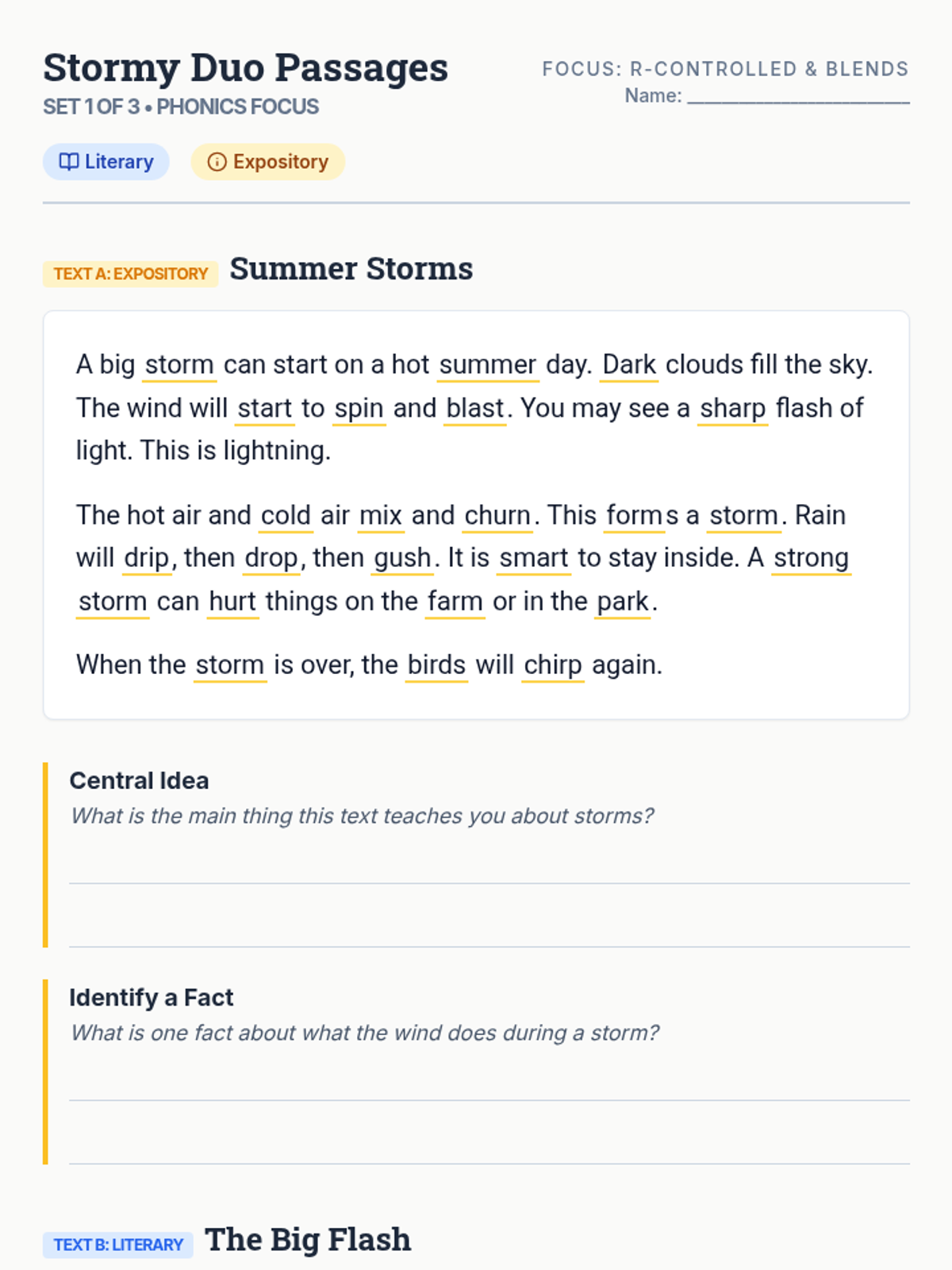
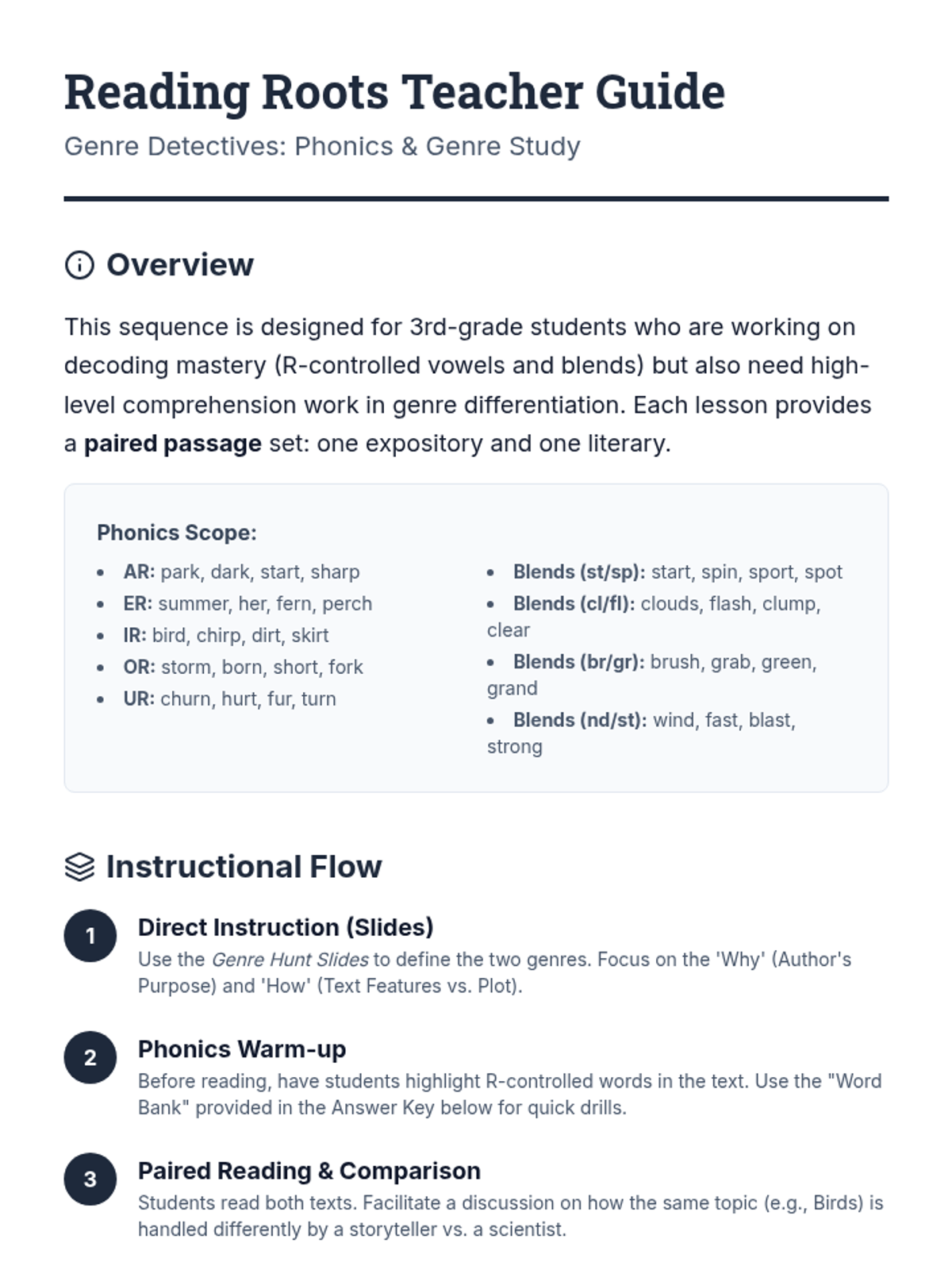
A series of lessons designed for 3rd-grade struggling readers, focusing on decodable text patterns (closed syllables with blends and R-controlled vowels) while teaching the structural differences between literary and expository genres.
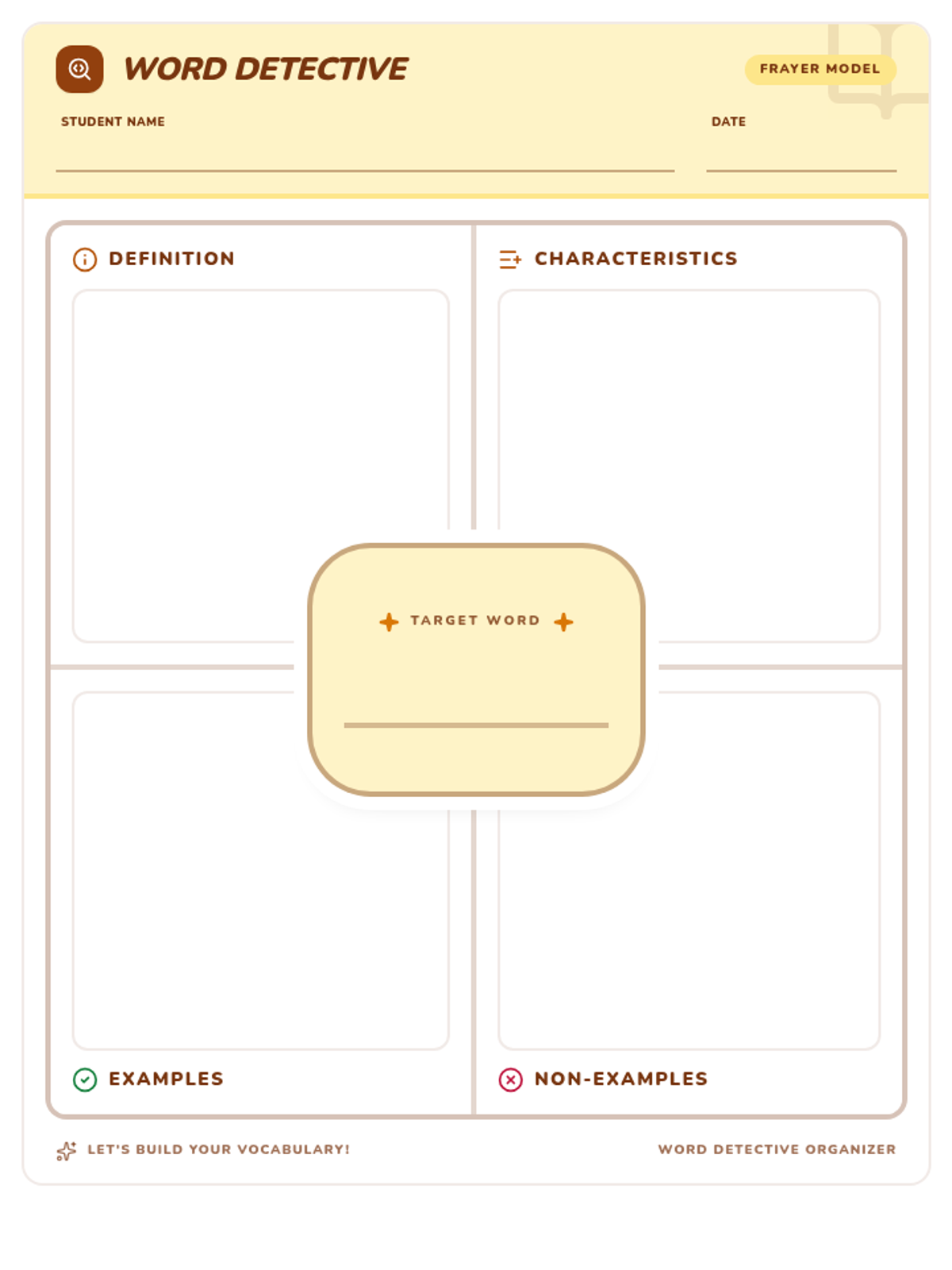
A multi-lesson unit for 4th-grade students with limited literacy, focusing on mastering and applying foundational academic vocabulary words like fact, information, alike, difference, and topic.
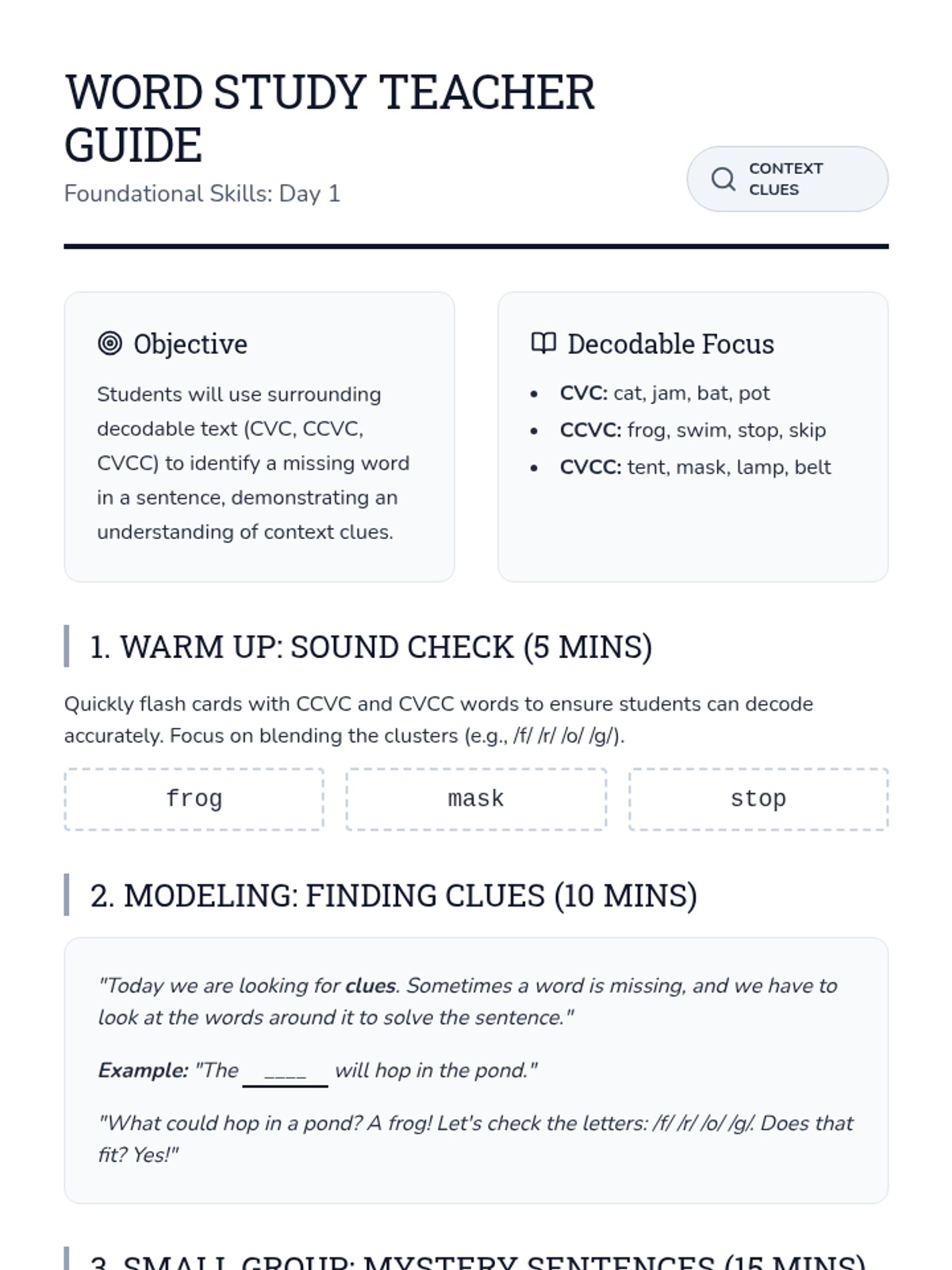
A three-day intervention sequence for struggling second-grade readers focusing on context clues, multiple-meaning words, and decodable vocabulary. The curriculum uses strictly CVC, CCVC, and CVCC words to support foundational literacy while building comprehension strategies.
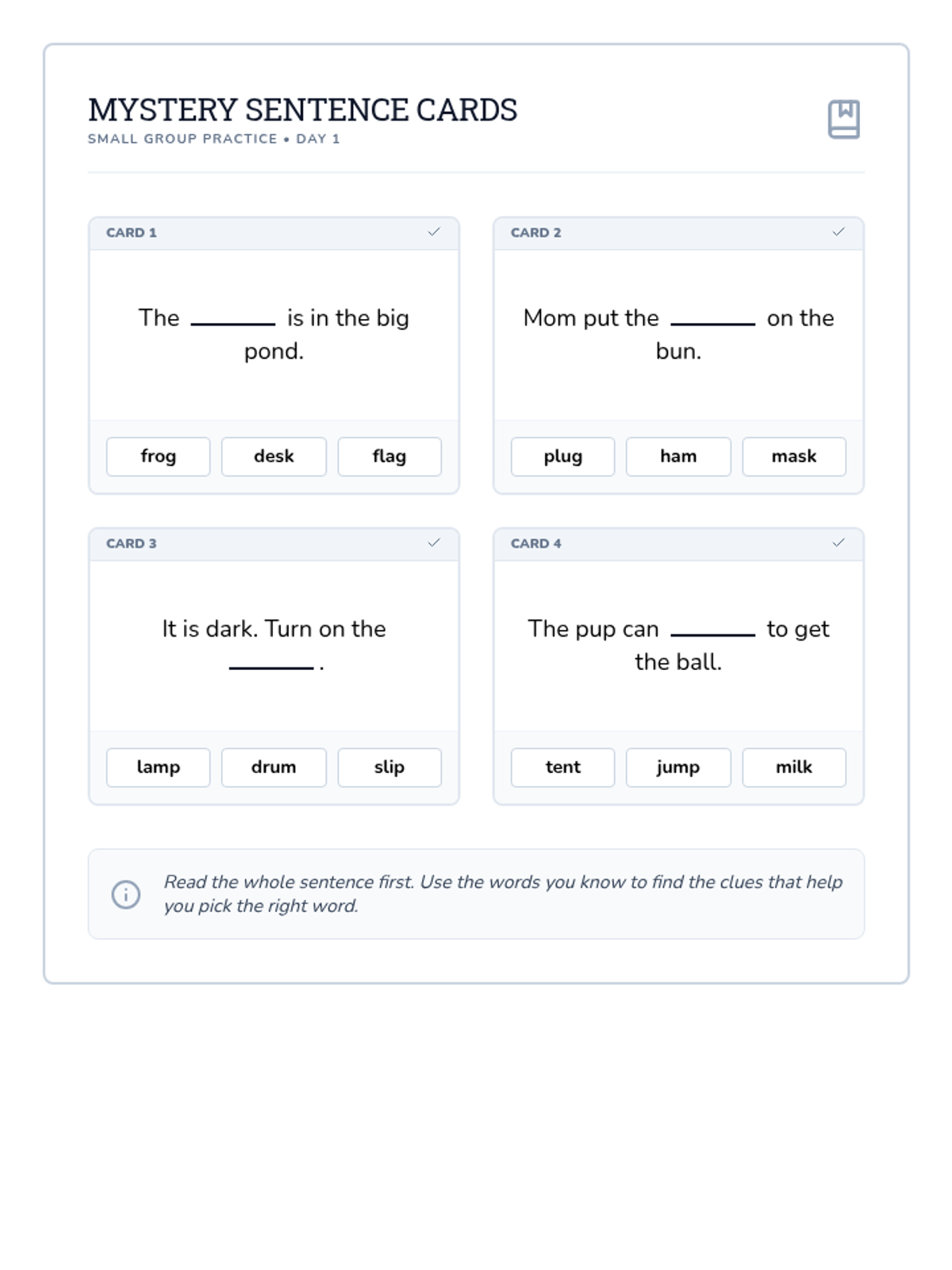
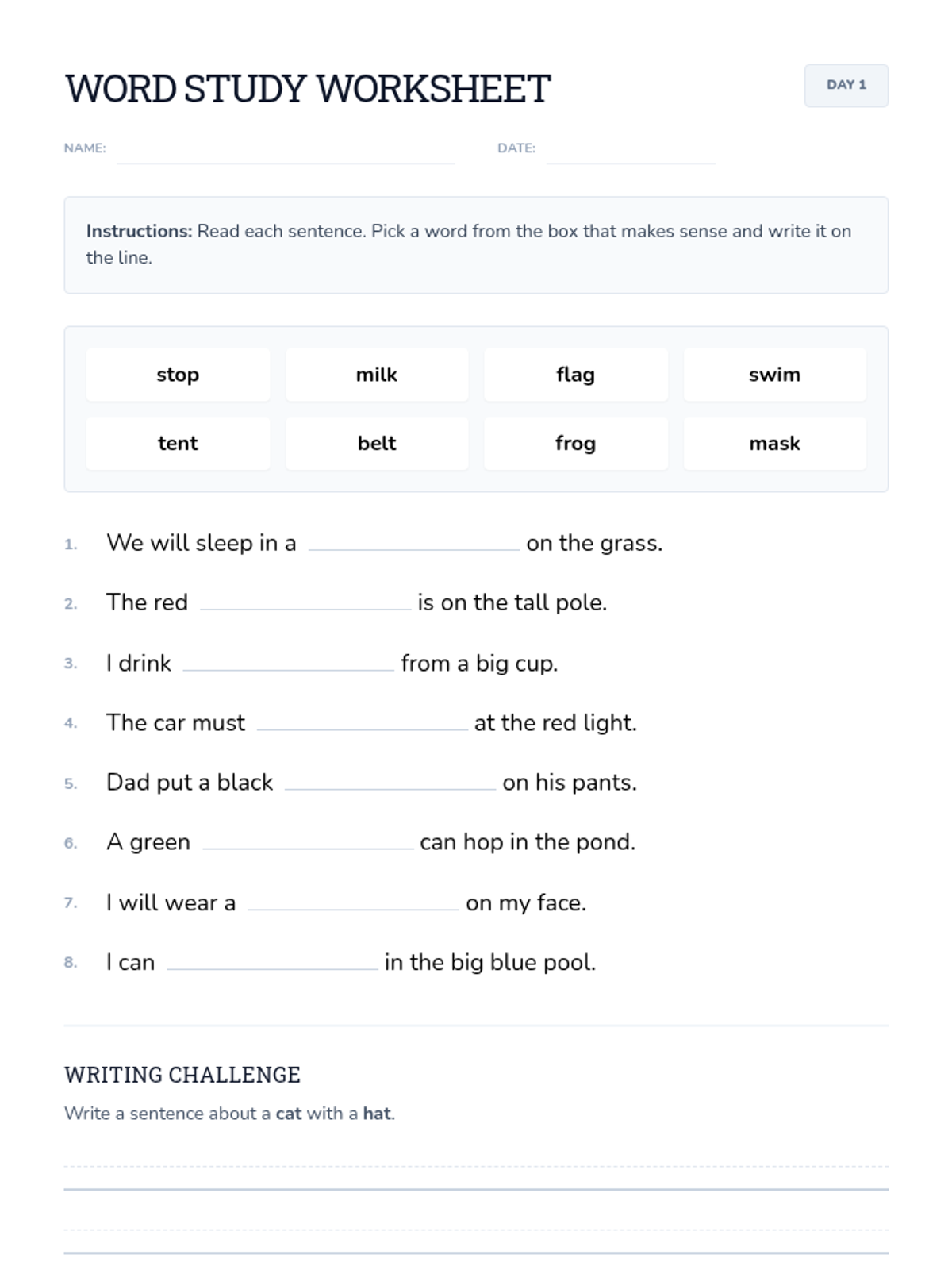
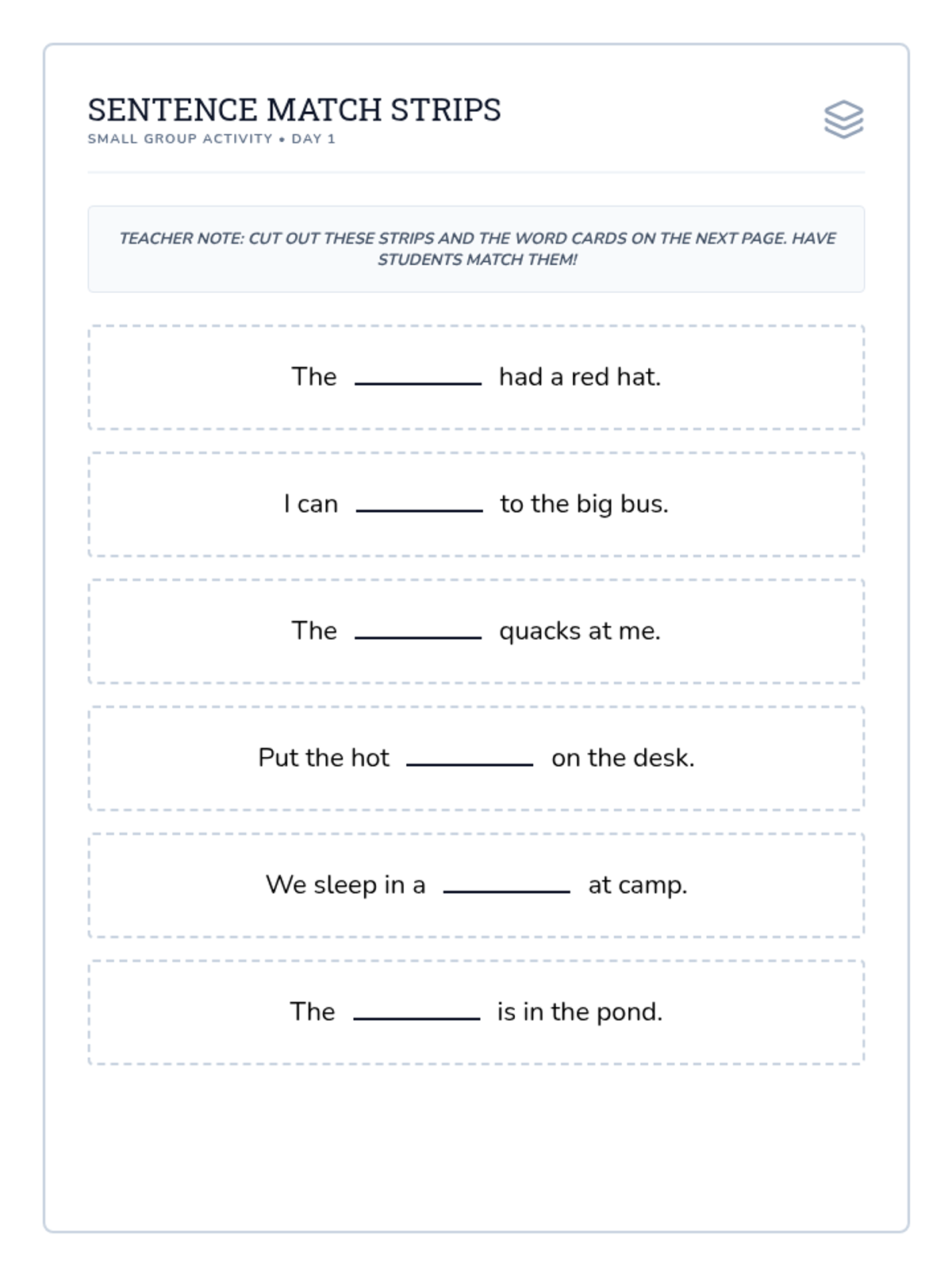
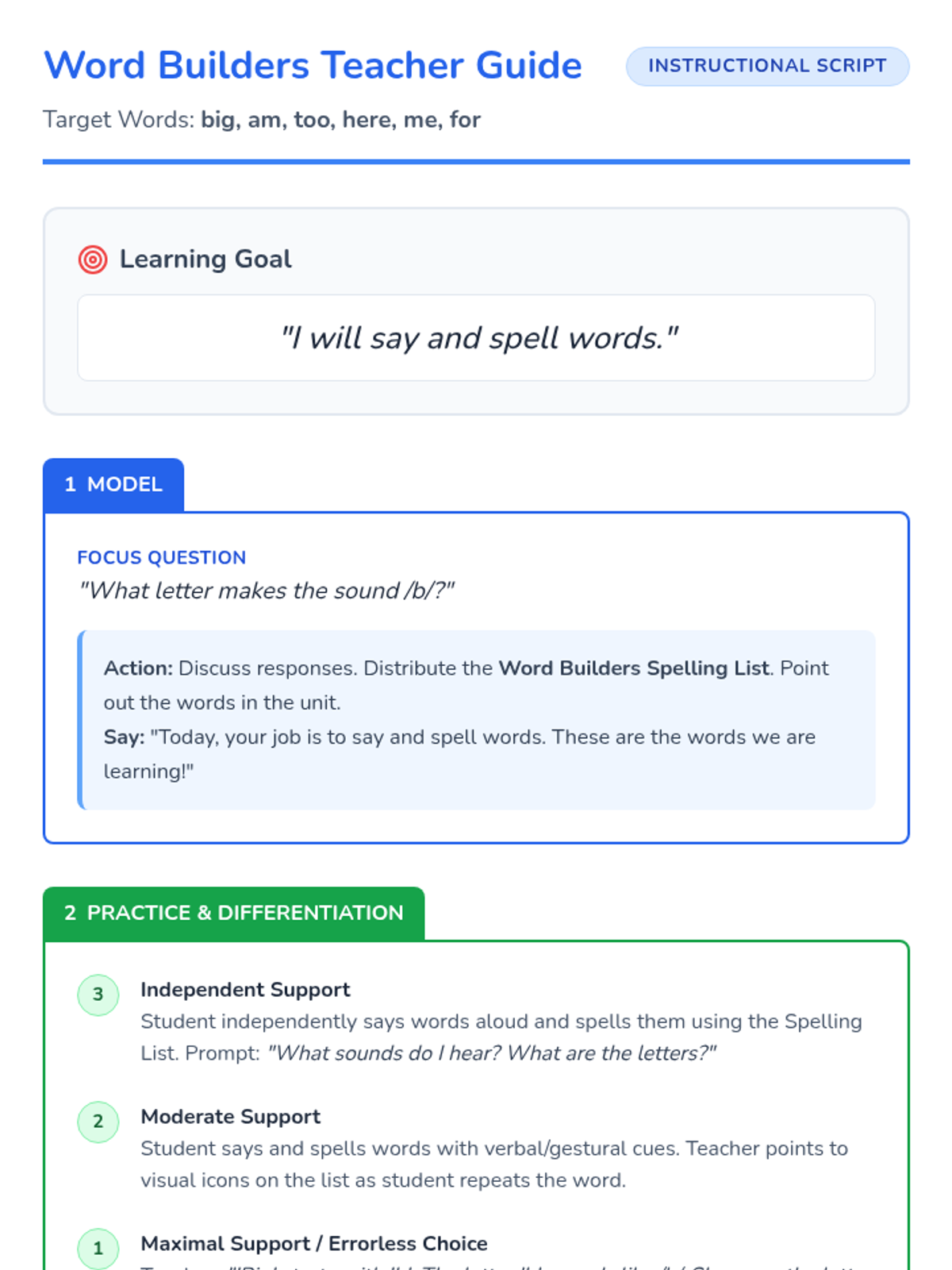
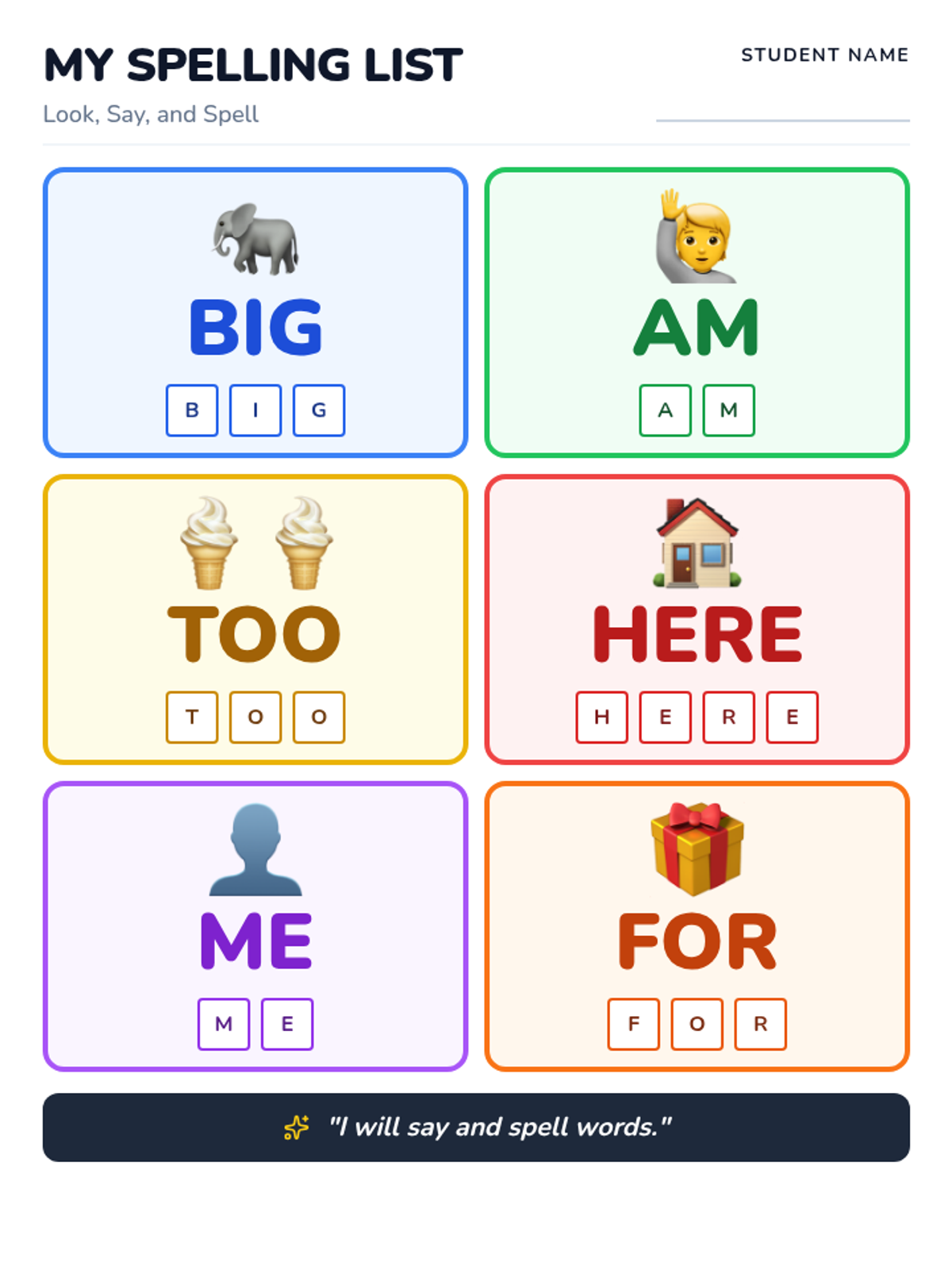
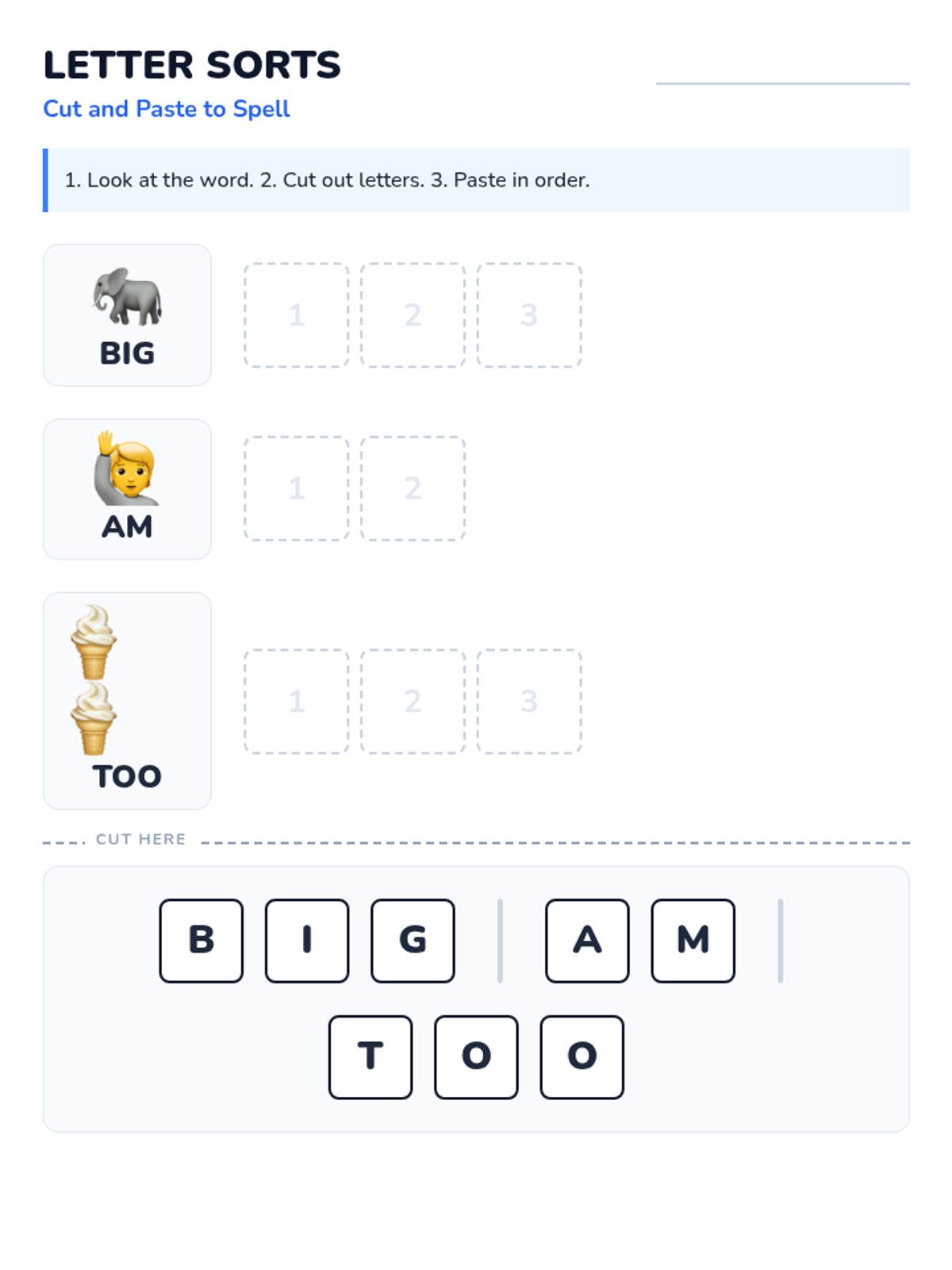
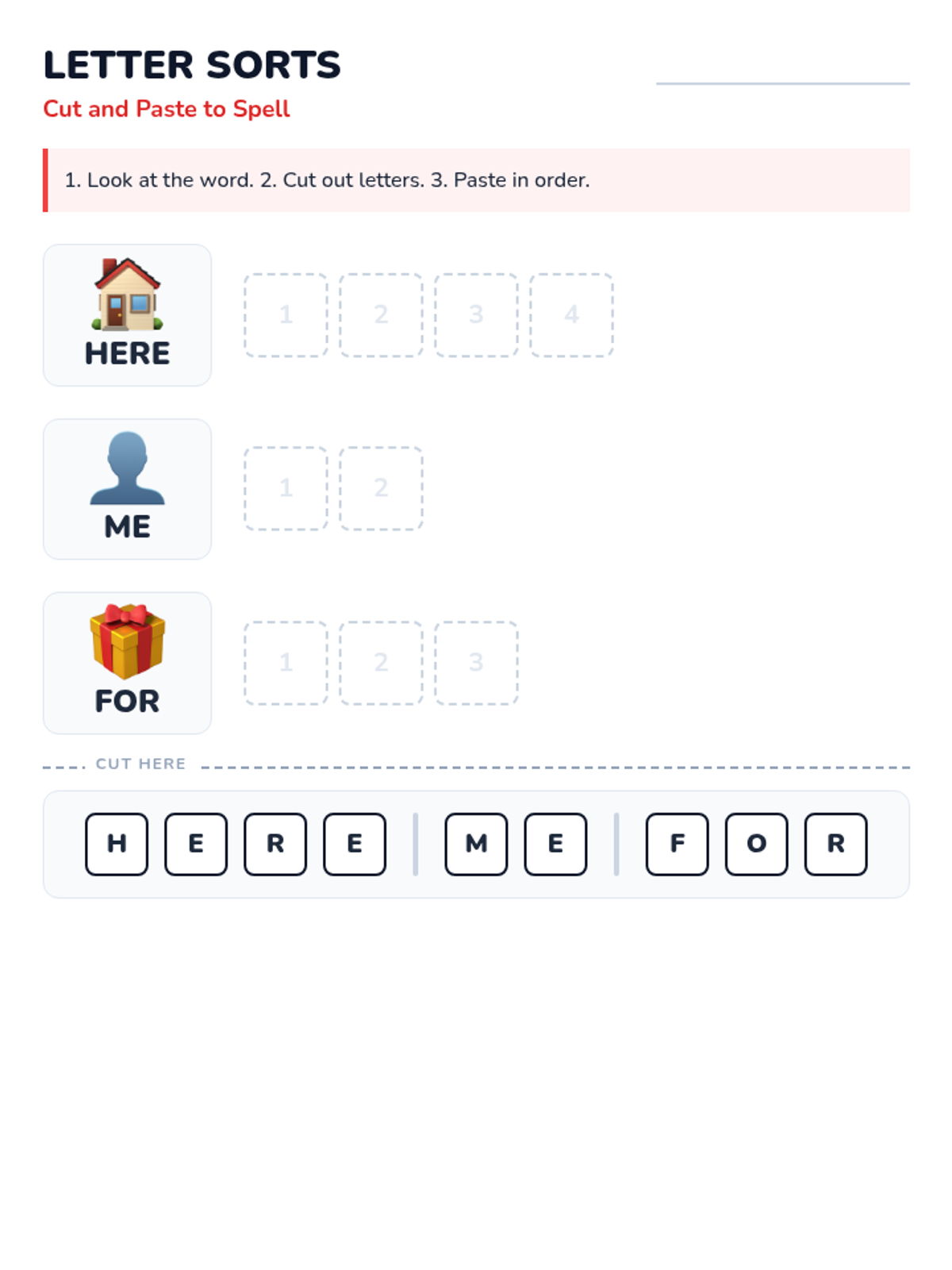
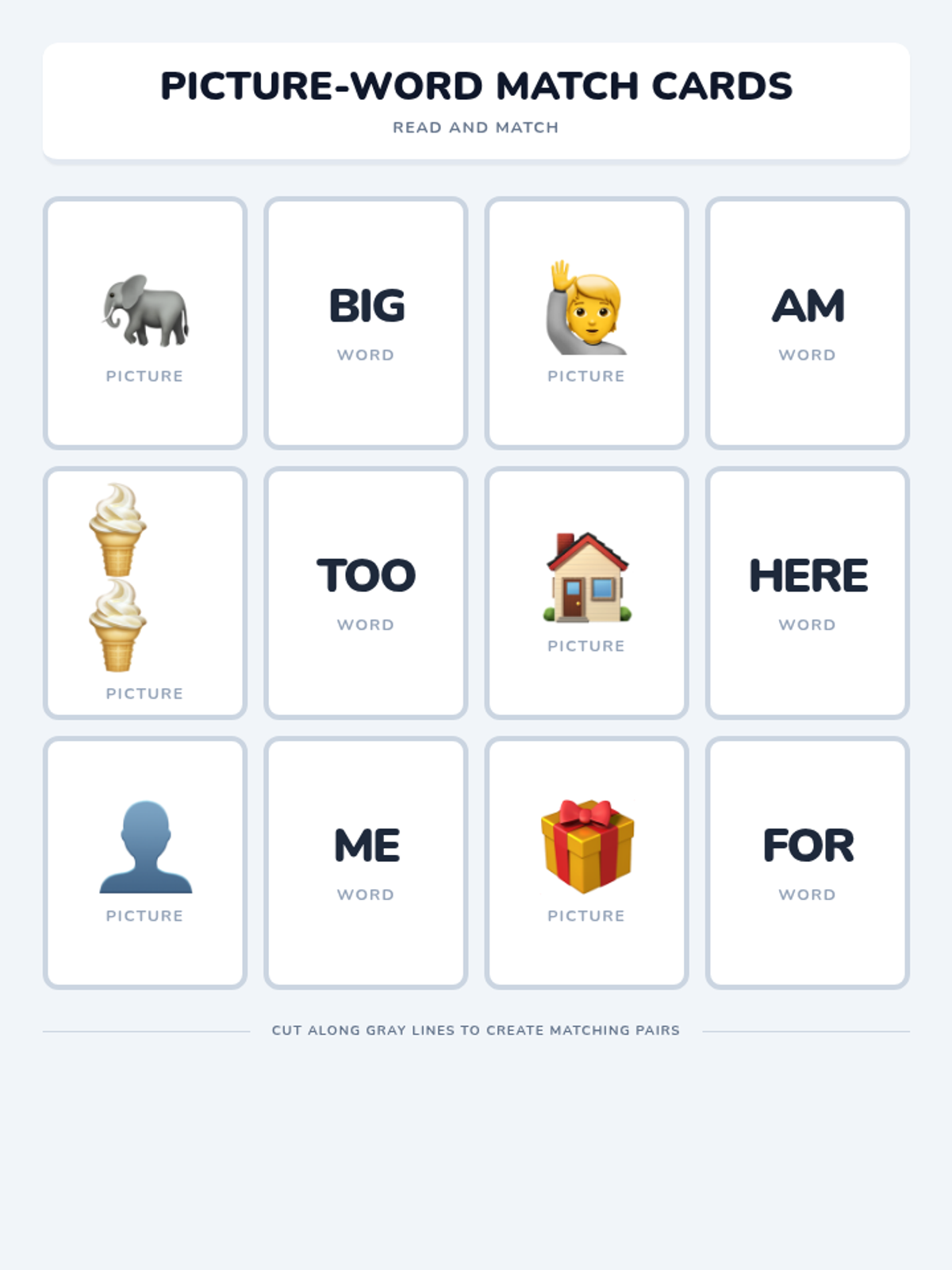
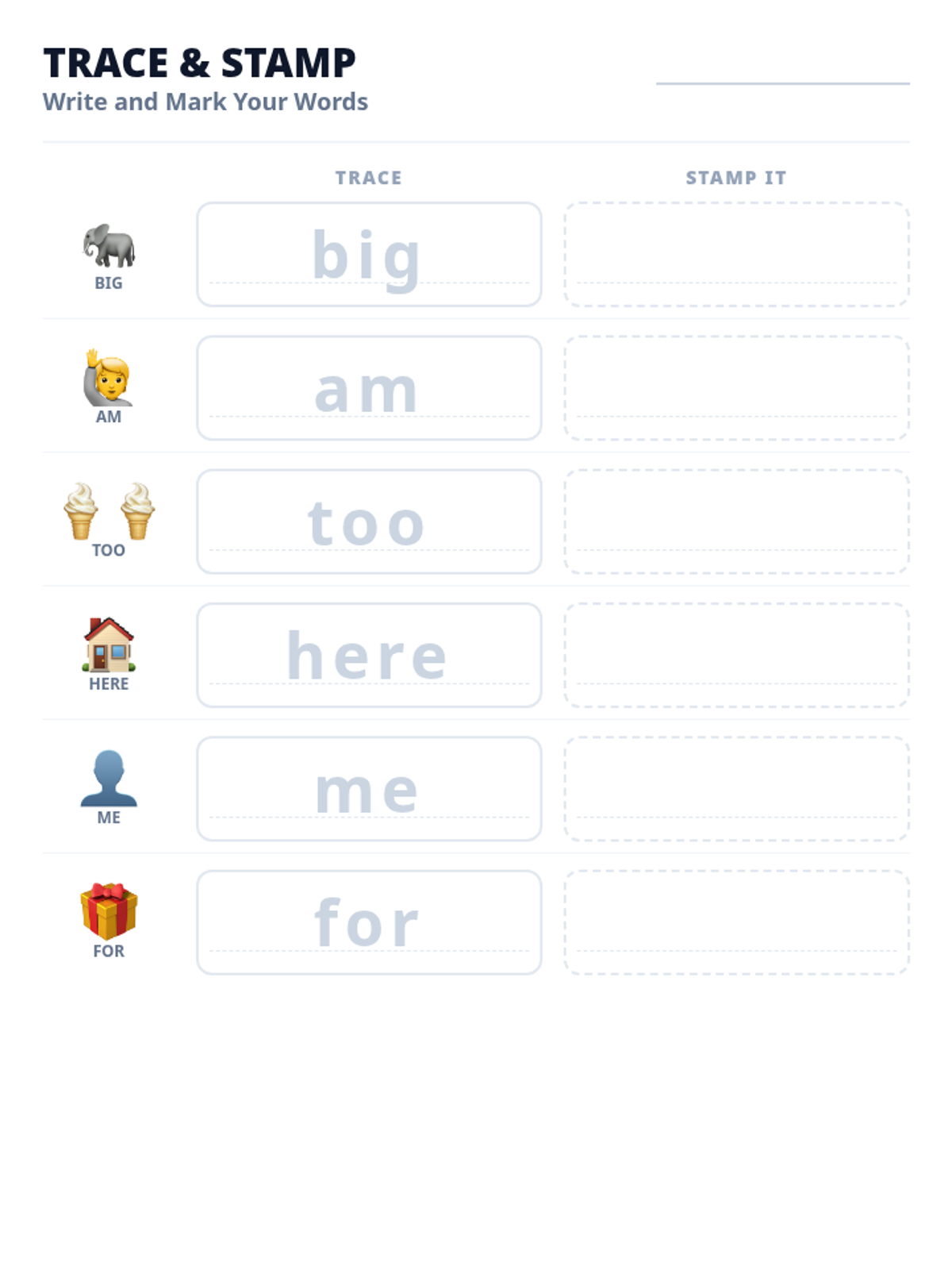
A series of interactive and highly visual spelling lessons designed for students with moderate intellectual disabilities. This sequence focuses on six high-frequency words using the Model-Practice-Review framework with heavy visual supports and tactile activities.
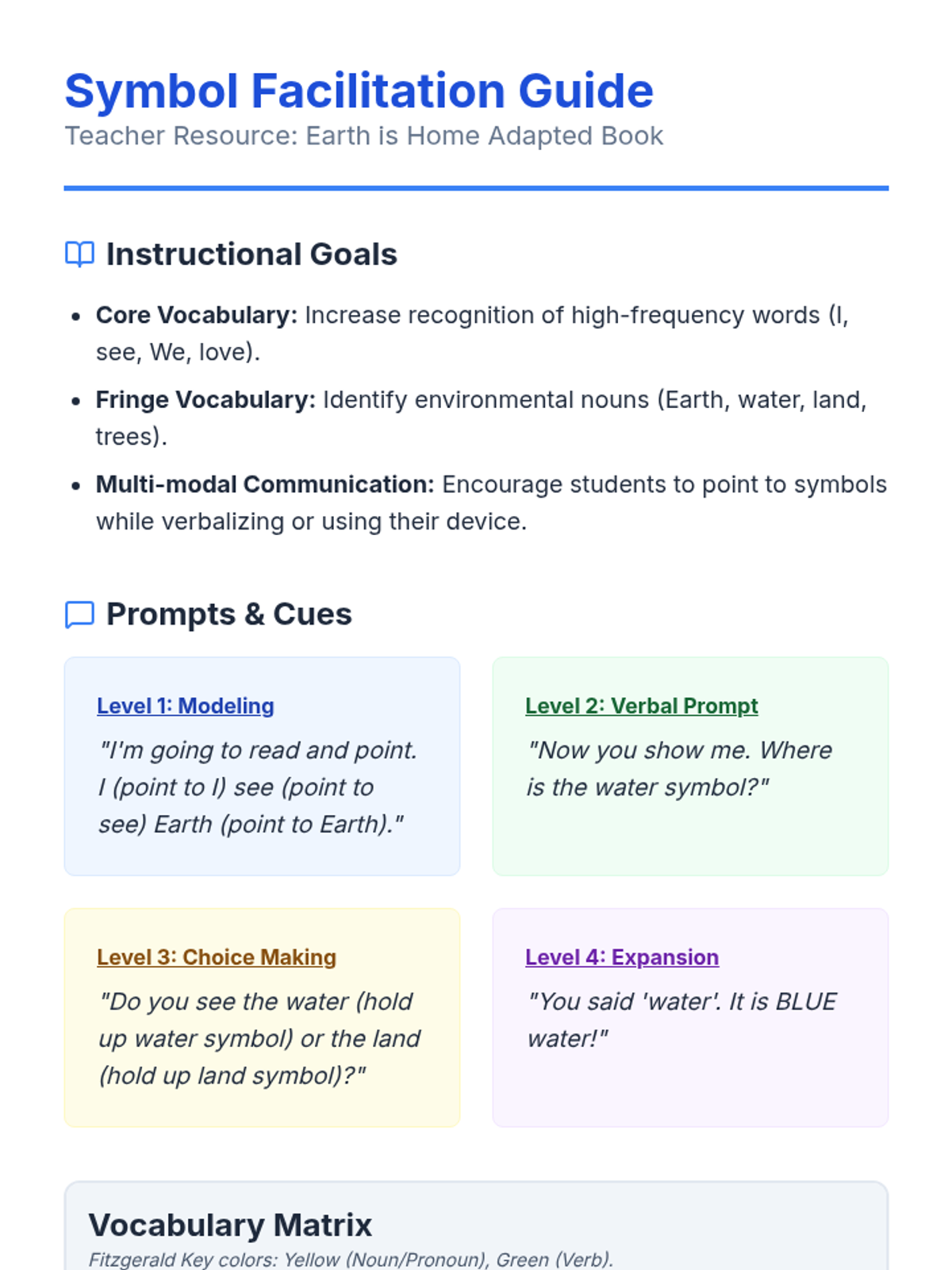
A beginner's introduction to Earth and our world, specifically designed for kindergarten students using AAC (Augmentative and Alternative Communication) supports and adapted reading materials.
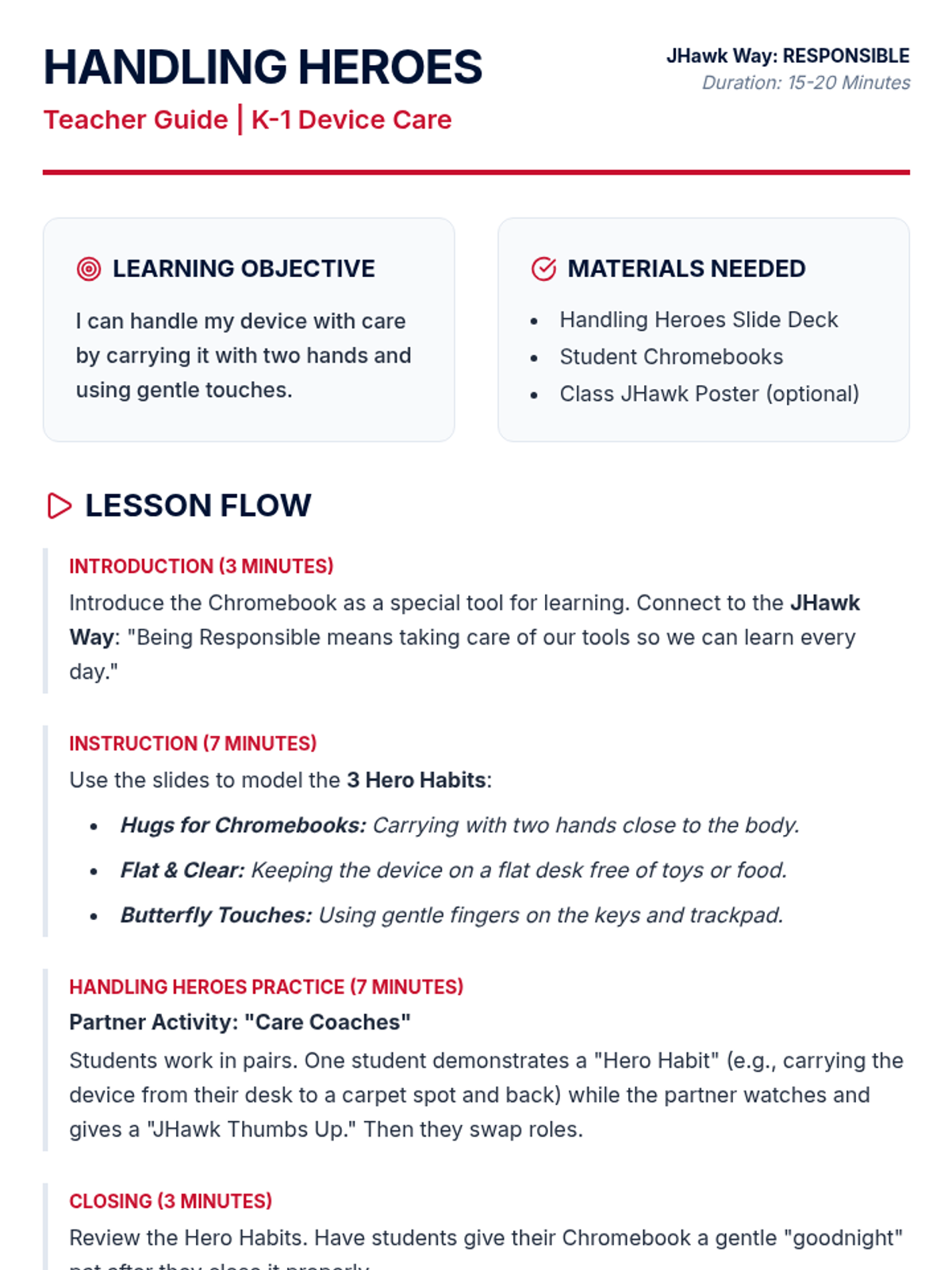
A sequence of three lessons (K-1, 2-3, and 4-5) teaching students how to handle their Chromebooks with care, aligned with the JHawk Way of being Responsible. Each lesson includes a teacher guide and a branded slide deck.
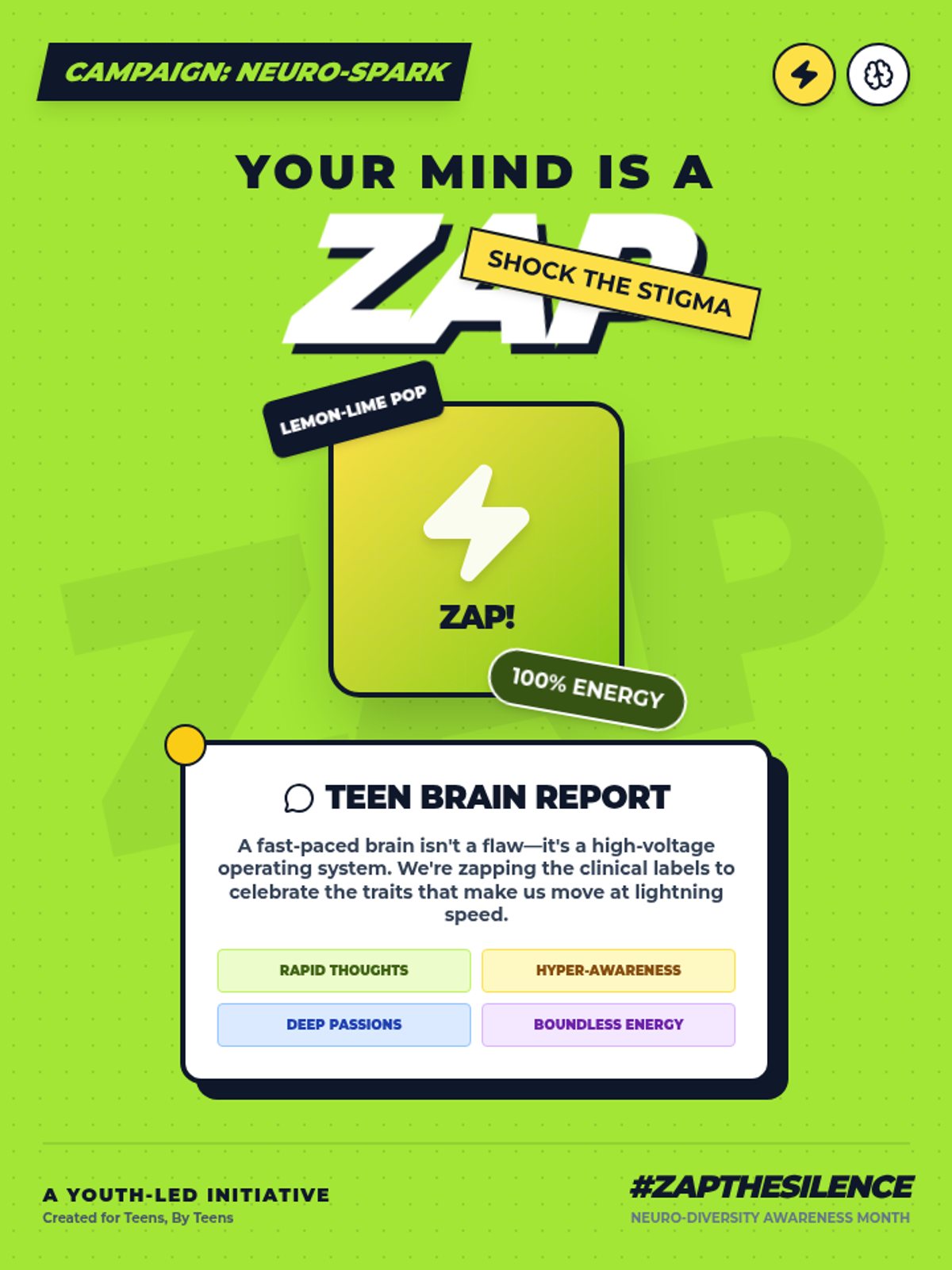
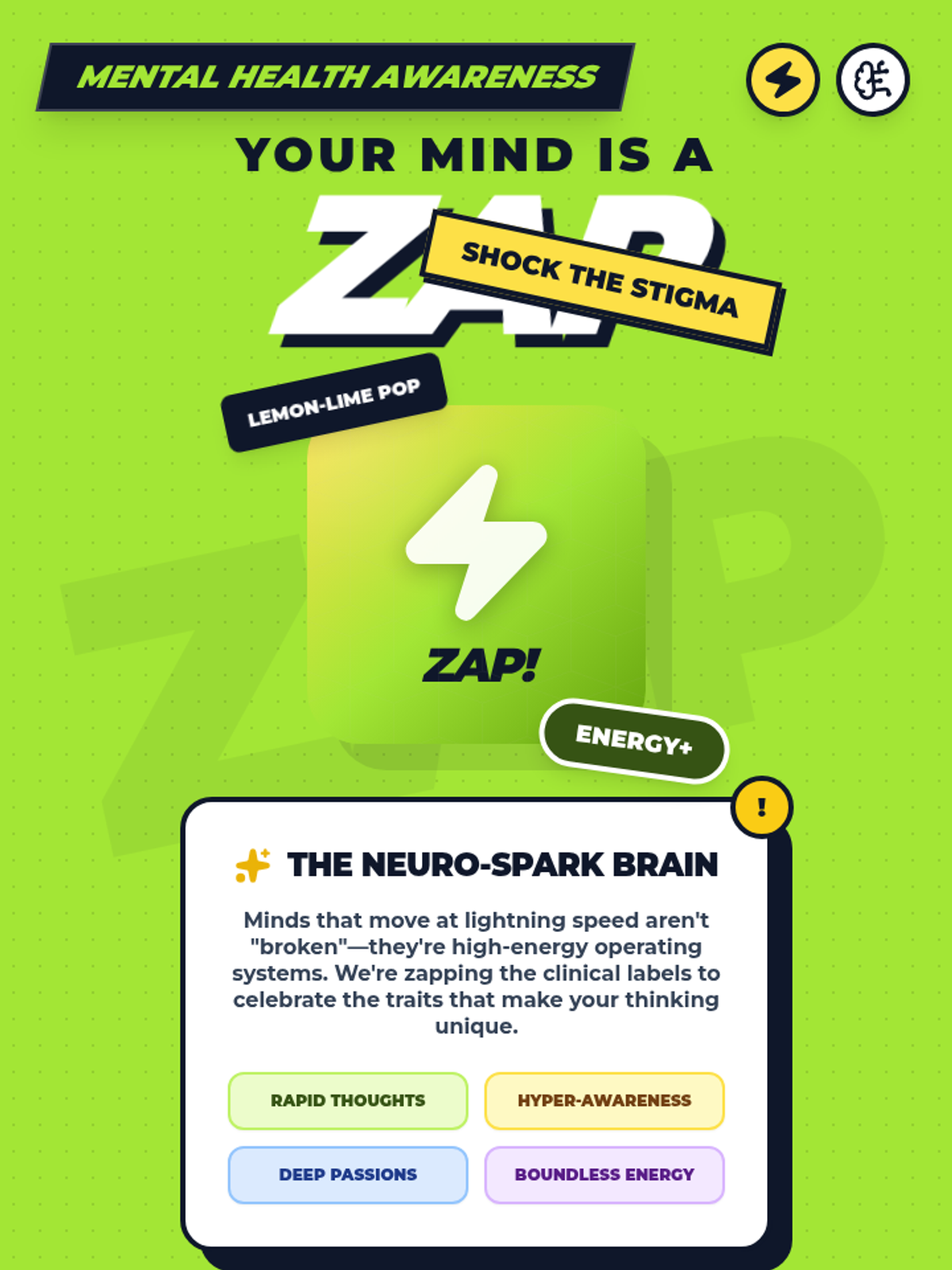
A project exploring mental health awareness through creative marketing, focusing on neurodiversity and celebrating the 'spark' of fast-paced minds.
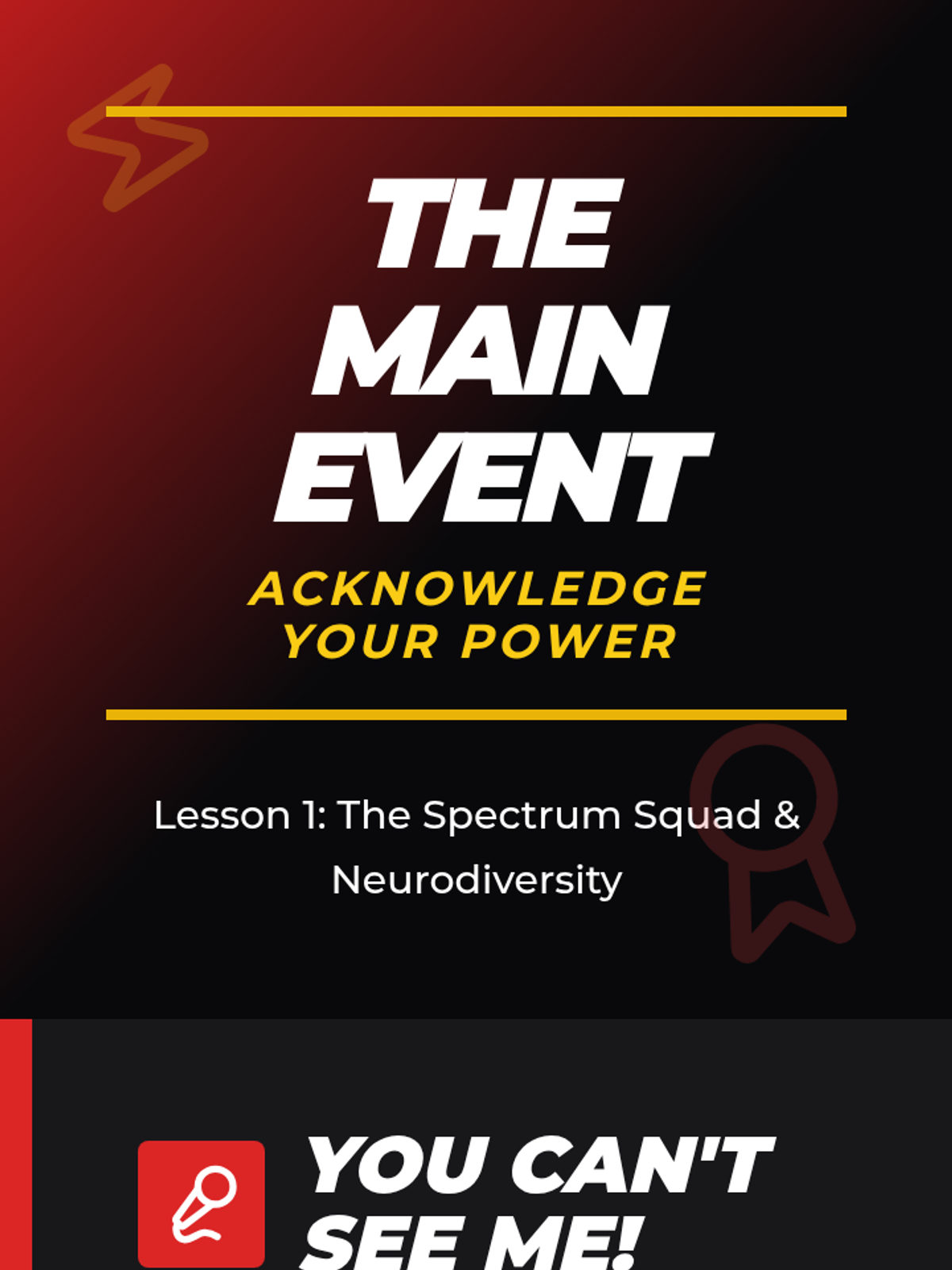
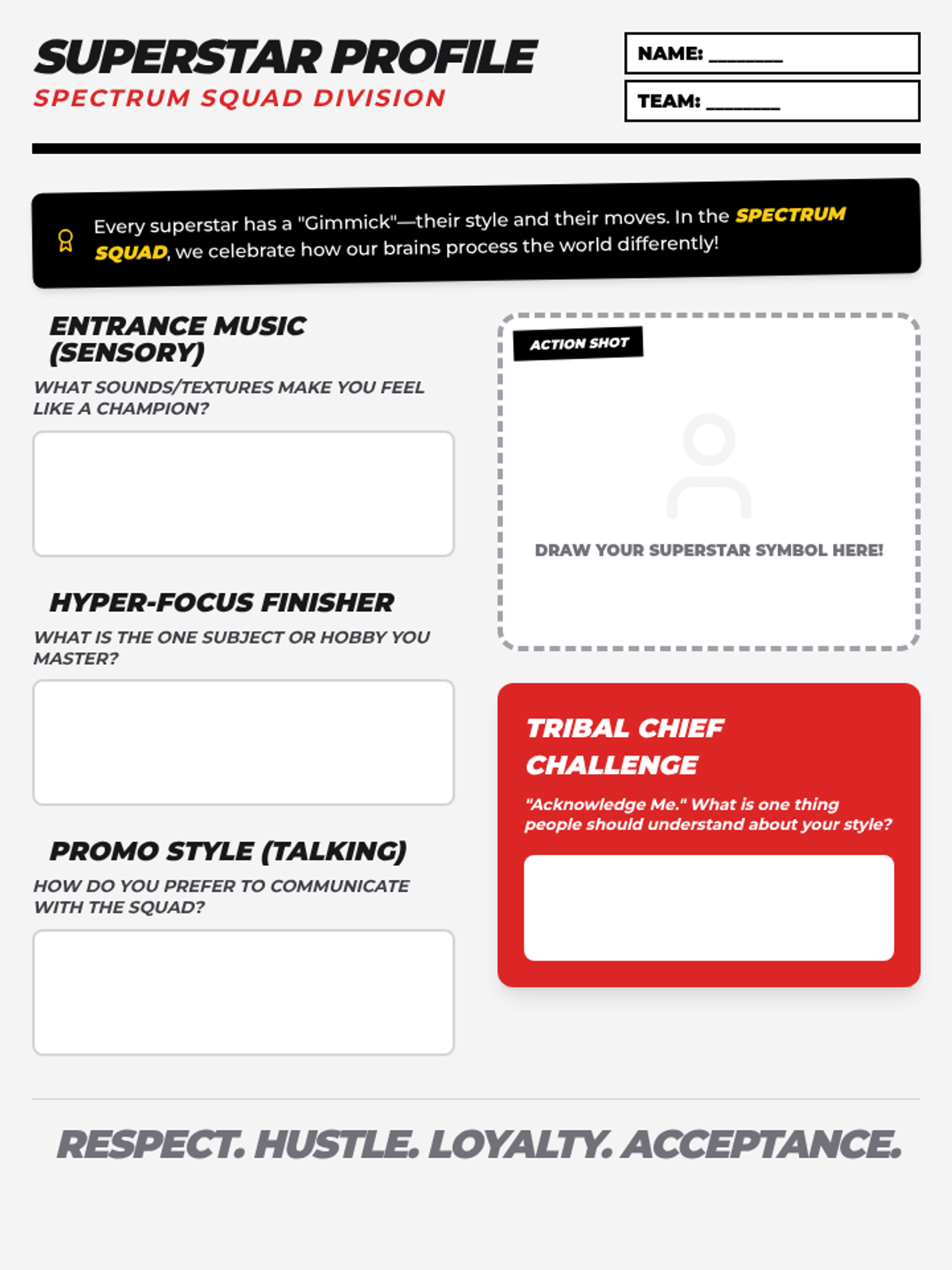
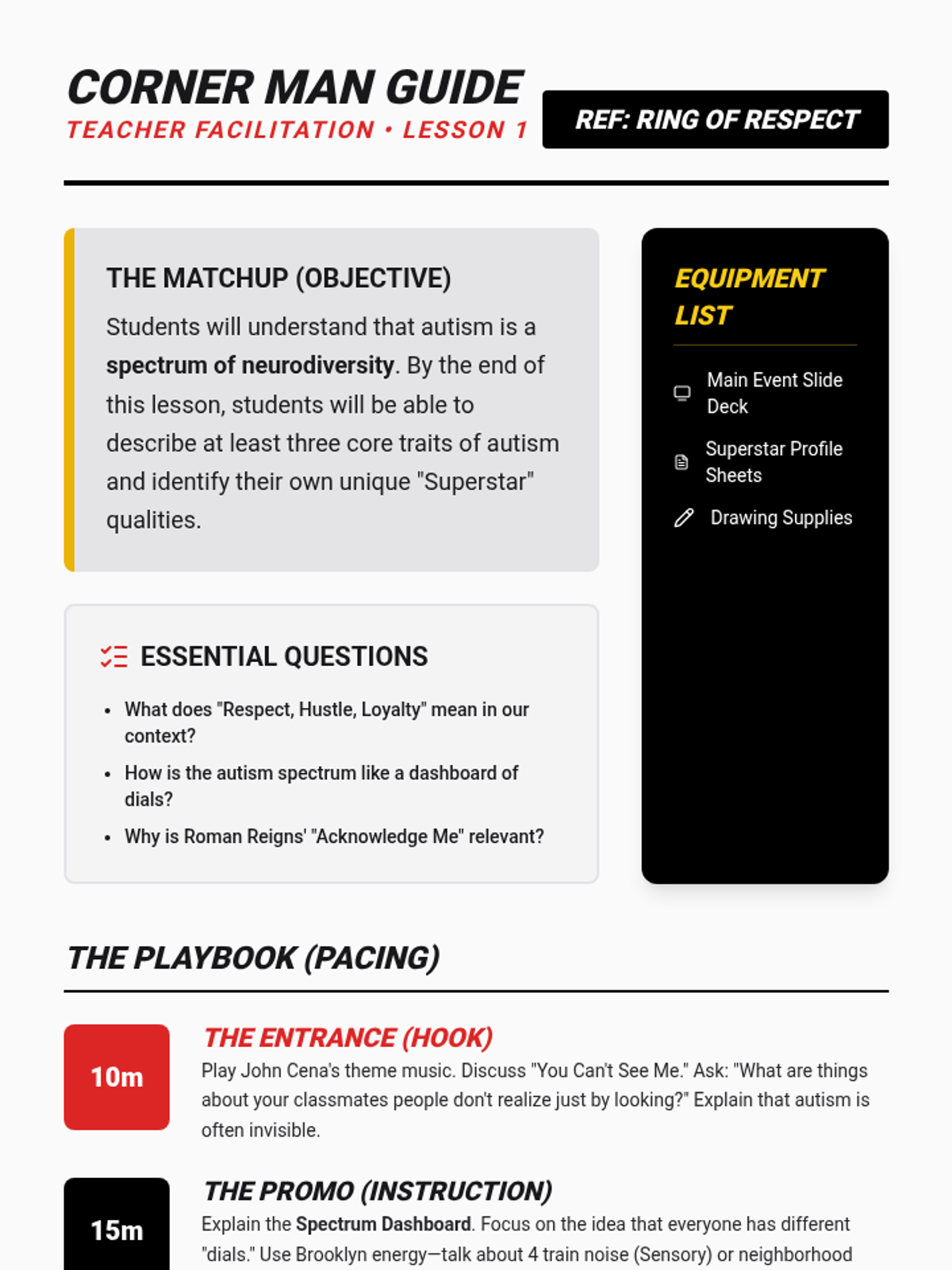
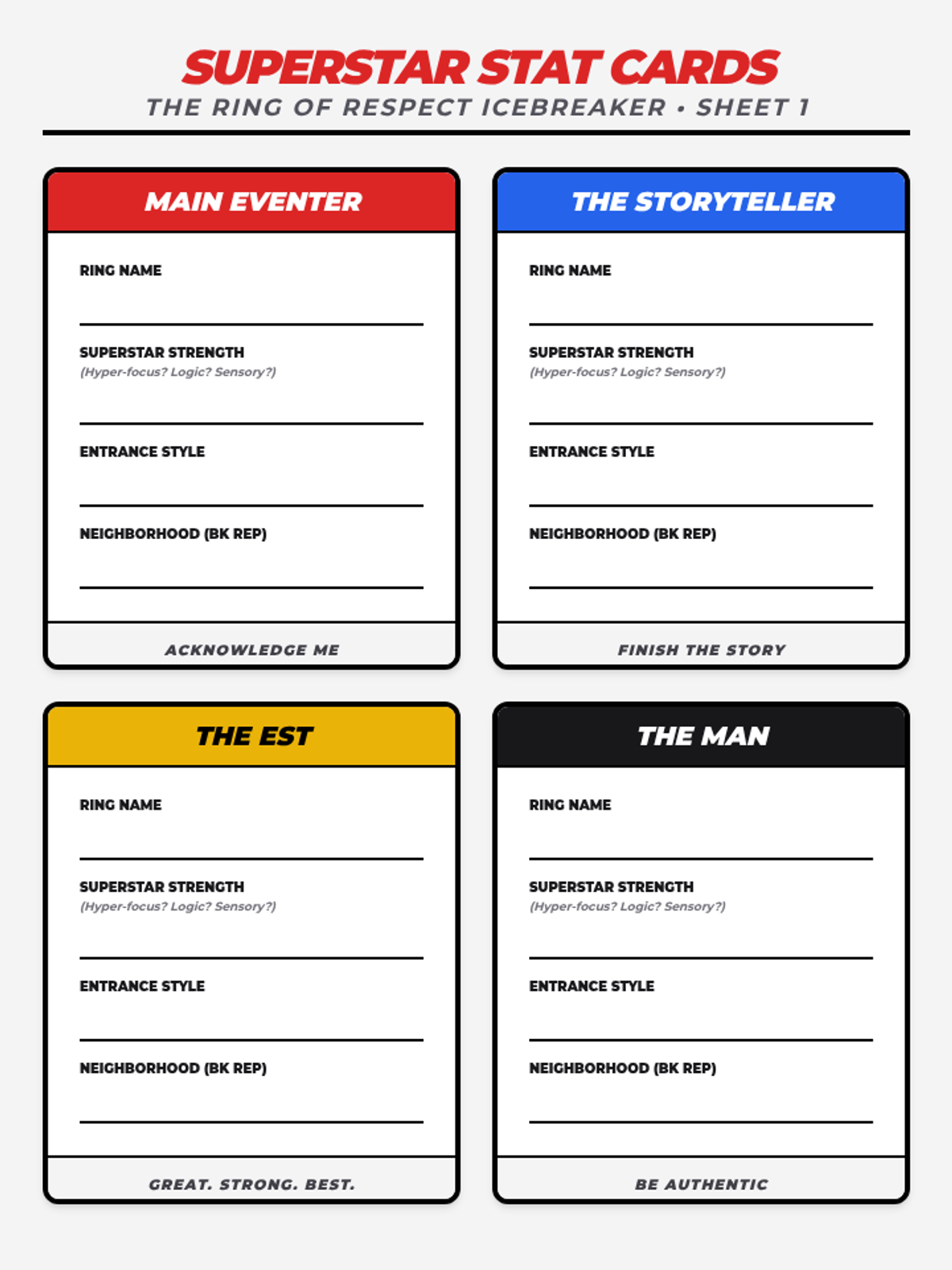
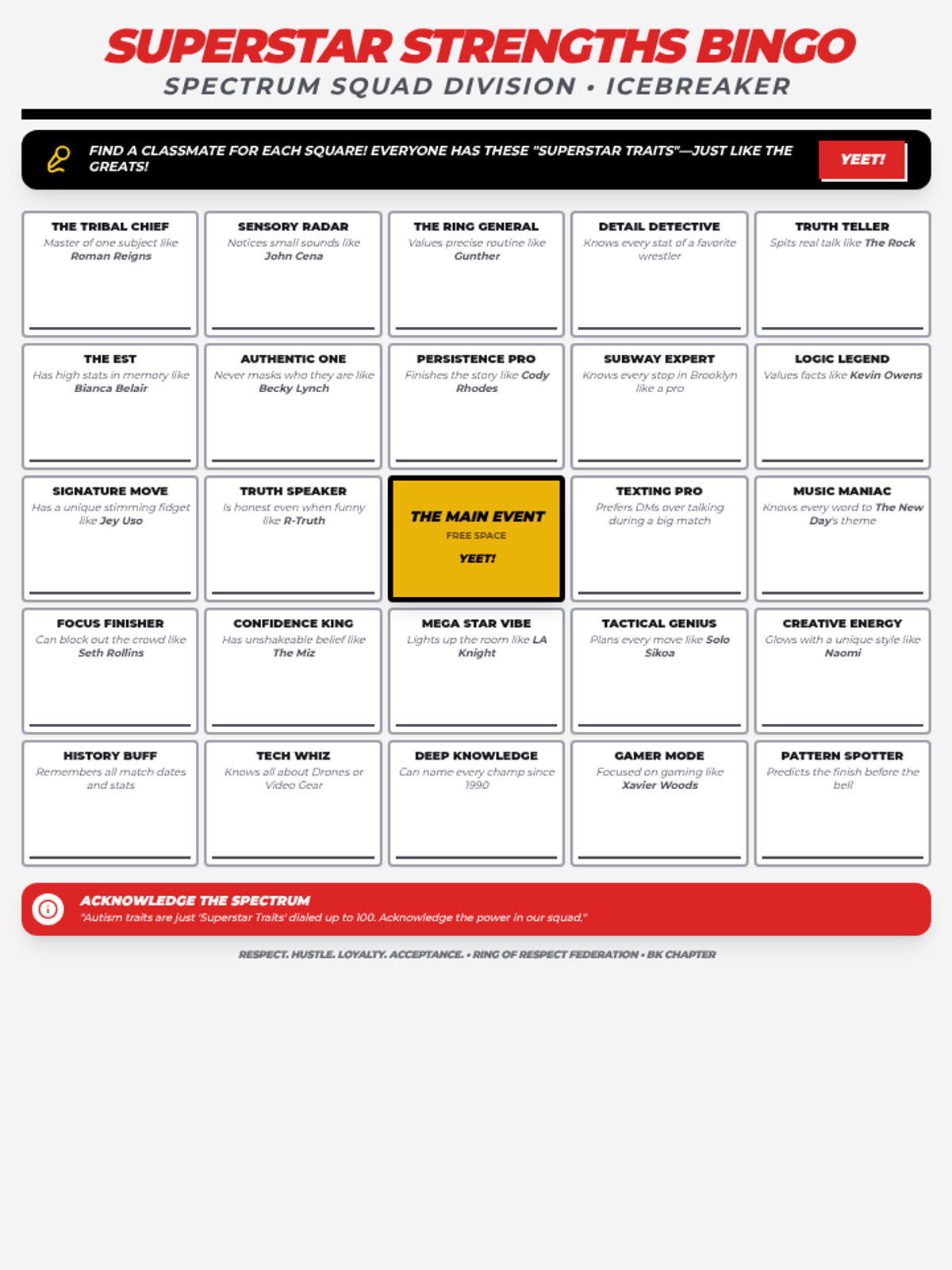
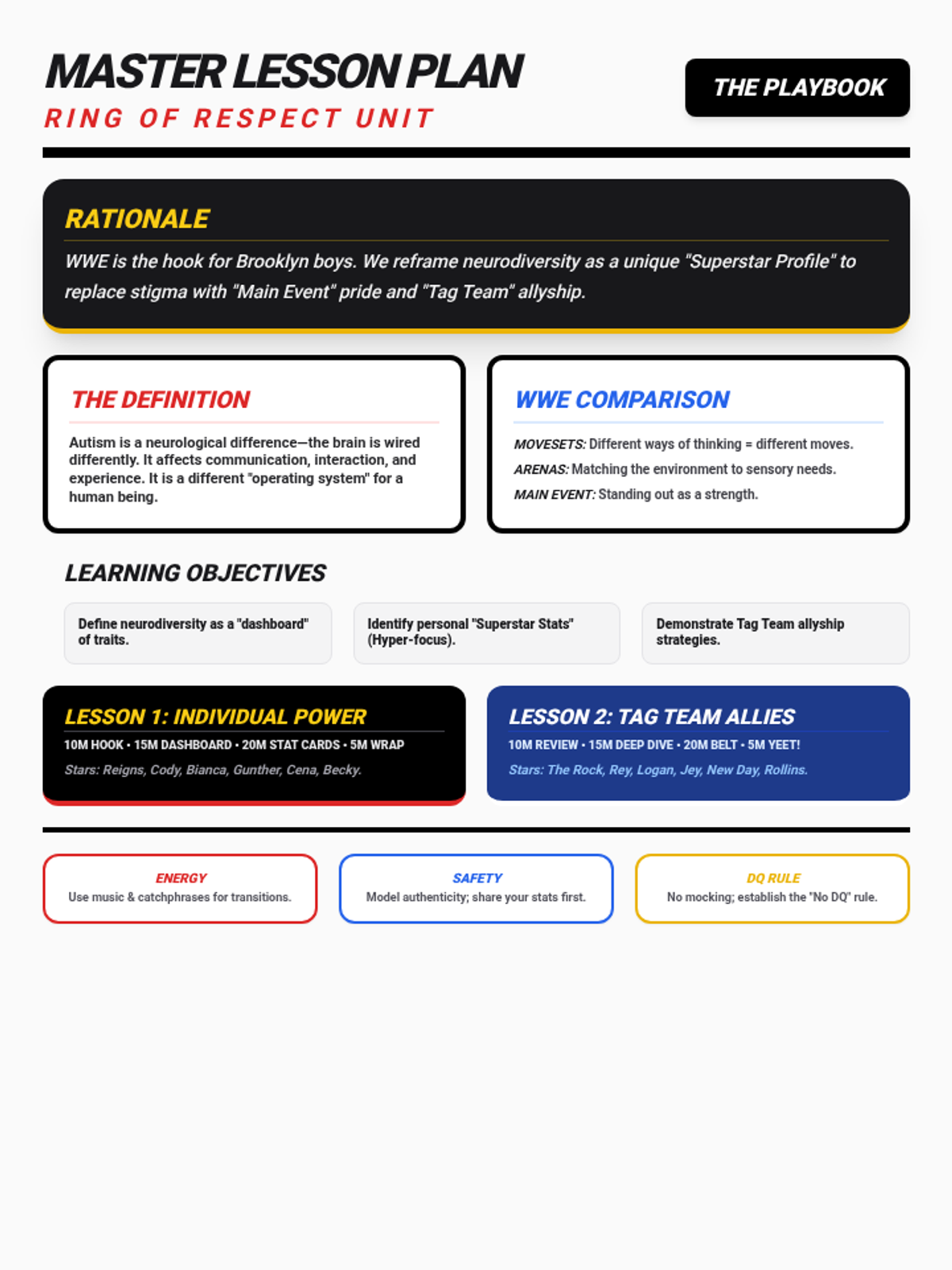
A two-lesson sequence designed for Brooklyn middle schoolers, using the high-octane world of WWE to teach autism acceptance, neurodiversity, and peer advocacy. Students explore the 'Main Event' of being yourself and the 'Tag Team' power of inclusion.
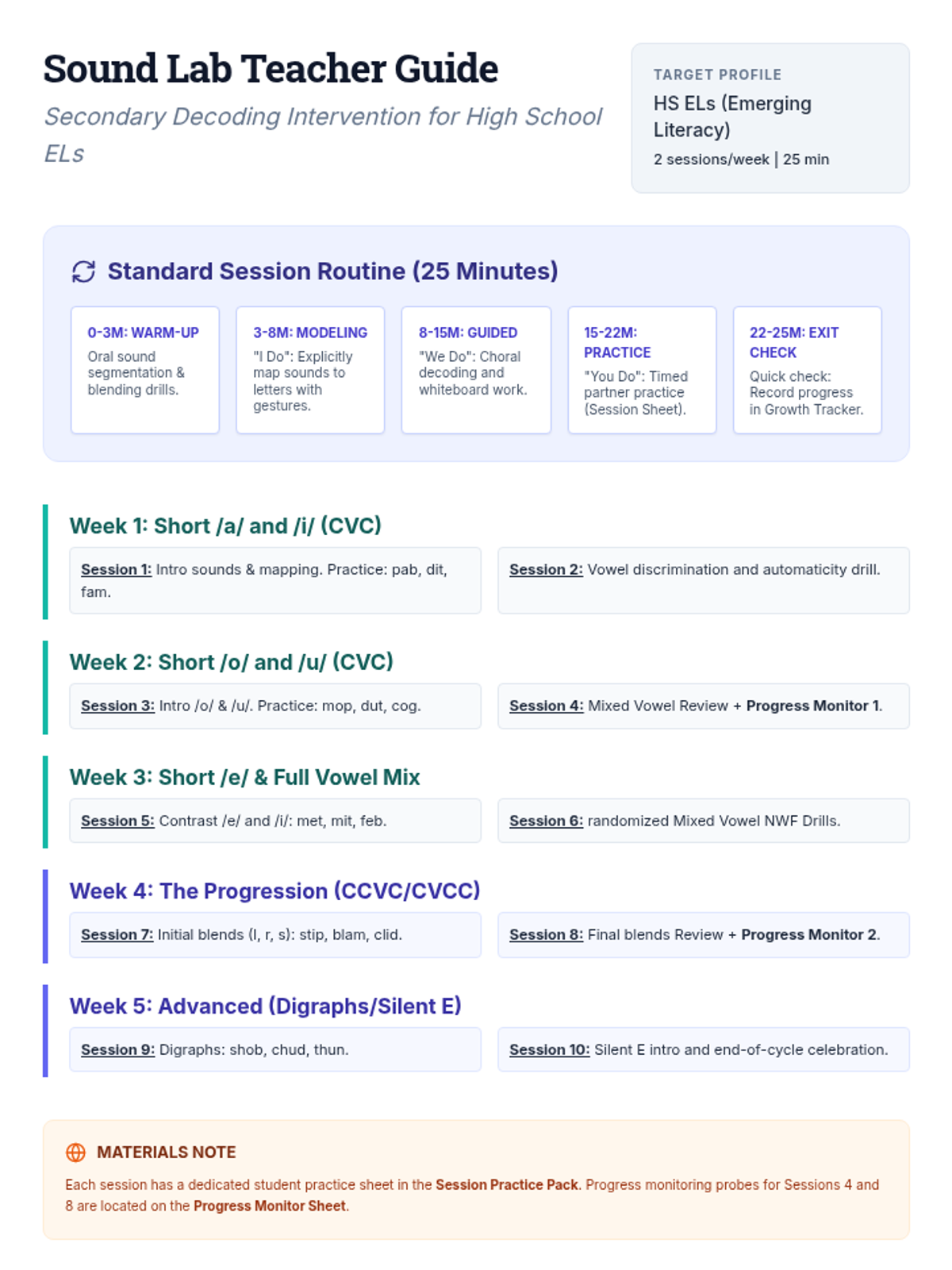
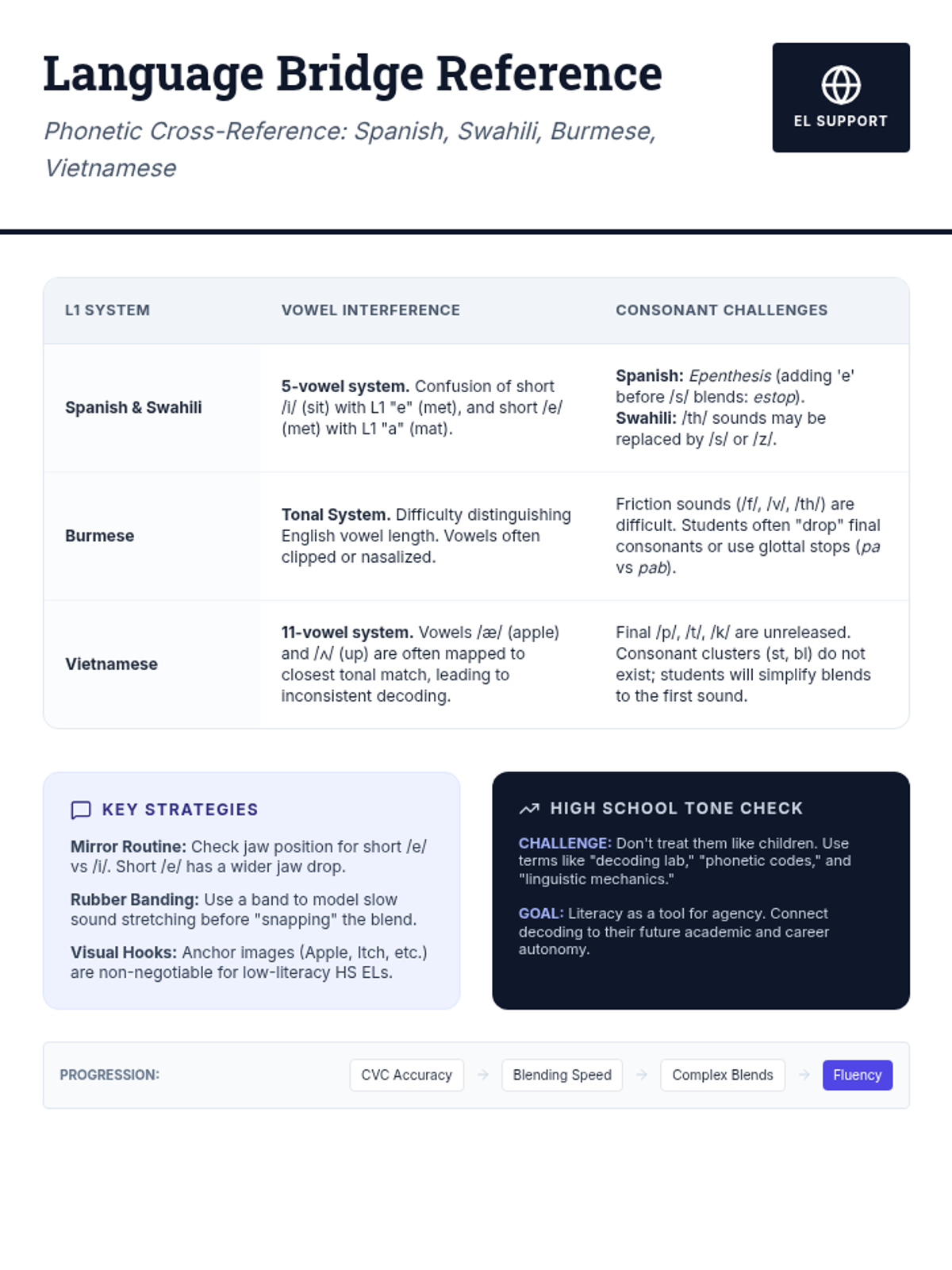
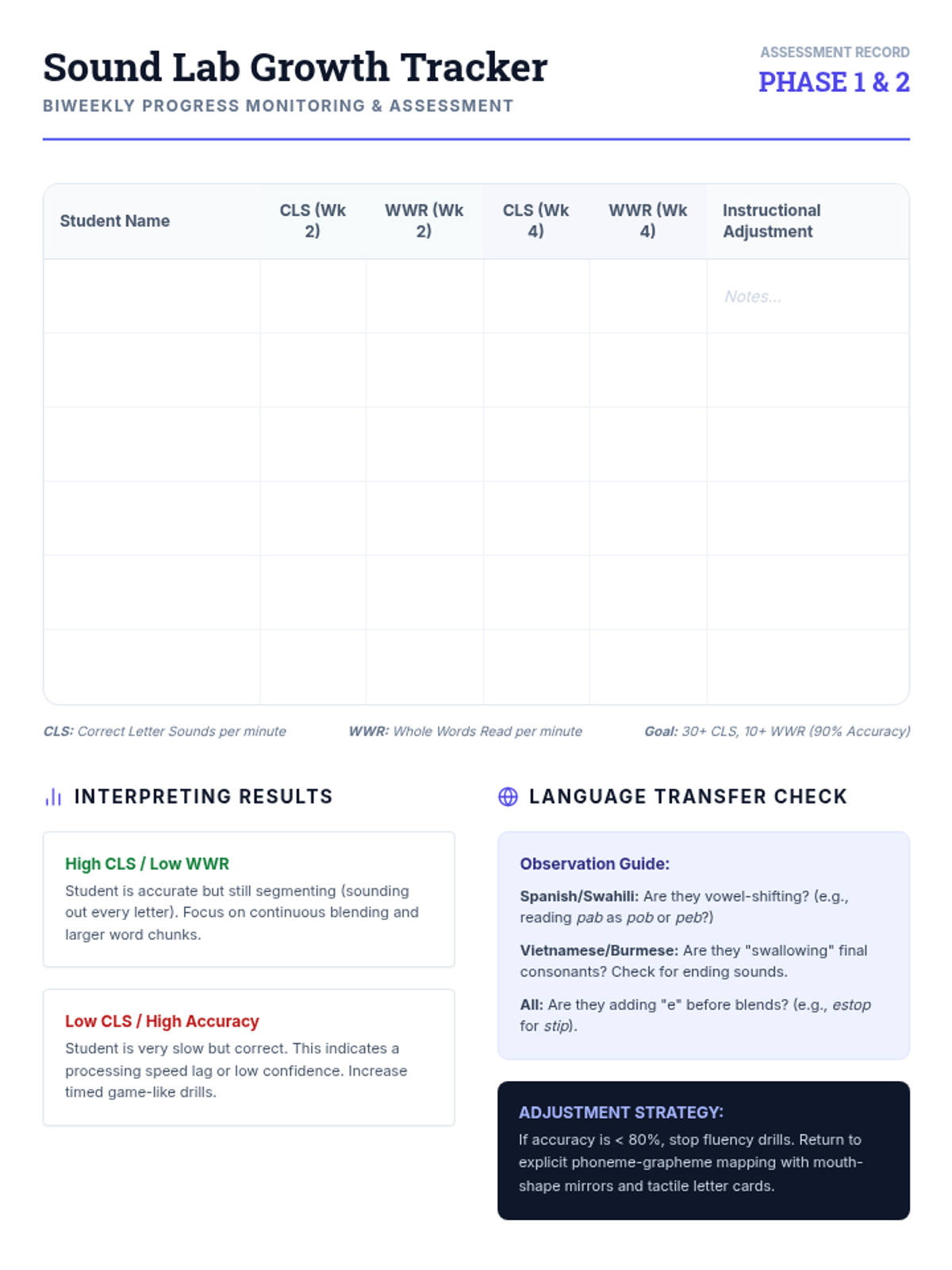
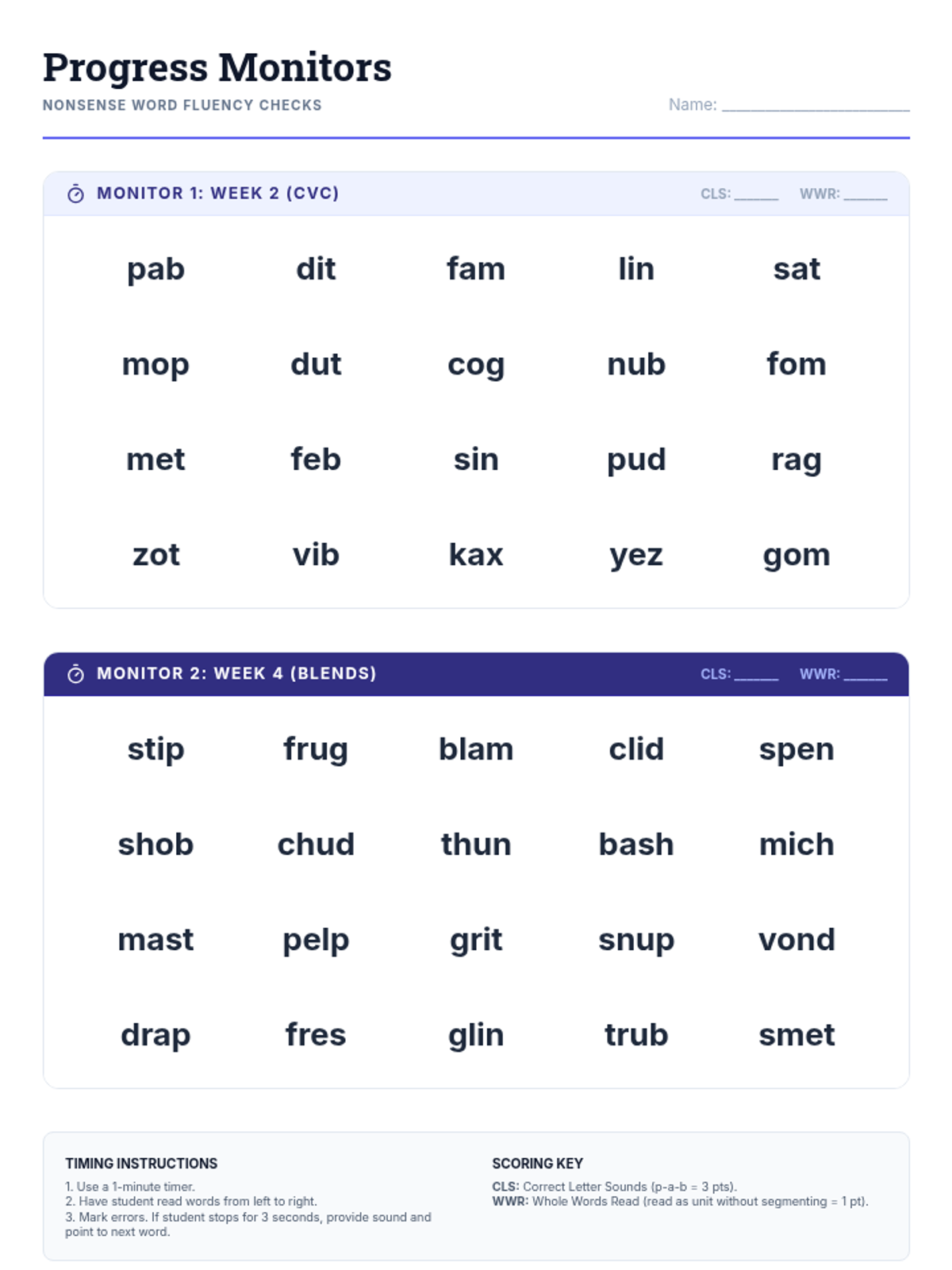
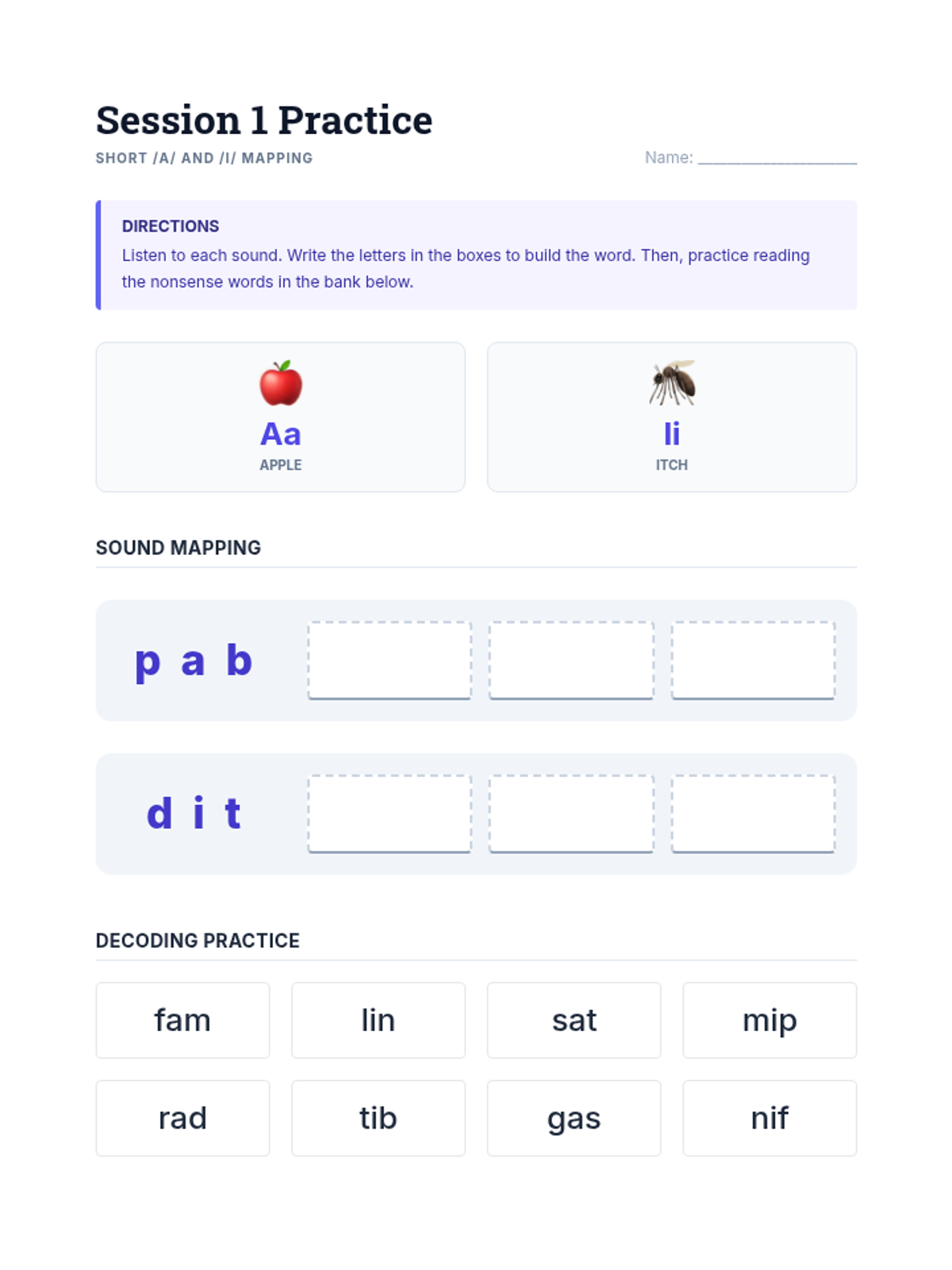
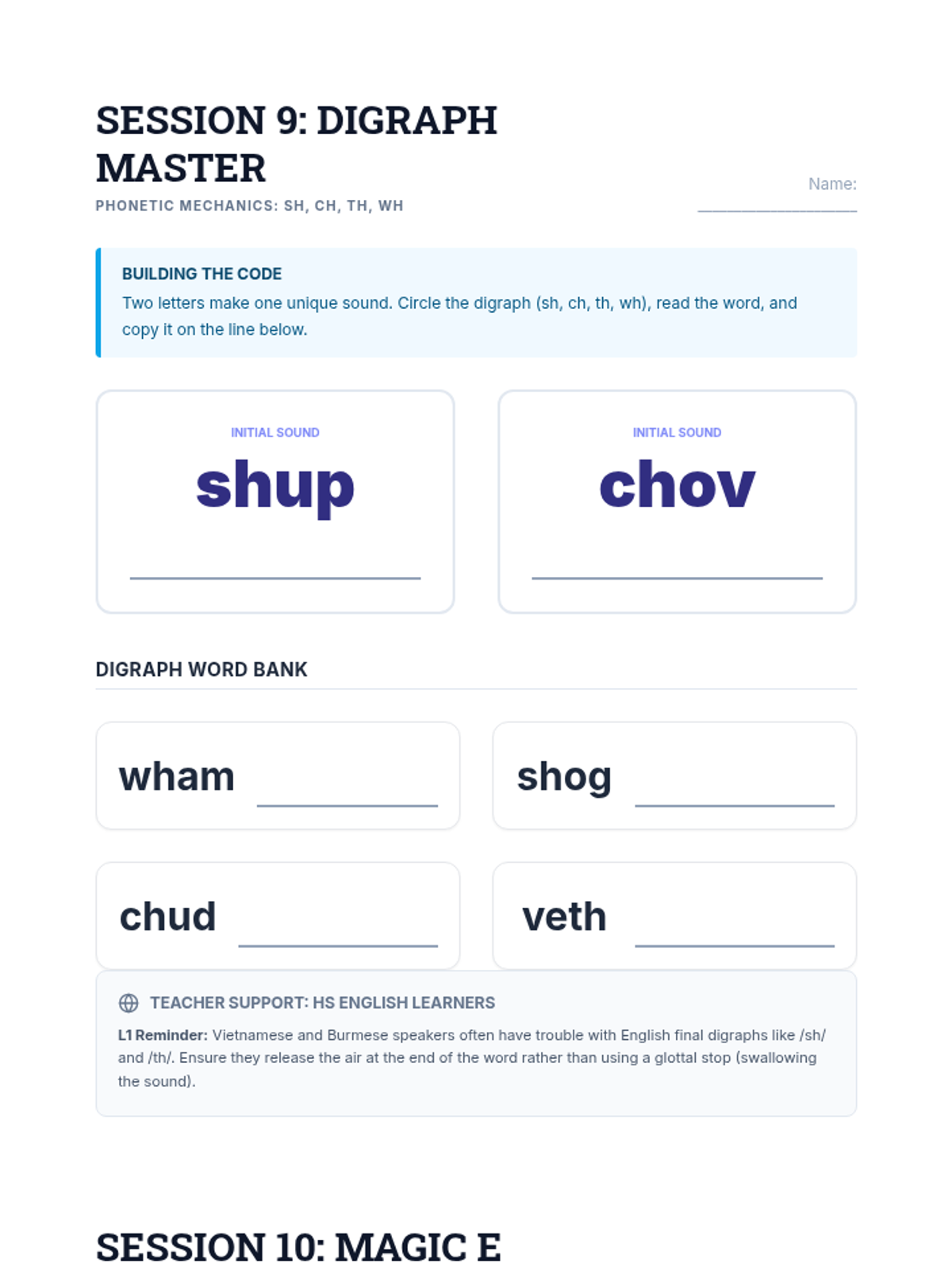
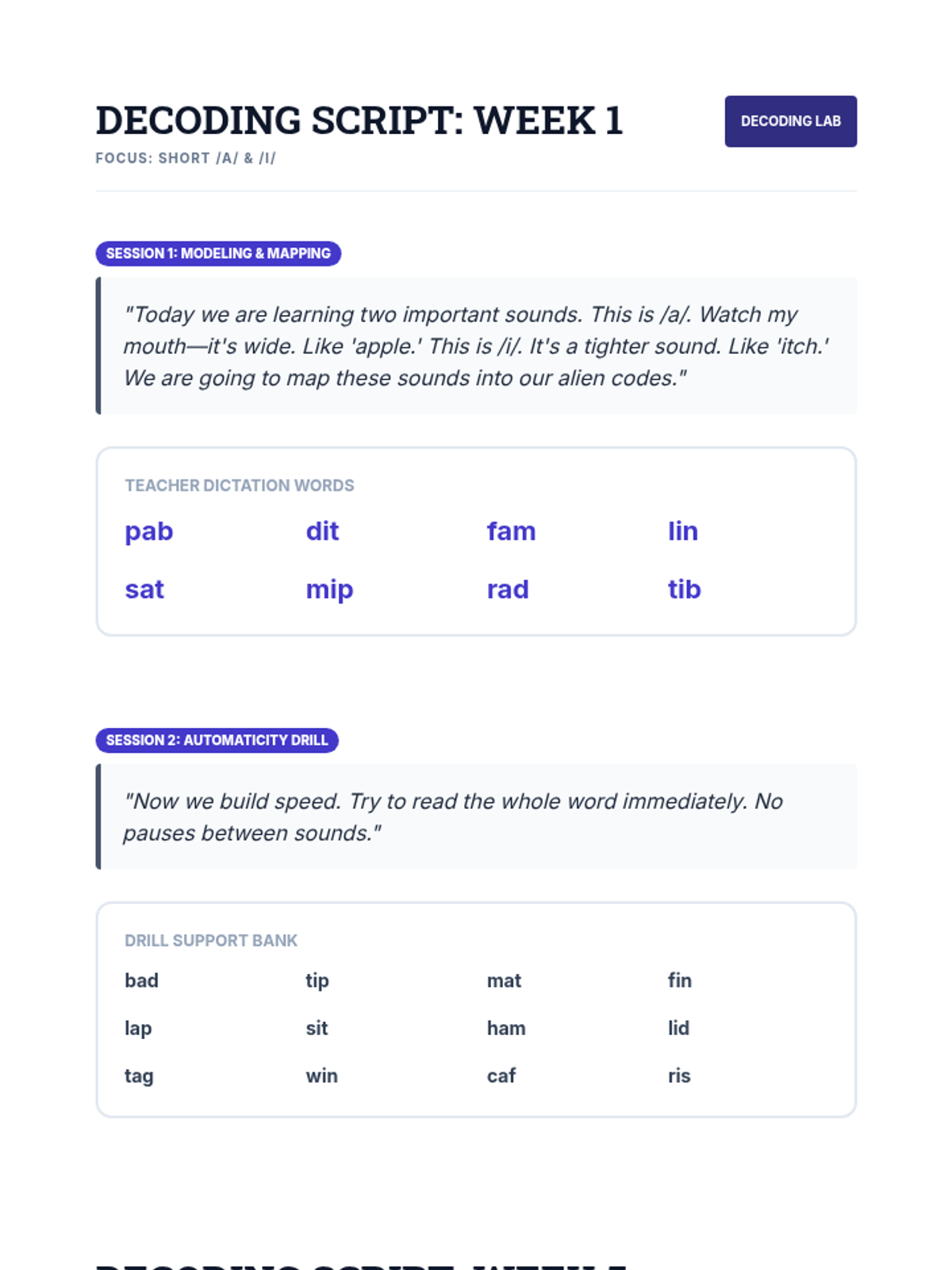
A dual-track intervention sequence for high school ELs with limited formal education, covering both Phoneme Segmenting (oral foundation) and Decoding (grapheme-phoneme mapping).
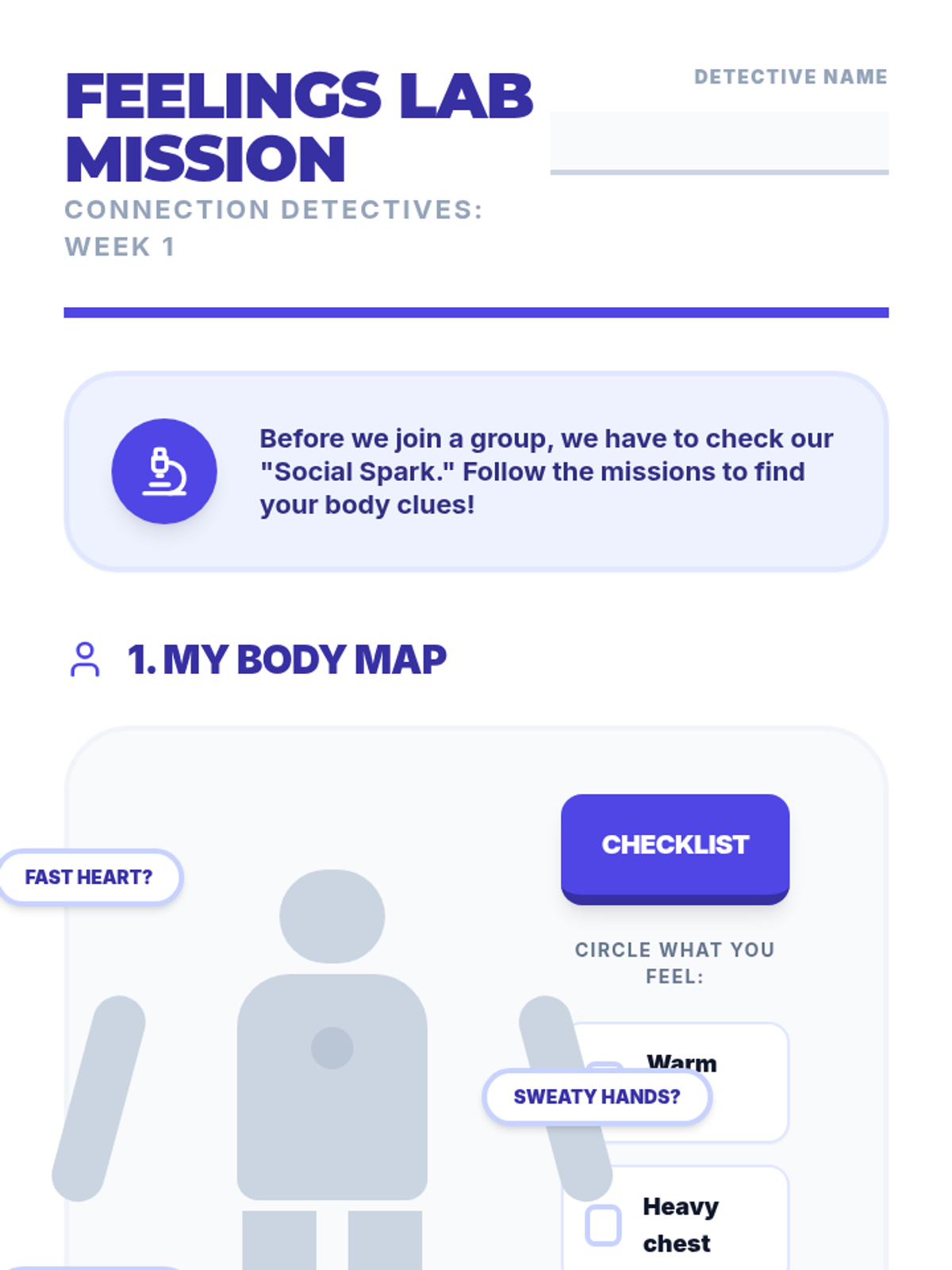
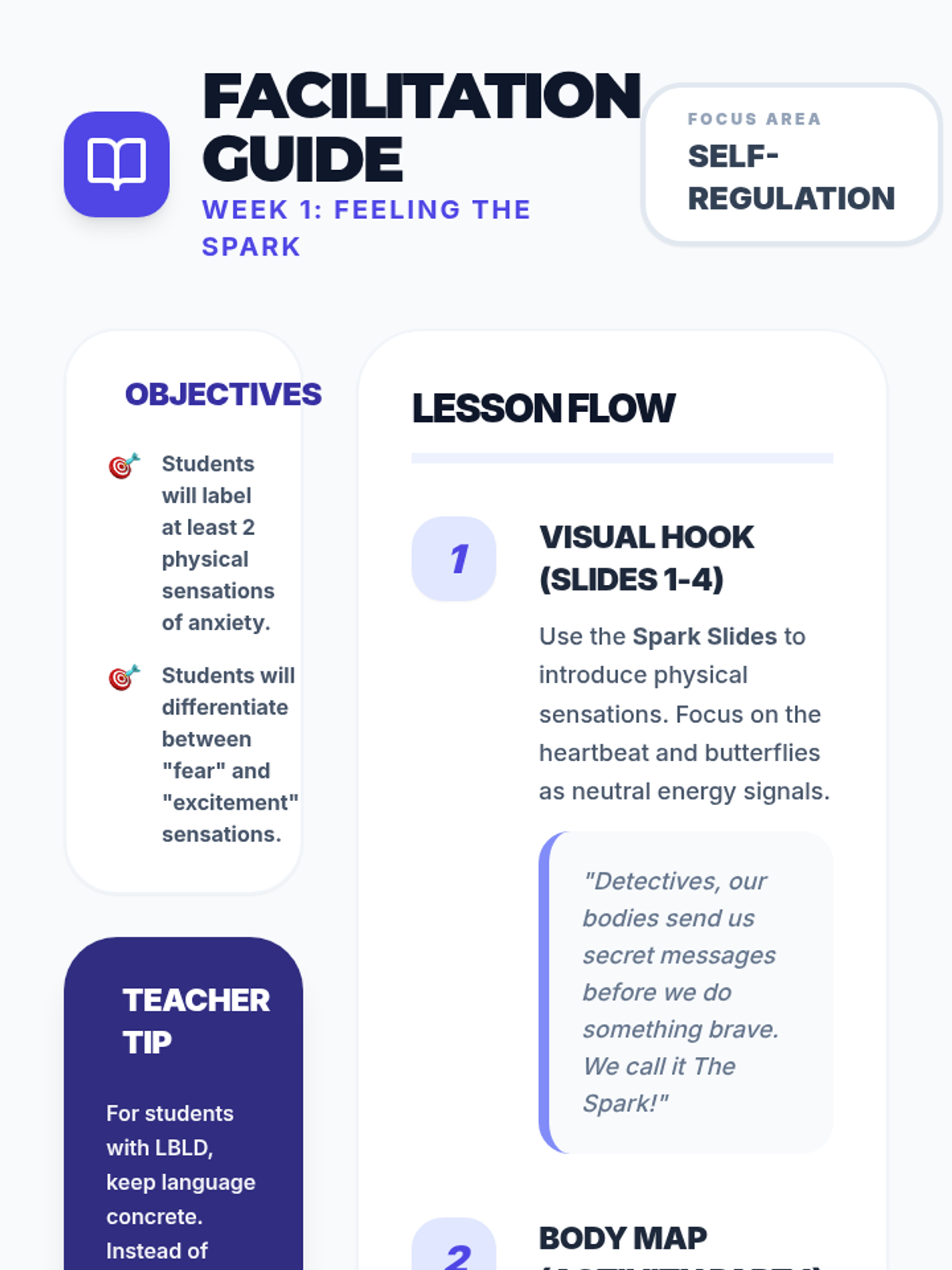
A 5-week curriculum designed for 5th graders with language-based learning disabilities to manage anxiety while building social skills. This program focuses on 'detecting' social cues, initiating group contact, and practicing self-advocacy through visual-heavy instruction and structured role-play.
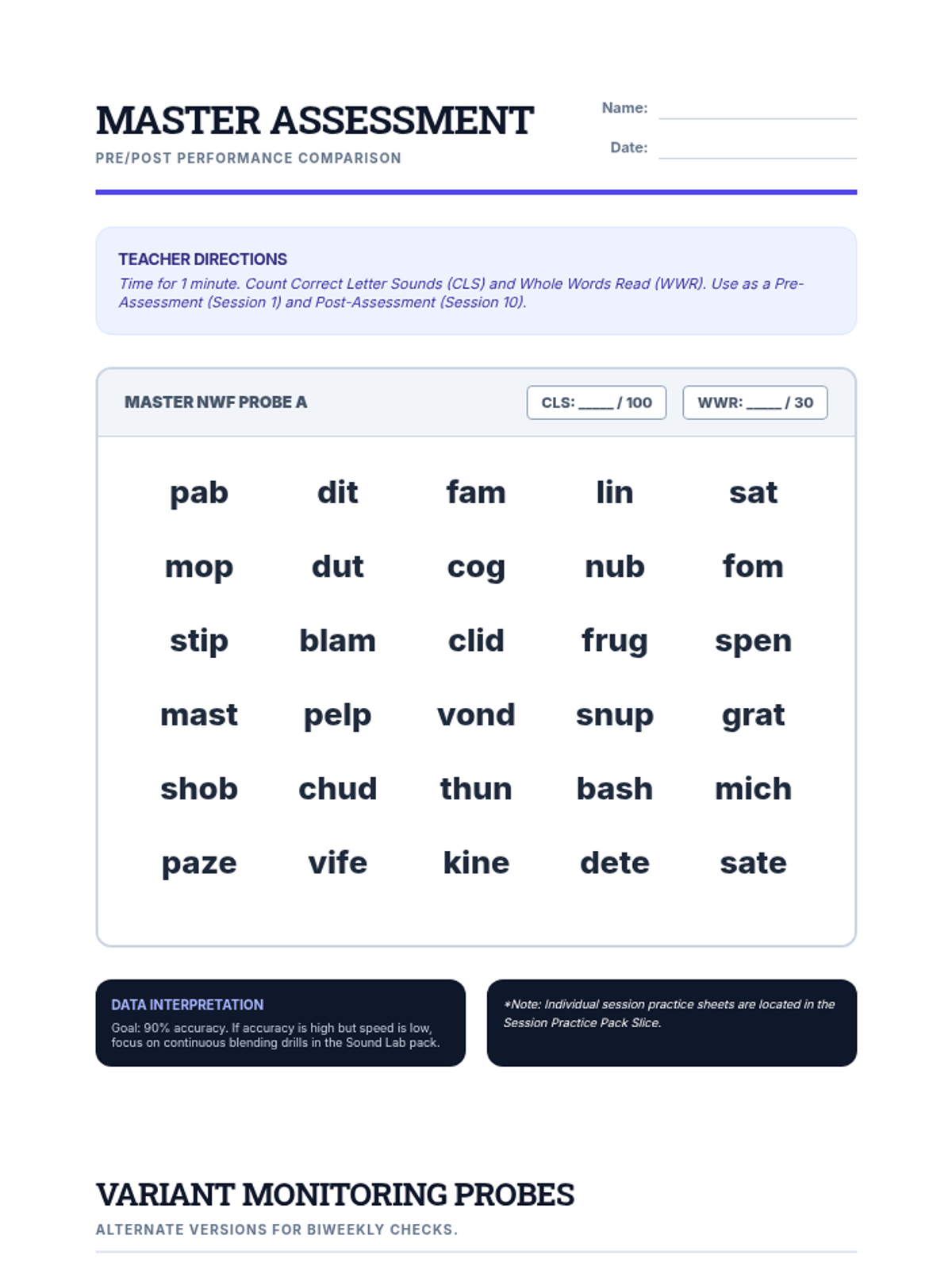
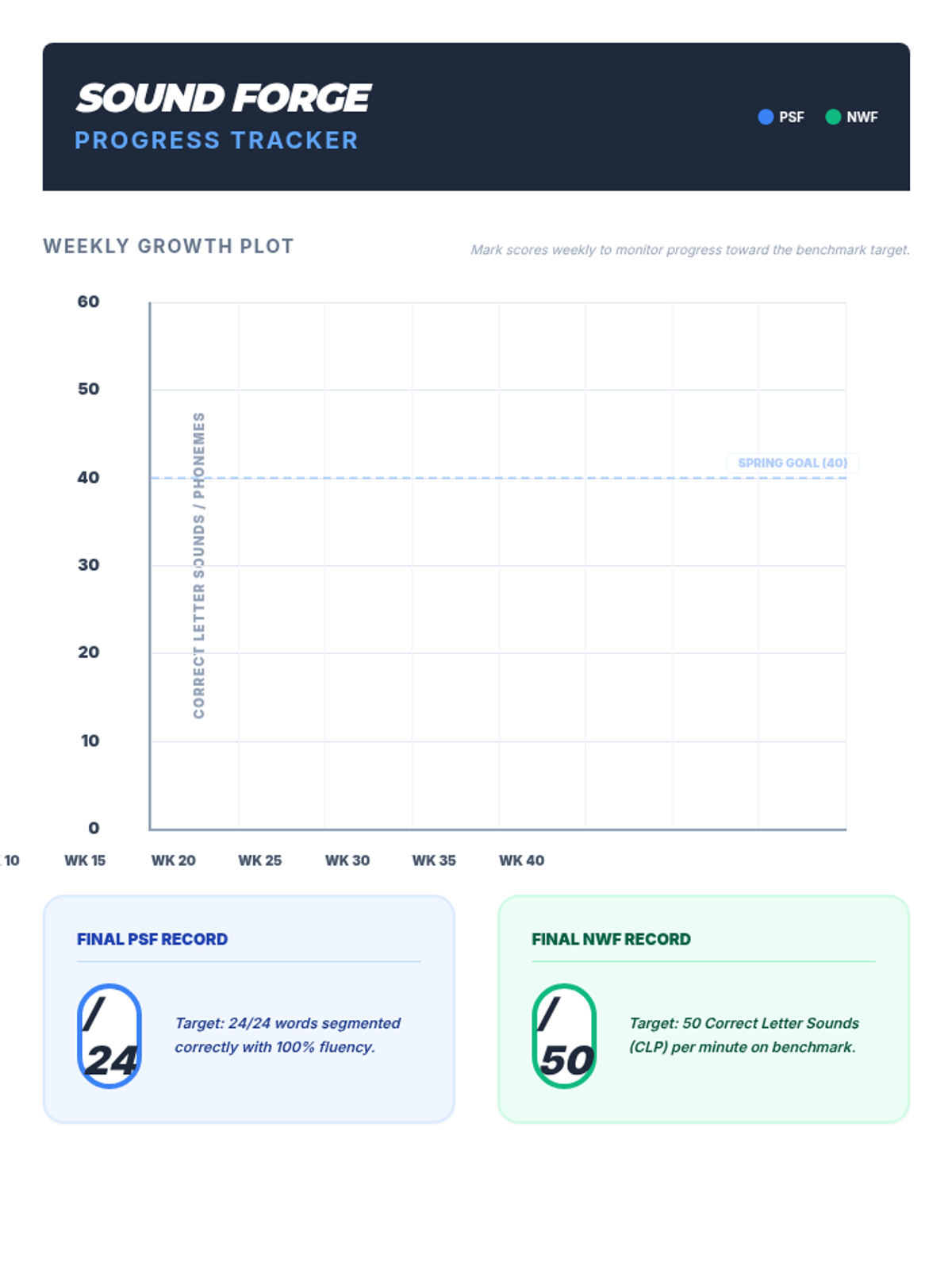
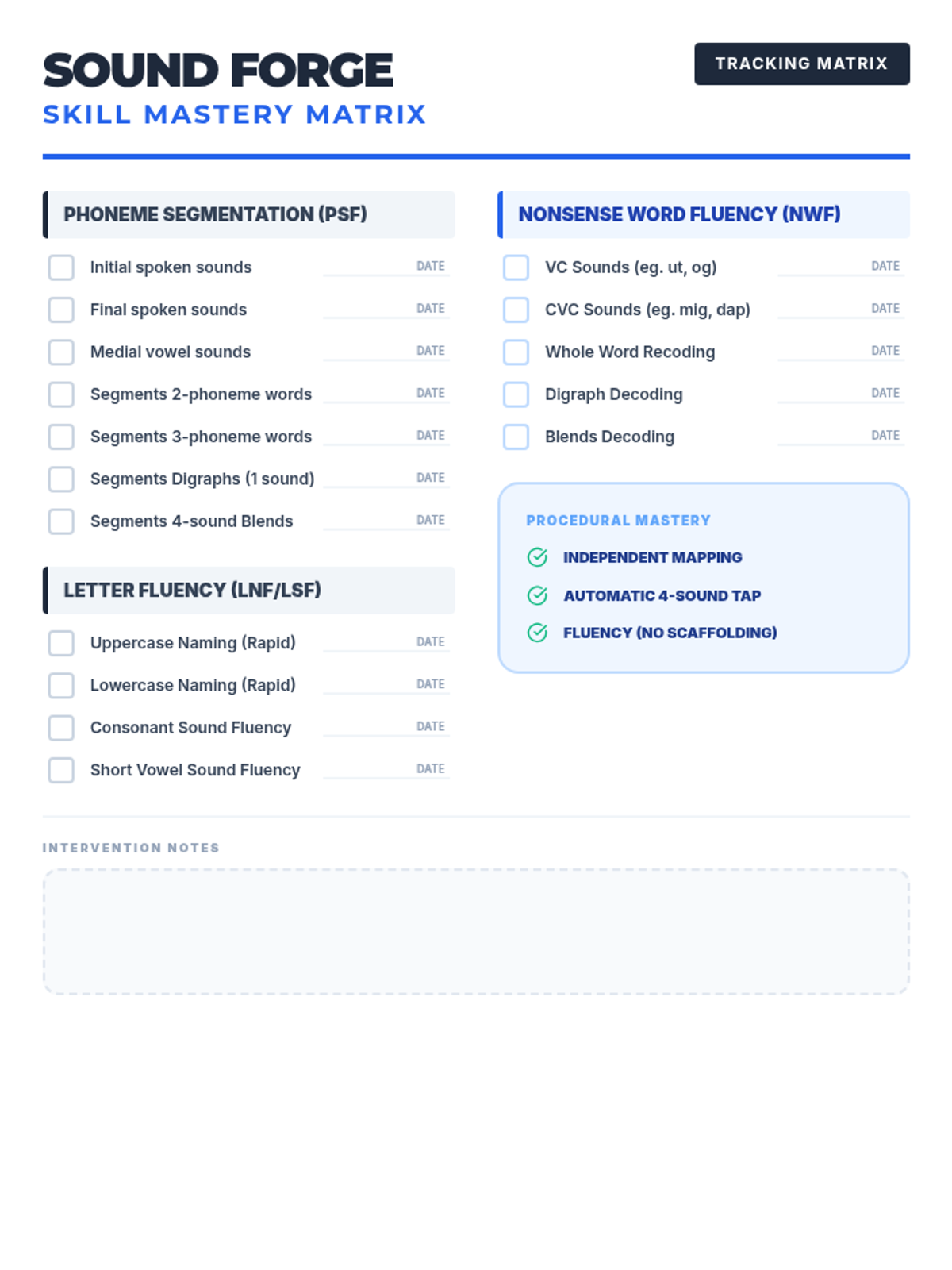
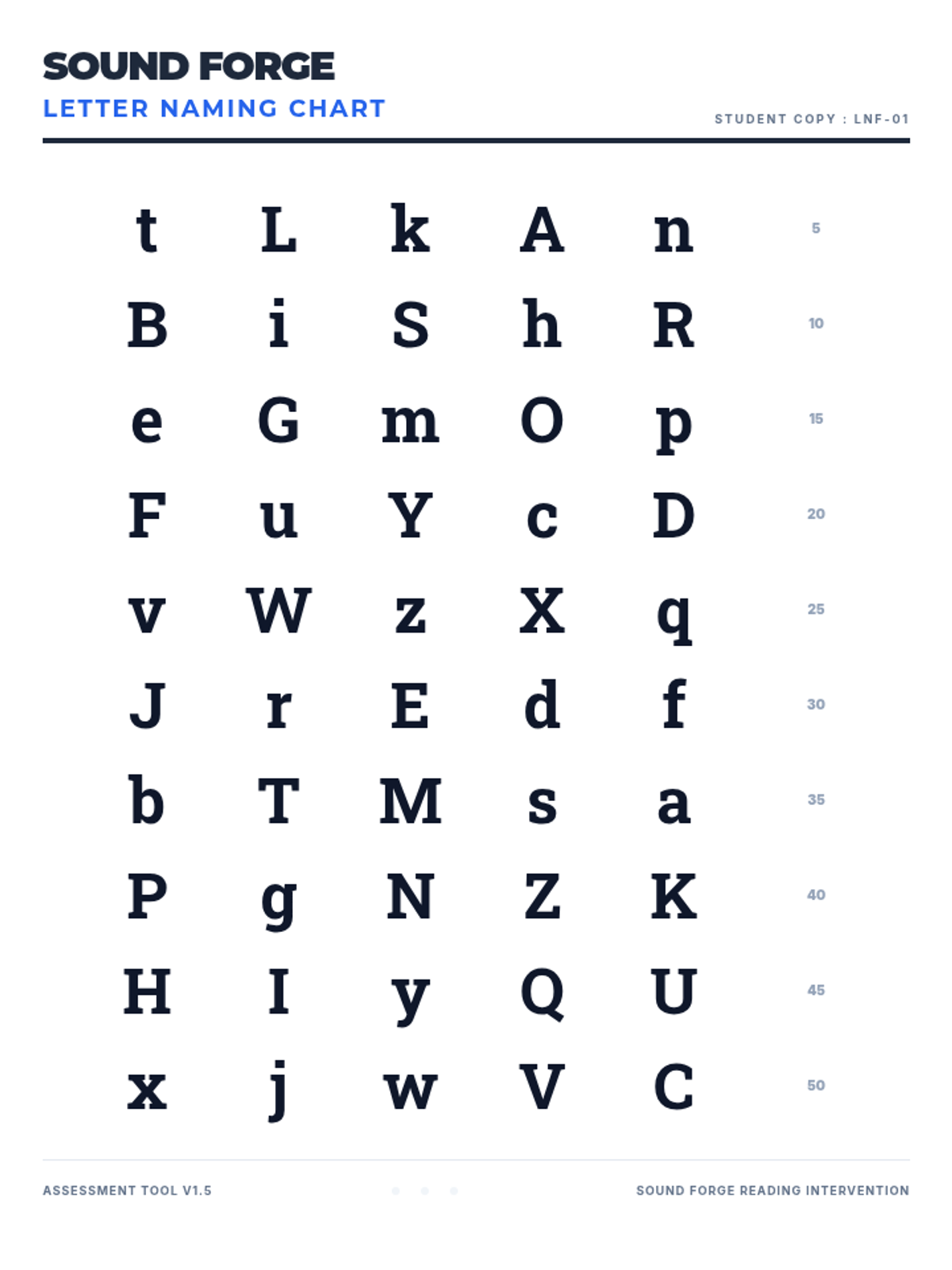
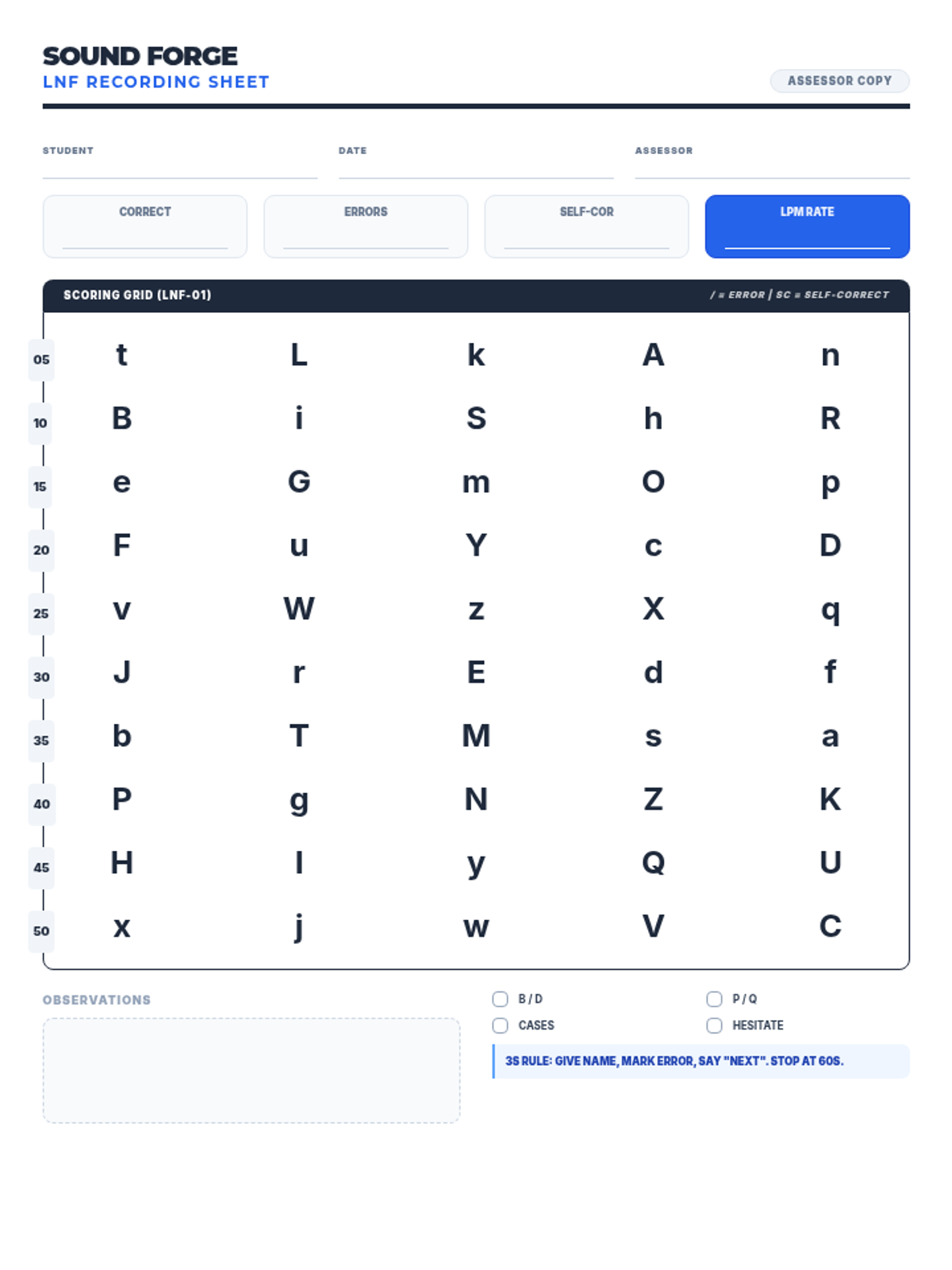
A 40-week intensive reading intervention sequence focused on phoneme segmentation and nonsense word fluency, progressing from letter sounds to complex blends.
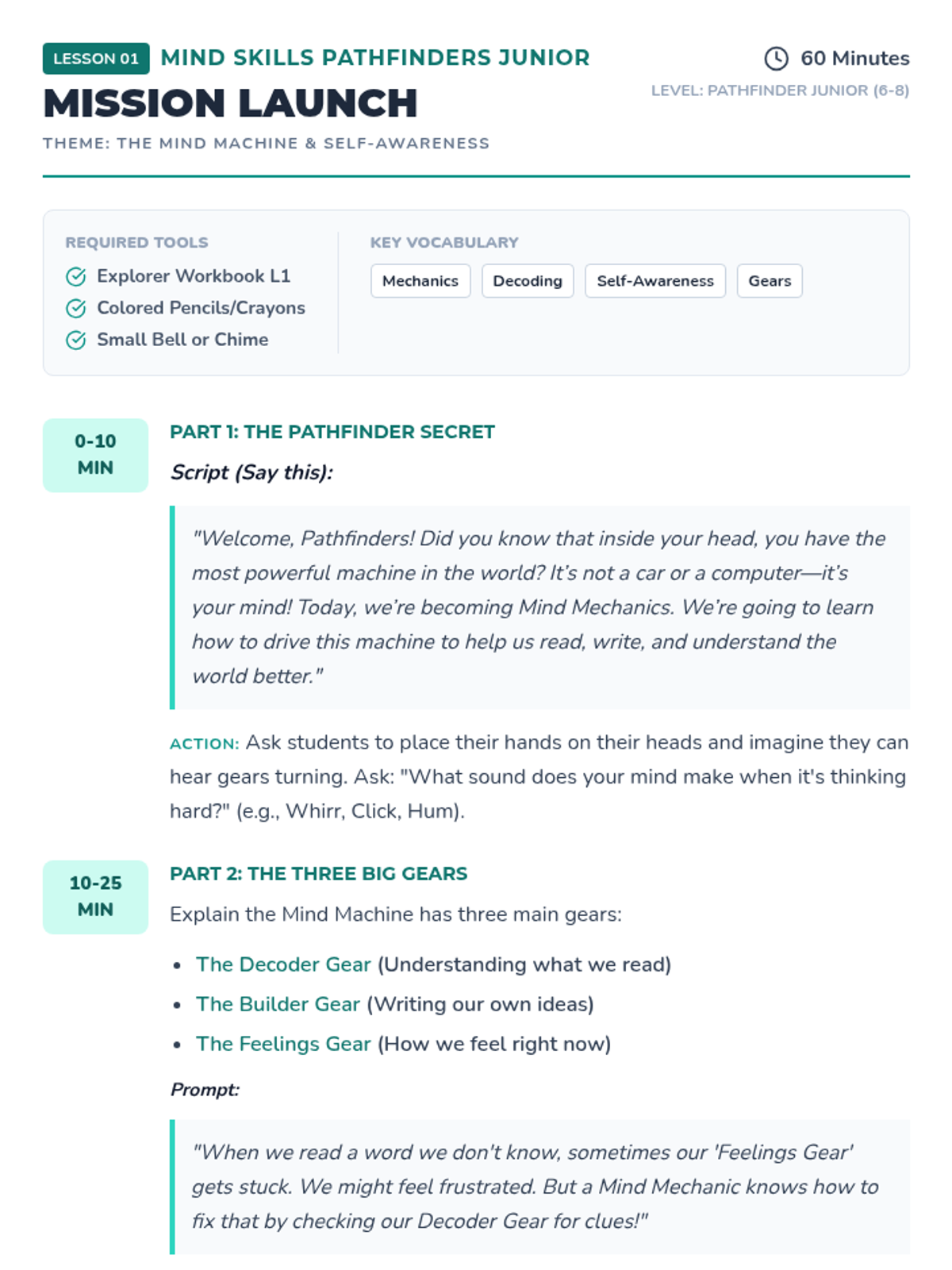
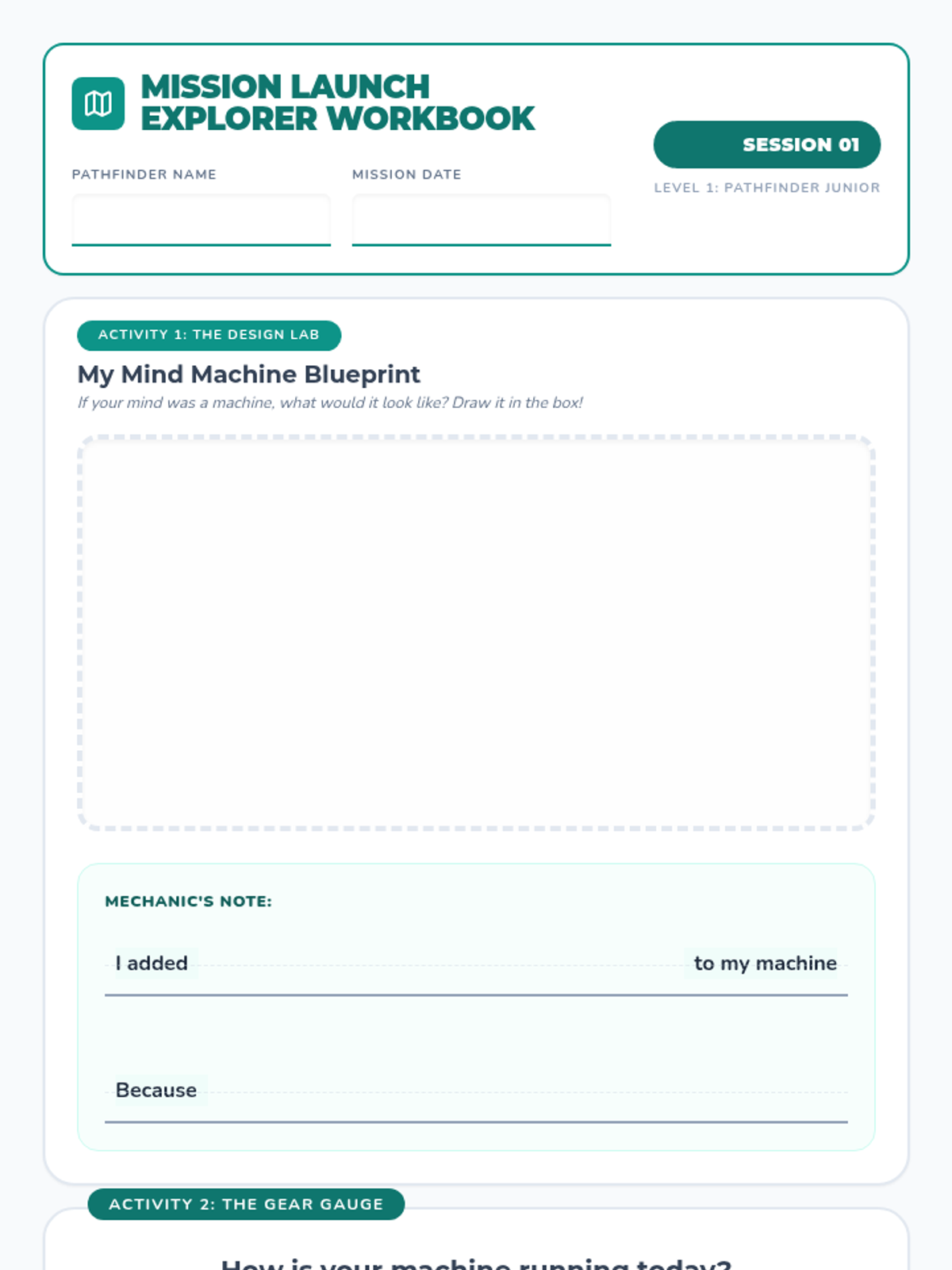
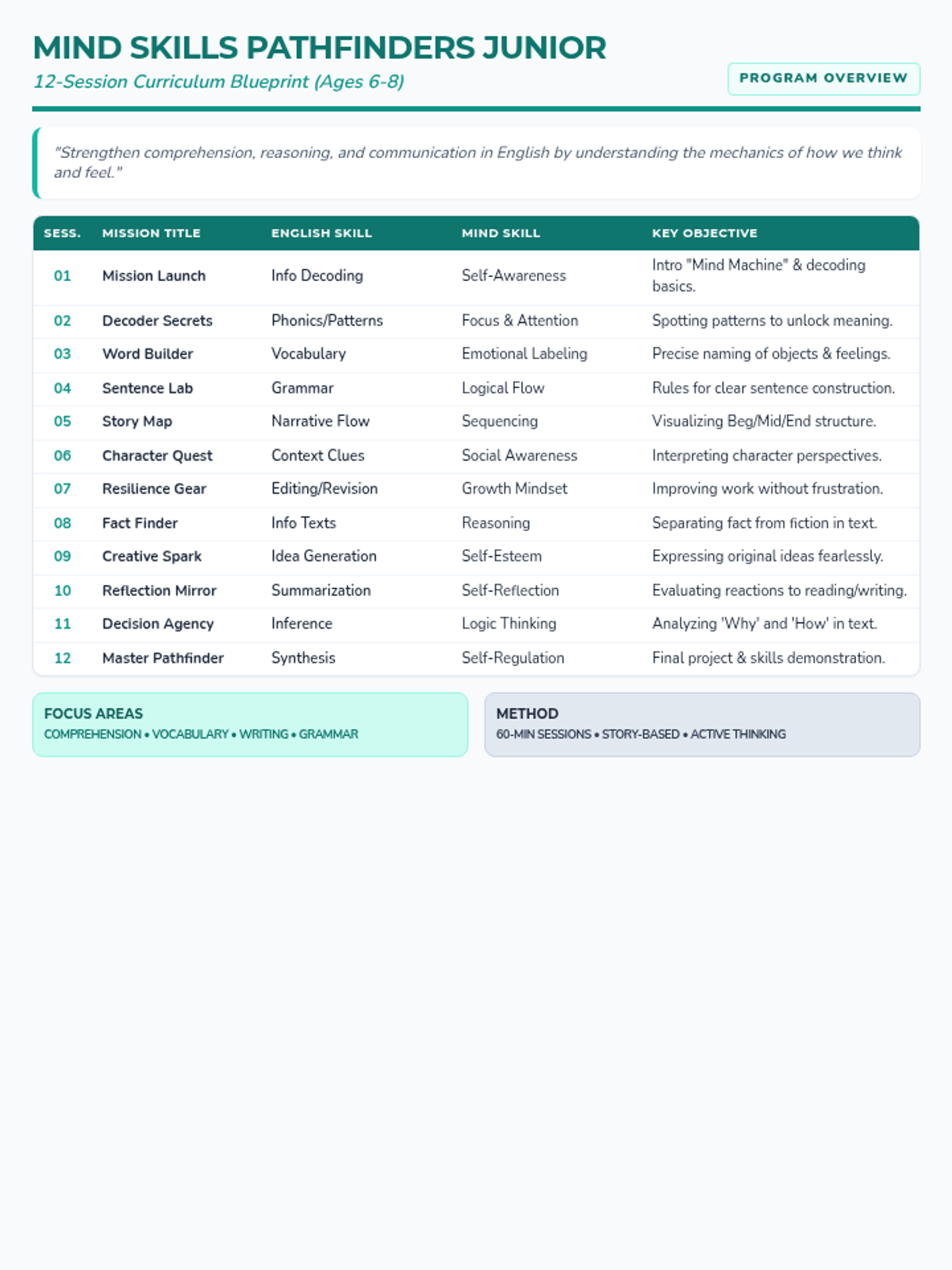
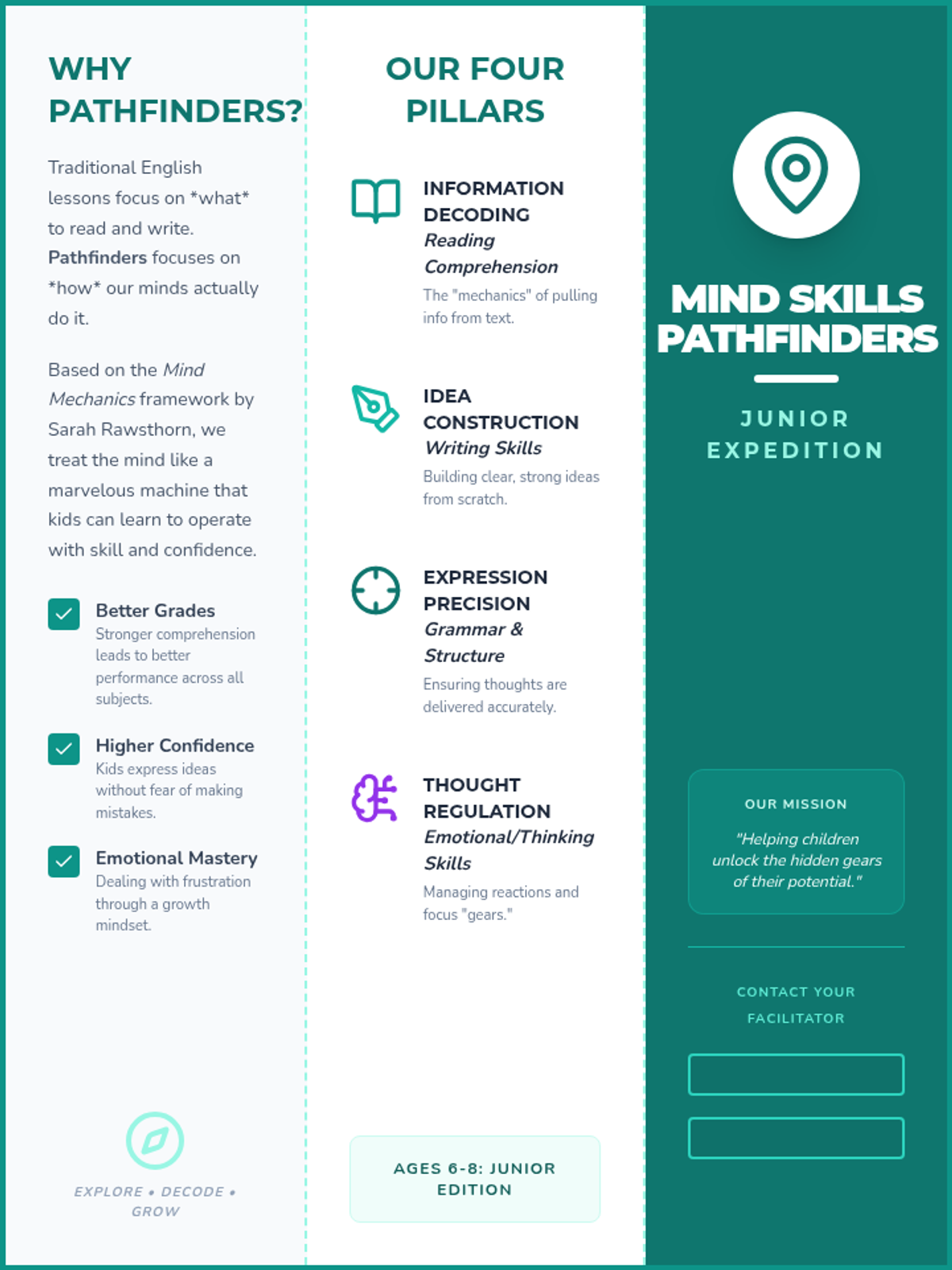
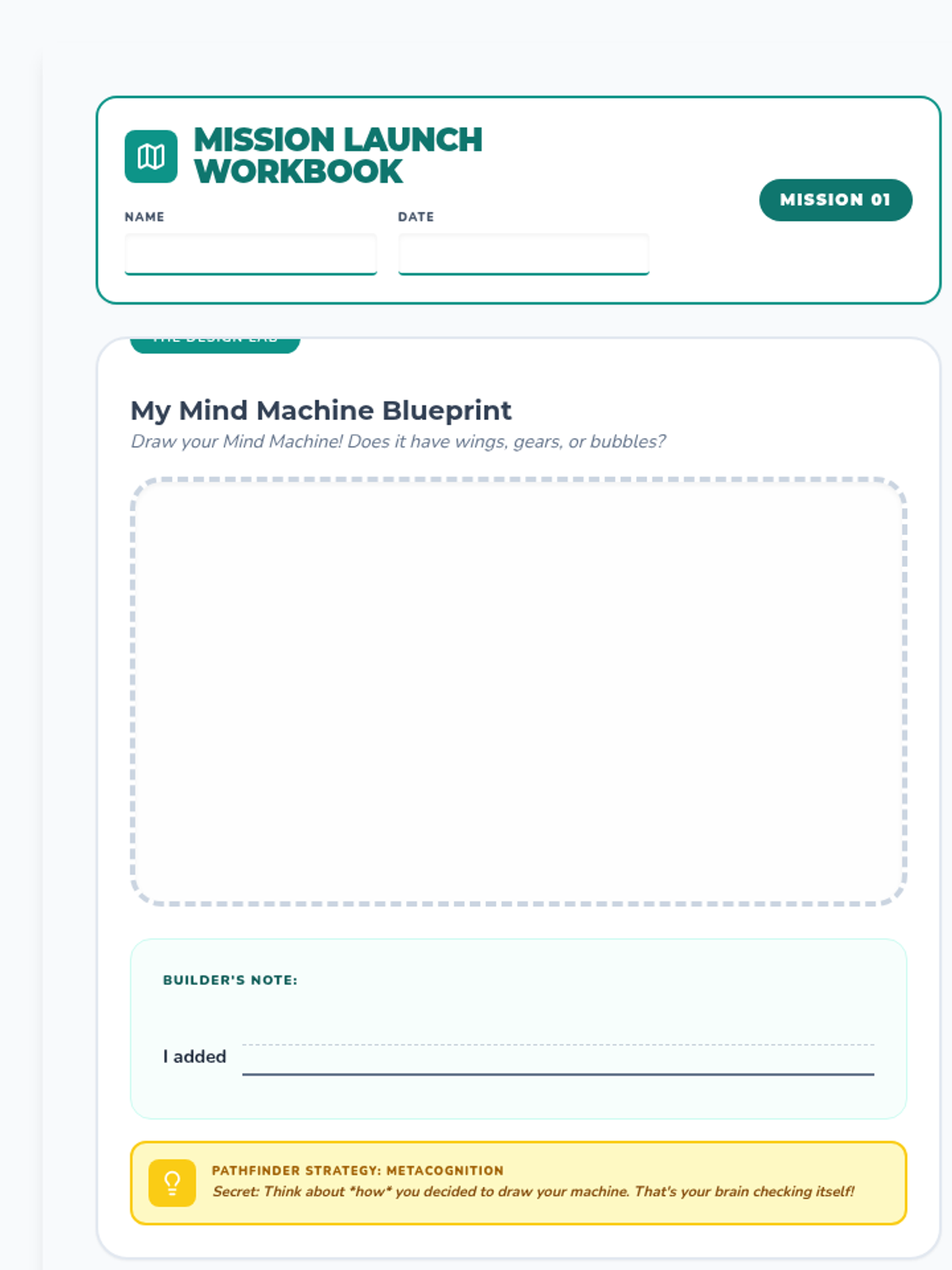
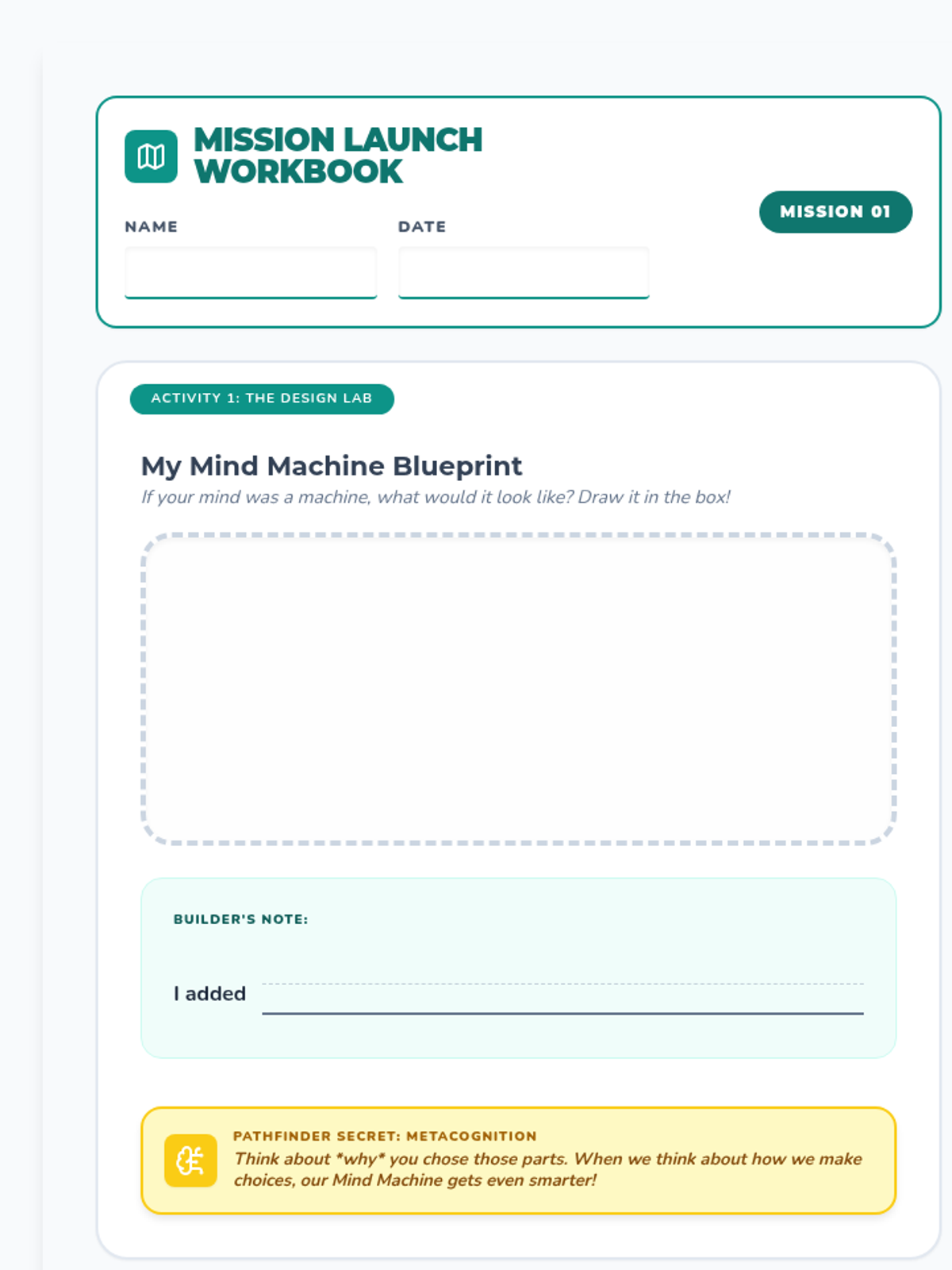
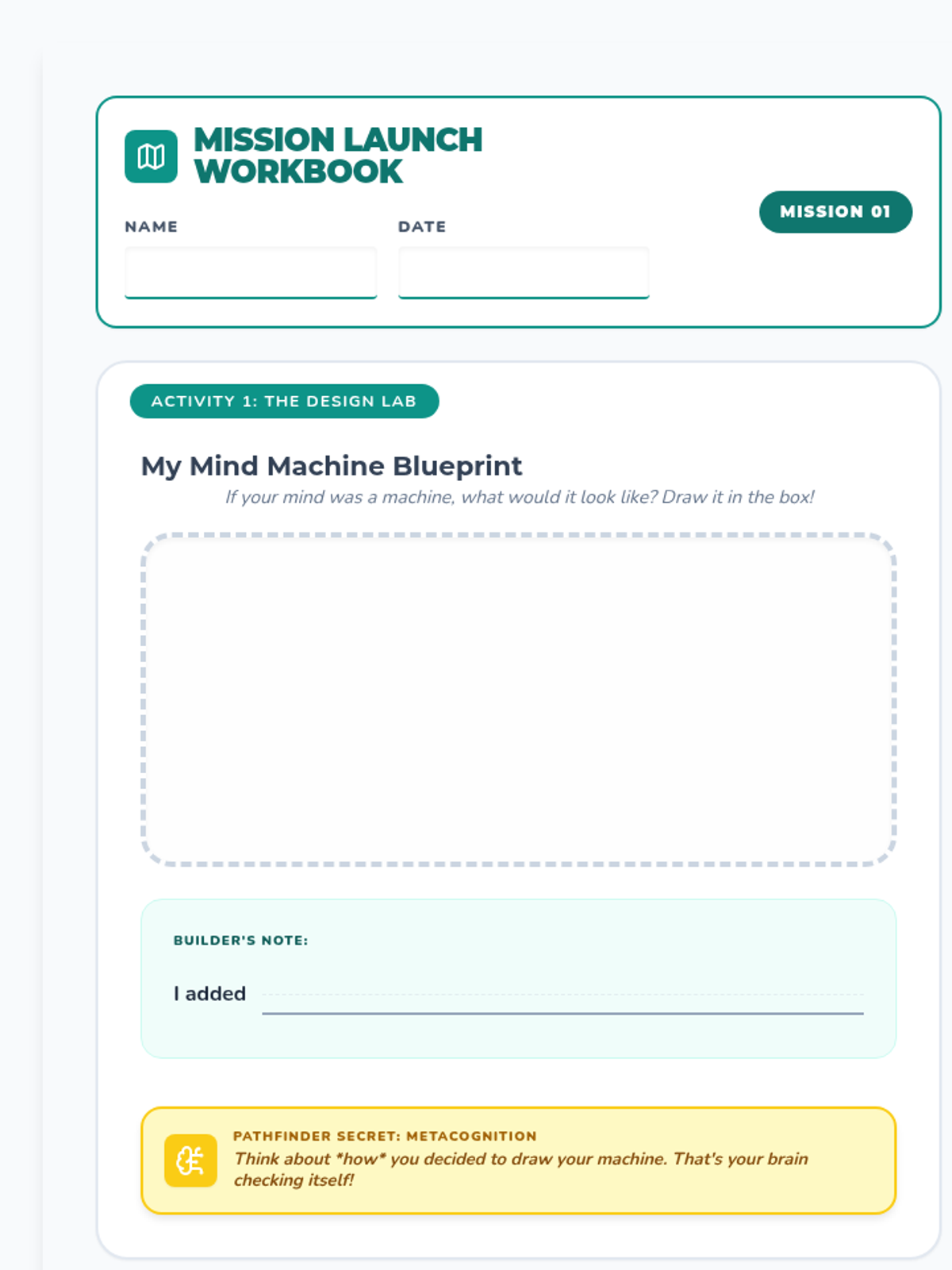
A 12-session journey for children aged 6-8 that integrates English literacy skills (comprehension, writing, grammar) with essential emotional and thinking skills using the 'Mind Mechanics' framework. Students learn to decode information, construct ideas precisely, and regulate their thoughts and responses for better school performance and well-being.