A comprehensive teacher guide for facilitating the Tidal Breath Anchor lesson, including learning objectives, step-by-step instructional flow, differentiation strategies, and discussion prompts for elementary and middle school students.
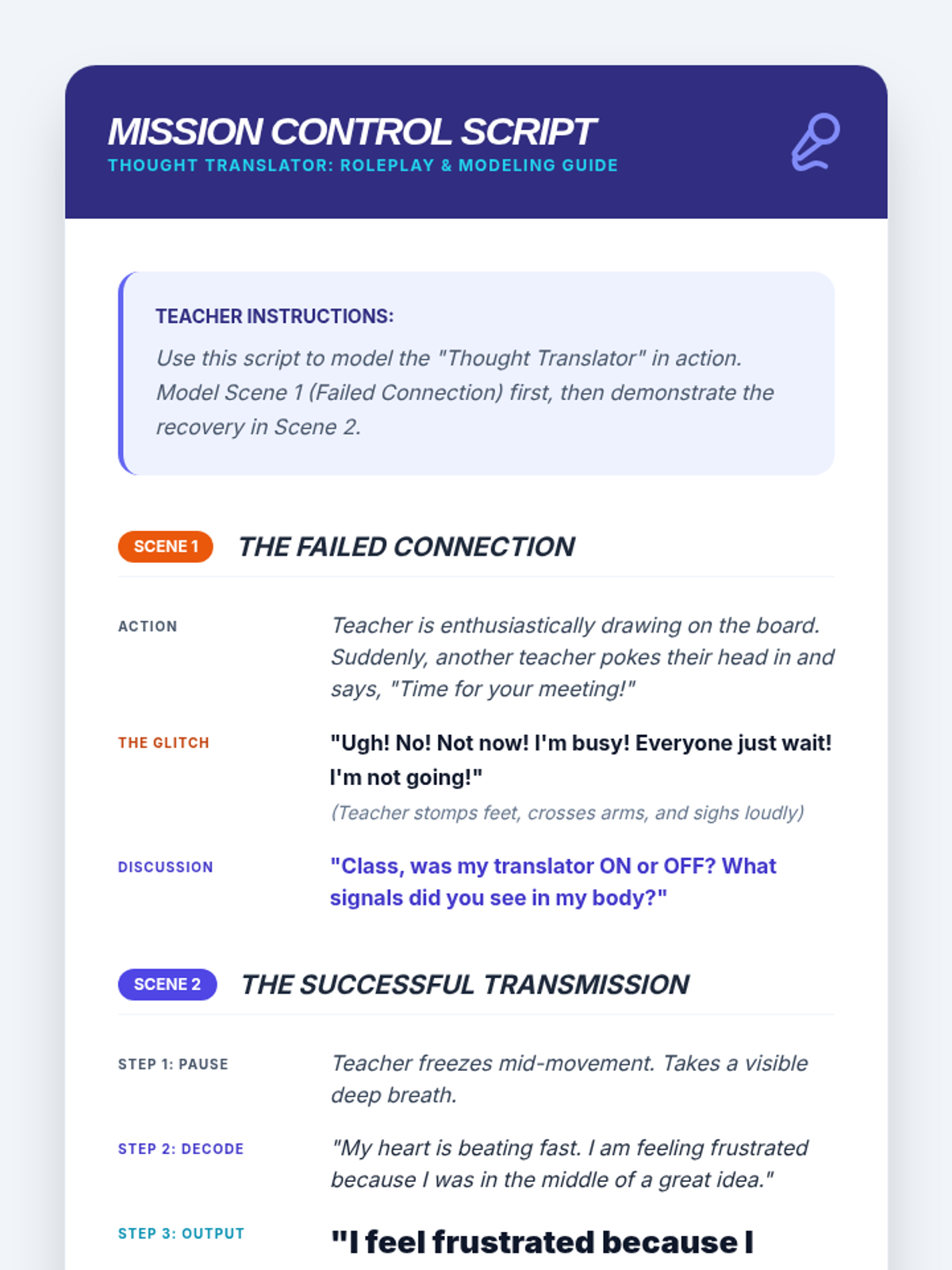
A teacher modeling script for roleplaying the 'Thought Translator' process, featuring two contrasting scenes to demonstrate 'hot glitches' versus 'cool transmissions'.
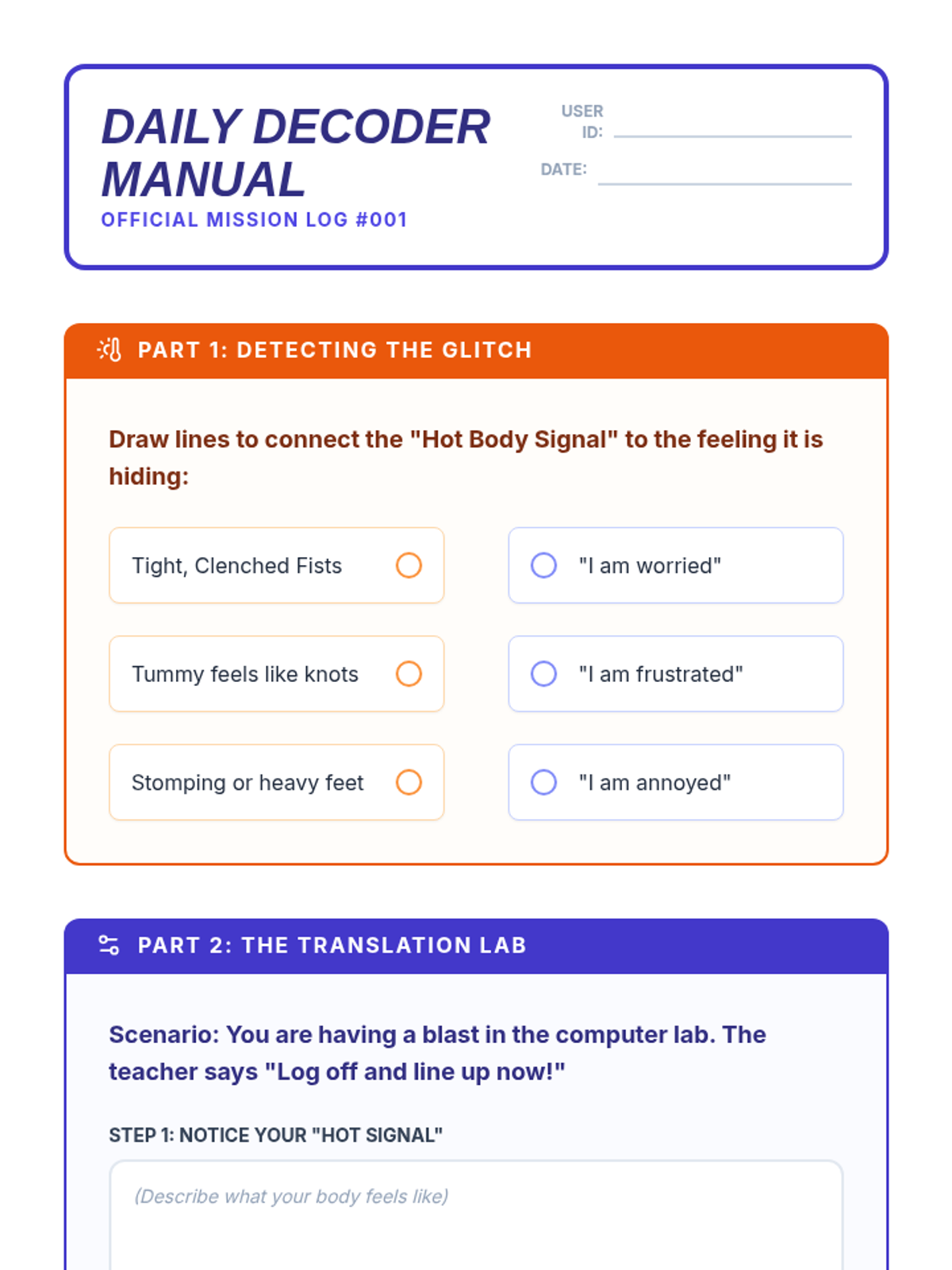
A structured worksheet for students to identify personal physical triggers and practice applying the three-step 'Thought Translator' formula to a specific classroom transition scenario.
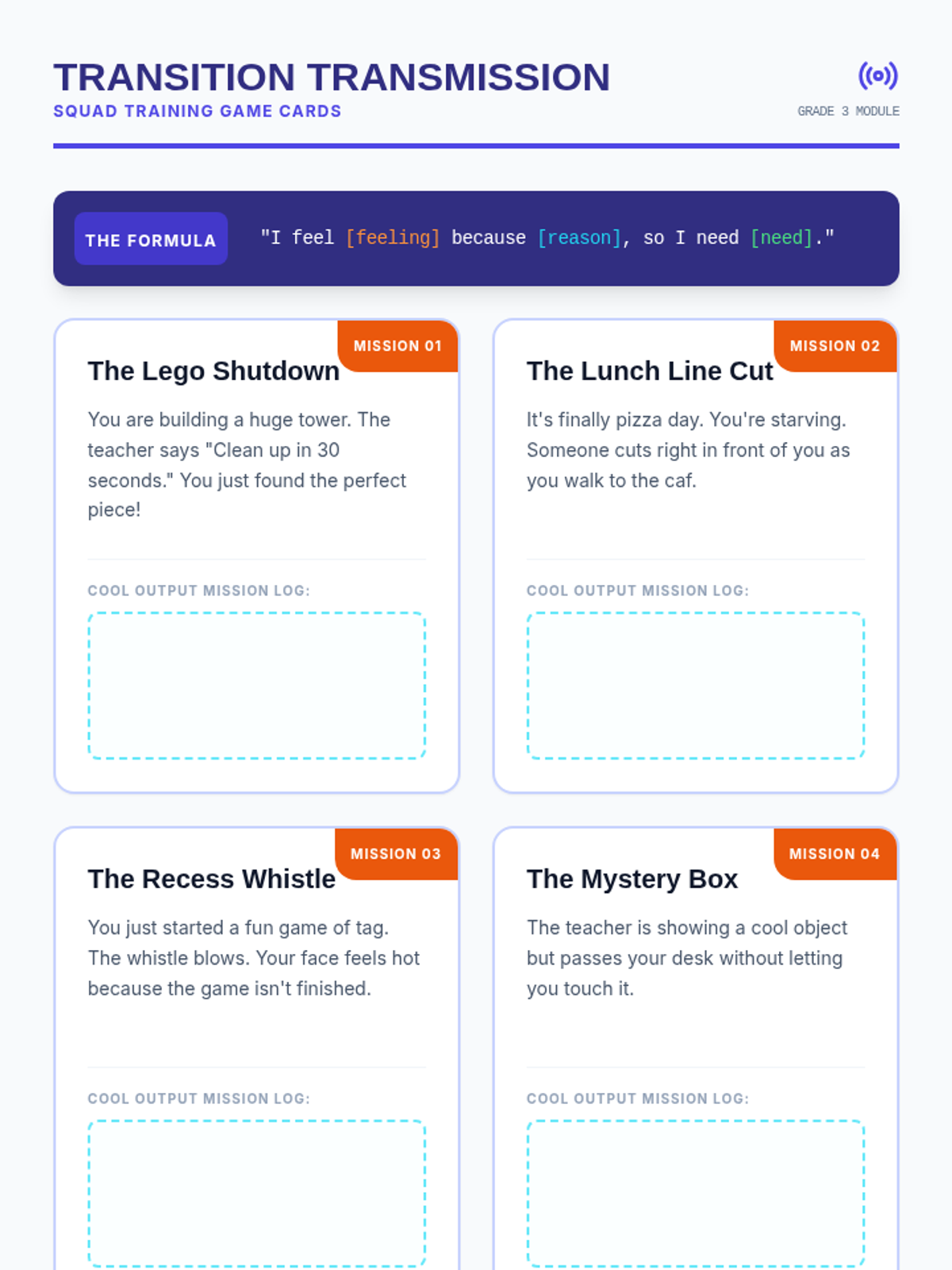
A set of scenario cards for a collaborative activity where students practice 'translating' impulsive reactions into verbal communication in common classroom transition situations.
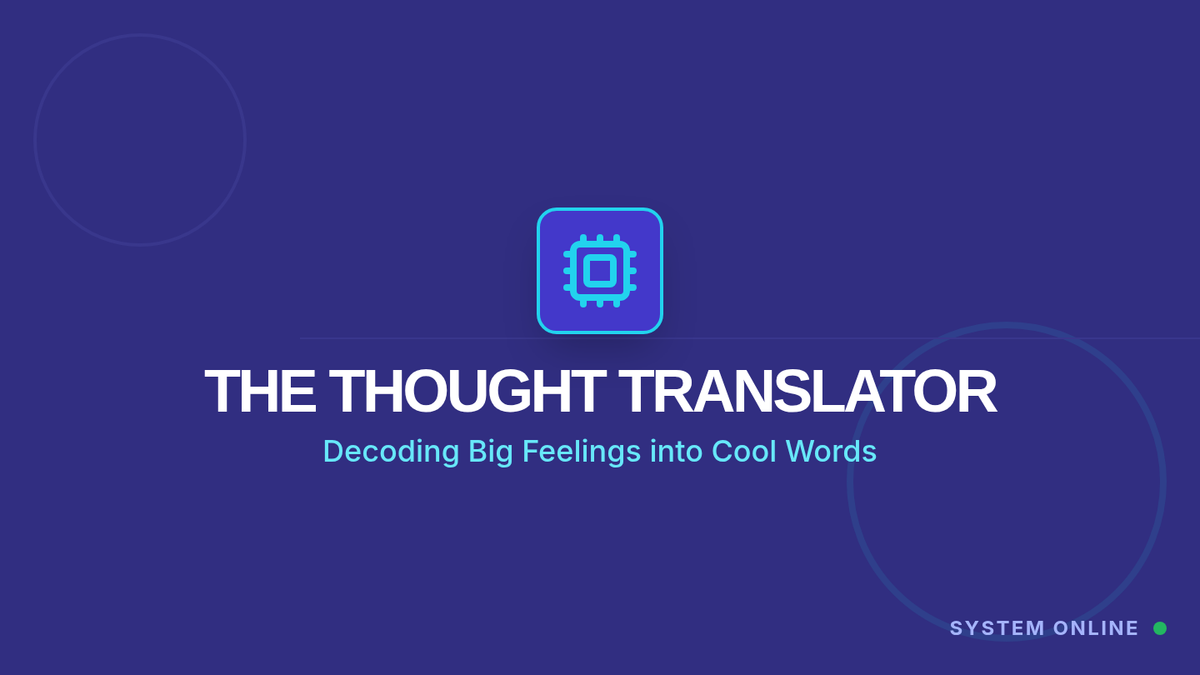
Visual instructional slides for the Thought Translator lesson, using a high-contrast tech aesthetic to explain the difference between 'hot' reactions and 'cool' verbal communication.
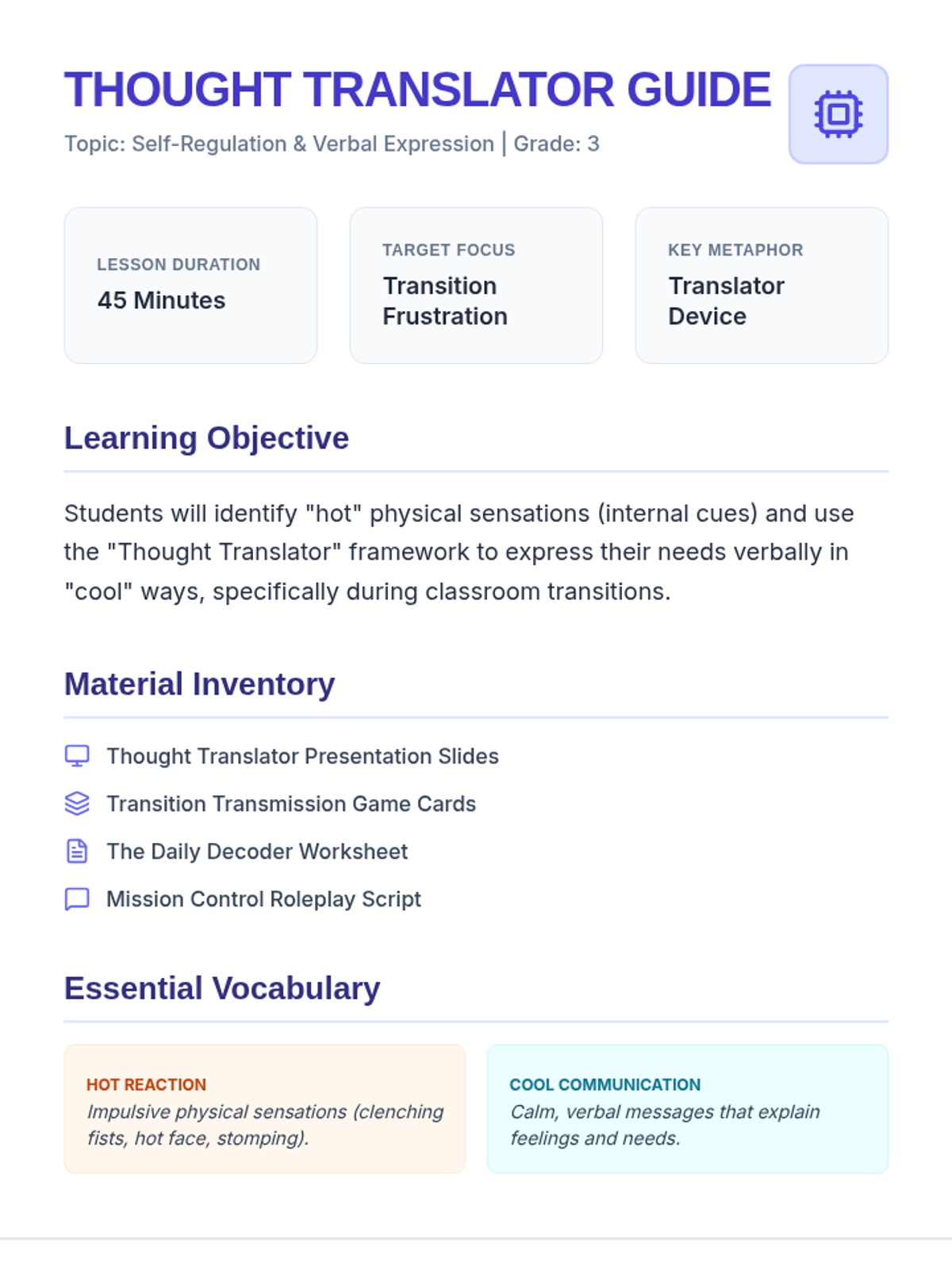
A detailed instructional guide for the Thought Translator lesson, featuring a mission-based timeline, essential vocabulary, and integration steps for the slide deck, game, and worksheet.
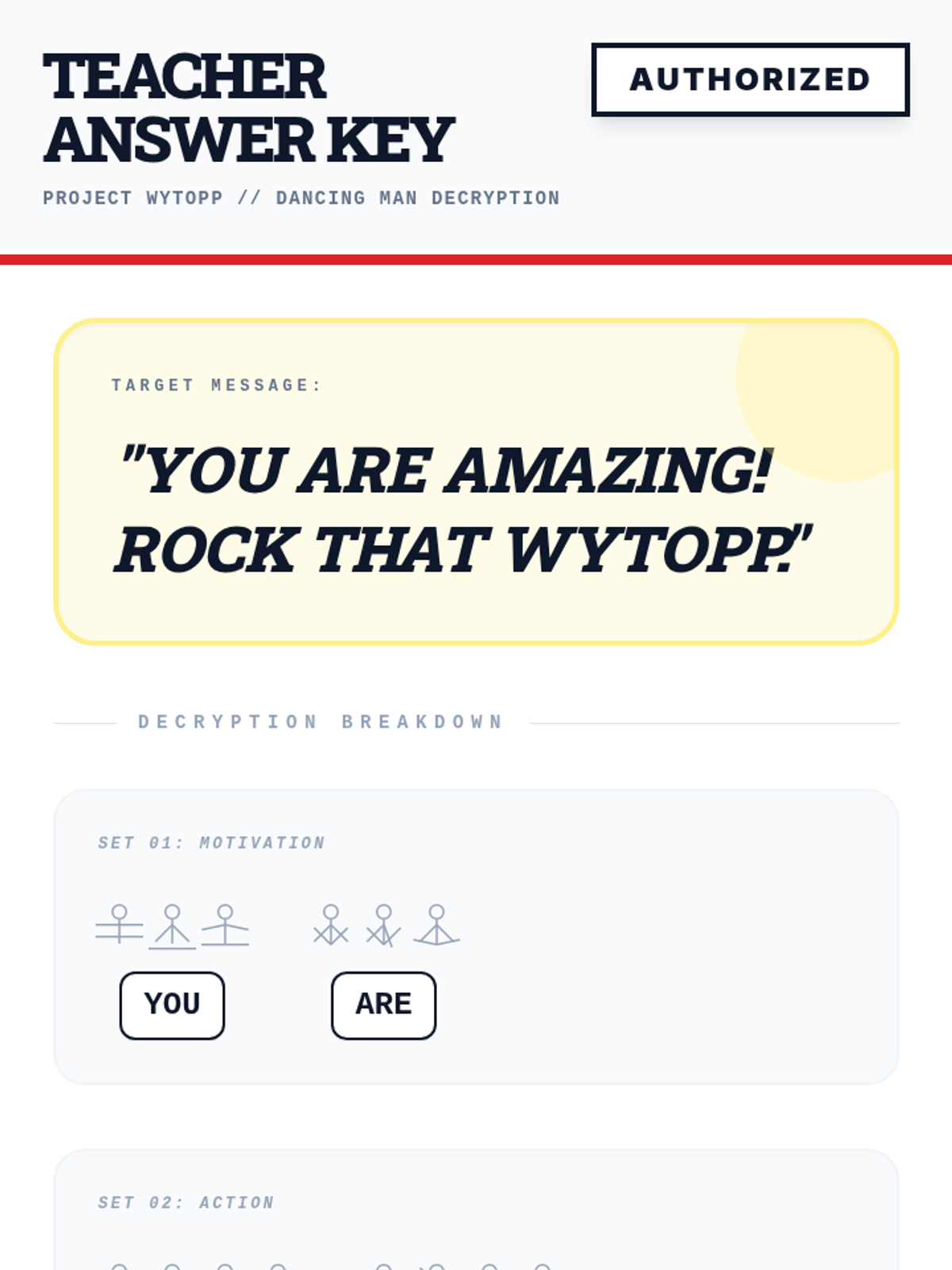
A clear and concise teacher answer key for the decoding activity, providing the full decrypted message and a segmented word-by-word breakdown for easy verification.
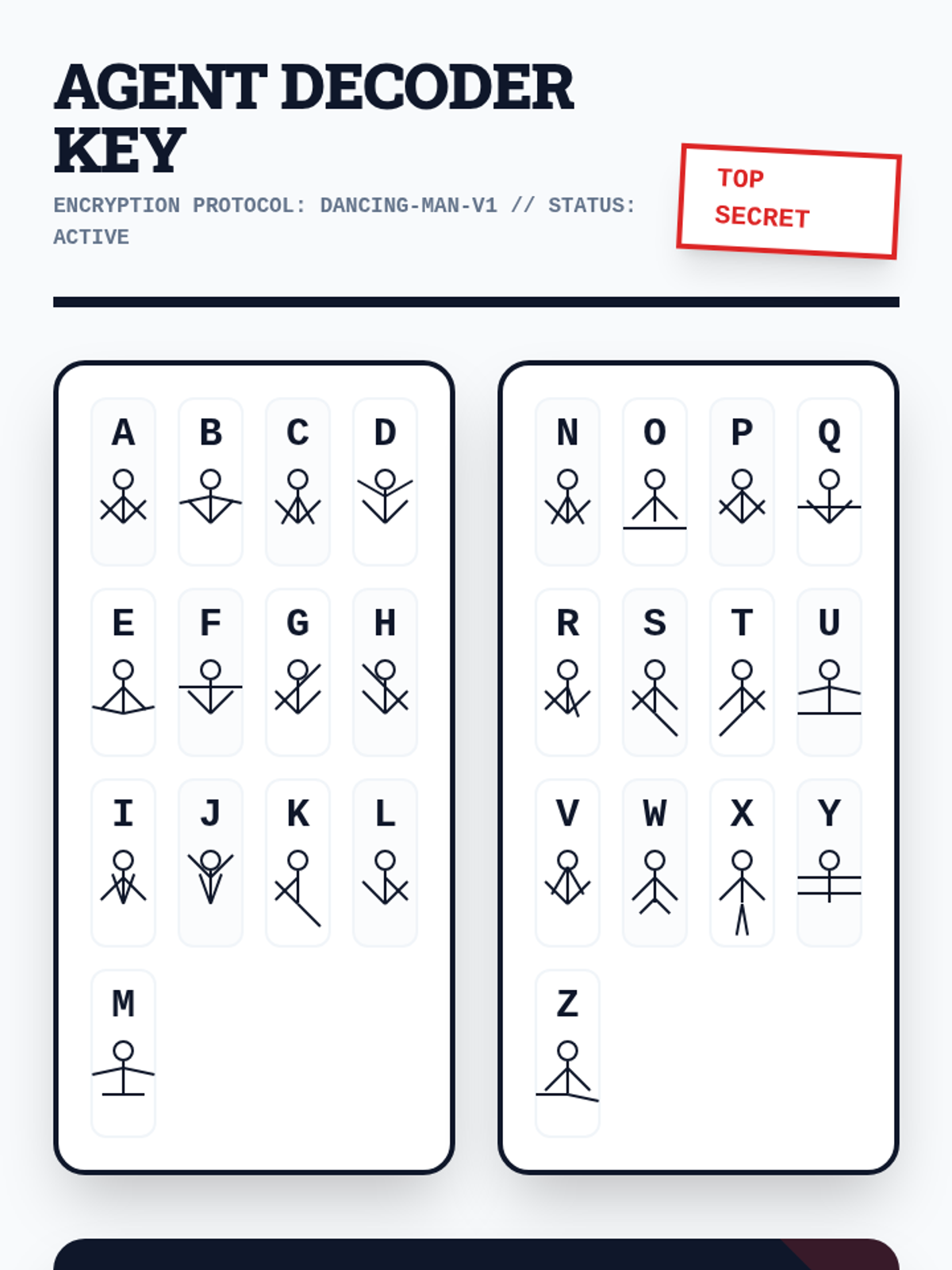
A comprehensive visual decoder key featuring 26 distinct stick-figure 'Dancing Man' poses. Each pose is mapped to an uppercase letter, providing a visual substitution cipher for students to use in their mission.
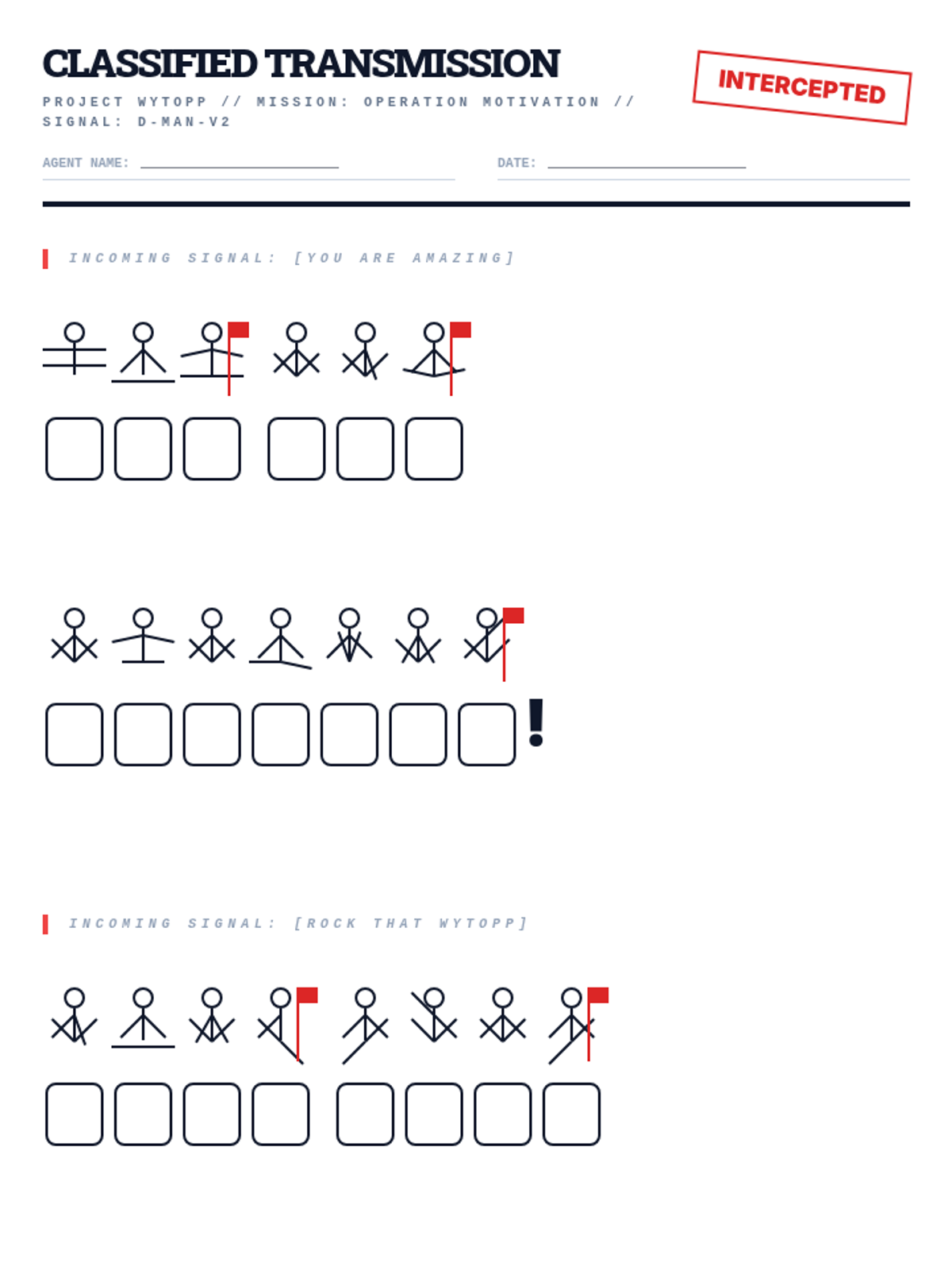
A student-facing worksheet for decoding a message of encouragement. Features enlarged writing boxes and a consistent substitution cipher based on a classified document aesthetic.
A high-energy presentation deck introducing the history of the Enigma machine and the mechanics of substitution ciphers, featuring an embedded video and mission-themed instructions.
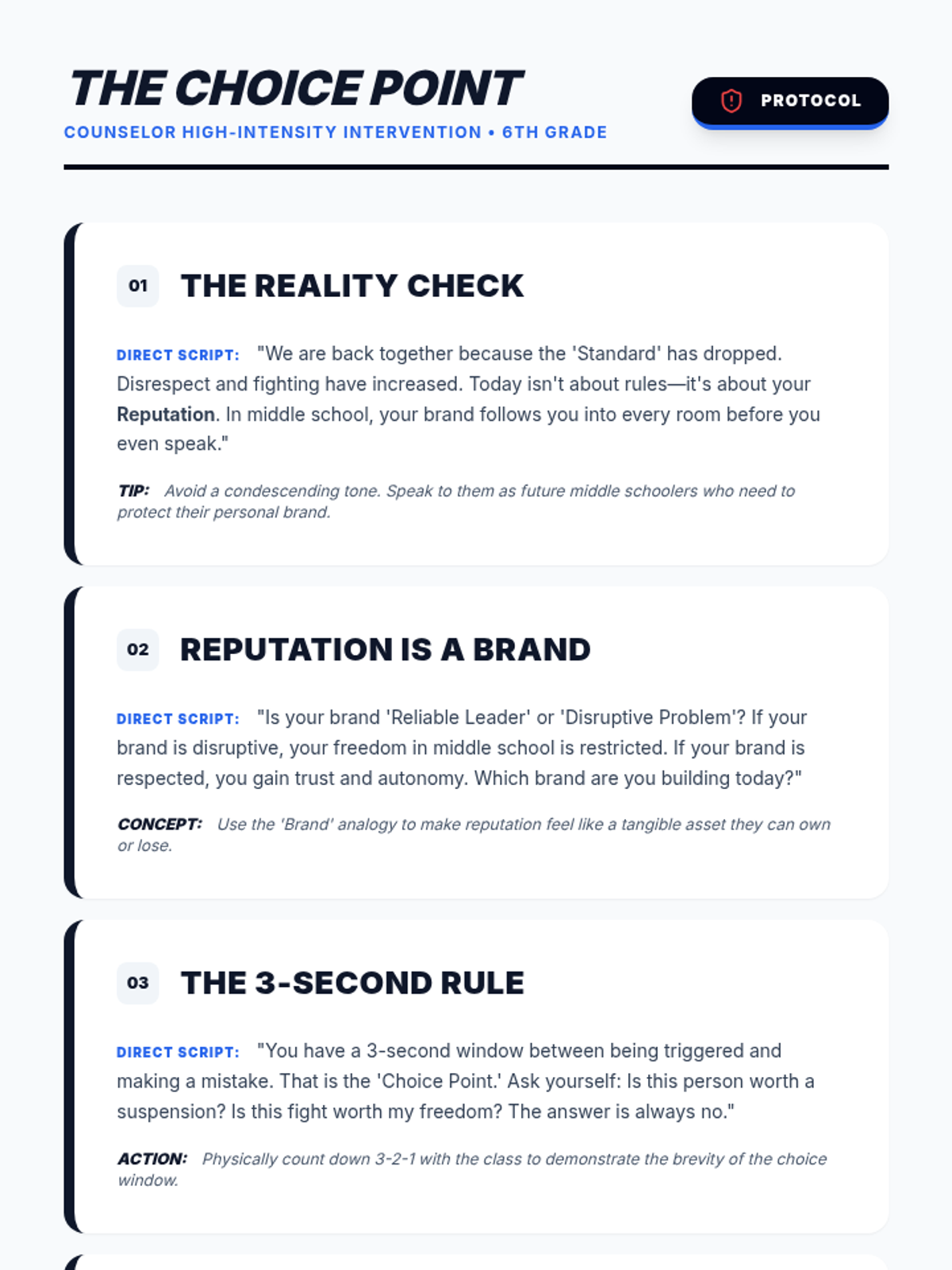
A detailed facilitation guide for the 15-minute 6th grade 'Choice Point' intervention. Provides heavy-hitting scripts focused on reputation and brand, impulse control (The 3-Second Gap), and the specific 'Power Move' of walking away. Updated for improved layout and spacing.
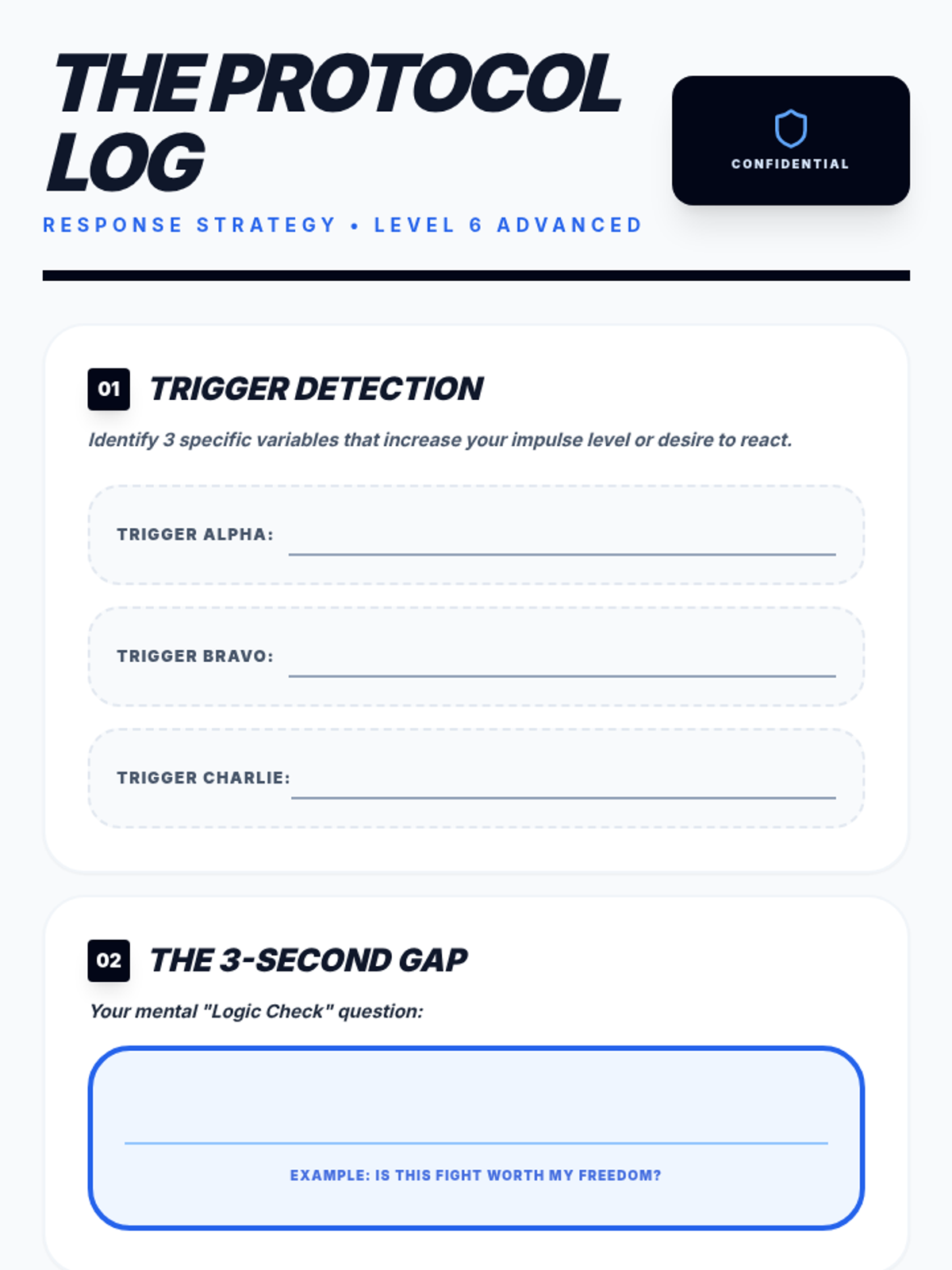
A mature, strategic response log for 6th graders. Focuses on identifying personal 'Triggers,' drafting a 'Logic Check' question for impulse control, and creating a personal 'Exit Phrase' to de-escalate conflict and protect their reputation. Updated with improved layout and larger handwriting areas.
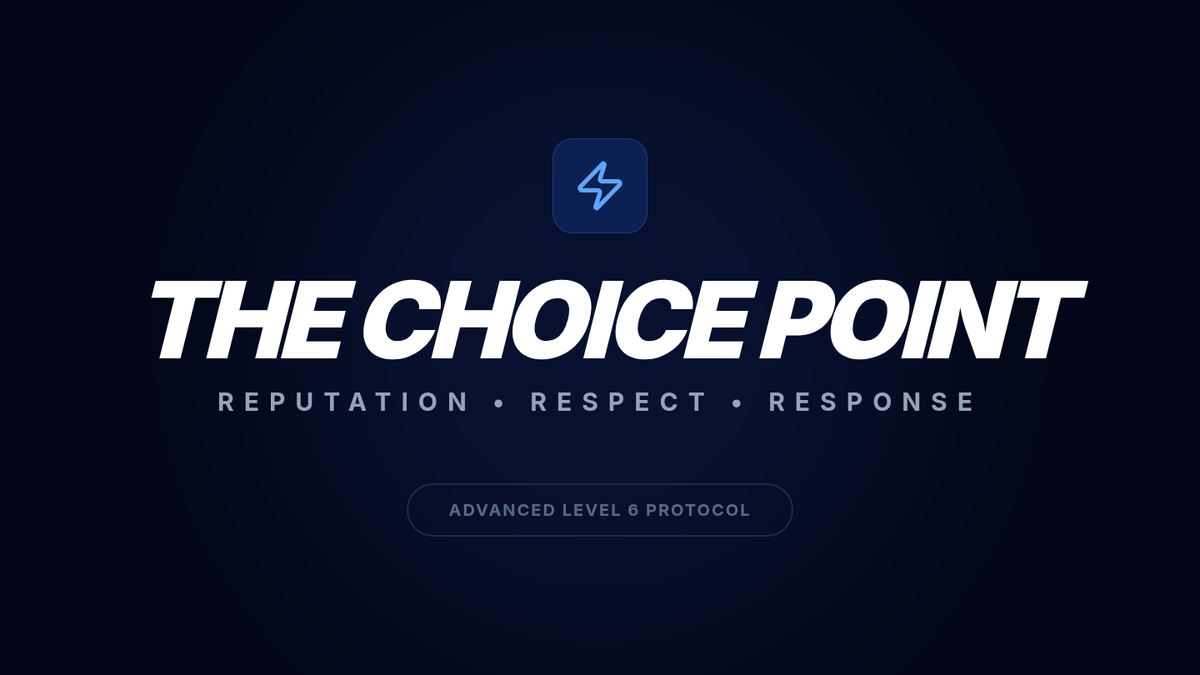
A direct, high-impact 5-slide presentation for 6th graders to address disrespect and fighting. Uses a 'real-world' brand and reputation theme to teach impulse control (The 3-Second Gap) and a structured de-escalation protocol (The Exit Protocol).
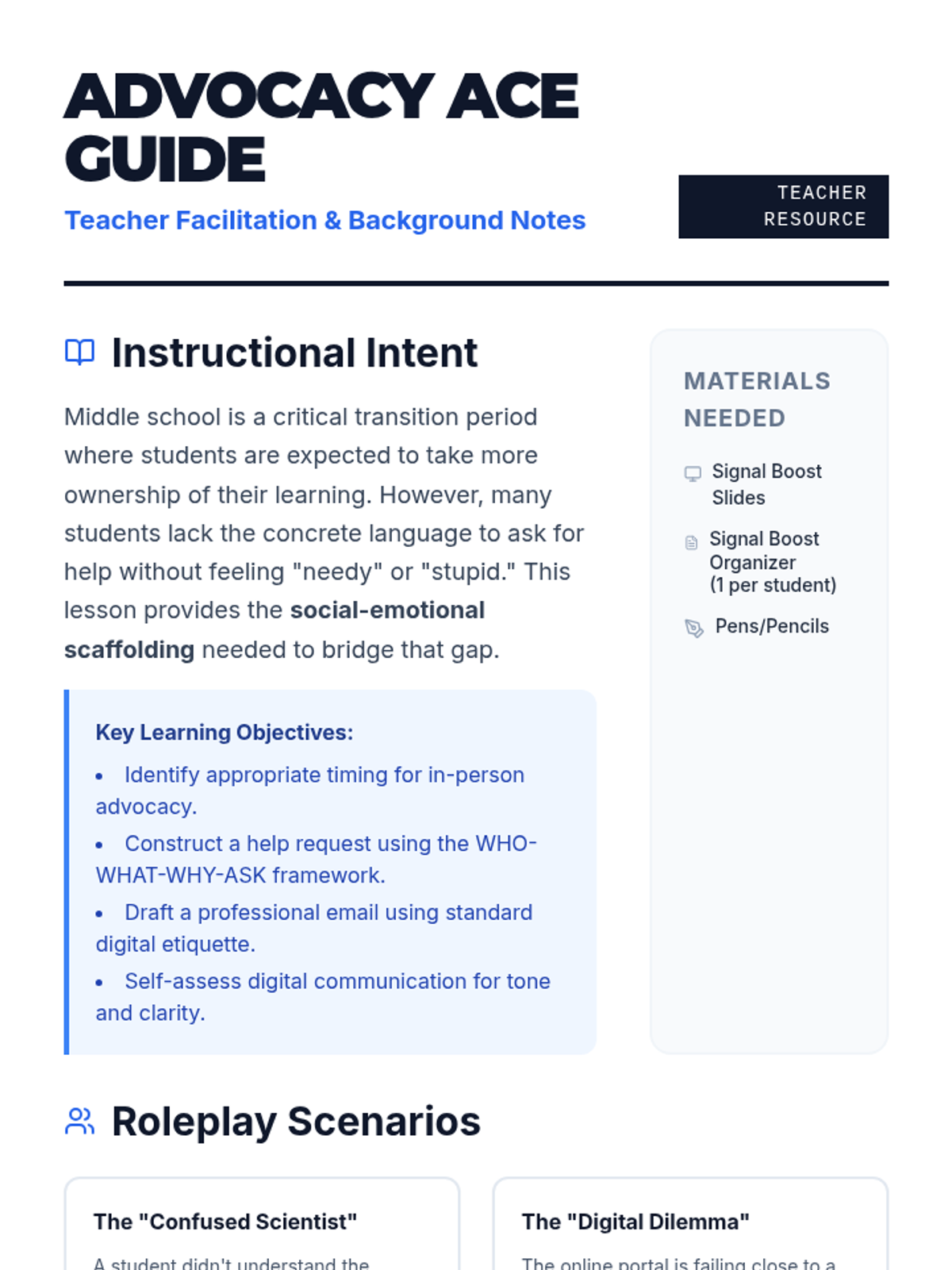
A comprehensive teacher guide for the "Voice Power" lesson. Includes instructional objectives, roleplay scenarios, and a detailed pacing guide to help educators facilitate discussions on self-advocacy and digital etiquette.
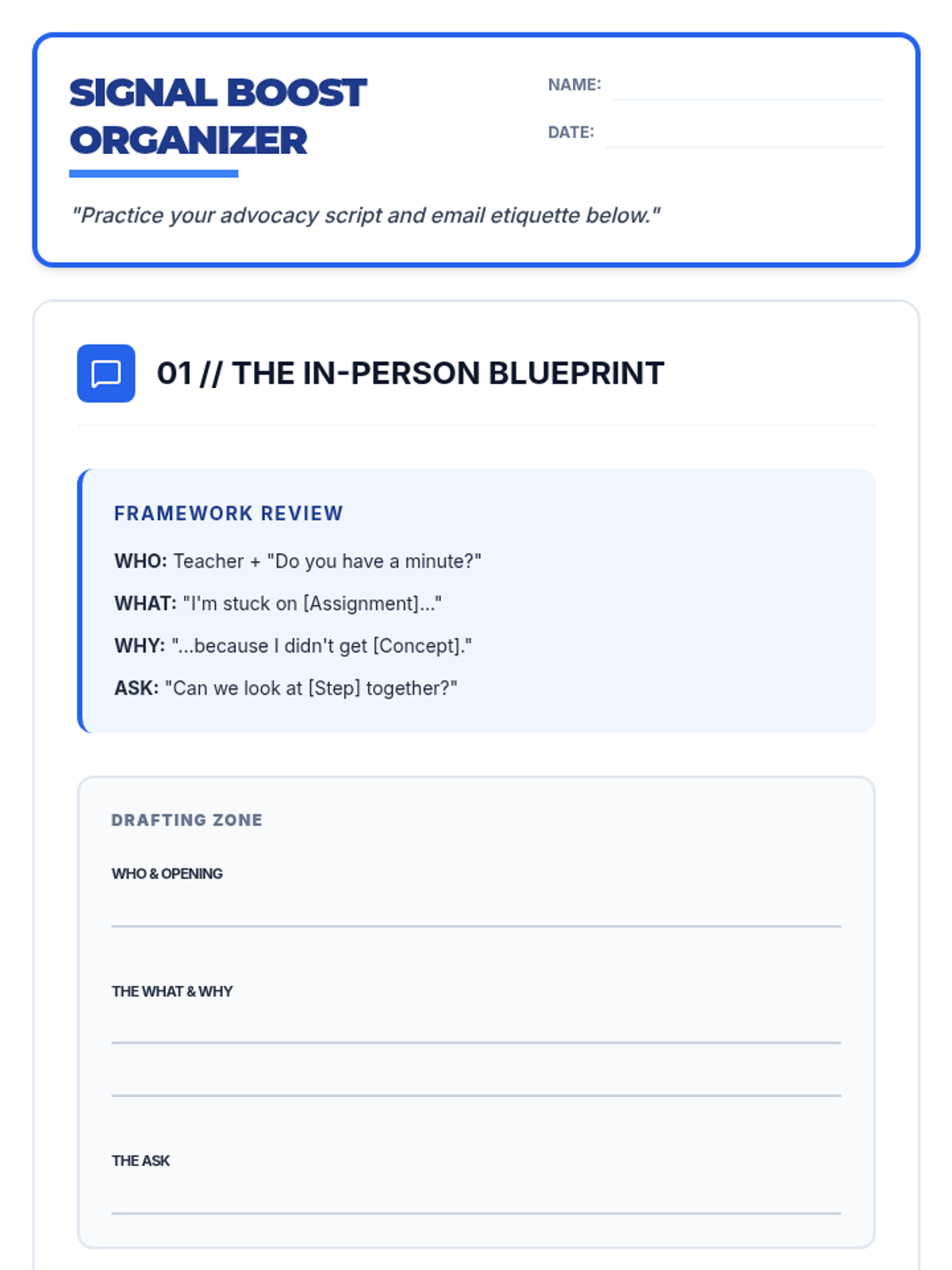
A multi-part student graphic organizer designed to walk middle schoolers through drafting self-advocacy scripts and professional emails. It uses a structured "blueprint" aesthetic with ample handwriting space and clear etiquette checklists.
A vibrant, modern slide deck that introduces middle schoolers to self-advocacy and digital etiquette. It features a clear "Who, What, Why, Ask" framework and visual breakdowns of professional email structure.
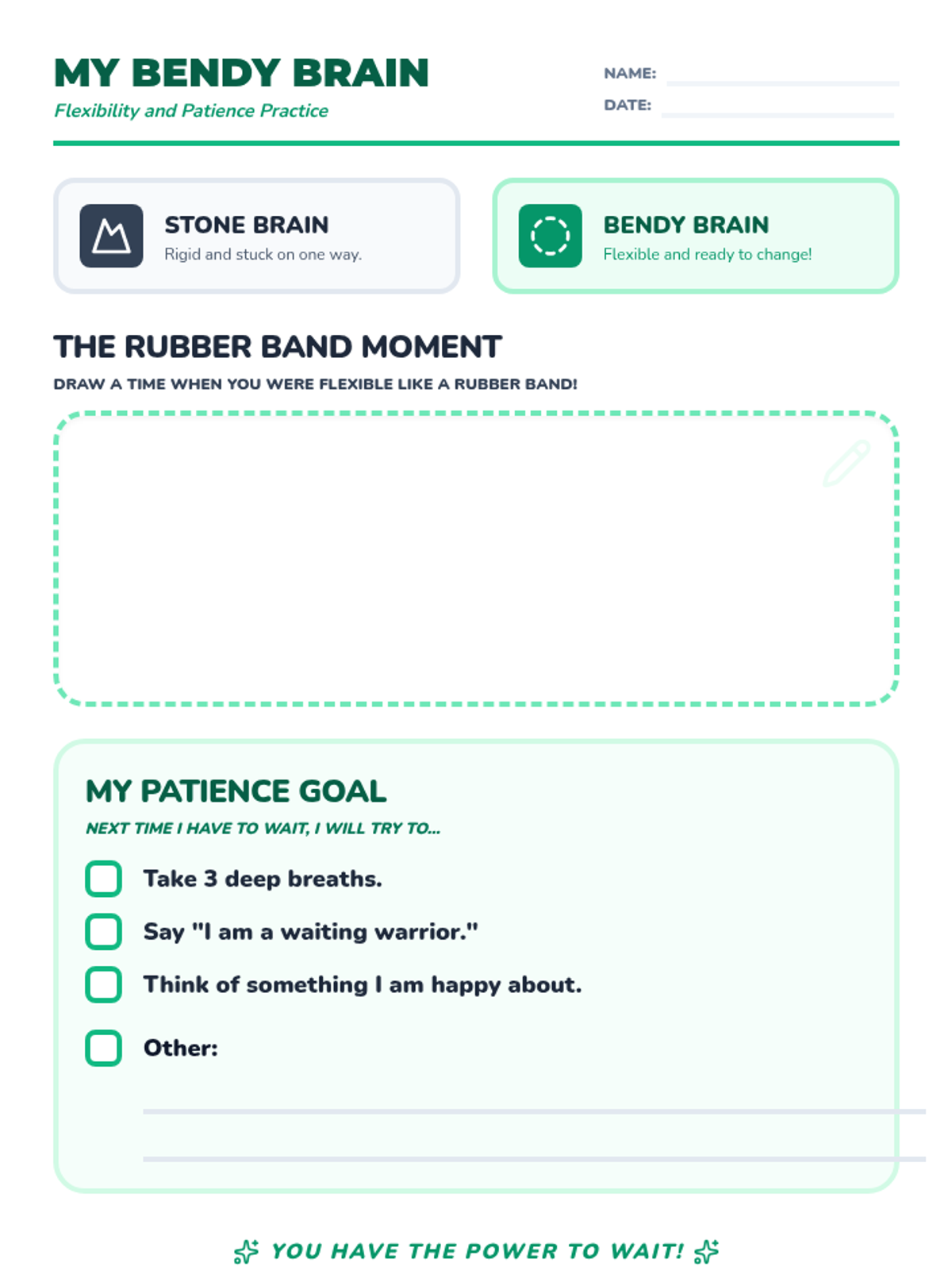
A reflective worksheet for K-4 students to process flexibility and patience, including drawing space and goal-setting. Optimized for single-page print.
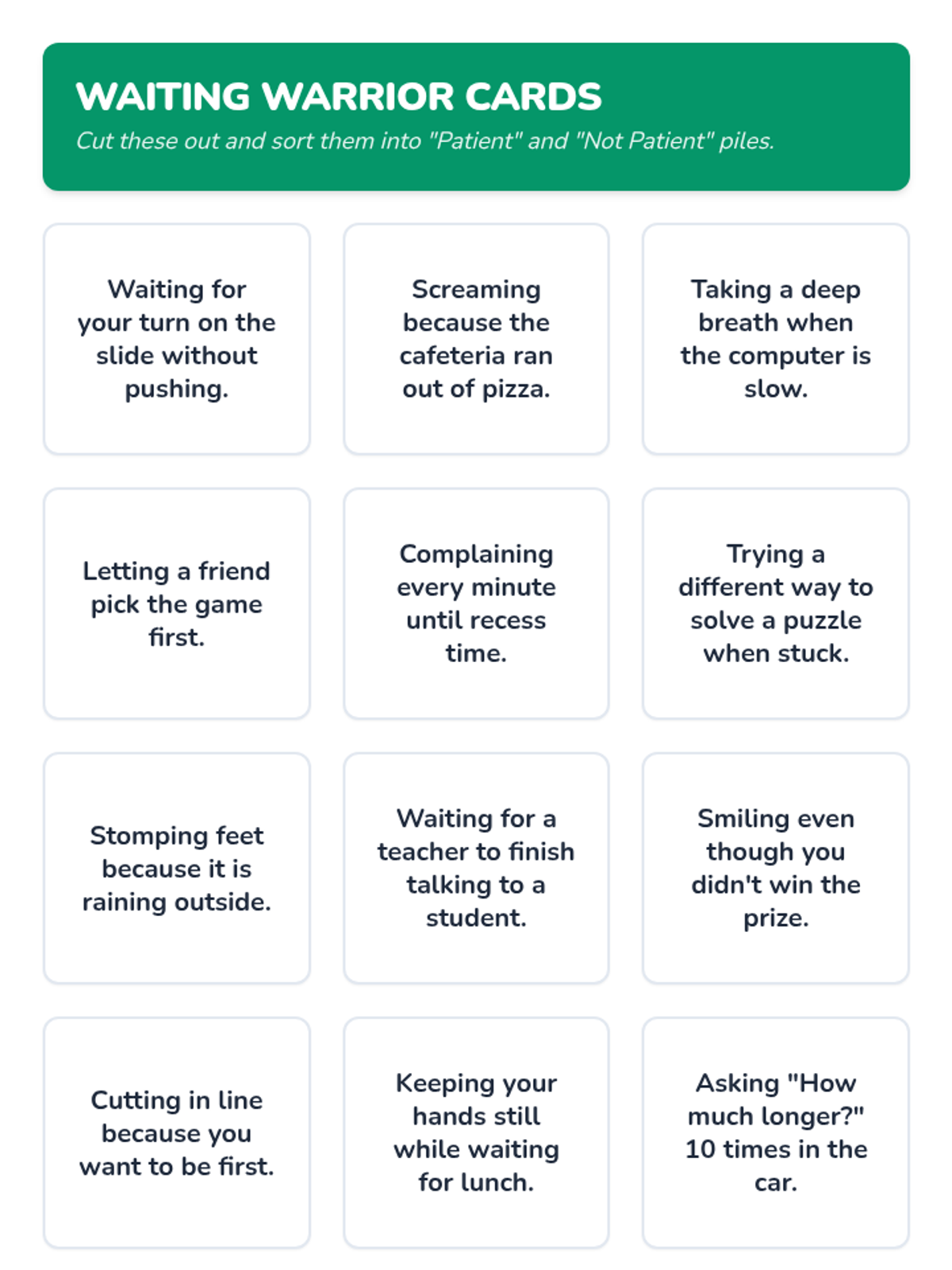
A set of 20 scenario cards for K-4 students to sort into "Patient" or "Not Patient" categories. Redesigned for better readability and clean page breaks.
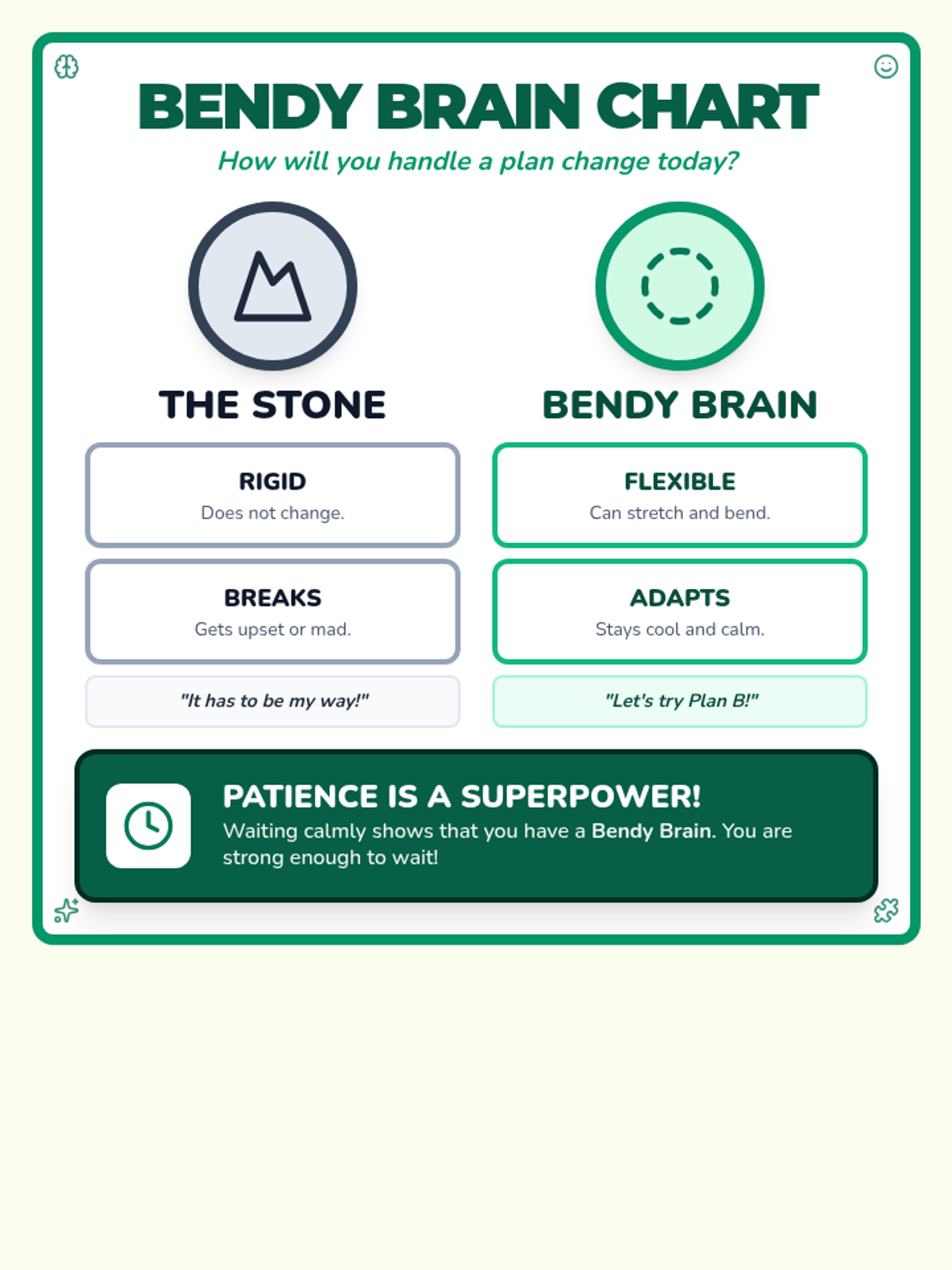
A high-impact anchor chart for classroom display, comparing "Stone Brain" (rigid) and "Rubber Band Brain" (flexible) behaviors. Coordinated for single-page display.
A vibrant and bold slide presentation for K-4 students that visually introduces the concepts of flexibility and patience through the Stone vs. Rubber Band analogy, including 20 practice scenarios.