A set of printable challenge cards for a housekeeping simulation, updated for specific zones like the Tech Room, Rec Room, and Life Skills Room, with a focus on "Club Challenge" criteria and no text cutoff.
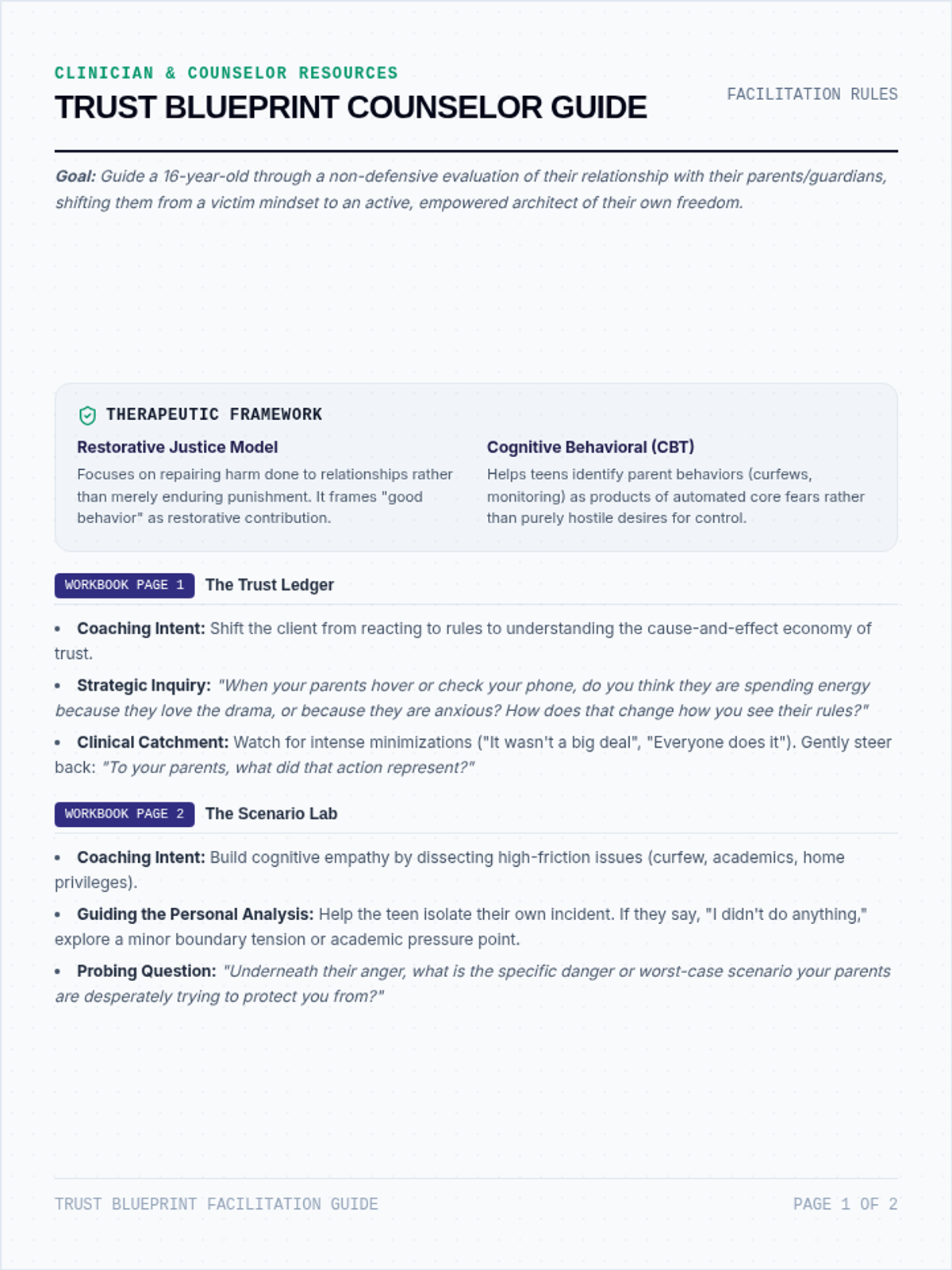
A facilitator guide for counselors or teachers to deliver the Social Blueprint lesson, including pacing, clinical insights, troubleshooting tips, and discussion prompts.
A six-slide presentation designed for teenagers, introducing the concepts of social energy management, social cues (signal vs. noise), friendship quality, and tactical coping skills.
A set of eight visual coping skill cards designed specifically for teenagers, featuring tactical grounding techniques, social scripts, and anxiety management strategies in a modern, tech-inspired aesthetic.
A comprehensive teacher resource for facilitating the Voice Power lesson. It includes legal context on the McKinney-Vento Act, trauma-informed teaching tips, facilitation prompts for scenarios, and external resource links.
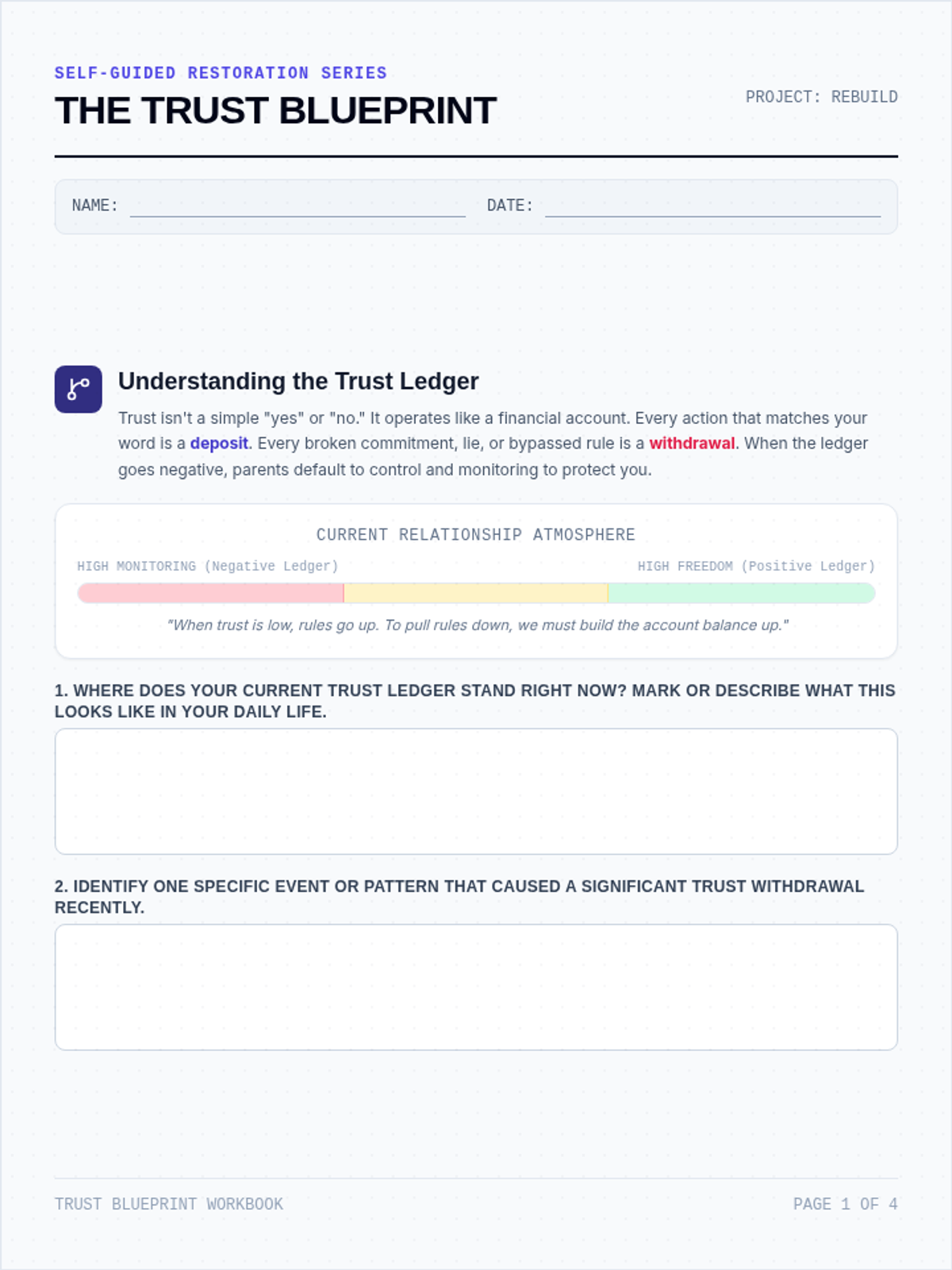
A three-page interactive workbook for teenagers to analyze friendship quality (green vs. red flags), manage their social battery, and map their social circles to better understand their relationship dynamics.
A presentation deck to guide high school students in temporary housing through the basics of civic advocacy, including letter writing, public speaking, and building networks.
A two-page guide featuring practical, step-by-step social scripts for teenagers to navigate common peer interactions, including joining conversations, setting boundaries during banter, and supporting friends.
A student worksheet featuring four hypothetical scenarios focused on writing letters to representatives, school board advocacy, town hall participation, and community networking. It provides structured work areas for students to practice their civic voice.
A comprehensive guide for teachers to facilitate the Inner Calm lesson, including learning objectives, pacing, slide-by-slide discussion prompts, and differentiation strategies.
A visual presentation introducing the 'Engine' analogy for self-regulation, identifying triggers, recognizing body clues, and exploring different coping strategies.
A multi-page workbook designed for students to identify emotional triggers, physical signs of dysregulation, and a personalized toolkit of coping strategies. It culminates in a final 'Calm Code' plan.
A high-interest, low-level (Hi-Lo) reading passage about a student's first day on the job. Includes reading comprehension questions and functional workplace math problems.
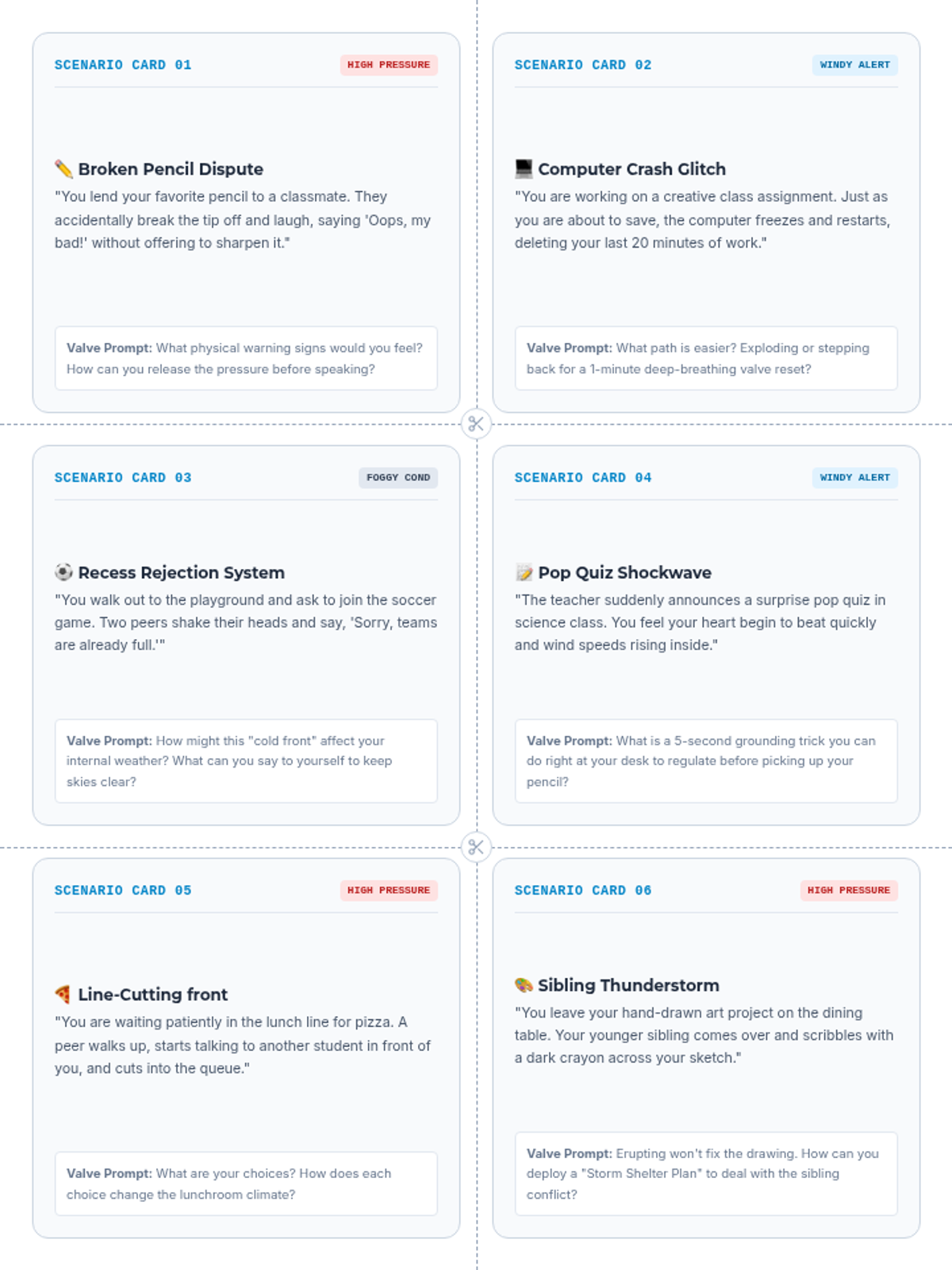
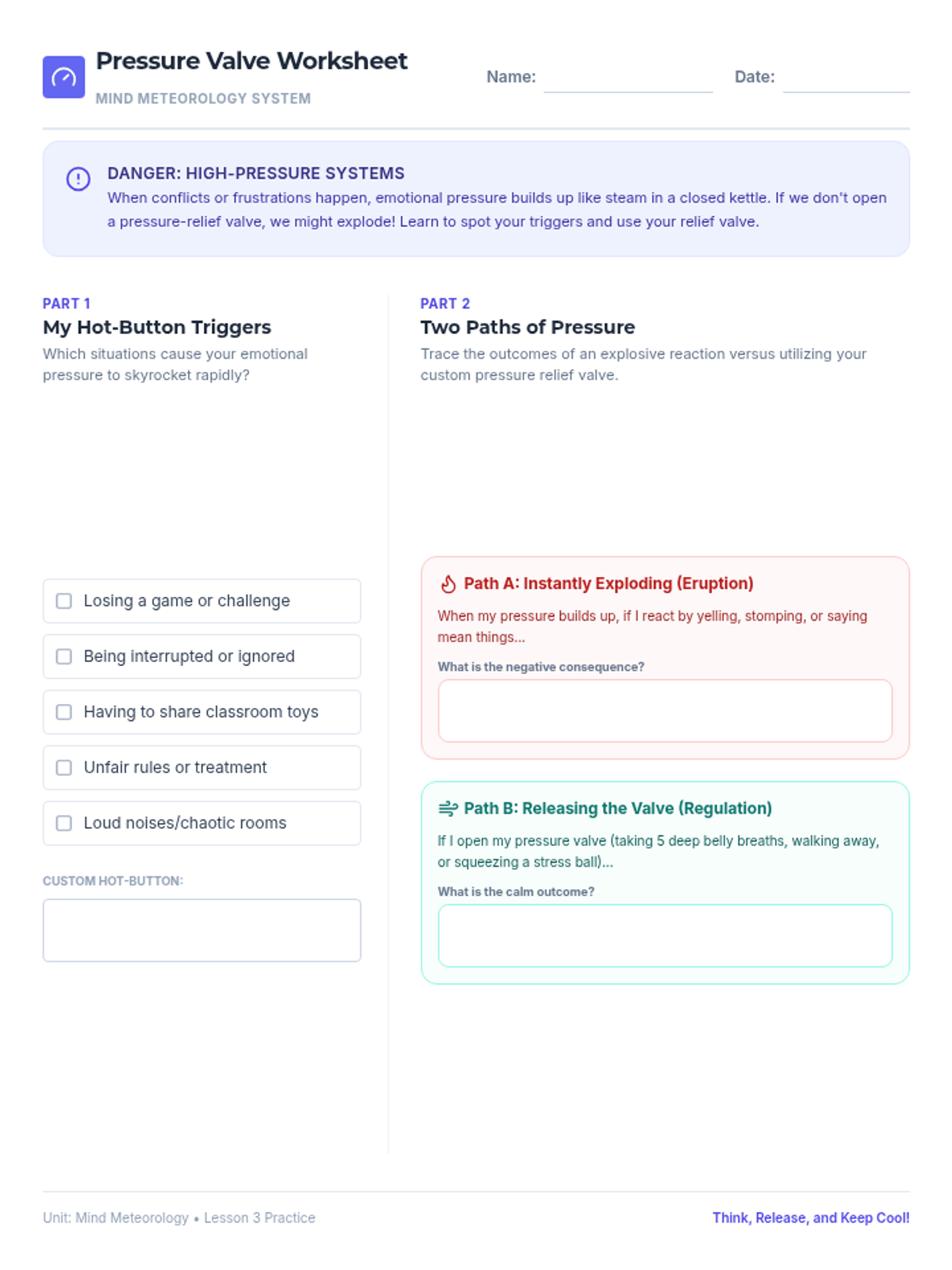
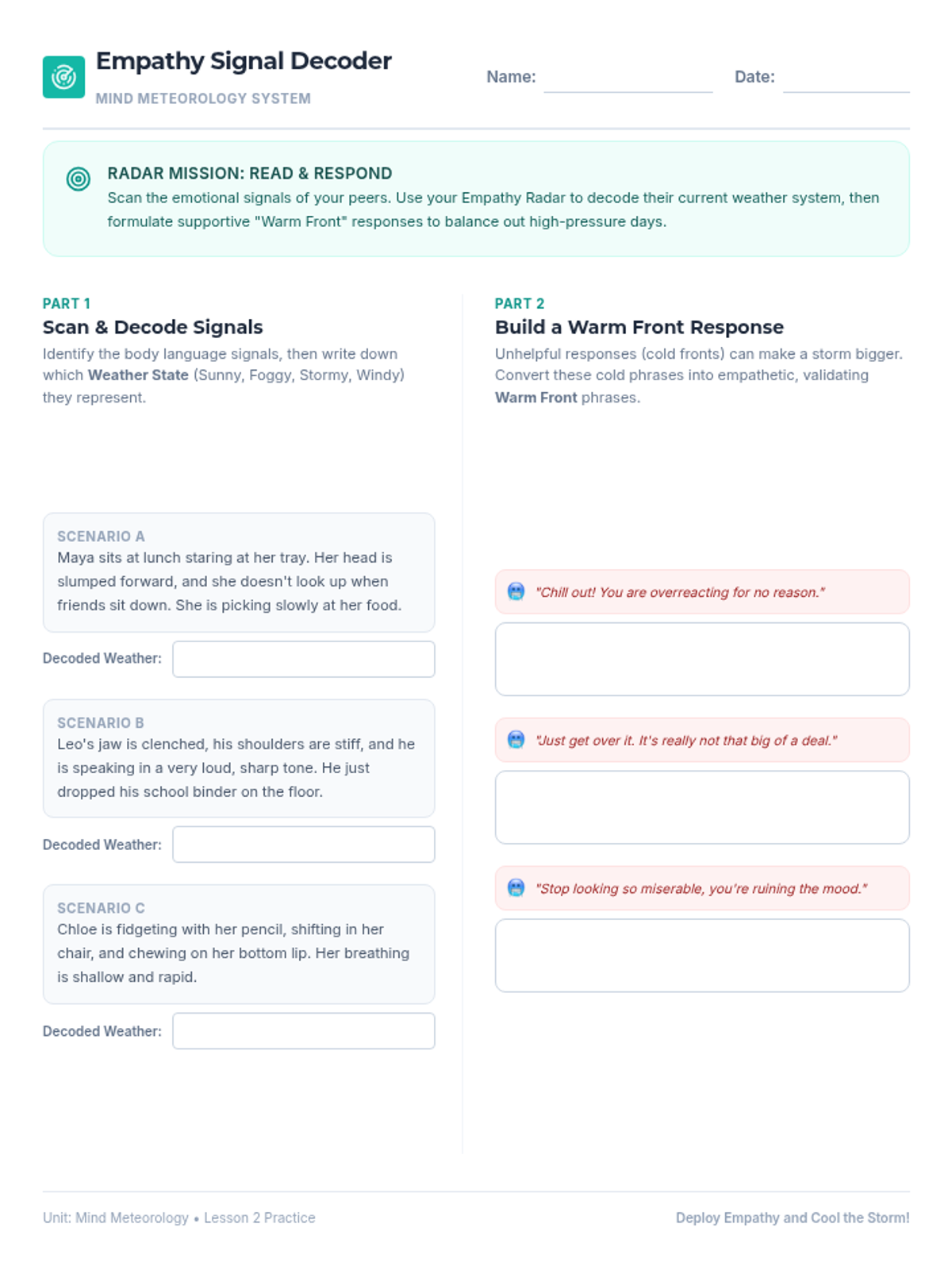
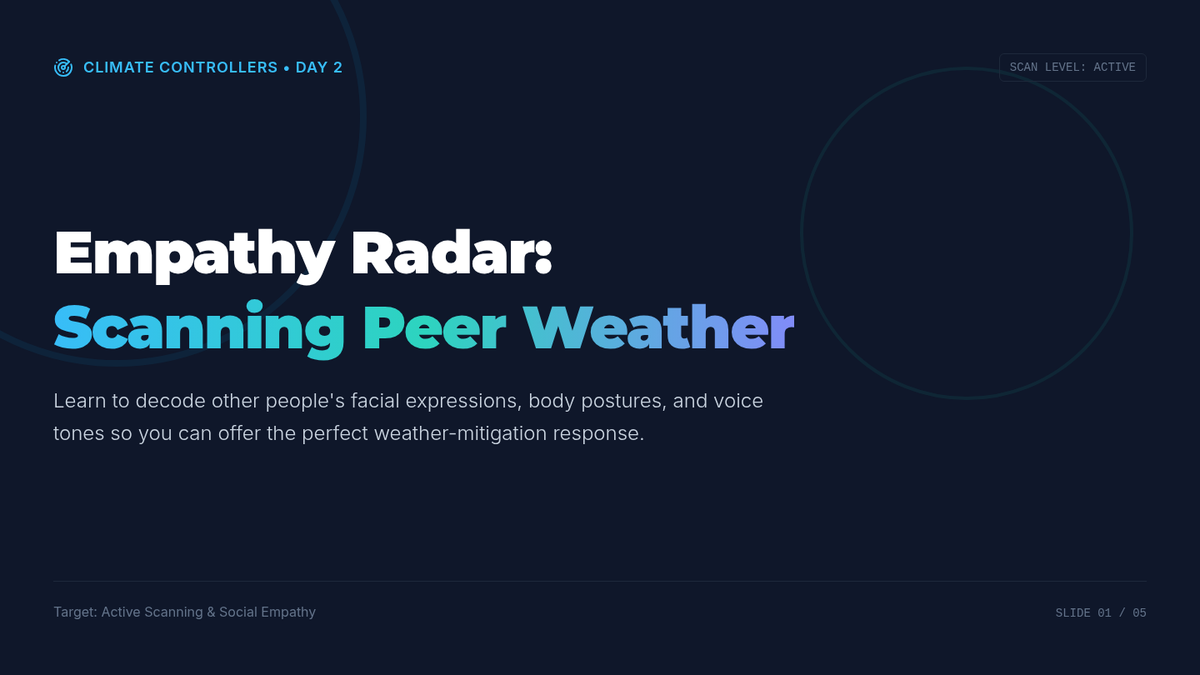
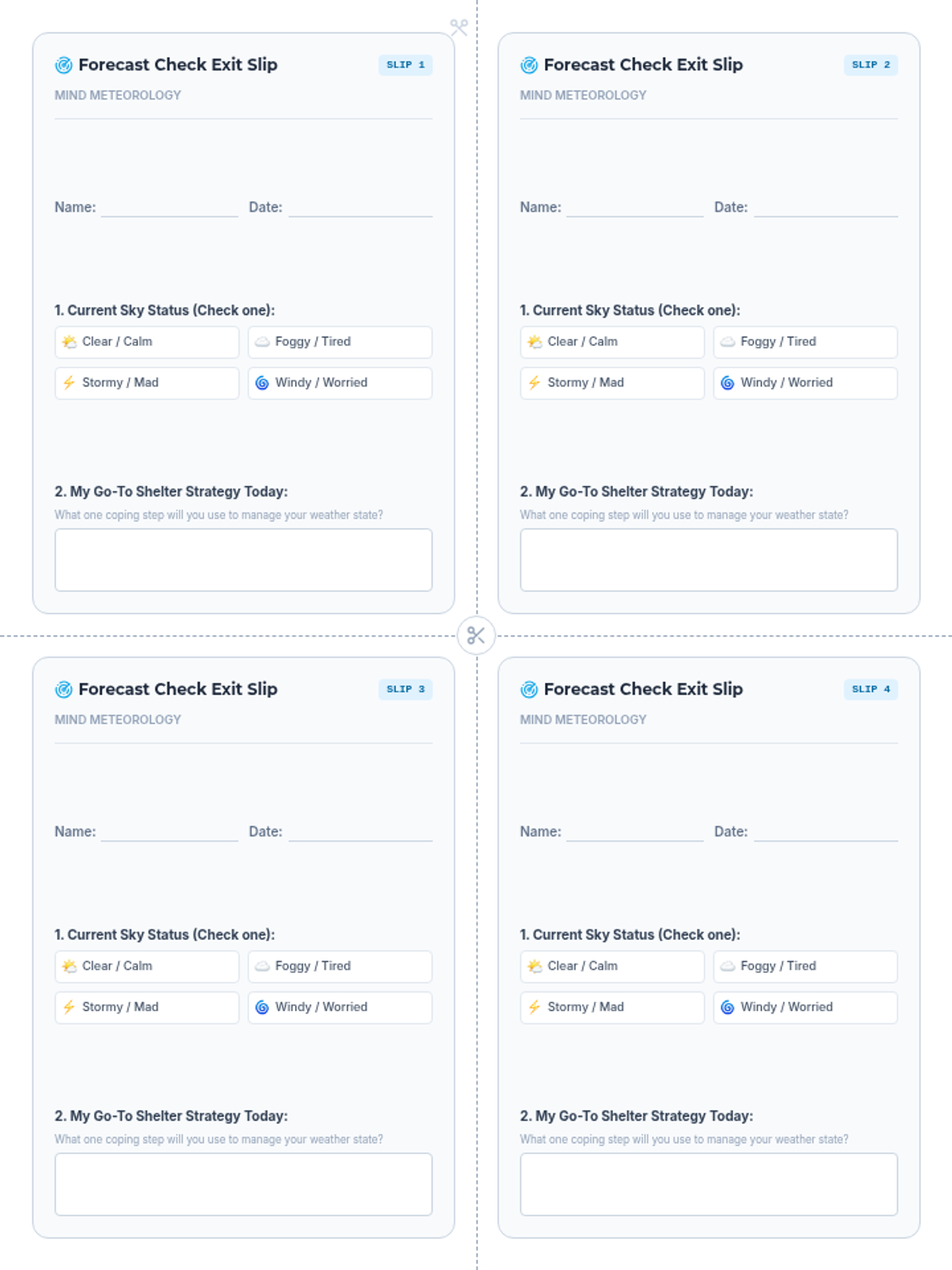
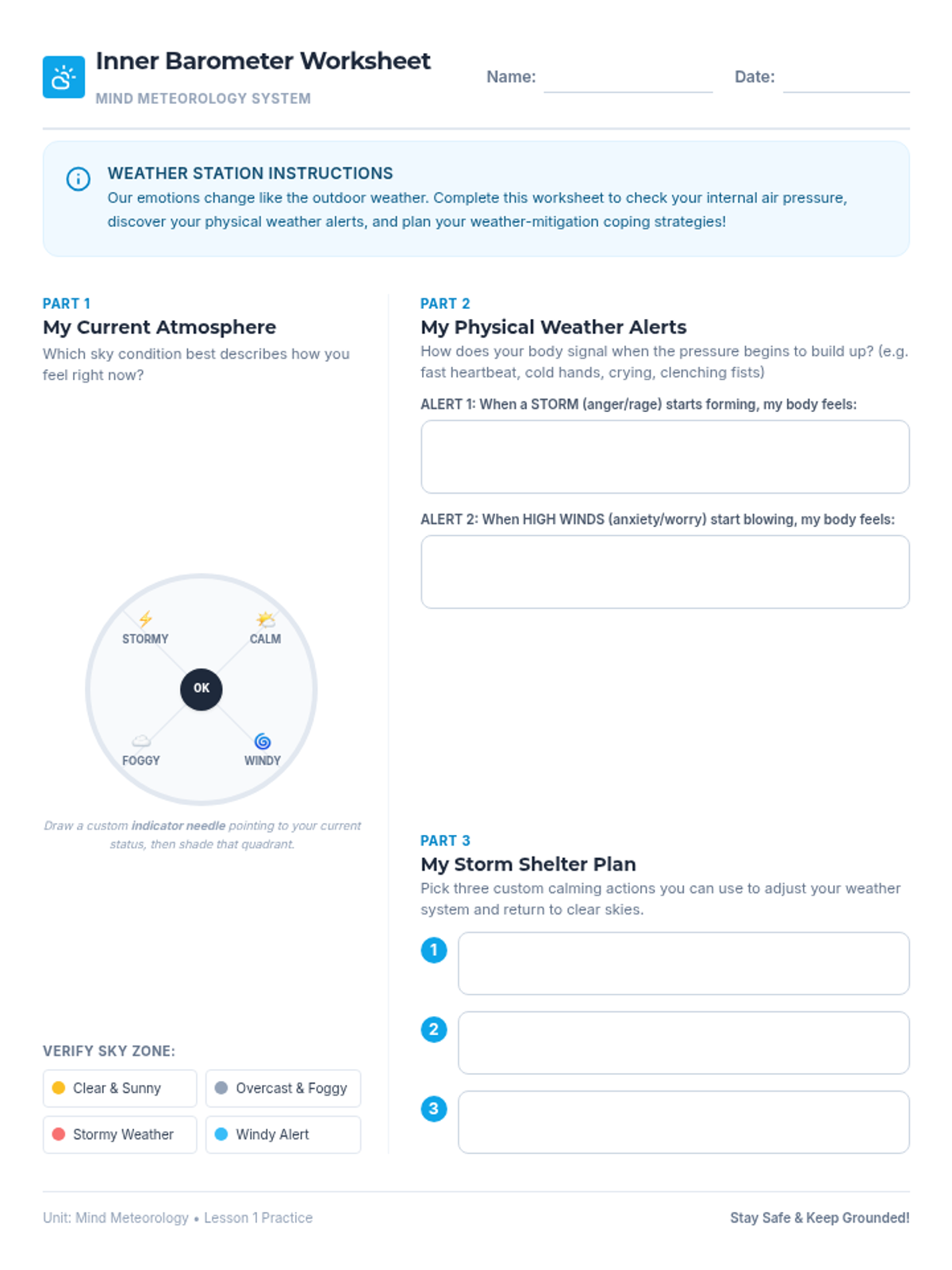
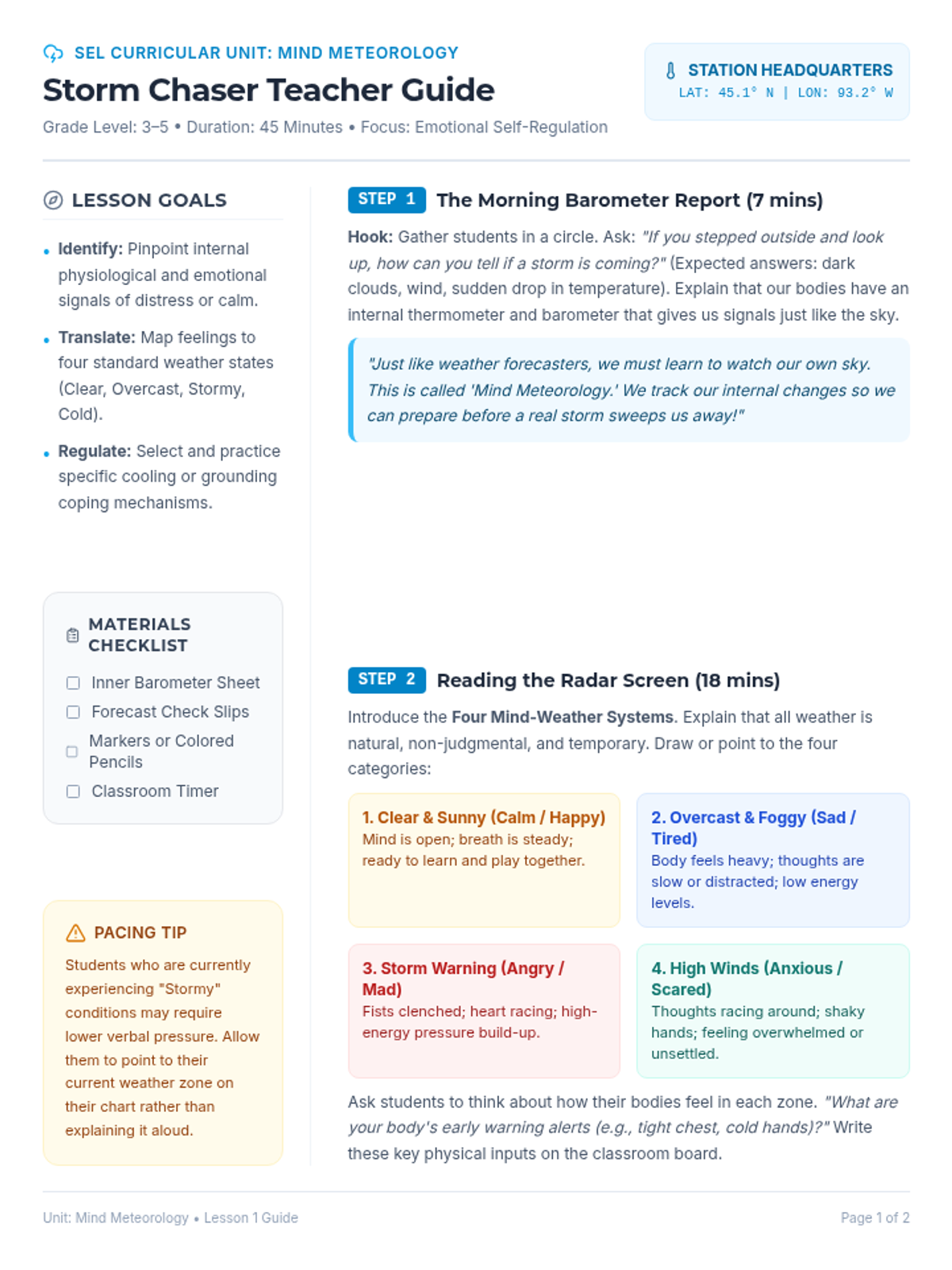
A daily self-regulation tool for students to identify their emotional state ("Inner Weather") and select appropriate regulation strategies from a "Toolkit." Designed with high-interest visual metaphors.
A transition planning checklist for high school students focusing on vocational readiness and independent living skills. It provides actionable items for career preparation and self-advocacy.
A functional math worksheet focusing on budgeting for grocery shopping. Students calculate the total cost of ingredients for a taco recipe and determine if it fits within a set budget.
A vocational vocational readiness tool that helps students track their job applications and provides key interview success tips for transition-age youth.
Updated facilitation guide and answer key for the Truth Detectives worksheet, now including expanded keys for the 6 misinformation scenarios, including AI-generated content.
A teacher's guide providing instructional strategies, pacing suggestions, and discussion prompts for facilitating the behavioral sequencing lesson.
A generic template for students to map their own personal behavior sequences and plan specific intervention strategies for the future.
A self-advocacy worksheet that helps students identify their needs and provides a structured script ("I... so I need... thank you") for requesting accommodations in vocational or educational settings.
Updated student worksheet featuring a SIFT method checklist, a viral housing scam case study, and an expanded 6-scenario quiz including new political and AI-generated misinformation red flags.
A graphic organizer featuring three school-based scenarios where students must map the behavior sequence and suggest interventions to change the outcome.
A step-by-step worksheet guiding students through behavioral sequencing, mapping the triggers (before), actions (during), and impact (after), and identifying points of intervention.
An introductory presentation for the "Action Replay" lesson, visually defining behavioral sequencing (before, during, after) and the concept of interrupting the loop.
Visual presentation for teaching students how to recognize fake news, introducing the SIFT method and identifying clickbait.