A sorting activity where students match social conflict 'injuries' with appropriate restorative 'treatments', reinforcing the lesson's first-aid metaphor.
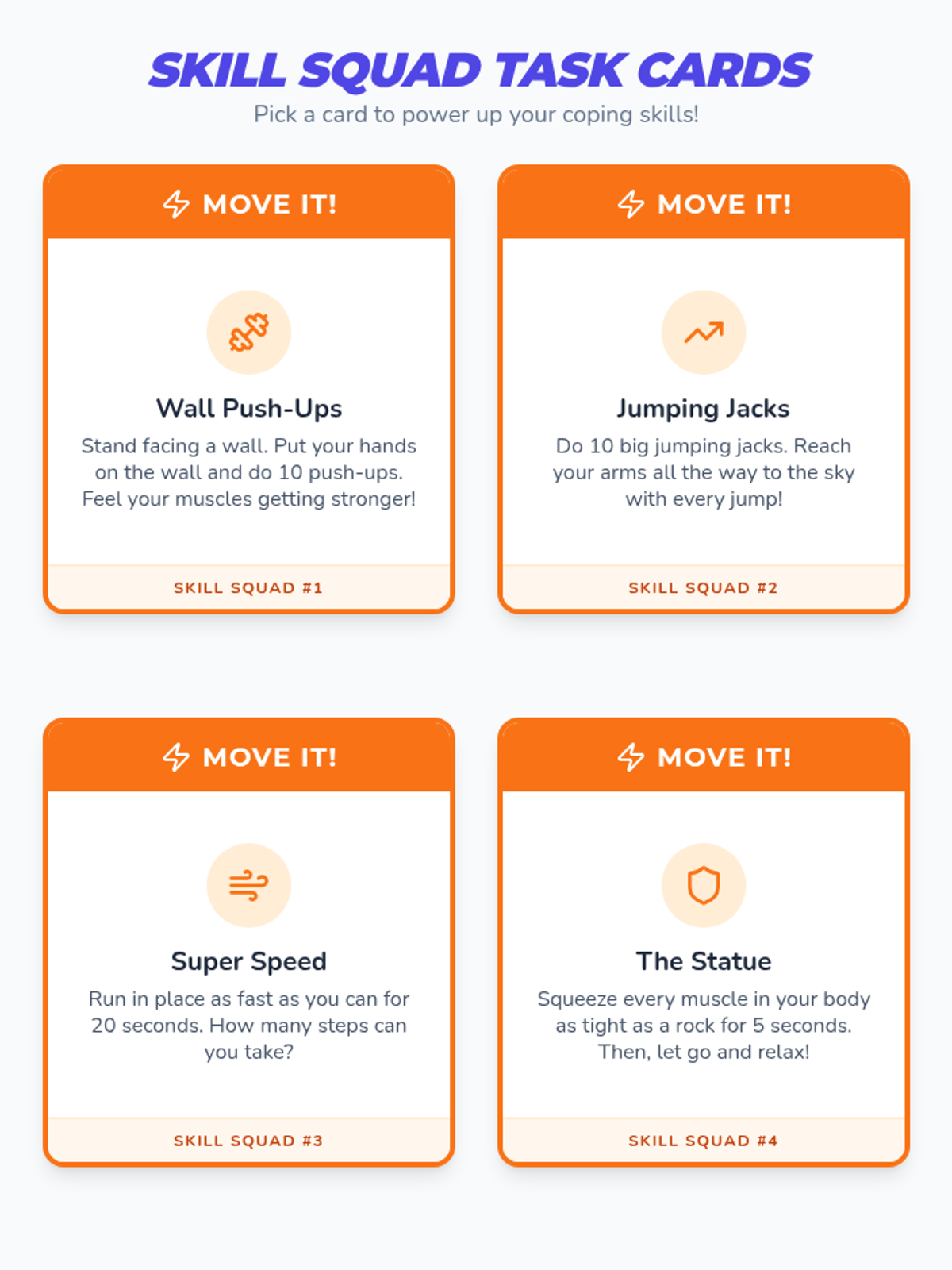
A set of 20 vibrant, printable task cards divided into four categories: Move It, Chill It, Think It, and Feel It. Each card features a specific coping skill activity designed for K-4 students.
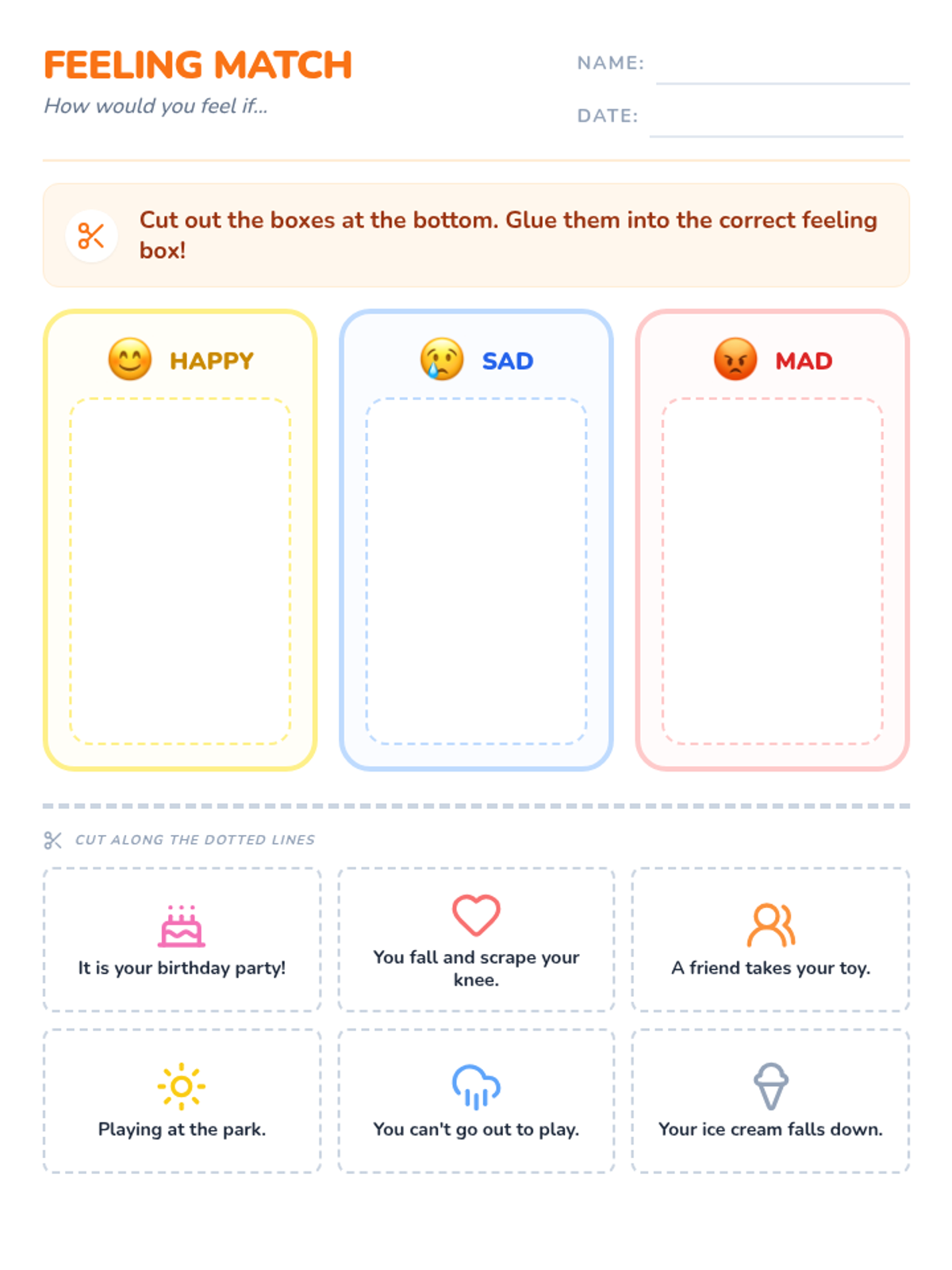
A cut-and-paste sorting worksheet where students match situations to the corresponding feeling.
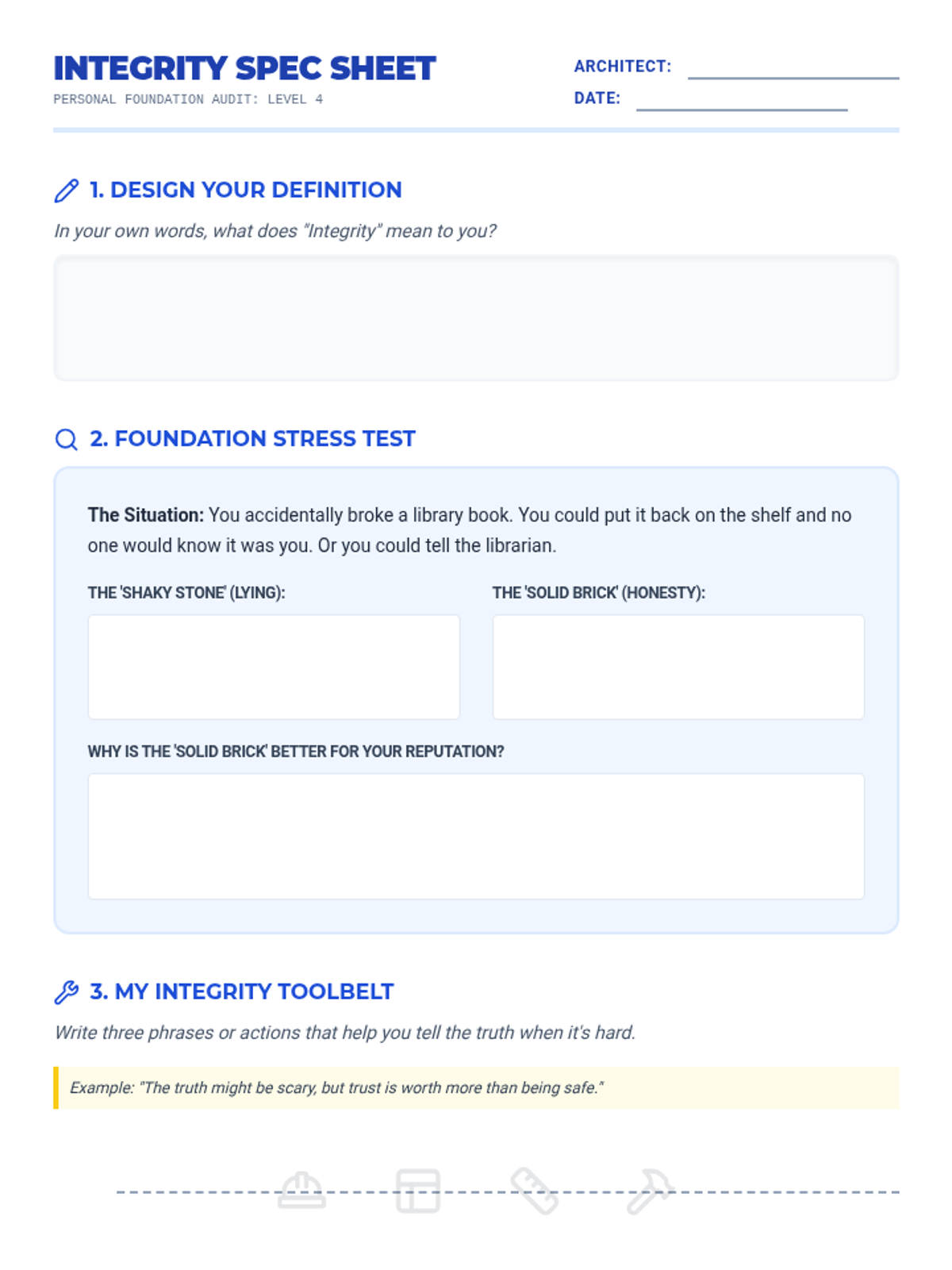
A student-facing reflection worksheet where 4th graders define integrity, analyze a moral dilemma, and identify personal tools for choosing honesty. Consistently sized for handwriting.
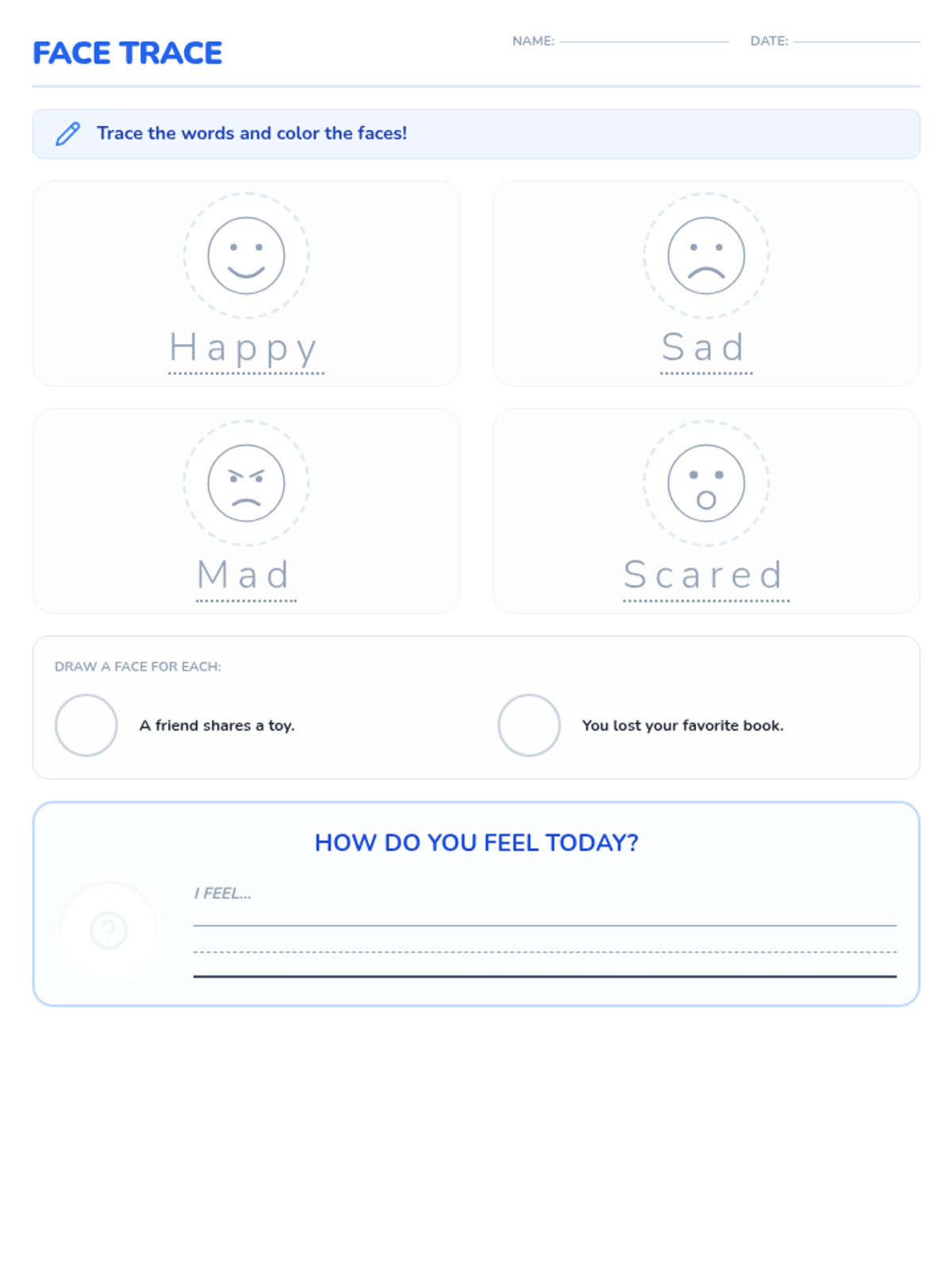
A tracing and coloring activity where students identify basic emotions and trace their names.
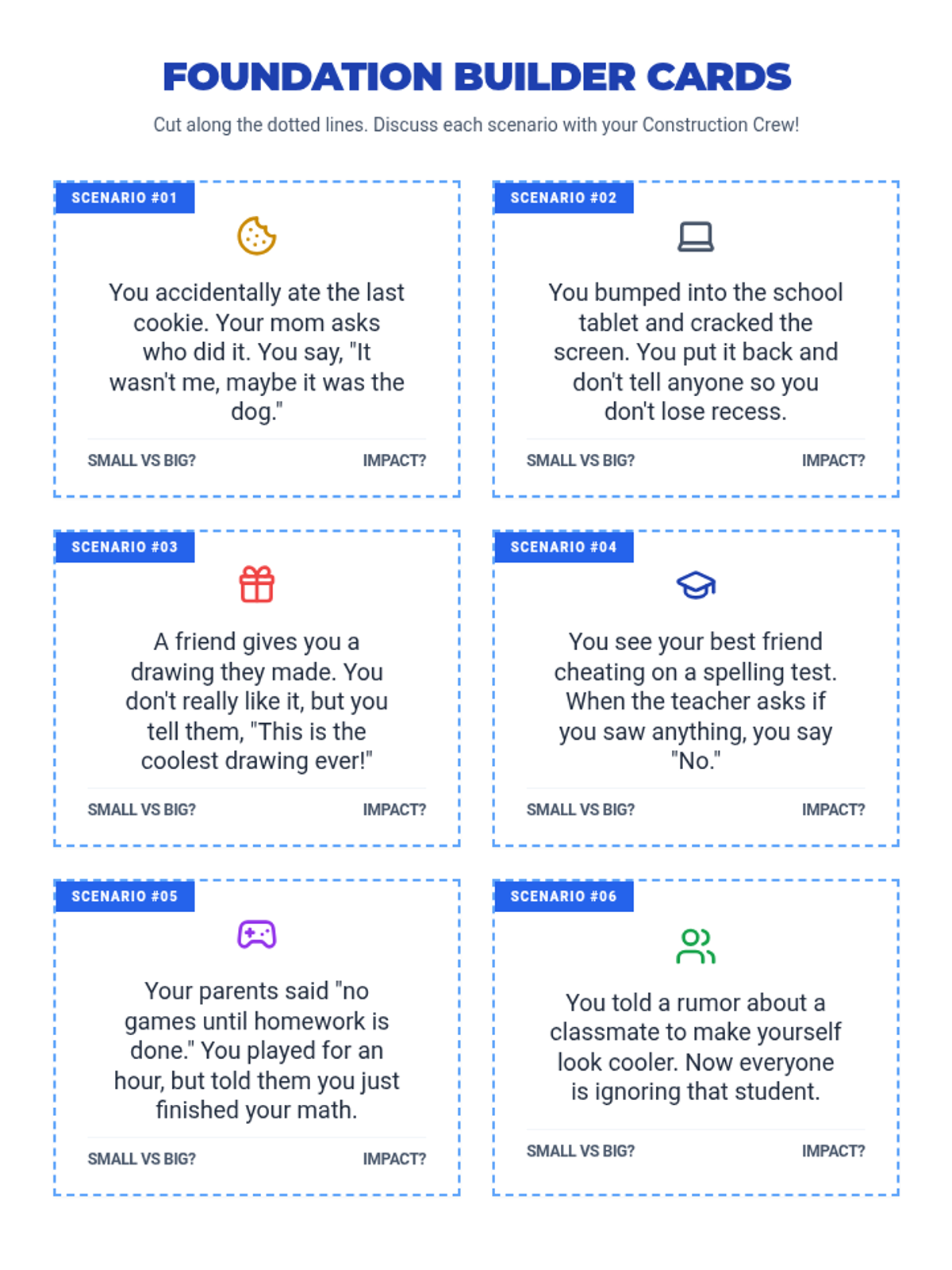
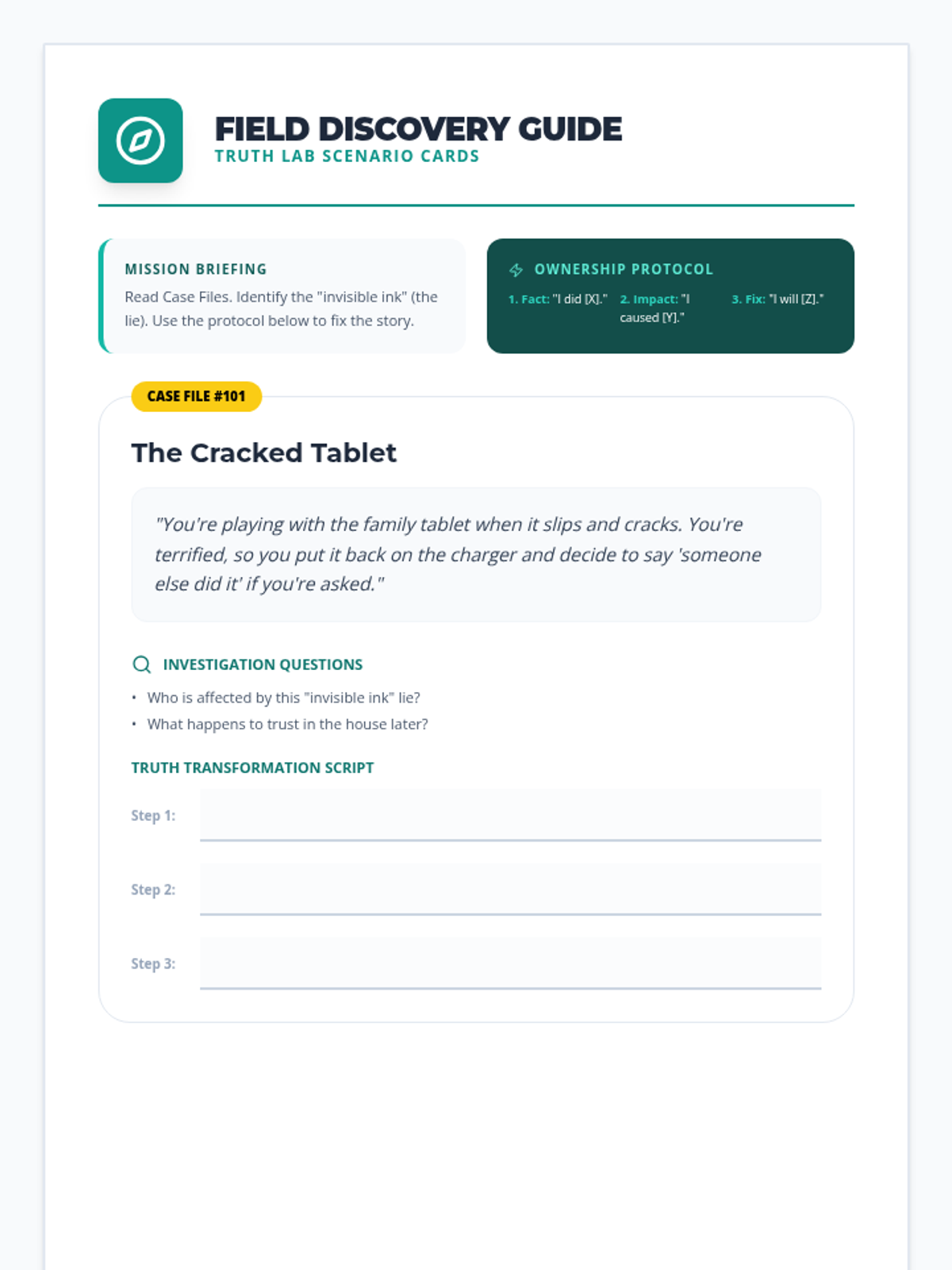
A set of six printable scenario cards for a classroom game where students categorize lies and discuss the social consequences of dishonesty. Optimised for ink-saving print.
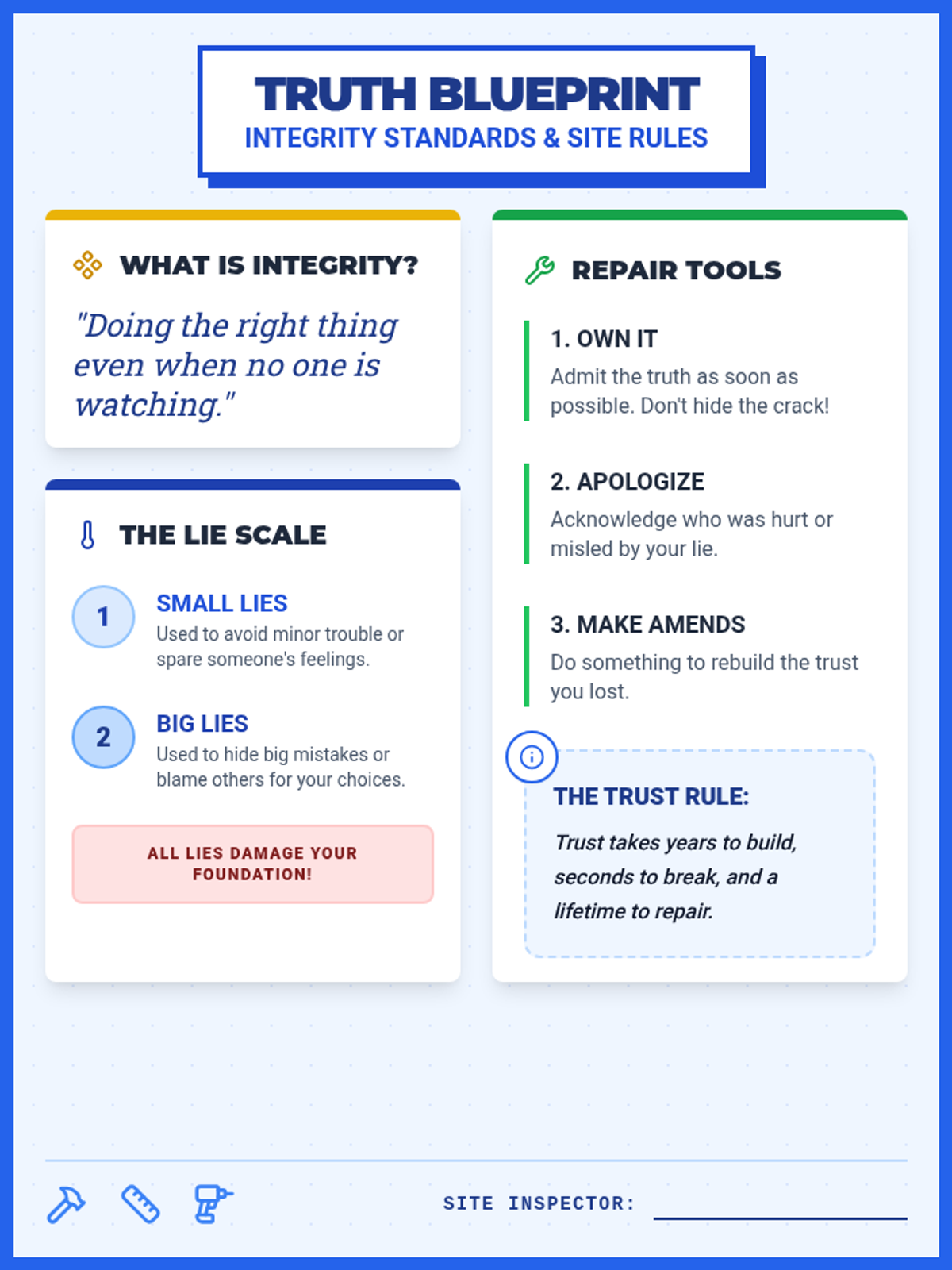
A visually striking anchor chart designed as a construction blueprint, clearly defining integrity, the scale of lies, and steps for repairing trust. Content scaled for classroom visibility.
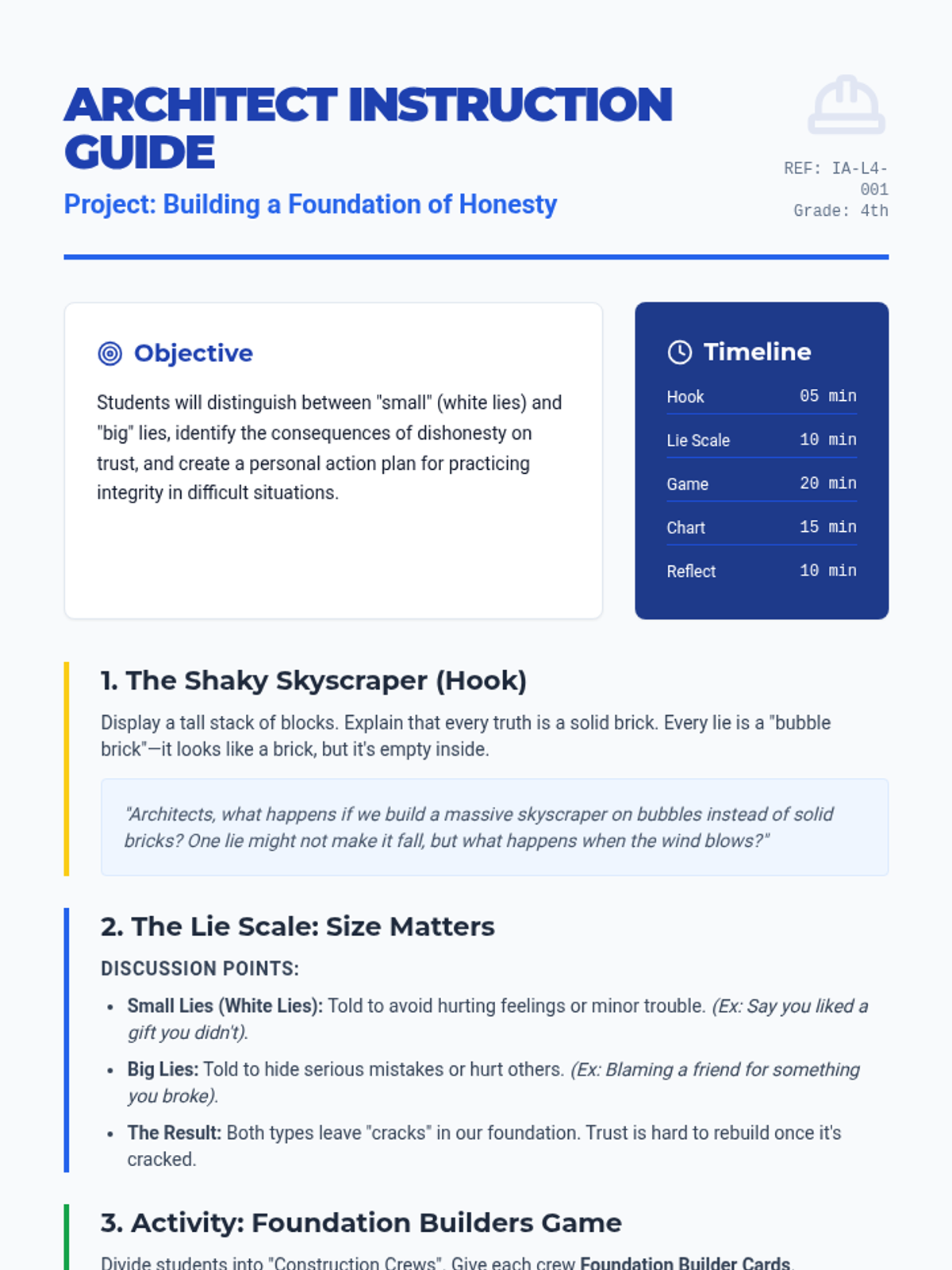
A comprehensive teacher's guide for a 4th-grade lesson on honesty, featuring a blueprint theme, clear instructional steps, and specific discussion prompts for 'small' vs 'big' lies.
A discussion guide for small groups featuring realistic 5th-grade scenarios. It prompts students to analyze the ripple effects of lies and practice using a 'Truth Transformation' script to own up to mistakes. Designed as a field journal for 'Truth Scientists'.
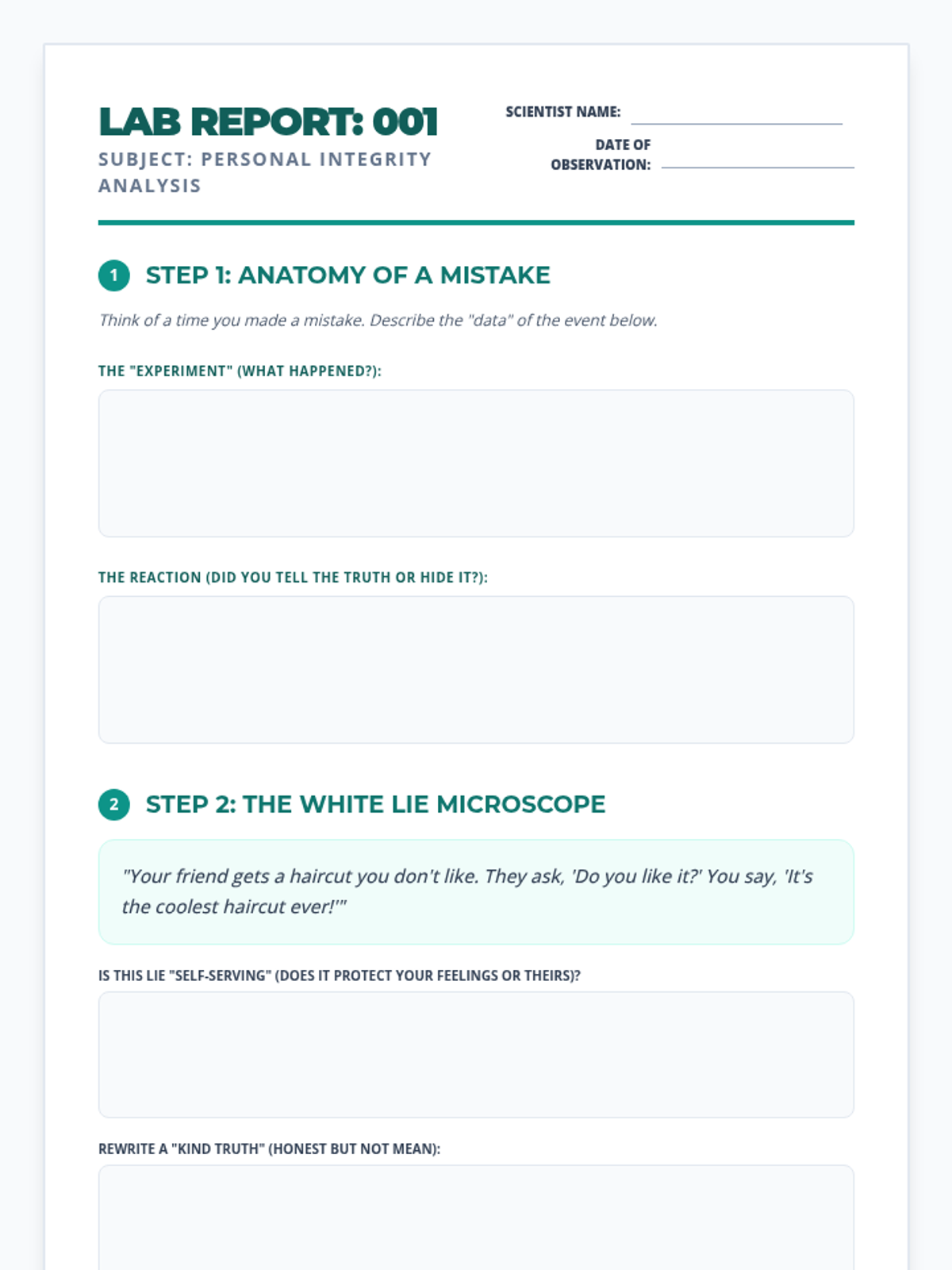
An interactive lab-themed worksheet for 5th graders to analyze personal mistakes, examine the nuances of white lies, and map out the long-term ripple effects of dishonesty. Designed with clean, handwriting-friendly work areas.