A visual presentation for the Feelings in My Body lesson, exploring happy, sad, and angry emotions through color associations and gentle movements.
Printable mini-cards (6 per page) that students can keep at their desks or in their pockets as a quick visual reference for the Pause-Think-Act strategy. Includes cut lines for easy preparation.
A visual guide for the "Act" step, listing specific "Green Light Moves" and a checklist for students to ensure their actions are helpful and productive.
A focused anchor chart for the "Think" step, providing students with a set of self-reflection questions and a framework for evaluating different response options.
A detailed anchor chart focusing on the "Pause" step, teaching students how to recognize physical emotional cues and providing specific strategies for self-calming.
A vibrant, high-contrast overview poster that introduces the three-step Pause-Think-Act strategy with clear icons and actionable questions for elementary students.
A printable Kindergarten activity sheet where students draw what they love about their current grade and what they are looking forward to in the next, inspired by 'The Koala Who Could'.
A visually engaging slide deck for a Kindergarten Lunch Bunch lesson based on 'The Koala Who Could'. Helps students normalize feelings about change and transitions.
A comprehensive facilitation guide for school counselors to lead a Kindergarten Lunch Bunch based on the book 'The Koala Who Could'. Includes discussion prompts and step-by-step instructions.
A simple, visually engaging worksheet for kindergarten students to practice identifying the 'Stop, Talk, Listen' steps and choosing peaceful words for resolving conflicts.
A 6-page social story for kindergarteners that introduces the 'Stop, Talk, Listen' technique for resolving friendship conflicts through simple language and supportive visuals.
A comprehensive teacher's guide for a one-on-one kindergarten social skills session, featuring a structured lesson plan, discussion prompts, and behavioral support strategies.
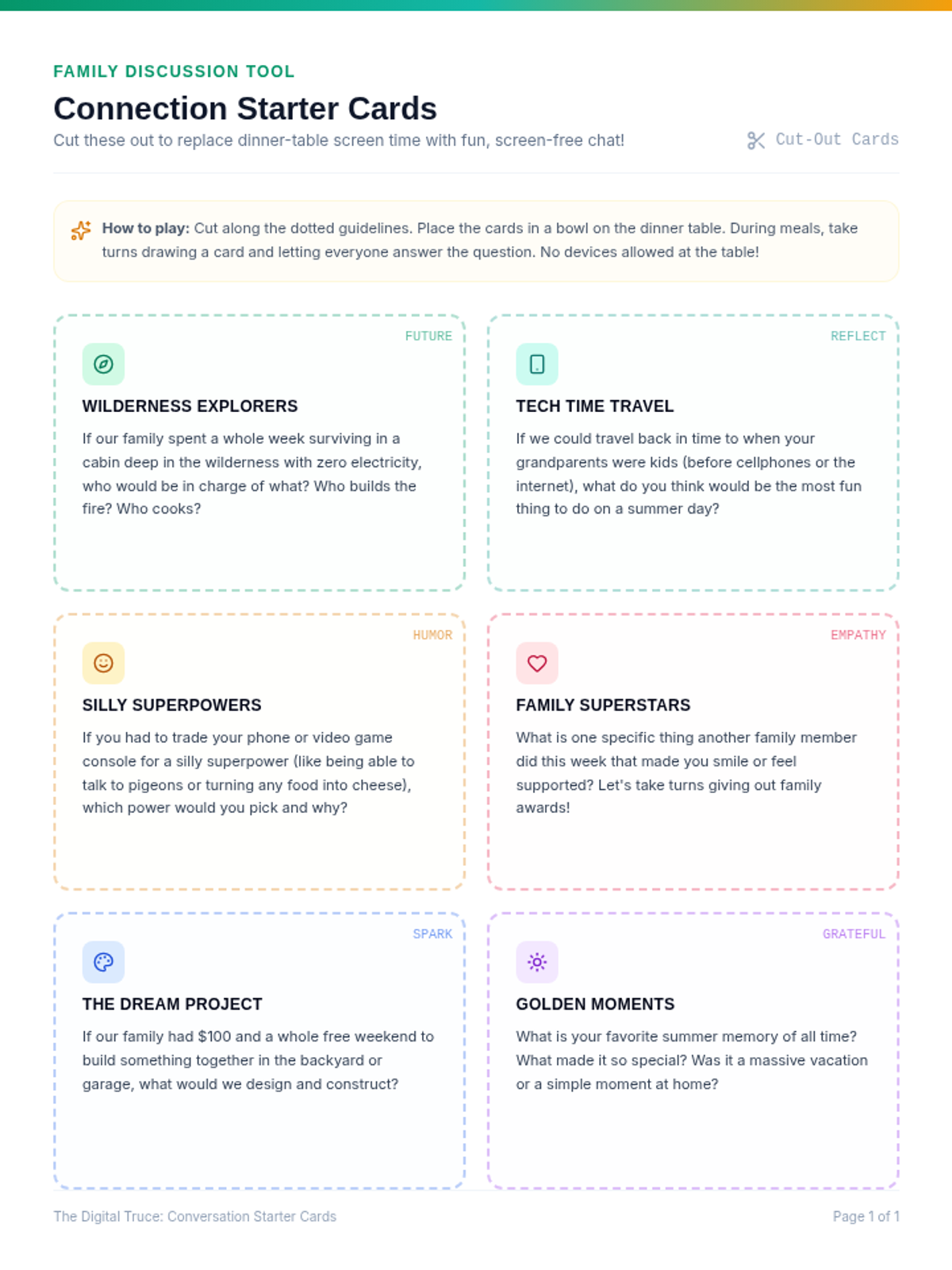
A small exit ticket for students to reflect on the importance of kind words and how using them makes them feel.
A student worksheet featuring a 'Kindness Garden' where students identify kind phrases and create their own kind message for a friend.
A vibrant and engaging slide deck introducing the 'Heart Words' concept, featuring the THINK framework and roleplay situations for students.
A detailed teacher's guide for the 'Heart Words' lesson, including a toothpaste metaphor hook, the THINK framework explanation, and differentiation strategies.
A revised student reference sheet with specific kind phrases, improved visual hierarchy, and a polished layout for classroom use. High contrast and page-break optimization included.
A revised single-page exit ticket for students to demonstrate their understanding of kind talk, with a white drawing area and improved spacing to prevent page breaks.
A vibrant 6-slide presentation for elementary students defining Kind Talk, illustrating the difference between Kind and Unkind words, and introducing the concept of tone.
A detailed lesson plan for teaching 'Kind Talk' to young students, including a 'Wrinkled Heart' hook, direct instruction tips, and scenario-based role-play activities.
A visual sorting worksheet for TK students. It presents scenarios through icons and simple text, requiring students to categorize behaviors as either 'Hero Listening' or 'The Interrupter' by drawing lines to the corresponding hero or villain icons.
A student worksheet focused on whole-body listening. It features a large hero coloring area surrounded by various body parts (and distractors) for students to identify and circle as essential listening tools.
A vibrant, high-contrast slide deck designed for TK students. It uses large visuals and bold text to introduce 'Whole Body Listening' and the 'No Interrupting' rule, plus an interactive multi-step direction challenge to keep students engaged.
A comprehensive teacher facilitation guide for the 'Listening Heroes' lesson. It includes clear learning objectives, a step-by-step procedure for whole-body listening instruction, multi-step direction games, and differentiation strategies for TK students.