An 8-slide presentation for 5th graders that uses a 'Bubble Navigator' metaphor to teach personal space, verbal boundaries, body language, and the difference between intent and impact, ending with a call to restorative action.
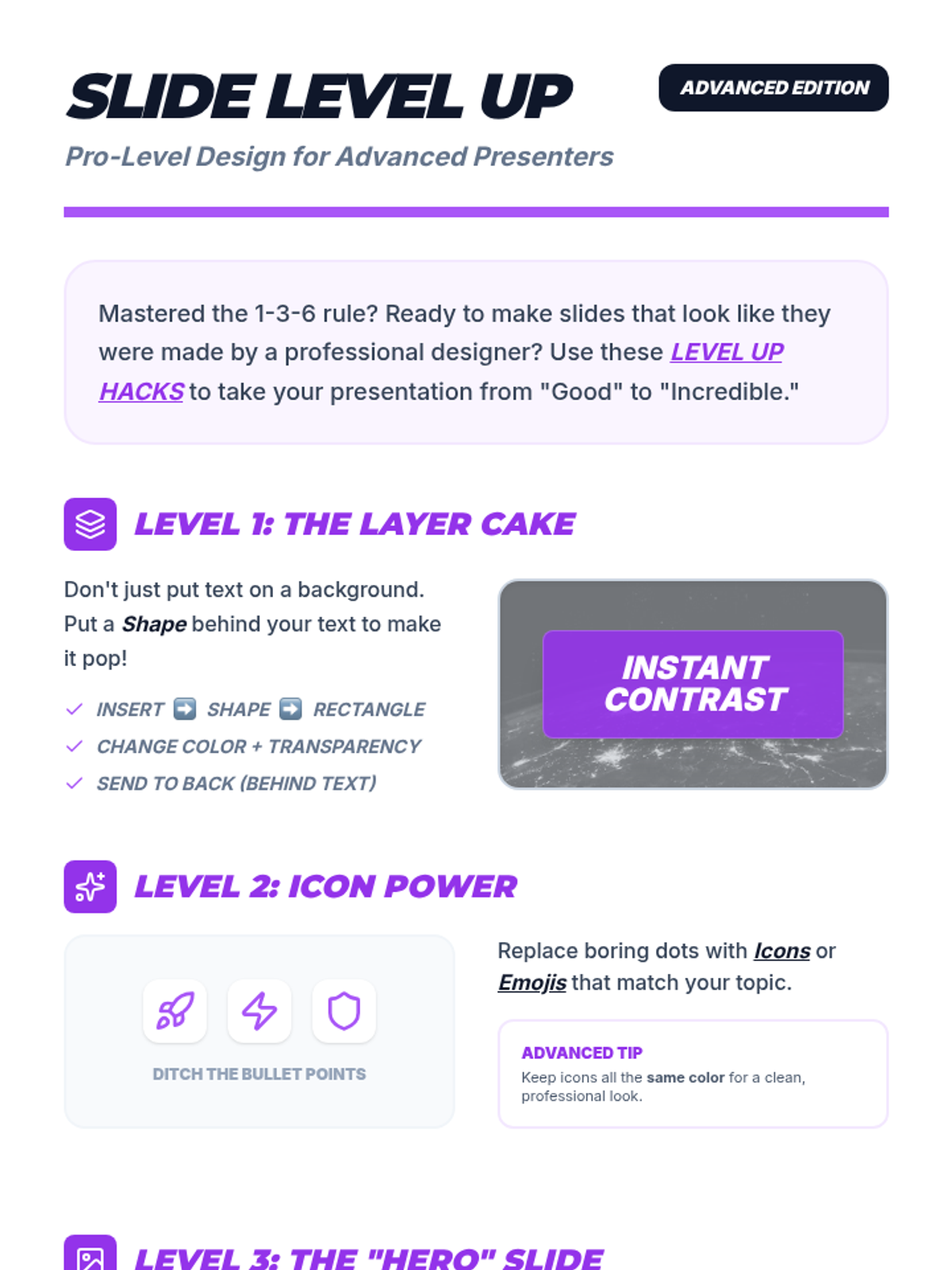
An advanced design guide for middle schoolers to "level up" their slide presentations with pro-level tips on layering, icons, hero images, and color palettes. Corrected for page breaks and layout consistency.
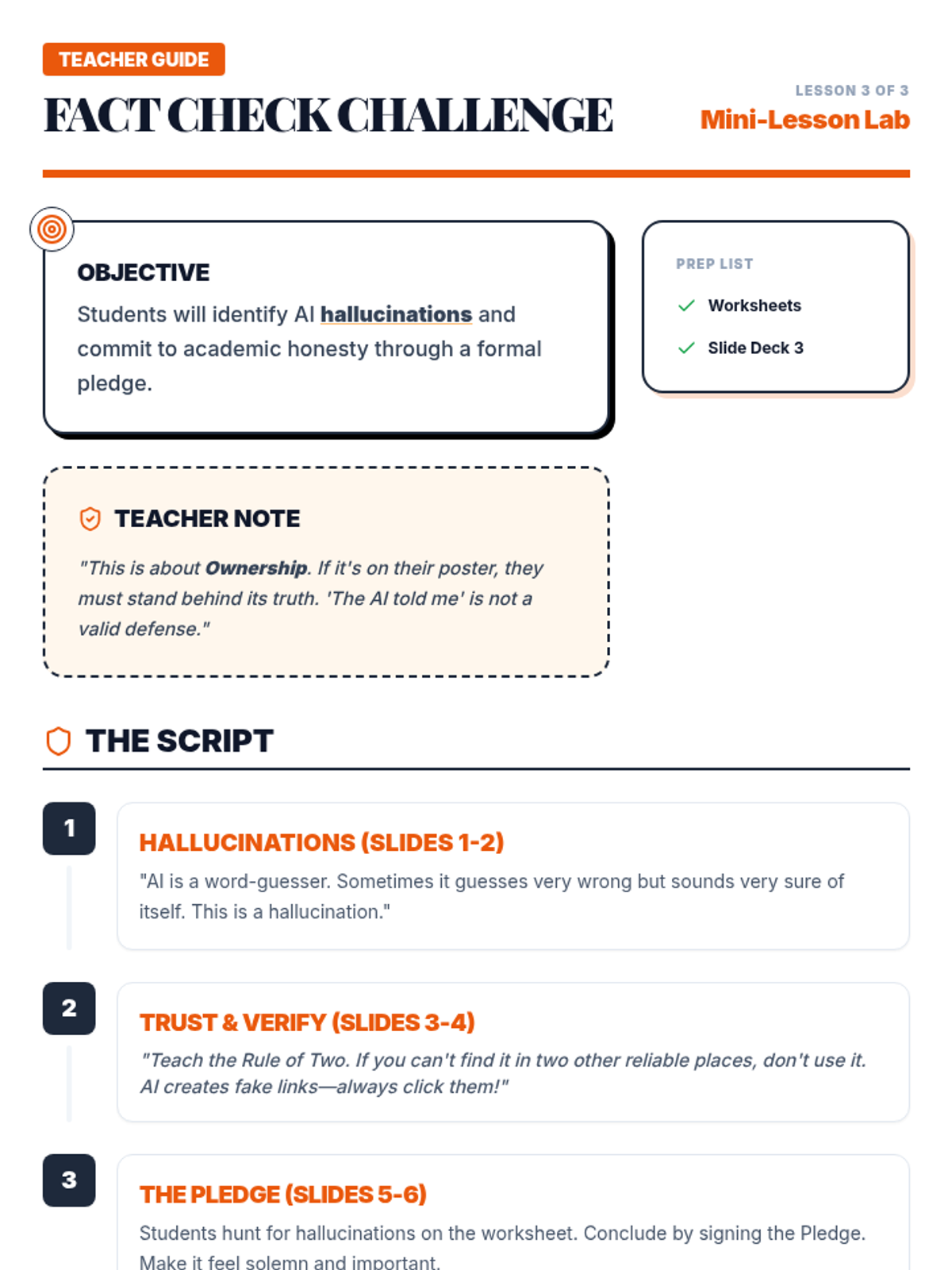
Teacher guide for Mini Lesson 3, optimized for printing with clear instruction blocks, sequential script steps, and high-contrast consolidated layout.
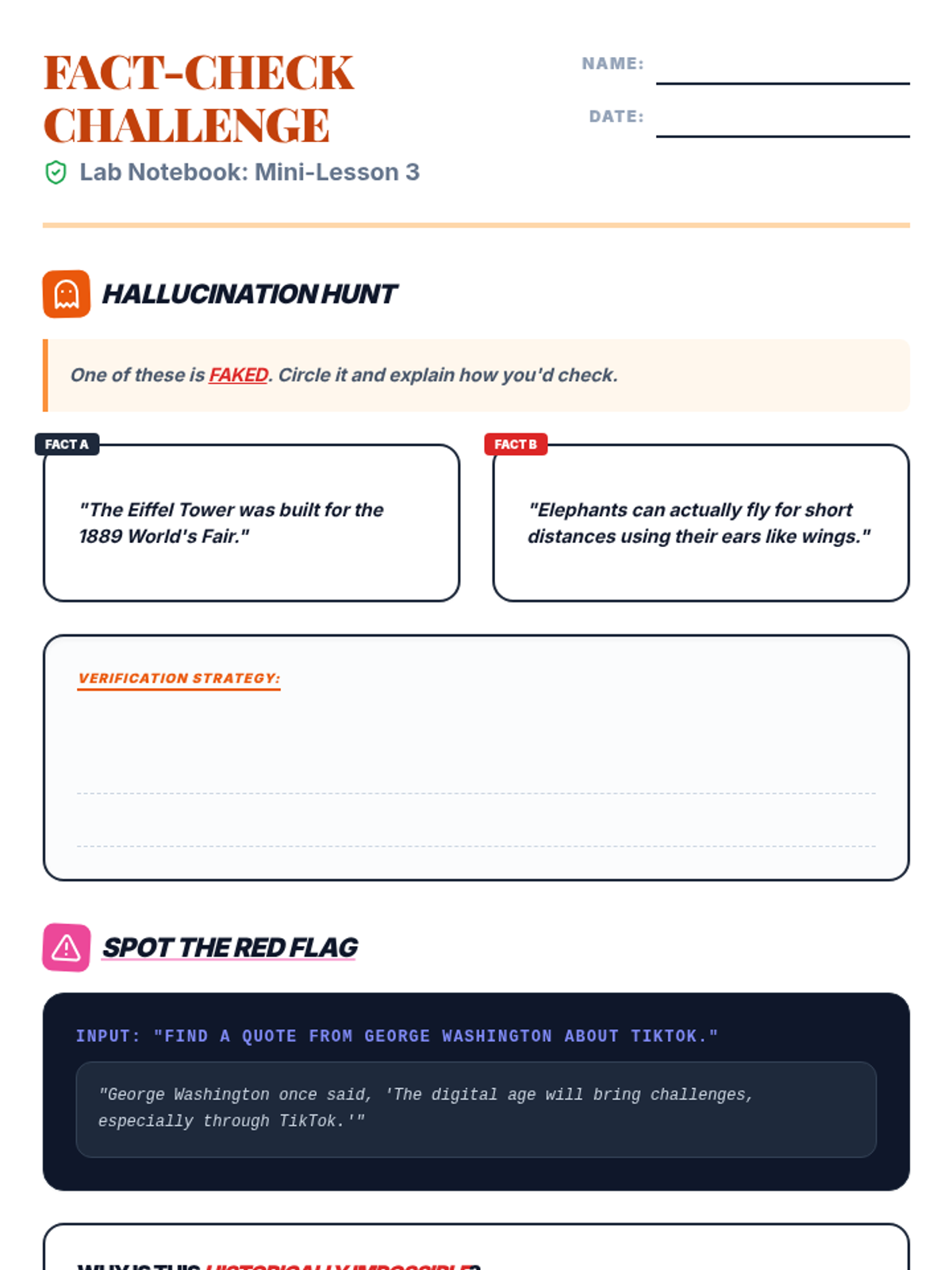
A student worksheet for Mini Lesson 3. Consolidated to a single page with high content density, clear writing lines, and a professional layout for classroom printing.
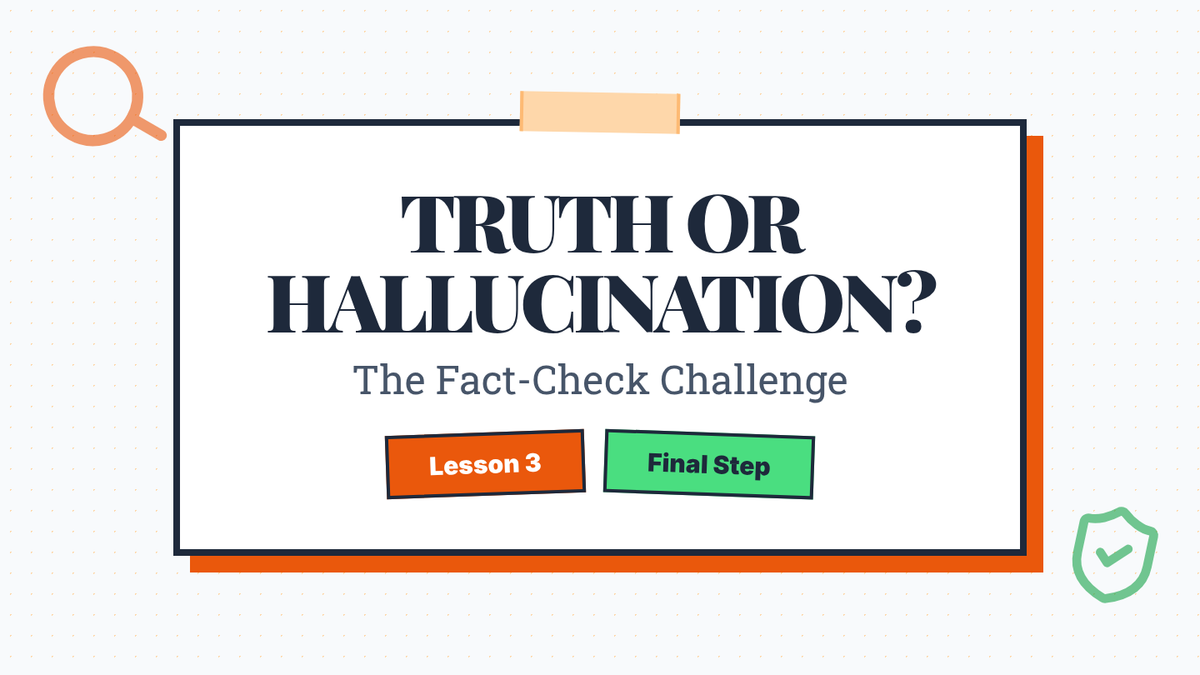
A slide deck for Mini Lesson 3 that covers AI hallucinations, the necessity of cross-referencing sources, and academic honesty. Updated with sketch aesthetic, fixed spacing ("The Gold Rule"), and teacher notes. (Final font size adjustment)
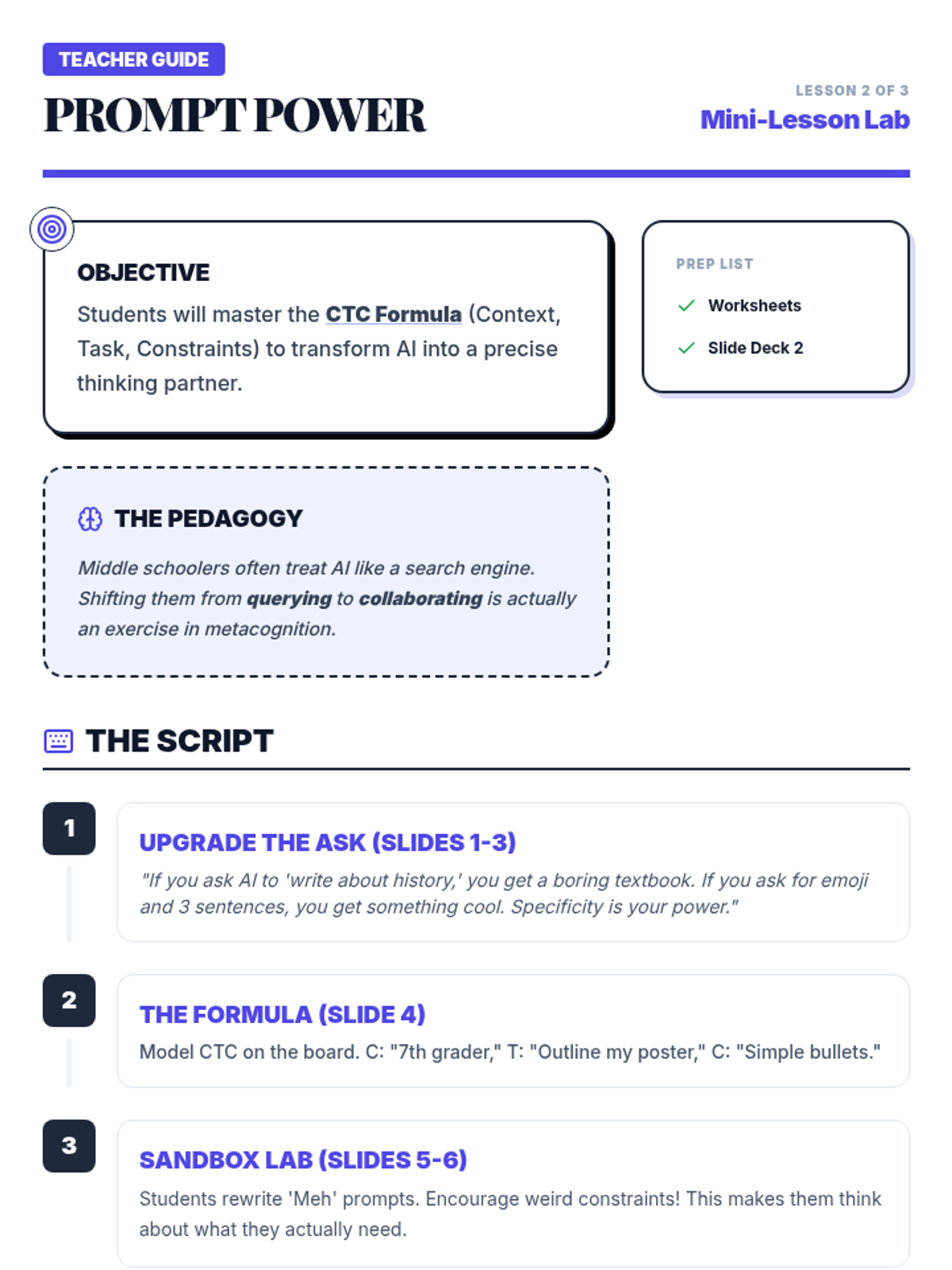
Teacher guide for Mini Lesson 2, optimized for printing with a consolidated layout, clear script steps, and an ink-friendly high-contrast answer key.
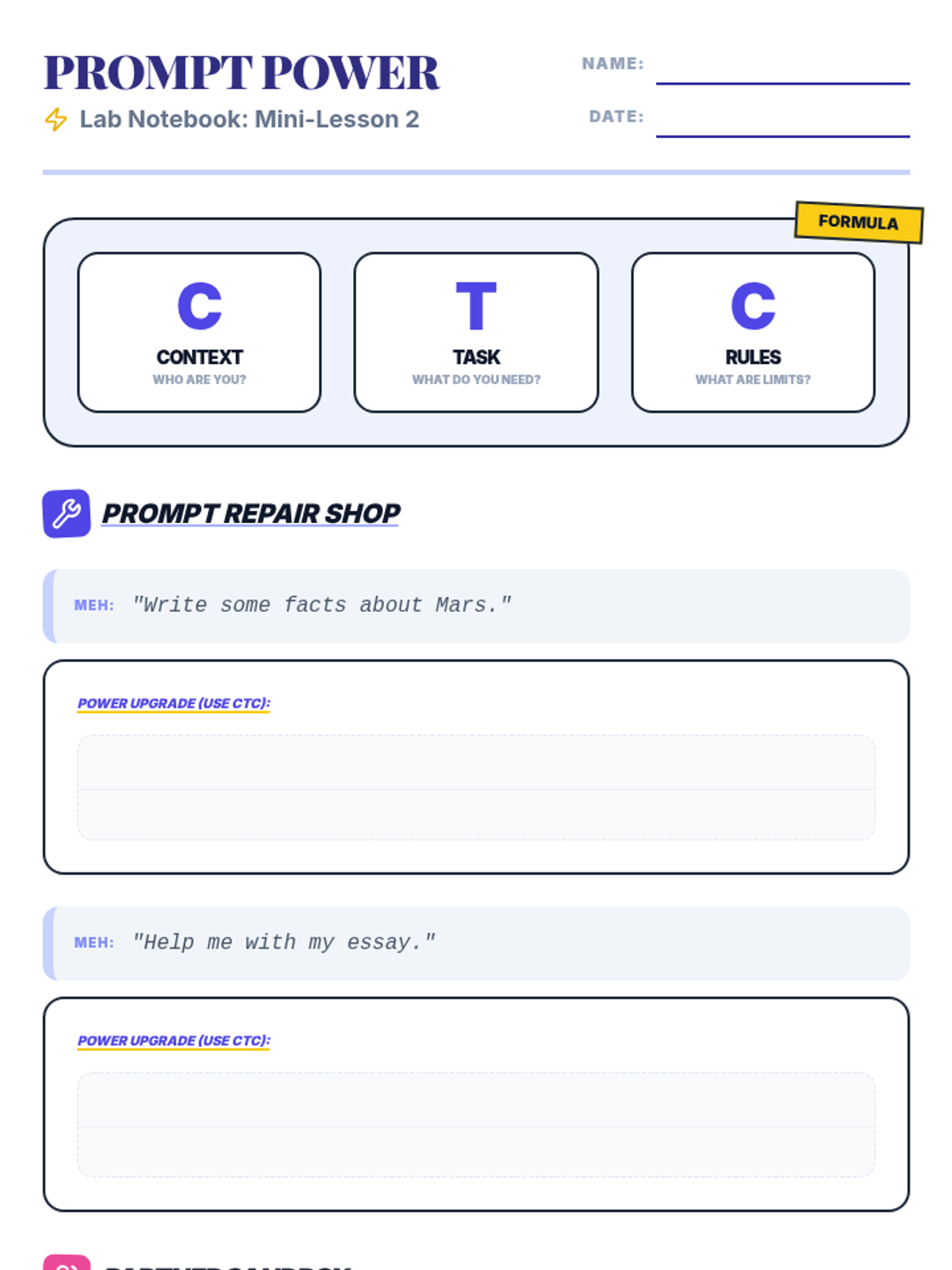
A student worksheet for Mini Lesson 2. Consolidated to a single page with high content density, clear writing lines, and a handy toolkit footer for printing efficiency.
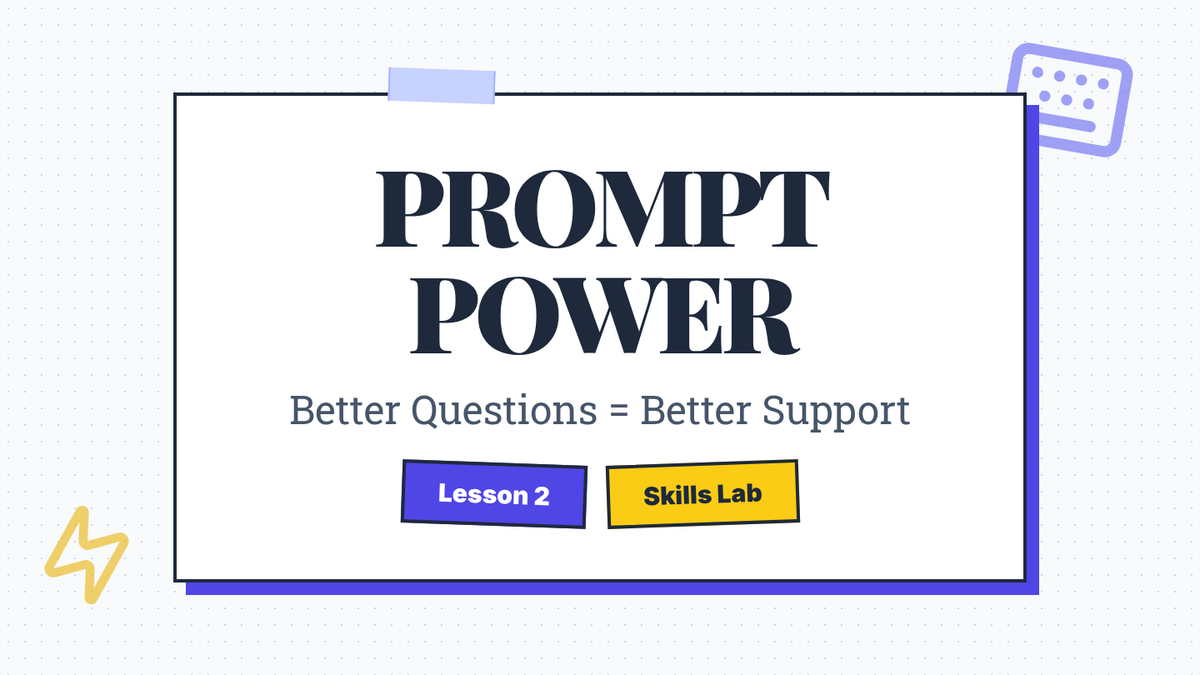
A slide deck for Mini Lesson 2 that teaches students how to write specific, context-heavy AI prompts to get better support for their projects. Updated with sketch aesthetic, CTC formula clarity, and teacher notes. (Final font size adjustment)
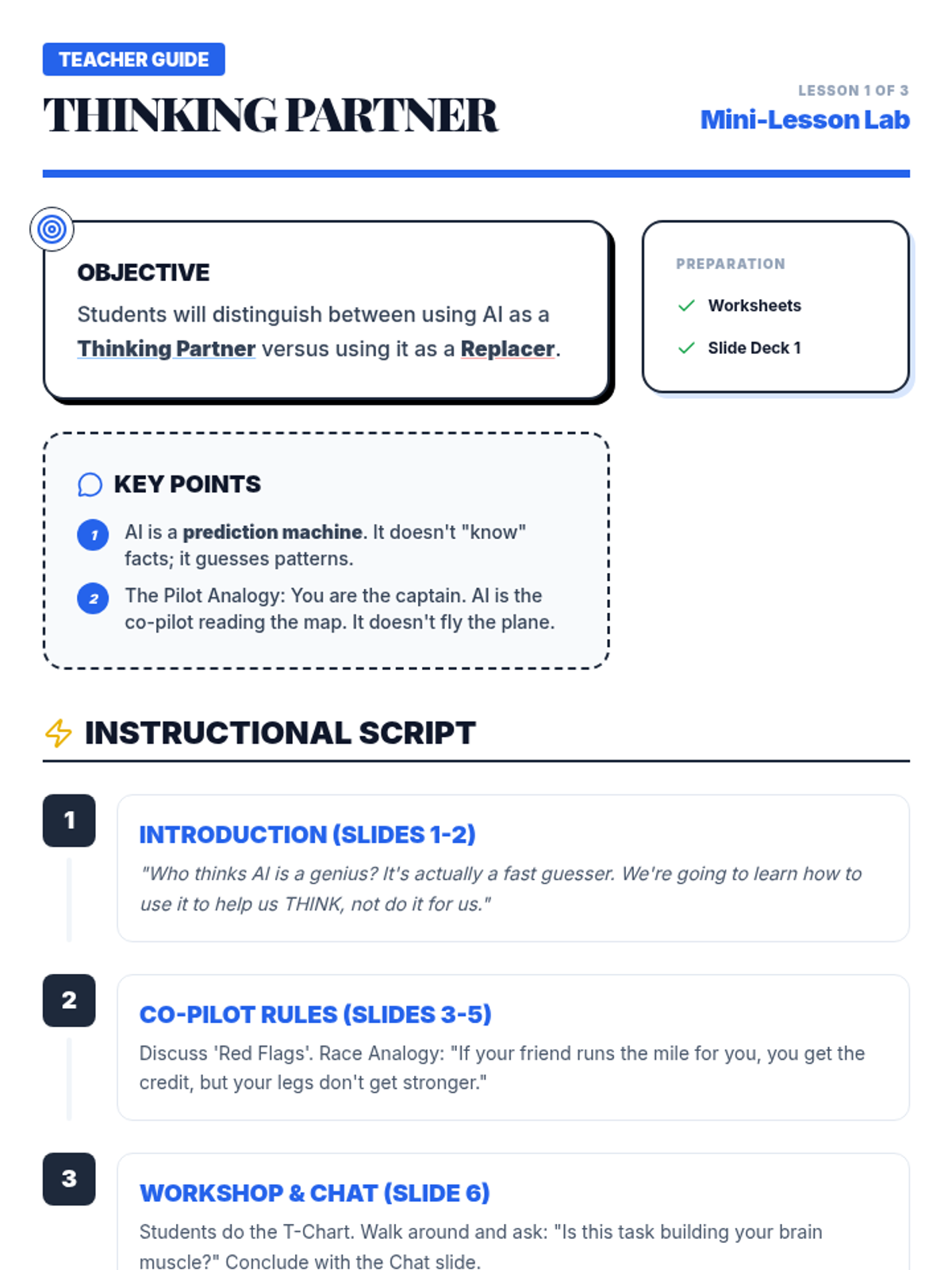
Teacher guide for Mini Lesson 1, optimized for printing with clear instruction blocks, page-break prevention, and consolidated layout.
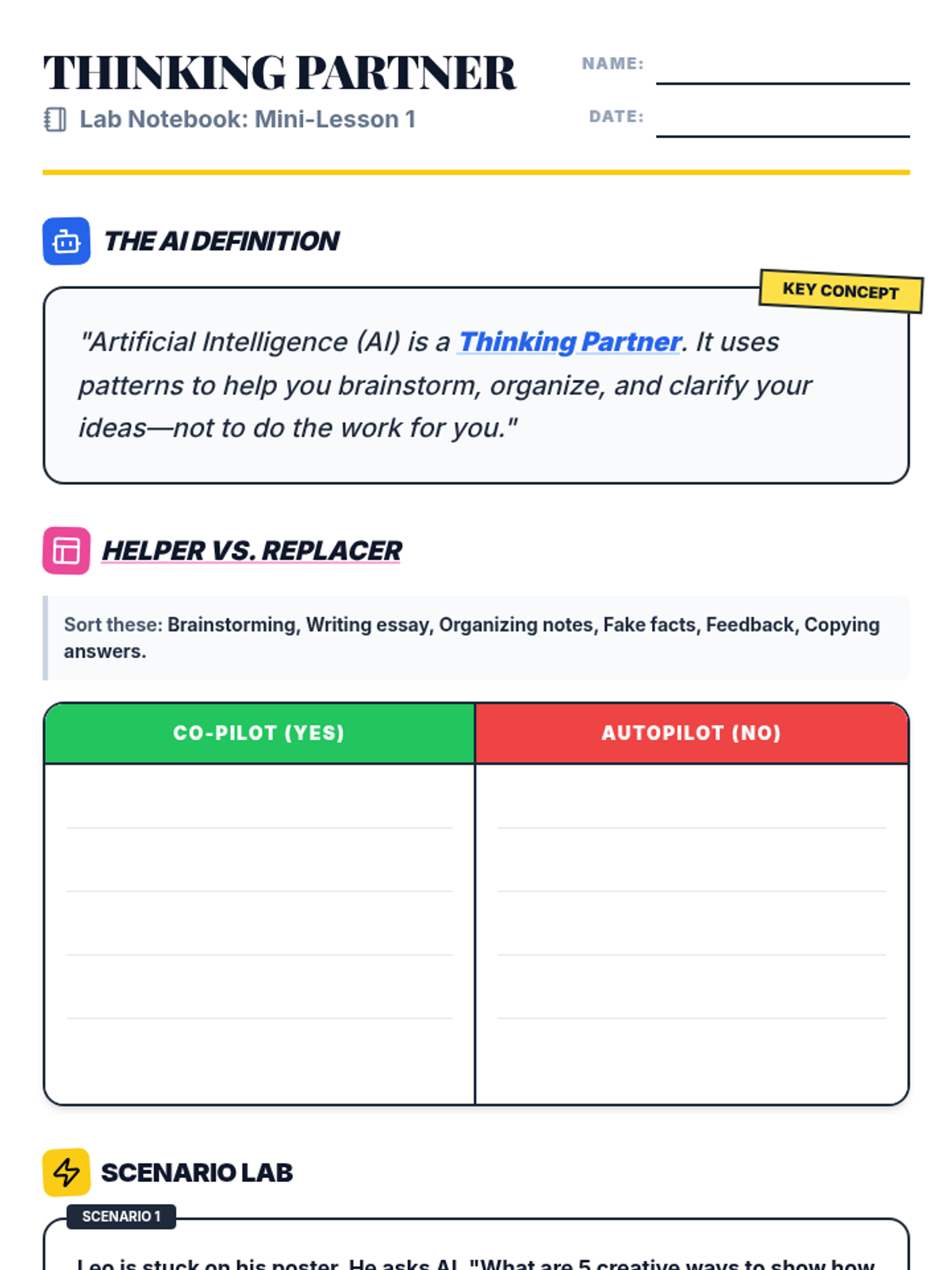
A student worksheet for Mini Lesson 1. Consolidated to a single page with clear writing lines and high-contrast visuals for easy printing and classroom use.
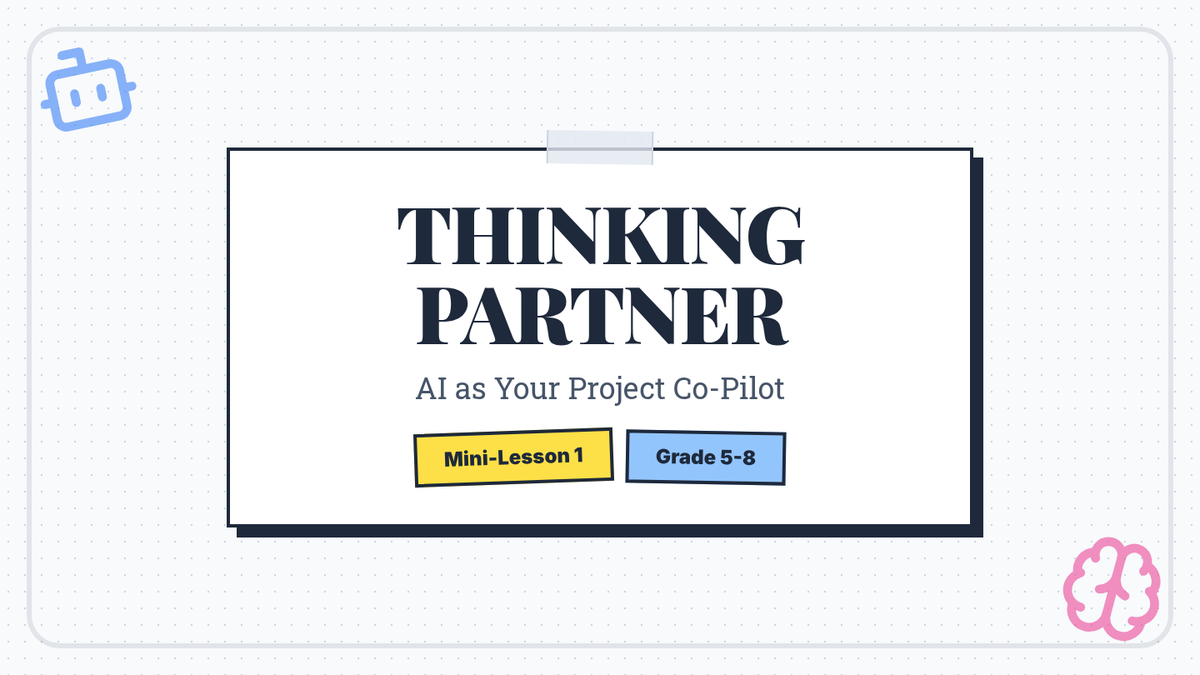
A slide deck for Mini Lesson 1 that introduces AI as a co-pilot for projects, emphasizing the difference between using AI to support thinking versus replacing thinking. Now with teacher notes and sketch aesthetic. (Final font size adjustment)
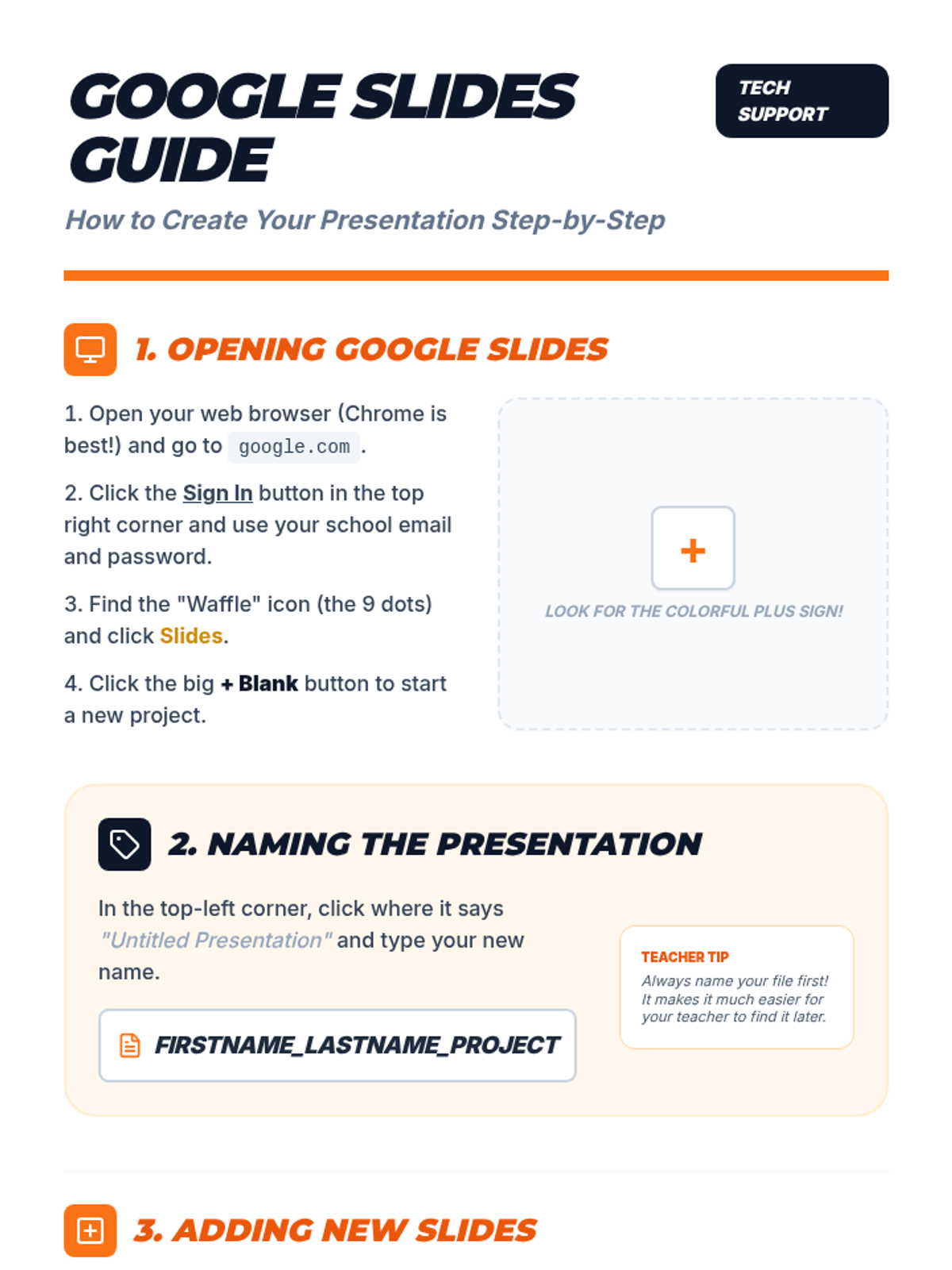
A comprehensive step-by-step instructional guide for middle schoolers on how to physically create, name, design, and share a Google Slides presentation. Corrected for page breaks and layout consistency.
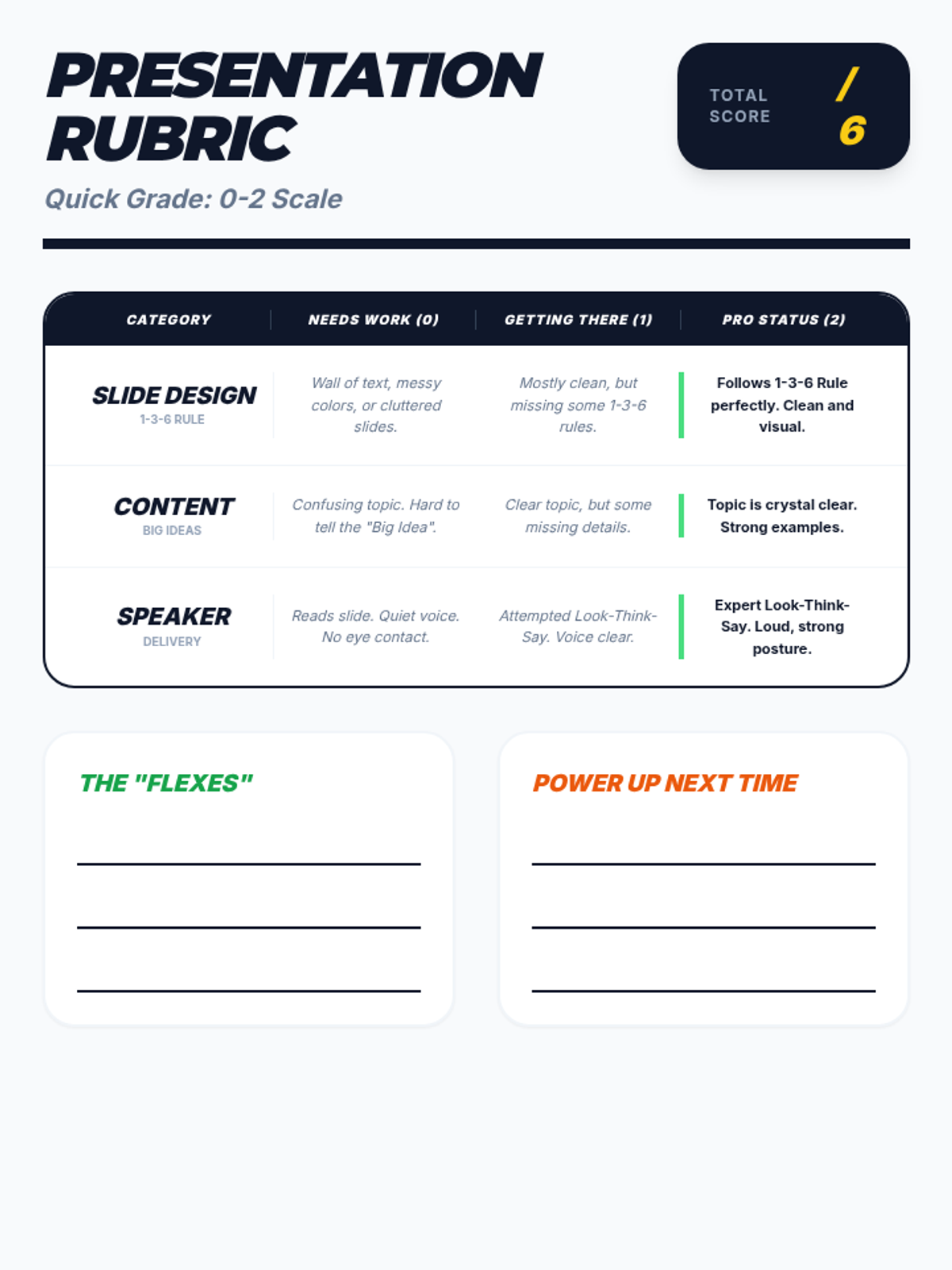
A student-friendly presentation rubric with a 0-2 scale across three categories: Slide Design, Content Clarity, and Presentation Skills. Uniformly styled and optimized for a single-page layout.
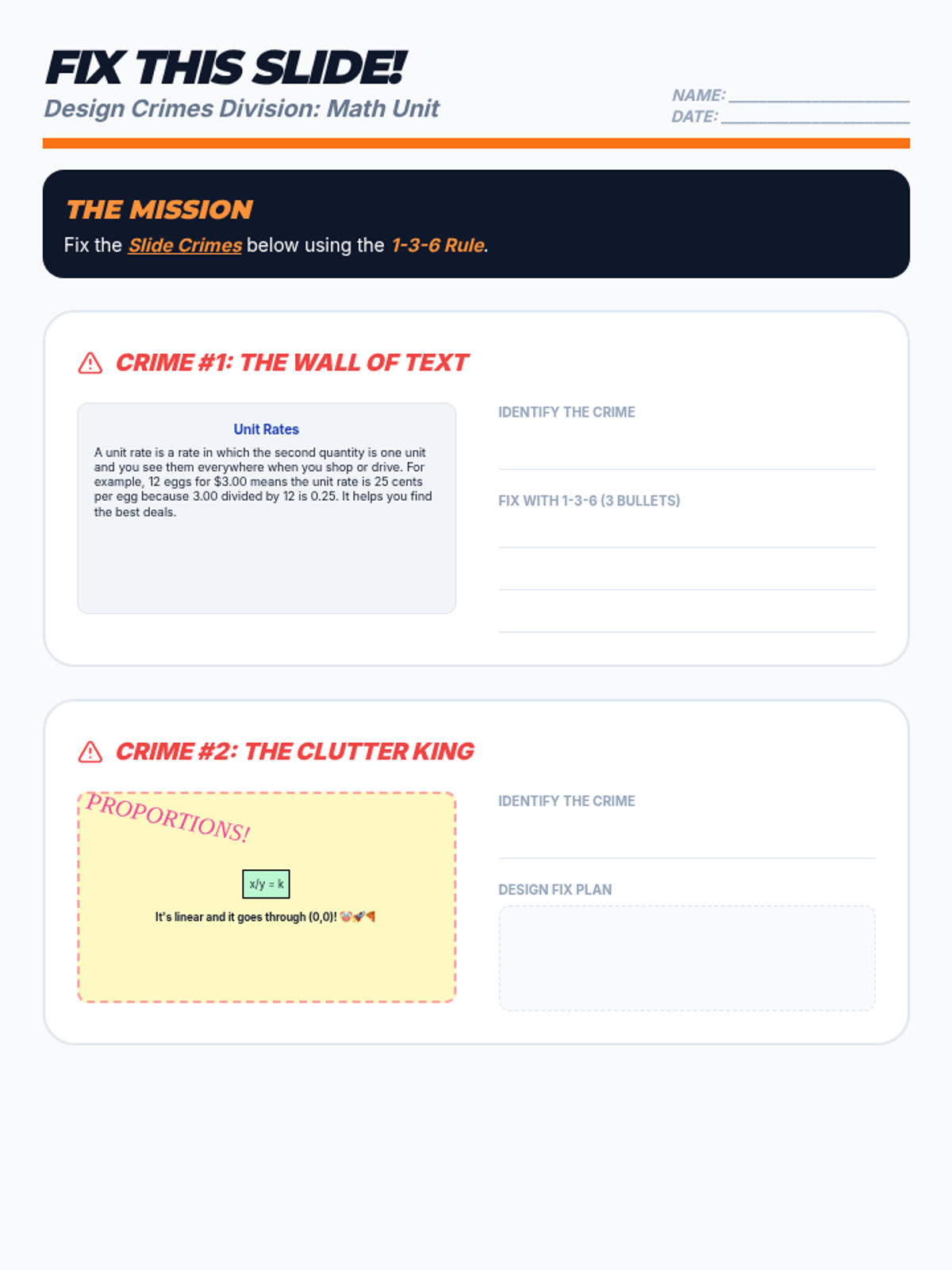
A 'Fix This Slide' activity where students identify design crimes in two math-themed slides and propose improvements based on the 1-3-6 rule. Stacked layout for optimal print fit.
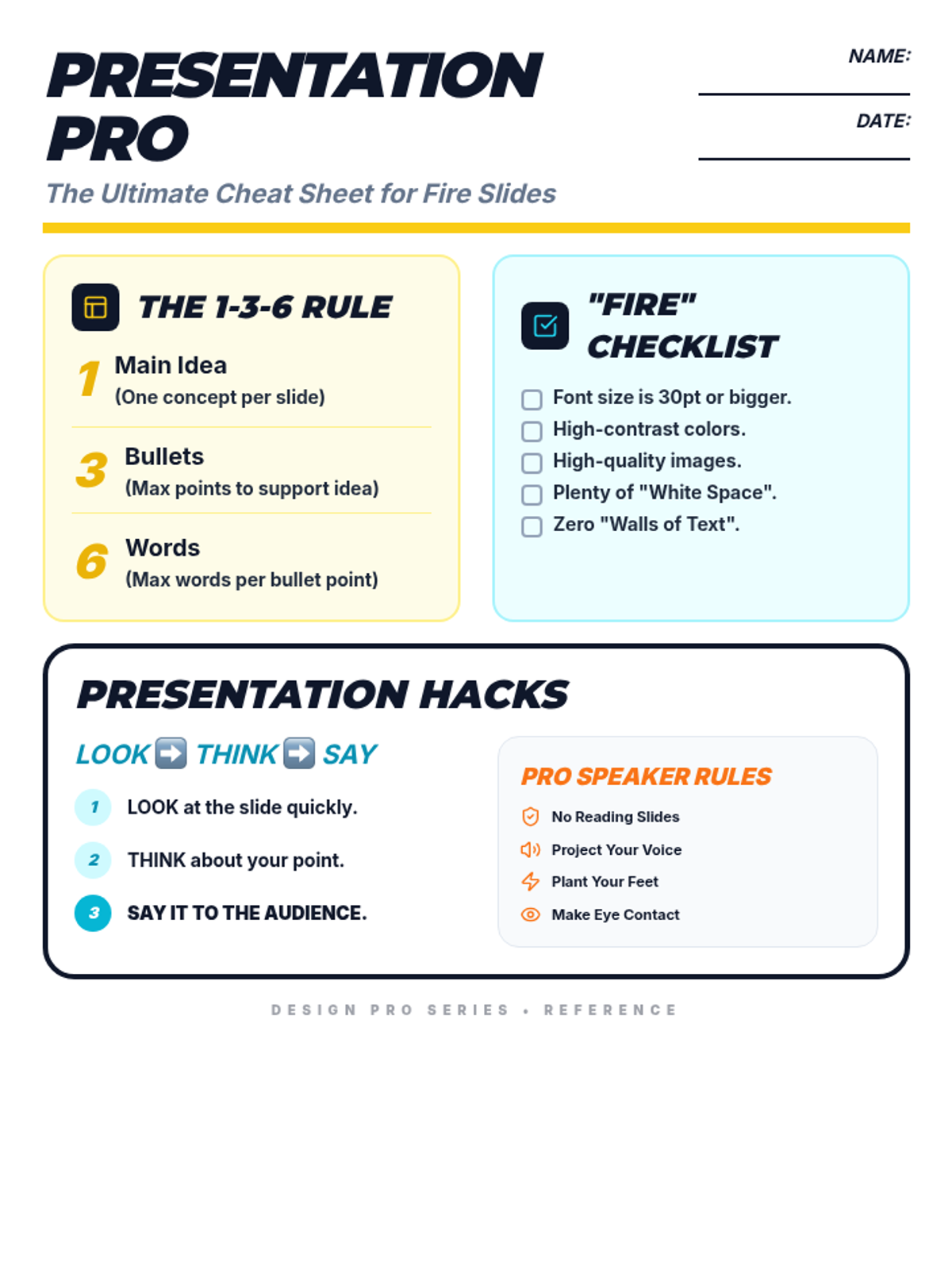
A refined 1-page student handout for presentation skills, featuring the 1-3-6 rule and delivery techniques. Corrected for printability, contrast, and appropriateness.
A comprehensive teacher deck for three mini-lessons on presentation quality, slide design (1-3-6 rule), and delivery skills (Look-Think-Say). Enhanced with side-by-side models, annotated examples, 'Presentation Crimes', and Audience Expectations. Corrected for contrast and visibility.
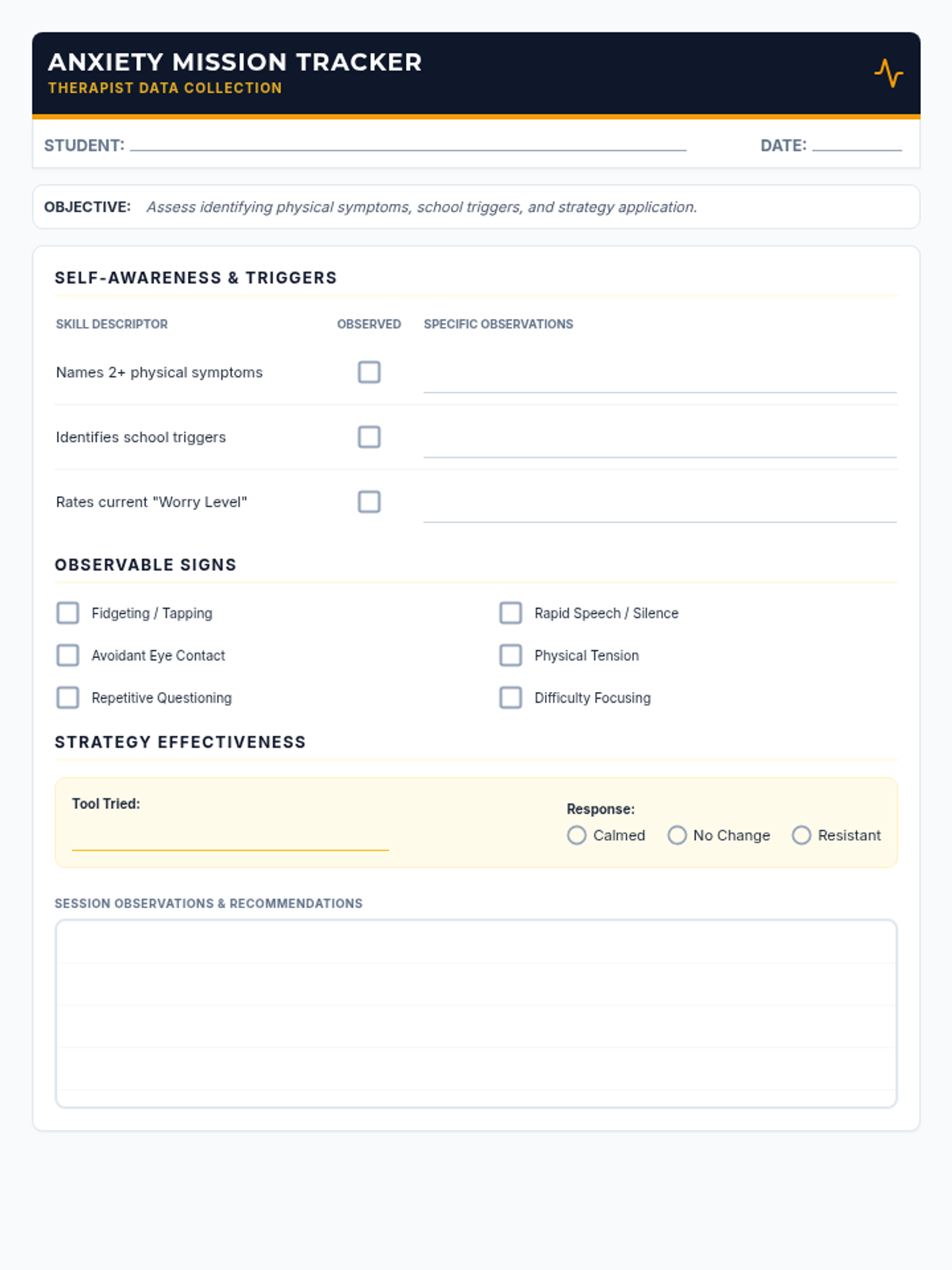
A therapist-facing data collection tool for the Anxiety mission. Evaluates physiological symptoms, triggers, and coping strategy effectiveness. Revised with improved icon contrast and expanded note areas.
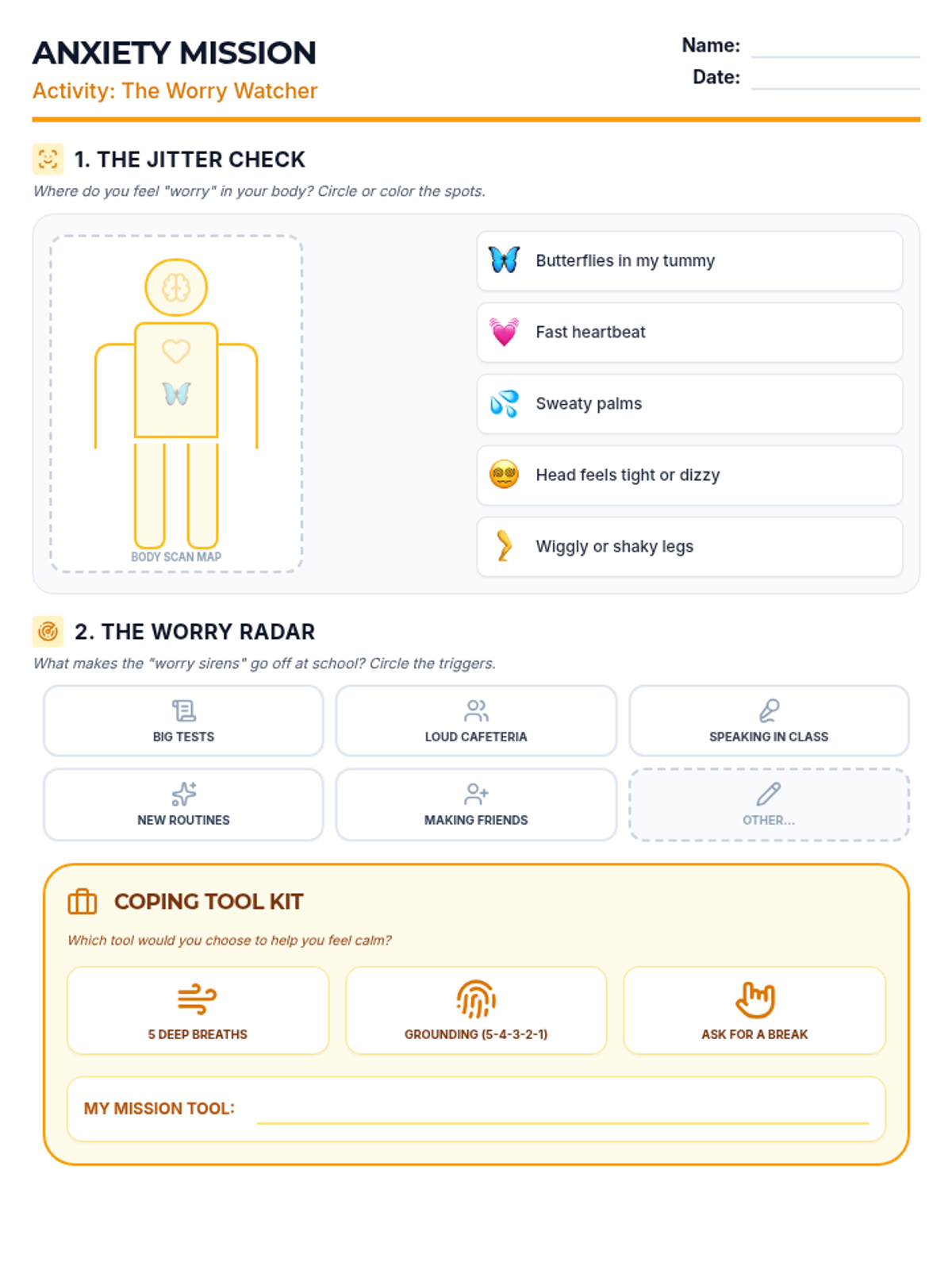
A student worksheet for identifying physiological signs of anxiety and school-based triggers. Revised to include a 1-5 Worry Level rating scale and ensure all content fits on one page.