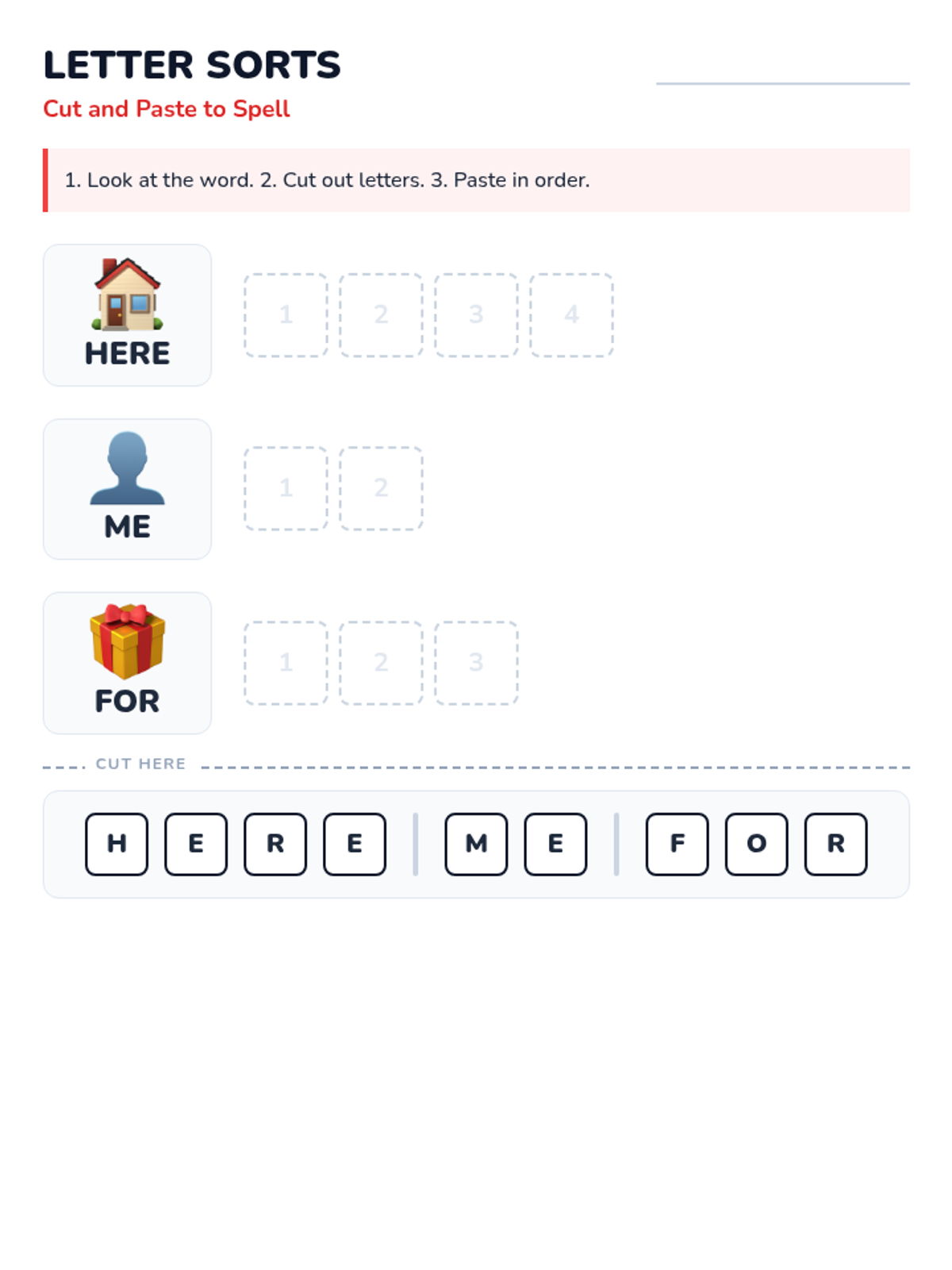
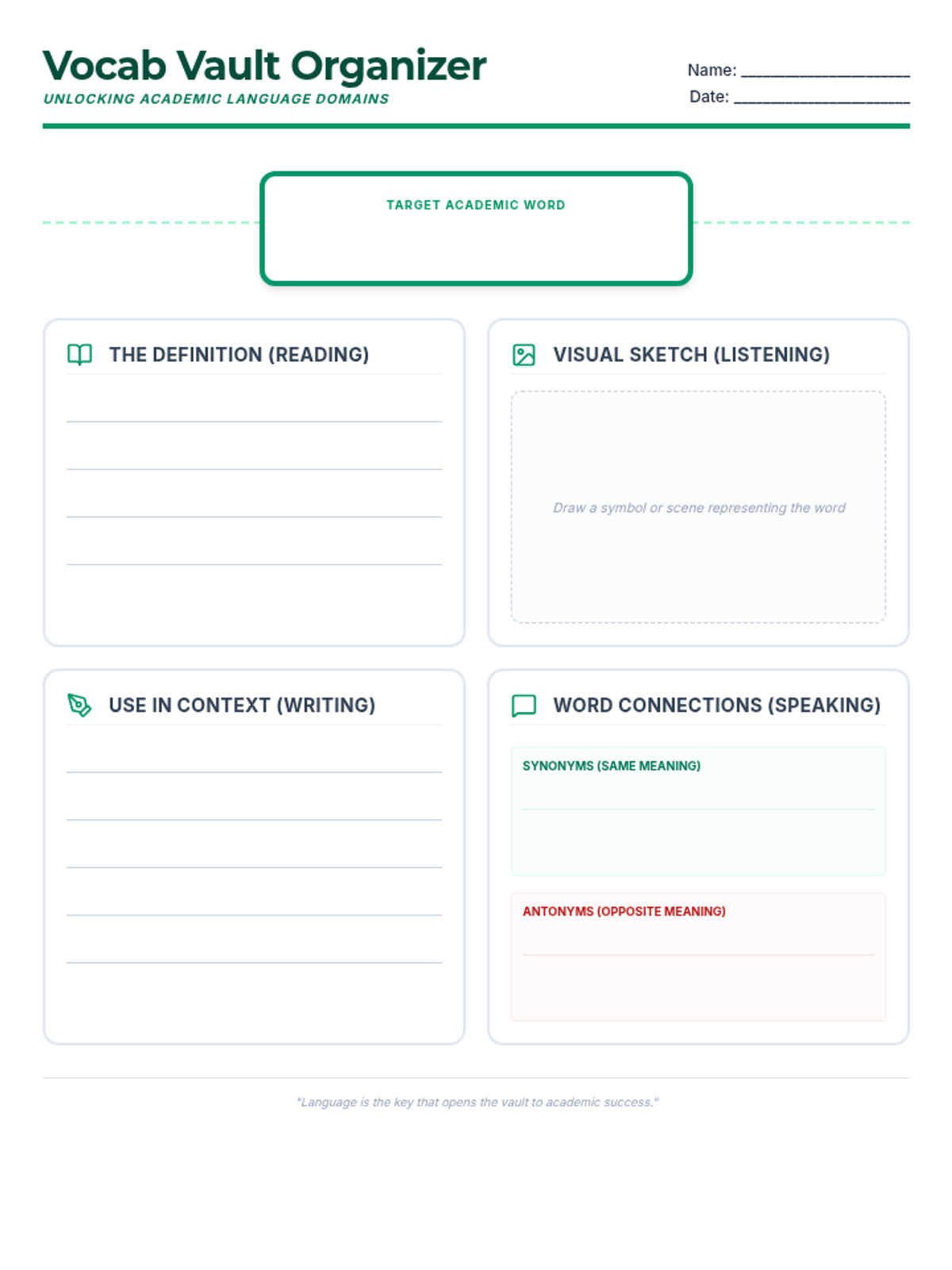
Students apply visualization techniques to spelling and vocabulary. They create 'word cartoons' that embed the meaning of a word directly into its spelling to support orthographic mapping.
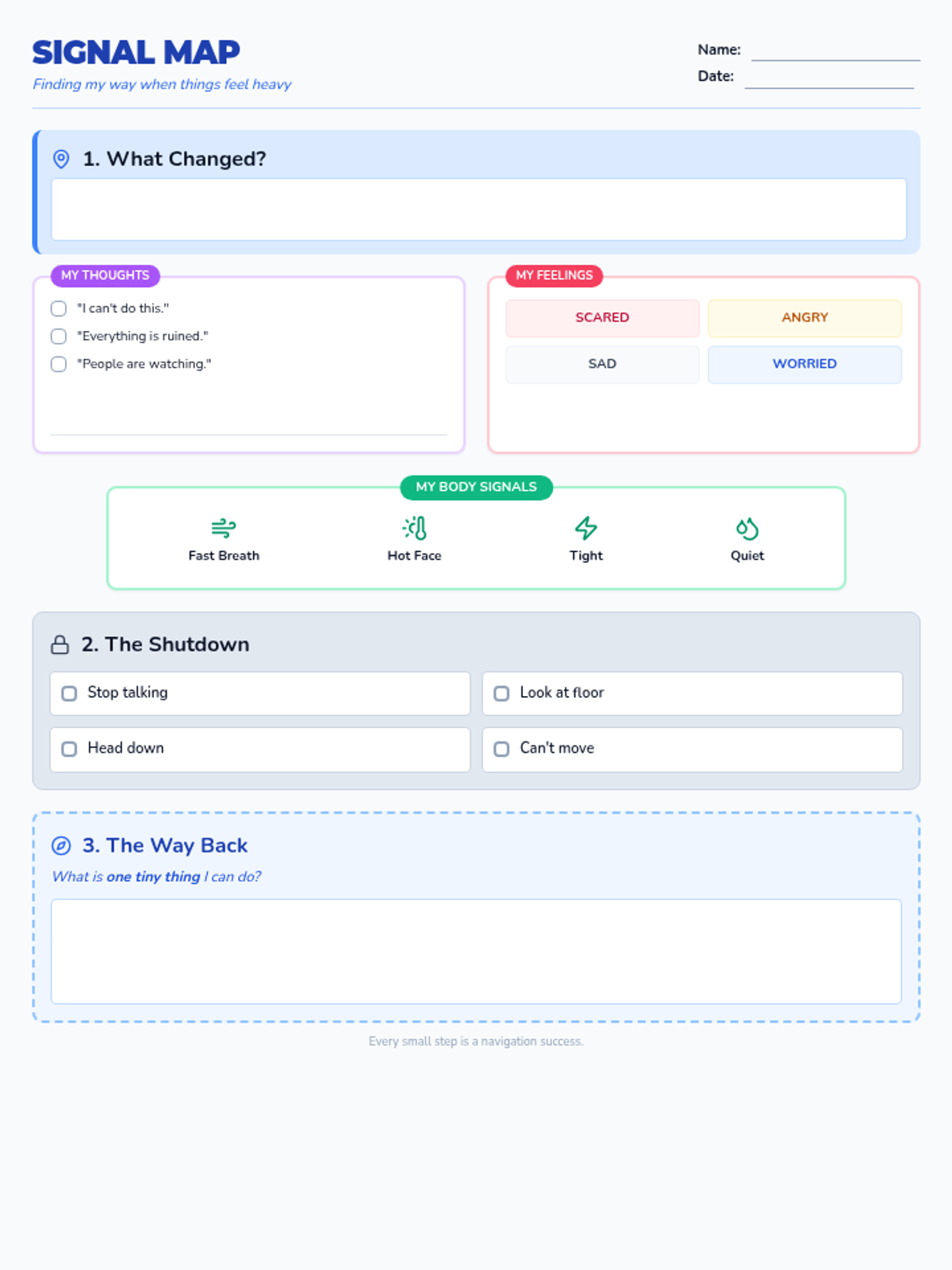
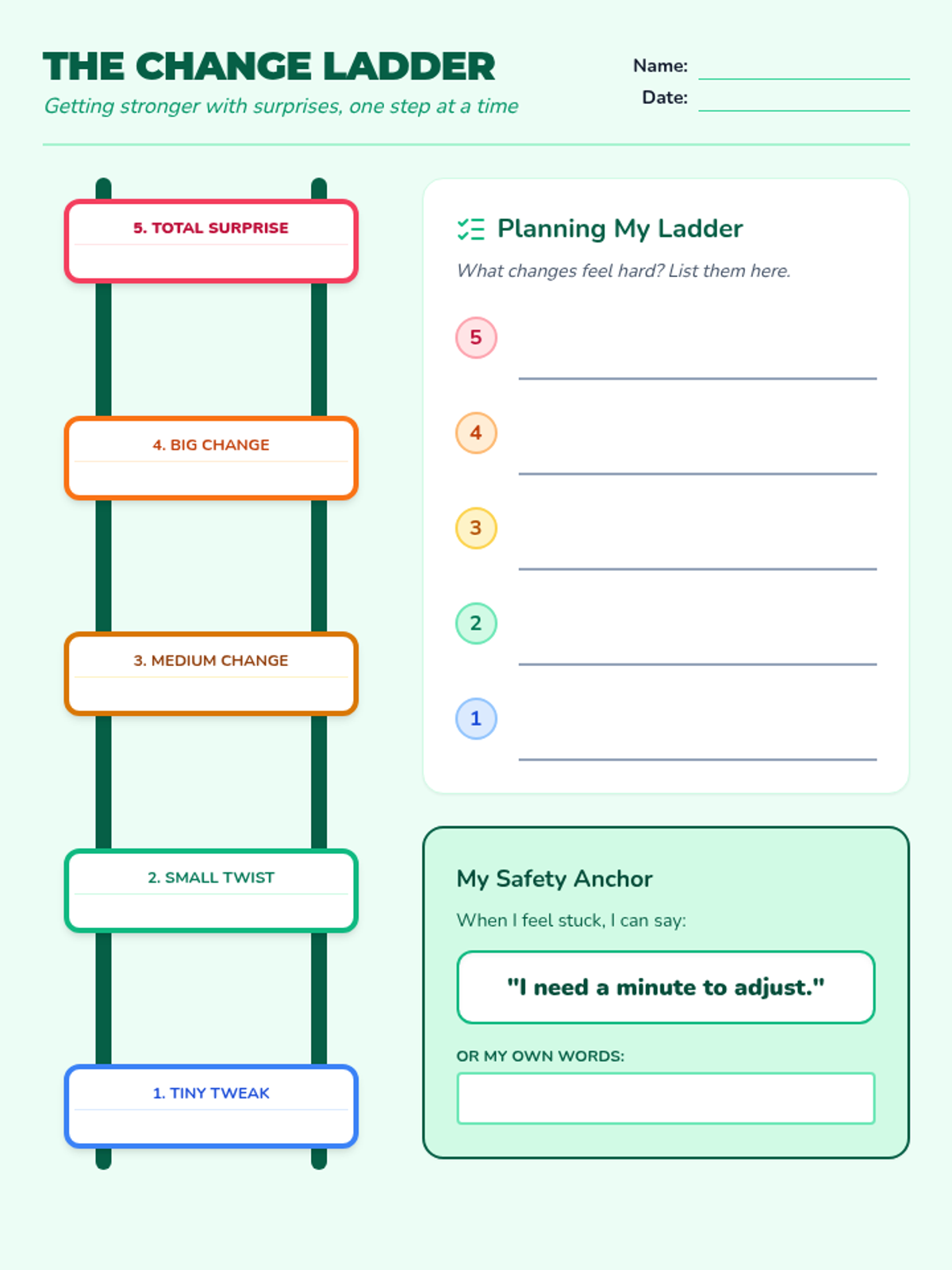
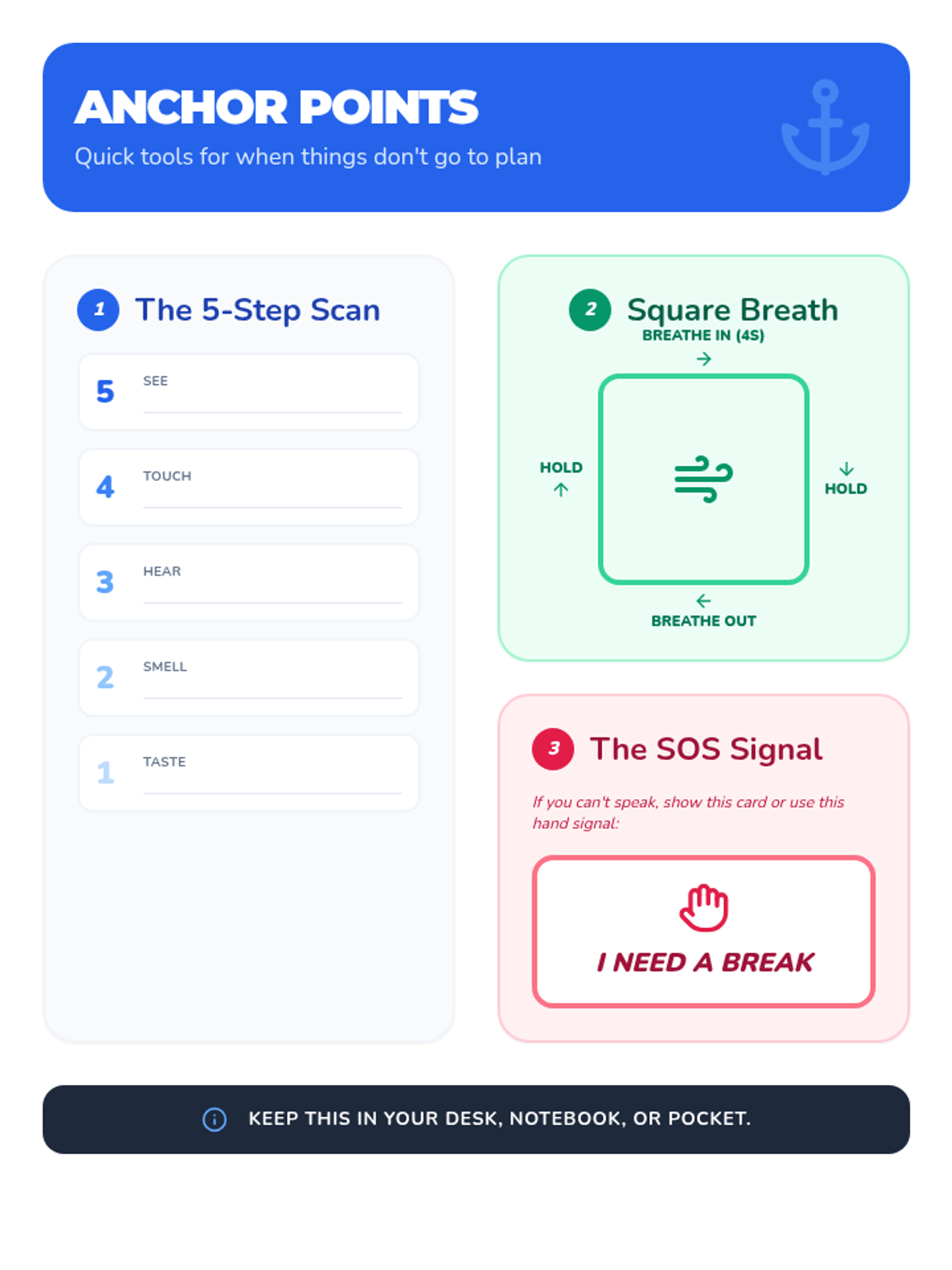
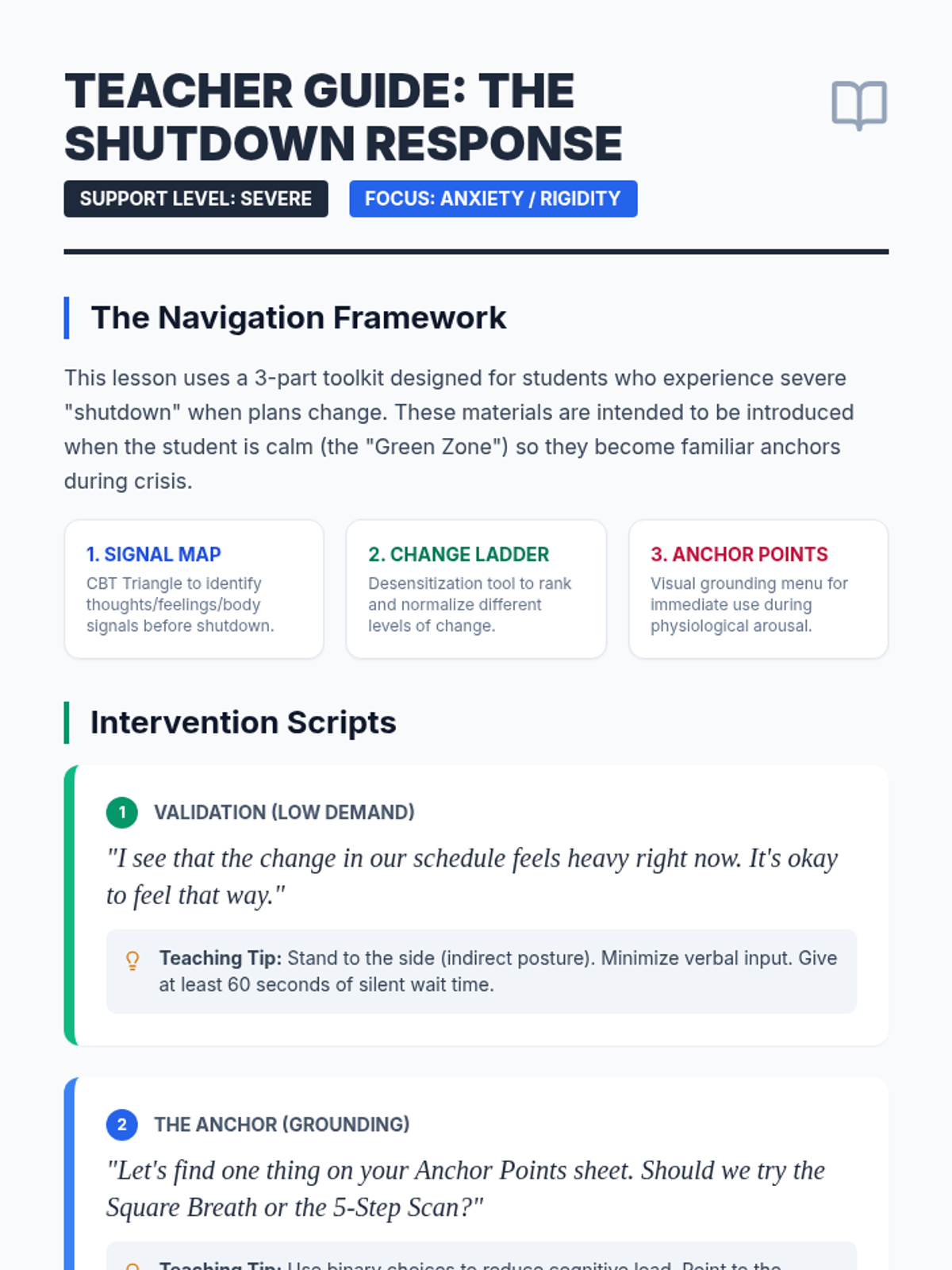
A comprehensive set of visual tools designed to help students with high anxiety navigate the 'shutdown' response and build resilience against unexpected changes using CBT principles.
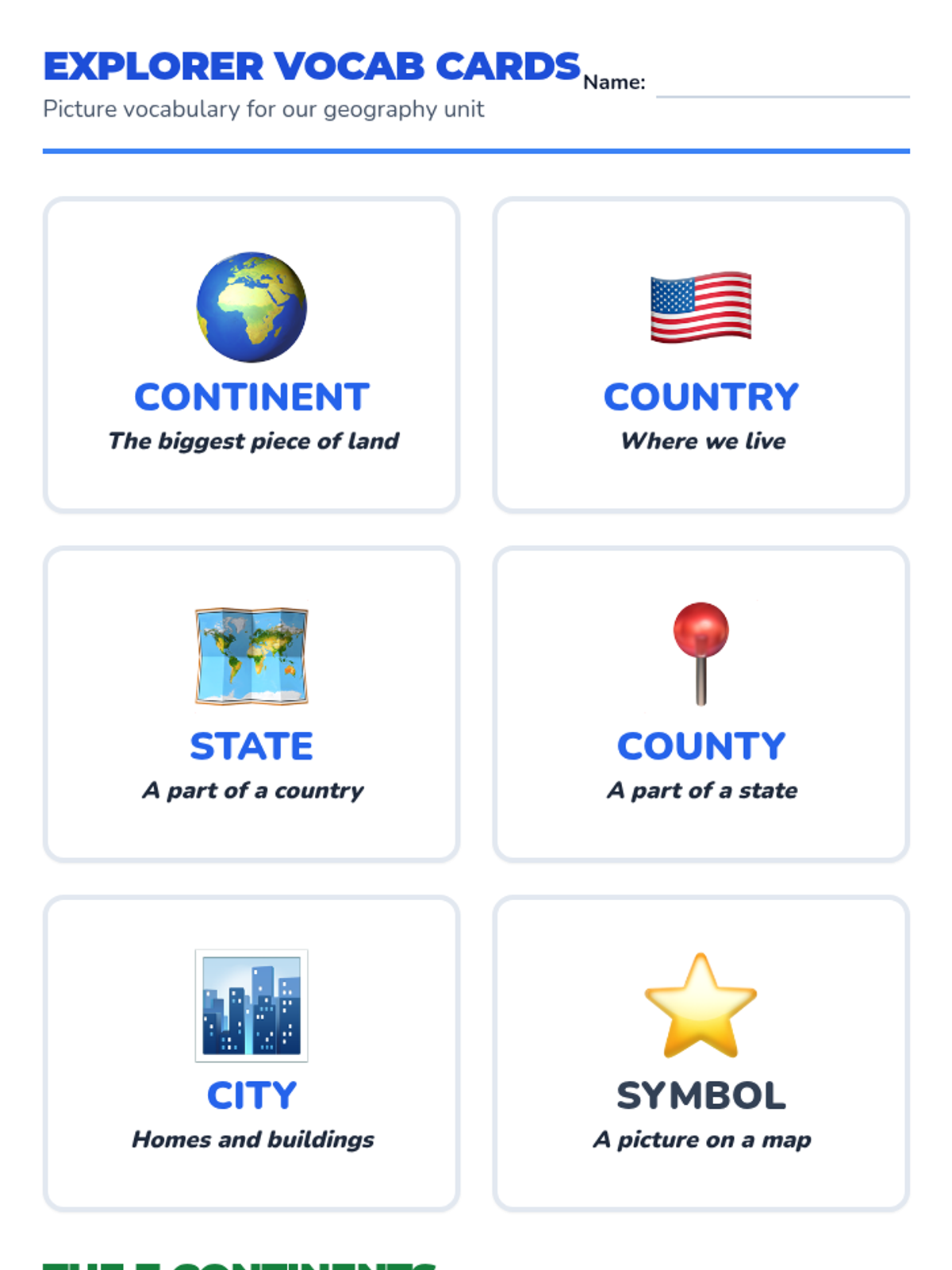
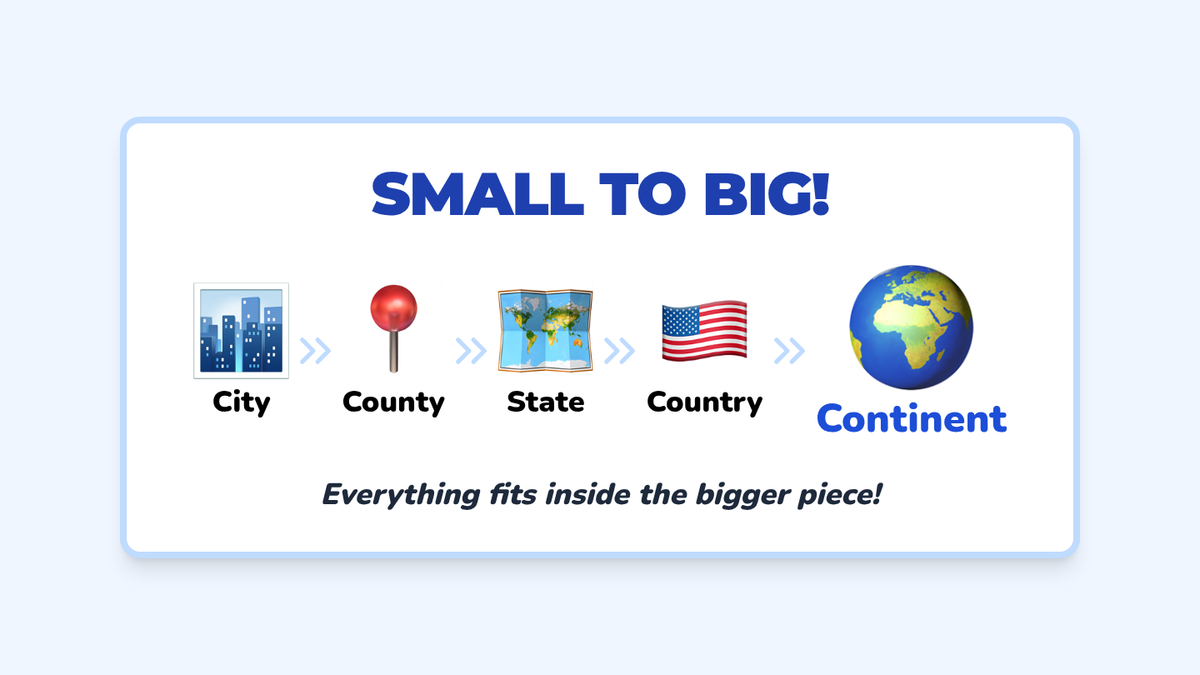
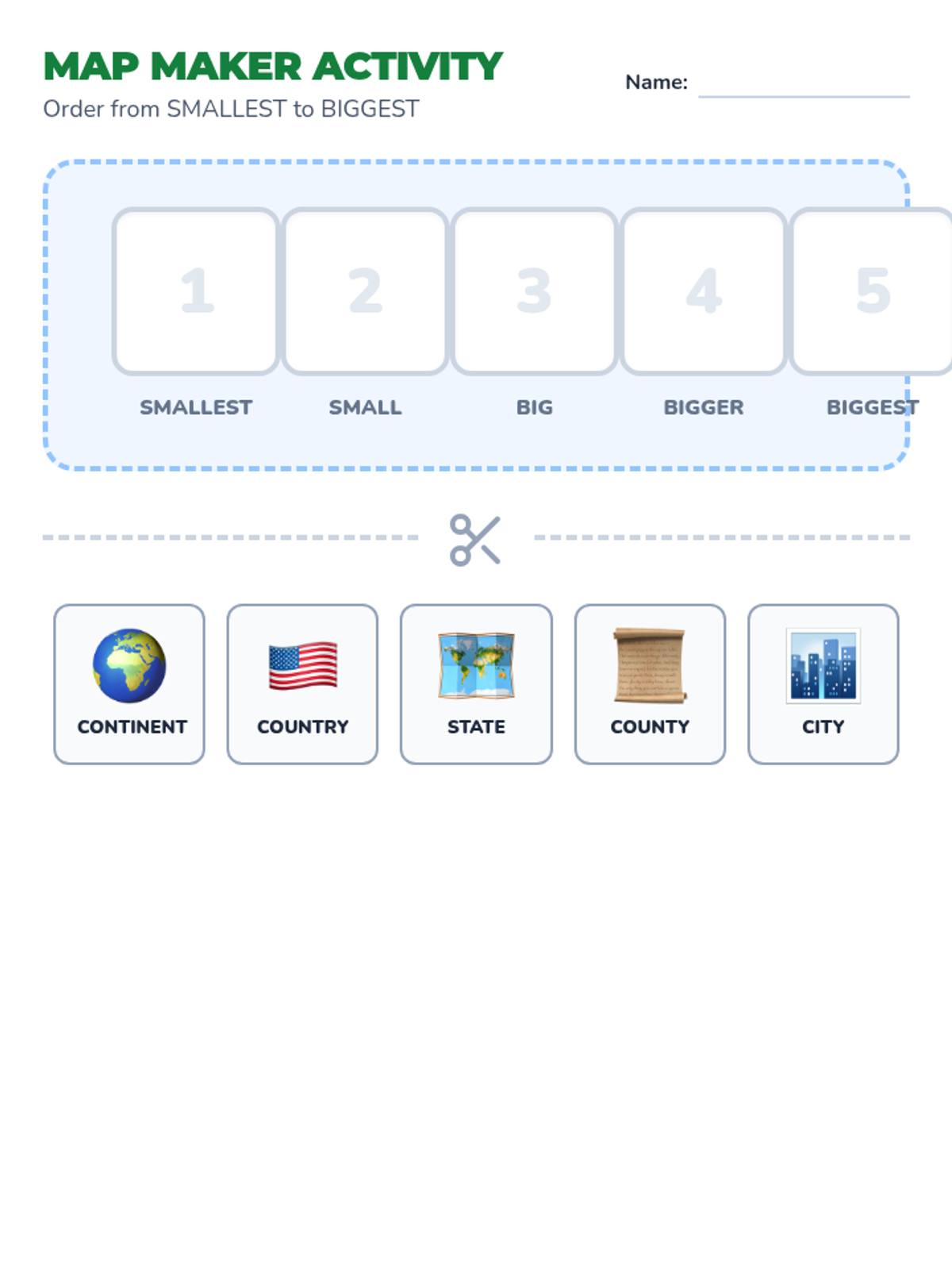
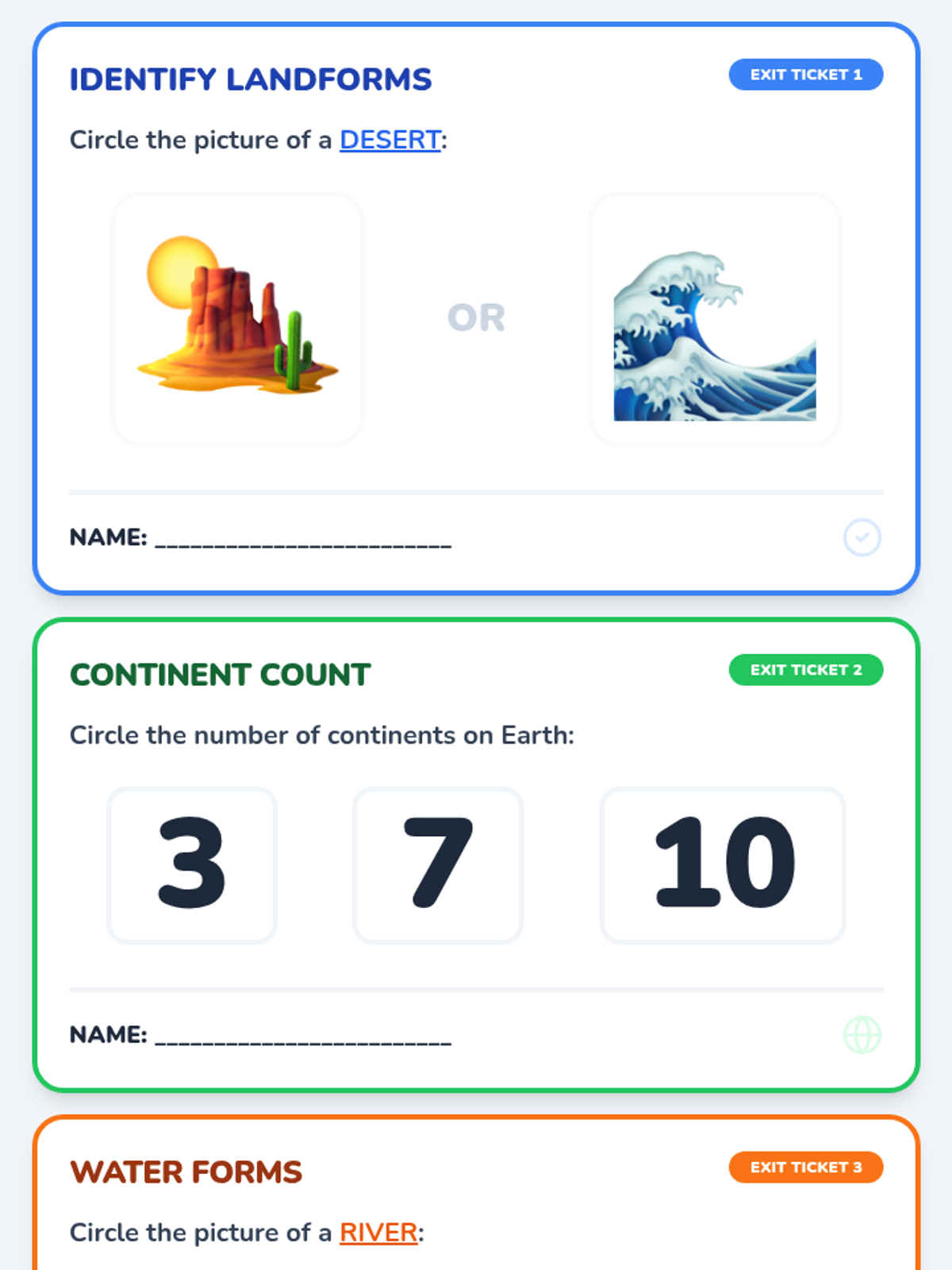
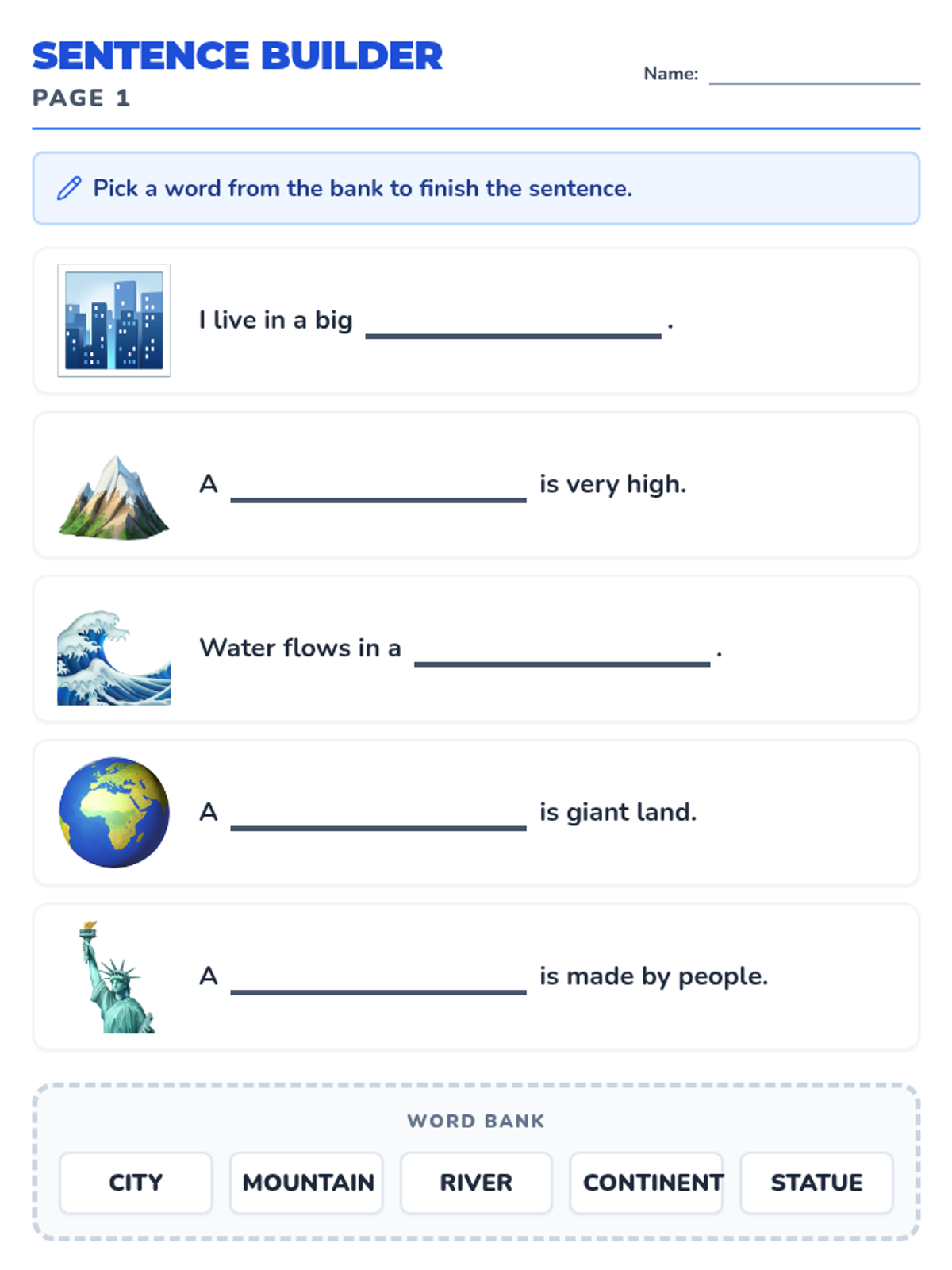
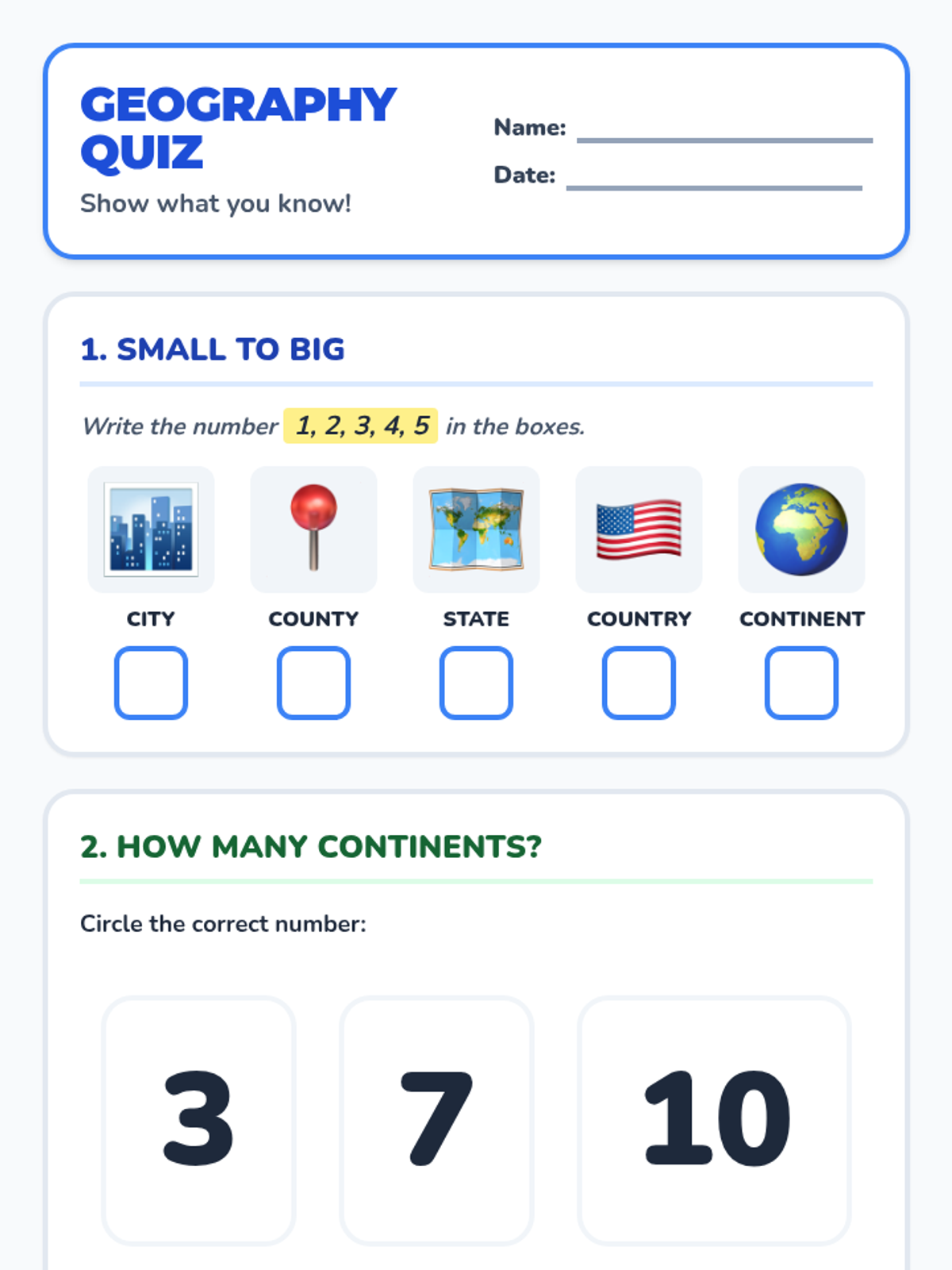
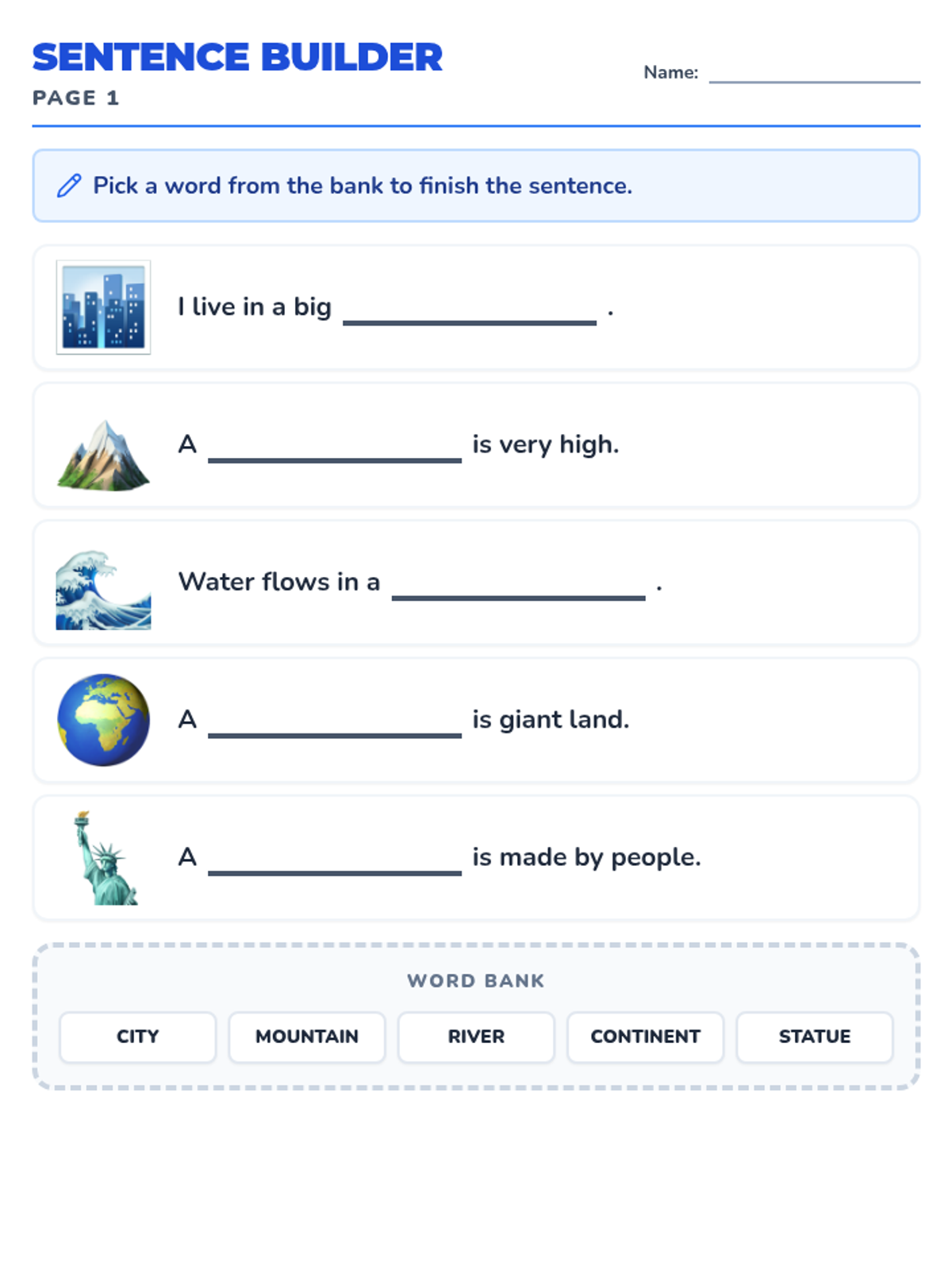
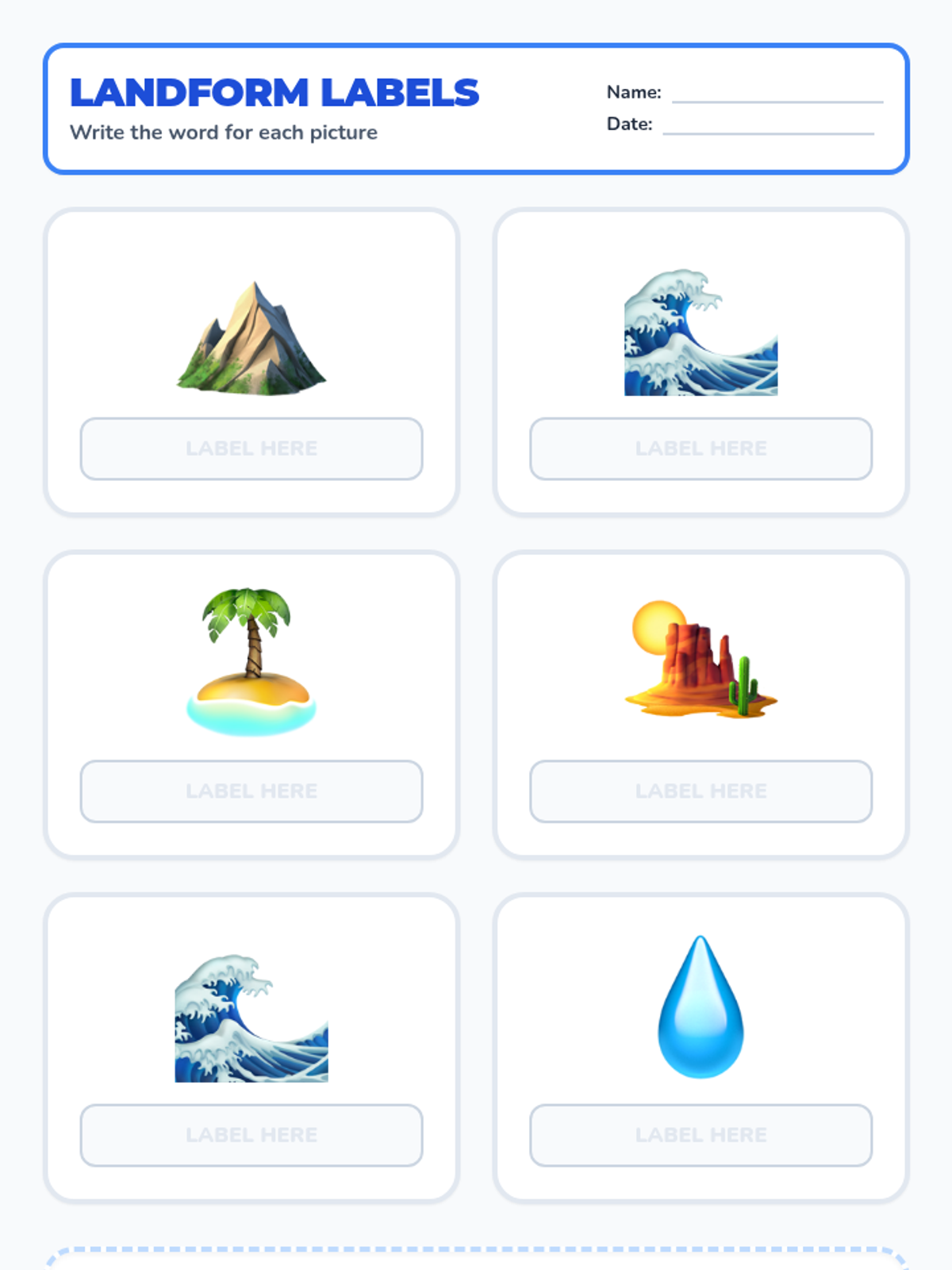
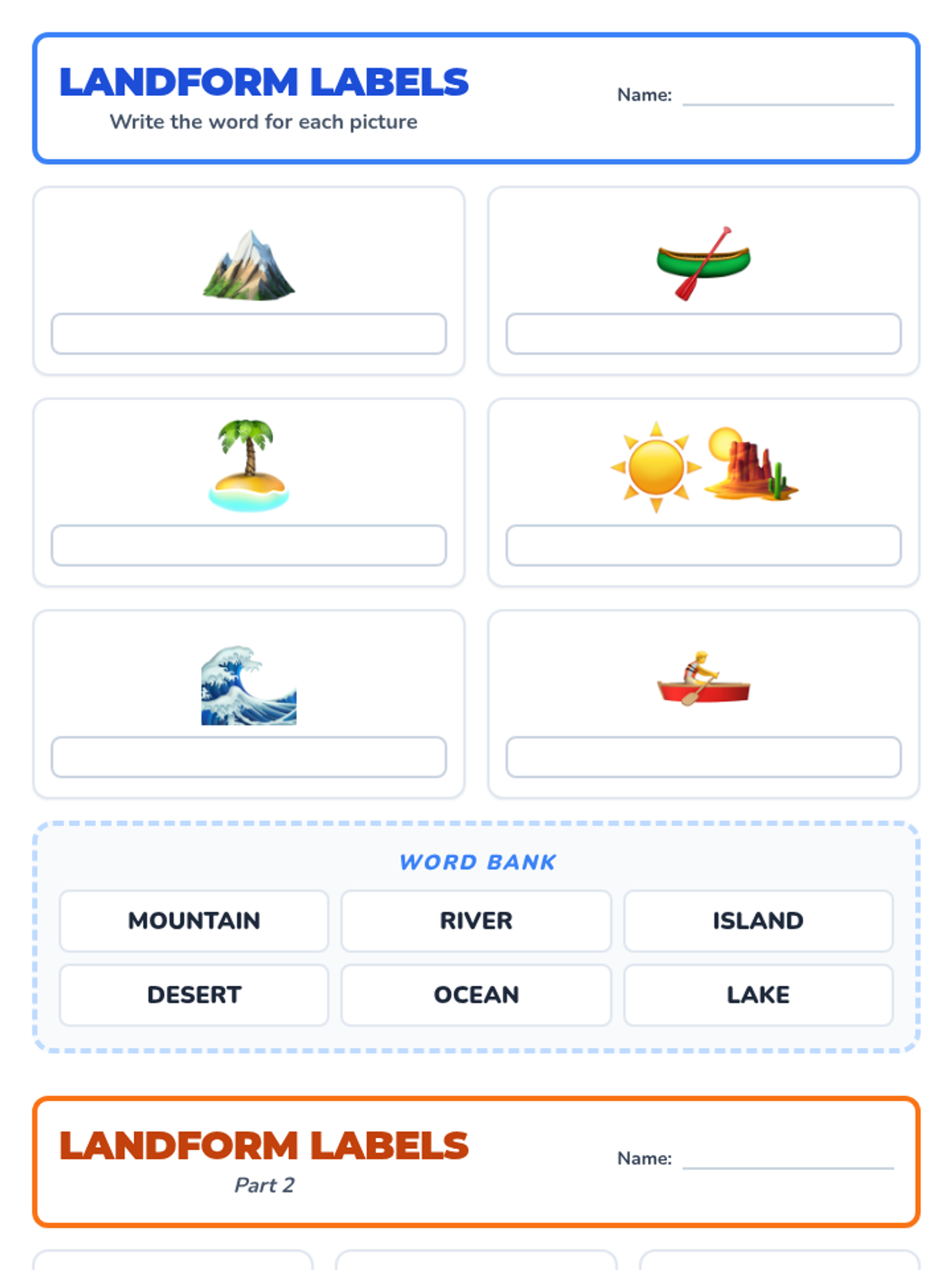
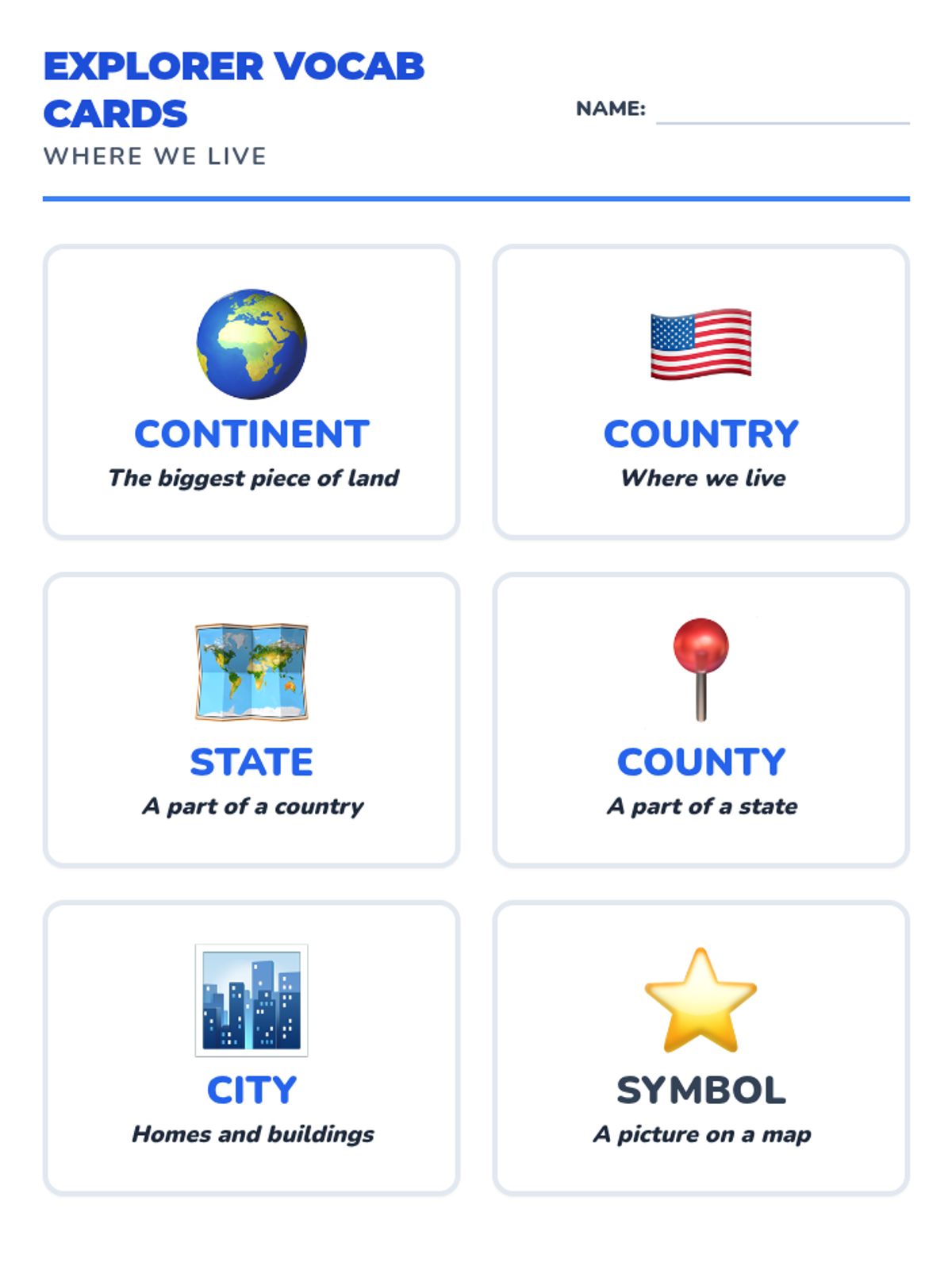
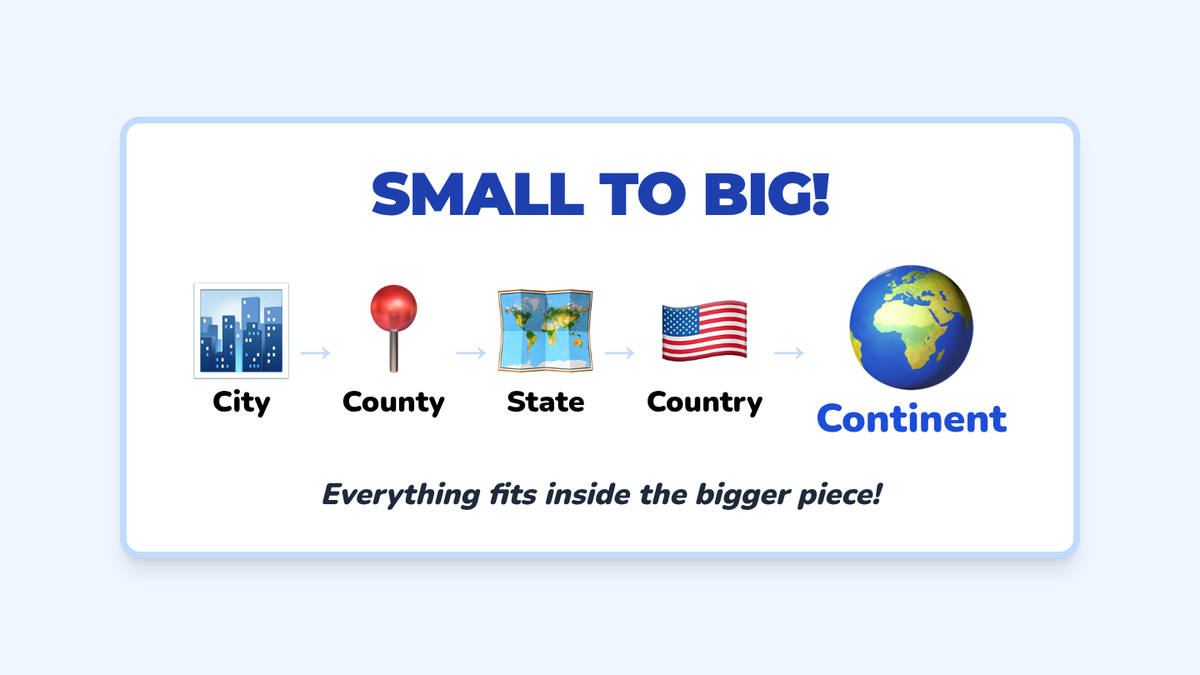
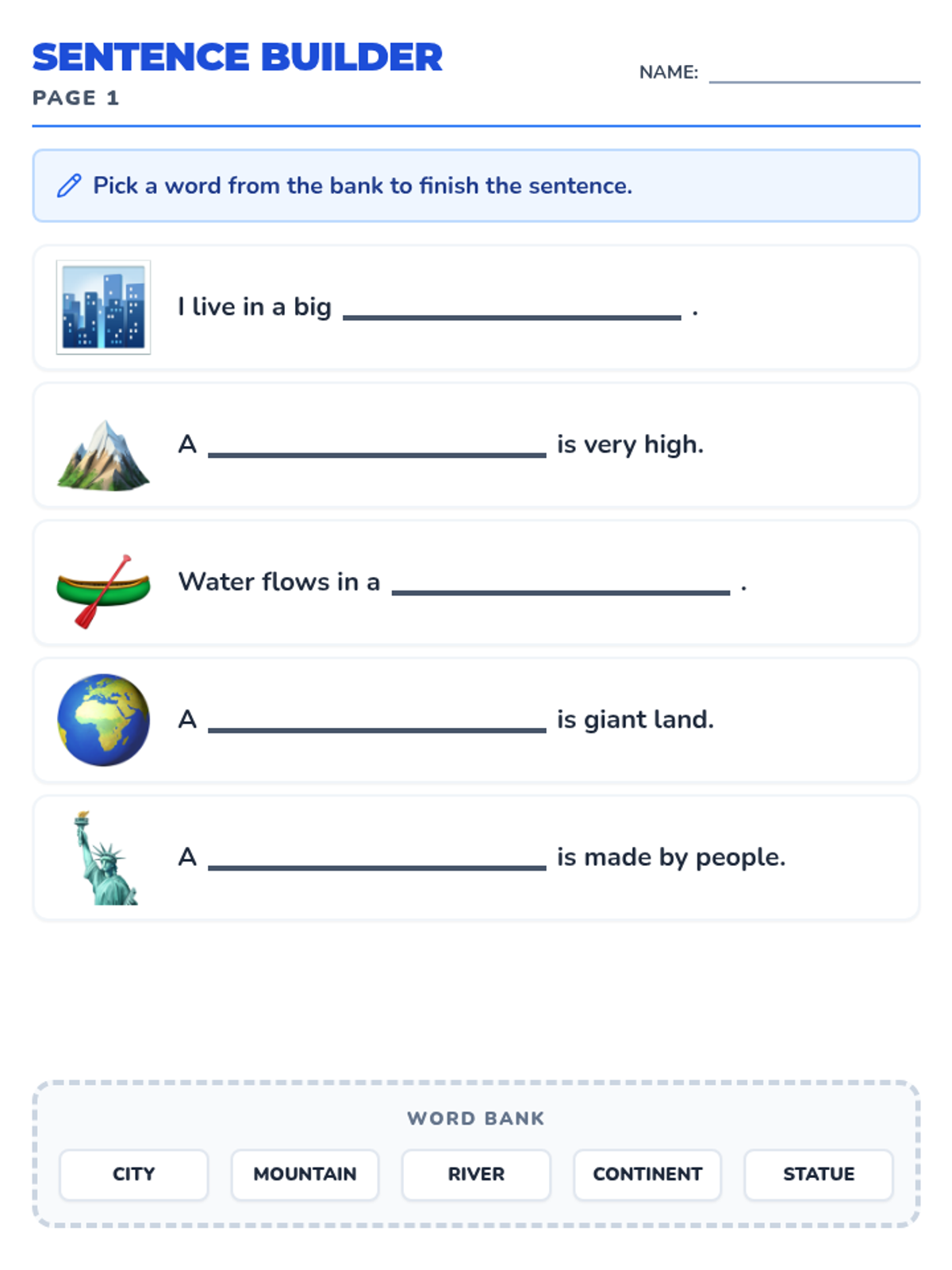
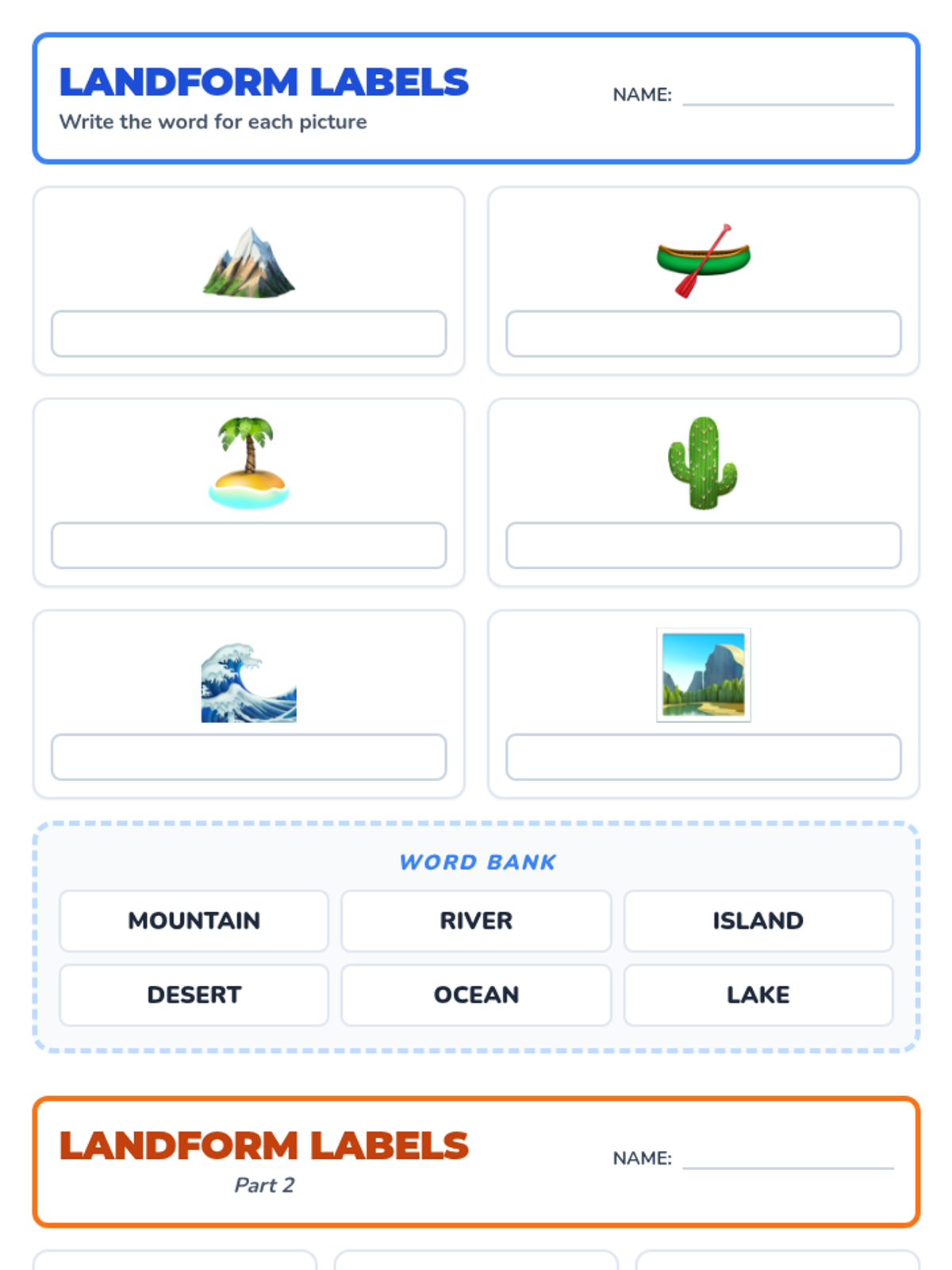
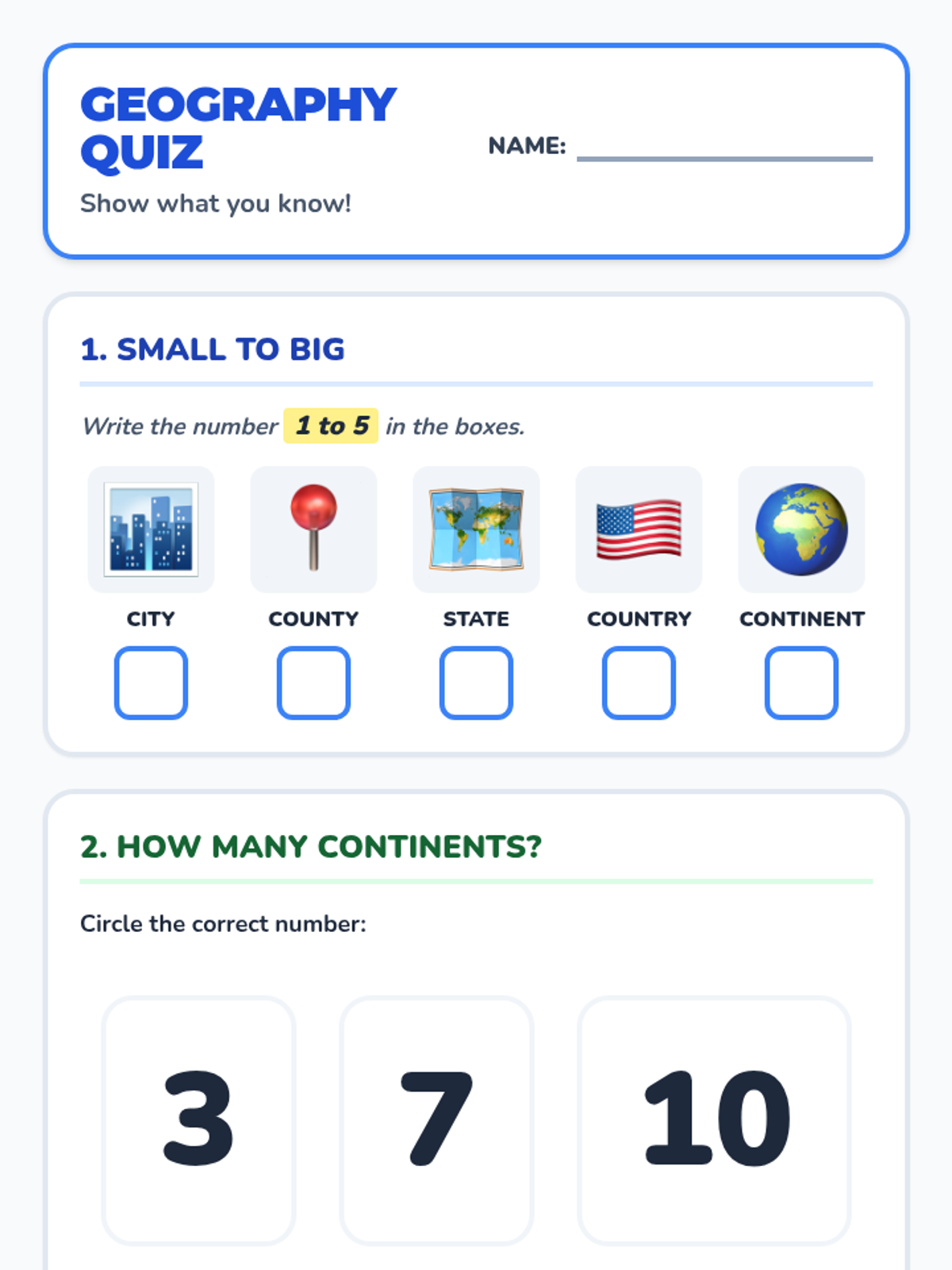
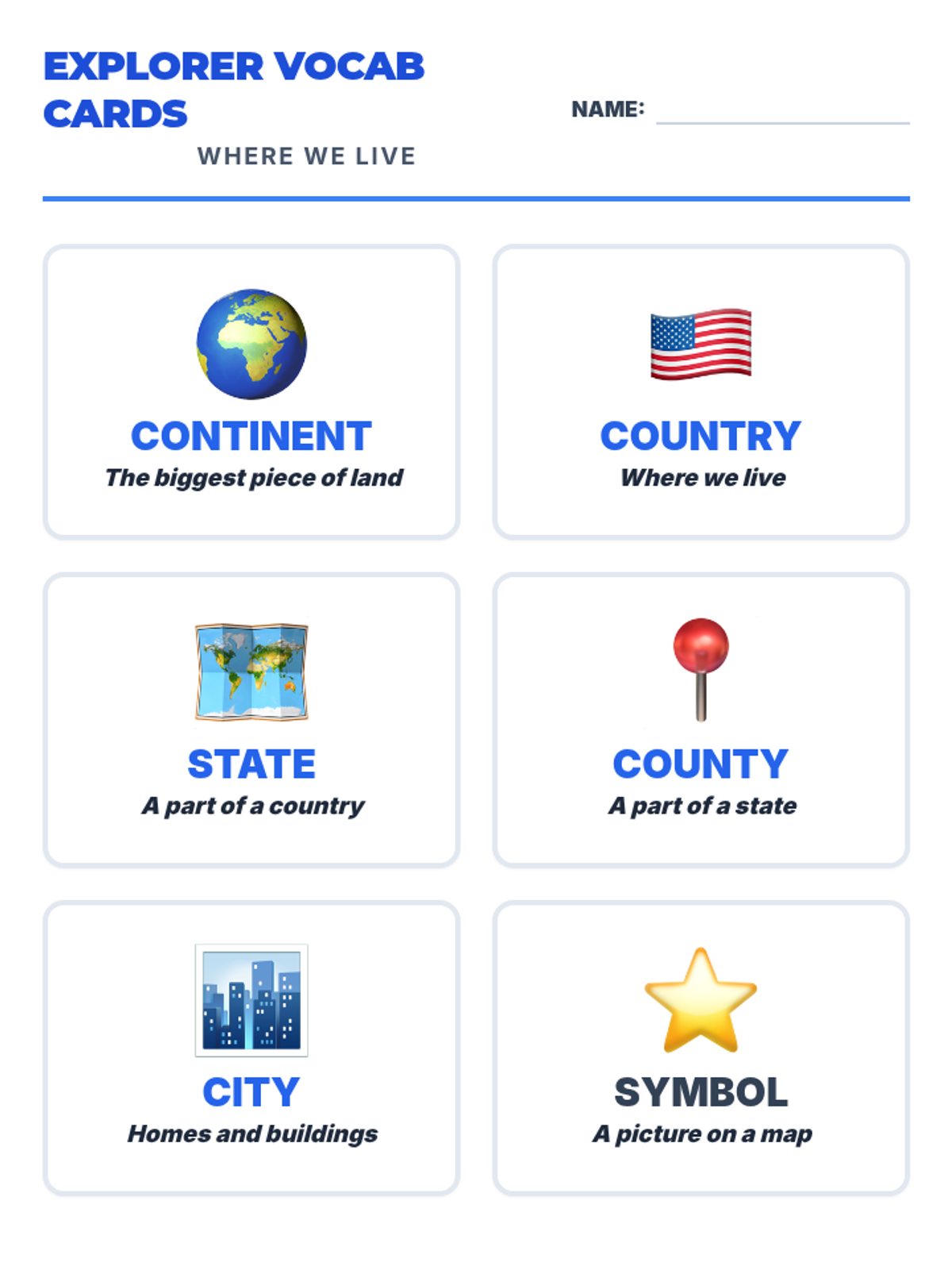
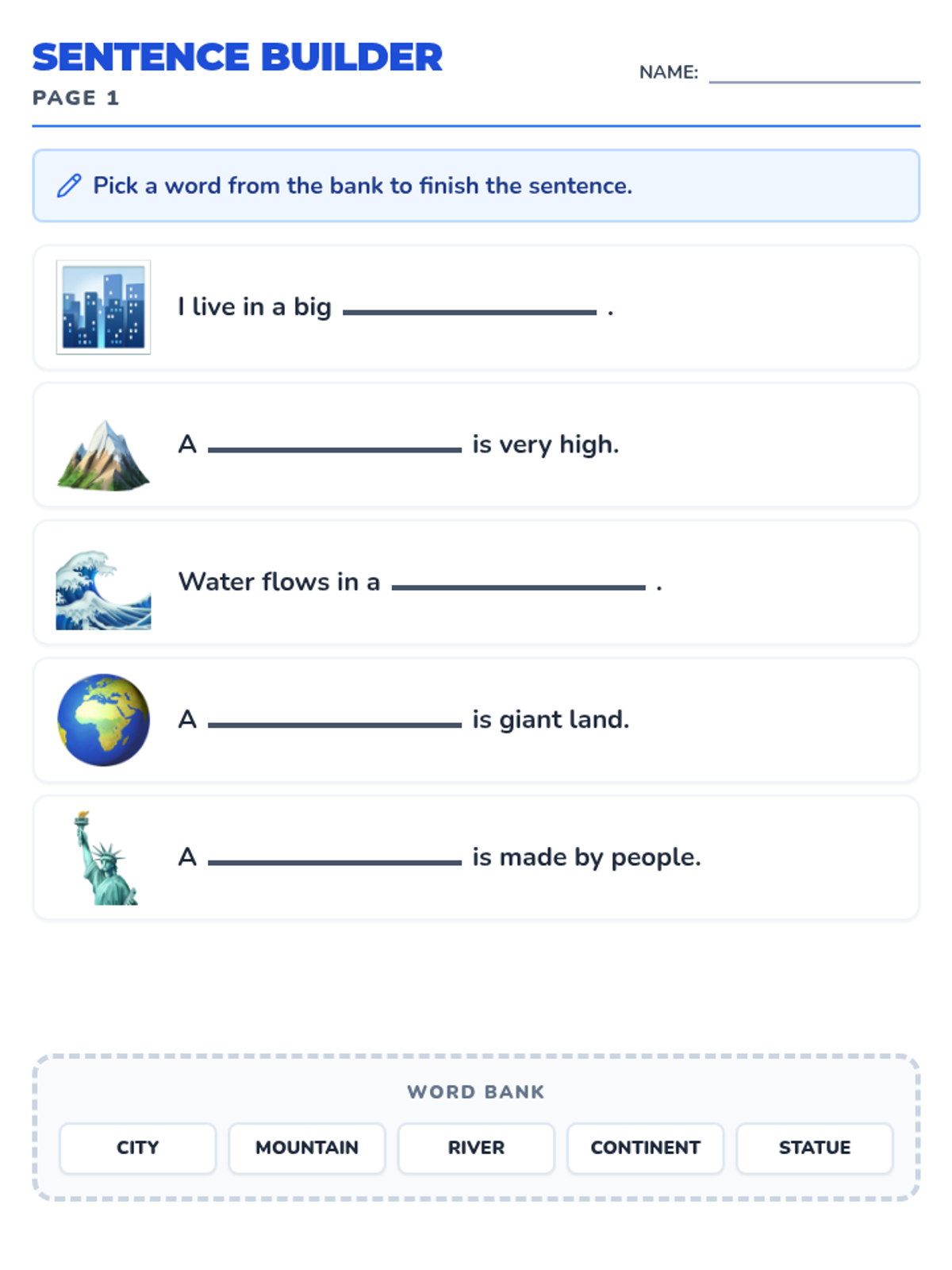
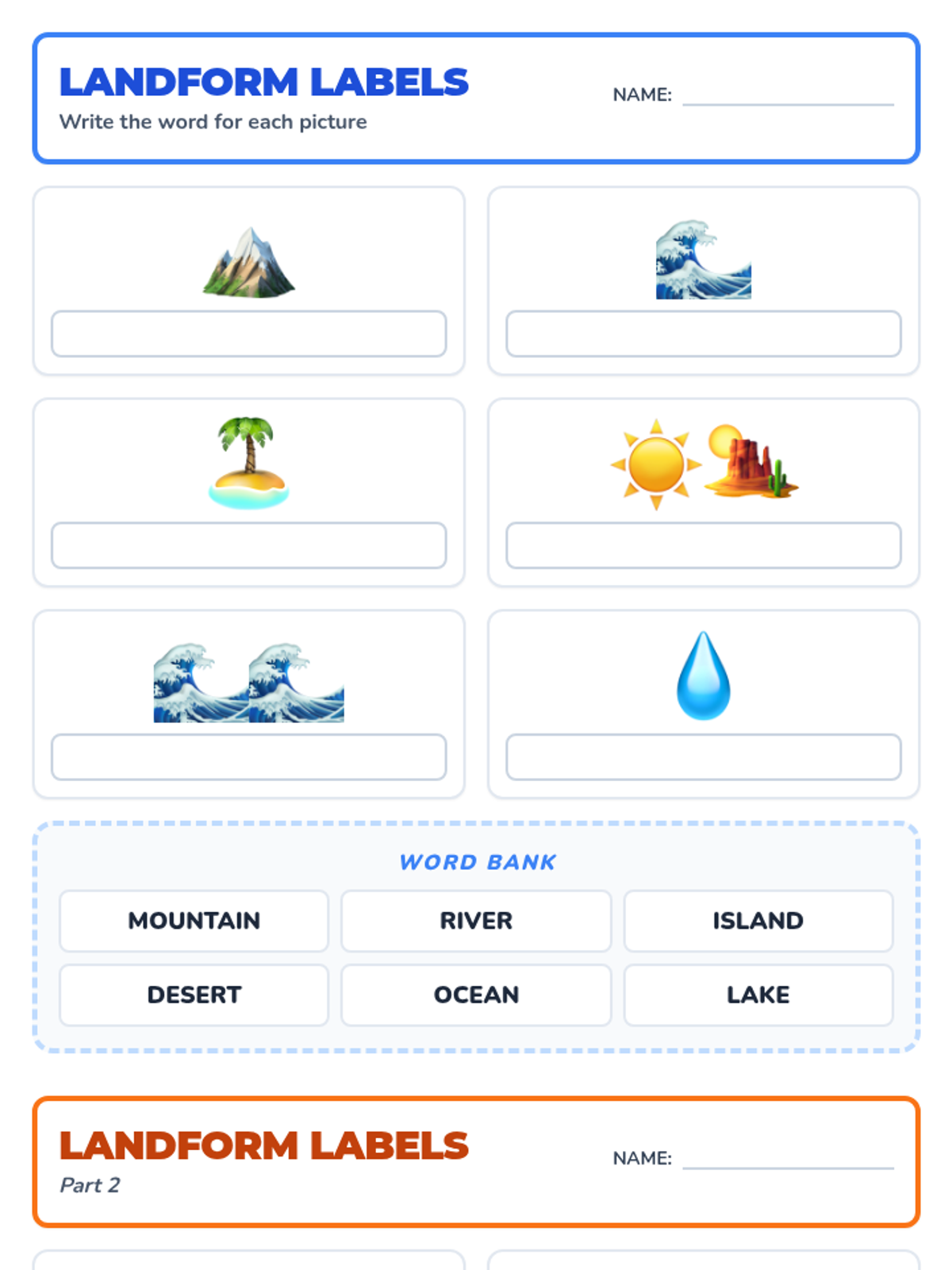
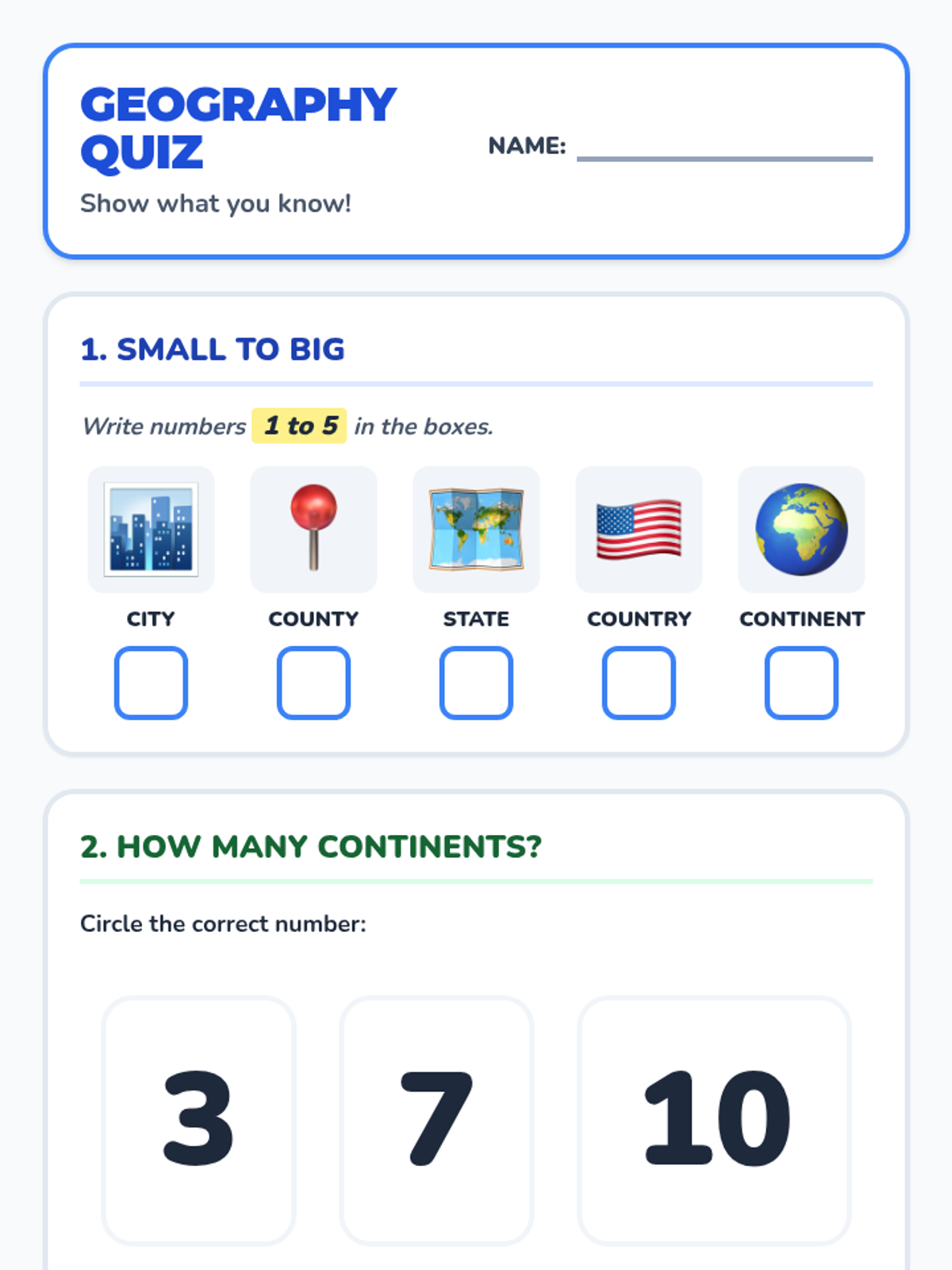
A visual-heavy lesson introducing map symbols, the hierarchy of place from city to continent, and major landforms and landmarks around the world.
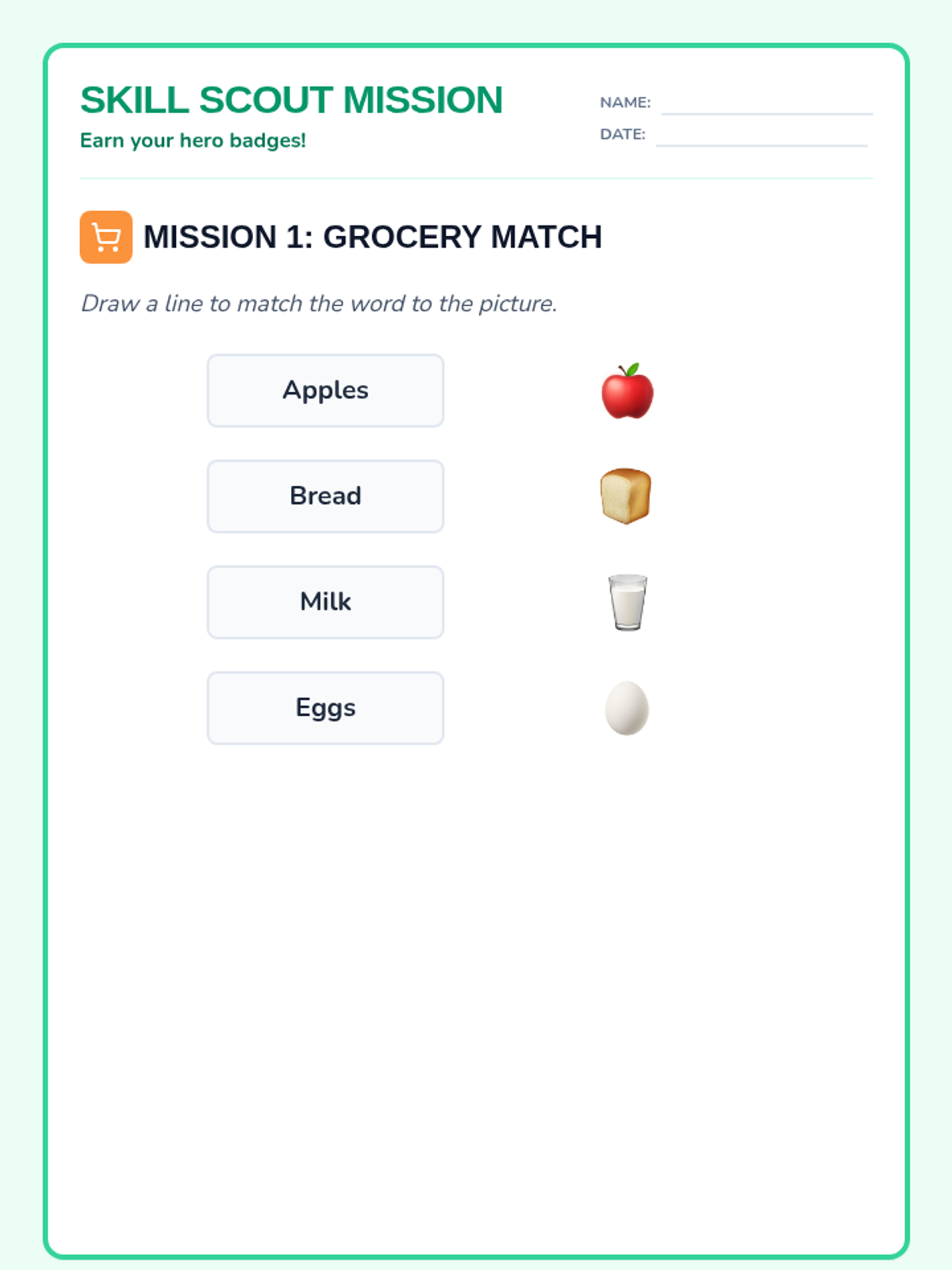
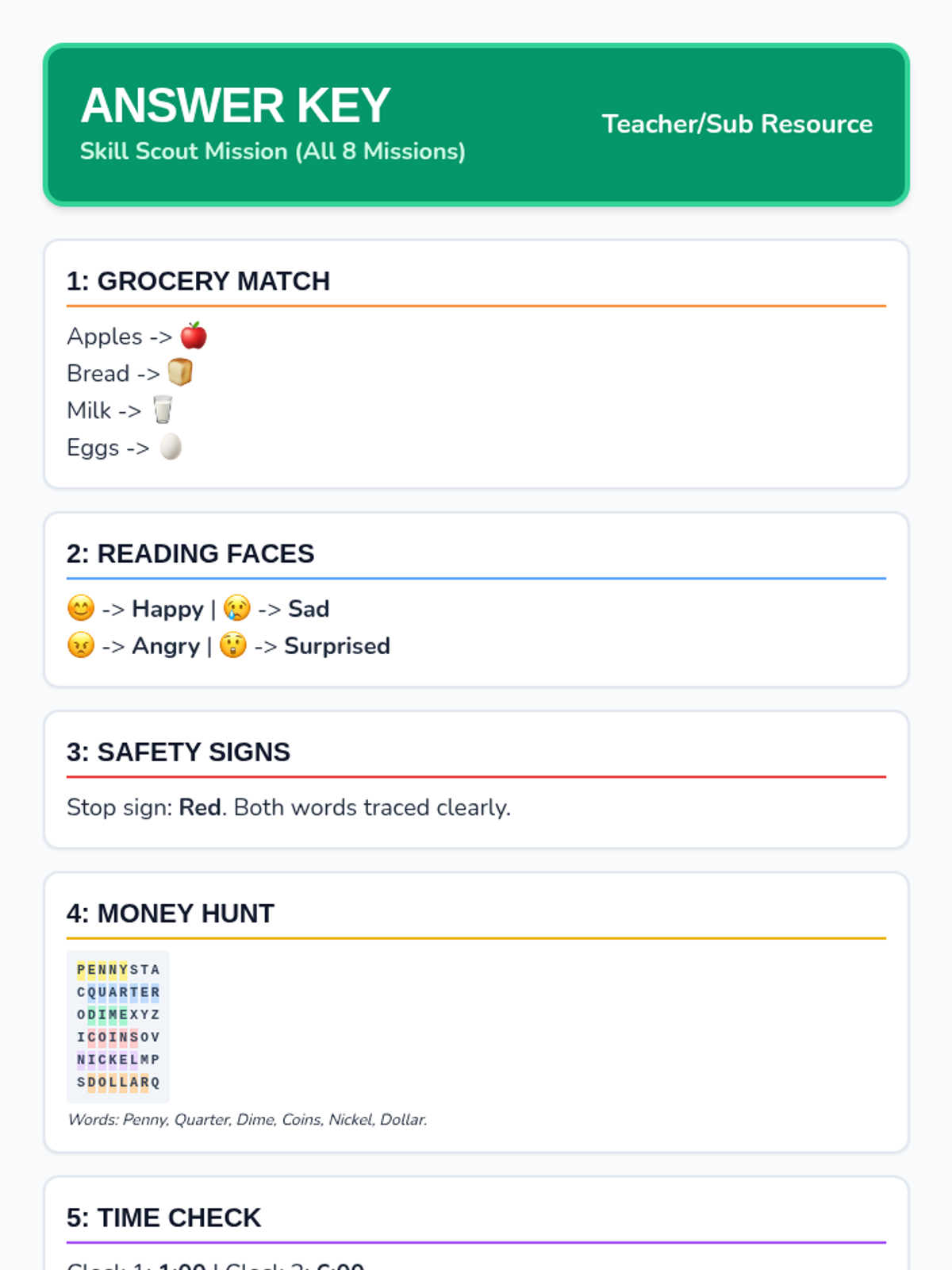
A fun and engaging life skills lesson focusing on essential daily tasks like grocery shopping, emotional literacy, safety awareness, and money identification.
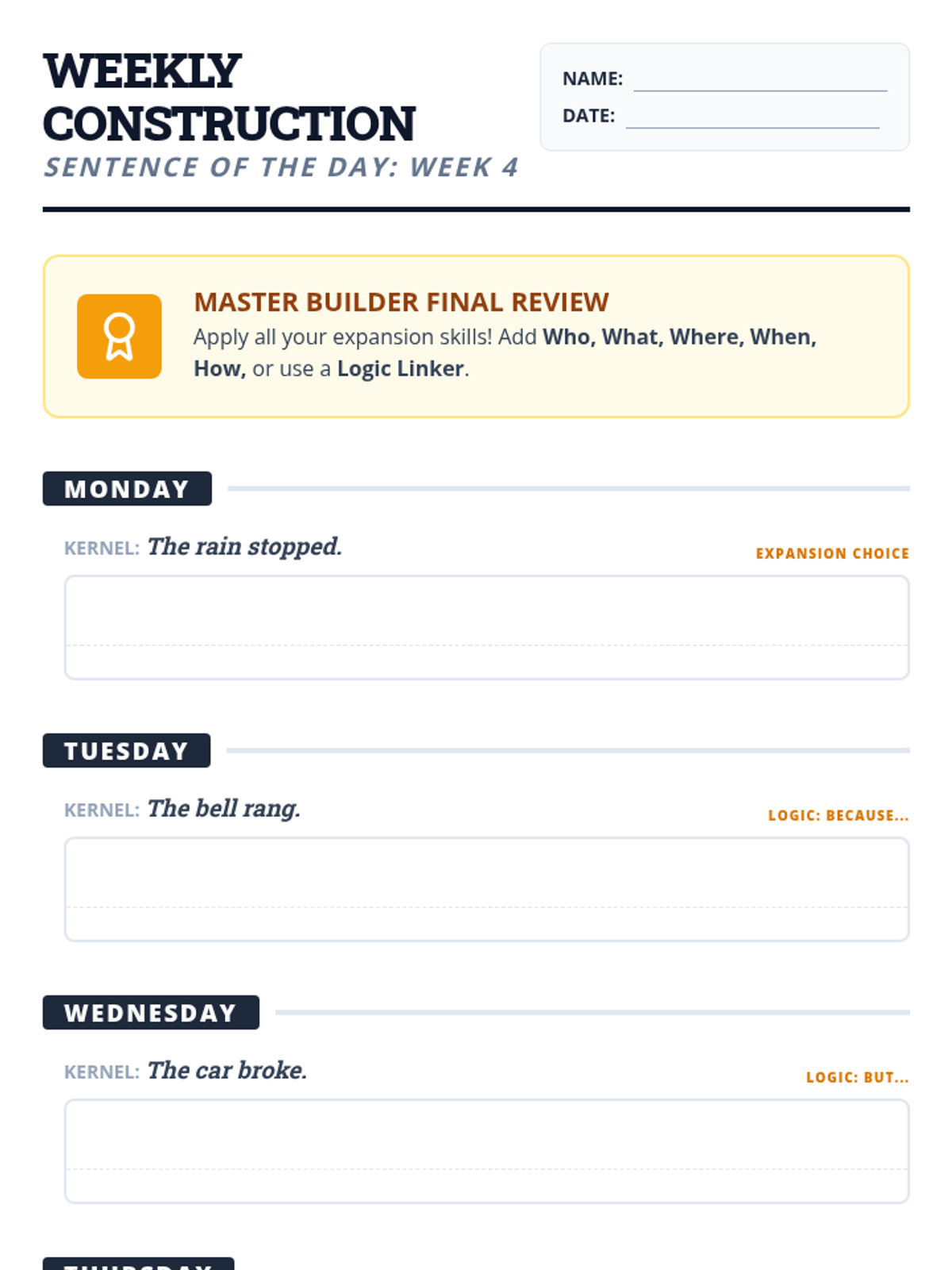
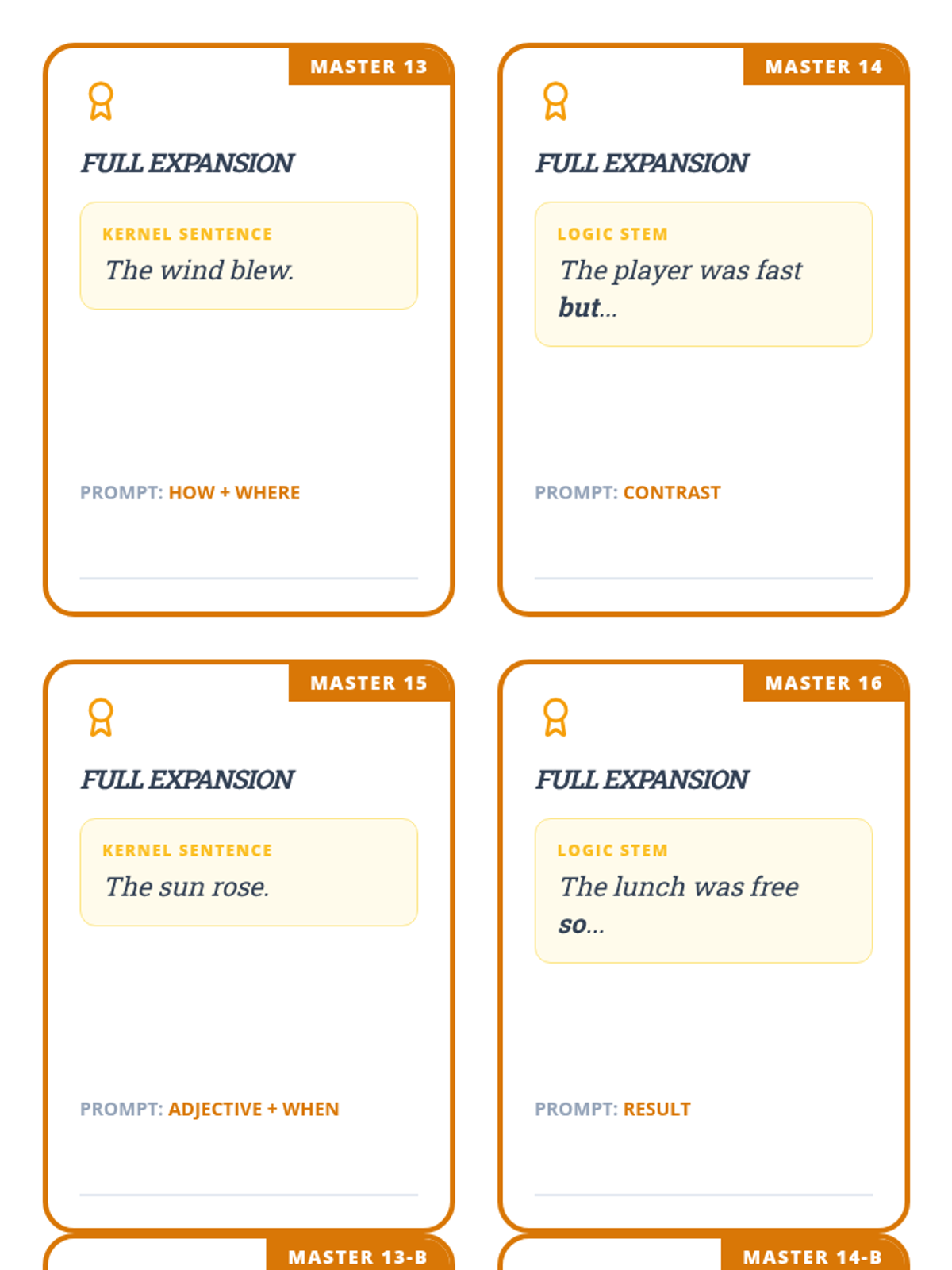
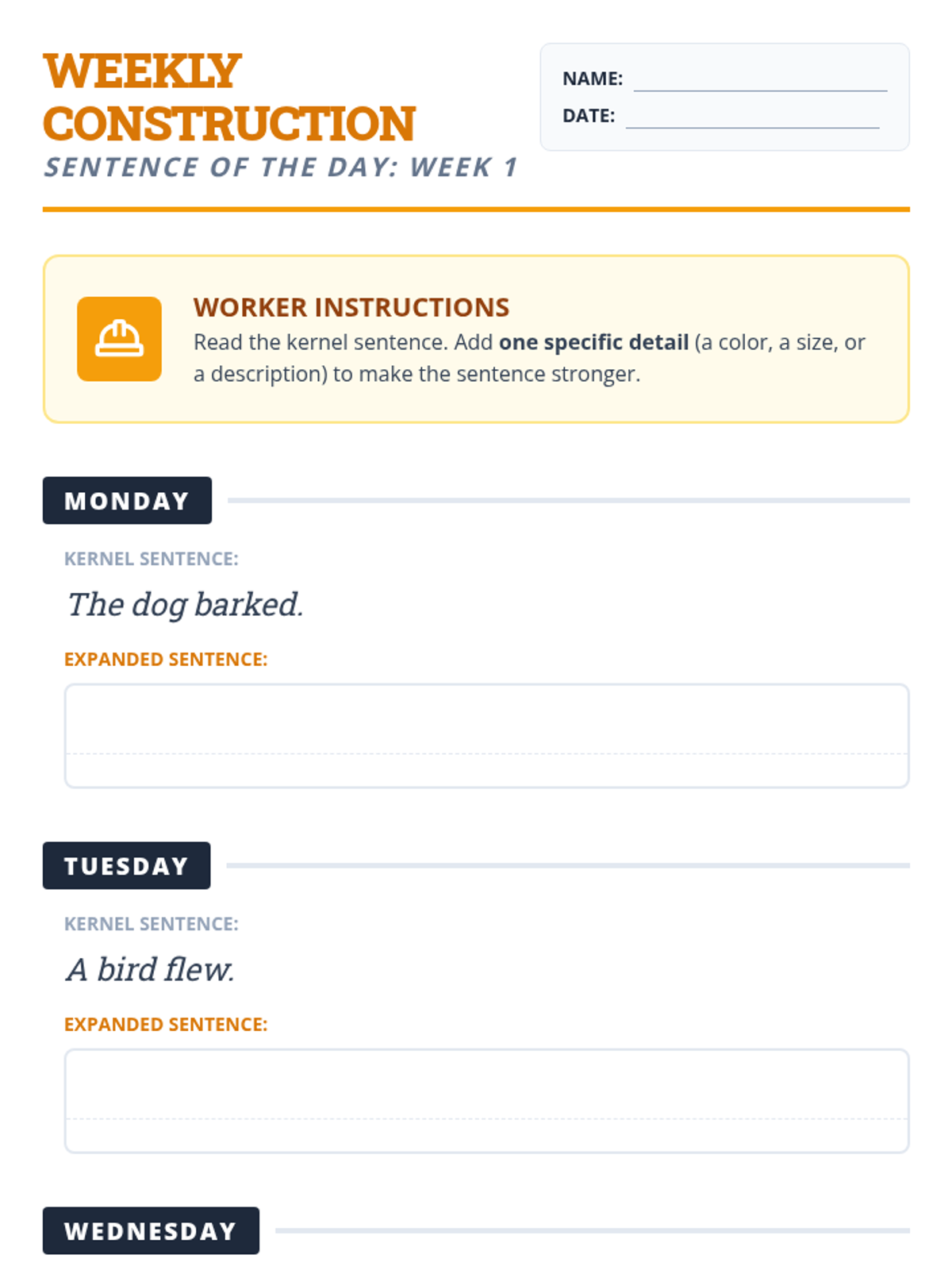
The final review lesson where students apply all previous strategies (adjectives, situational details, and logical conjunctions) to create complex and polished sentences.
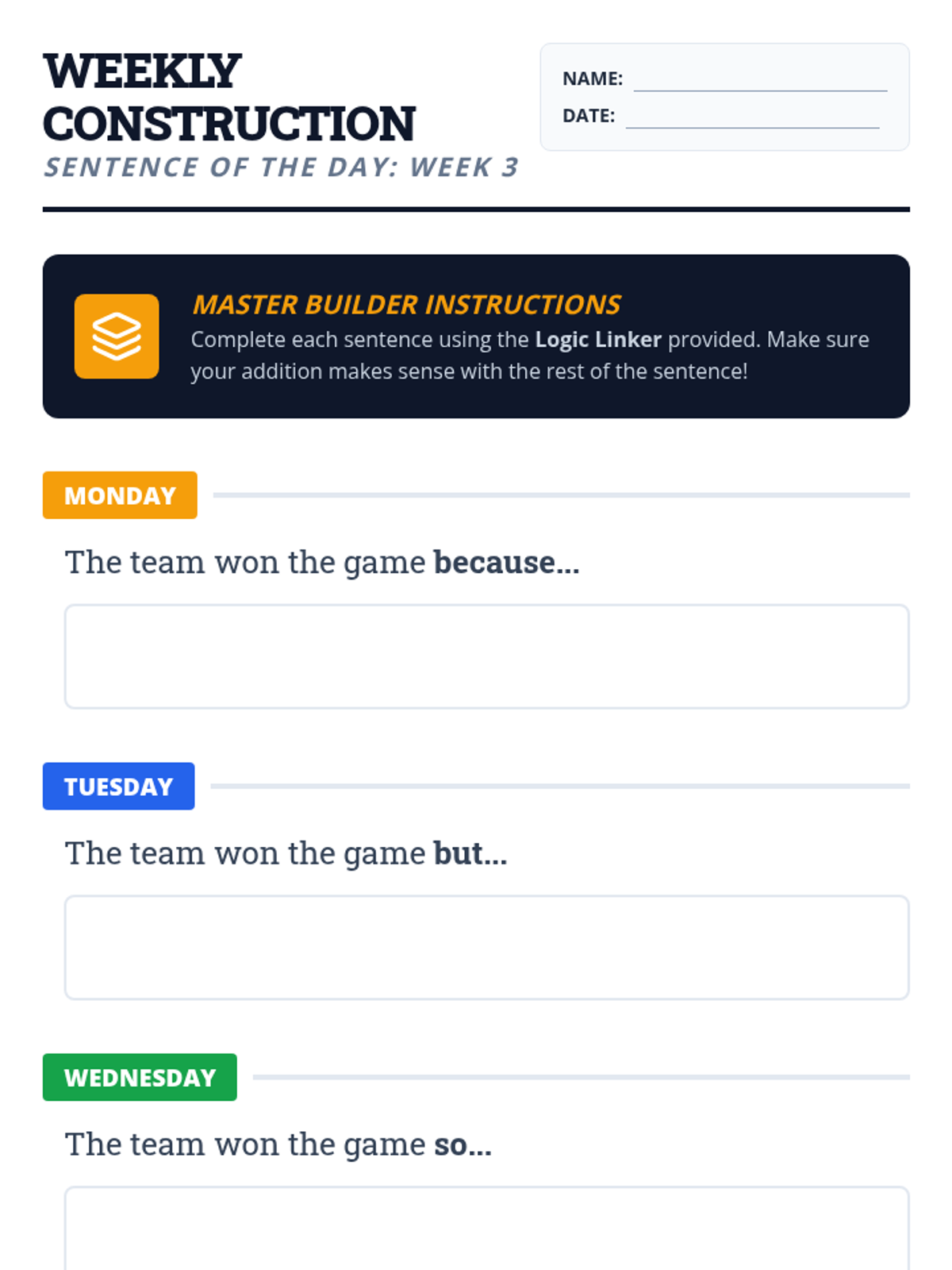
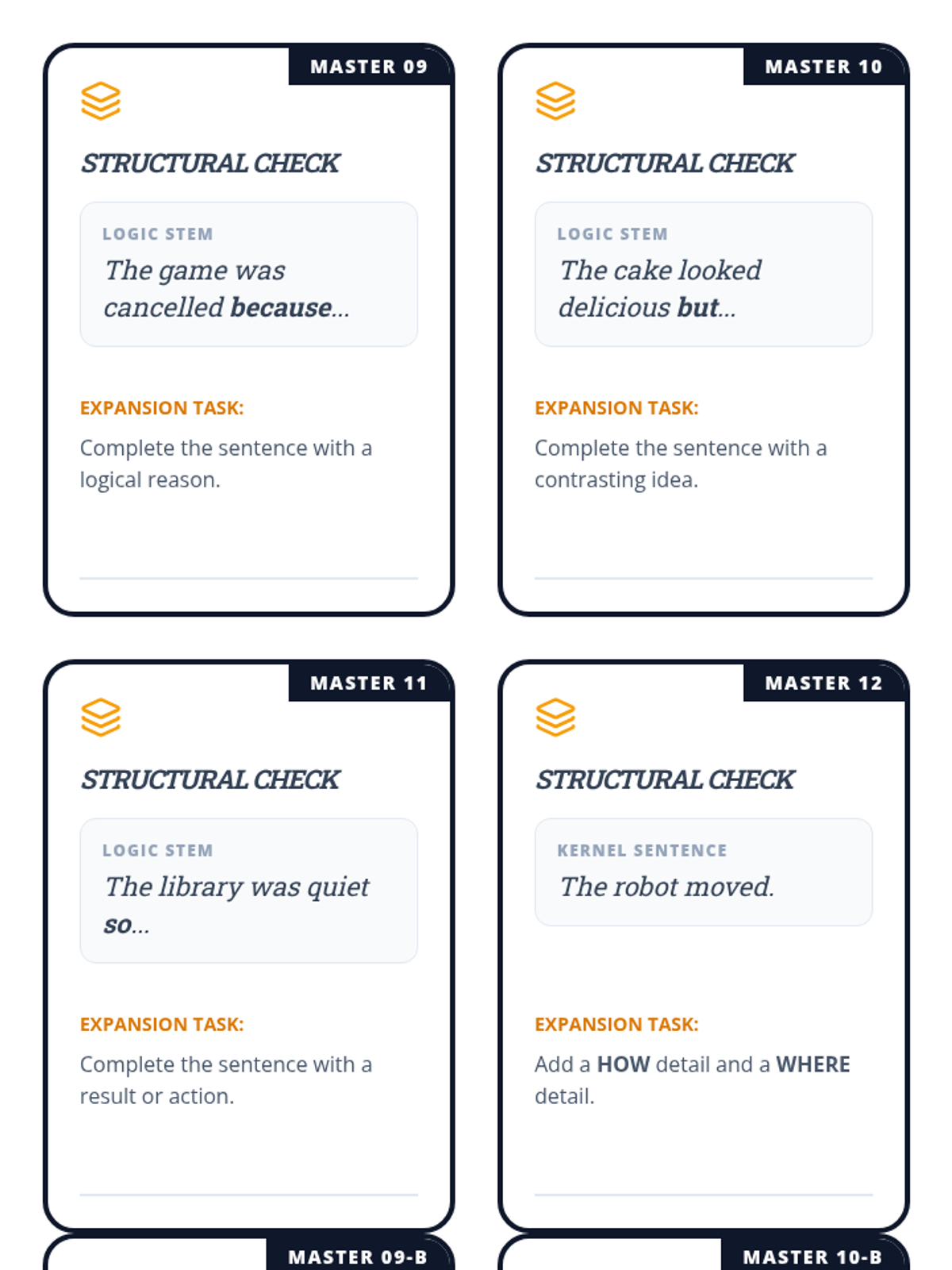
The final lesson focuses on using 'Because, But, So' to expand sentences logically and demonstrate deeper reasoning and detail.
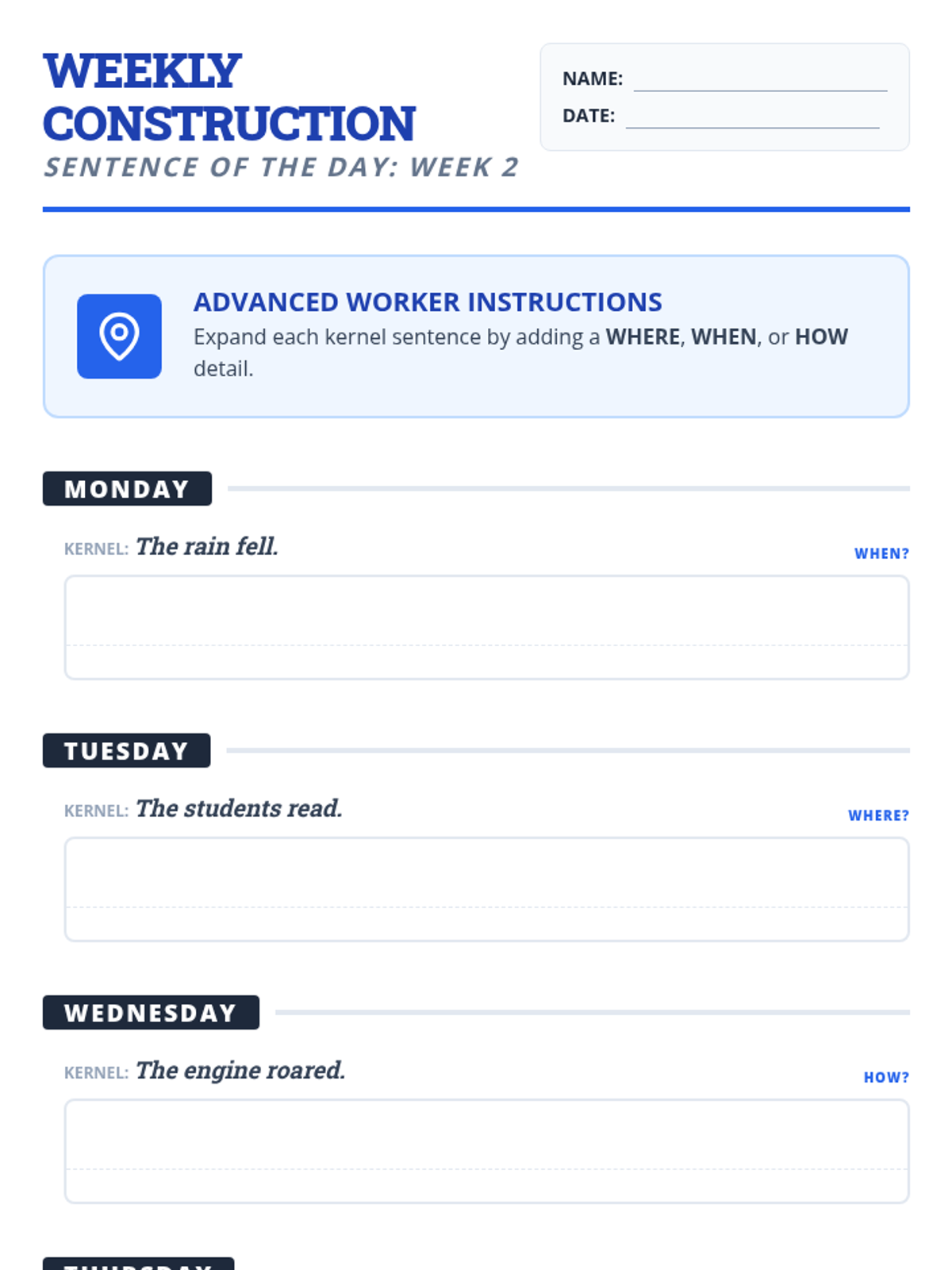
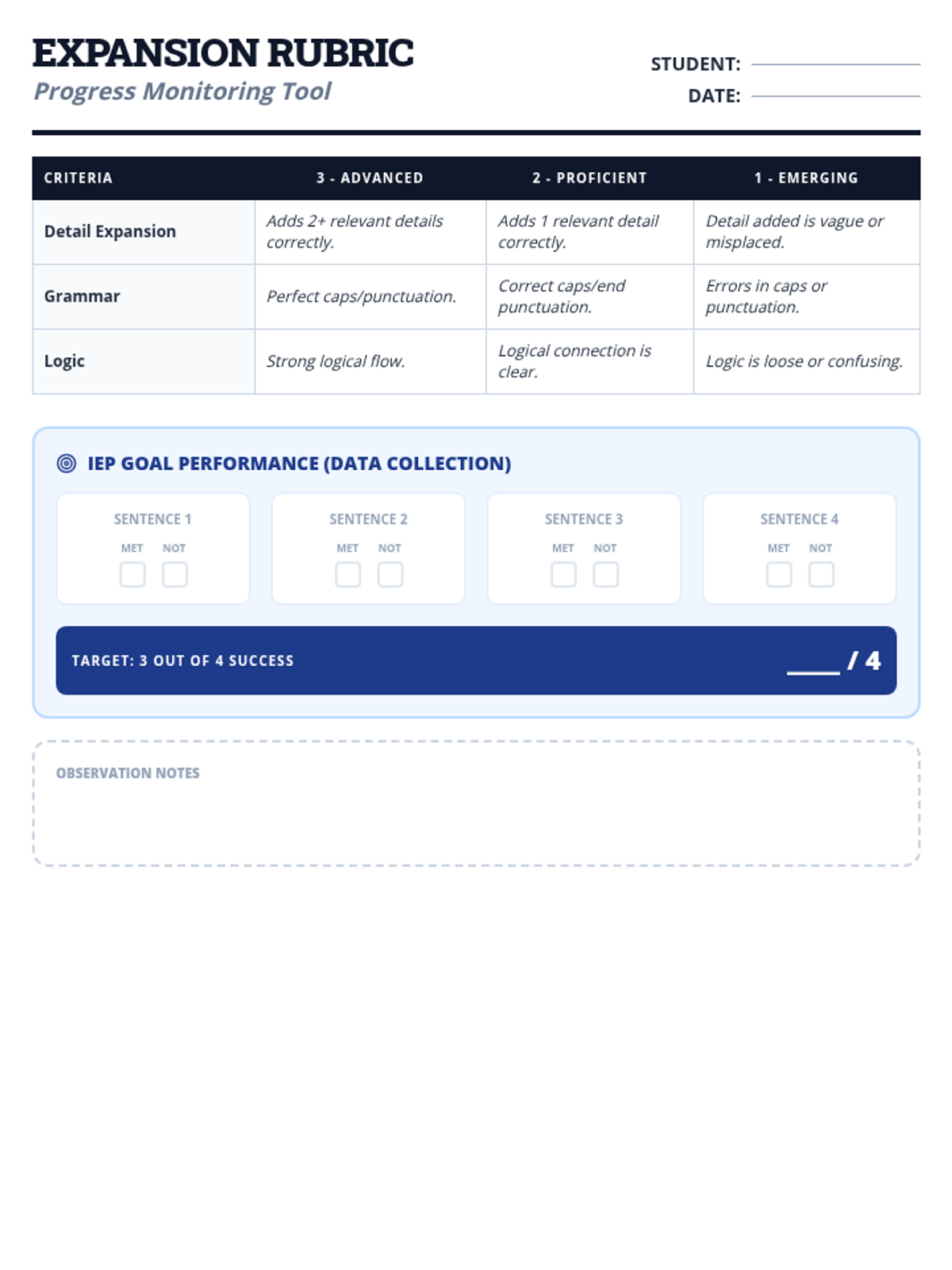
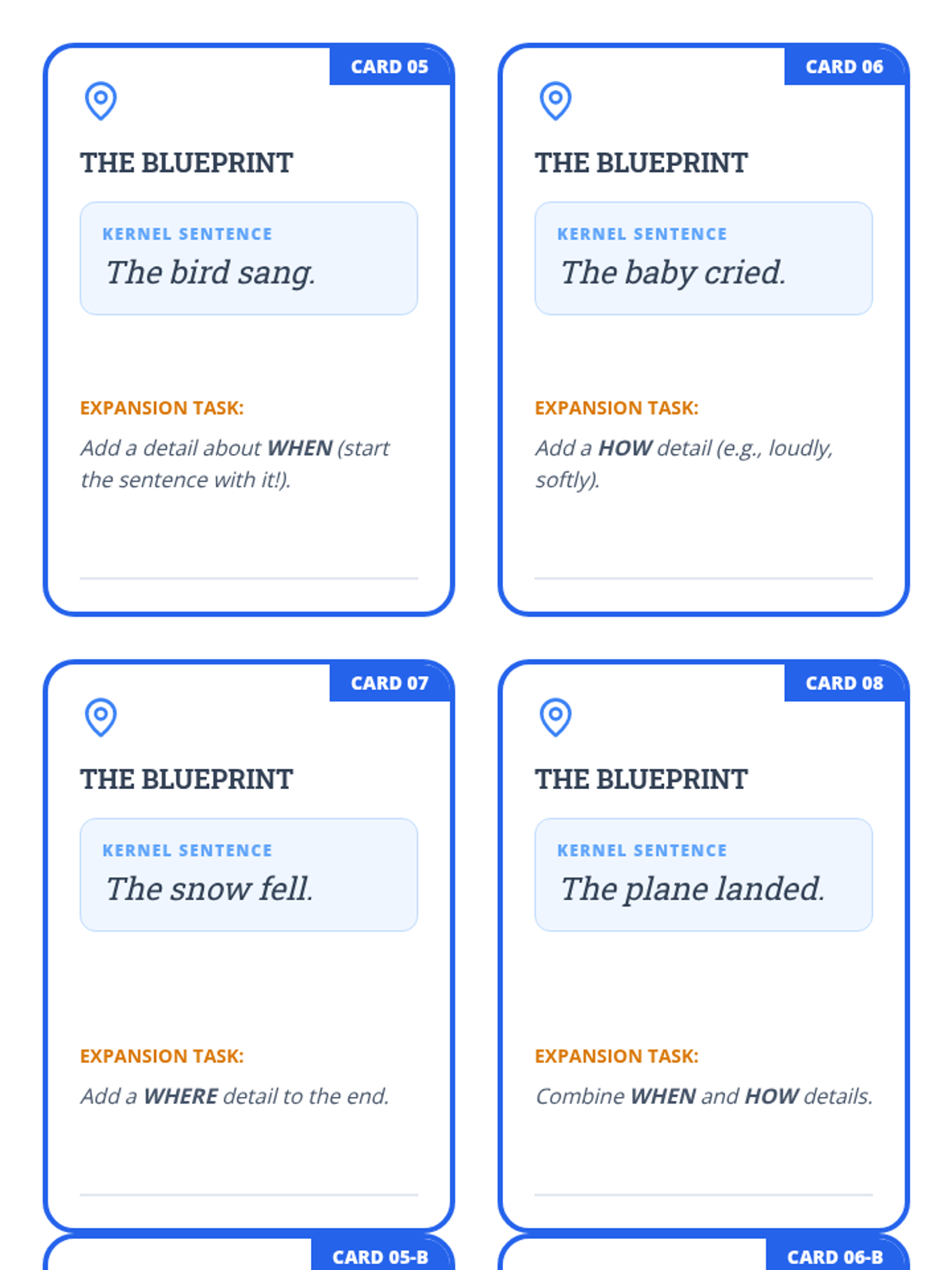
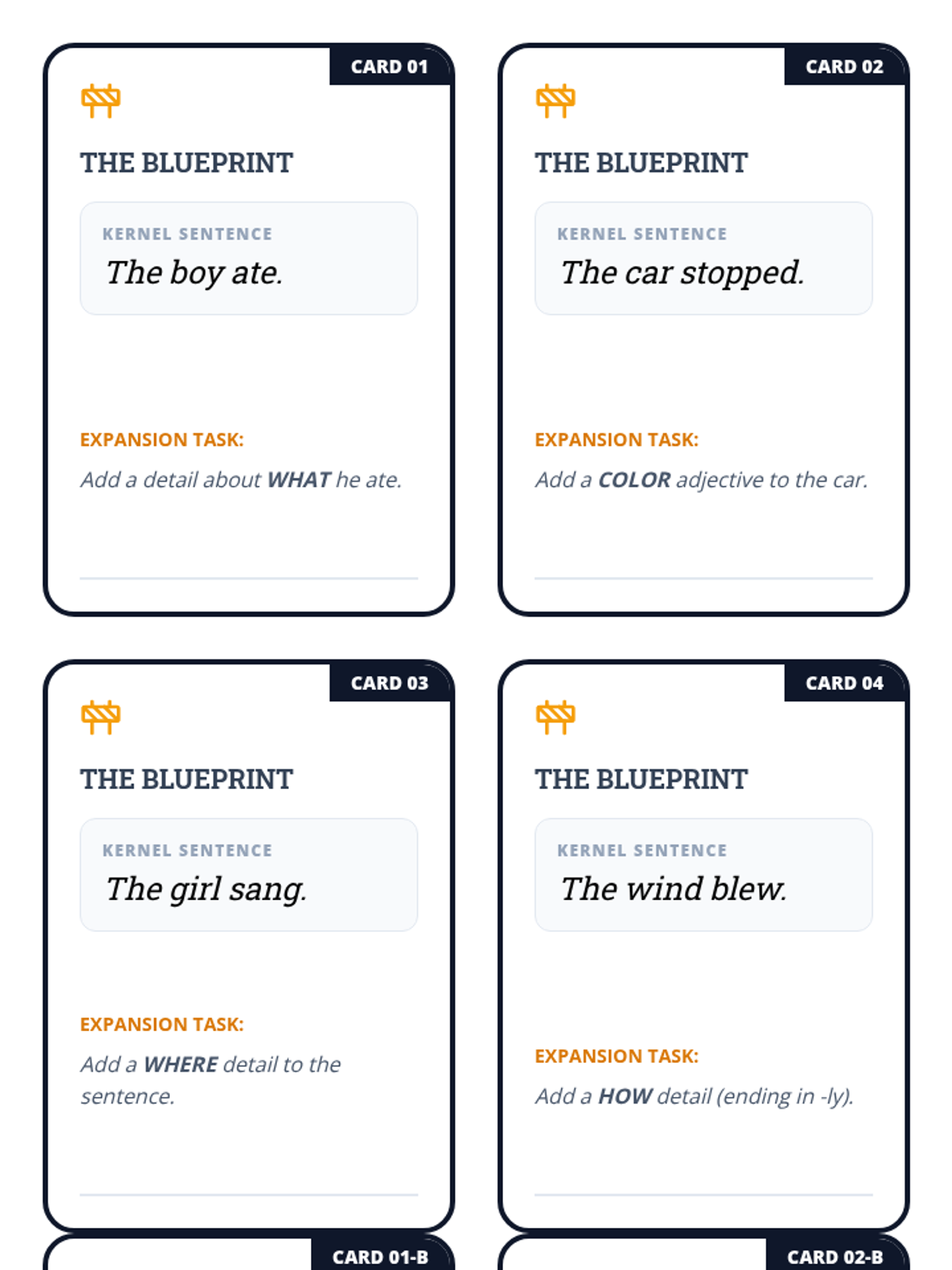
In this lesson, students learn to add situational details to their sentences using 'Where', 'When', and 'How' question words.
This lesson introduces the concept of a complete sentence versus a fragment and begins basic sentence expansion using 'Who' and 'What' details.
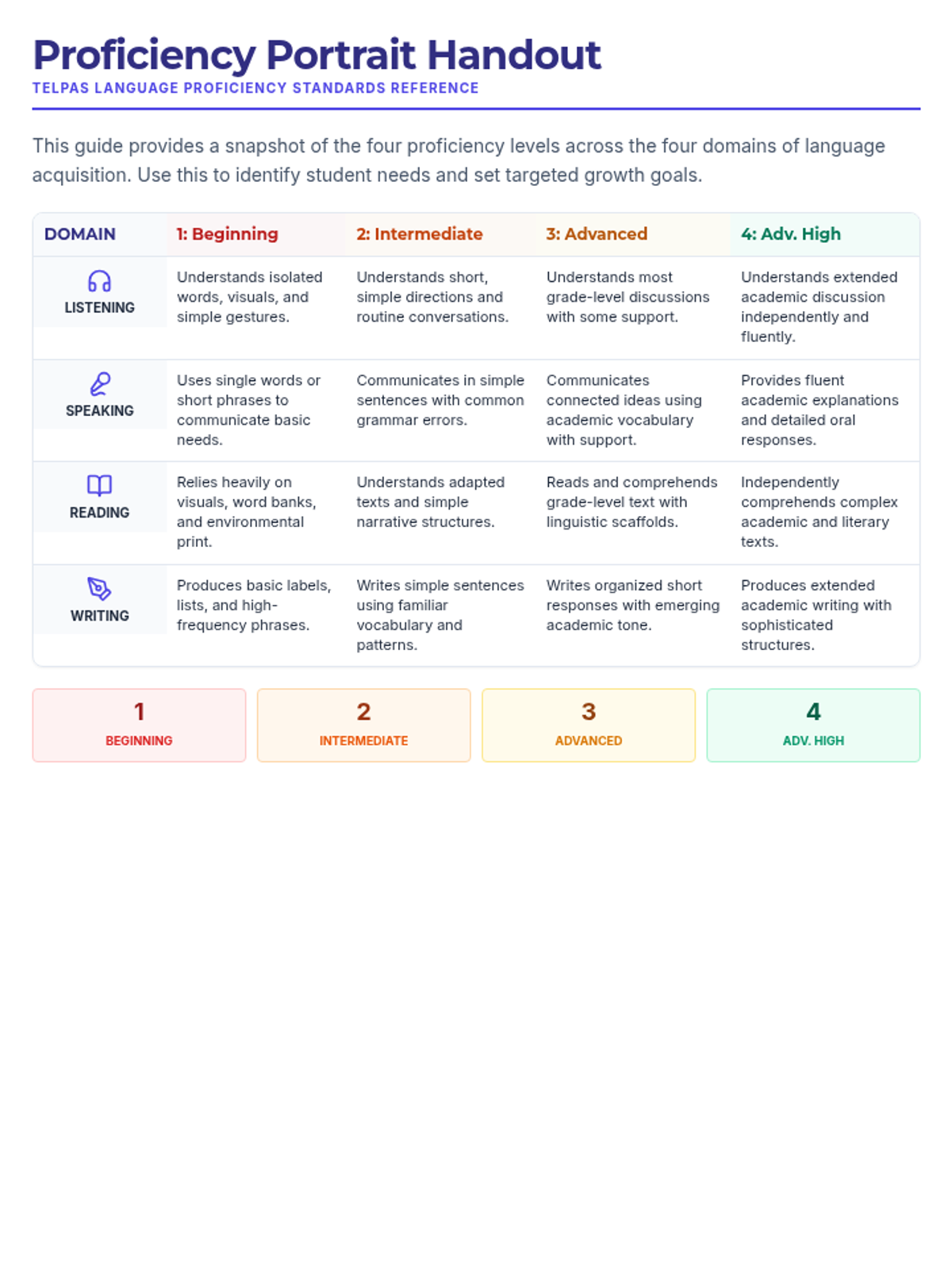
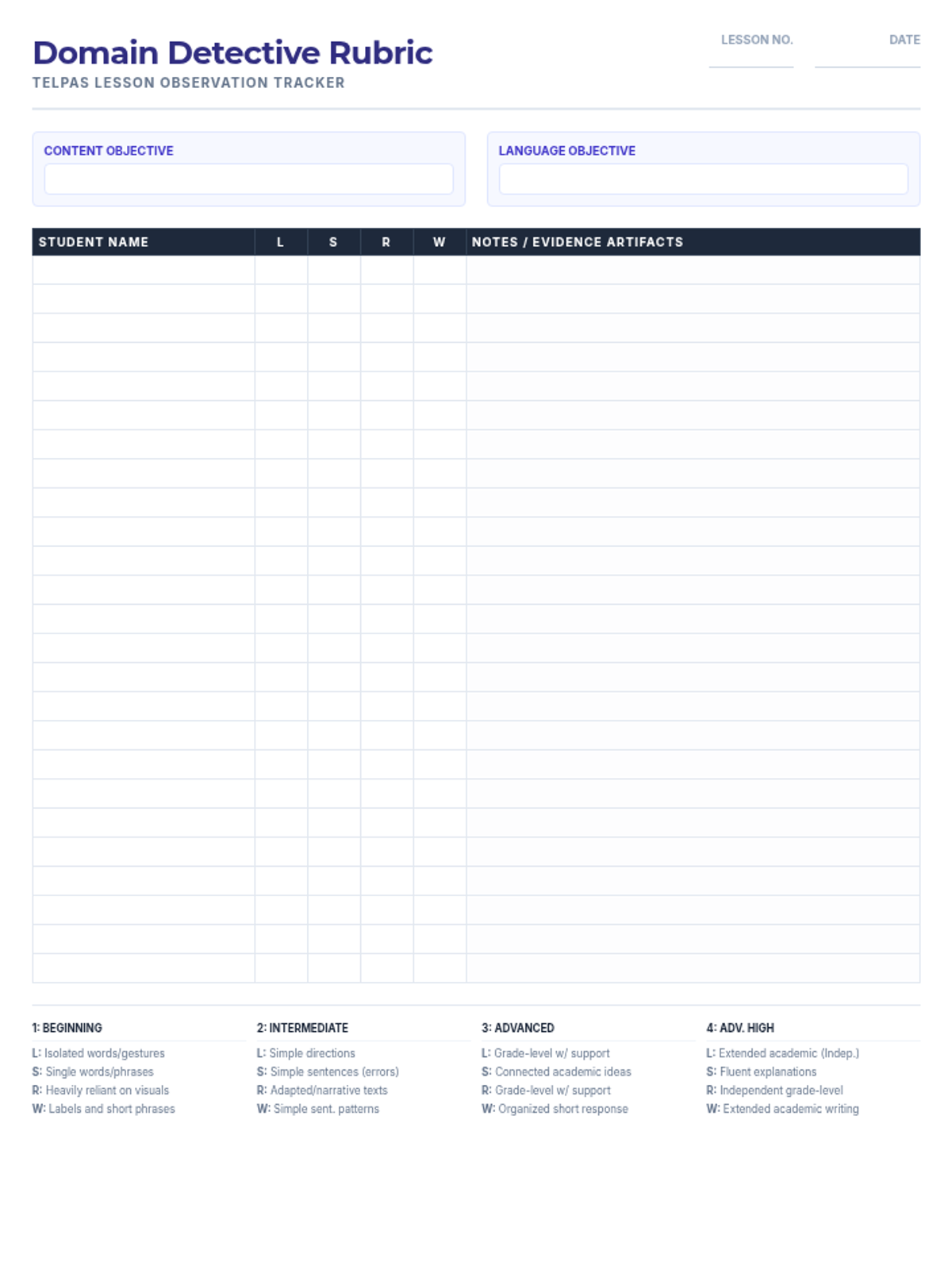
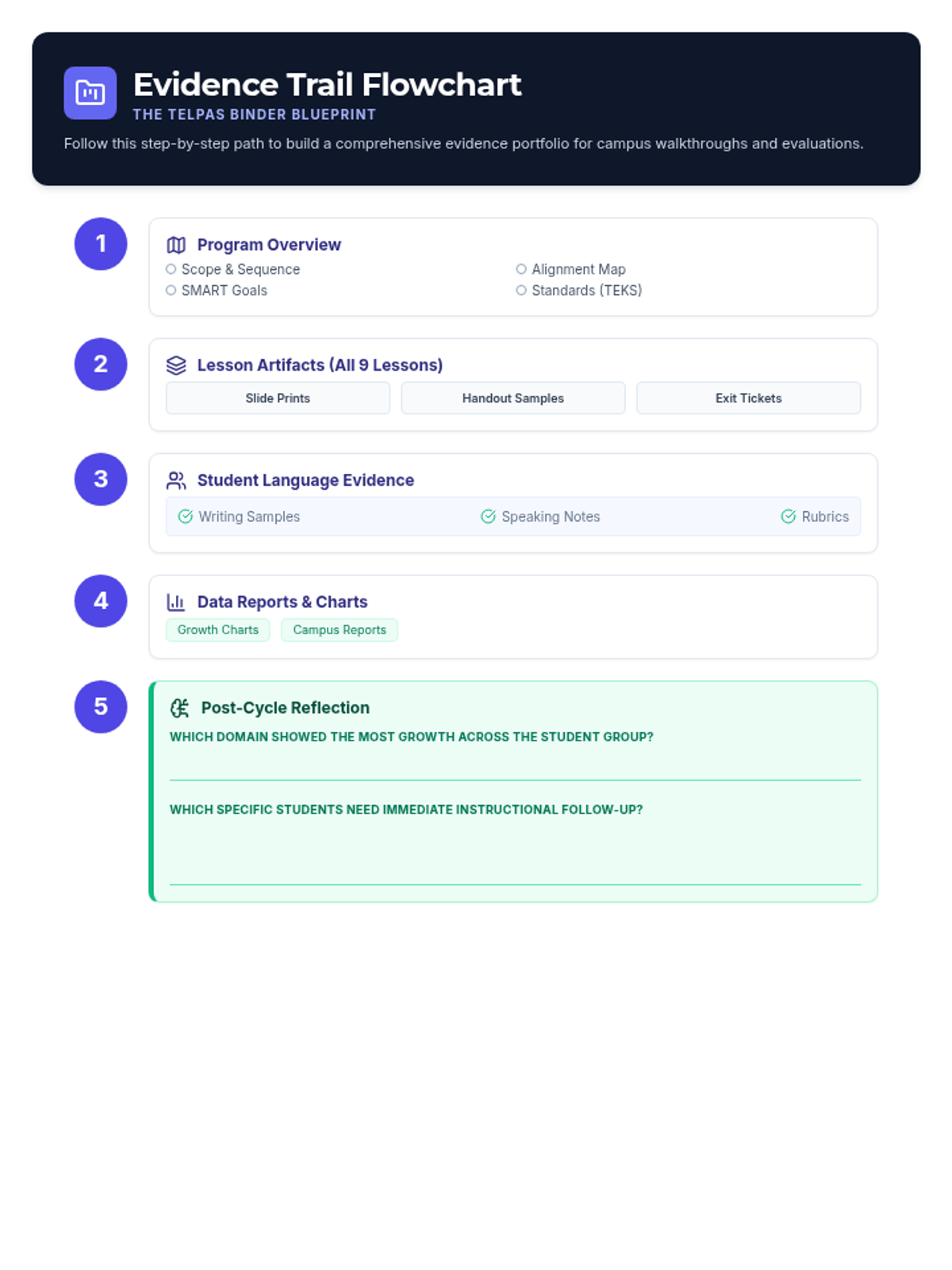
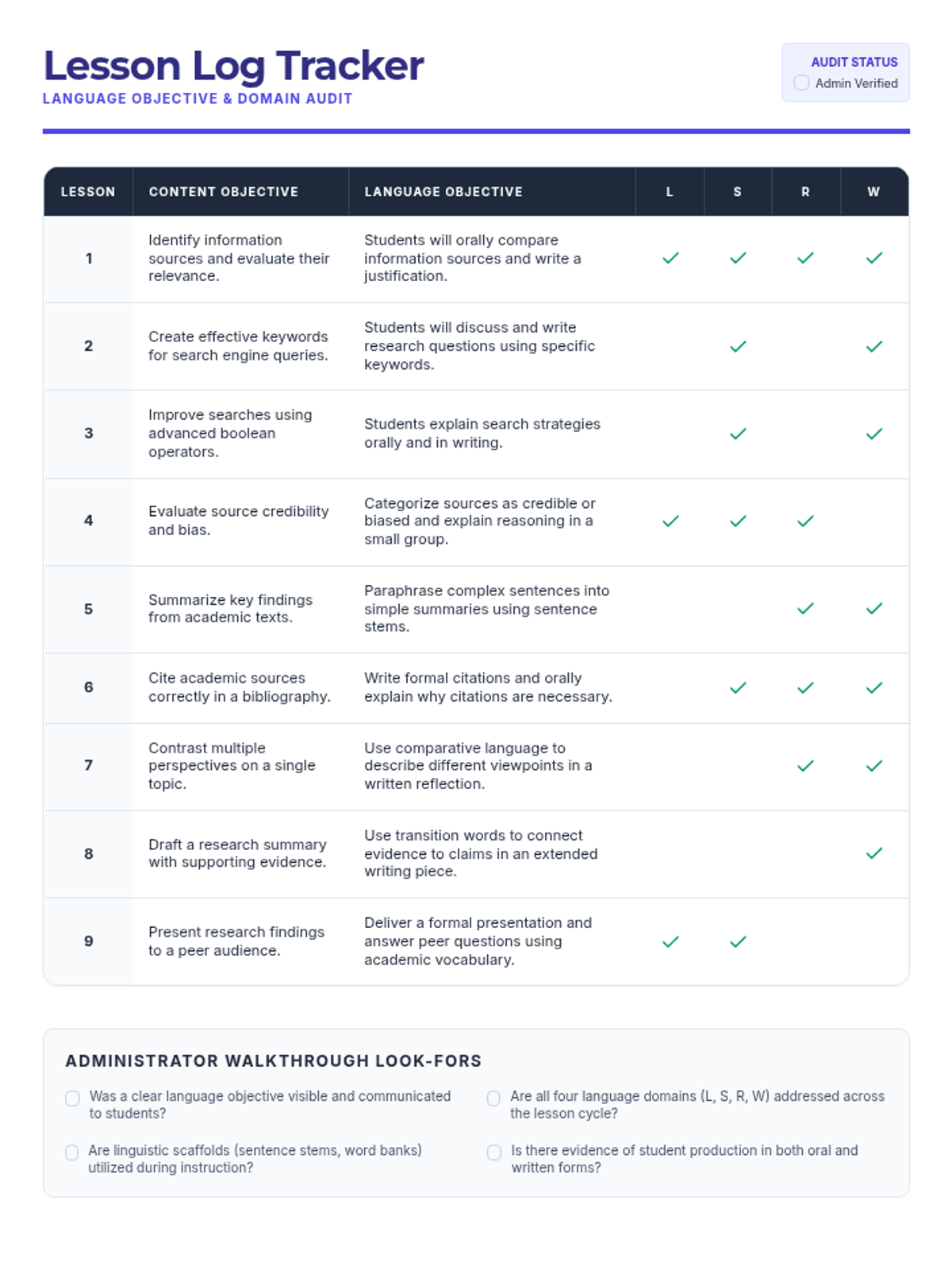
A comprehensive toolkit for teachers to track, document, and support student English language proficiency growth using TELPAS criteria across all four domains.
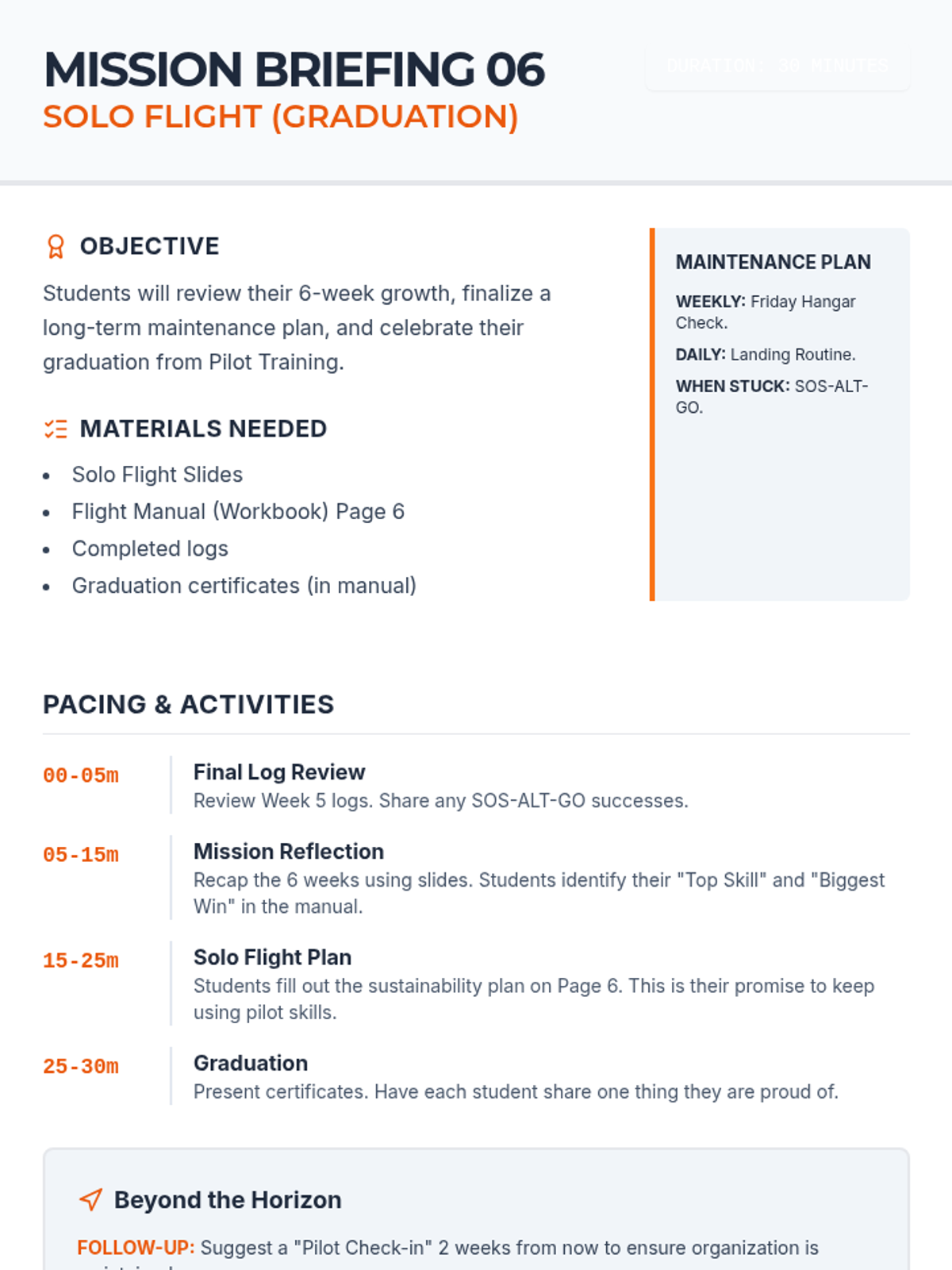
Reviewing all skills and creating a sustainable long-term maintenance plan for continued success.
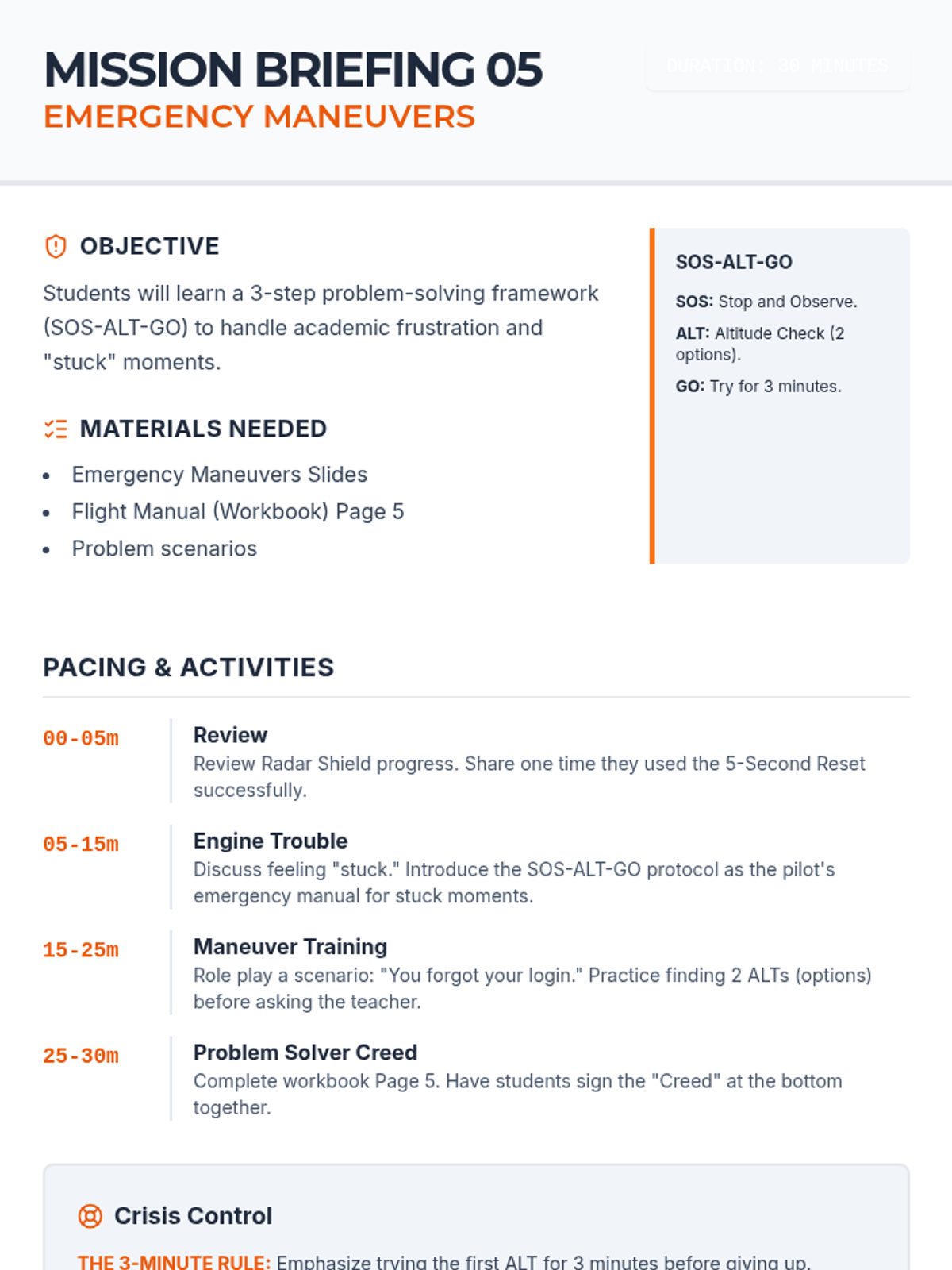
Developing a step-by-step framework for solving school-based problems and managing frustration.
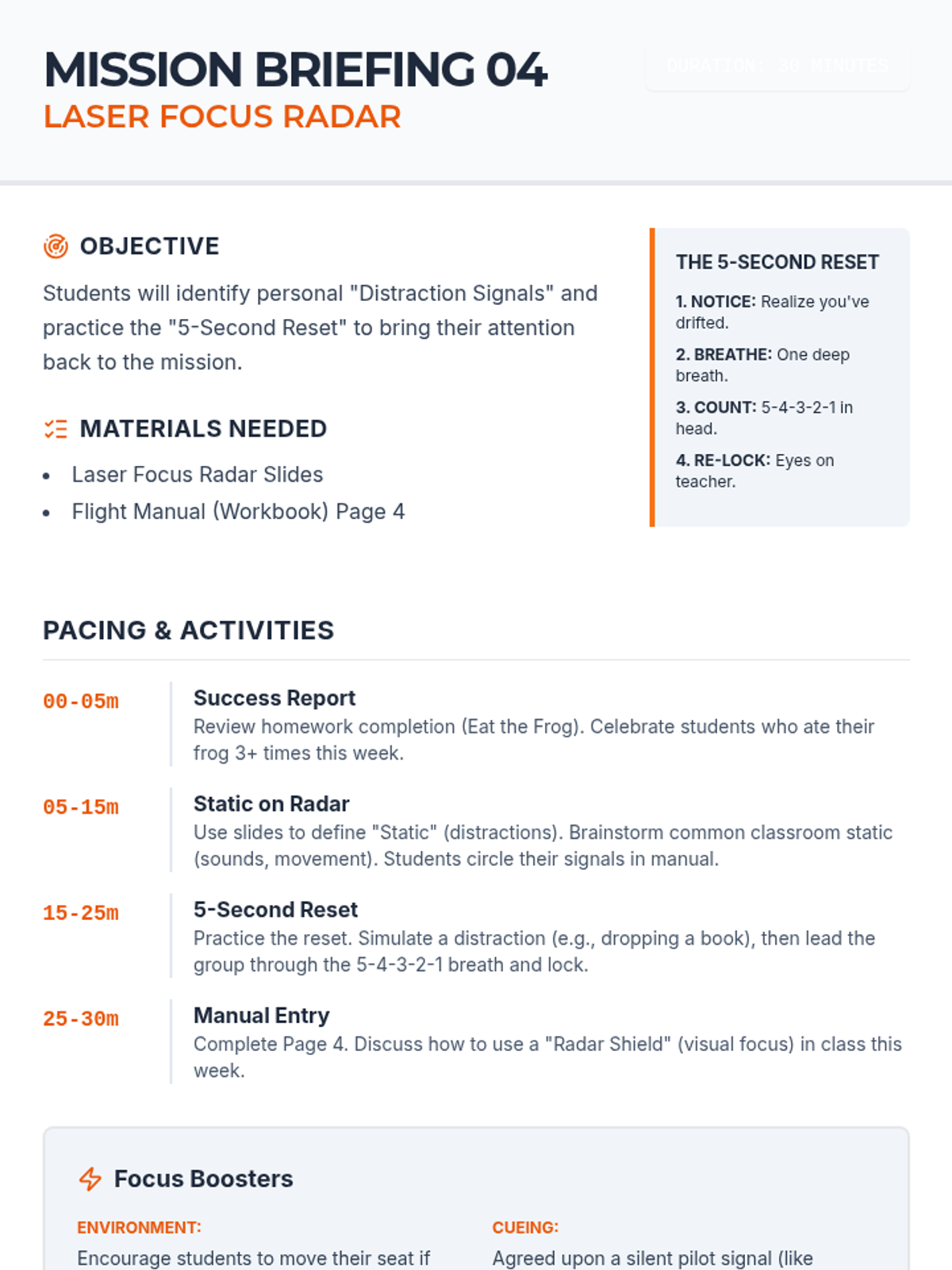
Learning strategies to improve sustained attention and ignore distractions in the classroom environment.
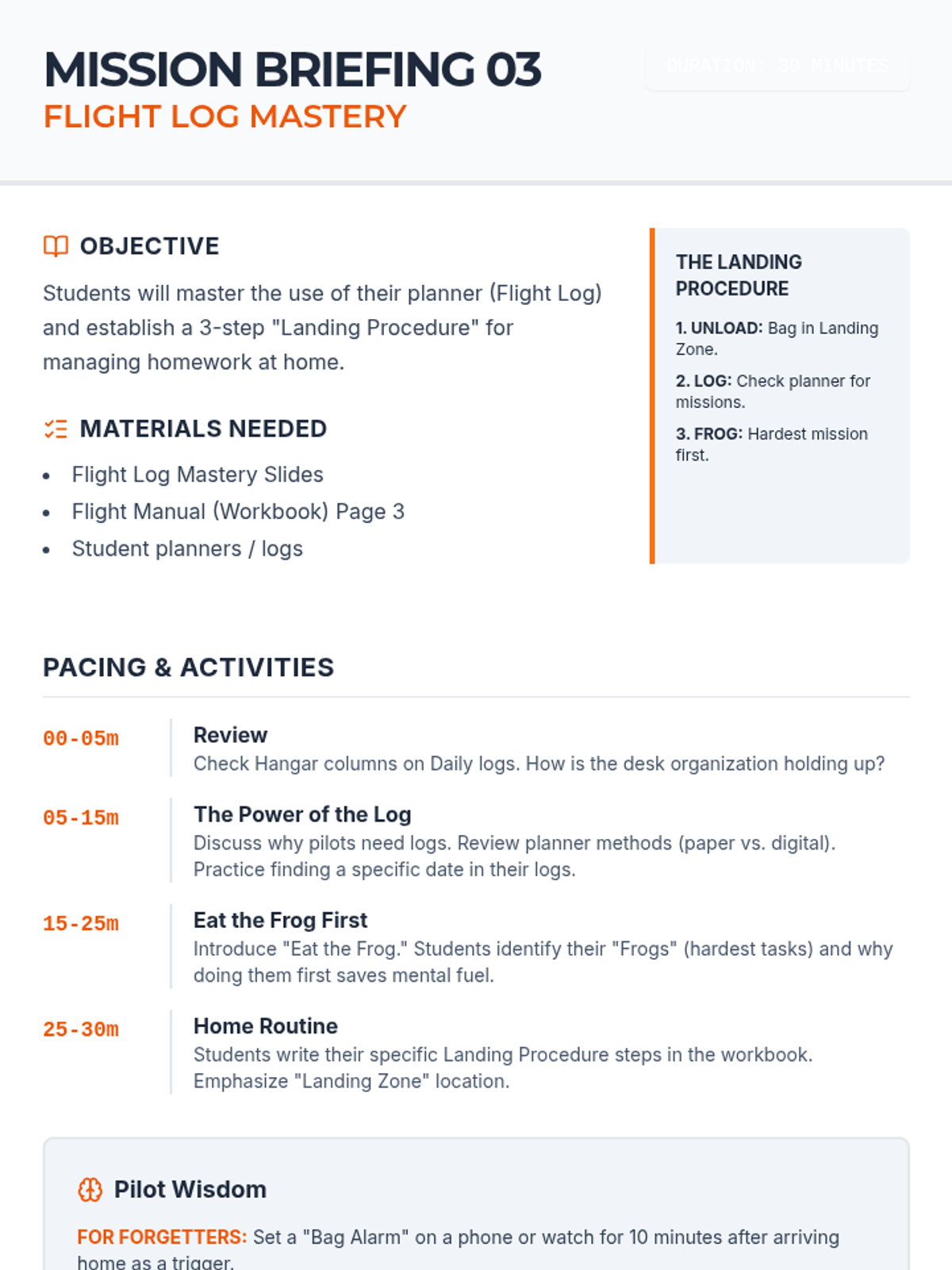
Mastering the use of planners and logs to ensure homework completion and efficient time management.
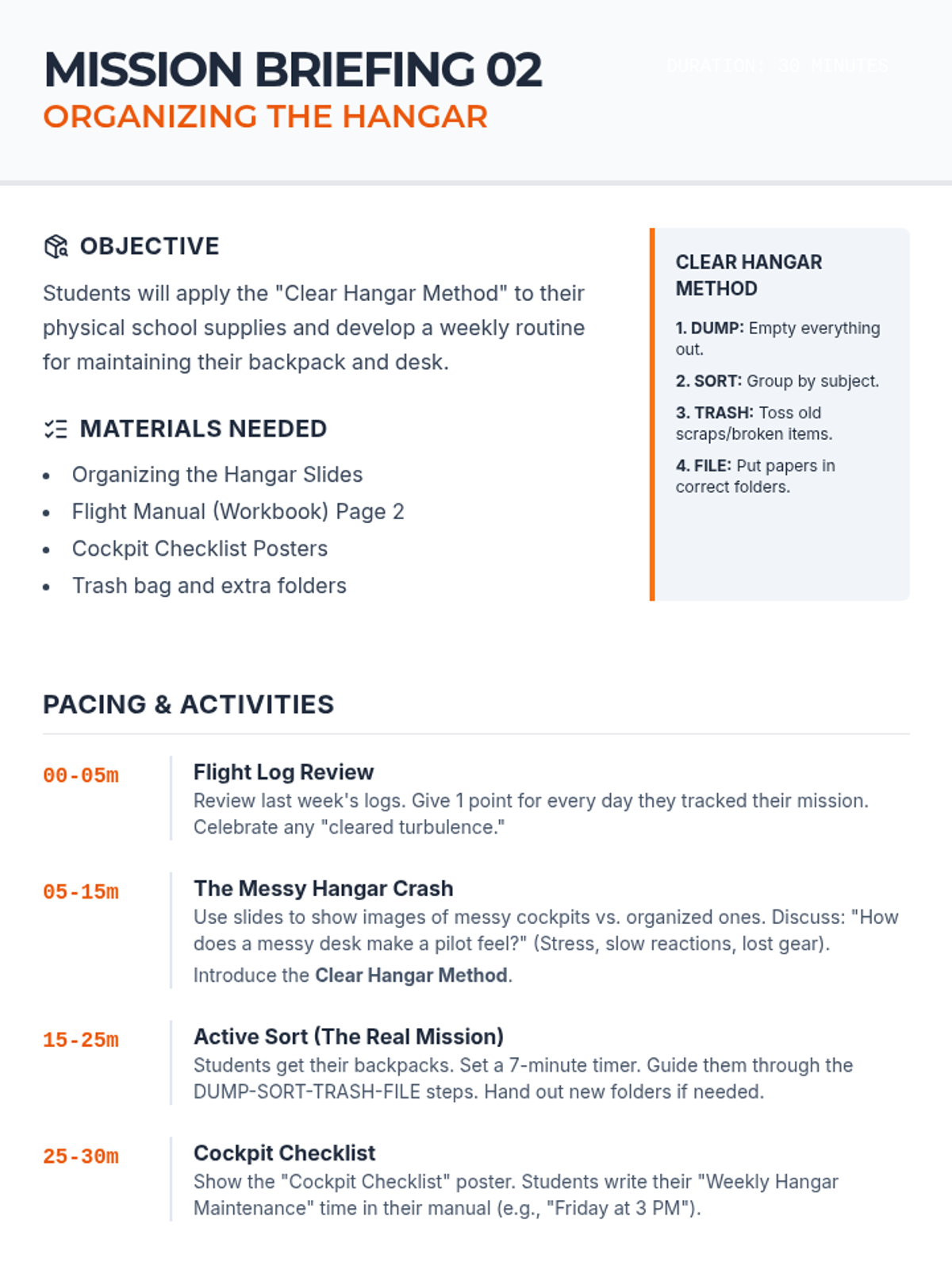
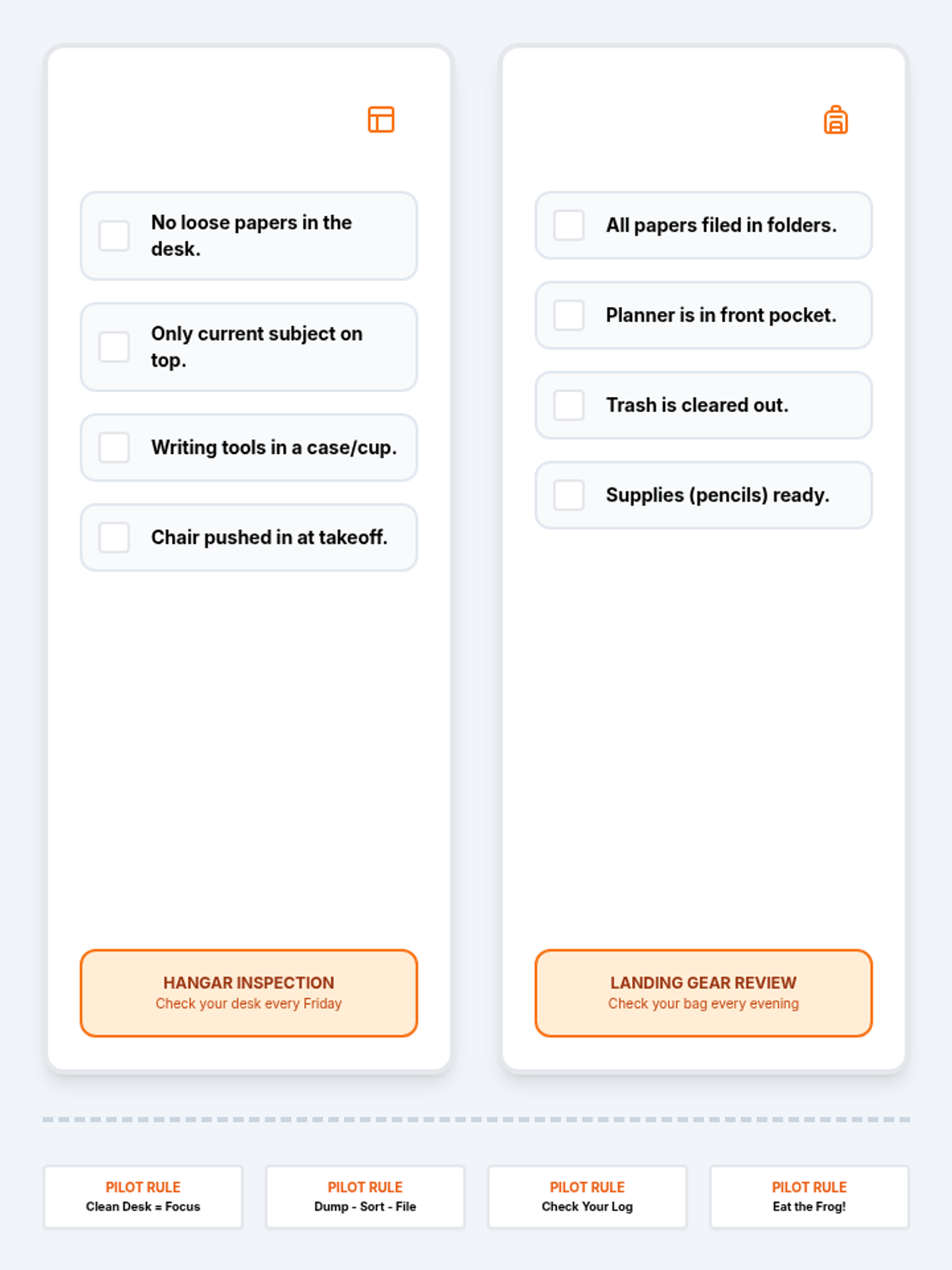
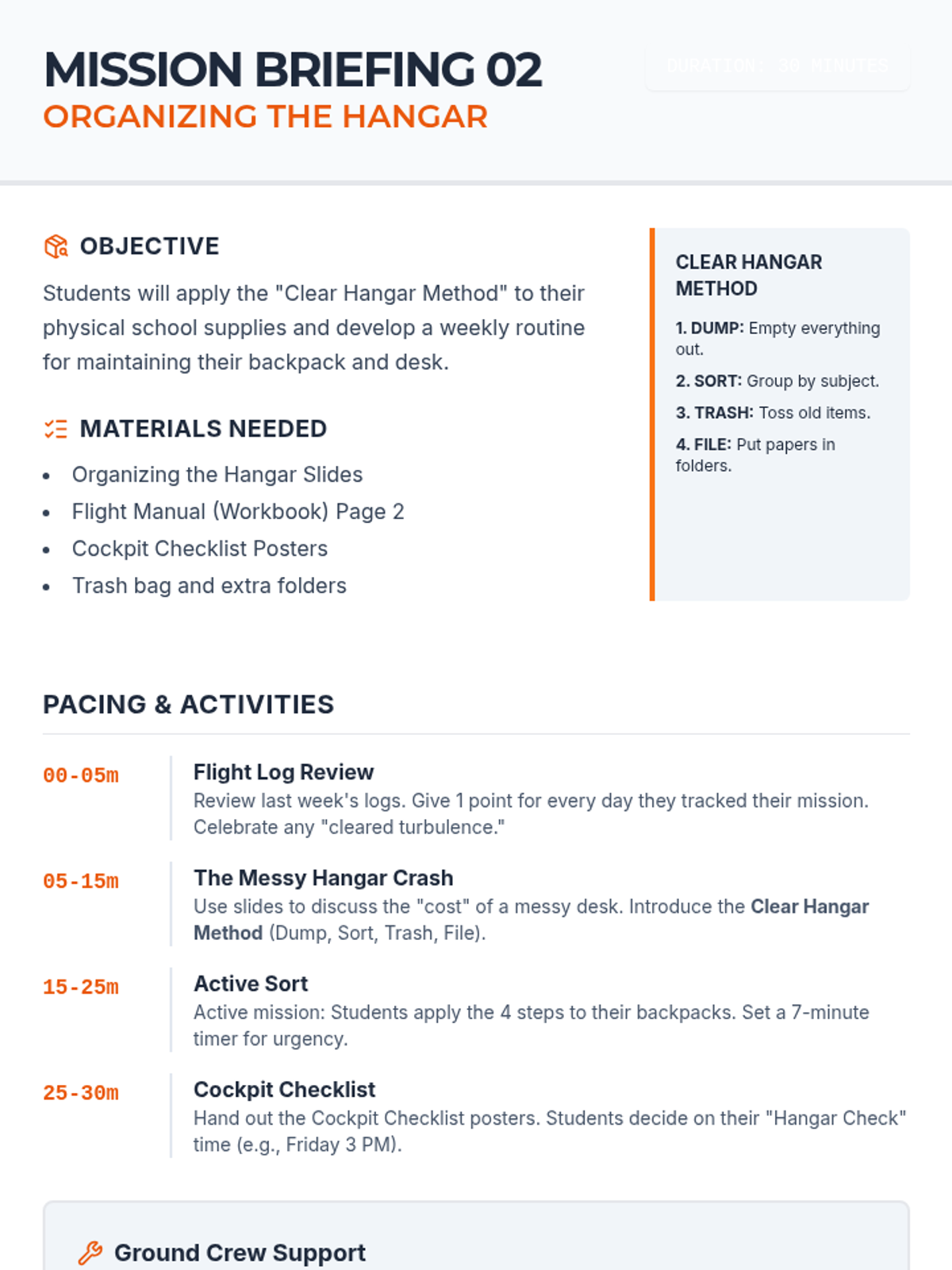
Focusing on physical organization strategies for desks, backpacks, and personal spaces using the 'Clear Hangar' method.
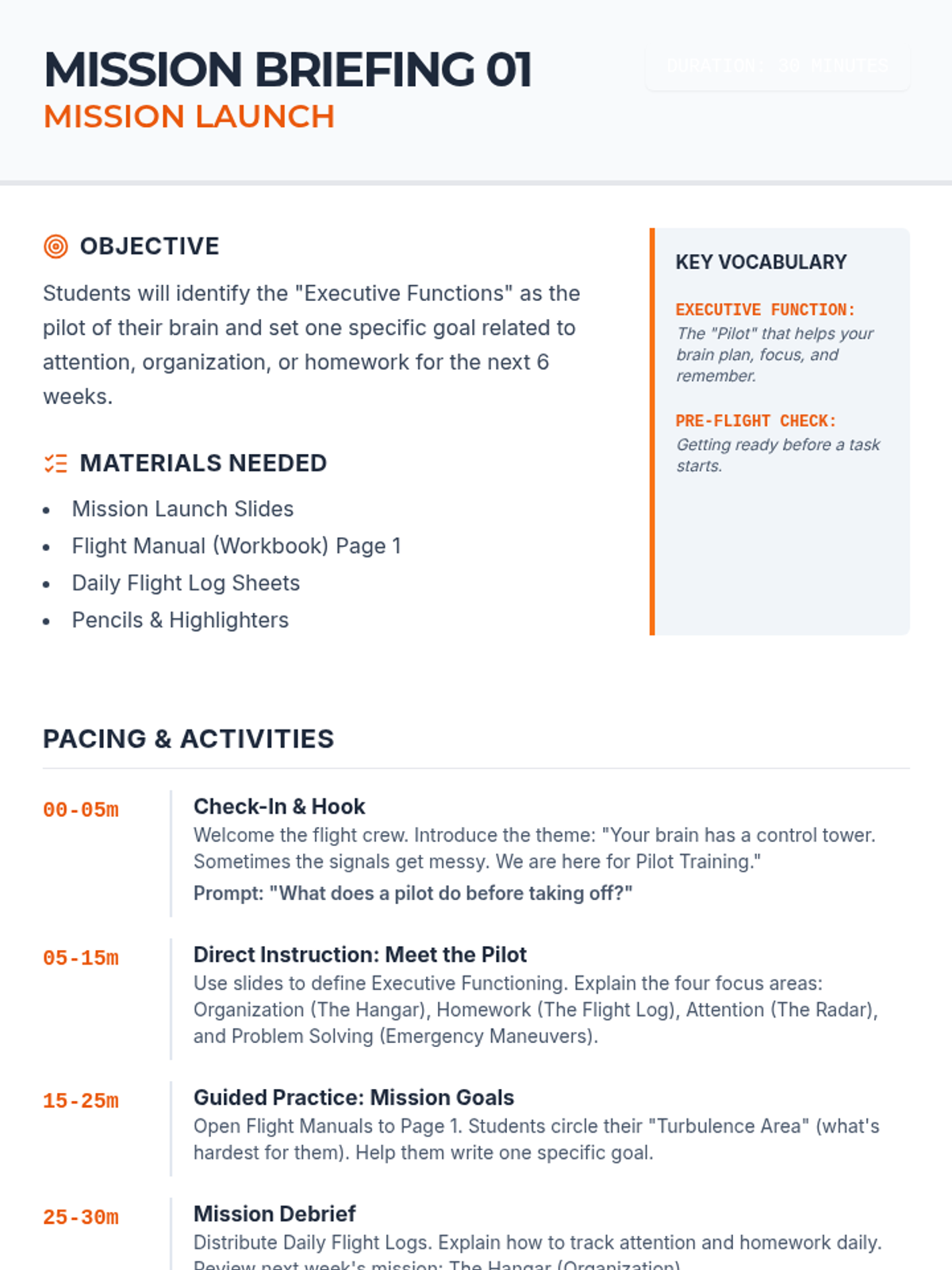
Introduction to executive functioning as the 'brain's pilot' and setting personal mission goals for the 6-week program.
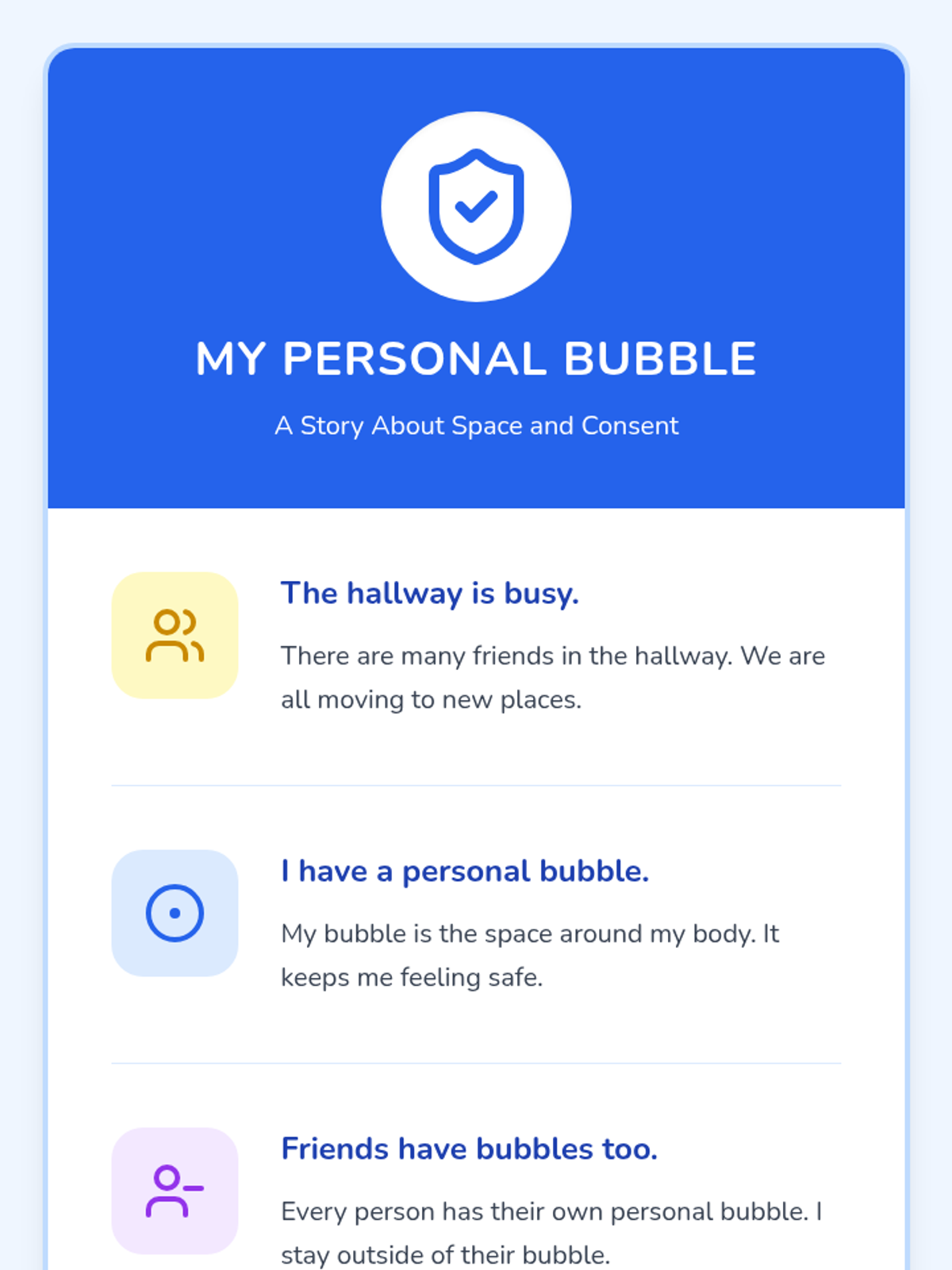
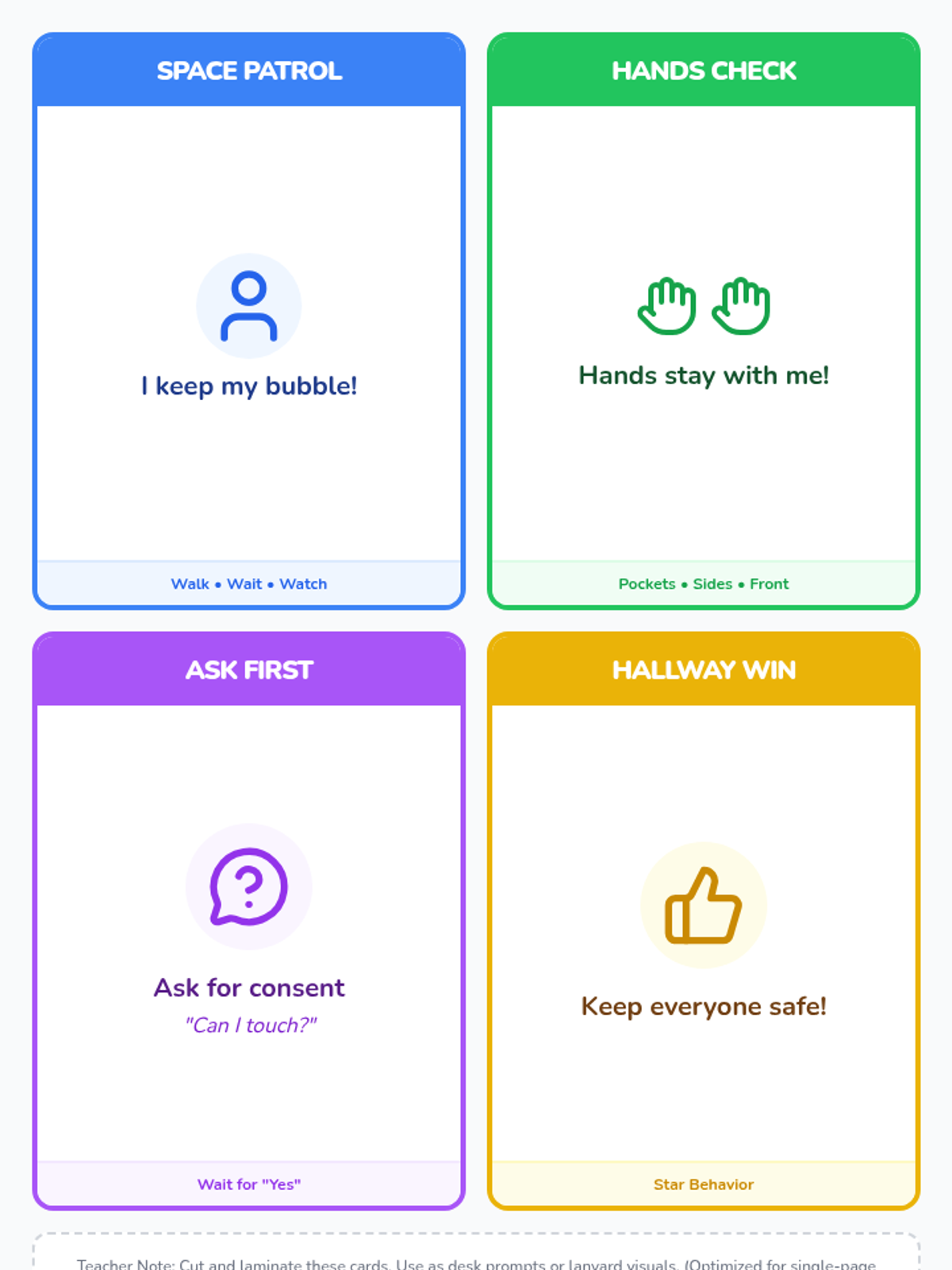
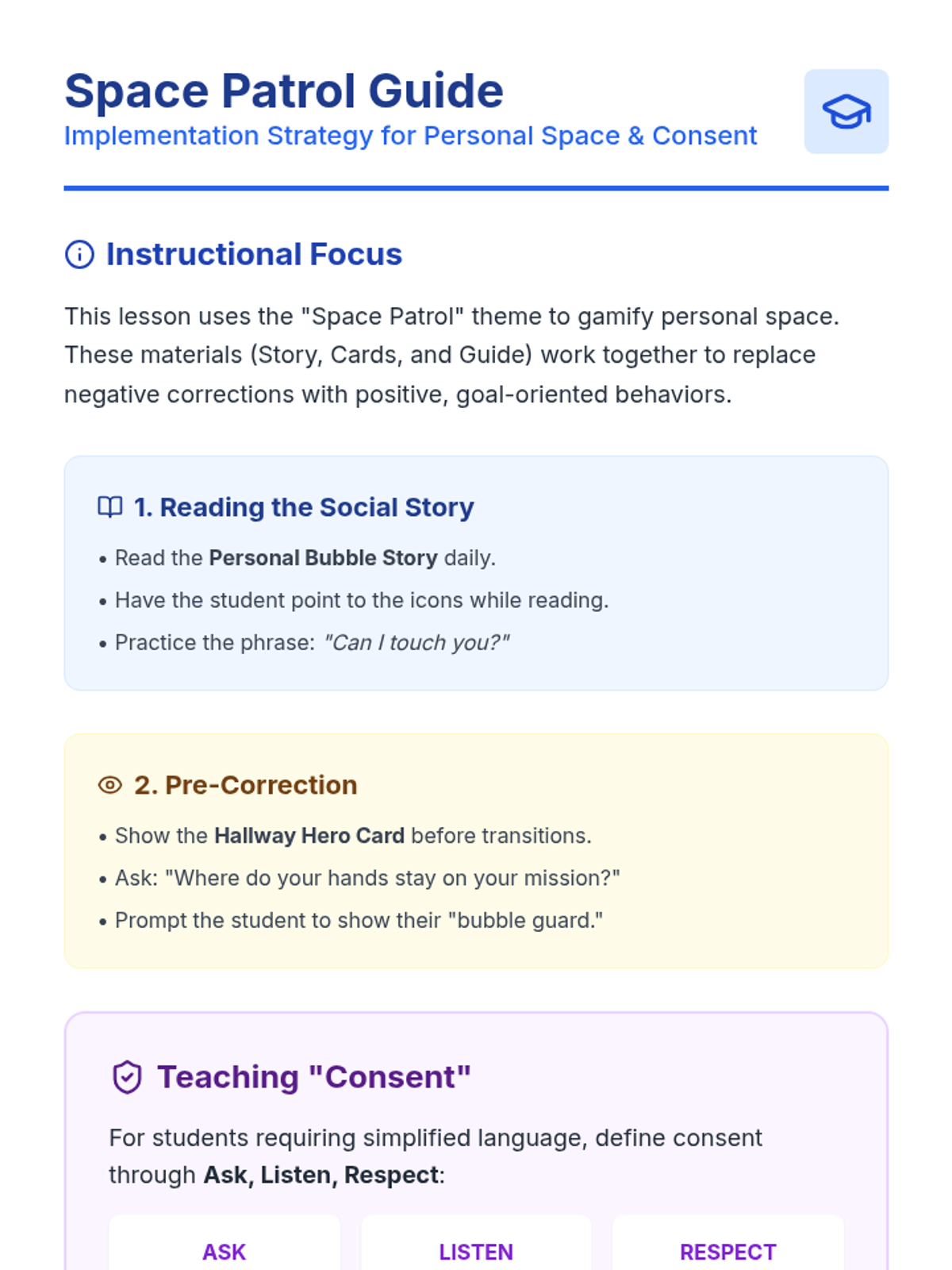
A social story and visual support system designed to teach students about personal space, consent, and appropriate behavior during unstructured hallway transitions.
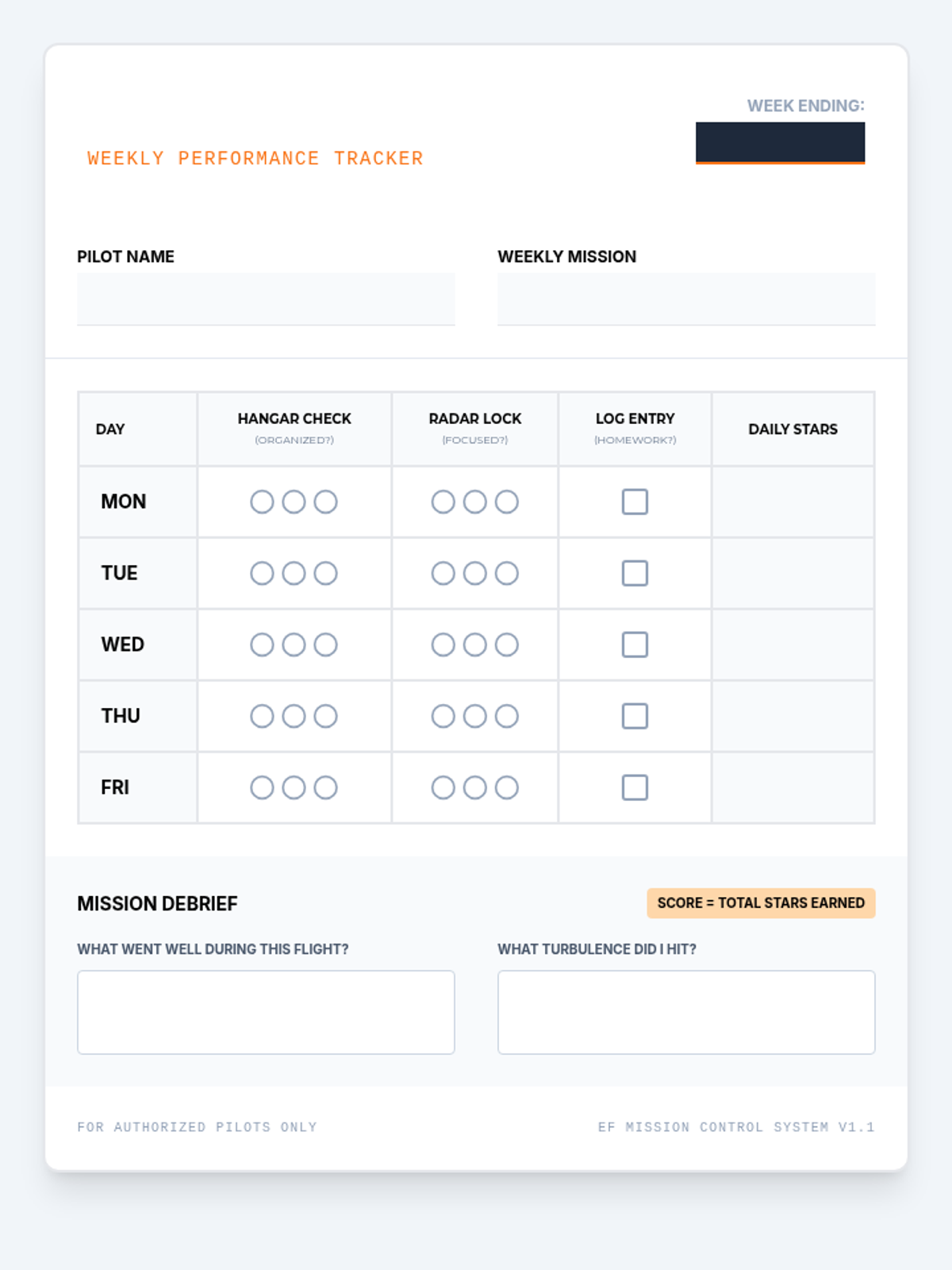
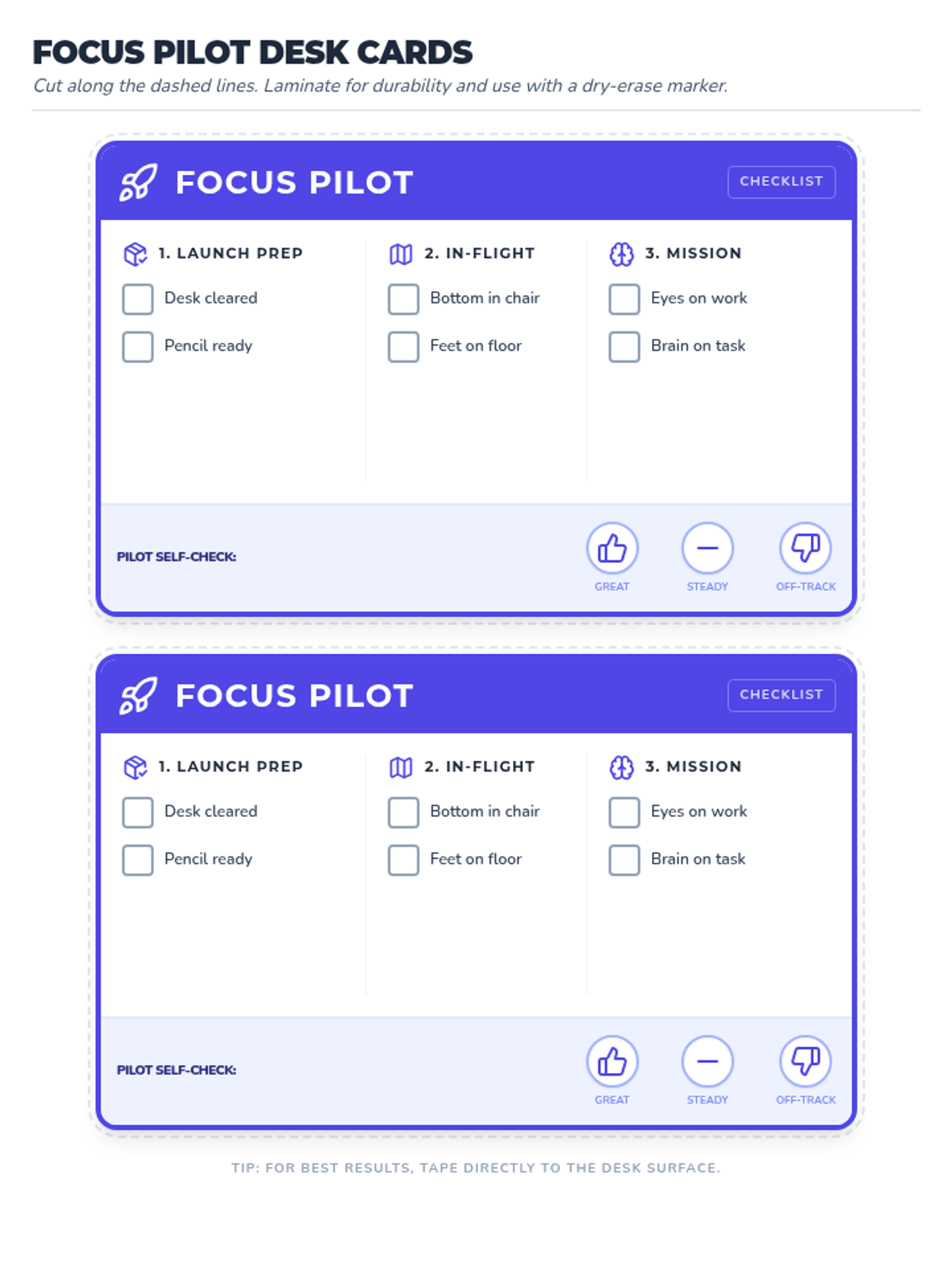
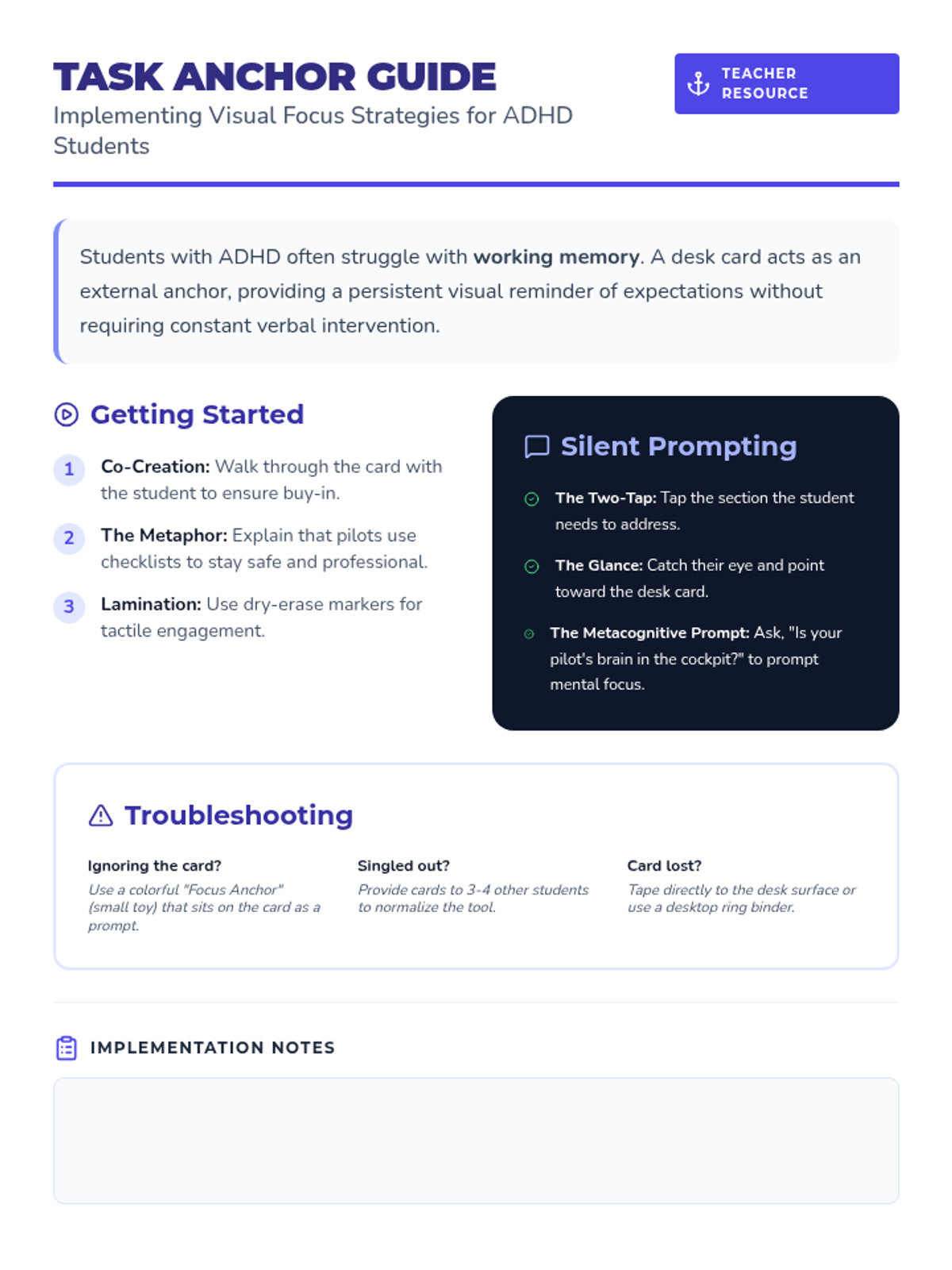
A focused toolkit designed to help students with ADHD improve their executive functioning through visual reminders and self-monitoring strategies.
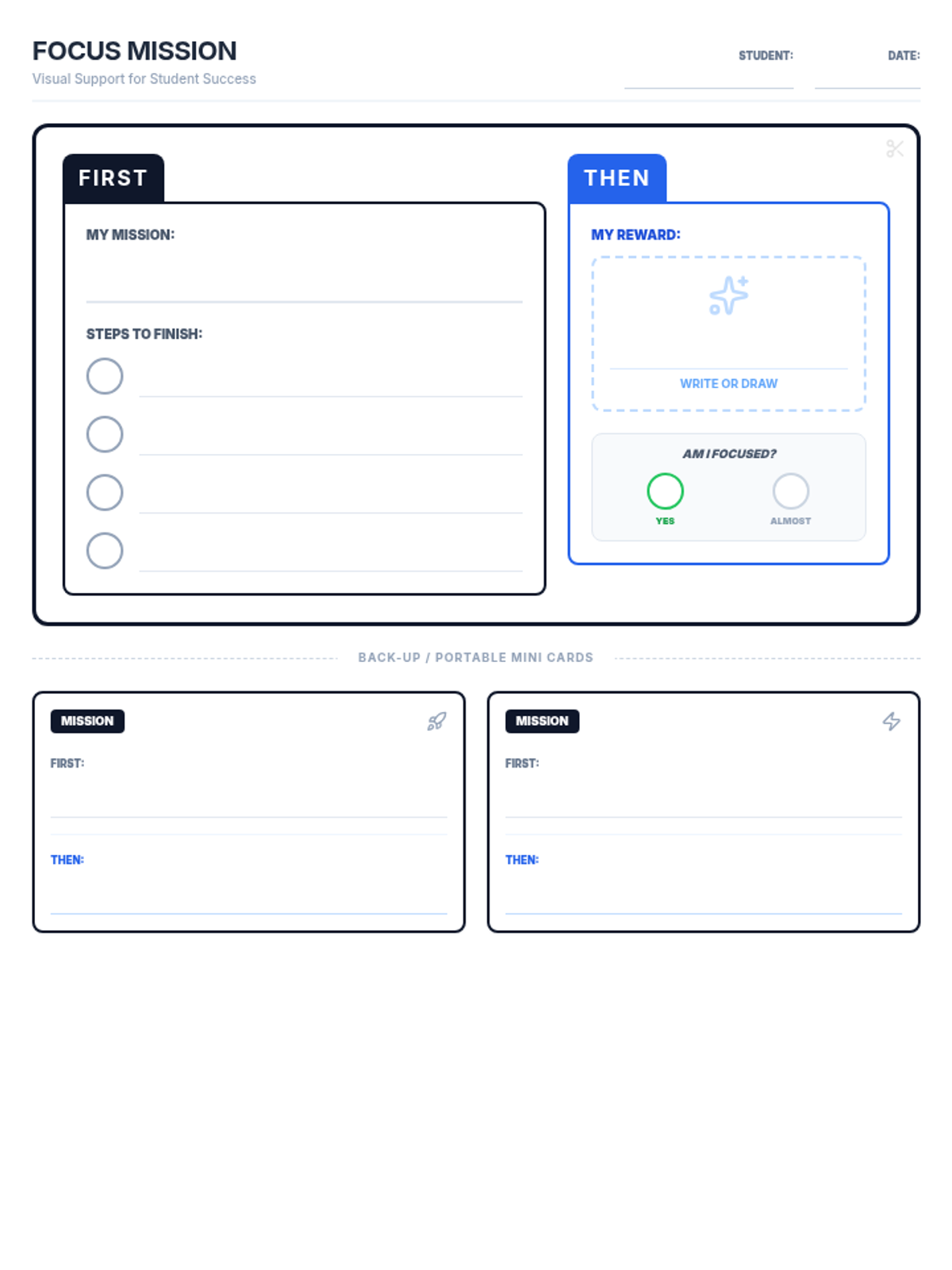
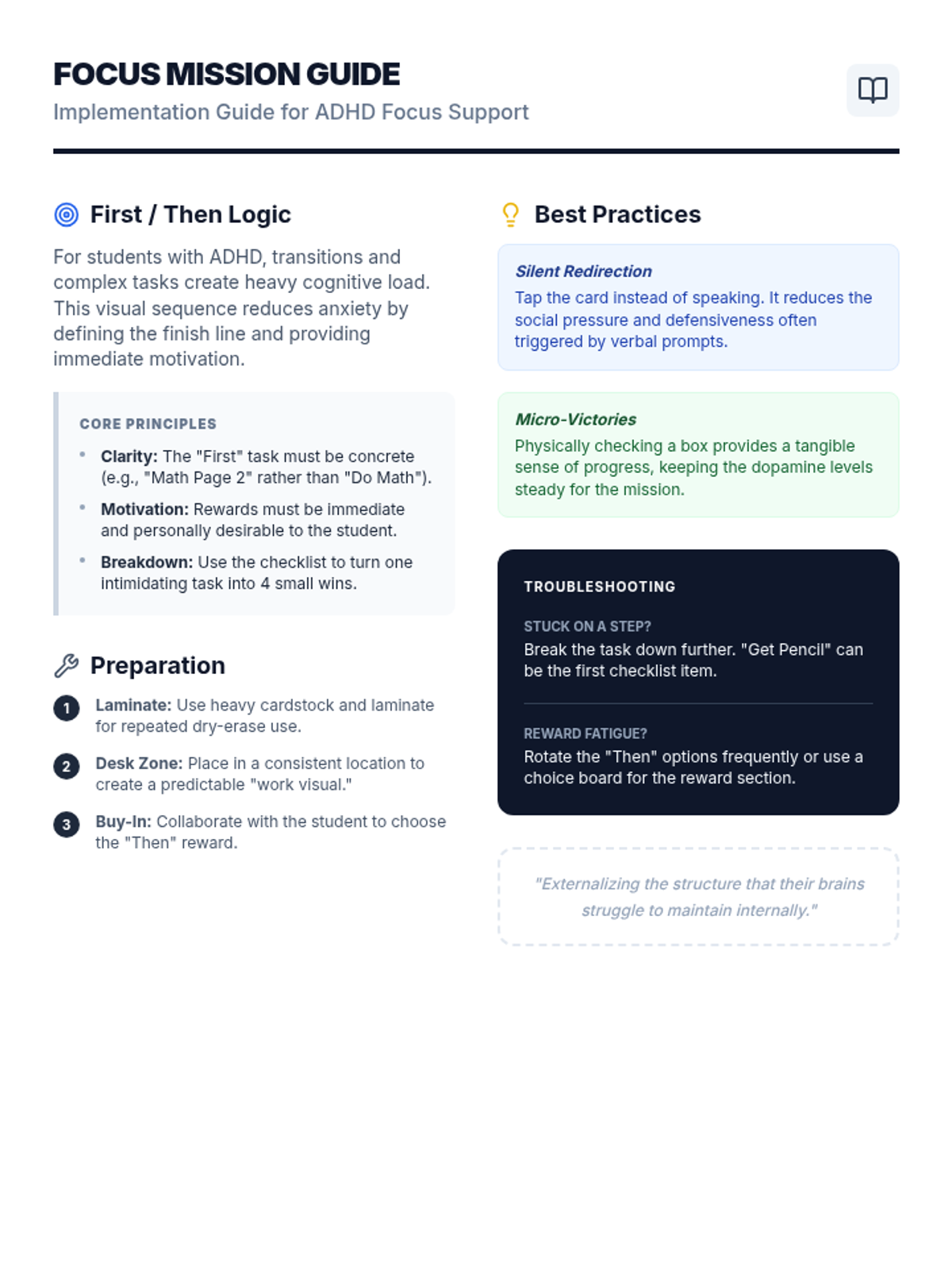
A visual support system using First/Then logic and structured checklists to help students with ADHD maintain focus and manage transitions.
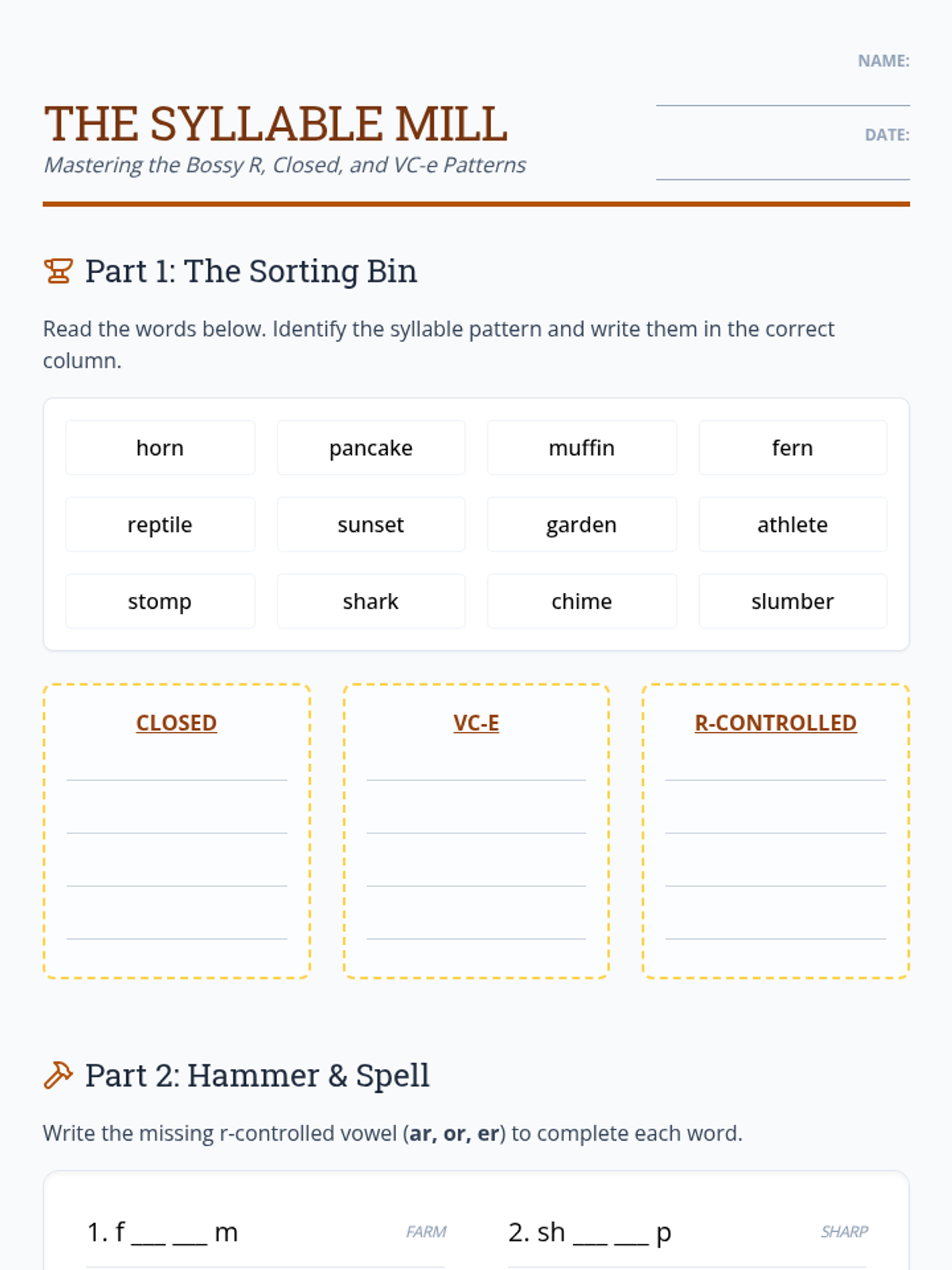
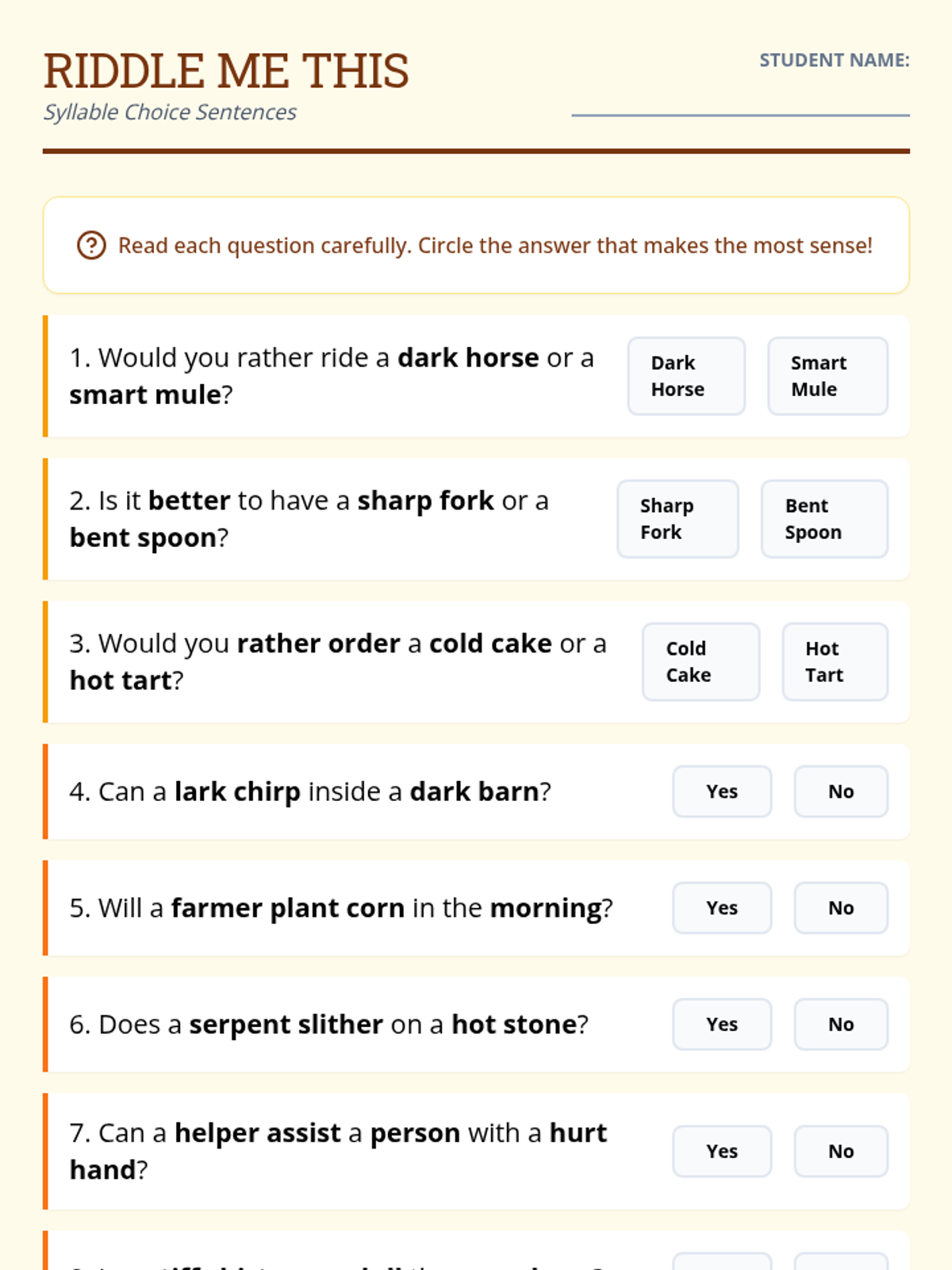
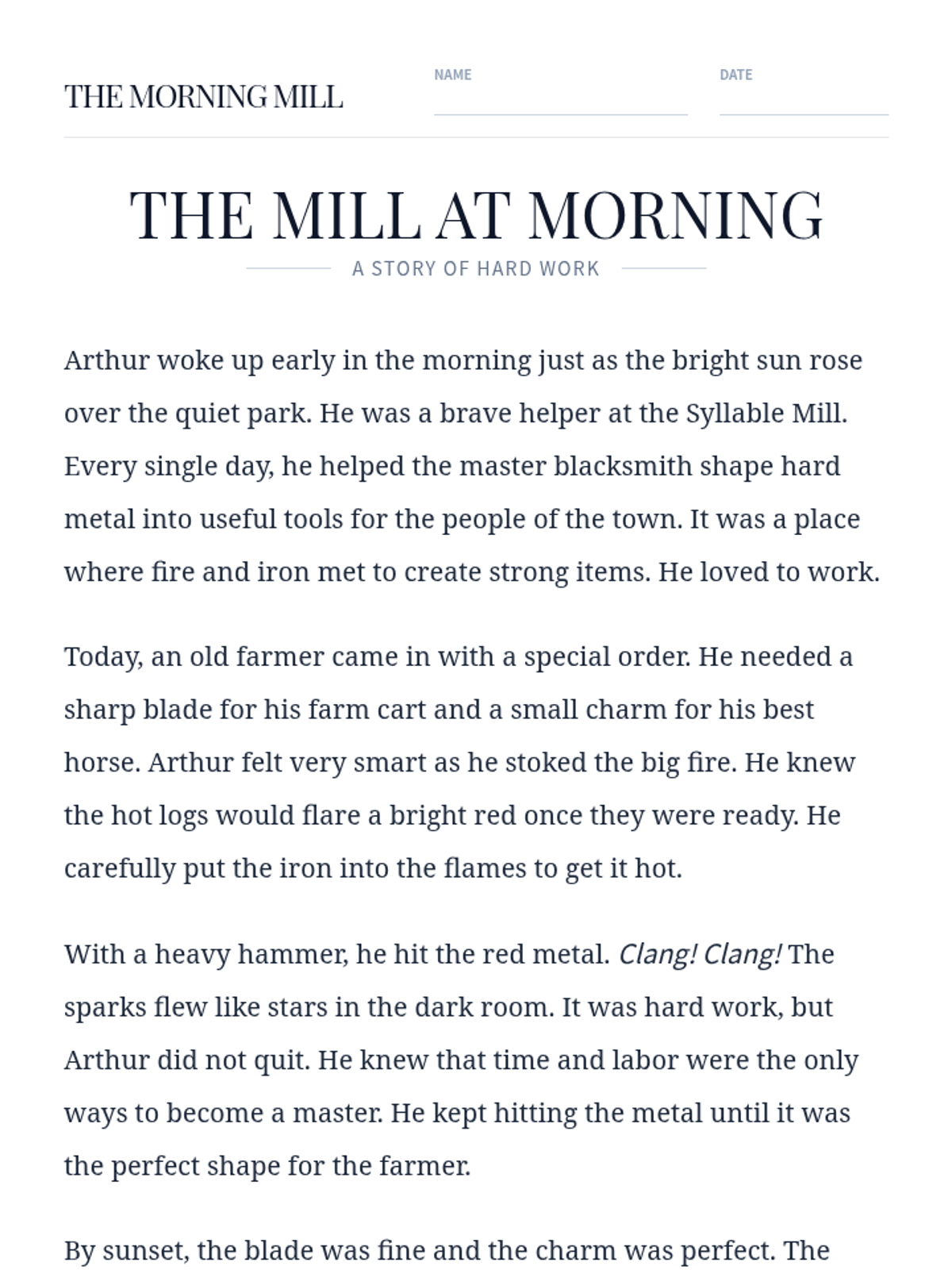
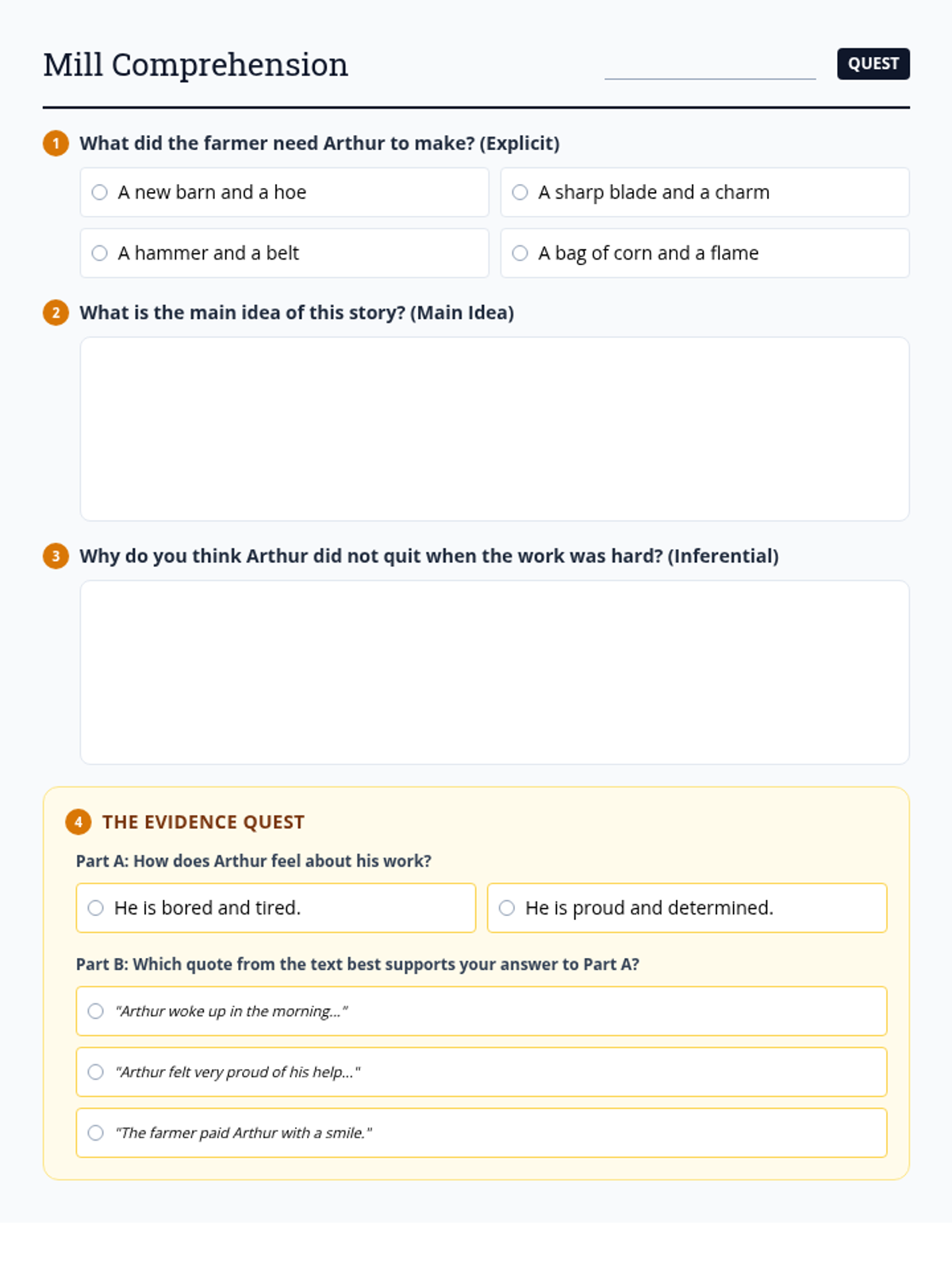
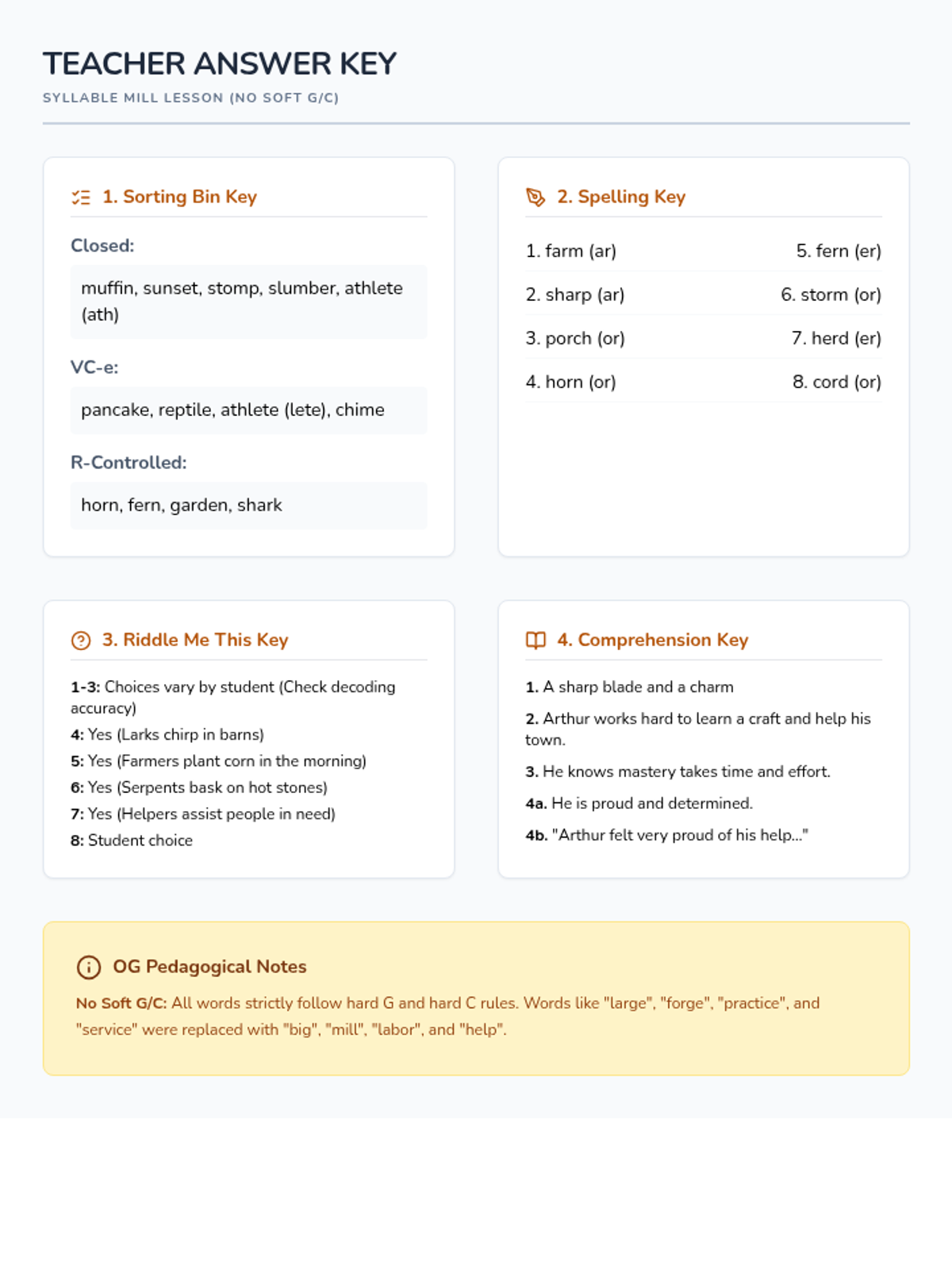
A comprehensive Orton-Gillingham lesson focusing on R-controlled syllables (ar, or, er, ir, ur) with a review of Closed and VC-e patterns. Includes word reading, interactive riddle sentences, an original reading passage, and in-depth comprehension questions. Strictly excludes soft g and soft c words.
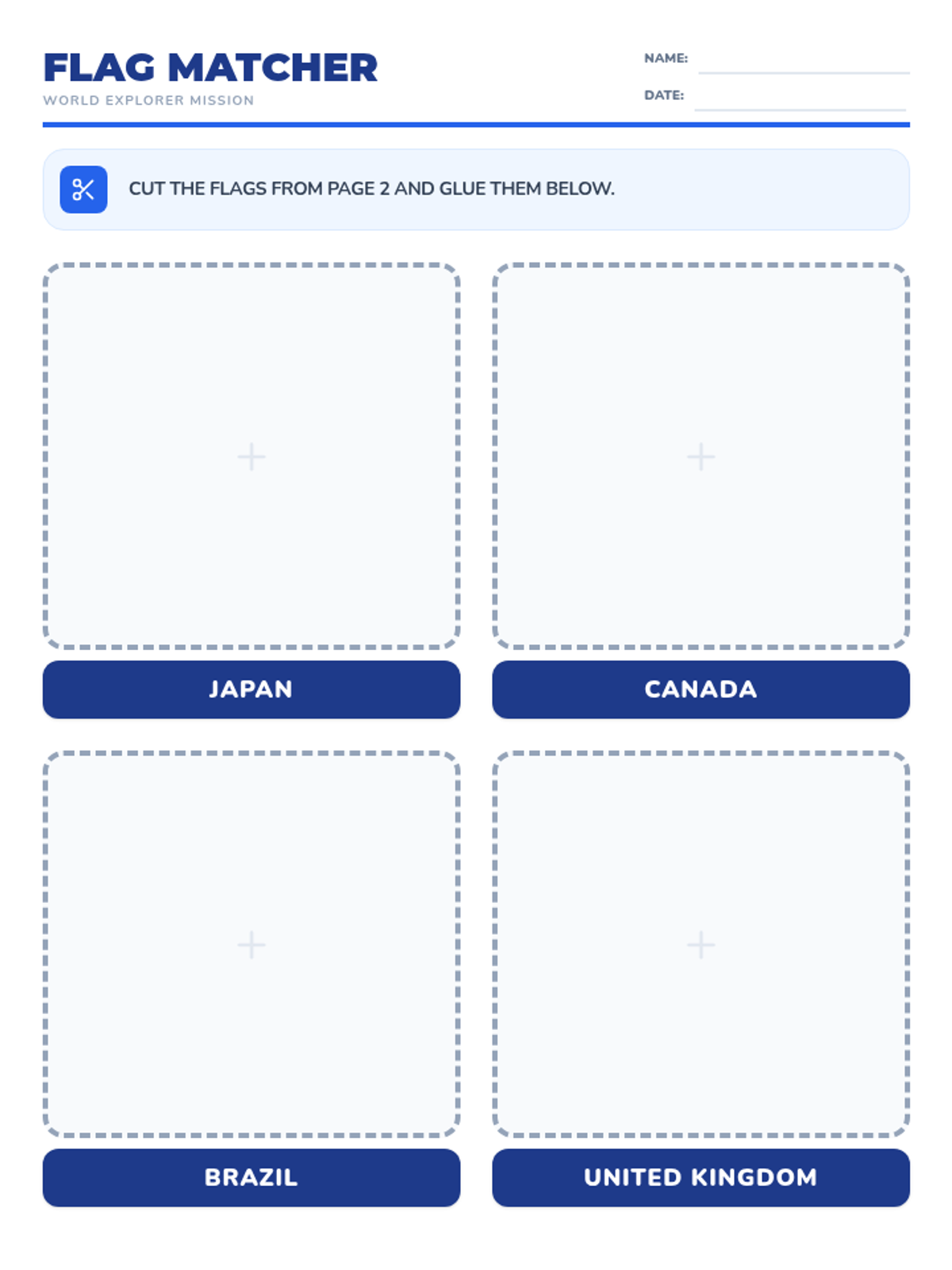
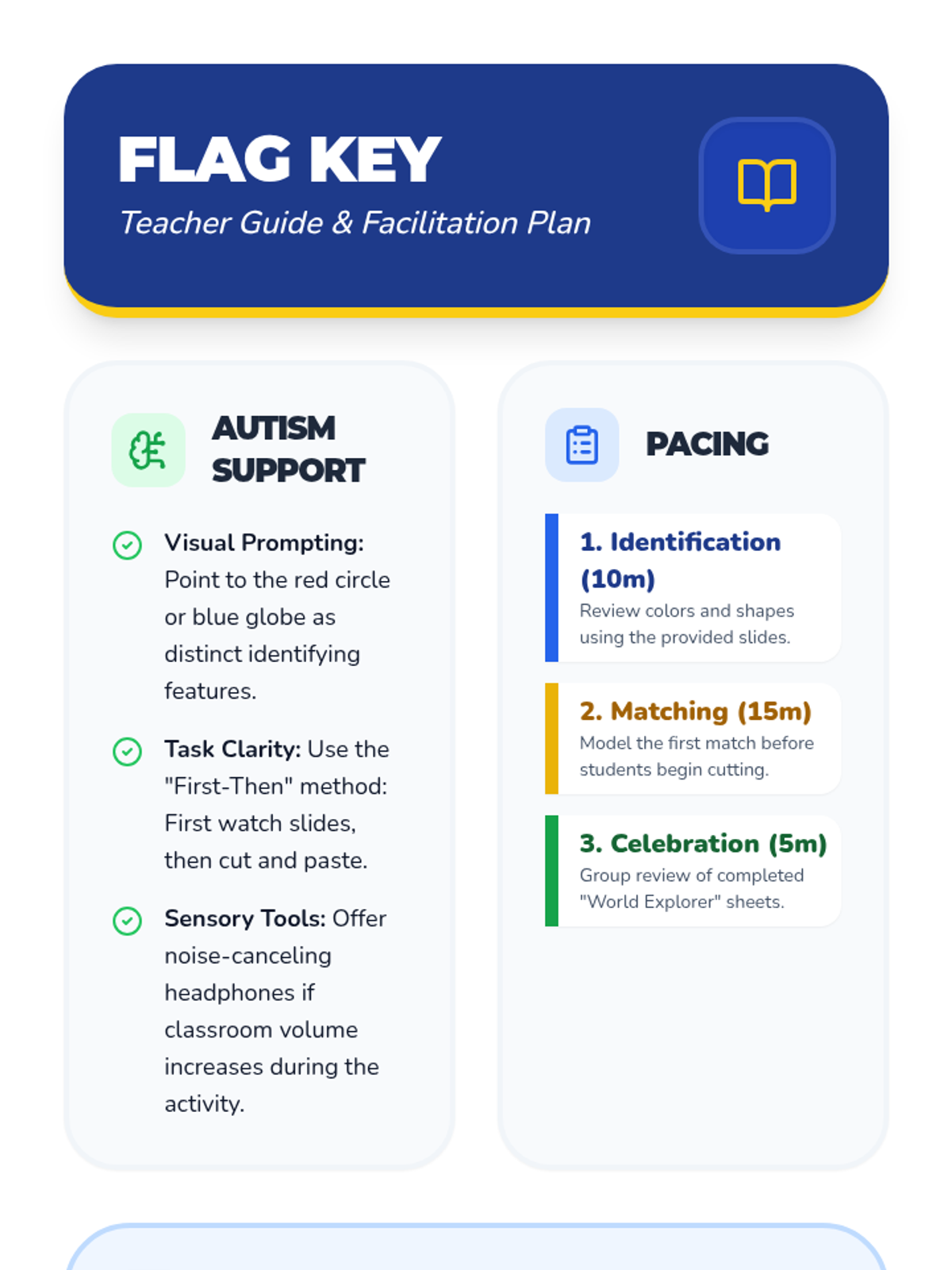
An introductory lesson on world flags designed for students with autism, focusing on visual identification and tactile matching using a structured, high-contrast approach.
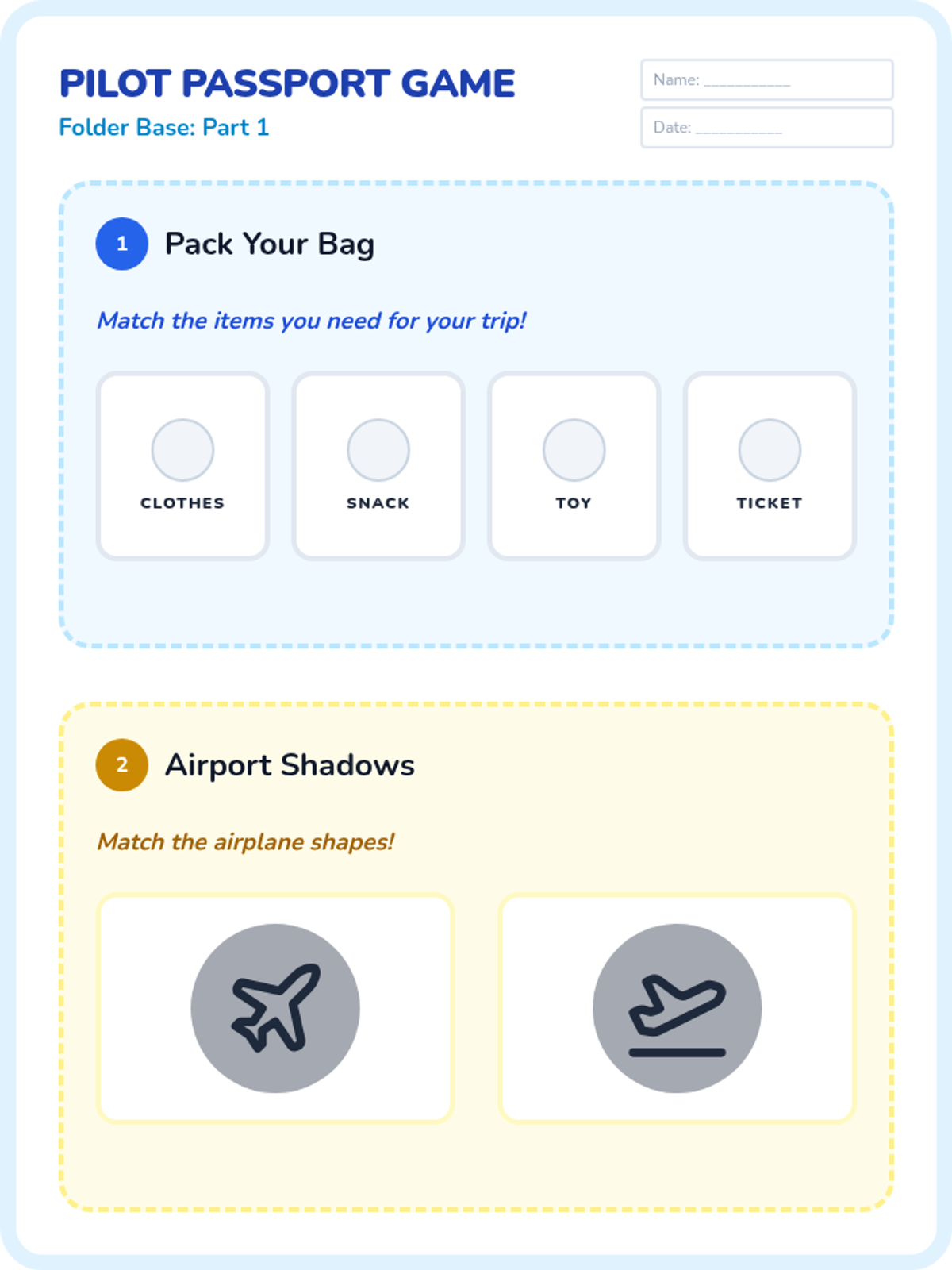
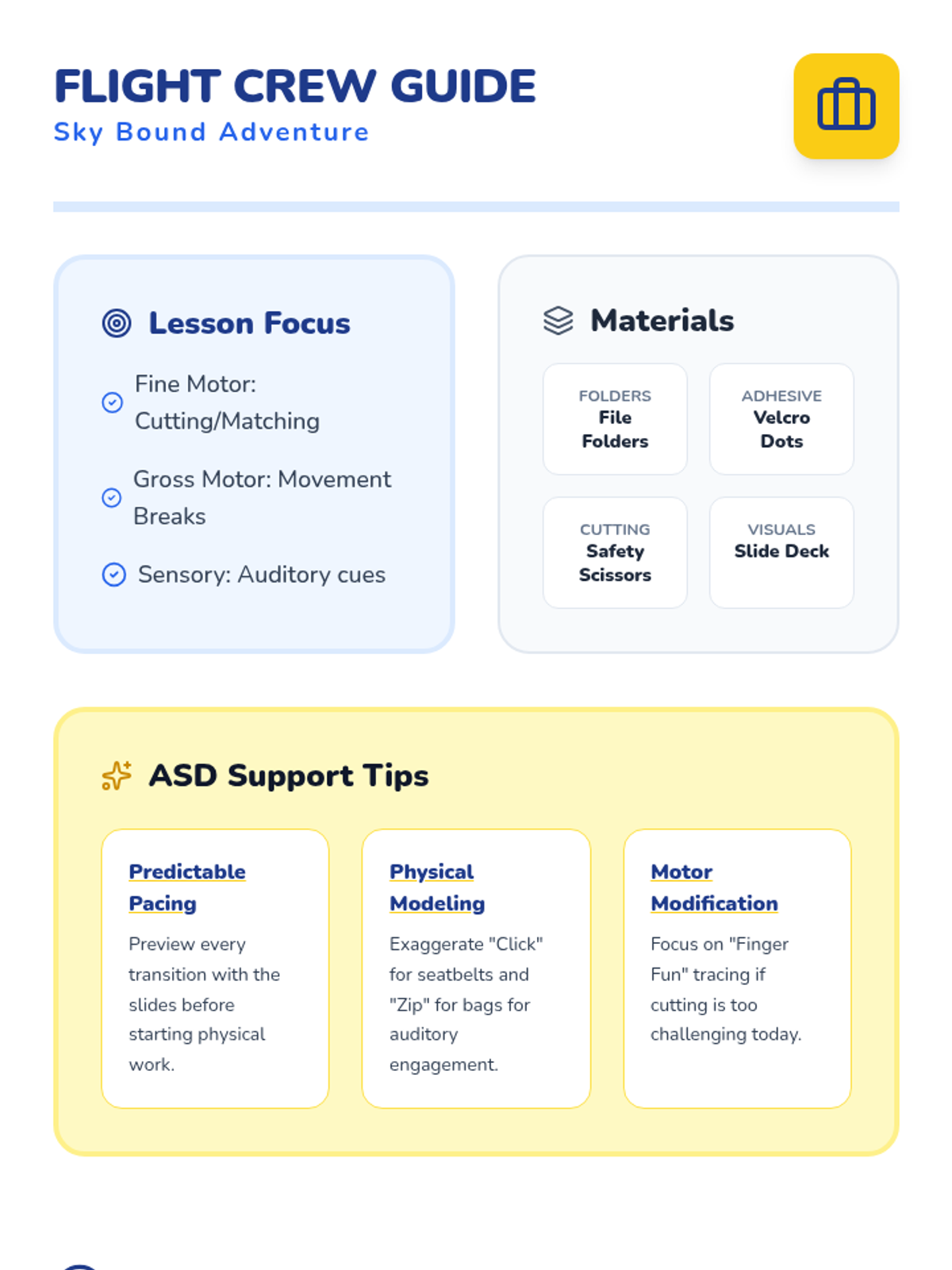
A high-engagement lesson designed for students with autism to explore air travel while developing fine and gross motor skills through visual sequencing and interactive play.
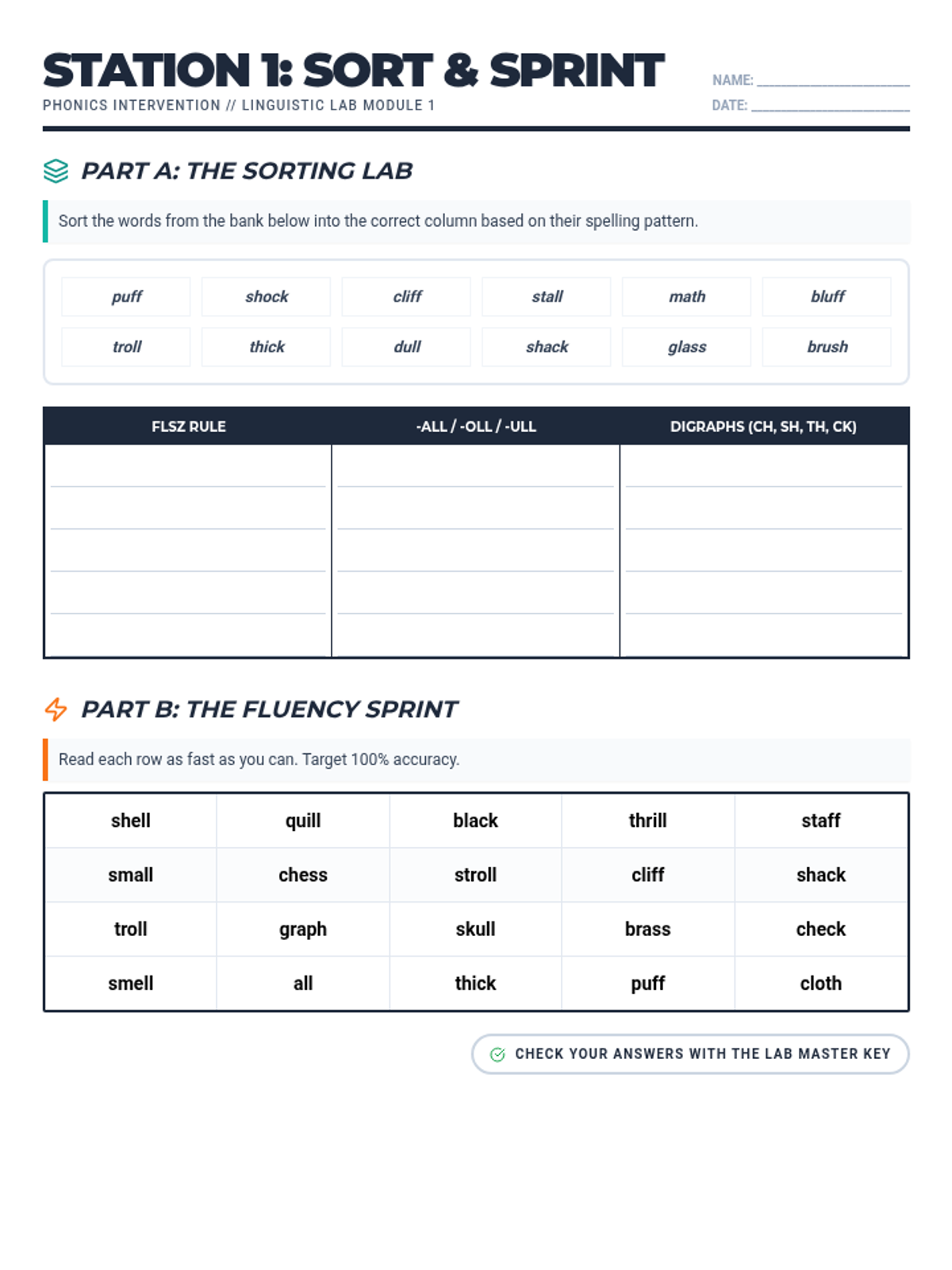
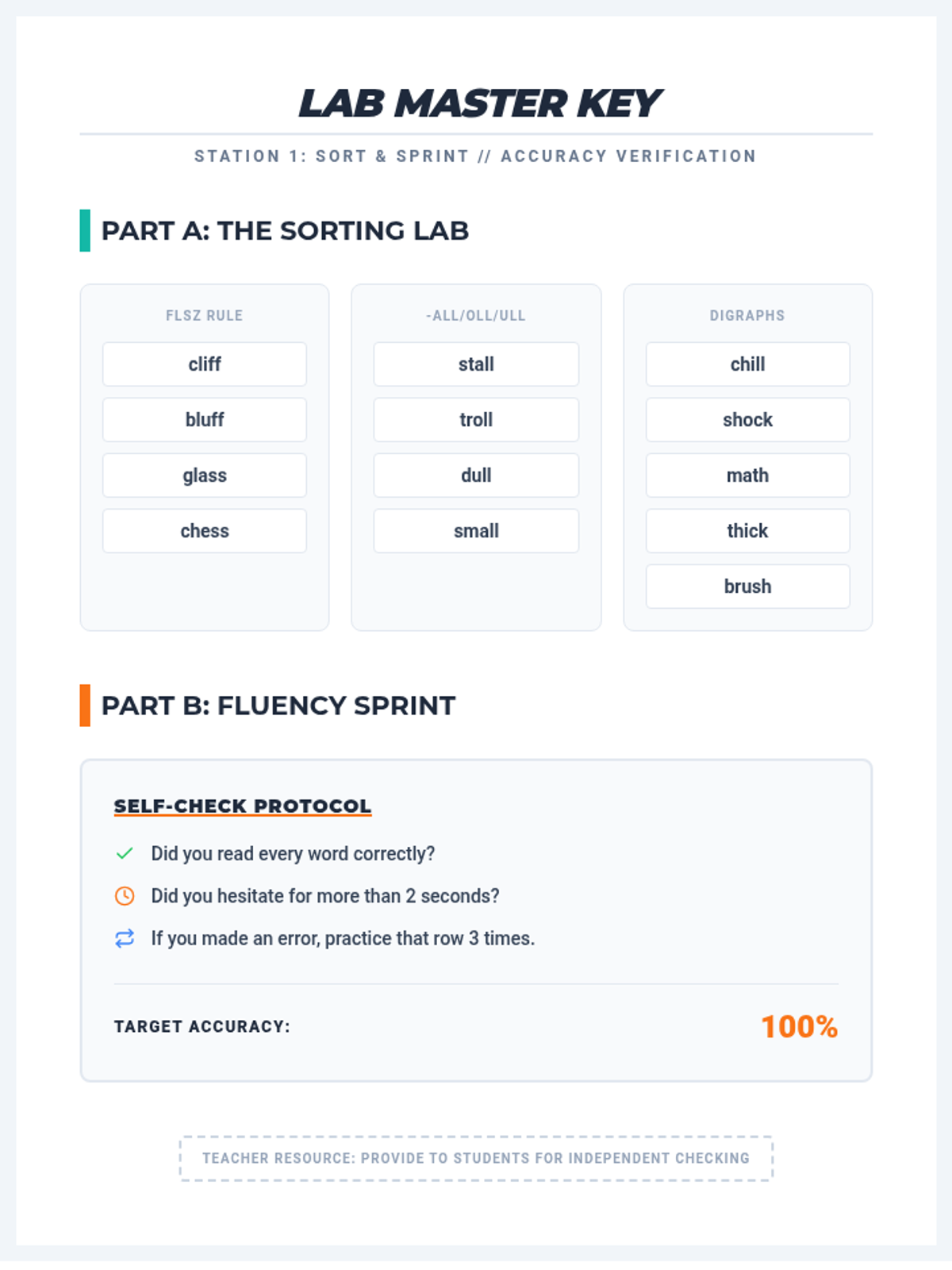
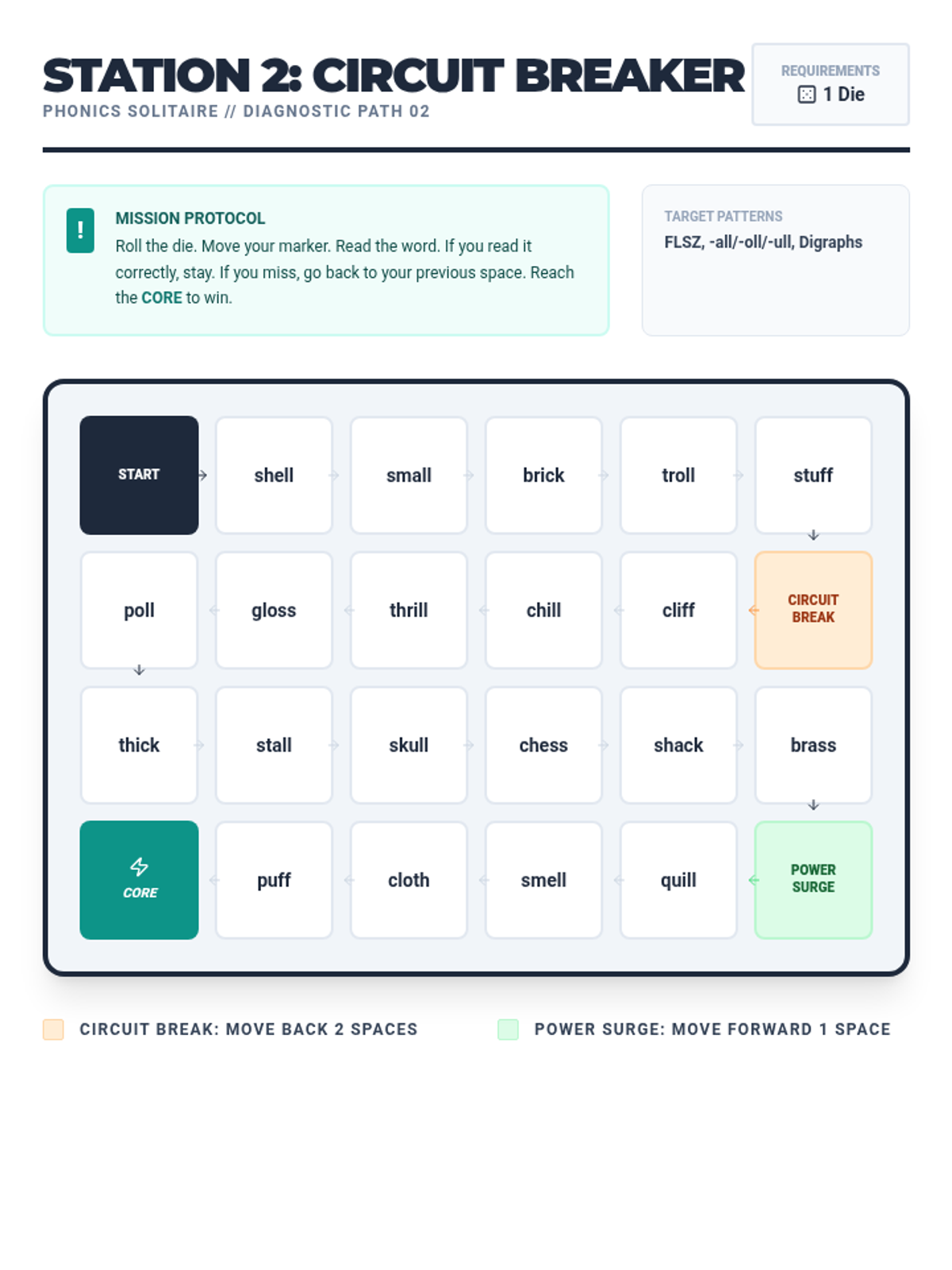
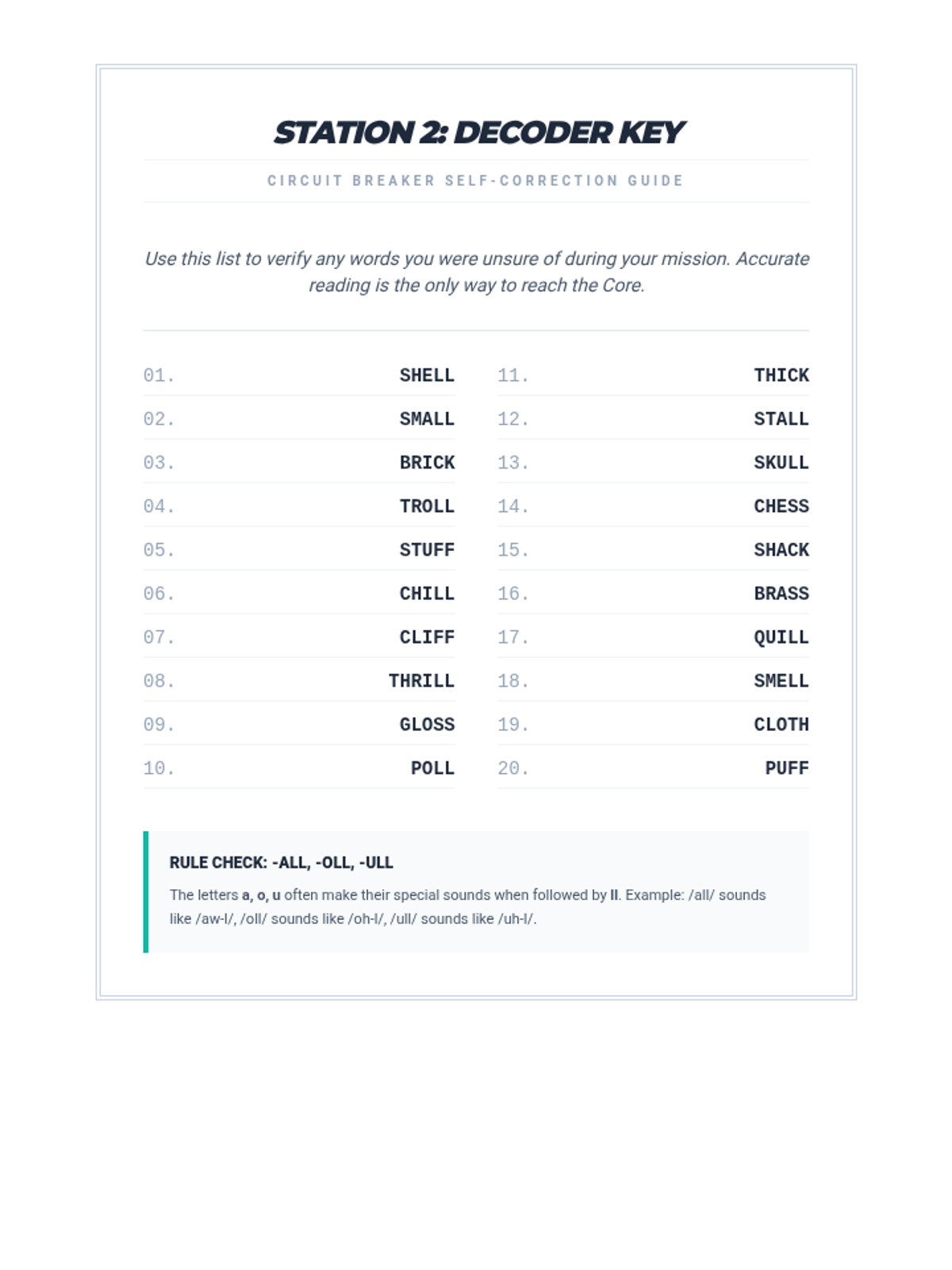
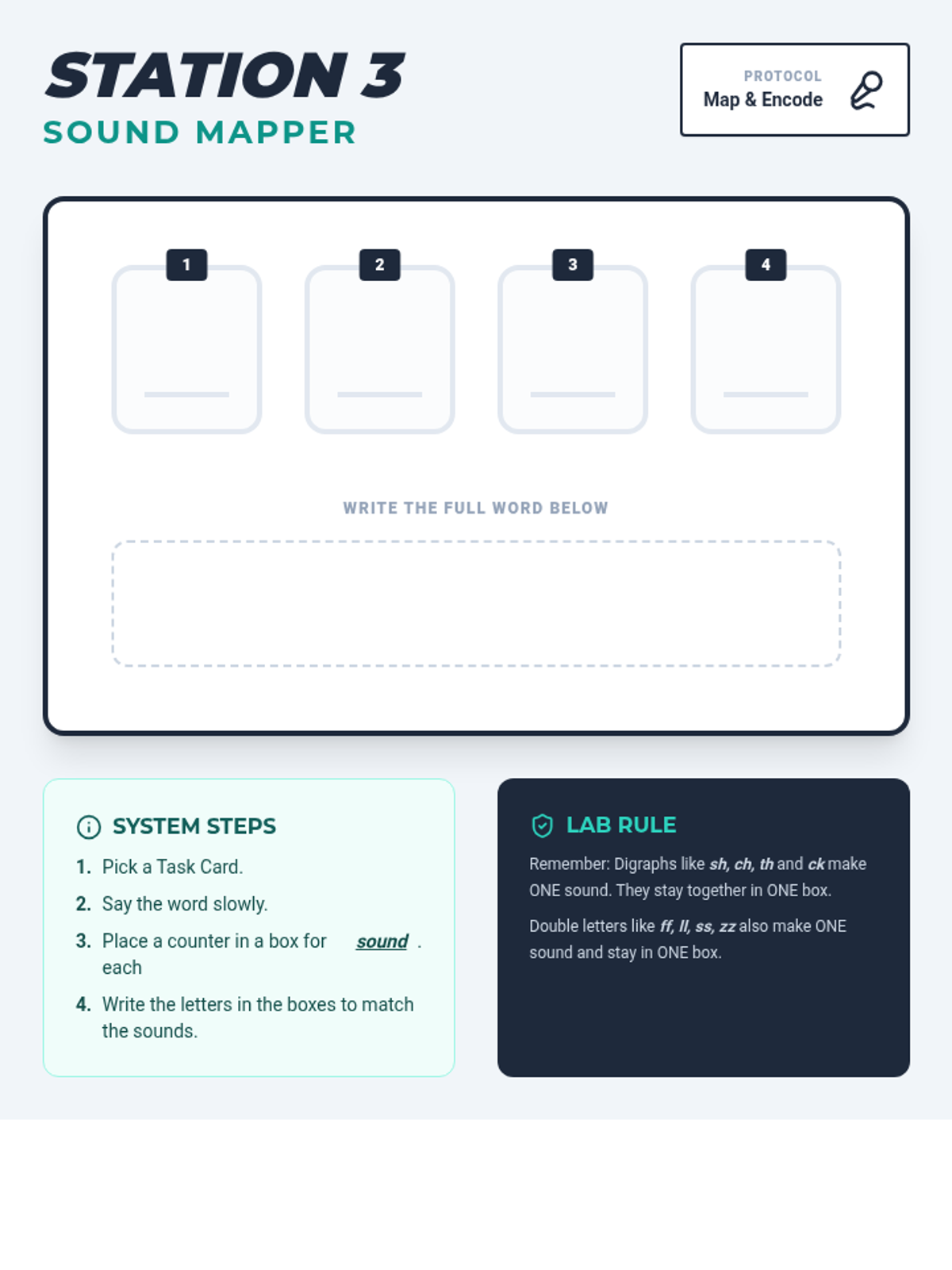
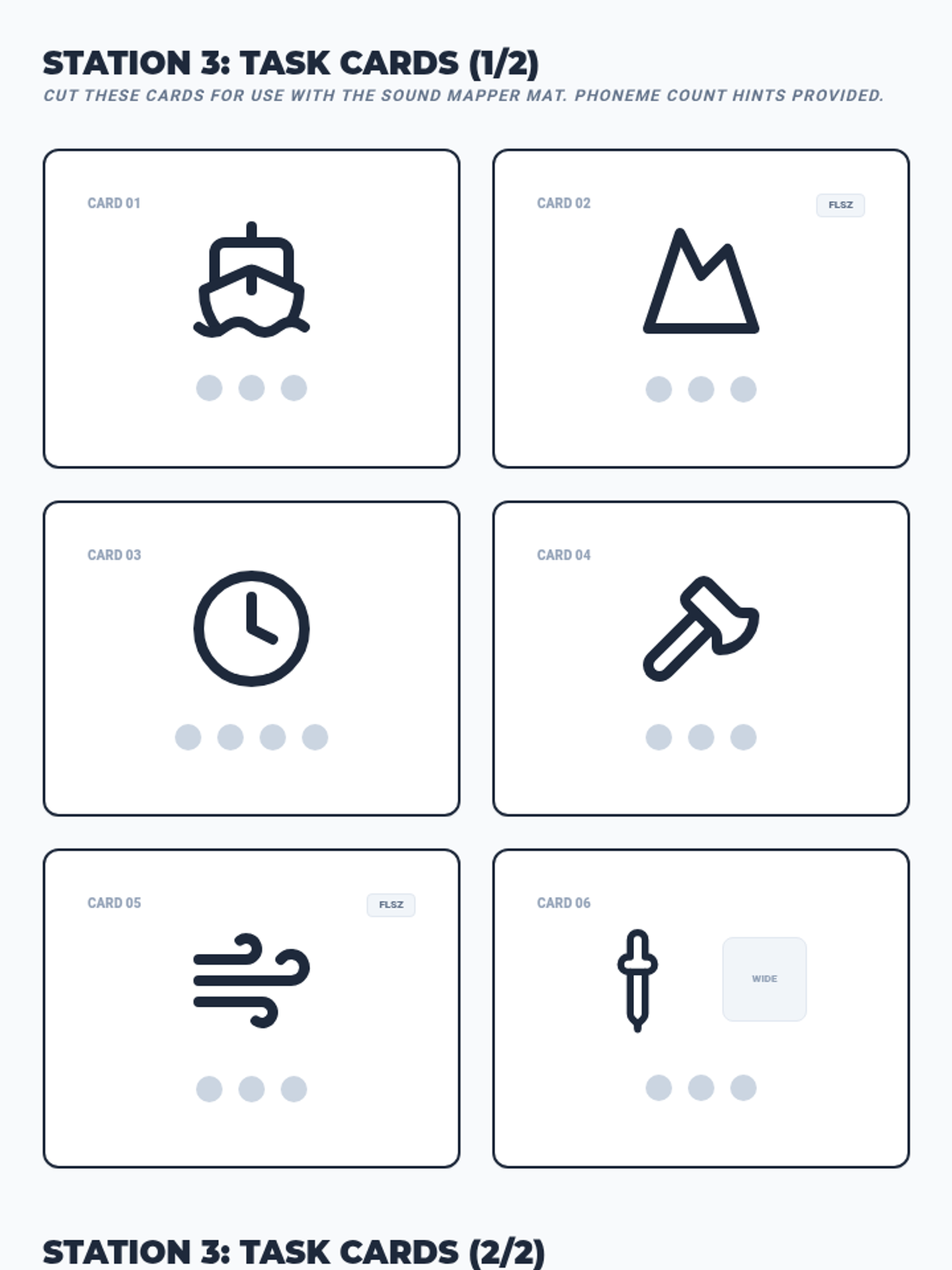
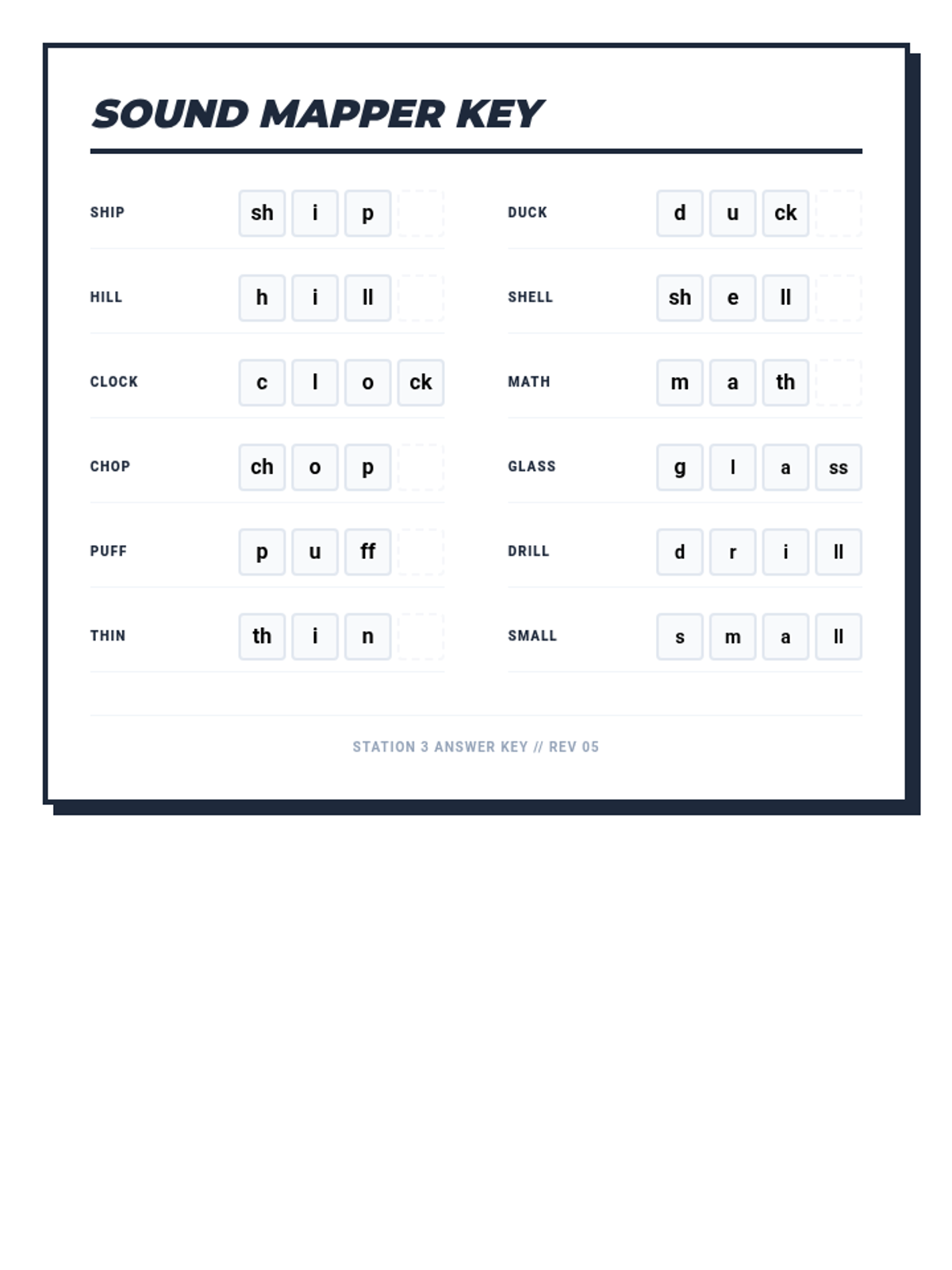
A set of three phonics intervention stations focused on digraphs and spelling rules (FLSZ, -all/-oll/-ull, ch, th, sh, ck) designed for 5th-grade students with a professional 'Linguistic Lab' aesthetic.
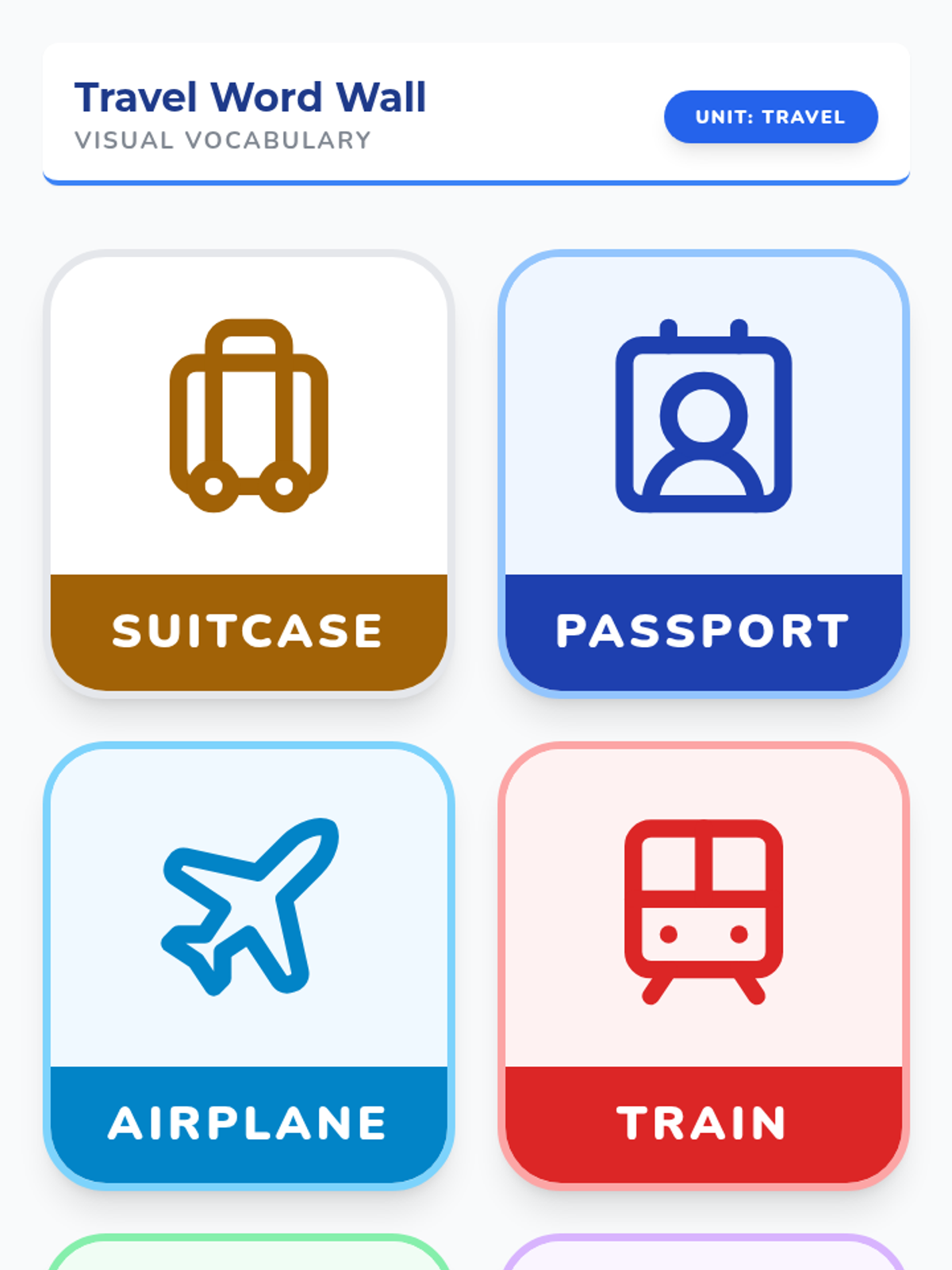
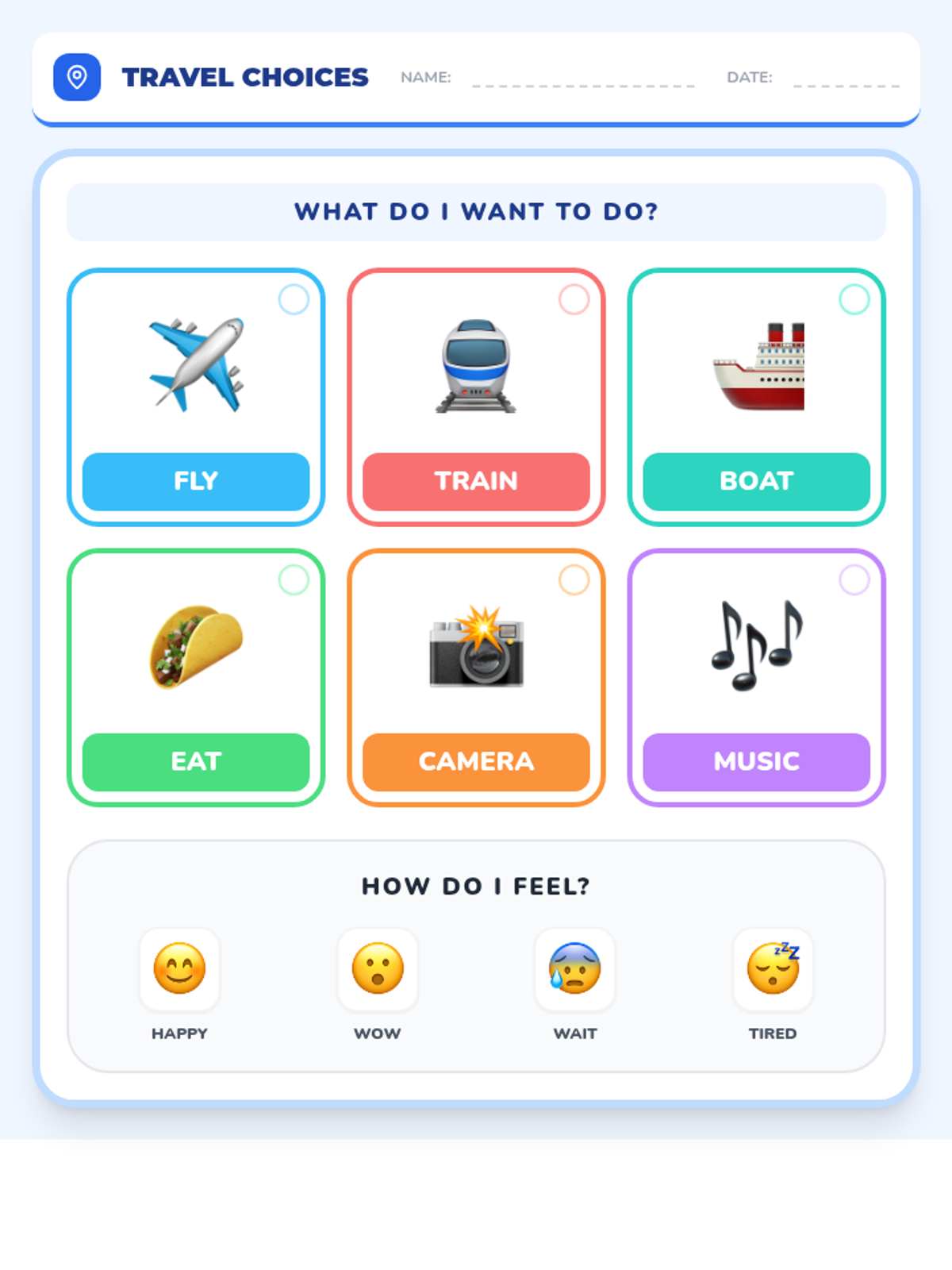
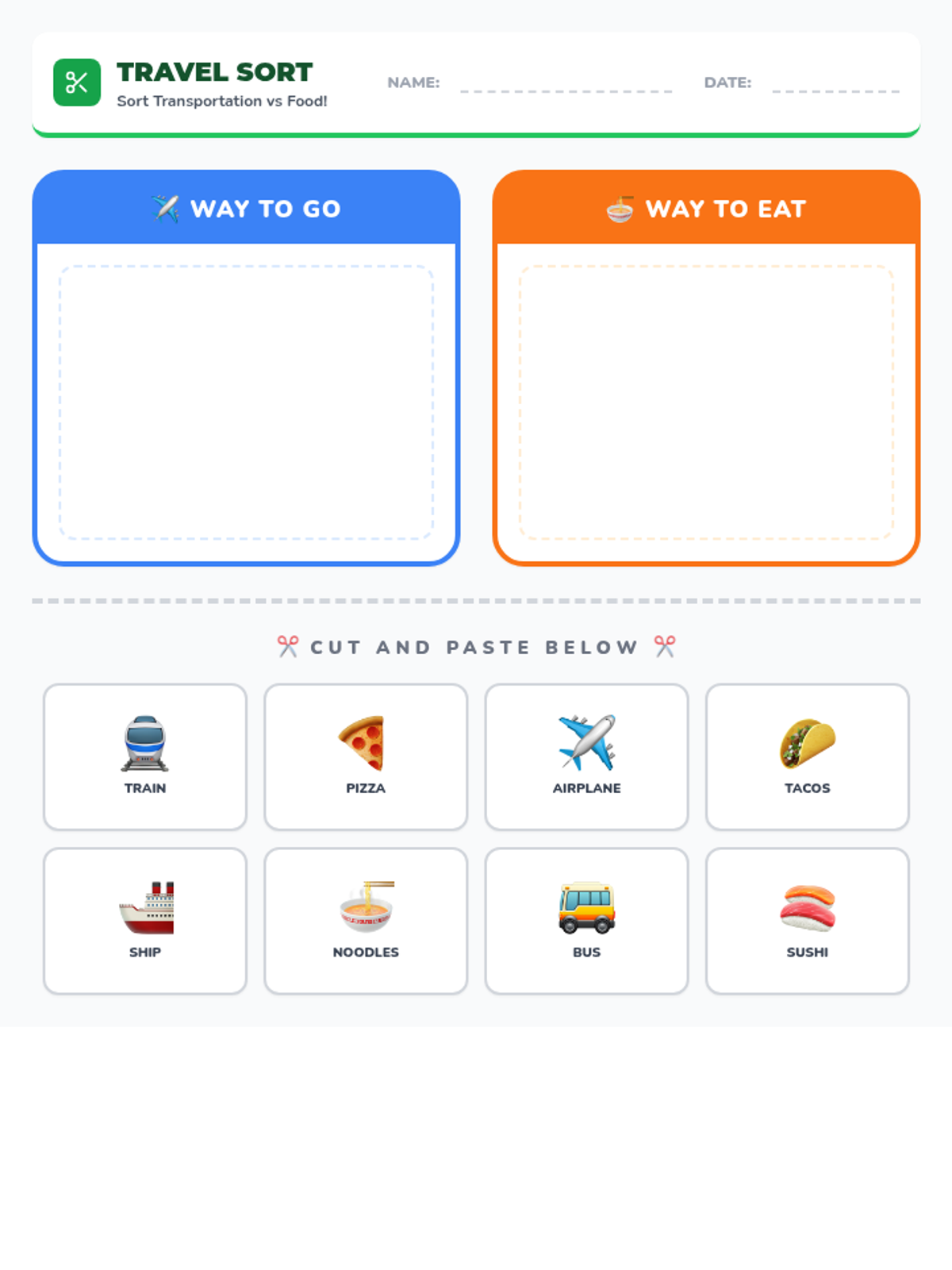
A sensory-focused social studies lesson for elementary students with autism, exploring world travel through sights, sounds, transportation, and traditions. The lesson emphasizes visual supports and structured activities to build understanding of global diversity.
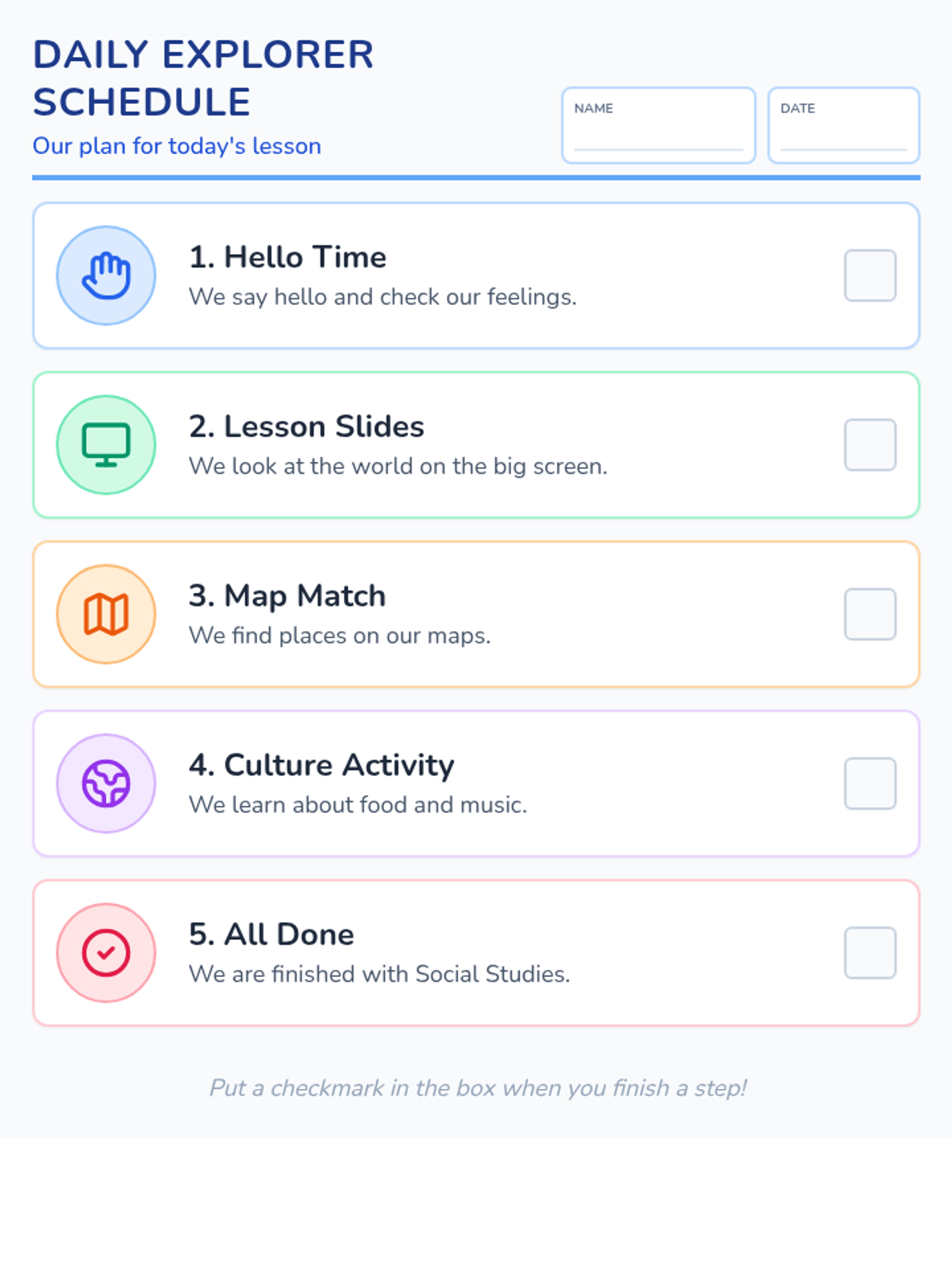
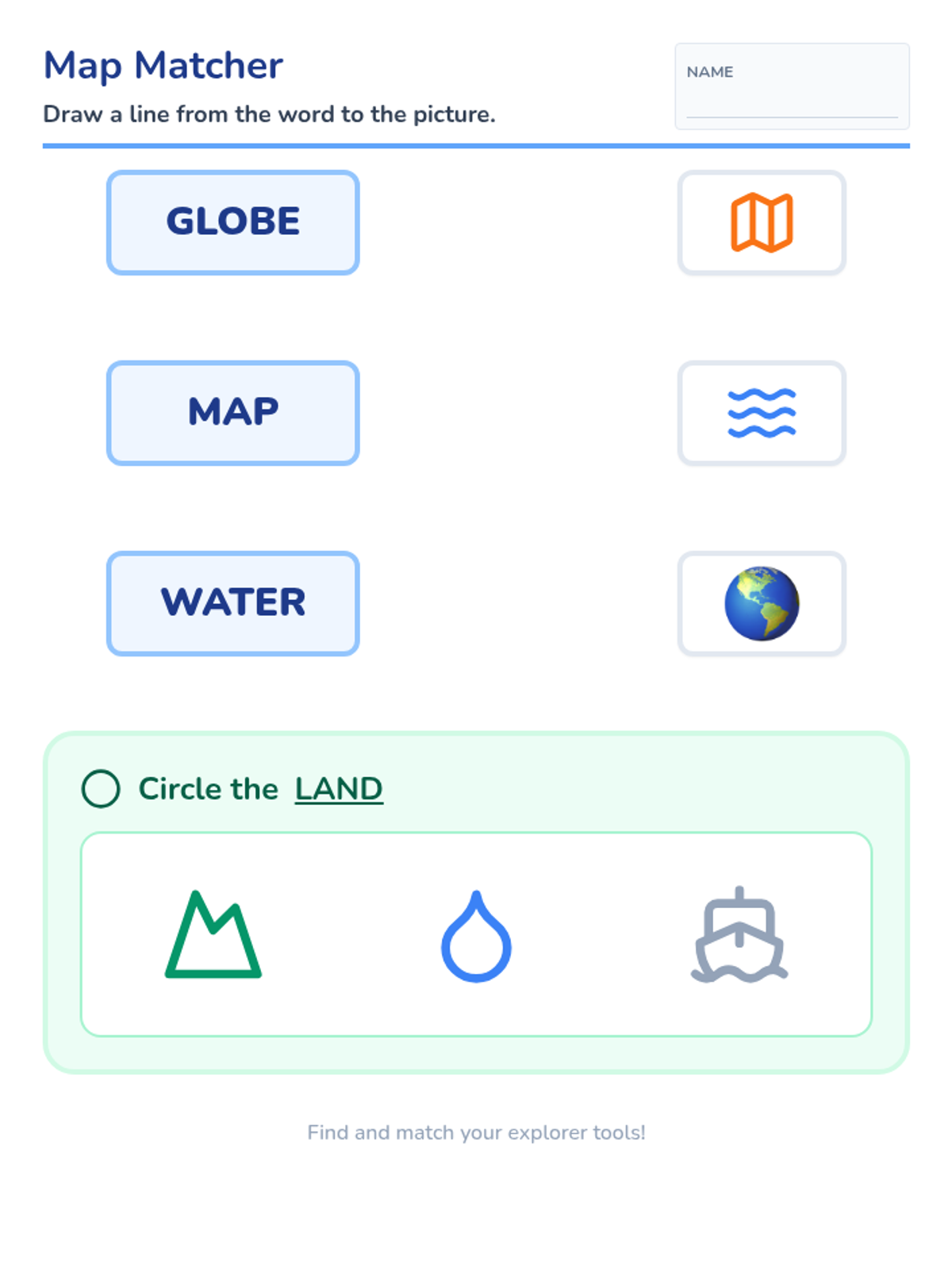
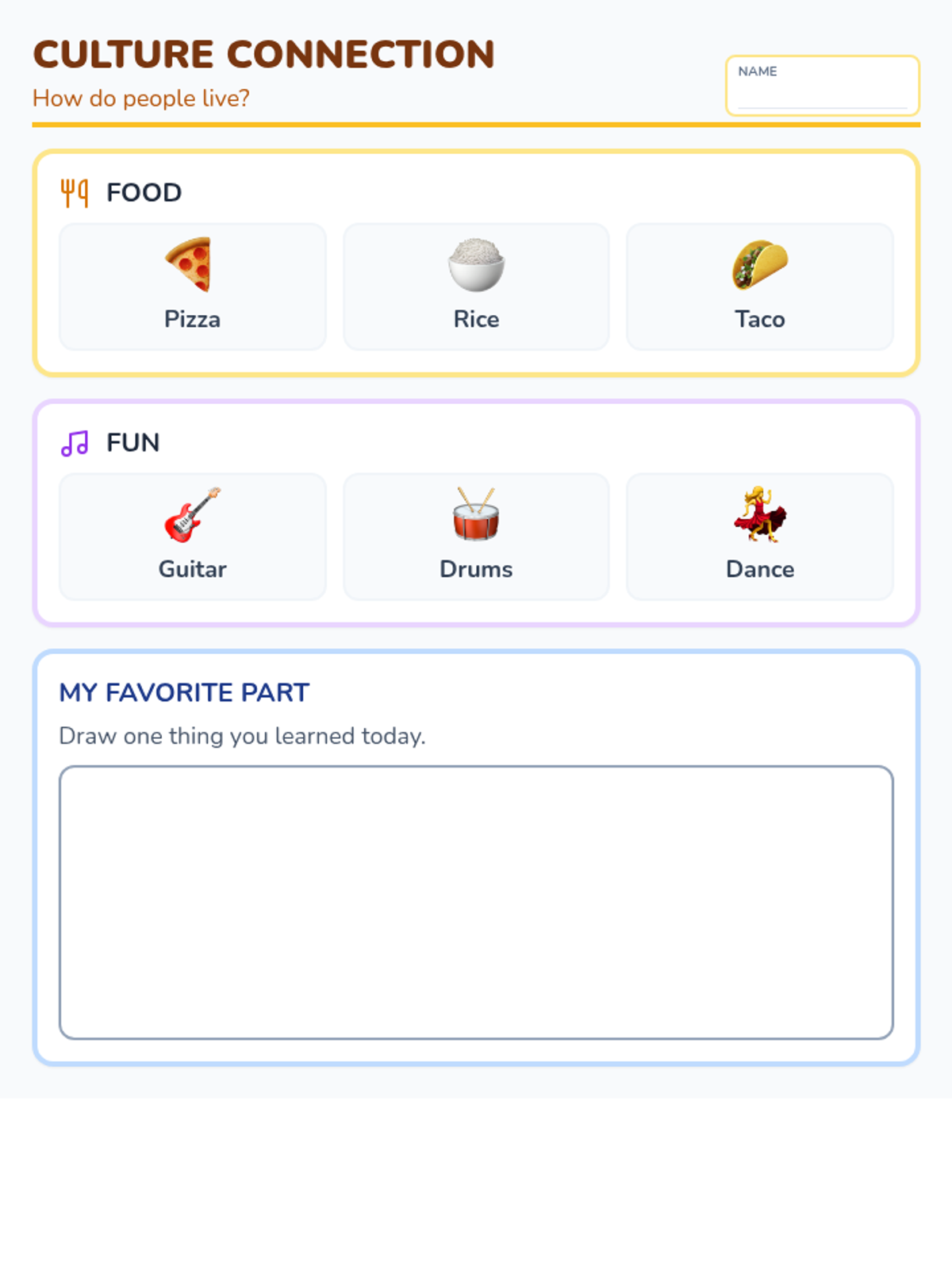
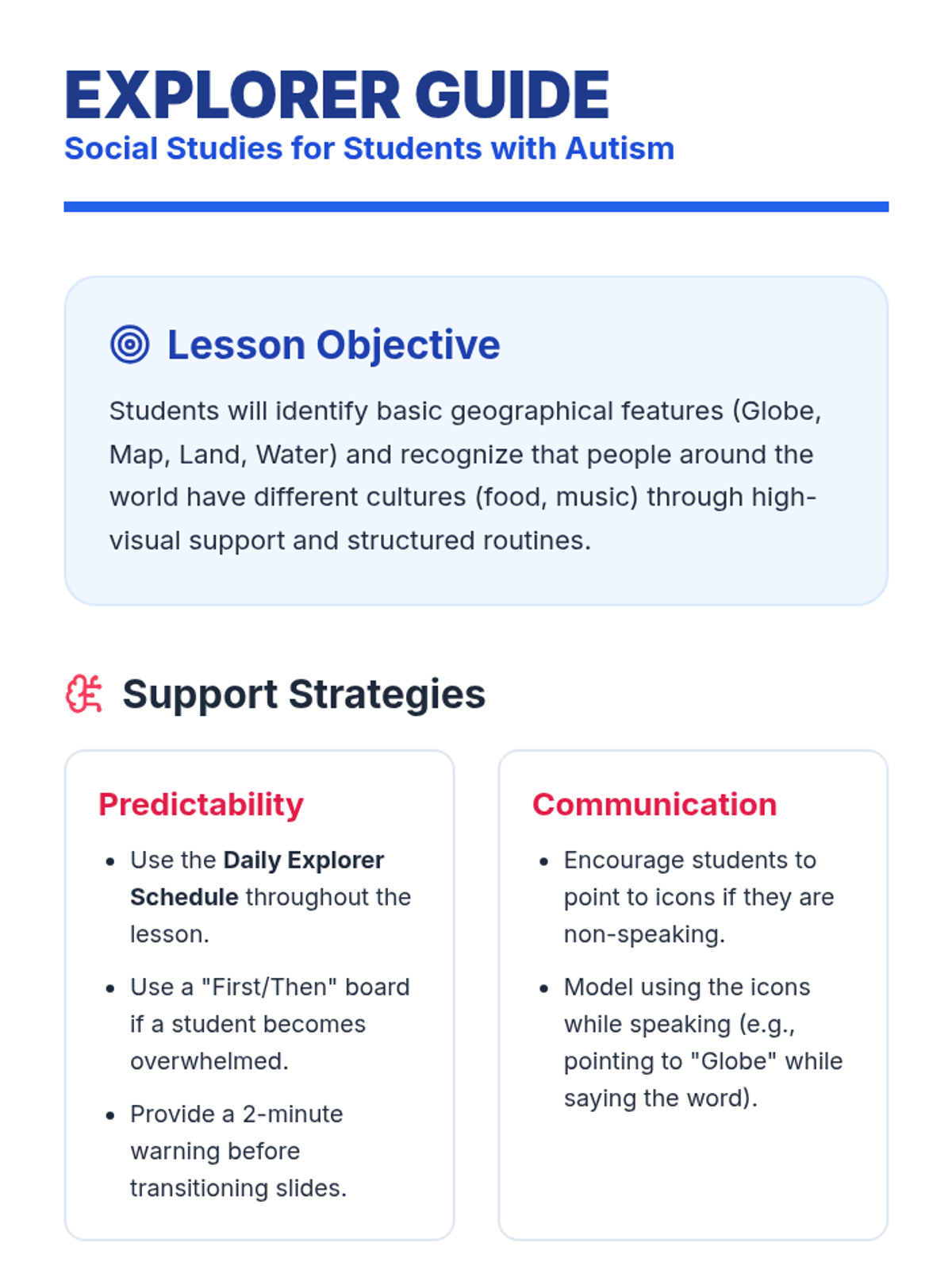
An introductory social studies lesson for elementary students with autism, focusing on basic map skills and cultural diversity through high-visual support and structured routines.
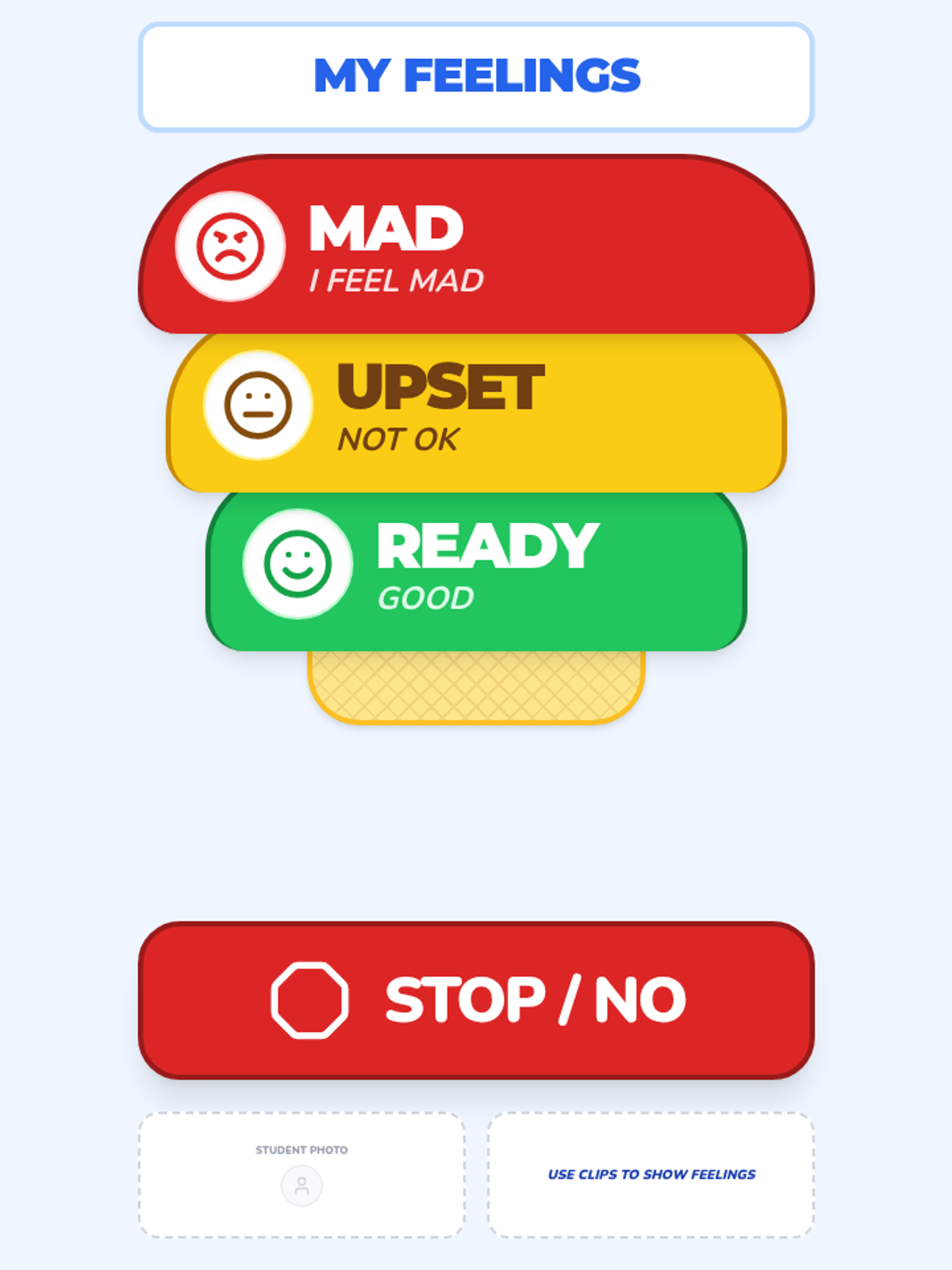
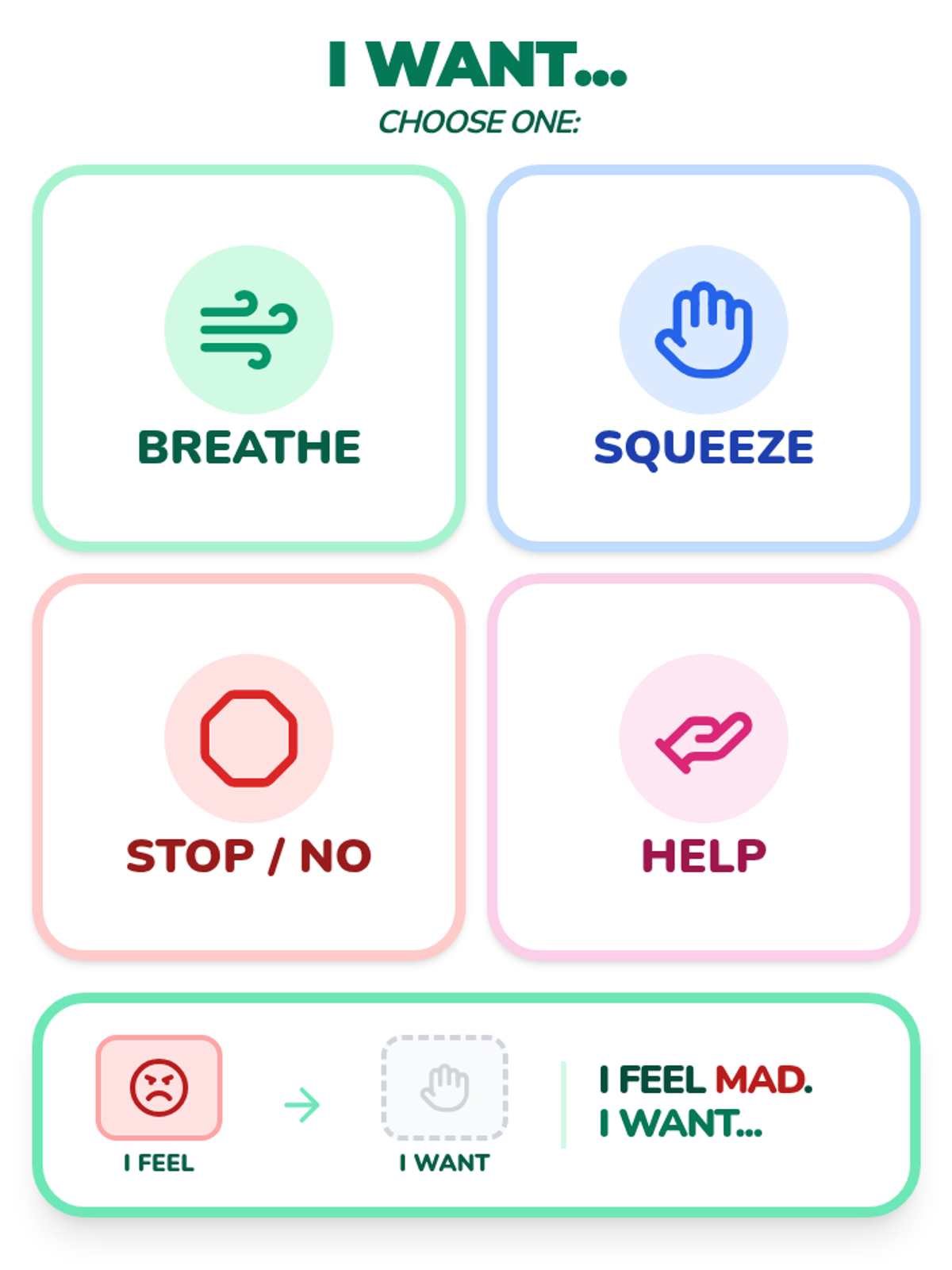
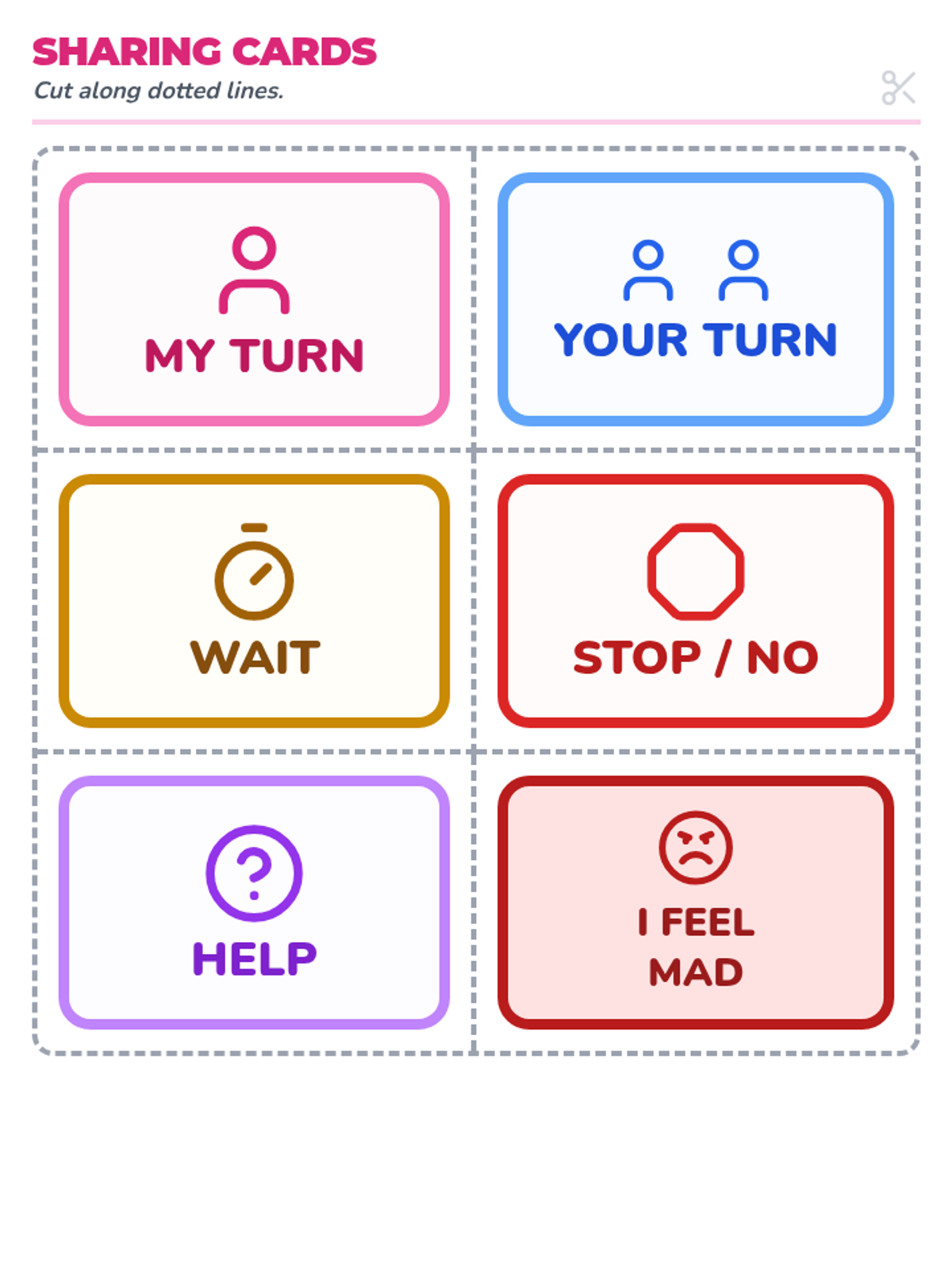
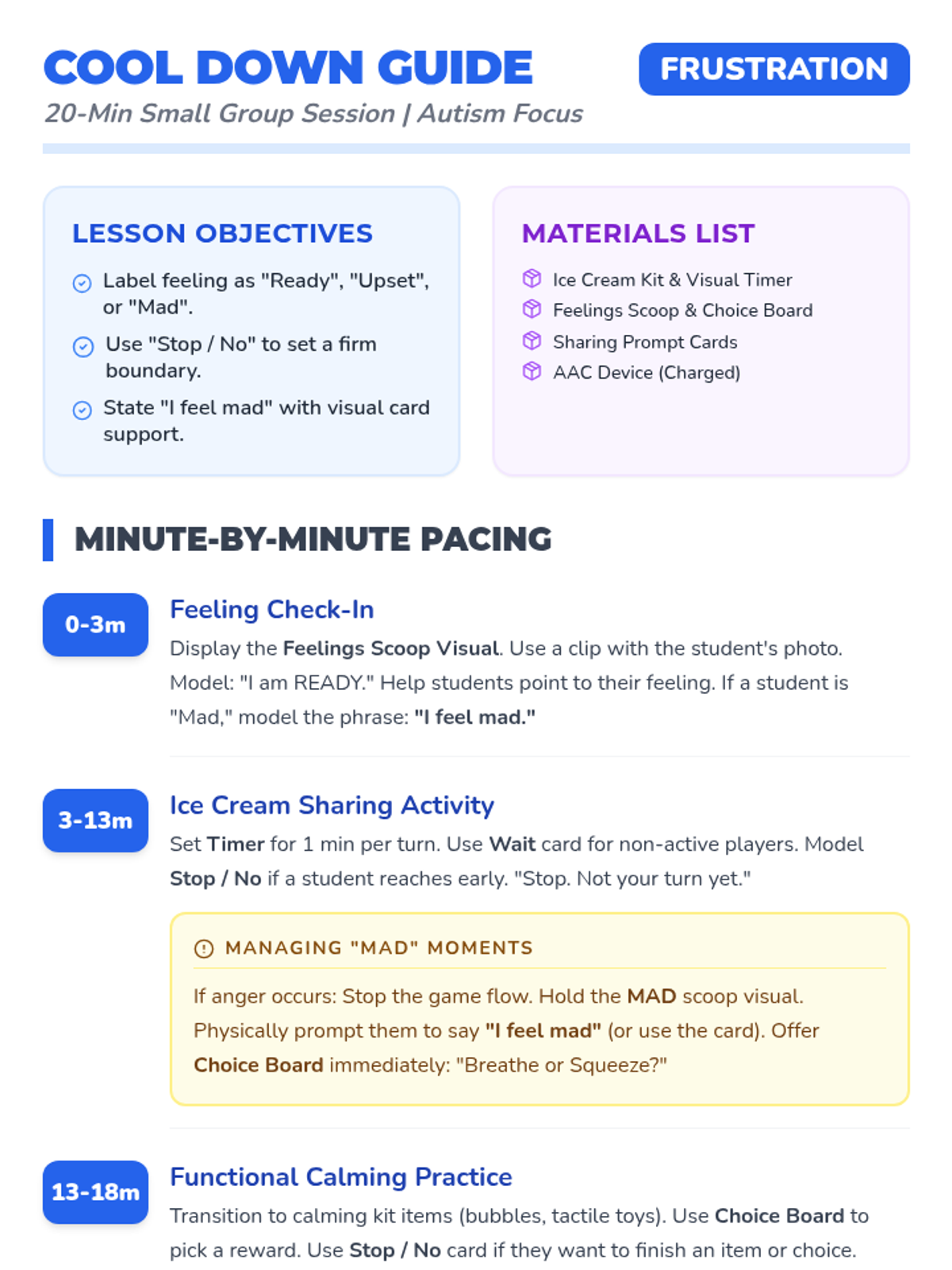
A 20-minute targeted social-emotional lesson for students with autism, focusing on managing frustration during turn-taking activities using an ice cream theme. Includes visual supports for emotion regulation and calming strategies.
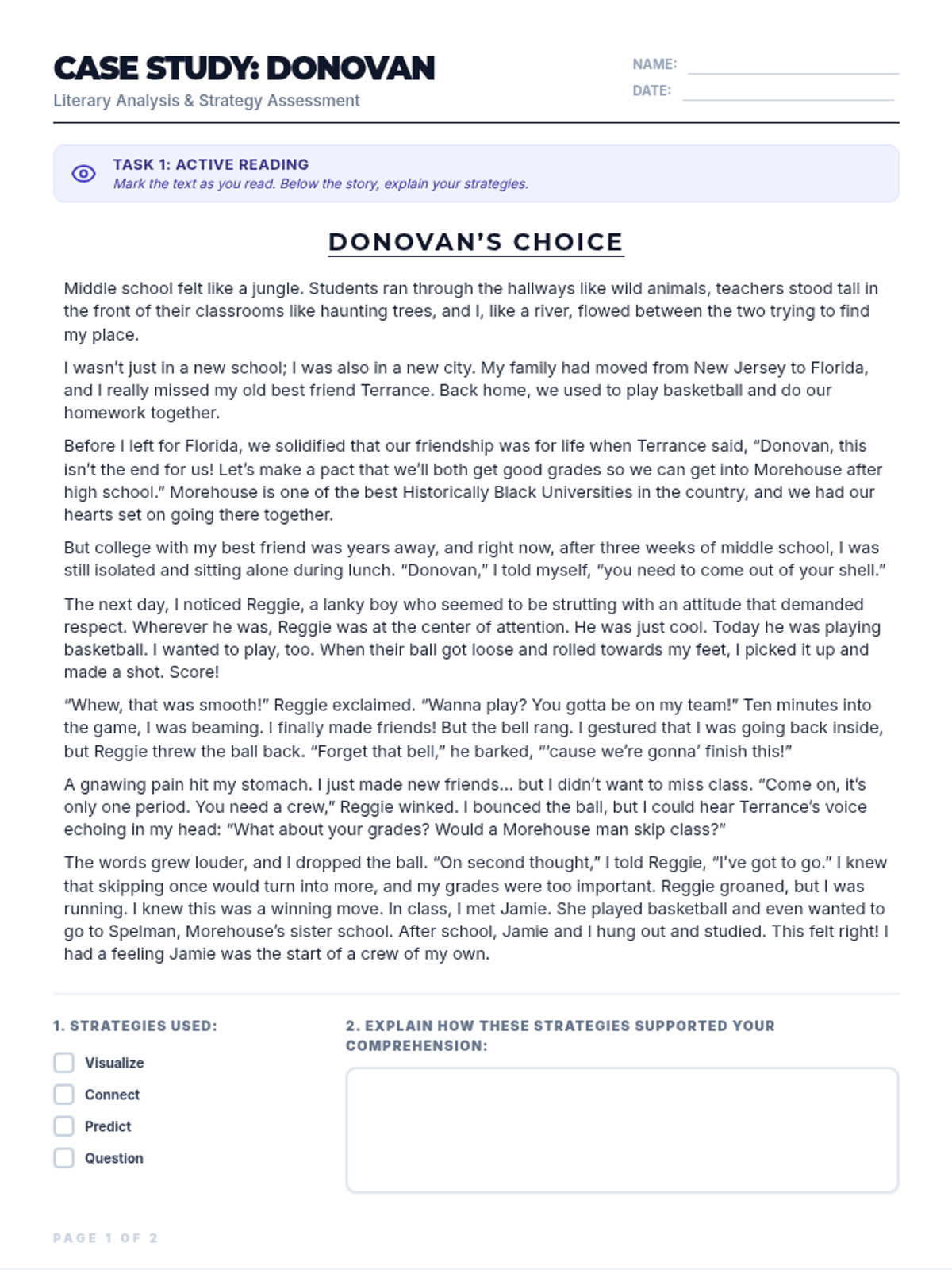
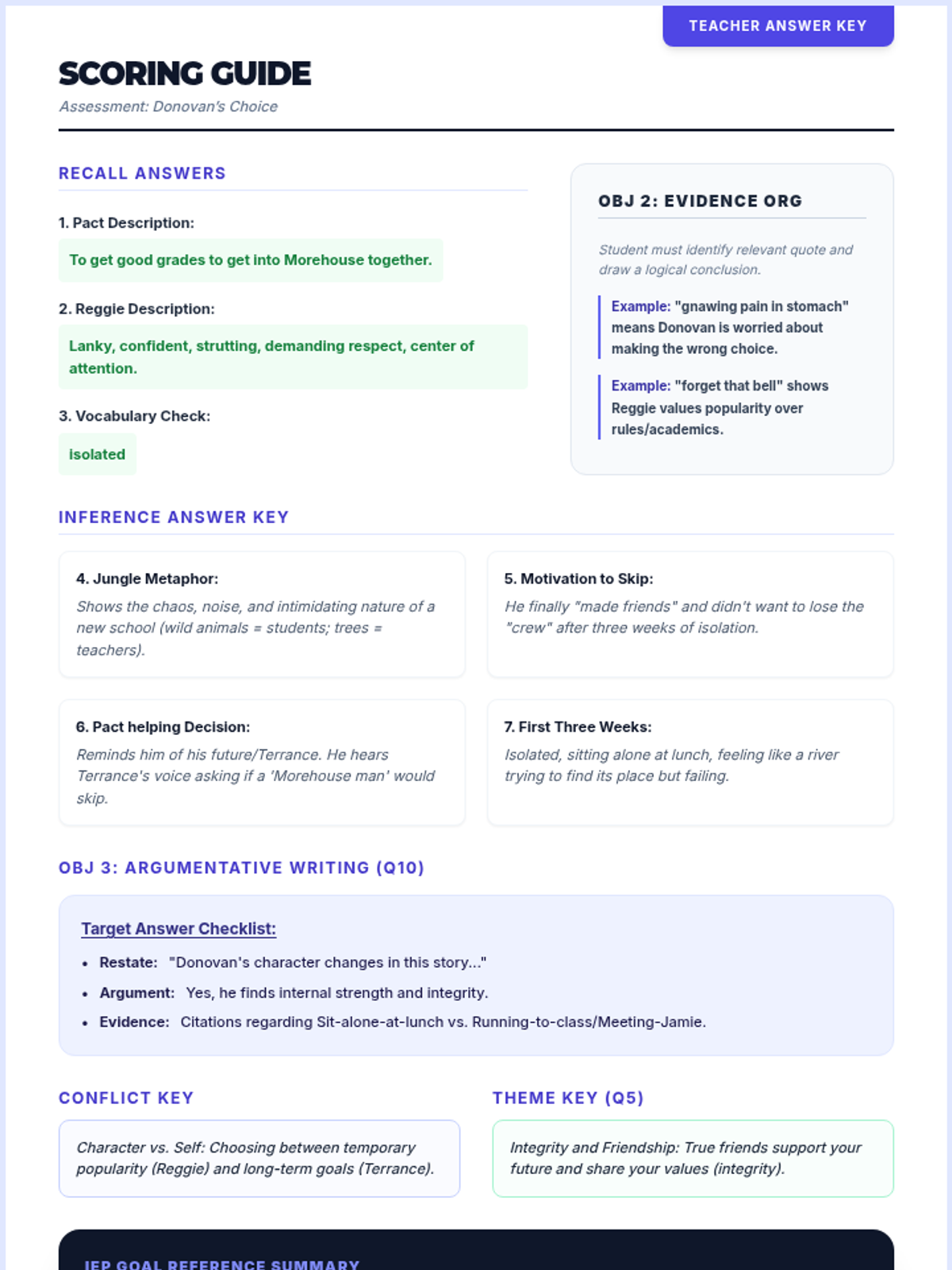
A literature-based assessment focused on evidence-based reading, active strategy reflection, and identifying conflict and theme through the story of Donovan's social choices.
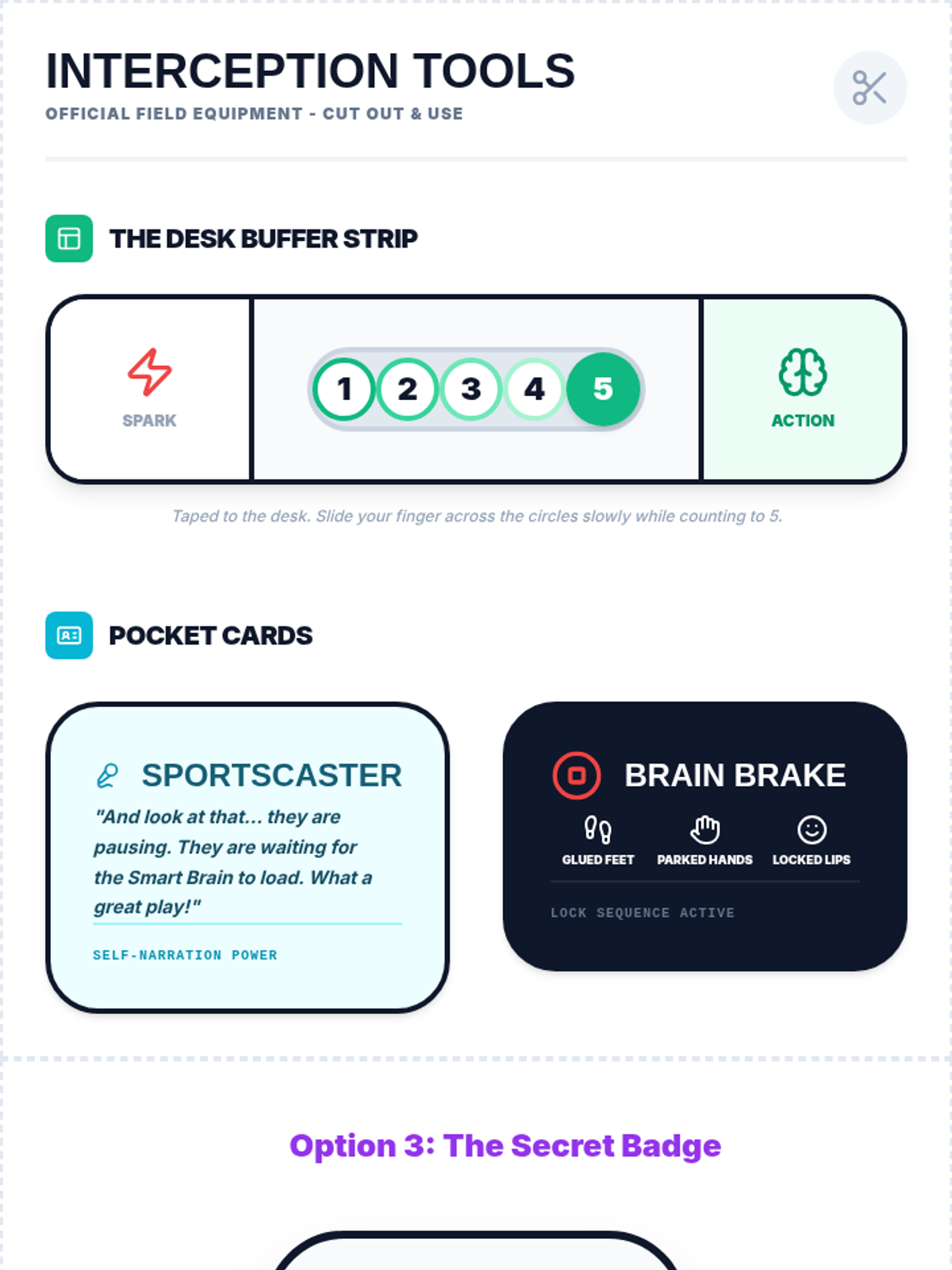
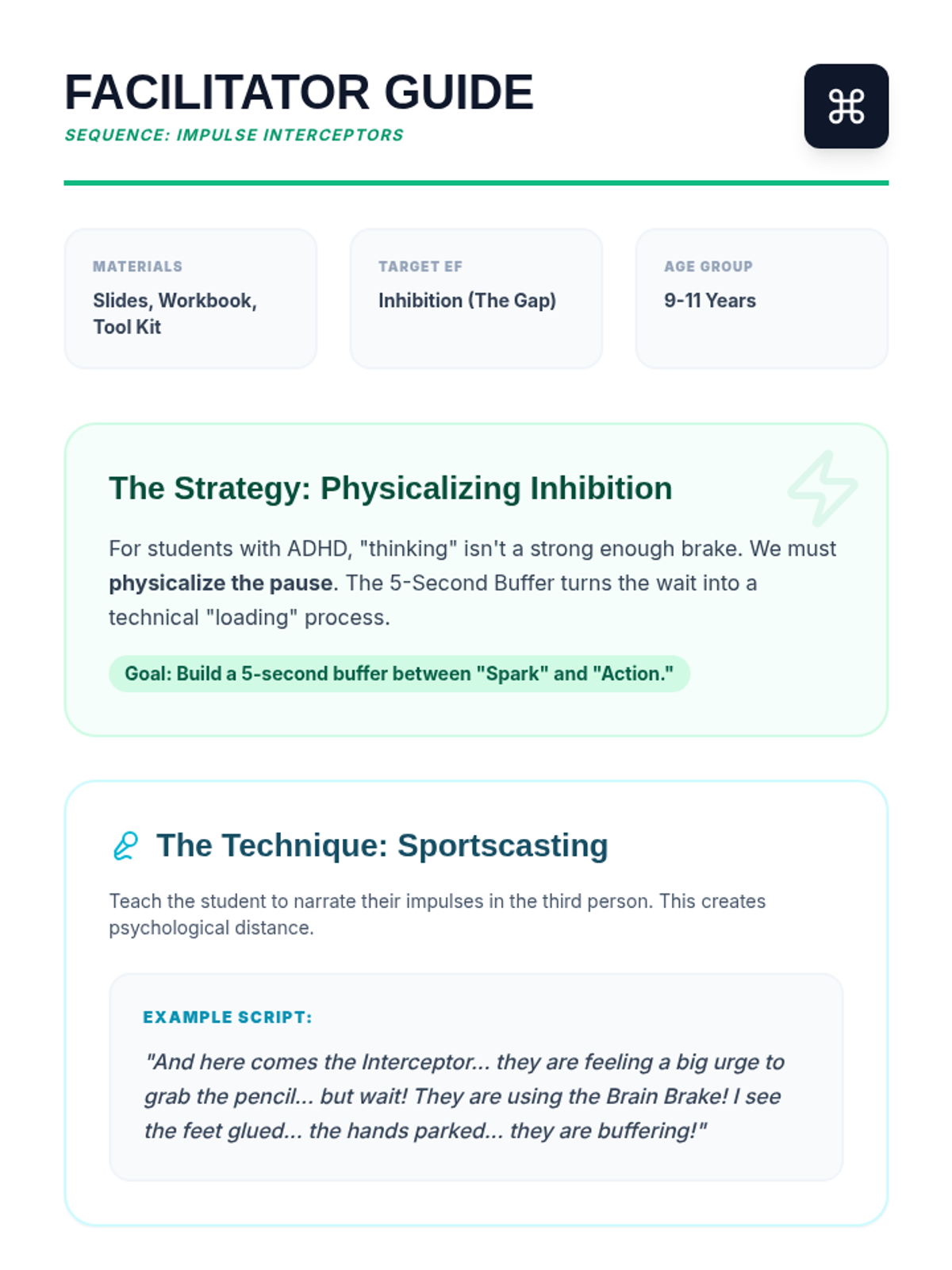
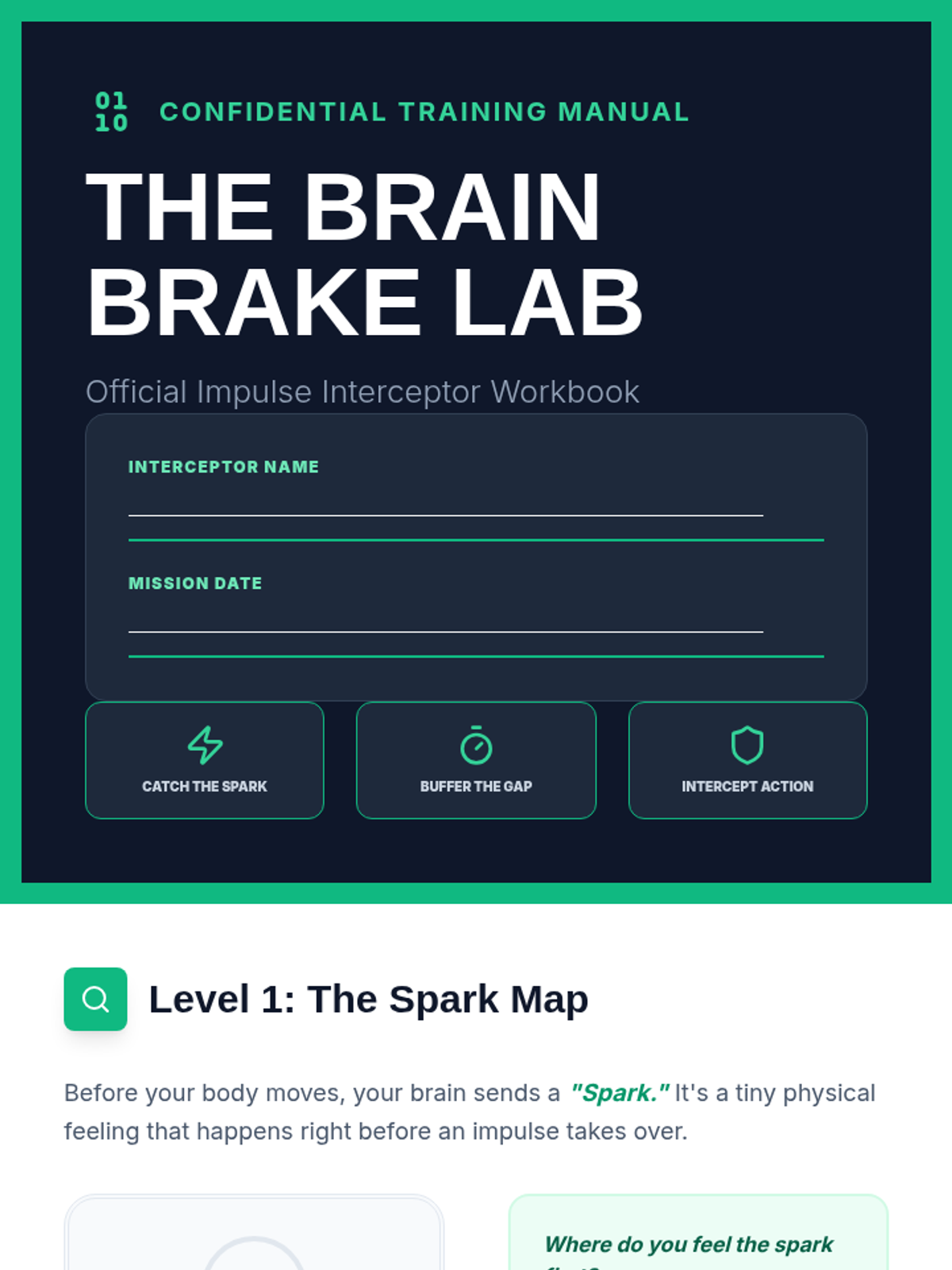
A specialized lesson focused on 'The Gap' between impulse and action, introducing the 'Brain Brake' and 'Sportscasting' techniques to help students inhibit initial responses.
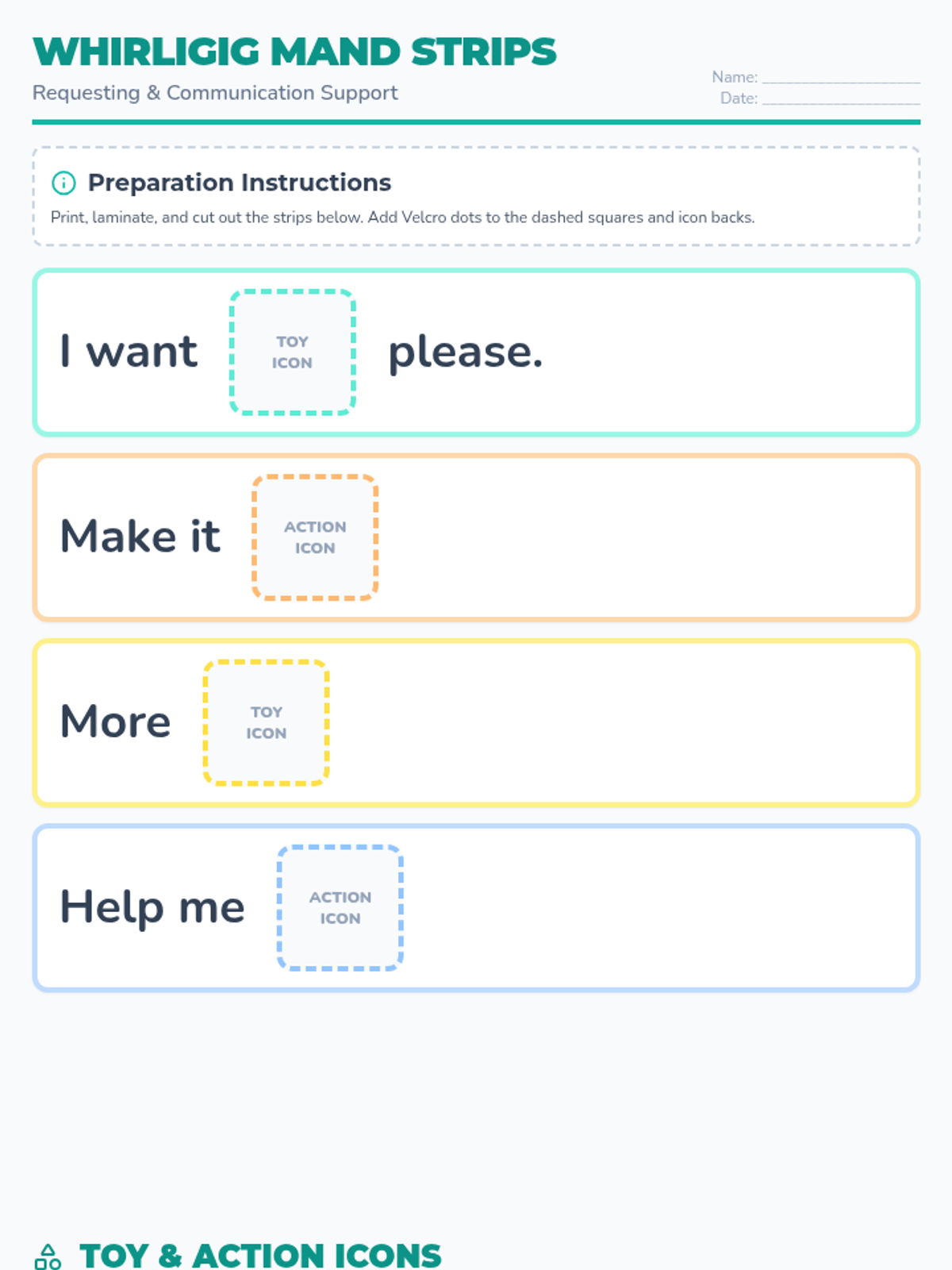
A lesson focused on developing requesting (manding) skills using various spinning toys through visual sentence starters and icon support.
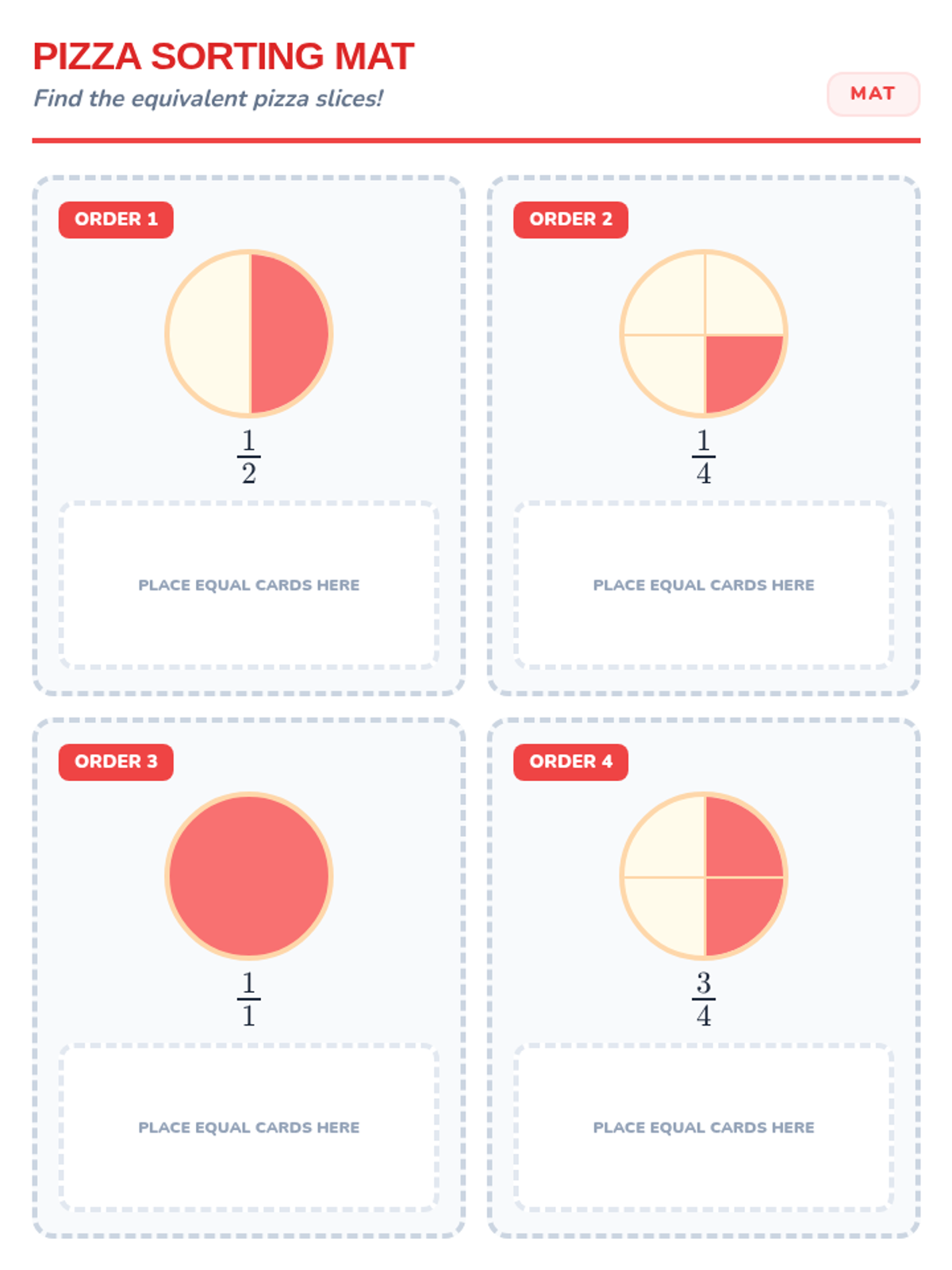
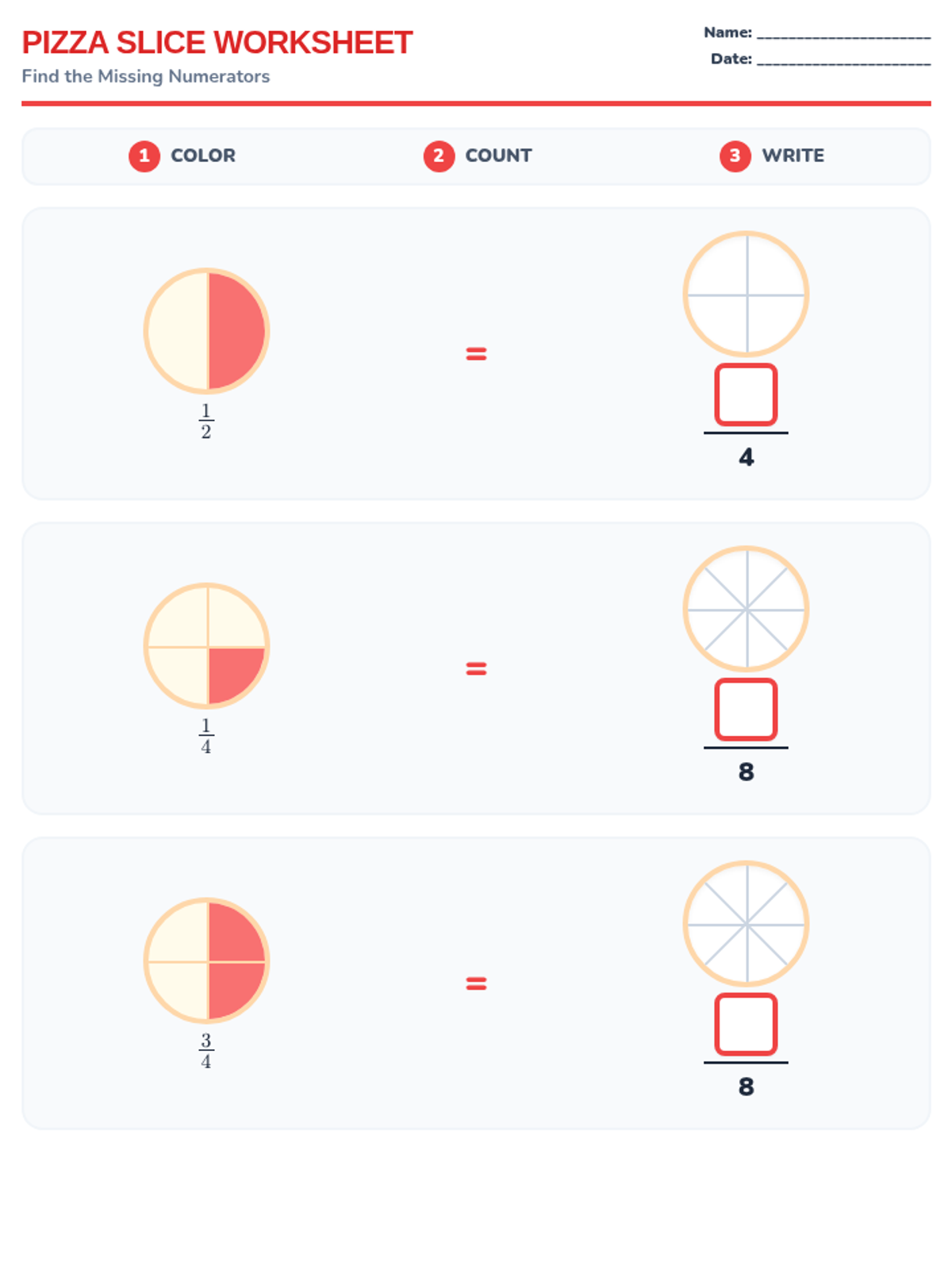
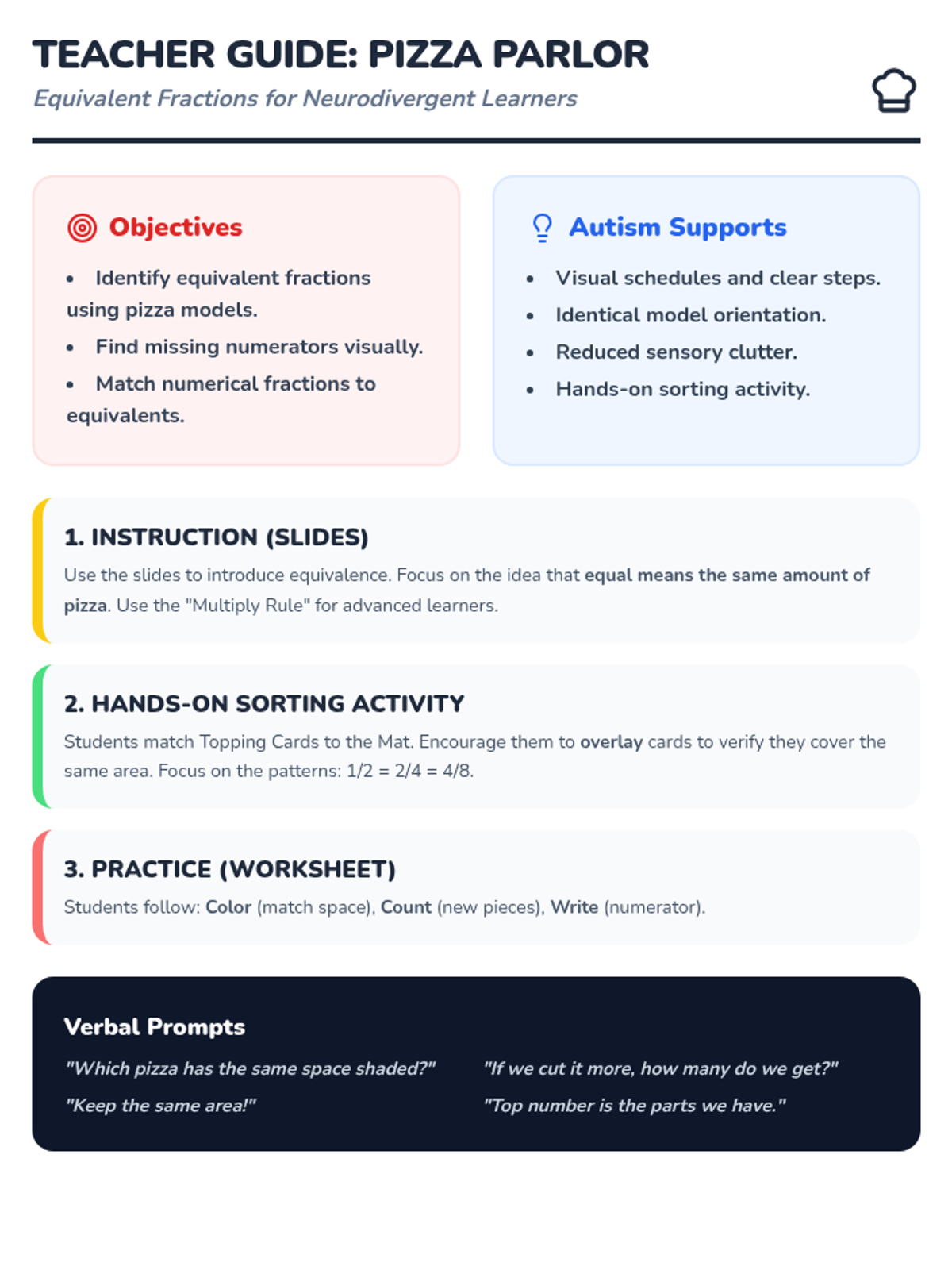
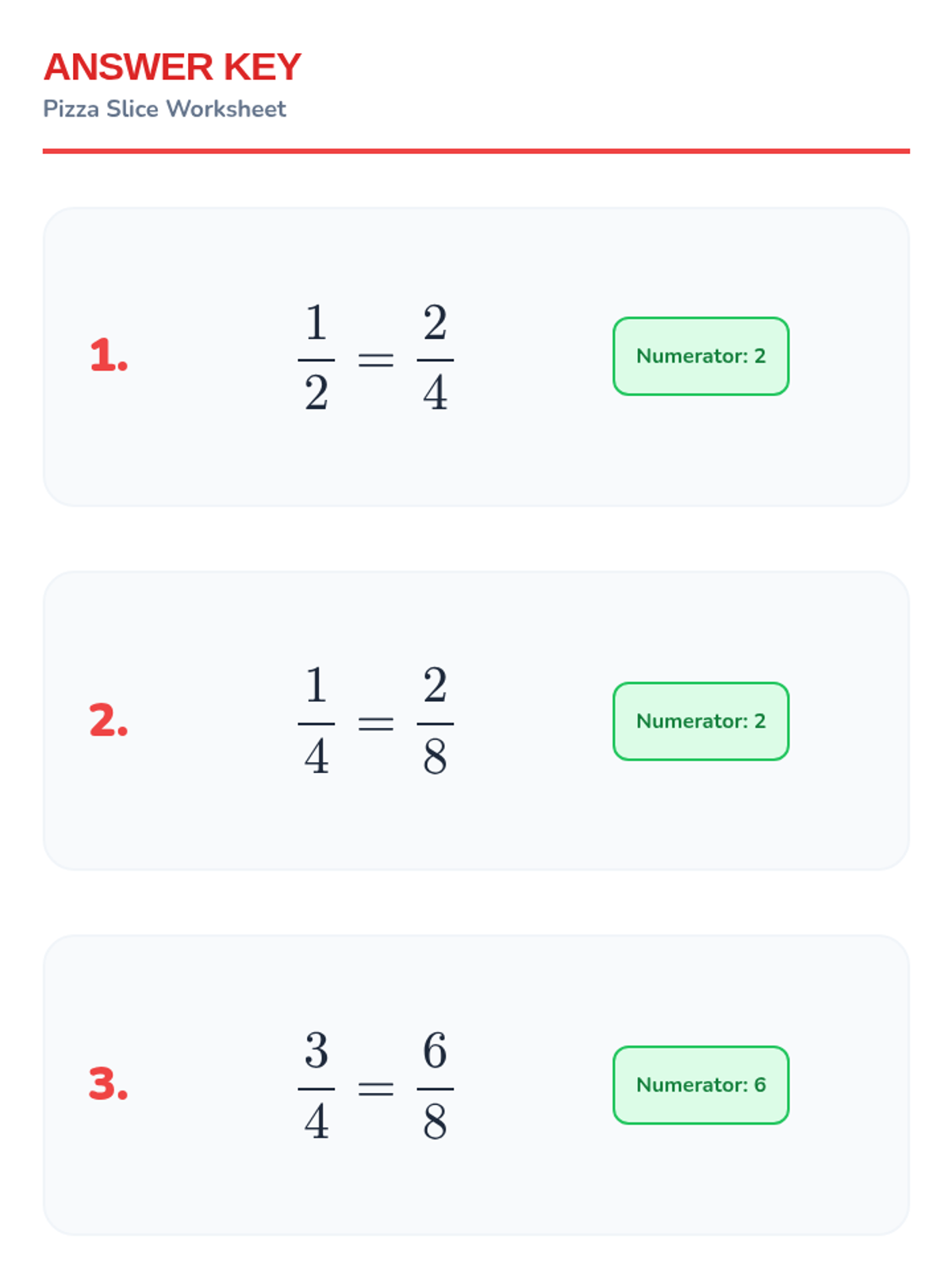
A highly visual lesson focused on equivalent fractions using pizza models, specifically designed for students with autism. Includes direct instruction on finding missing numerators and a hands-on sorting activity.
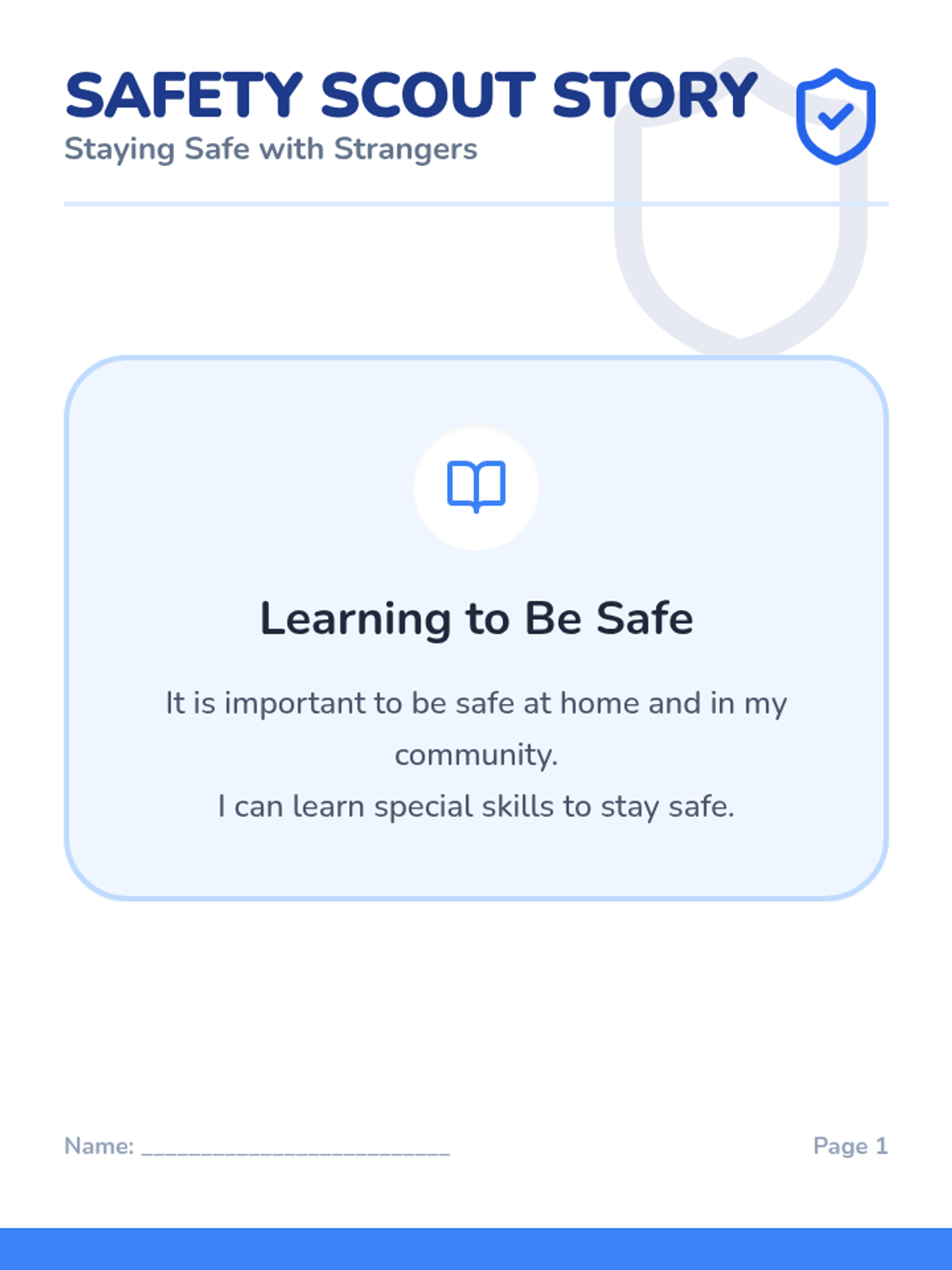
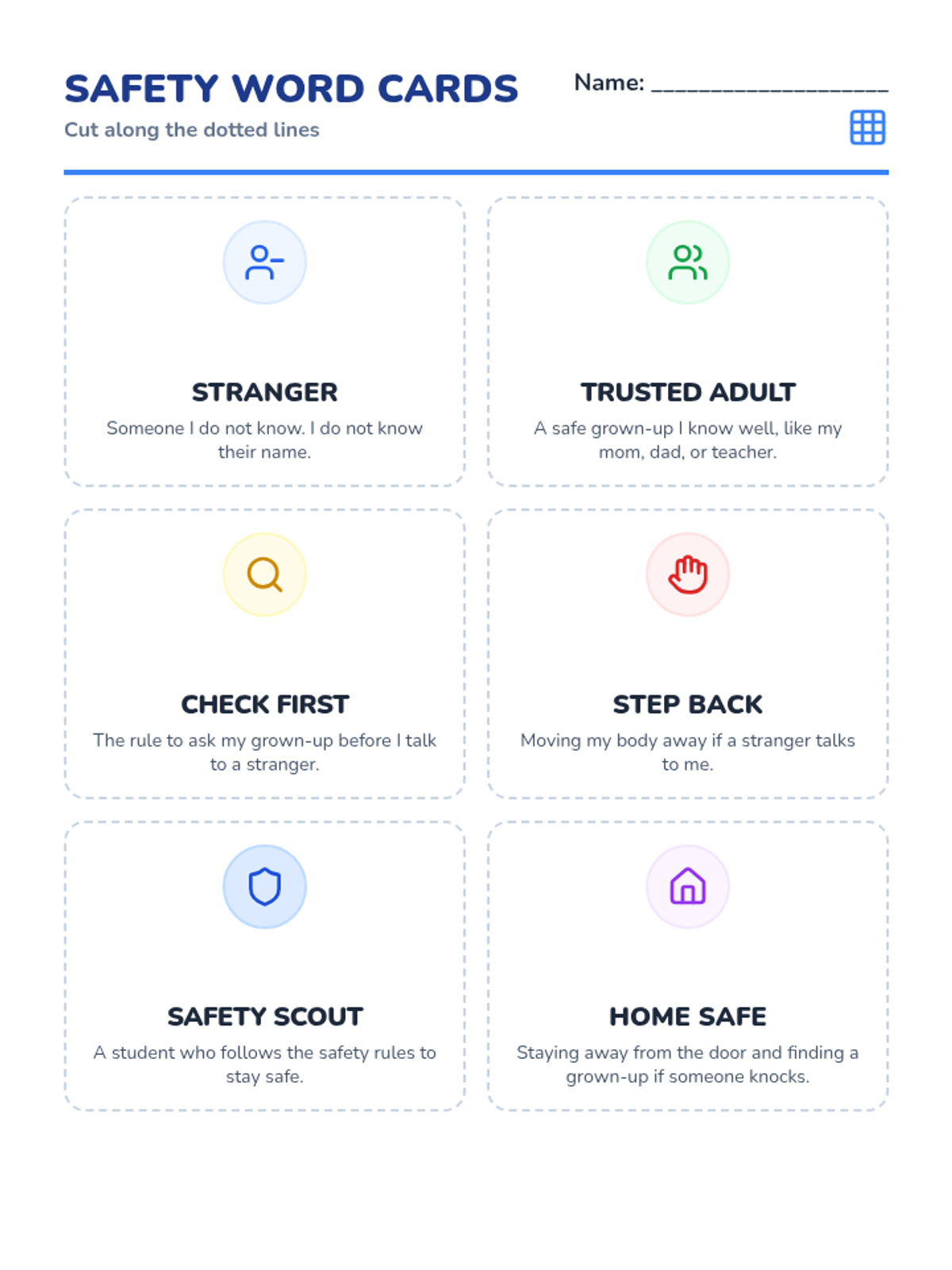
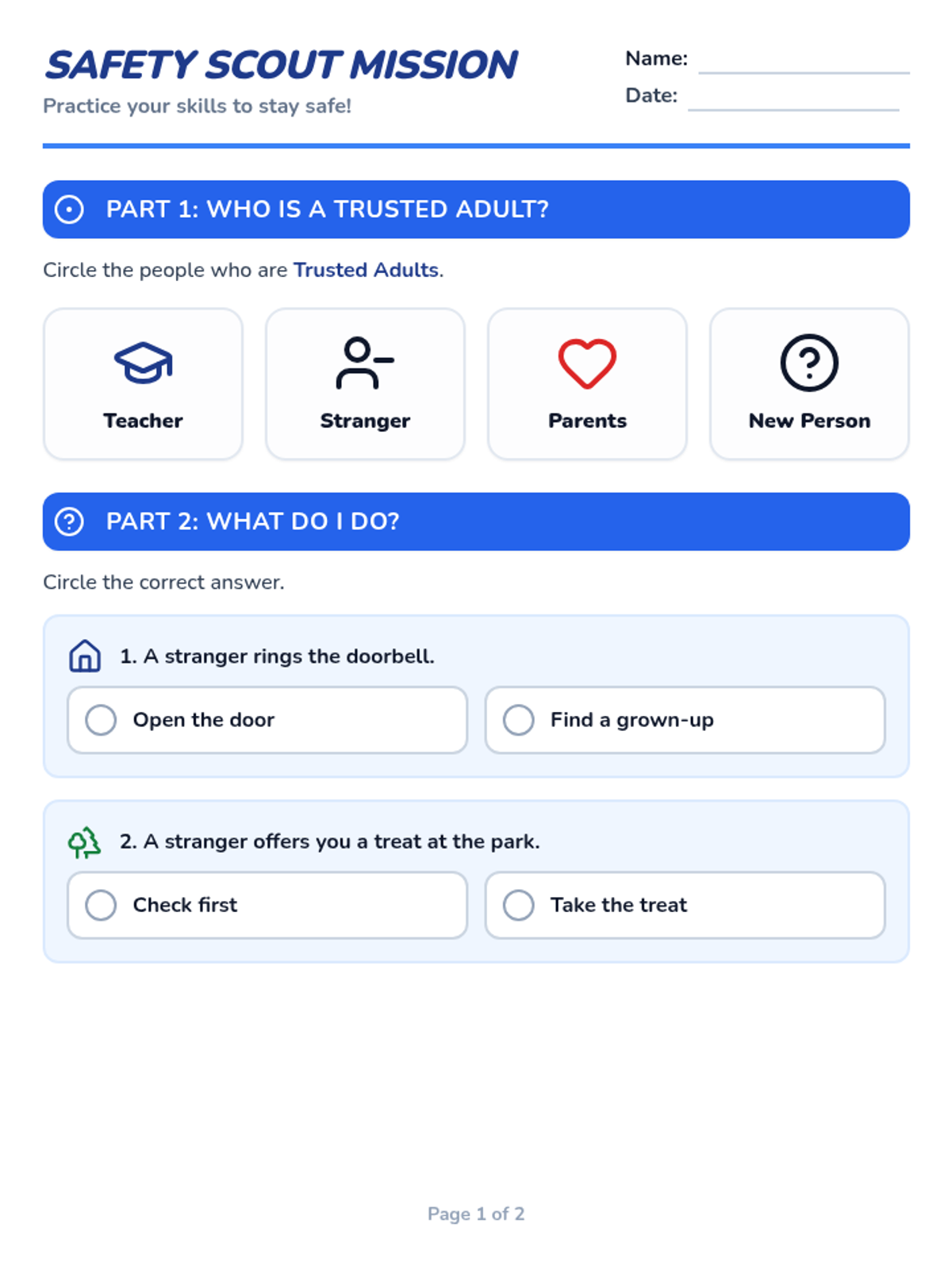
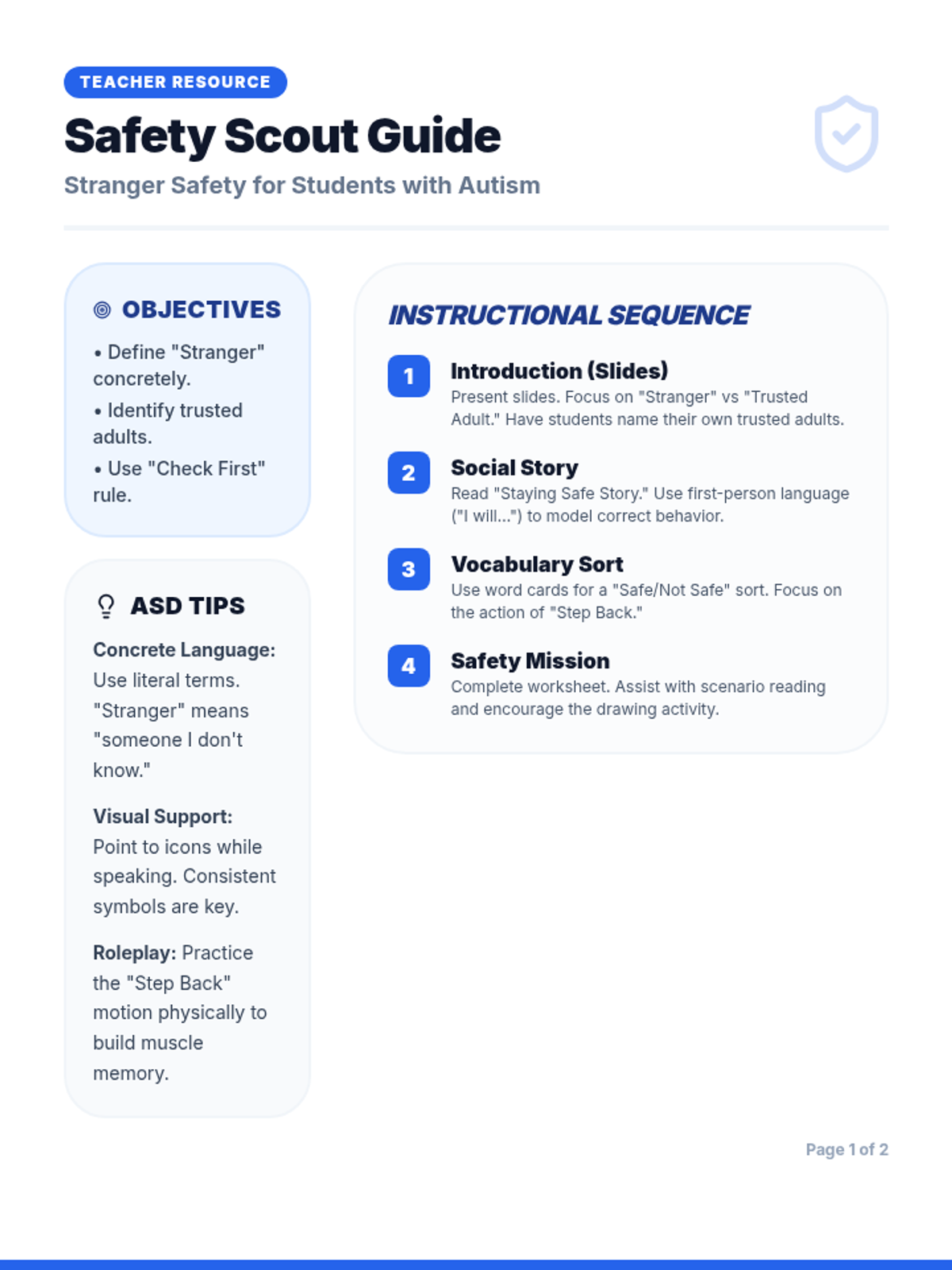
A comprehensive lesson designed for elementary students with autism to learn and practice safety rules regarding strangers at home and in the community. Includes a social story, visual supports, and interactive practice.
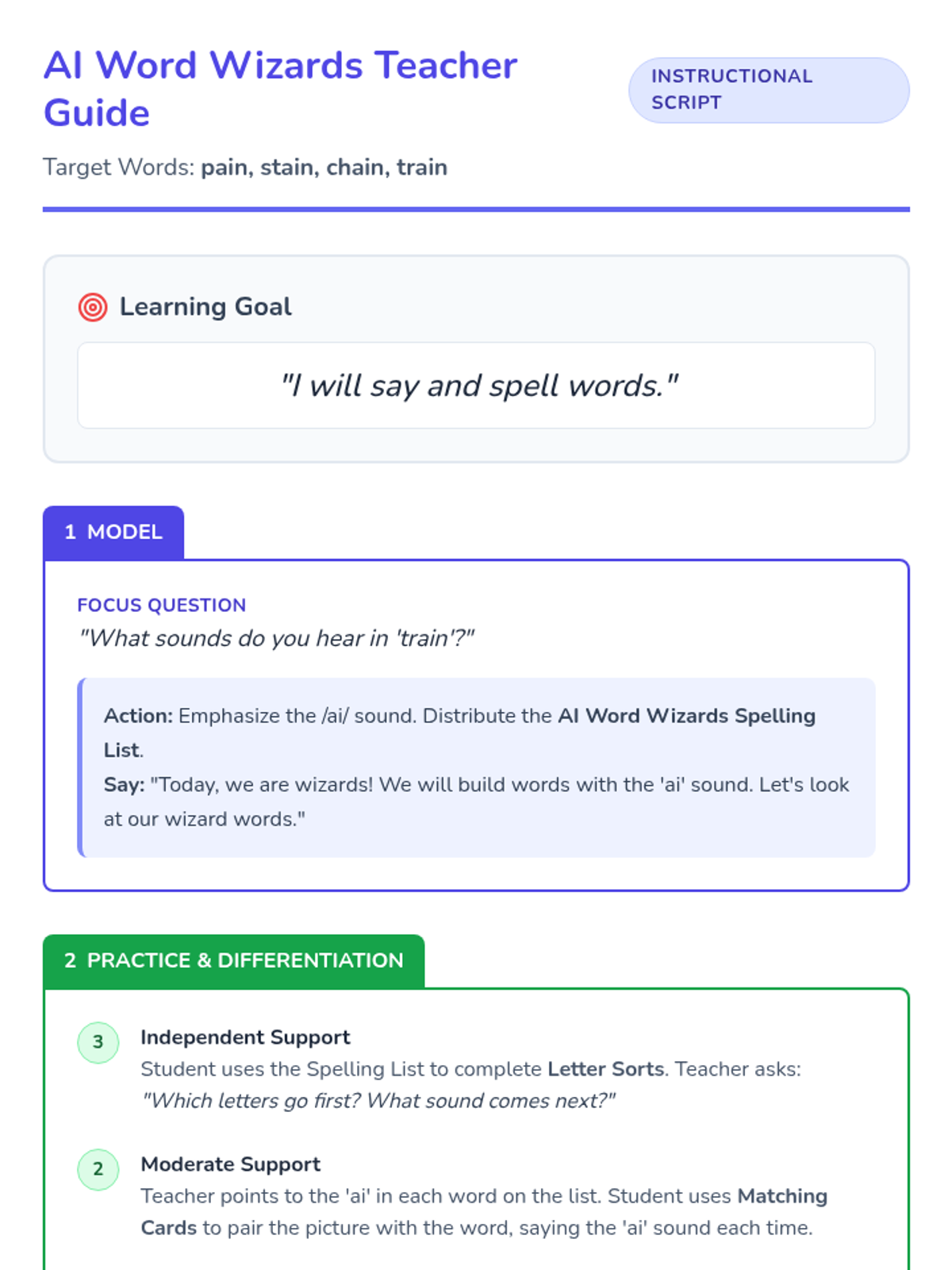
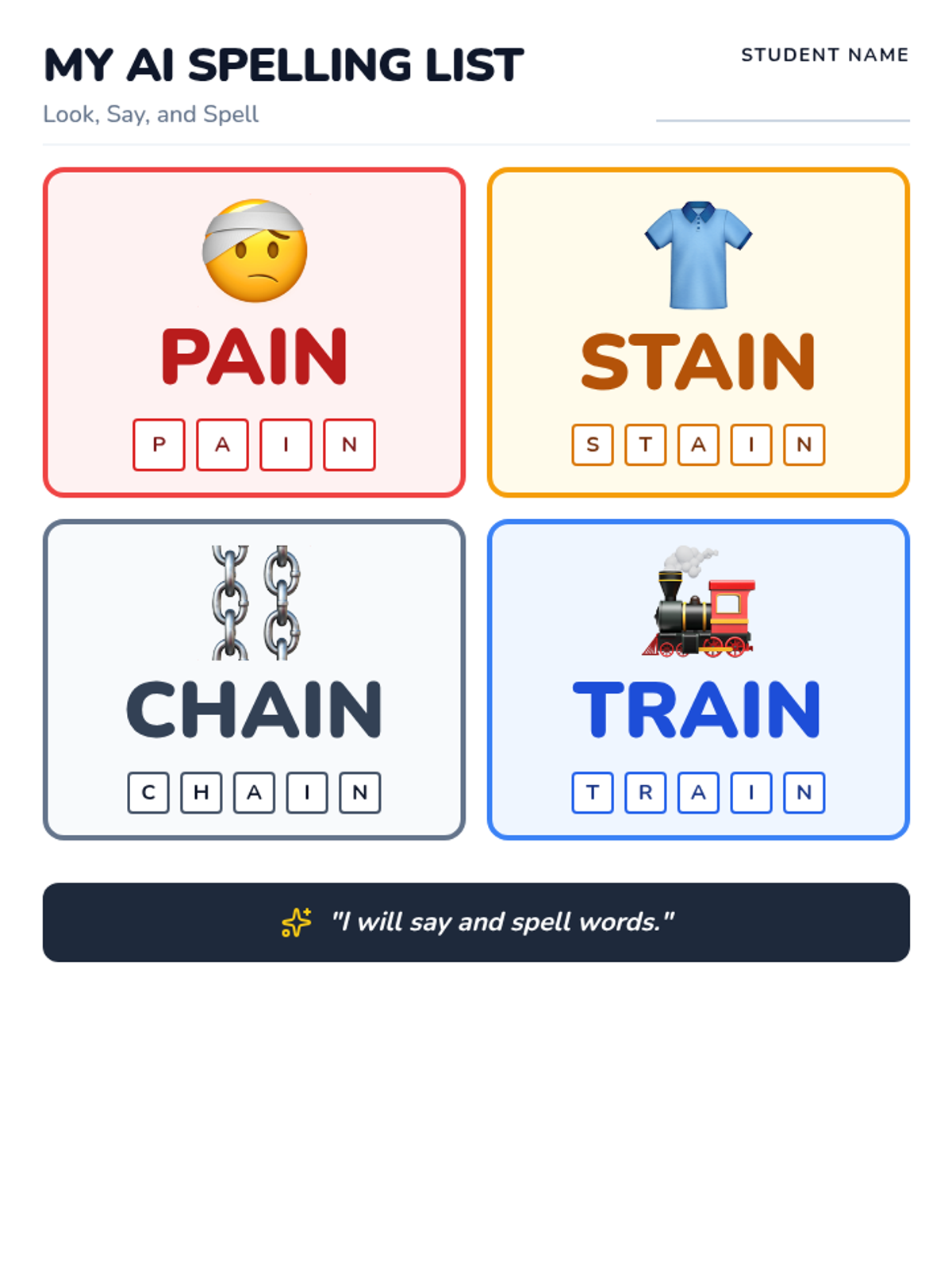
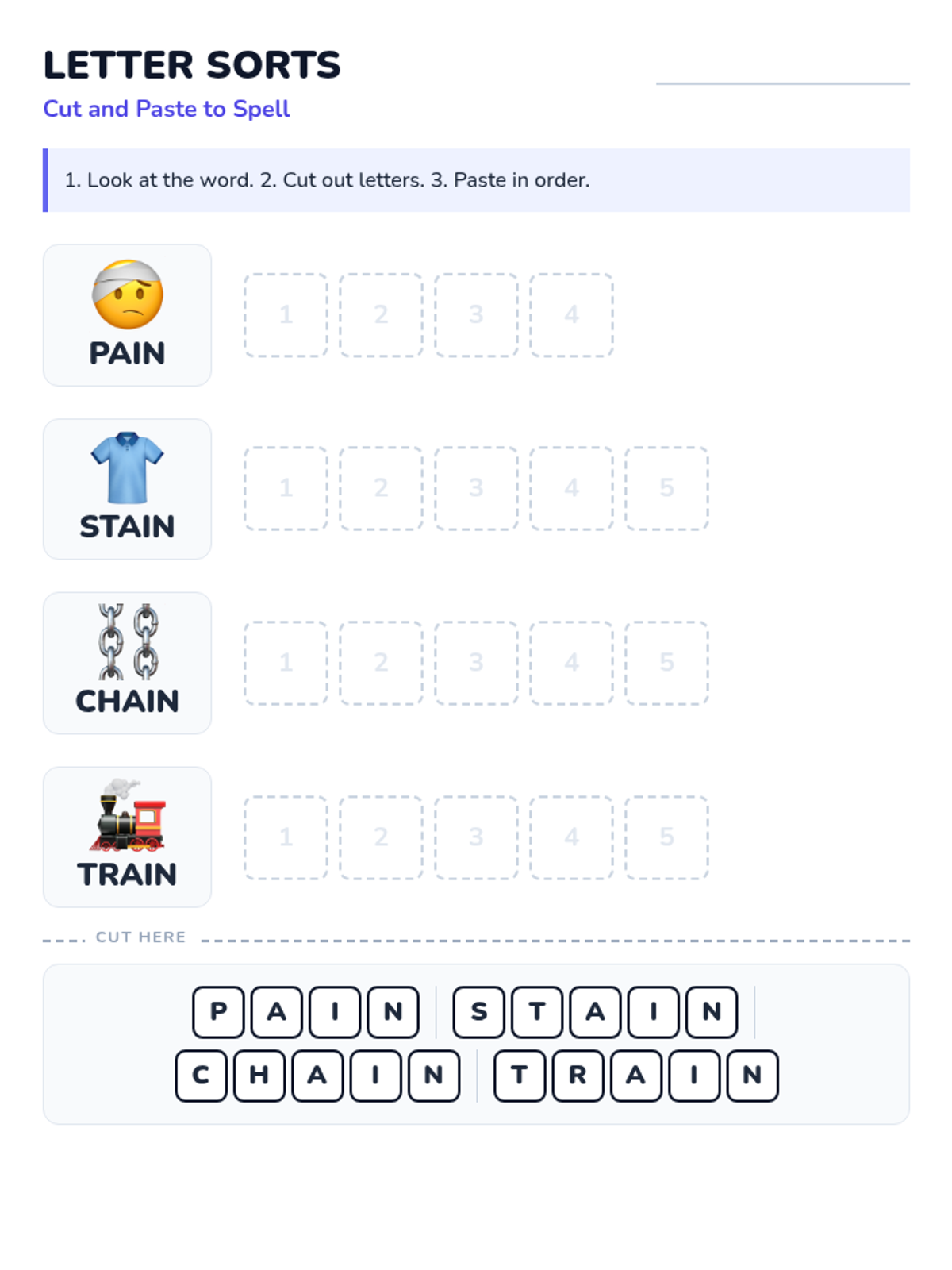
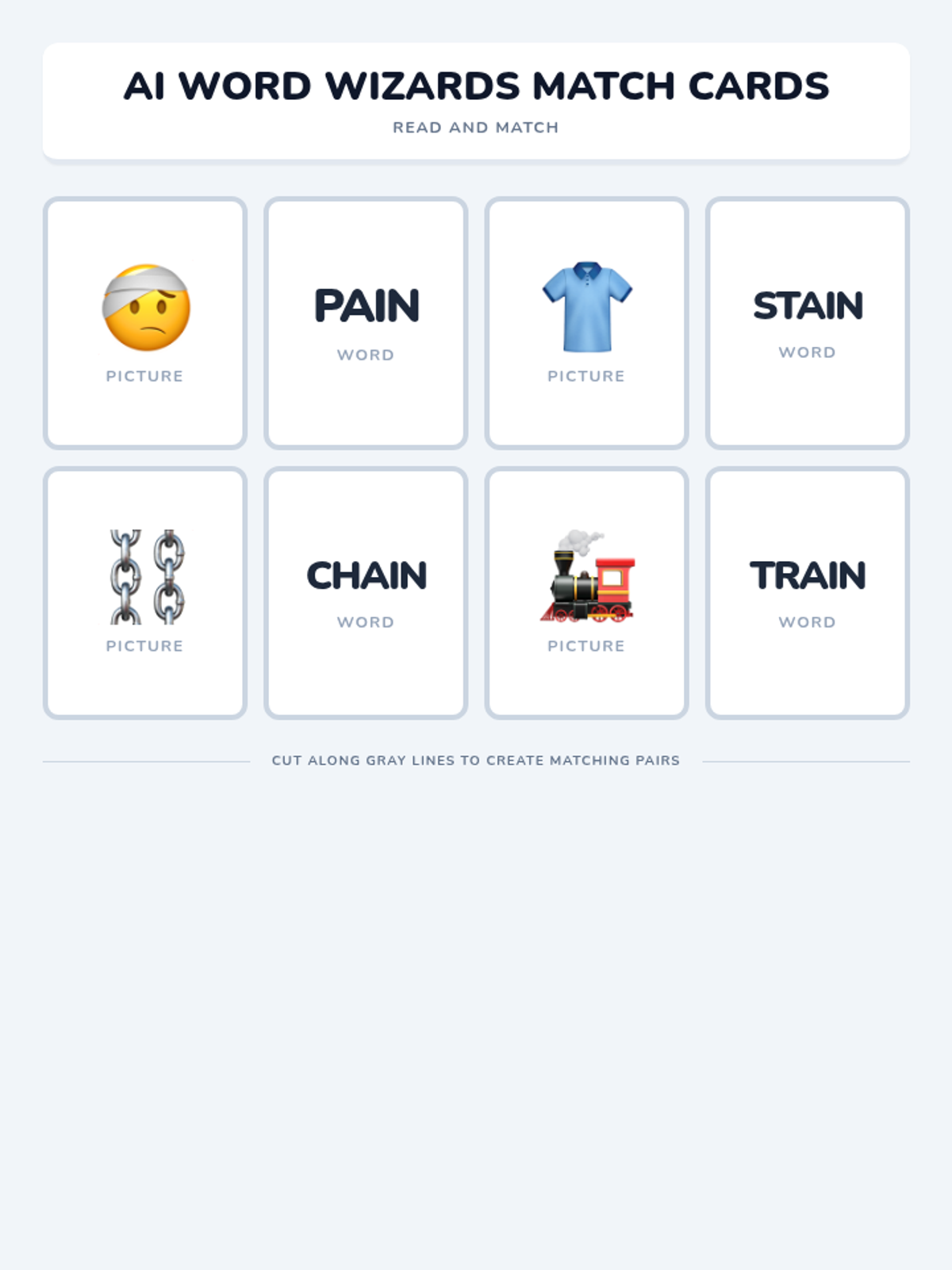
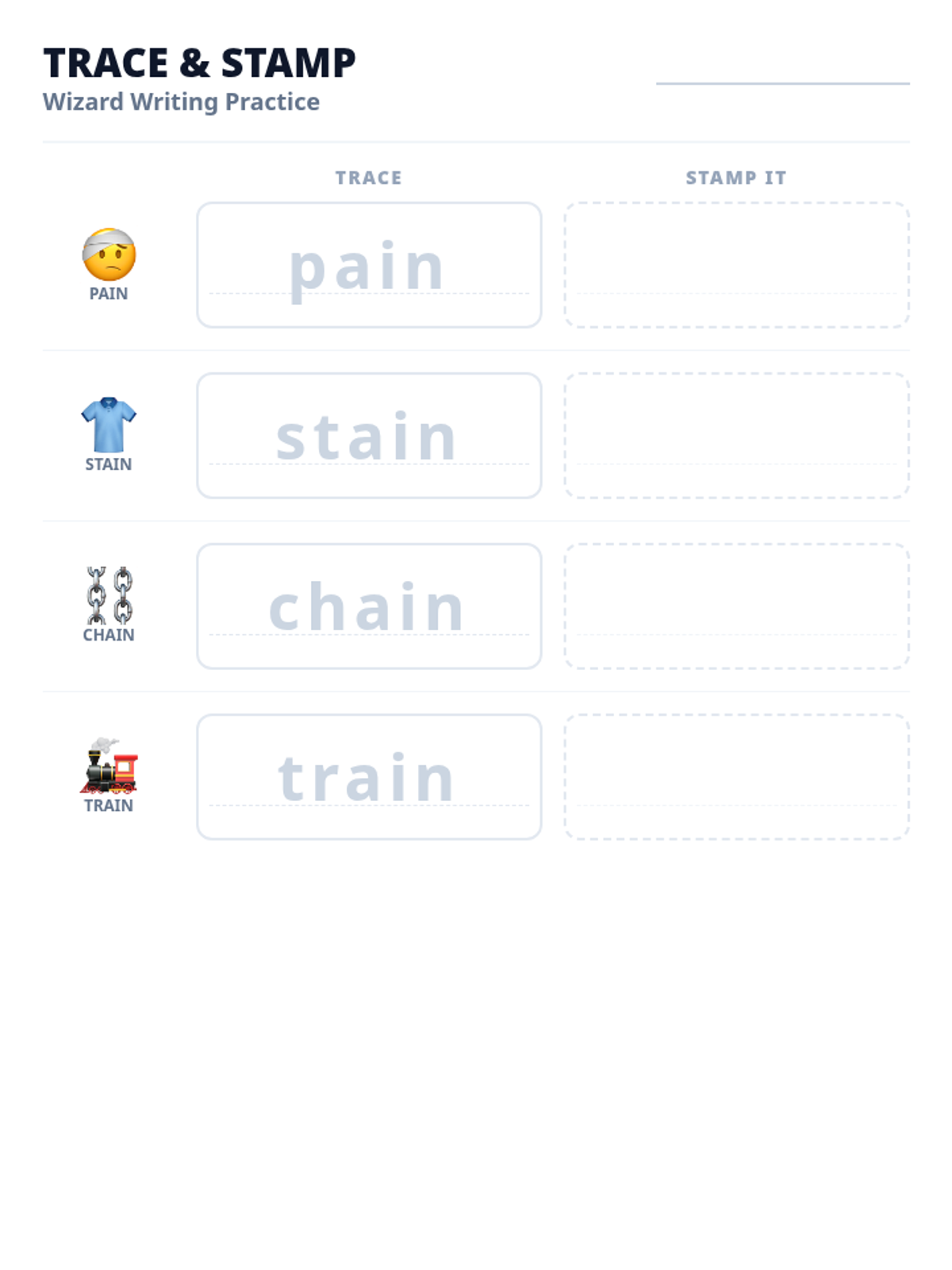
A lesson focusing on words with the 'ai' digraph: pain, stain, chain, and train. This lesson uses the Model-Practice-Review framework with strong visual cues and tactile cut-and-paste activities.
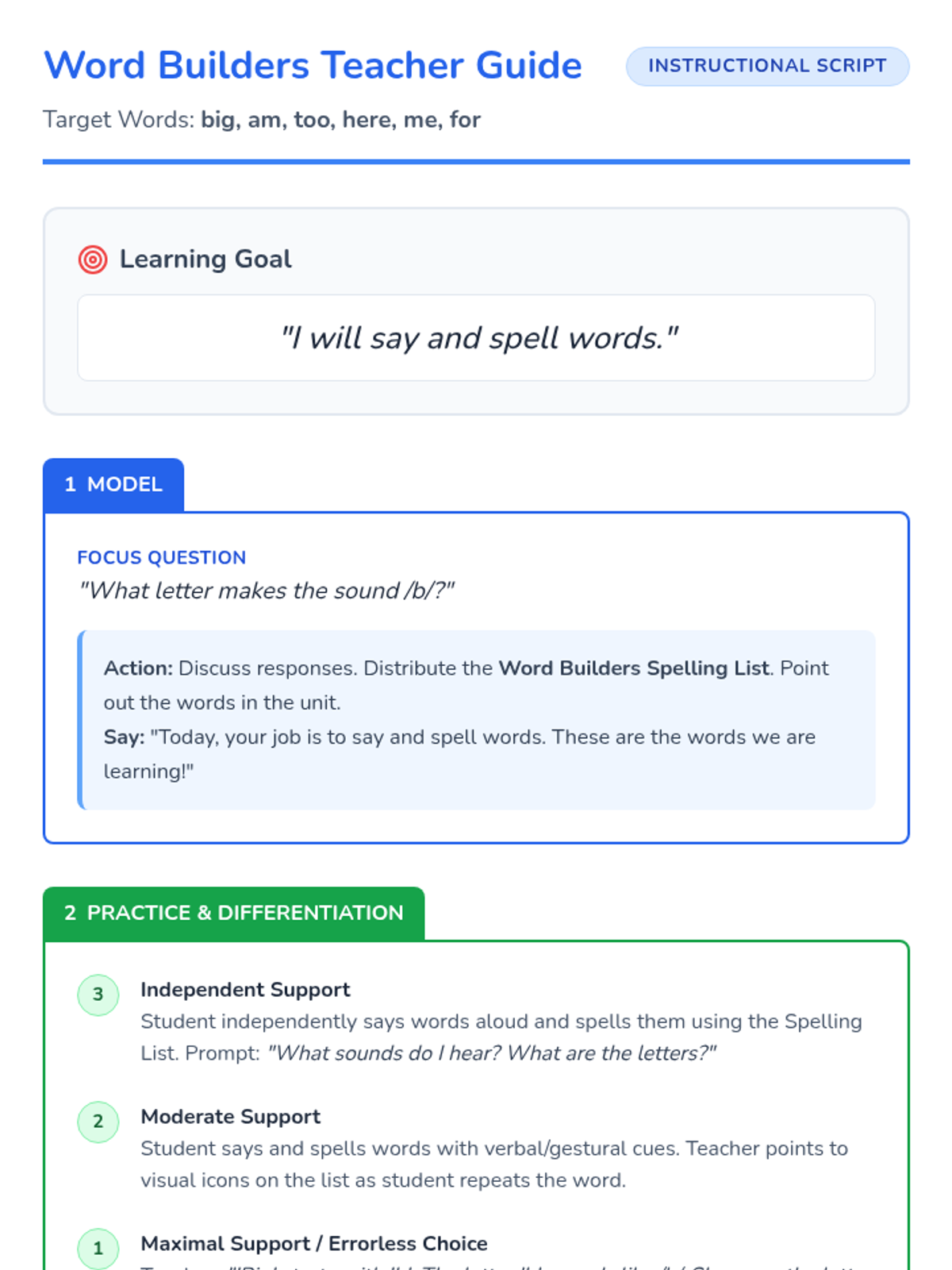
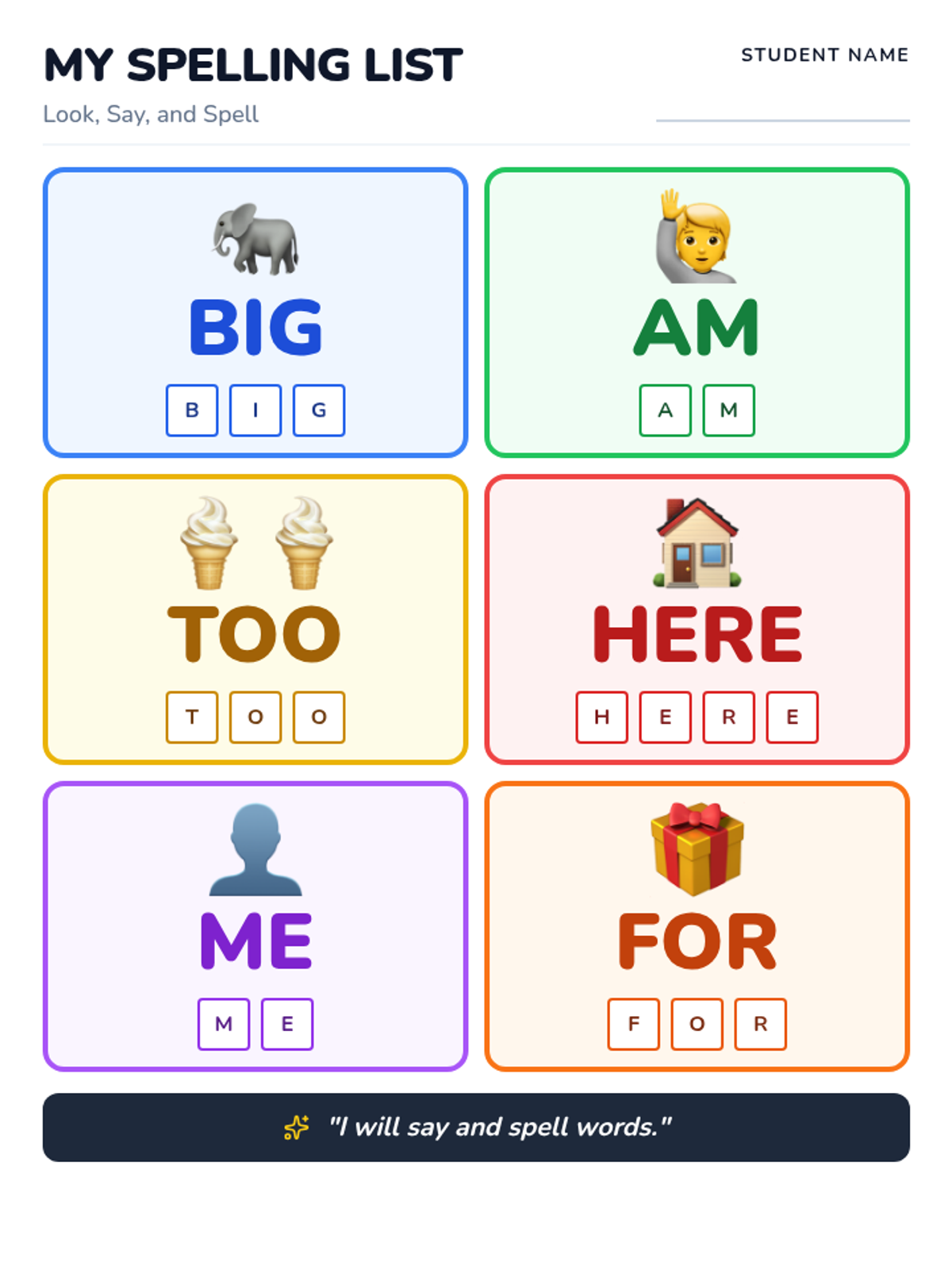
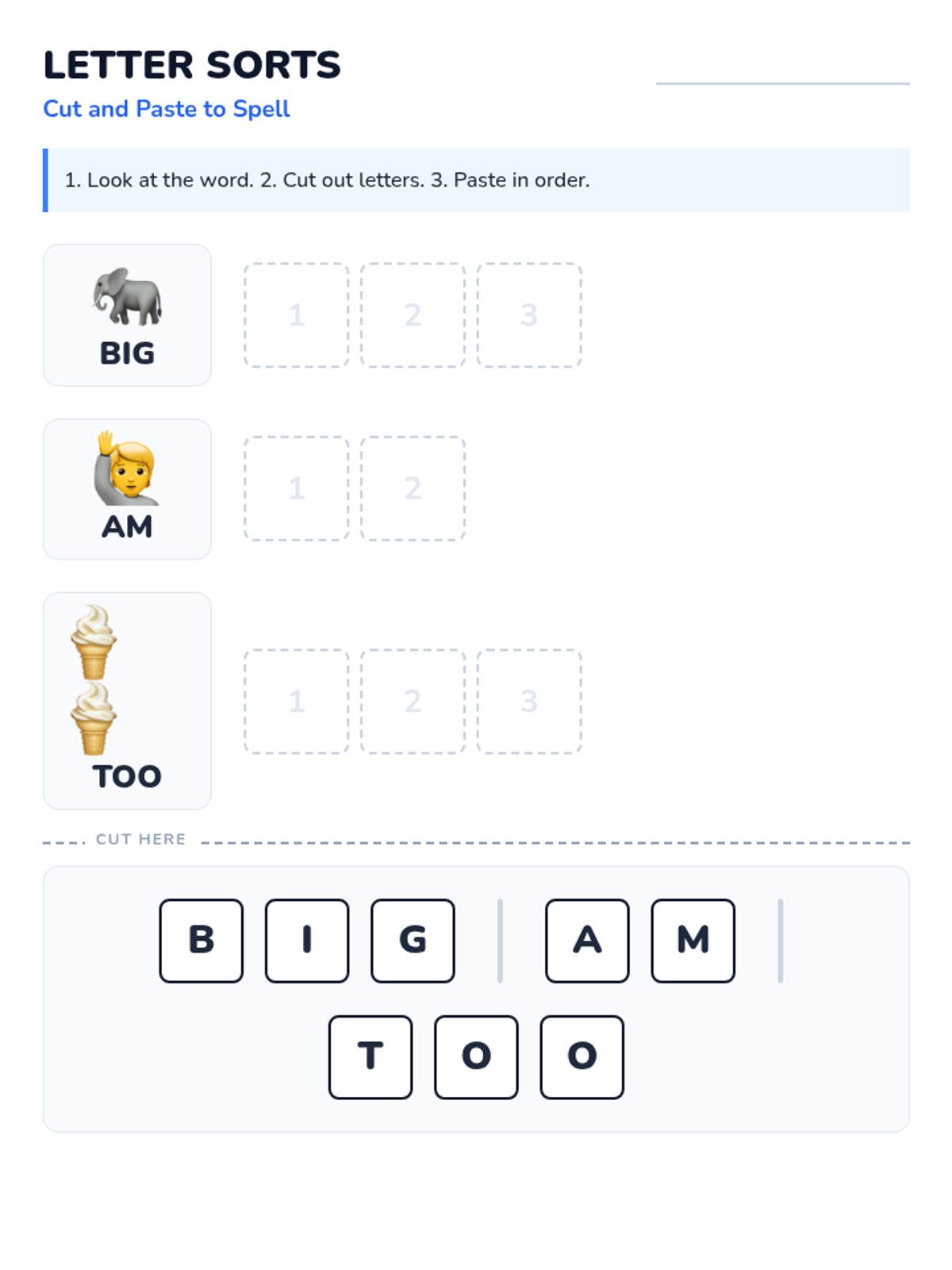
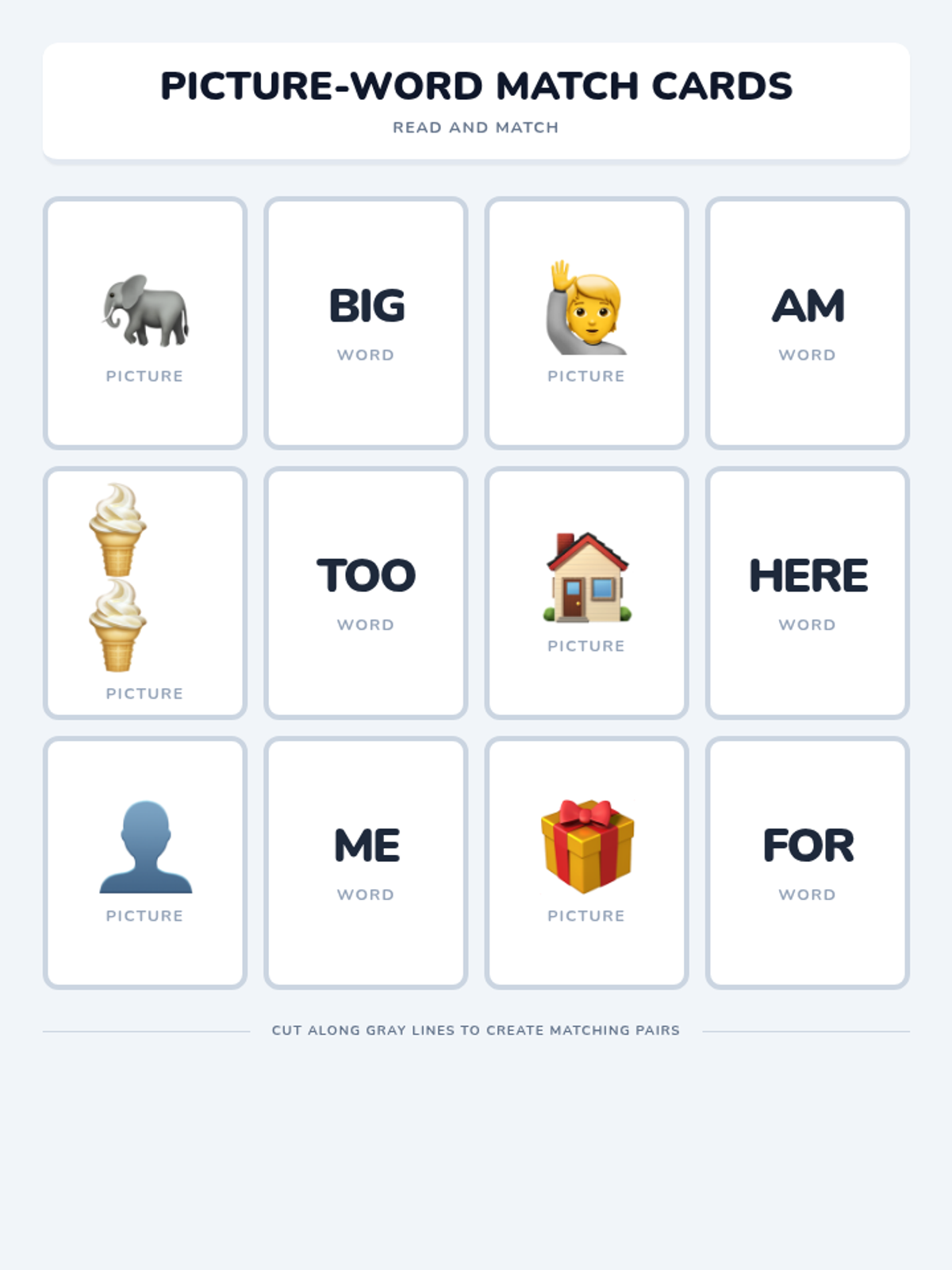
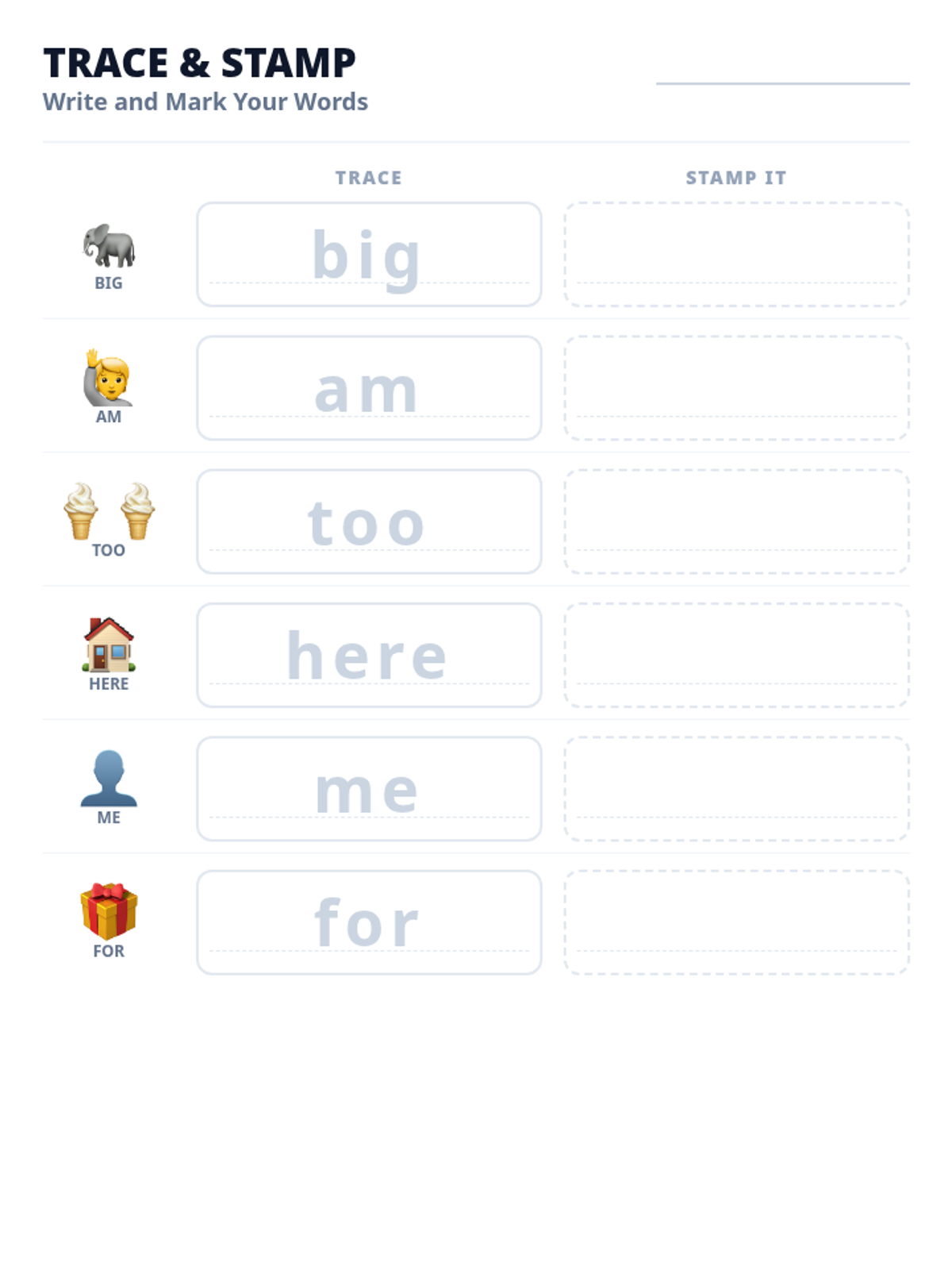
An introductory lesson focusing on building word recognition and spelling skills through letter sorting, matching, and tracing activities. This lesson provides differentiated support for learners with minimal language skills.
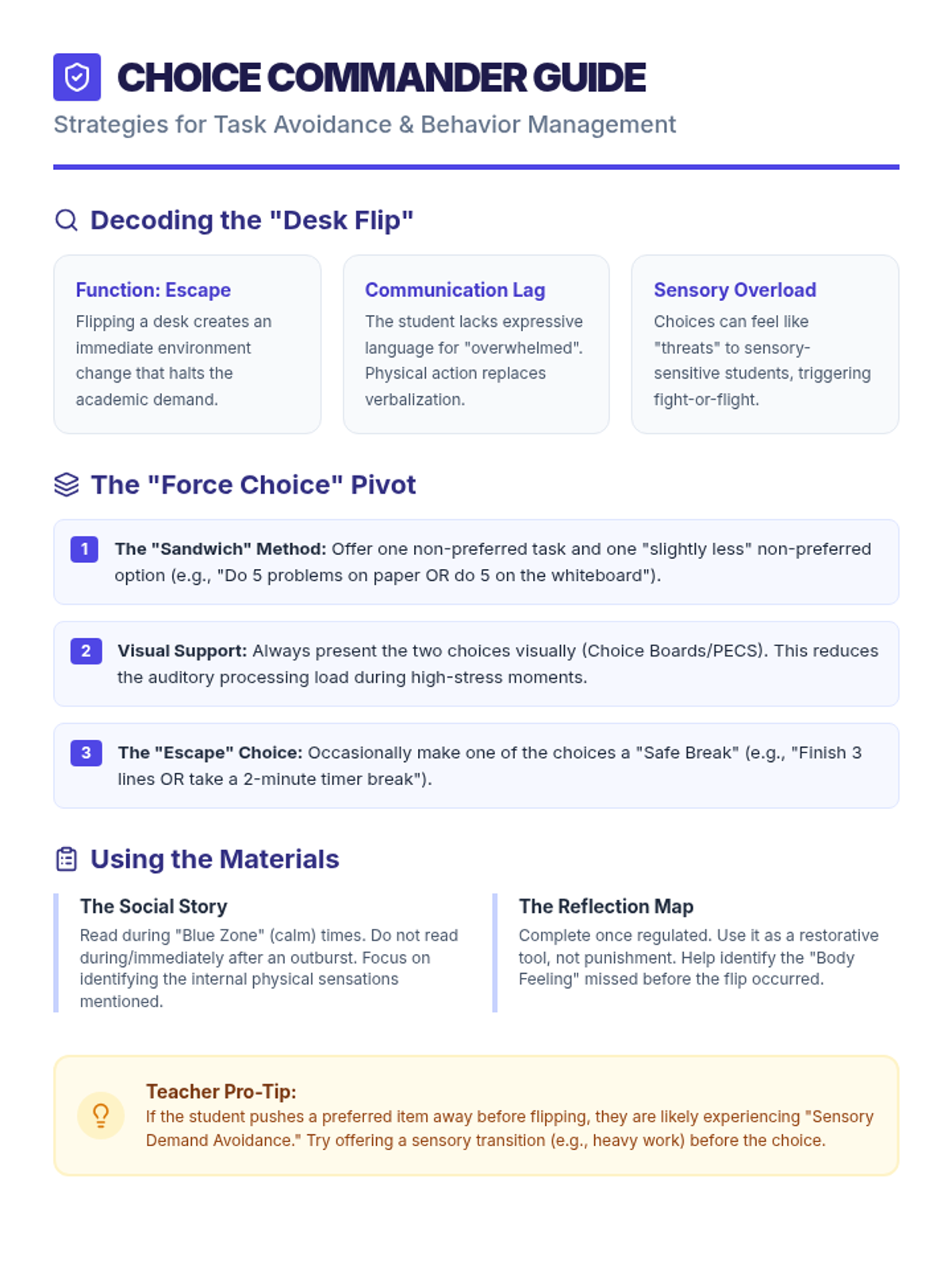
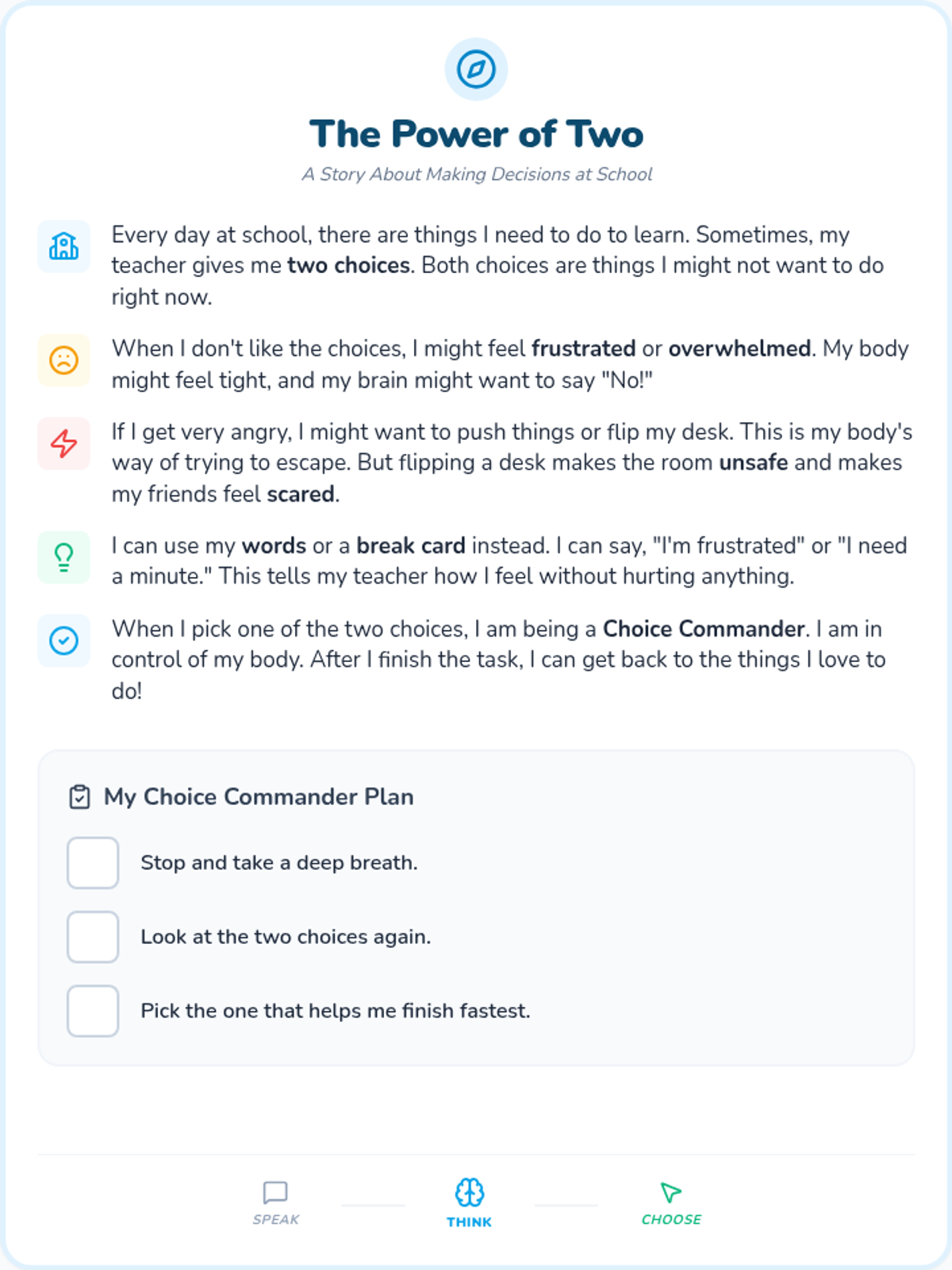
A lesson focused on helping students manage frustration when presented with non-preferred choices, providing a social story for perspective-taking and a reflection tool for post-meltdown processing.
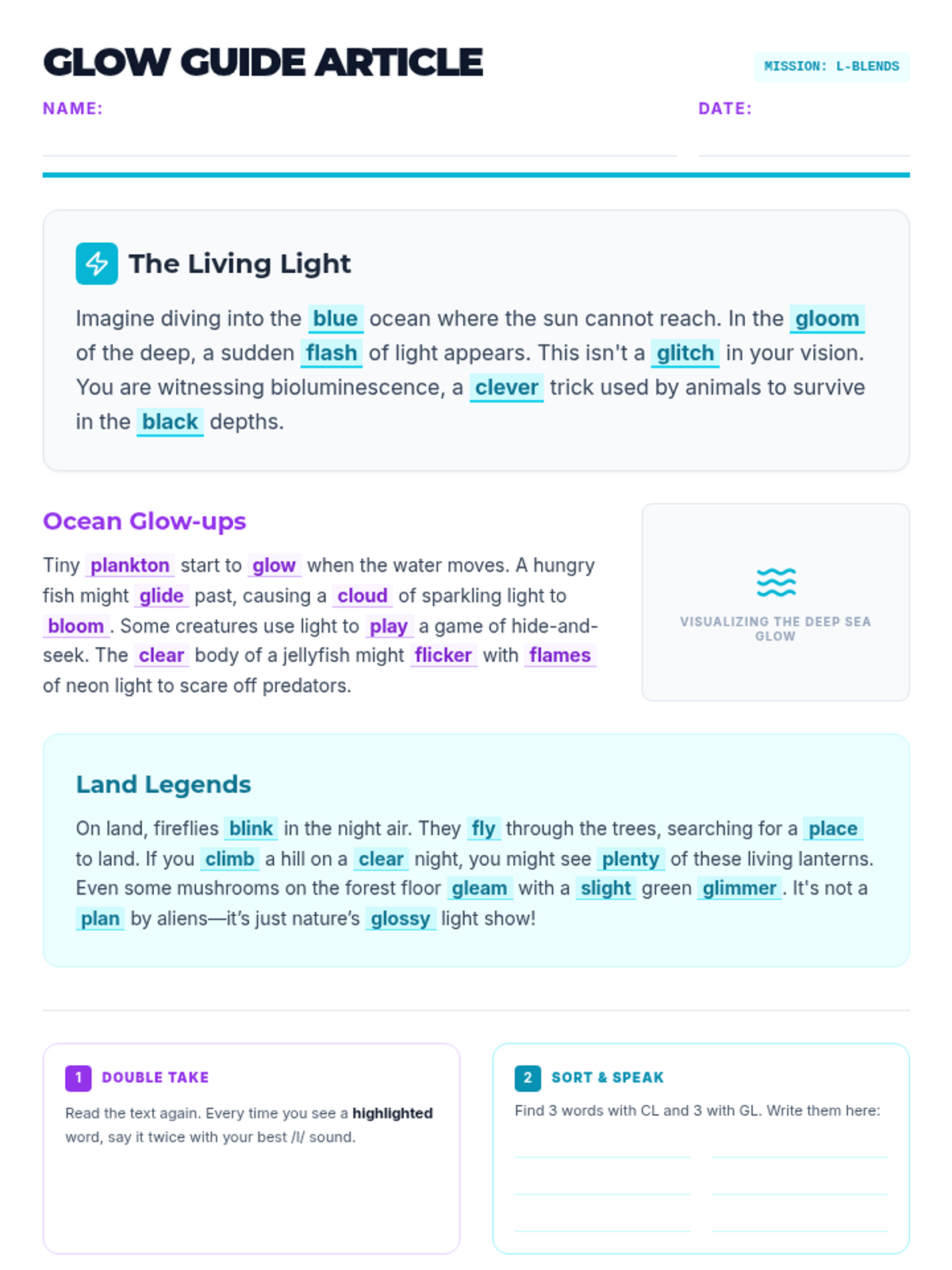
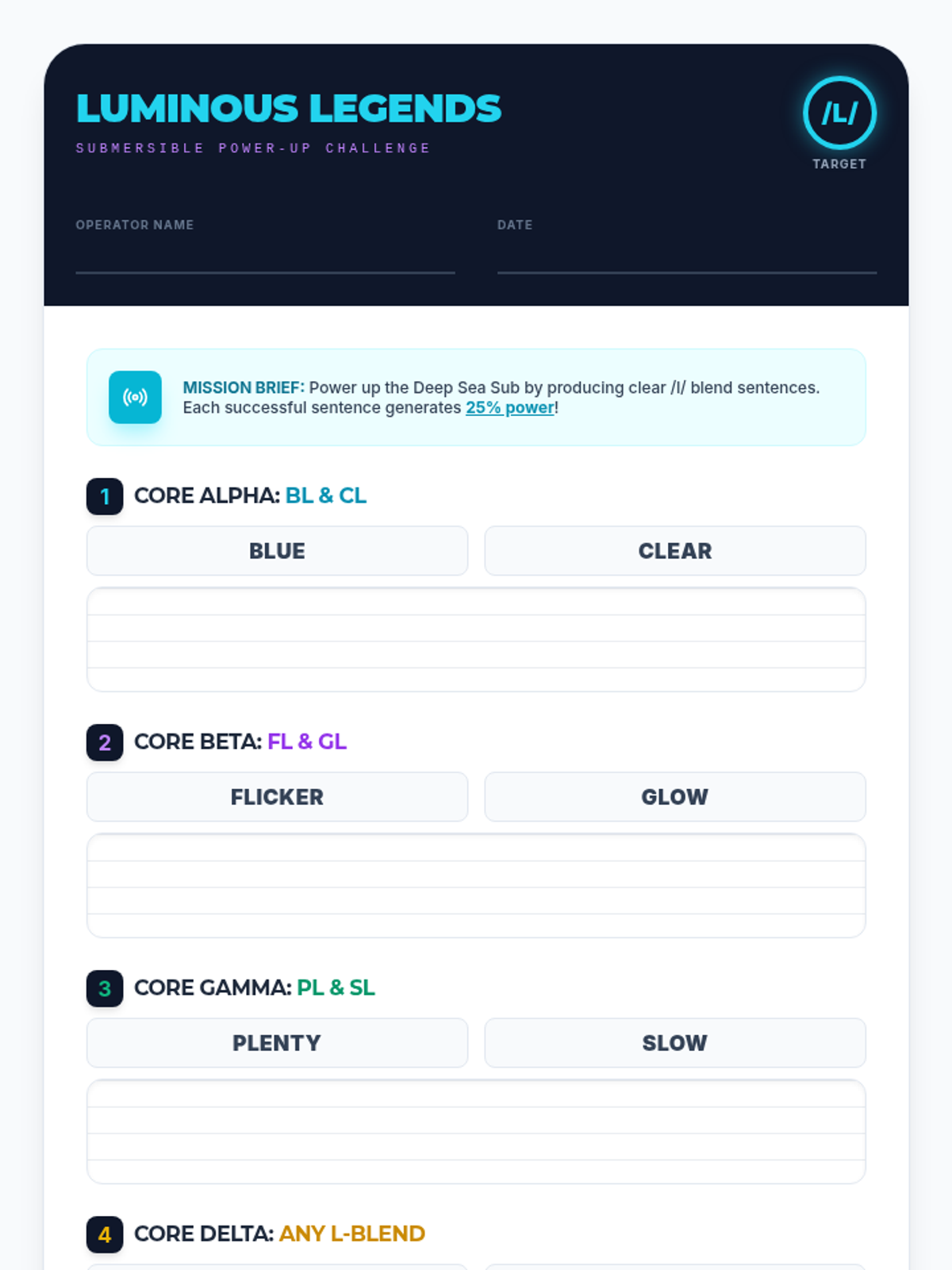
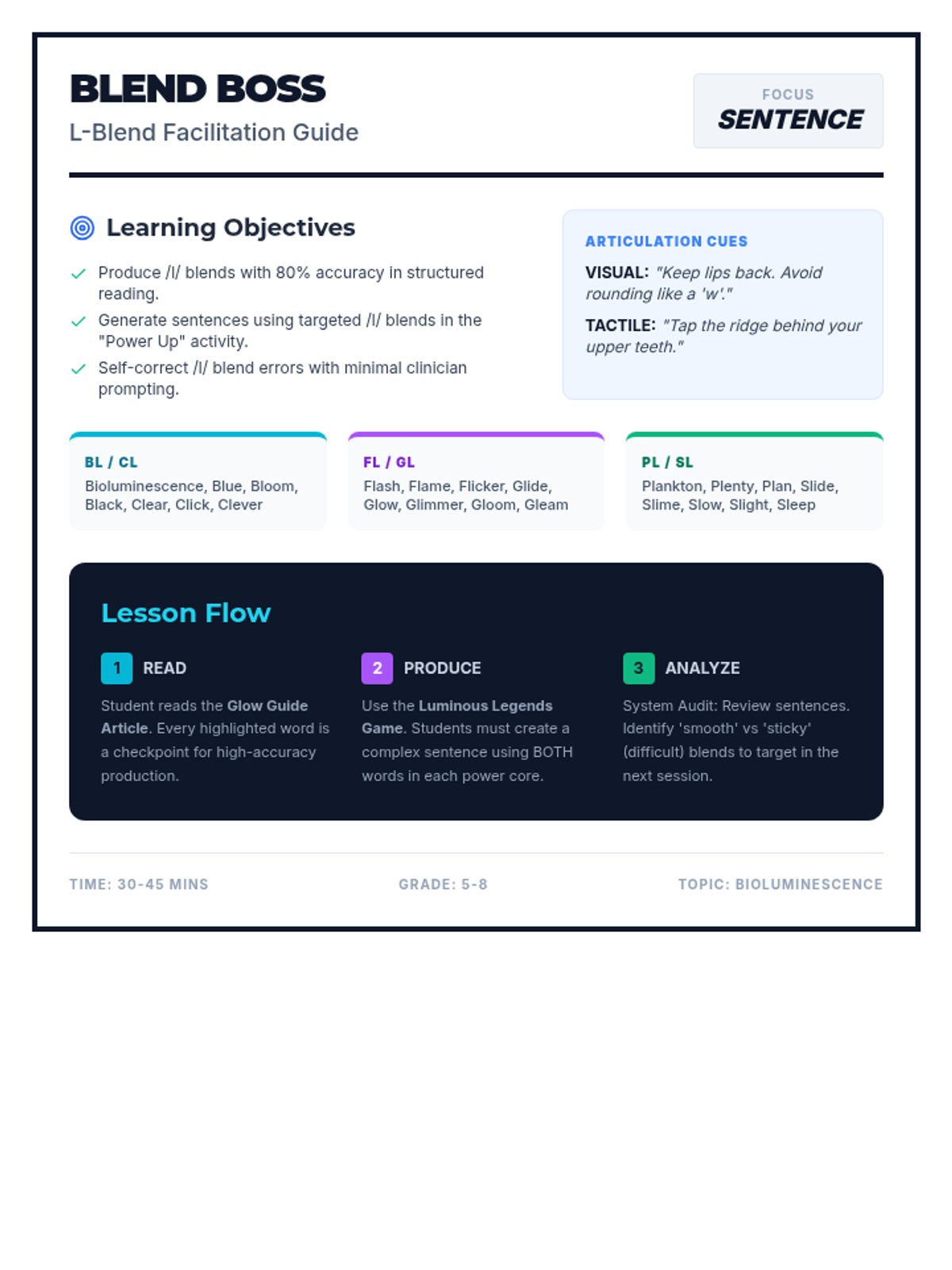
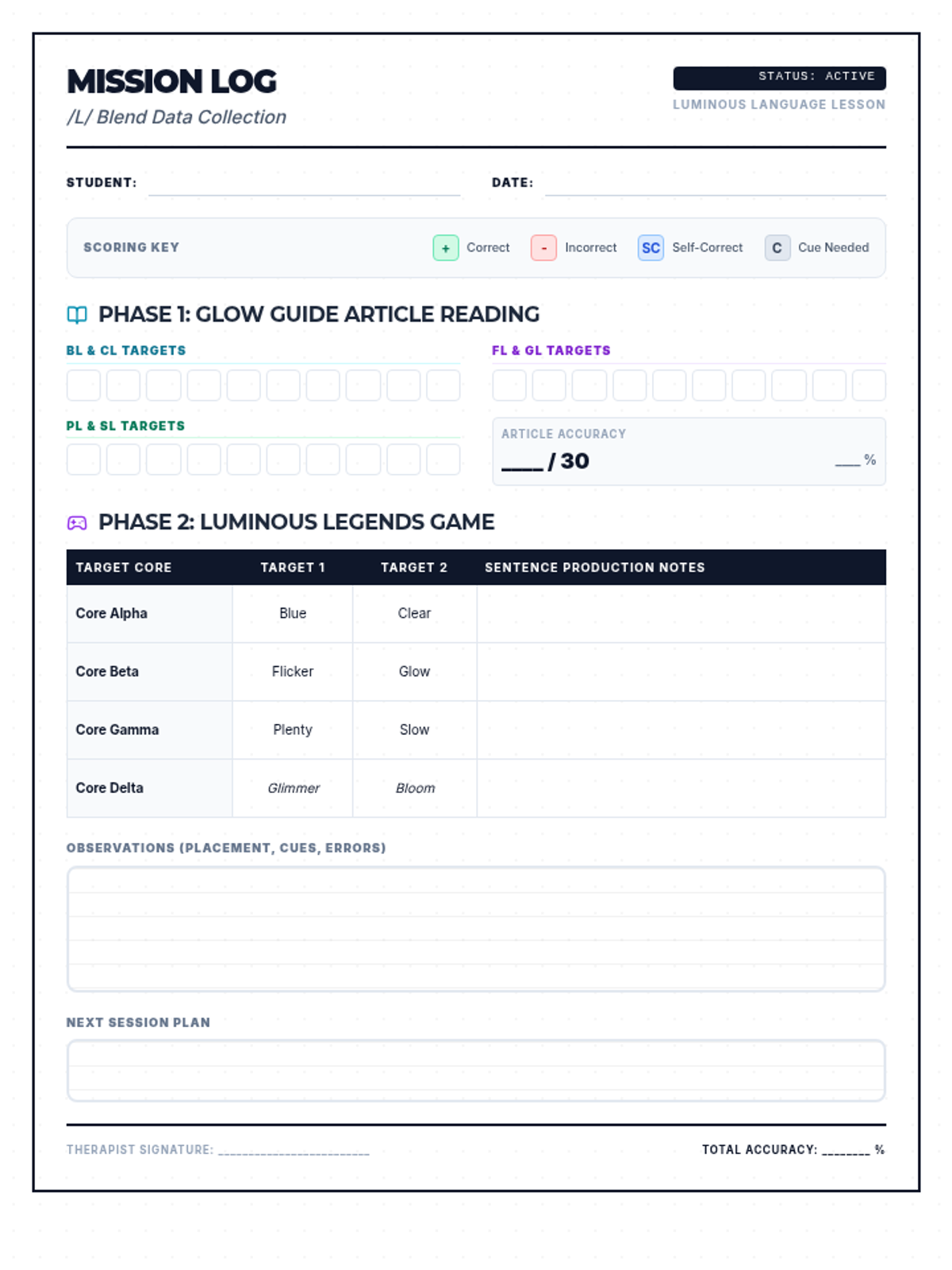
A speech therapy lesson focused on mastering /l/ blends through an engaging exploration of bioluminescence and high-interest challenges.
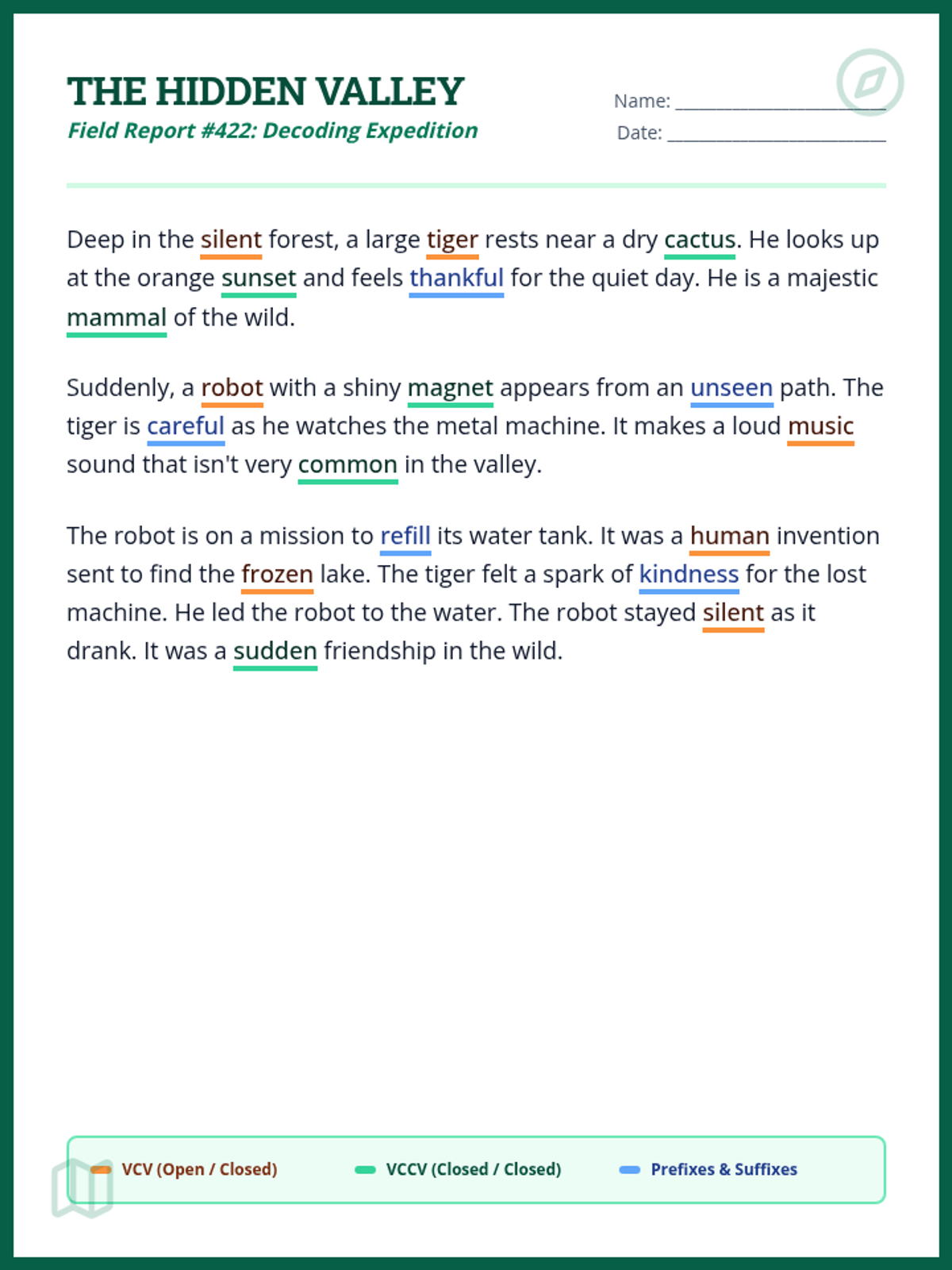
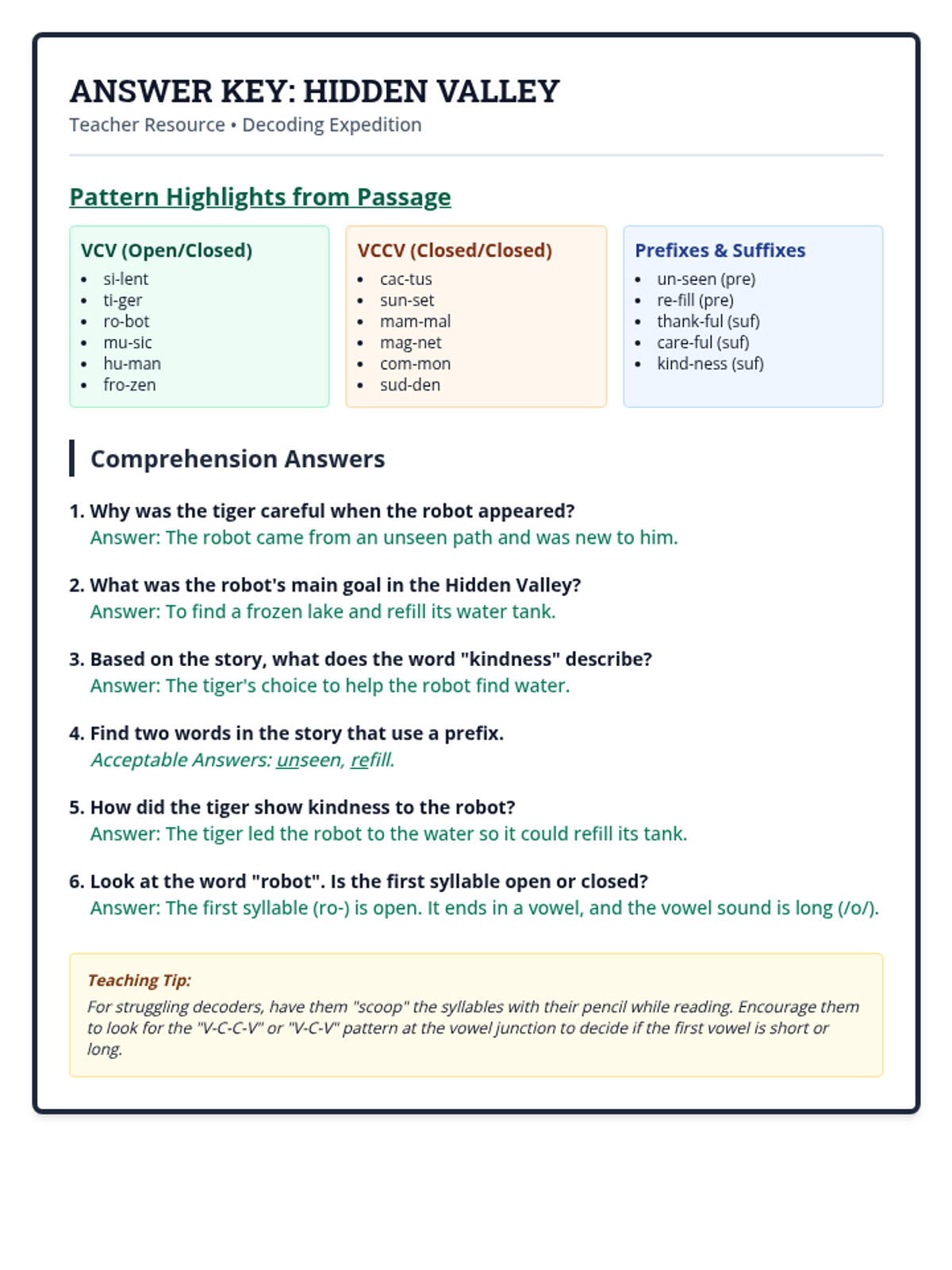
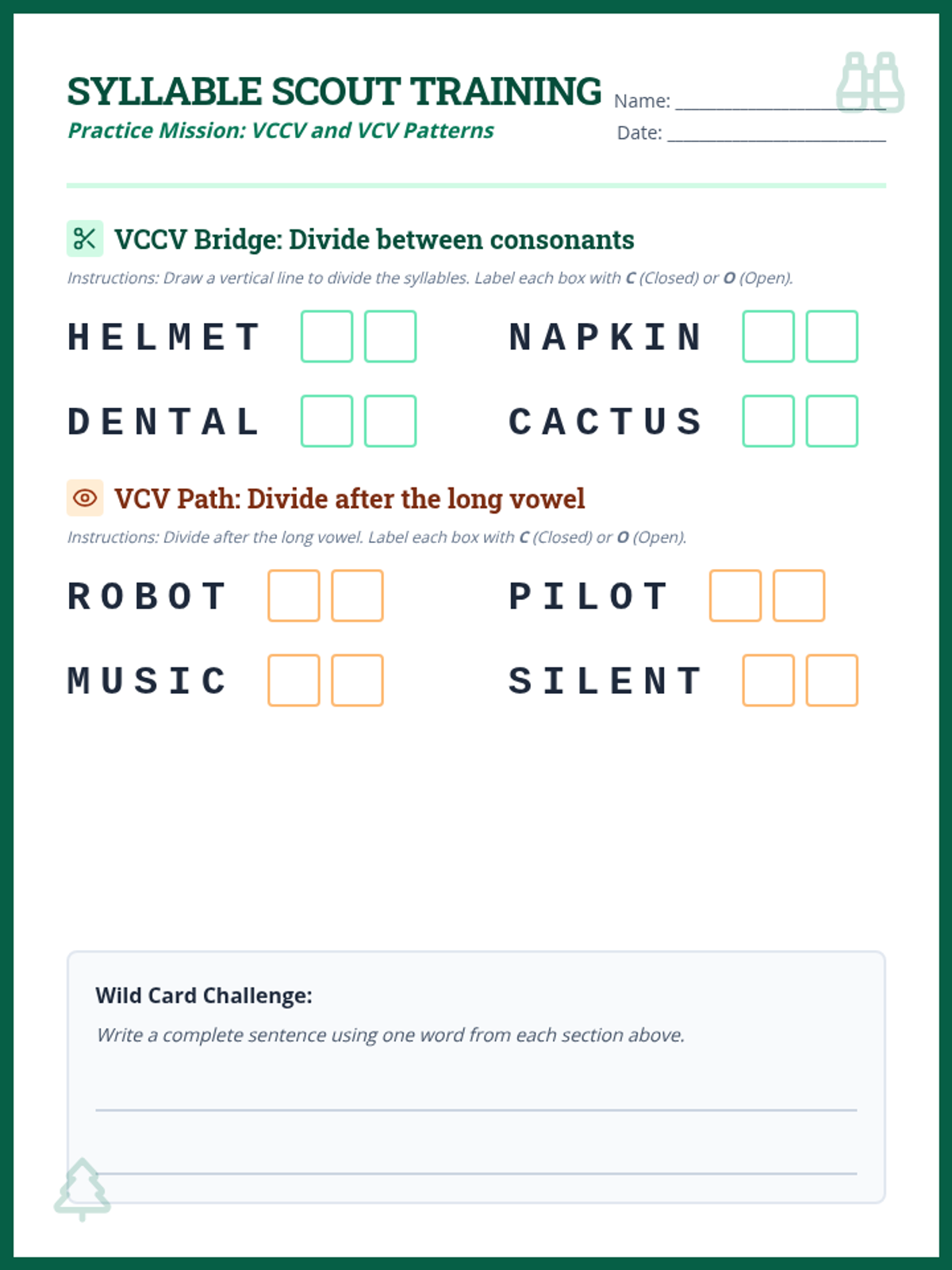
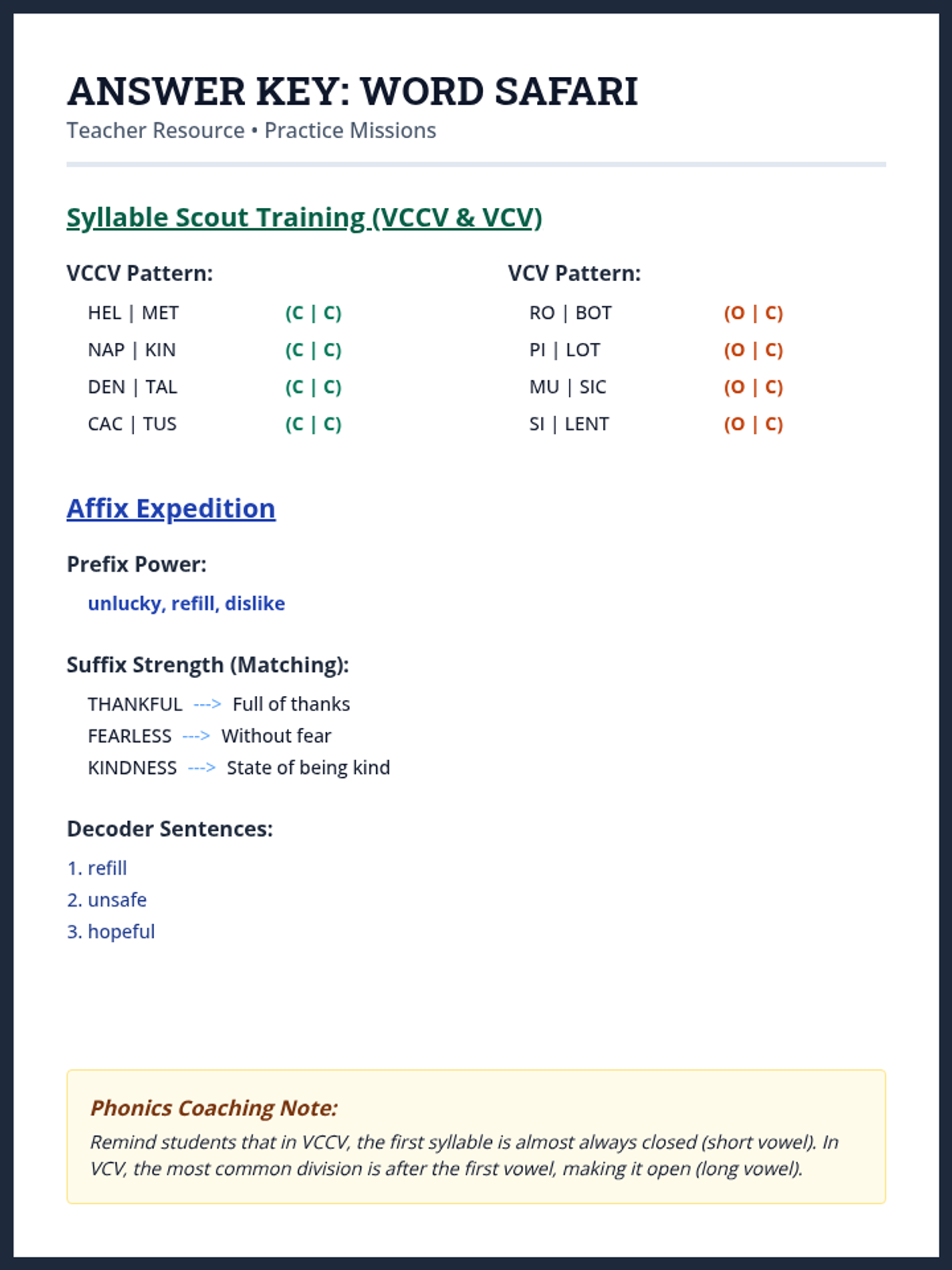
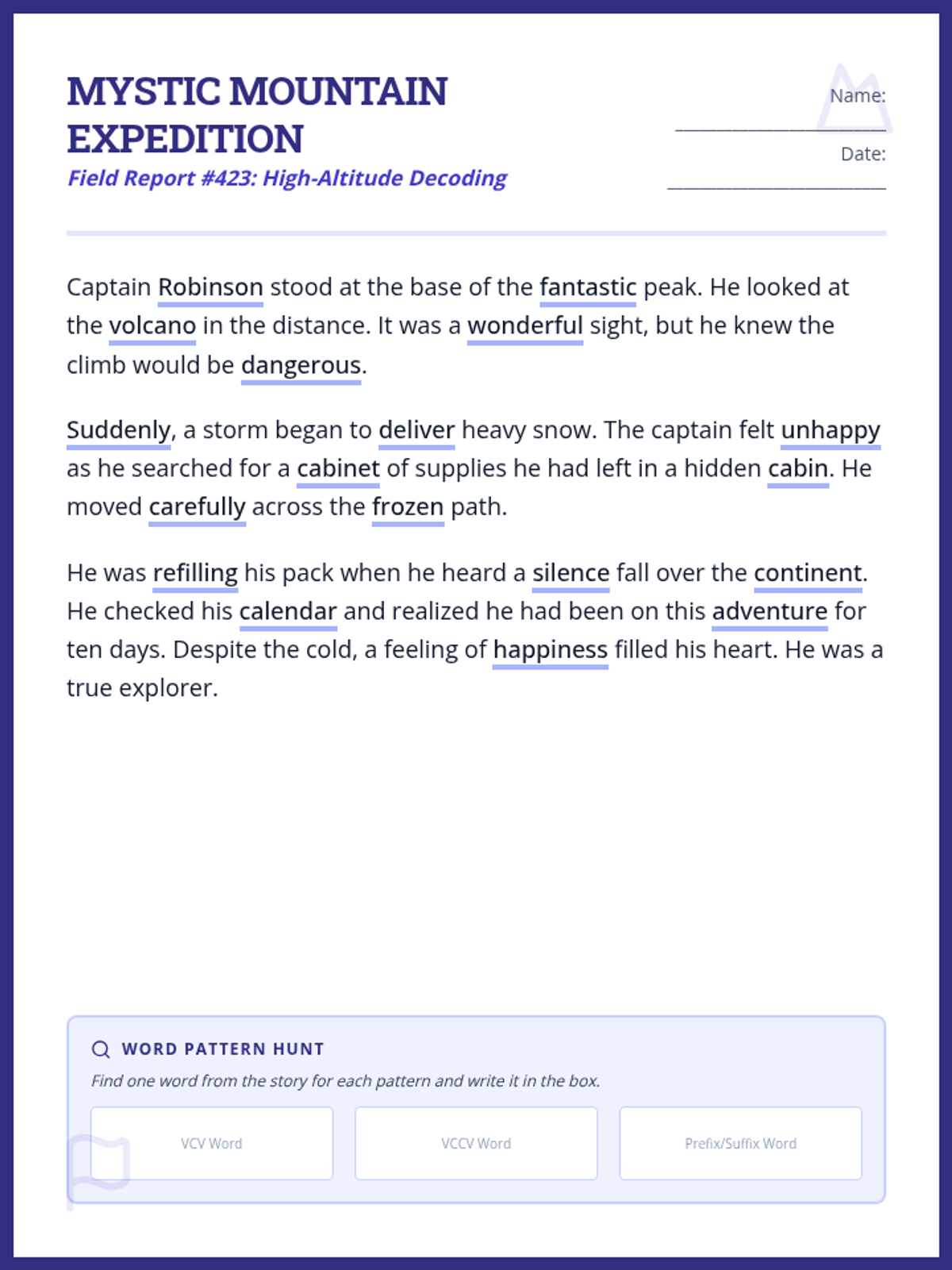
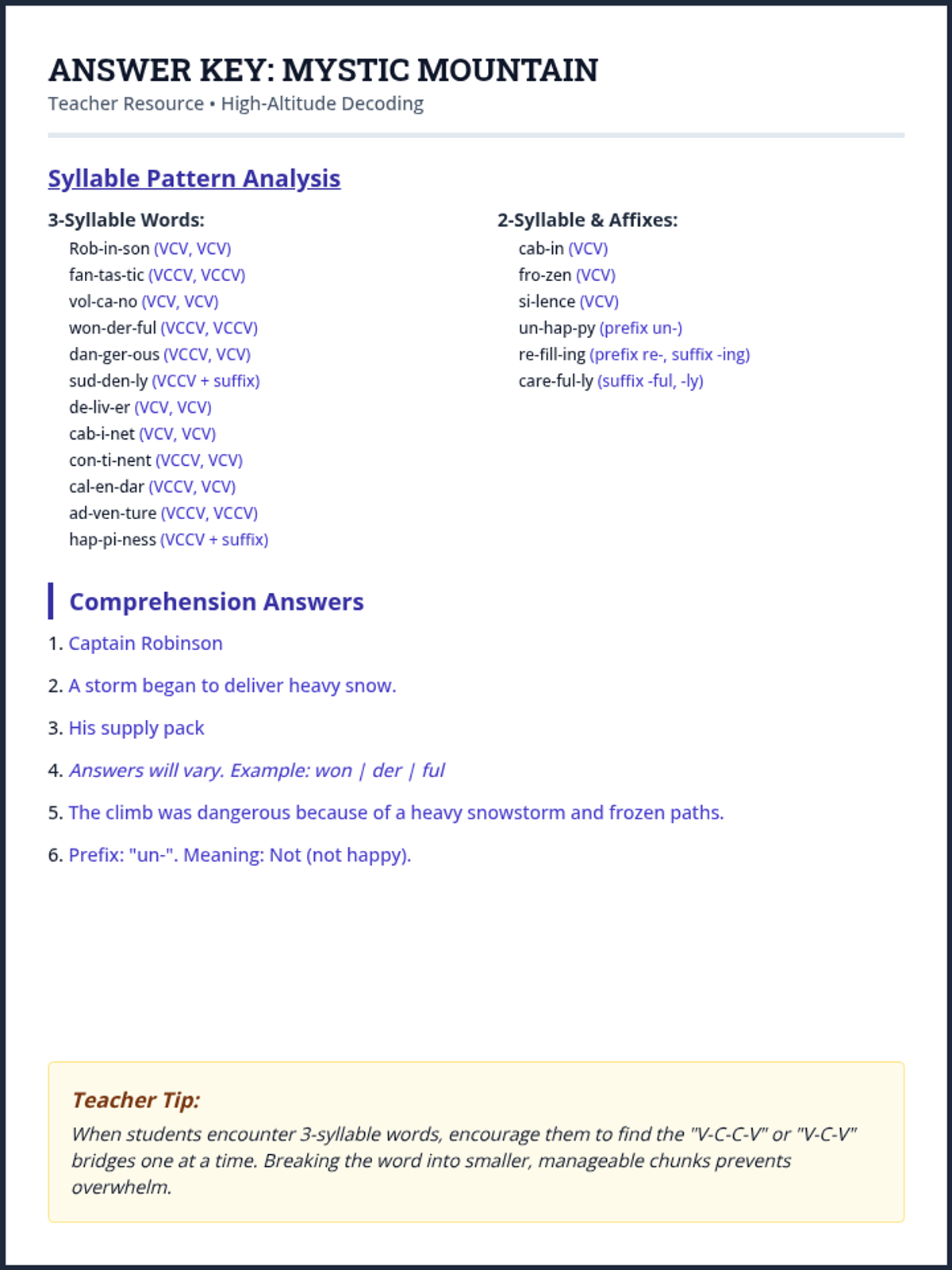
A lesson focused on decoding VCCV and VCV syllable patterns, along with common prefixes and suffixes, through an engaging reading passage and comprehension check.
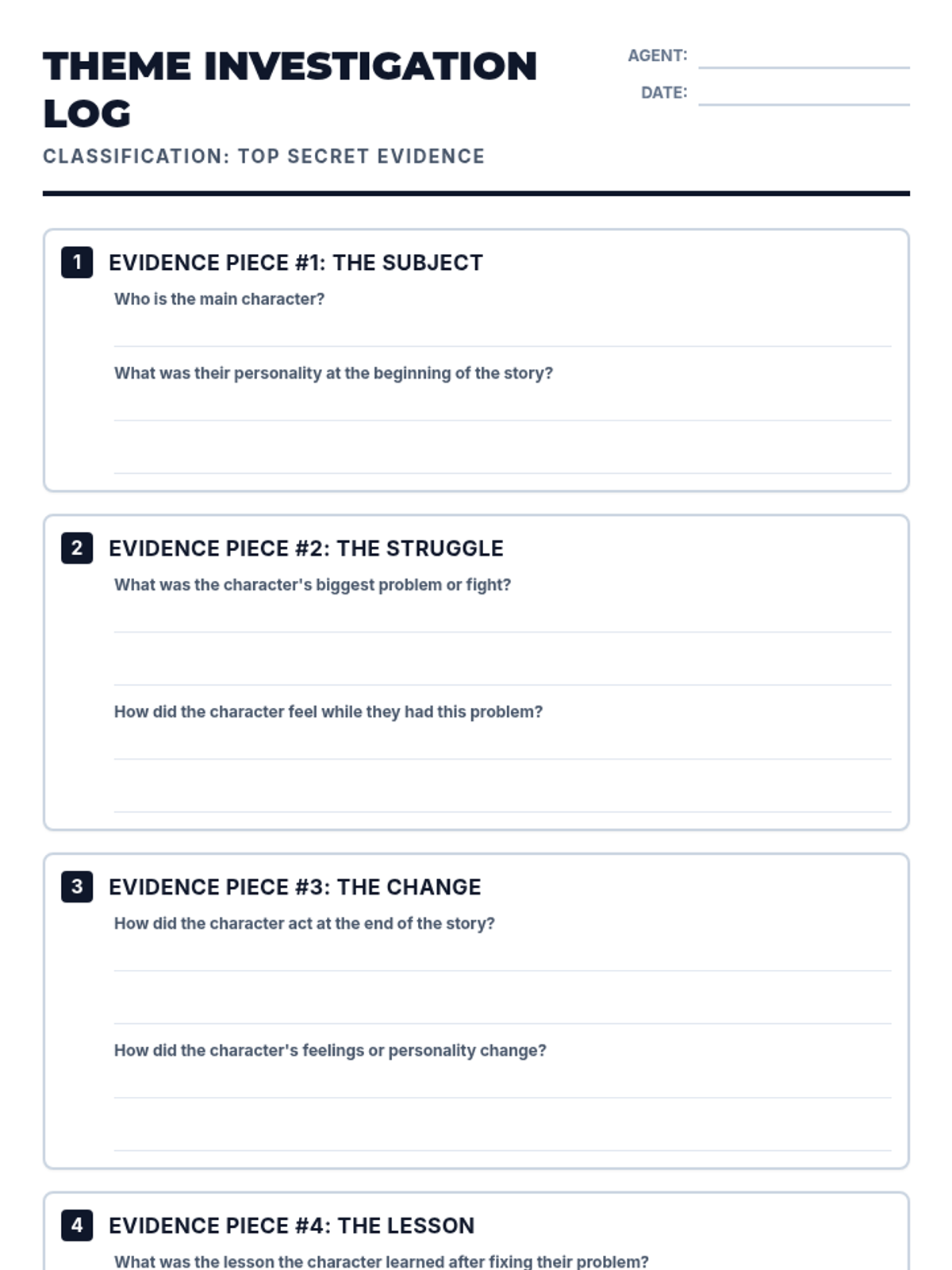
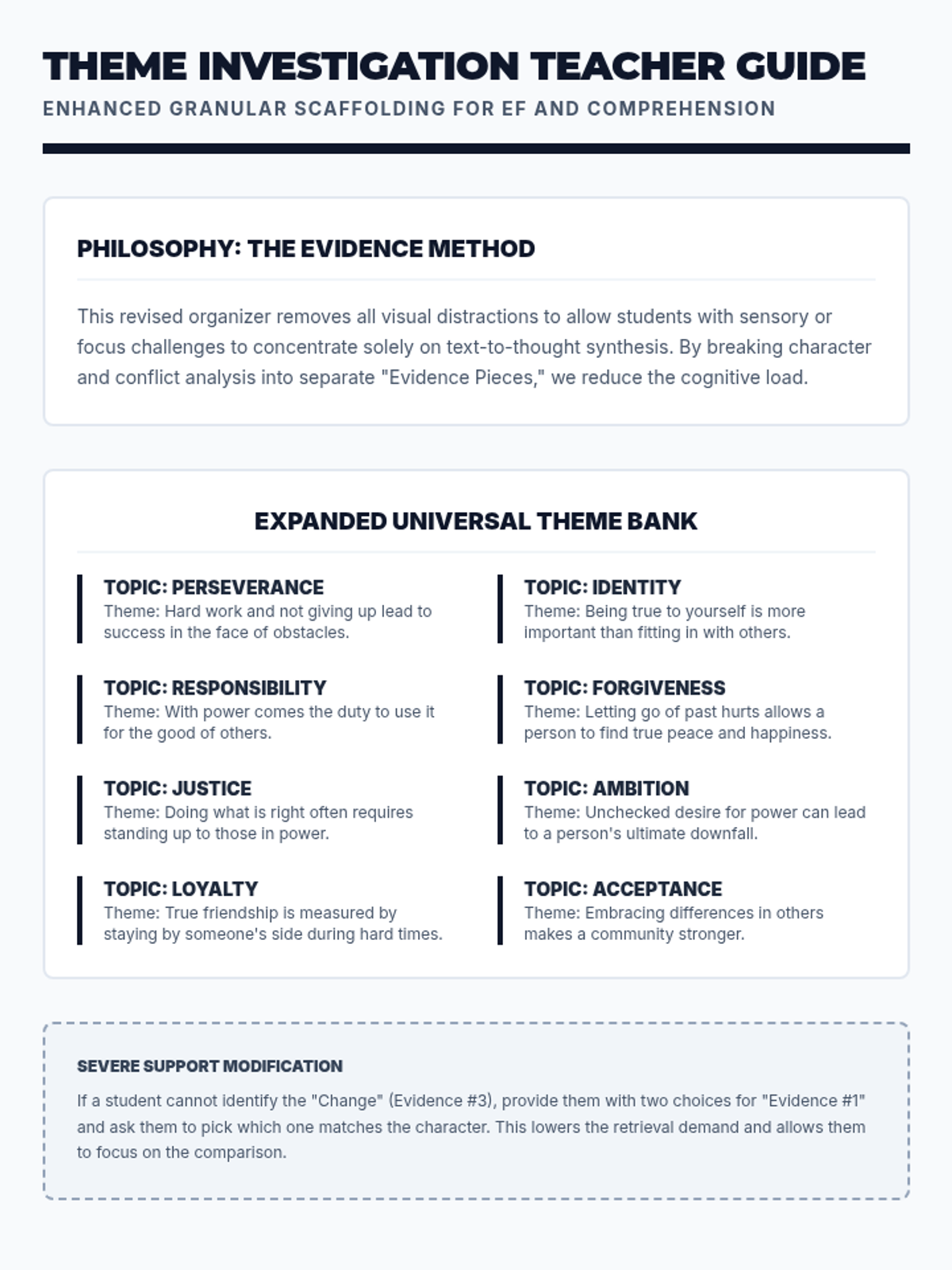
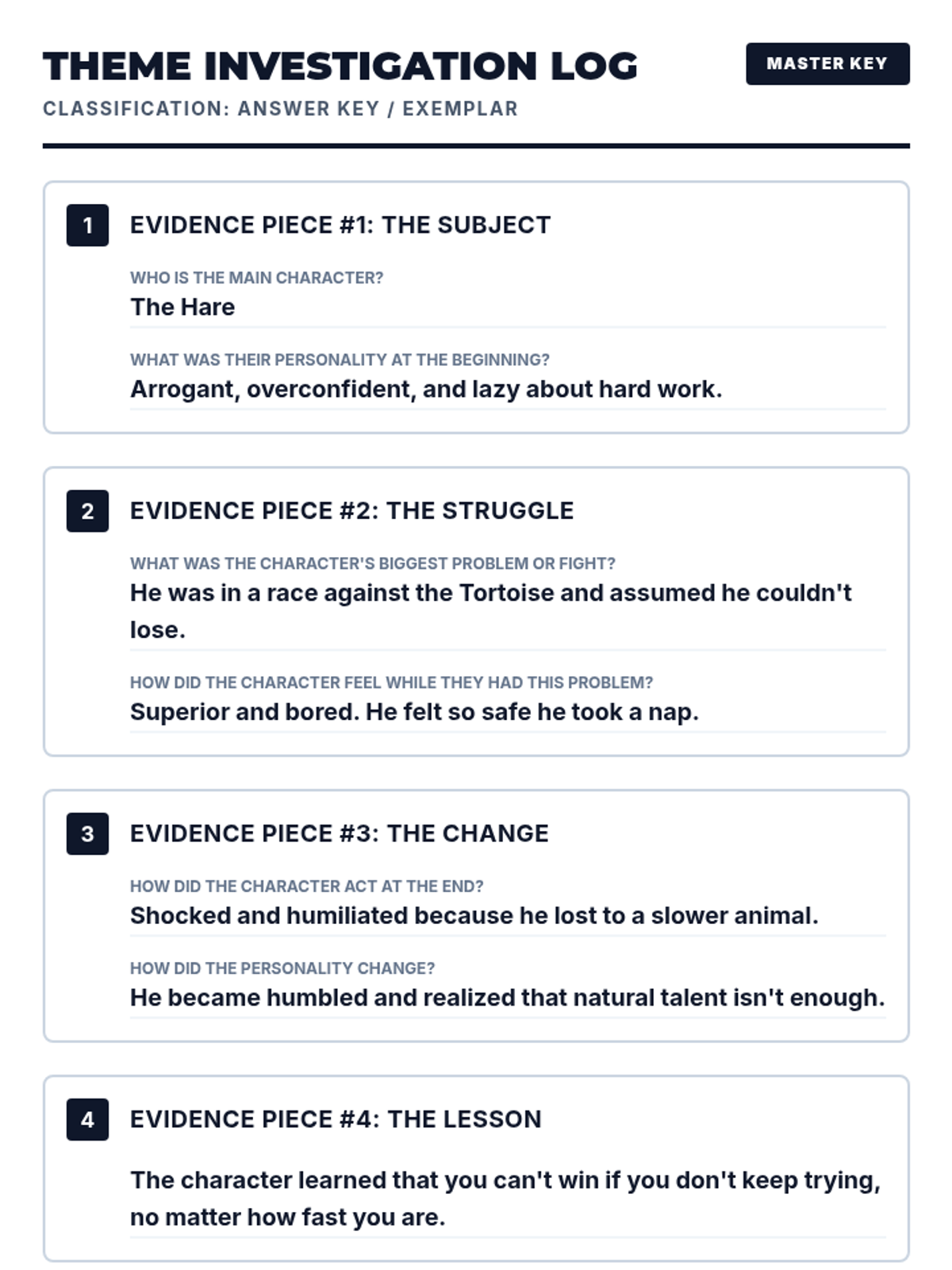
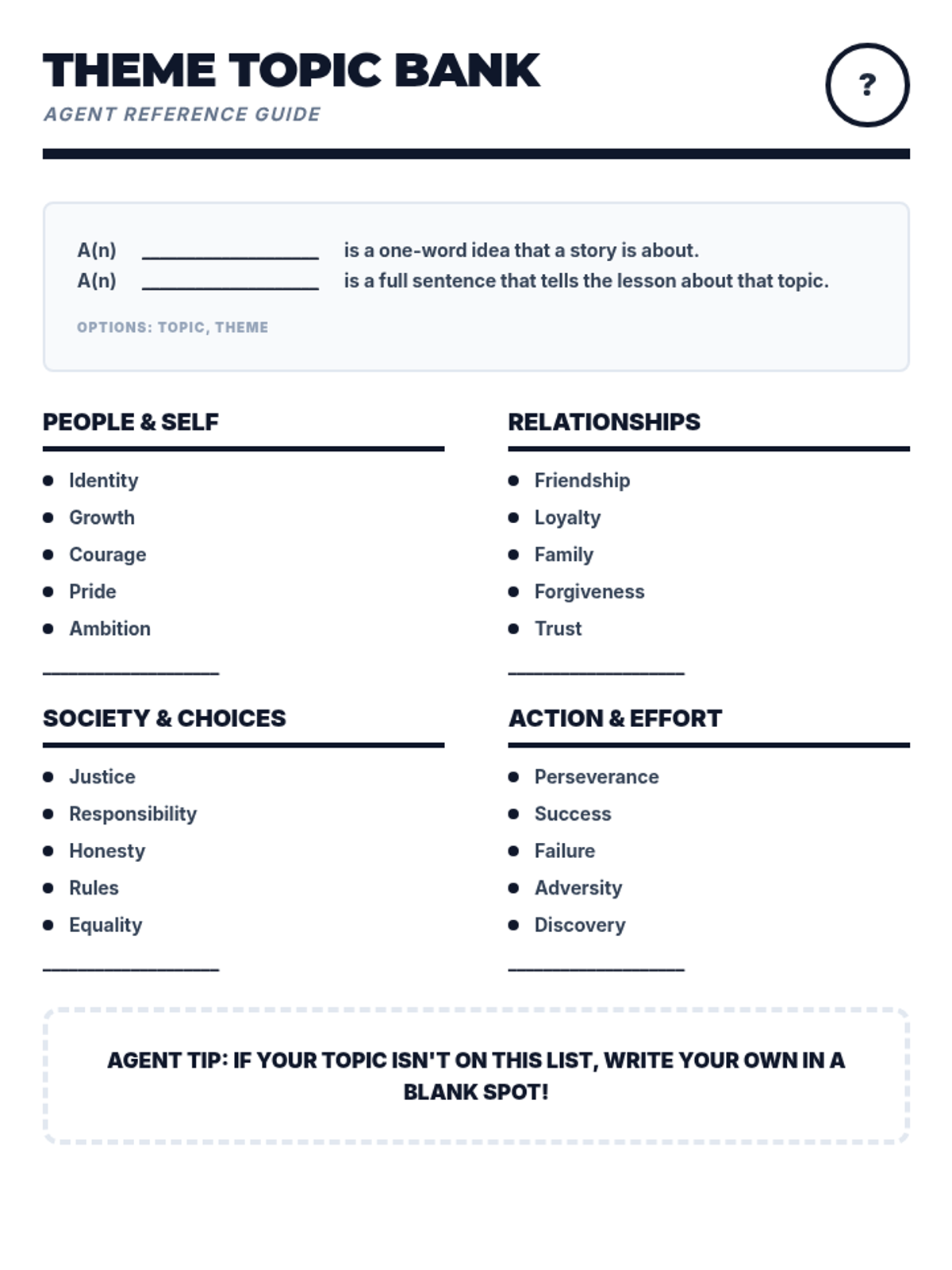
A structured approach to identifying themes in literature using a detective-themed graphic organizer designed for students with executive function and comprehension challenges.