A speech therapy lesson focused on mastering /l/ blends through an engaging exploration of bioluminescence and high-interest challenges.
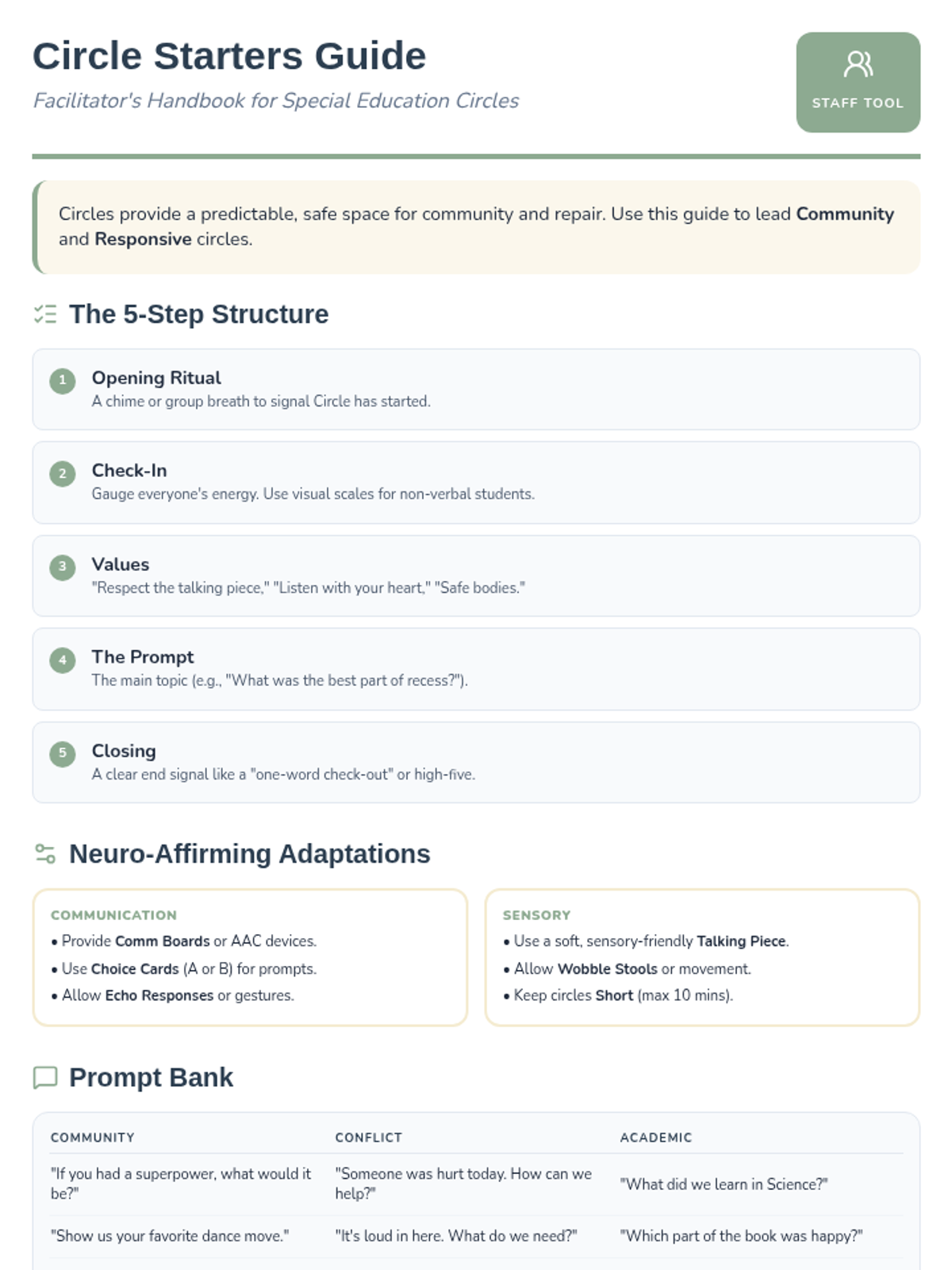
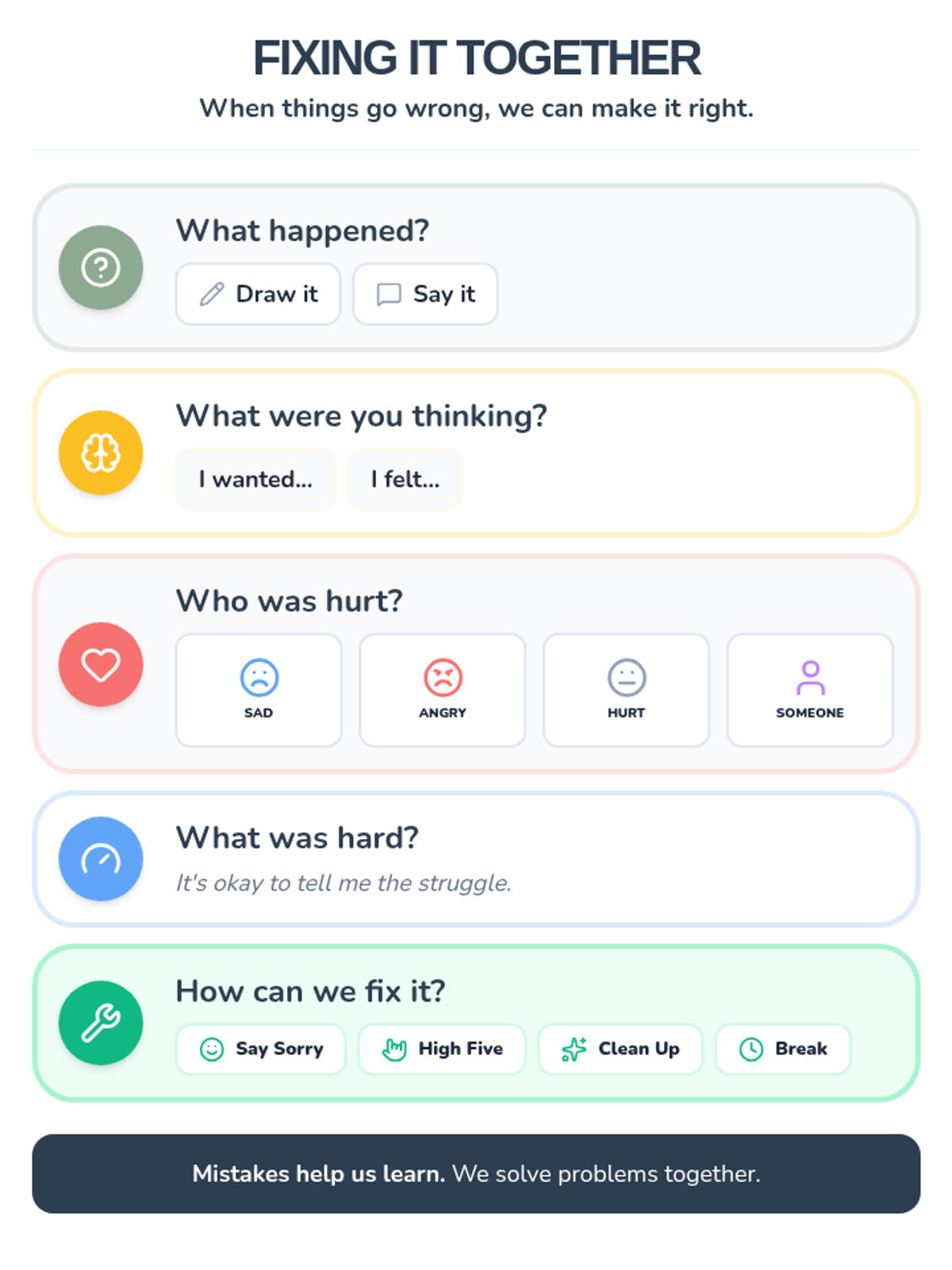
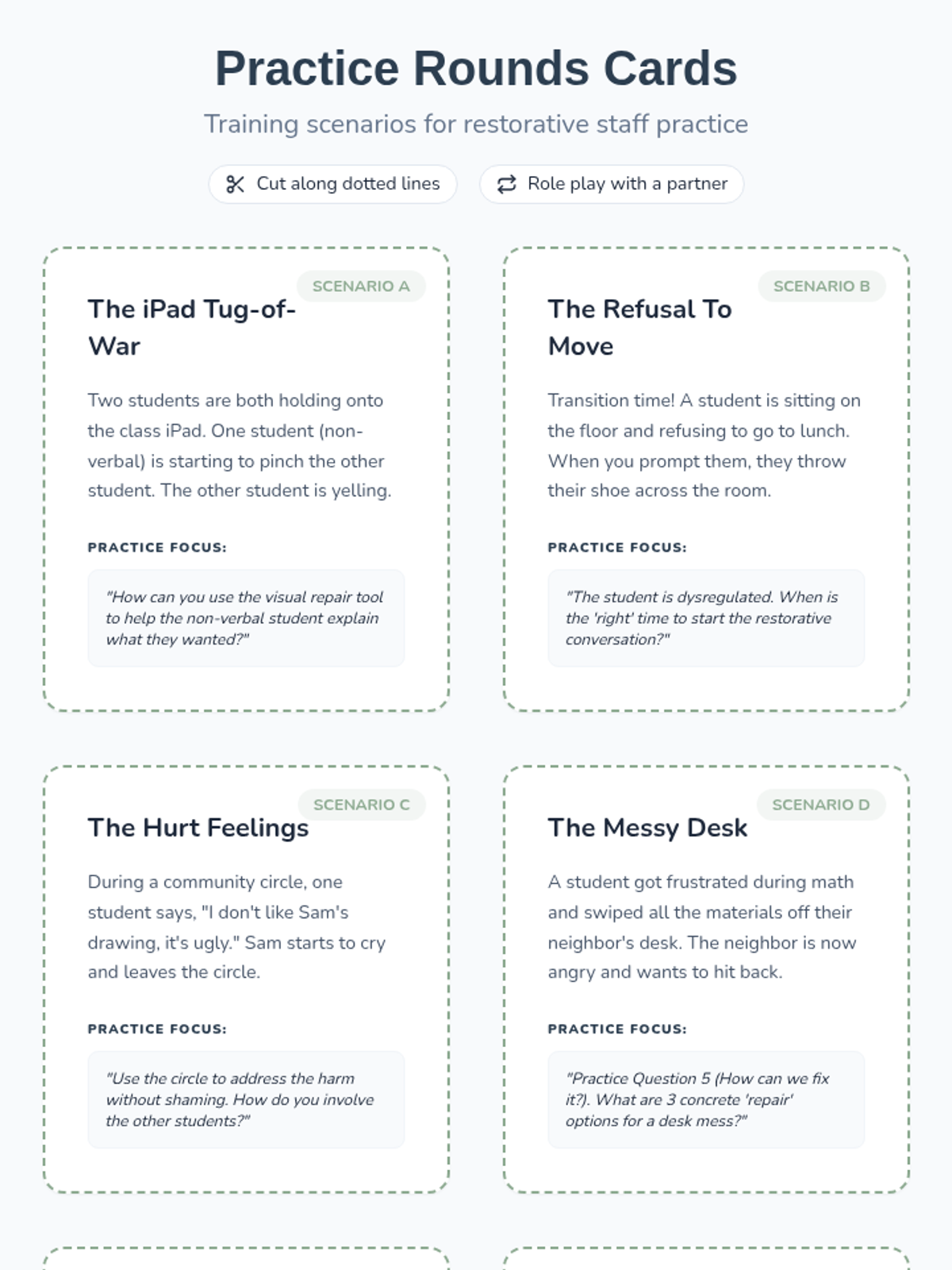
A comprehensive staff training module on implementing restorative practices in special education settings, focusing on neurodiversity-affirming approaches and visual supports.
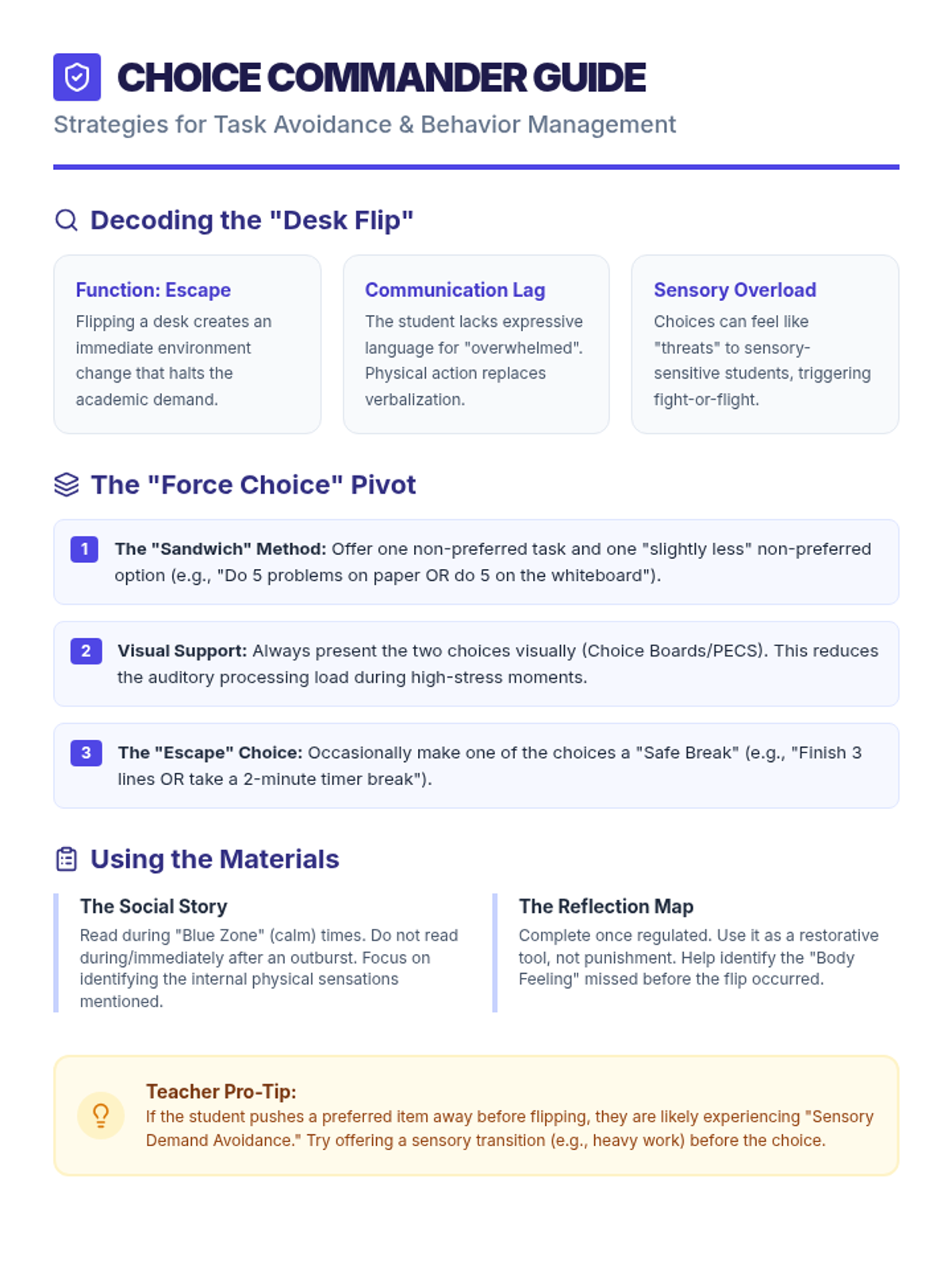
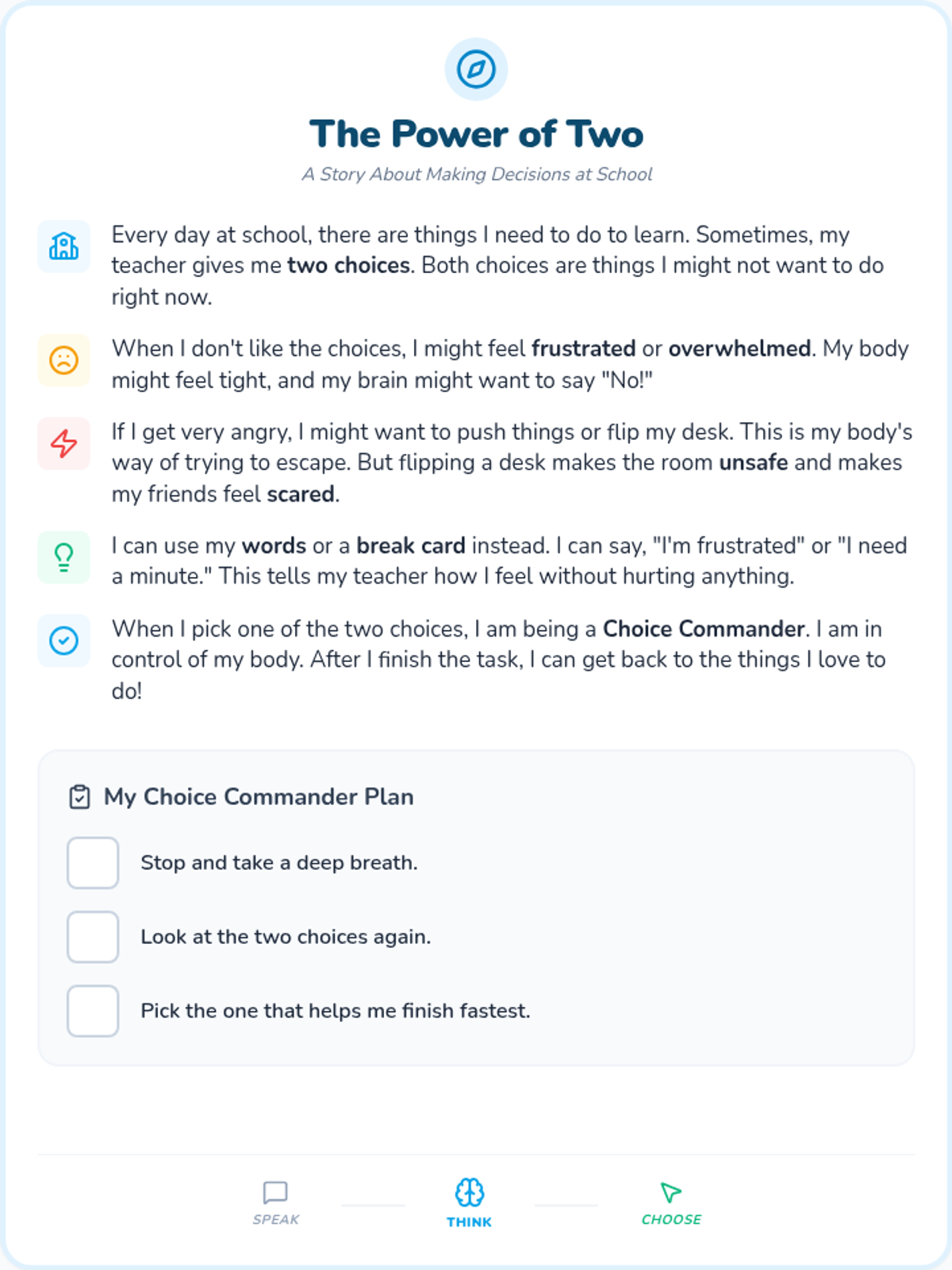
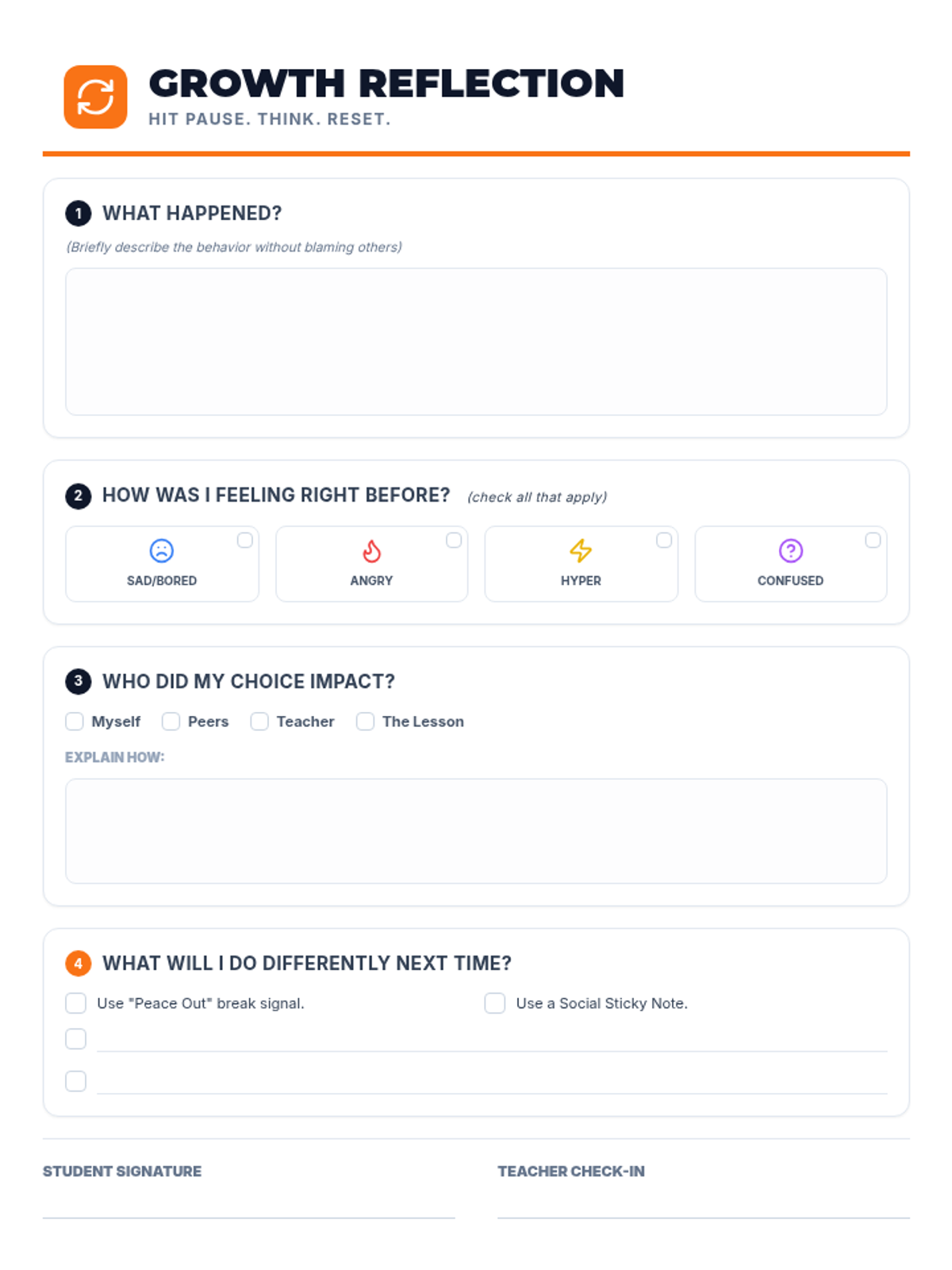
A lesson focused on helping students manage frustration when presented with non-preferred choices, providing a social story for perspective-taking and a reflection tool for post-meltdown processing.
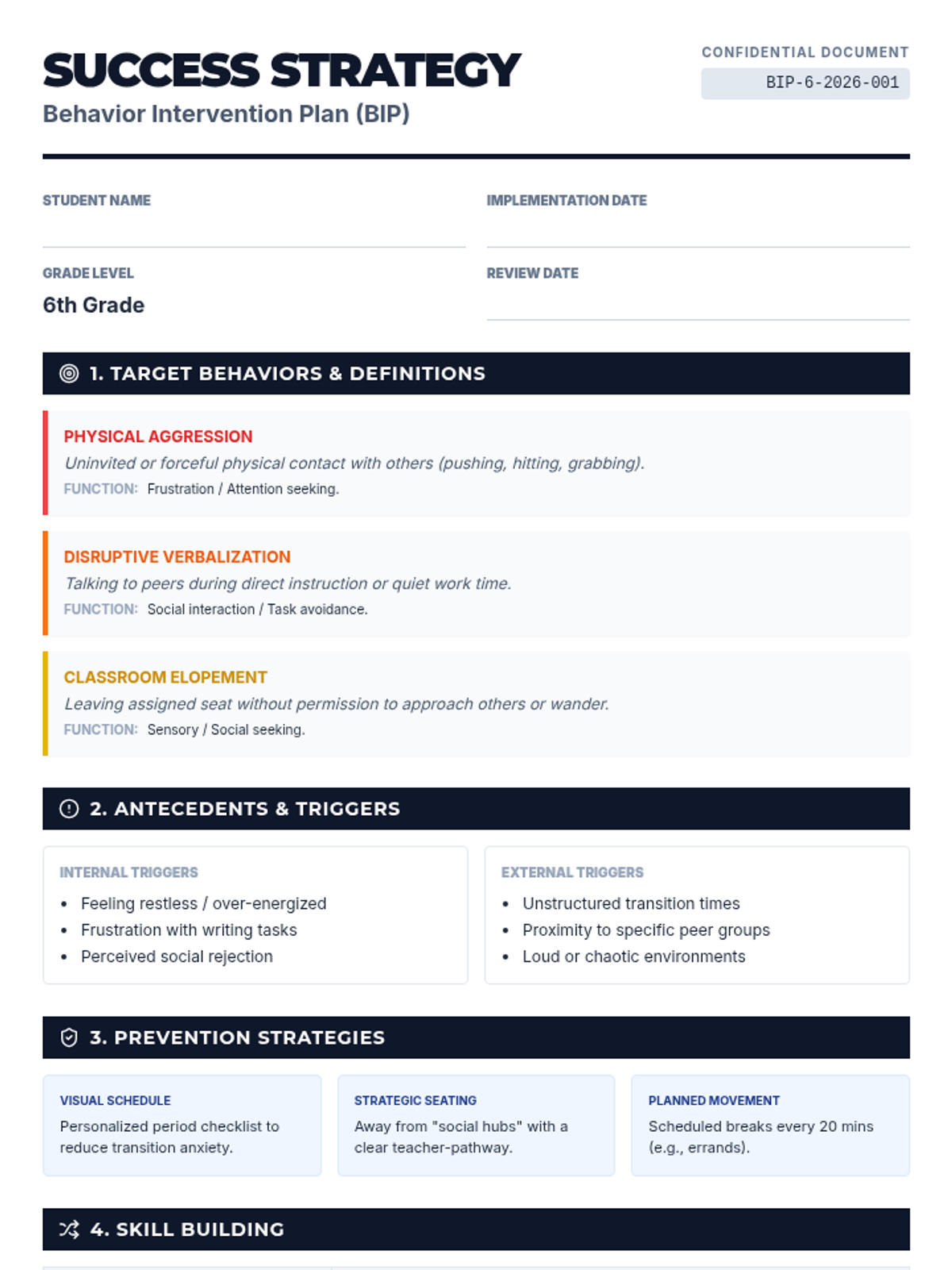
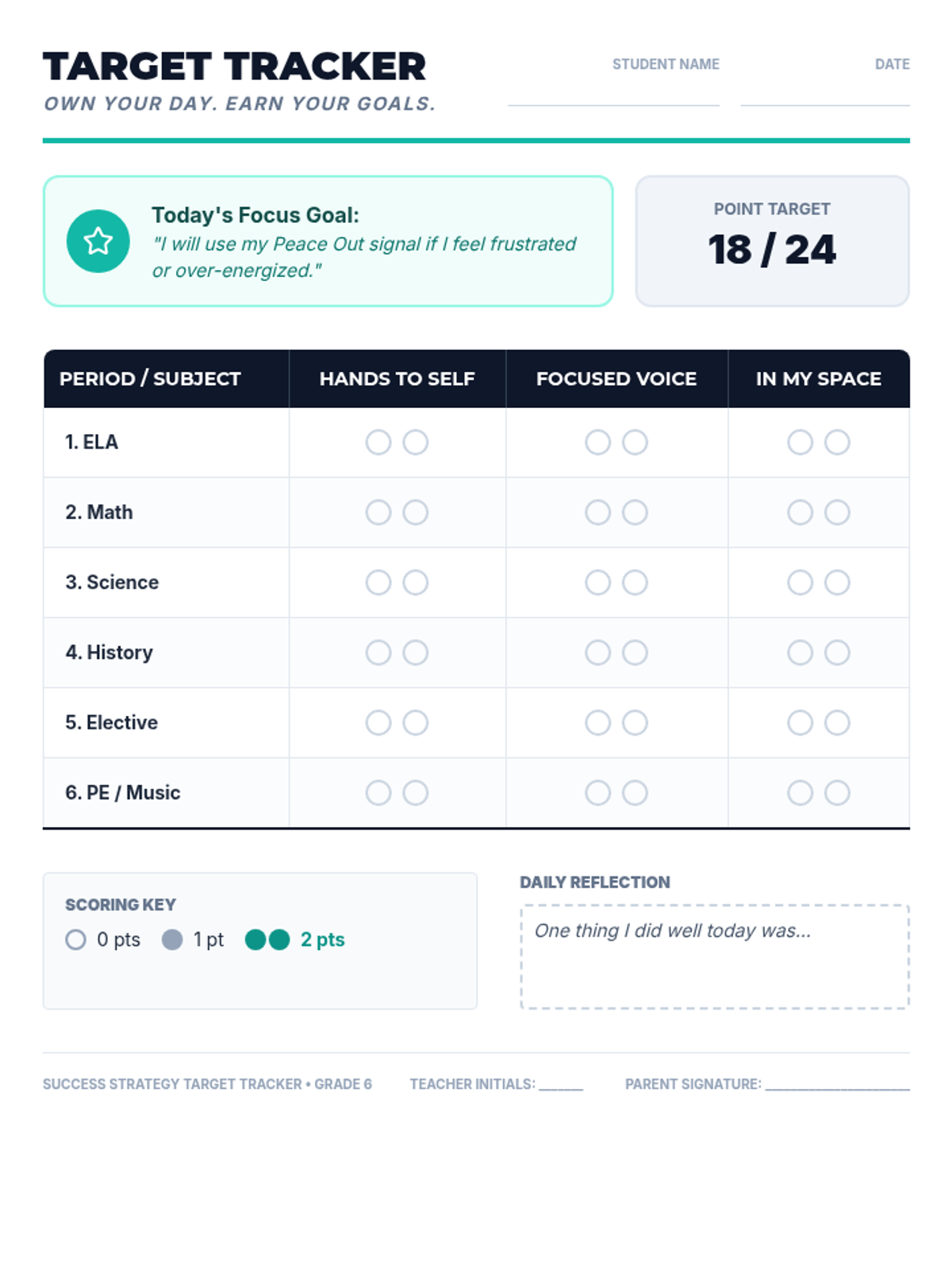
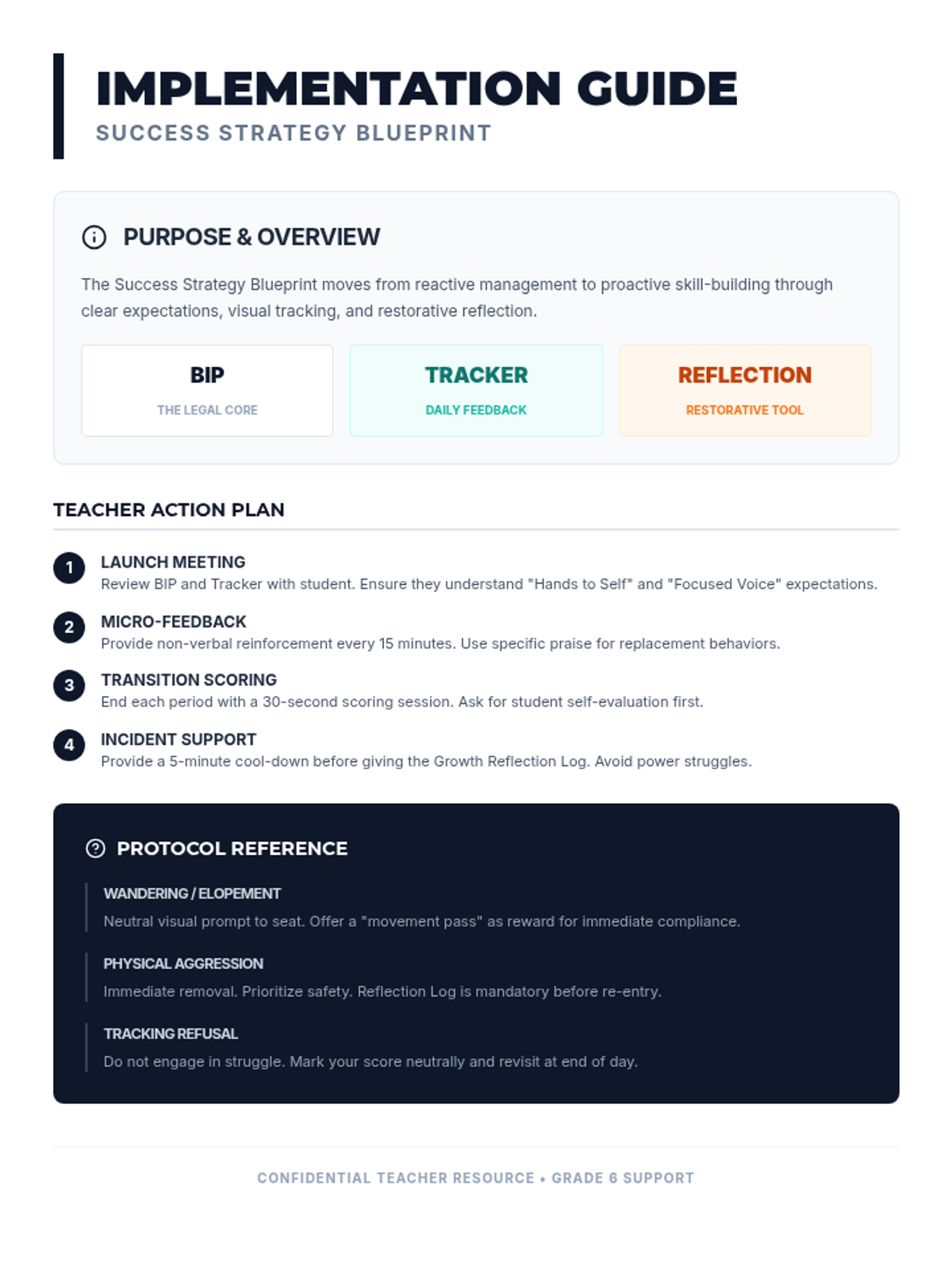
A comprehensive behavior intervention package for a 6th-grade student focusing on physical boundaries, focused communication, and classroom navigation.
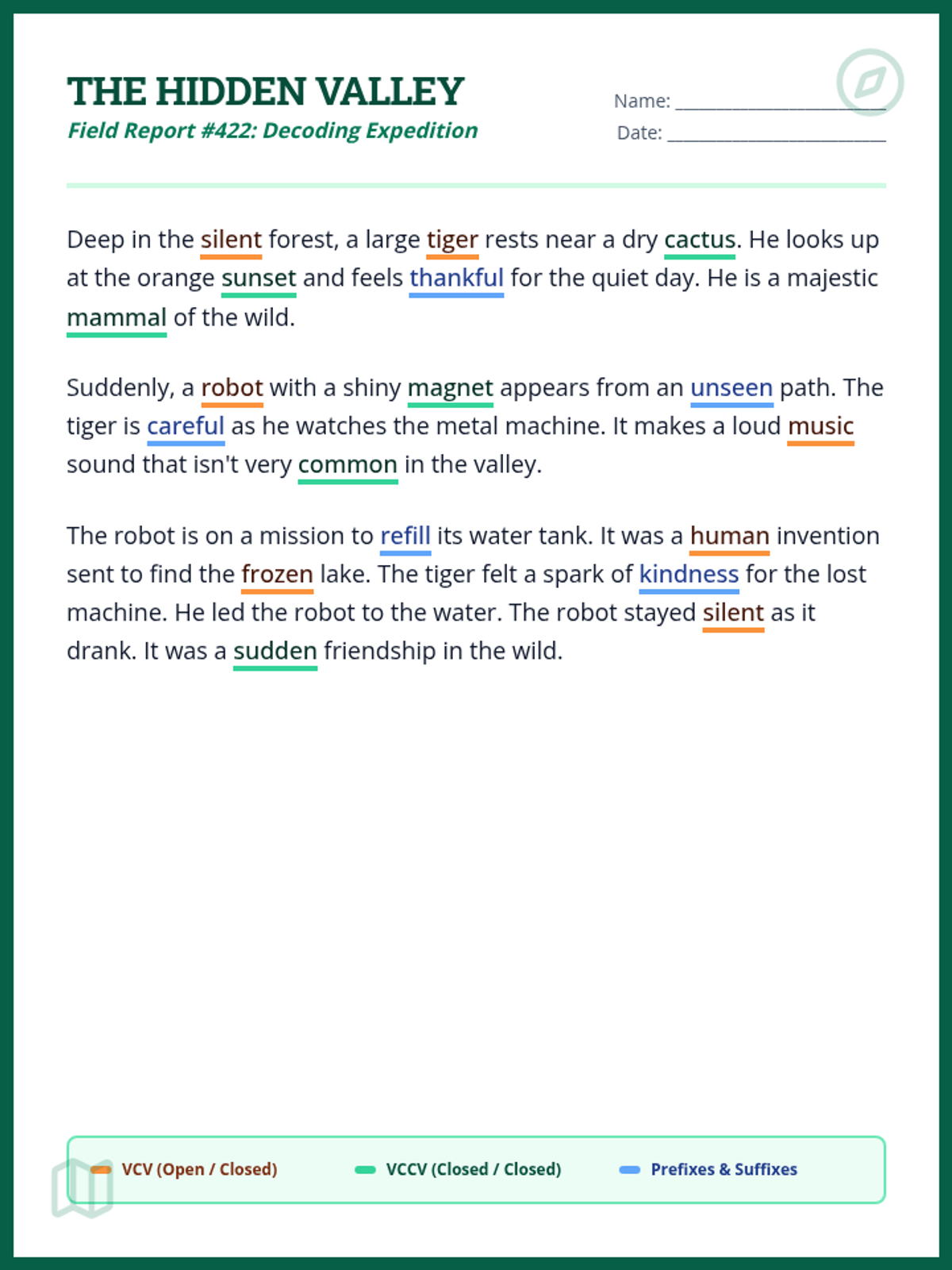
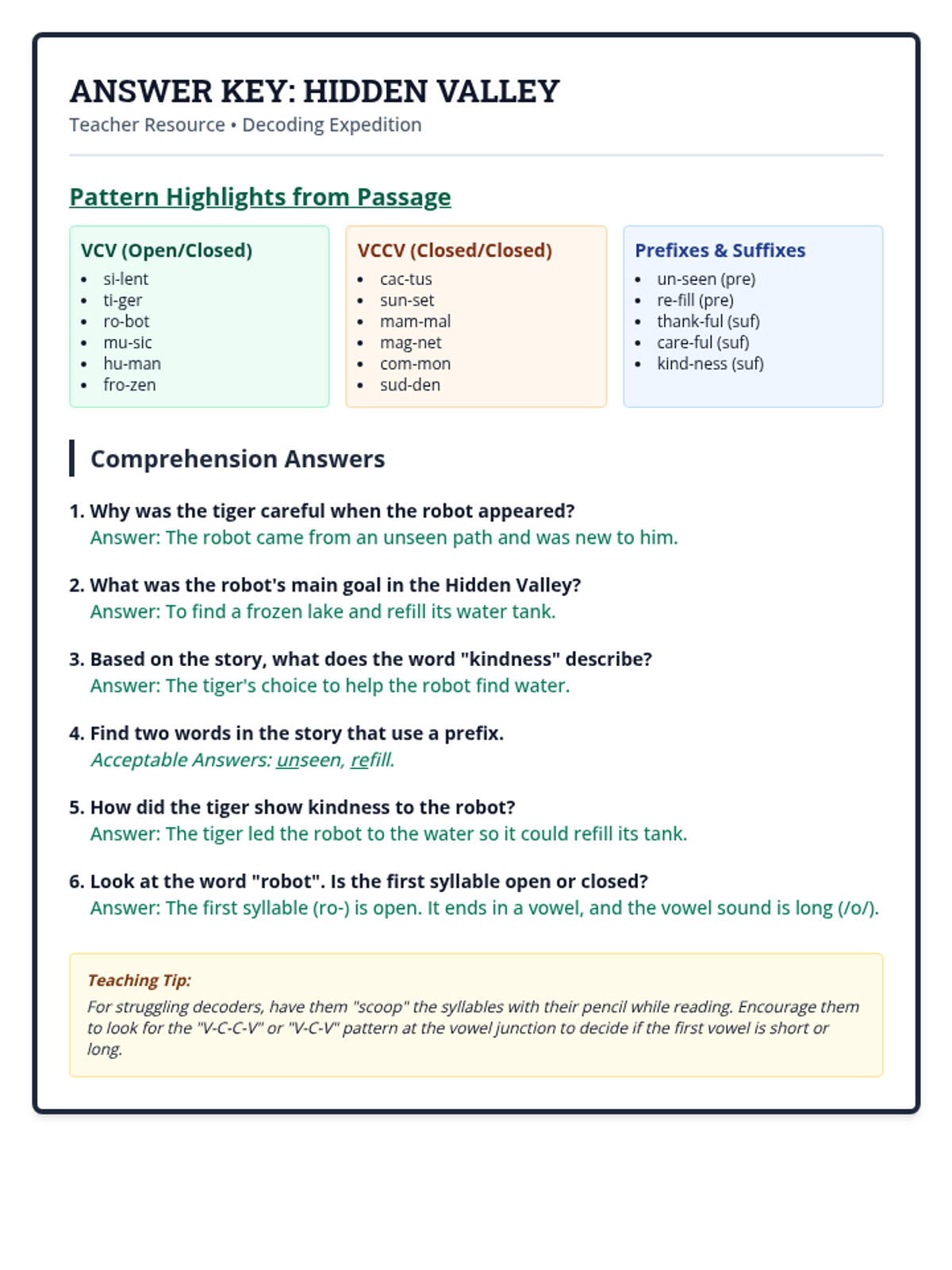
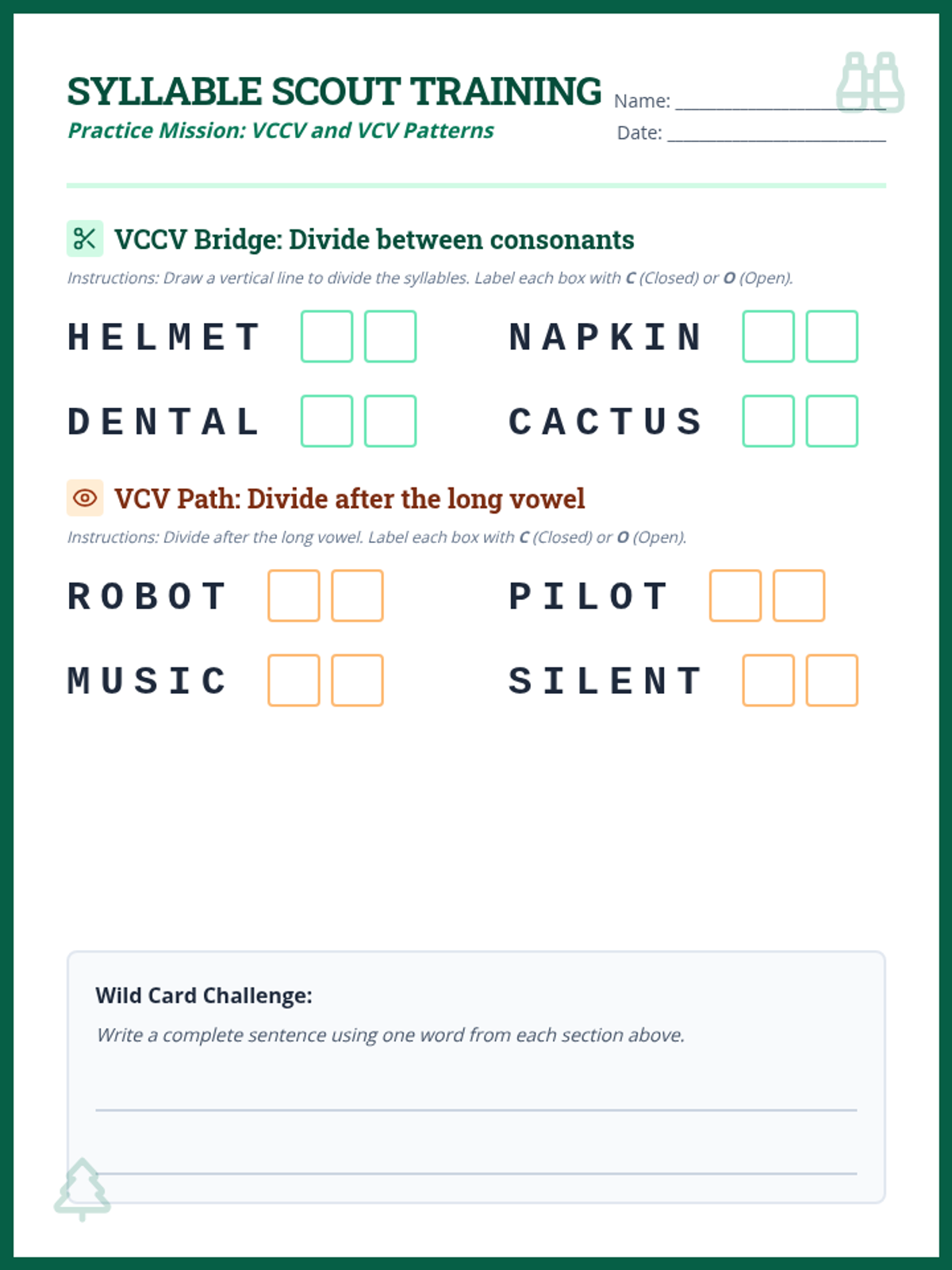
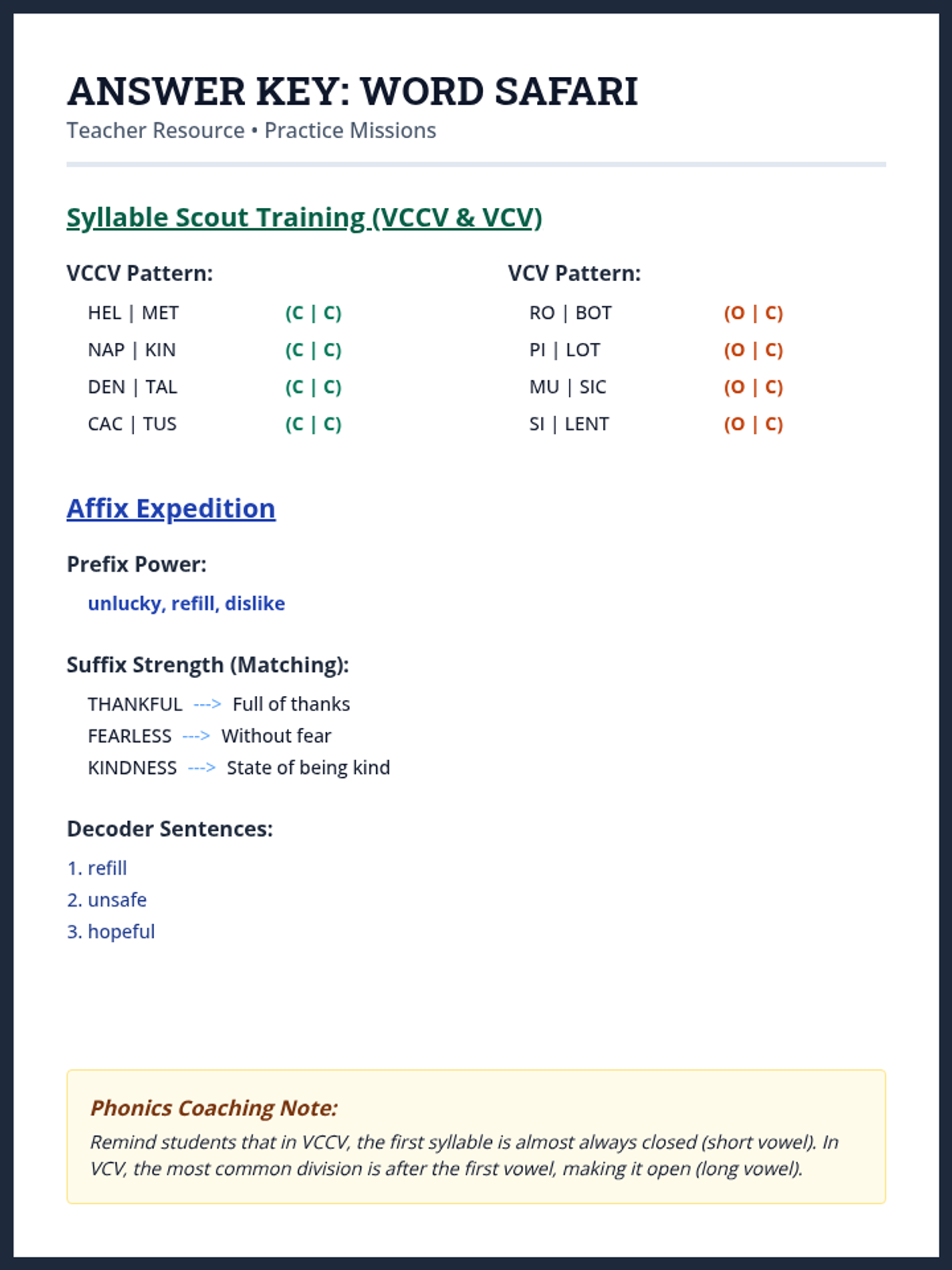
A lesson focused on decoding VCCV and VCV syllable patterns, along with common prefixes and suffixes, through an engaging reading passage and comprehension check.
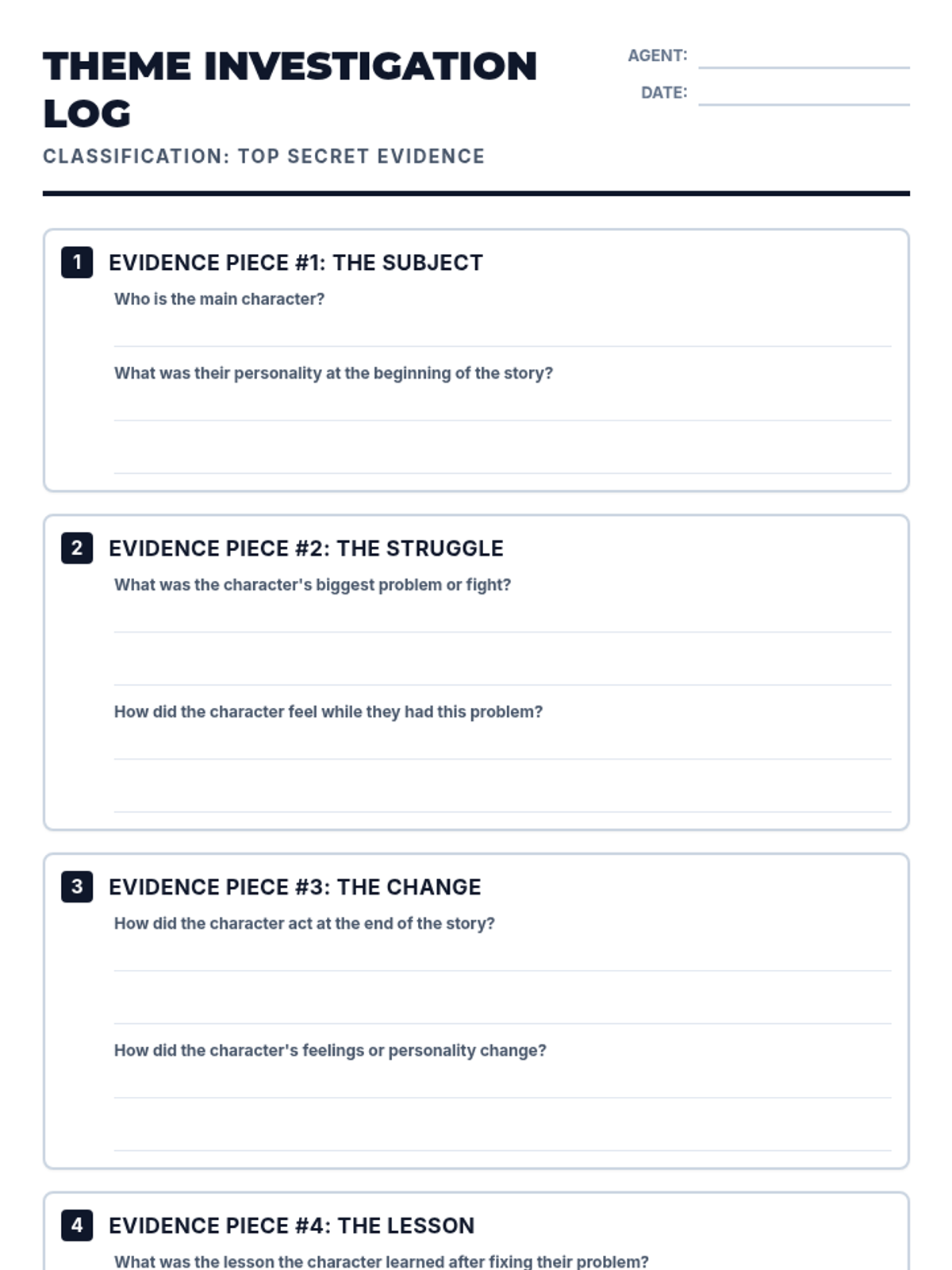
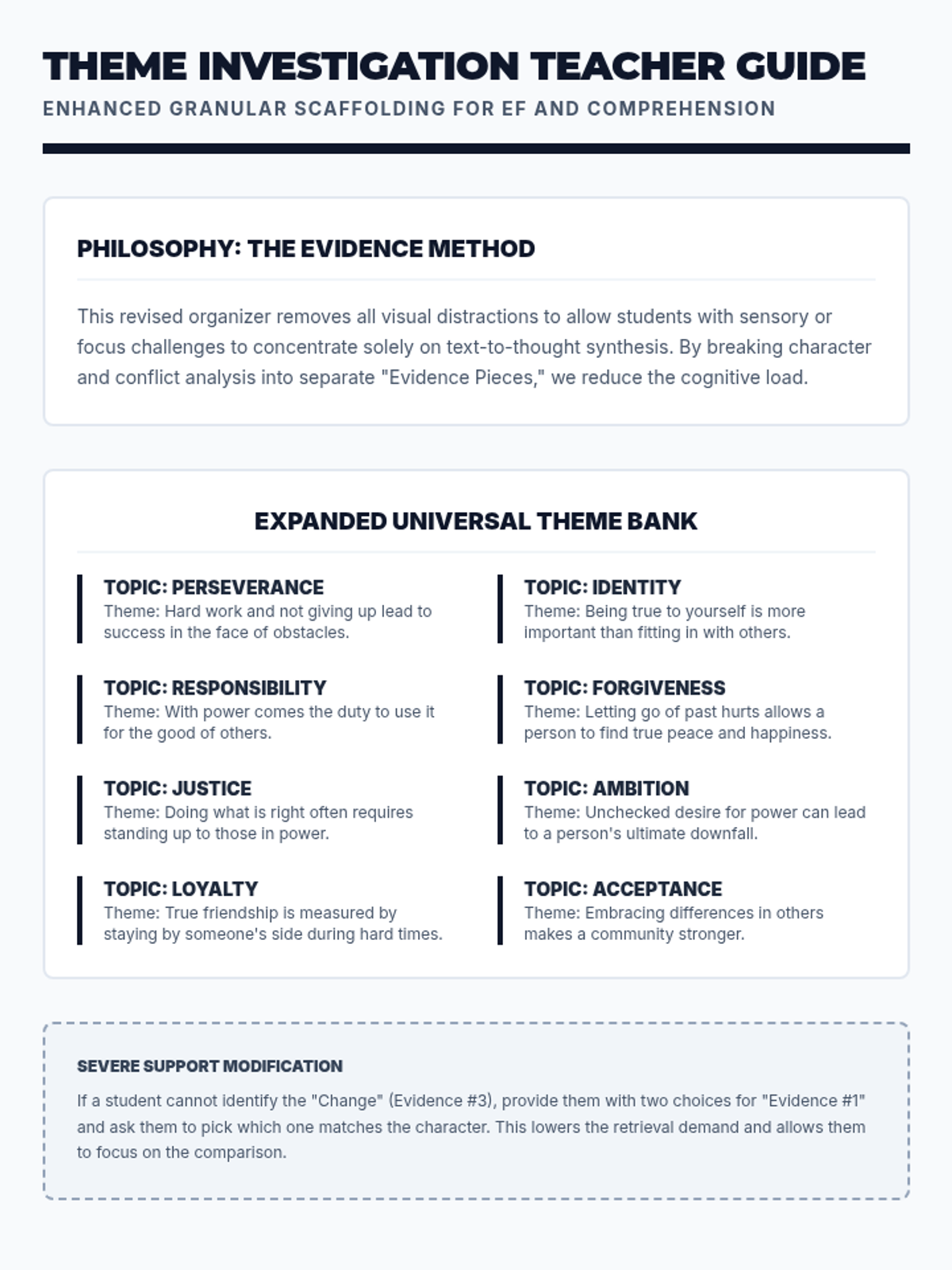
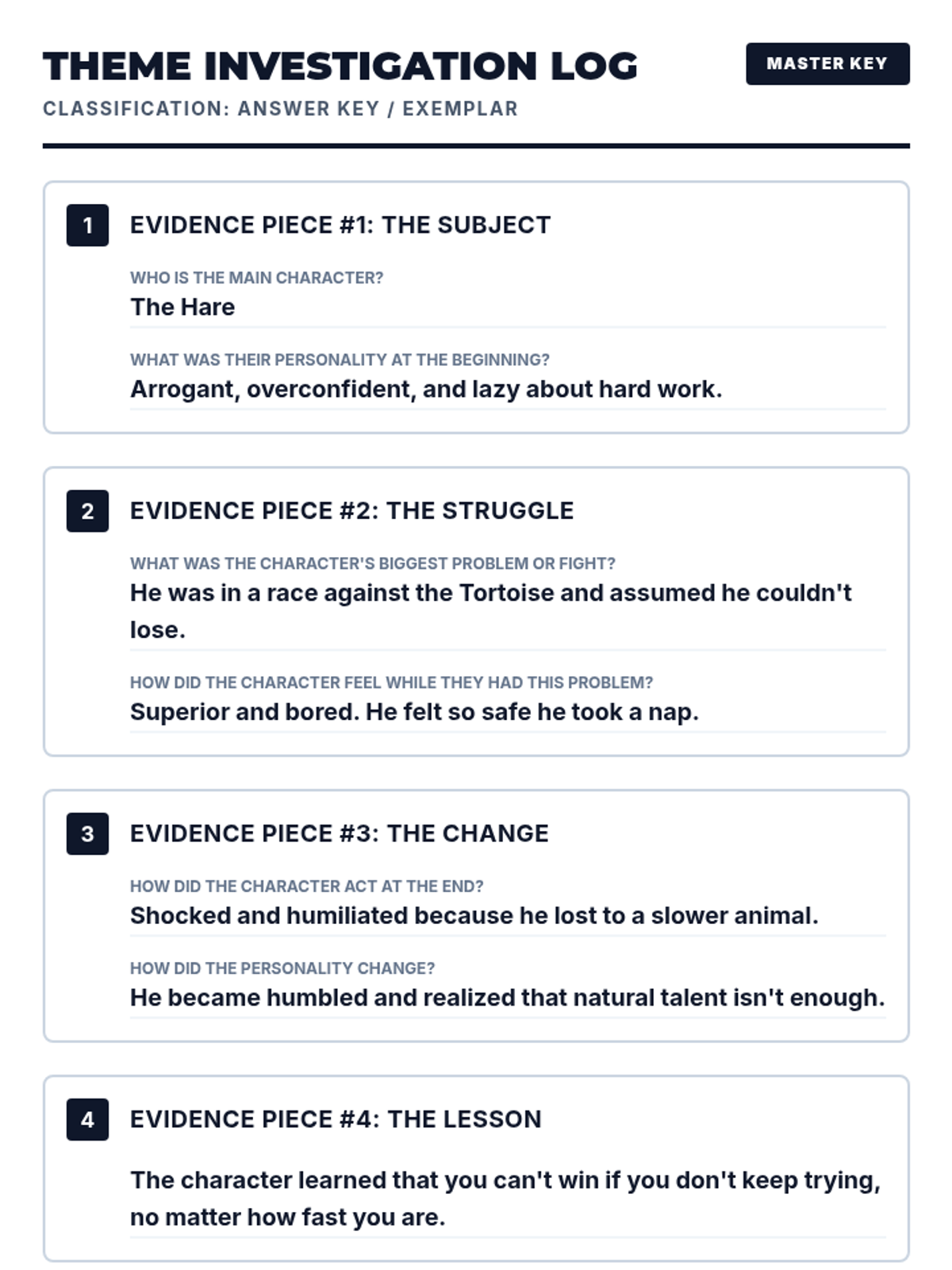
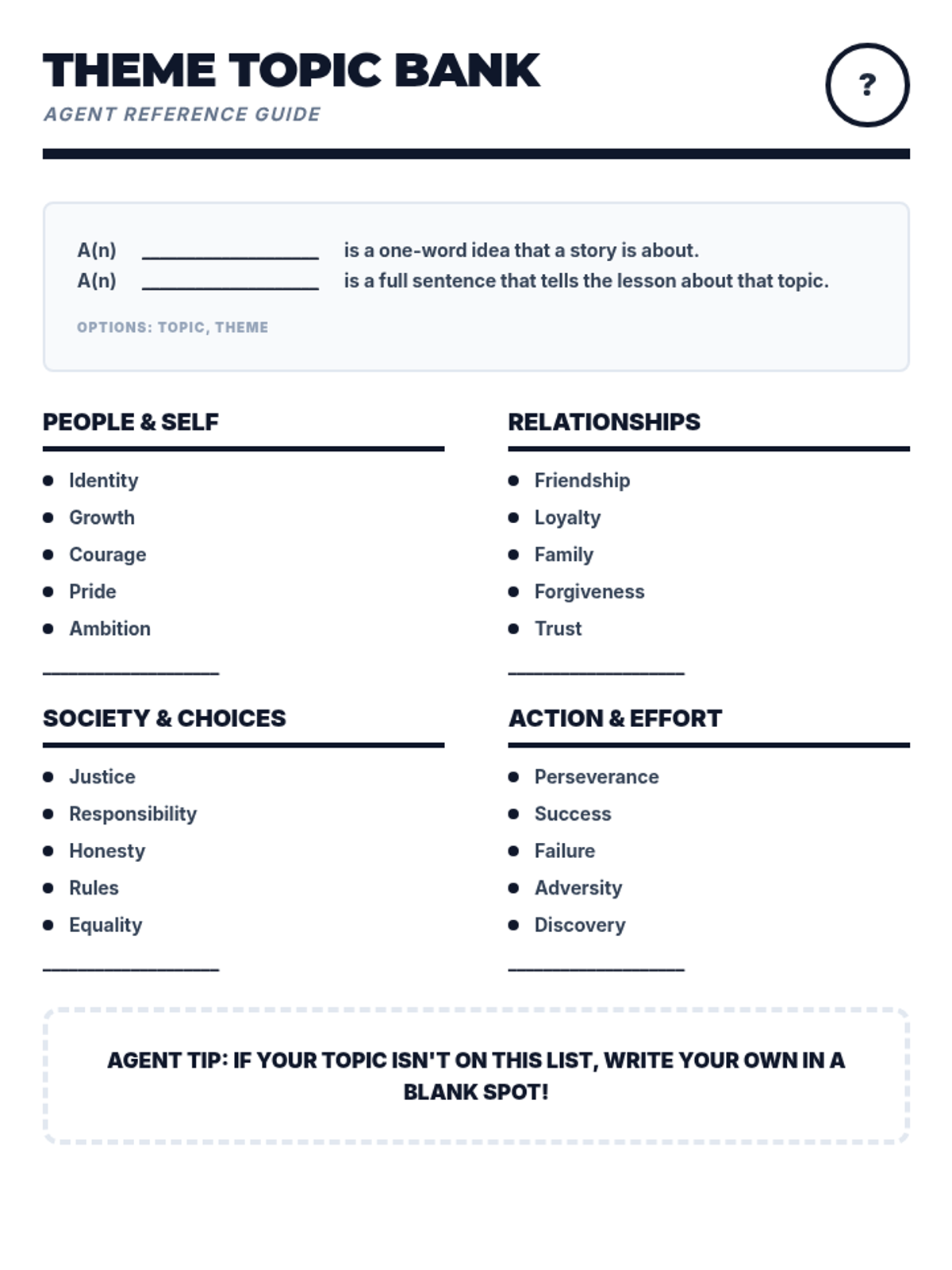
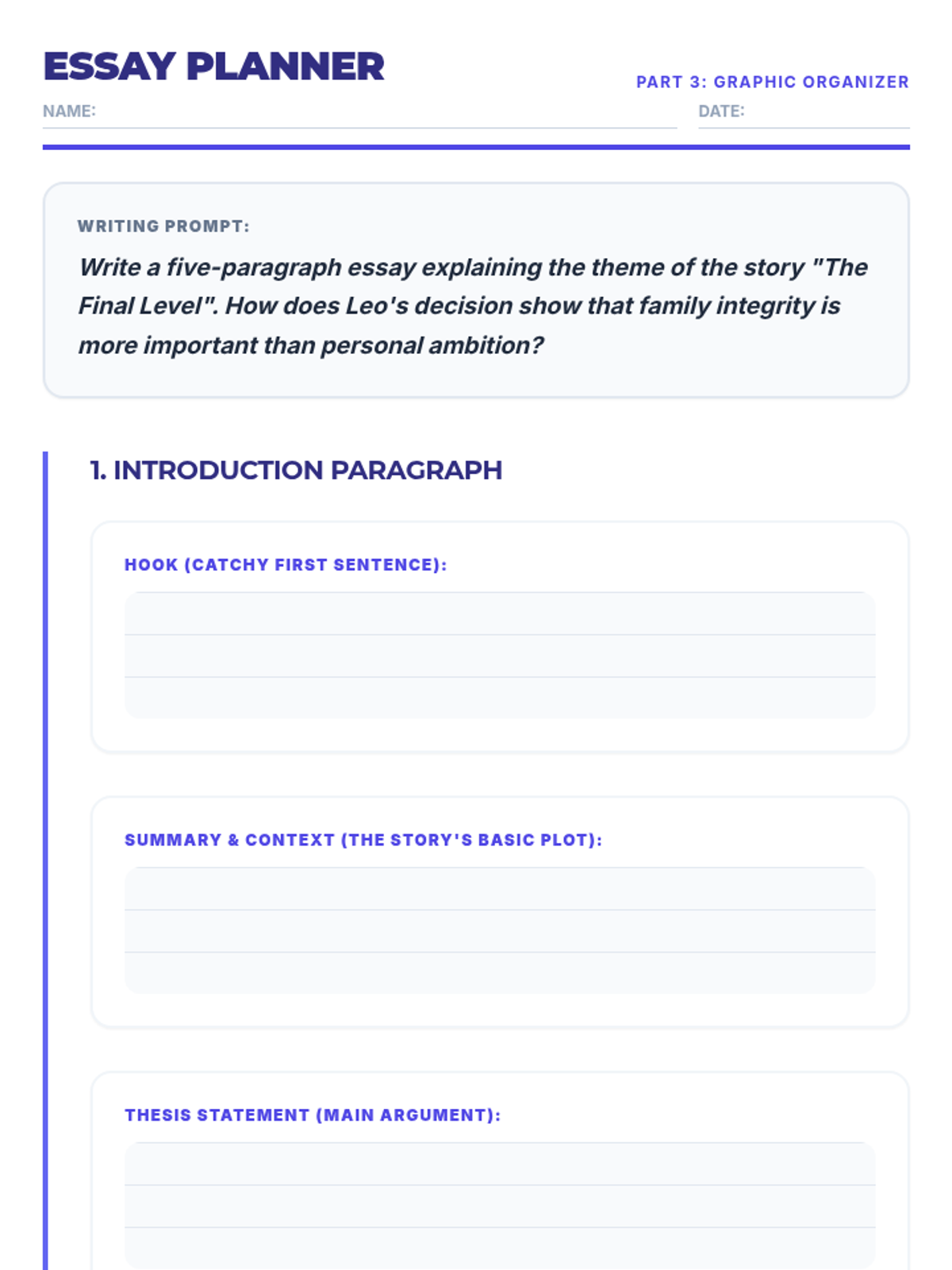
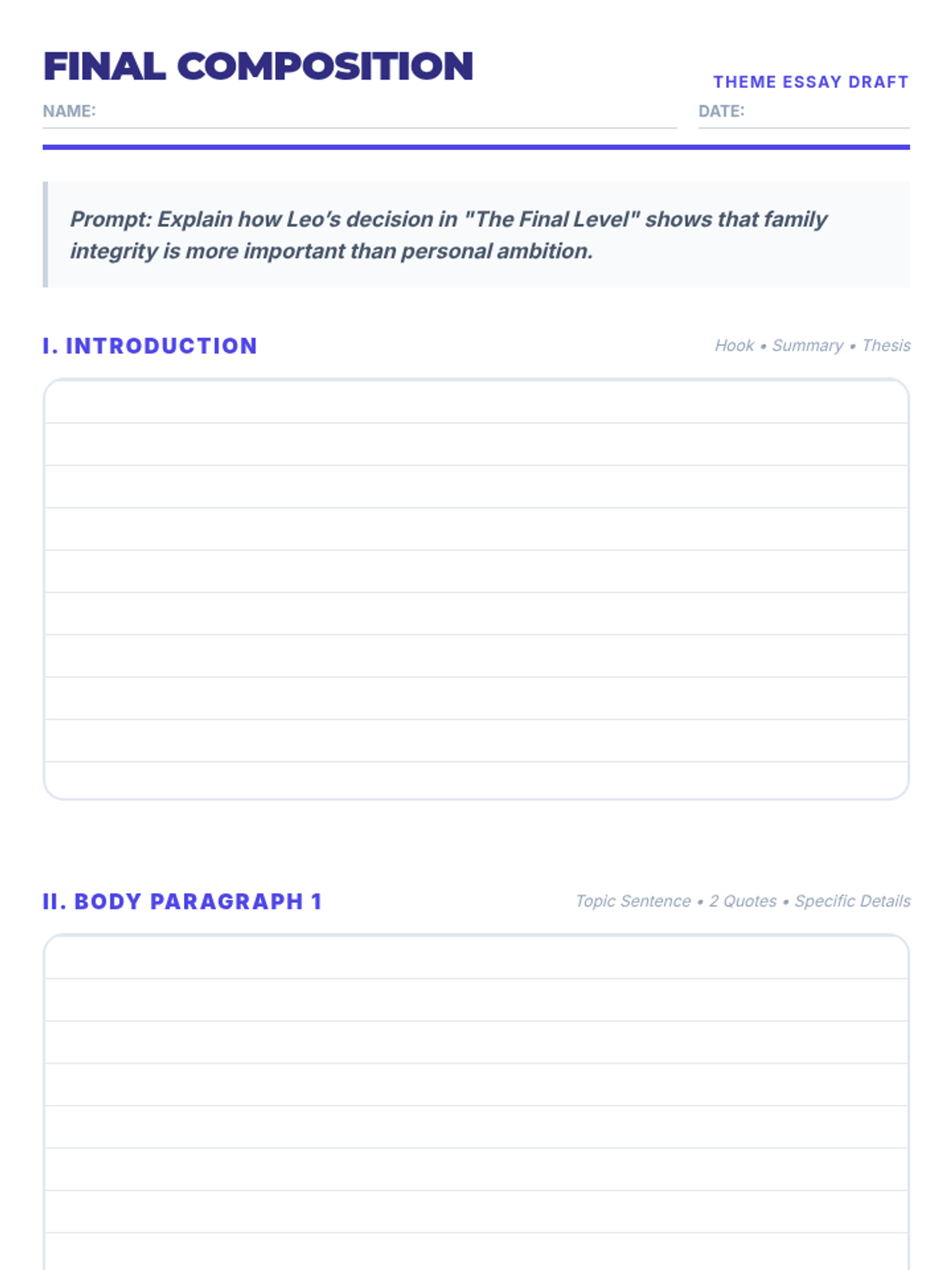
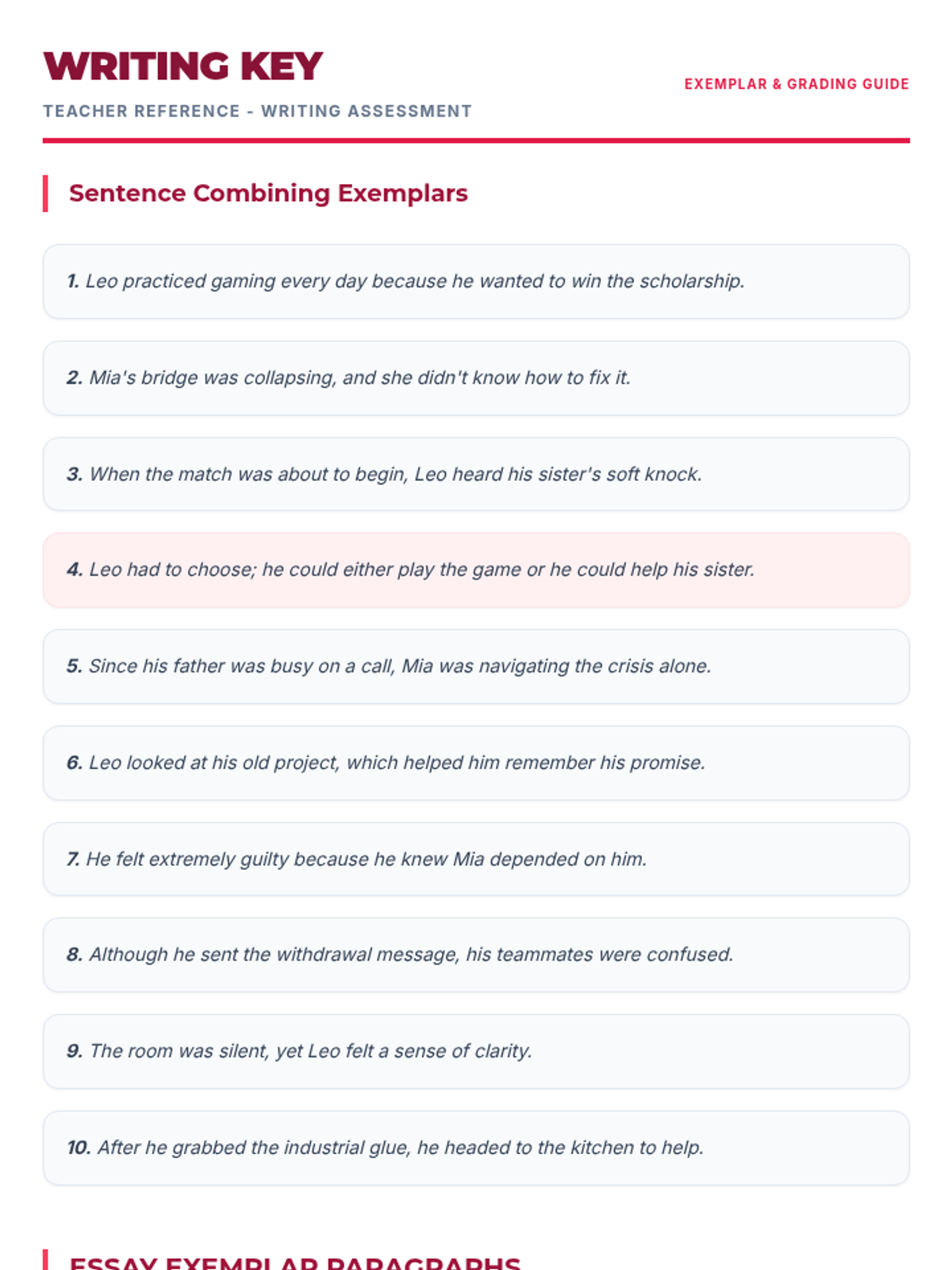
A structured approach to identifying themes in literature using a detective-themed graphic organizer designed for students with executive function and comprehension challenges.
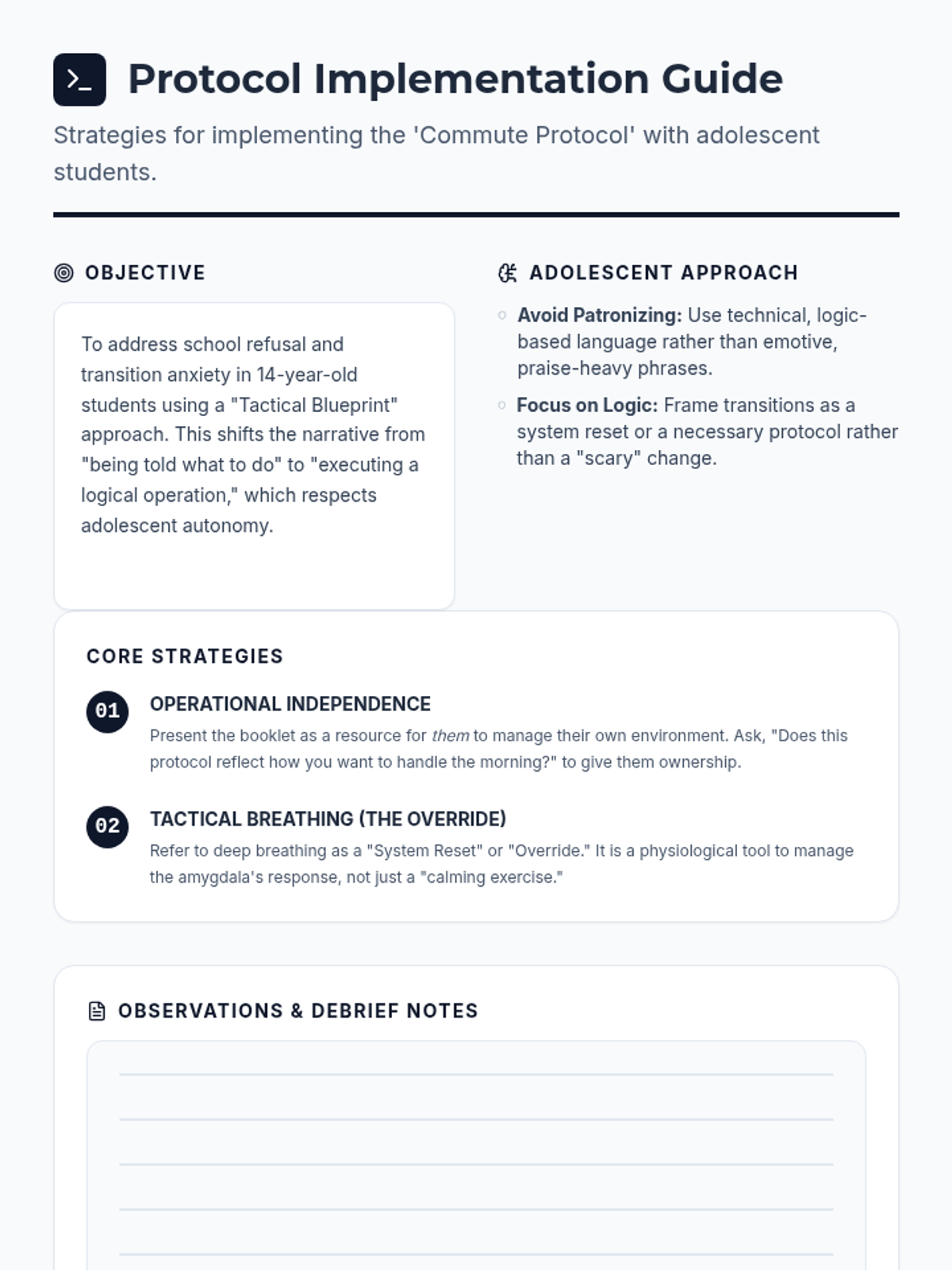
A comprehensive social story and implementation guide designed to help middle school students with emotional disabilities successfully navigate the transition from home to school via the van.
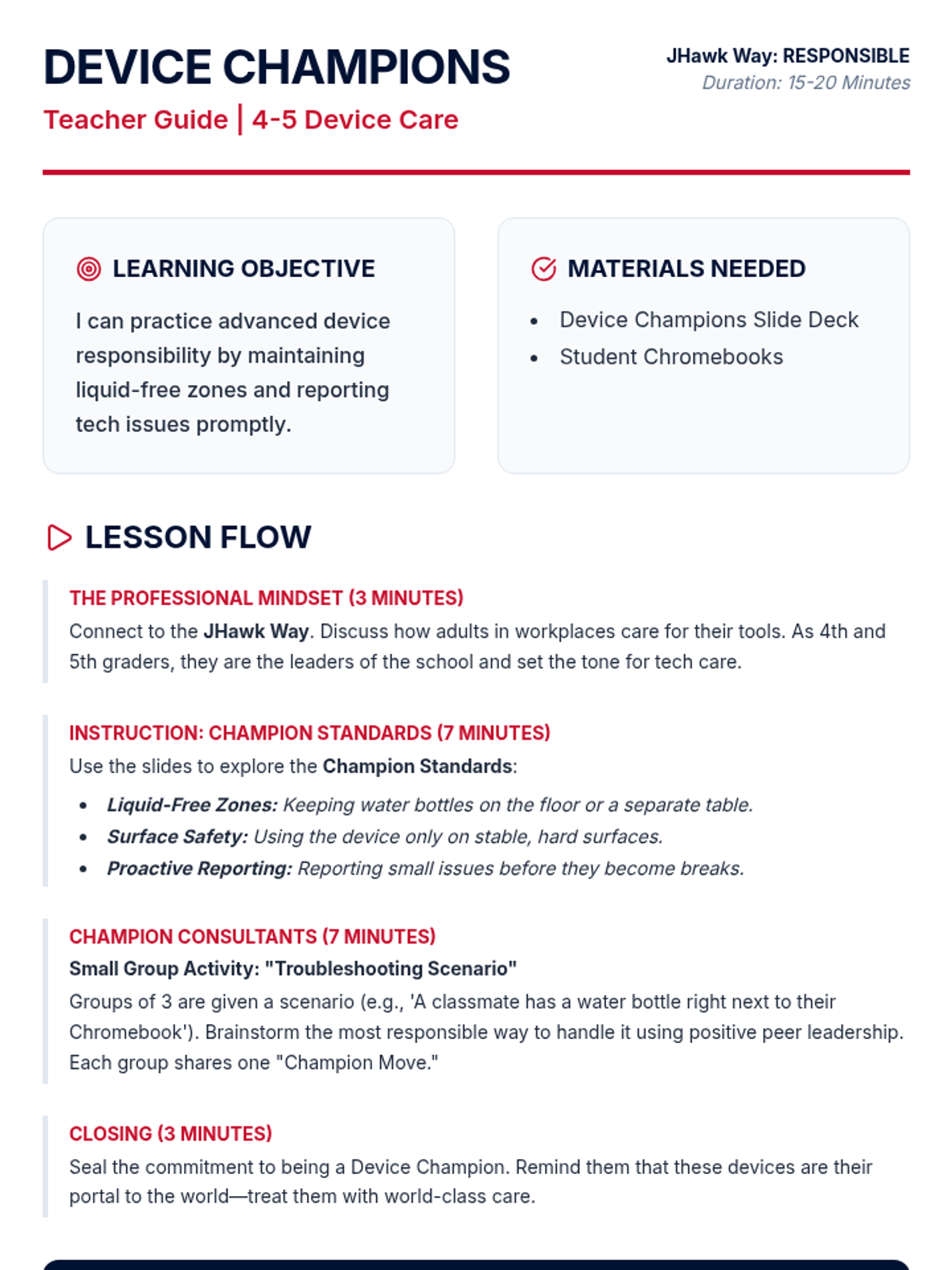
A 15-20 minute lesson for 4-5 students focused on advanced device responsibility, including proper closure, charging habits, and liquid-free zones.
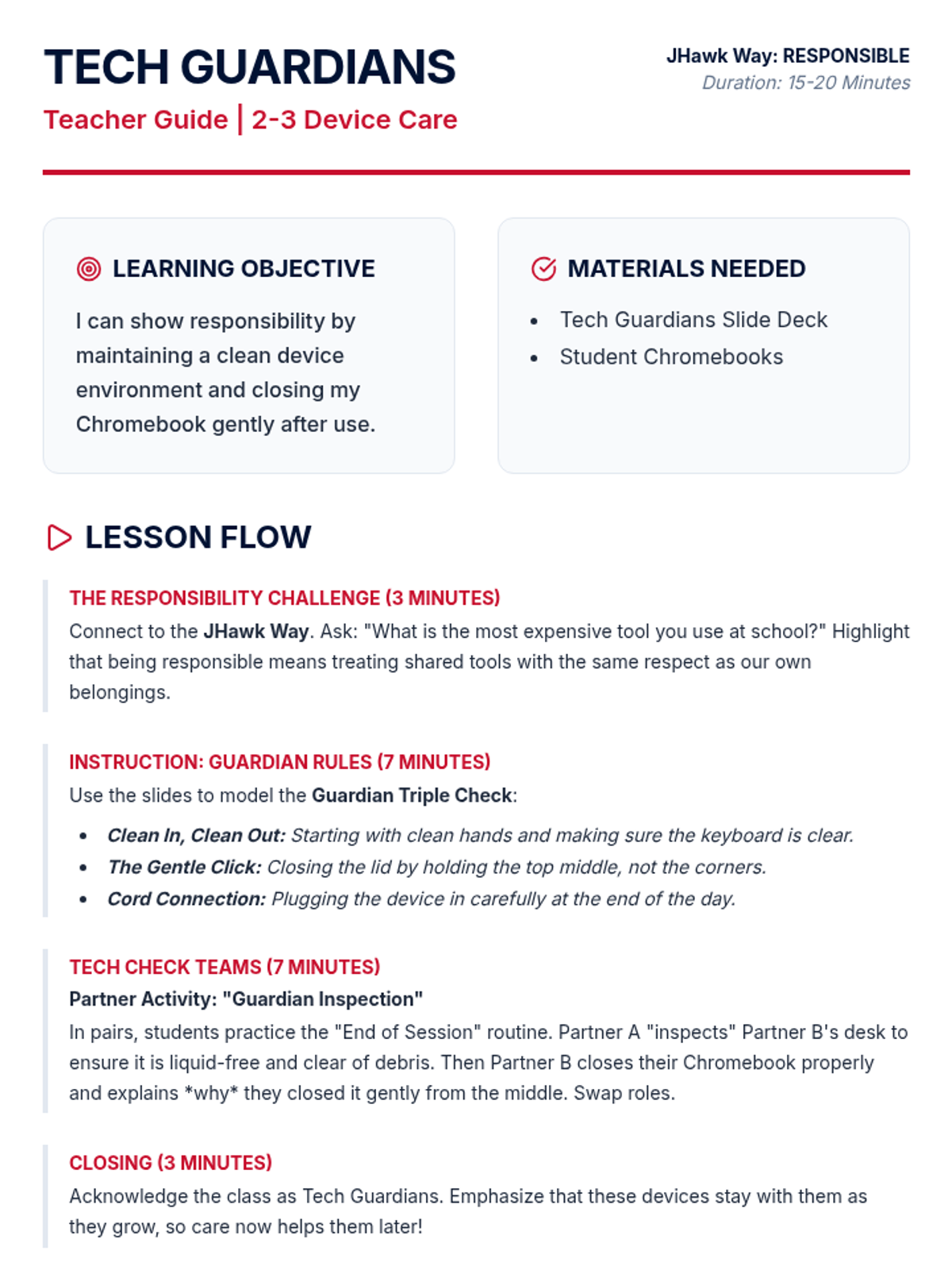
A 15-20 minute lesson for 2-3 students on responsible Chromebook care, emphasizing clean environments and gentle handling, aligned with PBIS standards.
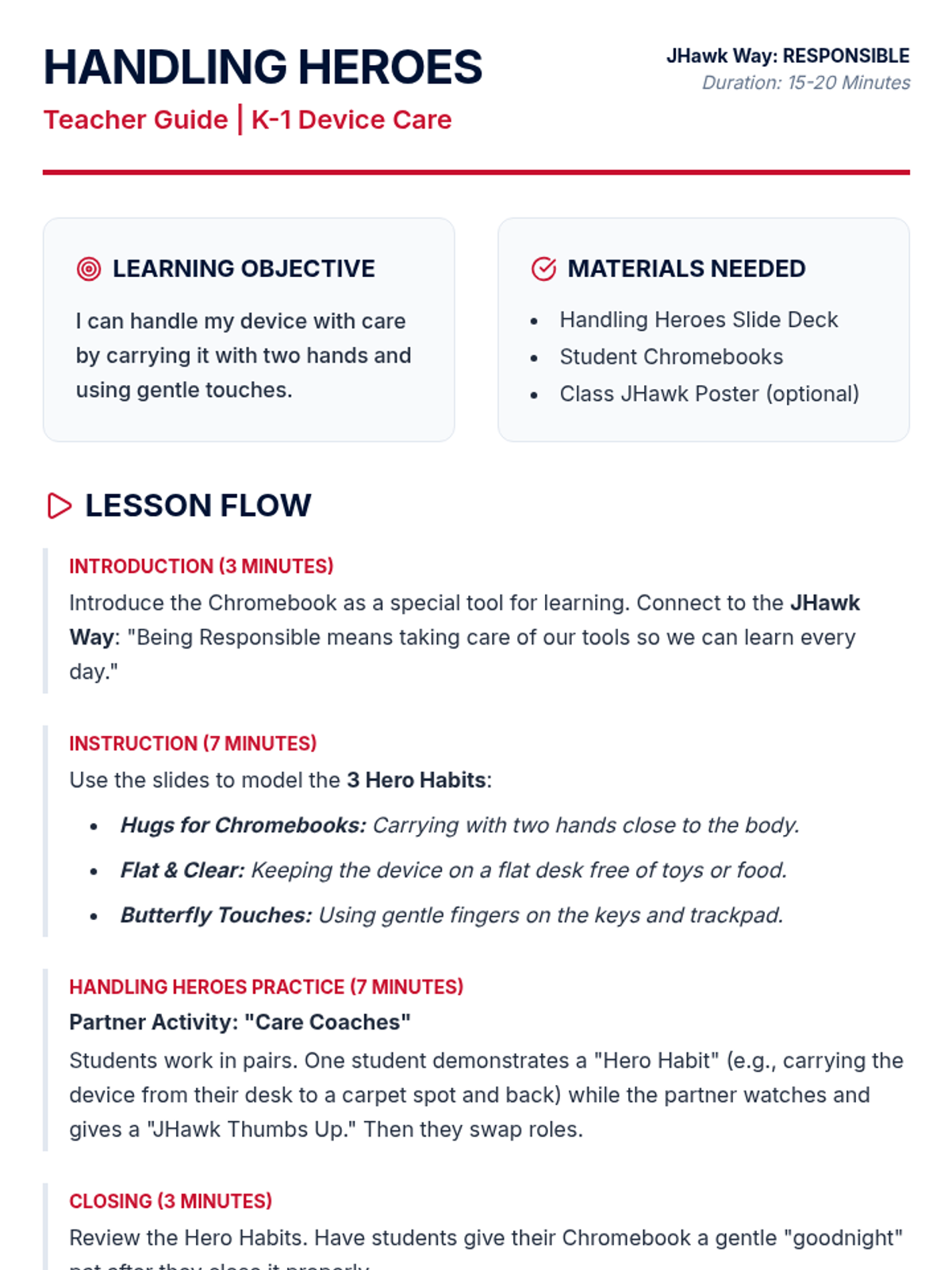
A 15-20 minute lesson for K-1 students focused on the basics of carrying and using Chromebooks responsibly, using positive framing and collaborative practice.
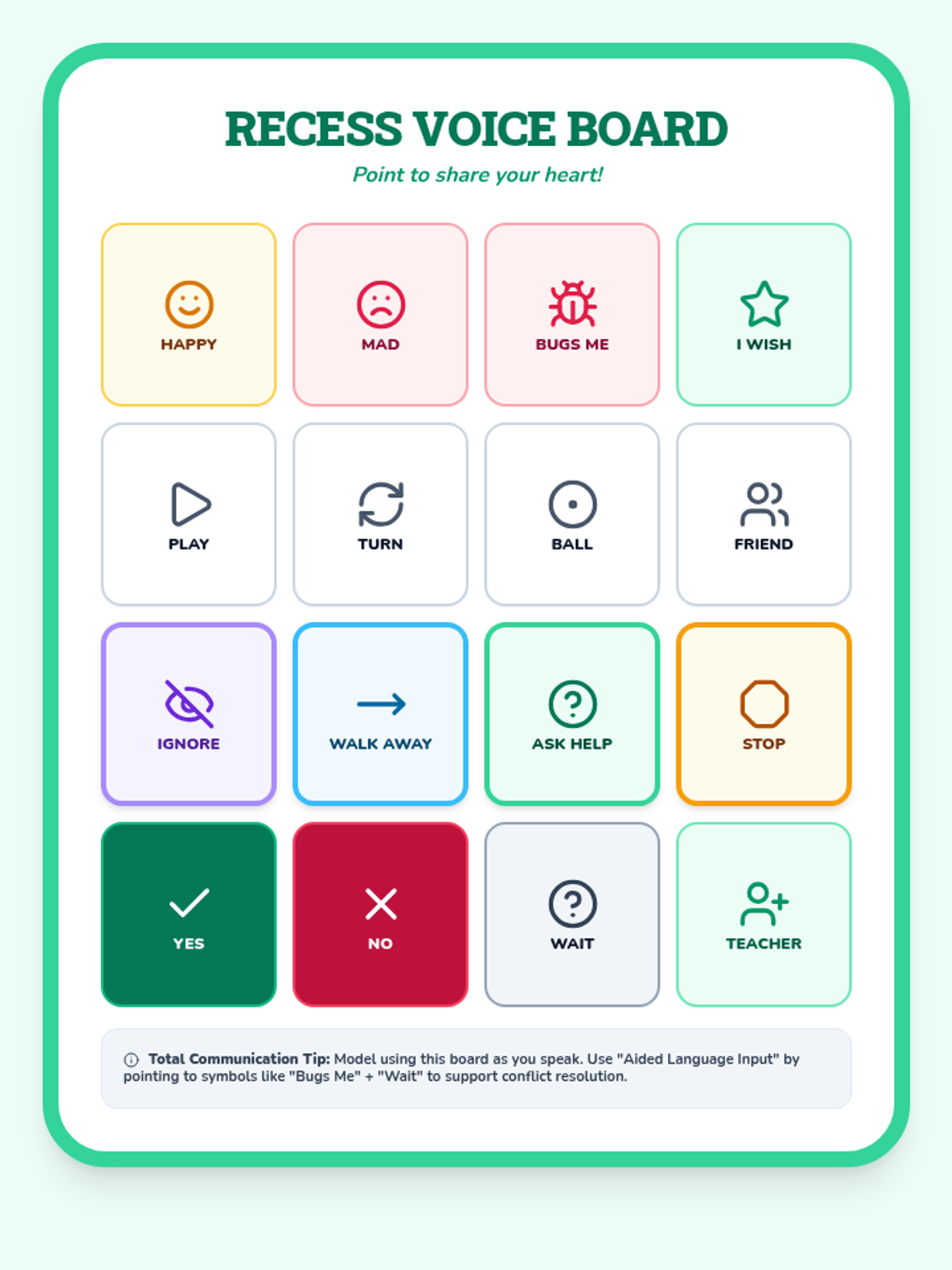
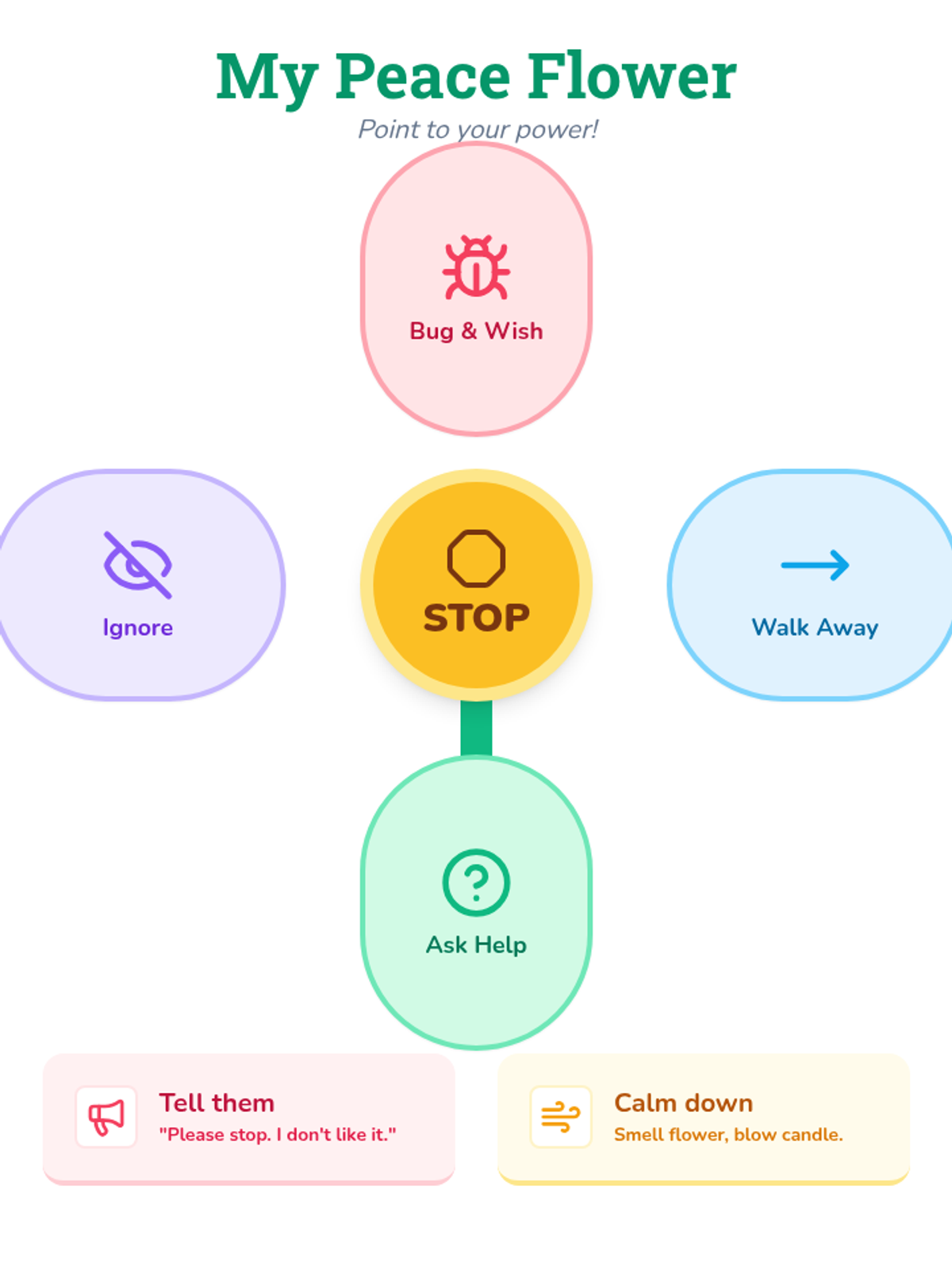
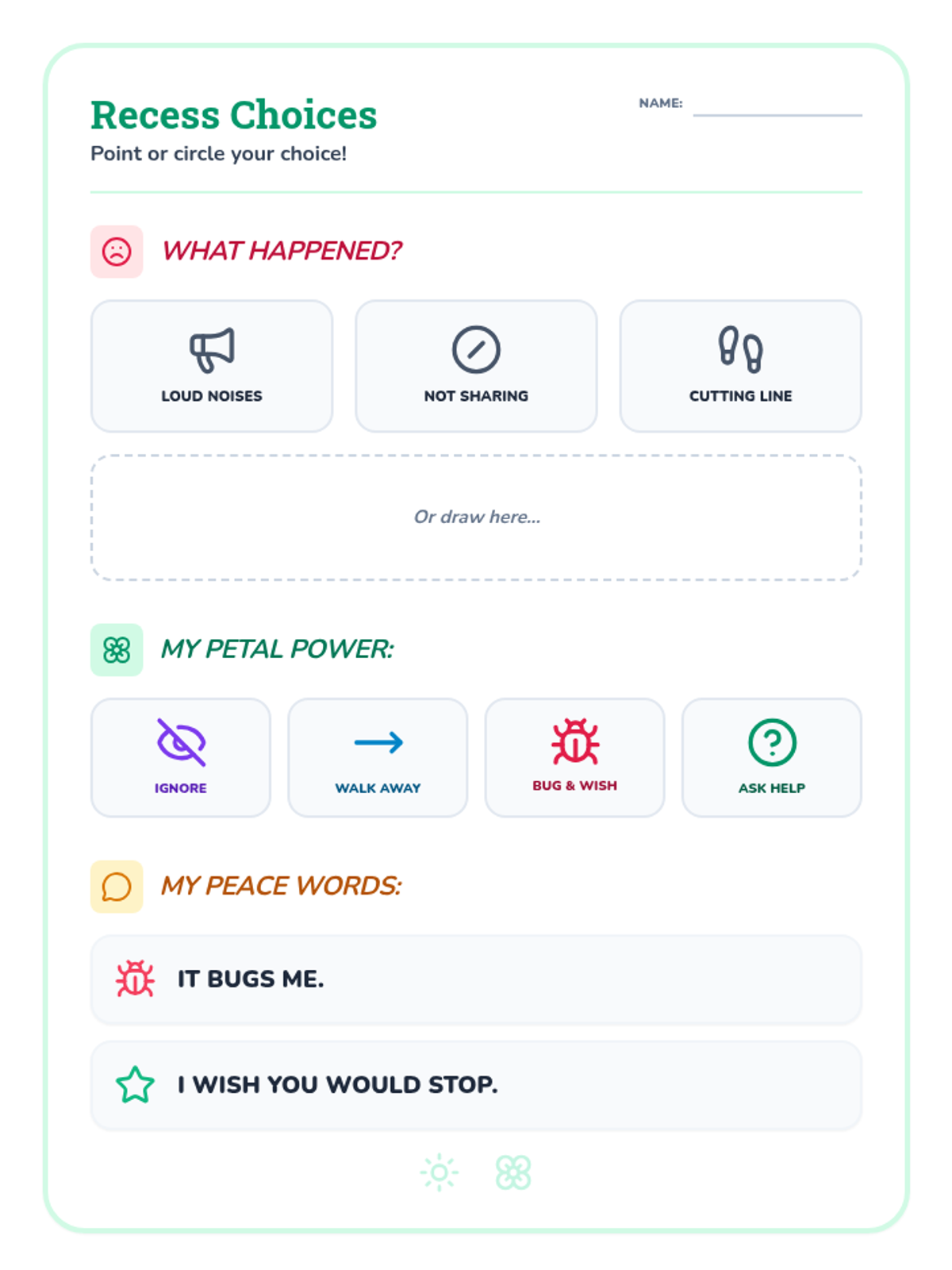
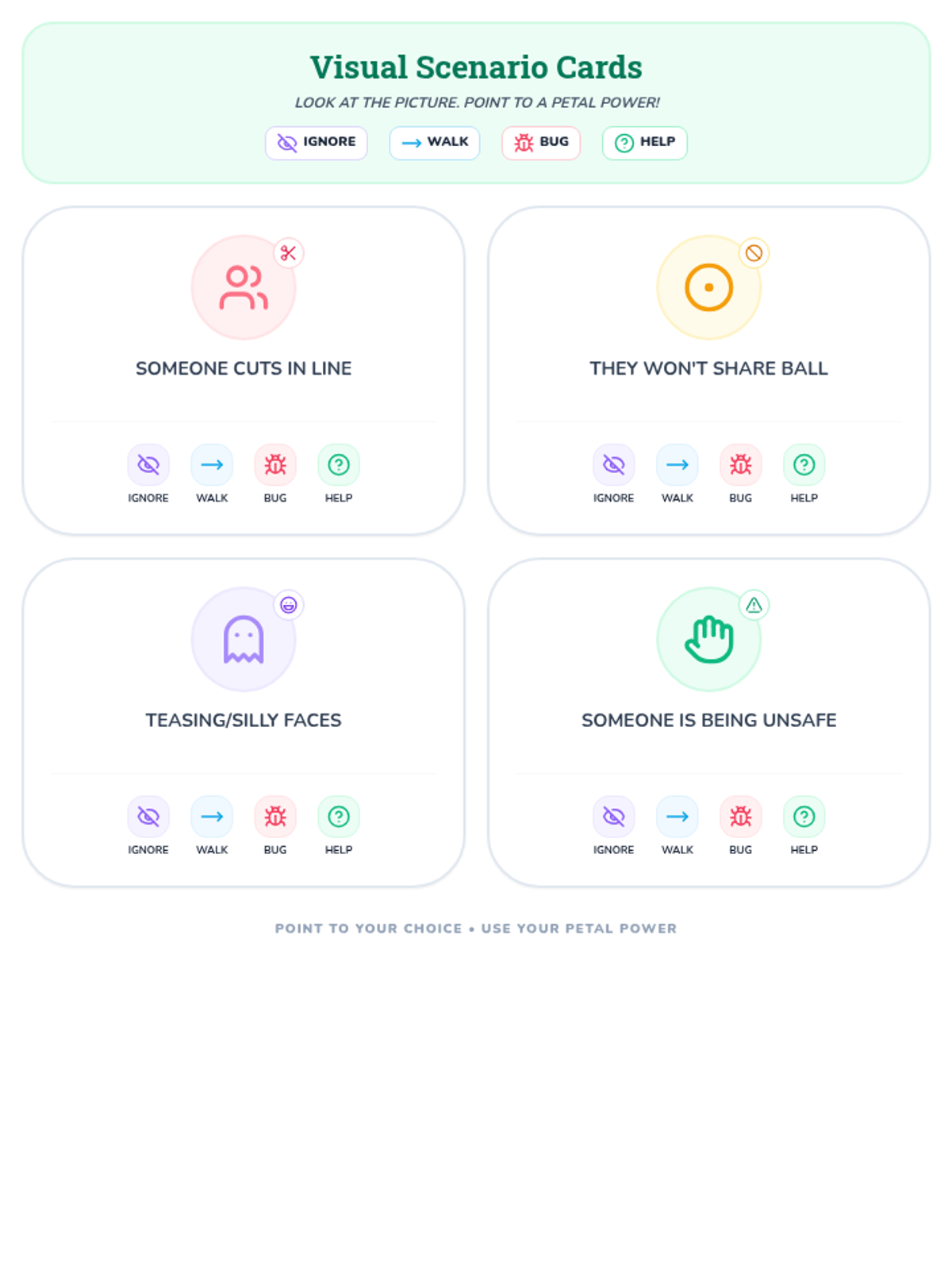
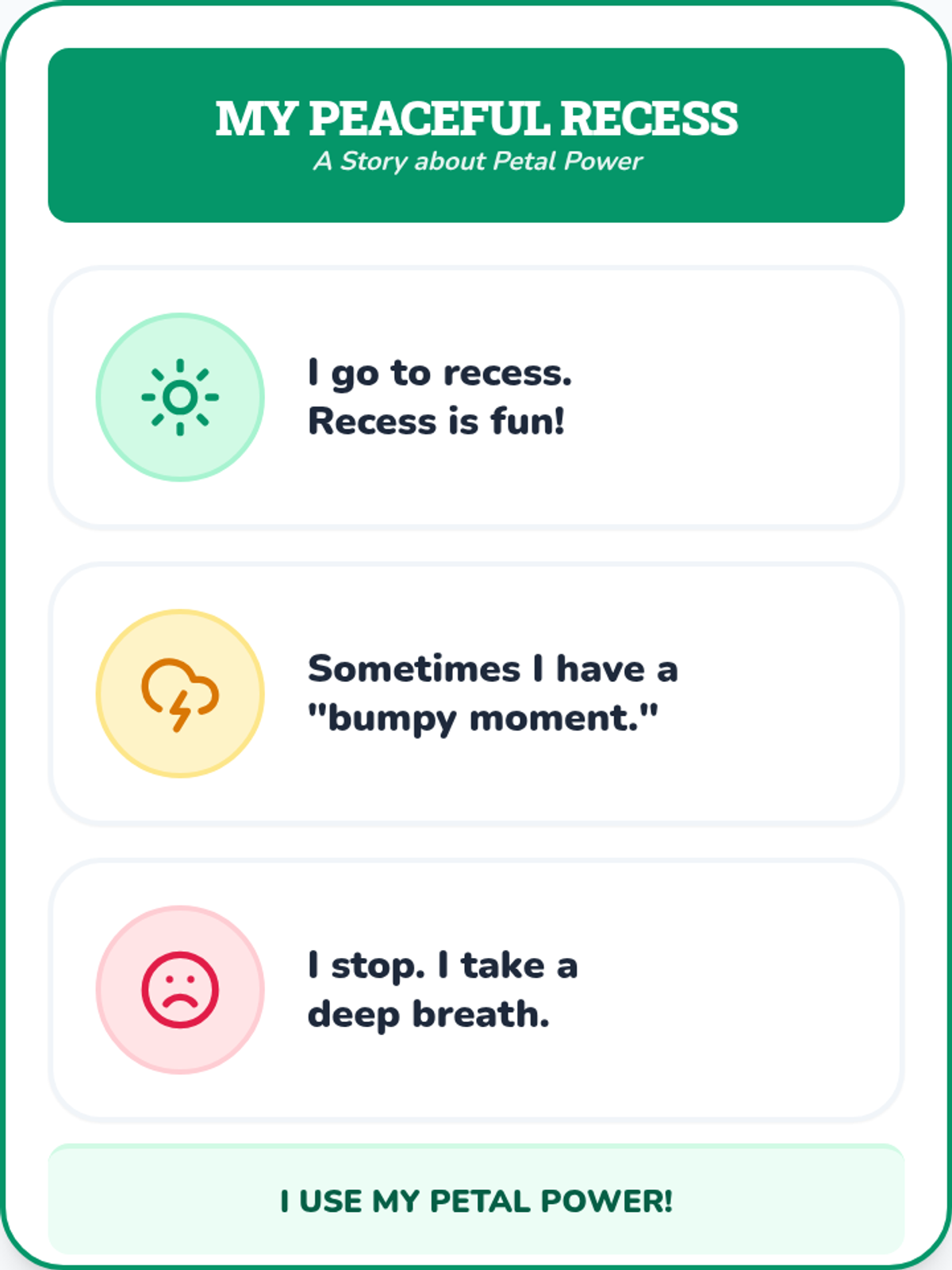
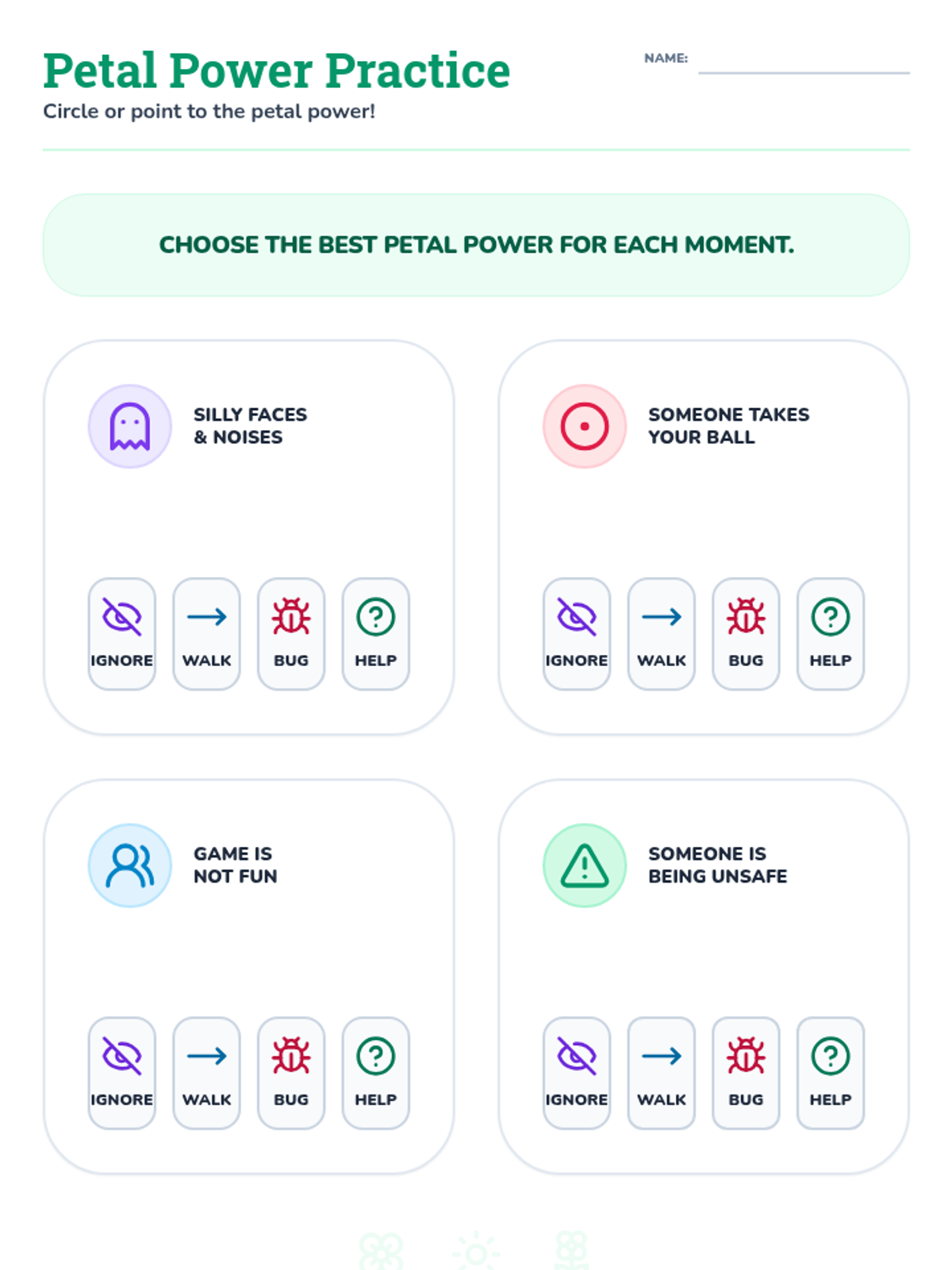
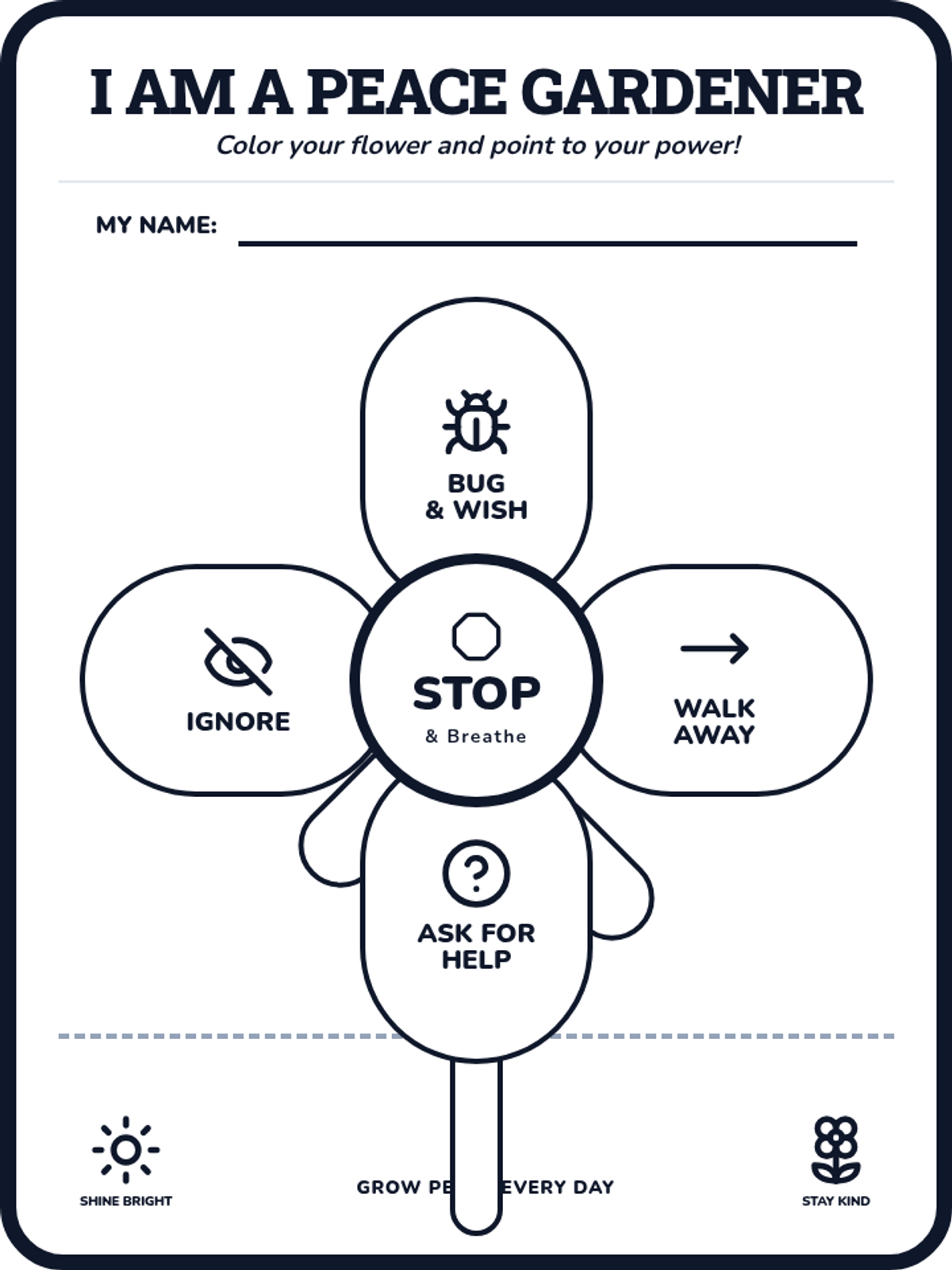
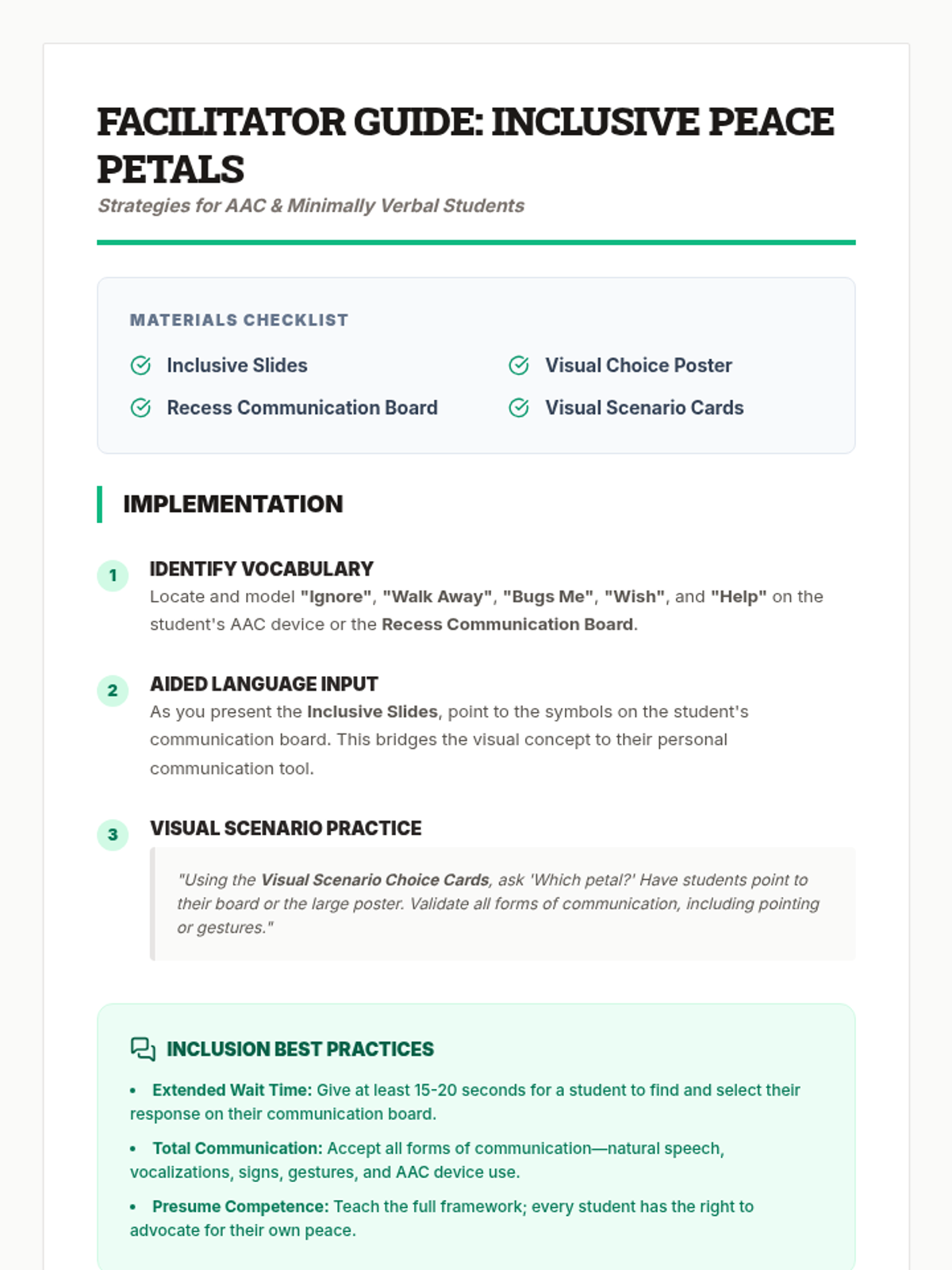
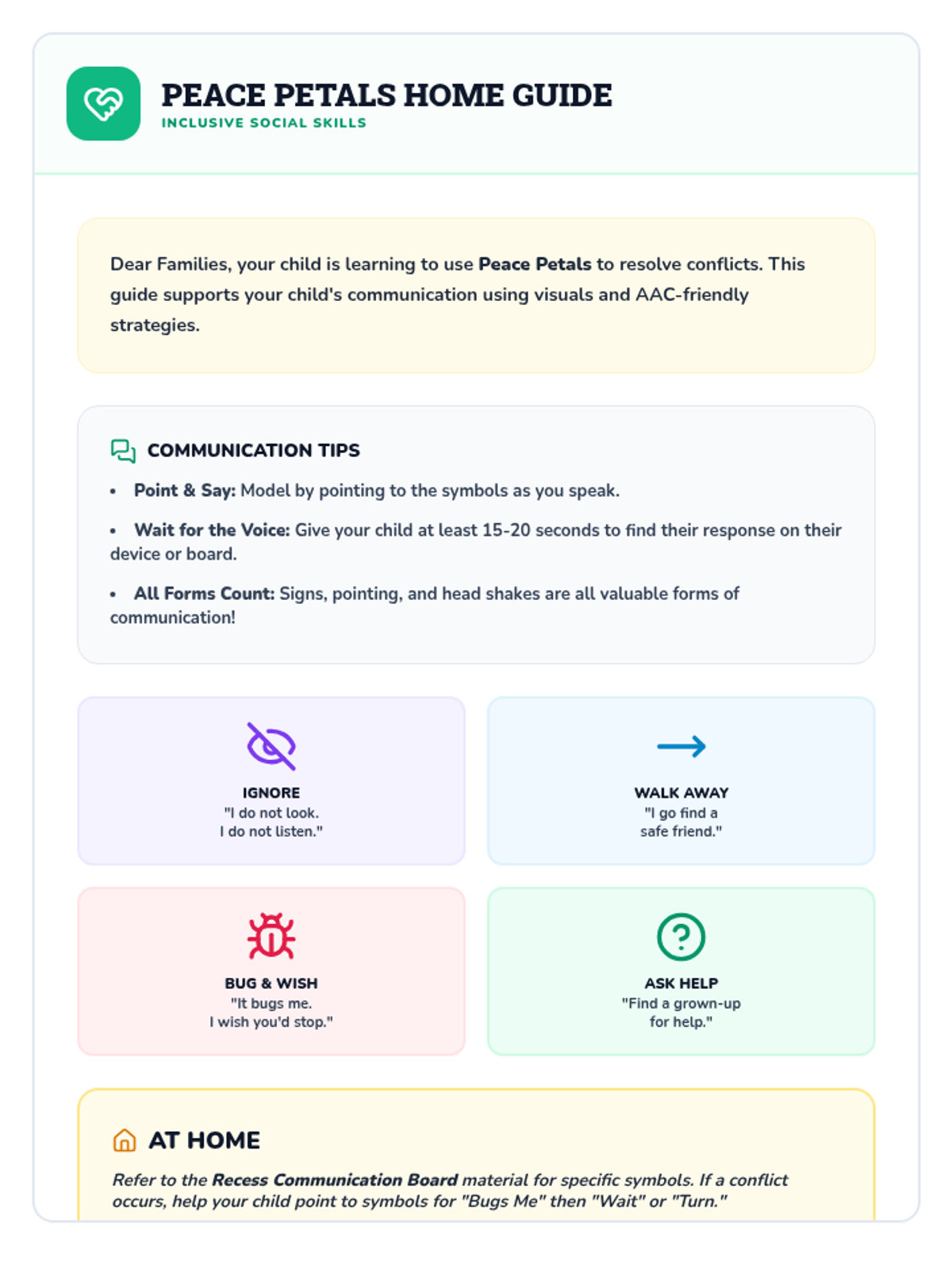
A gentle, flower-themed lesson for elementary students to learn social-emotional strategies for resolving conflicts during recess using the 'Peace Petals' framework.
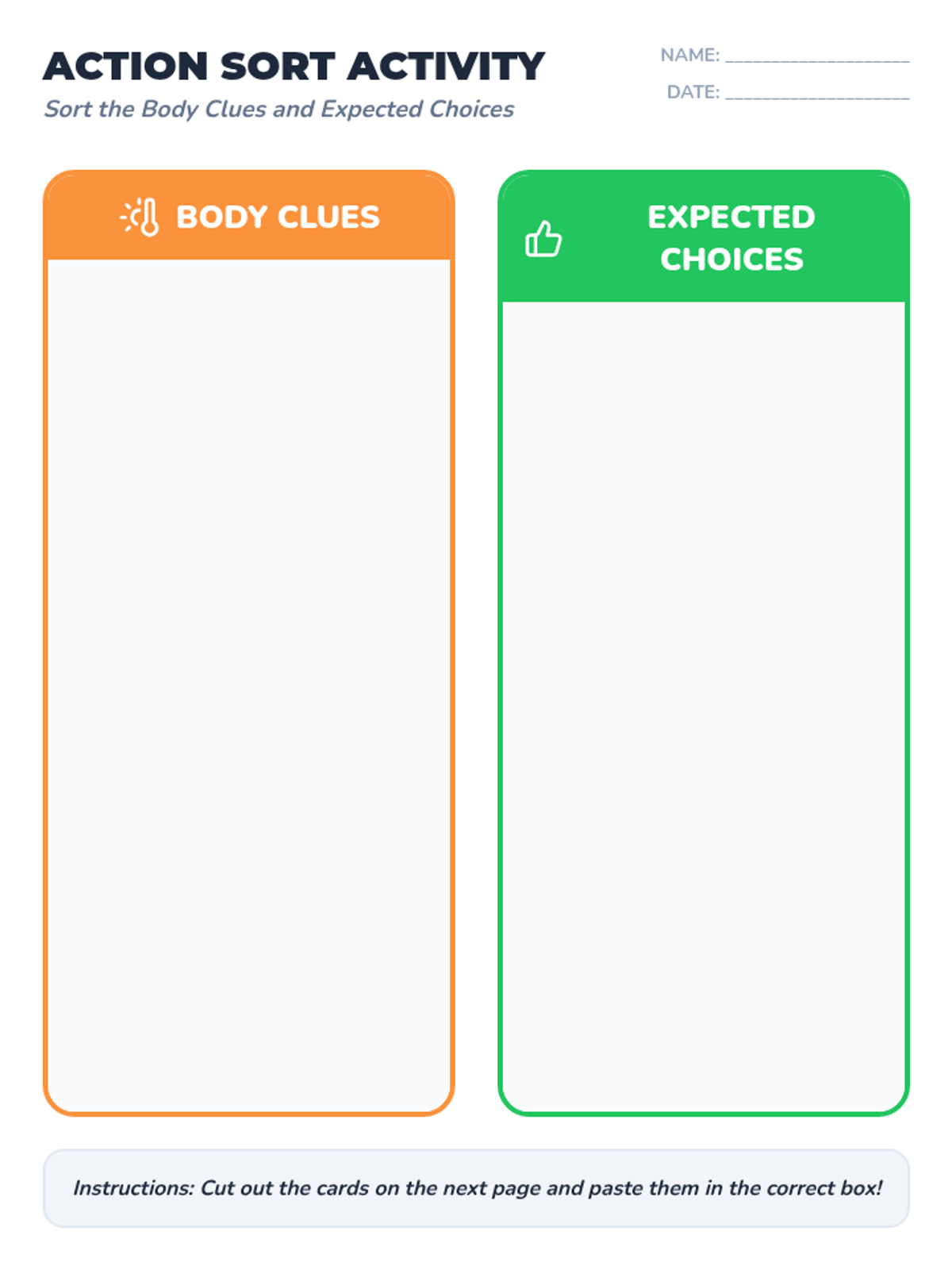
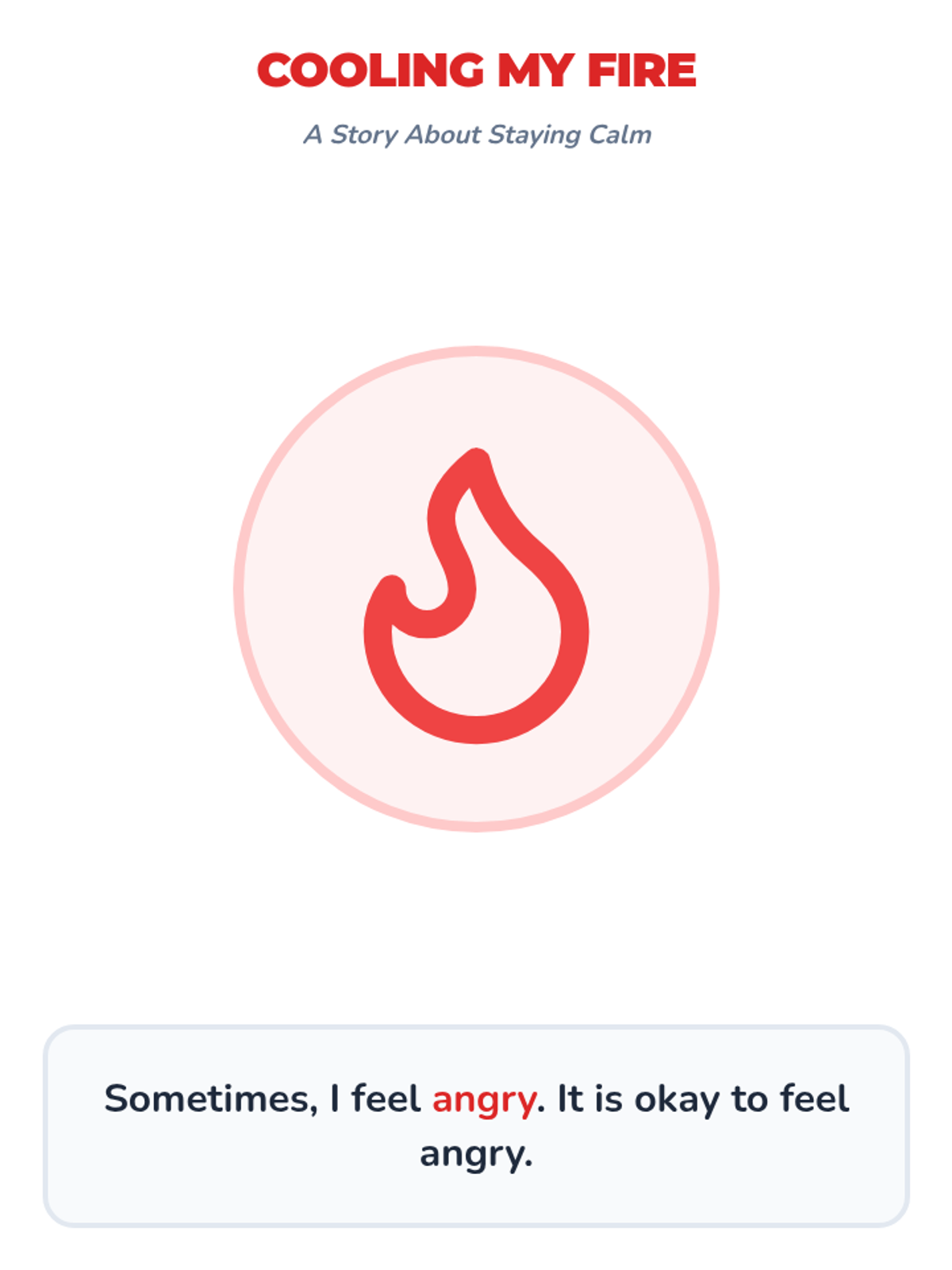
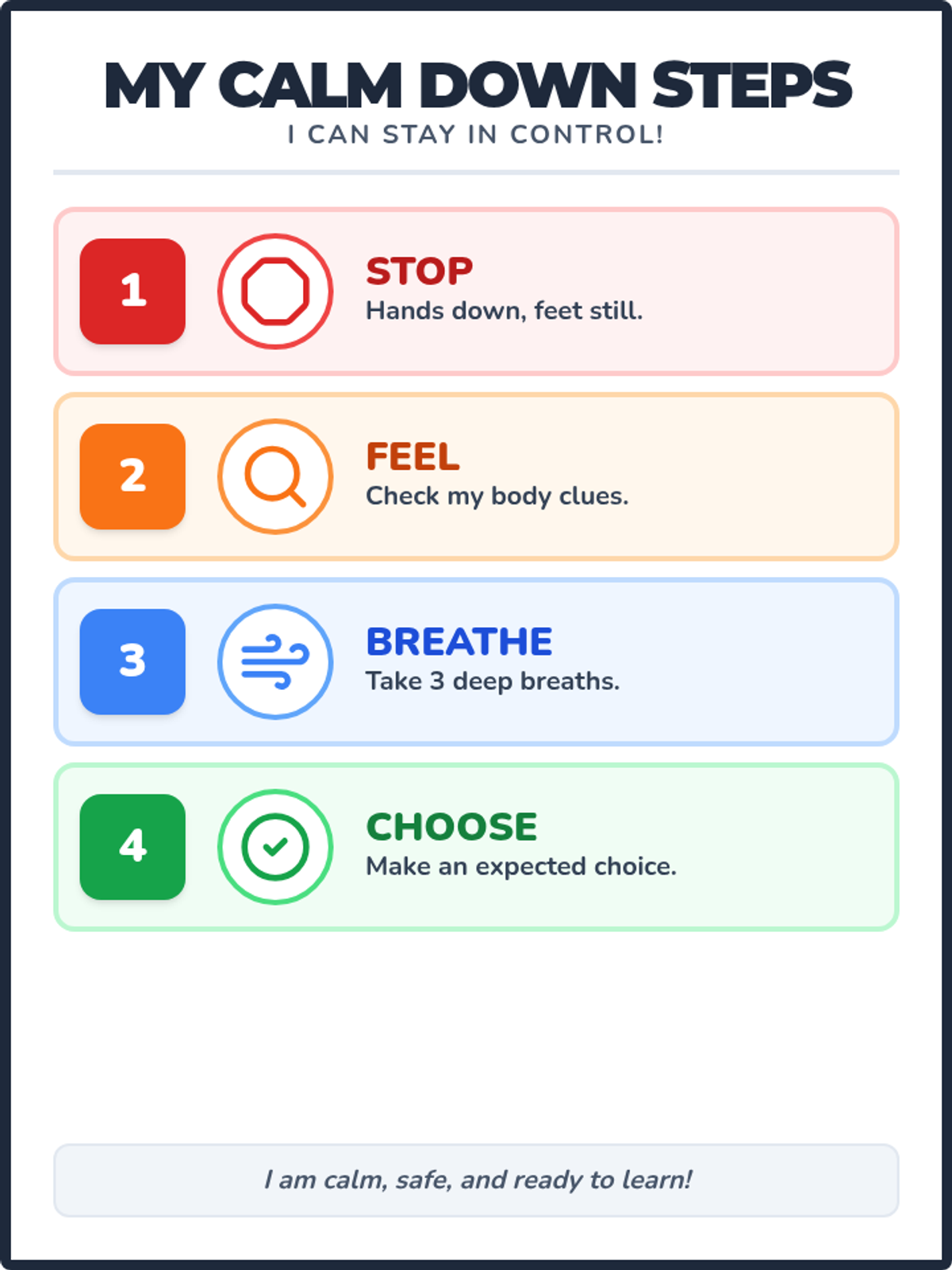
A set of visual and interactive resources designed to help students with low cognitive functioning recognize the physical signs of anger and learn 'expected' calm-down behaviors through a social story, a visual poster, and a hands-on sorting activity.
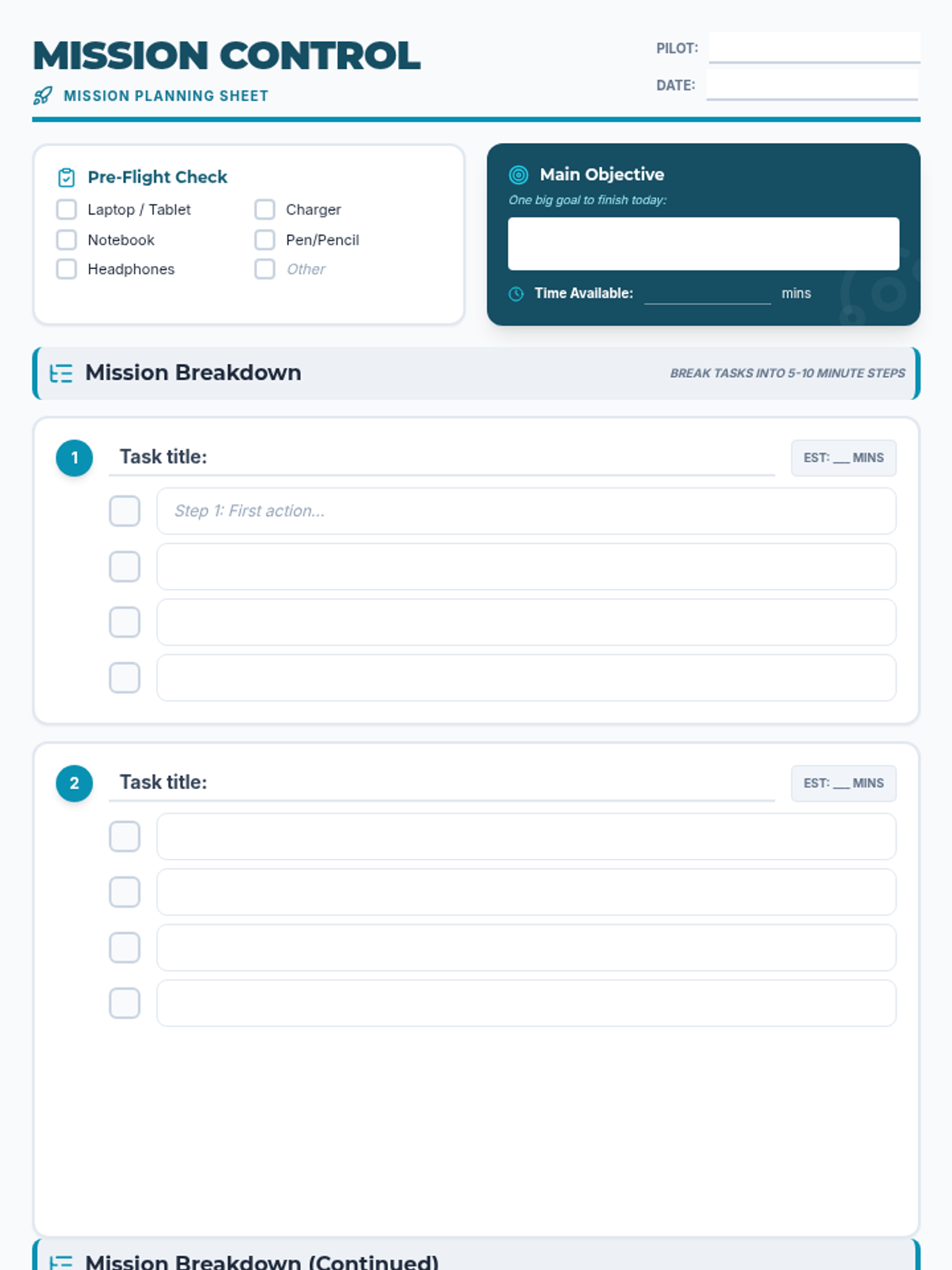
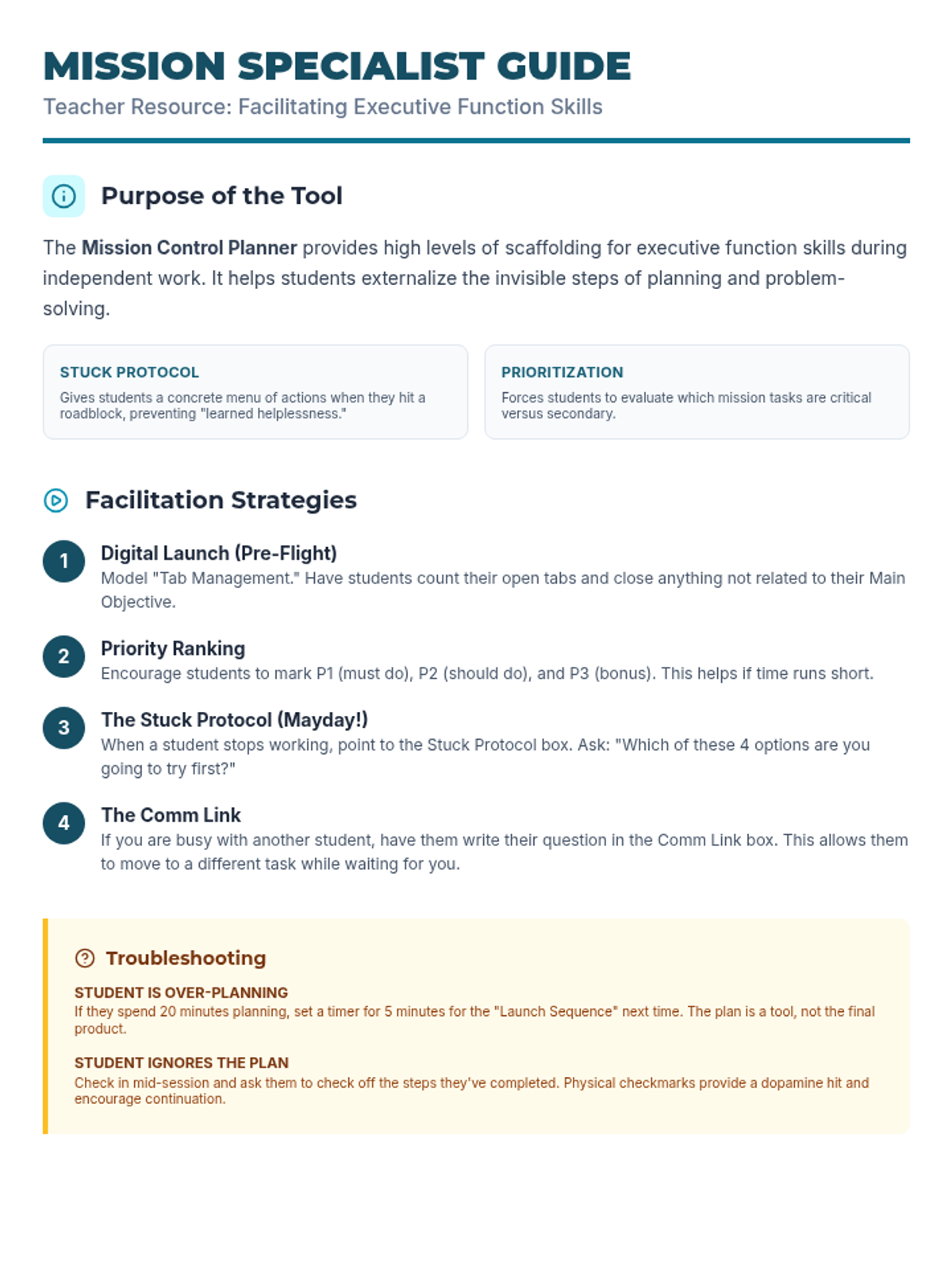
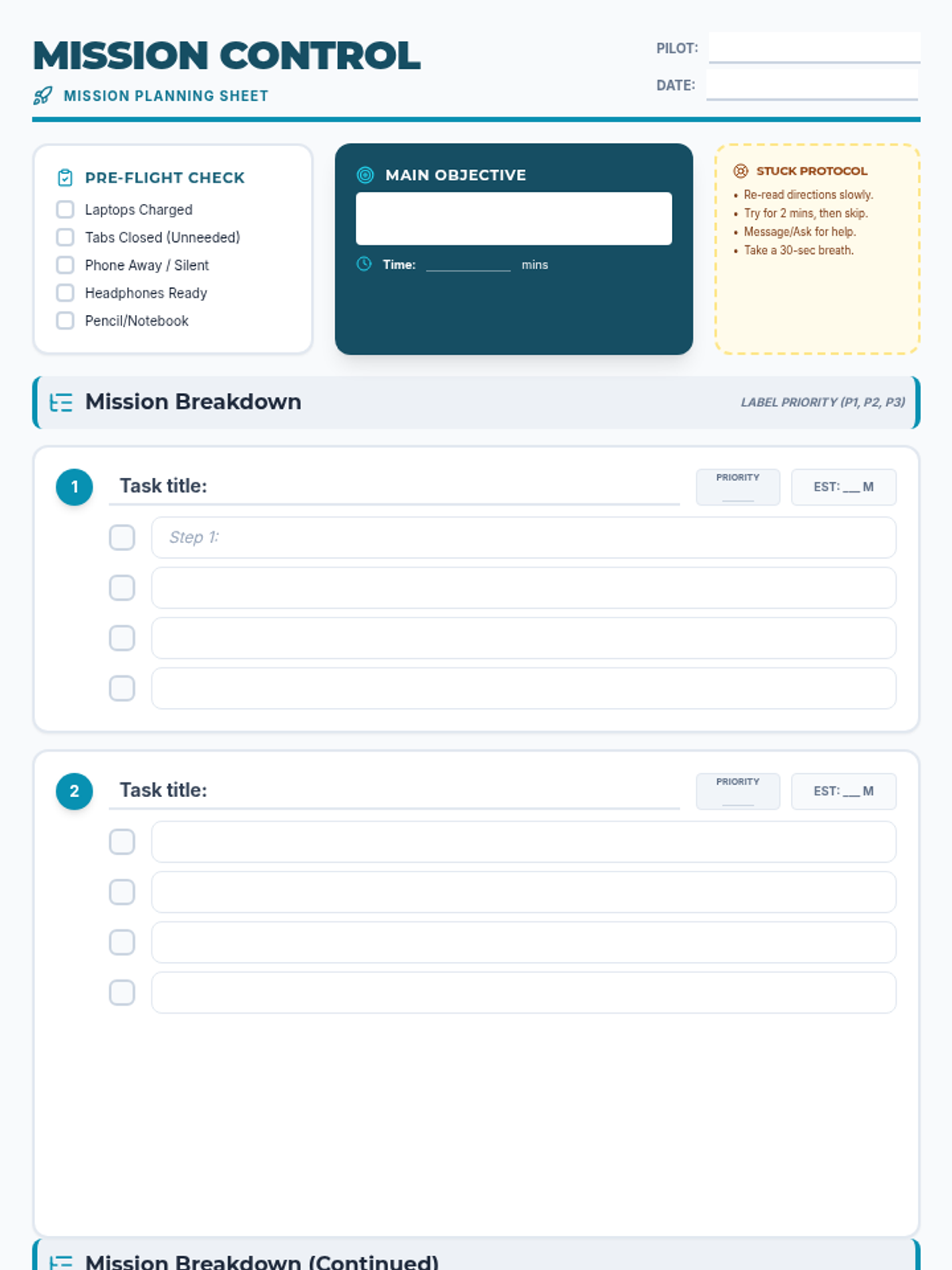
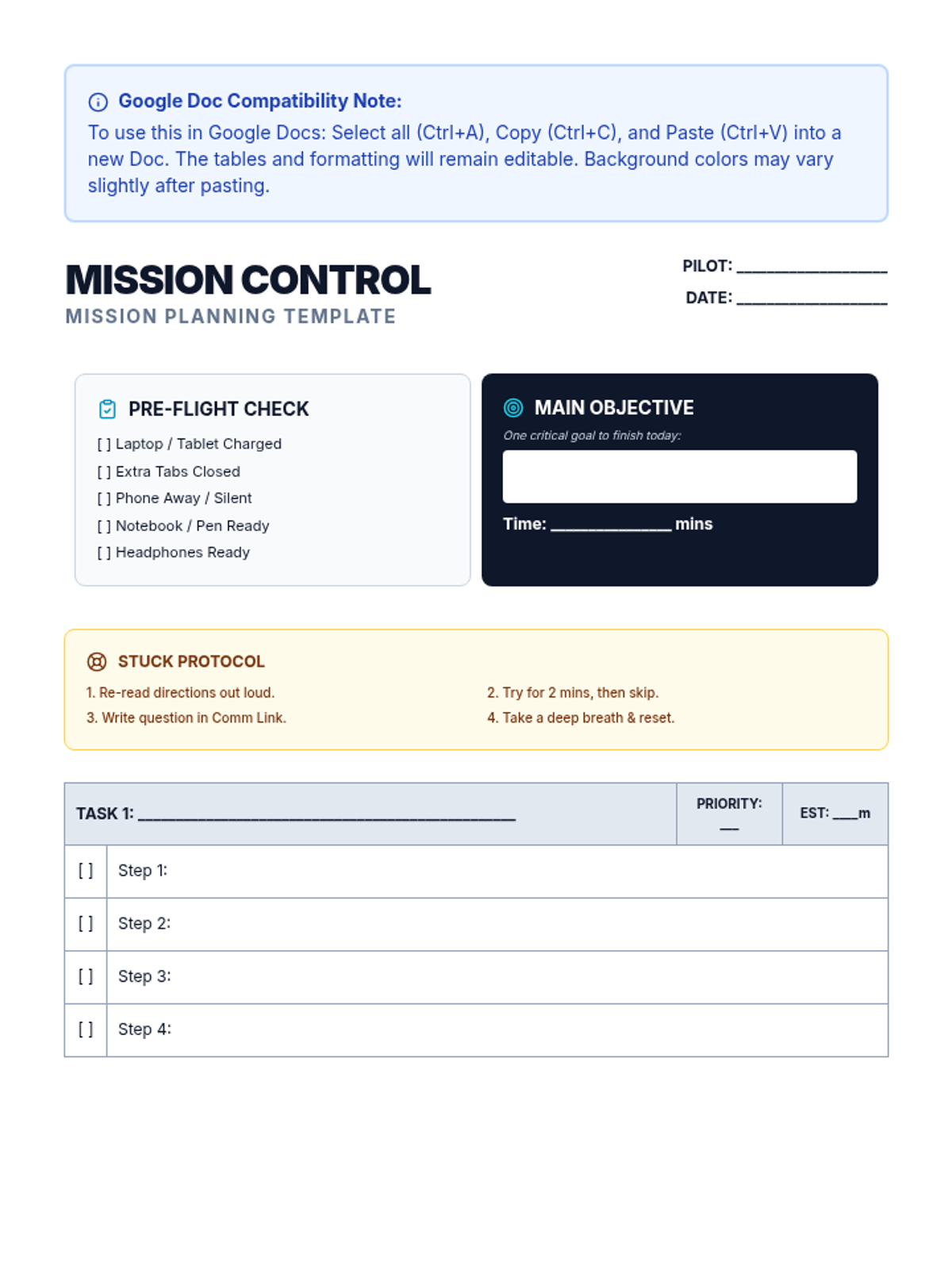
A lesson designed to help middle school students develop executive function skills by breaking down large tasks into manageable steps during study hall sessions.
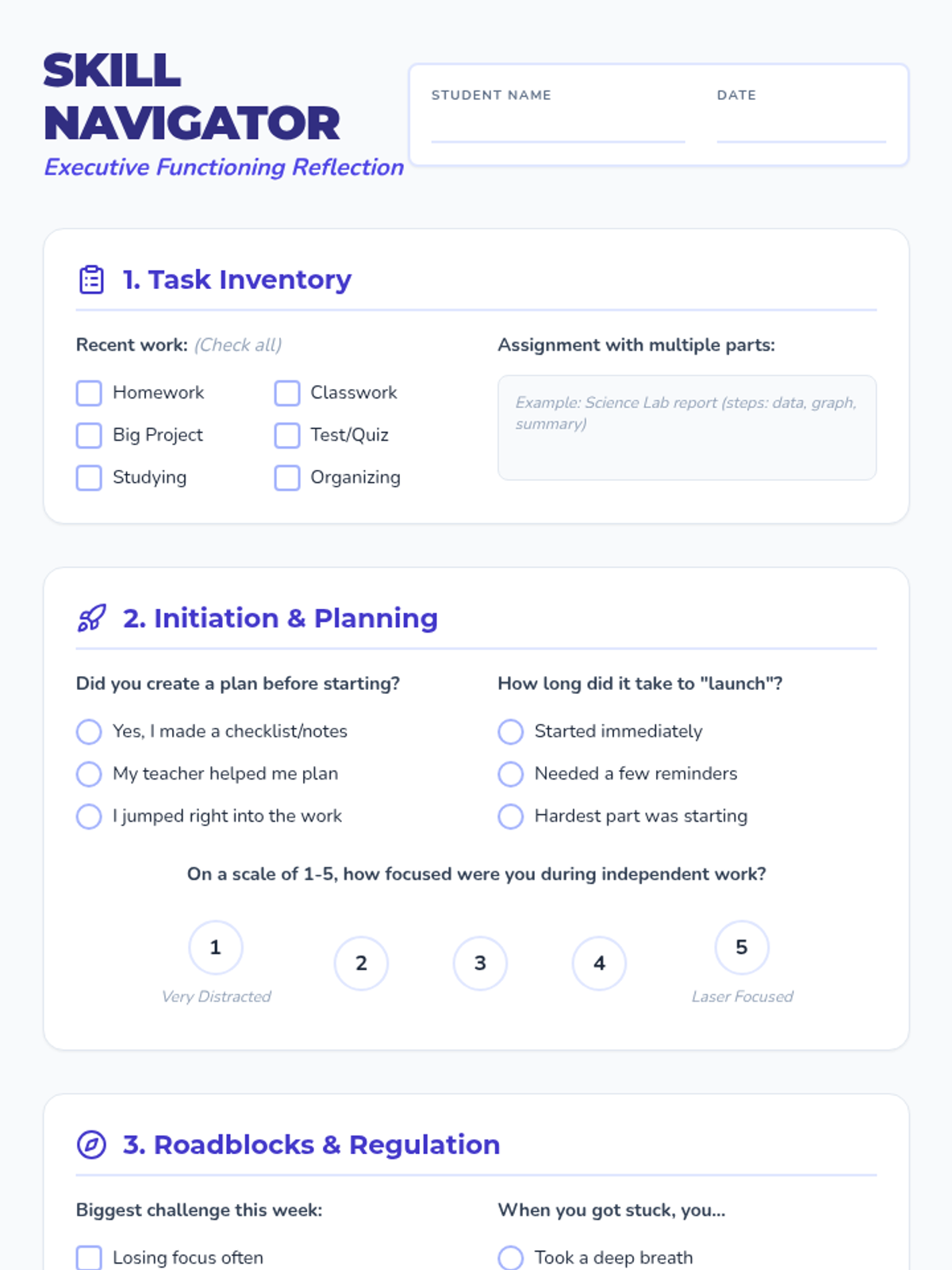
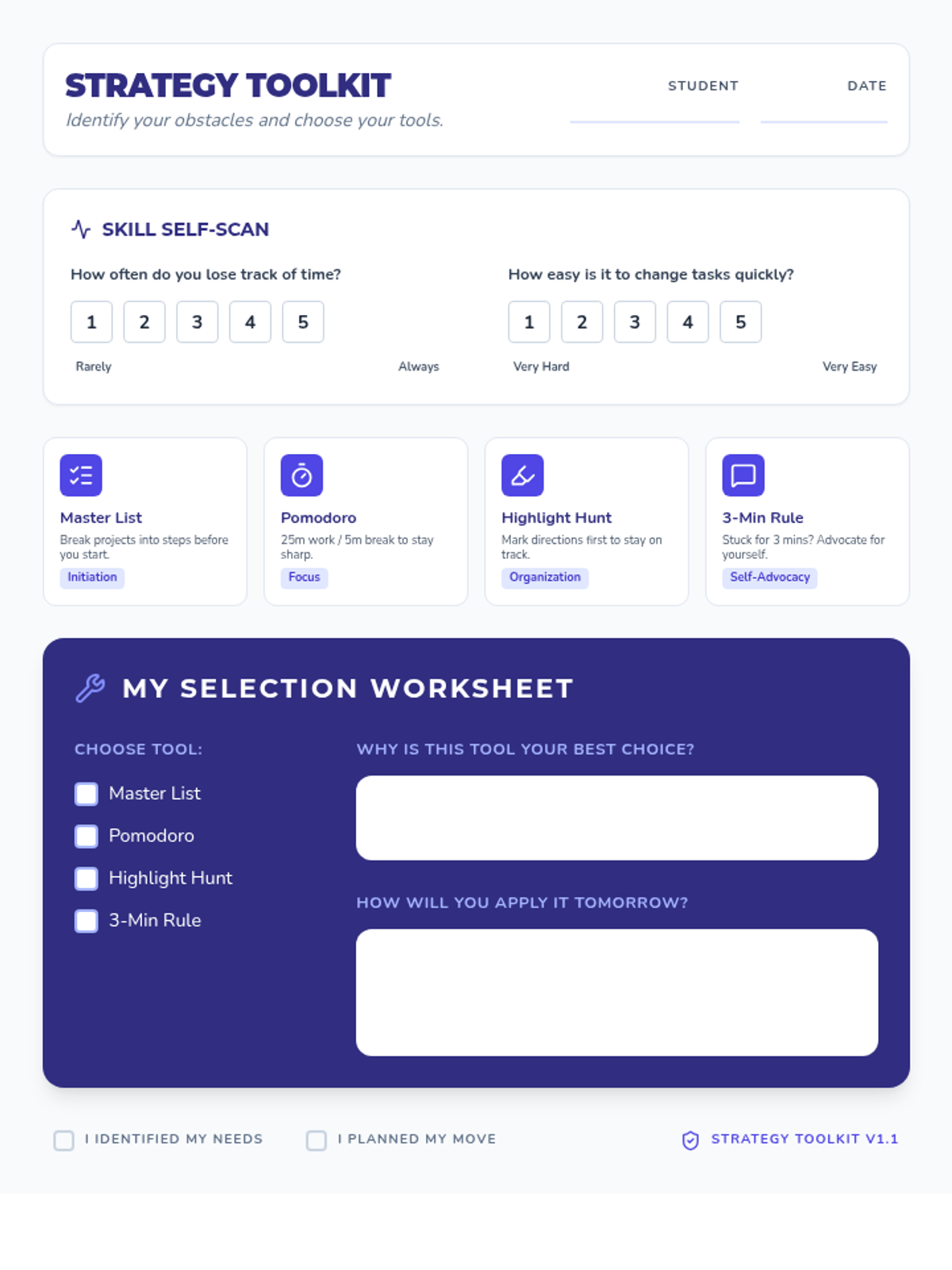
A comprehensive lesson focused on identifying and improving executive functioning skills through self-reflection and strategy building.
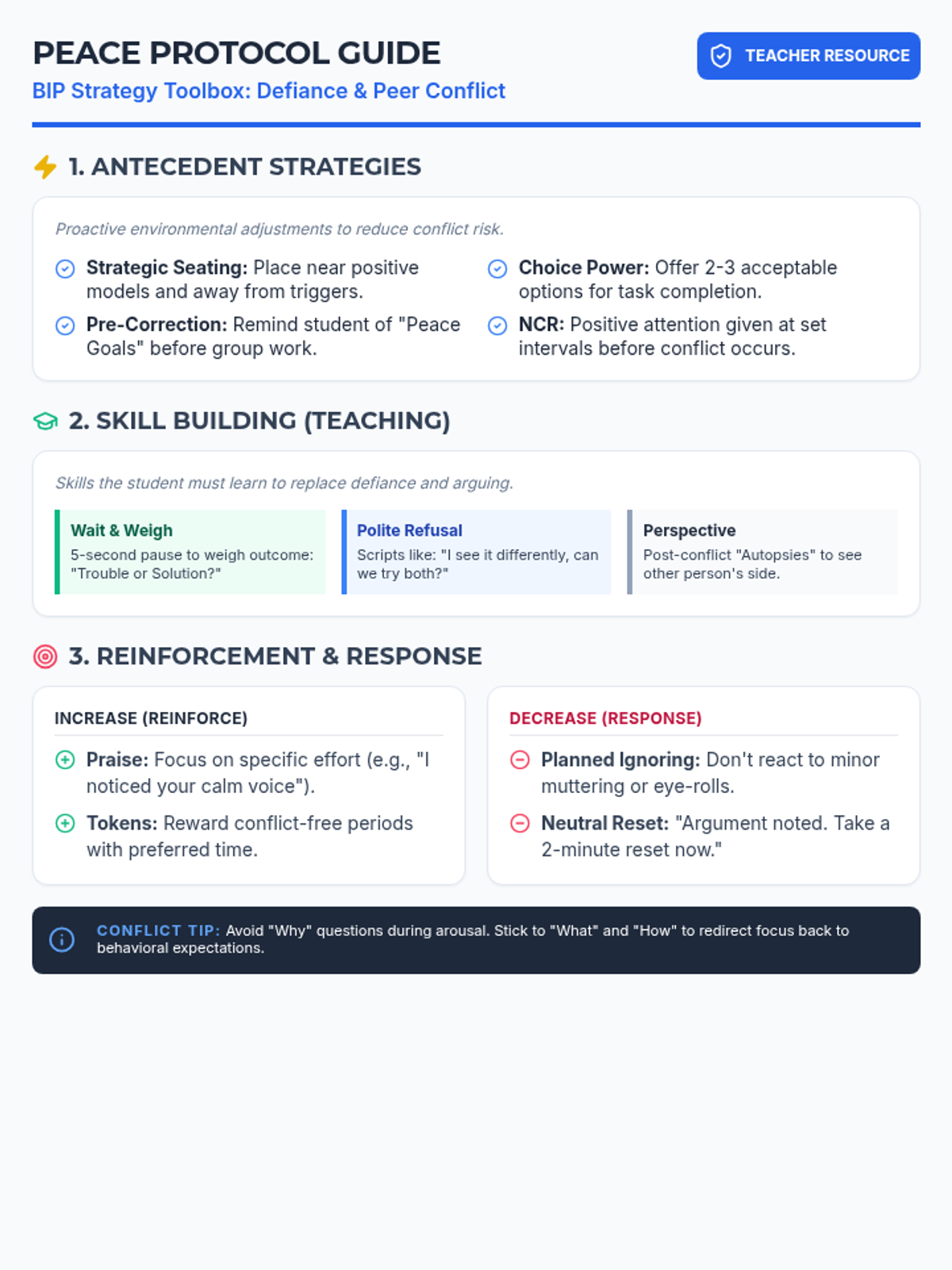
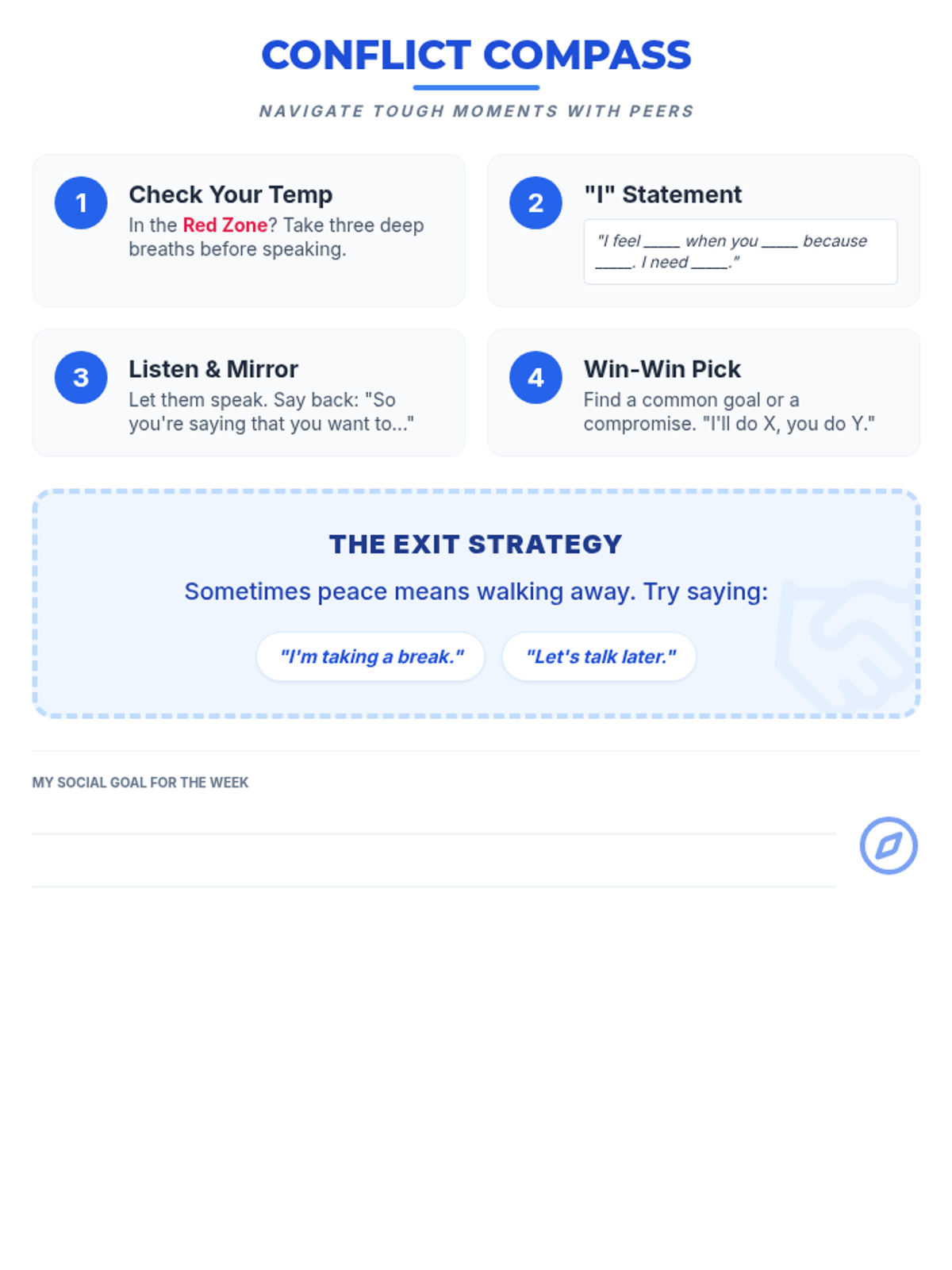
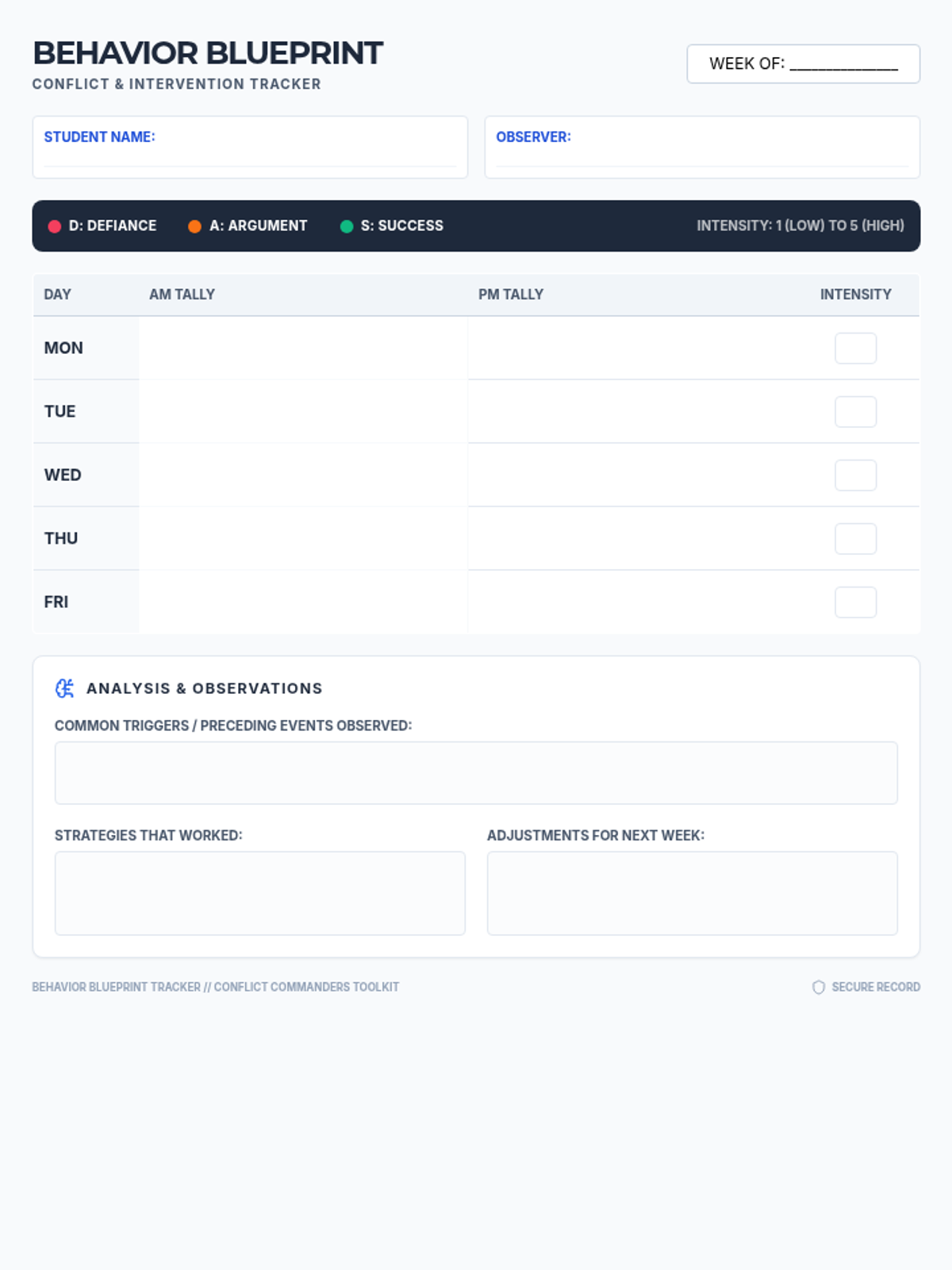
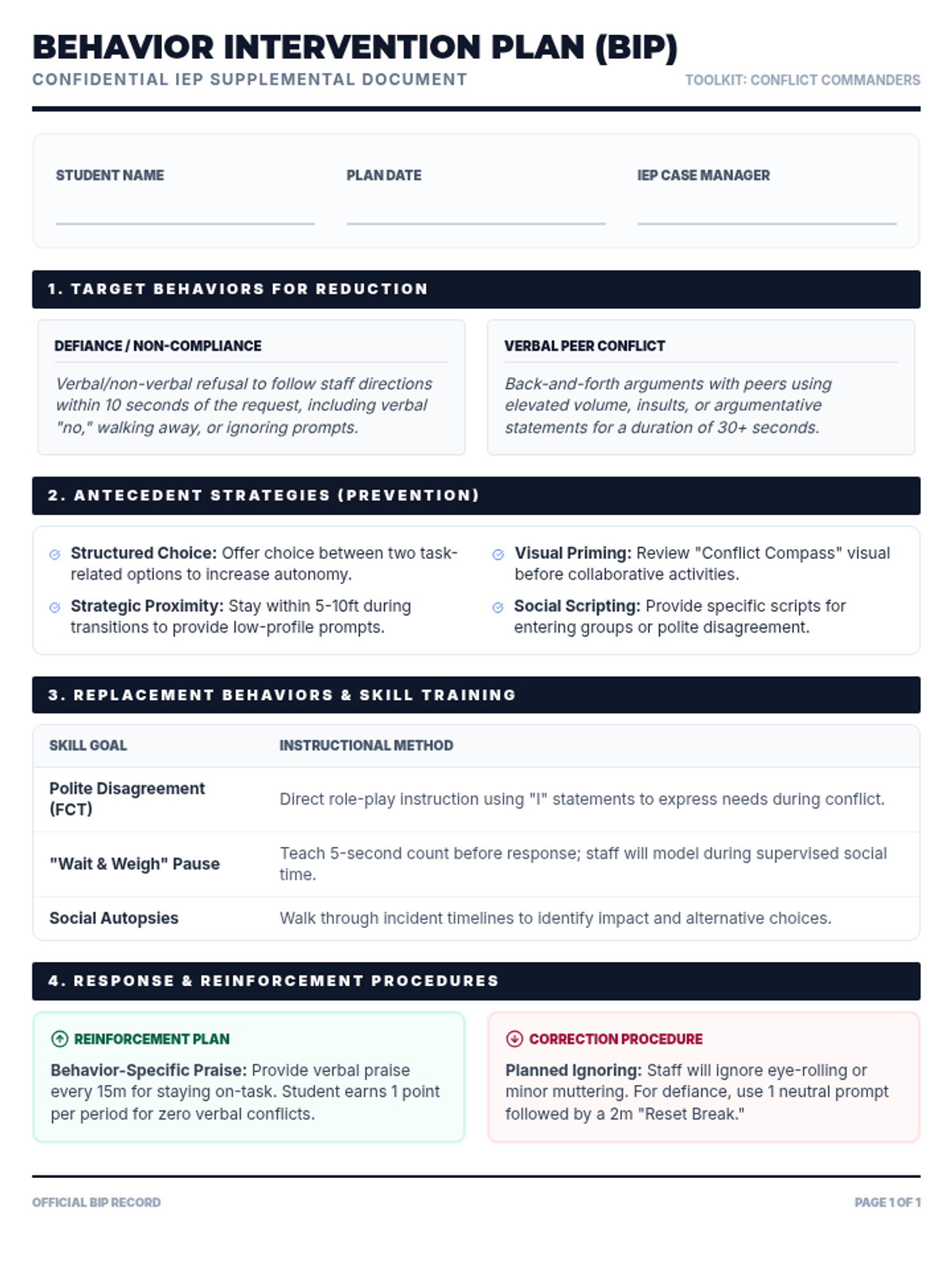
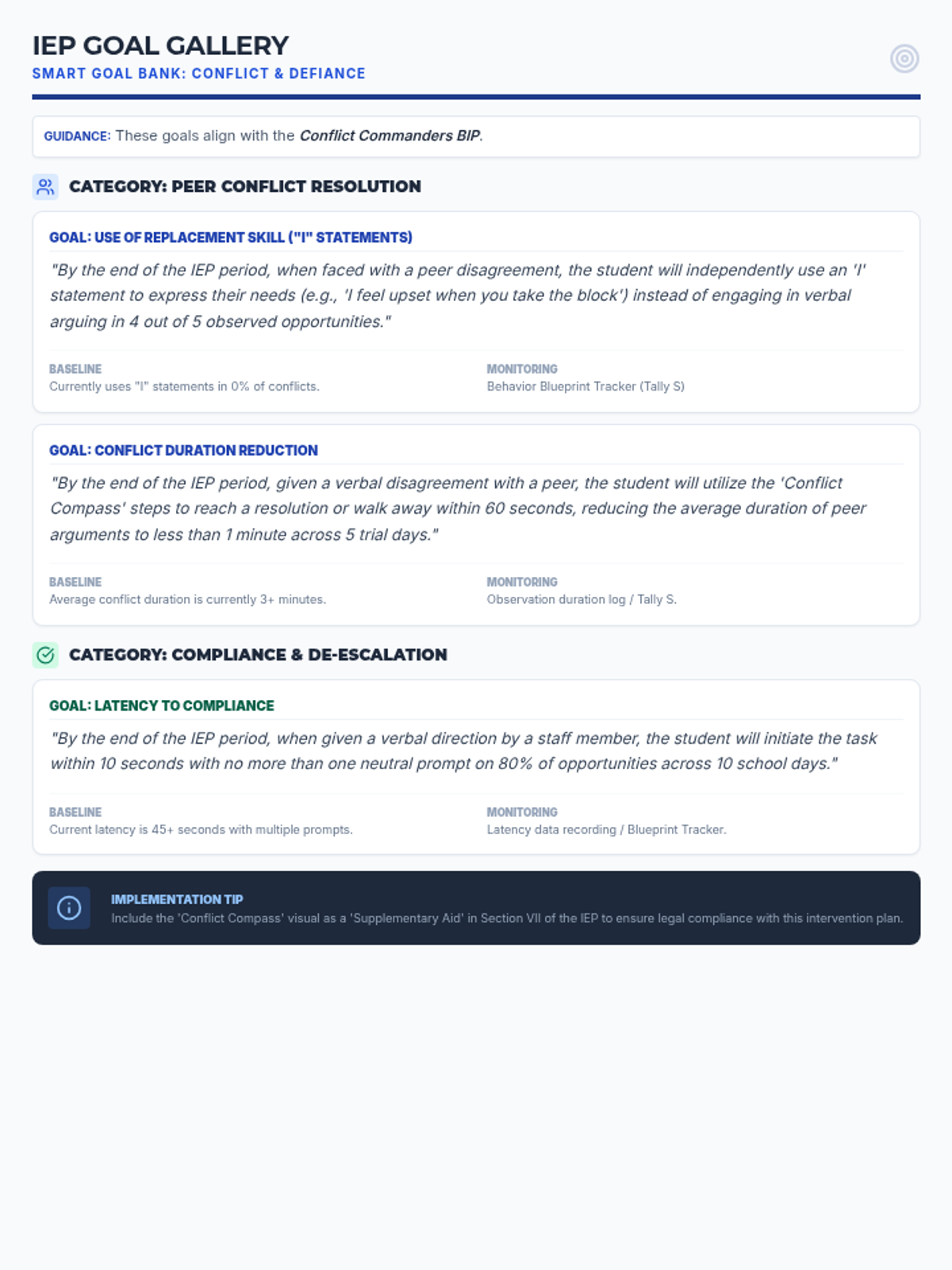
A comprehensive set of tools for managing and reducing peer defiance and verbal conflict, focusing on proactive BIP strategies, student-facing visuals, and data collection.
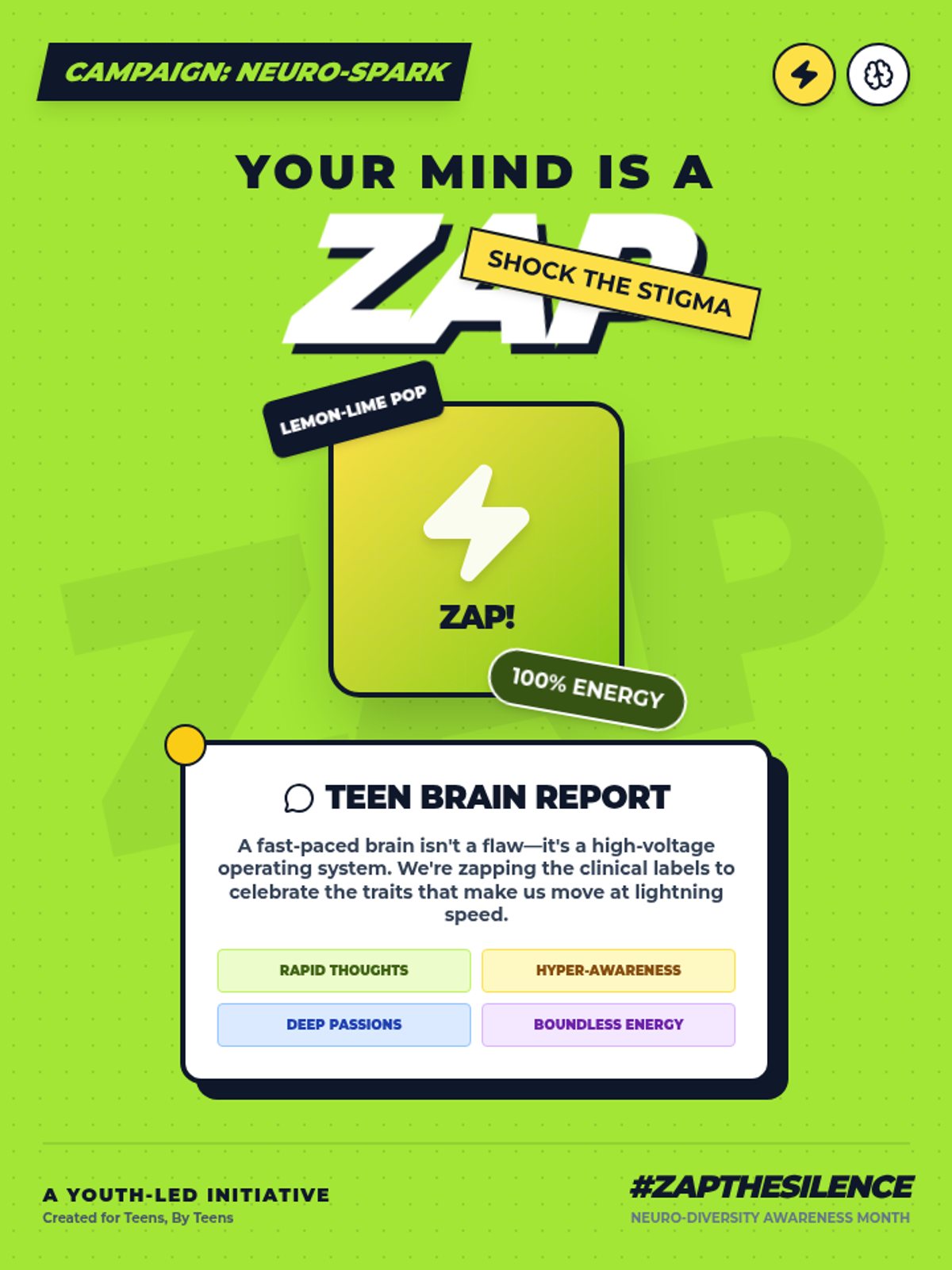
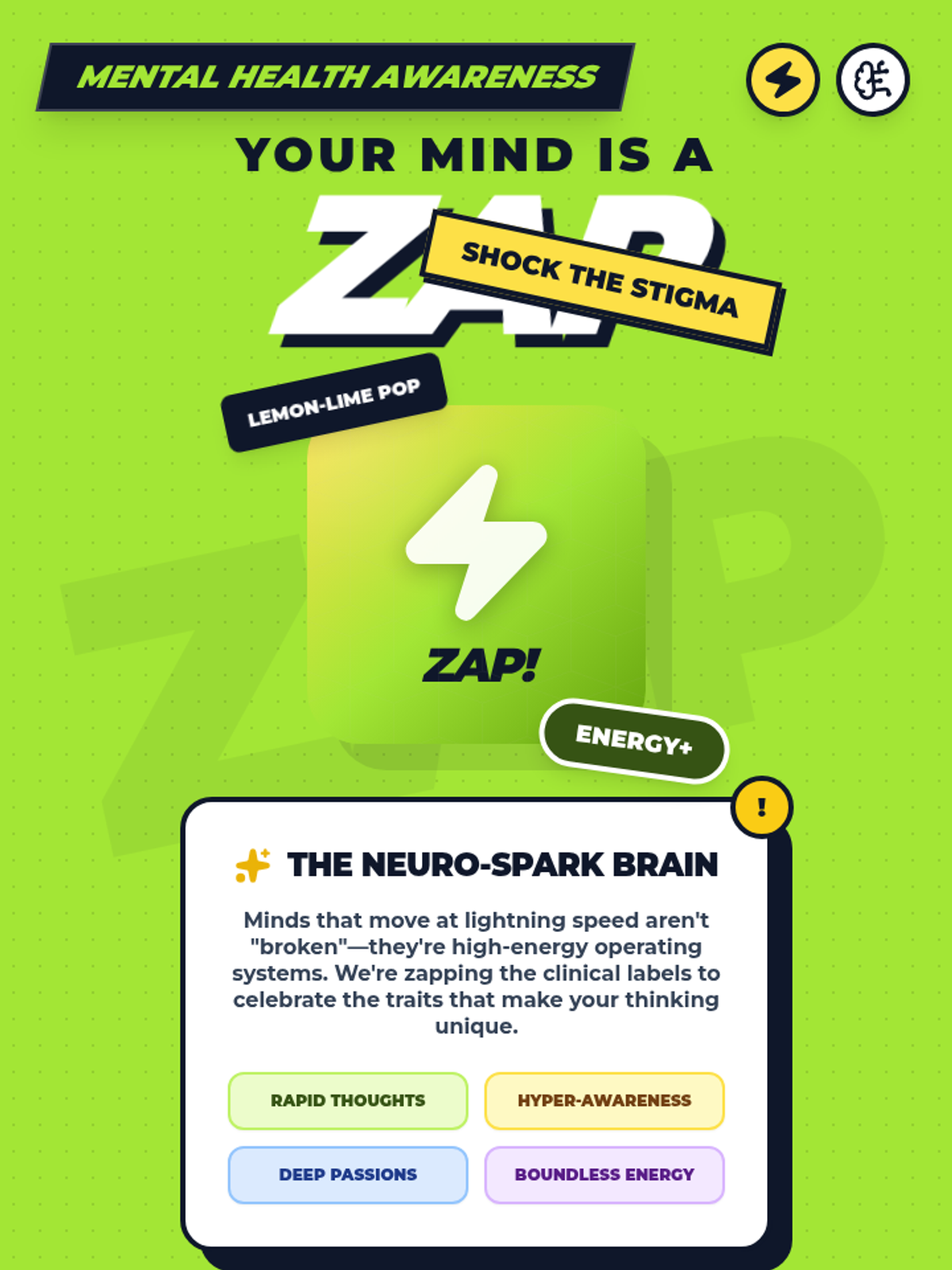
An activity for Mental Health Awareness Month centered on a fictional candy brand that celebrates neurodiversity and high-energy mind traits.
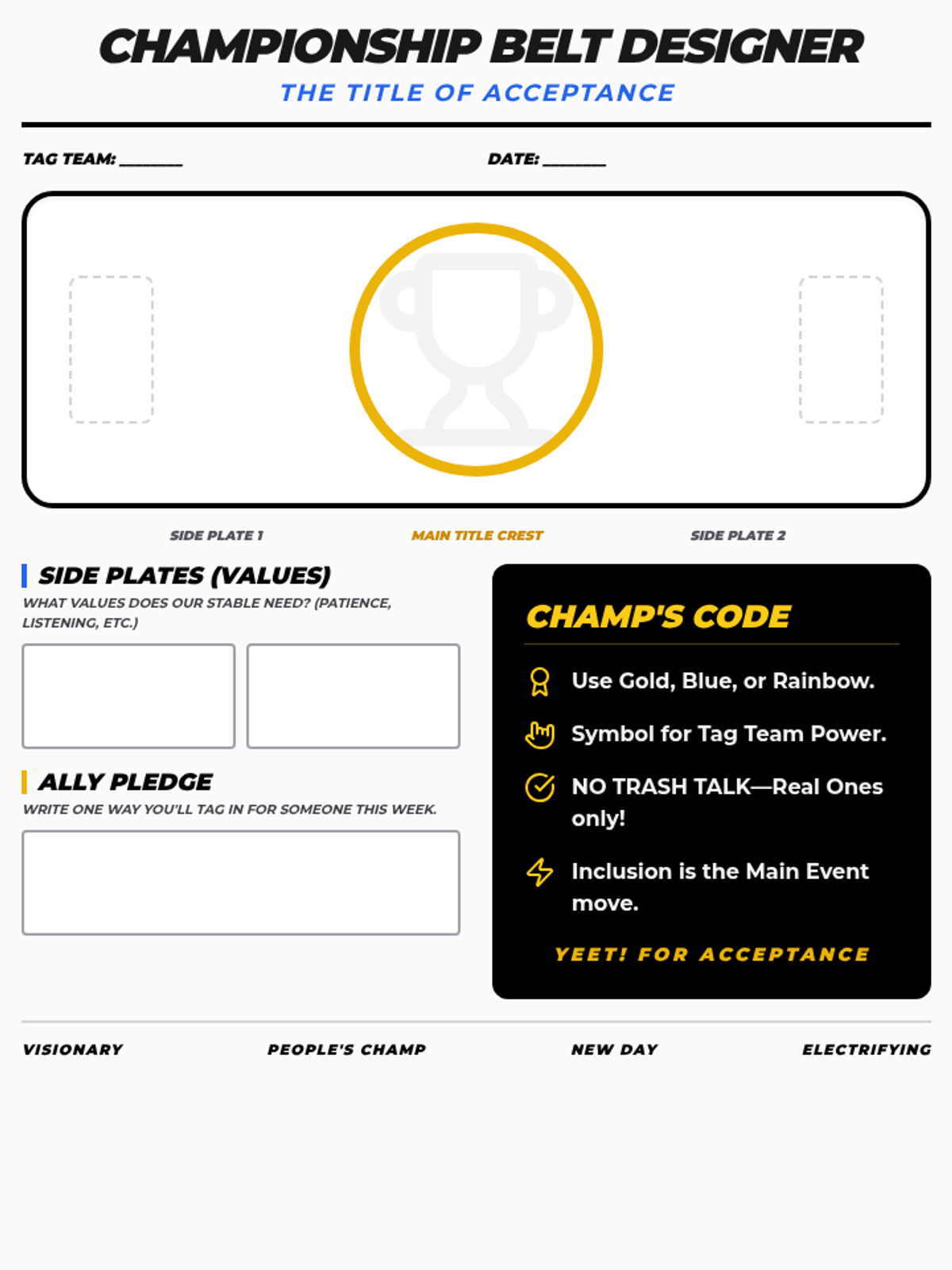
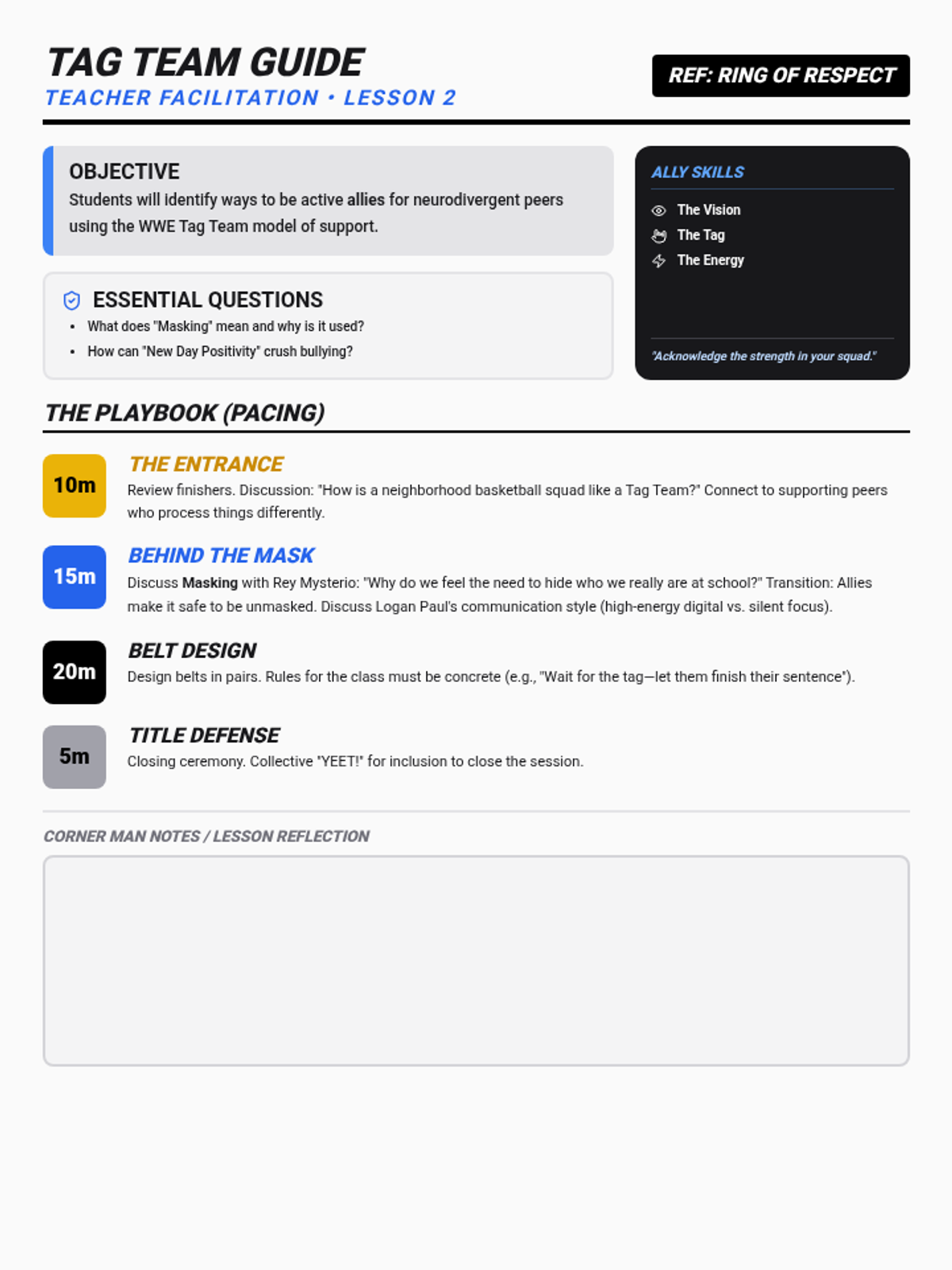
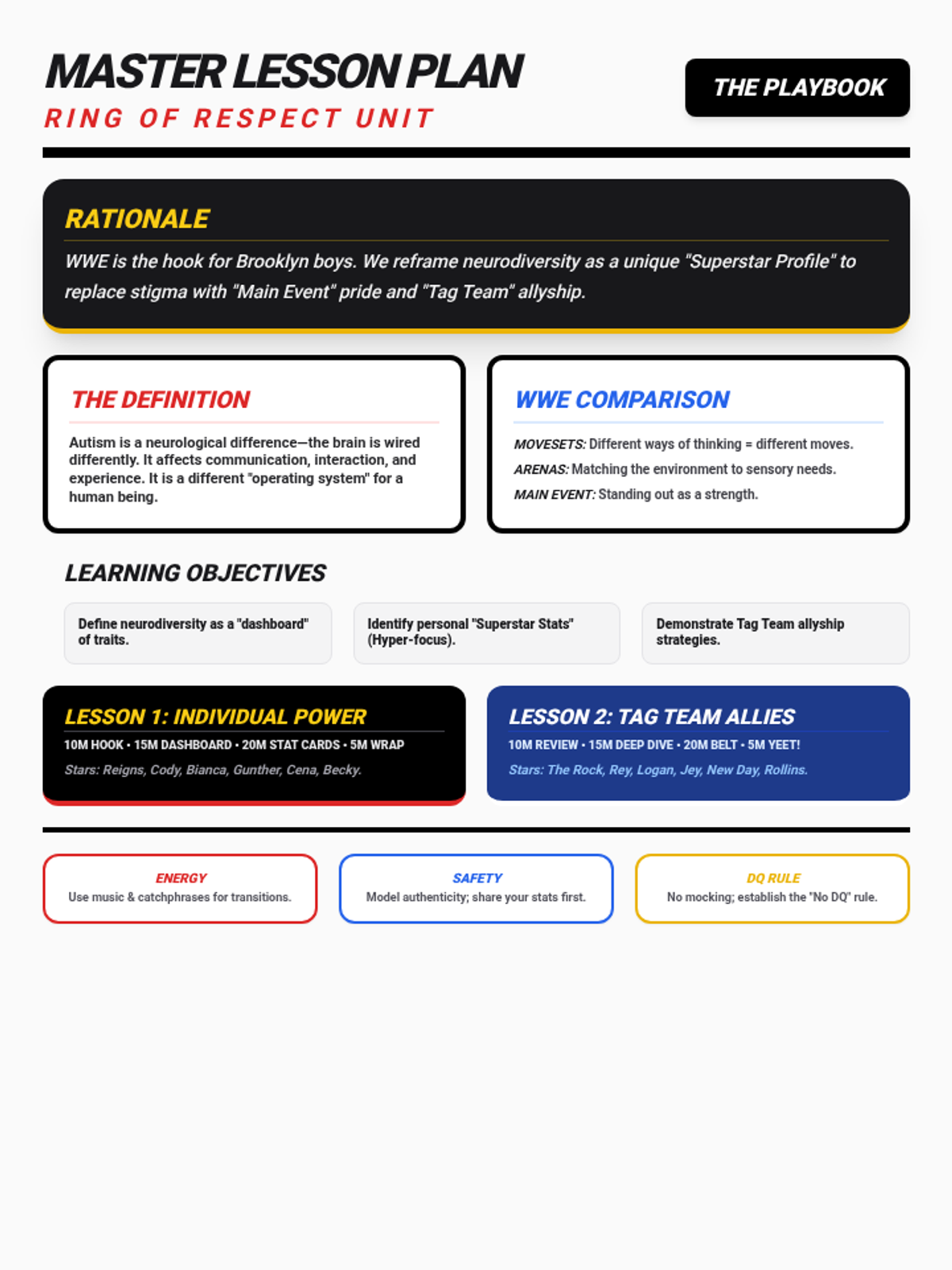
Focuses on communication, empathy, and advocacy using tag team dynamics from The Rock, Seth Rollins, and The New Day to build a culture of acceptance and 'Championship' level respect.
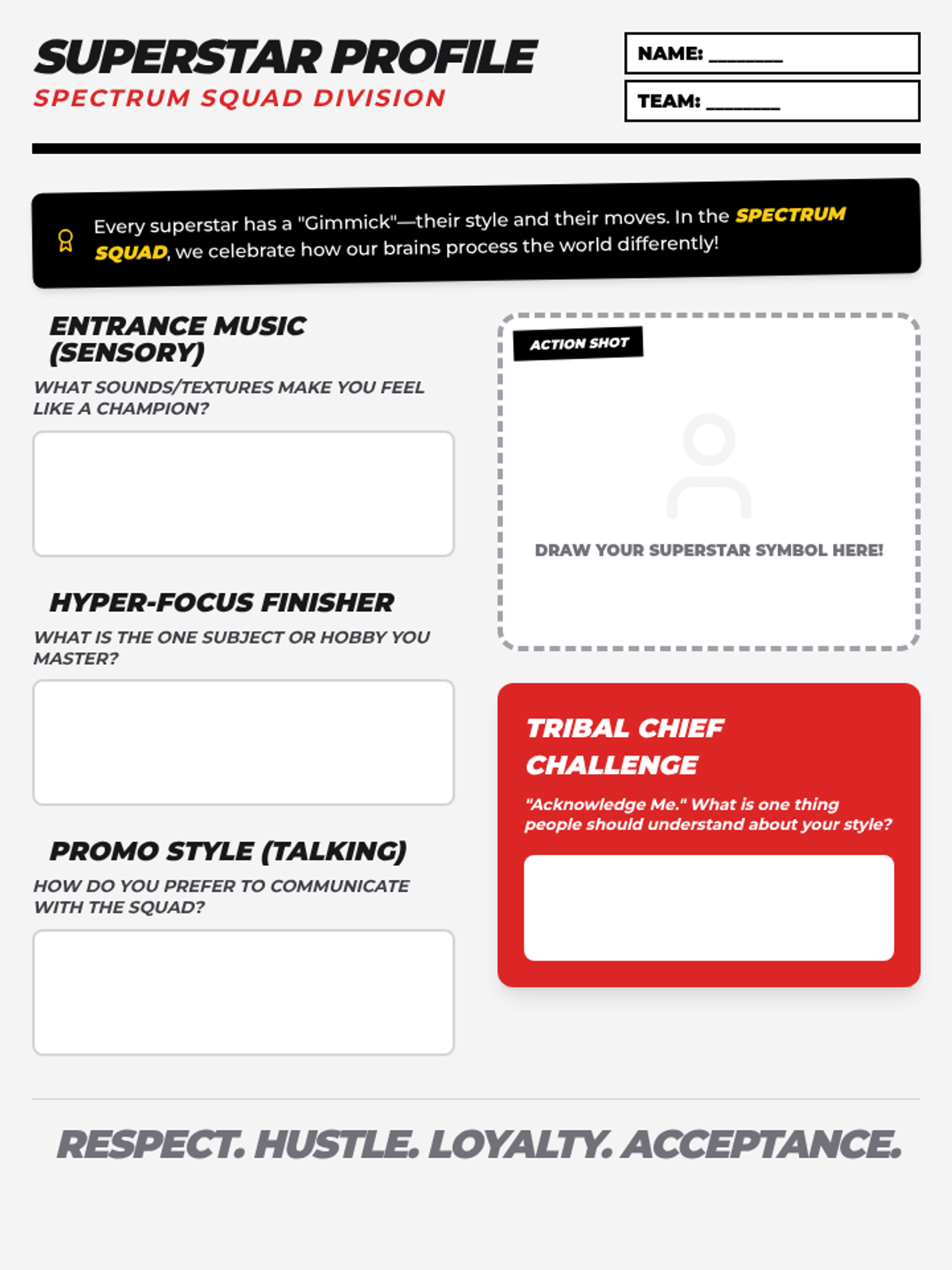
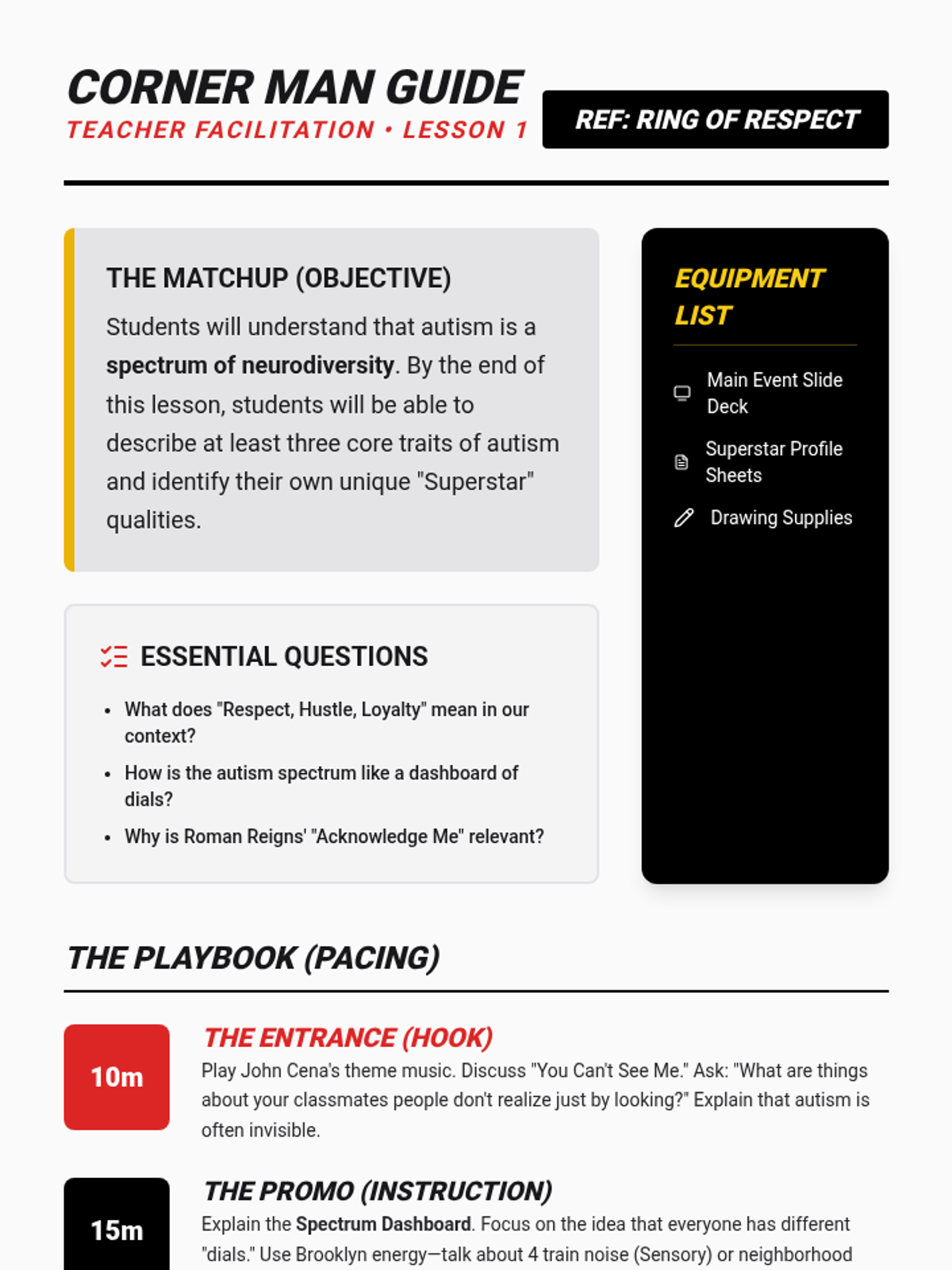
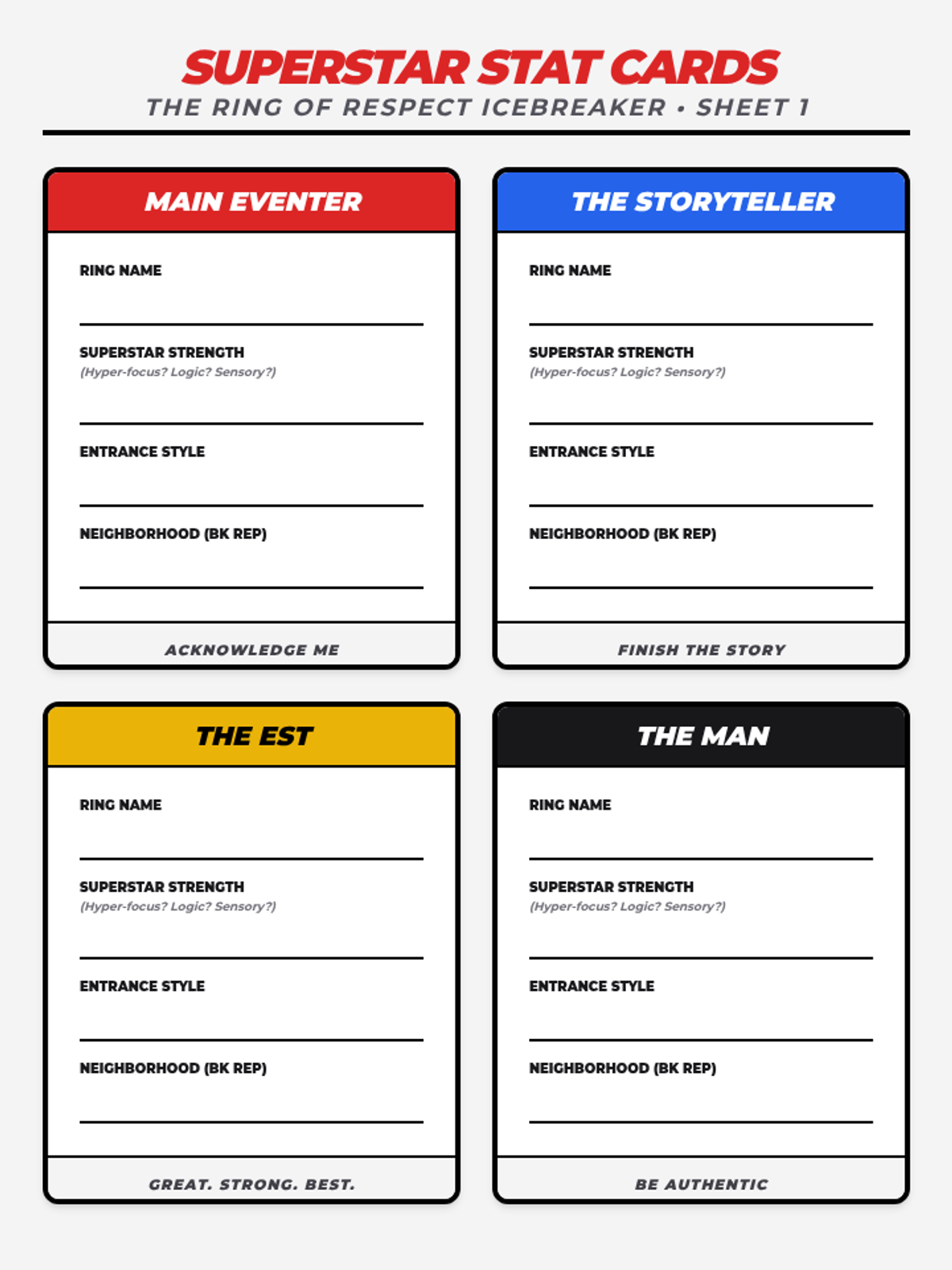
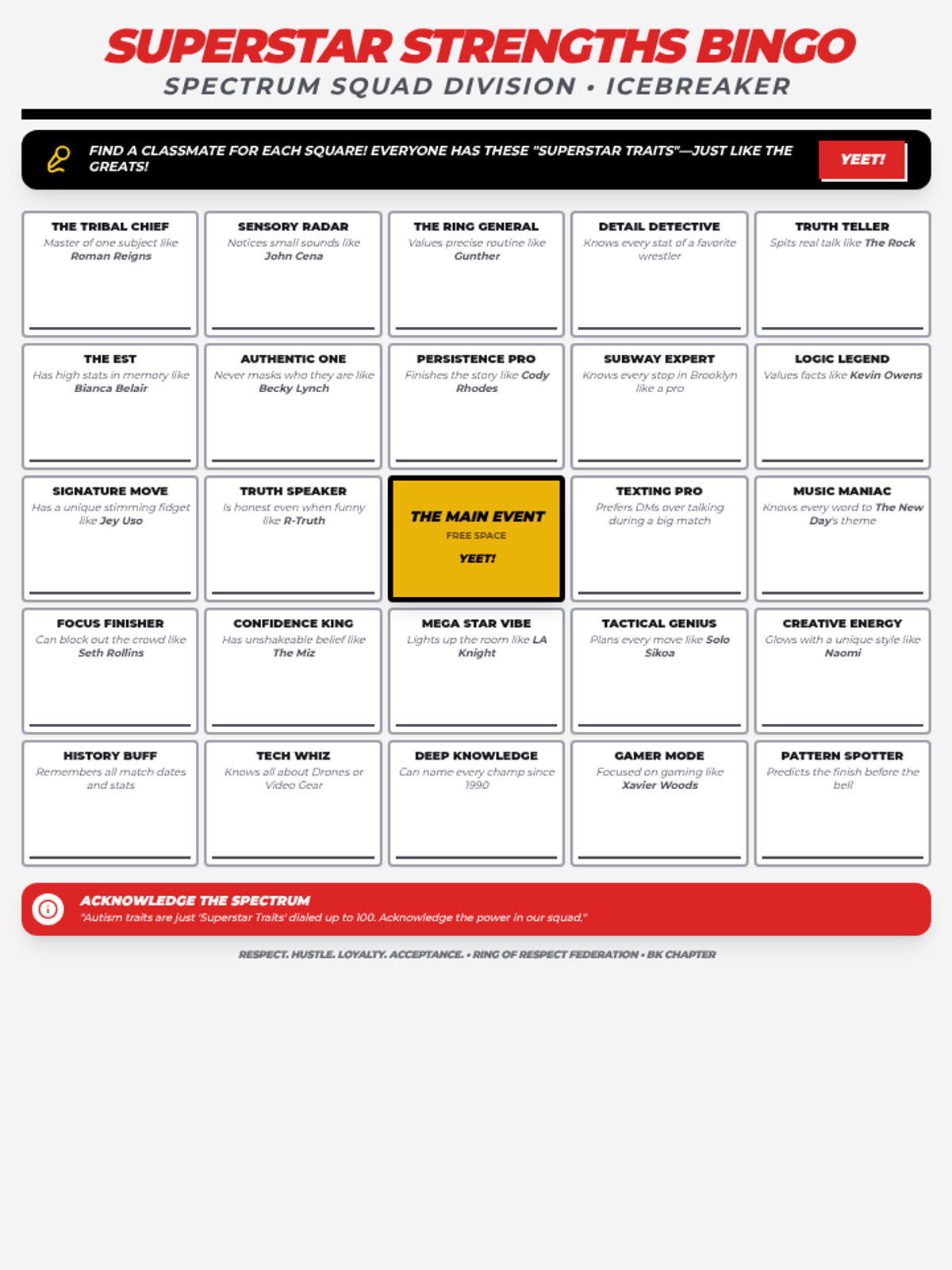
Focuses on understanding the autism spectrum through the lens of WWE superstars like John Cena and Roman Reigns, reframing neurodiversity as a unique 'superstar' profile rather than a deficit.
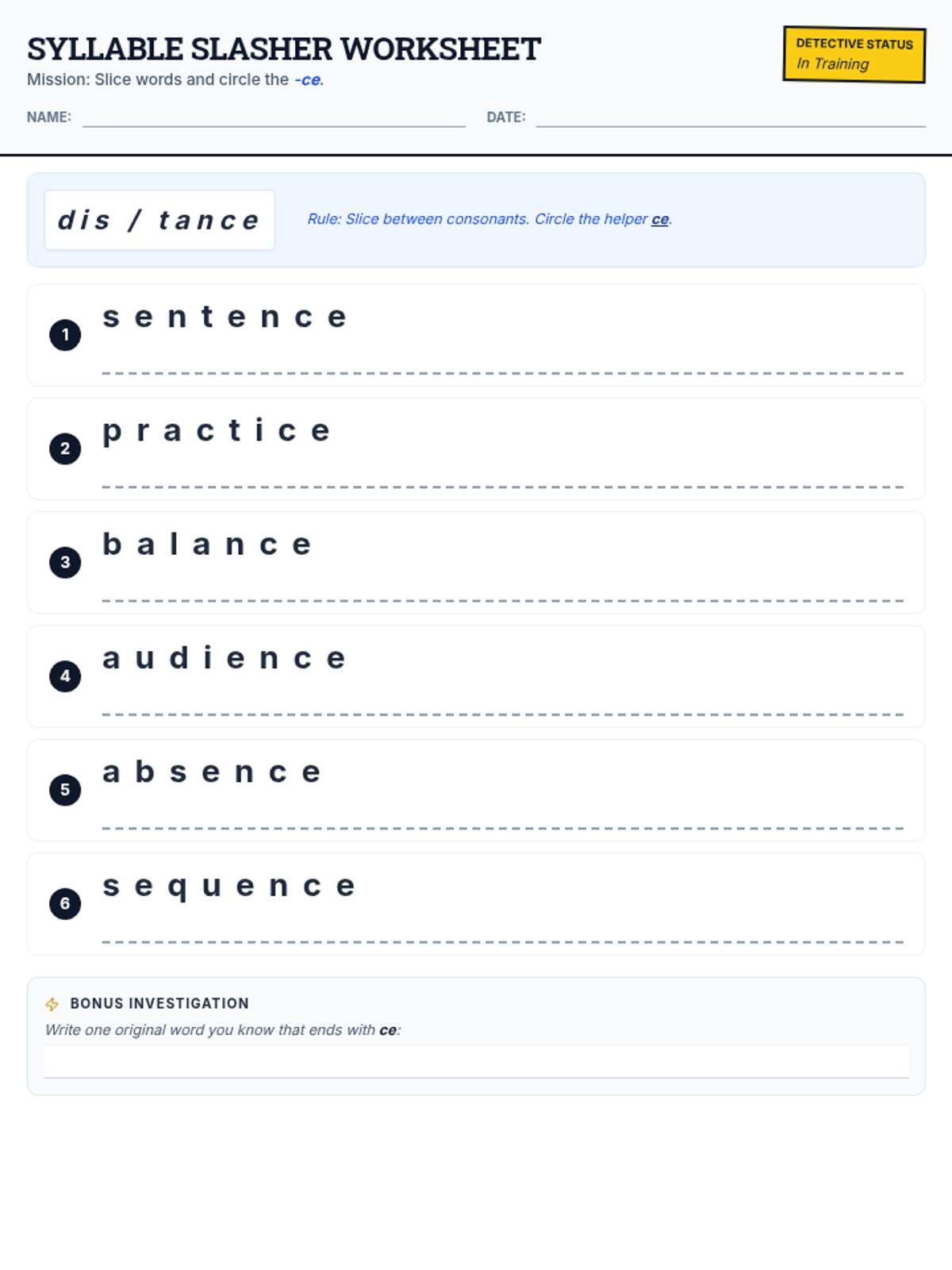
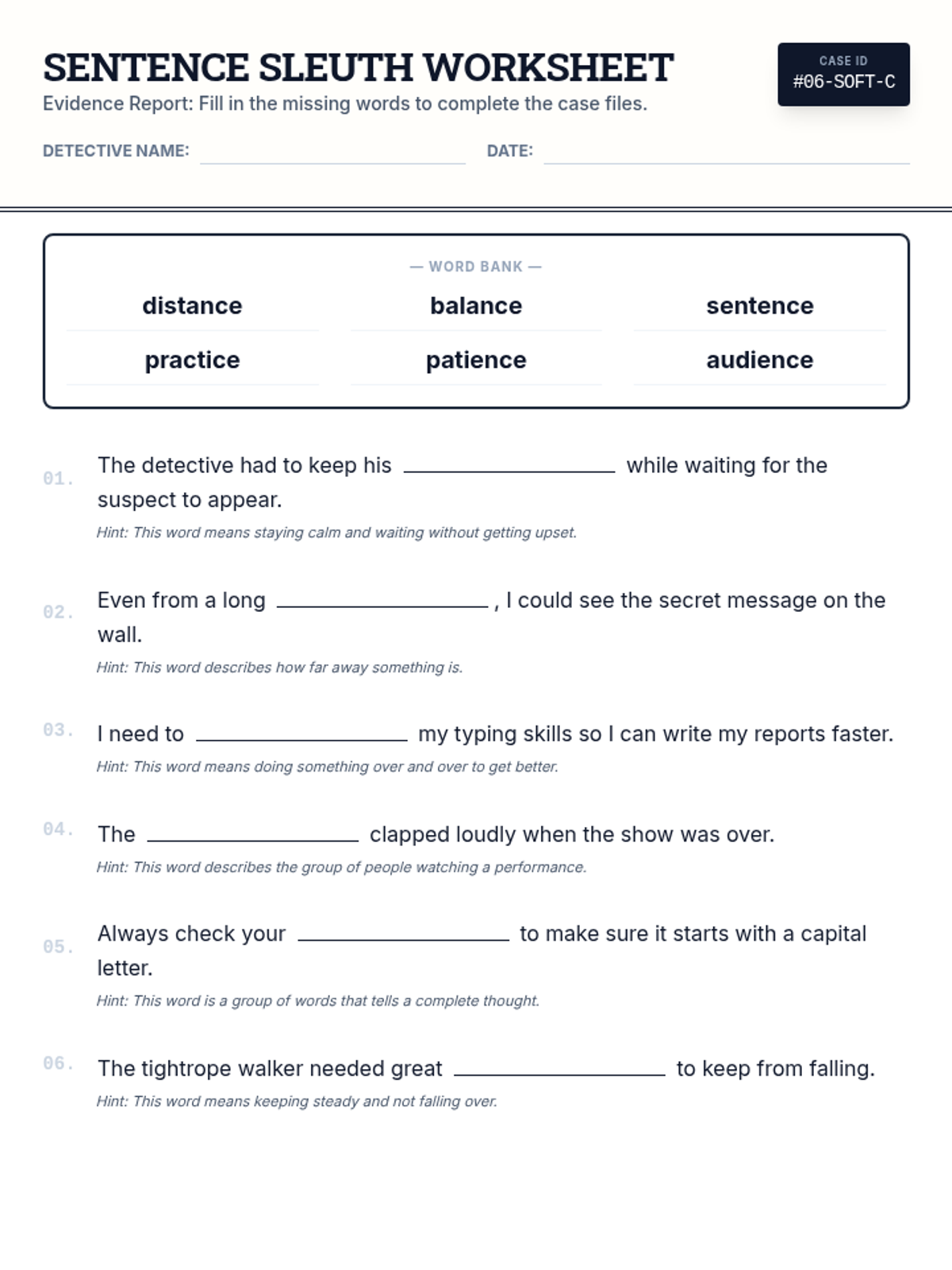
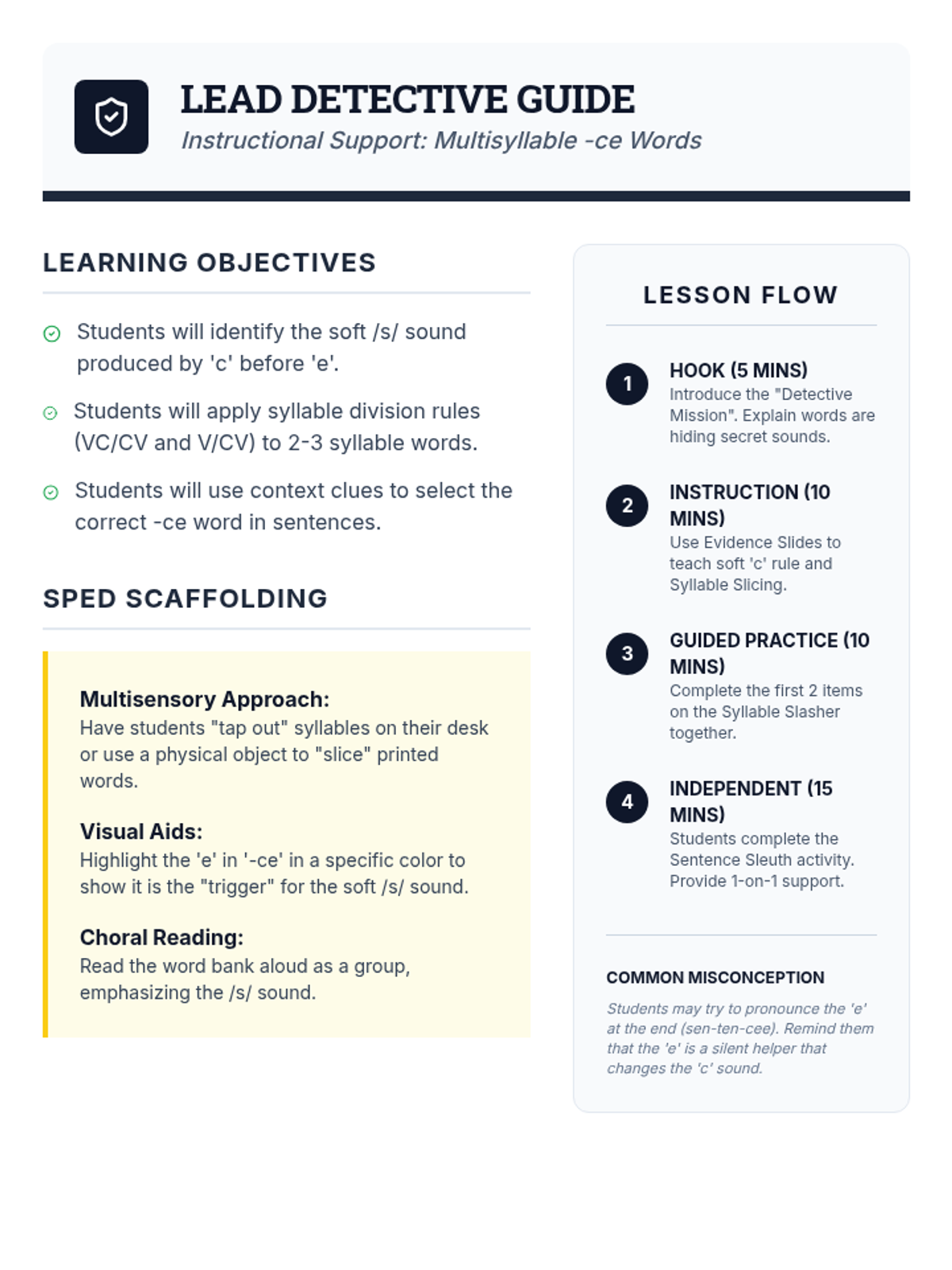
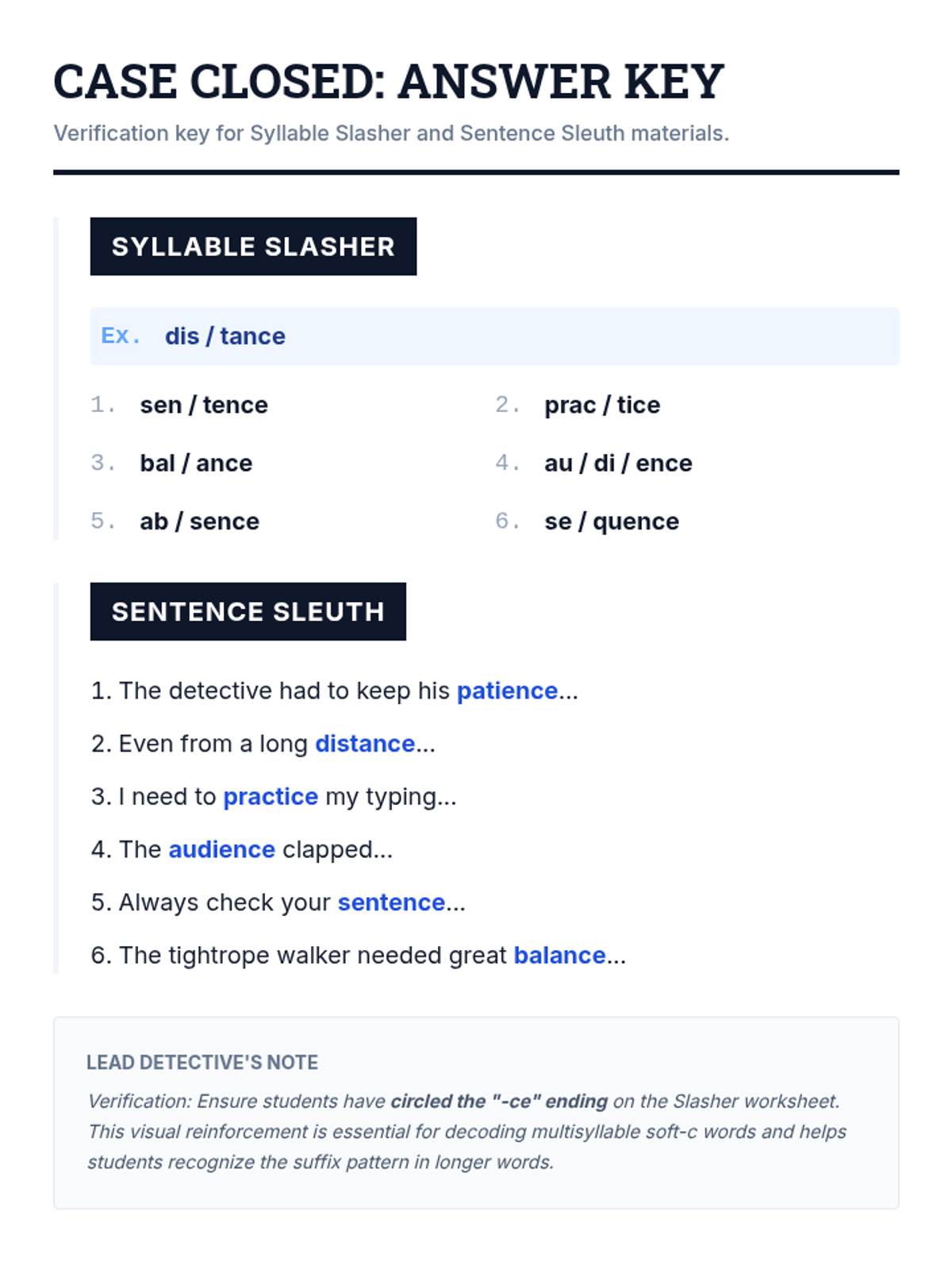
A comprehensive lesson for 6th-grade special education students focusing on decoding and understanding multisyllable words ending in '-ce'. This lesson uses a detective theme to engage students in 'cracking the code' of soft 'c' sounds and syllable division.
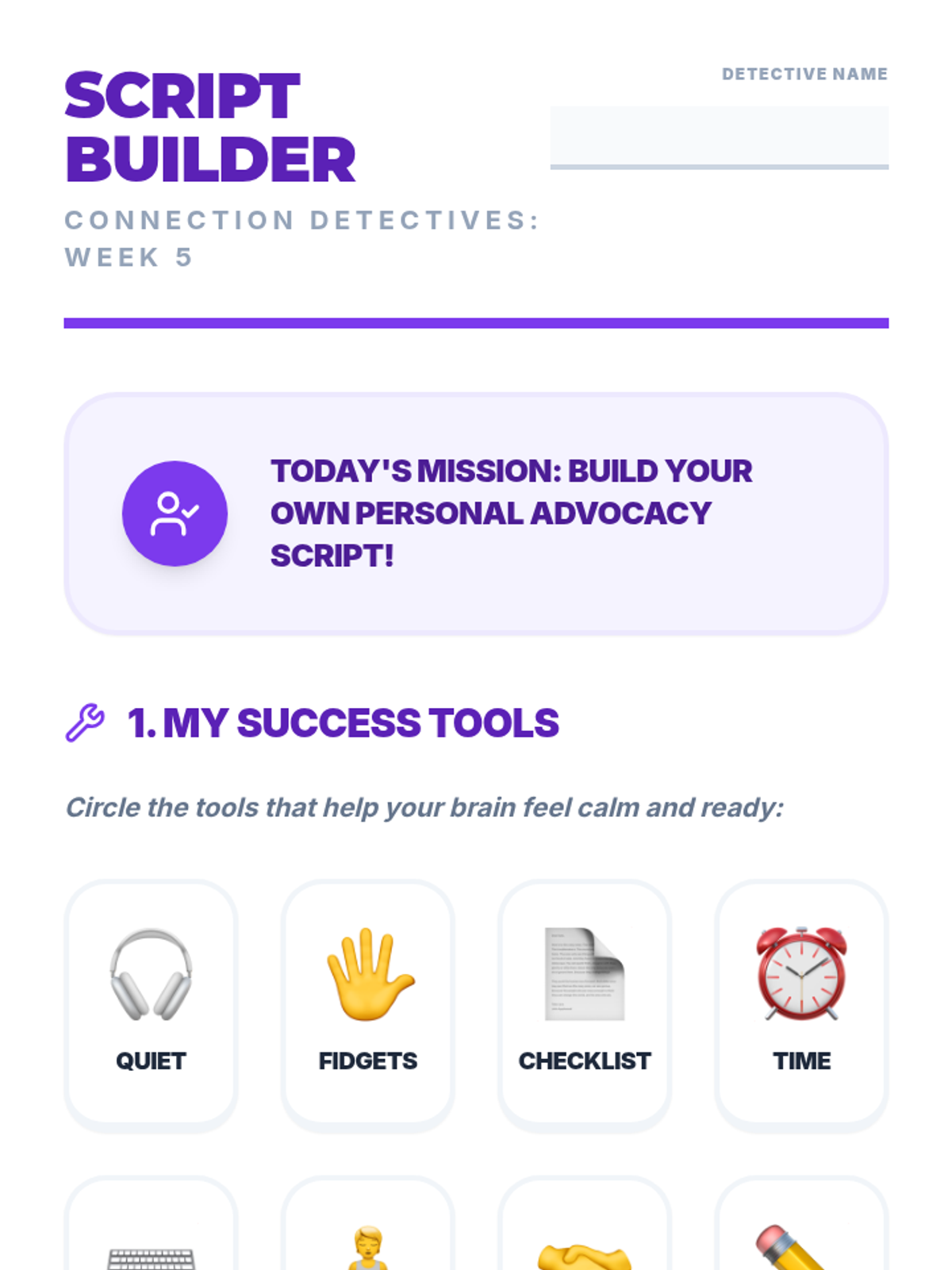
Focuses on long-term self-advocacy, helping students communicate their learning needs to teachers and peers confidently.
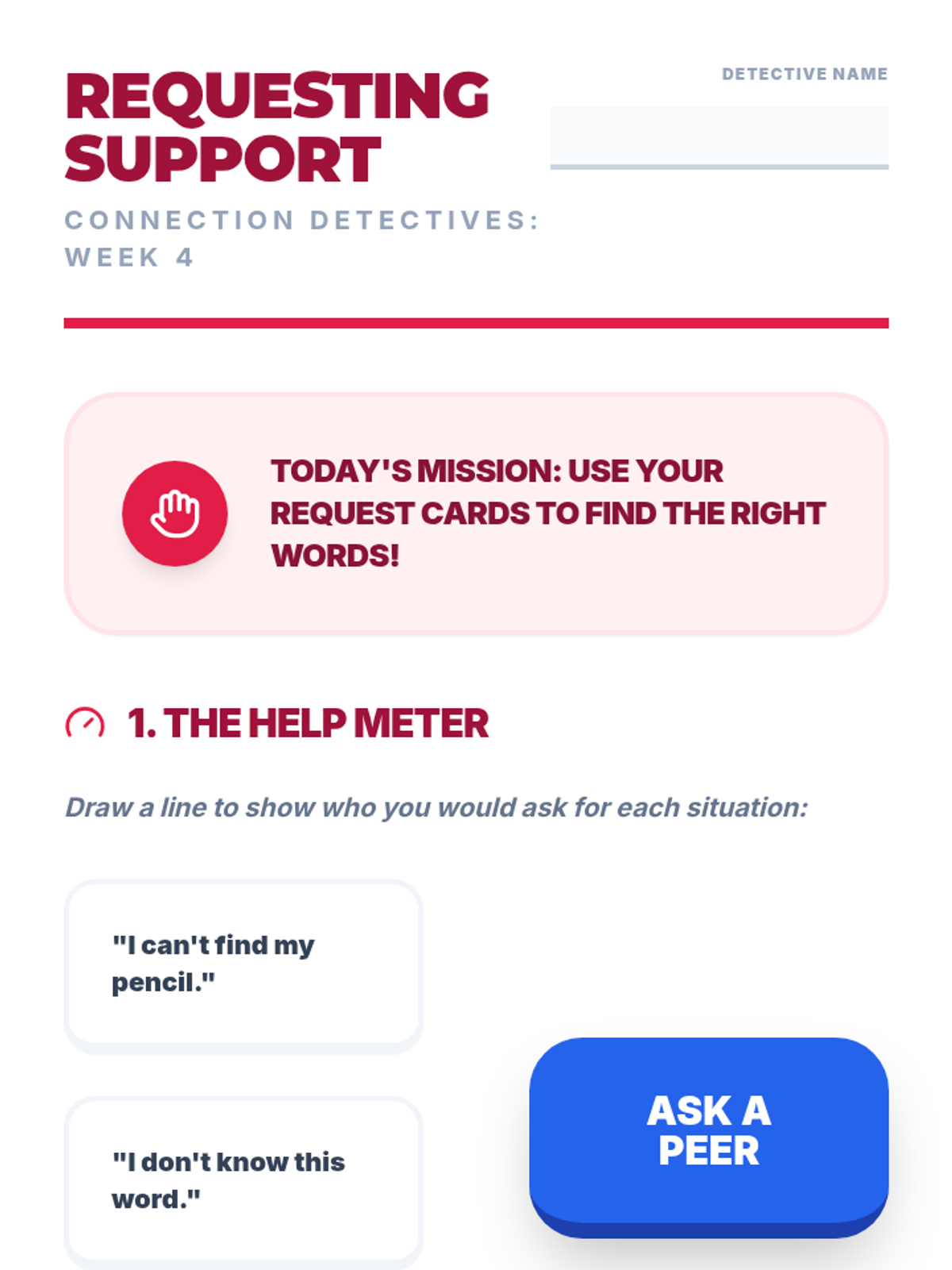
Provides clear scripts and visual cues for students to identify when they need help and how to ask for it effectively.
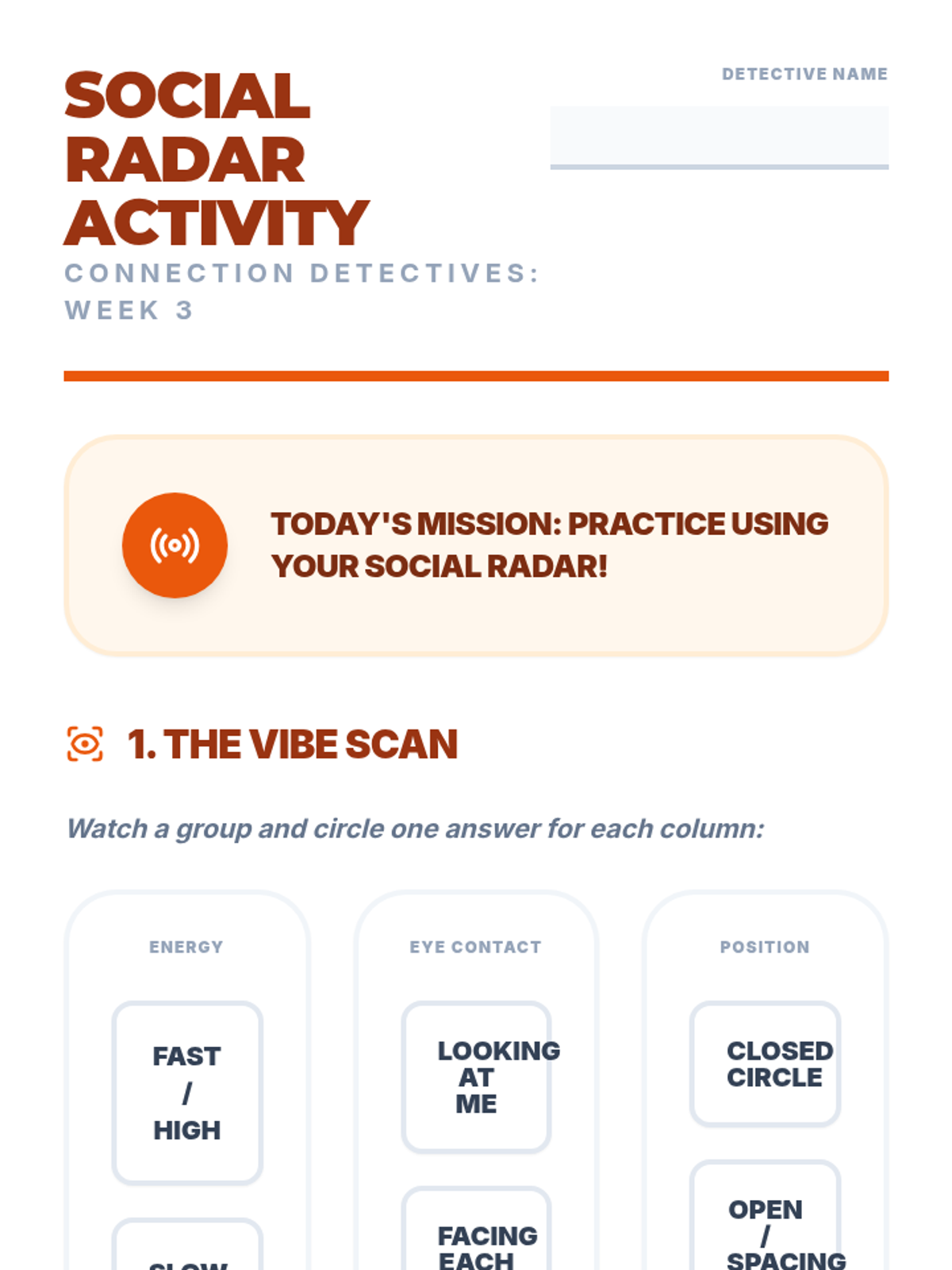
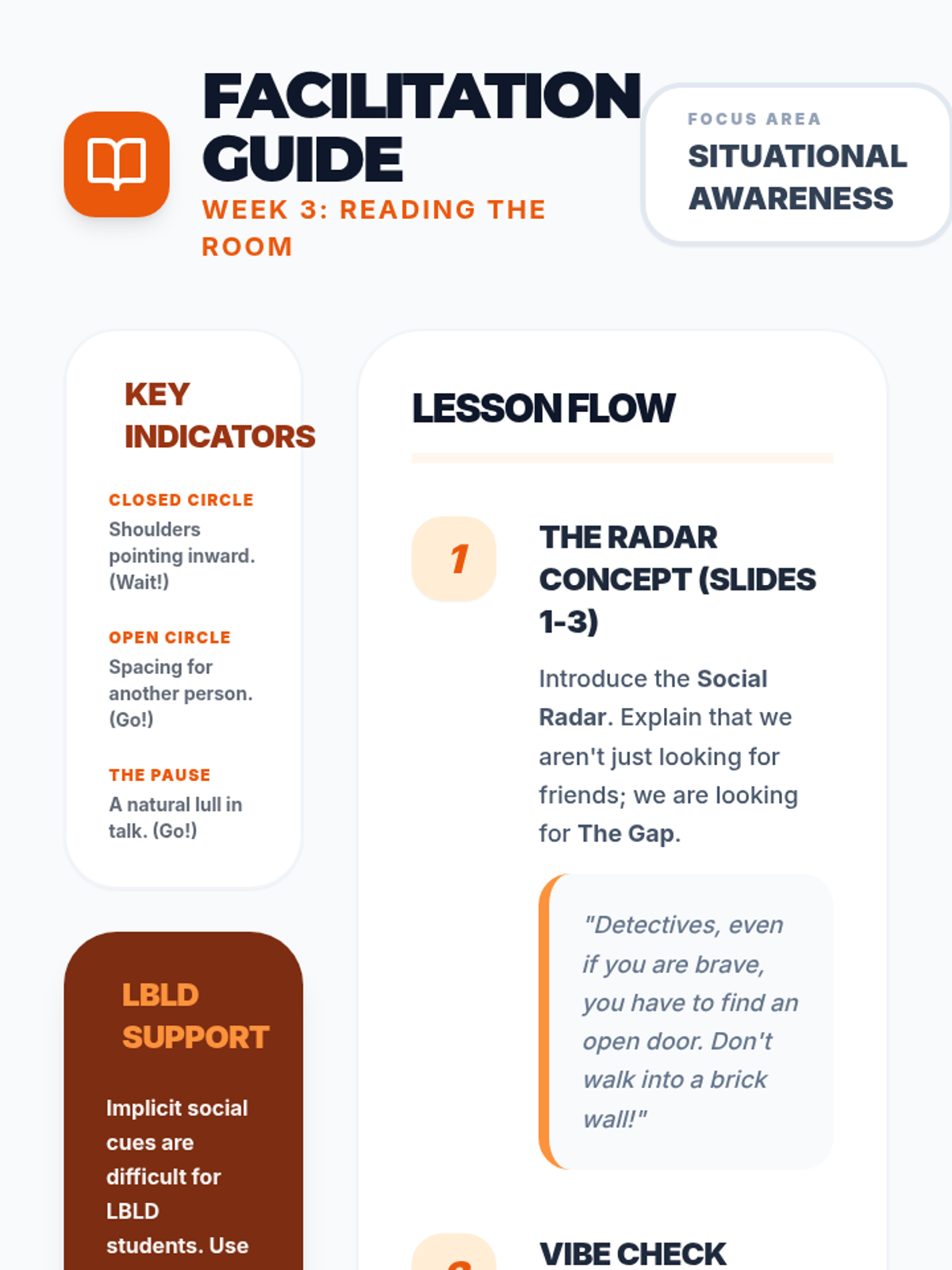
Teaches students how to read 'the vibe' of a group to find appropriate entry points without disrupting the flow of conversation.
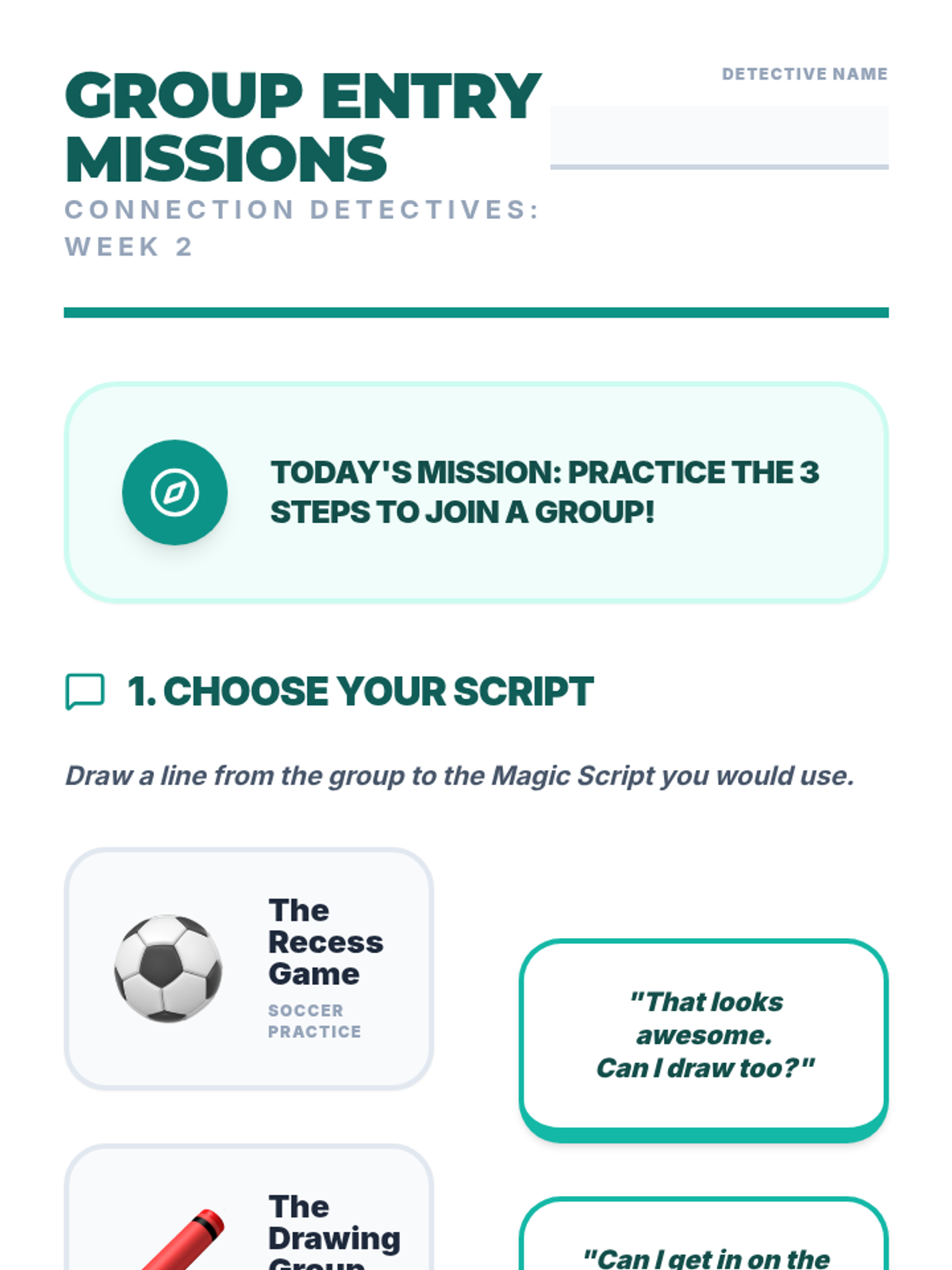
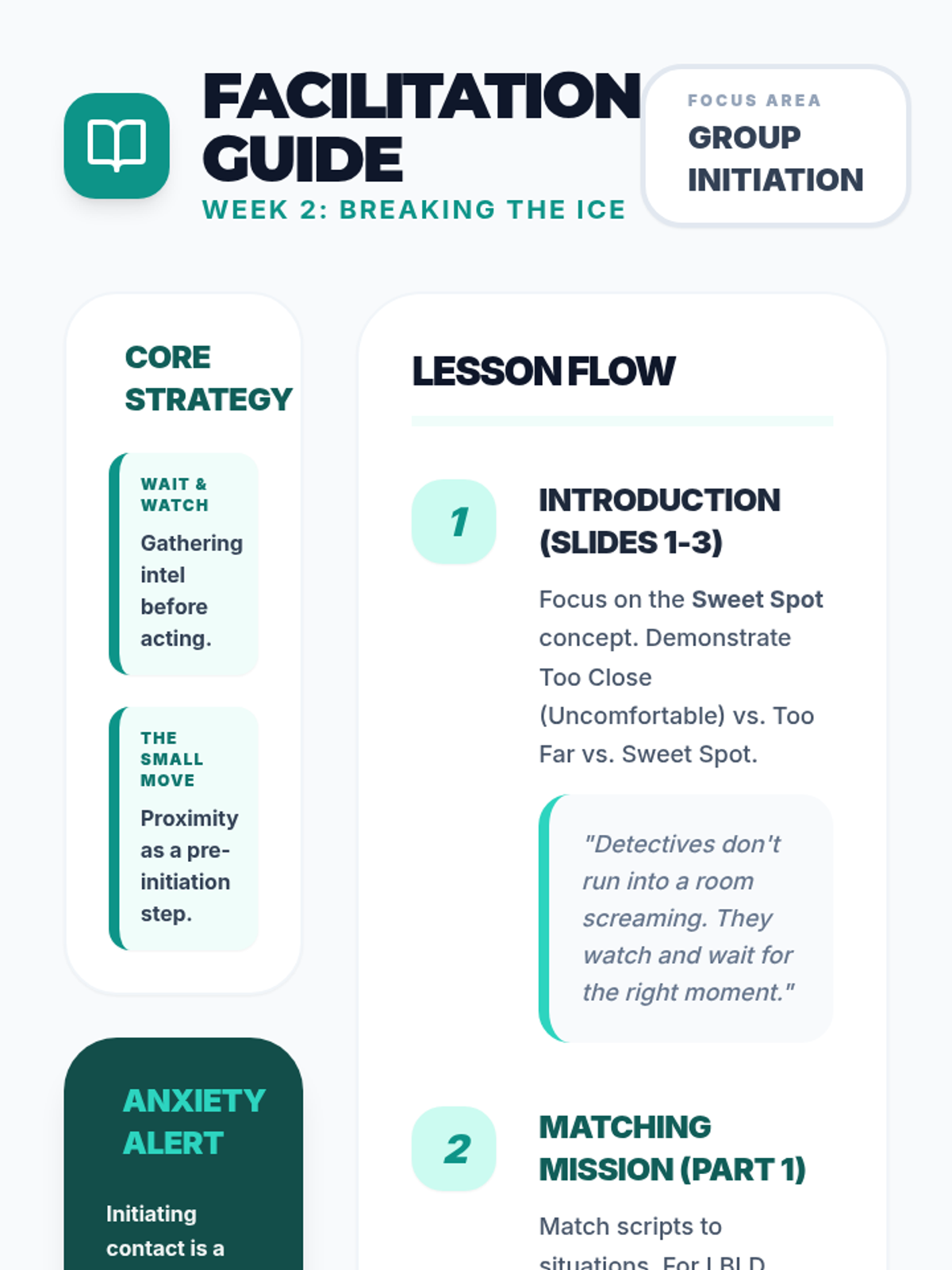
Introduces the 'Pause and Observe' strategy for joining existing groups and provides low-stakes practice for initiating contact.
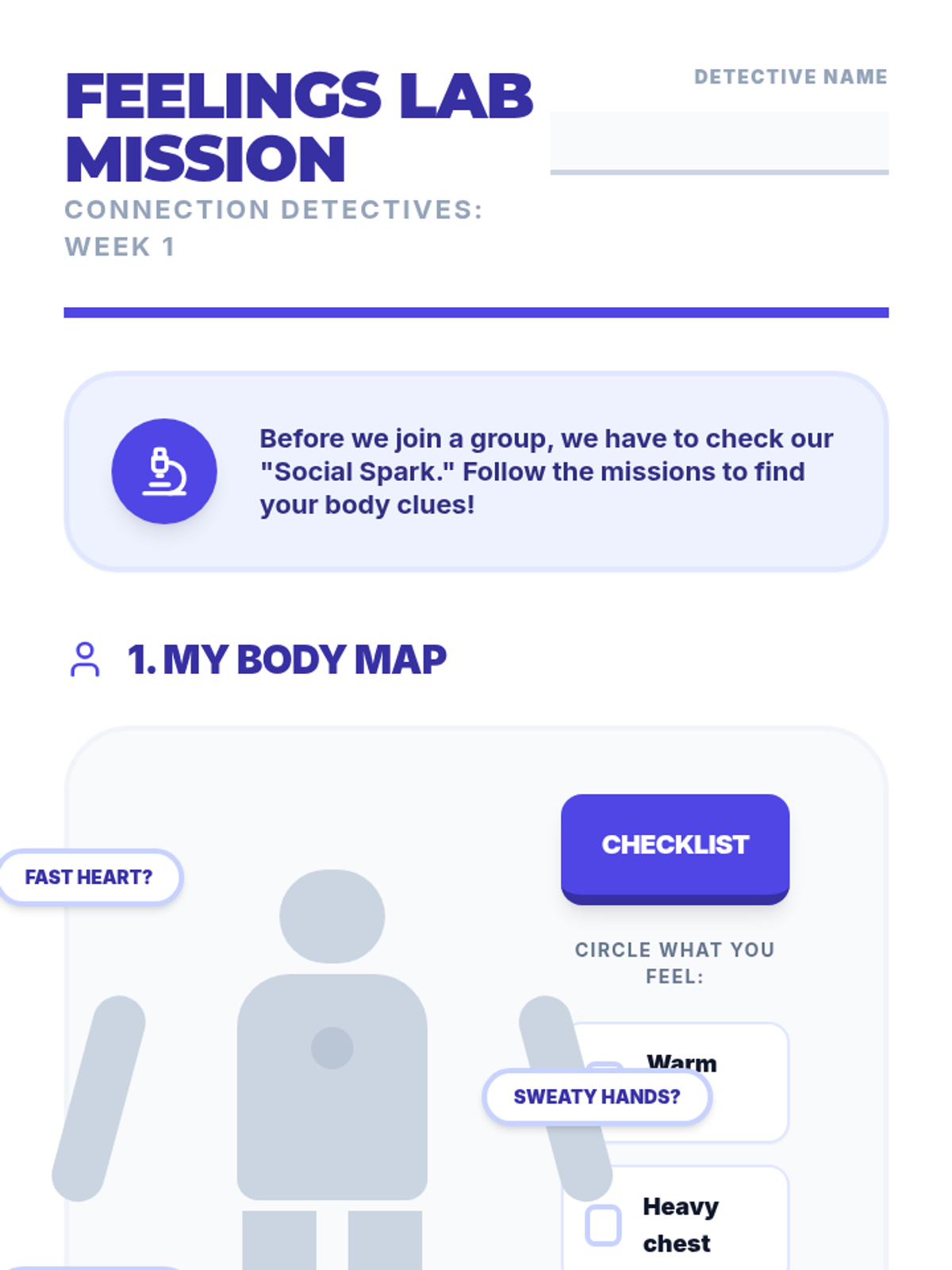
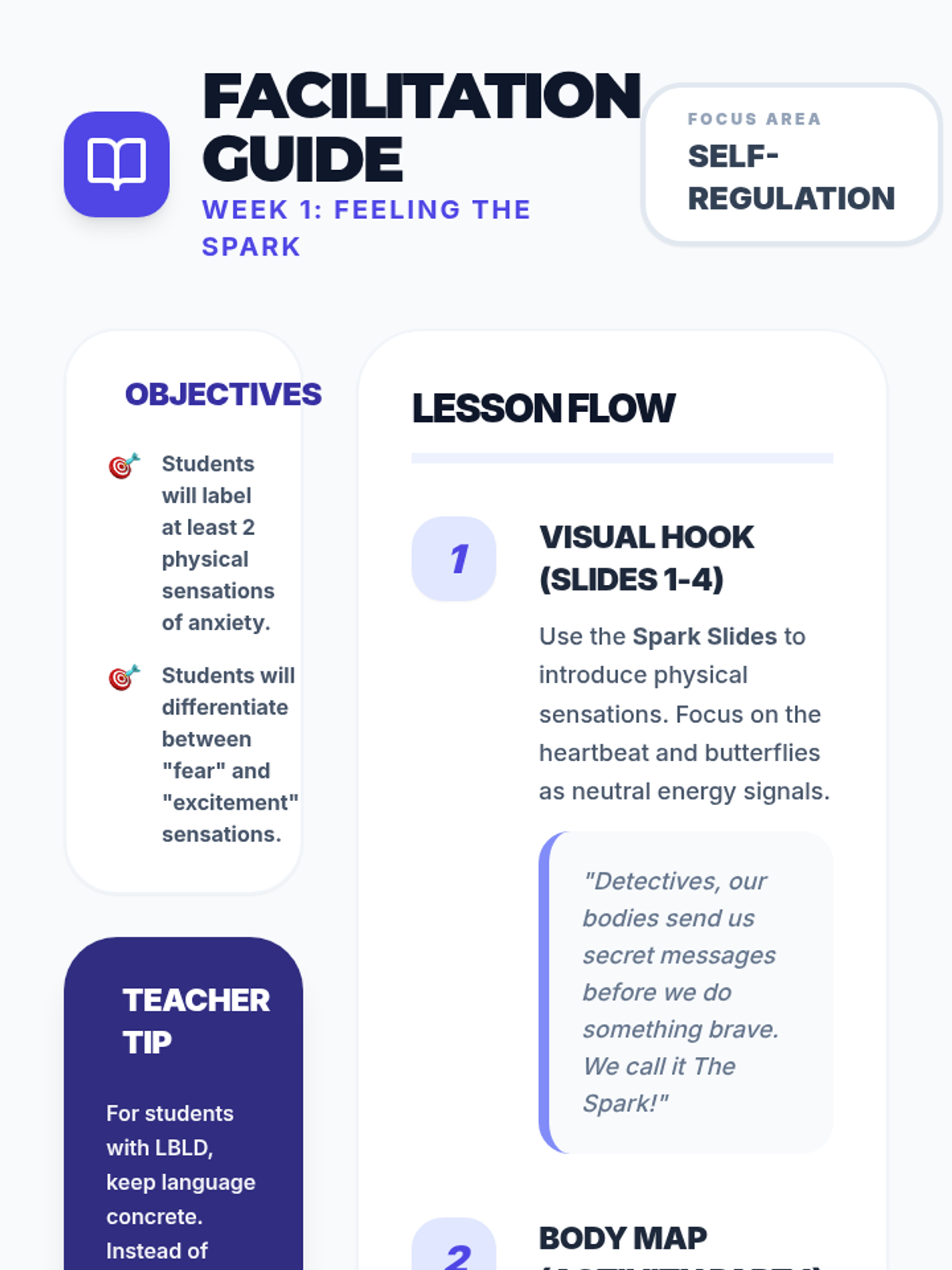
Focuses on identifying the physical sensations of anxiety and excitement to help students understand their 'social battery' and internal signals.
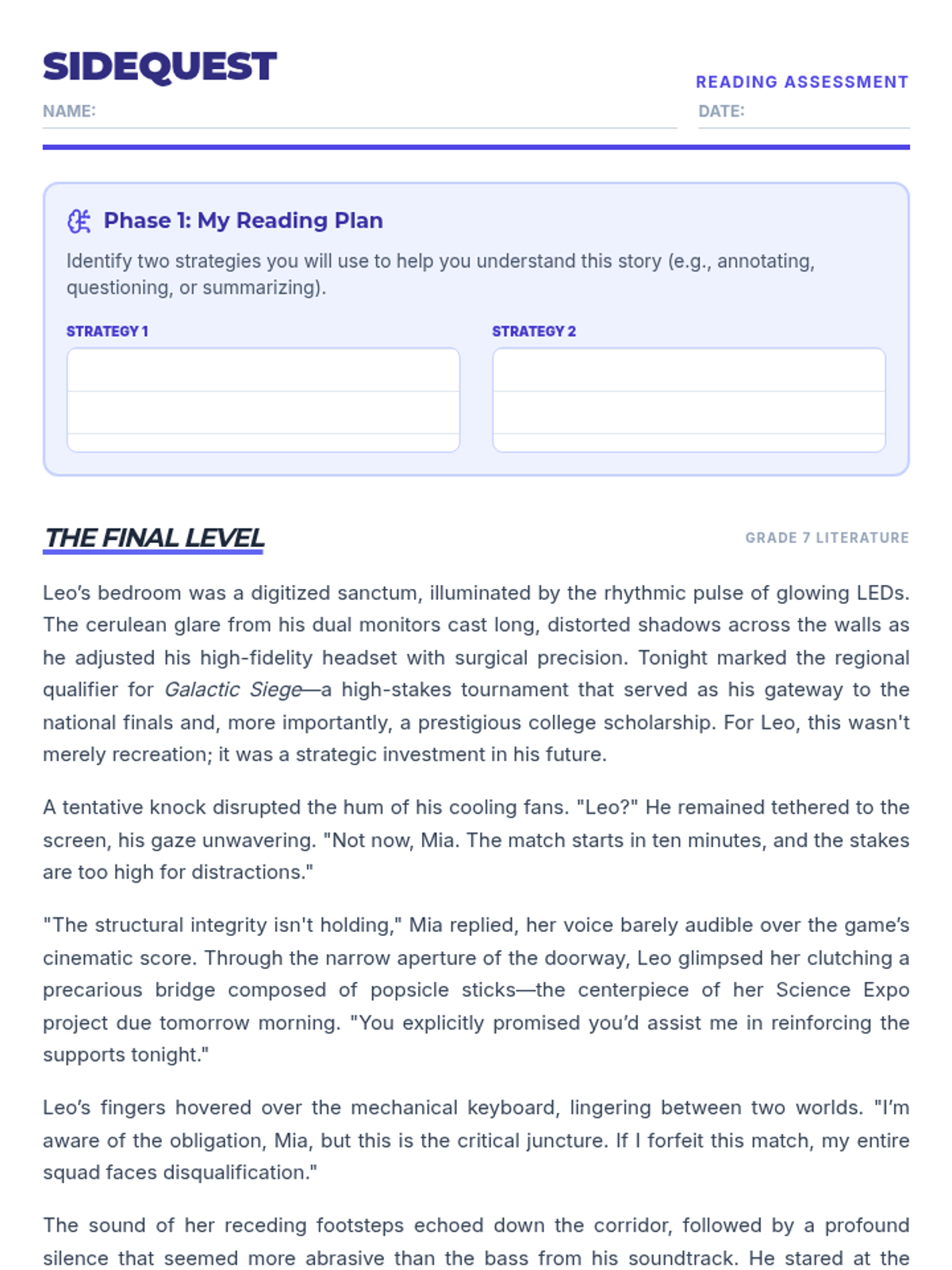
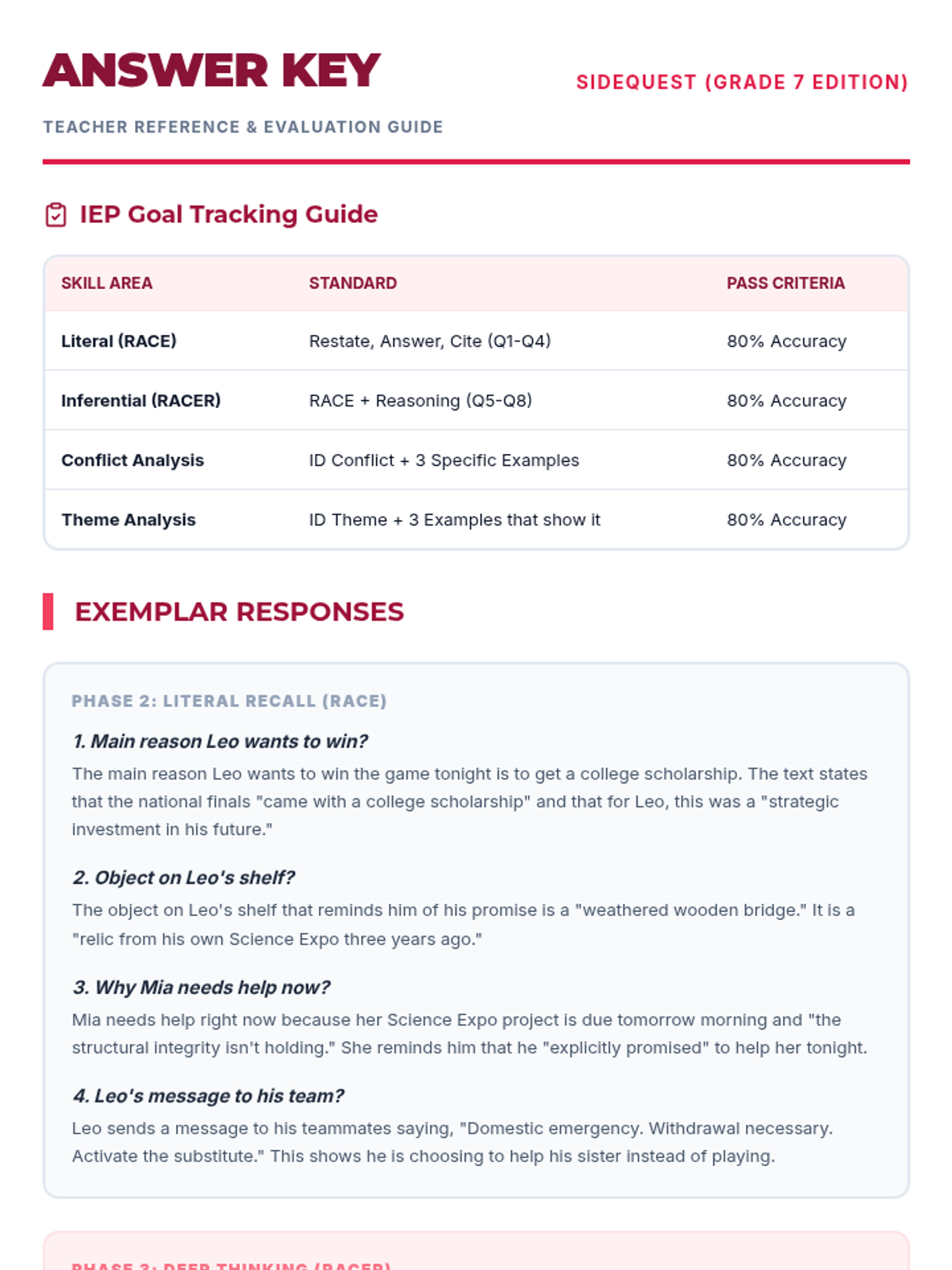
A comprehensive reading assessment based on a high-interest realistic fiction story, designed to measure literal, inferential, and evaluative comprehension through evidence-based responses.
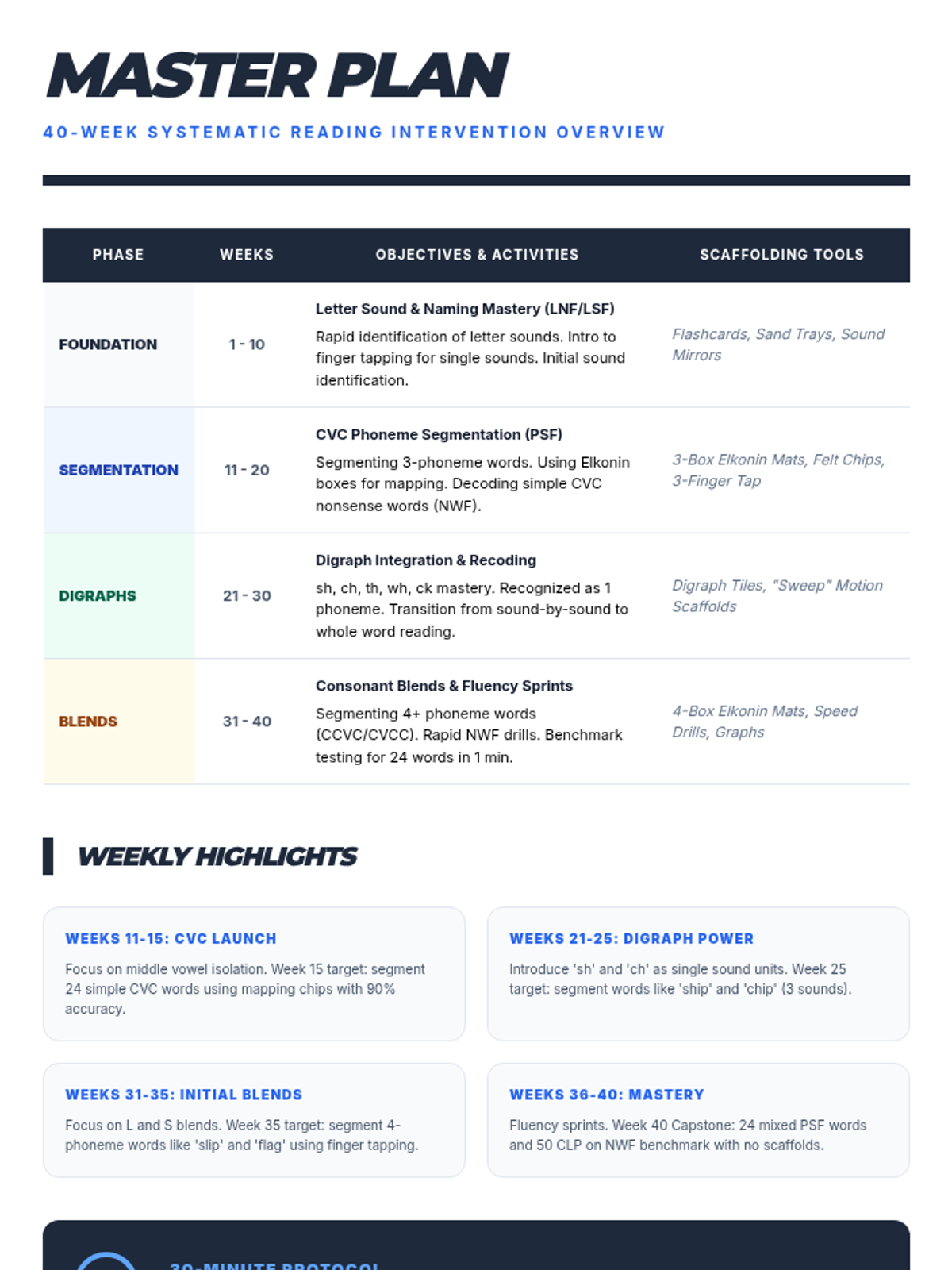
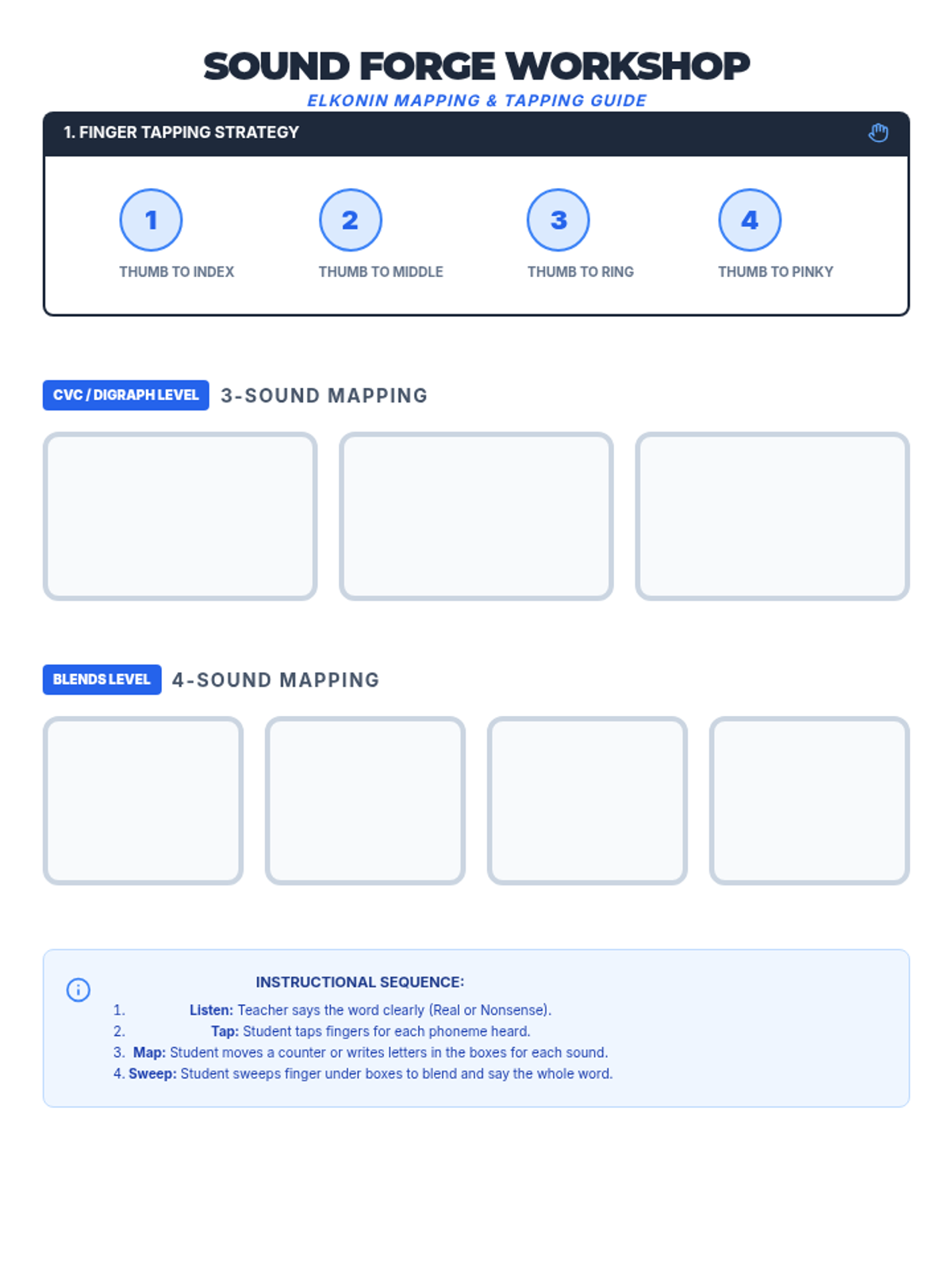
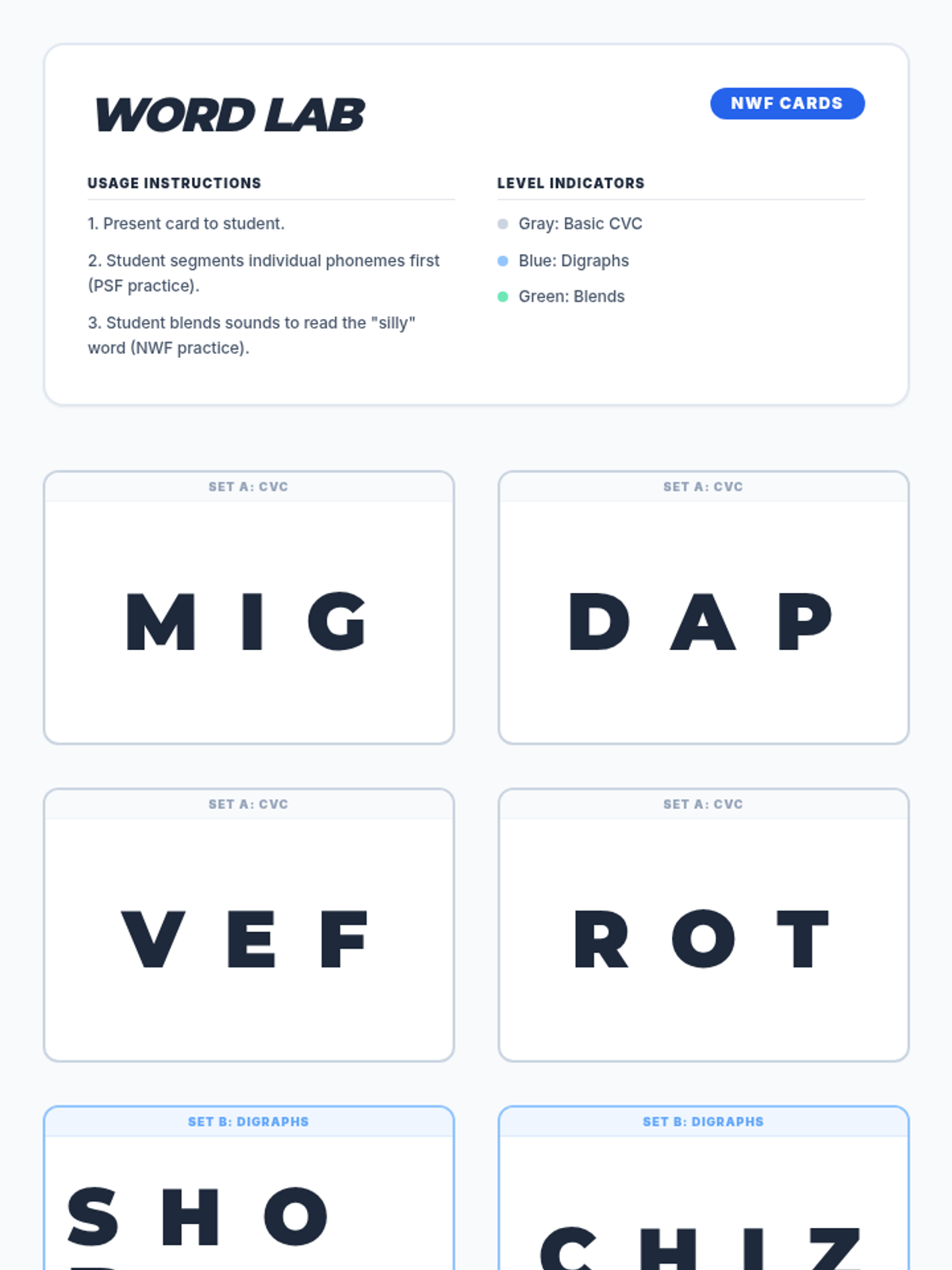
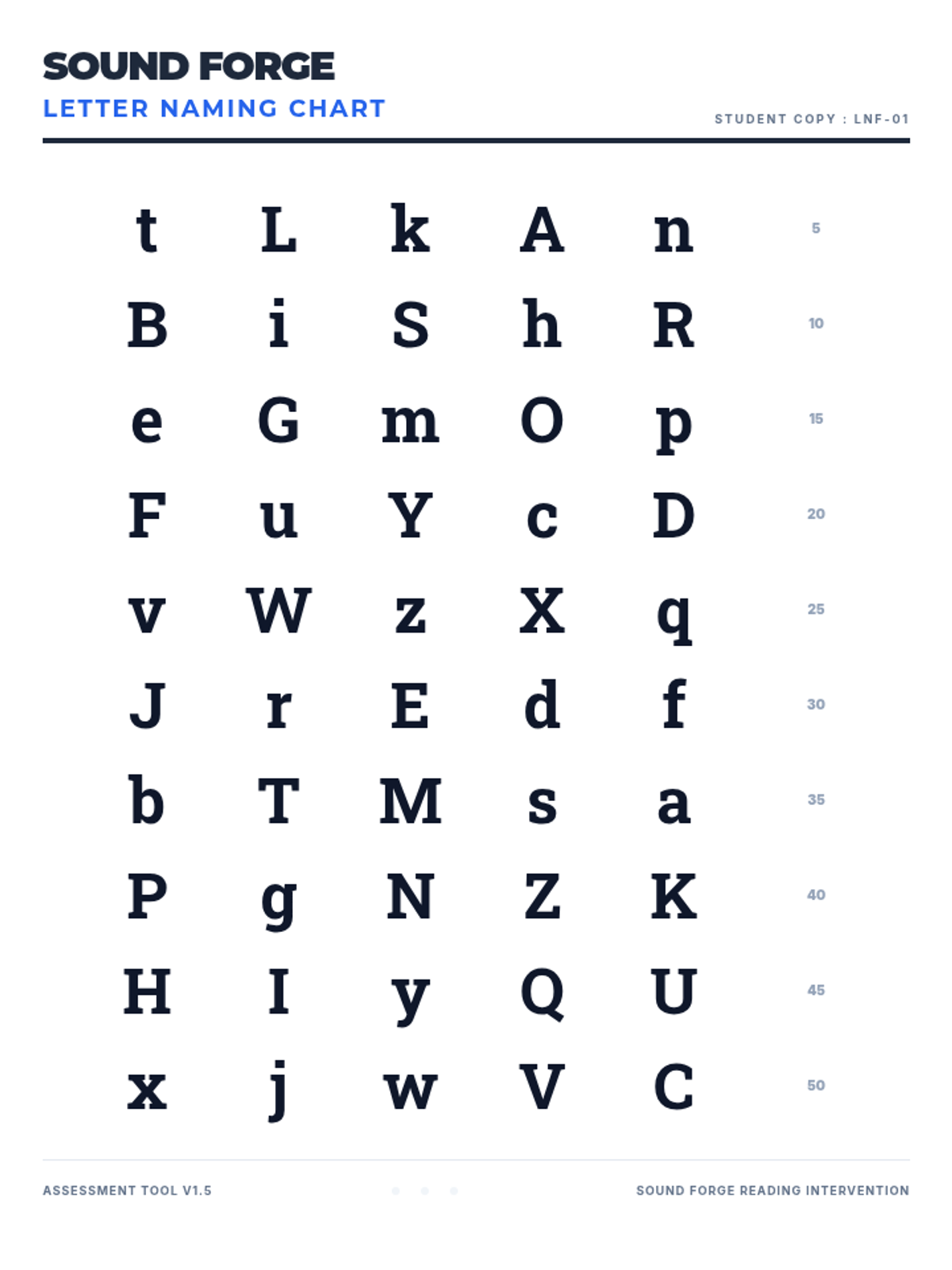
Practical activities and instructional materials for 40 weeks of intervention, including Elkonin boxes and nonsense word flashcards.
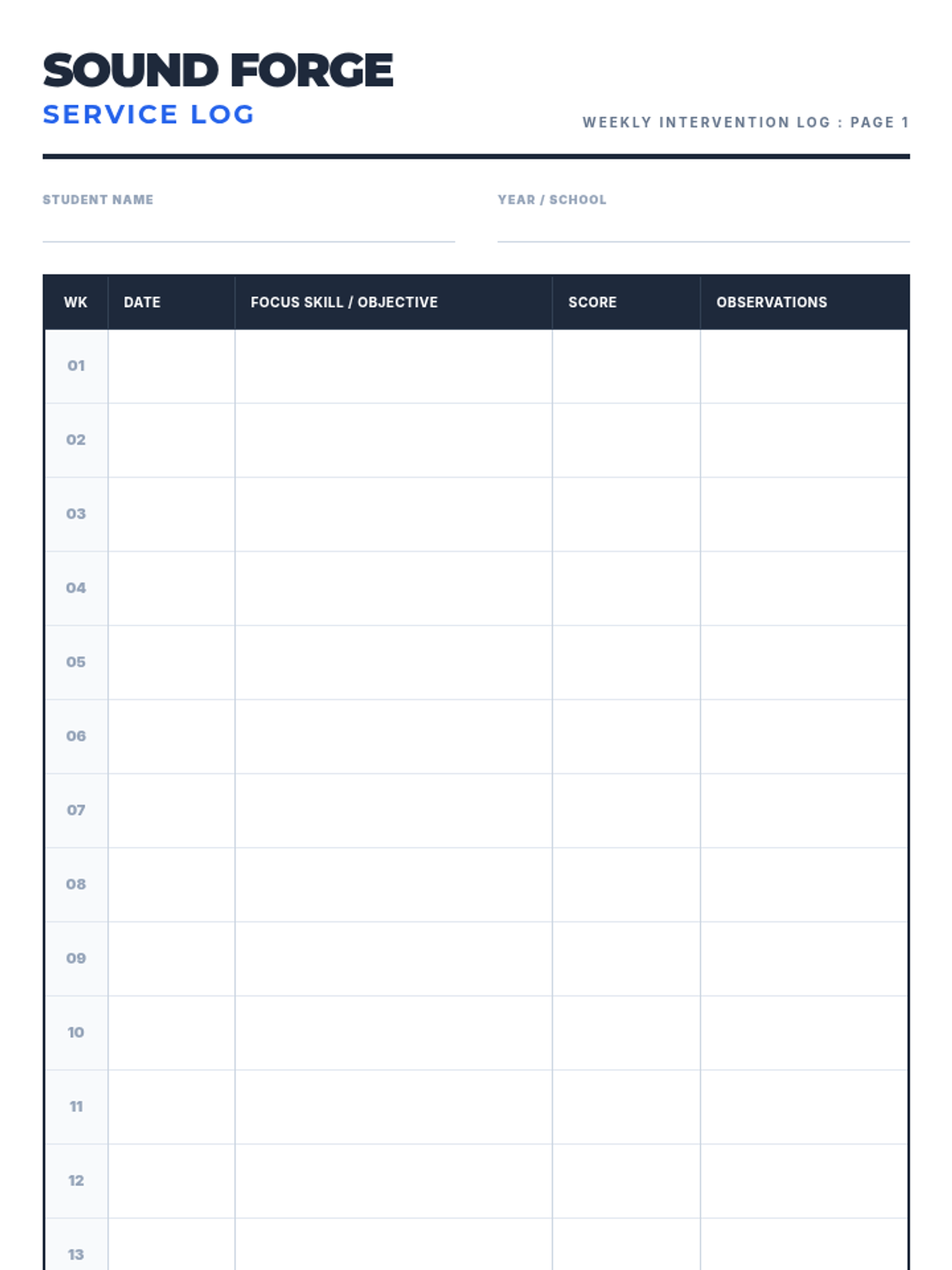
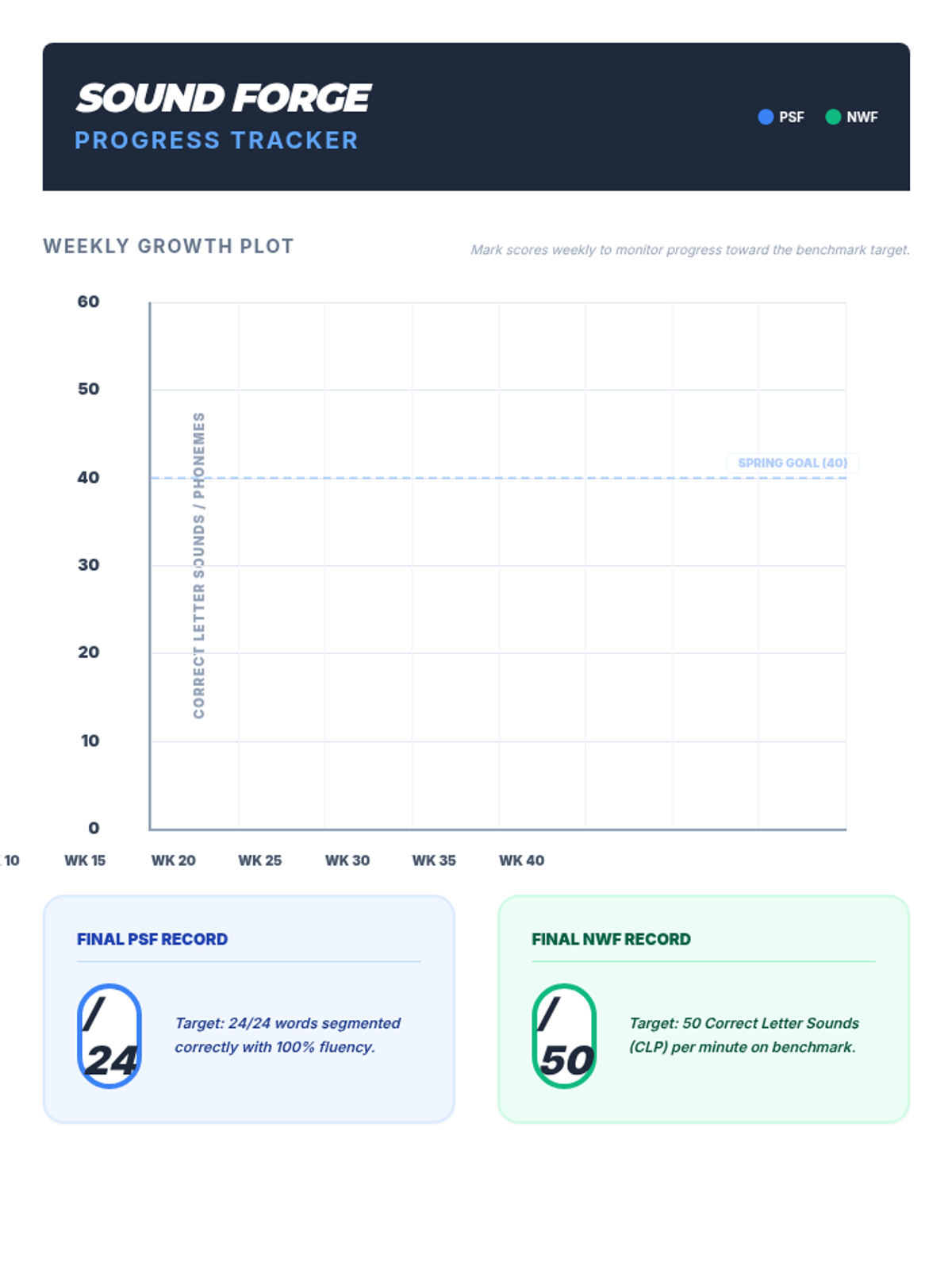
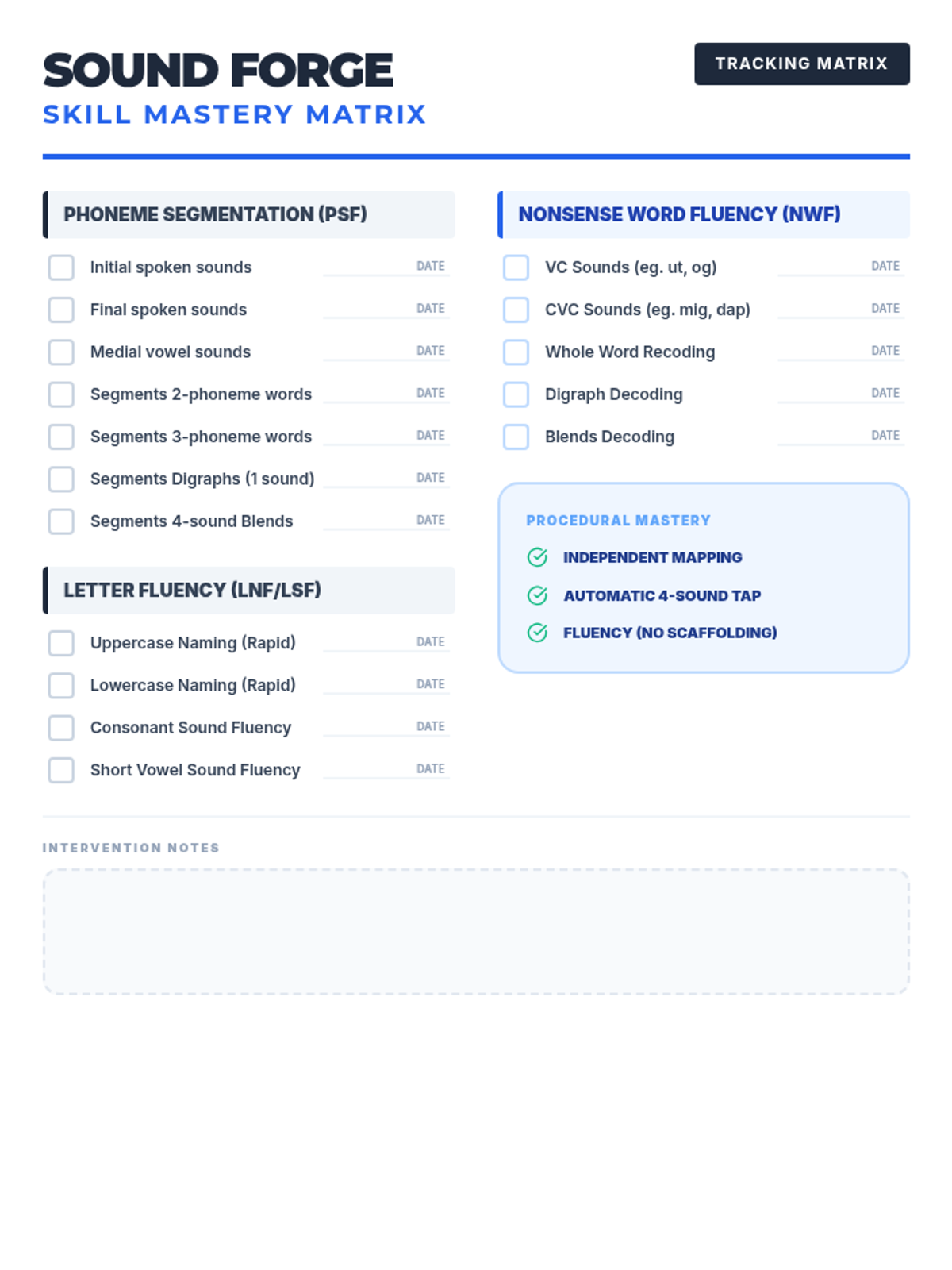
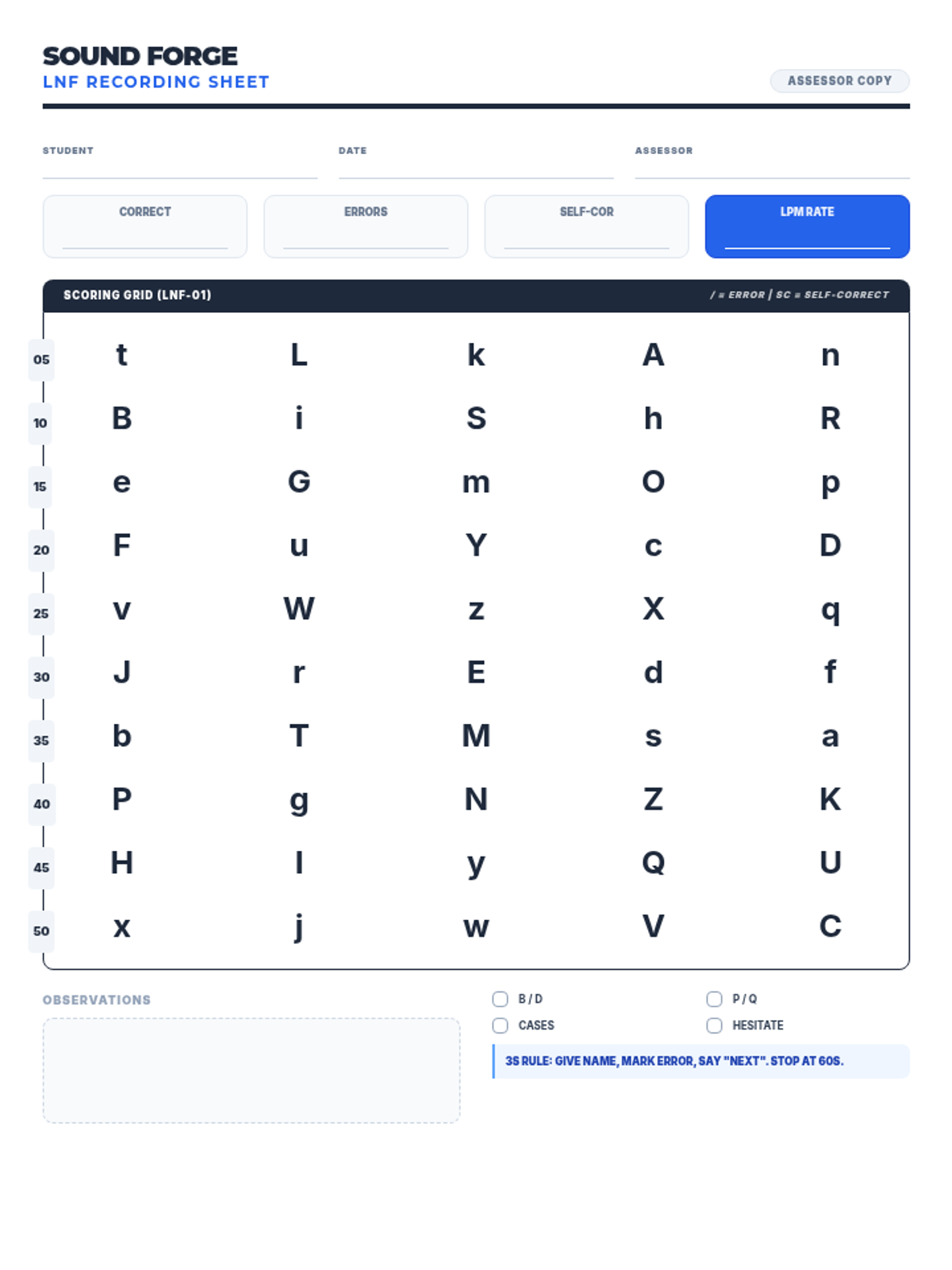
Administrative and tracking materials for monitoring student progress over 40 weeks of phonemic awareness and decoding instruction.