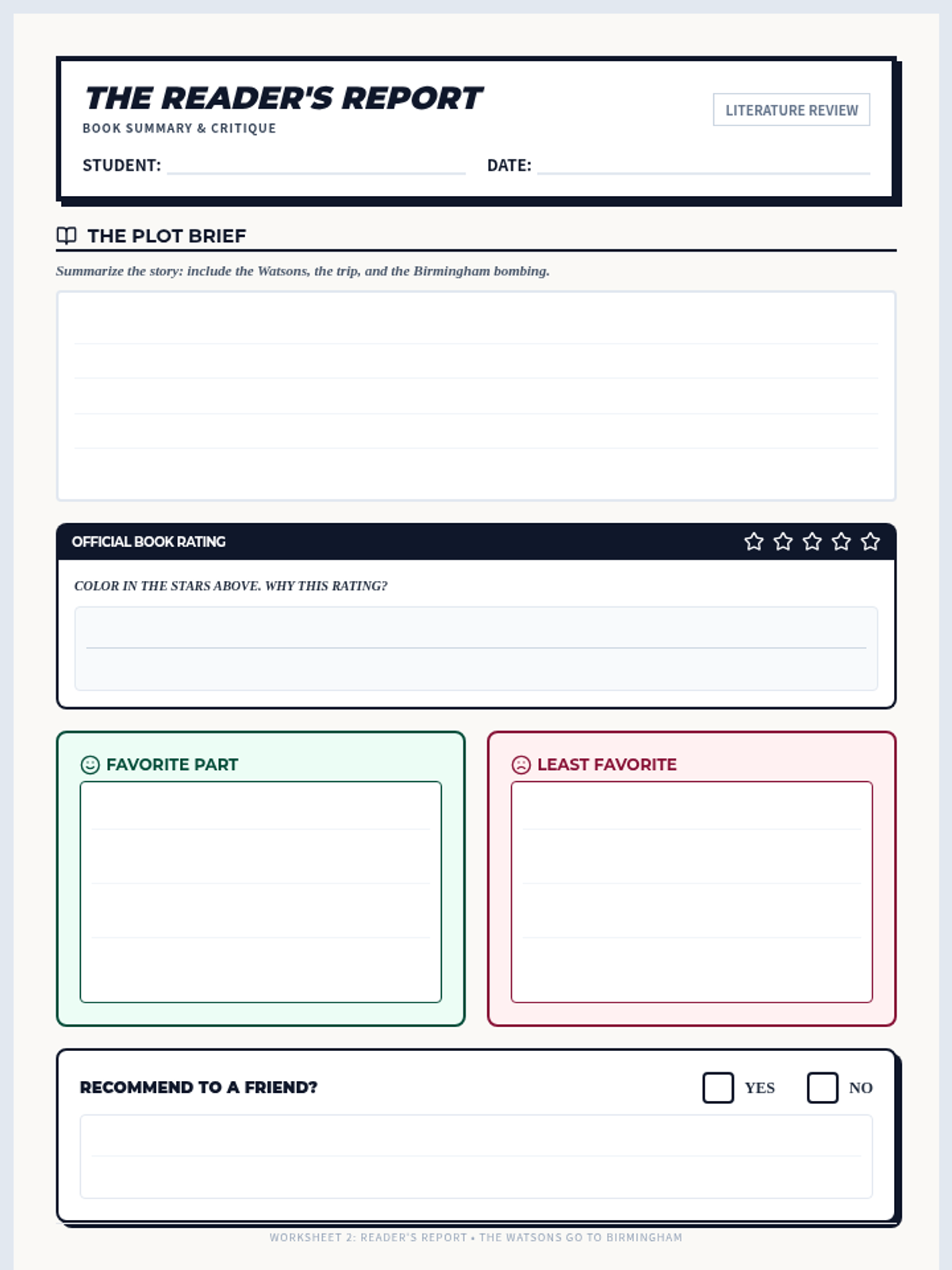
A comprehensive reading assessment based on a high-interest realistic fiction story, designed to measure literal, inferential, and evaluative comprehension through evidence-based responses.
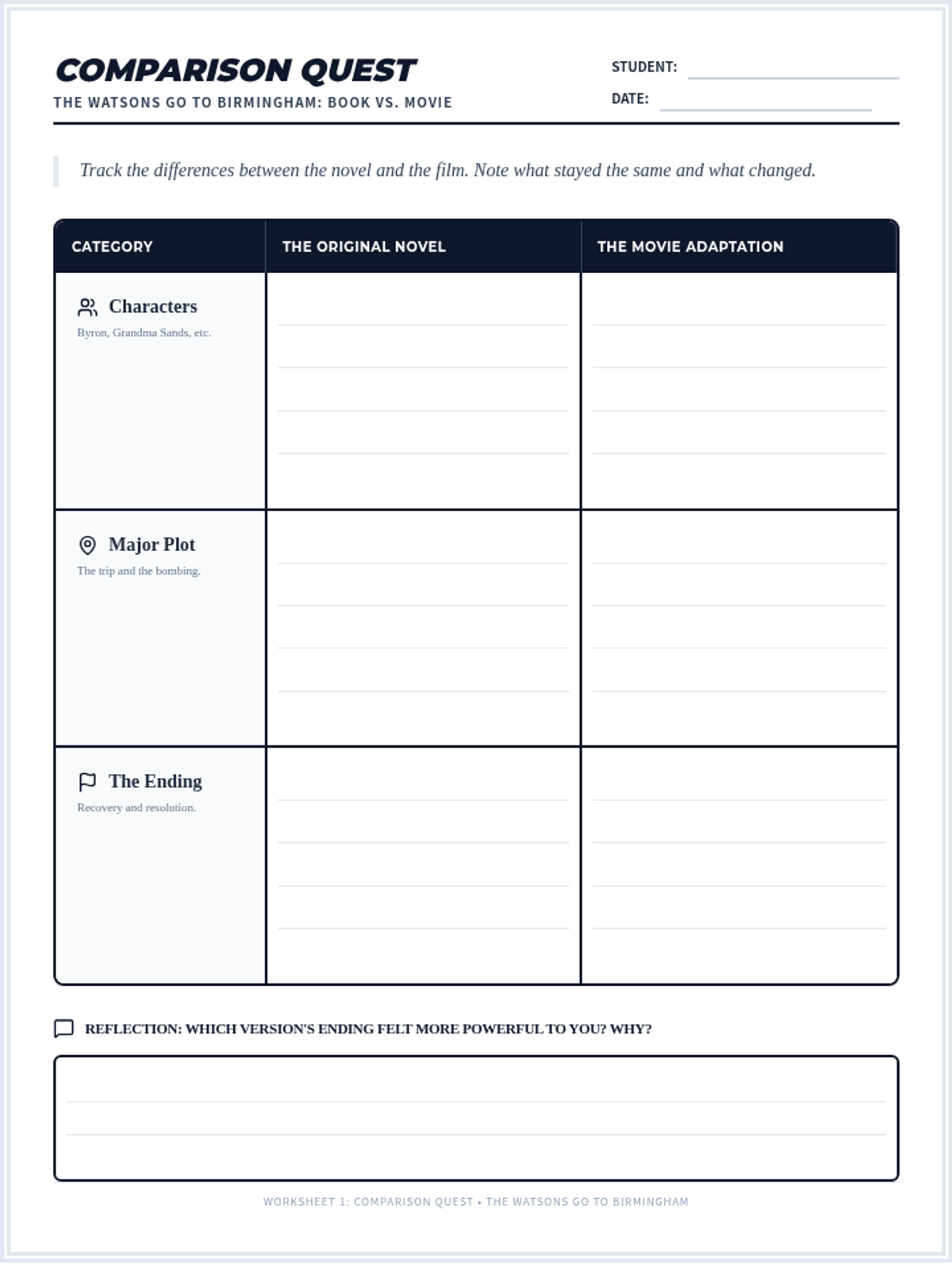
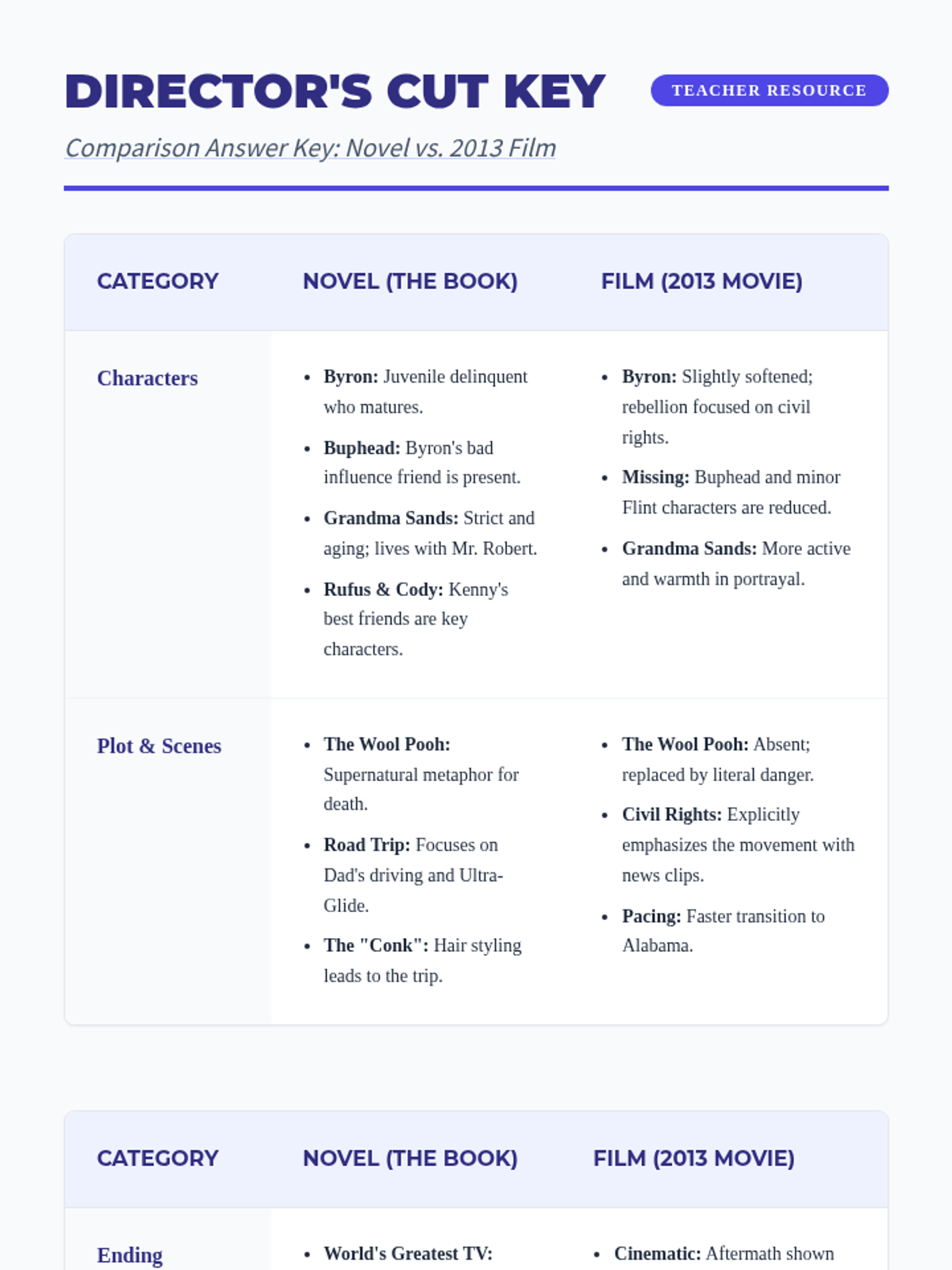
A comprehensive look at the classic novel 'The Watsons Go to Birmingham – 1963', including a complete plot summary and a comparative analysis between the book and its film adaptation.
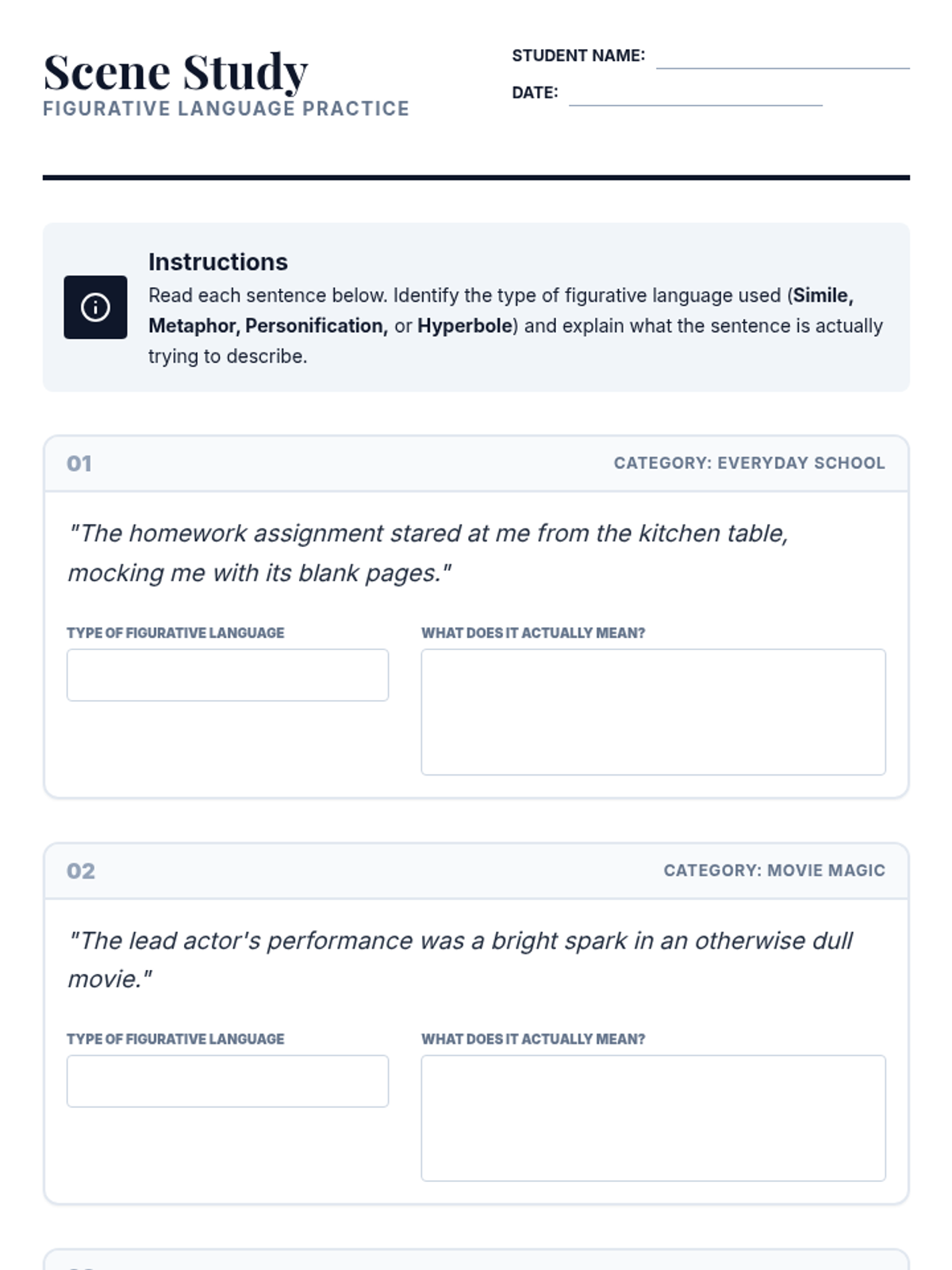
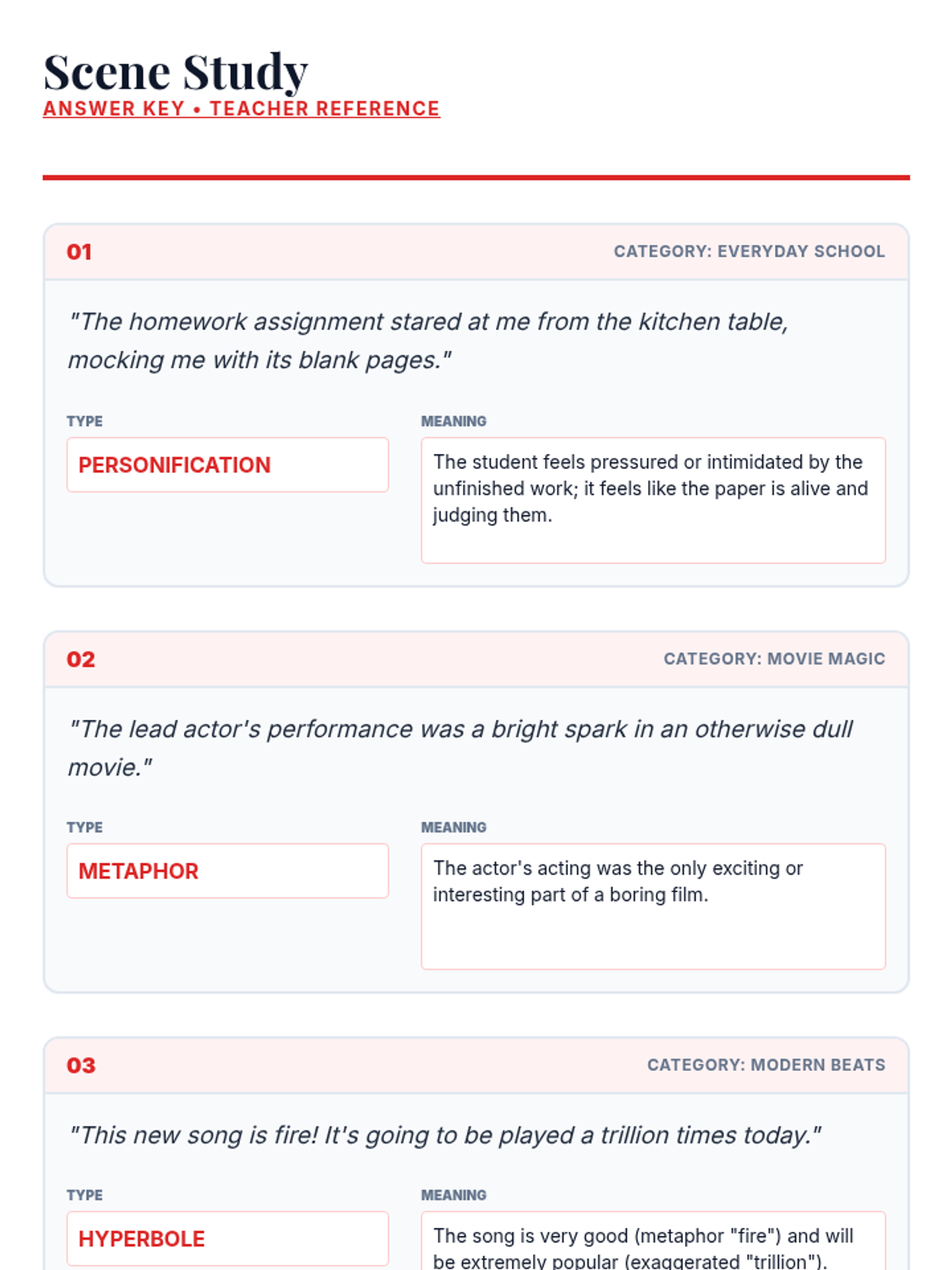
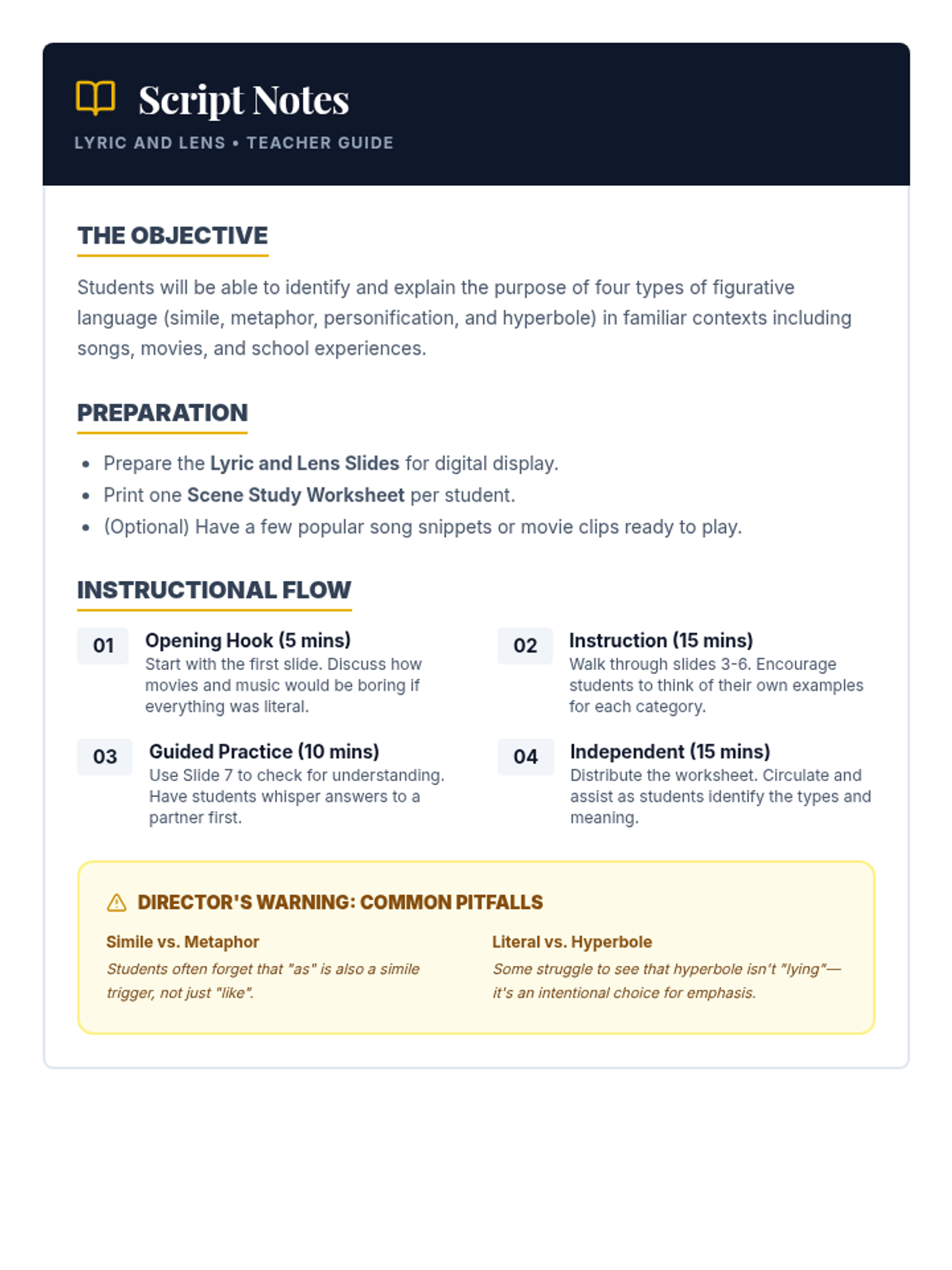
A lesson exploring simile, metaphor, personification, and hyperbole through the lens of popular media and everyday school experiences. Students identify and analyze figurative language in familiar contexts.
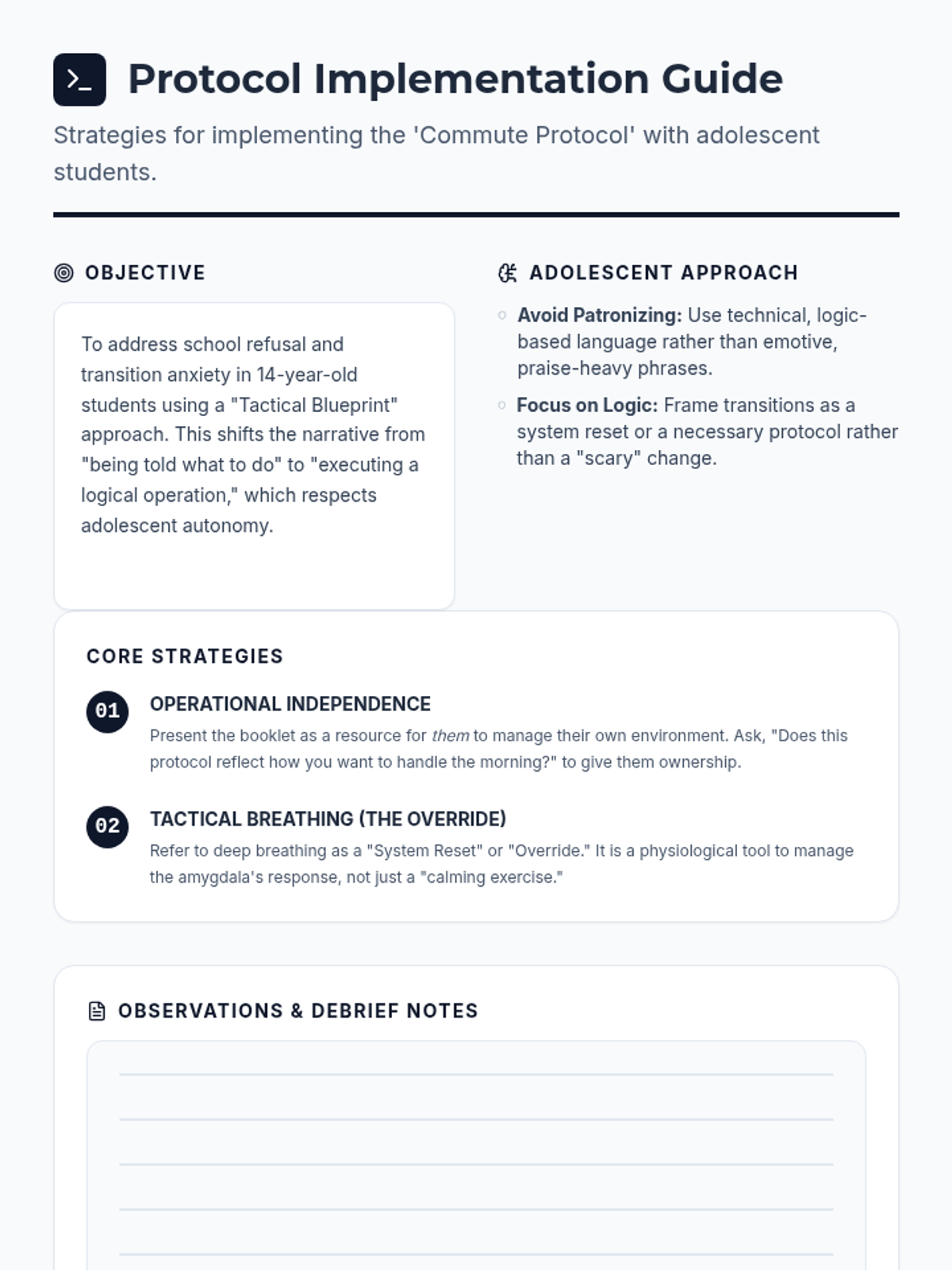
A comprehensive social story and implementation guide designed to help middle school students with emotional disabilities successfully navigate the transition from home to school via the van.
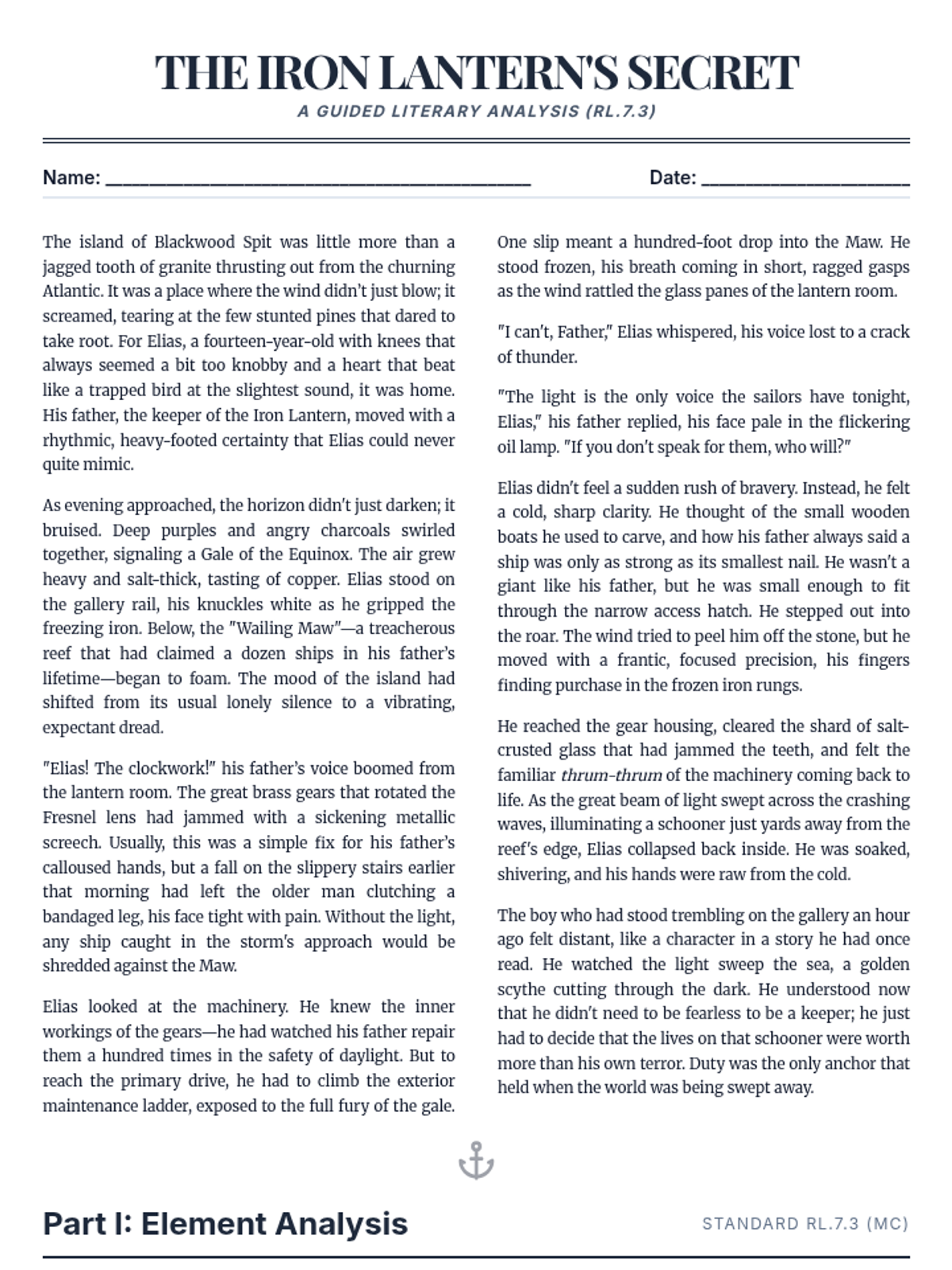
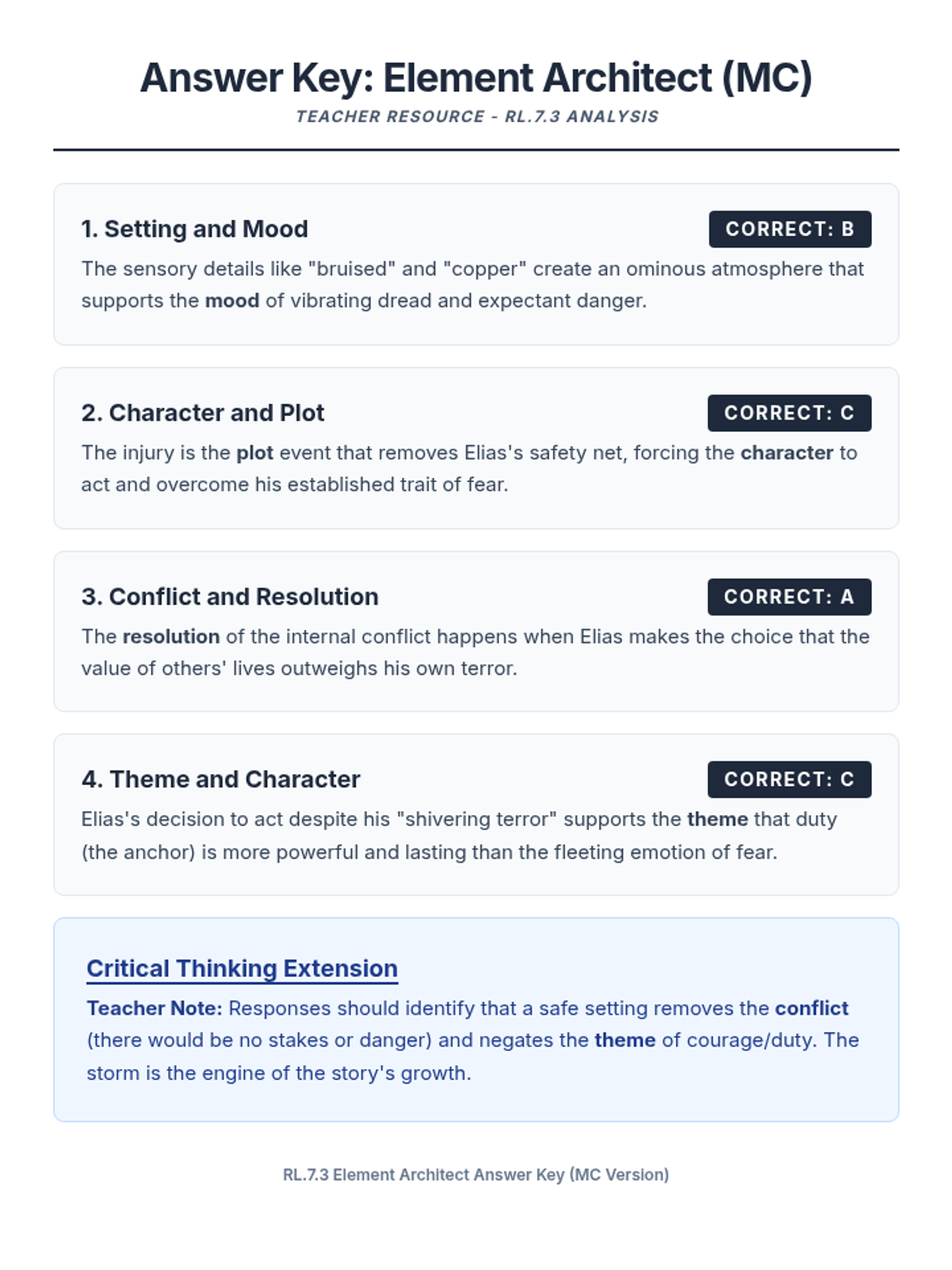
A lesson focused on RL.7.3, analyzing how literary elements like setting, character, and plot interact to shape a narrative. Students will read a complex passage and identify these interactions.
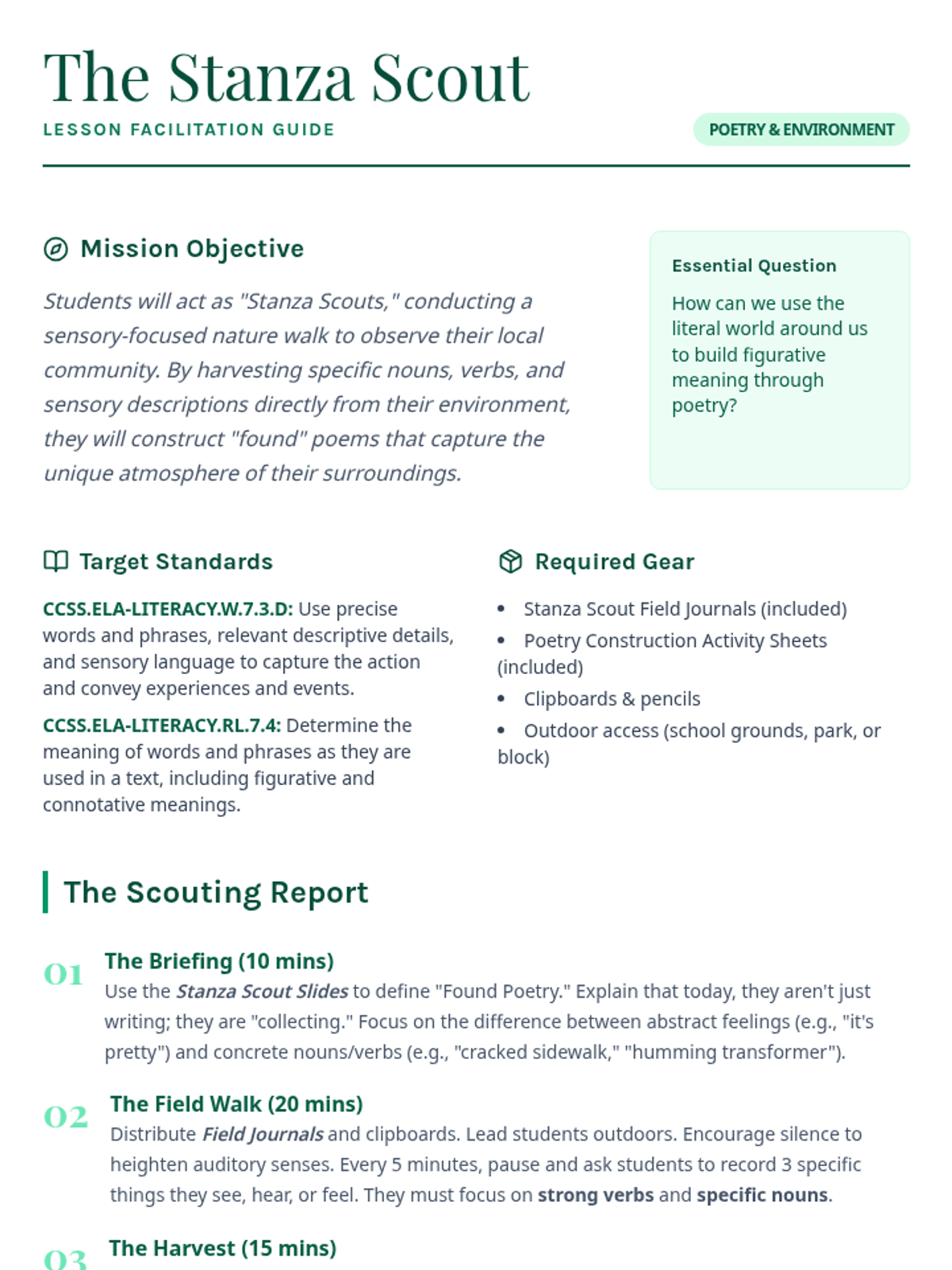
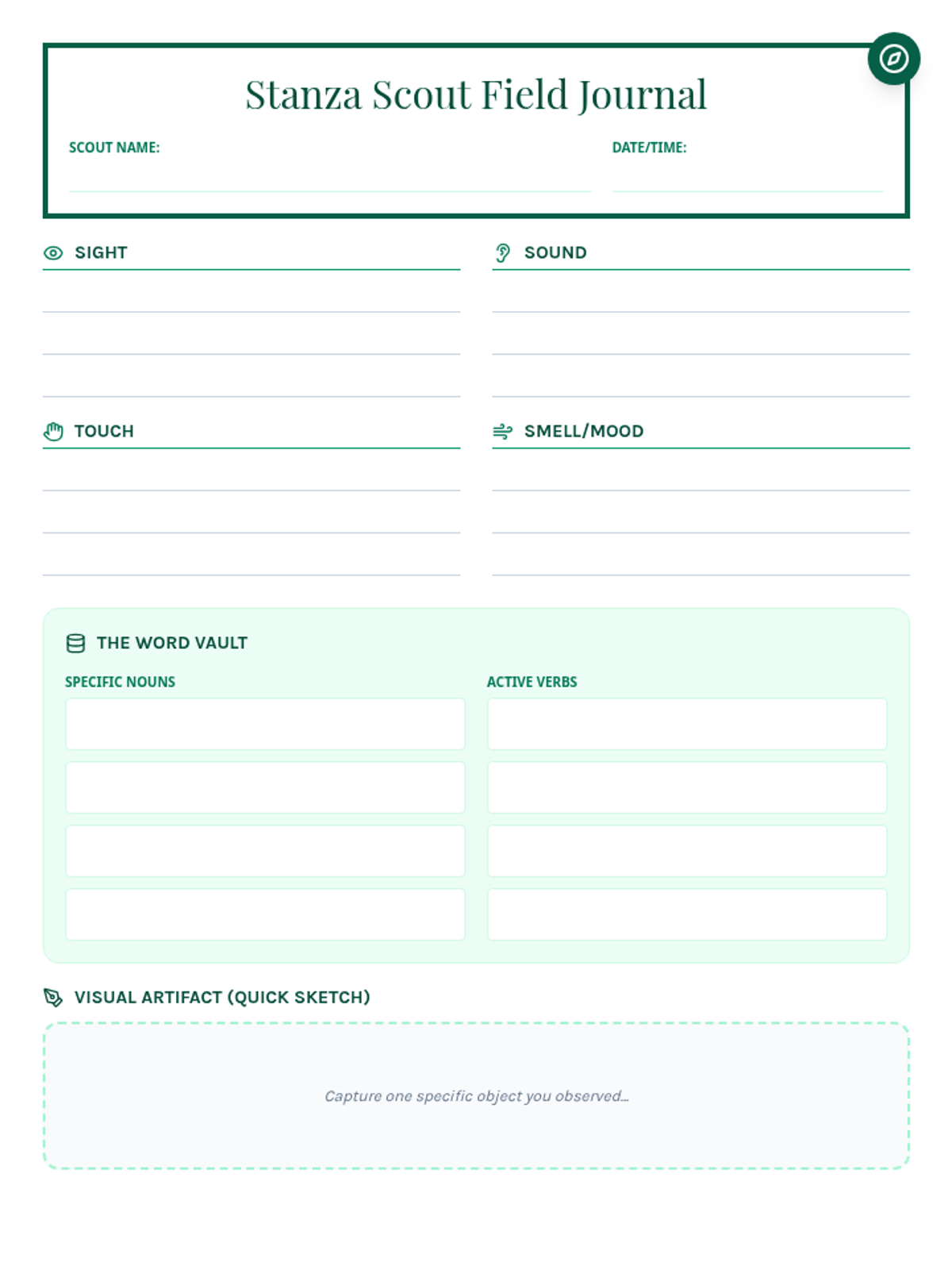
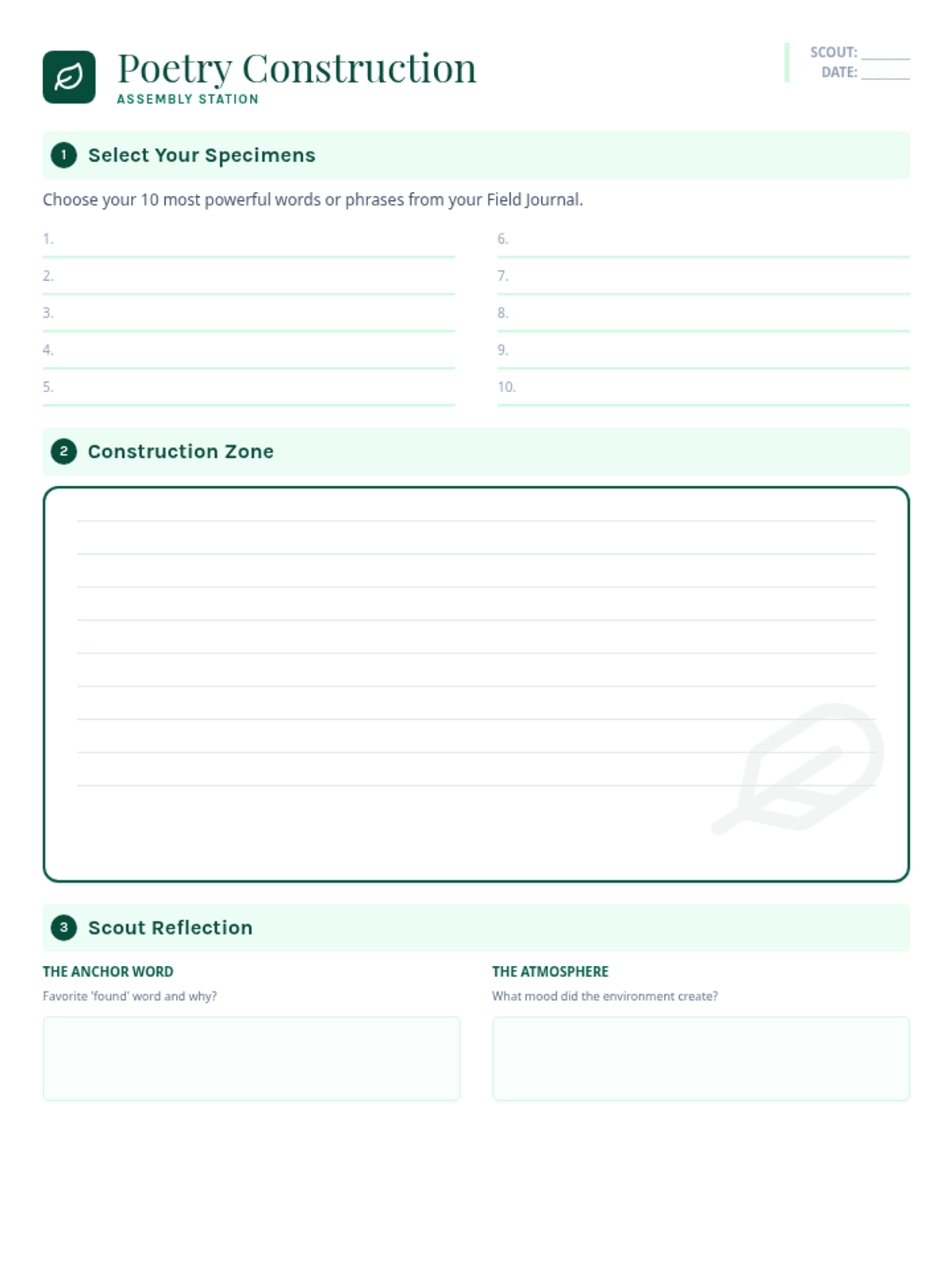
A middle school English Language Arts lesson where students conduct a sensory nature walk to collect 'found' words and transform them into original environmental poetry.
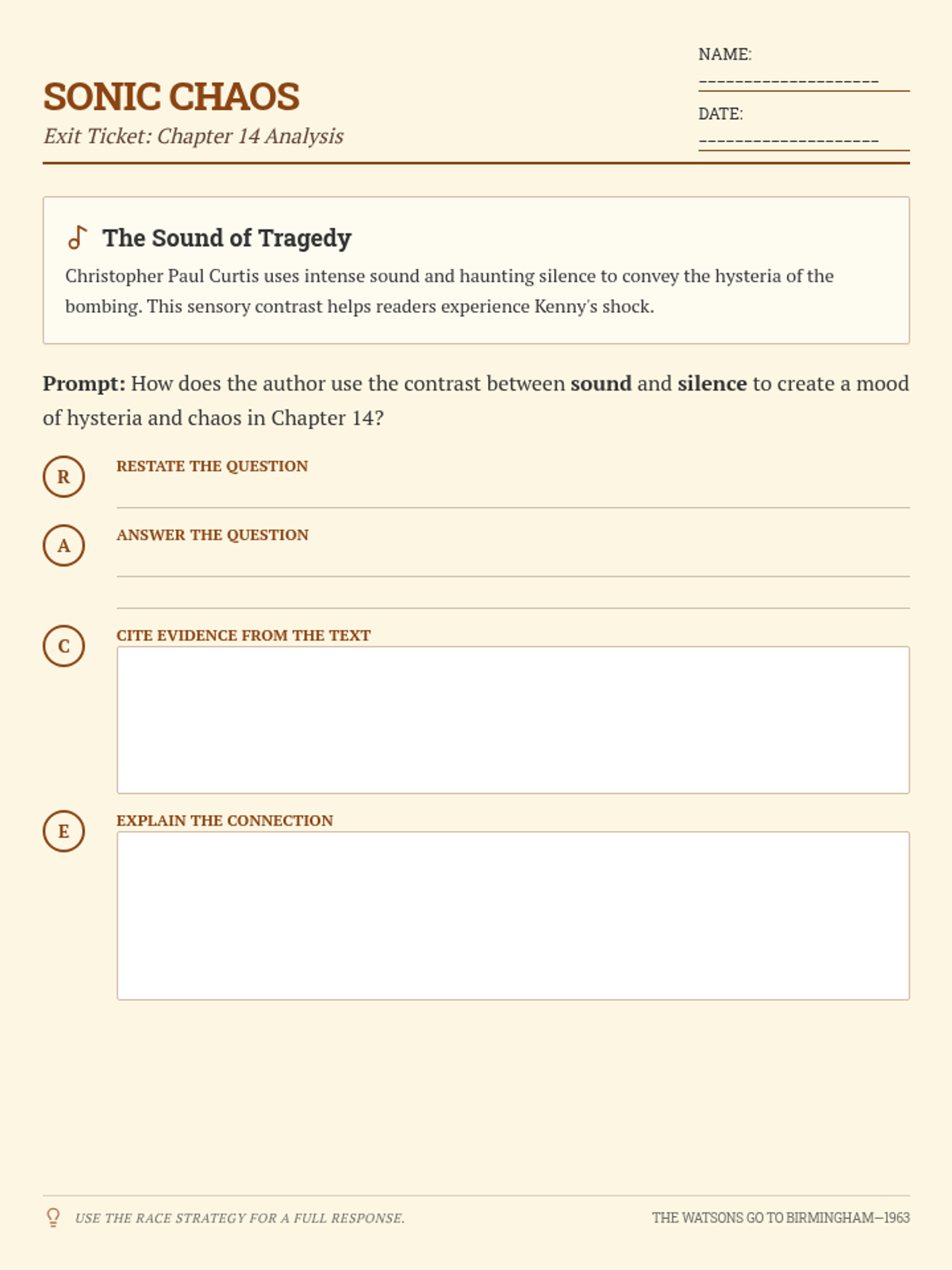
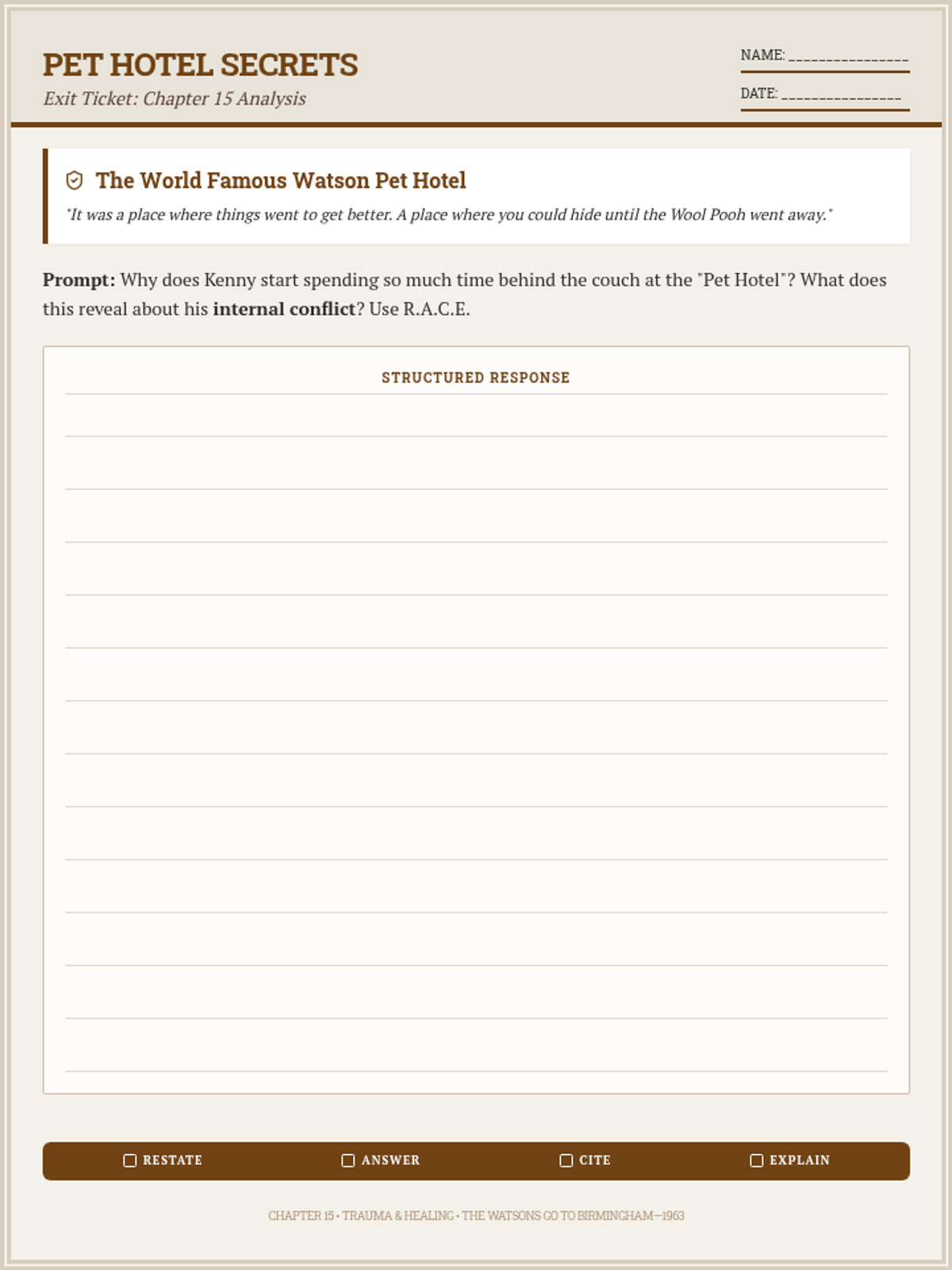
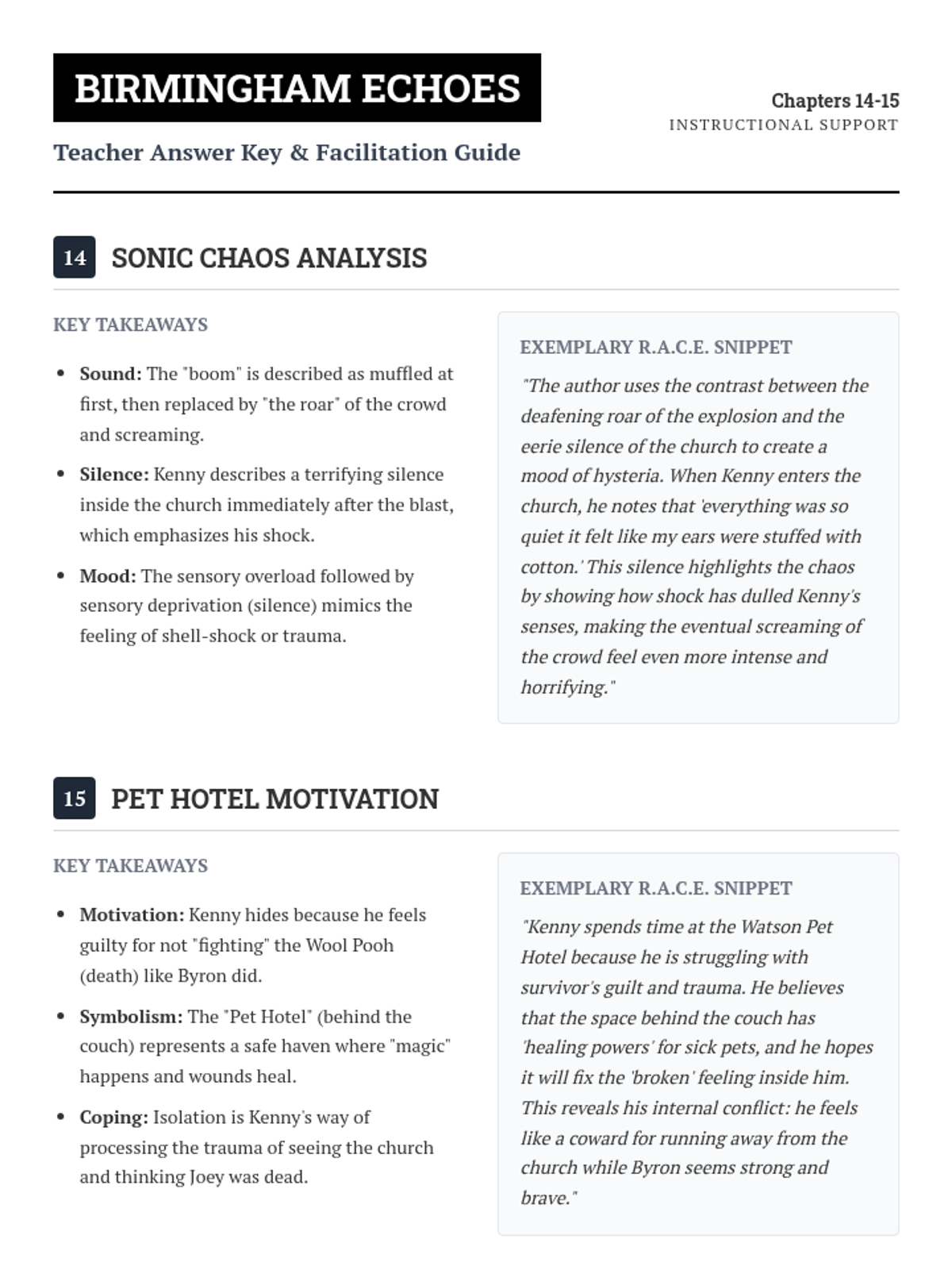
A deep dive into Chapters 14 and 15 of *The Watsons Go to Birmingham—1963*, focusing on the emotional aftermath of the church bombing and Kenny's internal struggle through mood analysis and character motivation.
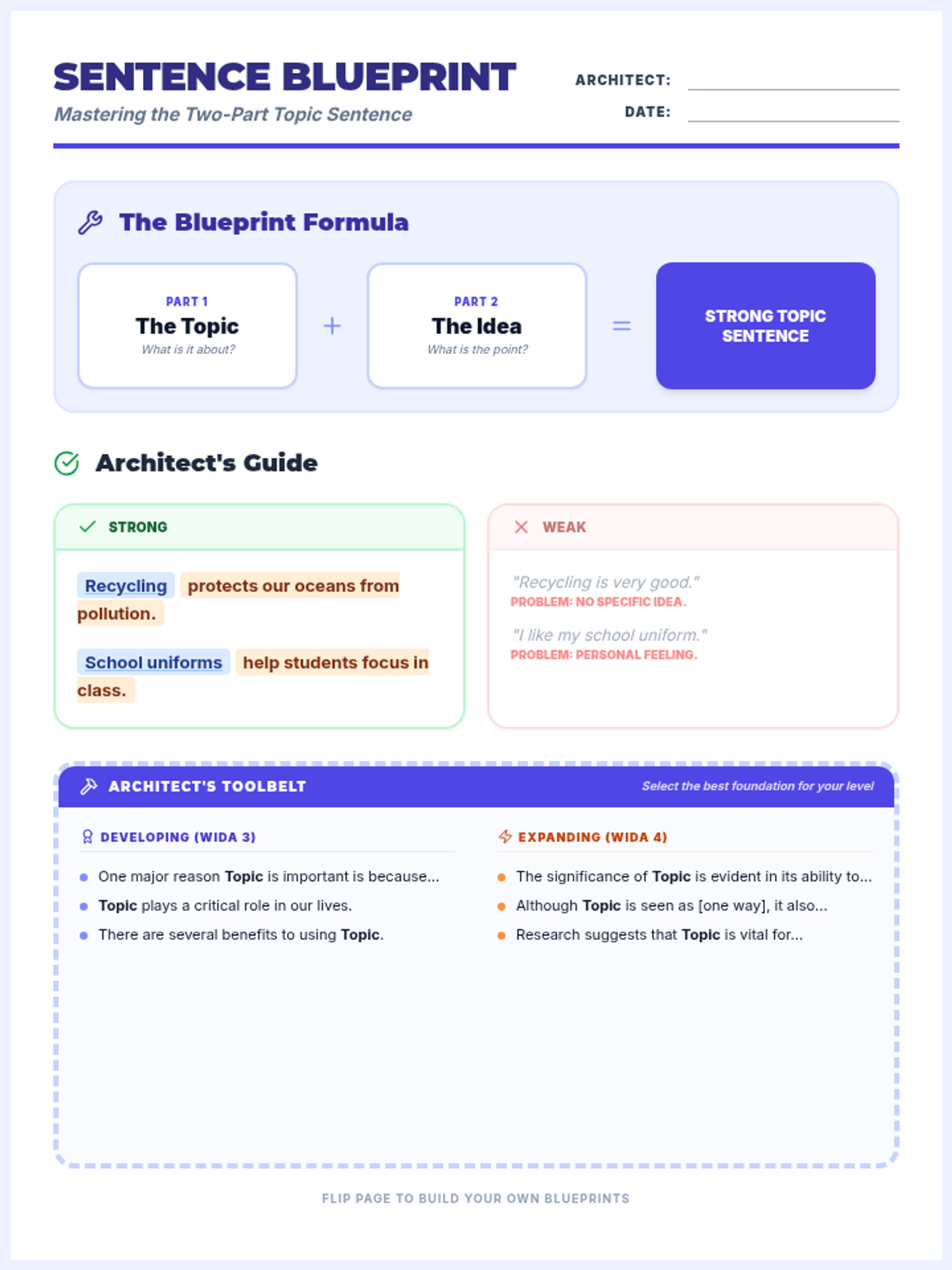
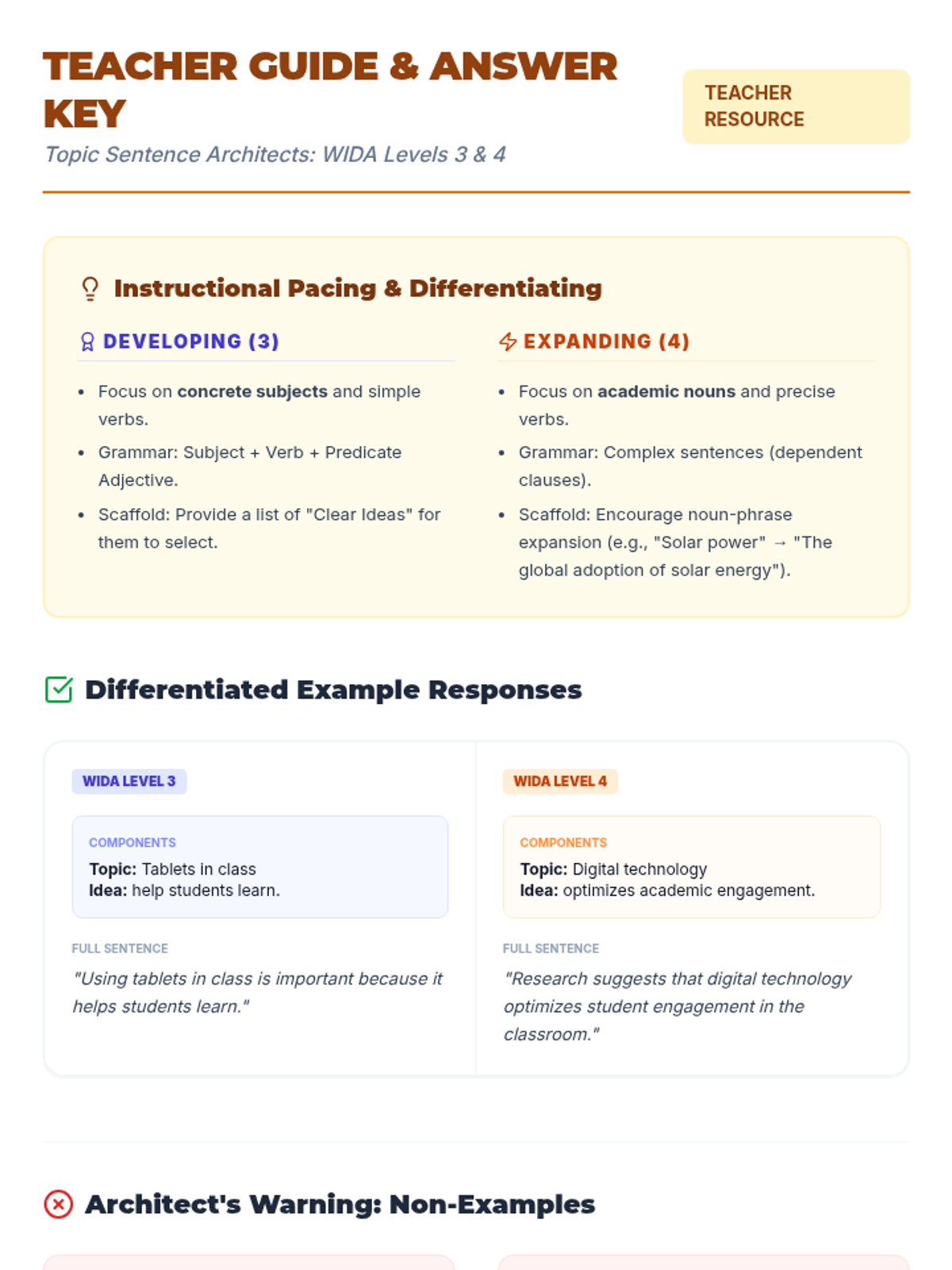
A lesson focused on teaching WIDA level 3 students how to construct strong topic sentences using a two-part formula: the topic and the clear idea. Students will use graphic organizers and sentence starters to build academic paragraph foundations.
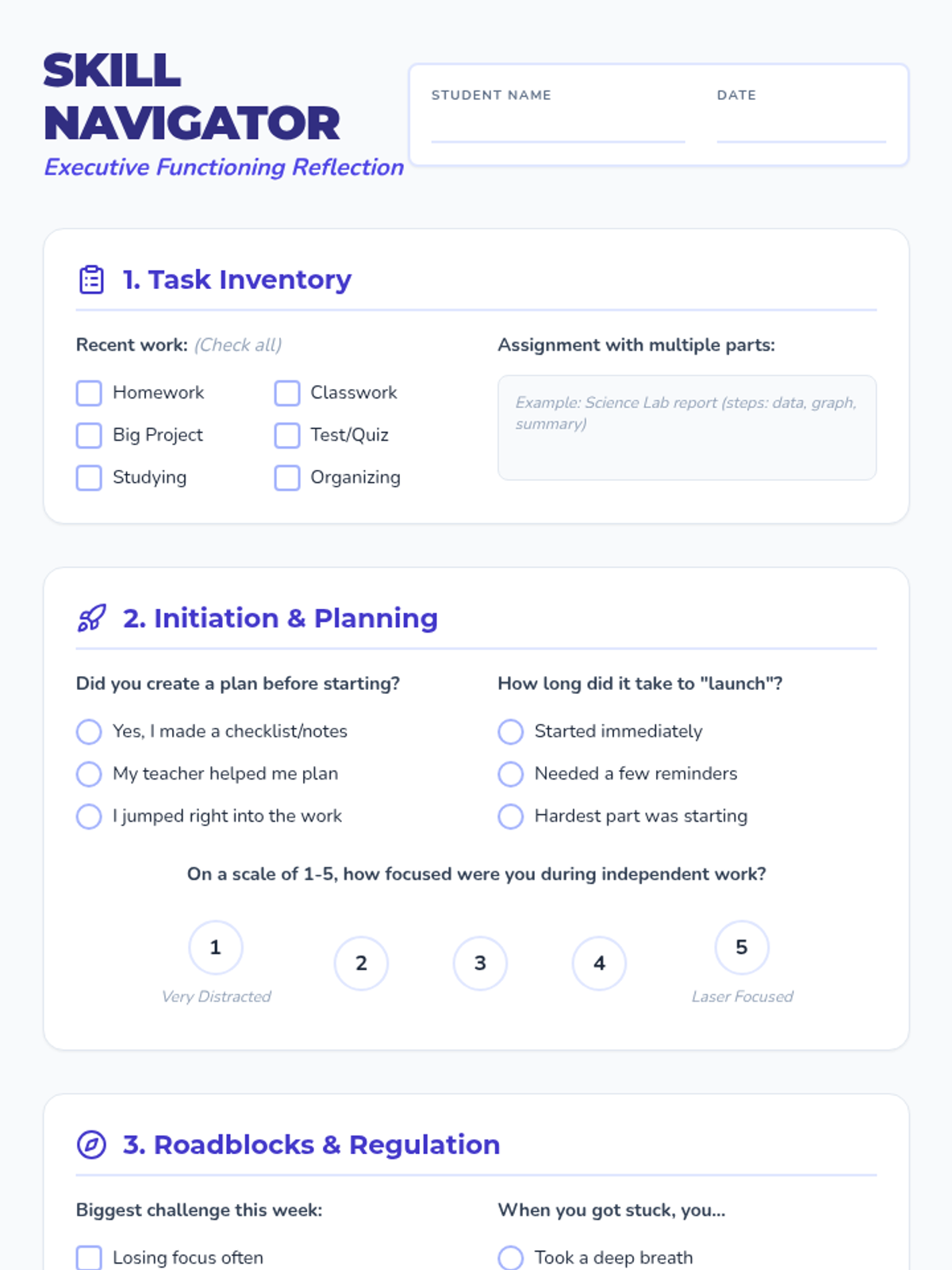
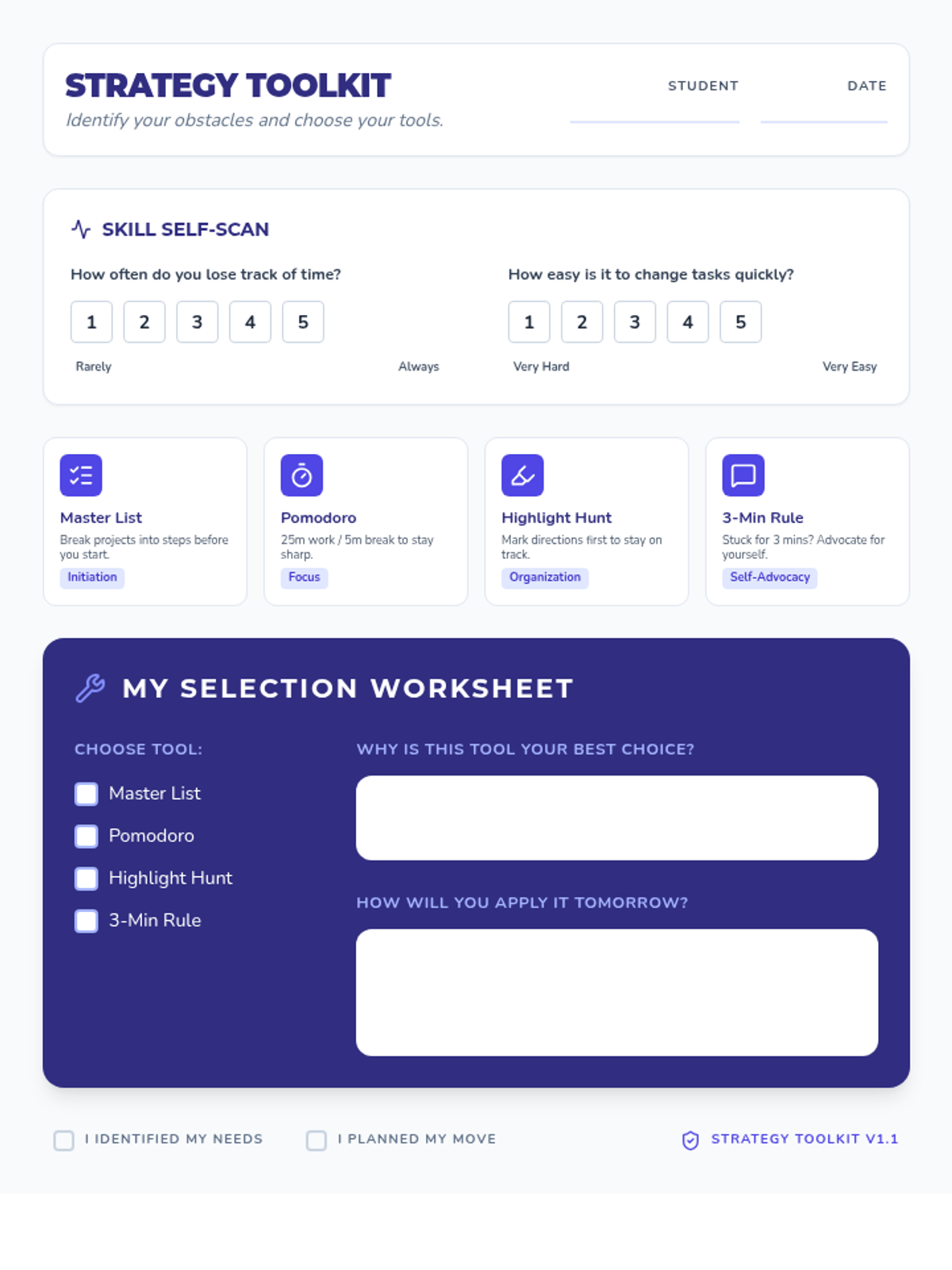
A comprehensive lesson focused on identifying and improving executive functioning skills through self-reflection and strategy building.
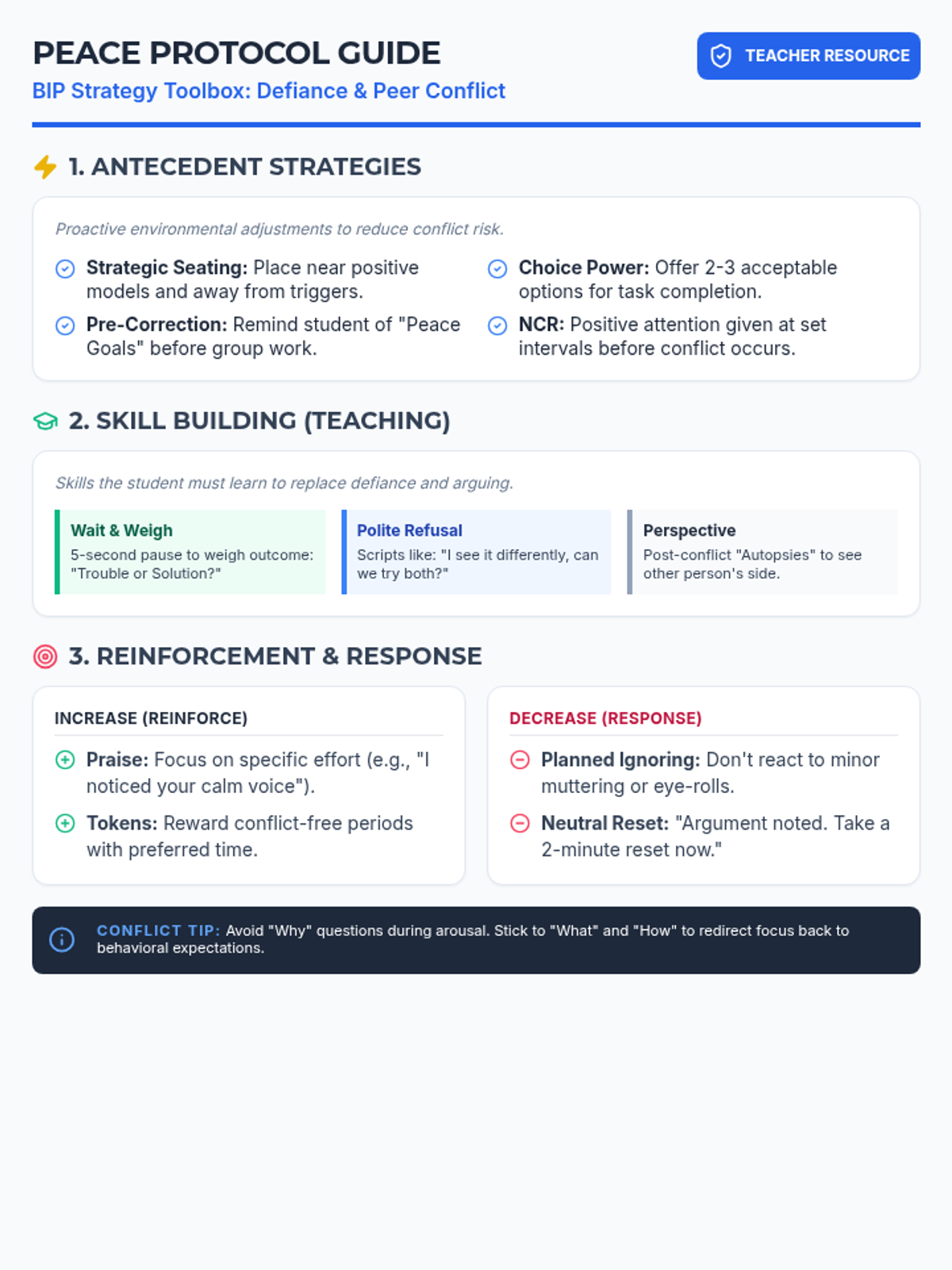
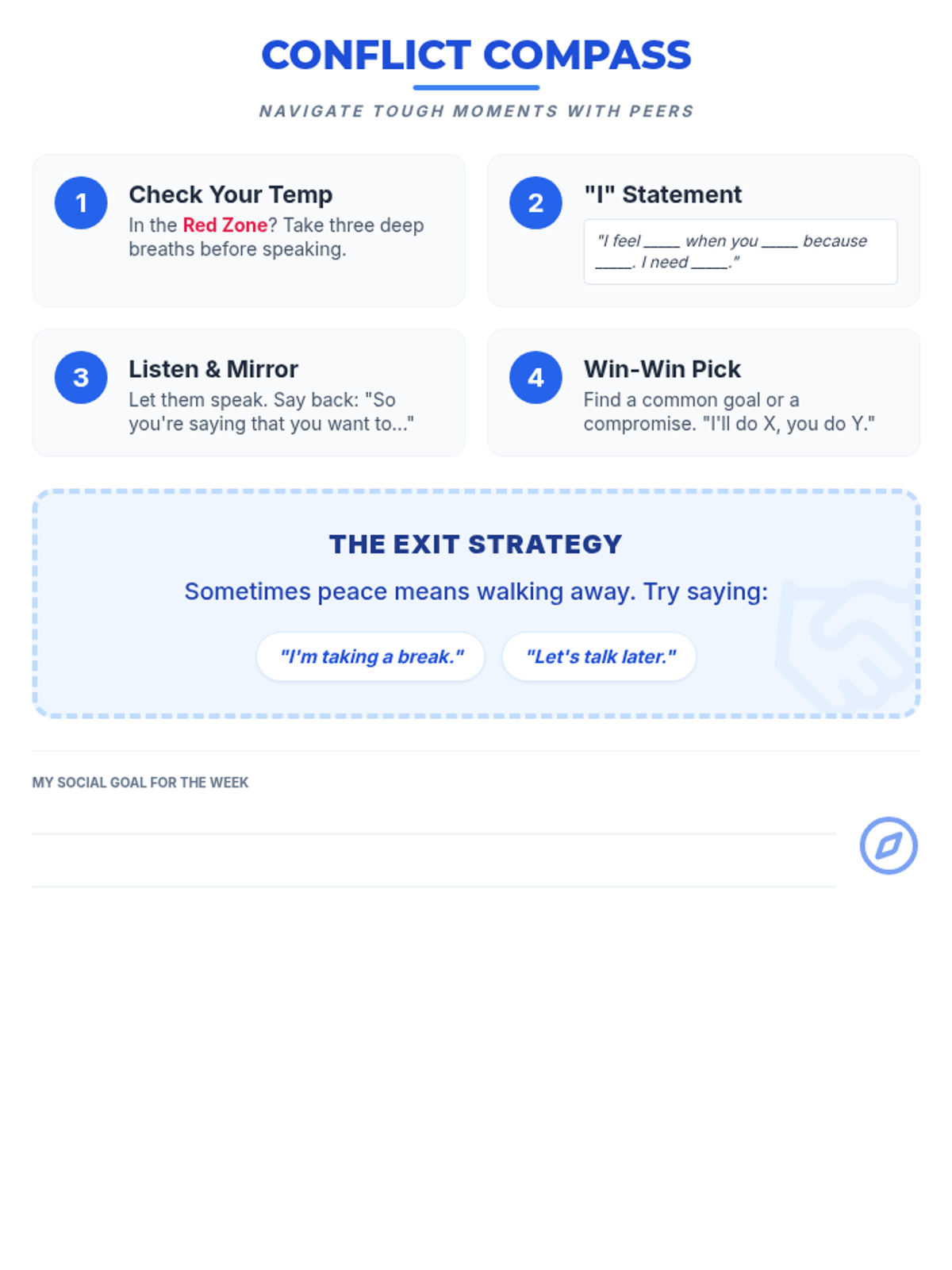
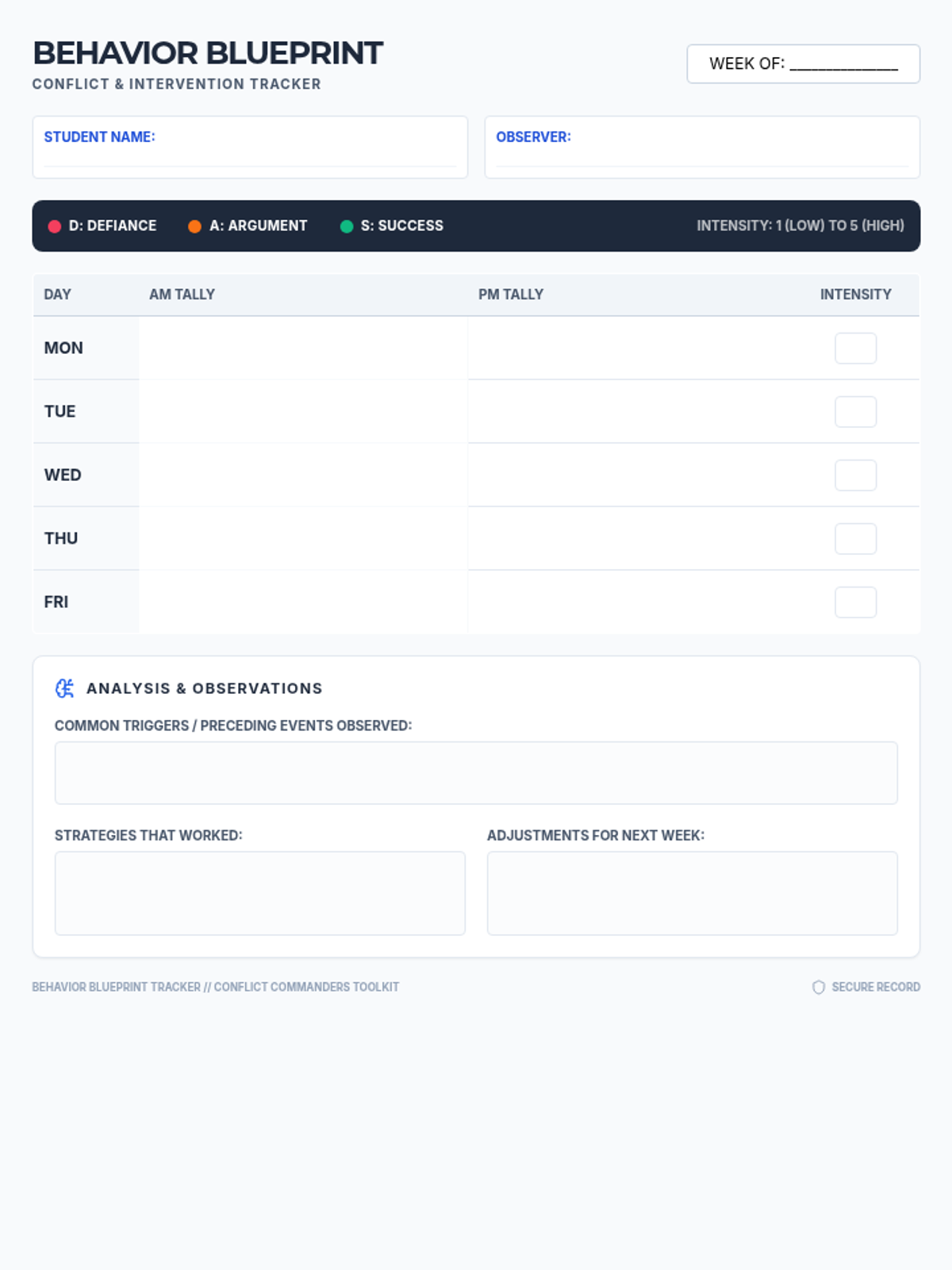
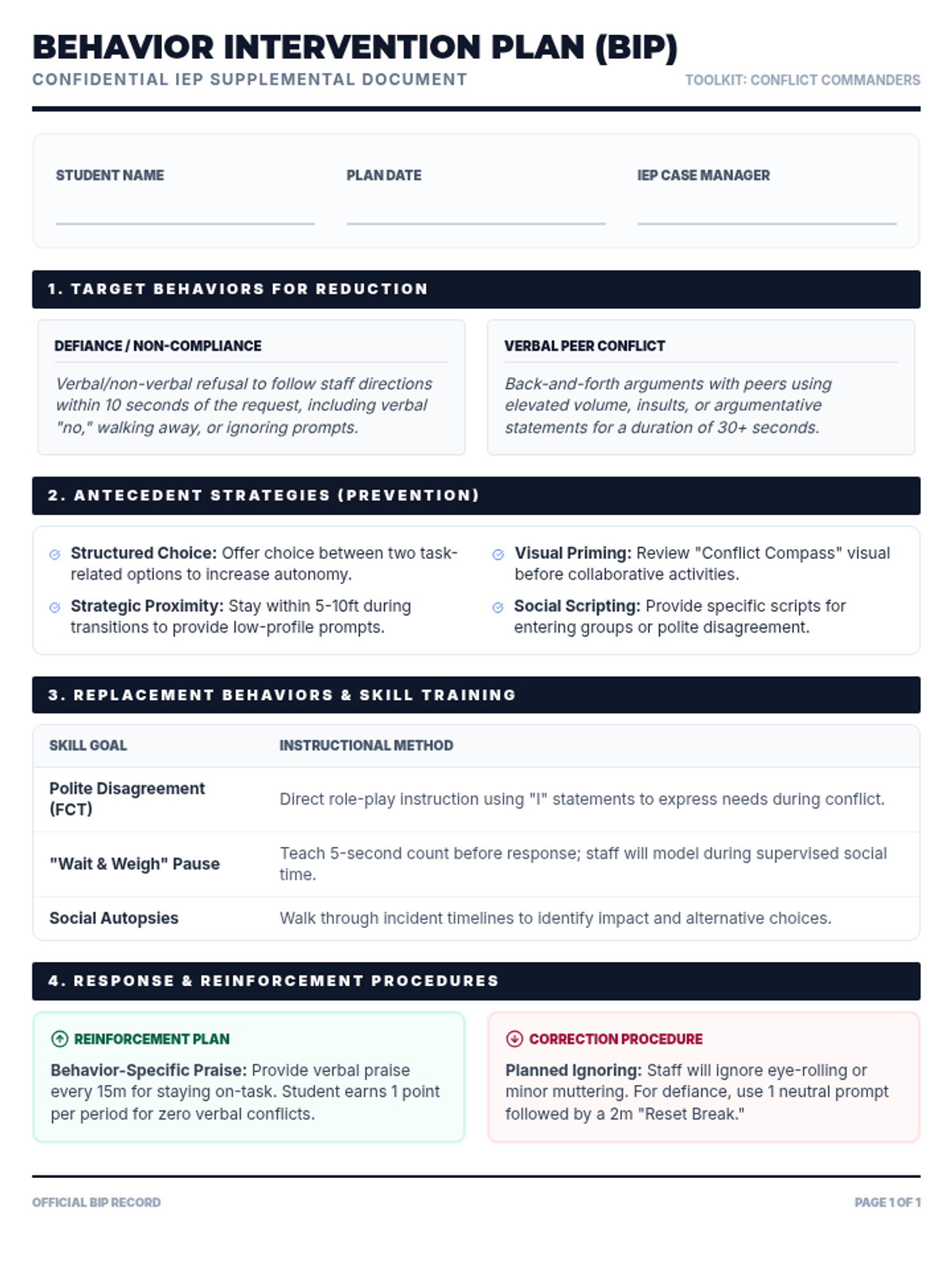
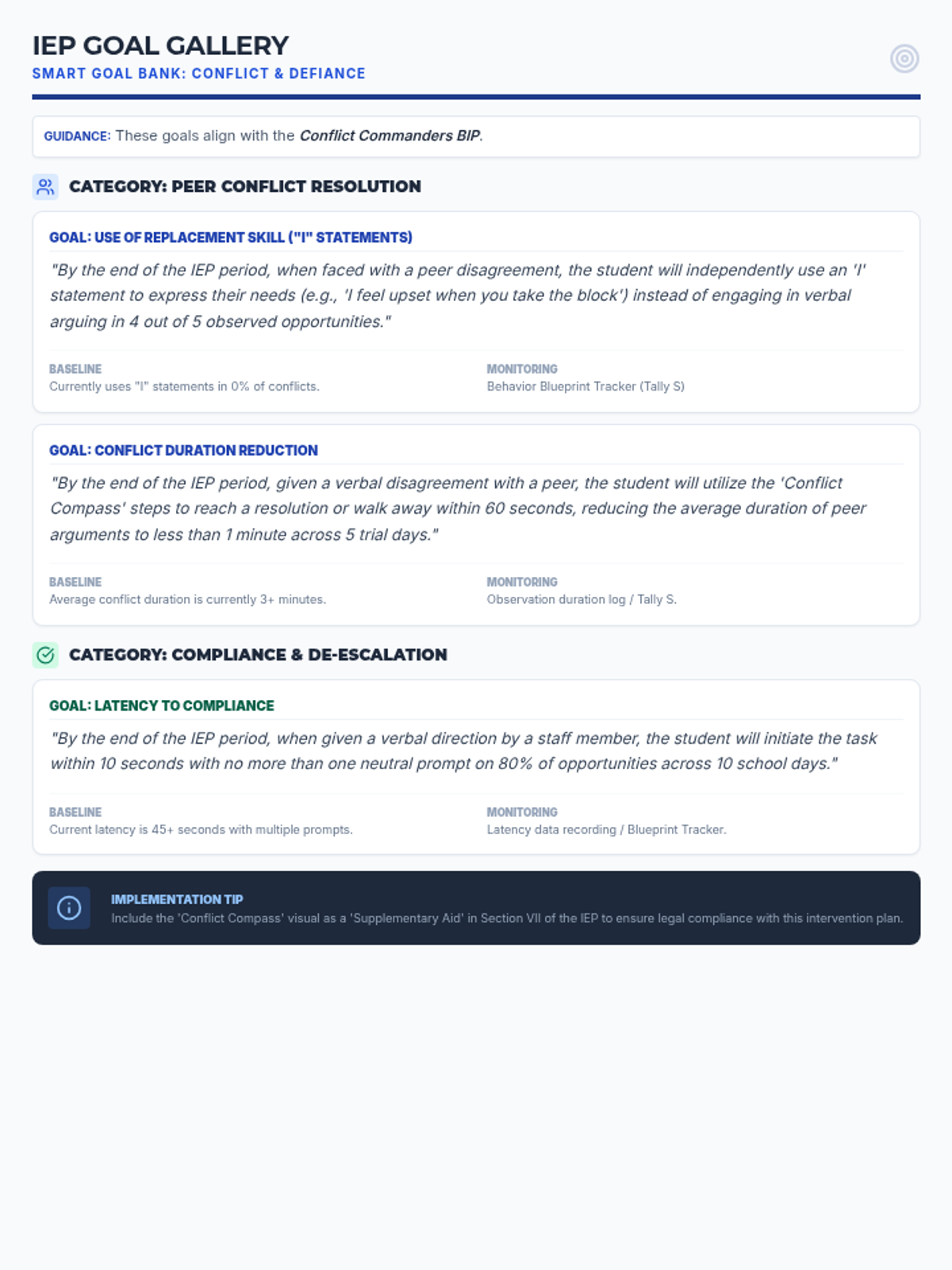
A comprehensive set of tools for managing and reducing peer defiance and verbal conflict, focusing on proactive BIP strategies, student-facing visuals, and data collection.
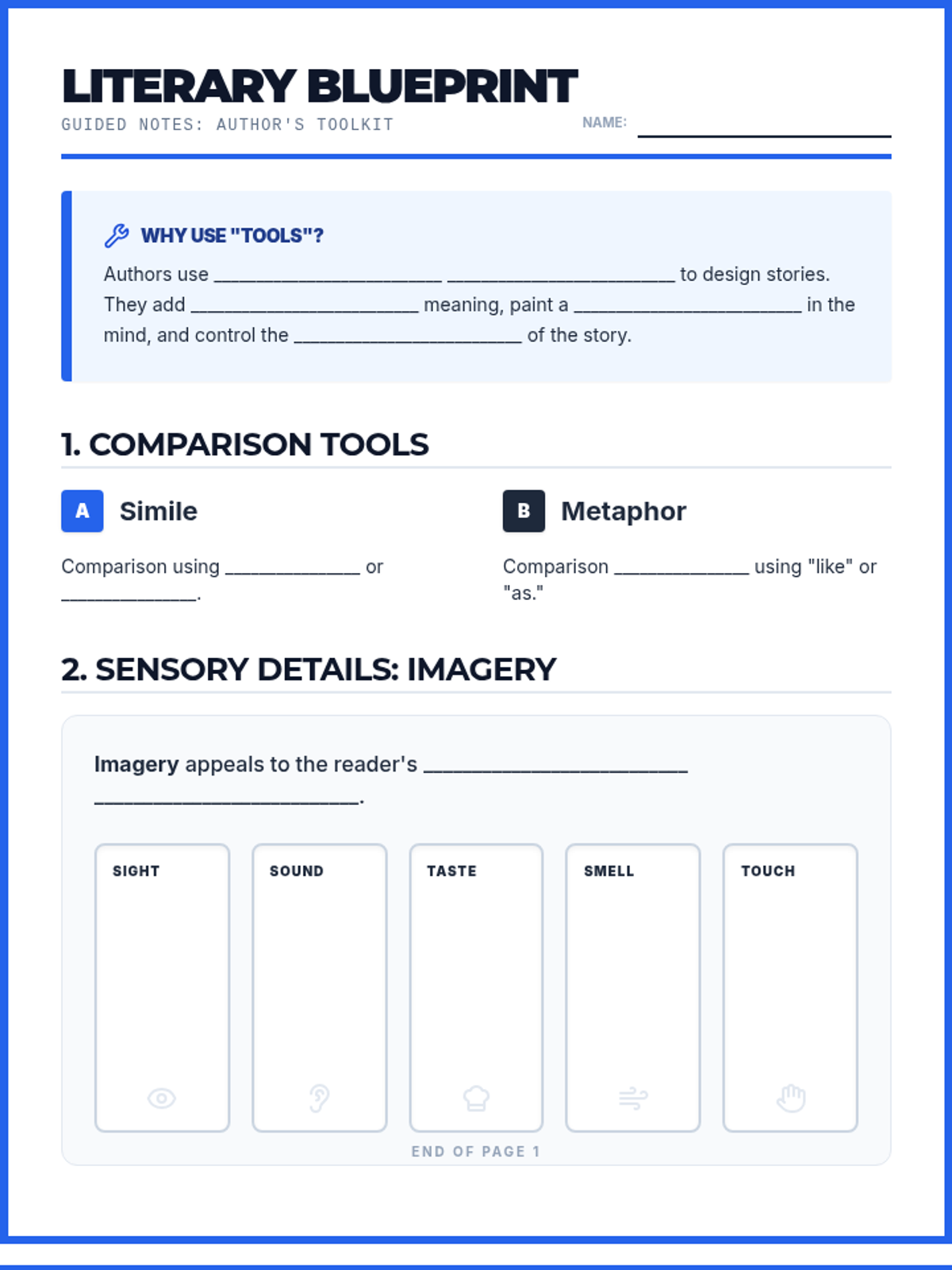
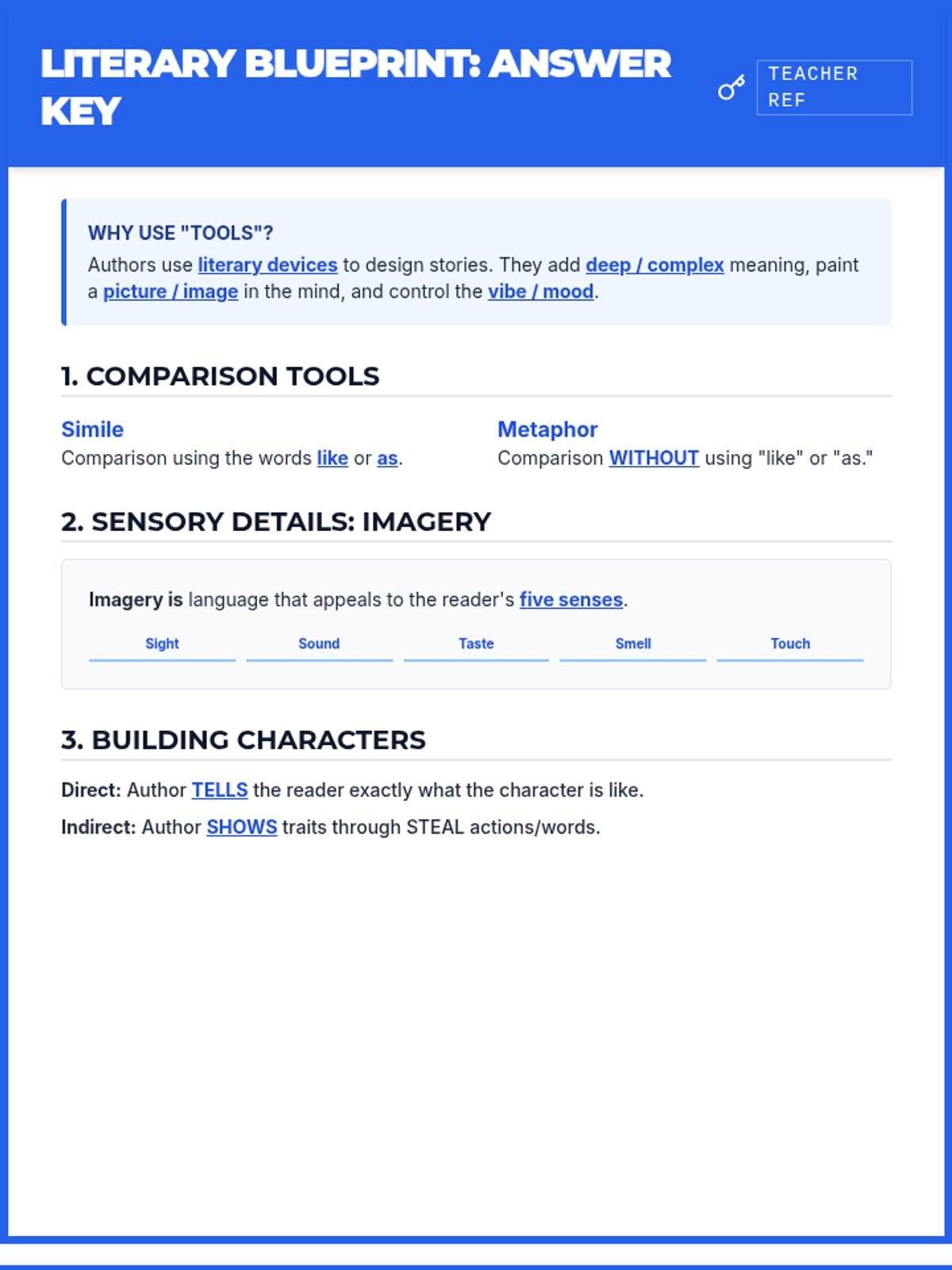
A comprehensive introduction to key literary devices for 7th grade students, using a blueprint theme to represent how authors build stories. Students will learn about similes, metaphors, irony, foreshadowing, symbolism, characterization, point of view, imagery, and conflict.