A reflective end-of-year lesson for 5th graders to celebrate their growth, acknowledge their impact on the school community, and prepare for the transition to middle school through the metaphor of a tree's legacy.

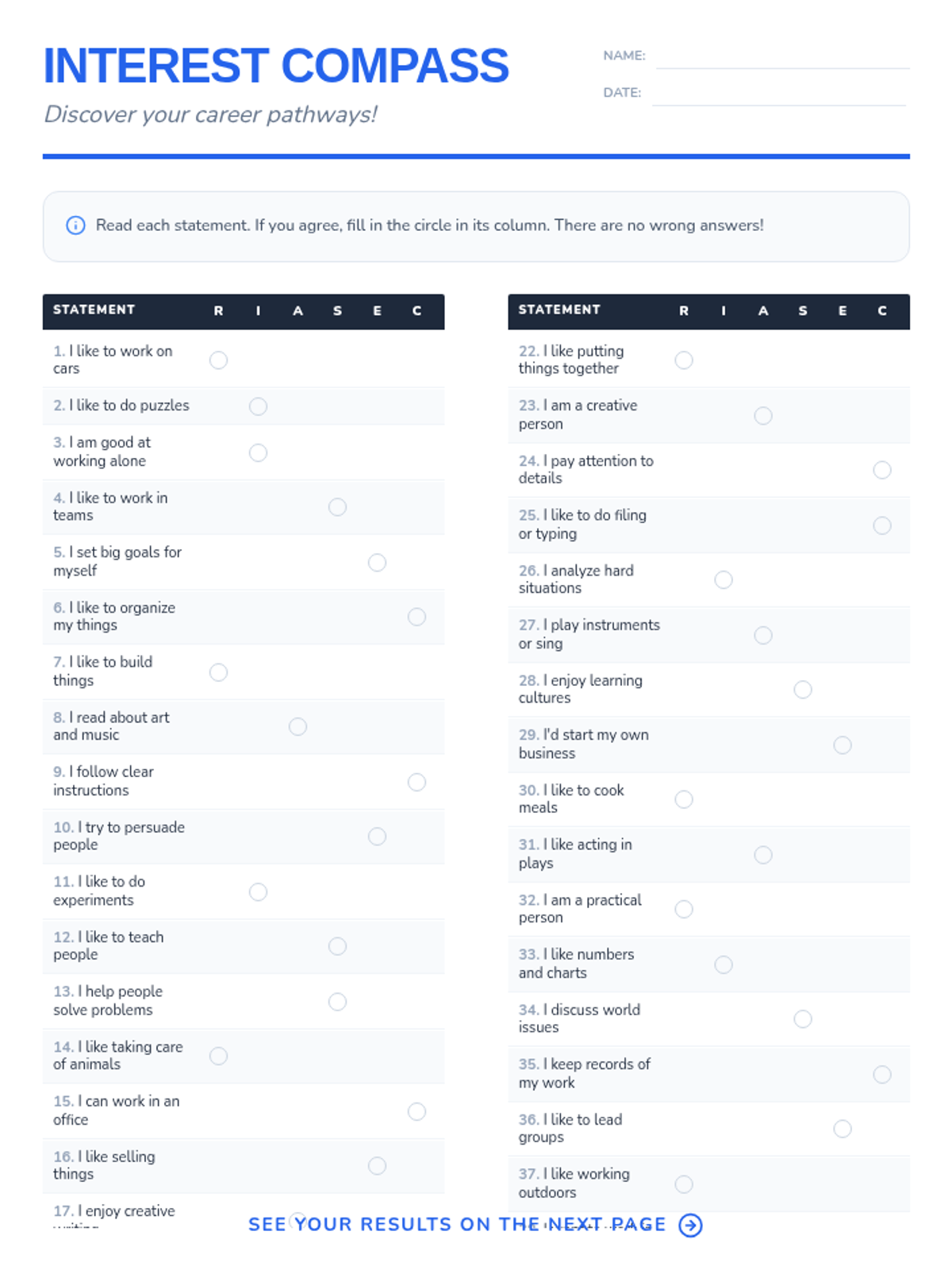
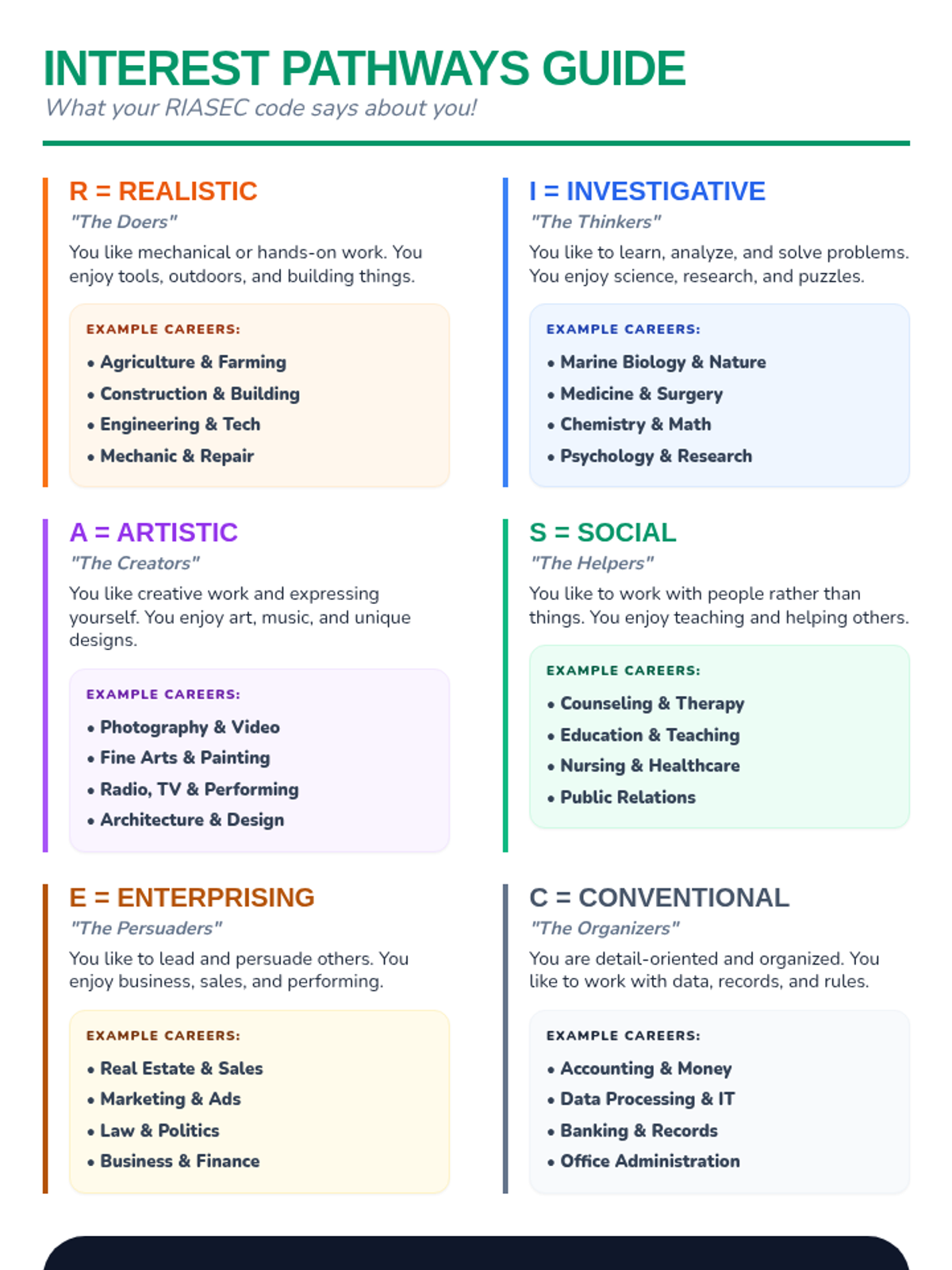
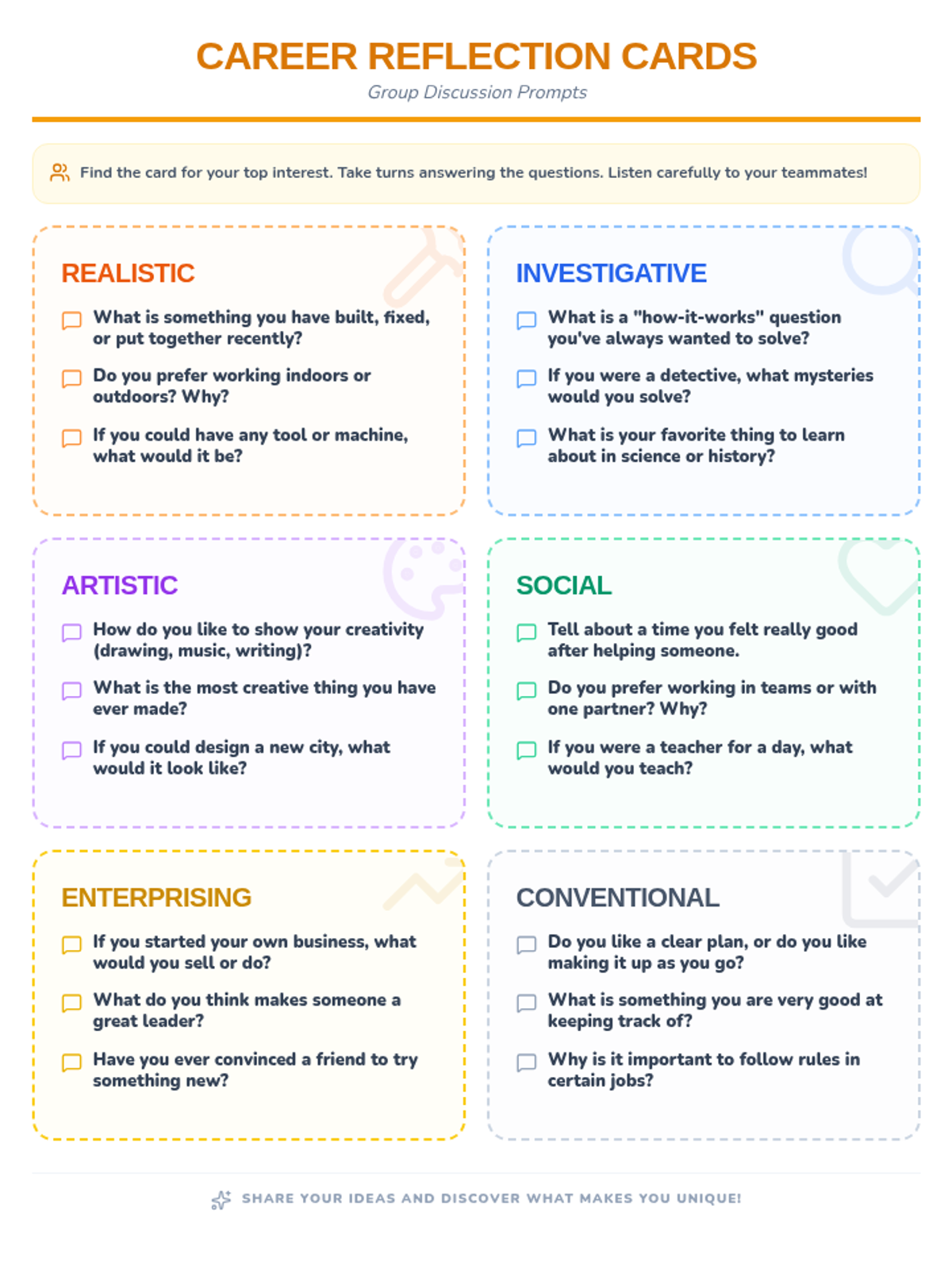
An introductory lesson on the RIASEC Holland Codes where students take a career interest quiz, analyze their results, and explore different career pathways through global examples.
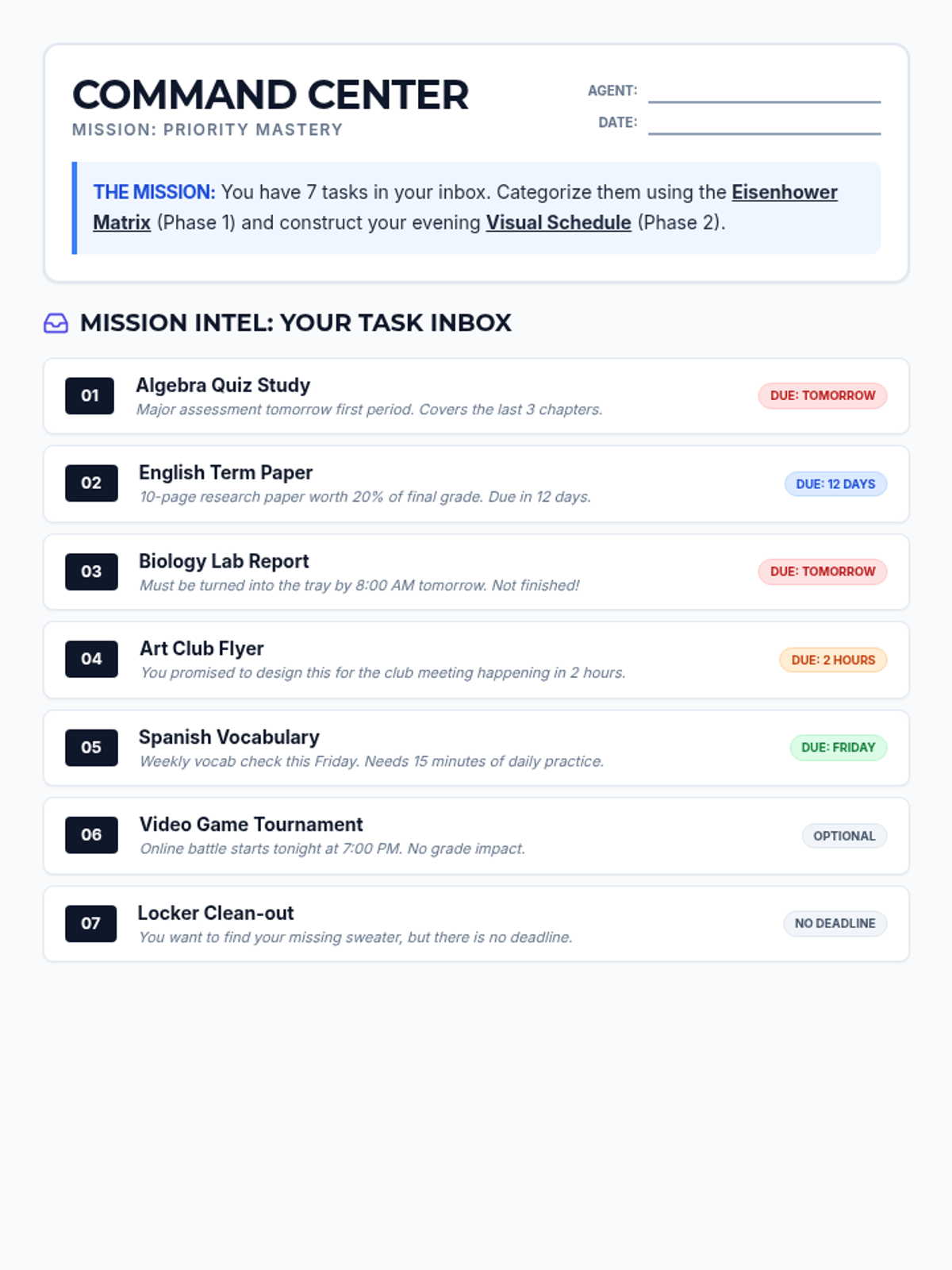
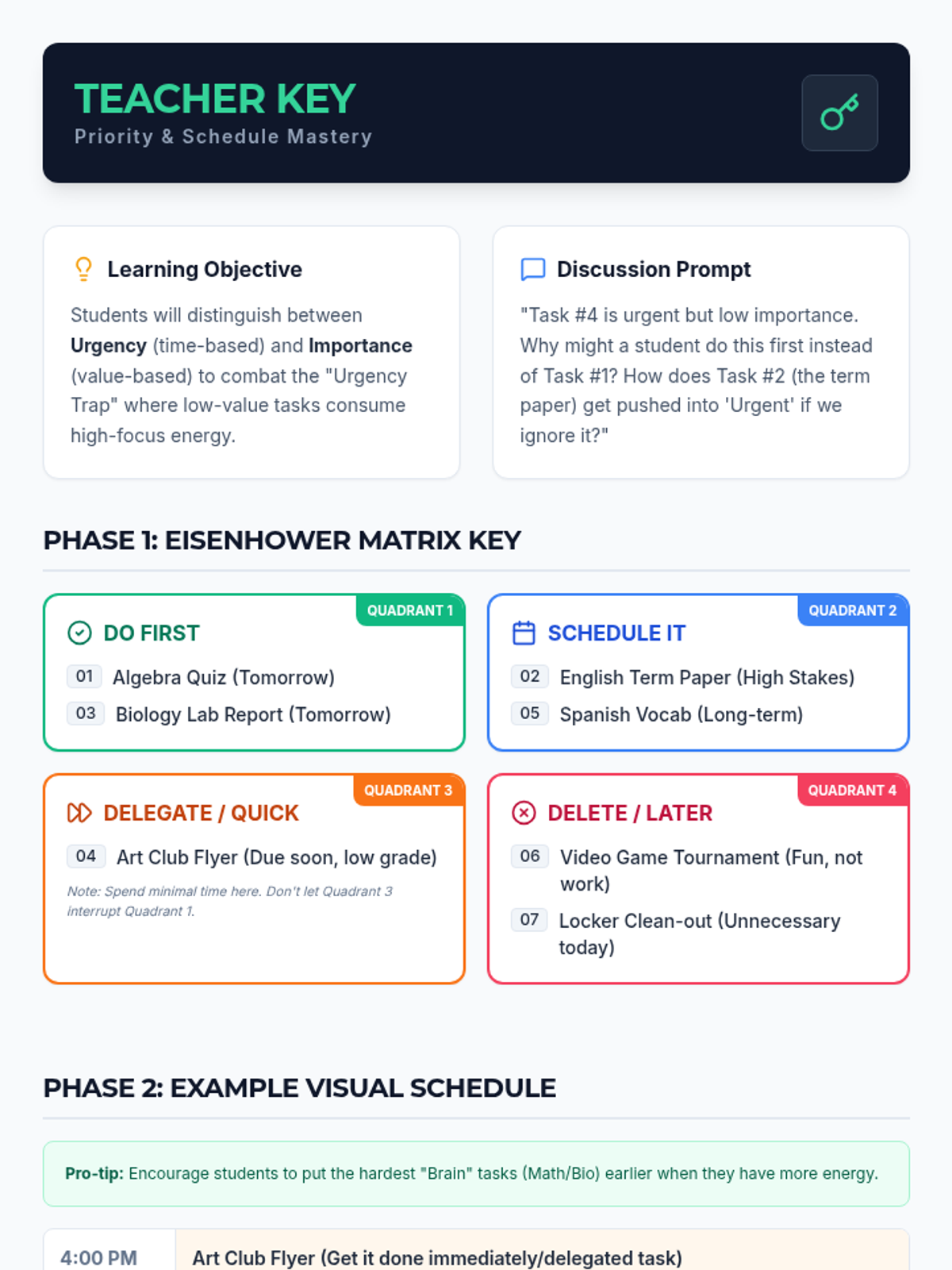
A focused lesson on executive functioning skills, specifically teaching students how to prioritize tasks using the Eisenhower Matrix and translate those priorities into a functional visual schedule.
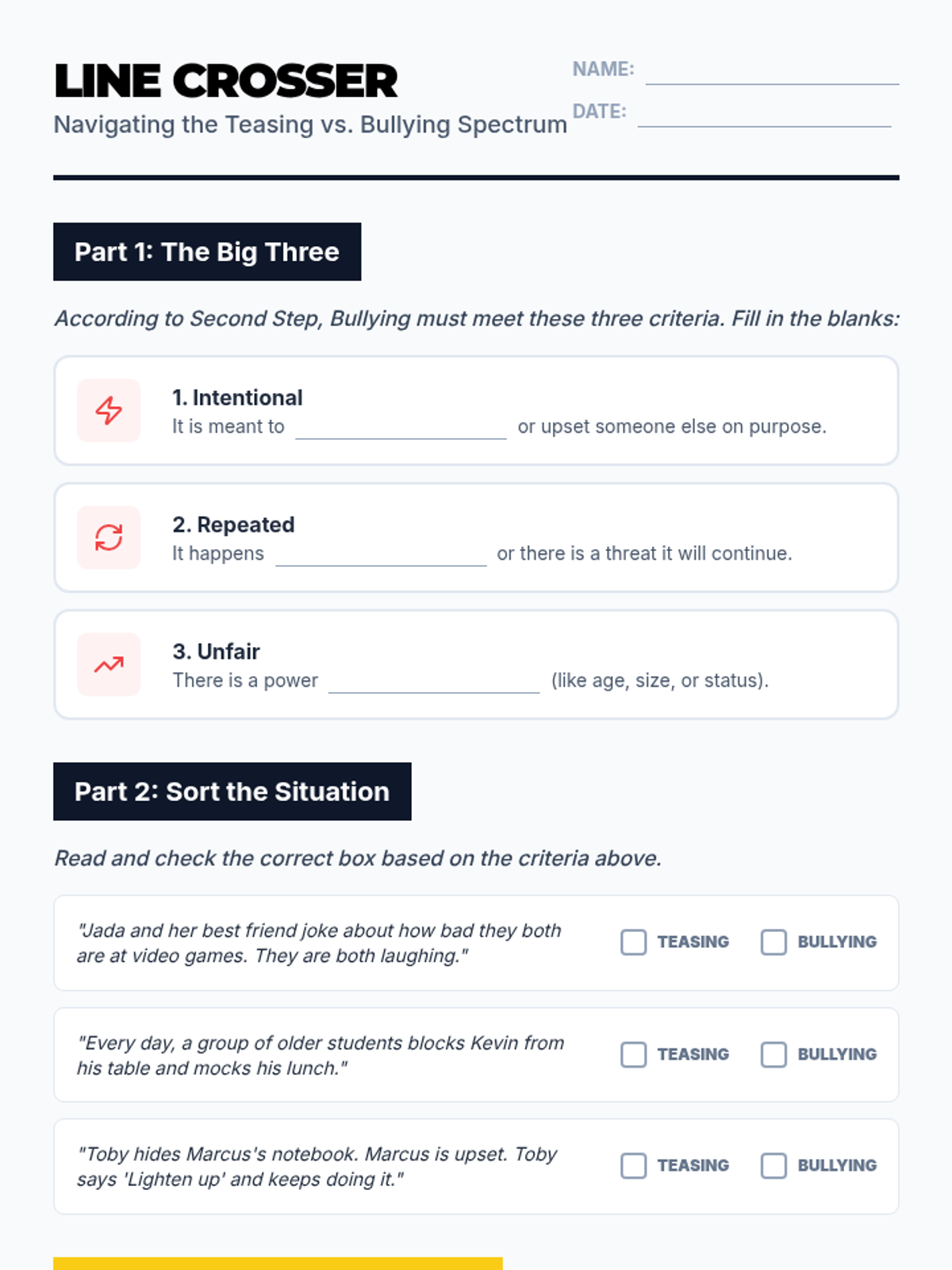
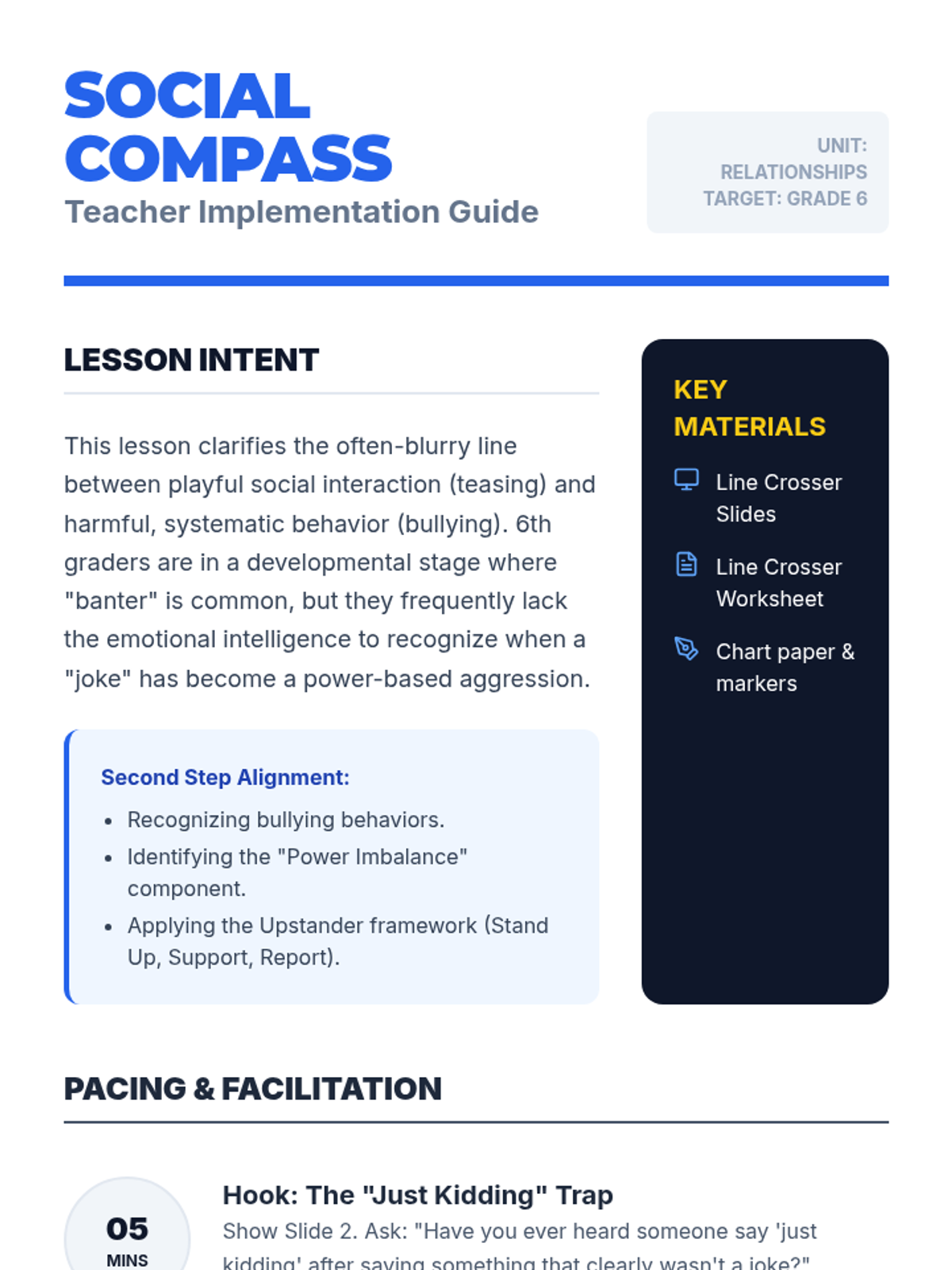
A middle school lesson exploring the critical differences between playful teasing and harmful bullying, grounded in Second Step definitions of power imbalance, intent, and repetition.
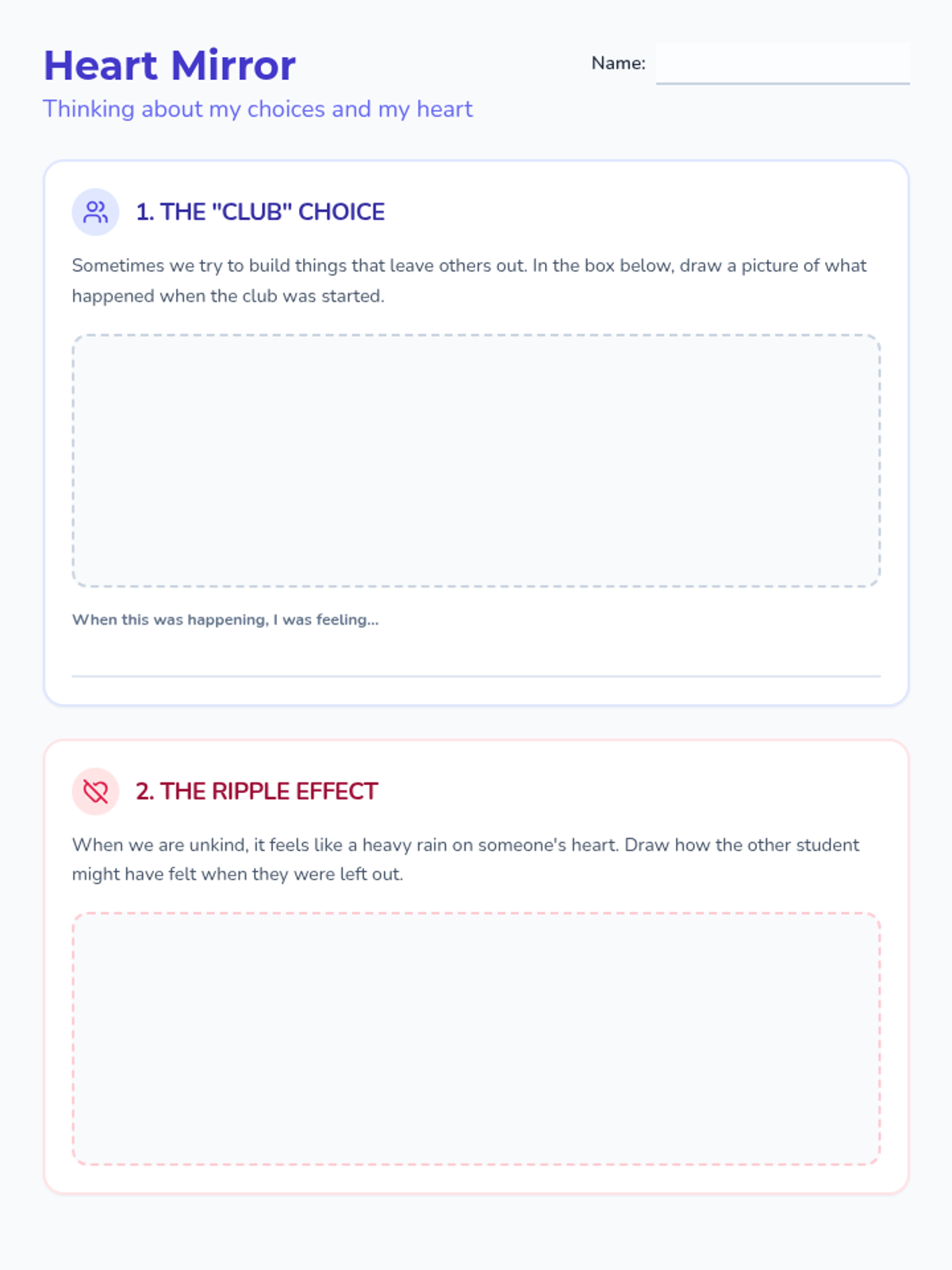
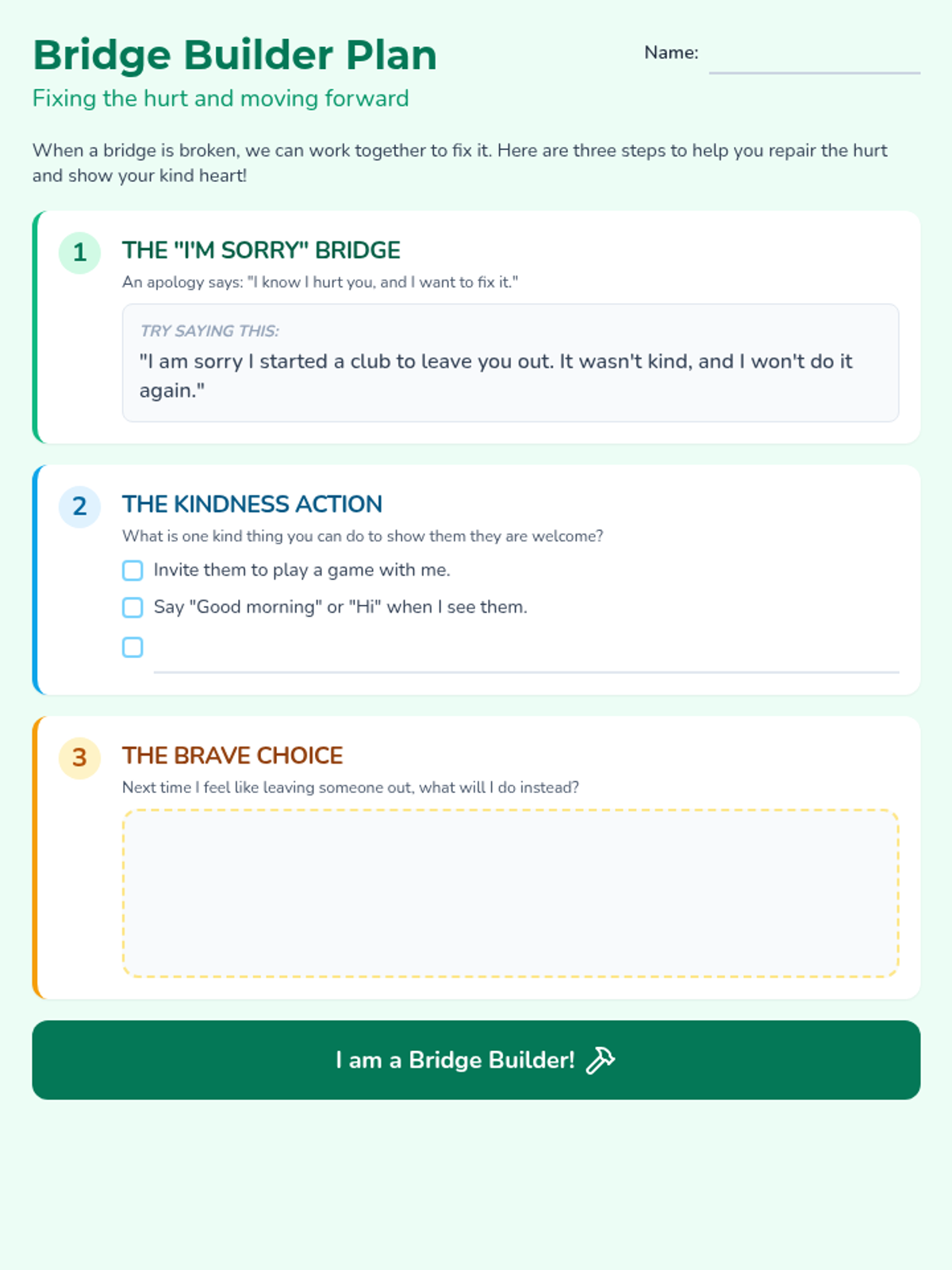
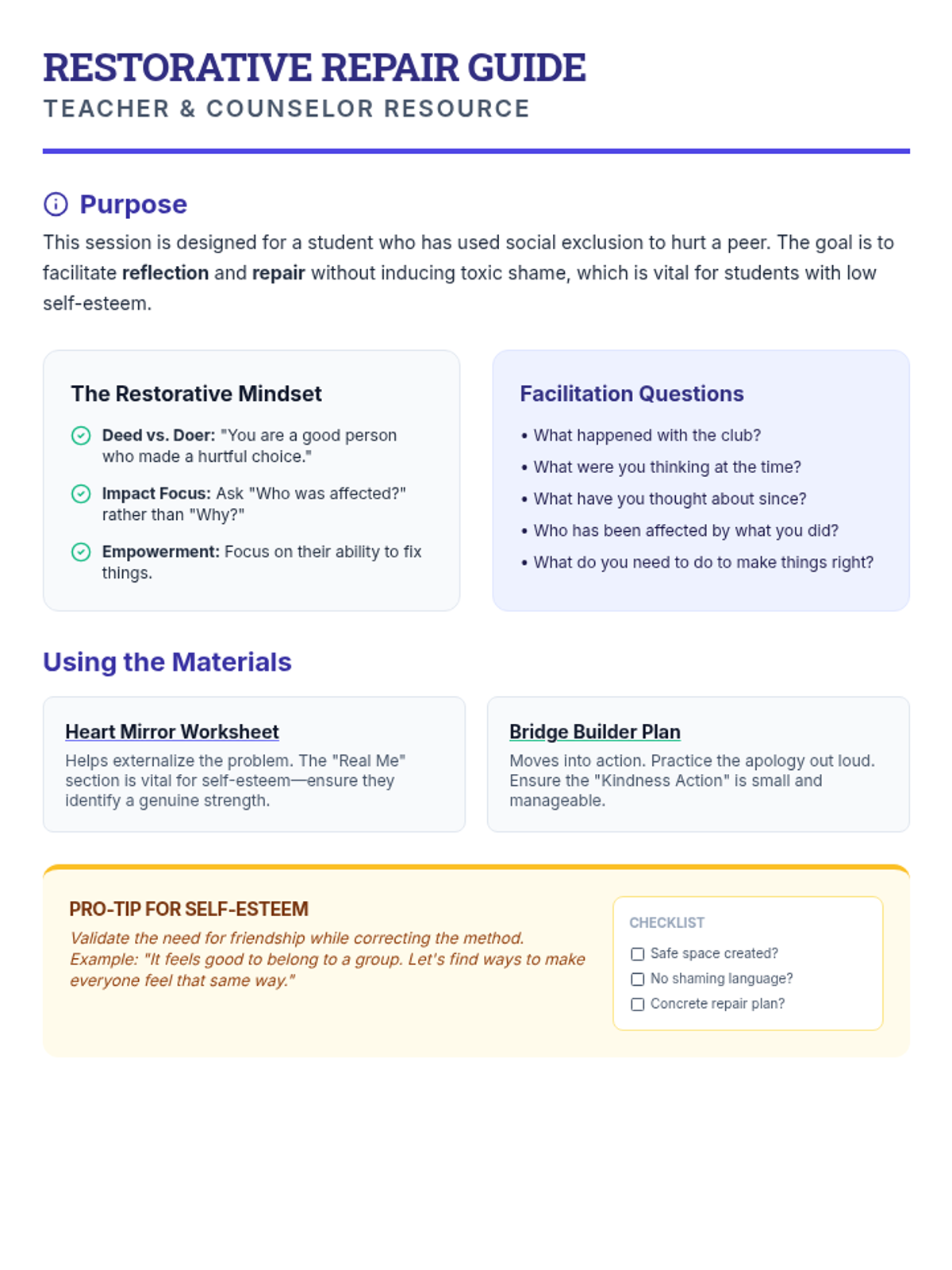
A restorative activity focused on helping a 2nd grade student reflect on exclusionary behavior and create a plan for repair while maintaining self-esteem.
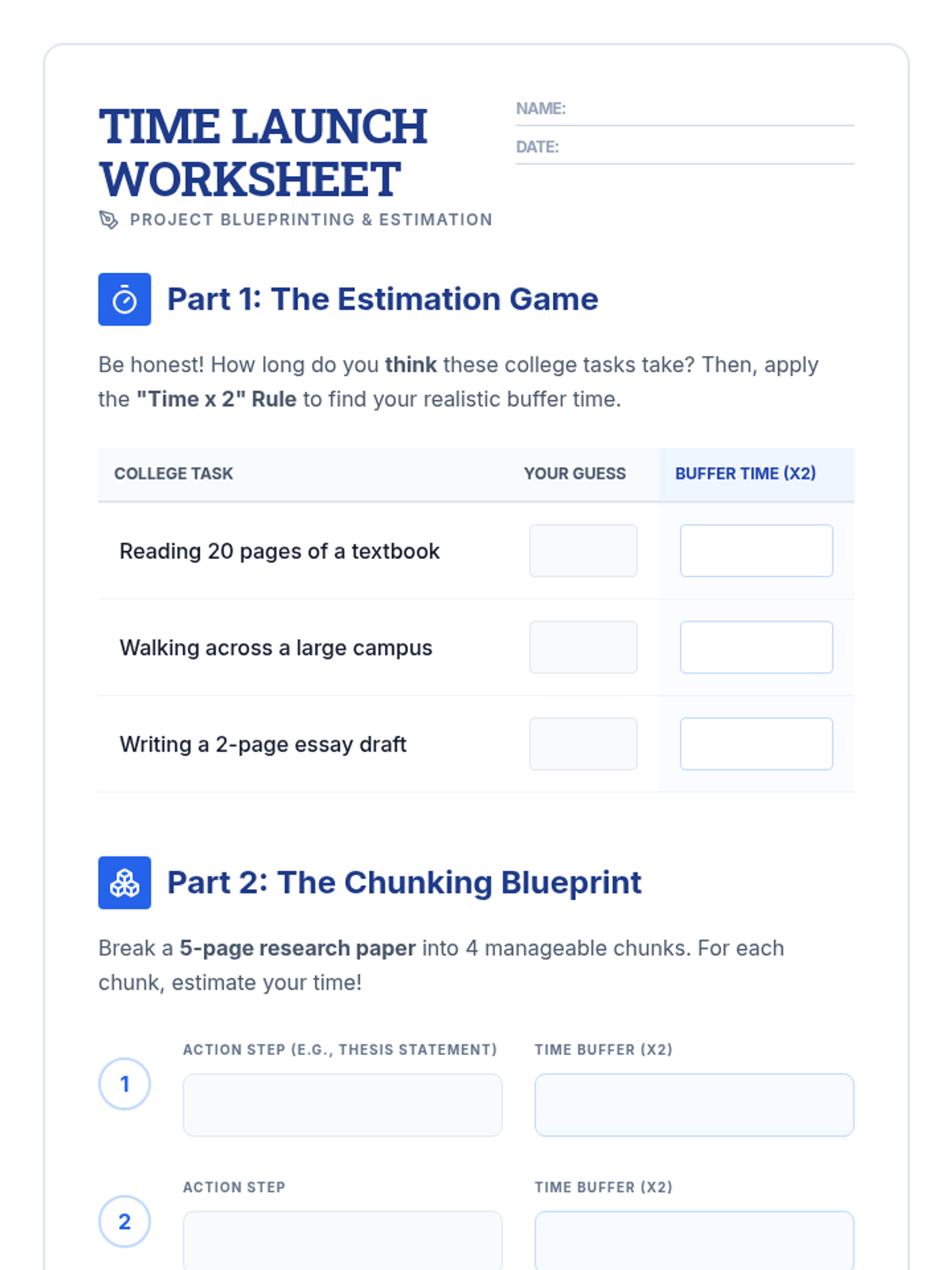
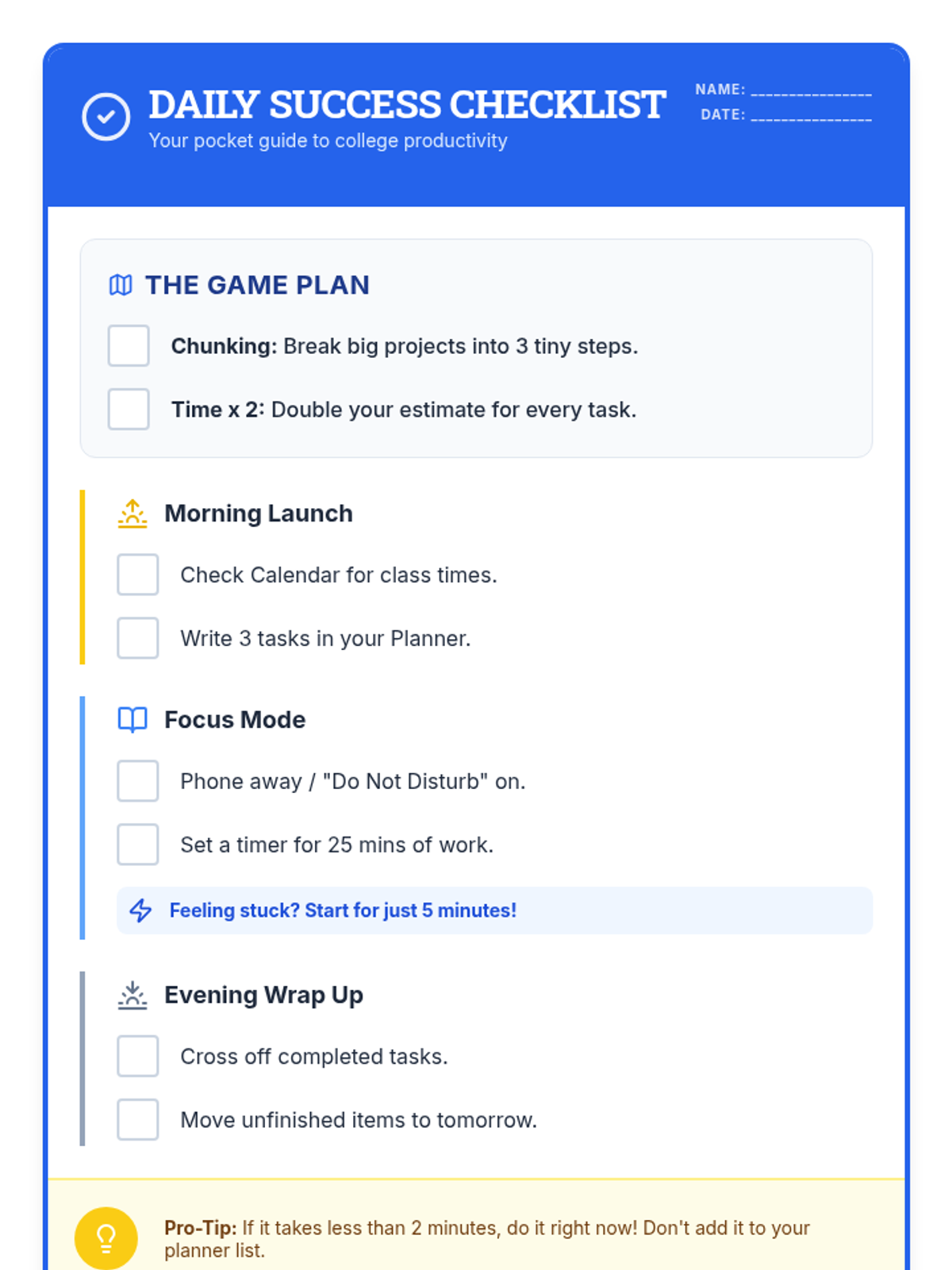
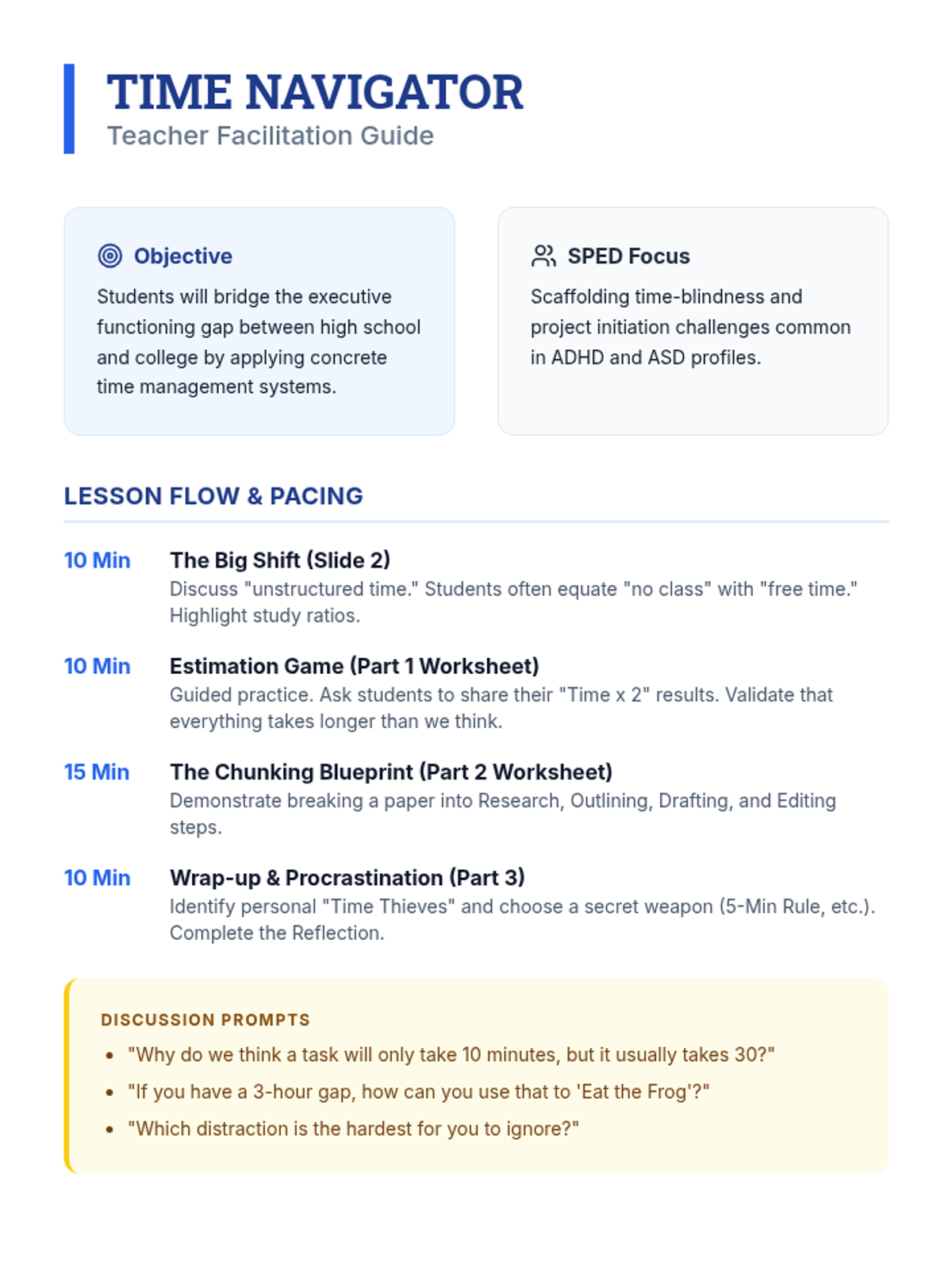
A comprehensive lesson designed for 12th-grade special education students to master essential time management skills needed for the transition to college, focusing on planners, project chunking, and procrastination strategies.
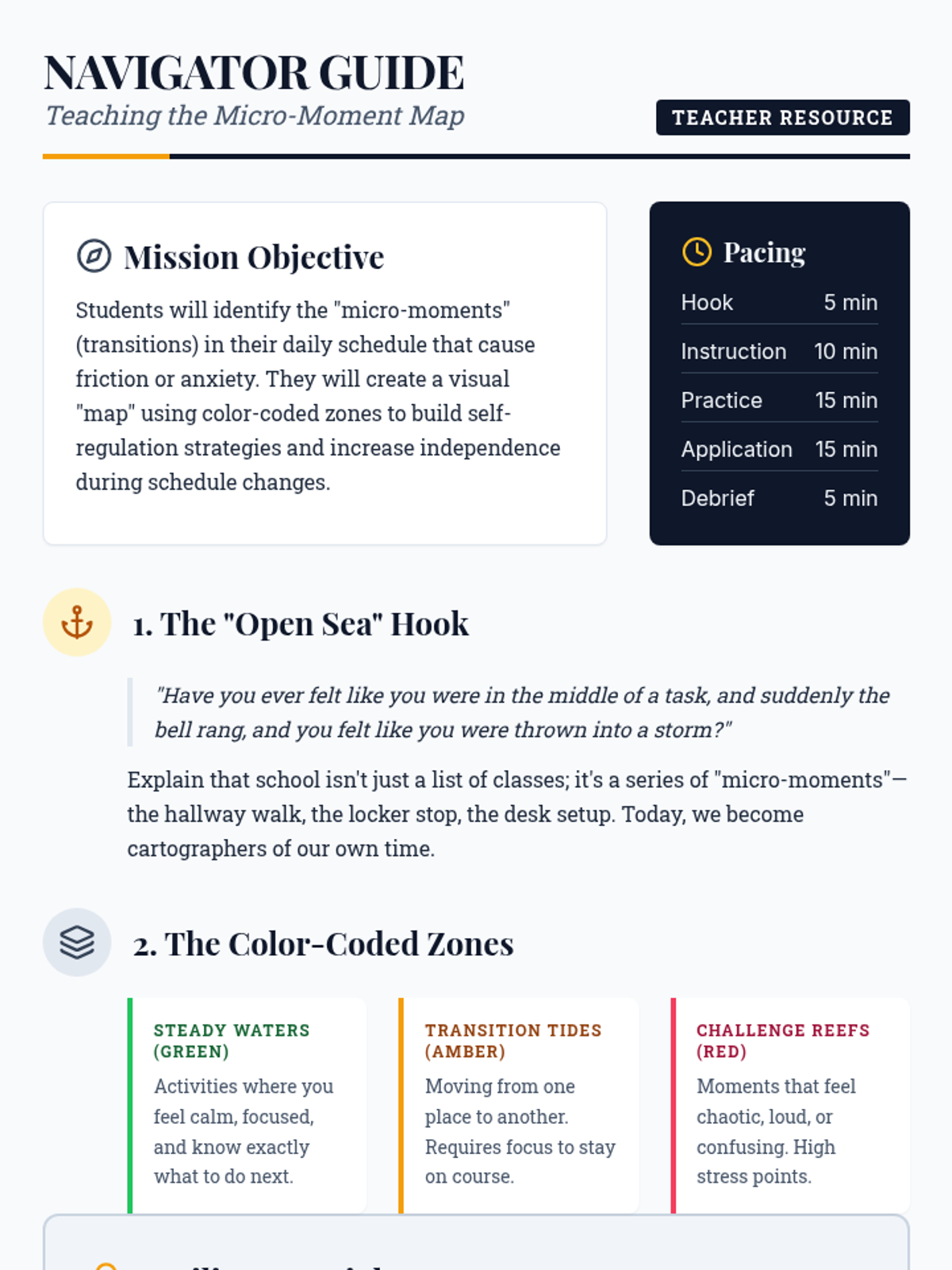
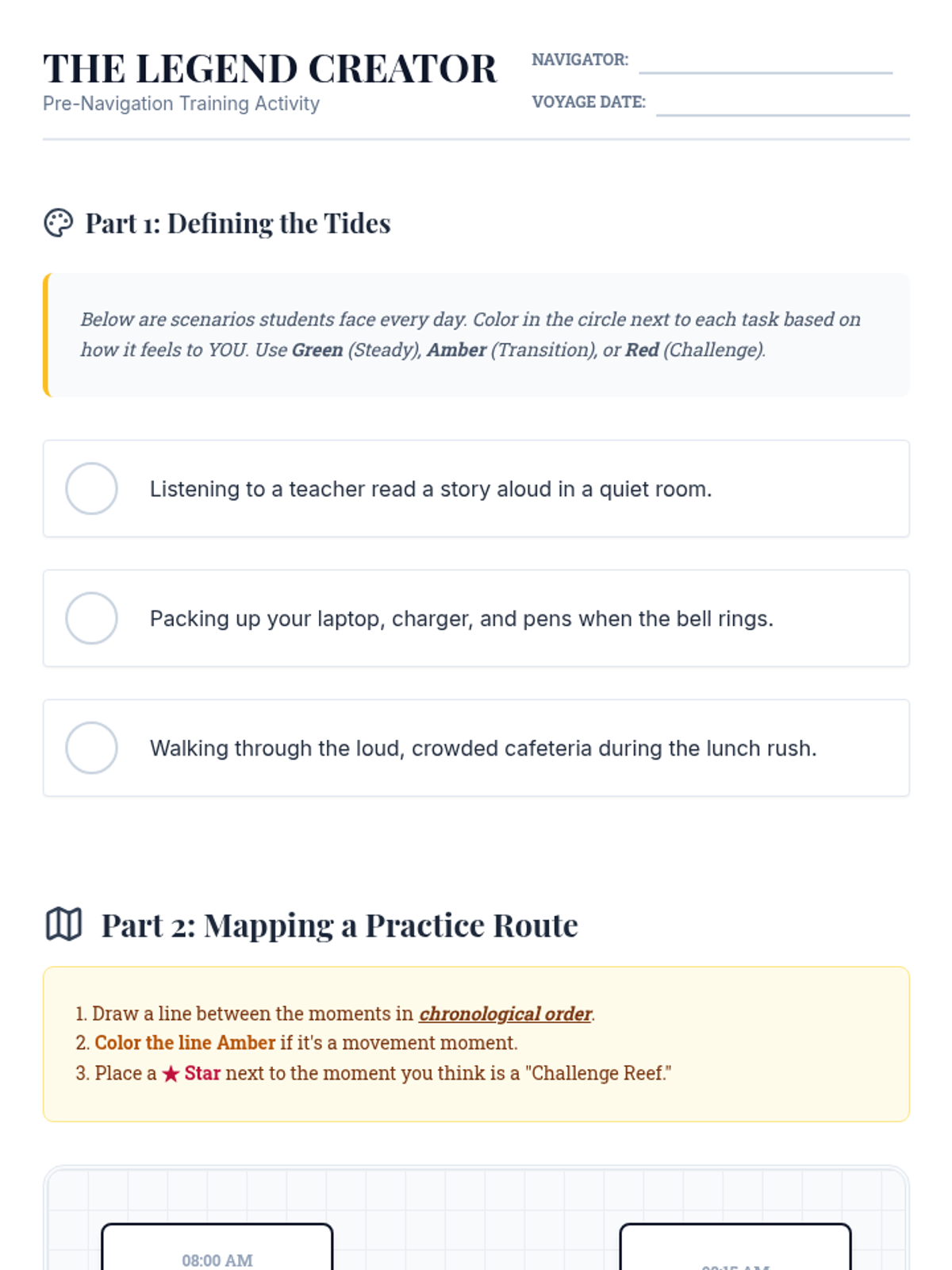
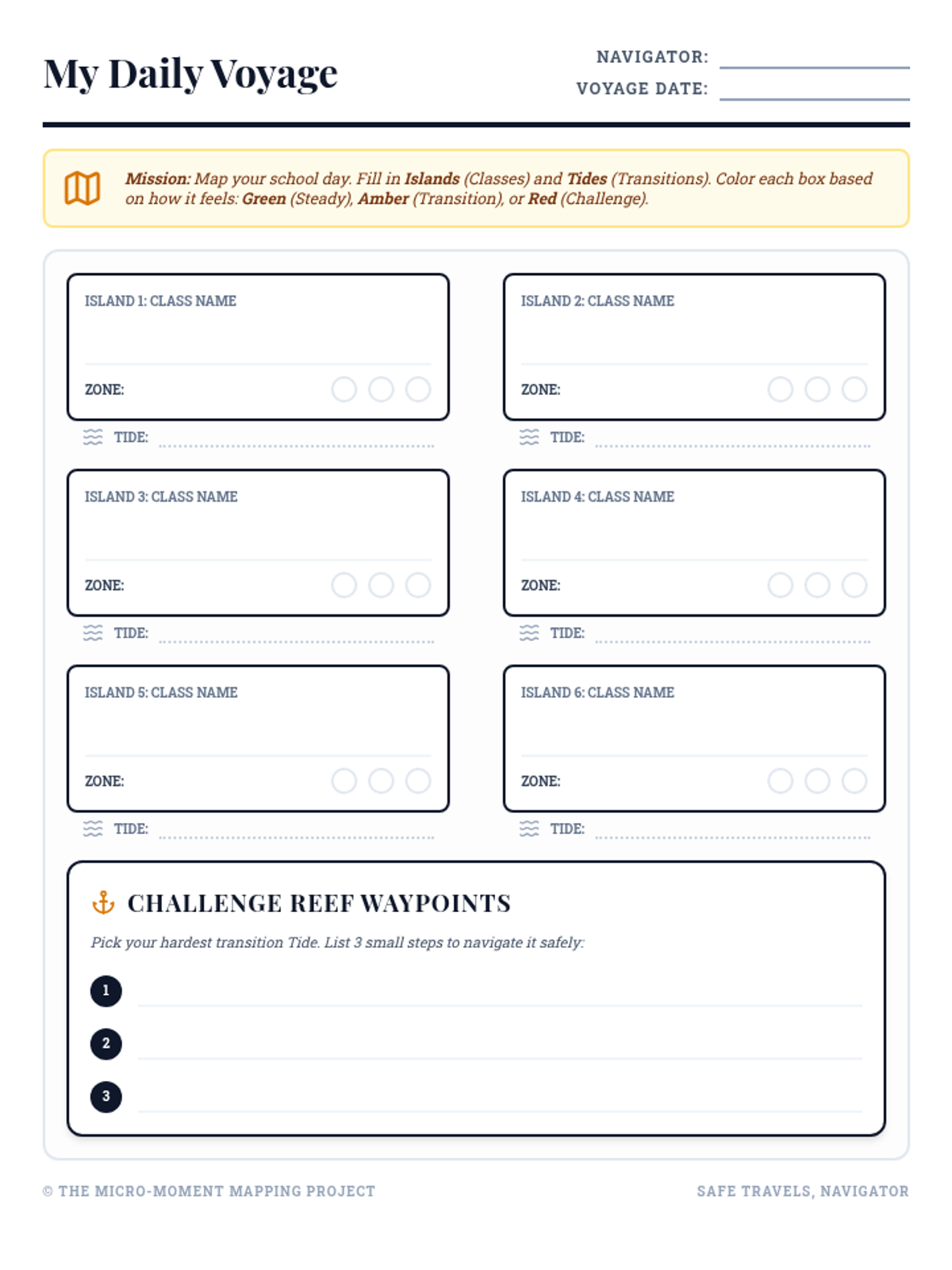
An executive functioning workshop focused on helping students visualize and manage the small transitions (micro-moments) throughout their school day using a cartography-inspired mapping system.
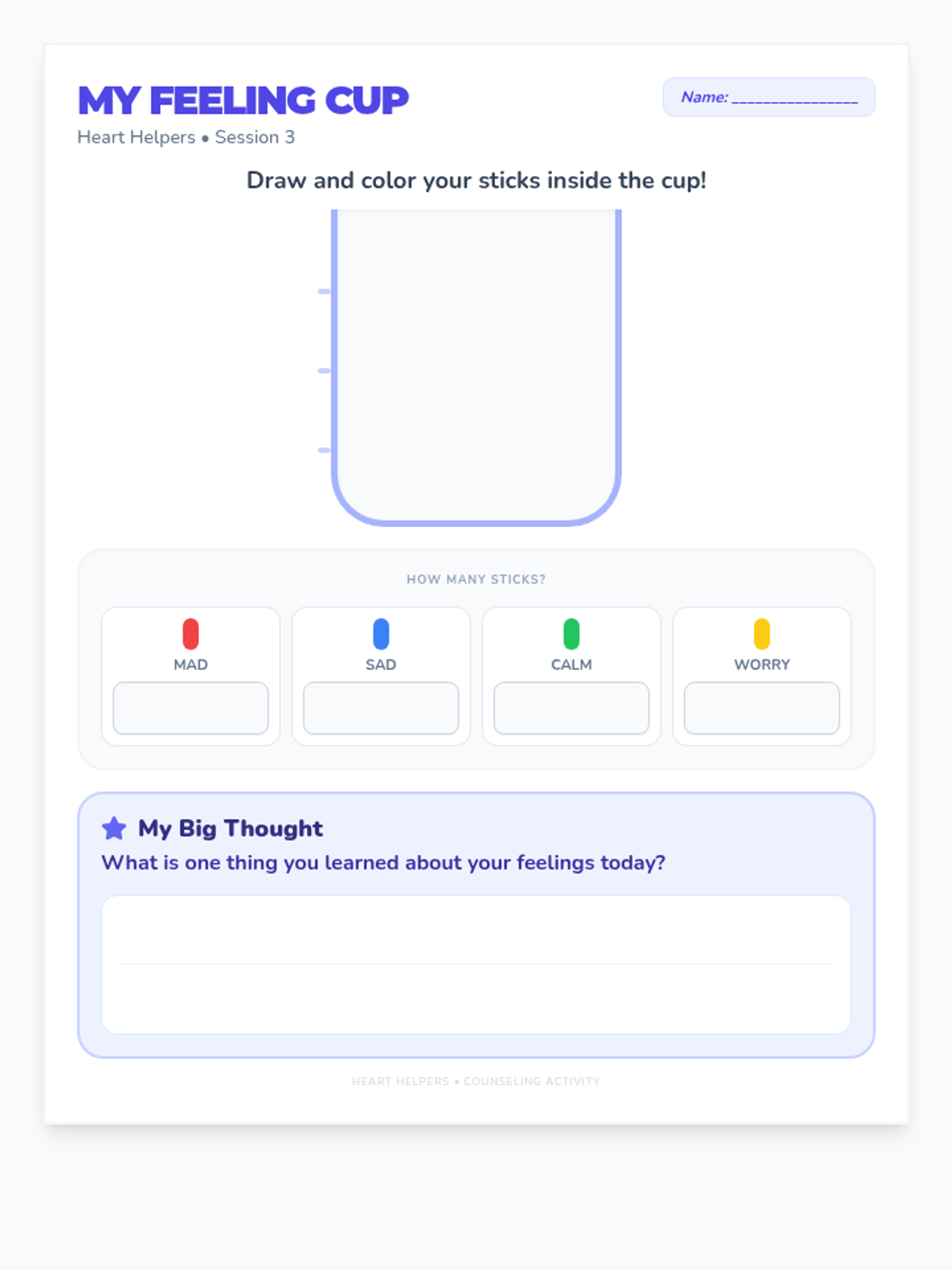
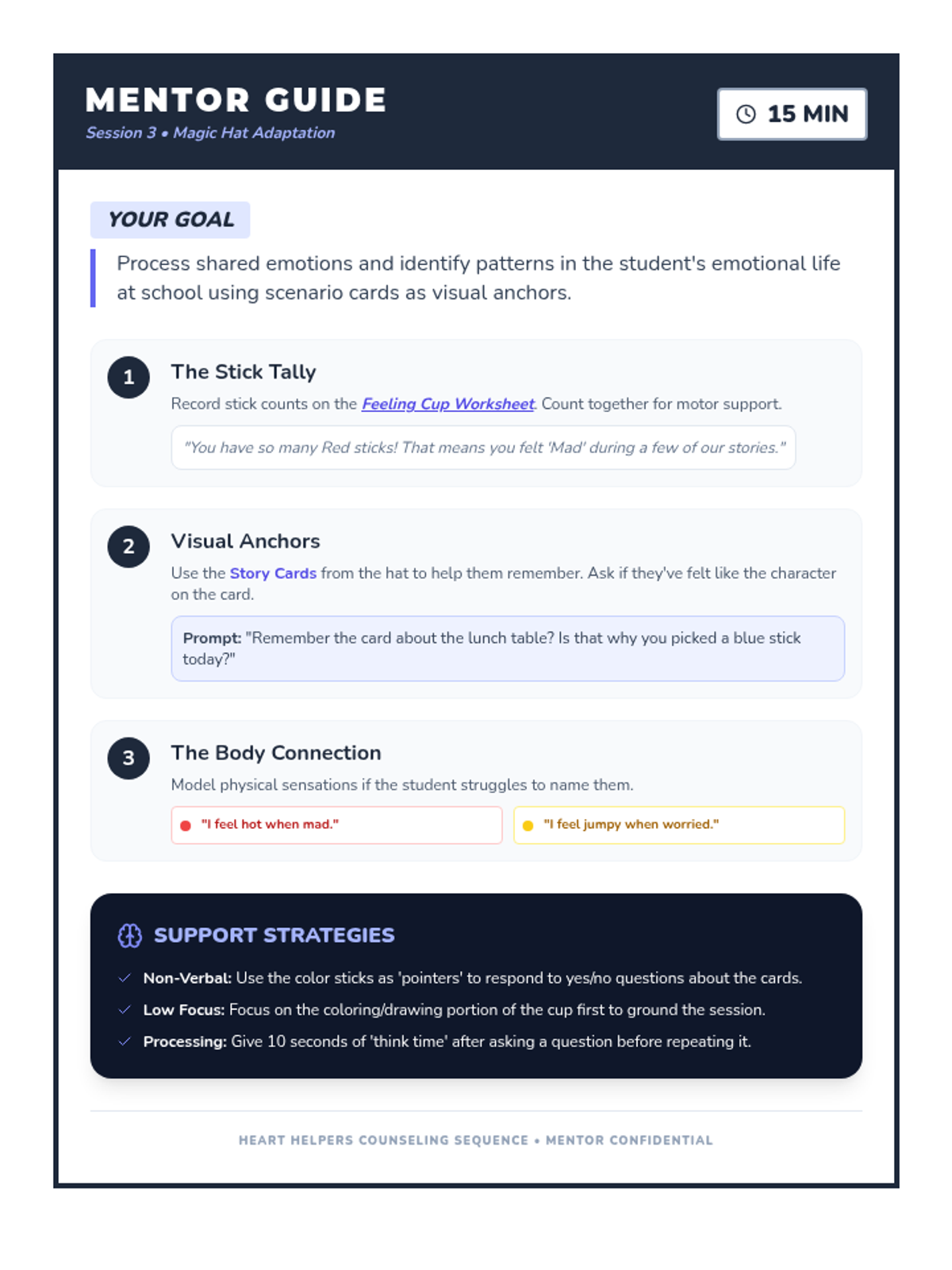
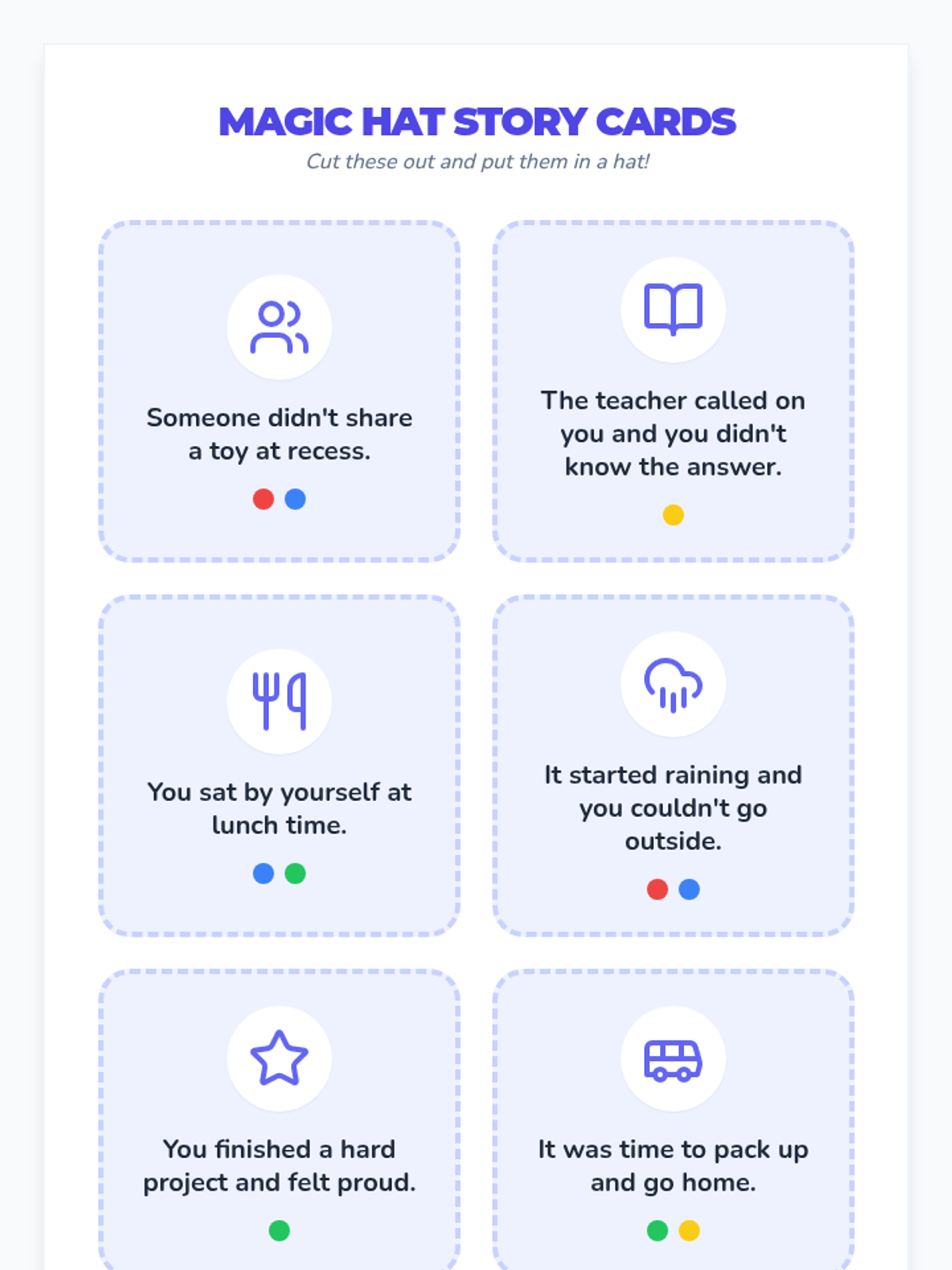
Session 3 of the Heart Helpers program focused on identifying school-based emotions through the Popsicle Break interactive sharing activity.
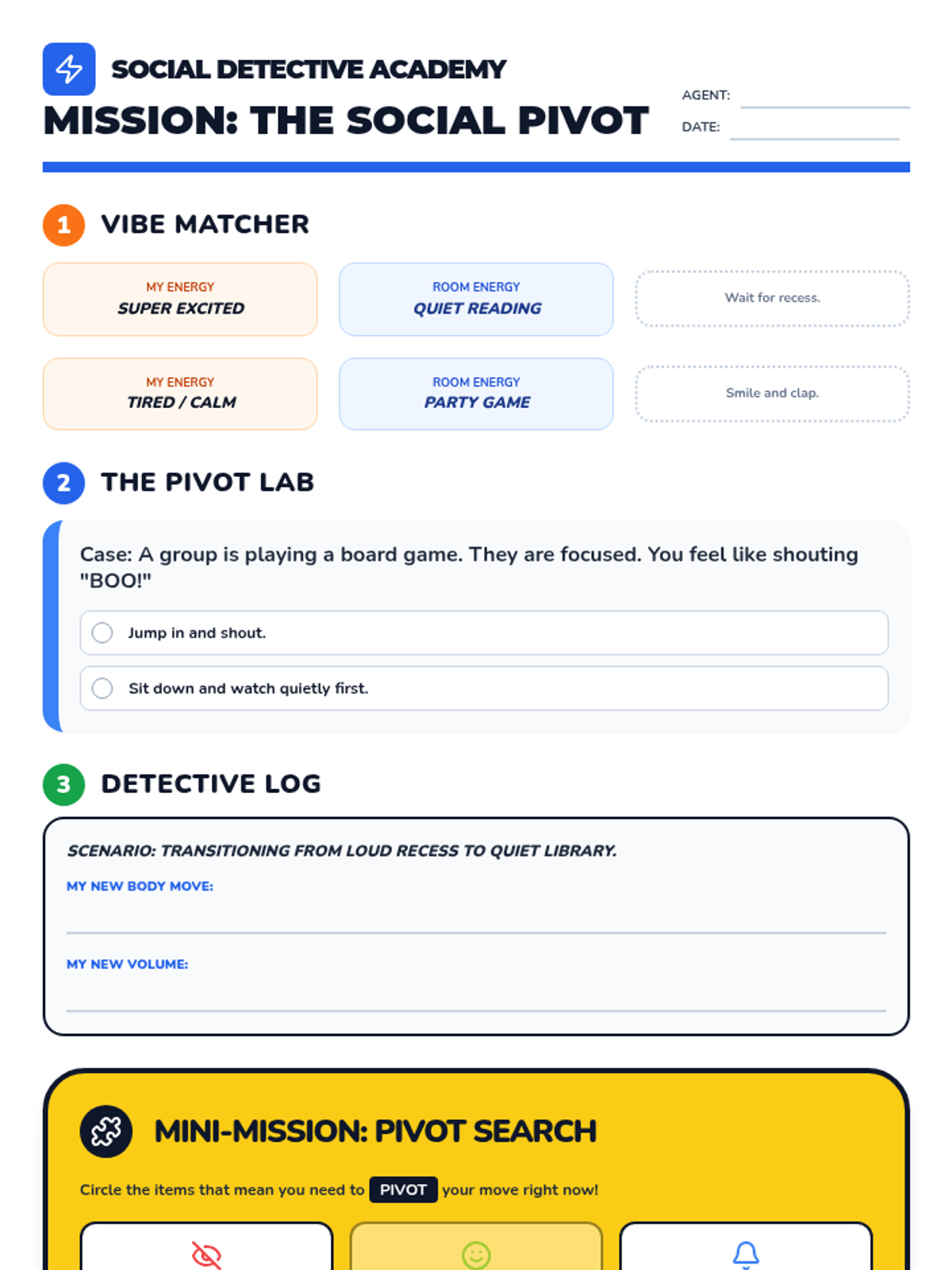
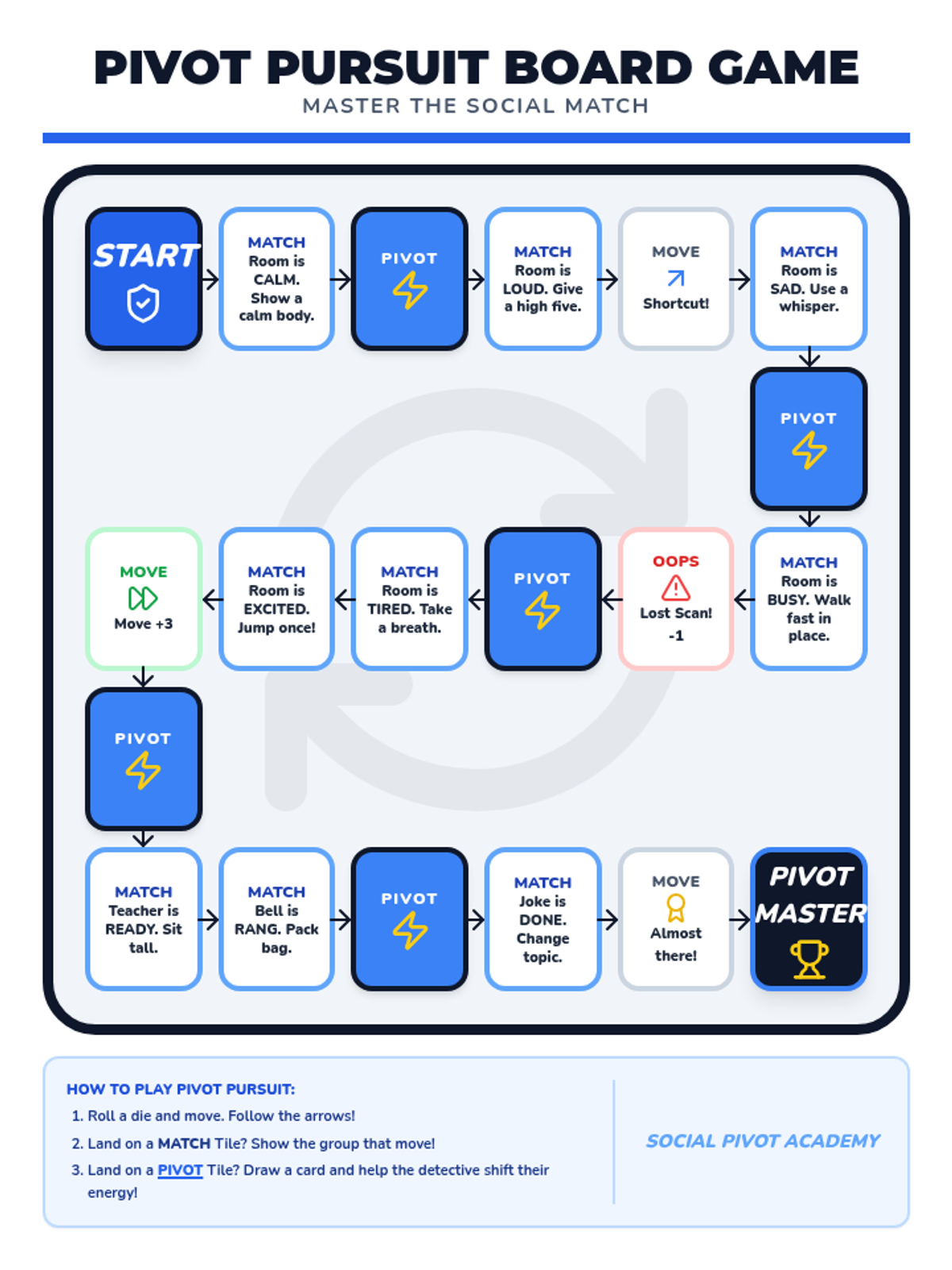
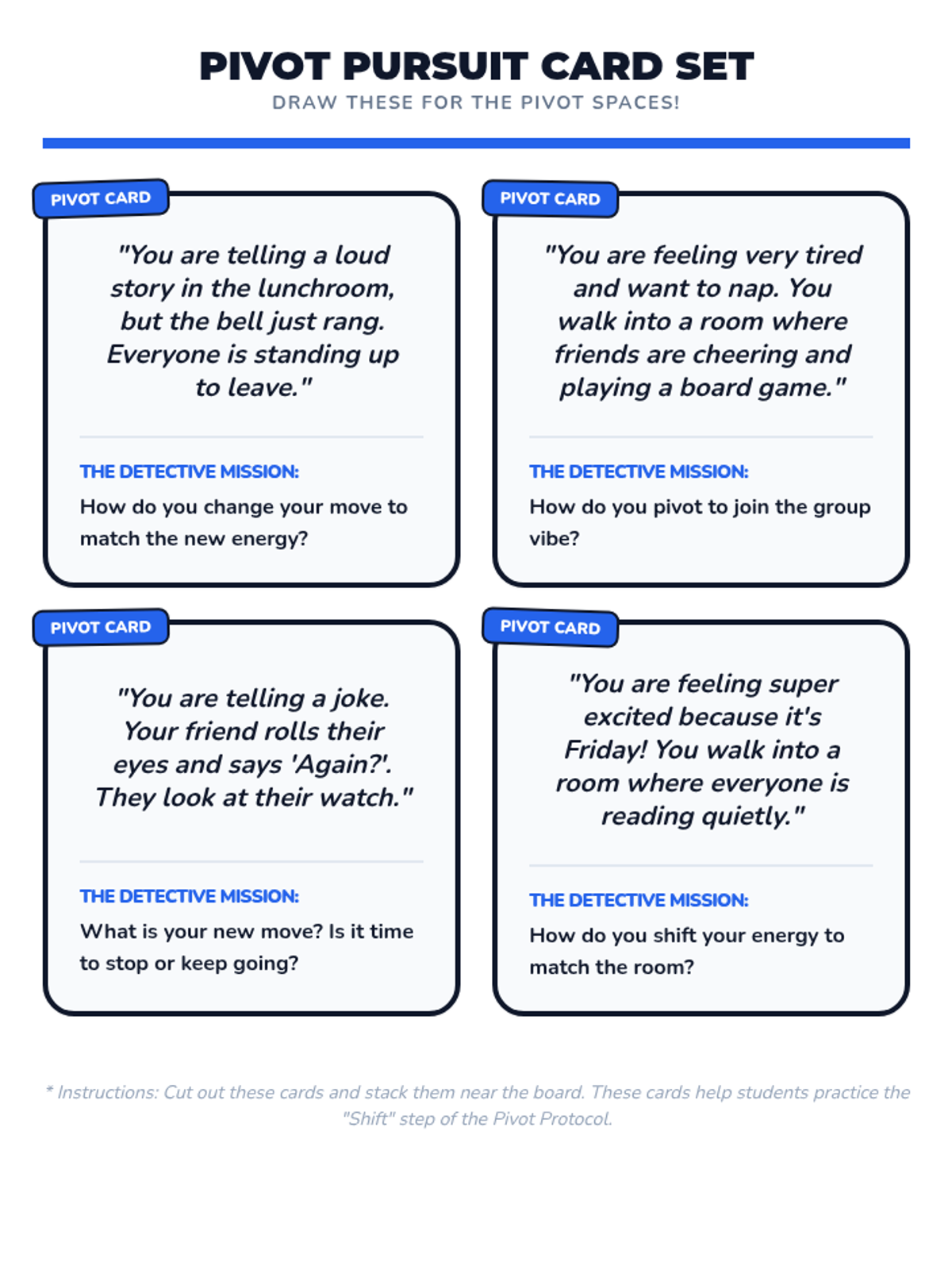
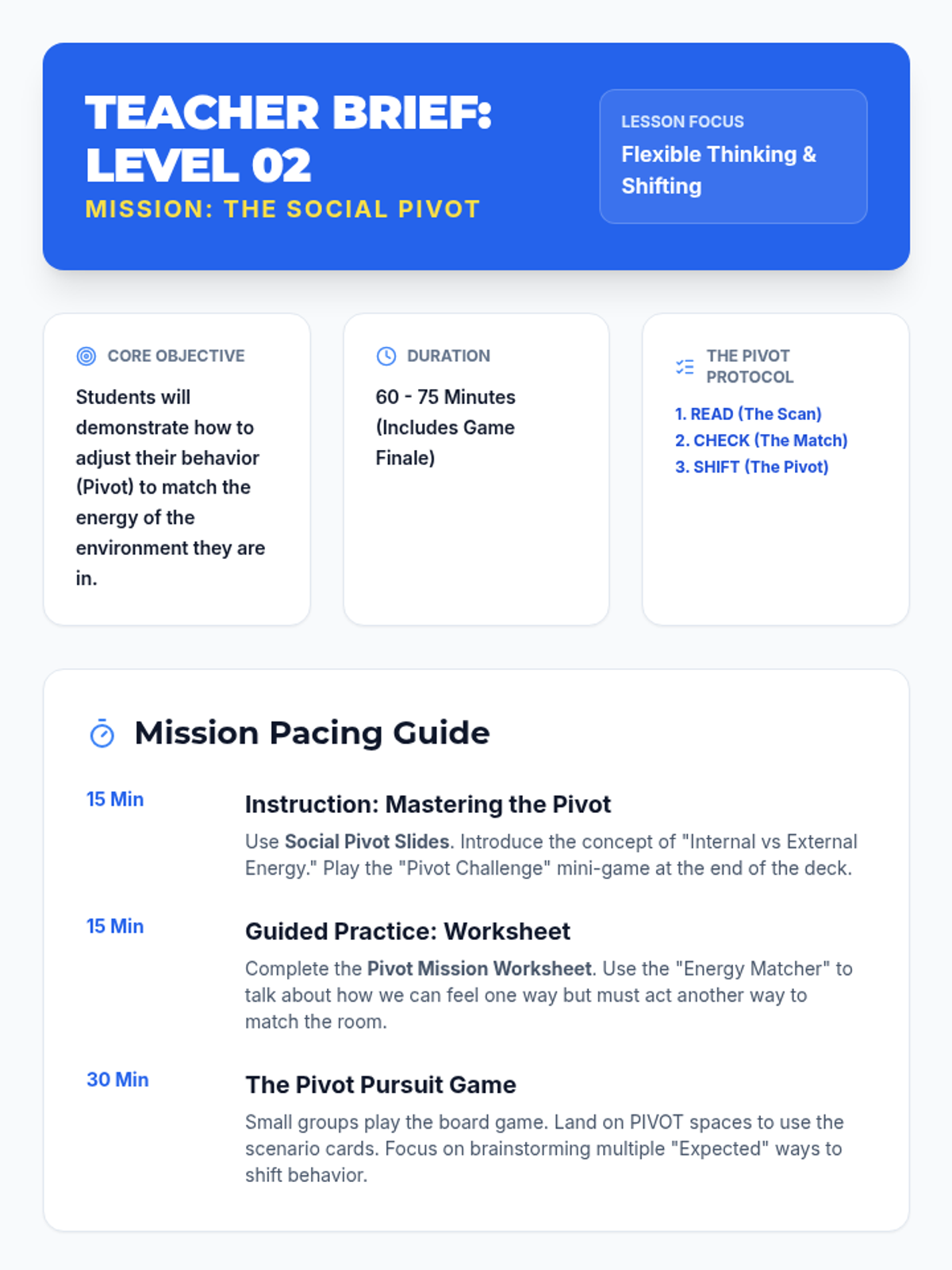
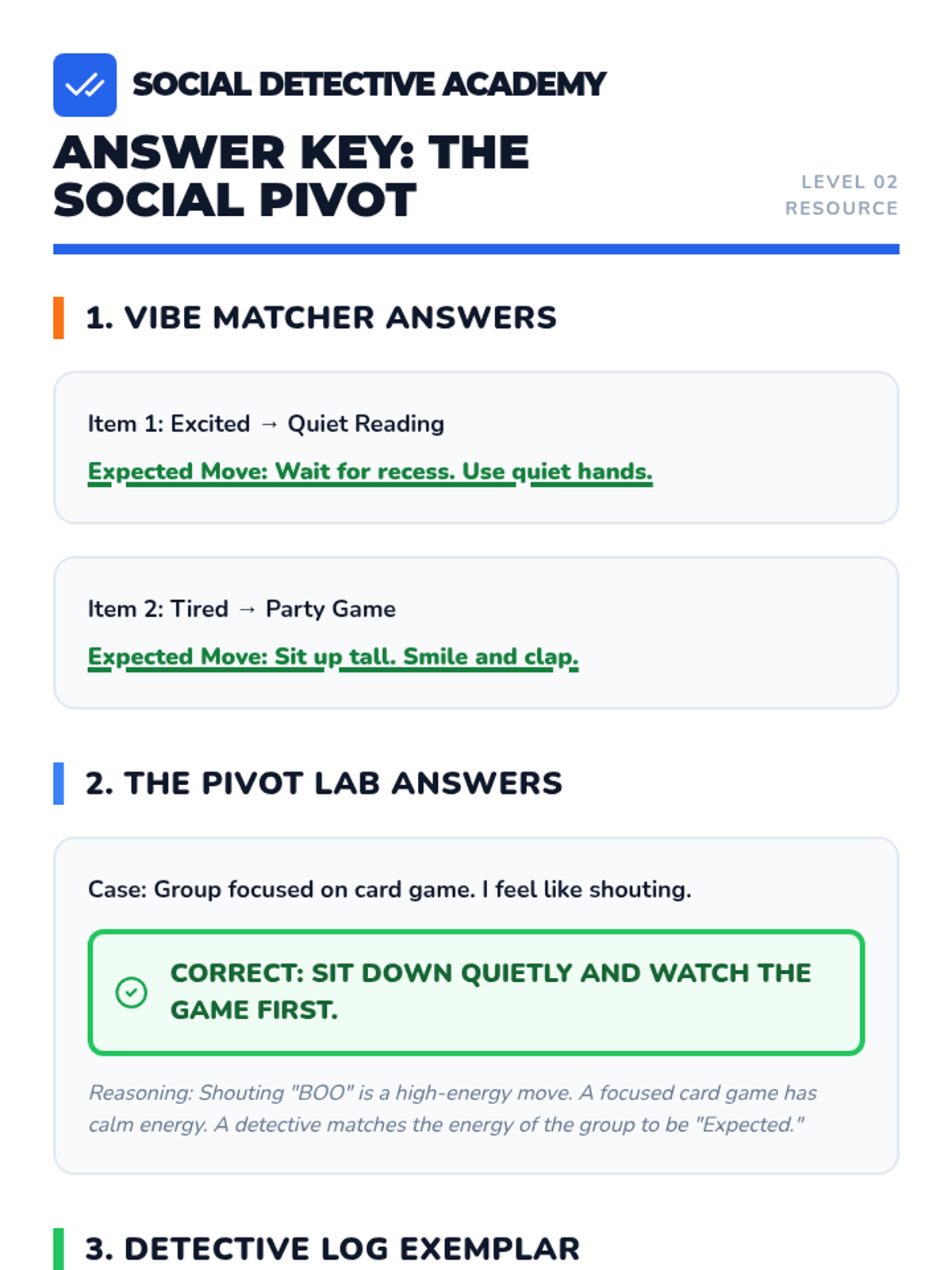
This lesson builds on 'Reading the Room' by teaching students the 'Pivot Protocol'—the ability to shift behavior once a social cue is detected. Students will practice matching their internal energy to the environment, understanding expected vs. unexpected reactions, and using flexible thinking to navigate social shifts.
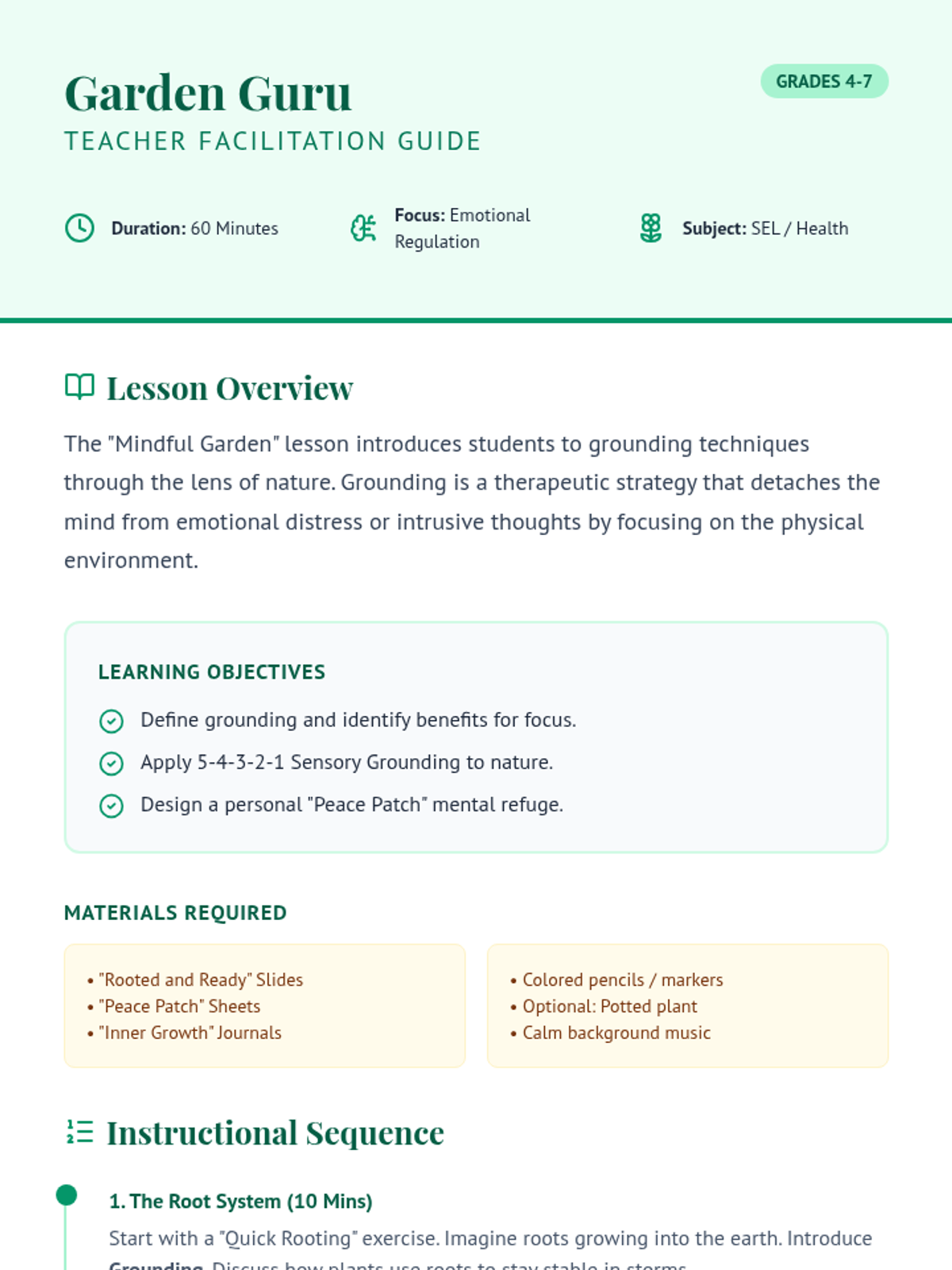
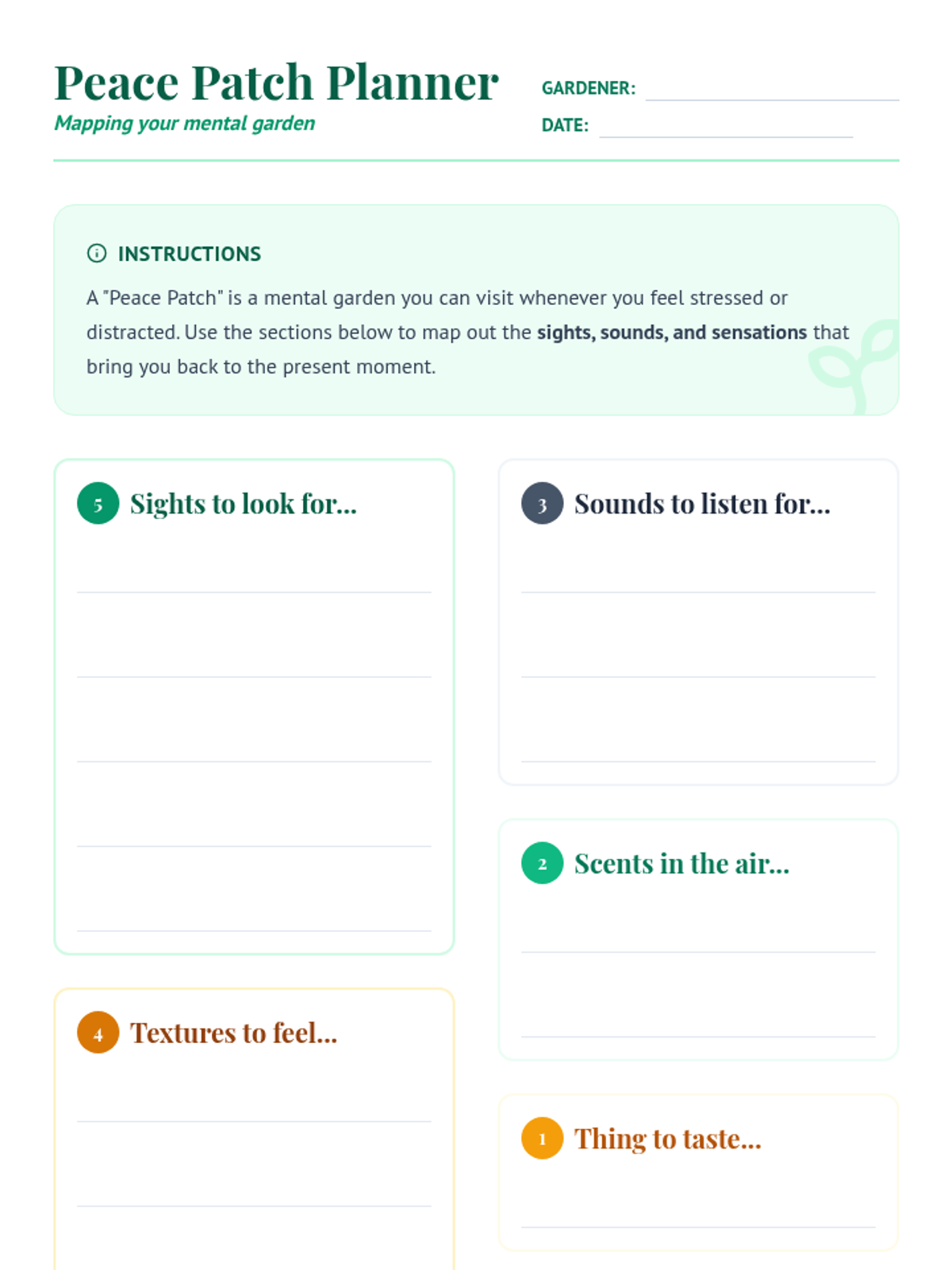
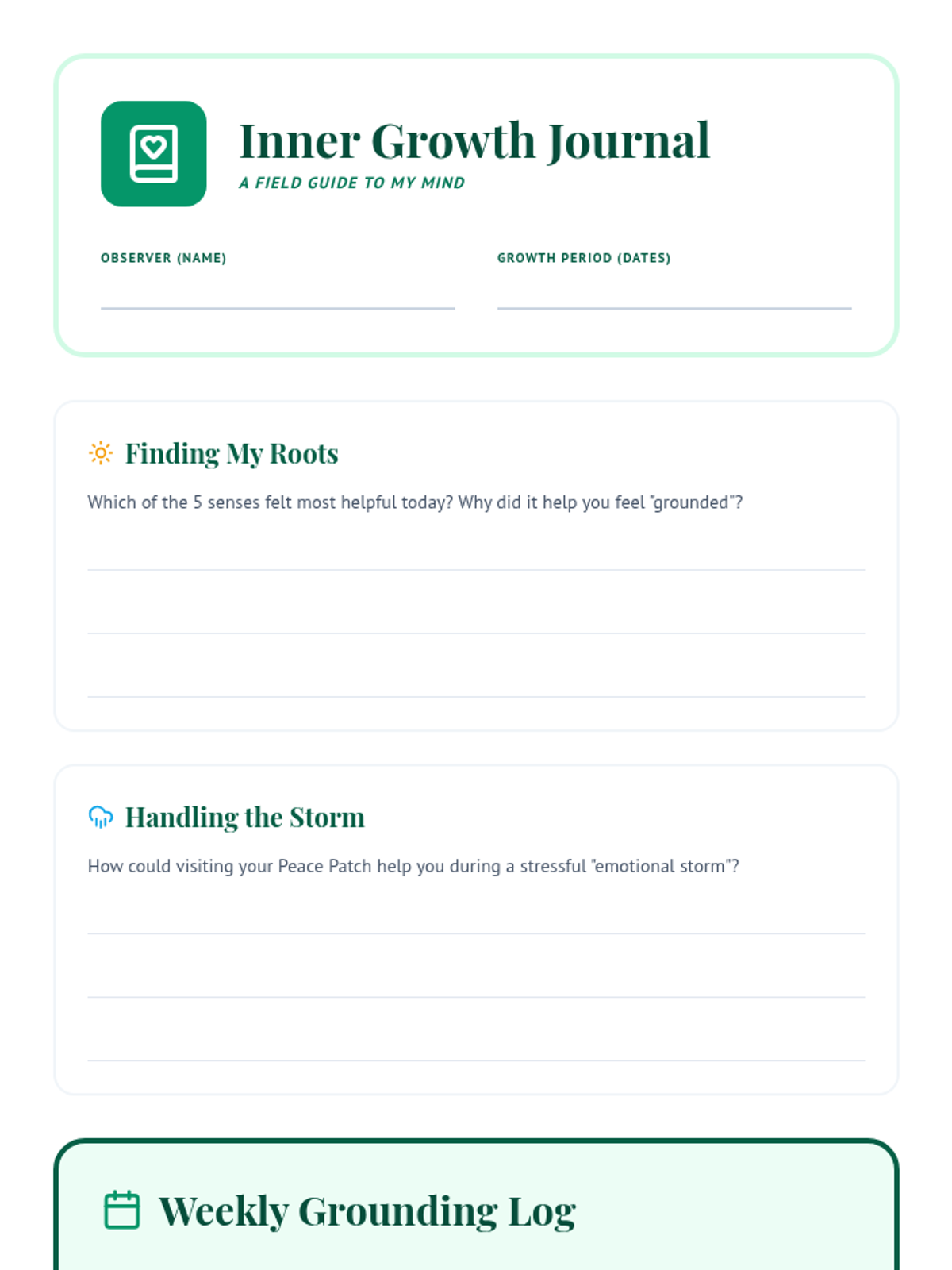
A nature-based grounding lesson for 4th-7th graders that uses garden metaphors to teach emotional regulation and focus techniques. Students will learn the 5-4-3-2-1 grounding method adapted for nature and create a personal 'Peace Patch' plan.
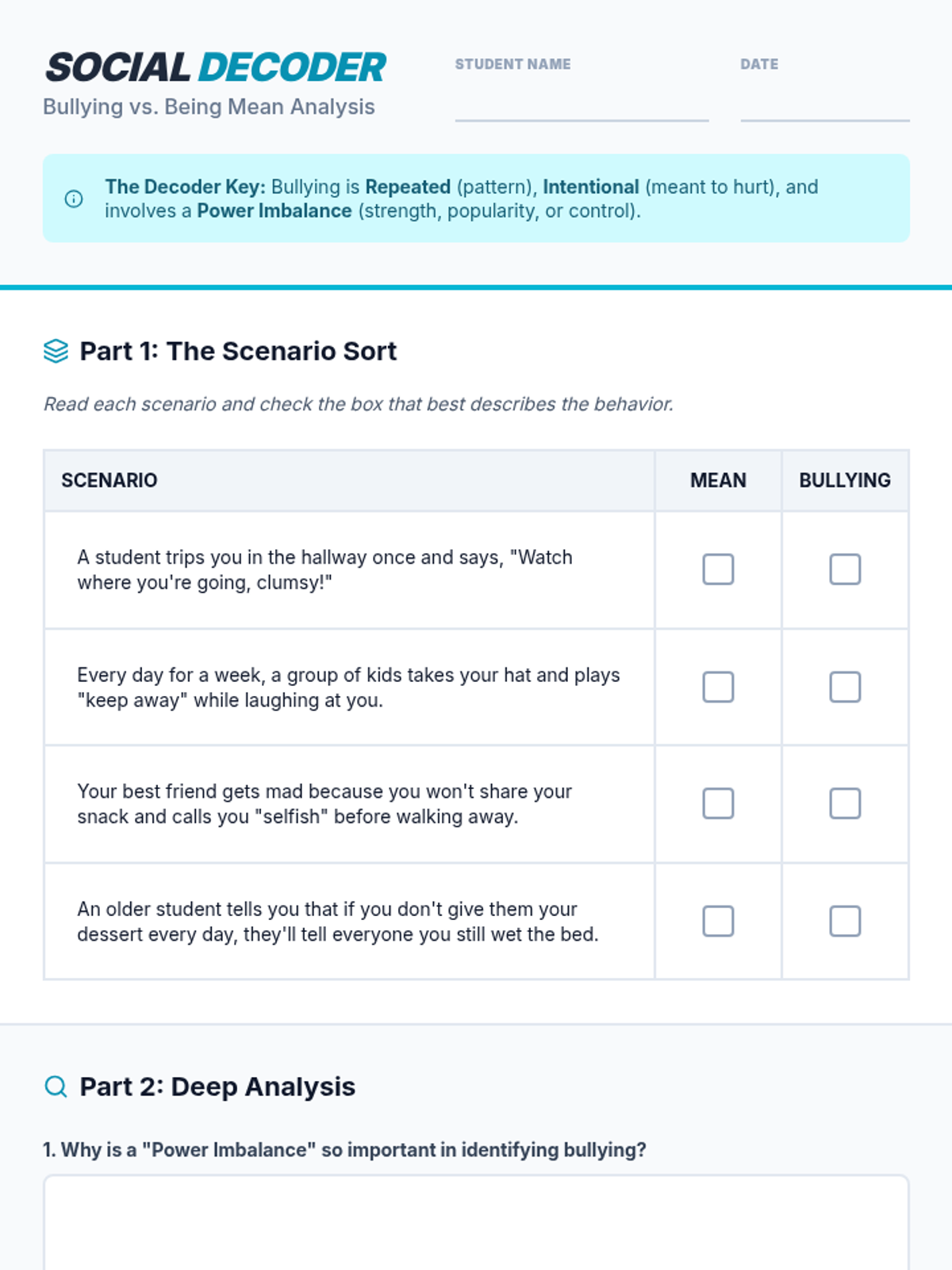
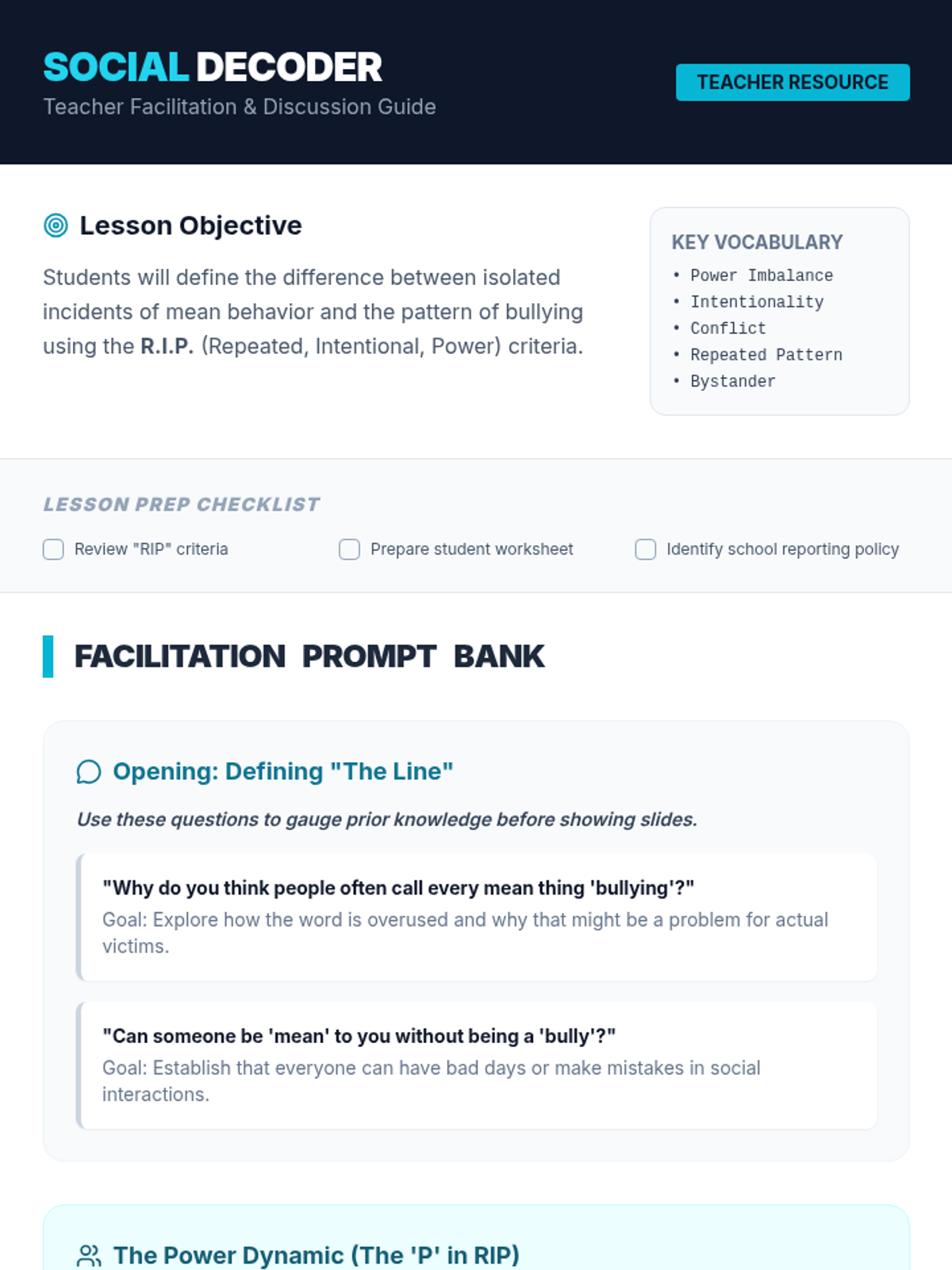
This lesson helps students distinguish between 'mean' behavior and 'bullying' by analyzing intent, frequency, and power dynamics through interactive scenarios and discussion.
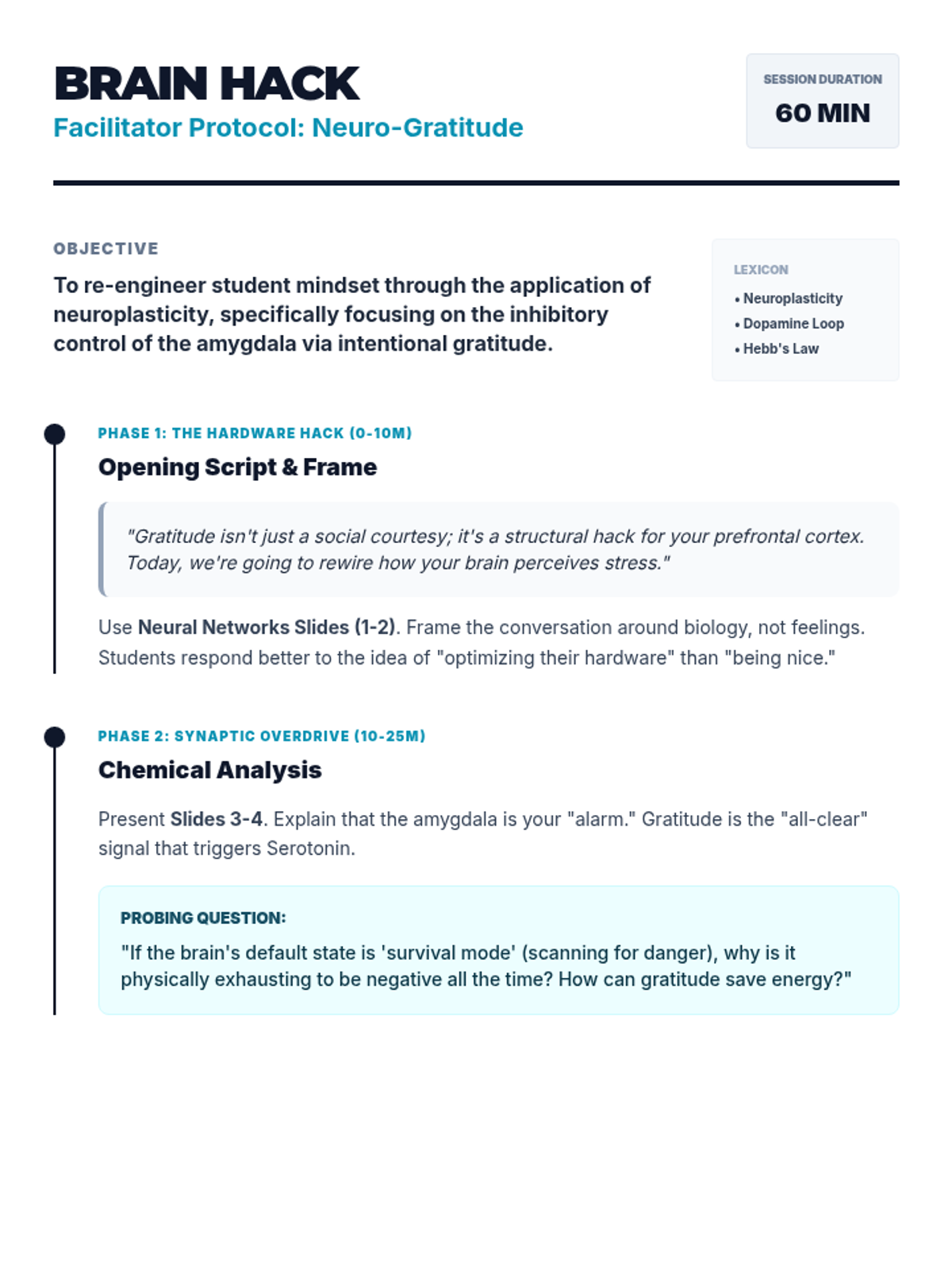
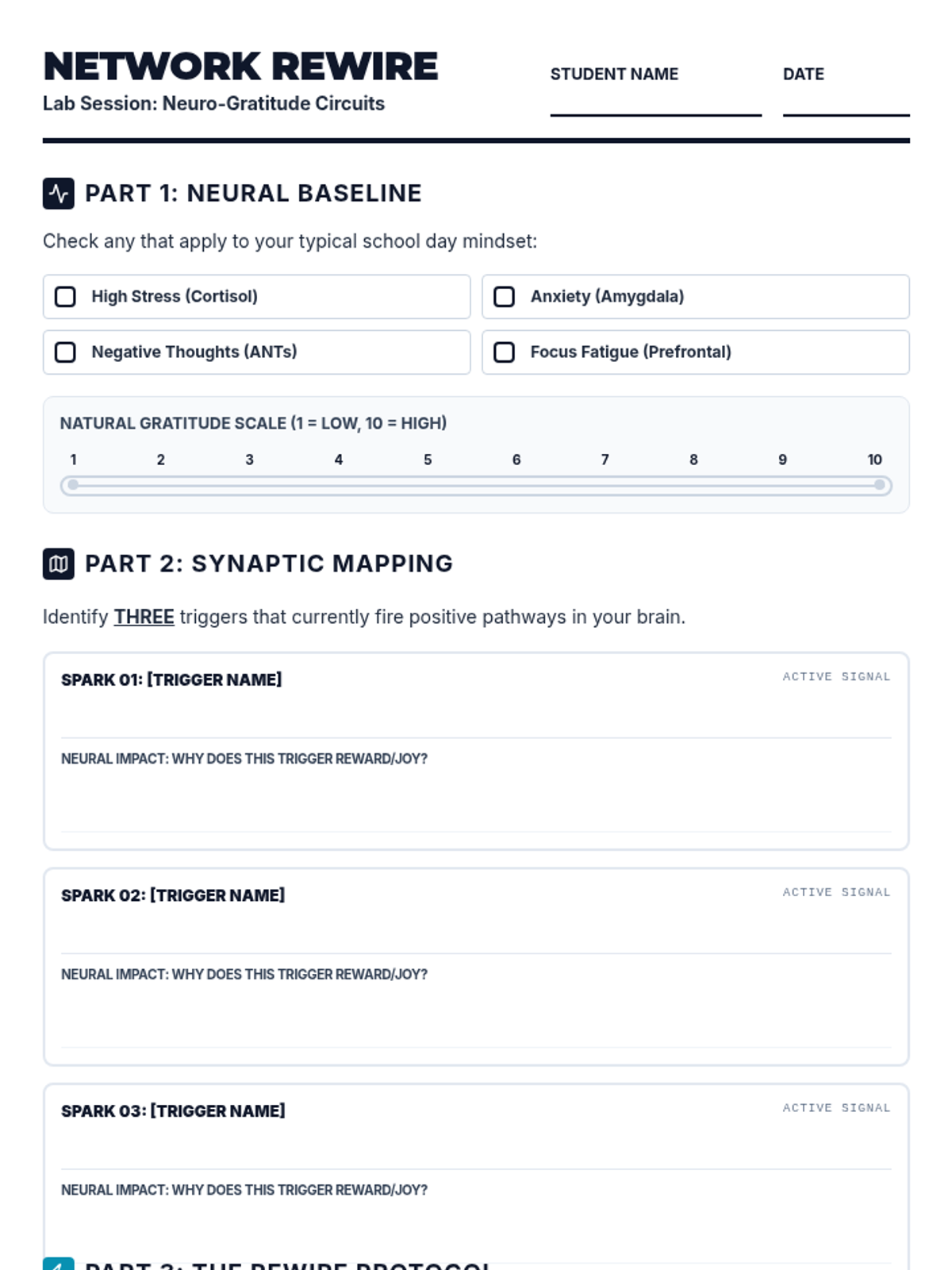
A deep dive into the neuroscience of gratitude, exploring how thankfulness triggers chemical changes in the brain and strengthens neural pathways for long-term well-being. Students will map their own 'gratitude circuits' and practice evidence-based techniques to rewire their thinking.
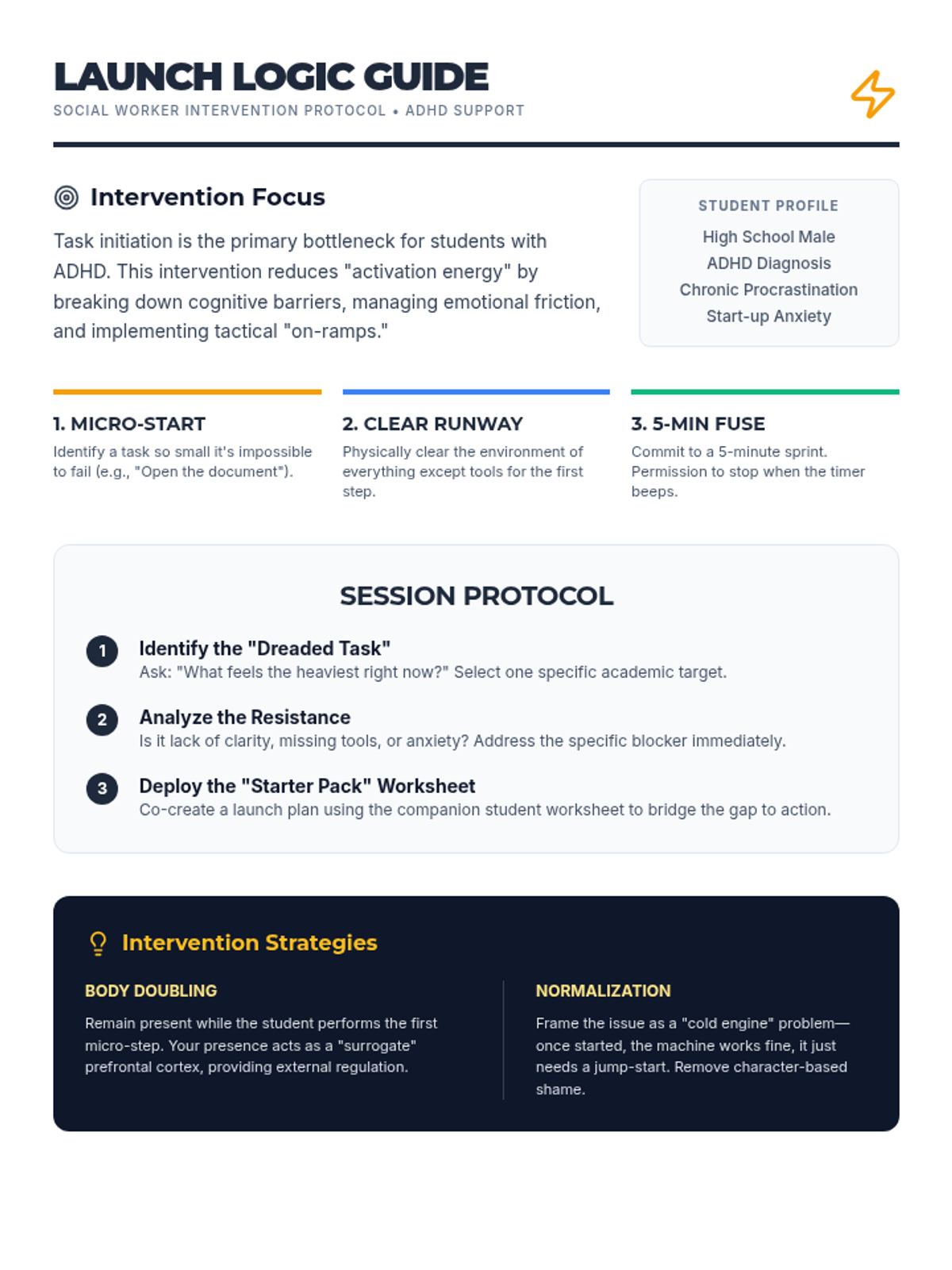
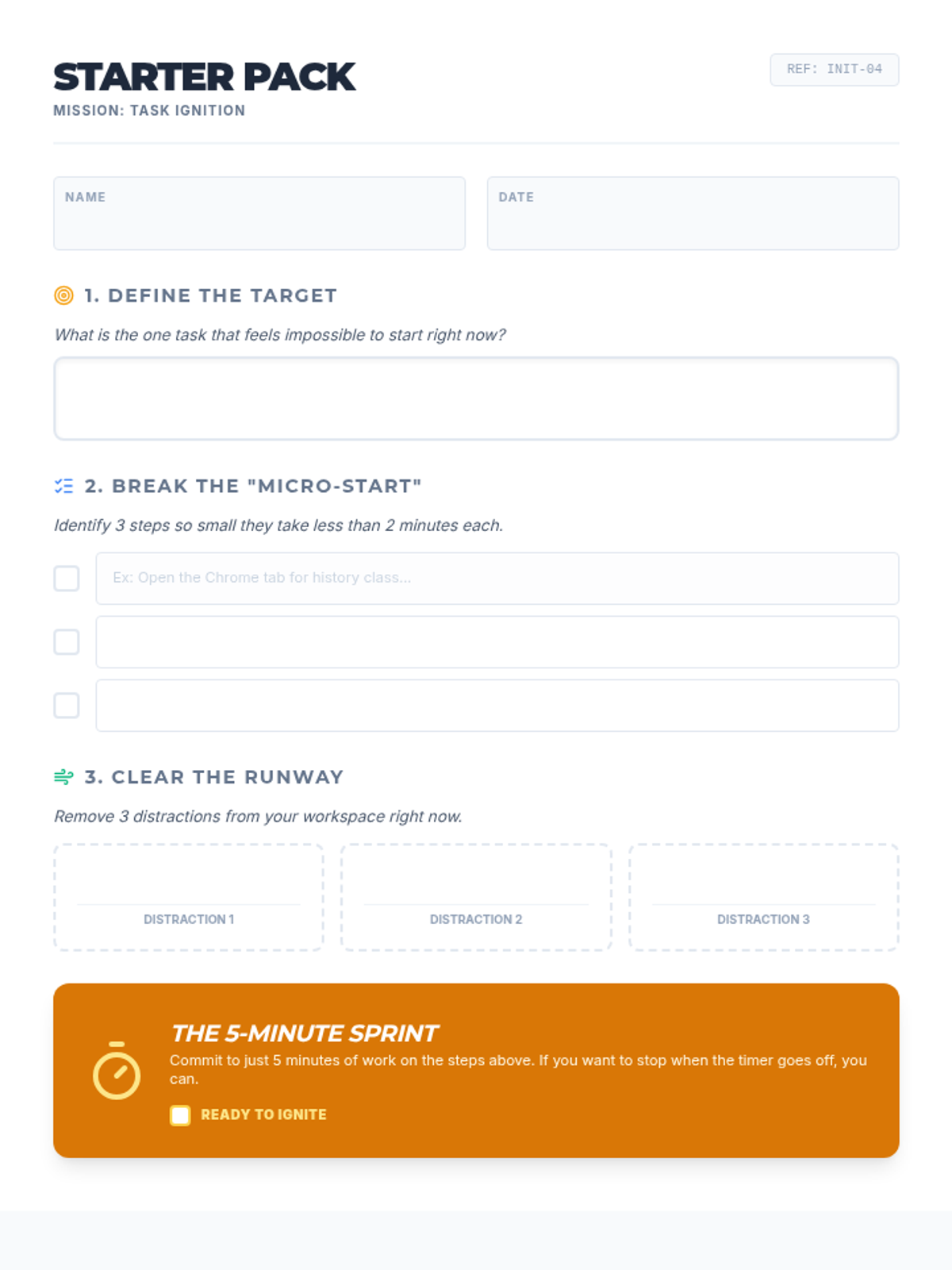
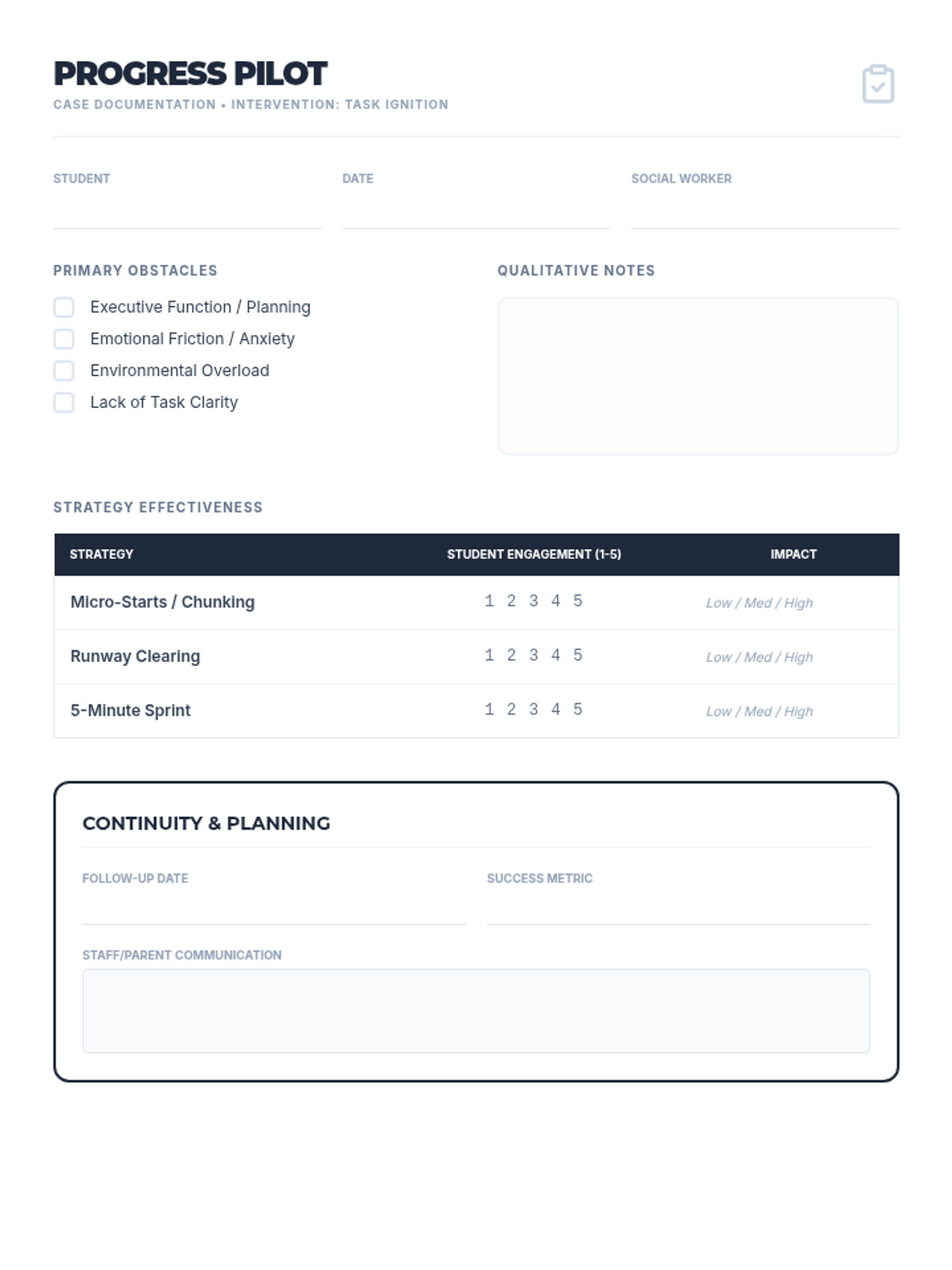
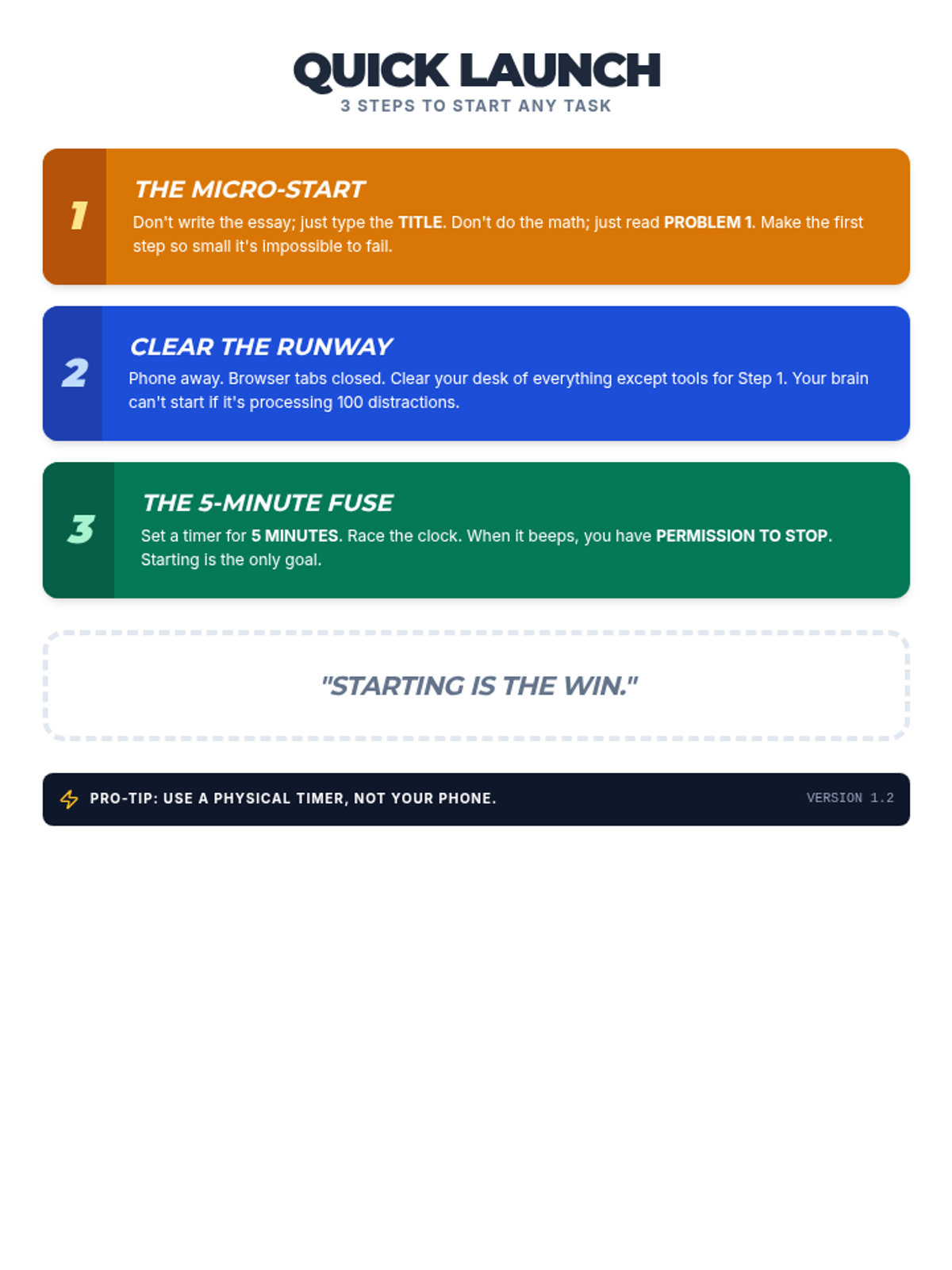
A social work intervention focusing on overcoming task initiation barriers for high school students with ADHD. This lesson provides tactical strategies to bridge the gap between intention and action.
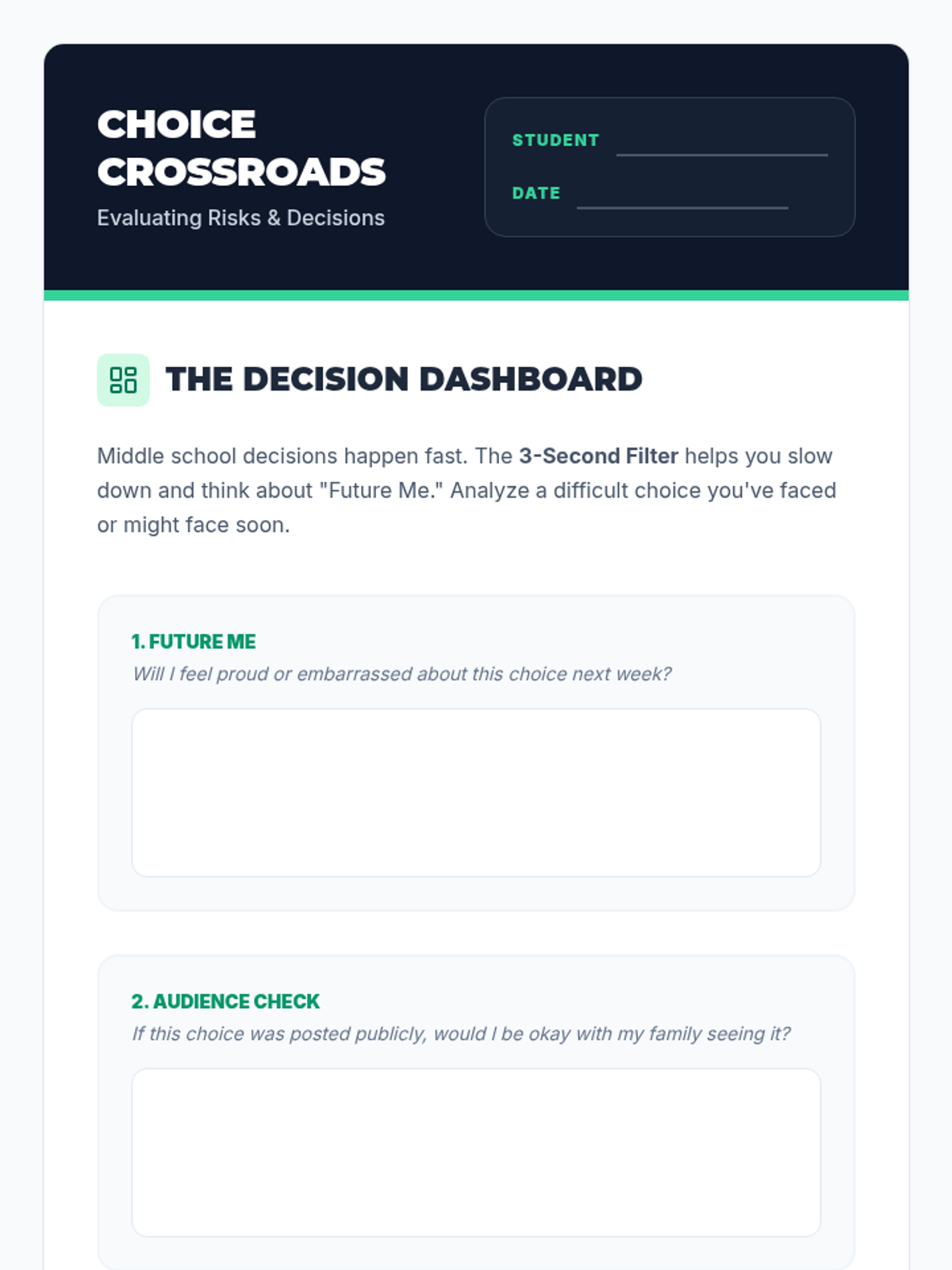
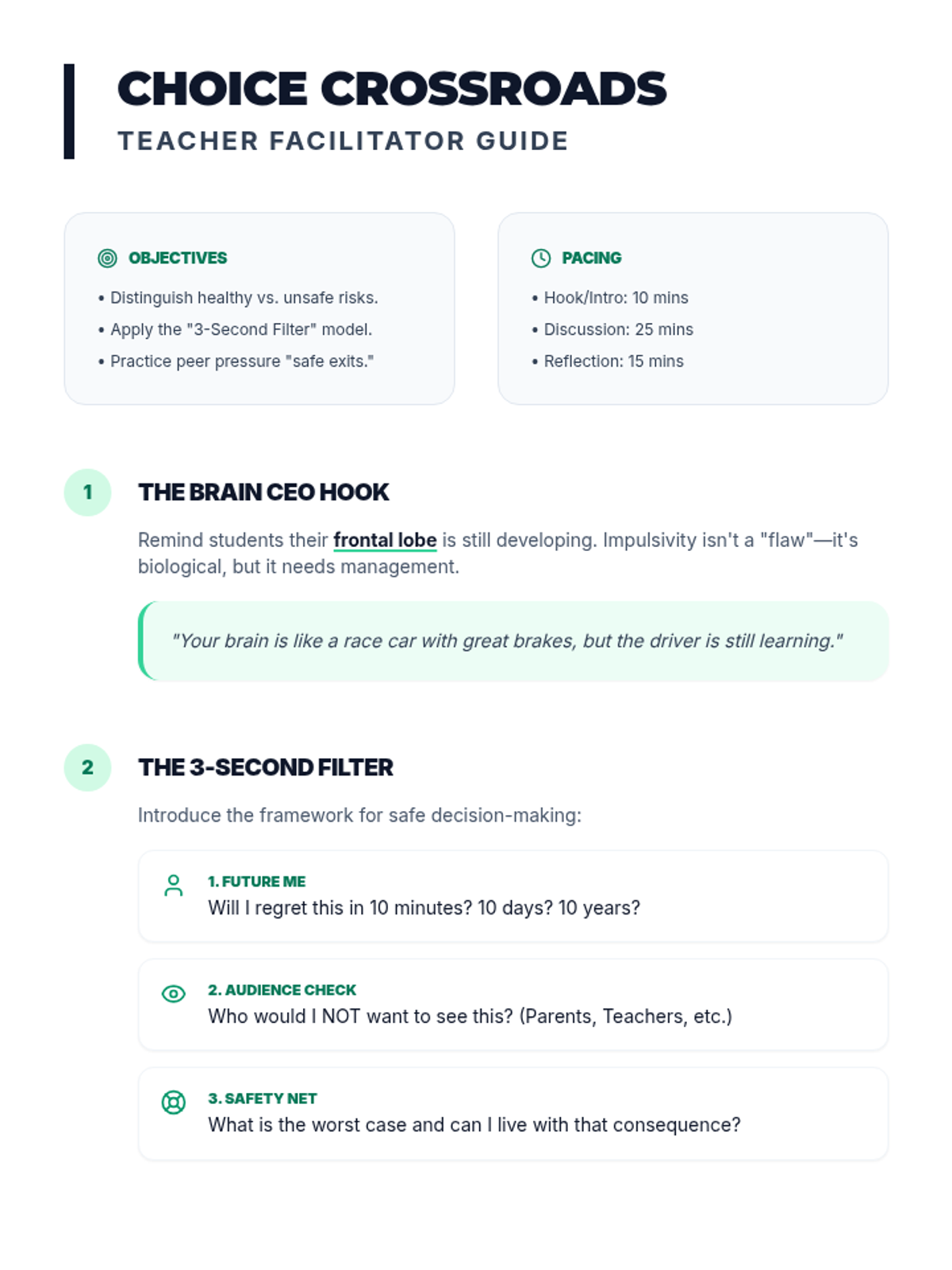
A social-emotional learning lesson for 7th graders focused on identifying risks, evaluating consequences, and practicing the decision-making process in social, digital, and physical environments.