A 45-minute lesson for K-2 students on internet safety and cyberbullying. Students will learn through a story, discussion, and a sorting activity to identify safe online practices and how to protect personal information.
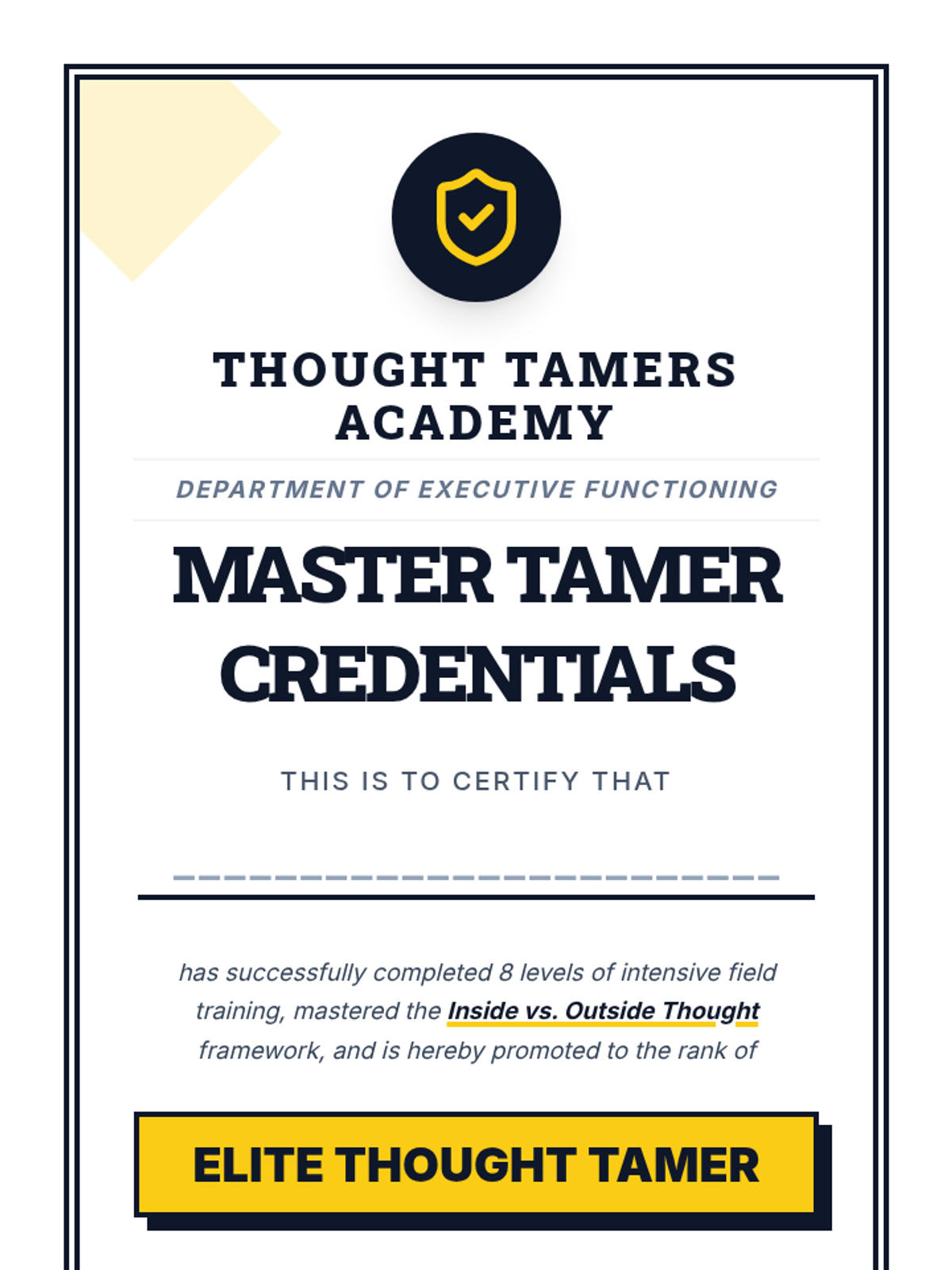
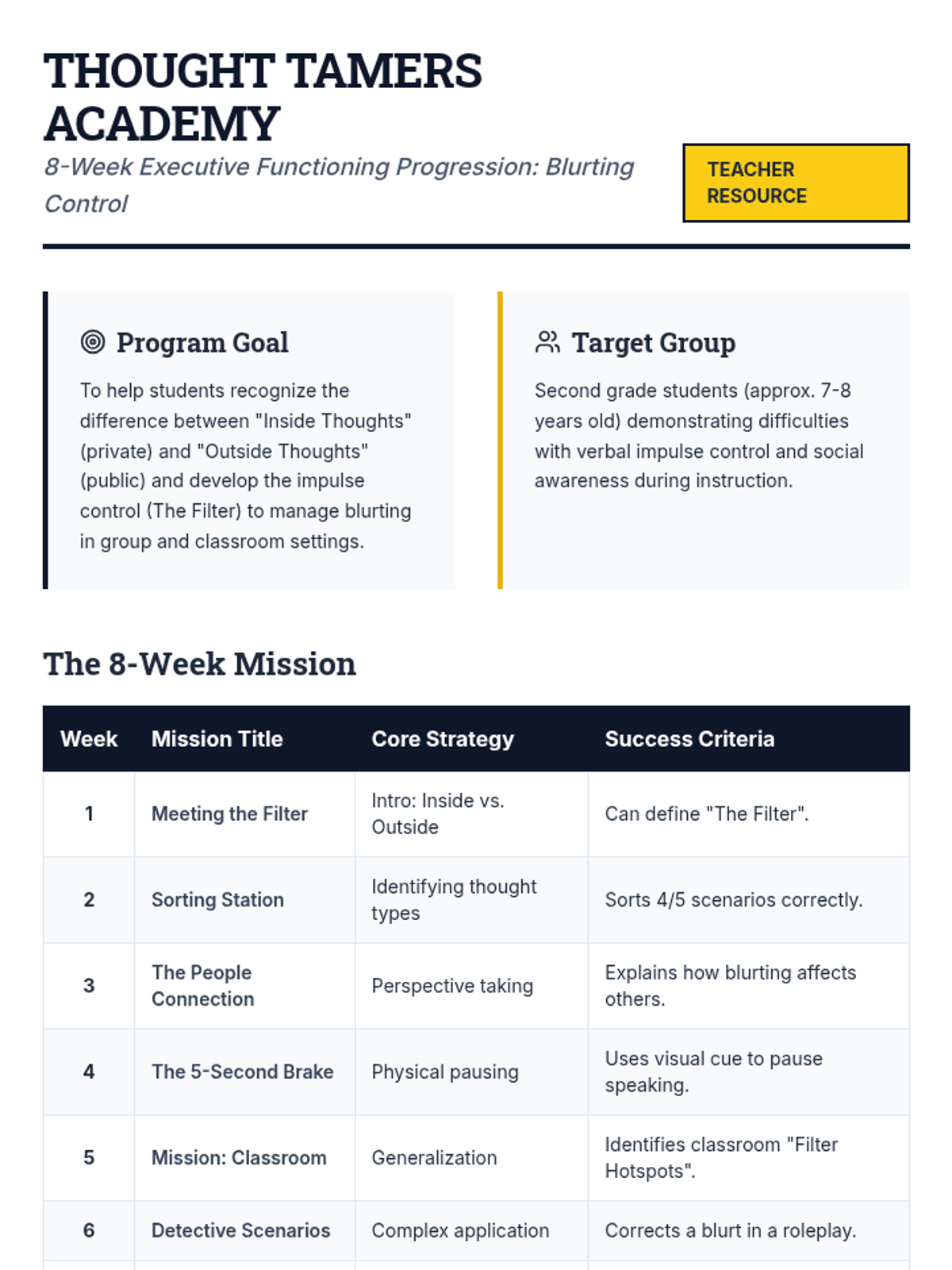
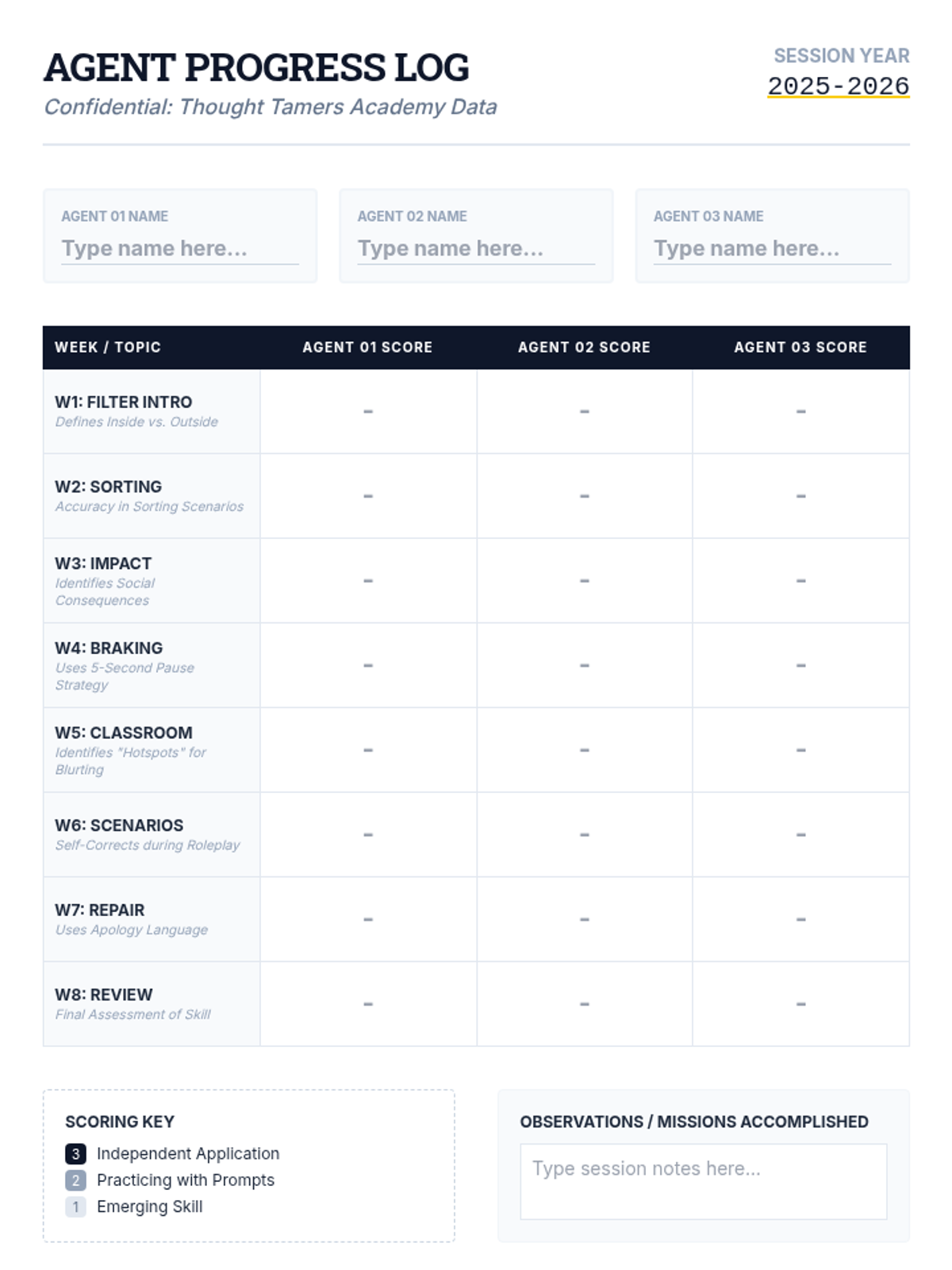
Celebrating progress and reviewing all strategies learned over the 8 weeks.
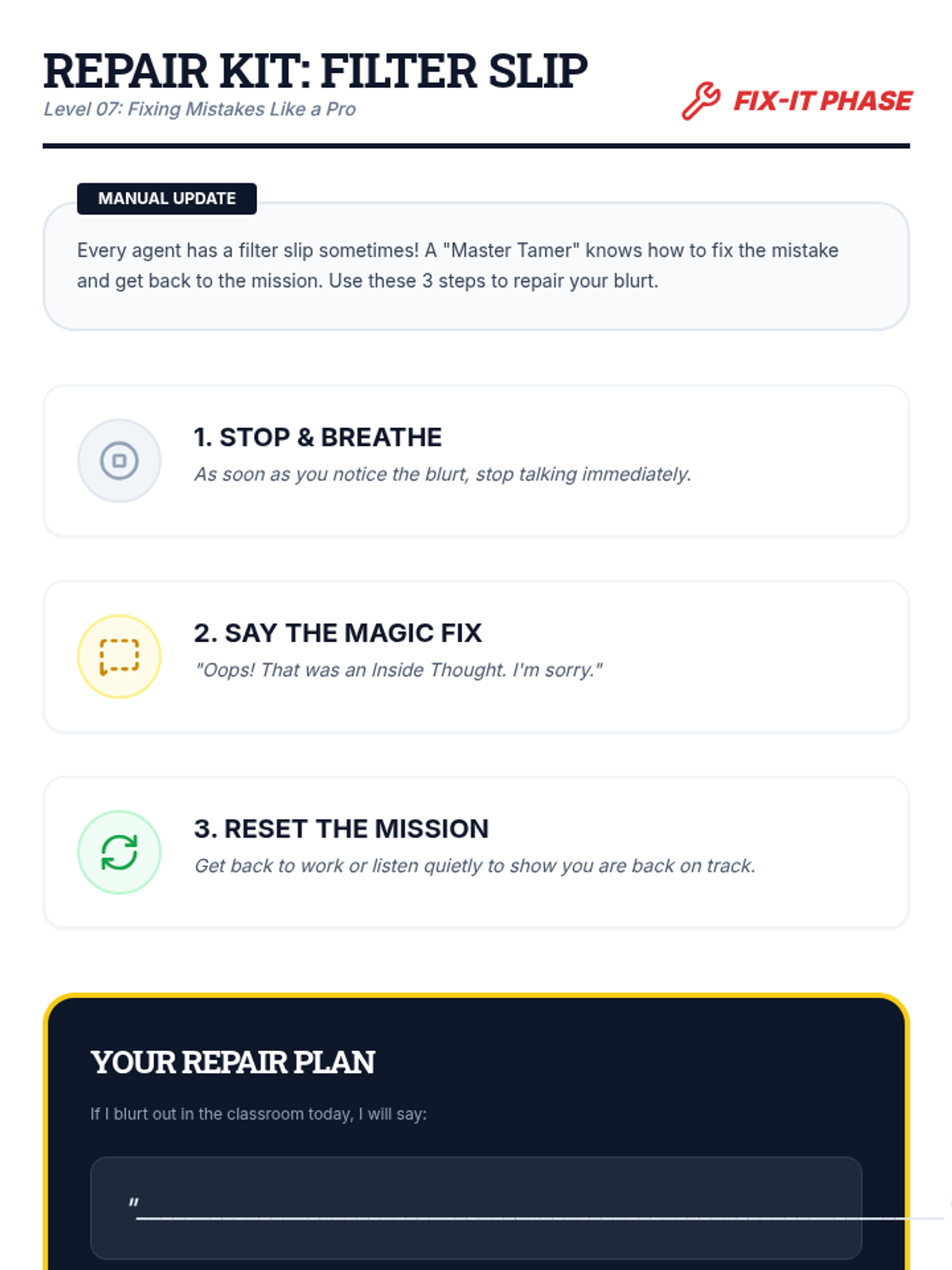
Learning how to apologize and reset after an accidental blurt occurs.
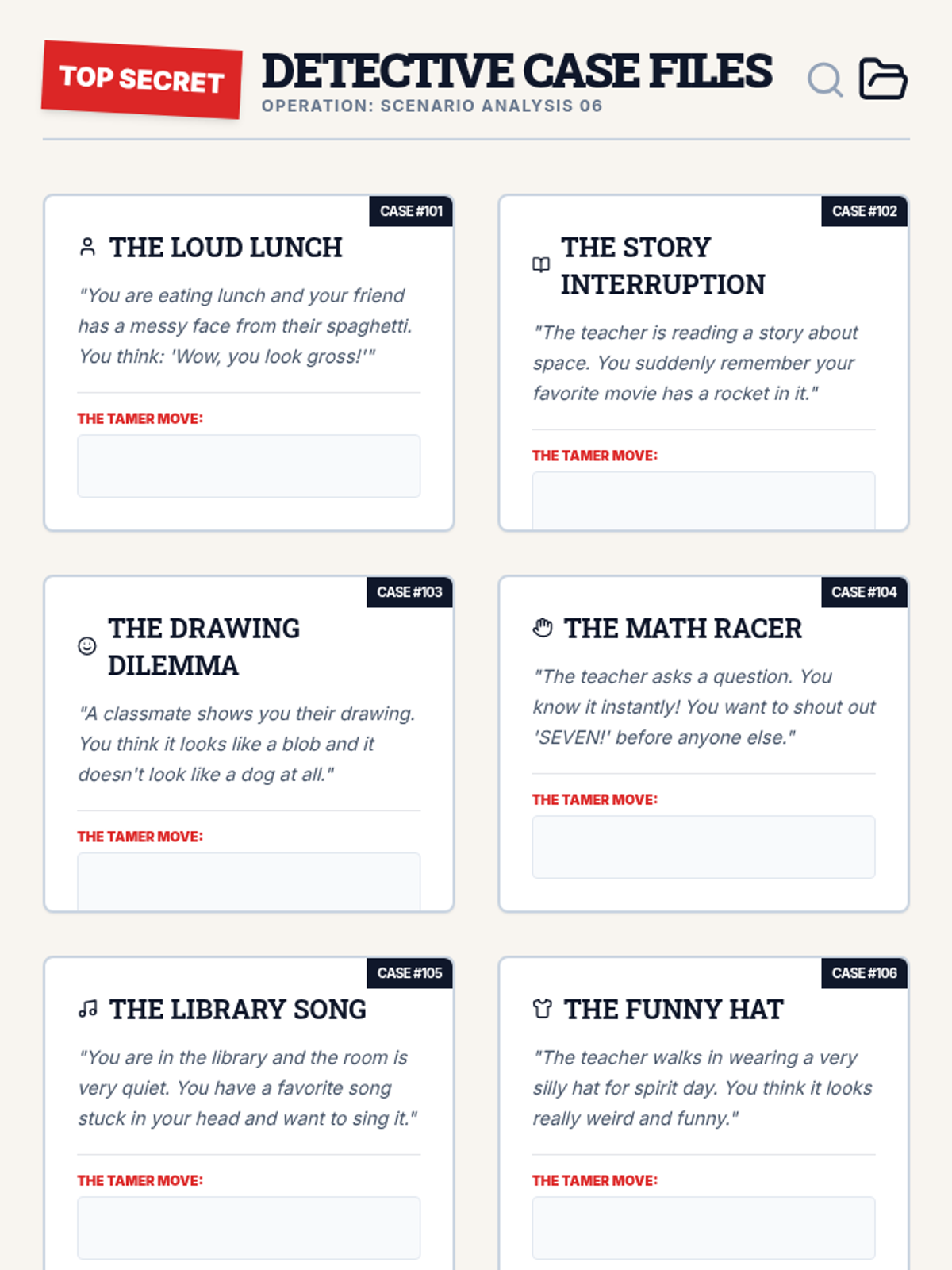
Using detective skills to analyze complex scenarios and determine the best 'Thought Tamer' move.
Applying the filter to specific classroom routines like raising hands and group discussions.
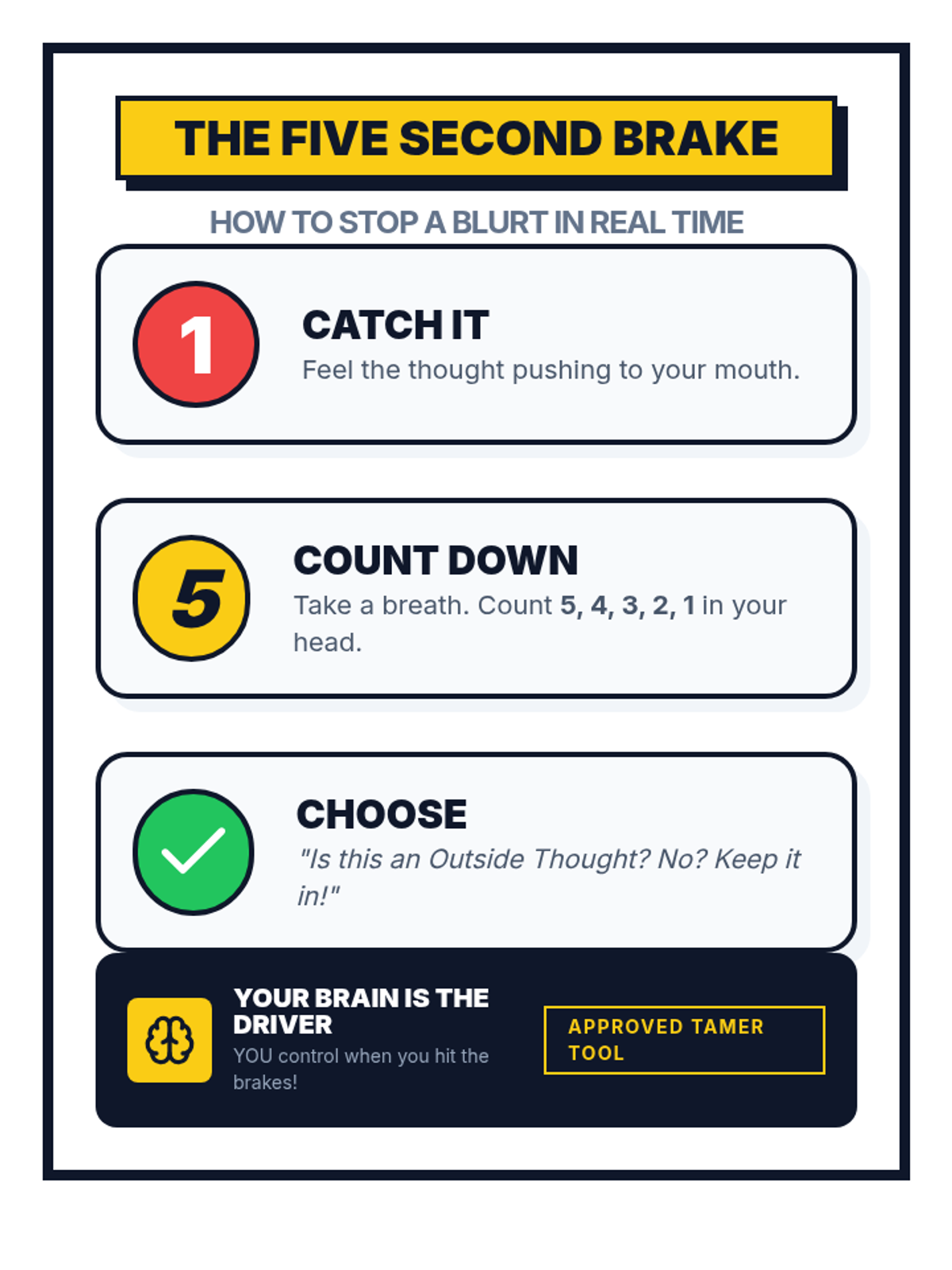
Learning the '5-Second Braking' technique to pause before a thought leaves the mouth.
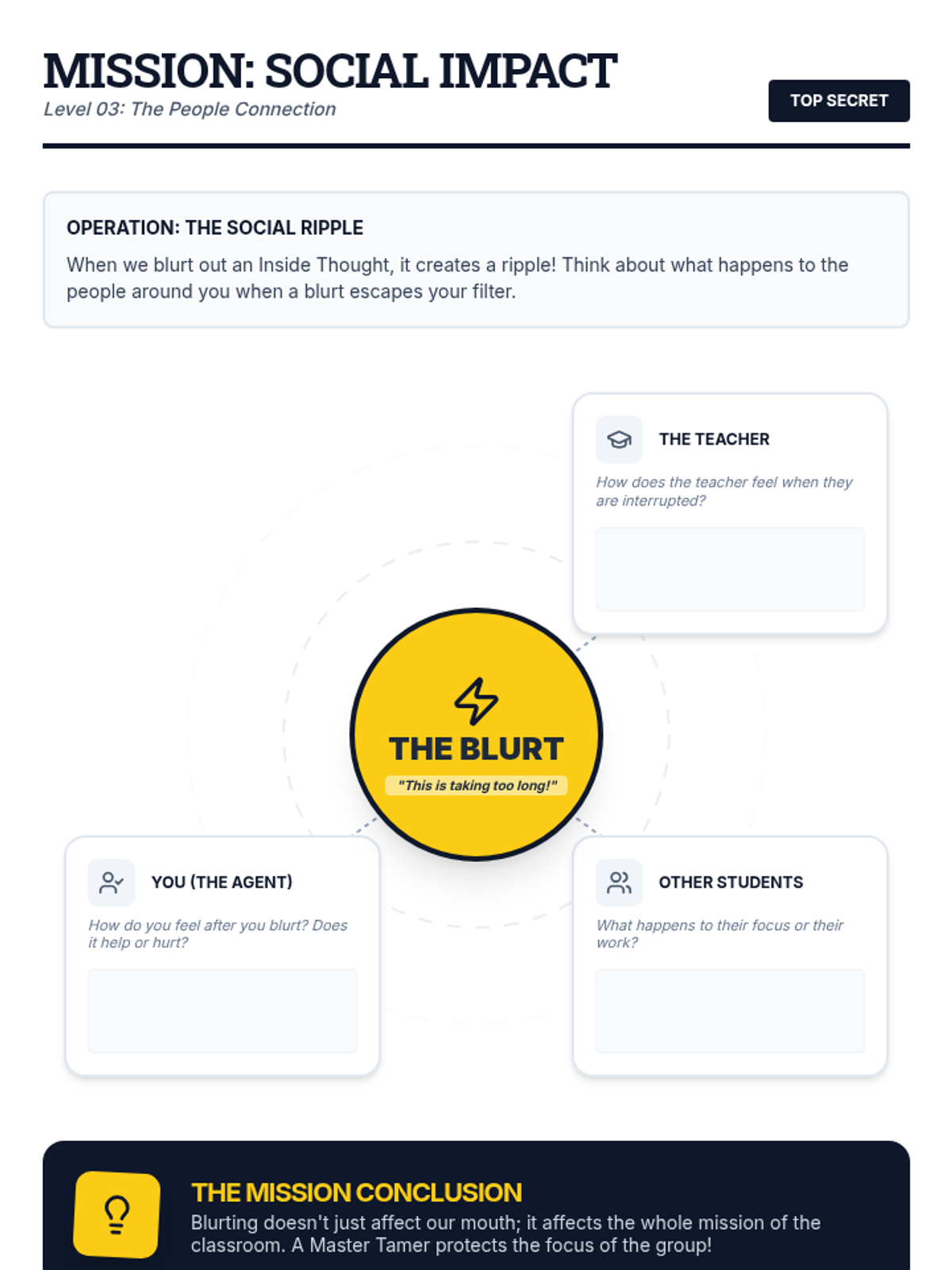
Exploring how blurting affects friends and teachers, focusing on the social consequences of the 'Outside' thought.
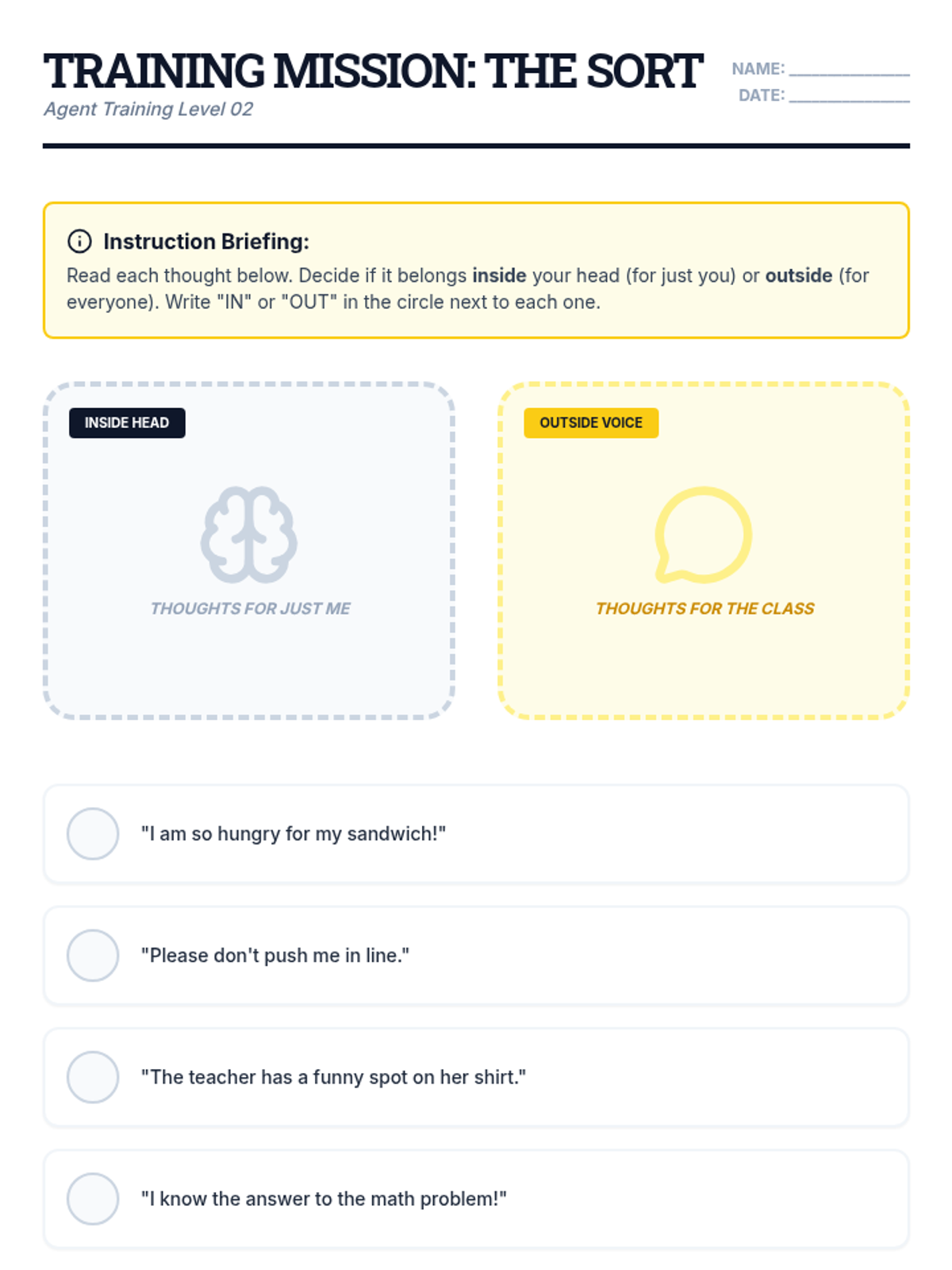
Active practice sorting various thoughts into 'stay inside' and 'can come out' categories through interactive games.
Introduction to the concept of Inside vs. Outside thoughts and the 'Thought Filter' mechanism.
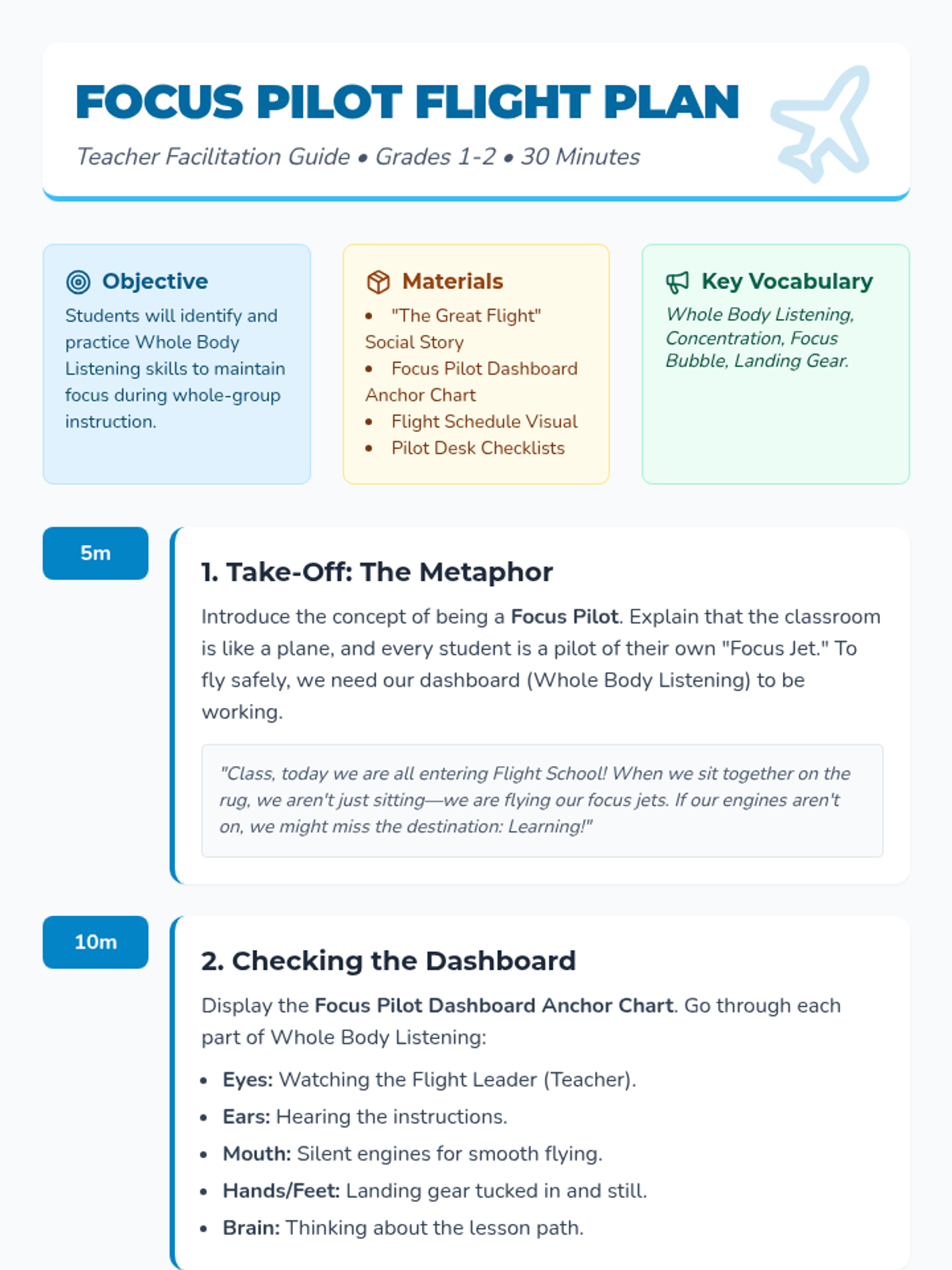
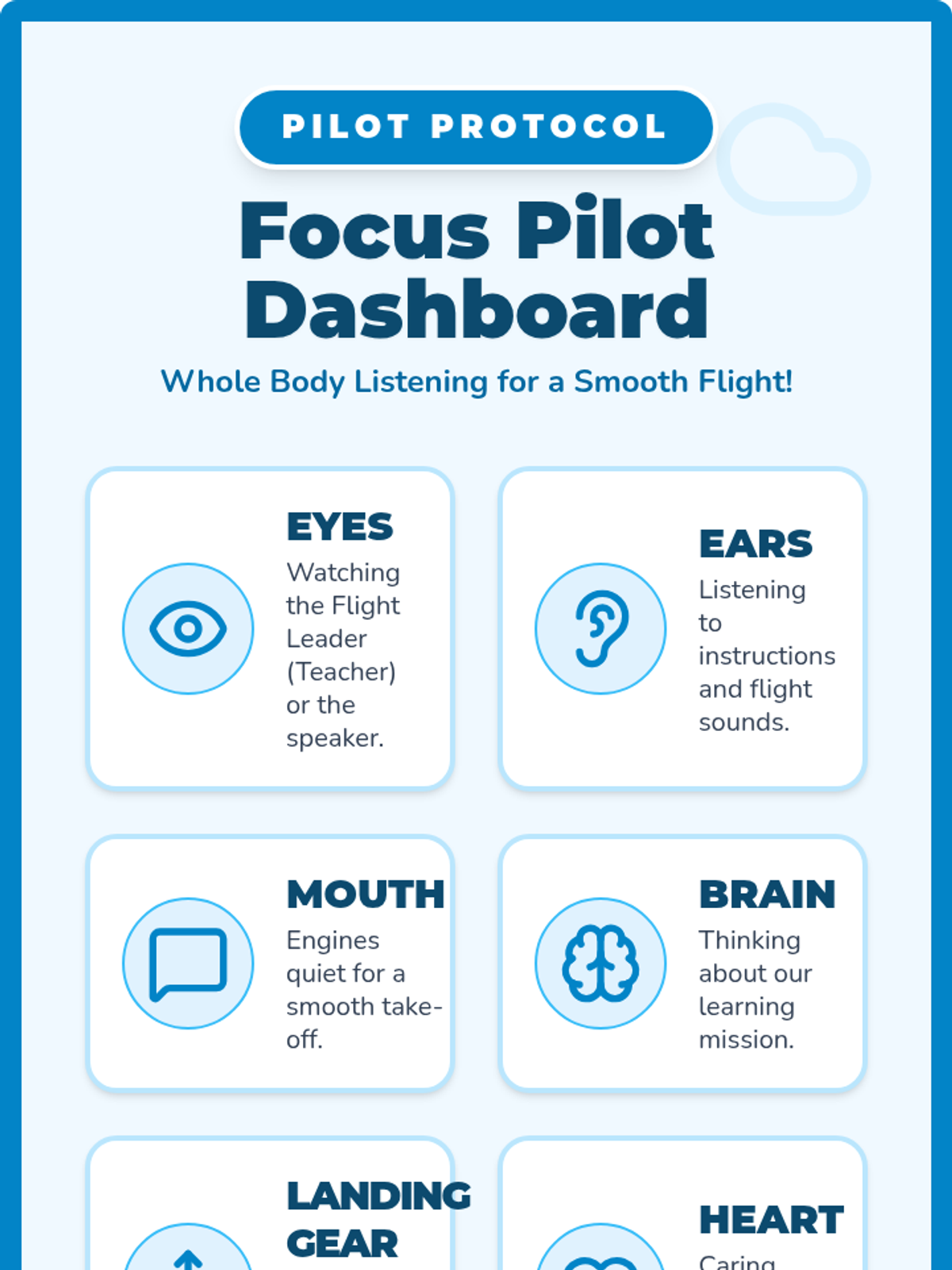
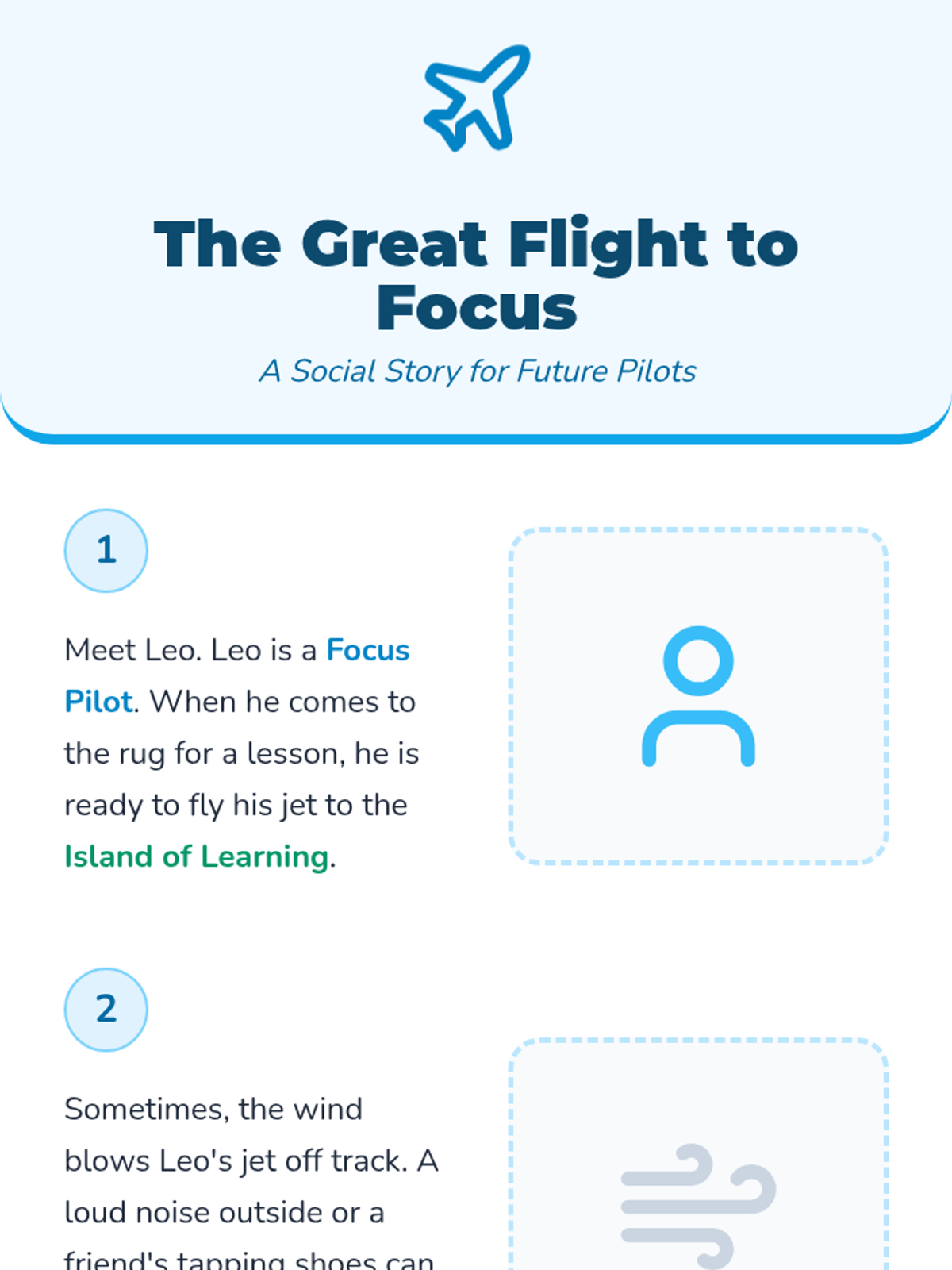
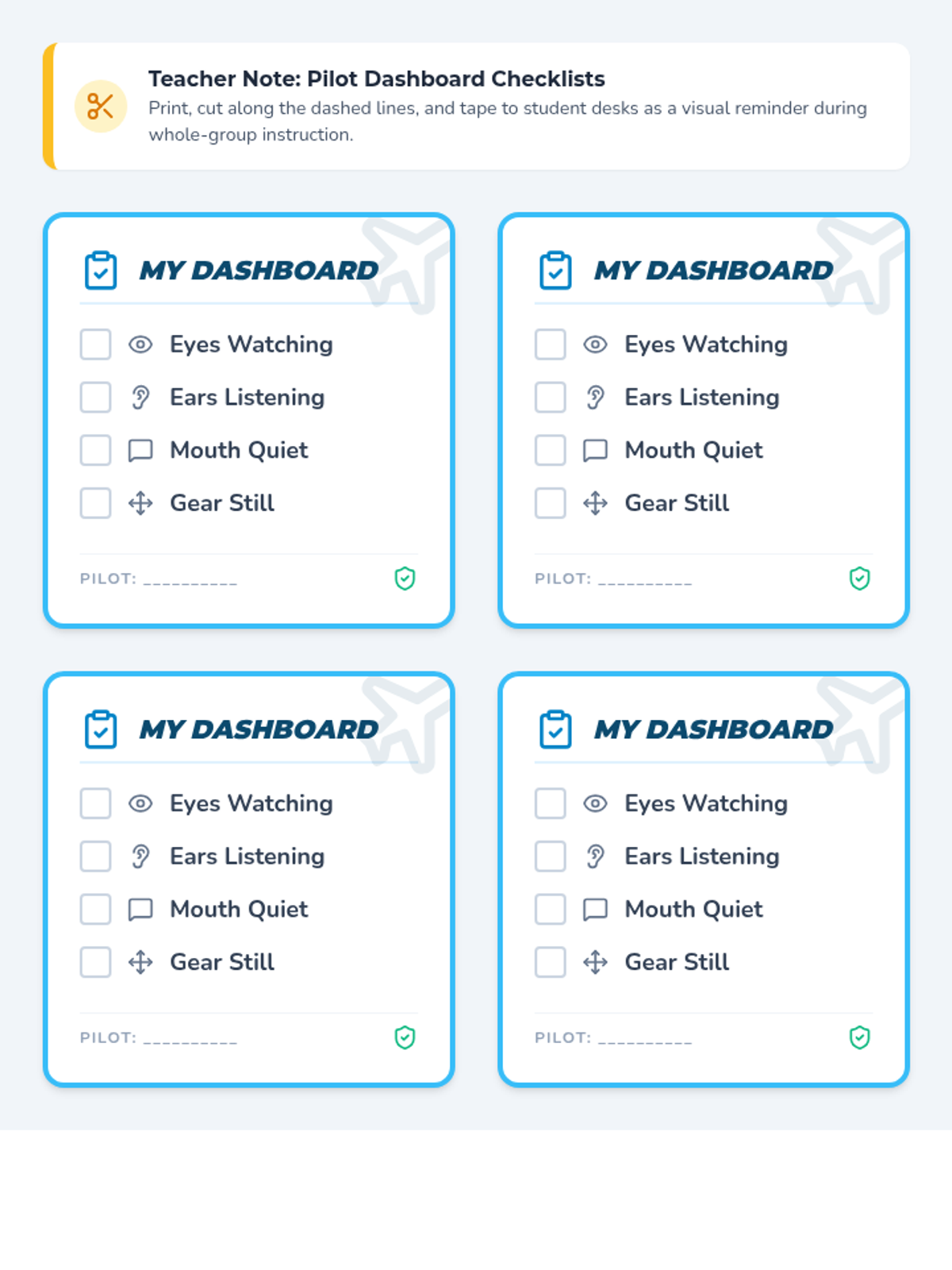
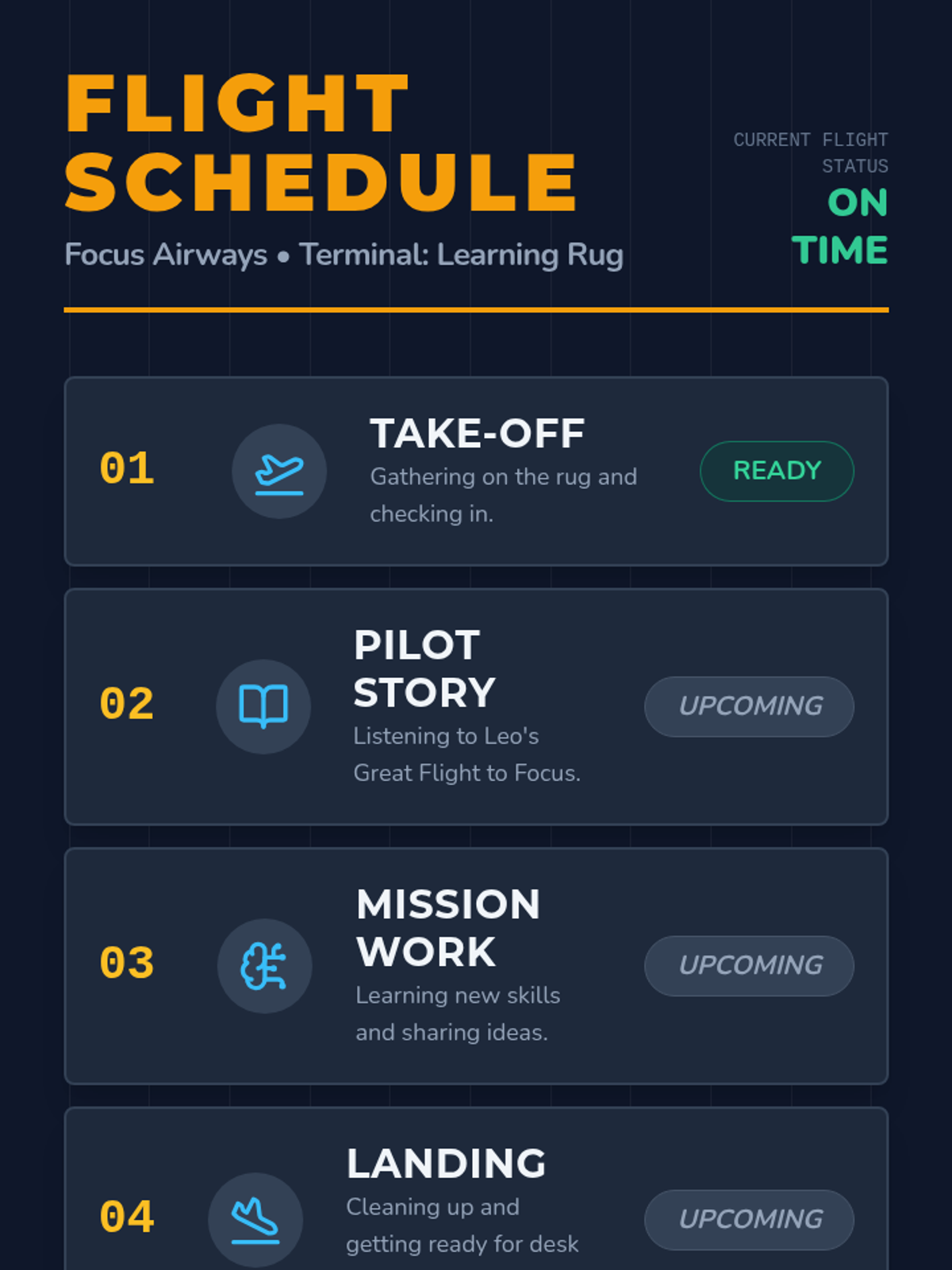
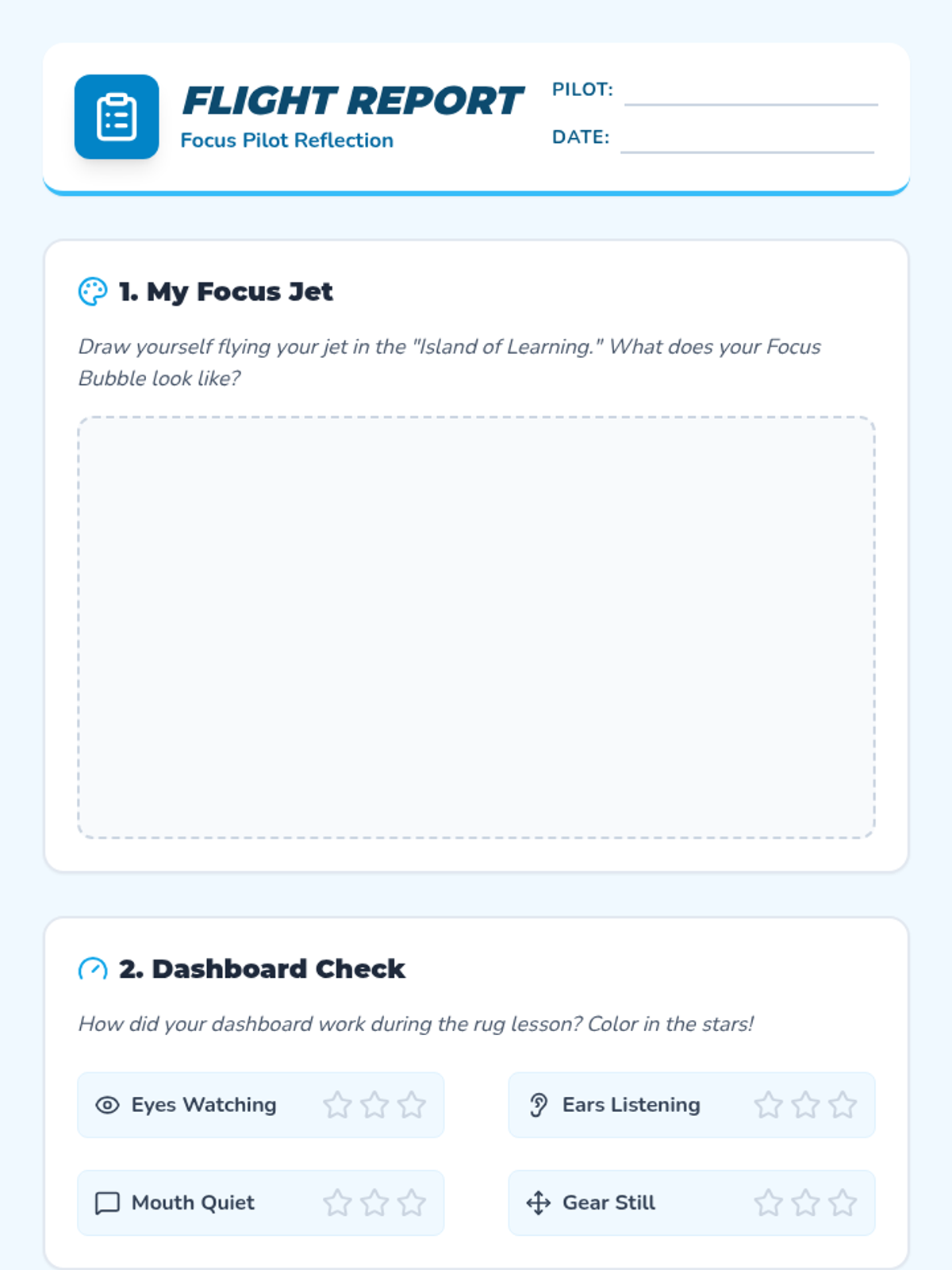
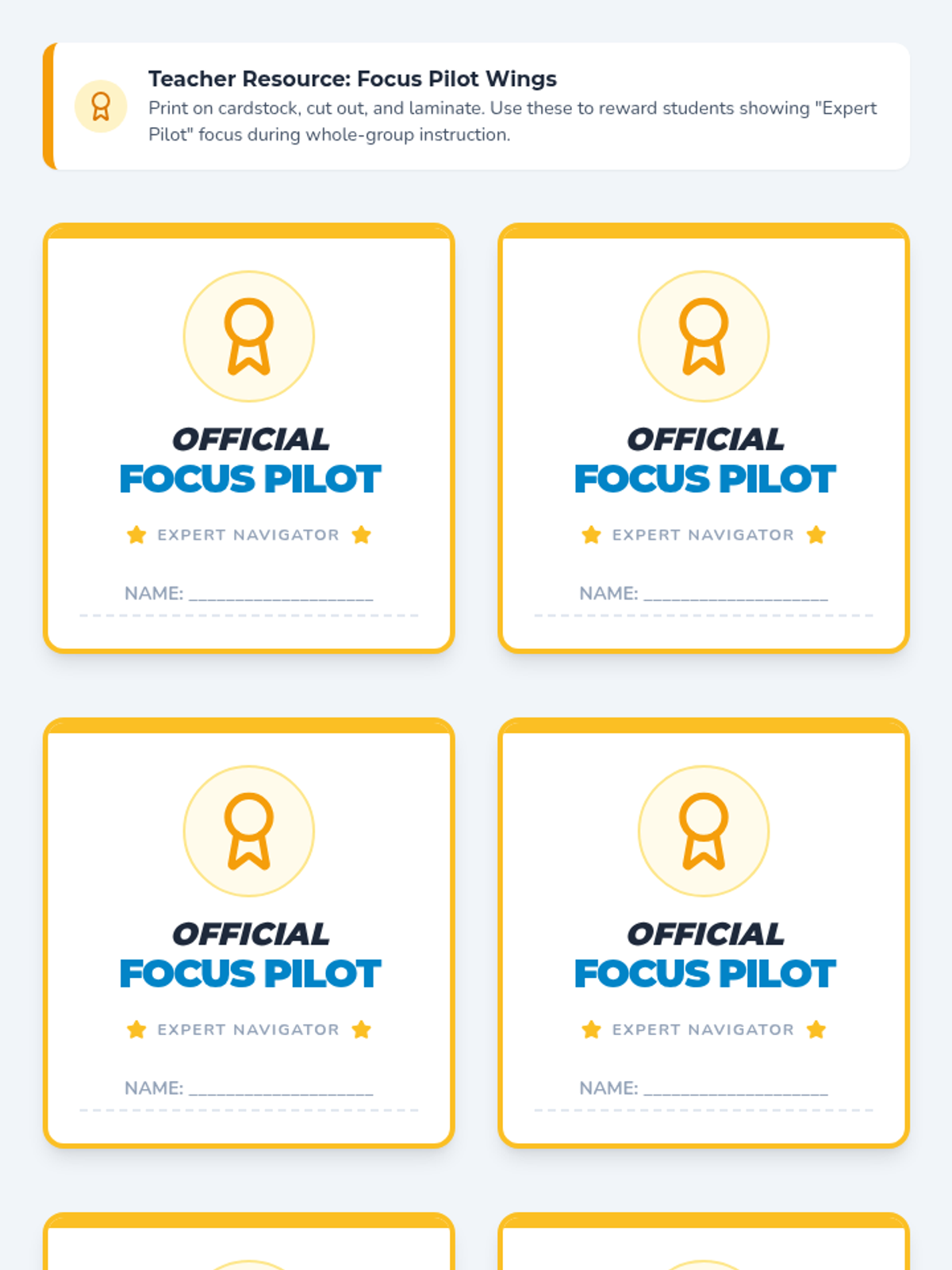
A 30-minute lesson introducing Grade 1 and 2 students to self-regulation during whole-group instruction through the 'Focus Pilot' metaphor, covering whole body listening and concentration skills.
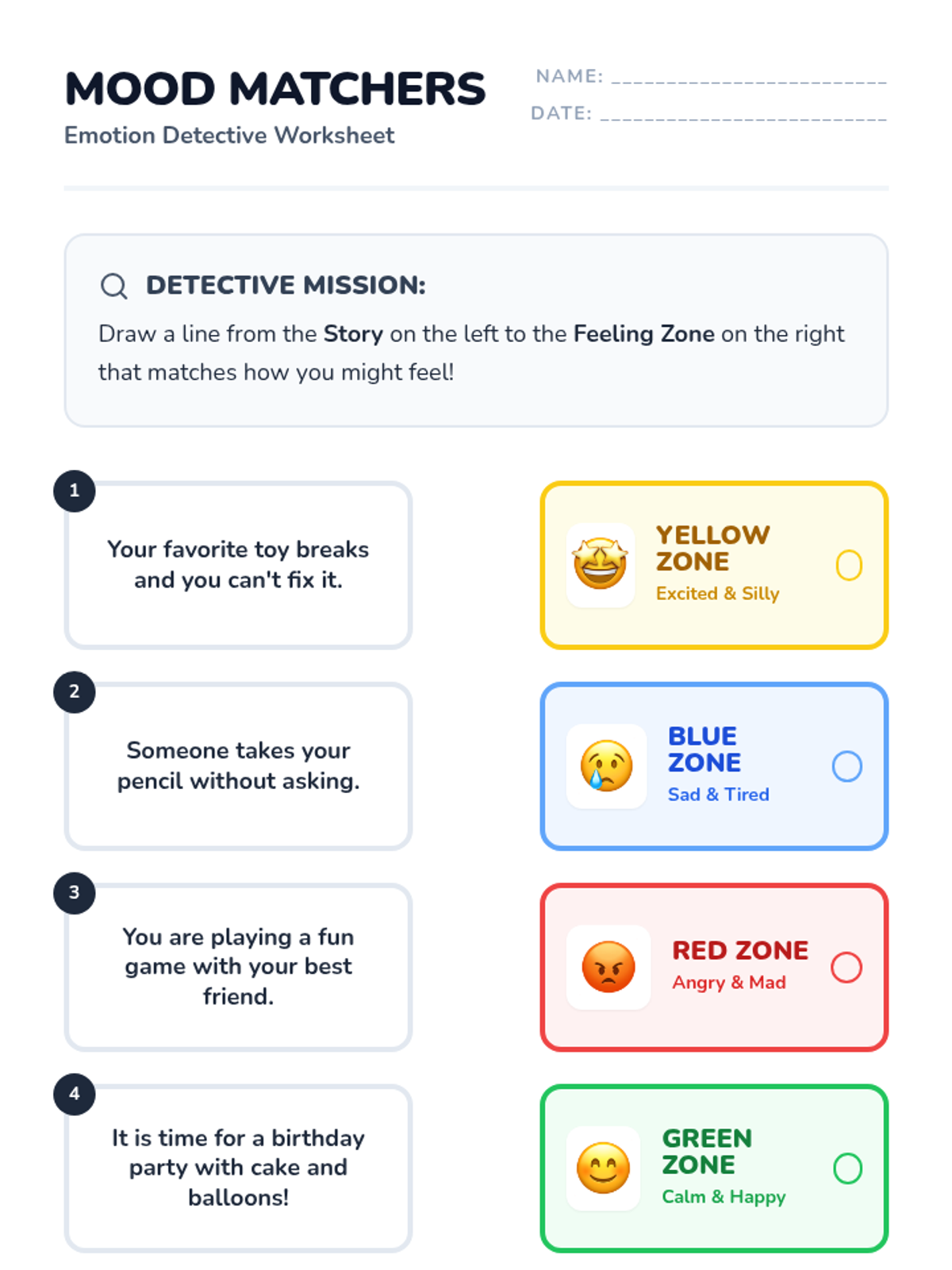
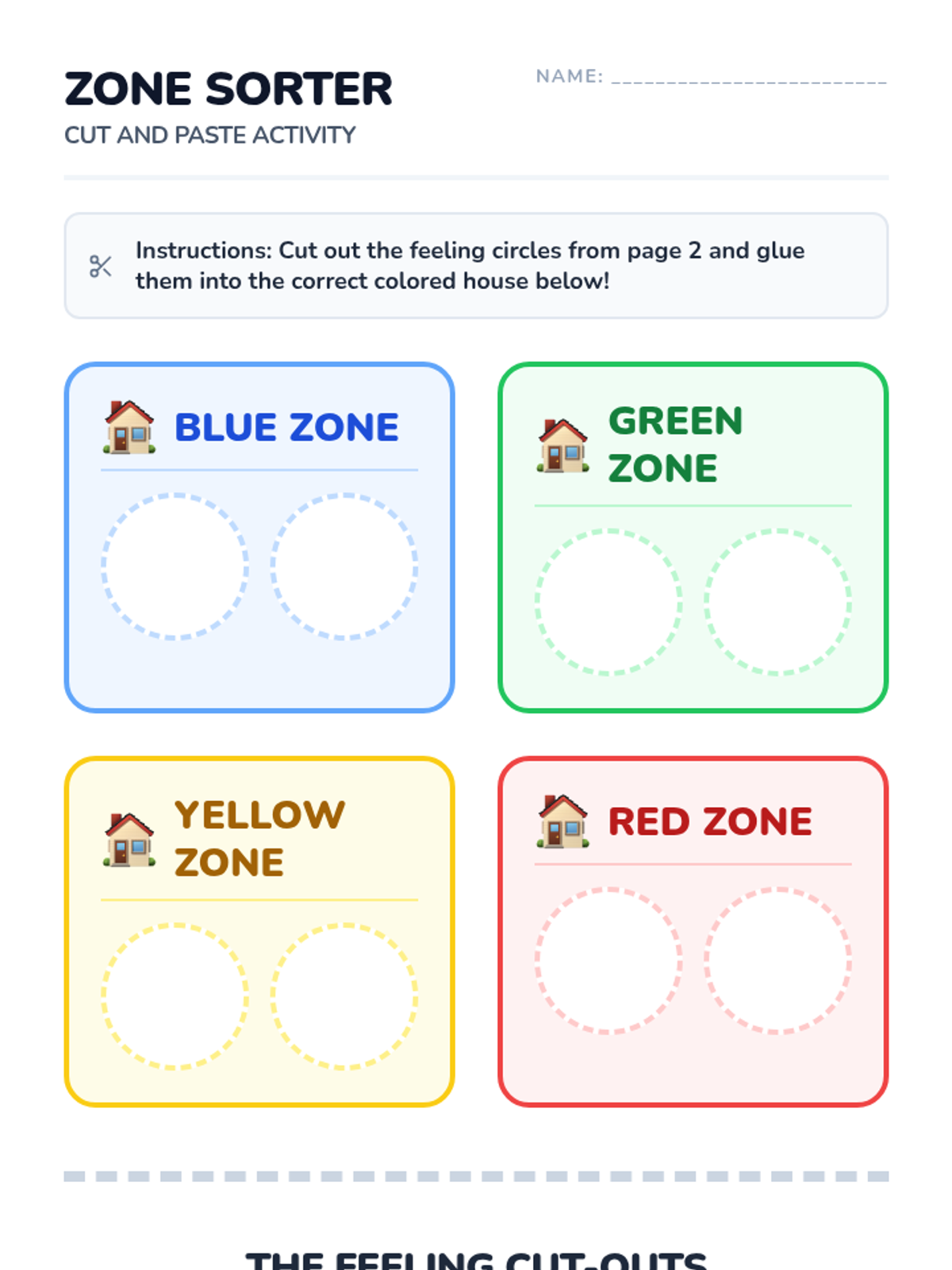
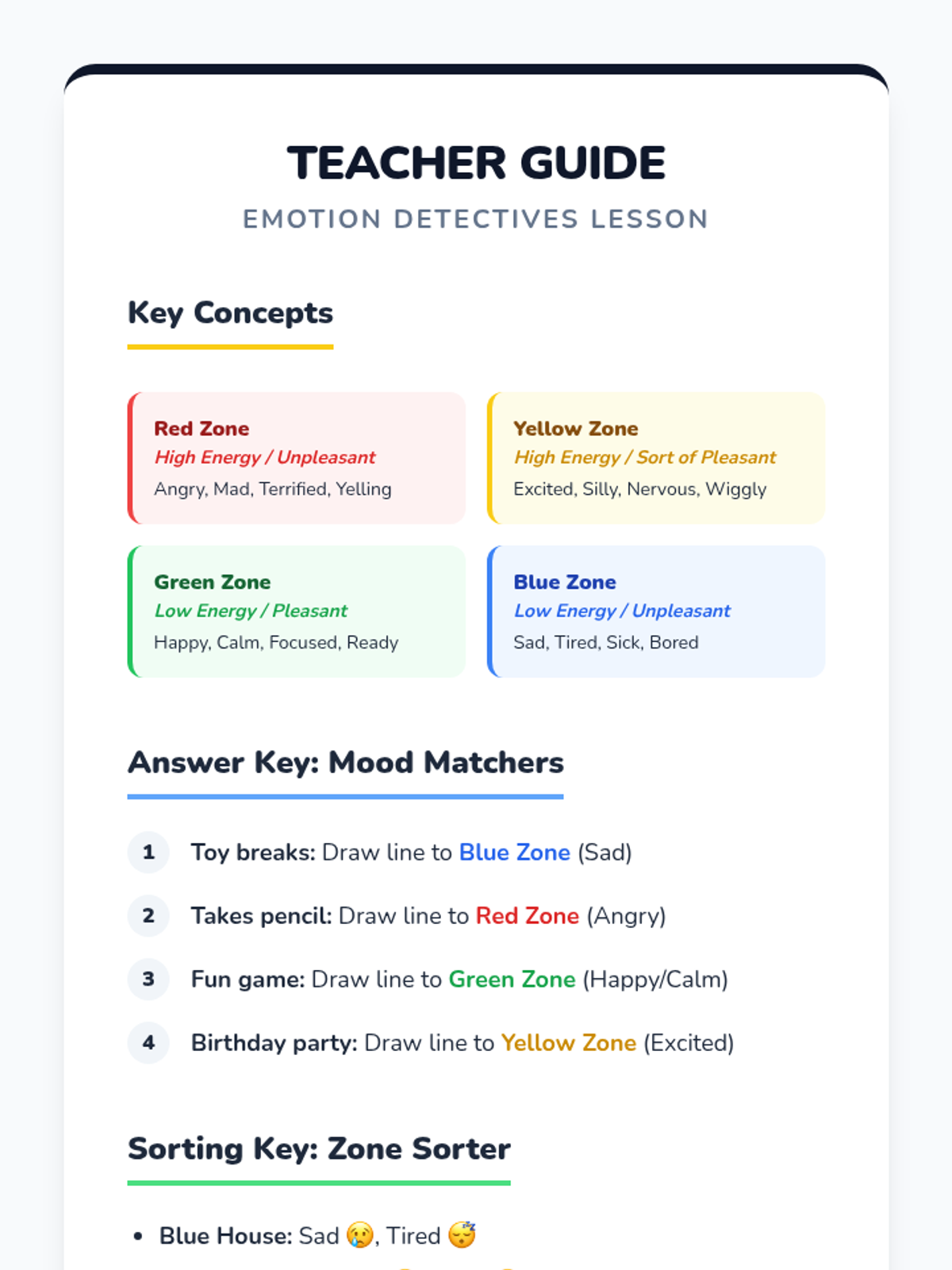
A foundational social-emotional learning lesson for kindergarteners to identify and categorize feelings using the four color zones. Students will explore scenarios, match emotions, and practice physical sorting of feelings.
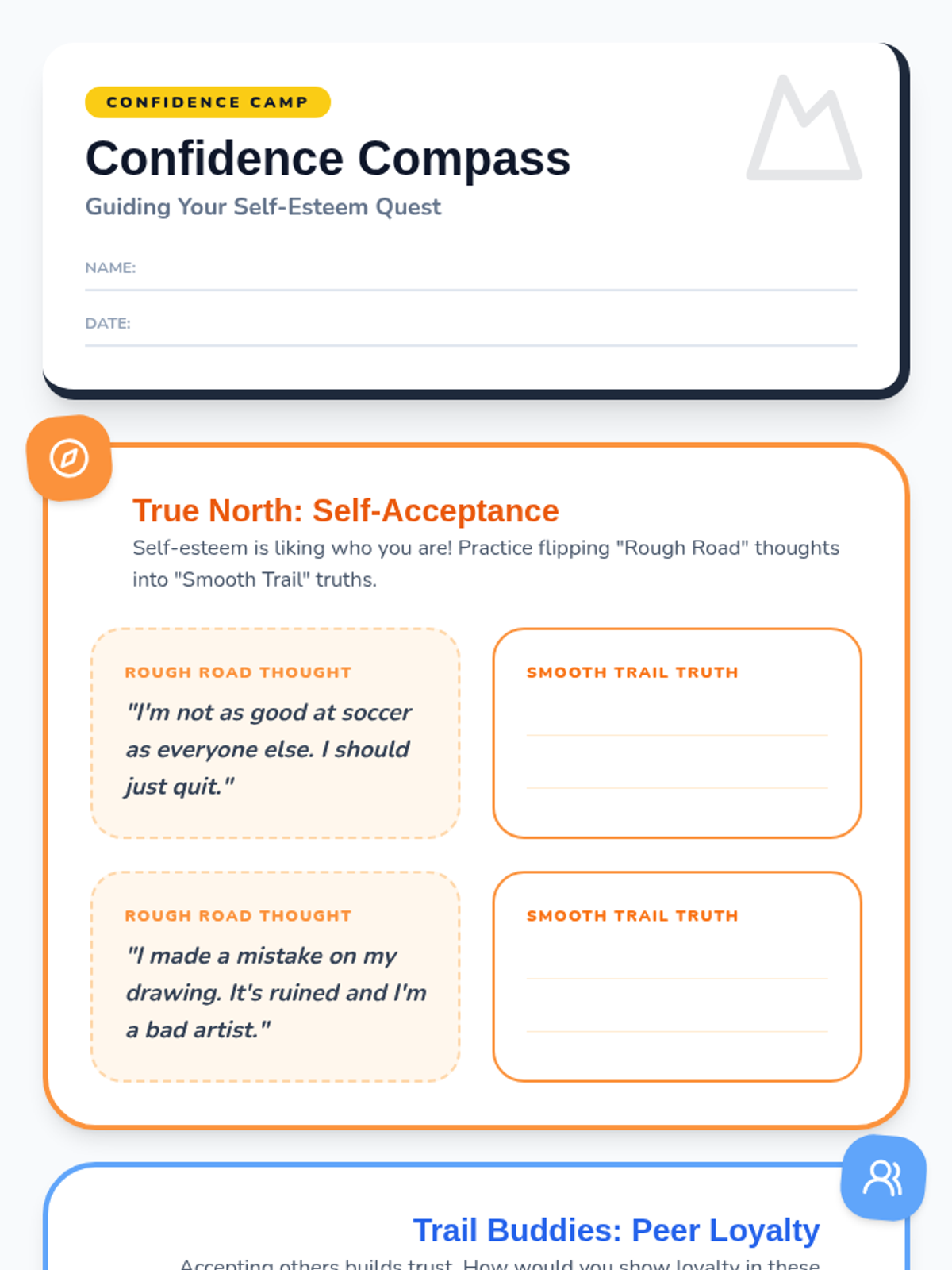
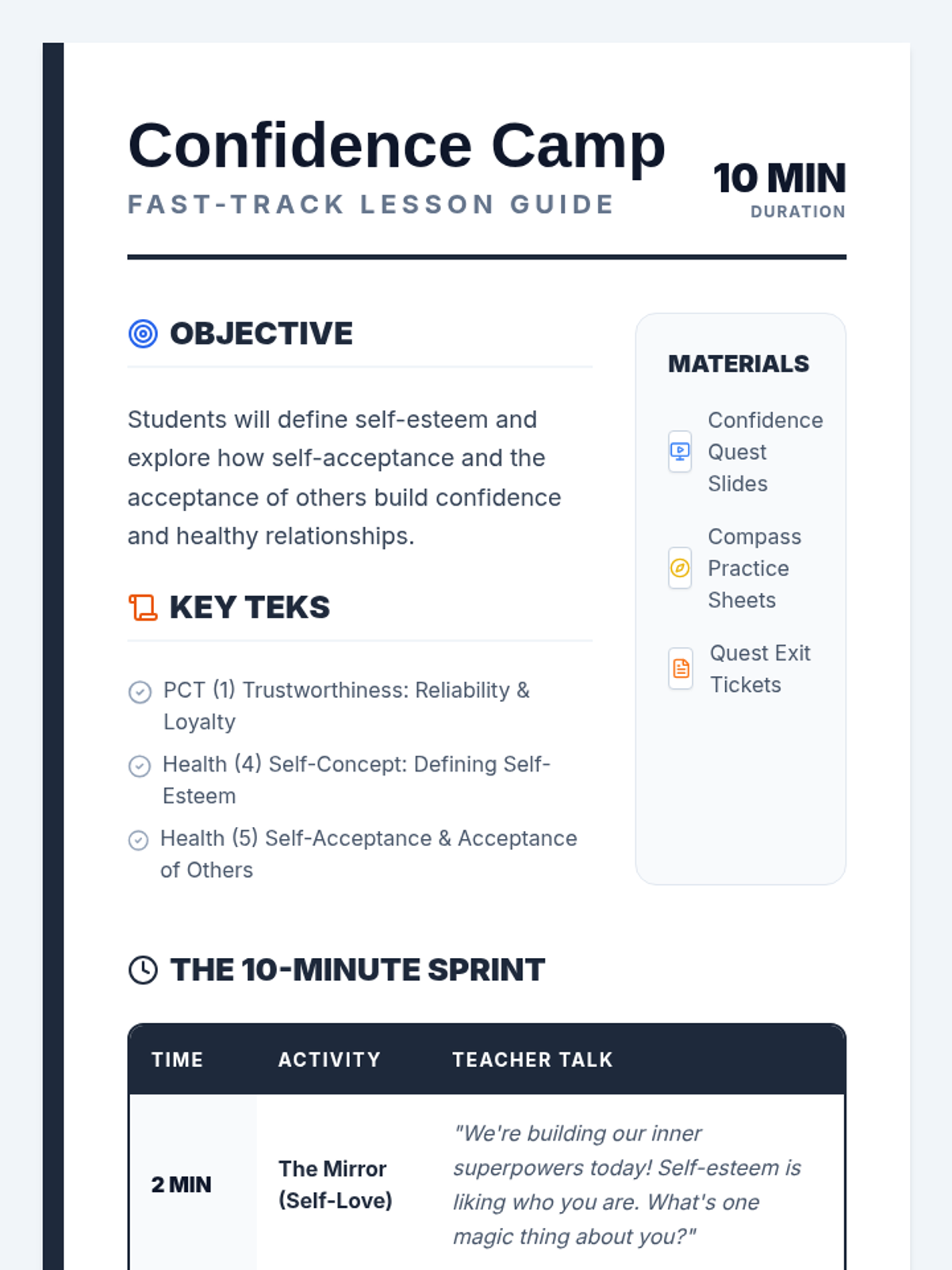
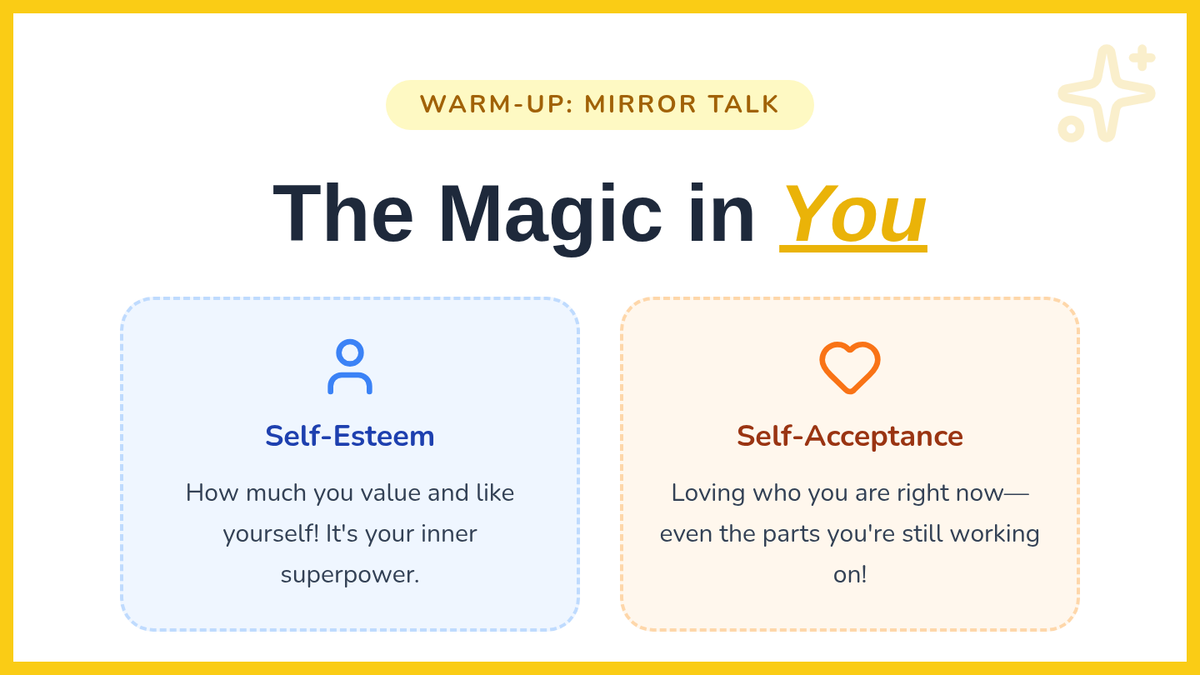
A fast-paced, 10-minute social-emotional learning lesson focused on building self-confidence through self-acceptance and kindness toward others. Students define self-esteem and set immediate goals for personal growth and peer acceptance.
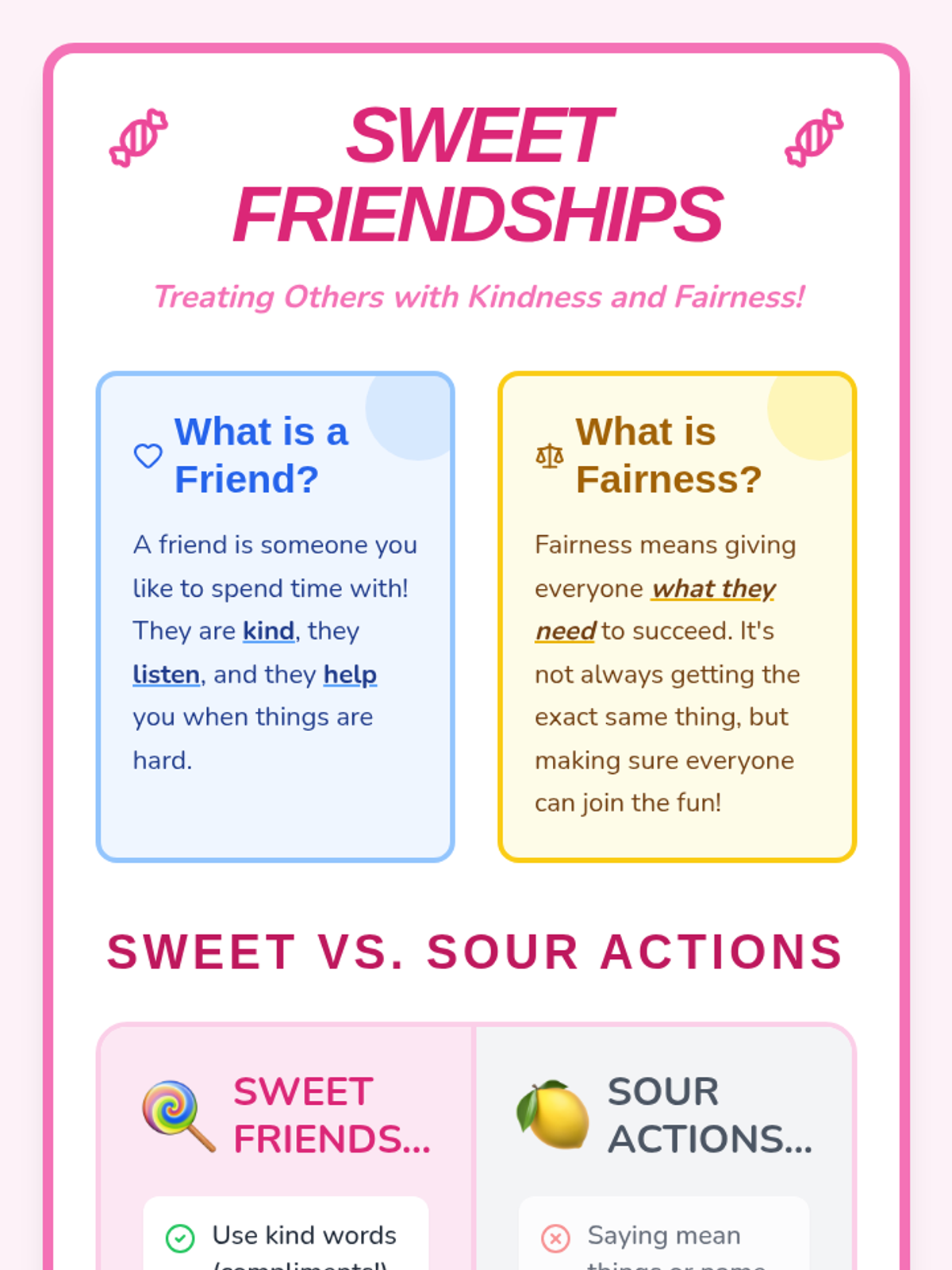
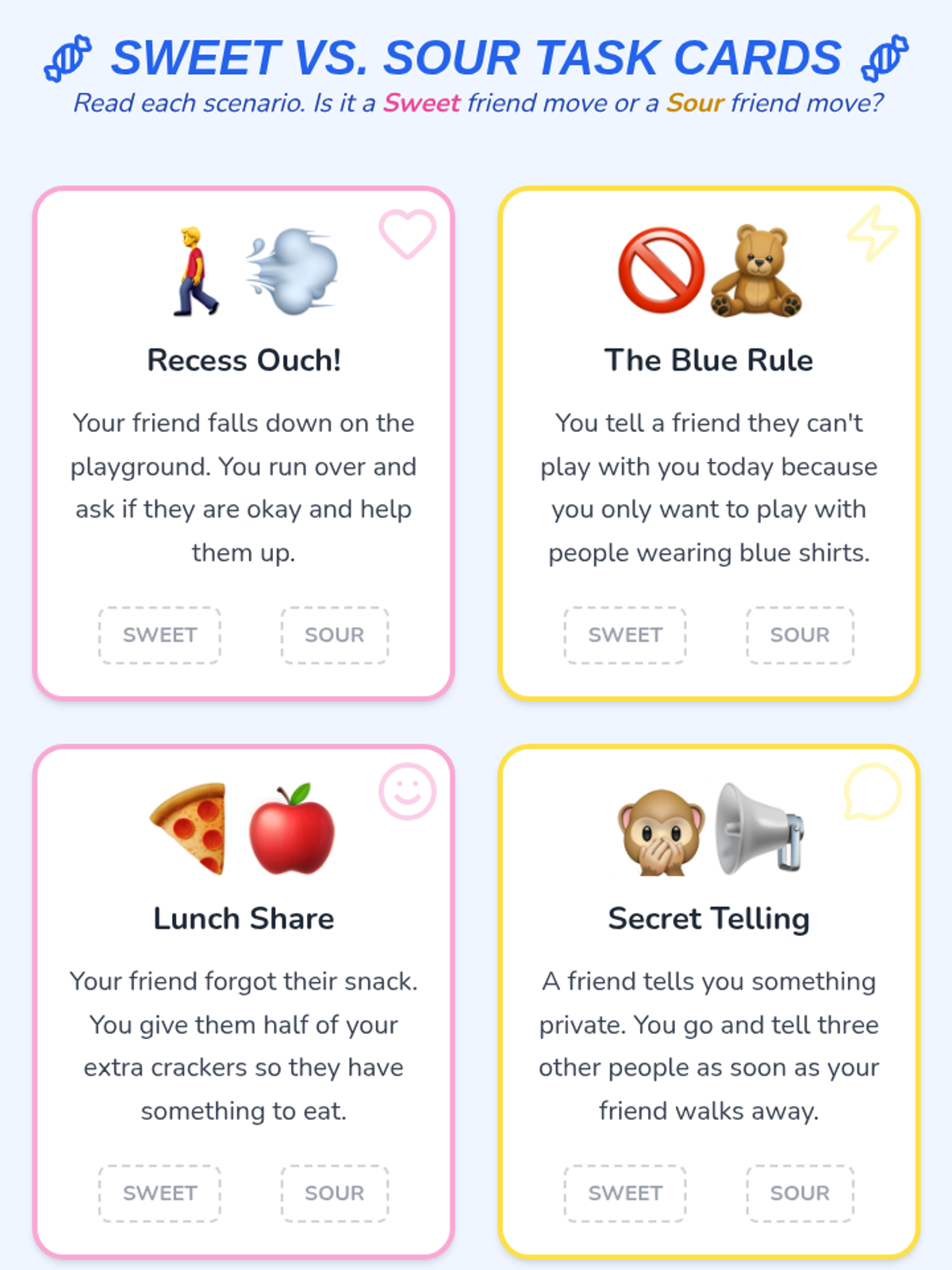
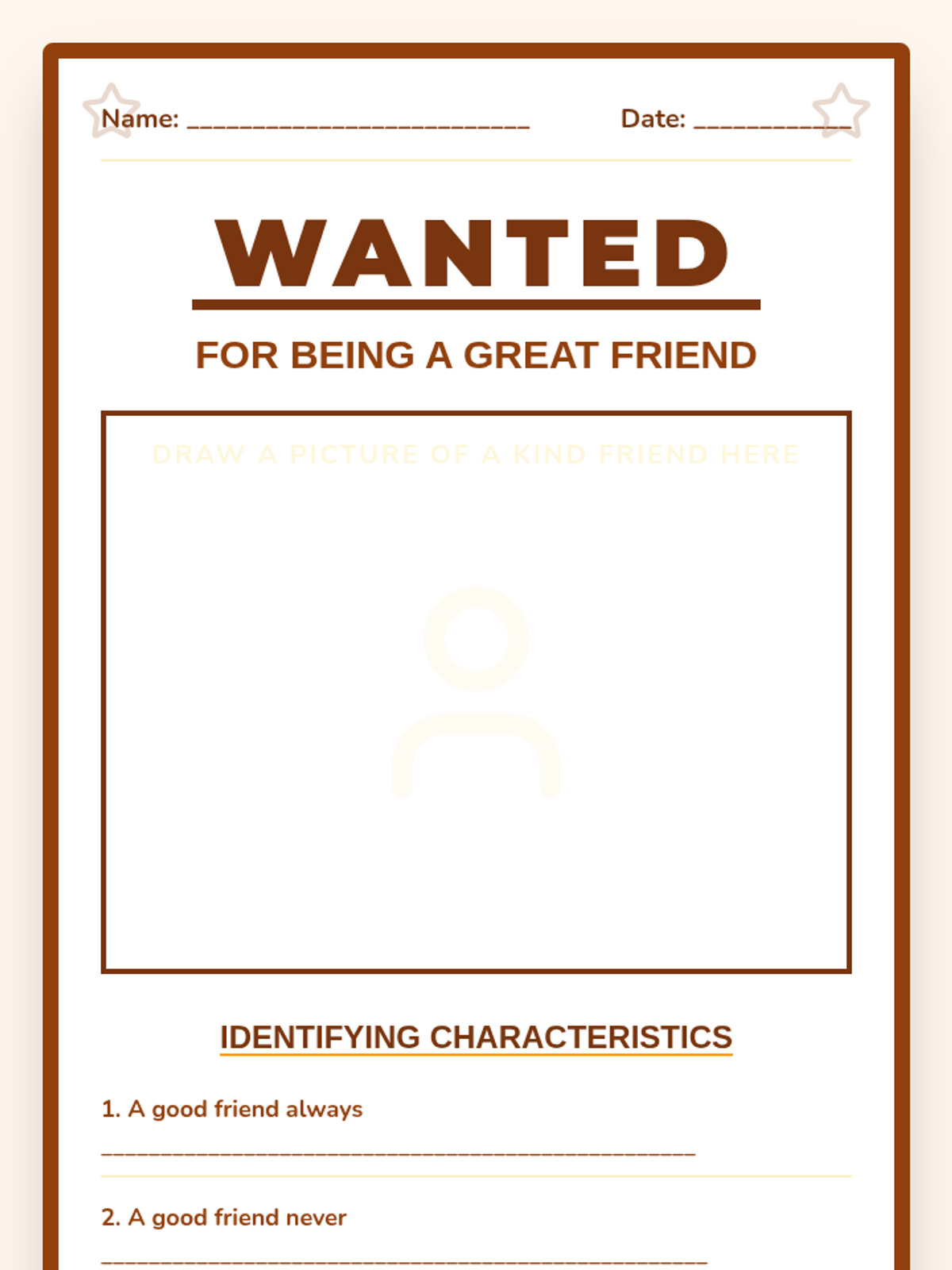
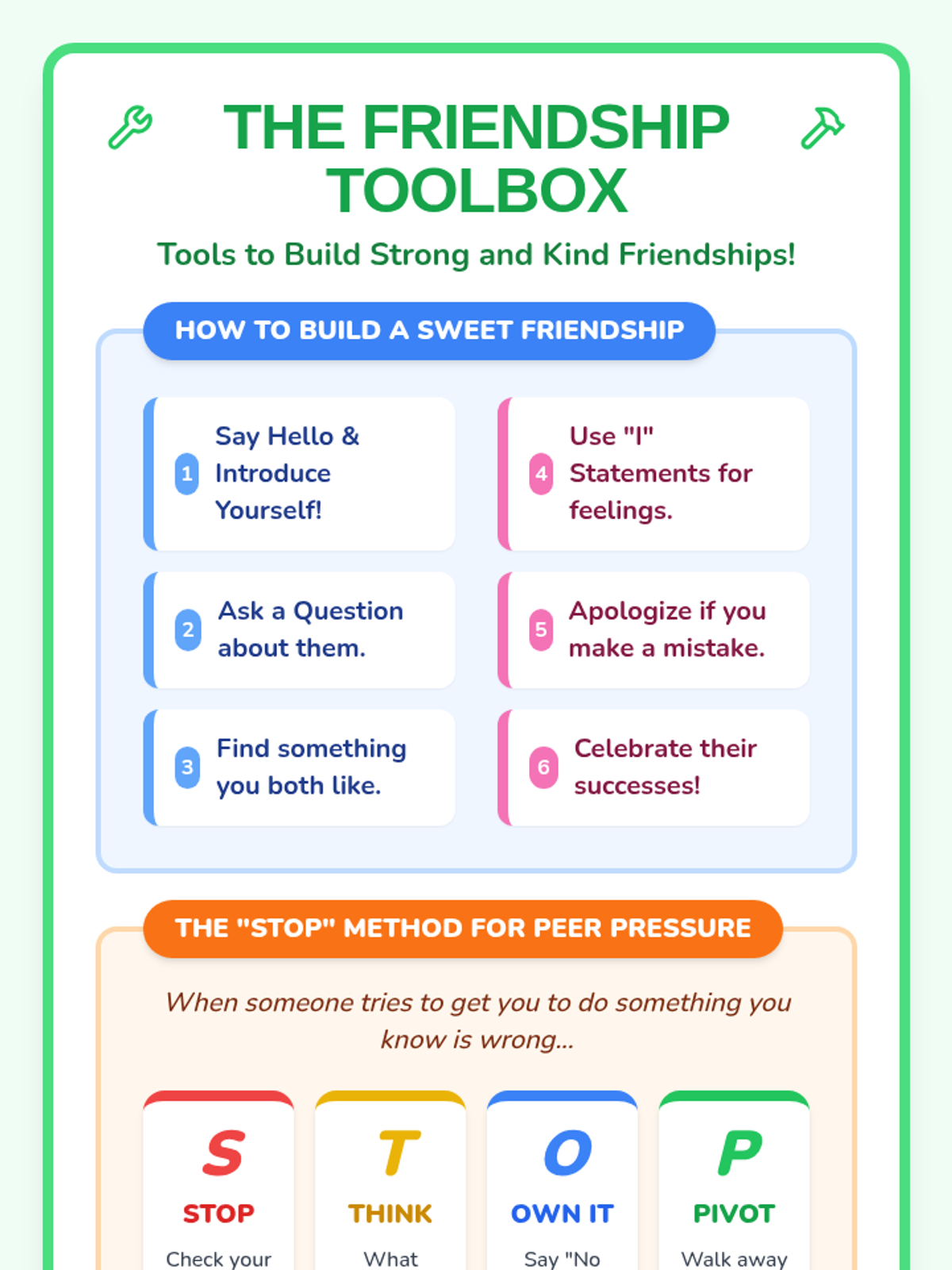
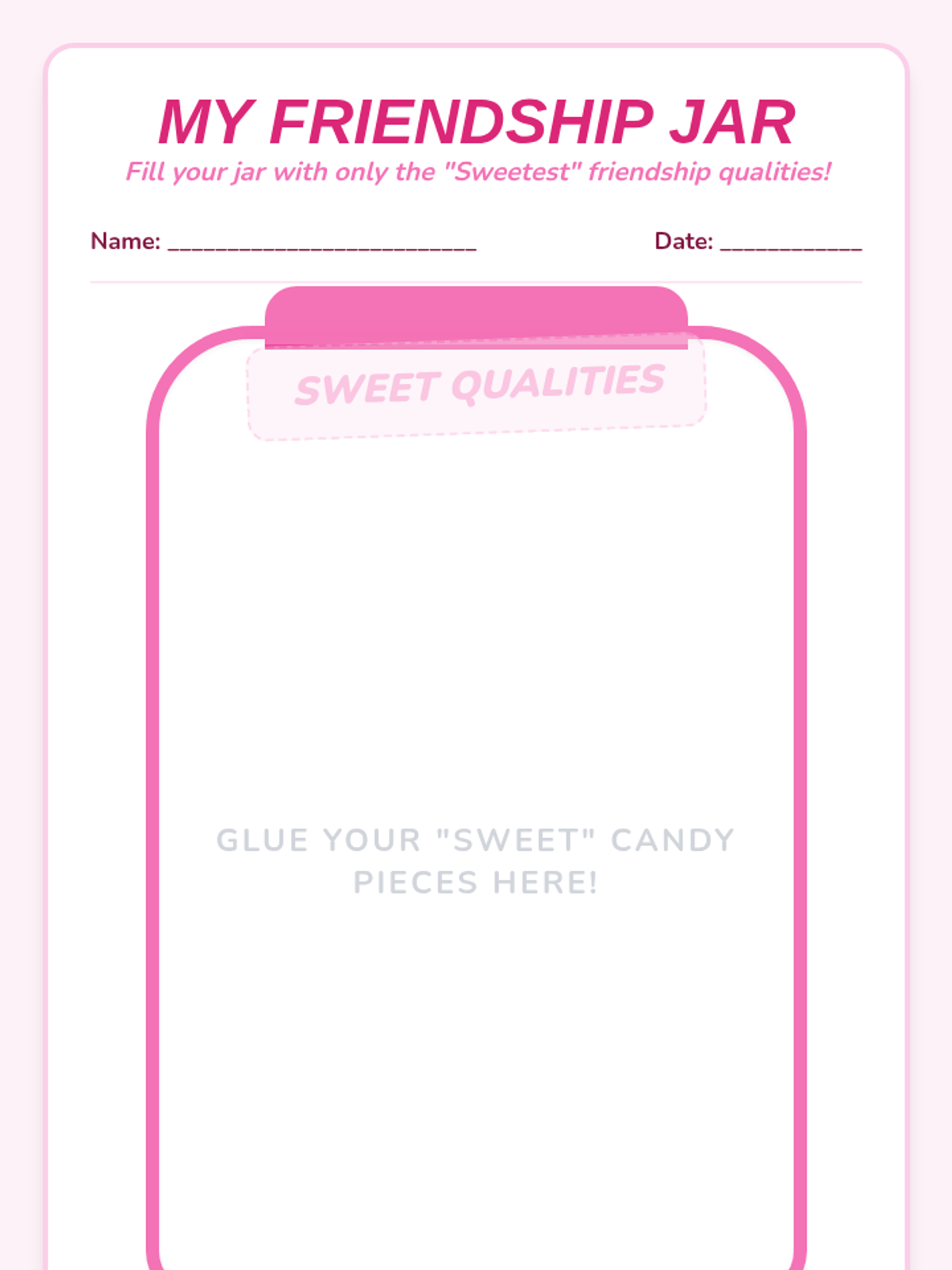
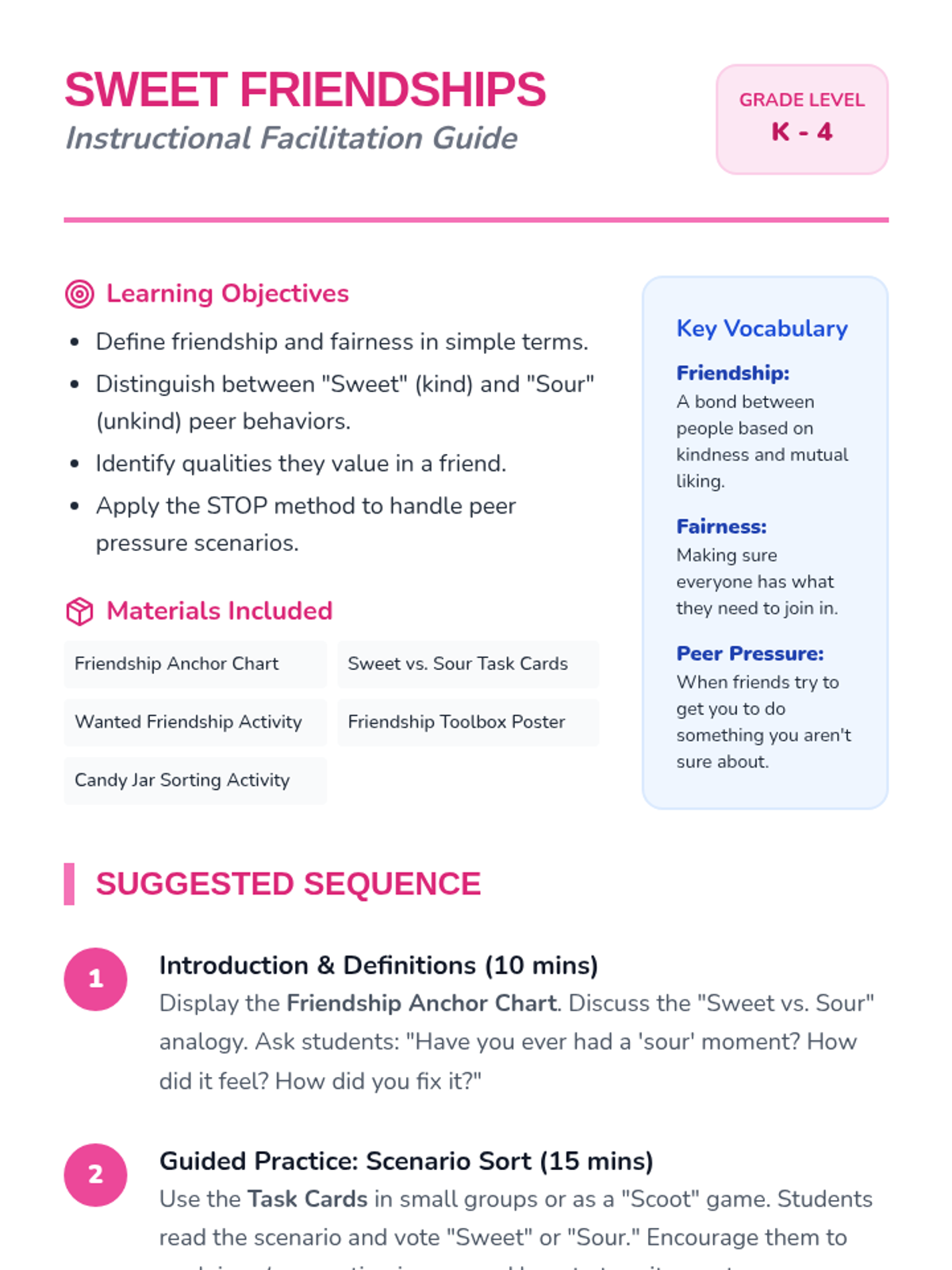
A comprehensive primary lesson focused on building positive relationships, understanding fairness, and developing social skills through interactive candy-themed activities.
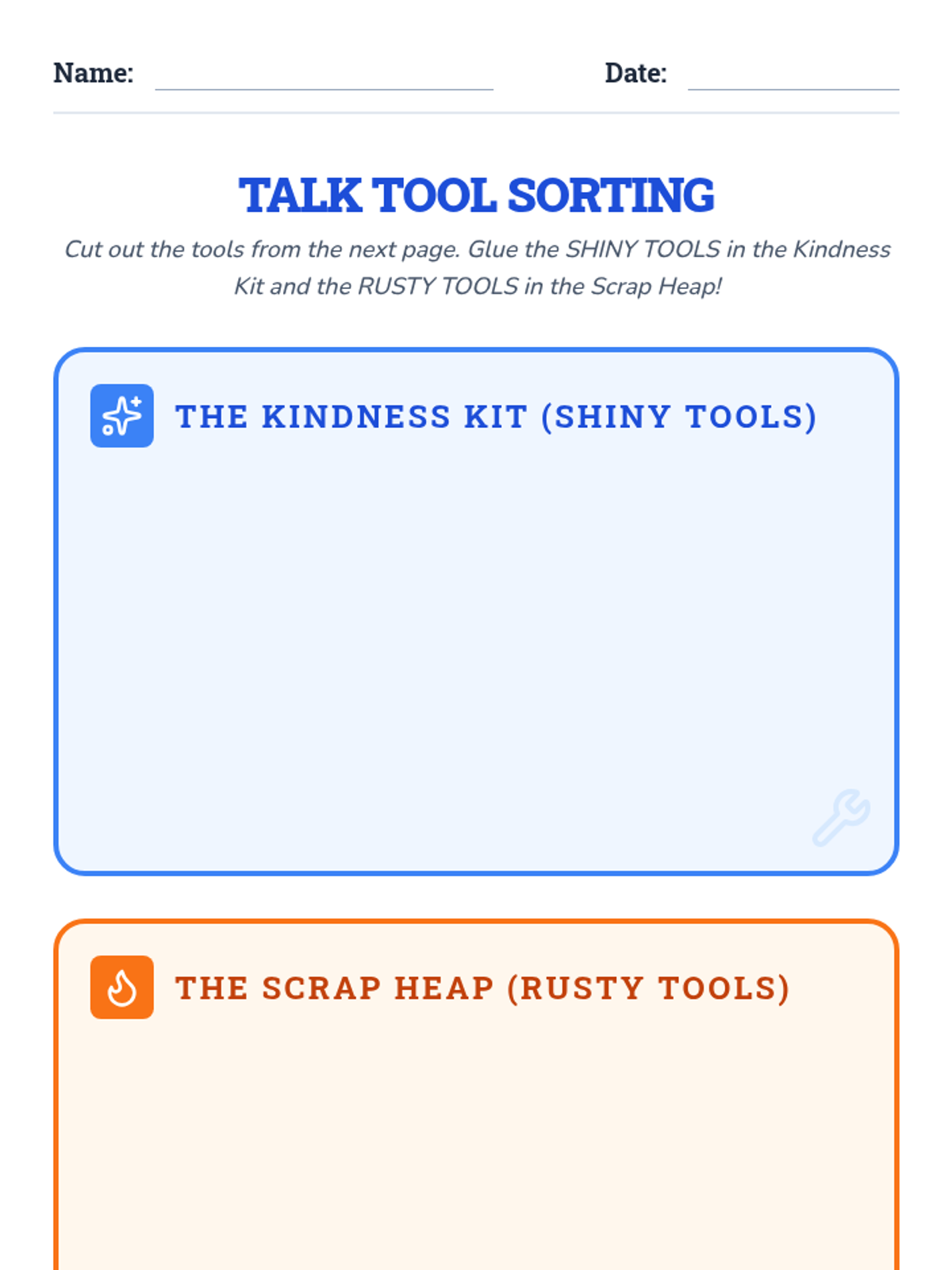
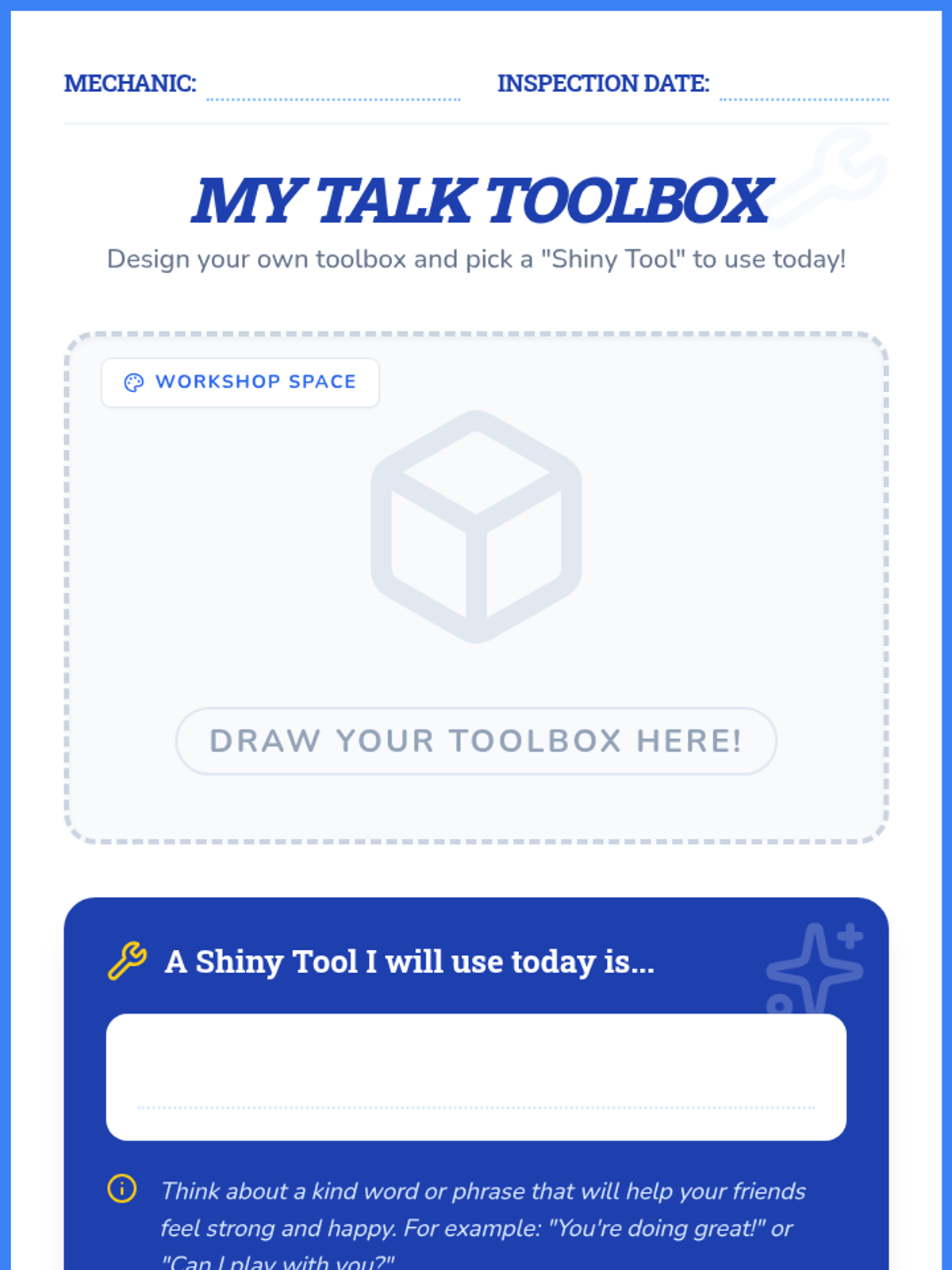
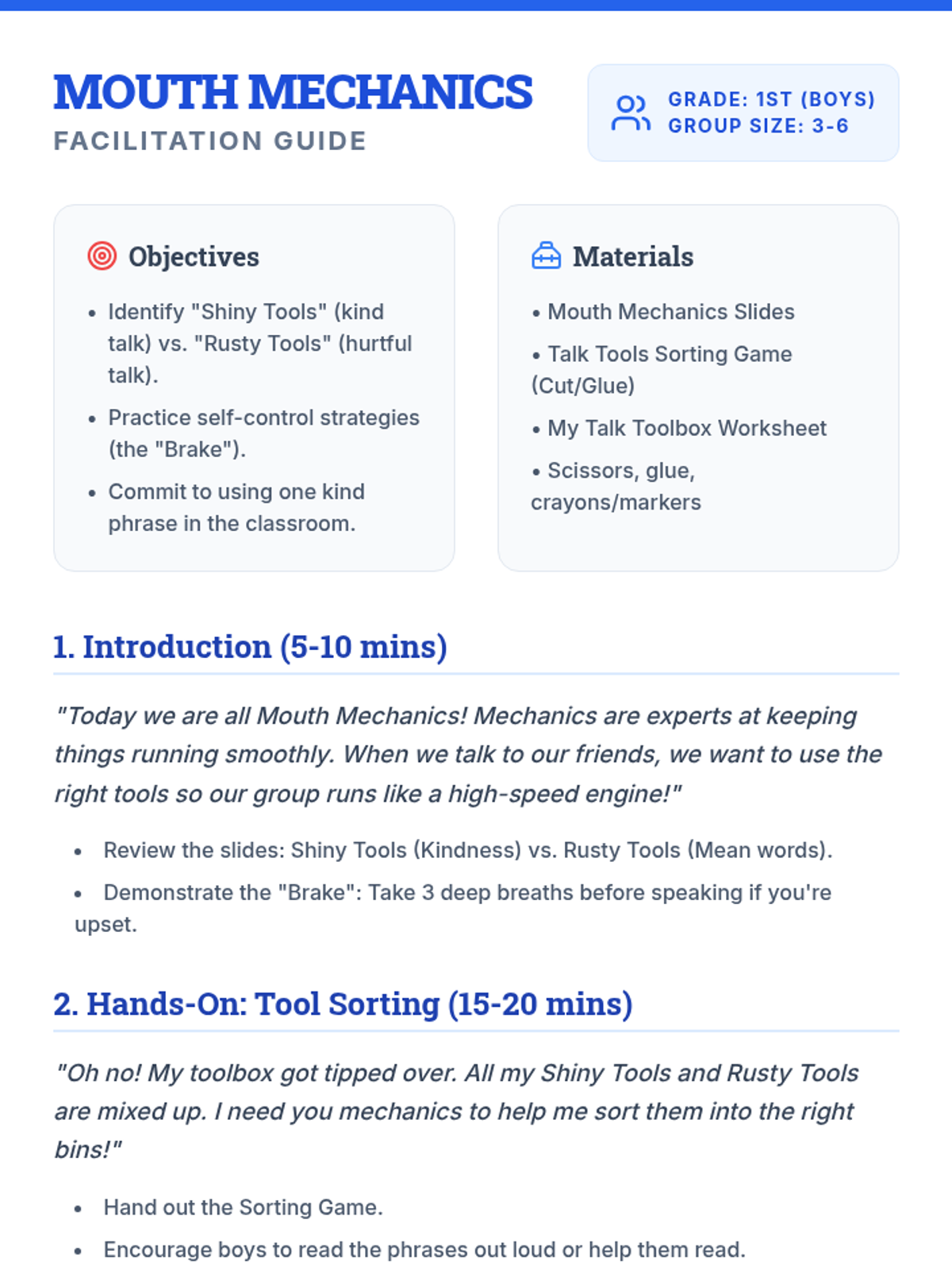
A small-group lesson for 1st-grade boys focused on developing self-control and respect through kind and appropriate talk. Students learn to distinguish between helpful and hurtful words using a 'toolbox' analogy.
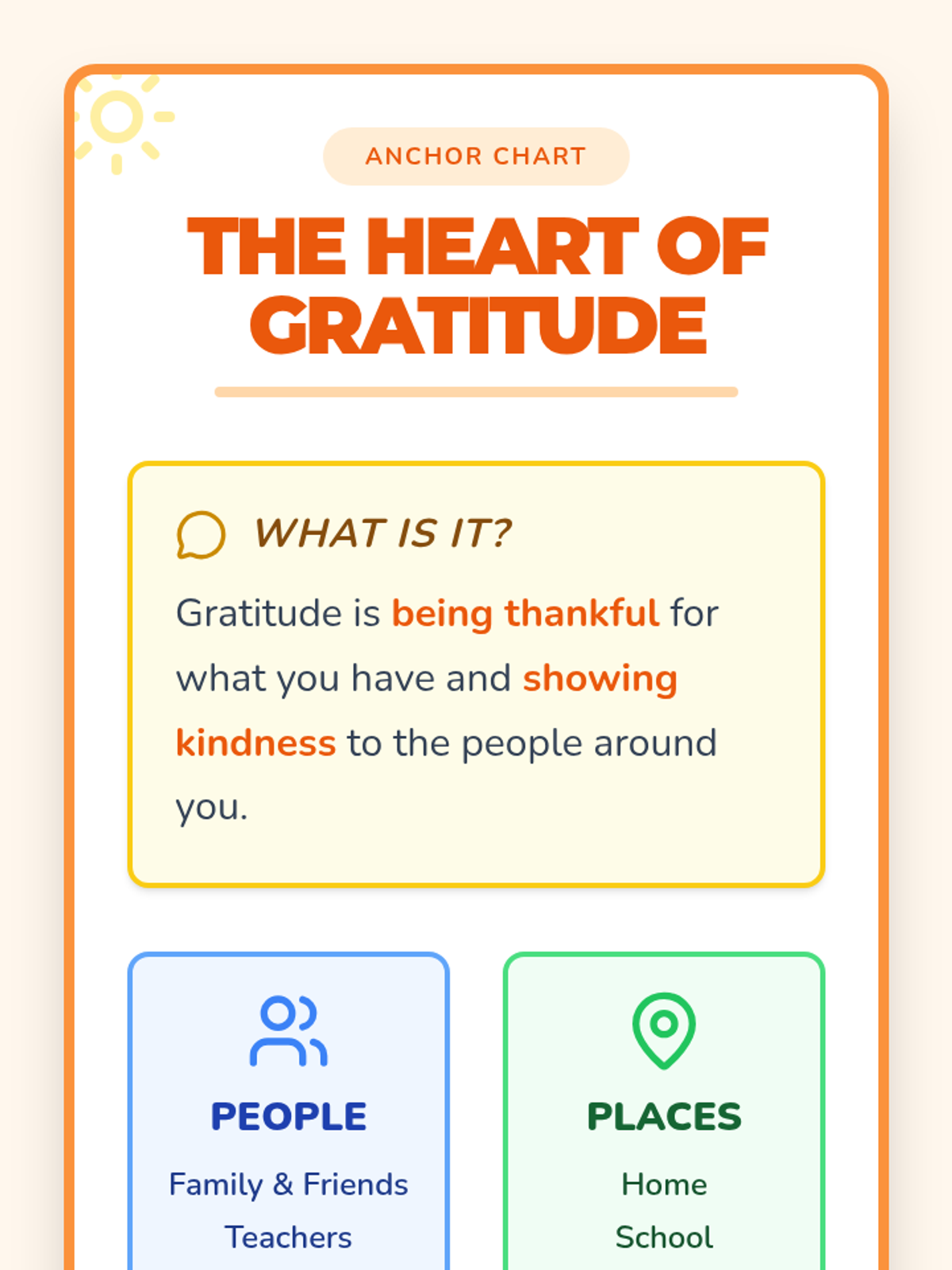
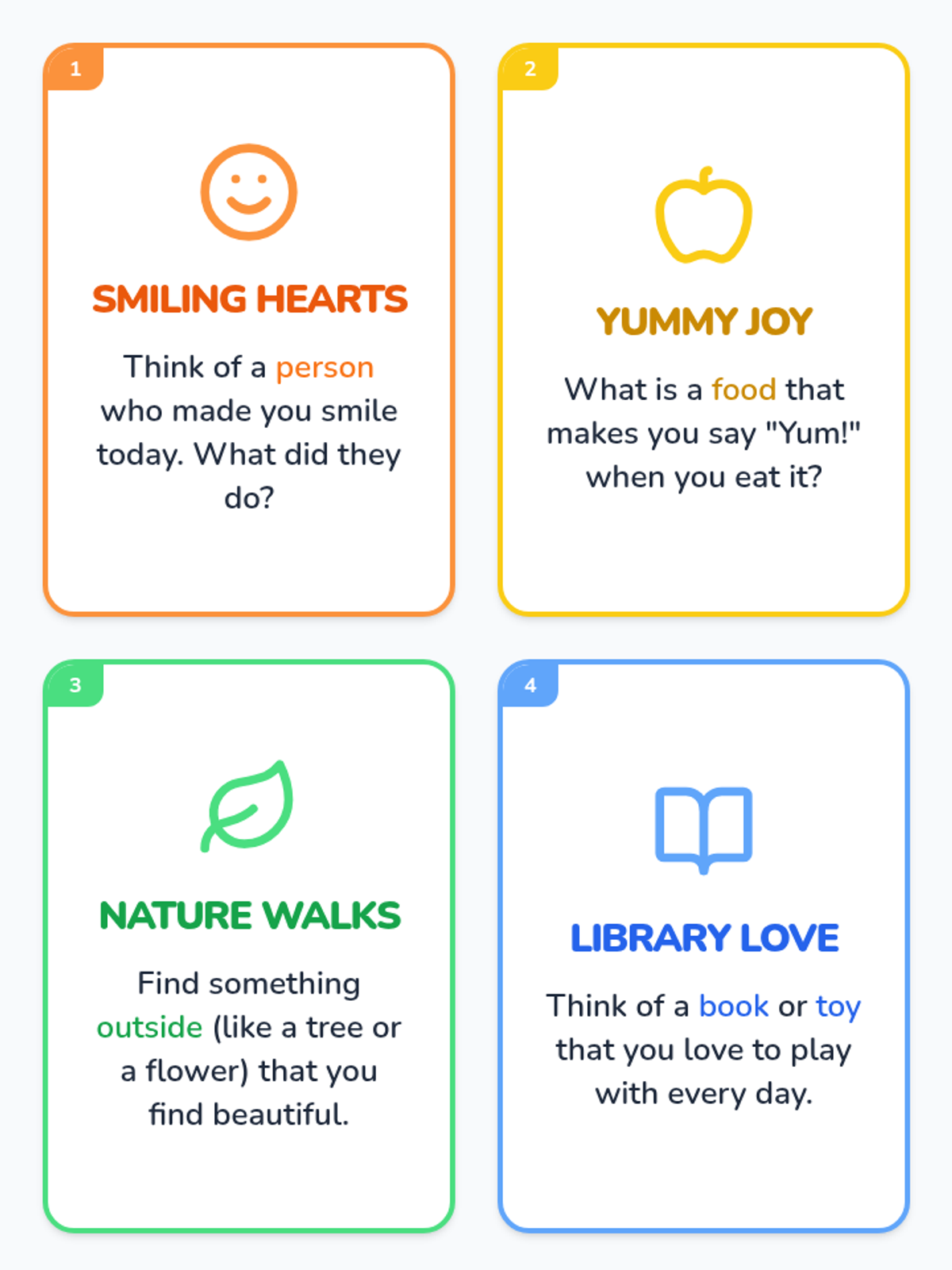
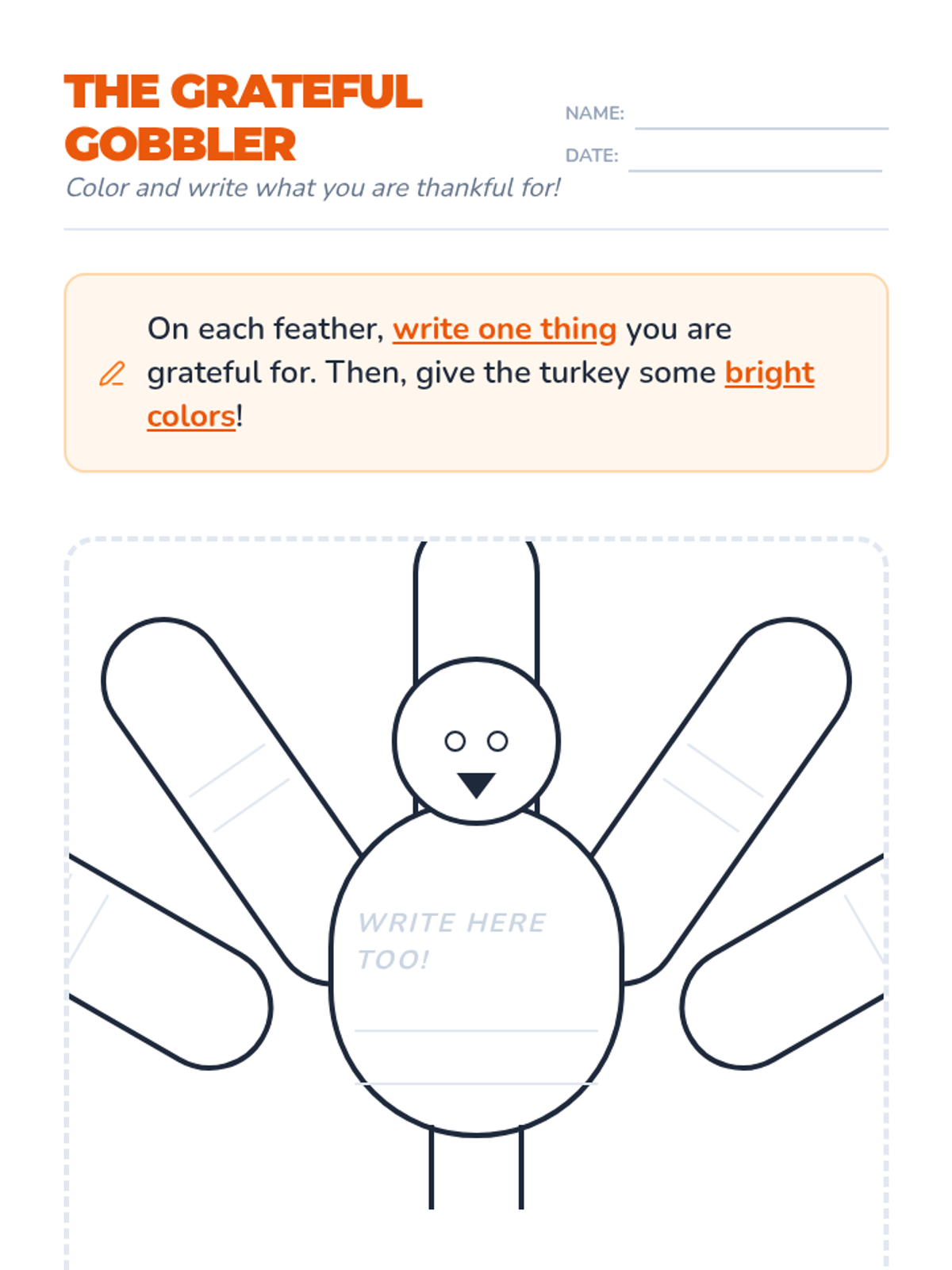
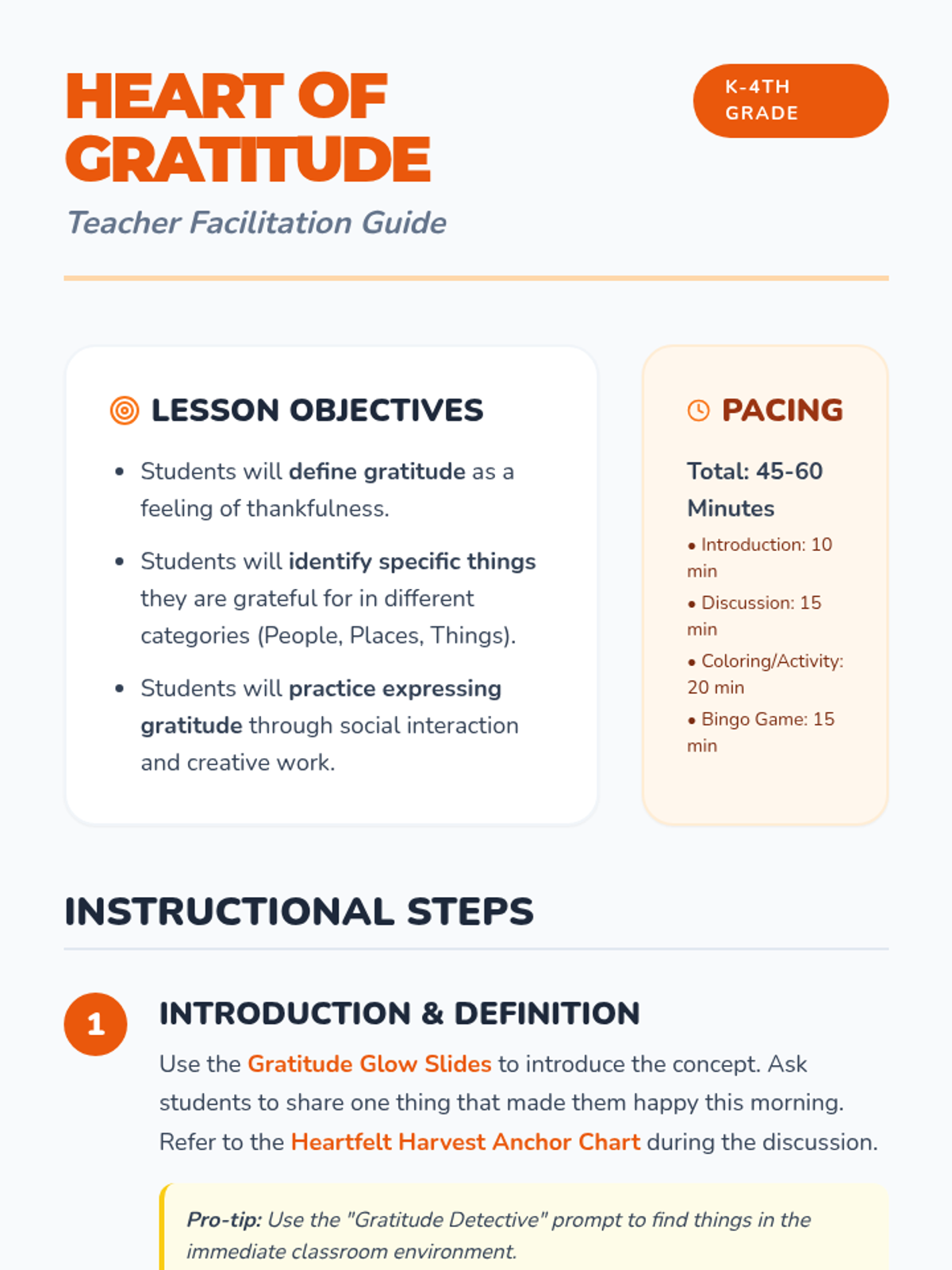
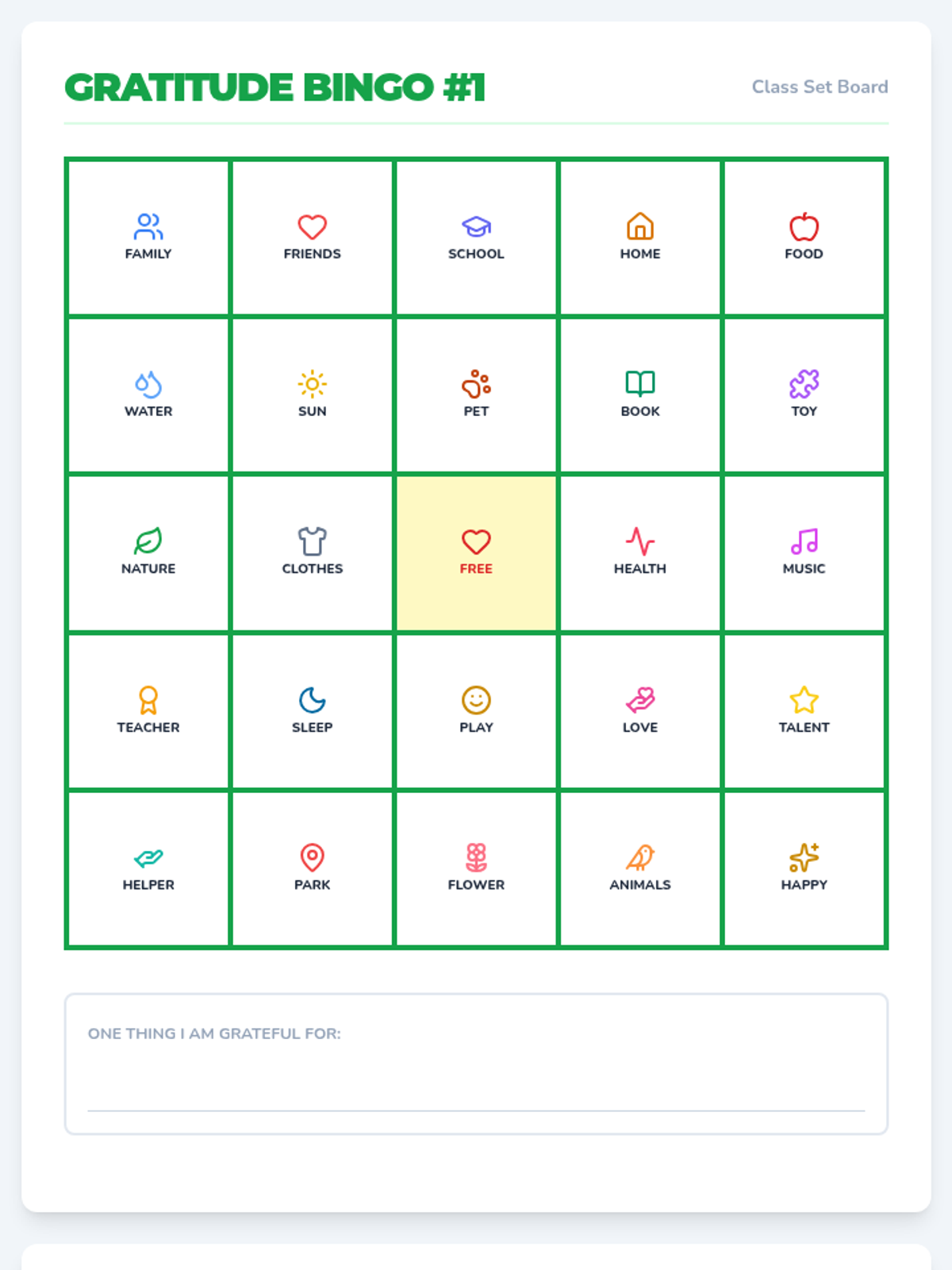
An introductory lesson on gratitude where students define the concept, engage in a visual anchor chart activity, and play a classroom-wide game of Gratitude Bingo.
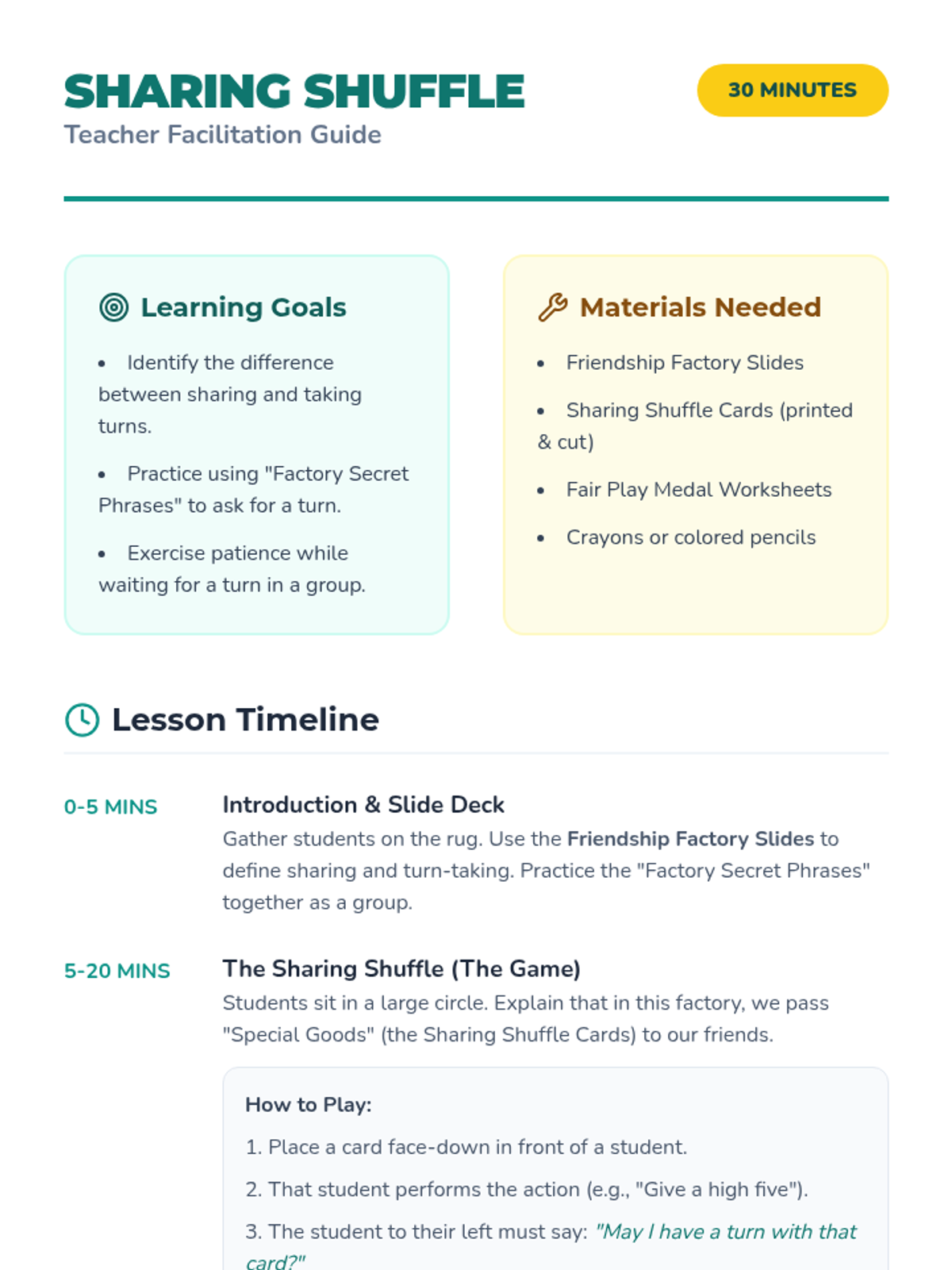
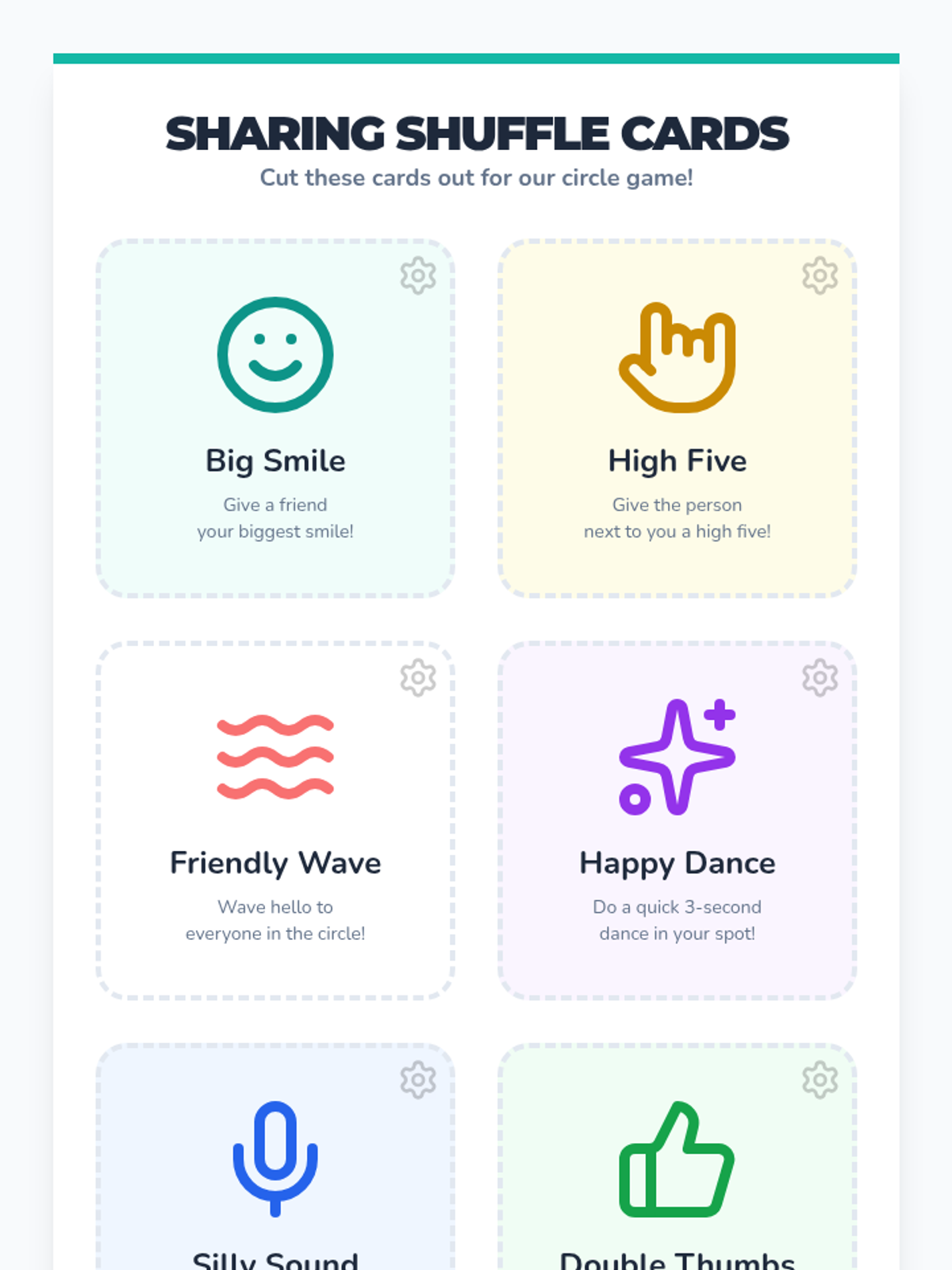
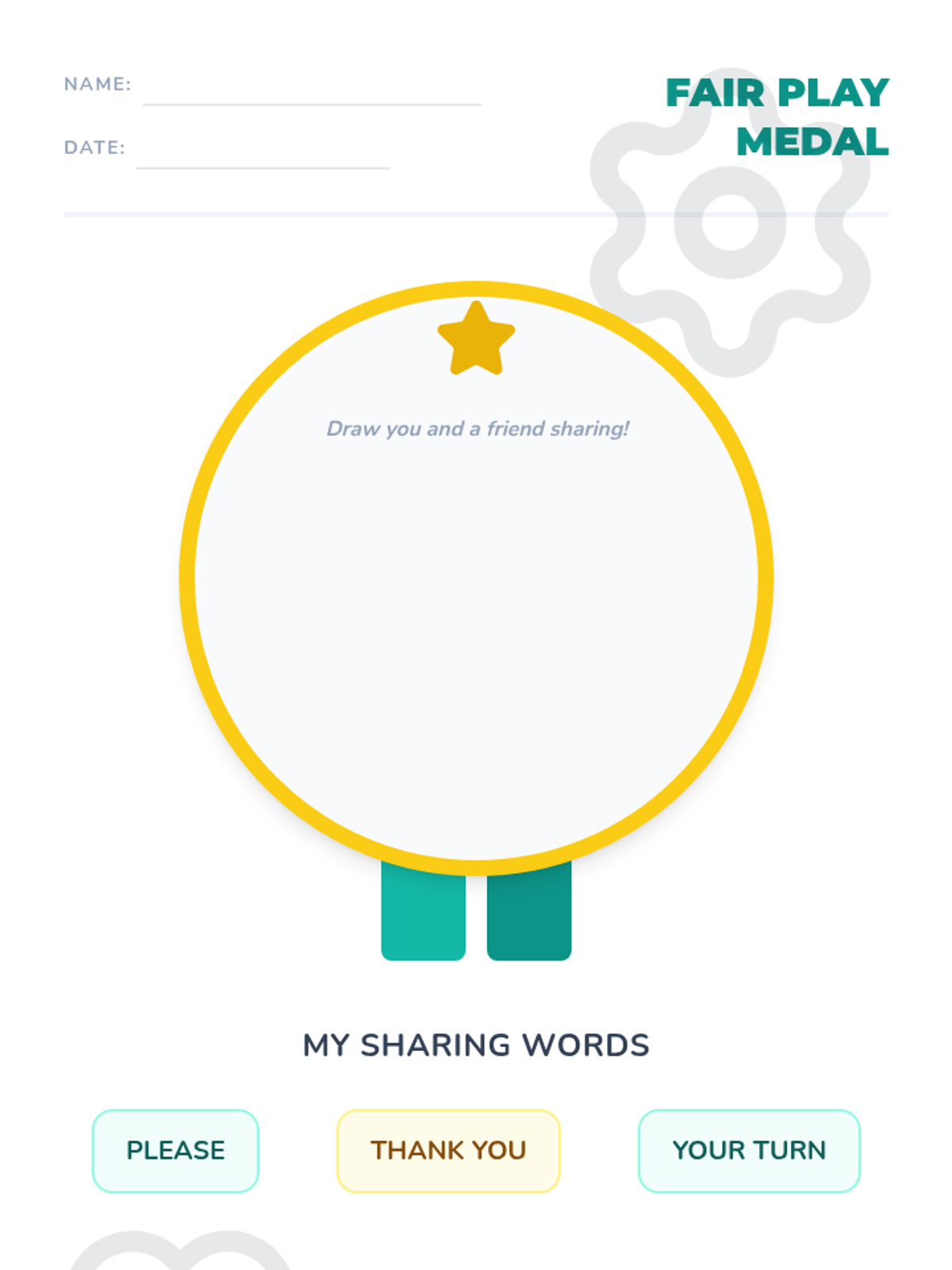
A 30-minute interactive lesson for Kindergarteners focusing on the fundamentals of sharing and taking turns through a whole-class circle game. Students practice using polite phrases and waiting for their turn in a supportive, factory-themed environment.
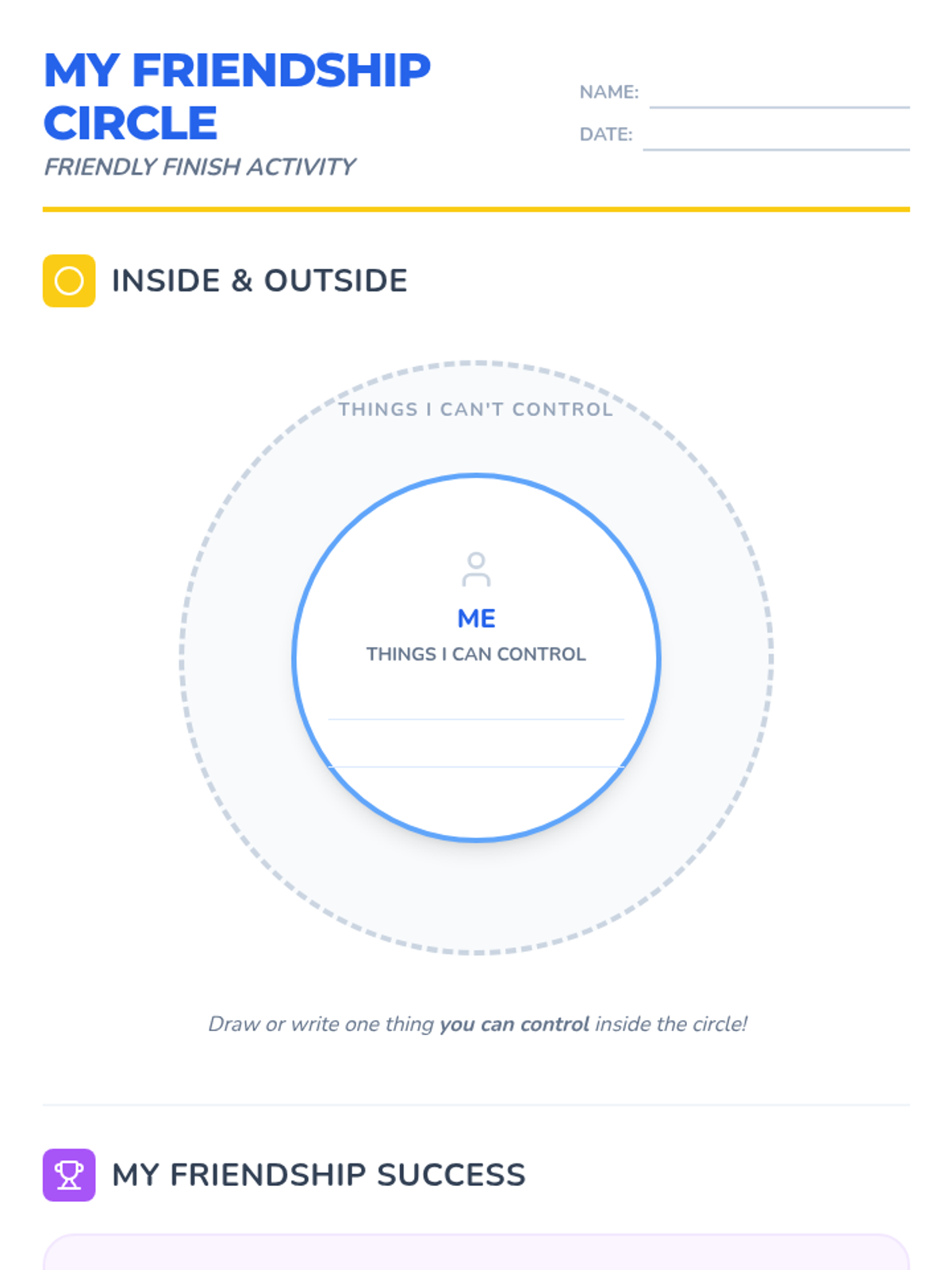
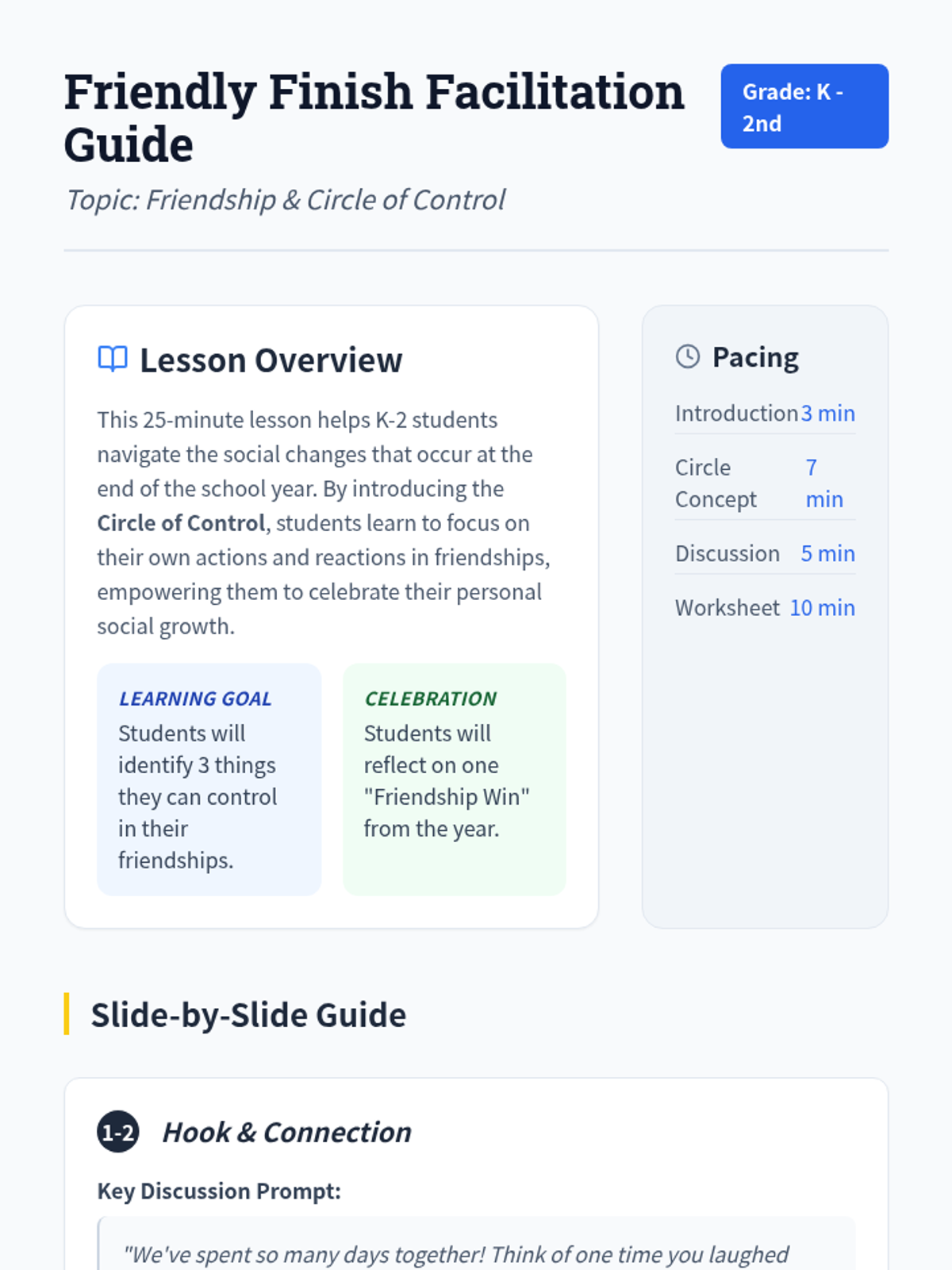
An end-of-year lesson for K-2 students focused on navigating social interactions using the Circle of Control and celebrating friendship growth. Students will learn what they can influence in their friendships and reflect on their social successes throughout the year.
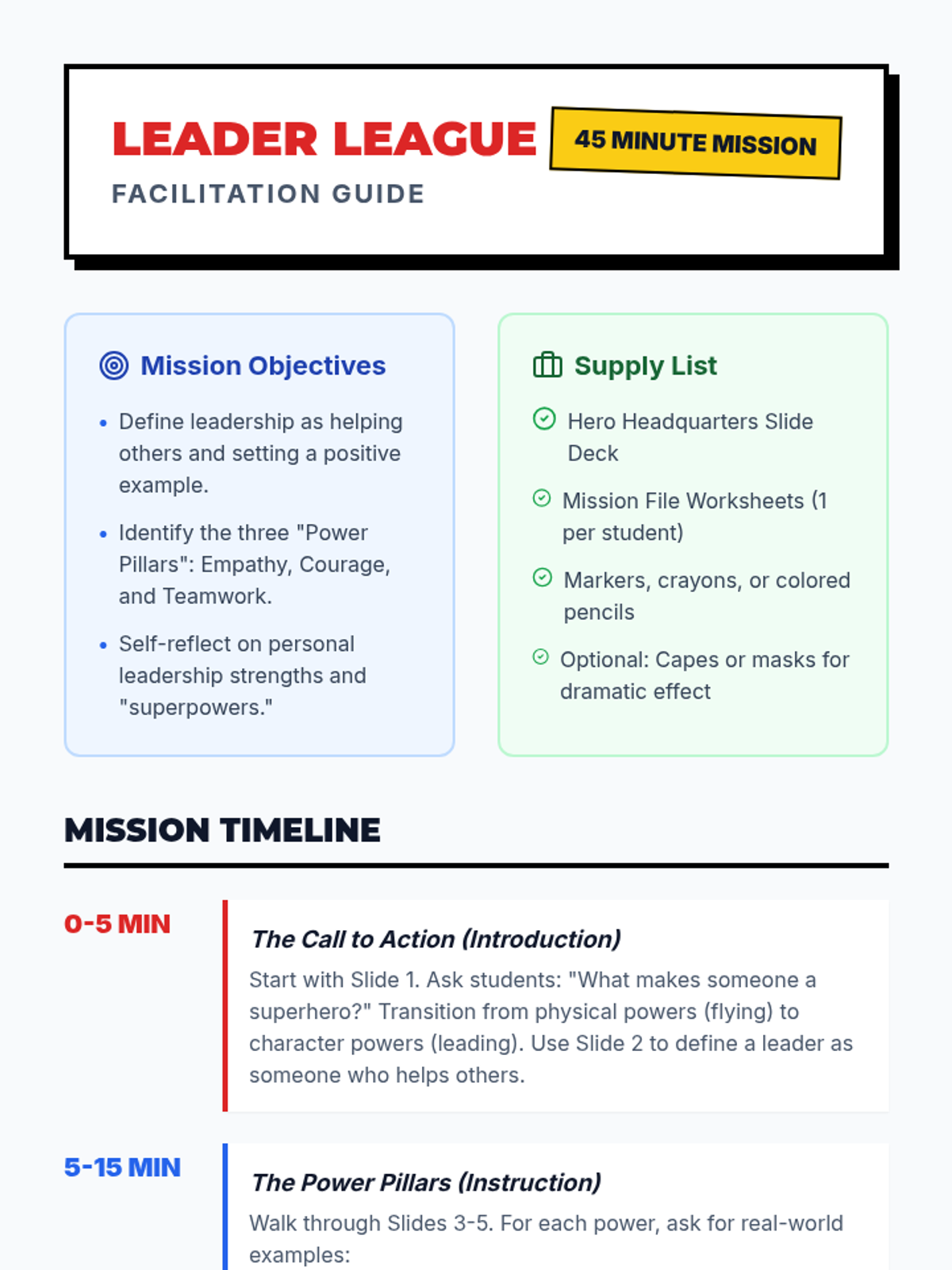
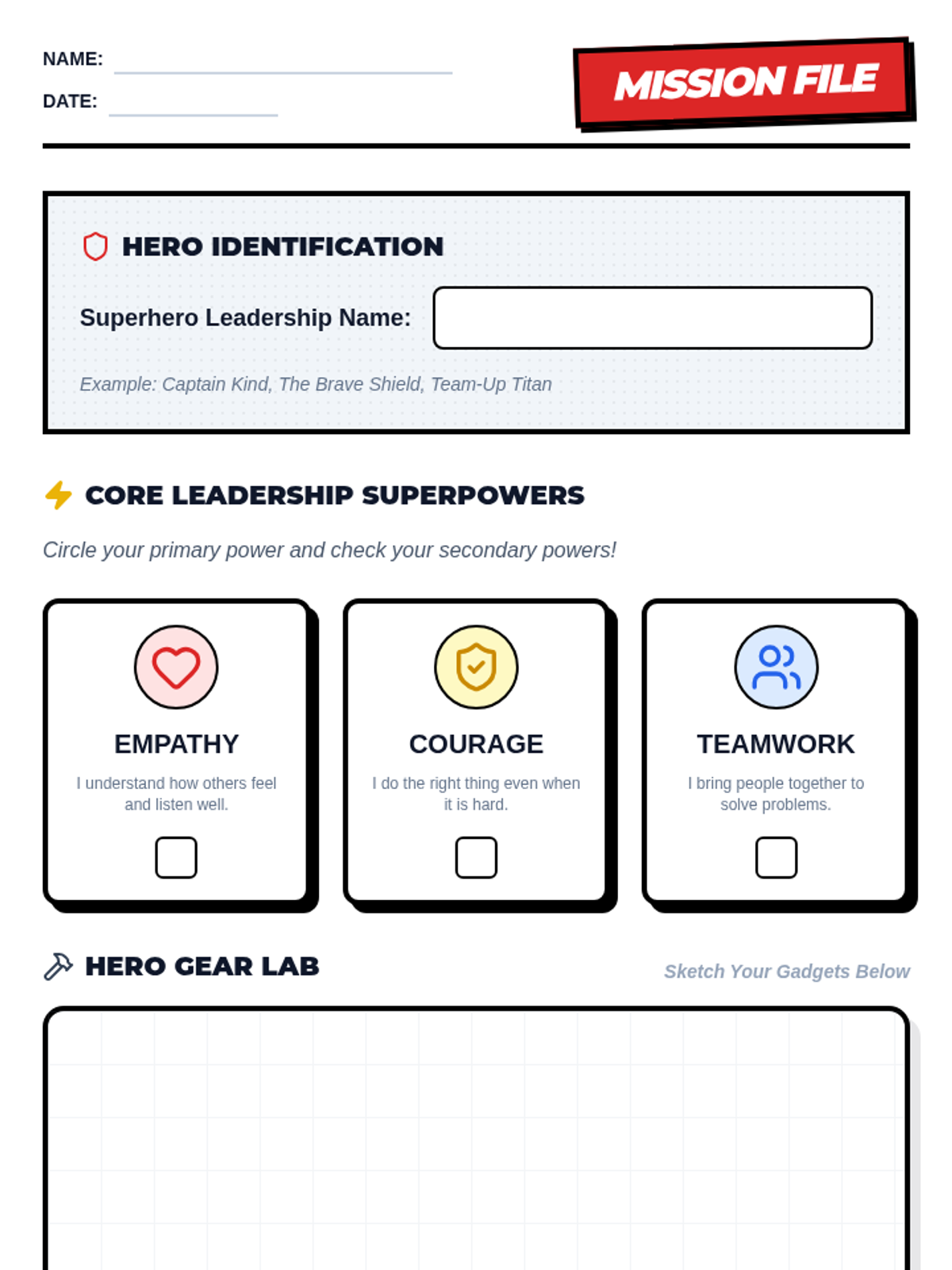
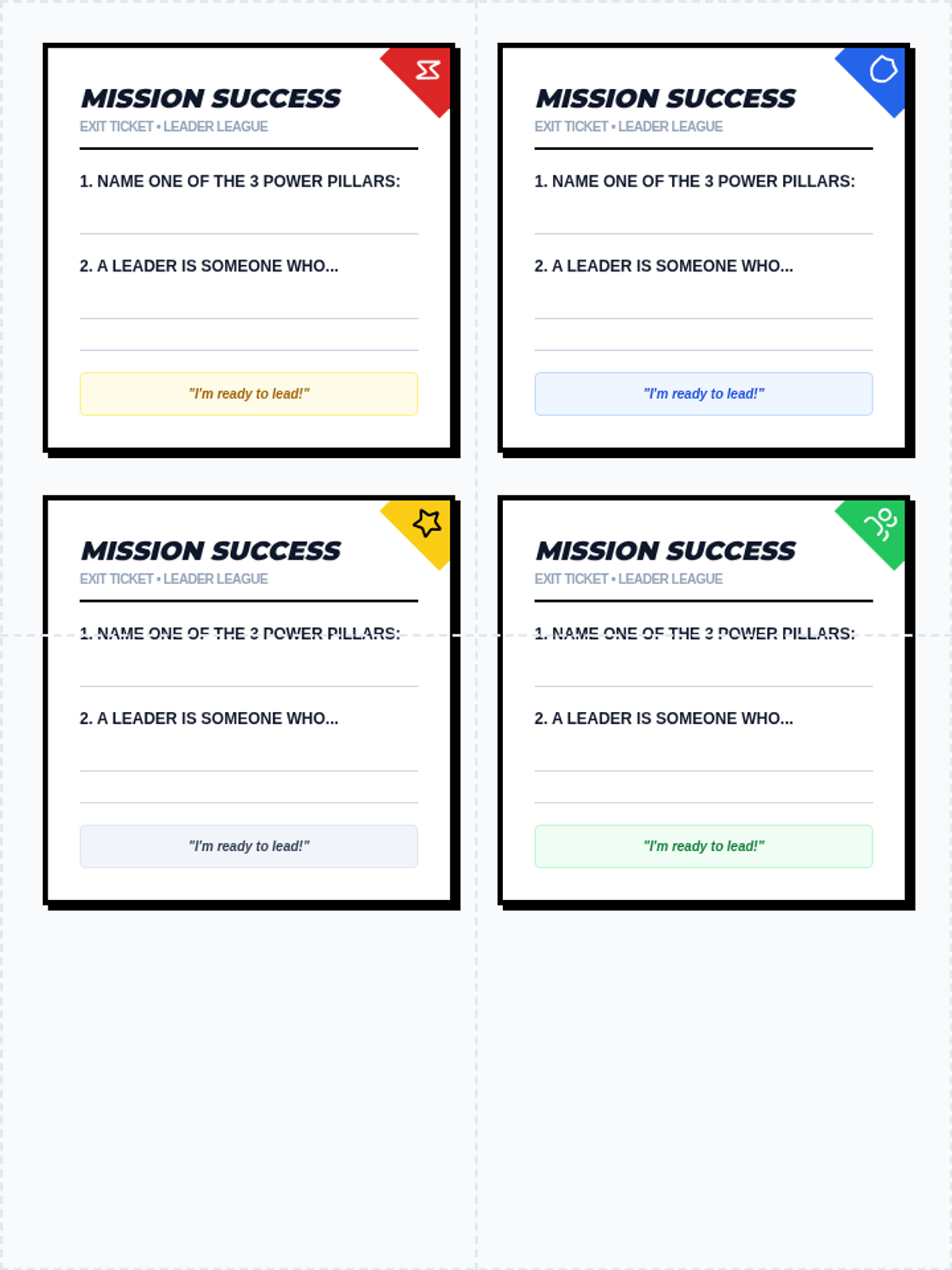
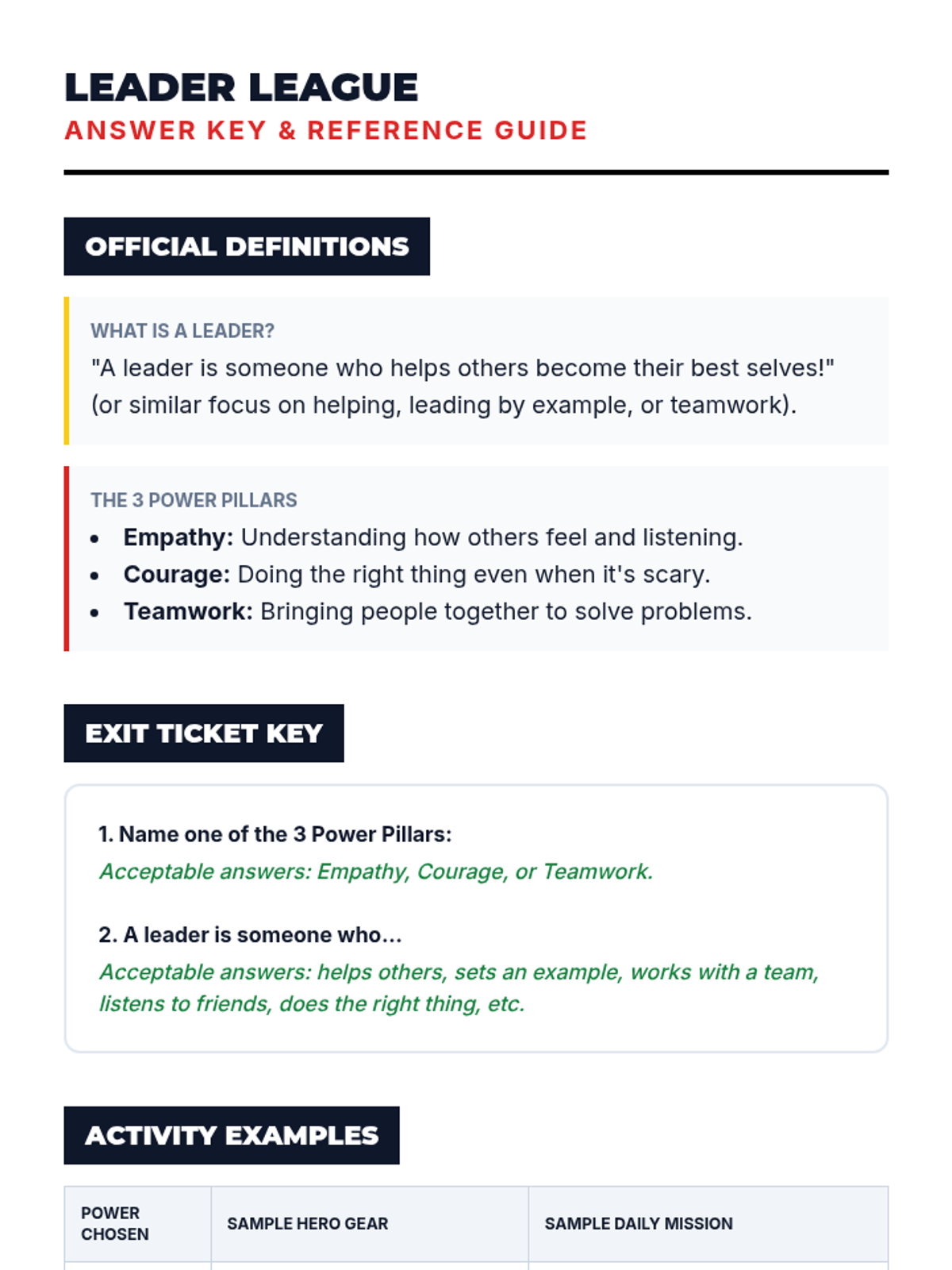
Students explore core leadership qualities through the lens of superheroes, identifying their own unique leadership 'superpowers' and learning how to lead with empathy, courage, and teamwork.
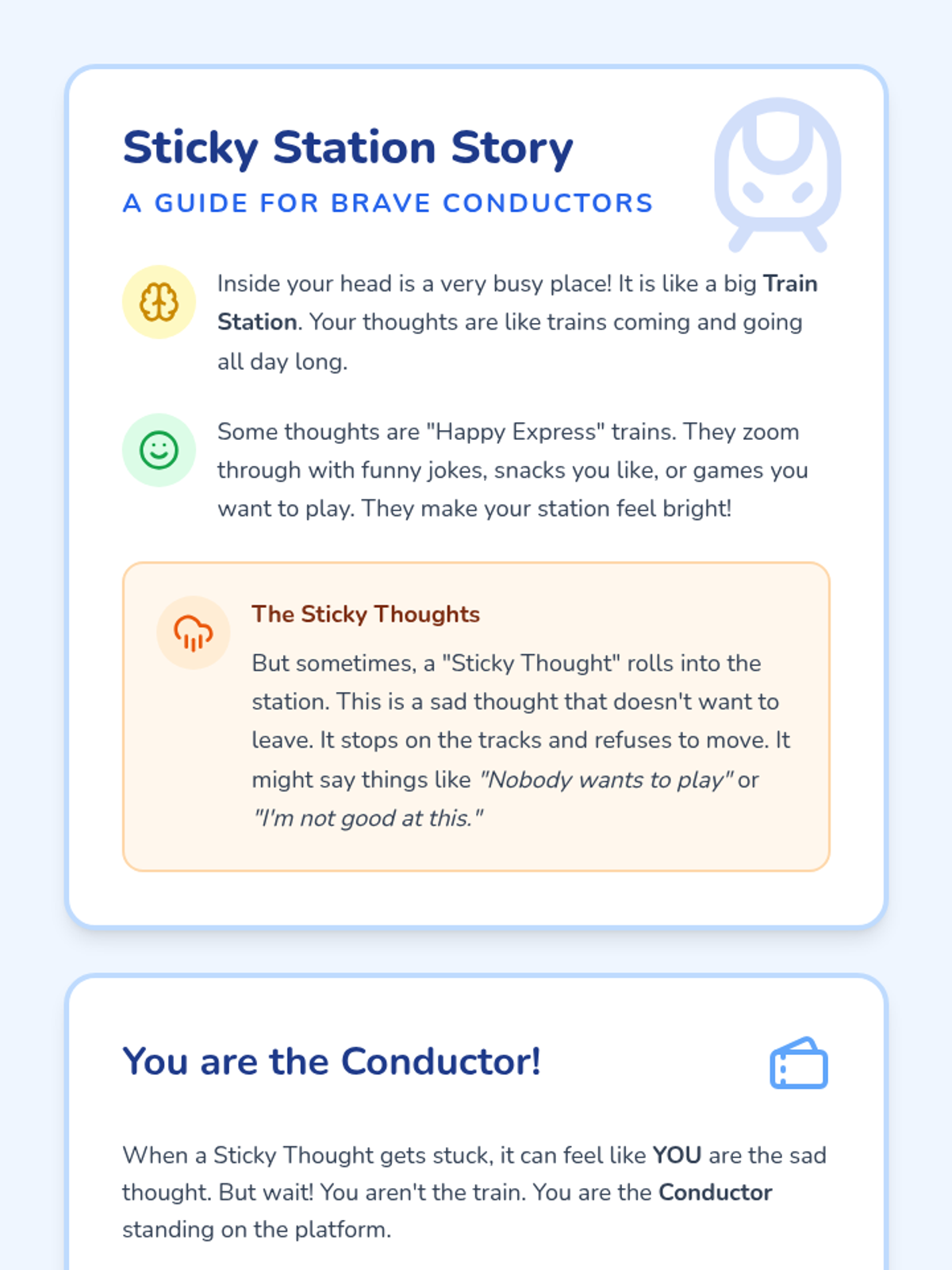
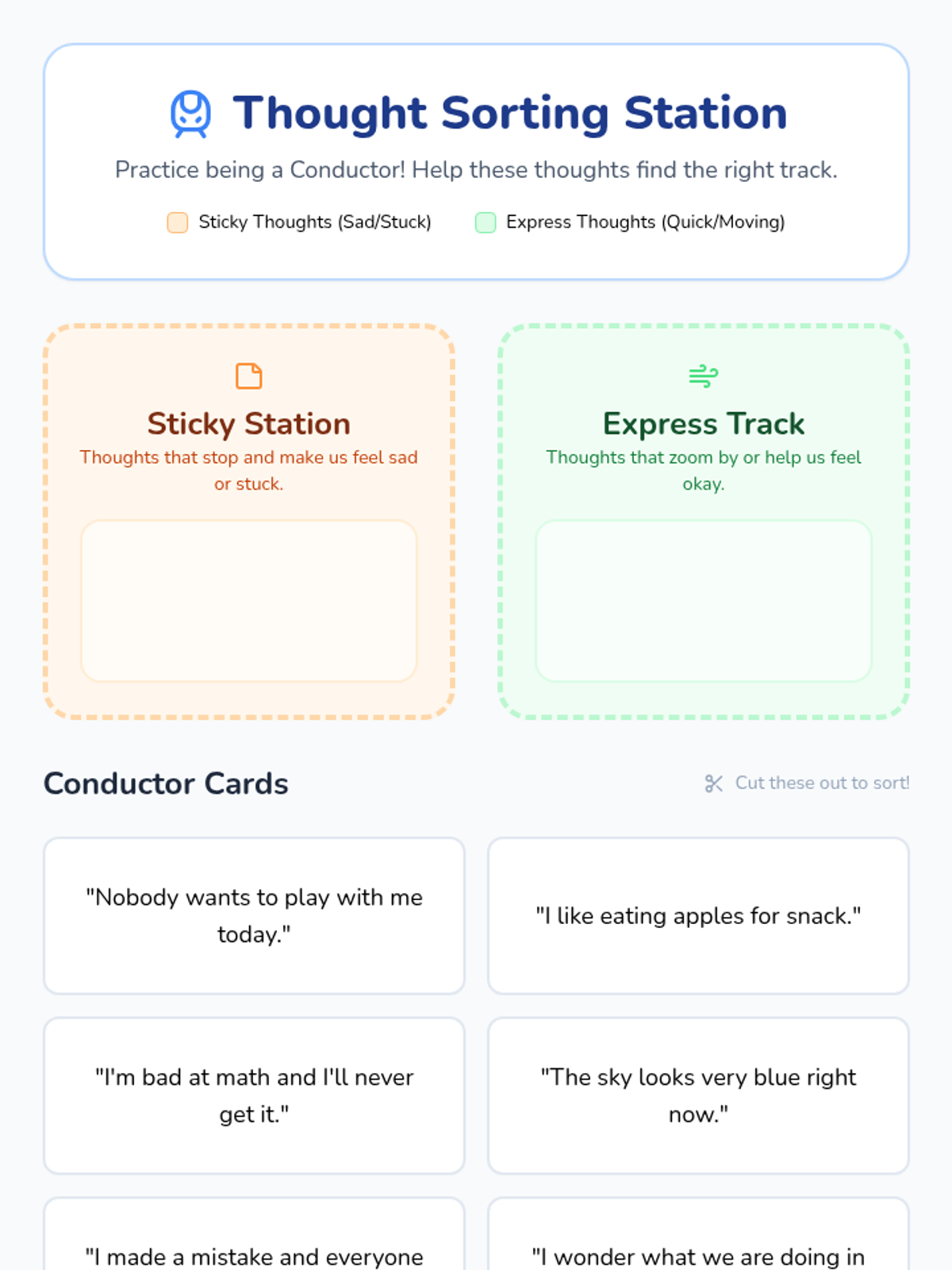
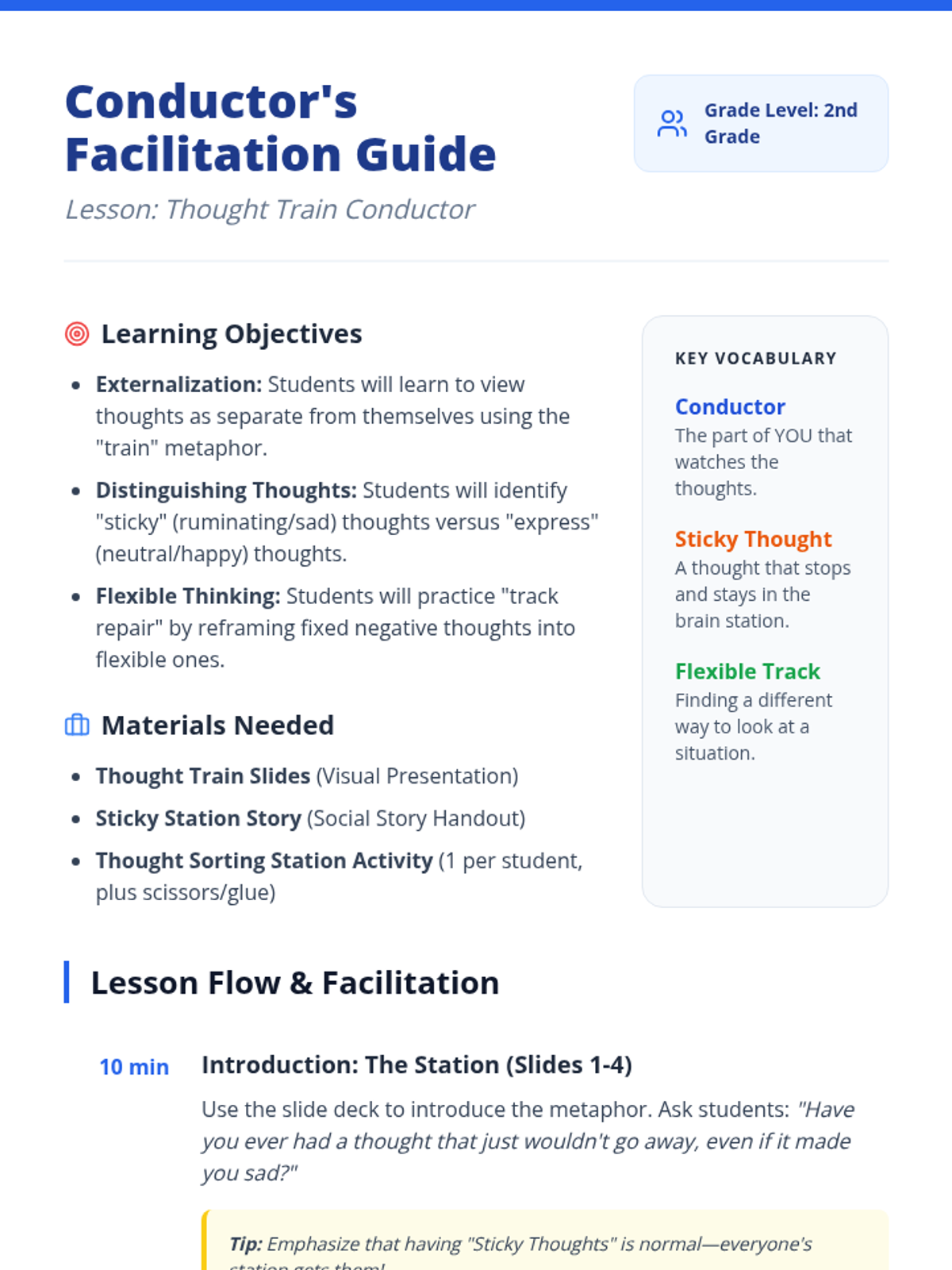
A lesson designed for 2nd graders to manage ruminating sad thoughts using externalization (thought distancing) and flexible thinking through the metaphor of a 'Thought Train'.
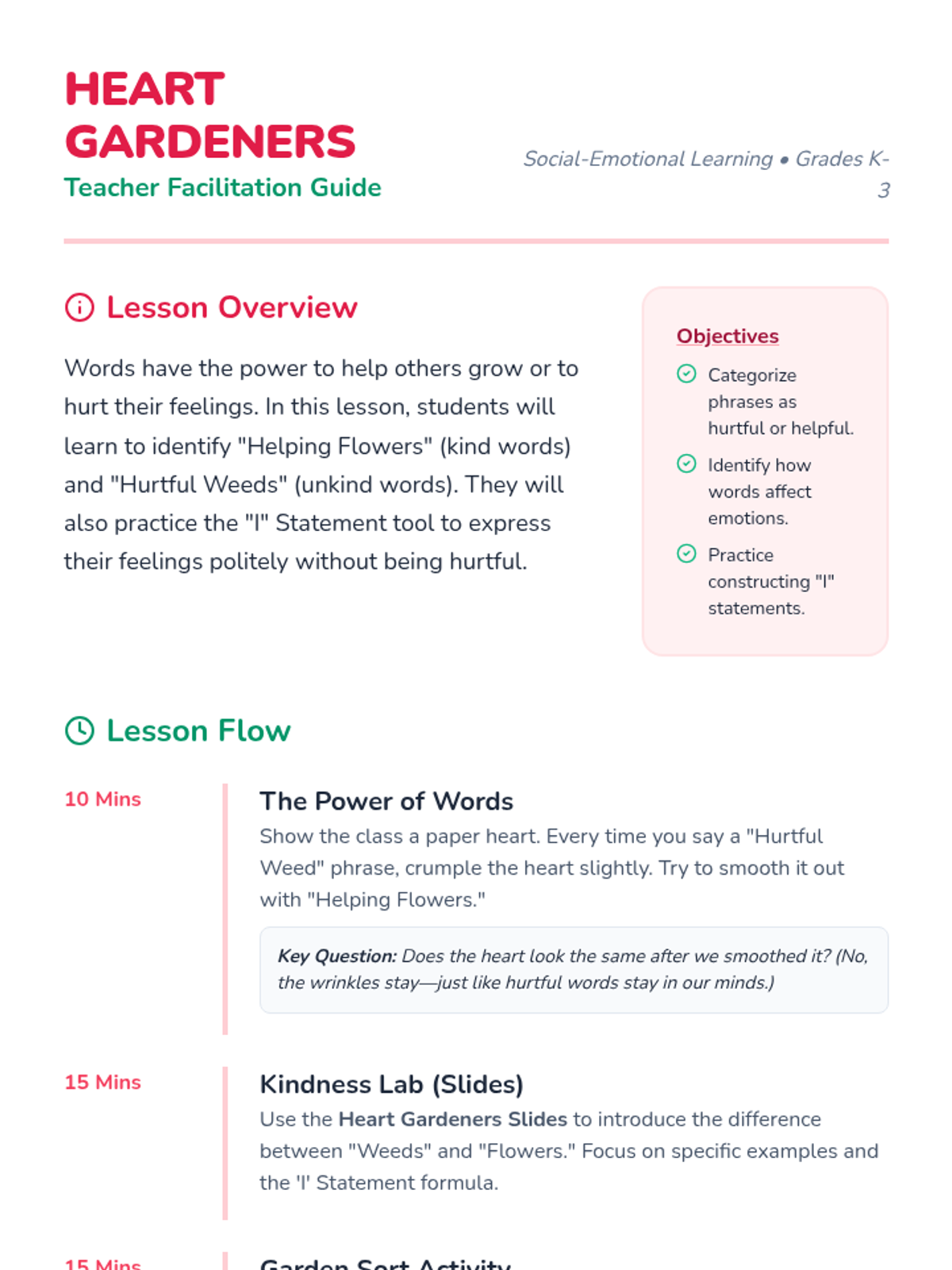
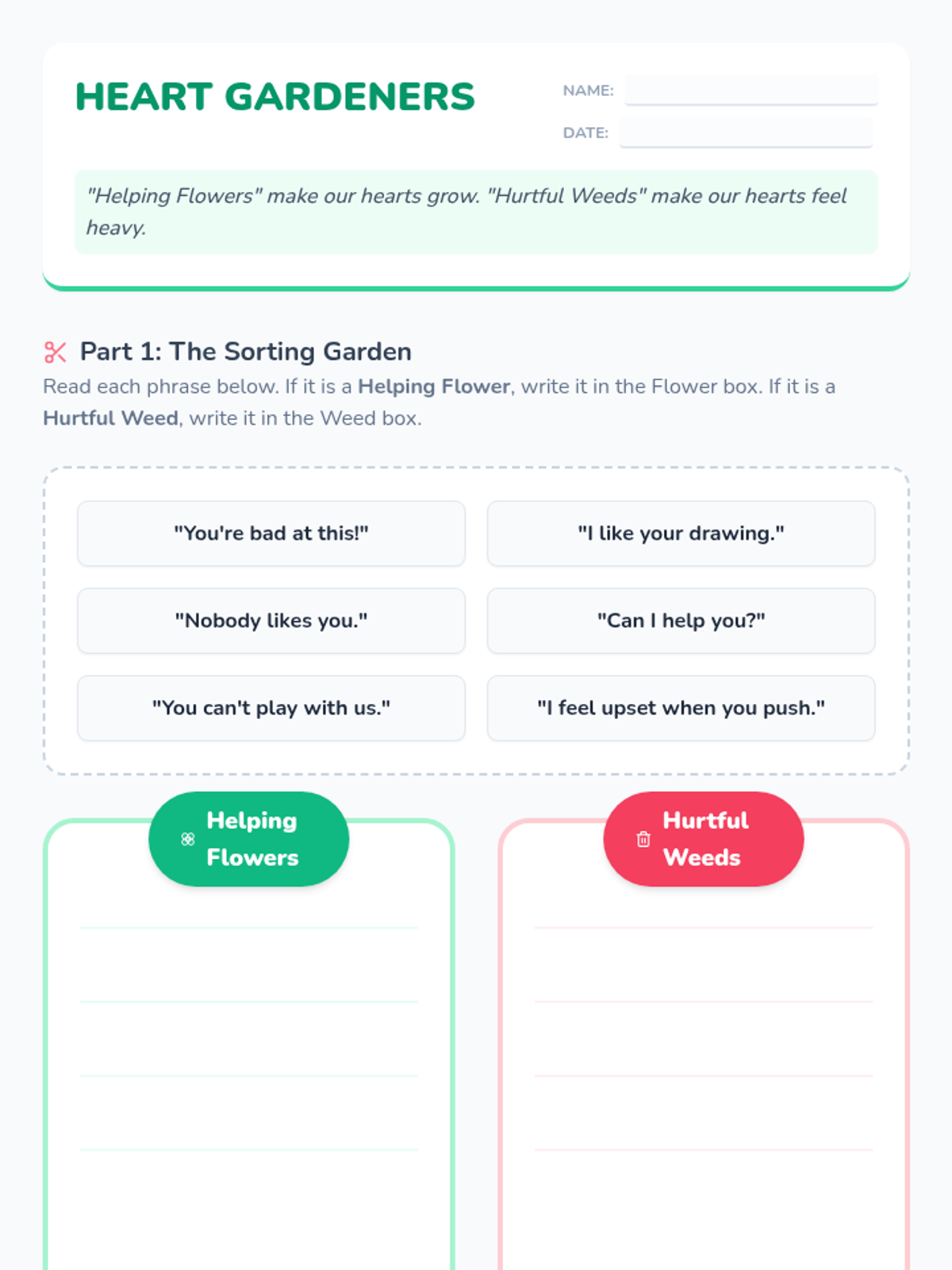
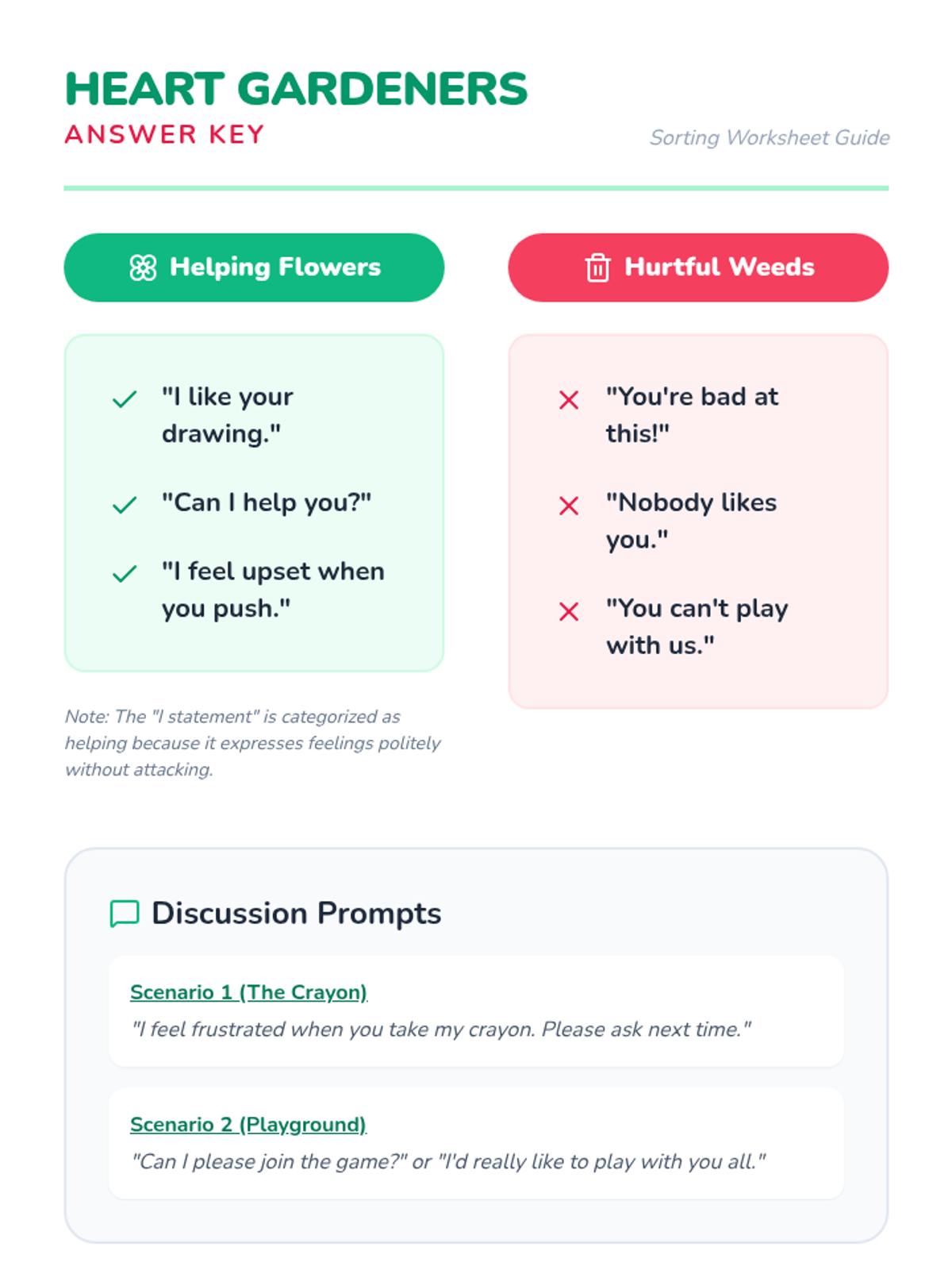
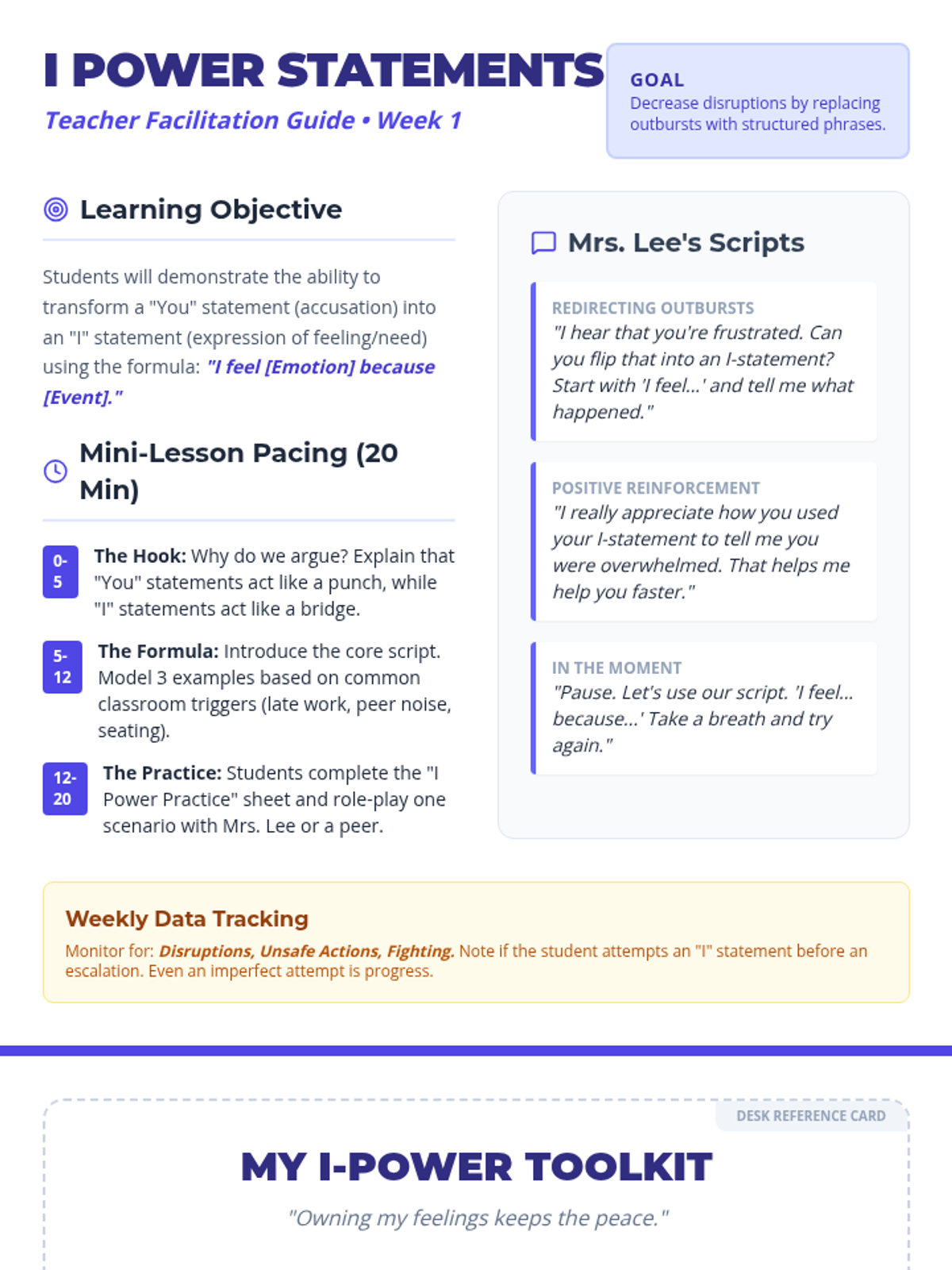
An SEL lesson focused on distinguishing between hurtful and helpful language, introducing 'I' statements to manage emotions and maintain positive relationships.
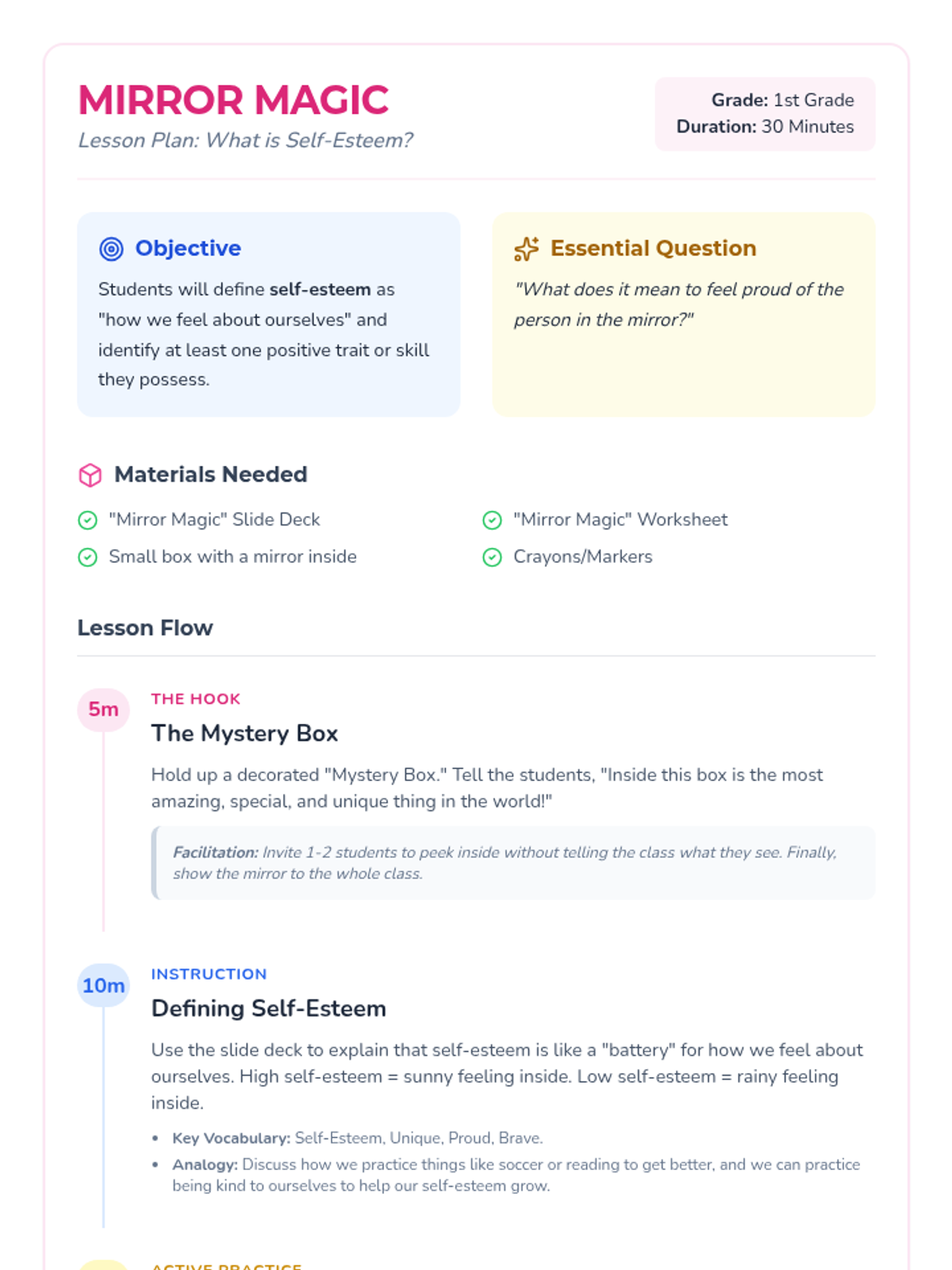
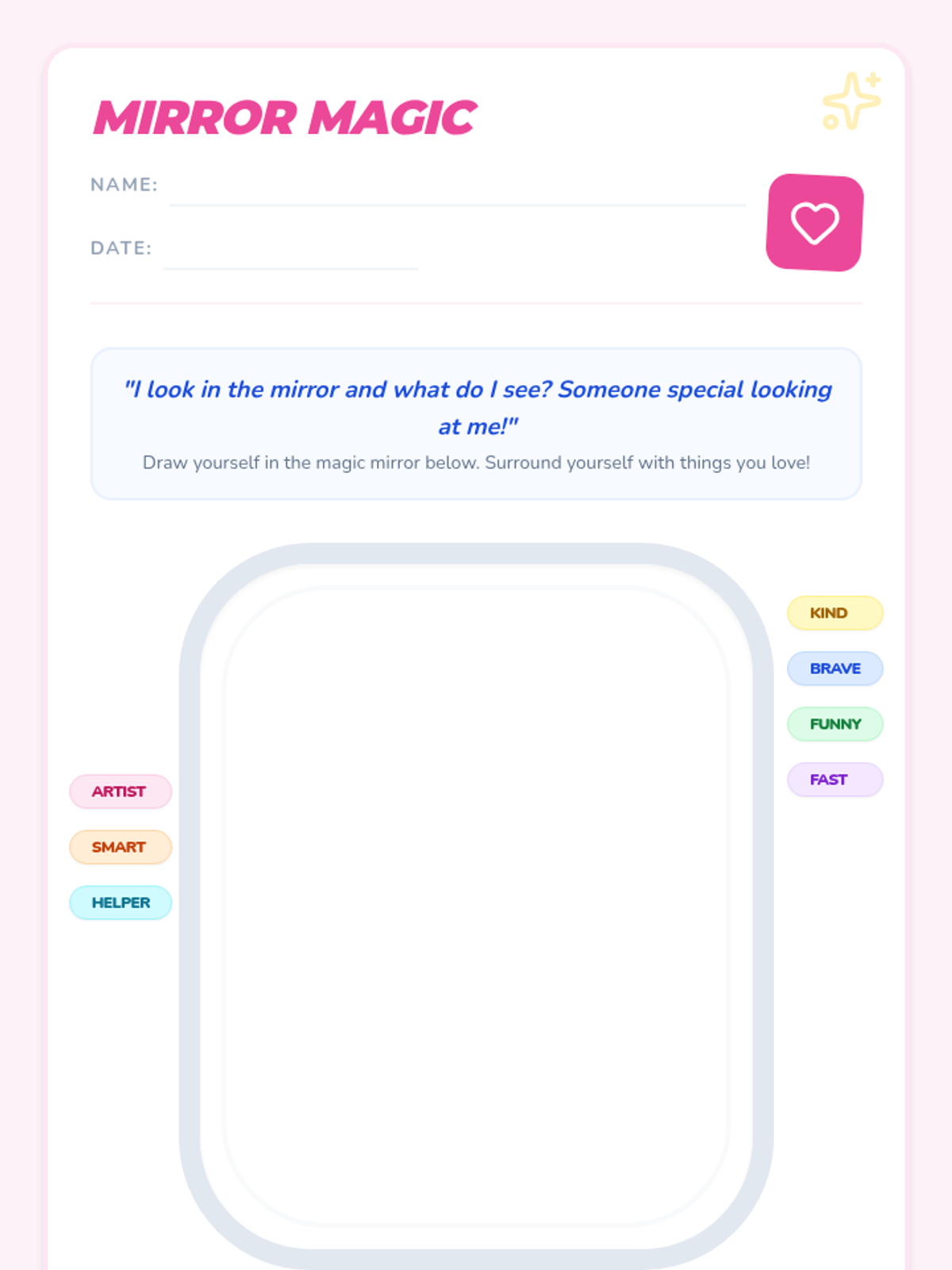
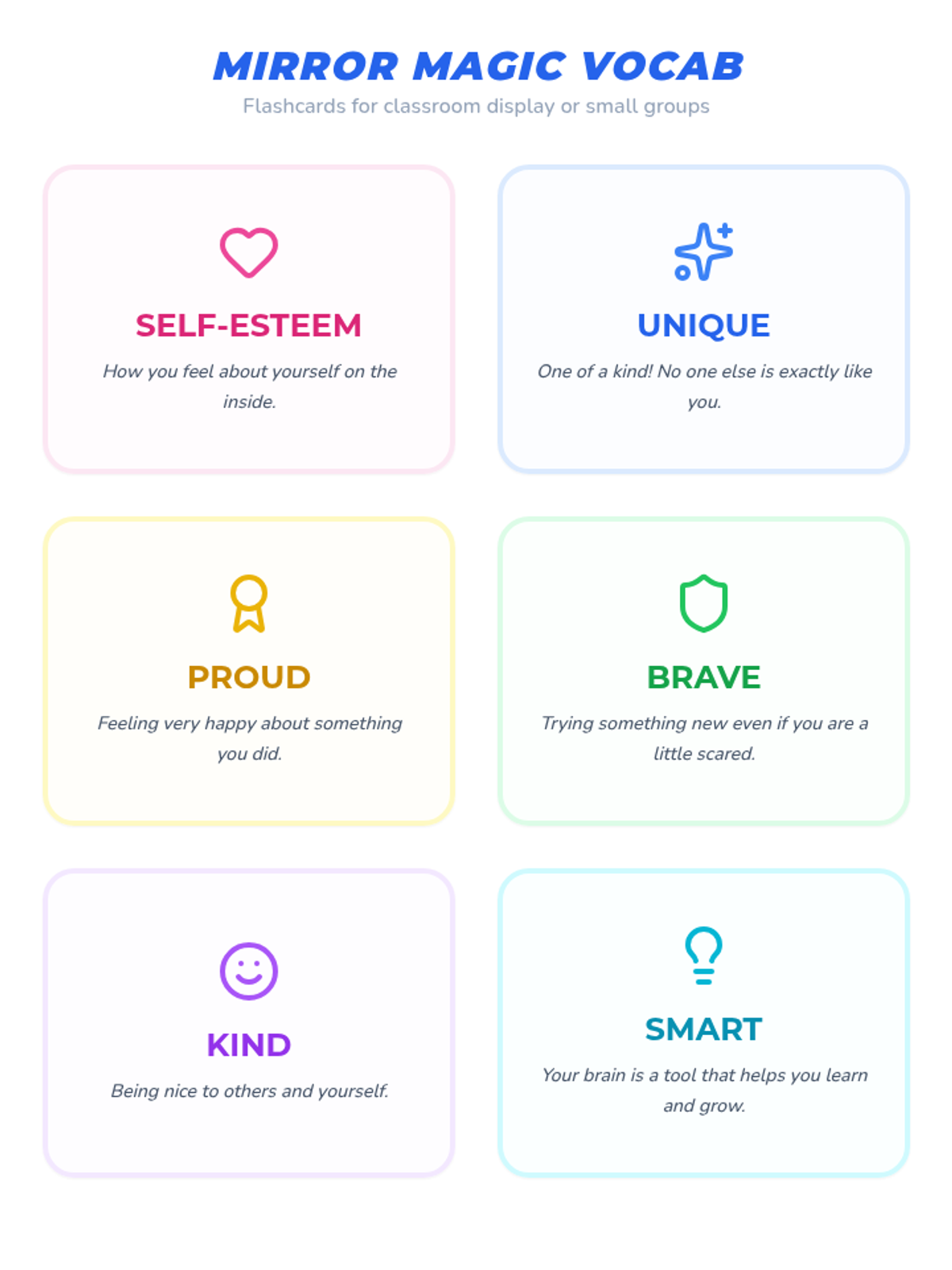
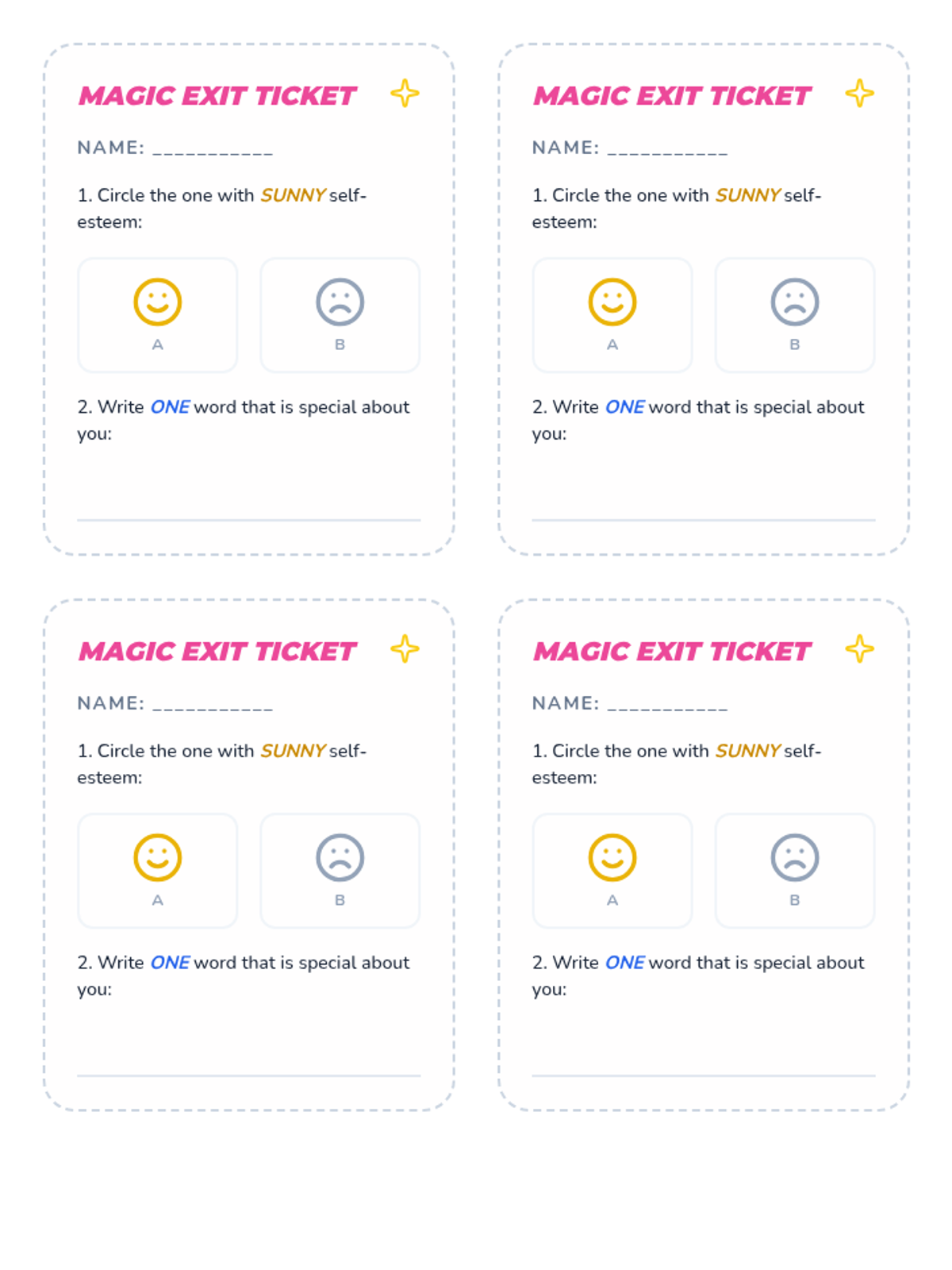
A 30-minute introduction to self-esteem for 1st graders, focusing on understanding what it means to feel good about yourself and identifying personal strengths through the theme of 'Mirror Magic'.
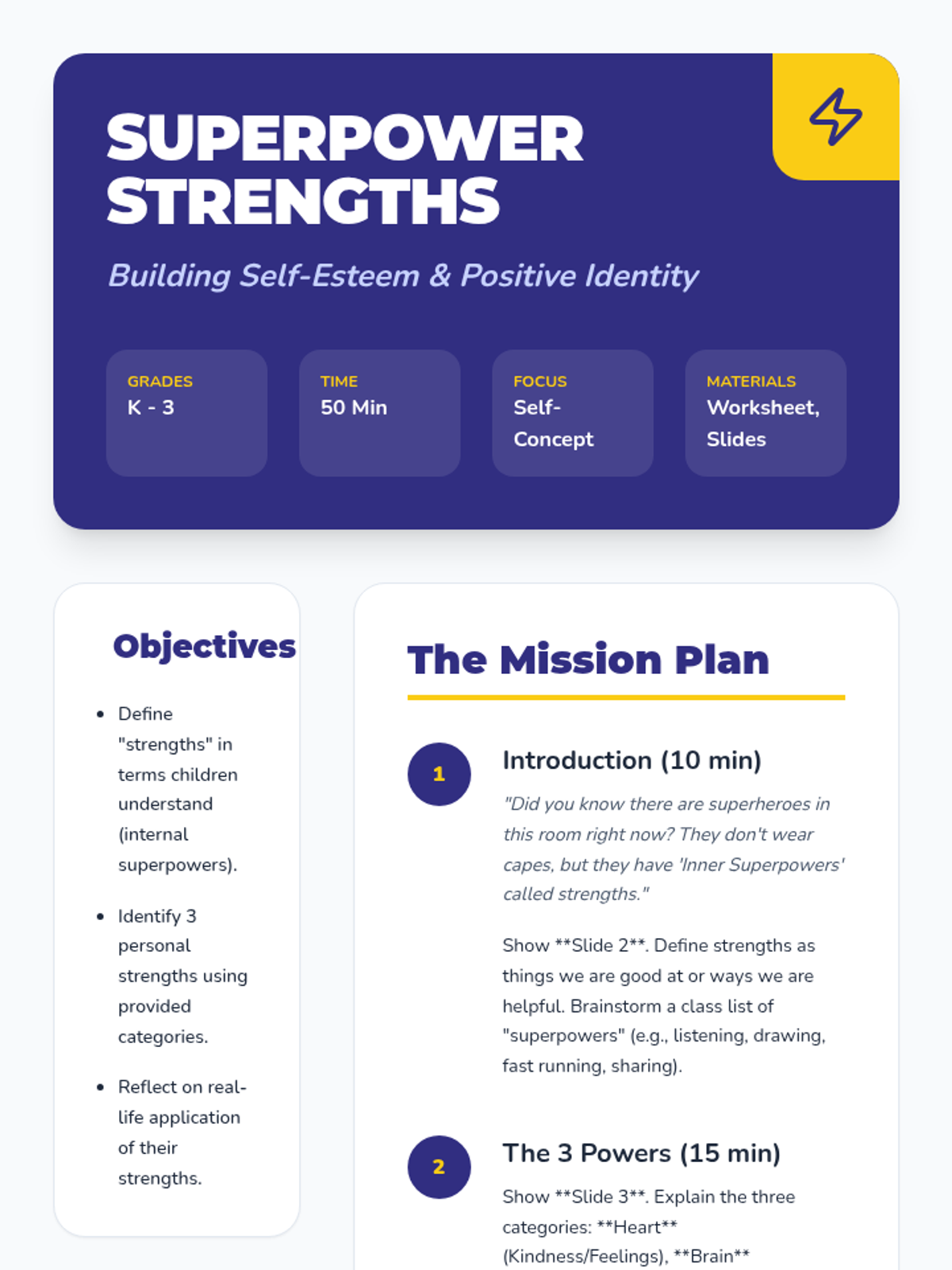
Students identify their personal strengths and positive qualities, reframing them as "inner superpowers". This lesson helps build self-esteem and a positive self-concept.
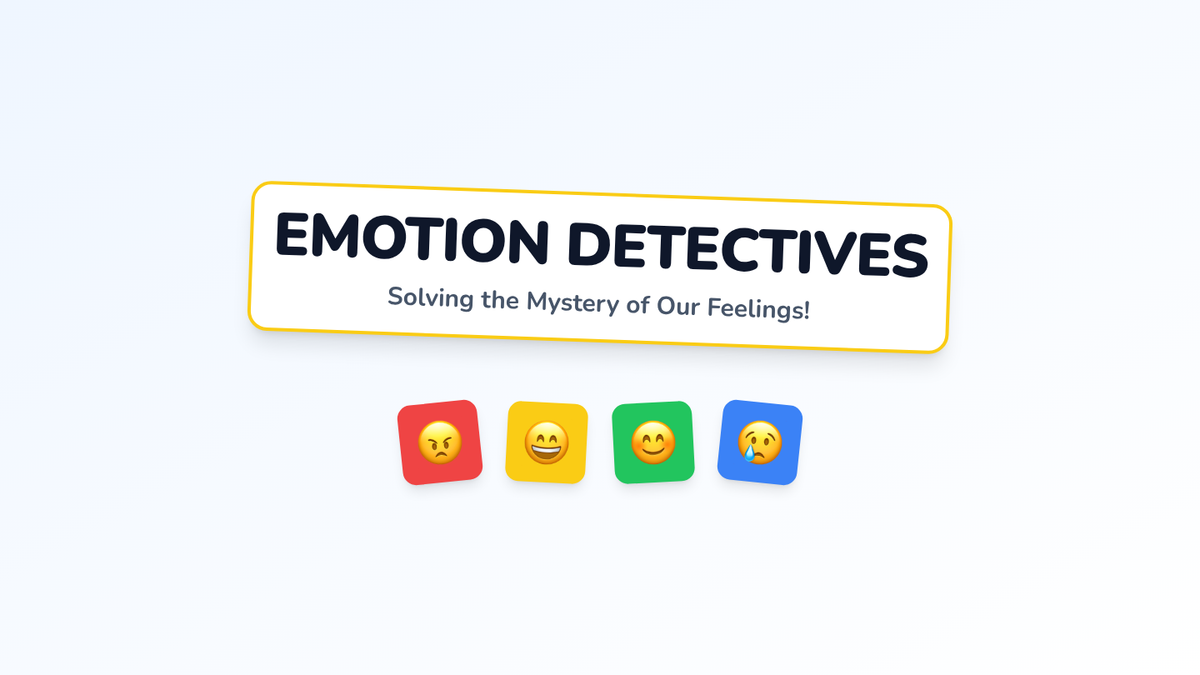
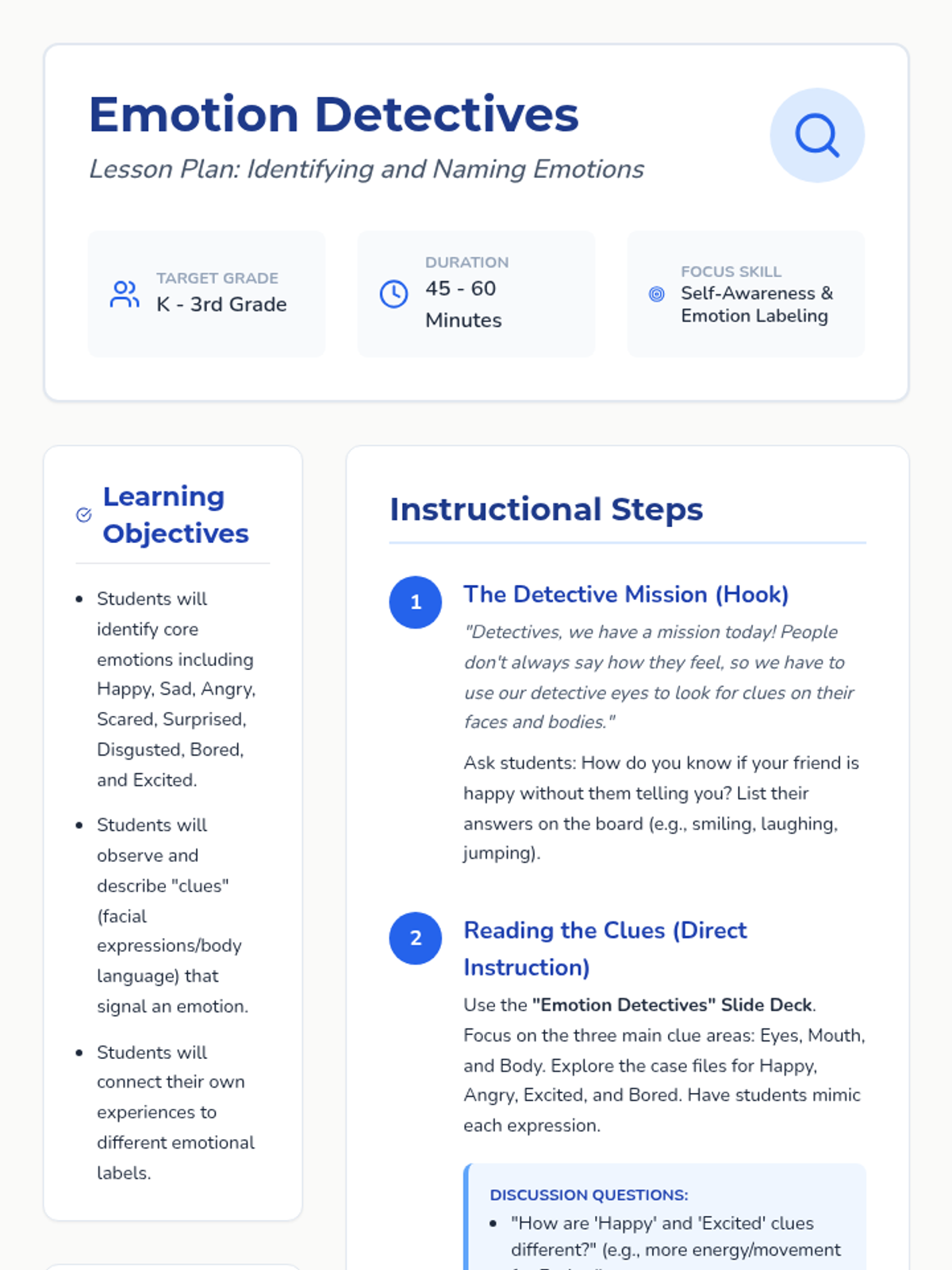
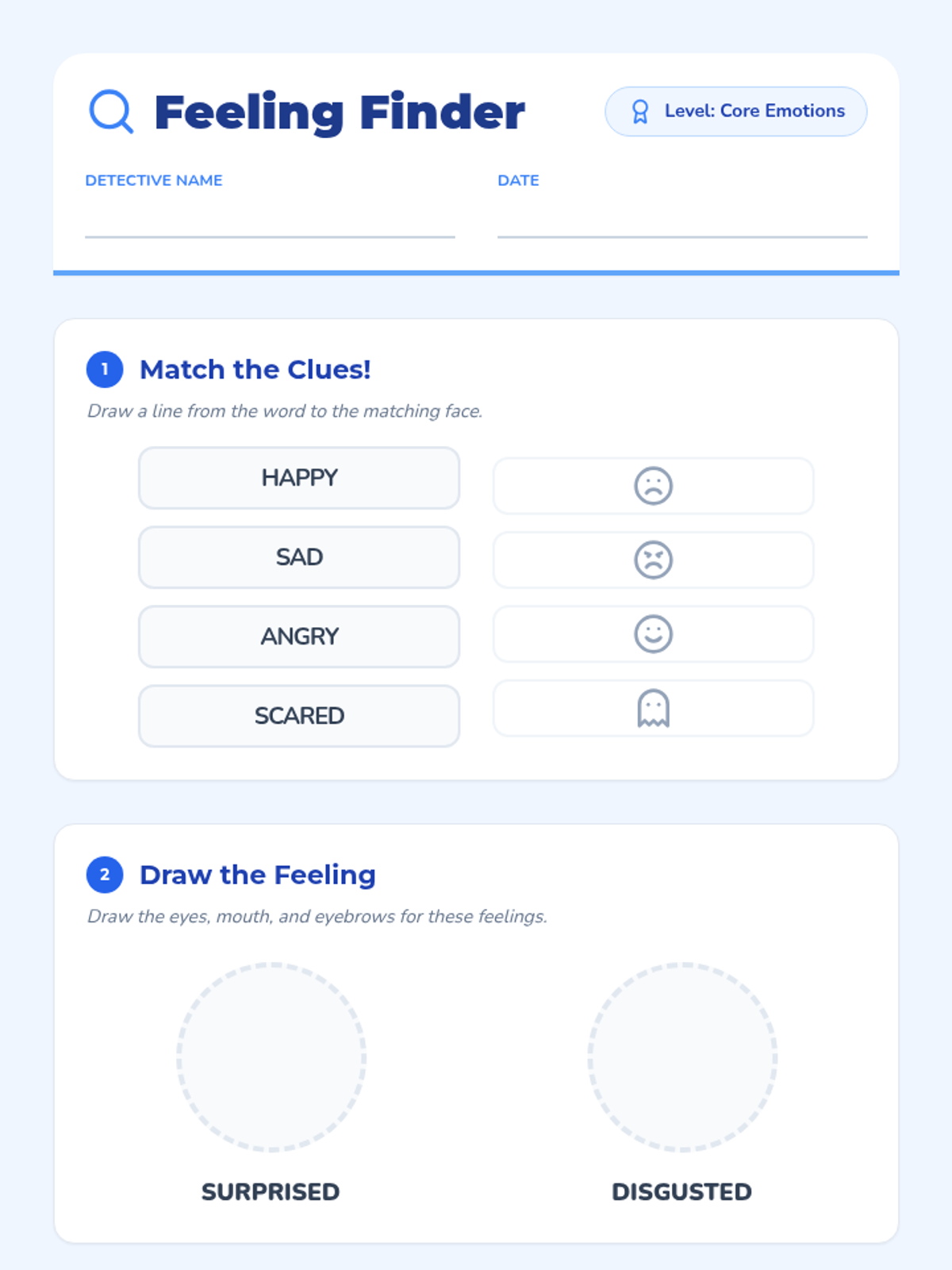
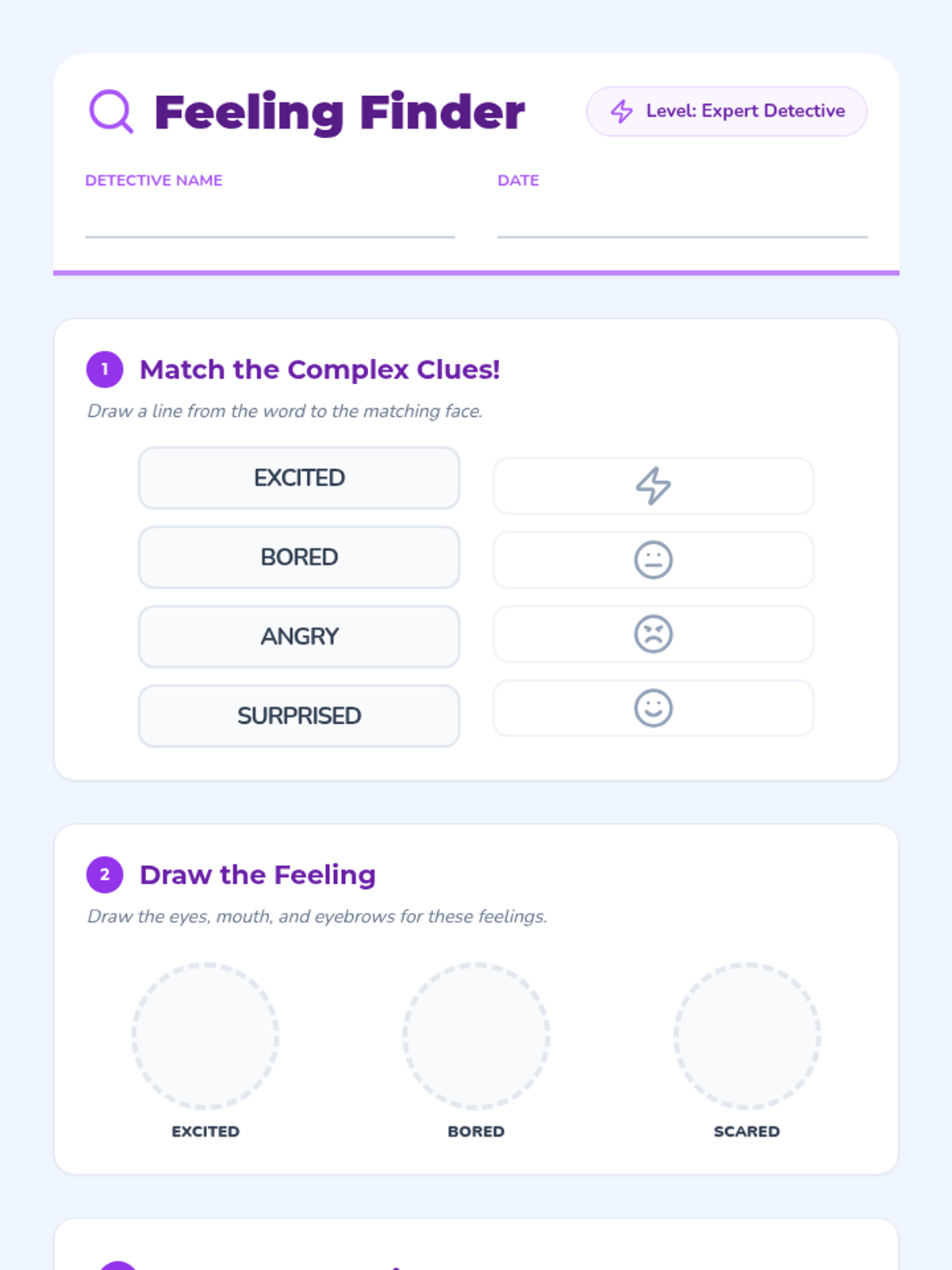
Students become Emotion Detectives to identify and name core emotions by looking for facial and body clues. This K-3 lesson focuses on happy, sad, angry, scared, surprised, and disgusted.
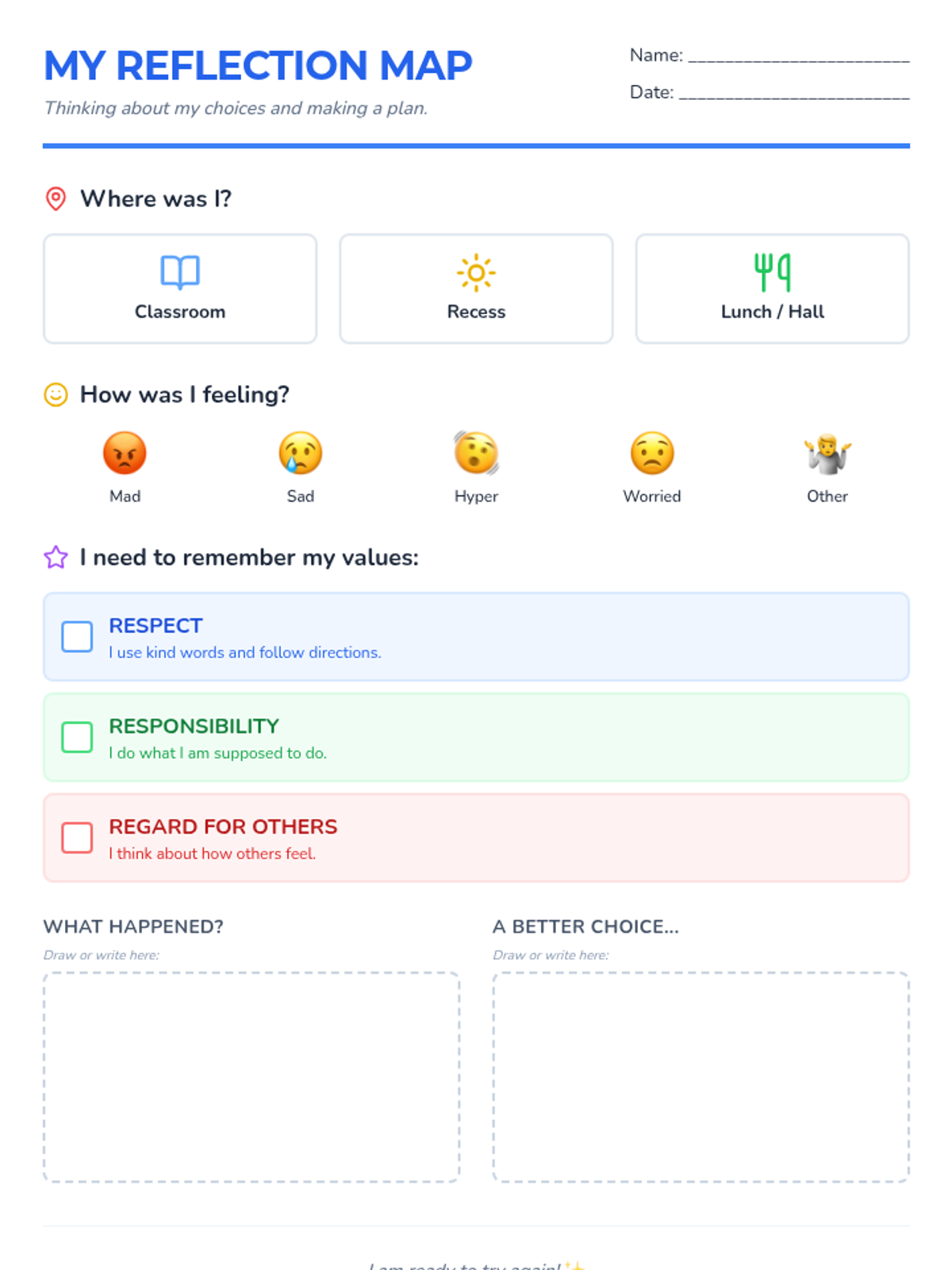
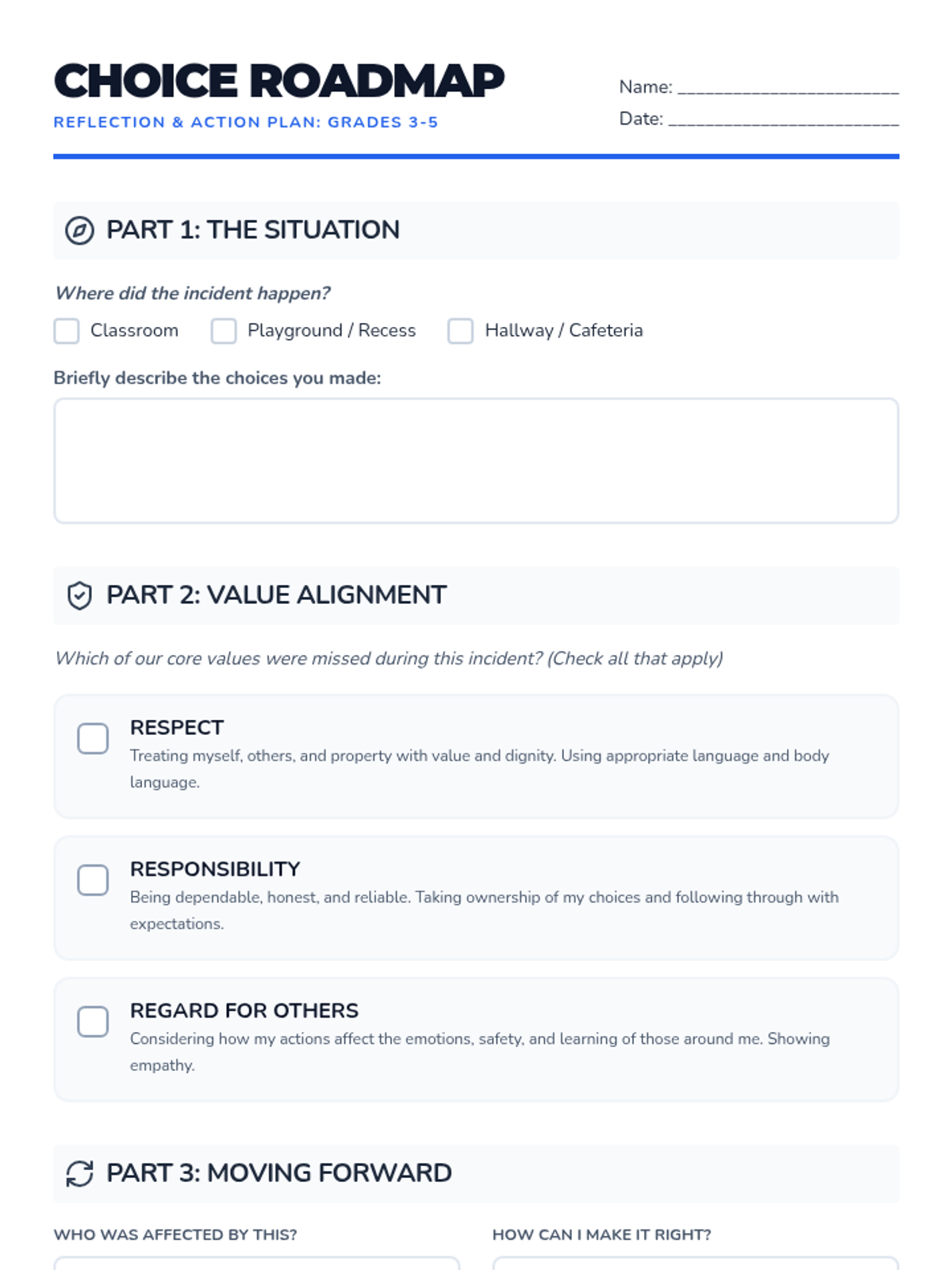
A set of reflection tools for students in grades K-5 to process behavioral incidents through the lens of core values: Respect, Responsibility, and Regard for Others. Includes tiered versions for lower and upper elementary students.
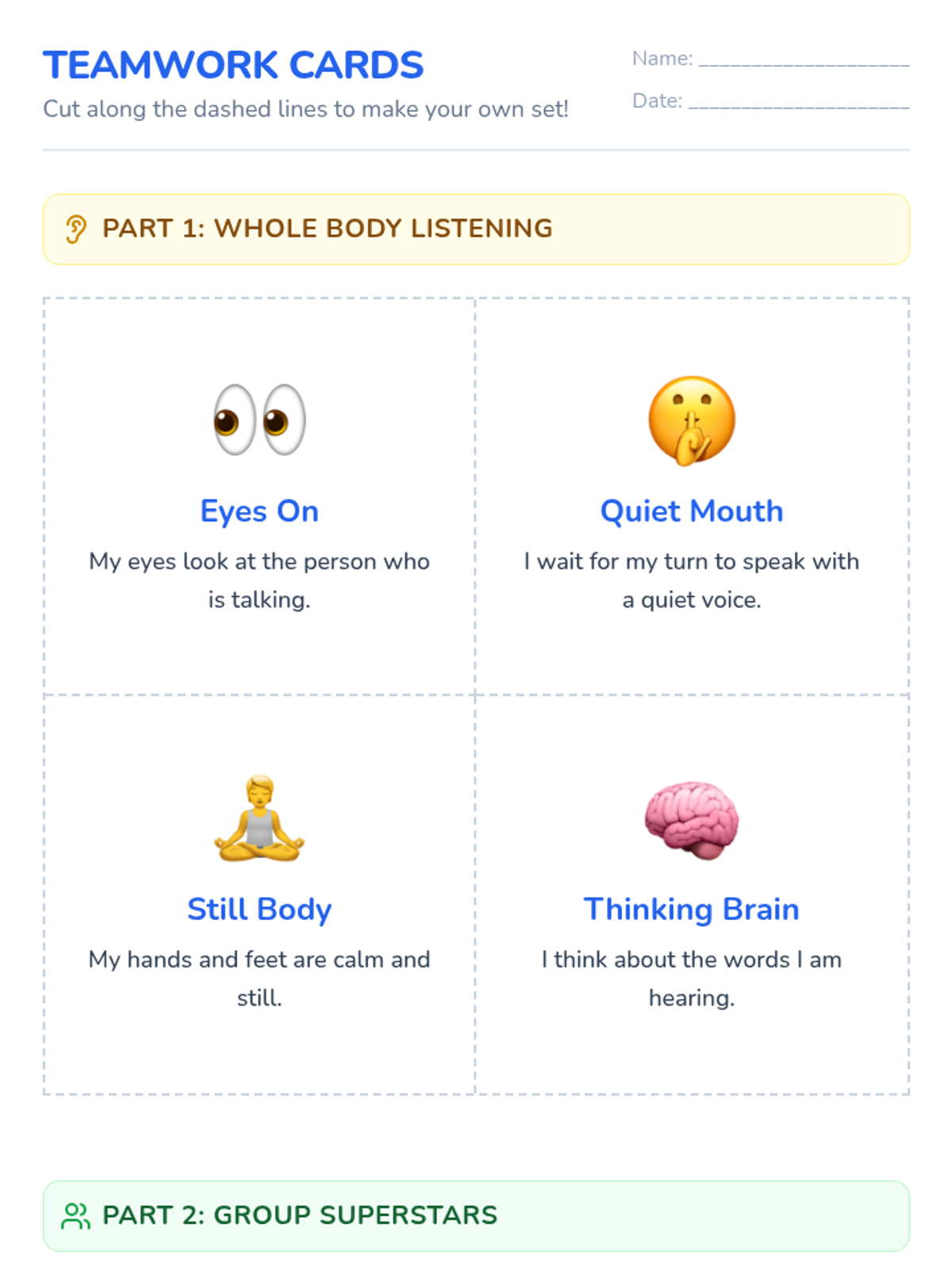
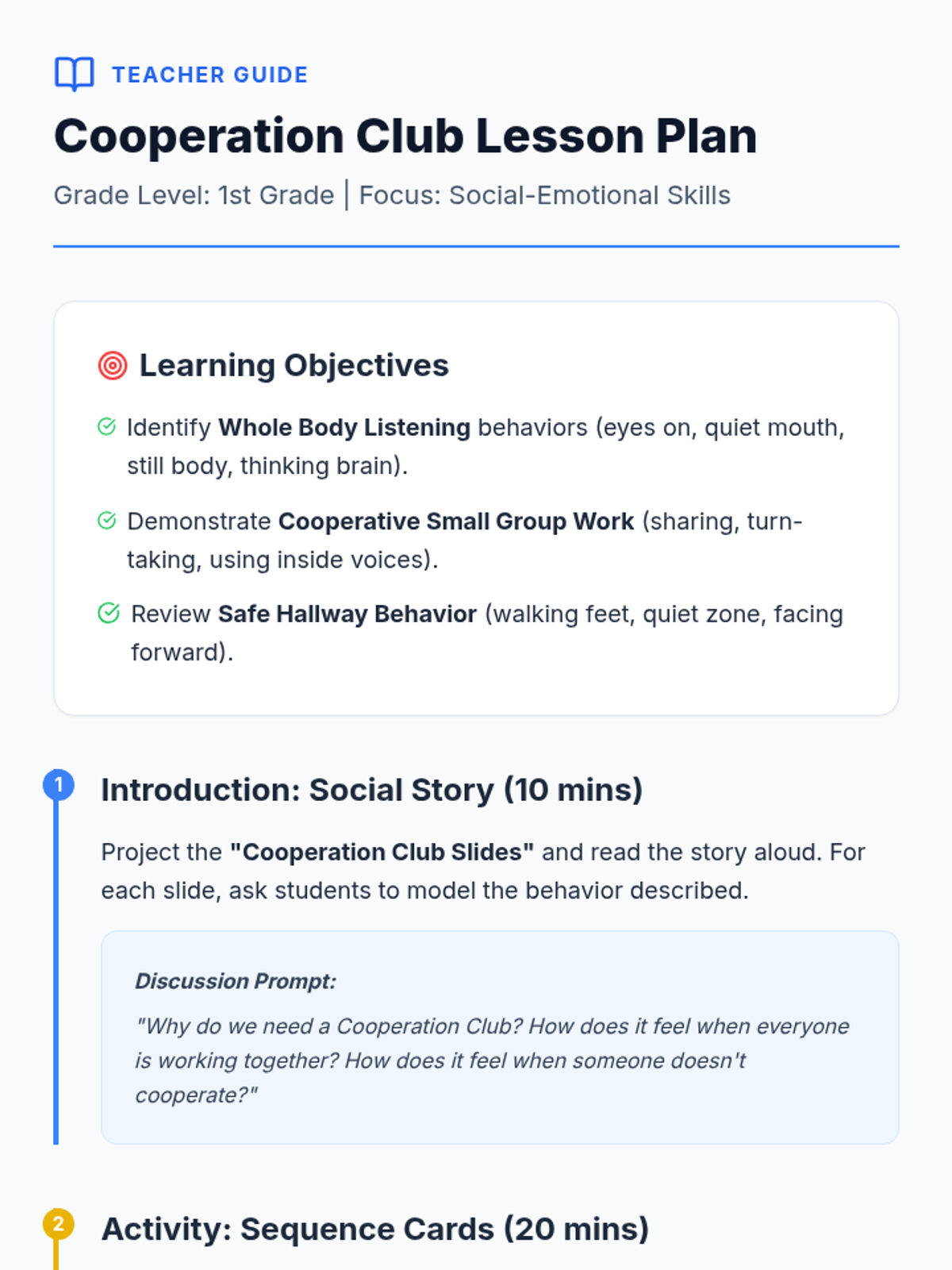
A social story and visual aid lesson focused on developing cooperative behaviors in first-grade students, specifically targeting active listening, small group collaboration, and hallway safety.
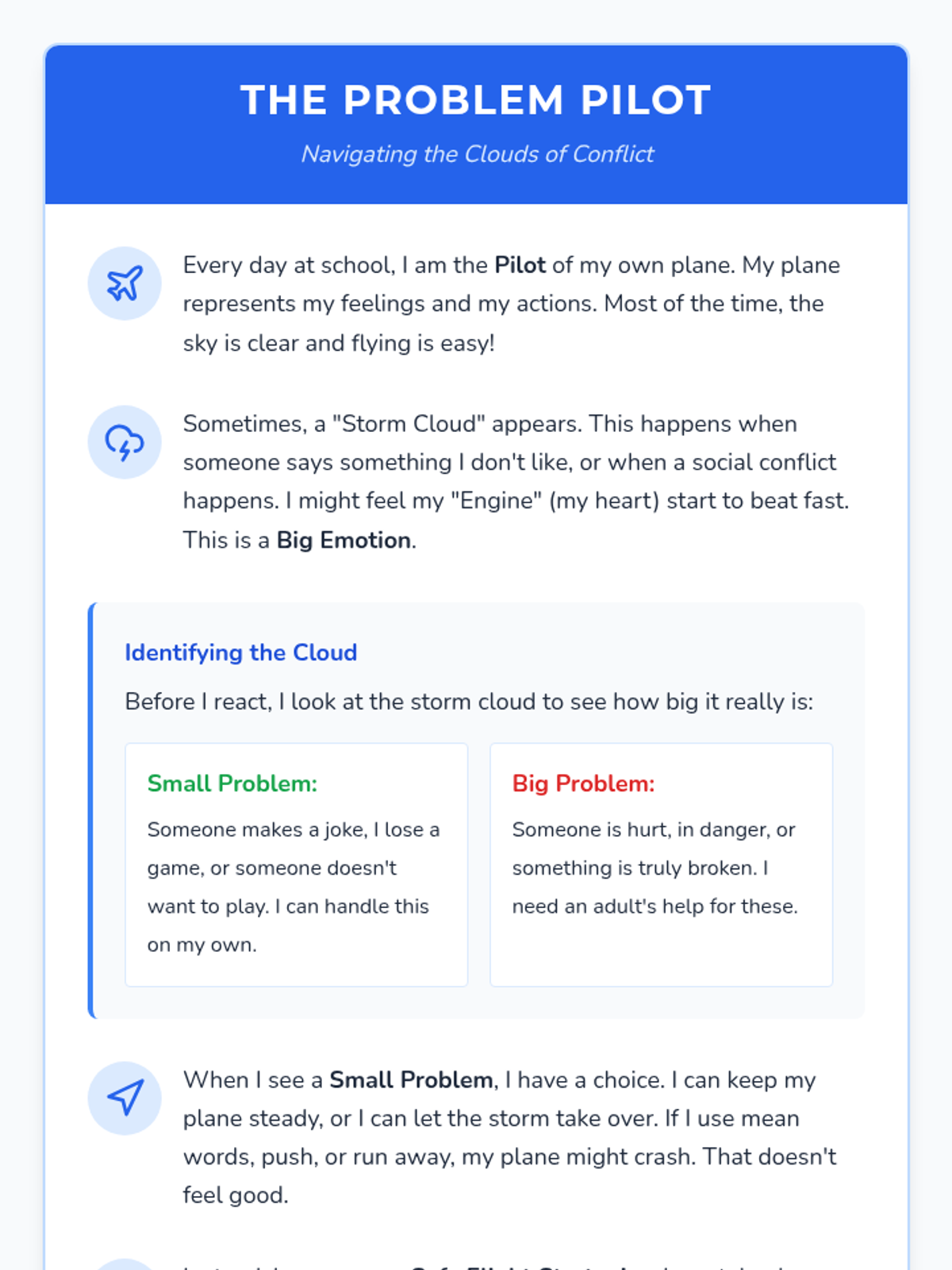
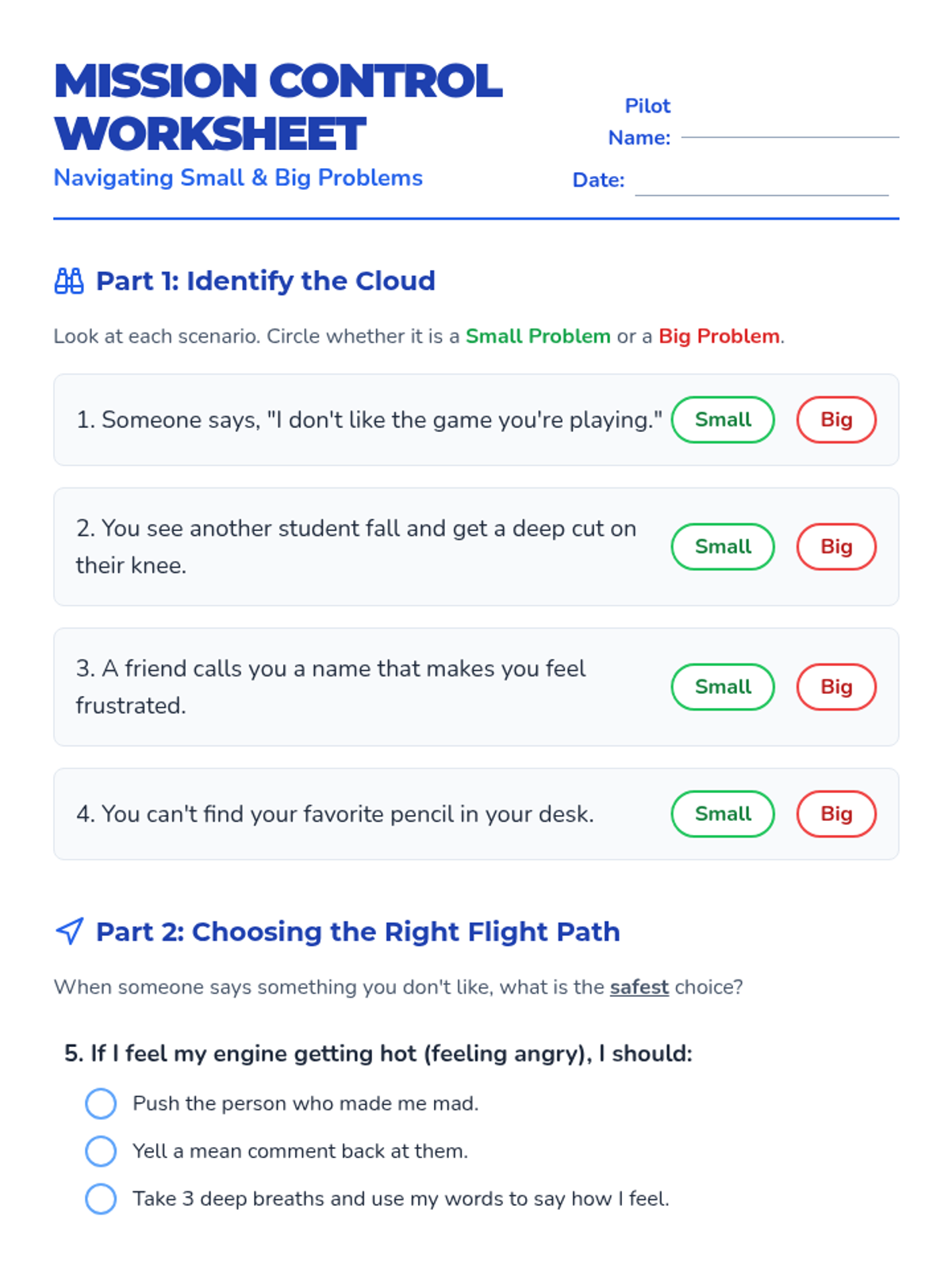
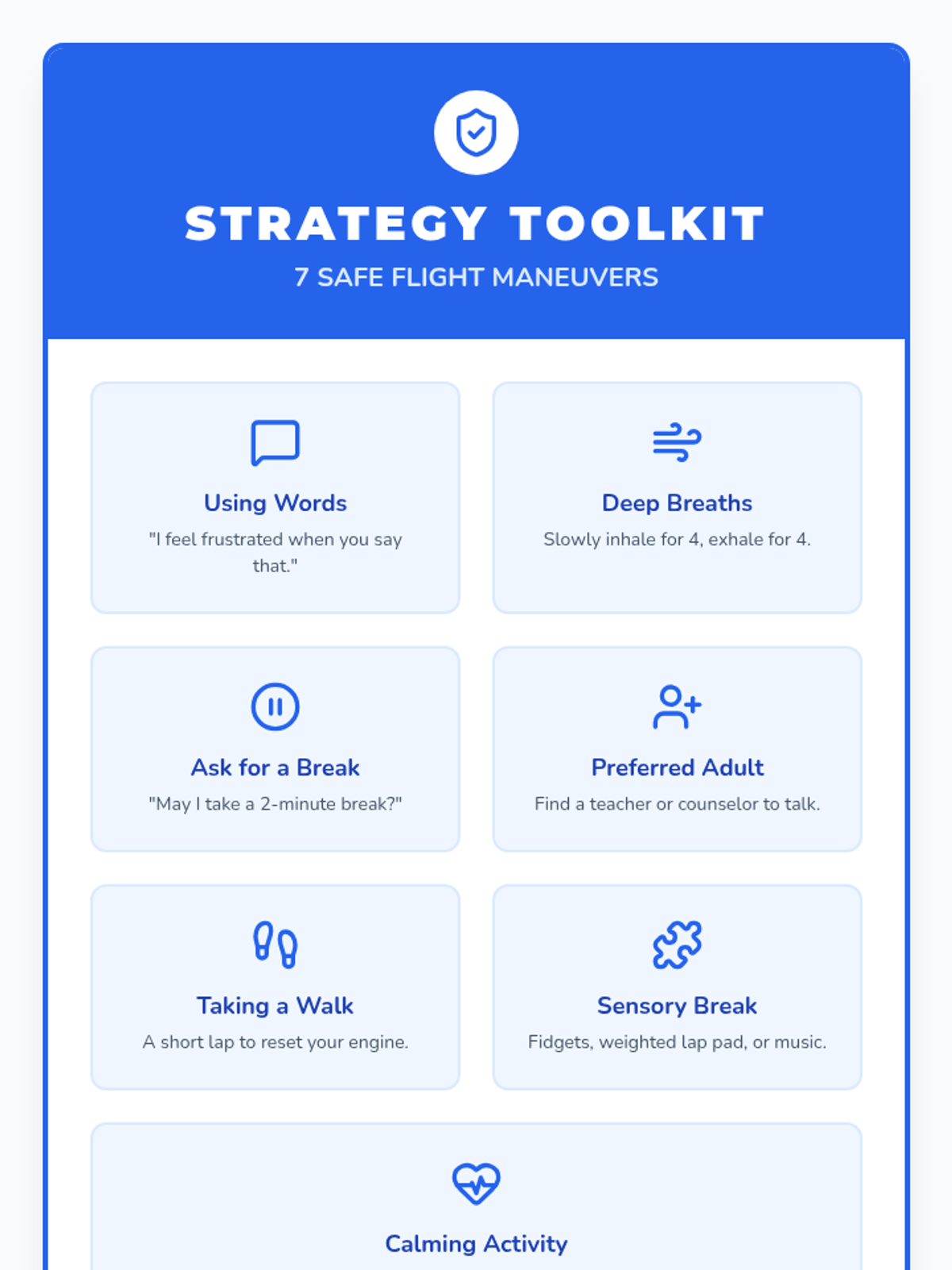
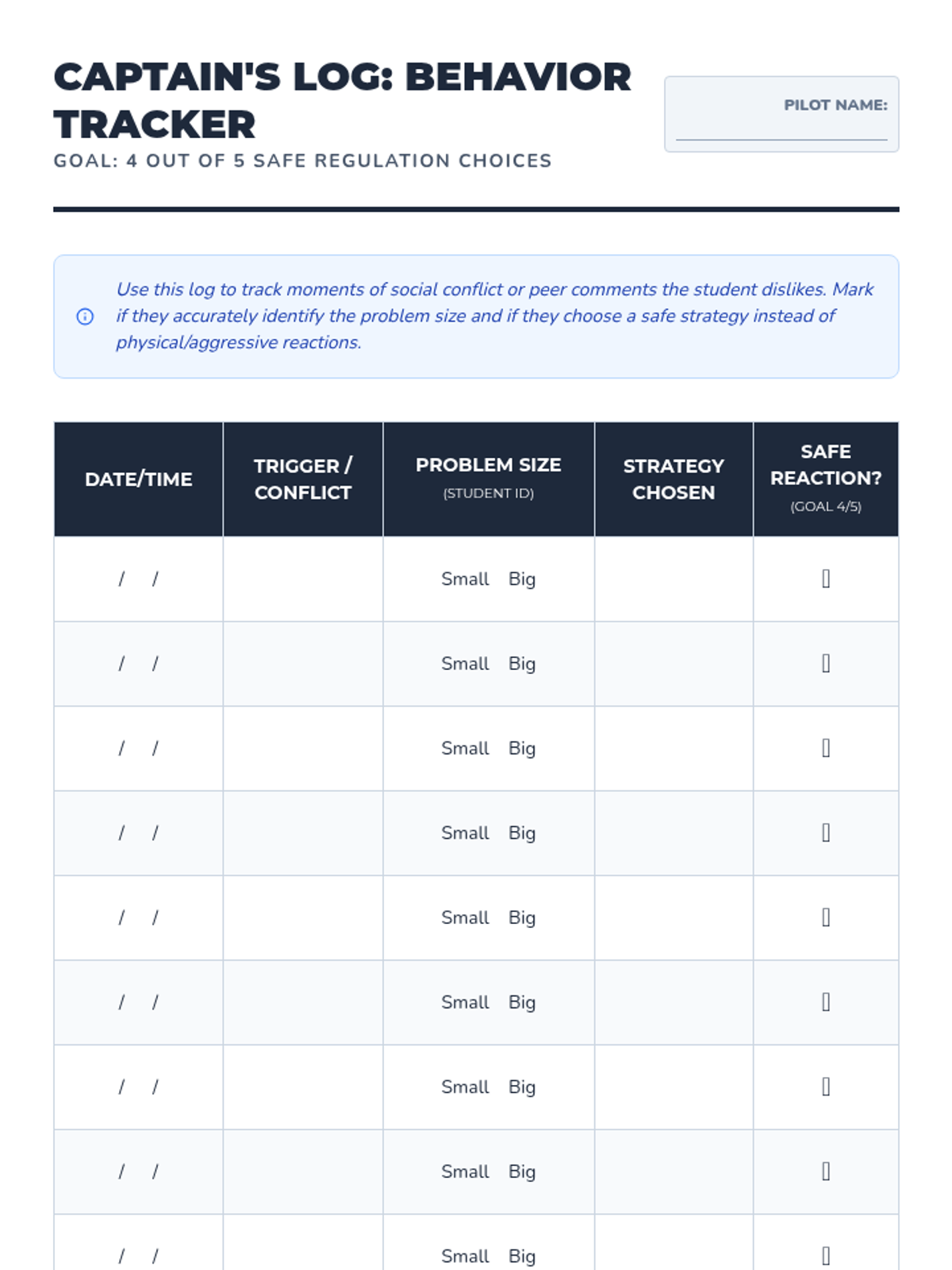
A lesson designed to help students distinguish between Small and Big Problems and choose safe regulation strategies instead of physical reactions. It includes a social story, practice worksheet, and strategy reference guide.
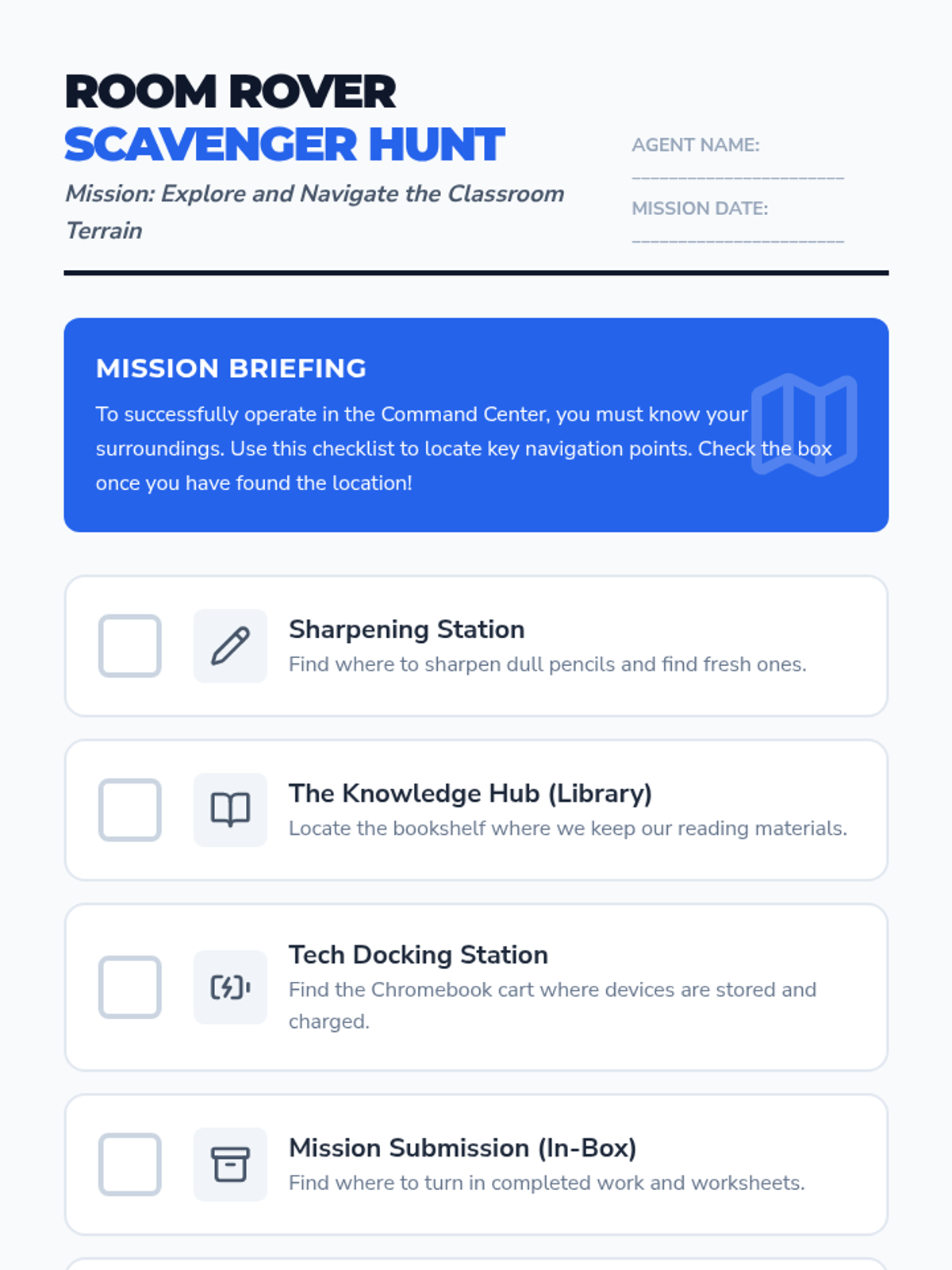
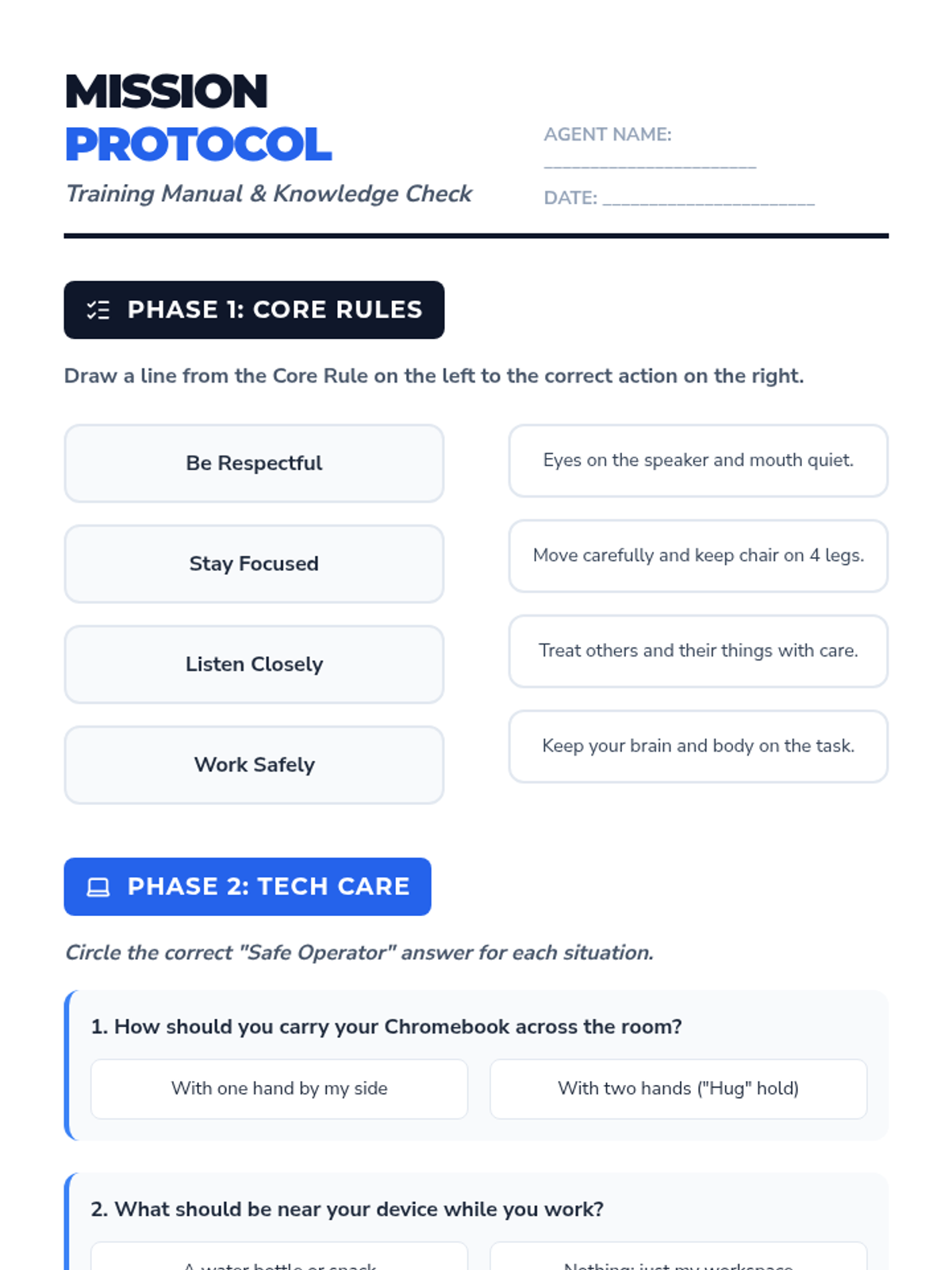
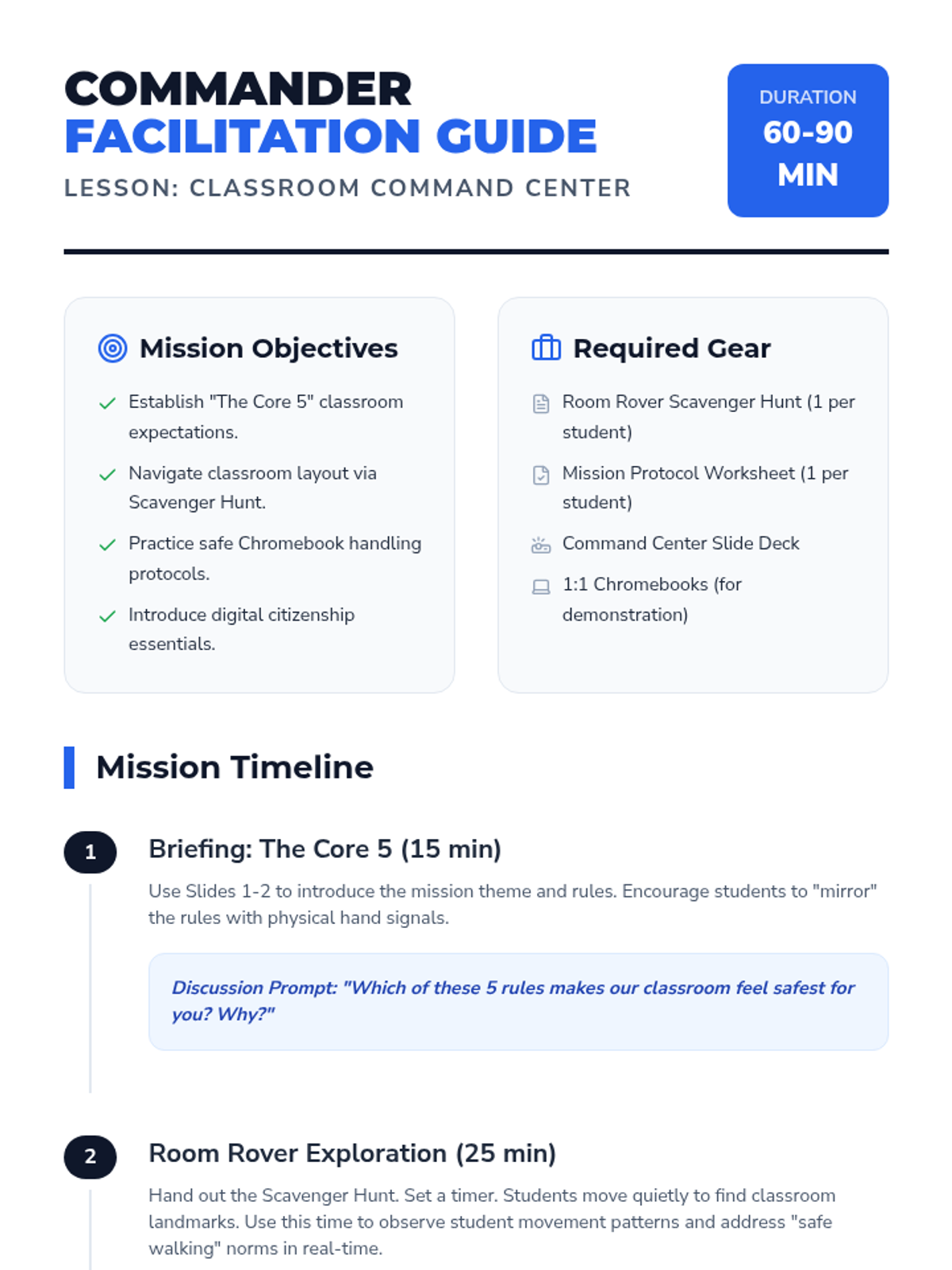
A comprehensive first-day lesson to establish classroom norms, physical space navigation, and digital responsibility. Includes instruction on Chromebook care and digital citizenship.
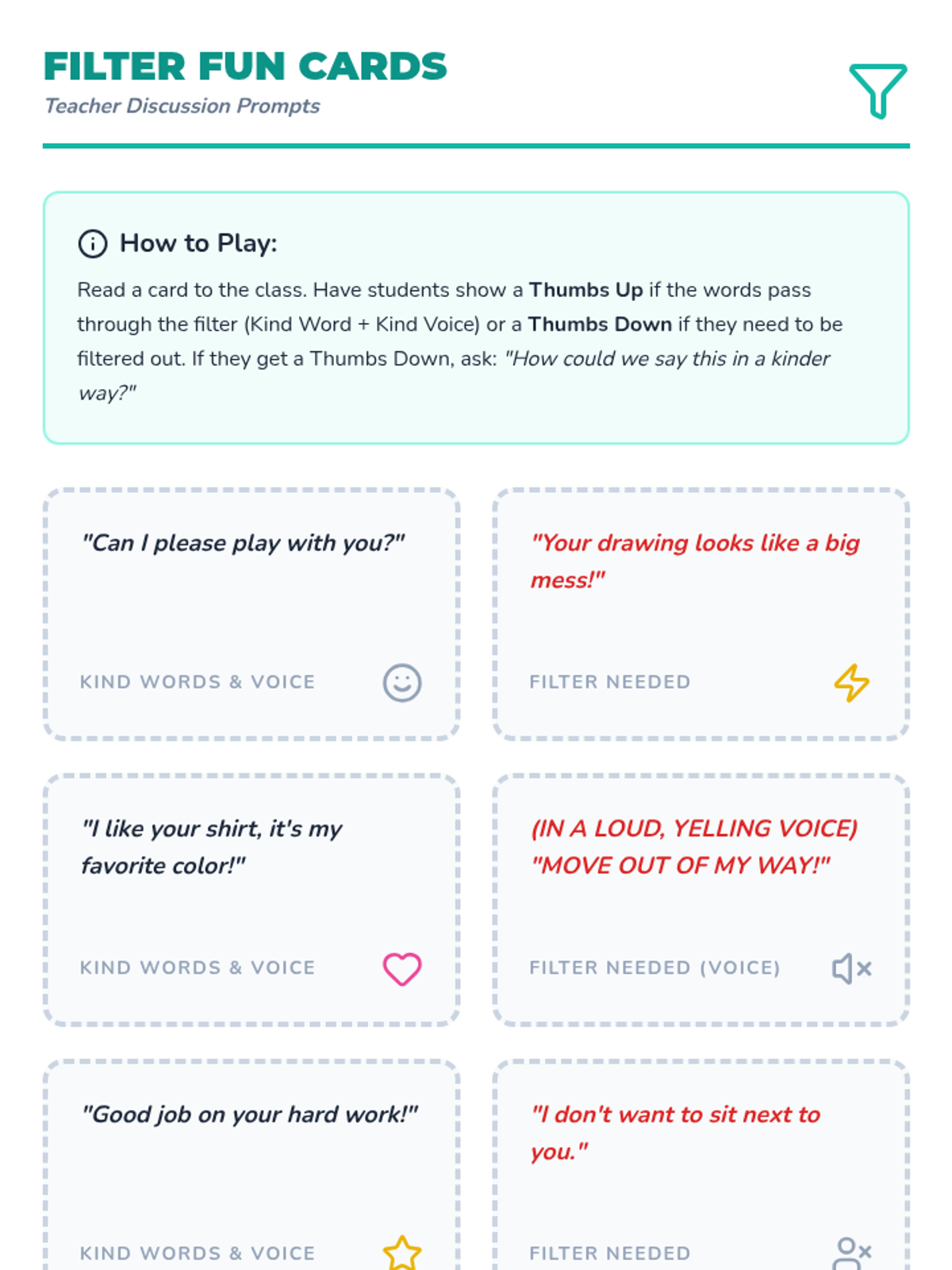
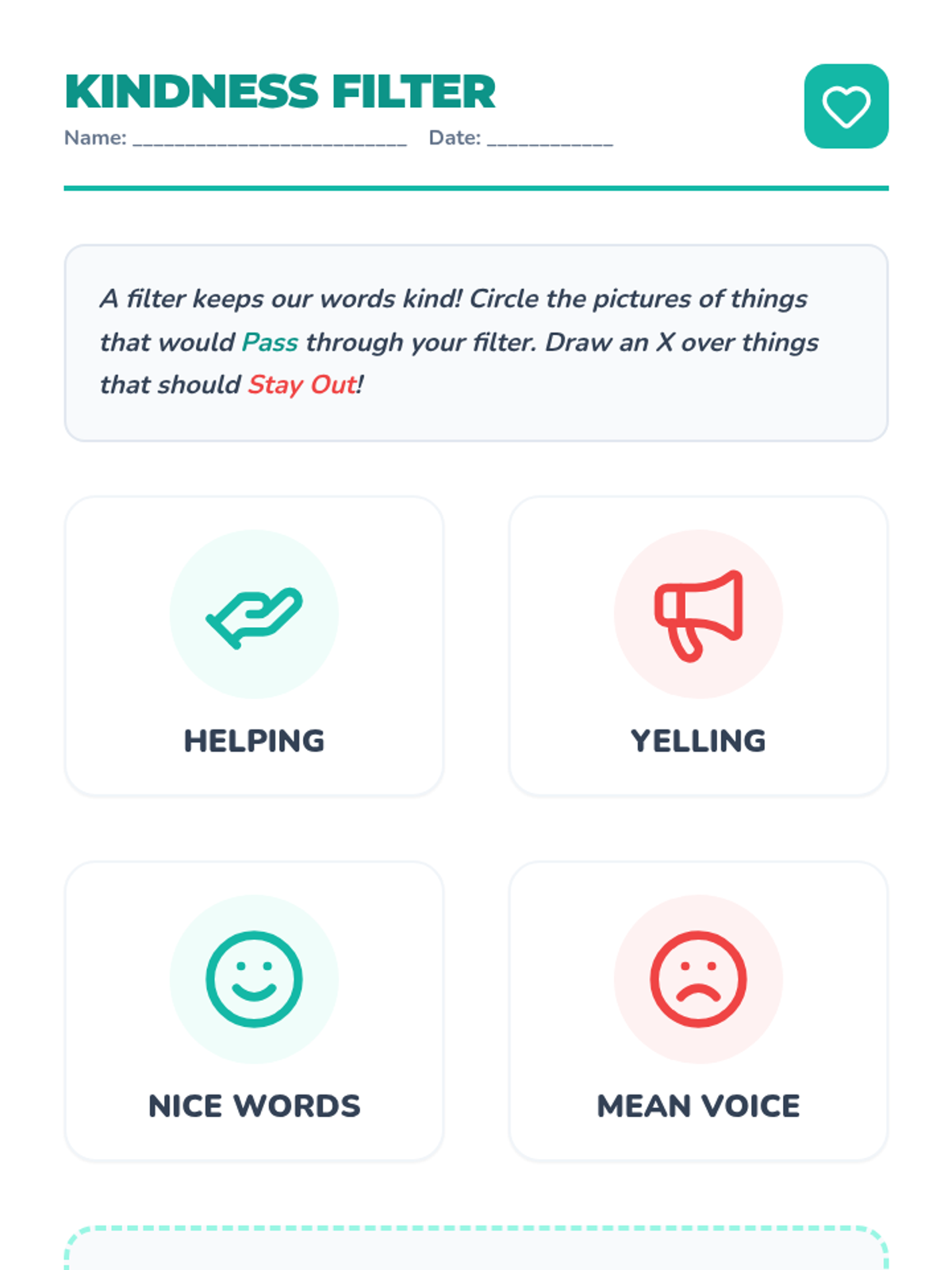
A social-emotional learning mini-lesson for K-1 students focusing on the 'Think Before You Speak' concept using a 'Thought Filter' to ensure words and voices are kind and helpful.
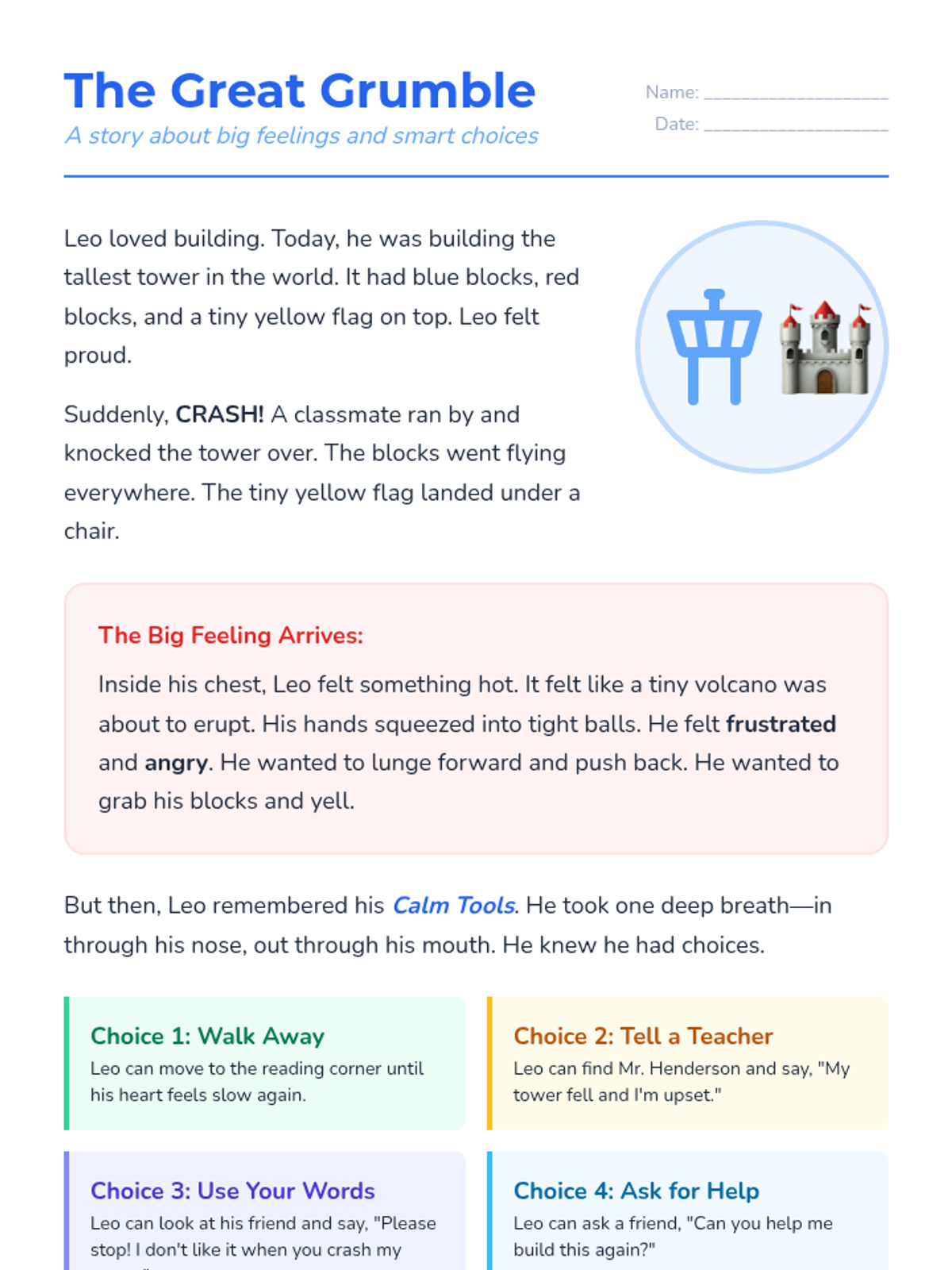
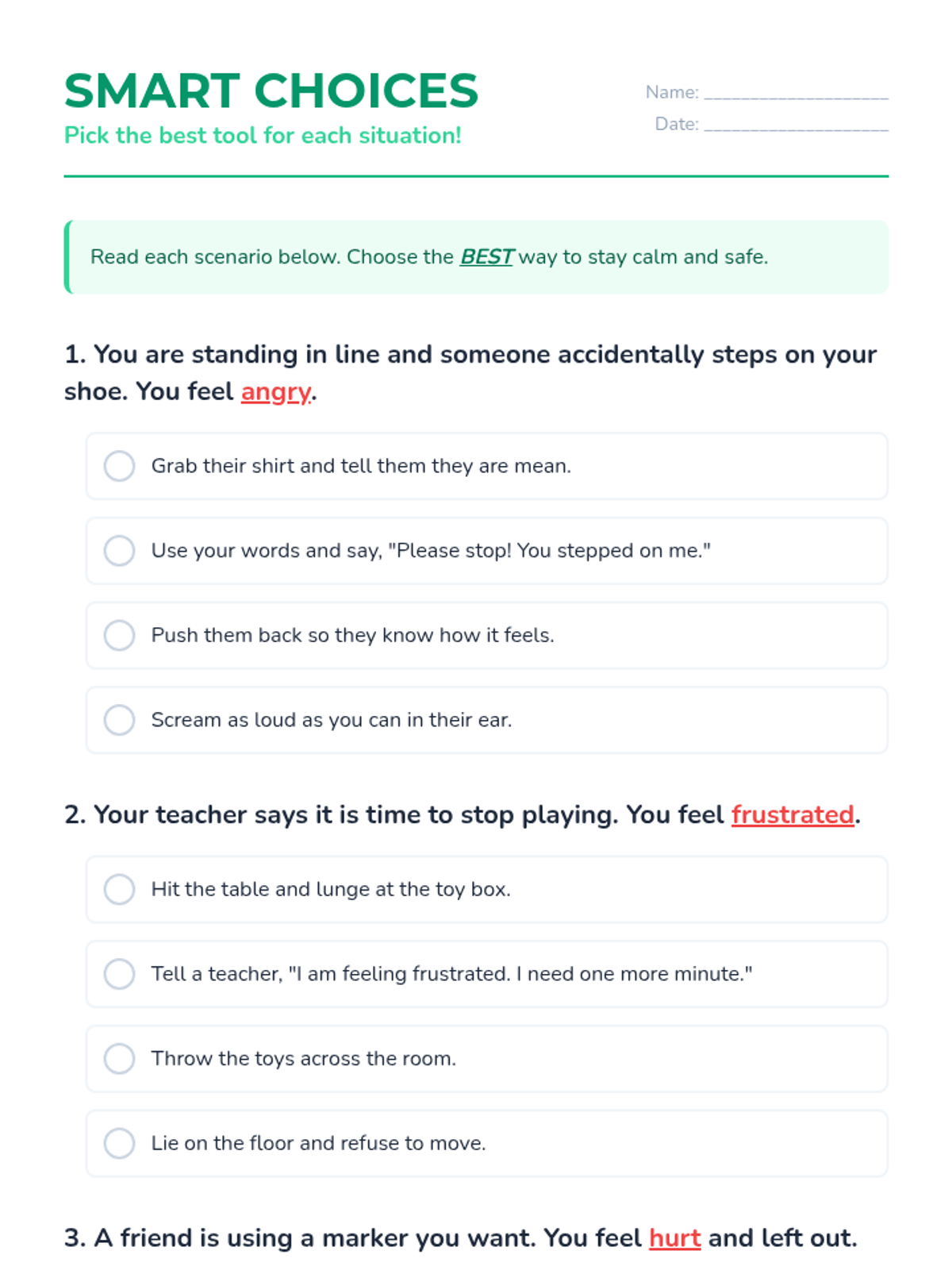
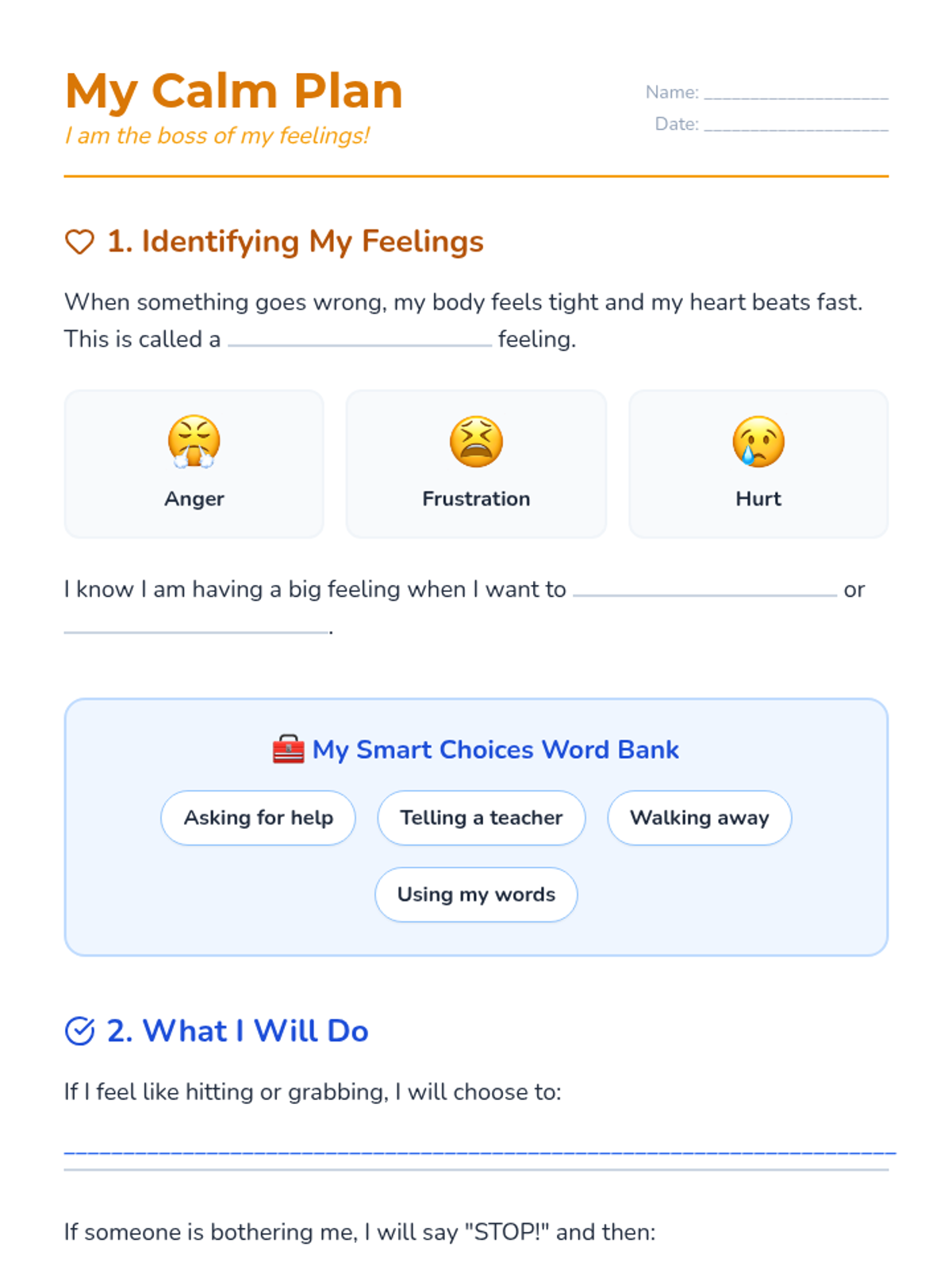
A social-emotional learning lesson designed to help students identify 'big feelings' and practice safe replacement behaviors for physical aggression. Includes a narrative story, situational practice, and a personalized reflection plan.
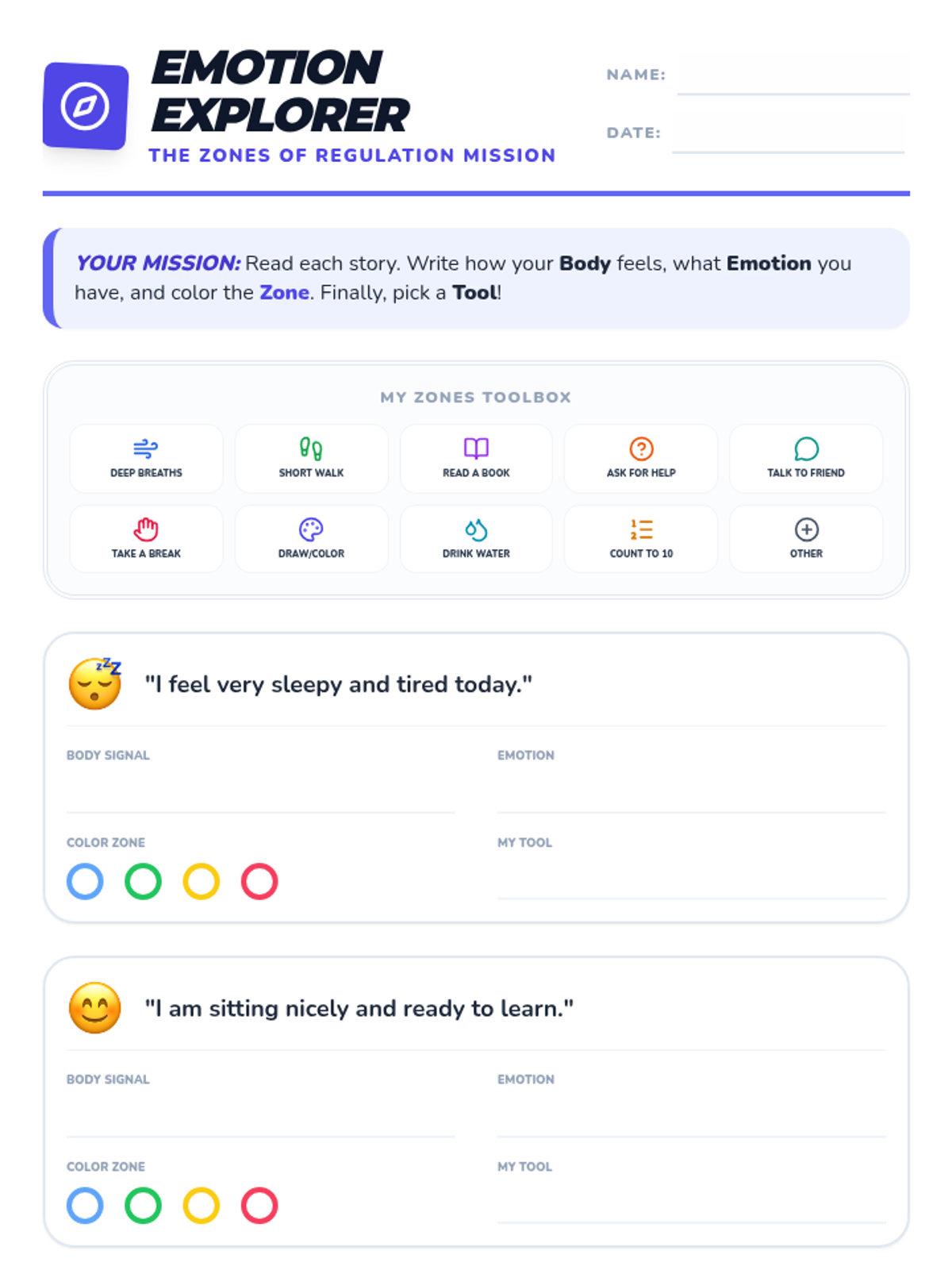
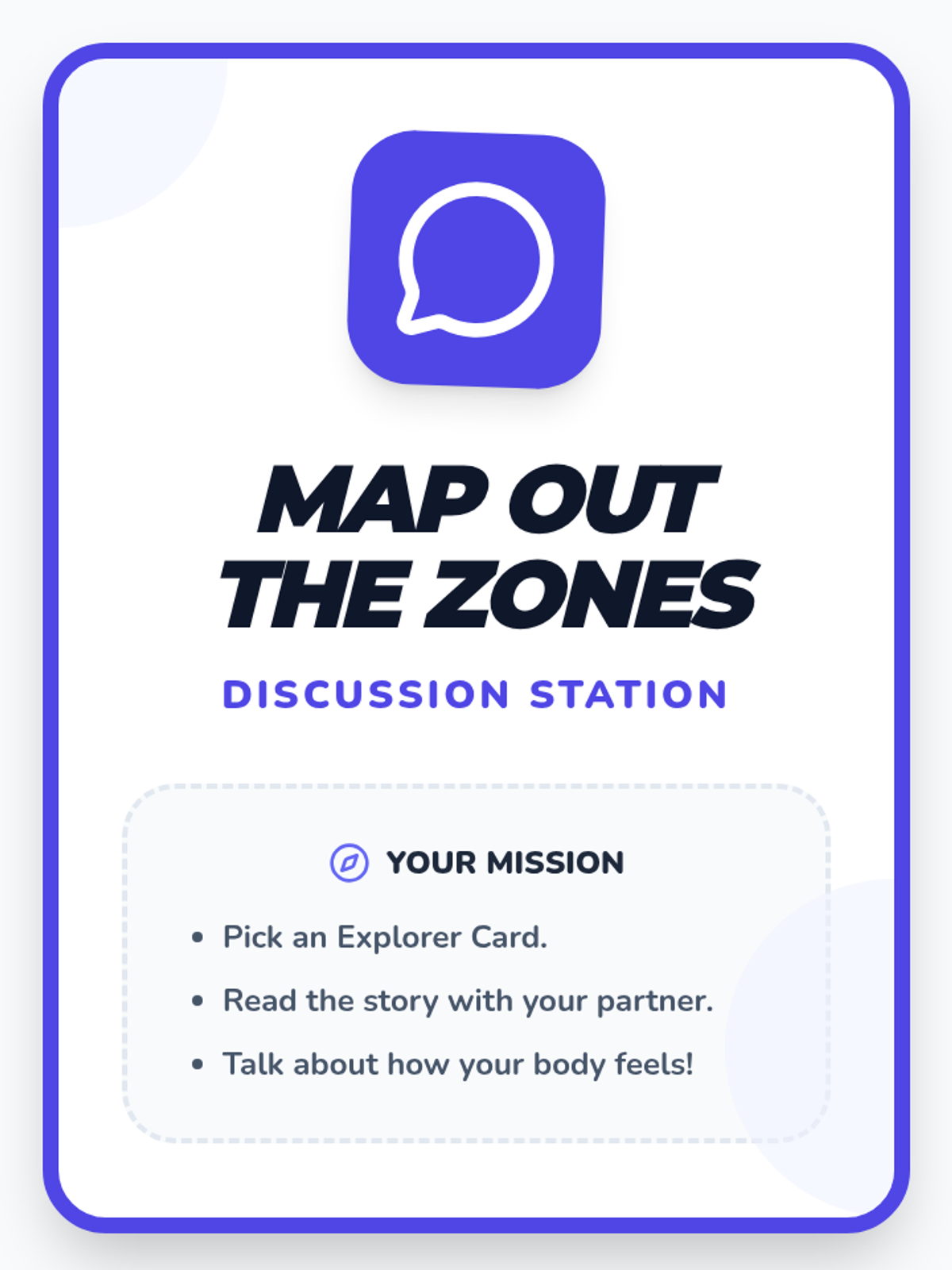
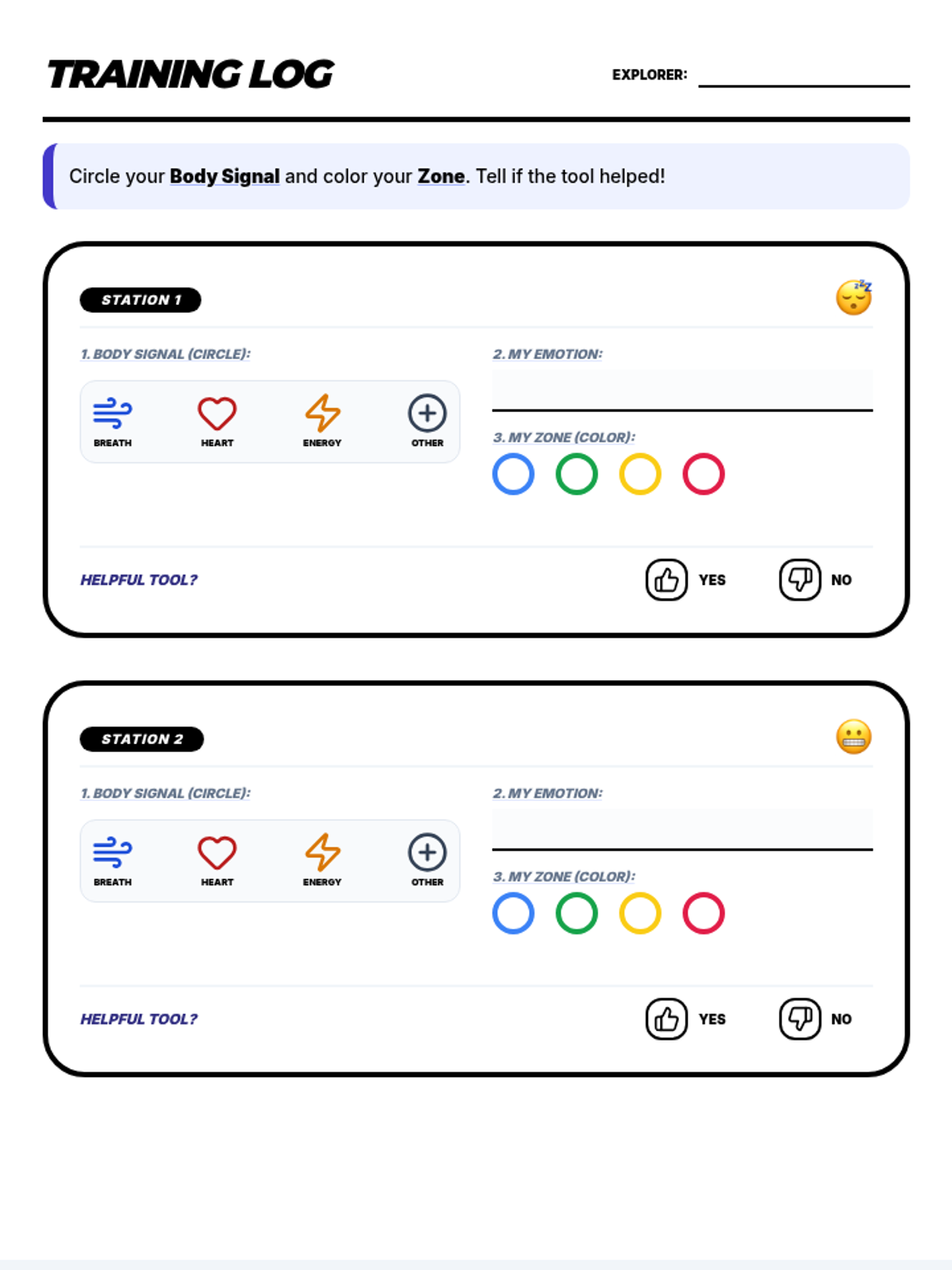
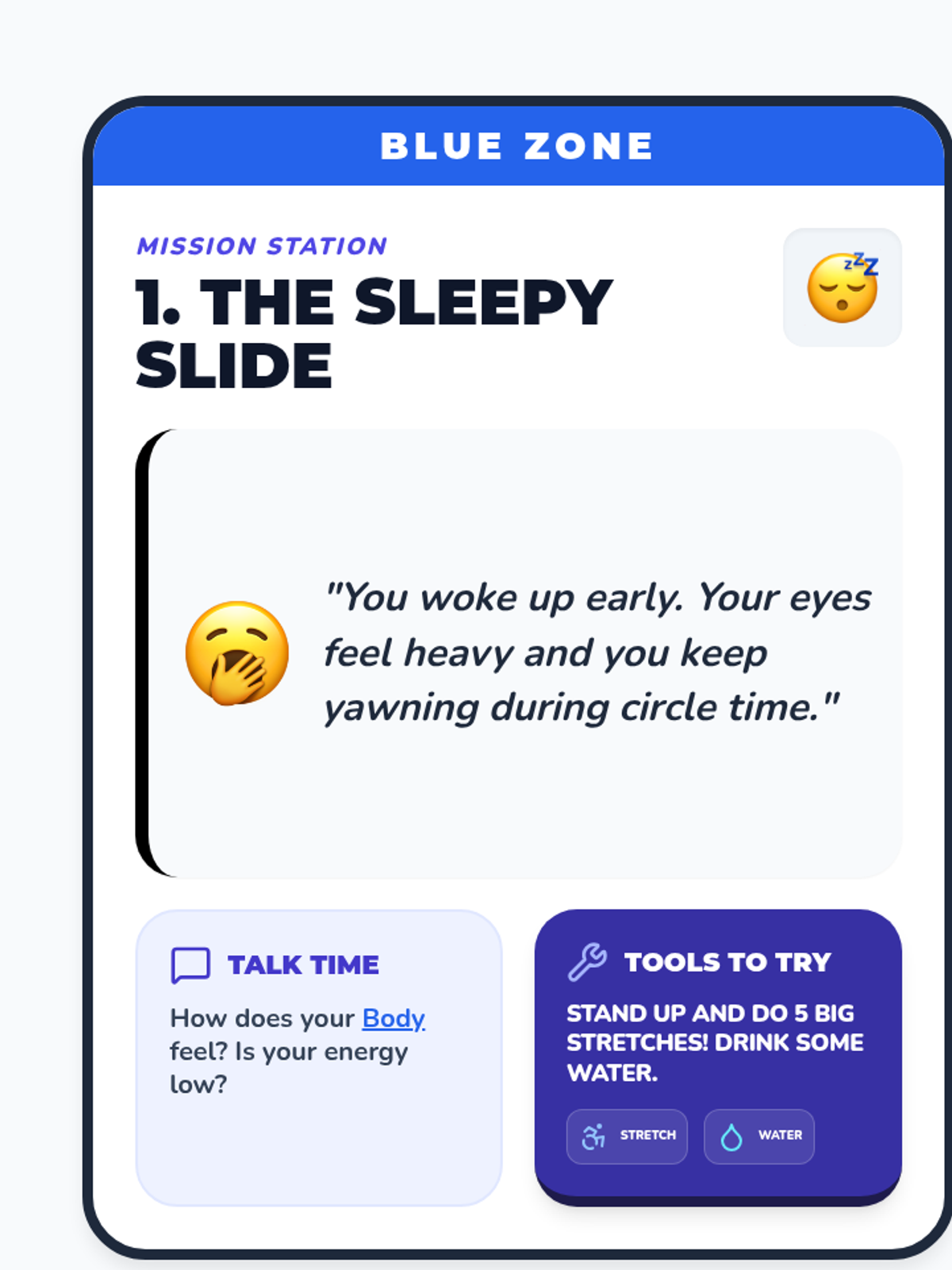
A lesson for first graders to identify emotional zones, body signals, and coping tools through scenario-based practice and hands-on station activities.
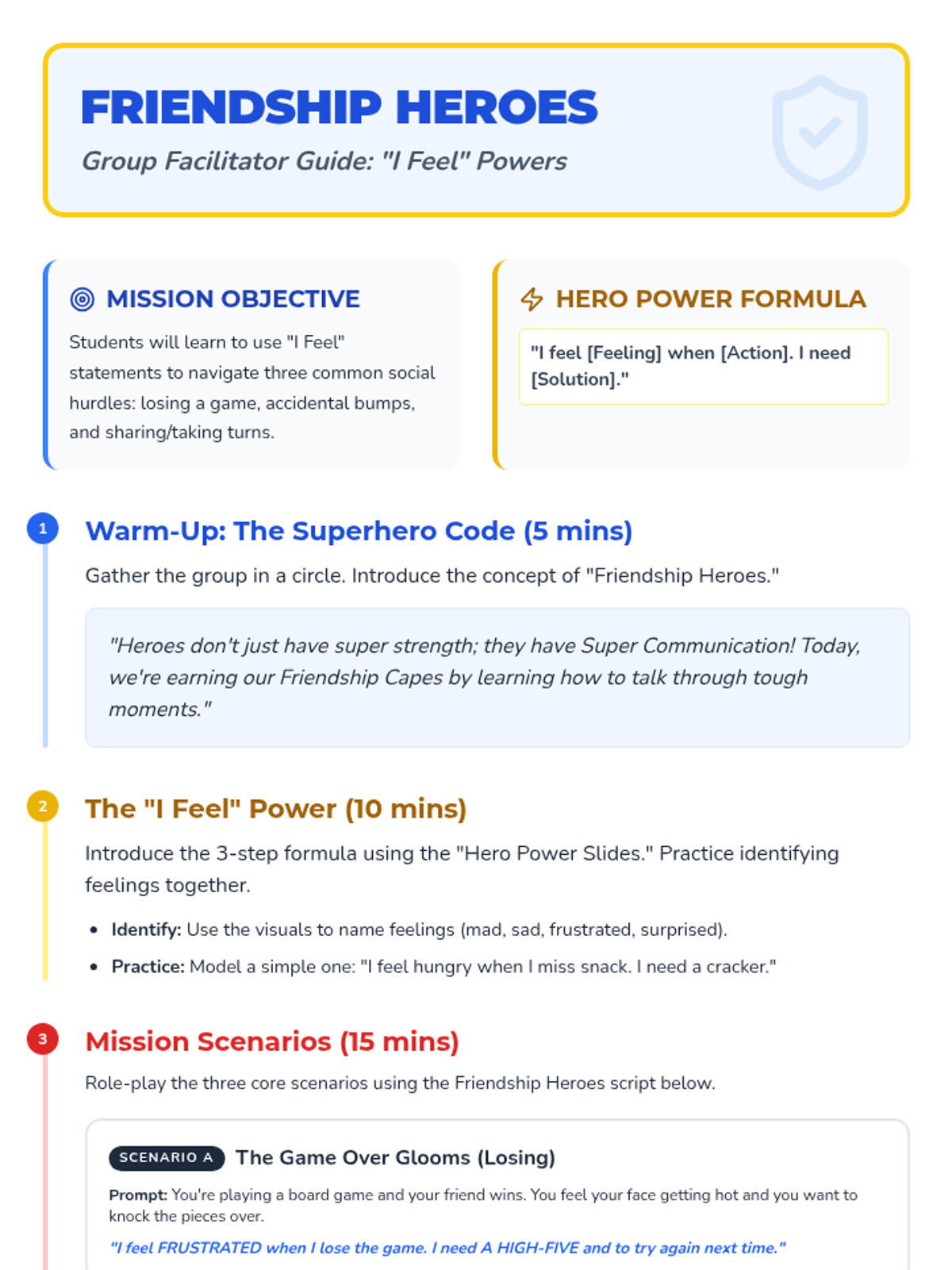
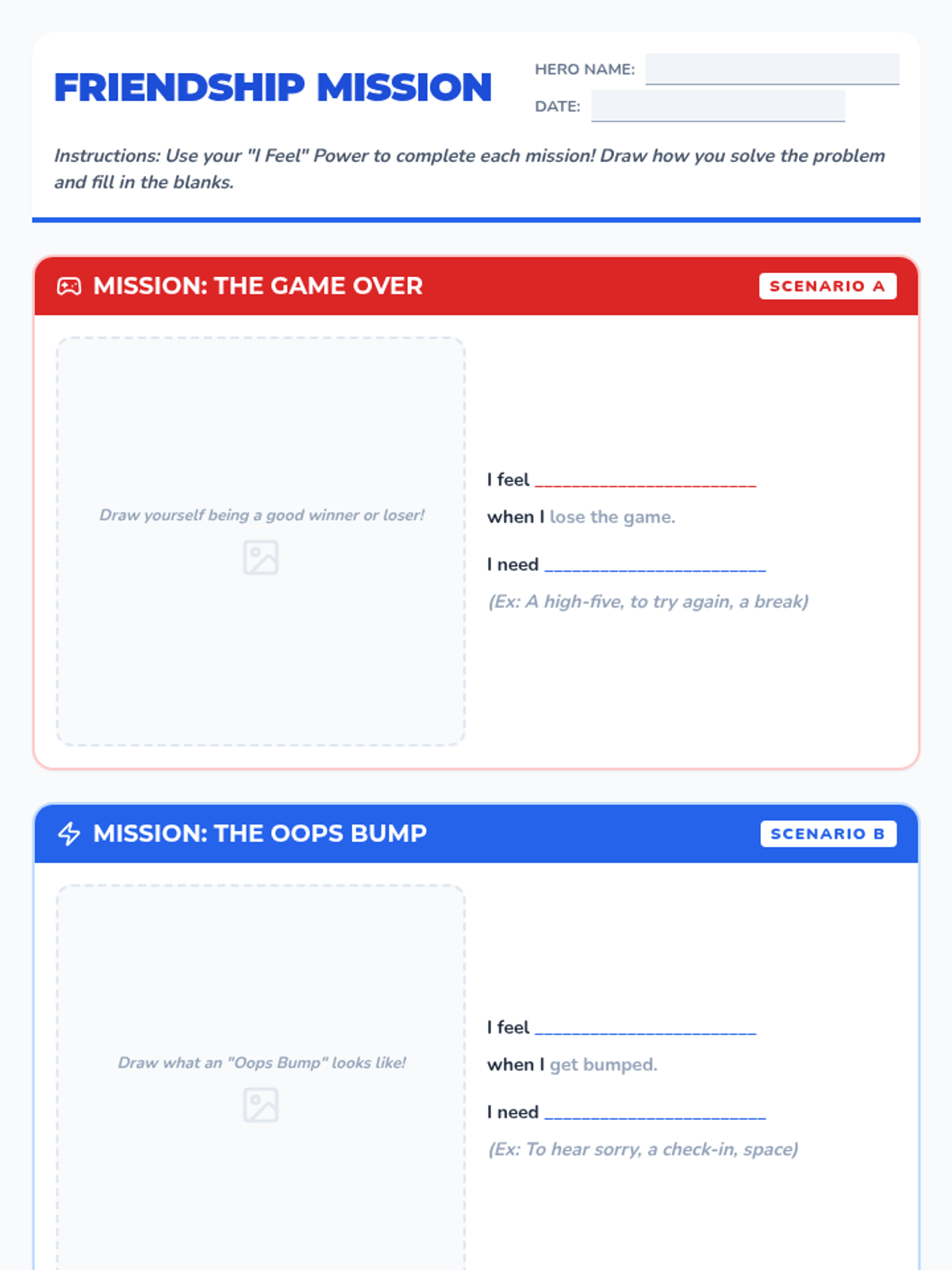
A social skills group intervention for 1st grade boys focusing on using 'I Feel' statements to navigate friendship challenges like losing, accidents, and sharing.
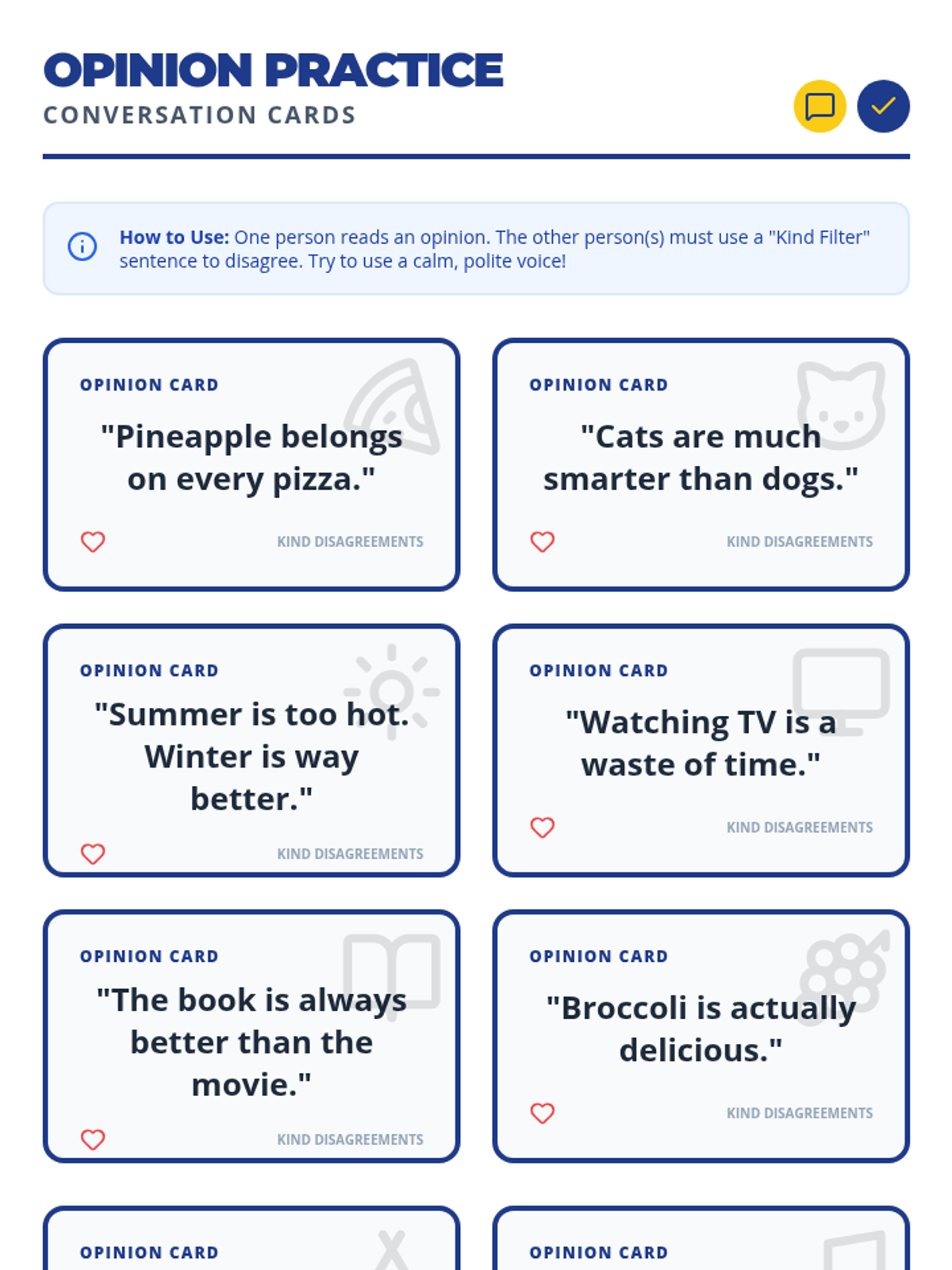
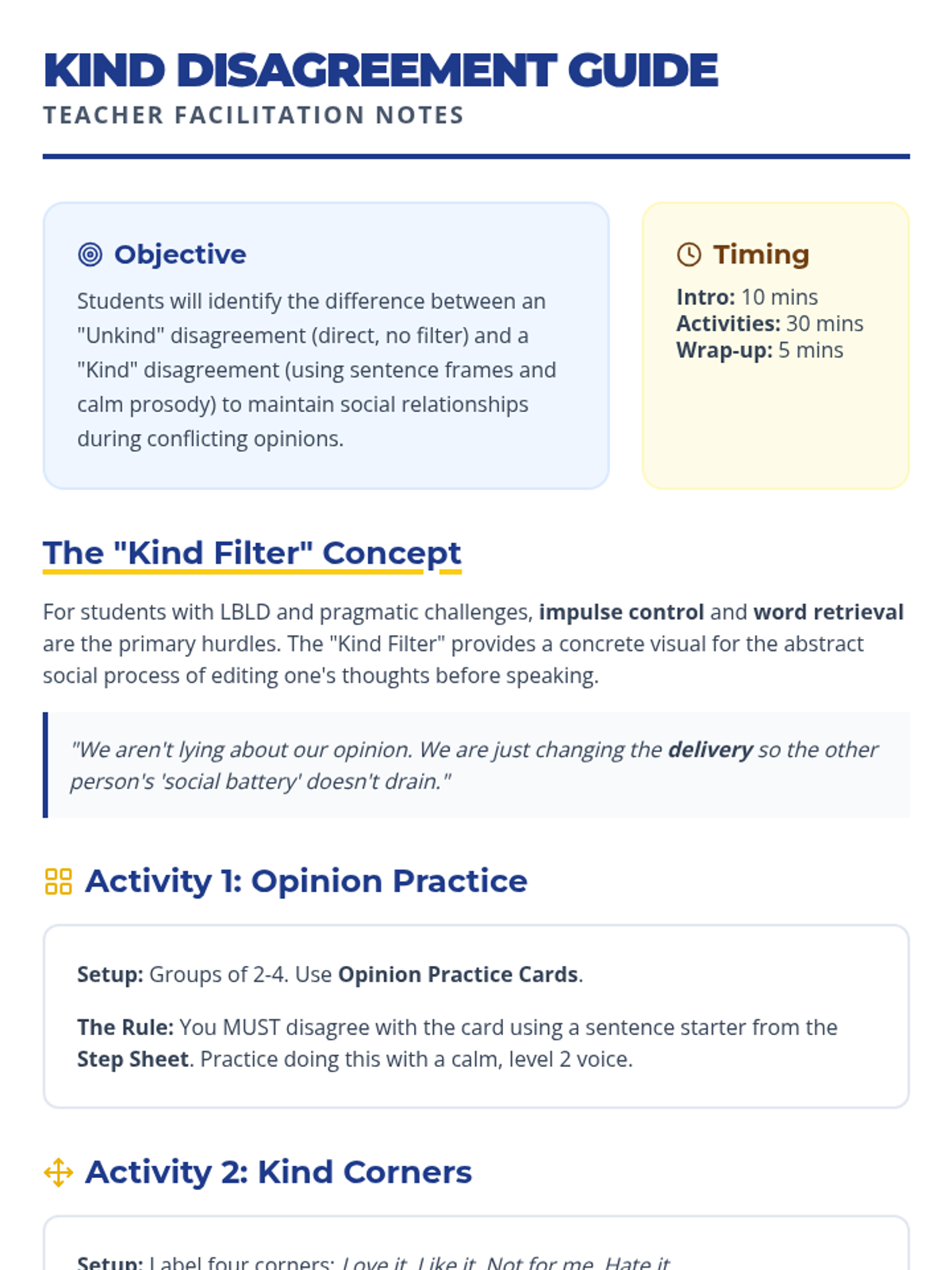
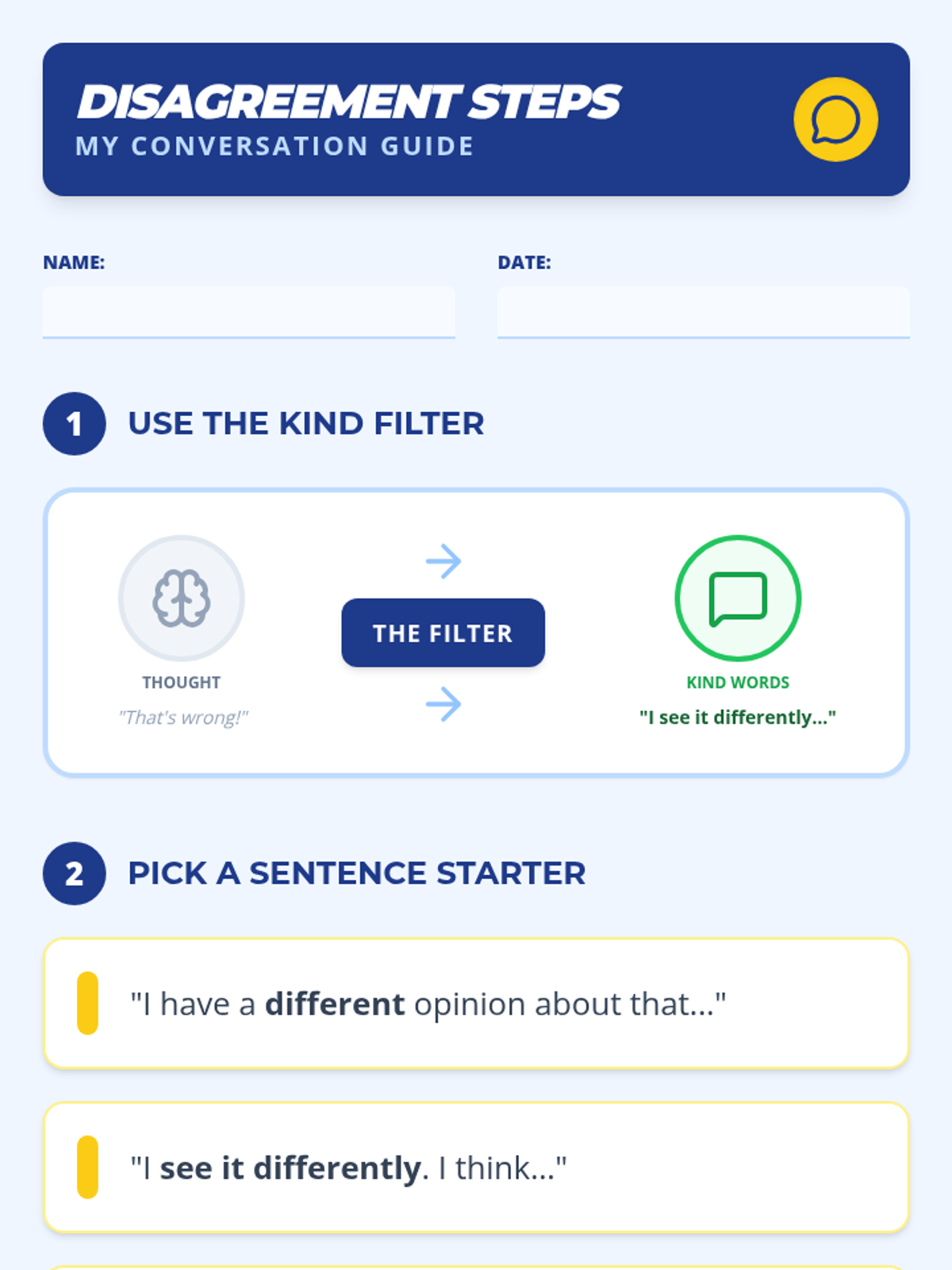
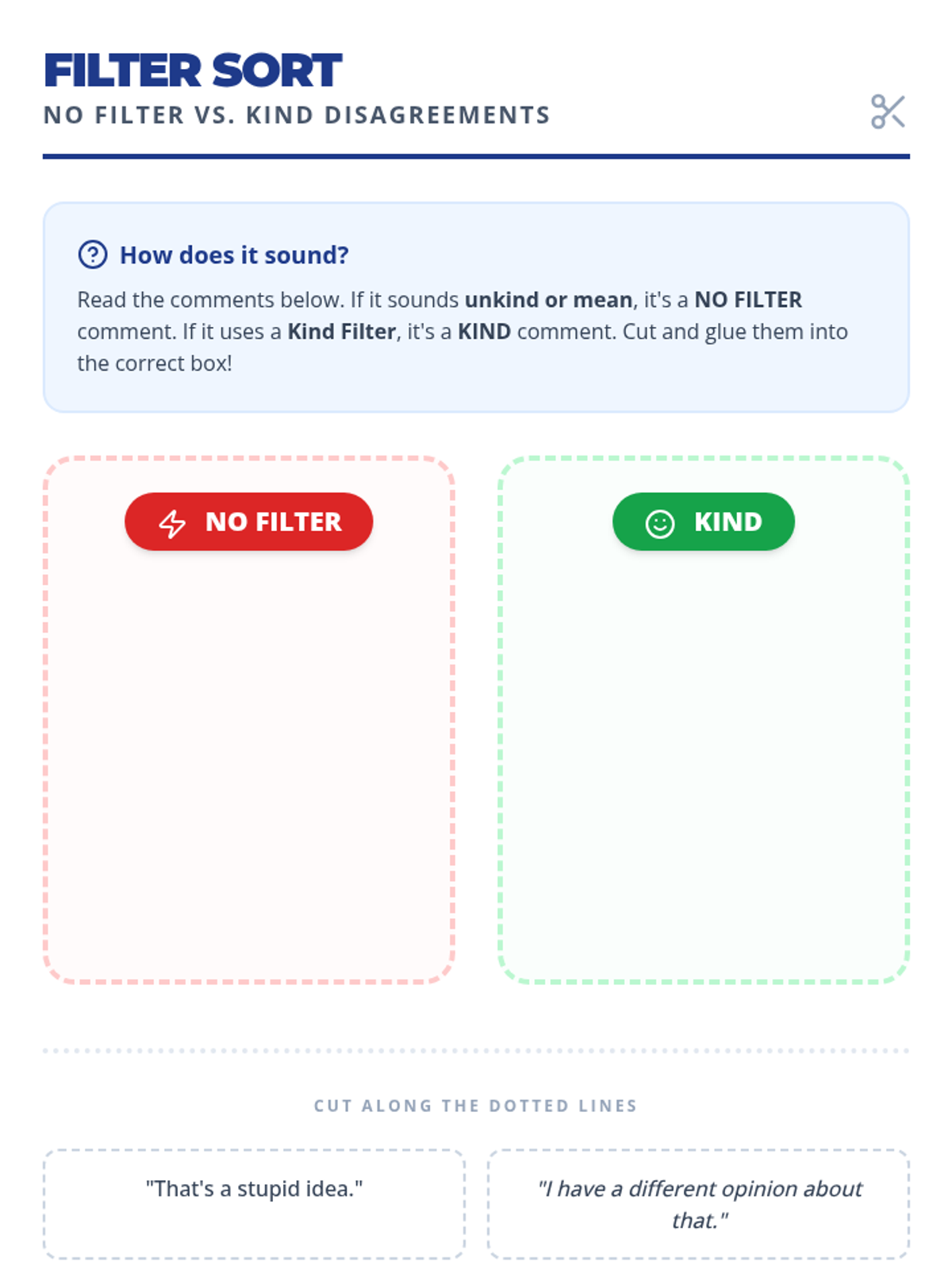
A pragmatic language lesson designed for students with LBLD to practice expressing disagreement respectfully. Through visual-heavy slides, structured role-plays, and hands-on activities like 'Kind Corners' and 'Opinion Practice', students learn to use social filters and sentence frames to navigate conflicting opinions.
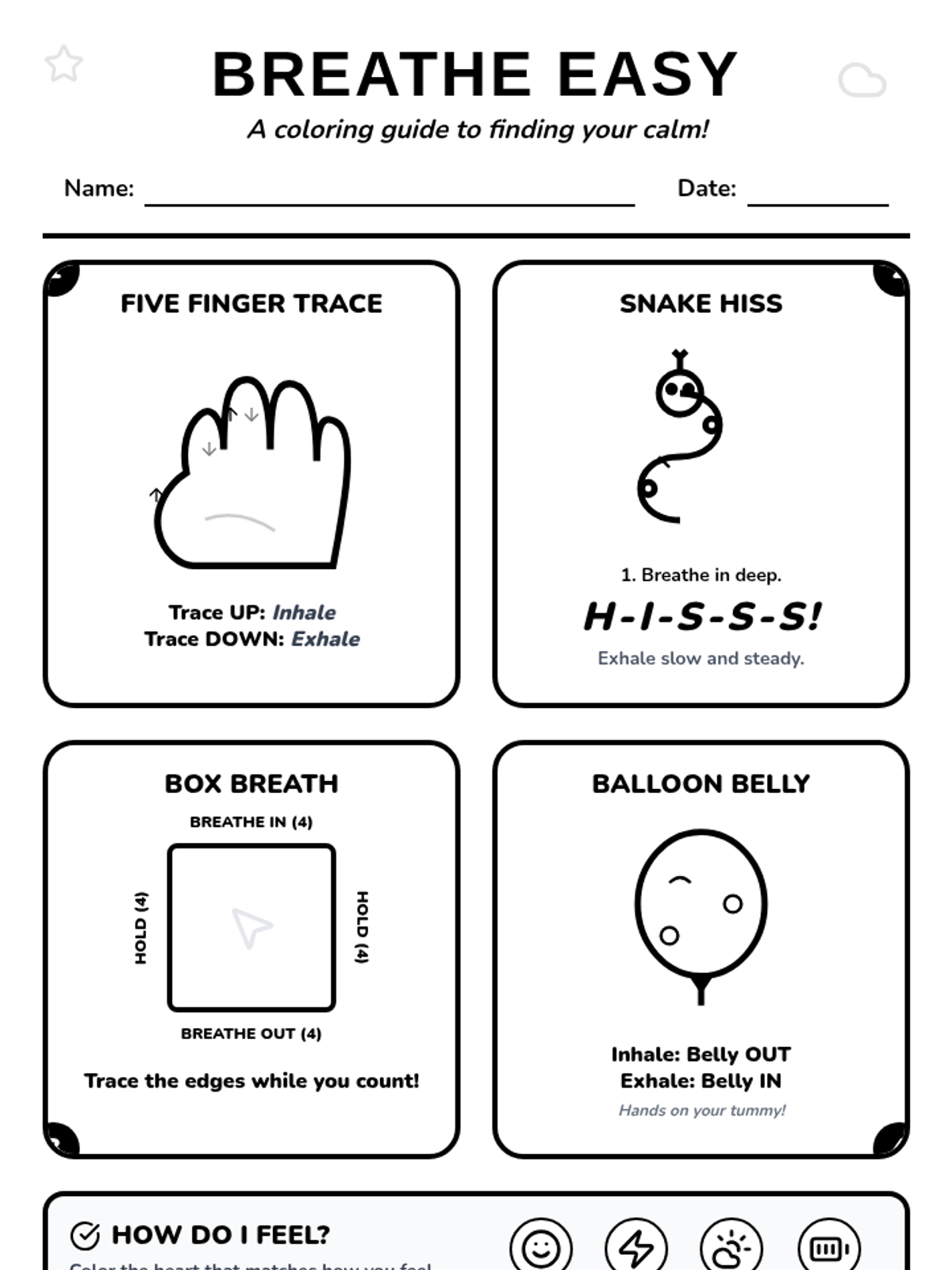
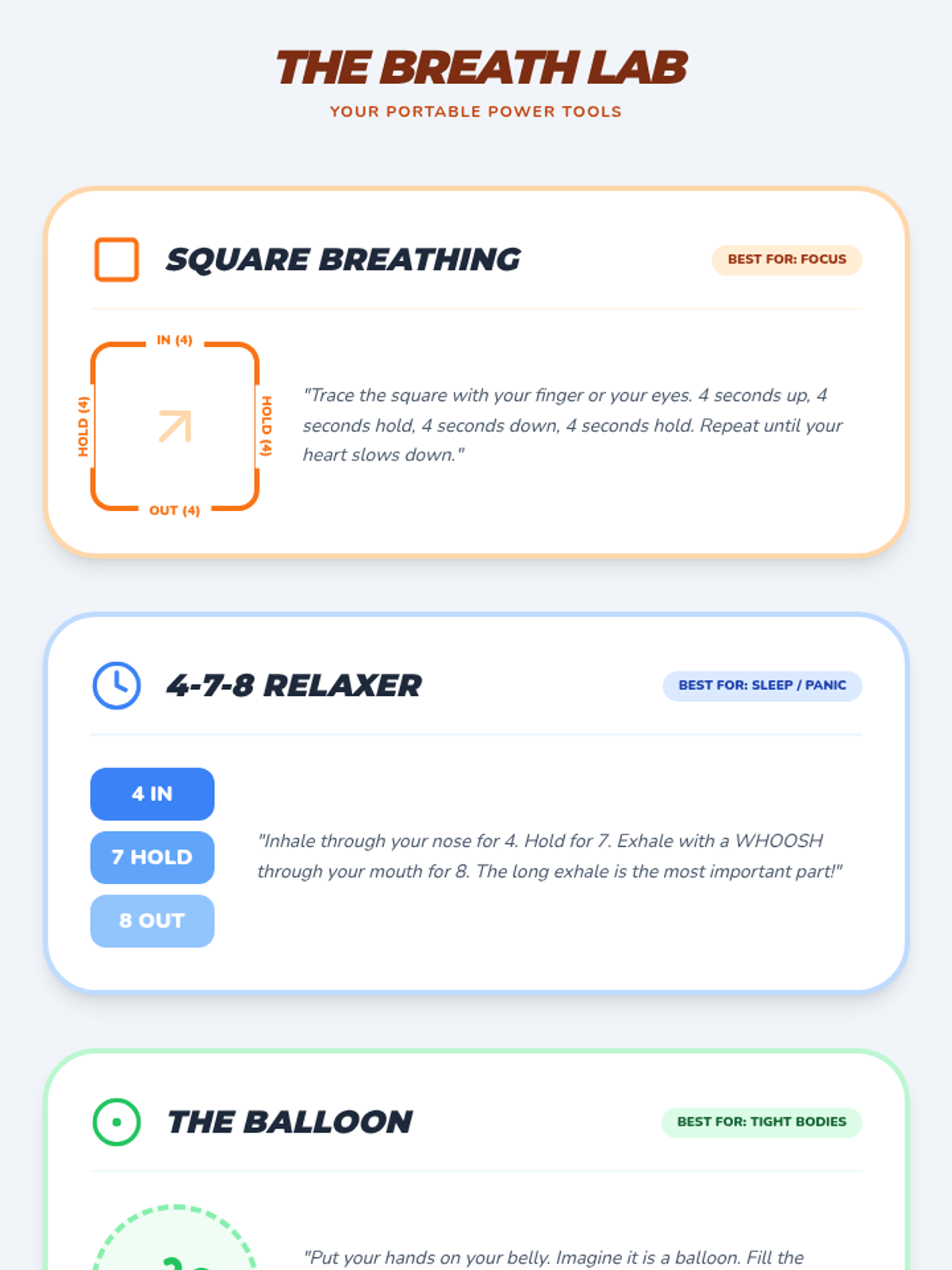
A collection of resources to help students learn and practice mindfulness breathing techniques for self-regulation and focus.
Final reflection, celebration of growth, and planning for the journey ahead.
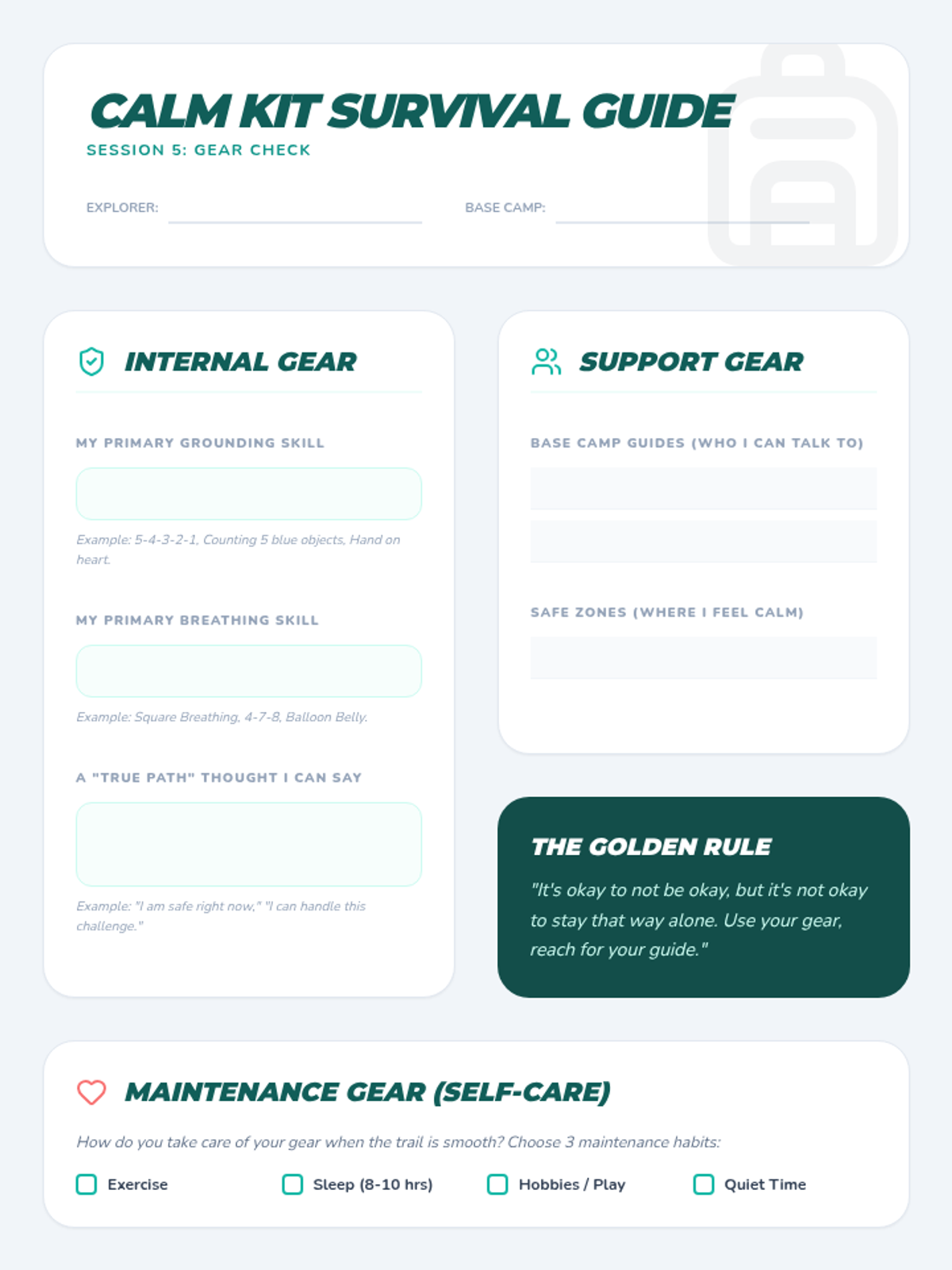
Reviewing various coping skills and creating a personalized 'Survival Kit' for future use.
Focusing on the power of breath and mindfulness as internal tools for regulation.
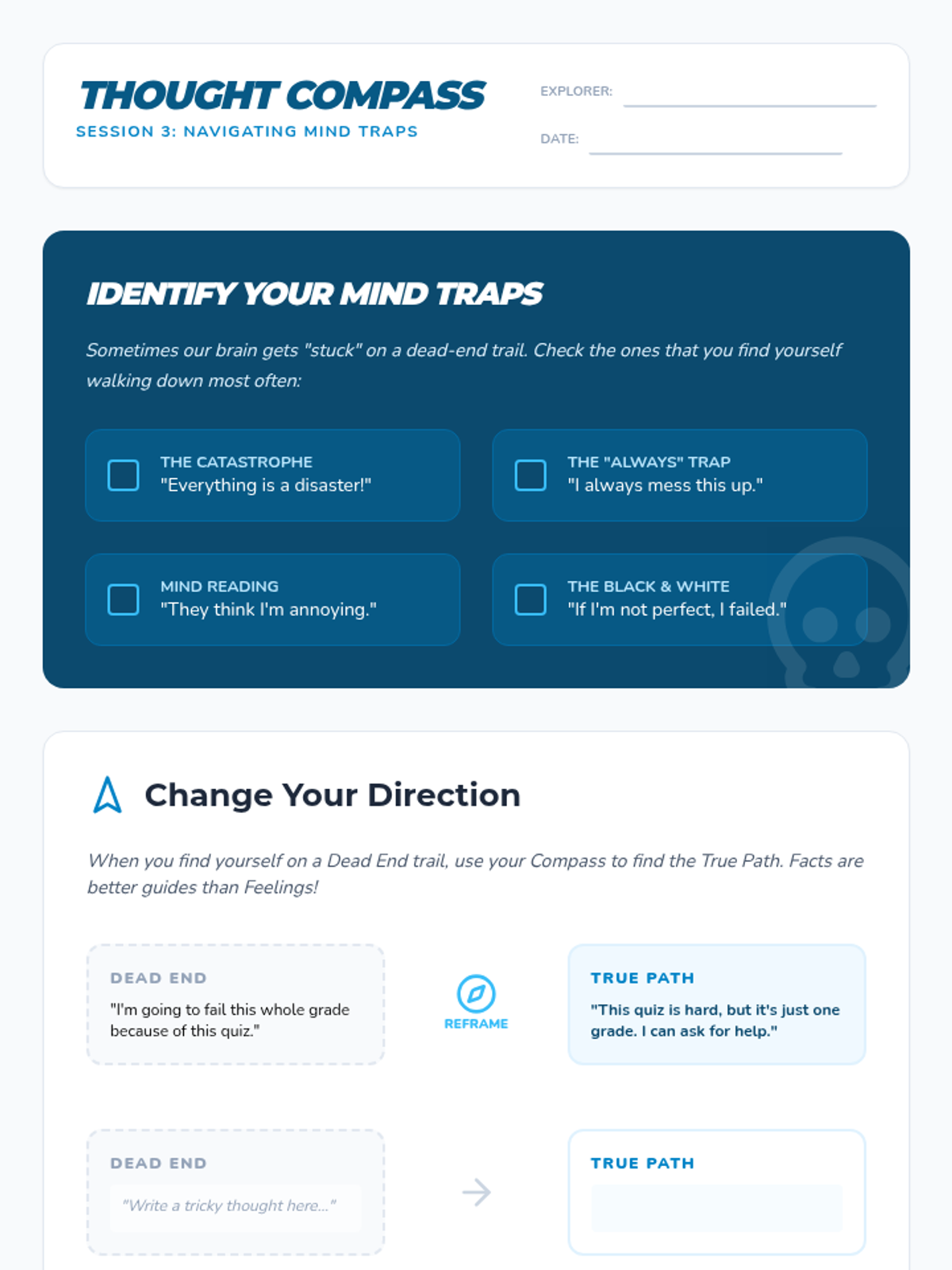
Identifying cognitive distortions or 'tricky trails' and learning to reframe thoughts using a 'Thought Compass'.
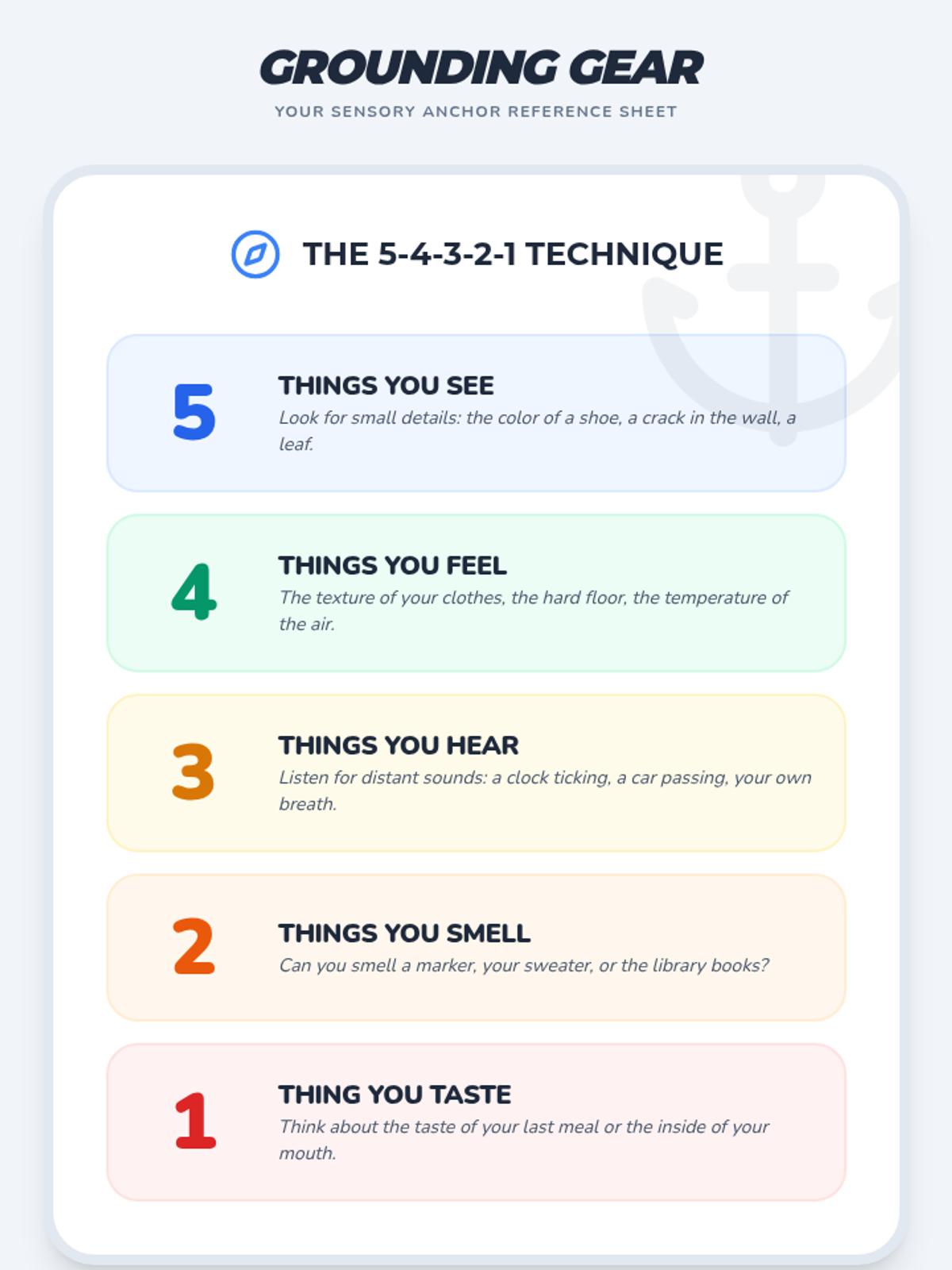
Understanding the physical 'alarm system' of the body and learning grounding techniques to stay present during 'storms'.
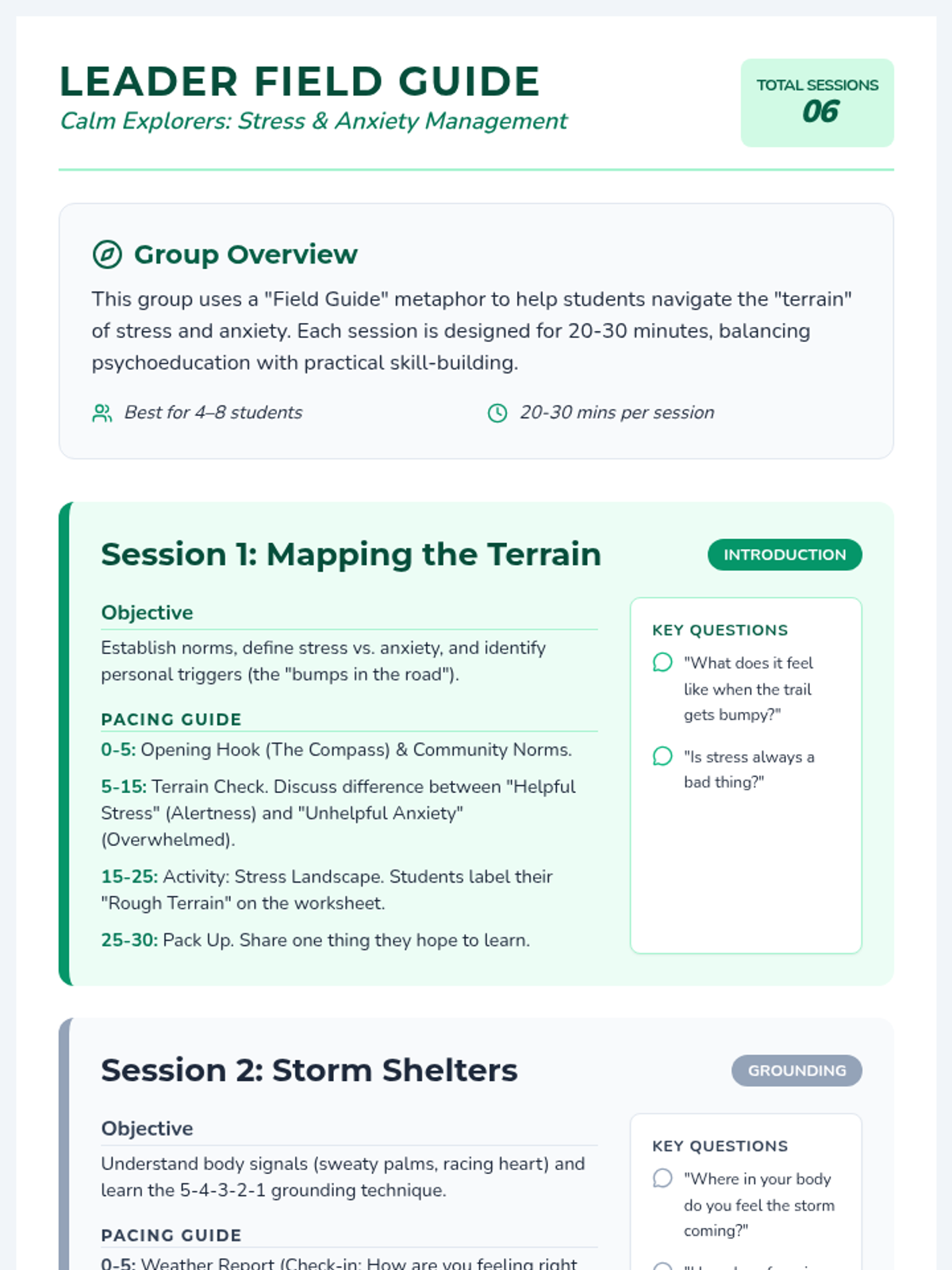
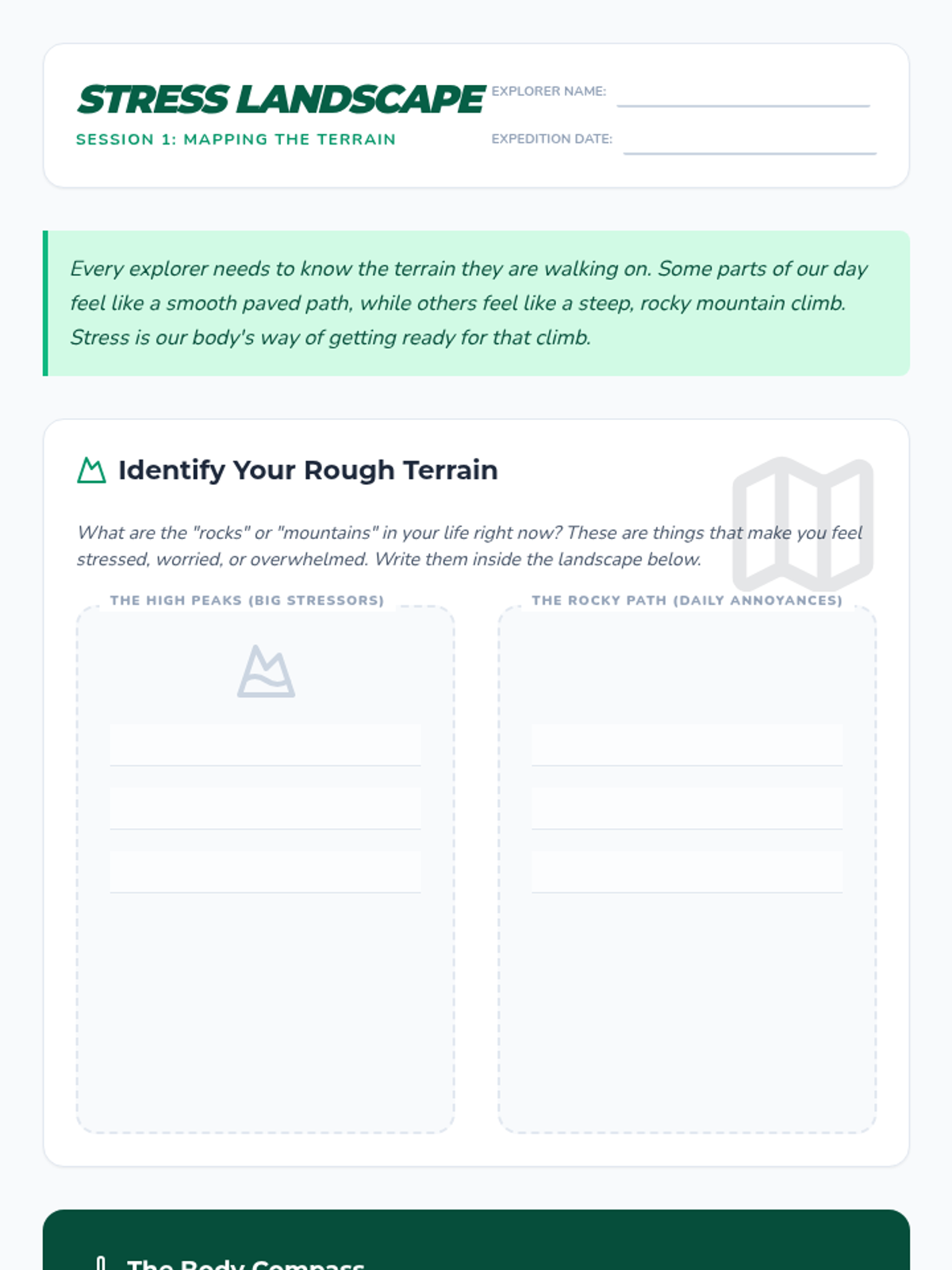
Introduction to the group, establishing norms, and identifying individual stress triggers using the 'Stress Landscape' metaphor.
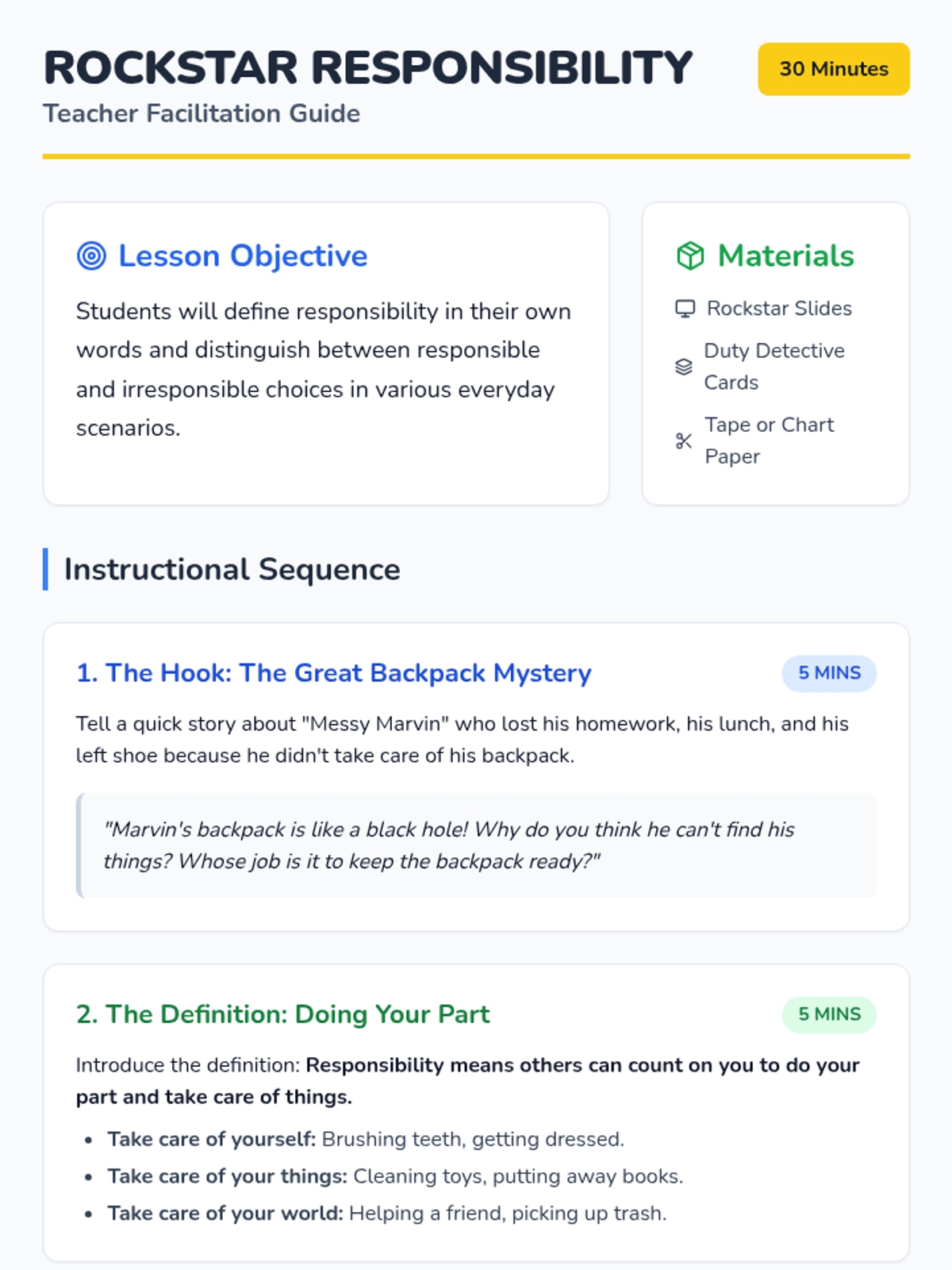
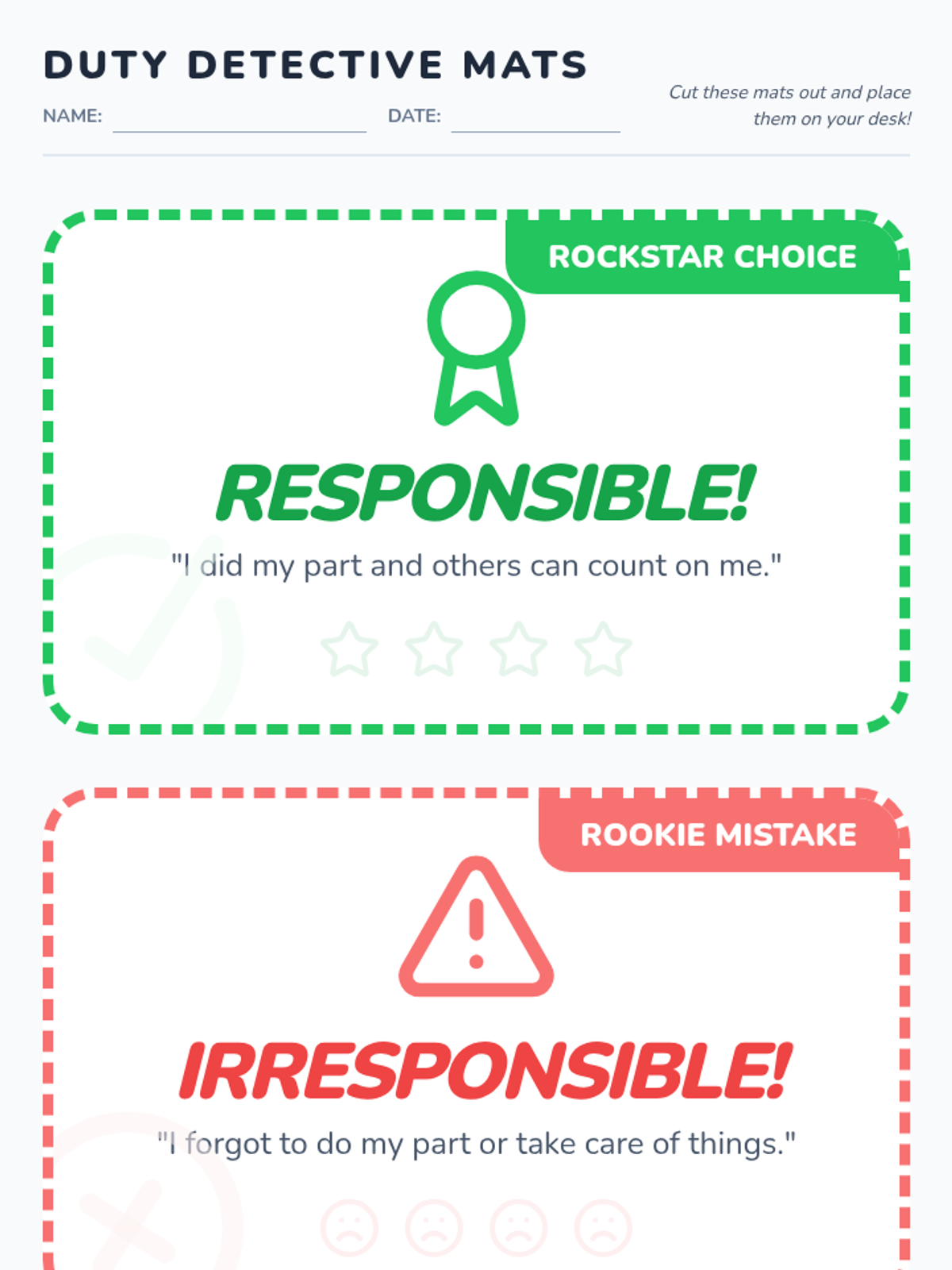
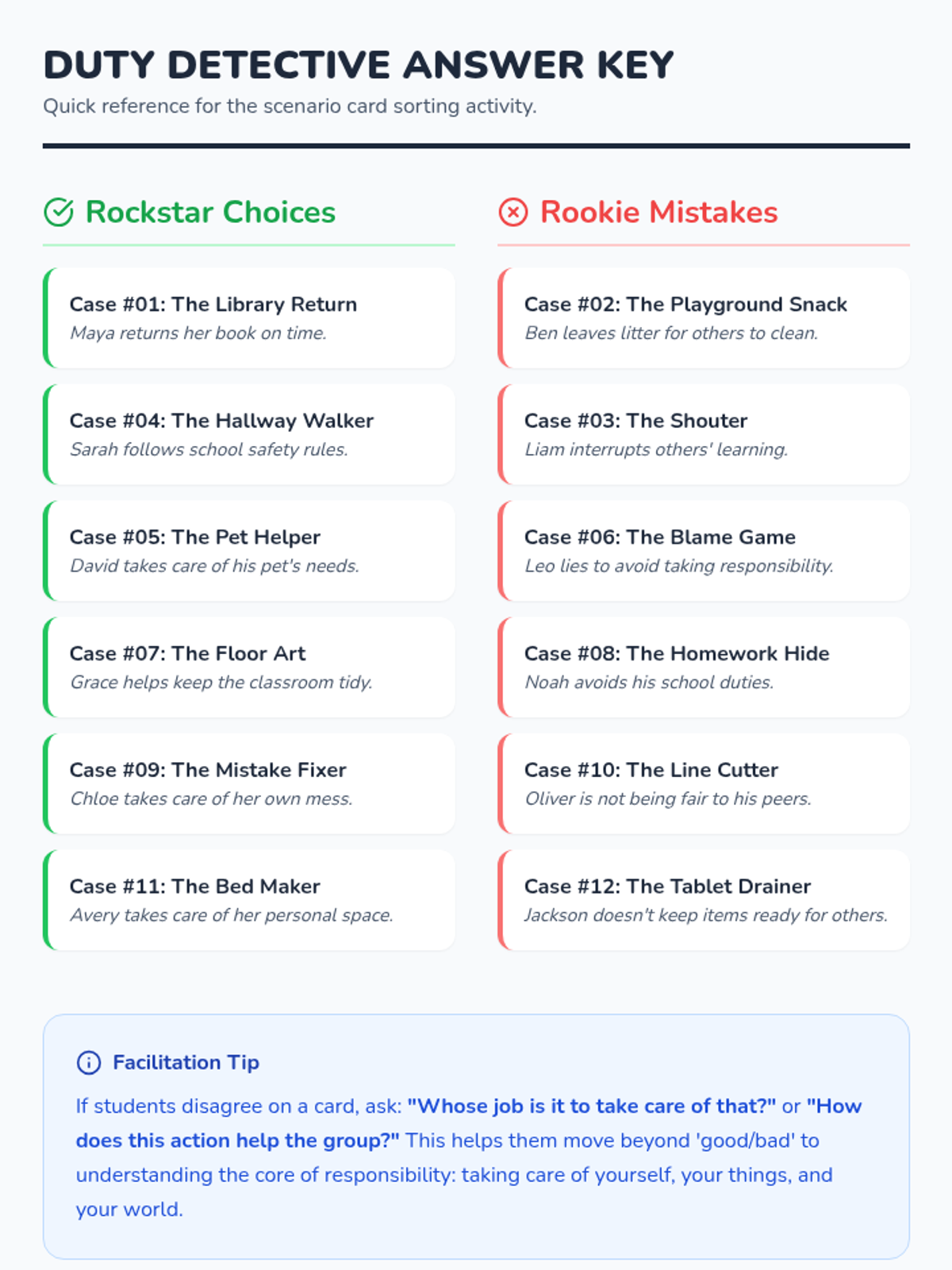
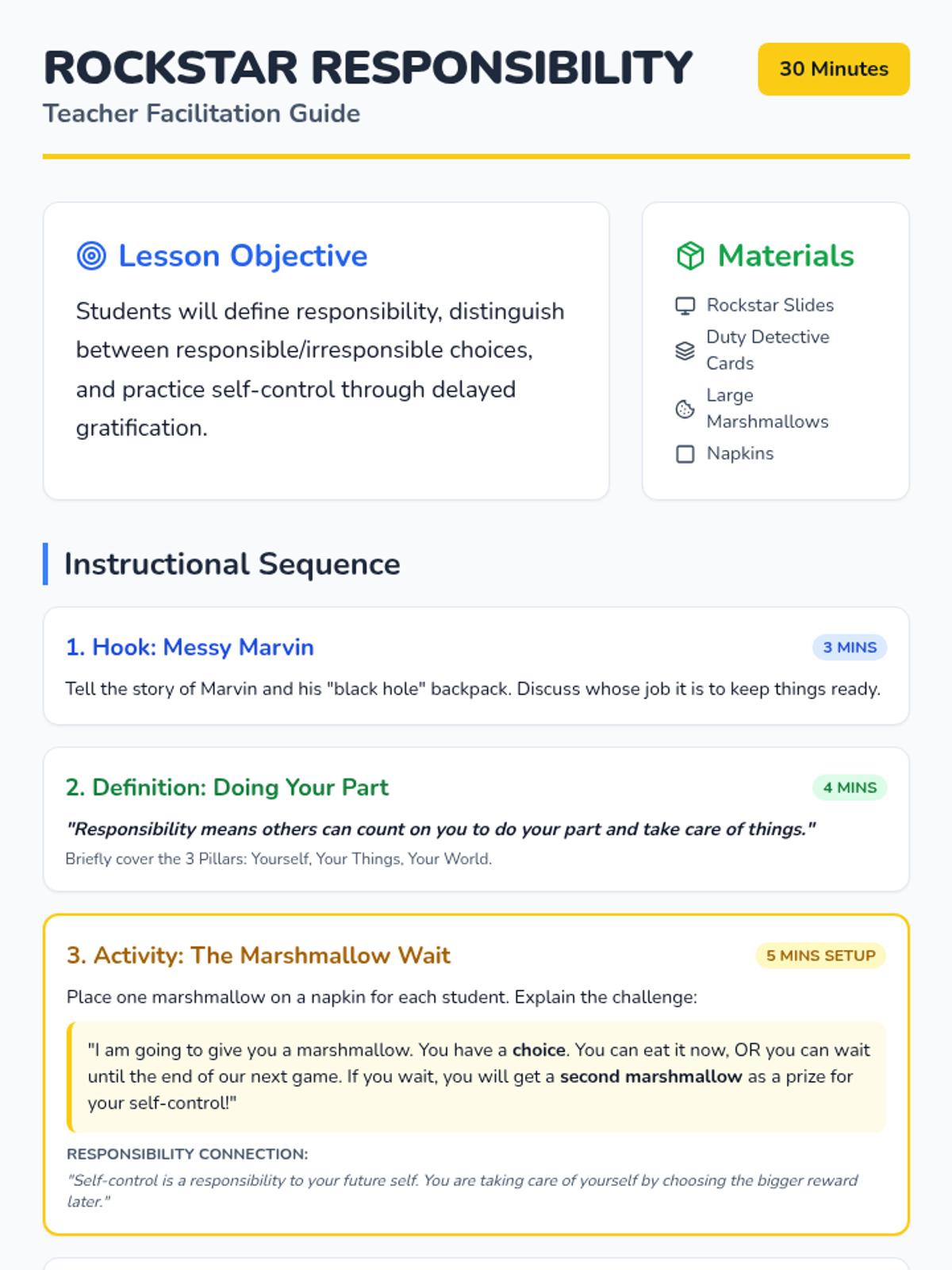
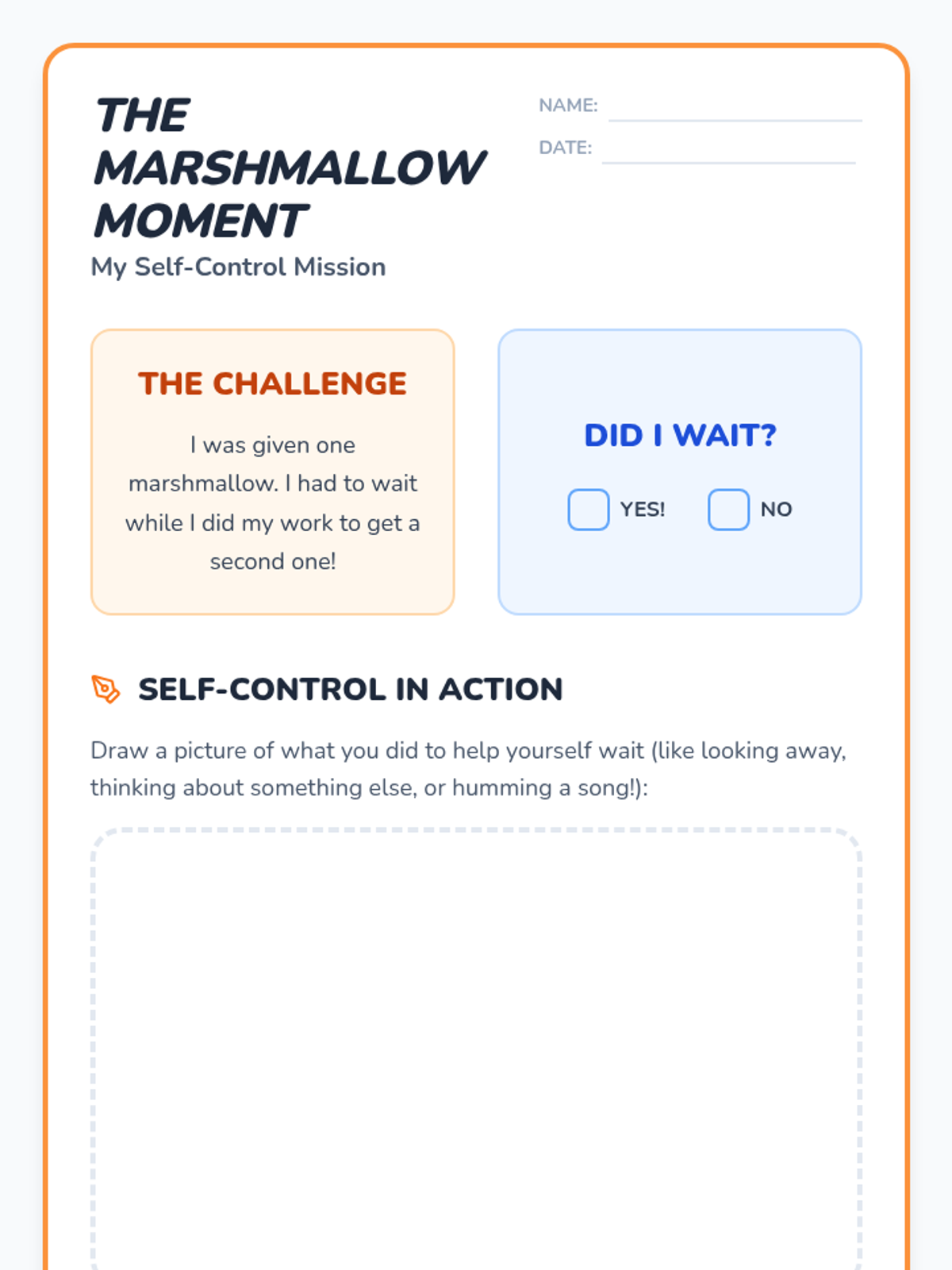
A high-energy, 30-minute introduction to responsibility for K-4 students, featuring a scenario-based hook, clear definitions, and interactive choice-sorting activities.
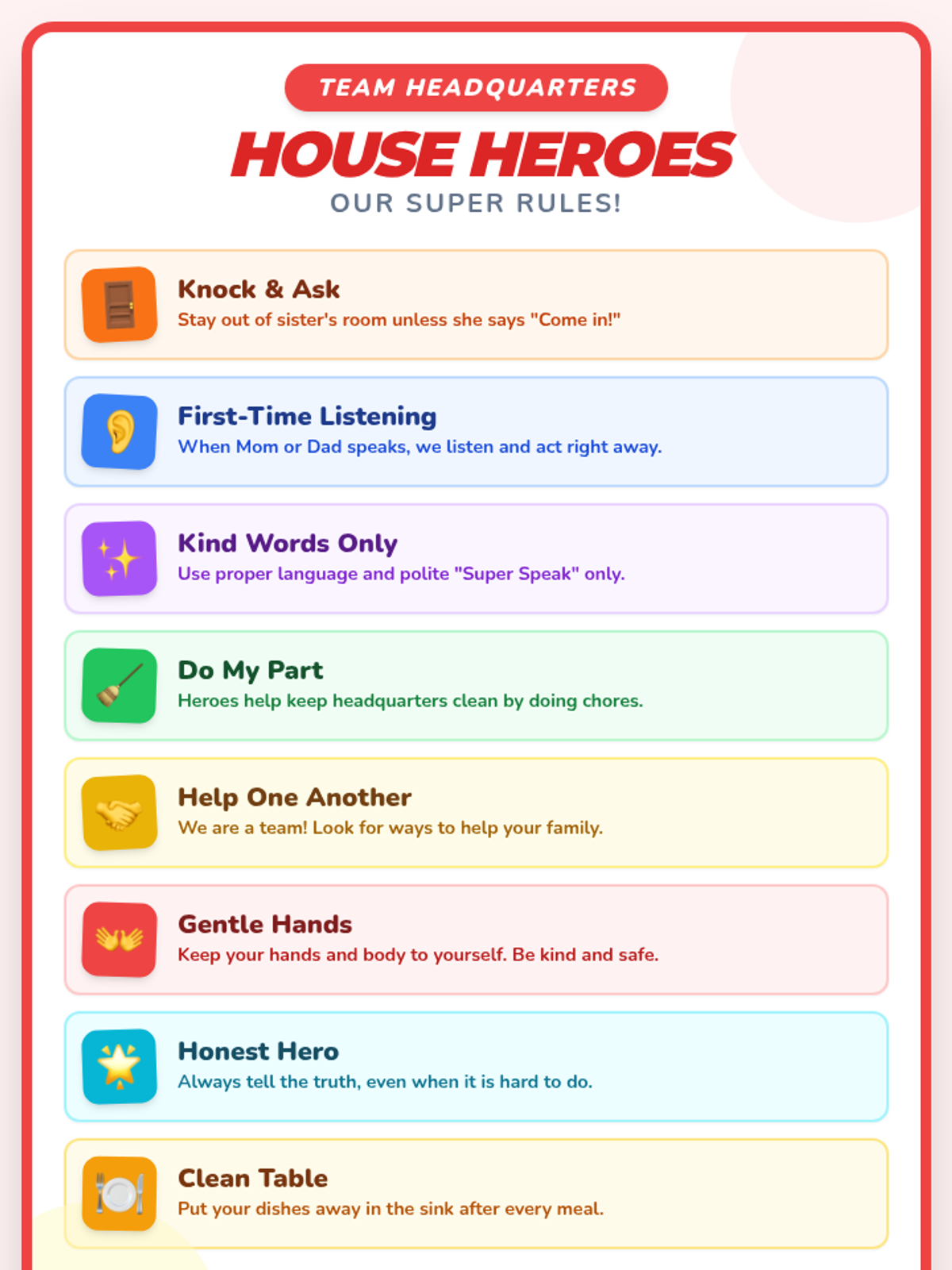
A clear and positive set of house rules to help first graders understand expectations for behavior and cooperation at home.
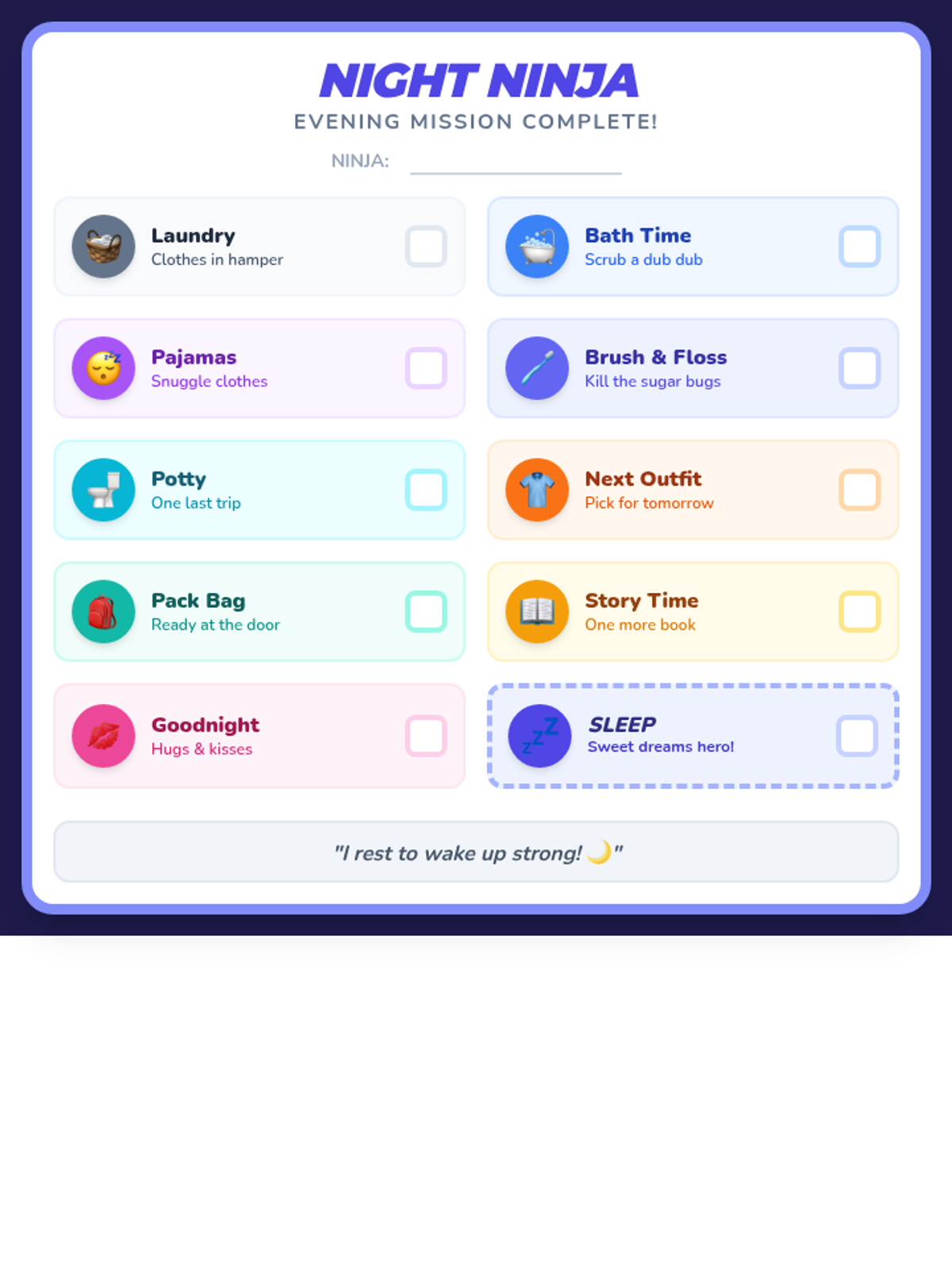
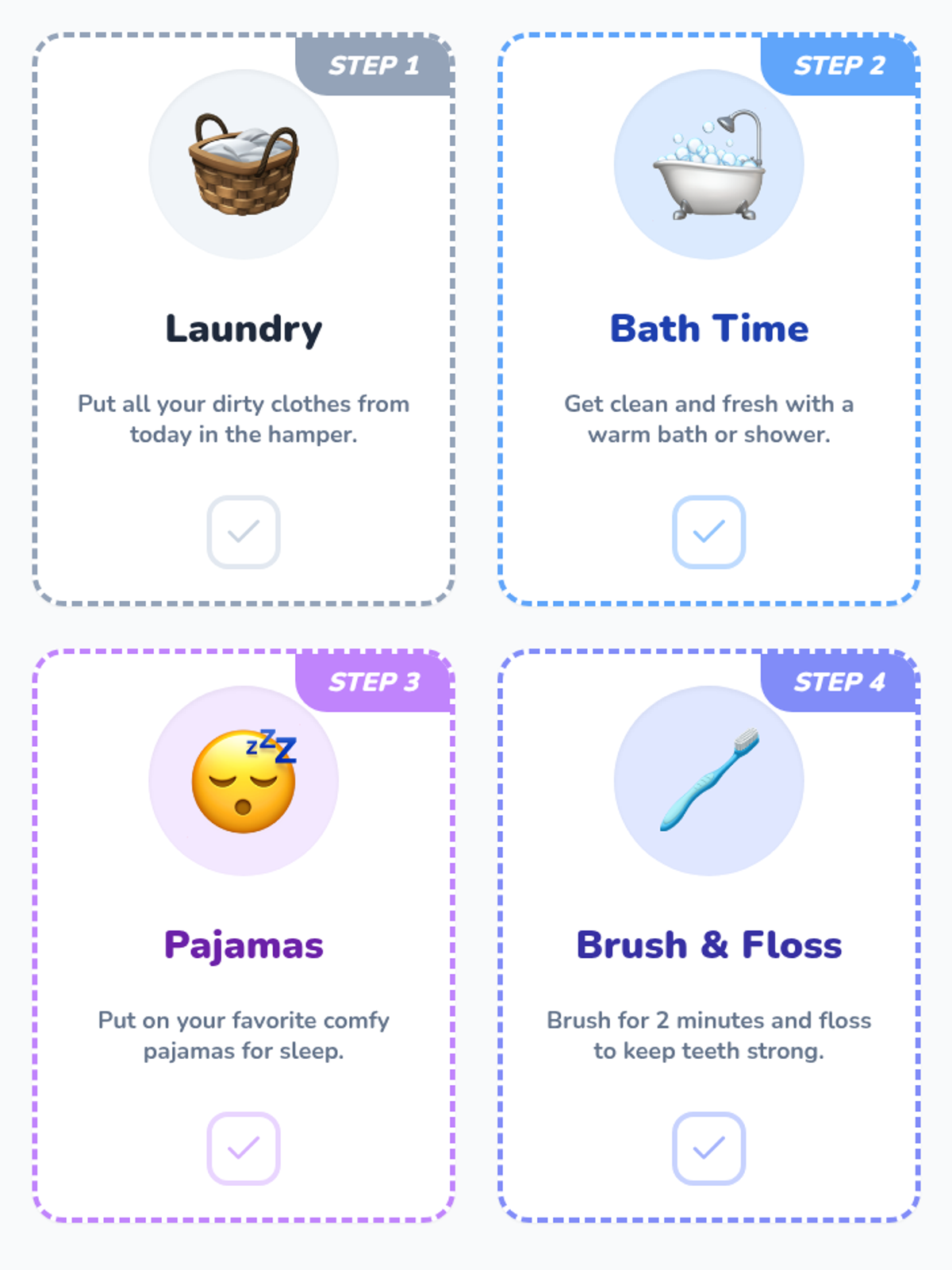
Visual routines to help first graders wind down and prepare for the next day, ensuring a peaceful transition to sleep.
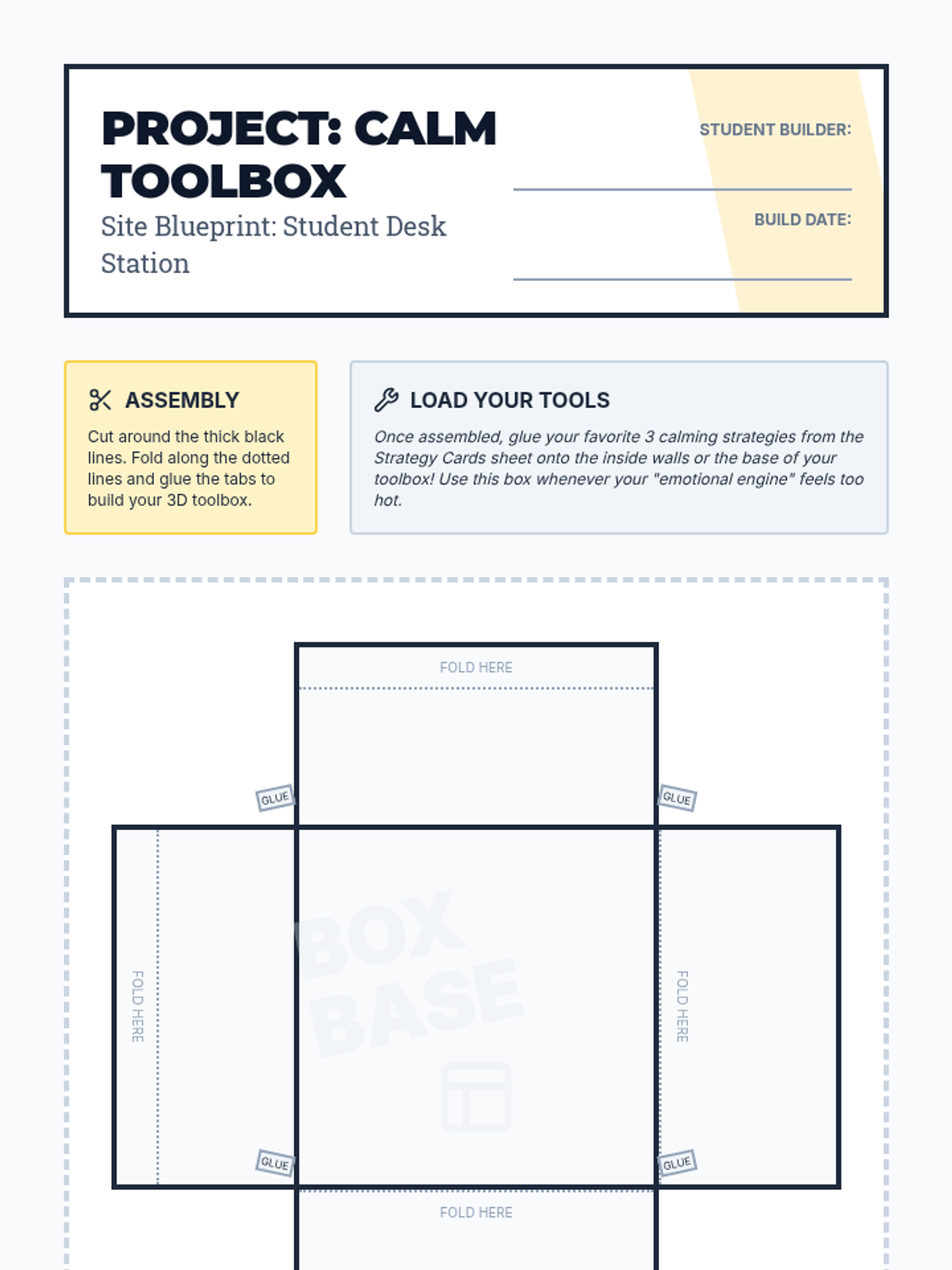
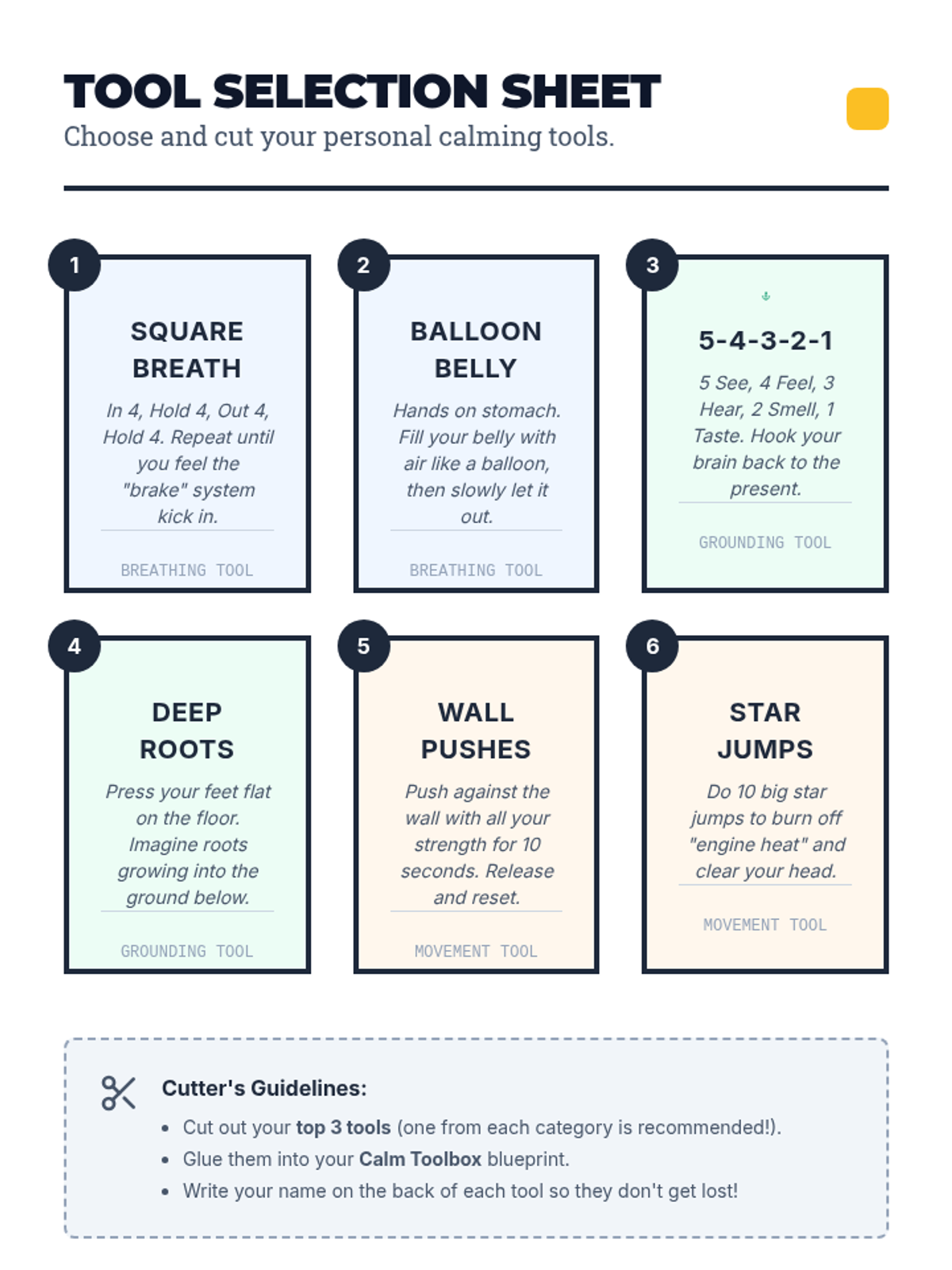
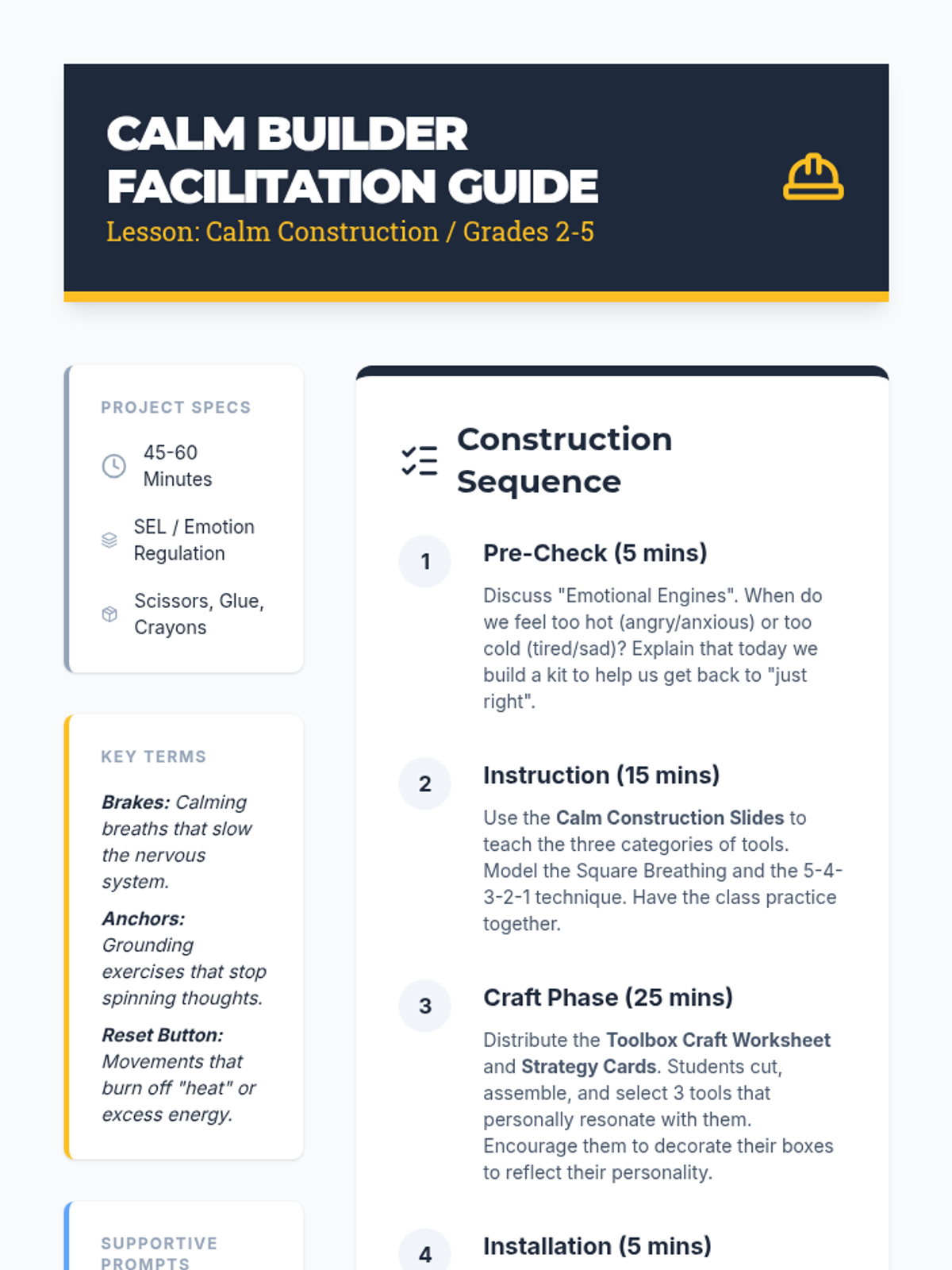
A hands-on lesson where students build a personal 'calming toolbox' filled with evidence-based strategies for breathing, grounding, and movement. Students learn to identify when they need a tool and how to use it effectively to manage their emotions.
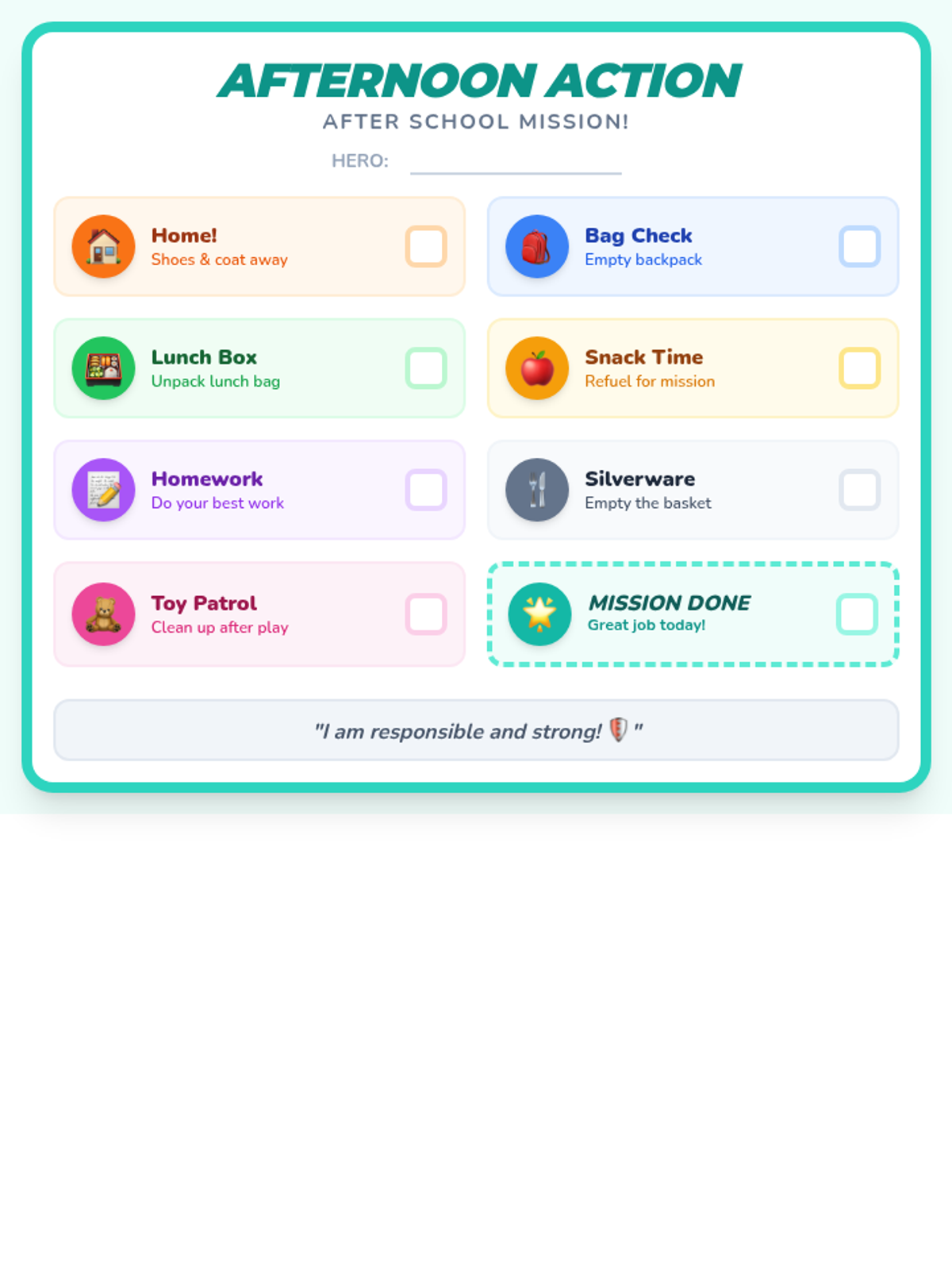
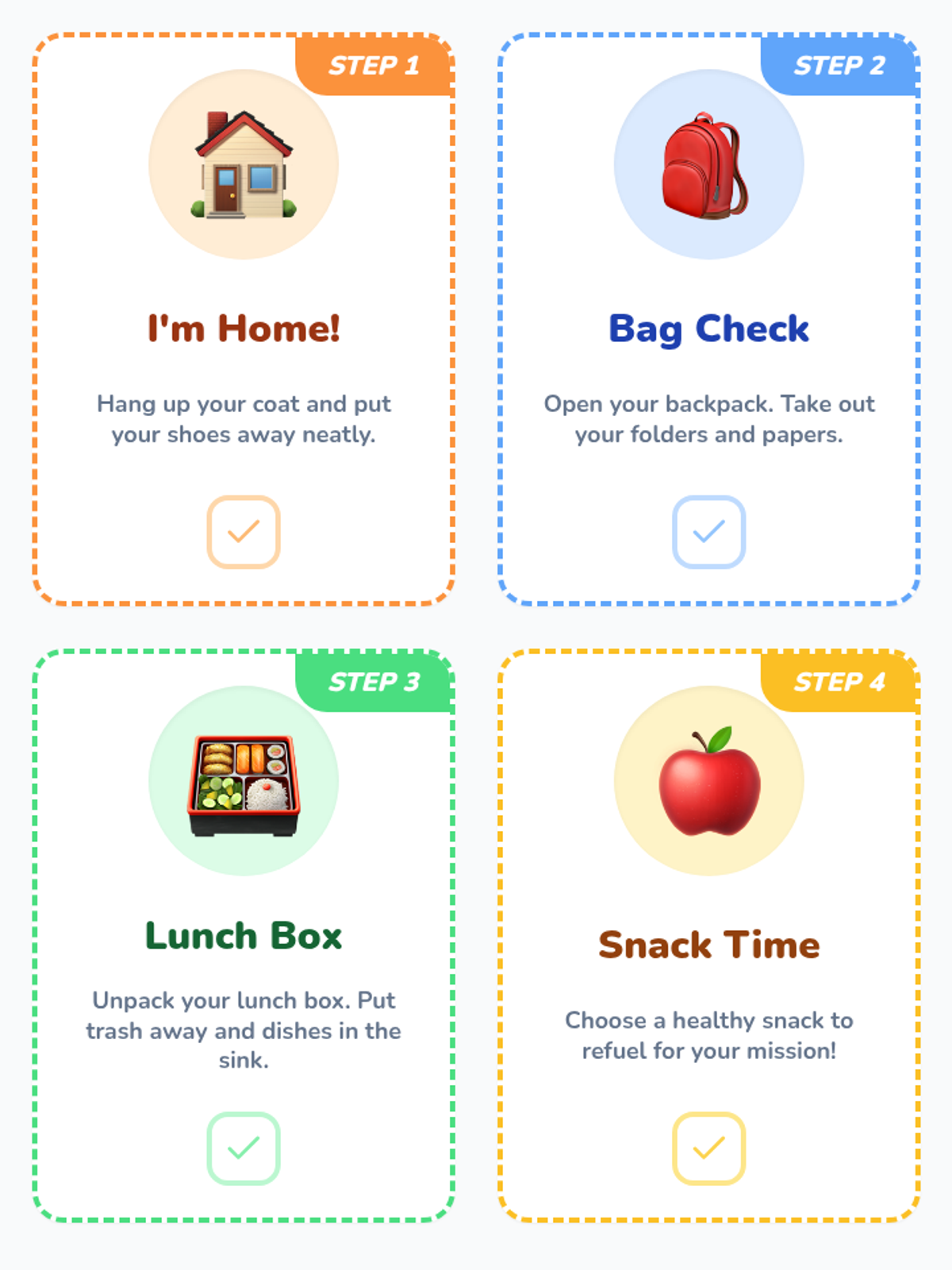
Visual checklists and task cards to help first graders manage their afternoon responsibilities, from school dismissal to dinner time.
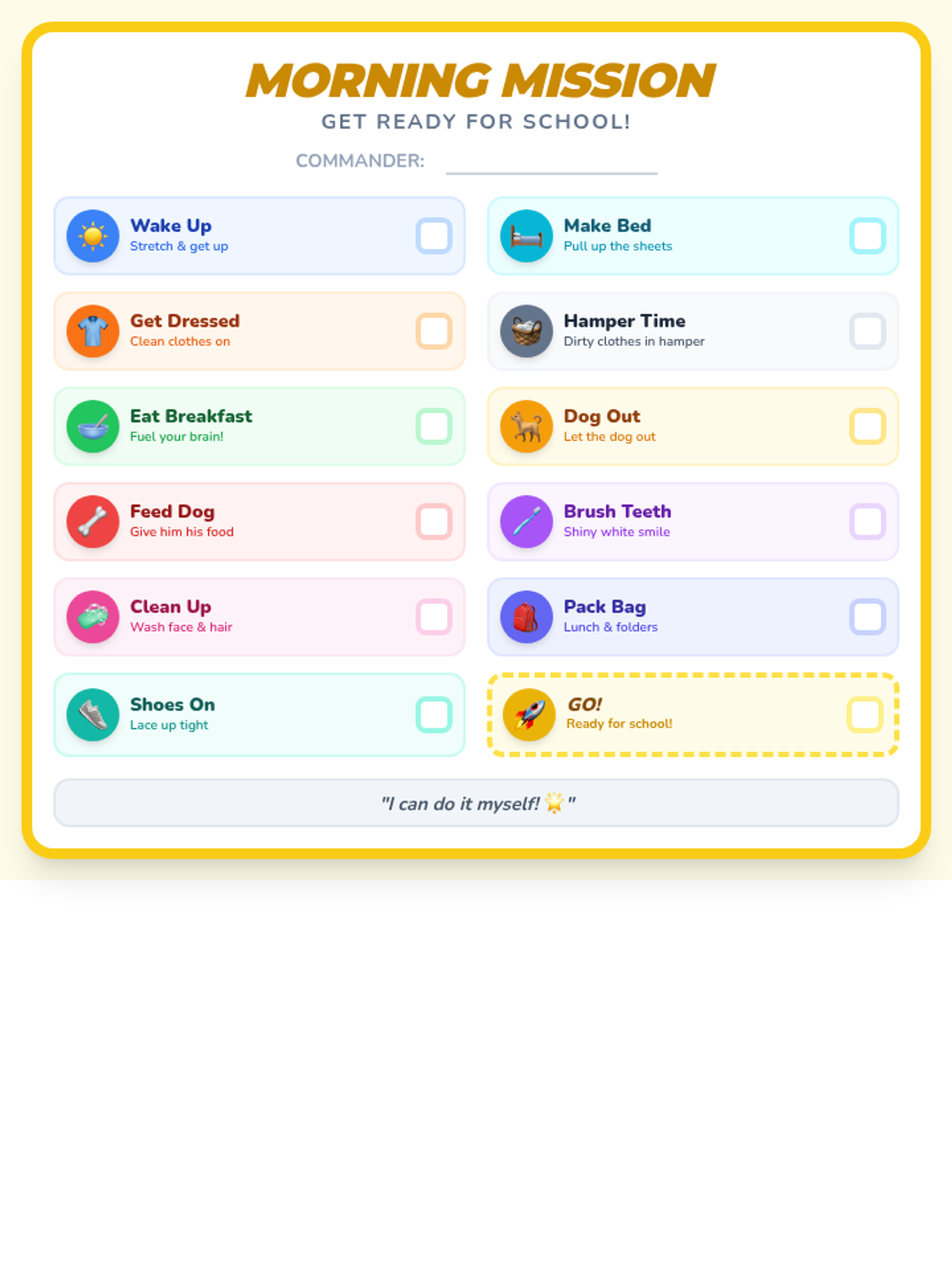
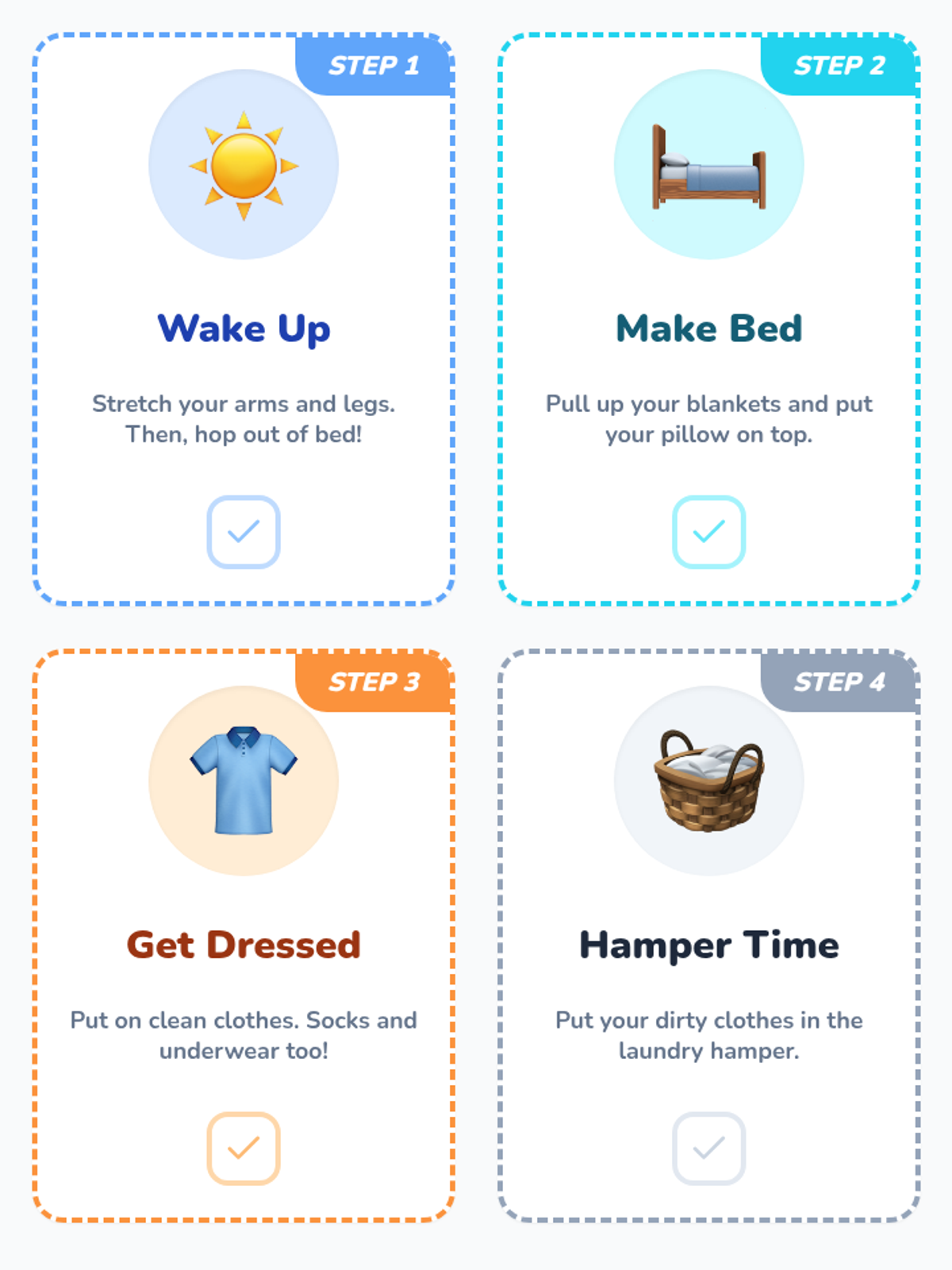
A set of visual tools to help first graders independently navigate their morning routine from waking up to heading out the door.
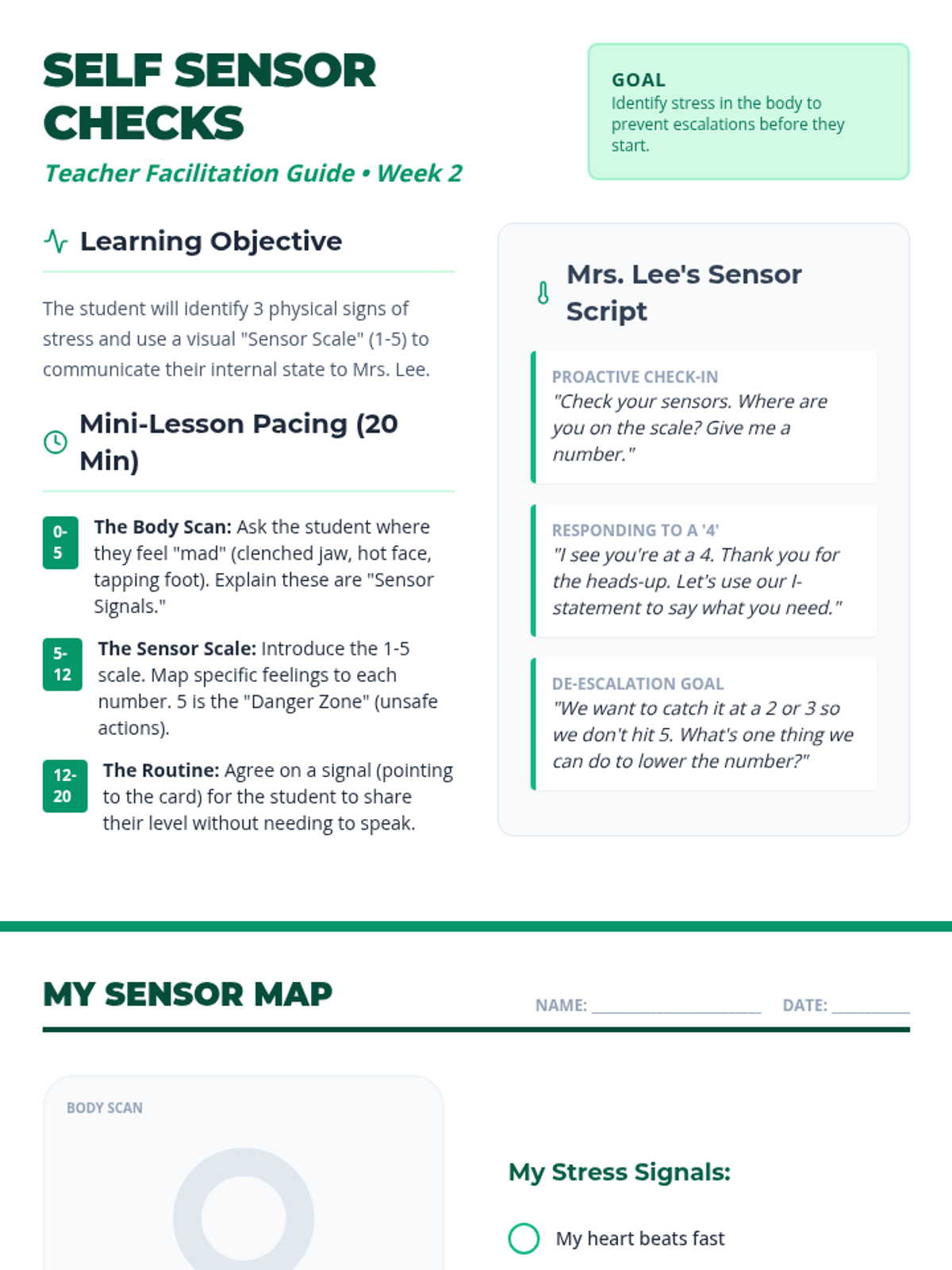
This lesson focuses on identifying internal emotional states and using visual check-ins to monitor stress levels before they lead to disruptions.
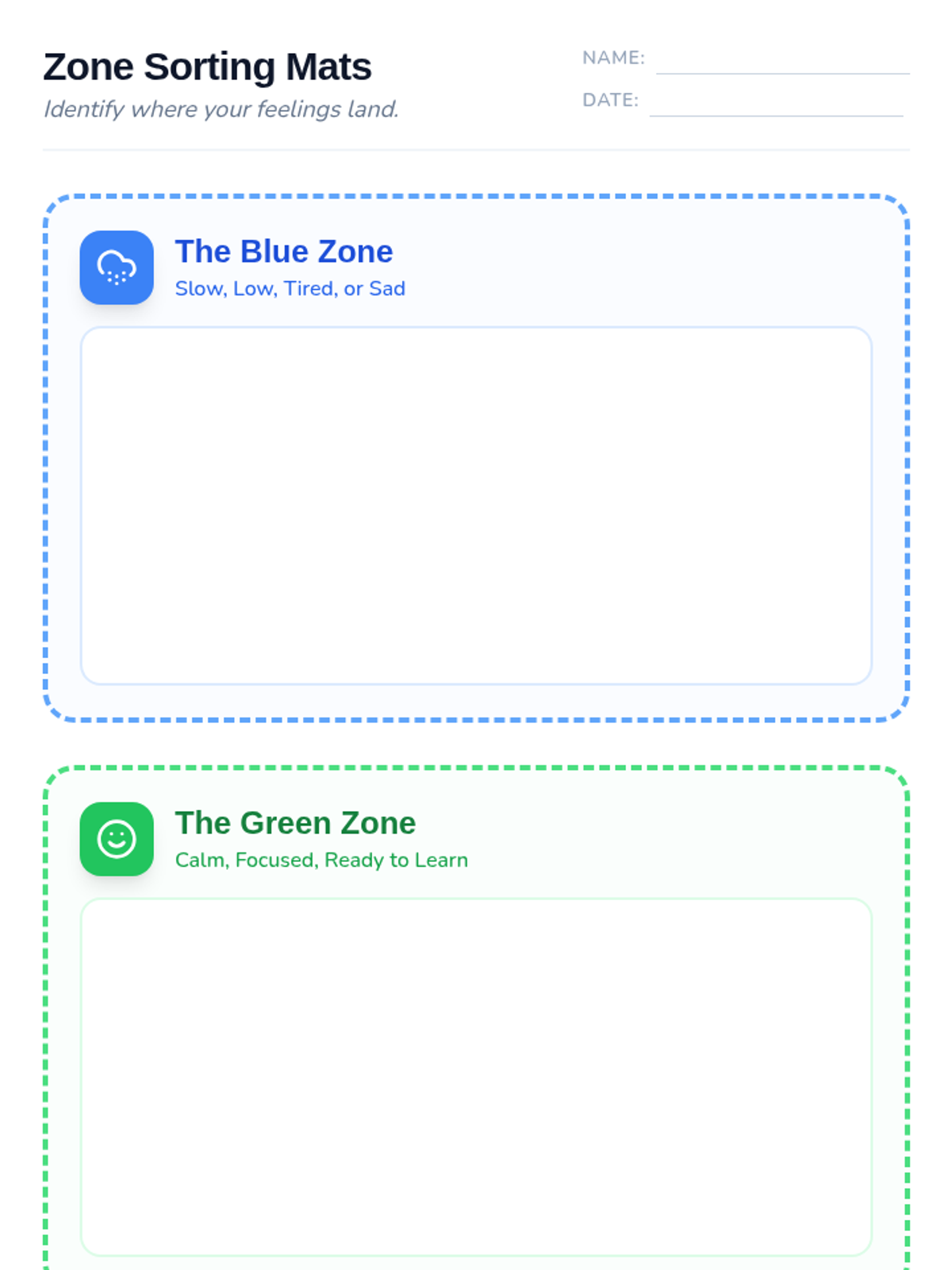
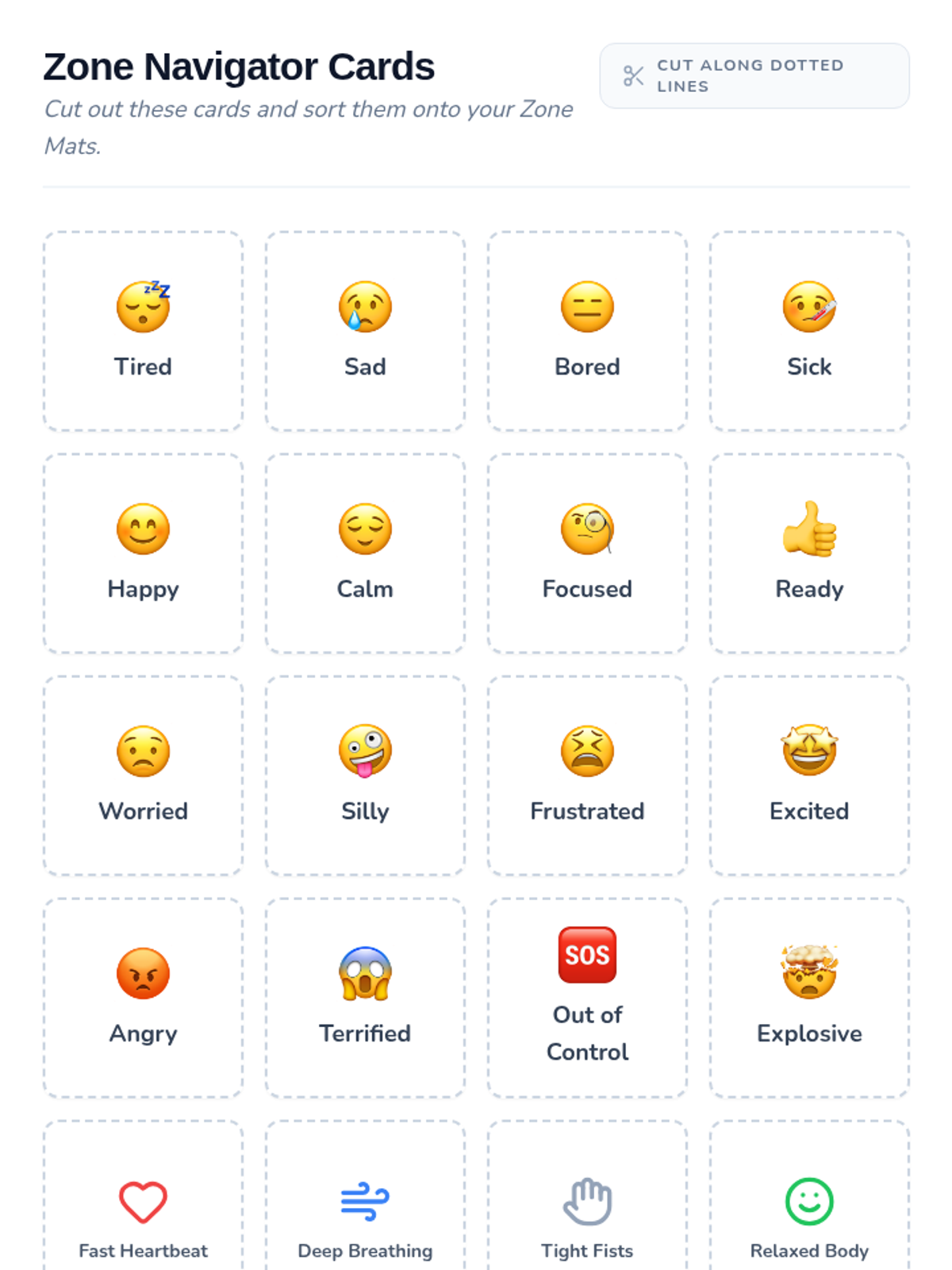
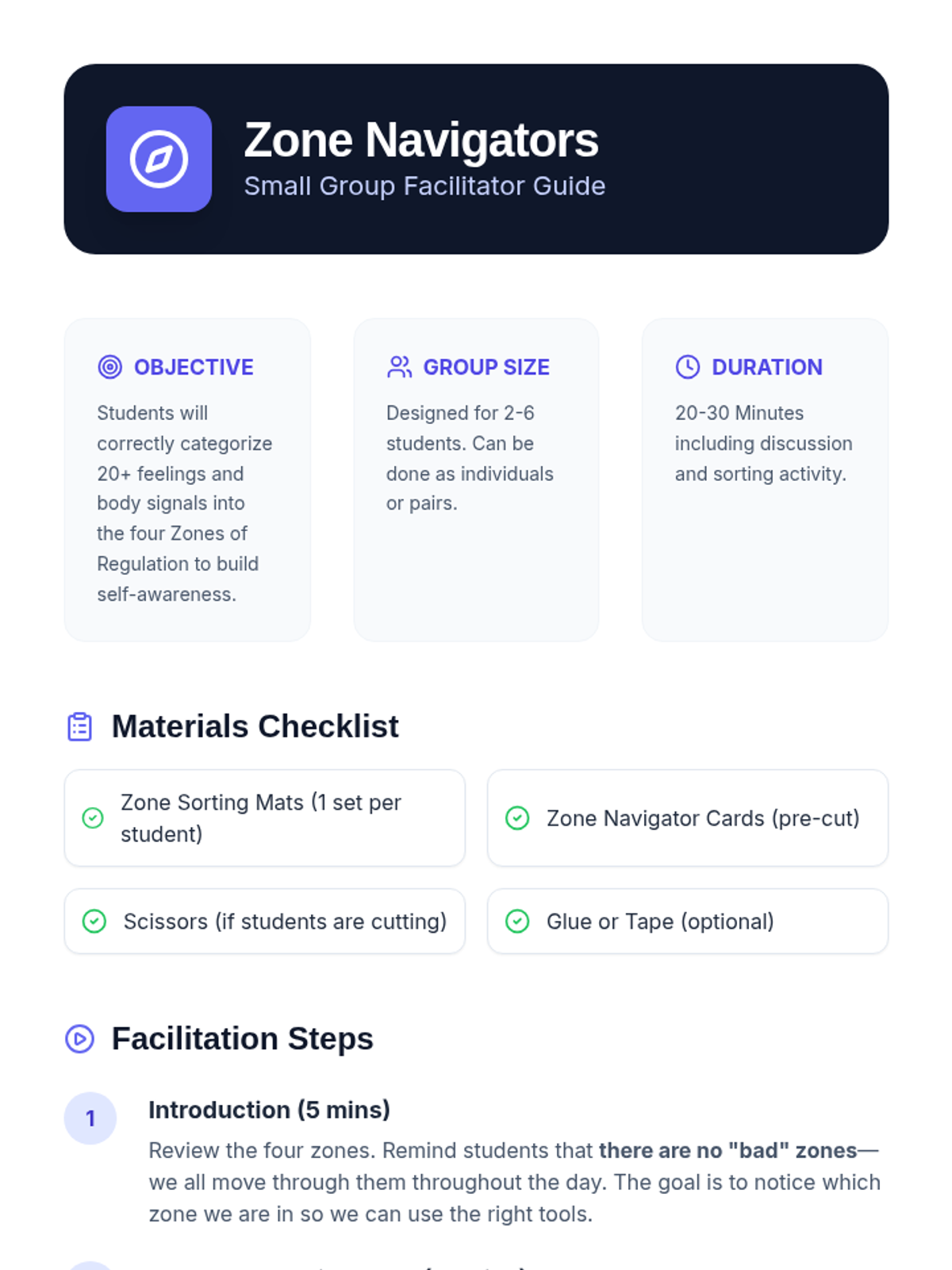
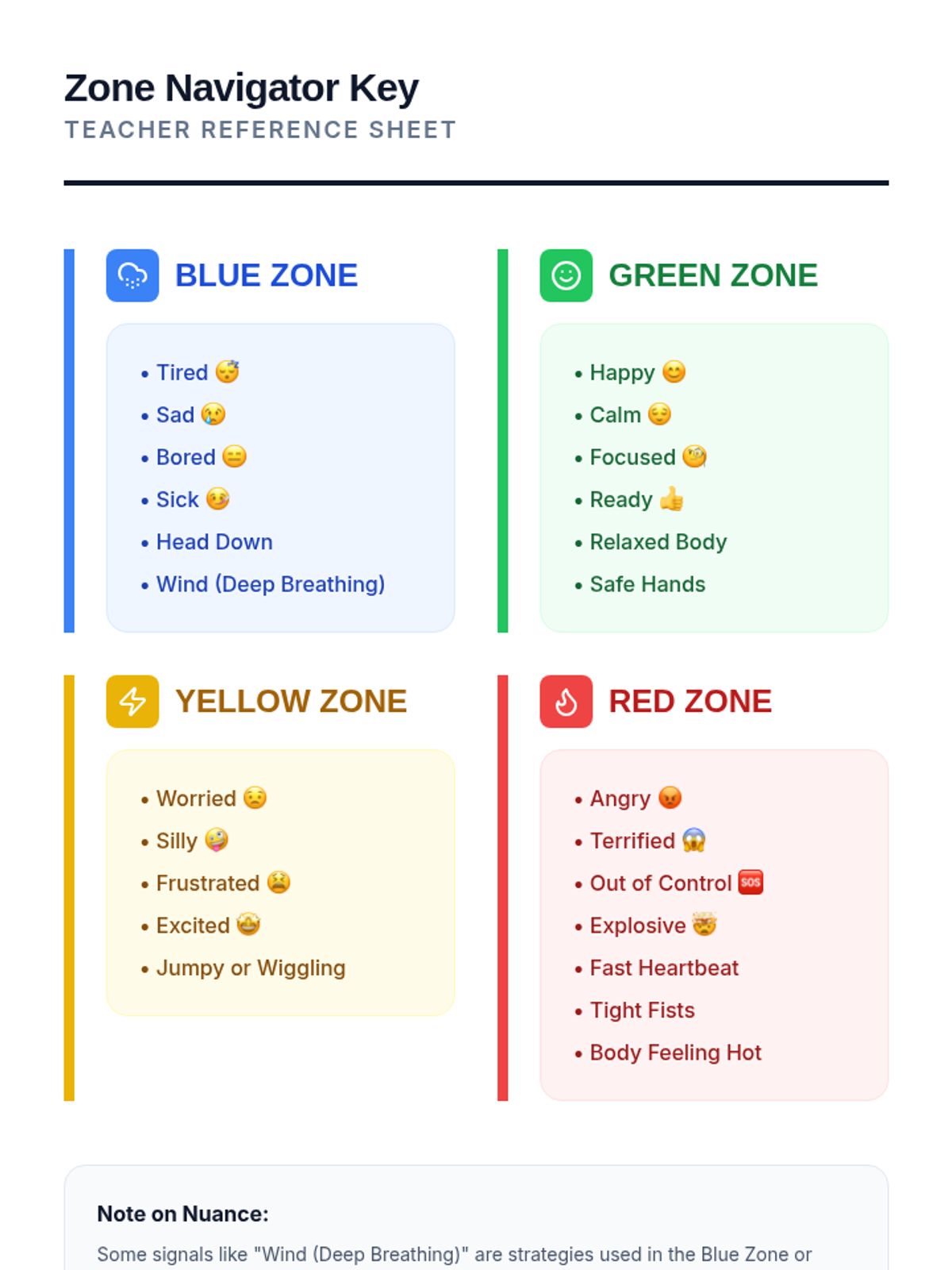
A small group activity focused on identifying and categorizing emotions into the four color zones (Blue, Green, Yellow, and Red). Students will practice recognizing body signals and feelings to improve self-awareness and regulation.
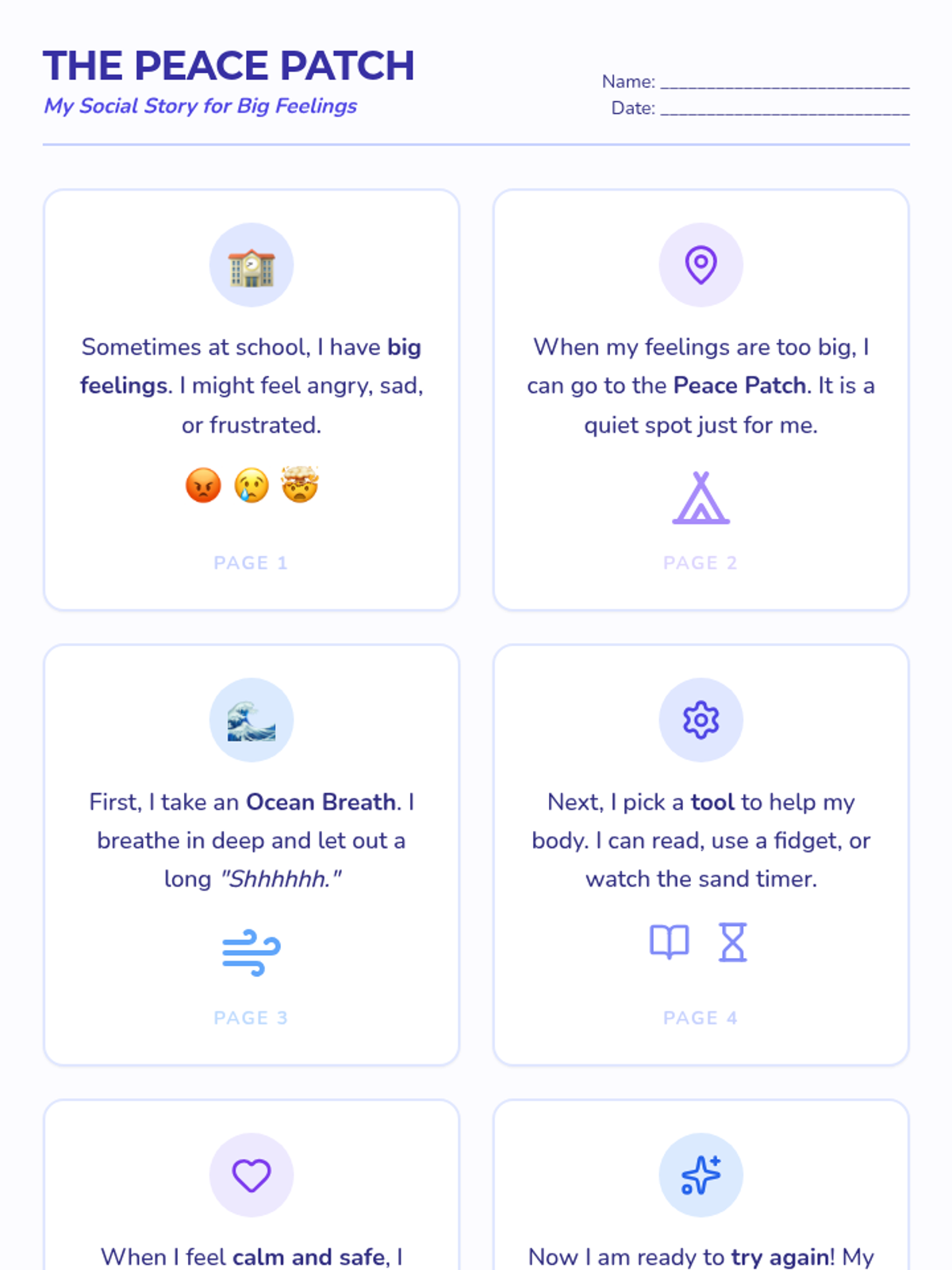
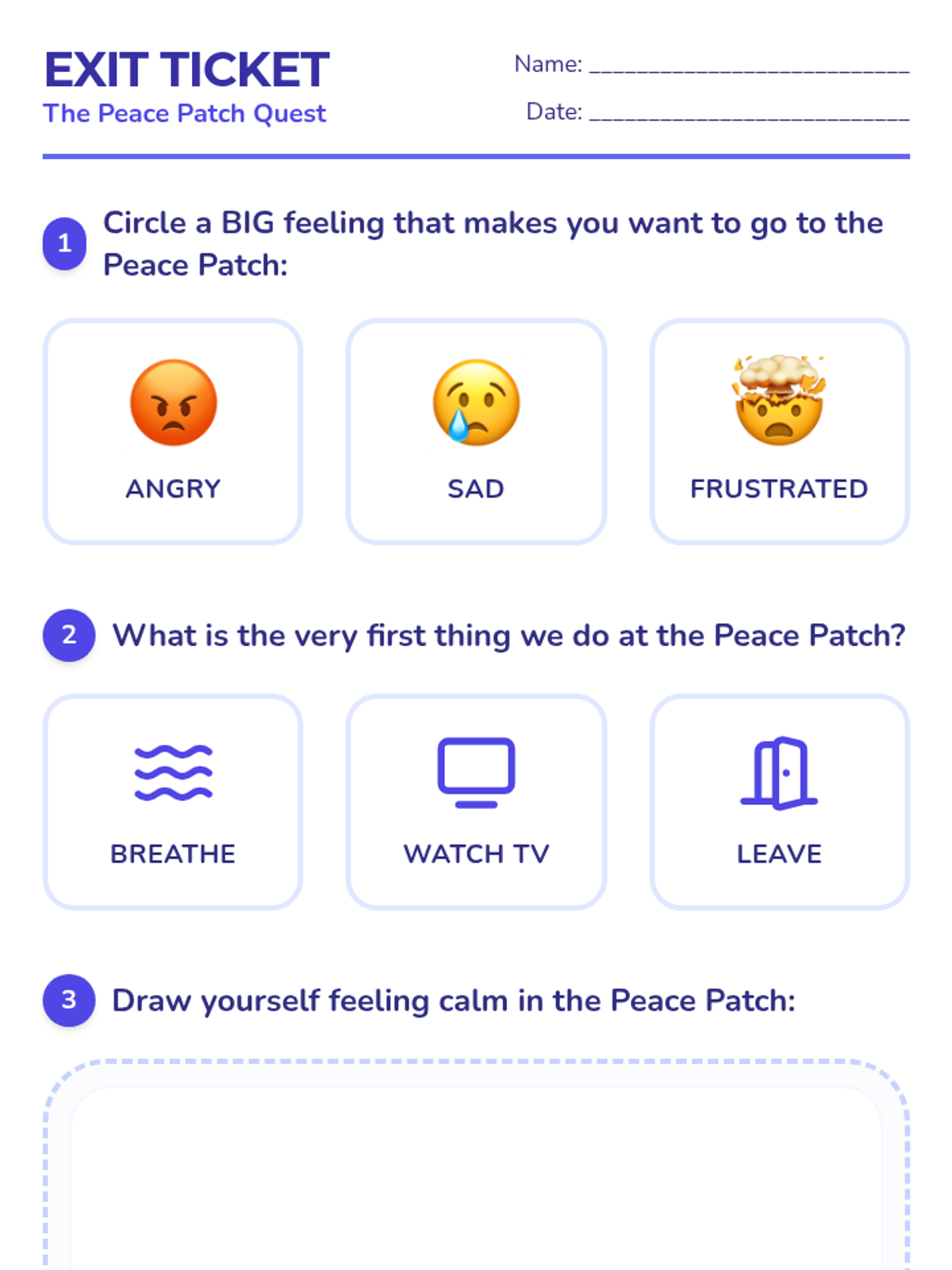
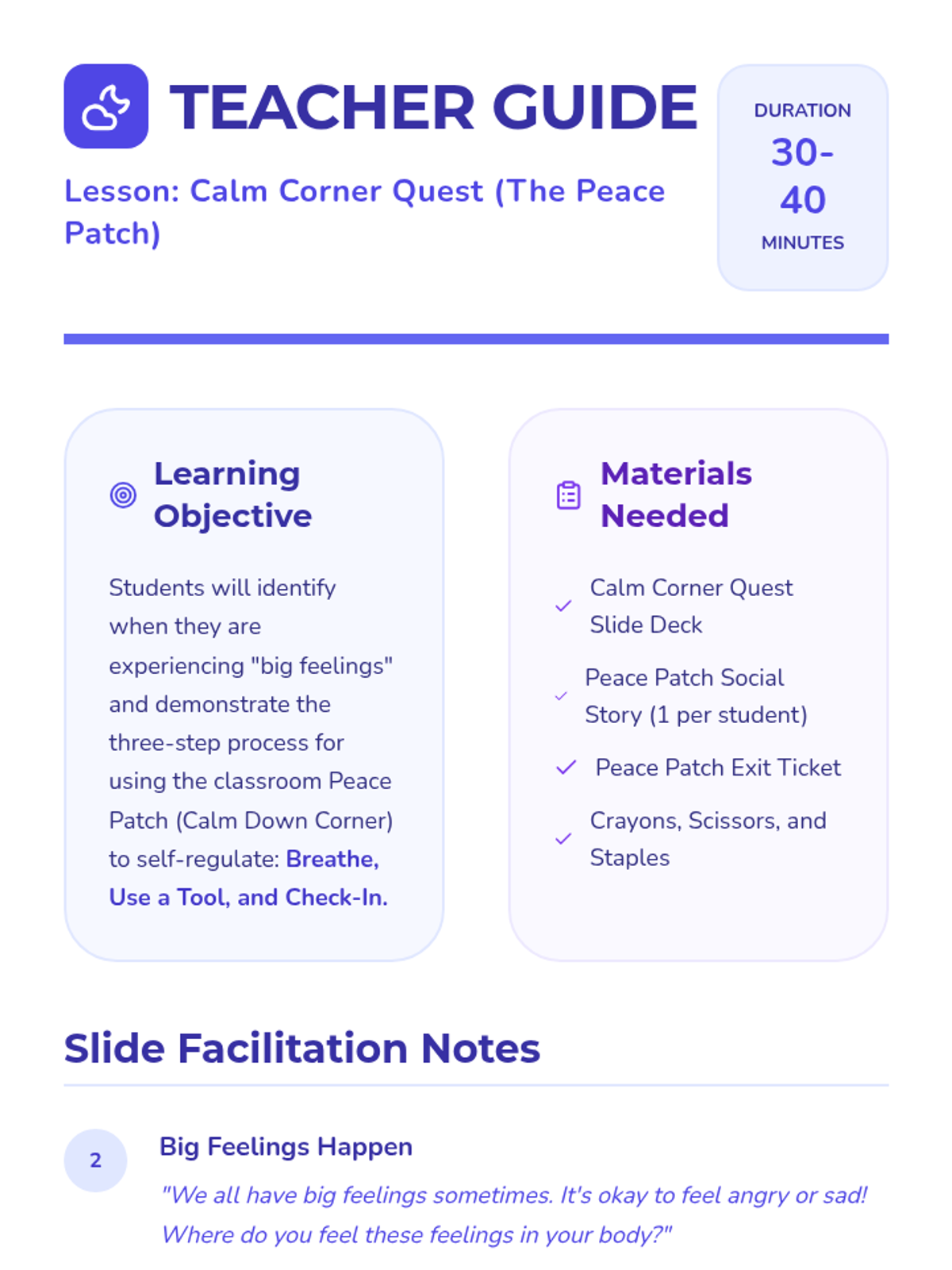
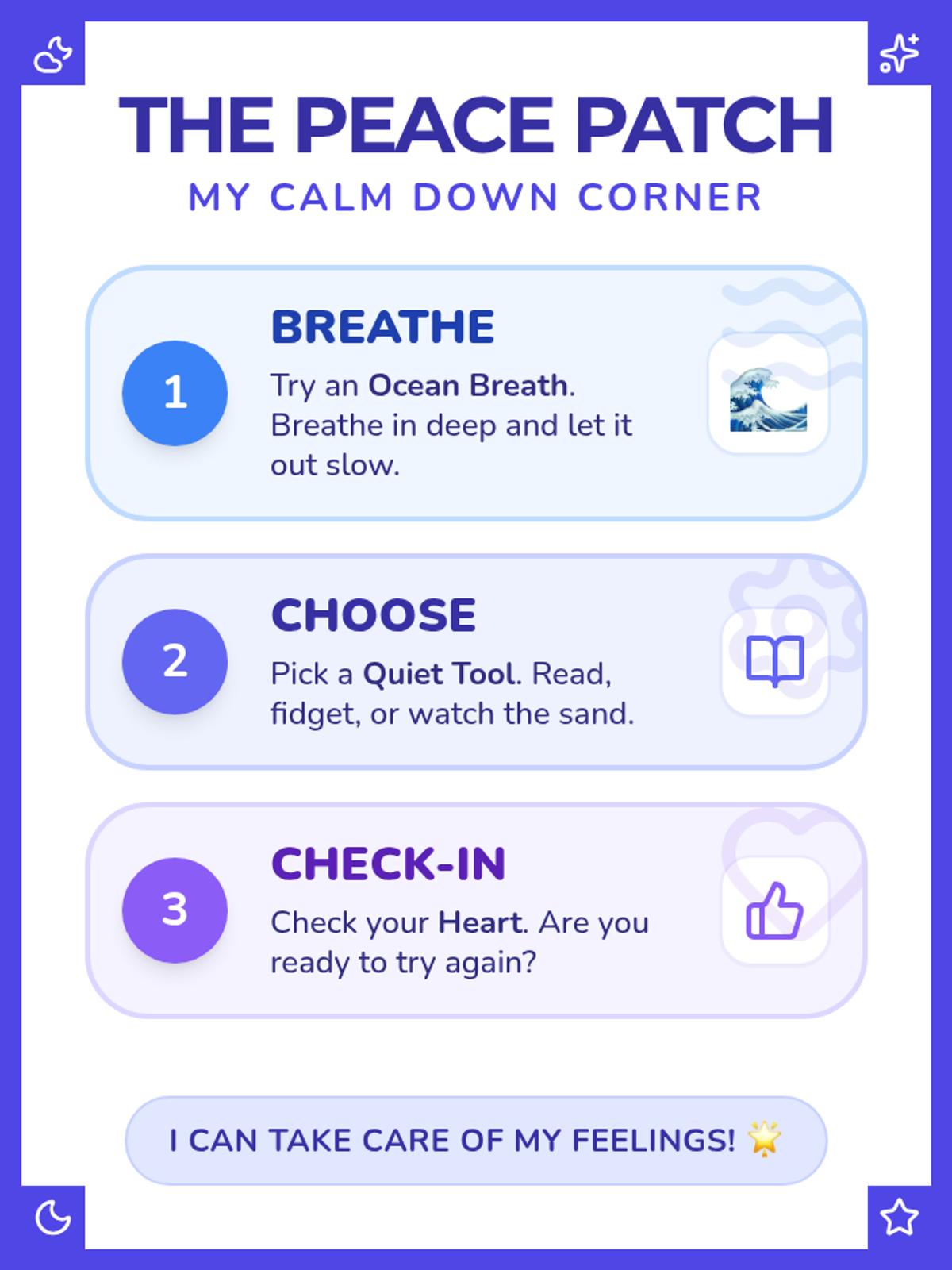
A social-emotional learning lesson designed for first graders to understand when and how to use a calm down corner to manage big emotions. The lesson includes a guided presentation, a printable social story, an exit ticket for reflection, and a teacher facilitation guide.
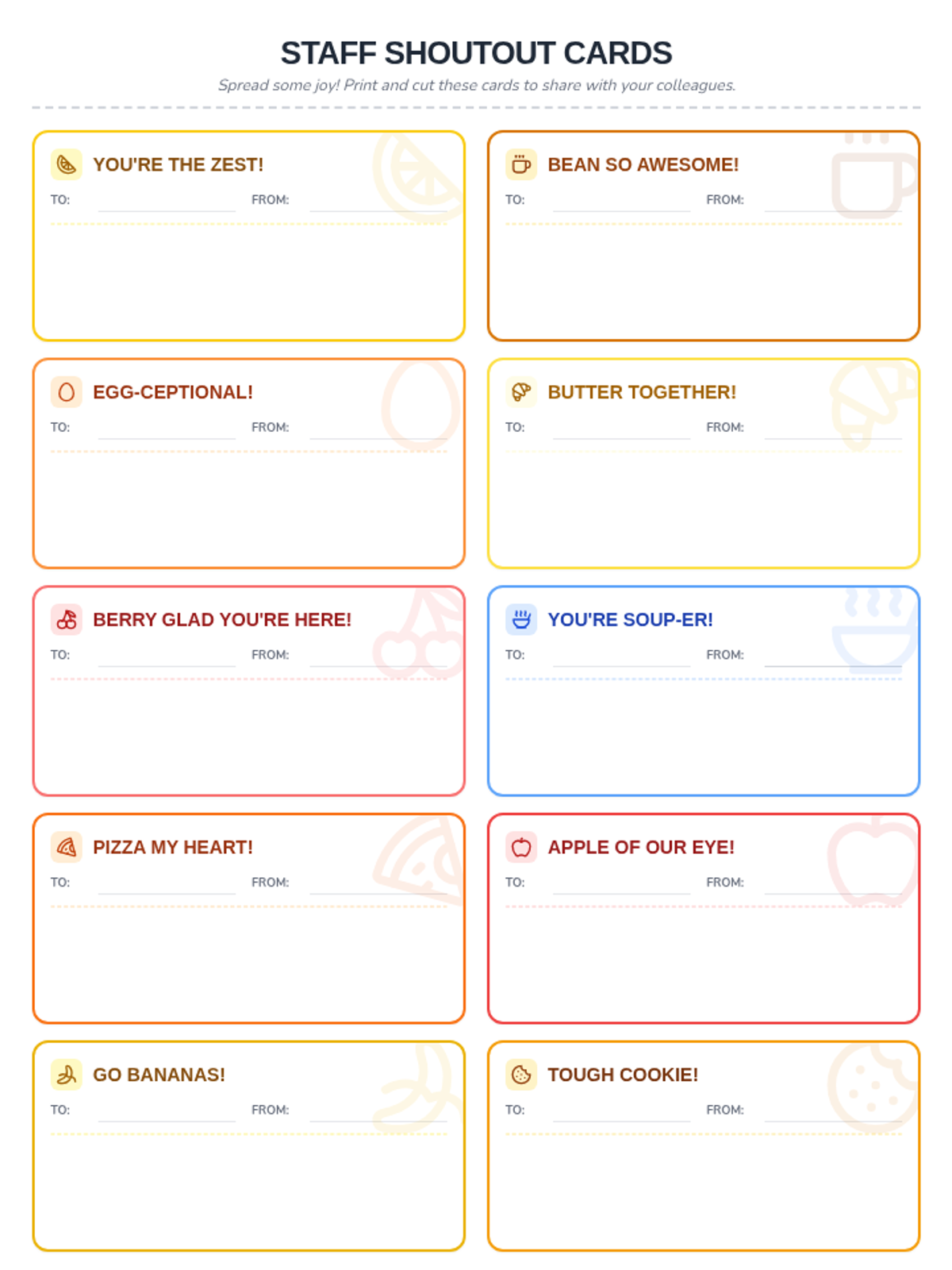
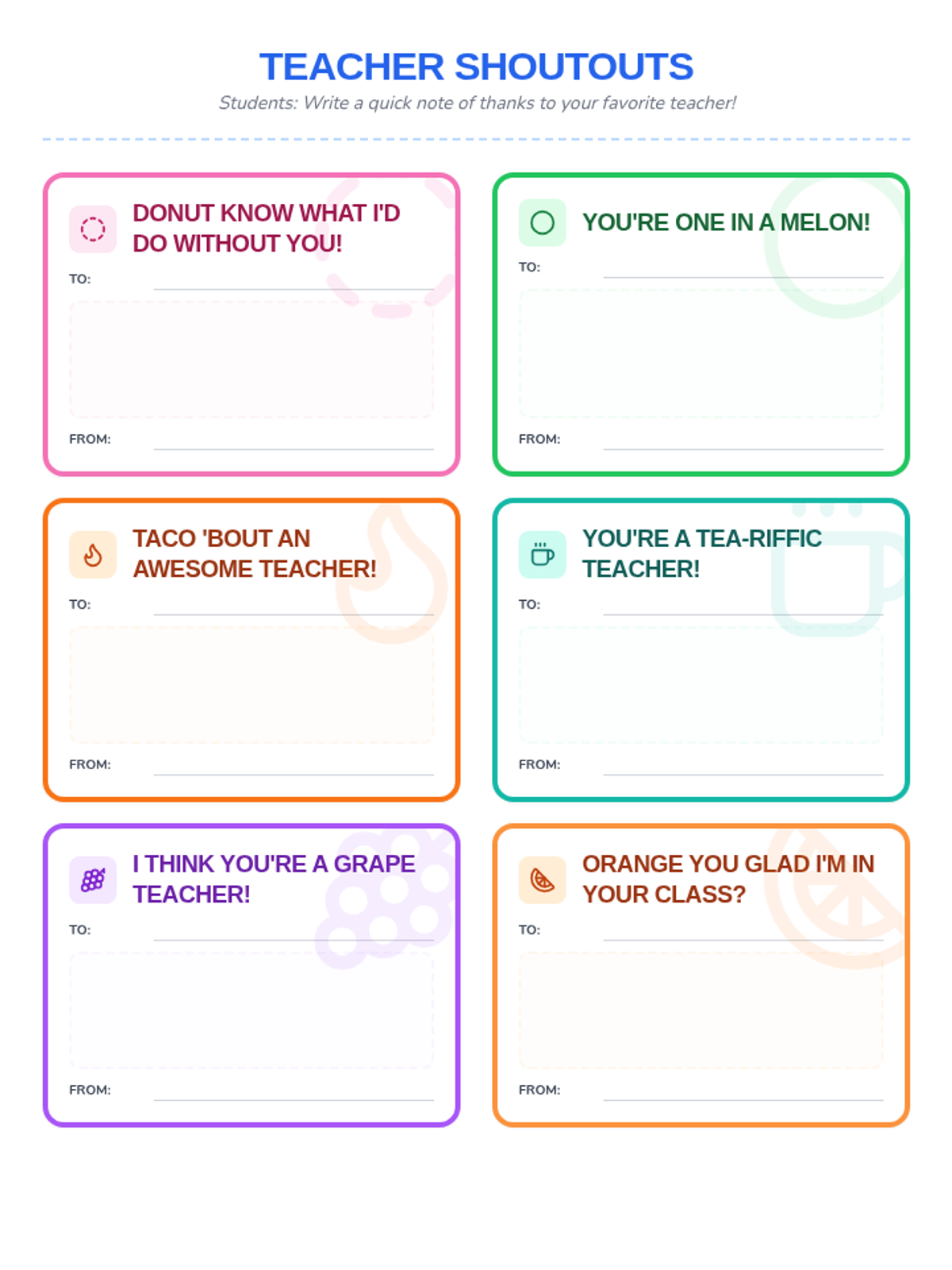
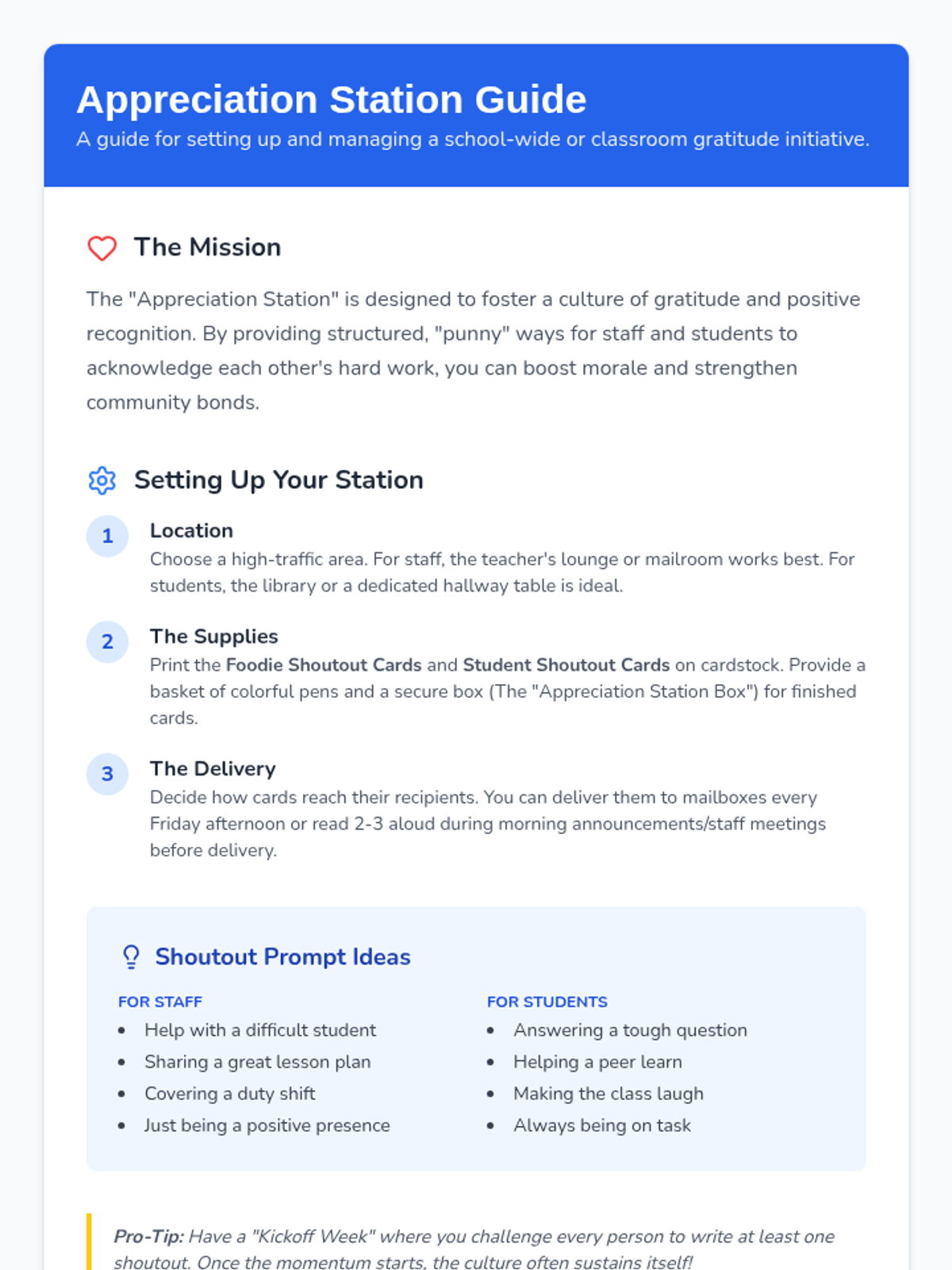
A collection of appreciation-themed resources for school staff and students to express gratitude through creative, pun-based shoutout cards.