A playful introduction to the initial /s/ sound through animal friends. This lesson focuses on visual cues, physical modeling, and hands-on sorting for early learners.
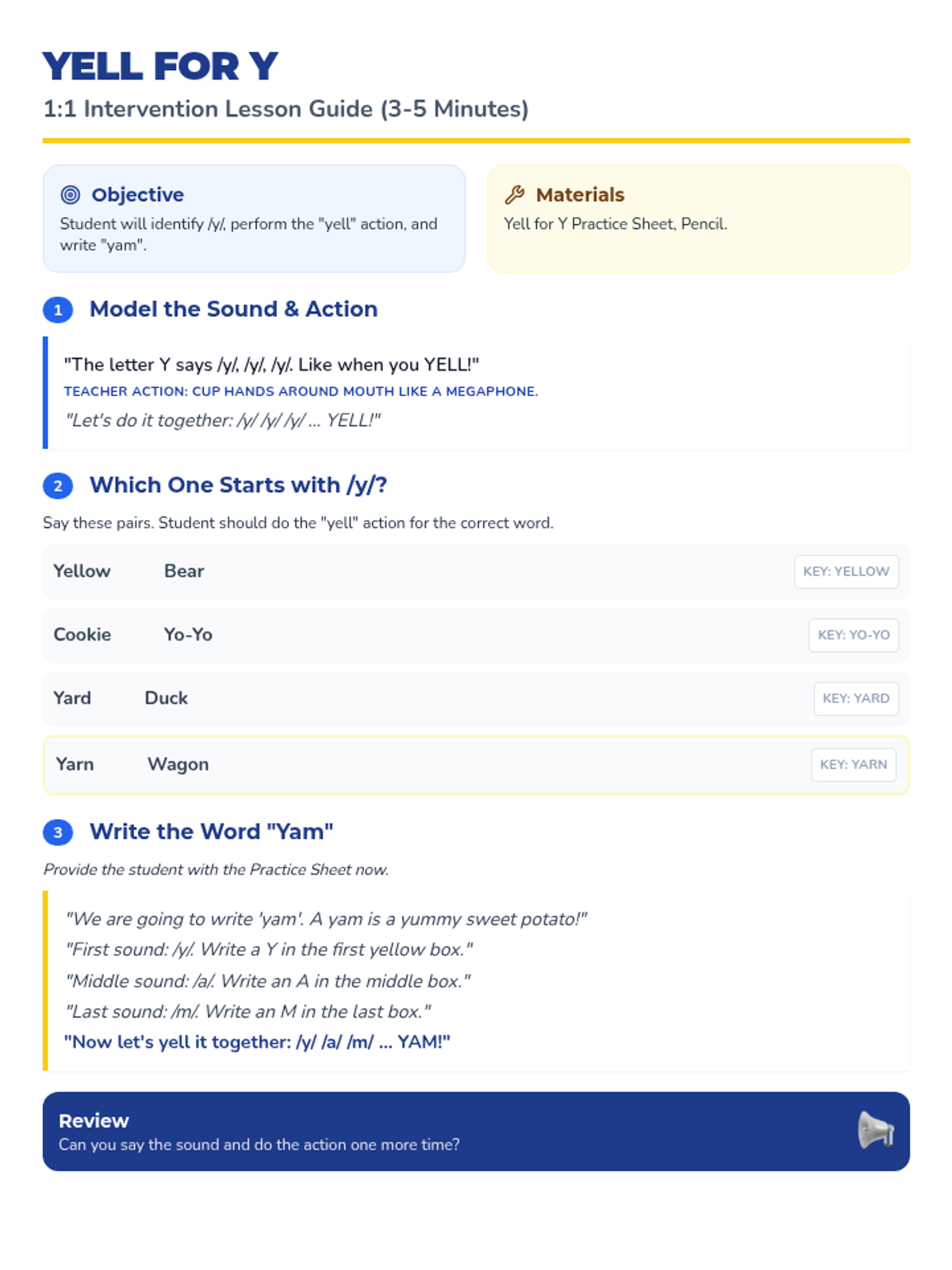
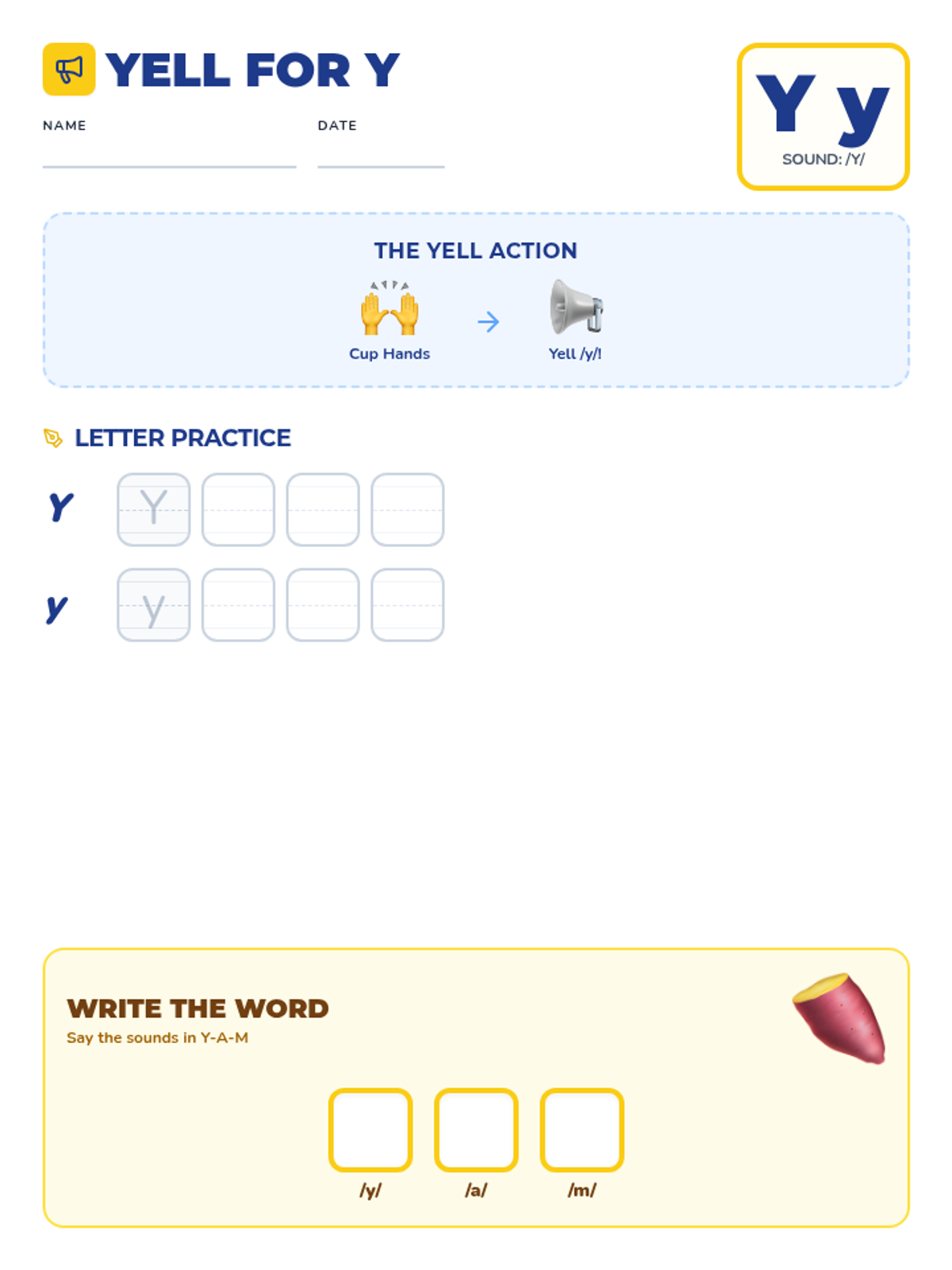
A quick, high-energy 1:1 intervention designed to re-teach the letter Y sound and action. This lesson focuses on phonetic awareness and basic CVC word construction.
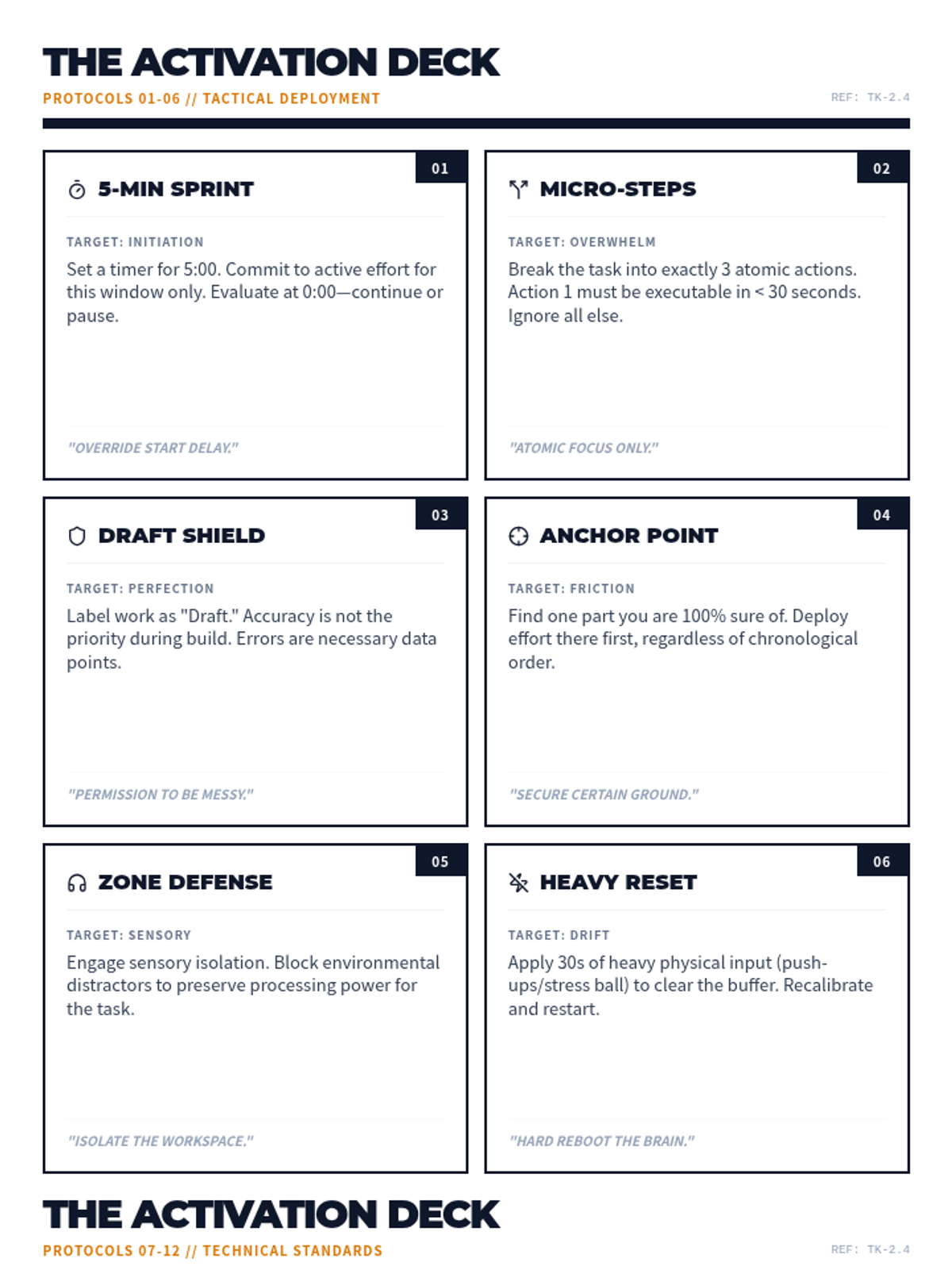
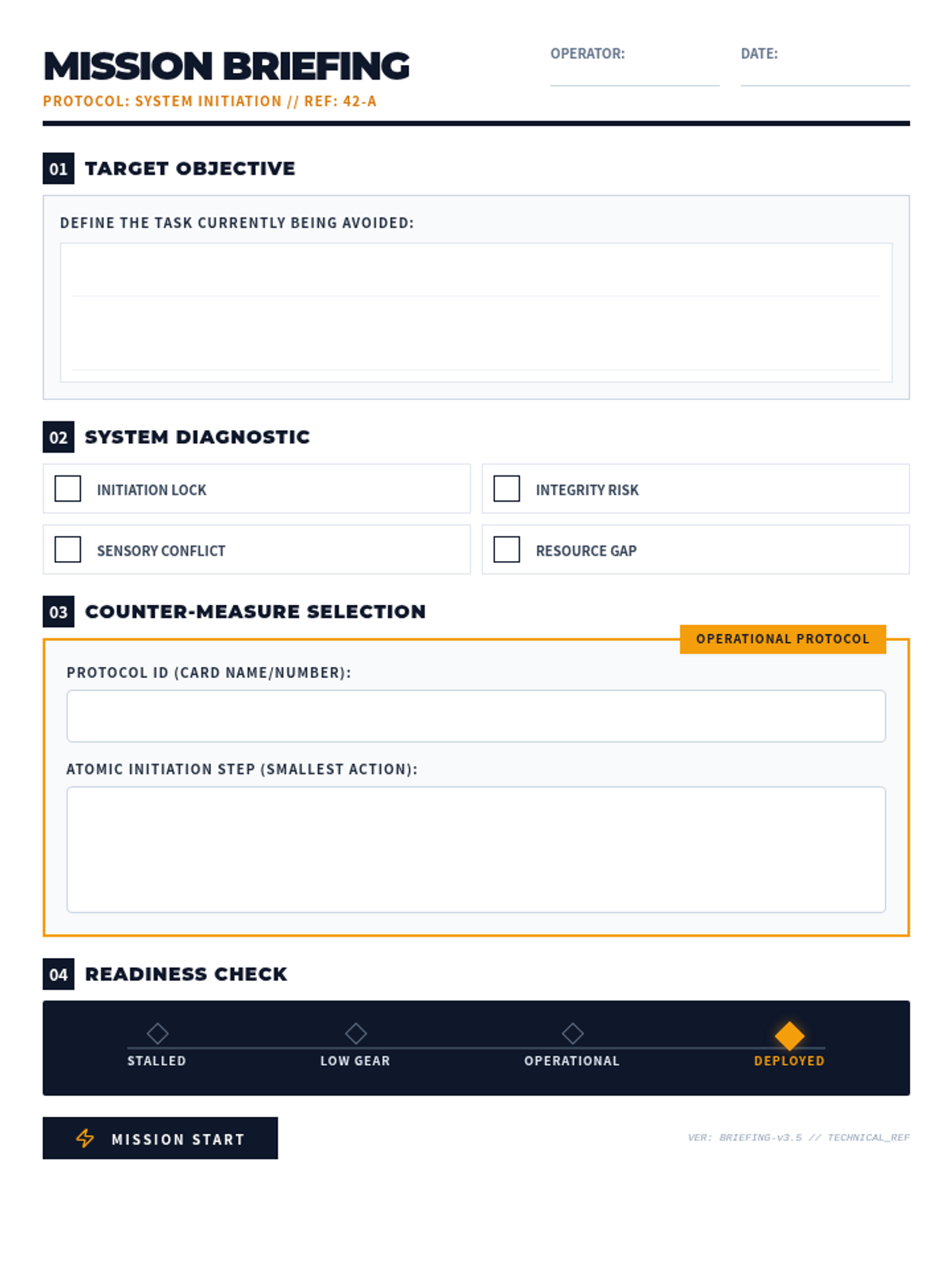
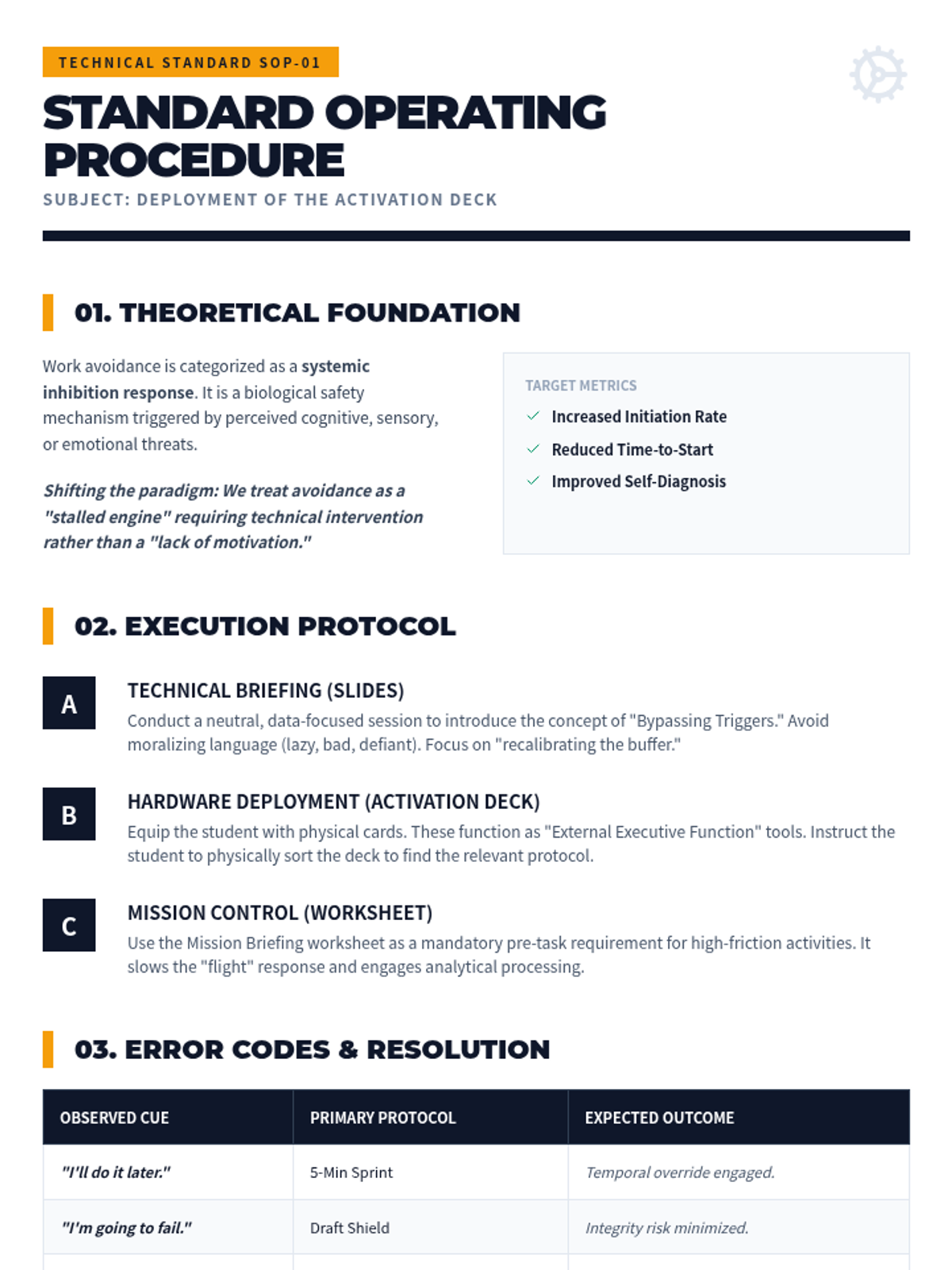
A comprehensive toolkit designed to help students overcome work avoidance by addressing executive functioning, academic confidence, sensory needs, and independent work skills. Includes strategy cards, a presentation for introduction, and a planning worksheet.
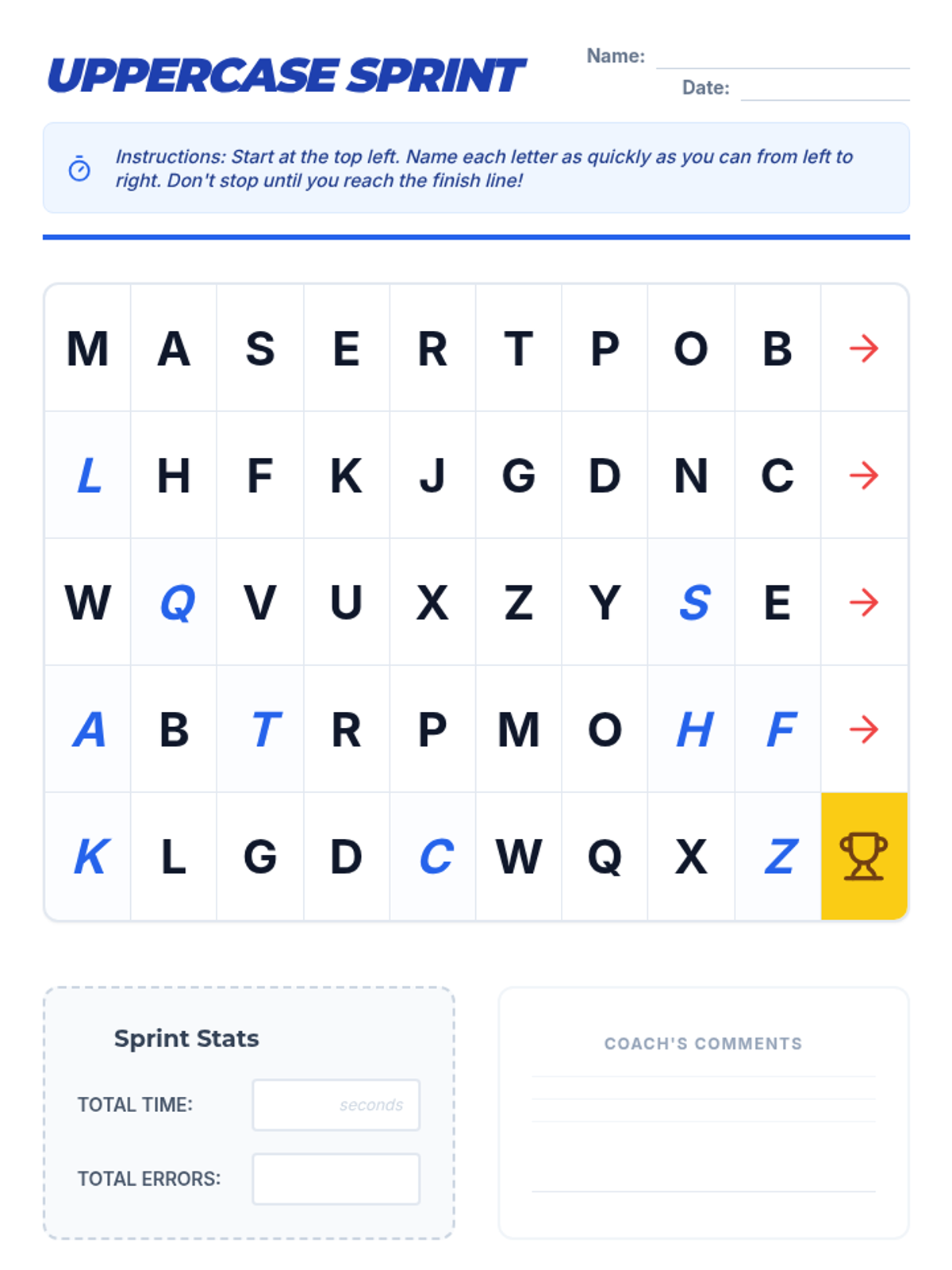
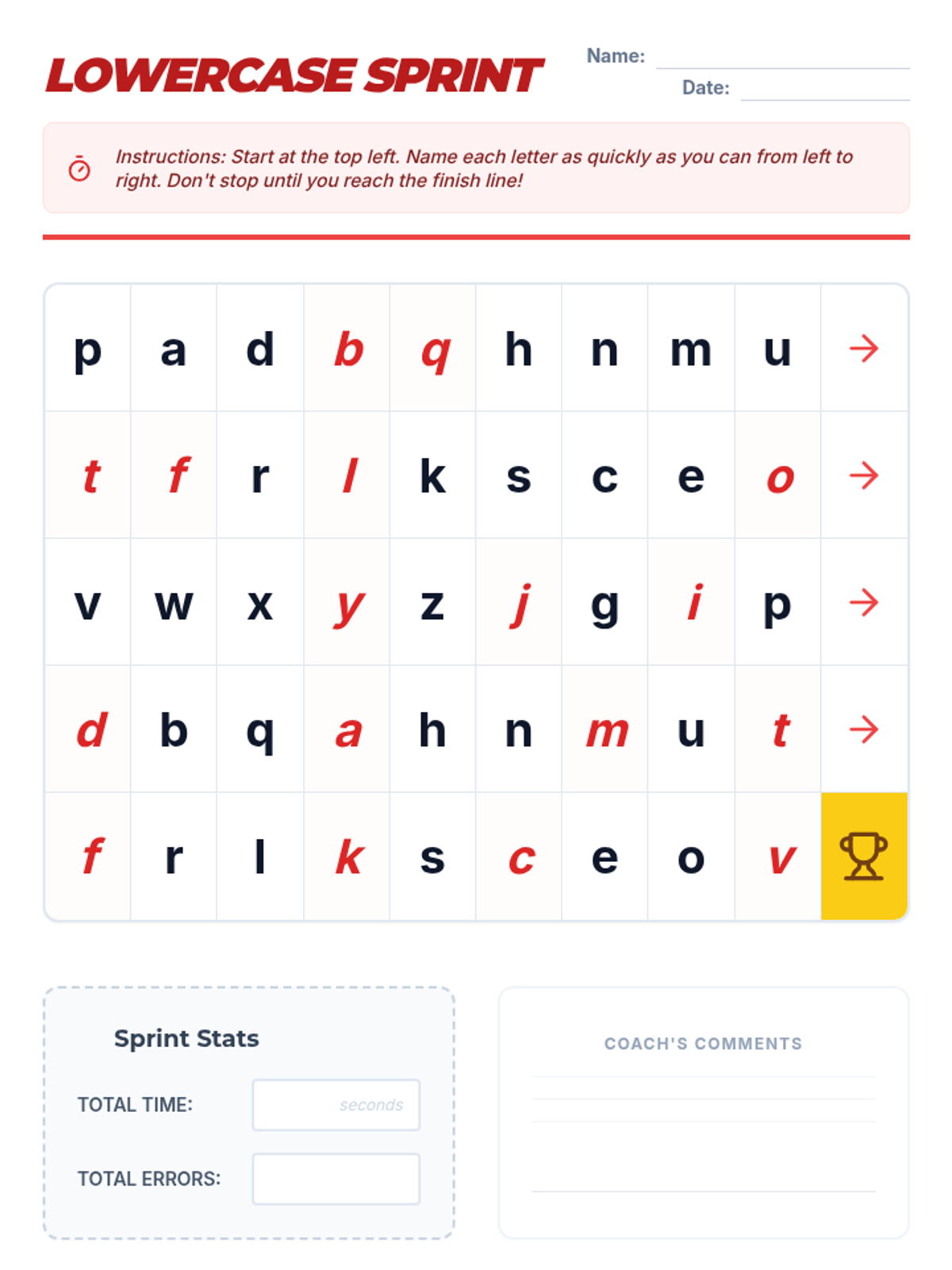
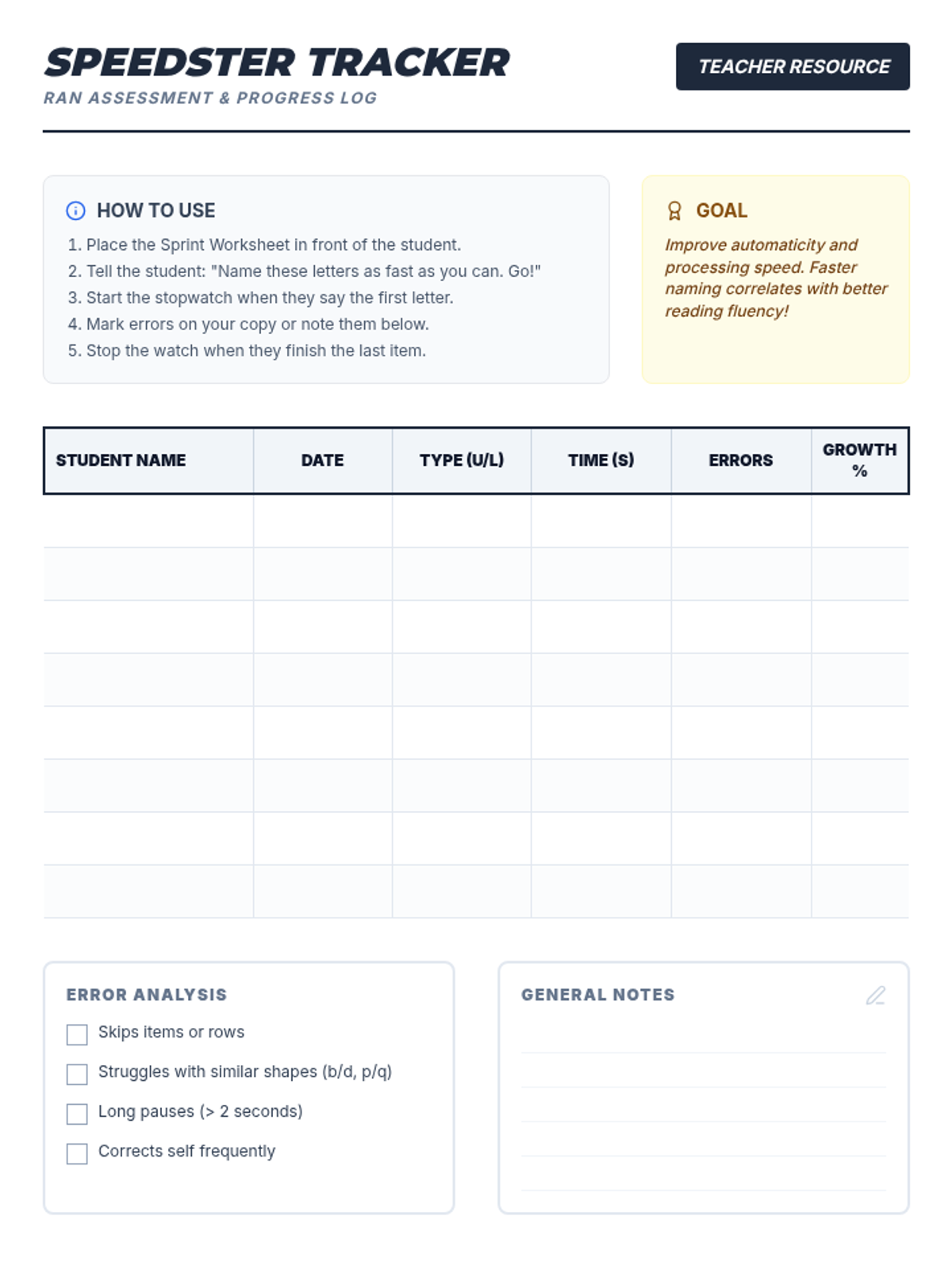
A set of rapid naming activities designed to improve letter recognition speed and automaticity through timed naming sprints.
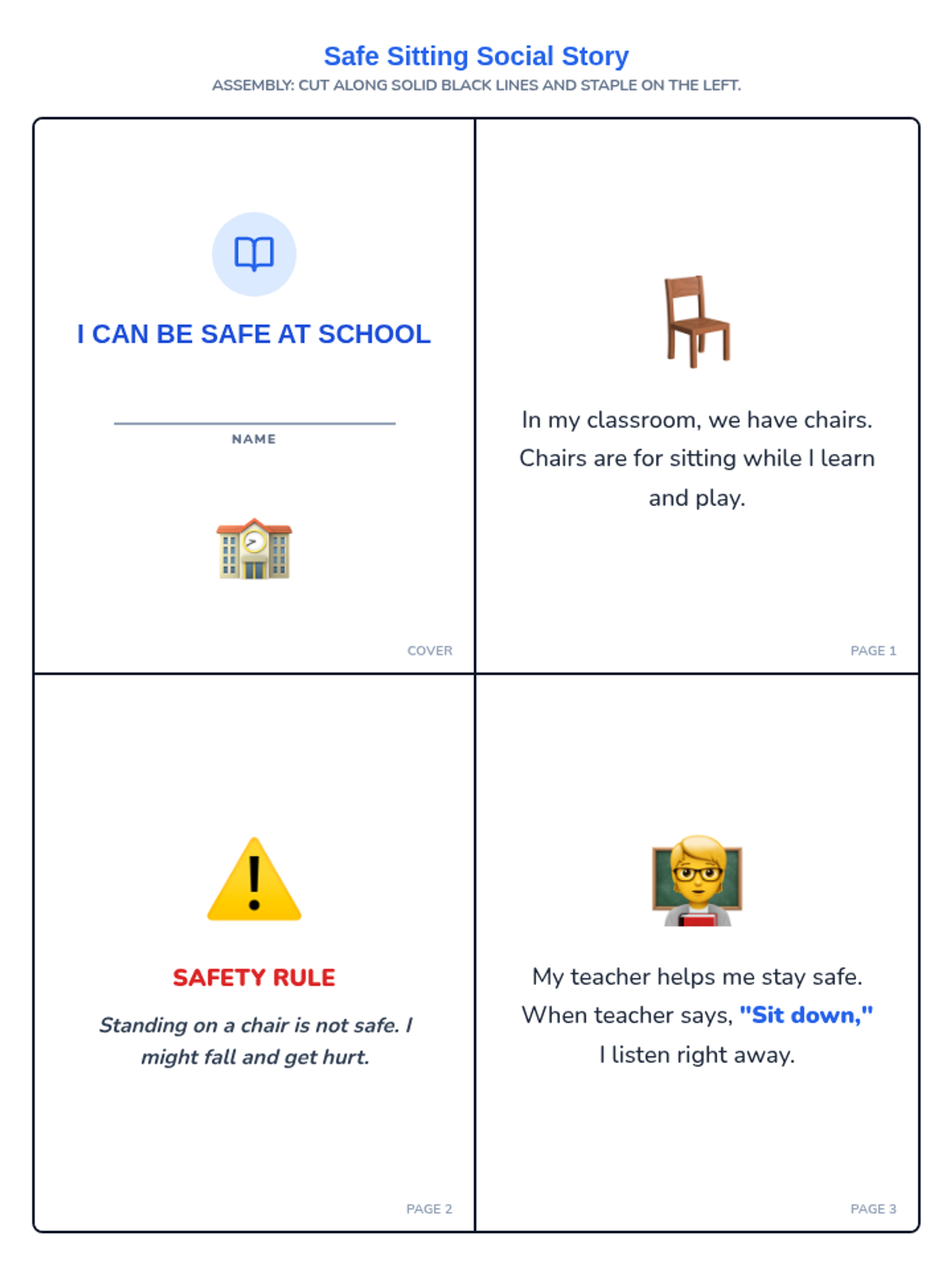
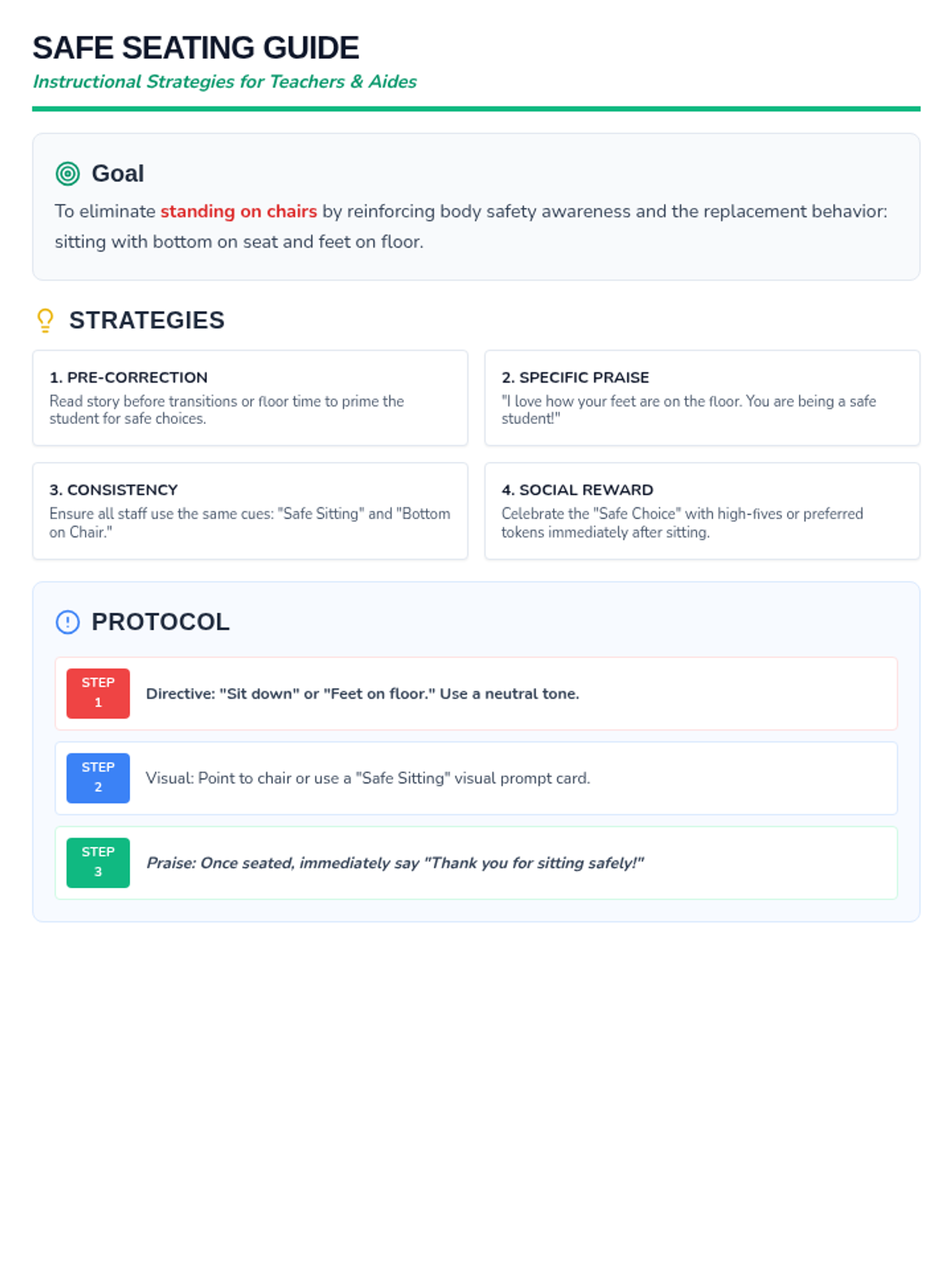
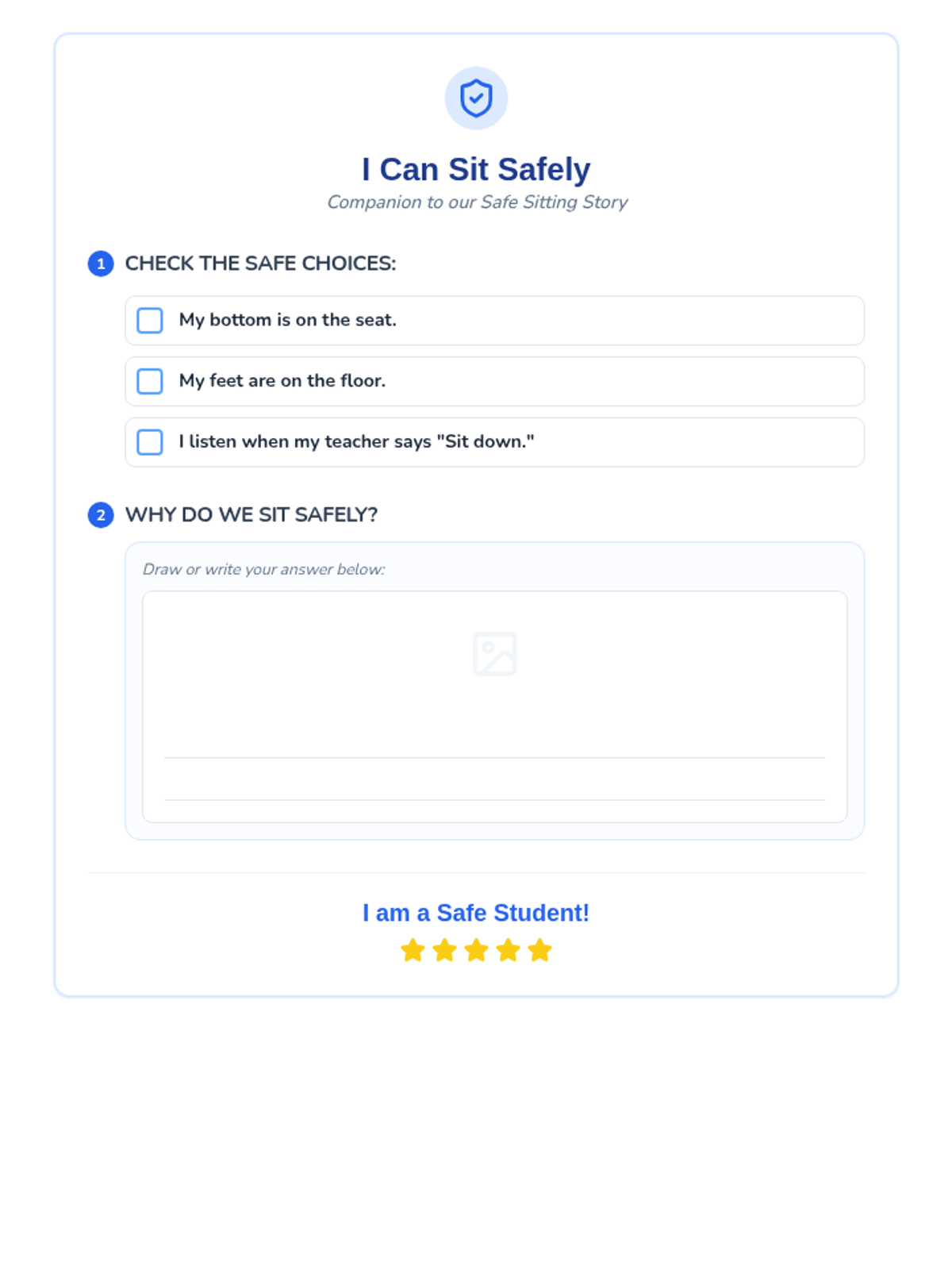
A social story and supporting resources designed to help students understand the importance of sitting safely in chairs and listening to teacher instructions to stay safe at school.
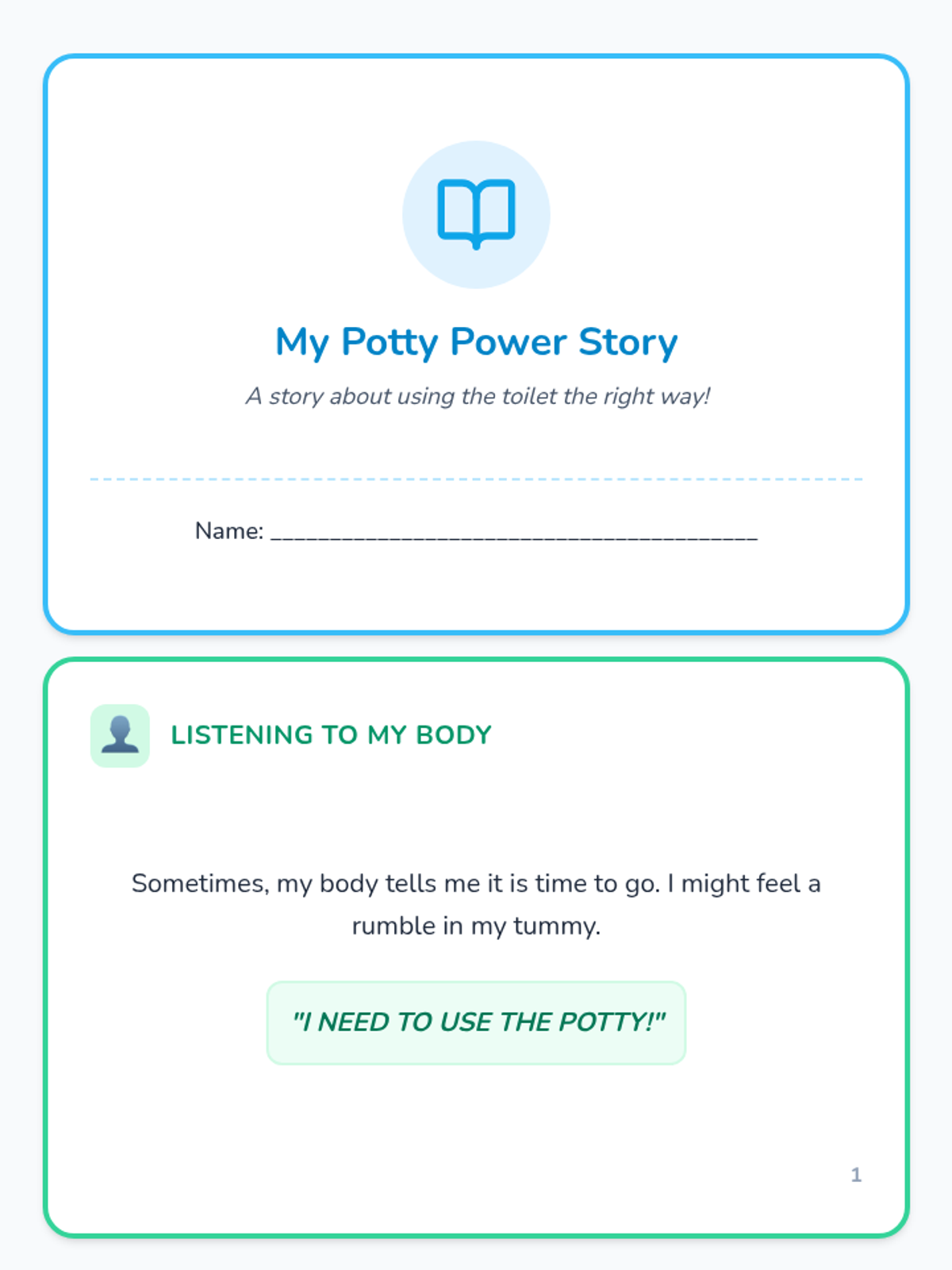
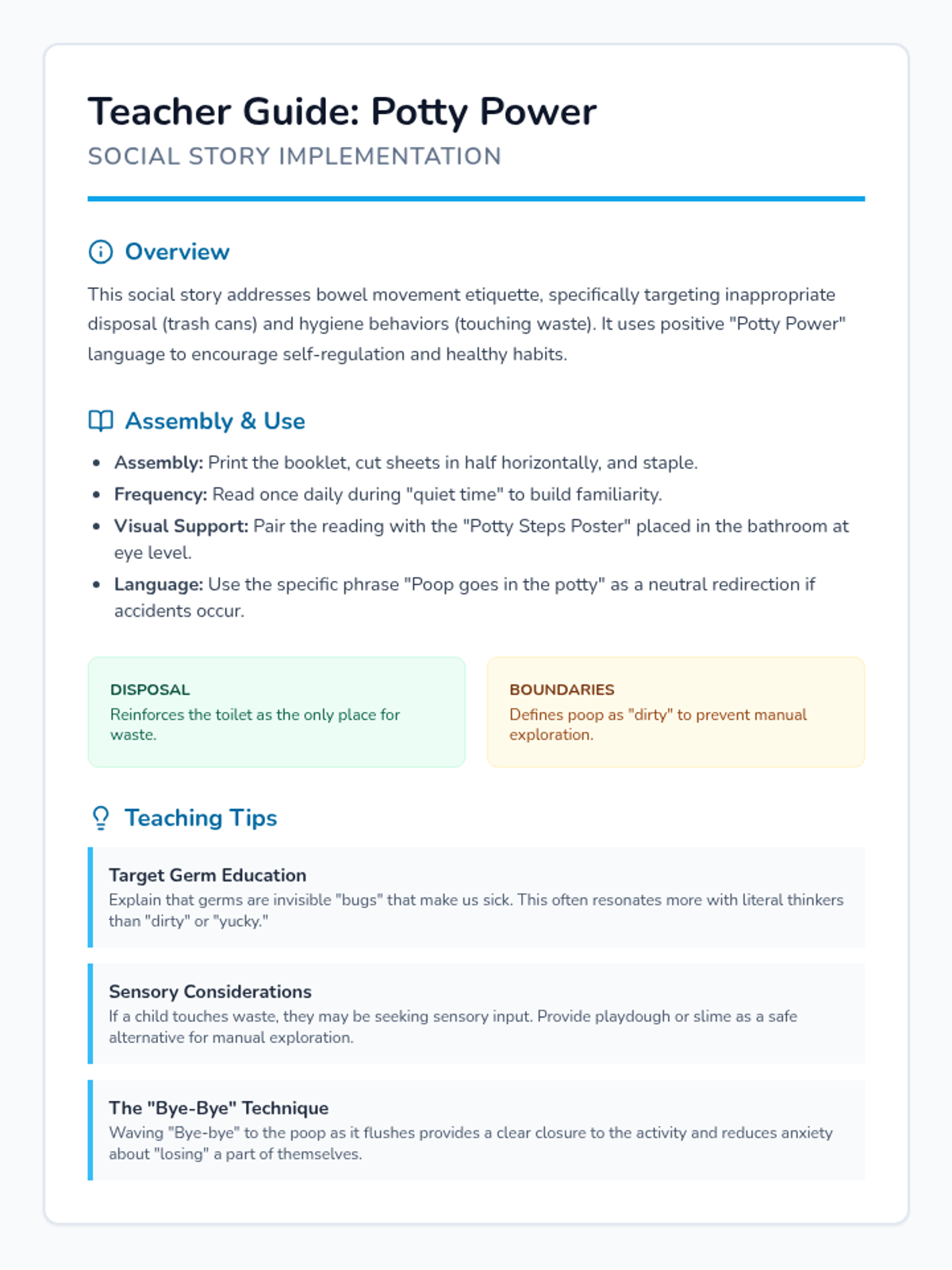
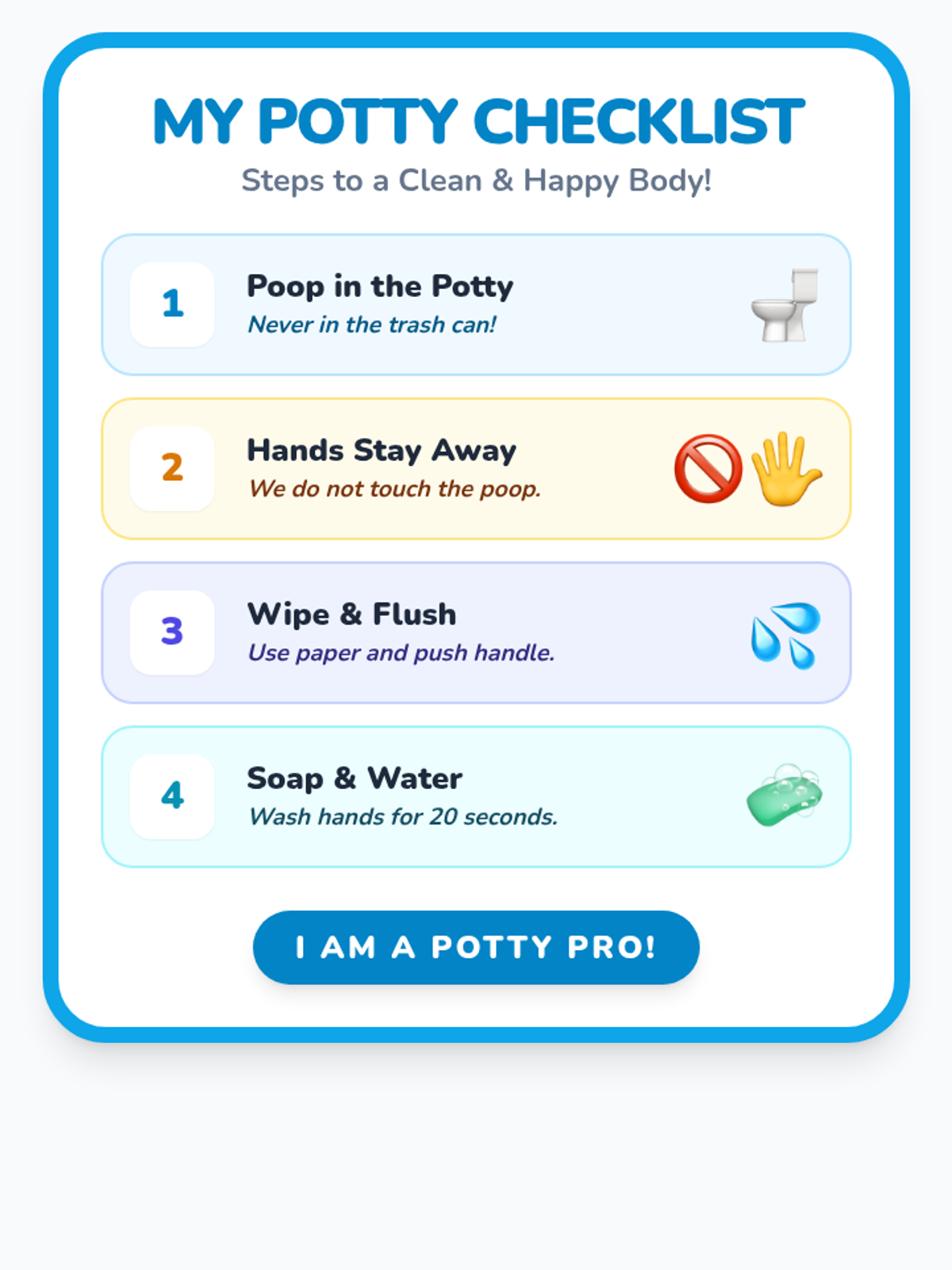
A lesson focused on toilet training, specifically addressing appropriate locations for waste and hygiene steps to keep bodies clean and healthy.
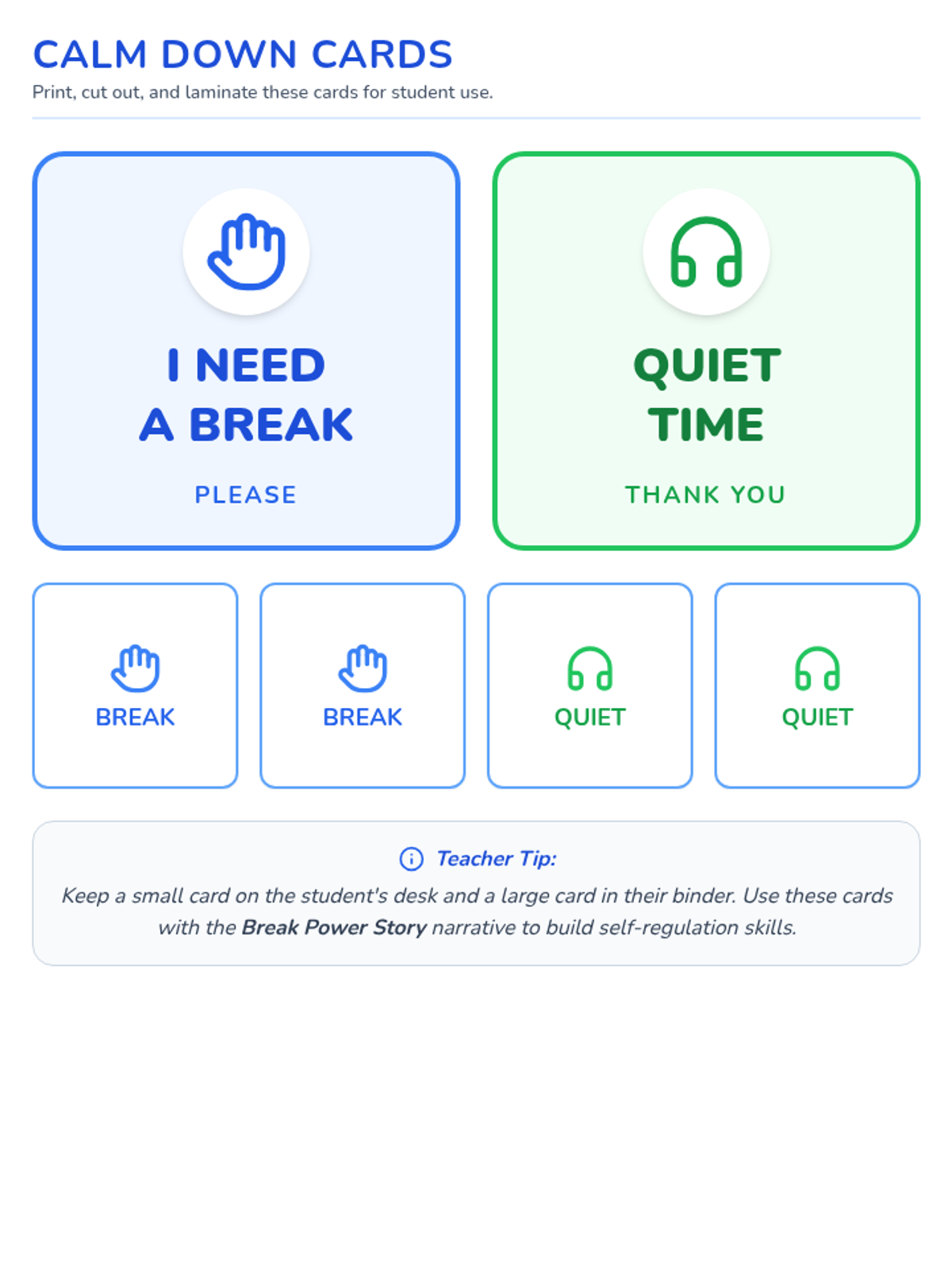
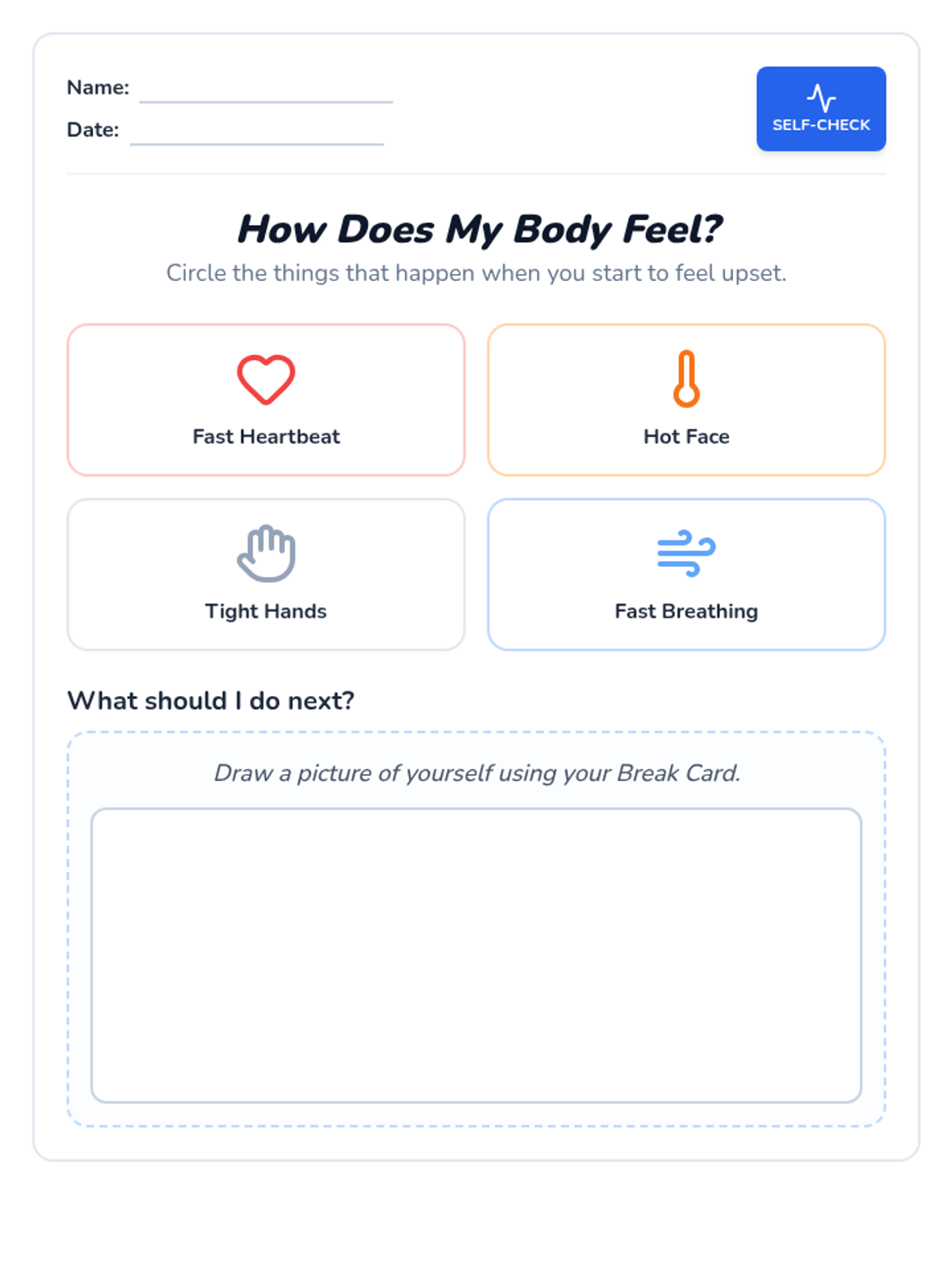
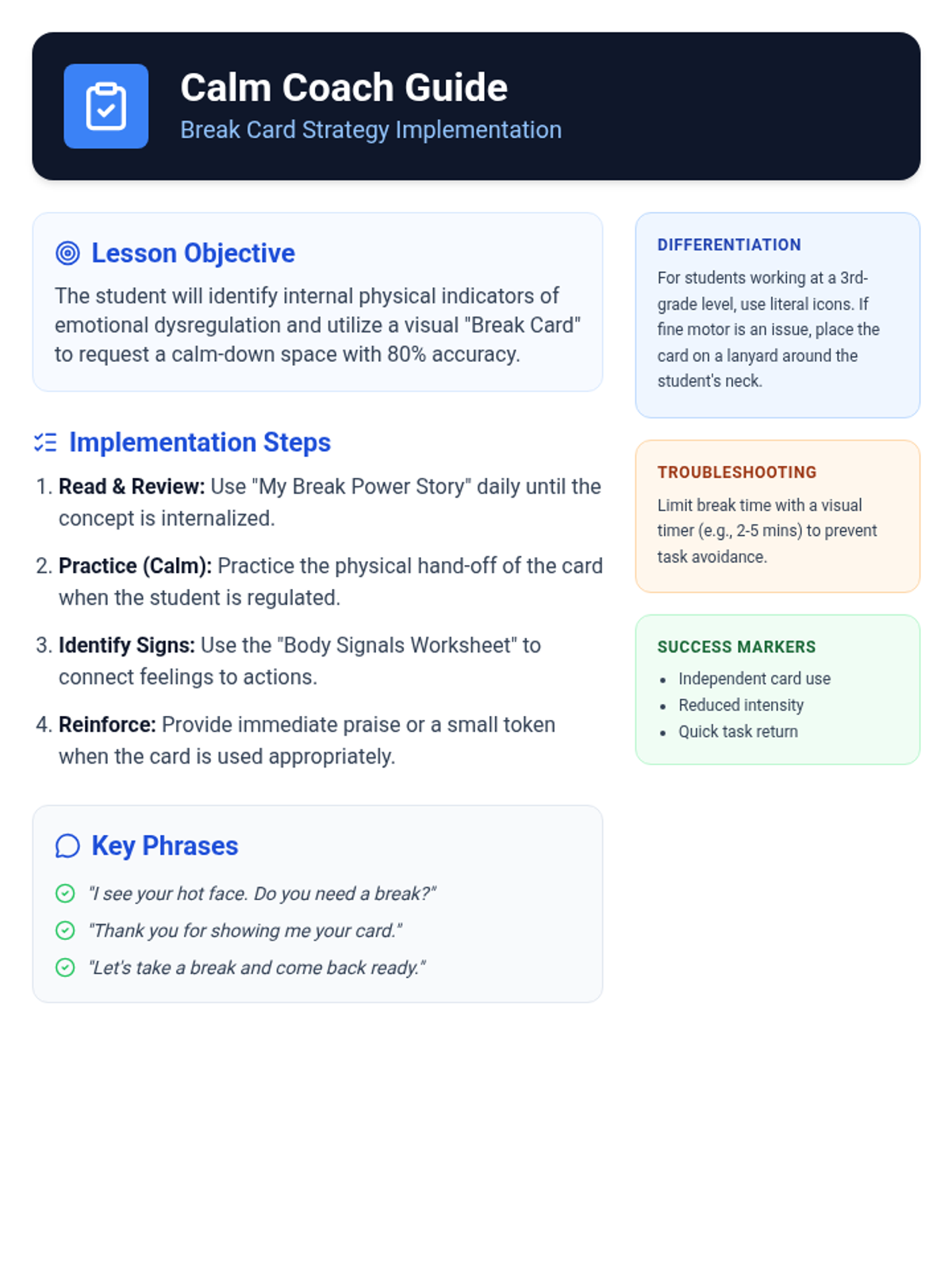
This lesson focuses on teaching a student how to recognize signs of being upset and use a visual break card to self-regulate. It includes a social narrative, printable visual aids, and a practice activity.
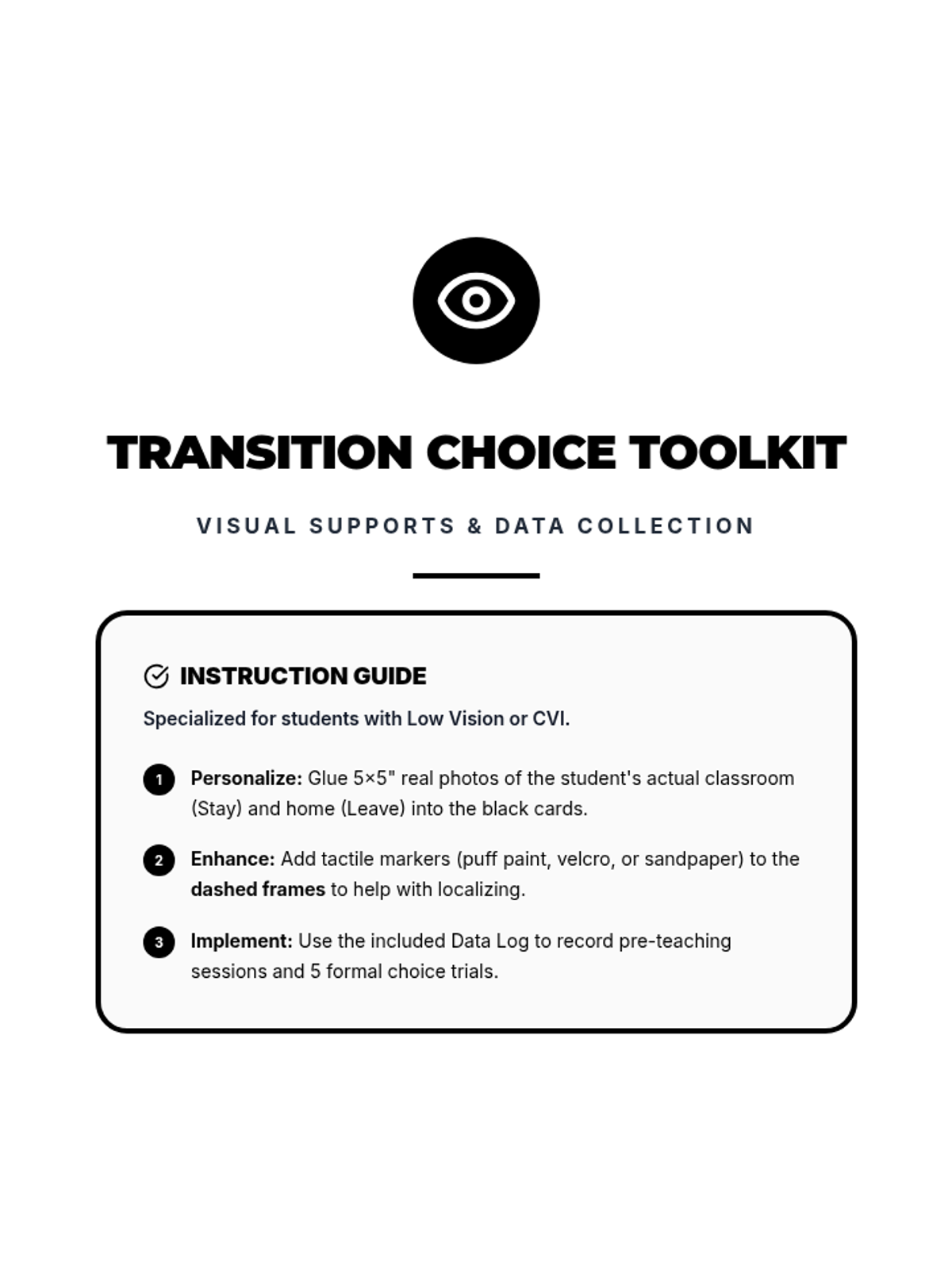
A set of high-contrast visual supports and a structured data log designed to help students with vision needs participate in their 18+ transition decisions.
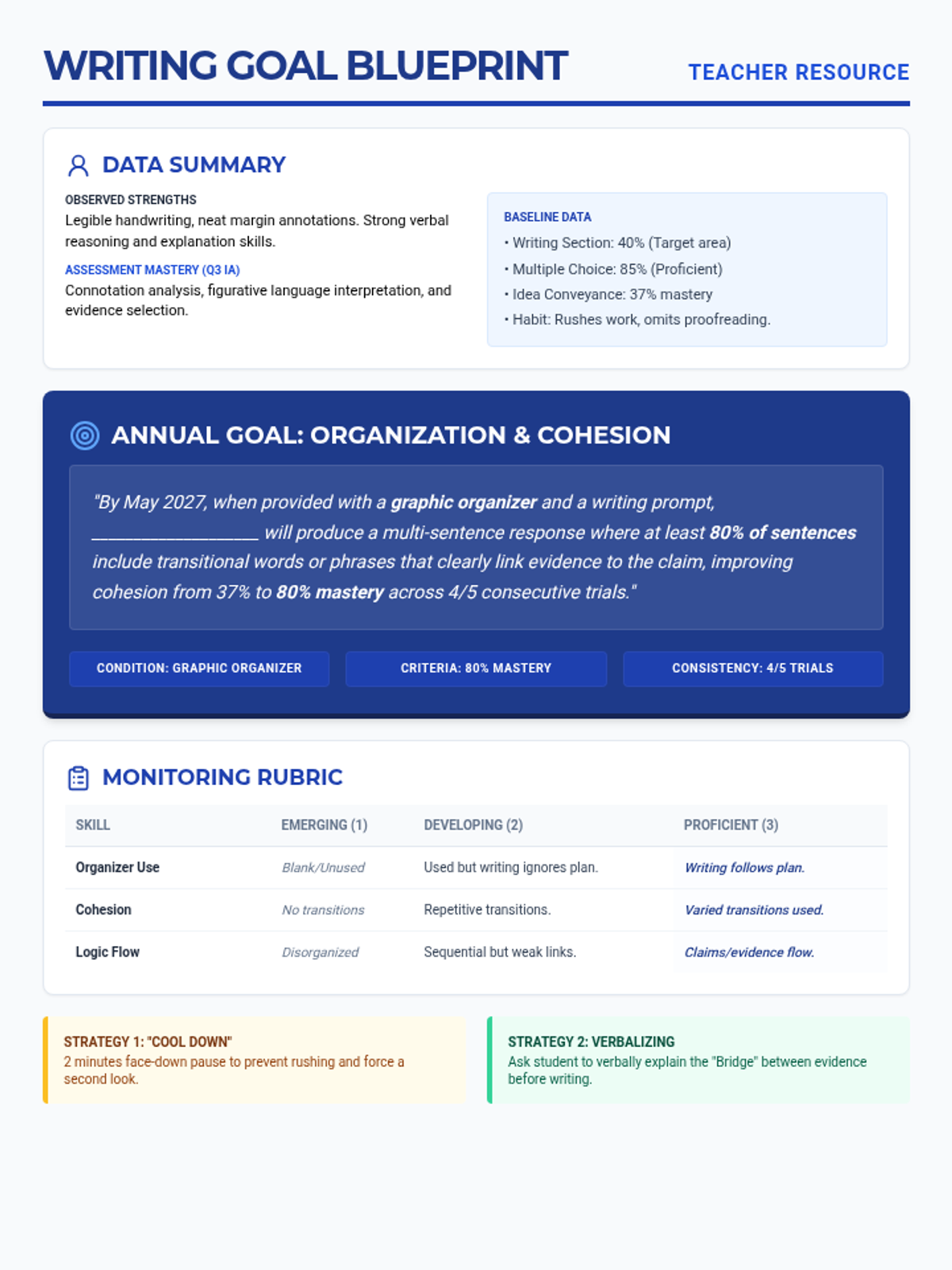
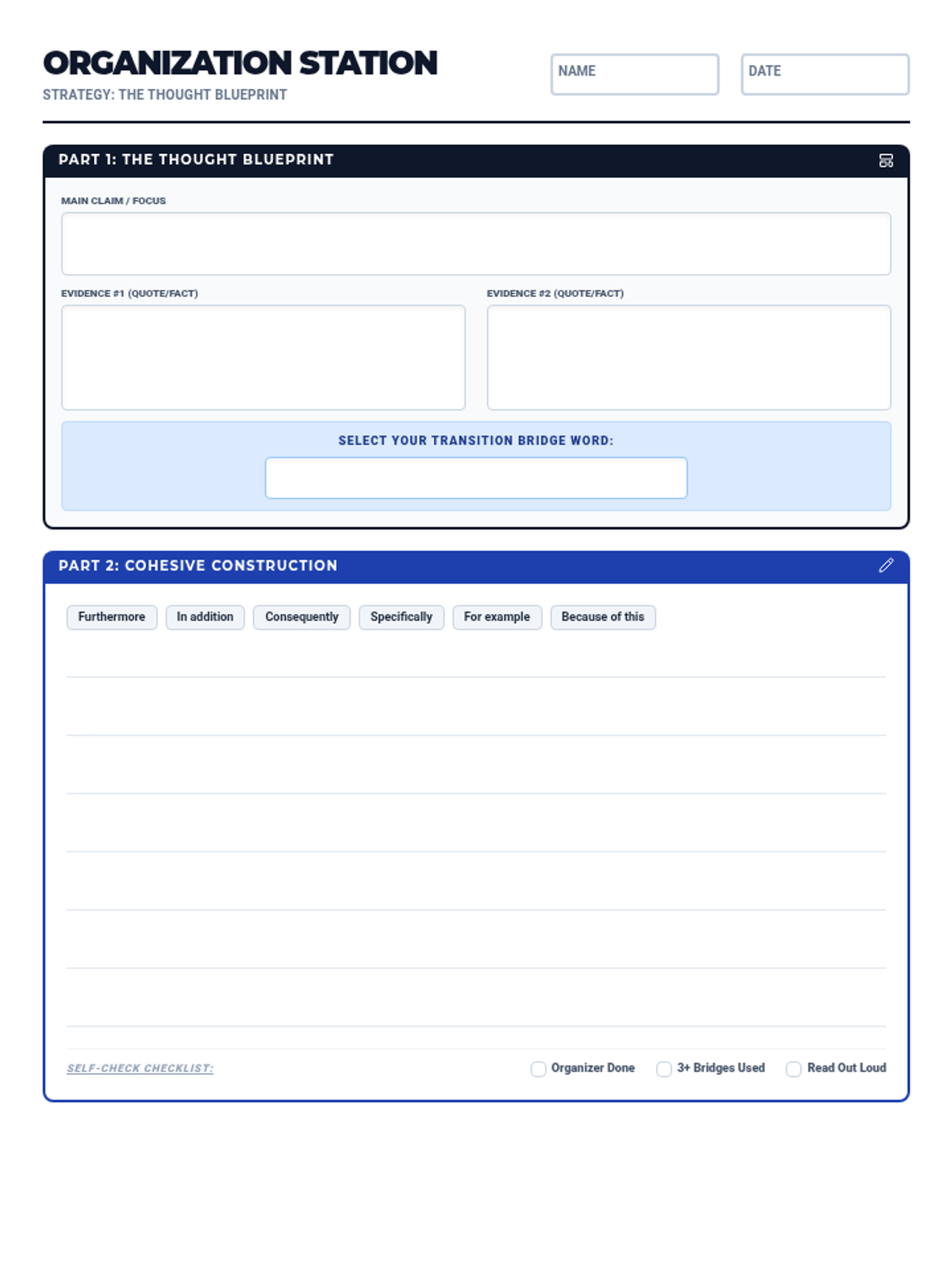
A lesson focused on improving writing organization and cohesion through the use of graphic organizers and transitional phrases to link evidence to claims.
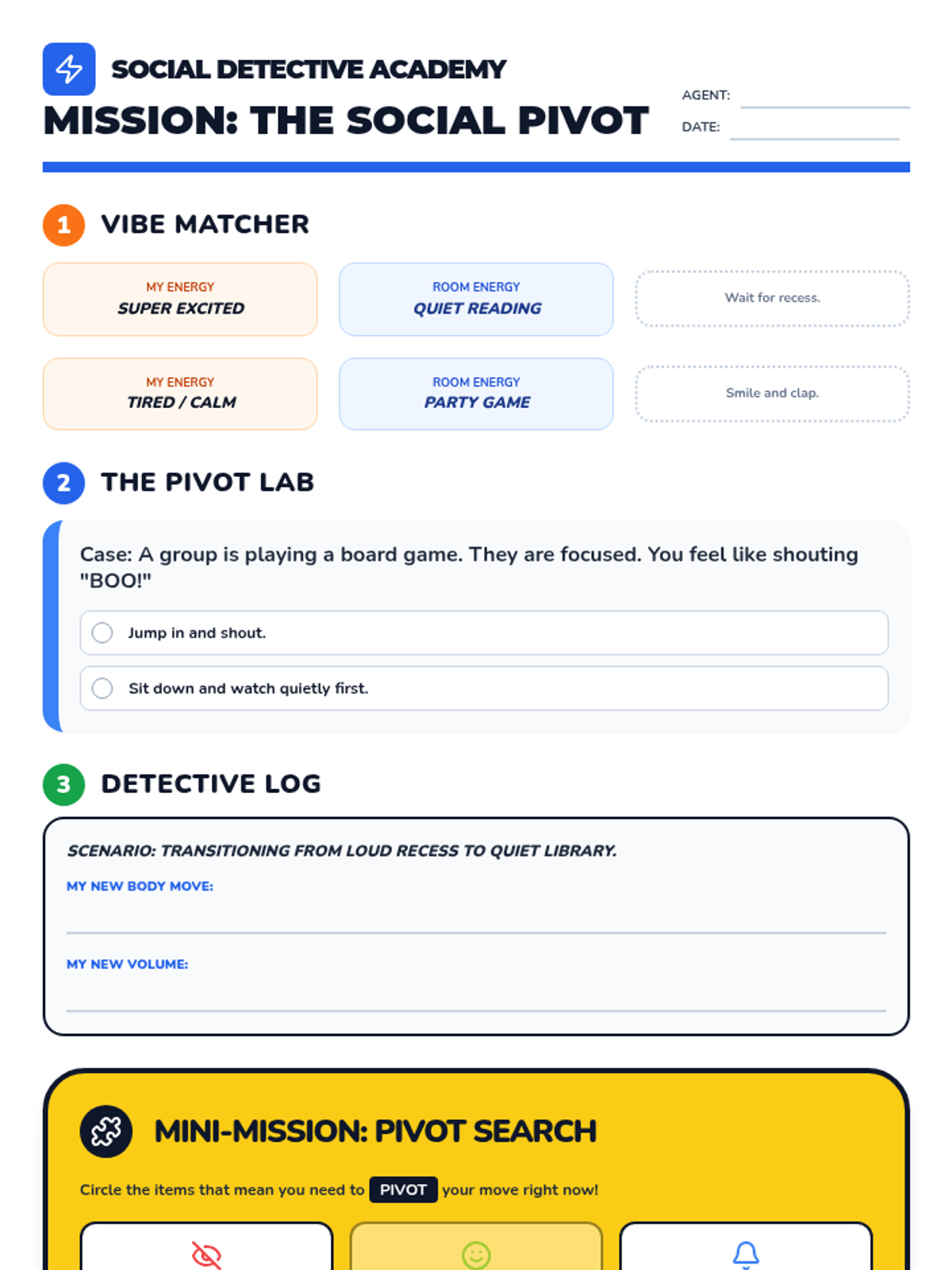
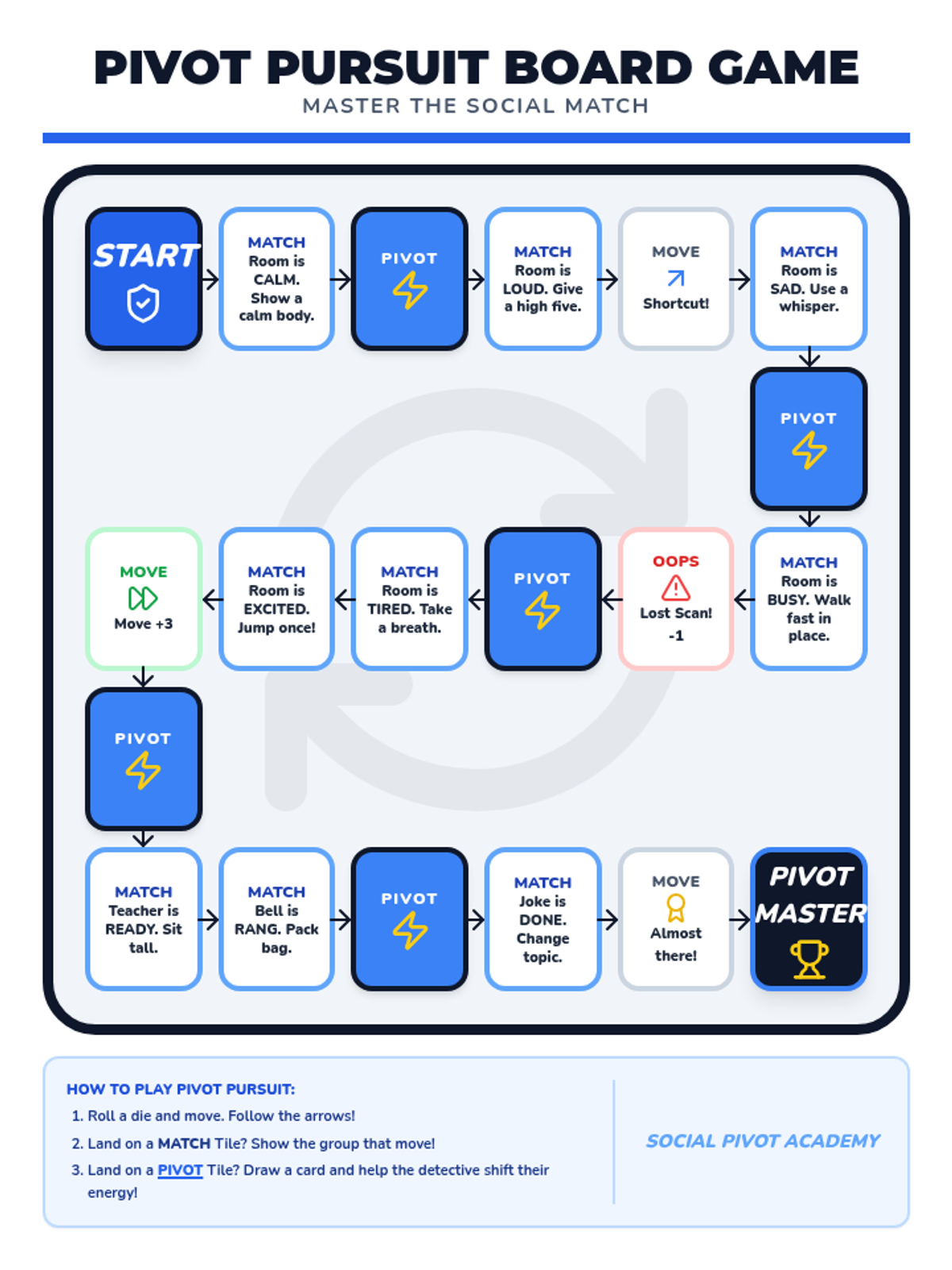
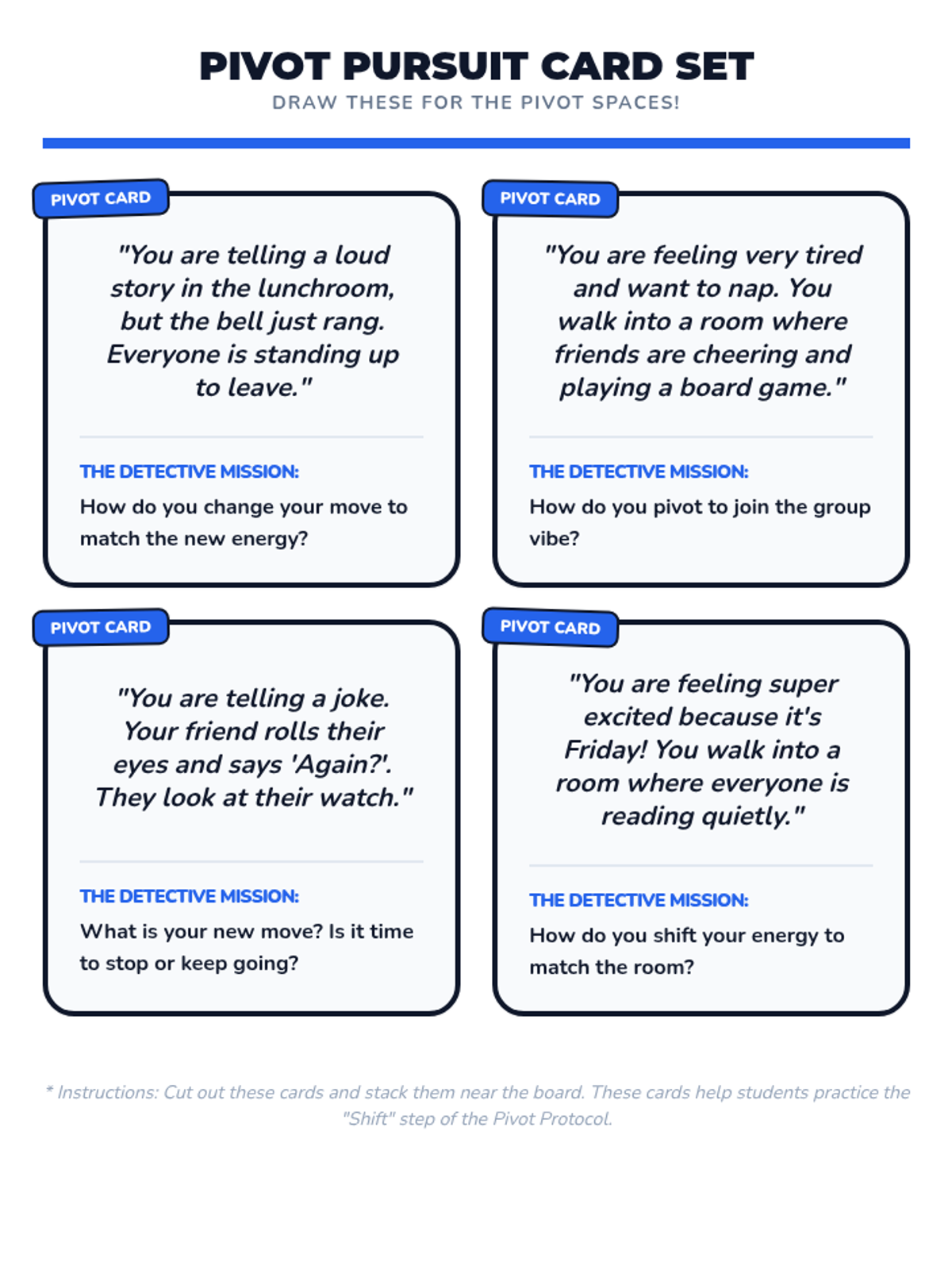
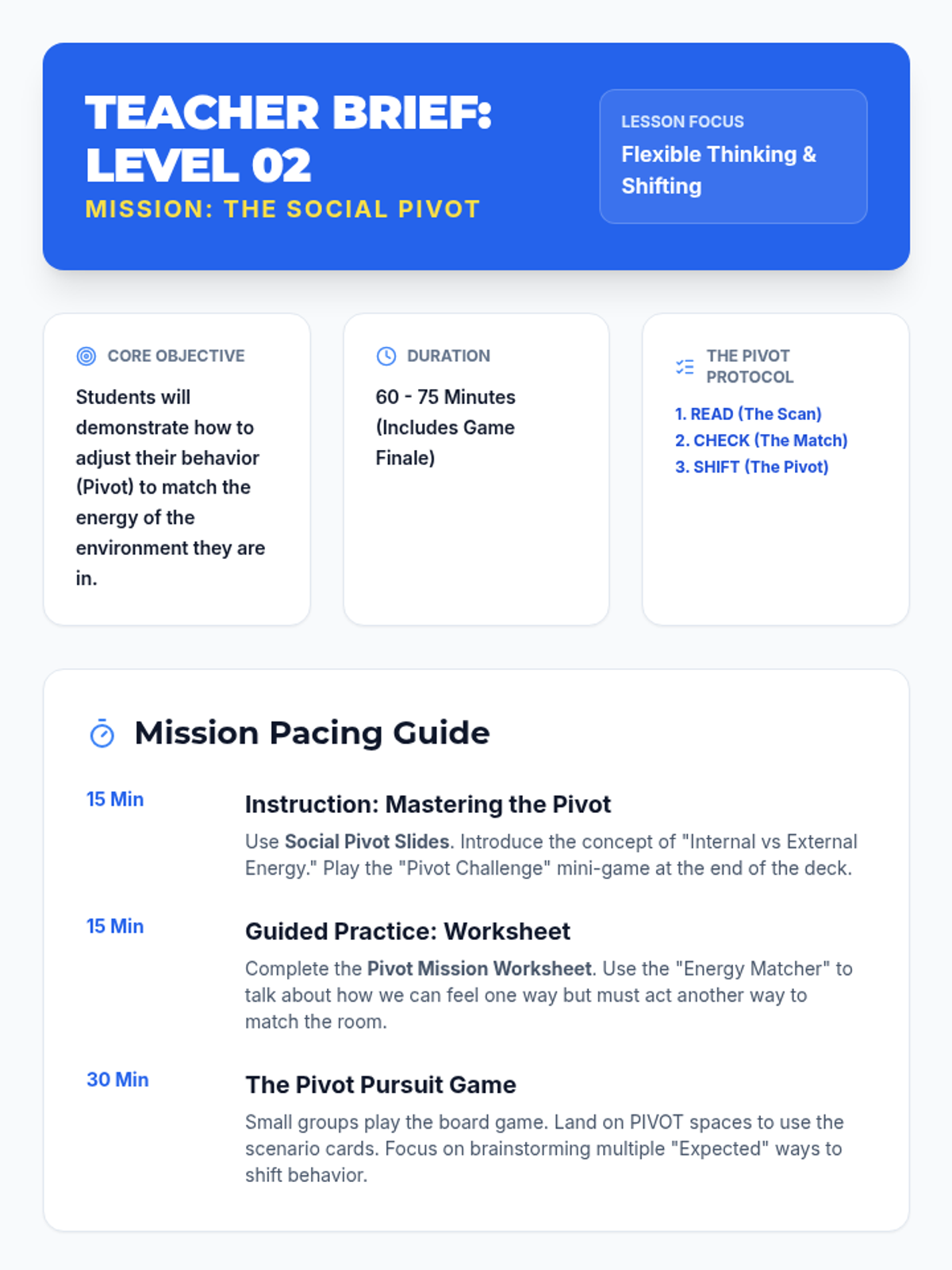
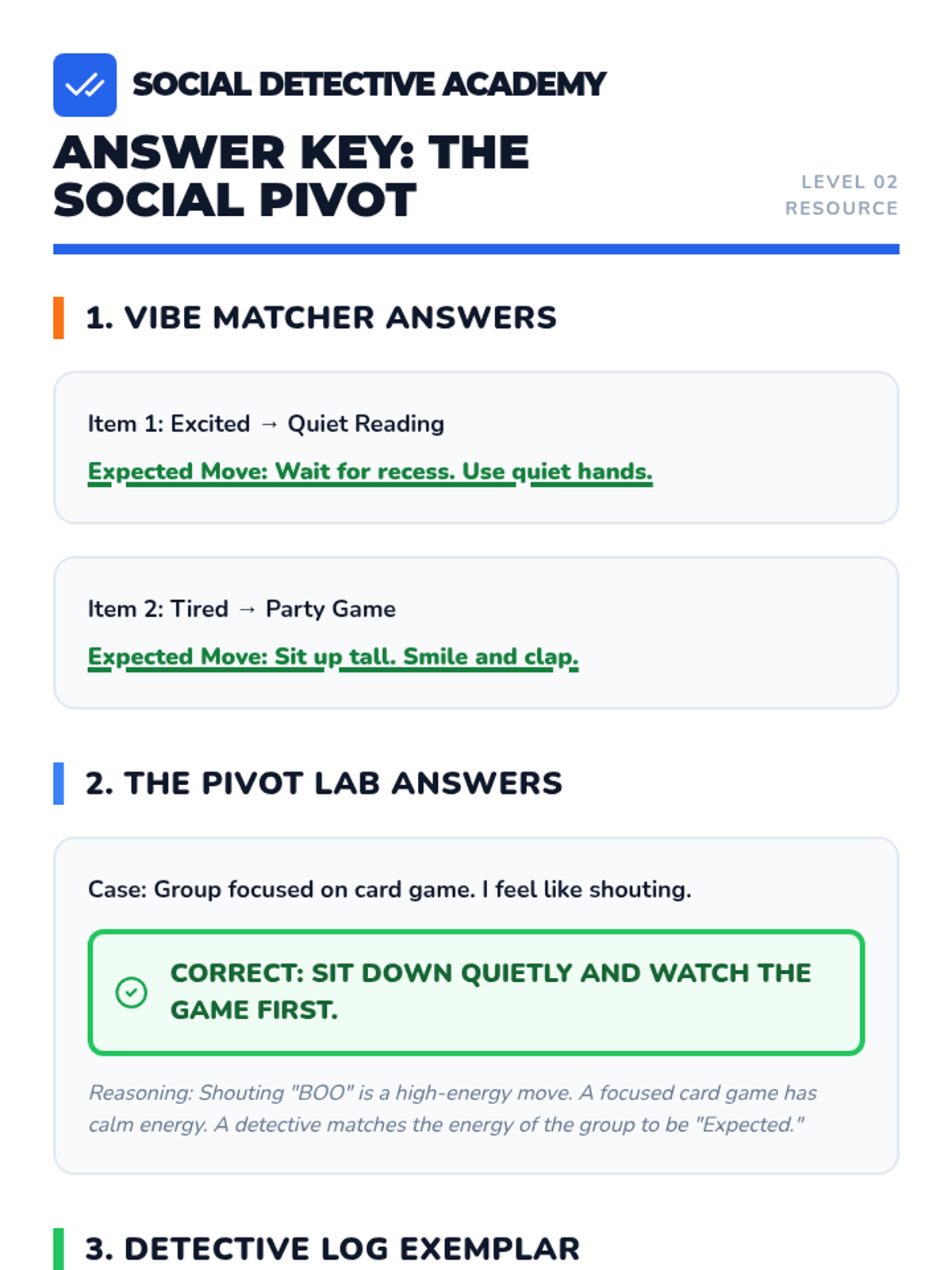
This lesson builds on 'Reading the Room' by teaching students the 'Pivot Protocol'—the ability to shift behavior once a social cue is detected. Students will practice matching their internal energy to the environment, understanding expected vs. unexpected reactions, and using flexible thinking to navigate social shifts.
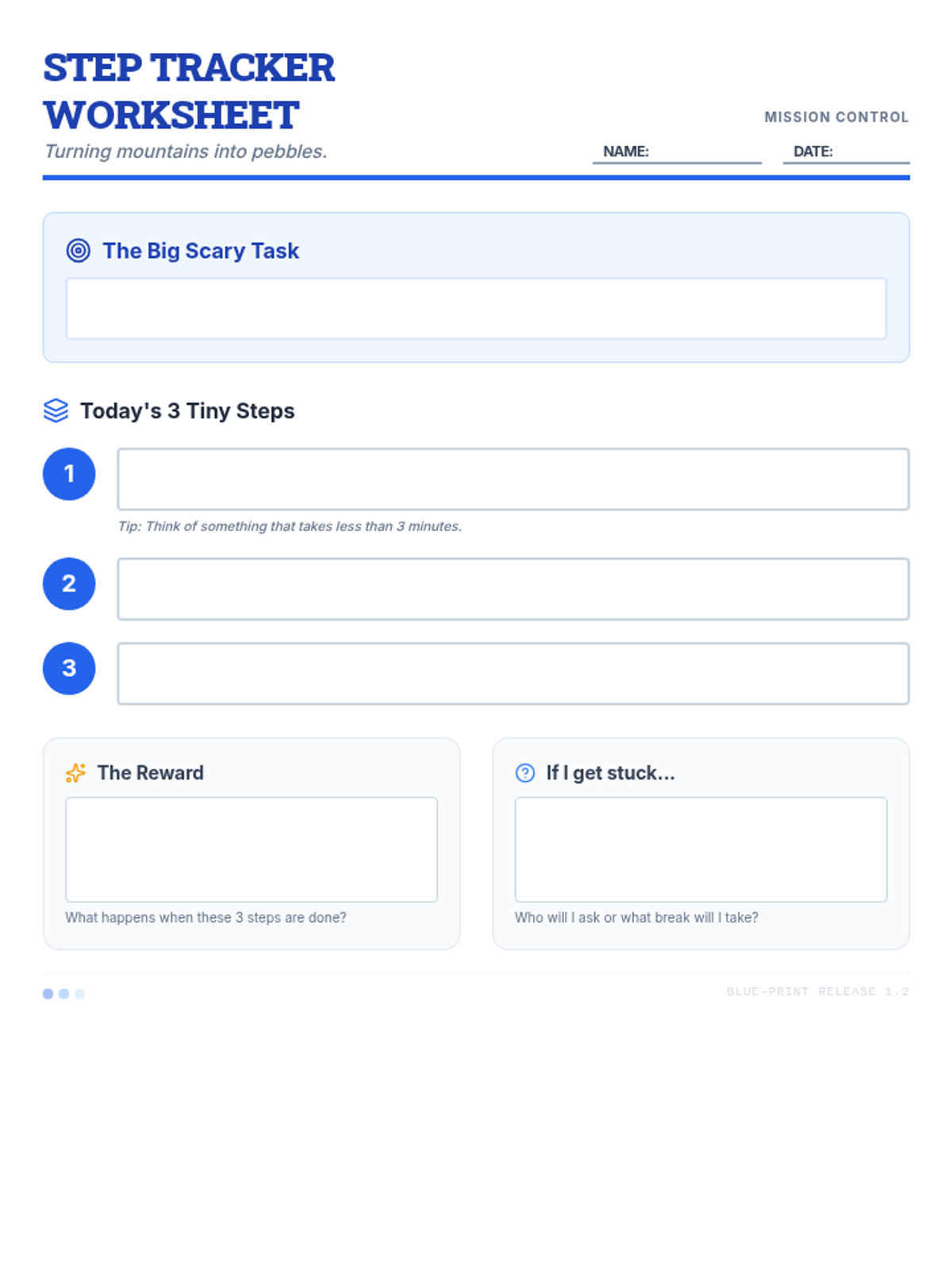
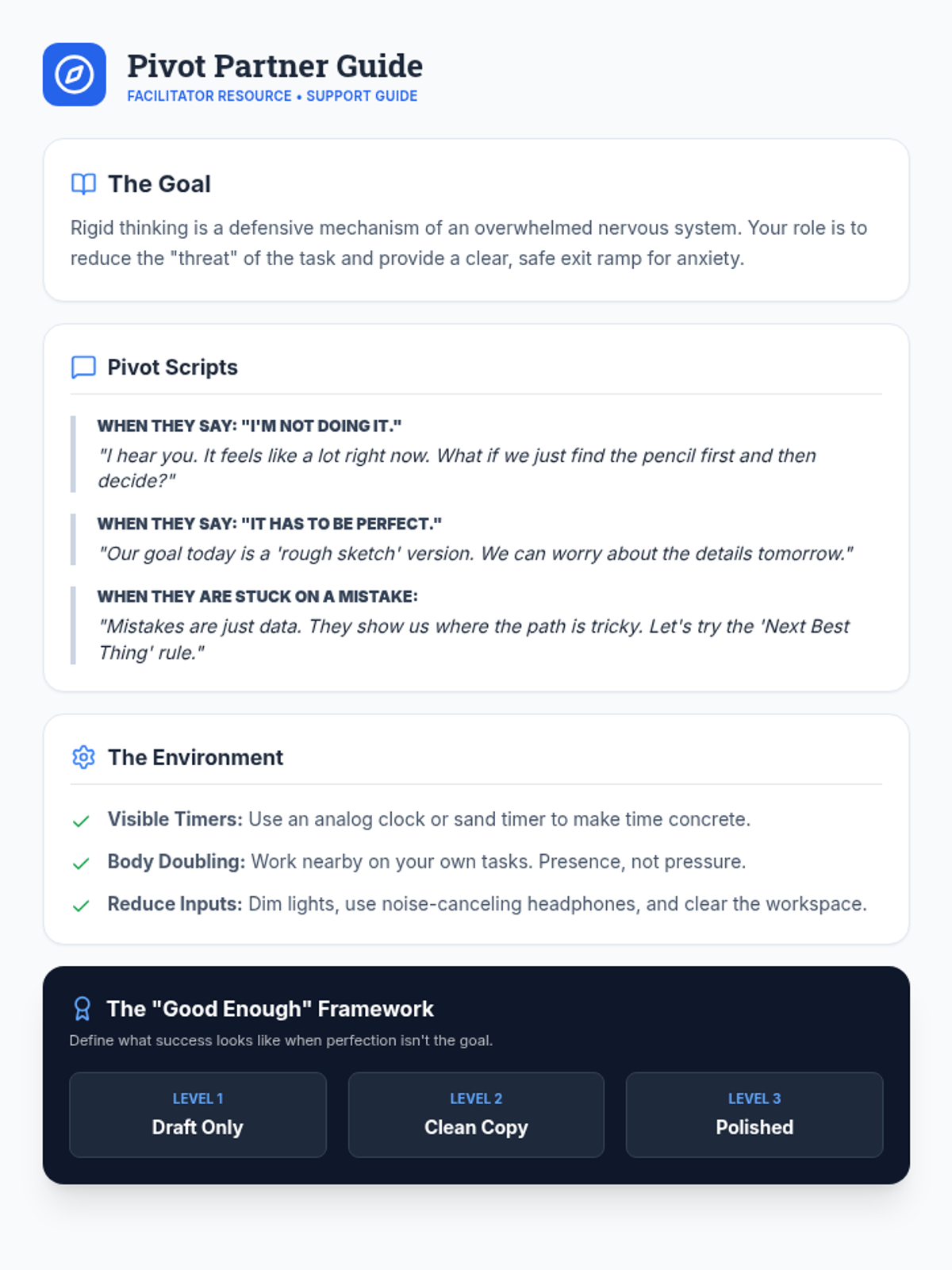
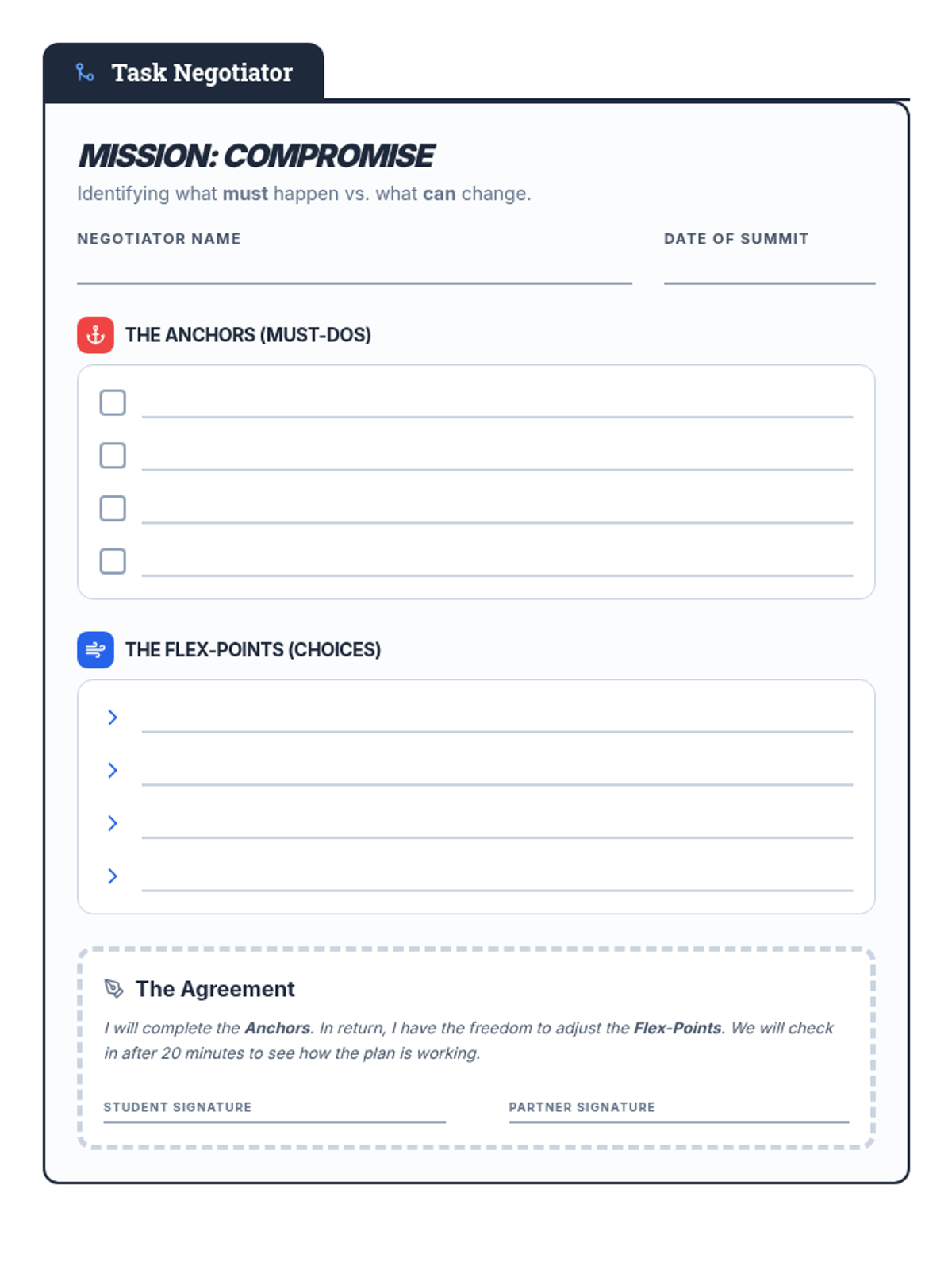
A comprehensive set of strategies and tools to help teens with autism overcome rigid thinking and task refusal during academic assignments.
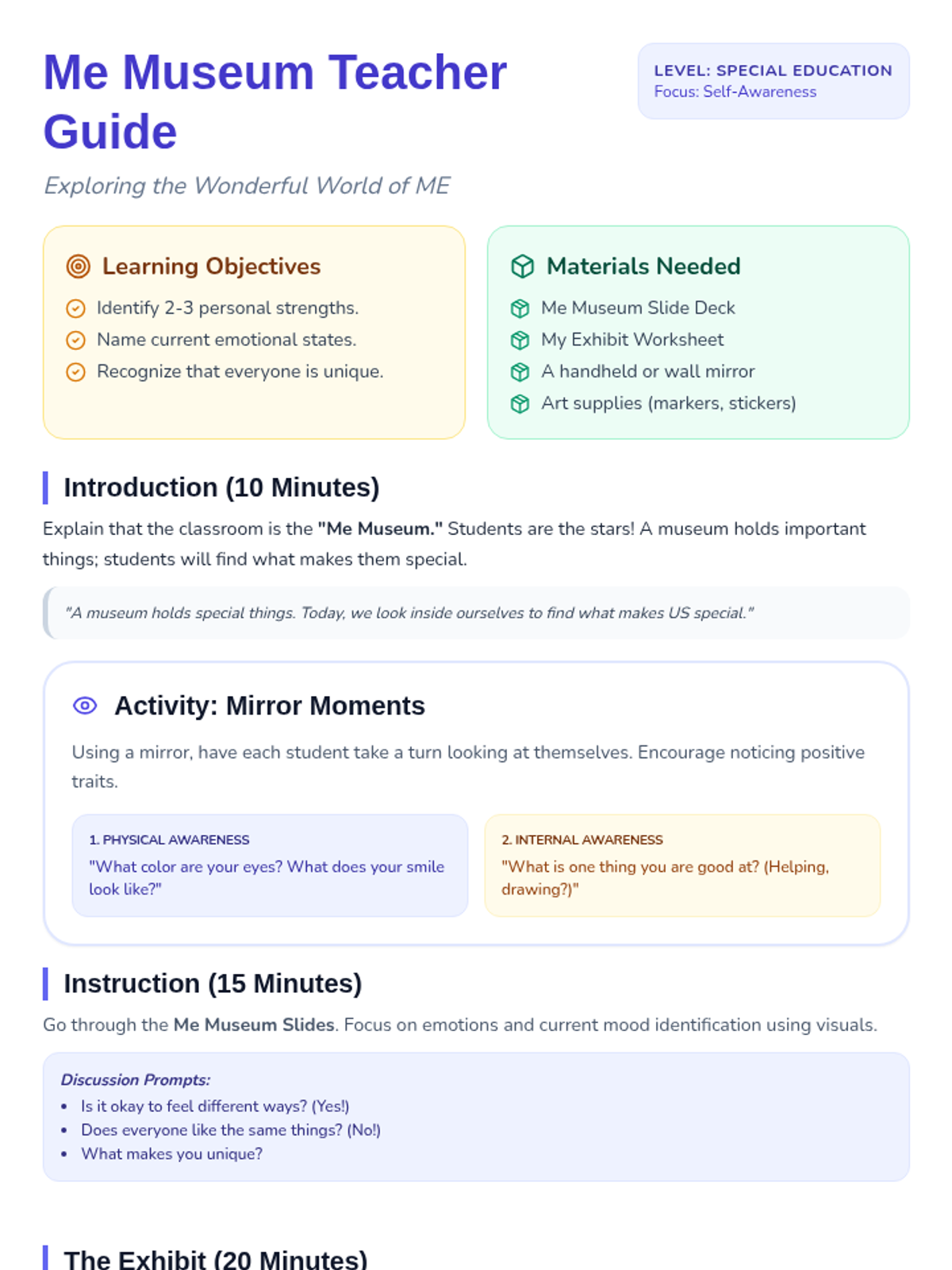
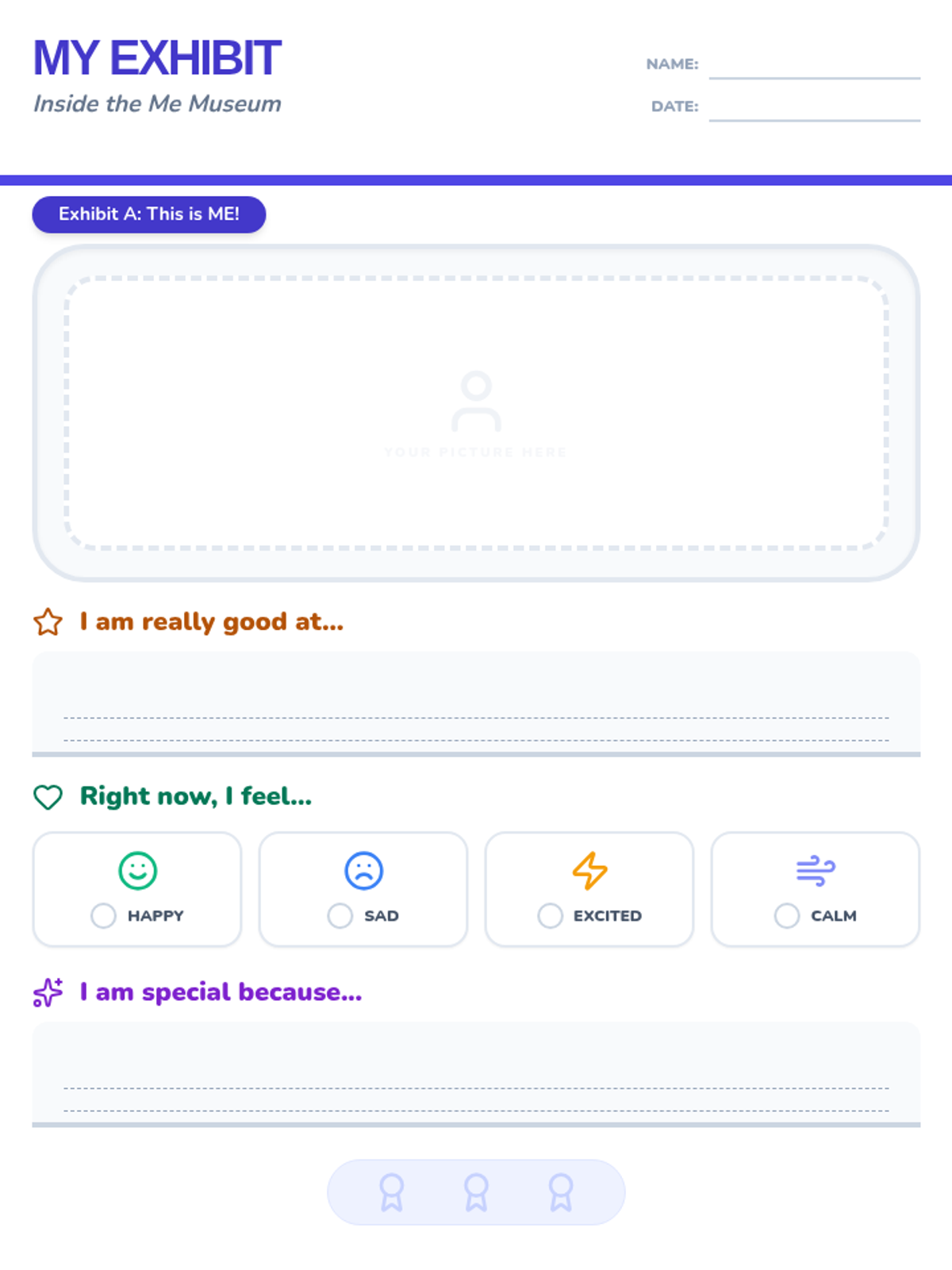
A foundational lesson on self-awareness for special education students, focusing on identifying personal strengths, emotions, and unique traits through the 'Me Museum' theme.
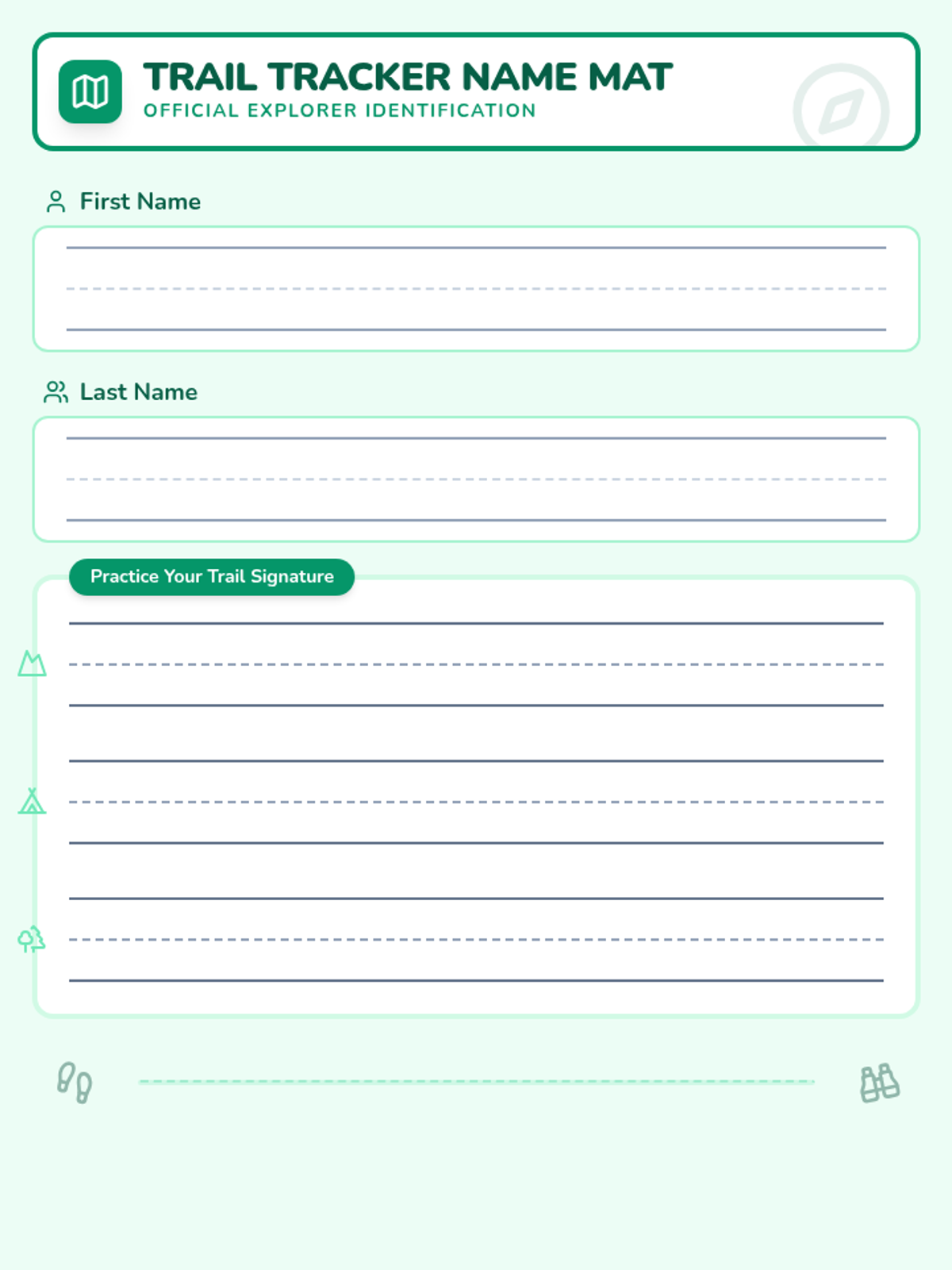
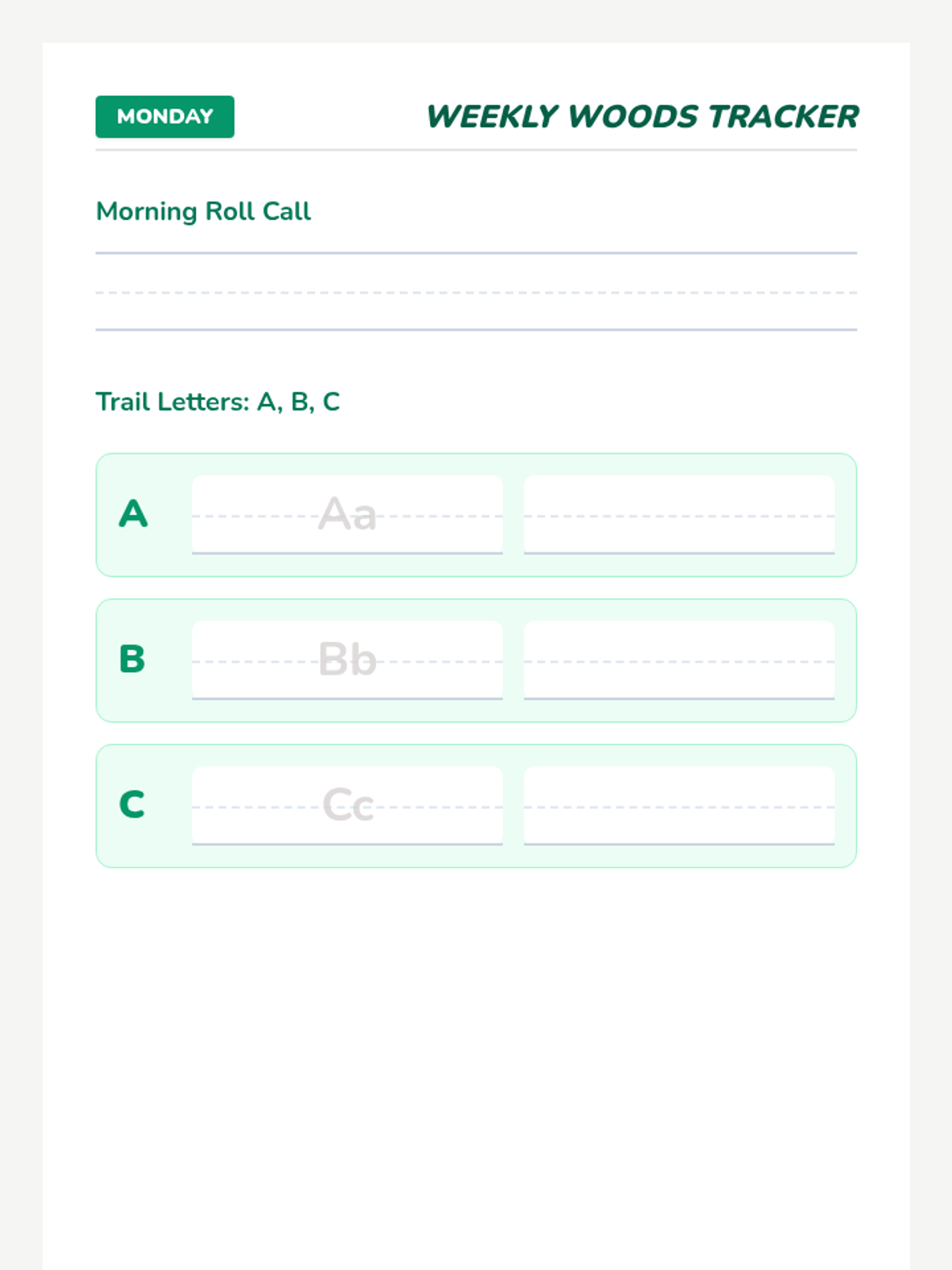
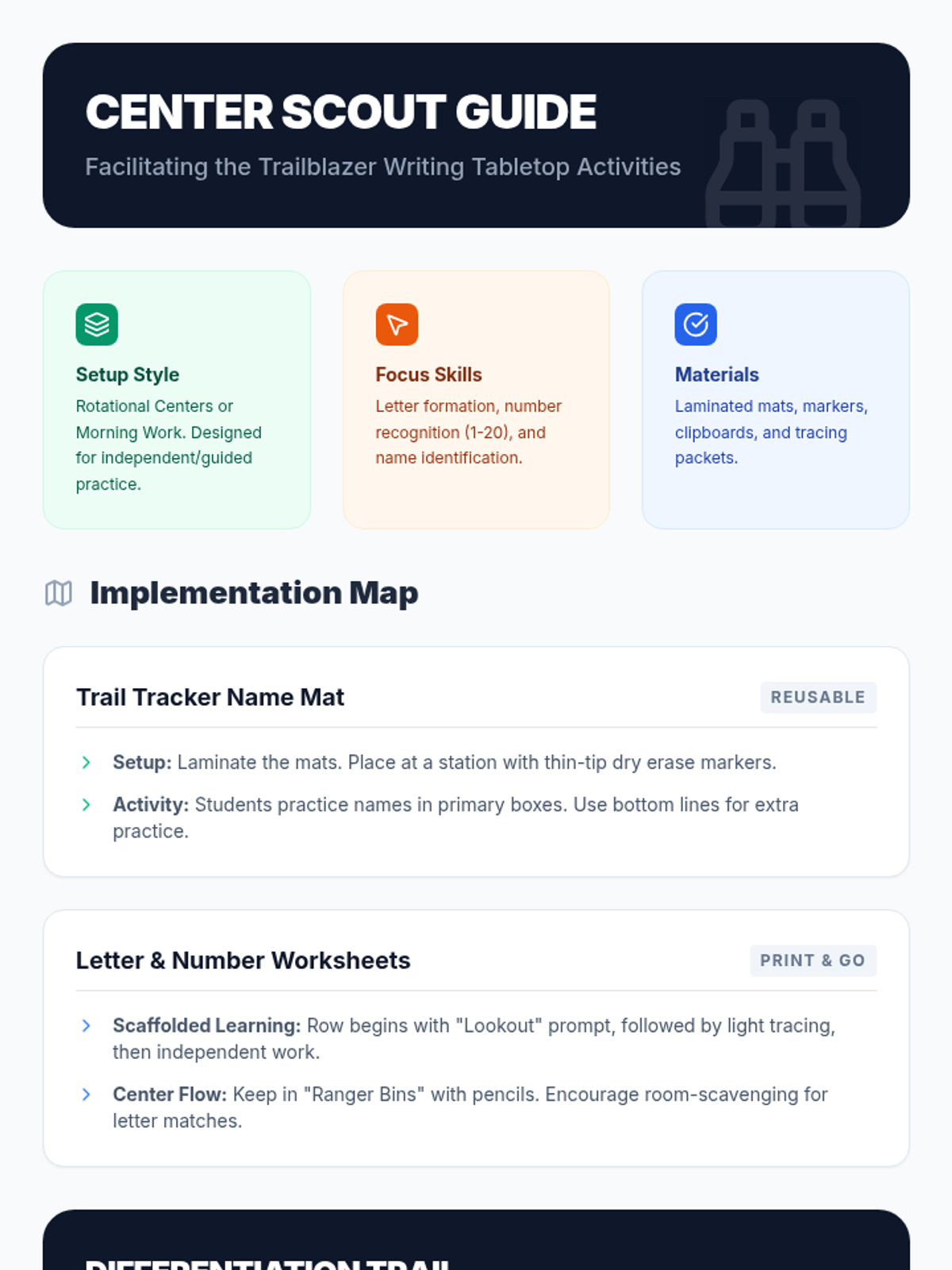
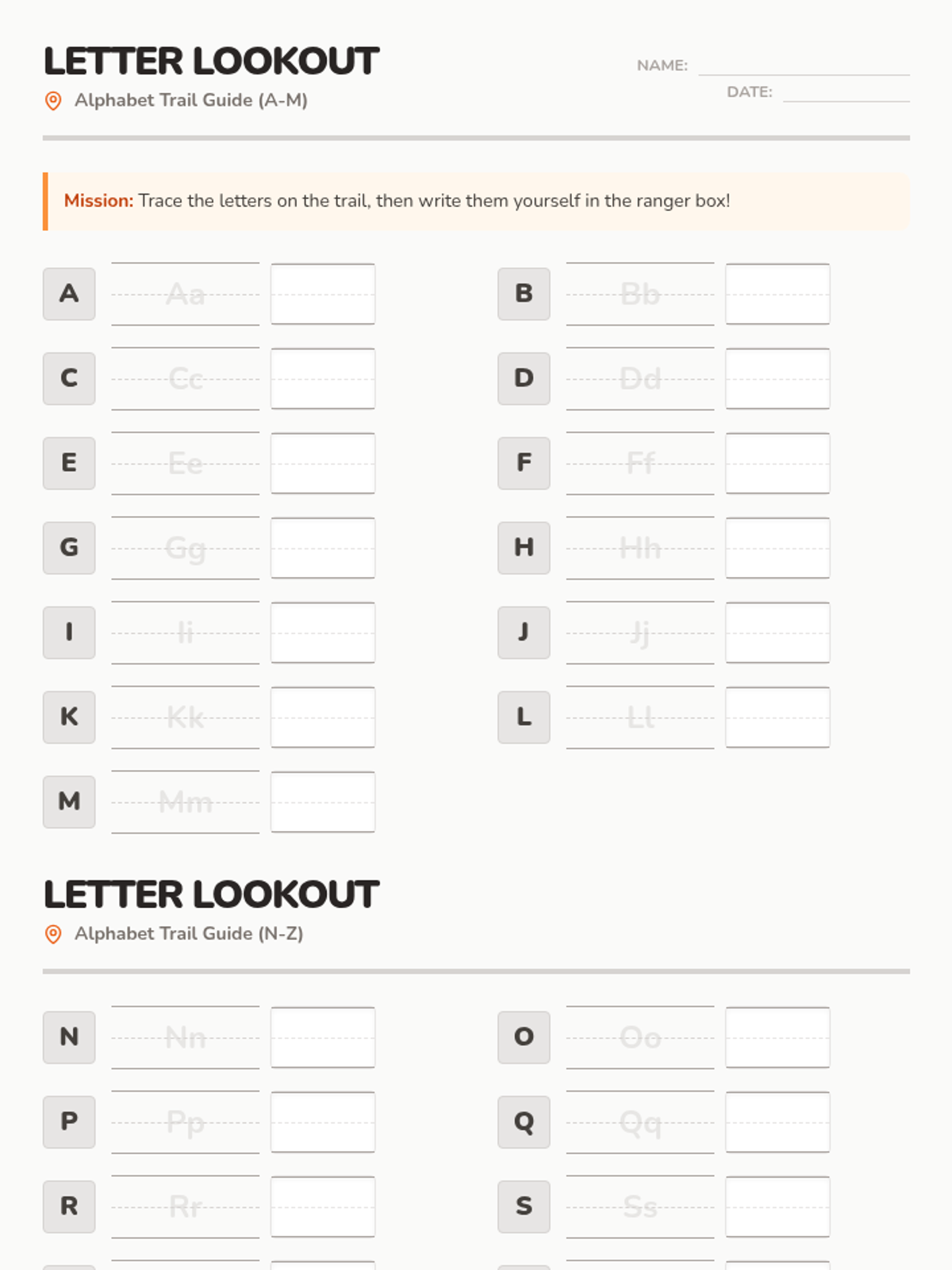
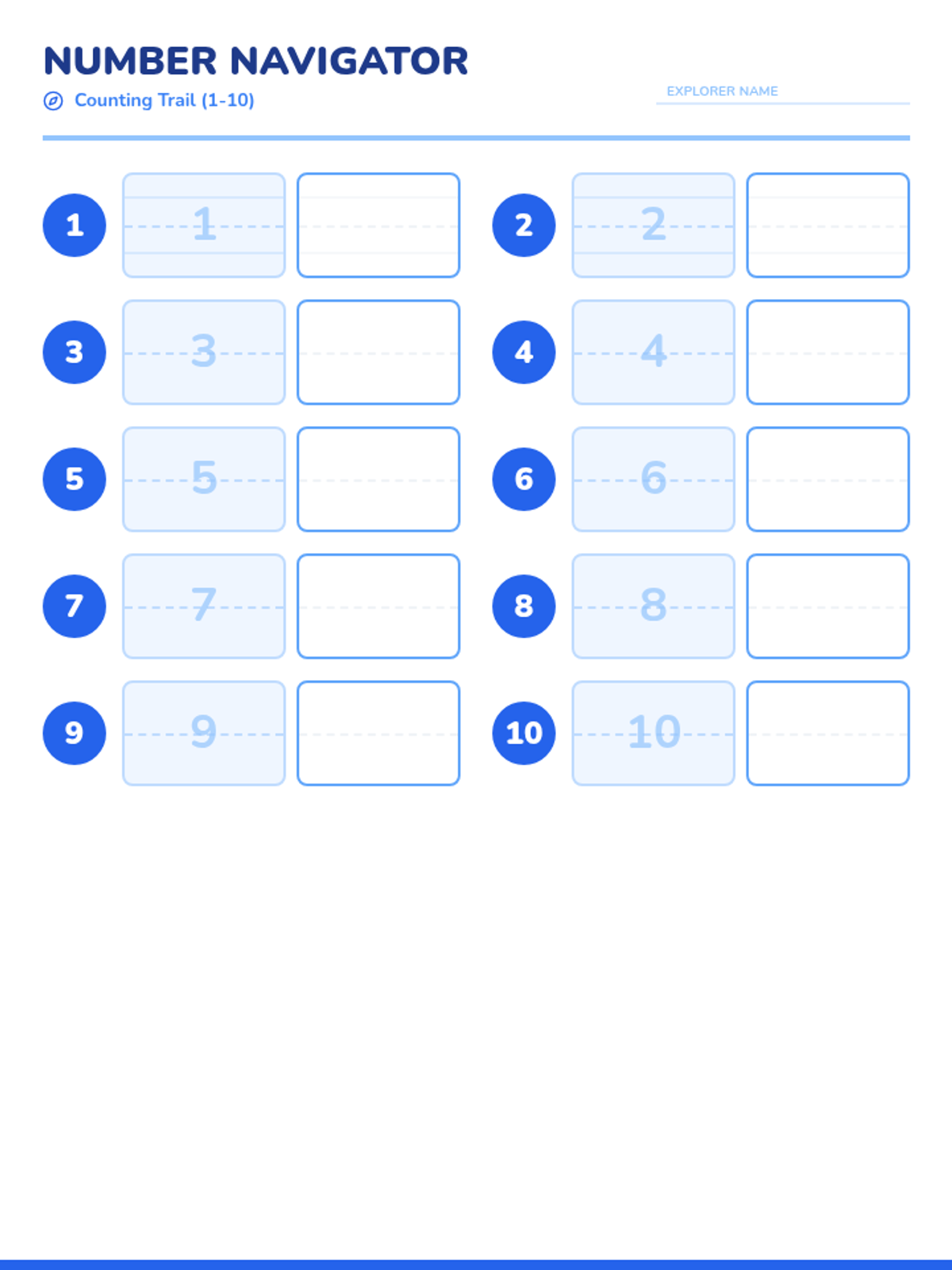
A series of engaging tabletop activities focused on letter formation, number recognition, and name writing with a Nature Explorer theme. Students practice through tracing, path-following, and independent writing.
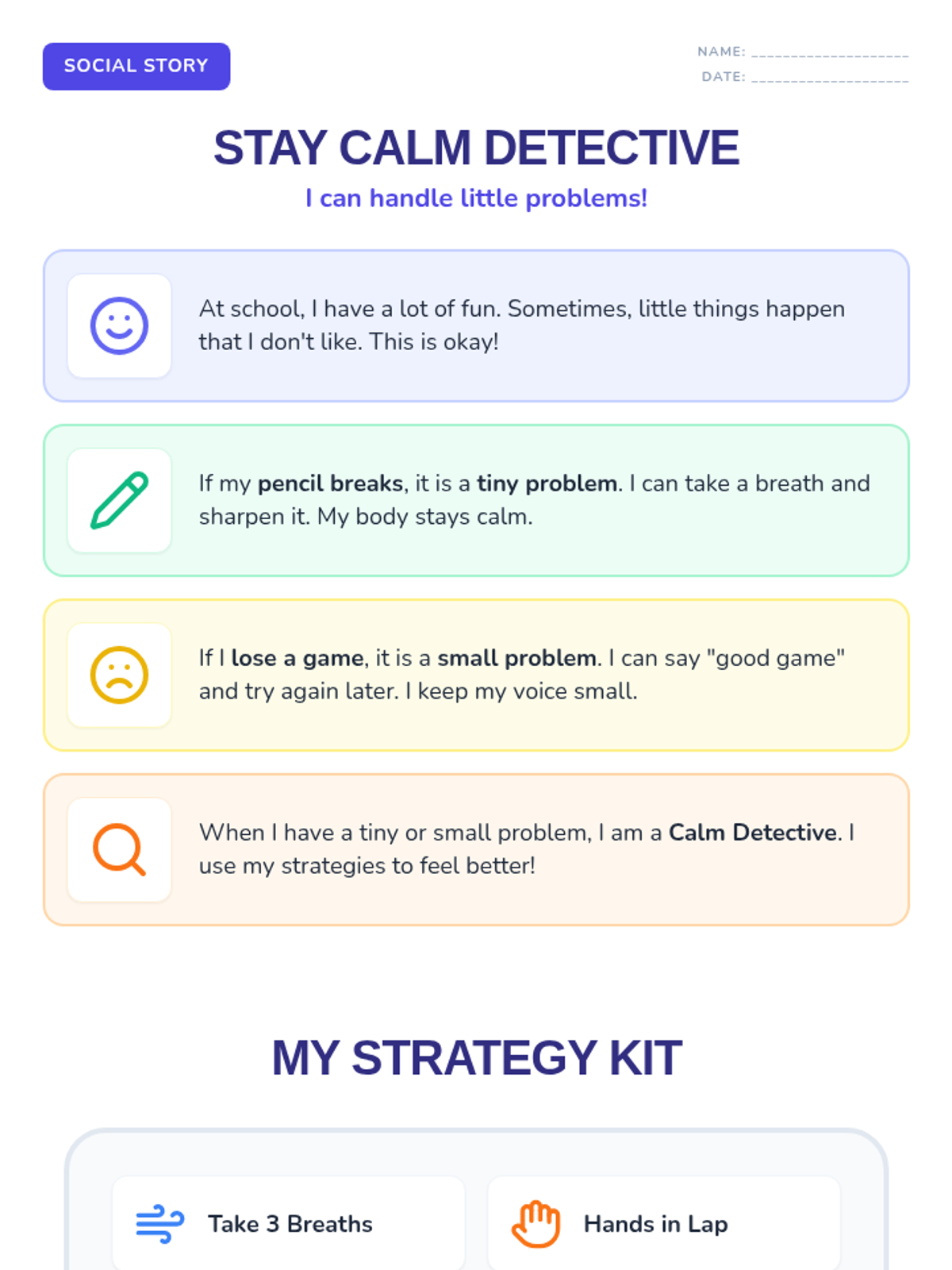
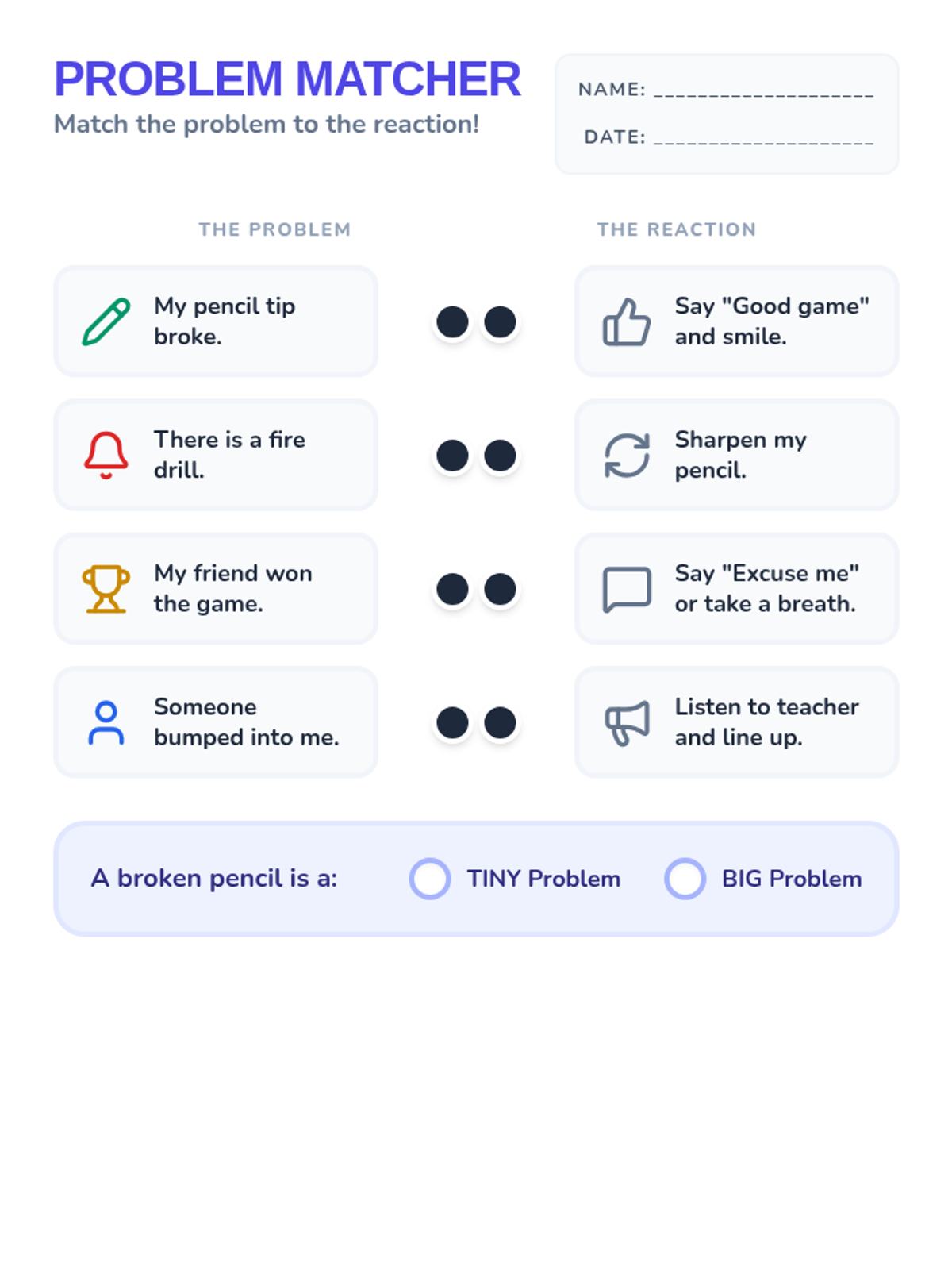
A lesson for 1st graders with ASD focused on identifying the 'size' of a problem and matching it with an appropriate emotional reaction. Includes visual slides, a social story, and practice activities.
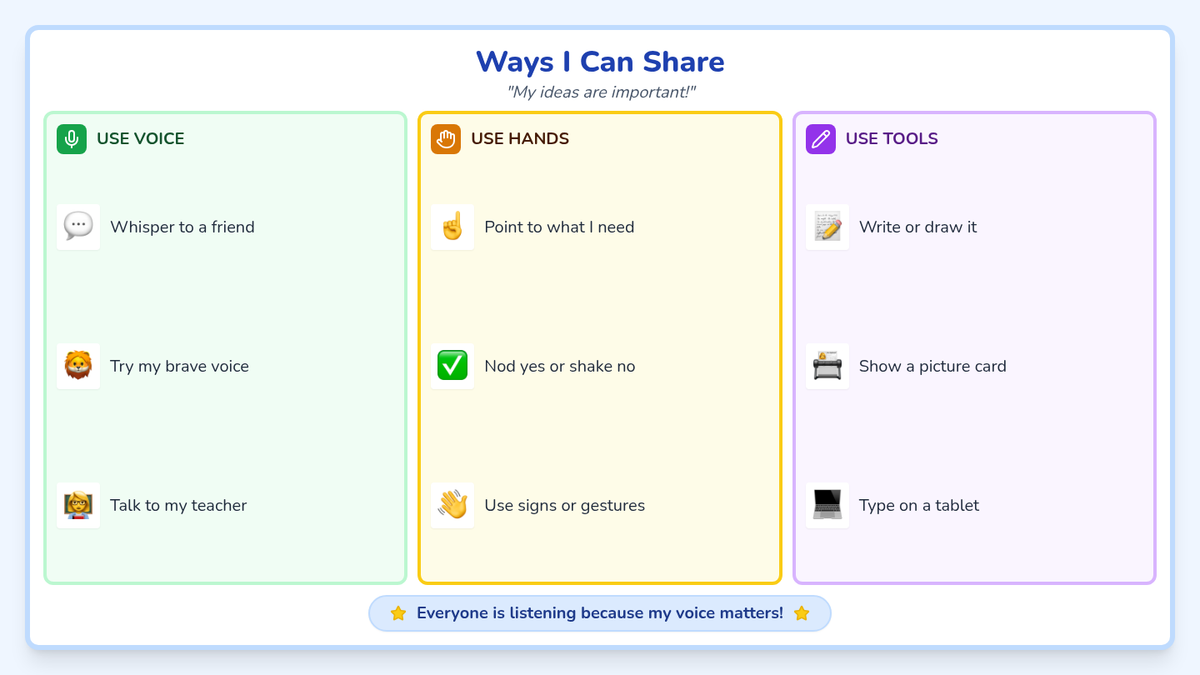
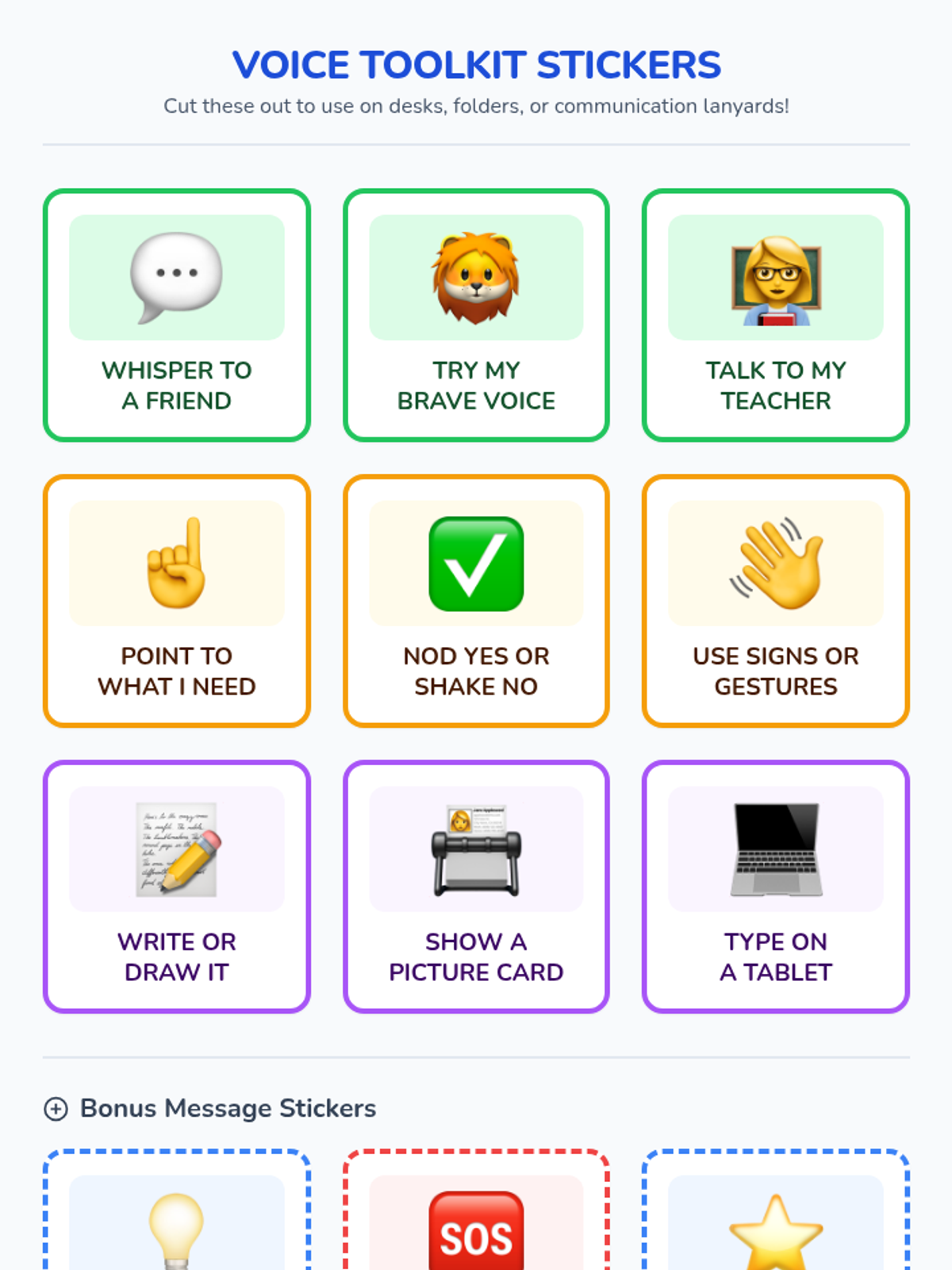
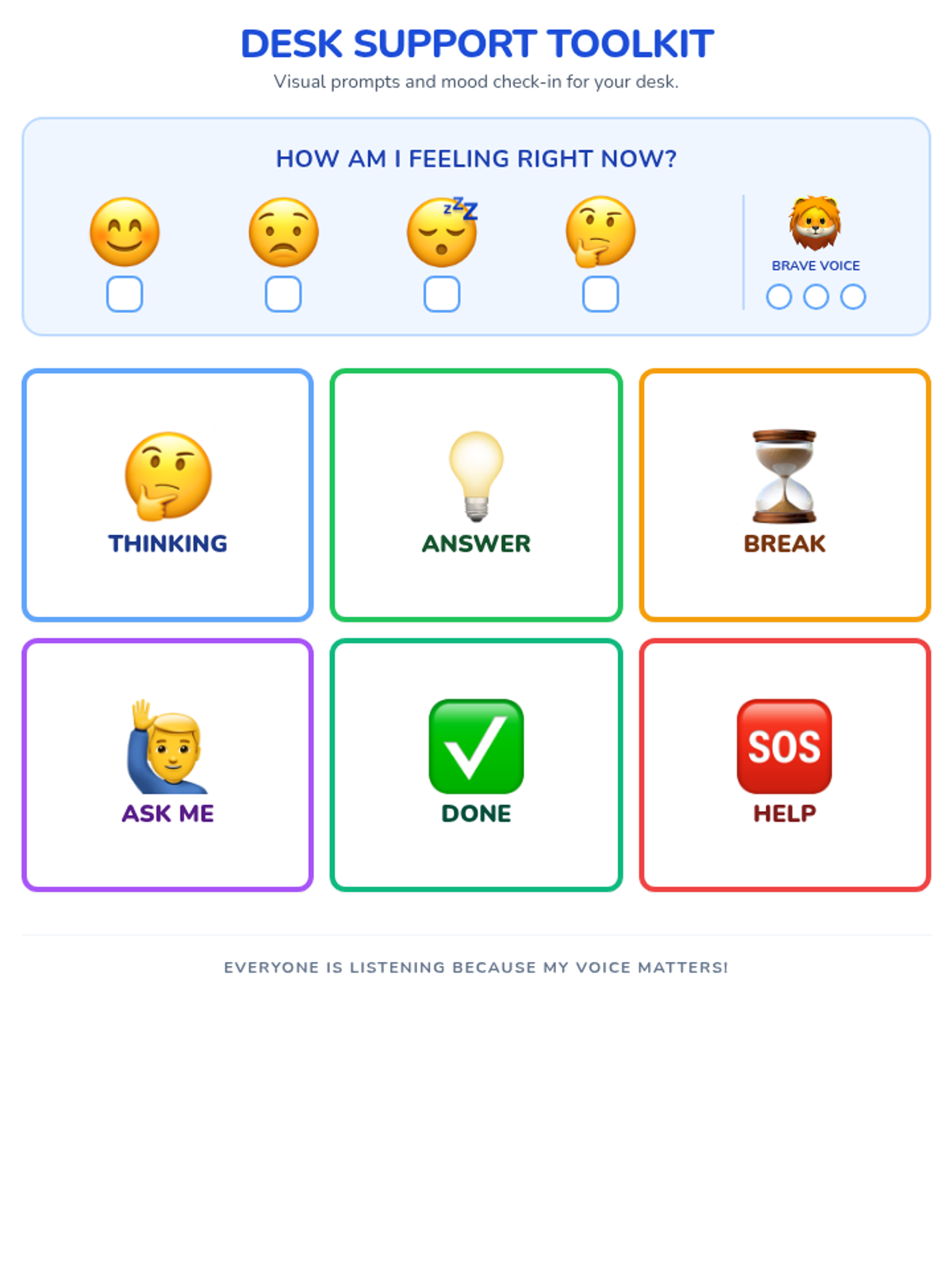
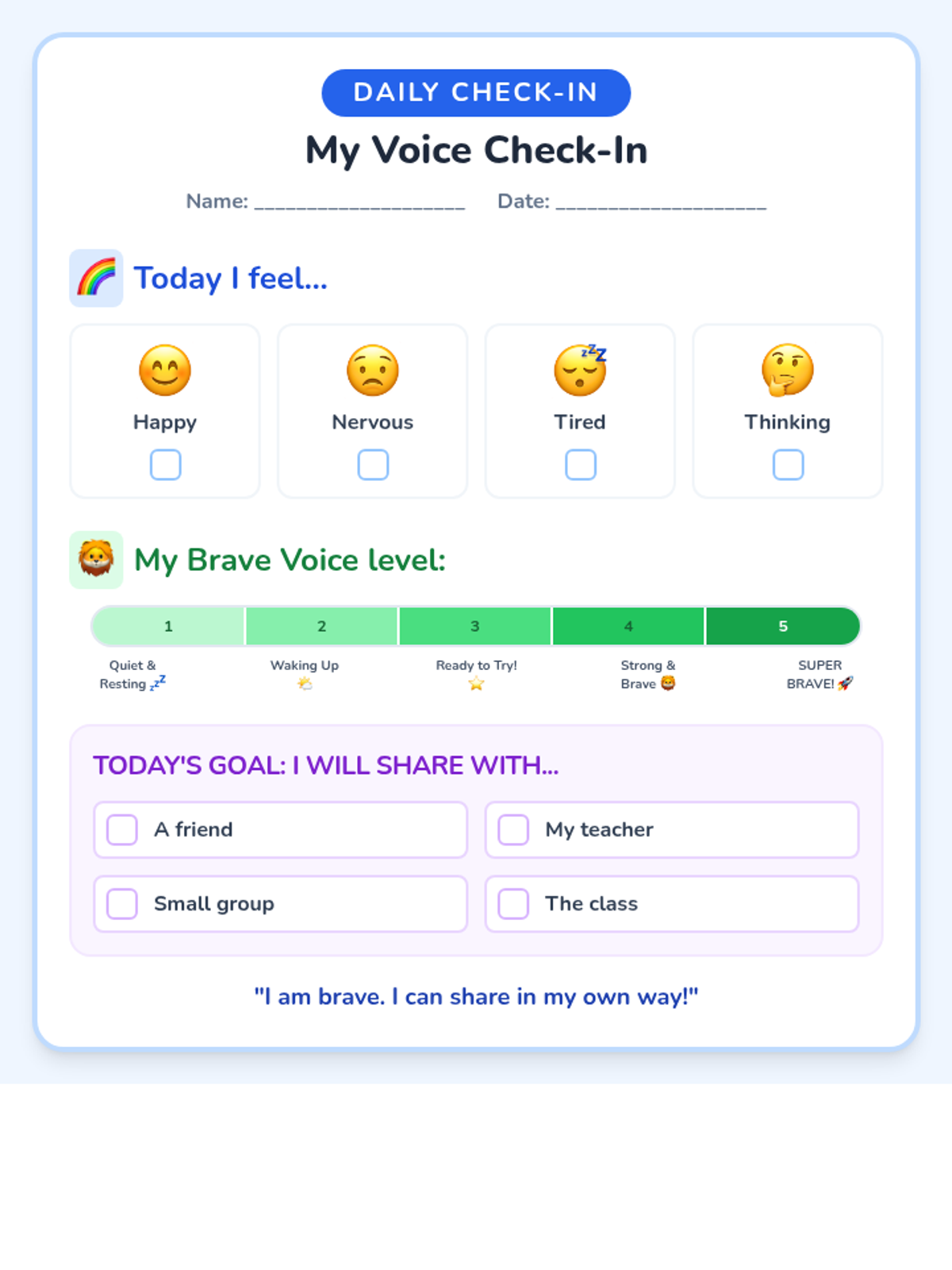
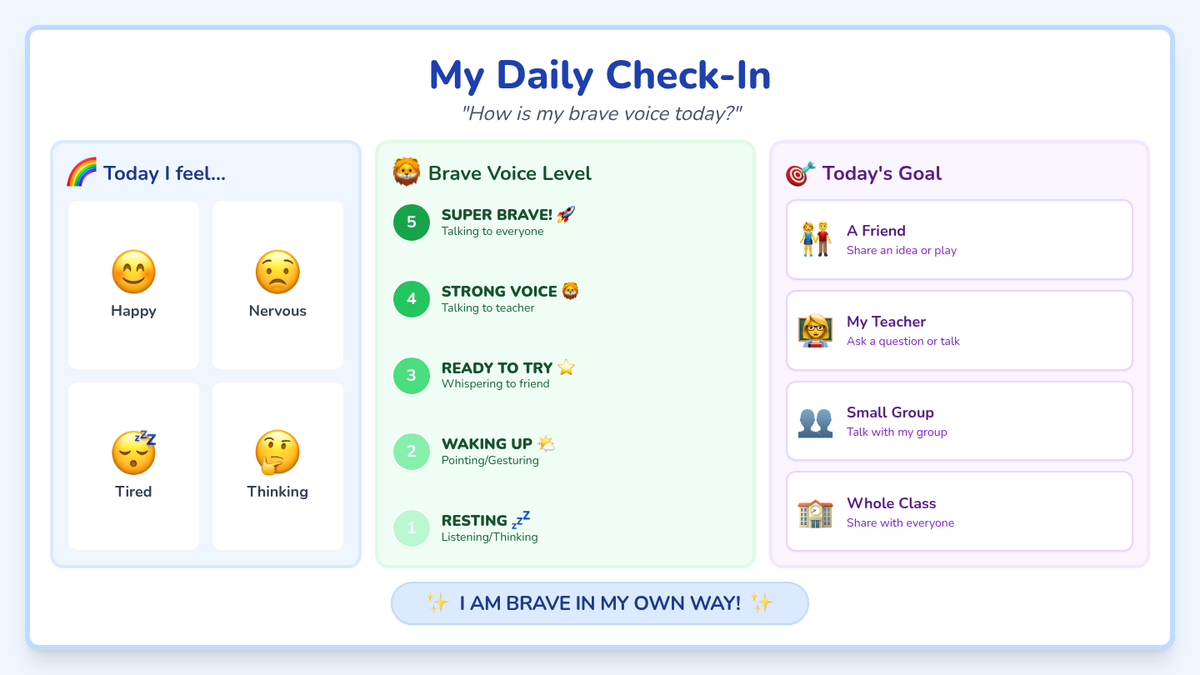
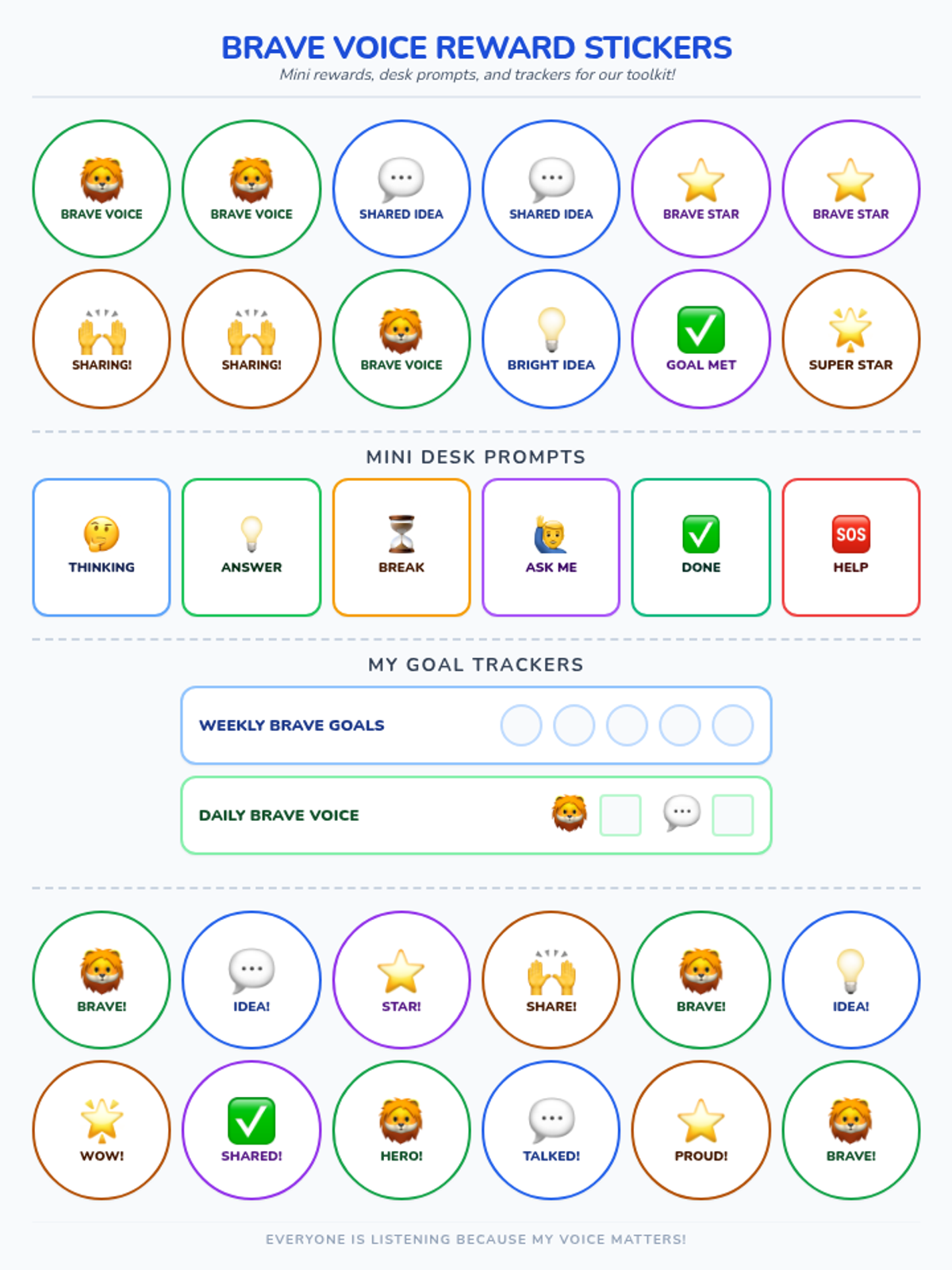
A collection of visual and printable resources to support students with selective mutism in the classroom, focusing on diverse communication strategies.
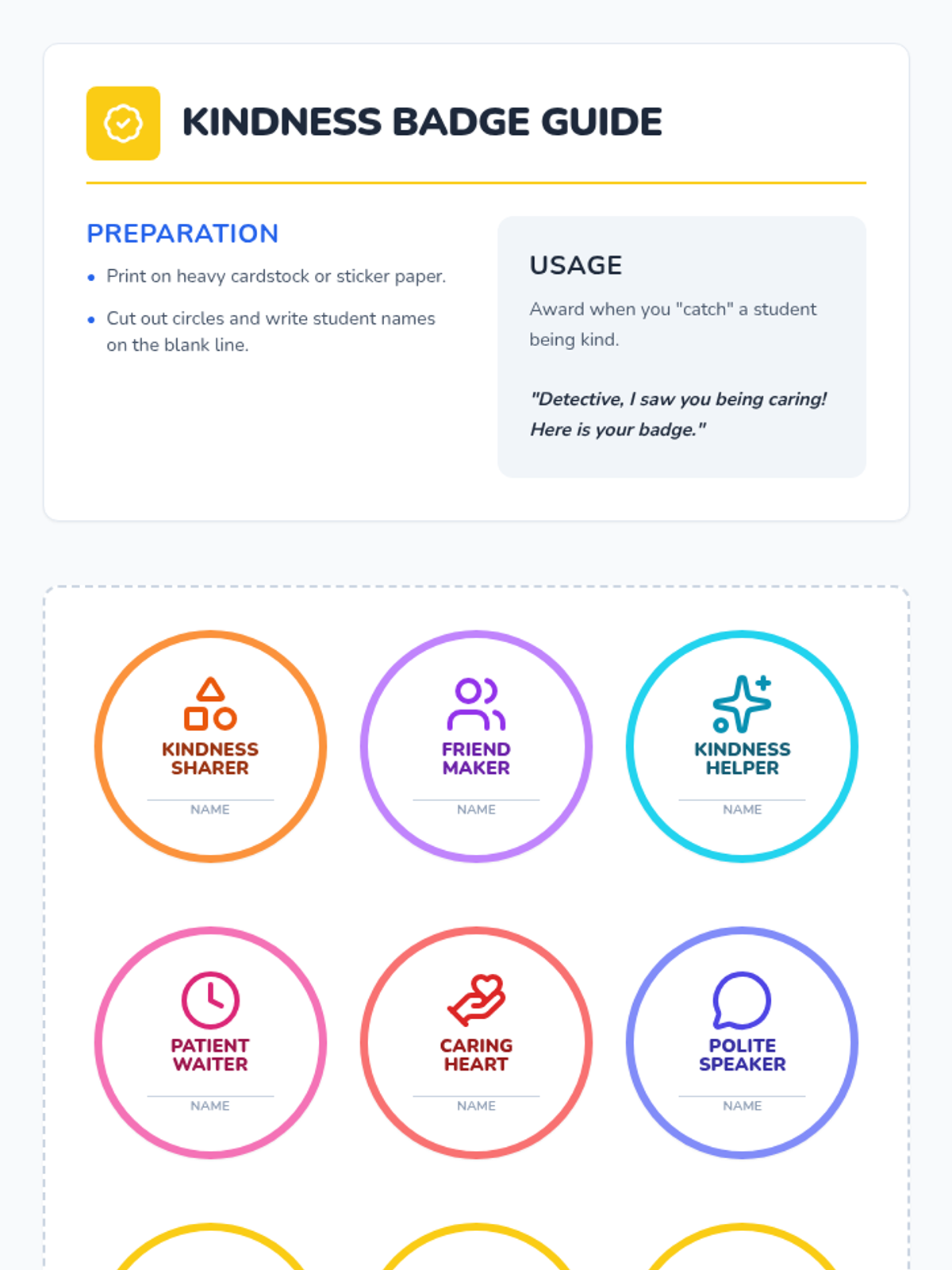
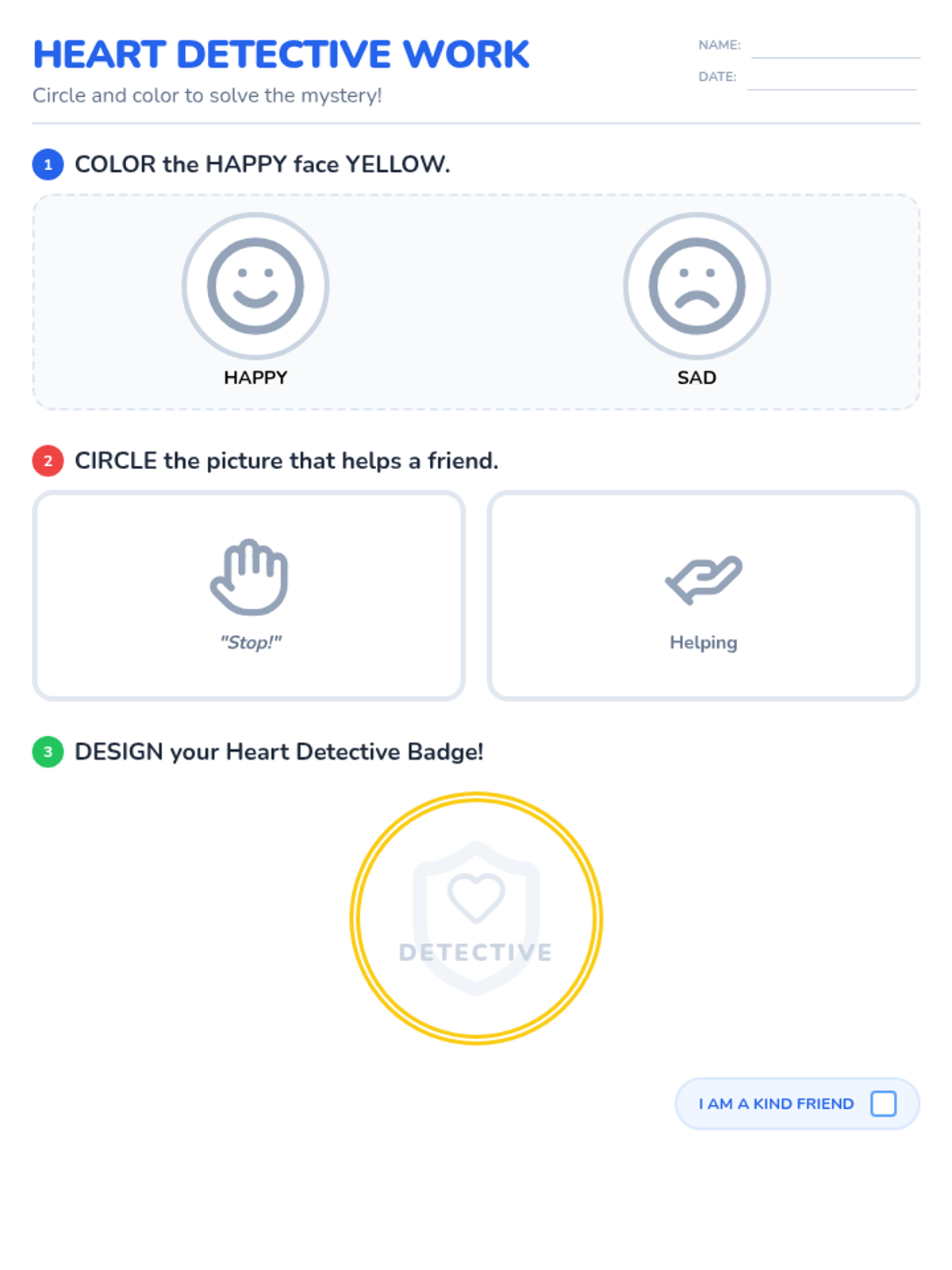
A foundational social-emotional lesson where students act as "Kindness Detectives" to identify and celebrate positive classroom behaviors. Using visual supports and simple scenarios, students practice recognizing sharing, inclusion, and helpfulness.
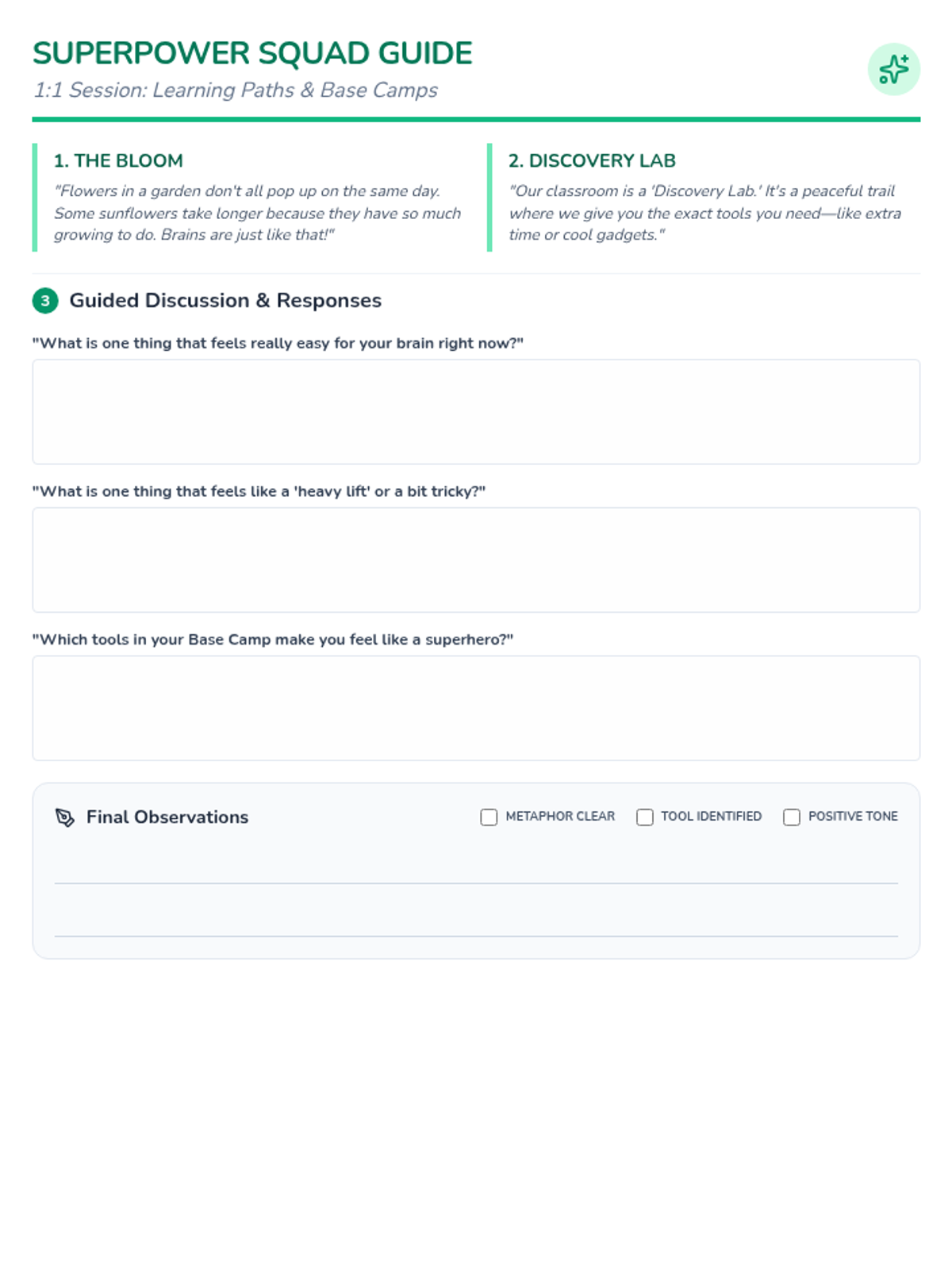
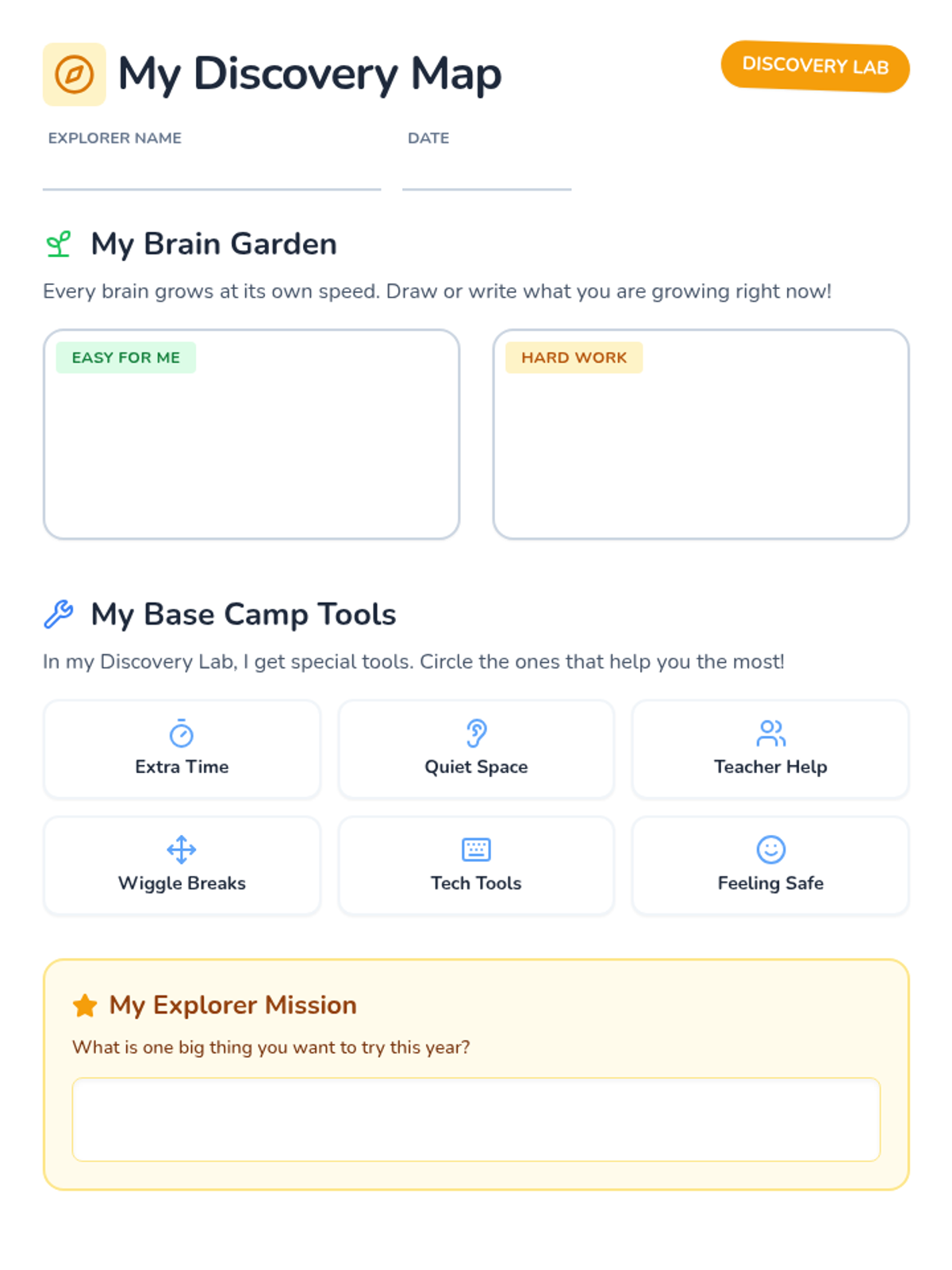
A sensitive and empowering 1:1 session designed for a 2nd grader to understand their developmental delay and the benefits of a sub-separate classroom environment. The lesson uses metaphors of growth and specialized 'base camps' to frame their educational journey positively.
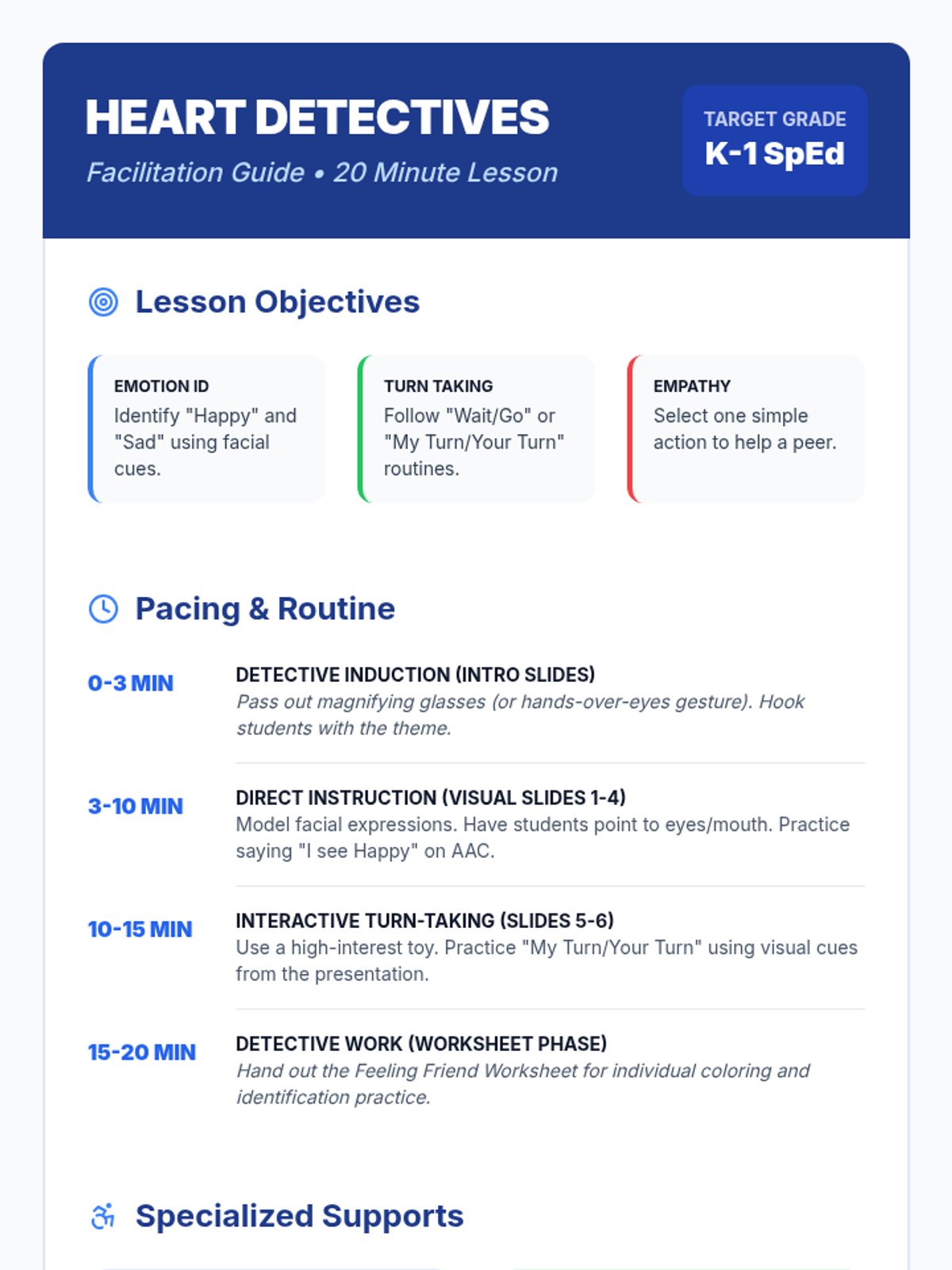
A 20-minute social-emotional learning lesson for K-1 SpEd students focusing on visual recognition of emotions, basic turn-taking routines, and simple helping behaviors. The lesson uses 'Heart Detectives' as a theme to make empathy an active investigation.
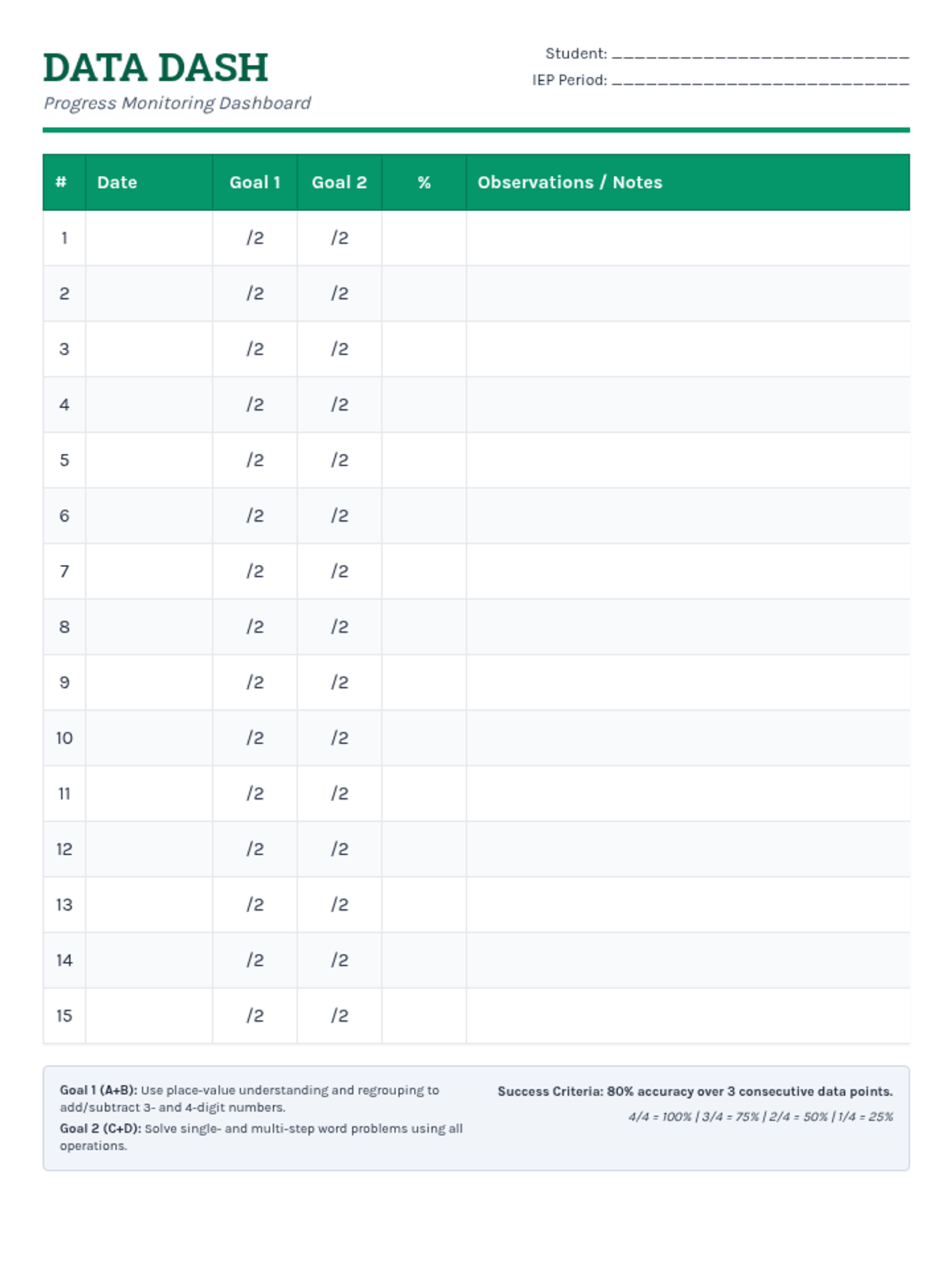
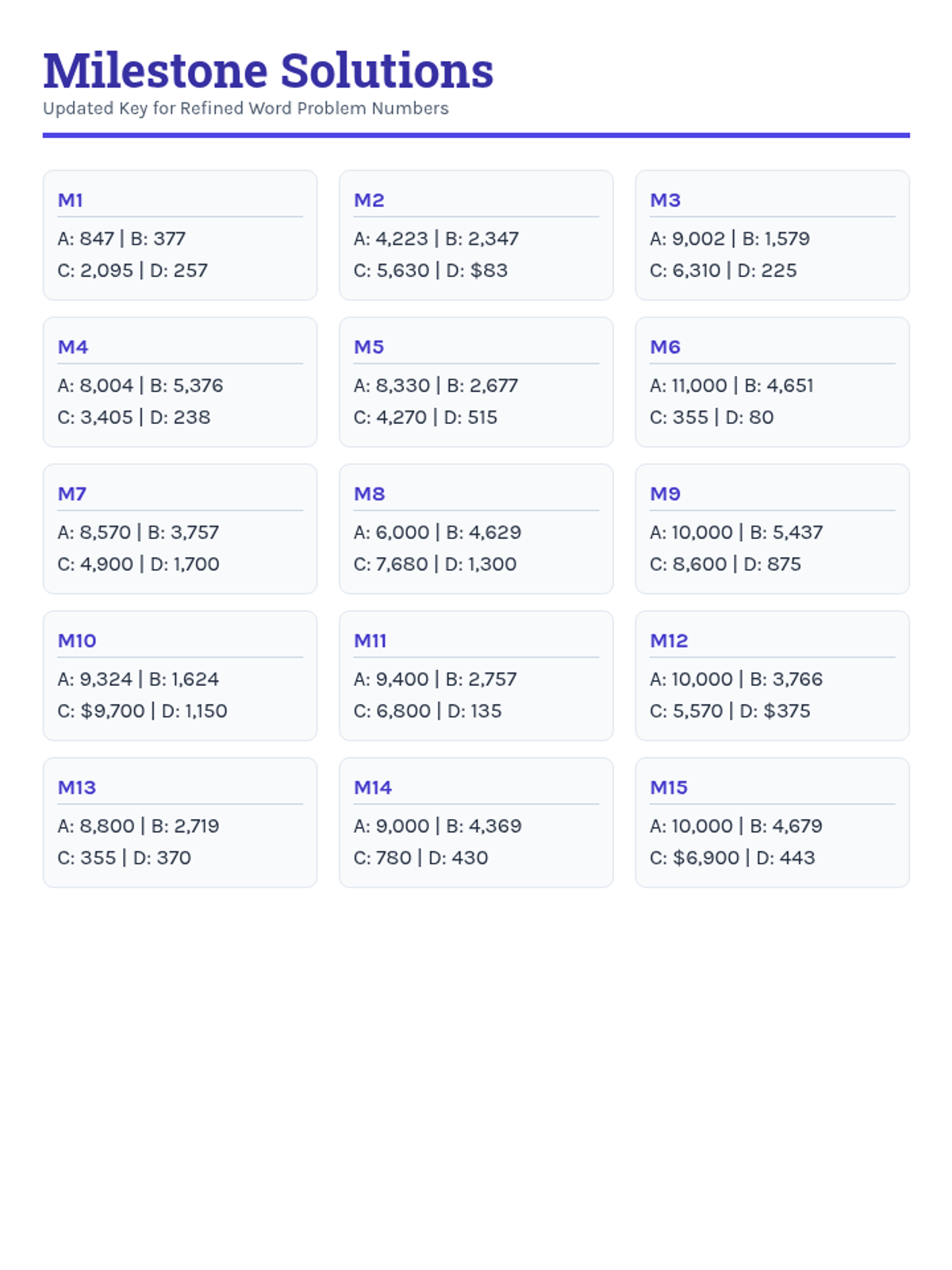
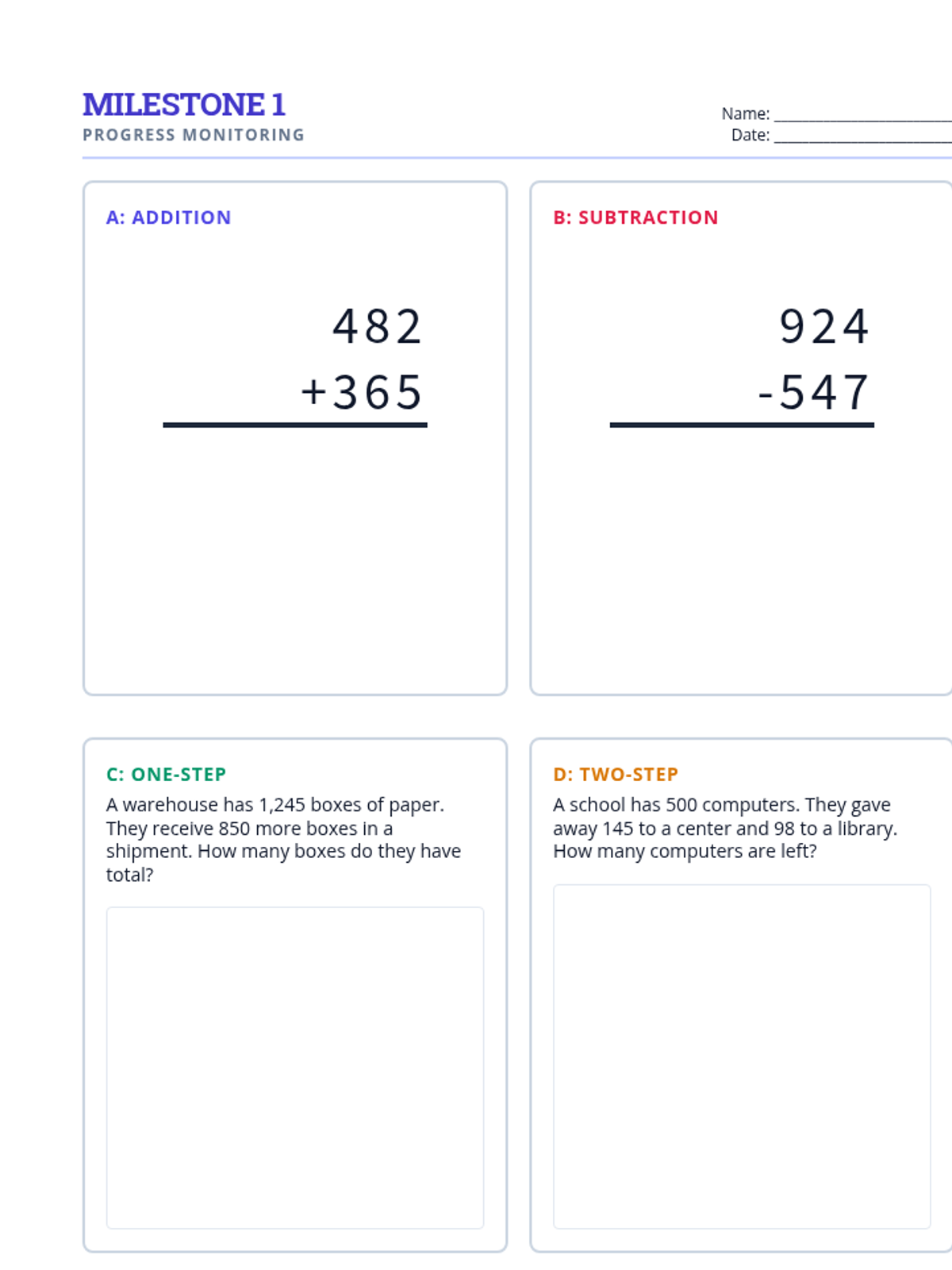
A collection of 15 unique 4-square math worksheets and tracking tools designed for consistent progress monitoring of addition, subtraction, and word problem skills.
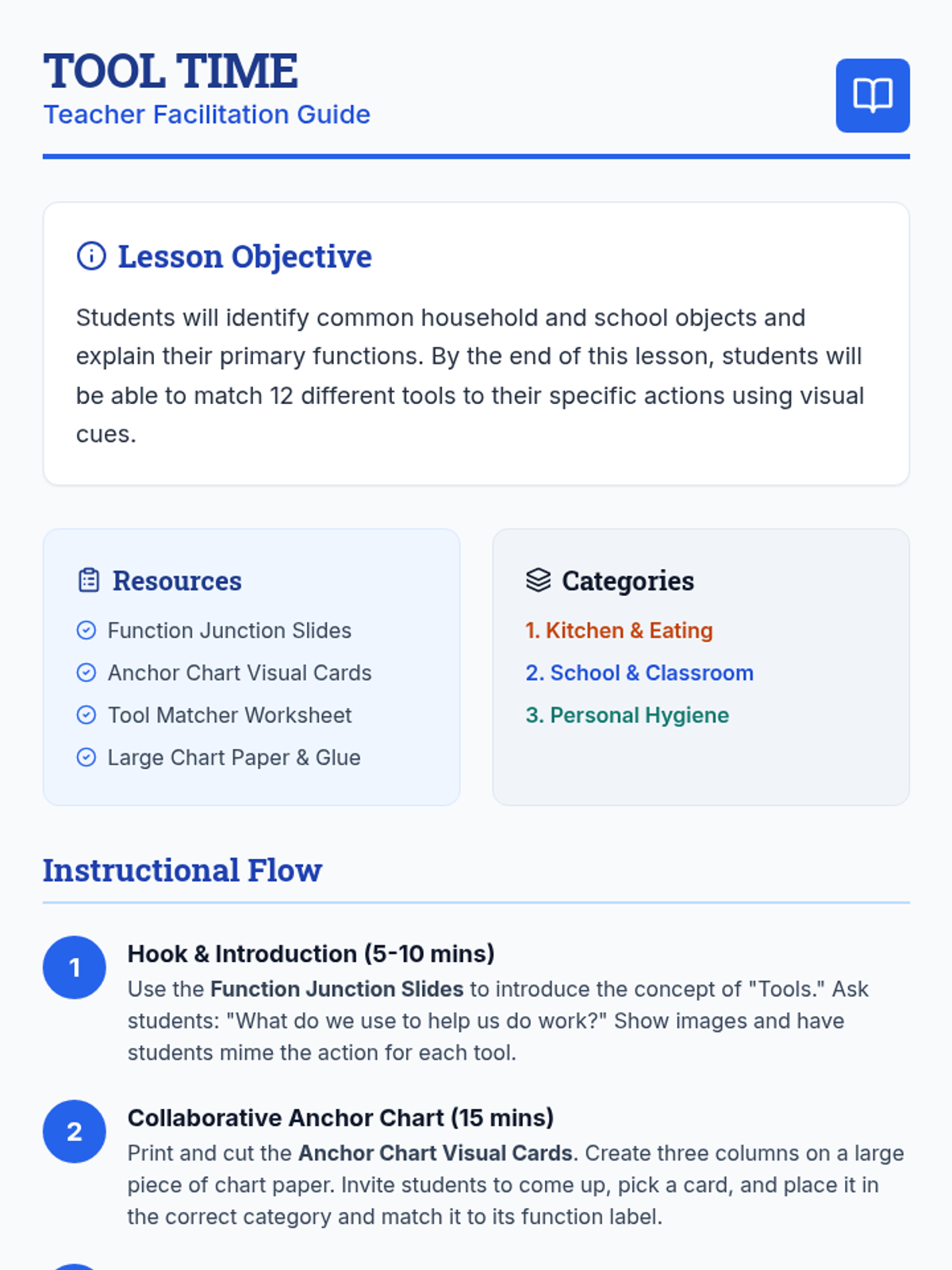
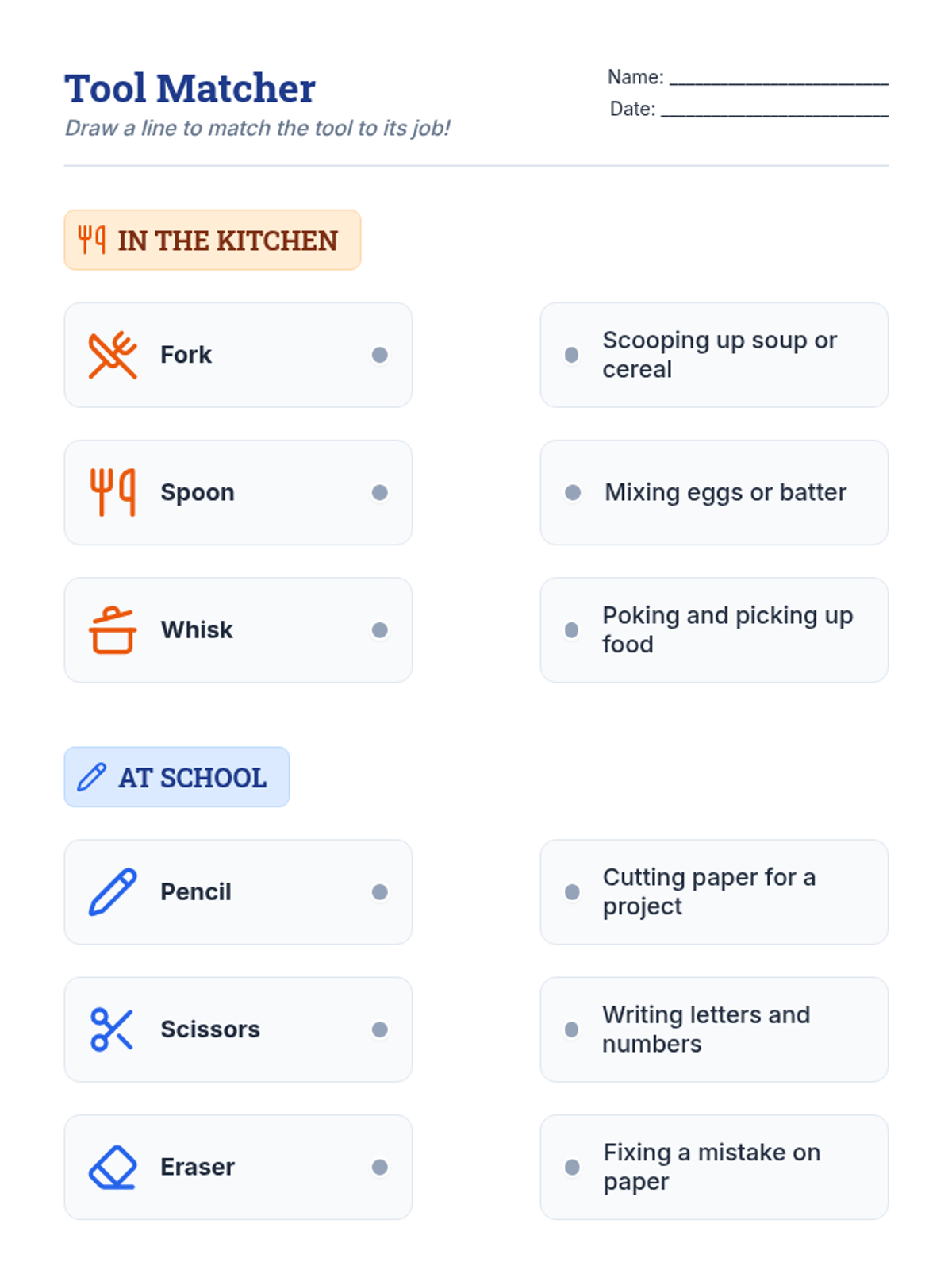
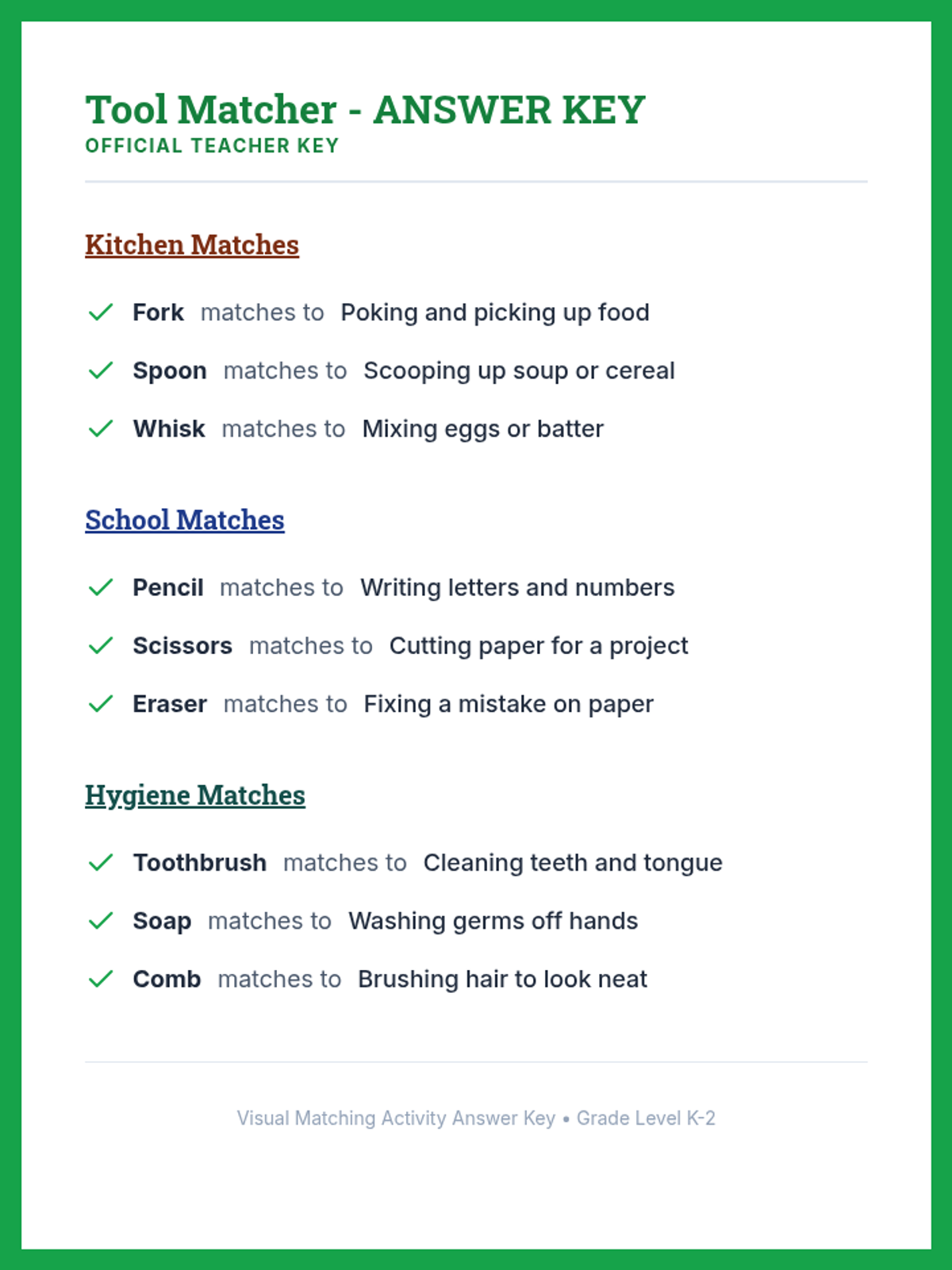
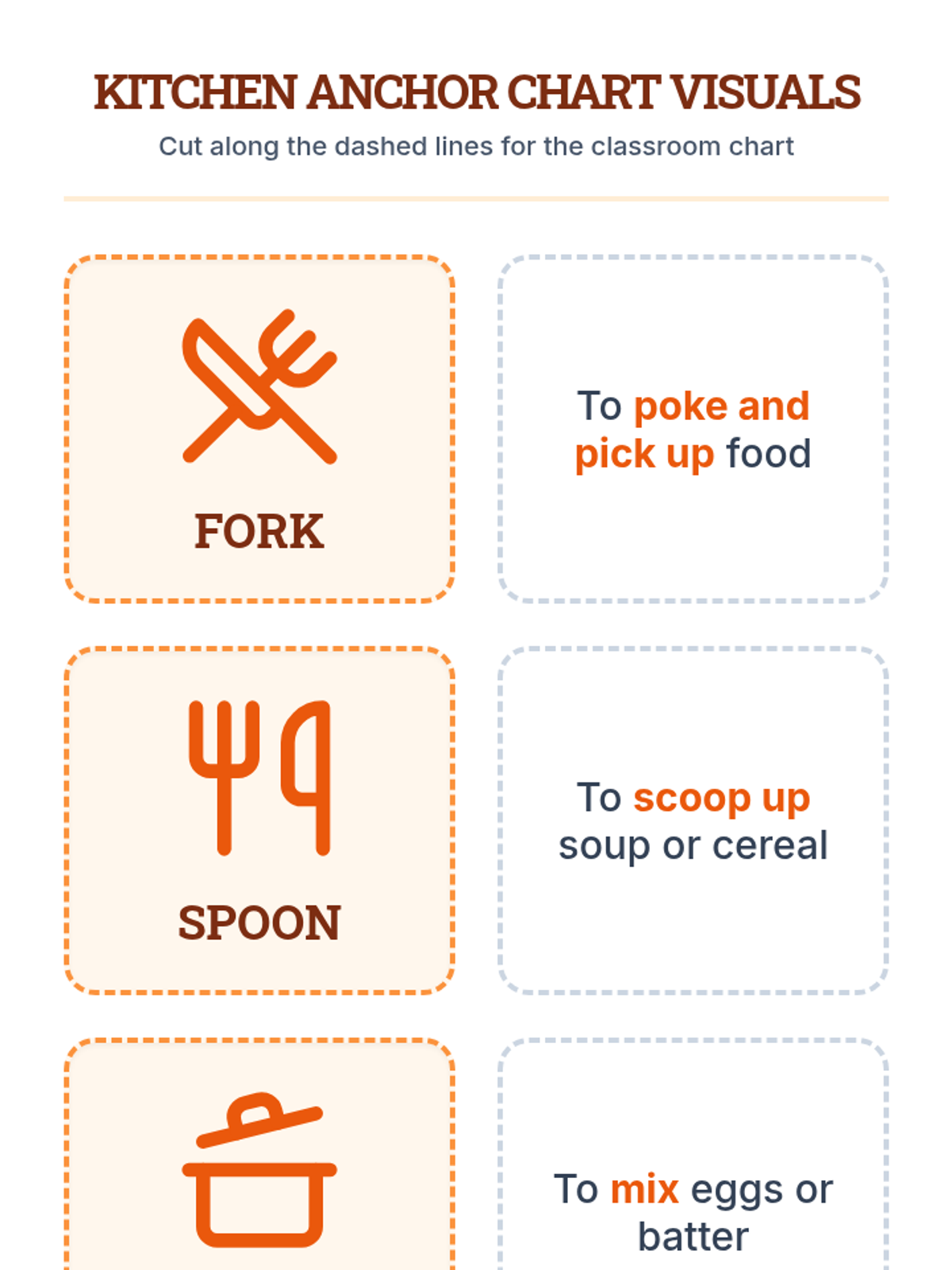
A lesson focused on identifying common objects from three categories (kitchen, school, hygiene) and matching them to their primary functions using visual aids.
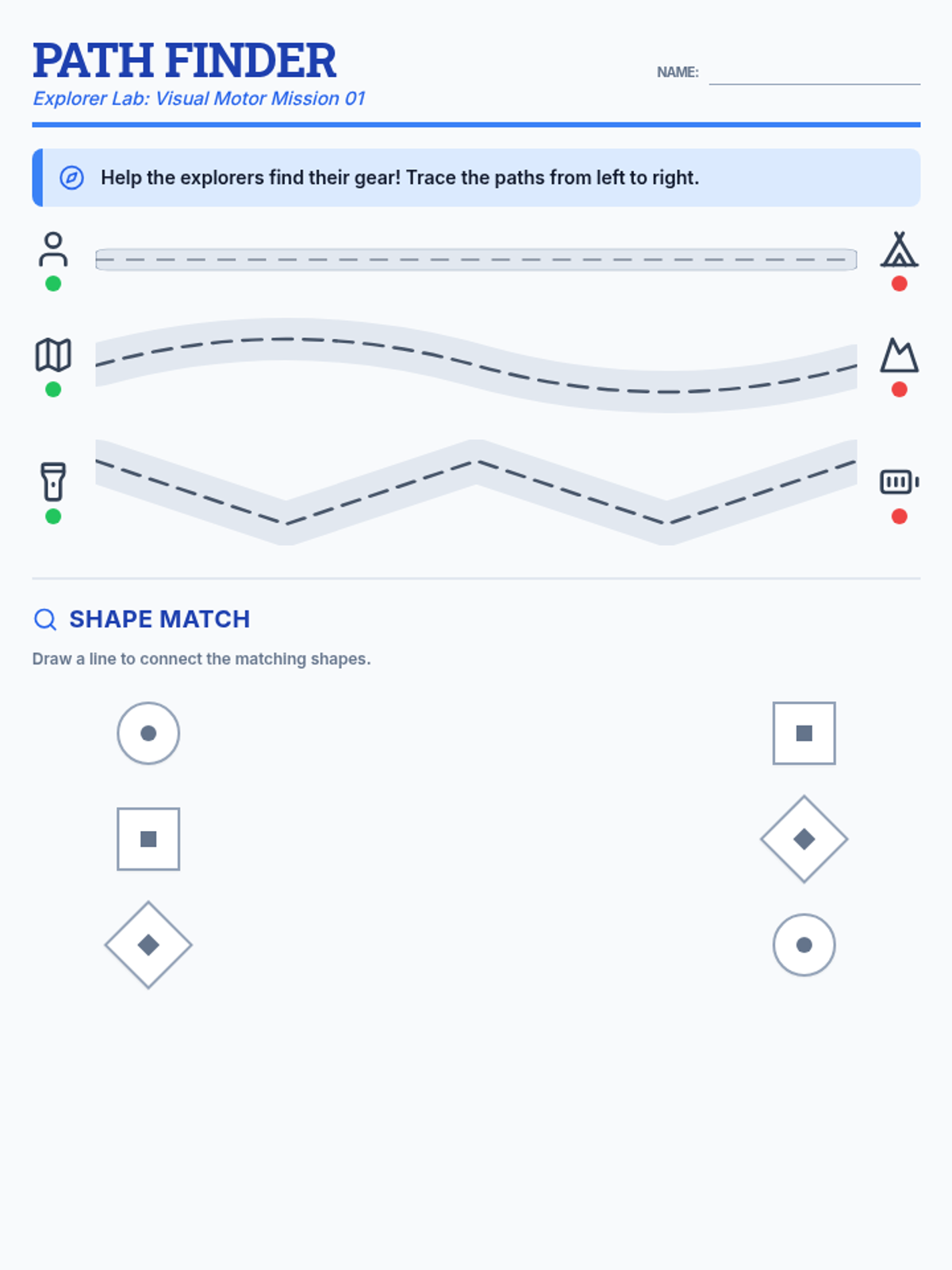
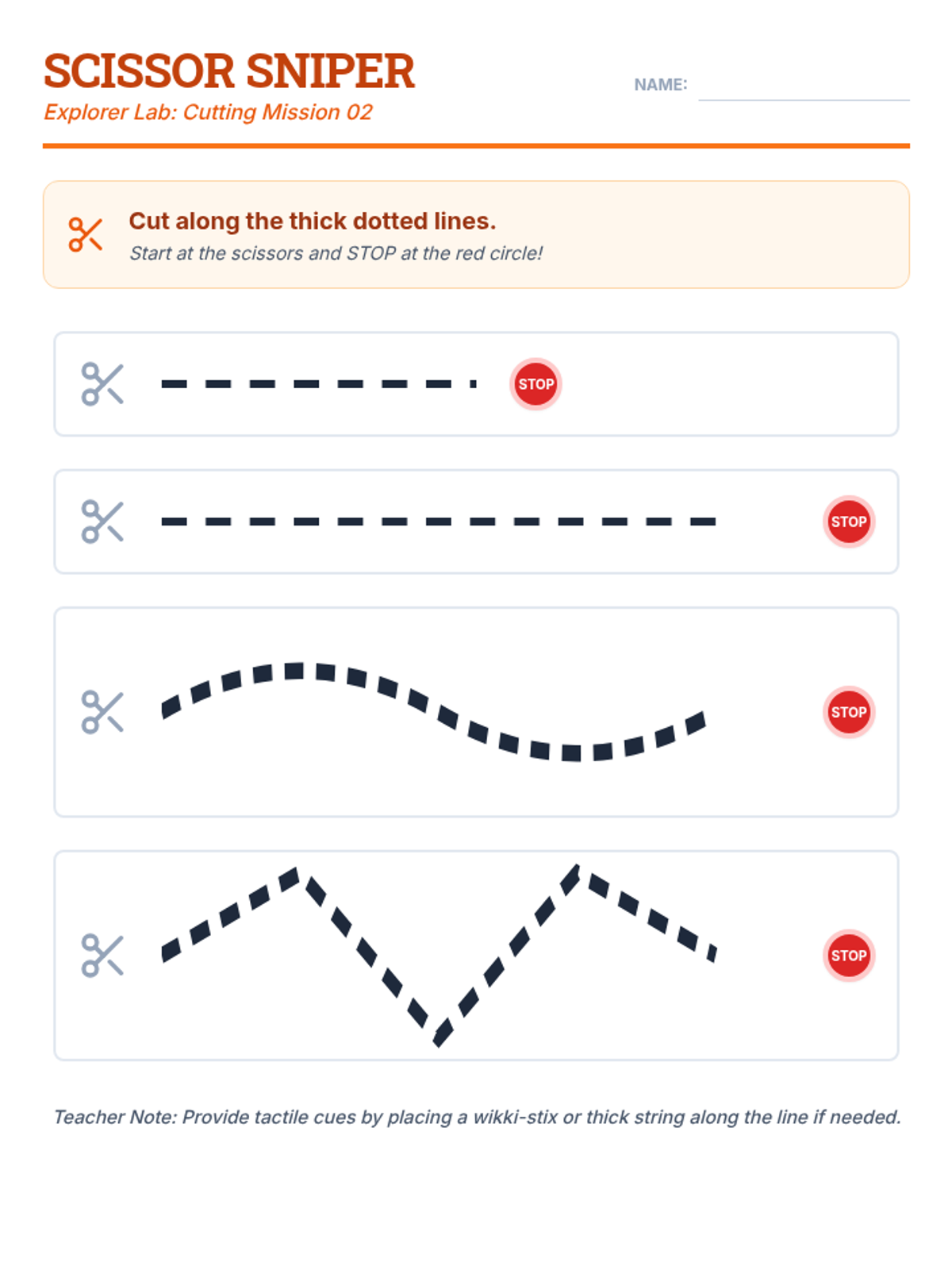
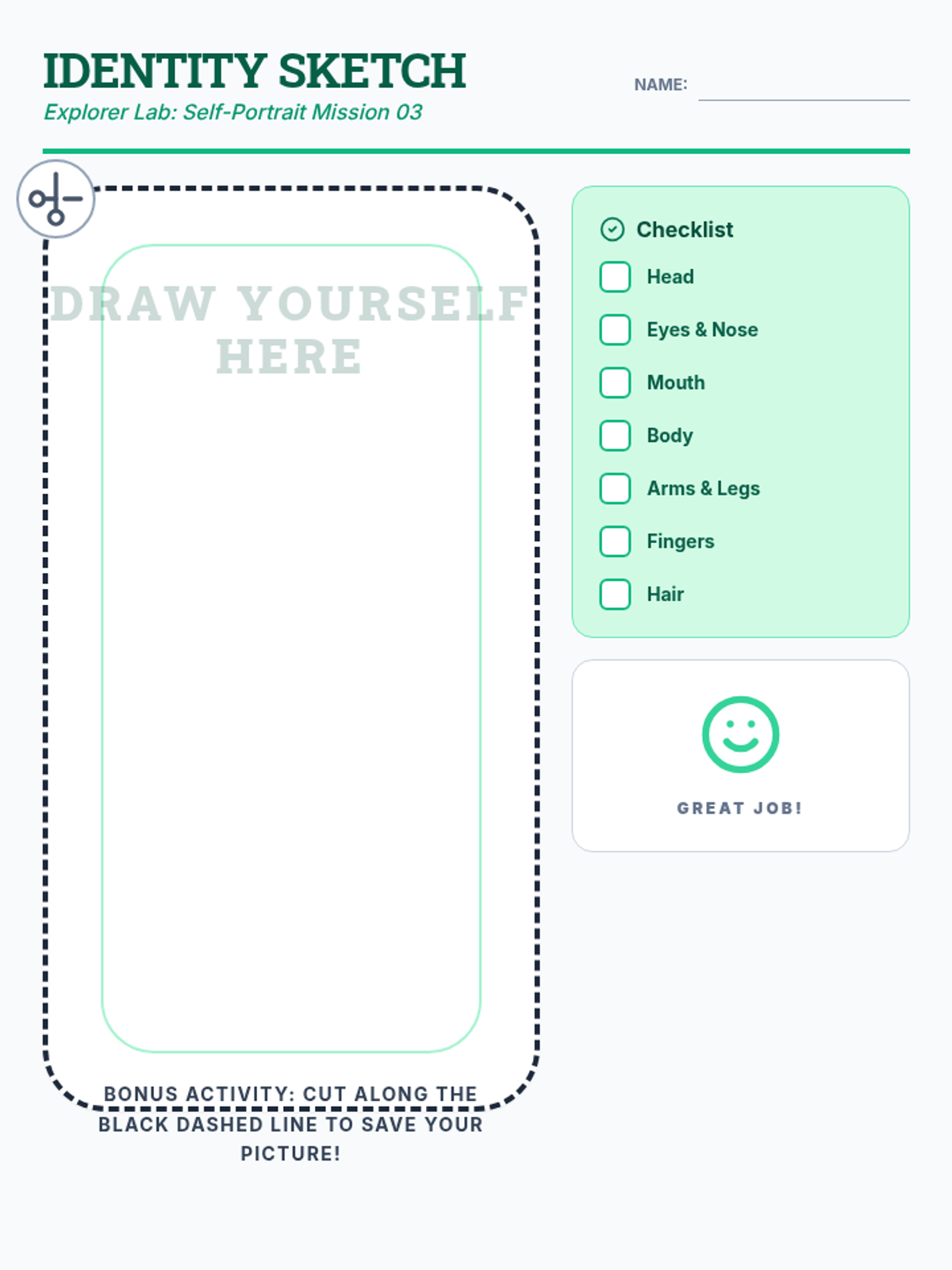
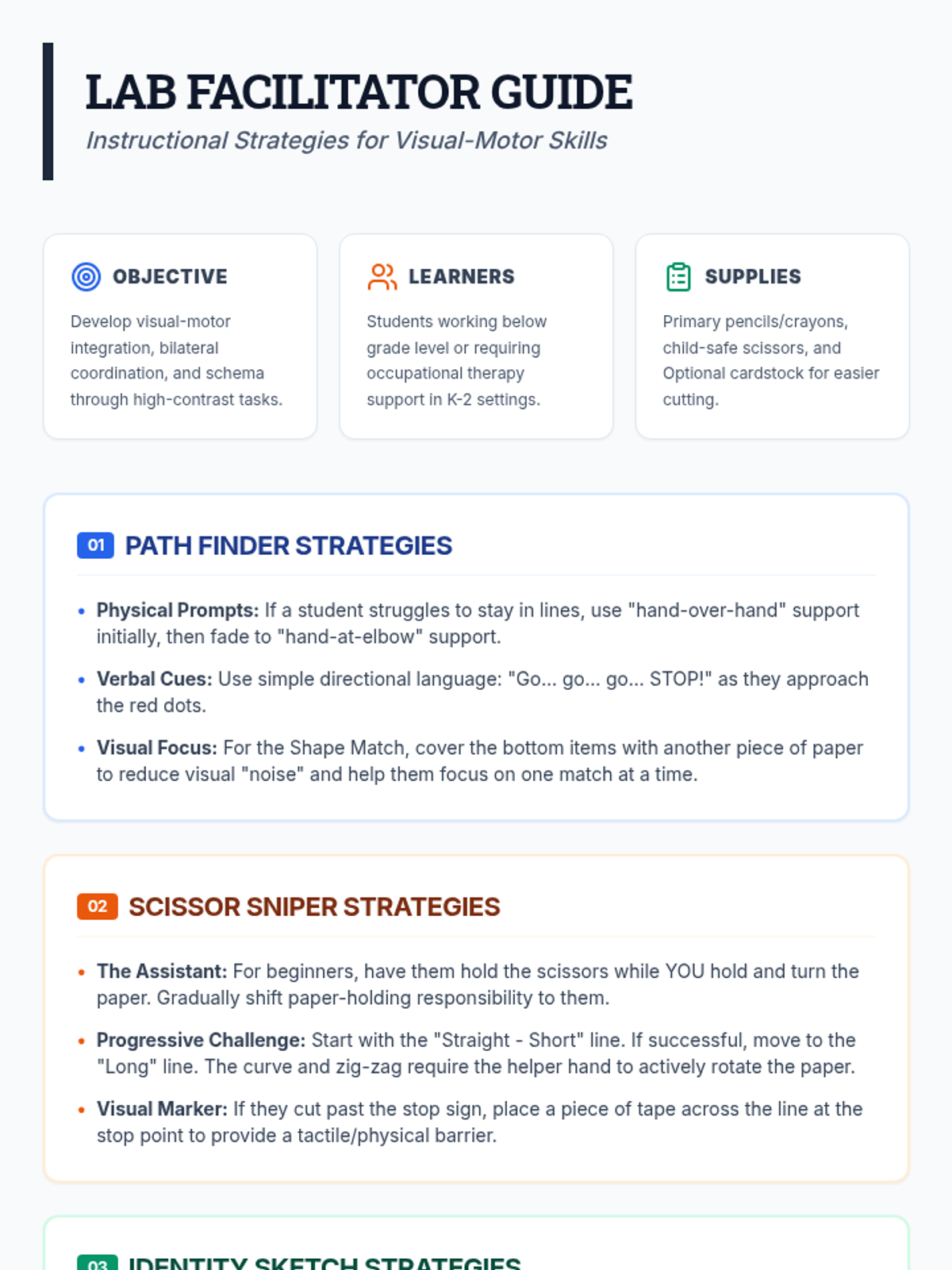
A collection of visual motor and perceptual activities designed for early learners or students working below grade level, focusing on tracing, cutting, and self-representation.
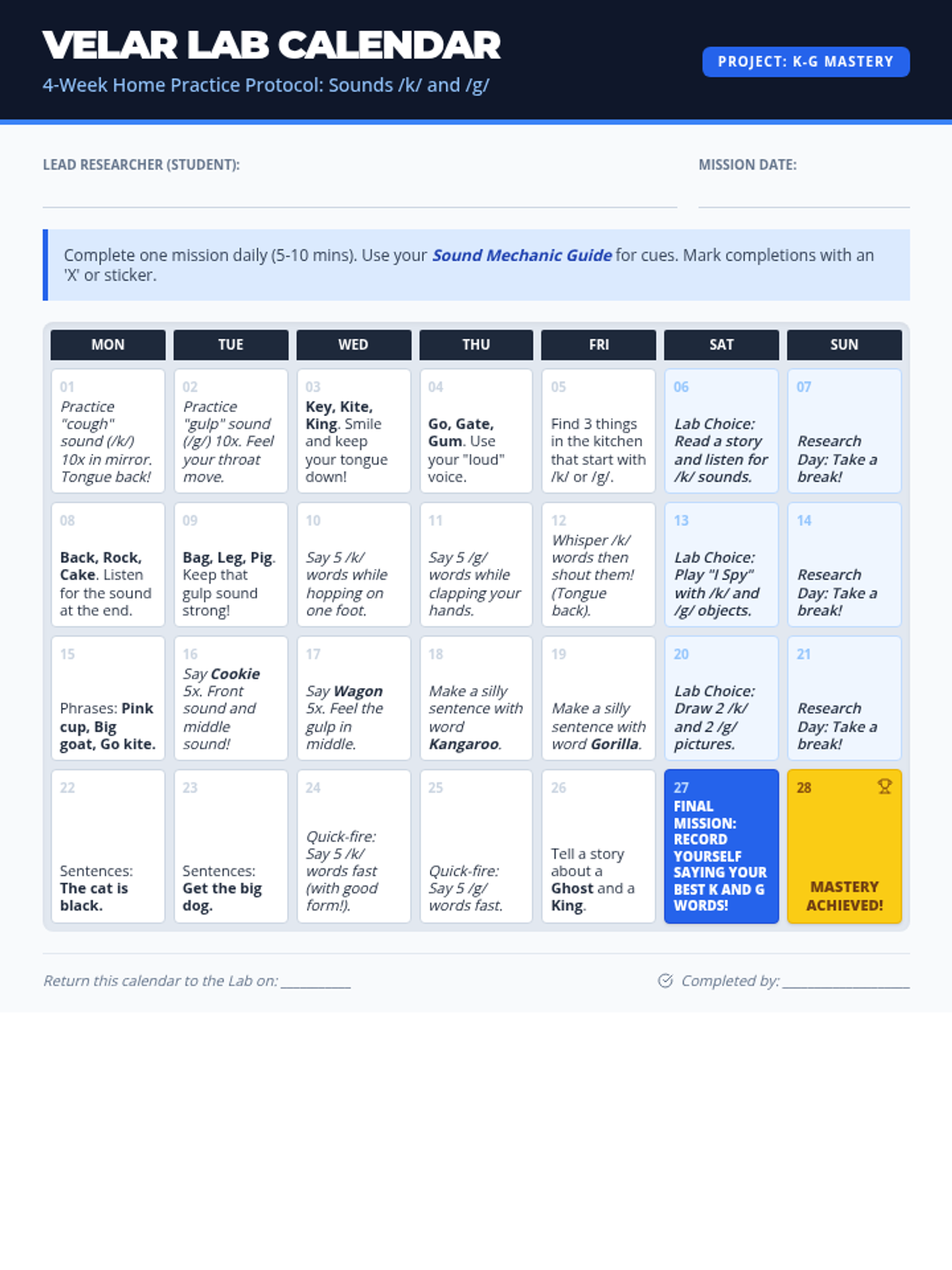
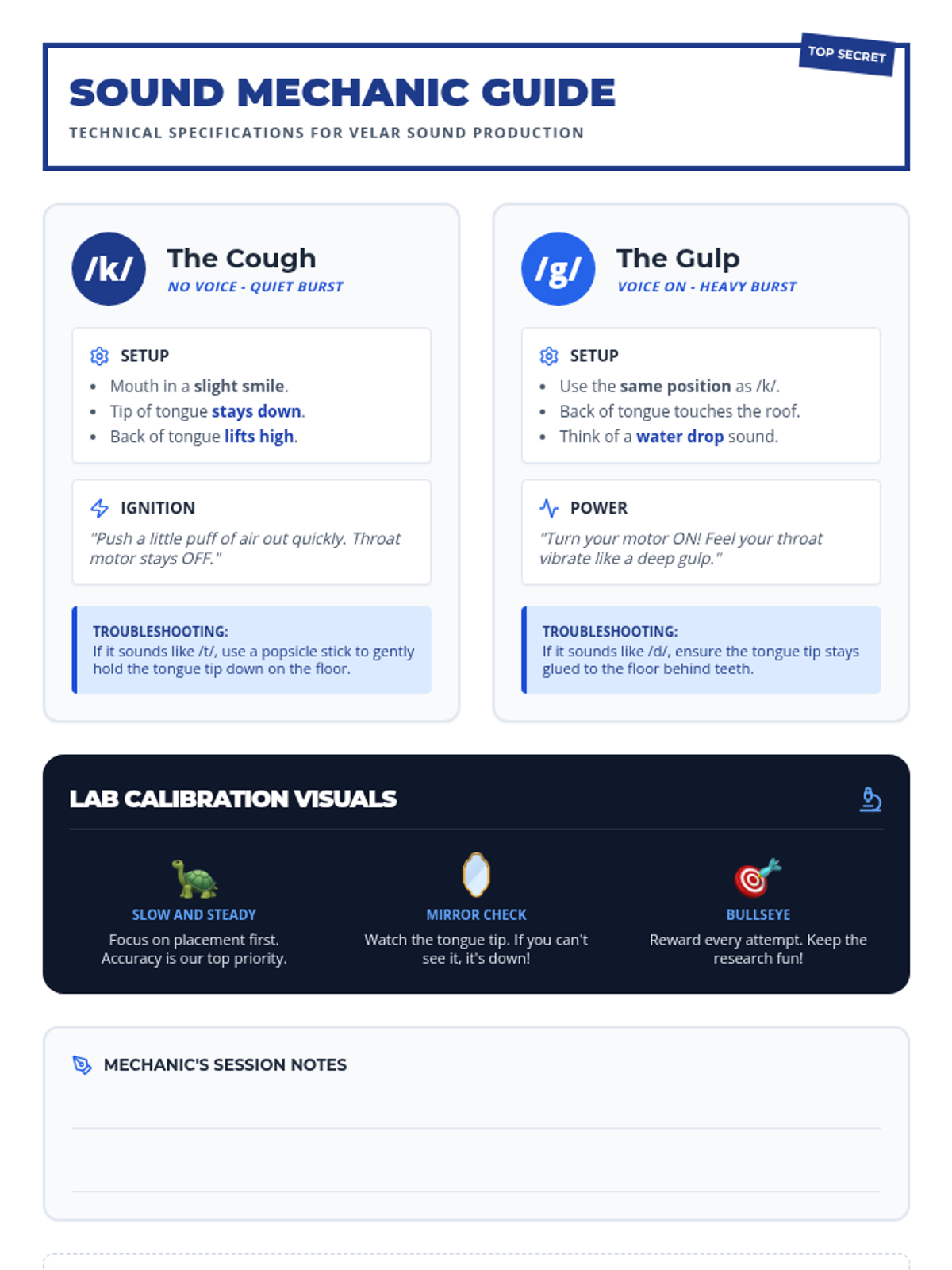
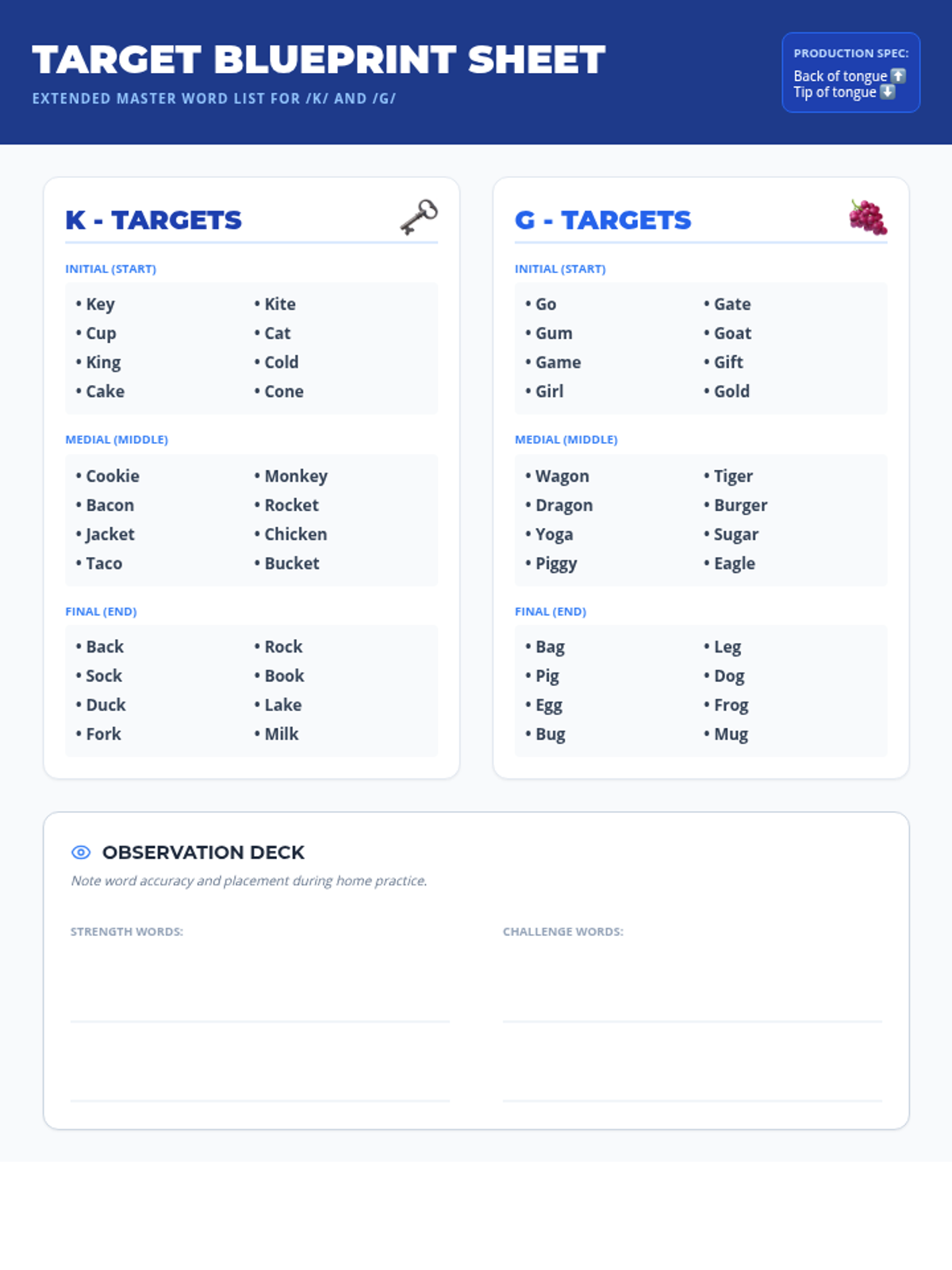
A comprehensive home program designed to help children master the back-of-the-throat 'k' and 'g' sounds through daily practice and visual cues. Includes a structured calendar and instructional guides for caregivers.
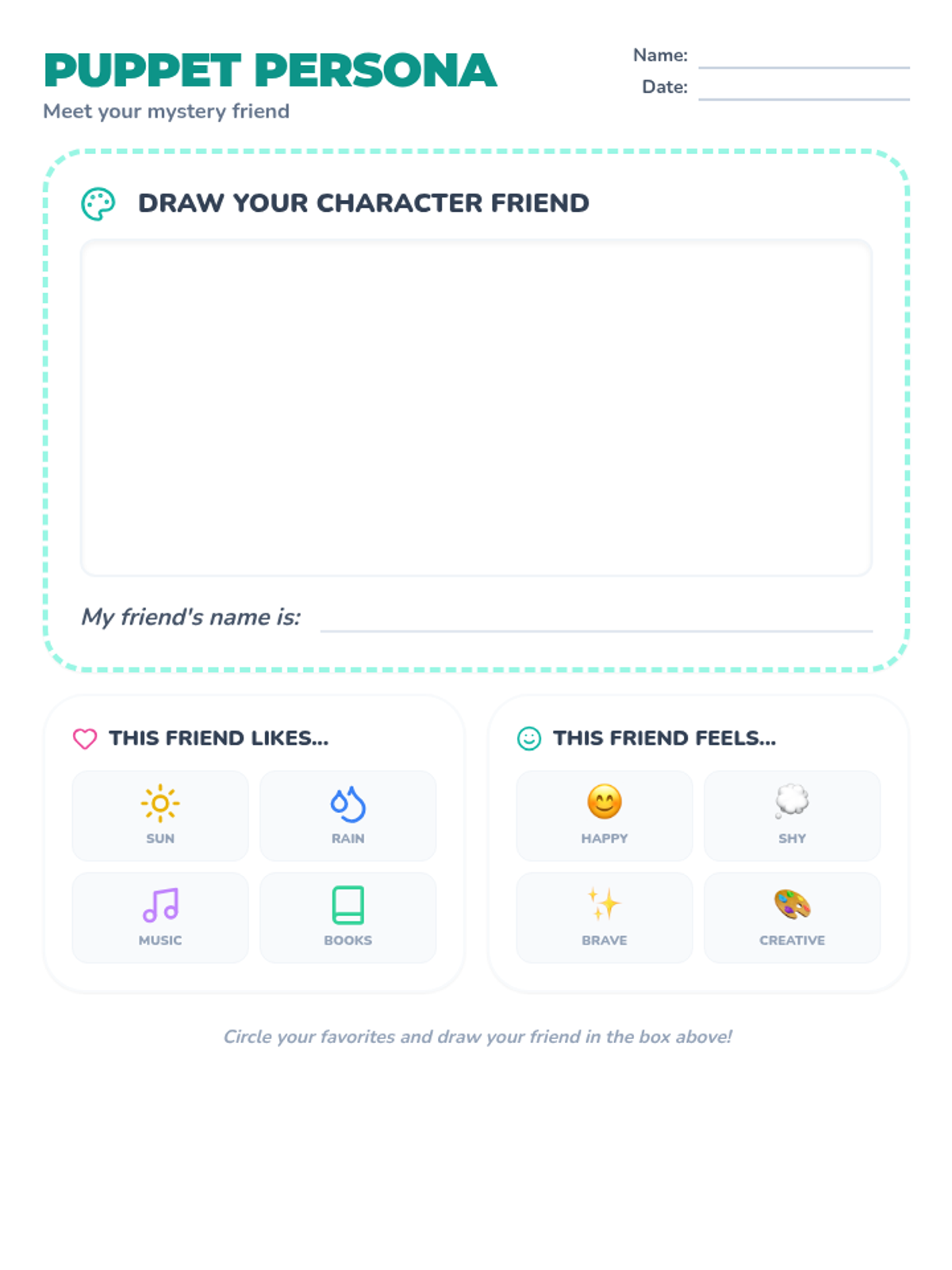
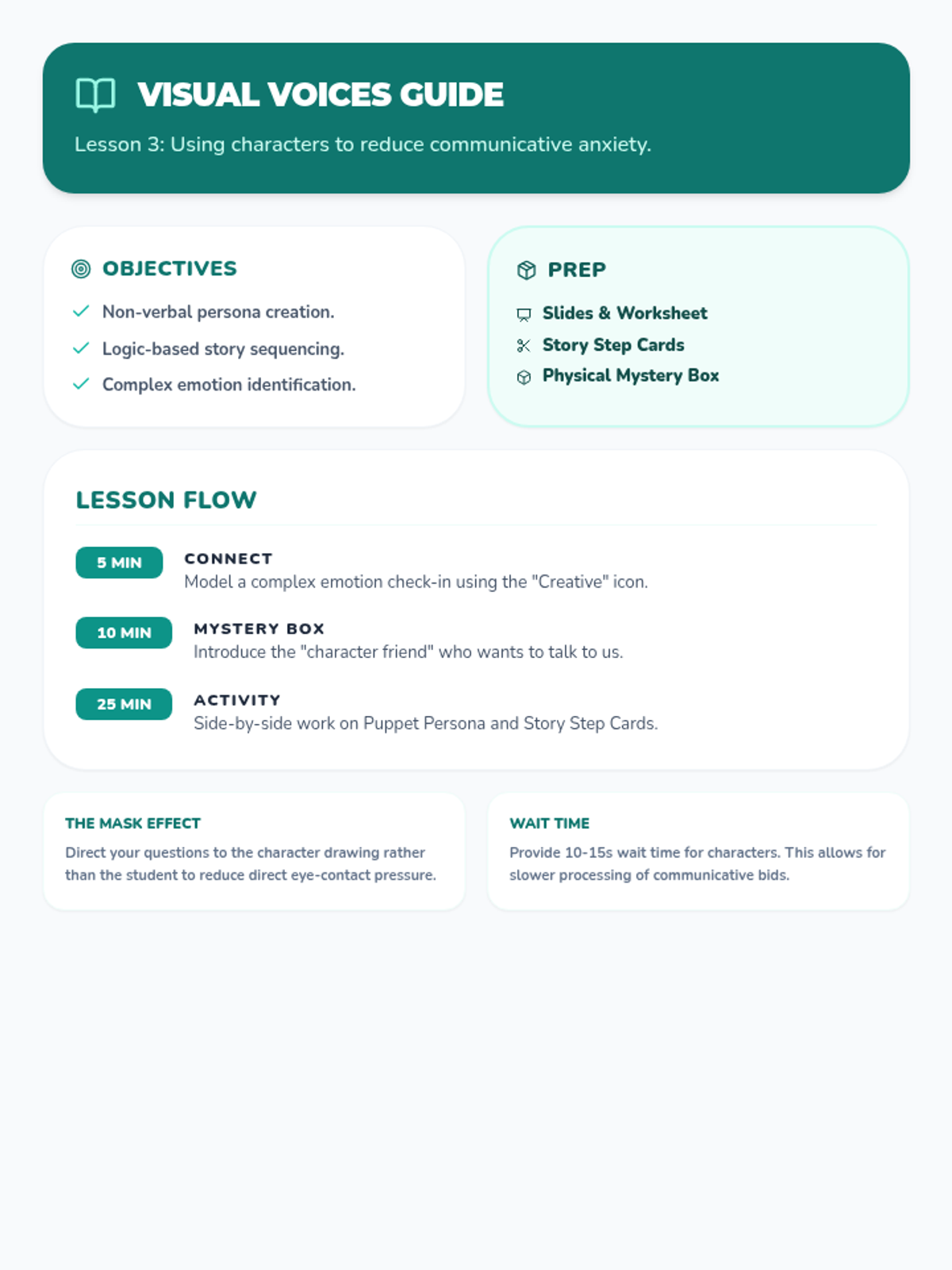
A lesson focused on introducing third-party representation, such as puppets or characters, to help students express thoughts and feelings with reduced direct pressure.
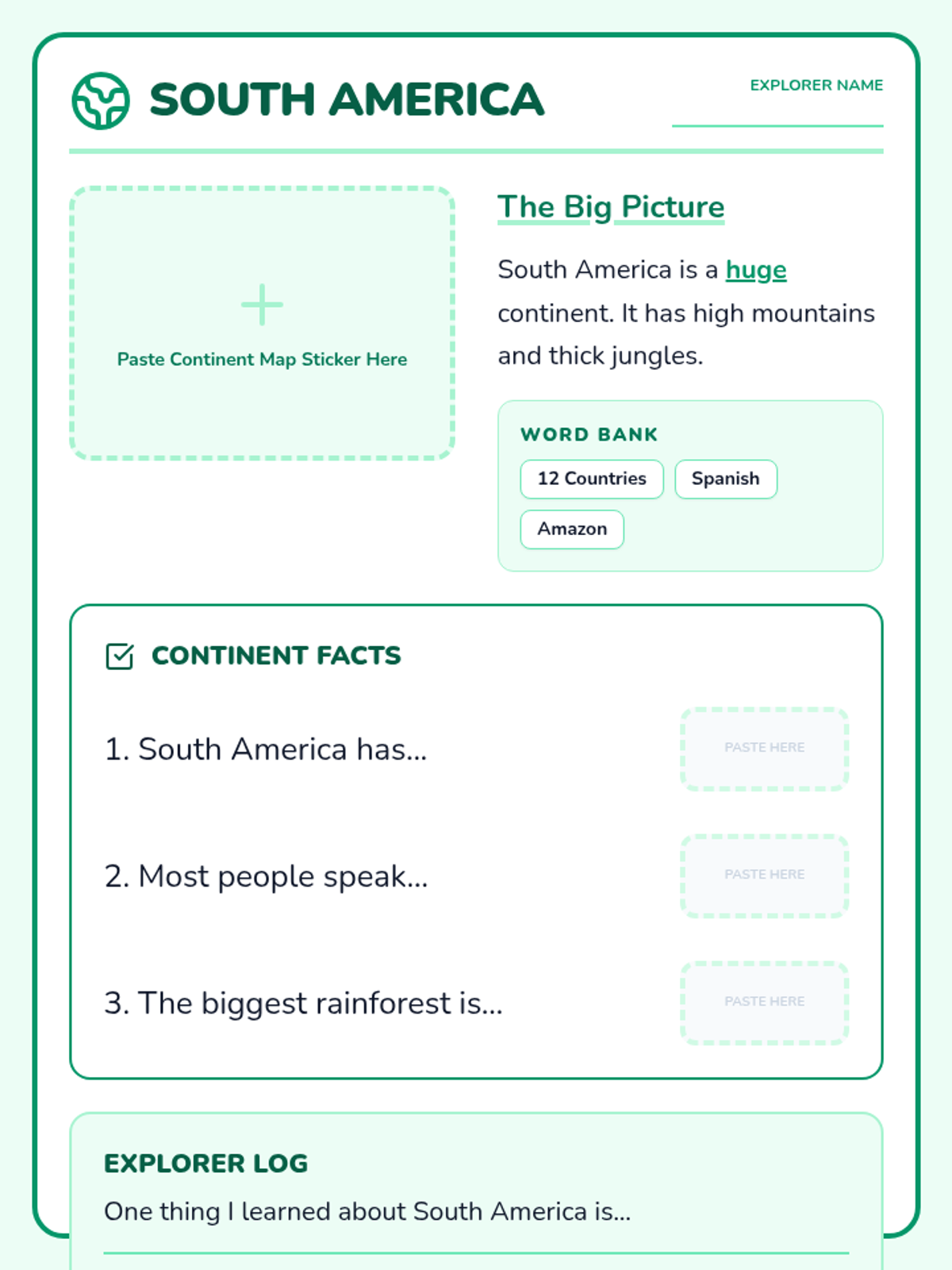
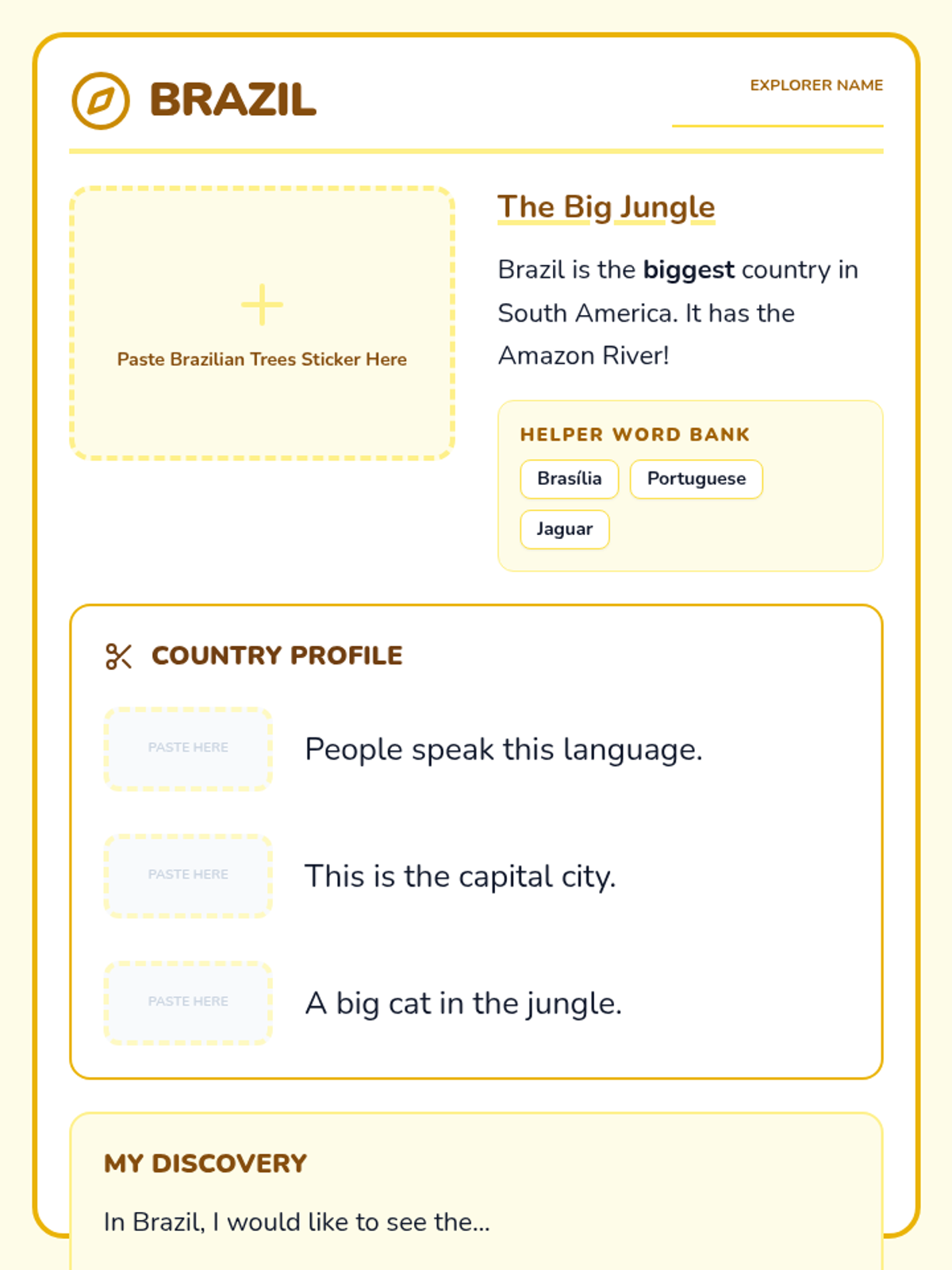
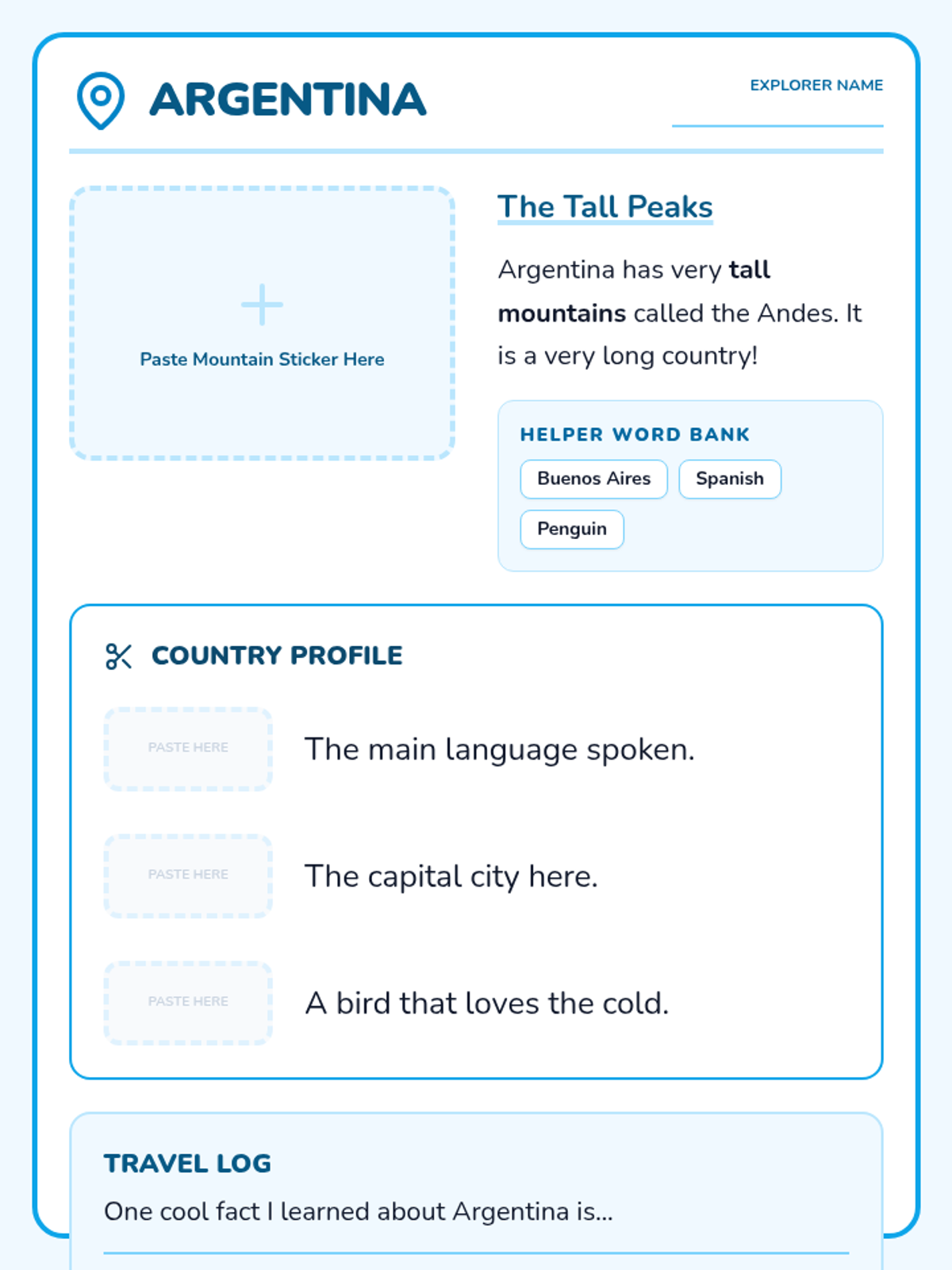
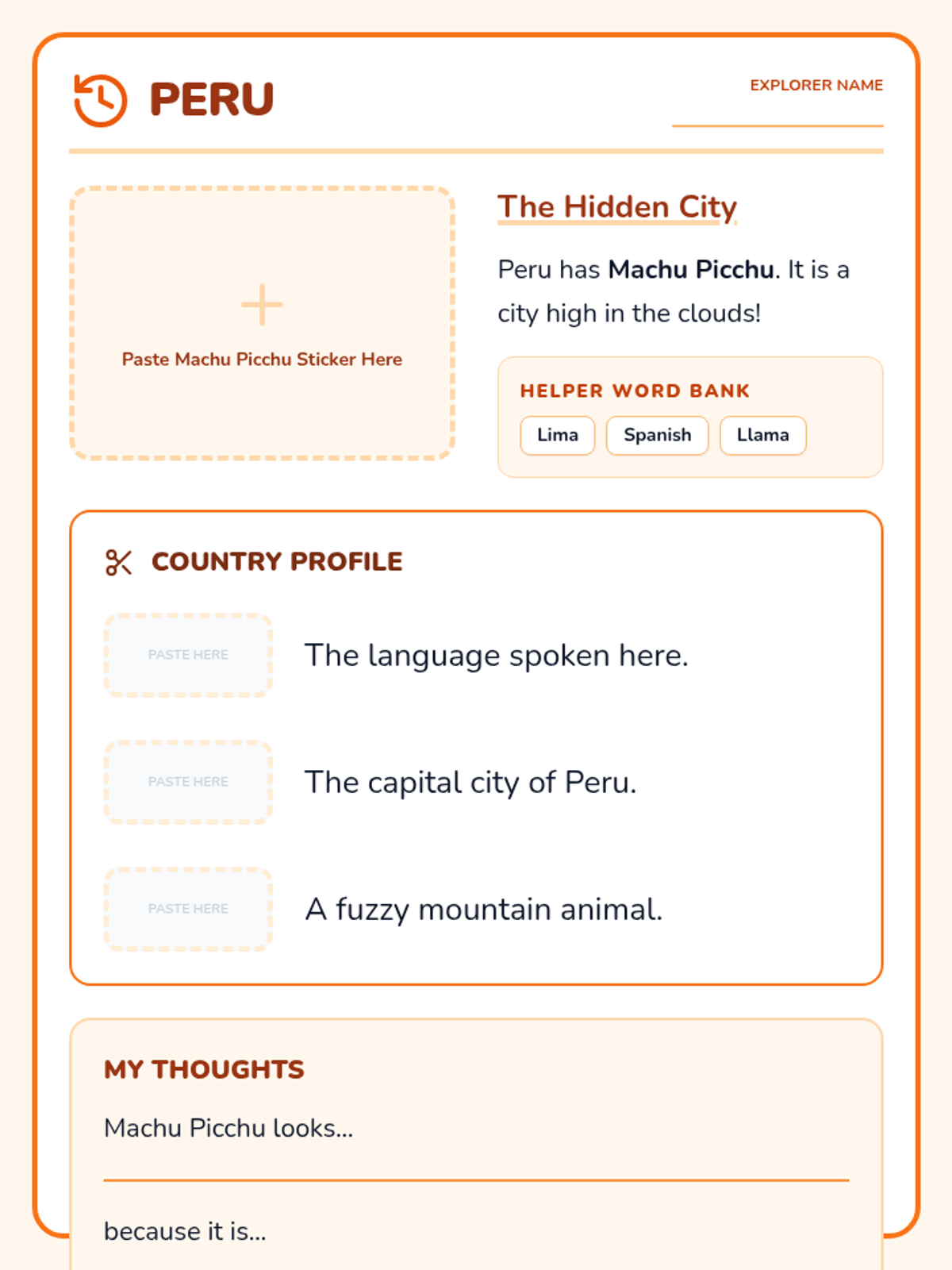
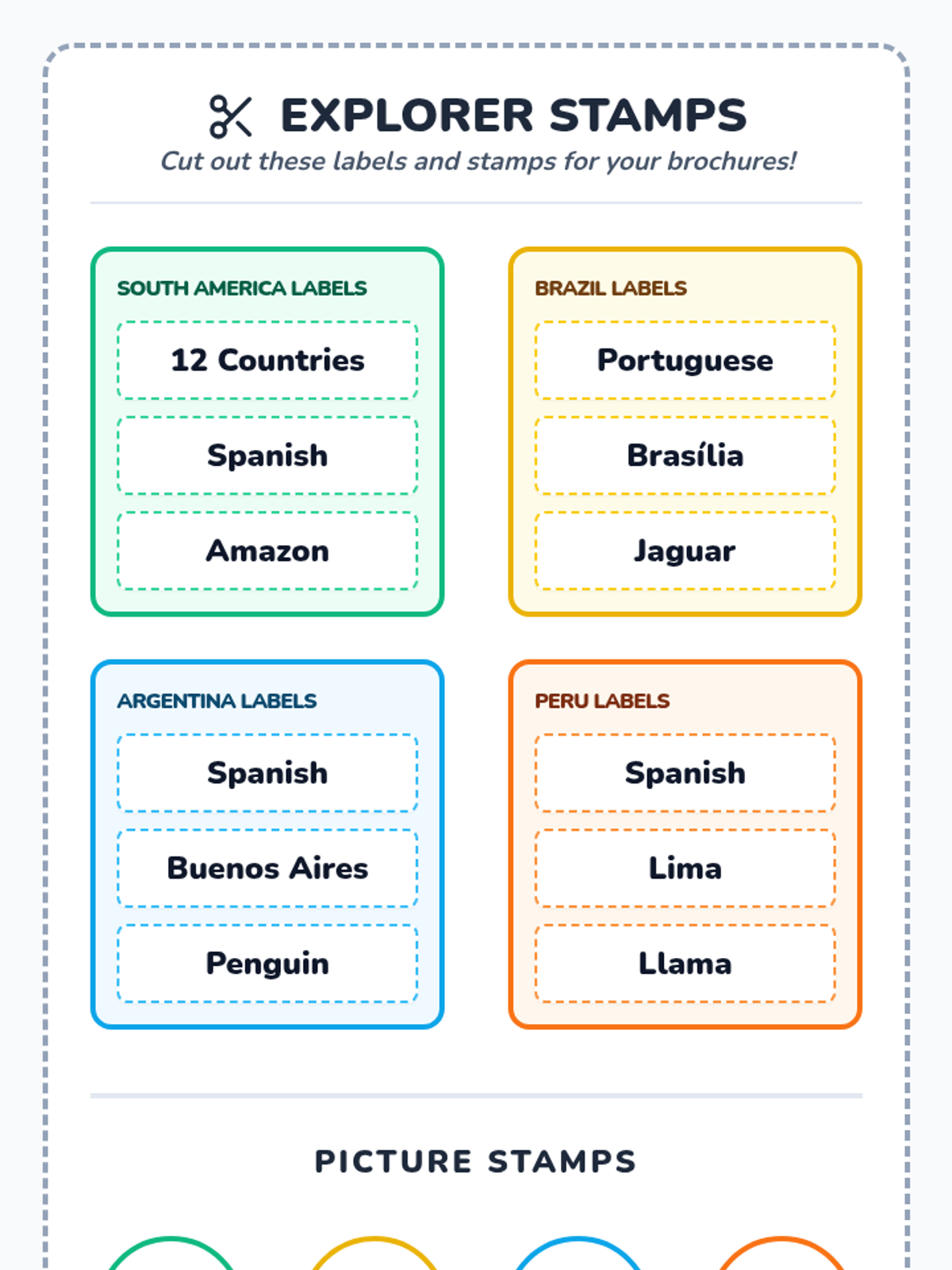
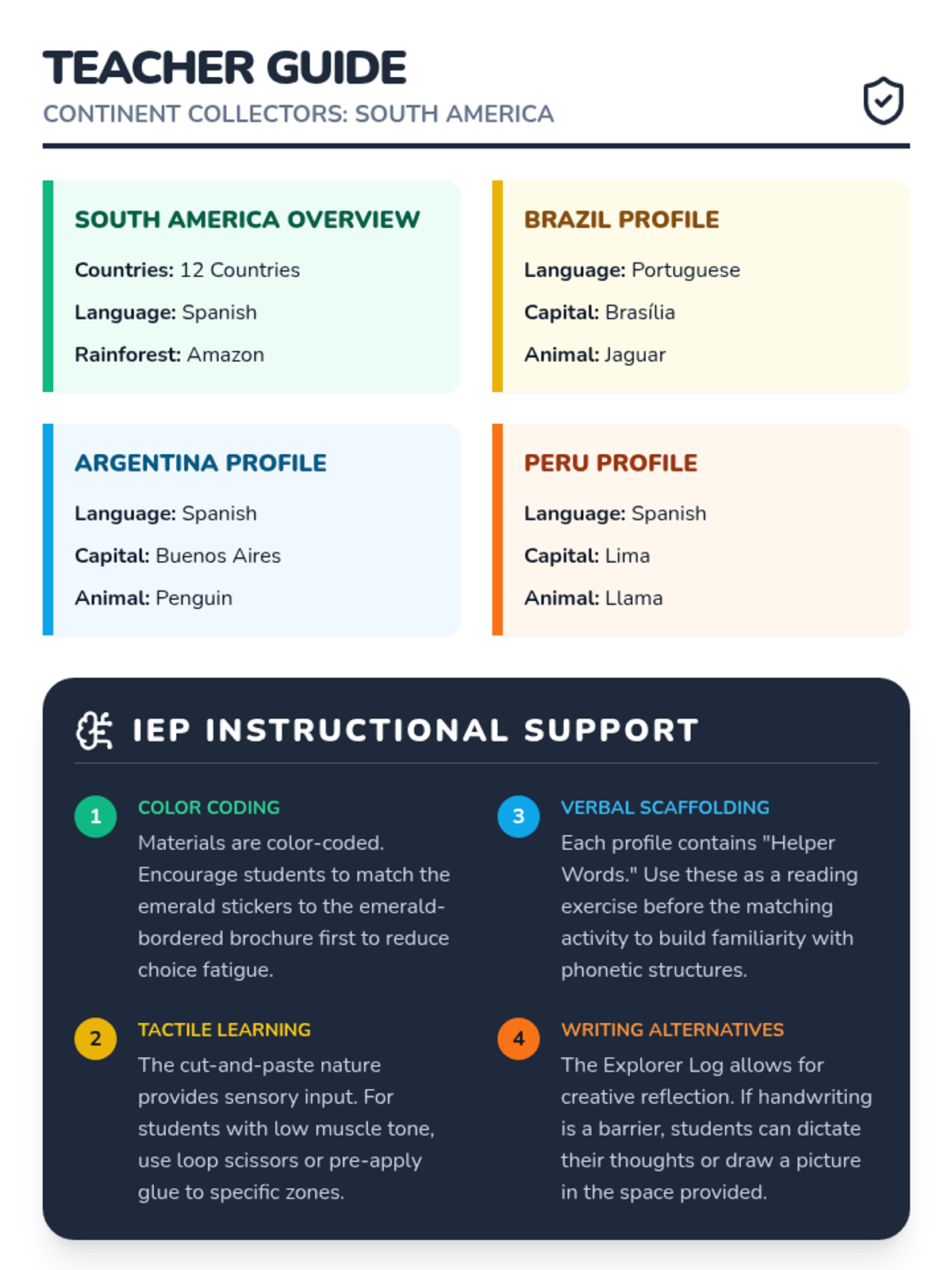
A modified introductory lesson on South America designed for students with IEPs, focusing on Brazil, Argentina, and Peru through simplified facts, large print, and tactile cut-and-paste activities.
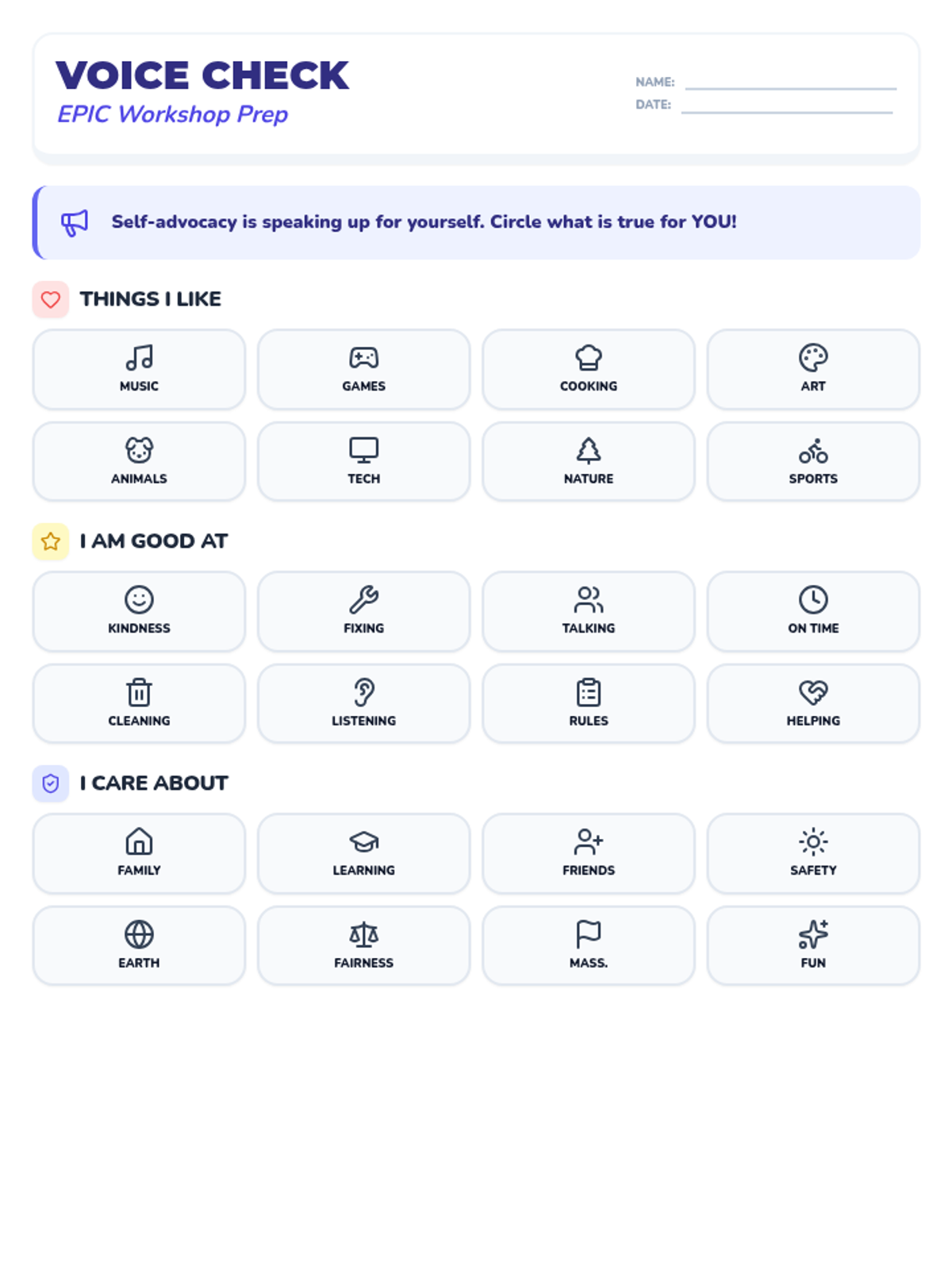
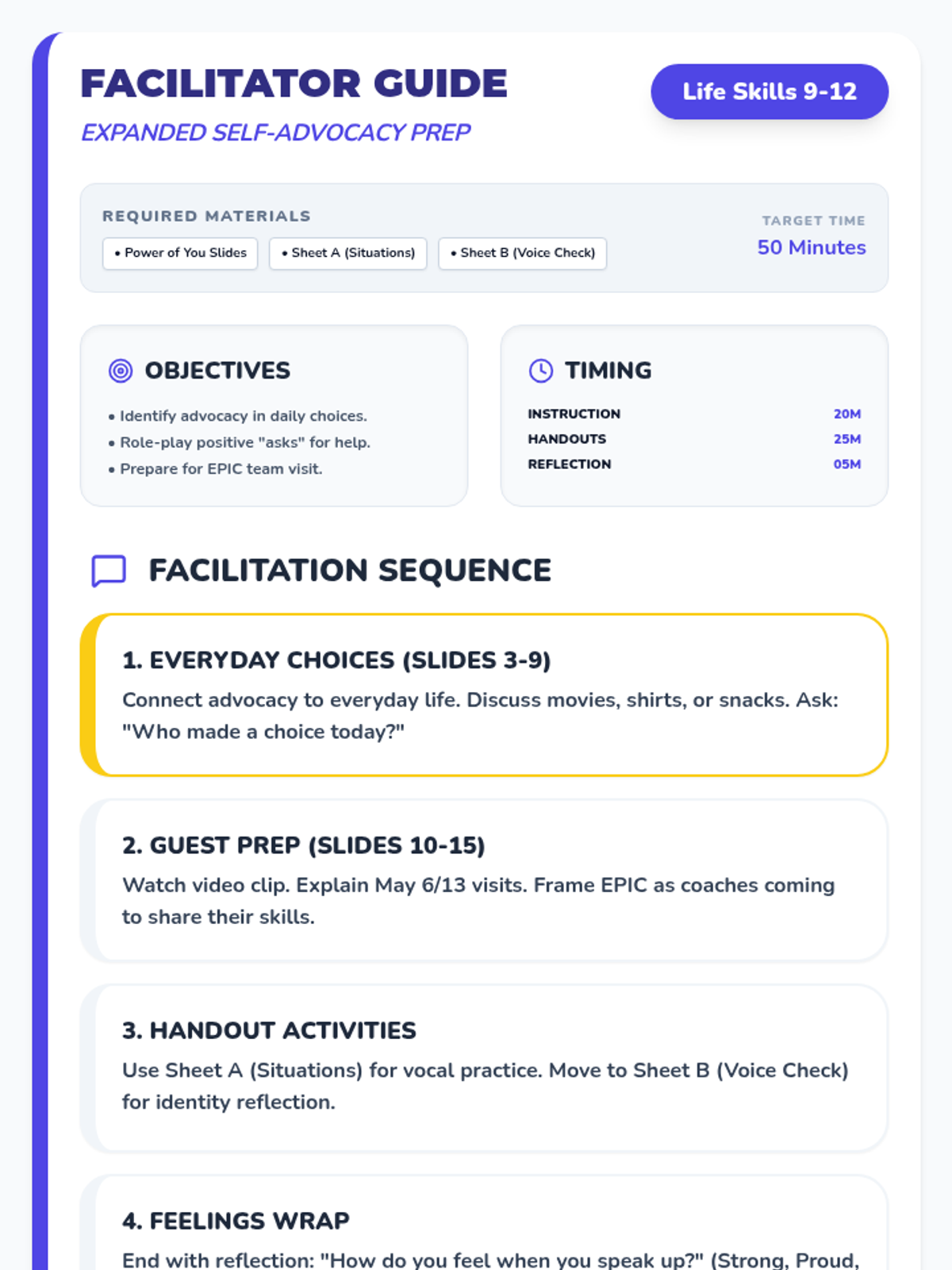
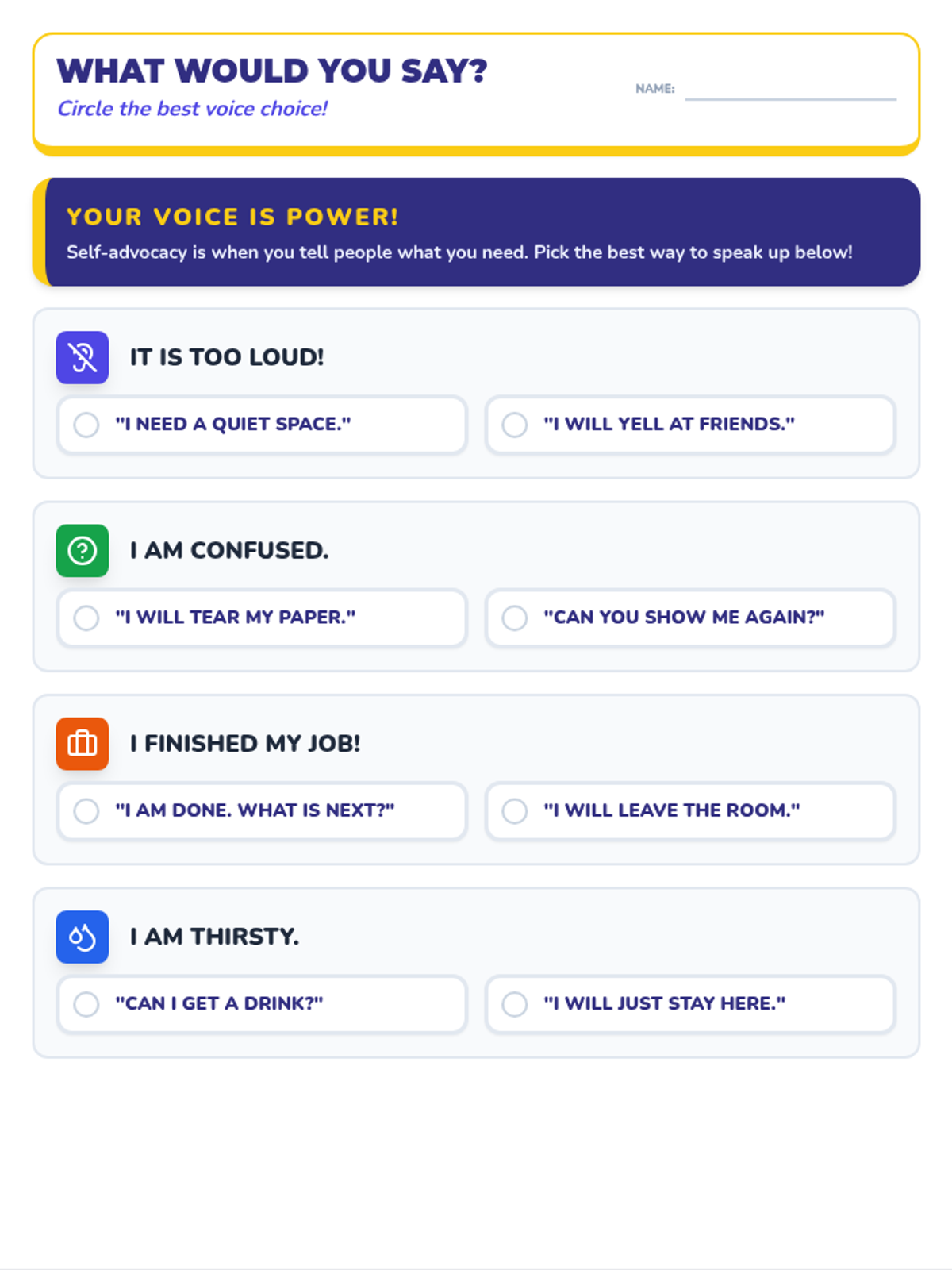
A lesson designed to introduce high school life skills students to the concept of self-advocacy and prepare them for upcoming guest workshops with EPIC. Students will explore their strengths, needs, and how to use their voice to get support.
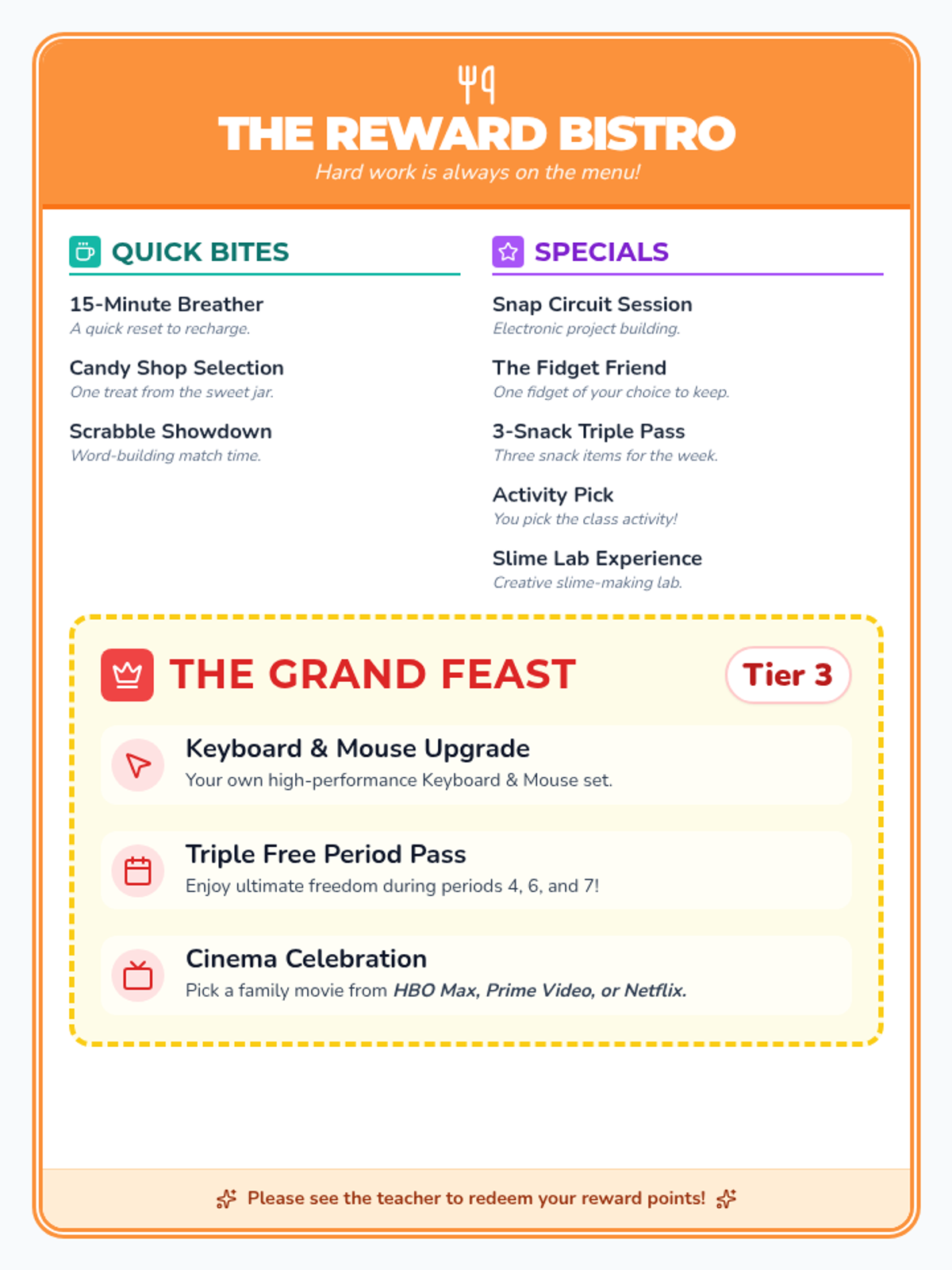
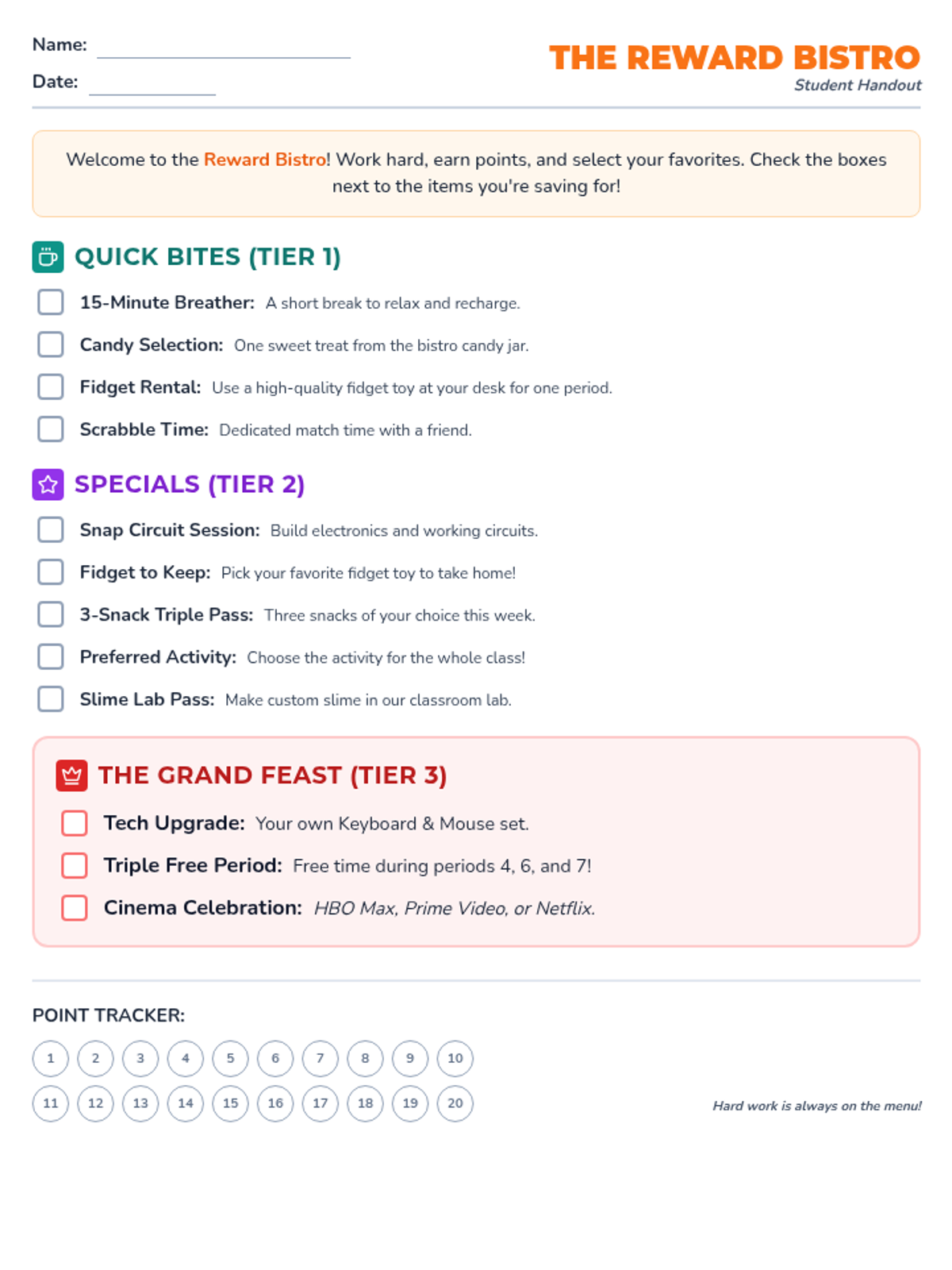
A collection of materials for managing a classroom reward system based on a diner theme, including a large-format poster and student-facing handouts.
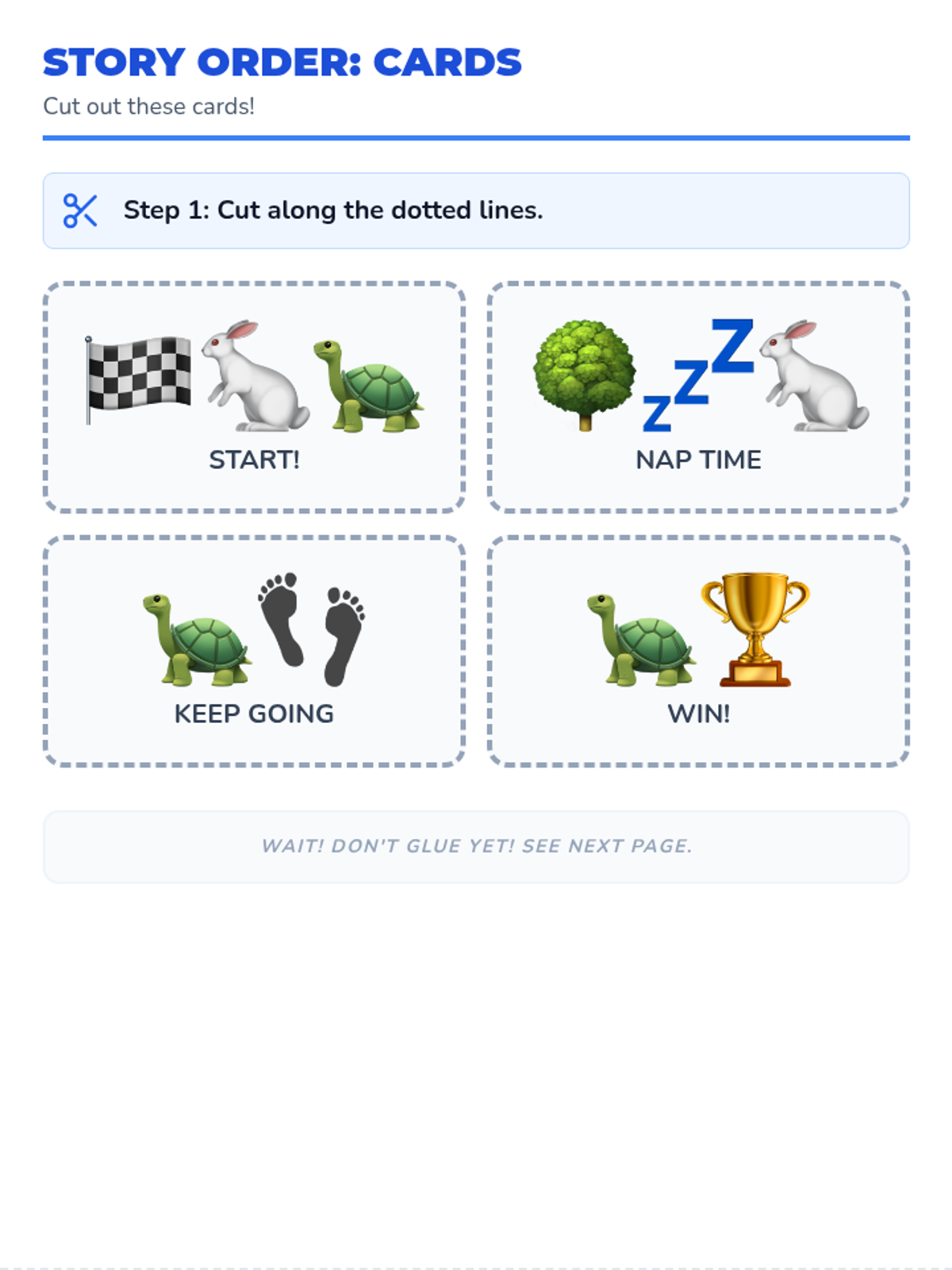
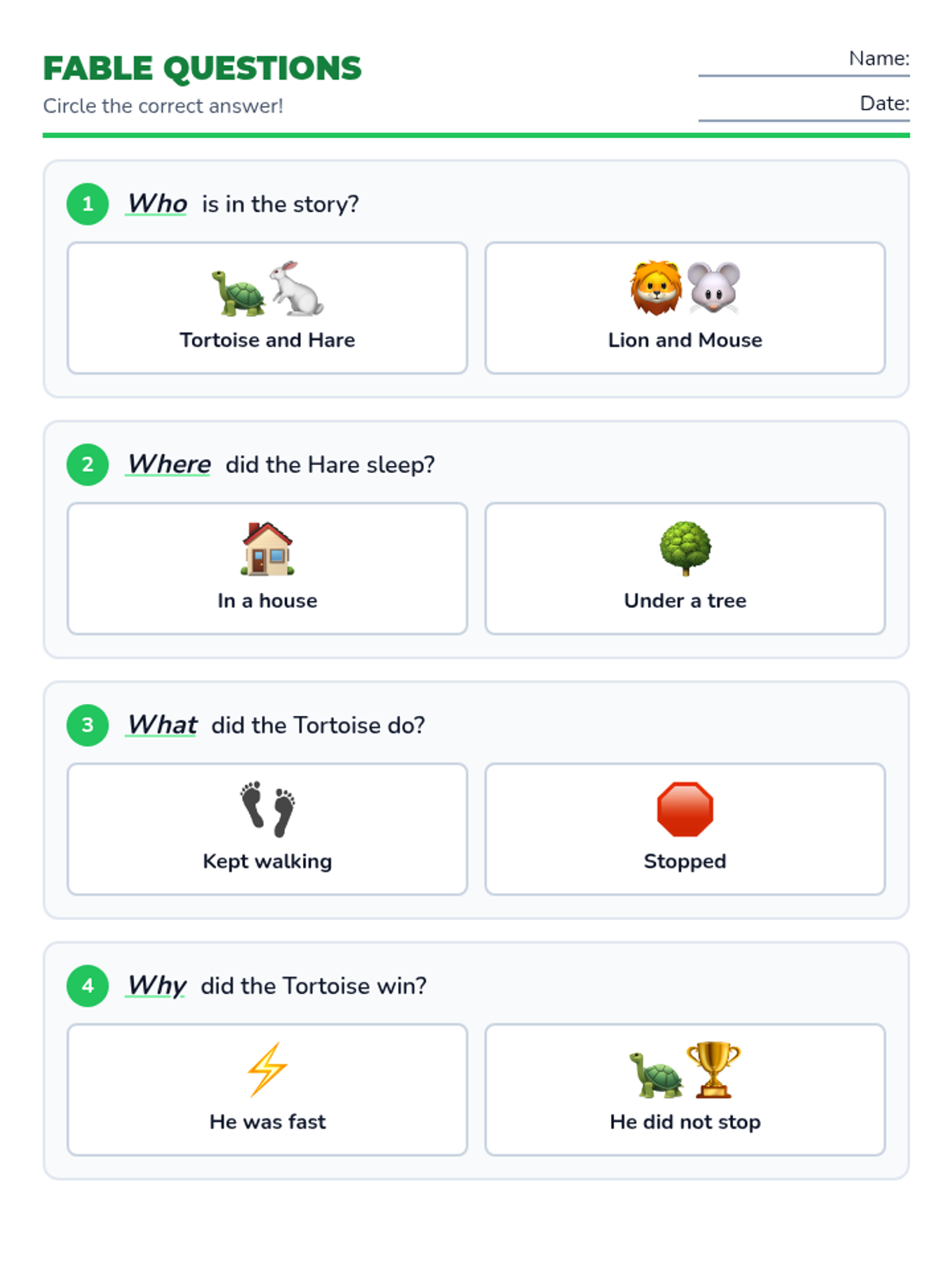
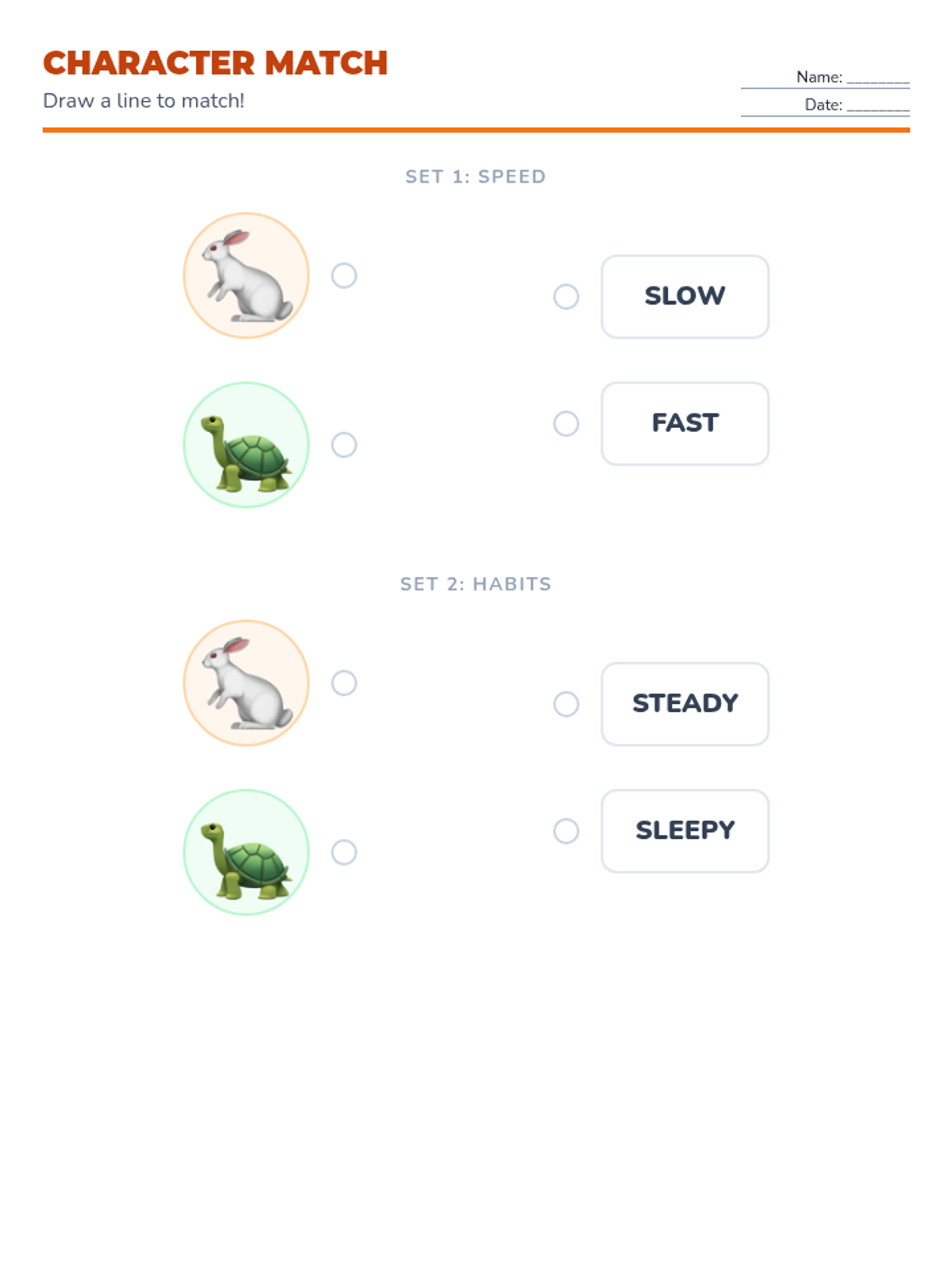
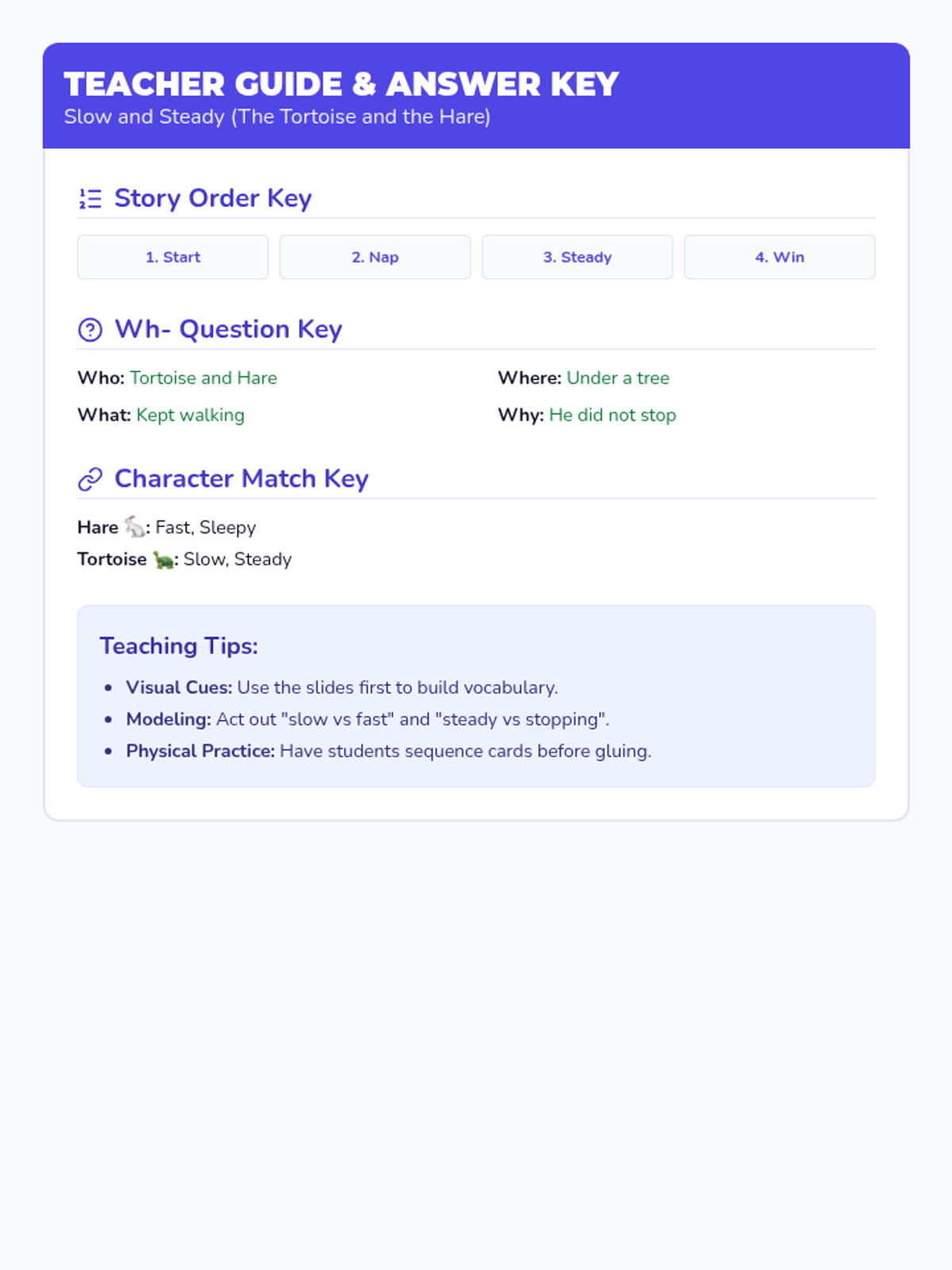
A highly visual and simplified exploration of Aesop's 'The Tortoise and the Hare', designed for students with diverse learning needs. Includes symbol-supported reading, sequencing practice, and basic comprehension activities.
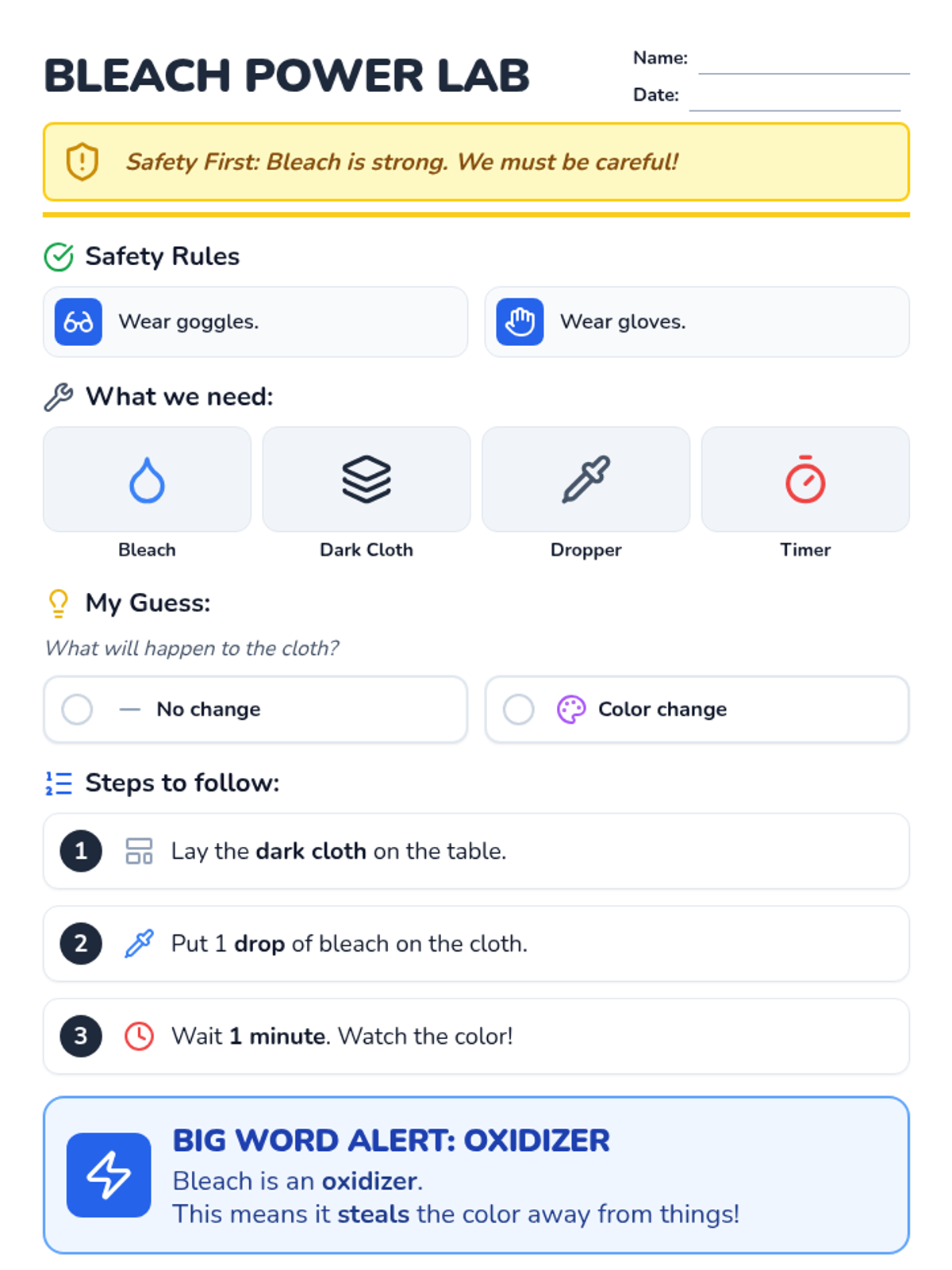
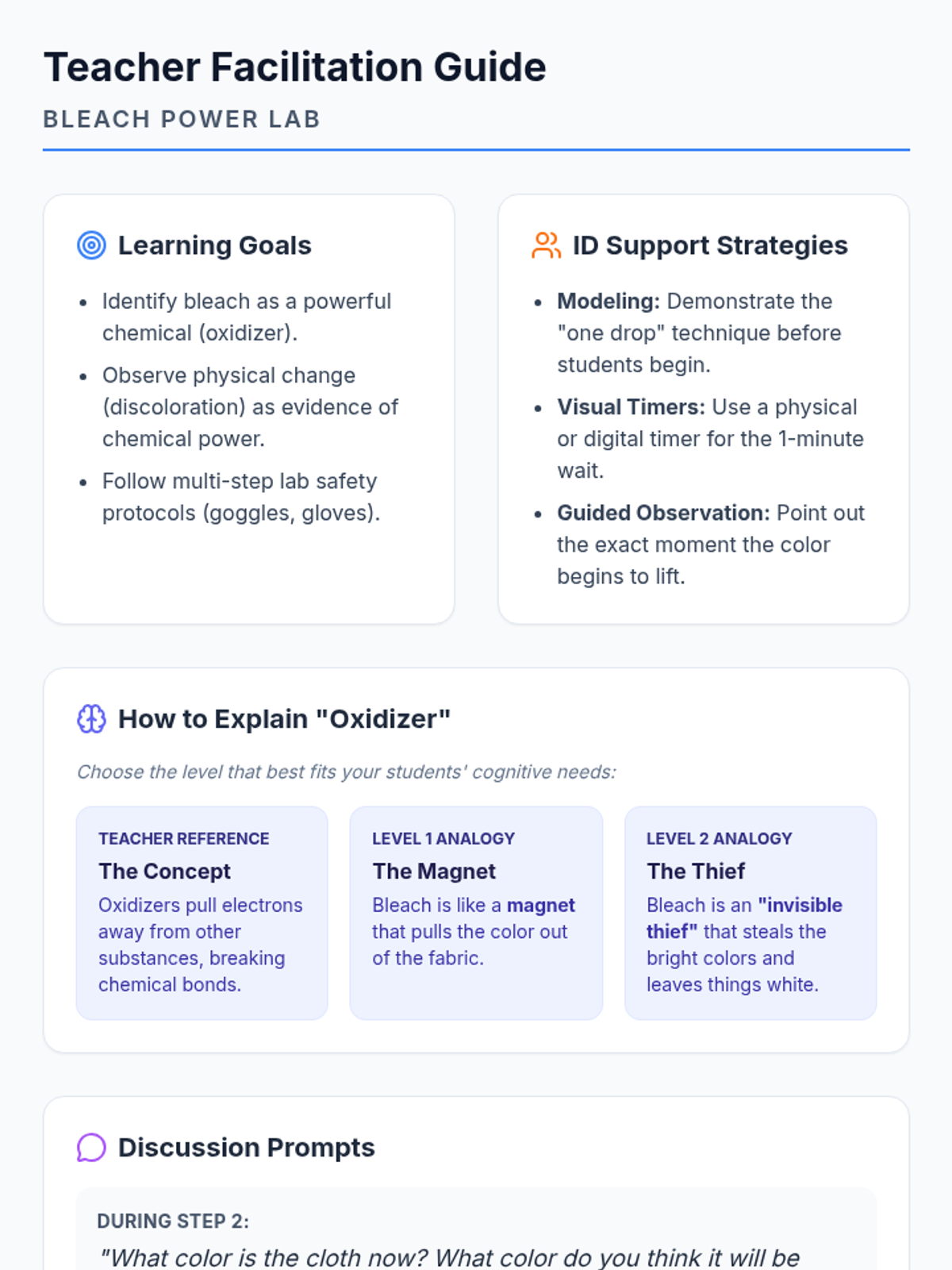
A hands-on chemistry lab designed for students with intellectual disabilities to observe the oxidizing power of bleach through fabric discoloration. The lesson emphasizes lab safety and the chemical strength of household cleaners.
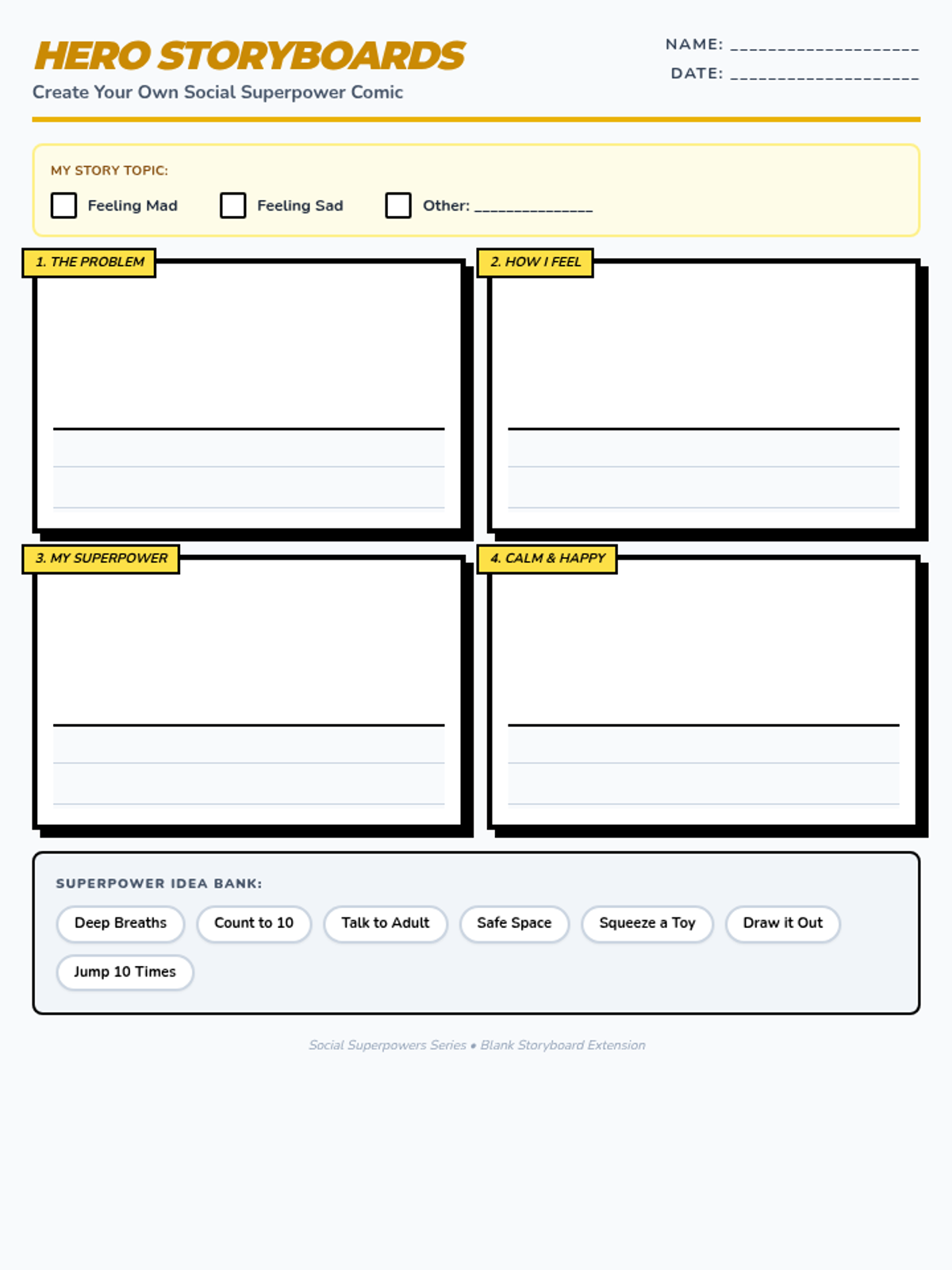
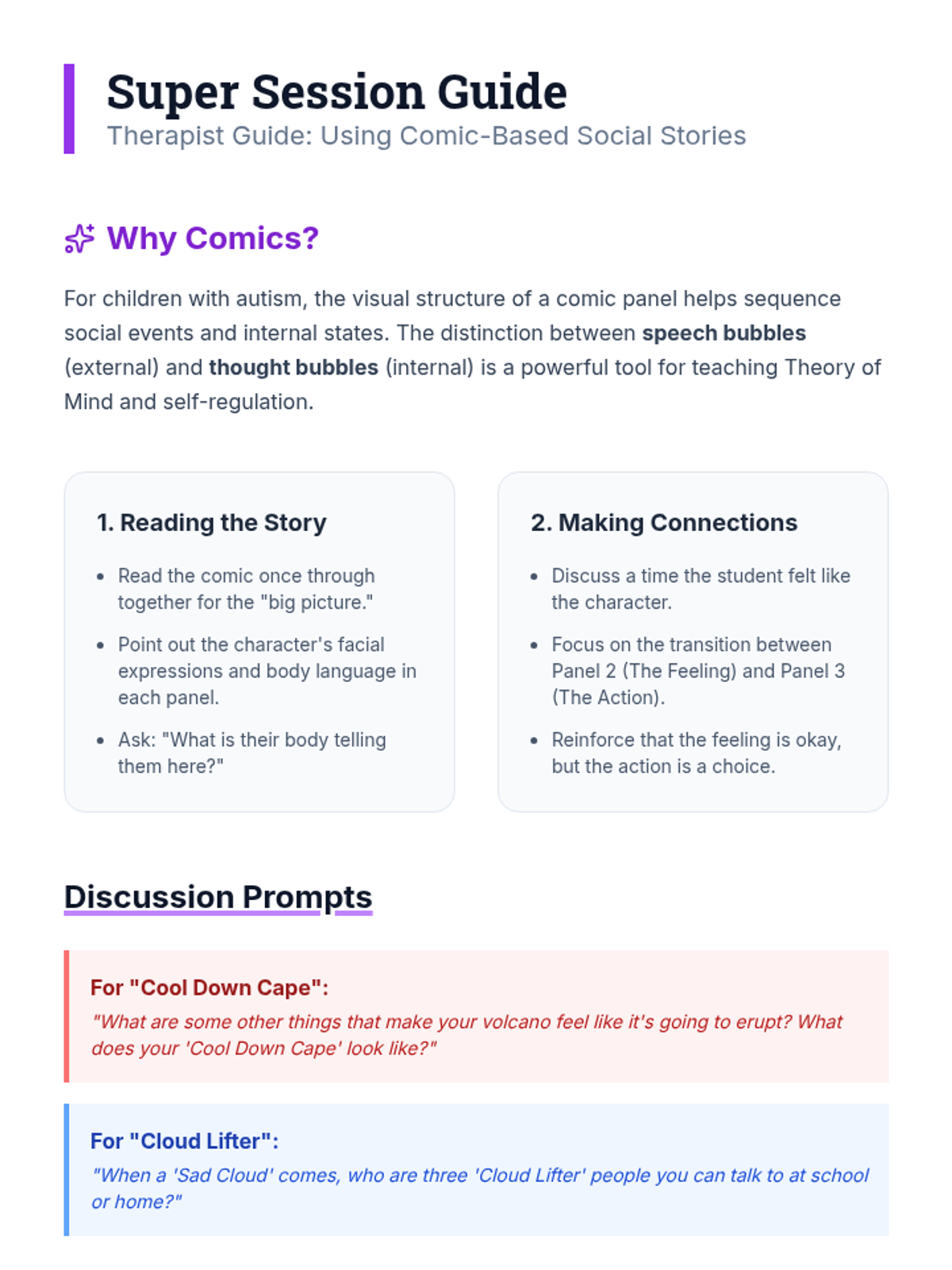
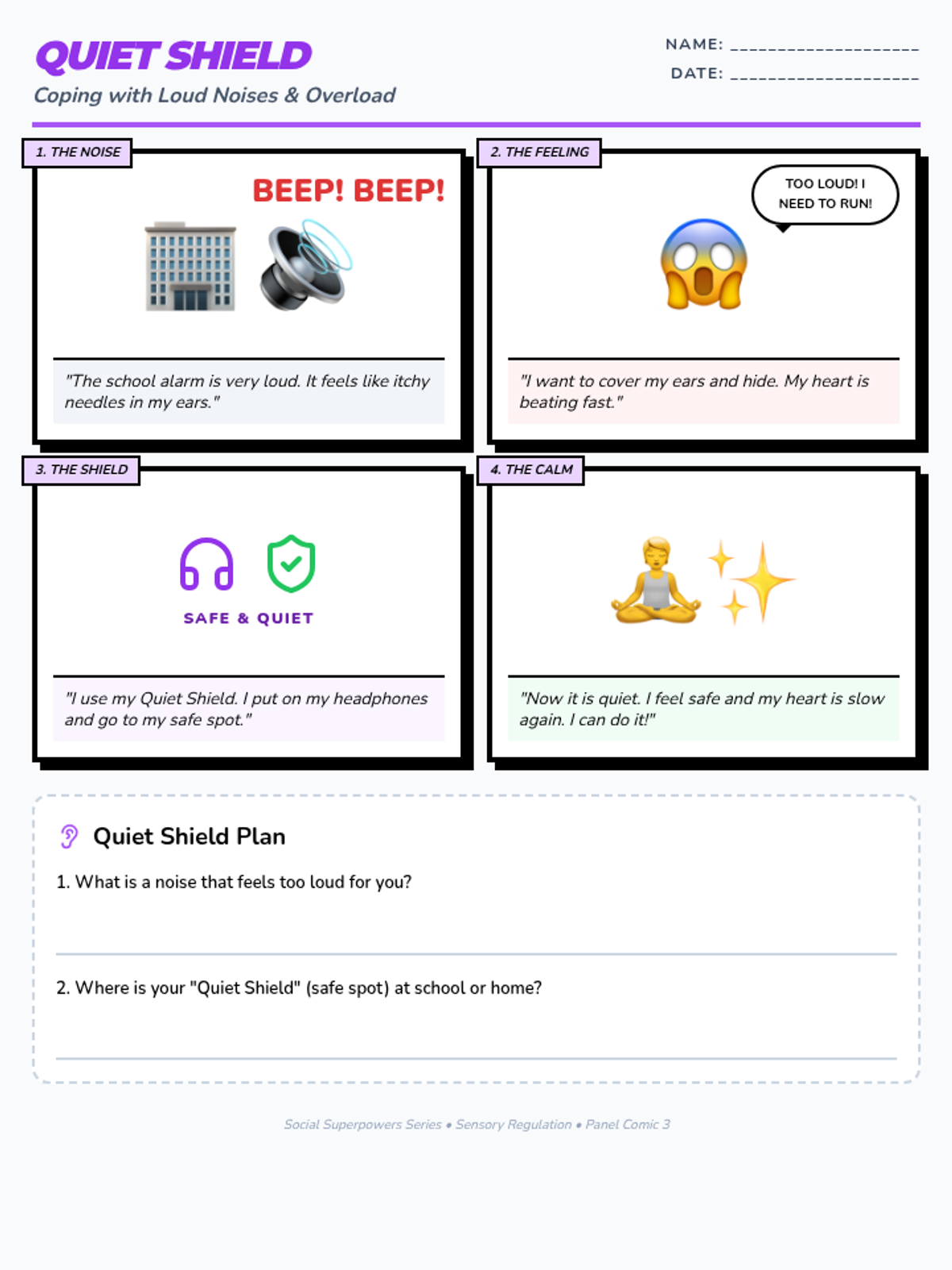
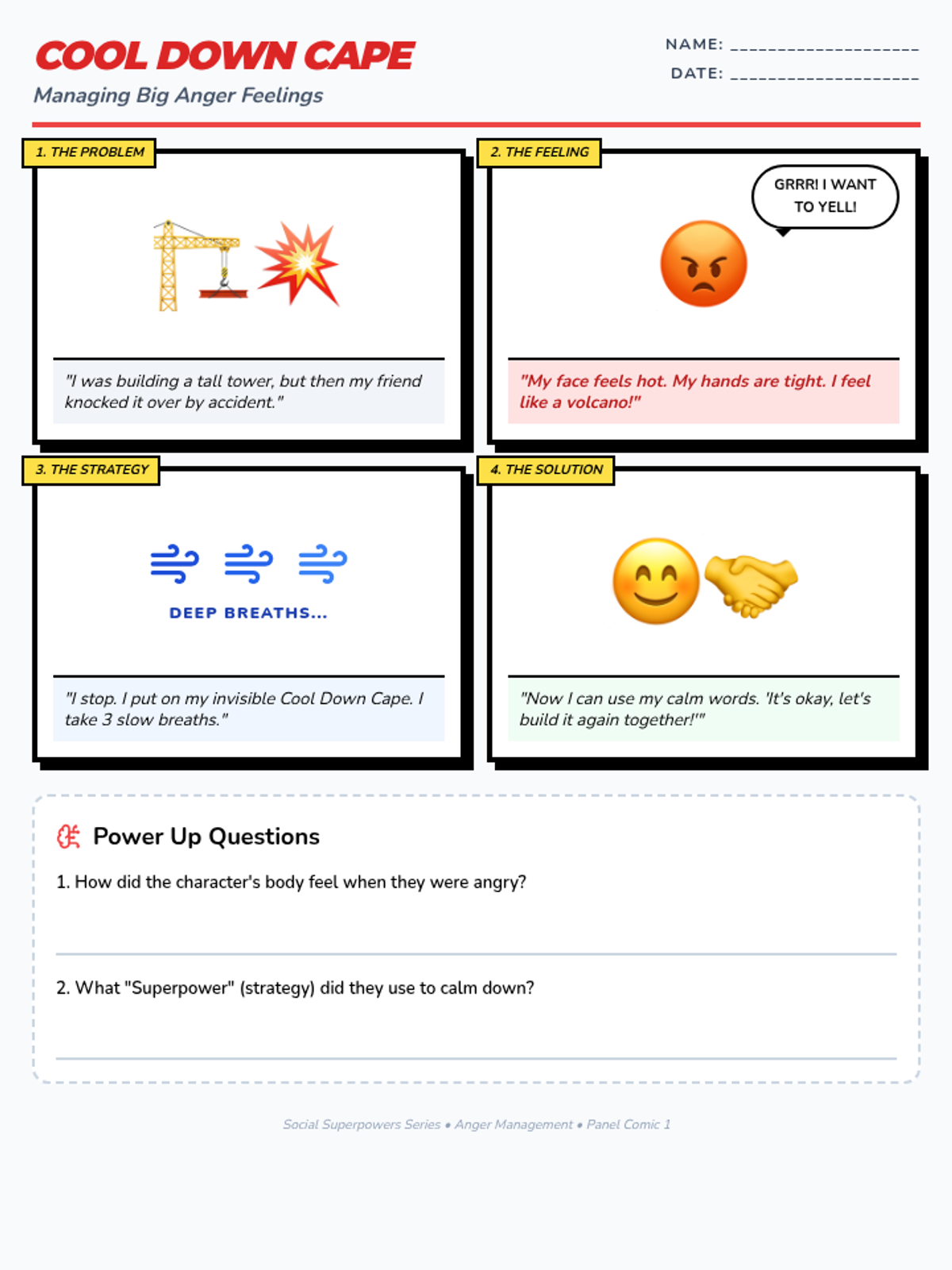
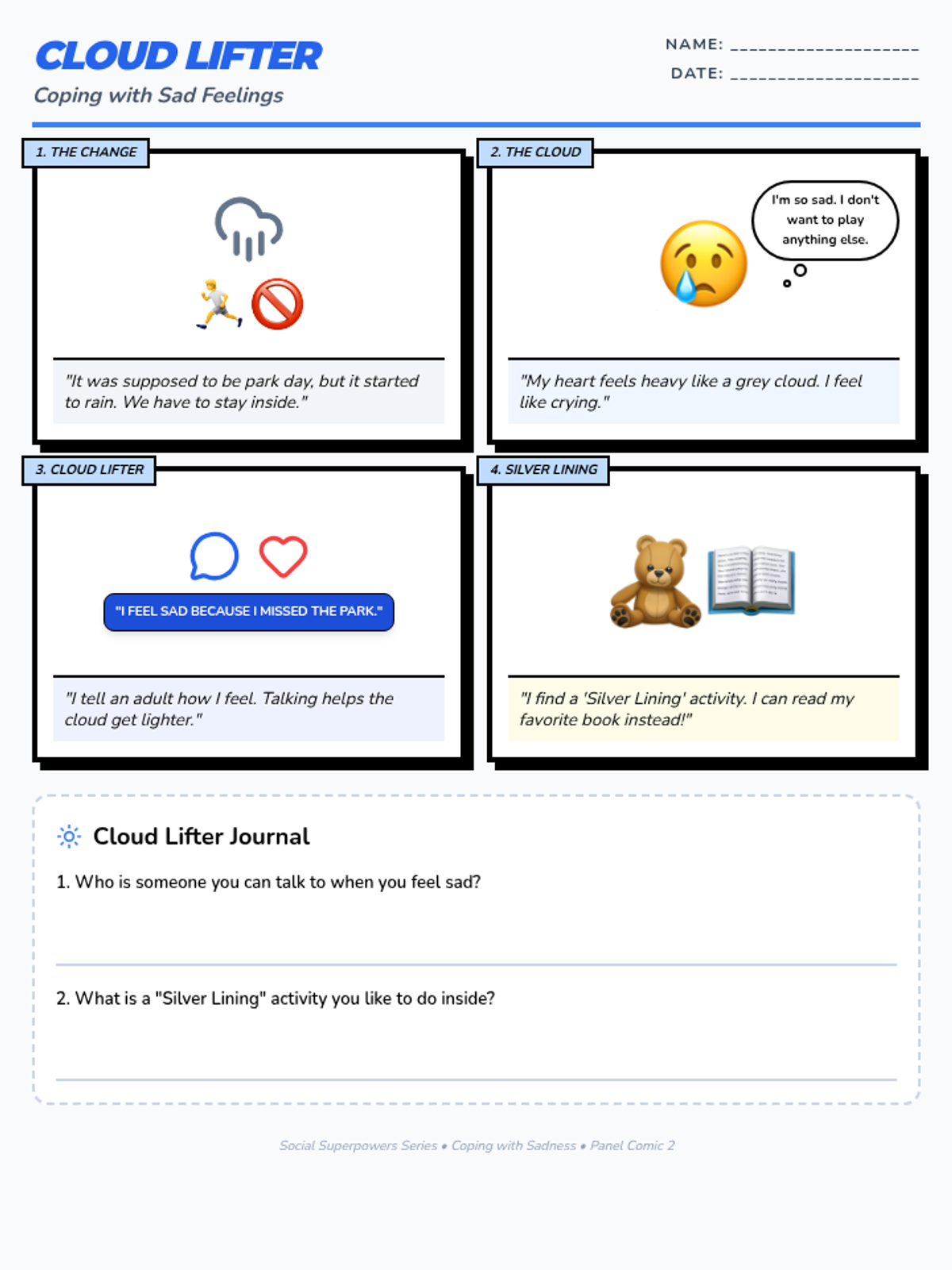
A collection of comic-based social stories and activities designed for a 7-year-old student with autism to explore anger management and coping with sadness during therapy sessions.
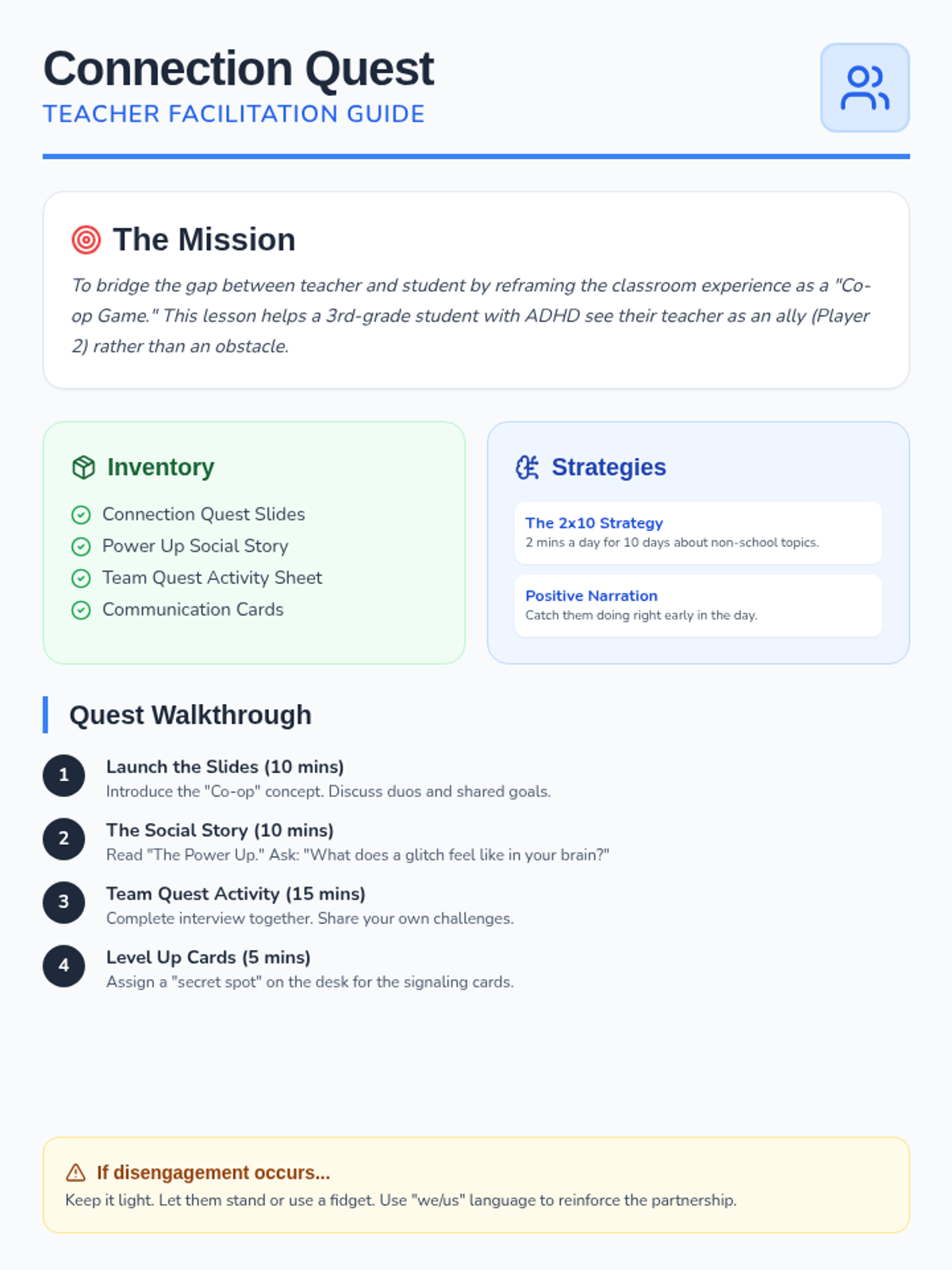
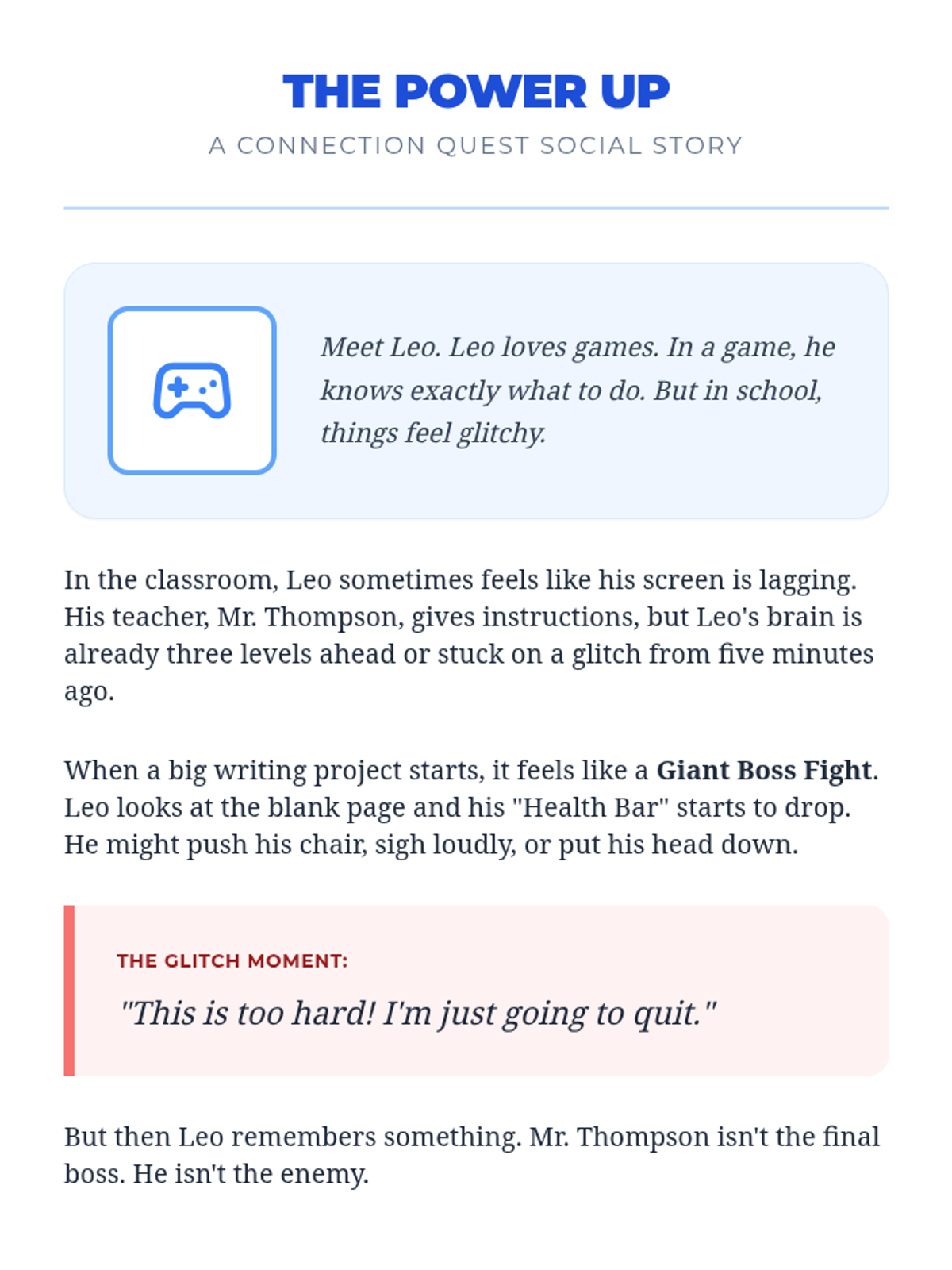
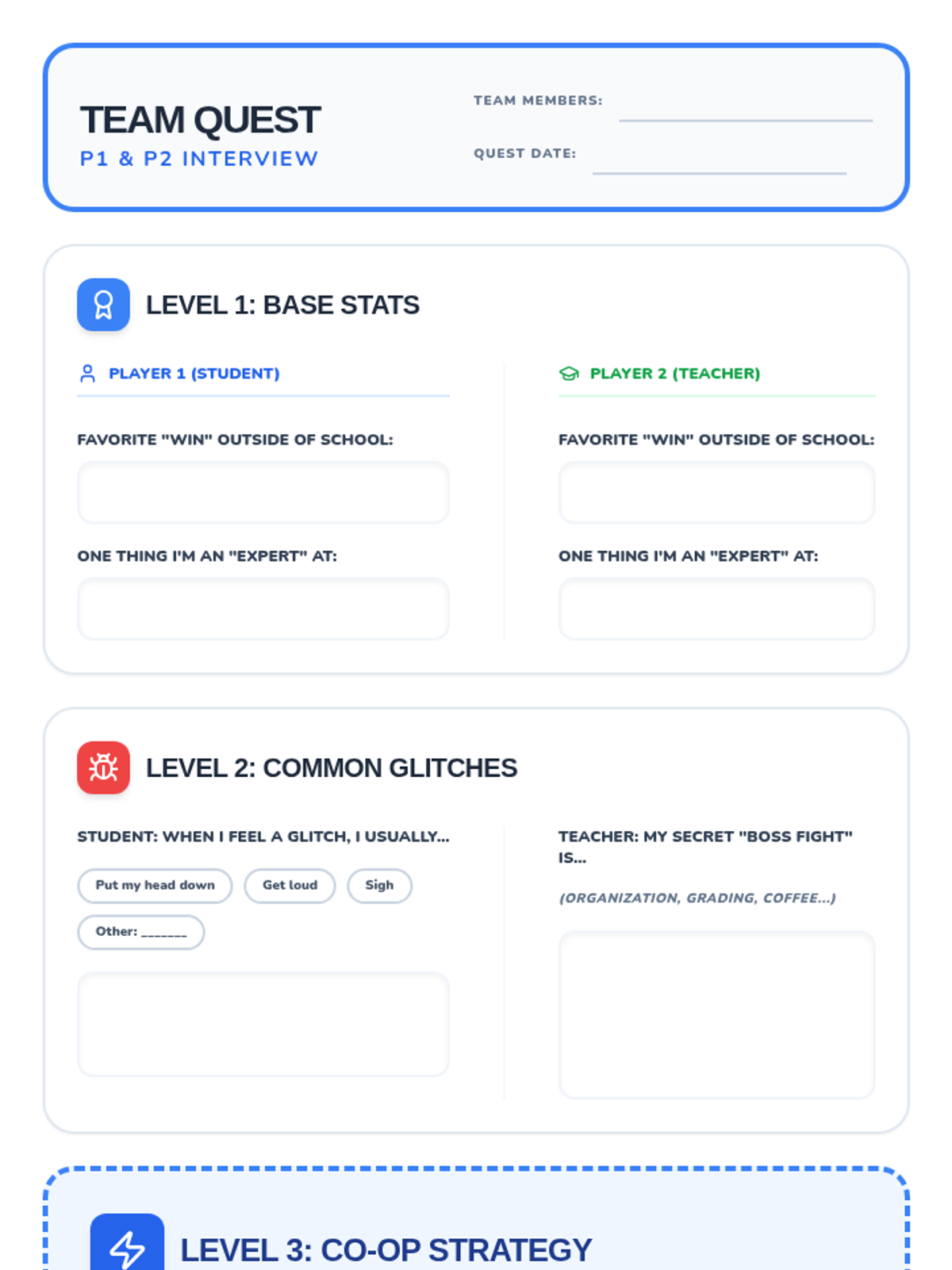
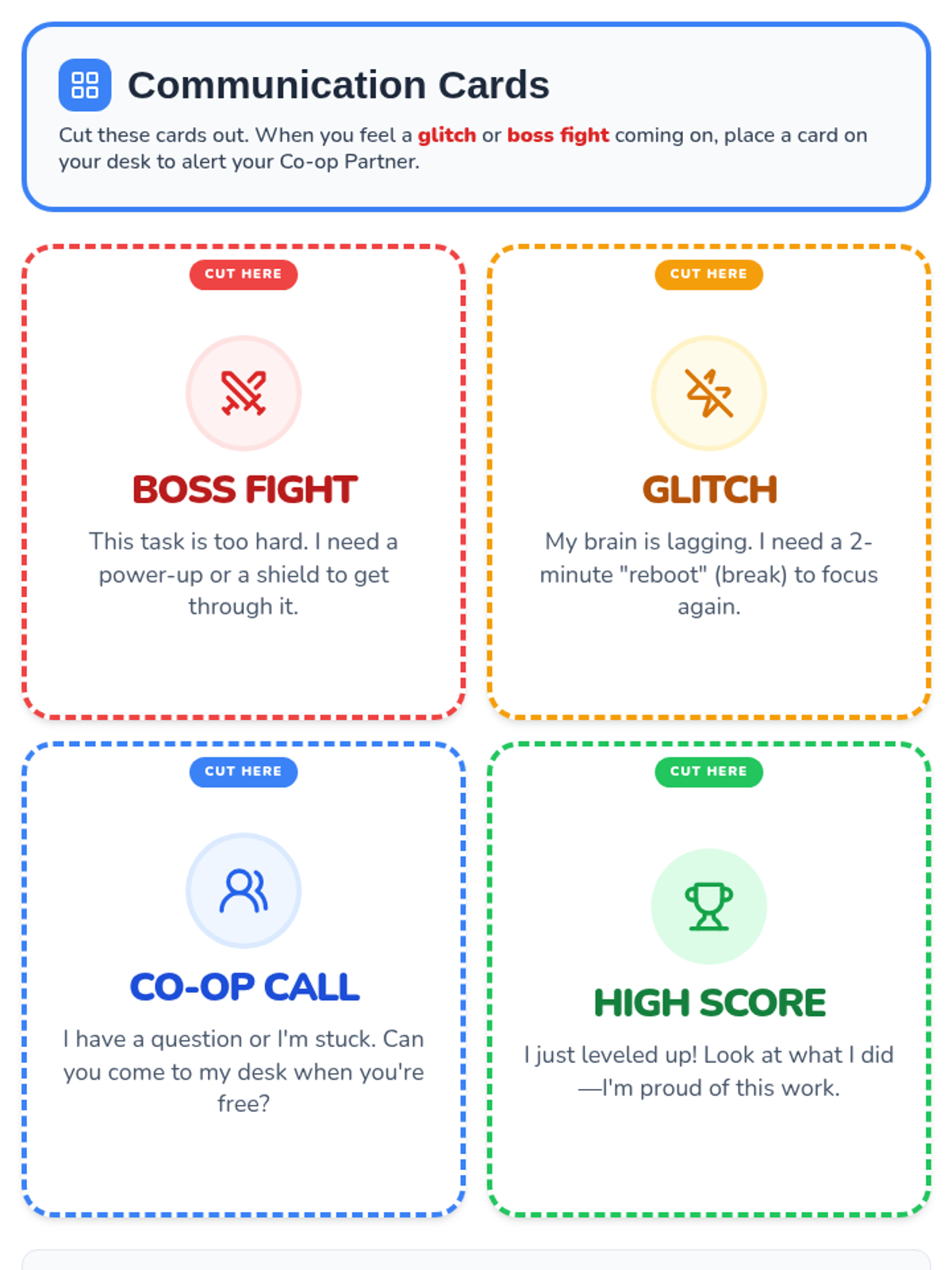
A lesson designed to help a 3rd grade student with ADHD build a positive working relationship with their teacher through a gaming-inspired 'co-op' metaphor. Focuses on shared goals, communication, and mutual understanding to reduce academic frustration and behavioral challenges.
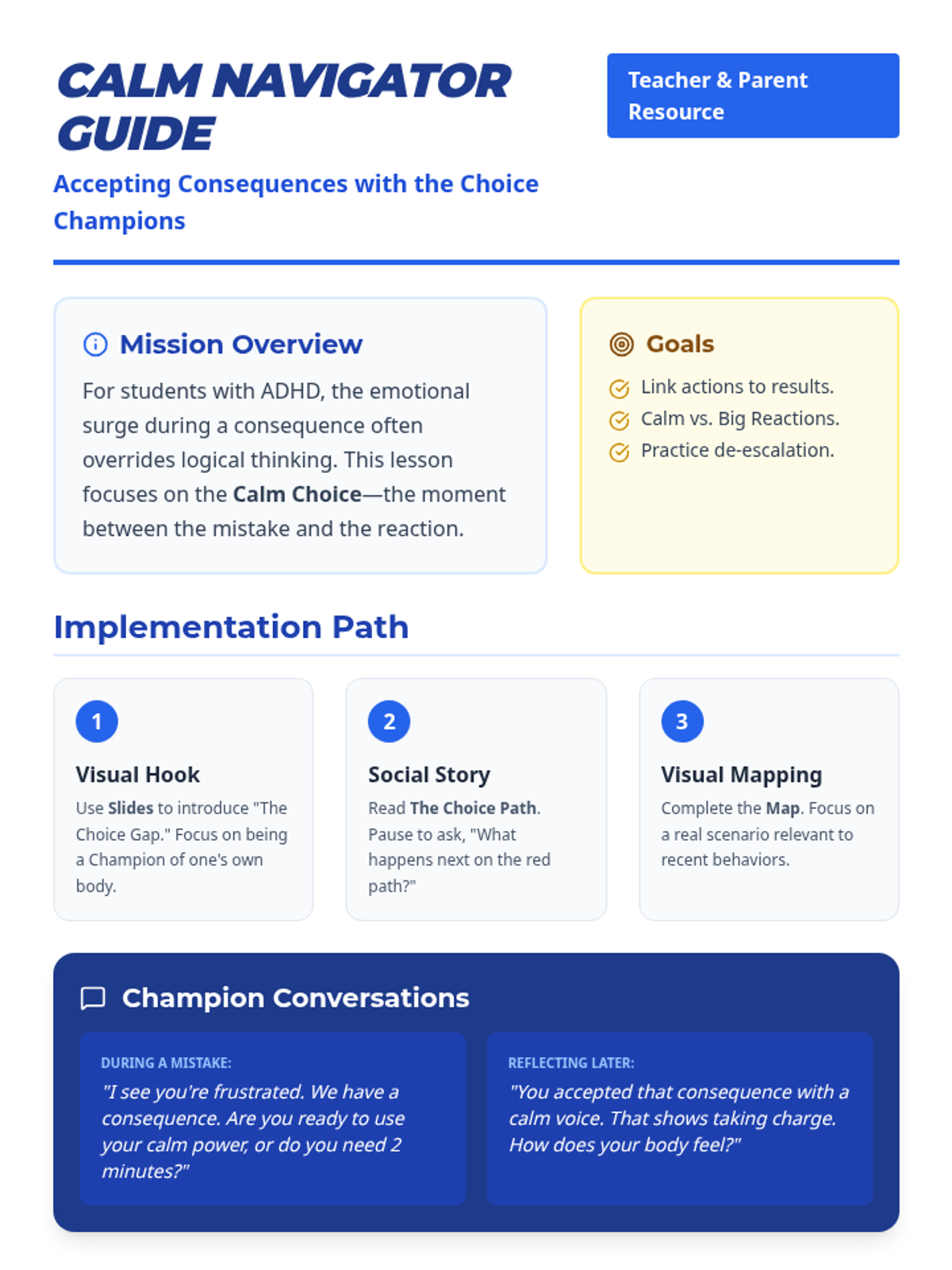
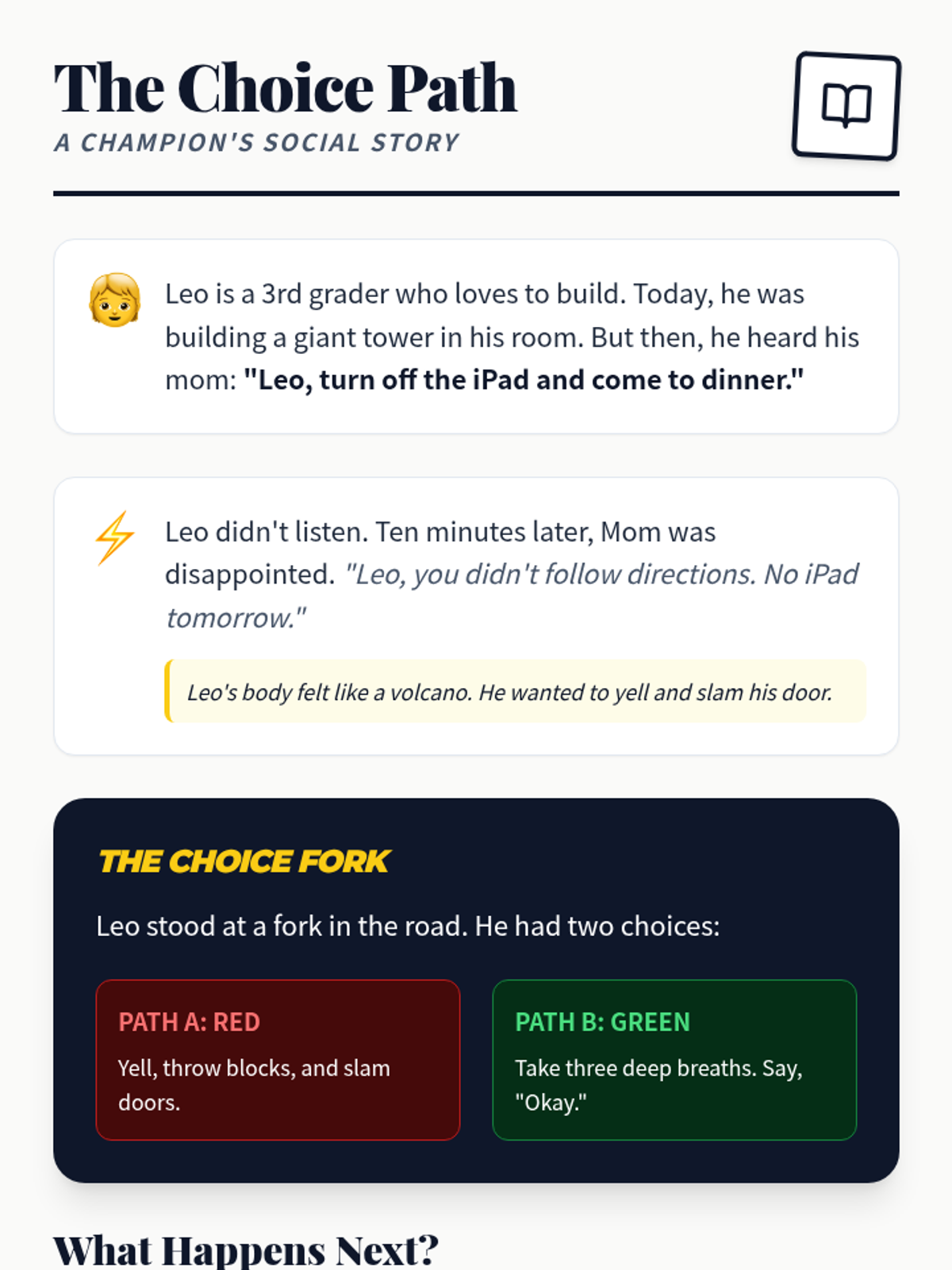
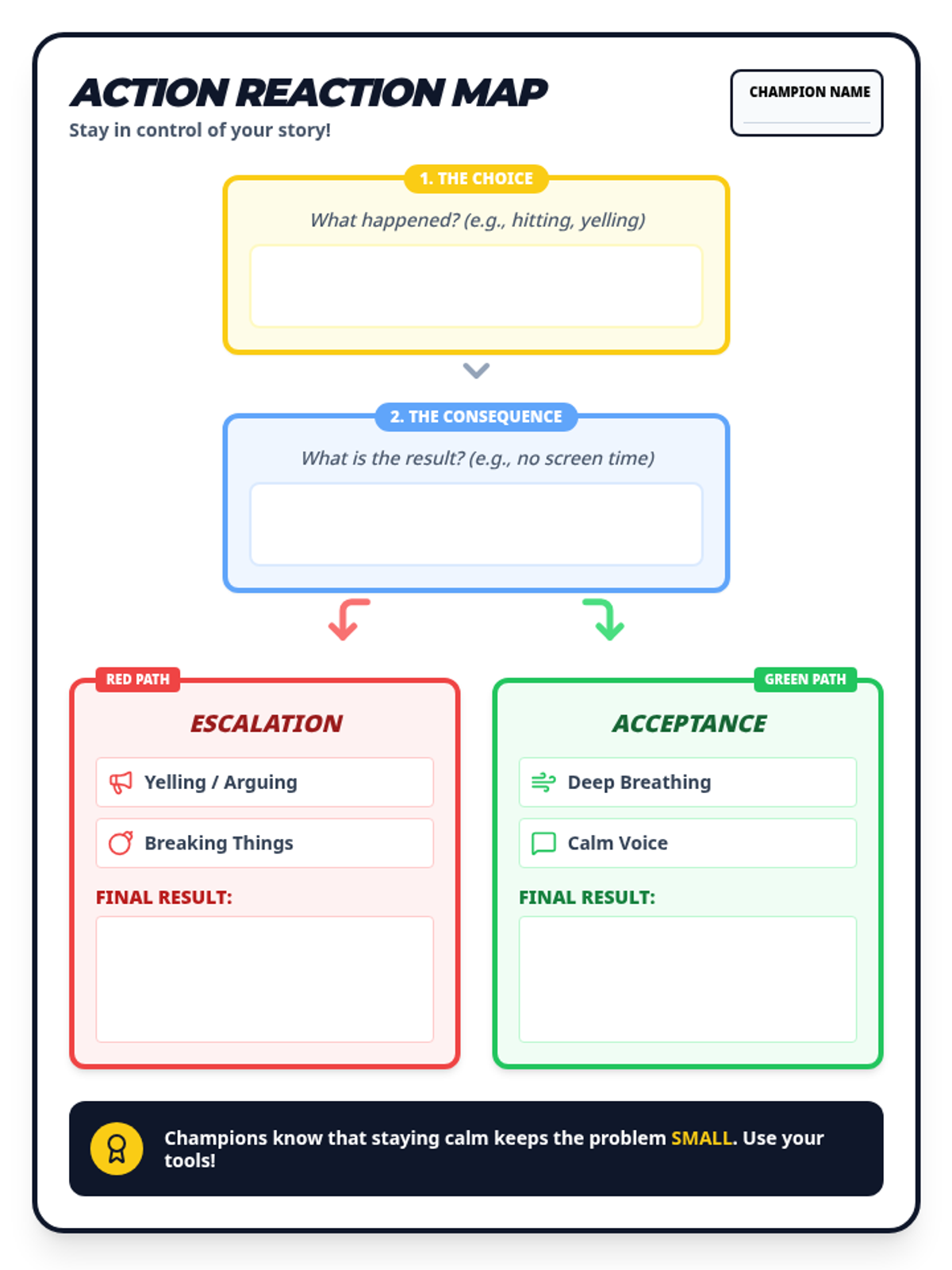
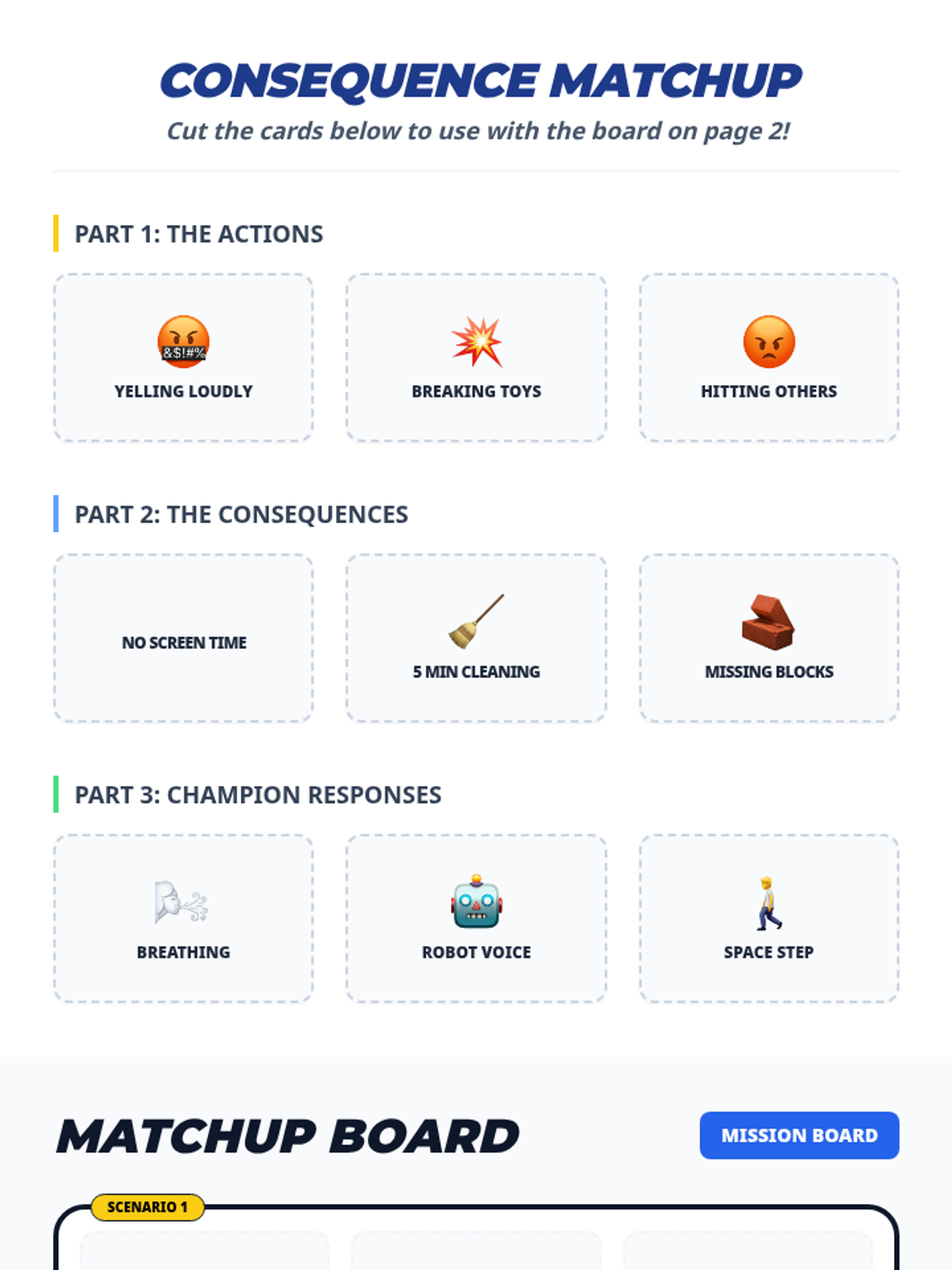
A comprehensive social skills lesson designed to help students with ADHD understand and practice accepting consequences through visual mapping and structured storytelling.
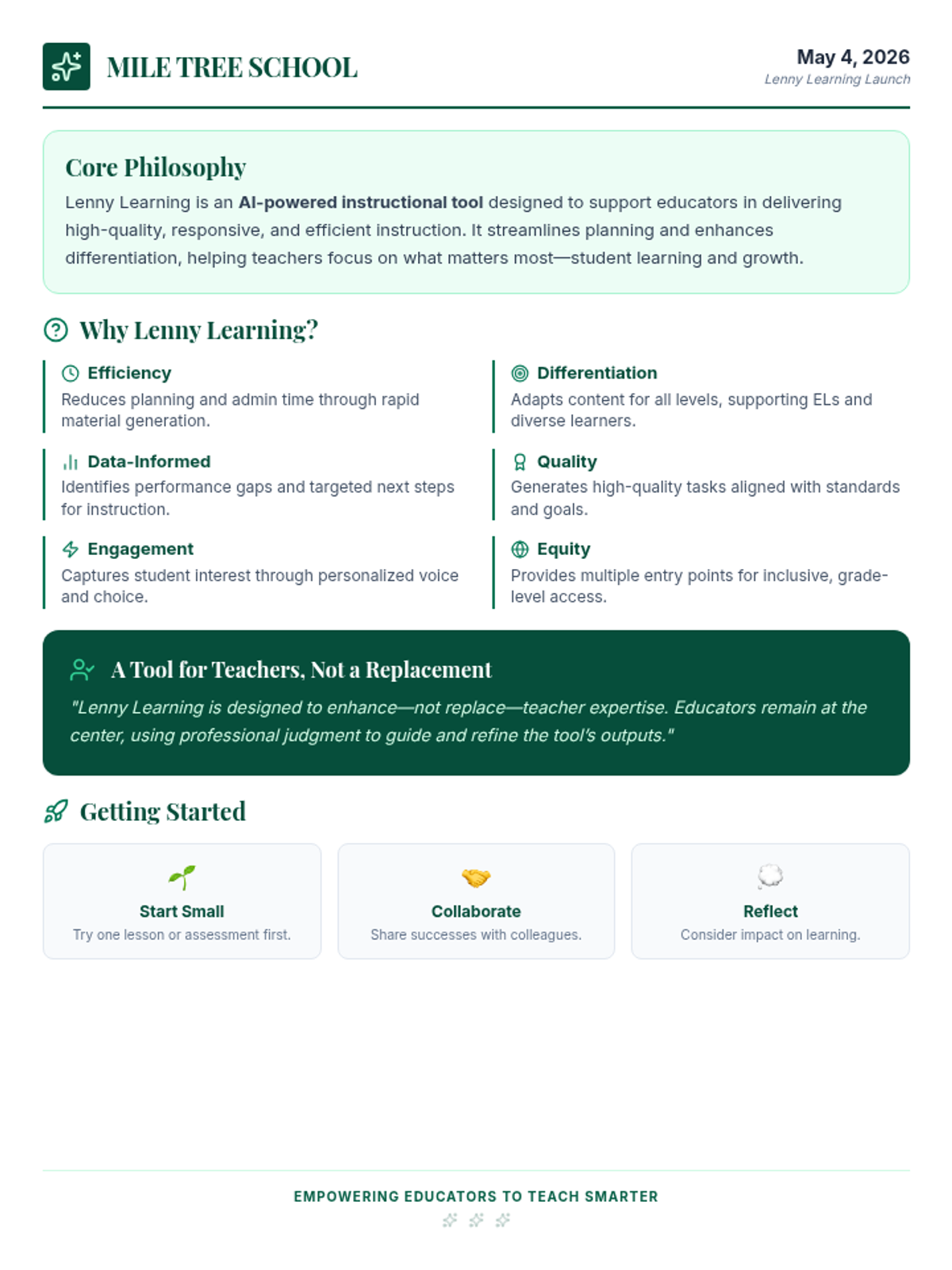
A professional staff presentation introducing Lenny Learning to educators at Mile Tree School, highlighting efficiency, differentiation, and student engagement.
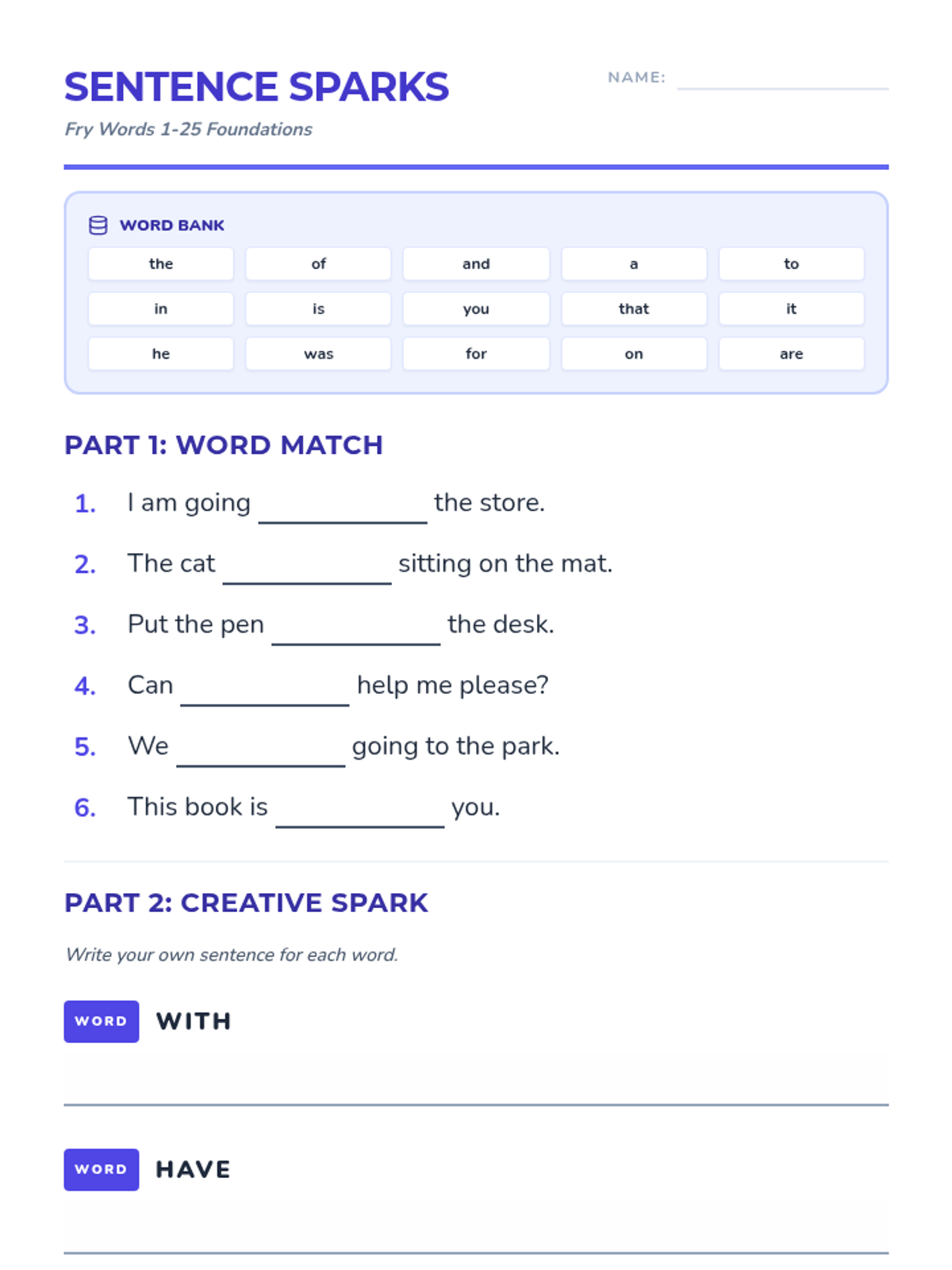
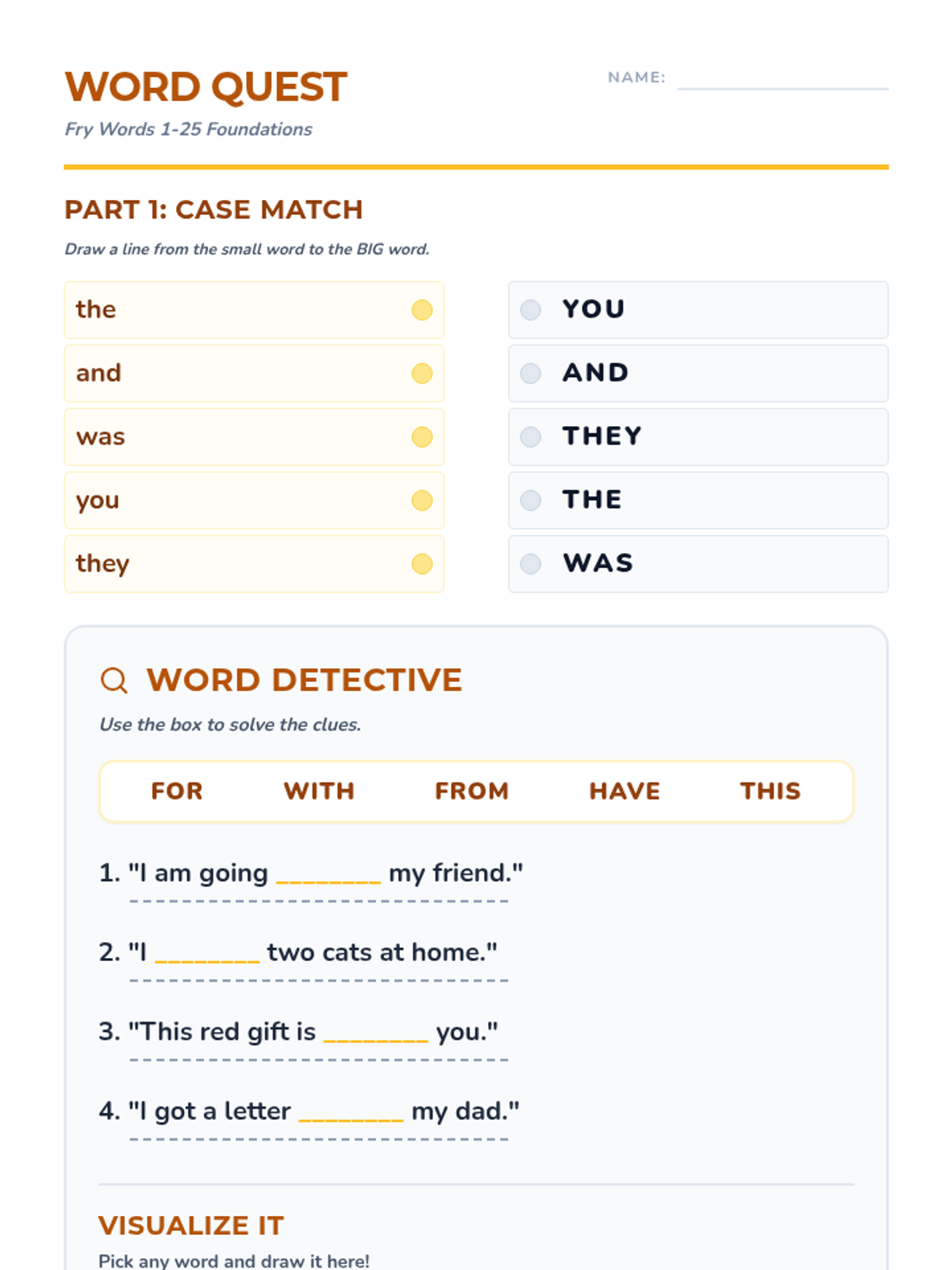
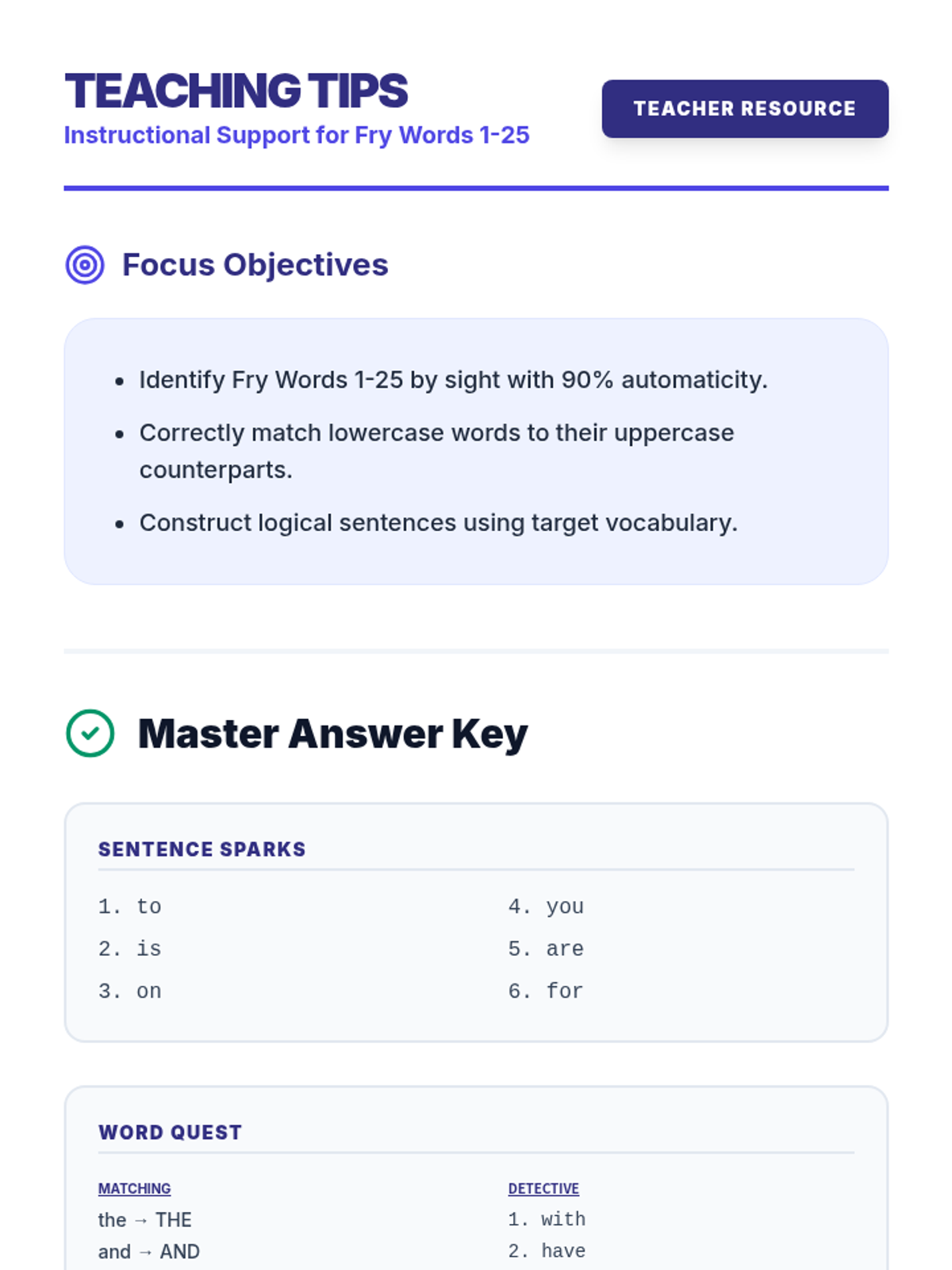
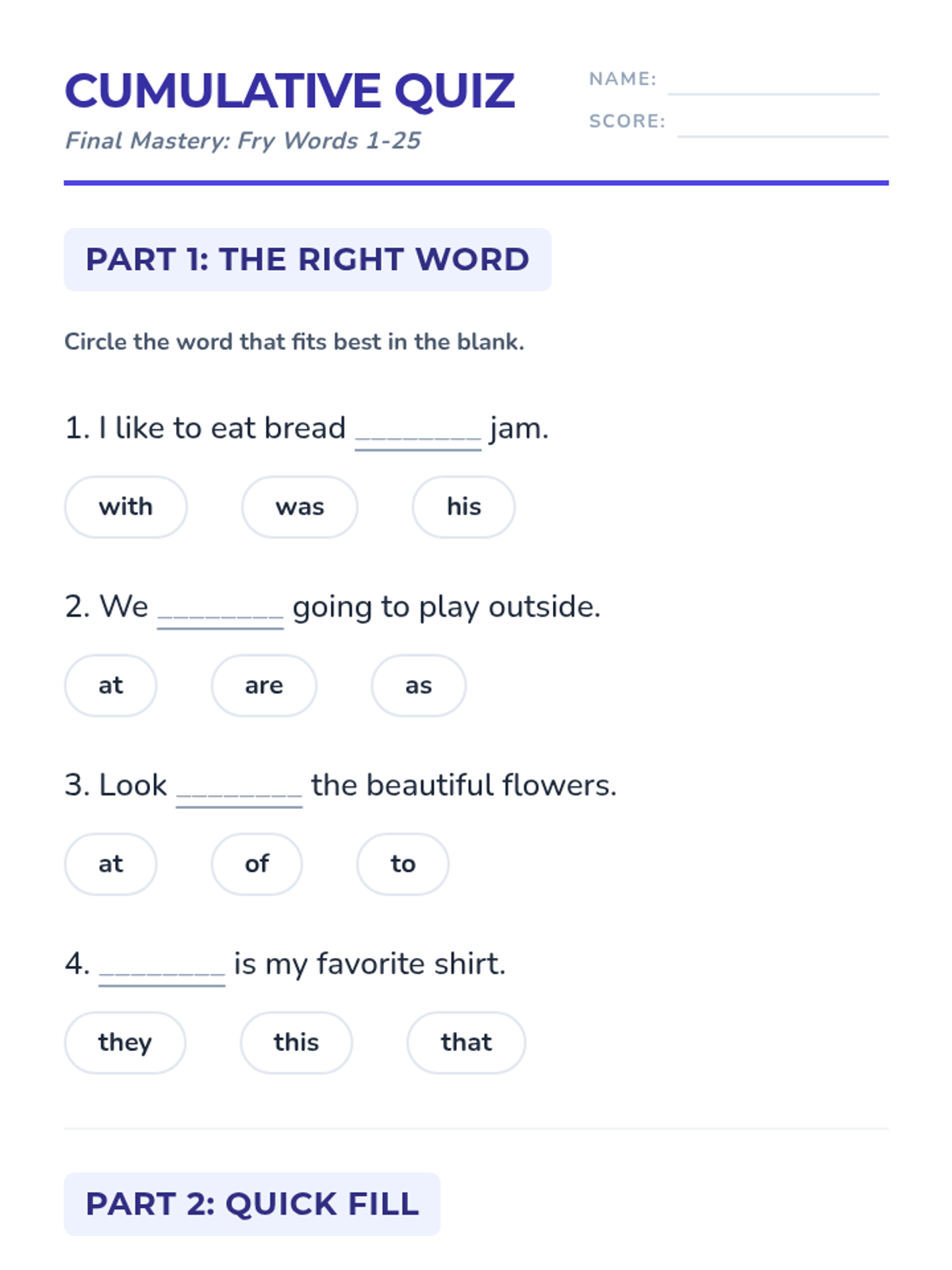
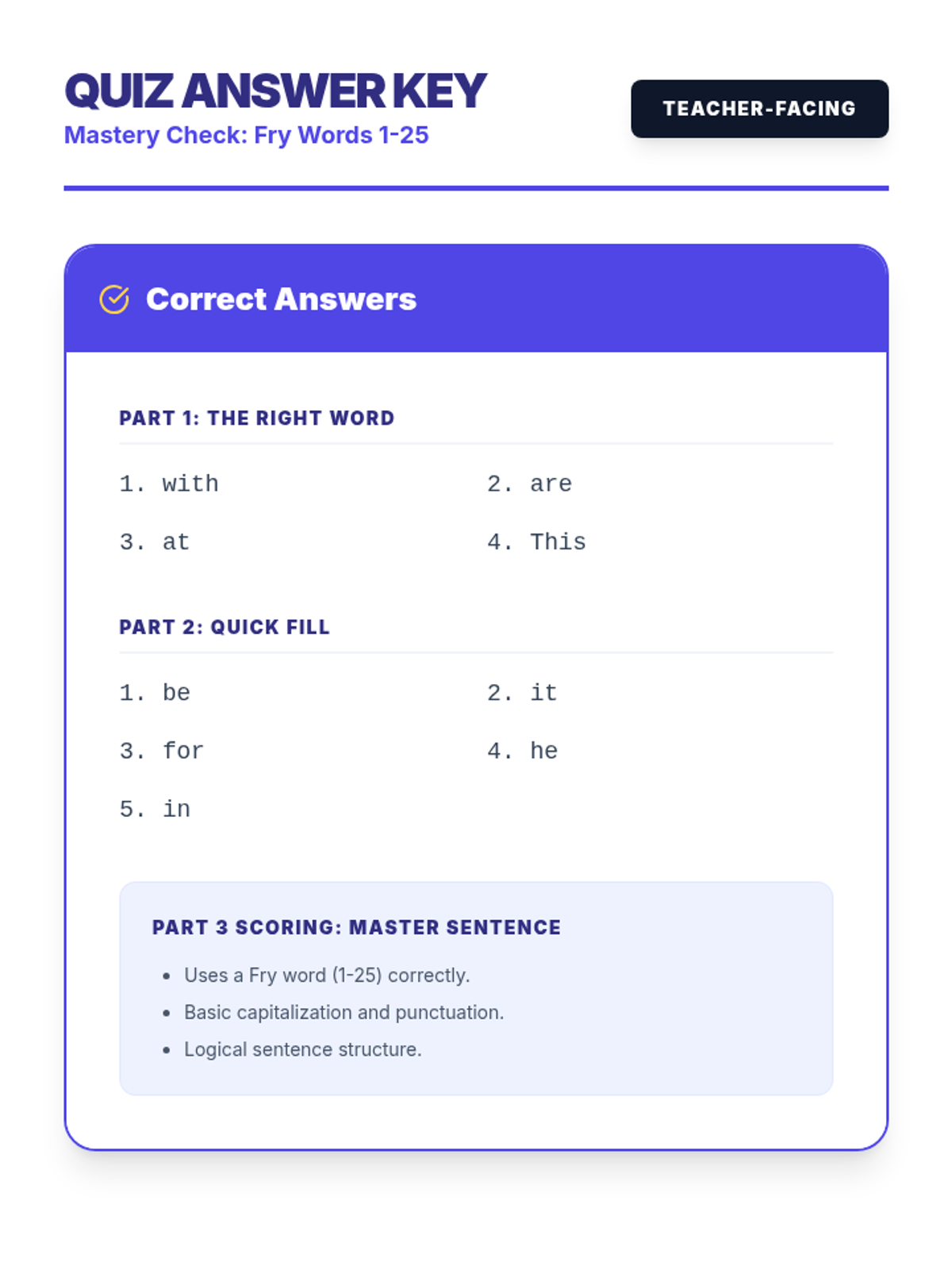
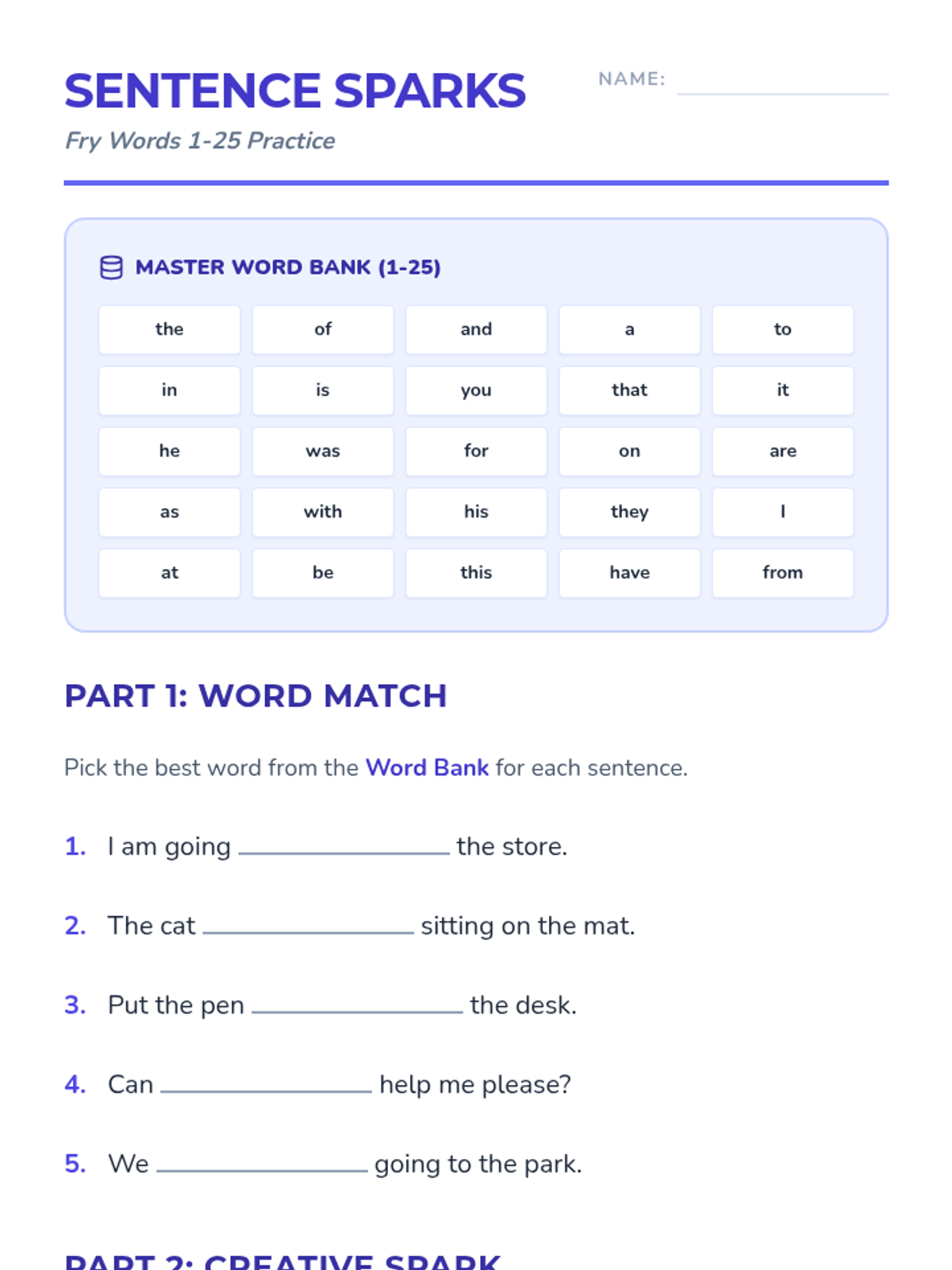
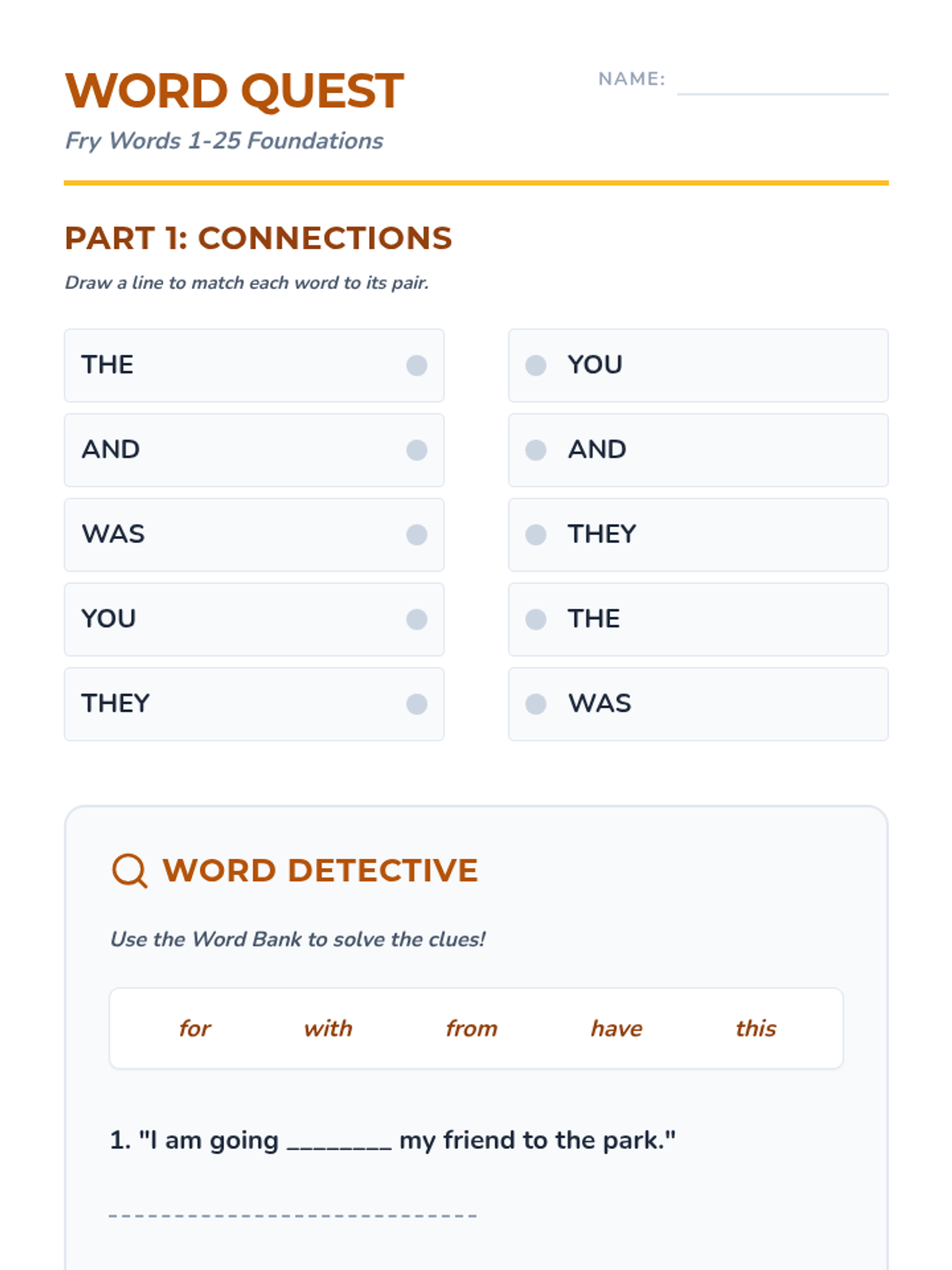
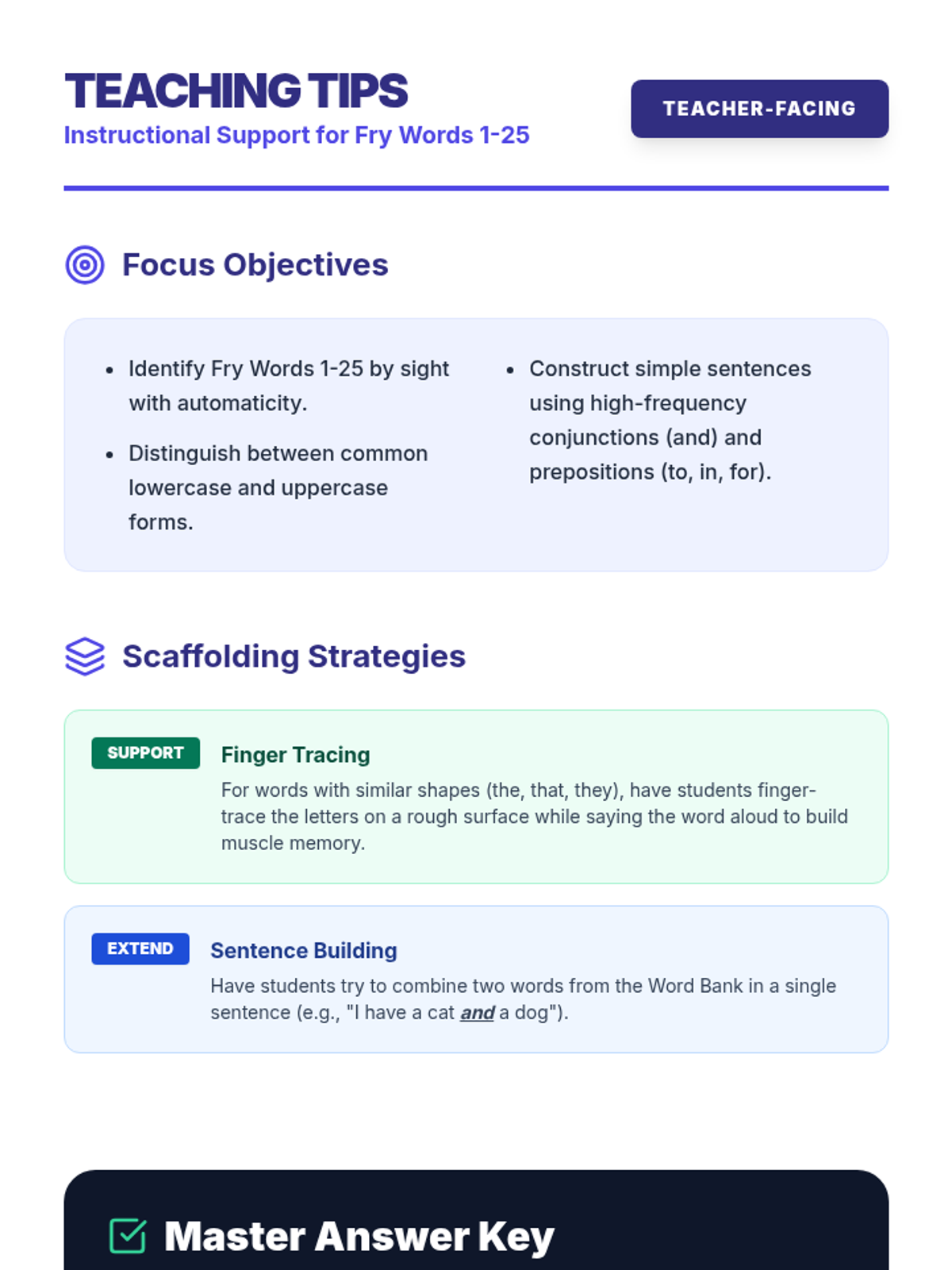
A focused lesson on the first 25 Fry Sight Words (1-25), tailored for 5th grade students with low literacy to build foundational reading and writing skills.
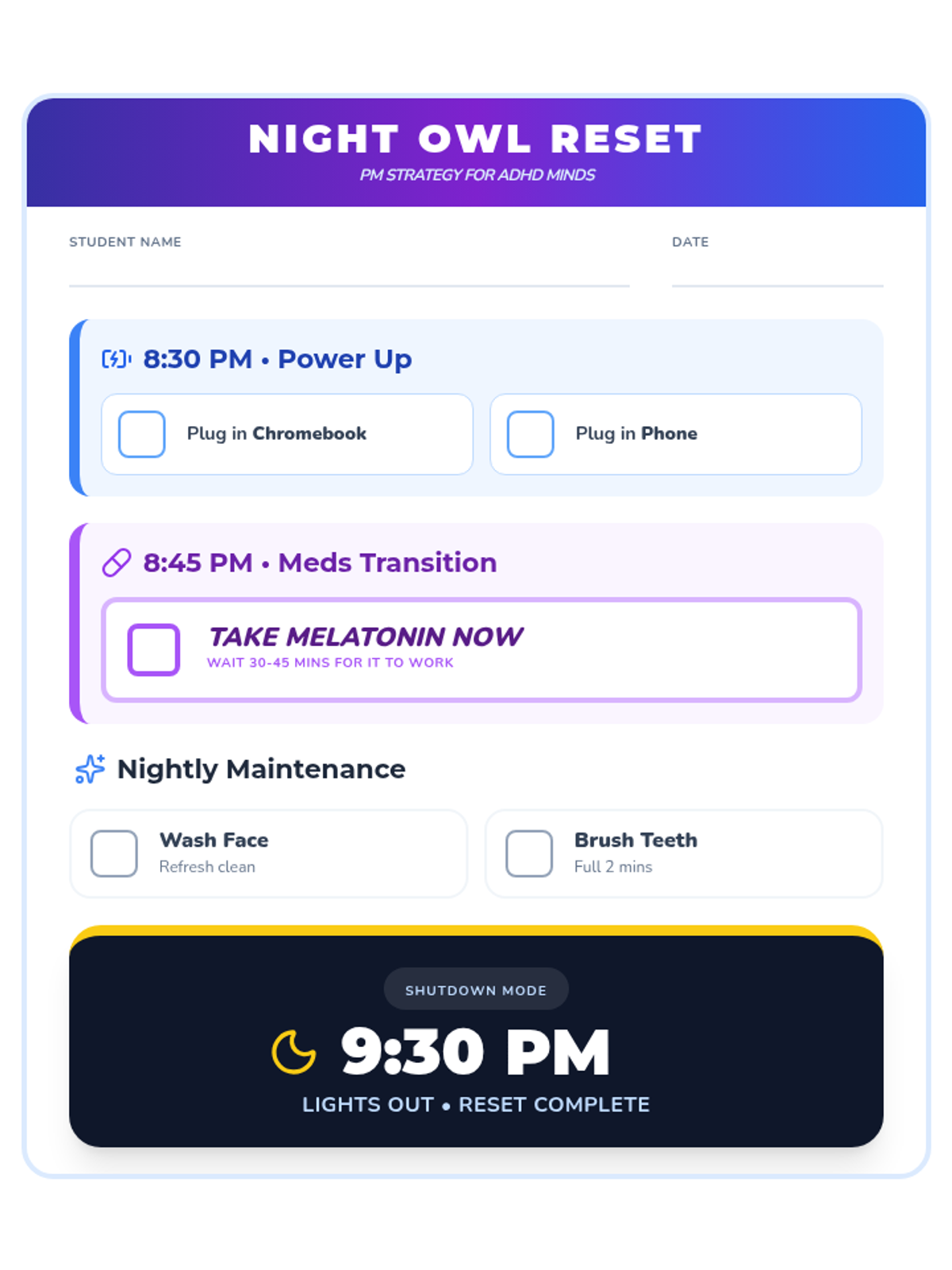
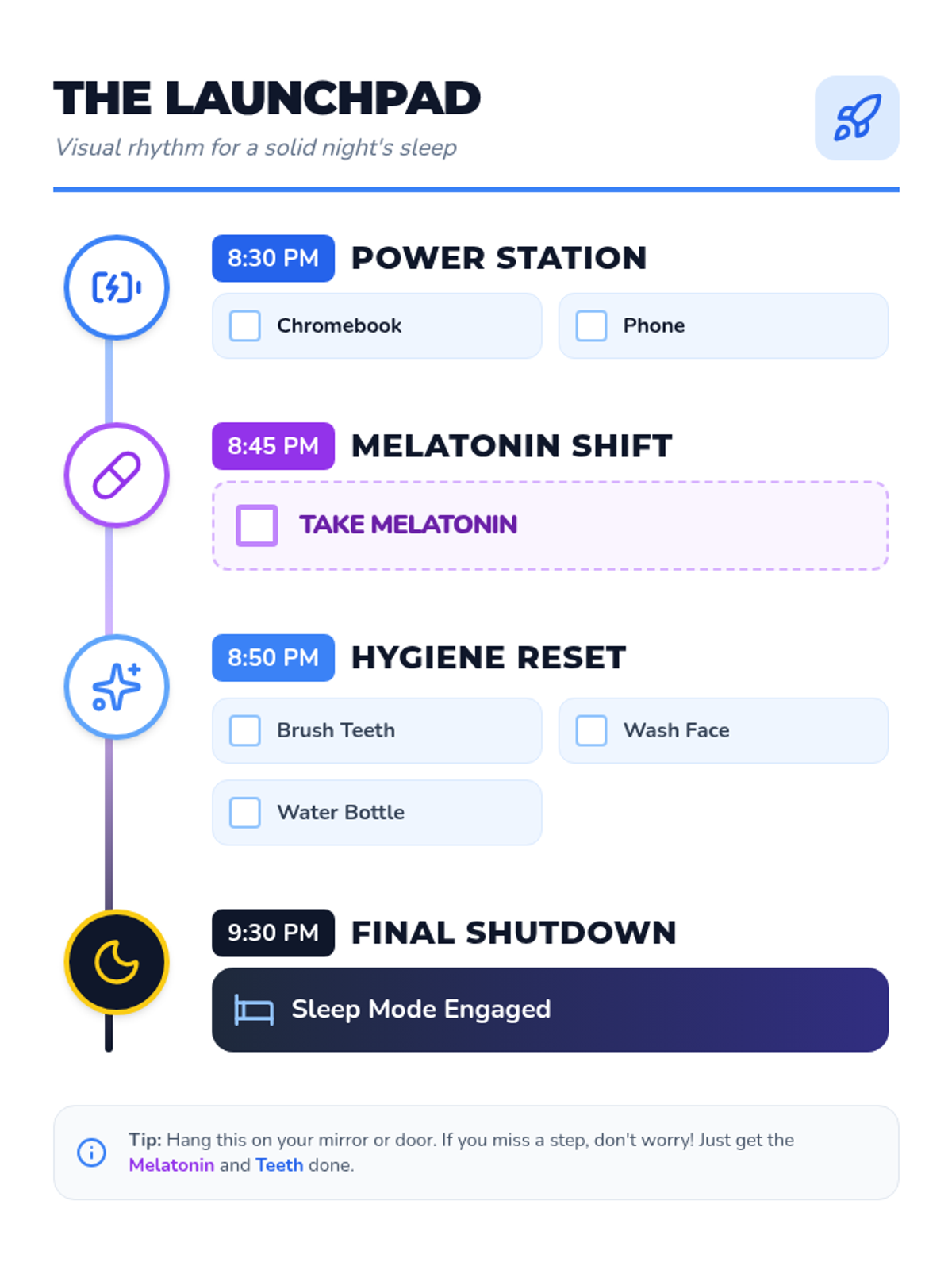
A set of bedtime routine tools designed specifically for teenagers with ADHD to help manage executive function and improve sleep hygiene.
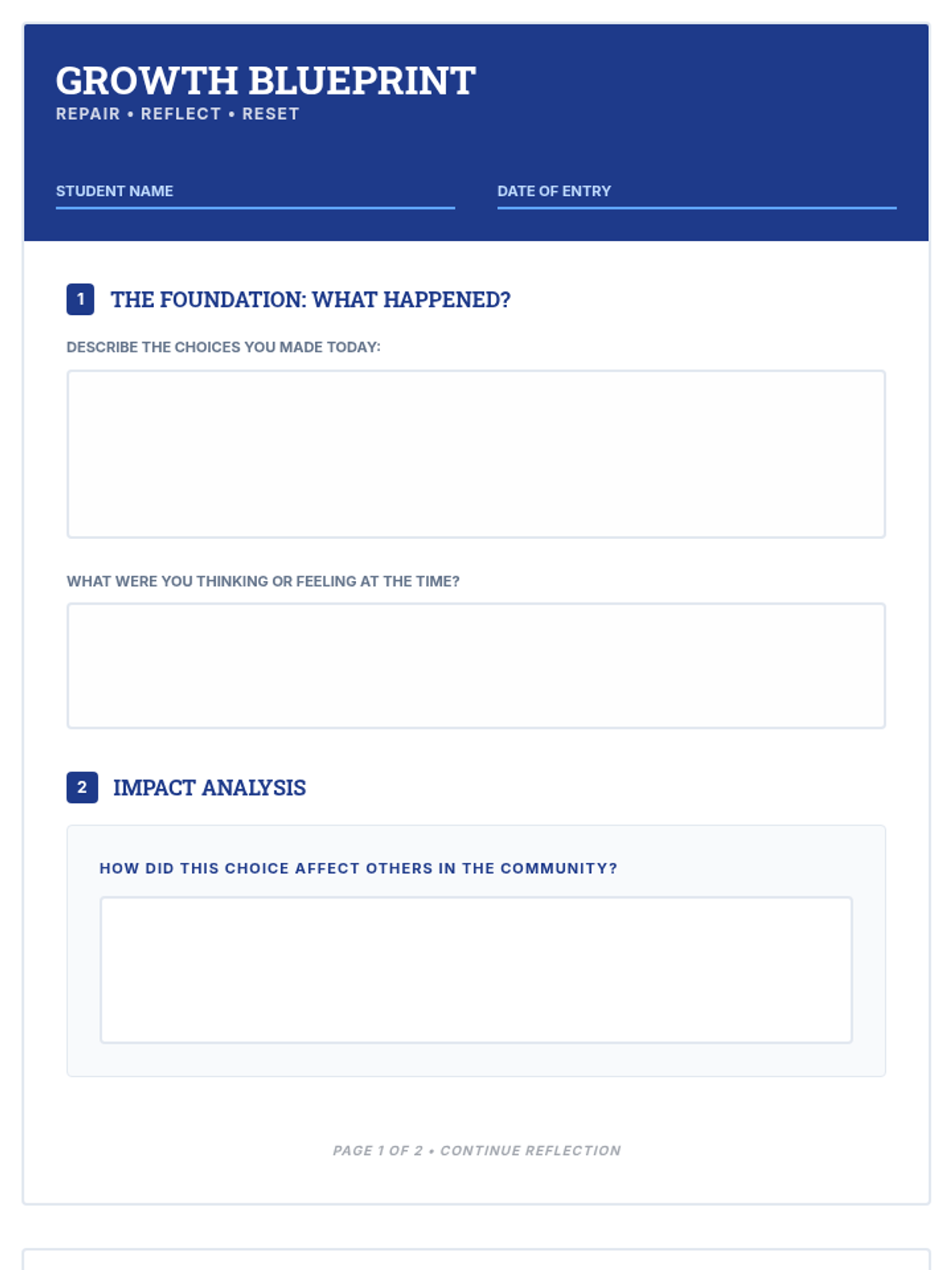
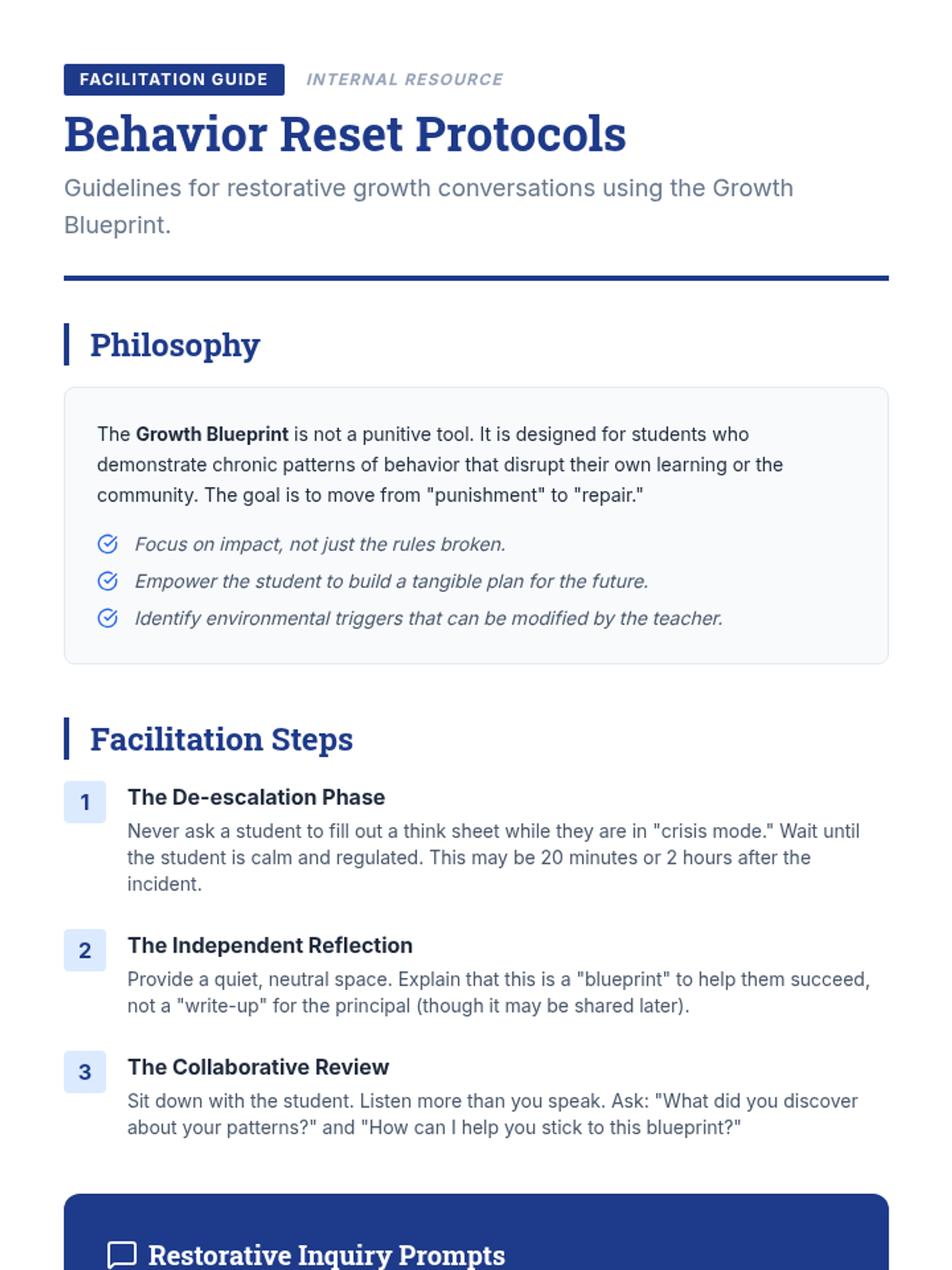
A restorative approach to addressing chronic behavior patterns, focusing on reflection, impact analysis, and collaborative goal setting.
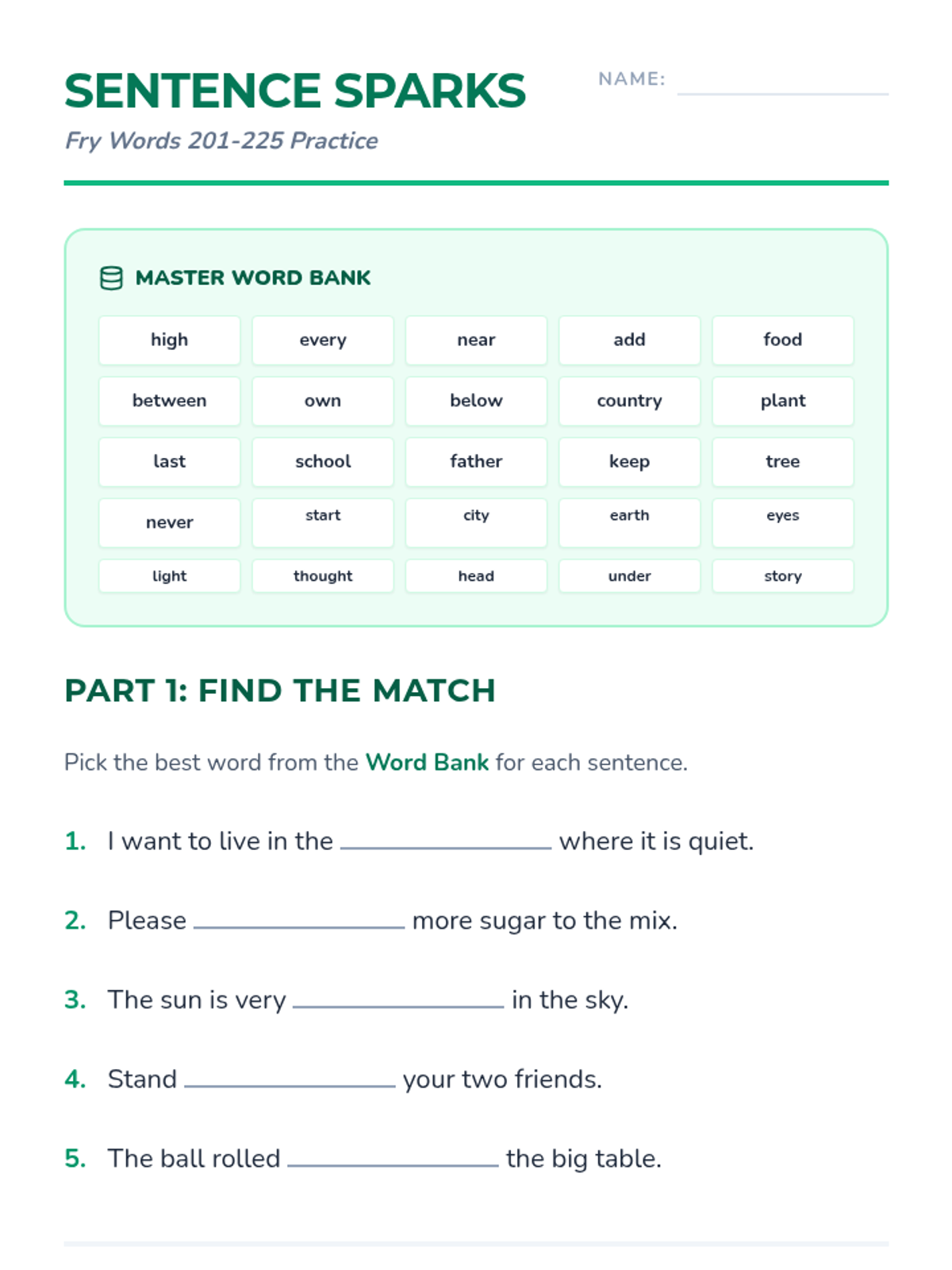
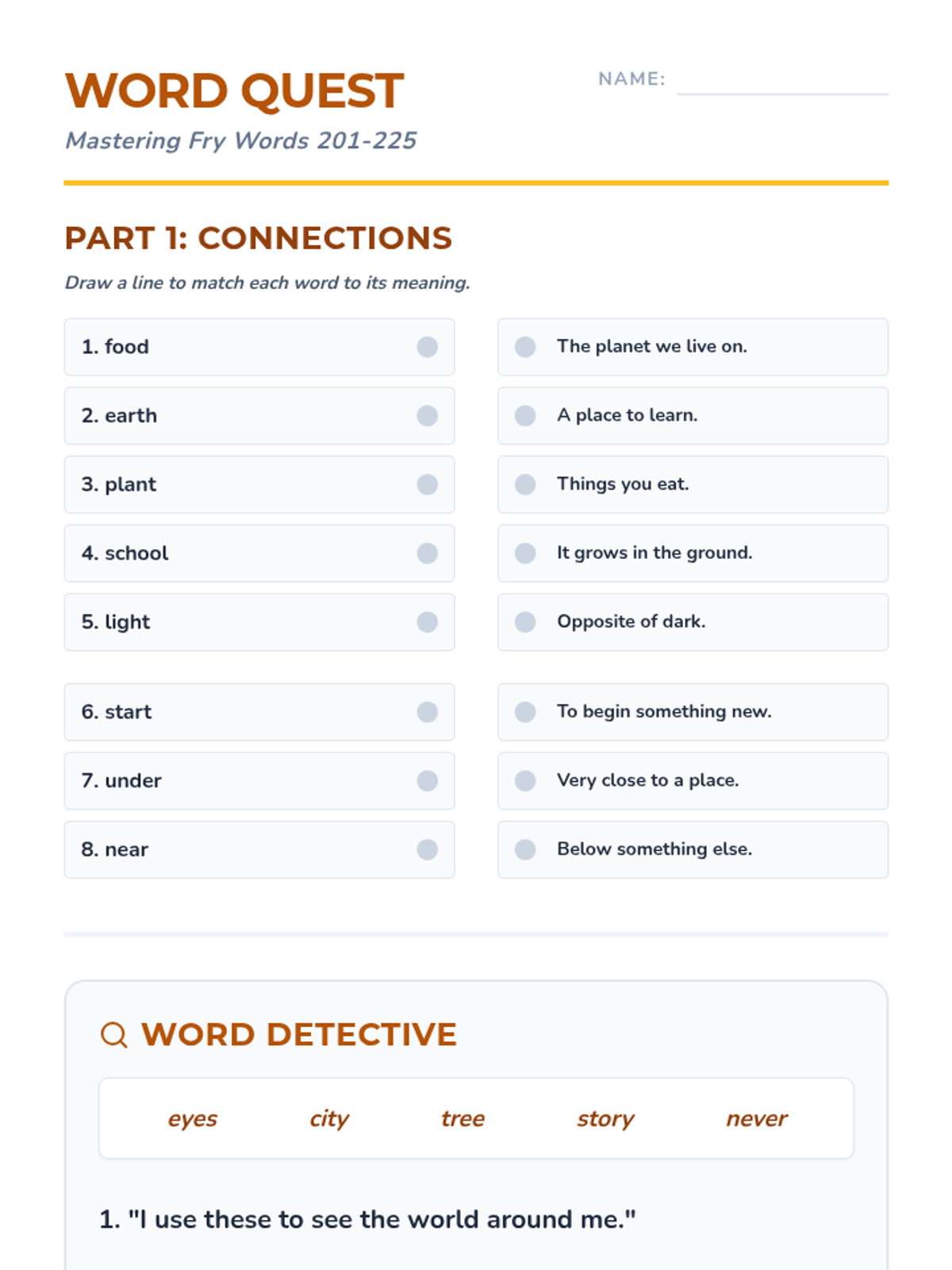
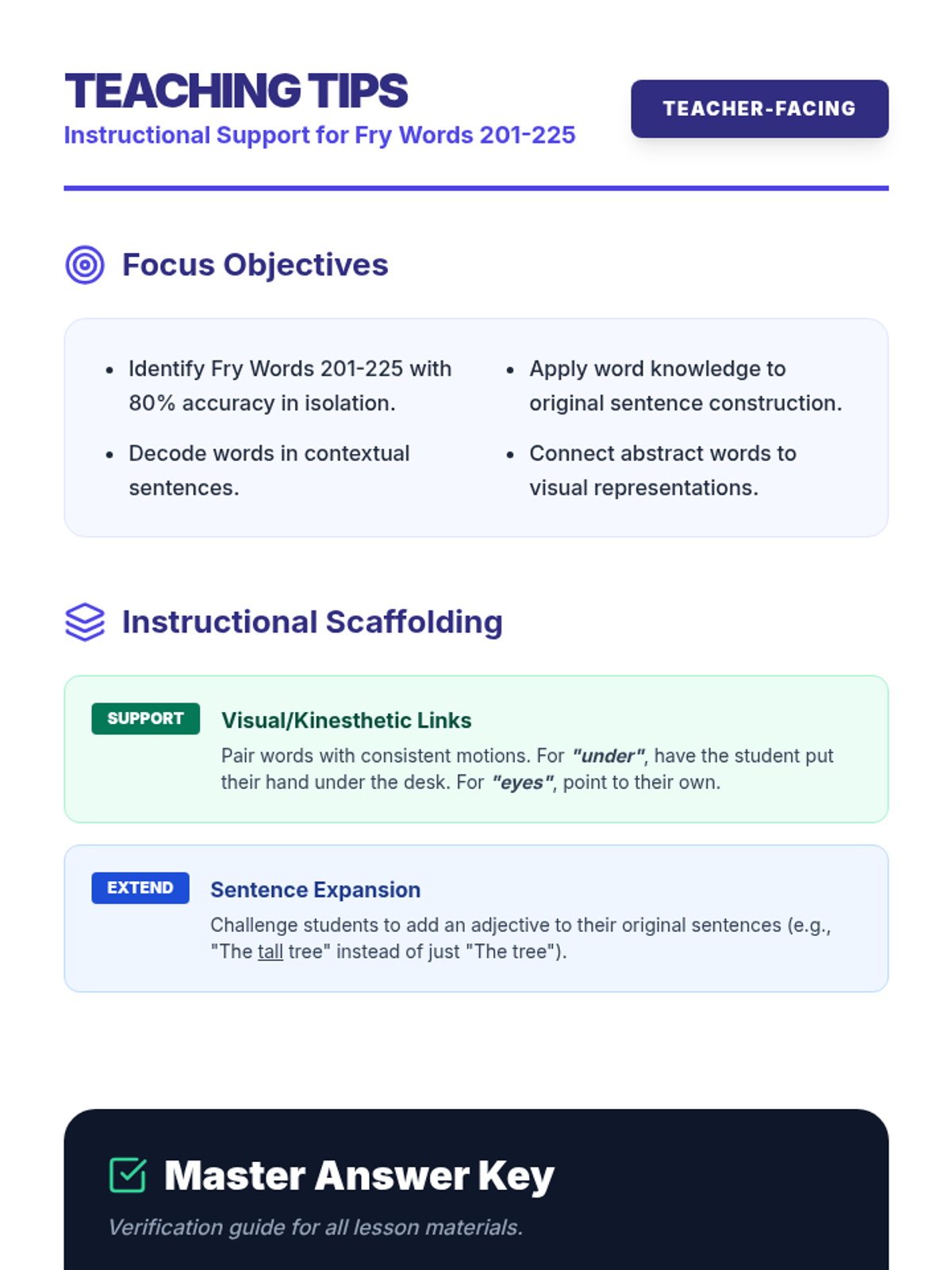
A focused lesson on Fry Sight Words 201-225 designed for 5th grade students with low literacy, using context-rich activities and visual aids.
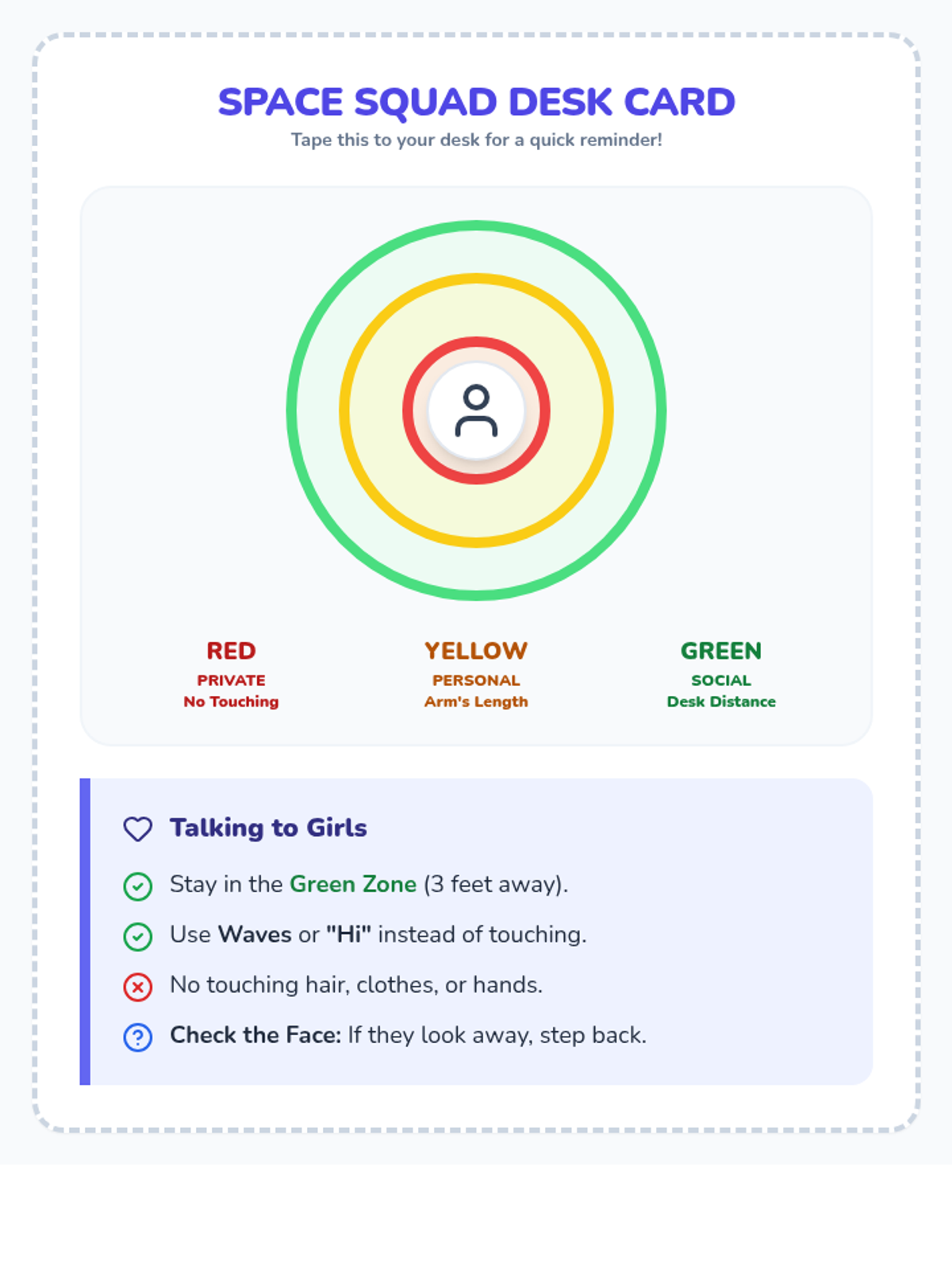
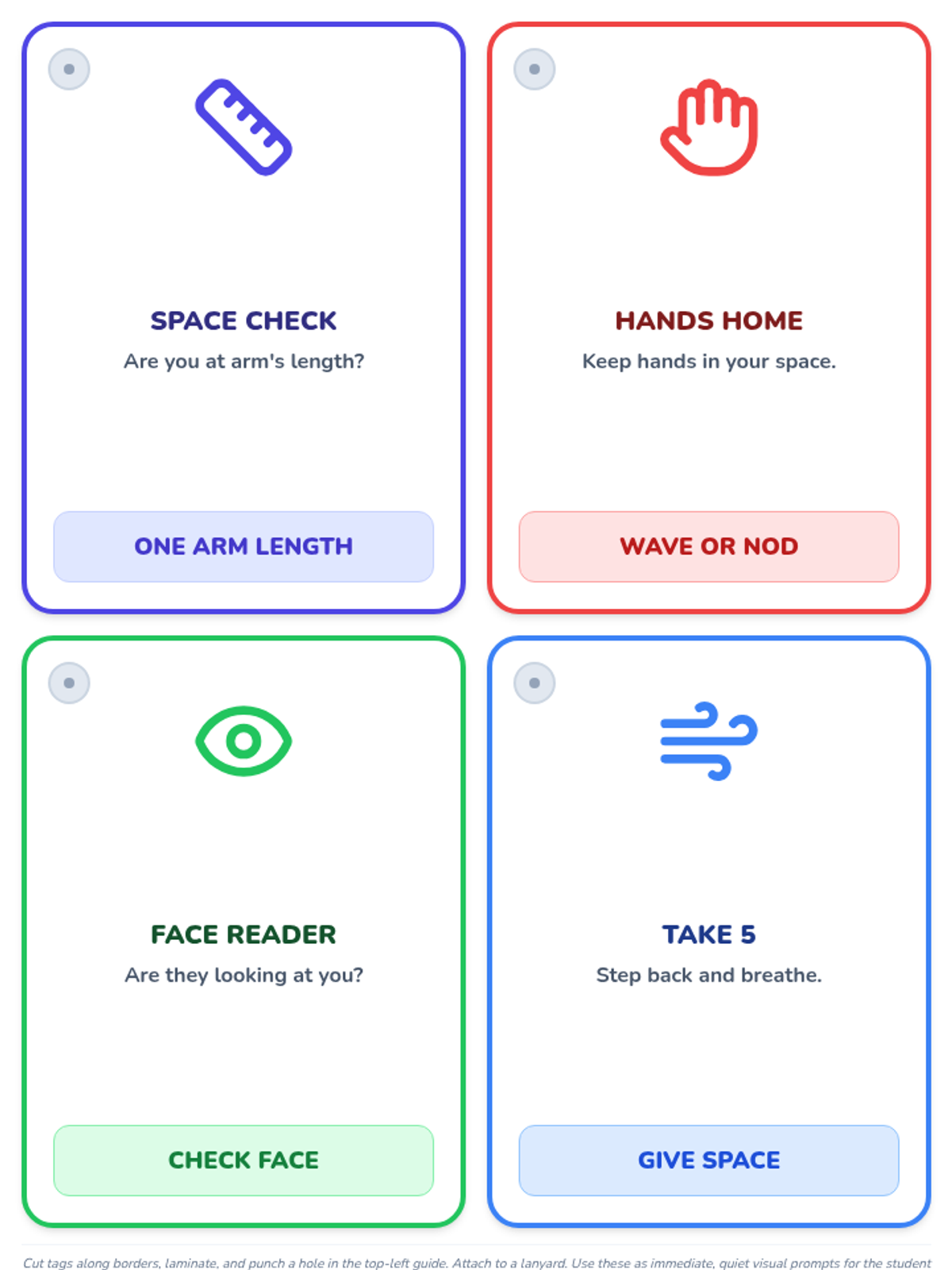
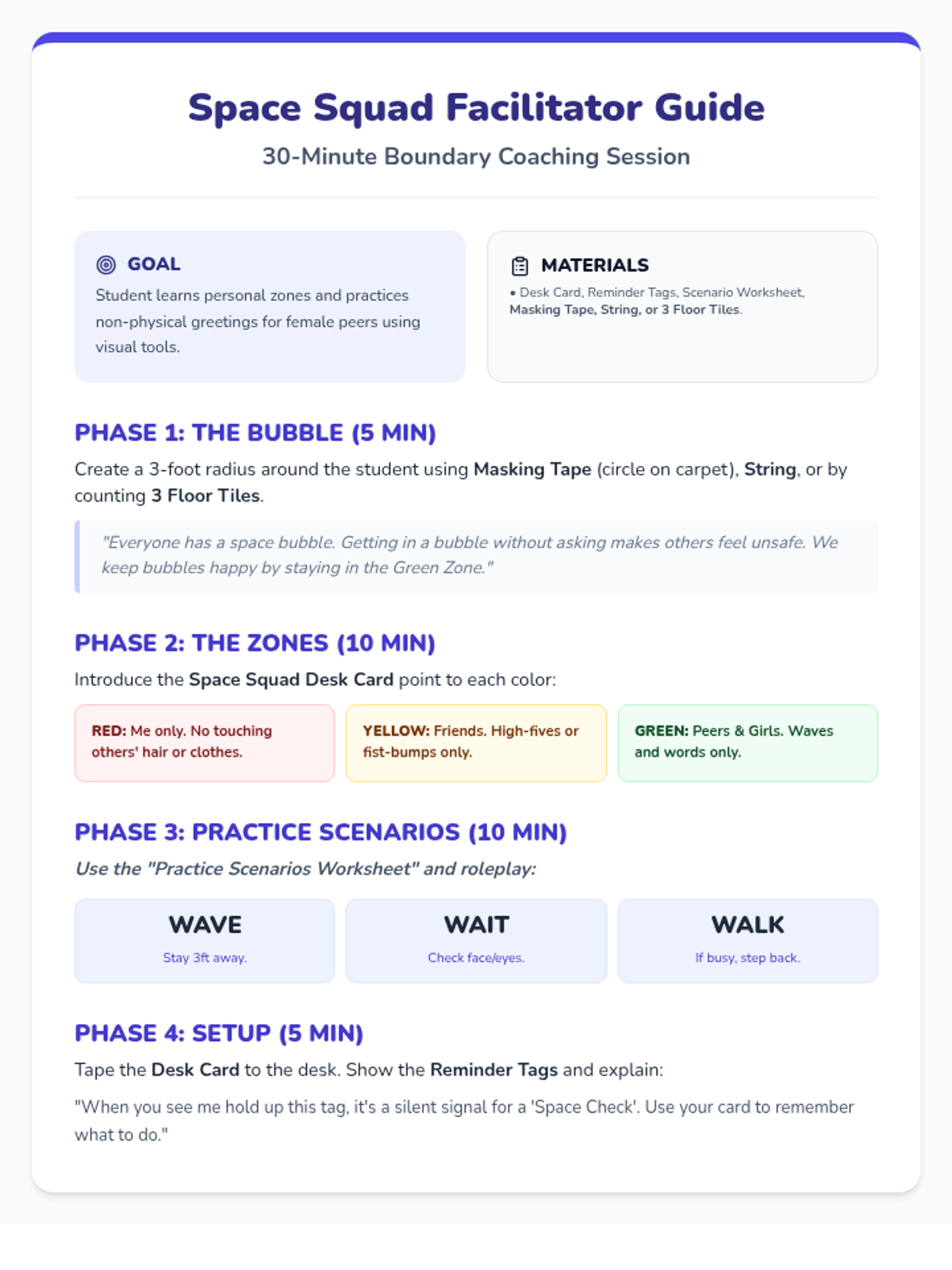
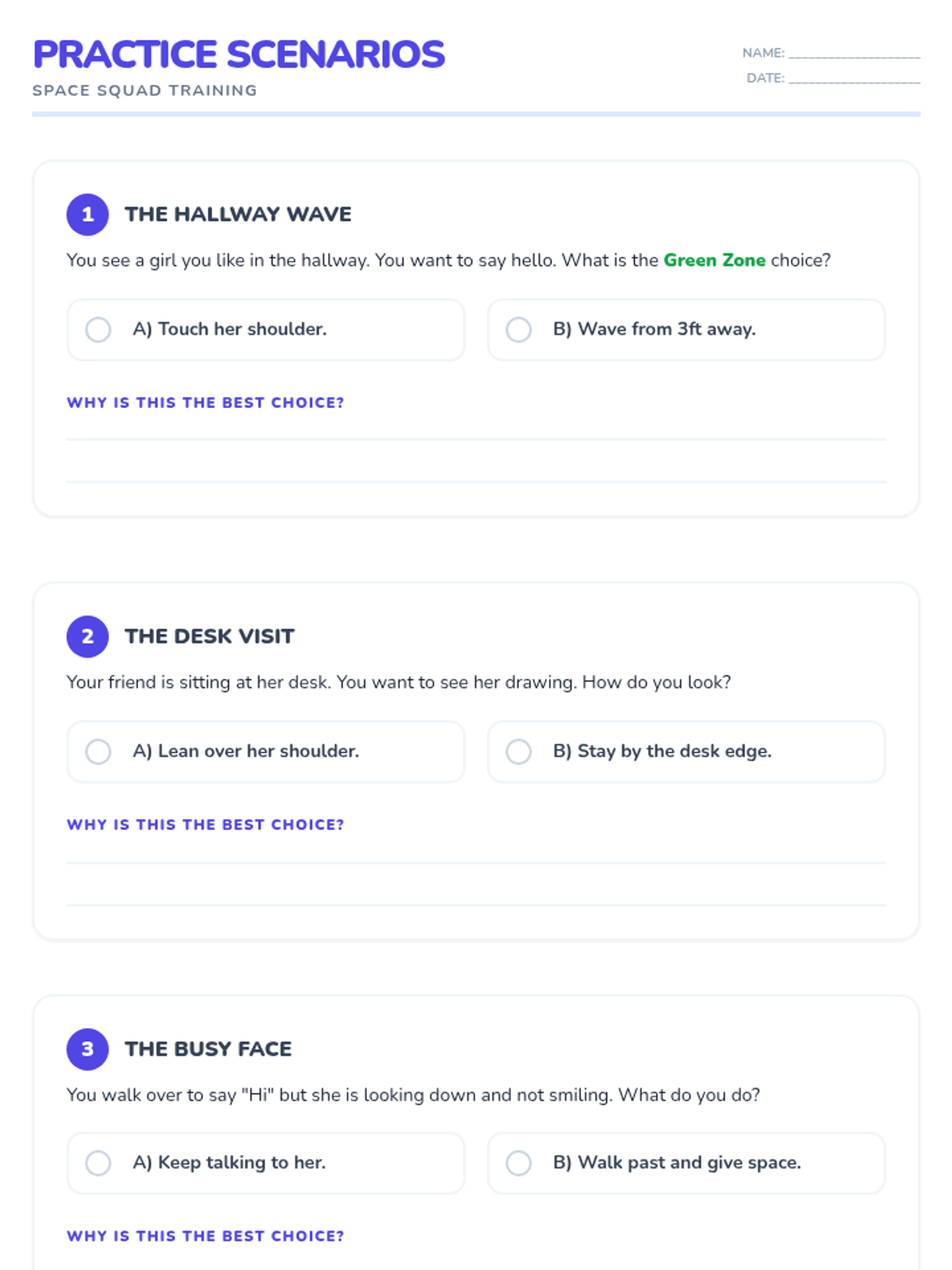
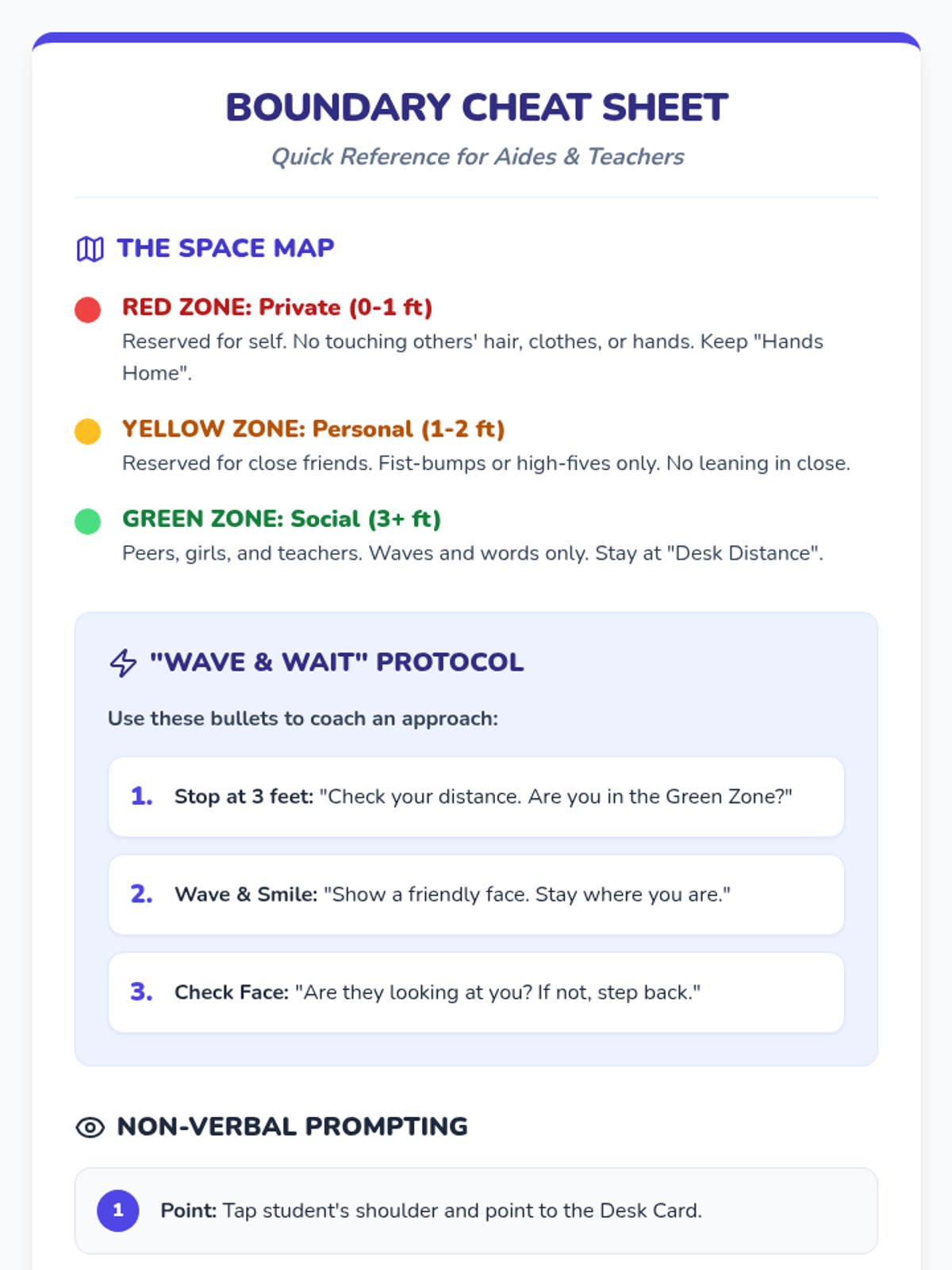
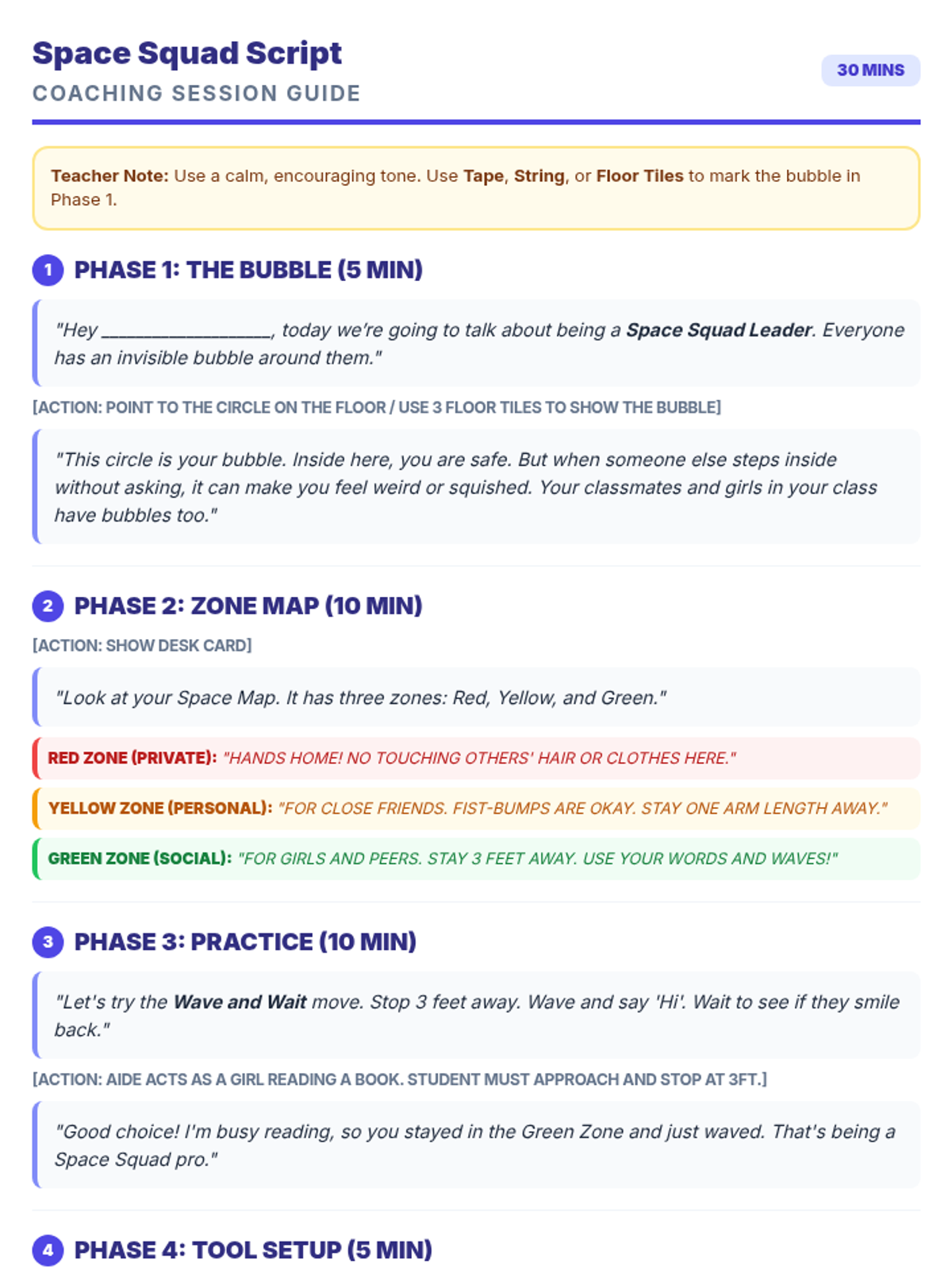
A 30-minute social skills lesson designed for a 7th-grade student with Autism, focusing on personal space and appropriate classroom boundaries using visual aids.
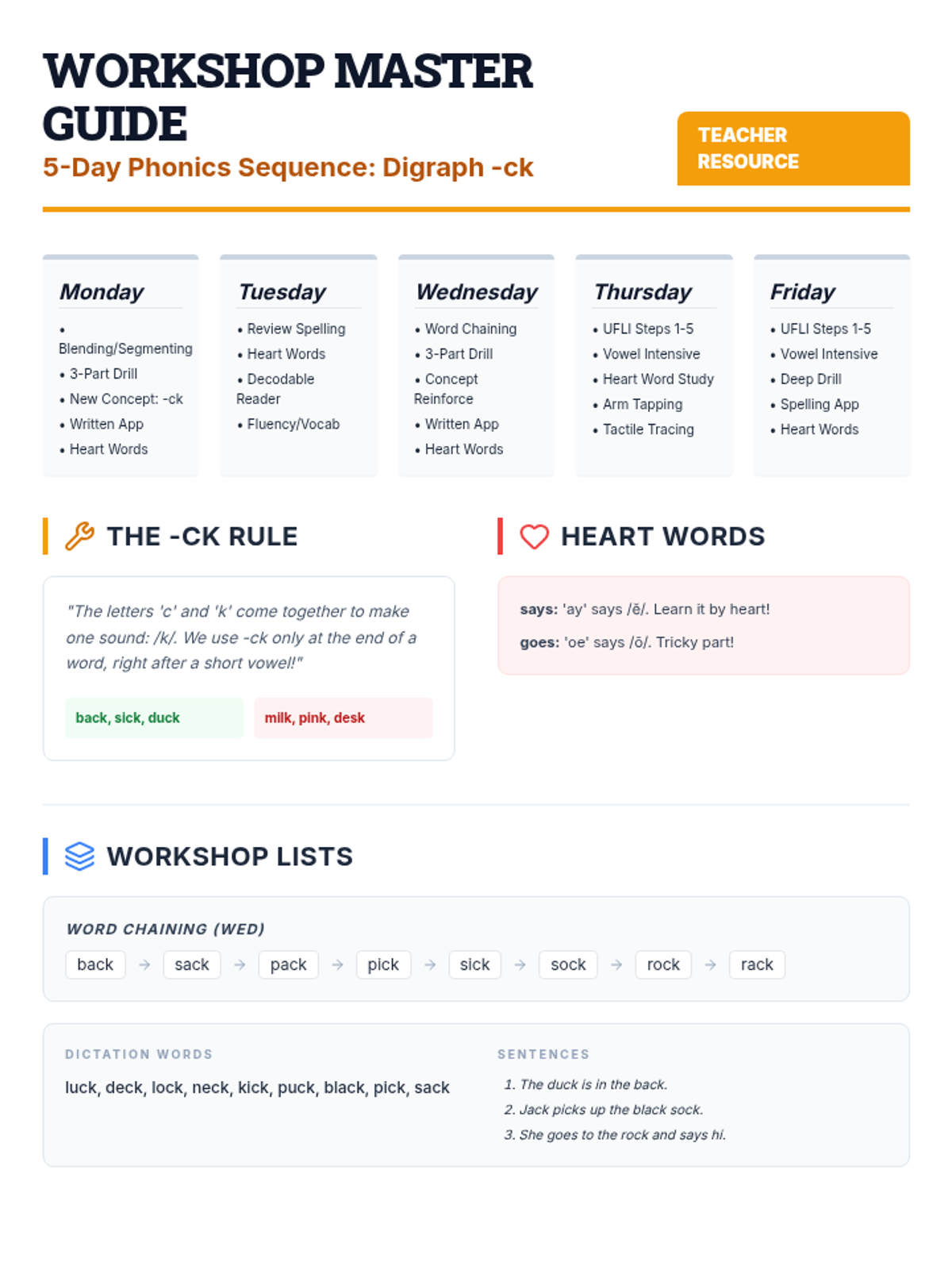
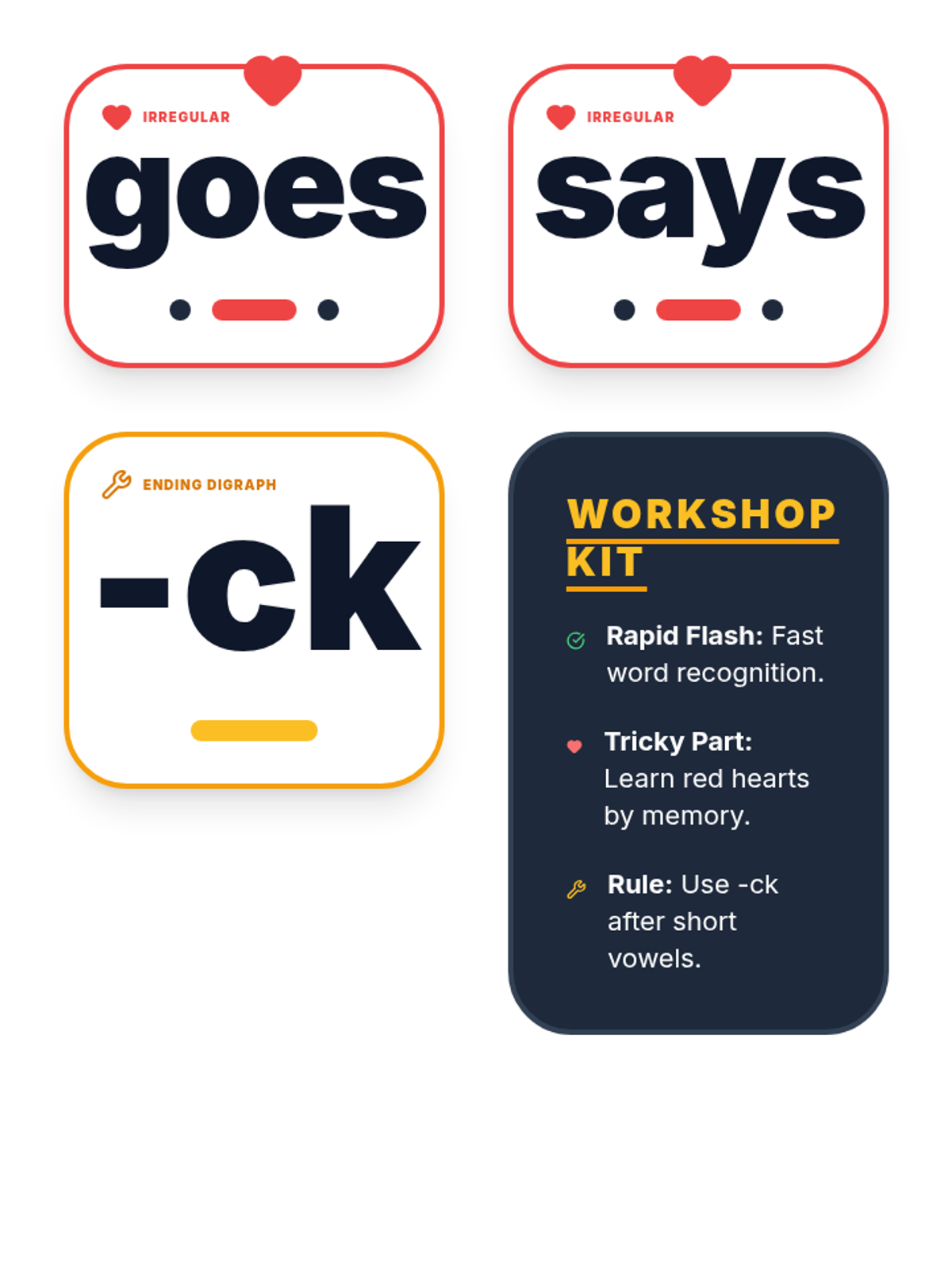
Final review and mastery check of -ck digraphs and irregular words.
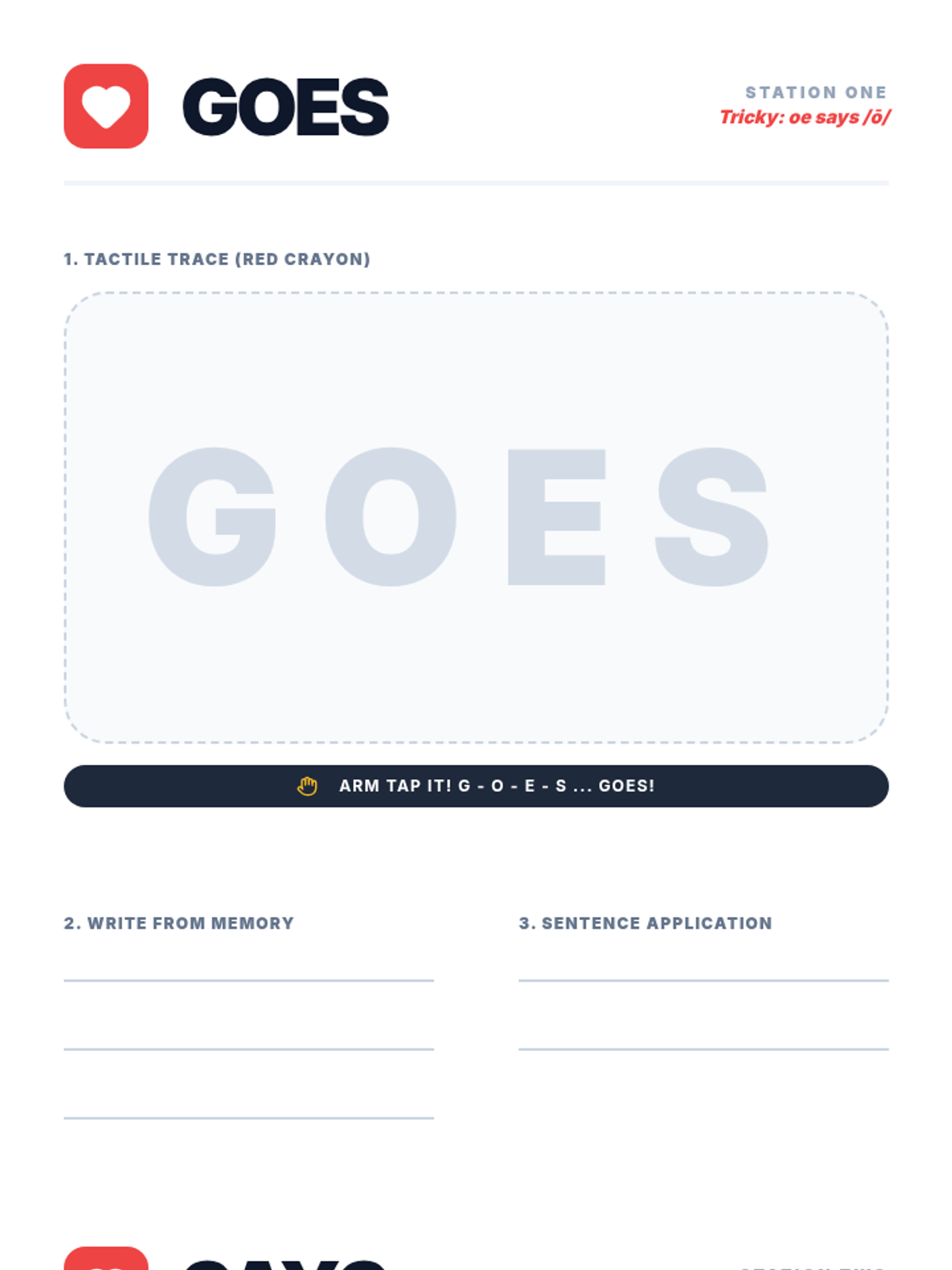
Deep dive into spelling and heart word analysis with tactile tracing and arm tapping.
Word chaining activities and cumulative review to reinforce digraph recognition.
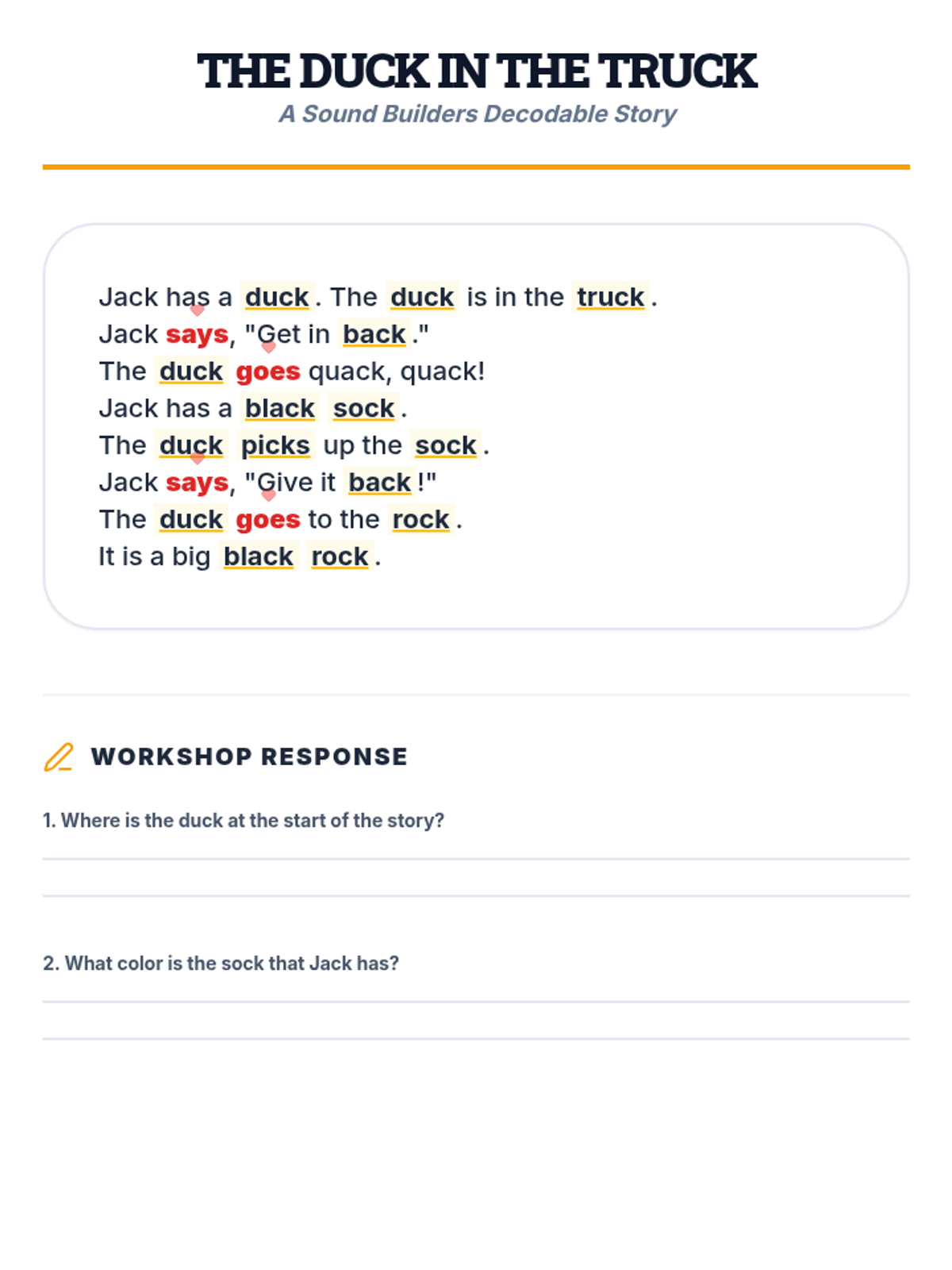
Review of spelling and introduction to the decodable reader with a focus on fluency.
Introduction to the -ck digraph through blending, segmenting, and initial spelling application.