A facilitator-focused lesson designed to teach grocery store strategies, budgeting, and inclusive instructional techniques for neurodiverse learners.
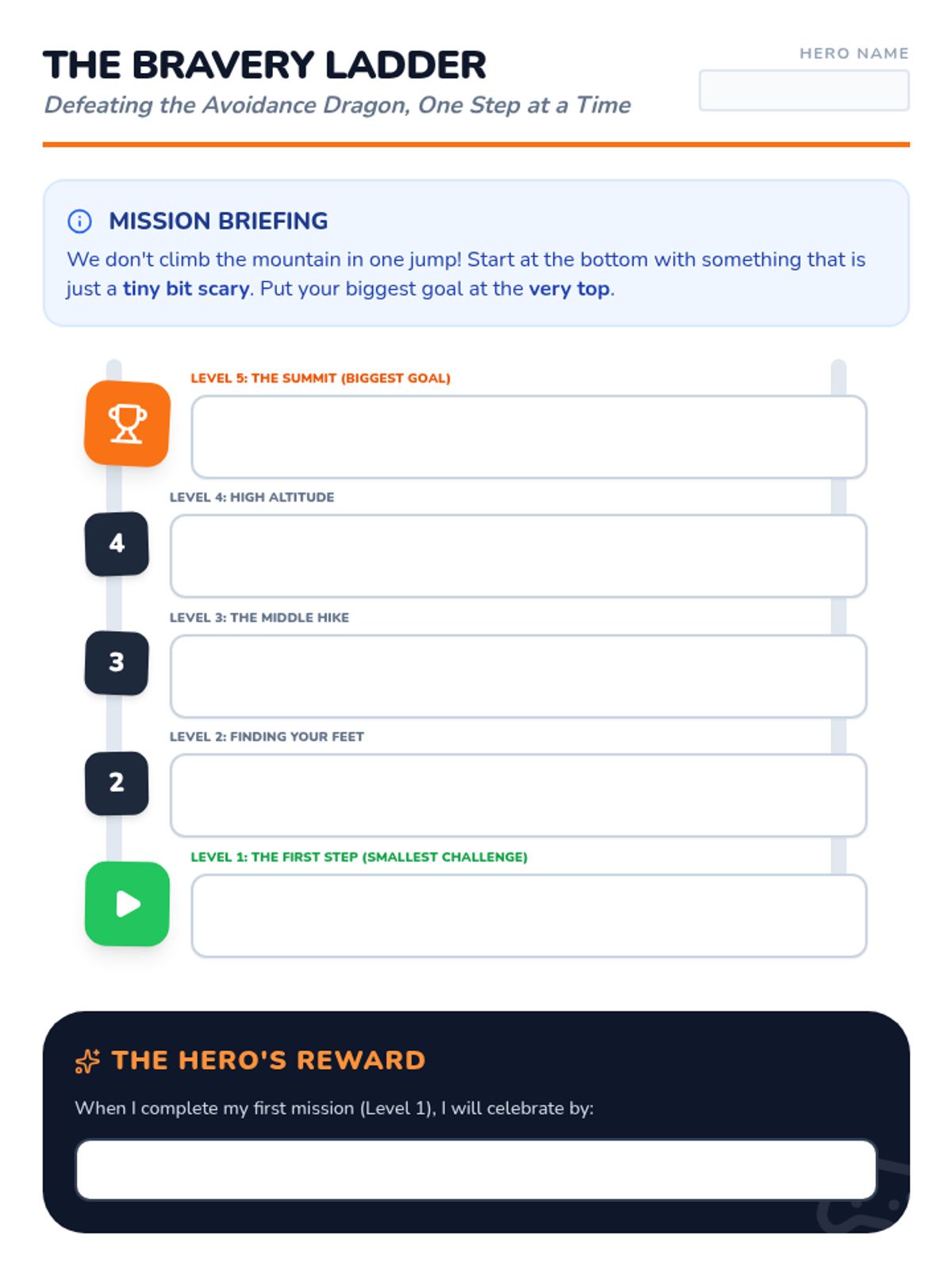
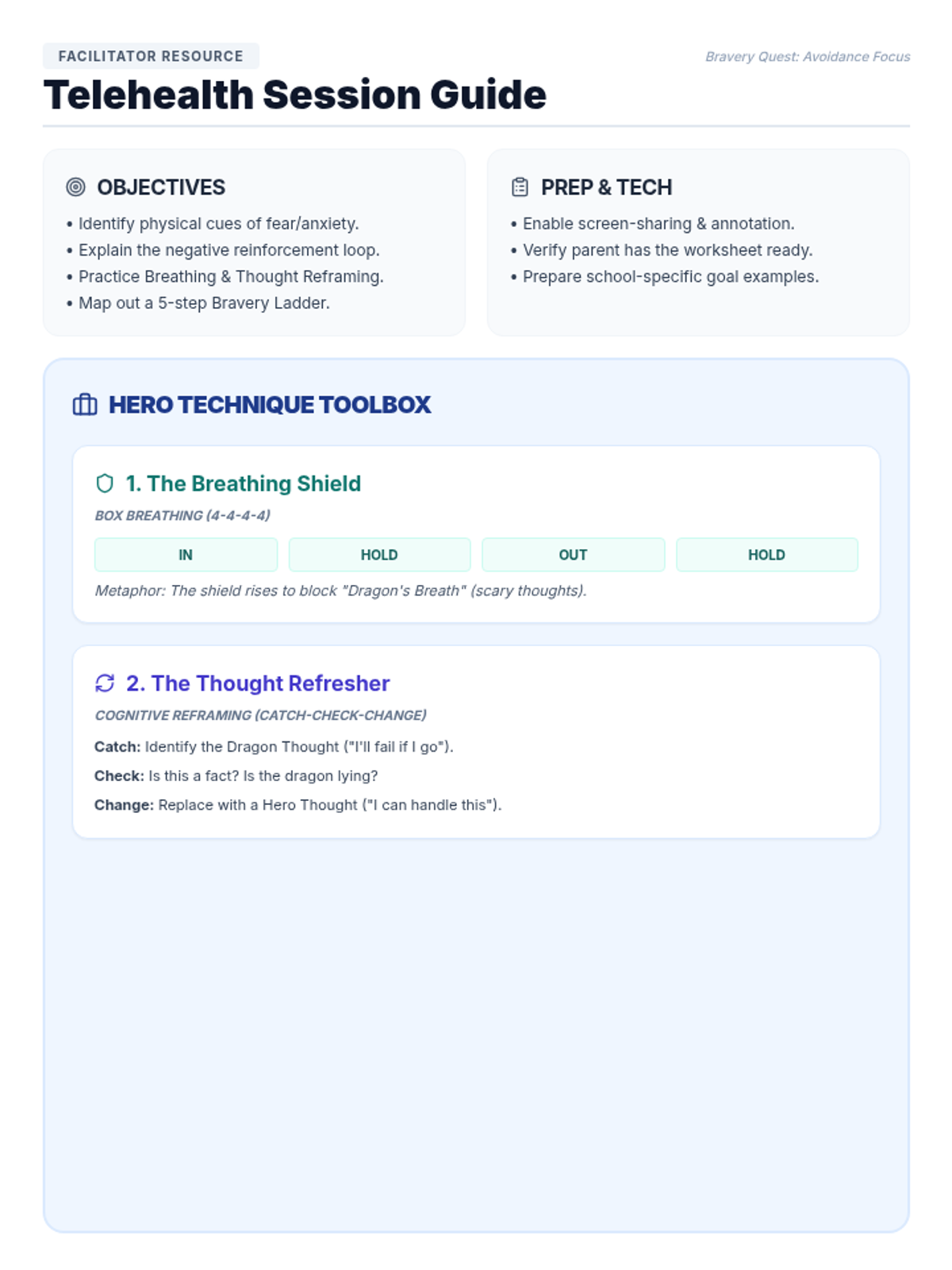
A psychoeducation lesson for a 10-year-old boy focusing on understanding the cycle of avoidance and negative reinforcement through the metaphor of a 'Bravery Quest.' It includes slides for telehealth delivery, a goal-setting worksheet, and a facilitator guide.
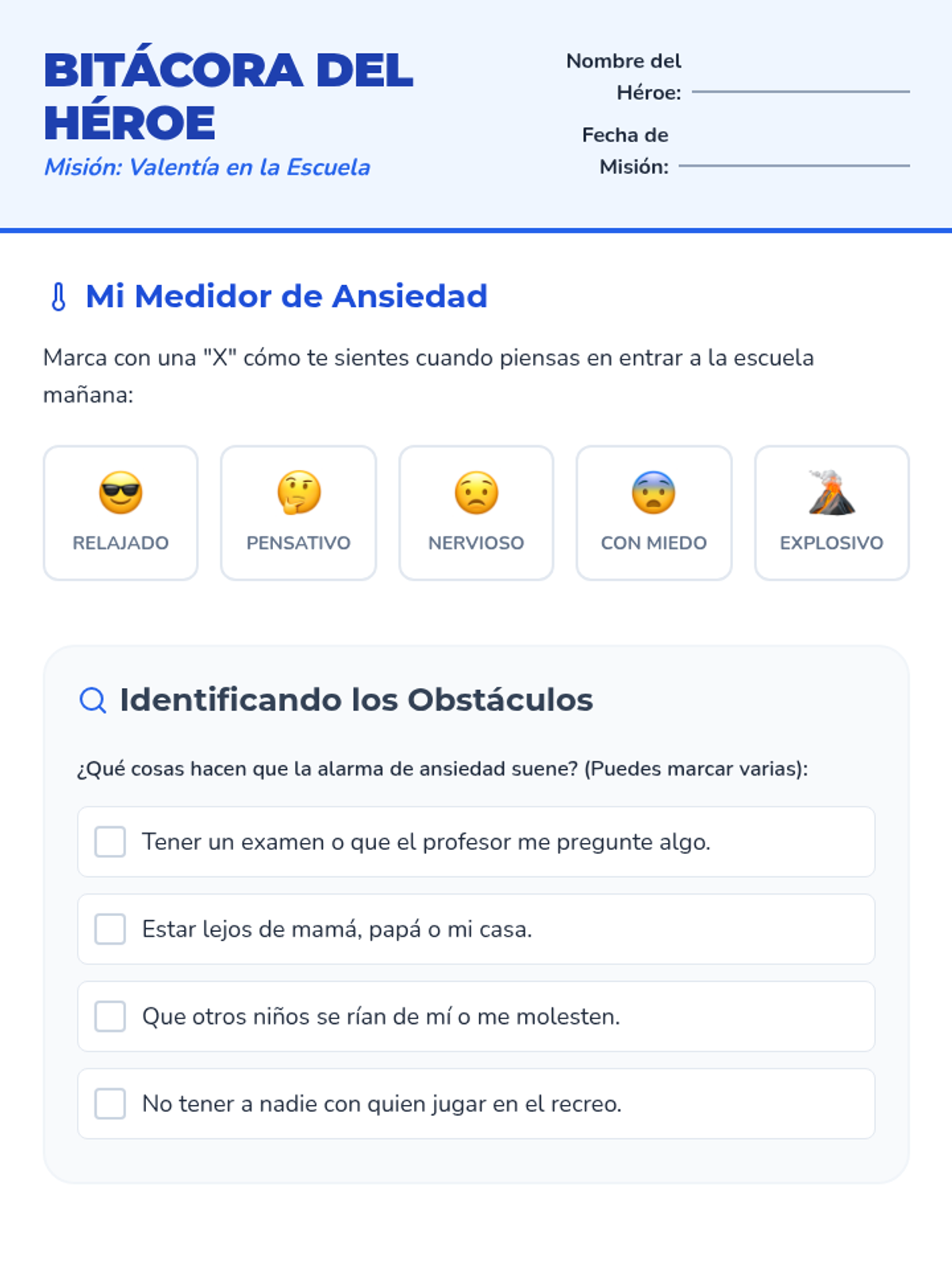
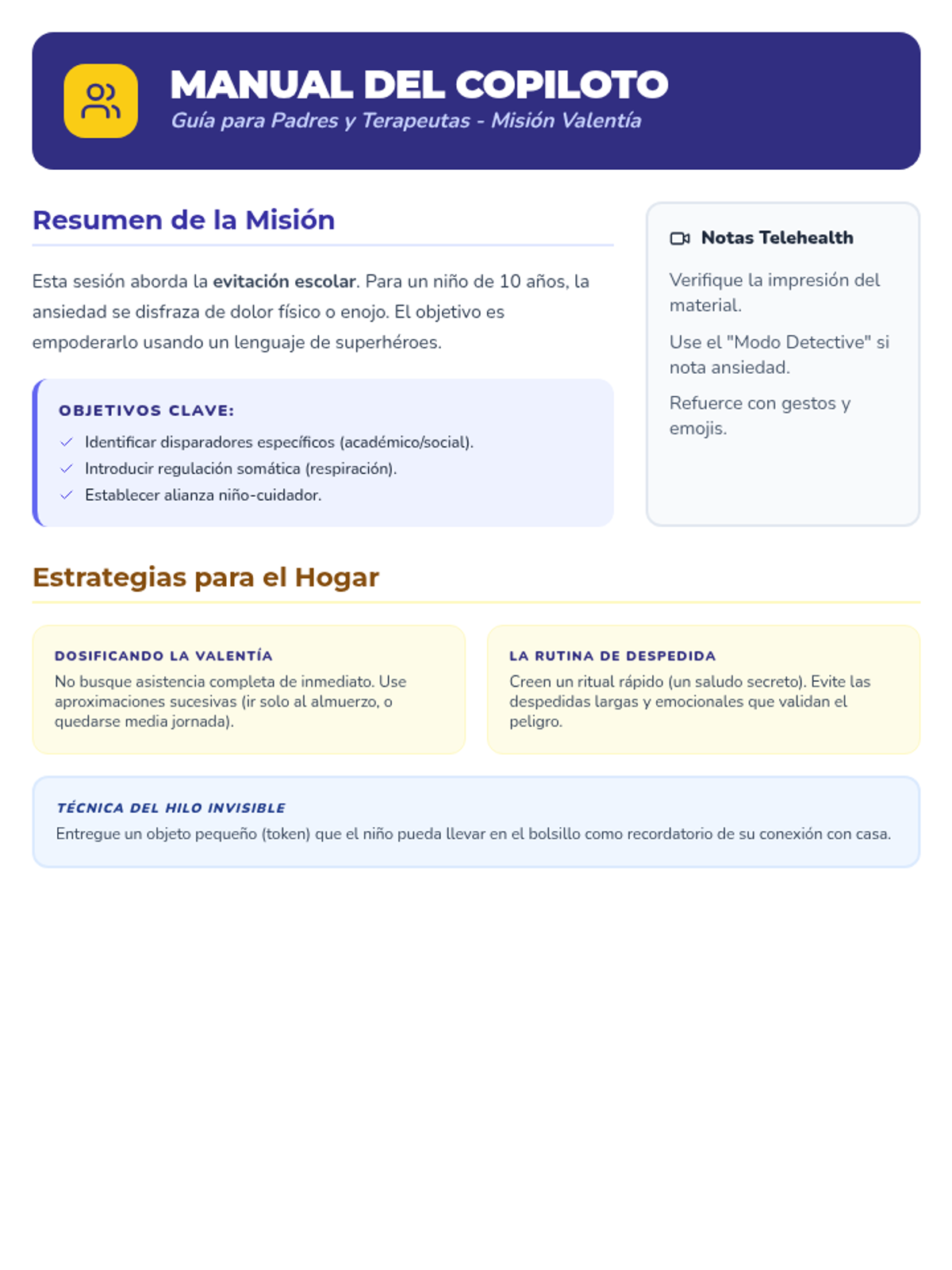
A telehealth-focused lesson designed for a 10-year-old boy struggling with school attendance and anxiety, covering academic pressure, separation, and social challenges through a superhero theme.
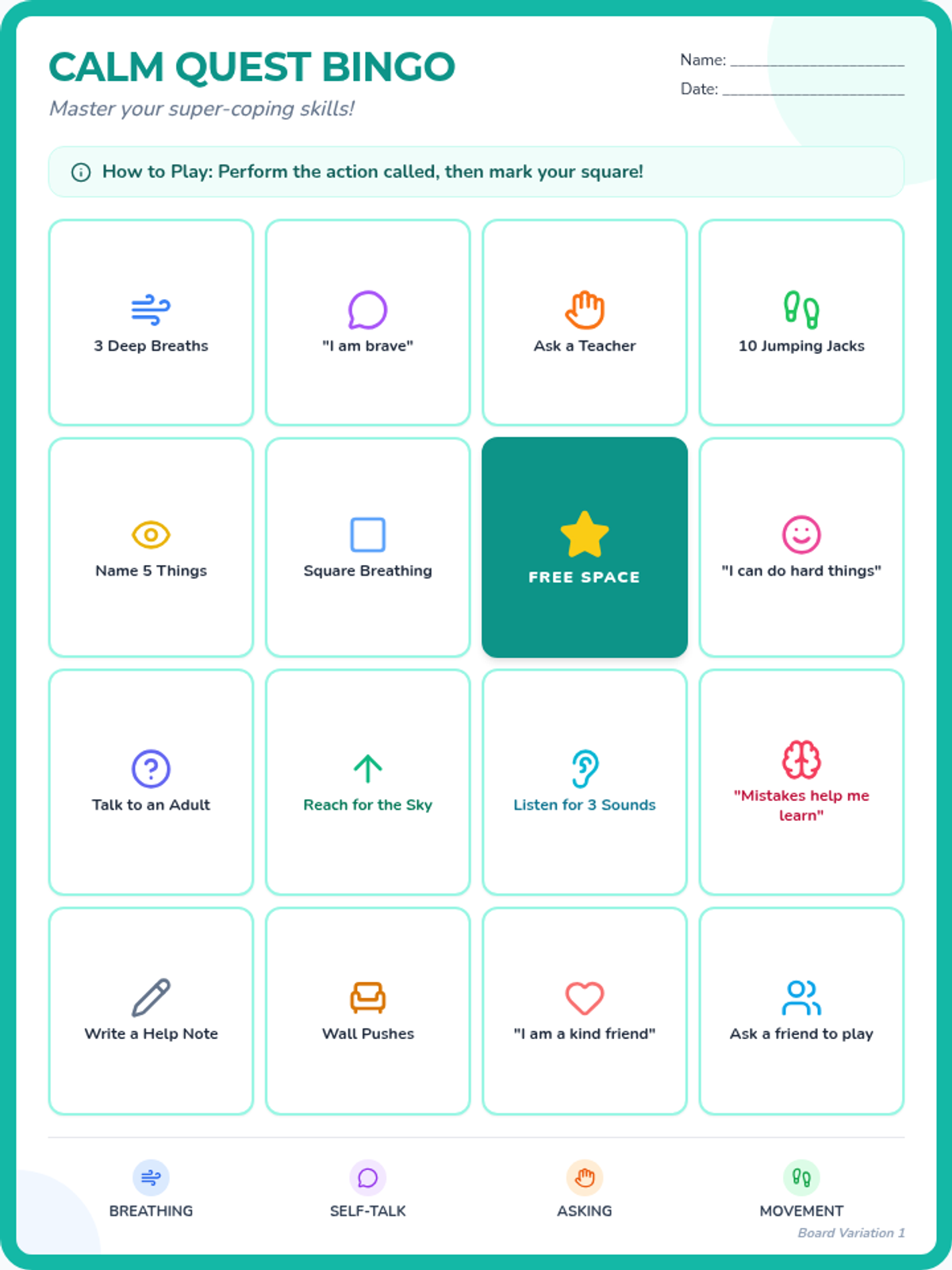
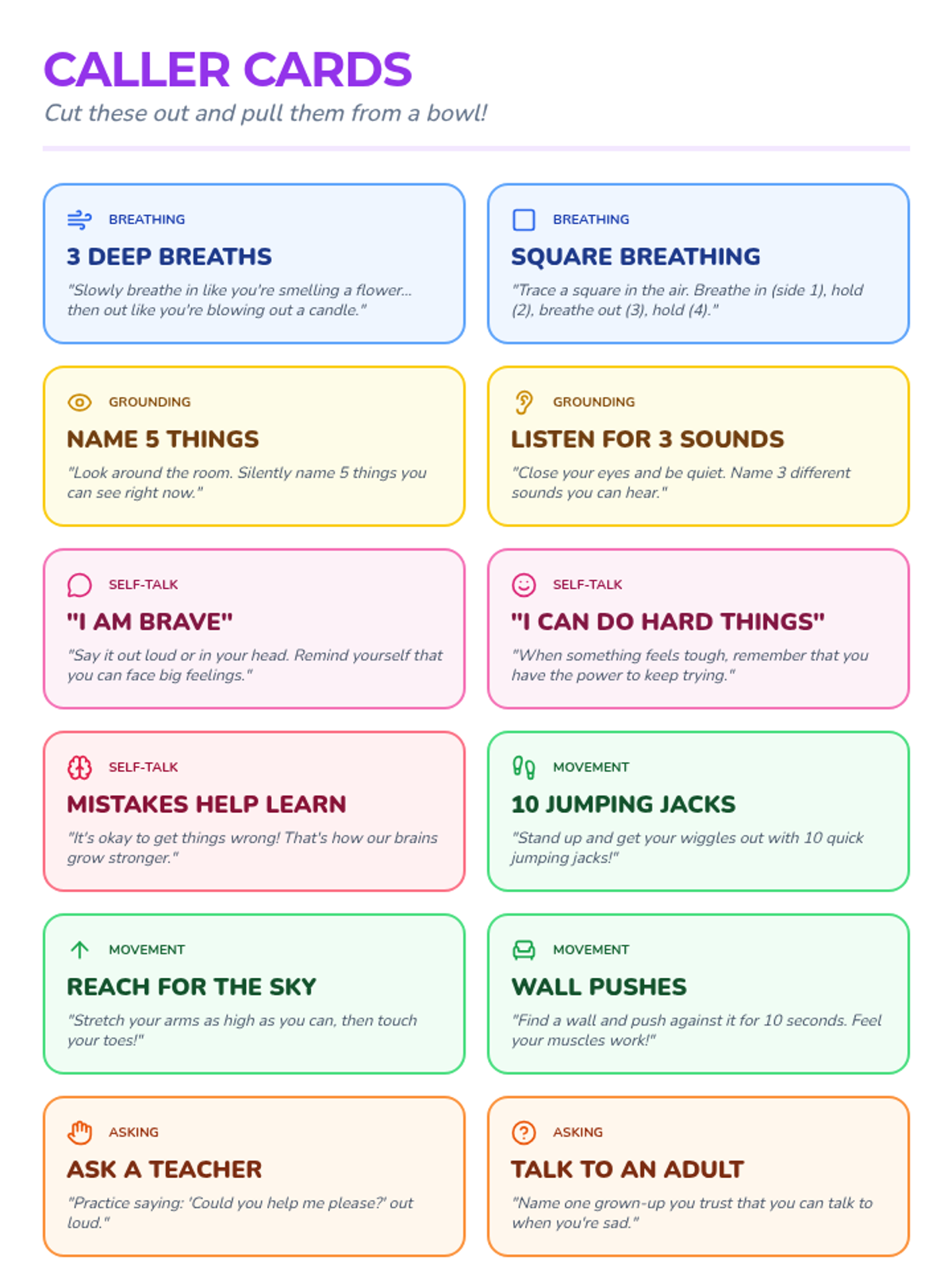
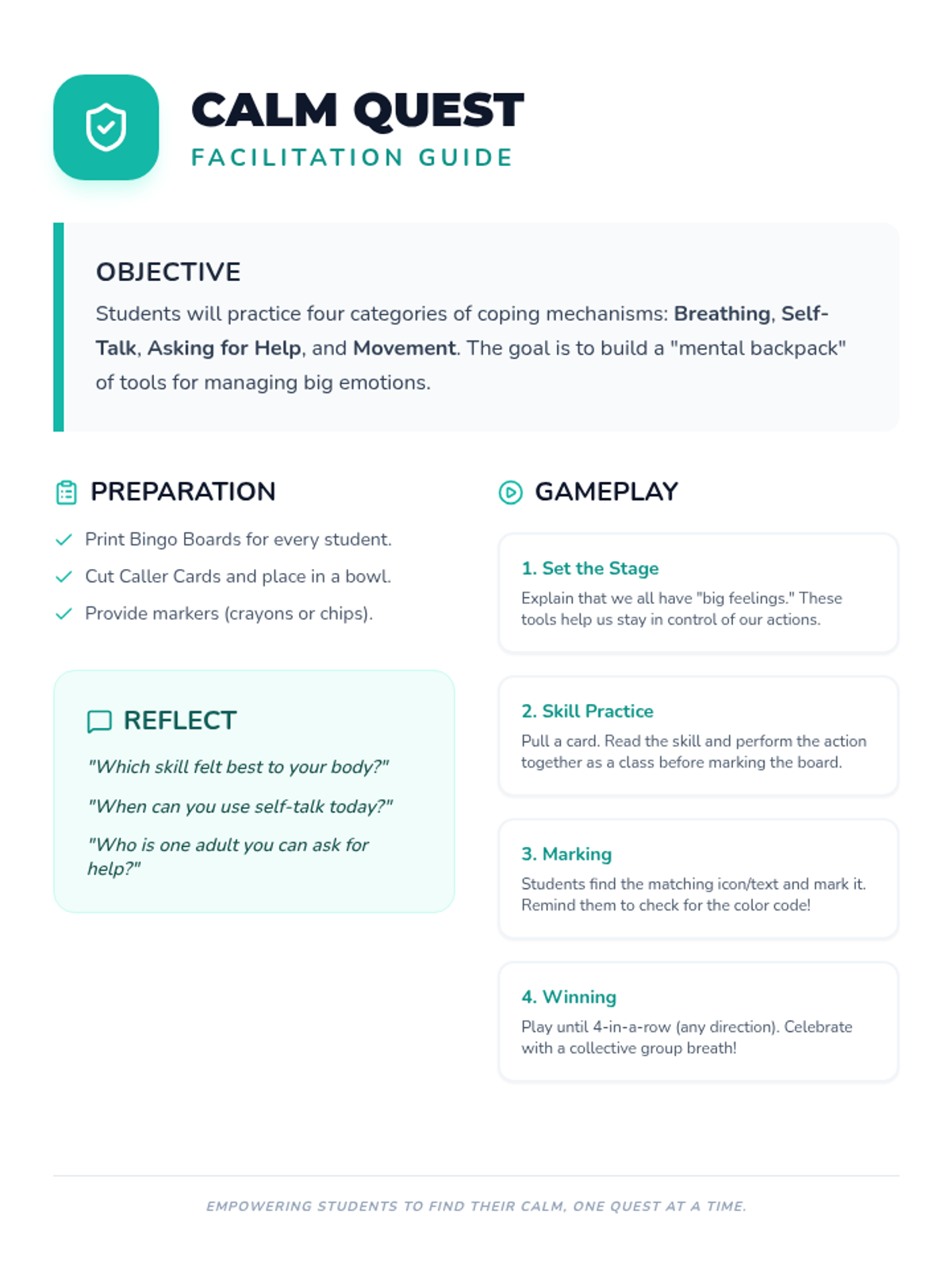
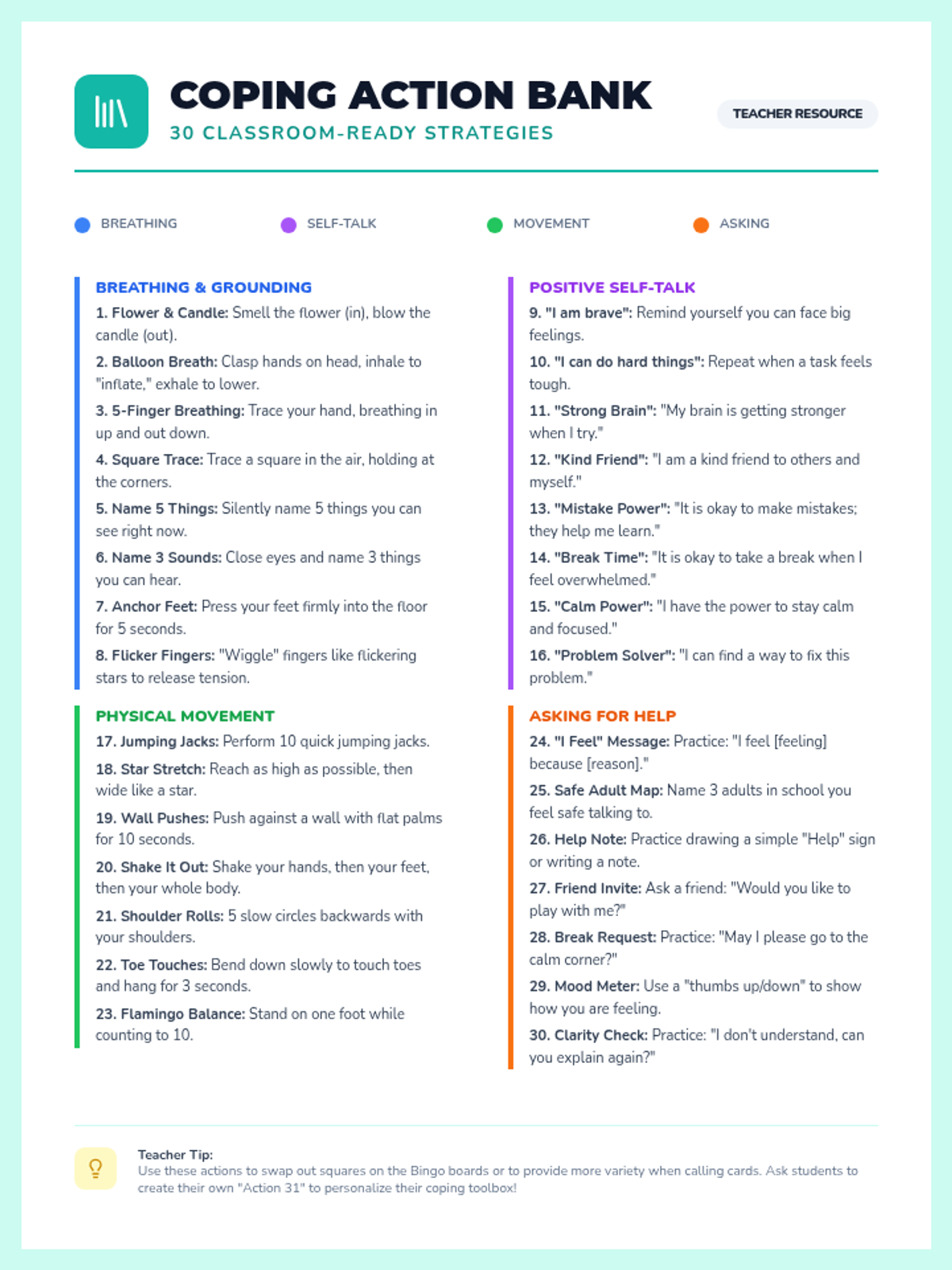
A fun, interactive Bingo game designed to teach 2nd and 3rd-grade students practical coping strategies for managing big emotions. Students practice breathing, grounding, self-talk, and movement while playing.
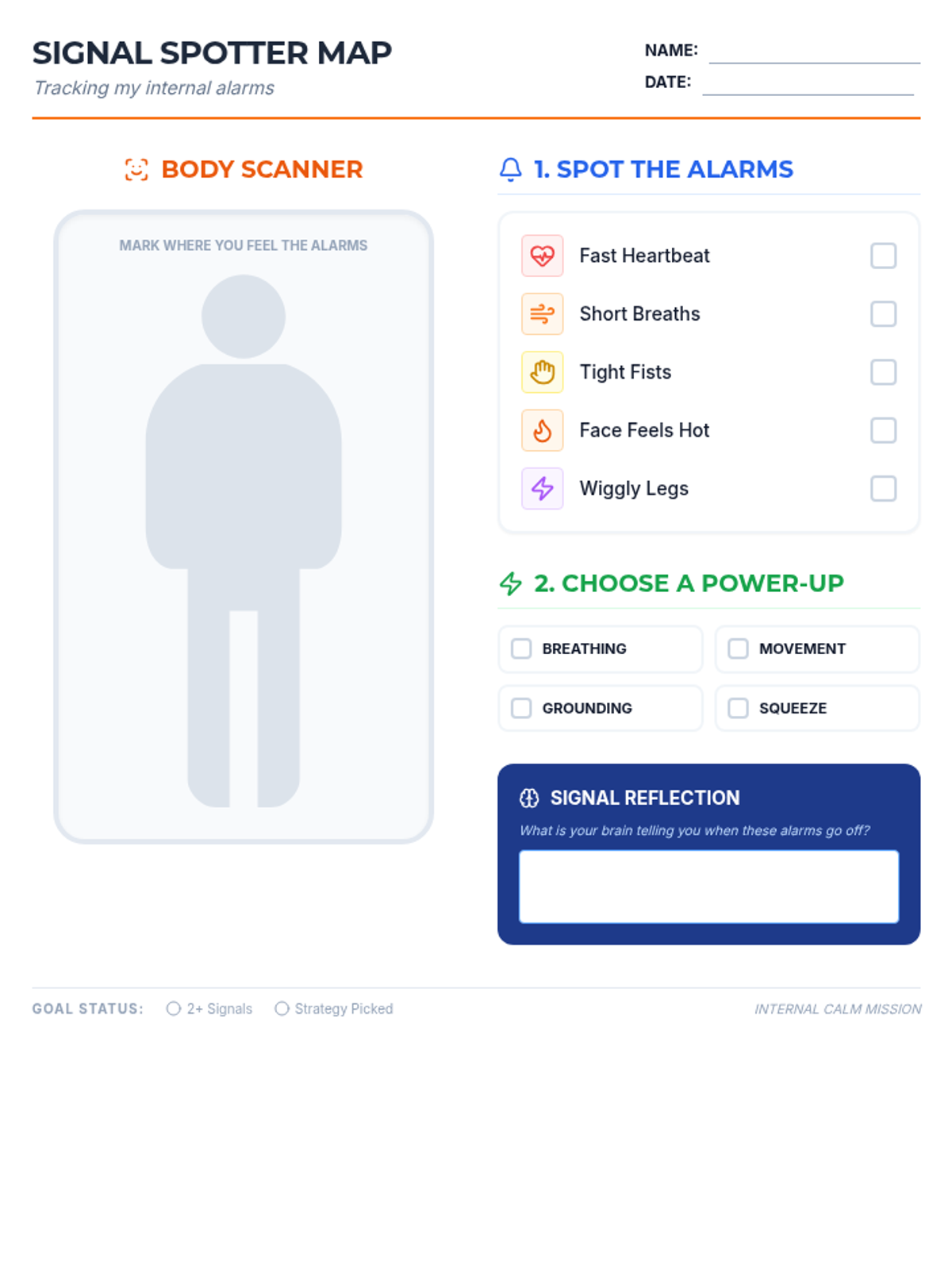
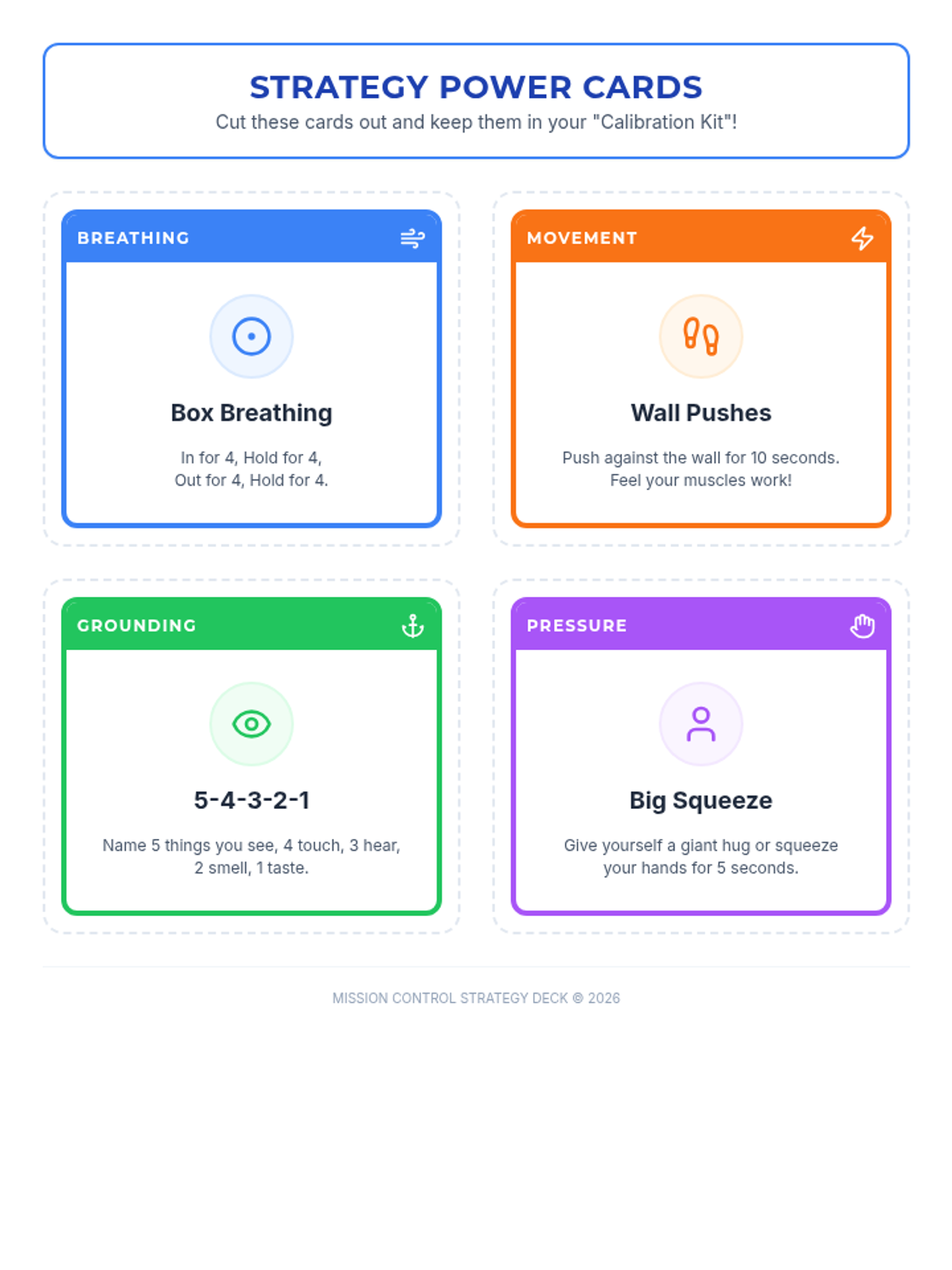
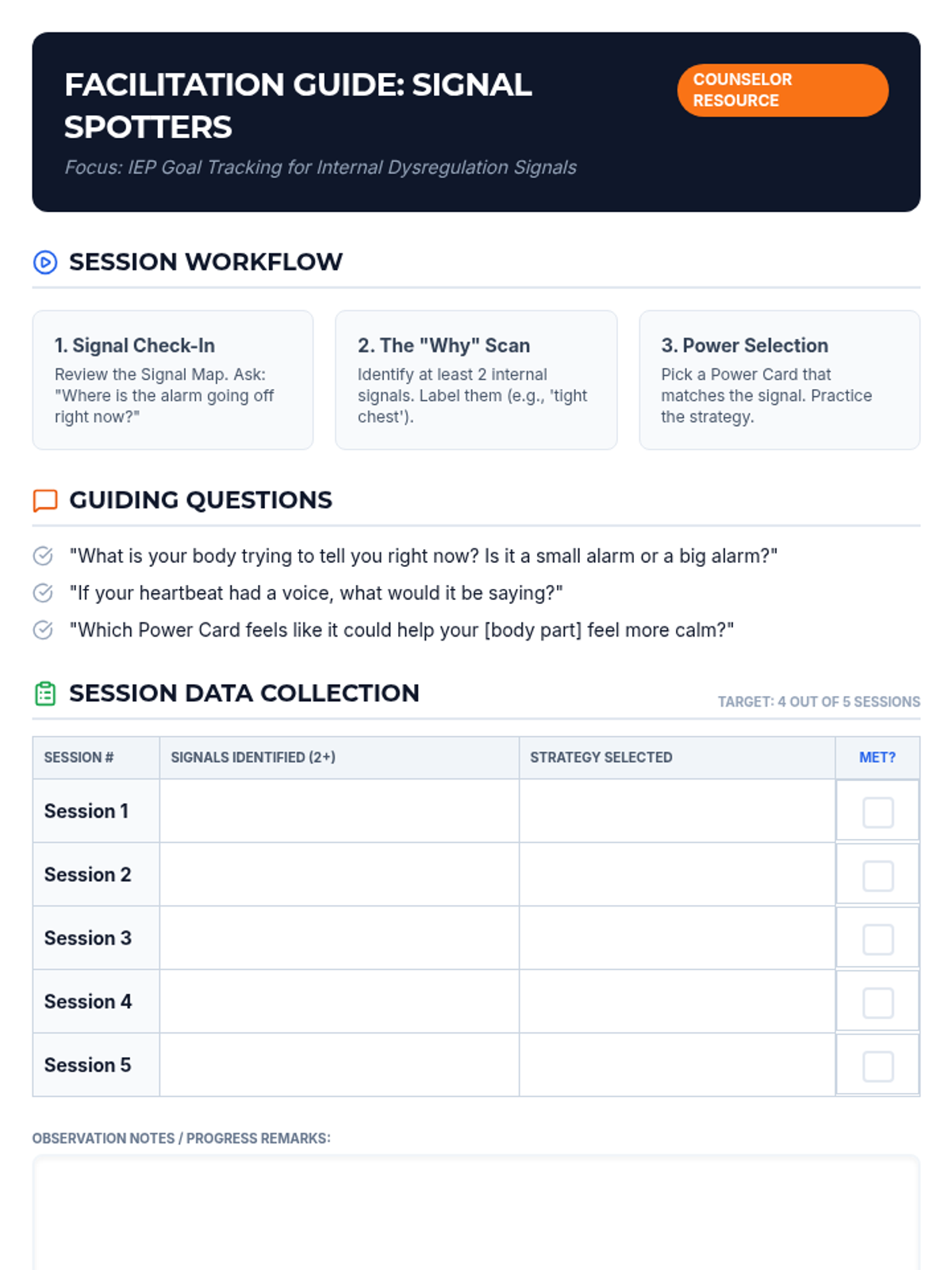
A structured counseling lesson focused on identifying internal physiological signals of dysregulation and matching them with effective coping strategies. Students use a body map to locate 'alarms' and select 'power-up' strategies to return to a calm state.
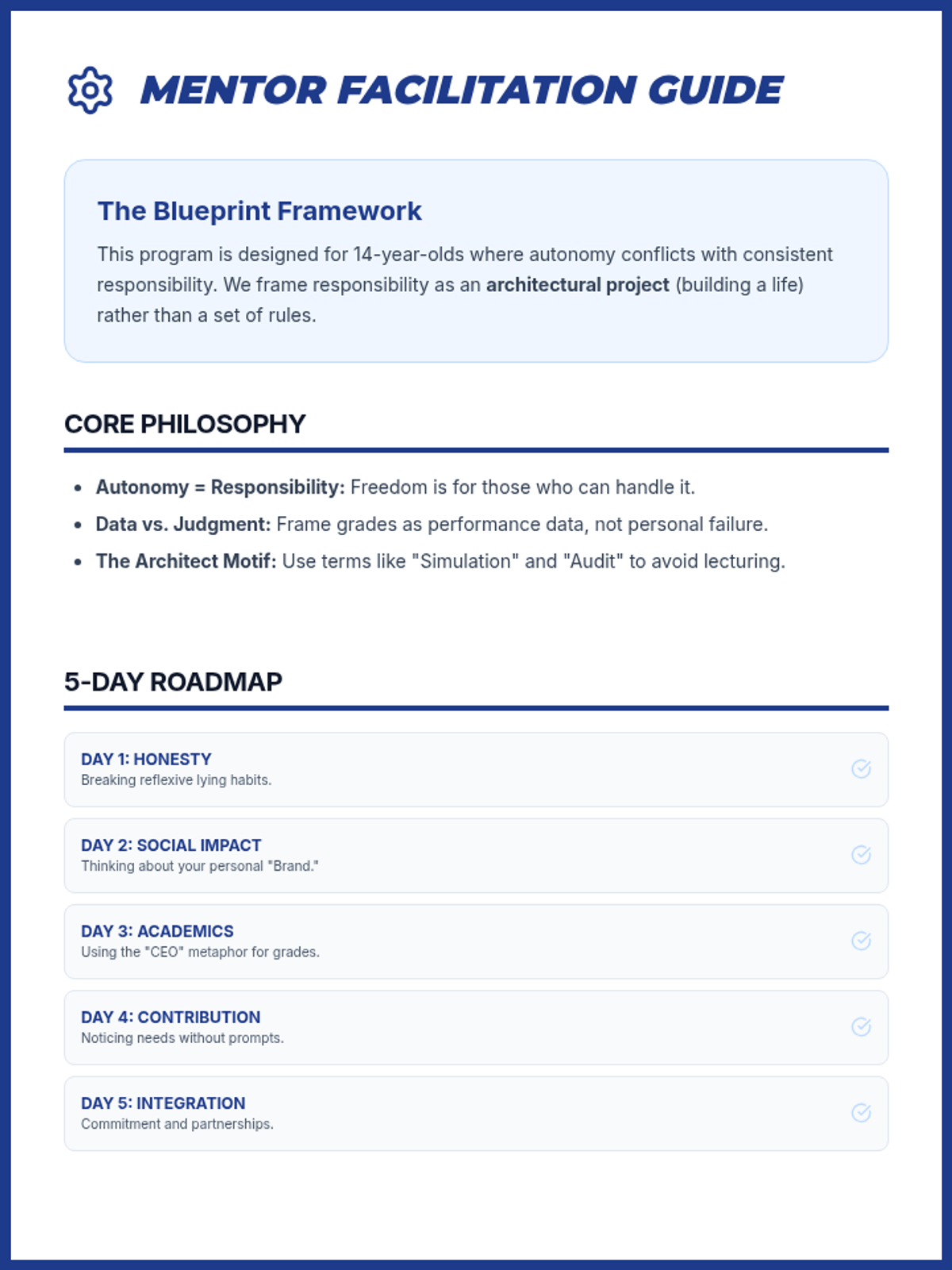
A comprehensive 5-day program for 14-year-olds to develop responsibility across academics, social life, home, and emotional health using a blueprint-inspired framework.
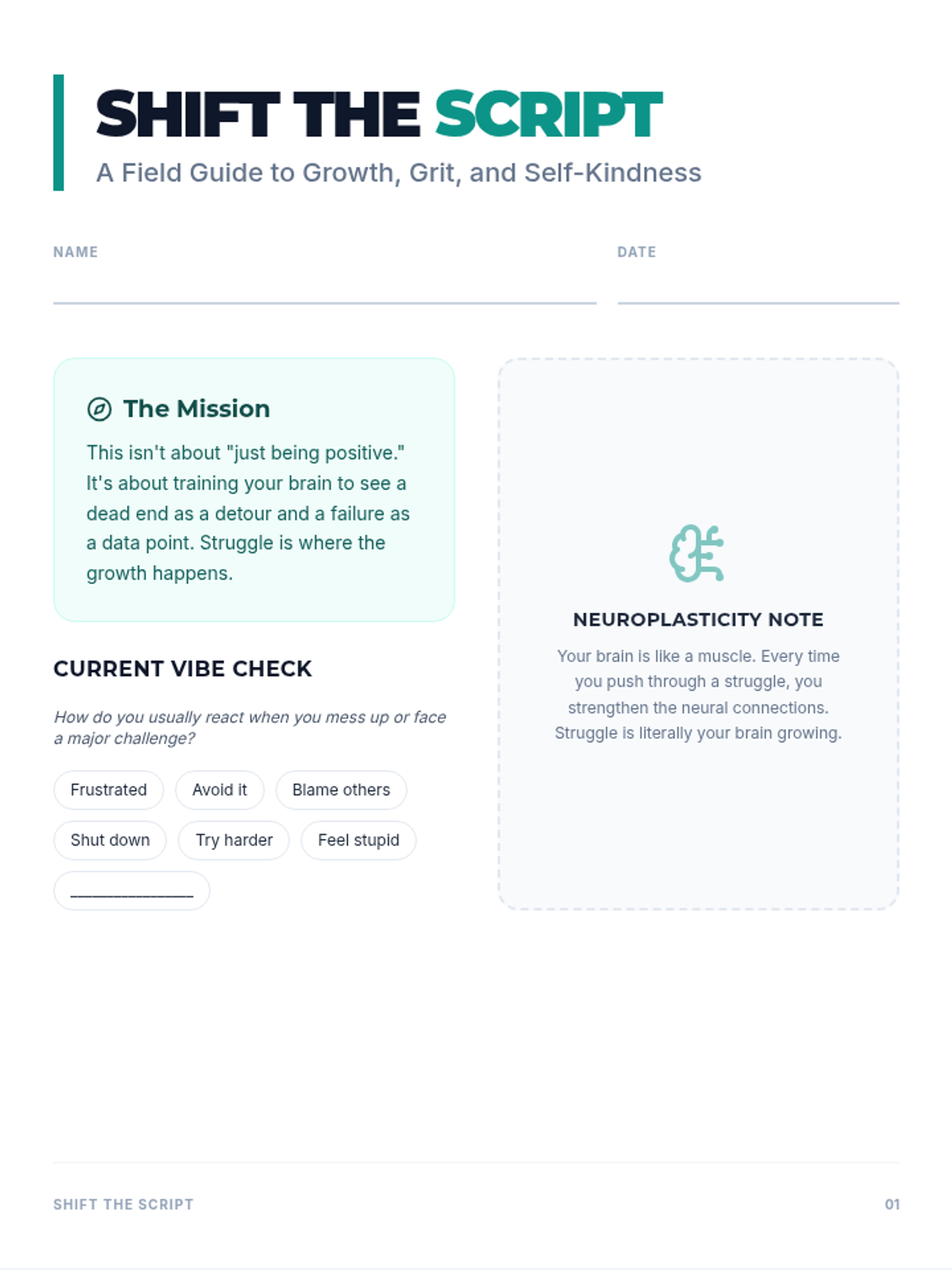
A comprehensive guide focusing on developing a growth mindset, reframing failure as a learning opportunity, and practicing self-compassion during setbacks.
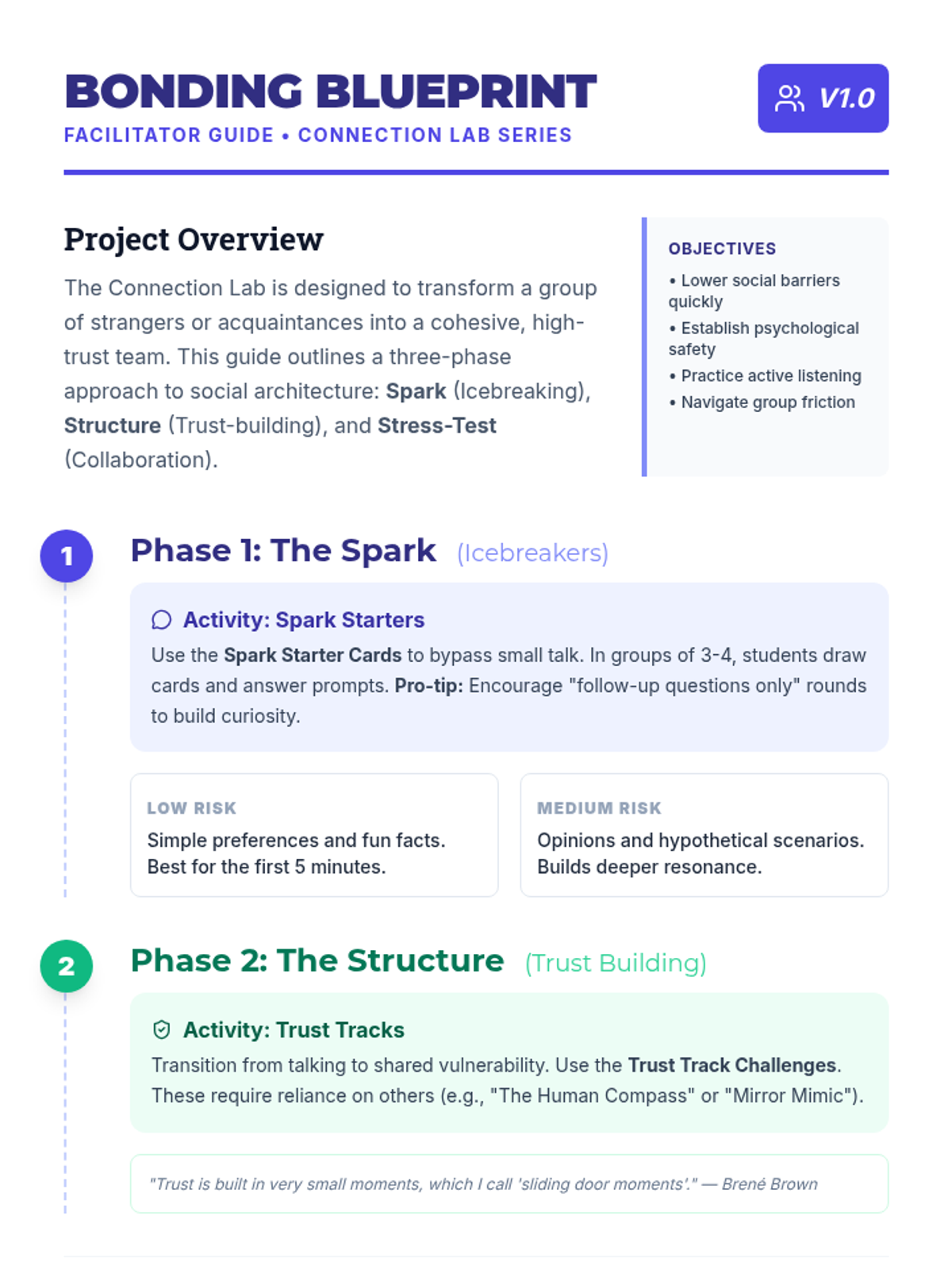
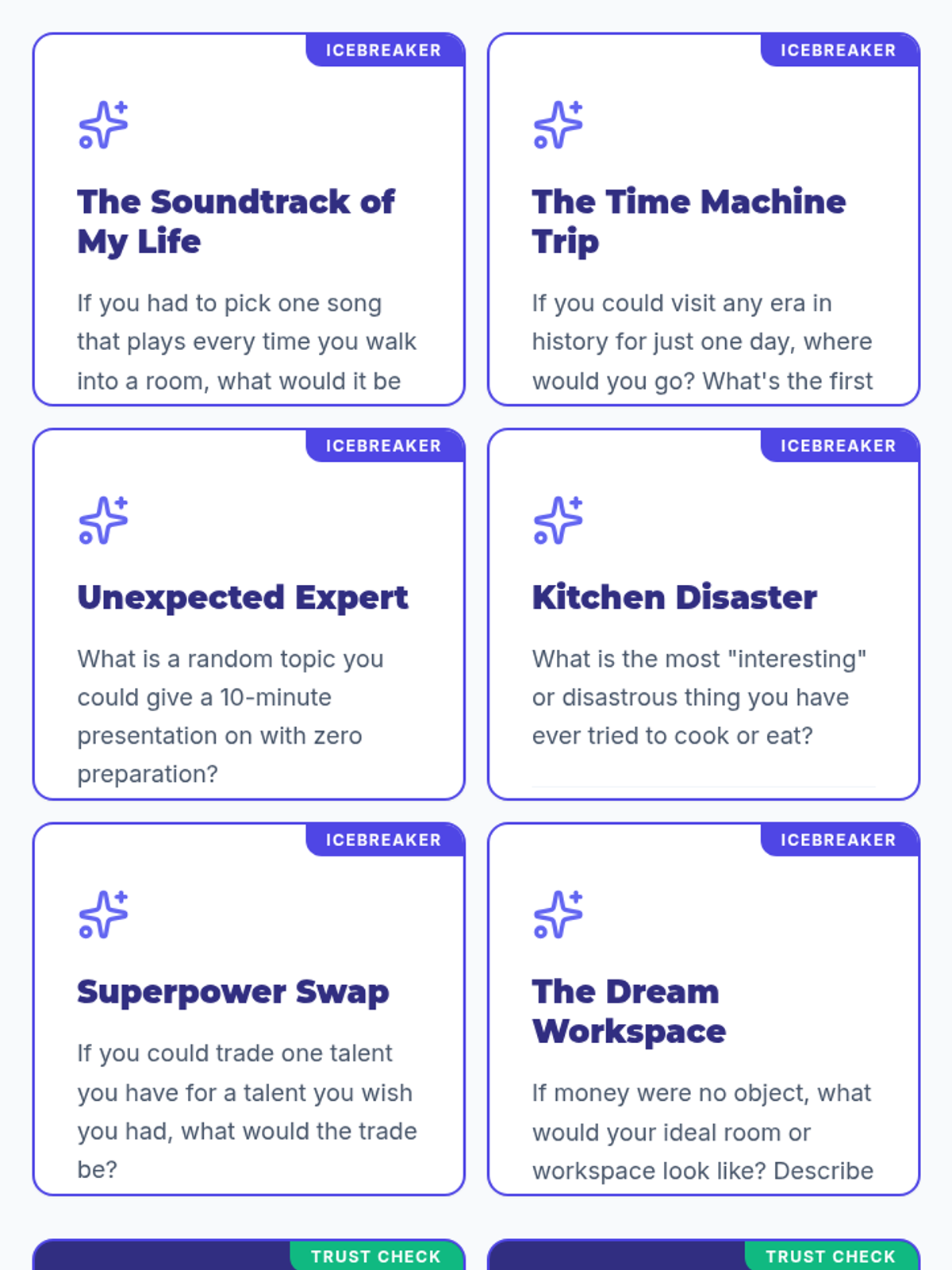
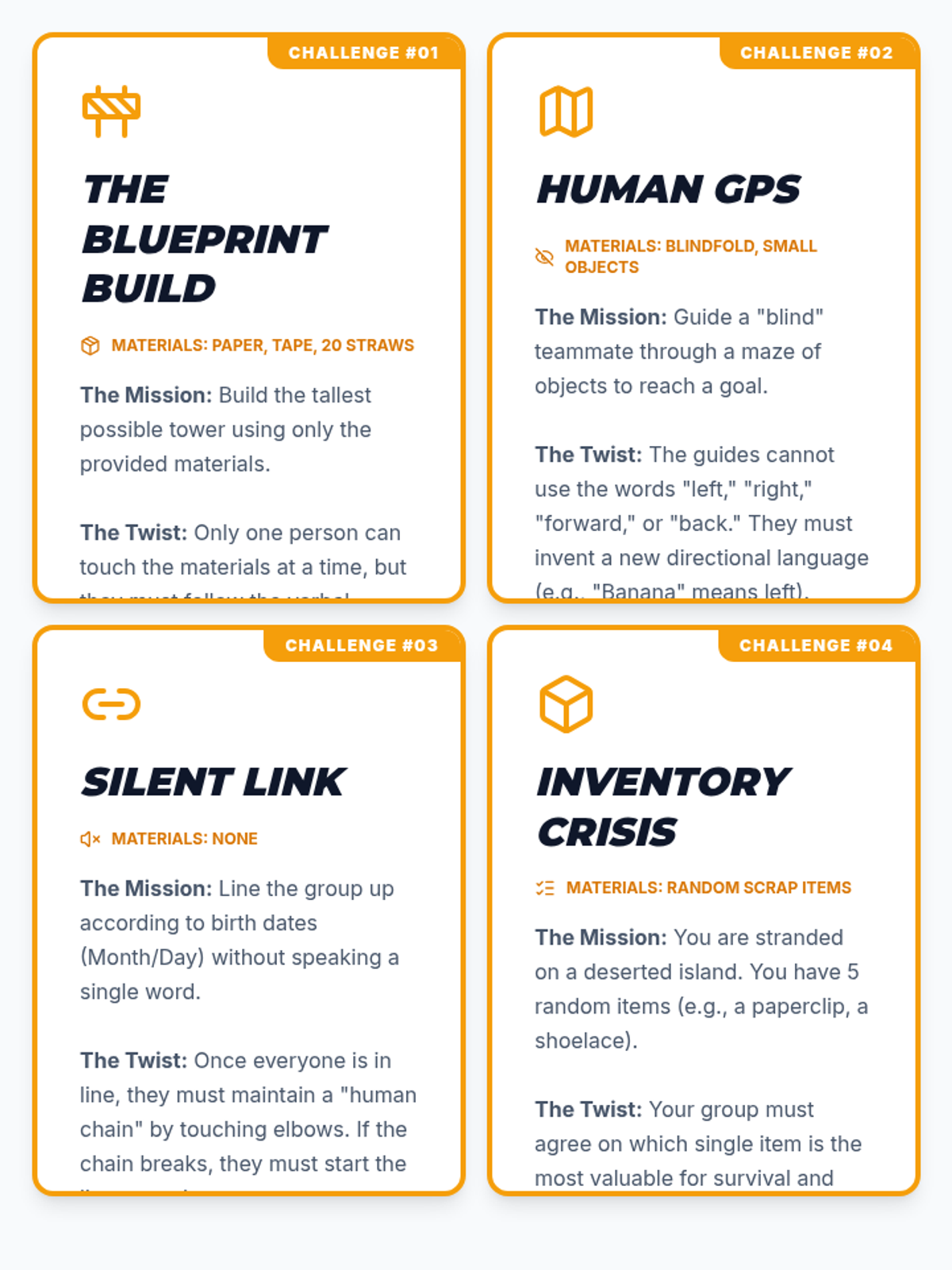
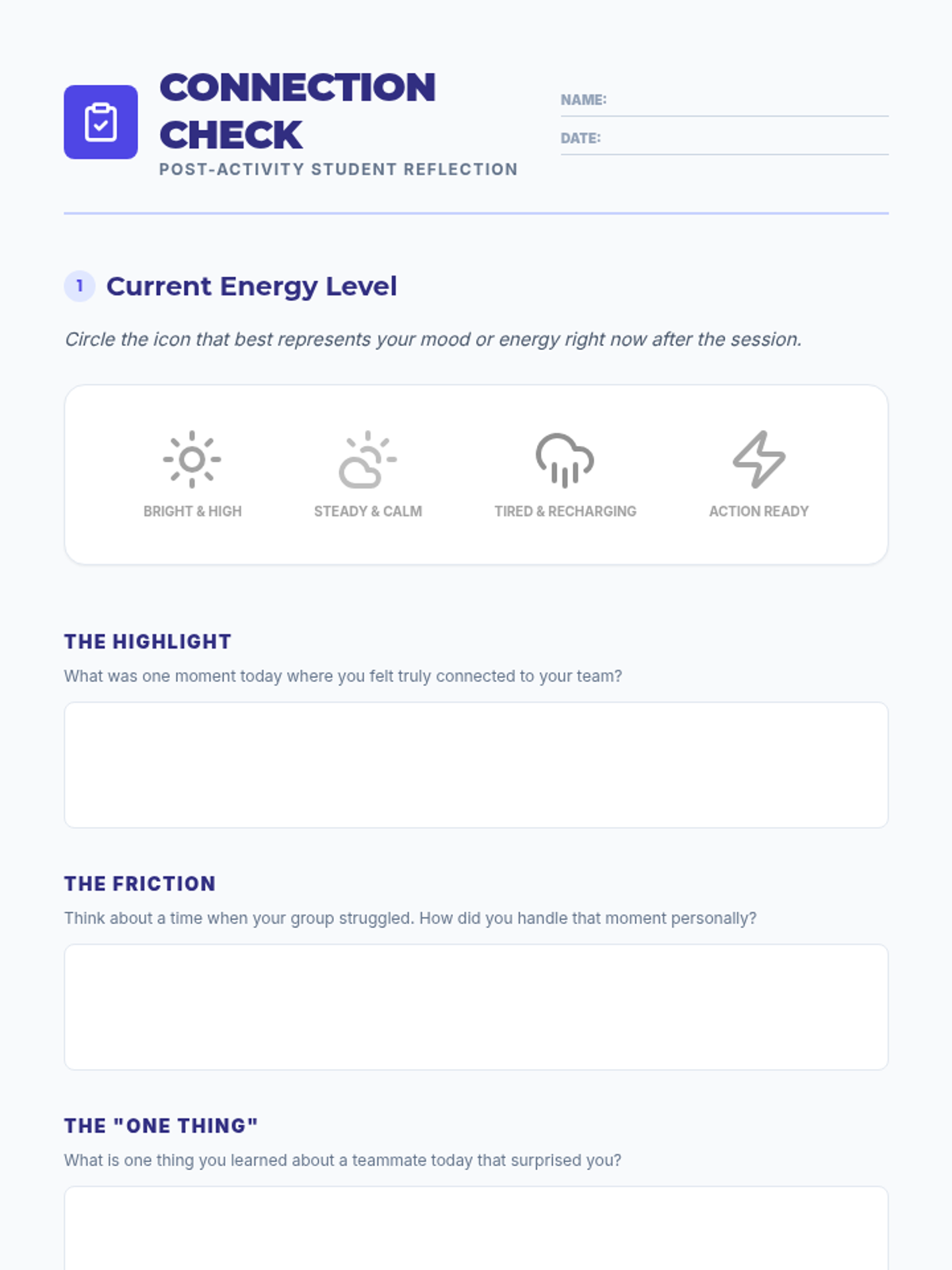
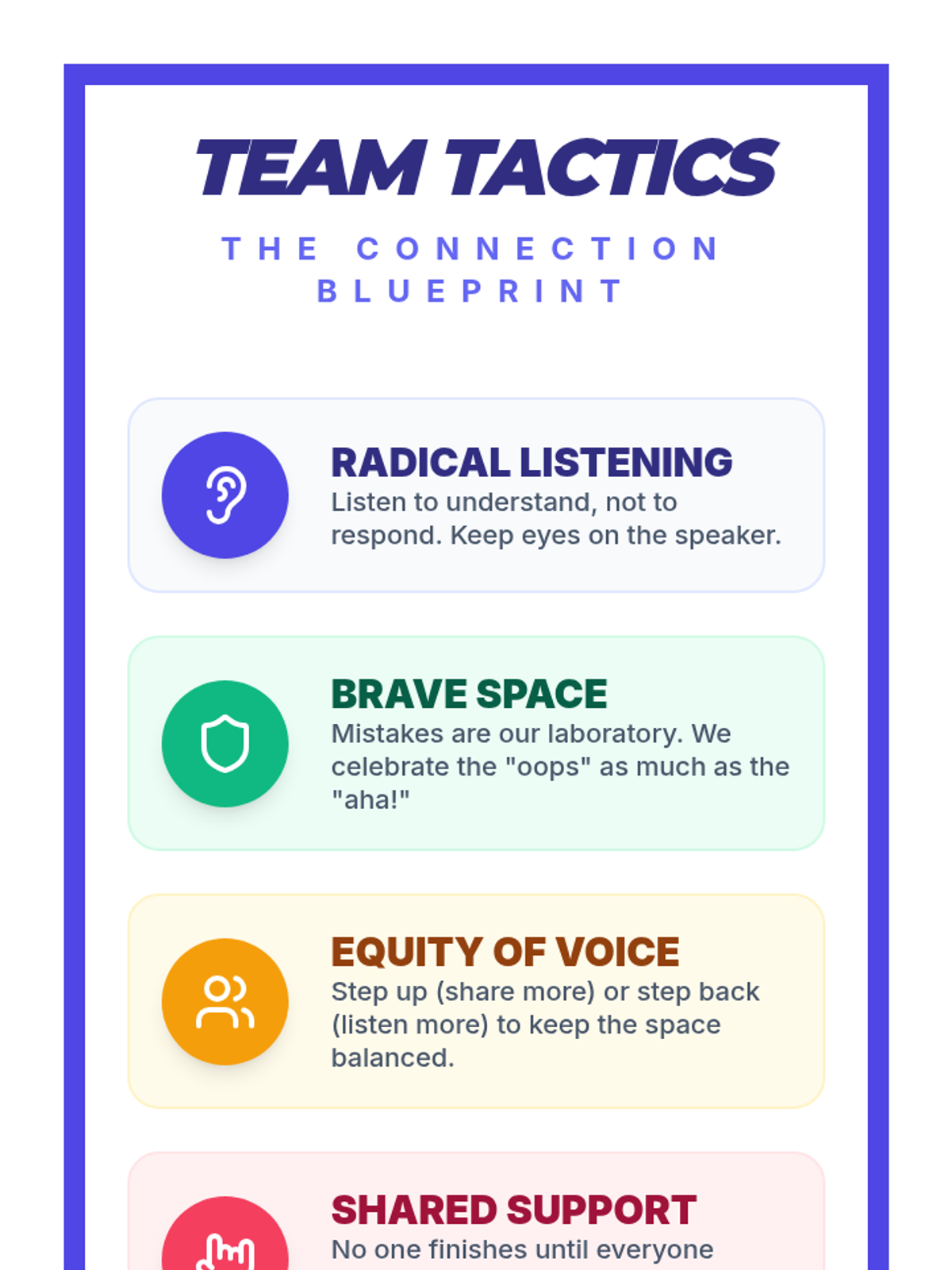
A comprehensive toolkit for small groups to build social bonds, establish trust, and master collaborative challenges through structured interaction.
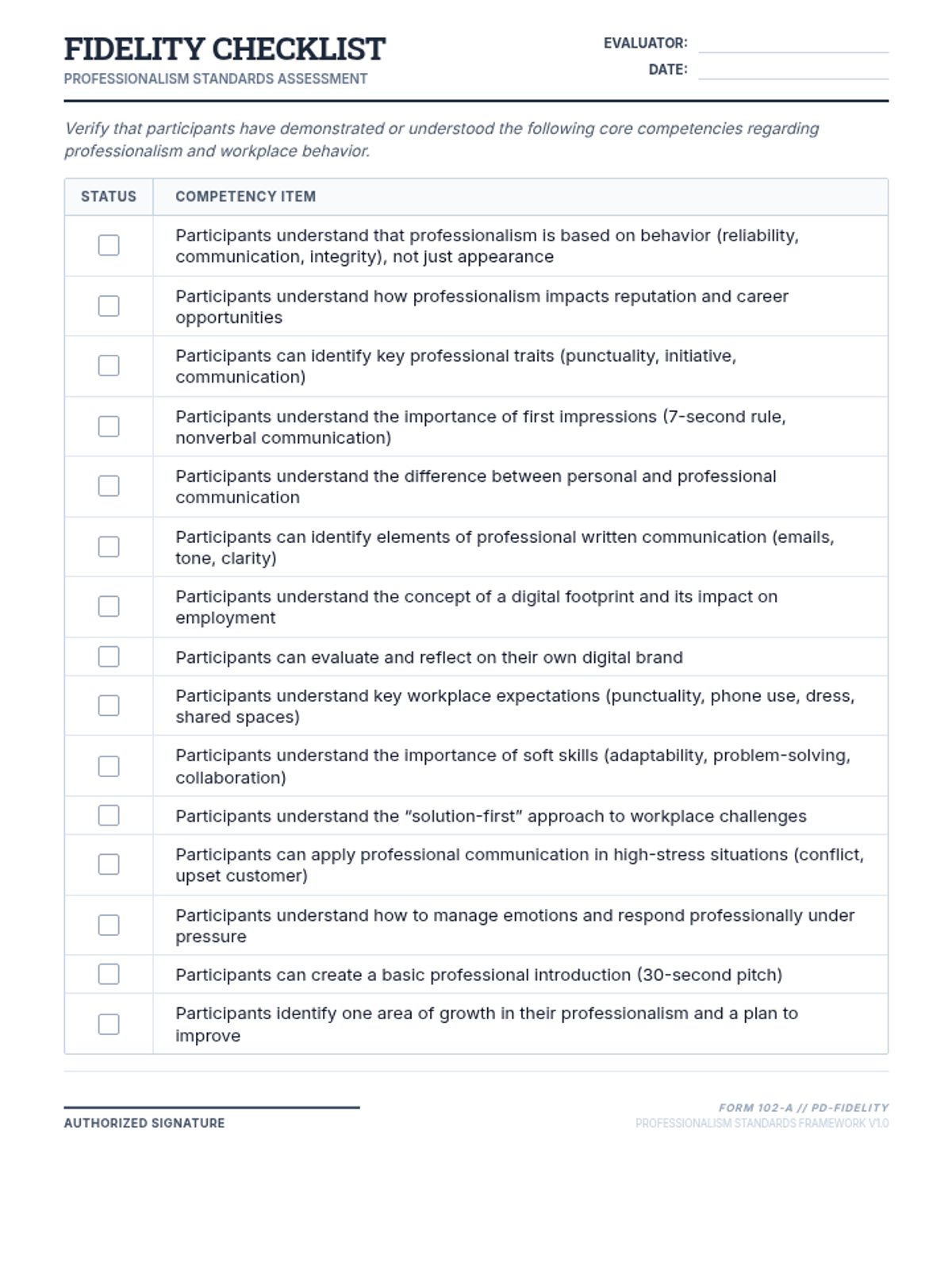
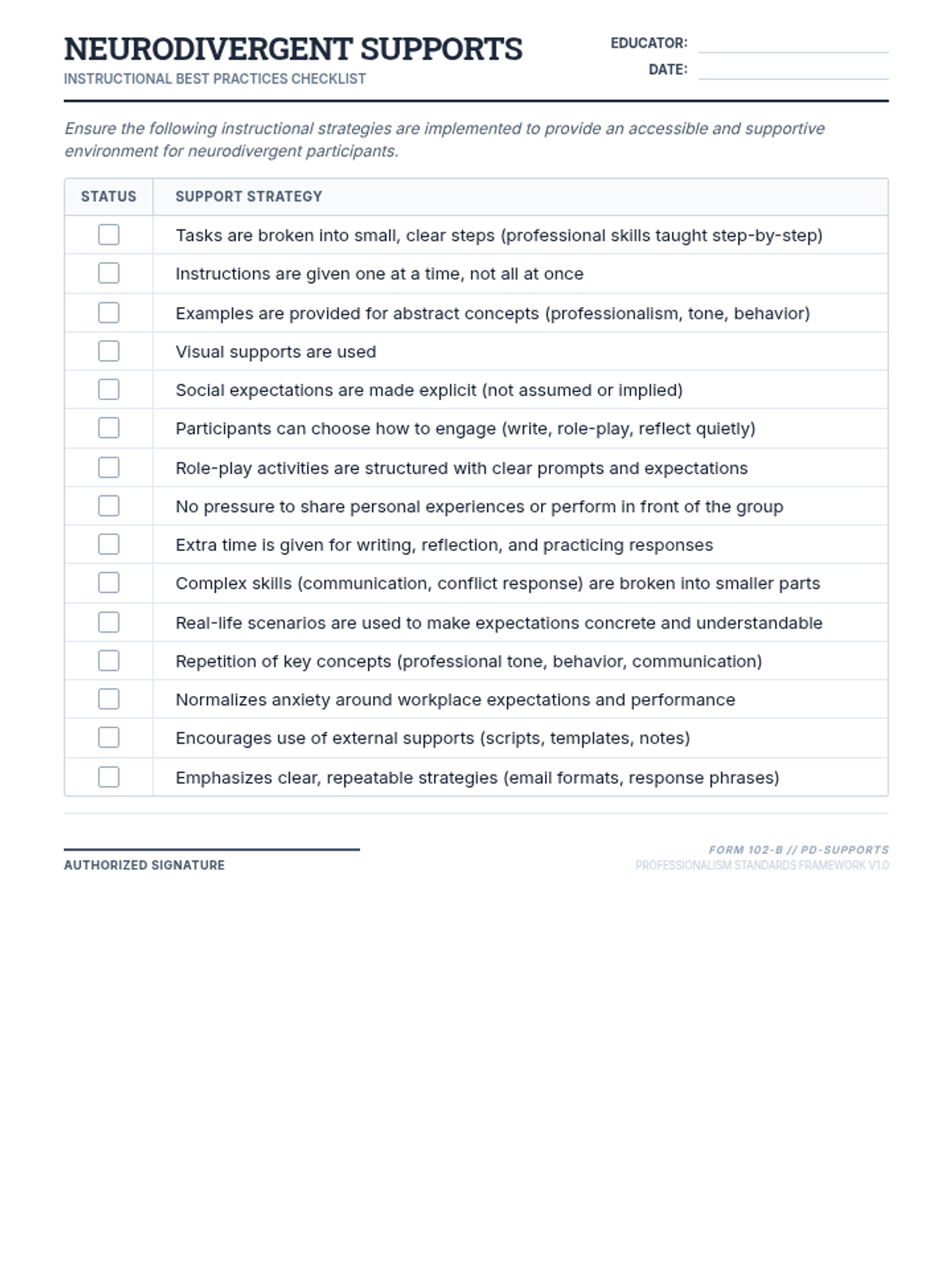
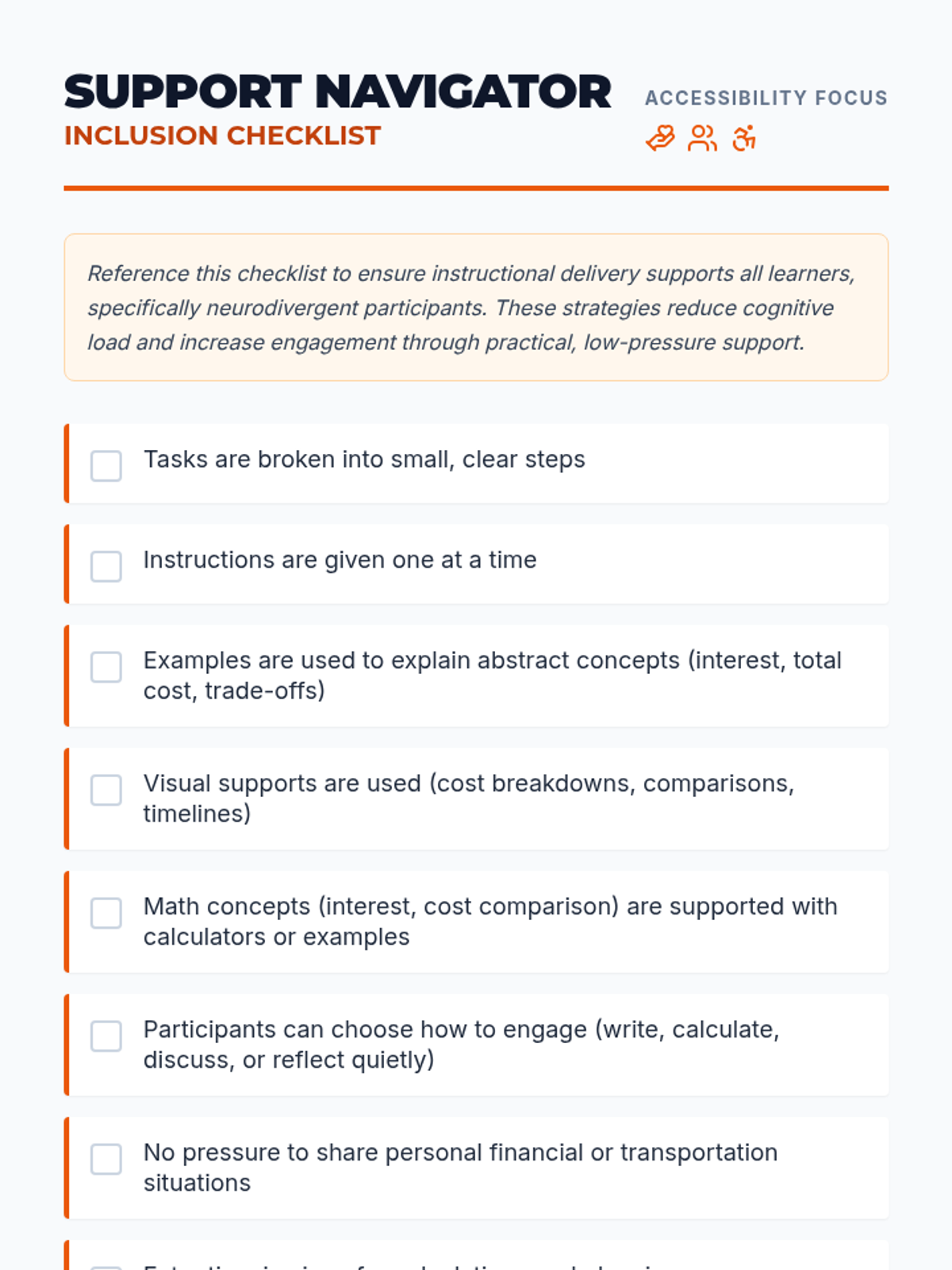
A pair of administrative checklists to ensure professional development standards and neurodivergent-friendly teaching practices are met.
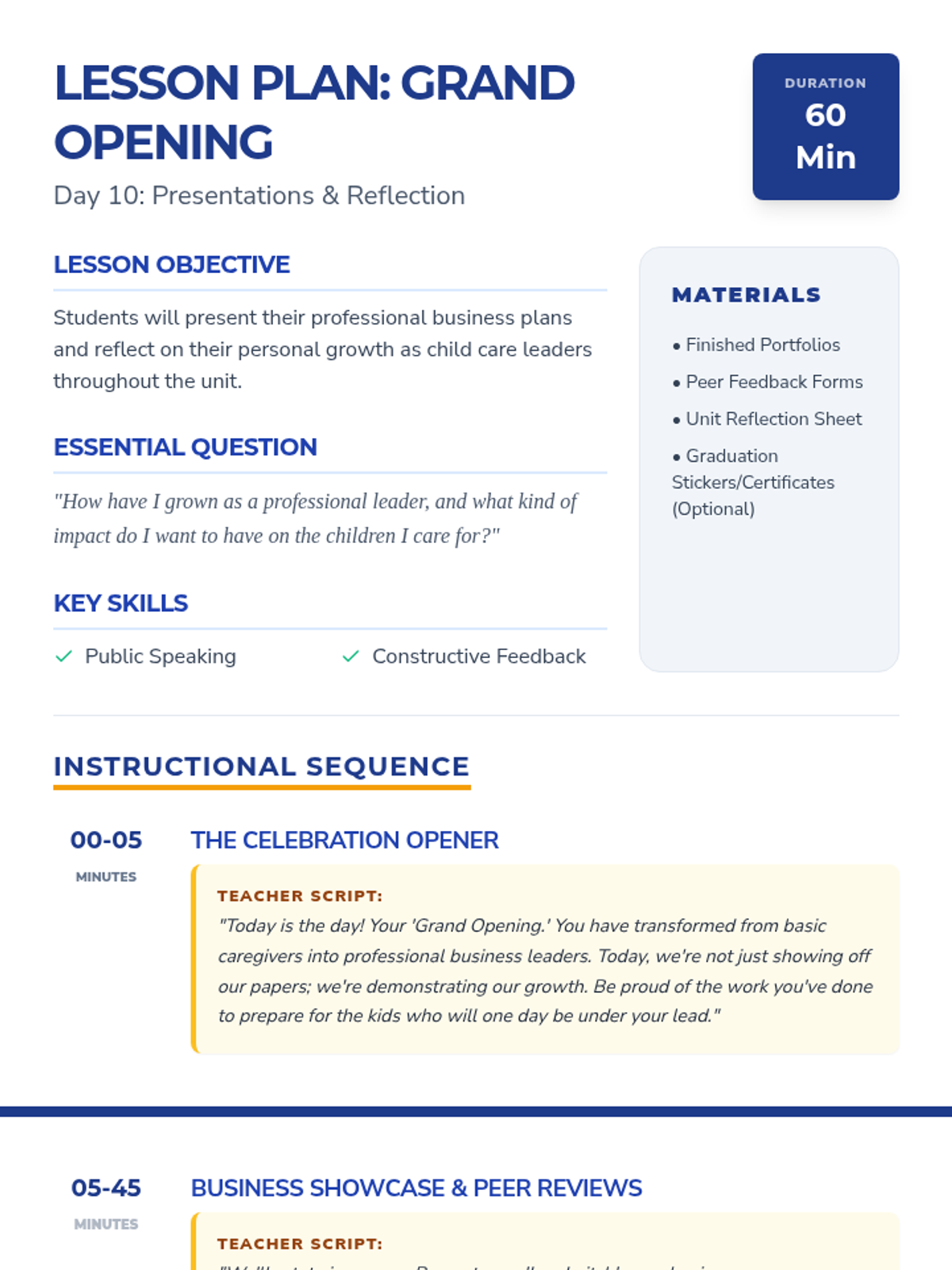
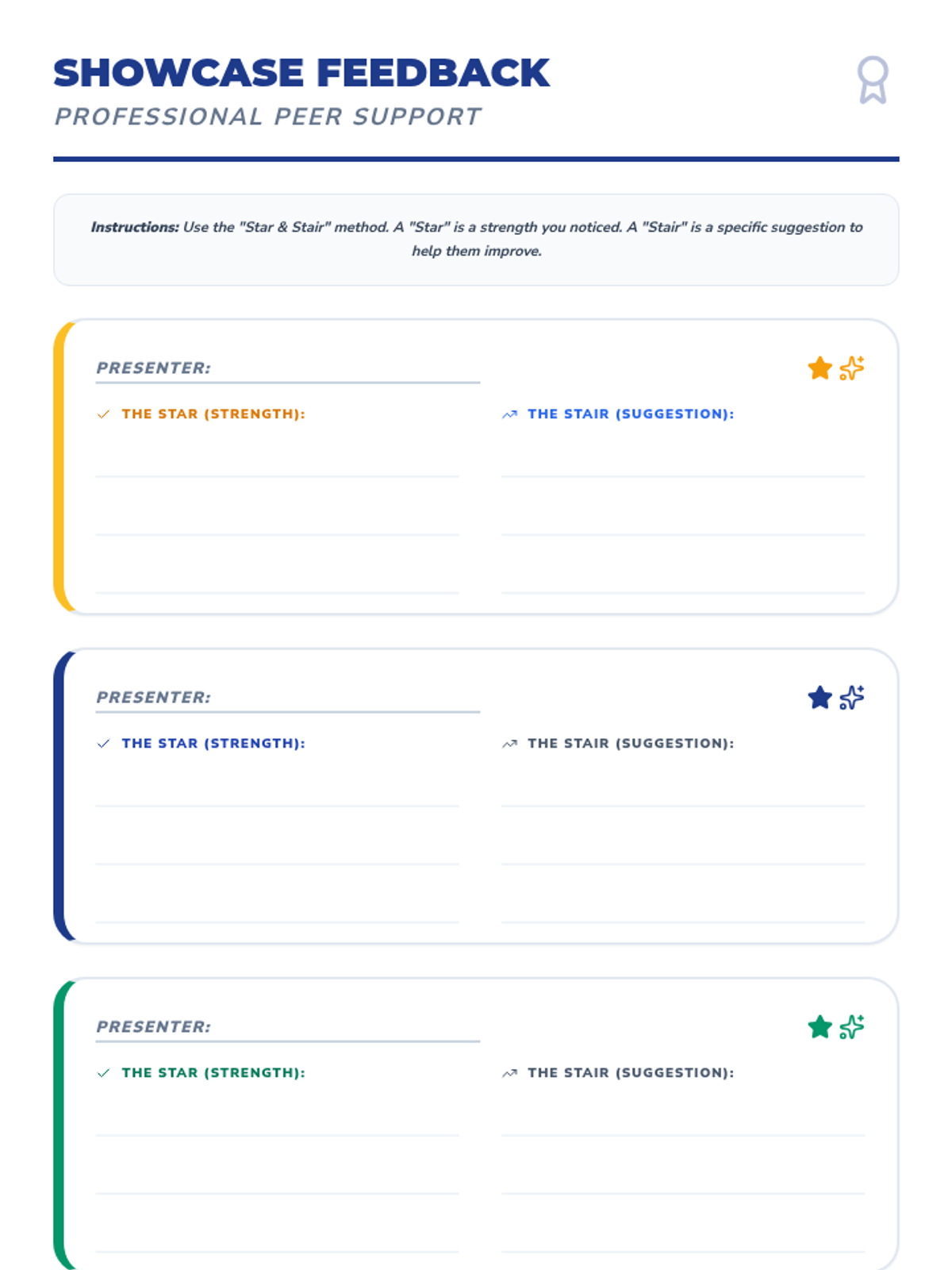
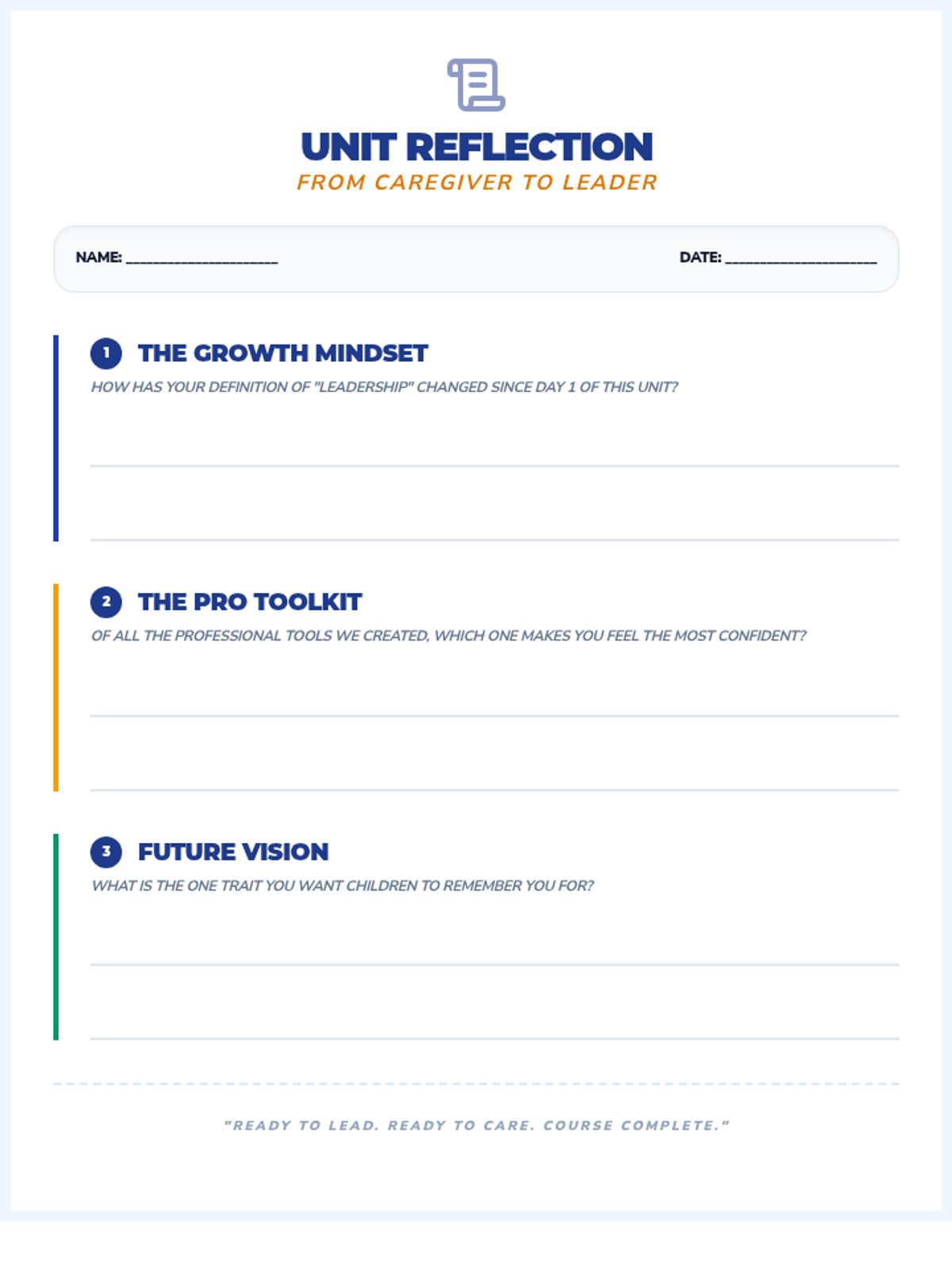
Students present their professional business plans and reflect on their growth as childcare leaders throughout the unit.
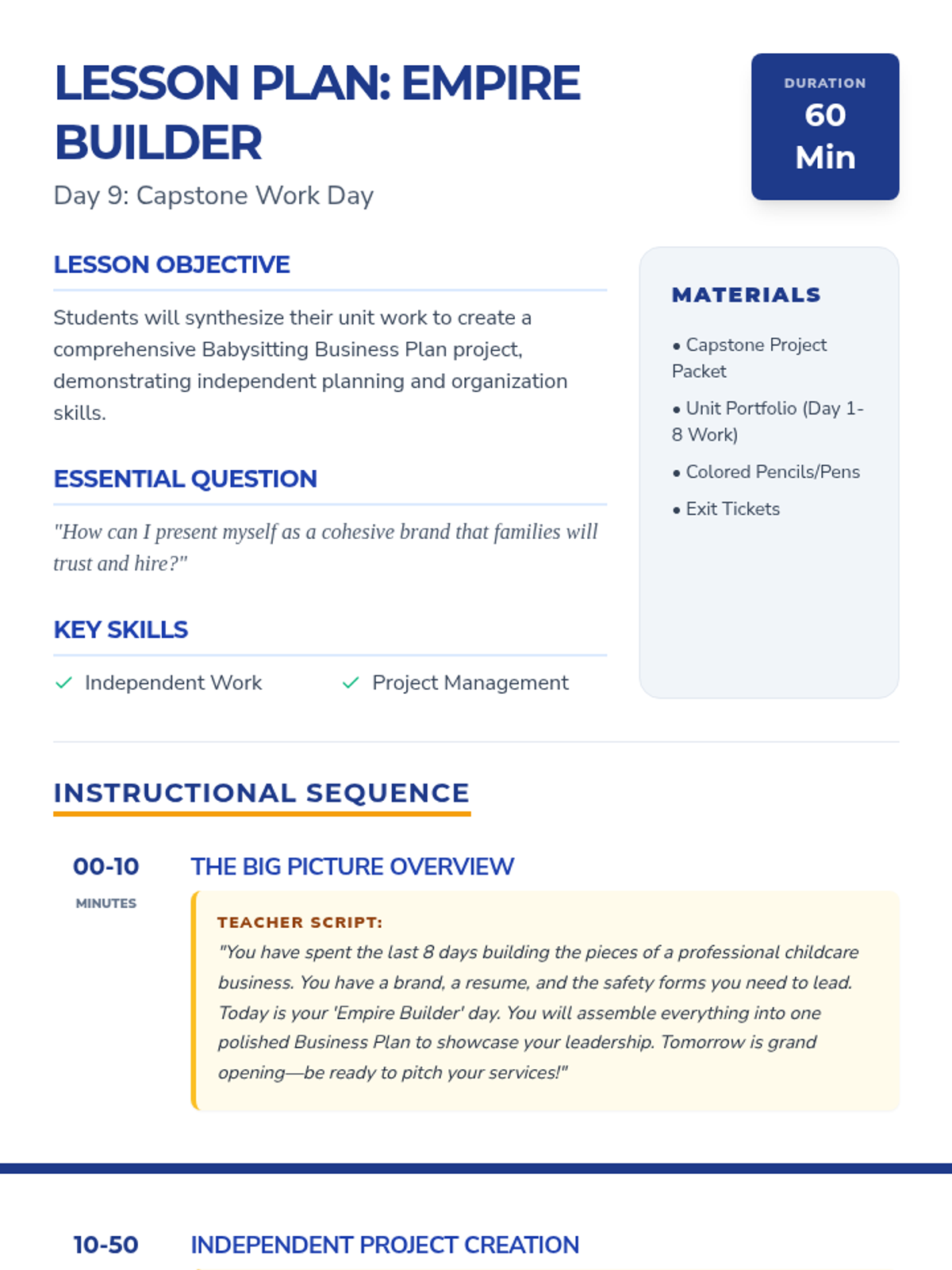
Students work independently to synthesize their unit work into a comprehensive Babysitting Business Plan capstone project.
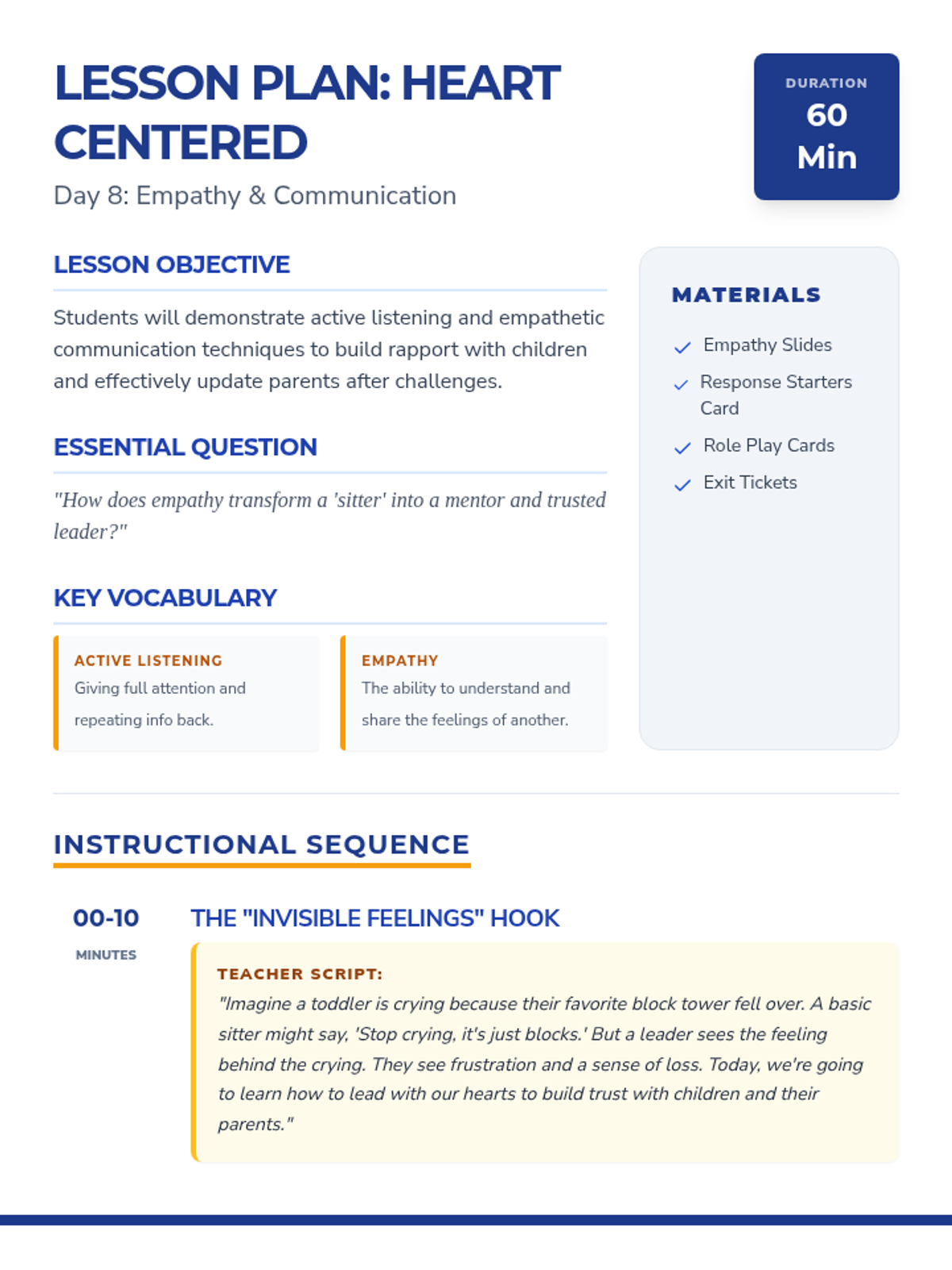
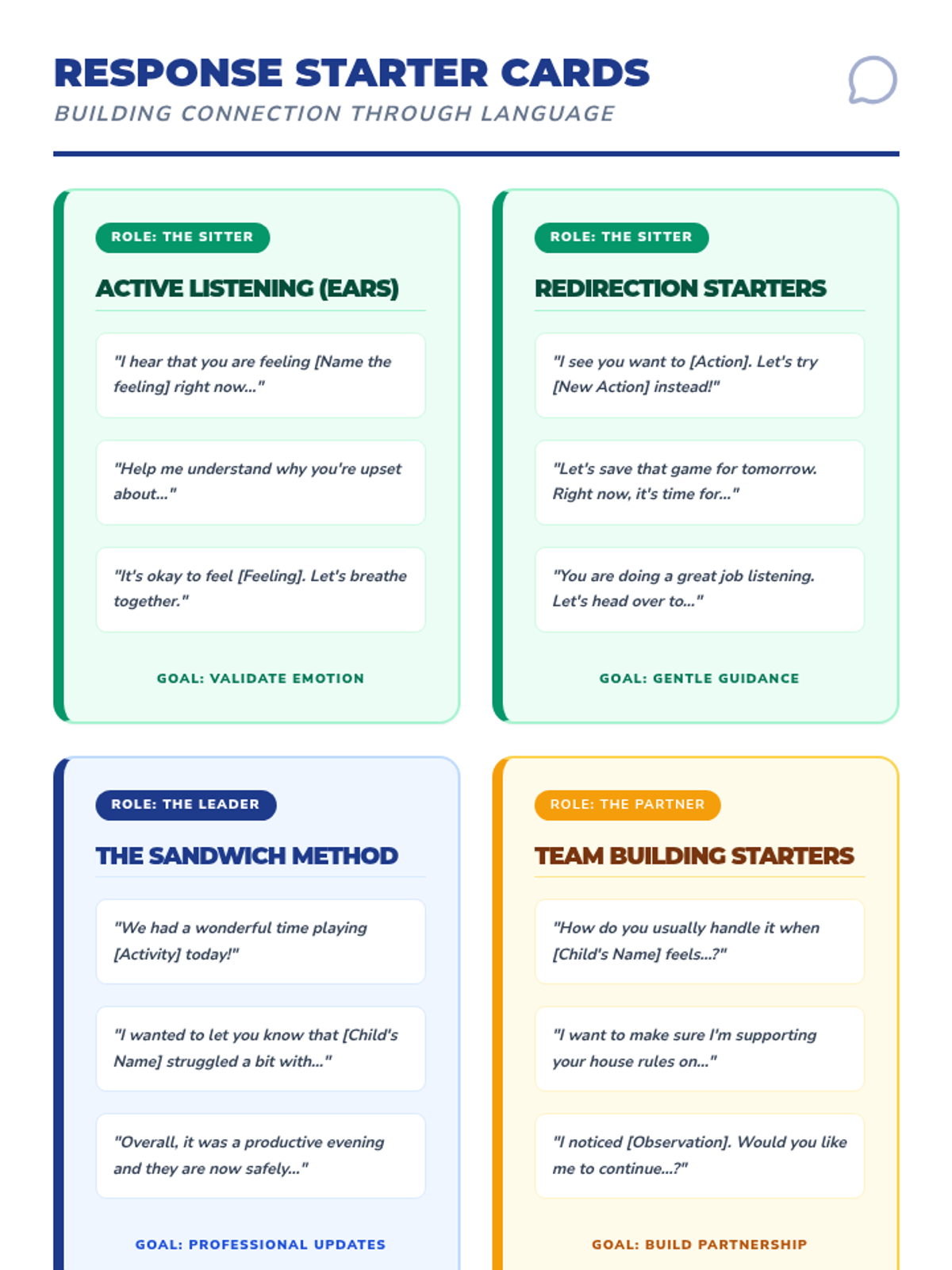
Students practice active listening and empathetic communication strategies to build rapport with children and effectively update parents.
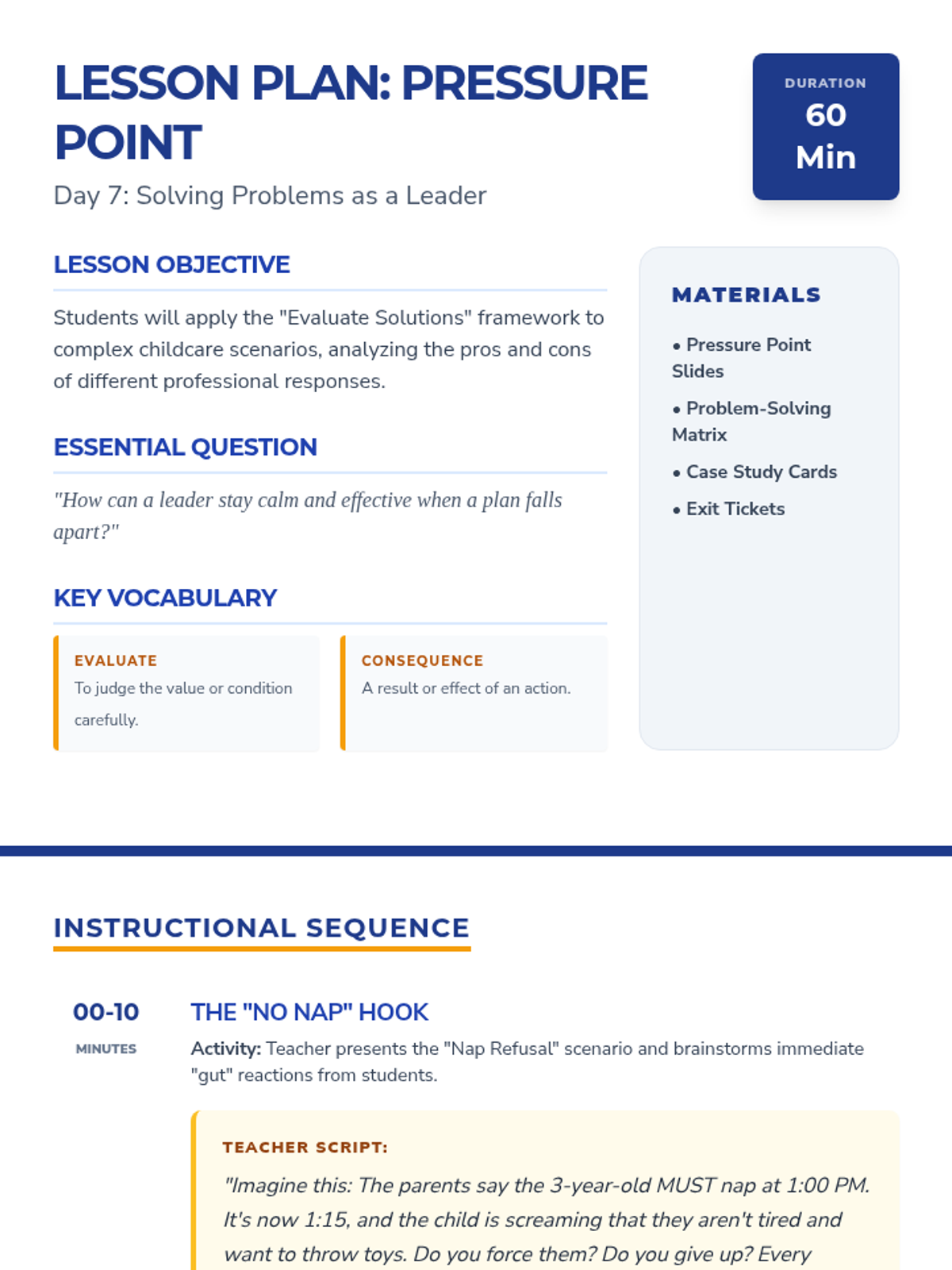
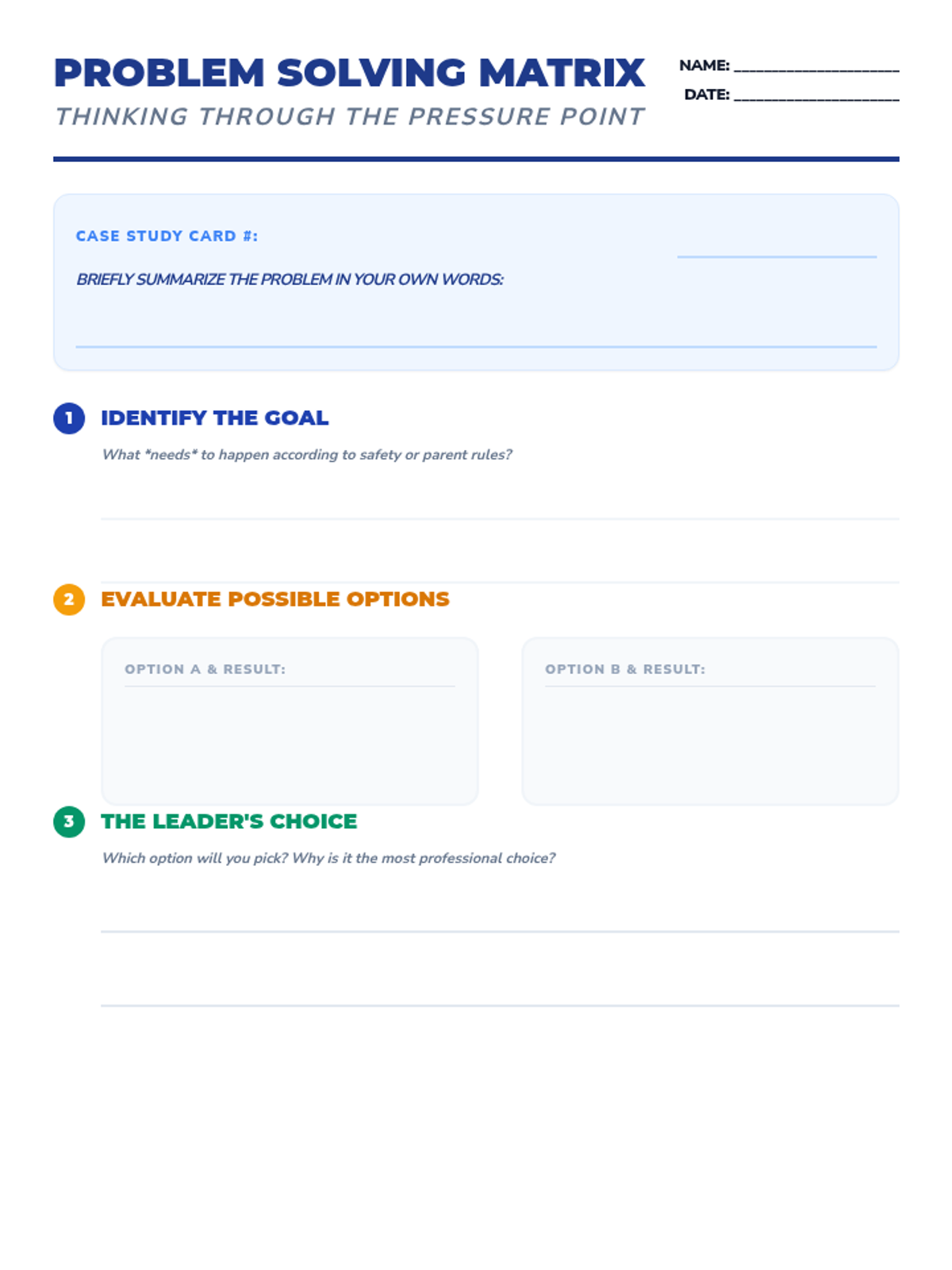
Students apply leadership traits to complex childcare scenarios, evaluating different solutions for behavioral and safety challenges.
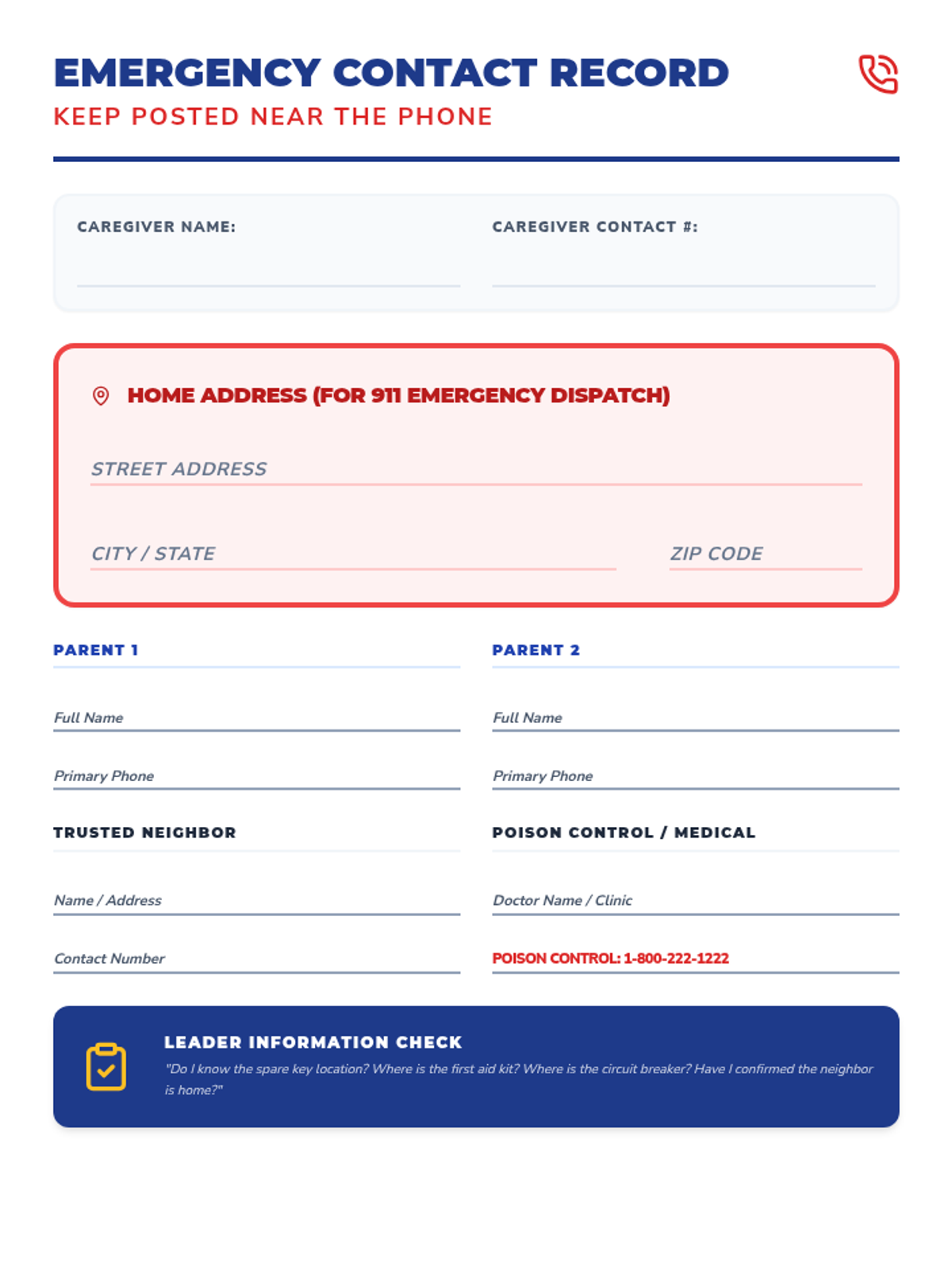
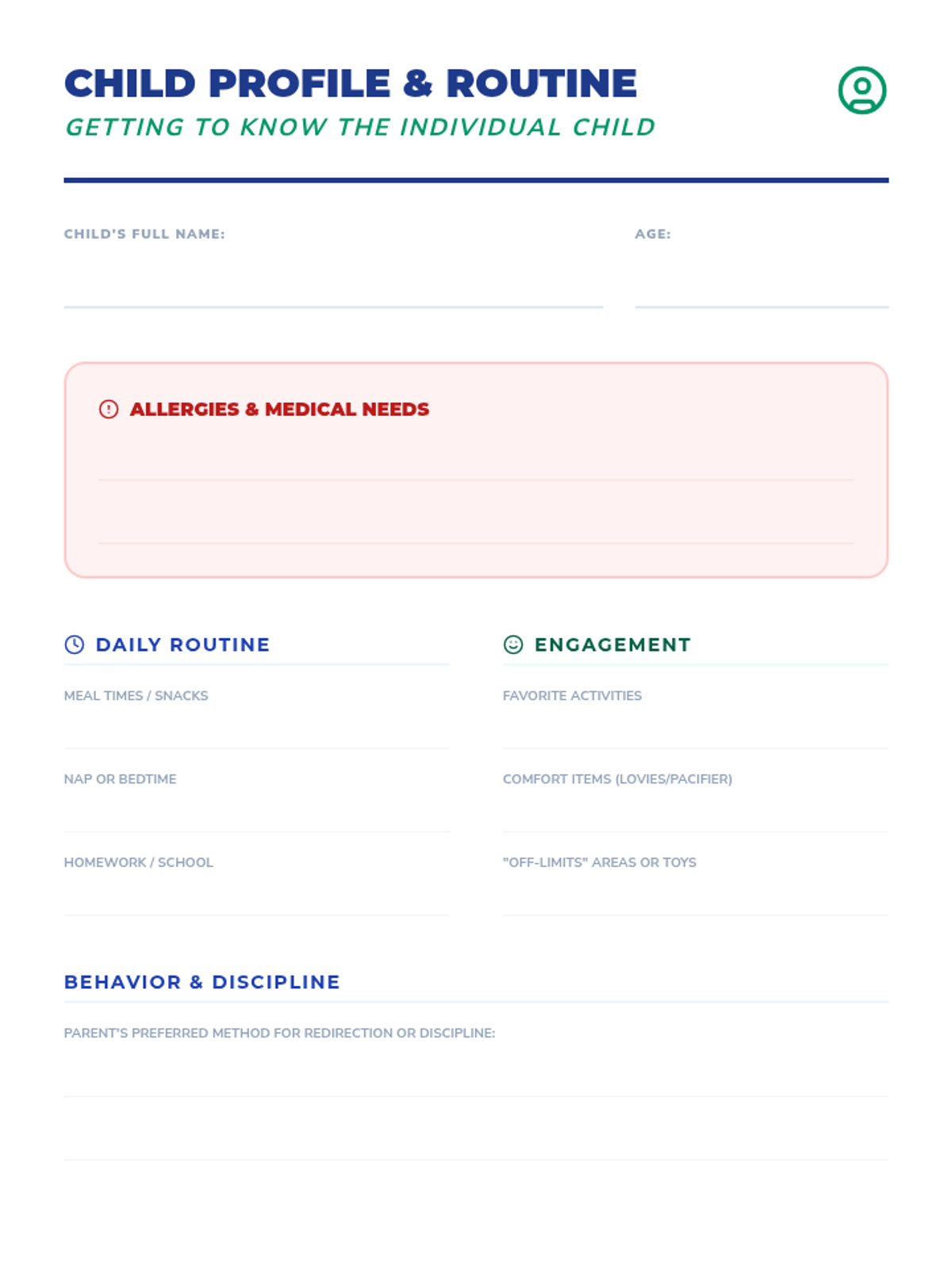
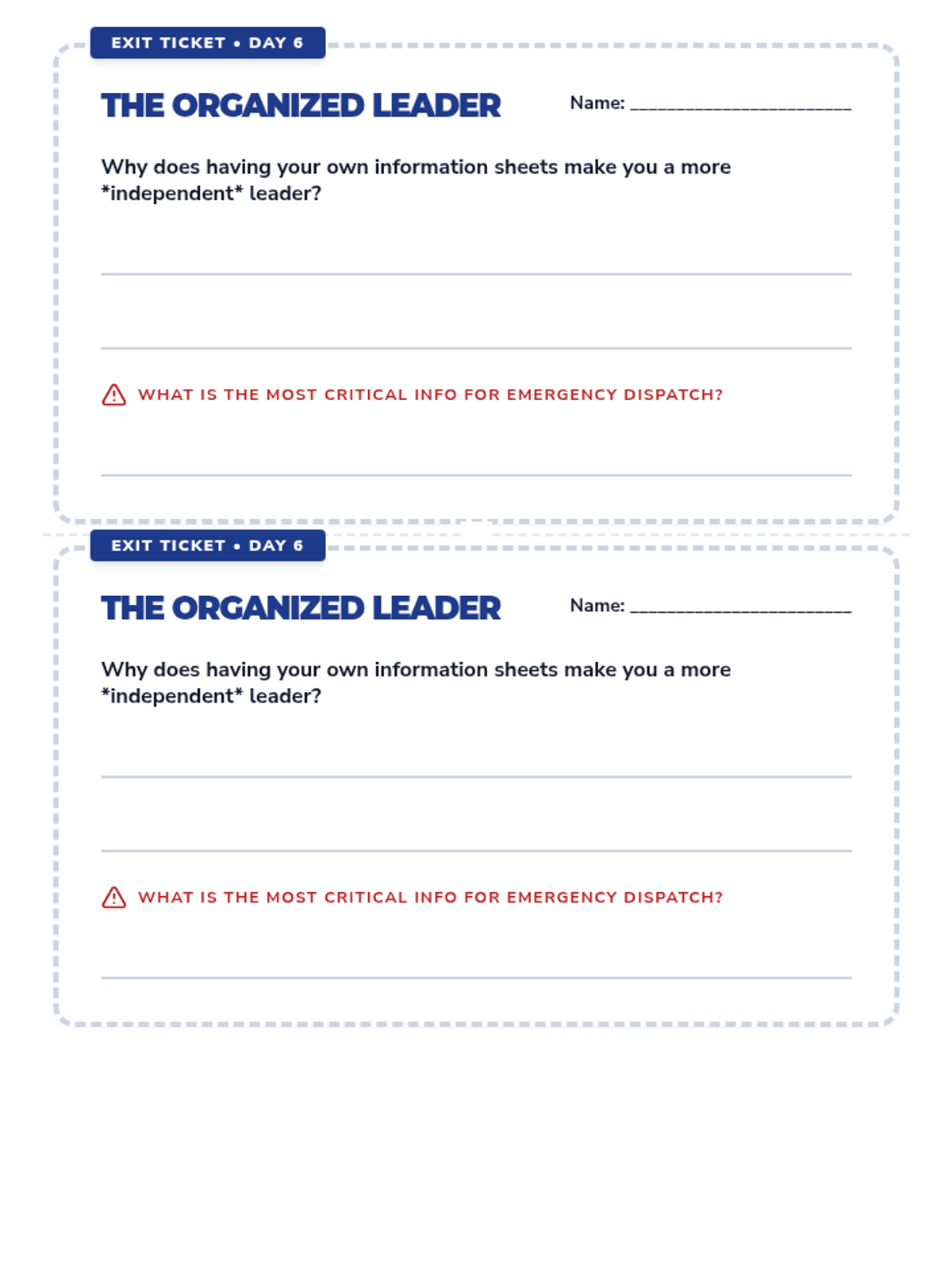
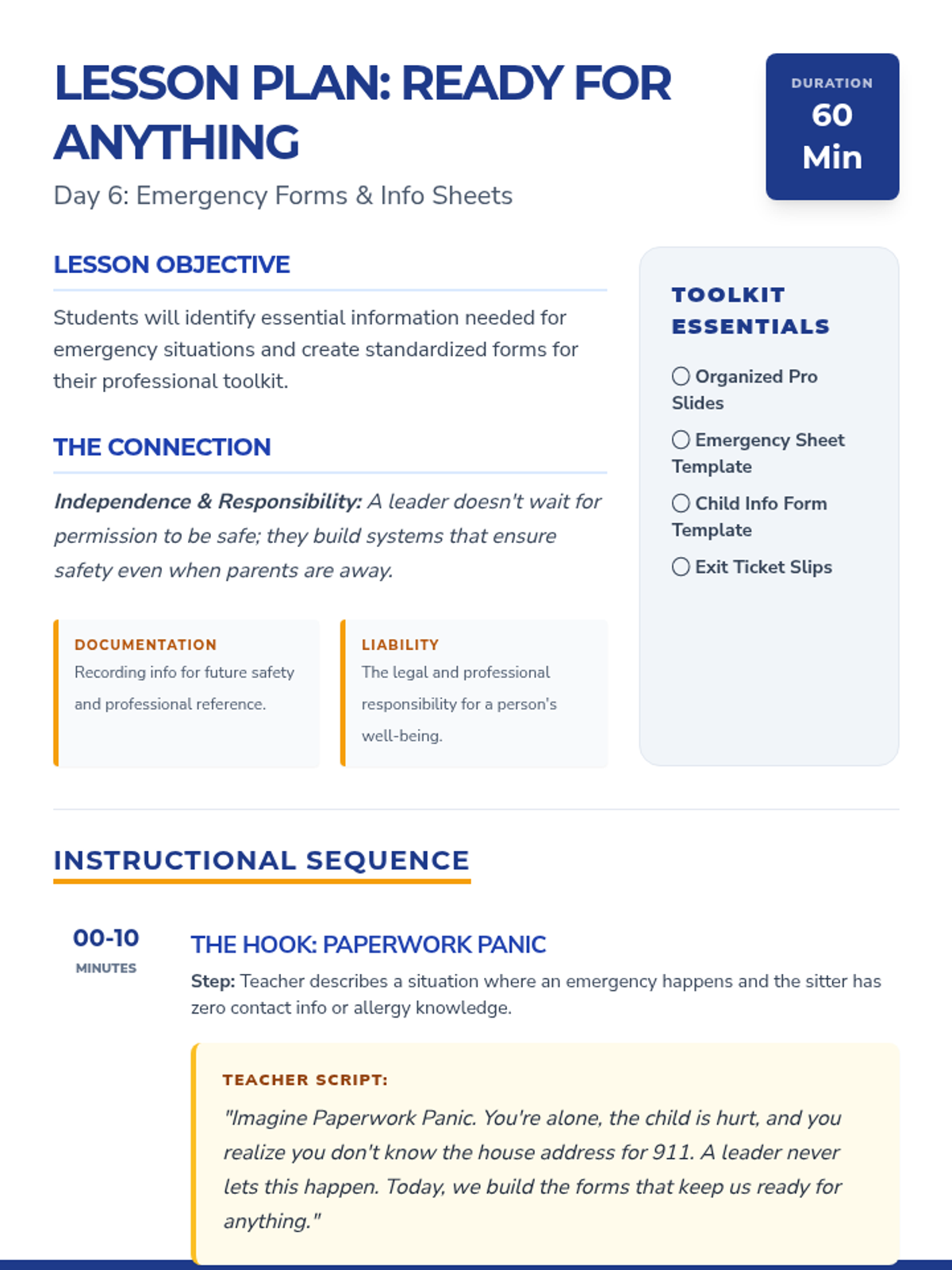
Students learn the importance of documentation and organization by creating essential emergency and routine information forms for their professional childcare toolkit.
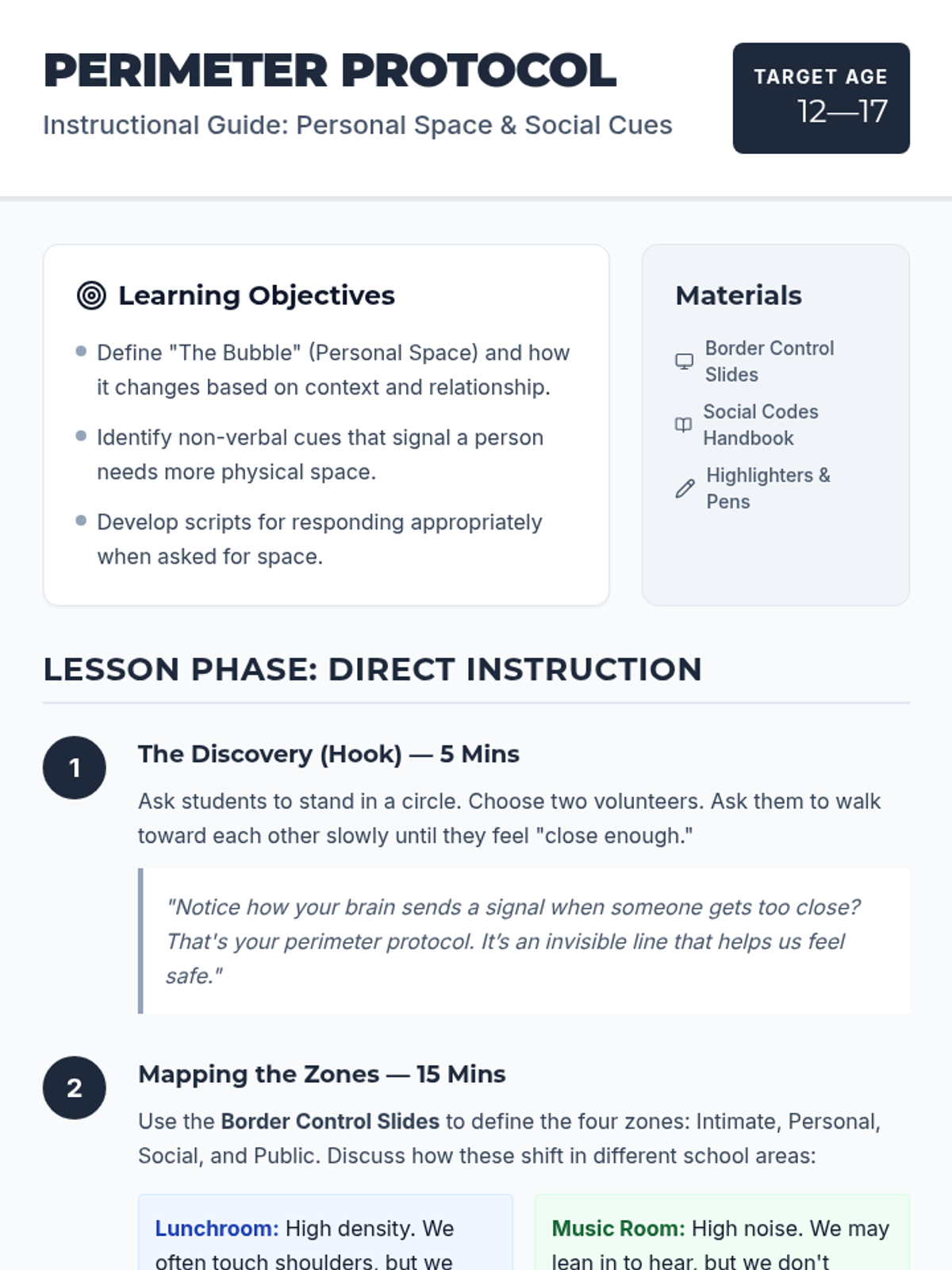
This lesson focuses on identifying personal space boundaries and interpreting the body language of others to adjust social proximity effectively.
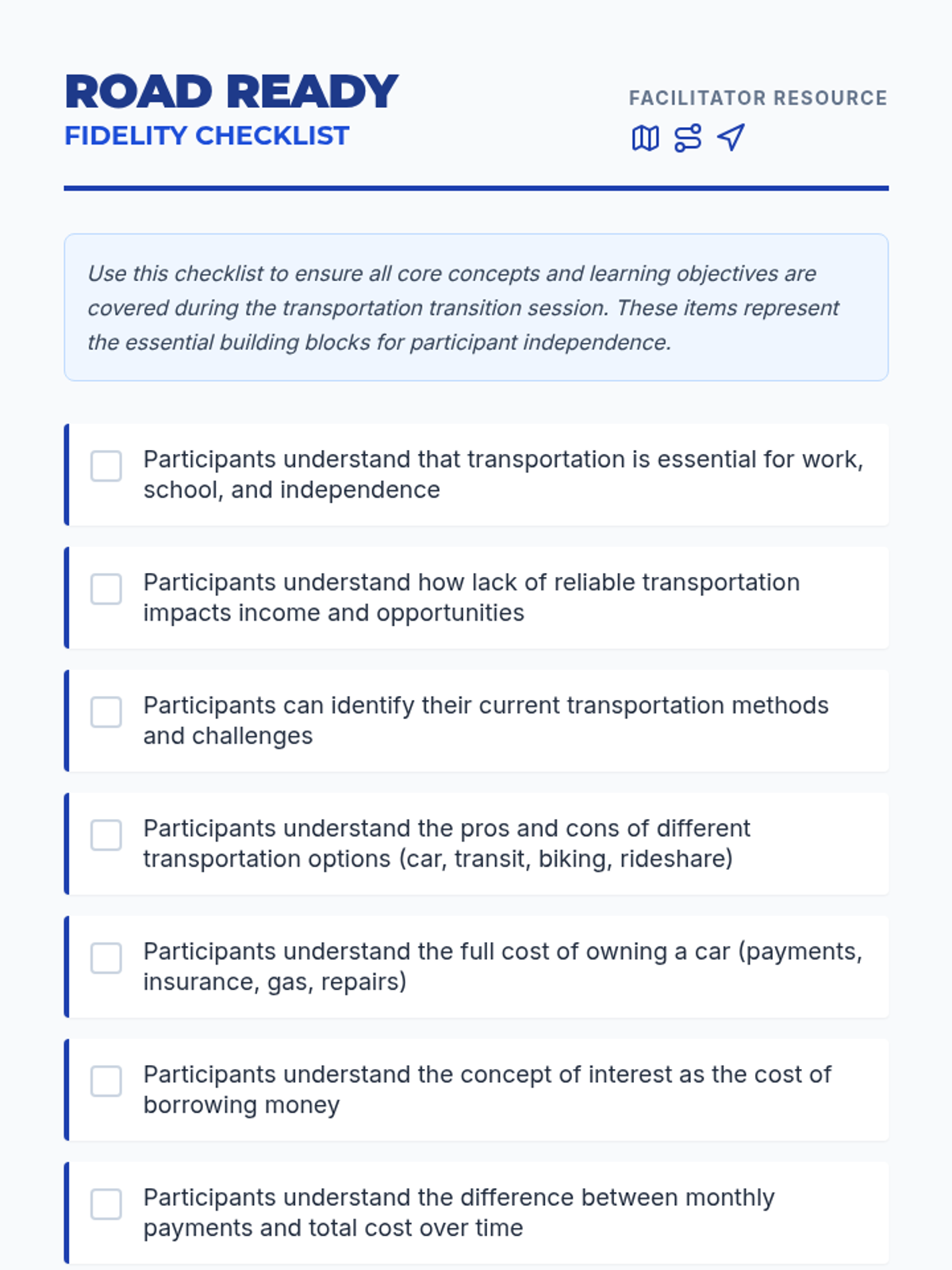
A lesson focused on equipping young adults (16-21) with the essential knowledge and planning skills for independent transportation as they transition to adulthood.
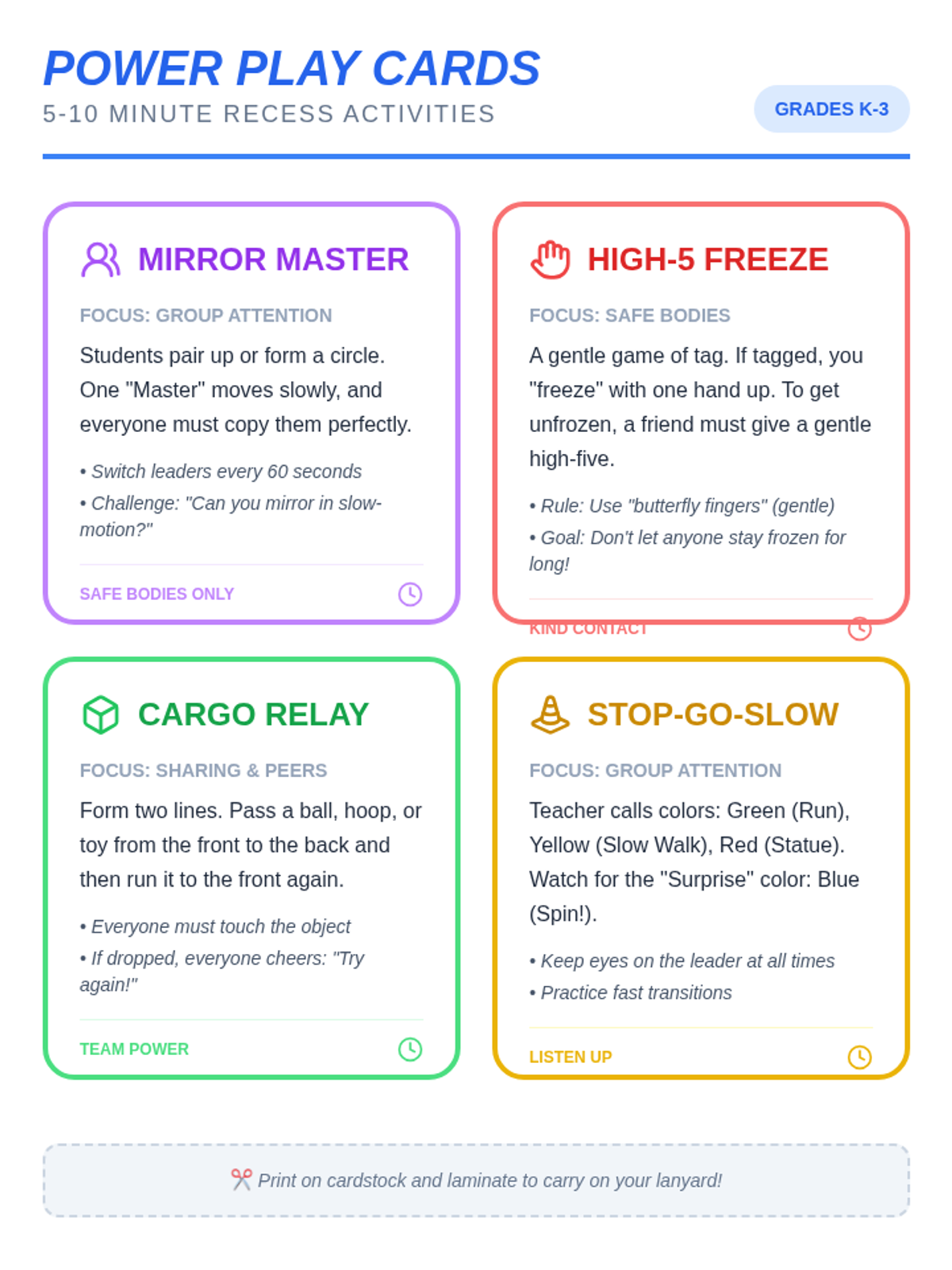
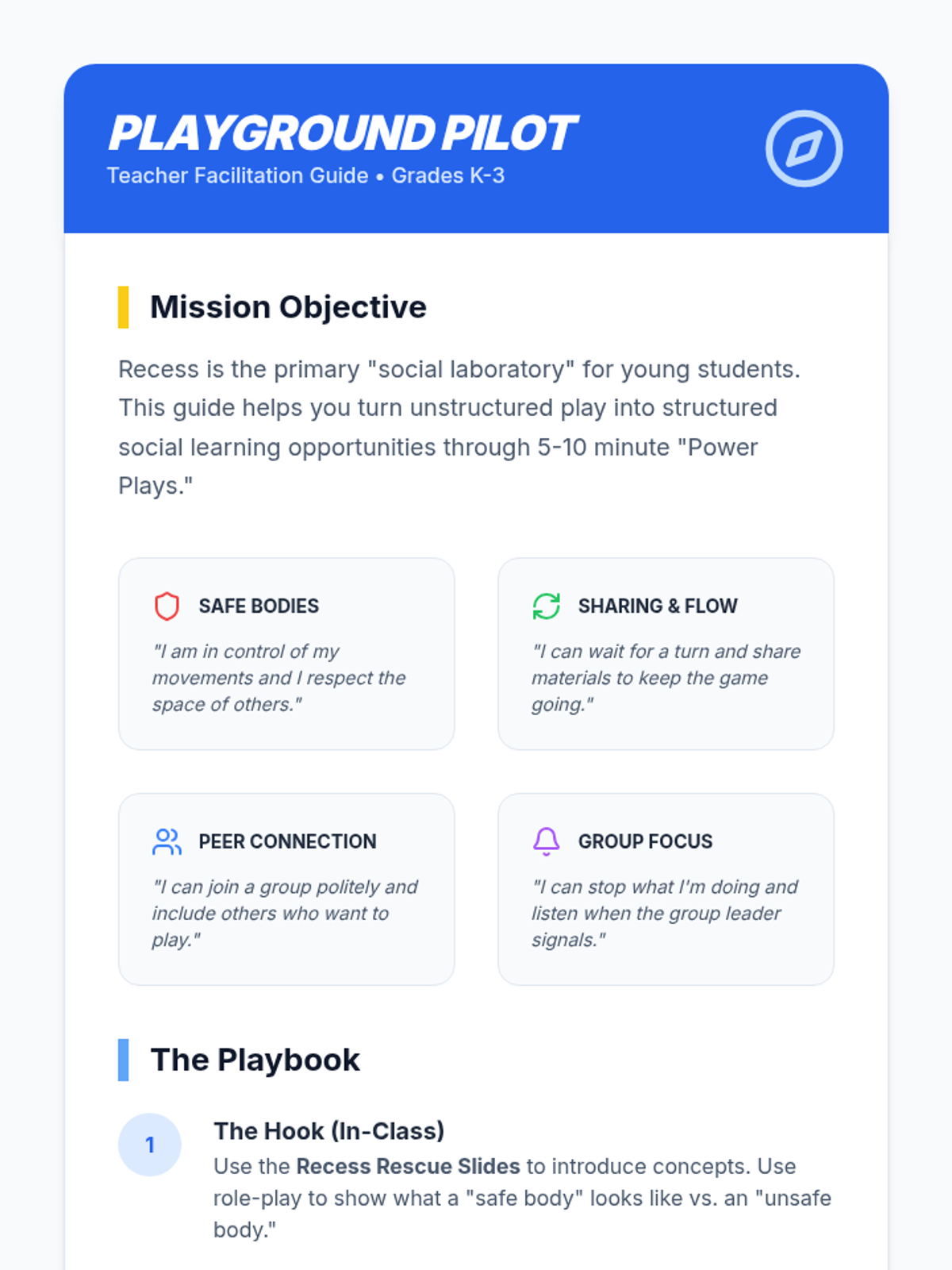
A collection of quick, 5-10 minute activities designed to teach K-3 students social-emotional skills like sharing, safe bodies, and group attention during recess.