A supportive lesson designed for a child coping with a parent's hospitalization, focusing on emotional literacy, identifying support systems, and developing healthy coping strategies.
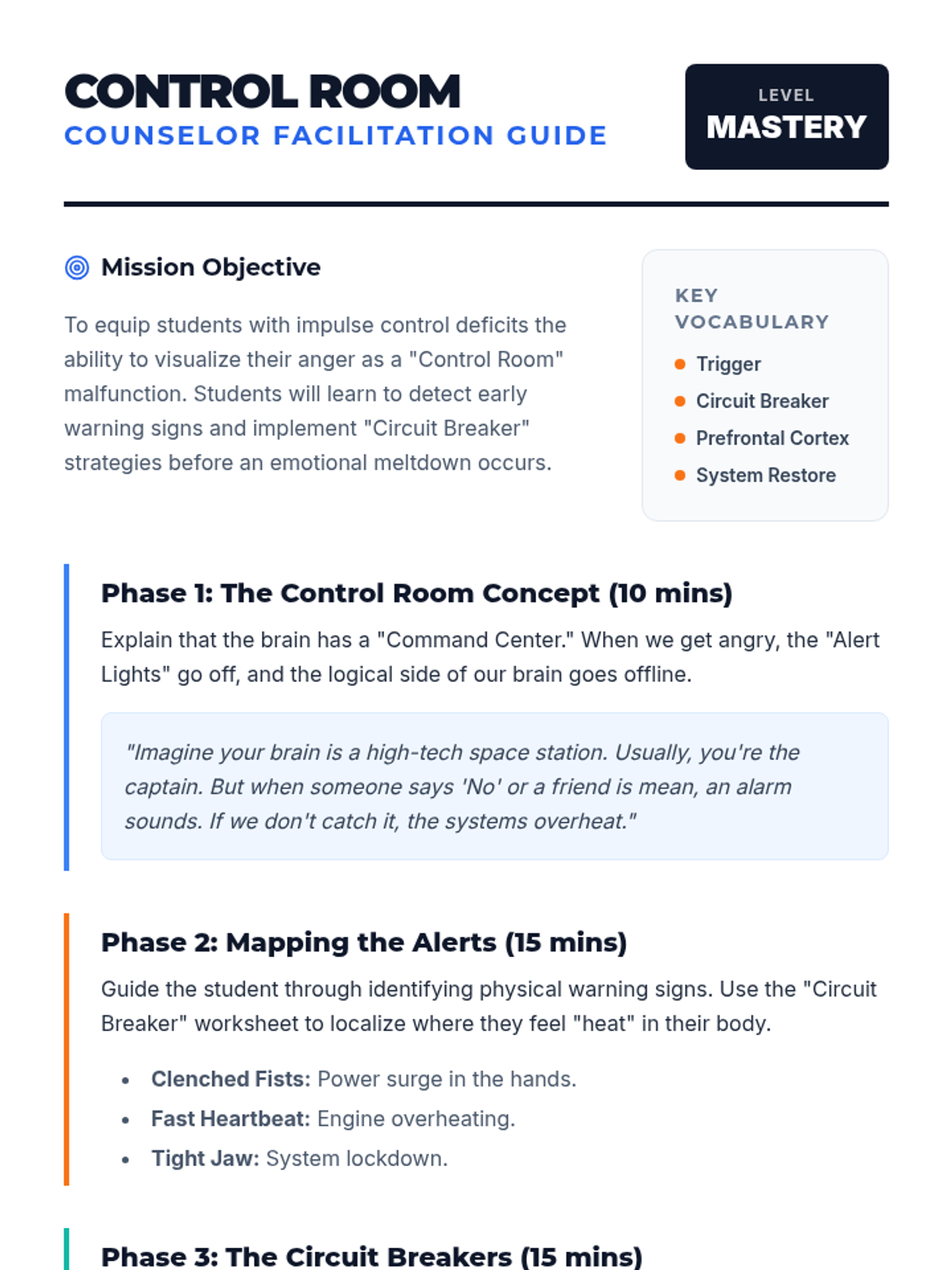
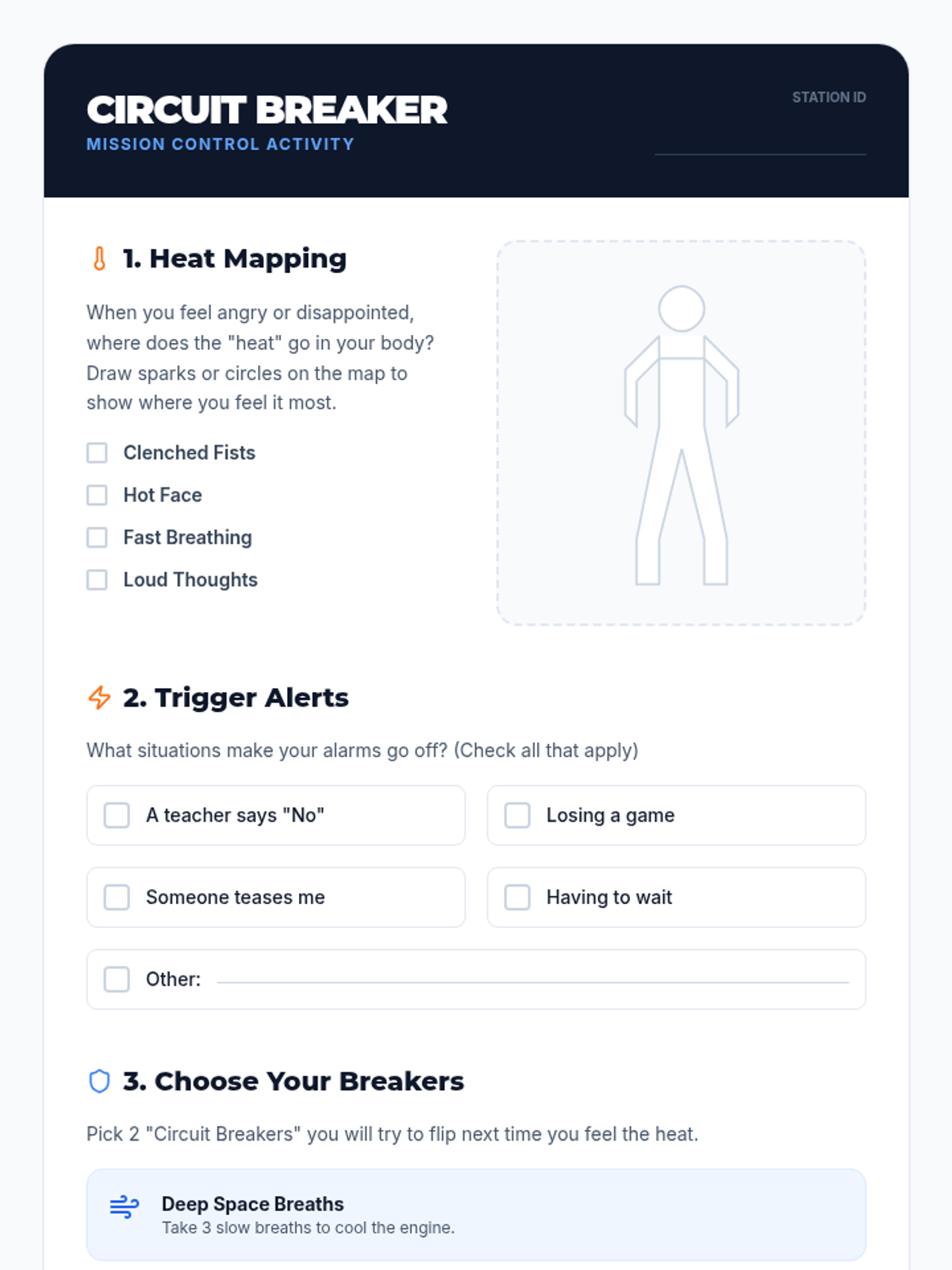
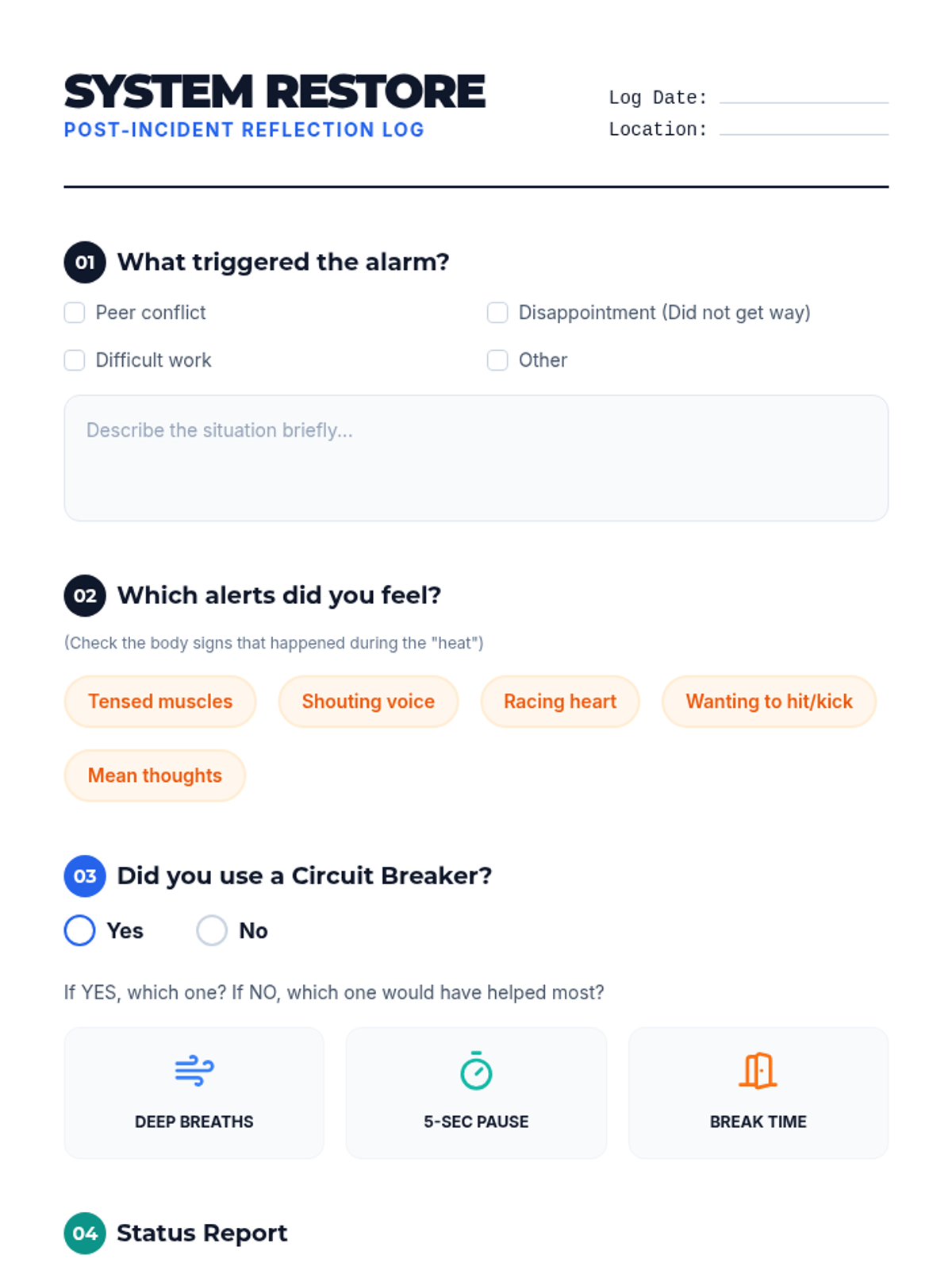
A comprehensive counseling module designed to help students identify anger triggers, recognize physical warning signs, and implement 'pause' strategies during peer conflicts or when faced with disappointment. Students learn to view their emotional responses as a 'Control Room' they can master.
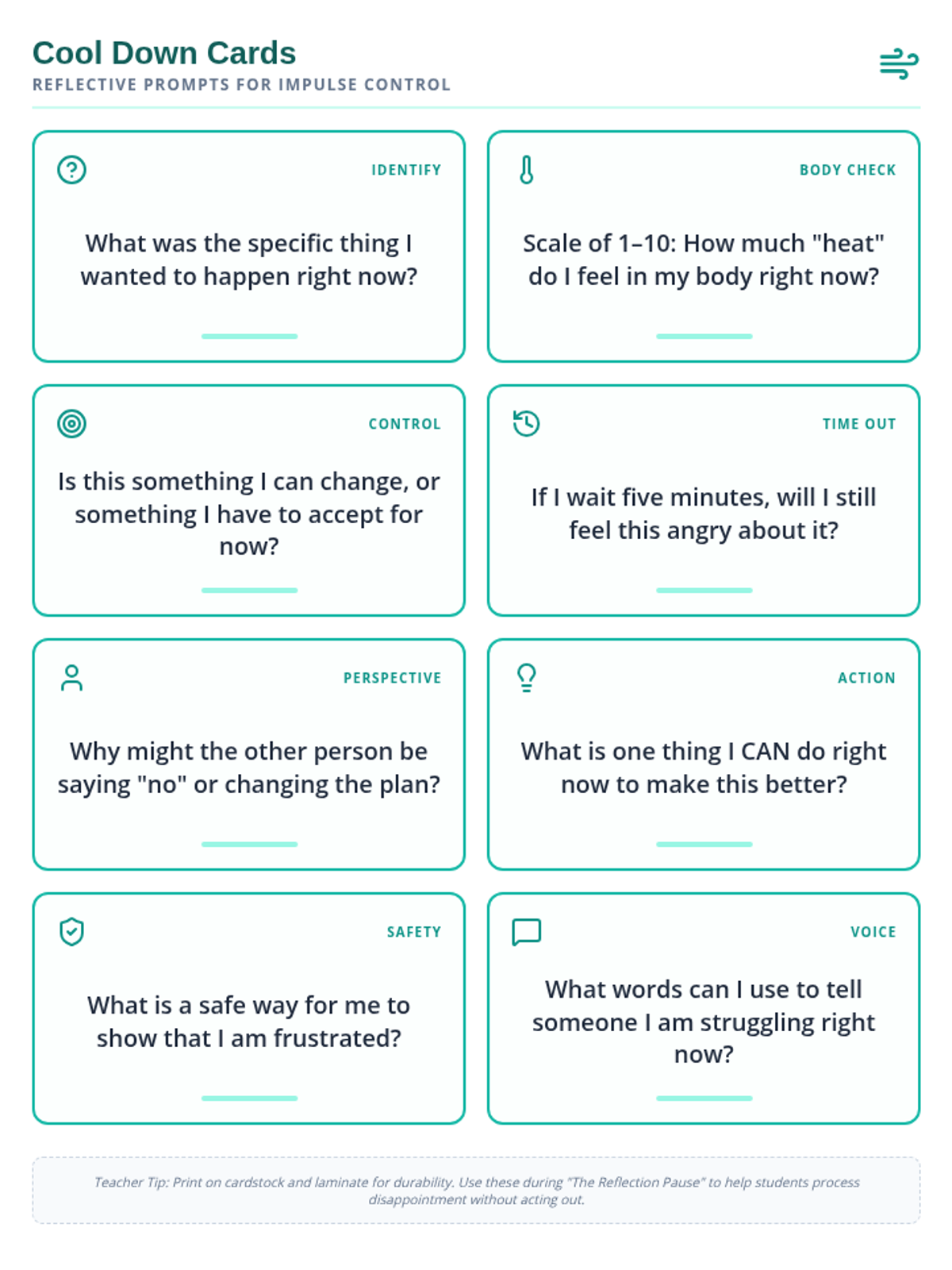
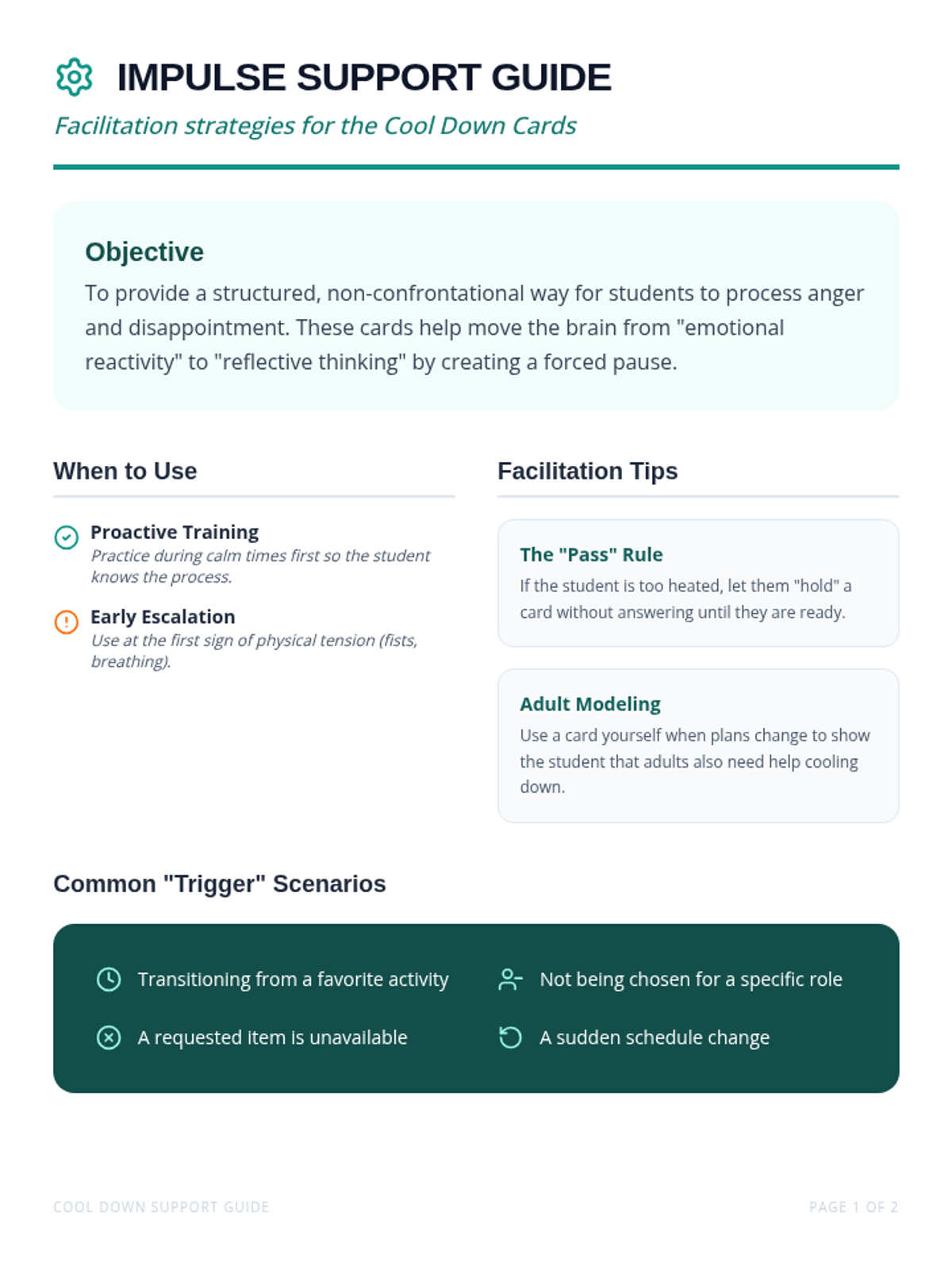
A targeted set of resources designed to help students navigate the frustration of not getting their way using reflective conversation prompts and self-regulation strategies.
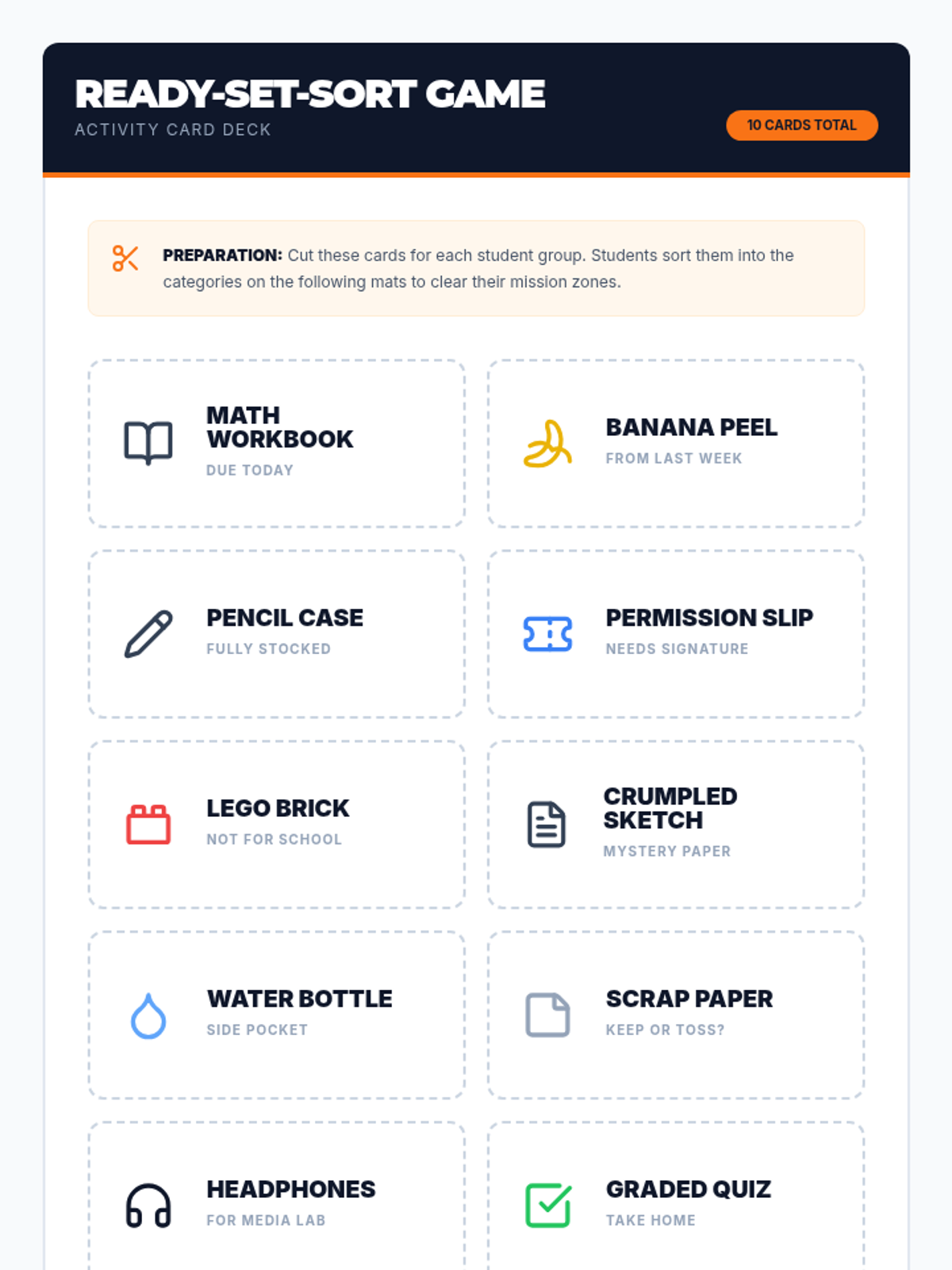
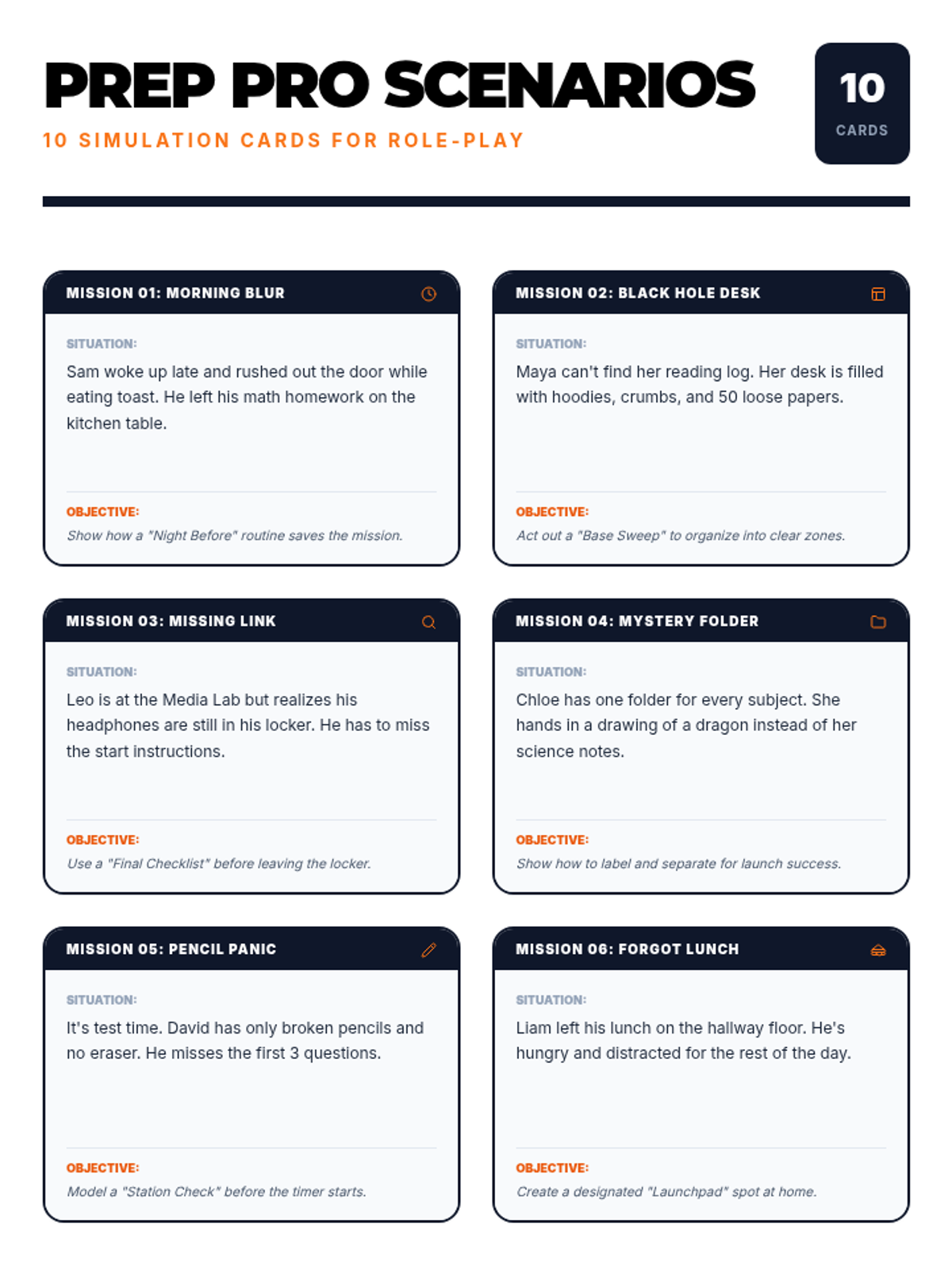
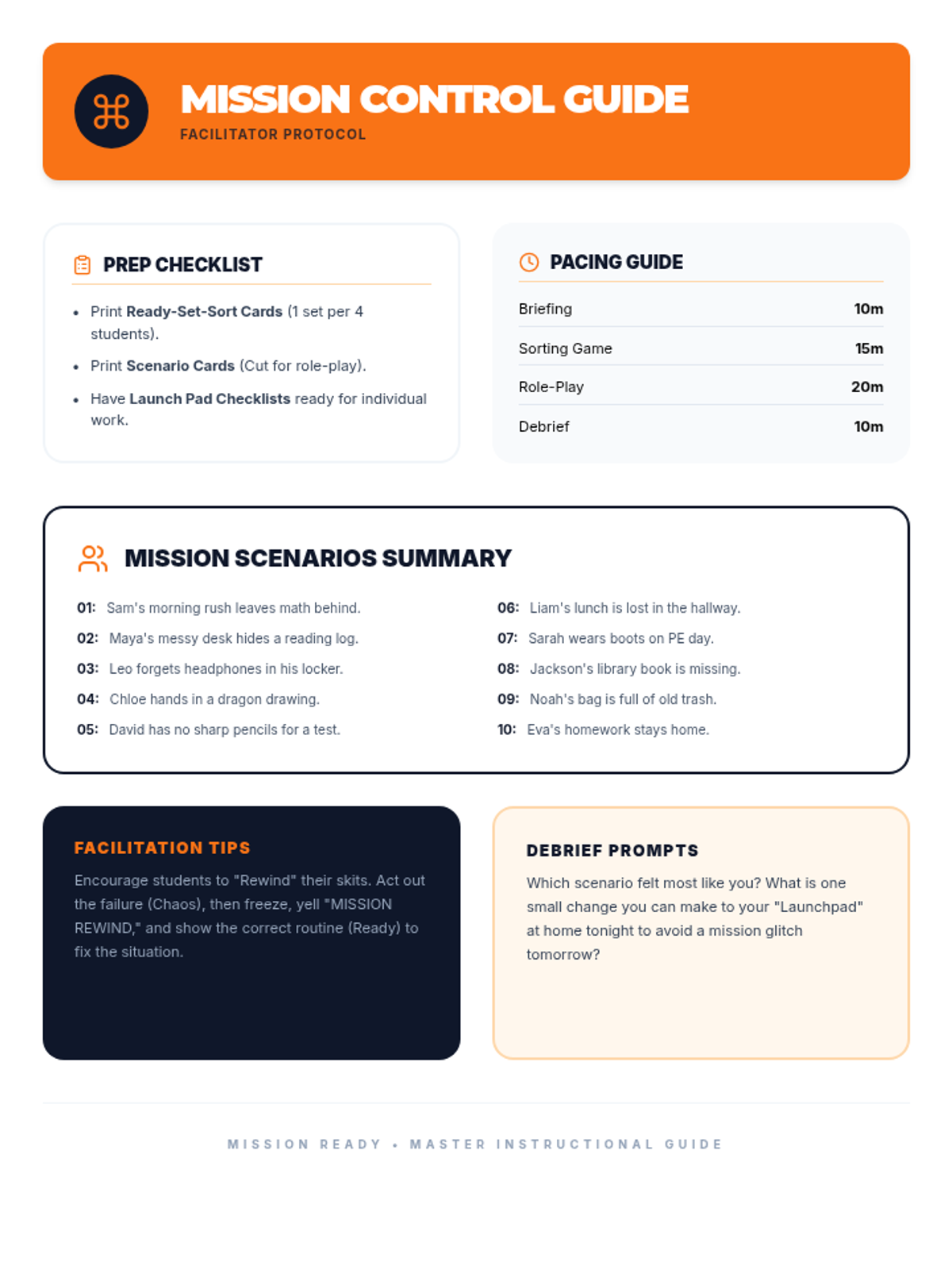
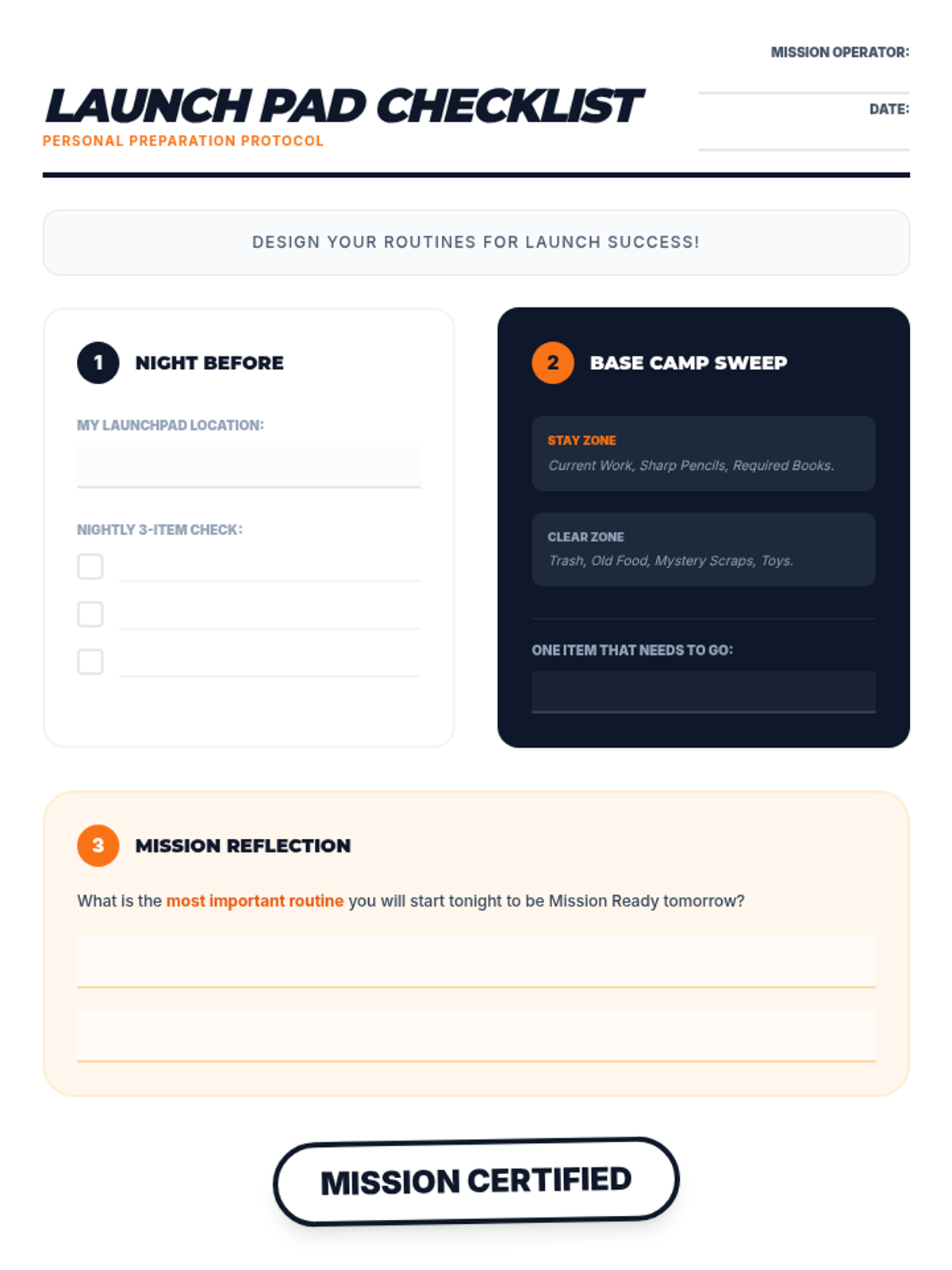
A hands-on lesson for 4th graders to master the 'Mission Ready' mindset, focusing on morning routines and workspace organization through sorting games and role-play.
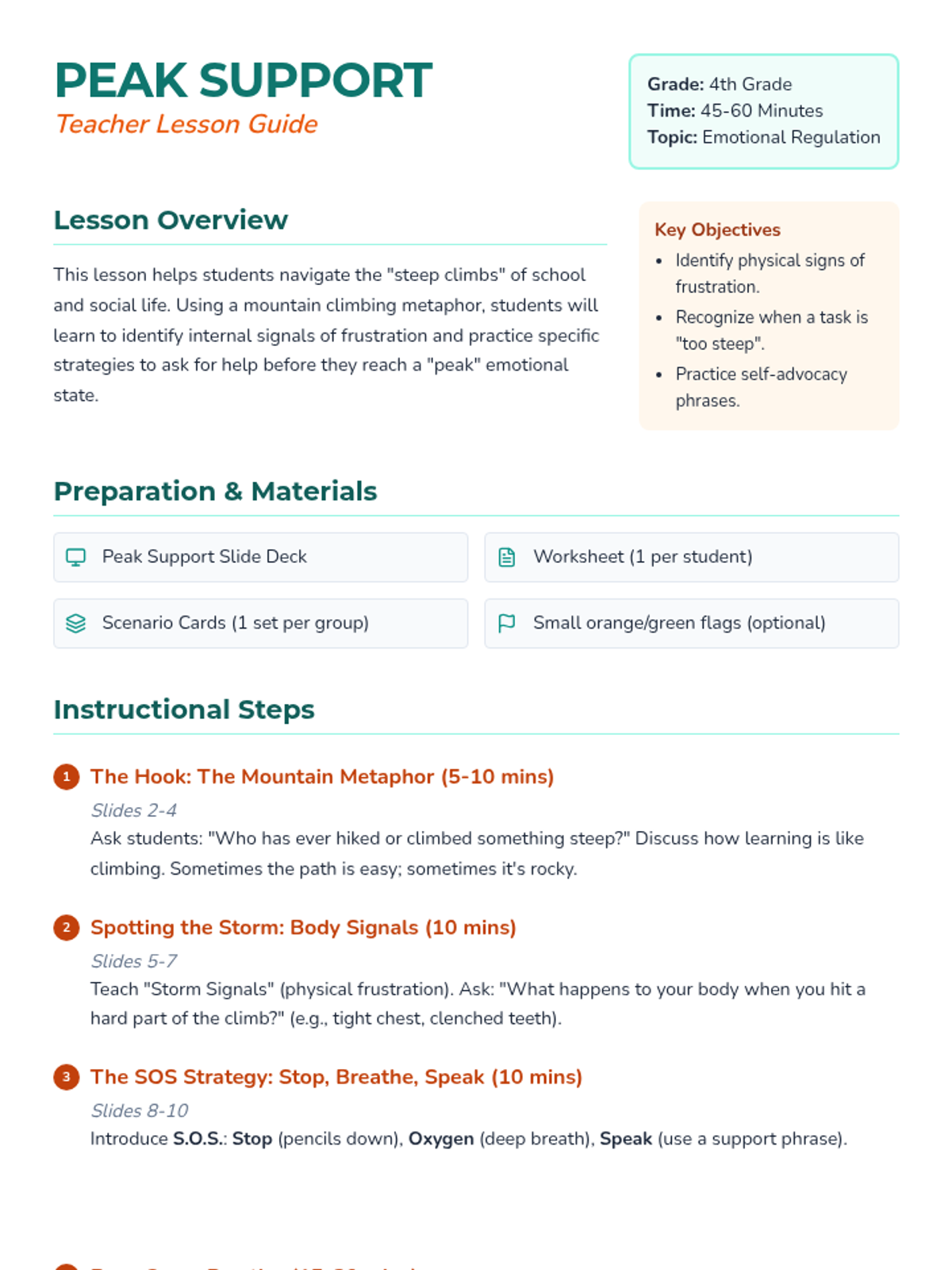
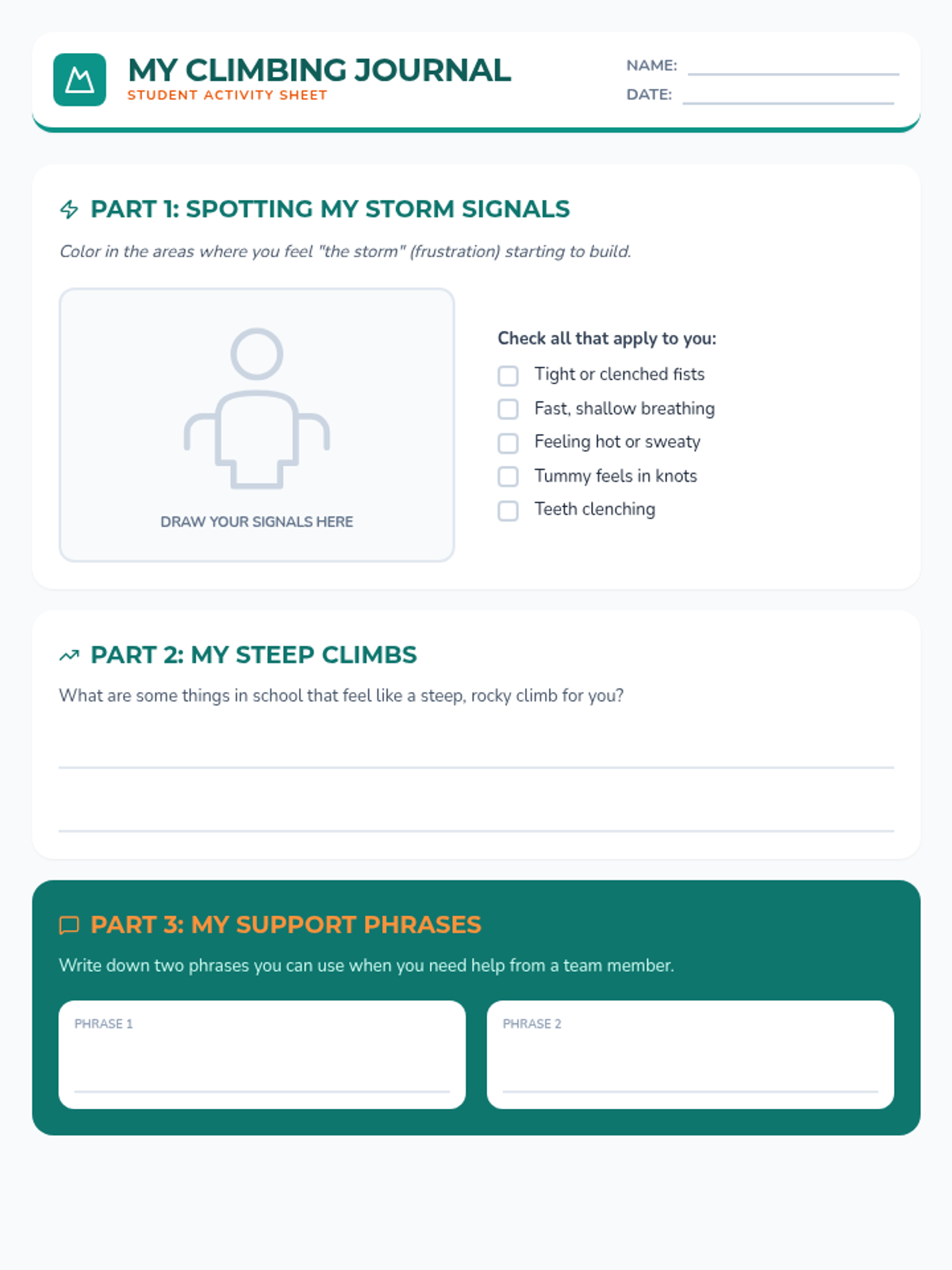
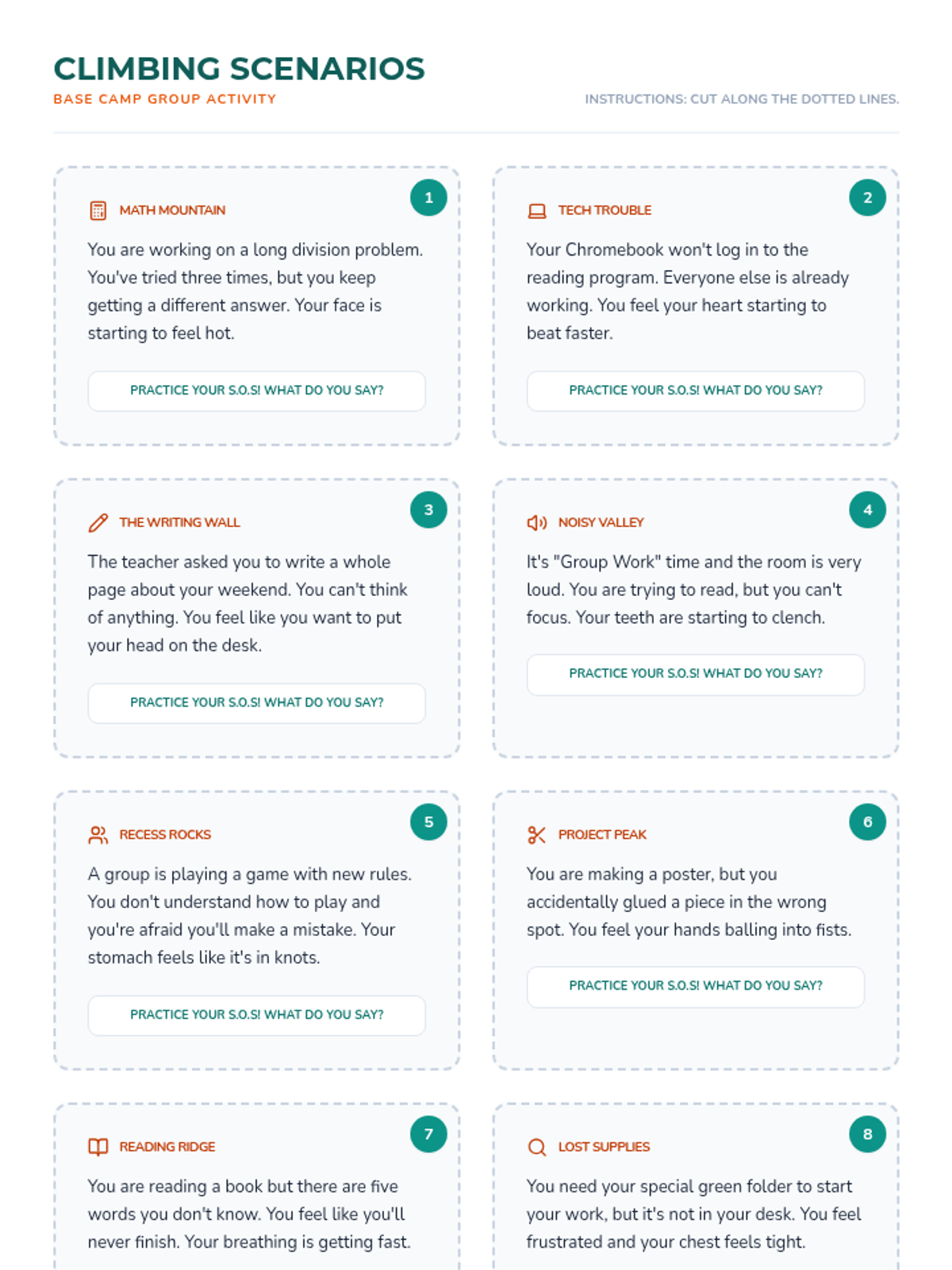
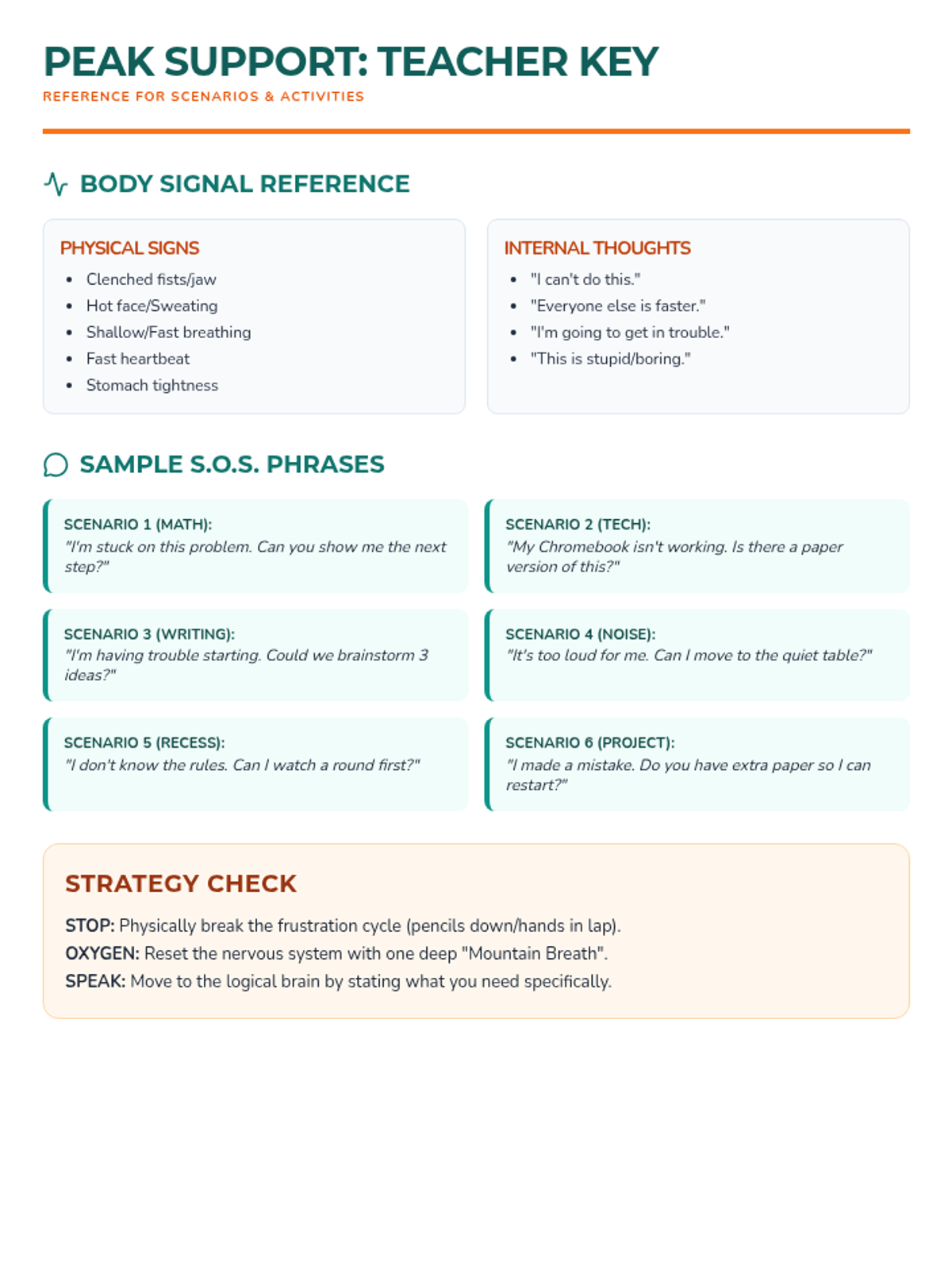
A 4th-grade lesson on emotional regulation and self-advocacy, using the metaphor of mountain climbing to teach students how to identify when tasks are difficult and how to effectively ask for support.
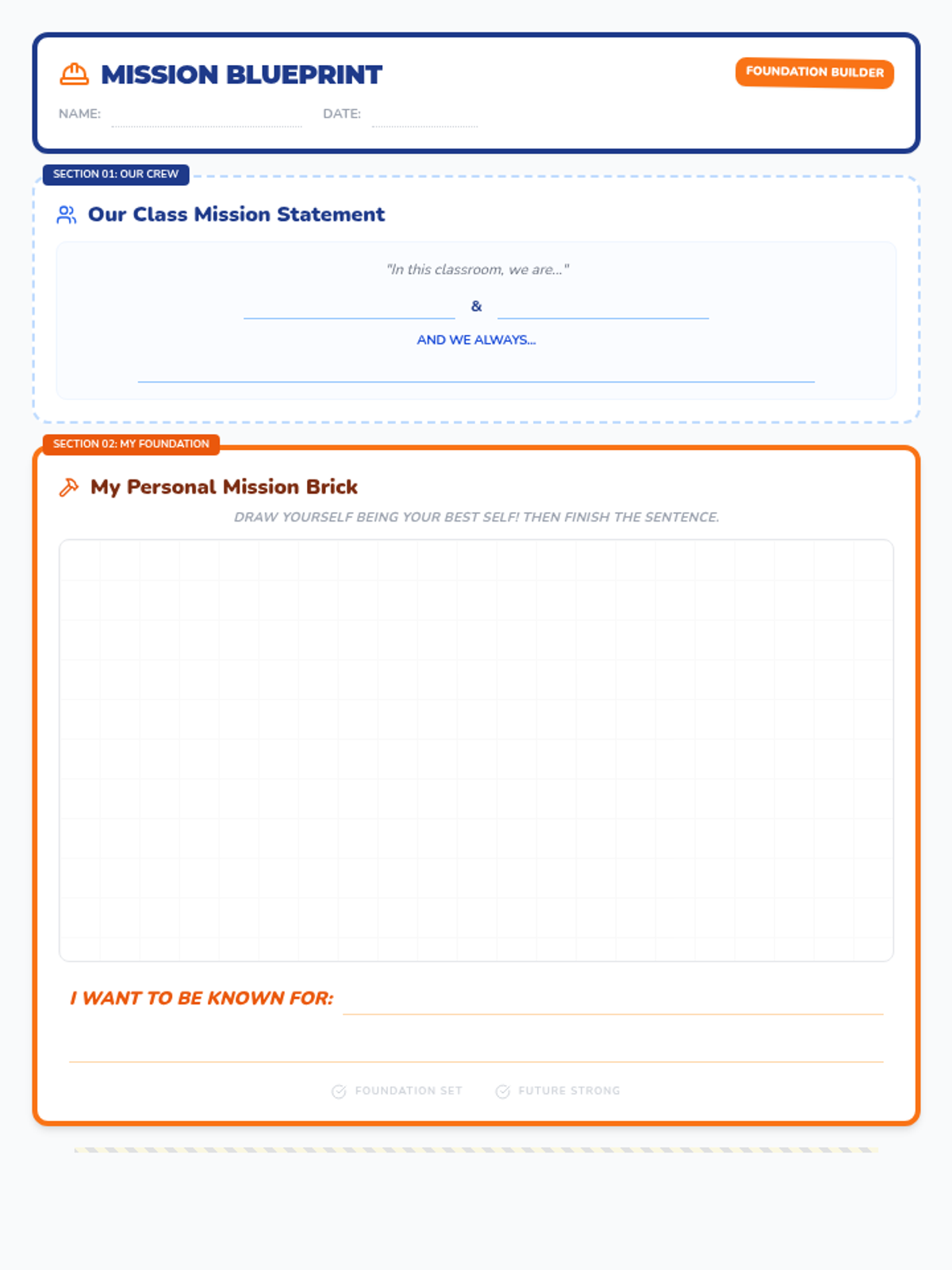
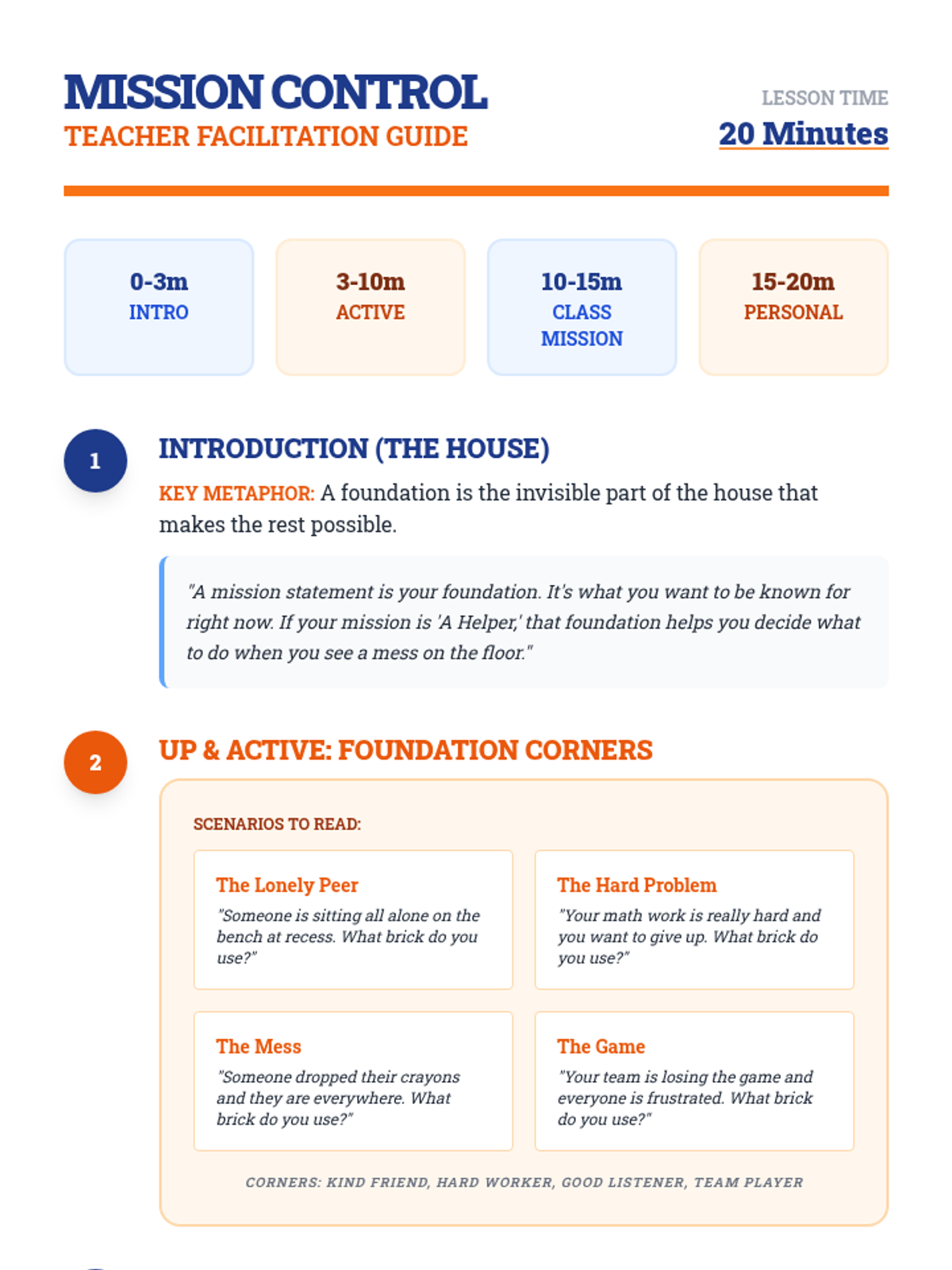
A high-energy 20-minute lesson where students use a construction theme to understand how a mission statement acts as a strong foundation for their lives and choices.
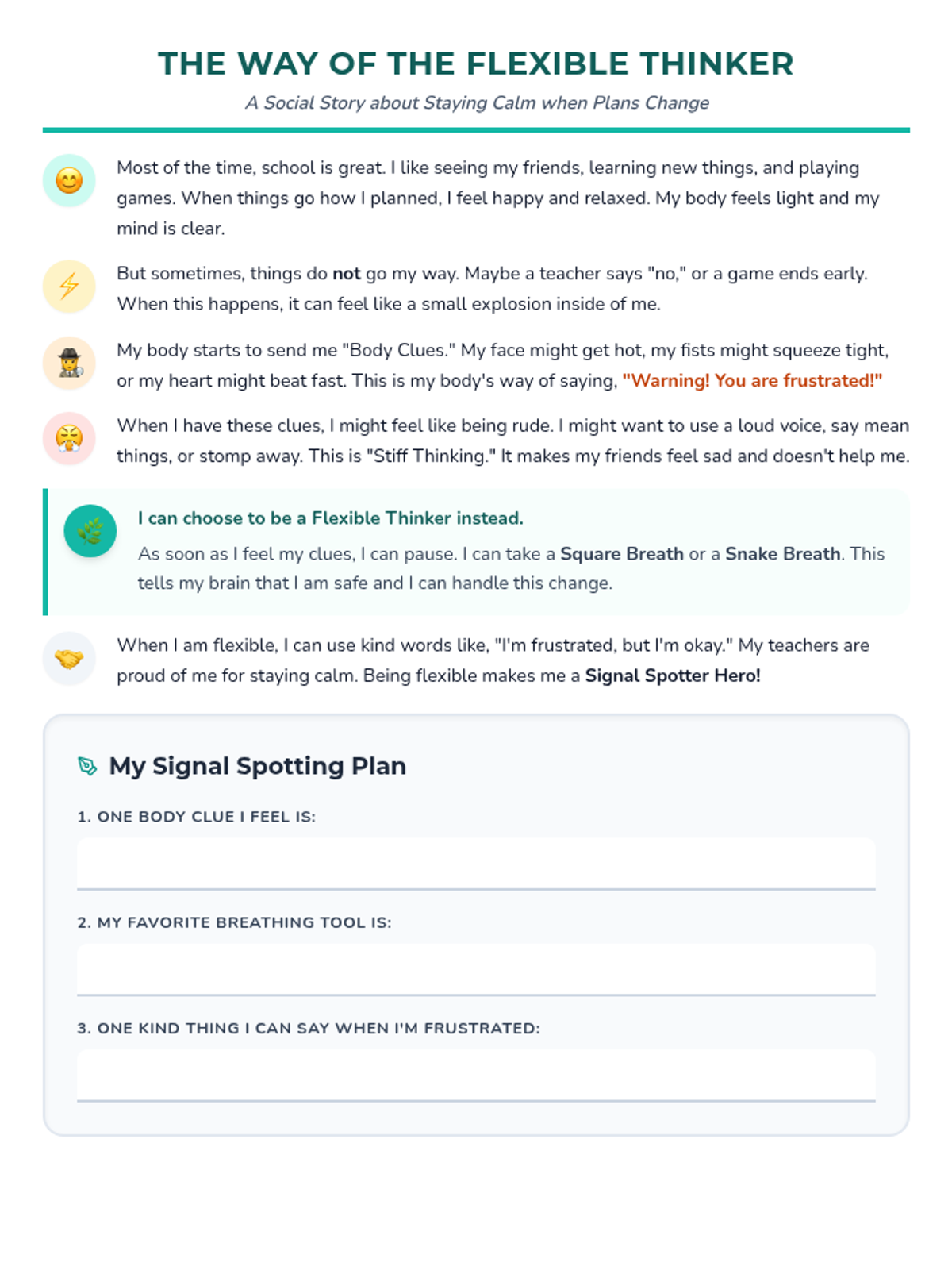
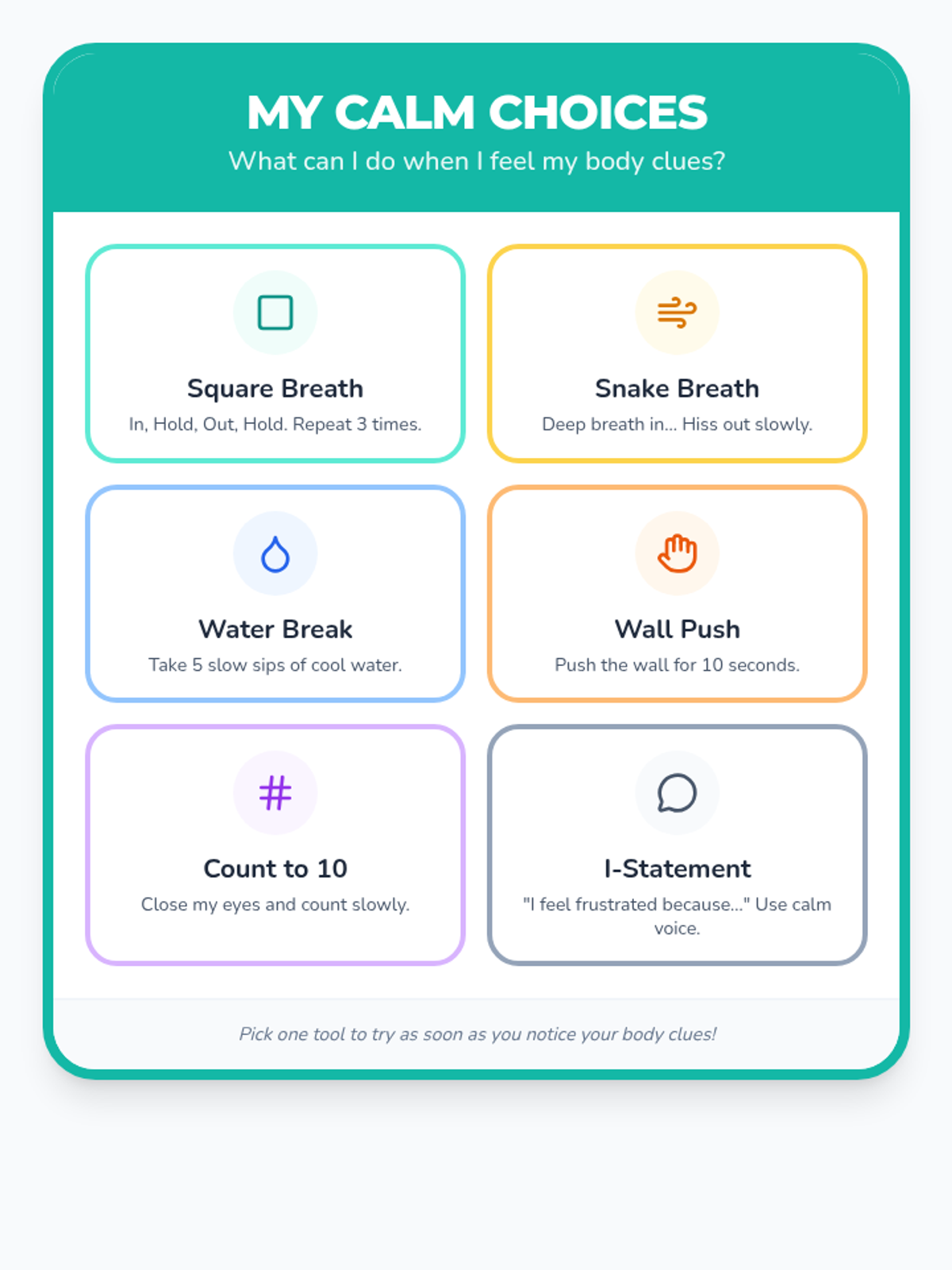
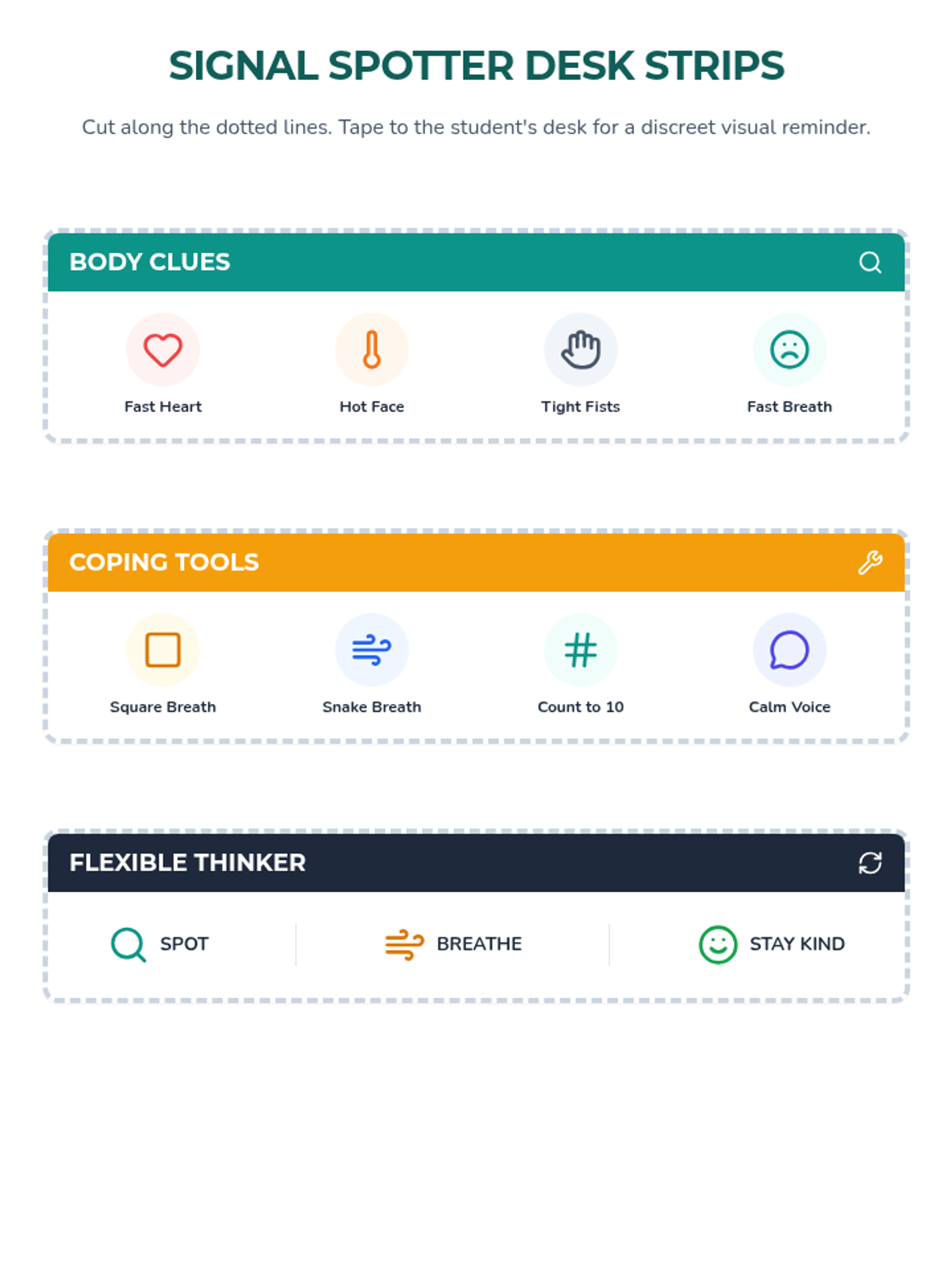
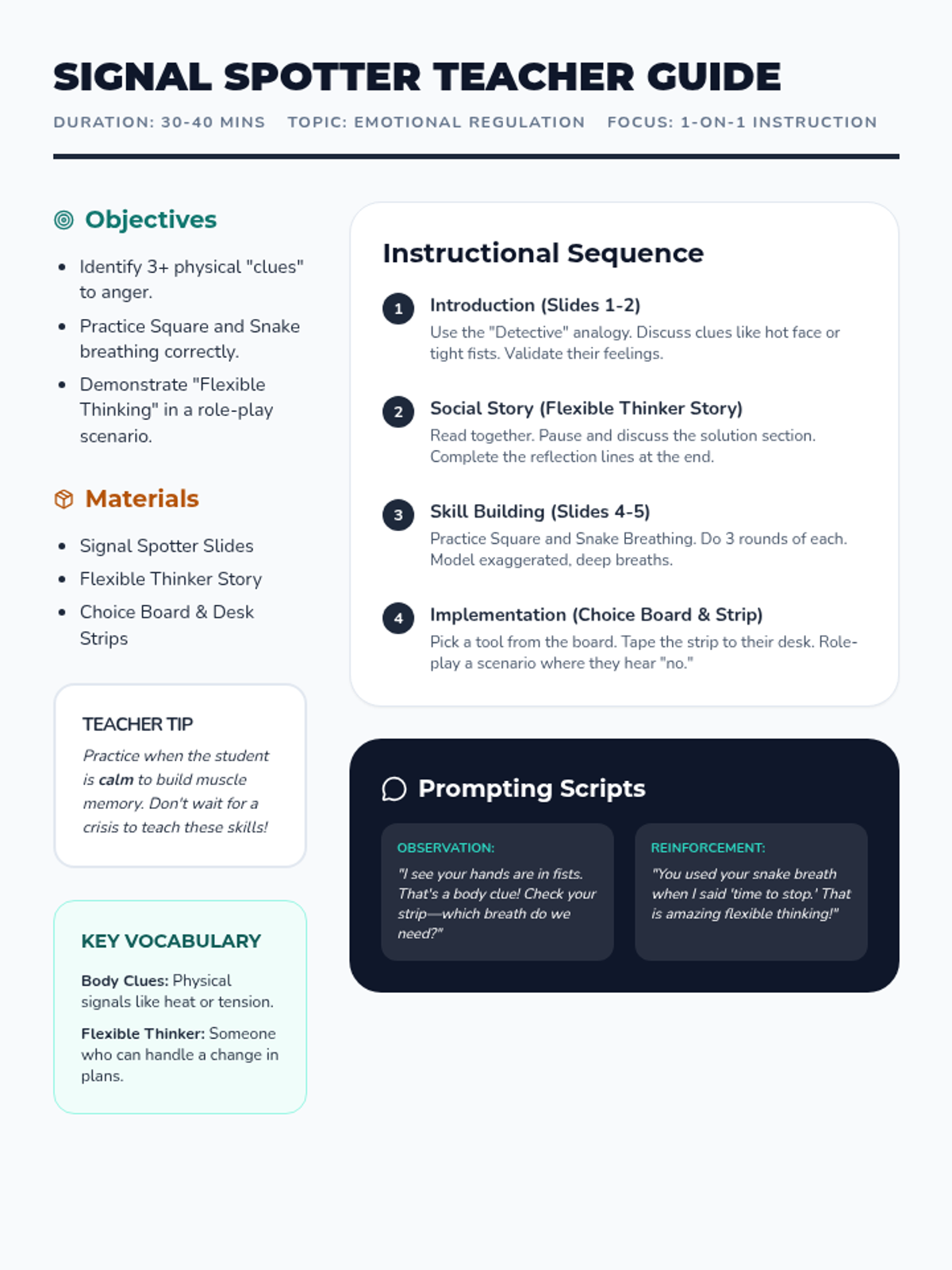
A 1-on-1 lesson designed to help students recognize physical body signals of frustration and implement deep breathing techniques to maintain flexibility and respect.
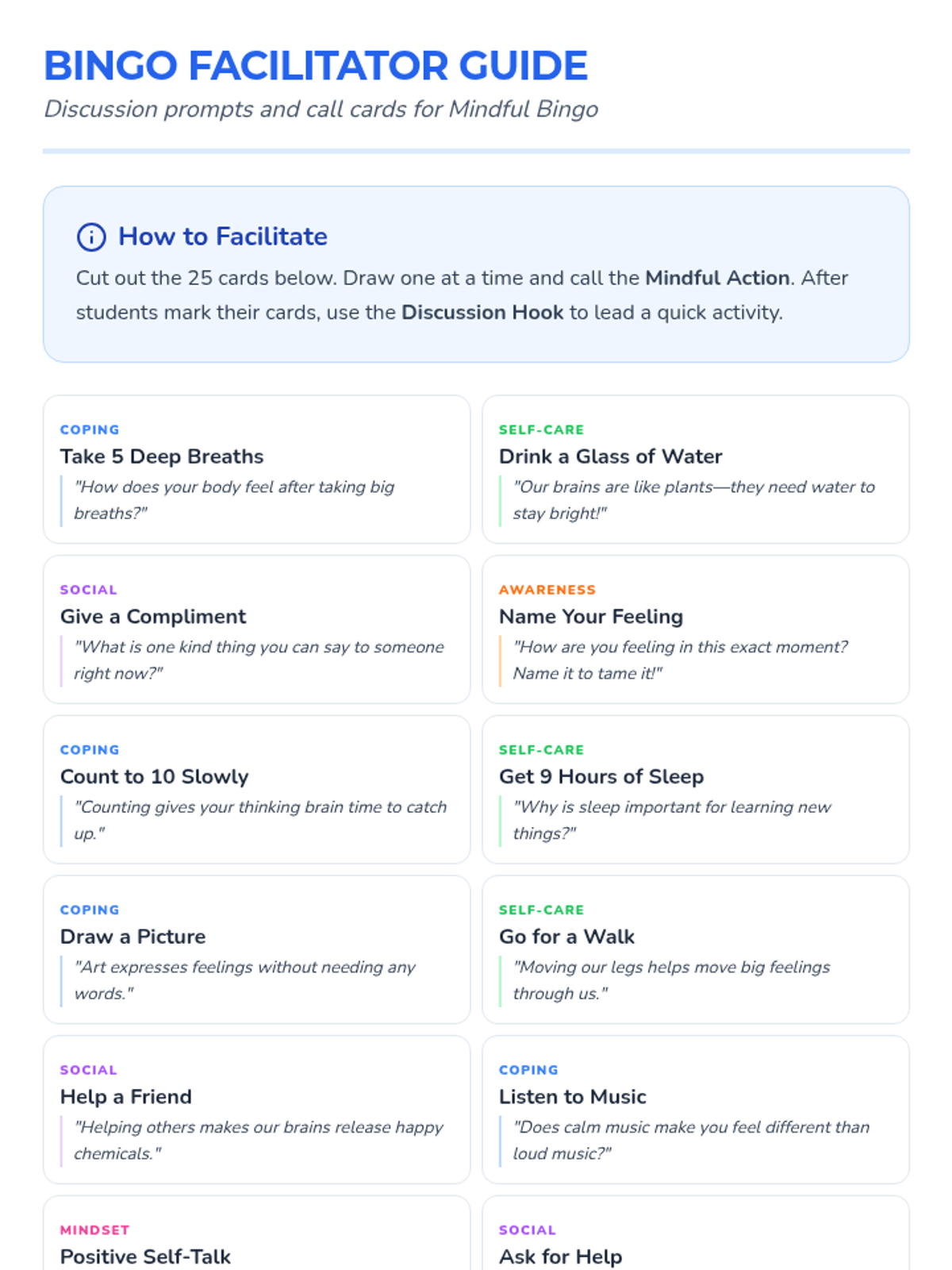
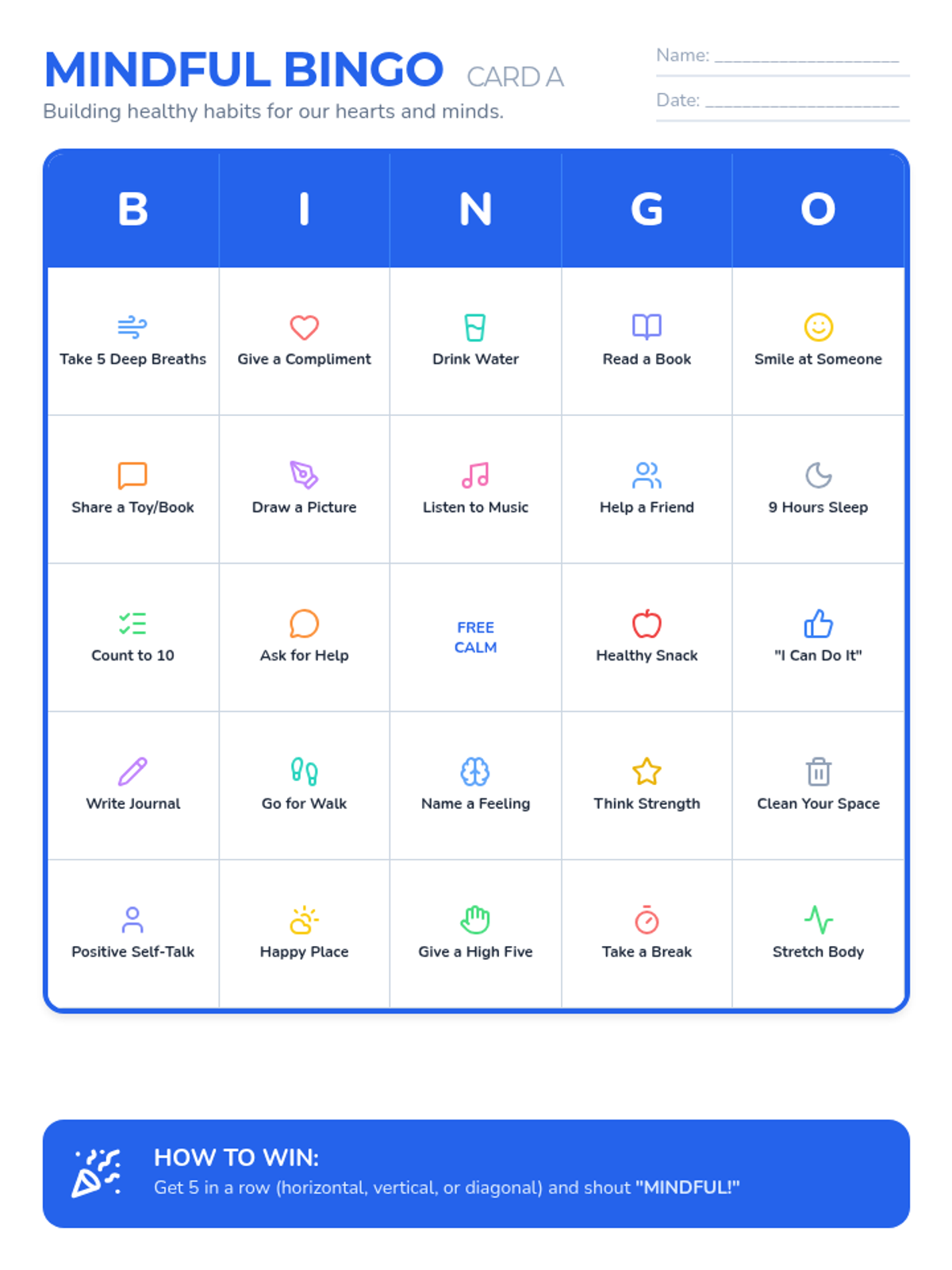
A fun and interactive lesson for 3rd and 4th graders focused on emotional awareness, coping strategies, and self-care through a bingo-style game. Students learn to identify healthy habits while building a shared vocabulary for mental wellness.
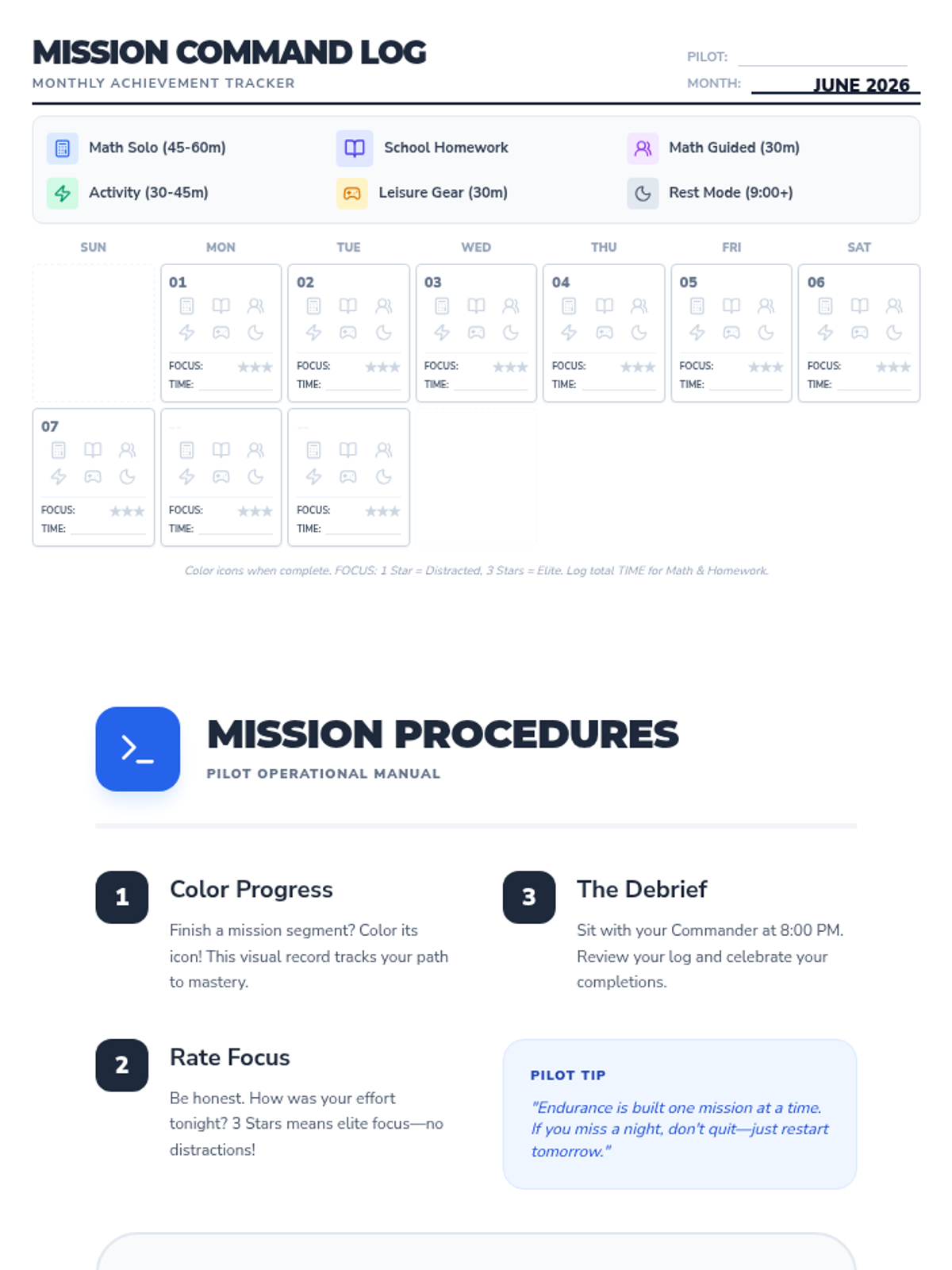
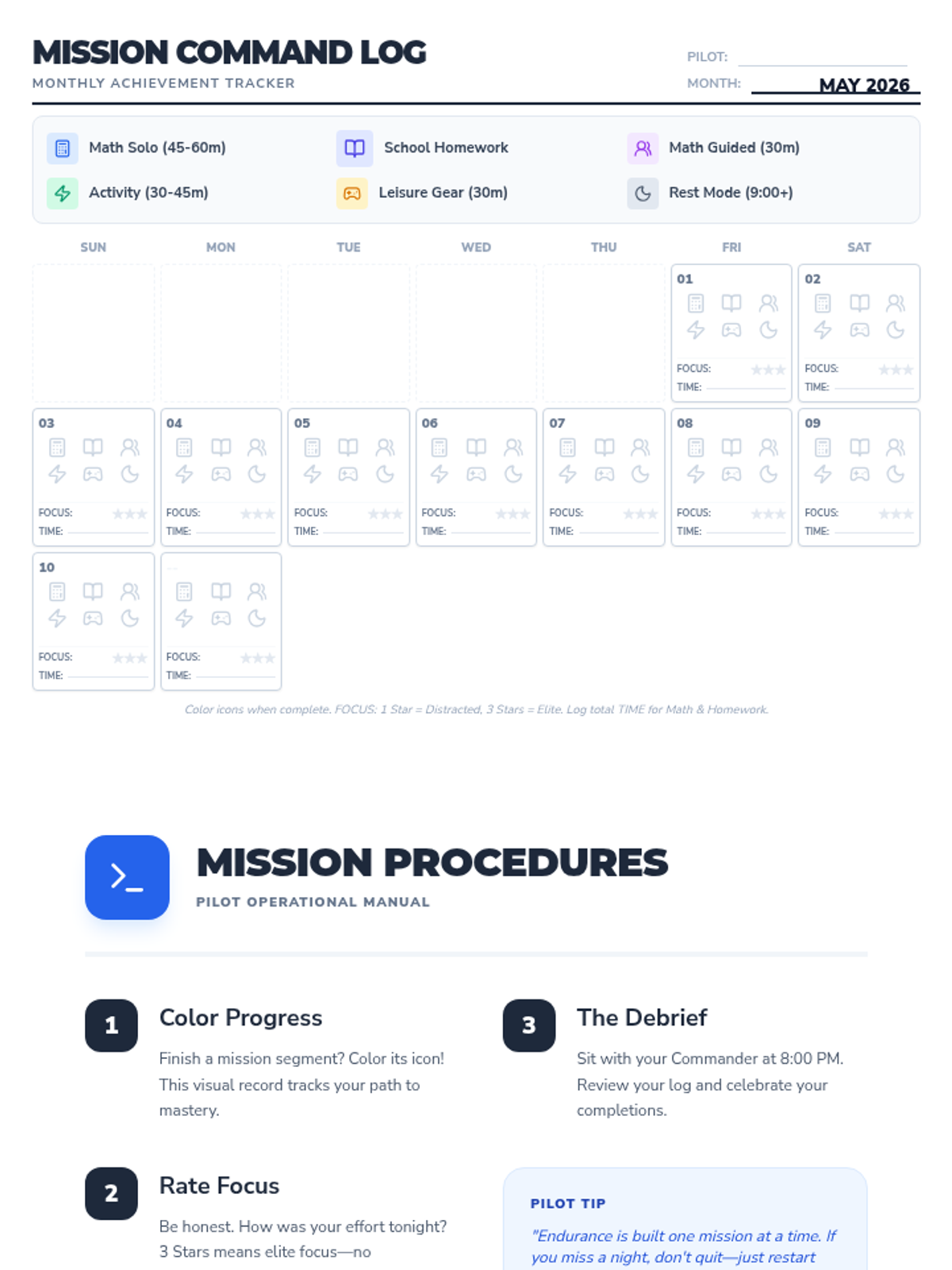
A structured daily routine system designed to help students track their evening tasks, physical activity, and sleep habits through a mission-themed log.
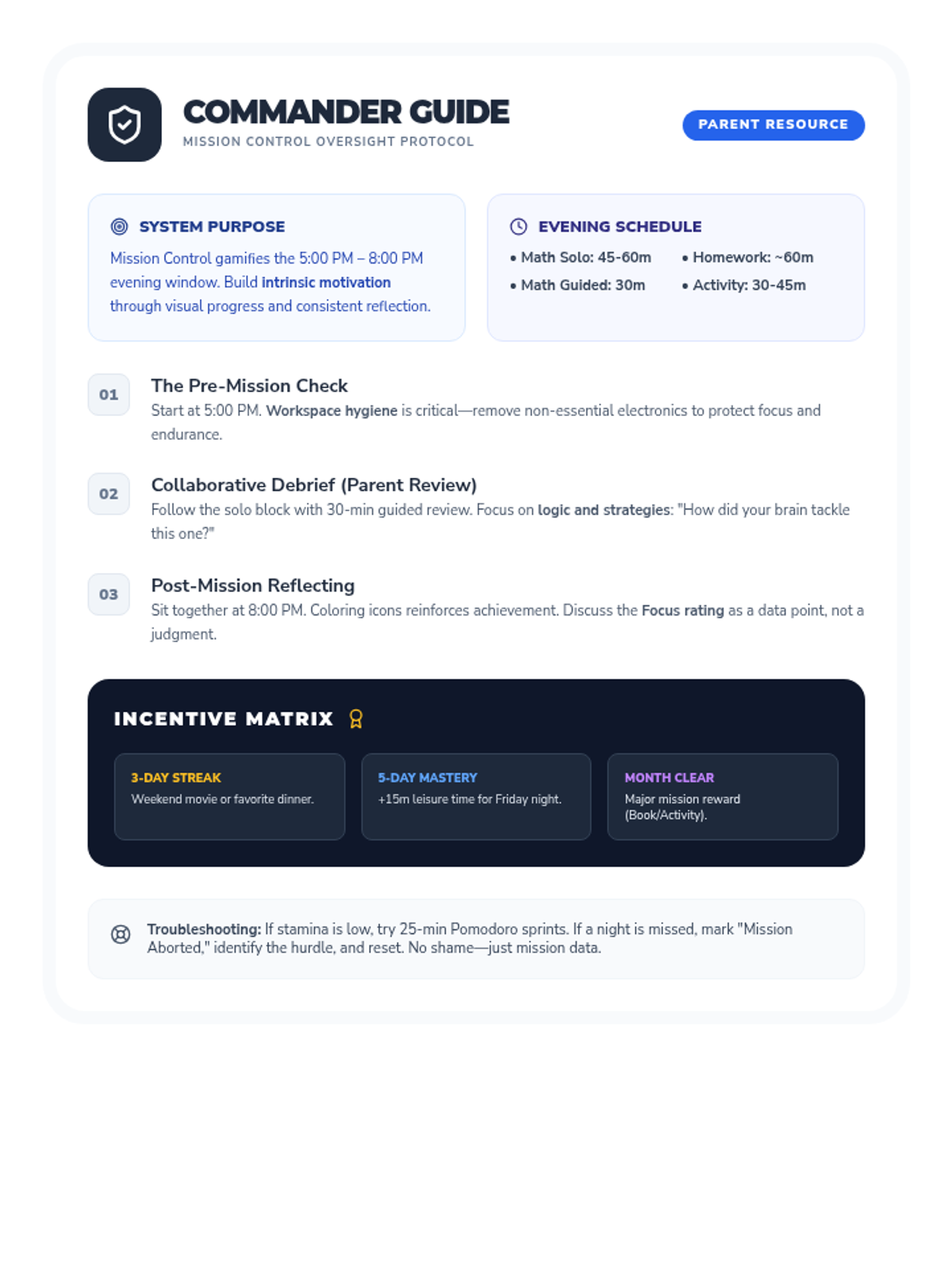
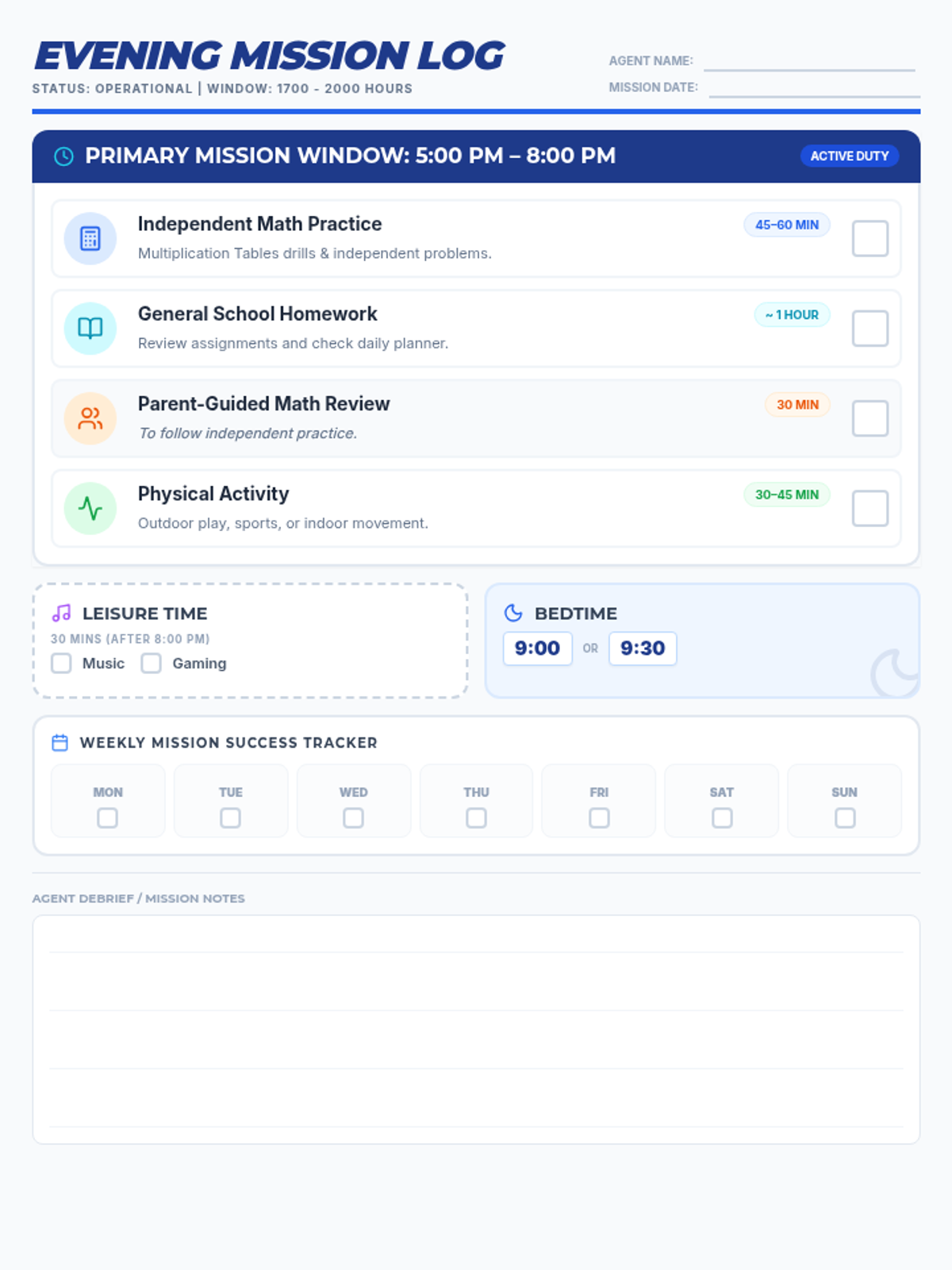
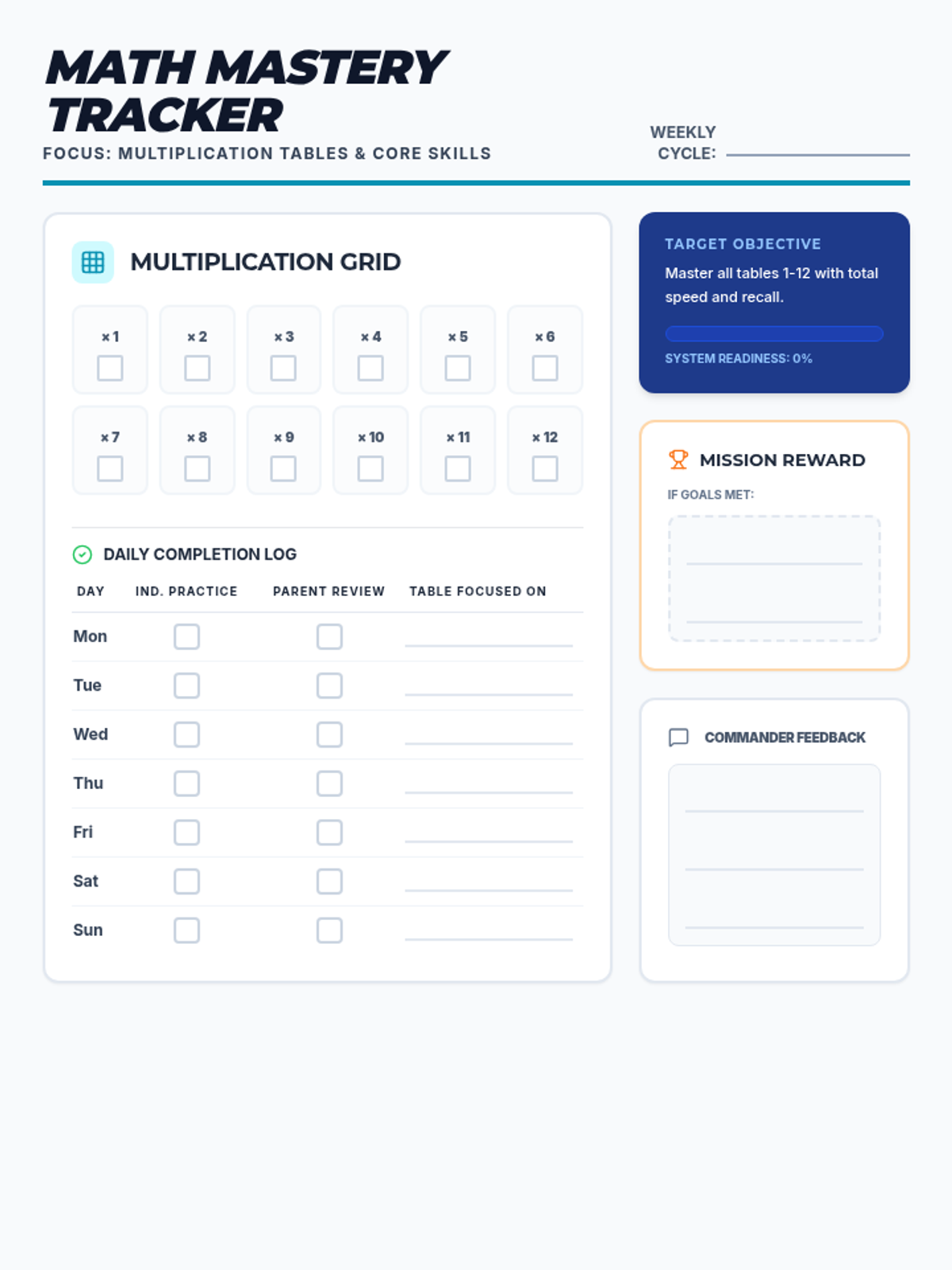
A structured evening planning system designed to help students manage homework, math practice, and physical activity with clear goals and a 'Mission Control' theme.
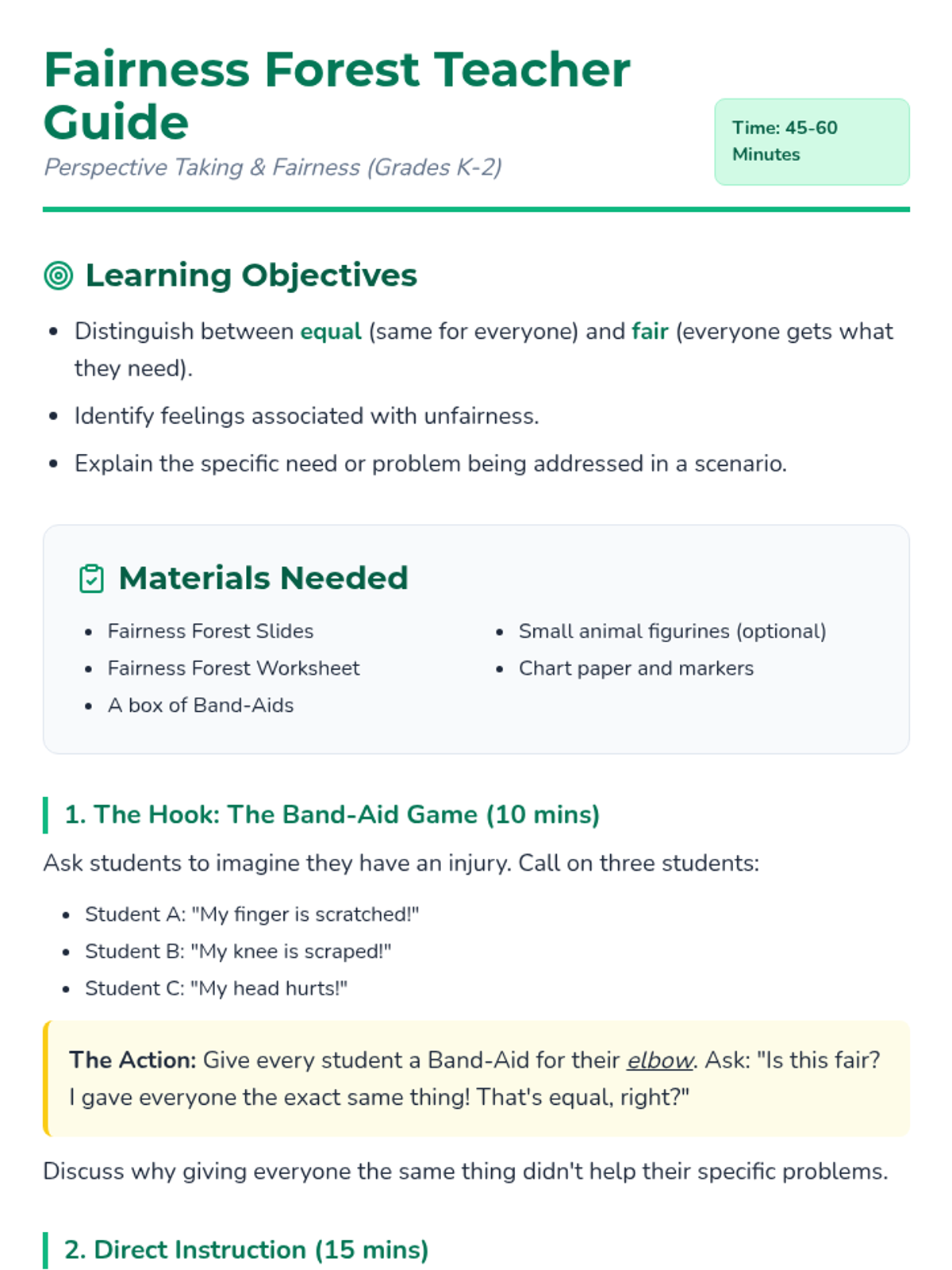
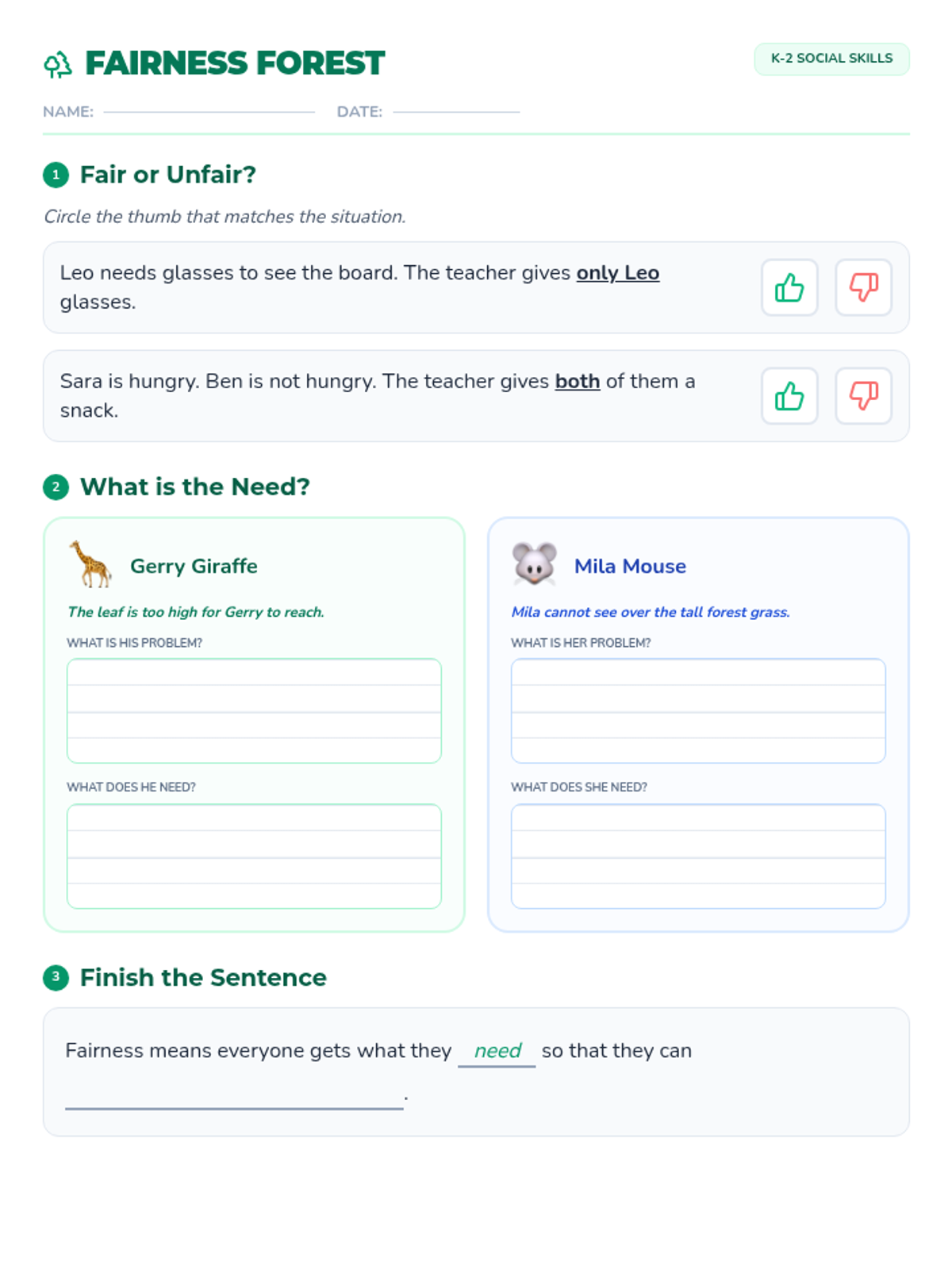
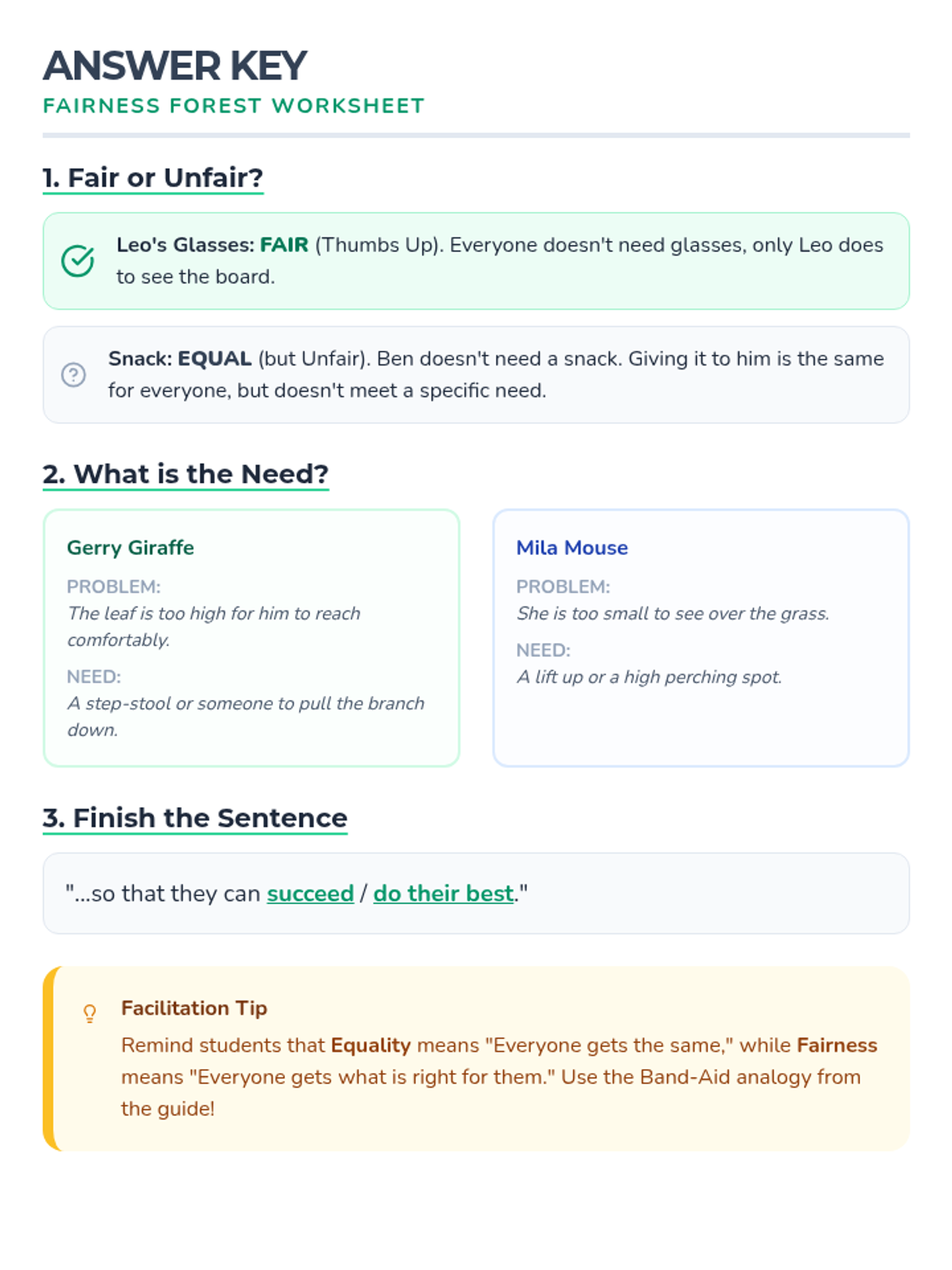
A comprehensive lesson for Grades 3-4 students to understand the nuances of equality, equity, and justice. Through the 'Fairness Forest' model, students analyze systemic barriers, propose equitable solutions, and explore the emotional impact of fairness within a community.