Students identify non-physical signs of dependency, such as withdrawal from hobbies, changes in friend groups, and secrecy. Students use character profiles to spot these subtle shifts over time.
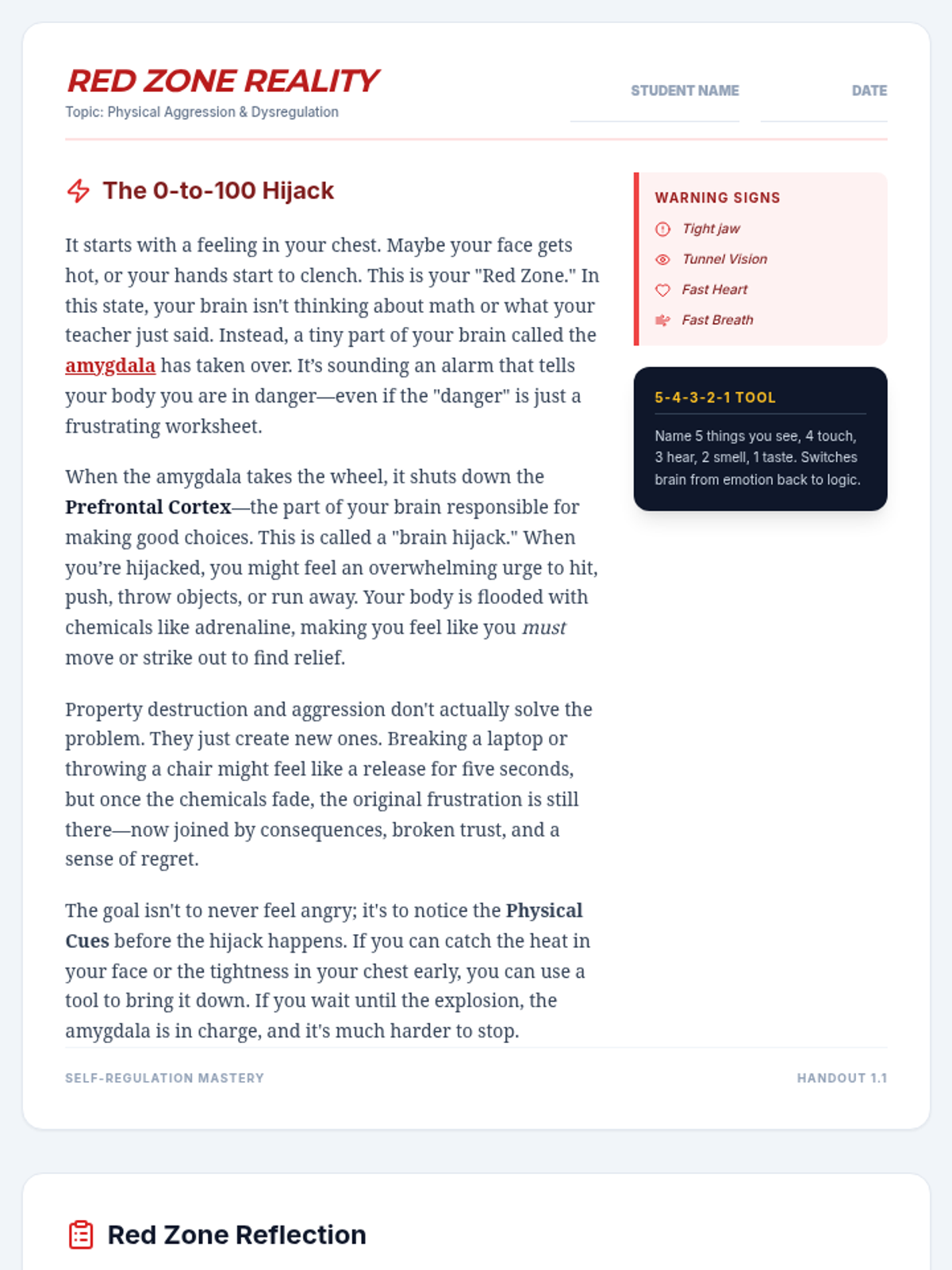
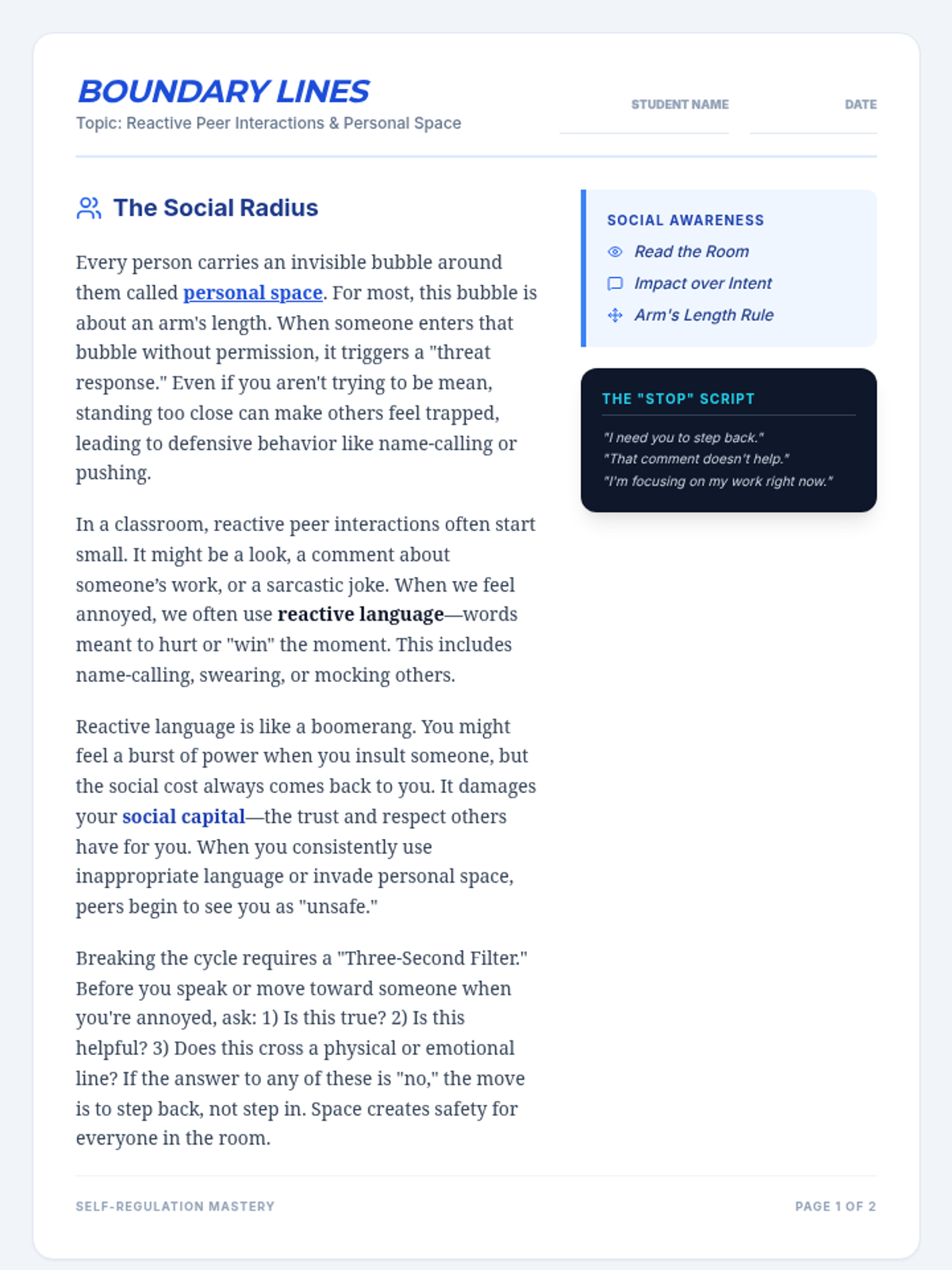
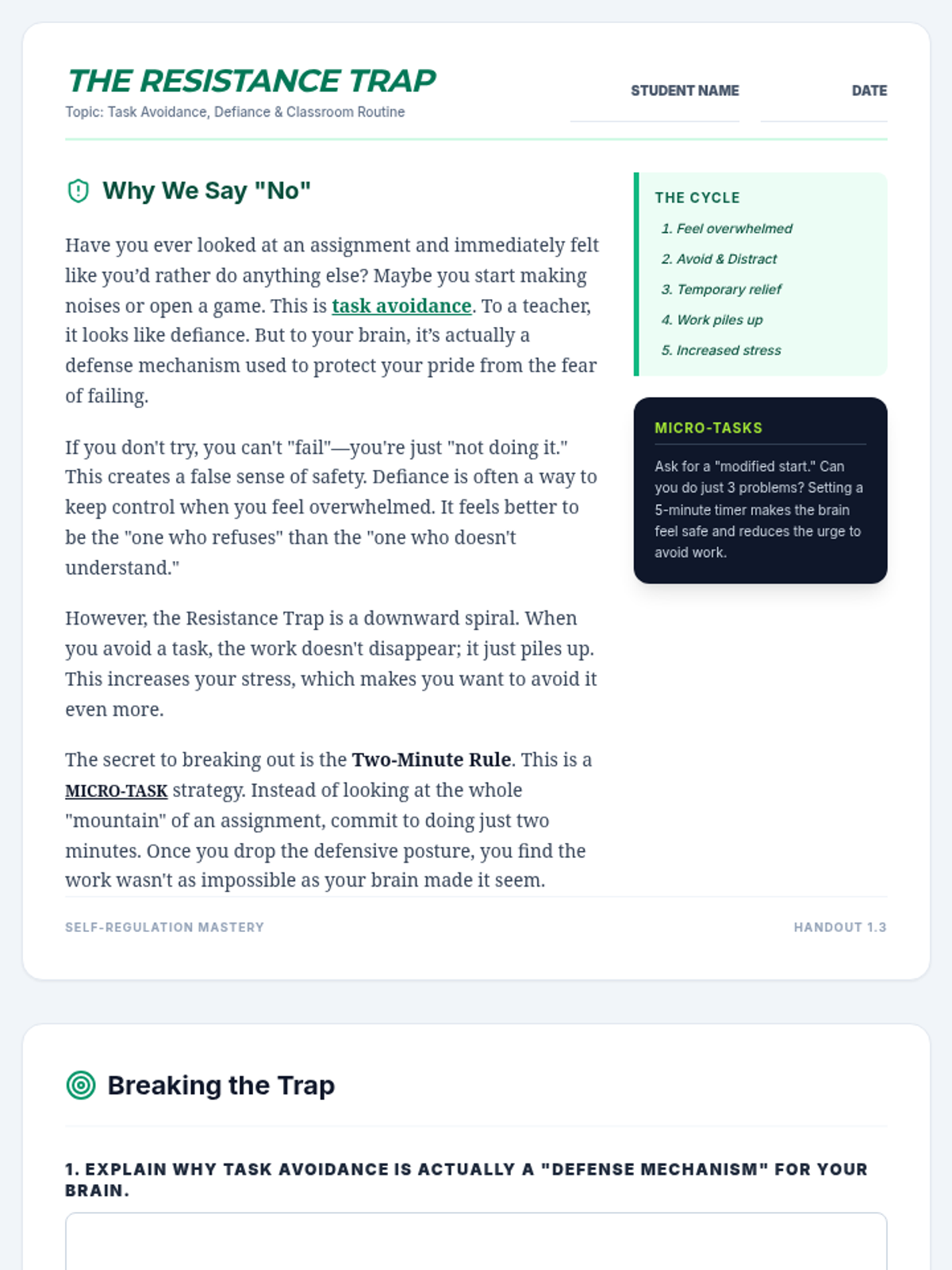
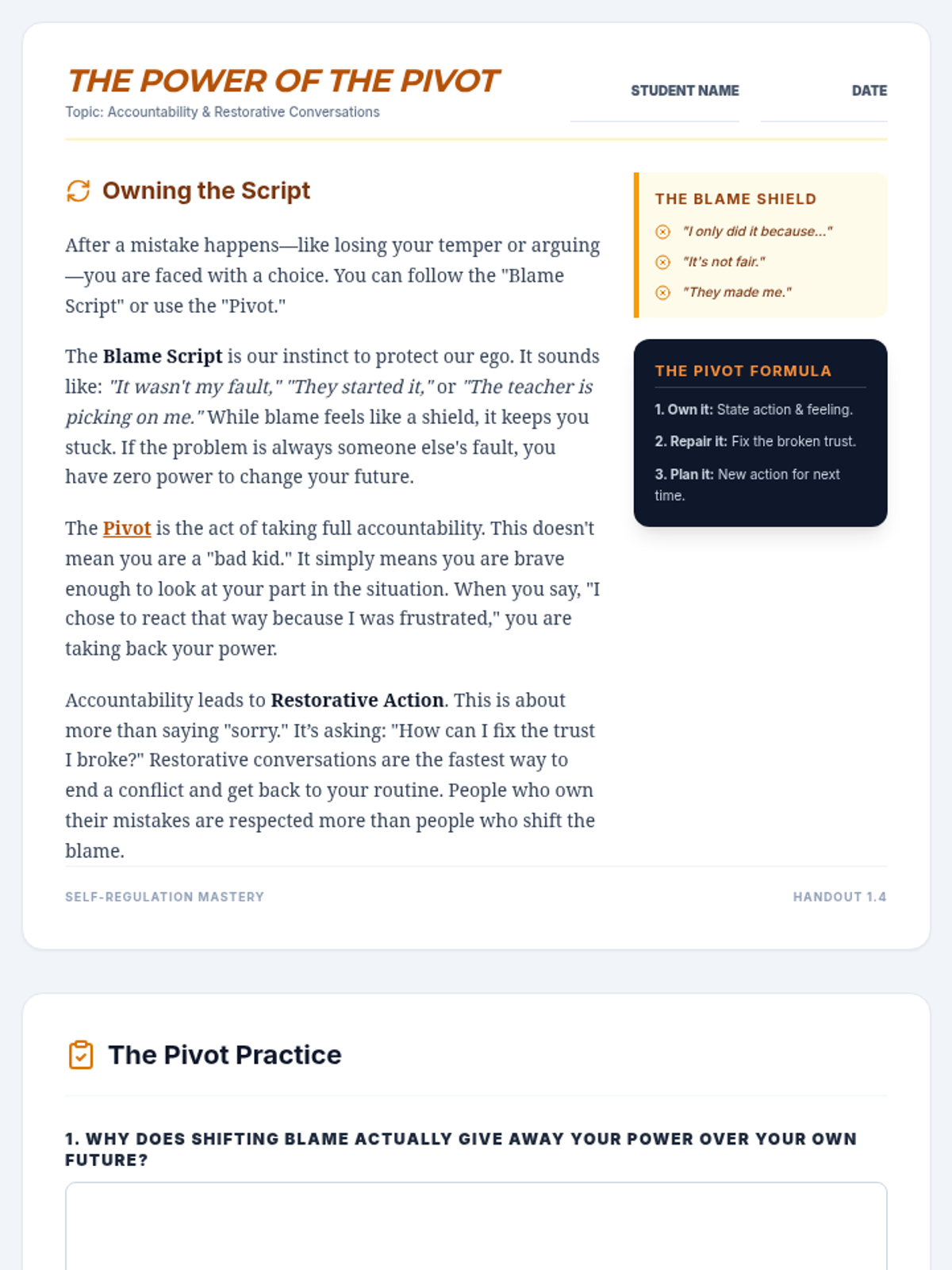
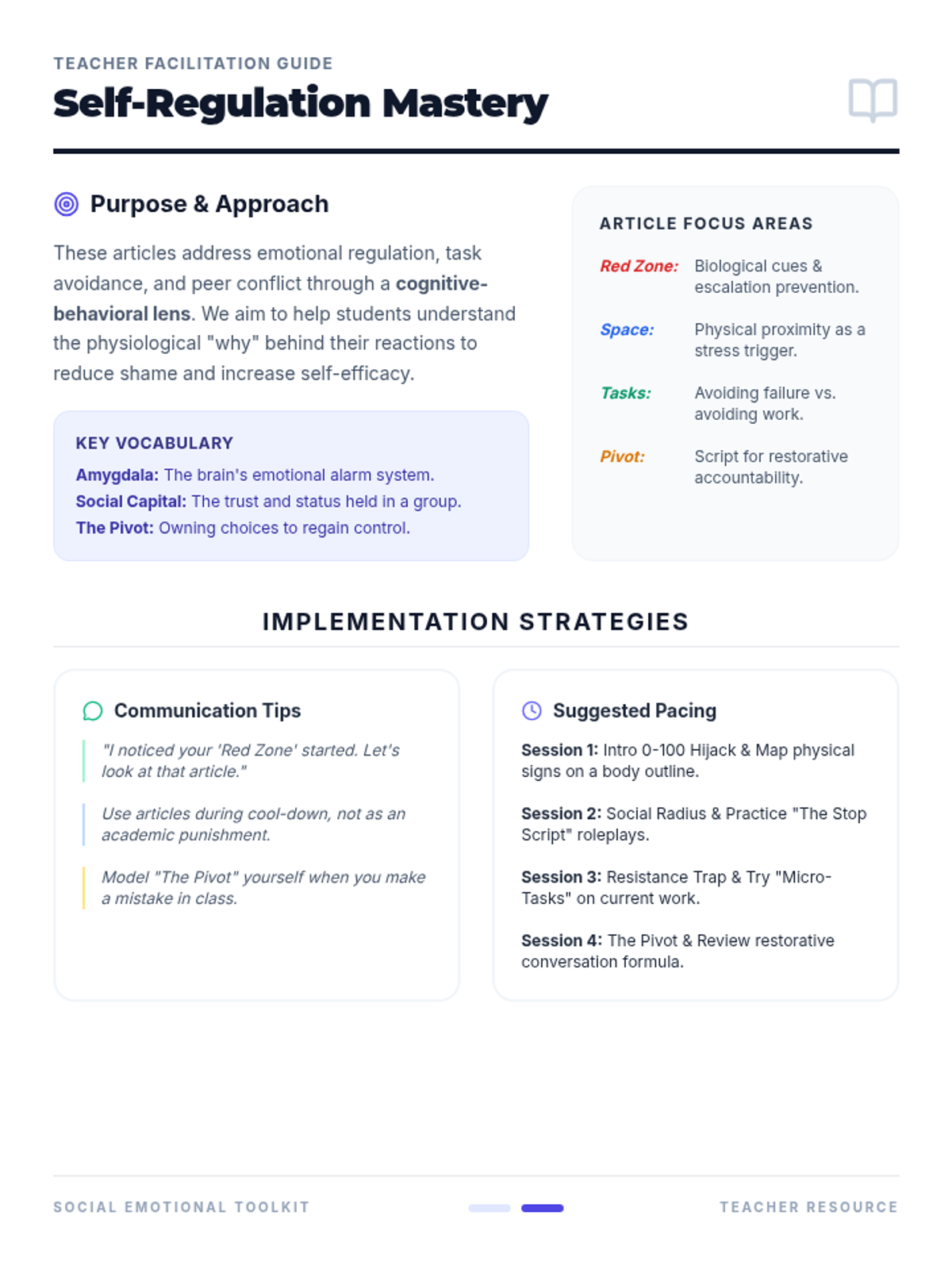
This lesson explores the mechanics of emotional dysregulation and the transition from reactive behaviors to proactive self-management. Students will read about brain chemistry, social boundaries, and the psychology of avoidance to build a toolkit for classroom success.
A collaborative "Pairs Compare" activity where students work in teams of four to share keywords, locate evidence, and synthesize final answers on index cards.
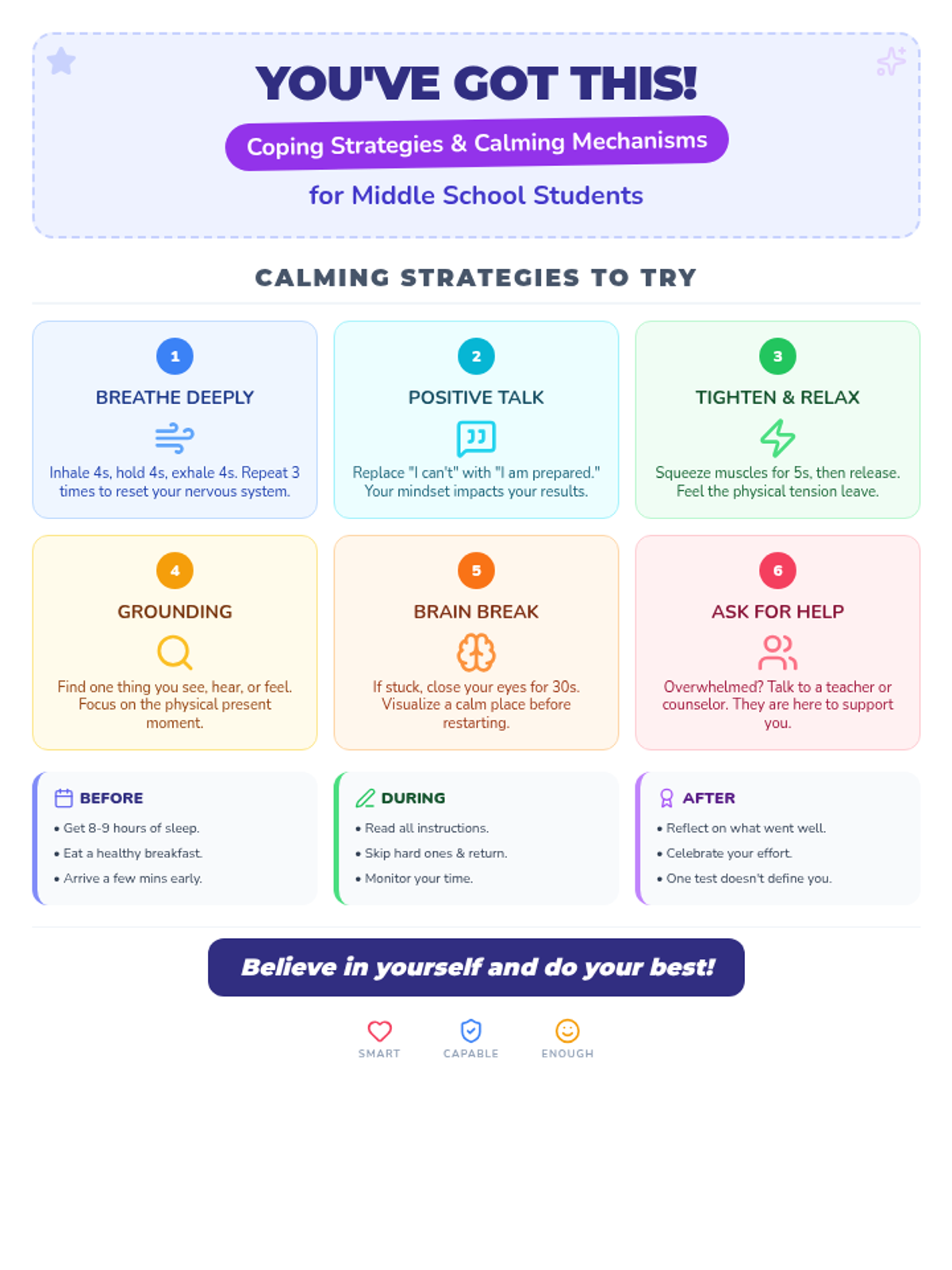
A lesson focused on equipping middle school students with practical strategies to manage test-related stress and anxiety.
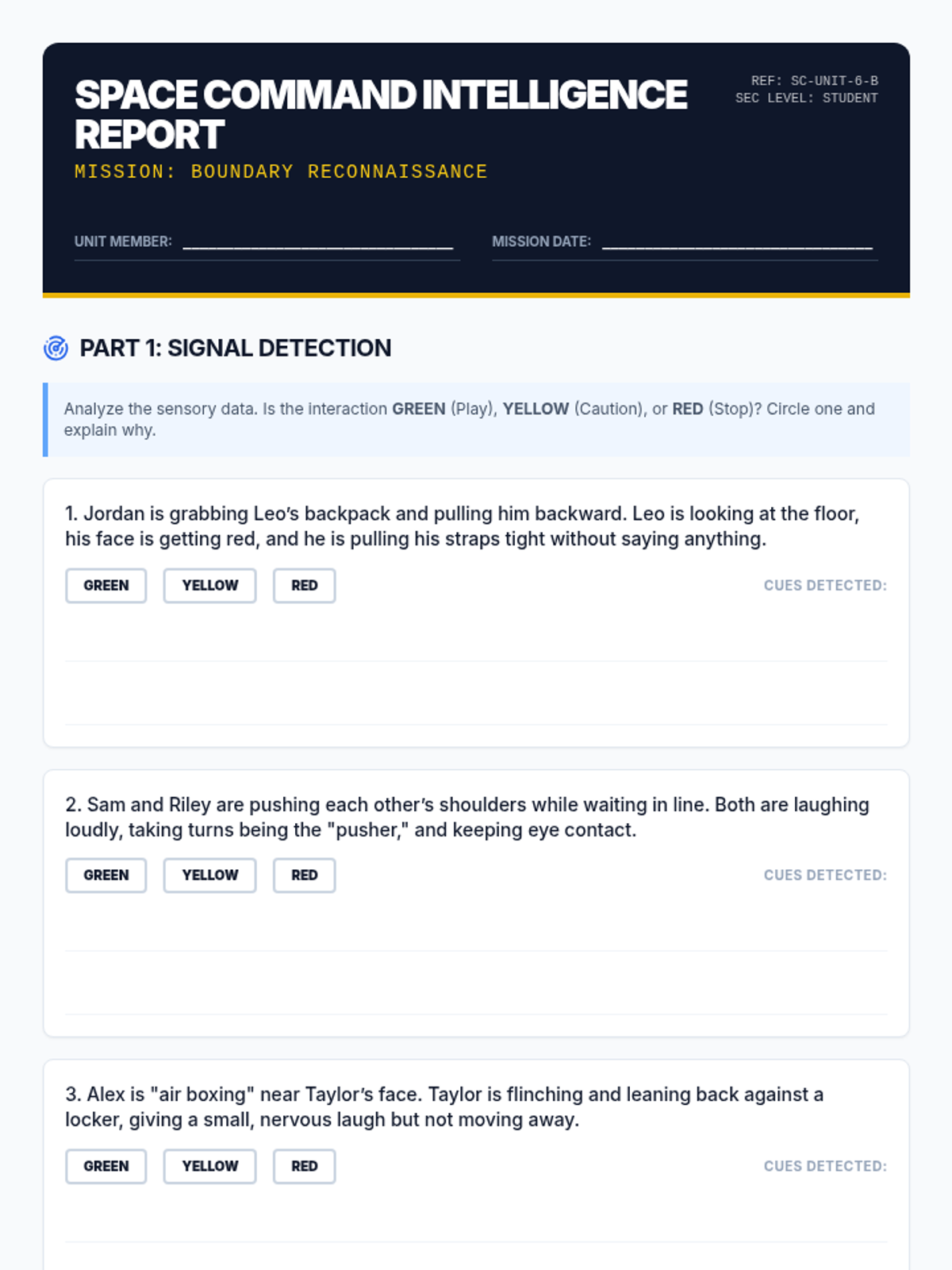
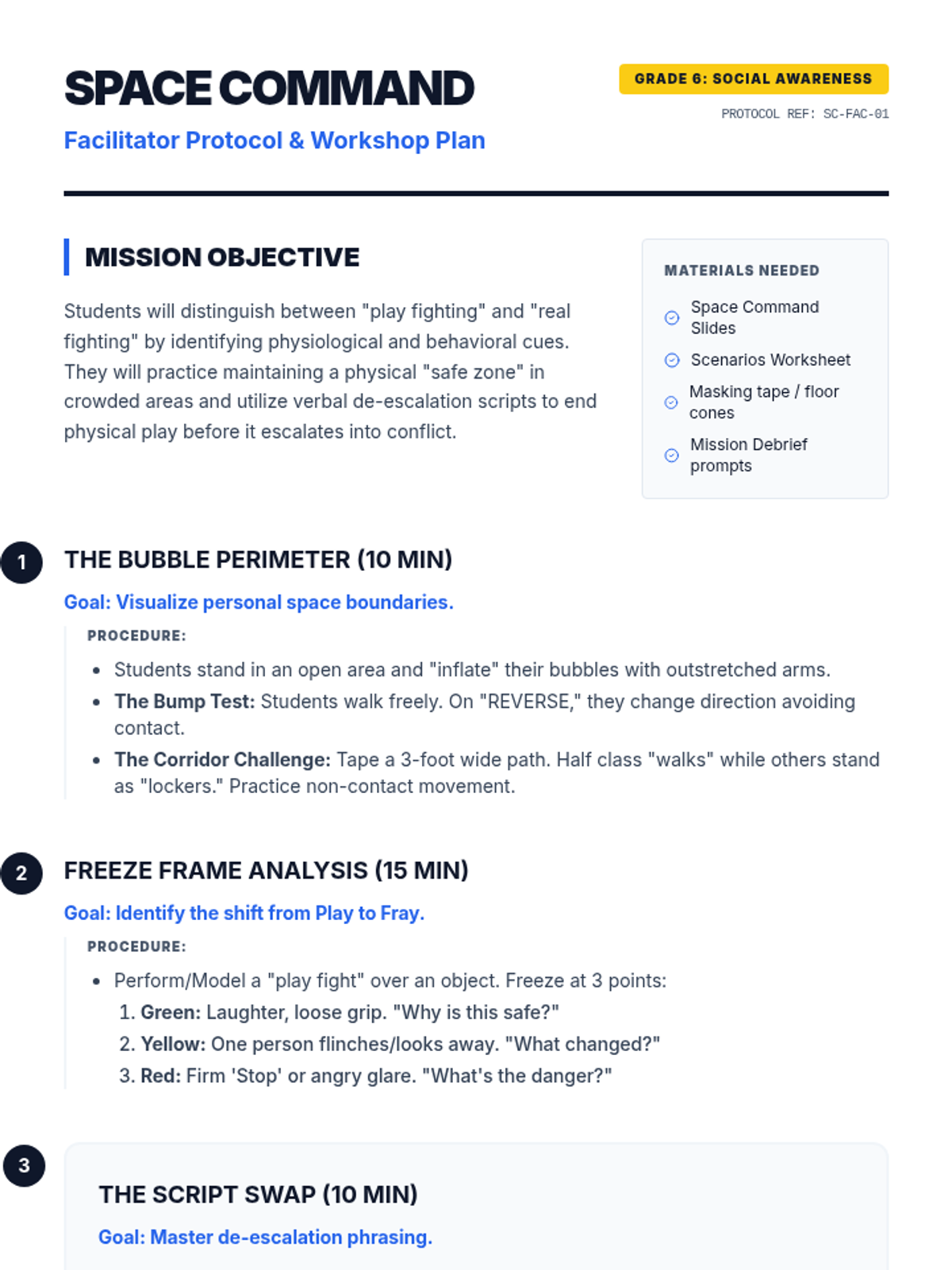
A comprehensive lesson for 6th graders on navigating personal boundaries, recognizing the shift from play to conflict, and mastering de-escalation in high-traffic school areas.
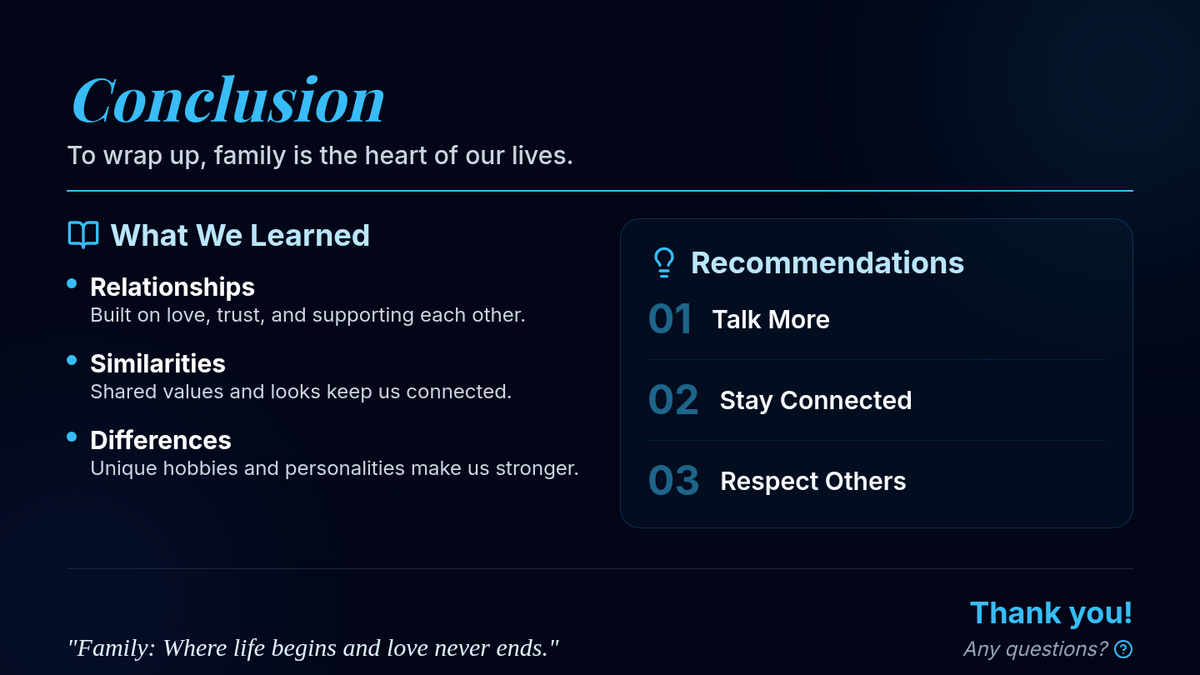
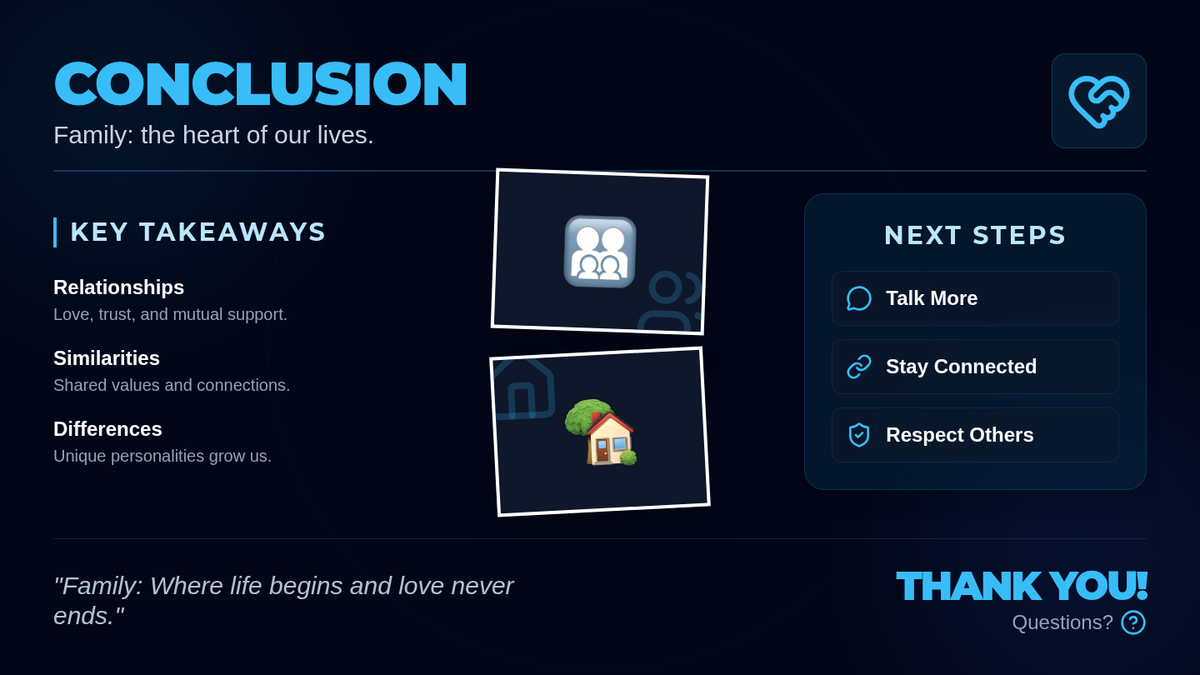
A concluding lesson on the importance of family, focusing on relationships, similarities, and differences.
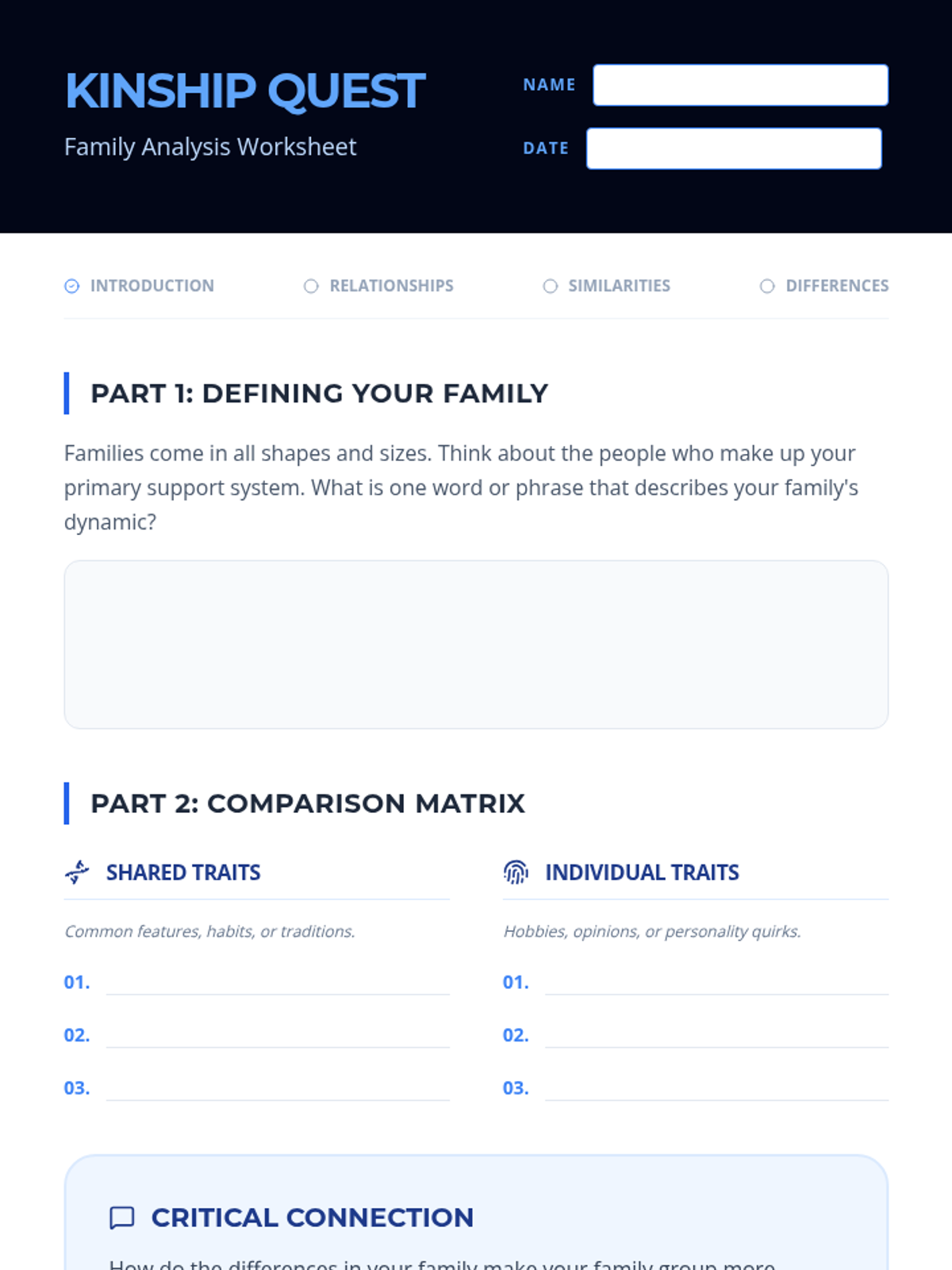
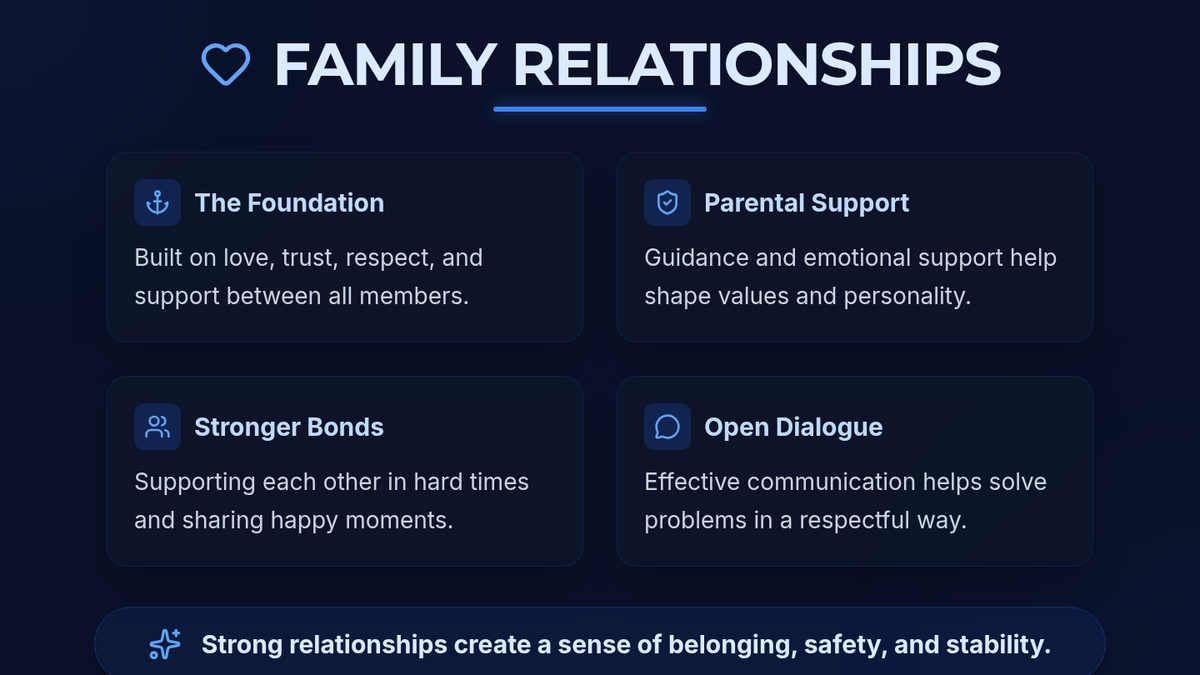
A lesson exploring the dynamics of family relationships, including the genetic and behavioral similarities and differences that make every family unique.
A lesson exploring the importance of family relationships, the roles of parents, and how communication strengthens bonds.
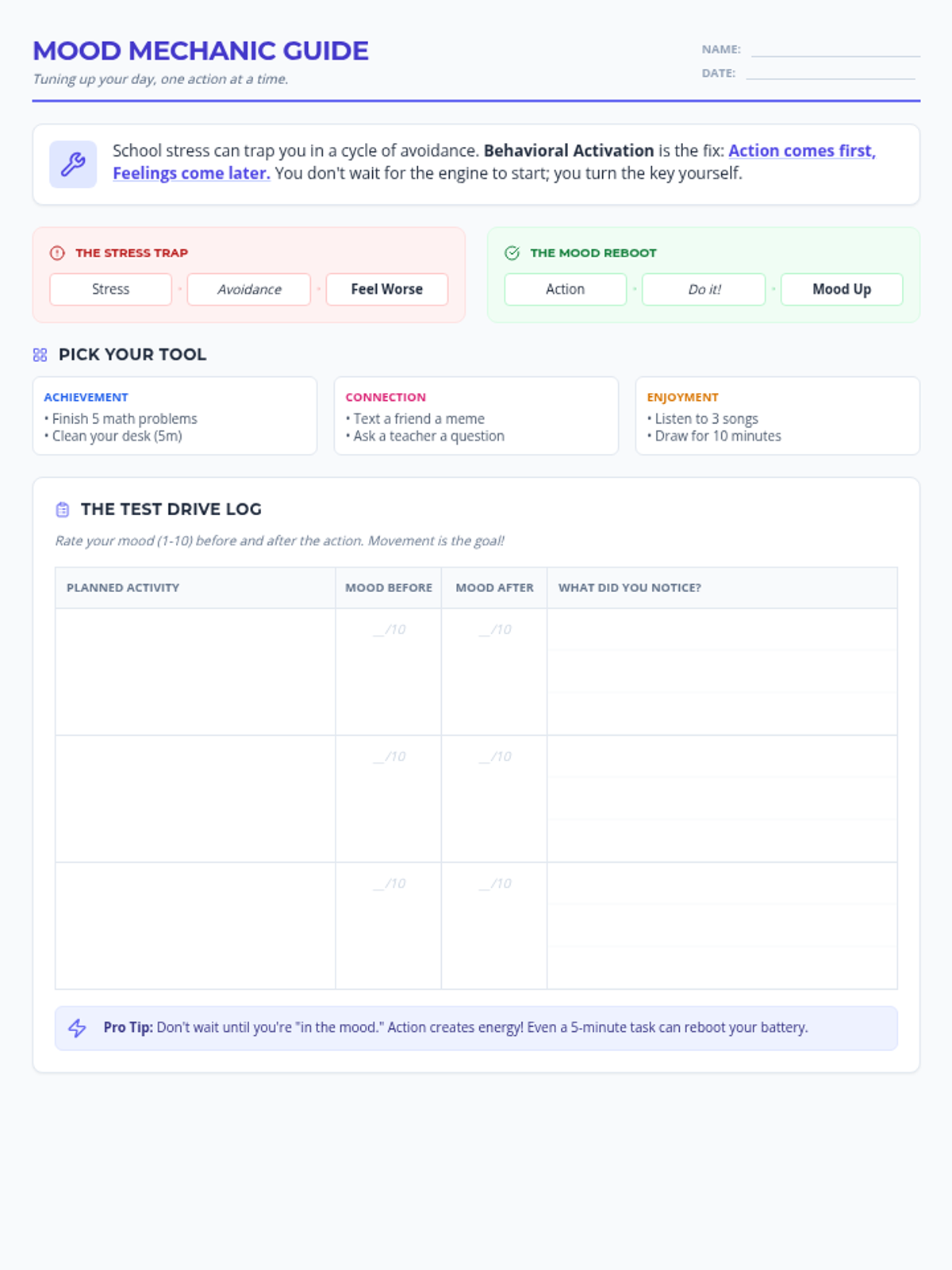
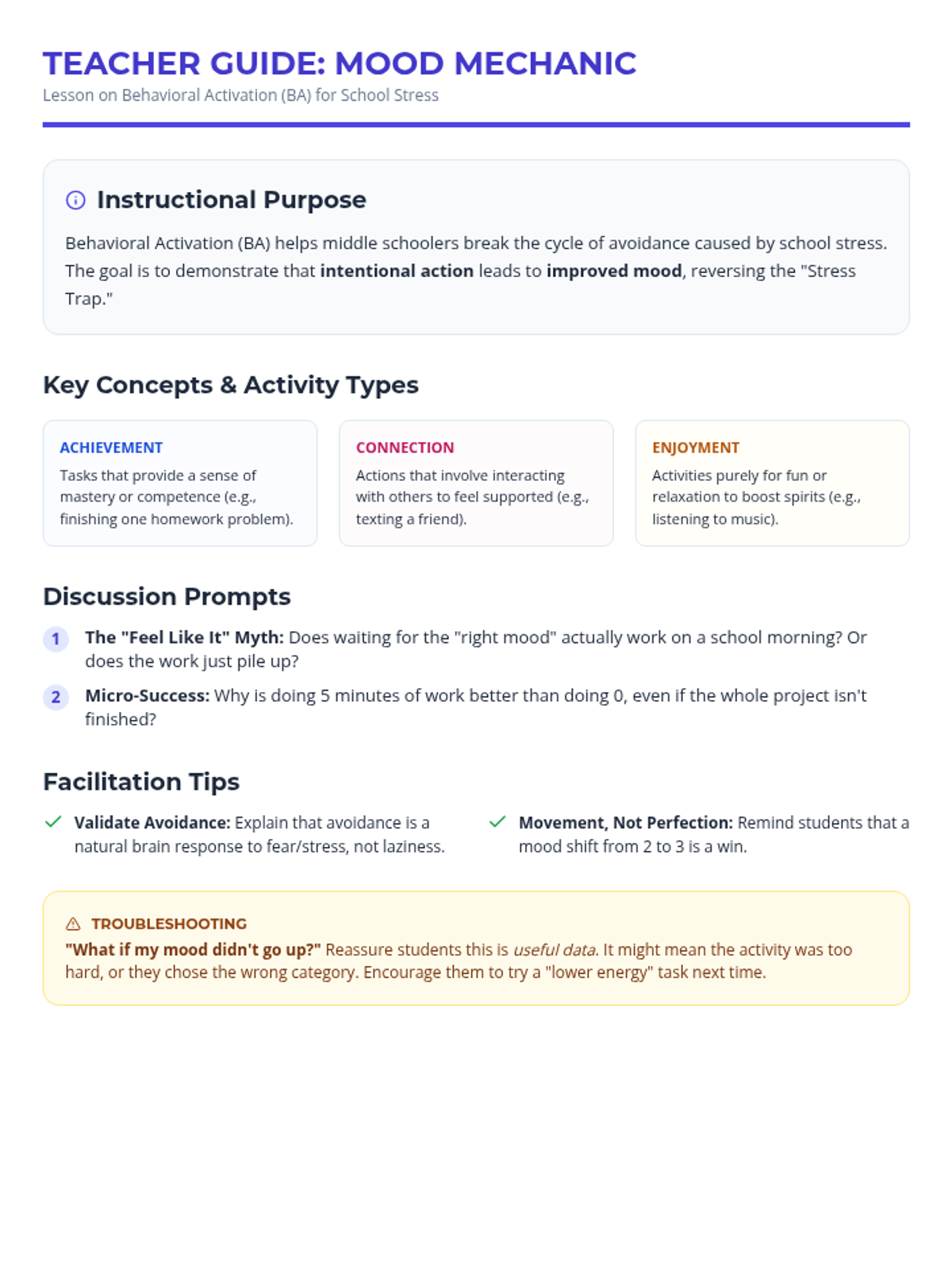
This lesson introduces middle school students to Behavioral Activation, a practical tool for managing school-related stress by changing actions to improve mood. Students will learn the 'vicious cycle' of stress and practice planning and tracking activities using a before-and-after mood scale.
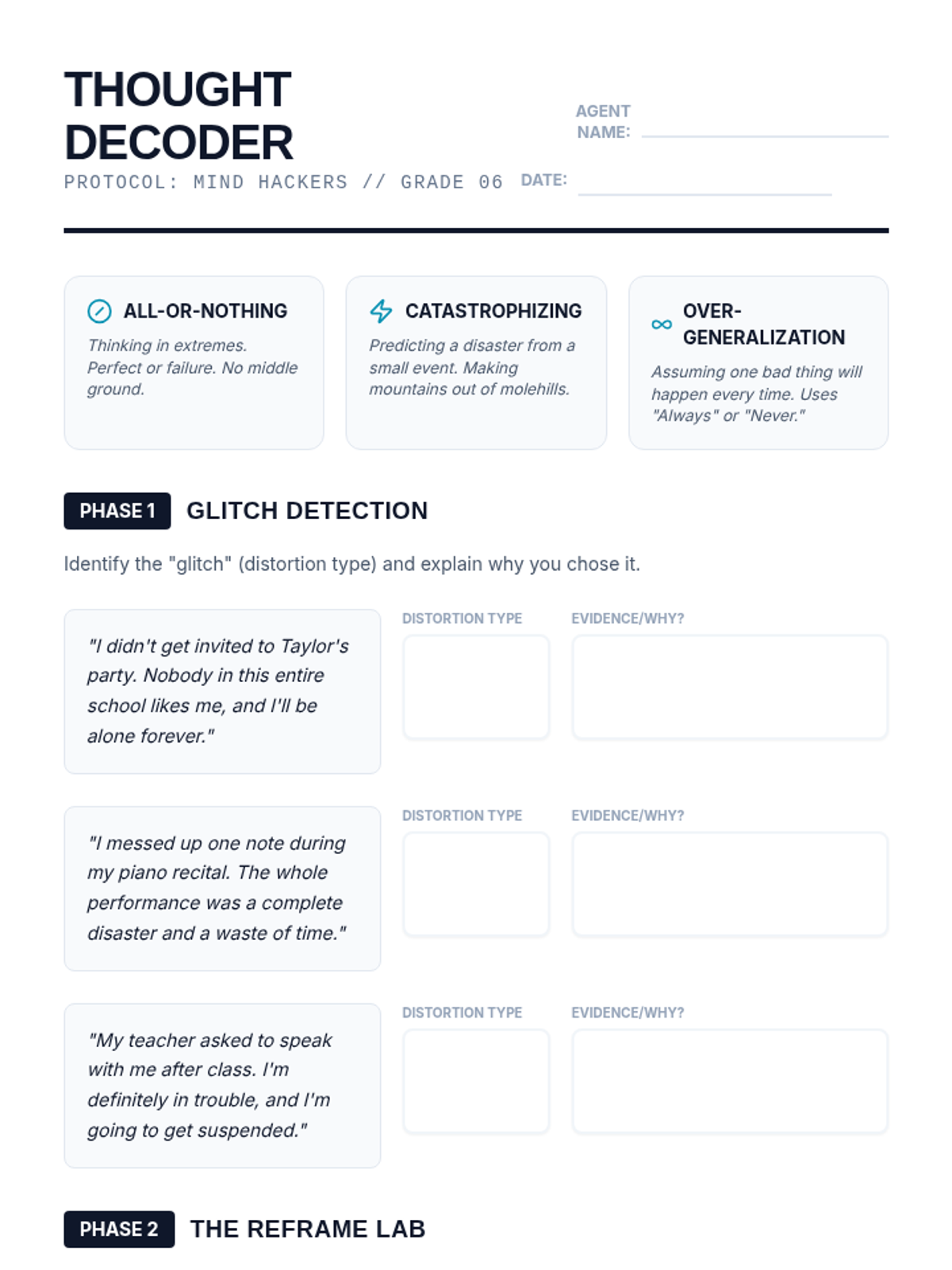
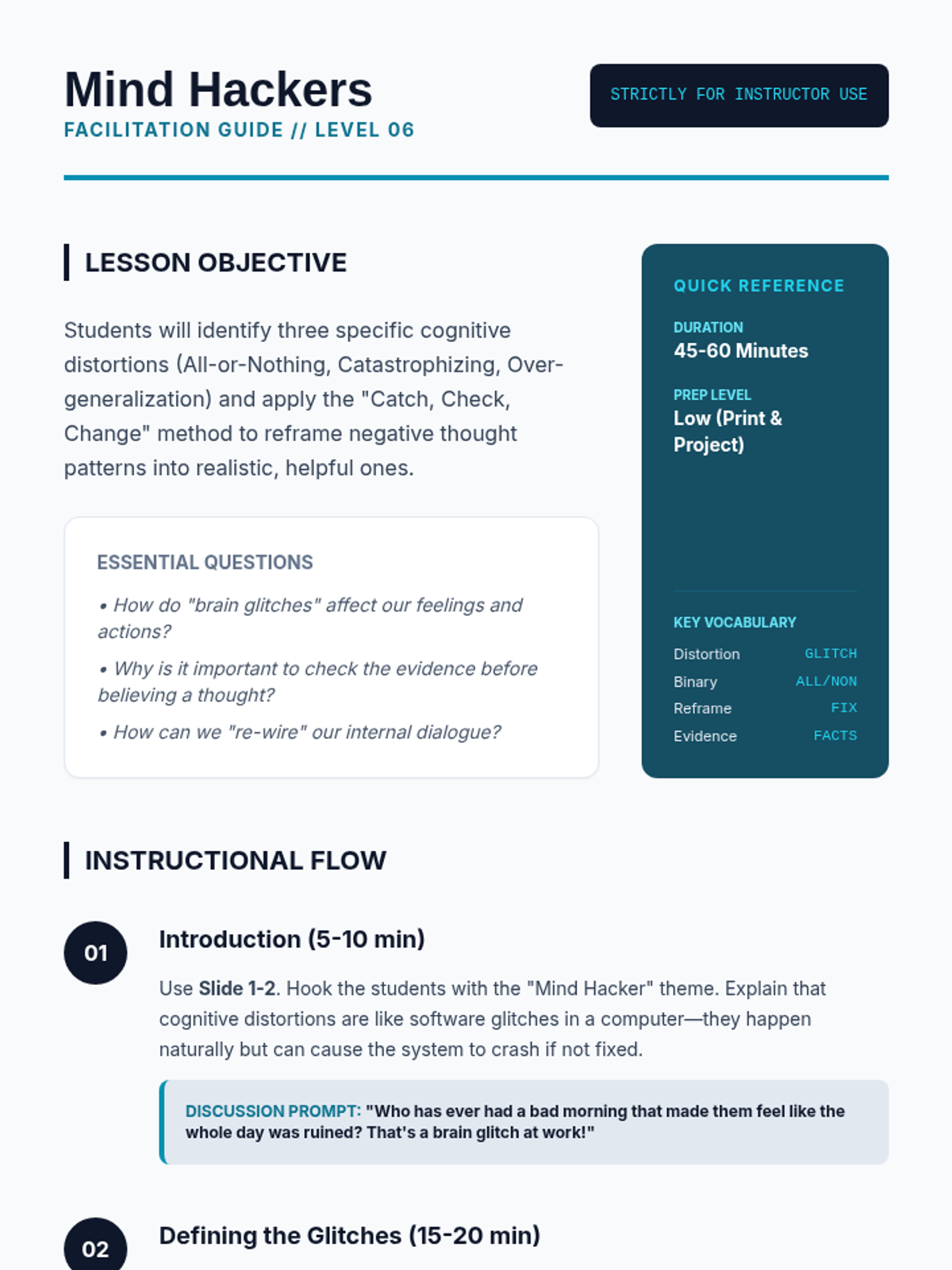
A lesson for 6th graders to identify and reframe three common cognitive distortions: all-or-nothing thinking, catastrophizing, and over-generalization. Students learn the 'Catch, Check, Change' method to manage negative thought patterns.
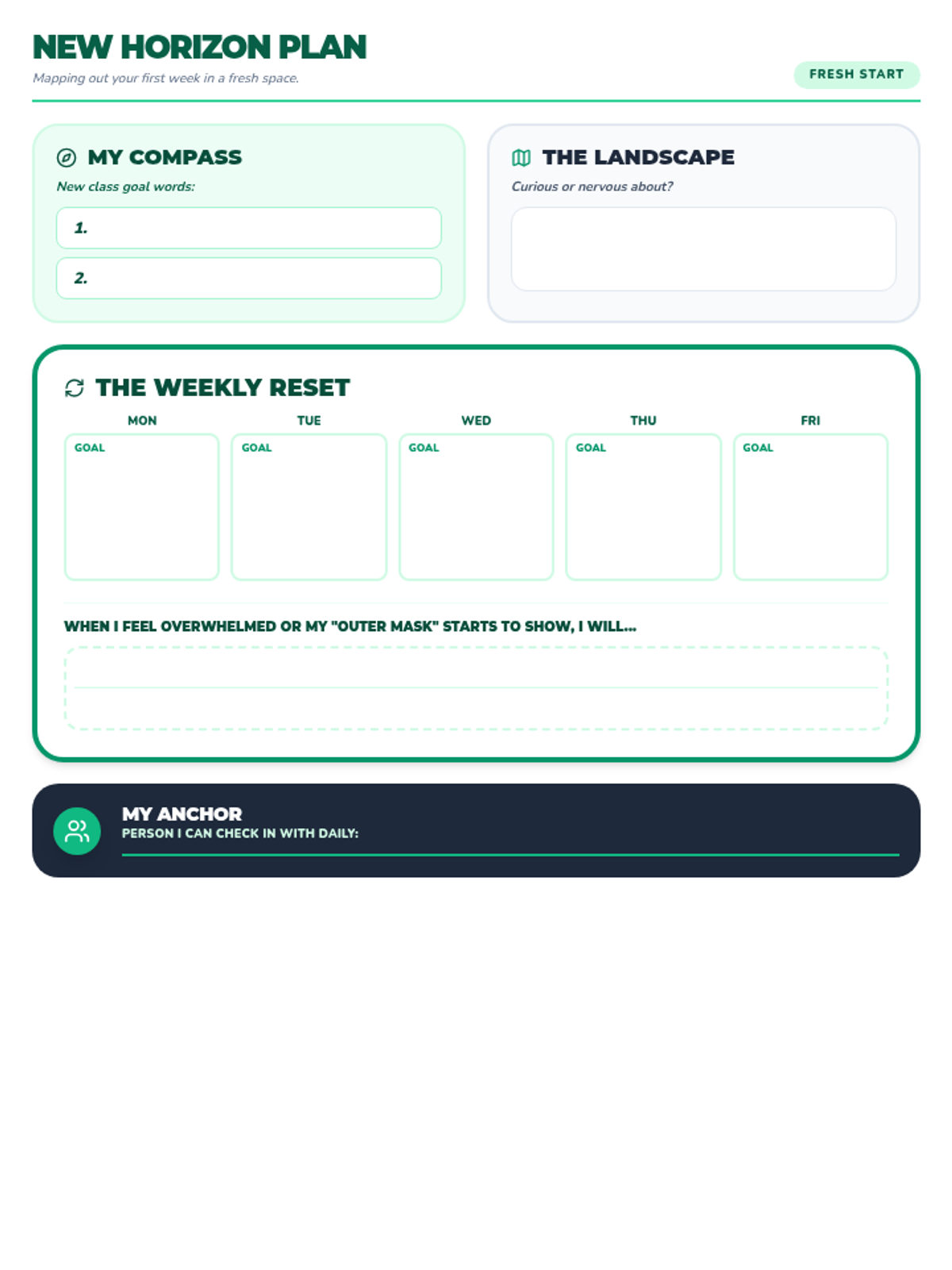
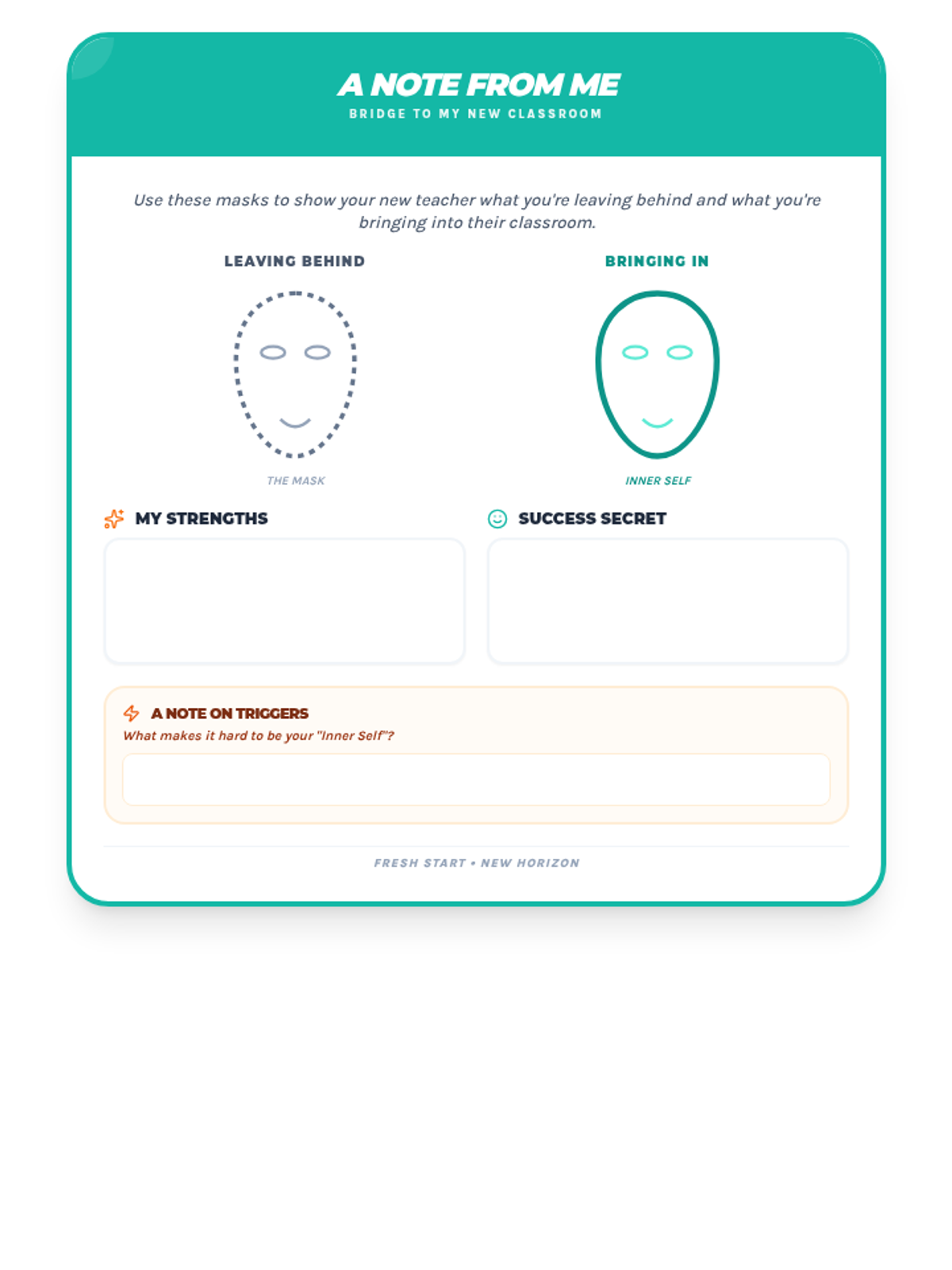
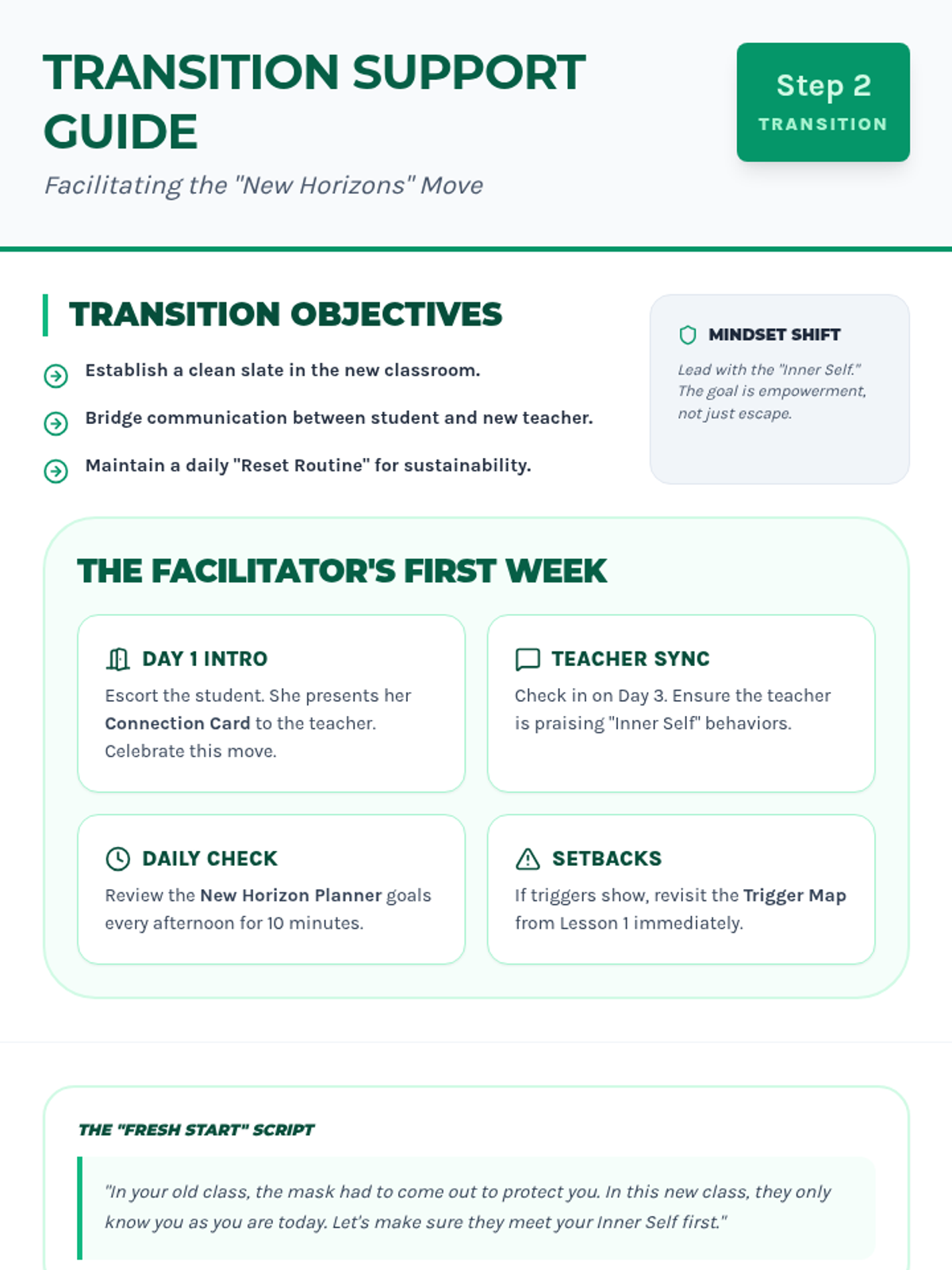
The final phase of the intervention, focusing on the practical and emotional transition to a new classroom environment and establishing a sustainable 'reset' routine.