A comprehensive lesson on digital citizenship, specifically focusing on identifying private information and creating strong passwords to stay safe online.
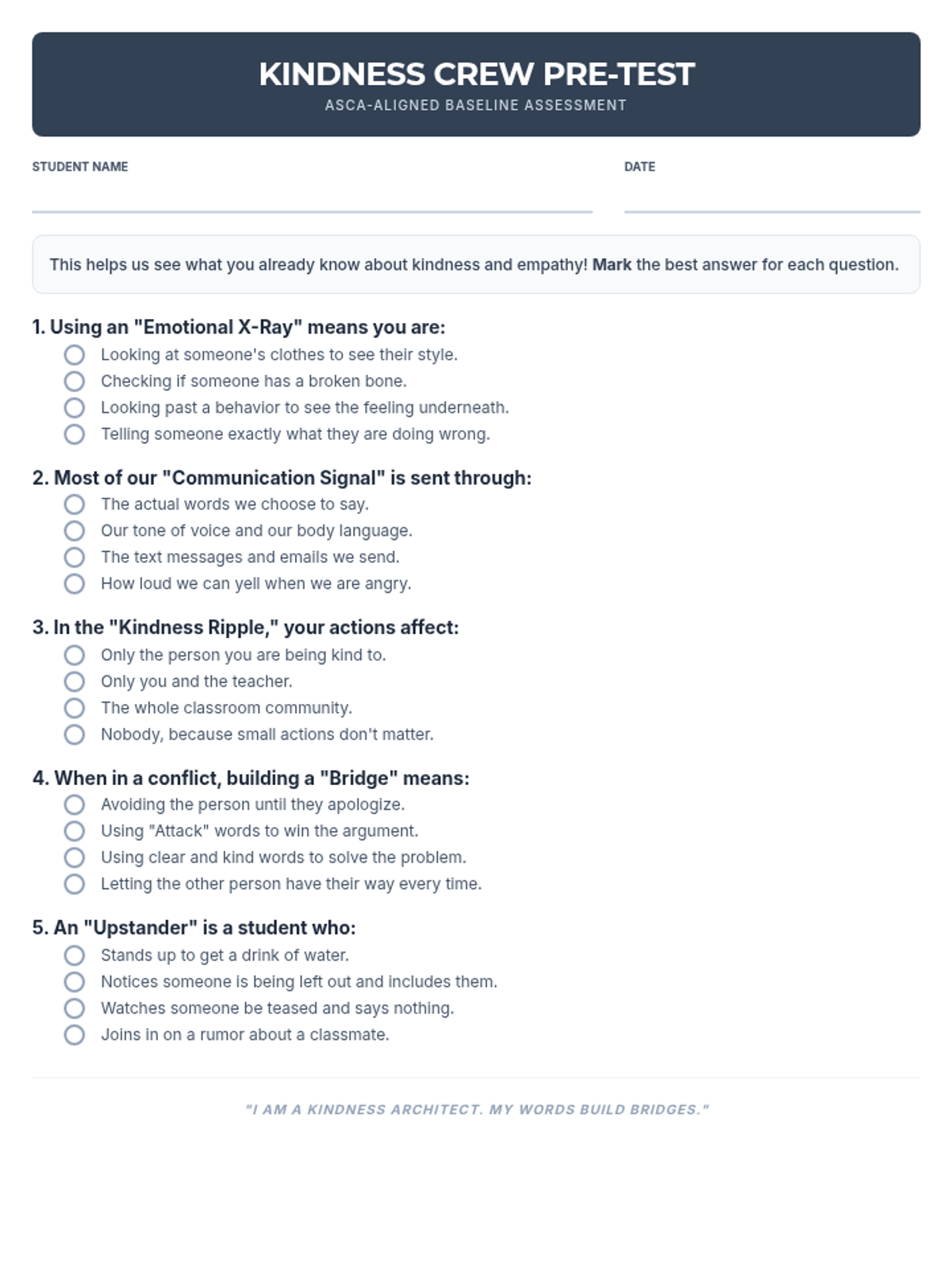
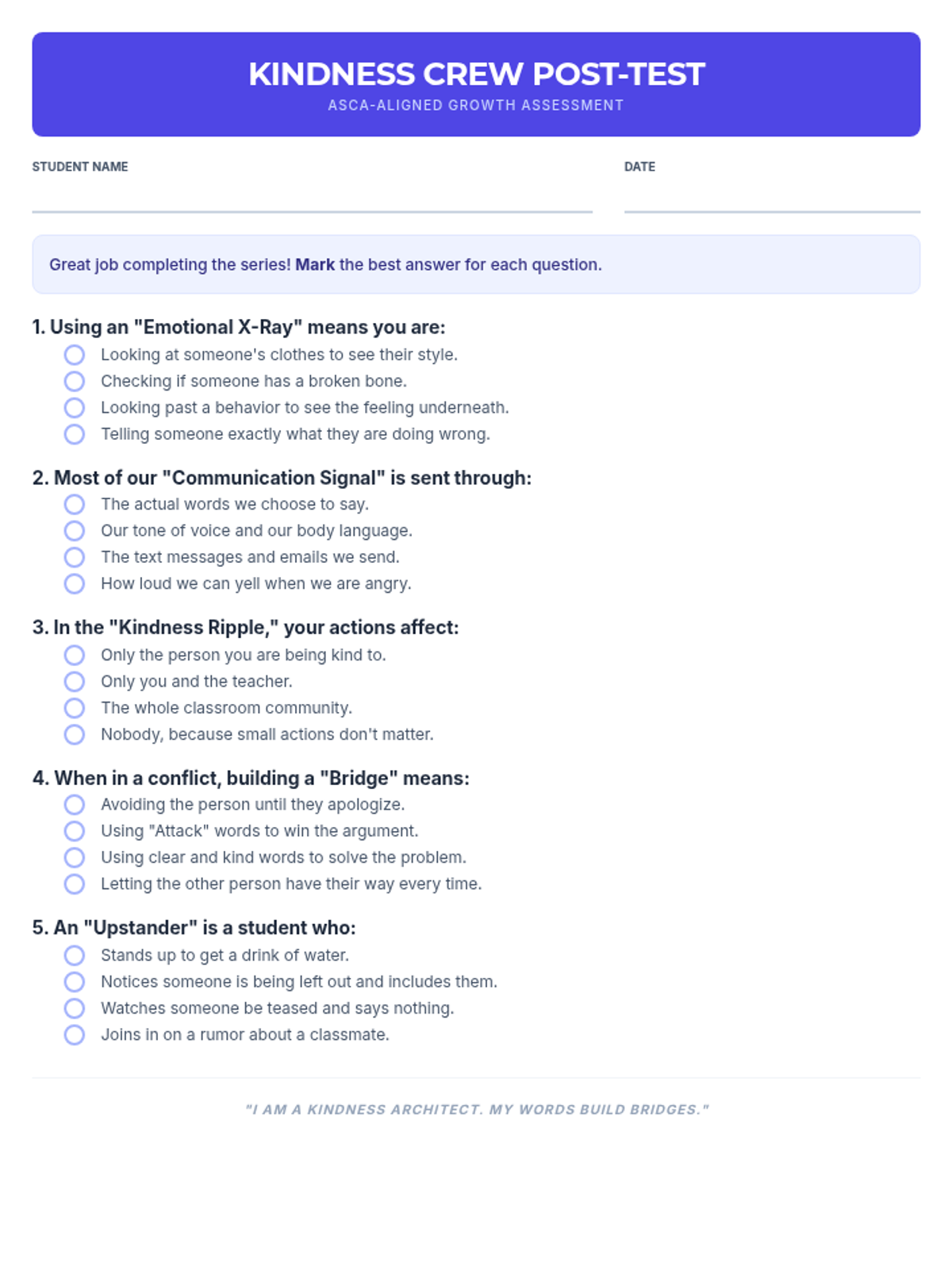
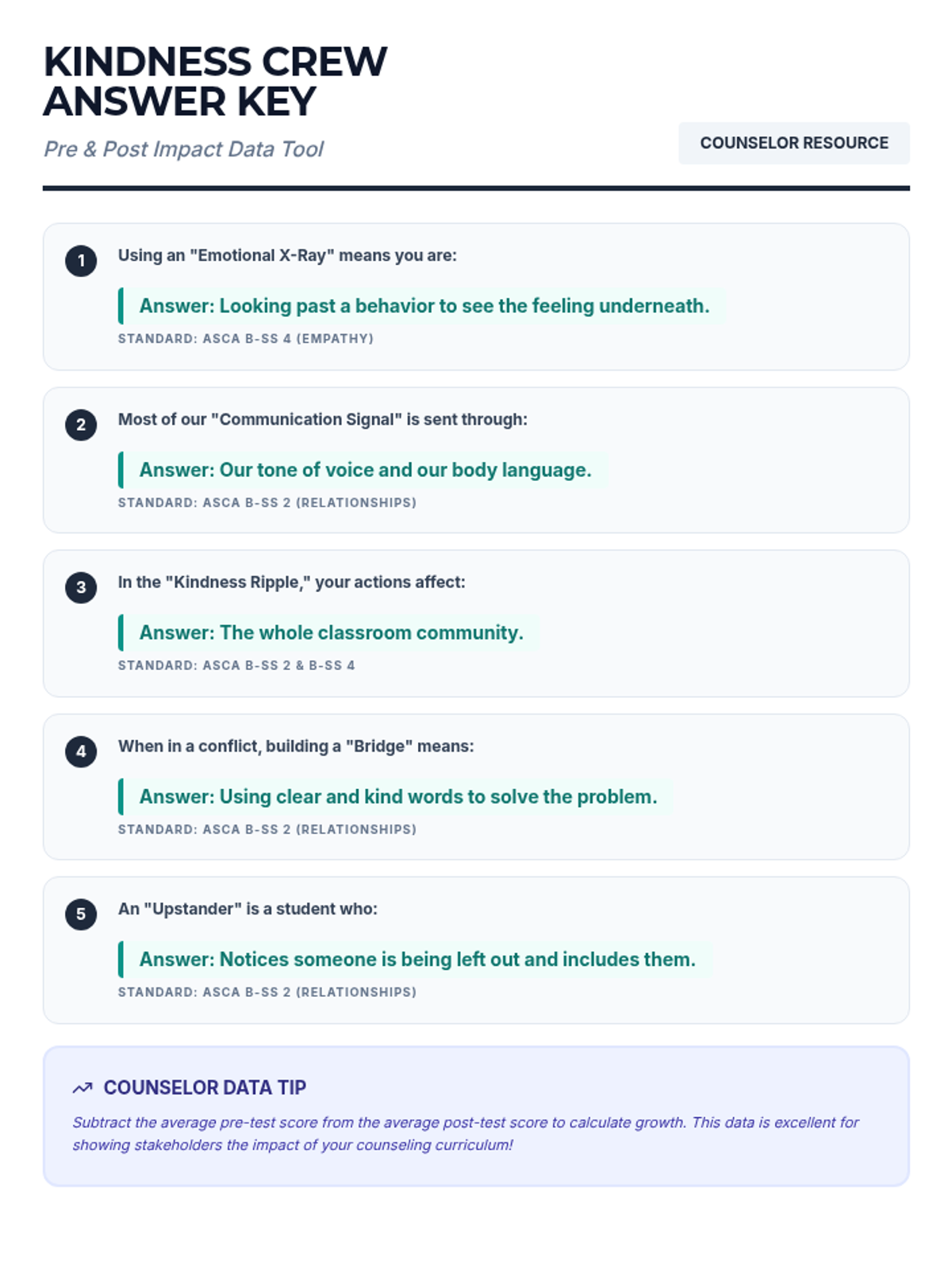
Assessment tools designed to measure student growth in empathy, communication, and relationship skills. Includes a 5-question pre-test and post-test aligned with ASCA standards to track program impact.
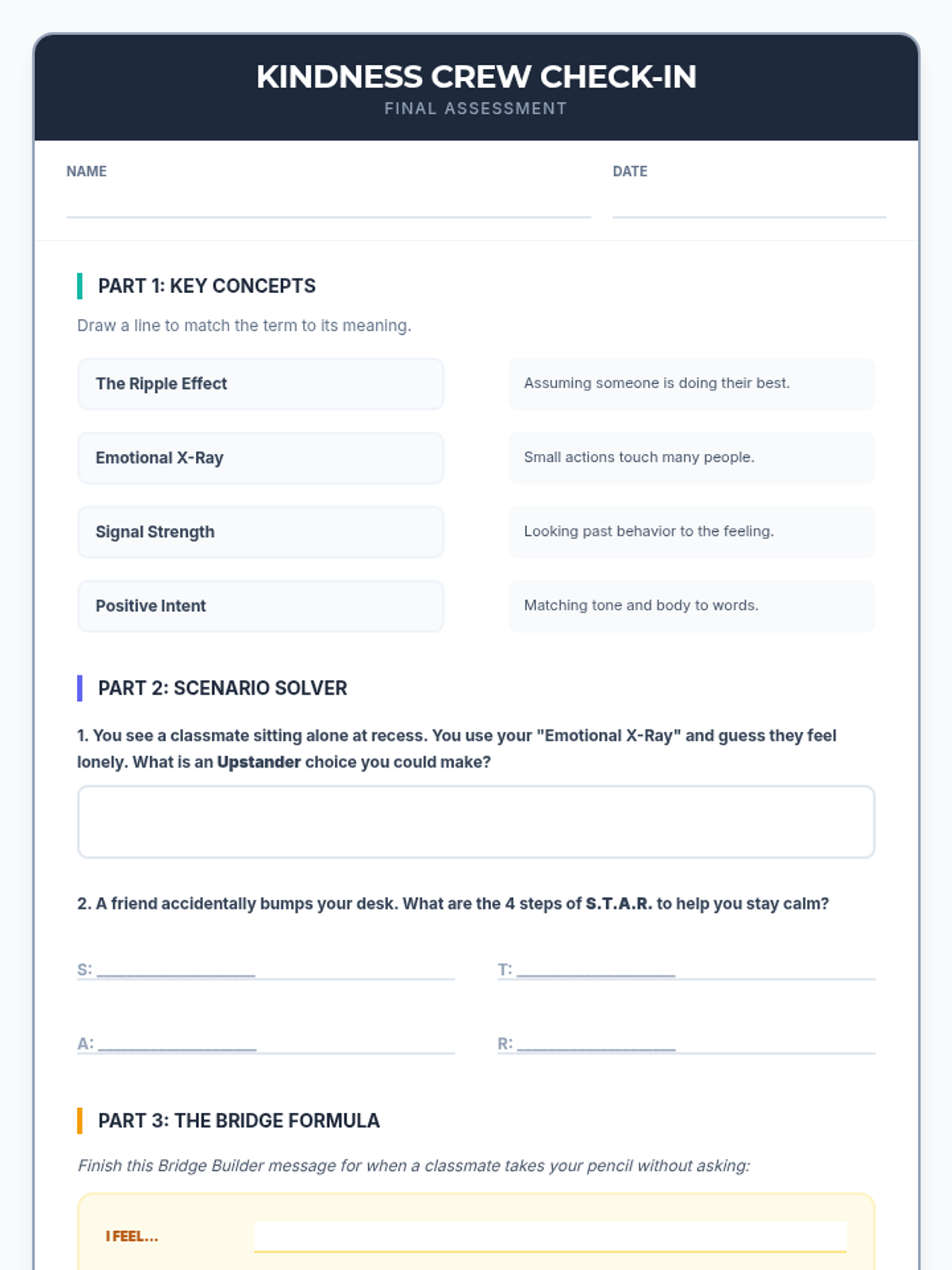
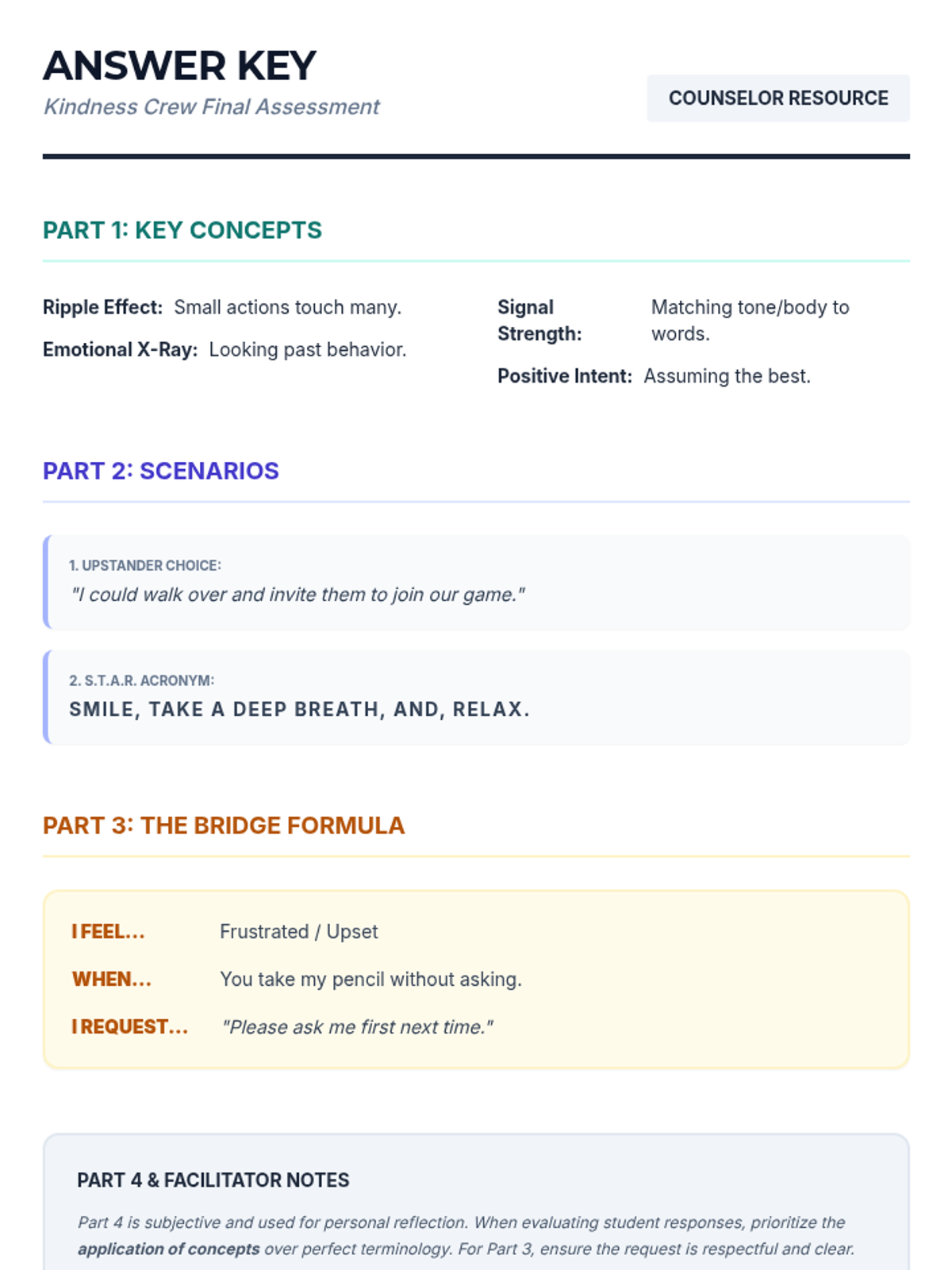
A final review and celebration session where students complete a comprehensive assessment of the 6-week Kindness Crew series. Focuses on reinforcing key terminology and reflecting on personal growth.
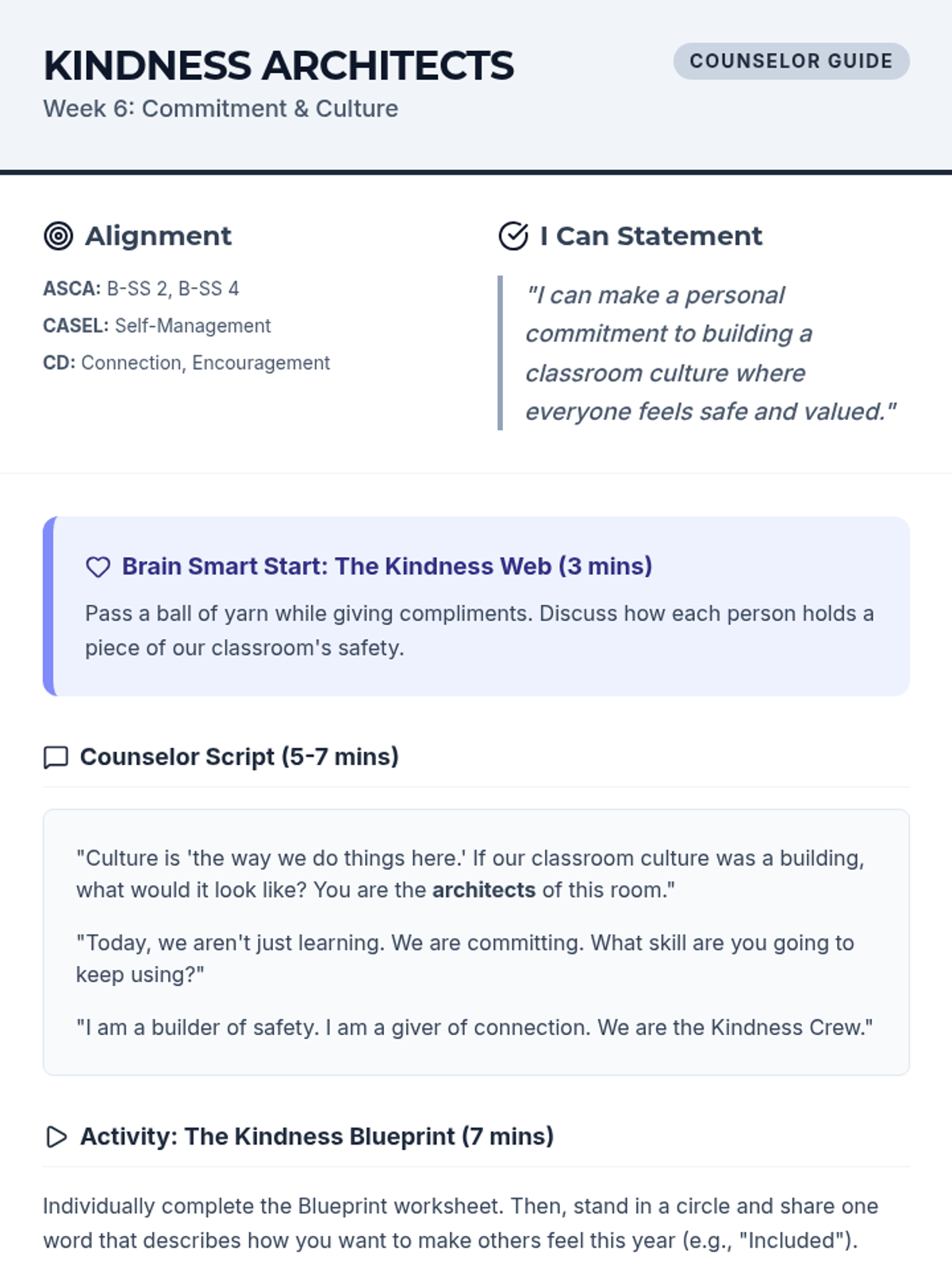
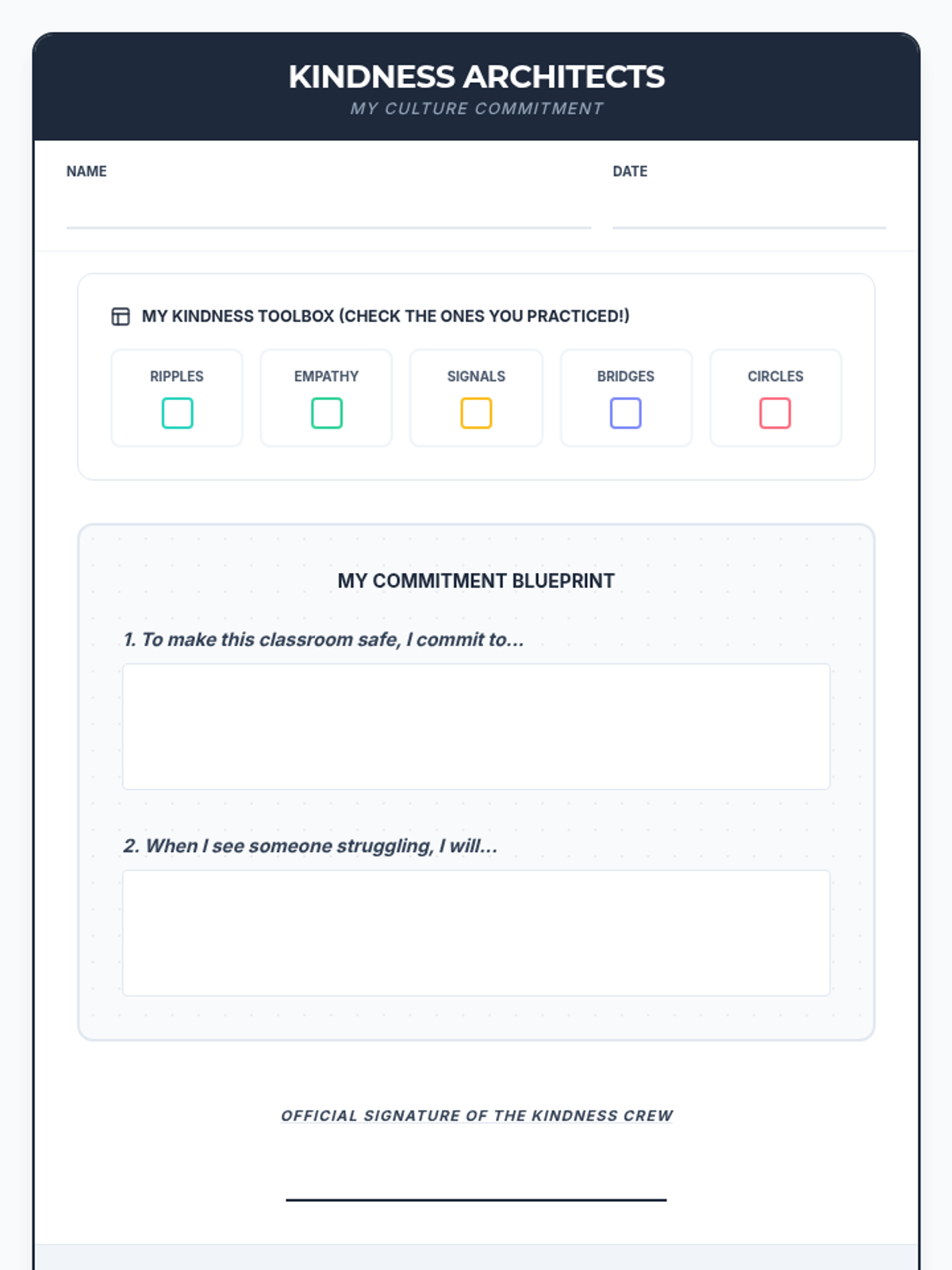
Synthesizes the previous five weeks into a personal commitment and a shared classroom vision. Students design a 'Culture of Kindness' blueprint and make a formal pledge to their community.
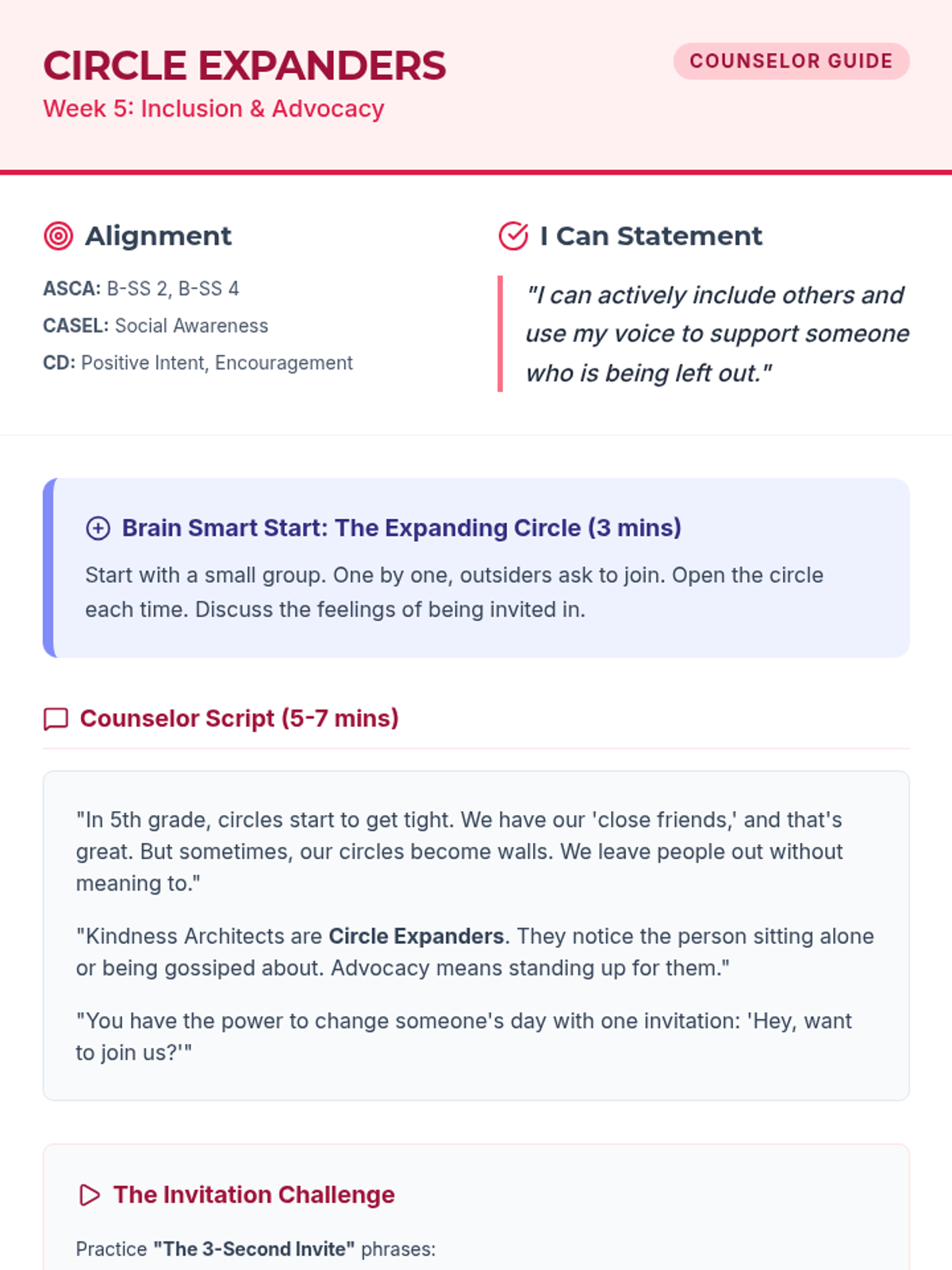
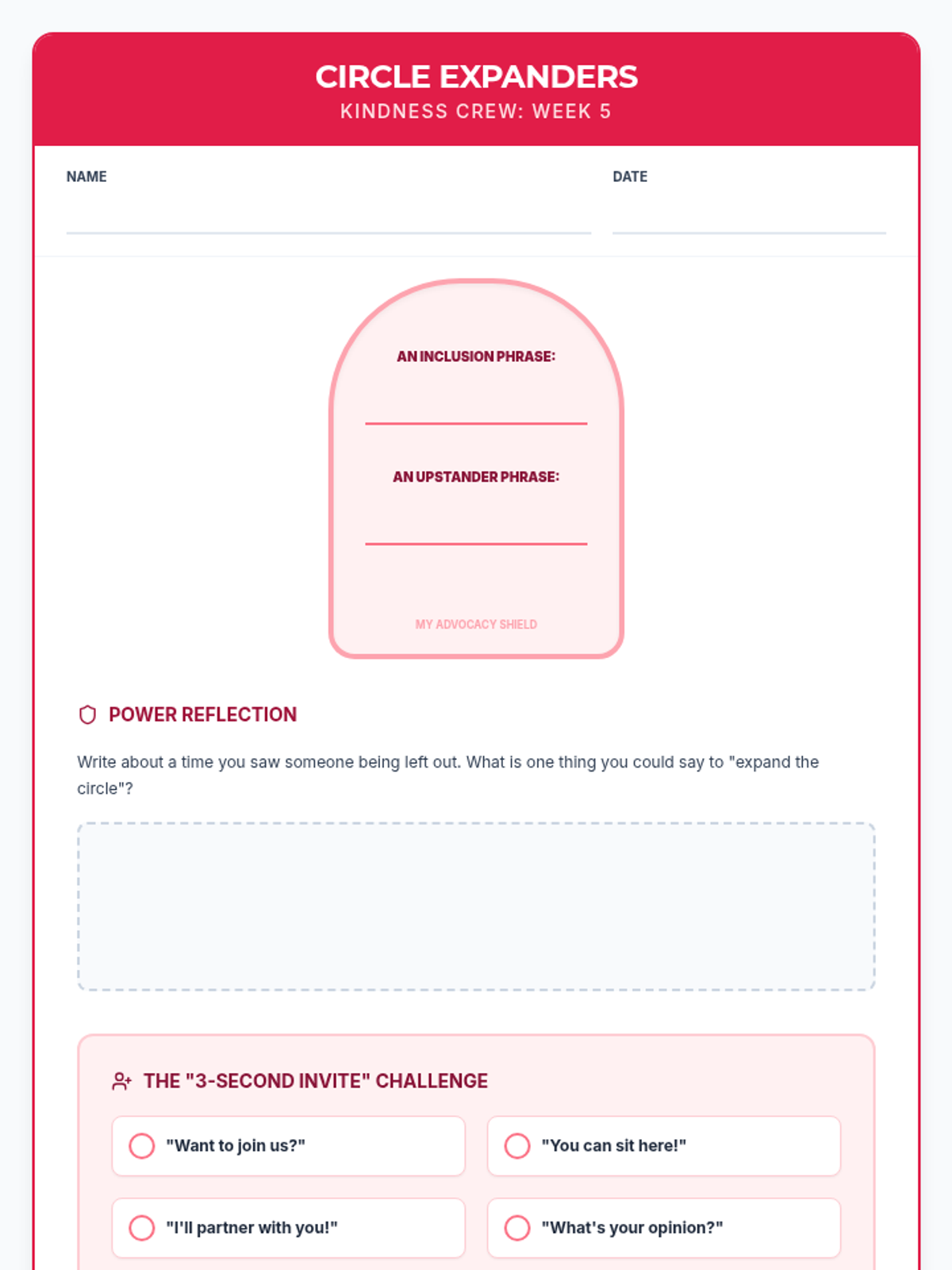
Moves from interpersonal kindness to community advocacy and inclusion. Students learn the difference between standing by and standing up, practicing ways to expand their social circles and support others.
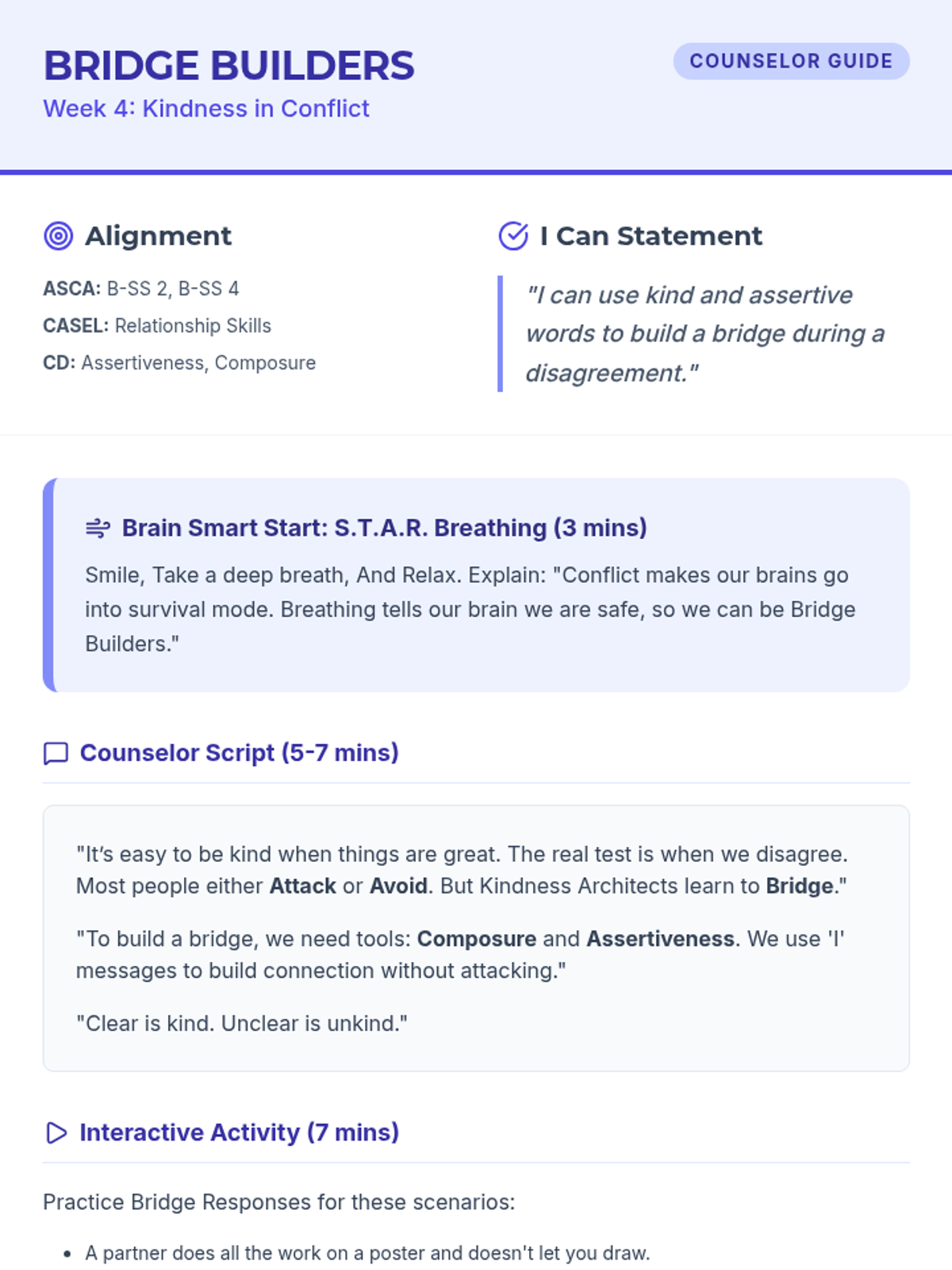
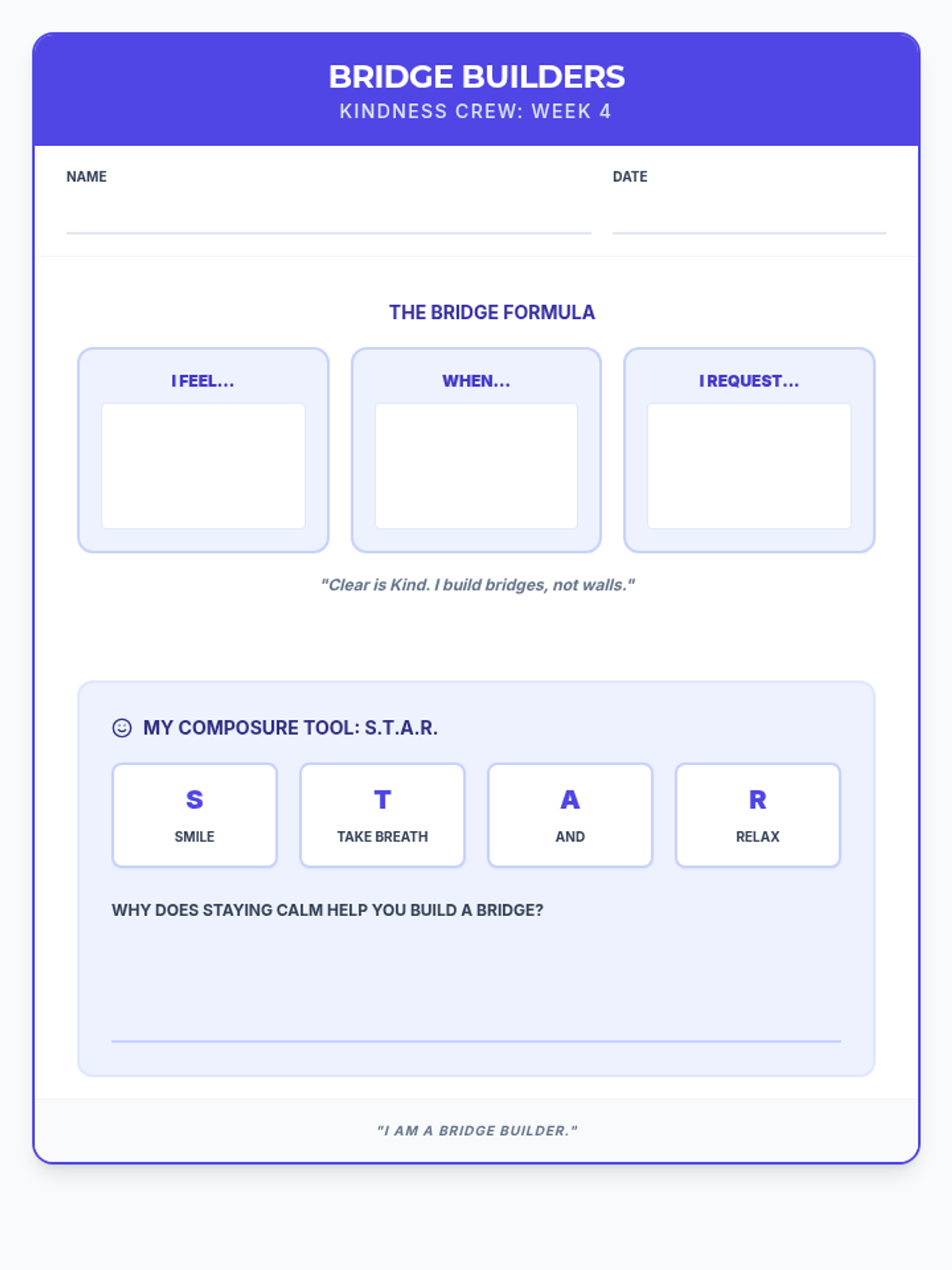
Teaches assertive communication and the principle of Positive Intent during disagreements. Students learn to use 'I' messages to bridge gaps and resolve conflicts without sacrificing kindness.
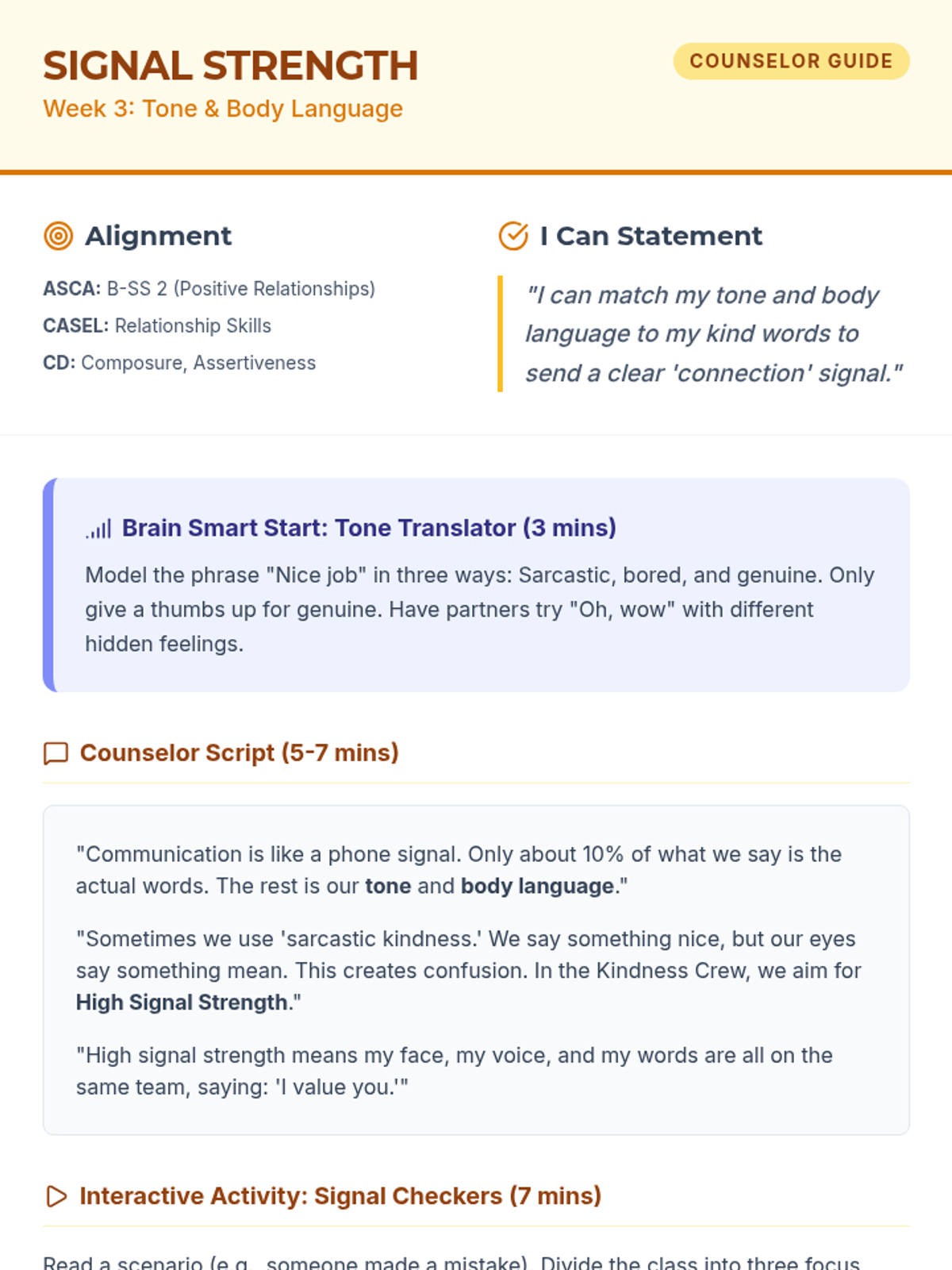
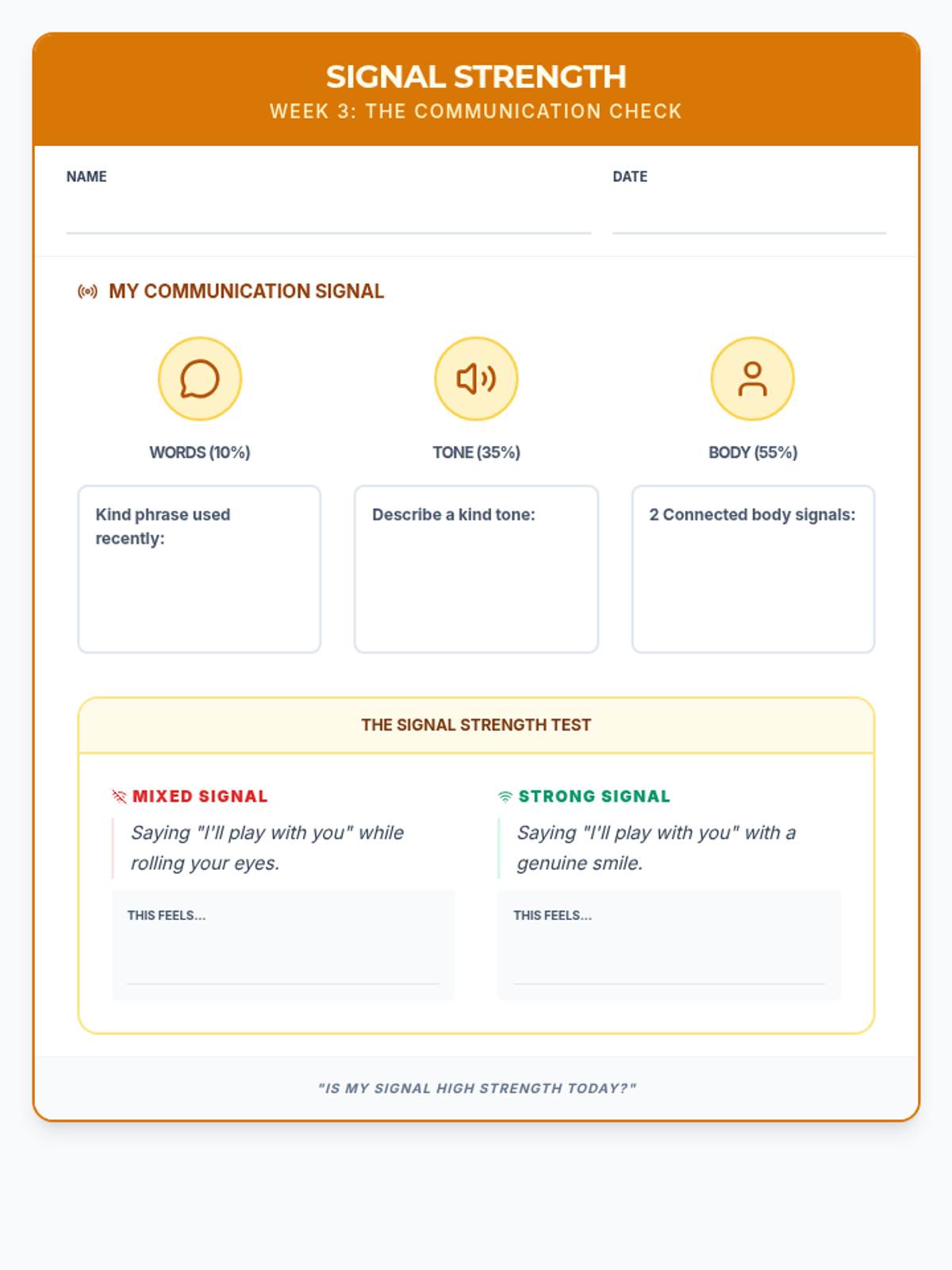
Explores the nuances of communication, including tone of voice and body language. Students learn that 'how' we say something is as important as 'what' we say in building connections.
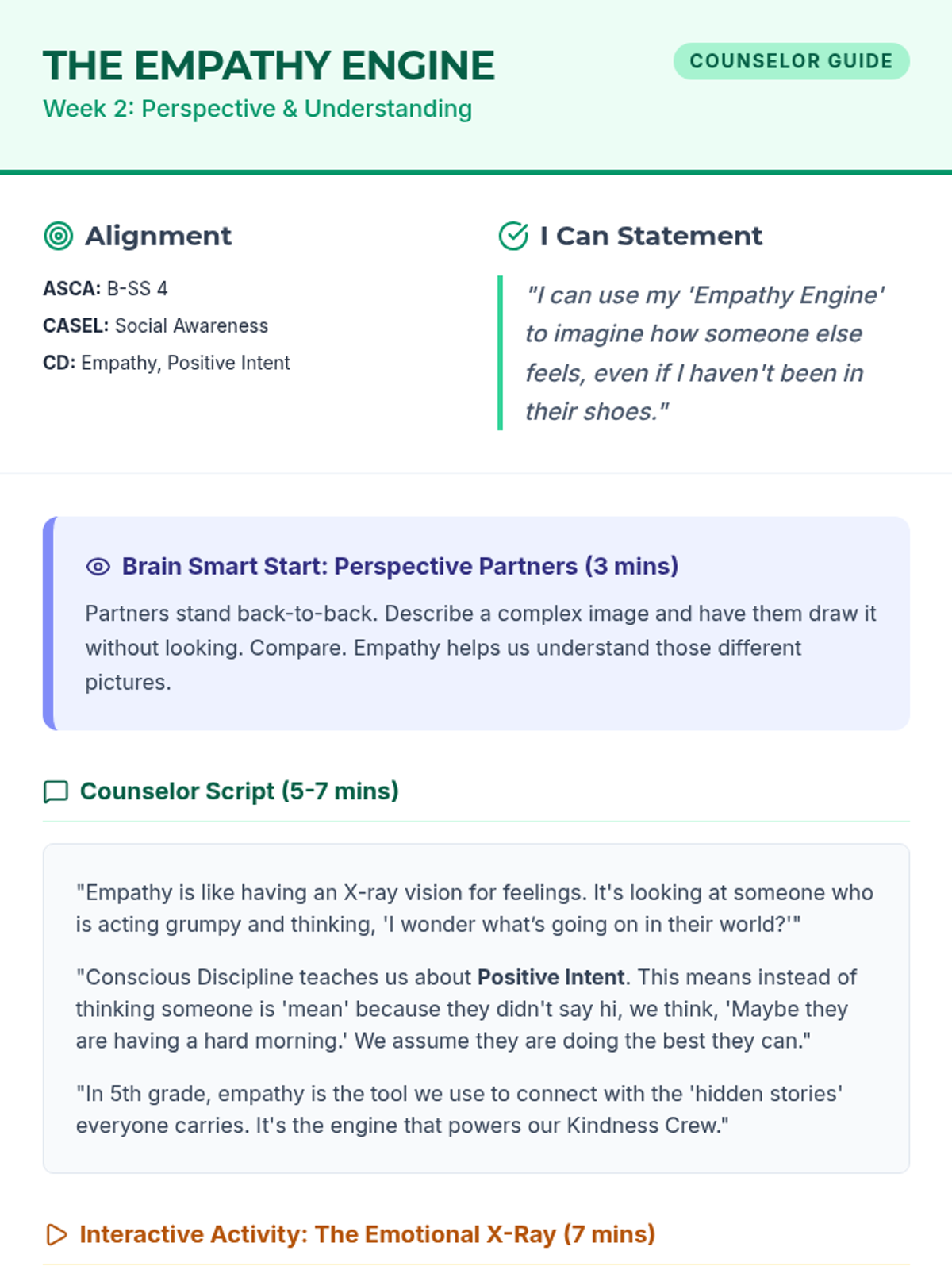
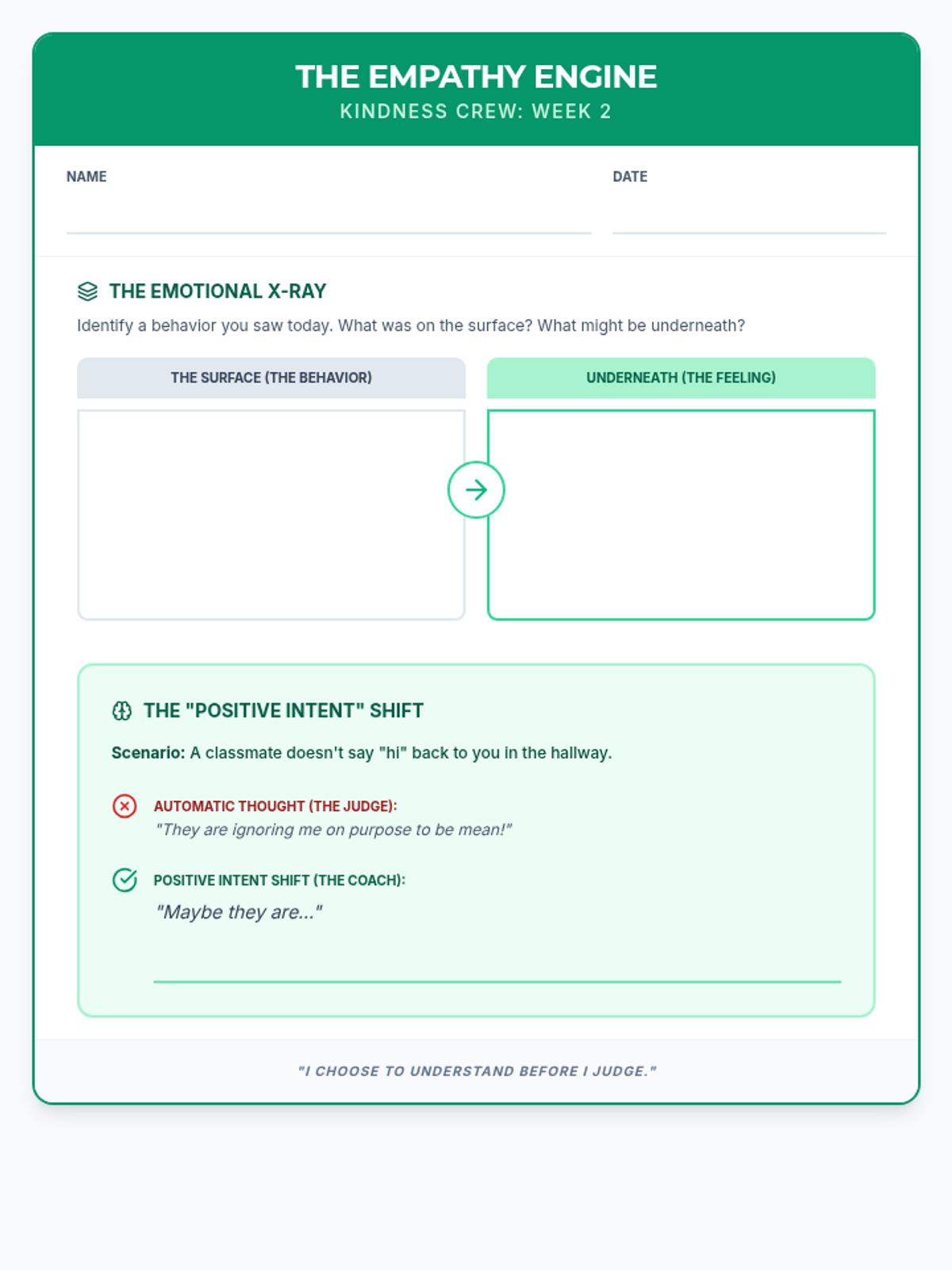
Focuses on empathy as the ability to see from another's perspective and understand their emotional state. Students practice the 'Emotional X-Ray' to look beneath surface behaviors to the feelings and needs underneath.
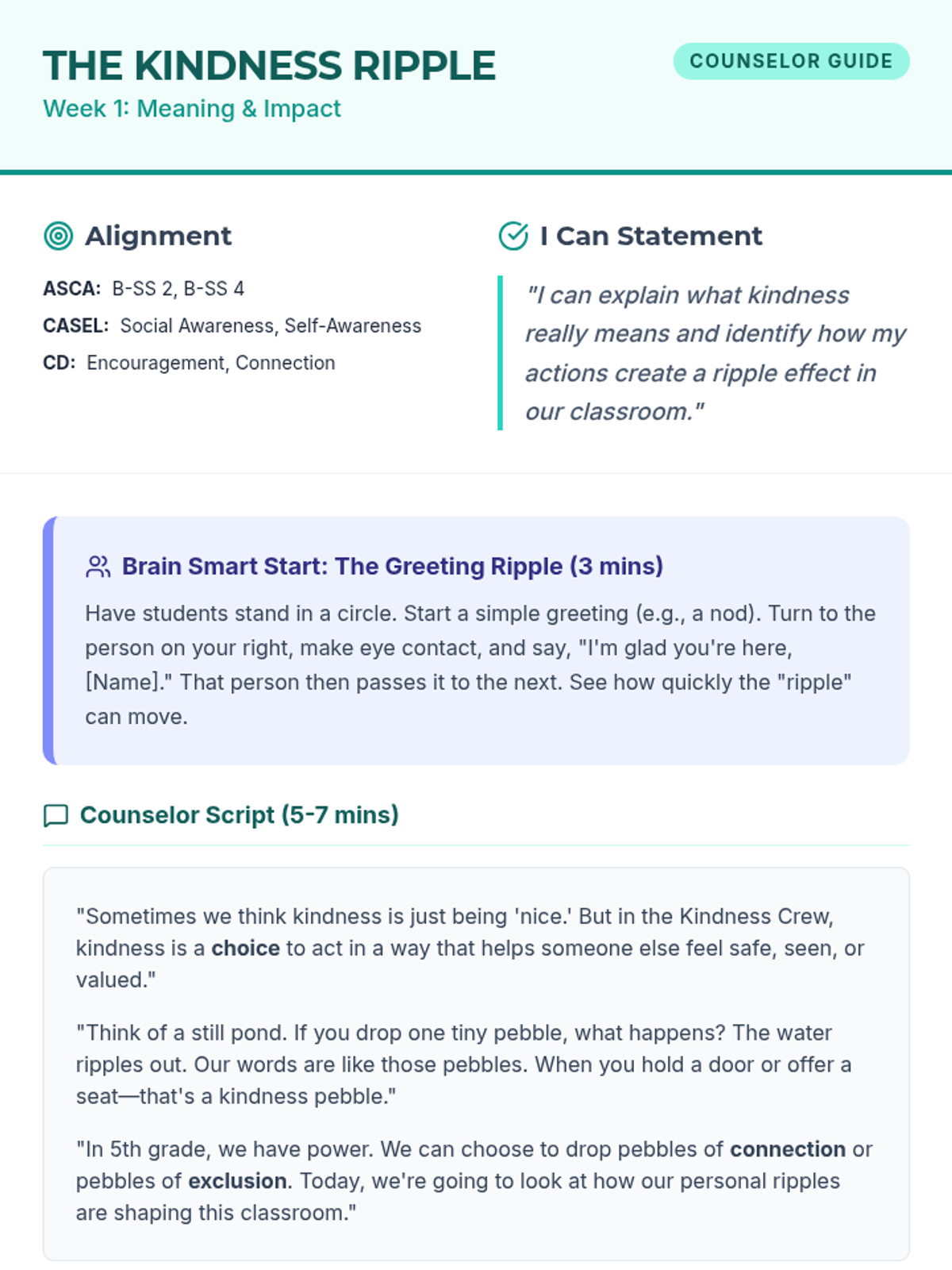
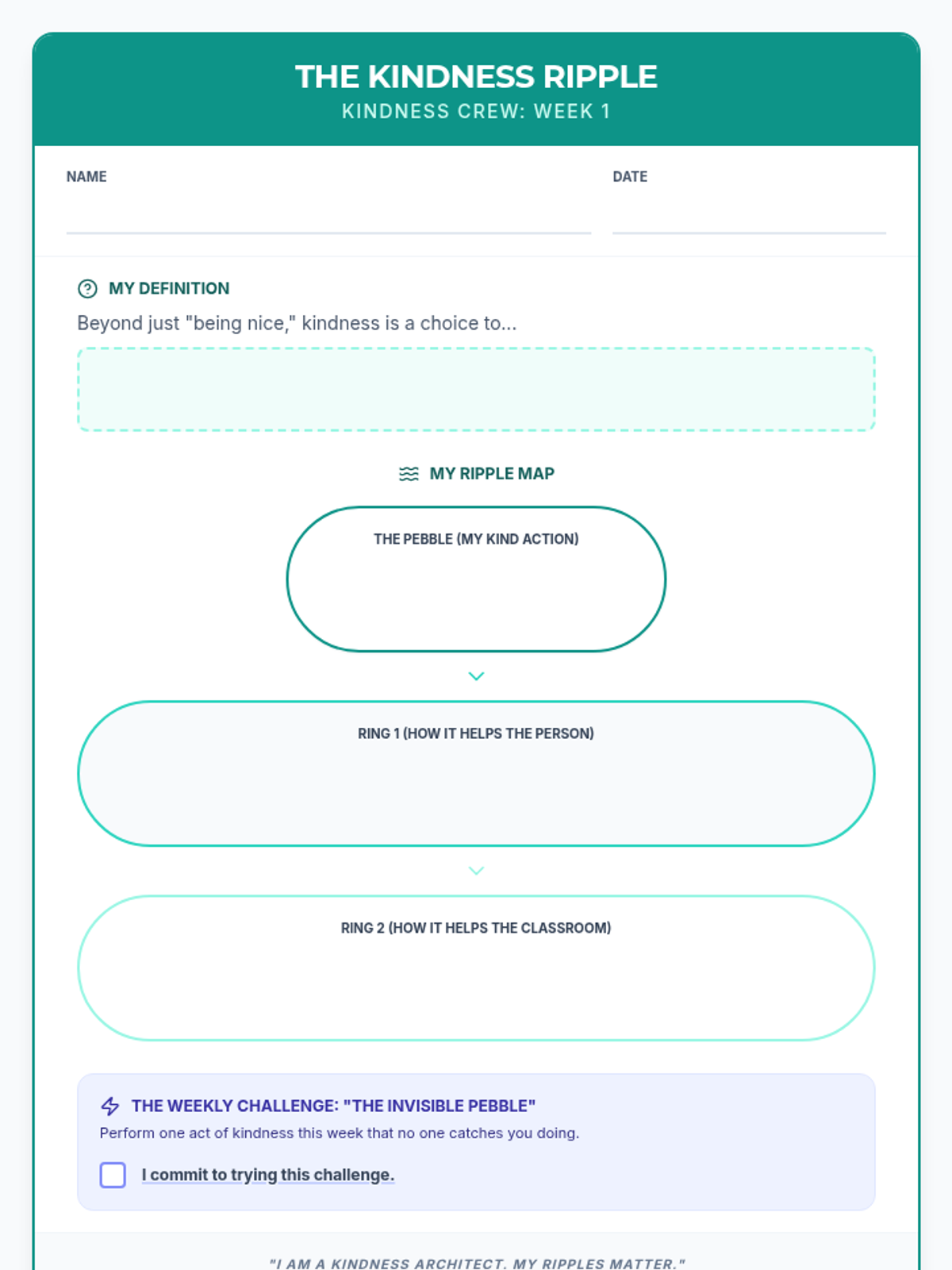
Introduces the concept of kindness as a deliberate choice and explores the 'Ripple Effect' of how small actions impact the wider community. Students define kindness beyond just 'being nice' and identify their role in the classroom social ecosystem.
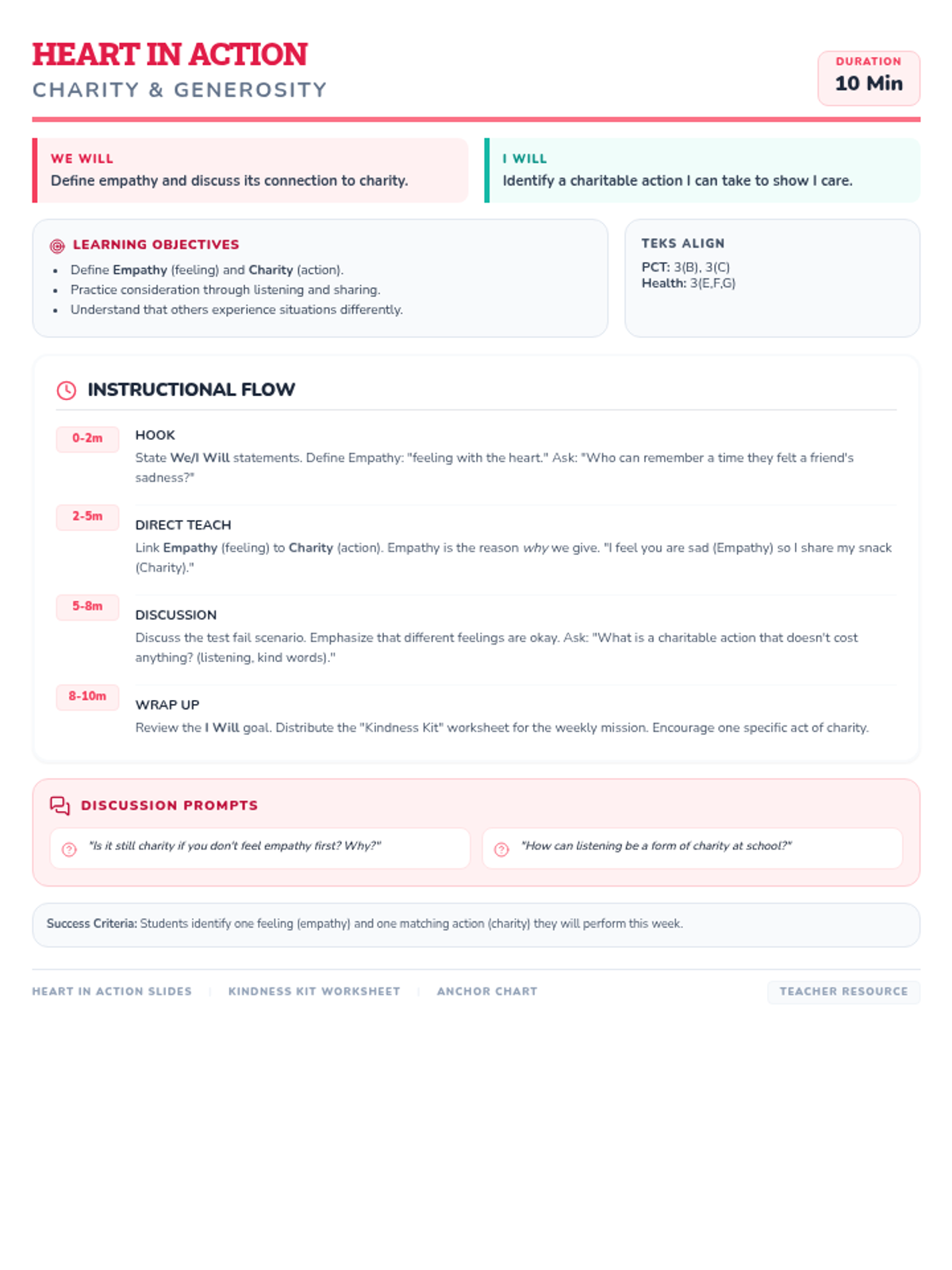
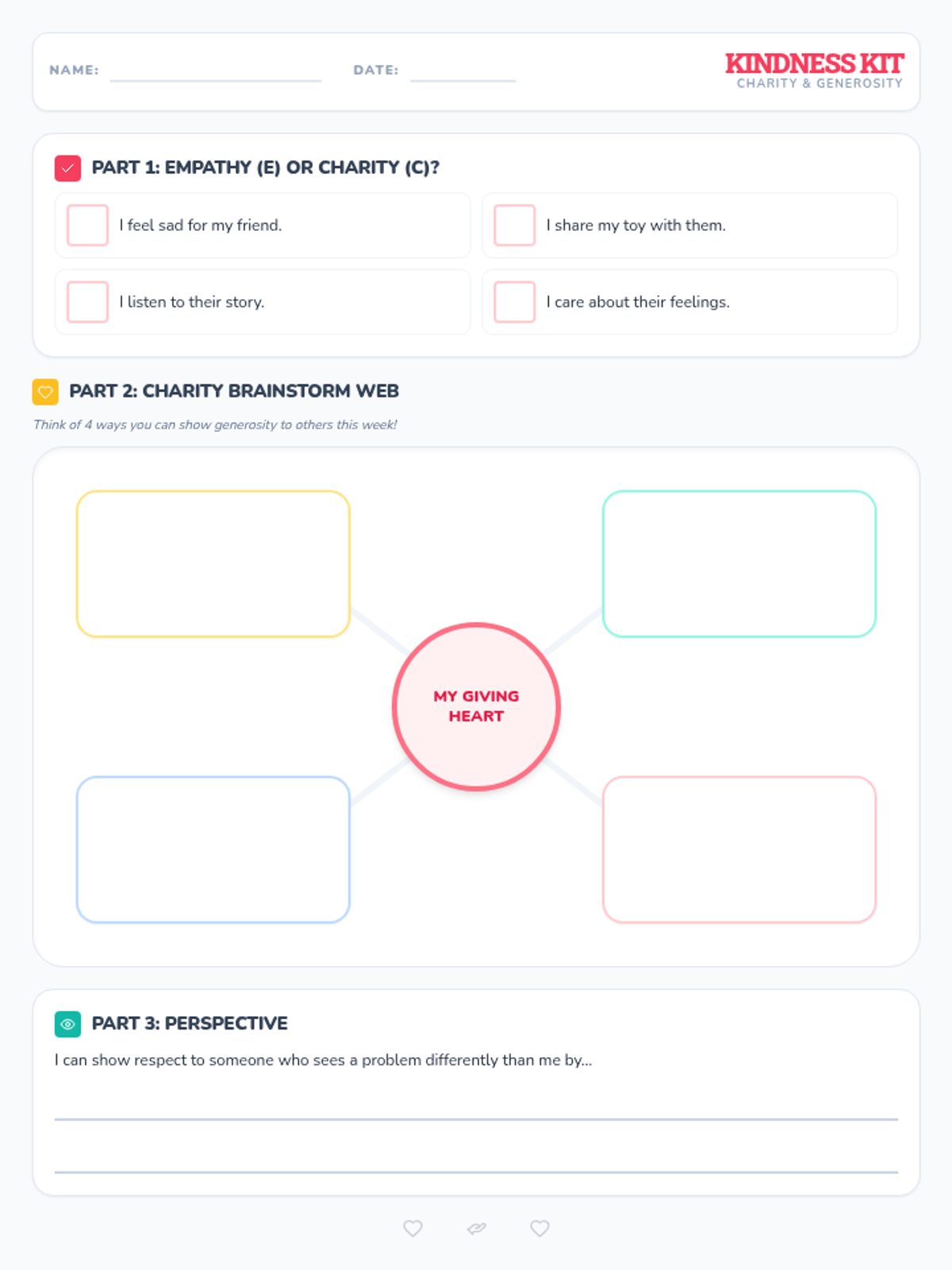
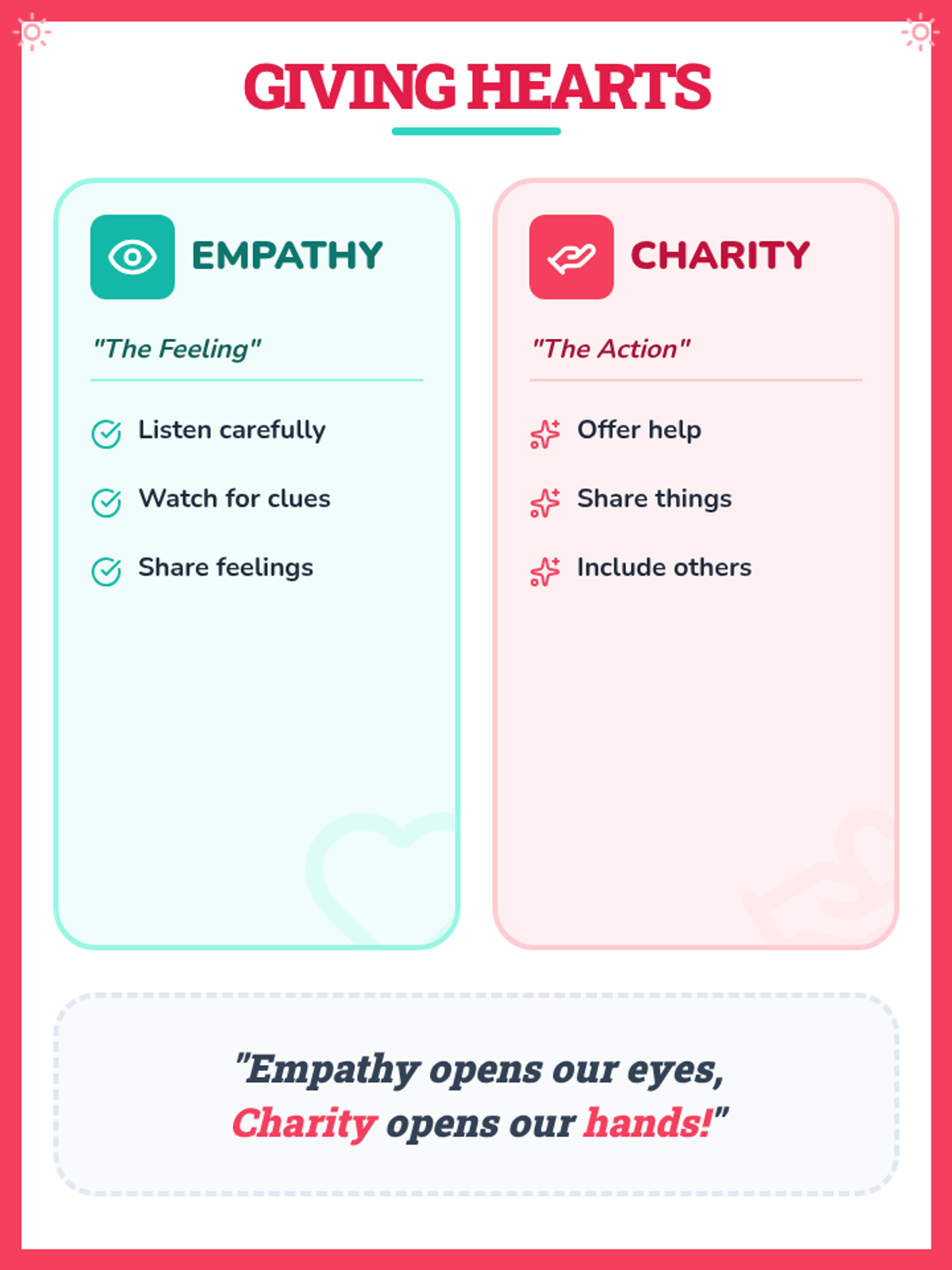
A 10-minute lesson focused on the connection between empathy and charity, teaching students how to identify needs and act with generosity. Includes a slide deck, worksheet, and anchor chart.
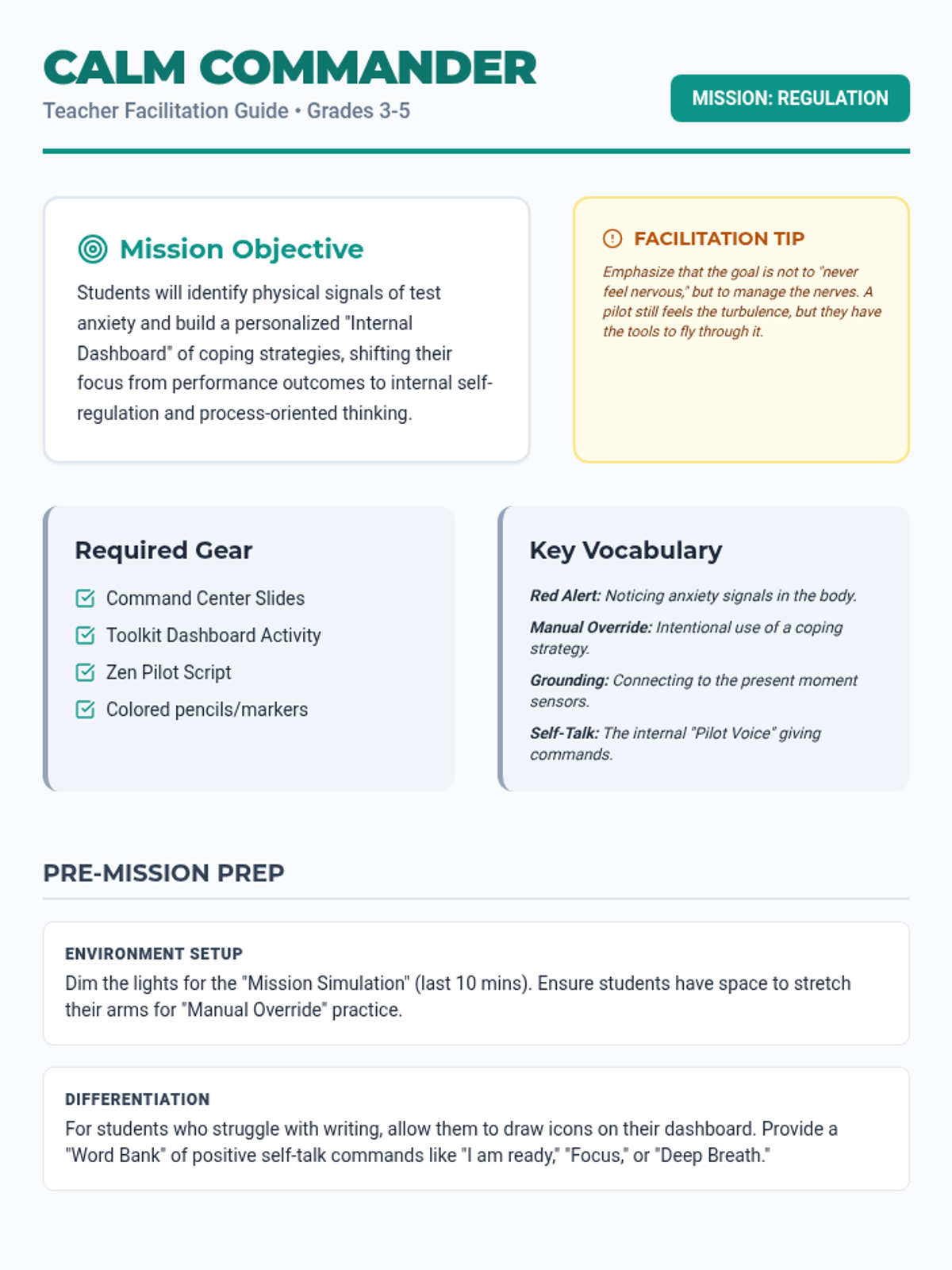
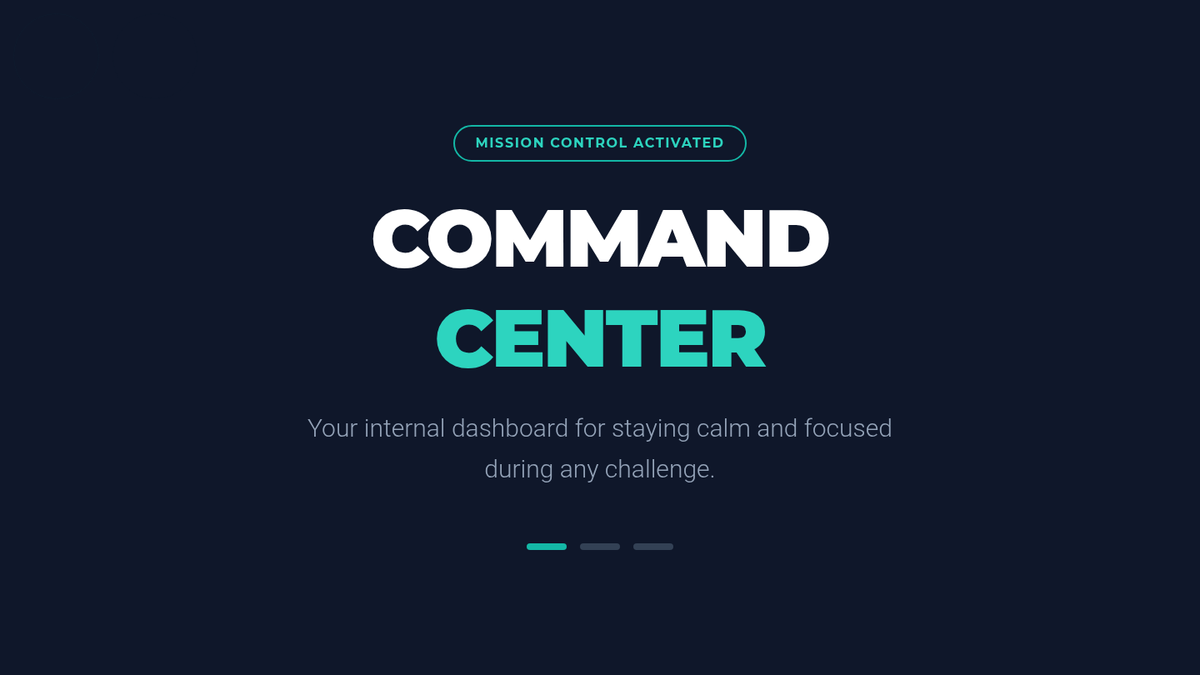
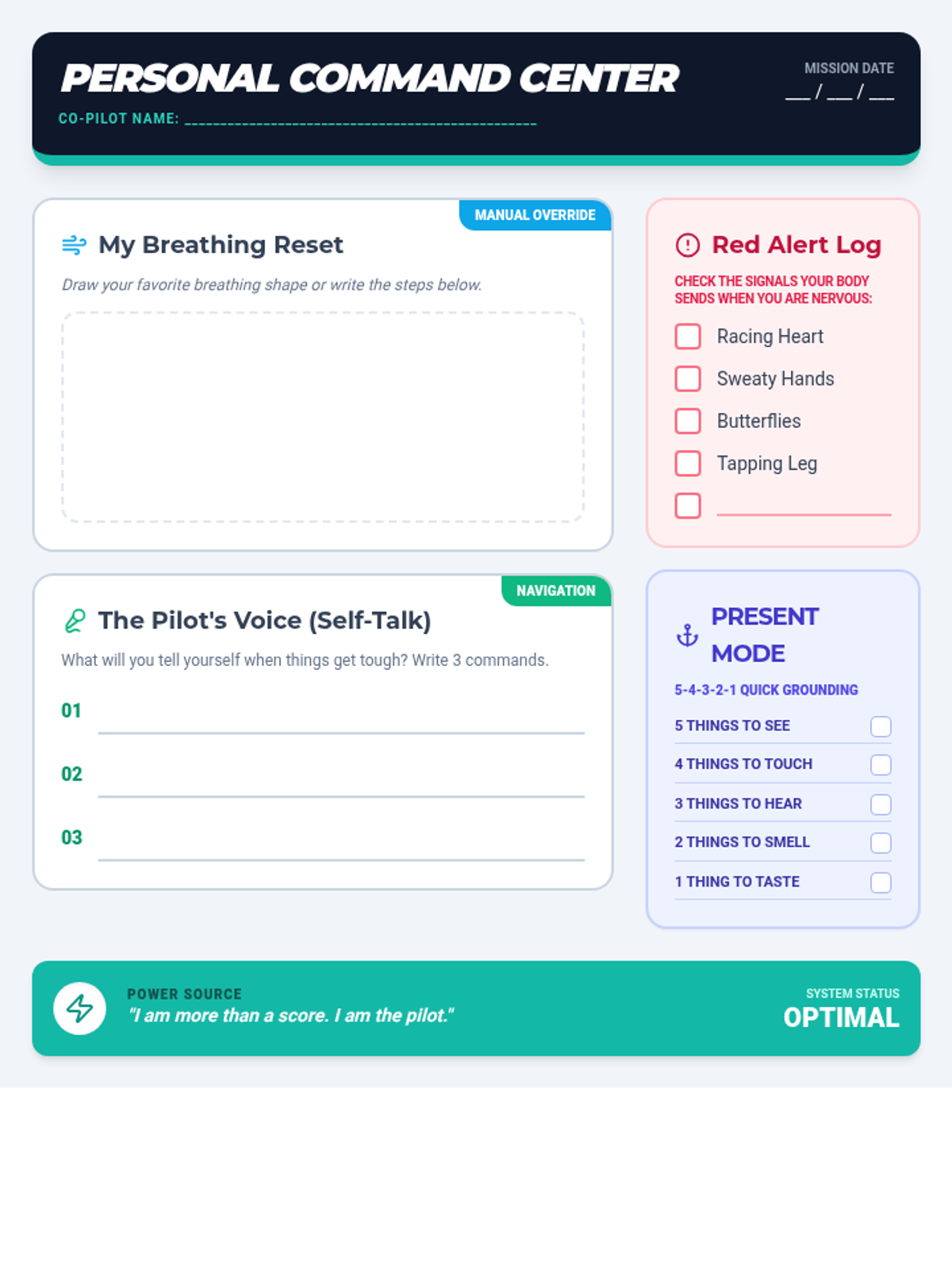
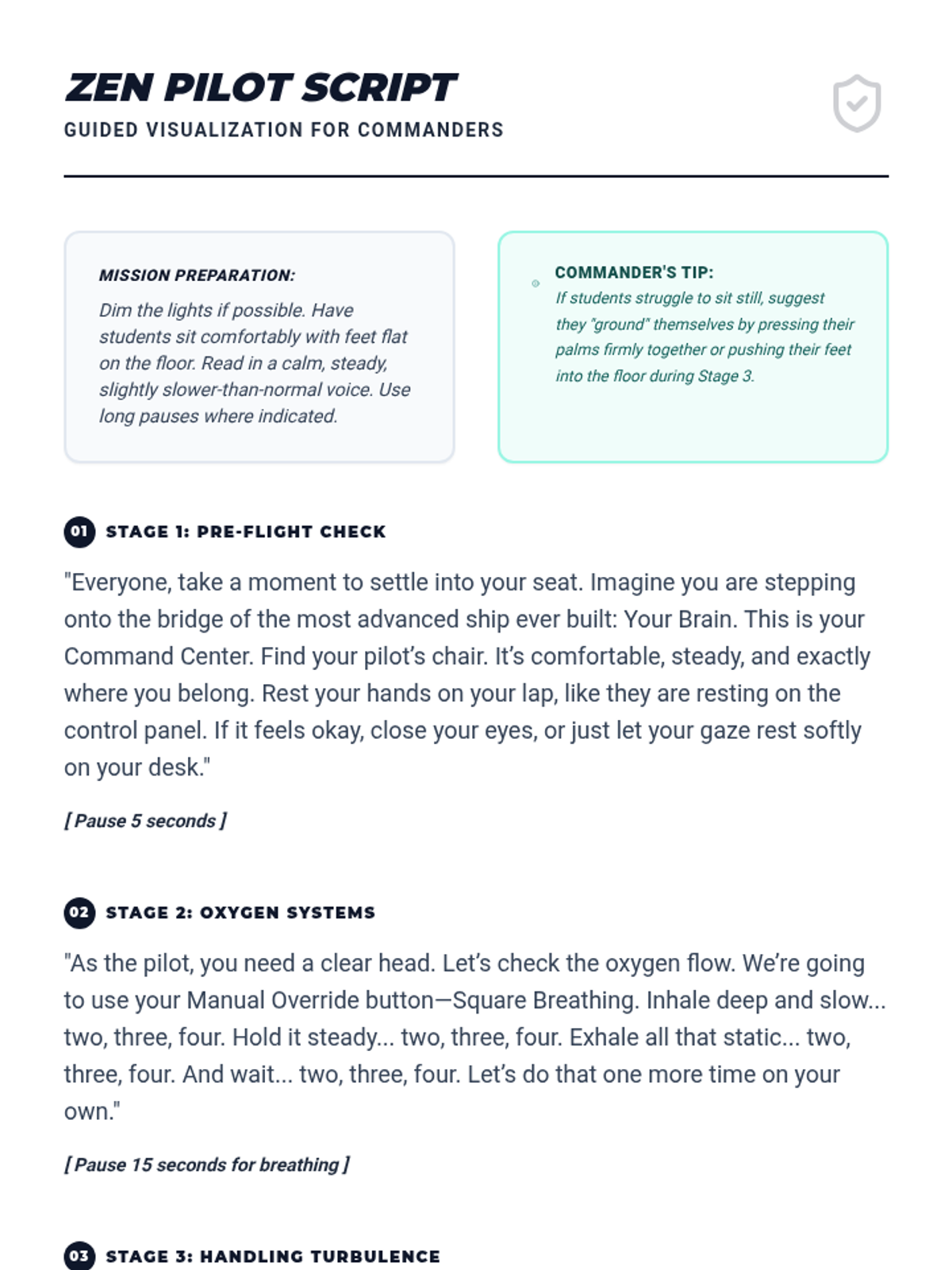
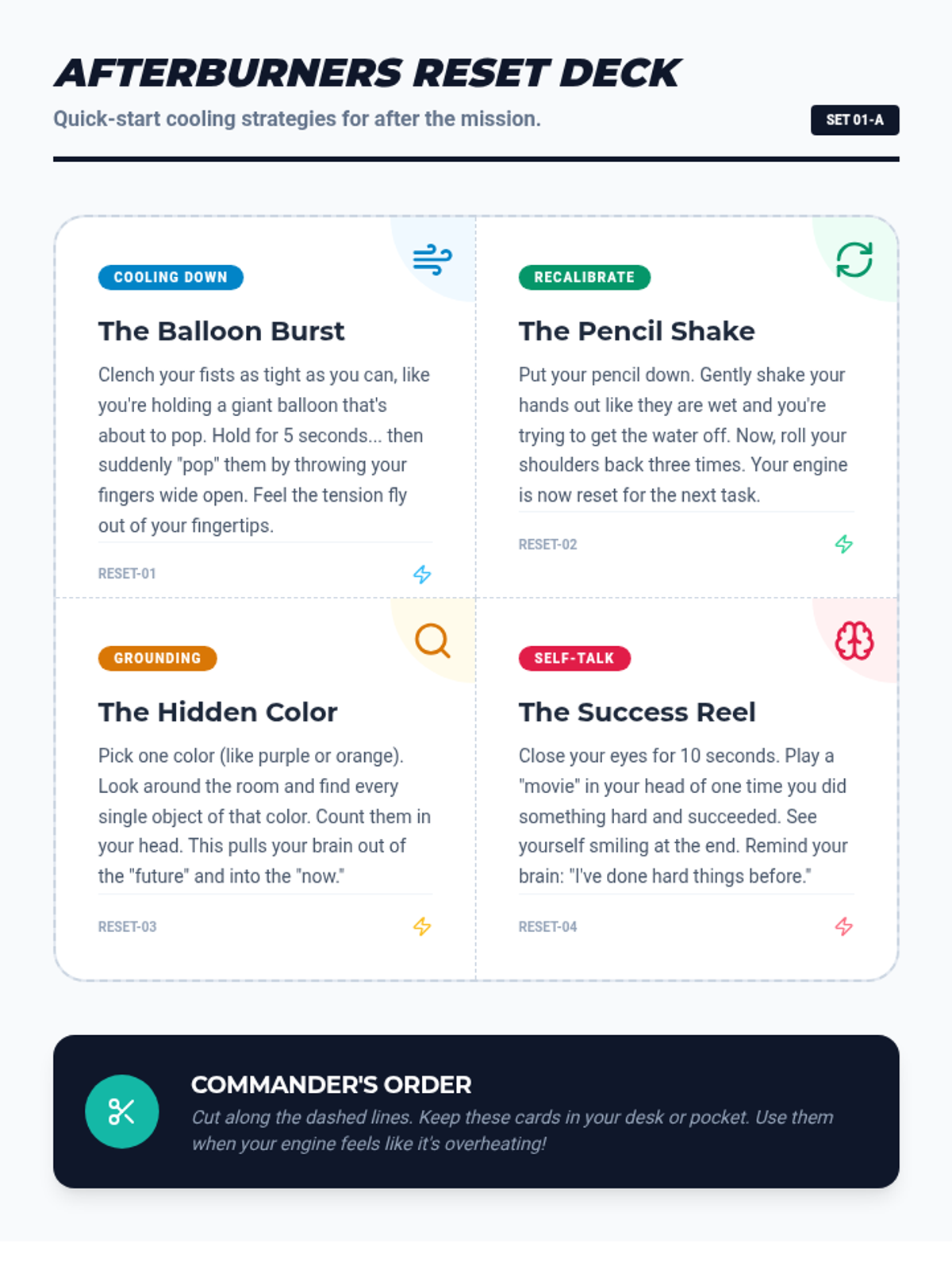
A comprehensive workshop designed to help 3rd-5th graders manage test anxiety through self-regulation and grounding techniques using a 'Command Center' metaphor.
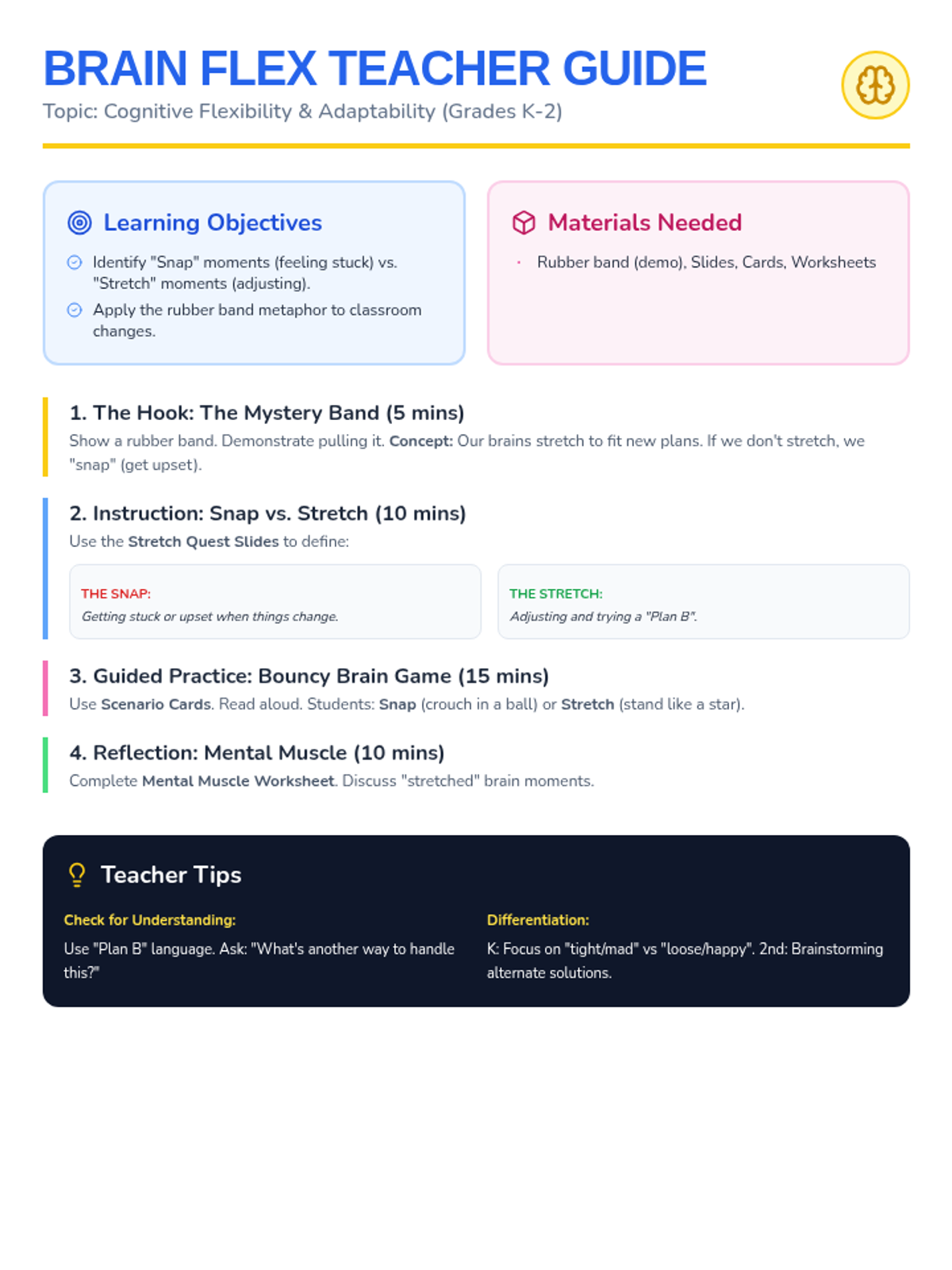
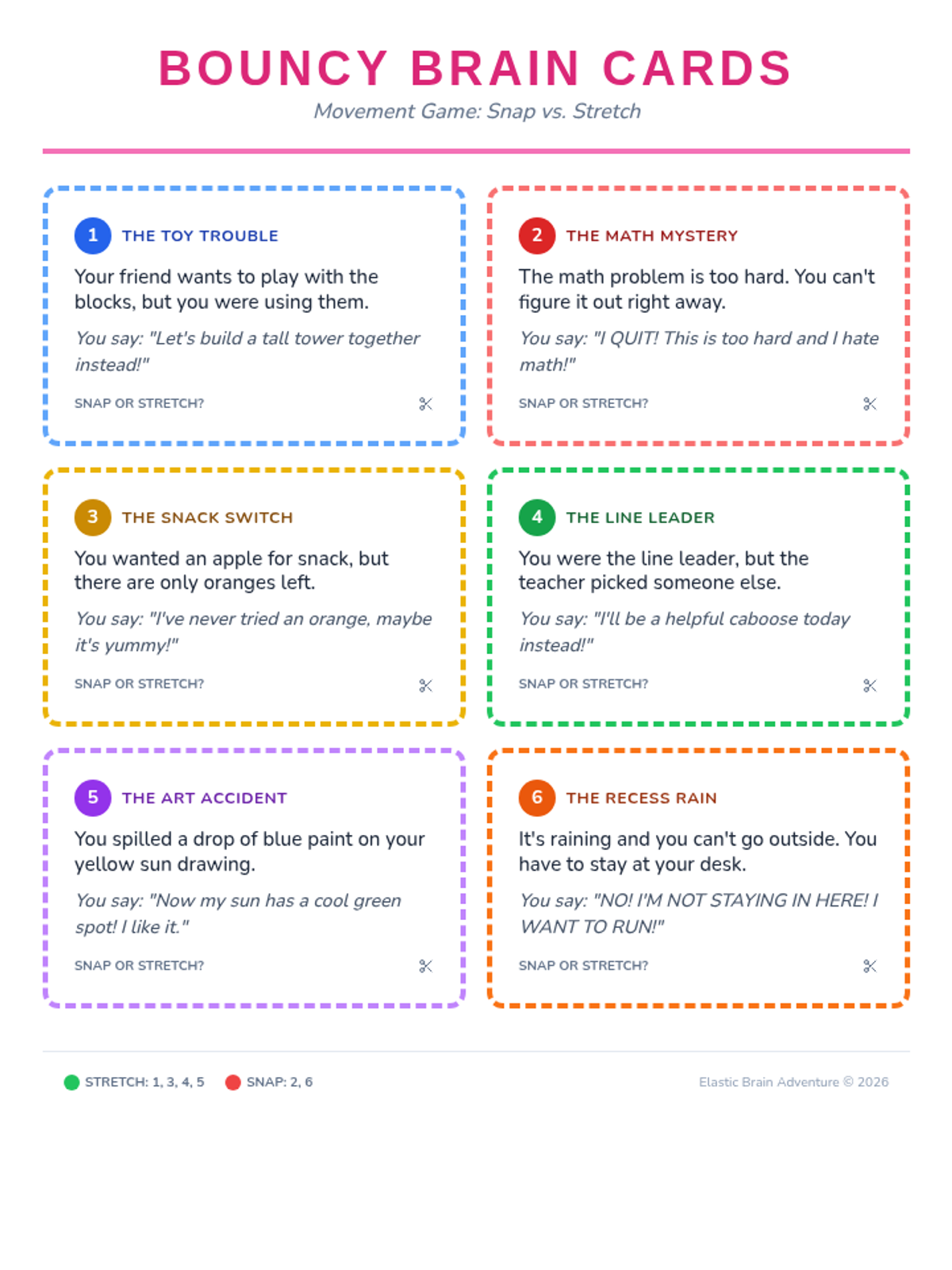
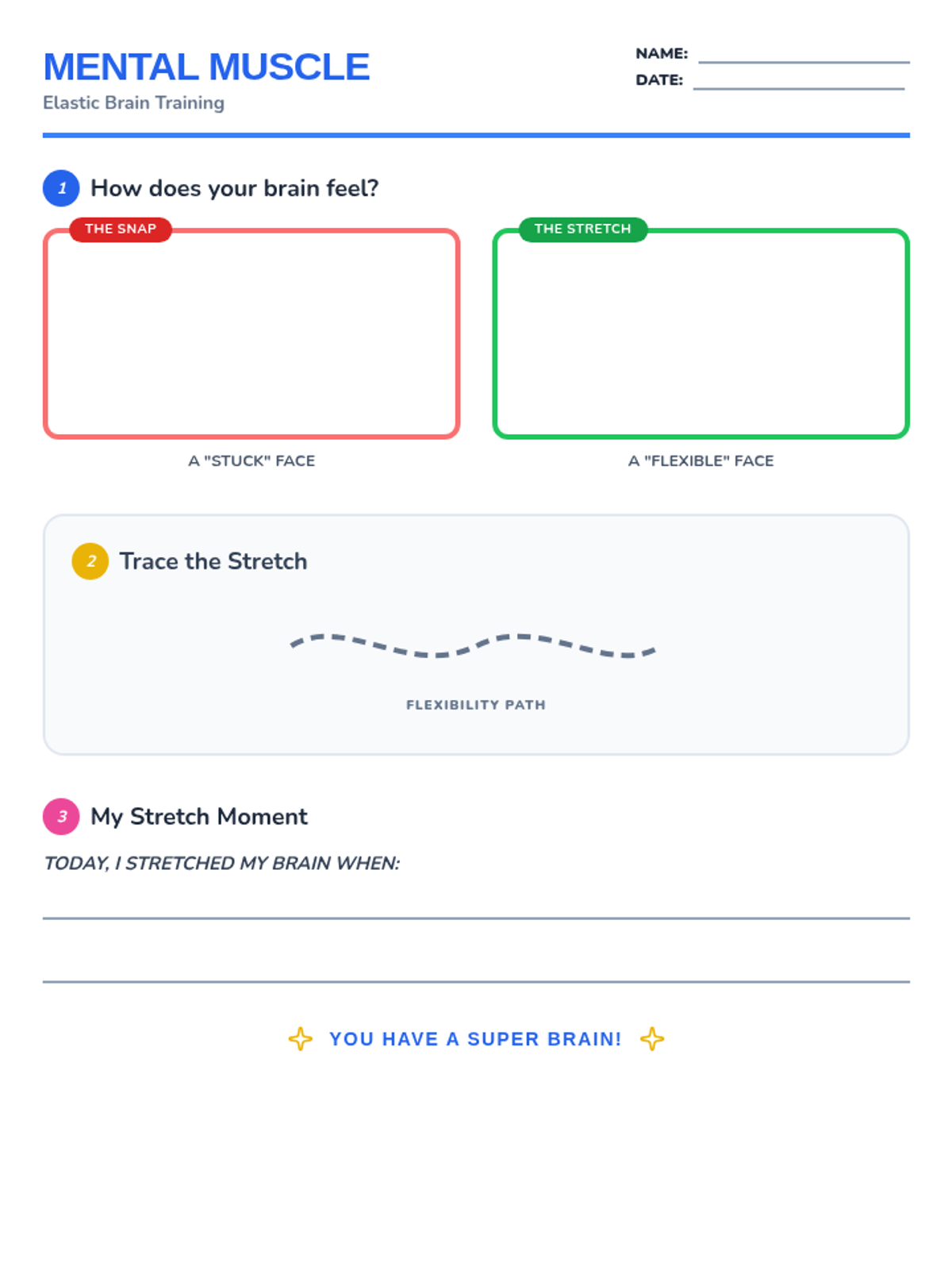
A social-emotional learning lesson for K-2 students that uses the metaphor of a rubber band to teach cognitive flexibility, adaptability, and emotional regulation when facing changes.
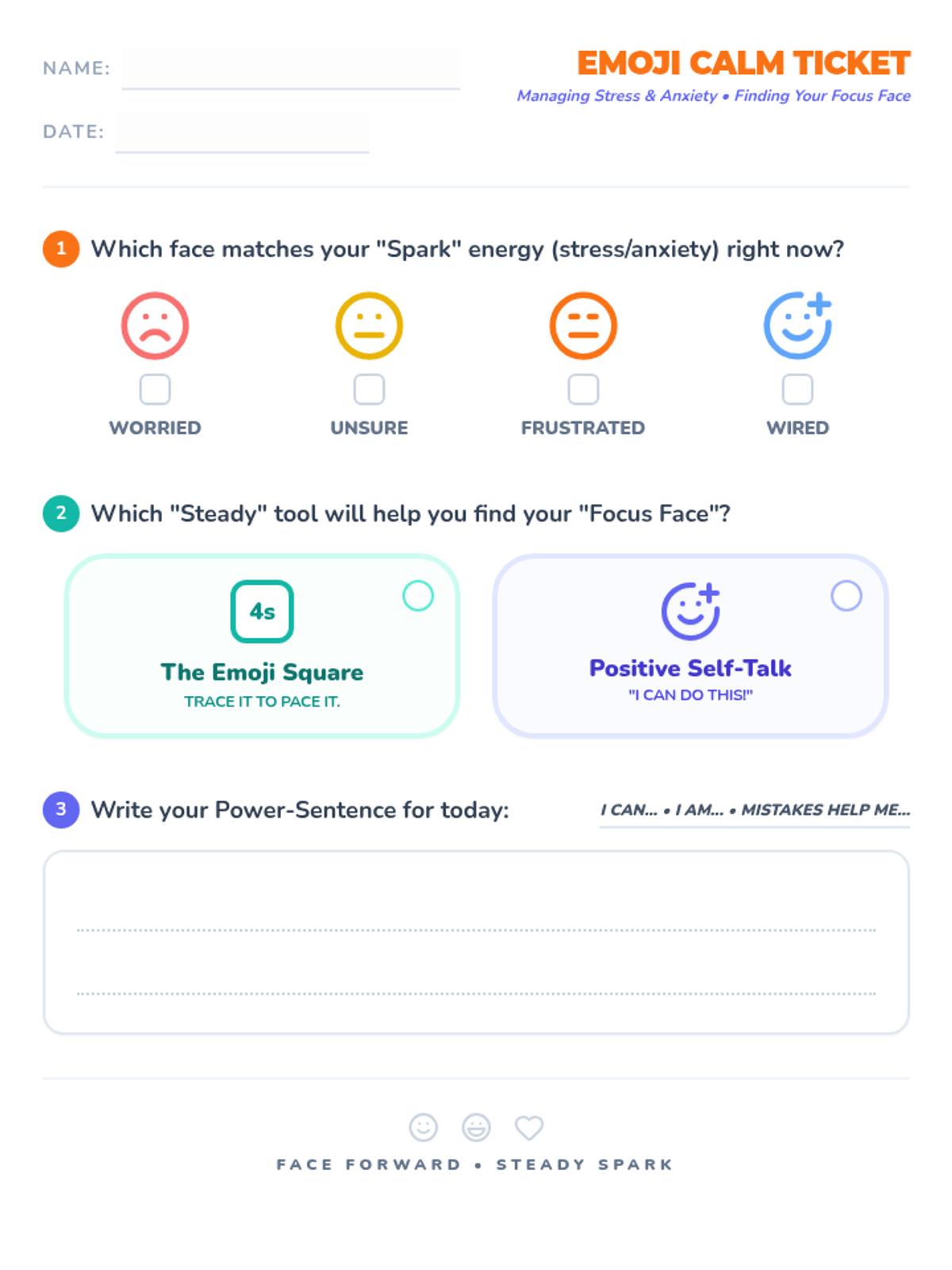
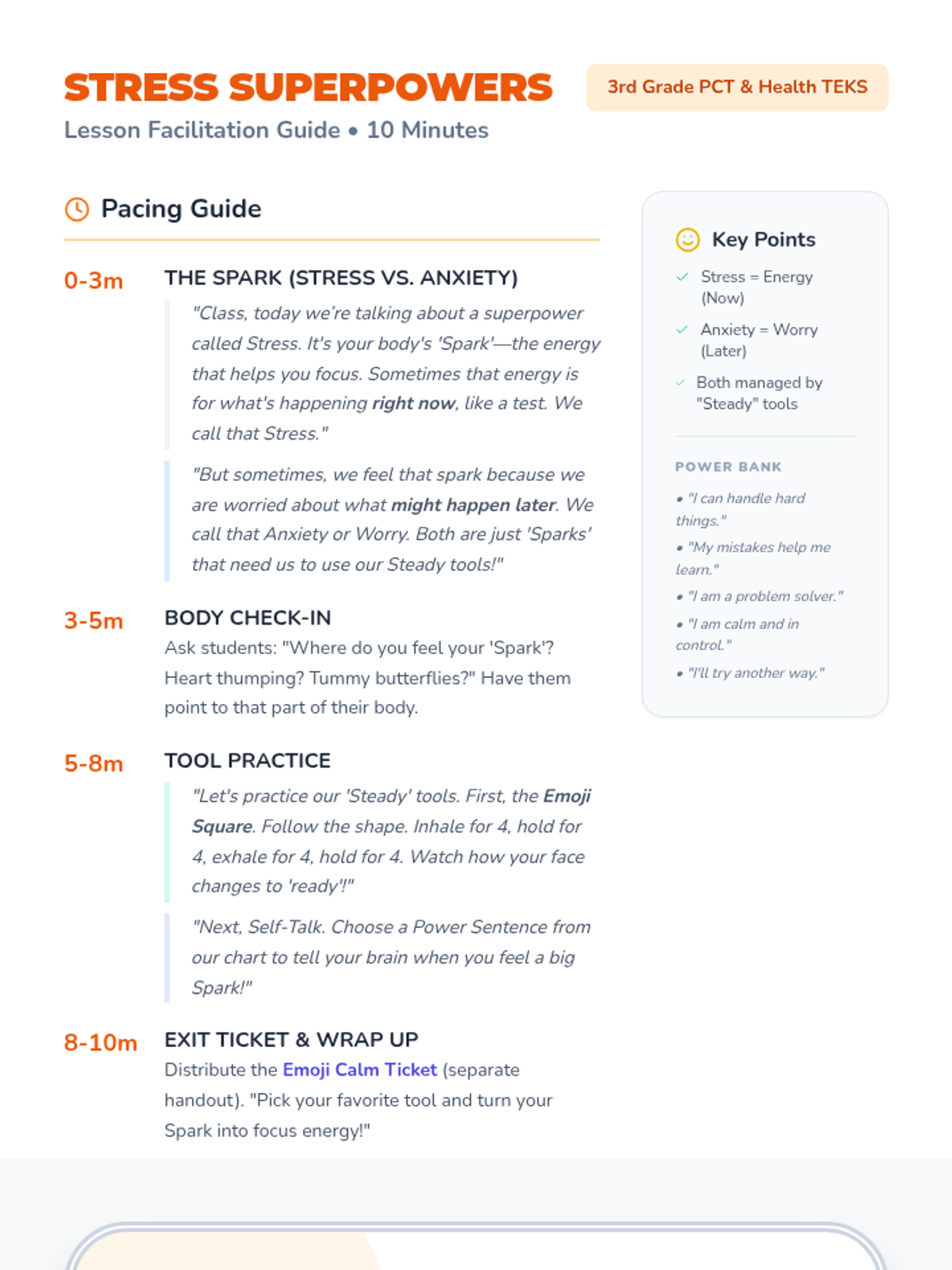
A 10-minute whole-group lesson for 3rd graders focused on identifying stress as a form of energy (the "Spark") and using self-management tools like deep breathing and positive self-talk (the "Steady") to manage it.
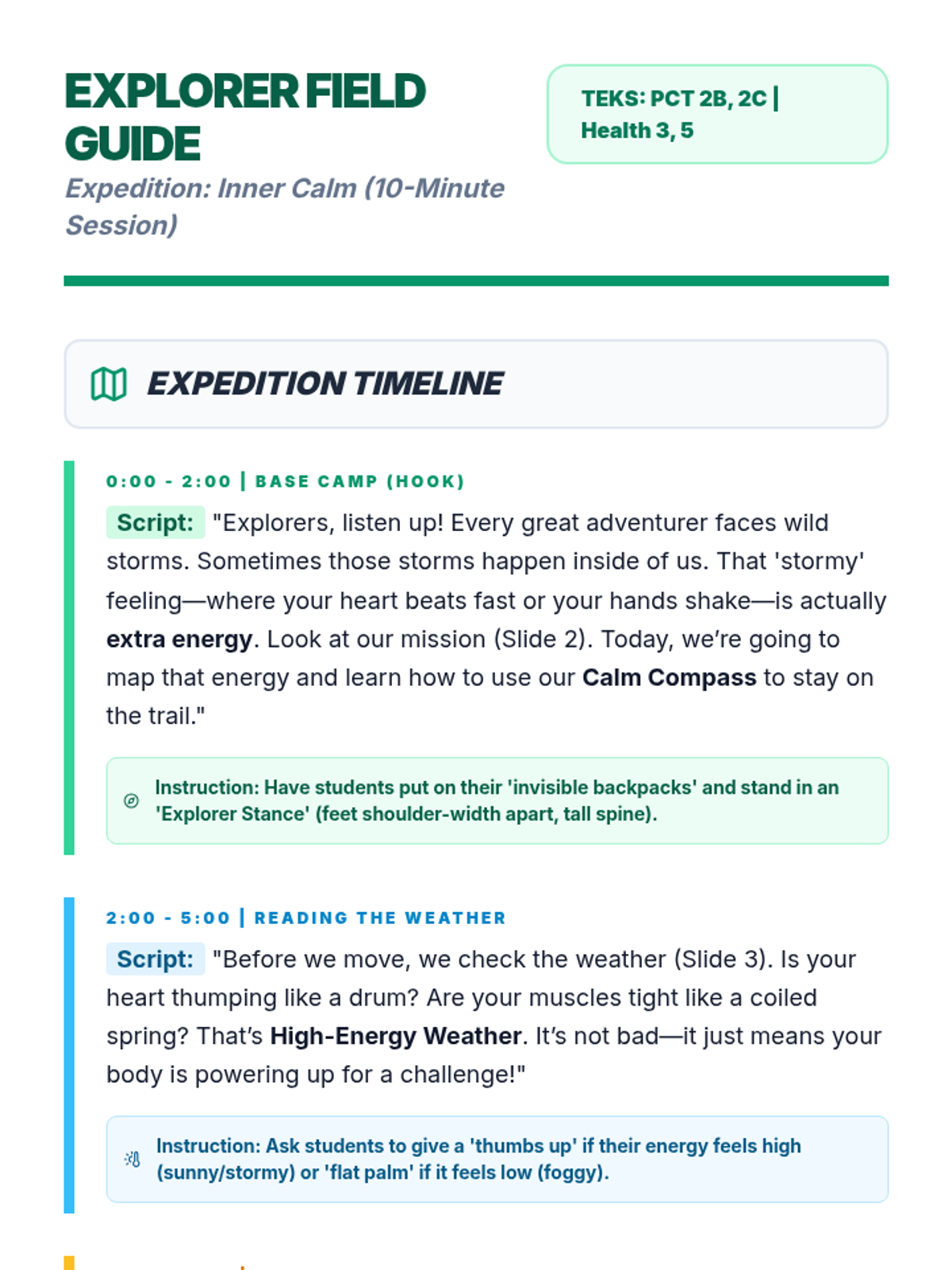
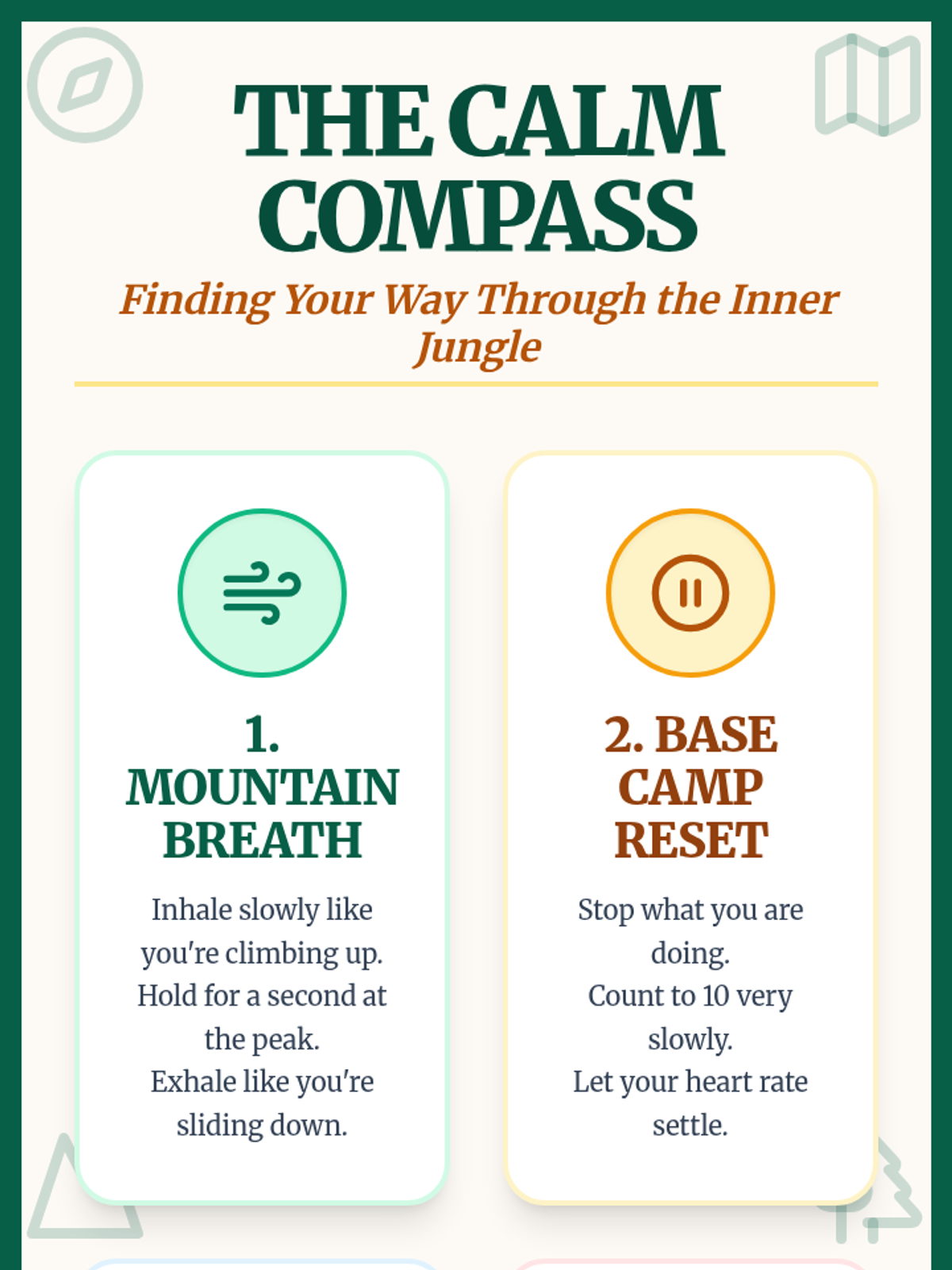
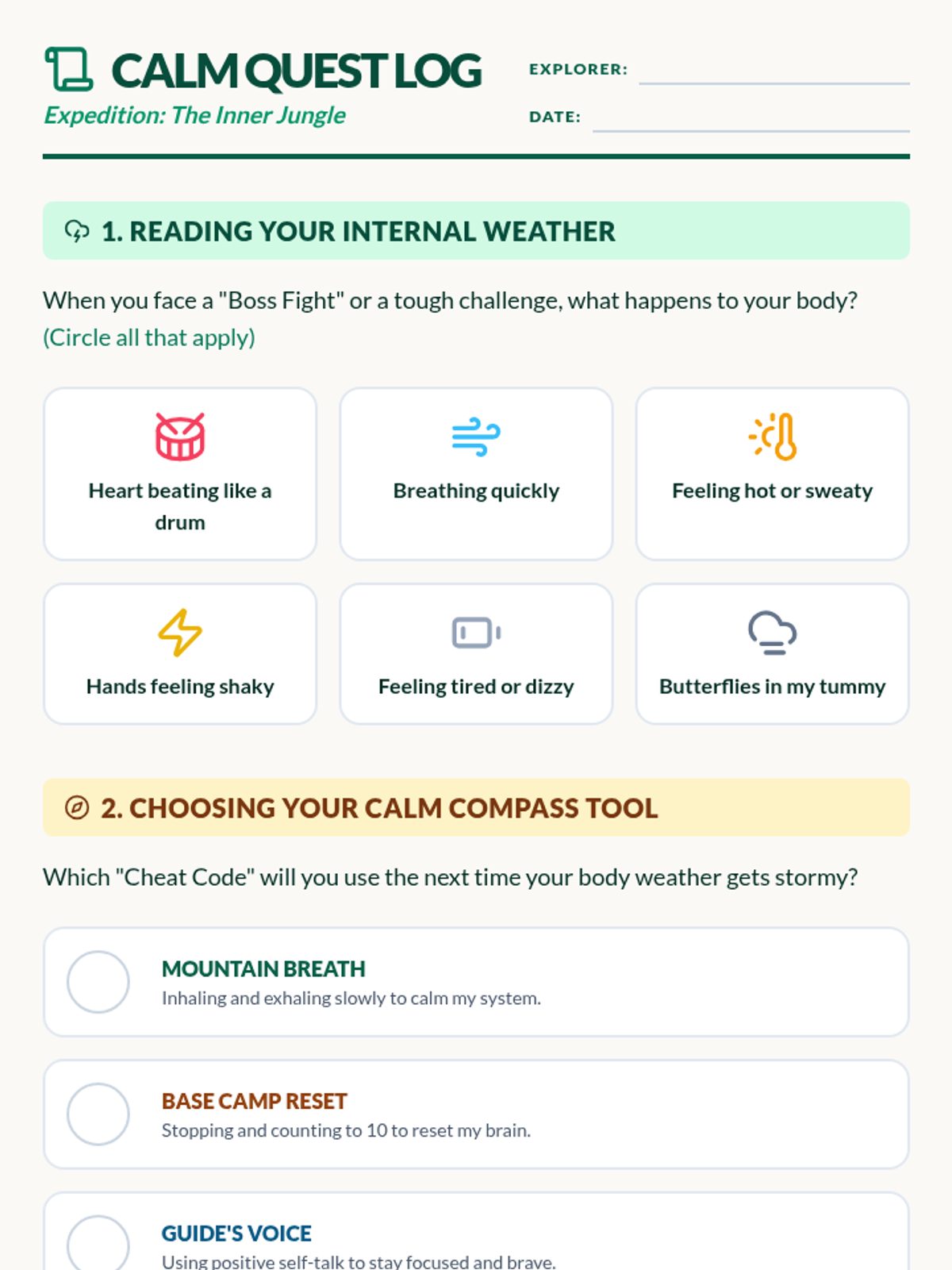
A 10-minute mindfulness lesson using a 'Nature Expedition' theme to help 3rd graders explore their internal physical sensations and discover 'tools' for calming their minds and bodies.
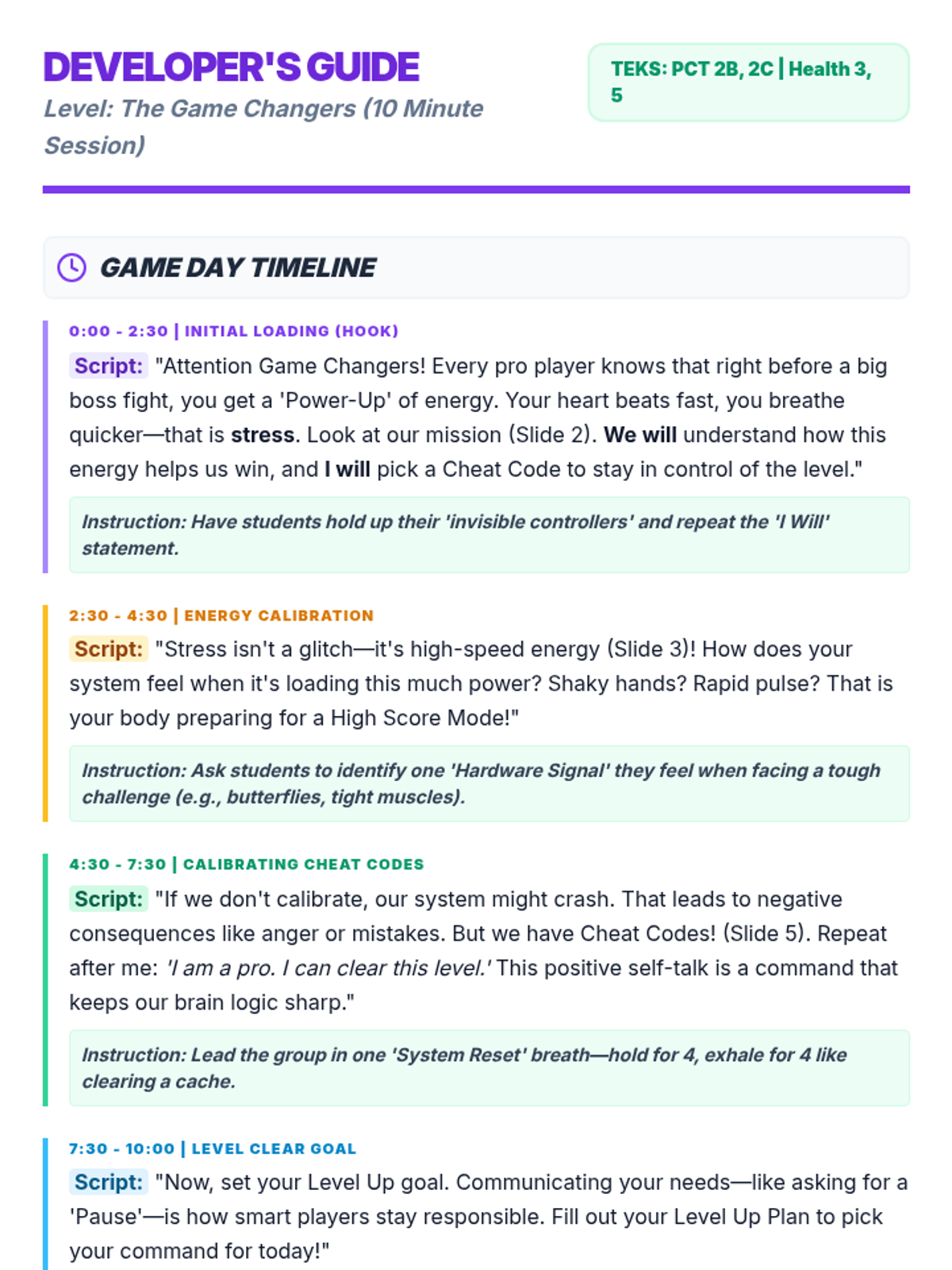
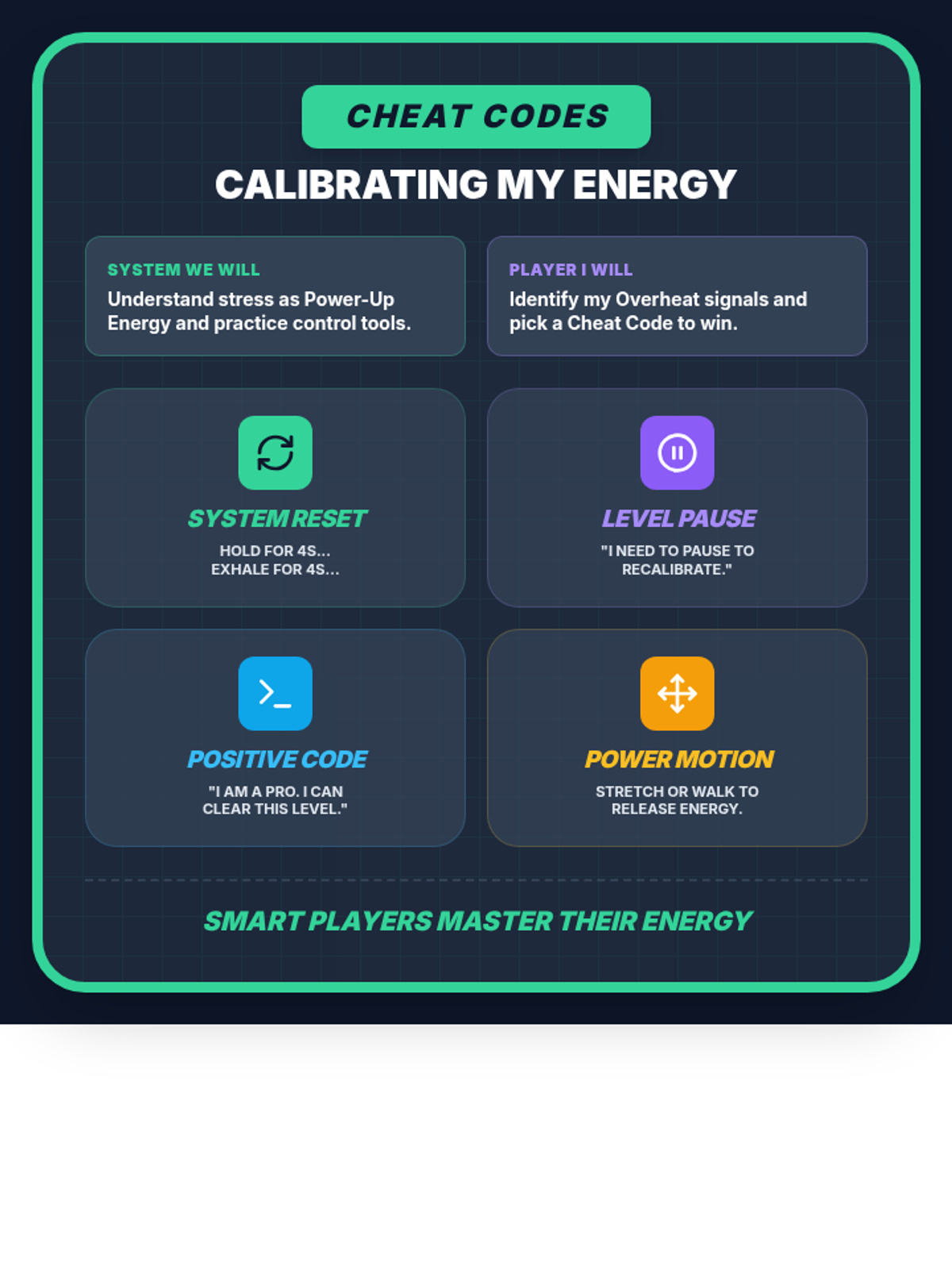
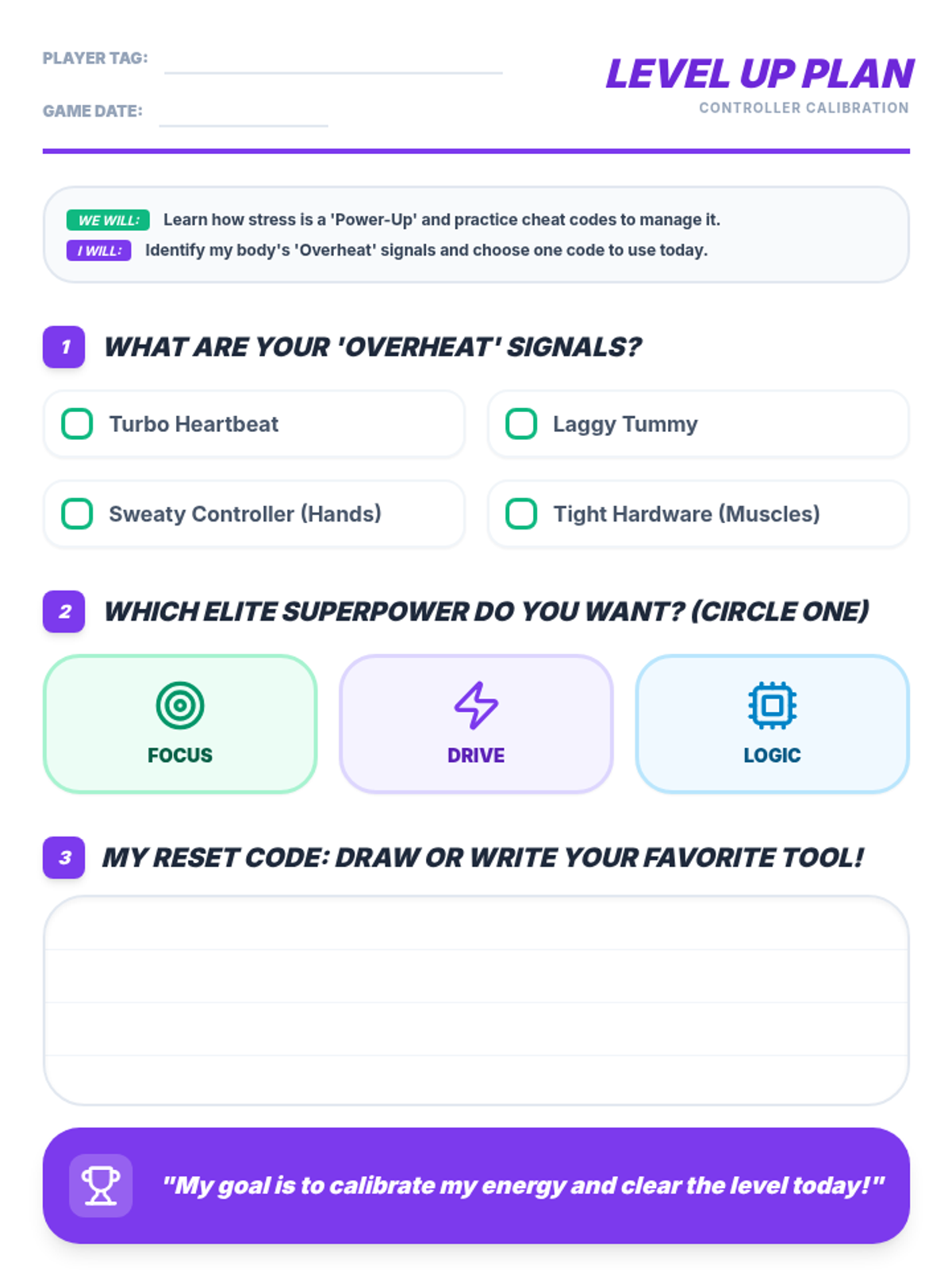
A 10-minute whole group lesson using a 'Video Game/Digital' theme to teach 3rd graders how to calibrate their 'energy boost' (stress) into 'high score' focus and drive.
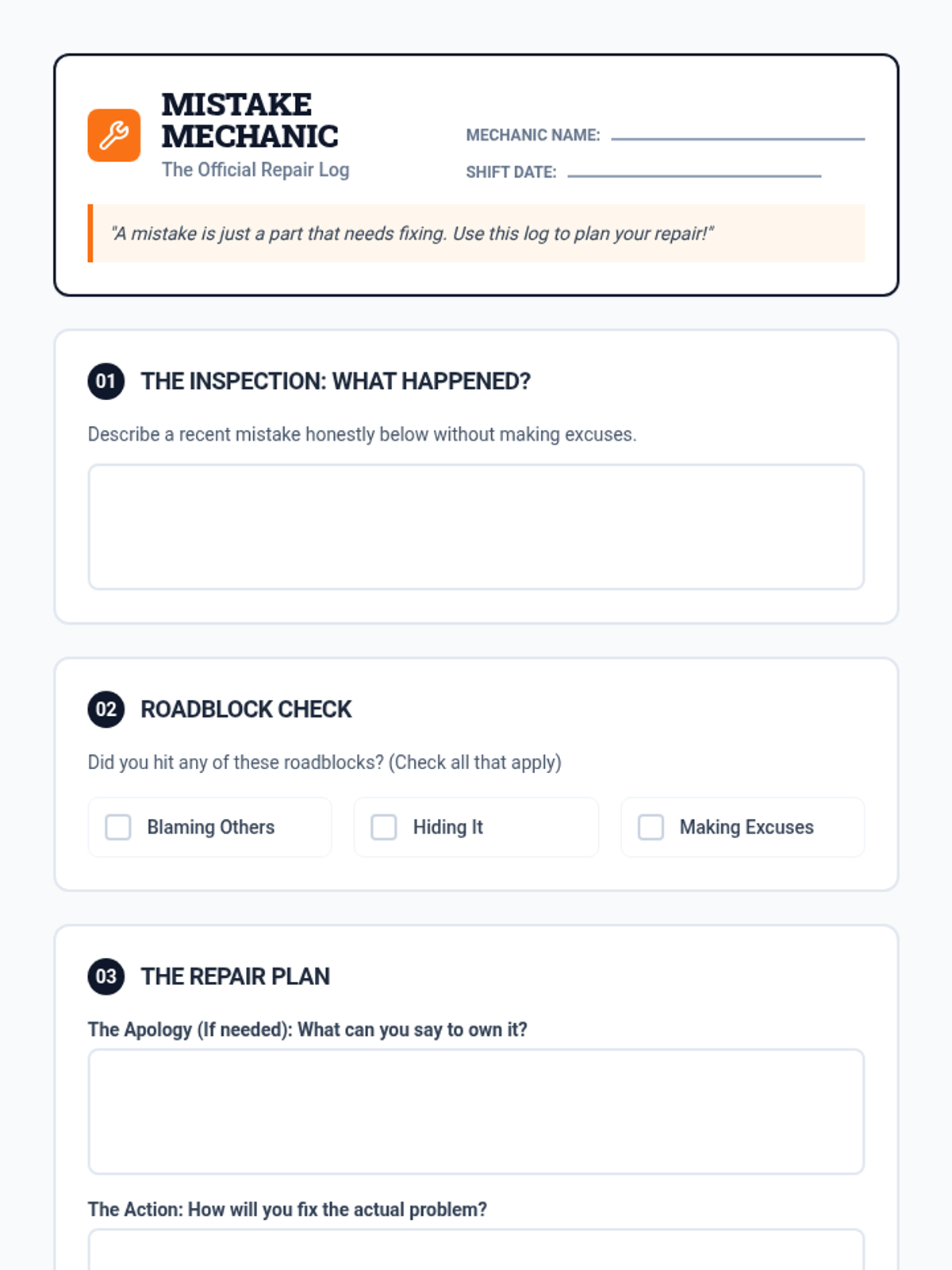
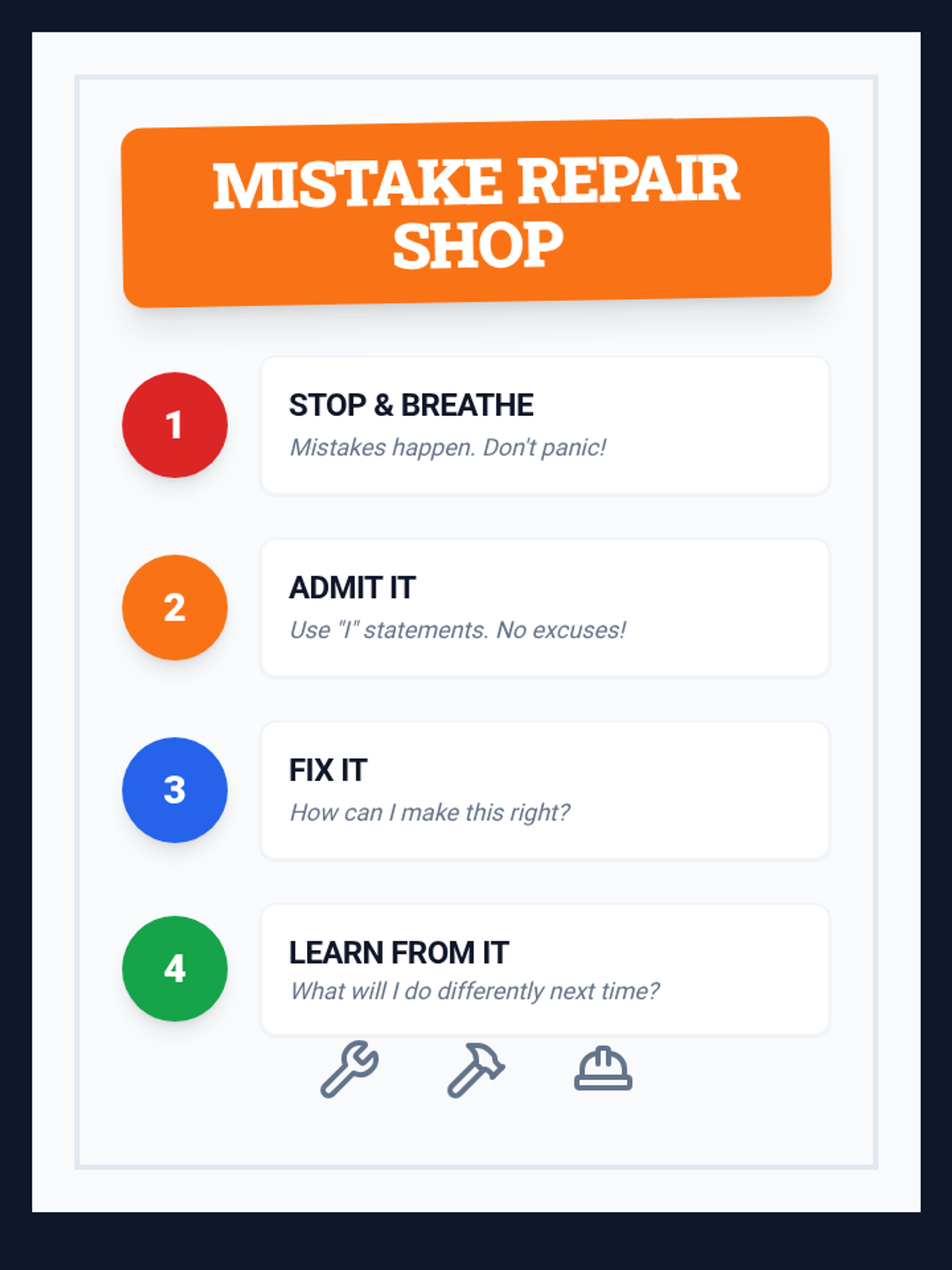
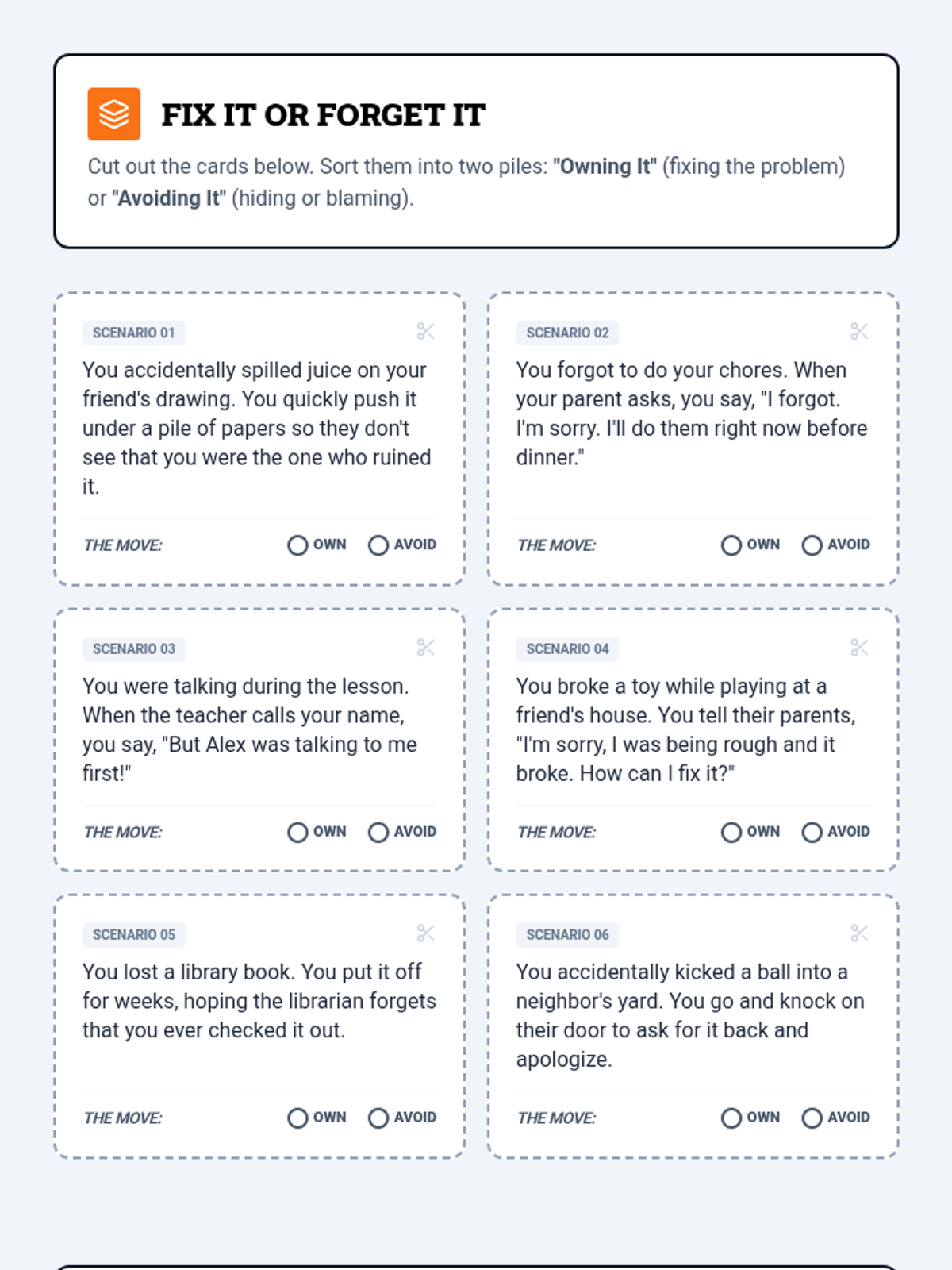
A lesson focused on taking ownership of mistakes through the metaphor of a 'Repair Shop'. Students will learn to move past blame and use a step-by-step process to fix their errors and learn from them.
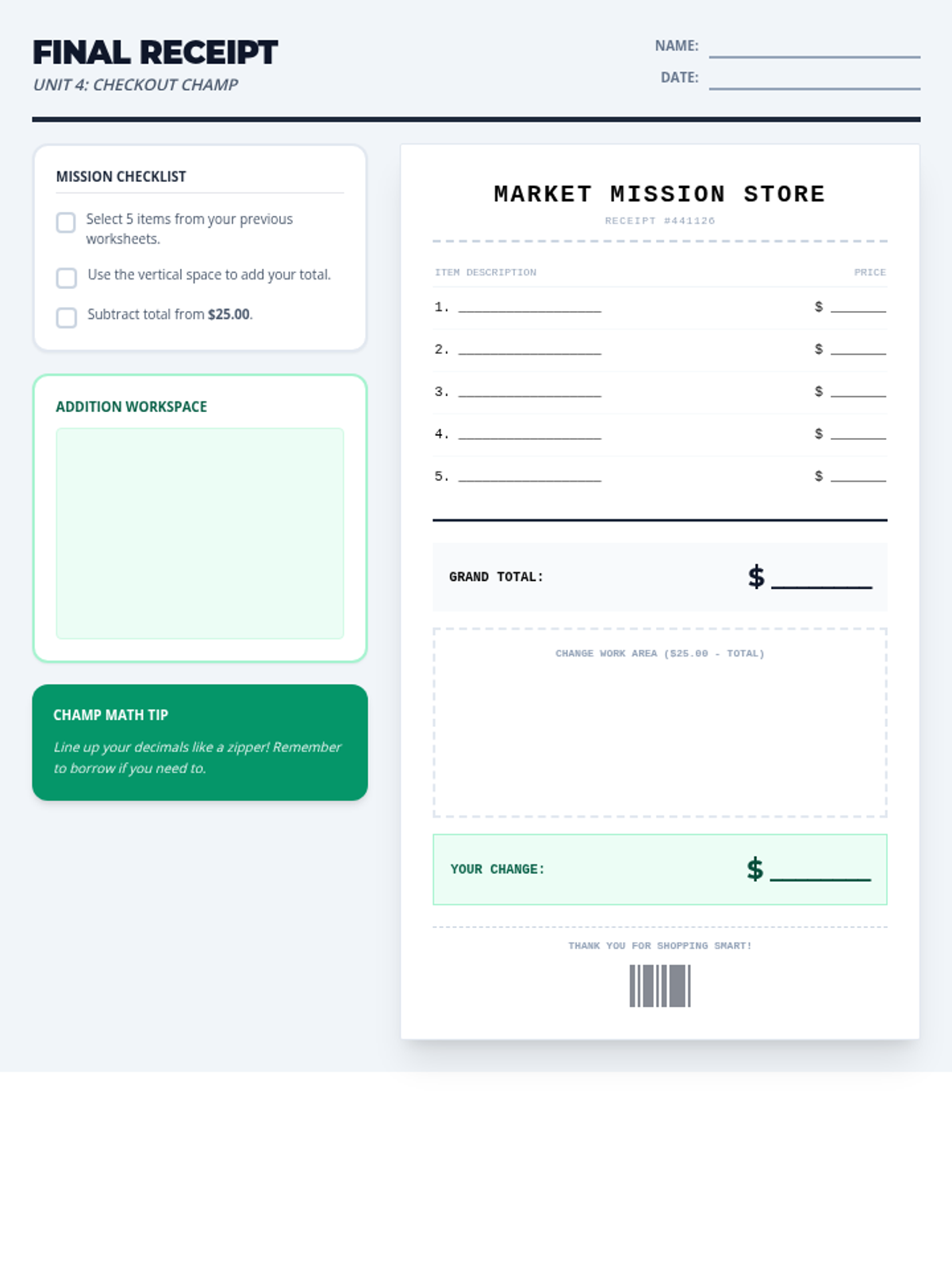
Finalizing a grocery purchase, calculating totals, and determining change while staying under budget.
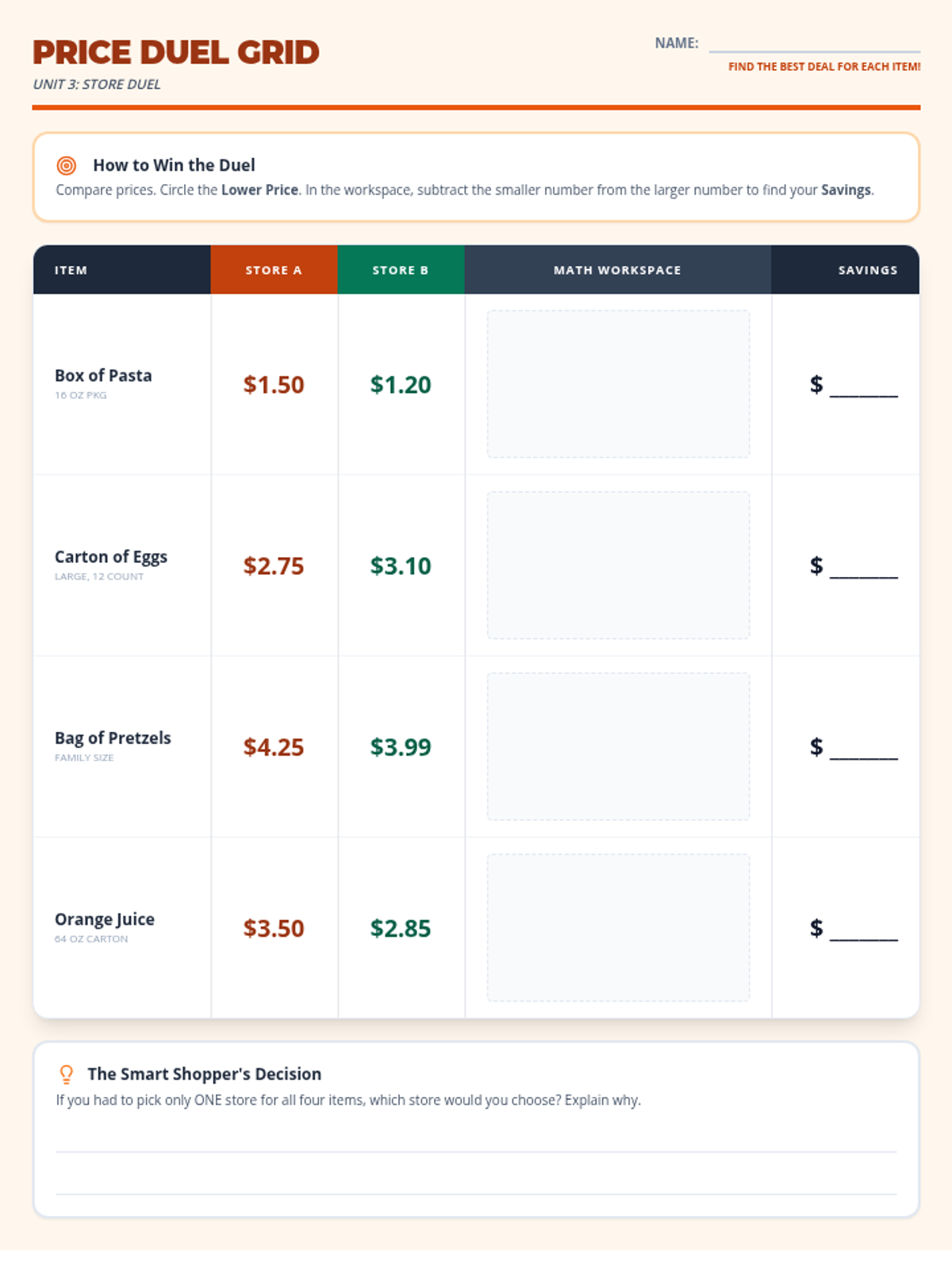
Comparing prices between two different stores to find the best deals on common household items.
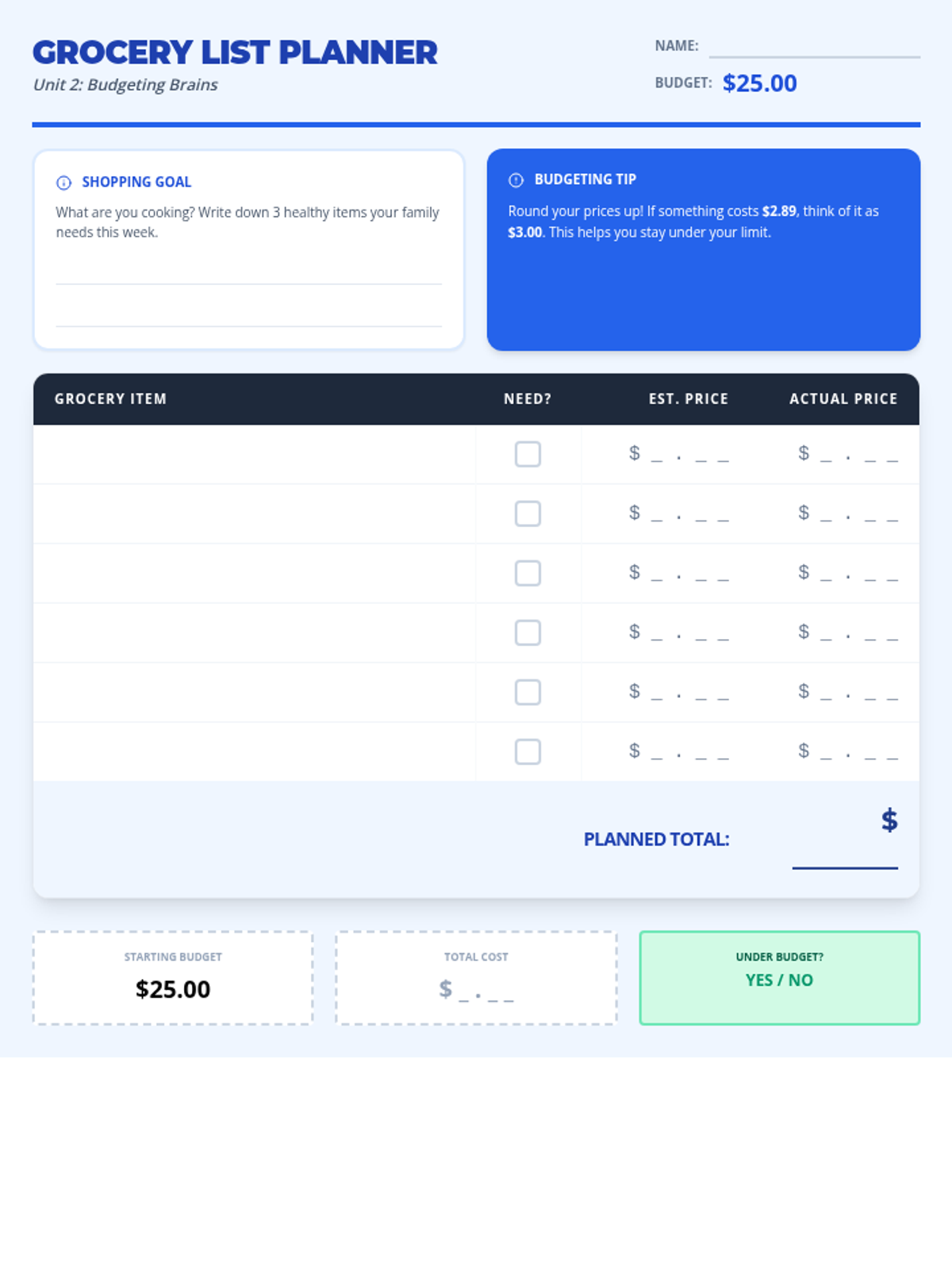
Setting a budget and prioritizing items on a grocery list using estimation and decimal addition.
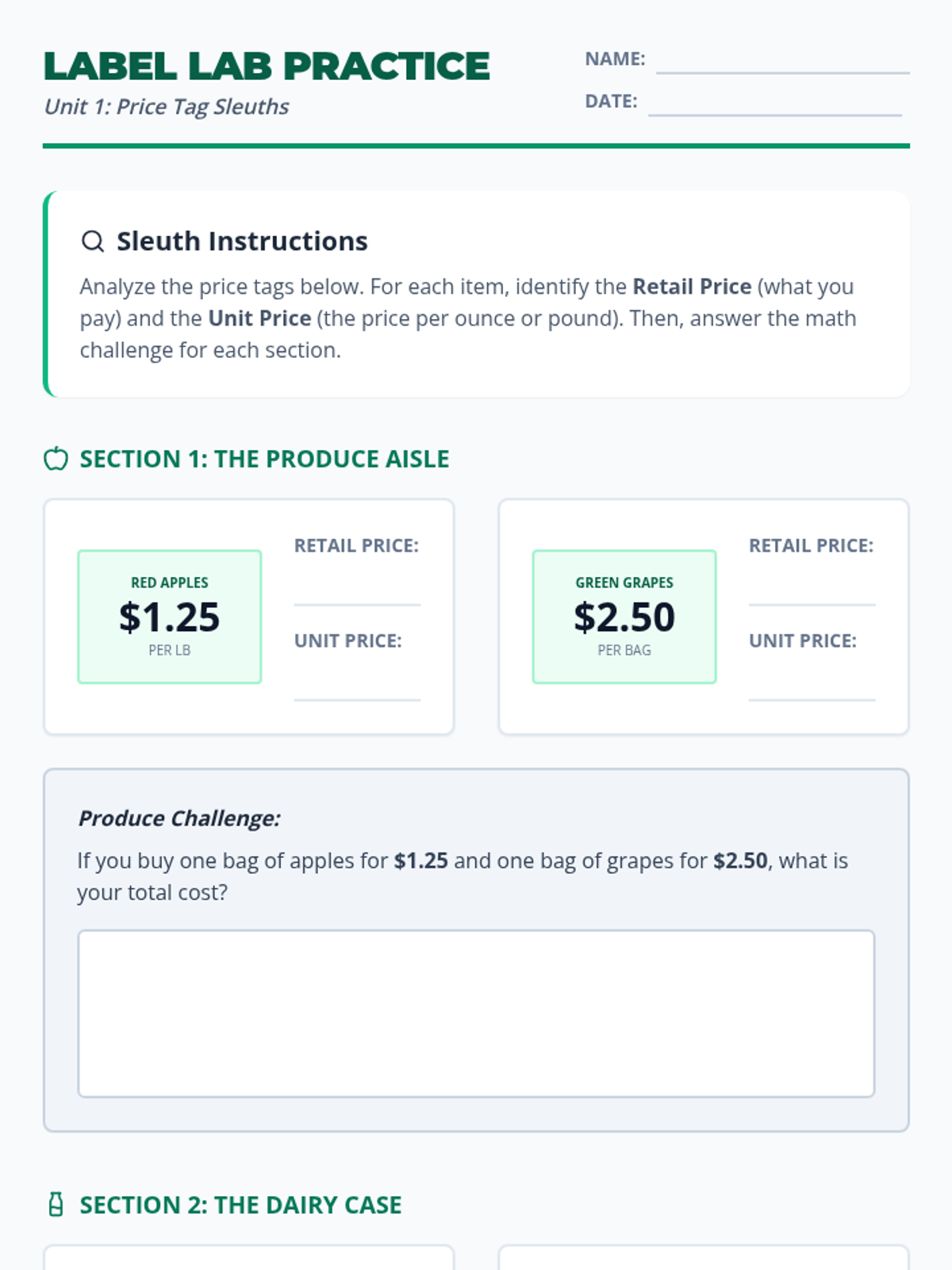
Introduction to reading price labels, identifying unit prices, and understanding the 'detective' work of grocery shopping.
Examining real-life challenges faced by WWE stars to inspire resilience, grit, and the 'Ganas' required for the final push.