This lesson teaches third-grade students how to transition from being a bystander to an upstander during playground conflicts, focusing on the '4 Ds' of intervention: Direct, Distract, Delegate, and Delay.
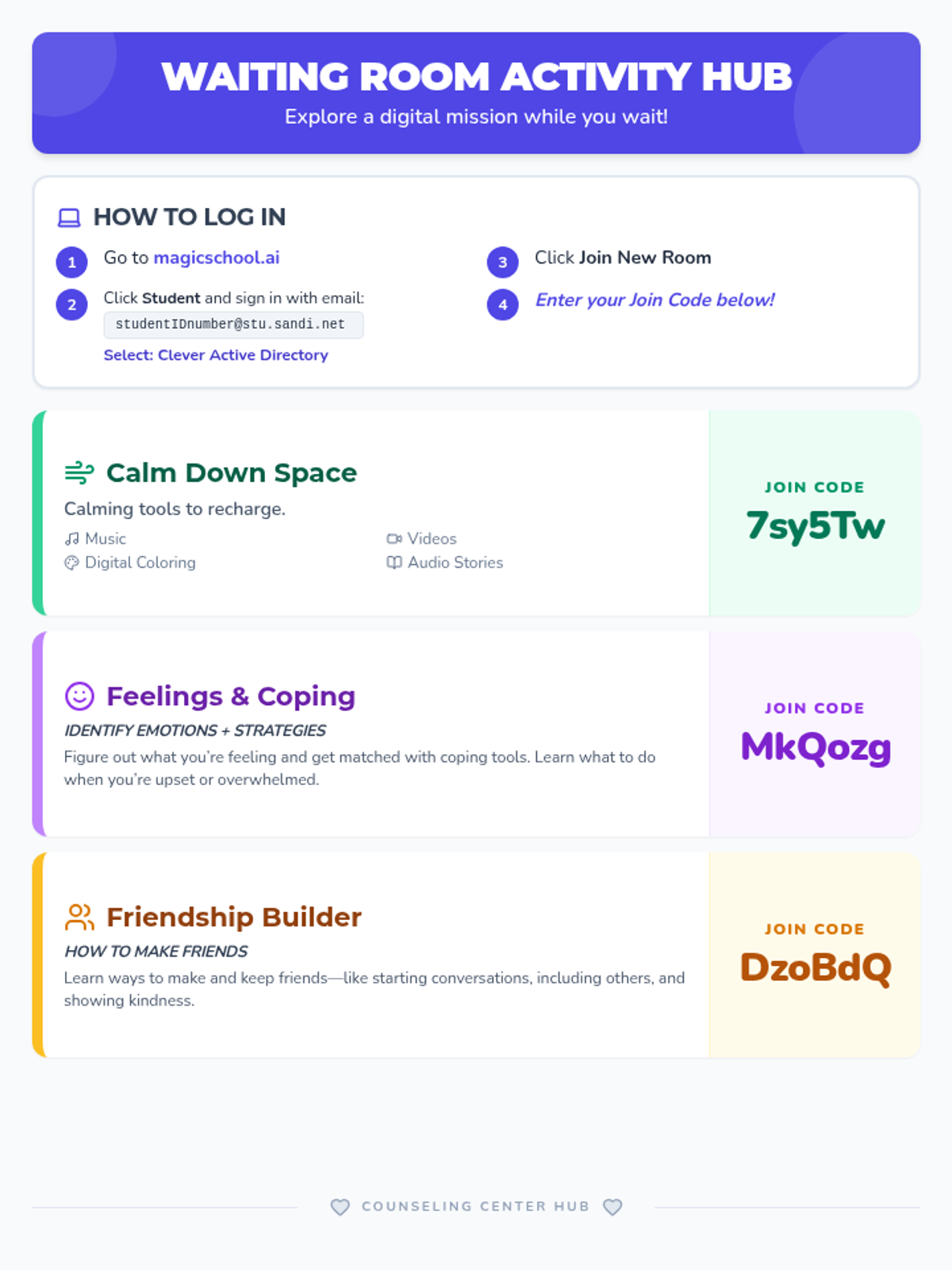
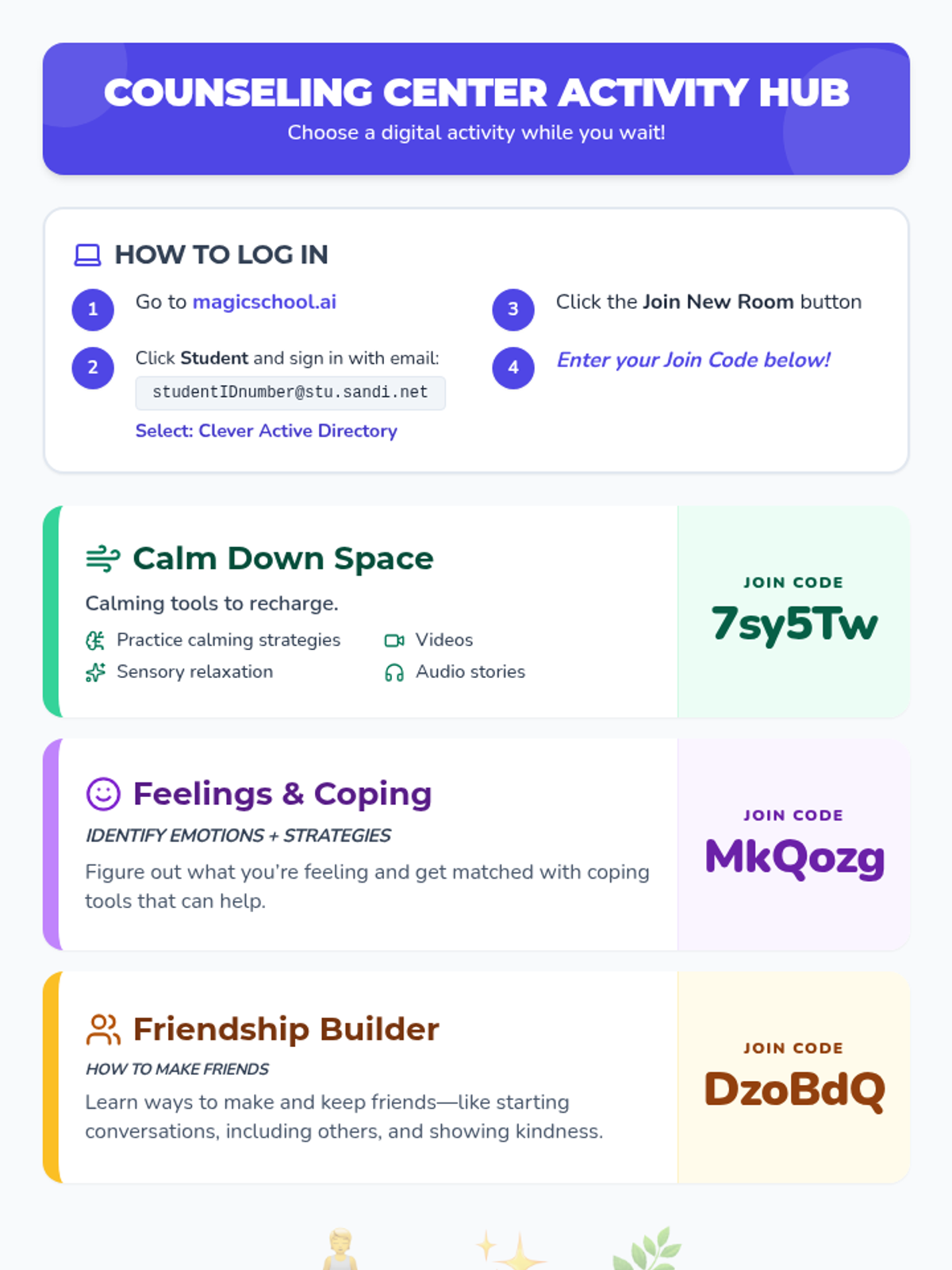
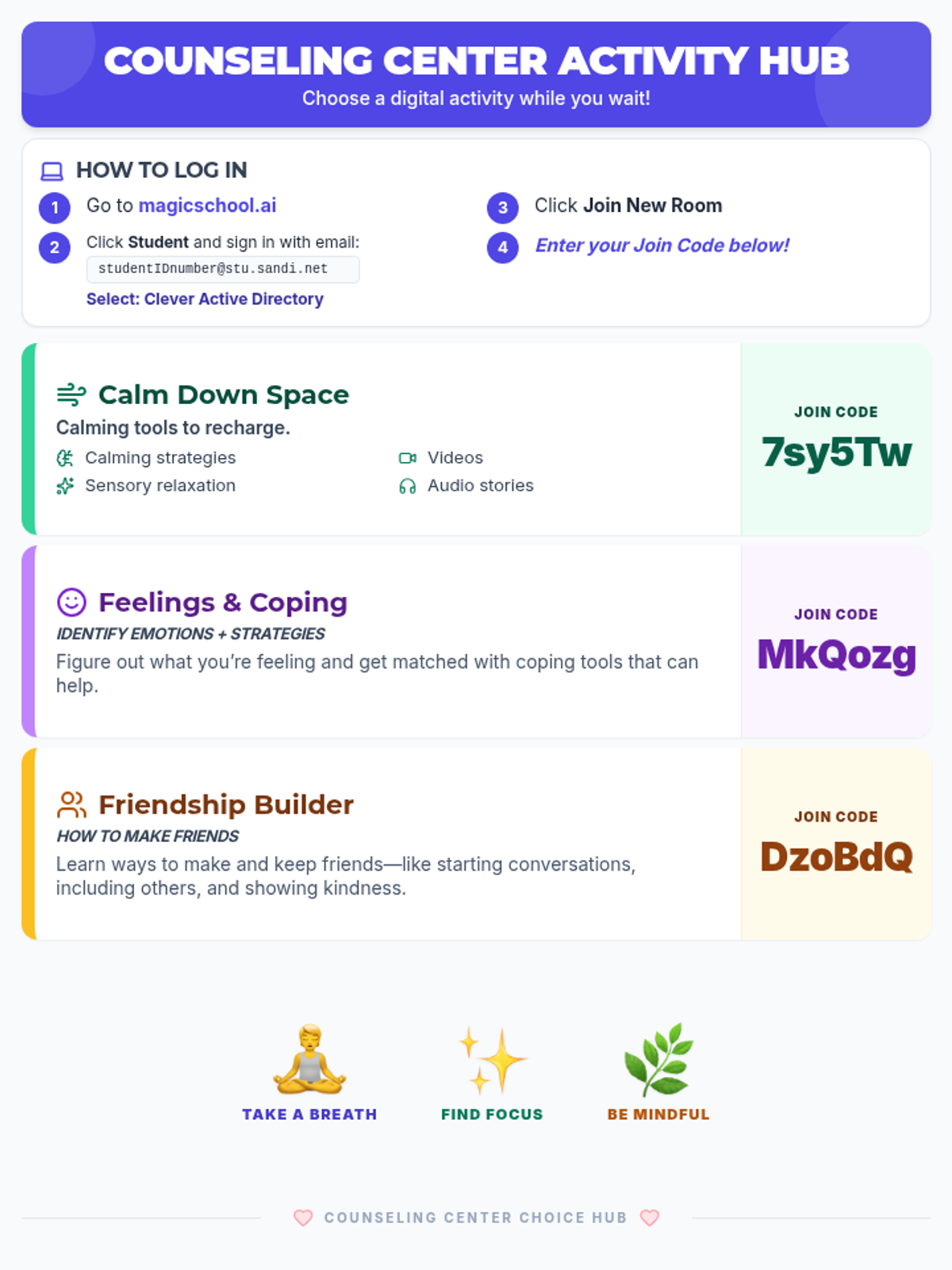
A collection of resources for students in the school counseling center to help them manage their time and emotions while waiting.
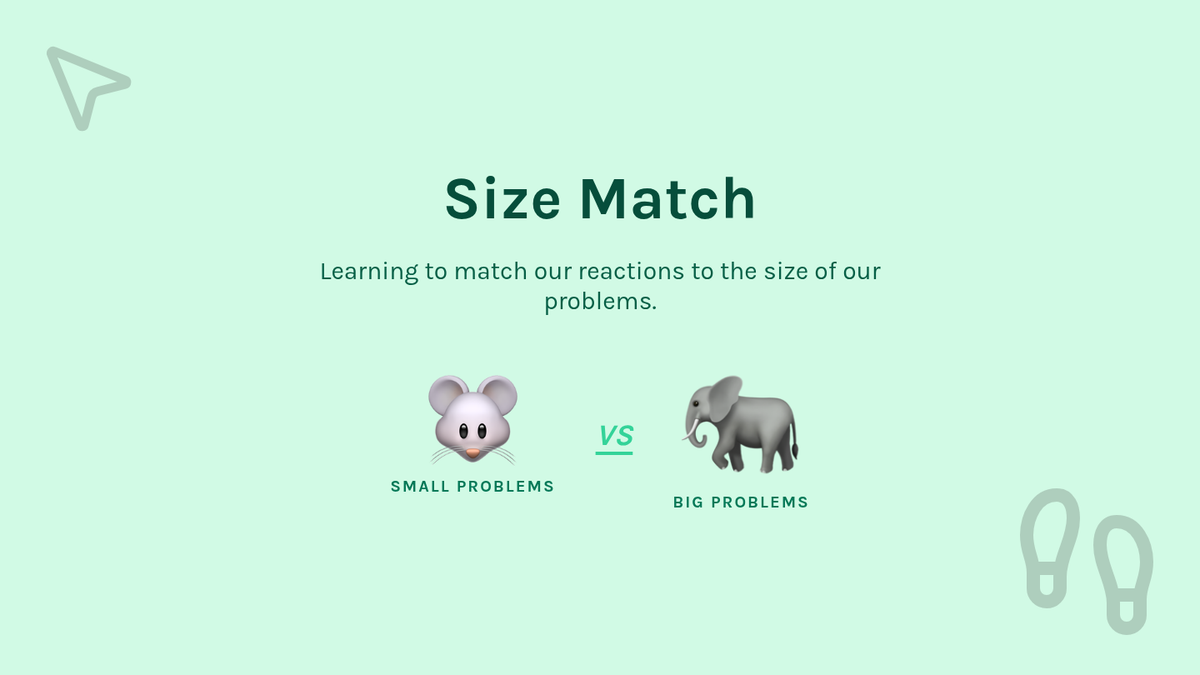
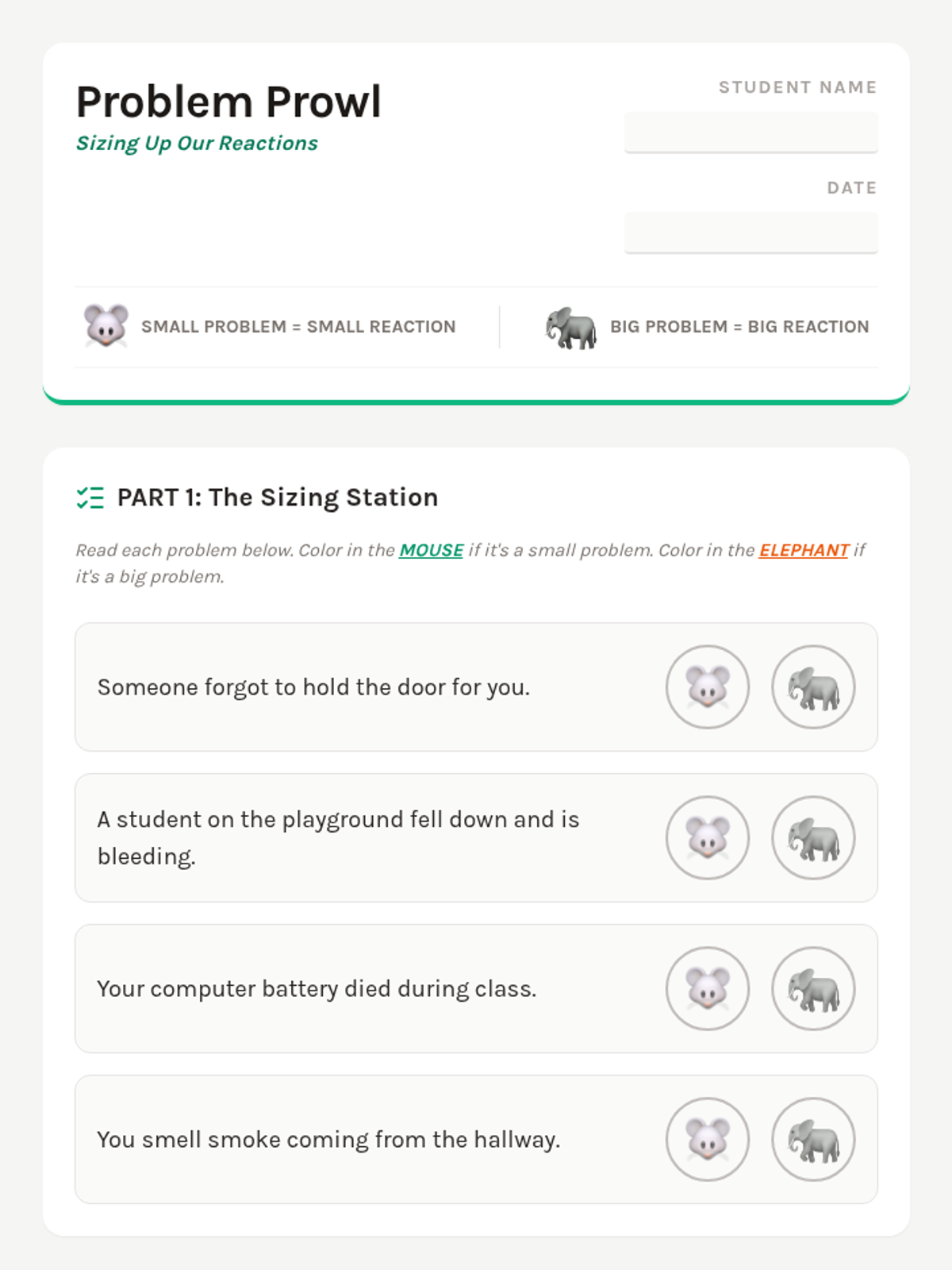
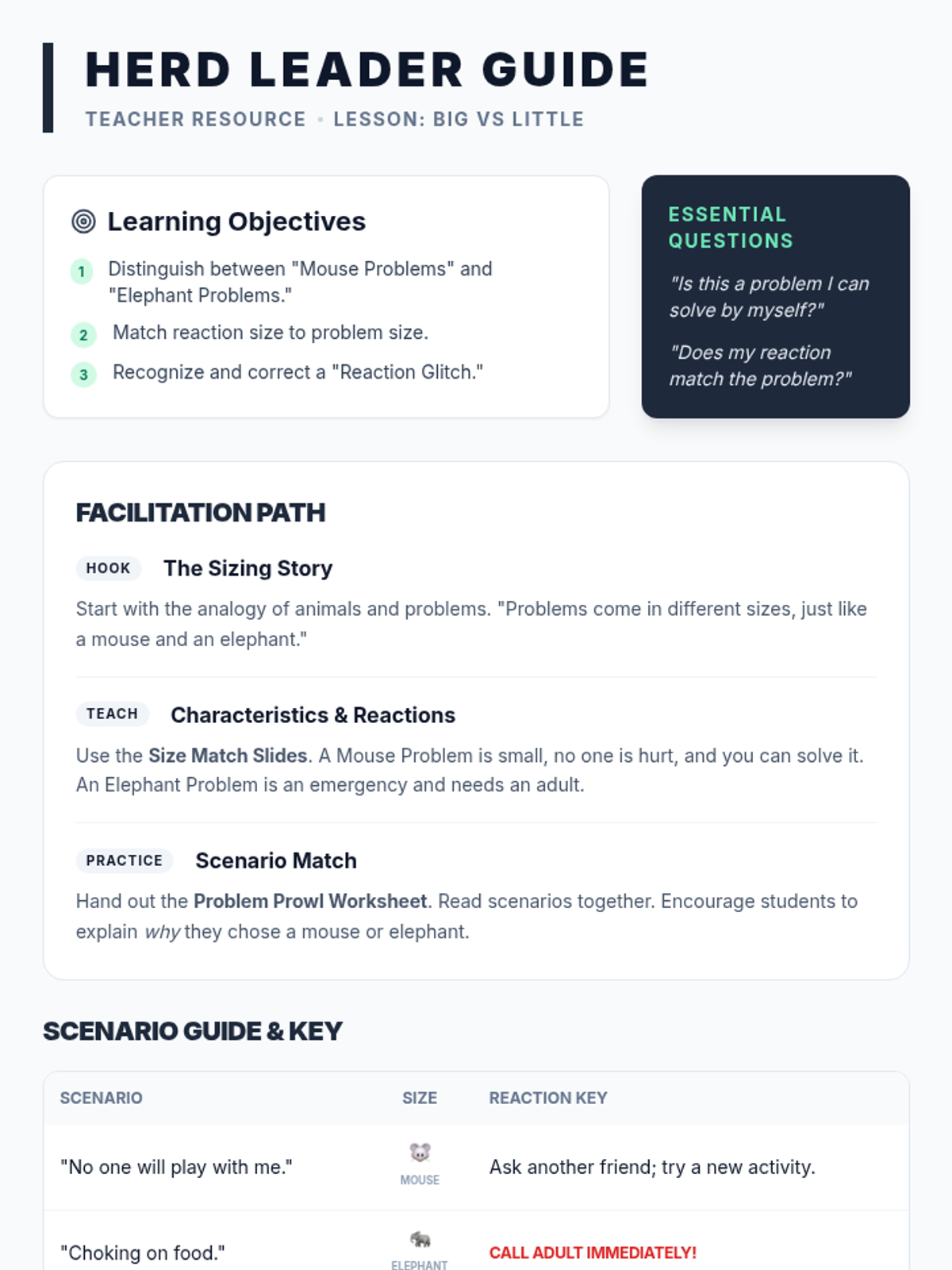
A social-emotional learning lesson focused on helping students distinguish between small (mouse) and large (elephant) problems and matching their emotional reactions accordingly.
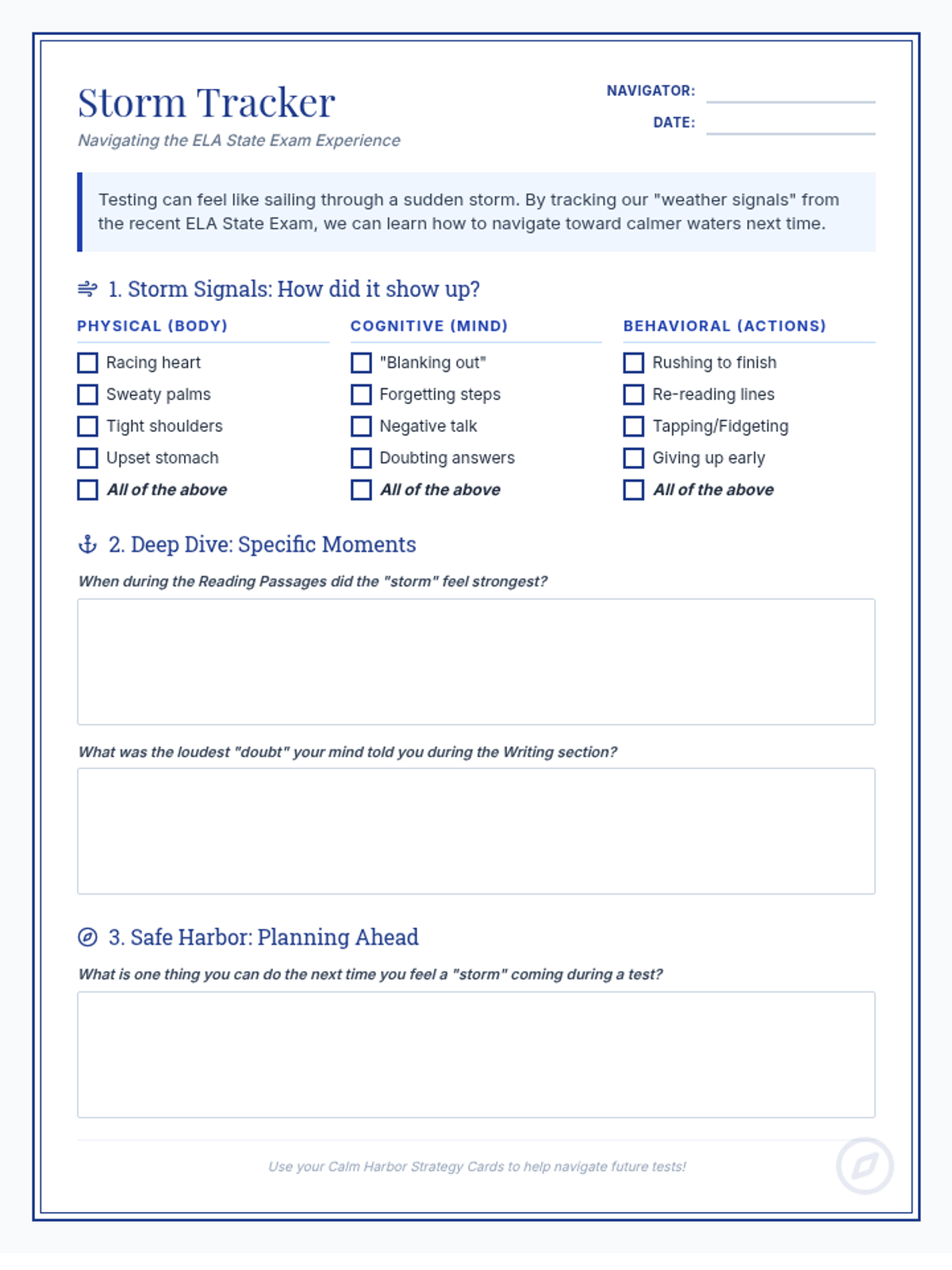
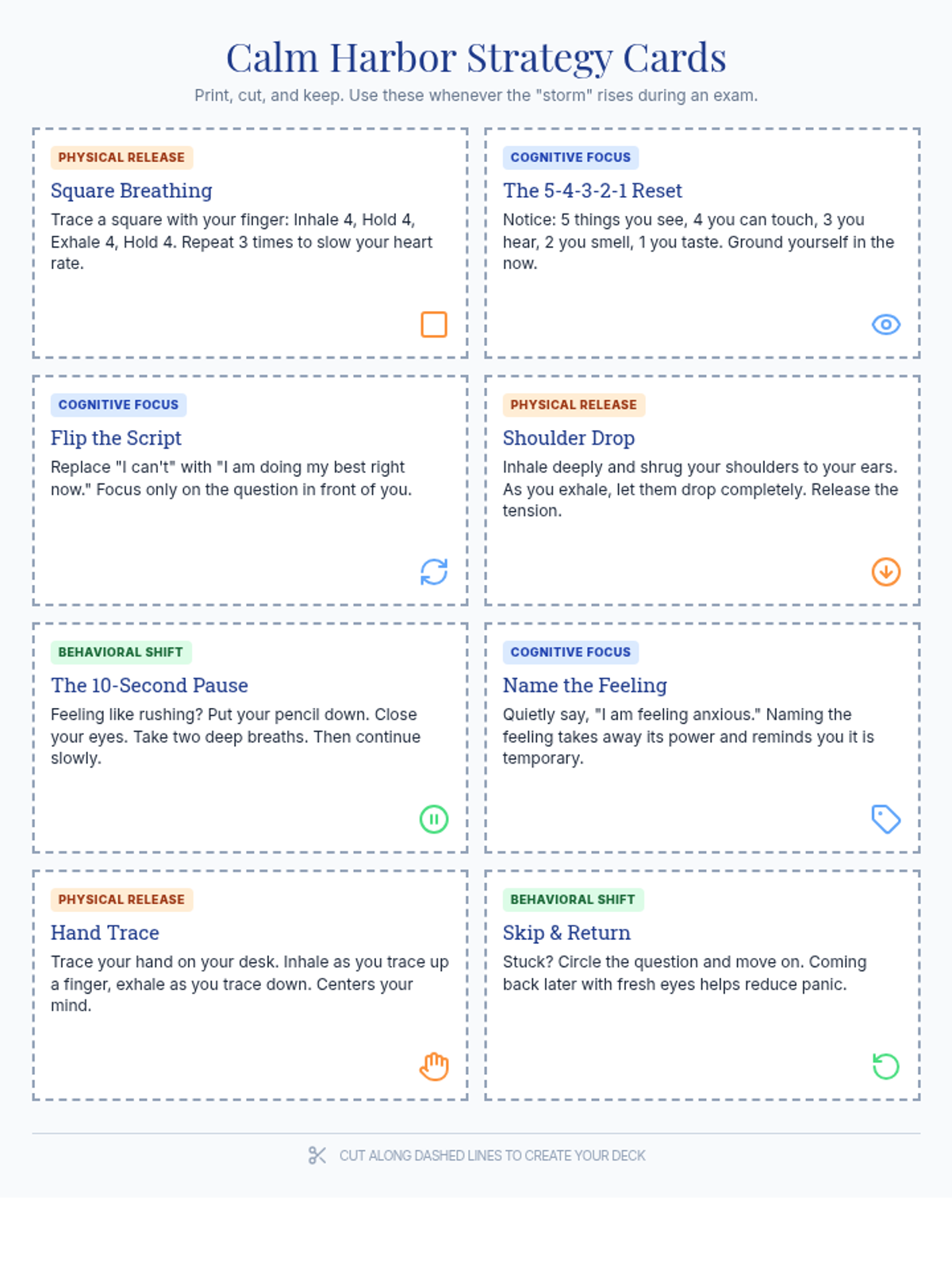
A lesson designed to help students reflect on their testing anxiety during the ELA State Exam and equip them with practical coping strategies for future assessments.
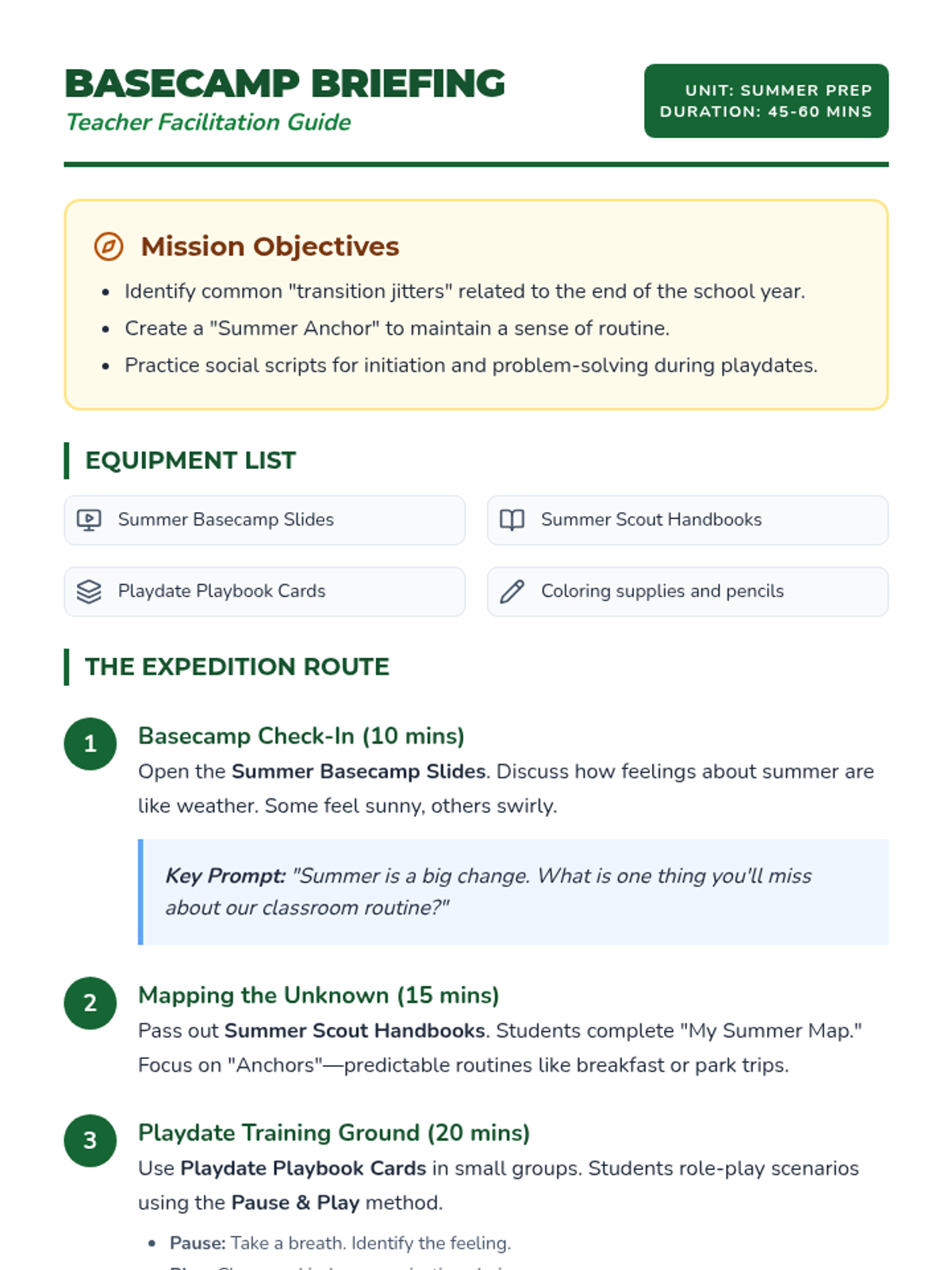
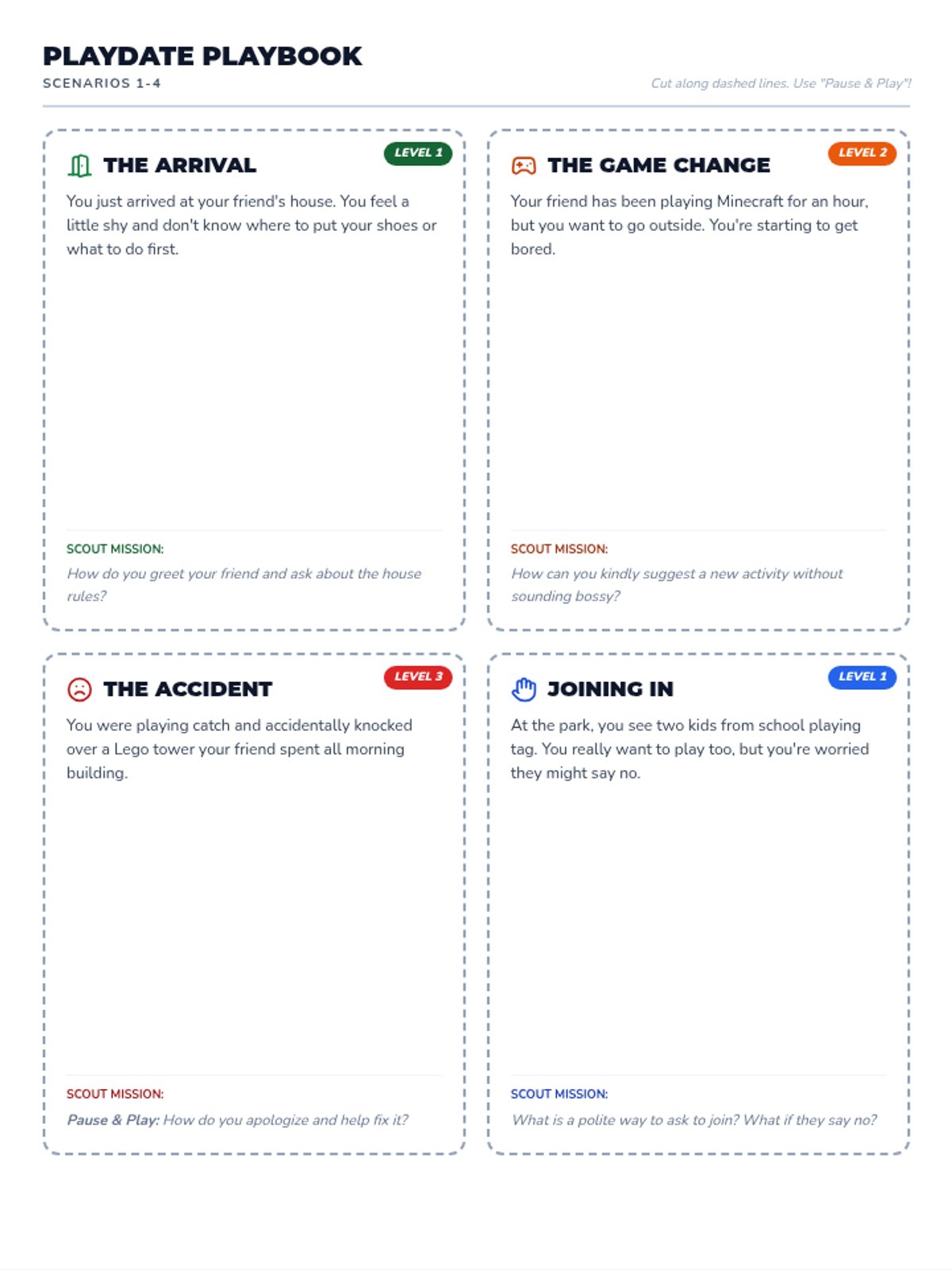
A comprehensive lesson designed to help students navigate the transition to summer break, focusing on reducing anxiety through routine planning and building social confidence for summer playdates.
A 10-minute morning meeting presentation for grades TK-5 focused on identifying feelings, self-care strategies, growth mindset, and building support systems.
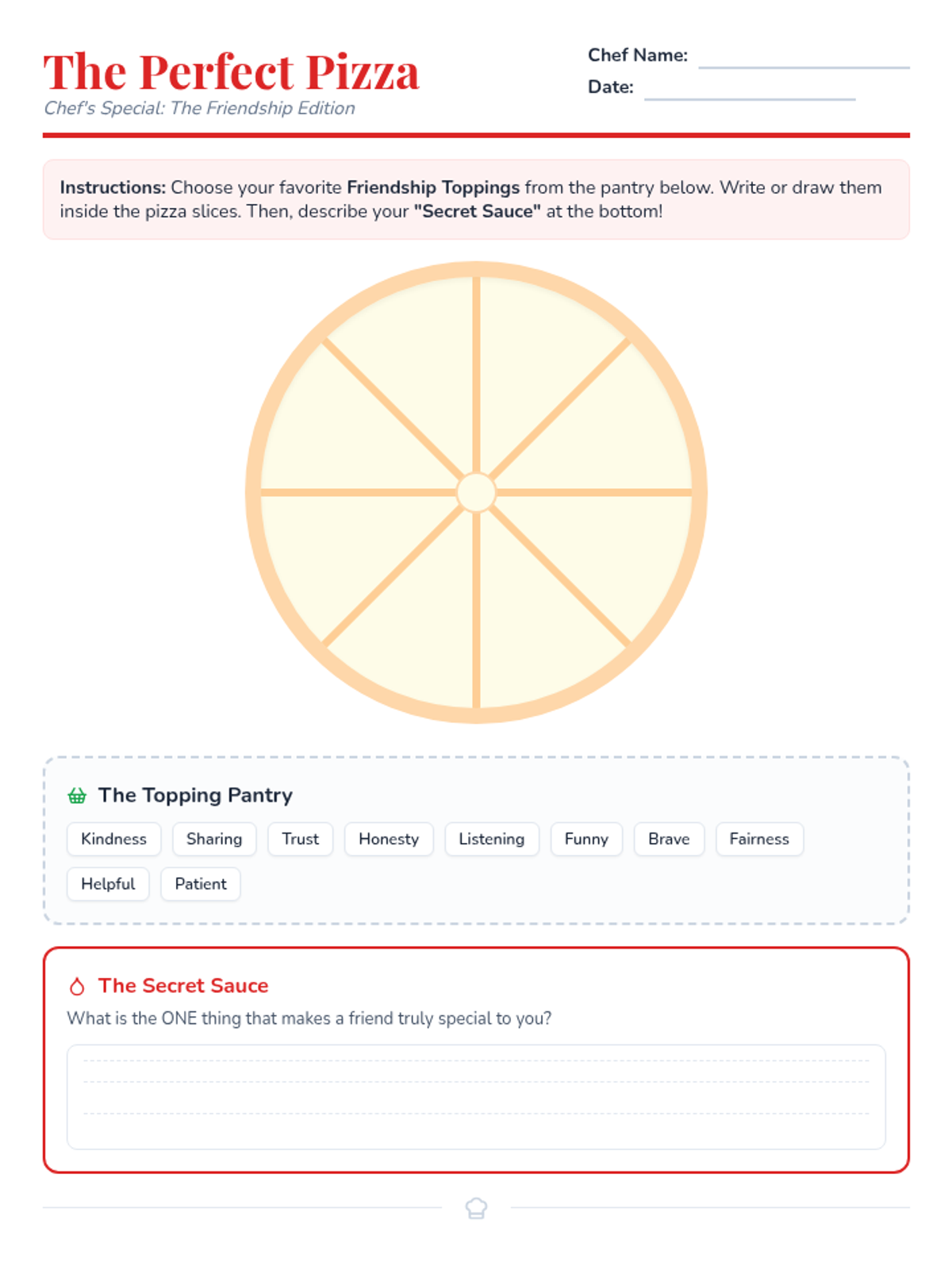
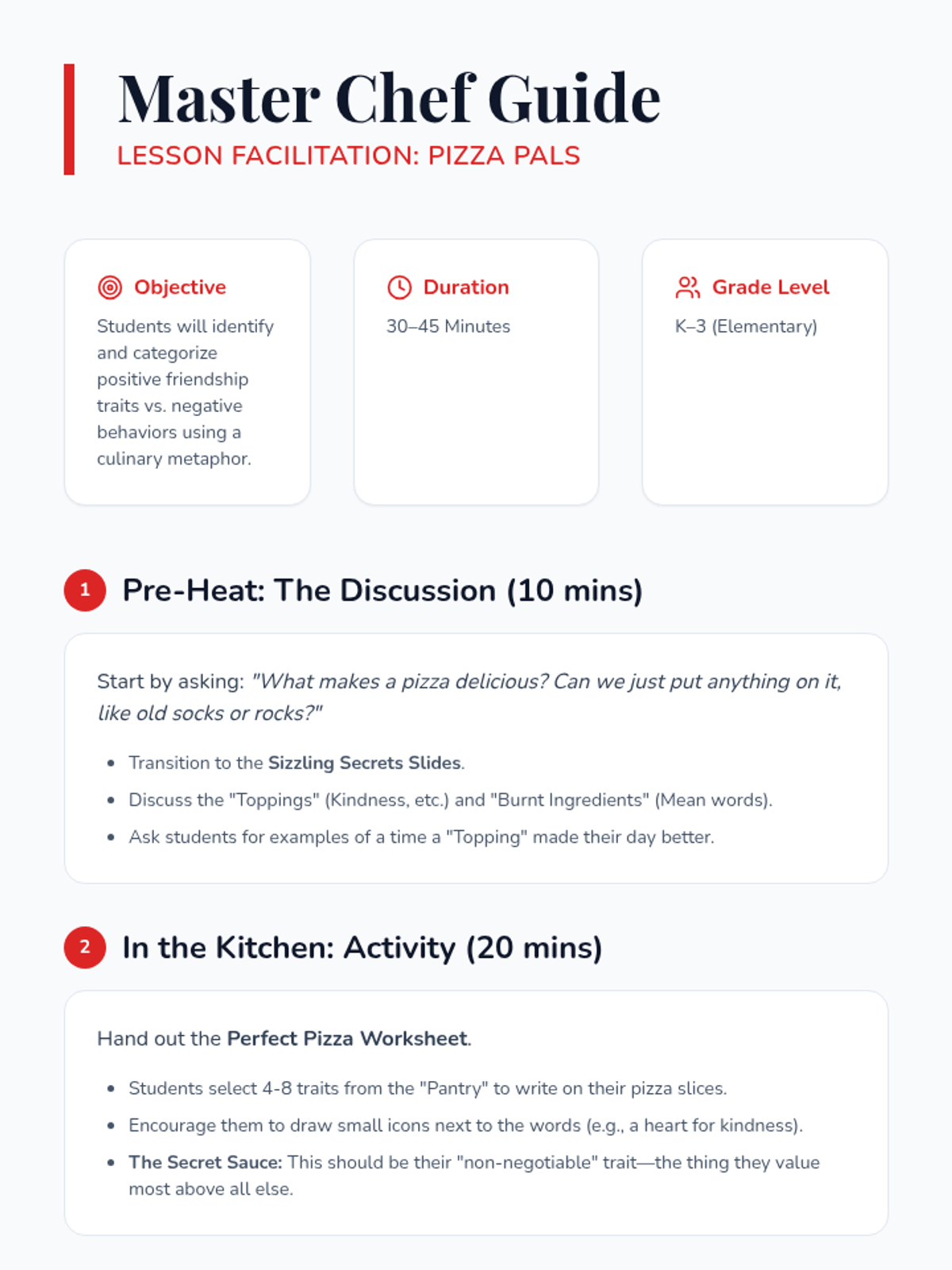
A social-emotional learning lesson using a pizza metaphor to help students identify and value positive character traits in their friends.
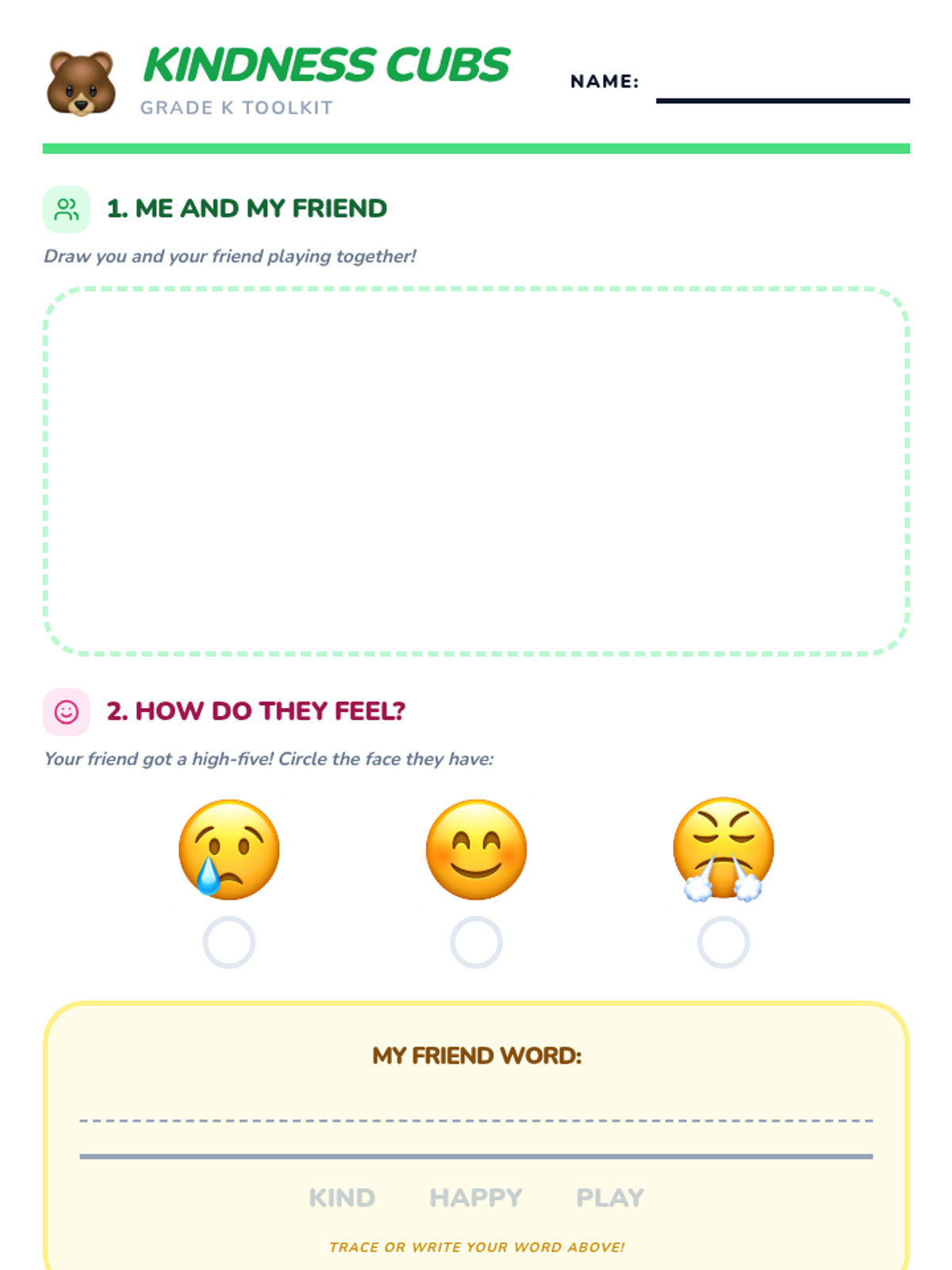
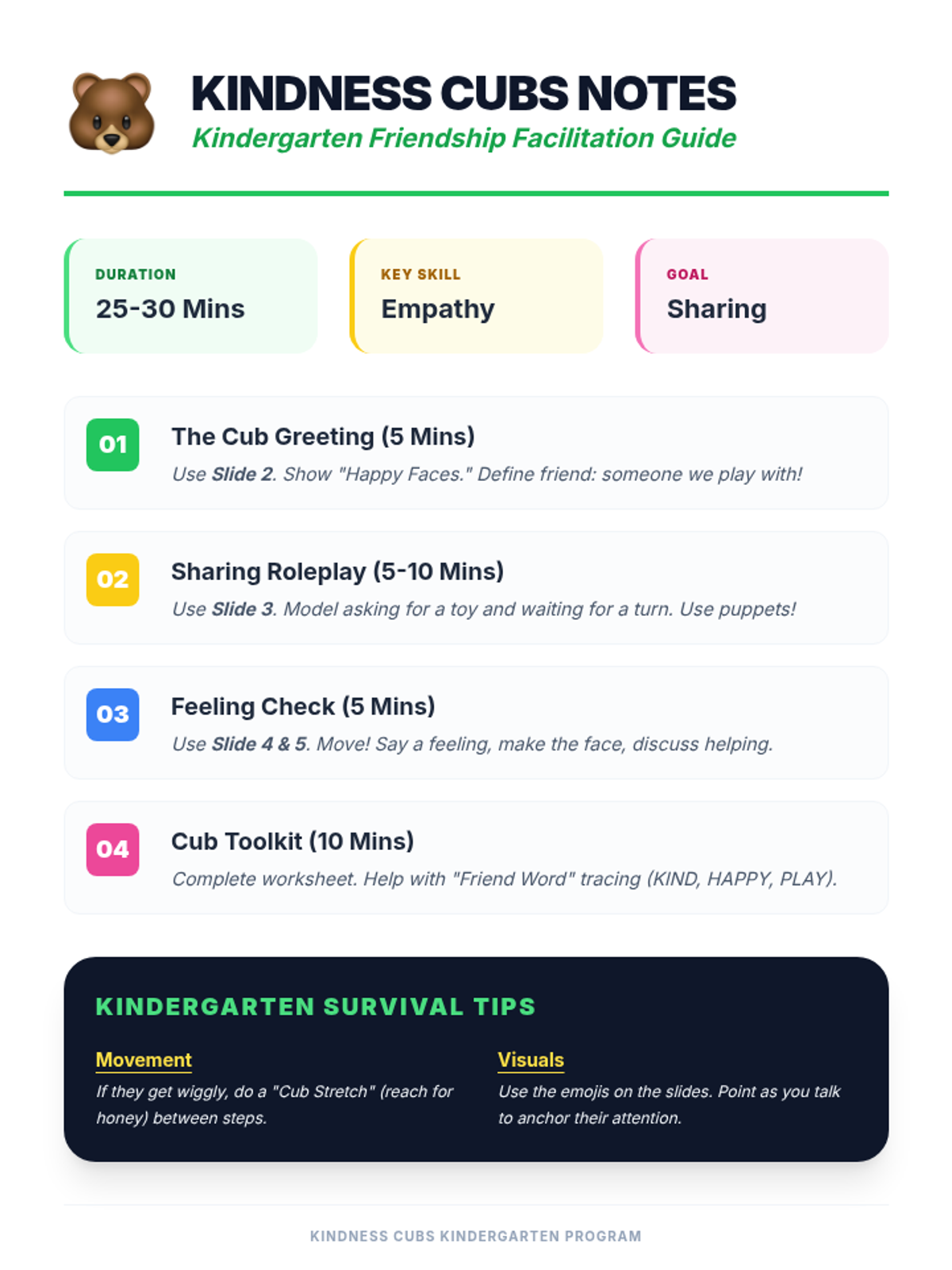
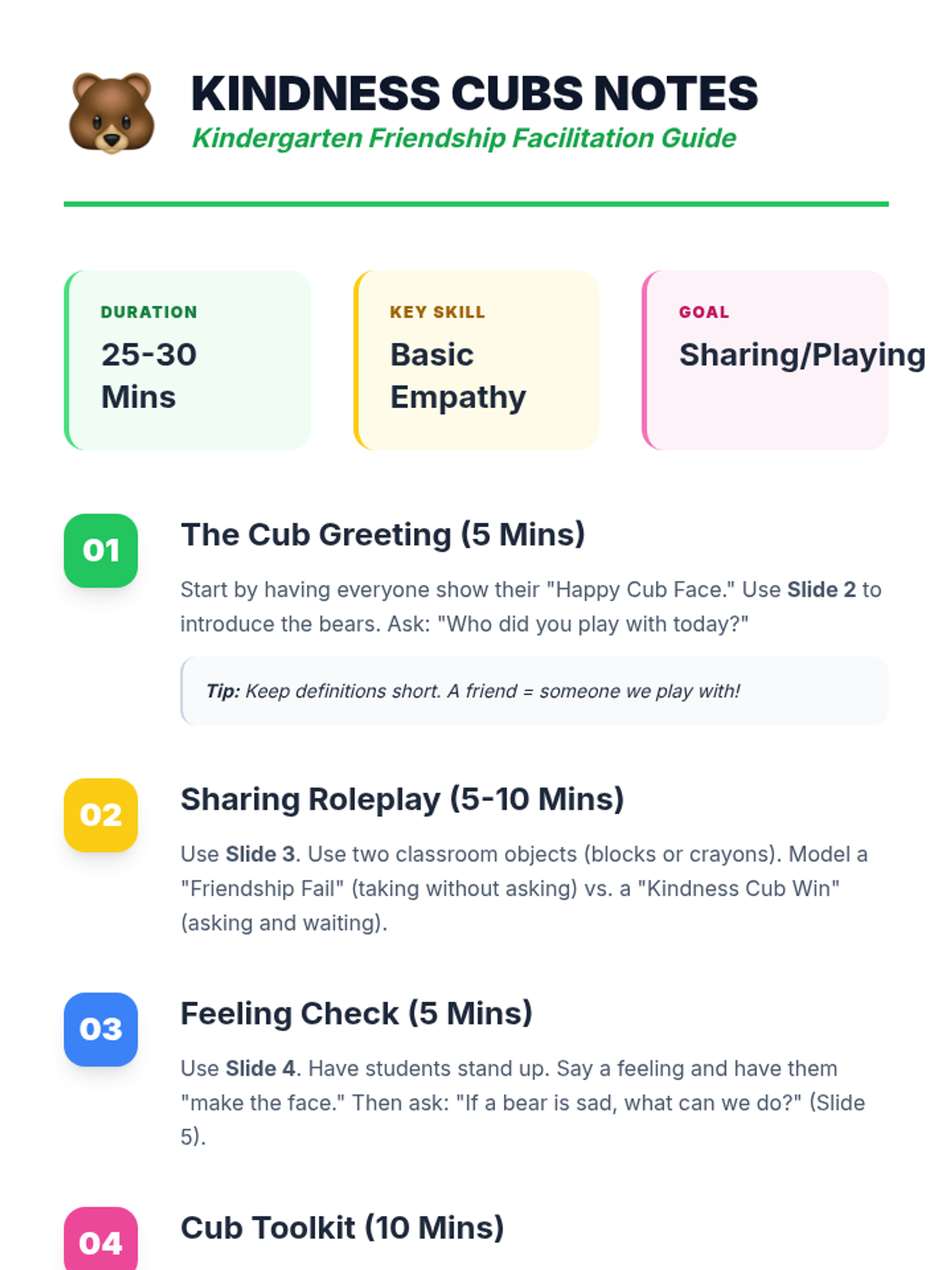
A simplified, high-engagement introduction to friendship for Kindergarten students. Focused on the basic concepts of sharing, taking turns, and recognizing happy/sad faces through 'Kindness Cub' characters.
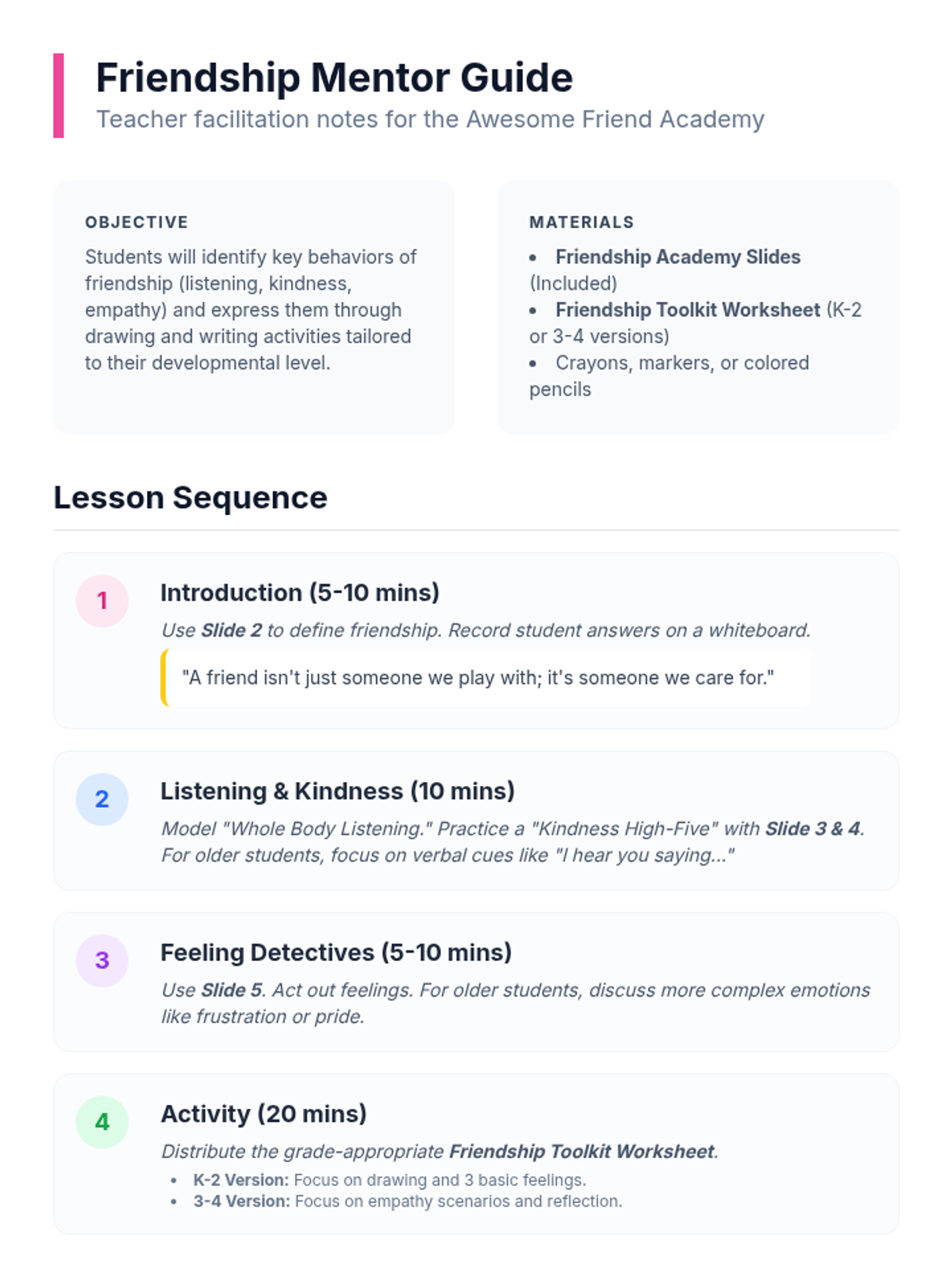
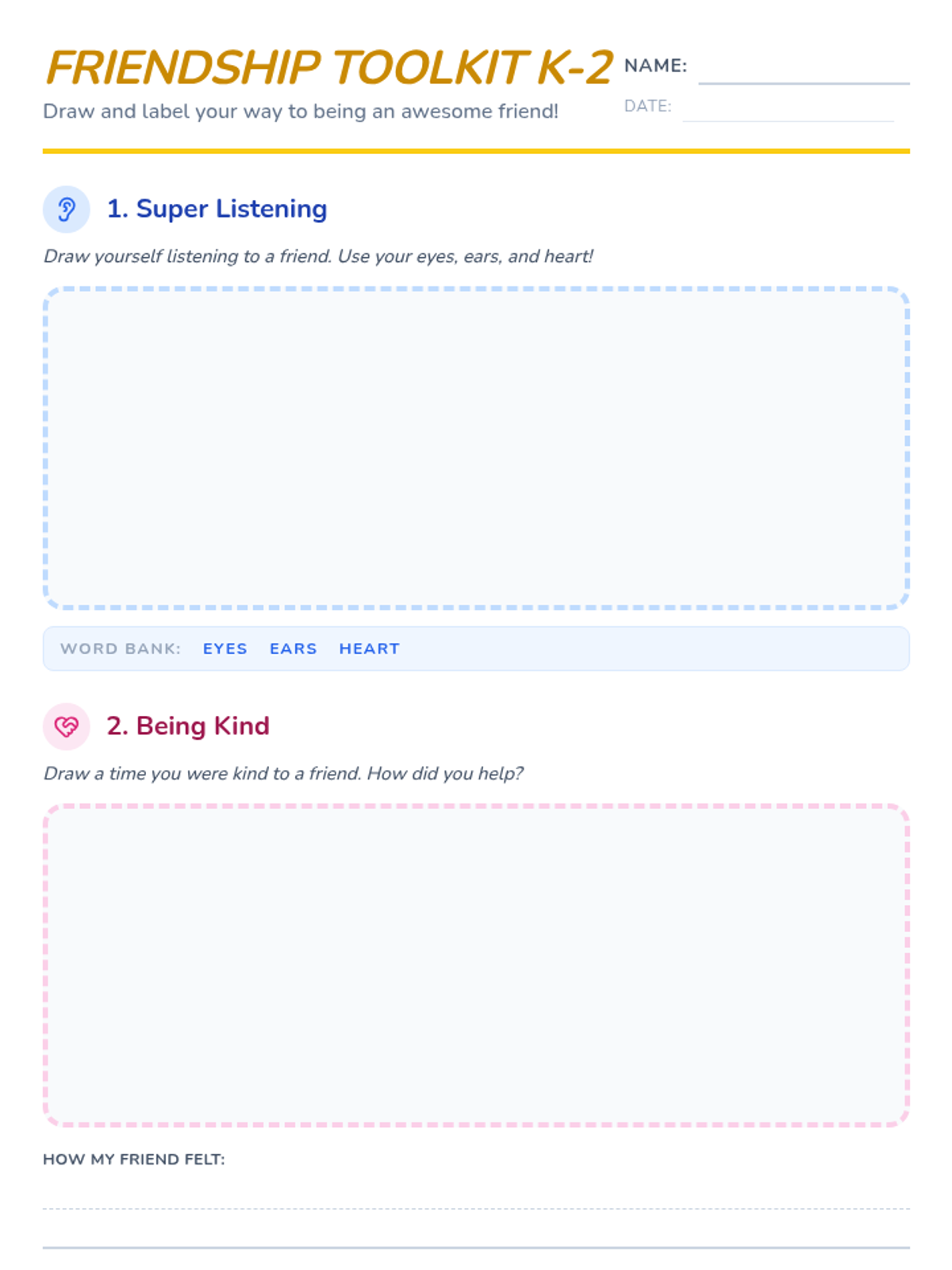
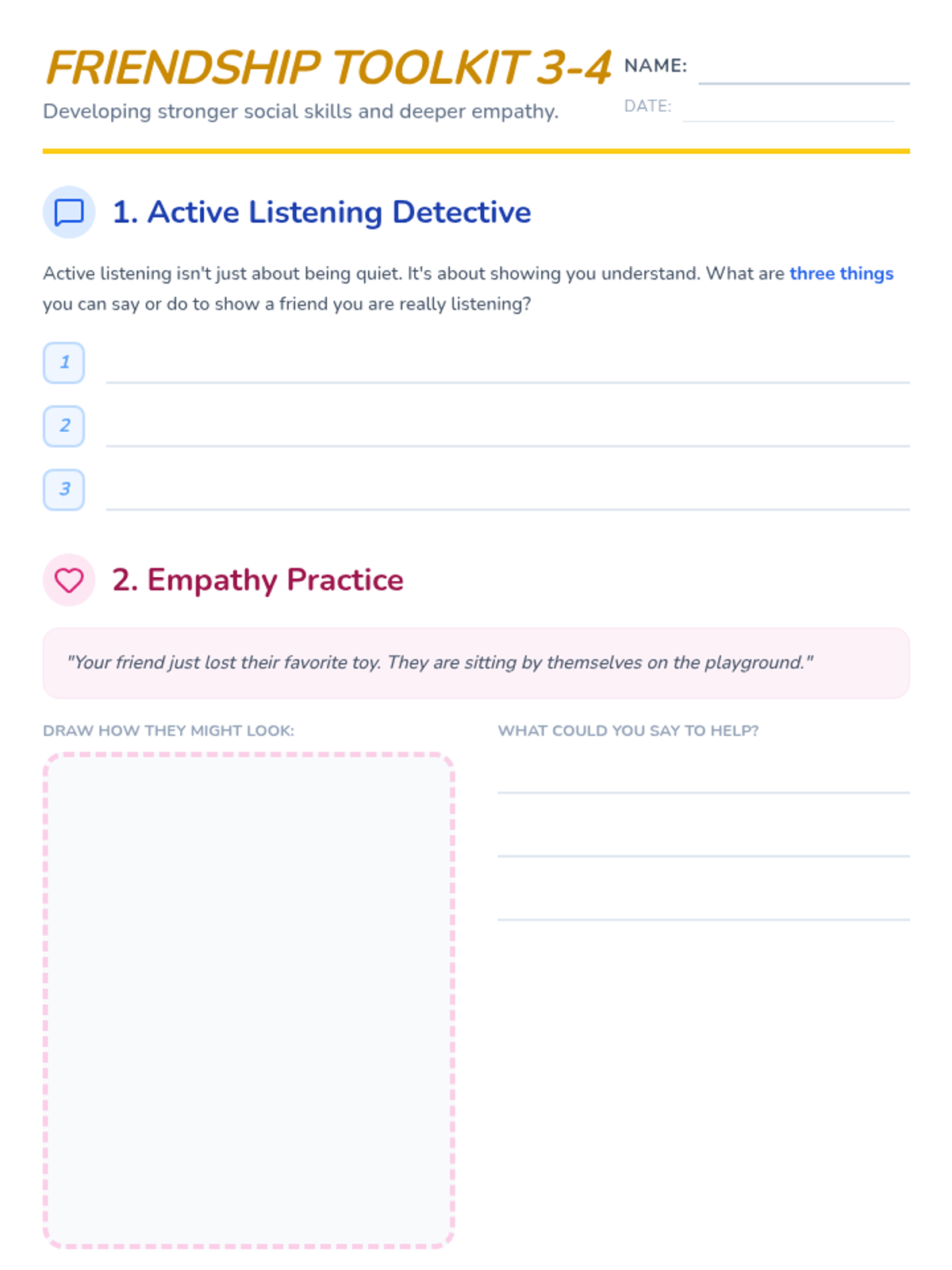
A foundational social-emotional learning lesson focused on building strong friendships through active listening, empathy, and intentional kindness. Students will learn to recognize feelings in others and practice specific behaviors that show they care.
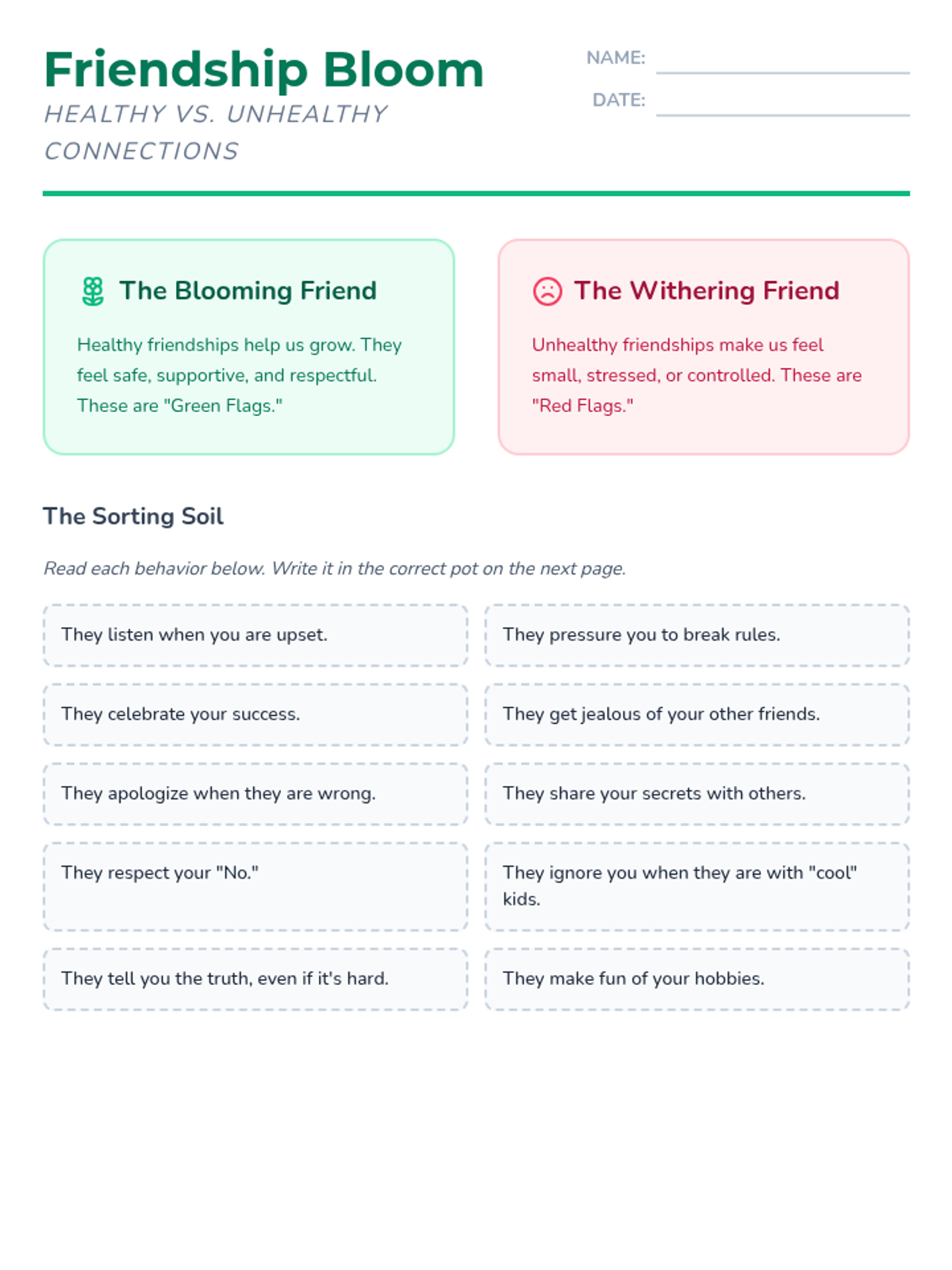
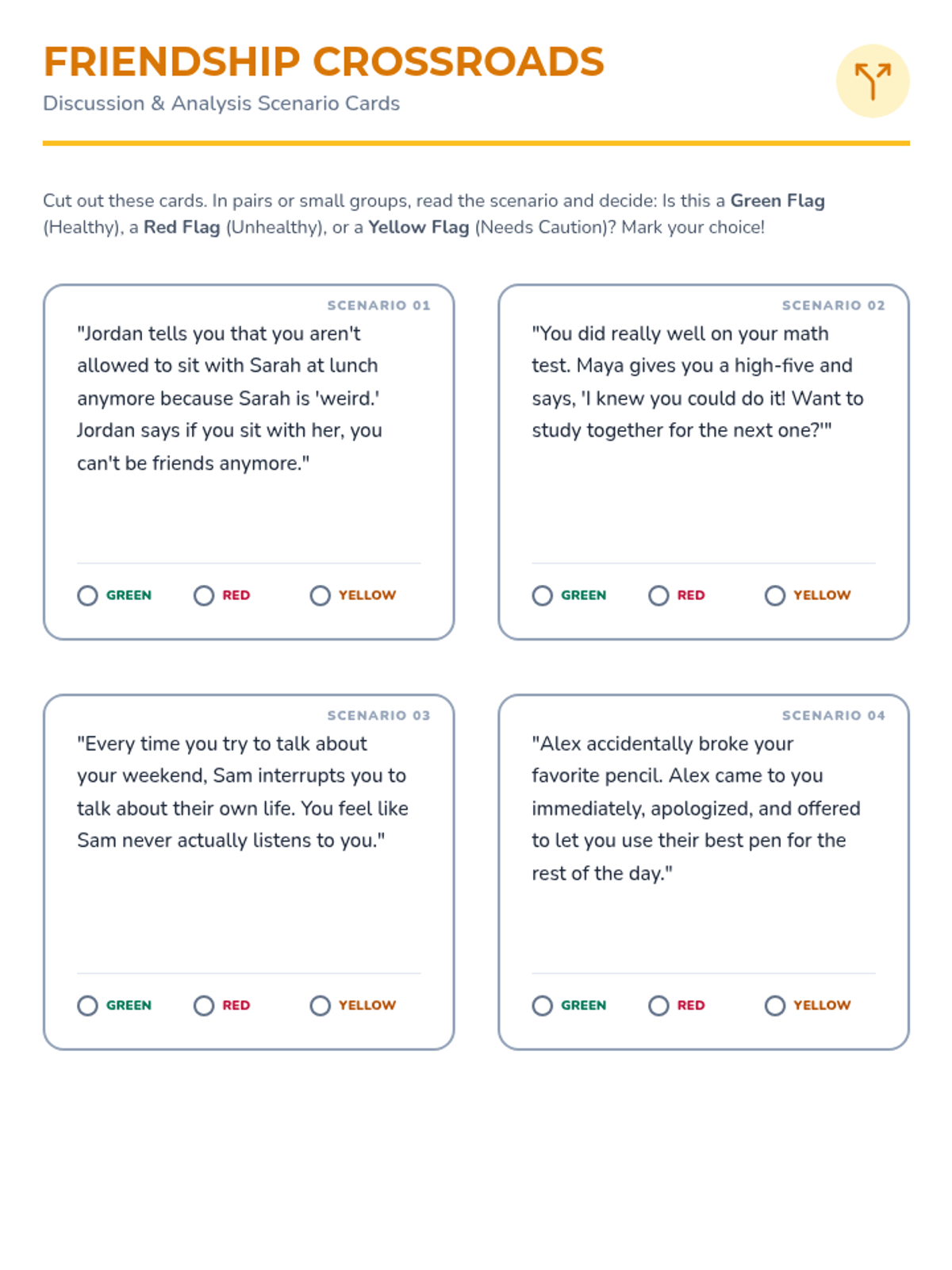
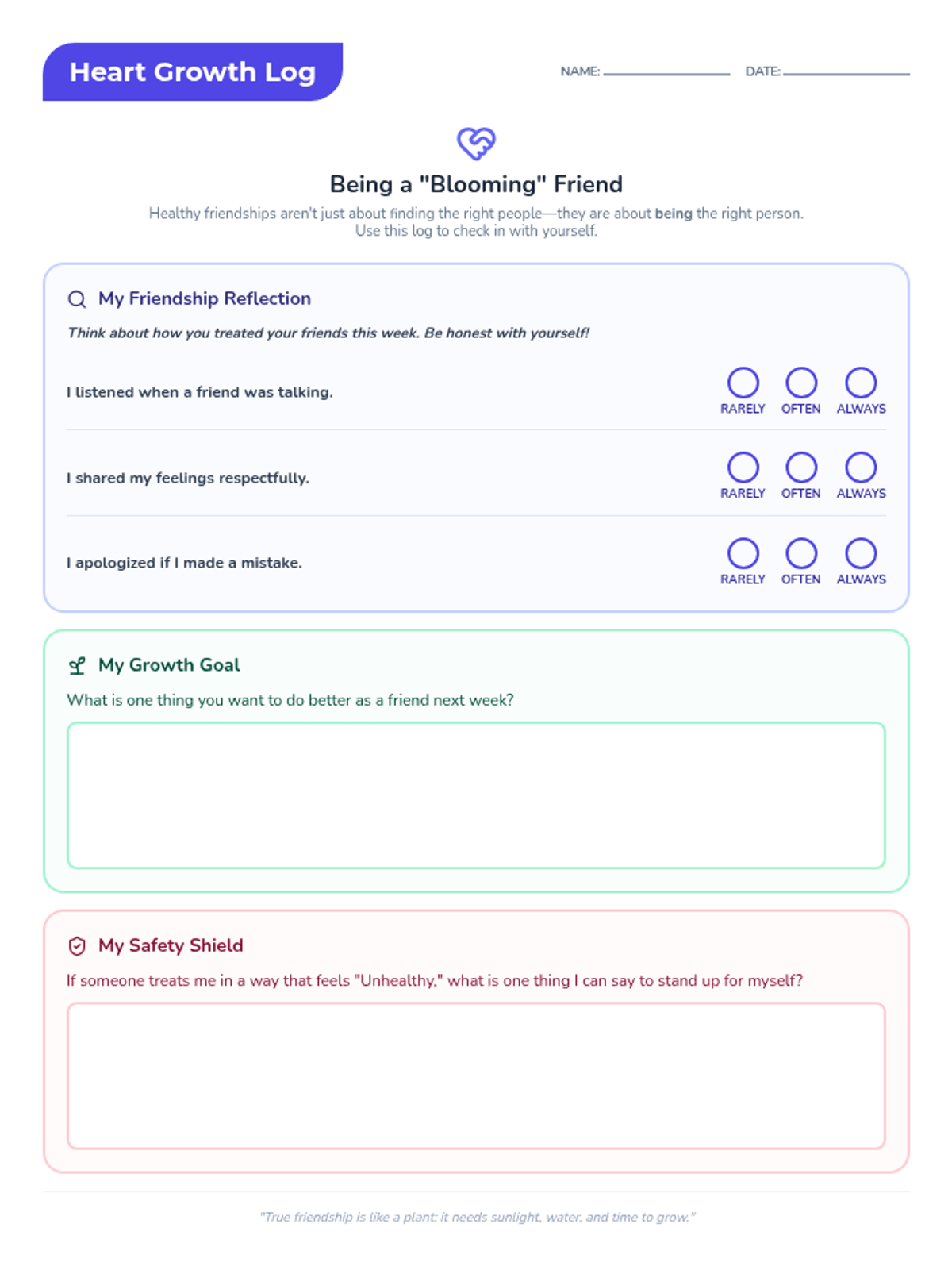
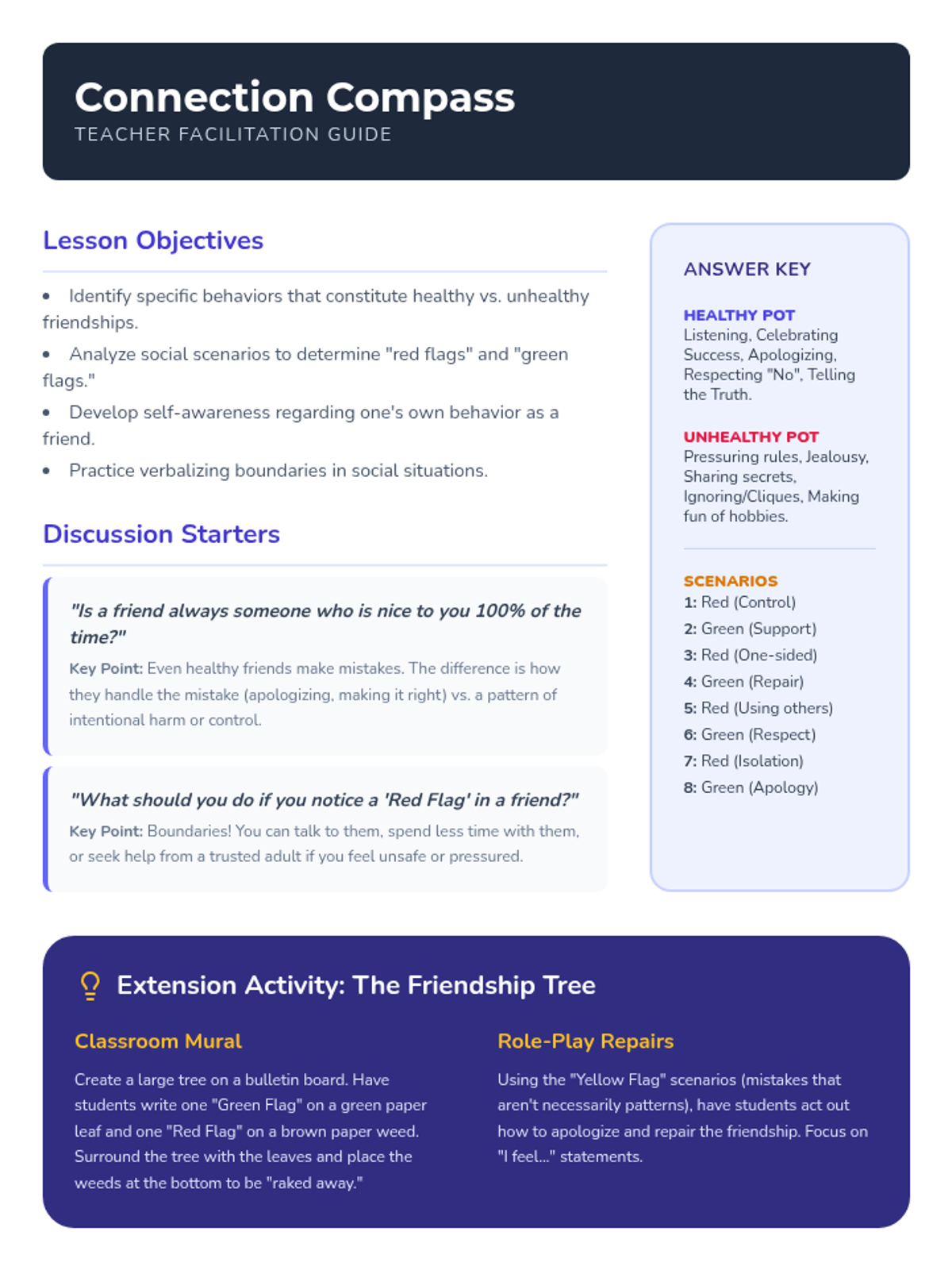
A comprehensive lesson exploring the differences between healthy and unhealthy friendship dynamics through sorting activities, scenario analysis, and personal reflection. Students will learn to identify 'green flags' and 'red flags' in social connections.
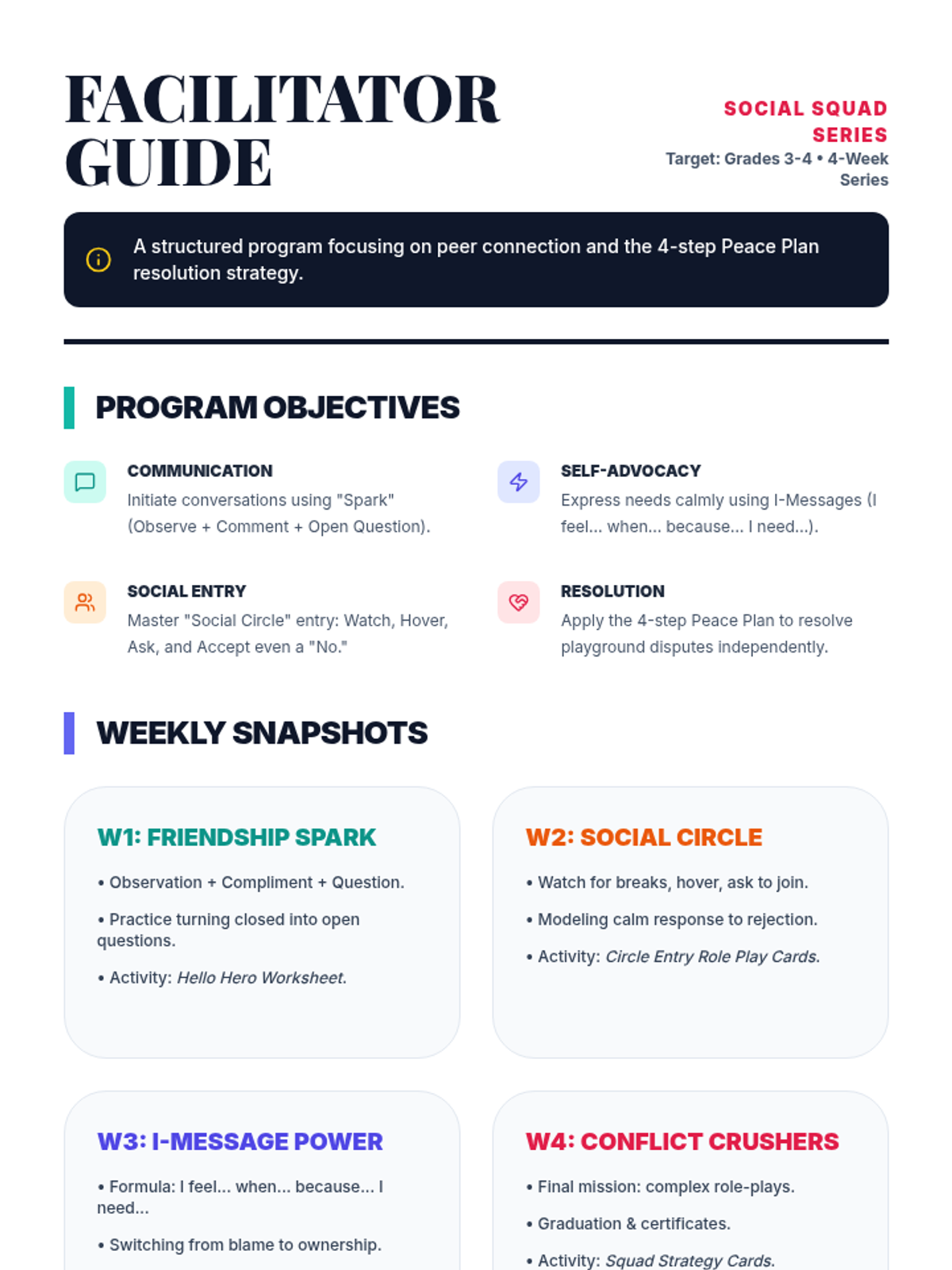
A comprehensive guide for the facilitator covering program goals, weekly objectives, and session-by-session instructional notes.
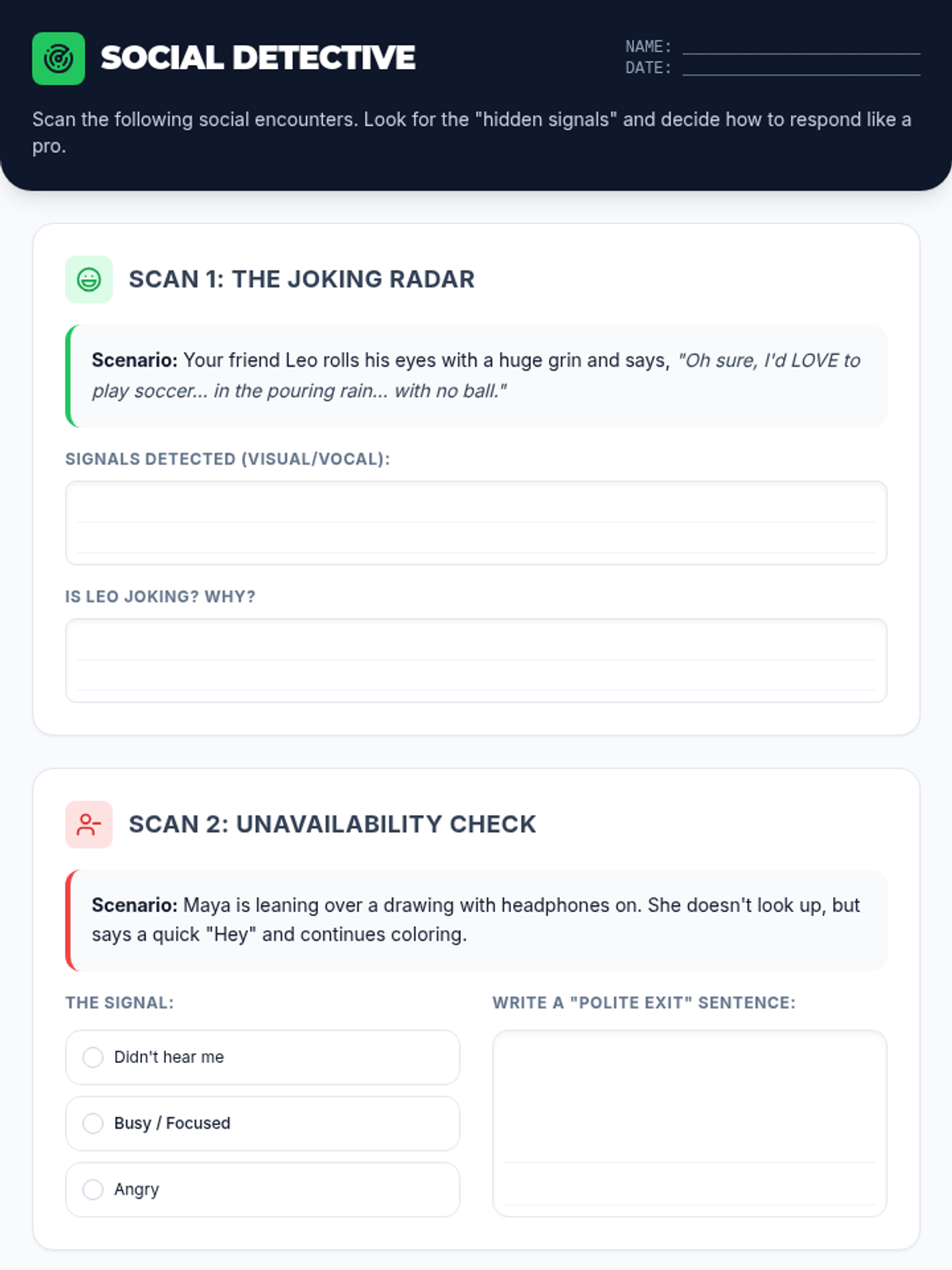
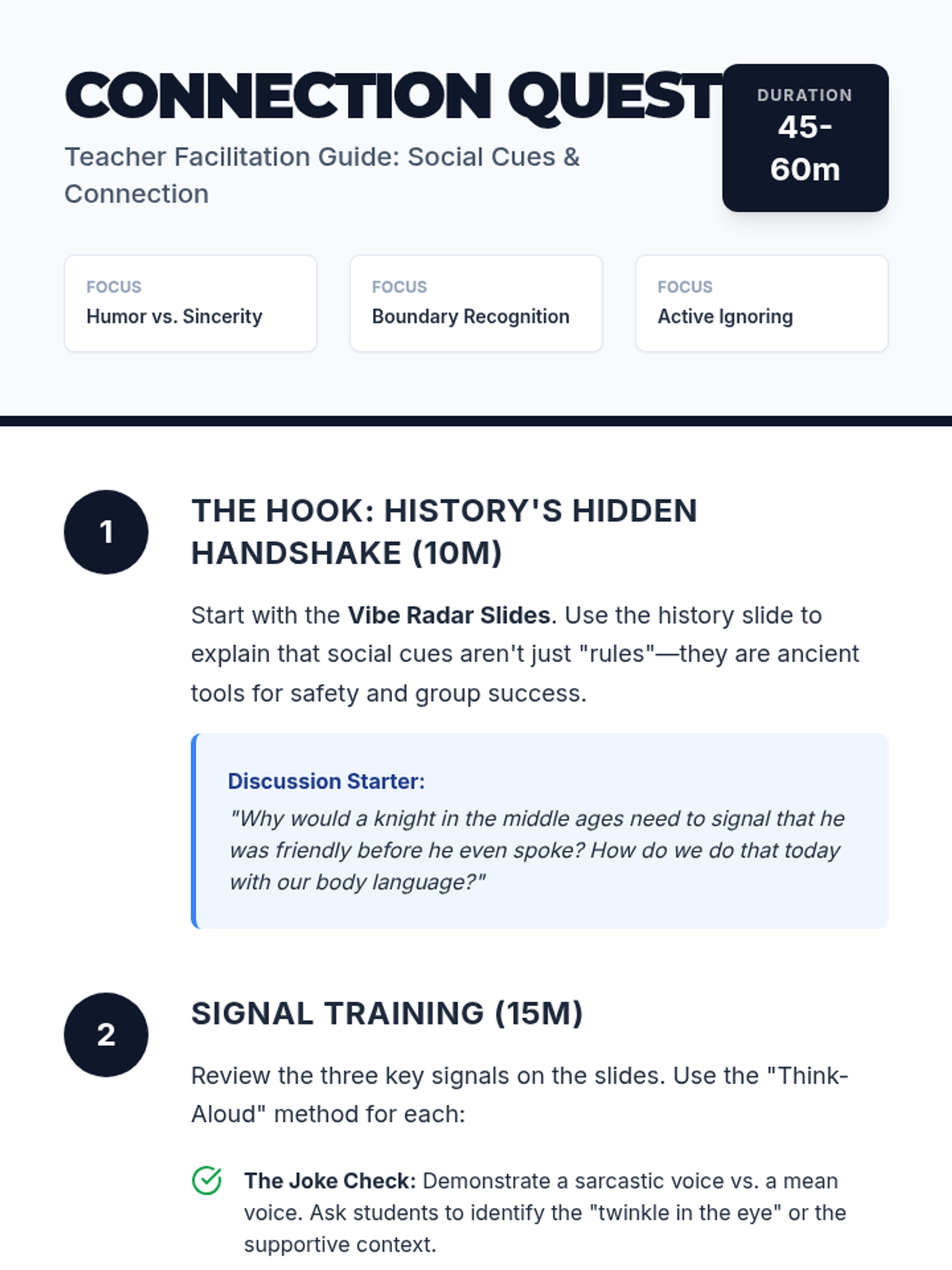
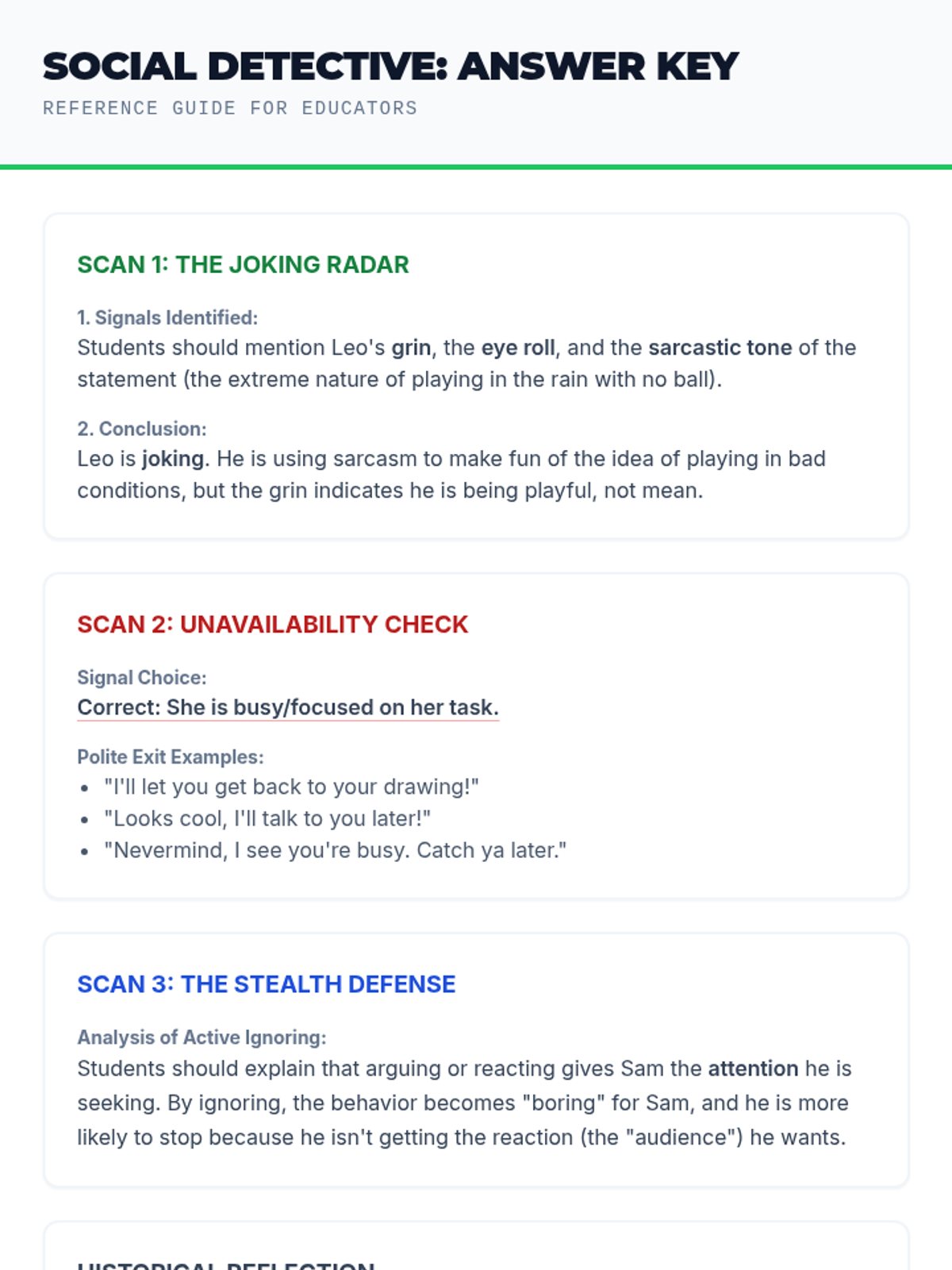
A lesson focused on identifying social cues like humor, unavailability, and negative peer behavior through historical context and practical scenarios.
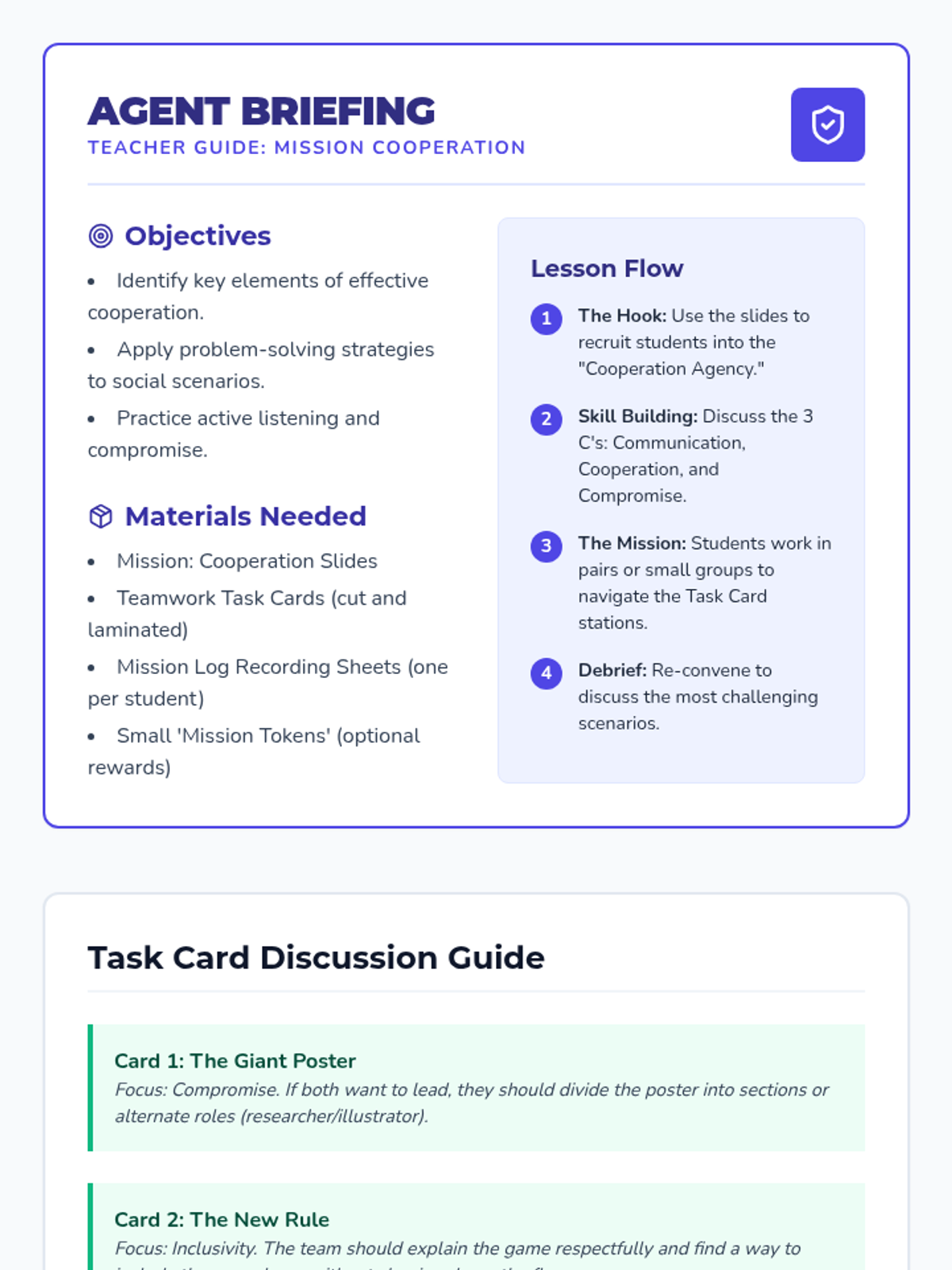
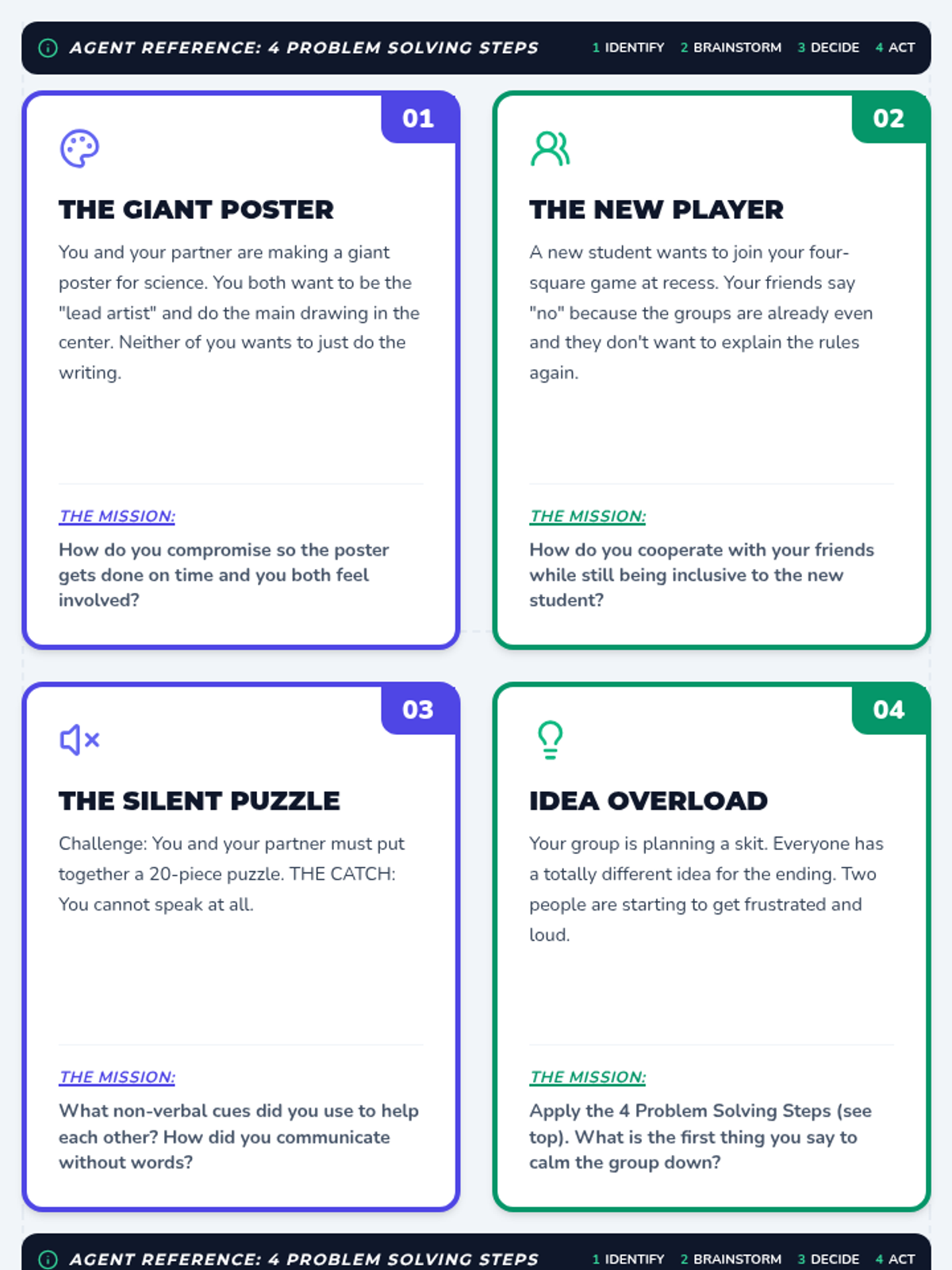
An interactive lesson where students become 'Agents of Cooperation' to solve complex teamwork challenges through task cards and group discussion.