This lesson helps 5th-grade students identify 'yellow zone' feelings and connect them to coping skills using a video game controller metaphor, fostering emotional self-awareness and self-regulation.
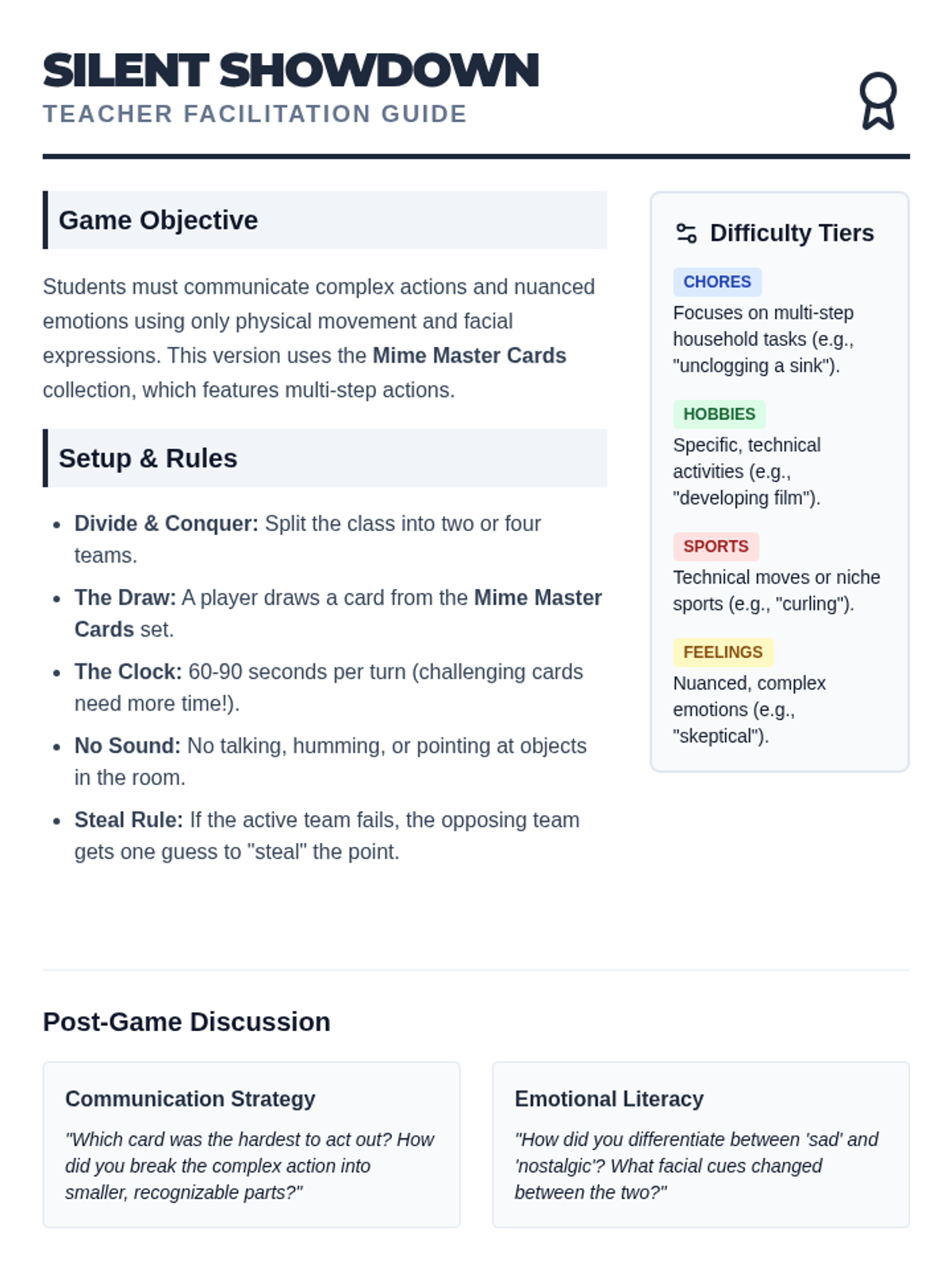
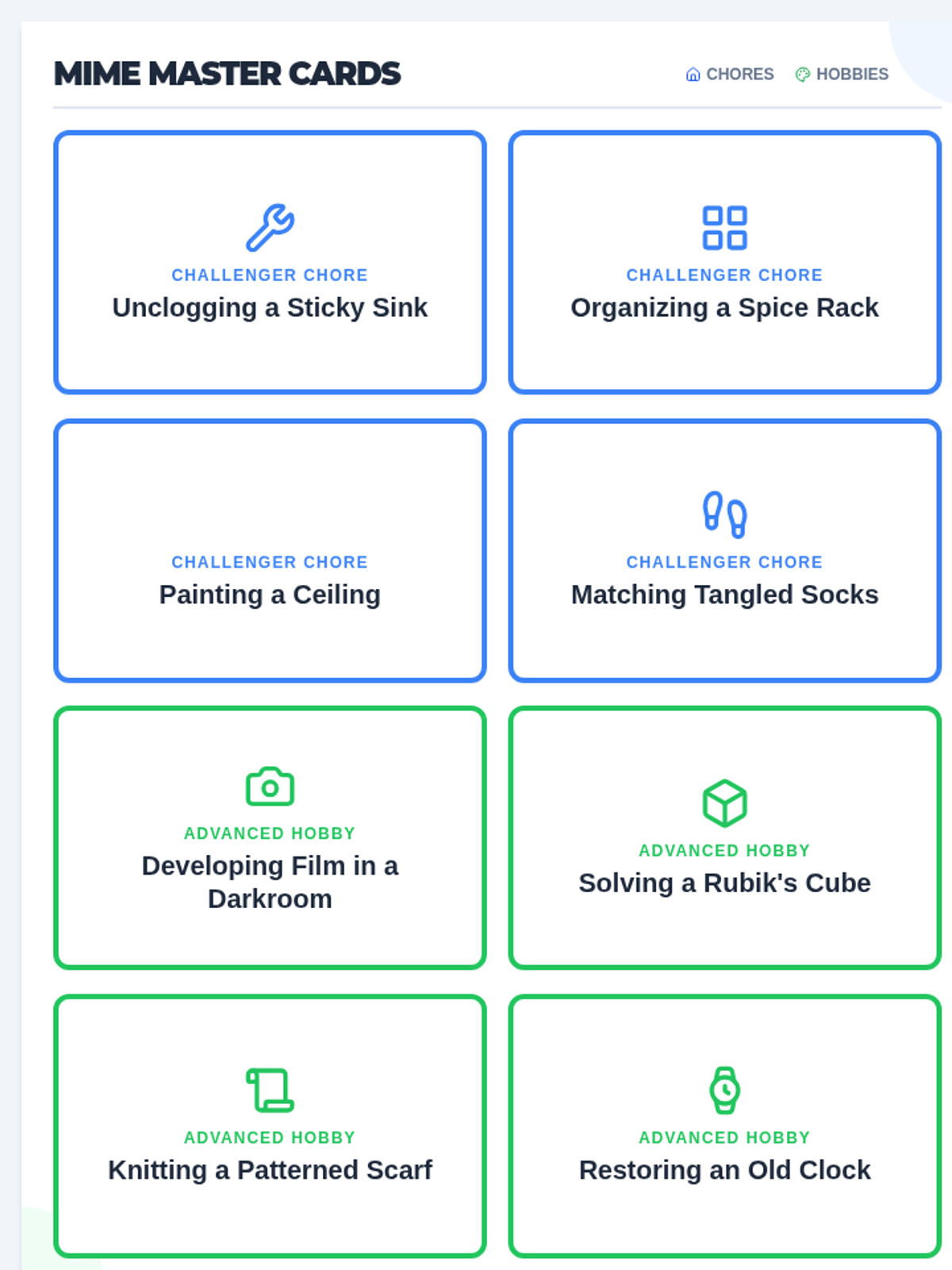
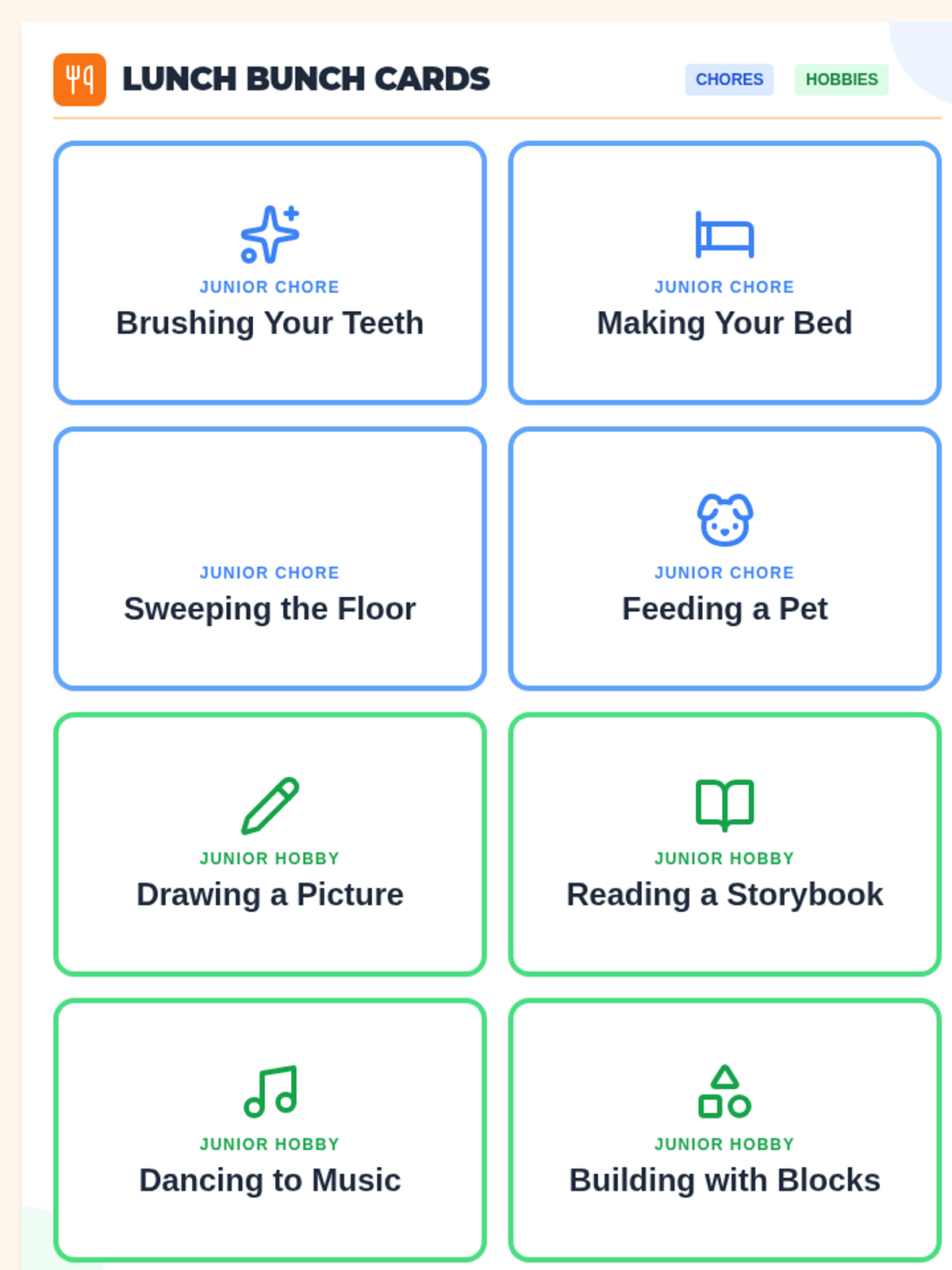
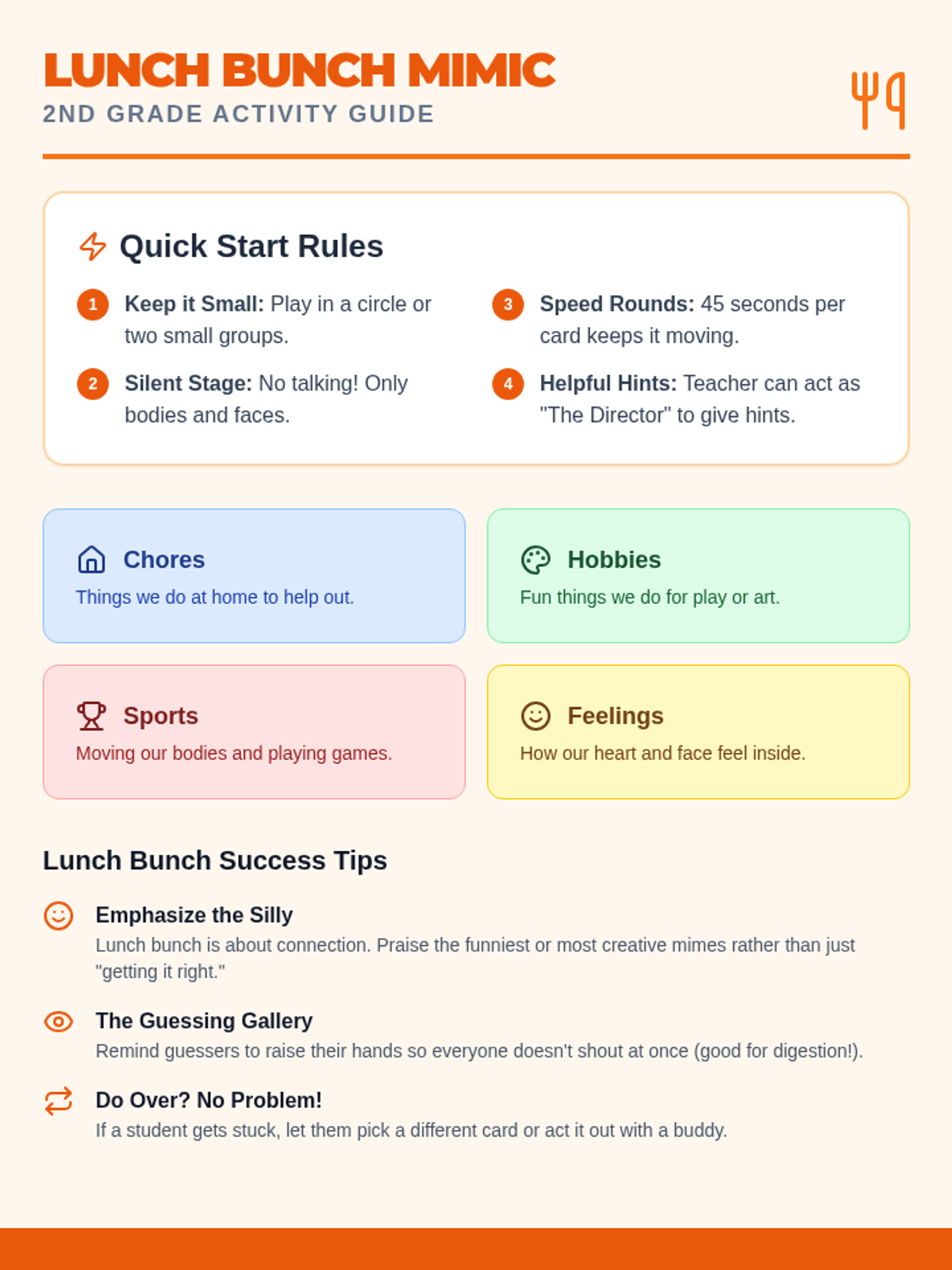
A dynamic lesson on non-verbal communication with two paths: a challenging 'Mime Master' level for older students and a simplified 'Lunch Bunch' version designed for 2nd grade social-emotional learning and casual play.
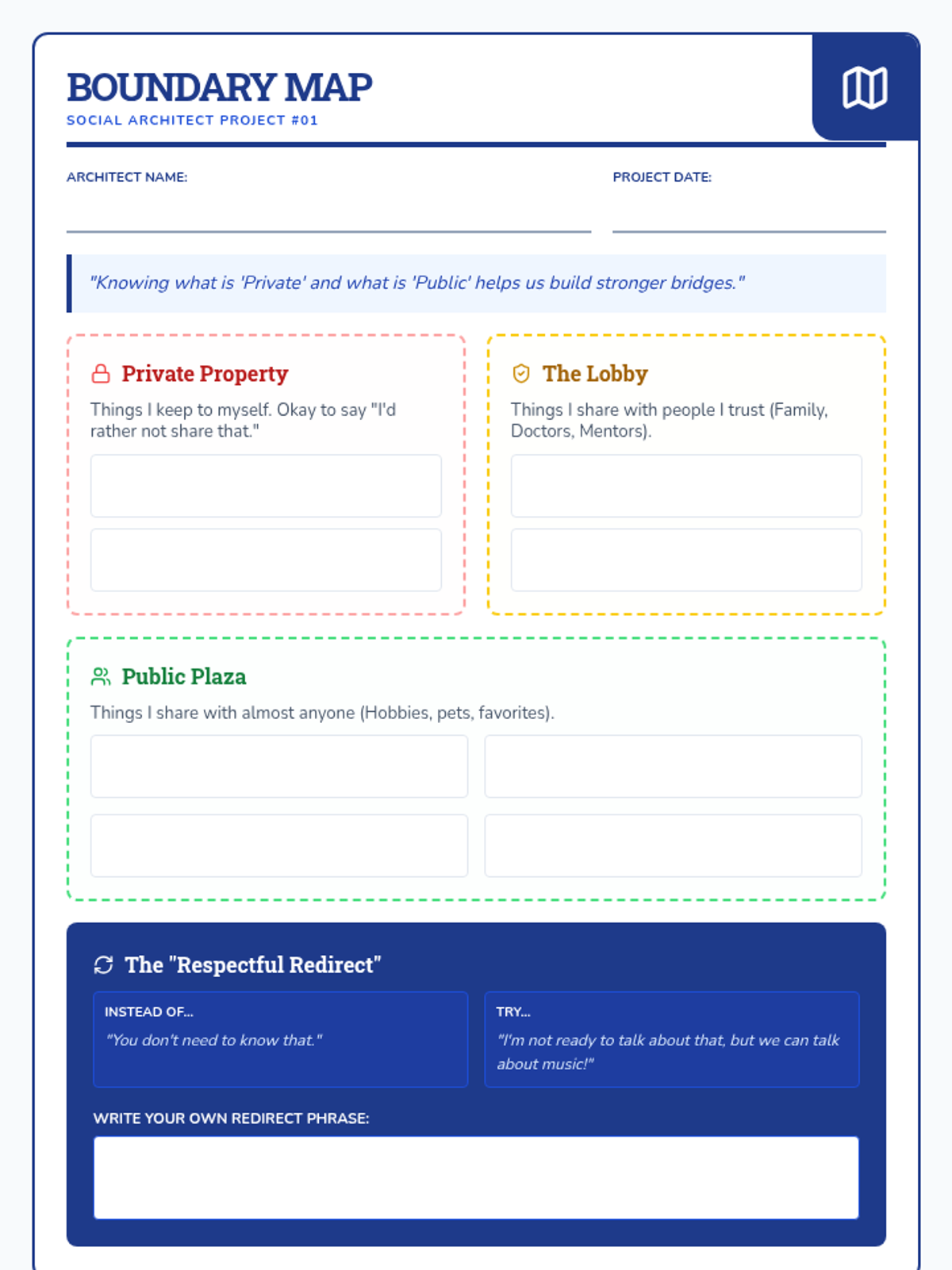
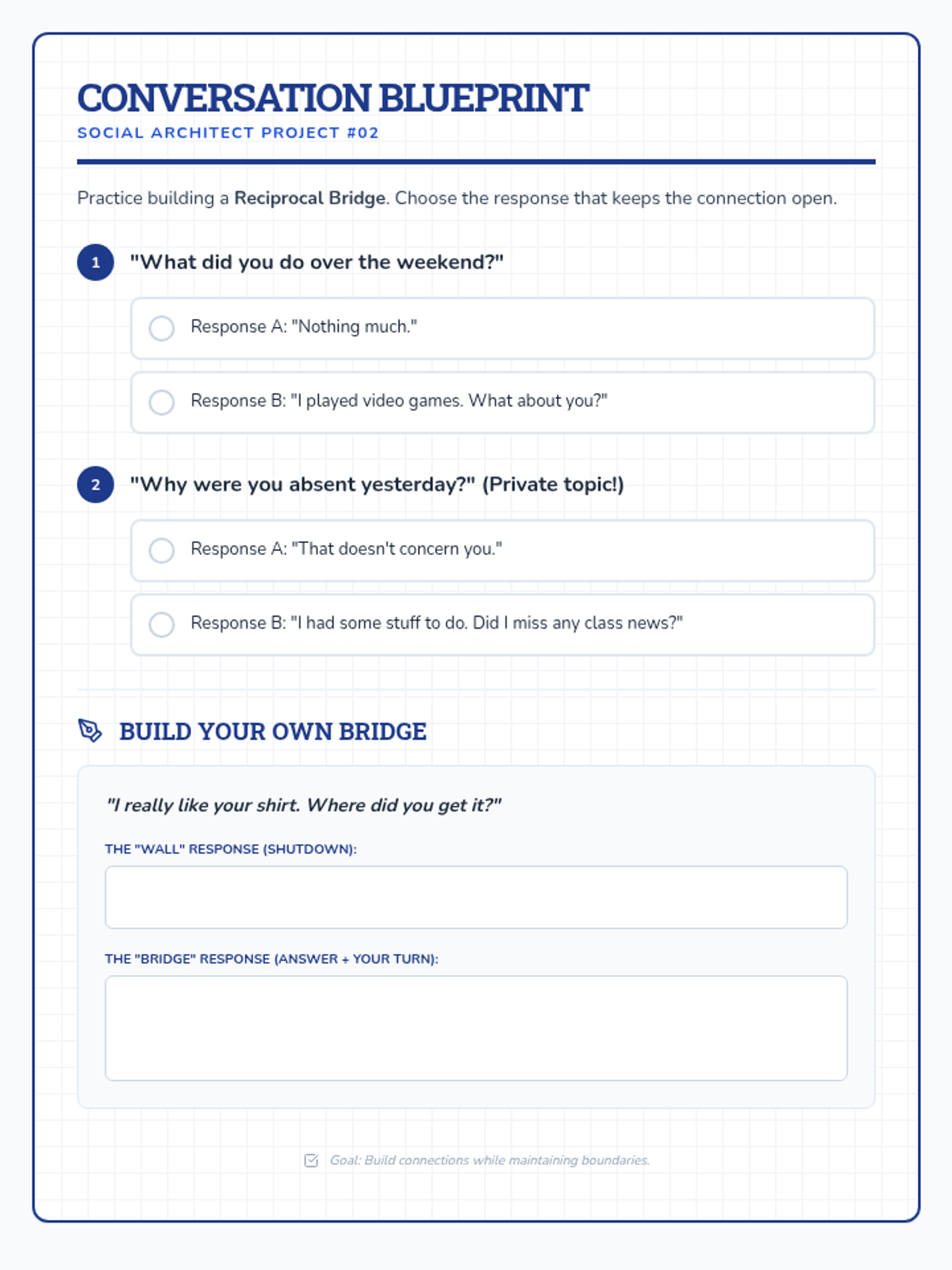
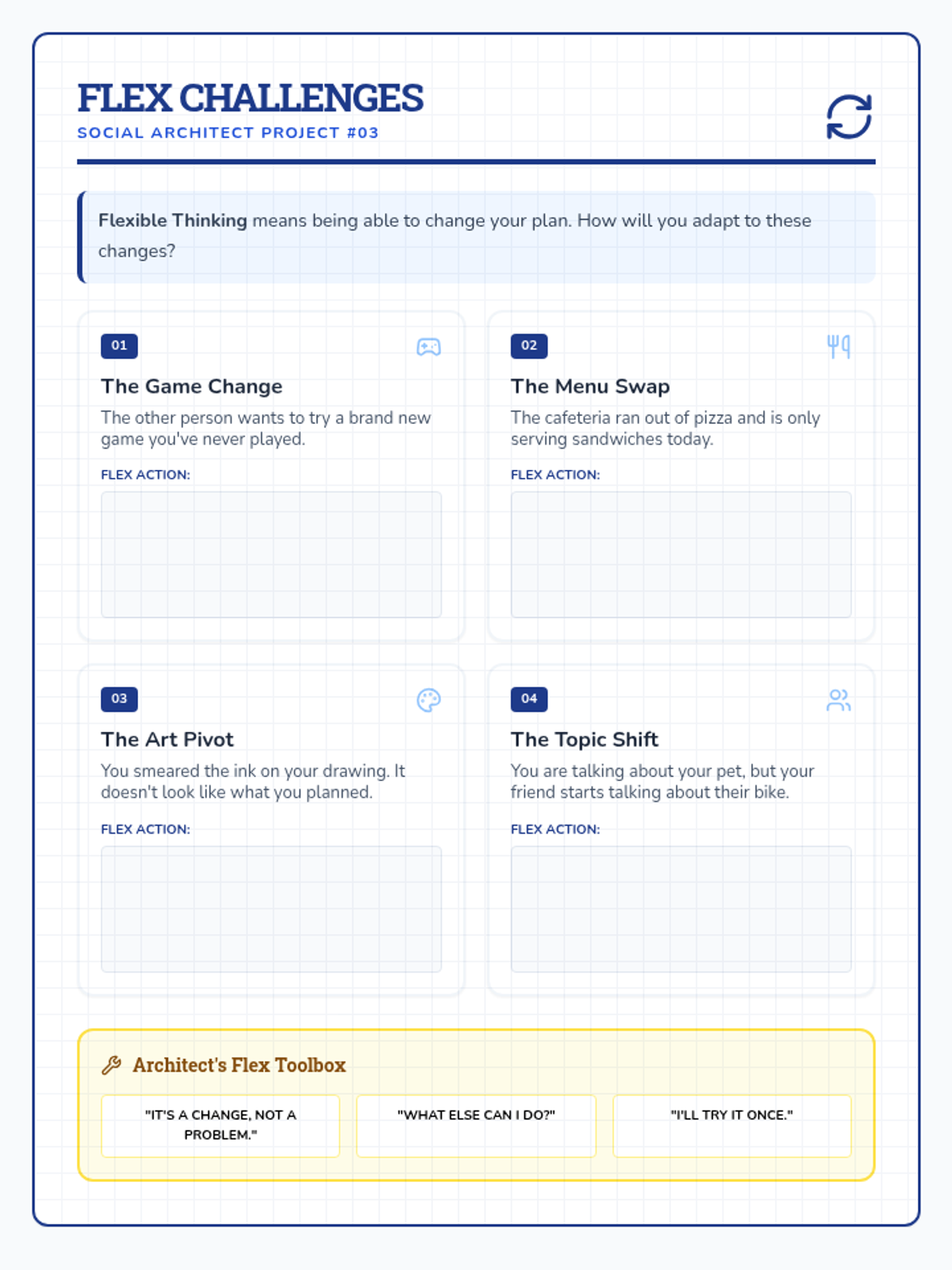
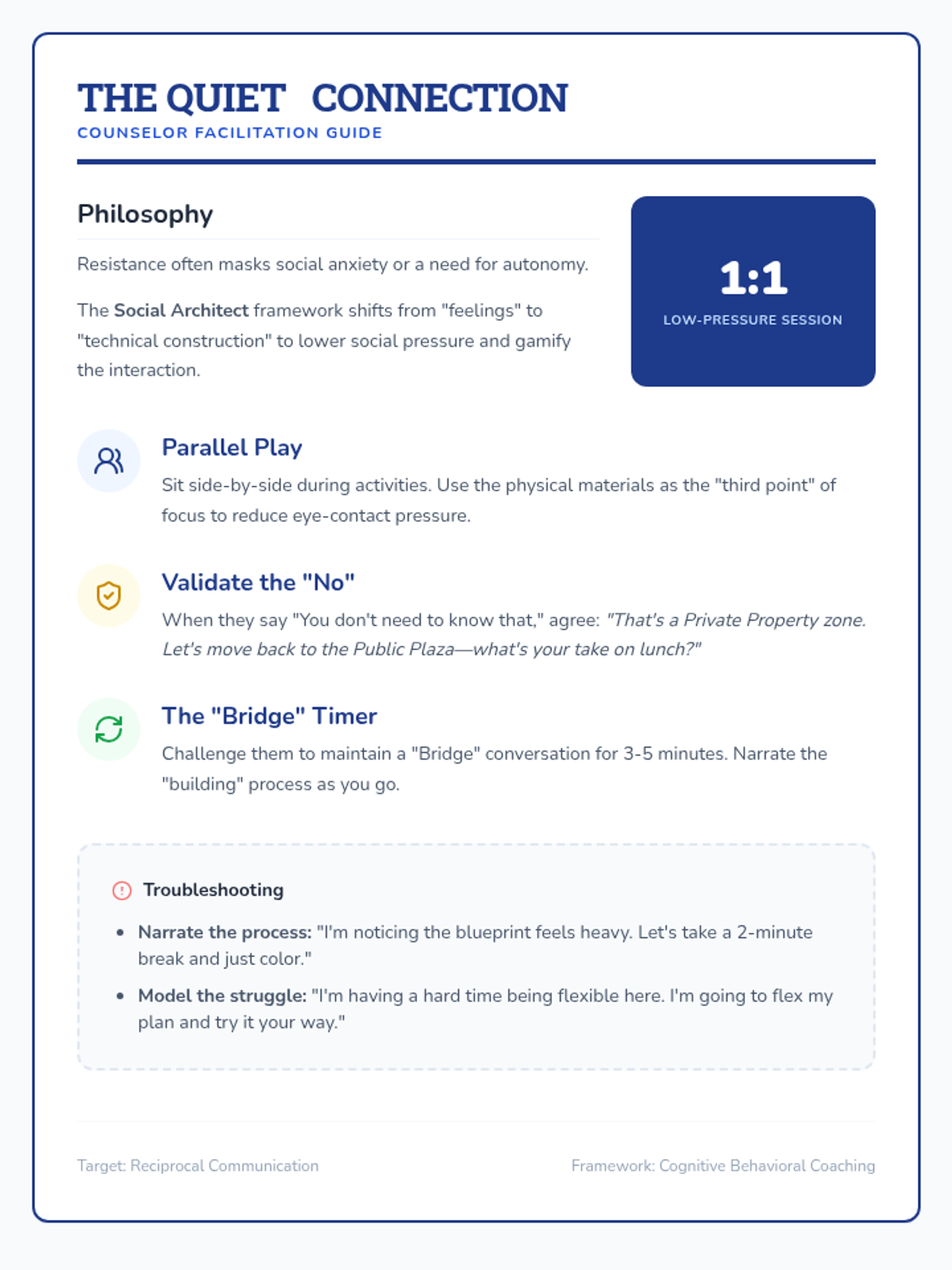
A series of low-pressure activities designed for students who struggle with reciprocal conversation and flexible thinking, using a 'Social Architect' theme to gamify communication skills.
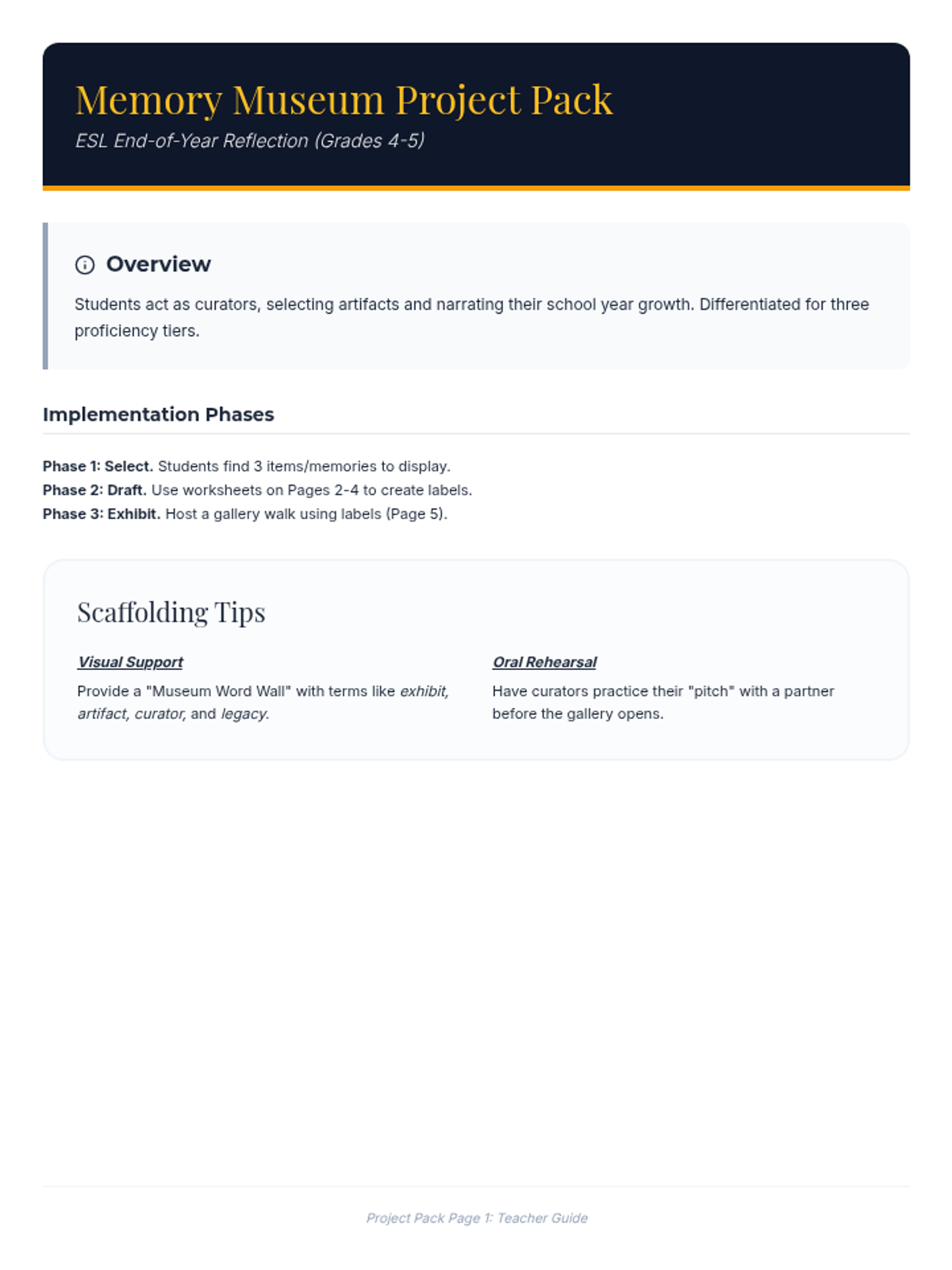
A comprehensive end-of-year ESL project where students curate a 'museum' of their 4th or 5th grade experiences, differentiated for emerging, transitioning, and expanding language proficiencies.
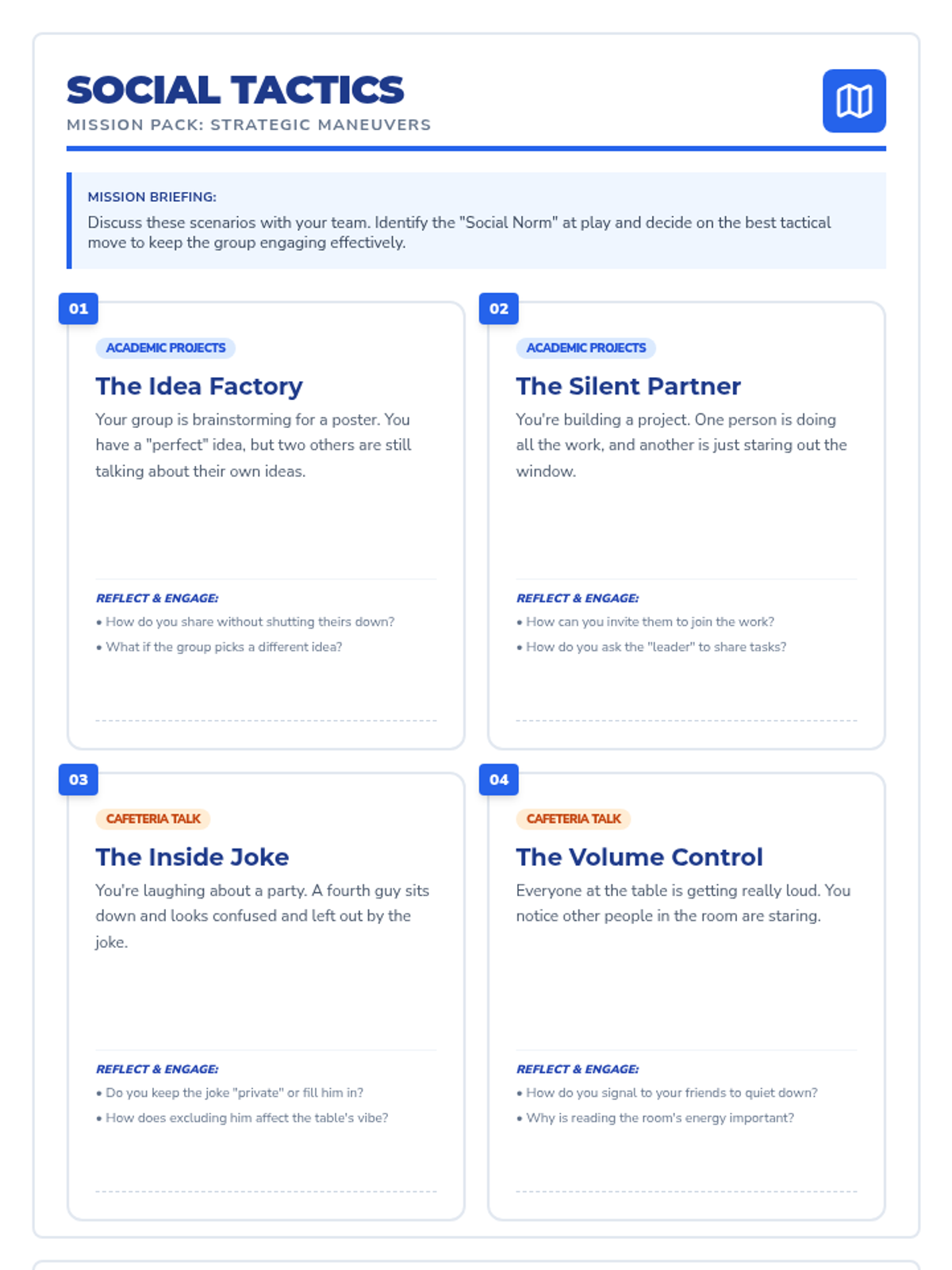
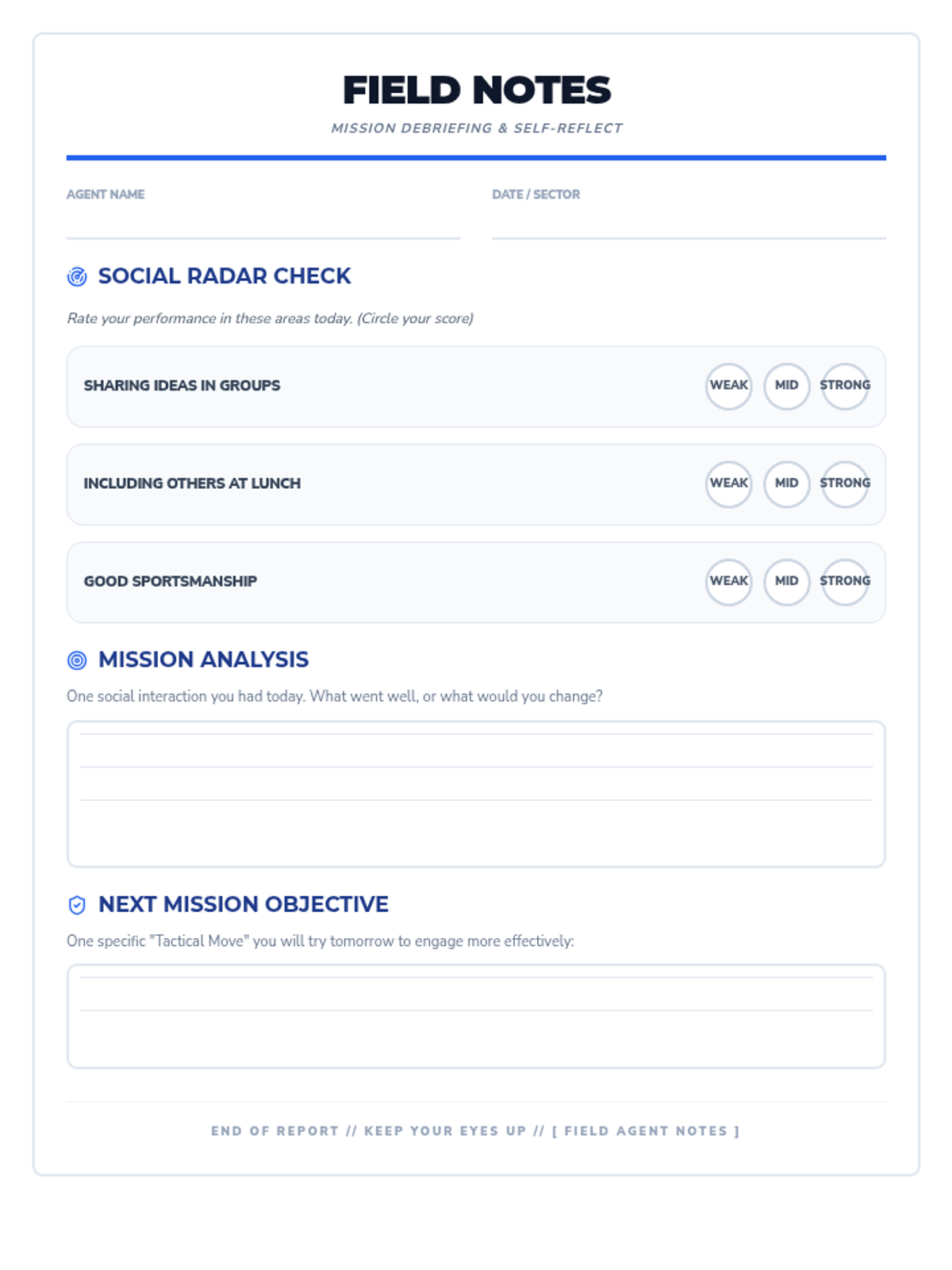
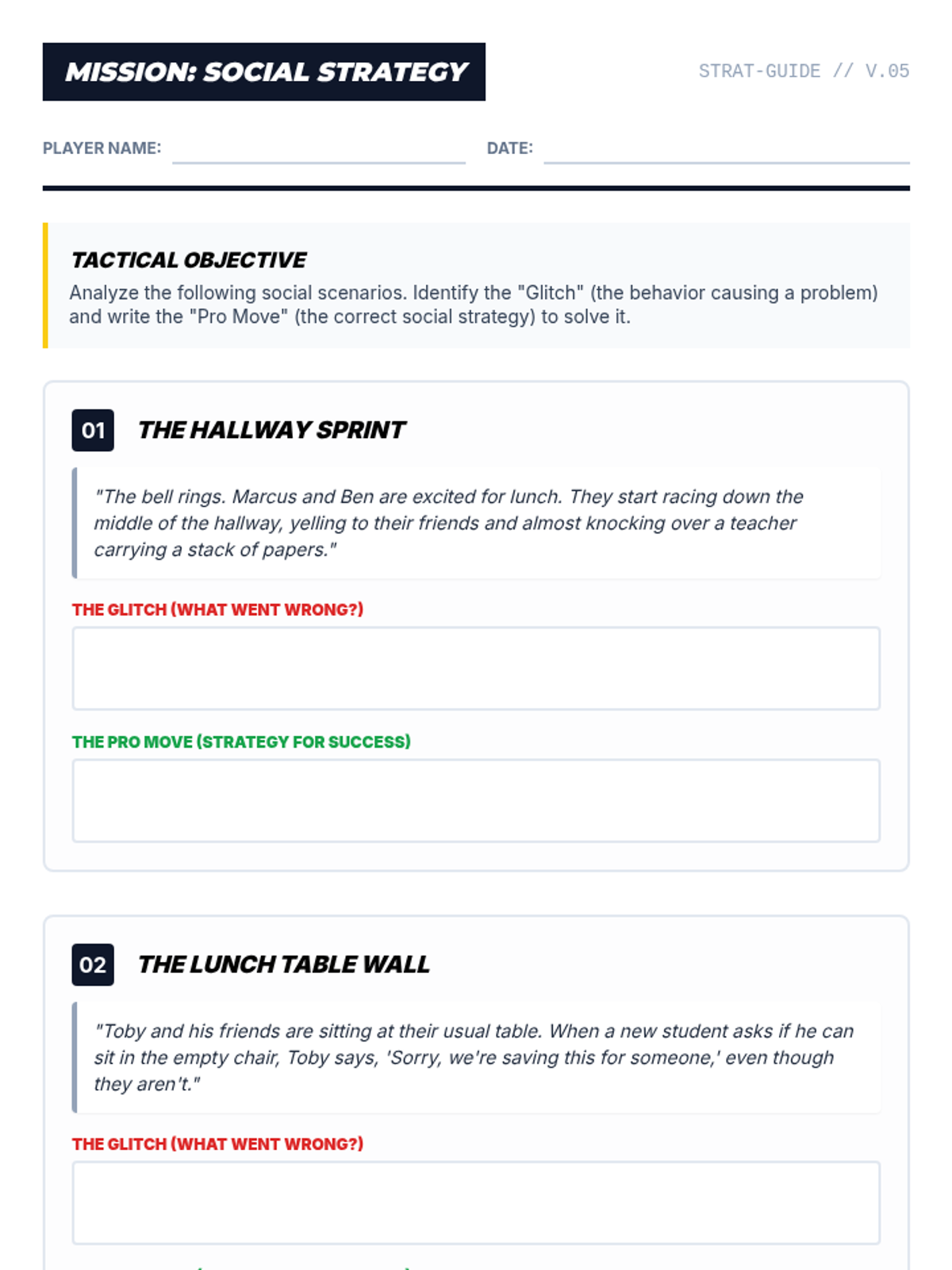
A lesson designed to help 5th-grade boys navigate social norms in group work, lunchroom settings, and competitive play through scenario analysis and self-reflection.
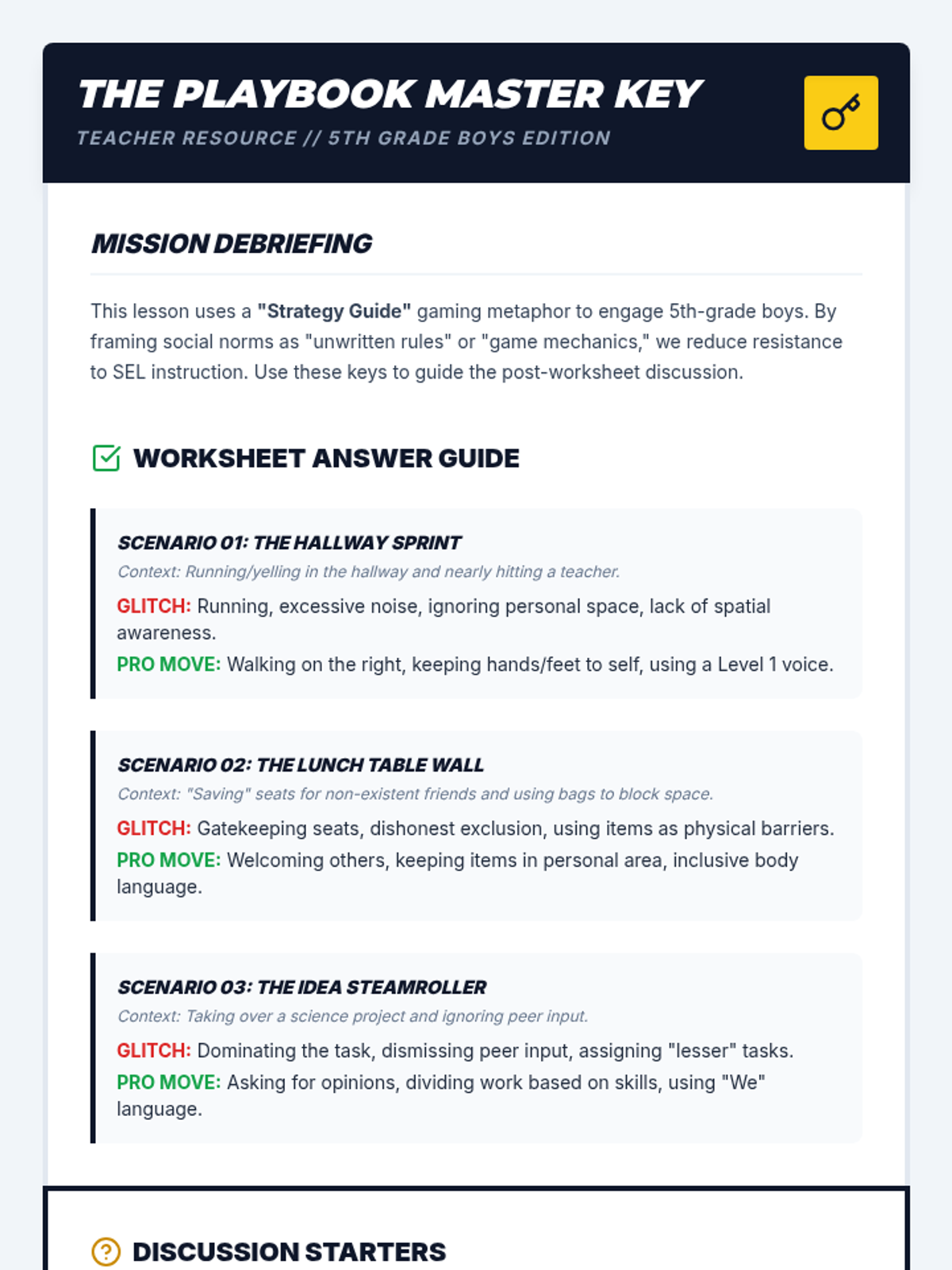
A lesson designed for 5th-grade boys to decode social norms in the hallway, cafeteria, and classroom through a 'Strategy Guide' lens. students will analyze social 'glitches' and practice 'pro moves' for smoother social interactions.
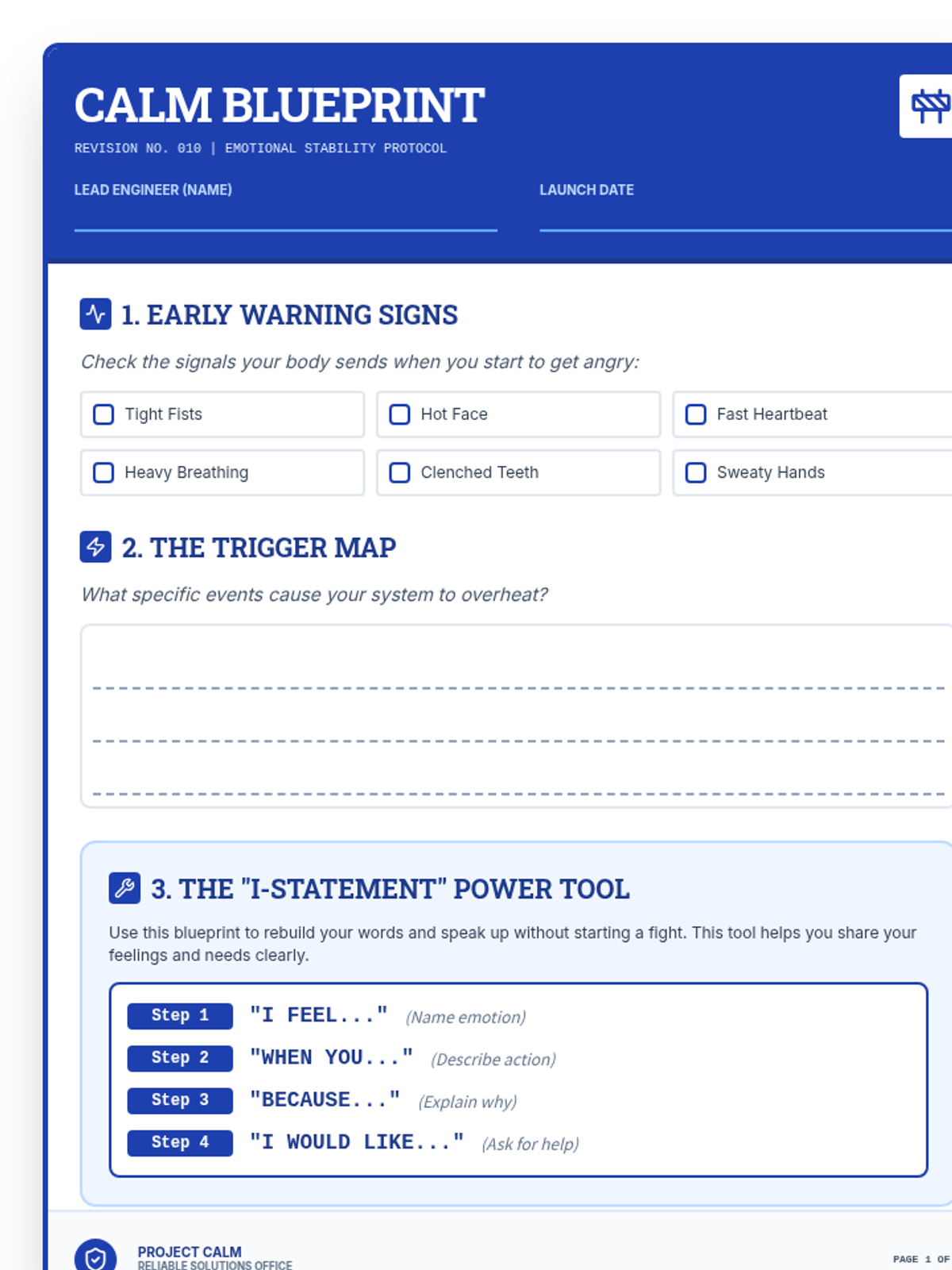
A lesson designed to help students identify their anger triggers and develop constructive communication strategies, specifically focusing on 'I' statements to replace aggressive physical threats.
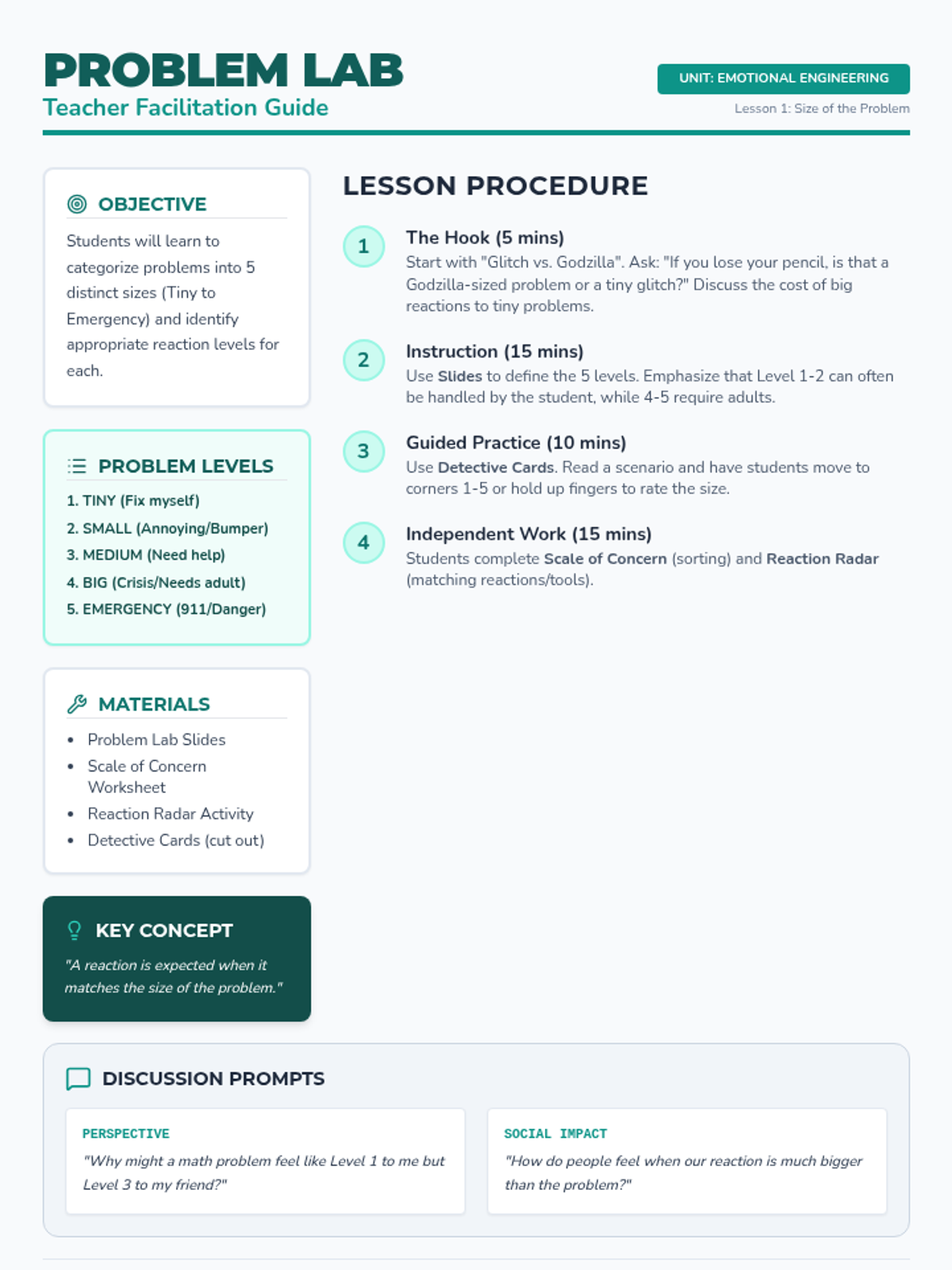
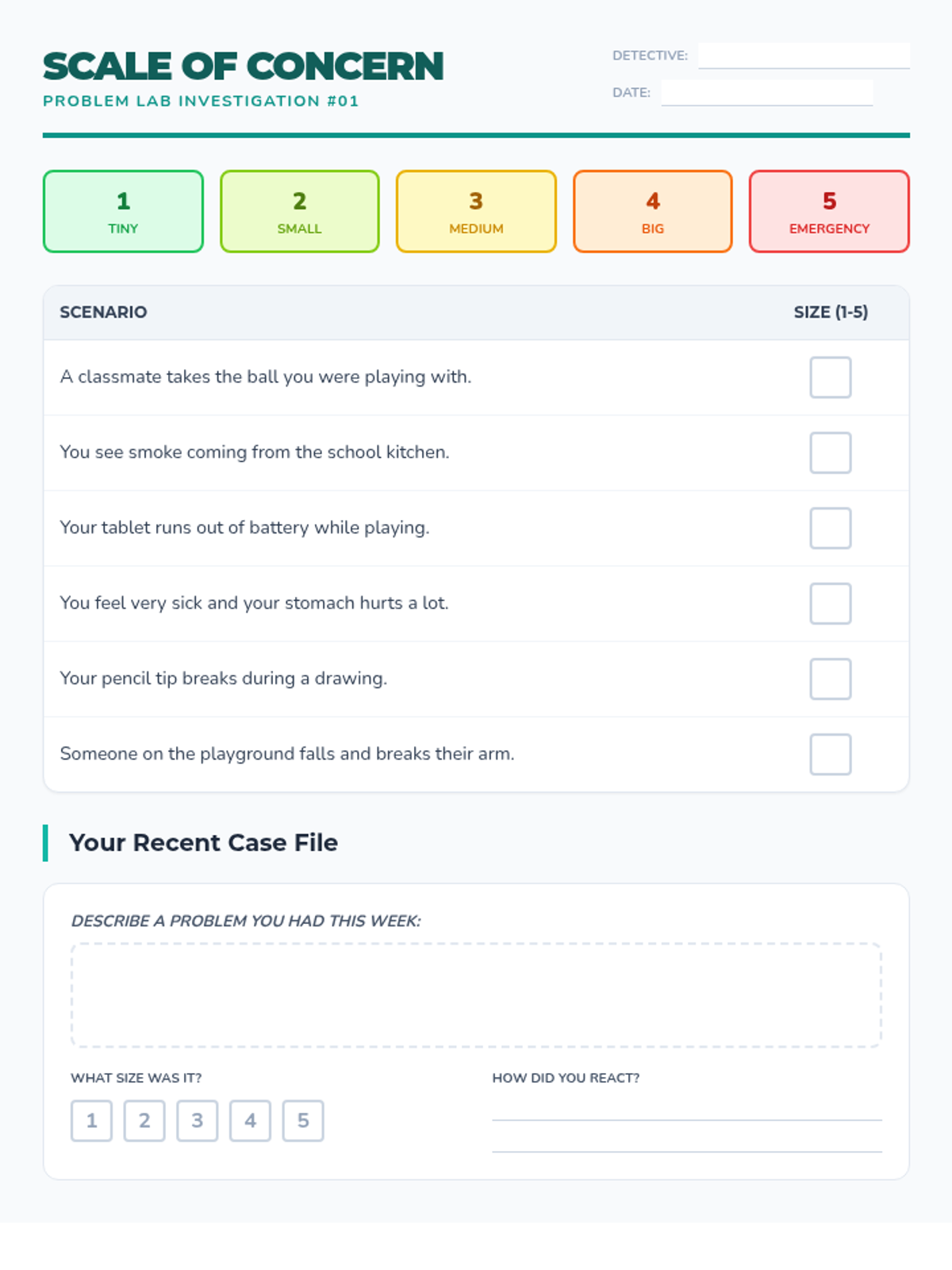
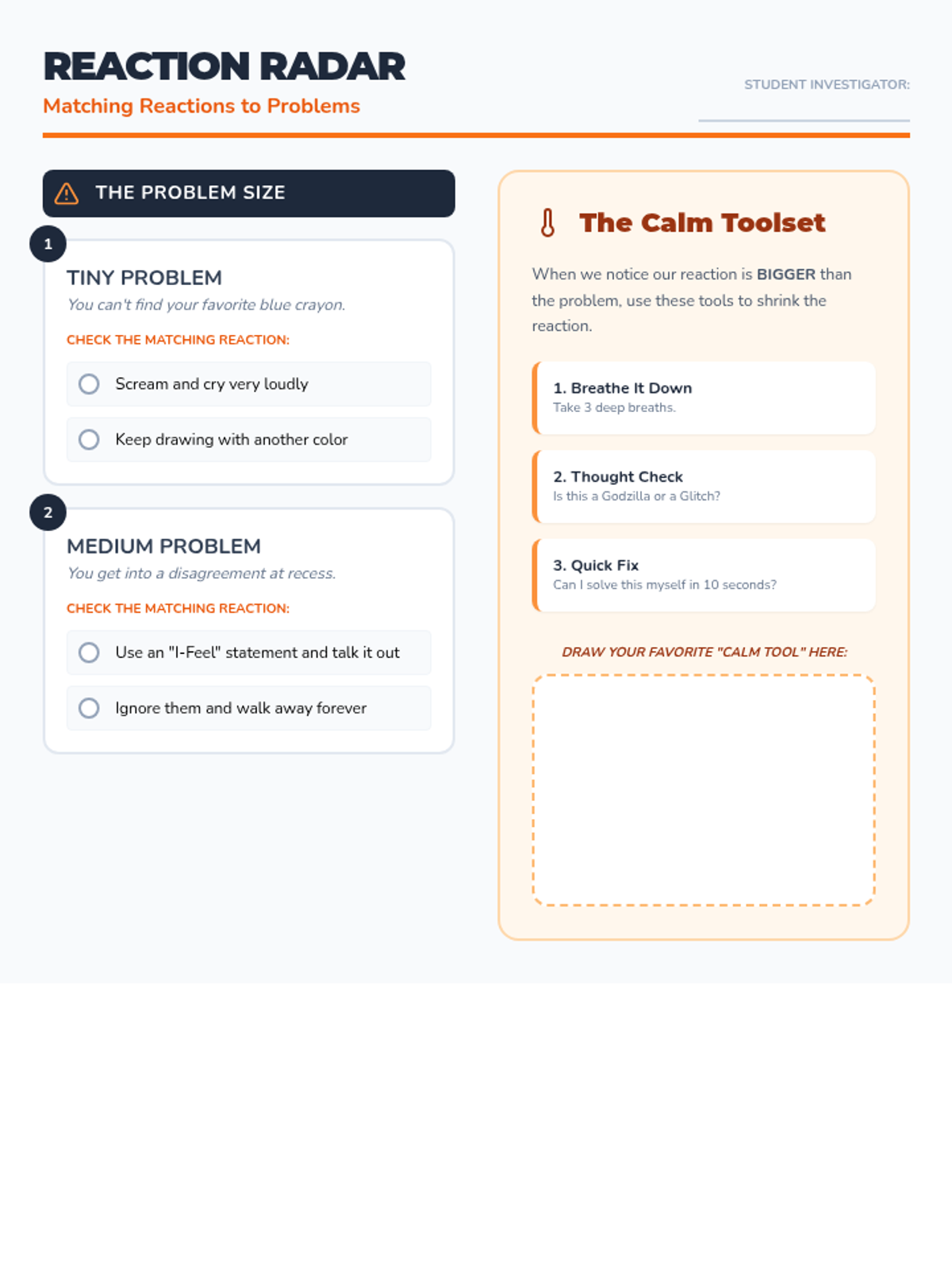
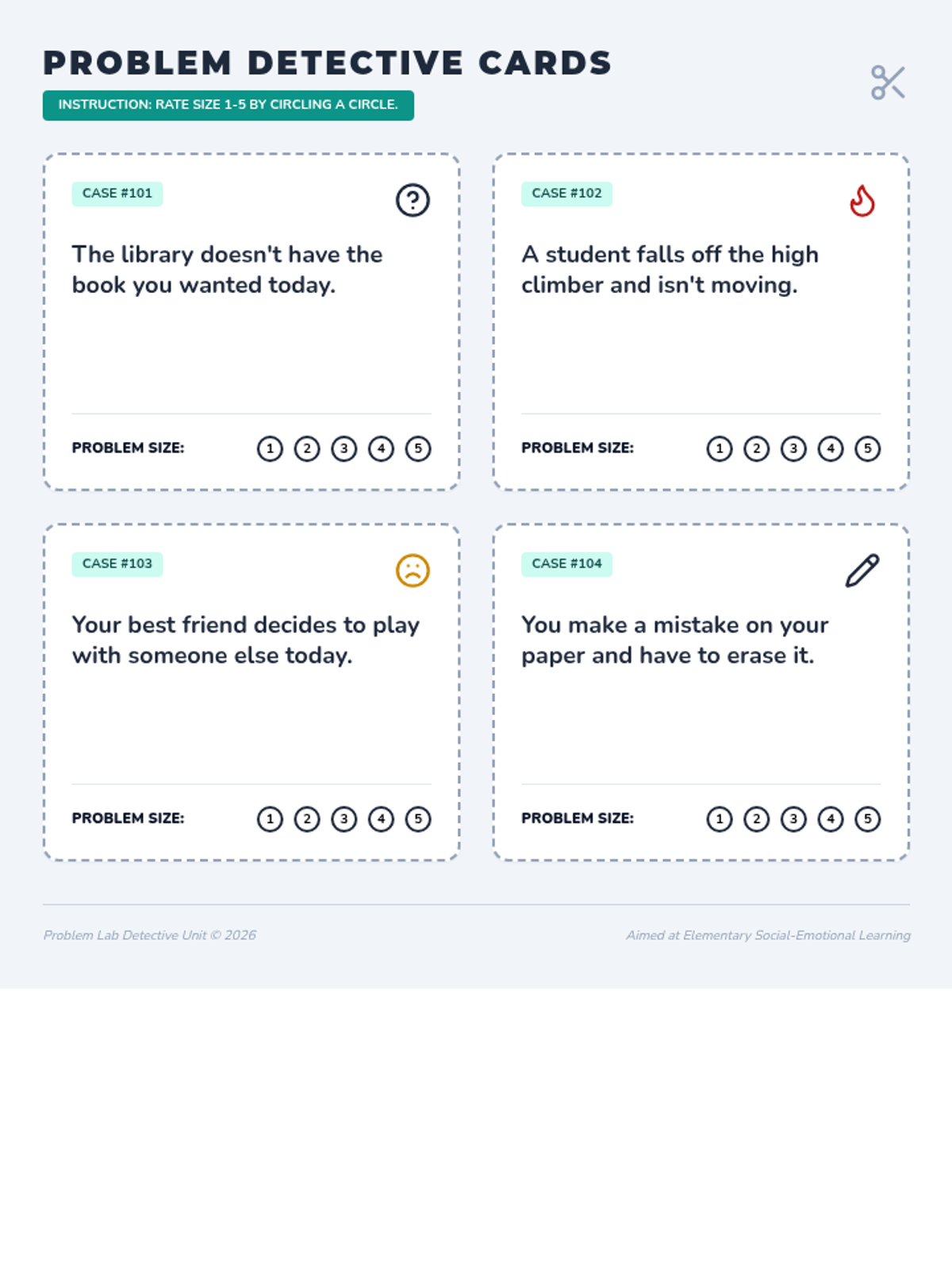
An interactive lesson teaching elementary students how to identify the size of their problems and match their reactions accordingly using a 'Problem Lab' theme.
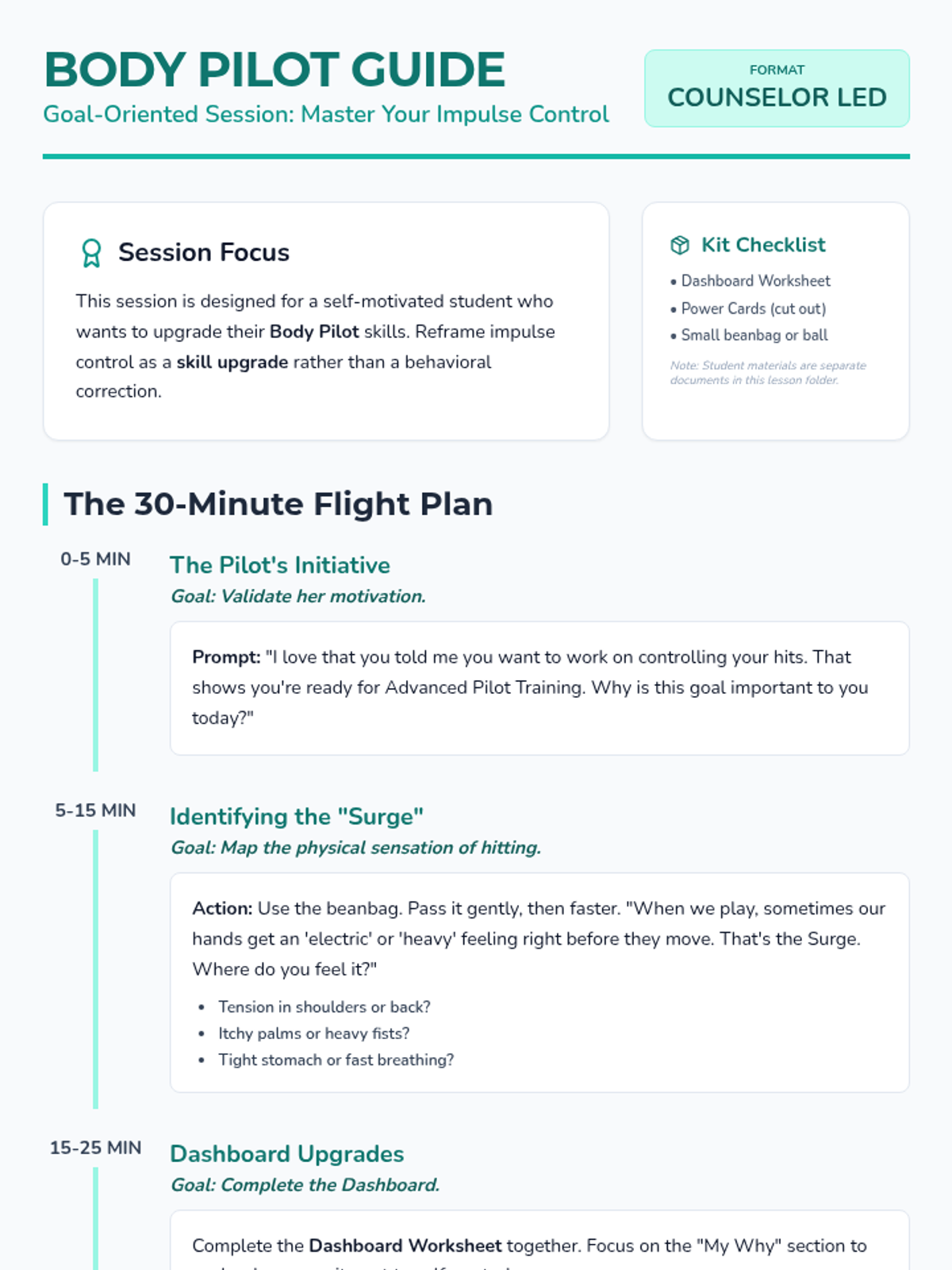
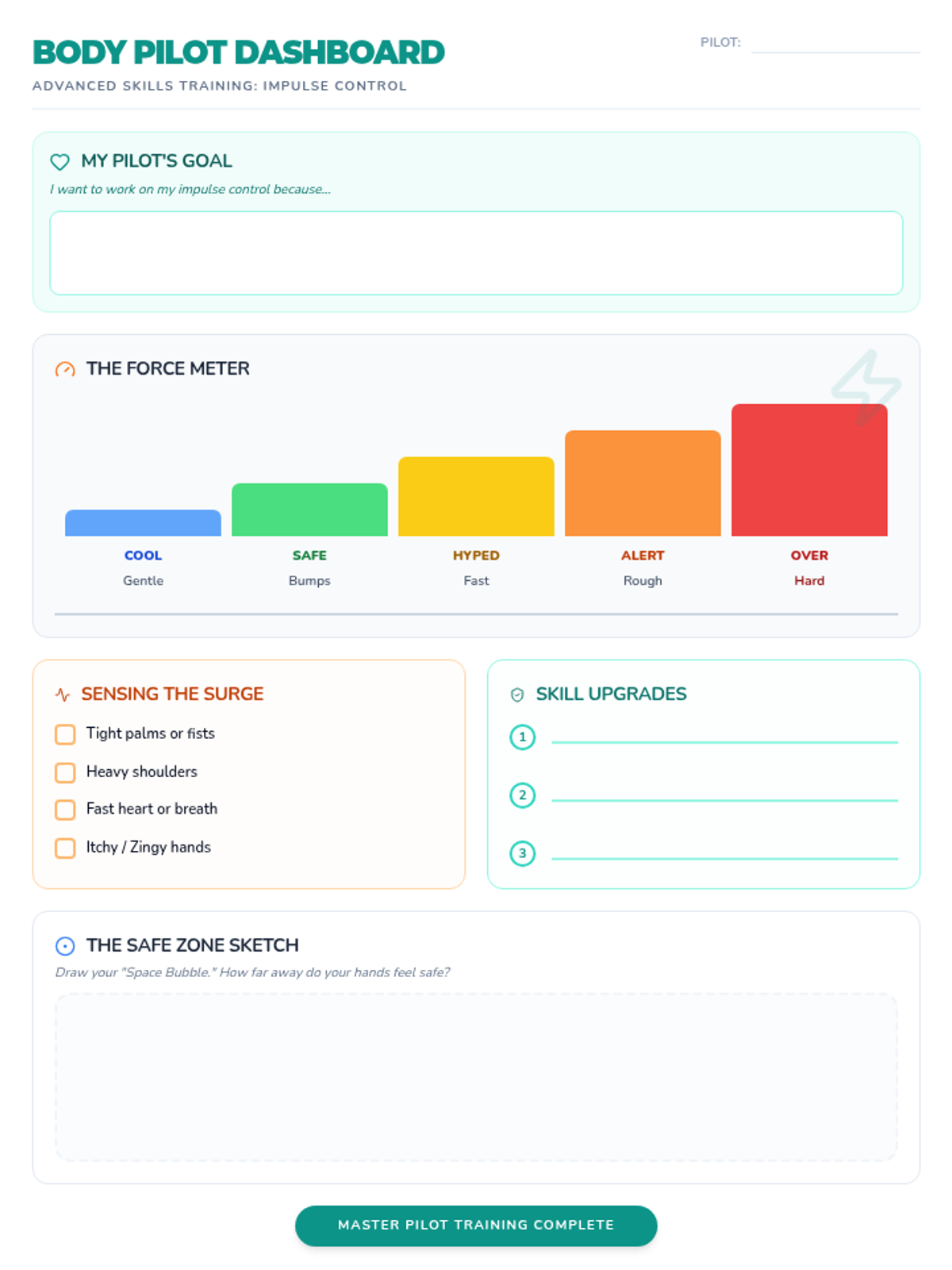
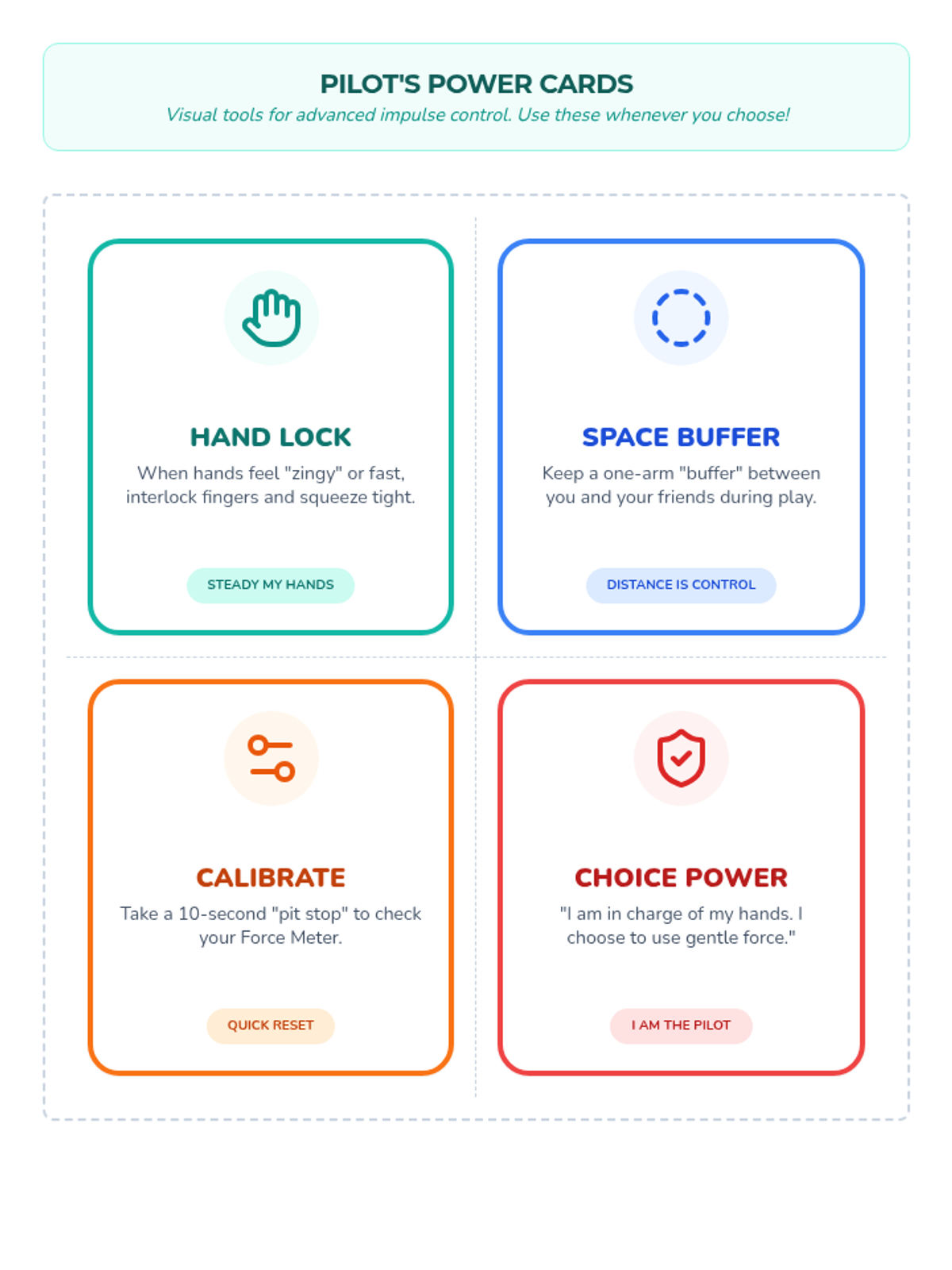
A 30-minute counseling session focused on helping students with autism understand and control physical impulses, specifically addressing 'play fighting' and personal space boundaries using the 'Body Pilot' metaphor.
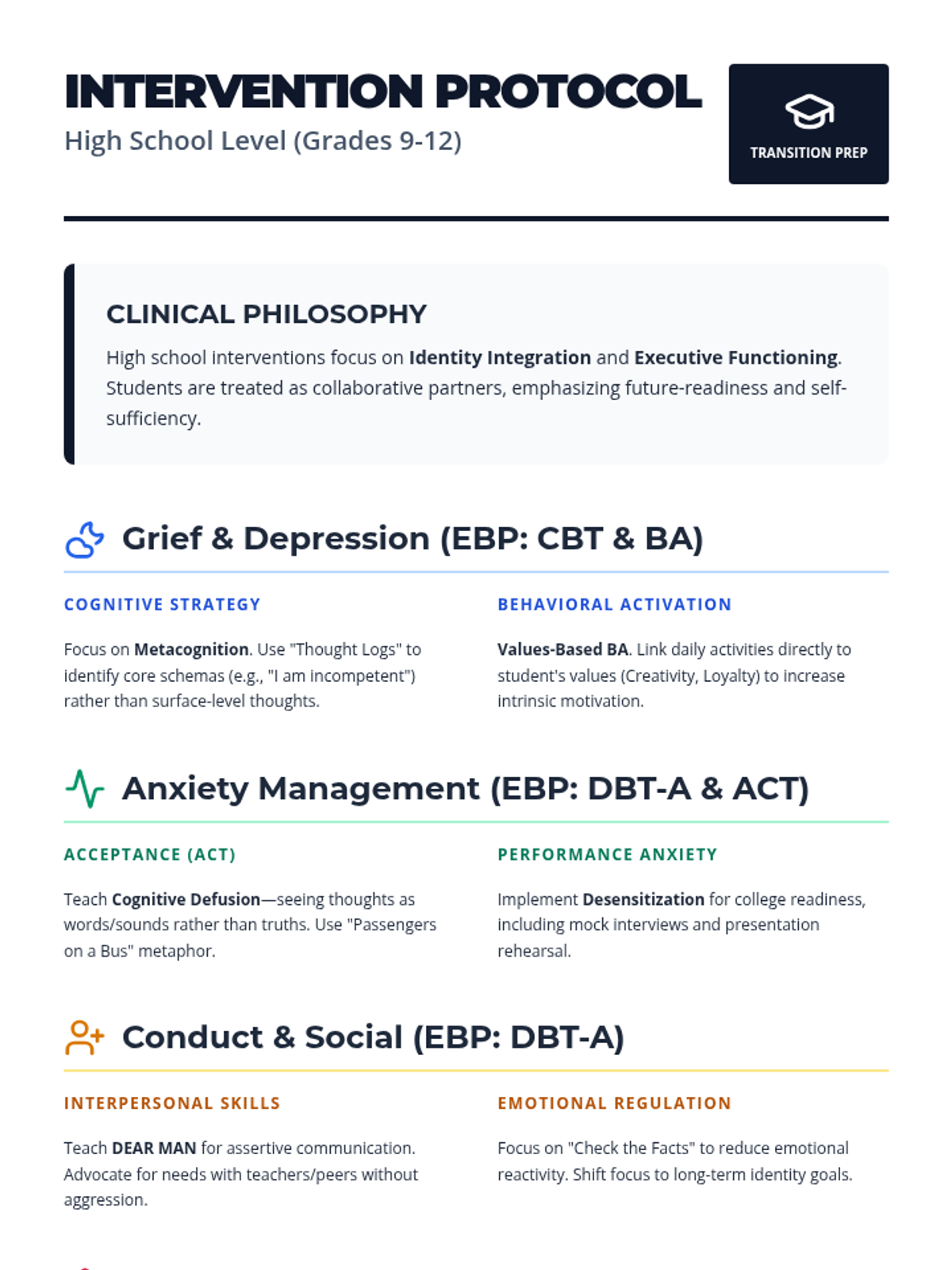
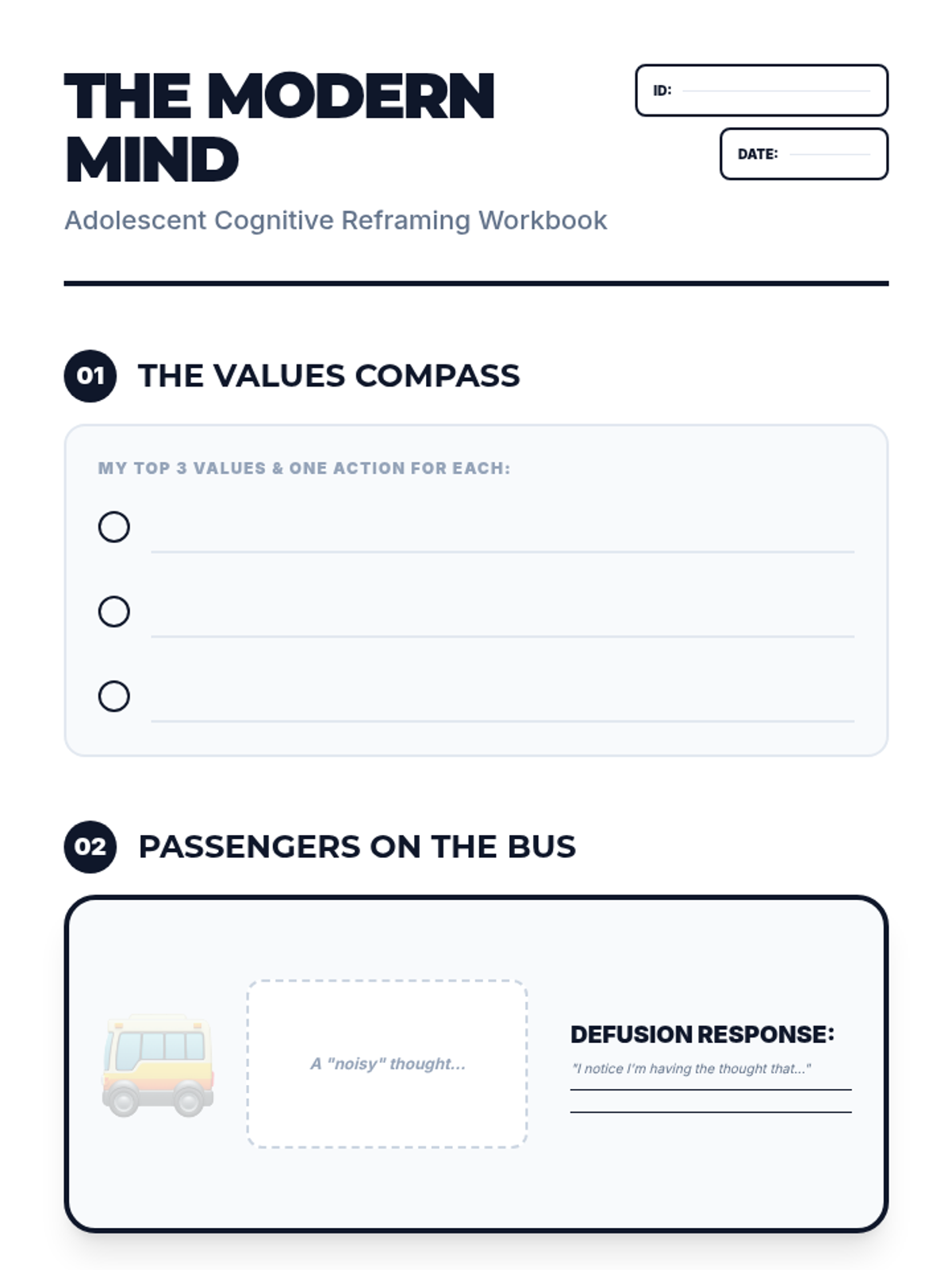
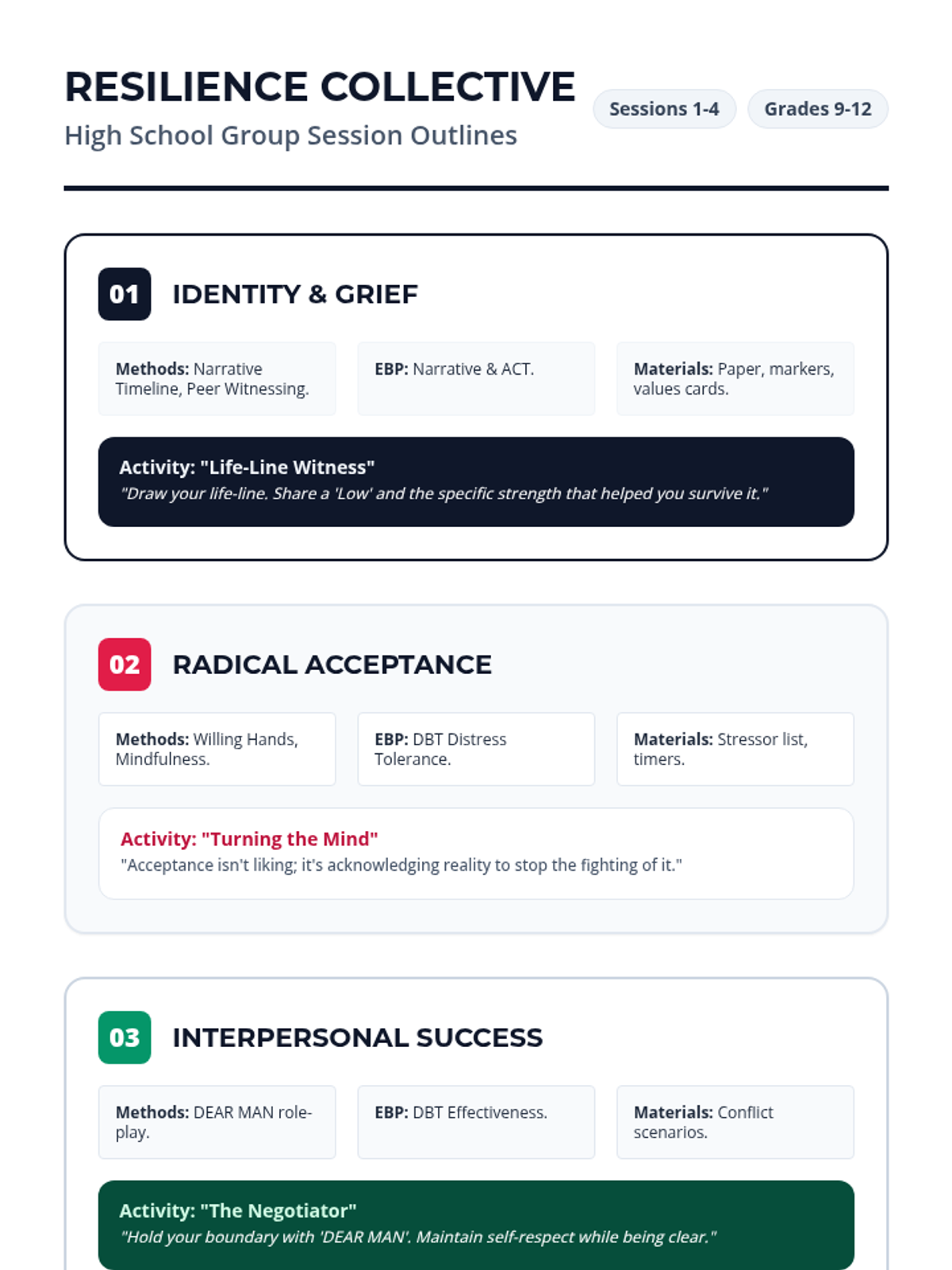
Advanced therapeutic interventions for high schoolers, emphasizing autonomy, complex cognitive reframing, interpersonal effectiveness, and comprehensive crisis protocols.
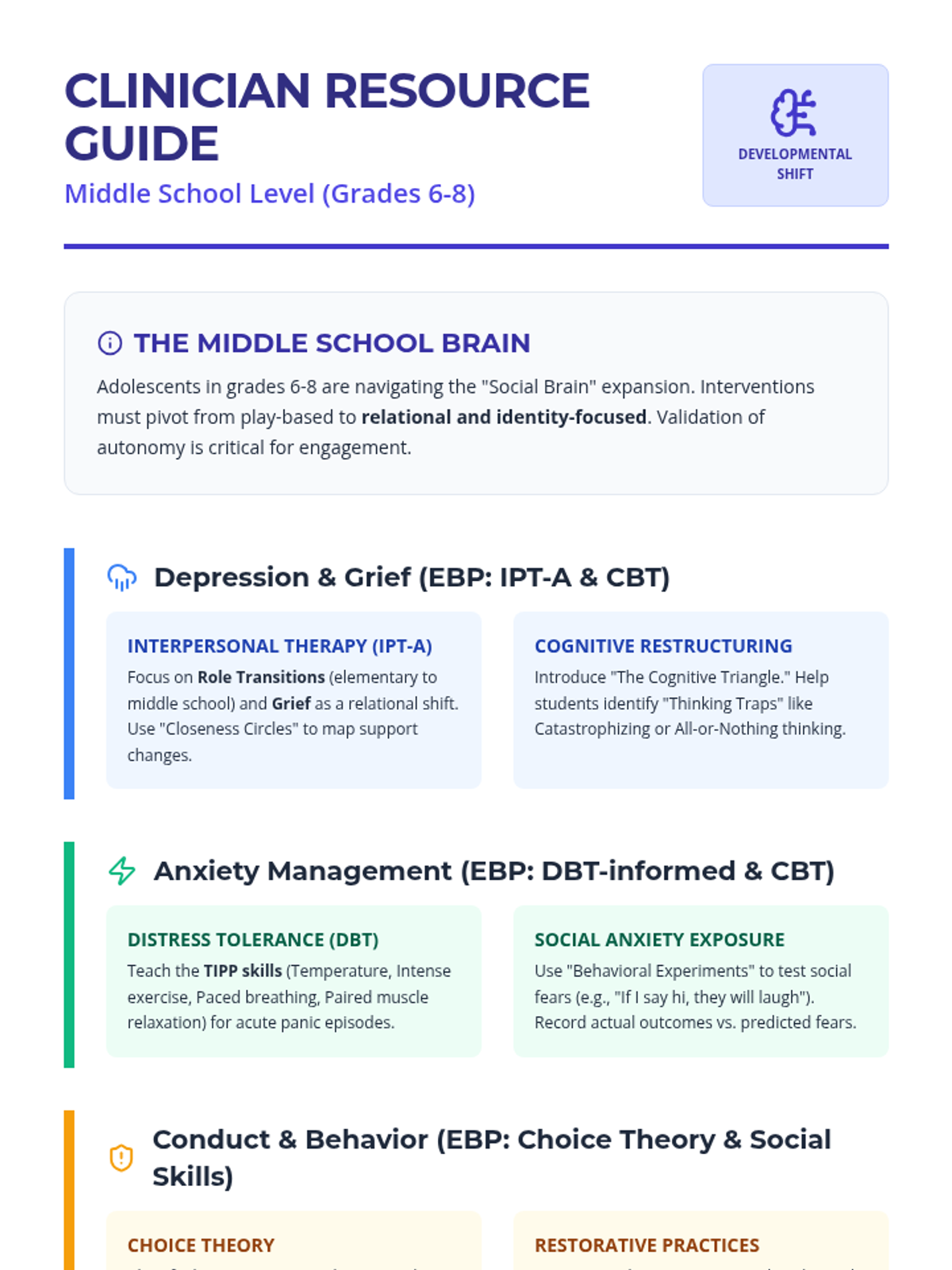
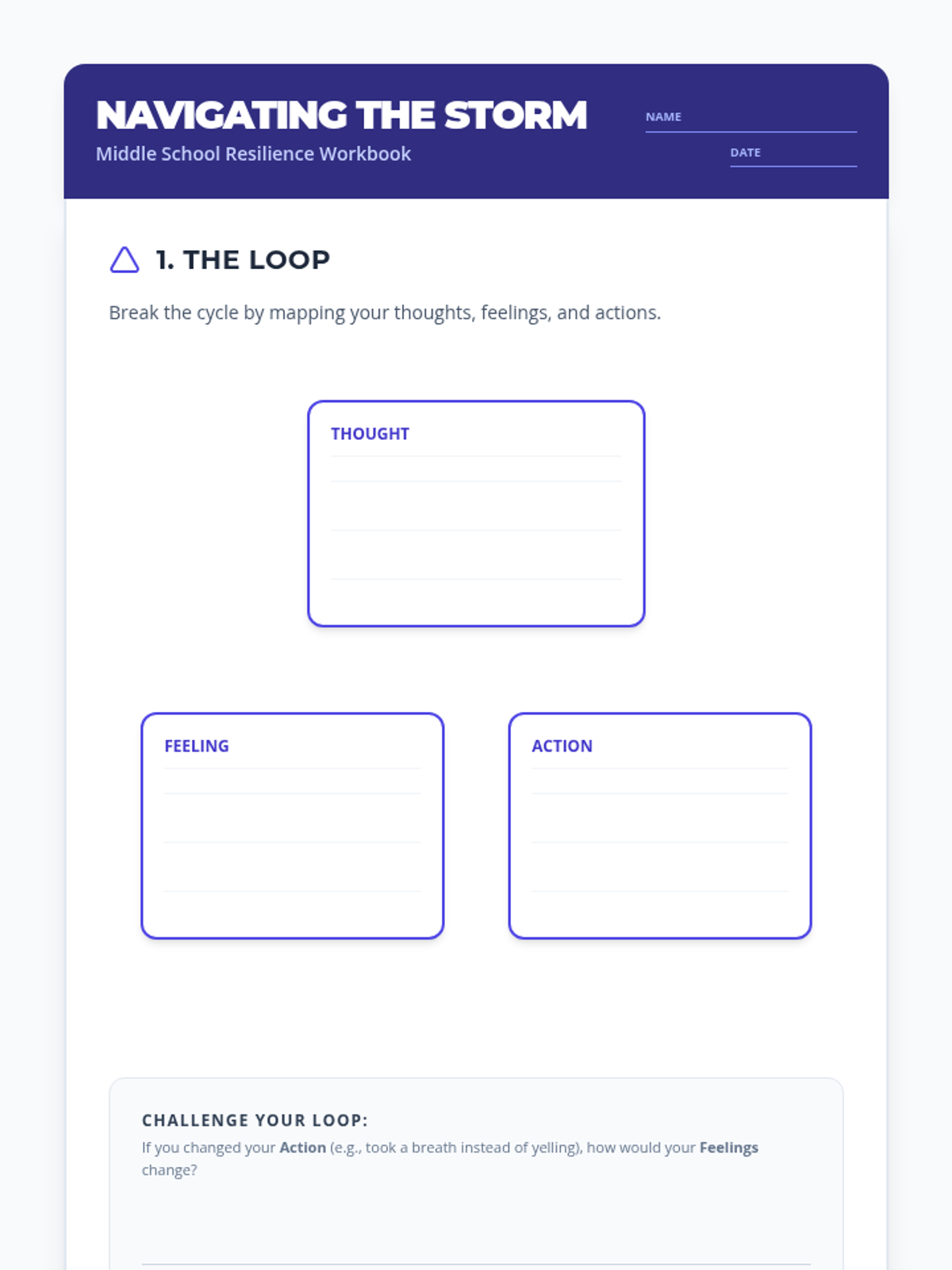
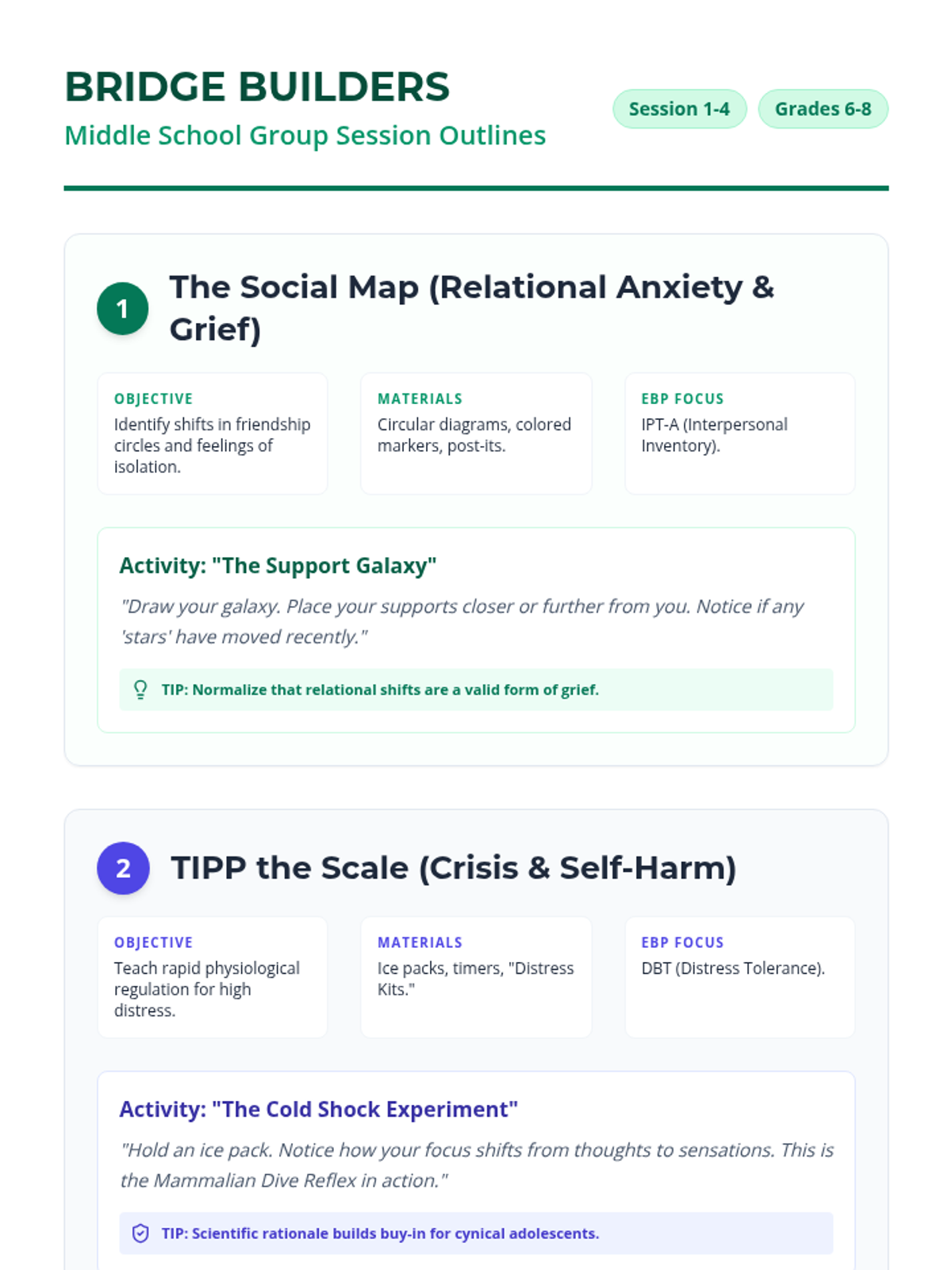
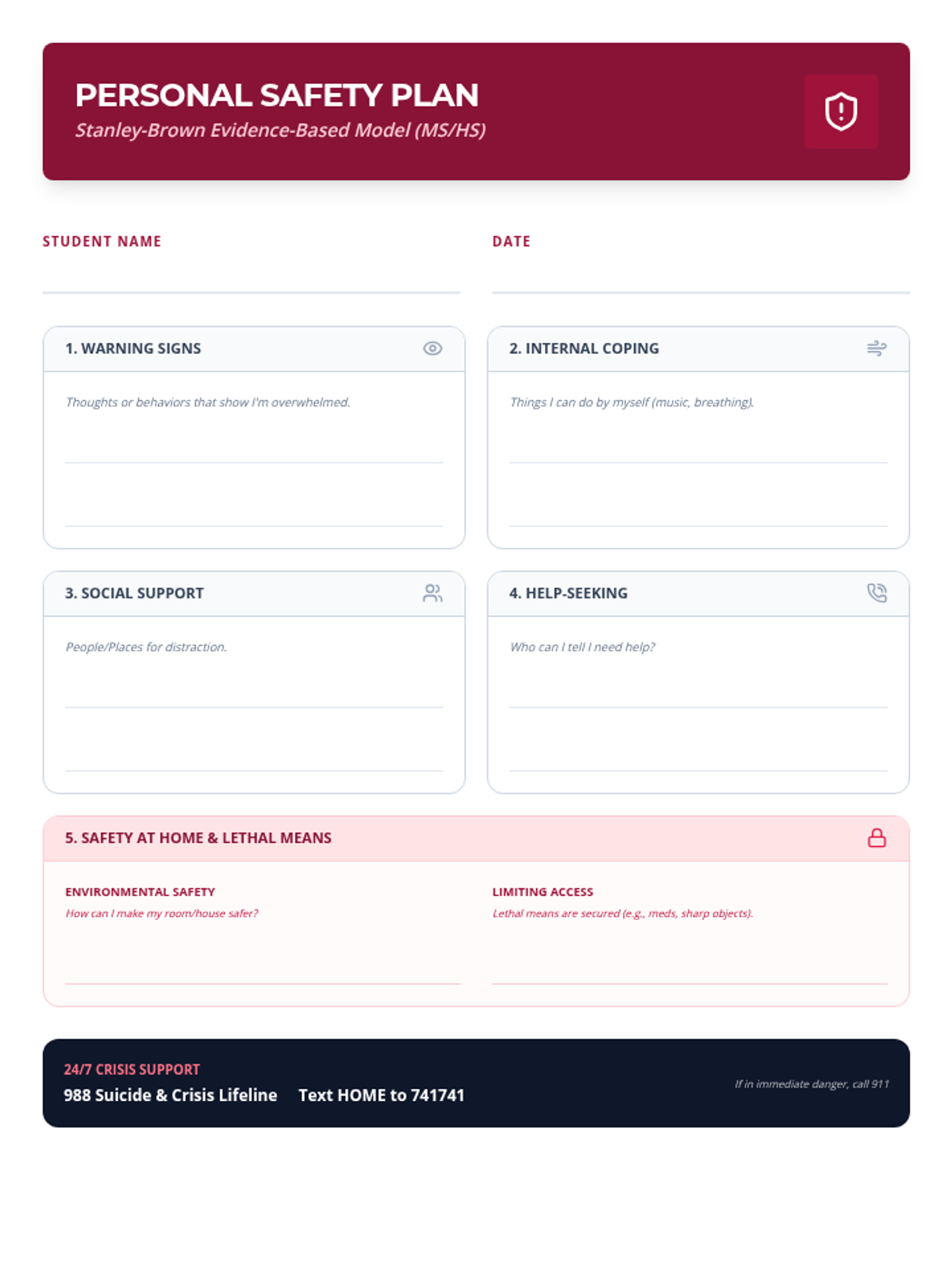
CBT and DBT-informed strategies tailored for the middle school transition, focusing on peer relationships, emotional regulation, and structured safety plans.
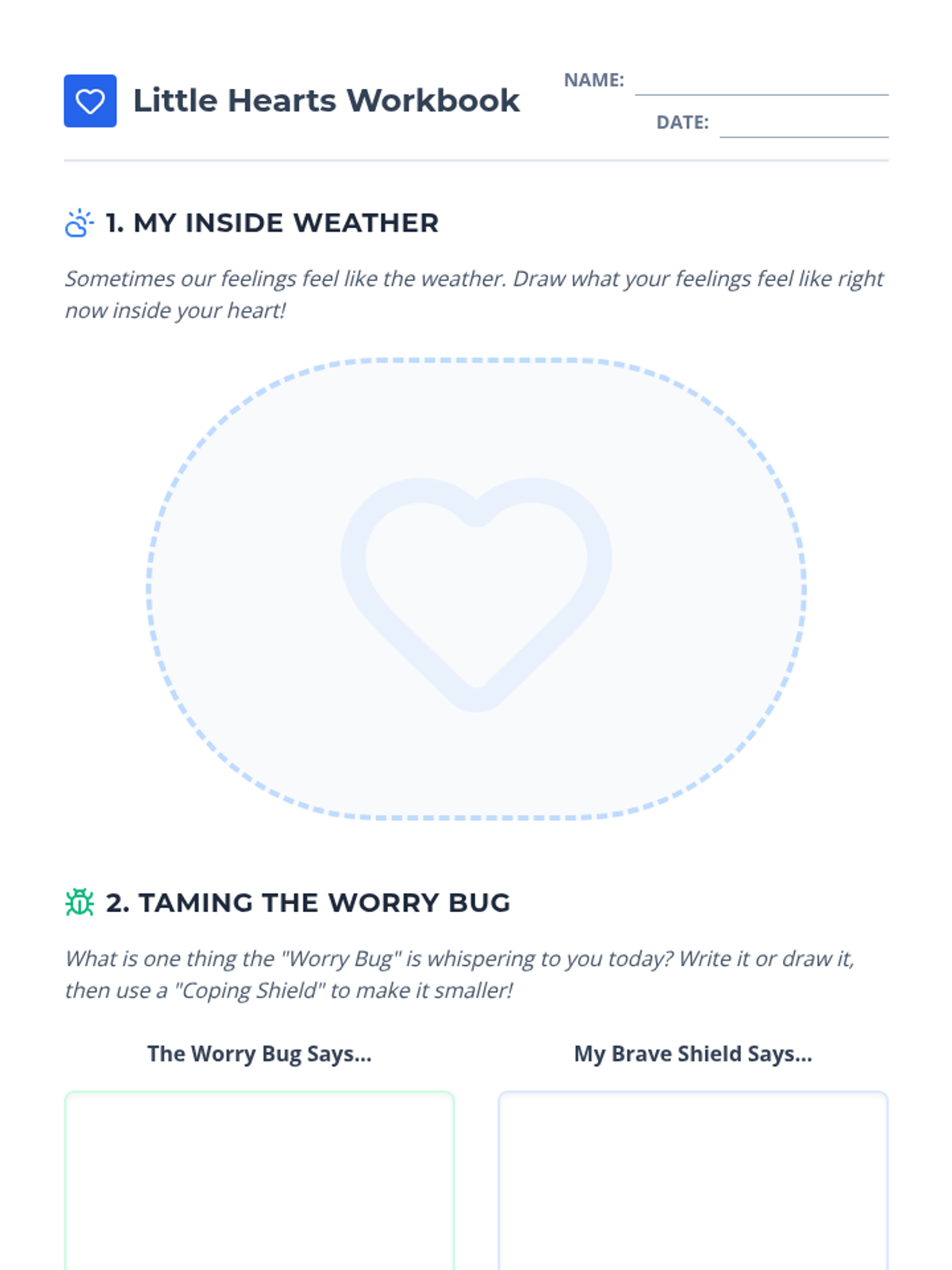
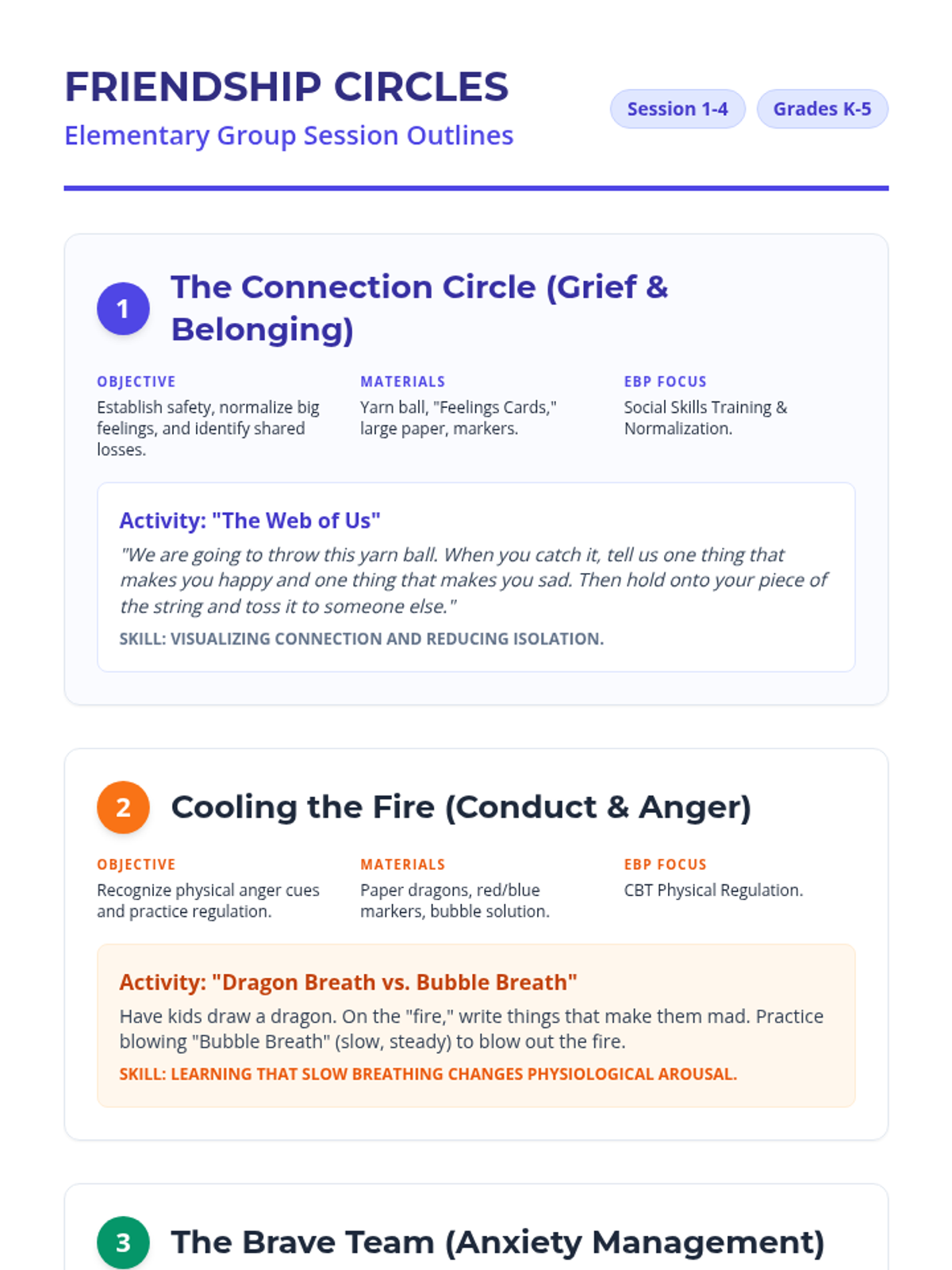
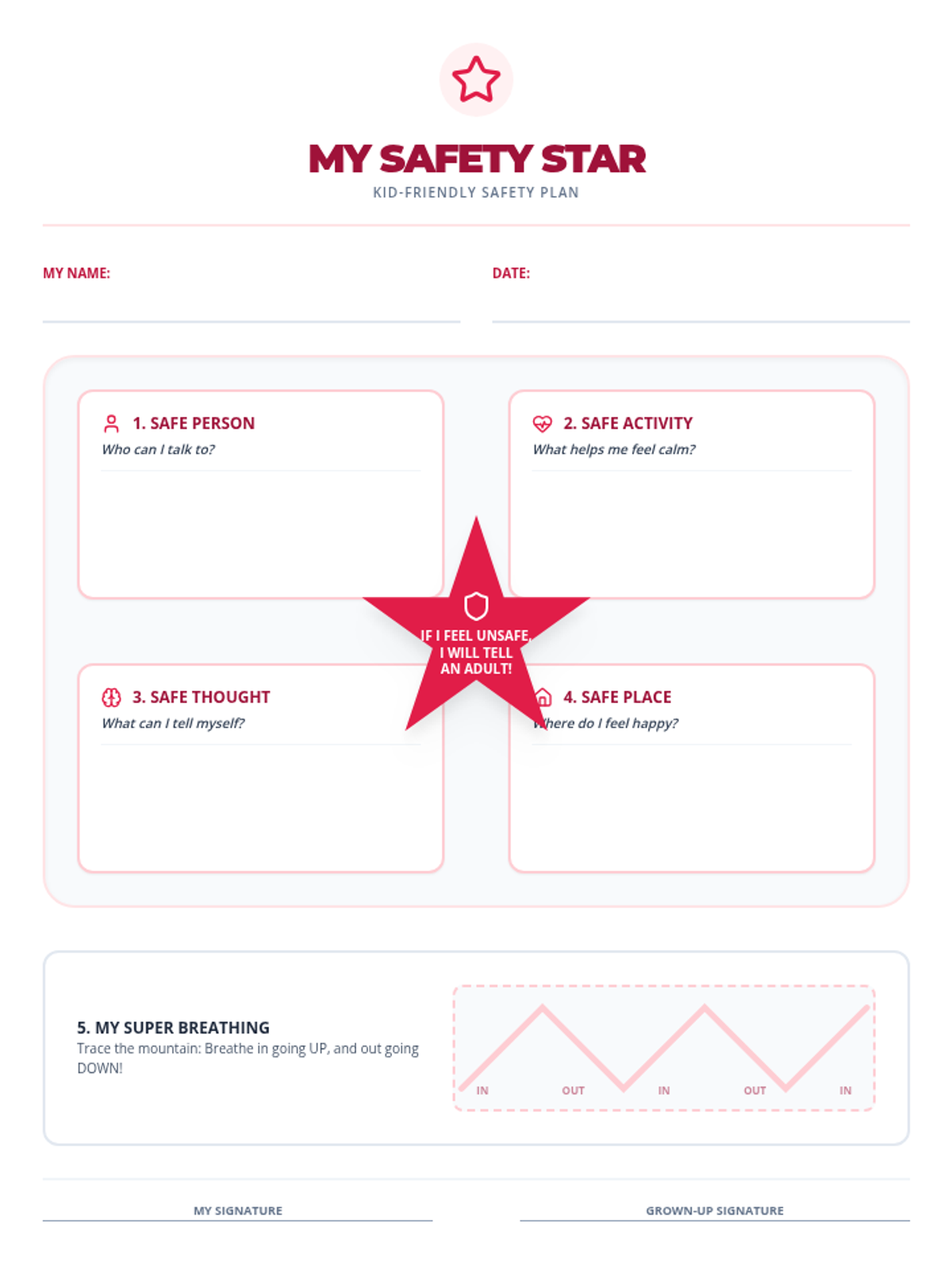
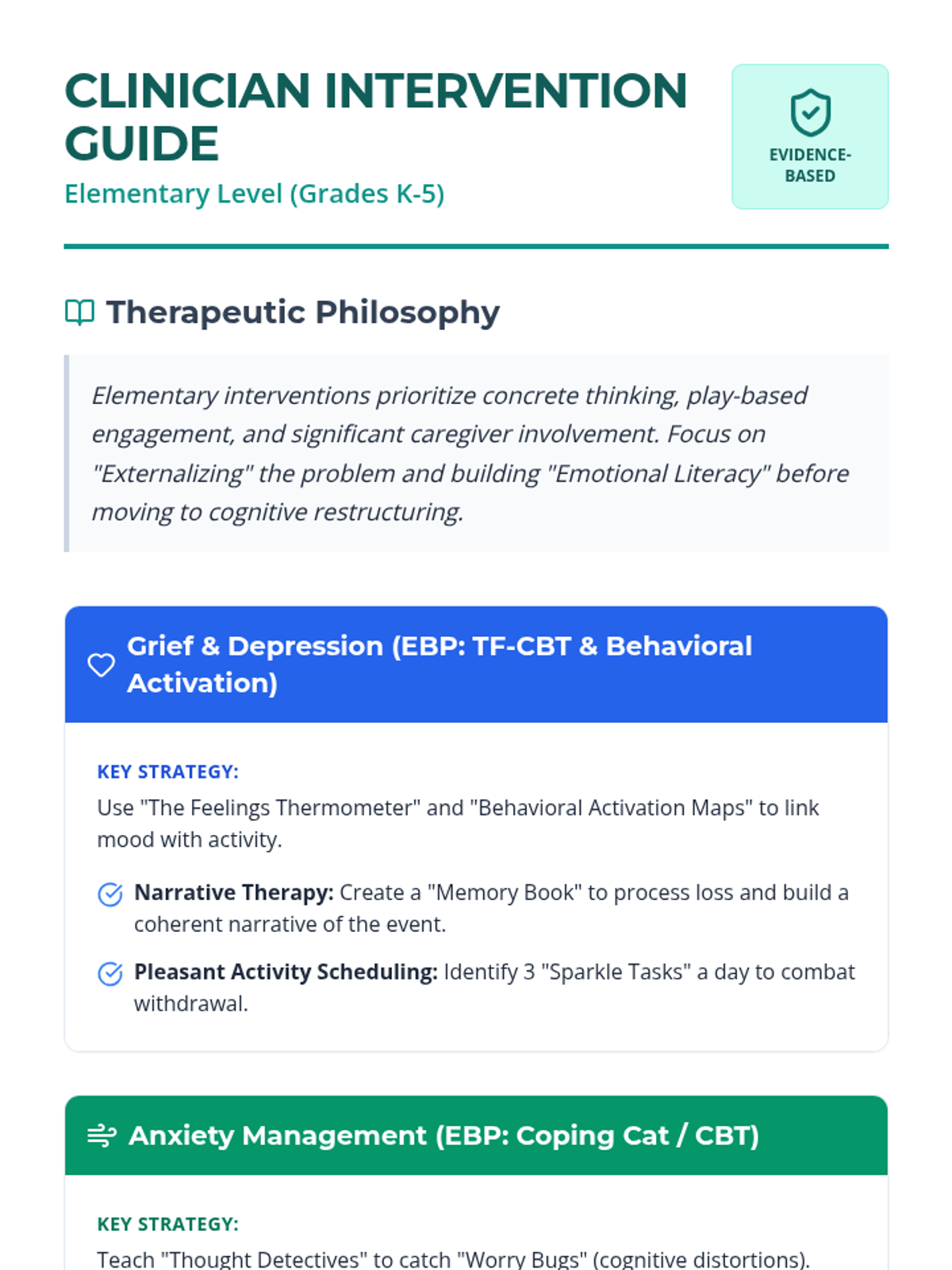
Developmentally appropriate interventions for elementary students focusing on play-based CBT, social-emotional learning, and kid-friendly safety planning.