Teaches the difference between questions and comments and how to use them to keep a conversation moving forward.
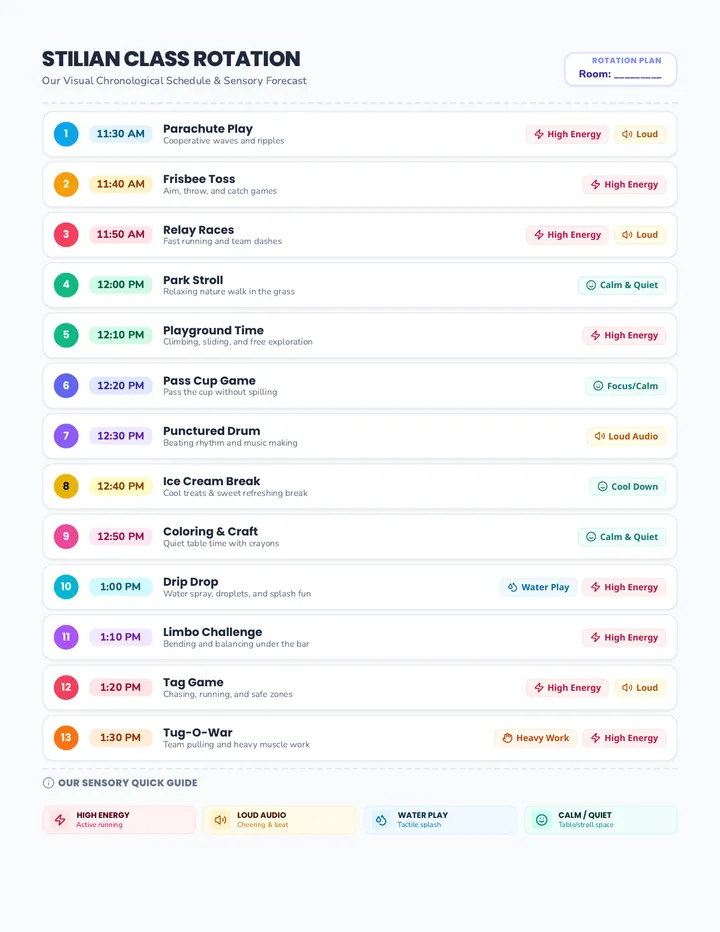
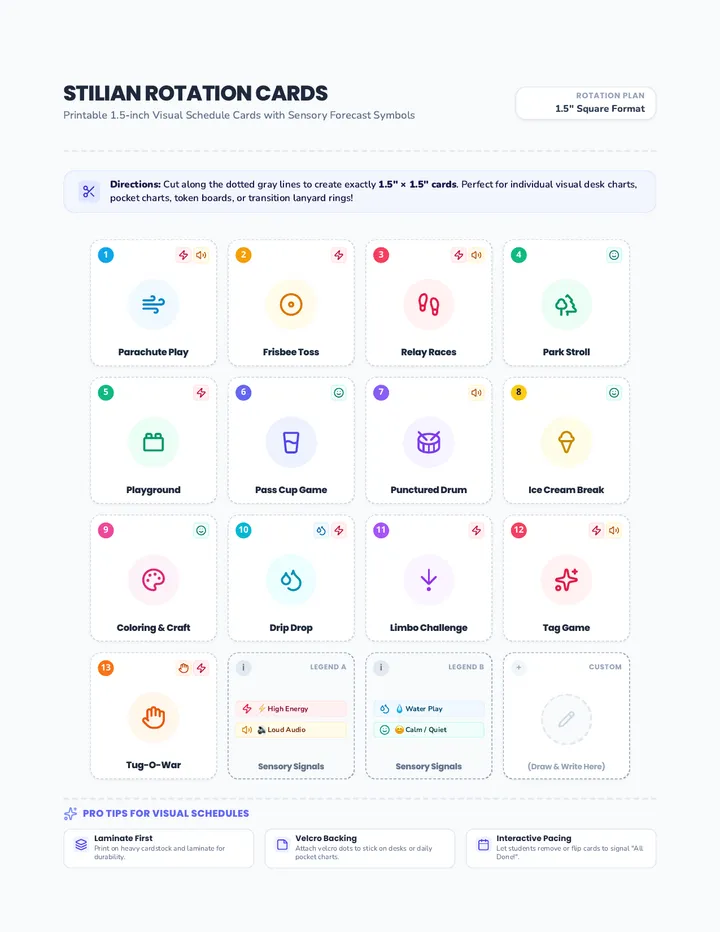
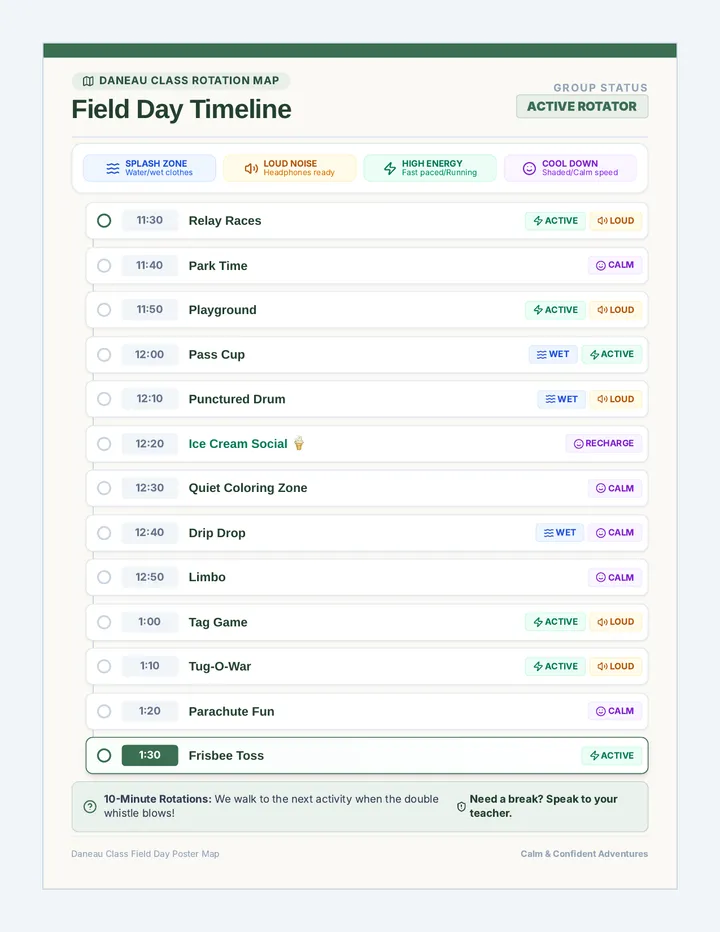
A sensory-friendly class rotation framework containing visual schedules and portable schedule cards to help students navigate activity transitions with confidence.
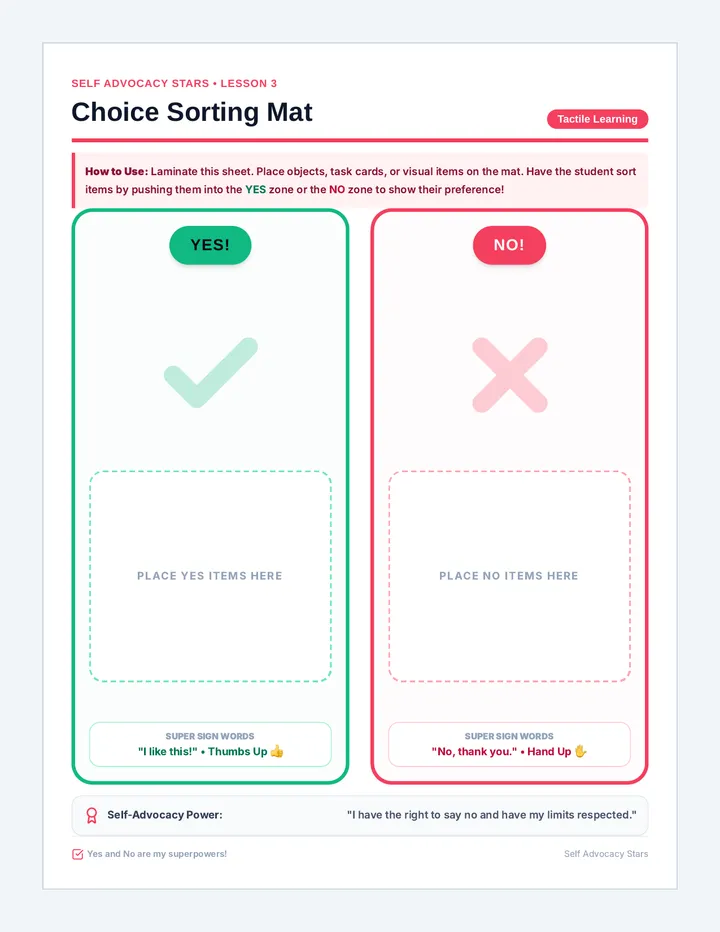
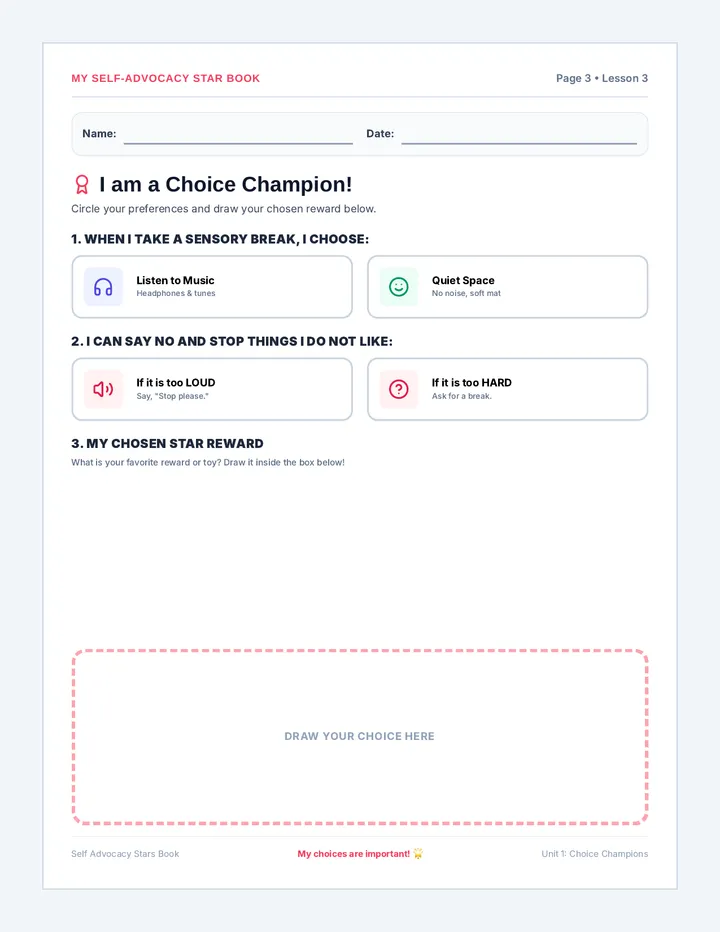
Students practice making independent choices, expressing preferences, and setting boundaries (saying "yes" or "no") using structured choice boards, tactile sorting mats, and interactive role-play.
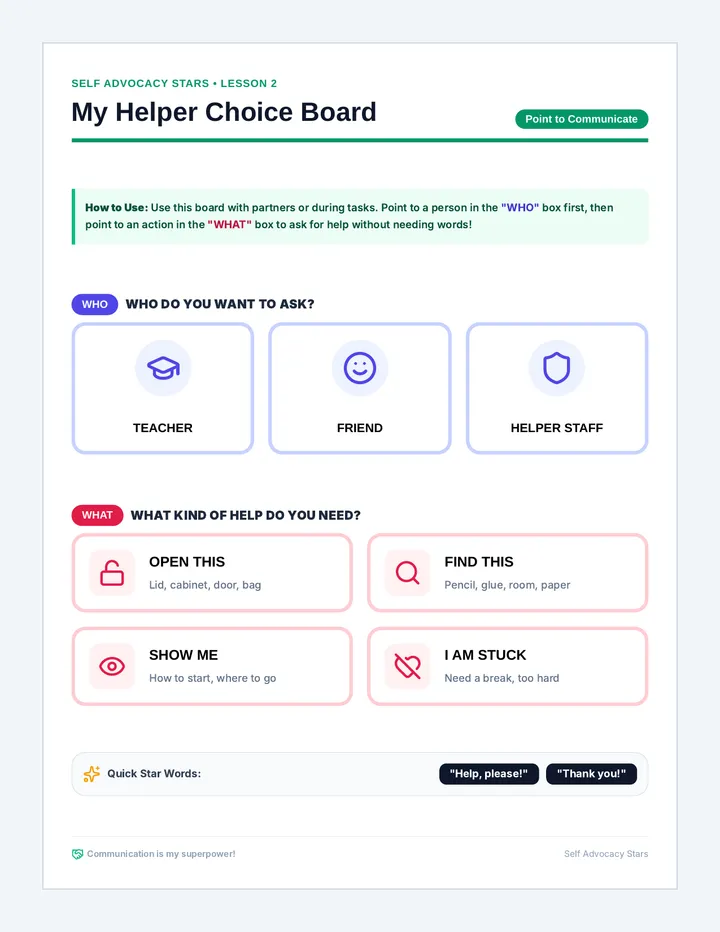
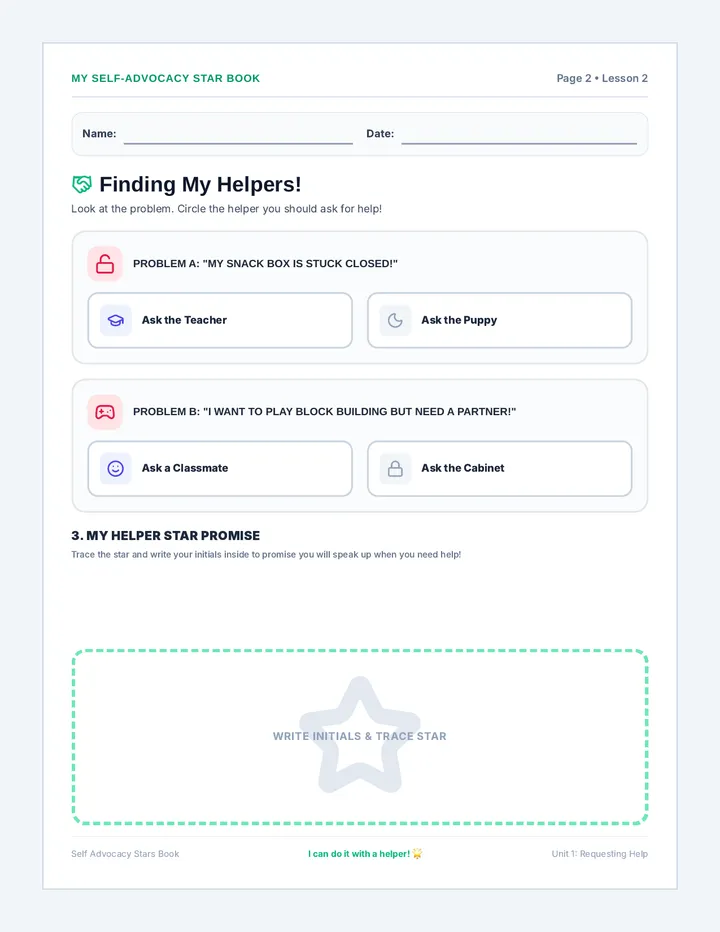
Students practice identifying when they need help, who to ask (teachers, peers, or helpers), and how to communicate that need using visual phrase cards and guided collaborative practice.
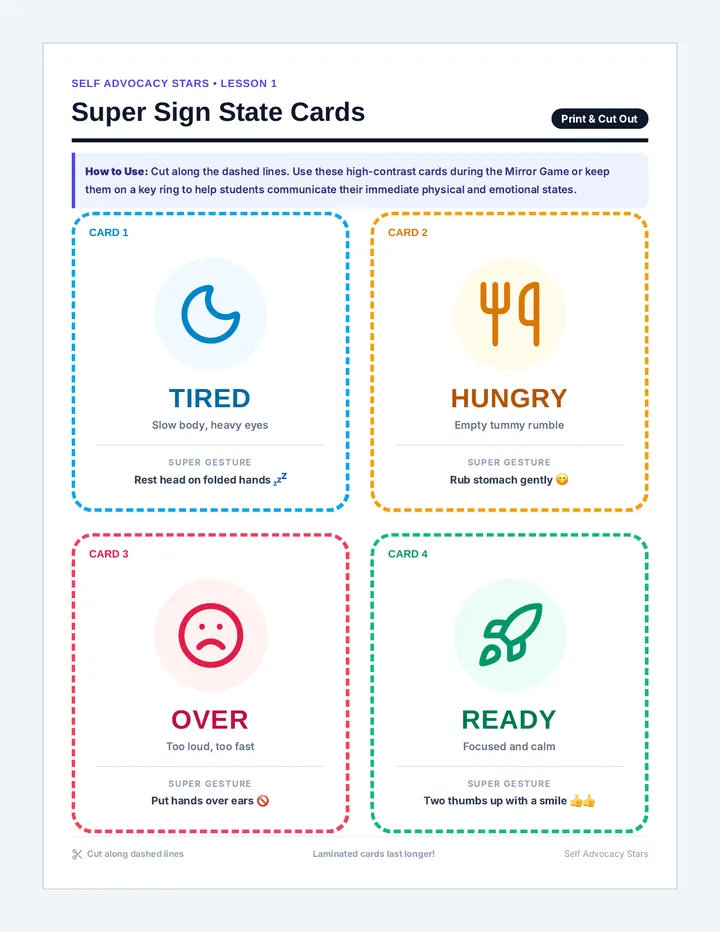
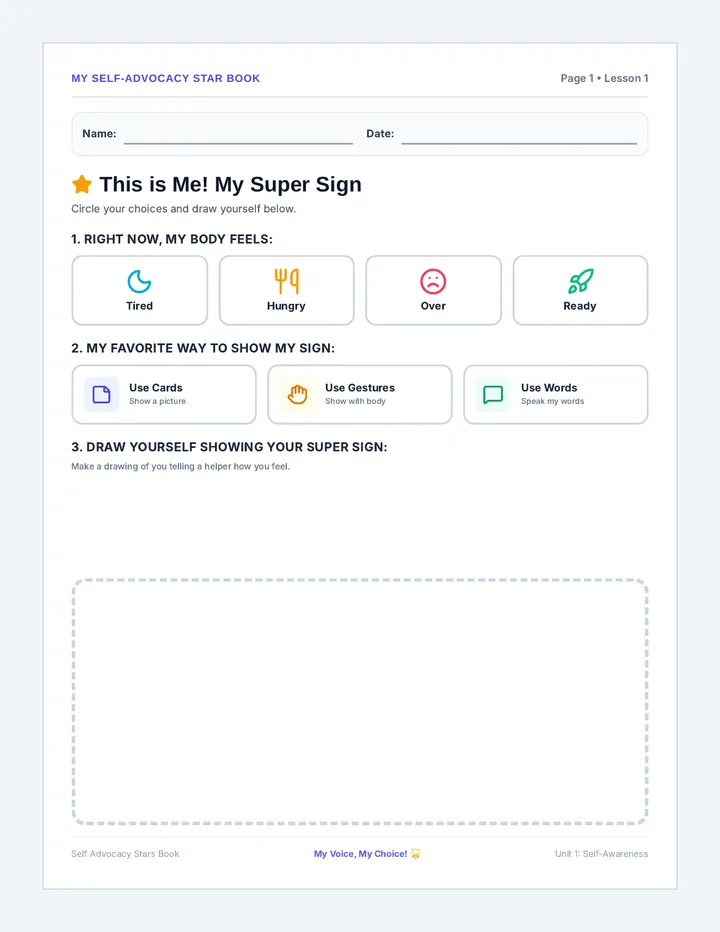
Students learn to recognize and communicate physical and emotional states (like tired, hungry, overwhelmed, or ready to learn) using simple gestures, vocalizations, or visual symbol cards.
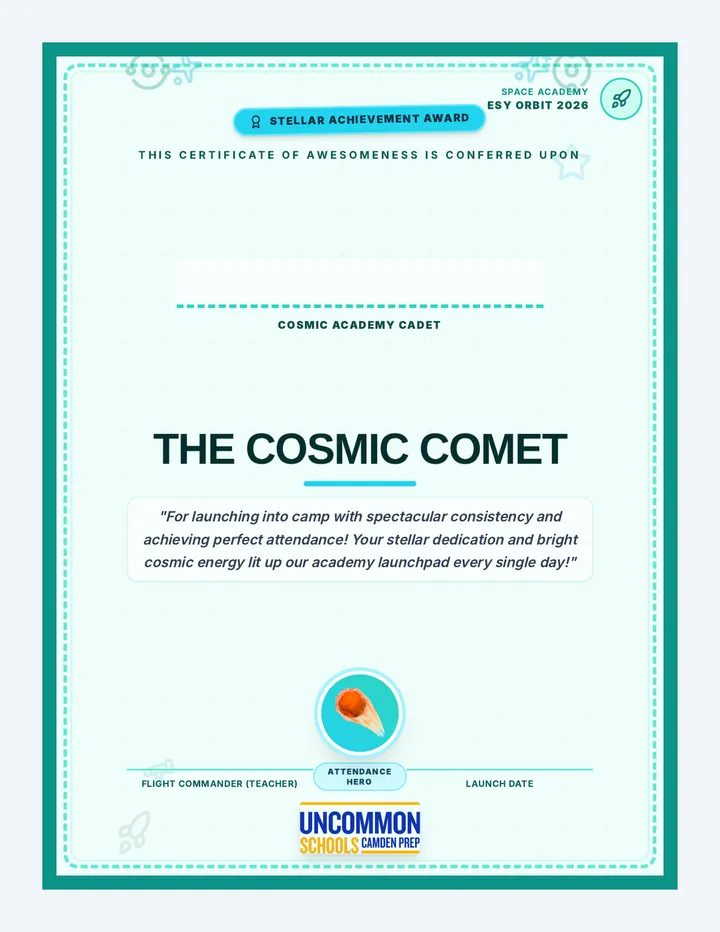
An end-of-summer-school reward program celebrating students' growth, teamwork, academic, and social achievement under a vibrant cosmic space academy theme.
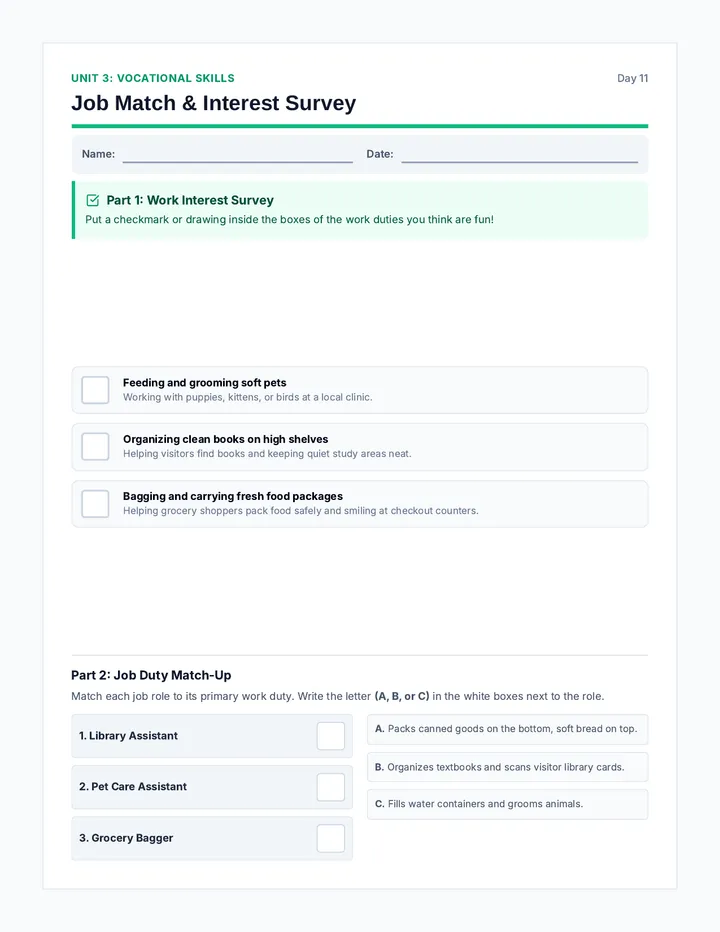
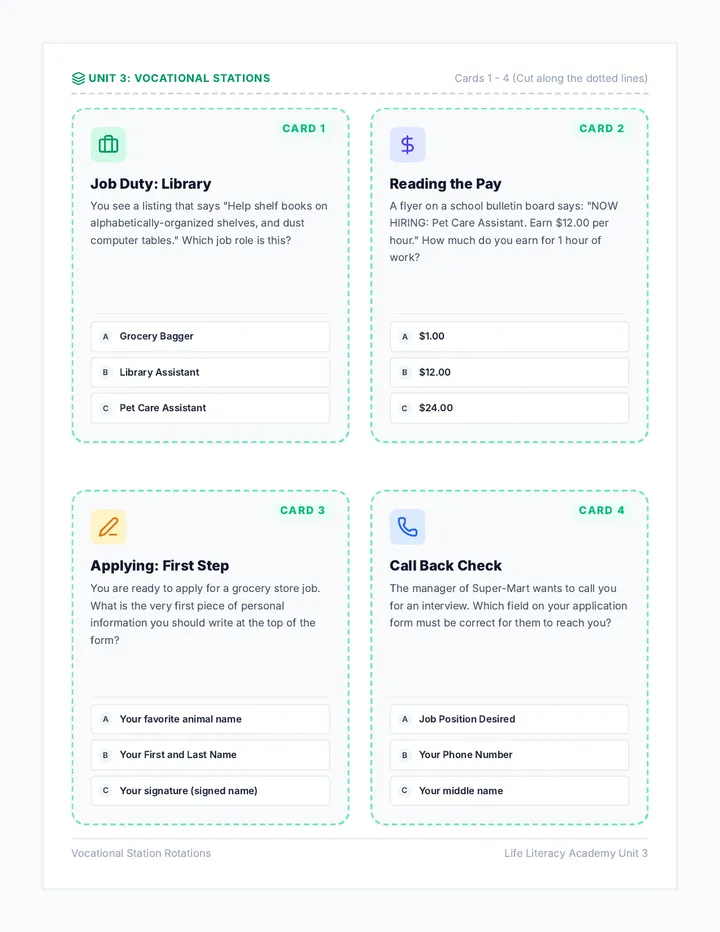
Days 11 to 15 focus on reading simple job postings, filling out functional job applications, understanding work sequencing, and determining theme/purpose.
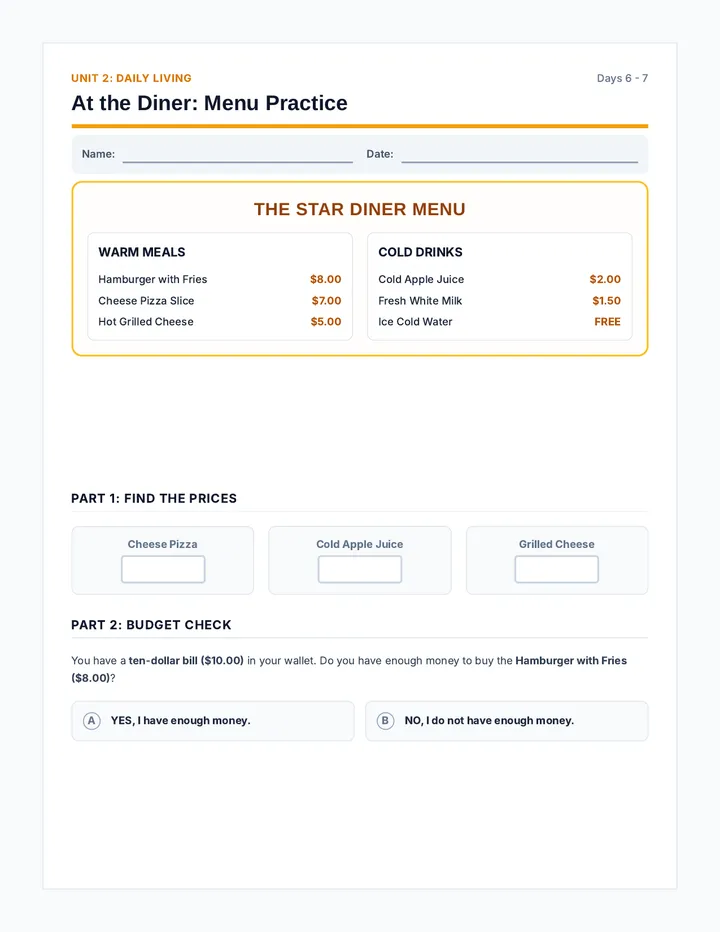
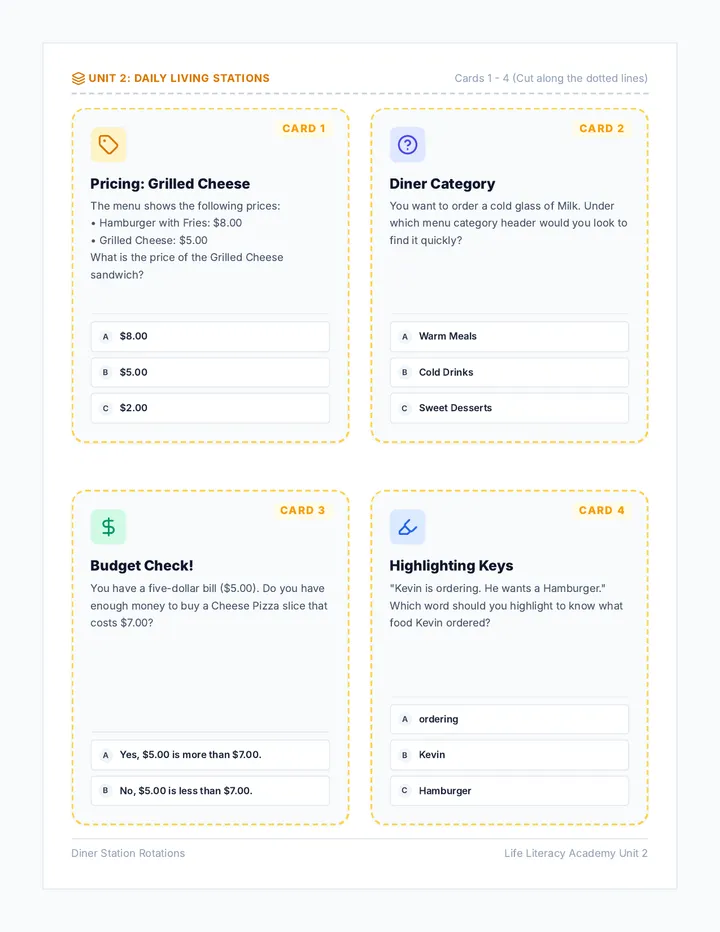
Days 6 to 10 focus on reading menus, highlighting key details, and making inferences about restaurant and everyday scenarios using functional text.
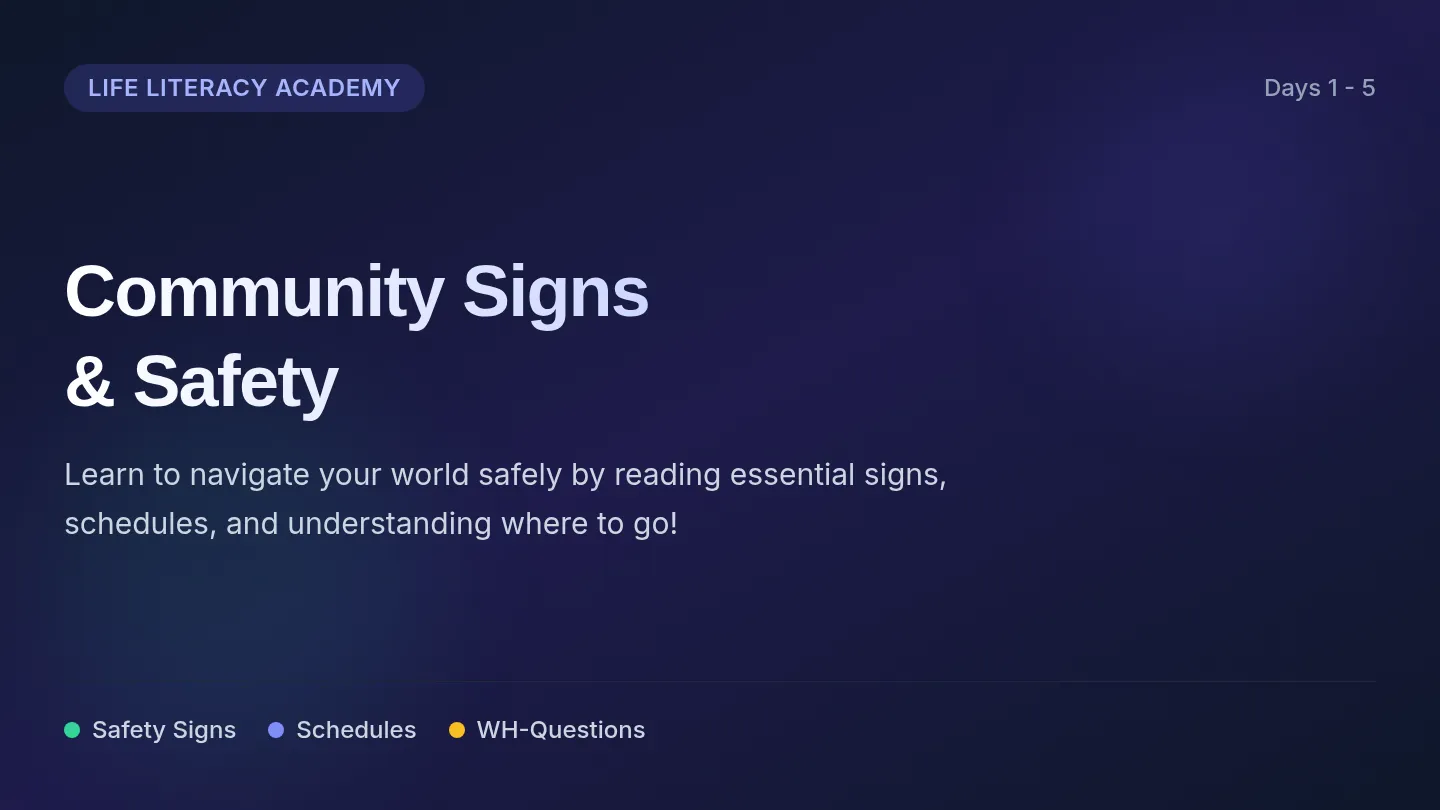
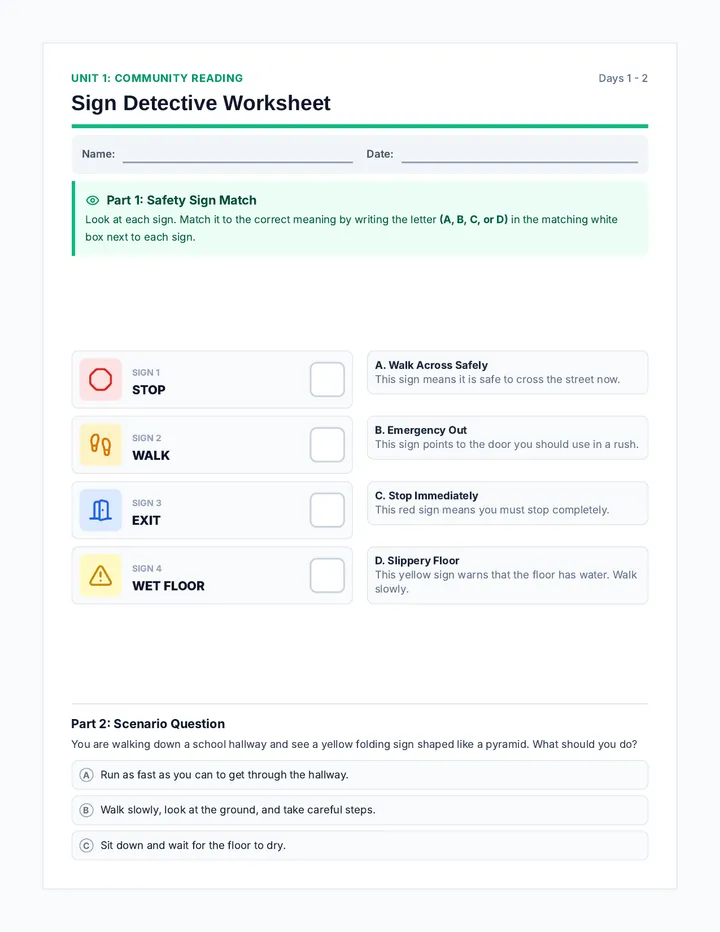
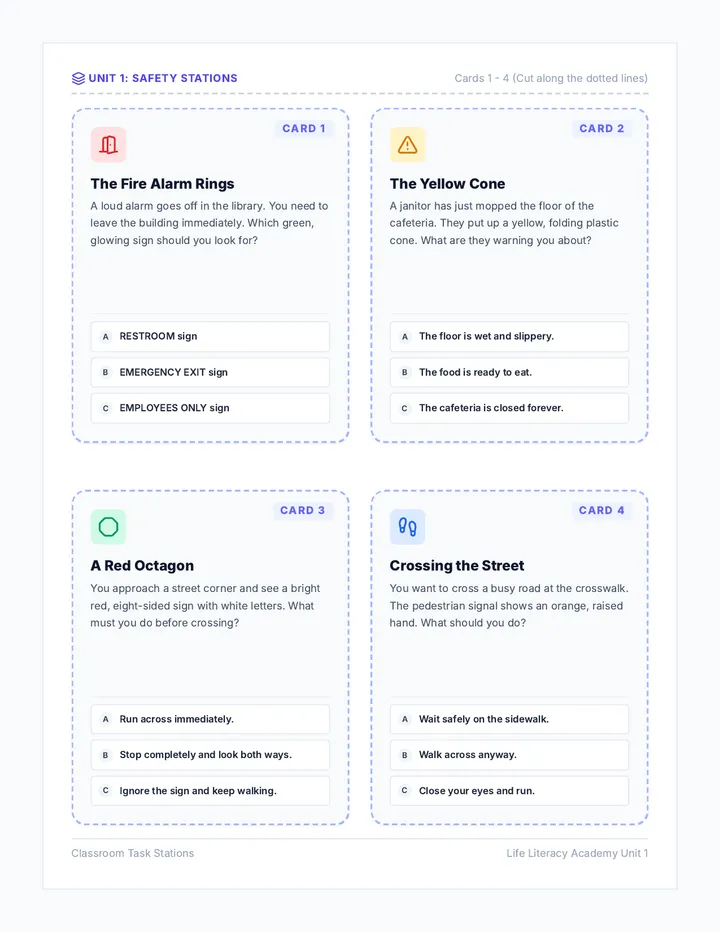
Days 1 to 5 focus on identifying crucial safety signs, understanding school and transit schedules, and answering WH questions about community and adapted literary texts.
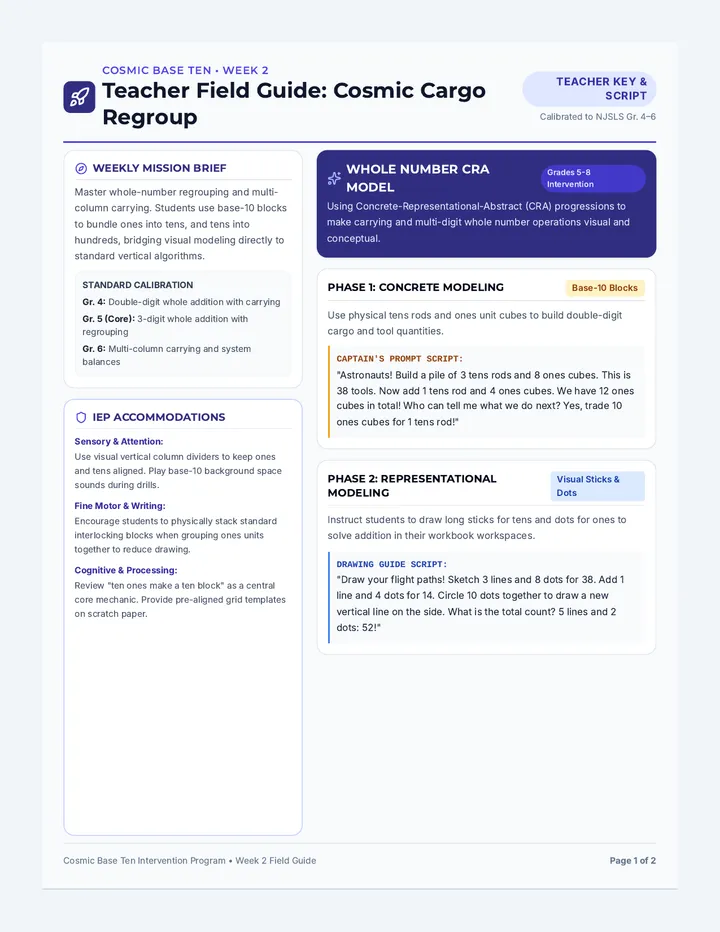
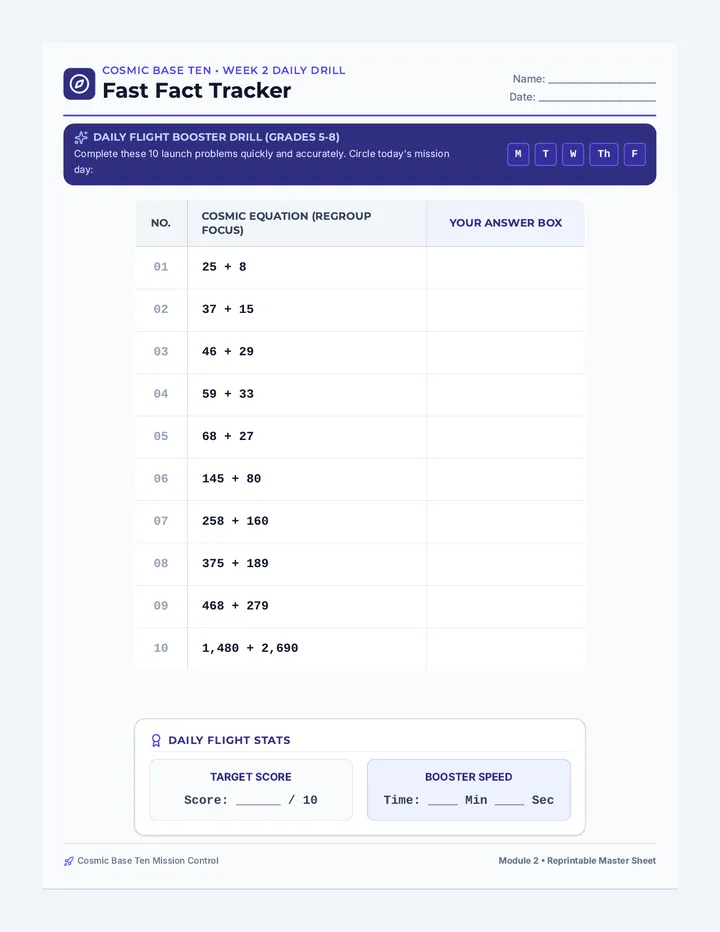
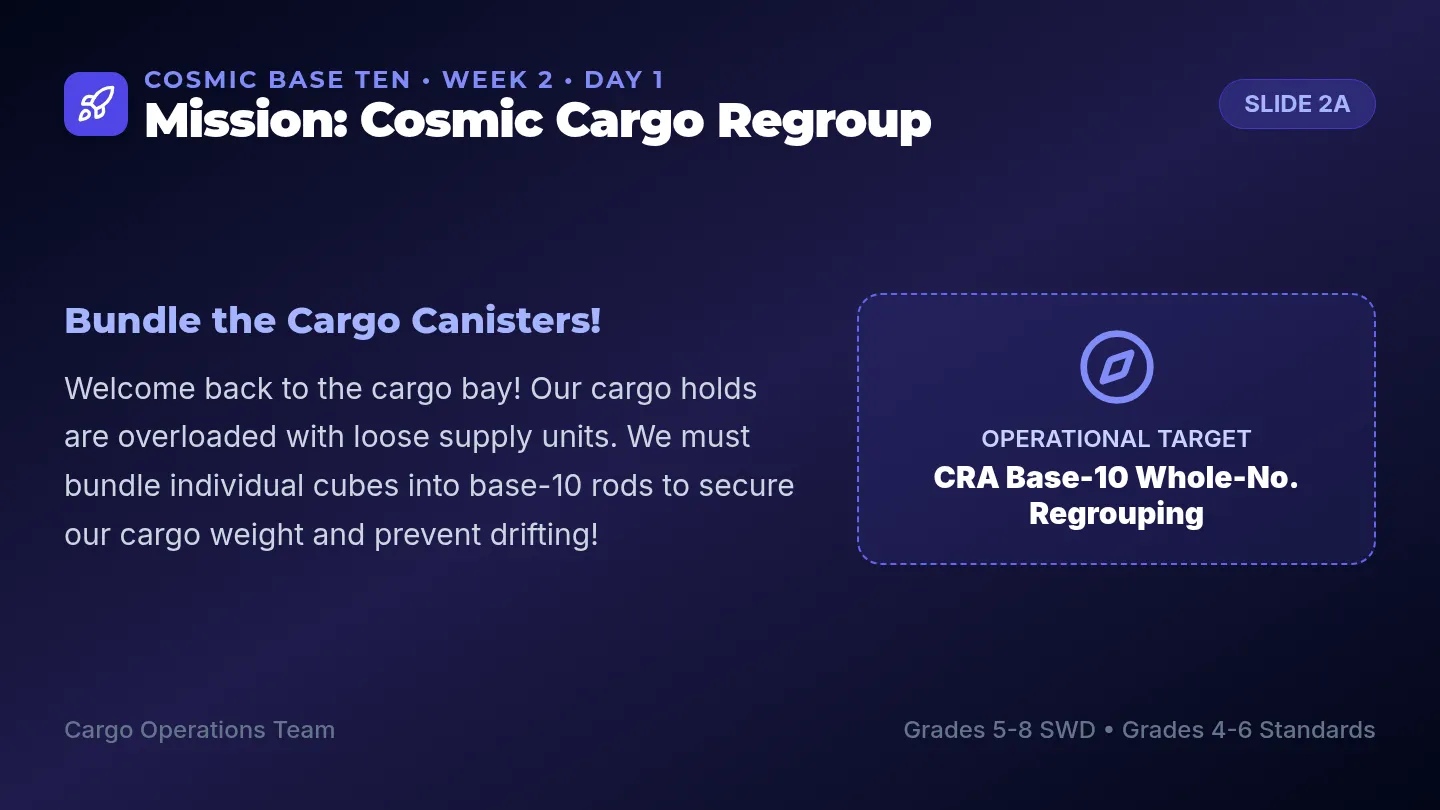
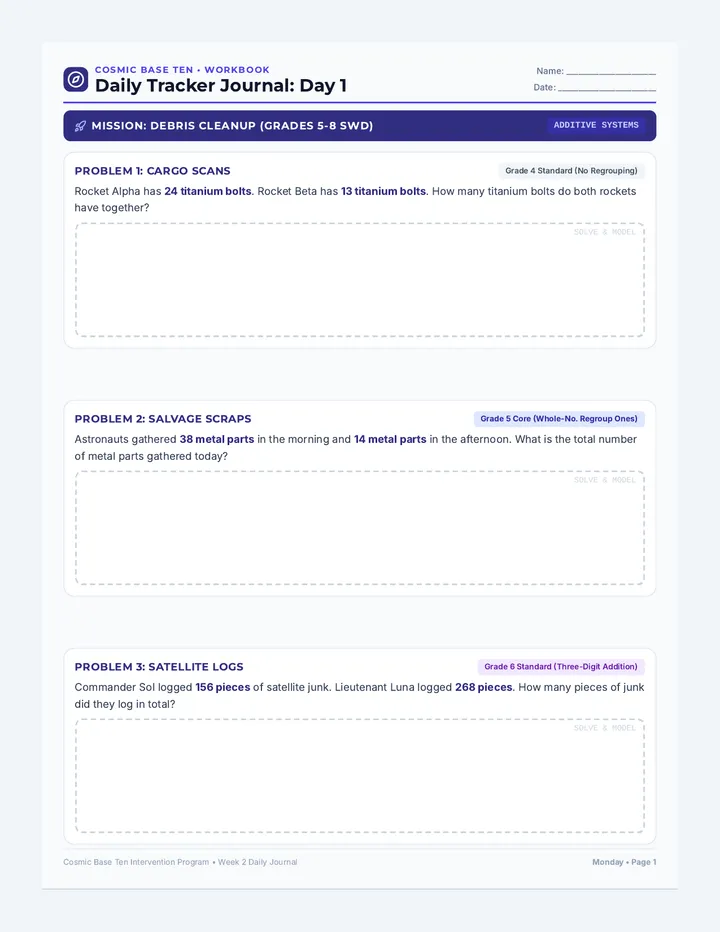
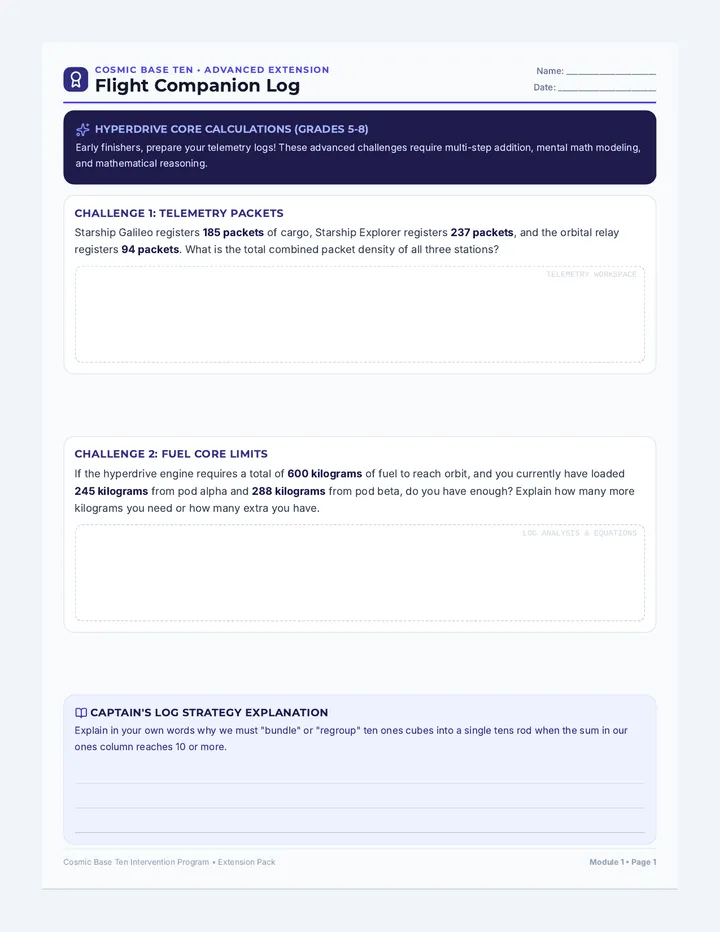
Week 2 focuses on mastering whole-number regrouping and multi-column carrying in the context of starship cargo inventories. Students use base-10 blocks to bundle ones into tens and tens into hundreds, bridging visual modeling directly to standard vertical algorithms.
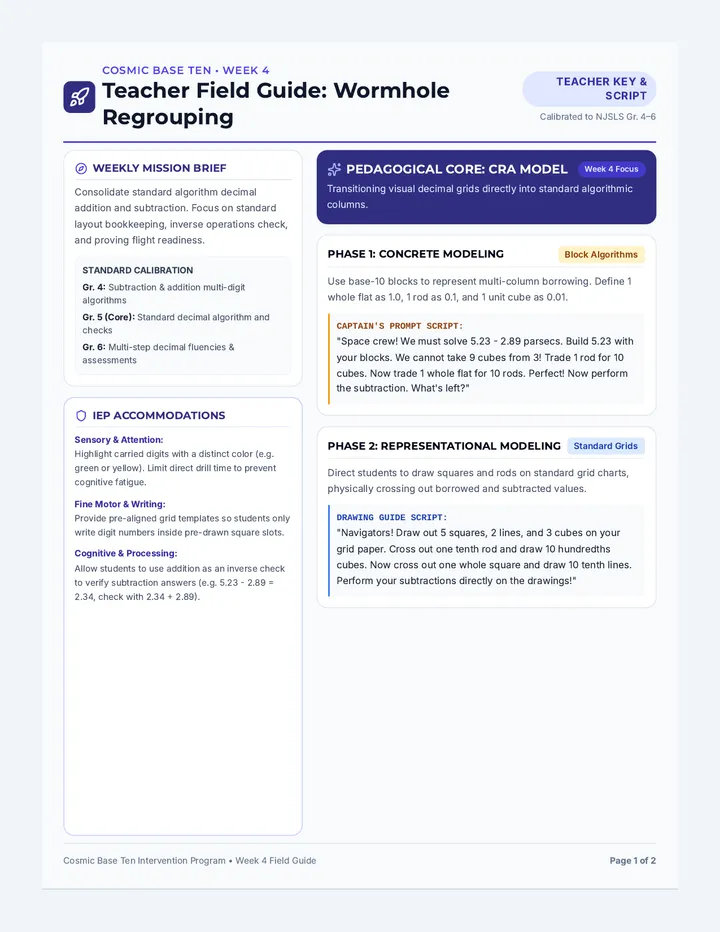
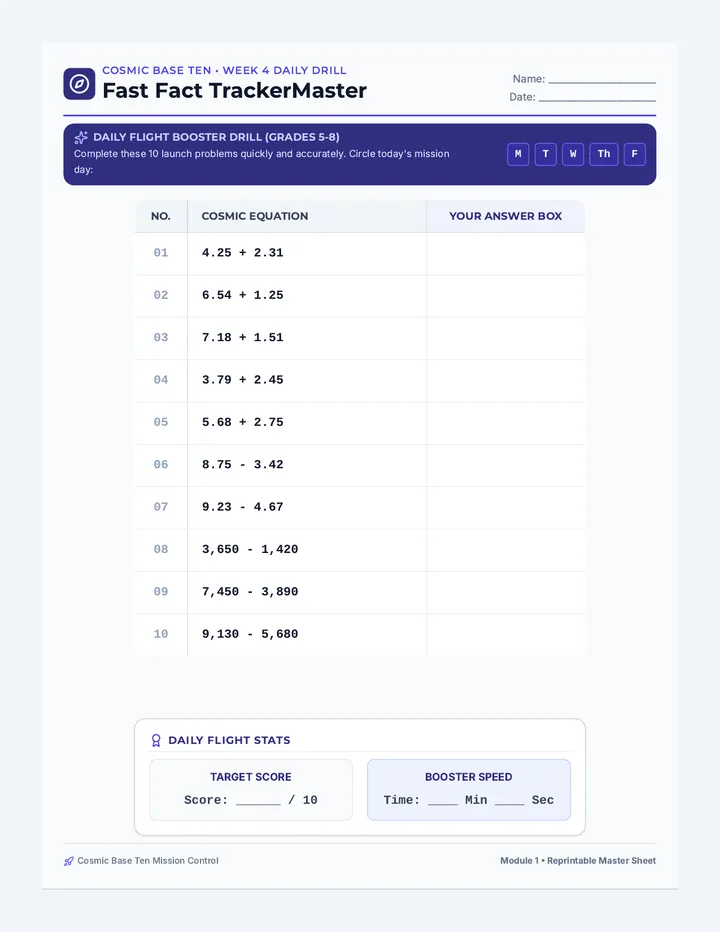
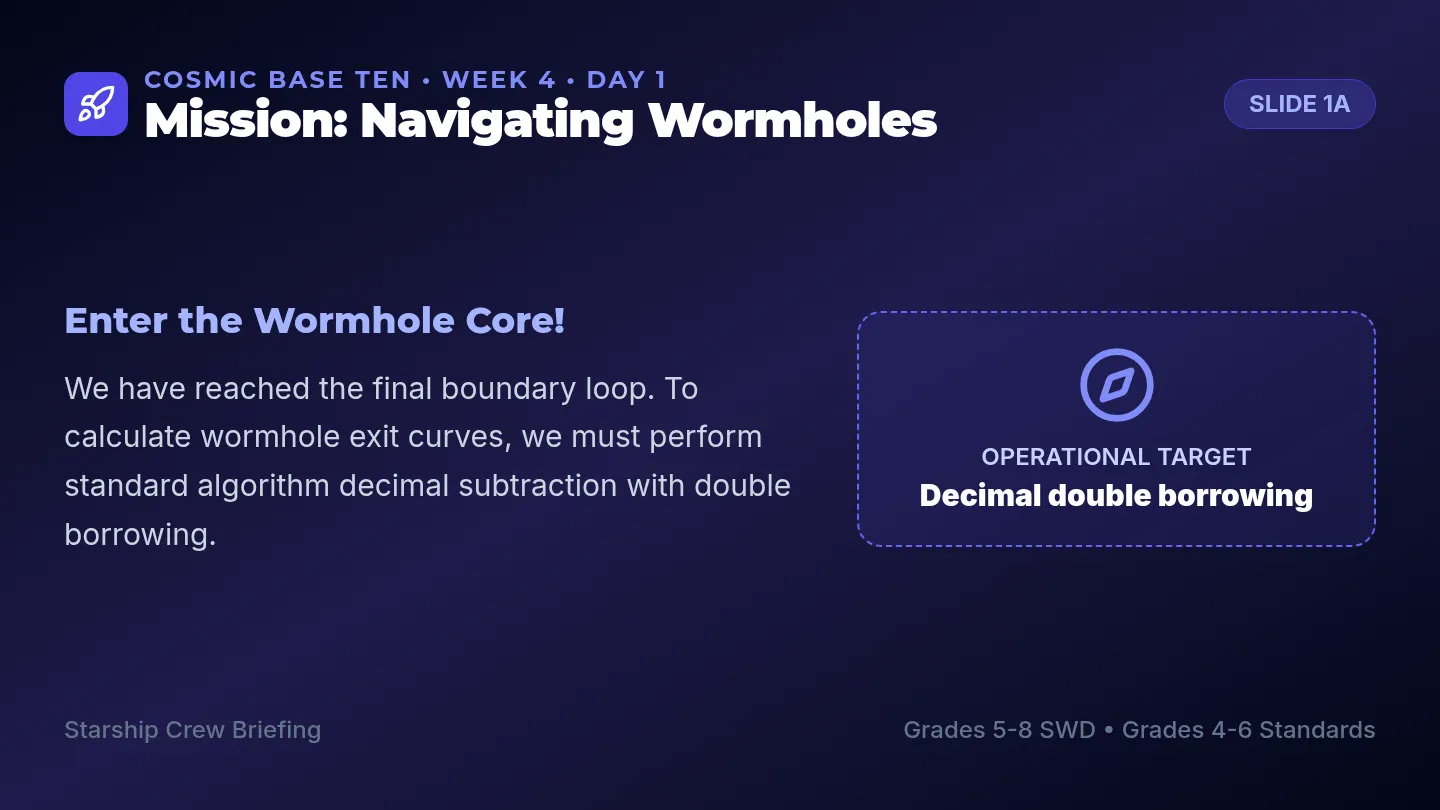
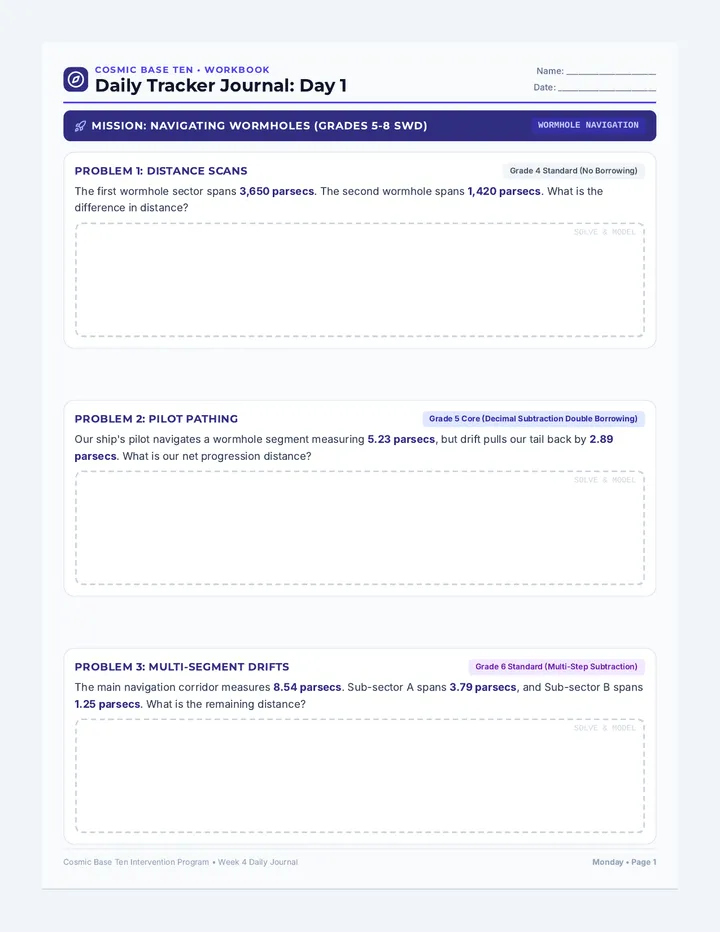
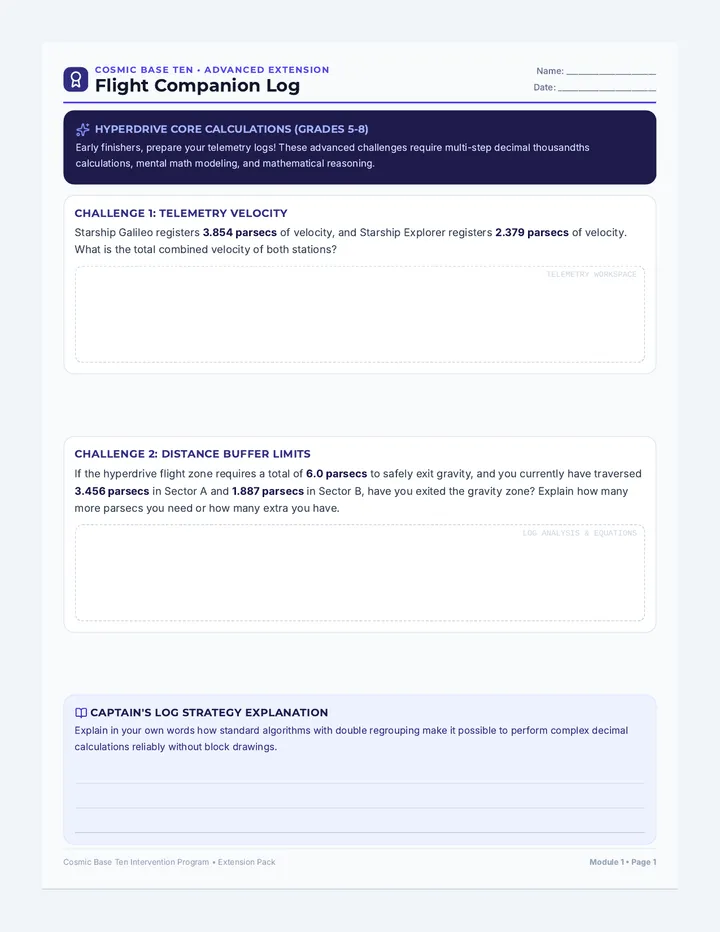
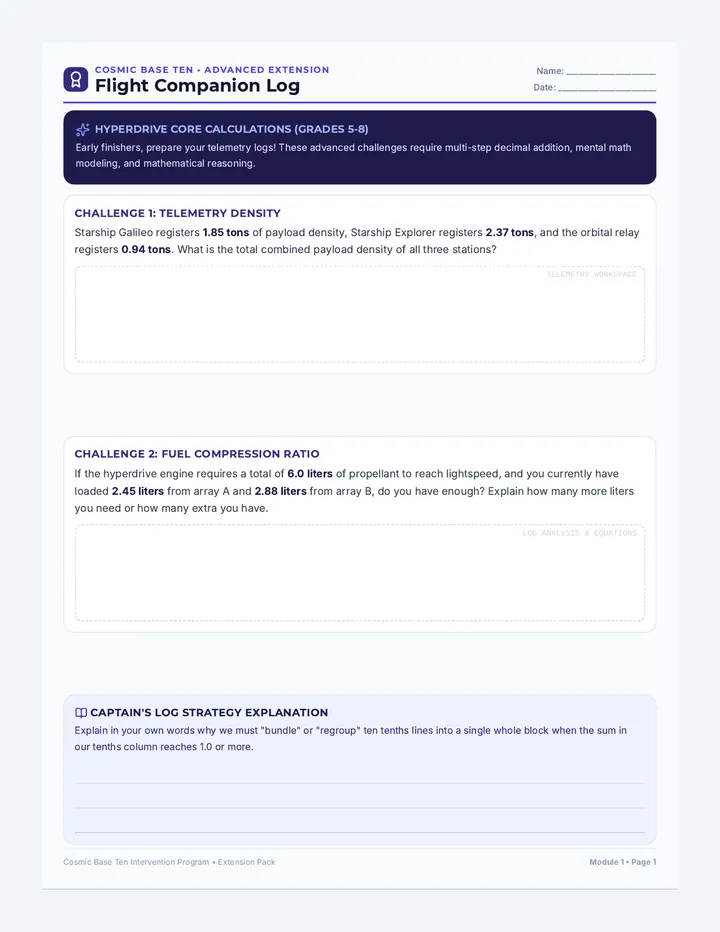
Week 4 focuses on standard algorithm decimal addition and subtraction, multi-step problem consolidation, and direct assessment of skills to confirm crew flight readiness.
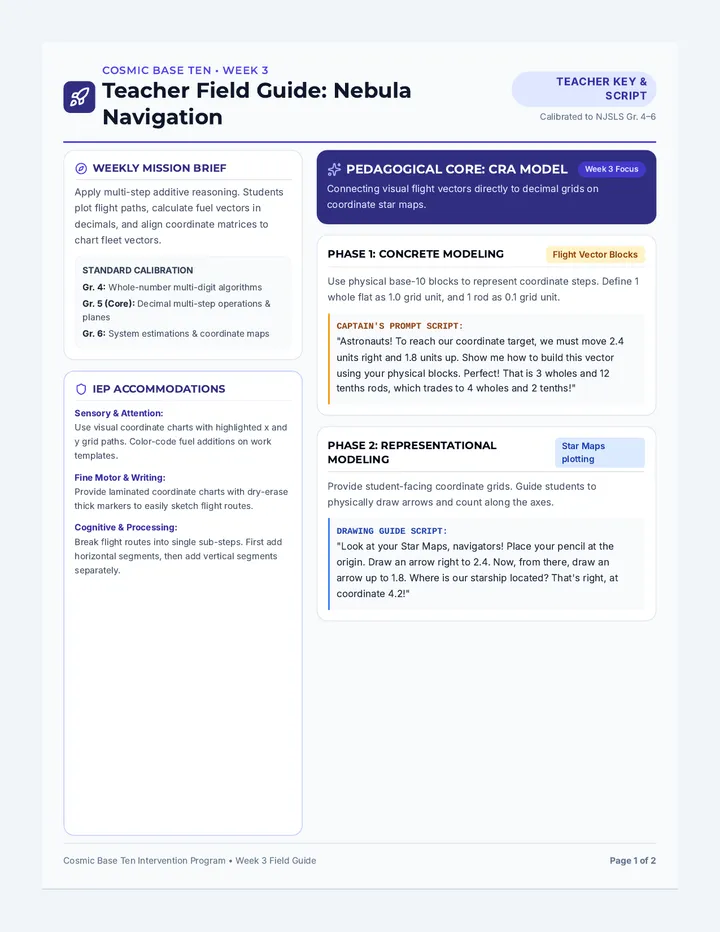
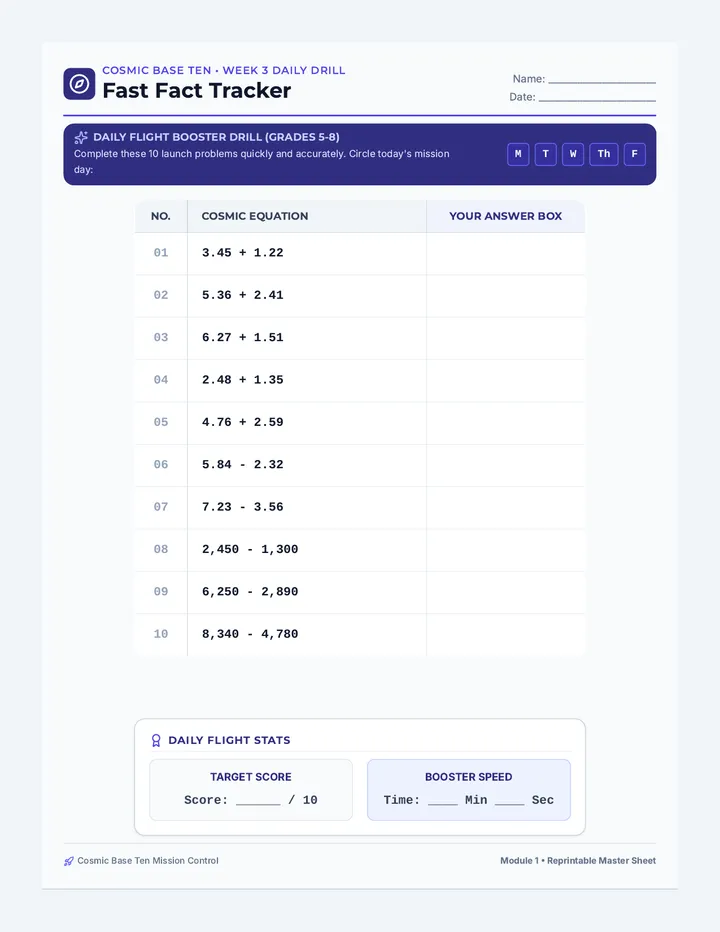
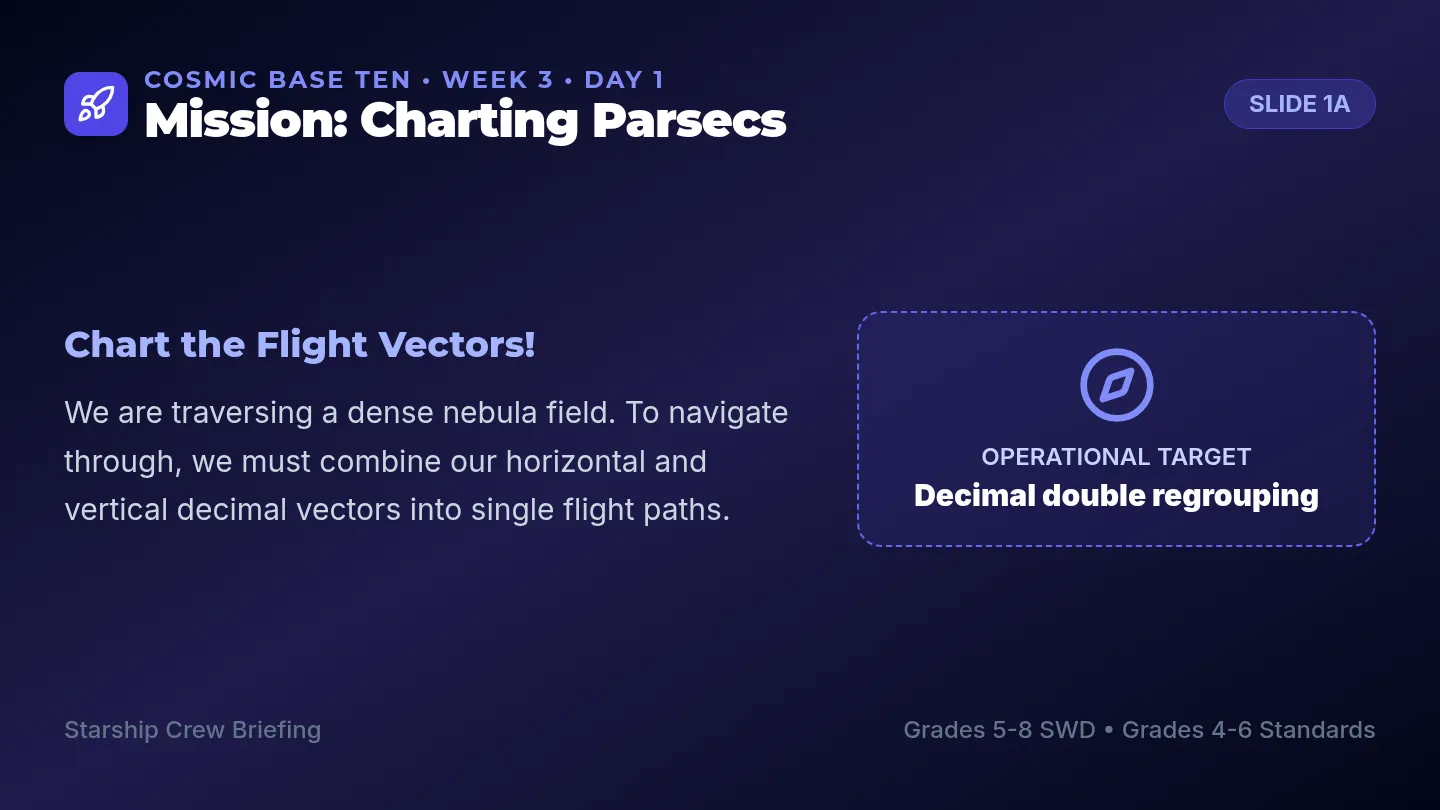
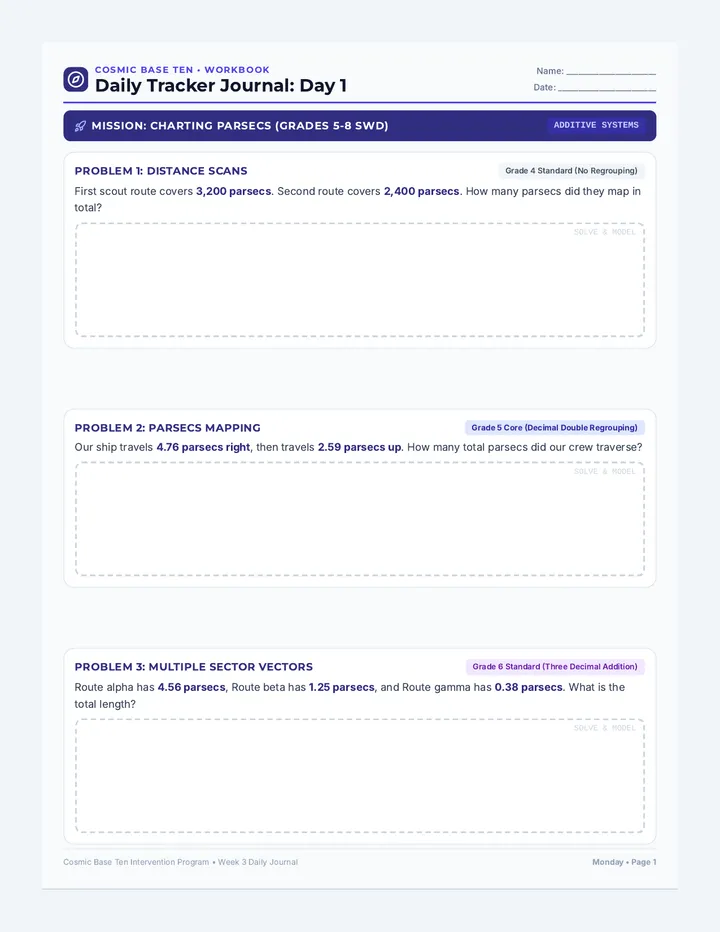
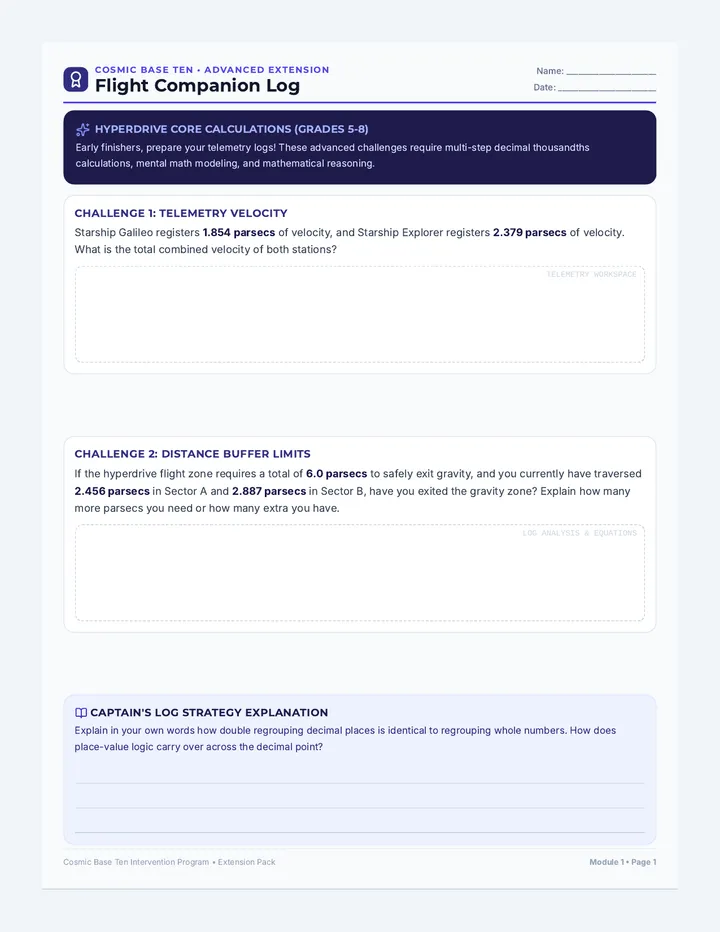
Week 3 focuses on multi-step additive reasoning, decimal subtraction, and aligning coordinates using star charts and compass tools to plan flight vectors for the fleet.
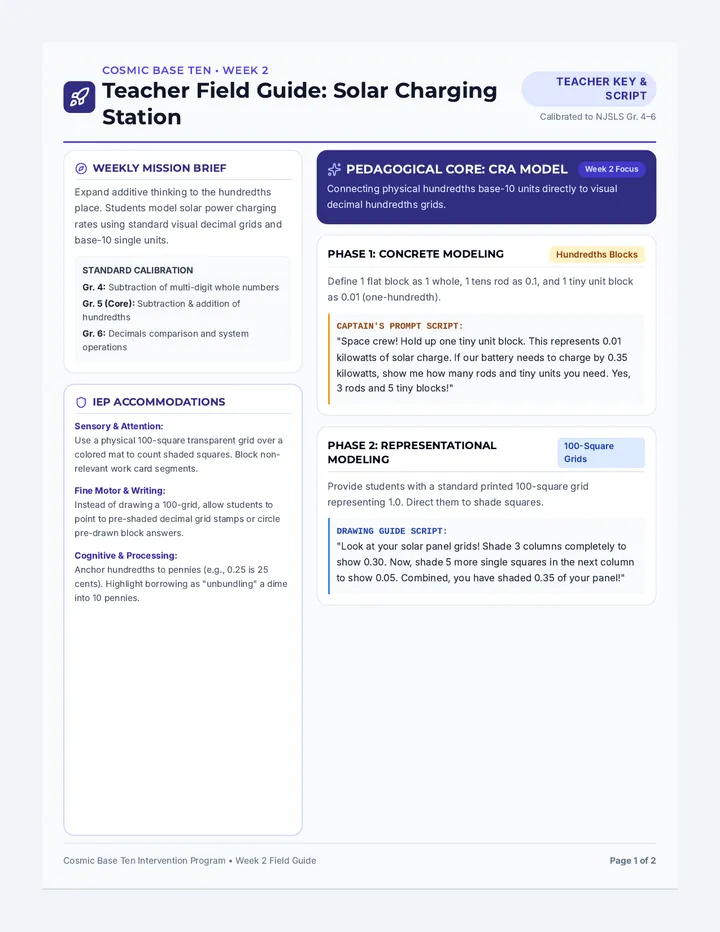
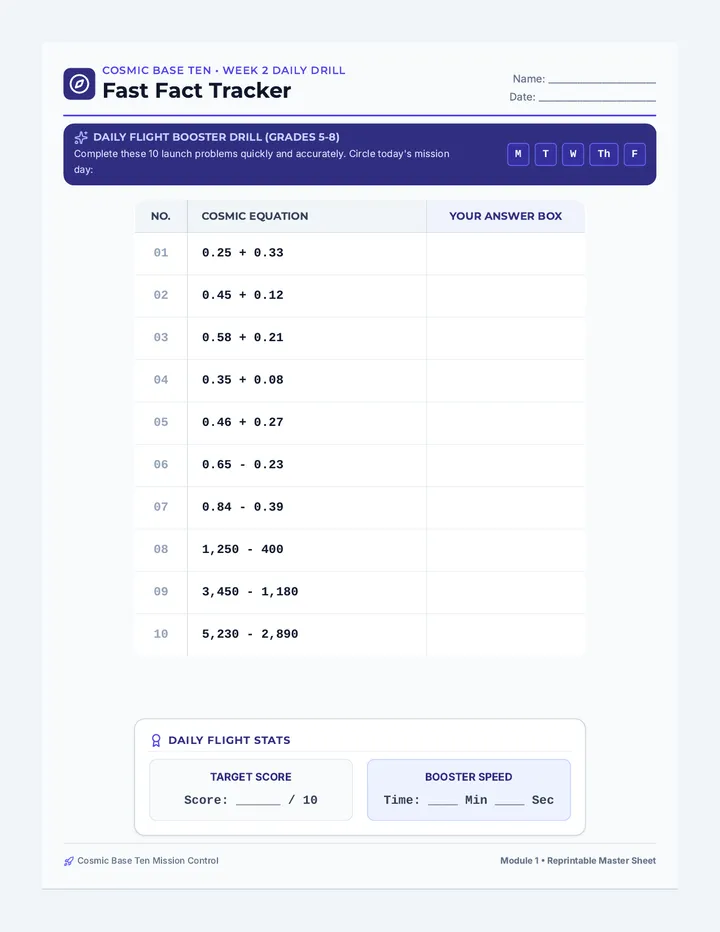
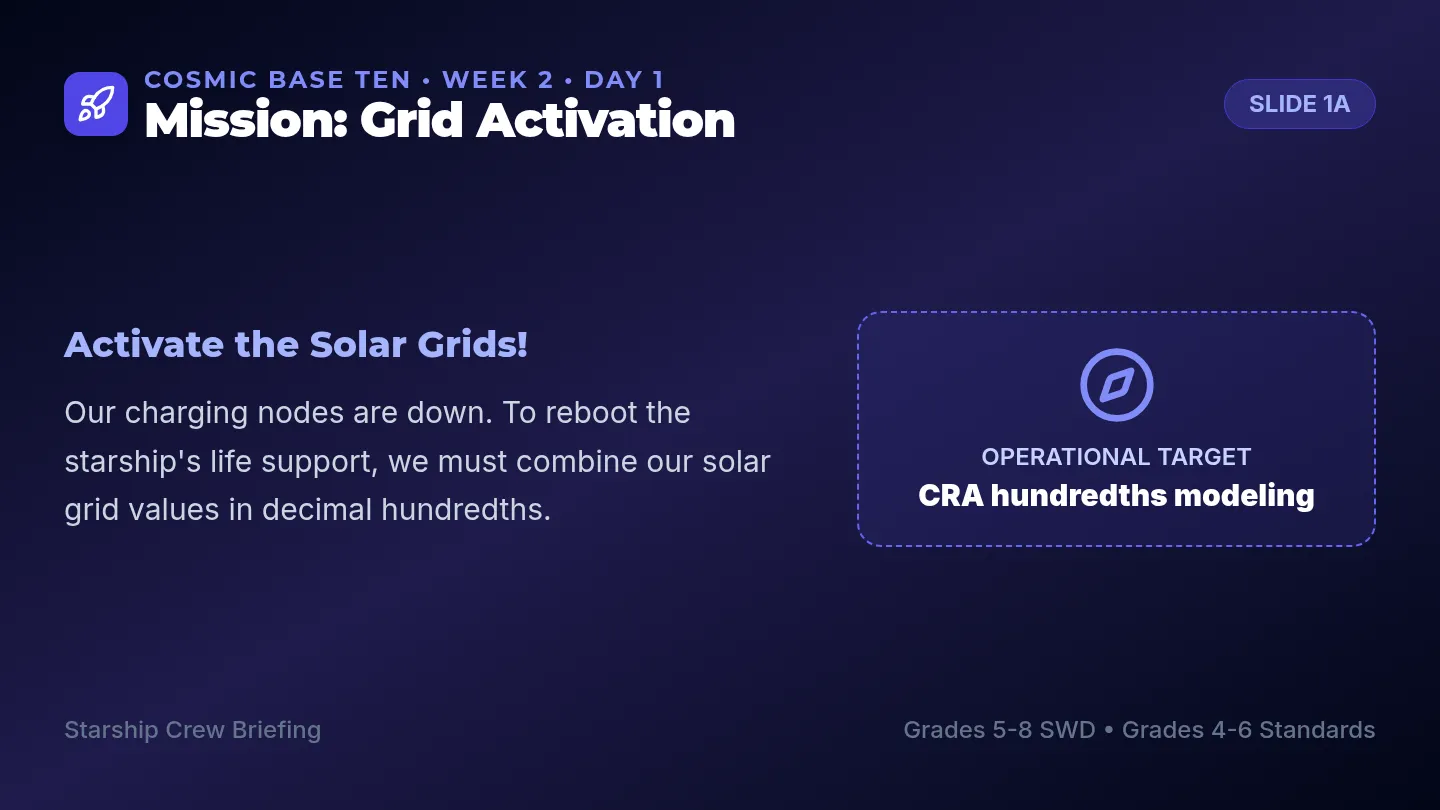
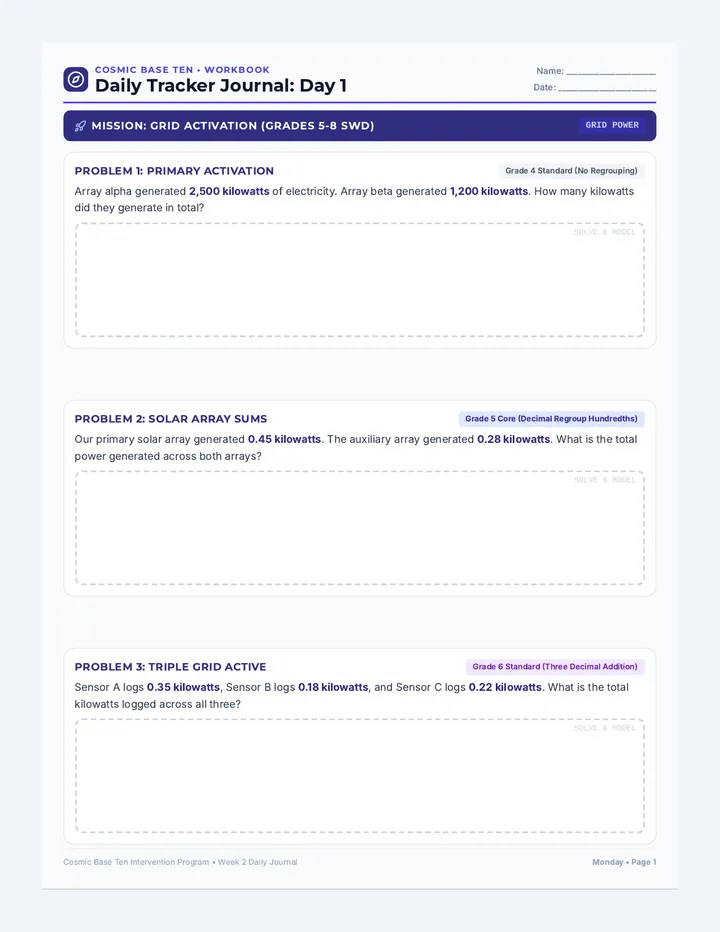
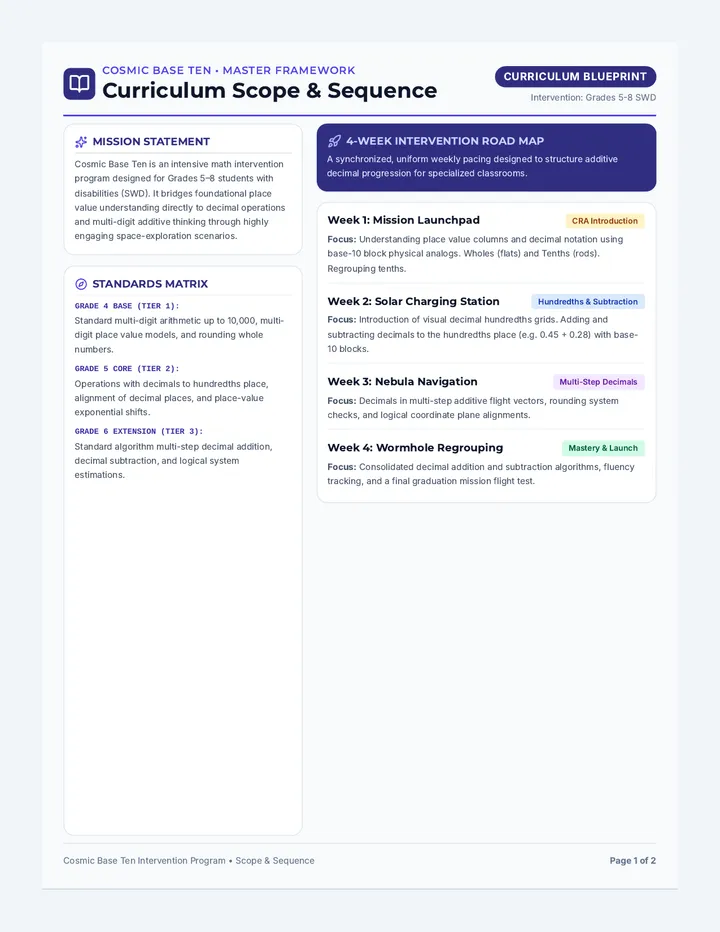
Week 2 focuses on decimal addition and subtraction with and without regrouping, using visual decimal grids and standard plastic base-10 blocks to represent tenths and hundredths in solar charging grid scenarios.
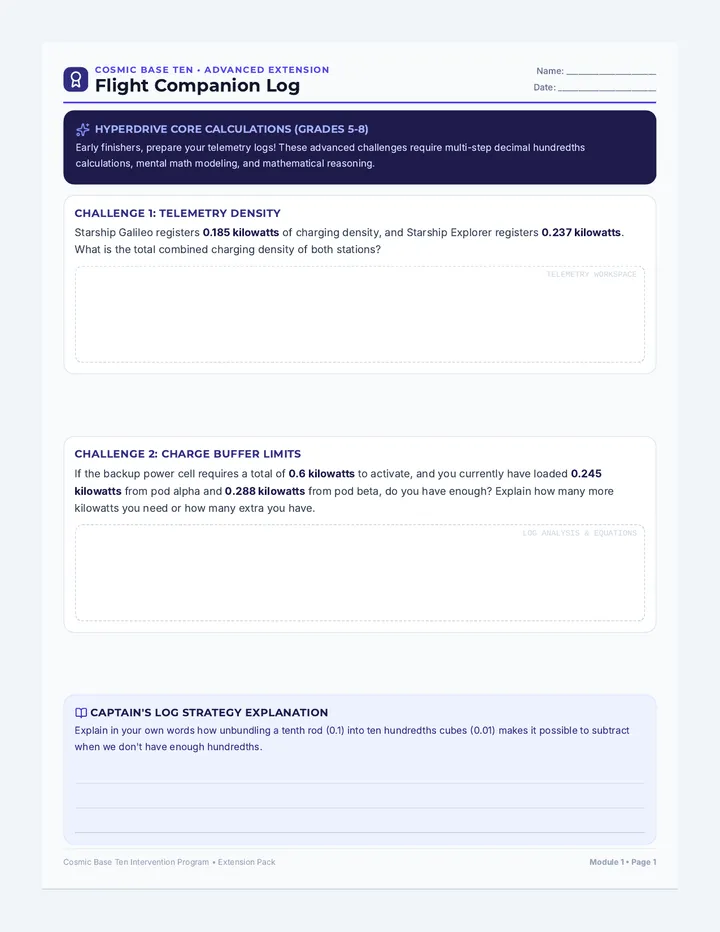
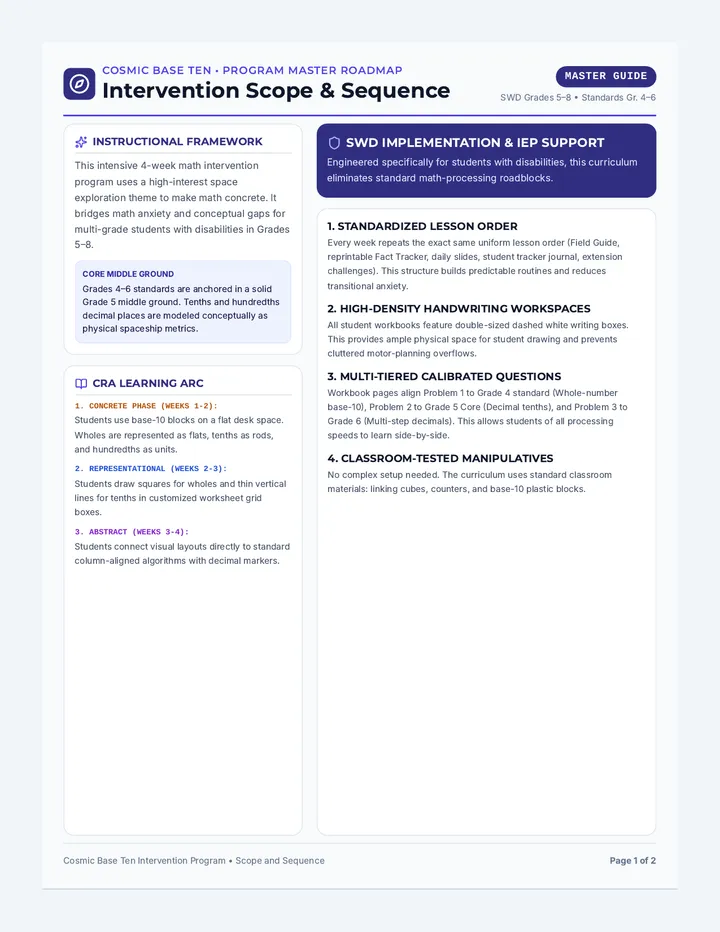
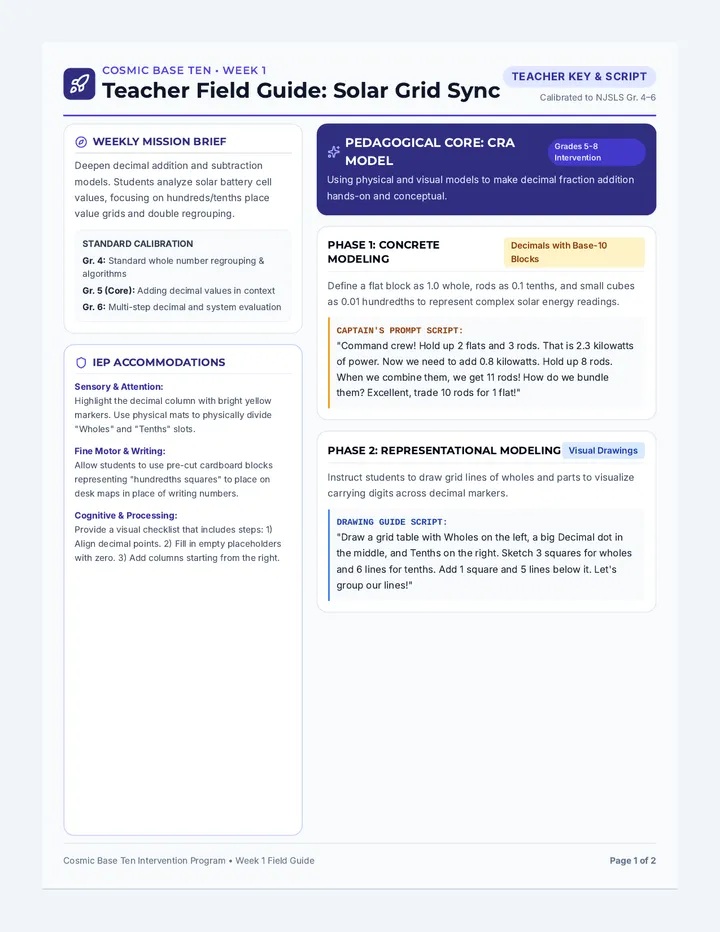
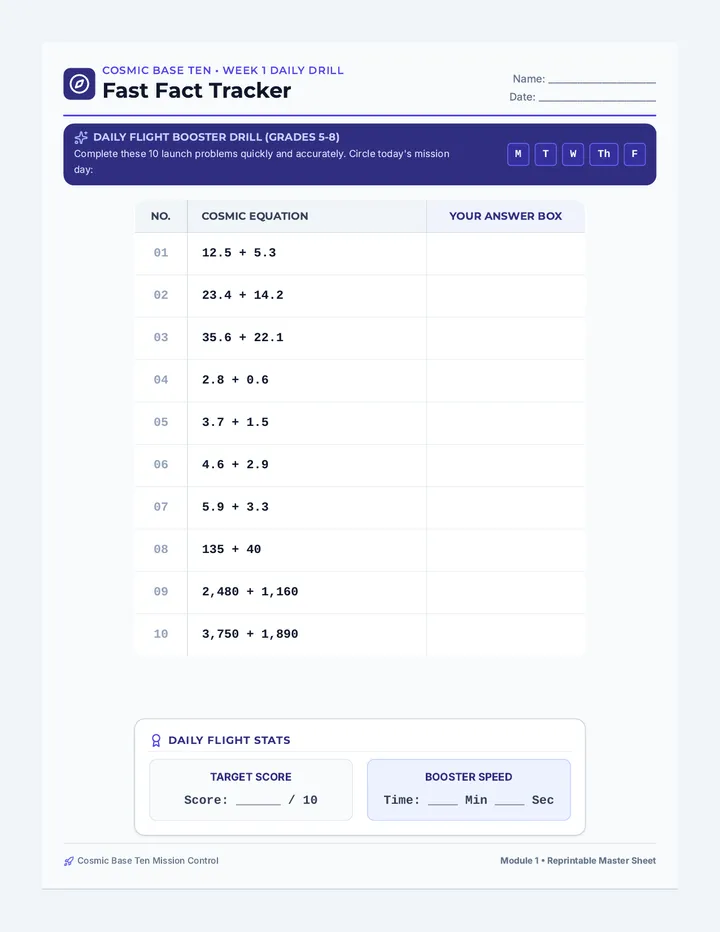
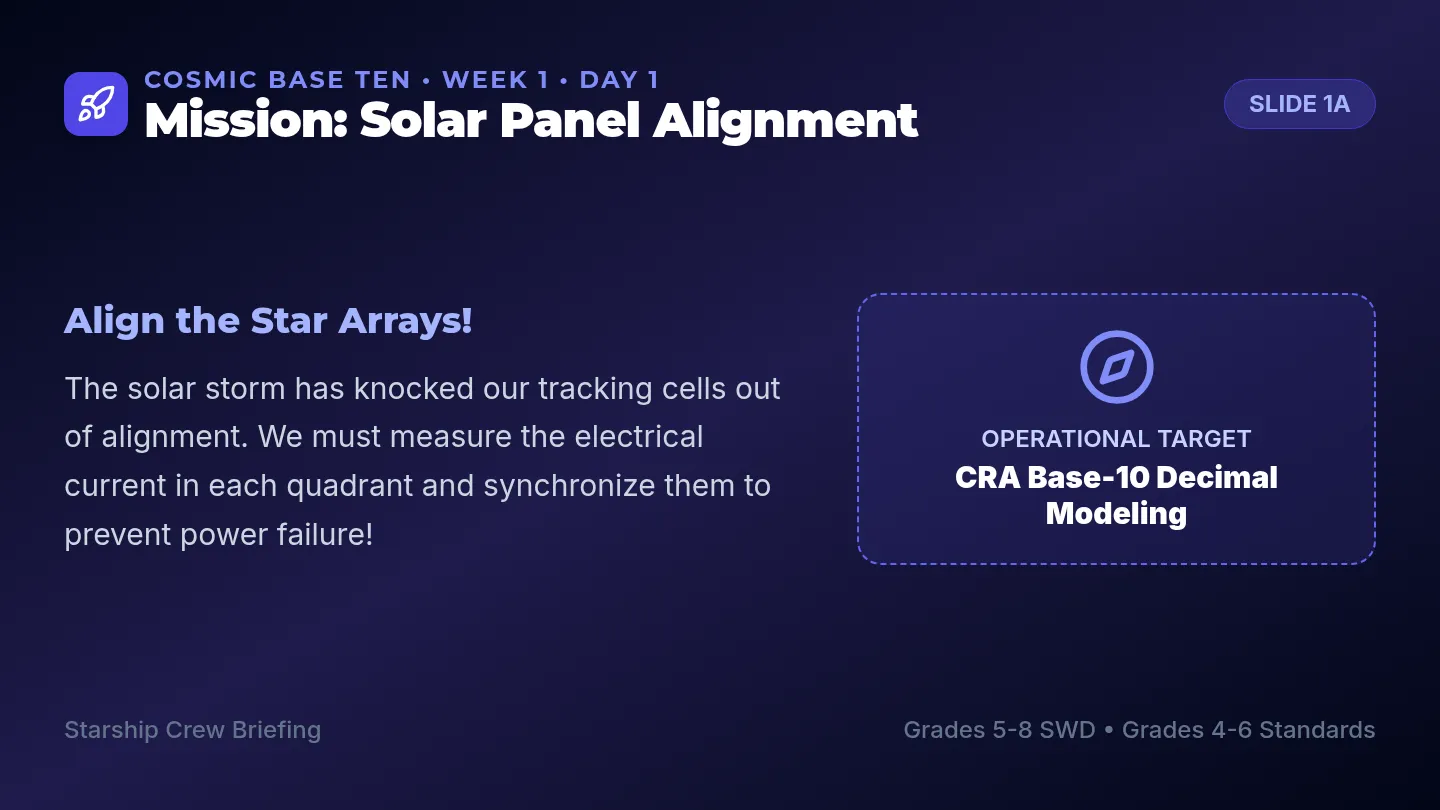
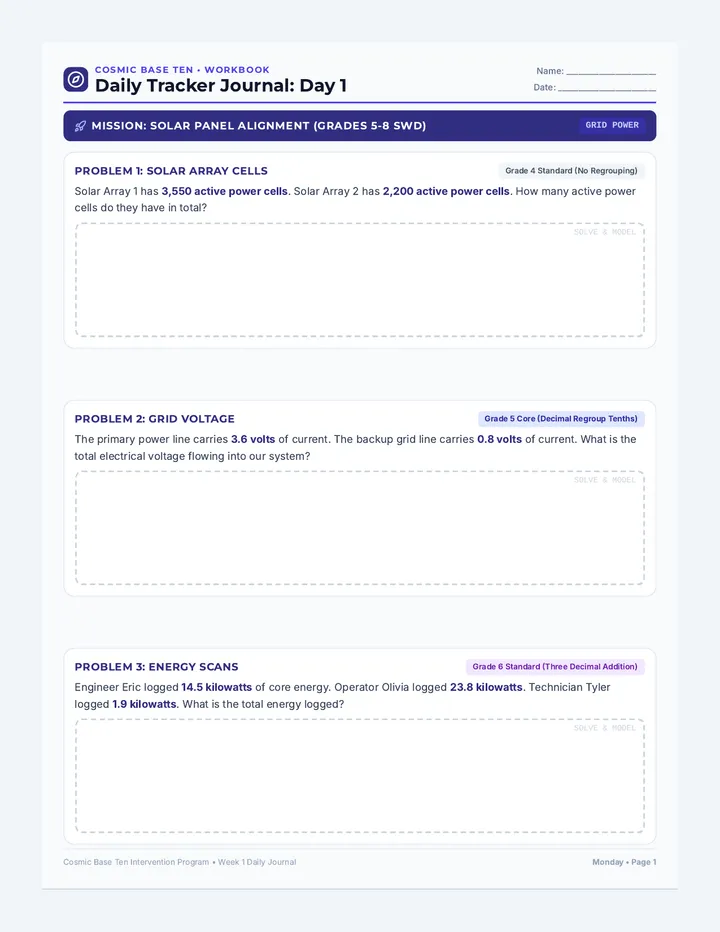
Week 1 focuses on deepening place value understanding and multi-step addition of decimals and whole numbers in space grid systems. Students practice regrouping tenths and wholes, balancing battery loads, and tracking fuel payload readings.
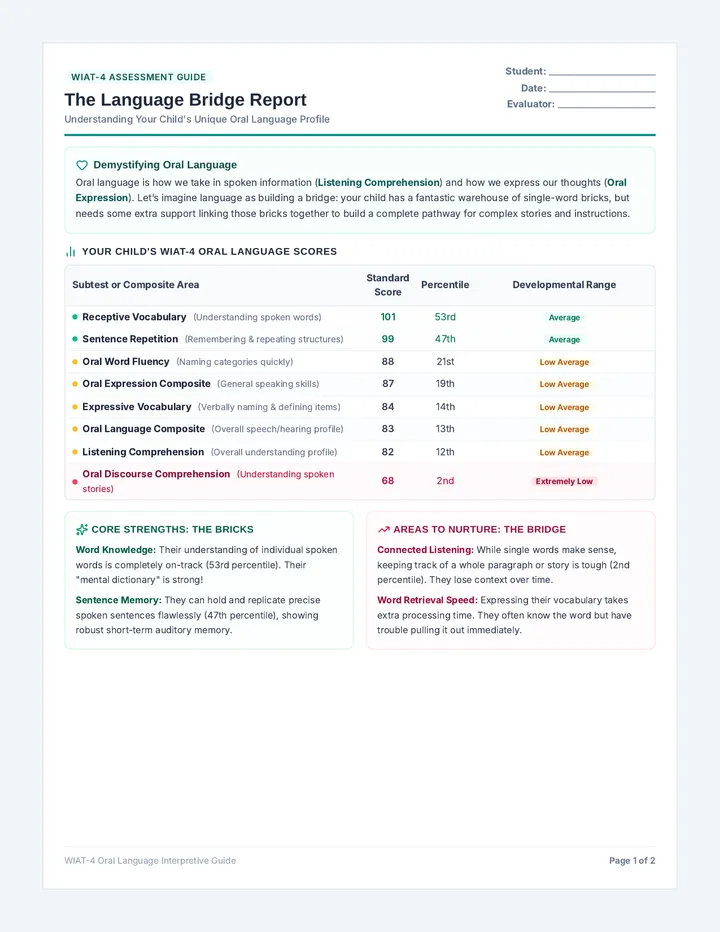
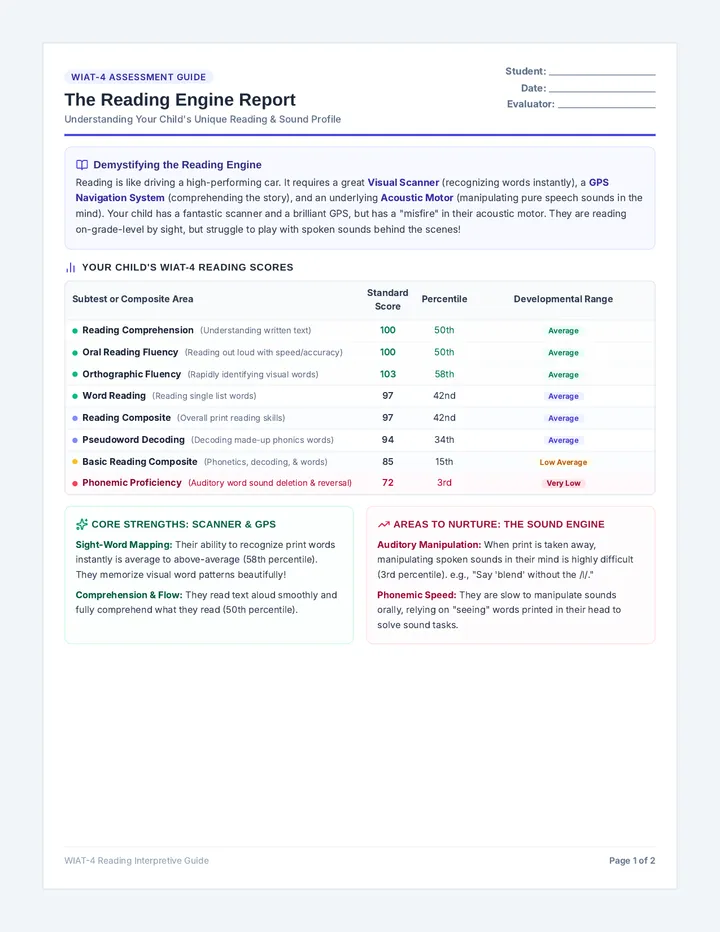
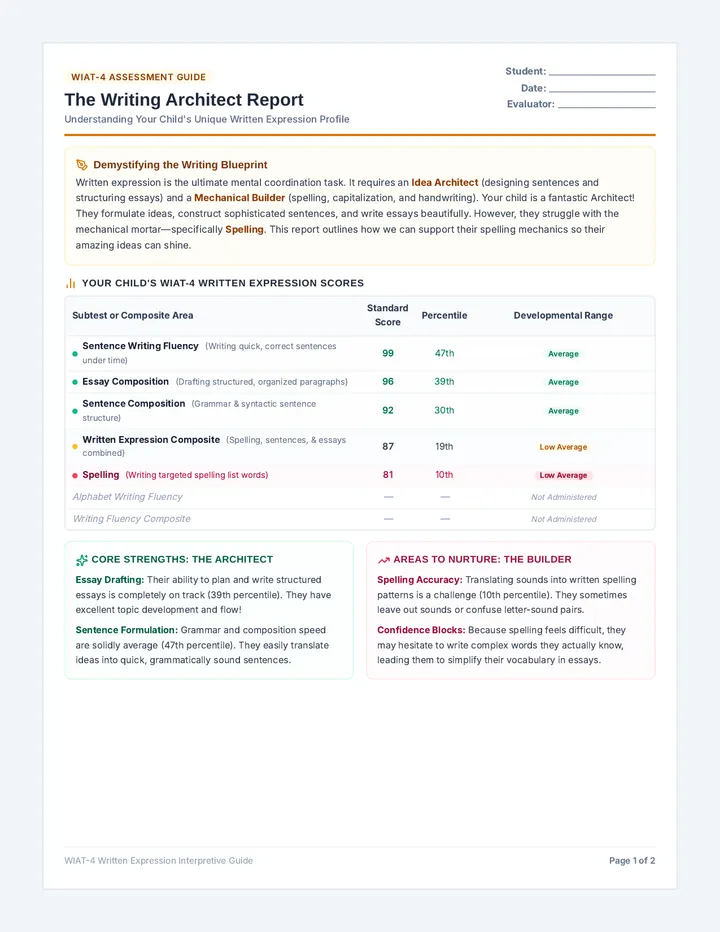
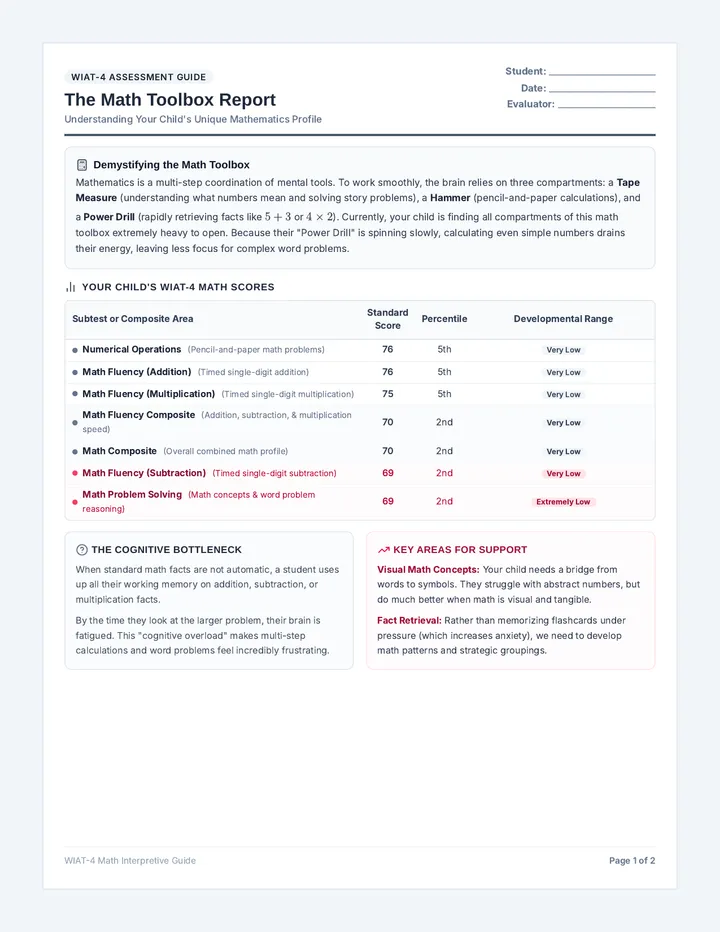
A set of parent-friendly guides translating psychoeducational test scores into positive, actionable home support roadmaps.
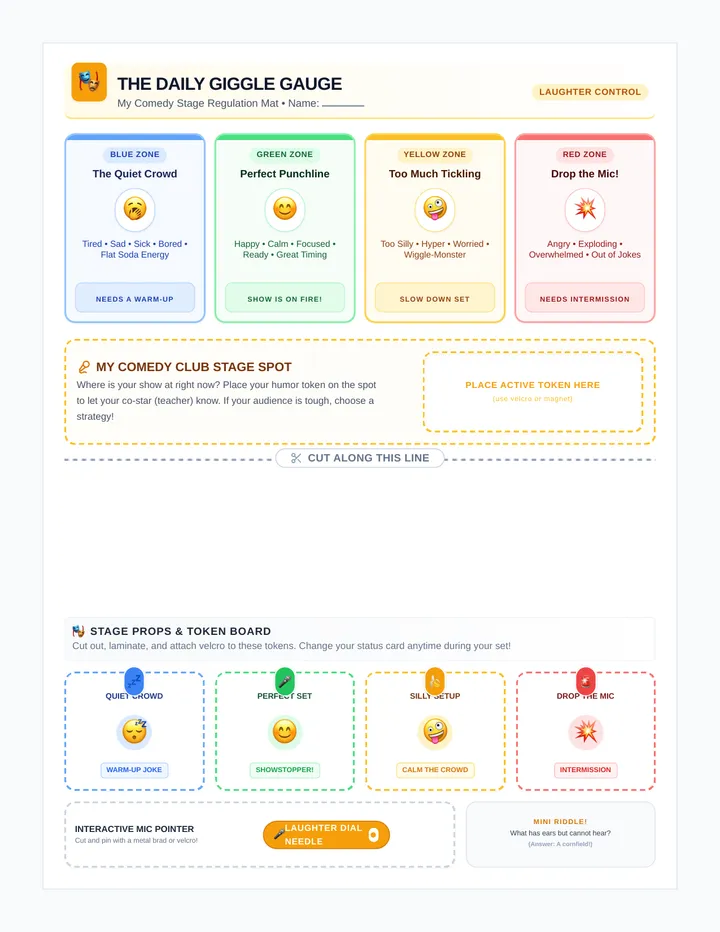
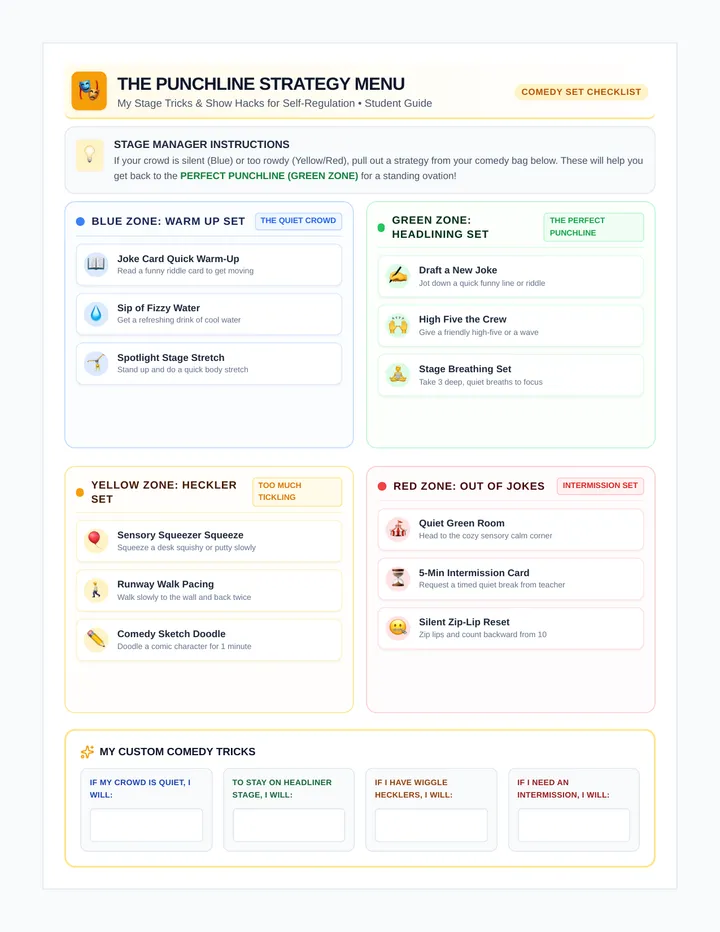
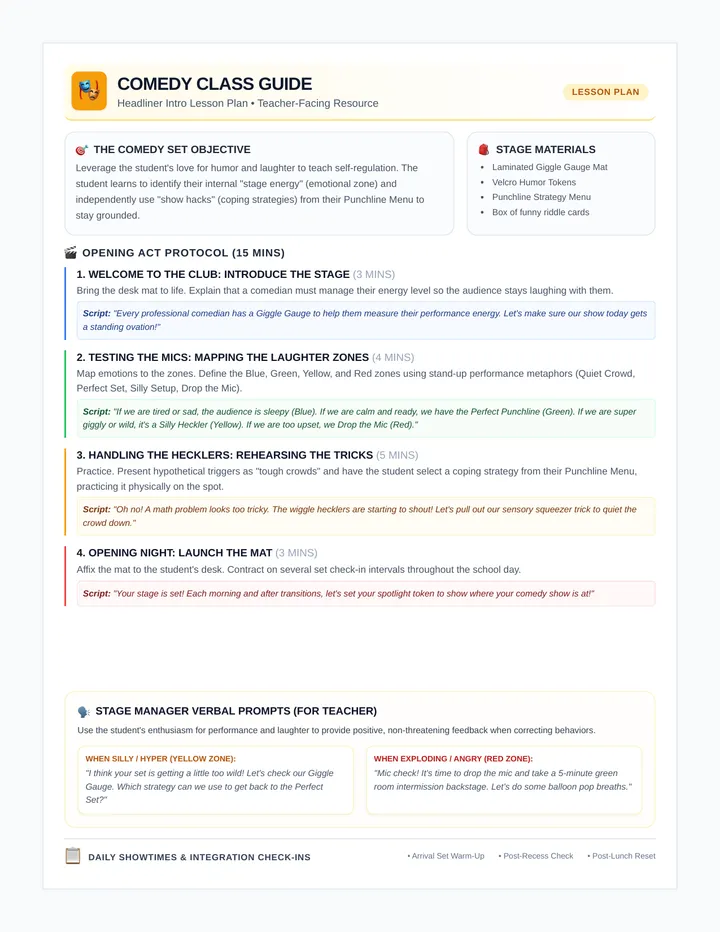
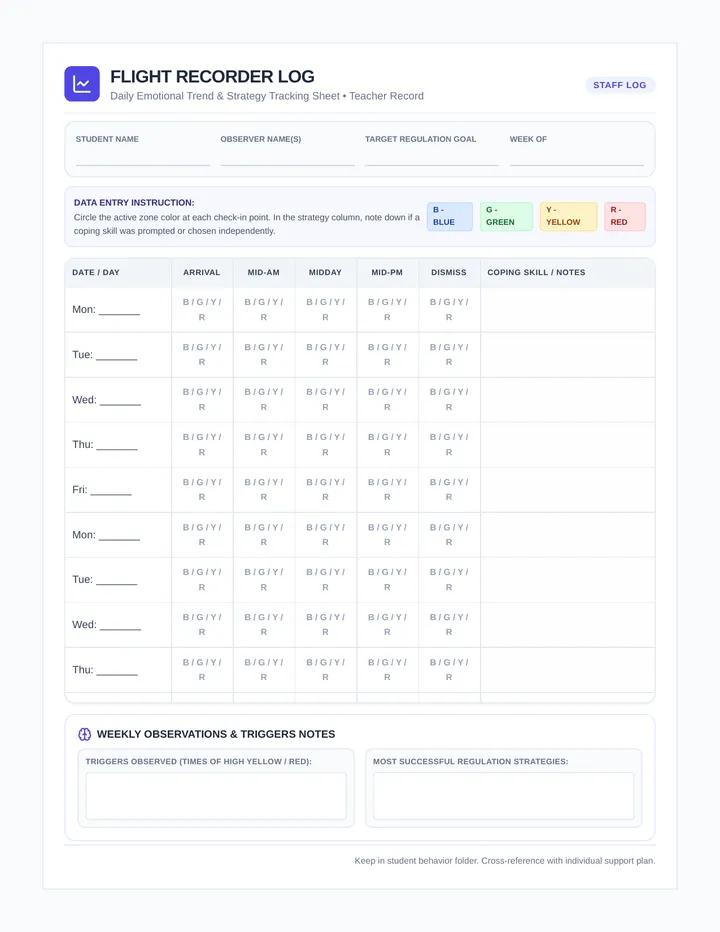
A simple, kid-friendly daily emotional regulation check-in system based on the Zones of Regulation model. Features a clean student desk mat, a coping strategy menu, a teacher instruction guide, and tracking logs.
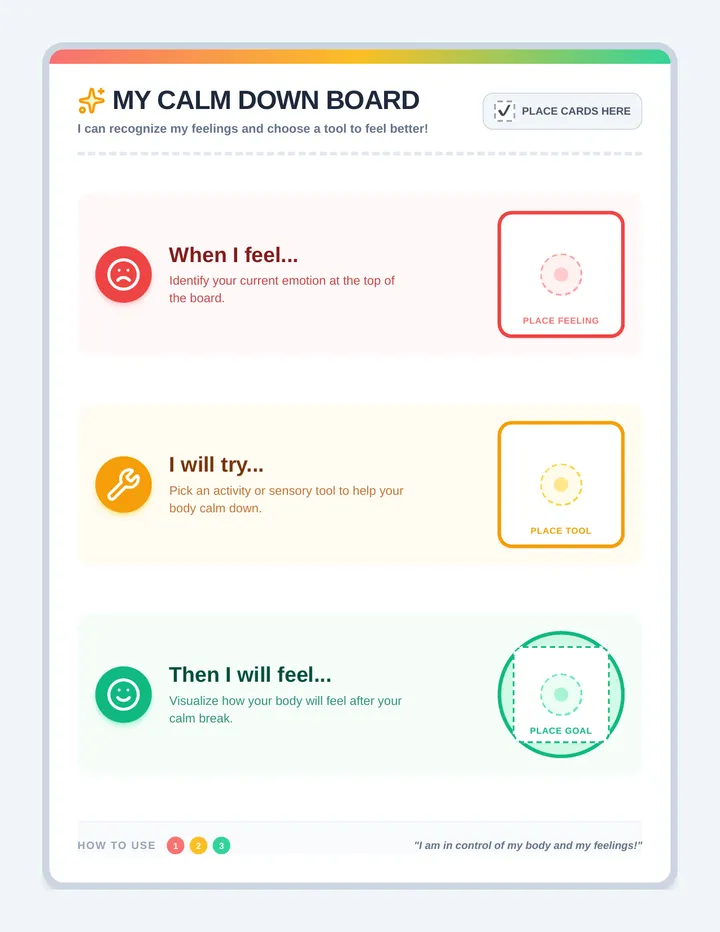
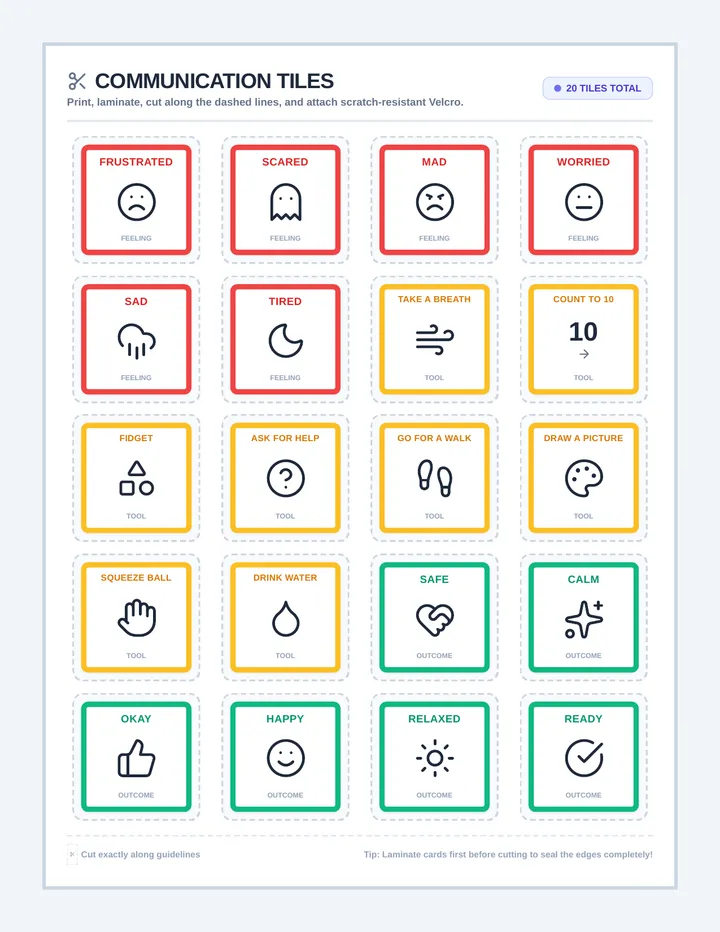
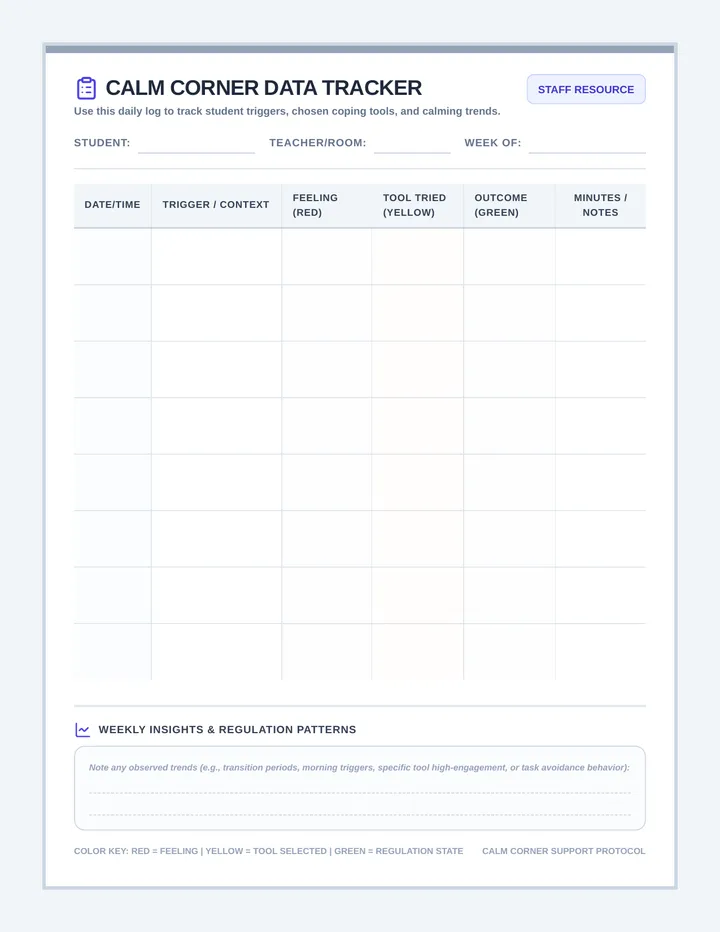
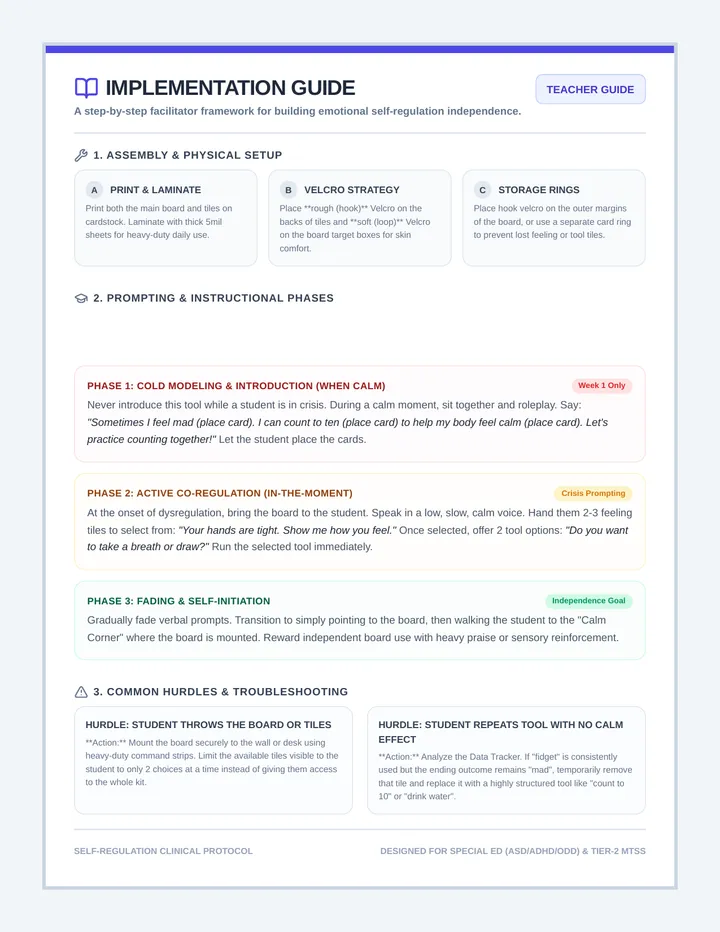
A comprehensive visual support bundle designed for student emotional self-regulation, featuring an interactive board, PECS-style communication cards, a data tracker, and a step-by-step implementation guide.
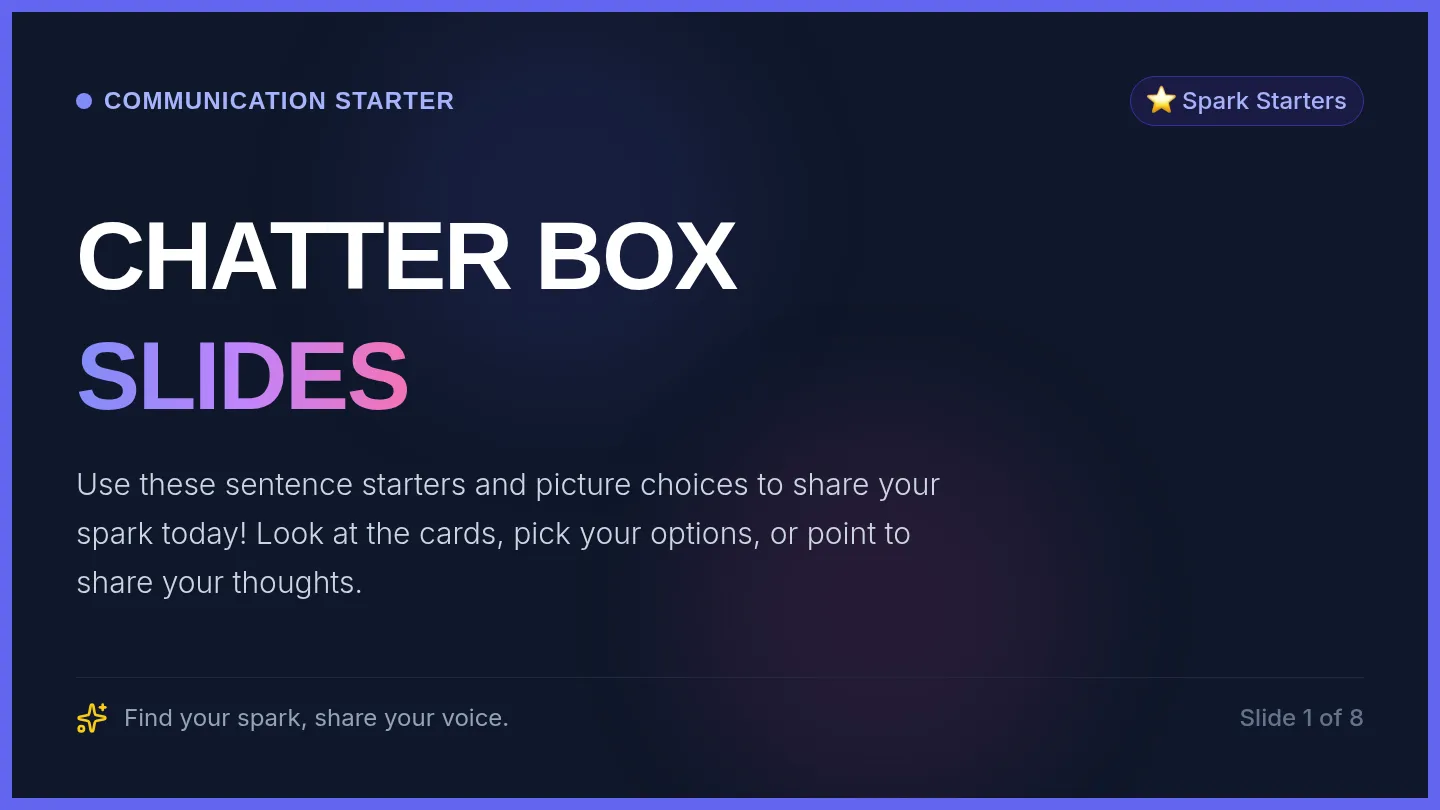
An introductory get-to-know-you lesson utilizing visual sentence starters and structured options to support students of all communication styles in sharing their preferences, feelings, and strengths.
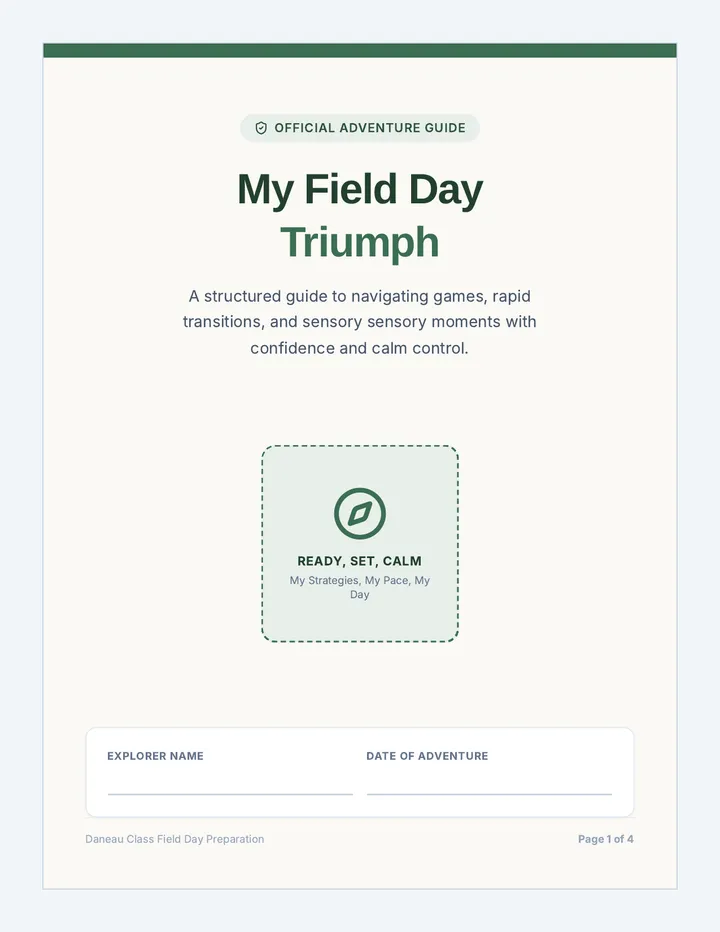
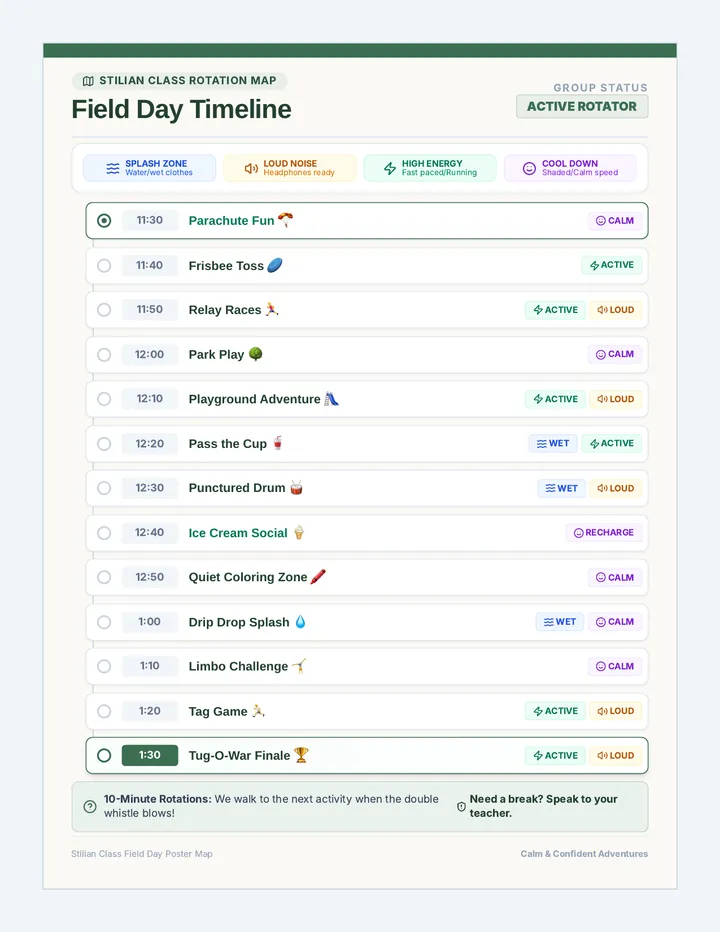
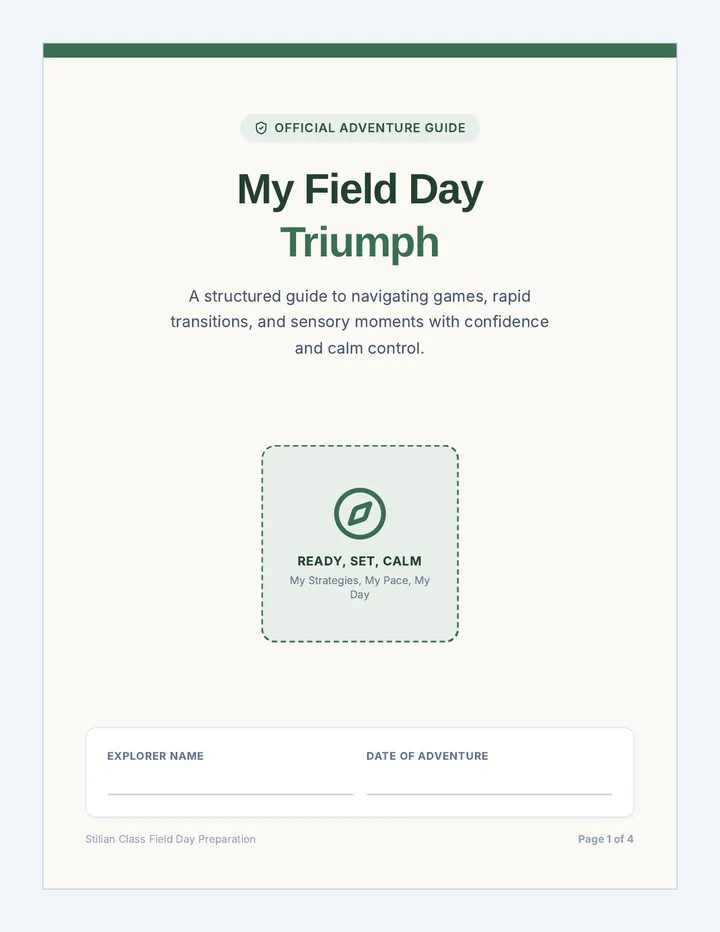
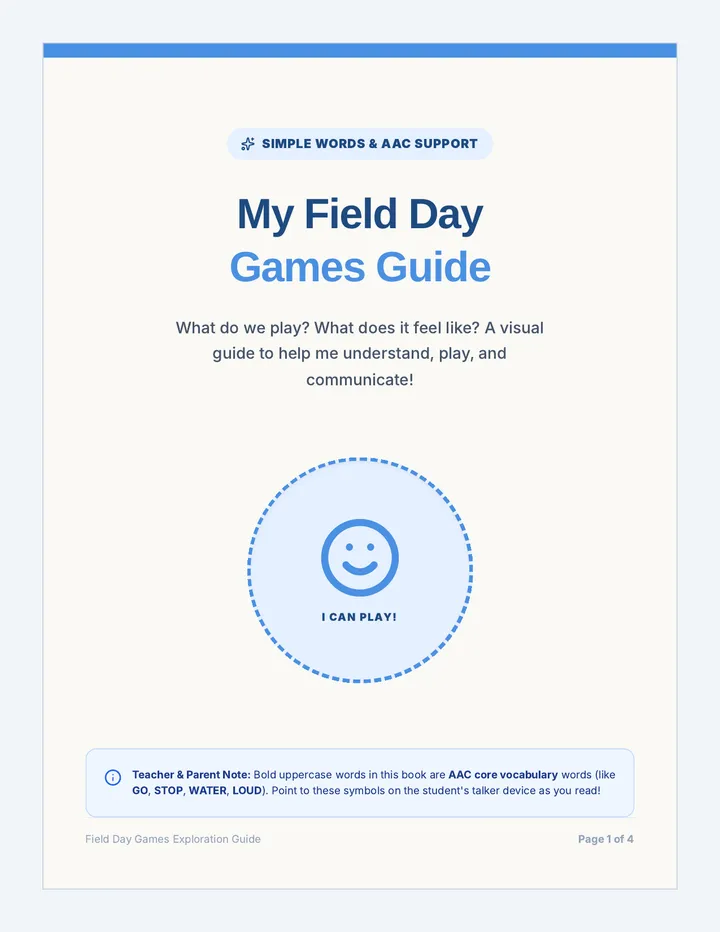
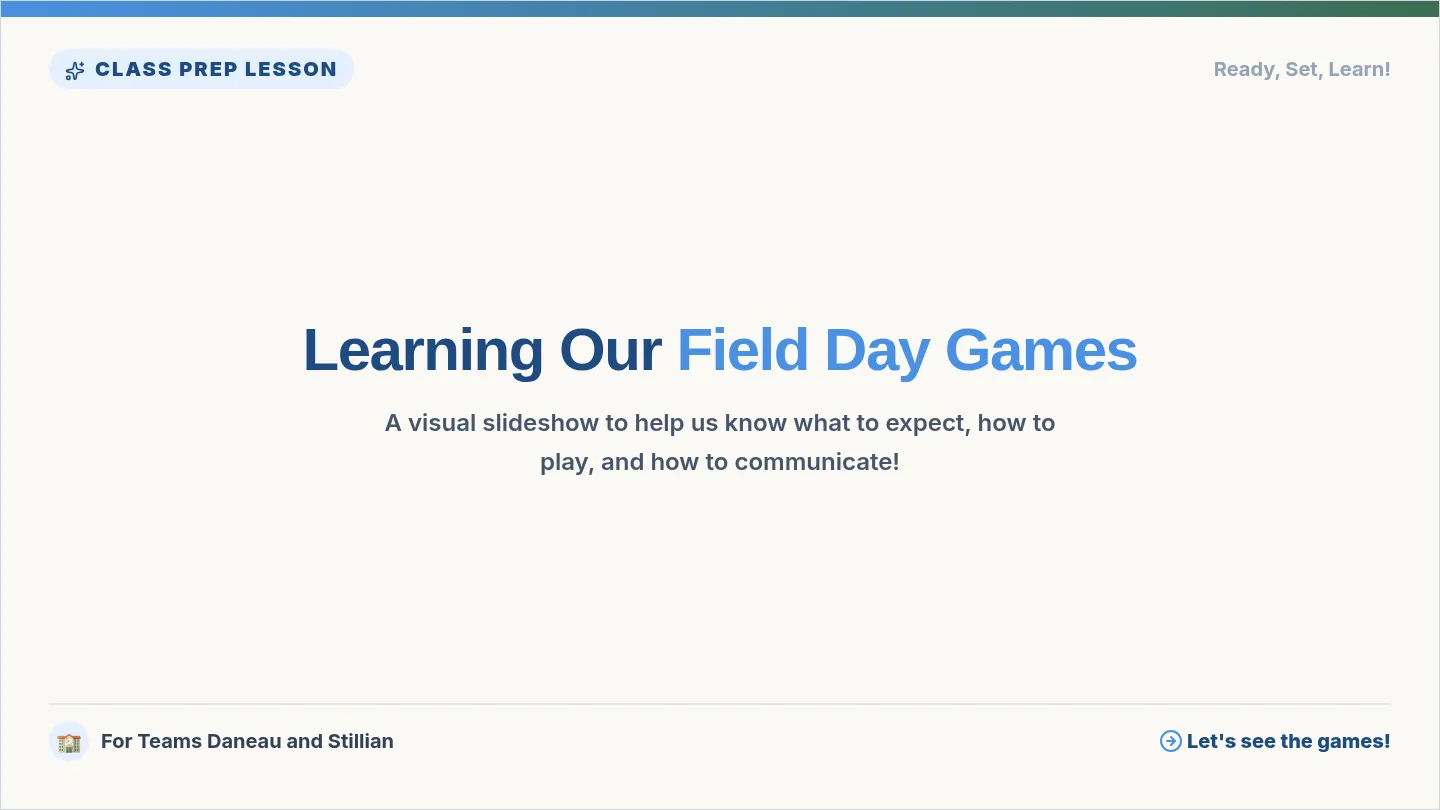
A comprehensive preparation resource set for Field Day, designed for upper elementary and sensory-sensitive students. It includes a structured, coping-strategy-focused social story booklet and a beautifully organized, visual rotation schedule poster to support seamless transitions.
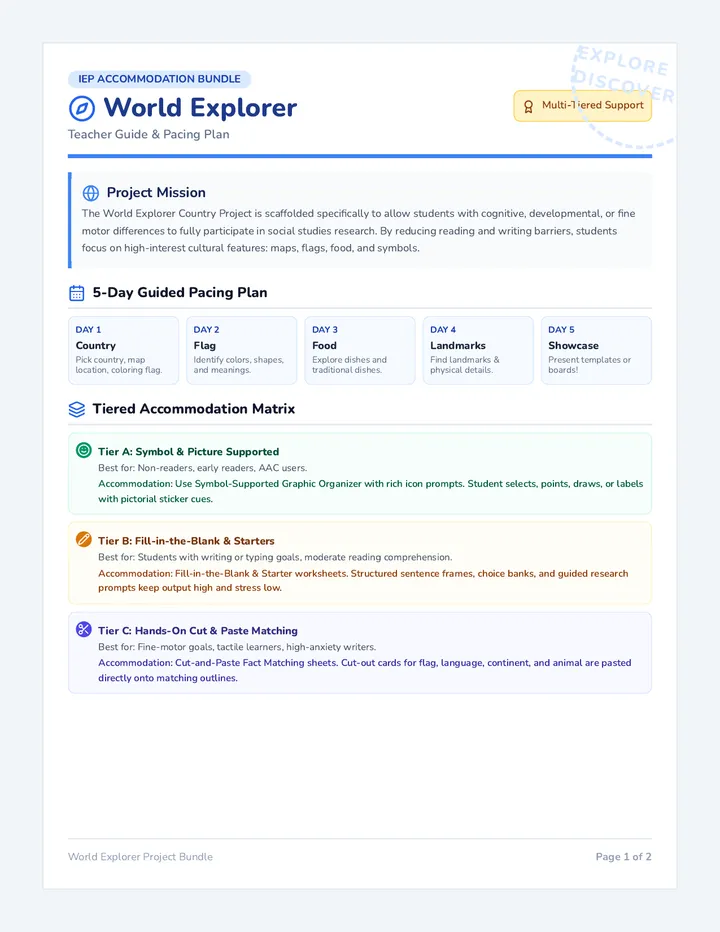
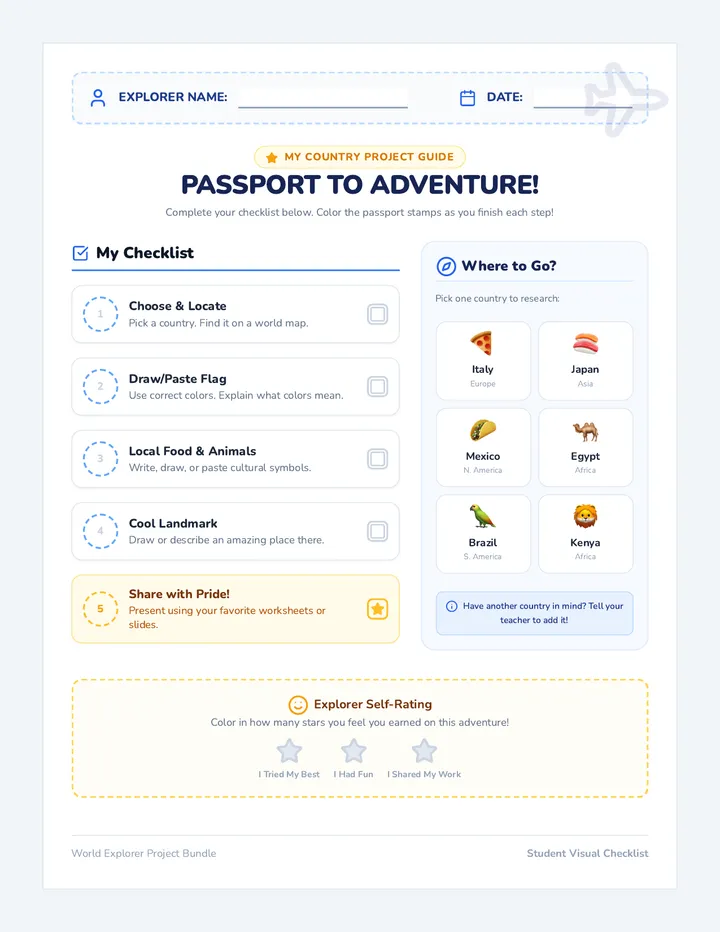
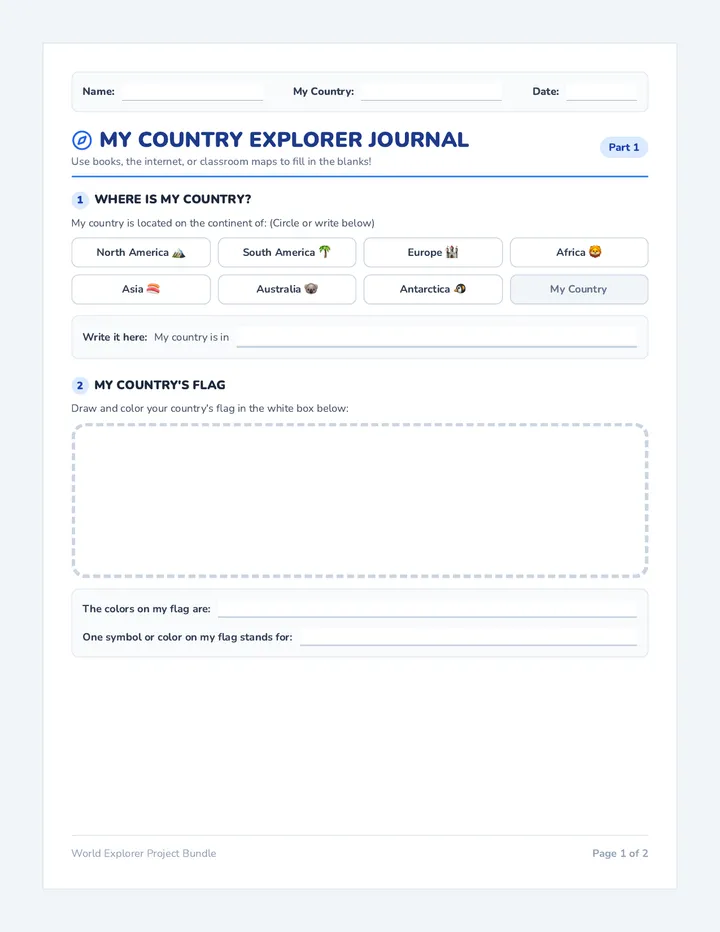
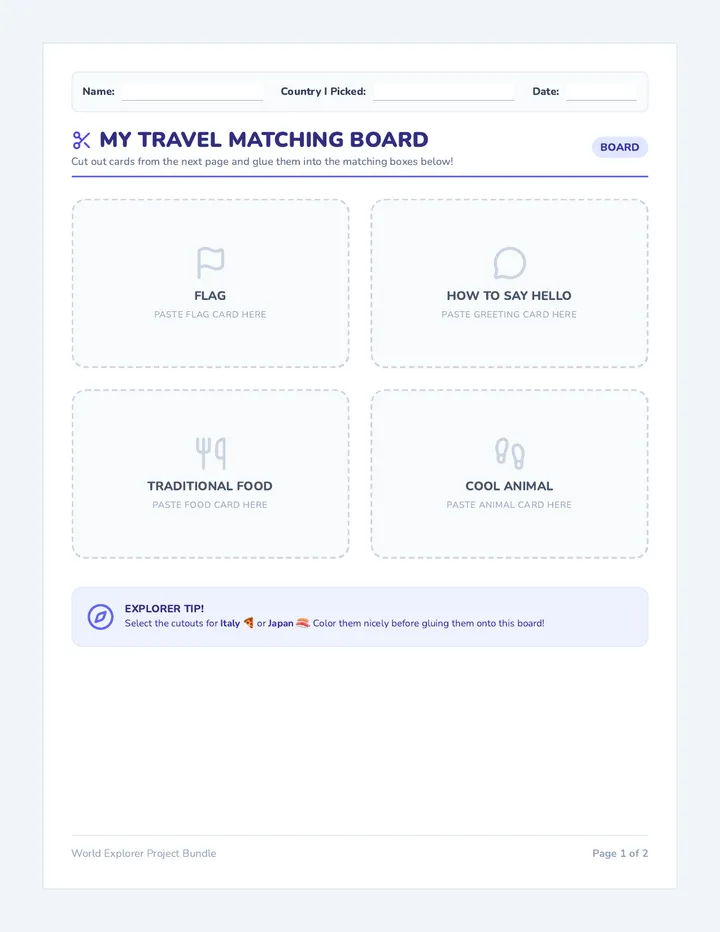
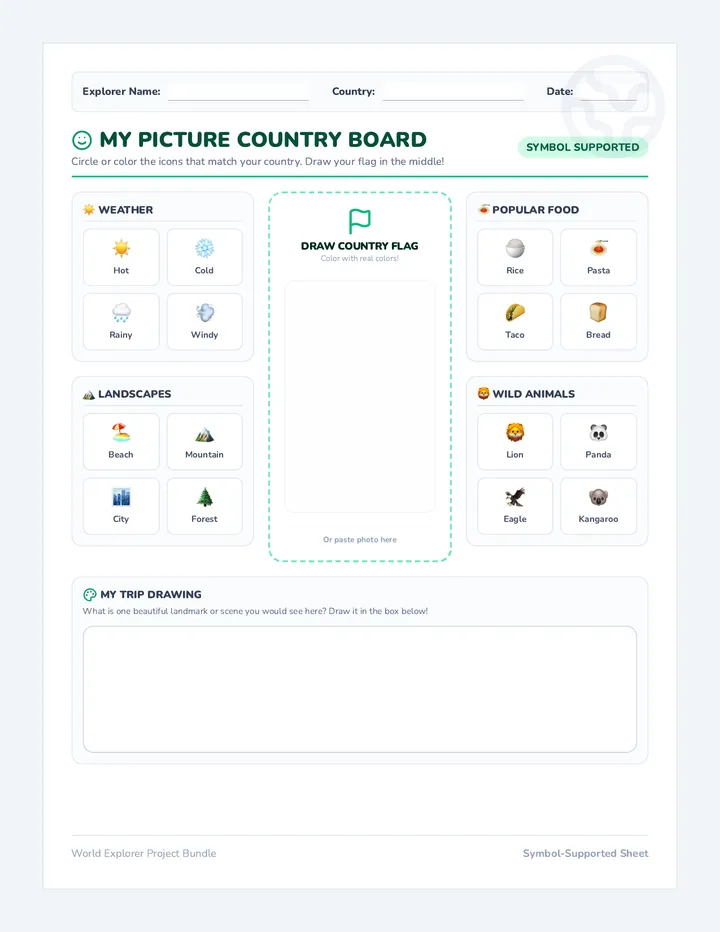
A highly visual, scaffolded country research project bundle modified specifically for IEP students. Includes teacher instructions, simplified visual rubrics, tiered student worksheets, hands-on matching activities, and a friendly presentation template.
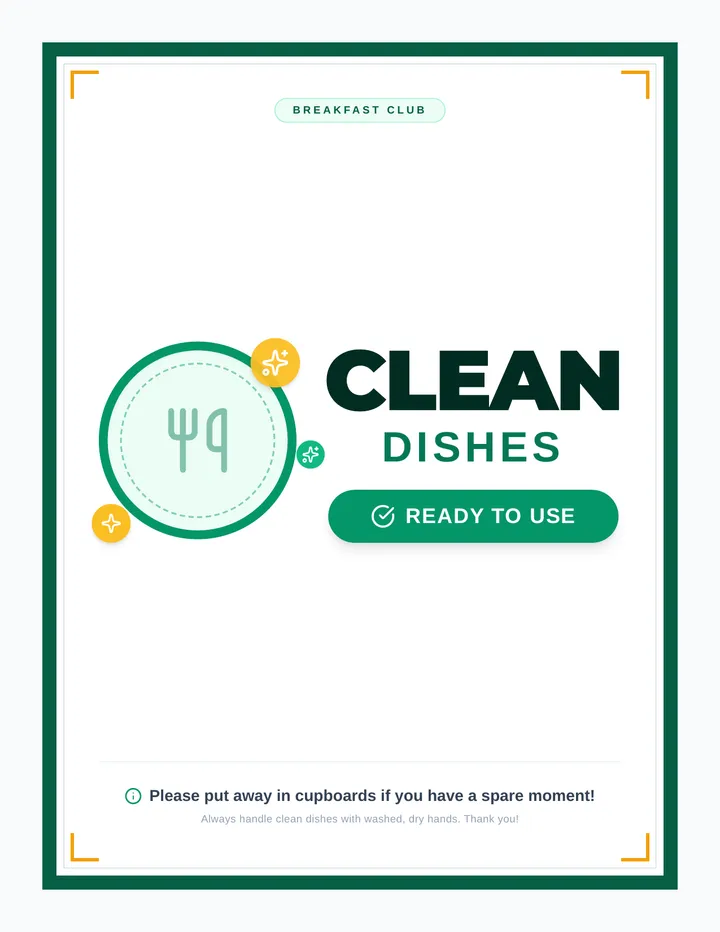
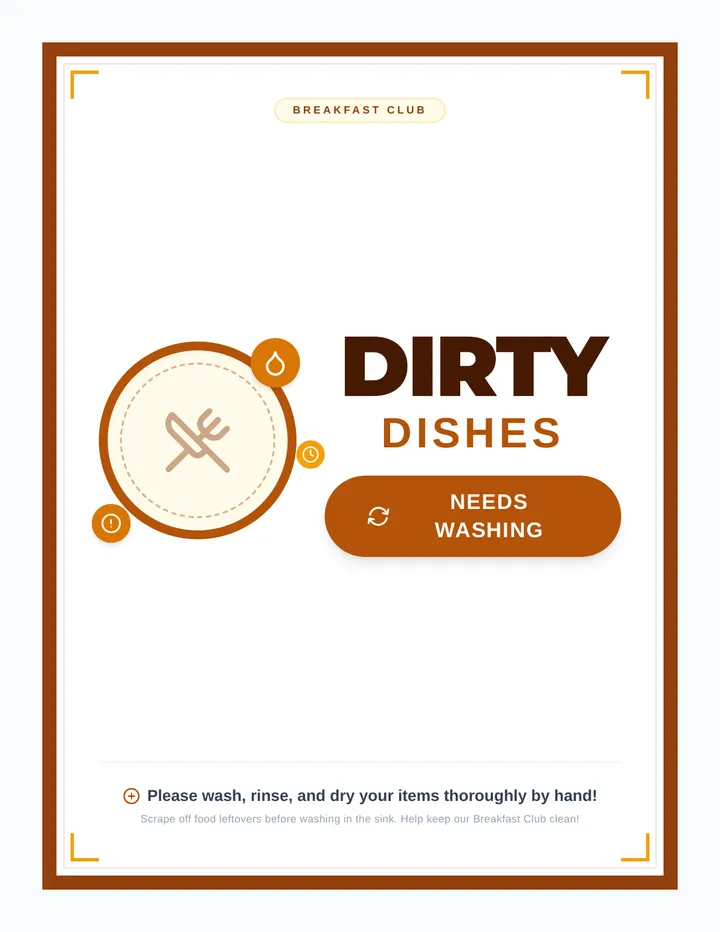
A pair of visually striking, high-contrast printable signs to organize any kitchen or classroom space. Features separate, elegant layouts for clean and dirty dishes to maintain perfect organization.
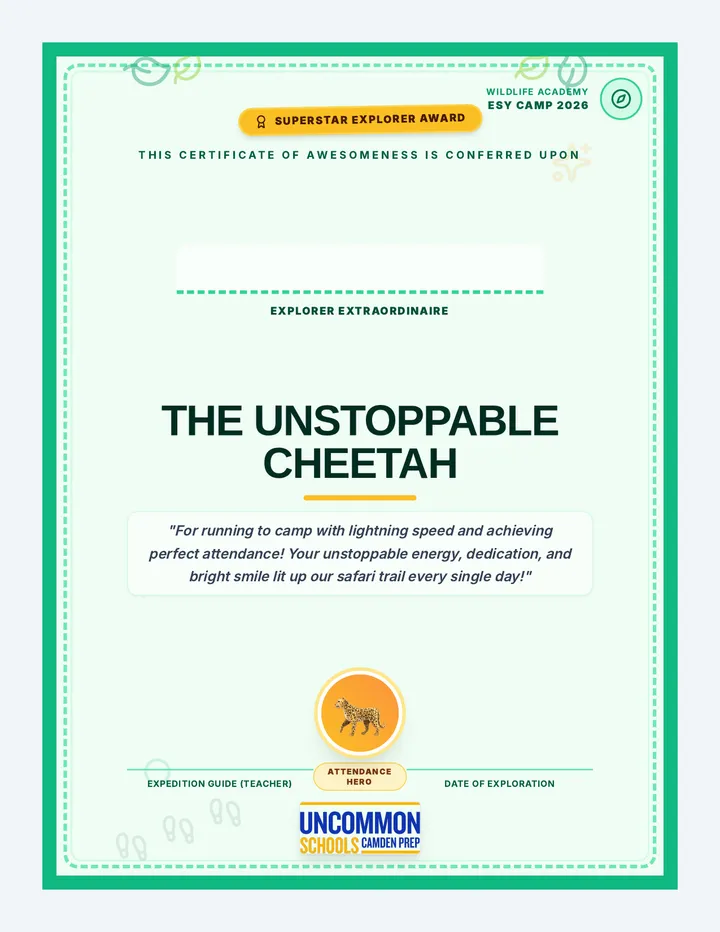
An end-of-summer-school reward program celebrating students' growth, teamwork, academic, and social achievement under a vibrant wildlife explorer theme.
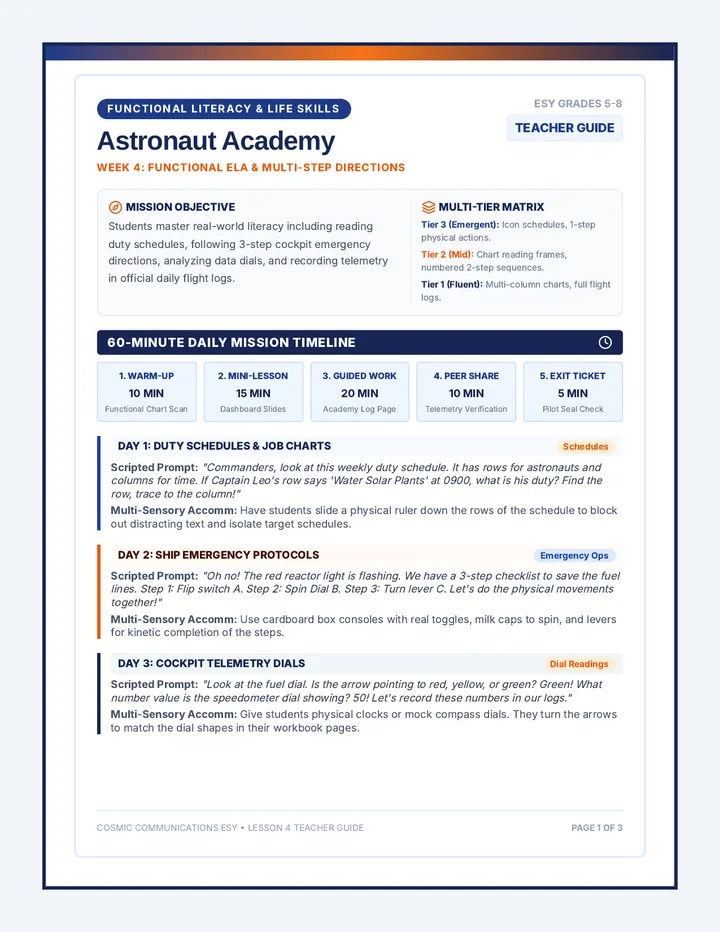
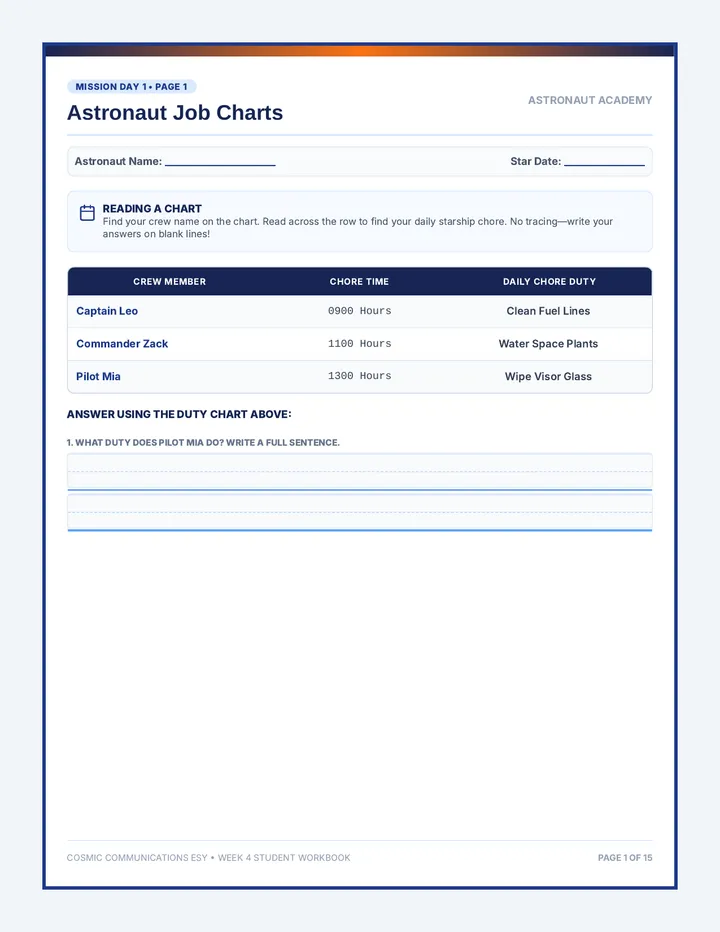
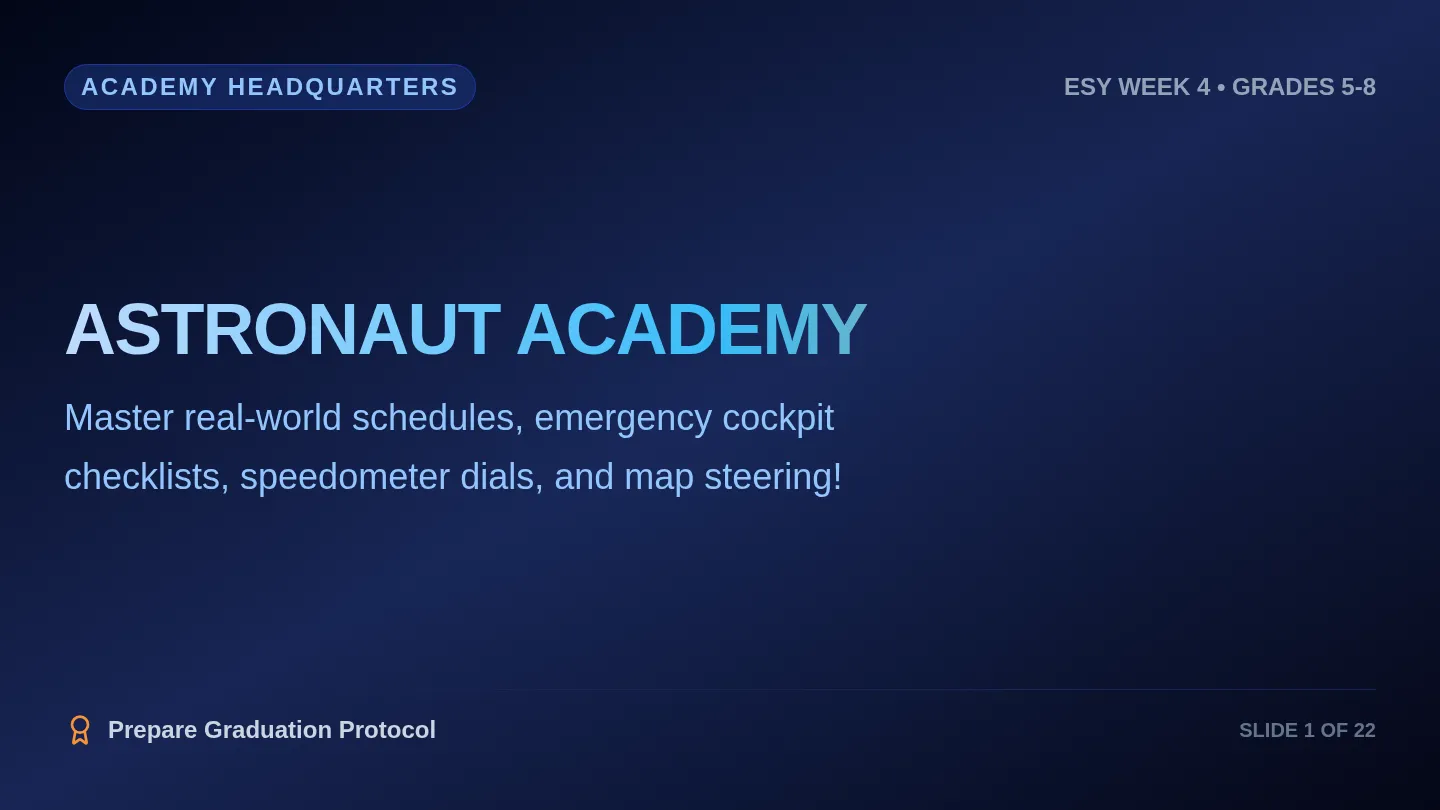
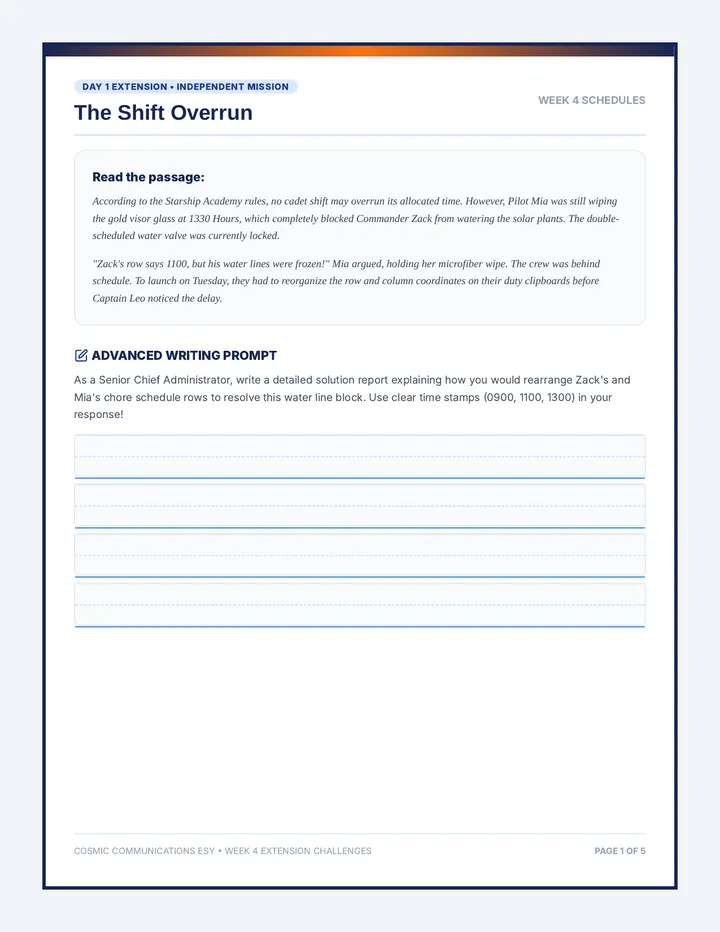
Week 4 focuses on real-world reading comprehension, functional writing, and following multi-step directions. Students explore cosmic job charts, spaceship emergency protocols, and daily logs.
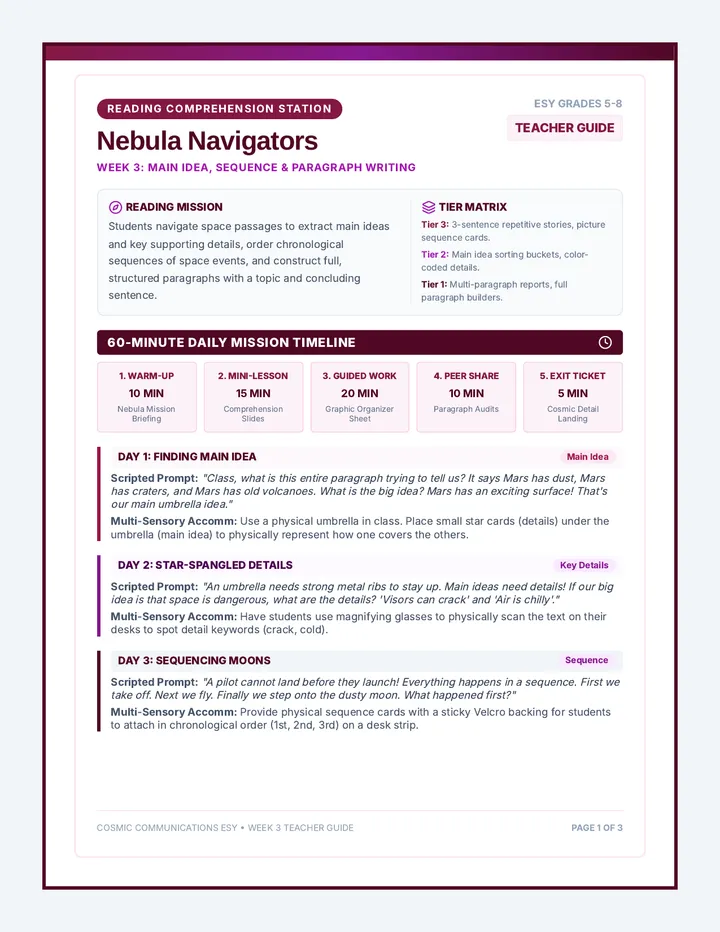
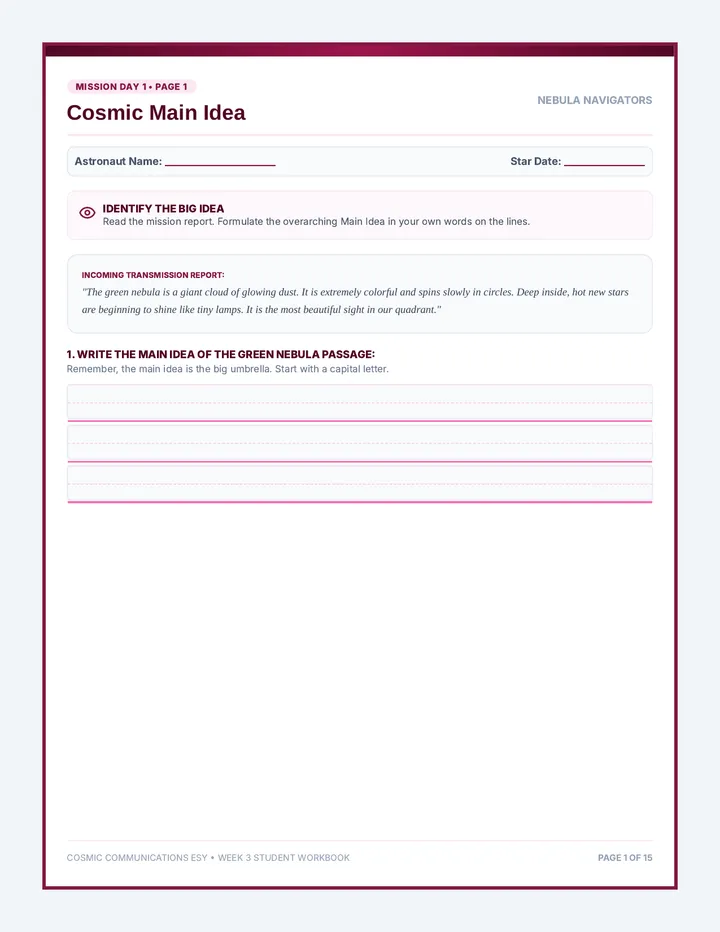
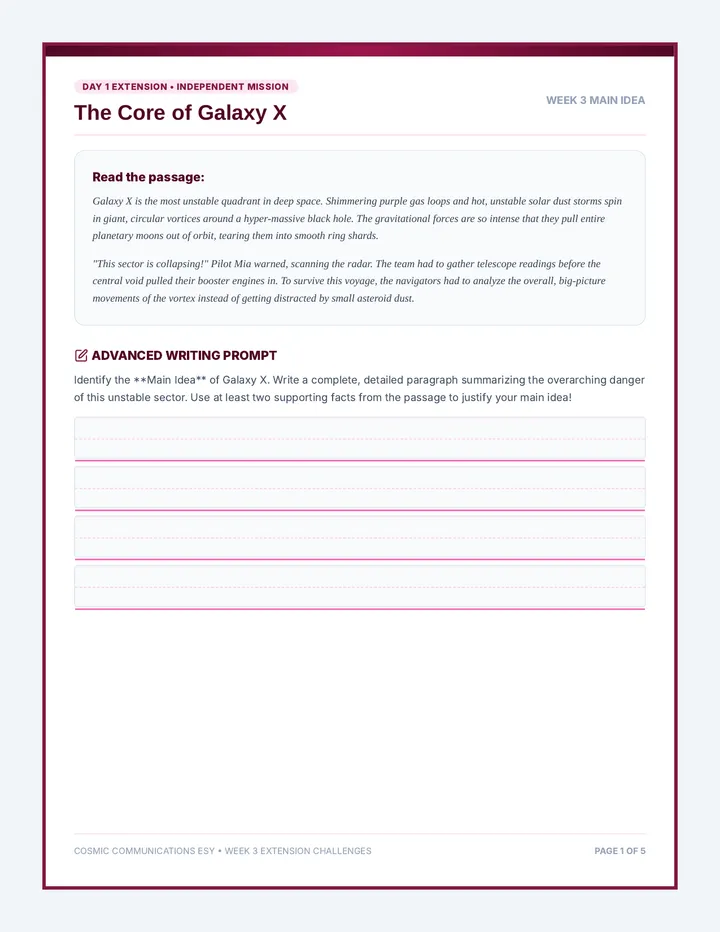
Week 3 focuses on reading comprehension and structured paragraph writing. Students learn to identify main ideas and details, track sequences, and write cohesive paragraphs using graphic organizers.
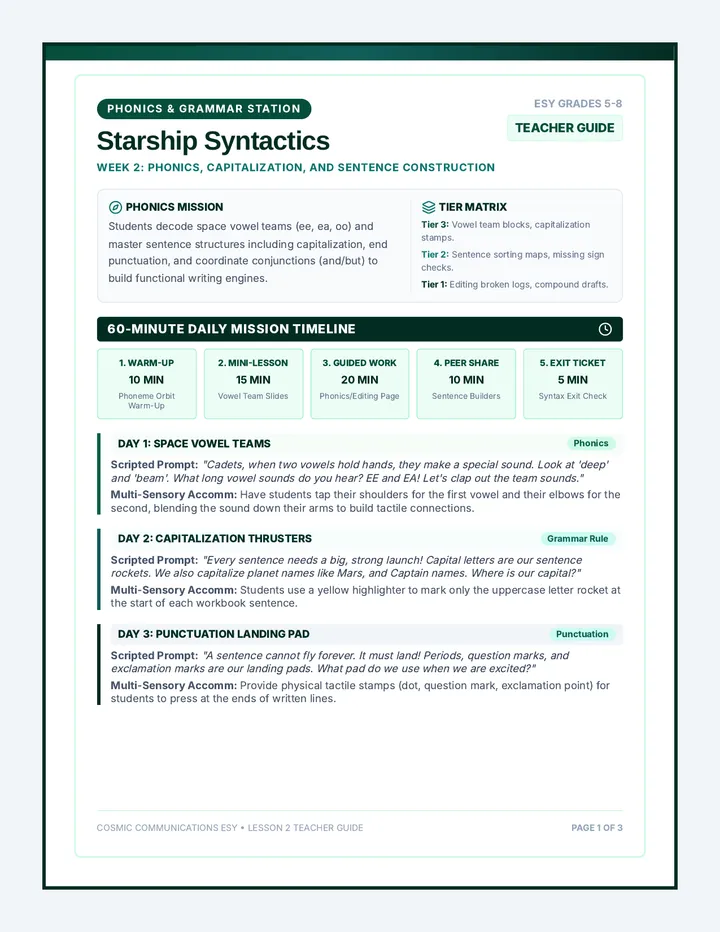
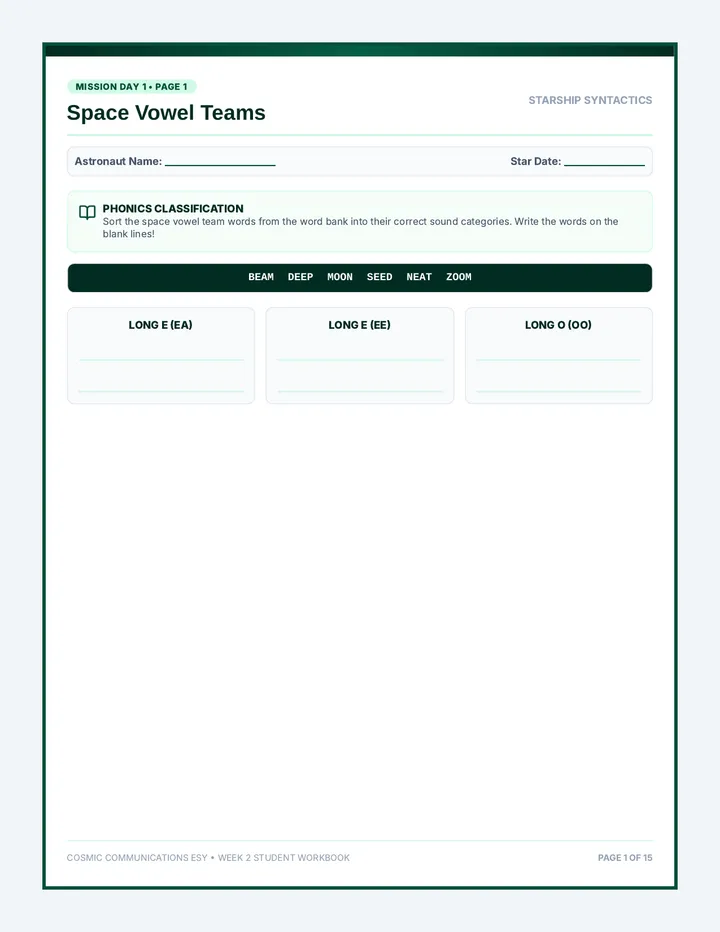
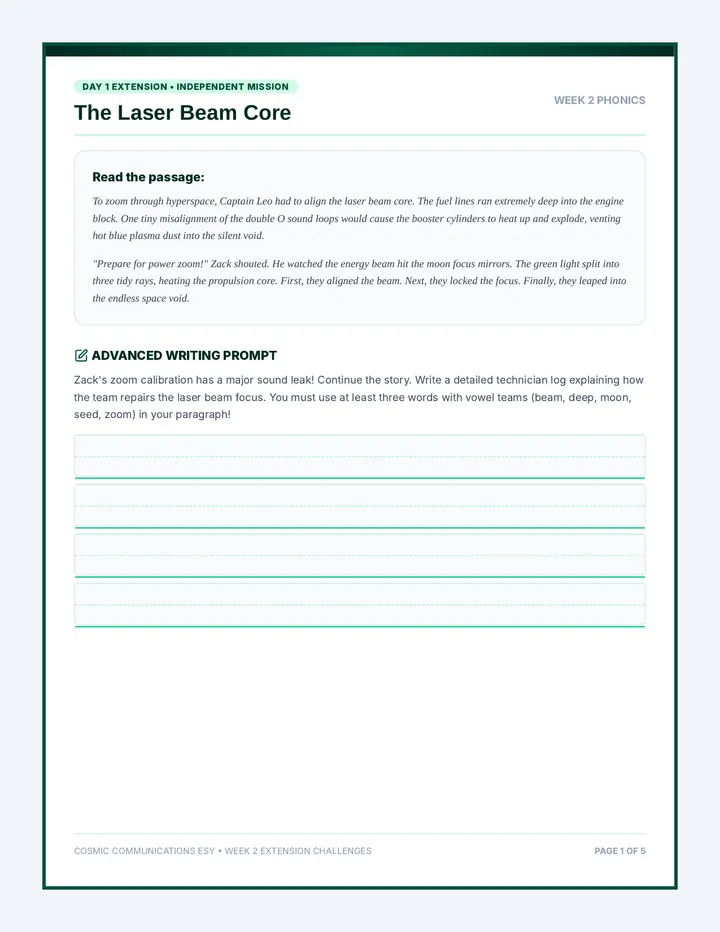
Week 2 focuses on phonics, decoding, and simple sentence structures. Students practice identifying vowel teams, correcting basic capitalization and punctuation errors, and constructing solid sentences.
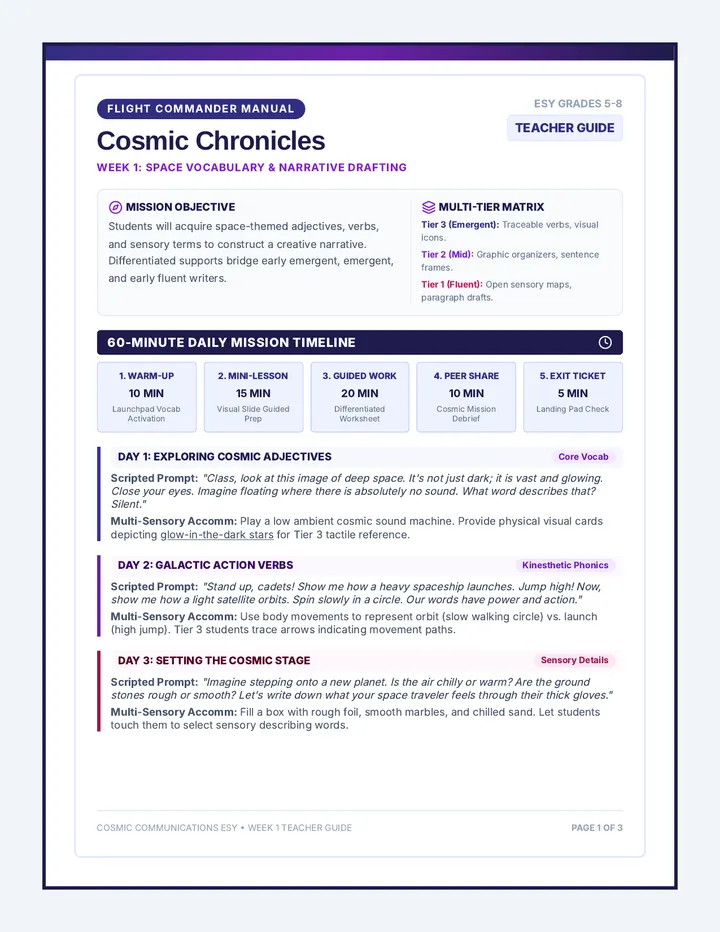
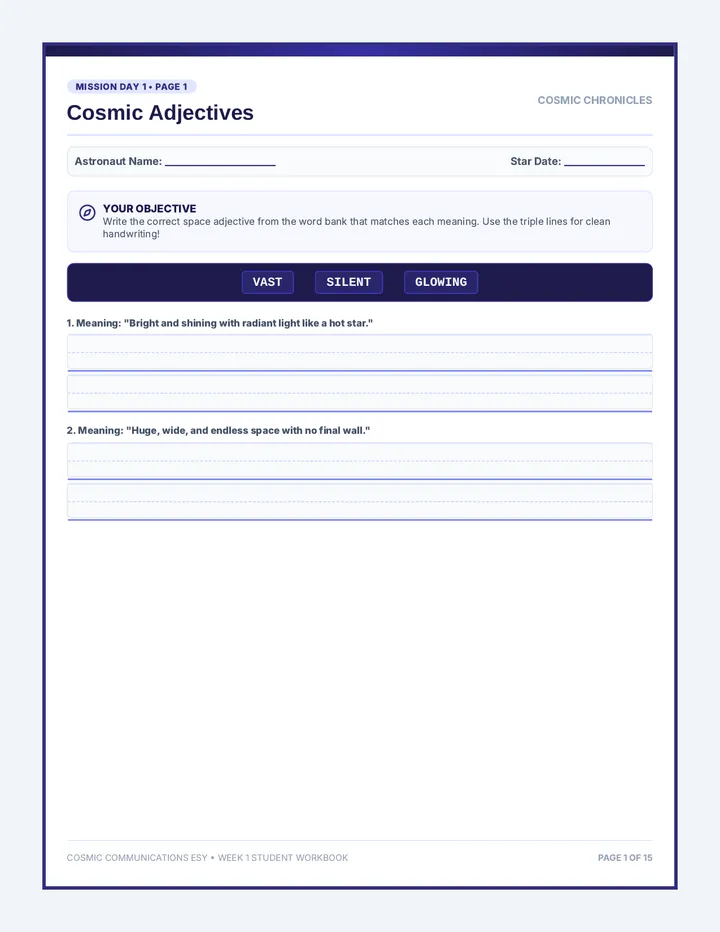
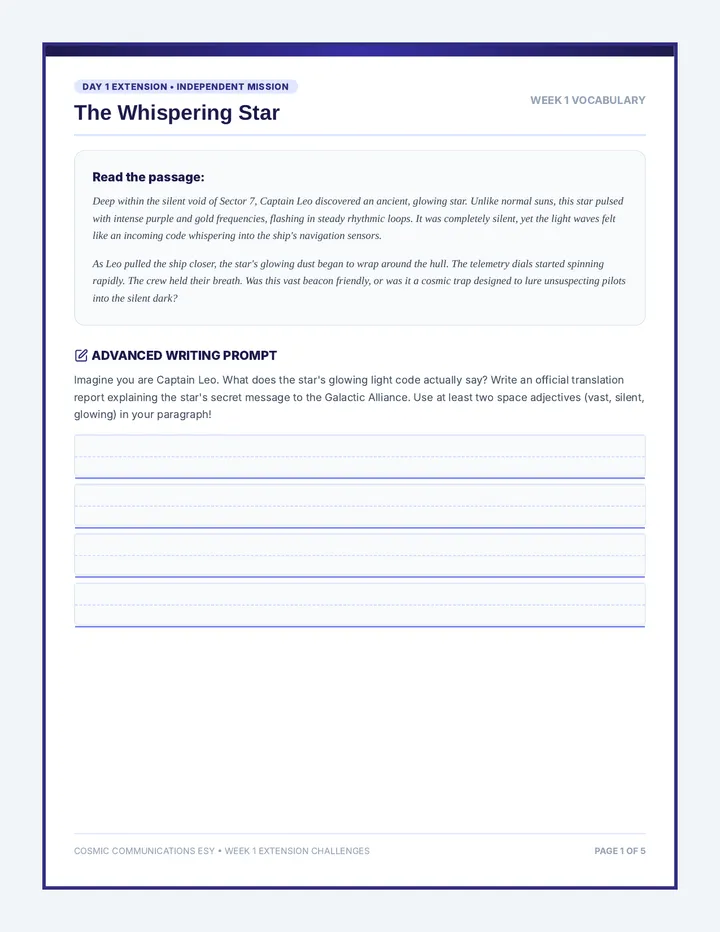
Week 1 focuses on acquiring cosmic vocabulary and drafting short, creative space stories. It guides students through sensory word exploration and provides multi-tiered graphic organizers for narrative drafting.
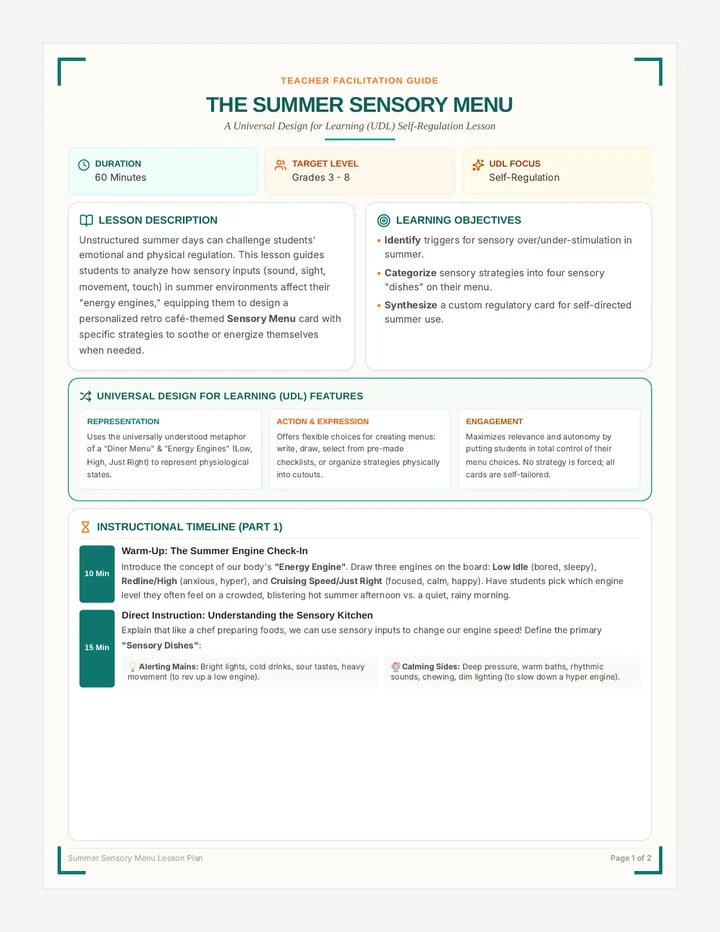
A self-regulation lesson based on Universal Design for Learning (UDL). Students explore how sensory stimuli and summer environments affect their energy levels and design a personalized 'sensory menu' card filled with tailored coping strategies to maintain emotional balance during unstructured summer months.
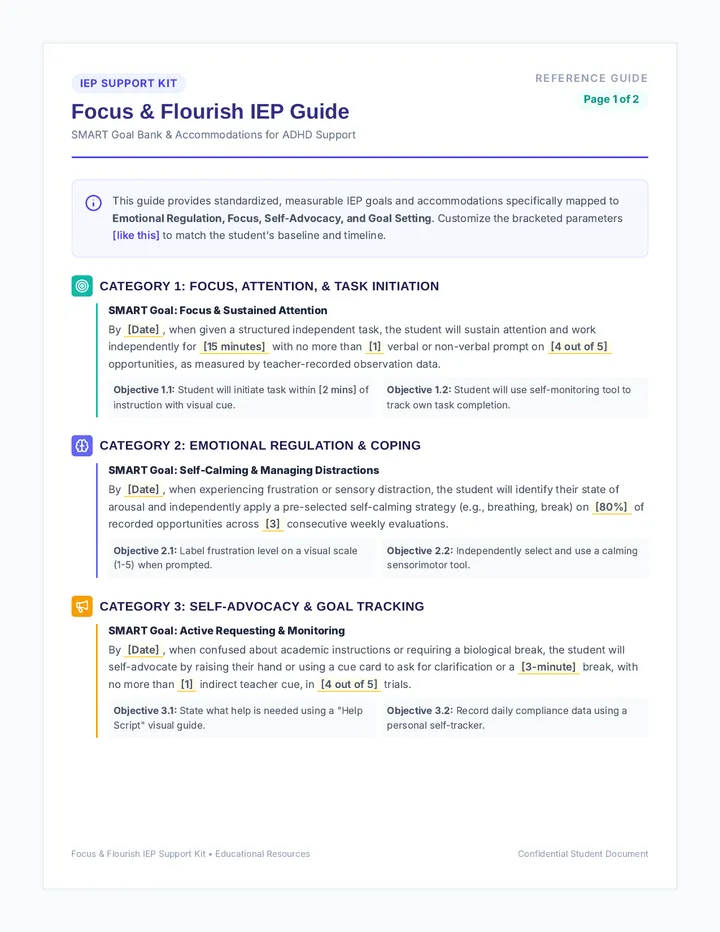
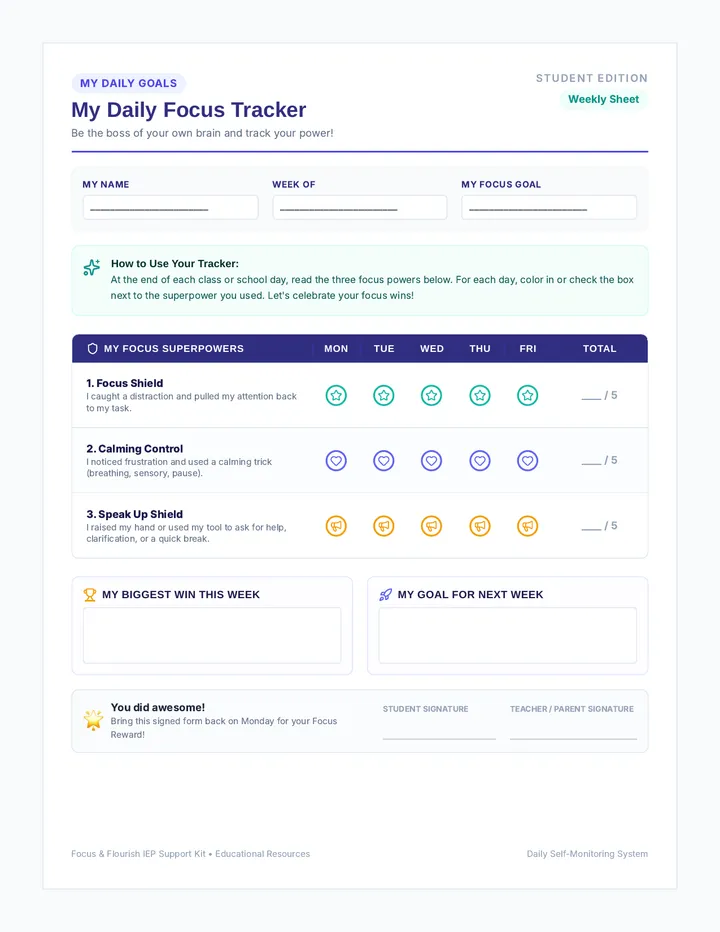
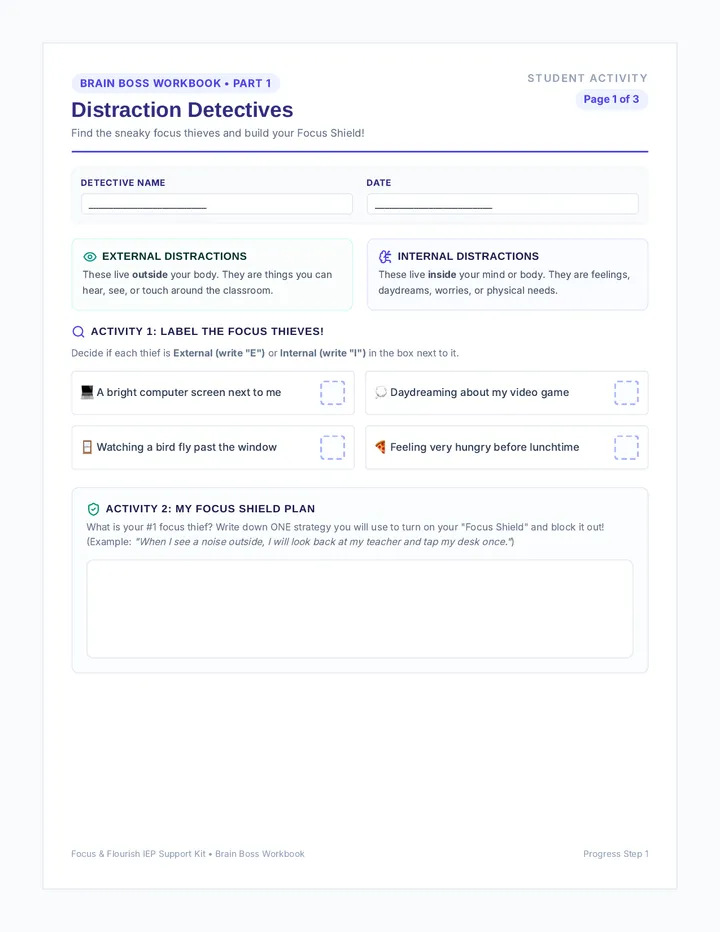
A comprehensive suite of materials designed to support students with ADHD in emotional regulation, focus, self-advocacy, and goal setting. Includes a SMART IEP Goal Bank & Accommodations Guide, a printable Student Progress Tracker, and a 3-page guided Executive Functioning Workbook.
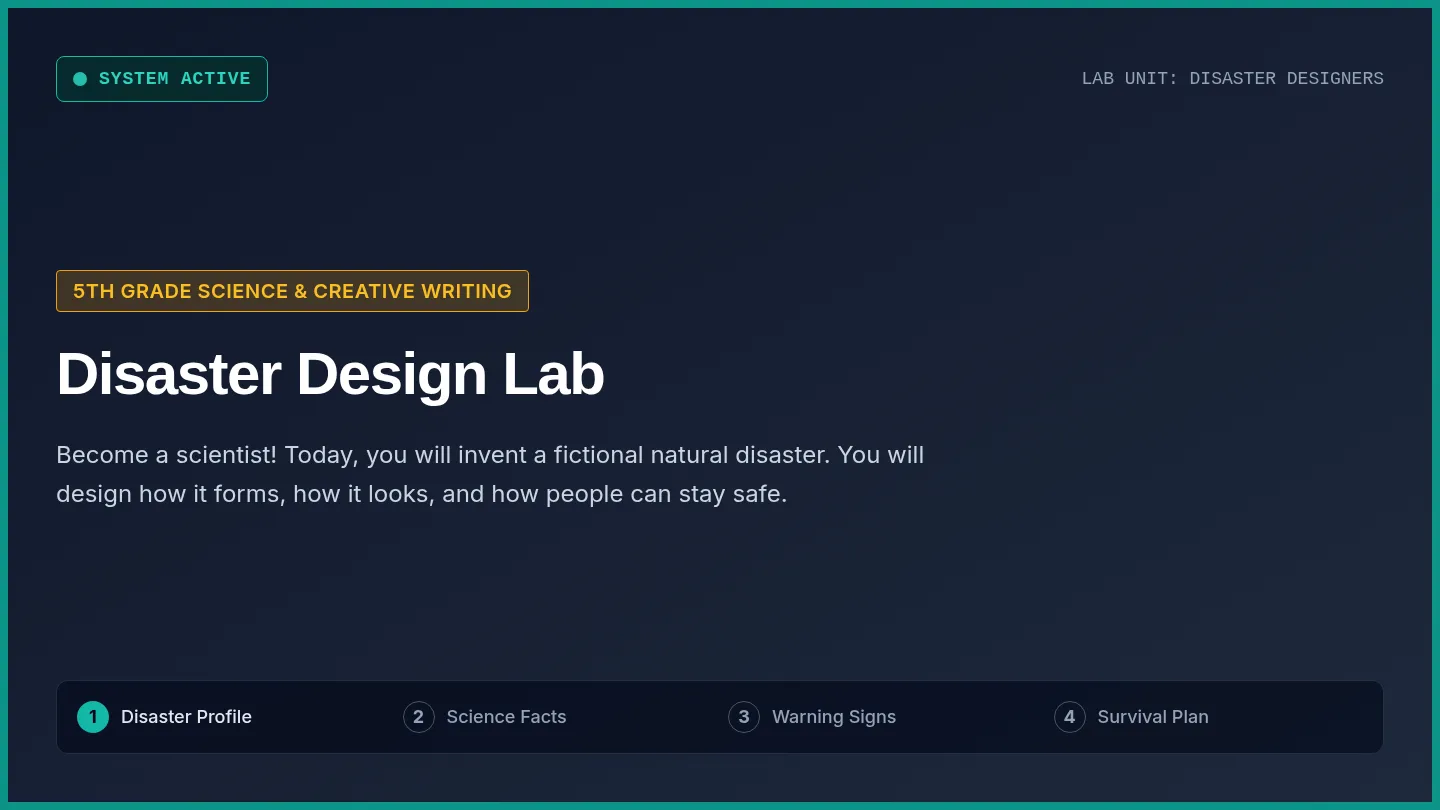
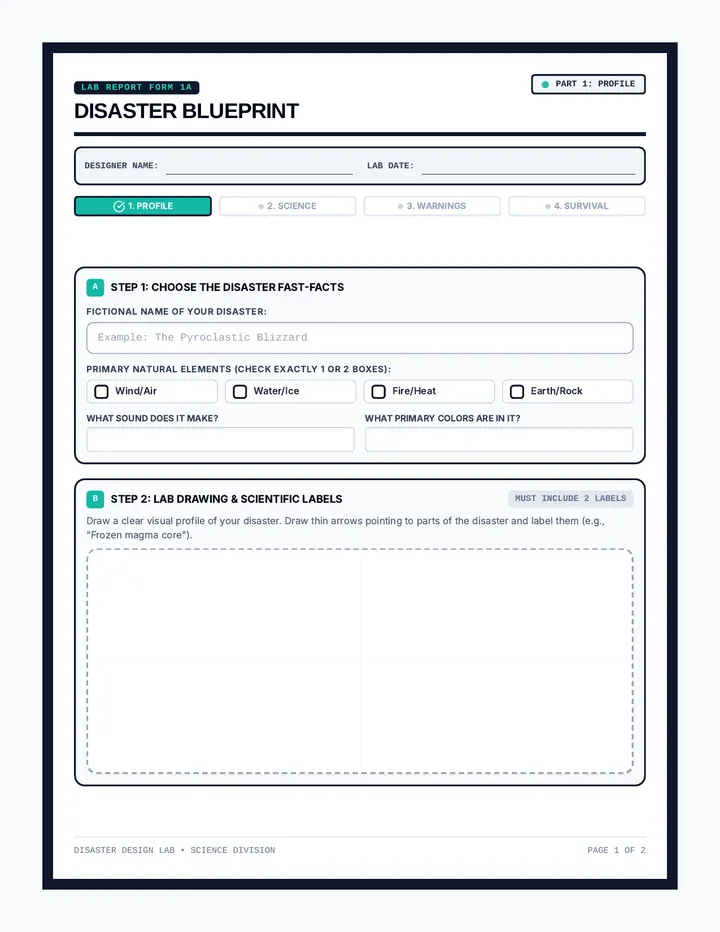
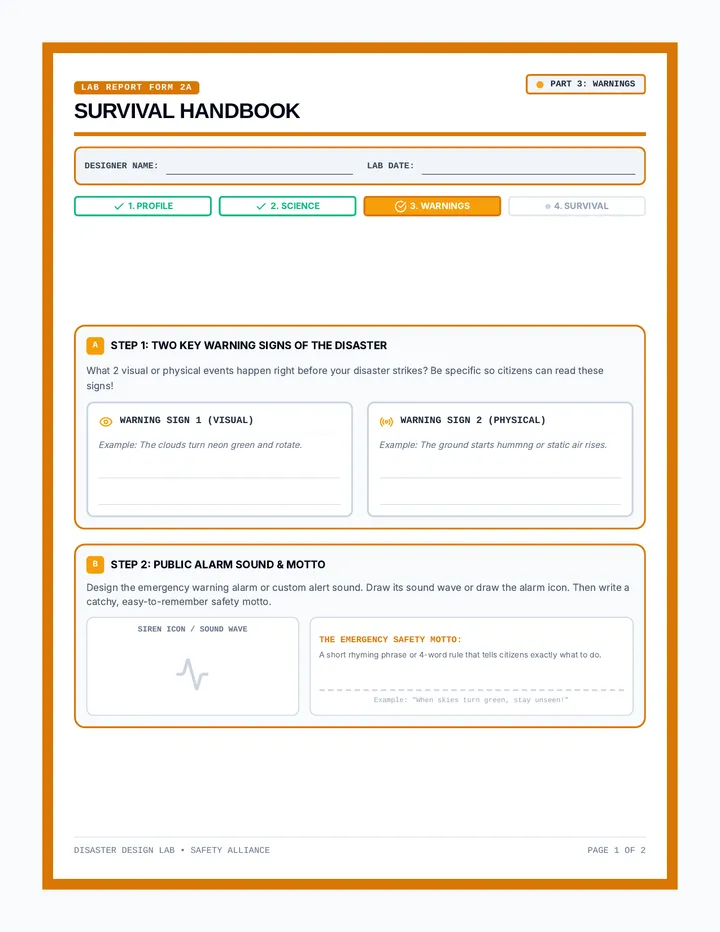
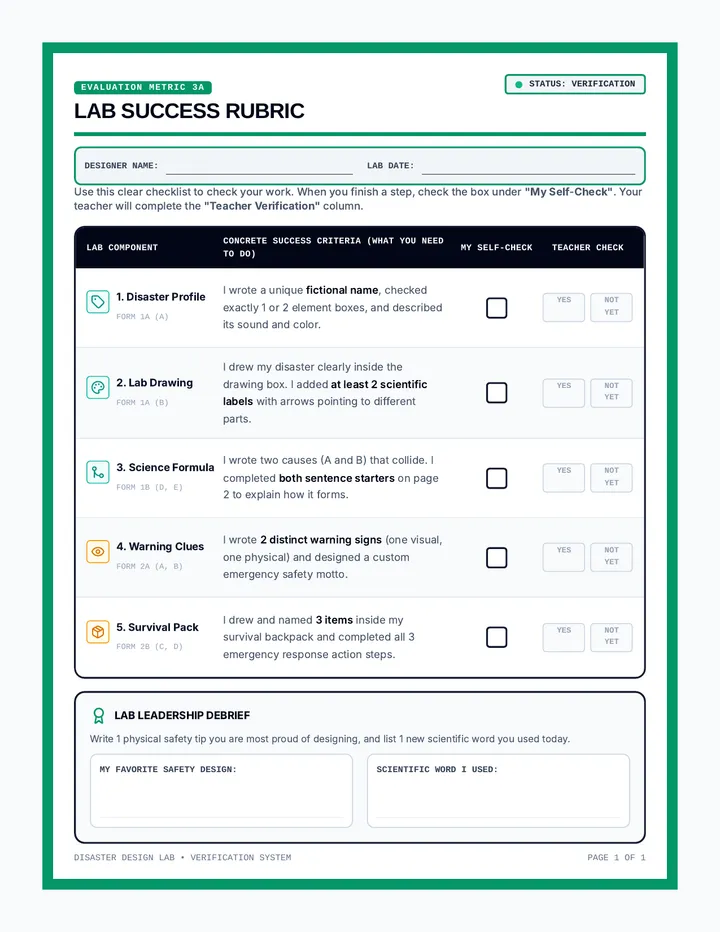
A highly structured science and creative writing lesson where students design a fictional natural disaster. Designed with clear visual schedules, concrete prompts, and step-by-step guidelines specifically optimized for neurodiverse learners, including those with ASD.
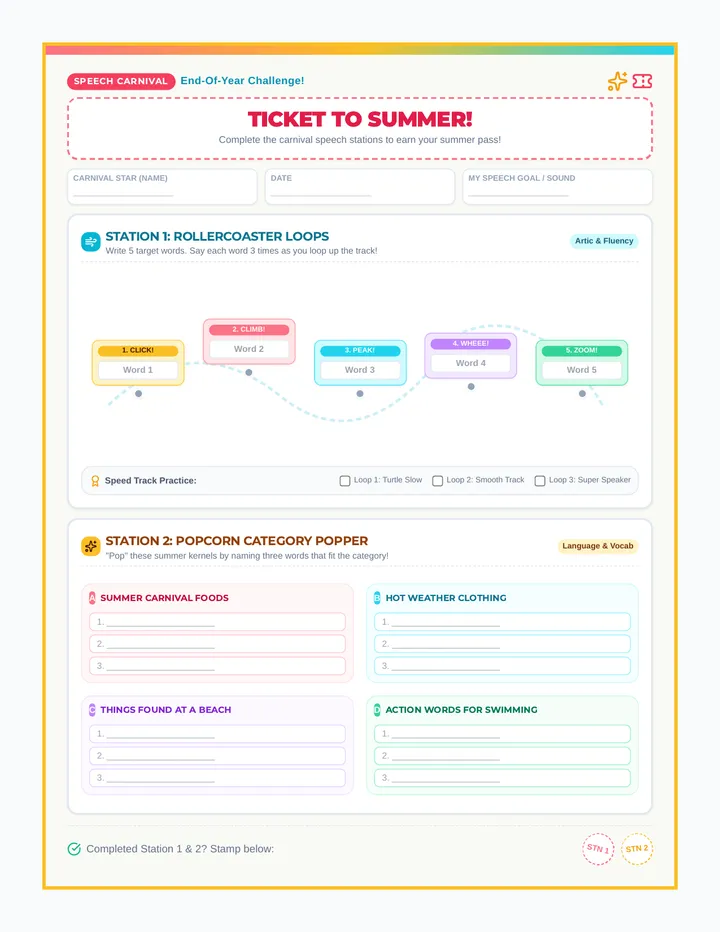
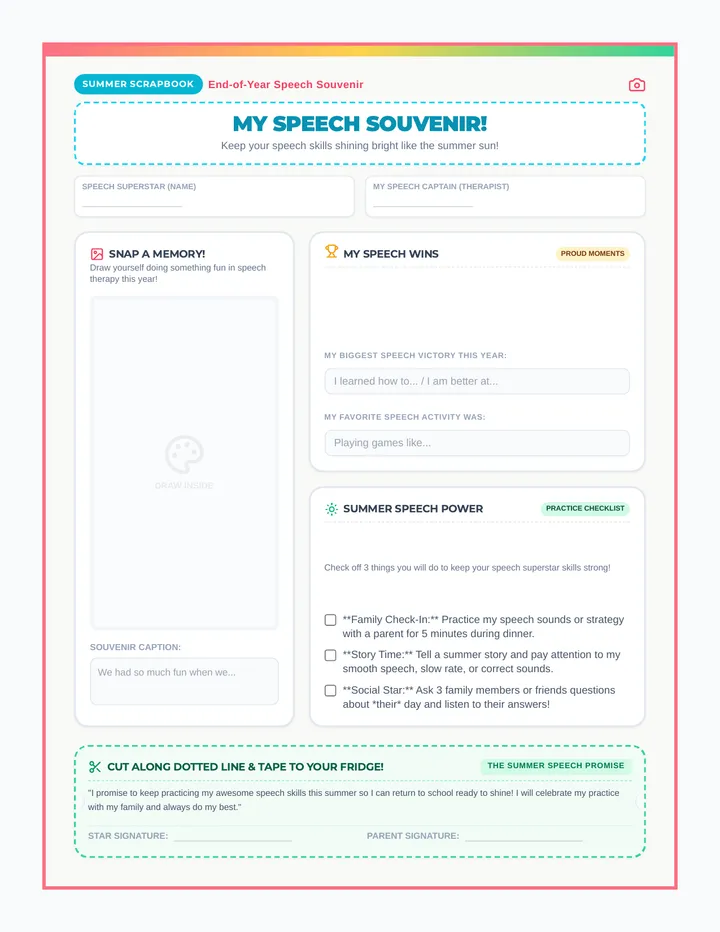
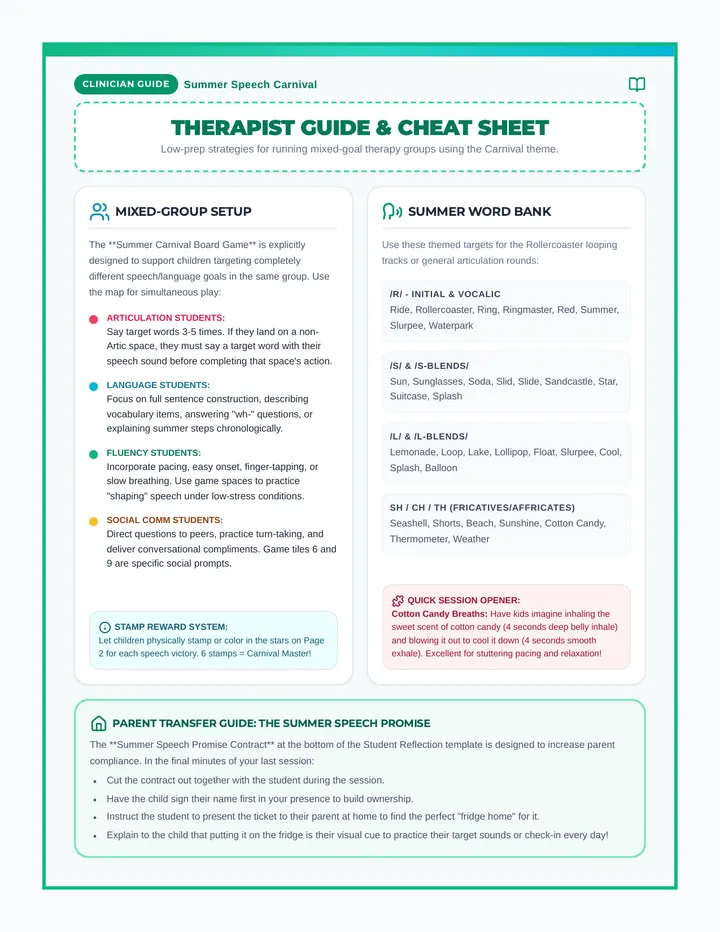
An engaging end-of-year speech therapy resource pack featuring low-prep, printable worksheets, reflection templates, and a therapist guide designed for mixed-goal therapy groups with a fun summer carnival theme.
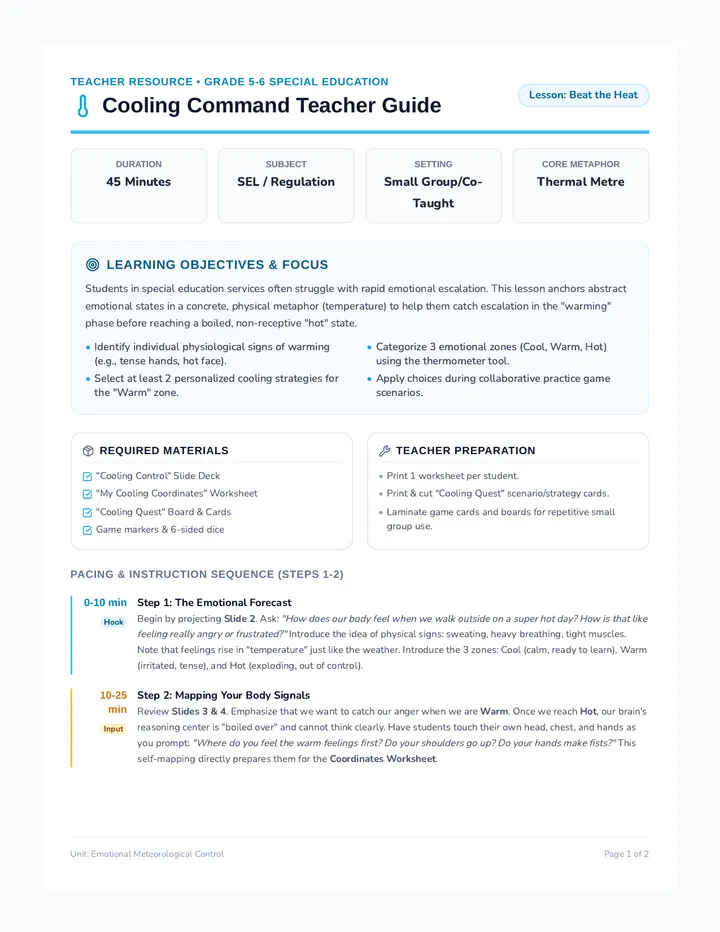
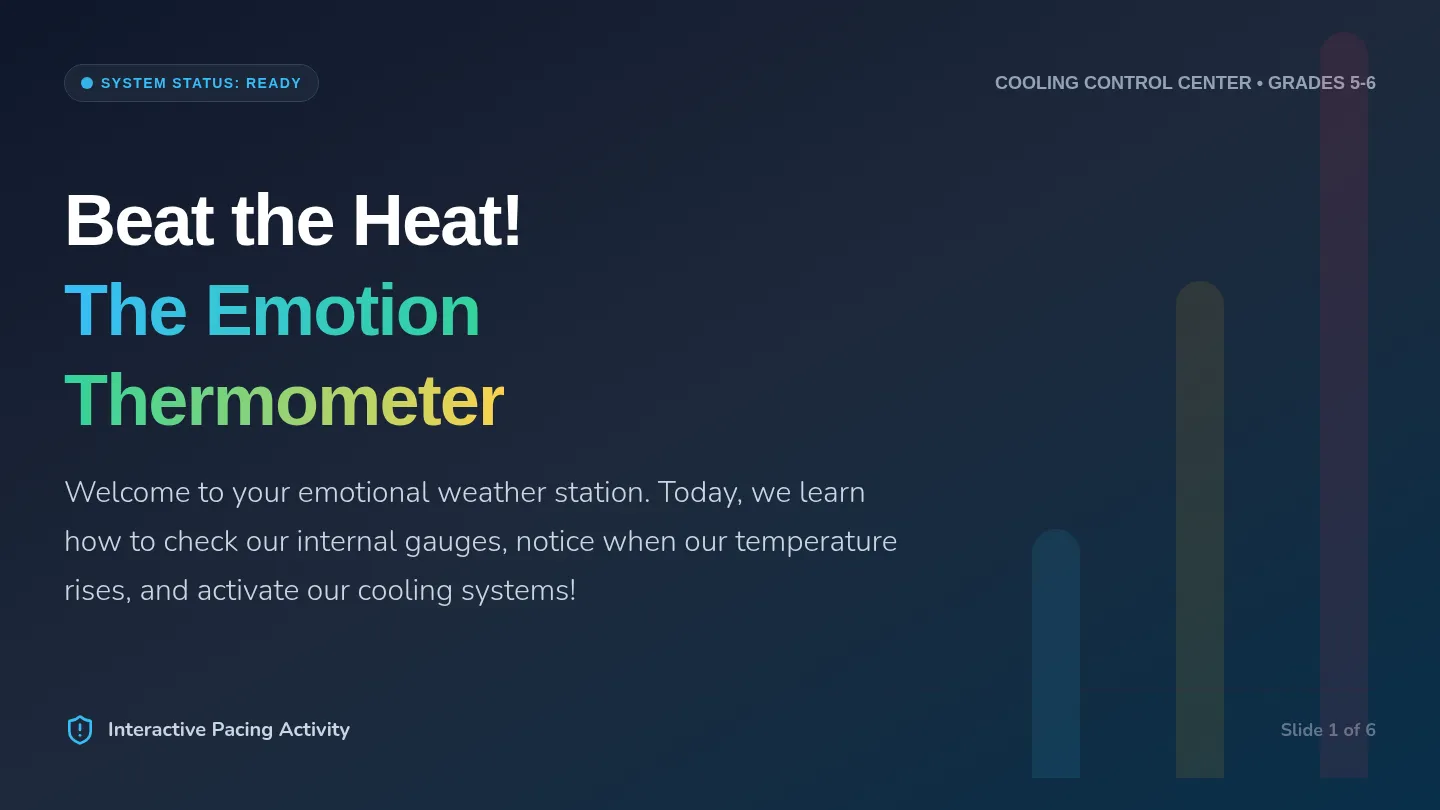
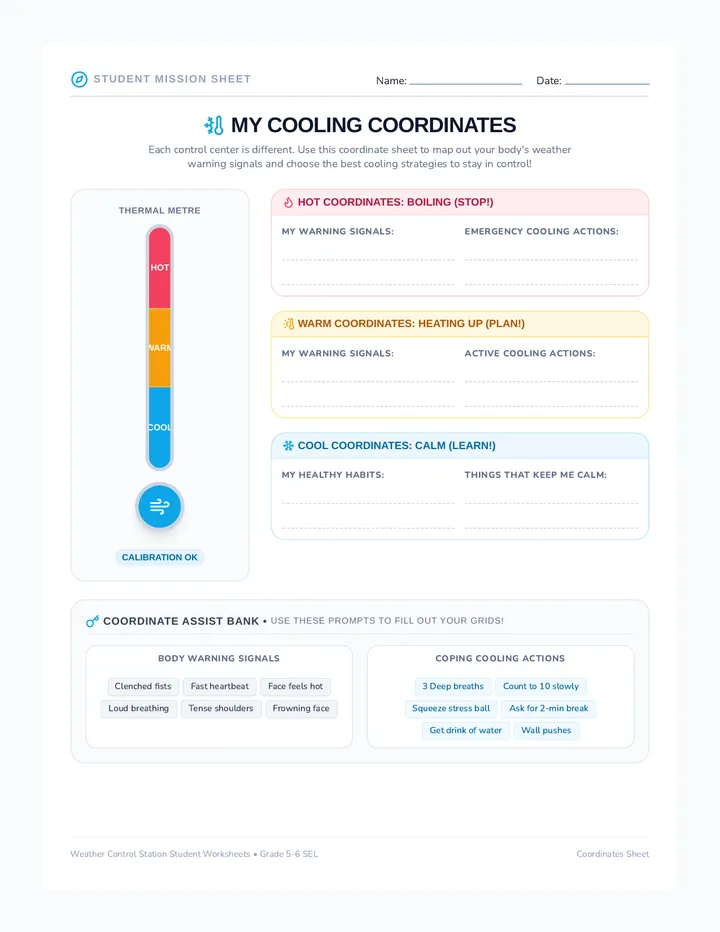
An emotional self-regulation lesson that helps 5th and 6th-grade special education students connect temperature metaphors with their emotional states. Students learn to recognize early physical warning signs of frustration and choose customized 'cooling' strategies using a visual thermometer tool.
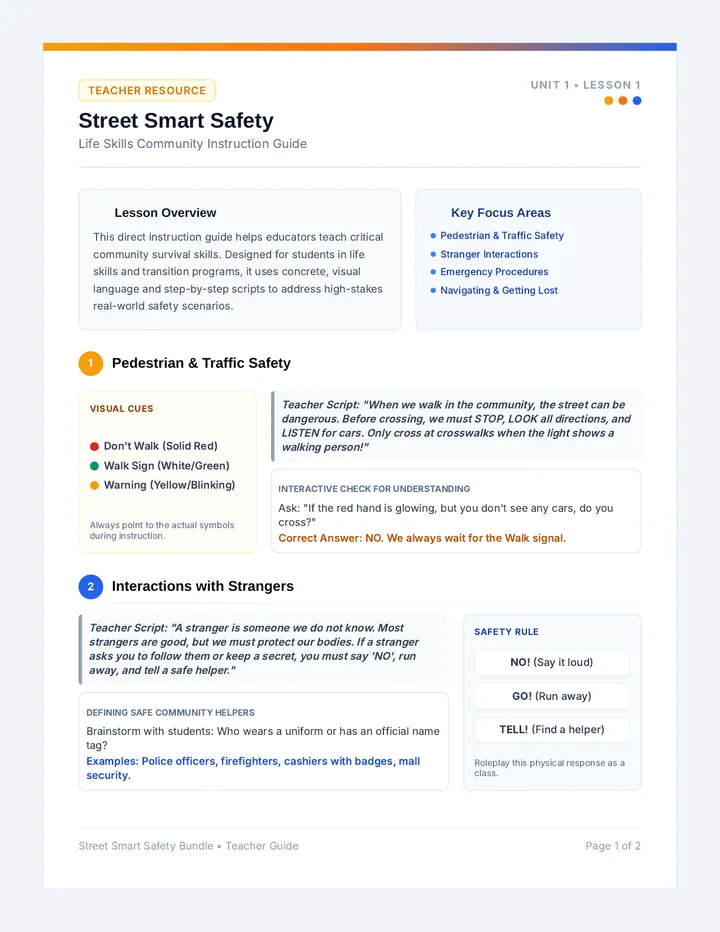
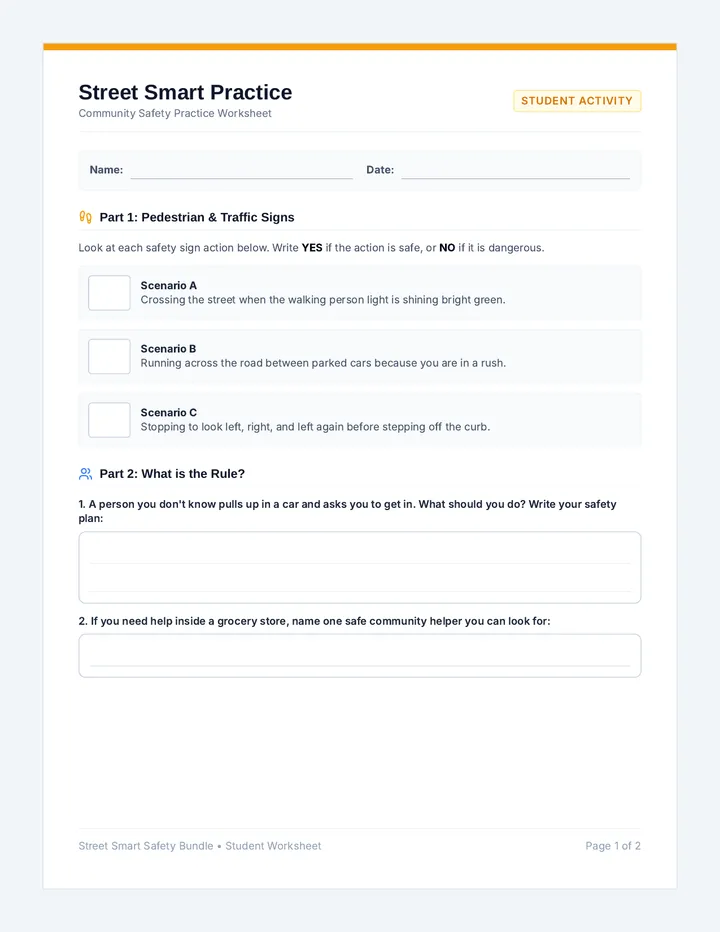
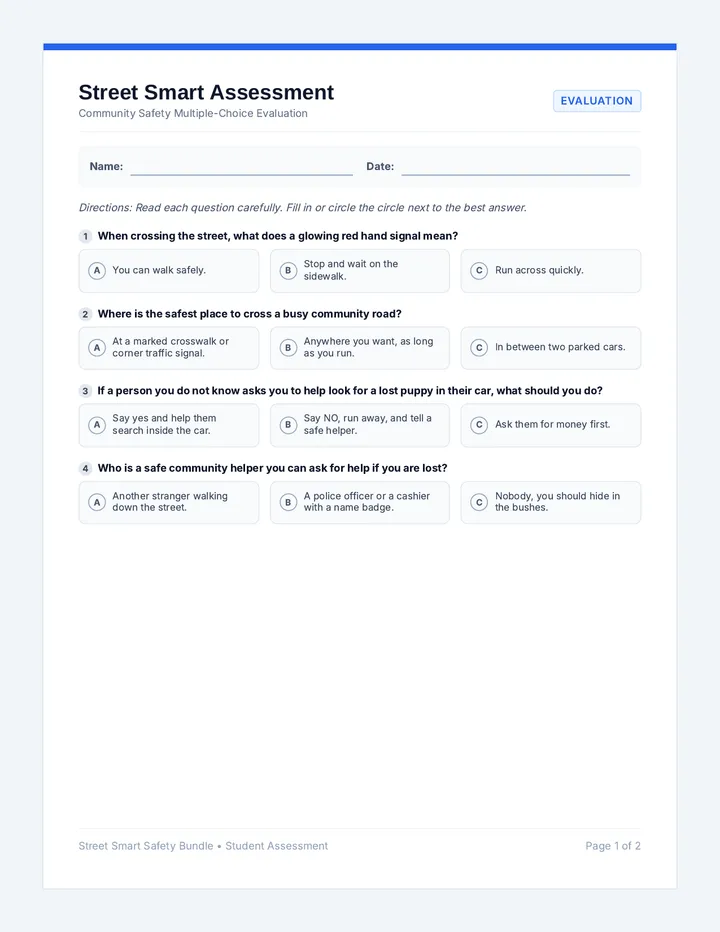
A comprehensive life skills lesson focused on community safety, covering traffic, emergencies, strangers, and navigating the neighborhood safely. It includes a teacher instruction guide, a practical practice worksheet, and a visual community safety assessment.
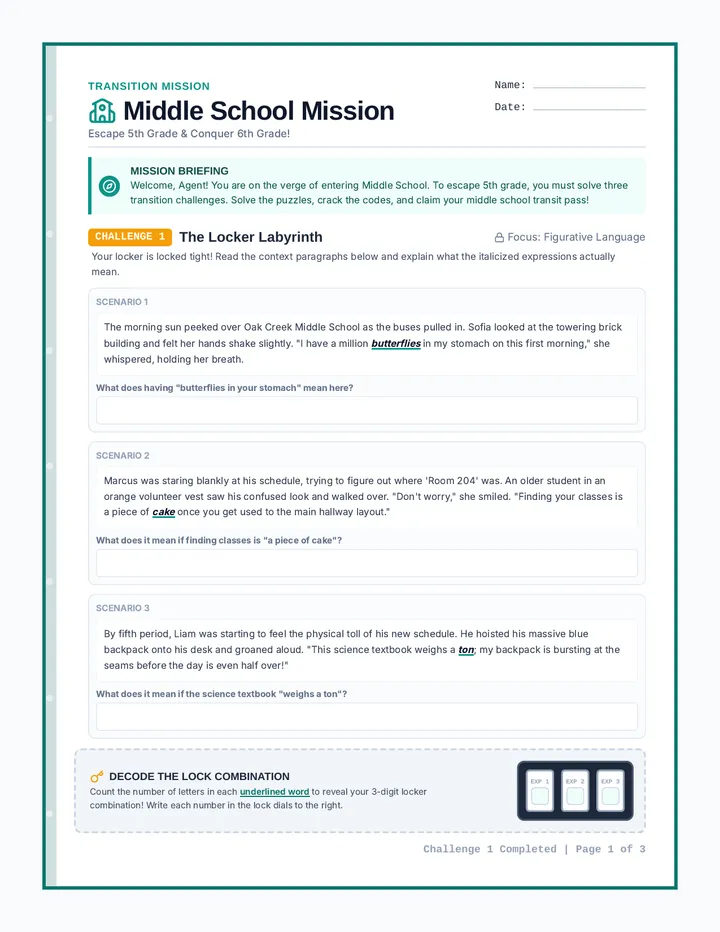
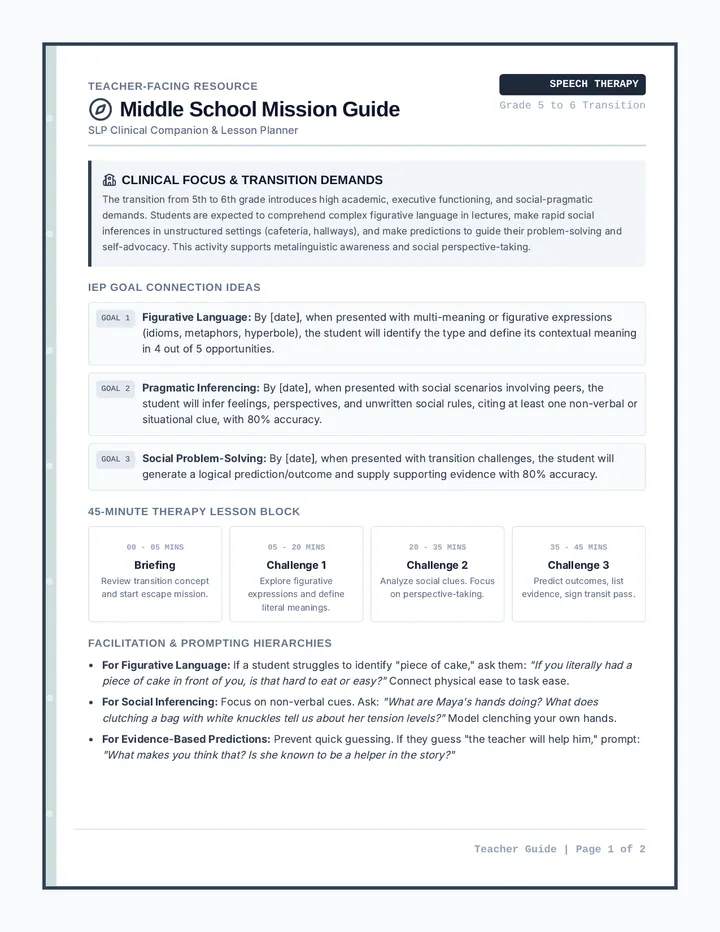
An engaging, transition-themed speech therapy lesson designed for 5th graders. It targets figurative language comprehension, situational inferencing, and evidence-based predictions using real-world middle school scenarios to prepare them for the social and academic transition.
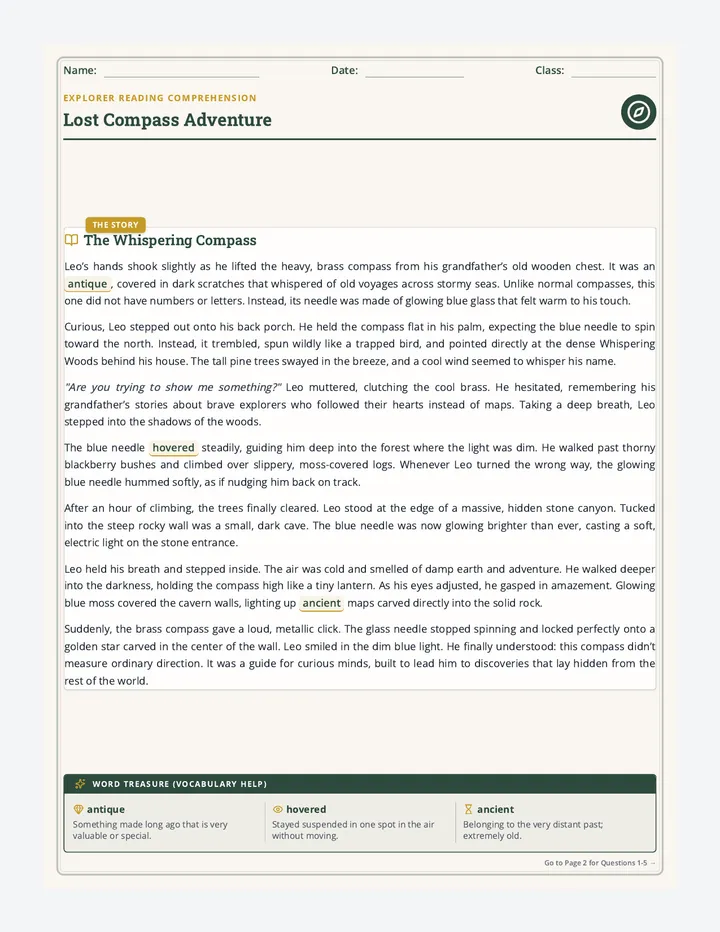
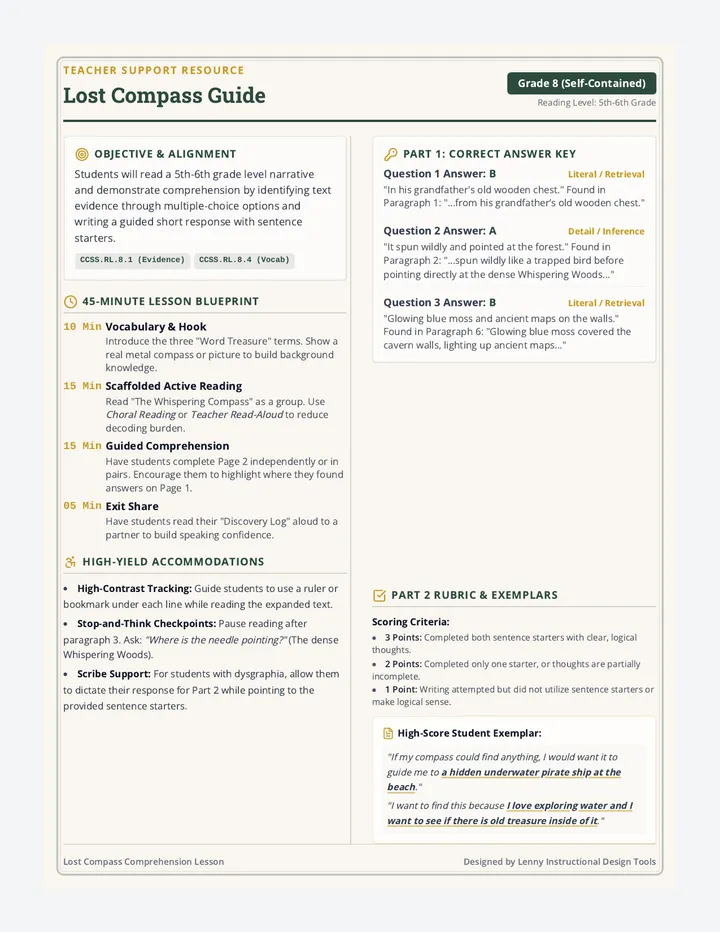
A reading comprehension lesson designed for 8th-grade self-contained ELA students reading at a 5th-6th grade level. It includes a scaffolded student worksheet with visual multiple-choice options and a teacher guide with pacing and strategies.
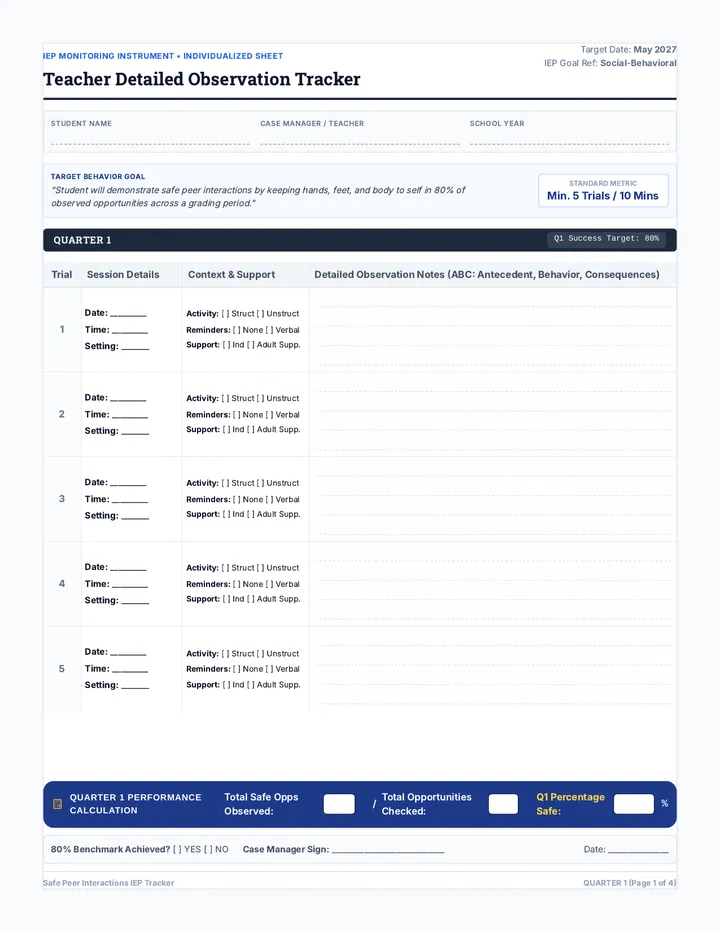
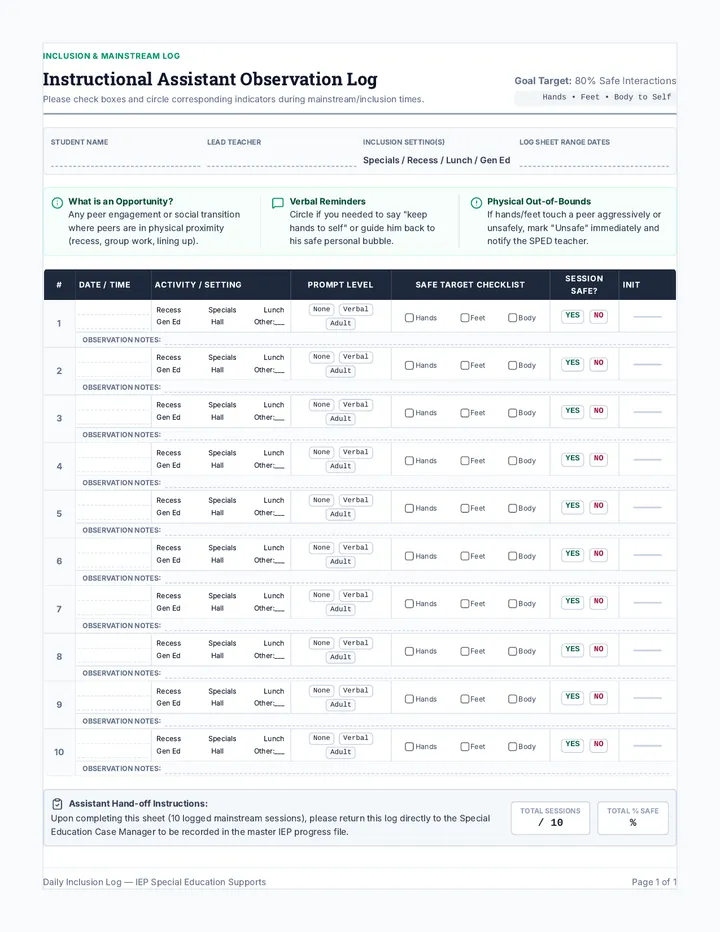
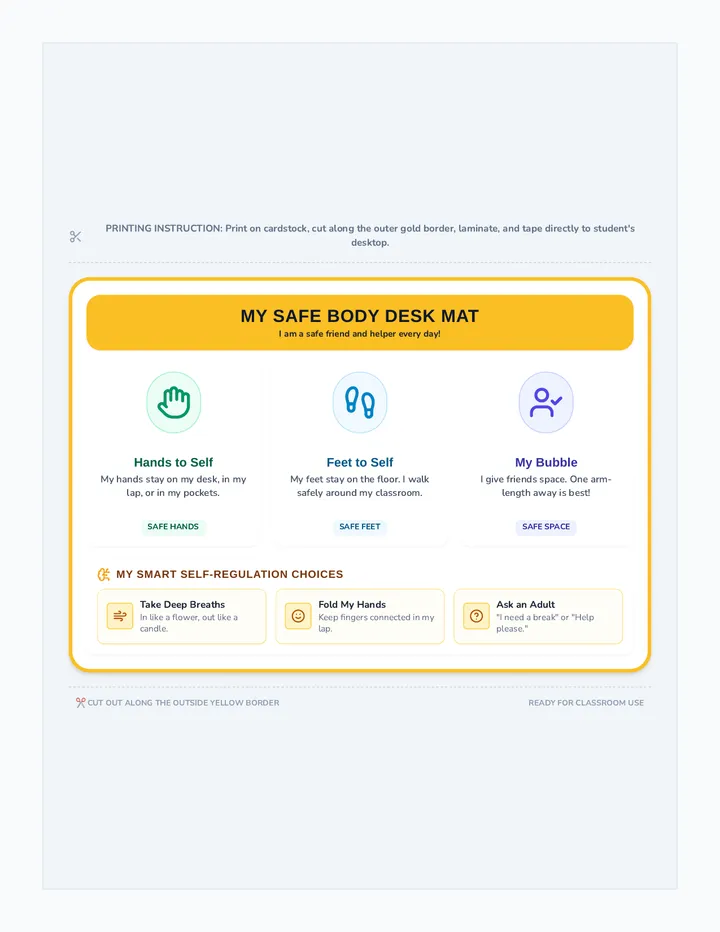
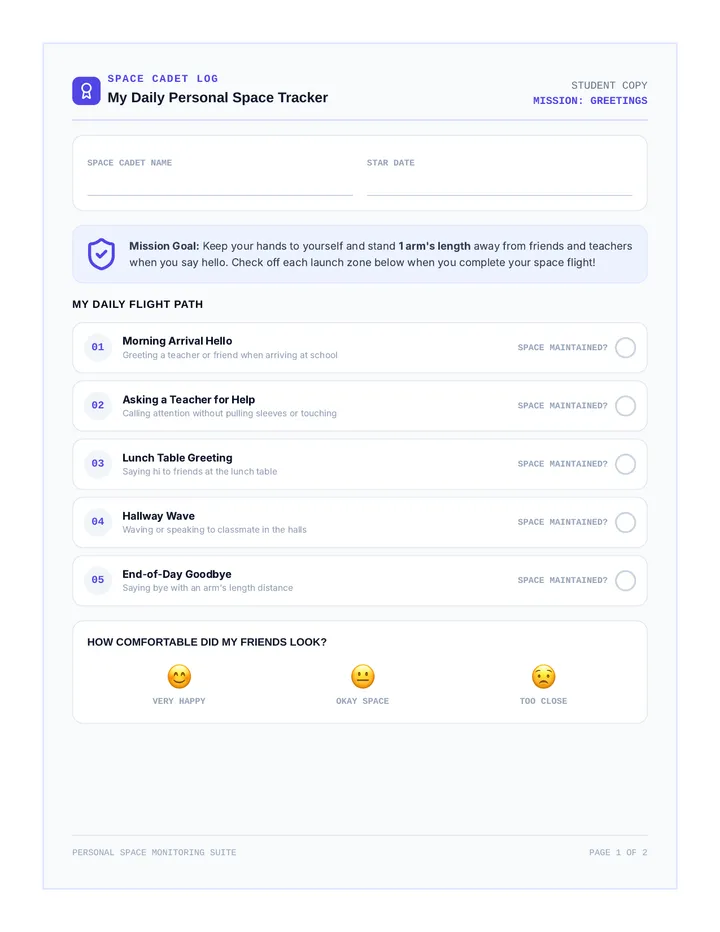
A comprehensive tracking and visual support system designed to monitor and reinforce safe peer interactions (keeping hands, feet, and body to self) in compliance with an IEP goal. Includes a teacher-led detailed observation packet, an easy-to-use assistant log for inclusion times, and a student-facing desktop visual regulation mat.
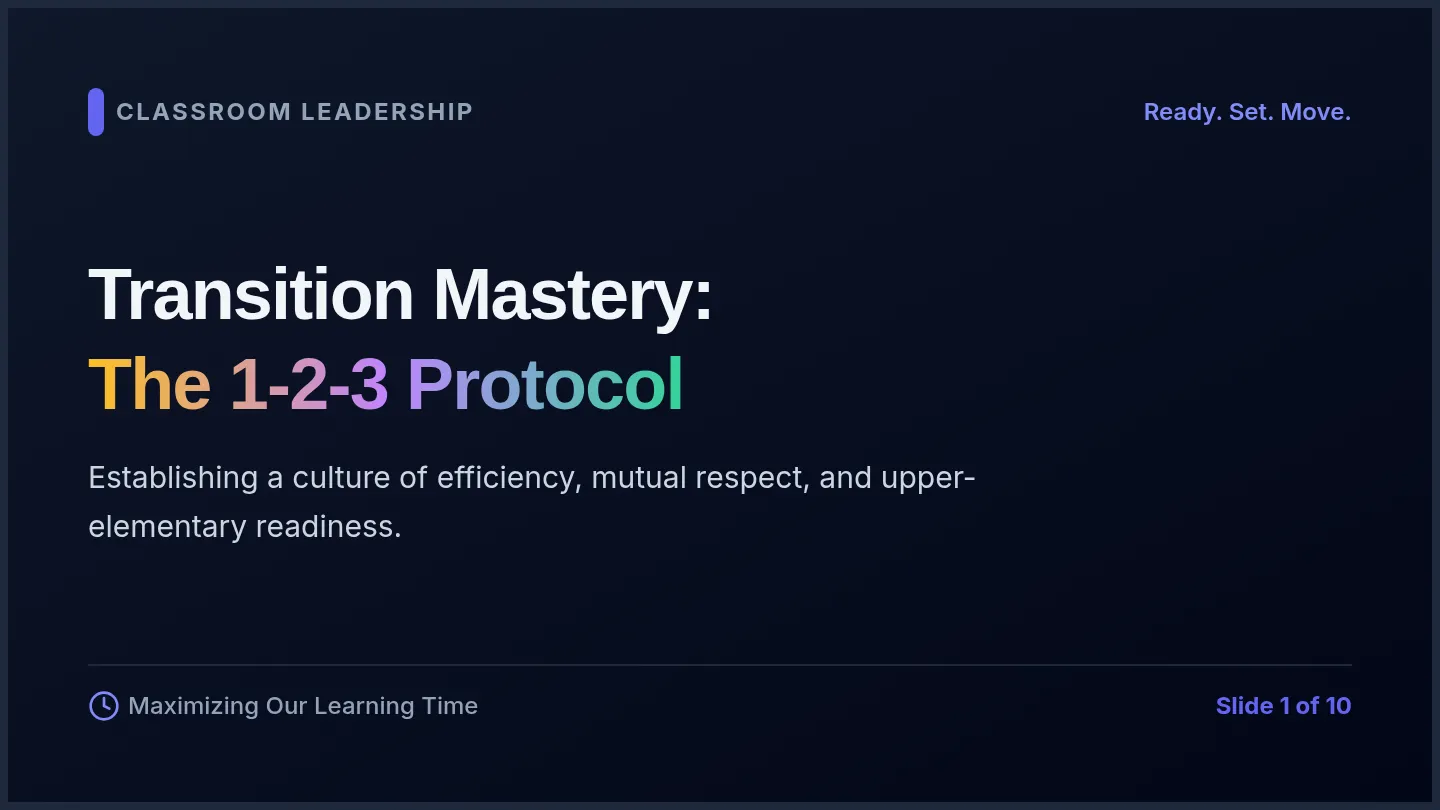
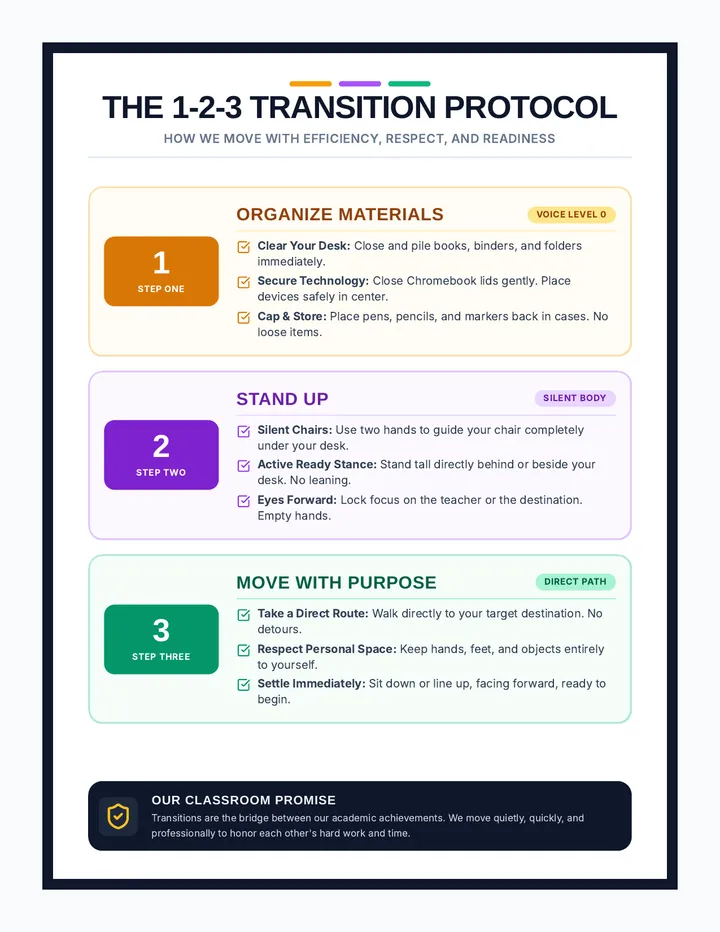
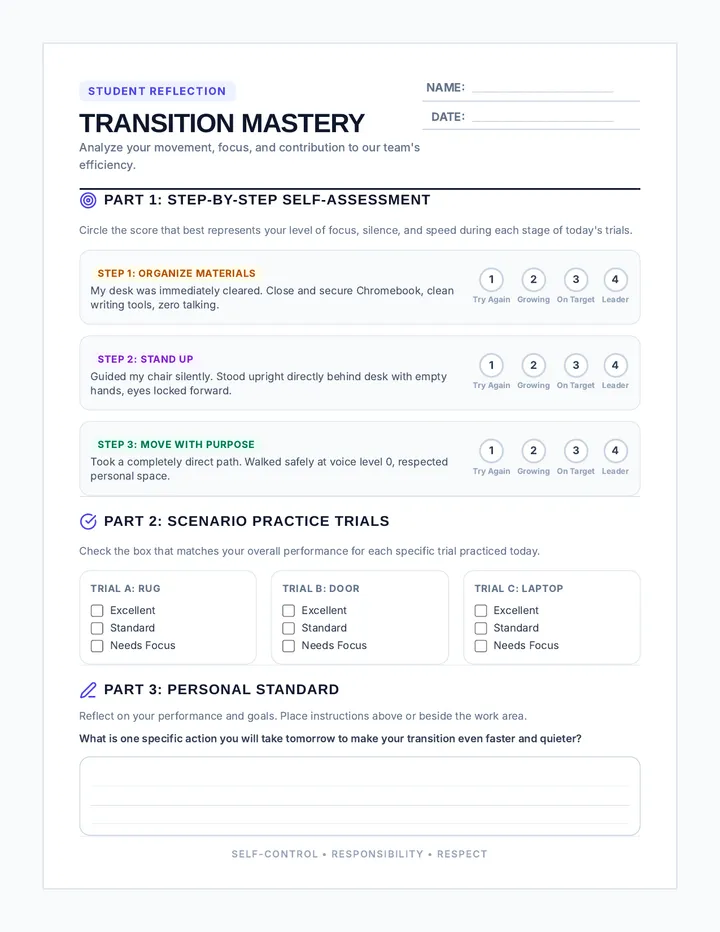
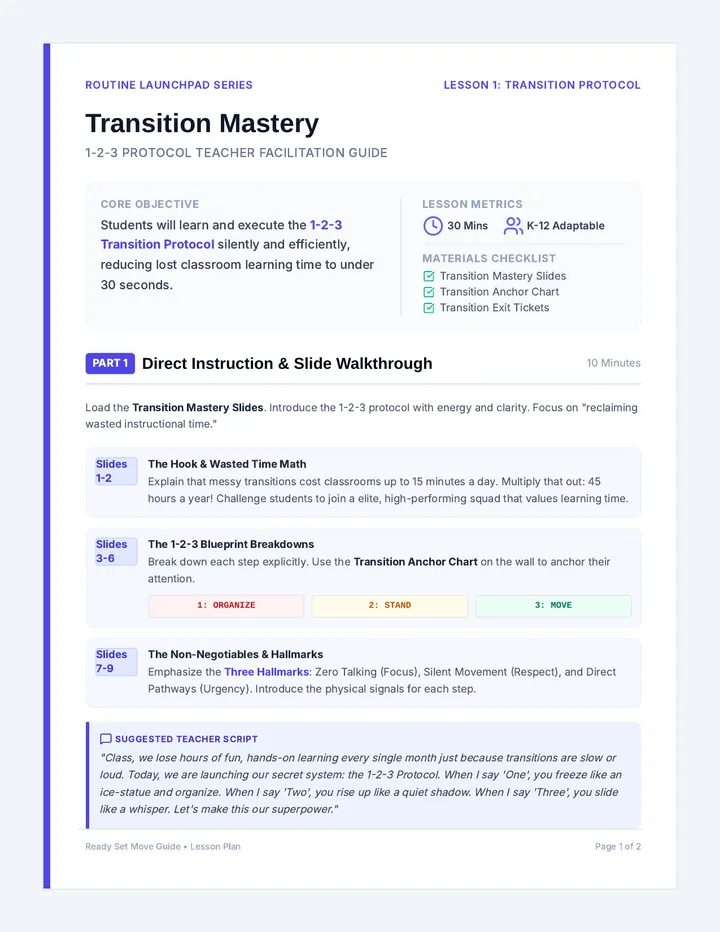
This lesson introduces and structures the '1, 2, 3' transition protocol (1: Organize, 2: Stand, 3: Move) to establish class-wide efficiency. Through modeling, guided practice, and independent application, students master essential classroom routines.
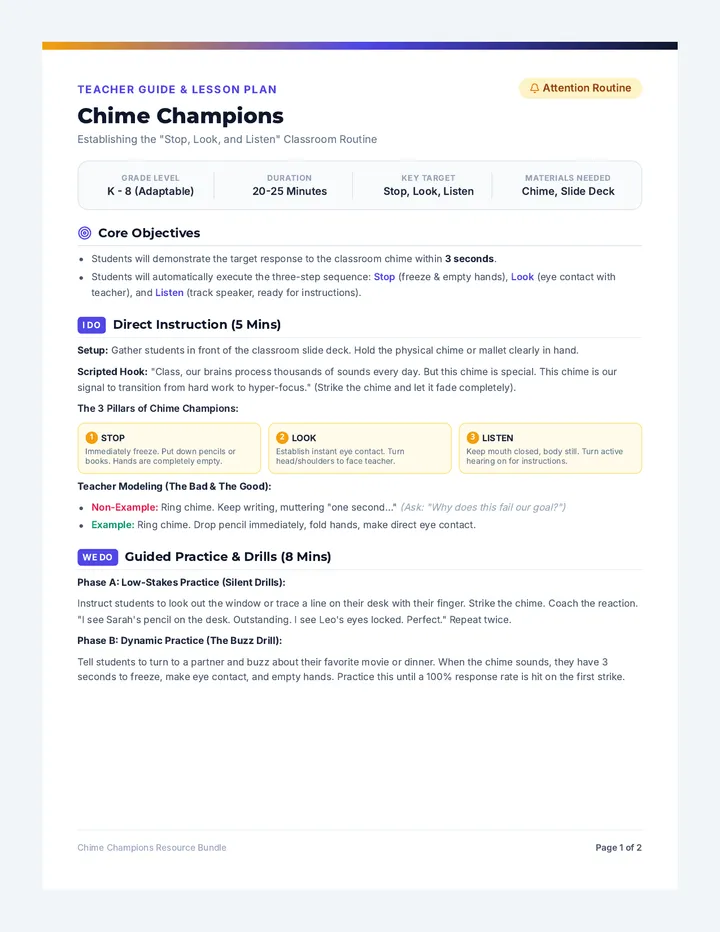
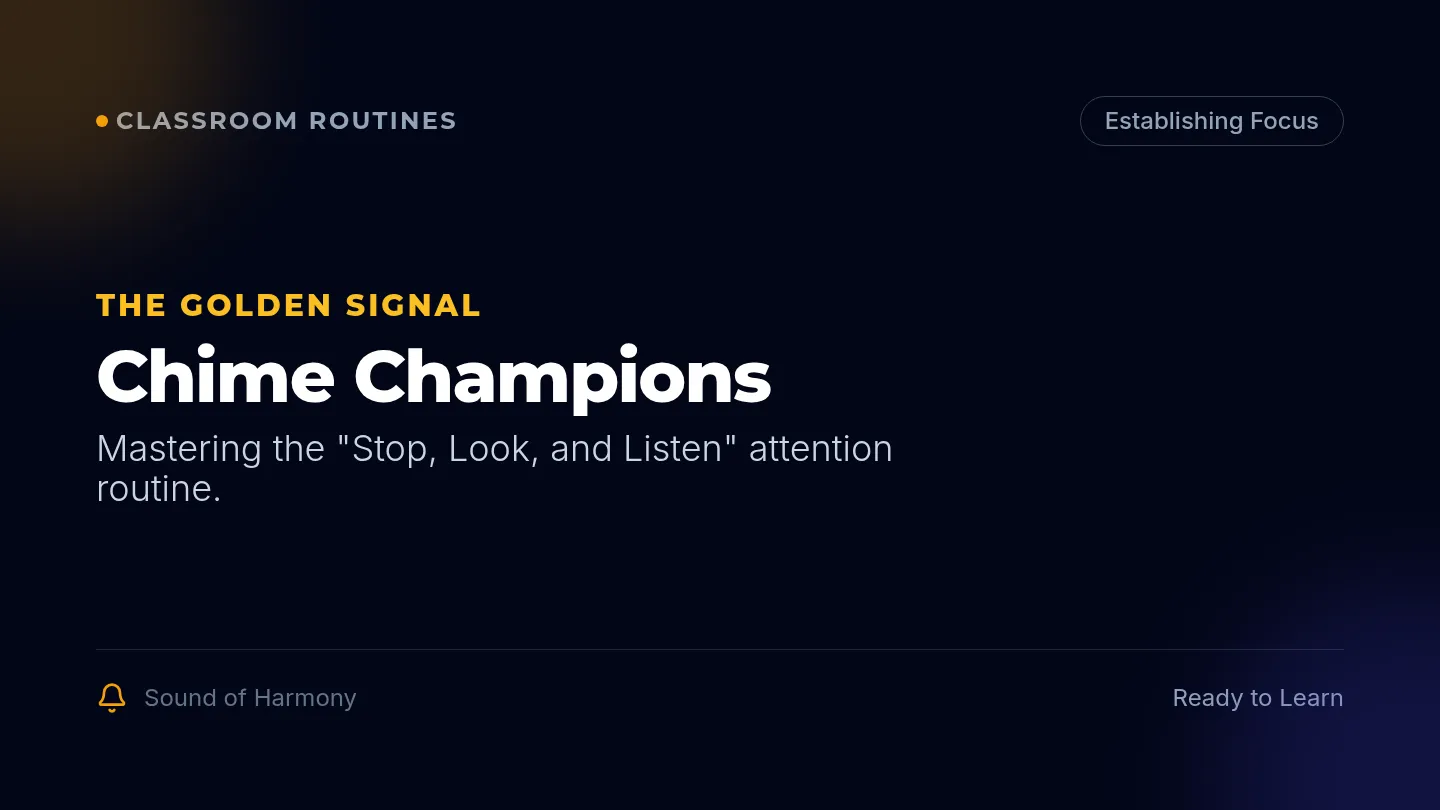
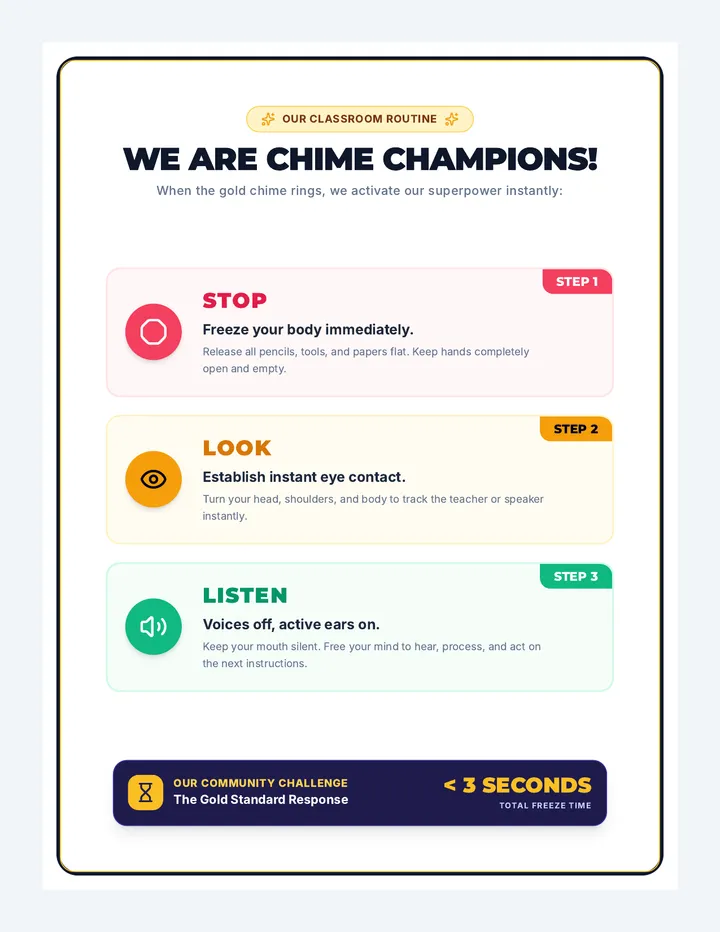
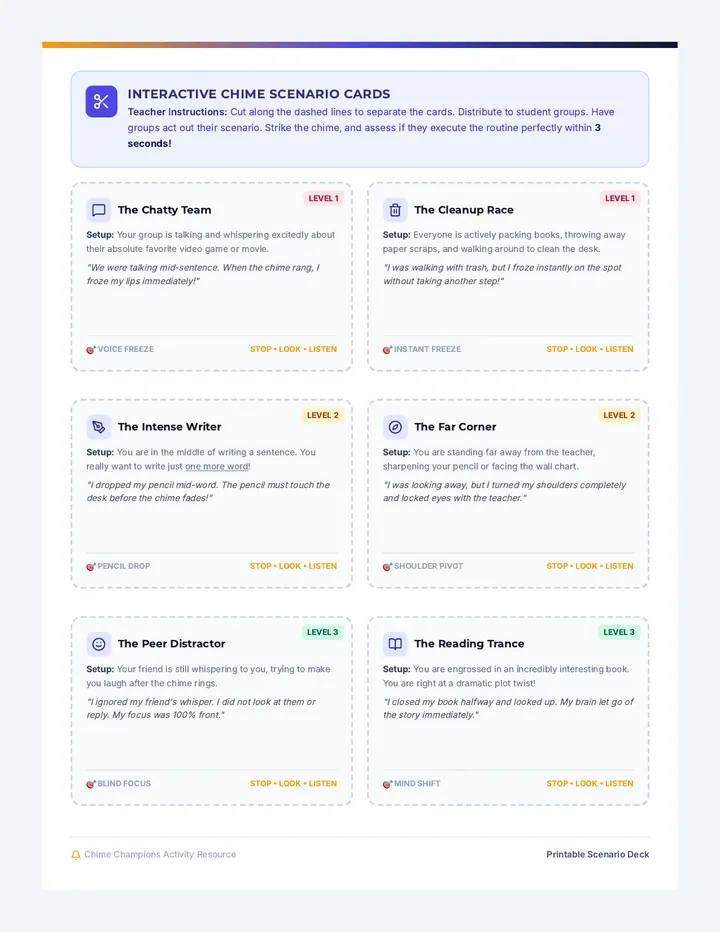
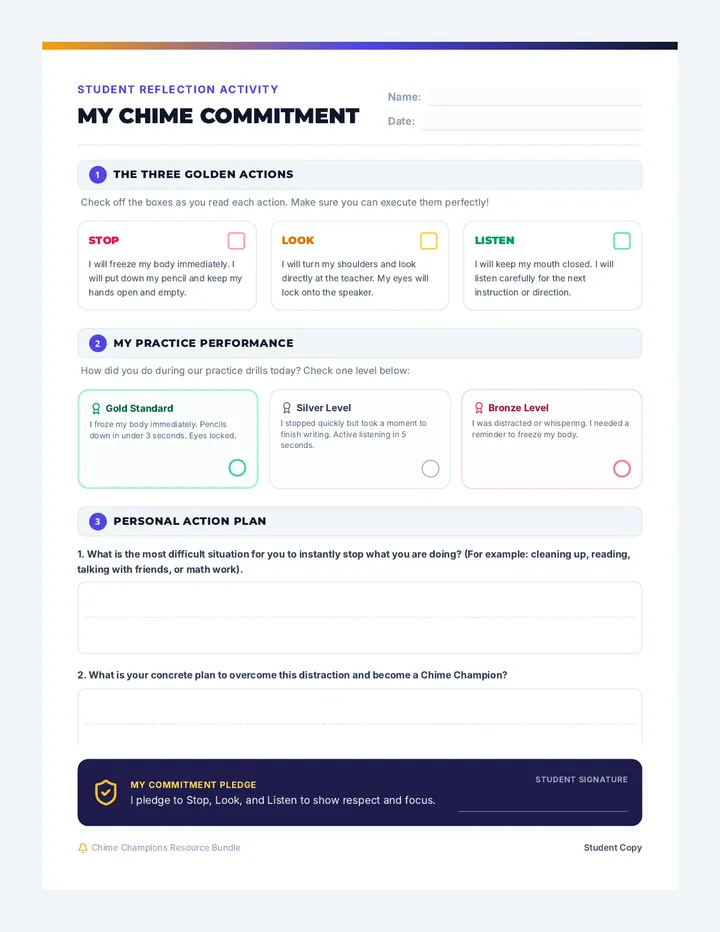
A structured mini-lesson and resource bundle to teach, practice, and master the classroom chime routine. Features a clear 'I Do, We Do, You Do' progression to establish the immediate 'Stop, Look, and Listen' behavior.
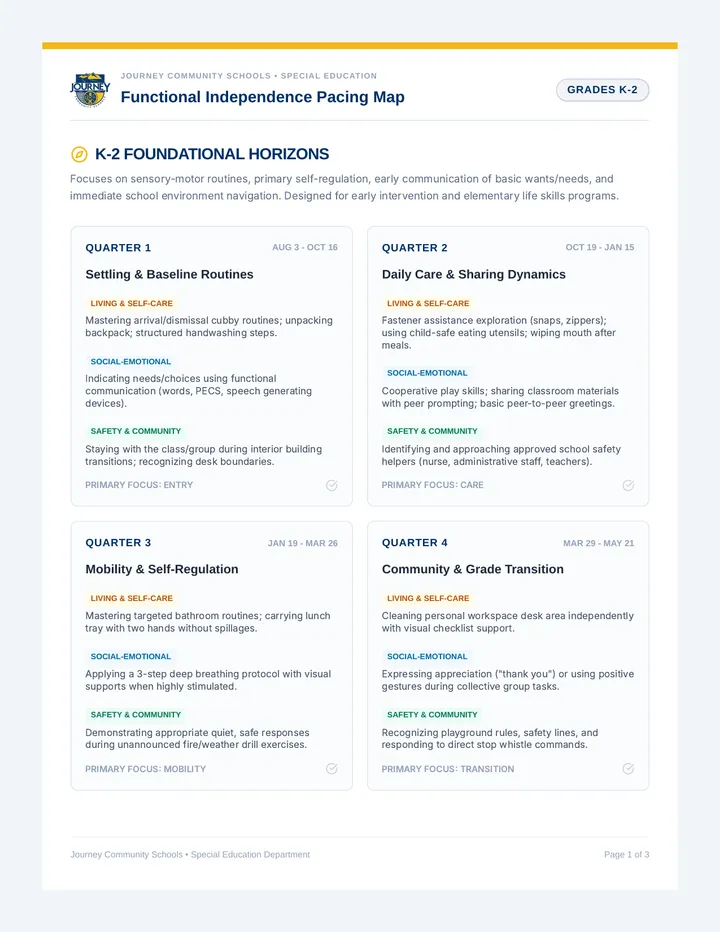
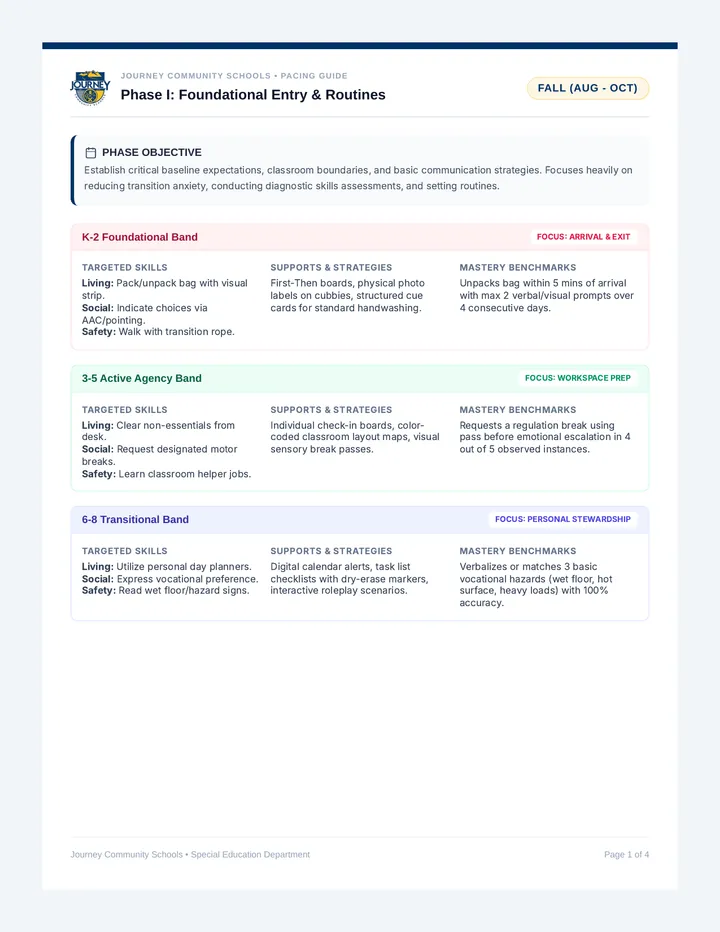
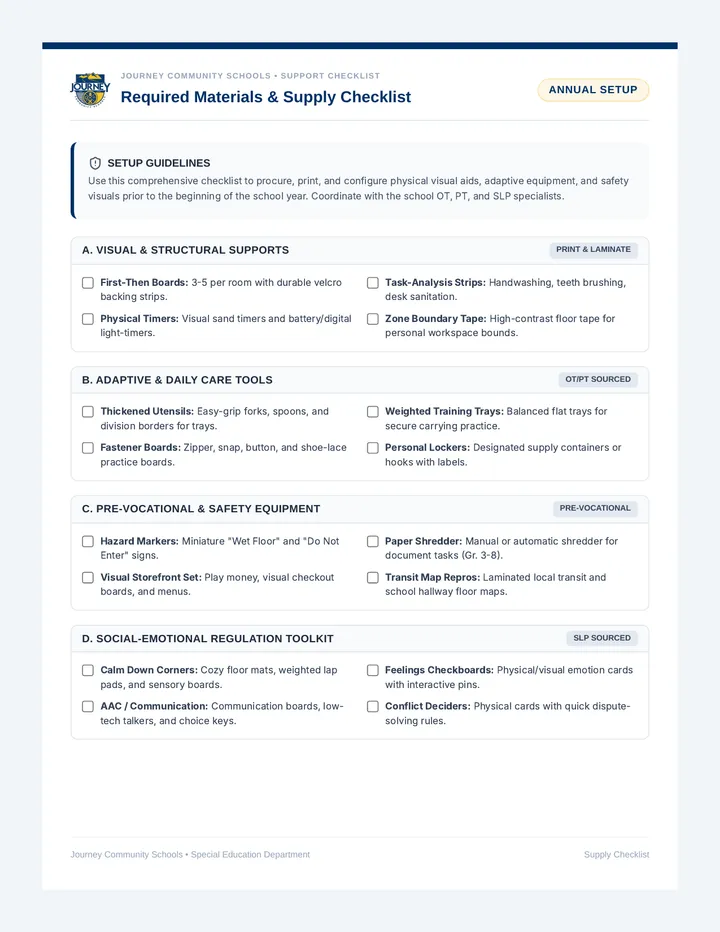
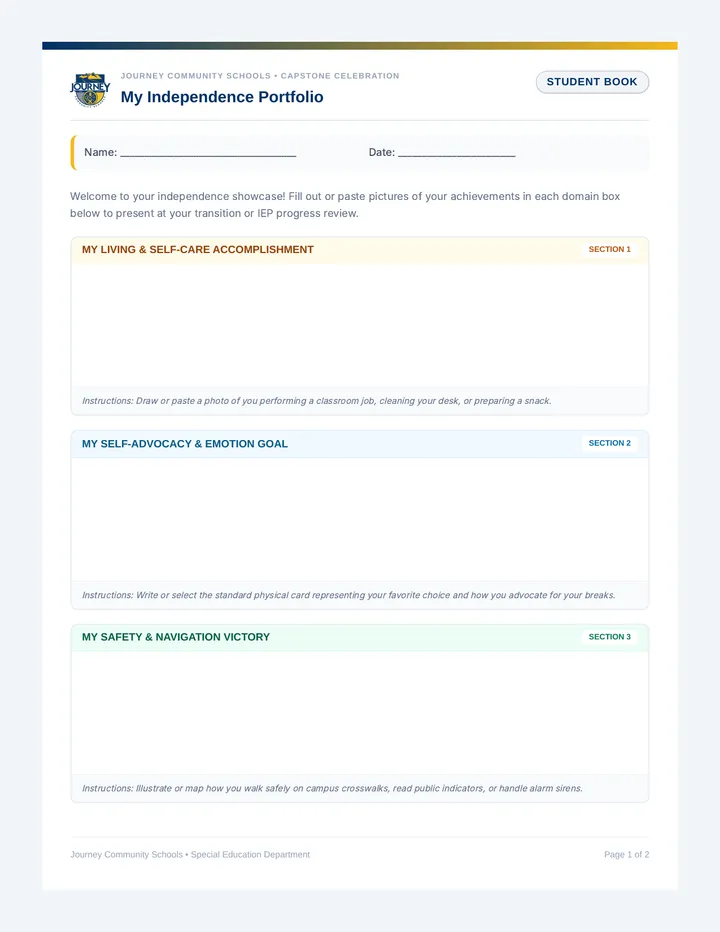
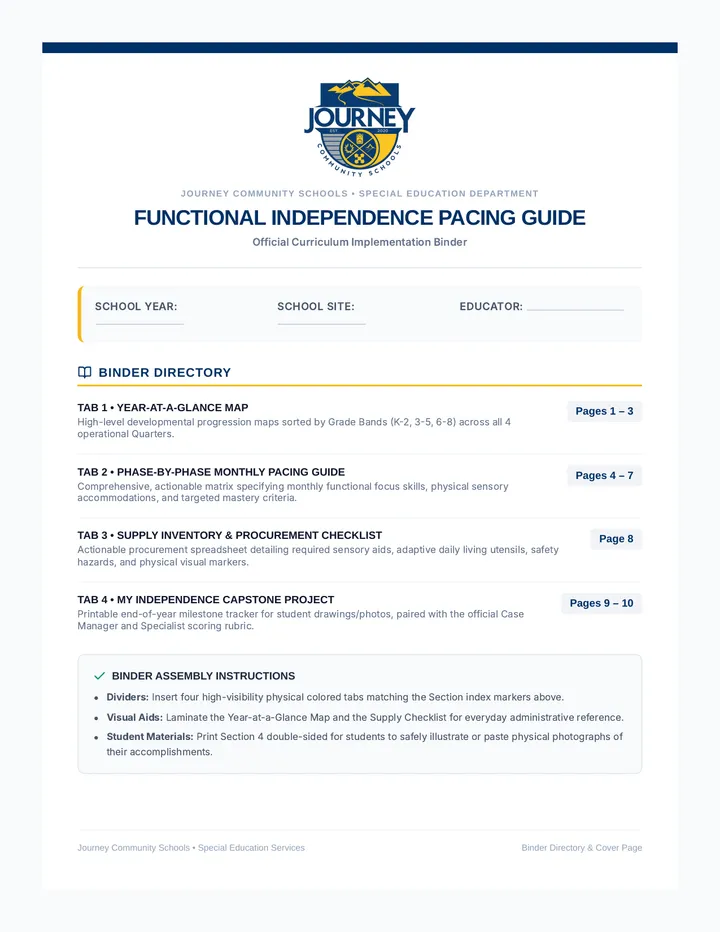
A comprehensive annual functional skills pacing framework for grades K-8. This framework structures a whole-school alignment across living, social-emotional, and community safety domains, optimized for special education administrators, resource teachers, and service providers.
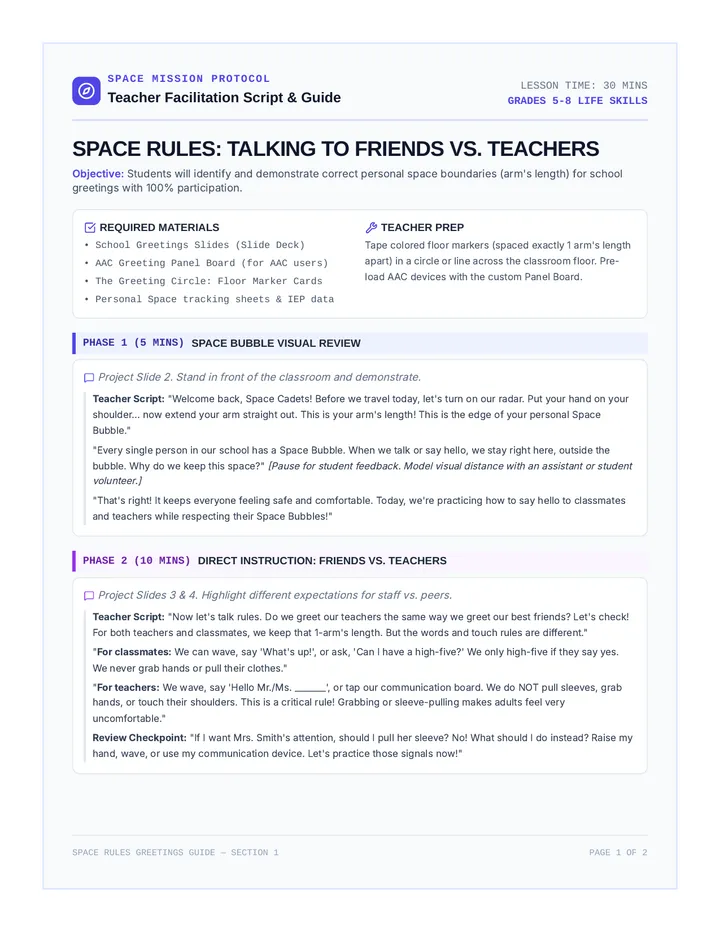
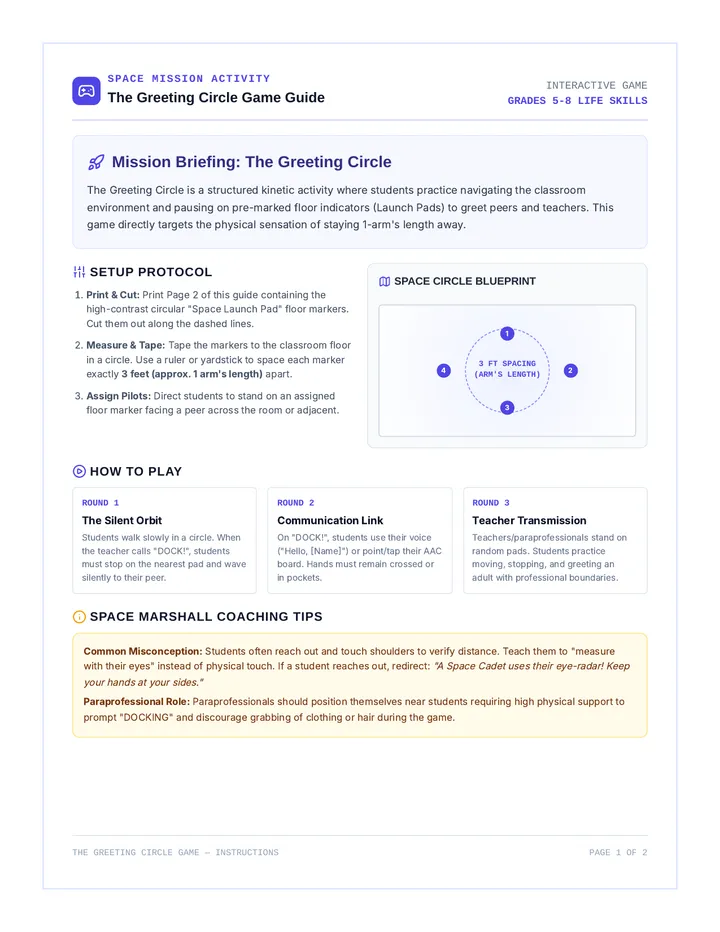
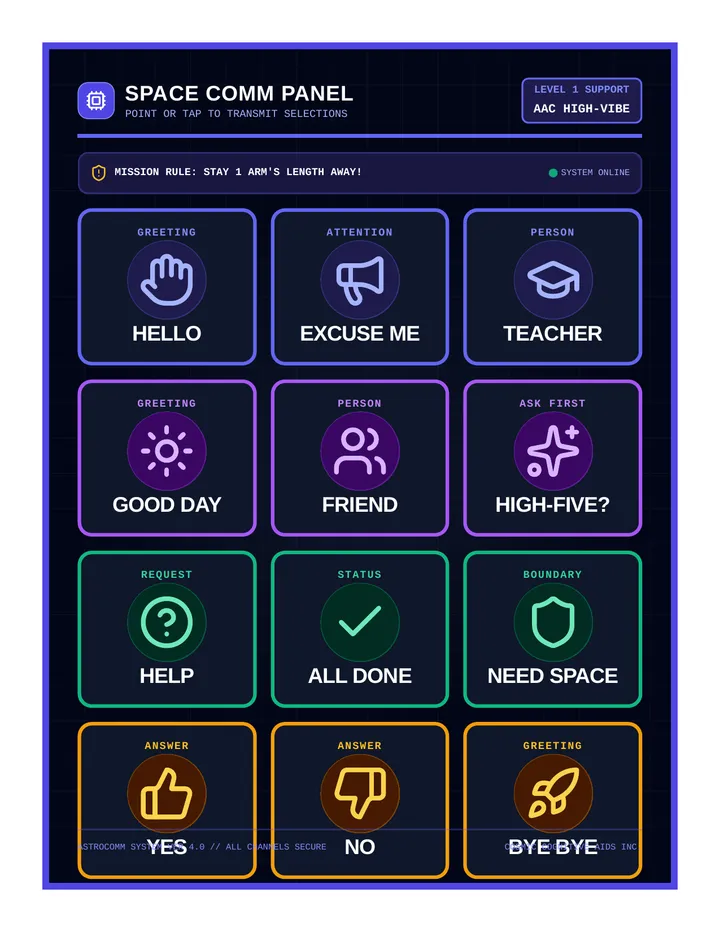
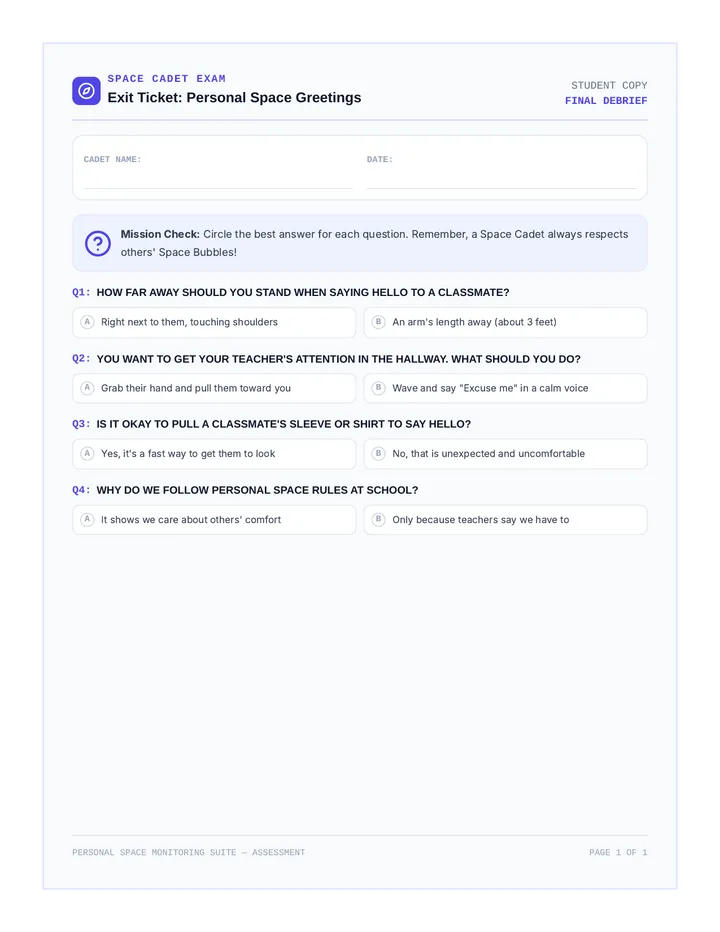
A Life Skills lesson for Grades 5-8 teaching personal space boundaries during school greetings. Students learn to maintain an arm's length distance, avoid unexpected touching, use respectful attention-seeking strategies, and practice greetings using AAC and visual supports.