A lesson designed to help 6th-grade students explore and identify their leisure interests and hobbies. Through visual presentations and a personal inventory, students learn to articulate what they enjoy doing in their free time.
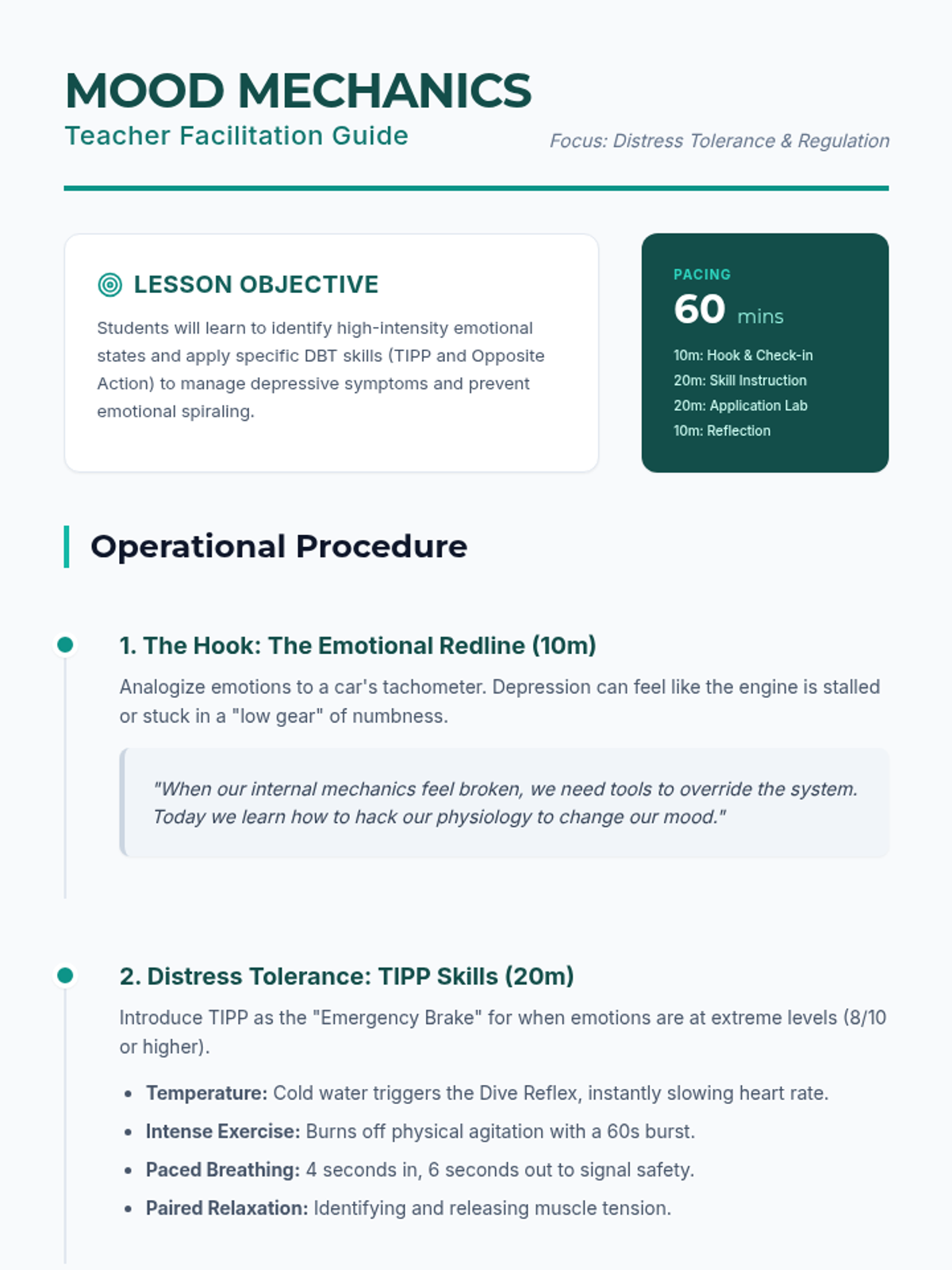
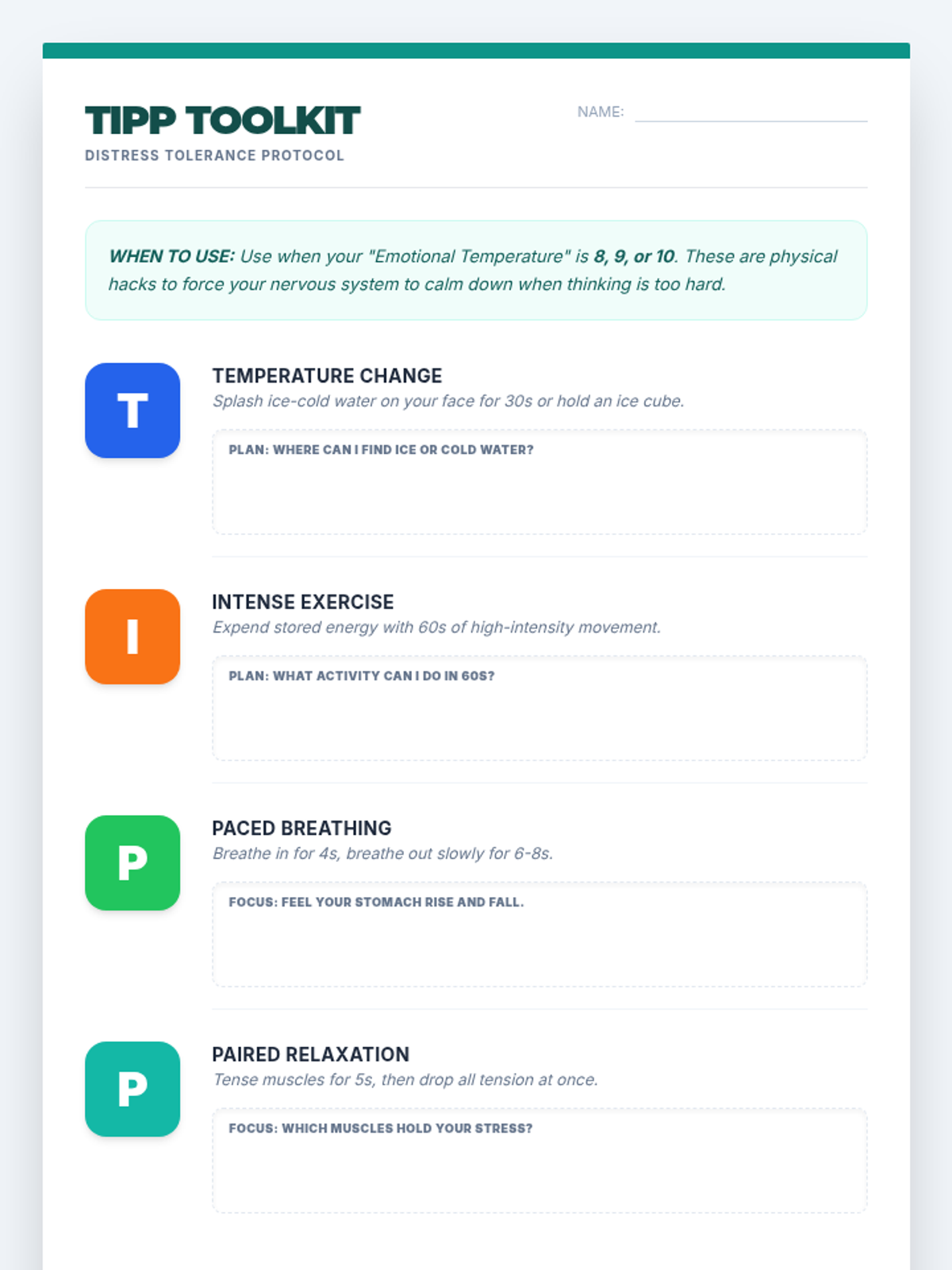
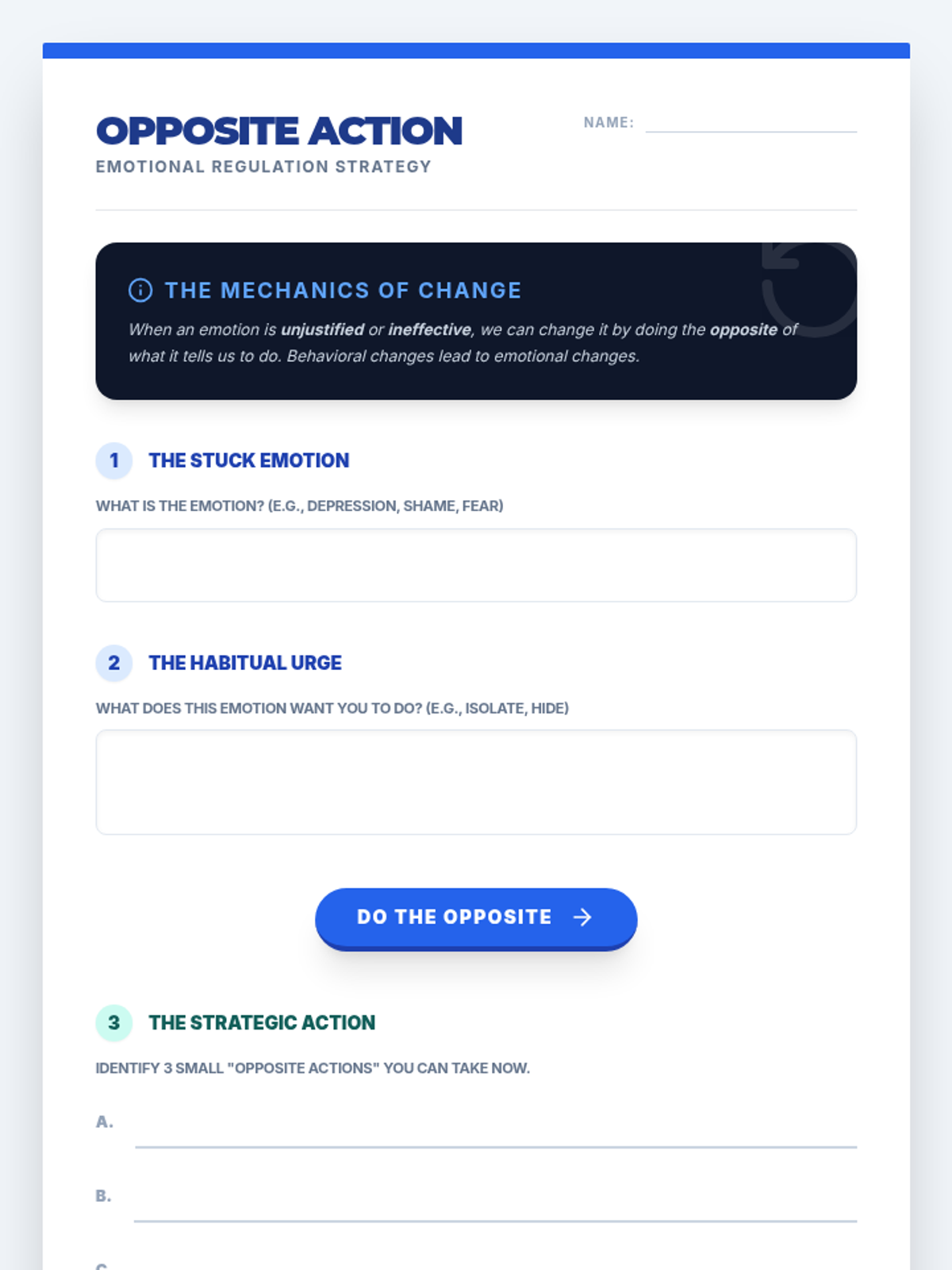
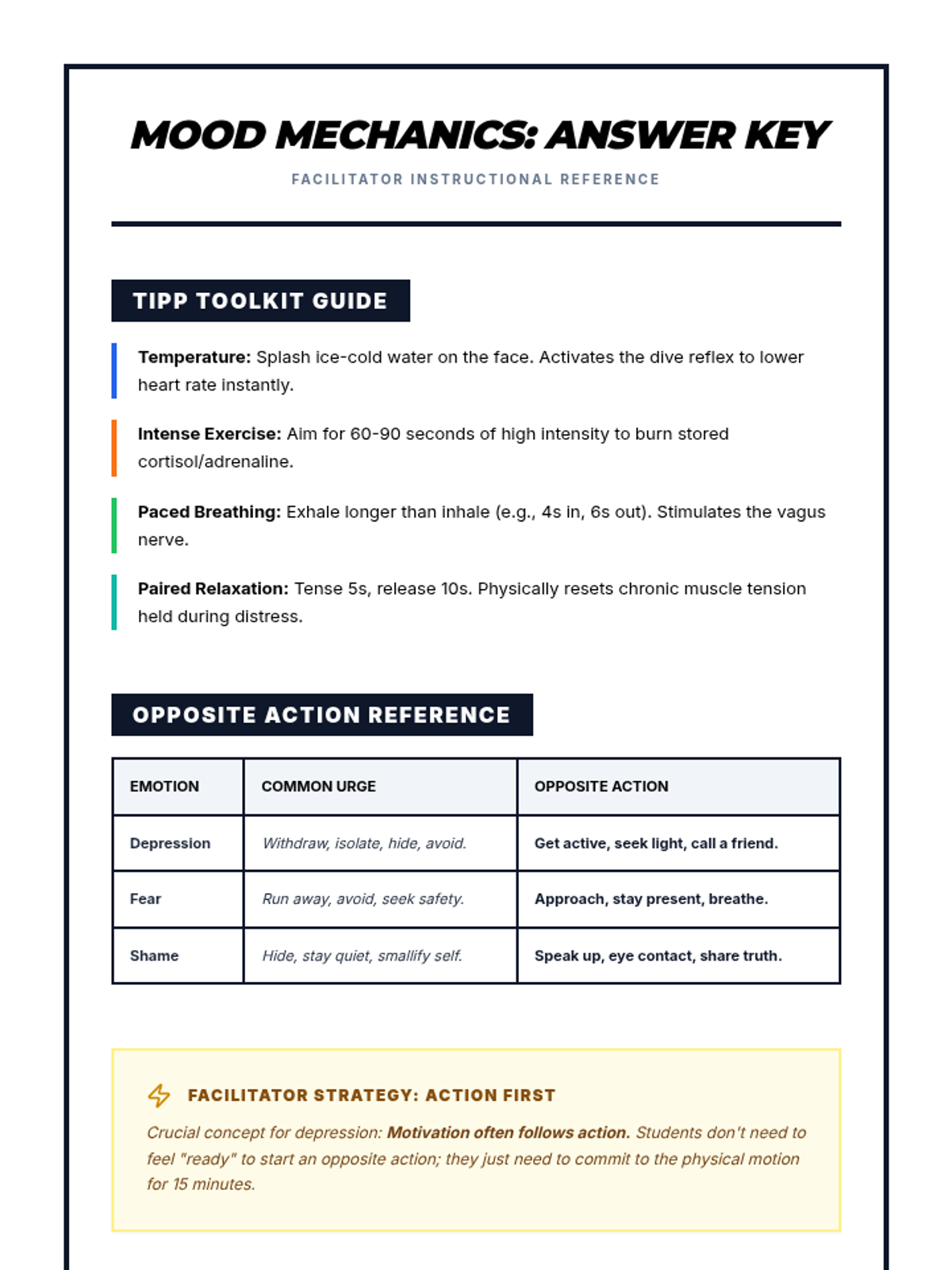
A comprehensive introduction to Dialectical Behavior Therapy (DBT) skills specifically tailored for managing depression, focusing on Distress Tolerance (TIPP) and Emotional Regulation (Opposite Action).
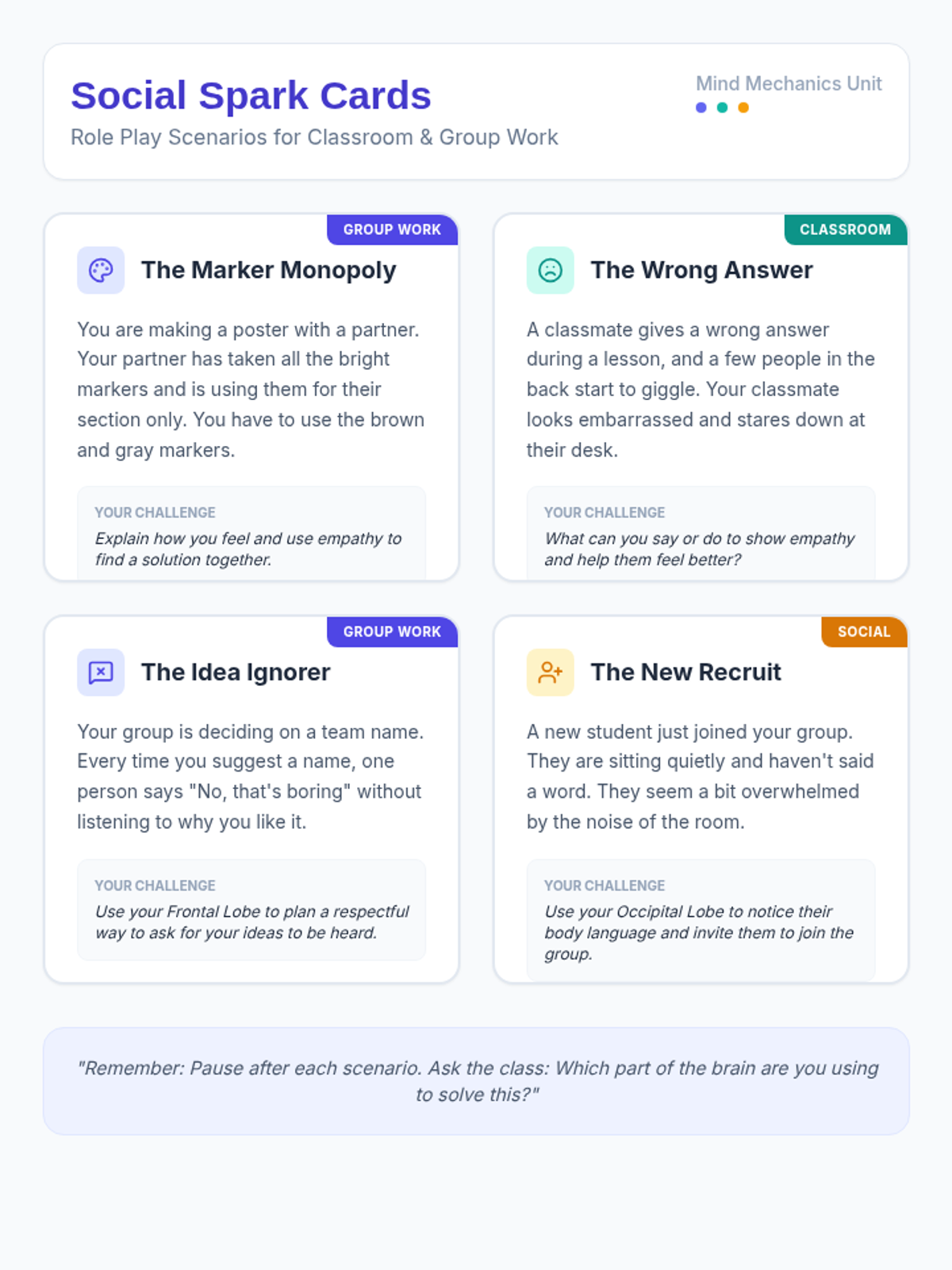
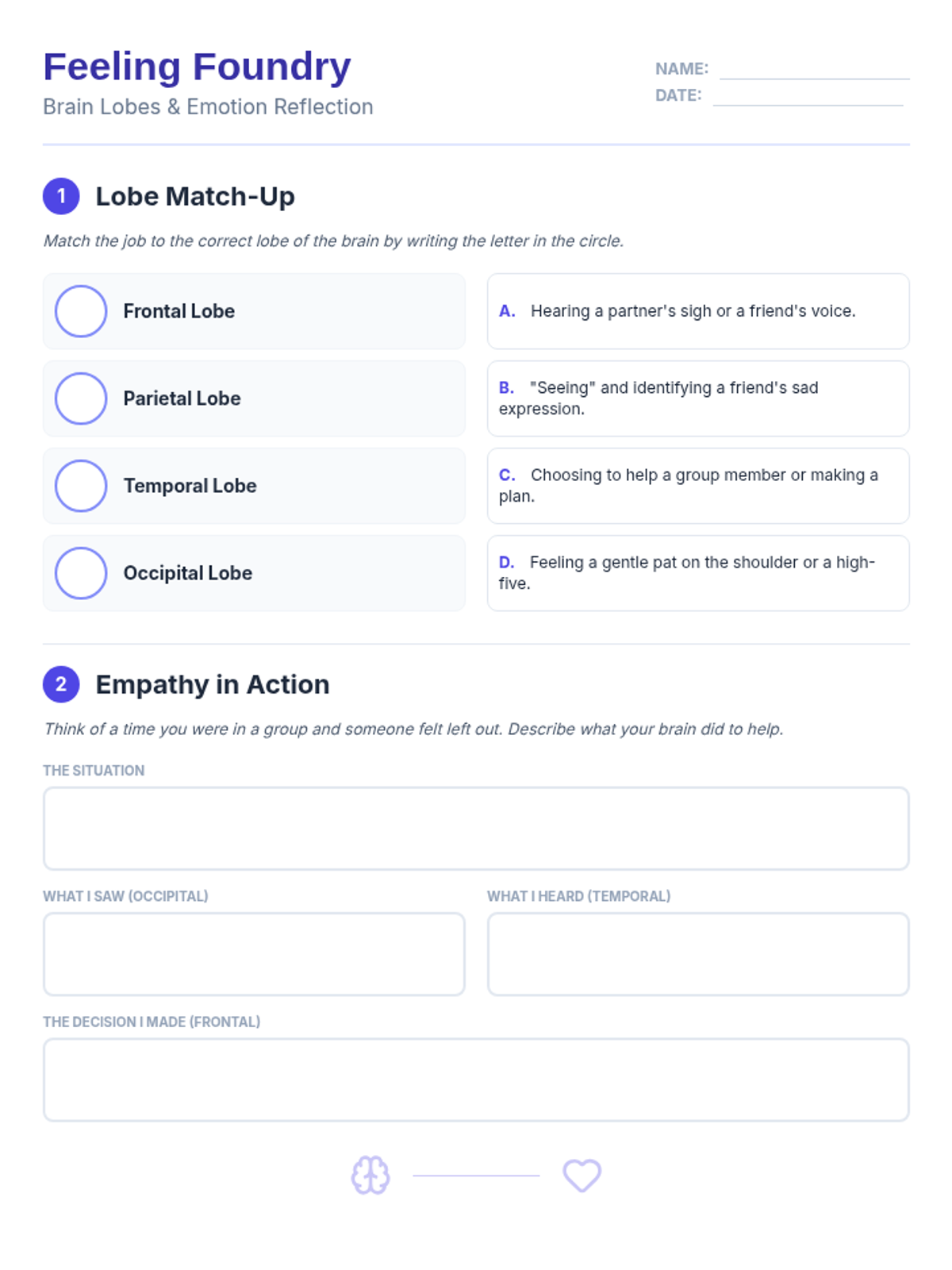
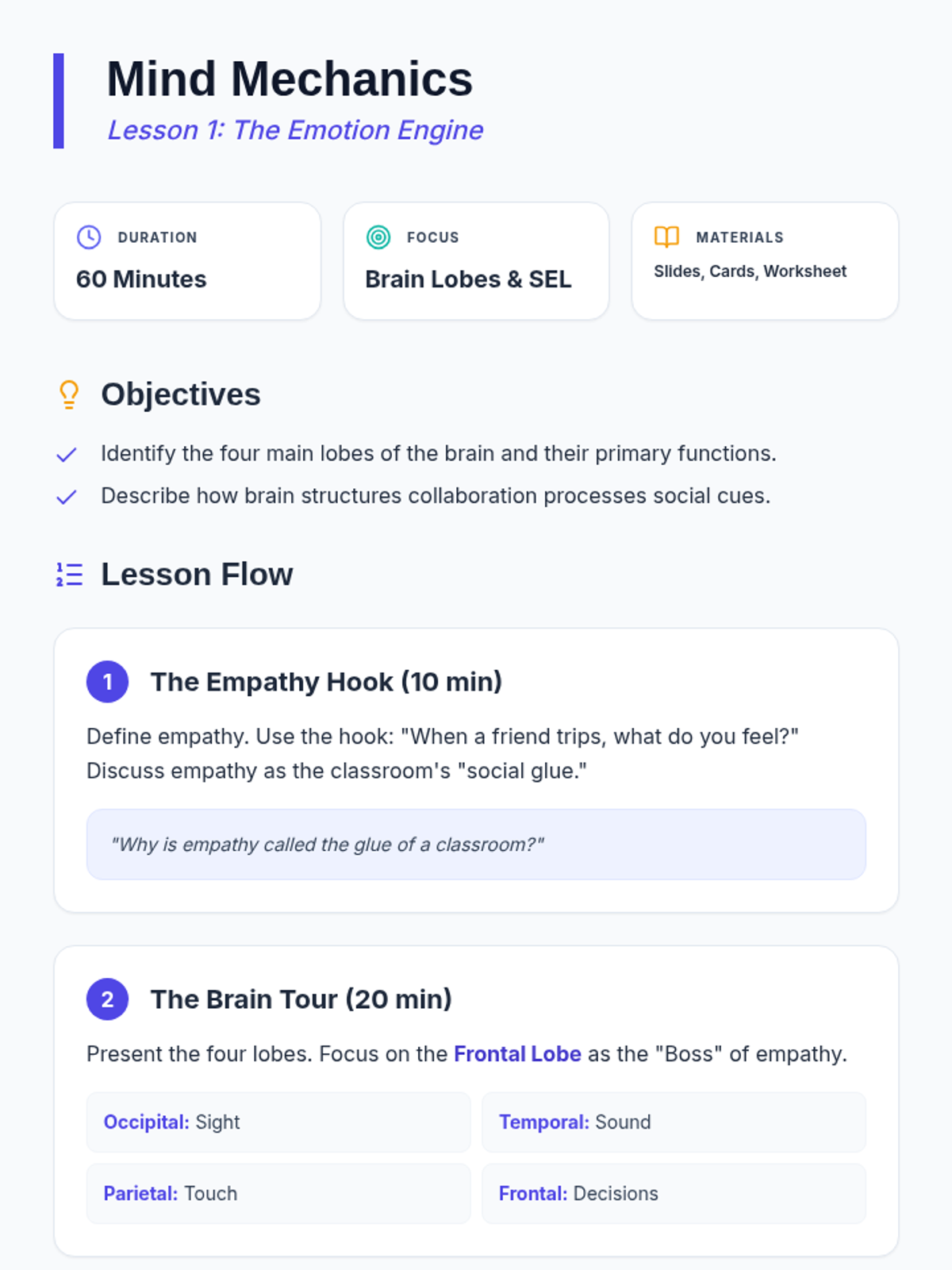
Students explore the four lobes of the brain and how they work together to process emotions and navigate social interactions in the classroom.
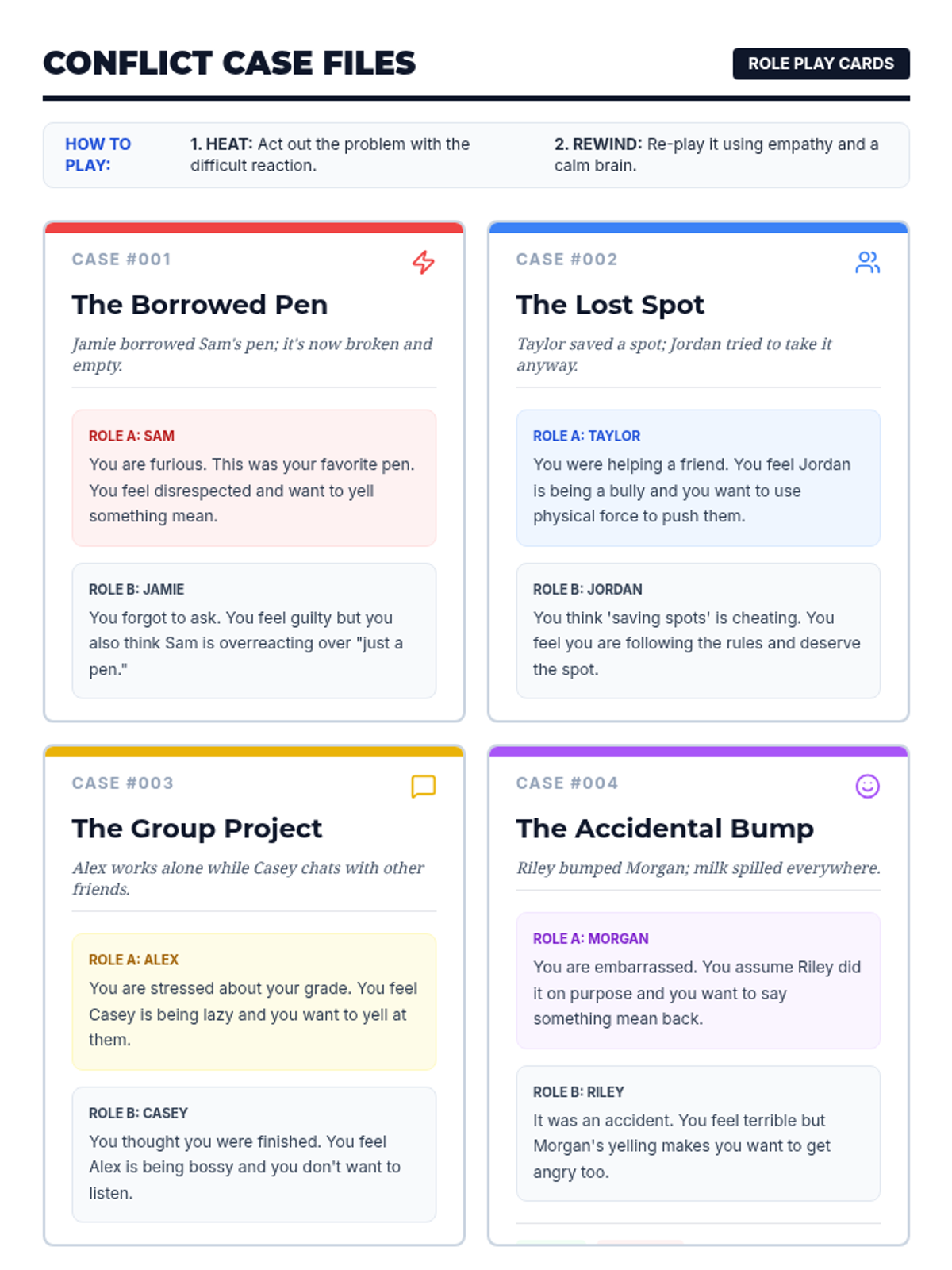
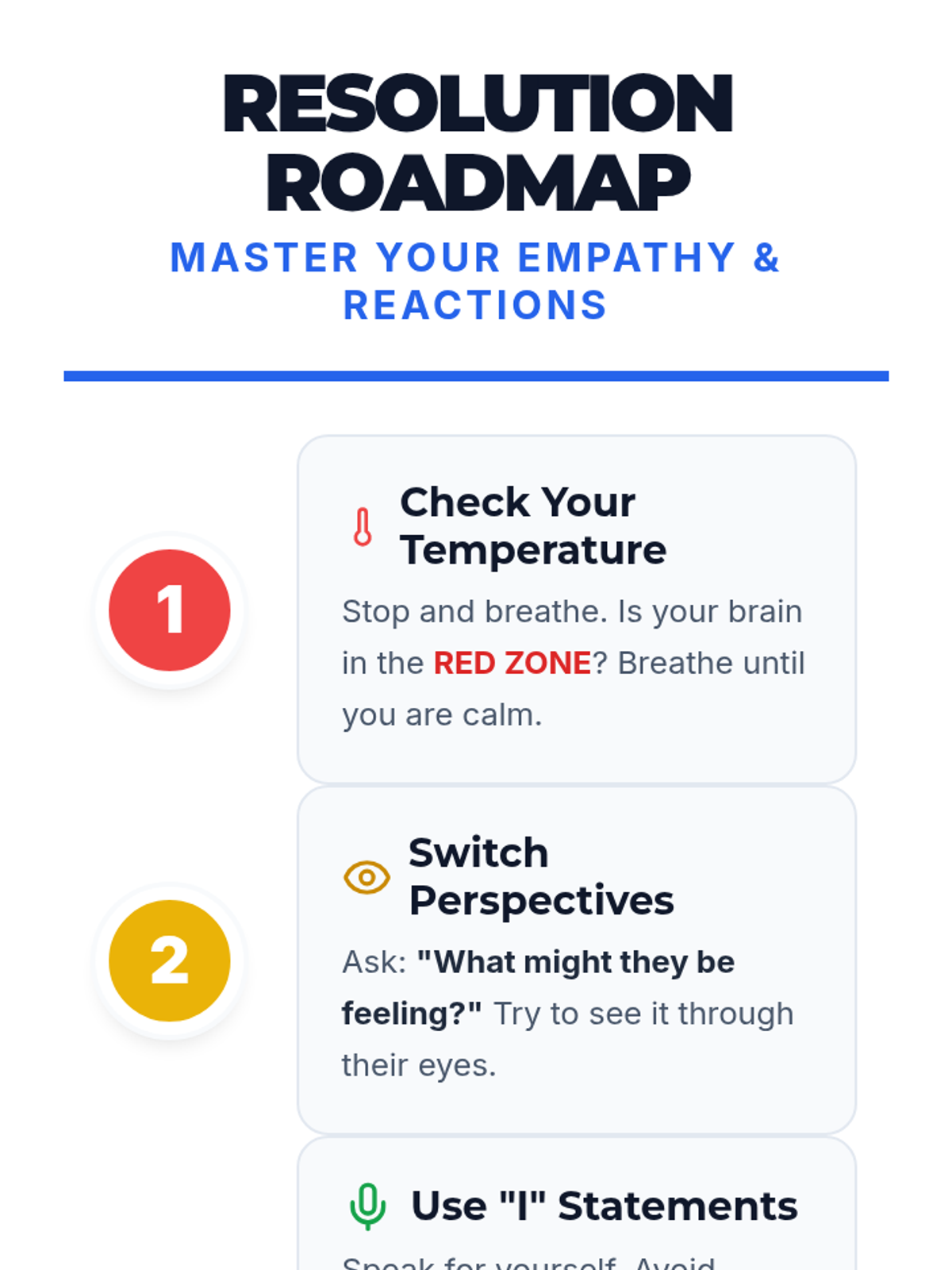
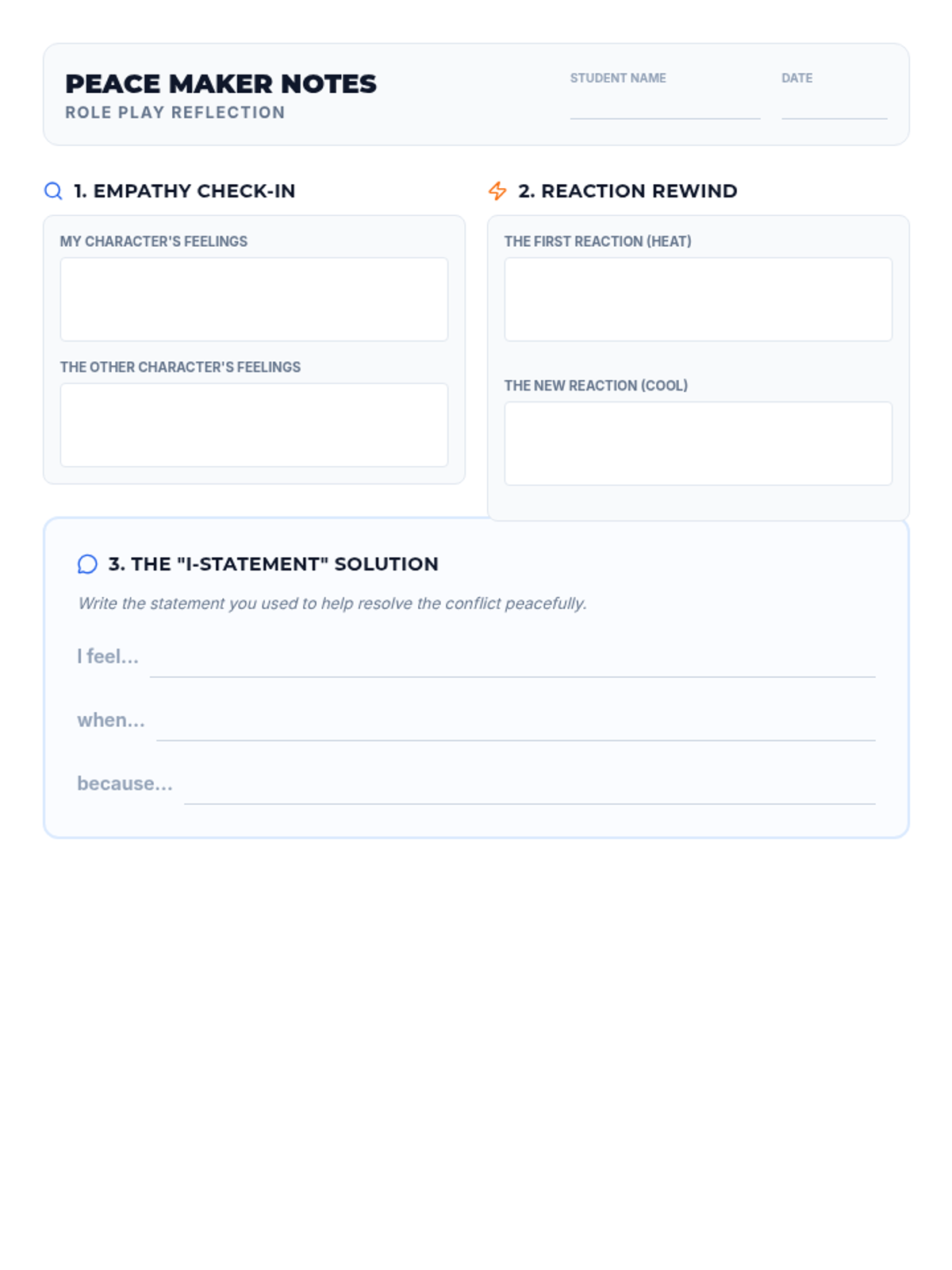
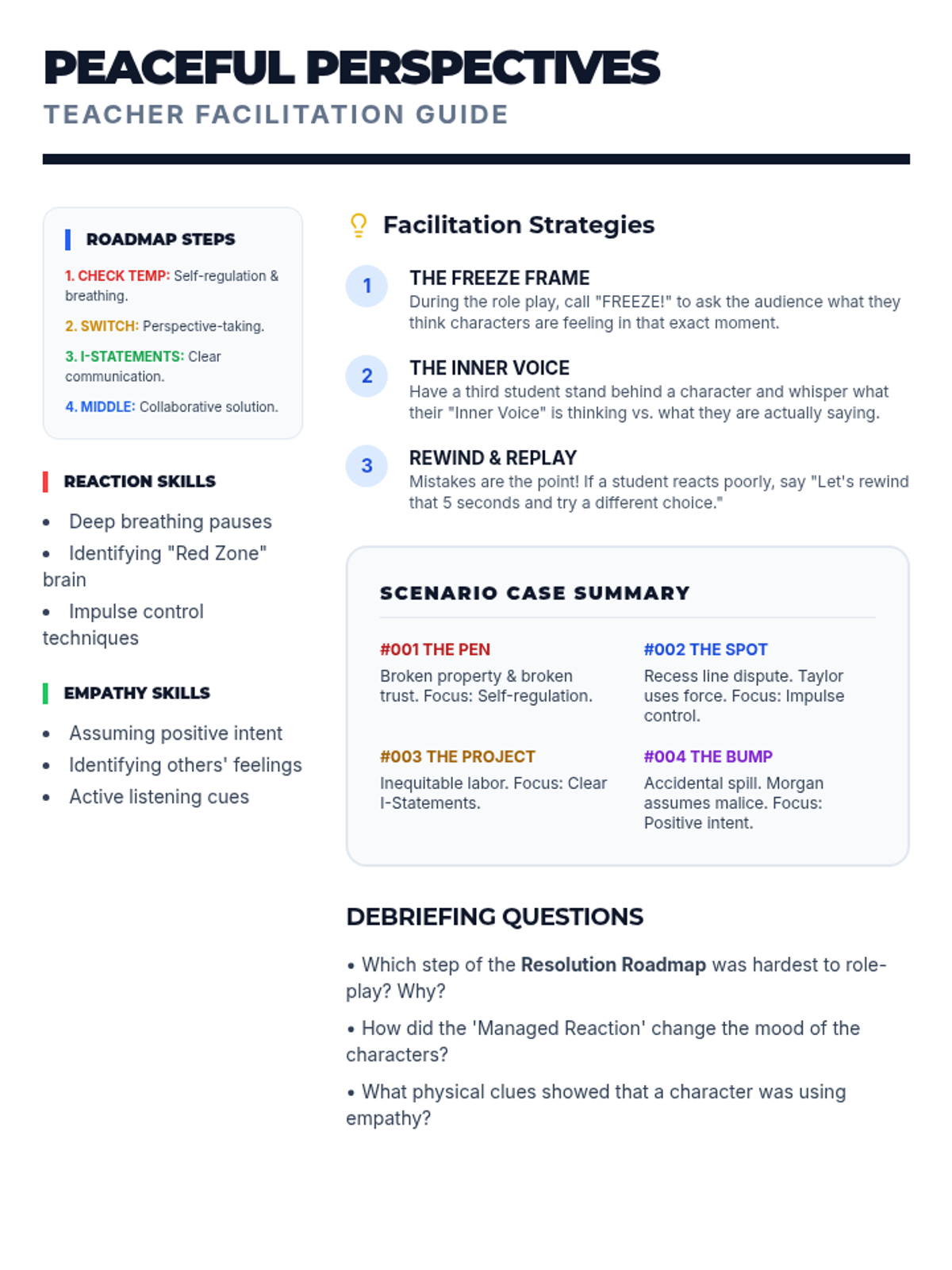
A lesson focused on developing empathy and managing emotional reactions during conflicts through hands-on role play and structured reflection. Students learn to identify perspectives and use the 'Resolution Roadmap' to navigate difficult social interactions.
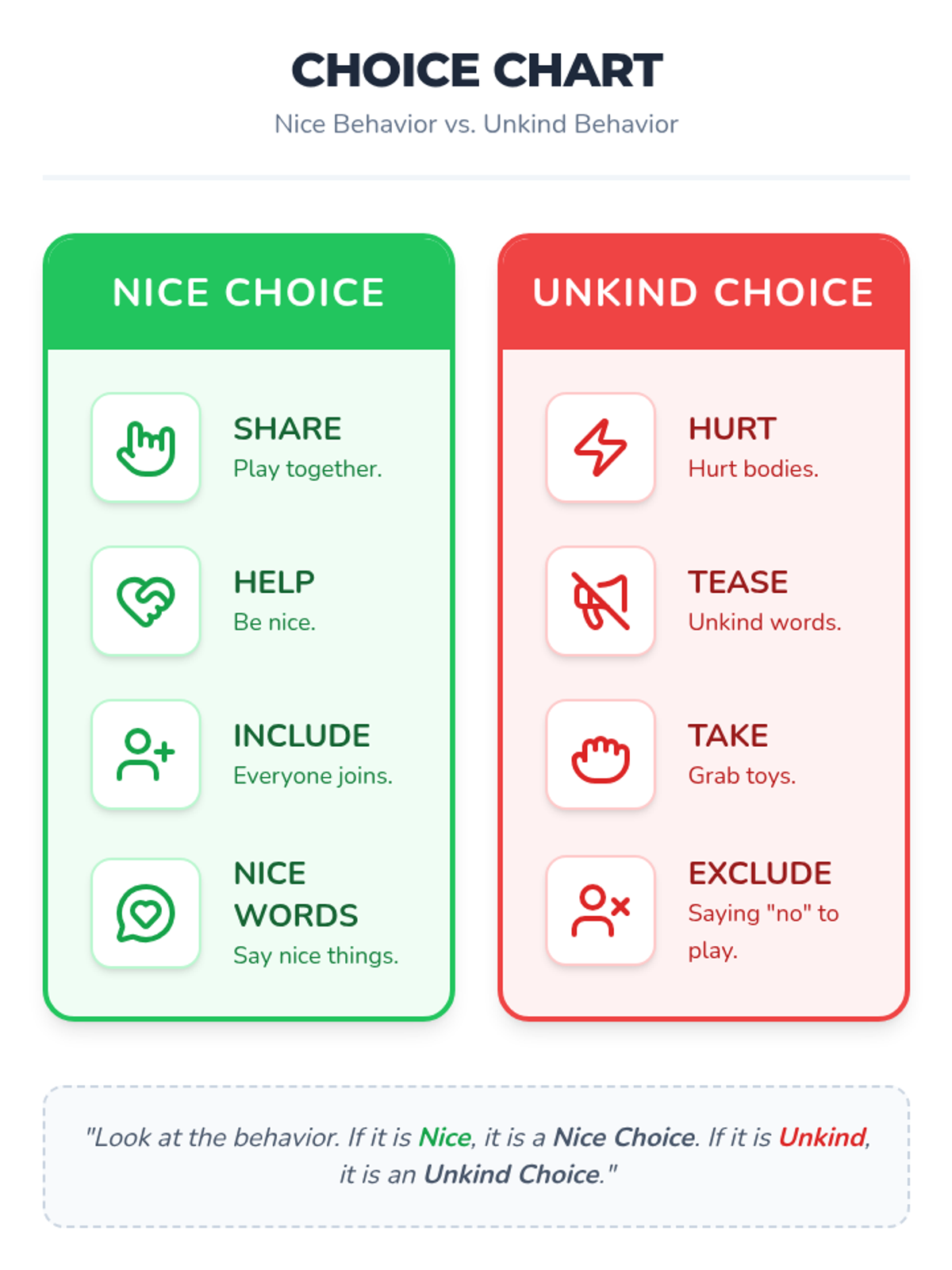
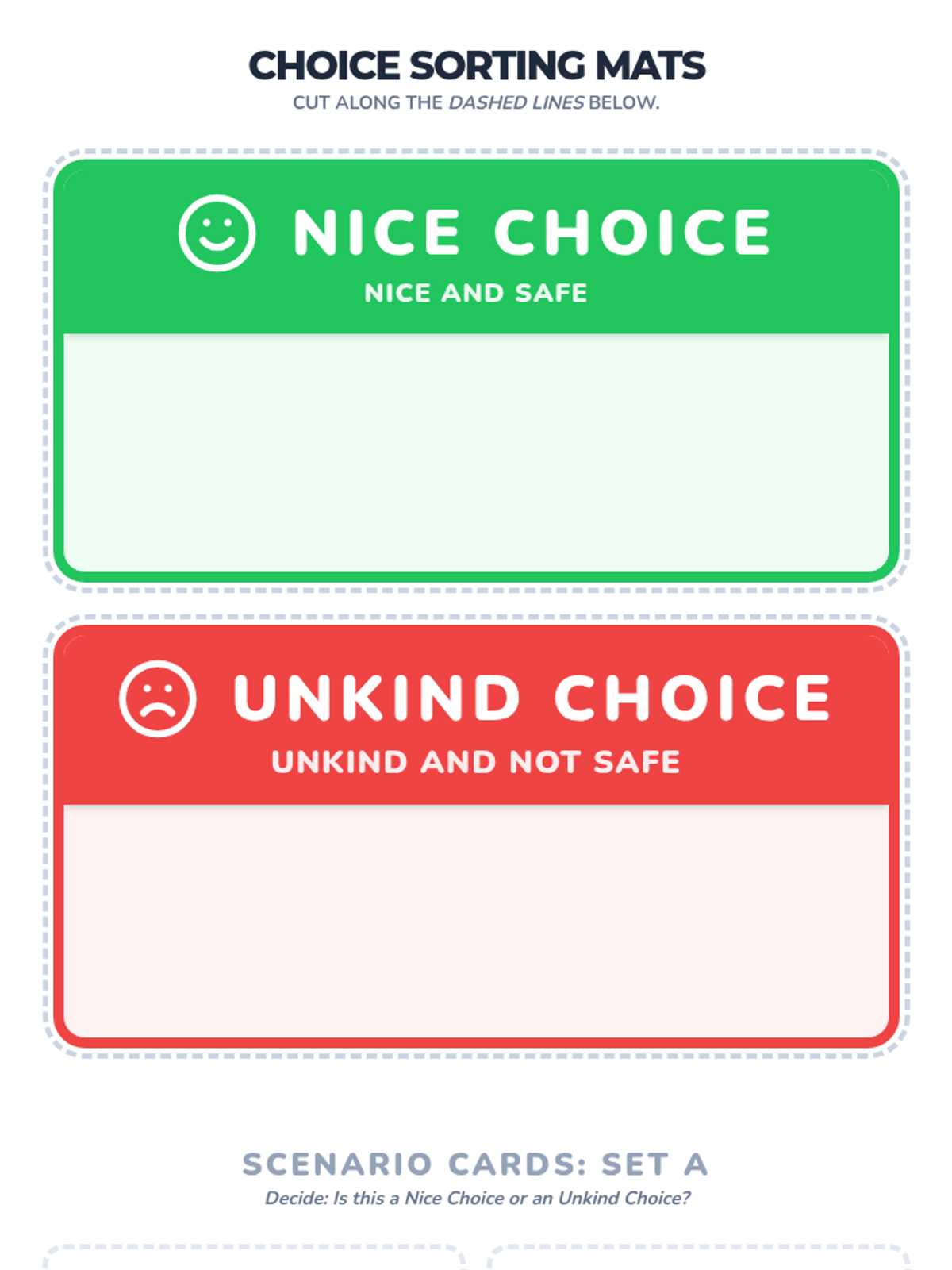
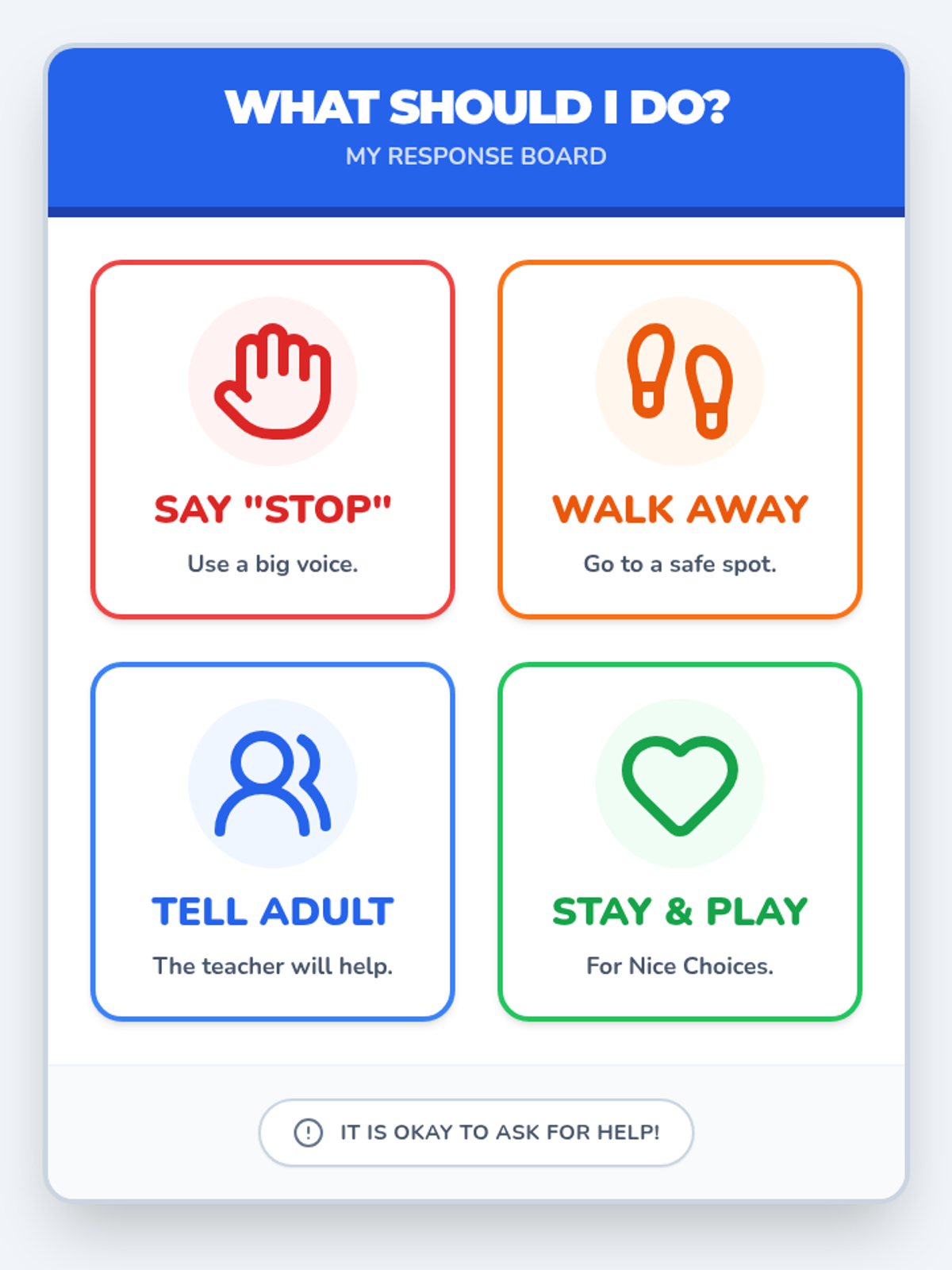
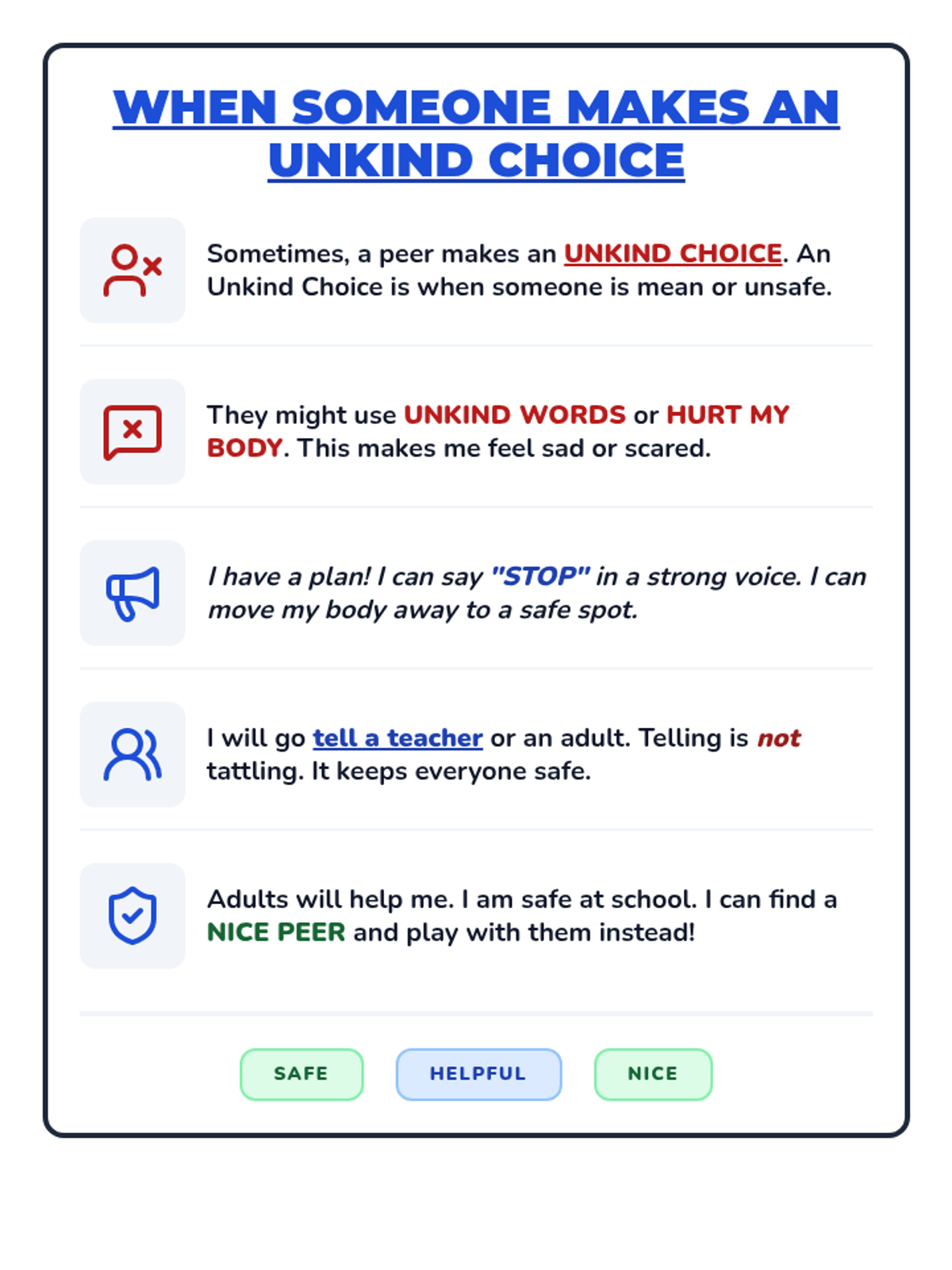
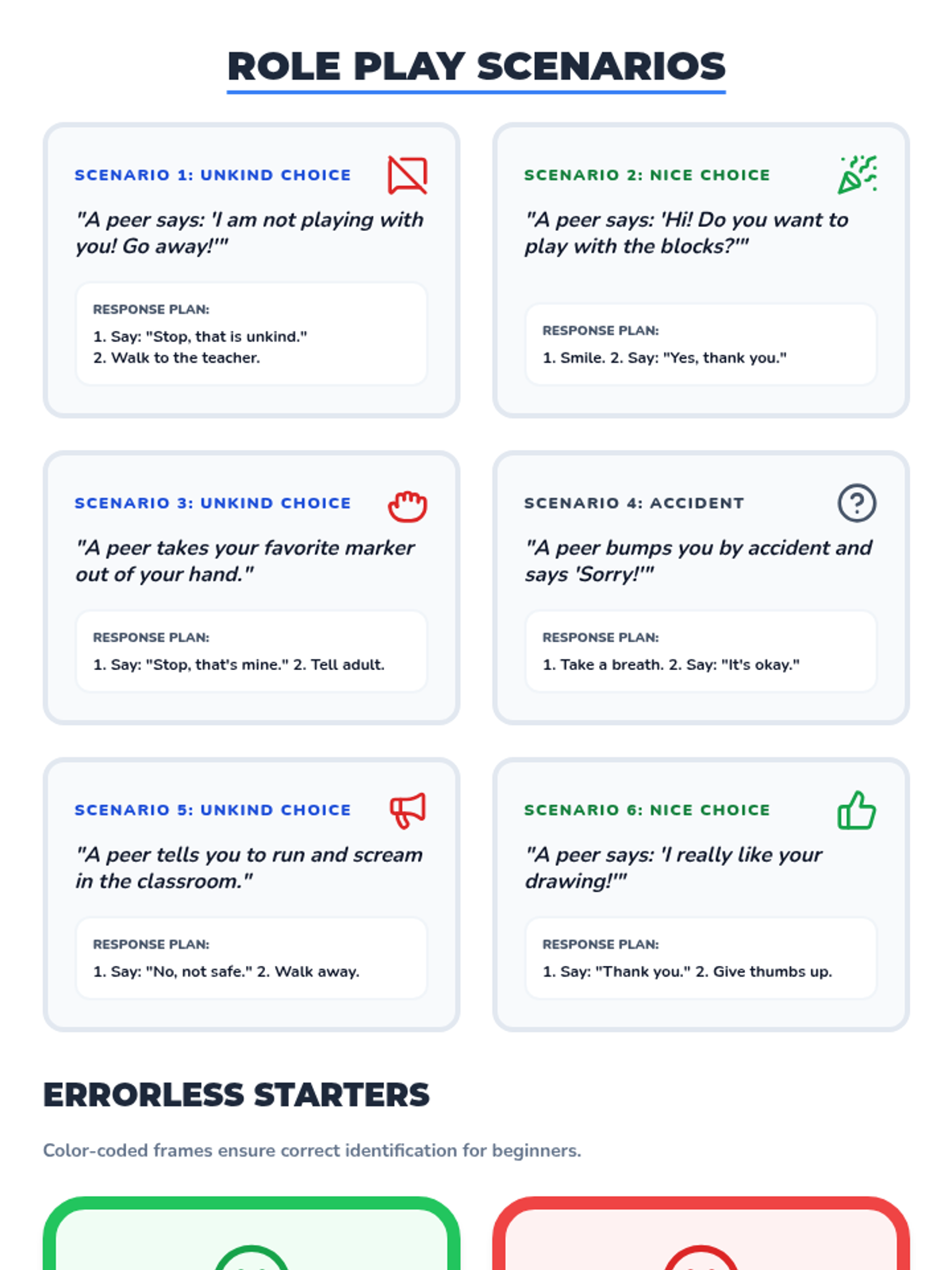
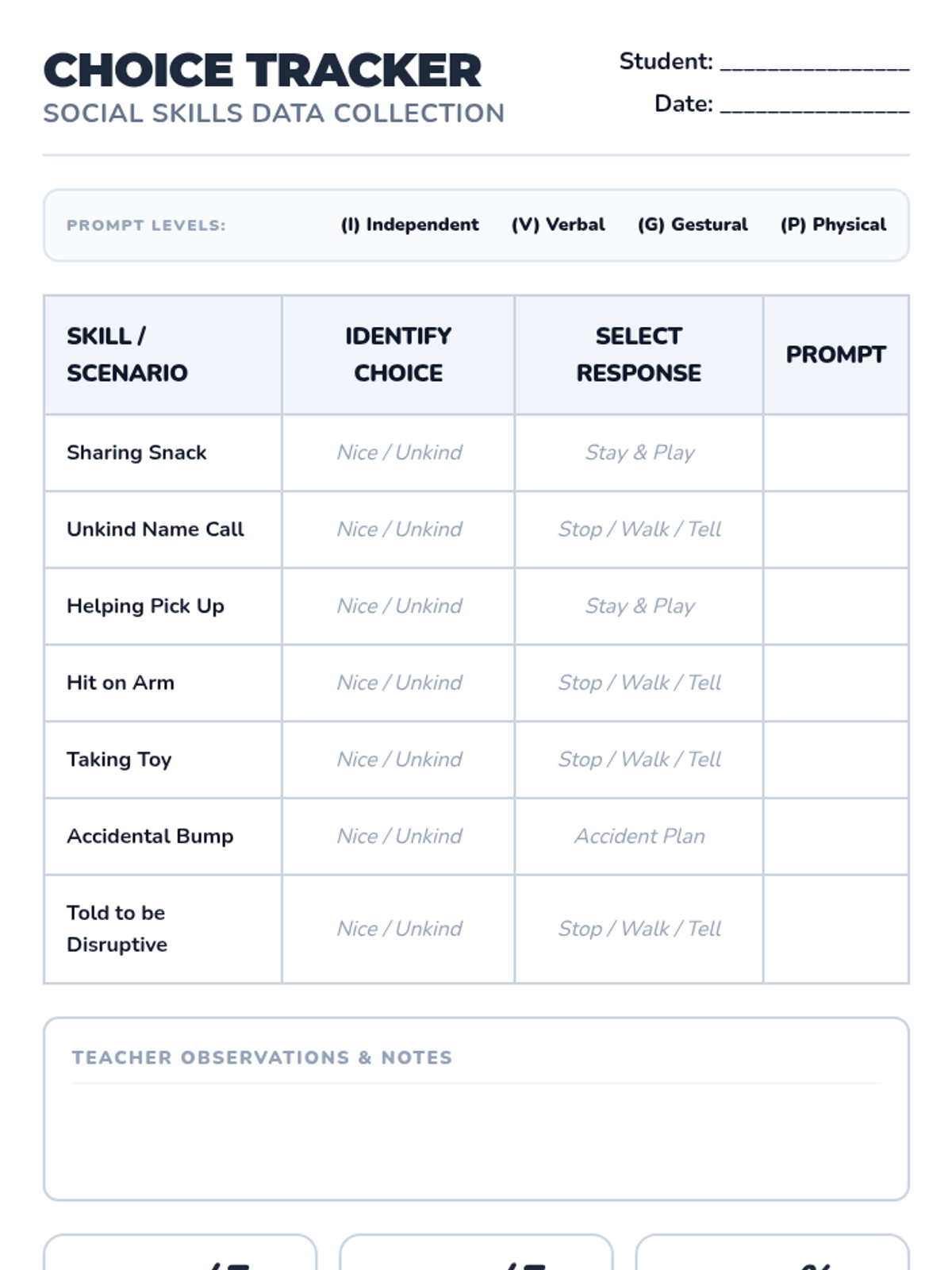
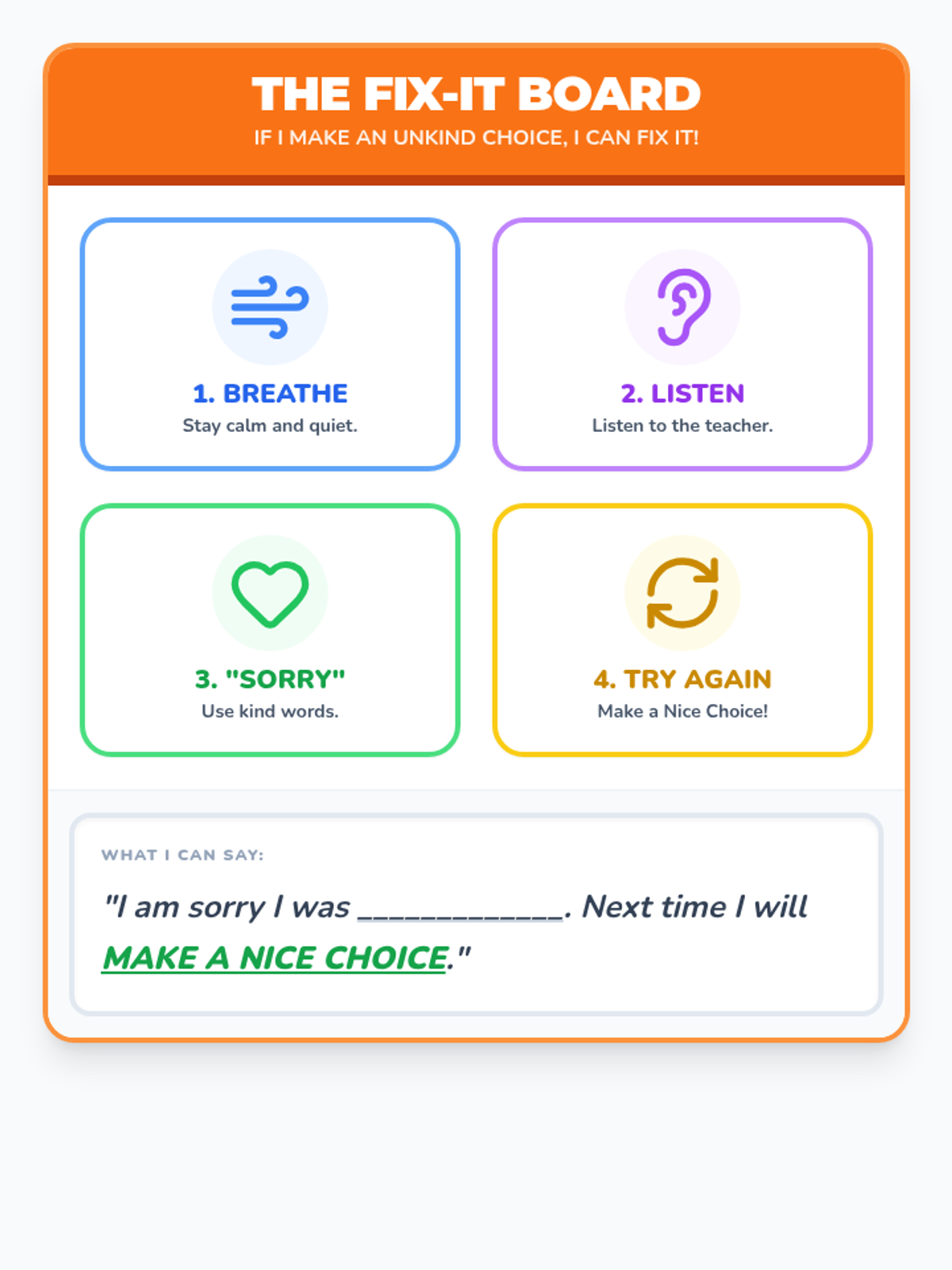
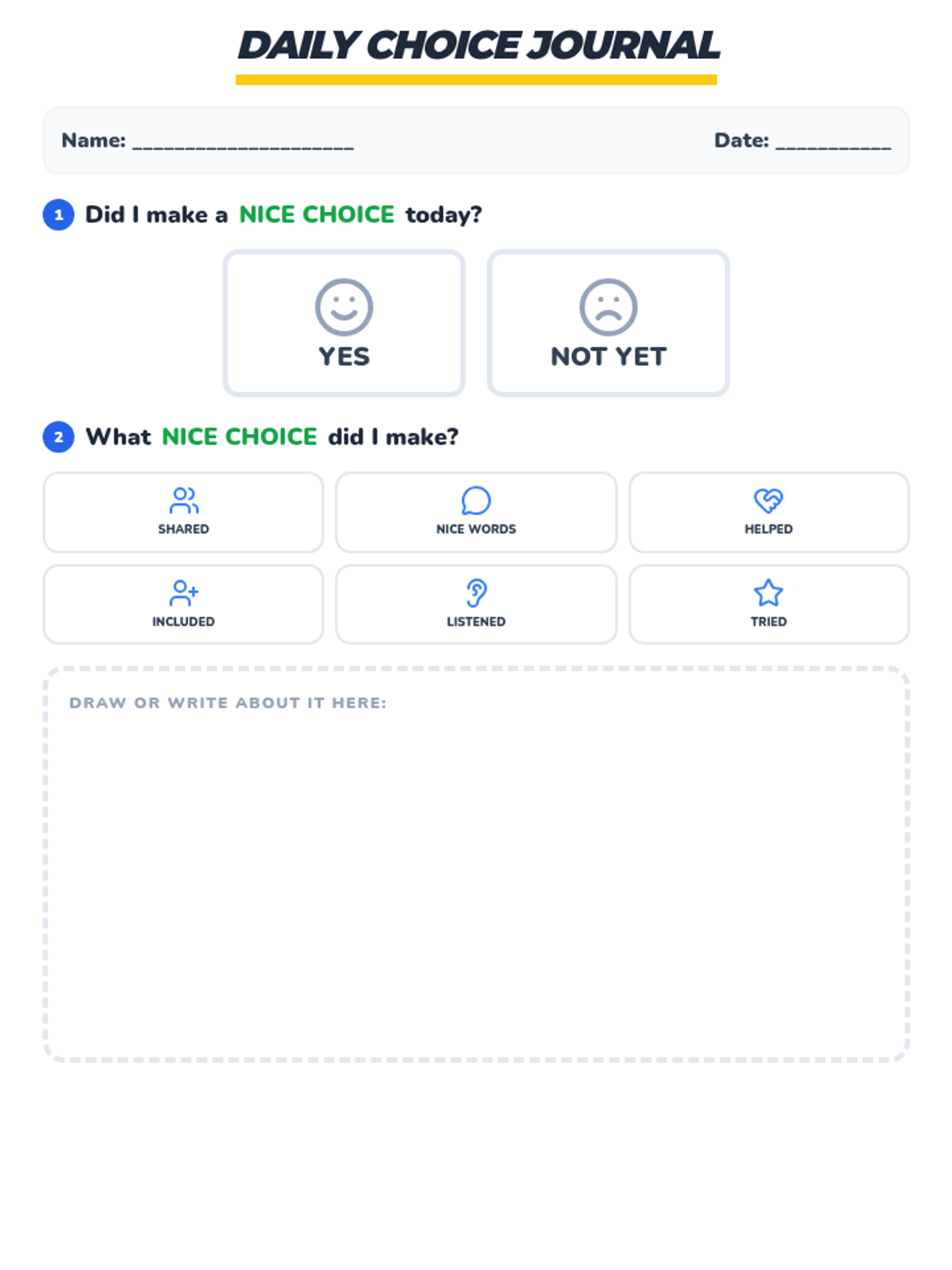
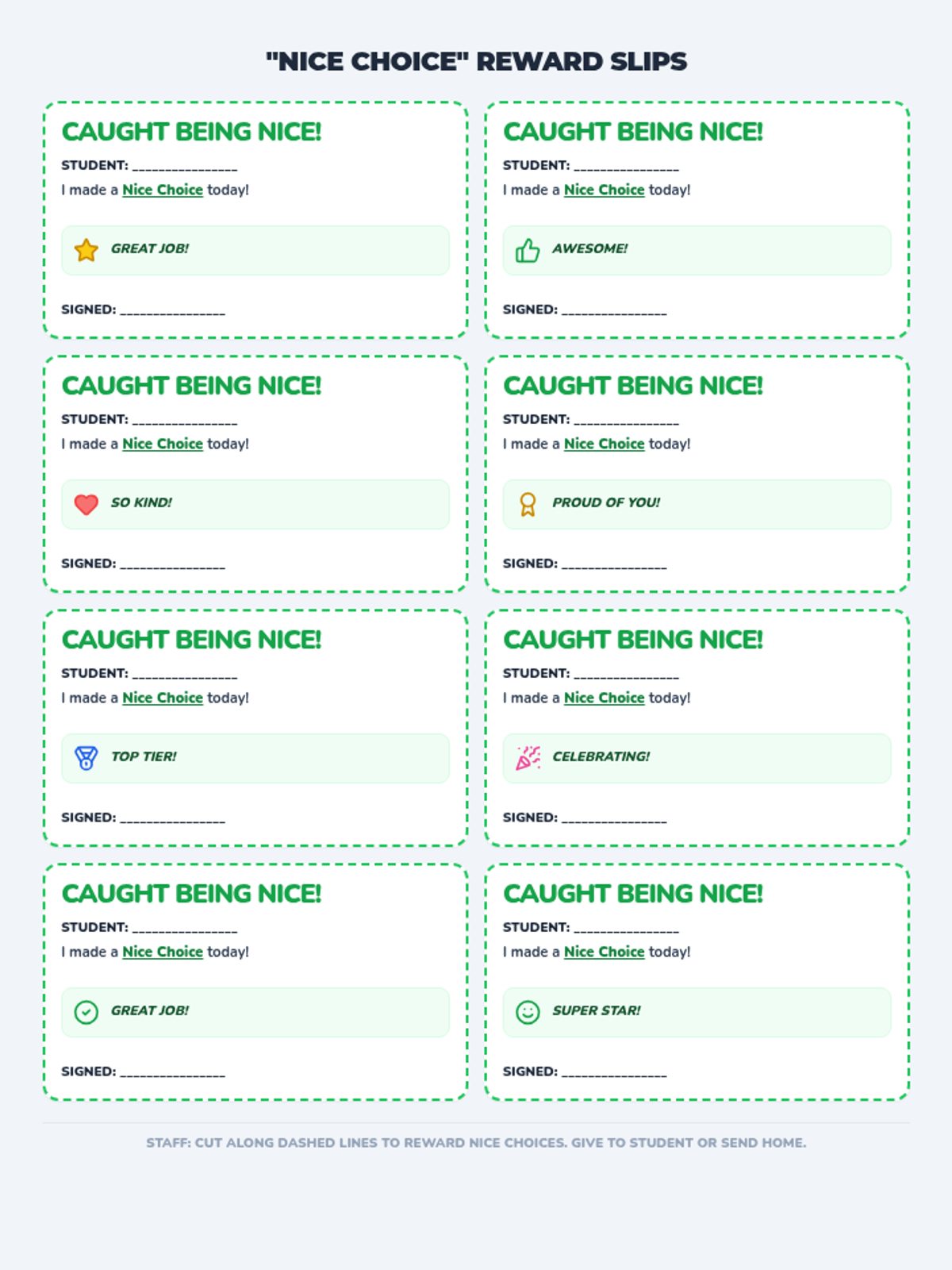
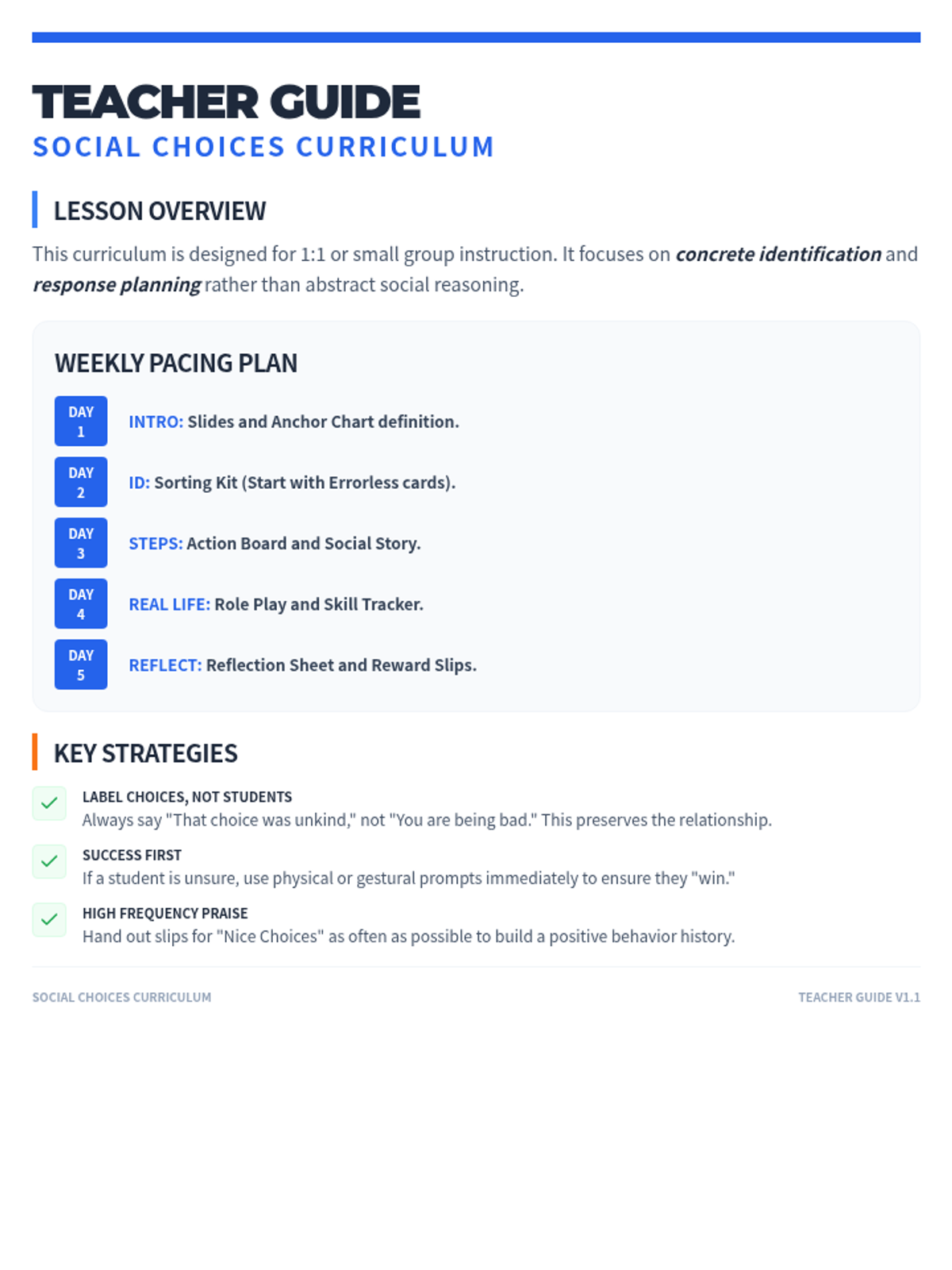
A comprehensive social skills lesson for middle school life skills students to distinguish between kind peer behaviors (Nice Choices) and unkind behaviors (Unkind Choices), including response strategies for bullying.
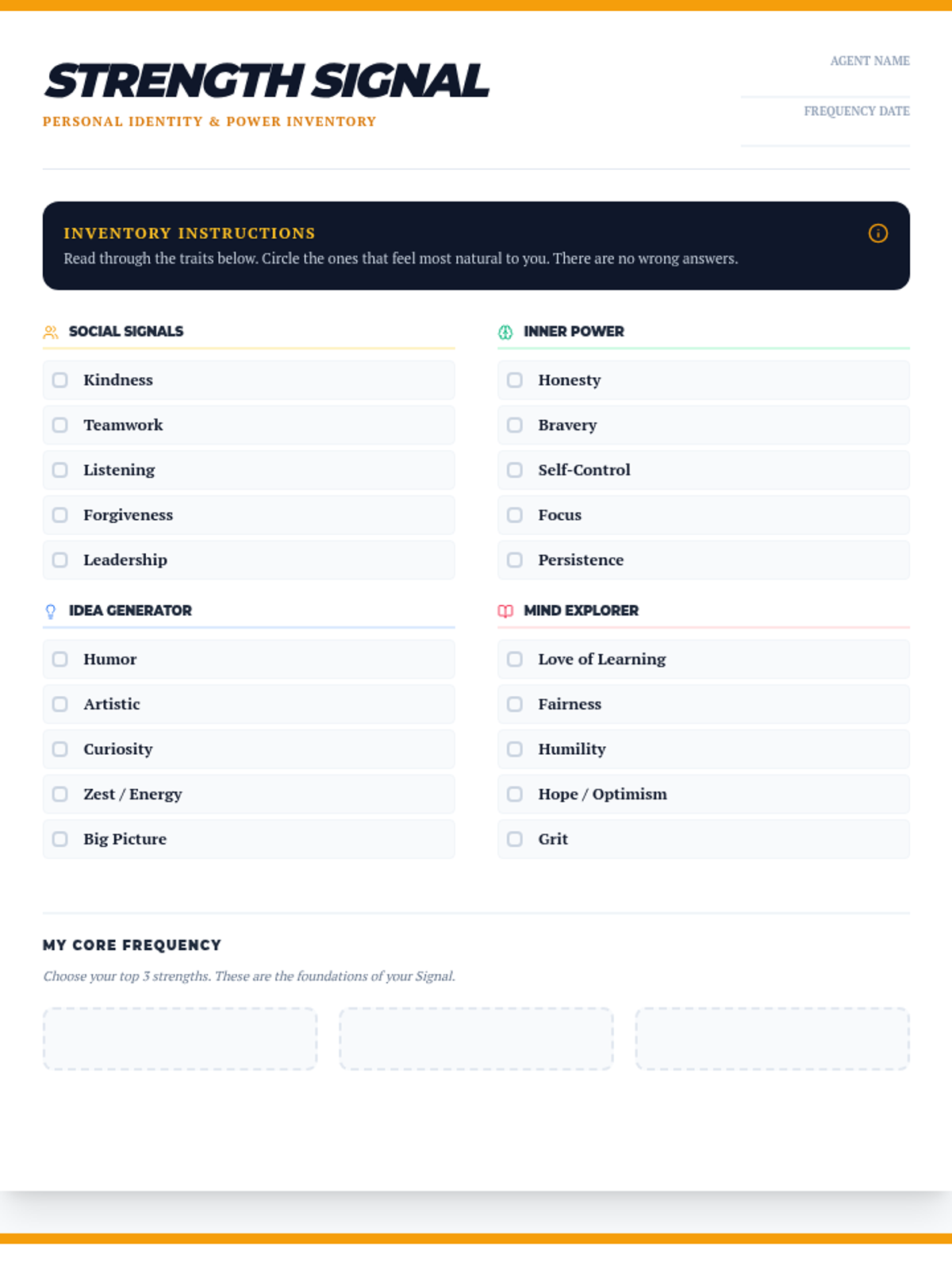
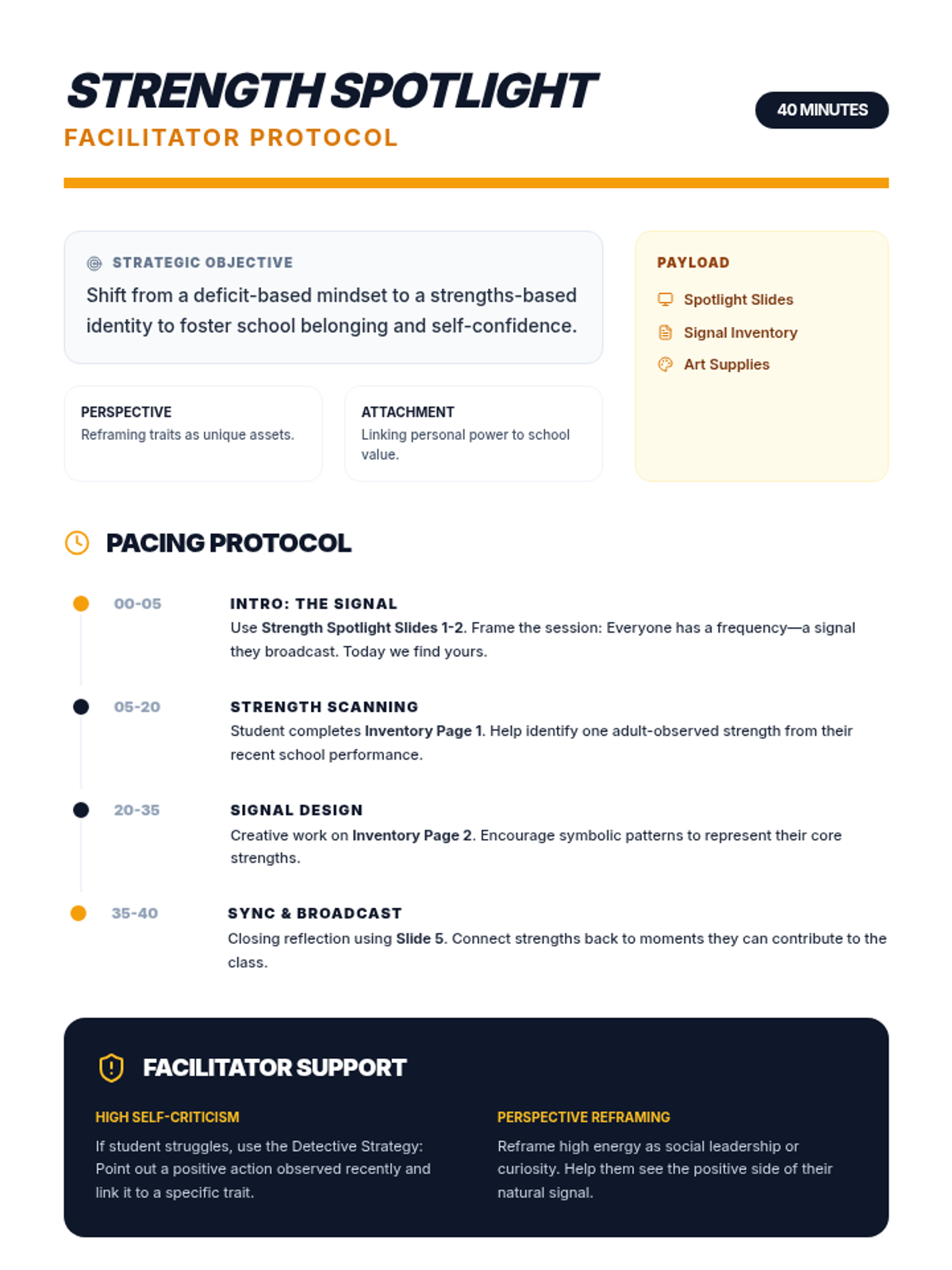
A 40-minute session where students identify their unique strengths through a creative inventory and design a personal 'Strength Signal'. This lesson focuses on internal self-reflection to build external confidence and a sense of belonging in the school community.
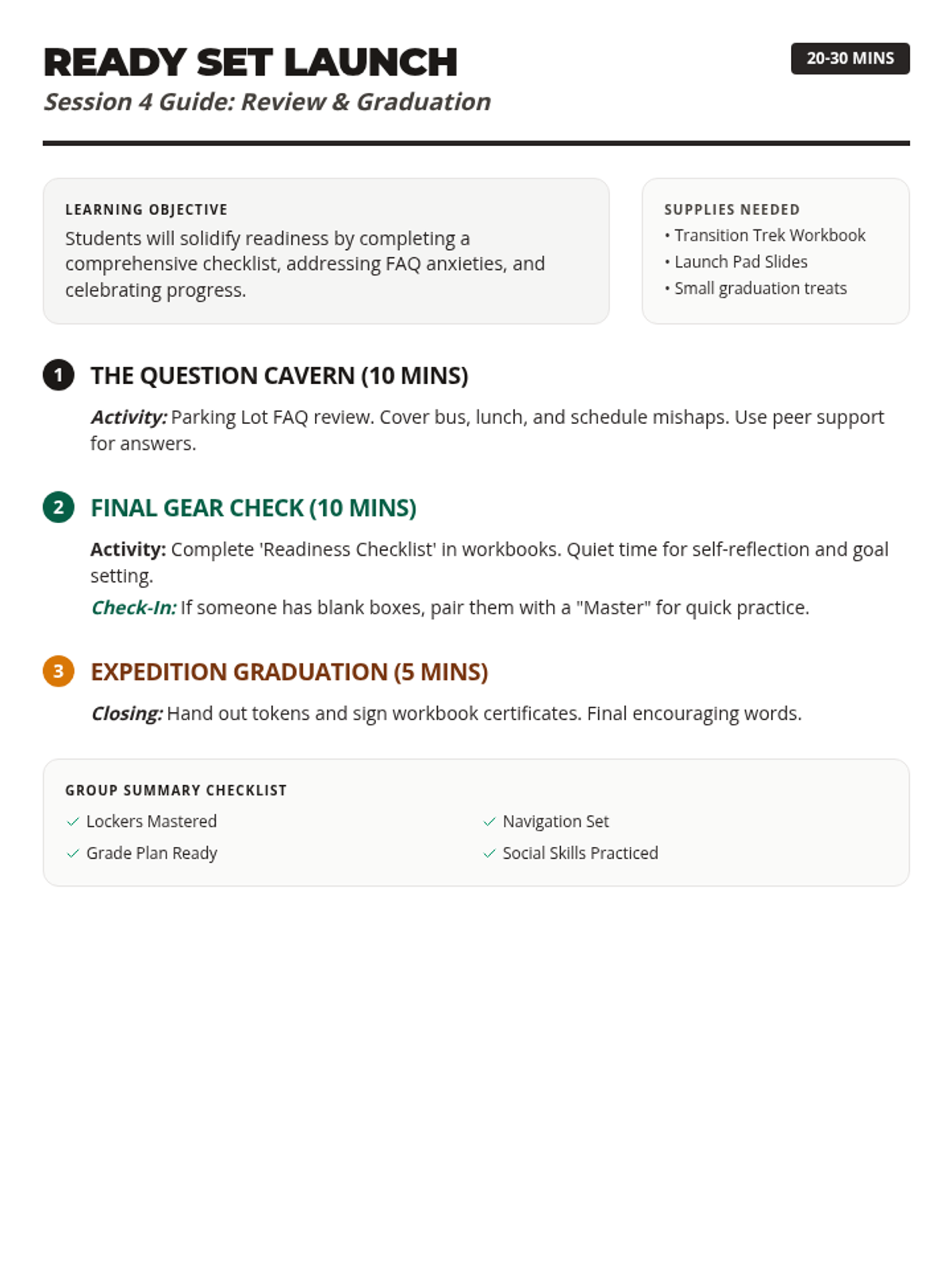
A final review session where students complete their readiness checklists, ask lingering questions, and celebrate their growth through the transition group.
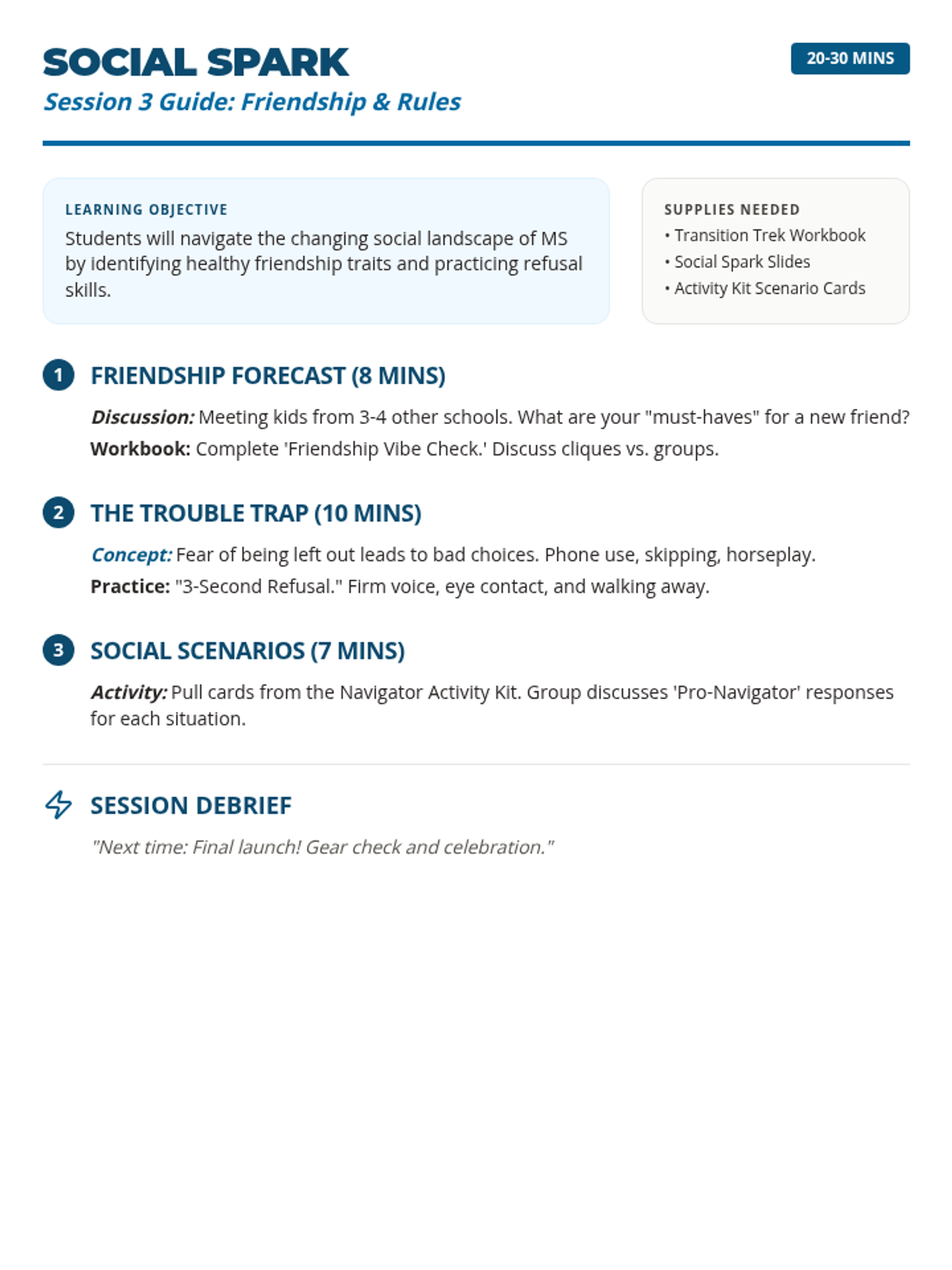
Explores the changing social landscape of middle school, including making new friends, maintaining old ones, and understanding school rules/consequences to avoid 'getting in trouble'.
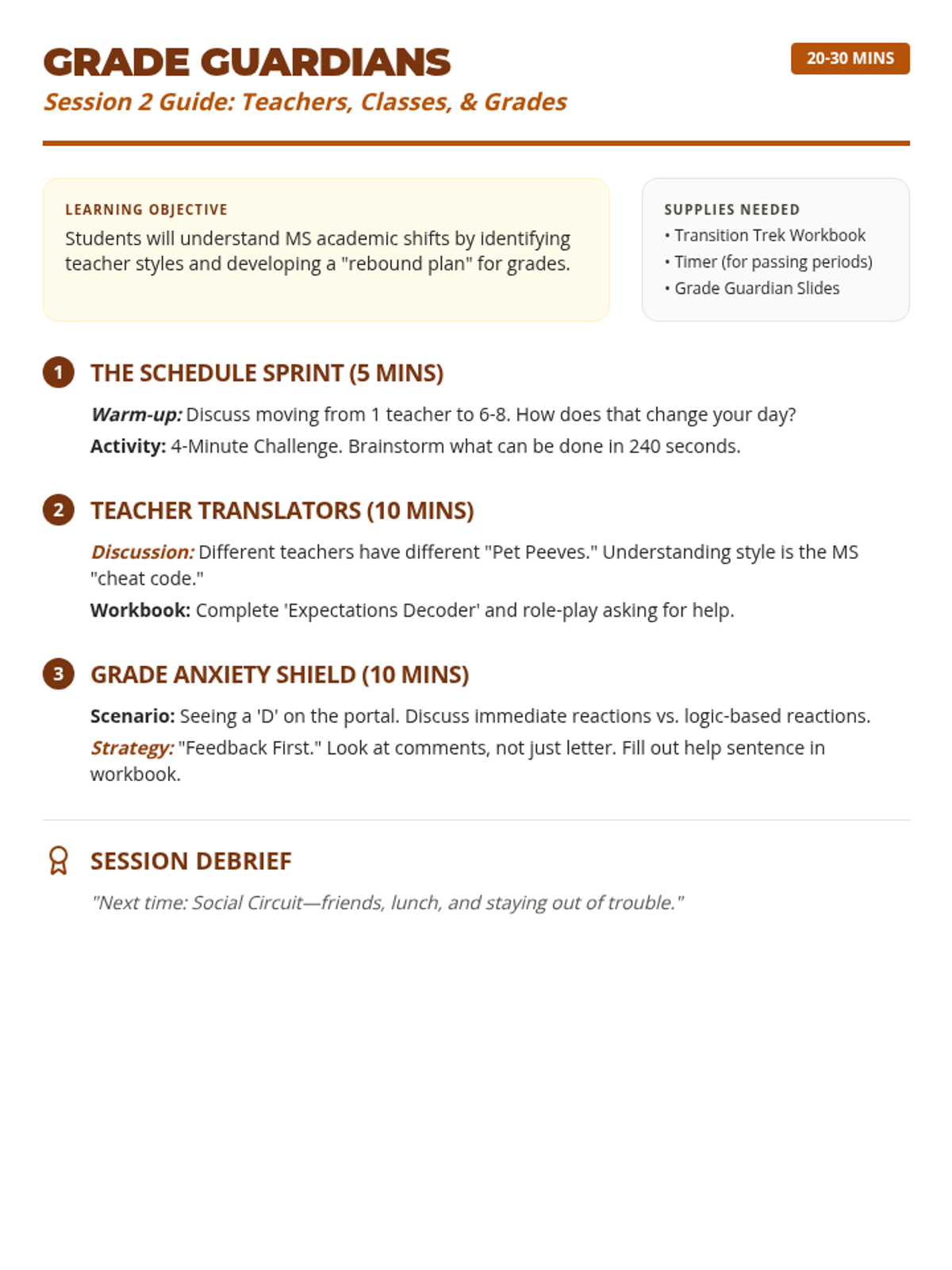
Addresses academic shifts including managing multiple teachers, understanding different class formats, and the transition to more formal grading systems. Focuses on organization and communication.
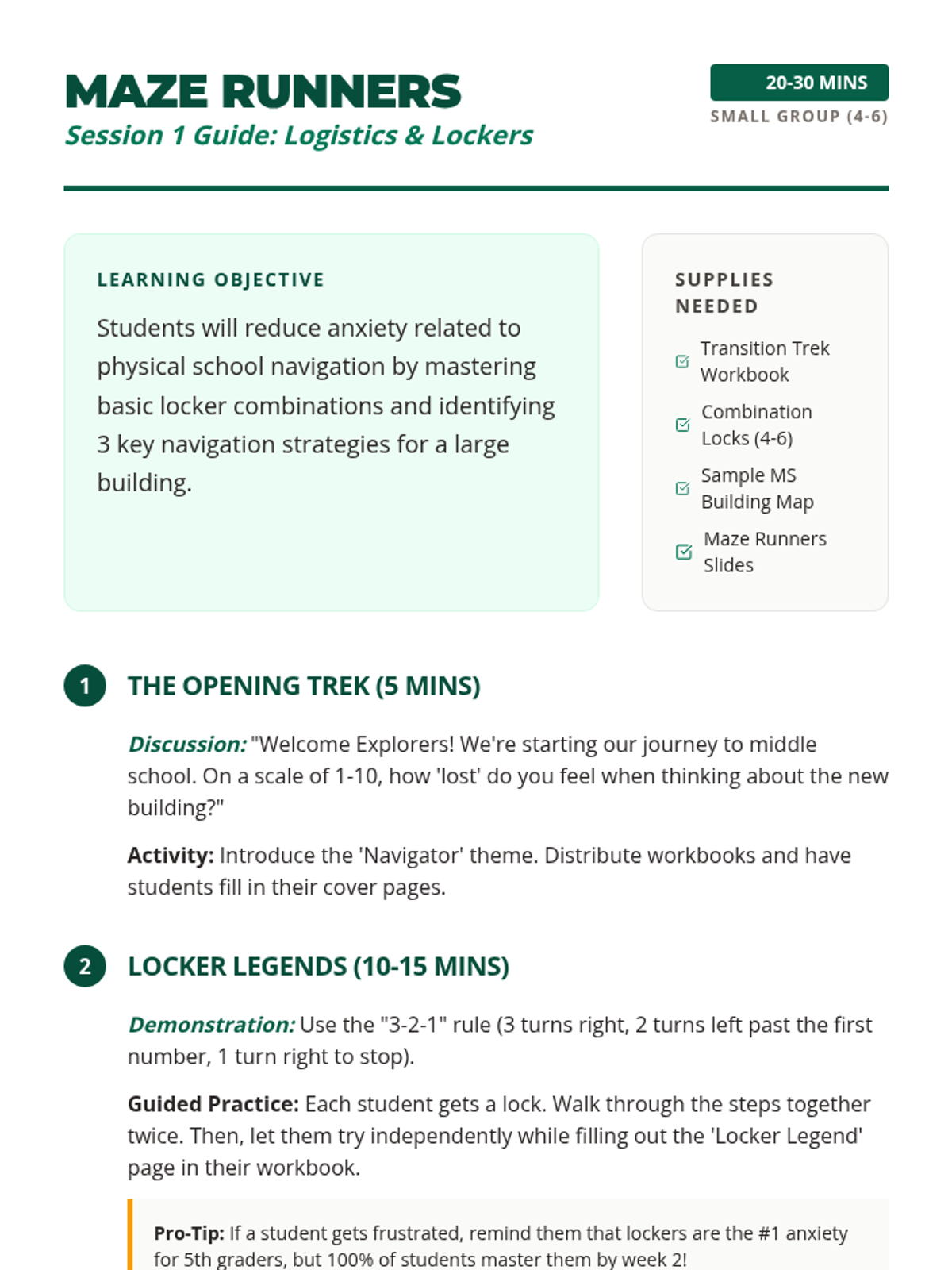
Focuses on the logistical anxieties of middle school, specifically mastering lockers and navigating a larger building without getting lost. Students practice combination locks and map-reading skills.
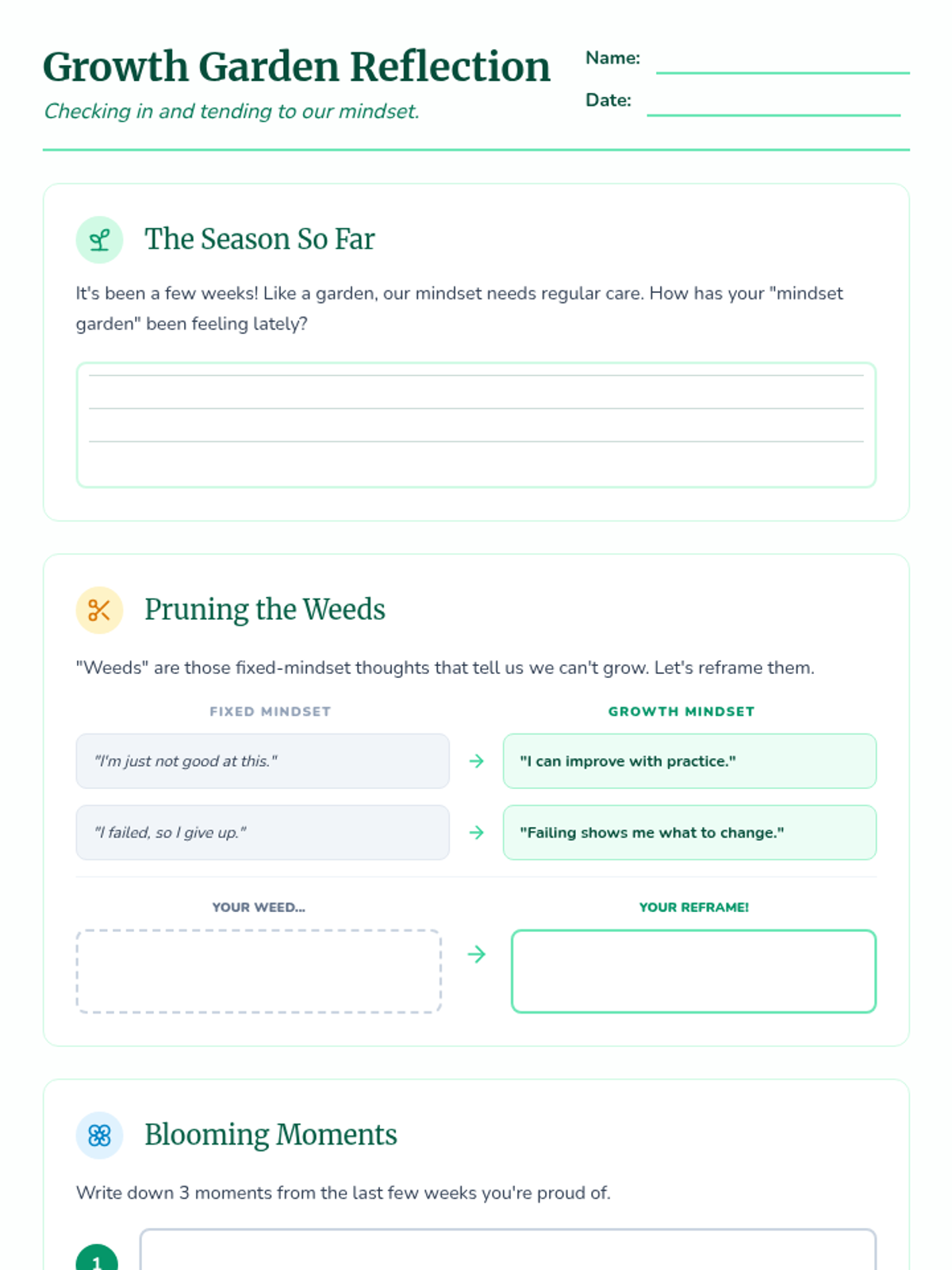
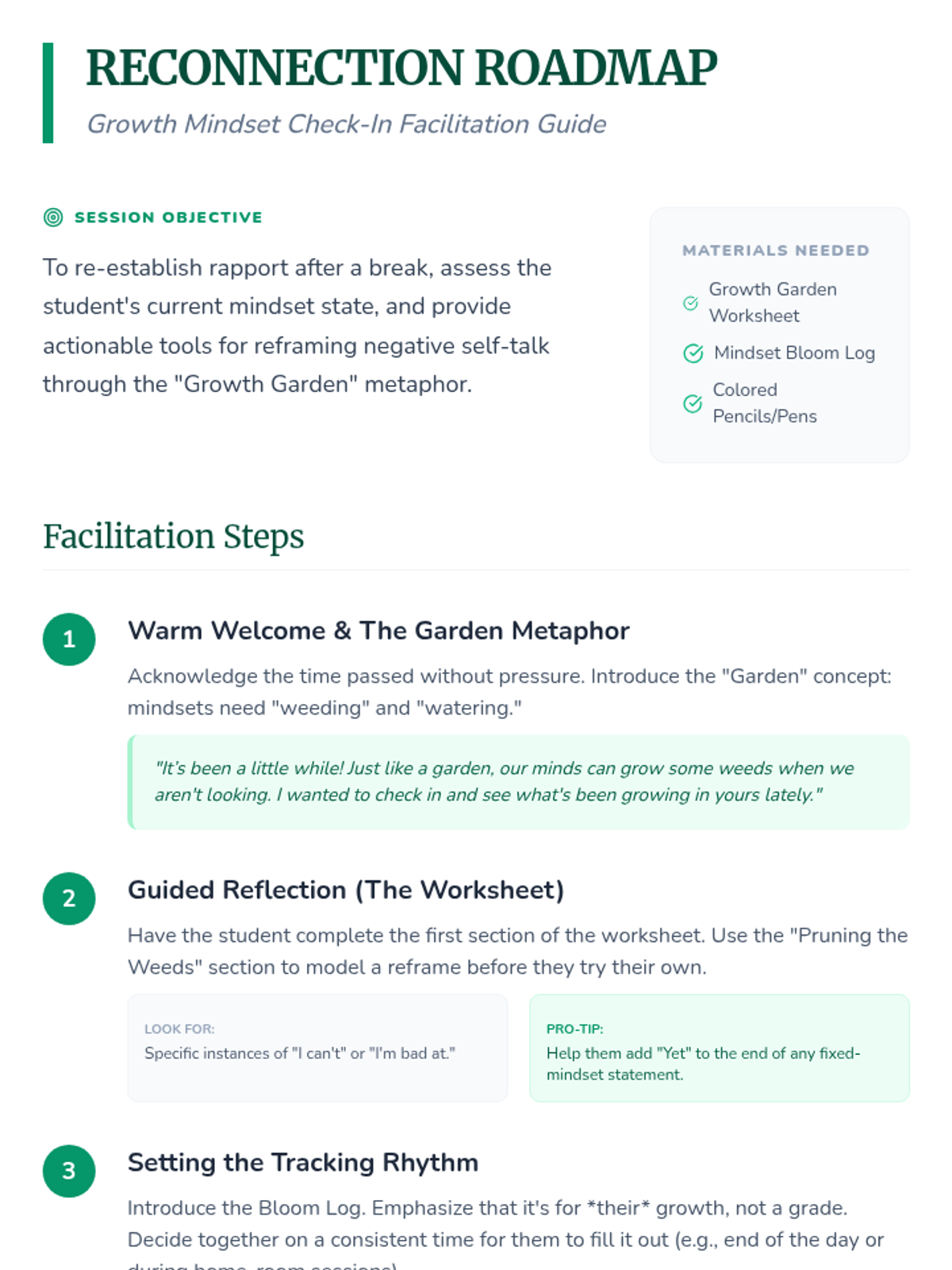
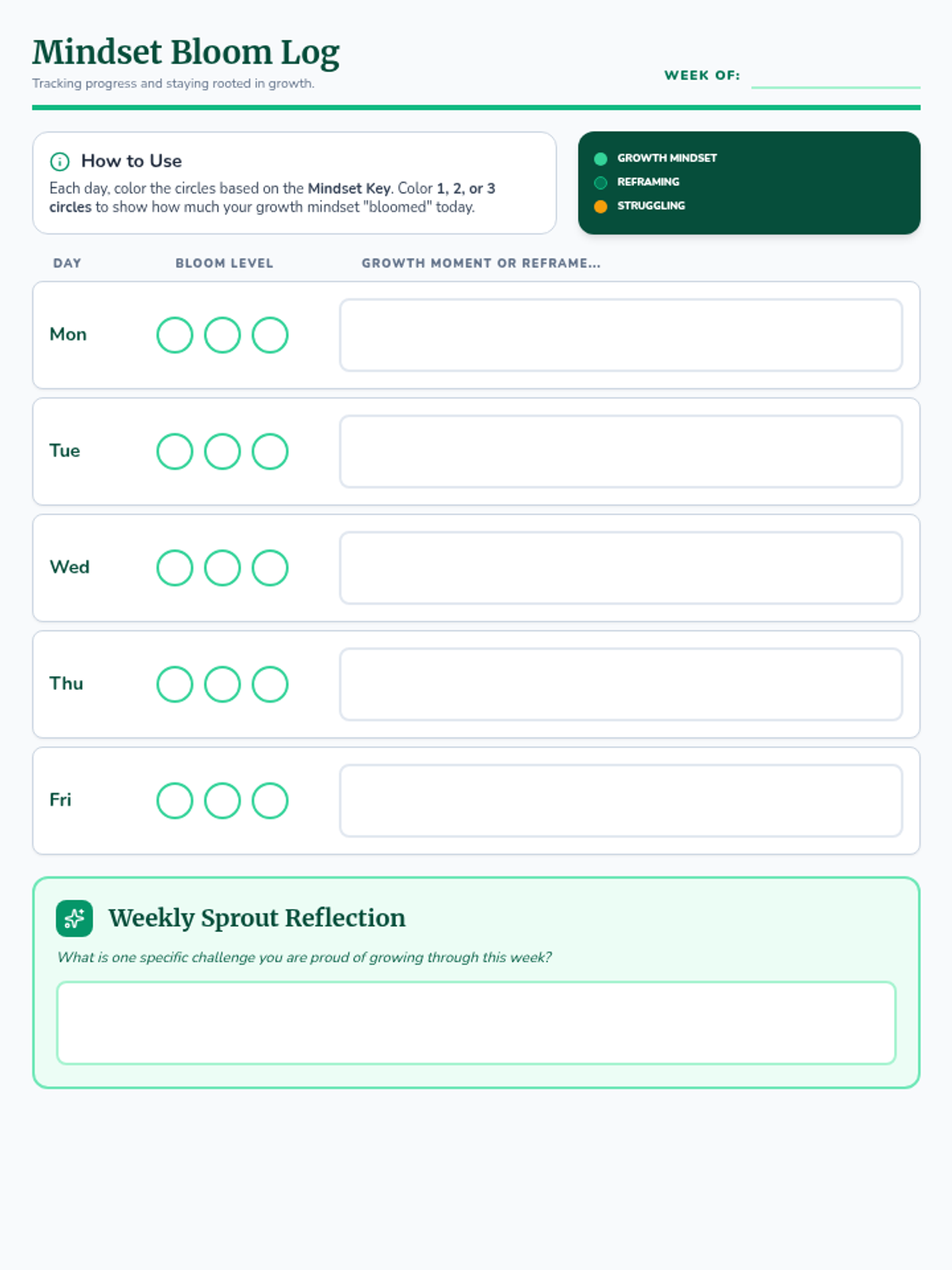
A focused check-in lesson designed to reconnect with students after a break, focusing on identifying growth moments and reframing self-talk.
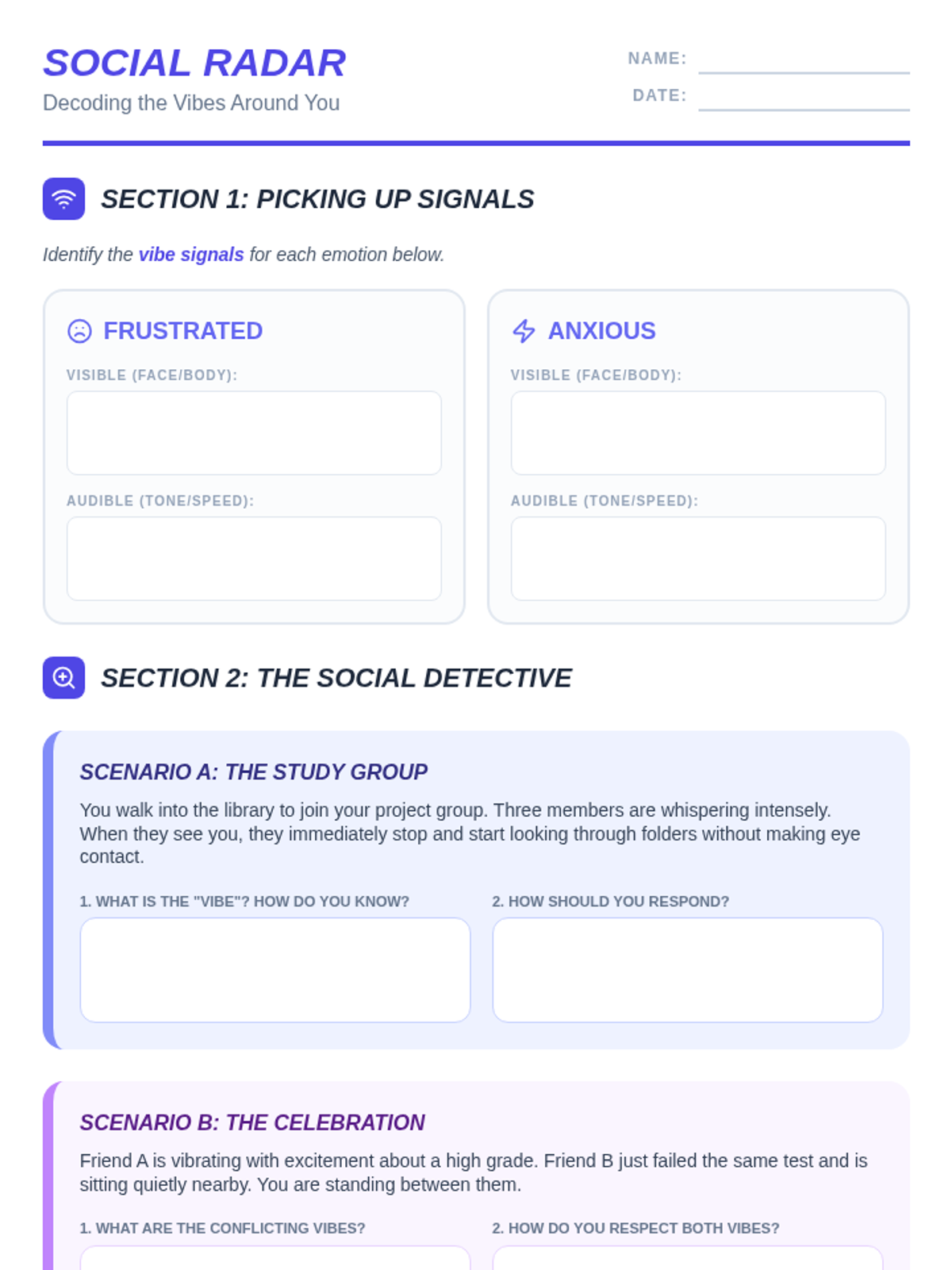
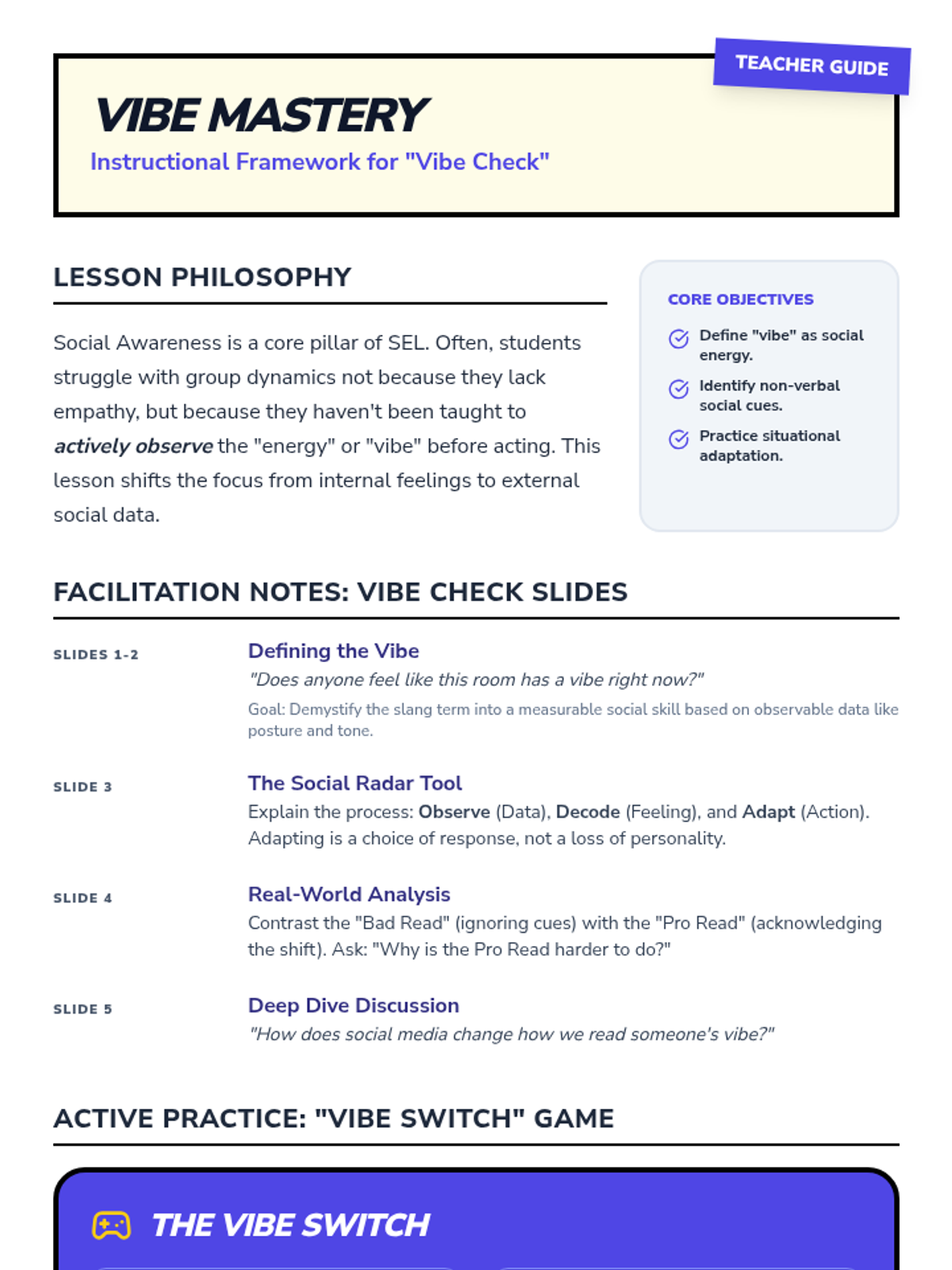
A lesson focused on developing emotional intelligence, social awareness, and the ability to read social 'vibes' to navigate group dynamics effectively.
A celebratory session to review skills, complete the post-assessment, and create 'Future Bridge' plans for handling upcoming social challenges. Includes a small graduation ceremony.
Focuses on the art of a genuine apology and making things right. Students learn the difference between 'cheap' apologies and restorative agreements that actually repair relationships.
Specifically addresses digital drama and social media conflict. Students learn the 'Wait Rule', how to de-escalate online, and the concept of 'digital fingerprints' in conflict.
Teaches practical restorative conversation skills, including "I" statements, active listening, and the 'Big Five' restorative questions used to resolve harms without blame.
Introduces perspective-taking and the idea that two people can experience the same event differently. Students practice identifying 'The Other Side' of a story to build empathy and reduce defensiveness.
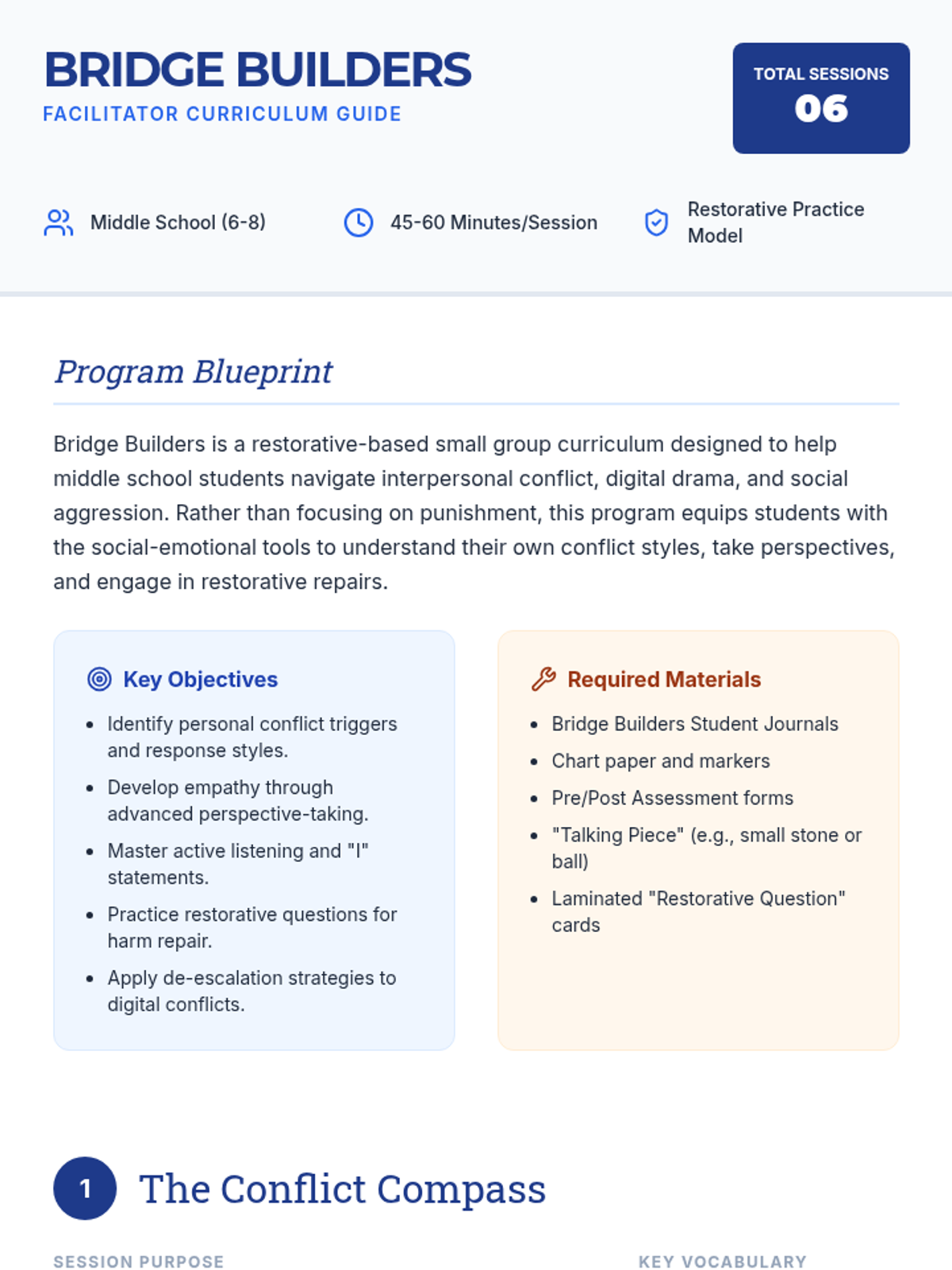
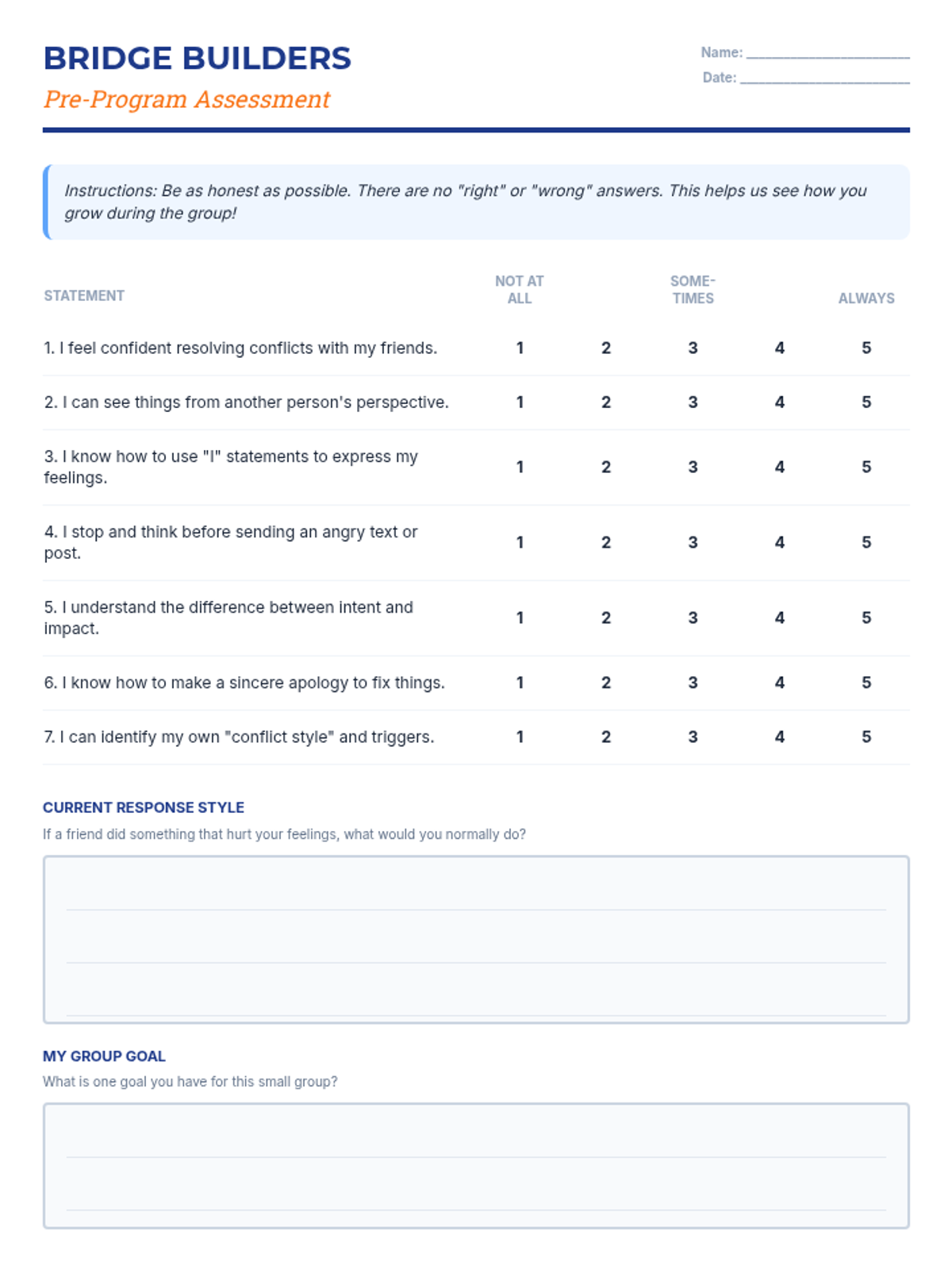
Focuses on establishing group safety, defining conflict, and identifying personal conflict styles using the 'Conflict Compass'. Students set group norms and complete the pre-program assessment.
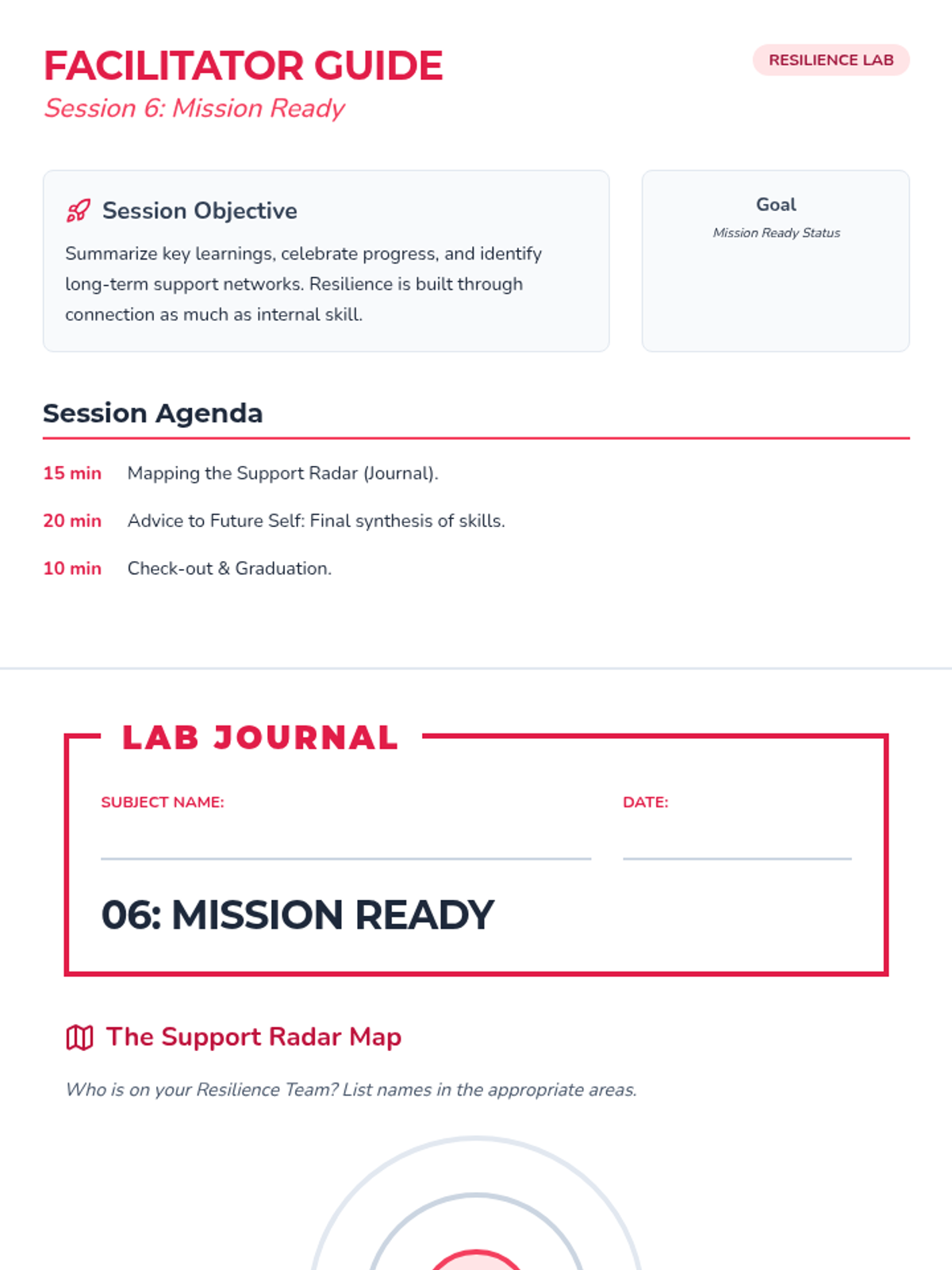
Reviewing progress, strengthening support networks, and preparing for future challenges.
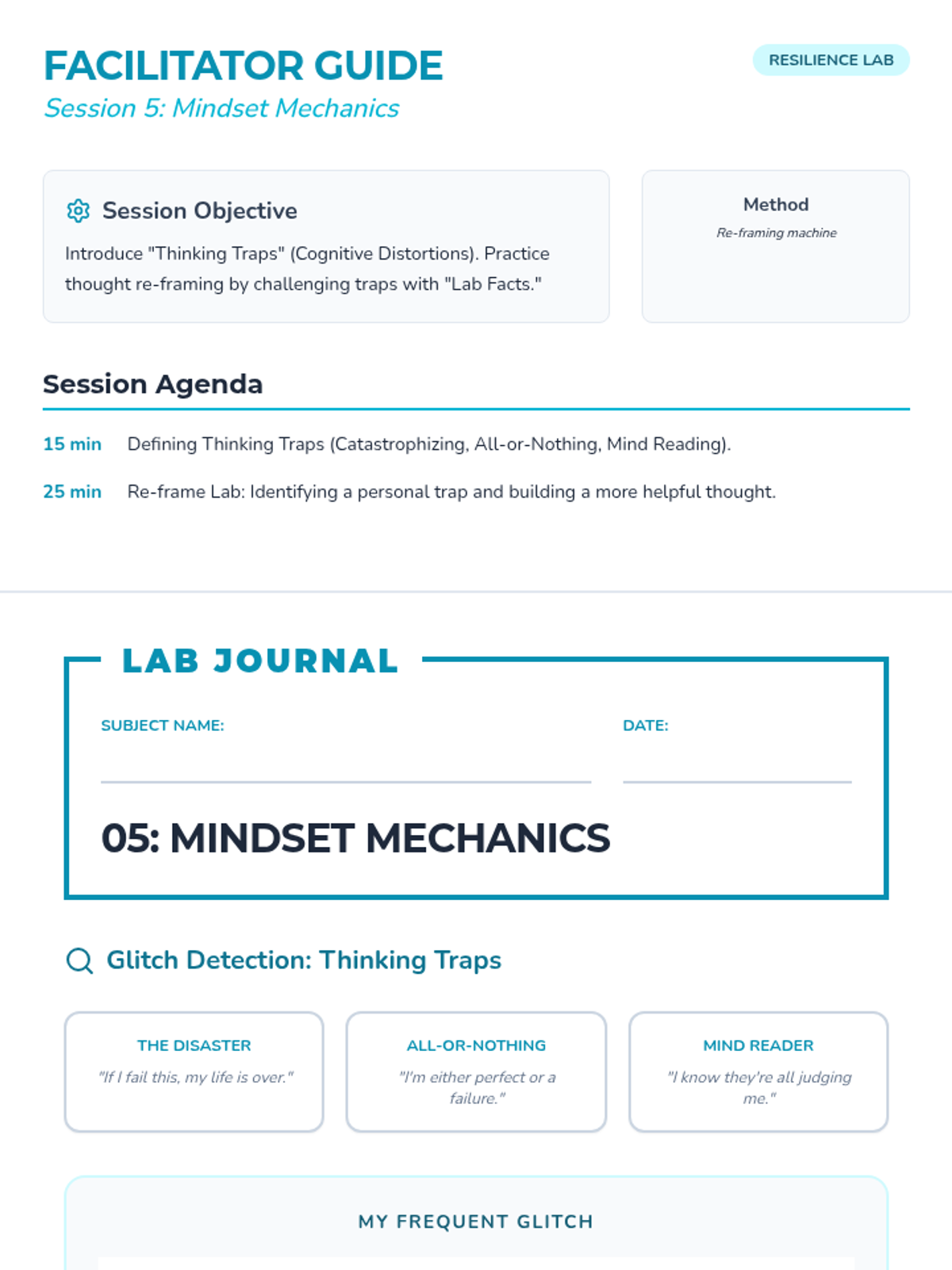
Identifying cognitive distortions and practicing thought re-framing.
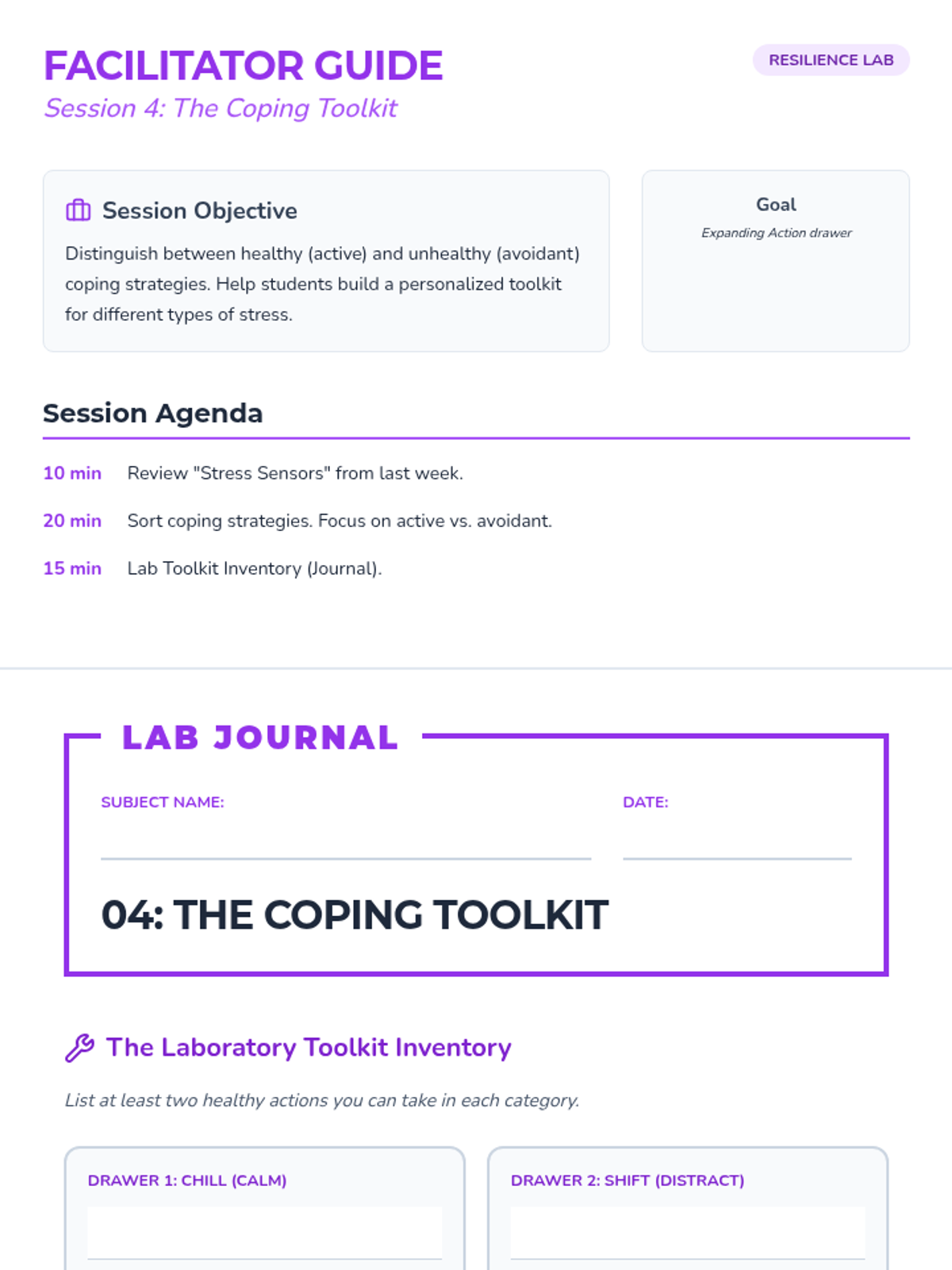
Exploring healthy vs. unhealthy coping mechanisms and building a personalized toolkit.
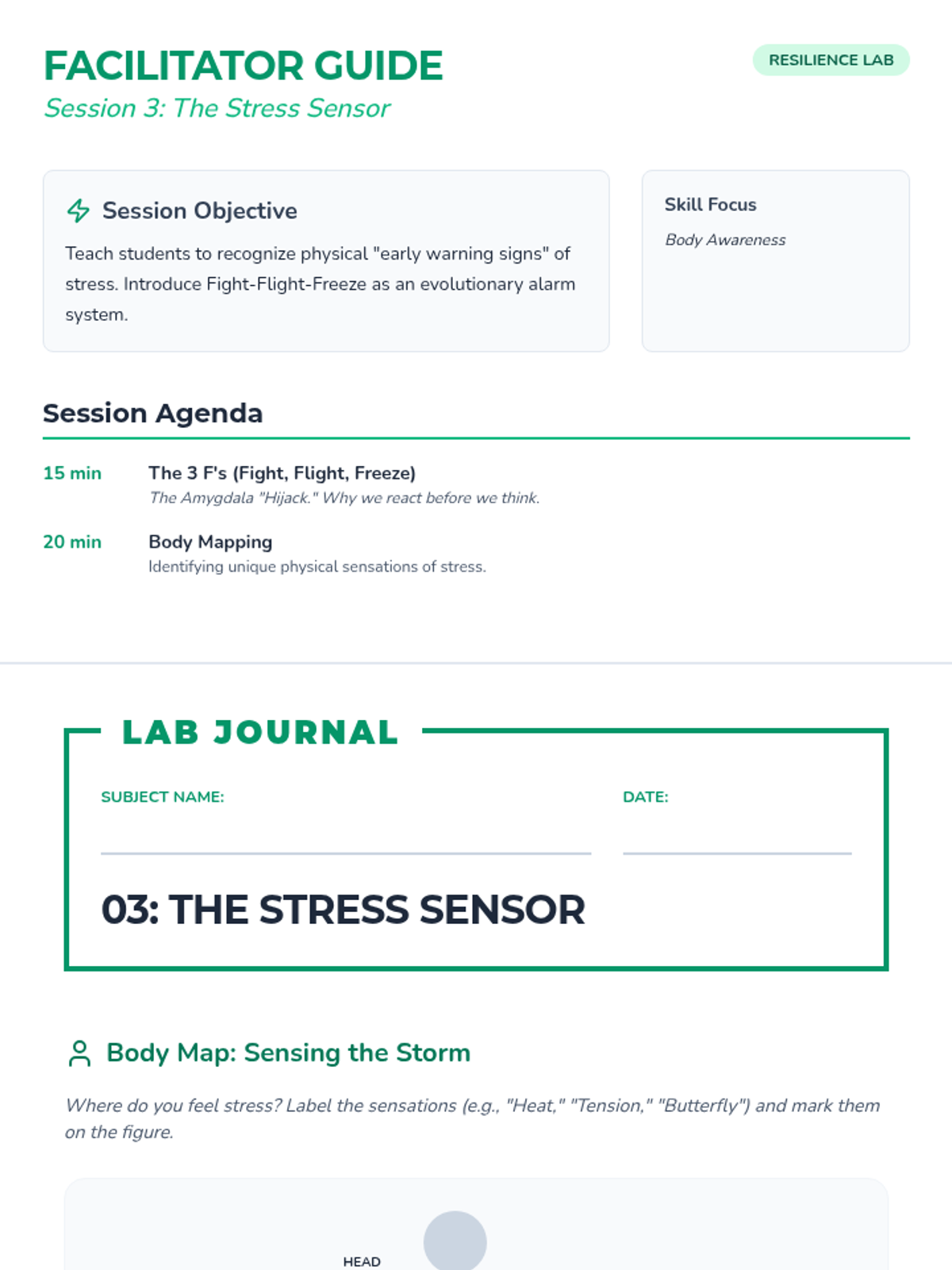
Identifying physical symptoms of stress and the mind-body connection.
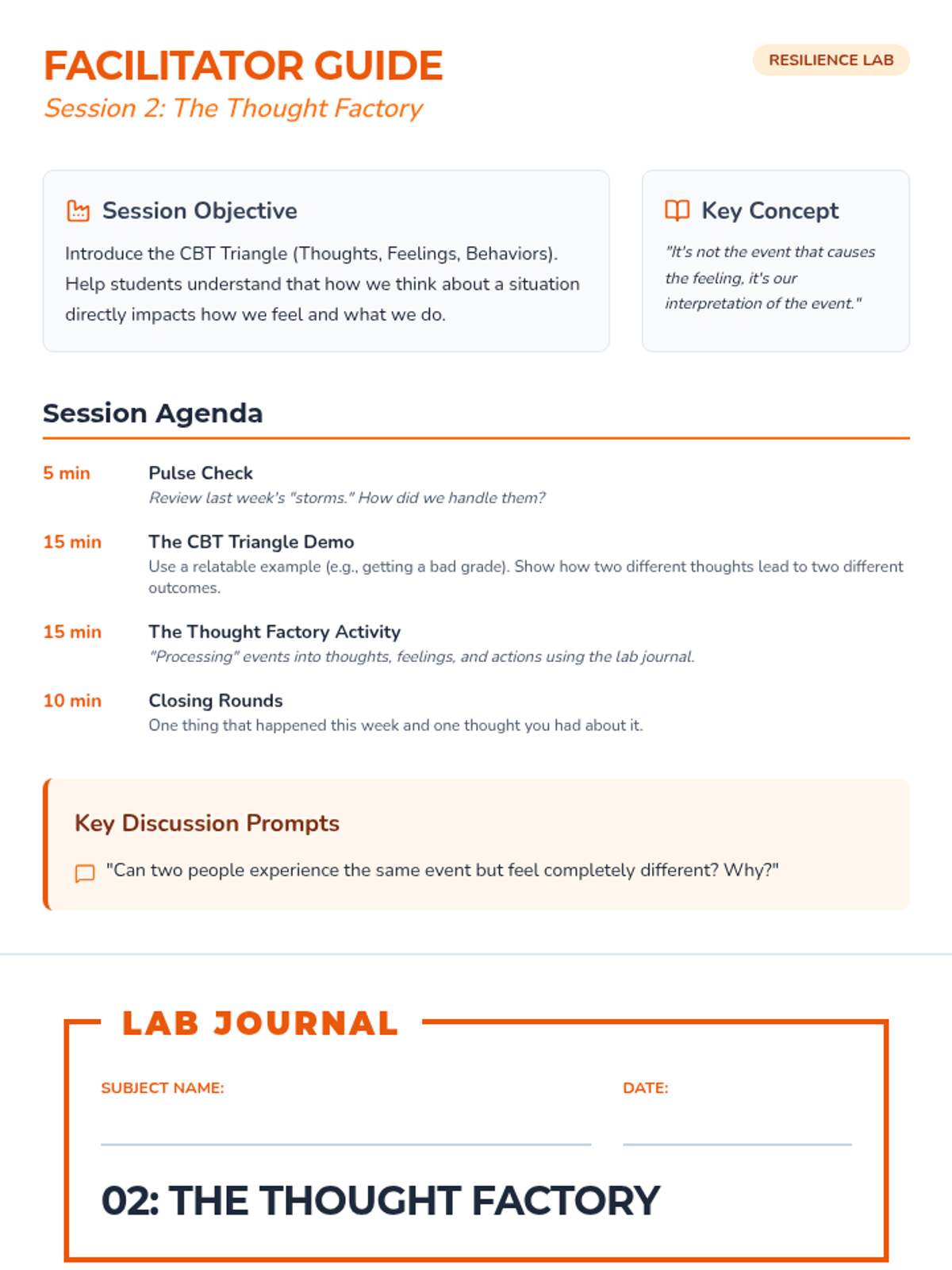
Introducing the CBT Triangle and the connection between thoughts, feelings, and behaviors.