Focuses on the mechanics of starting a conversation with a staff member, including choosing the right moment and using appropriate opening phrases.
A social-emotional learning lesson focused on developing perspective-taking skills, recognizing social cues, and practicing flexible thinking through roleplay and reflection.
Consolidates learning into a long-term wellness plan and sets small, achievable goals for personal growth and independence.
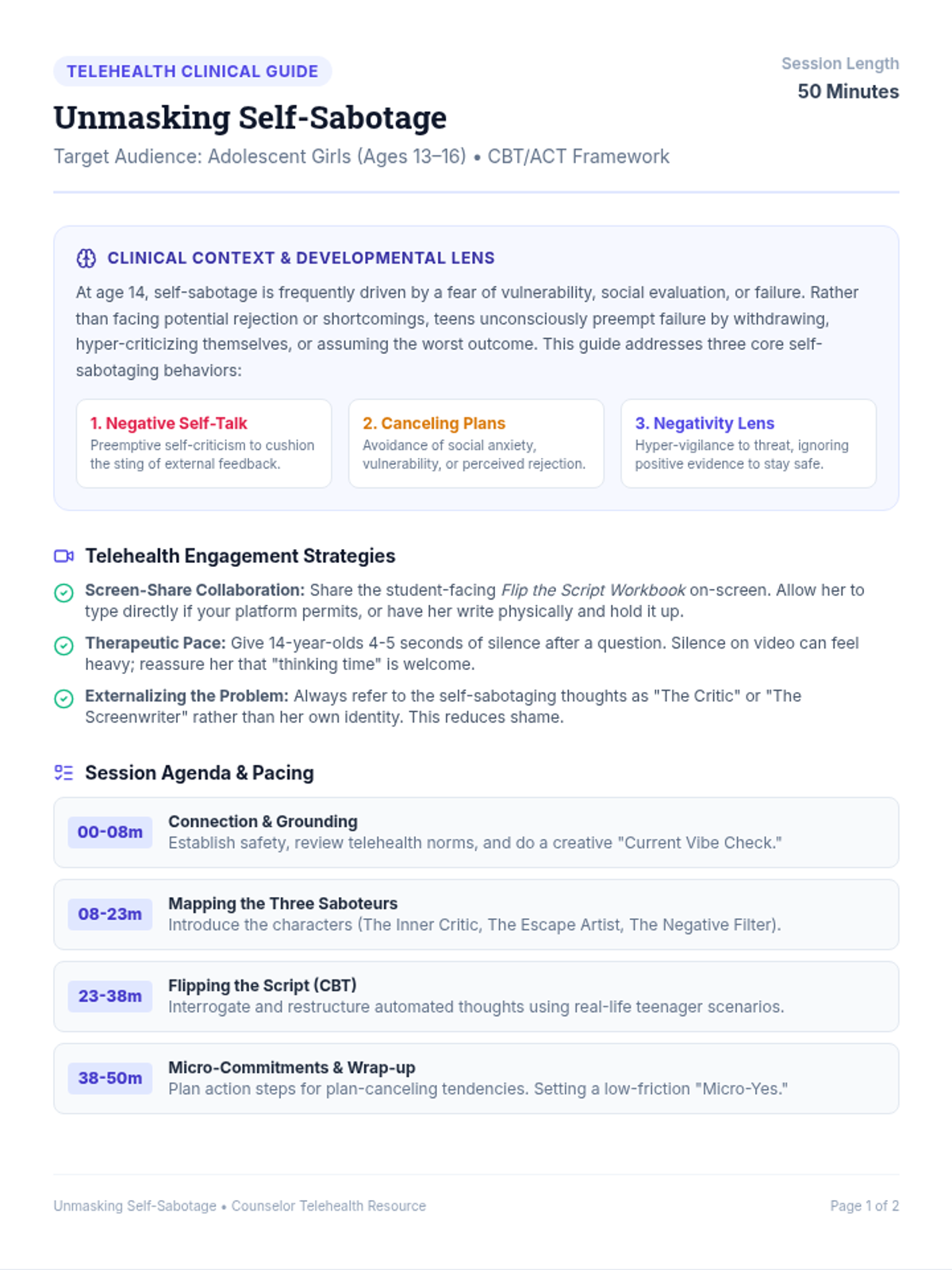
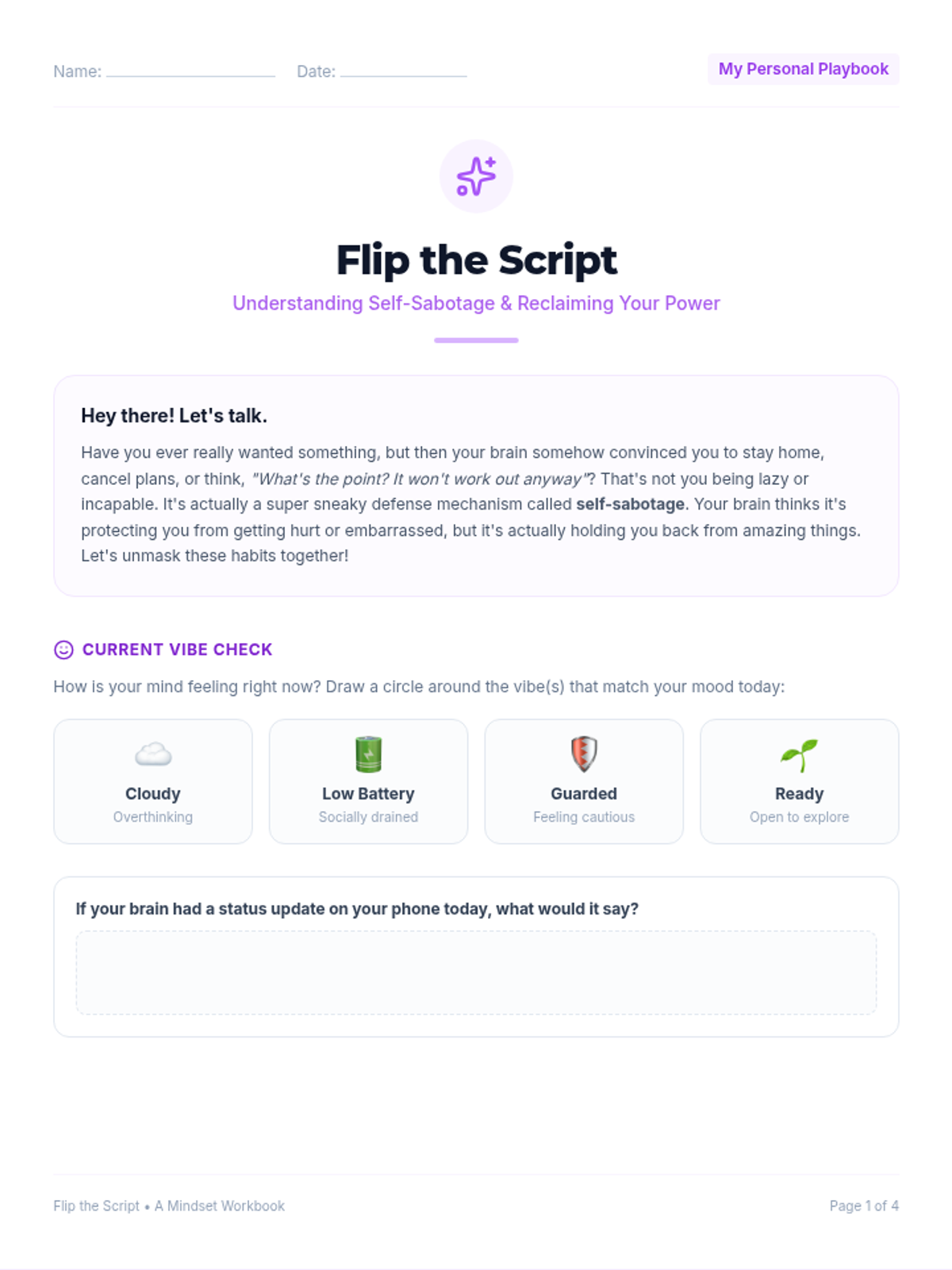
Focuses on challenging negative self-talk and building a supportive inner voice to combat feelings of unworthiness.
Teaches the importance of personal space, emotional boundaries, and how to communicate needs respectfully but firmly.
Explores the mother-daughter relationship through a lens of 'needs and gaps', helping the teen understand what she needs and how to seek it elsewhere if necessary.
Introduces practical grounding techniques, sensory coping strategies, and 'low-energy' activities for days when depression feels heavy.
Focuses on identifying and naming complex emotions, distinguishing between sadness and depression, and creating a personal 'emotion map'.
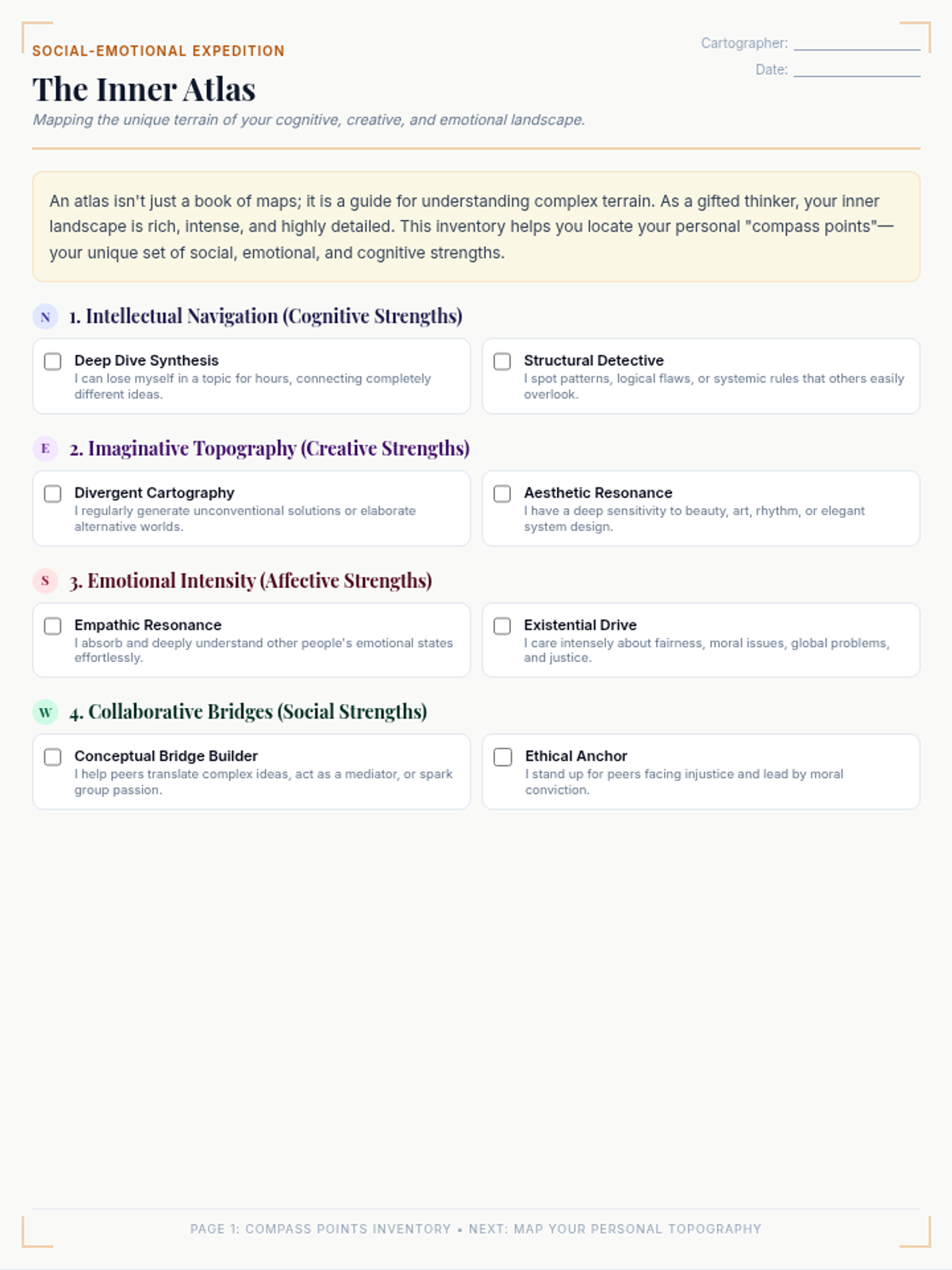
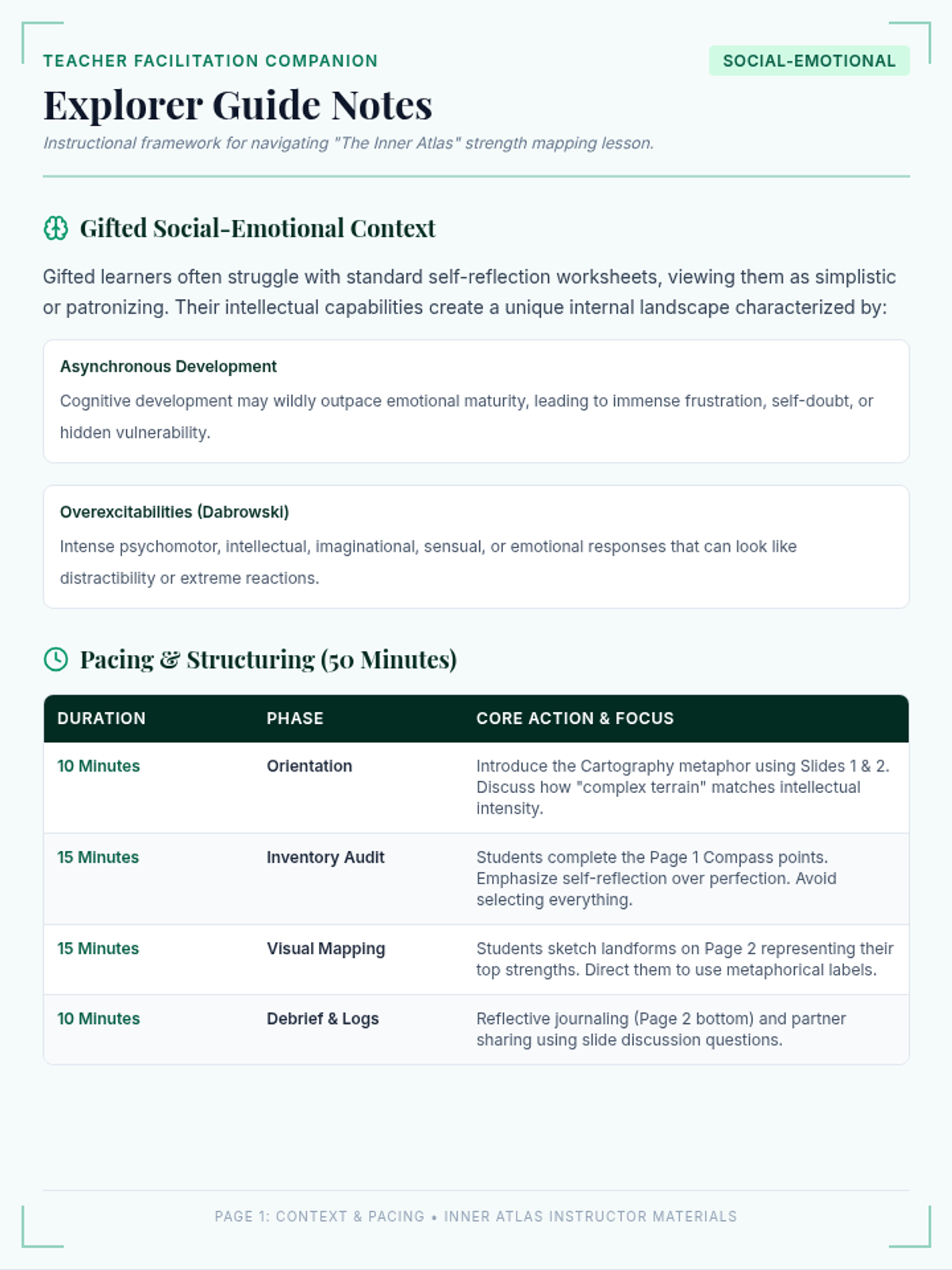
A lesson focused on developing core self-awareness and self-management skills through vocabulary and deep reflection.
This lesson introduces middle school students to the concepts of emotional regulation and constructive conflict resolution through guided reflection and visual models. Students will explore their own triggers, learn the 'Iceberg' theory of conflict, and practice perspective-shifting.
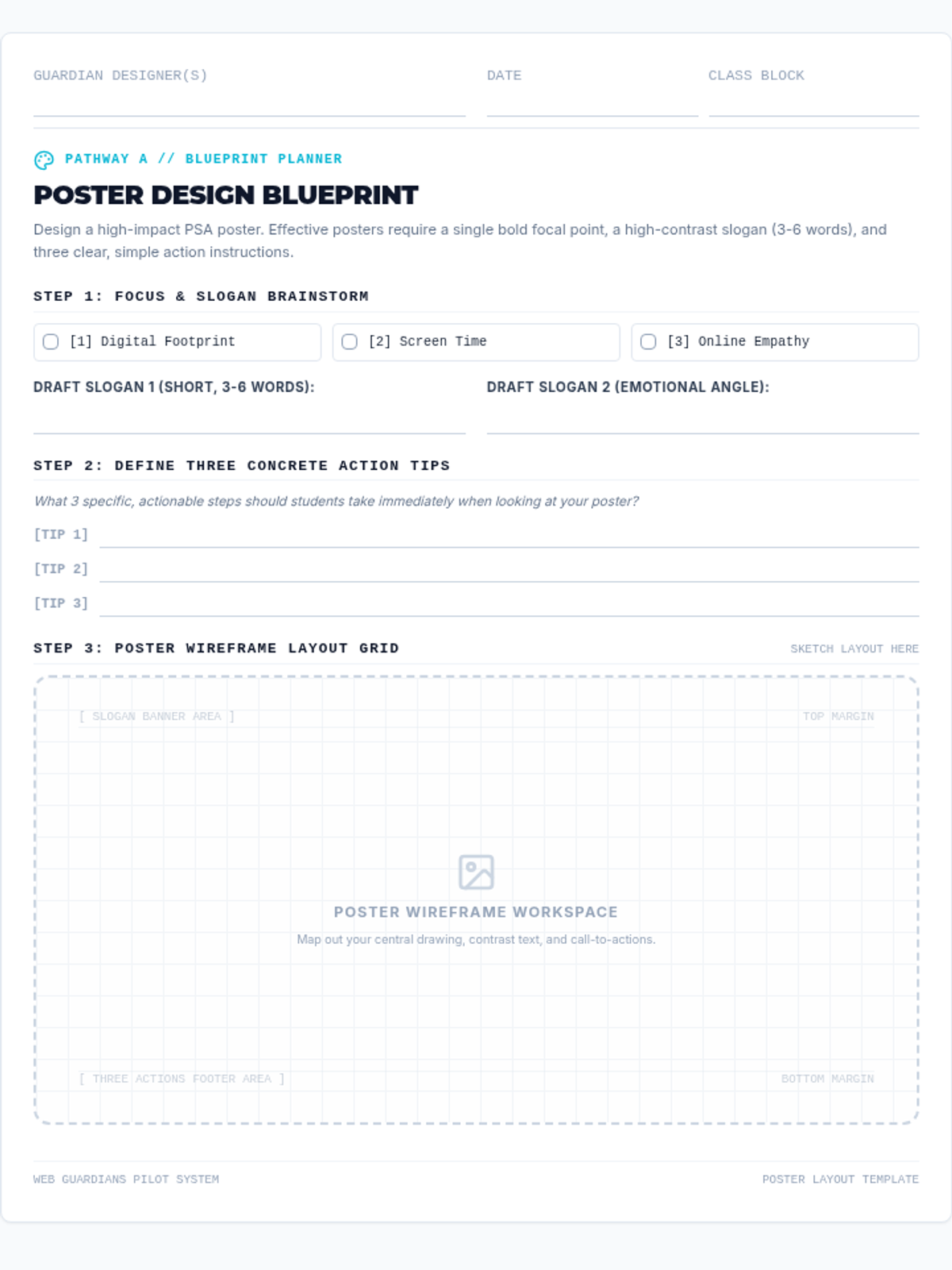
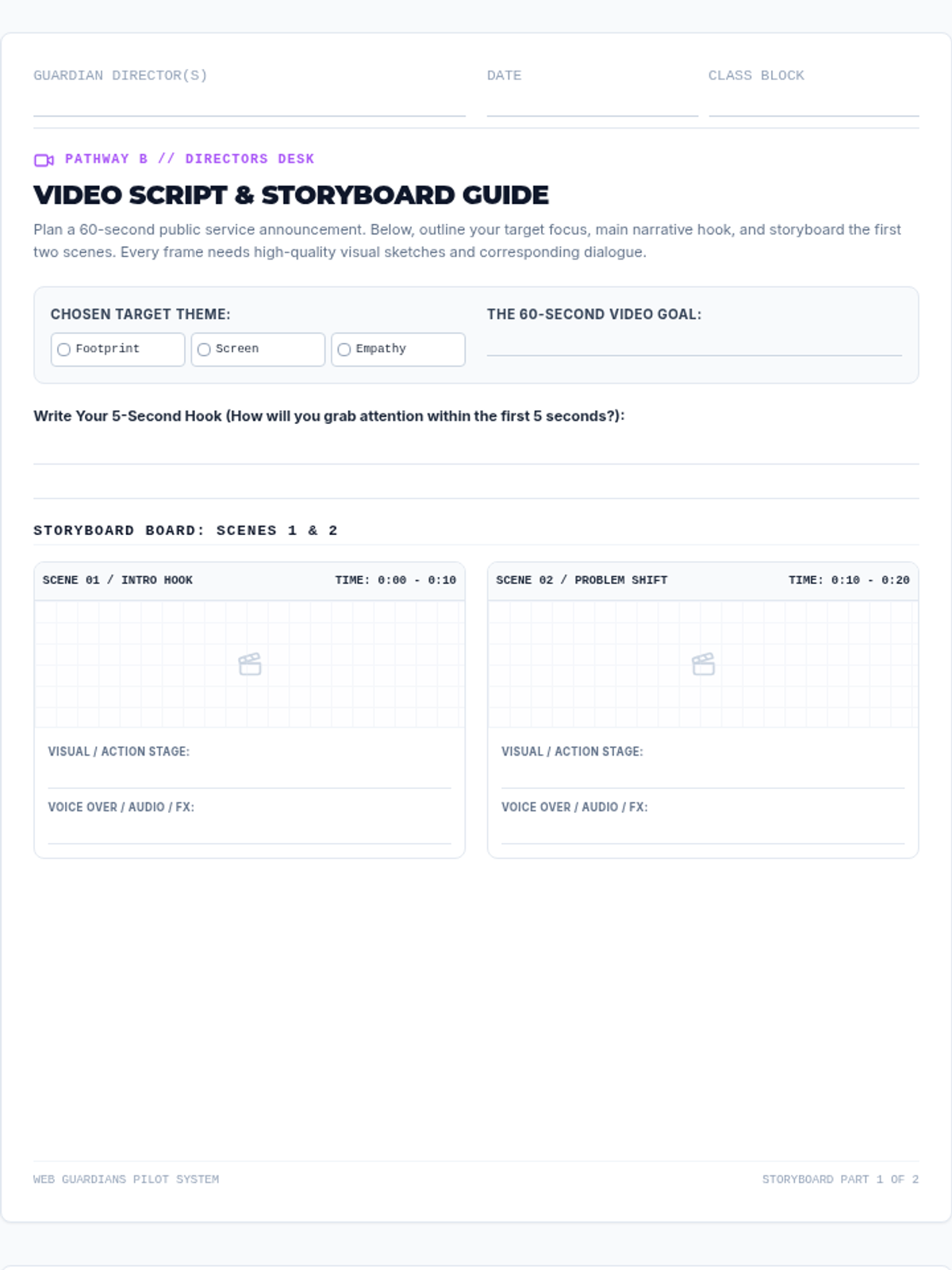
A comprehensive lesson on navigating social media with empathy and accountability. Students will learn to recognize the impact of their digital footprint, handle online mistakes with grace, and practice safe, respectful communication.
Reviews the skills learned and focuses on how to maintain established relationships with adults through consistent, positive interactions.
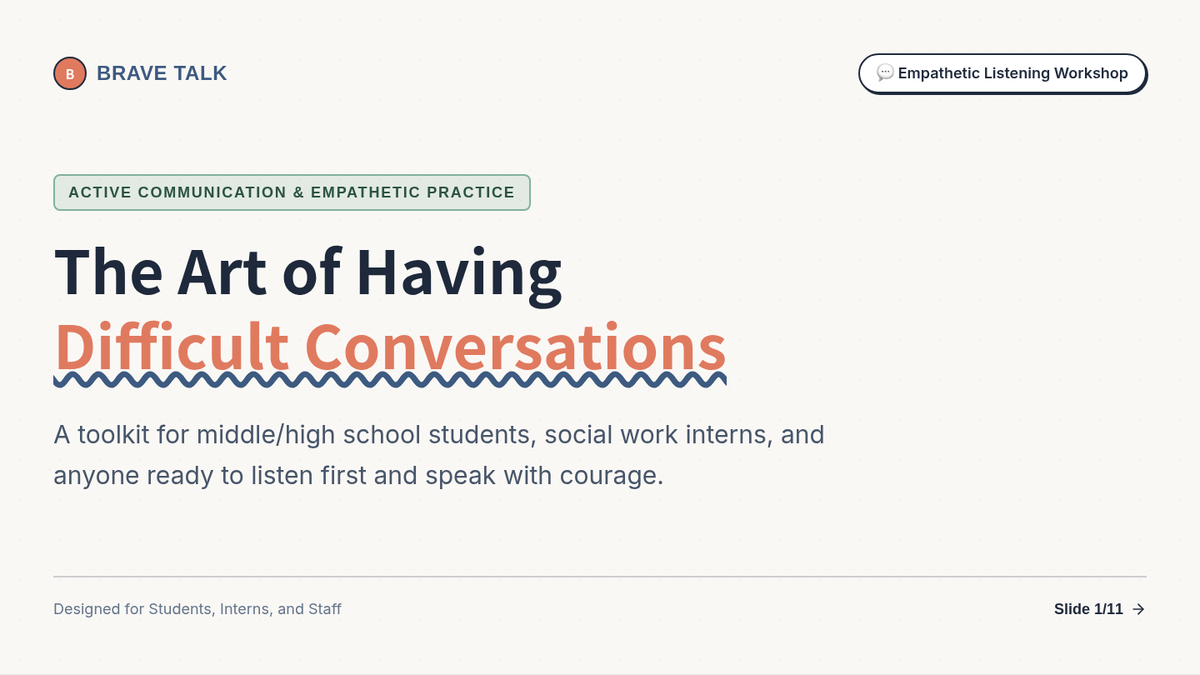
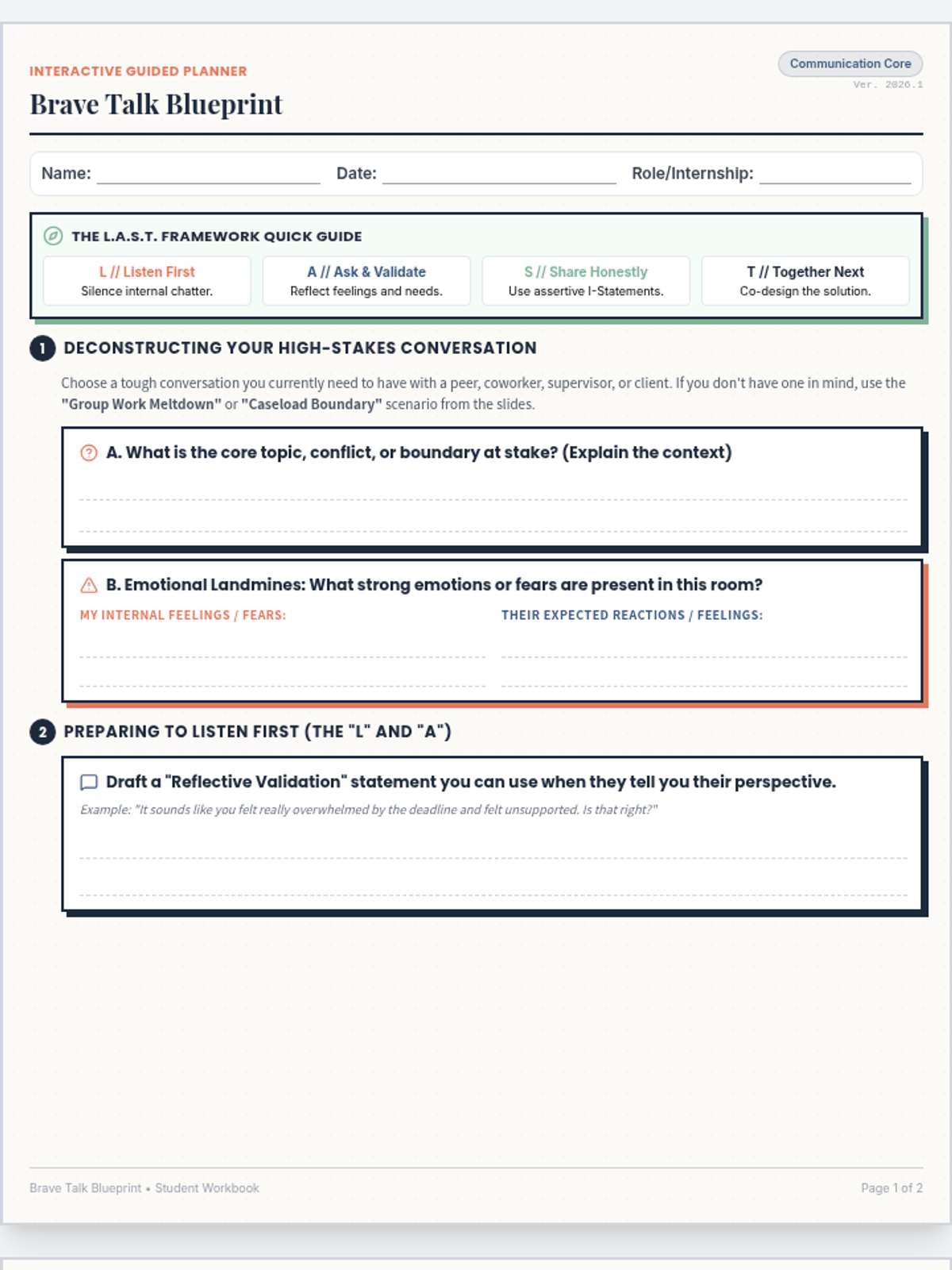
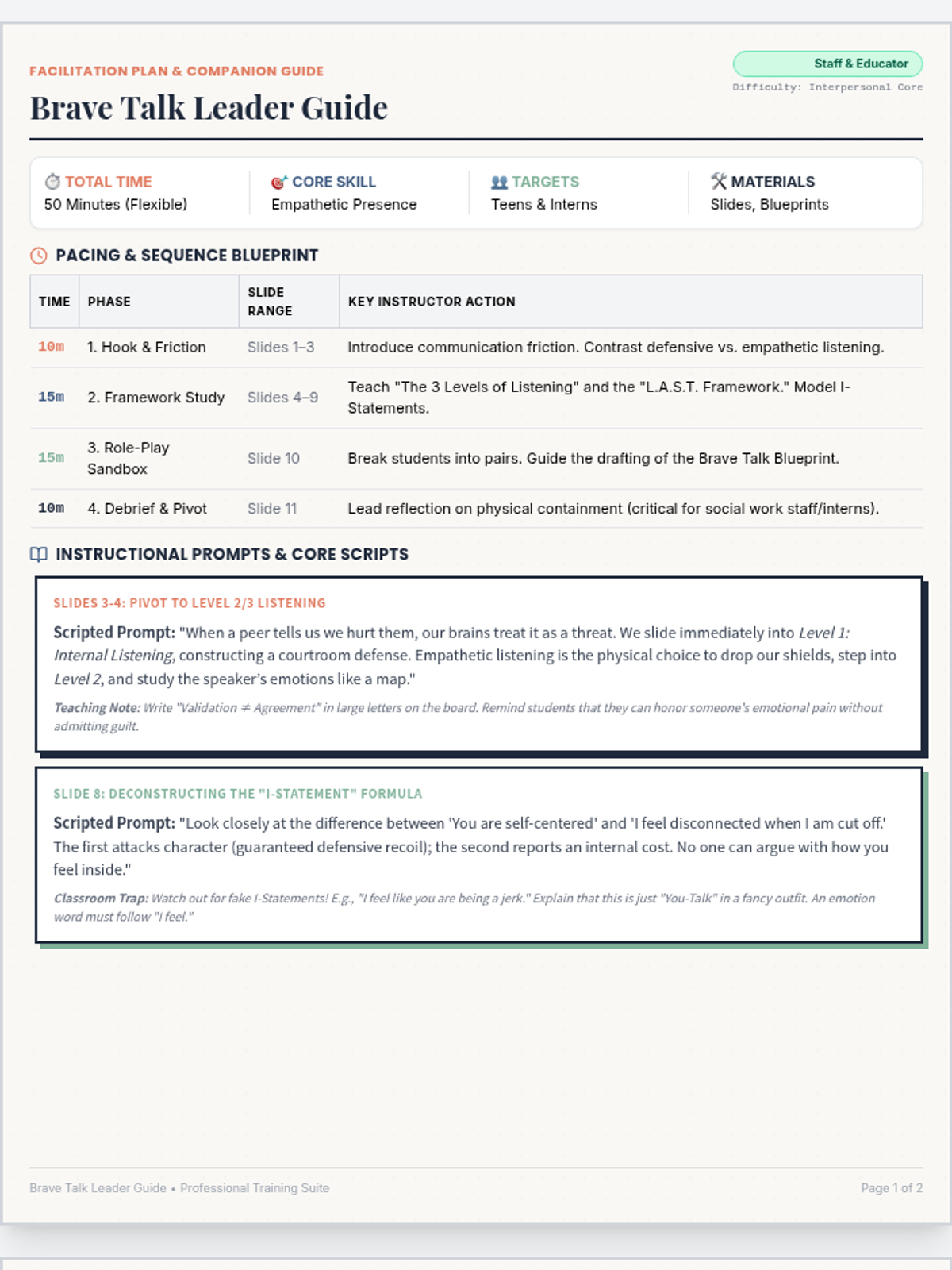
Equips students with the skills to ask for help or express a concern to an adult in a way that leads to collaborative problem-solving.
Explores the concept of "social context" to help students understand when it is appropriate to use formal versus casual language with adults.
Helps students navigate receiving feedback or corrections from adults with a growth mindset and respectful communication.