This lesson helps 1st-grade students identify impulsive behaviors and learn the 'Stop and Think' strategy to manage them effectively through discussion, role-play, and practice.
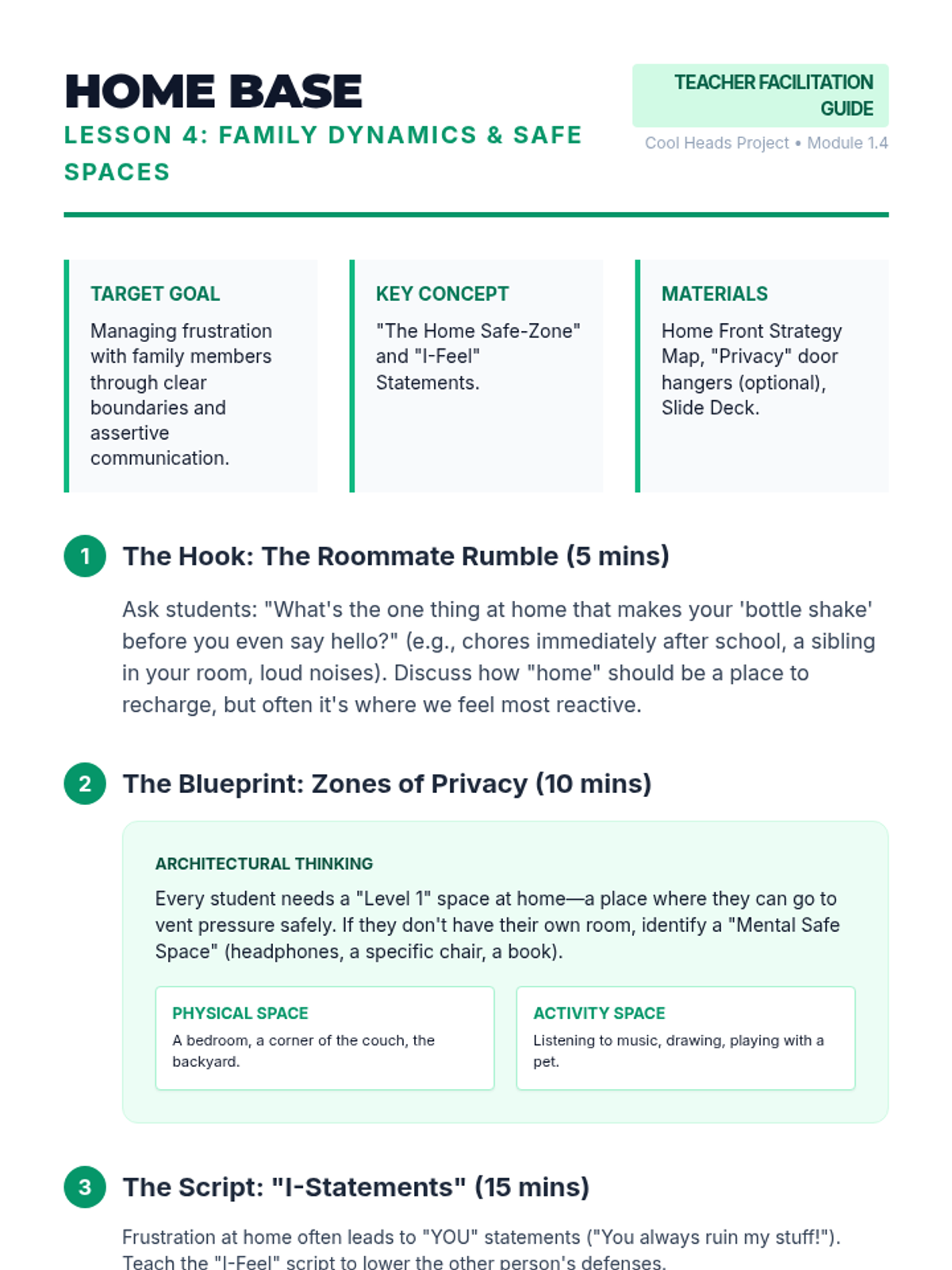
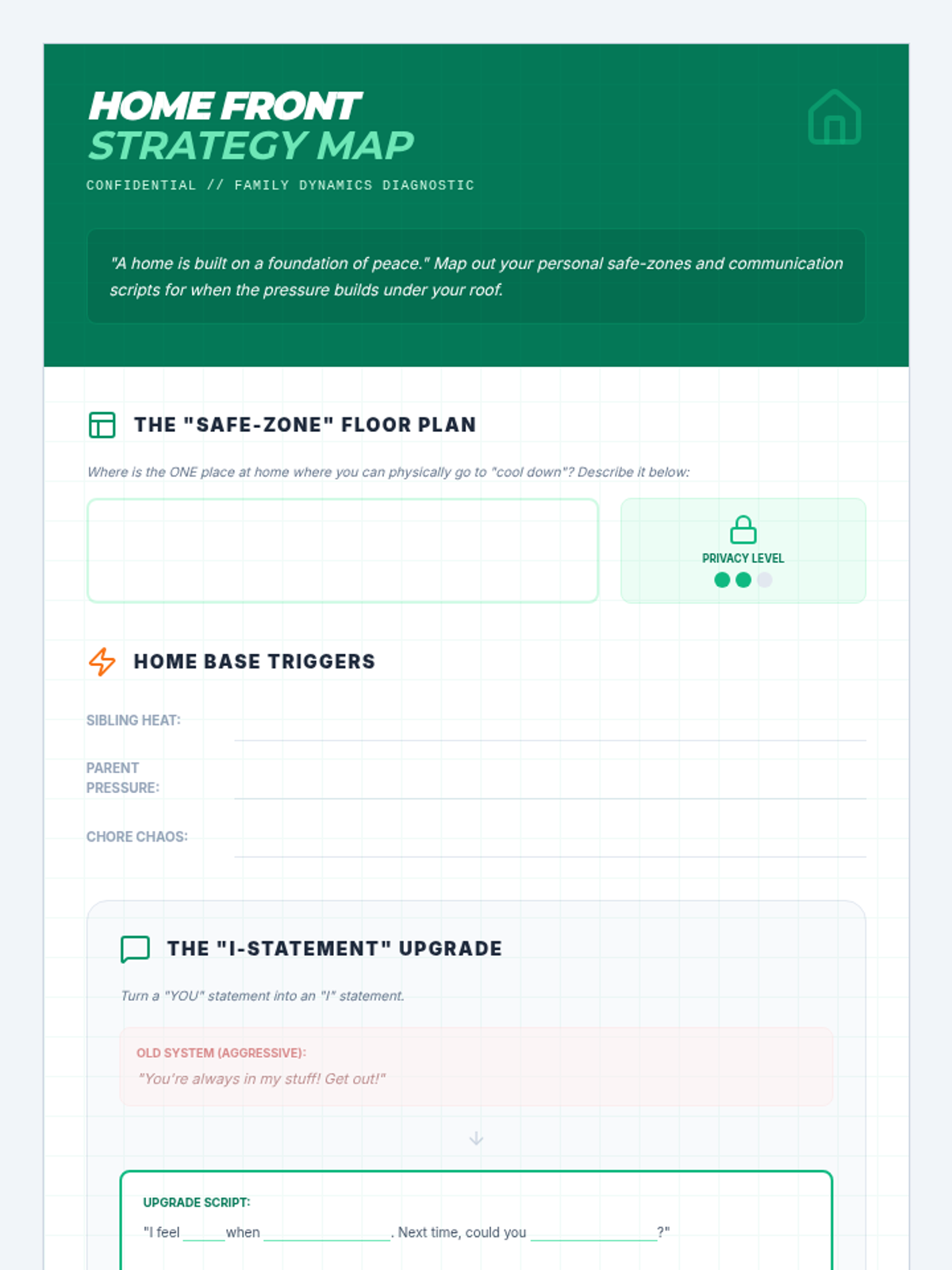
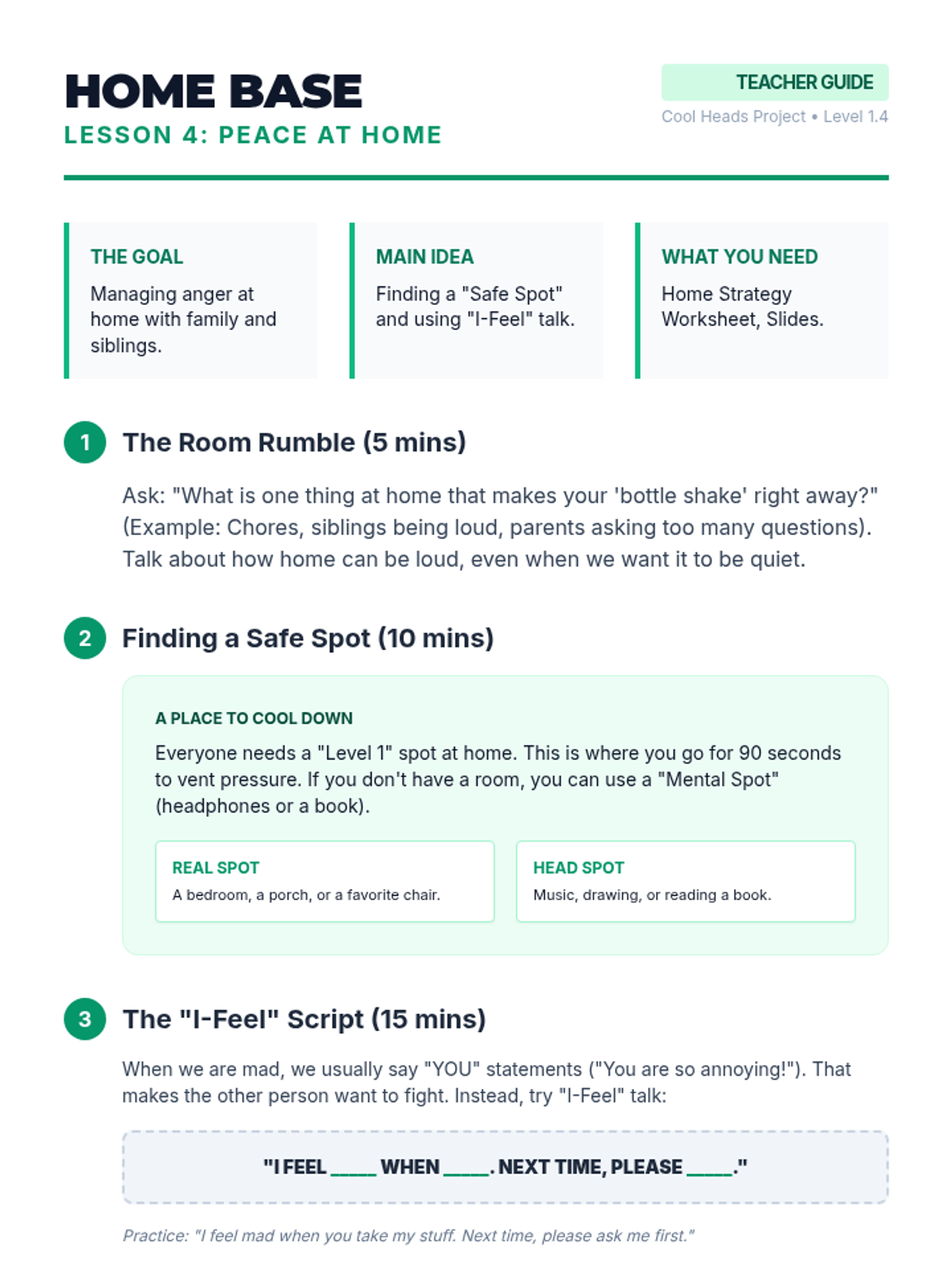
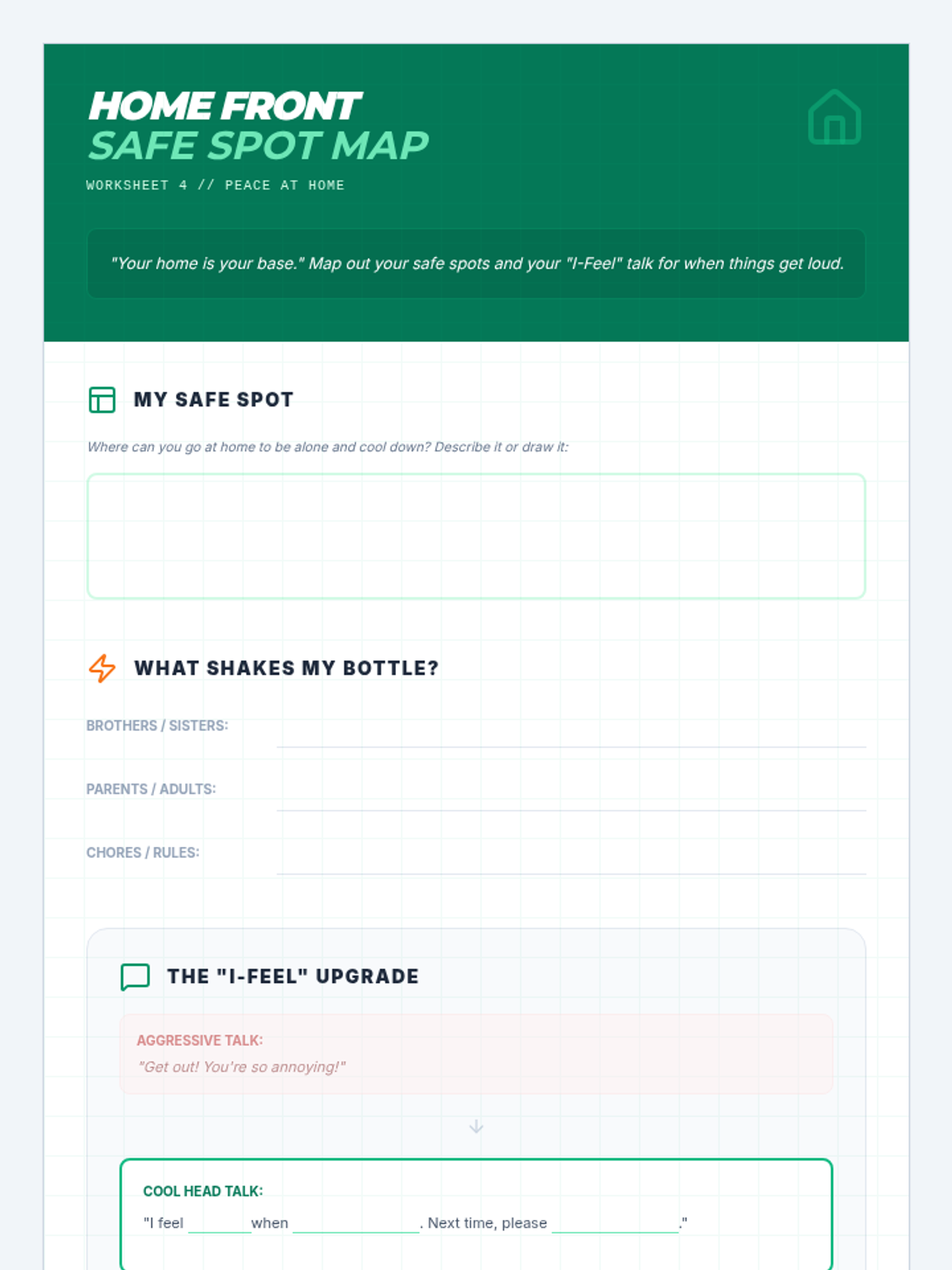
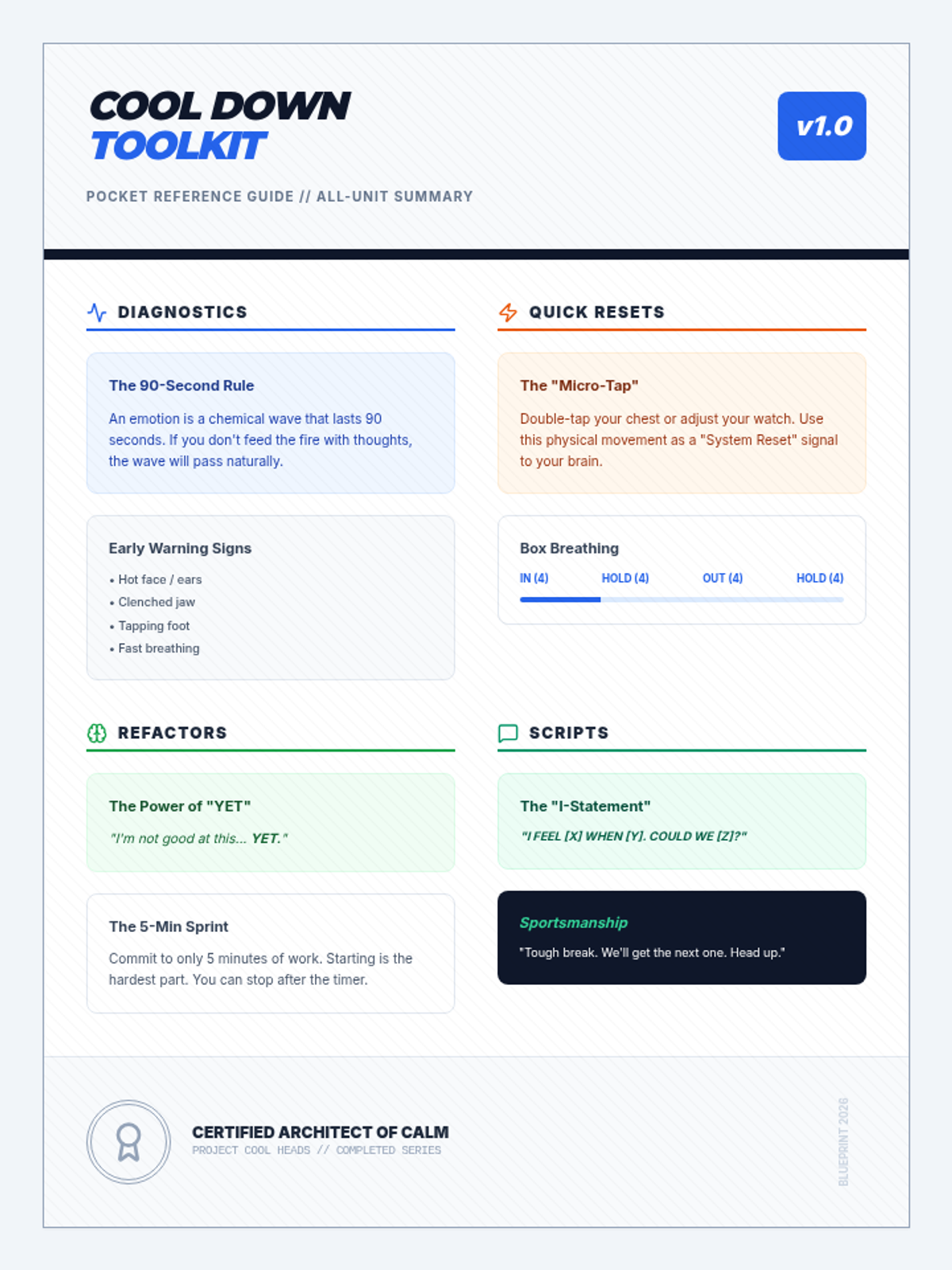
Strategies for navigating family dynamics, sibling conflicts, and home-based stressors through clear communication and personal space.
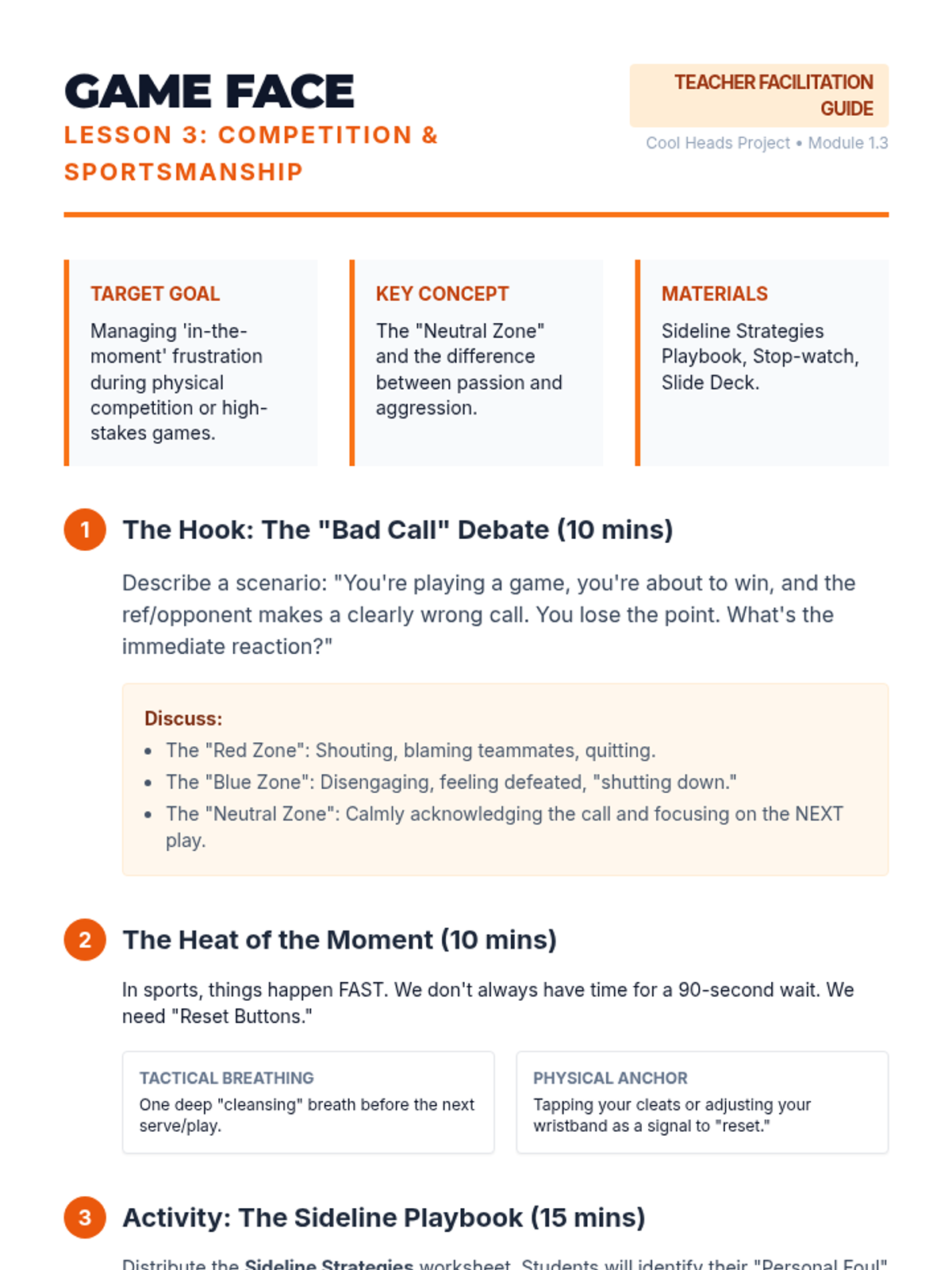
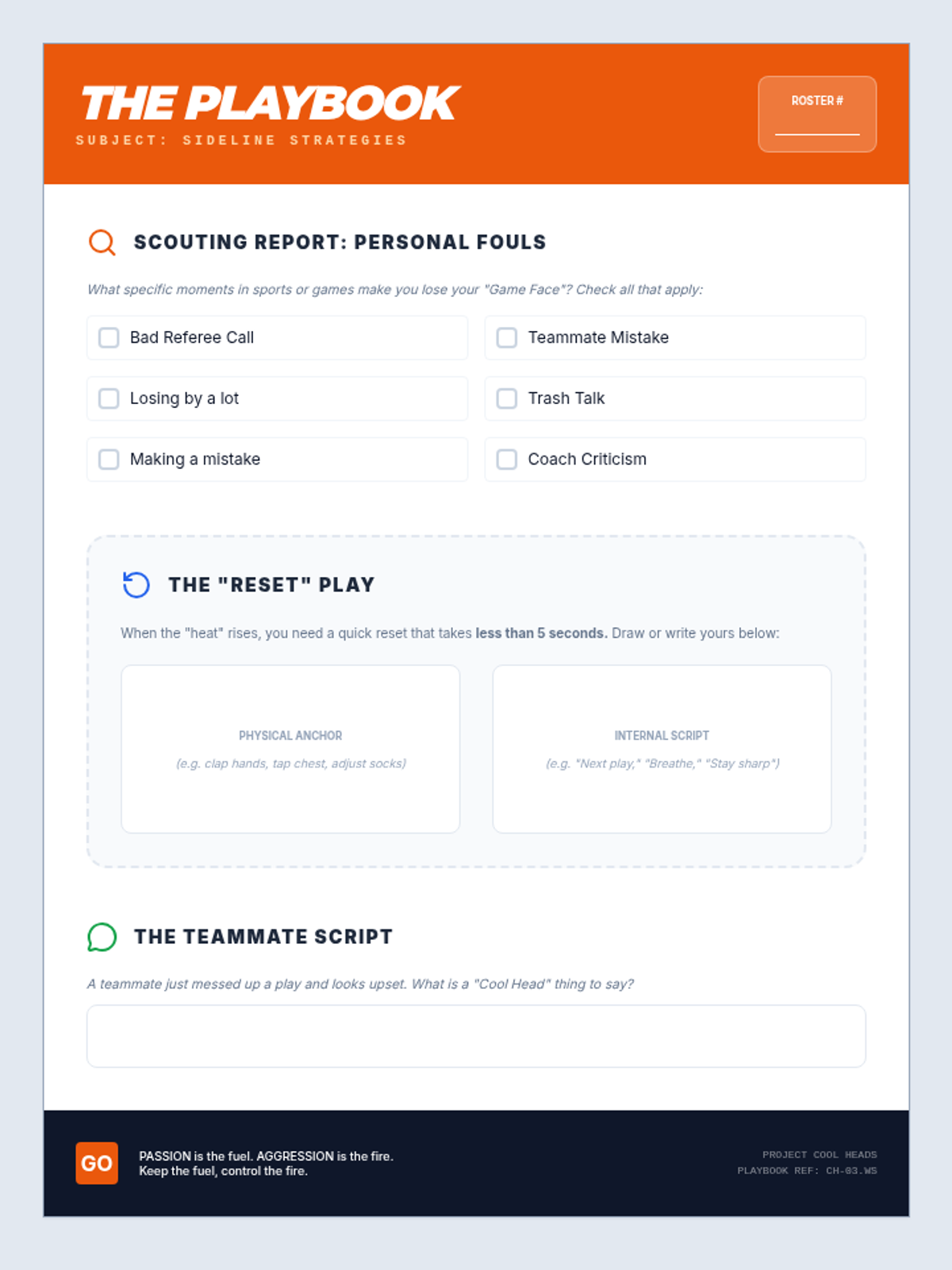
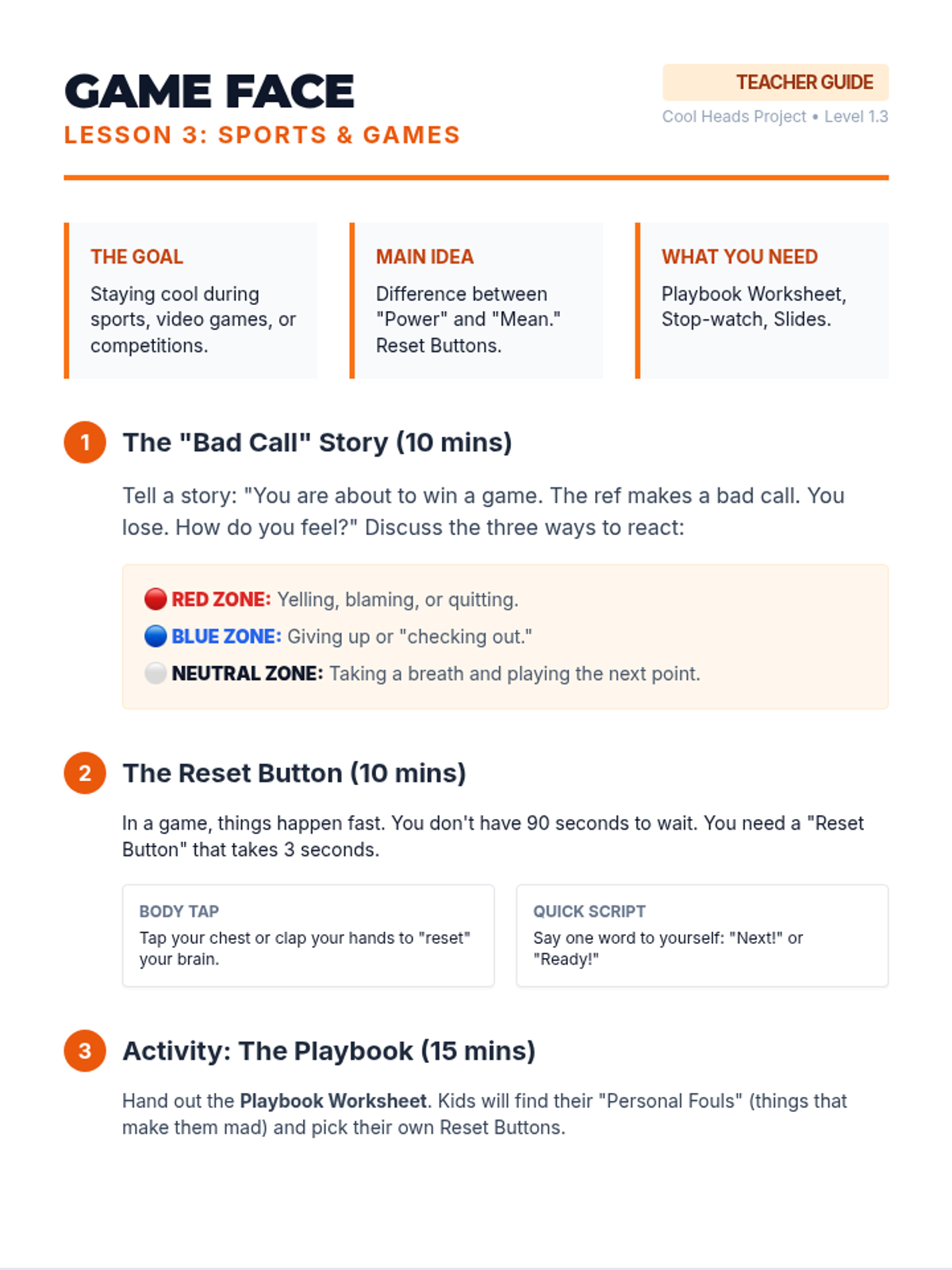
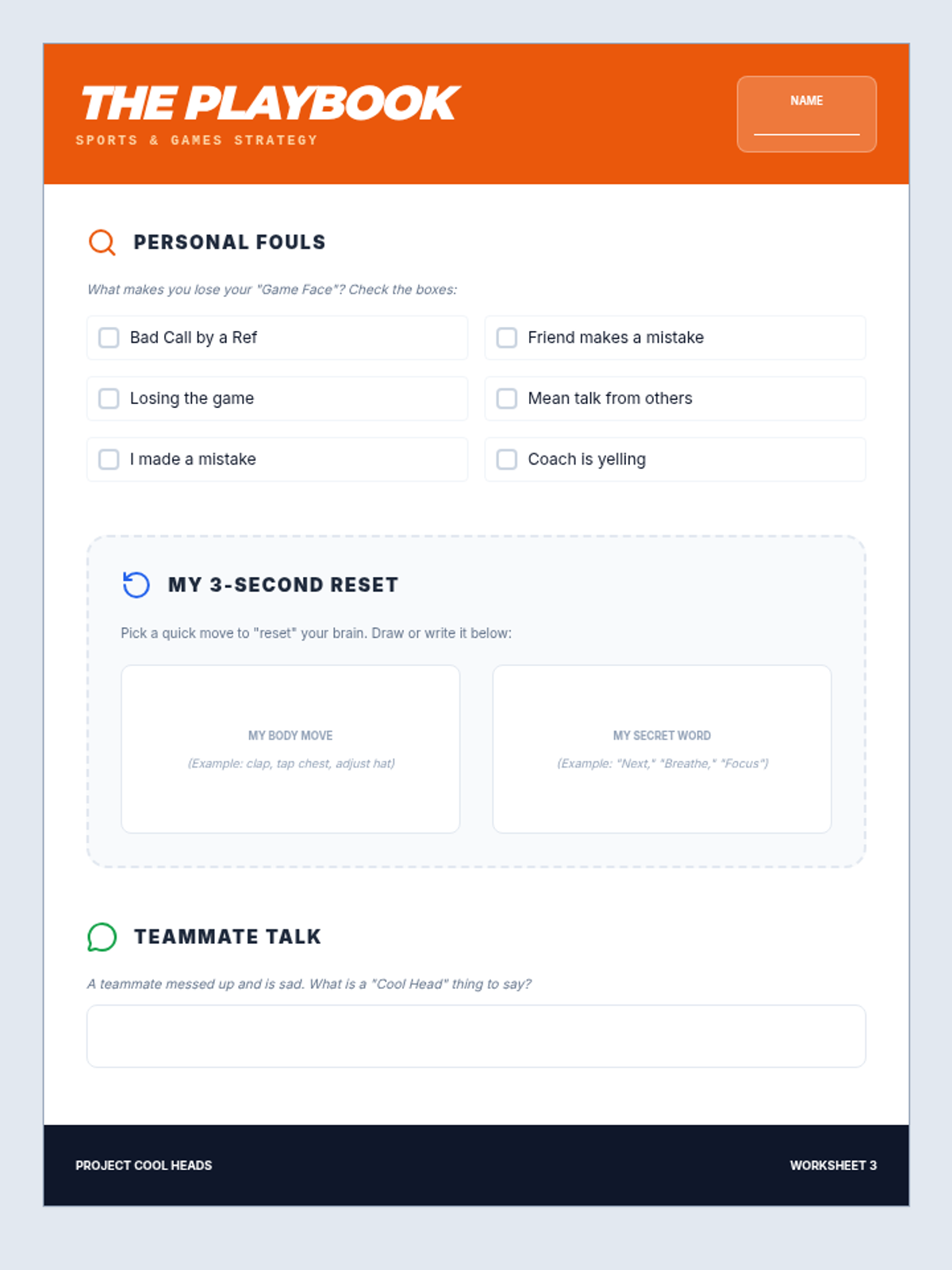
Explores the emotional ups and downs of sports and competition, teaching students how to keep their cool during wins and losses.
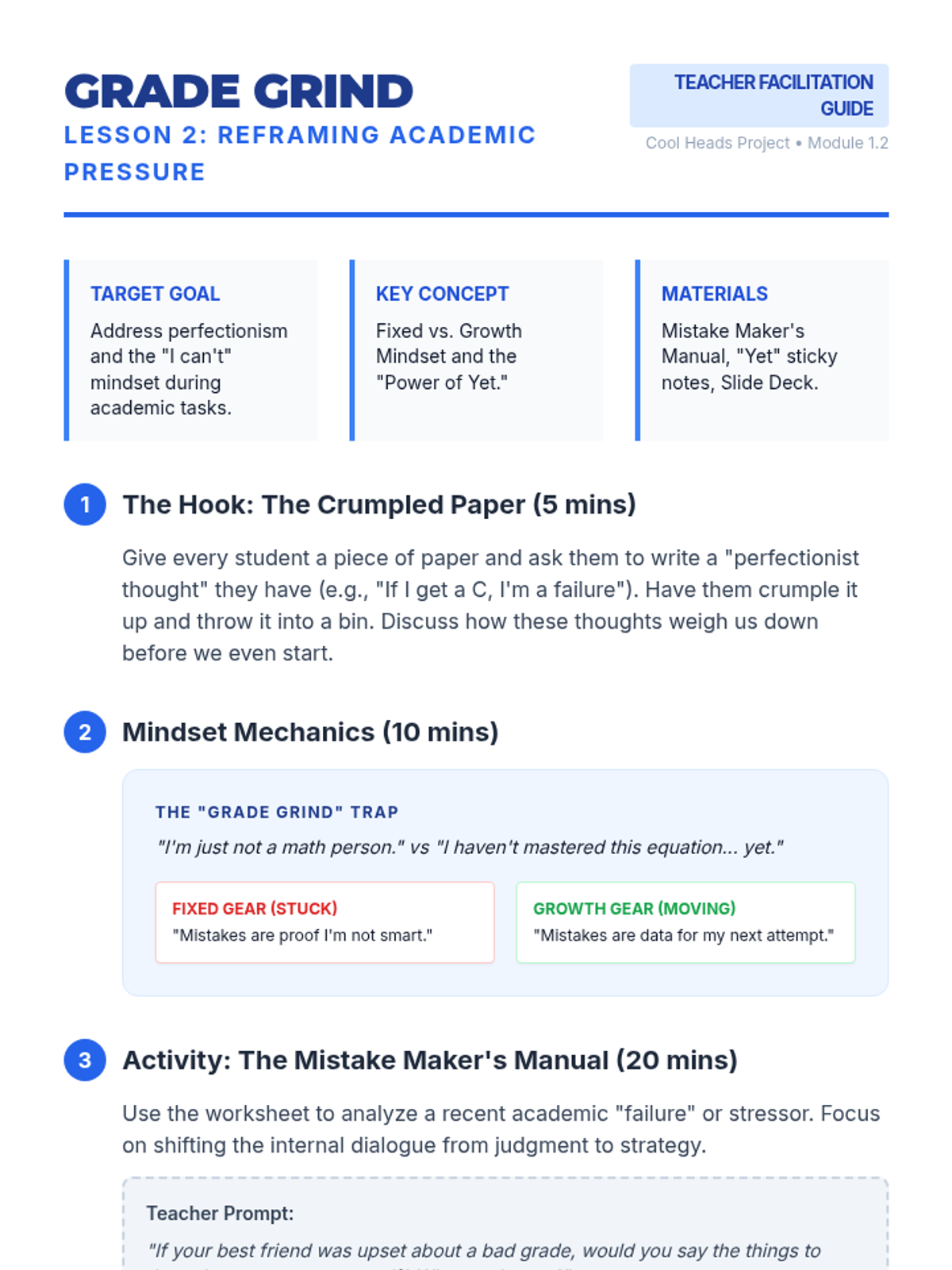
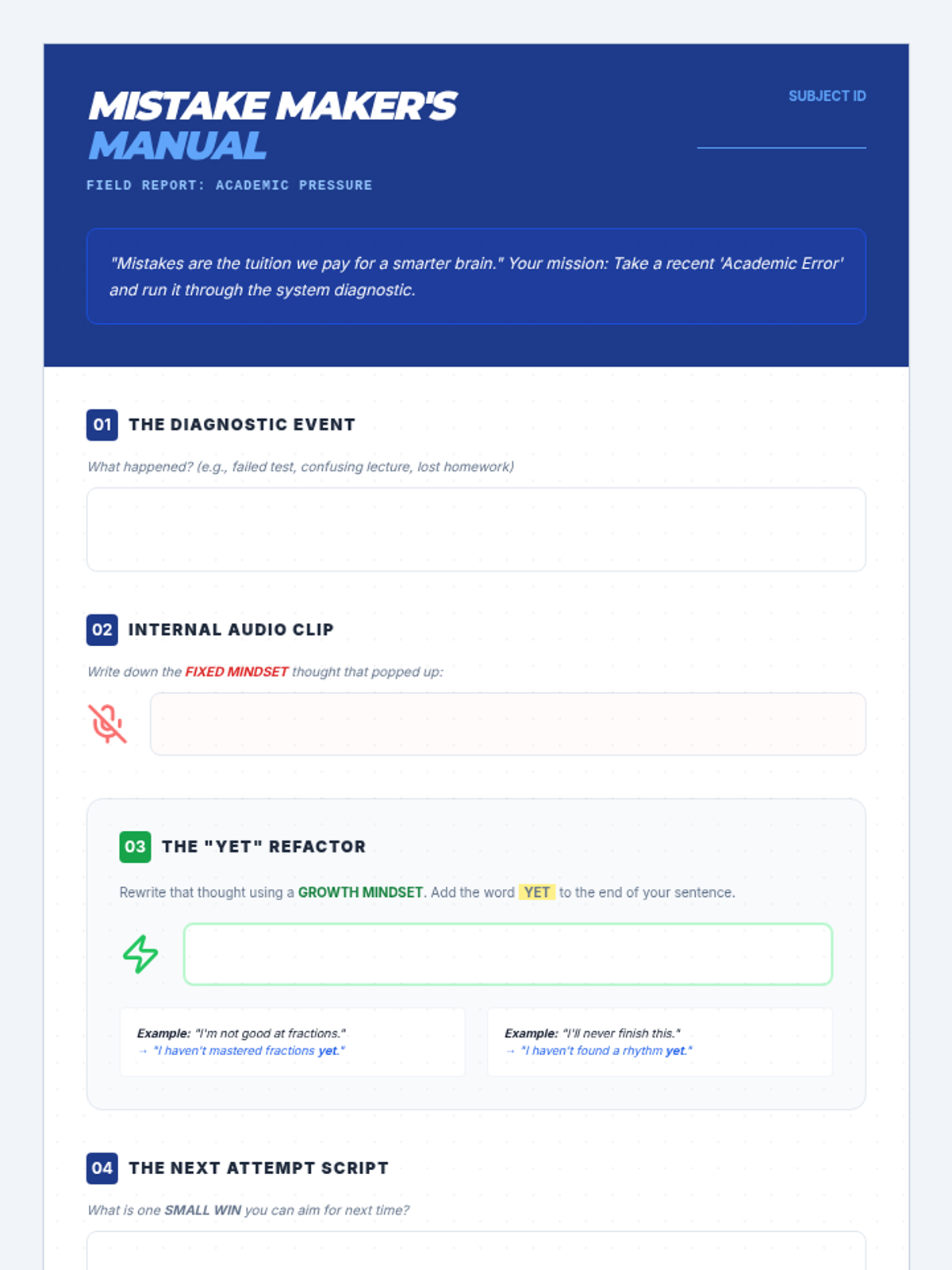
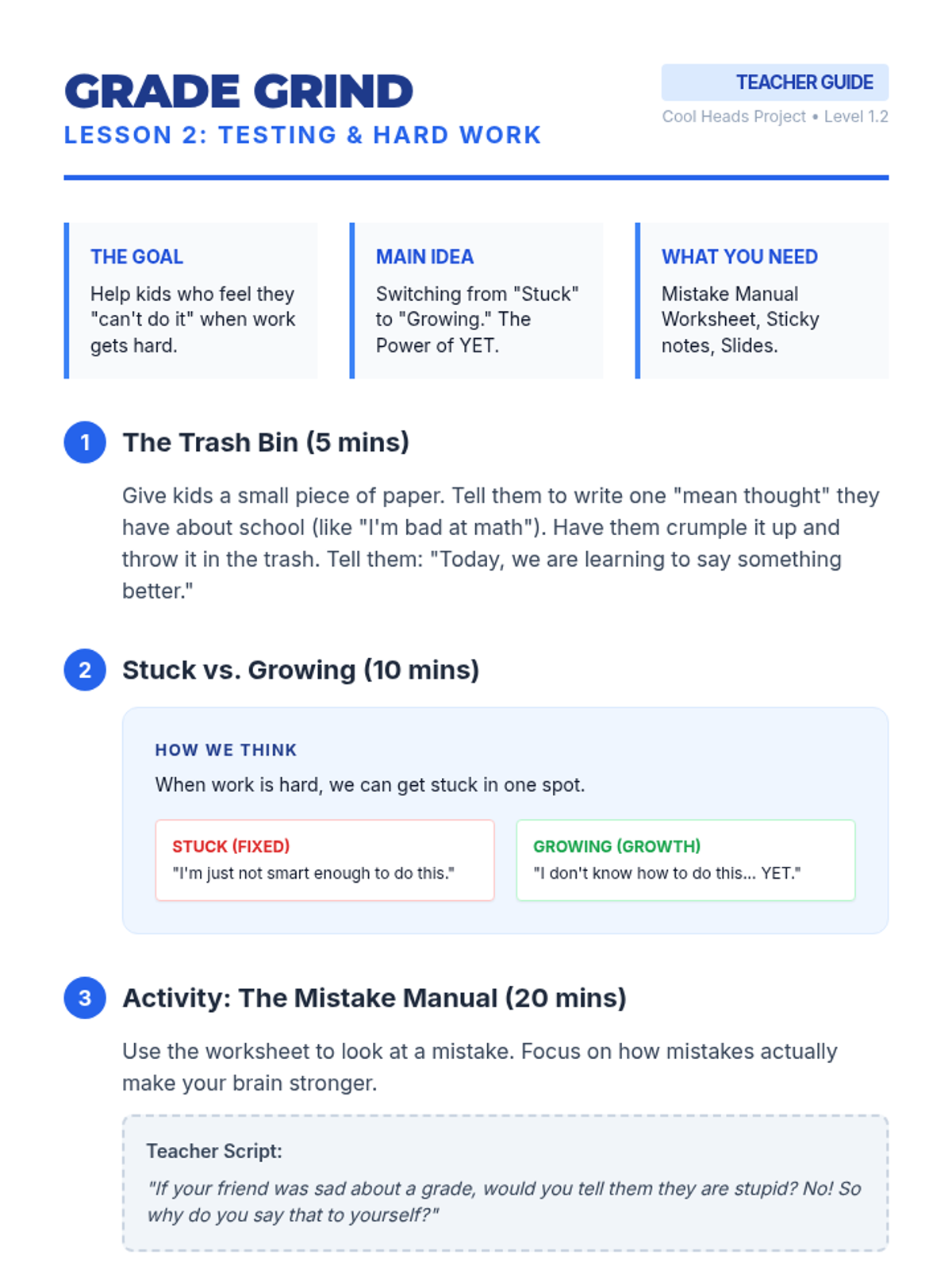
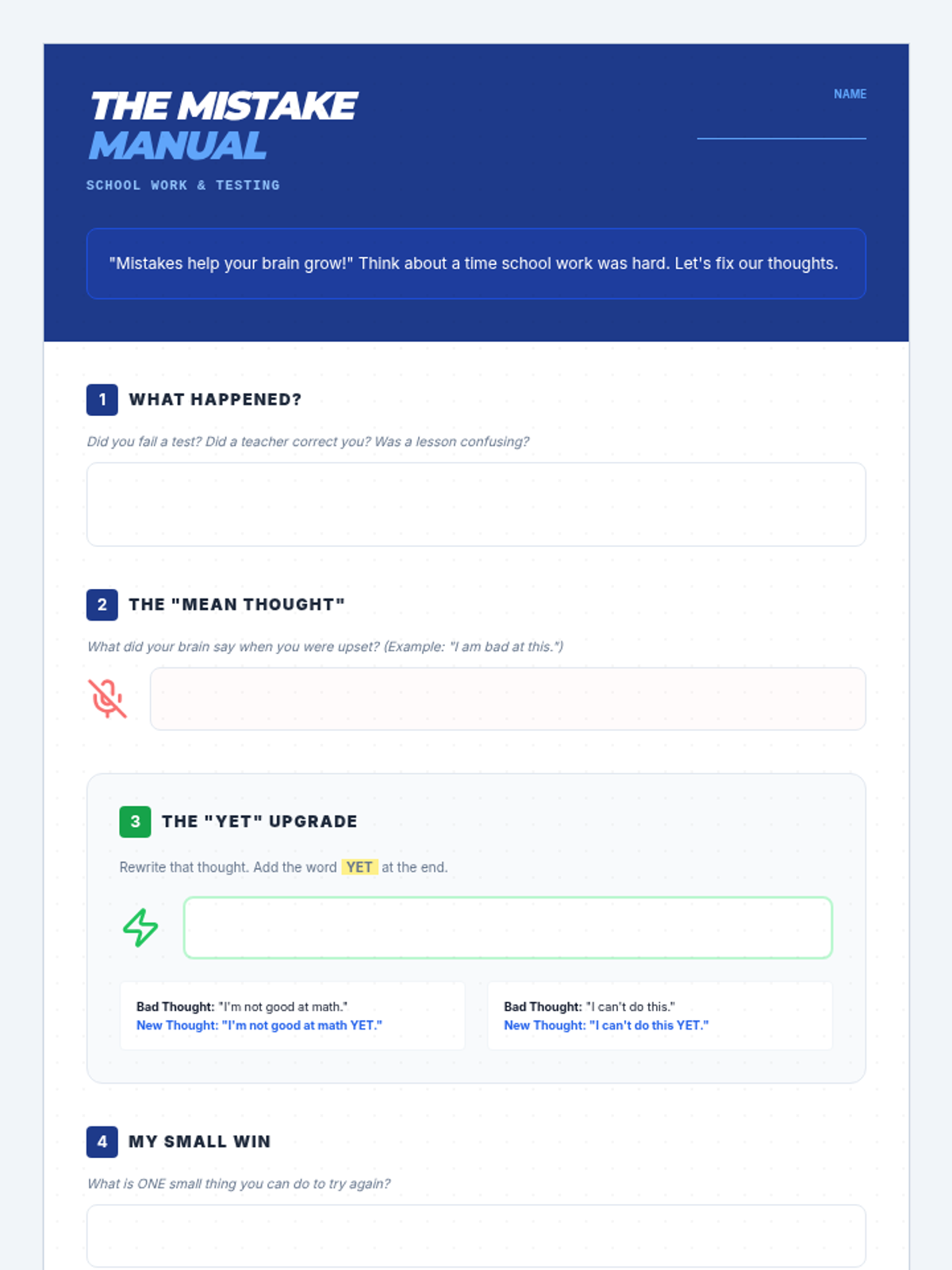
Focuses on managing the pressure of grades, tests, and academic expectations through reframing and realistic goal-setting.
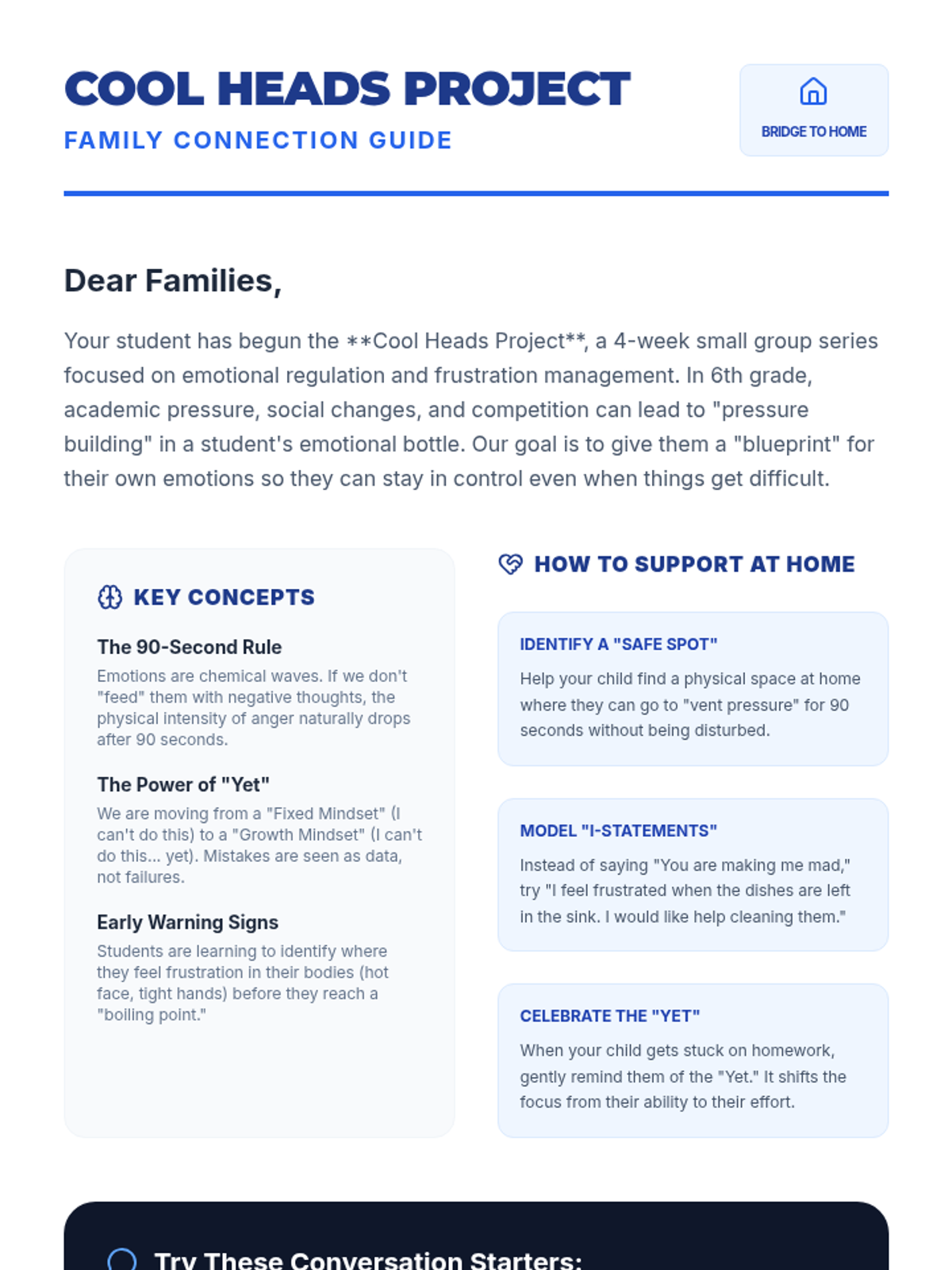
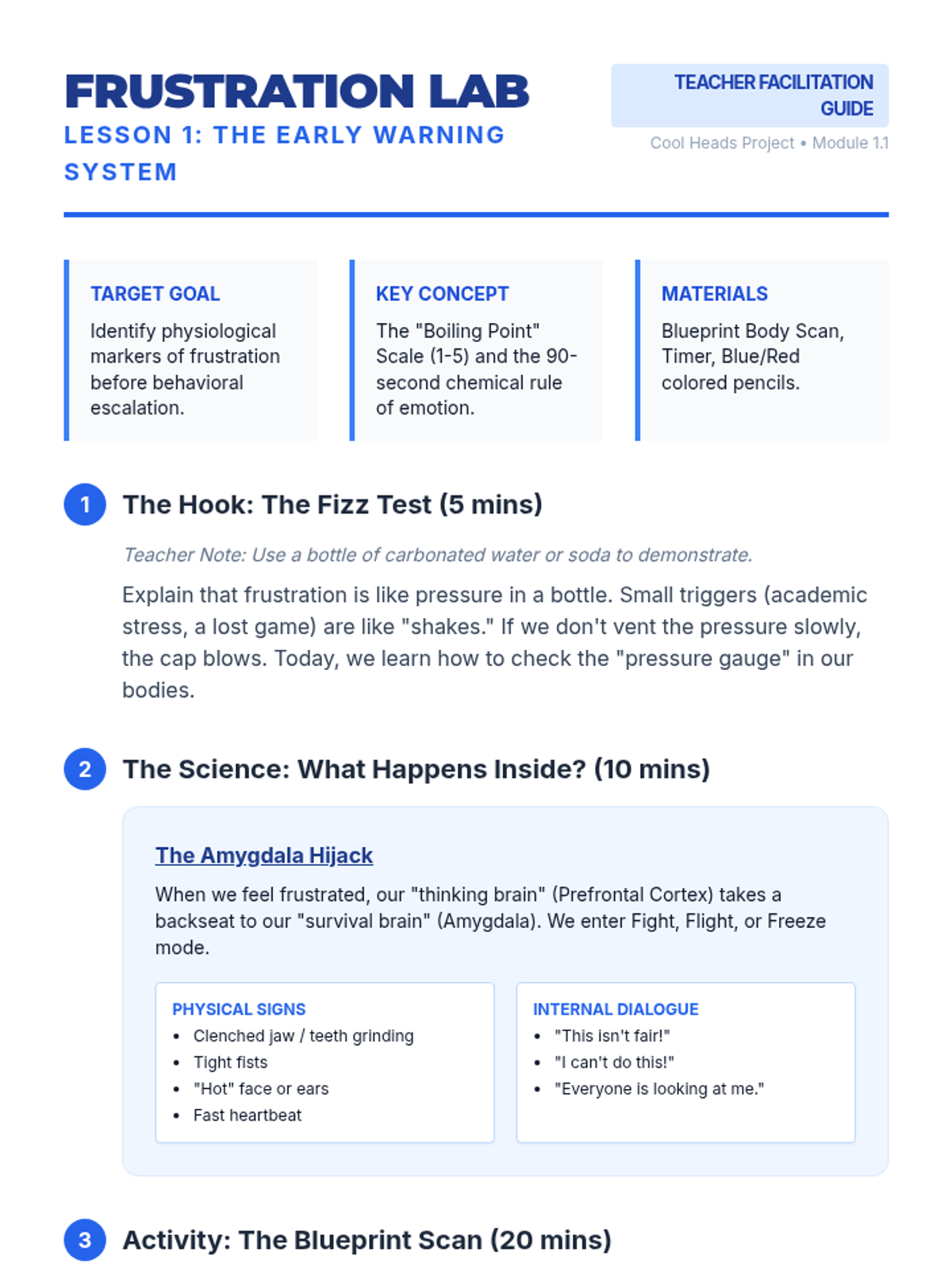
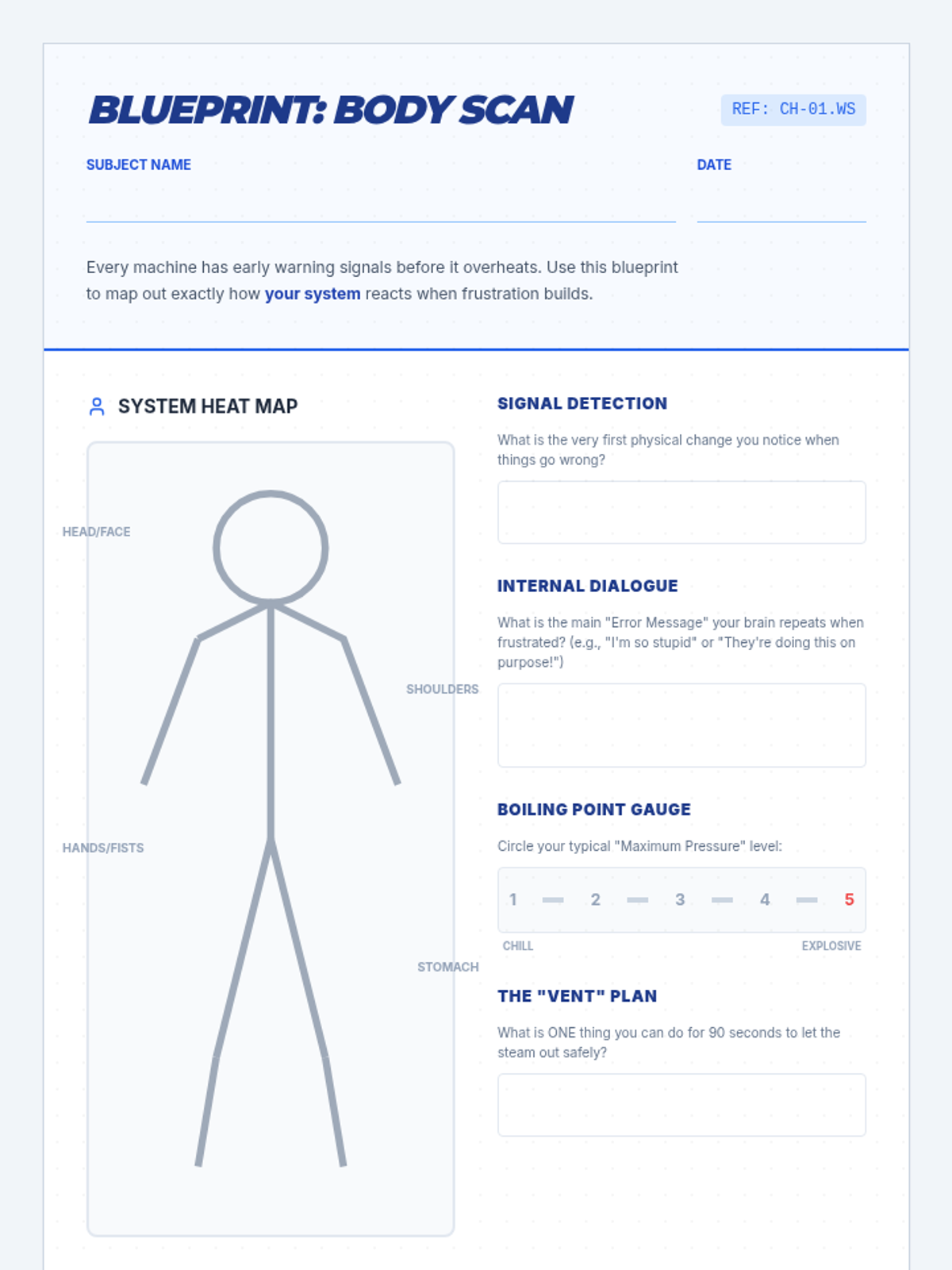
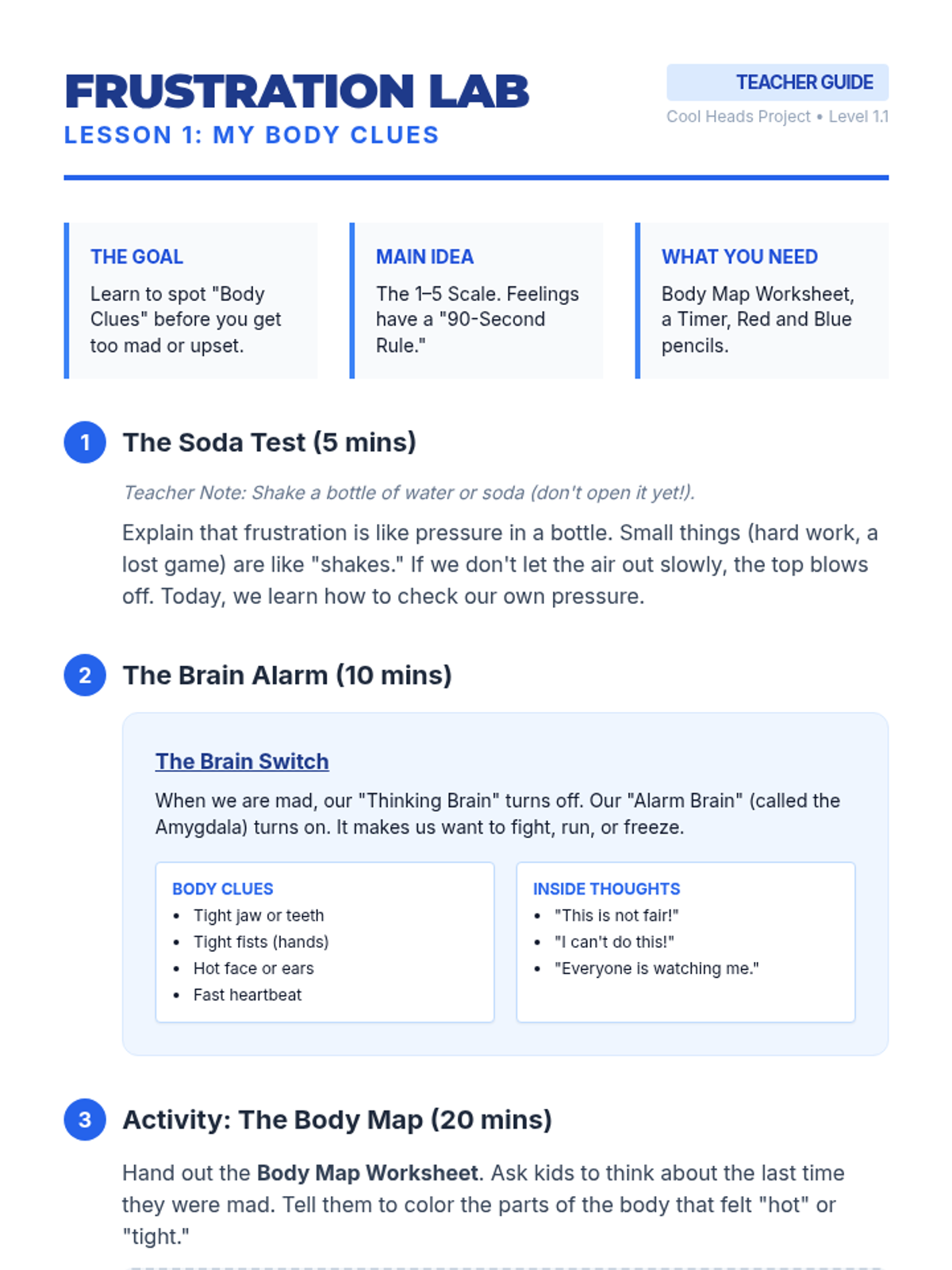
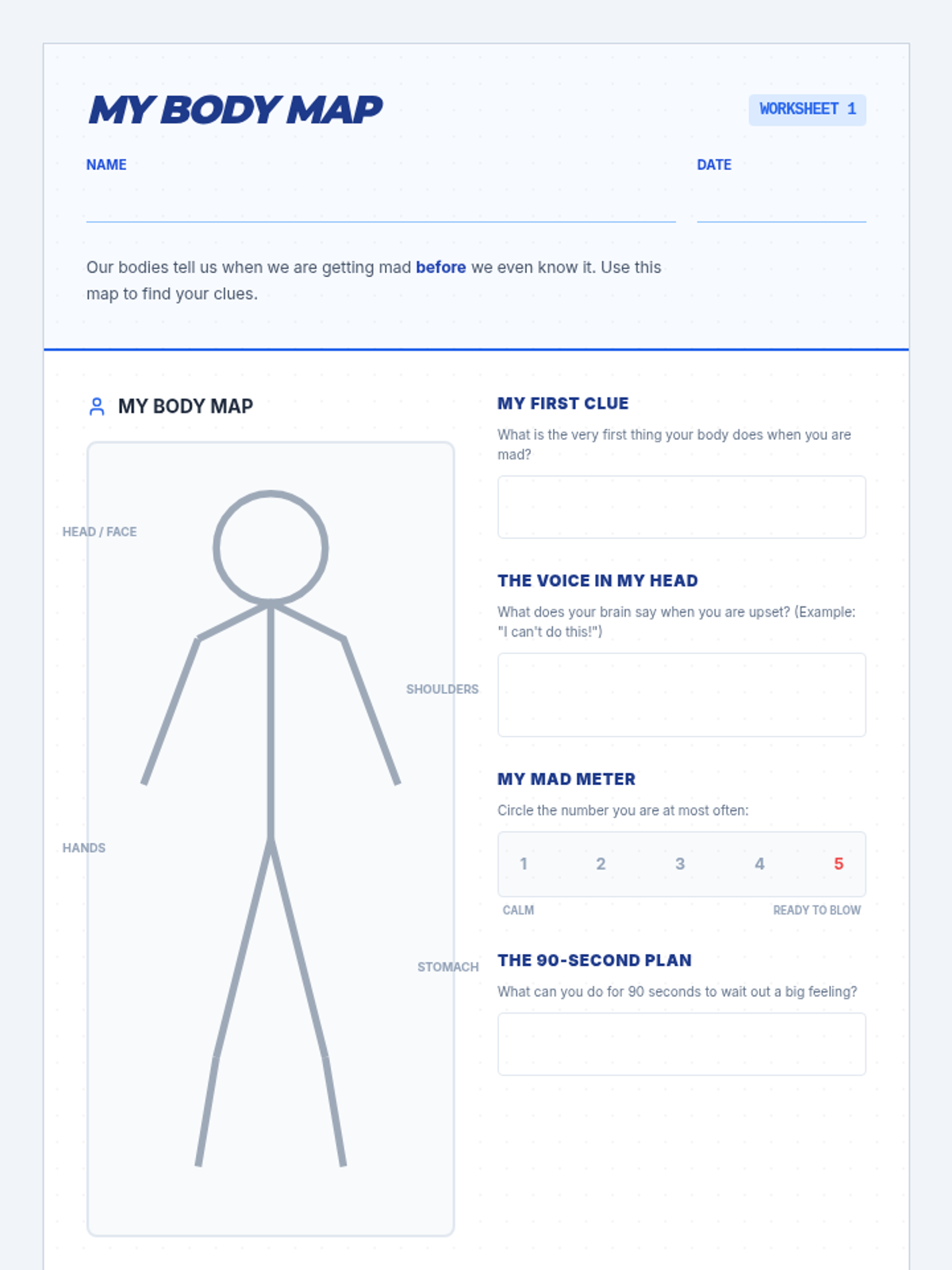
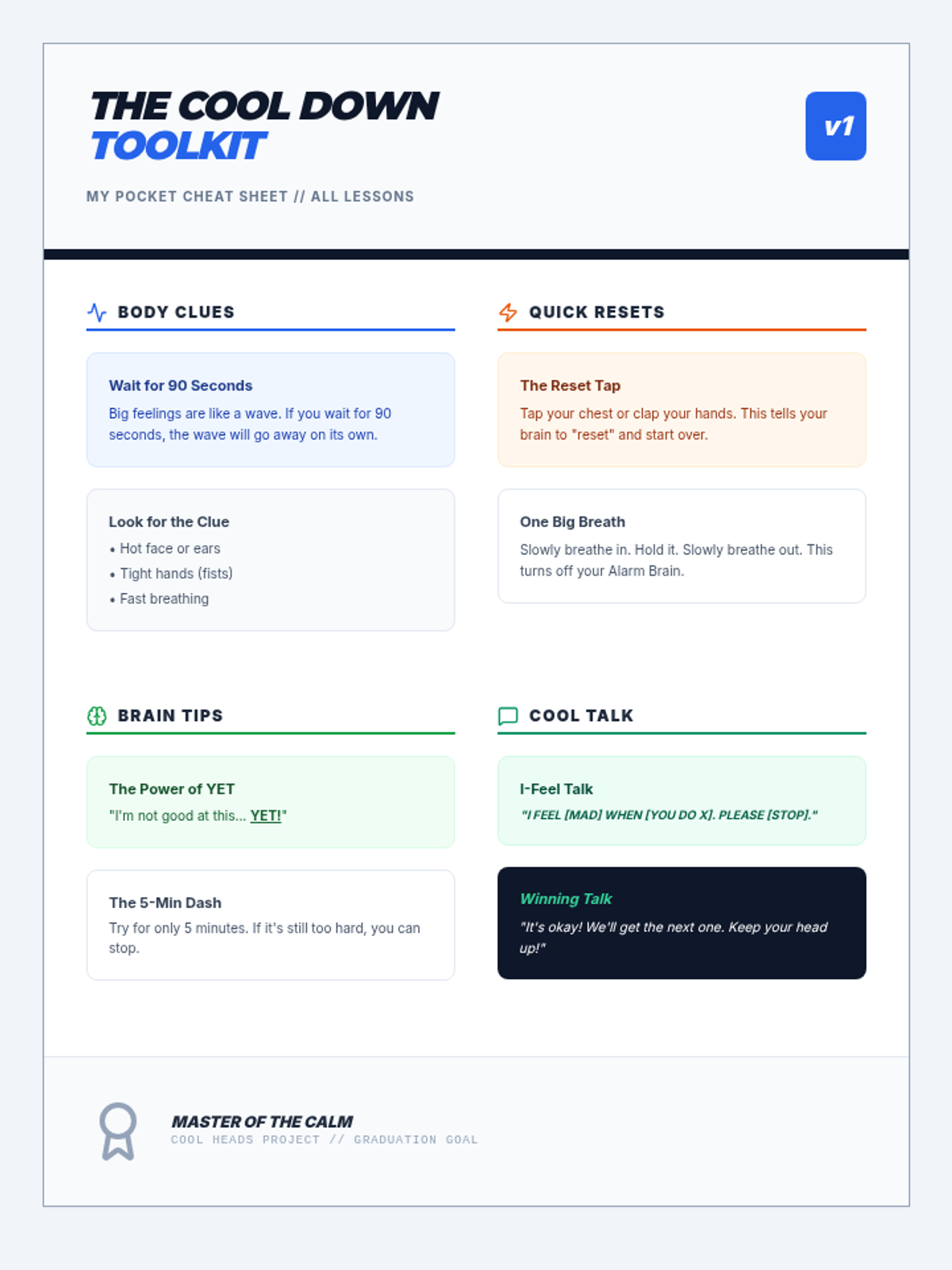
Students identify the physical sensations of frustration and learn to recognize their personal 'early warning signs' before they reach a boiling point.
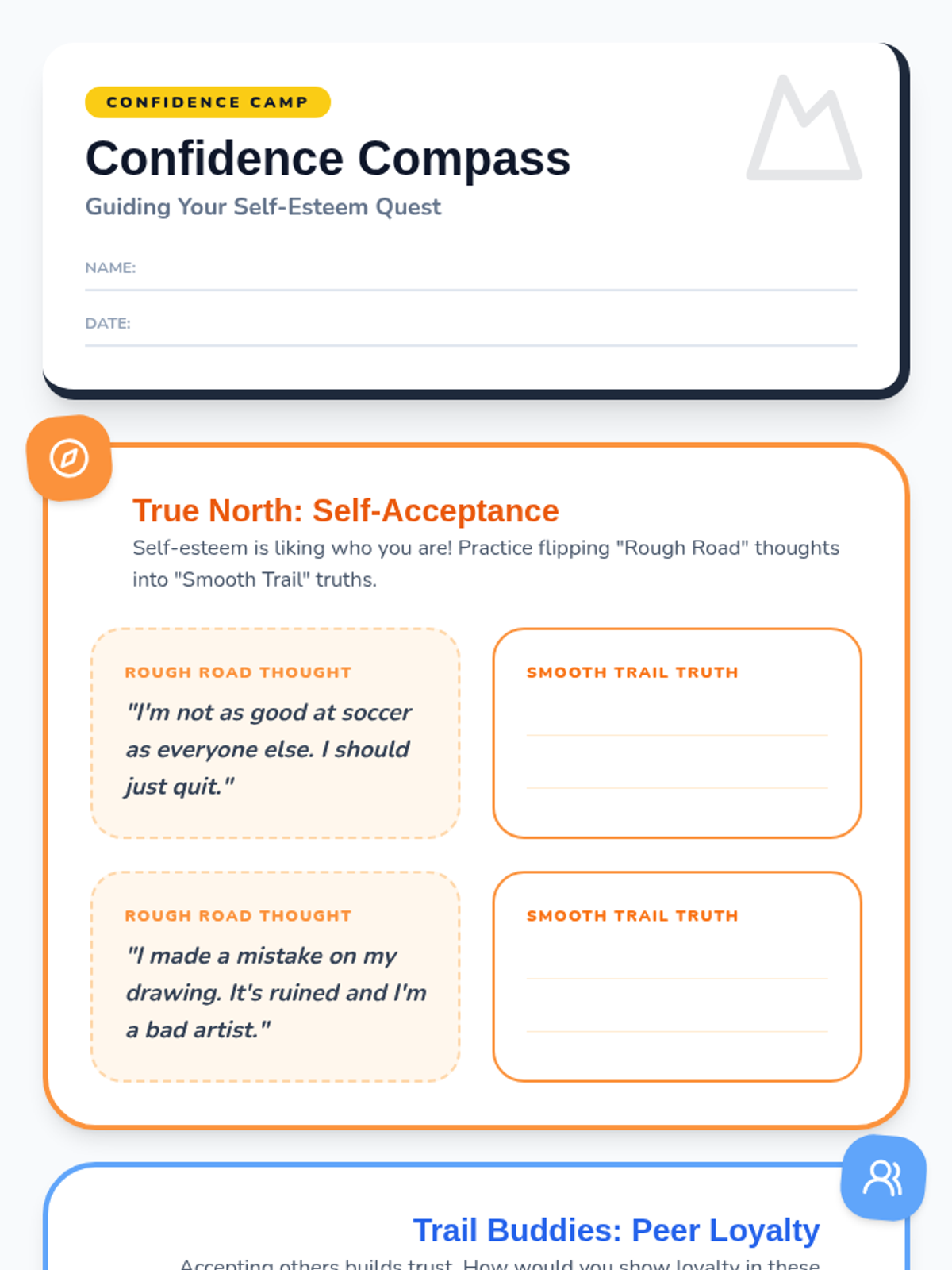
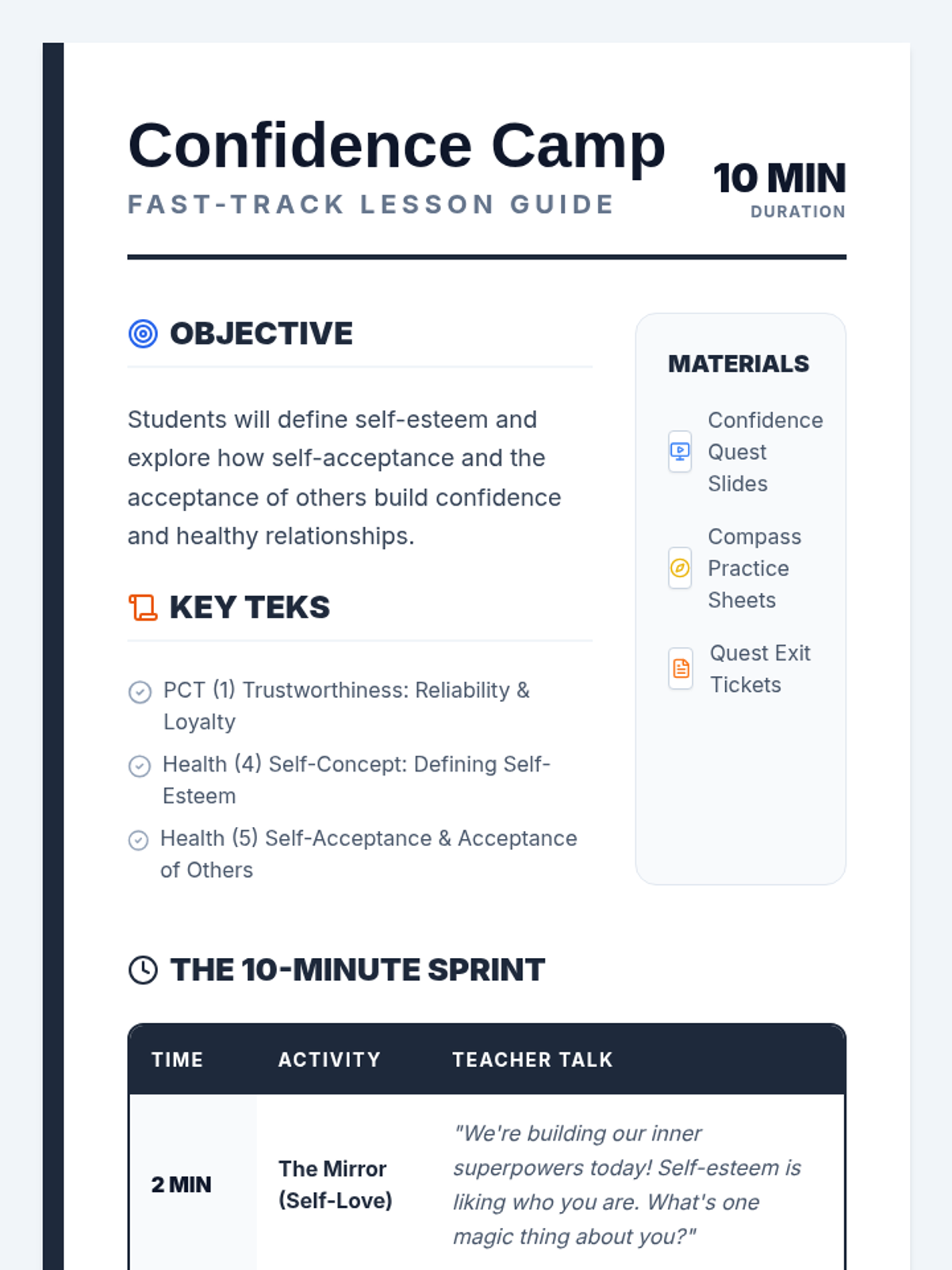
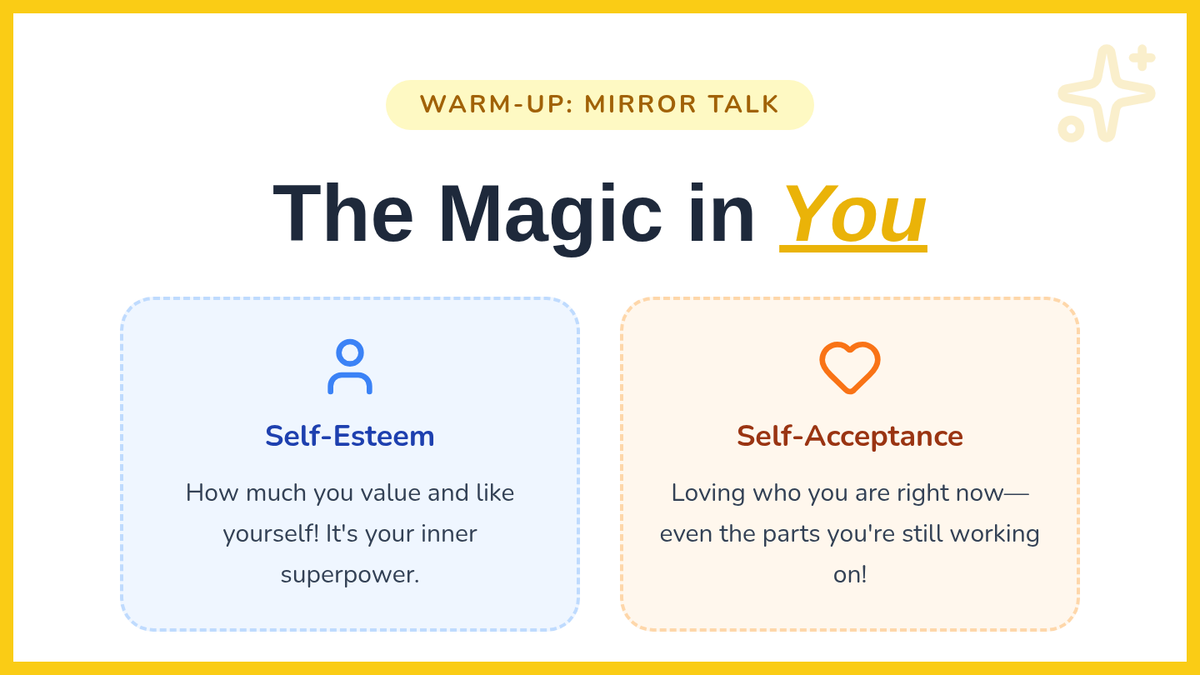
A fast-paced, 10-minute social-emotional learning lesson focused on building self-confidence through self-acceptance and kindness toward others. Students define self-esteem and set immediate goals for personal growth and peer acceptance.
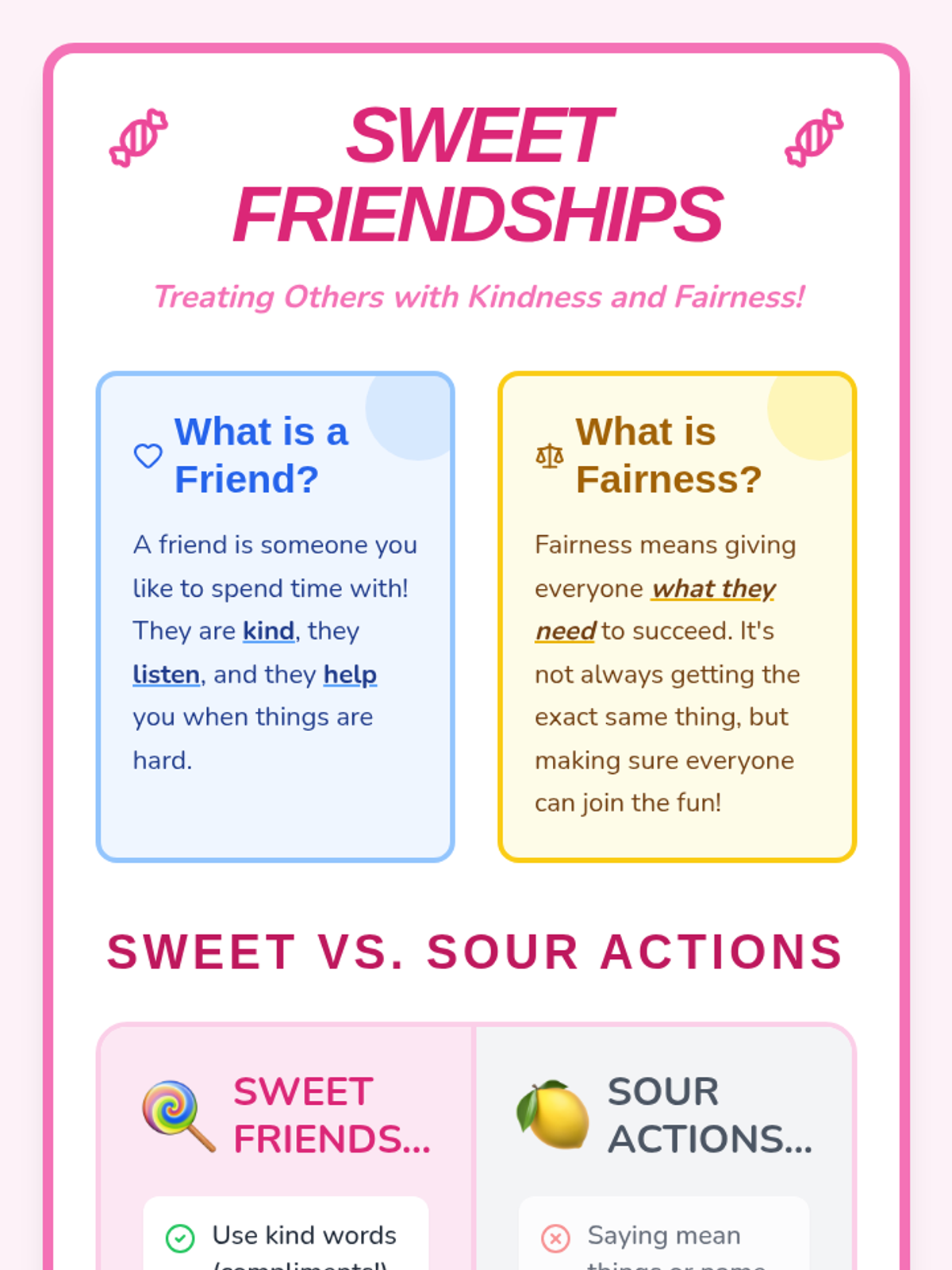
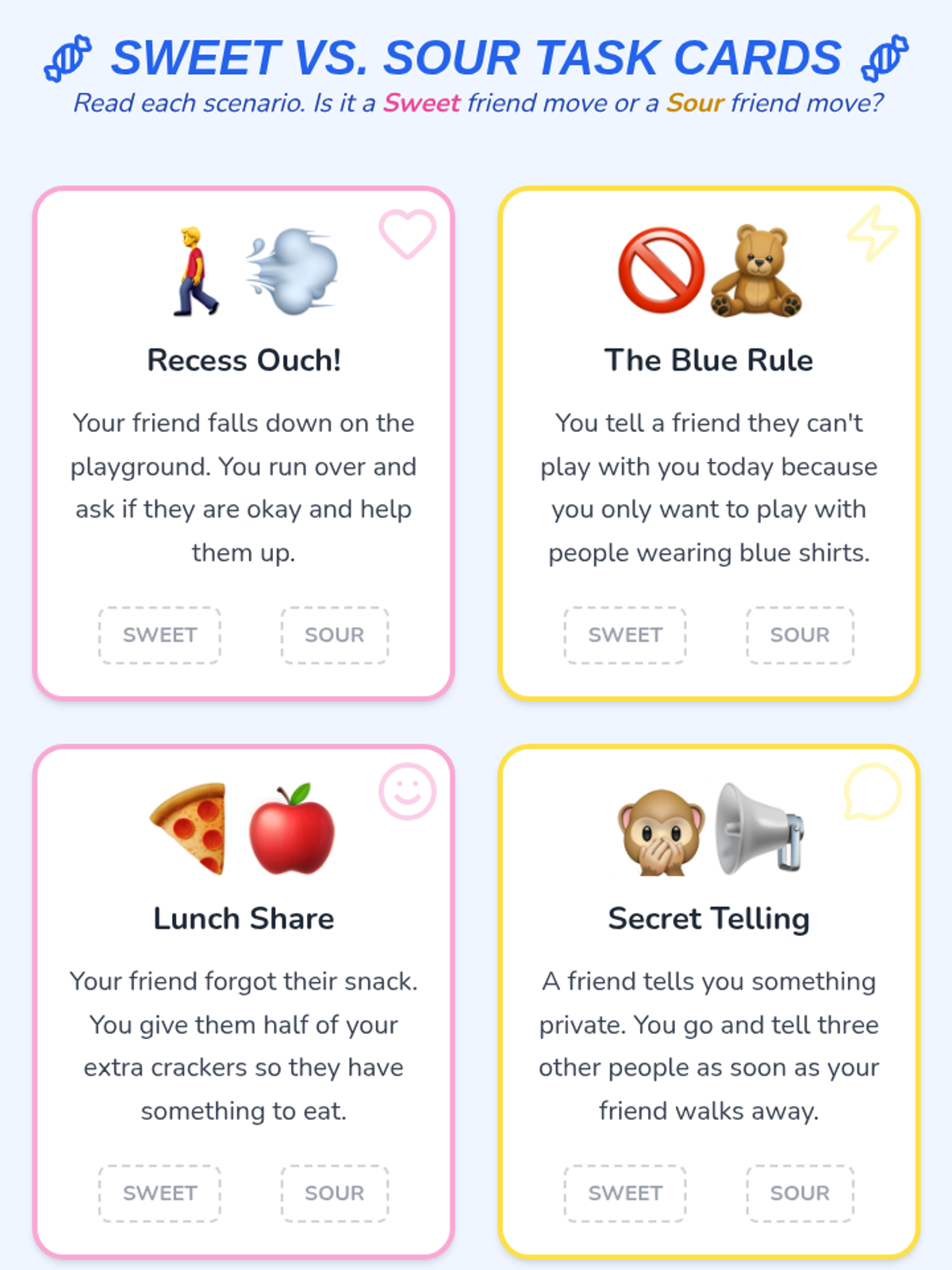
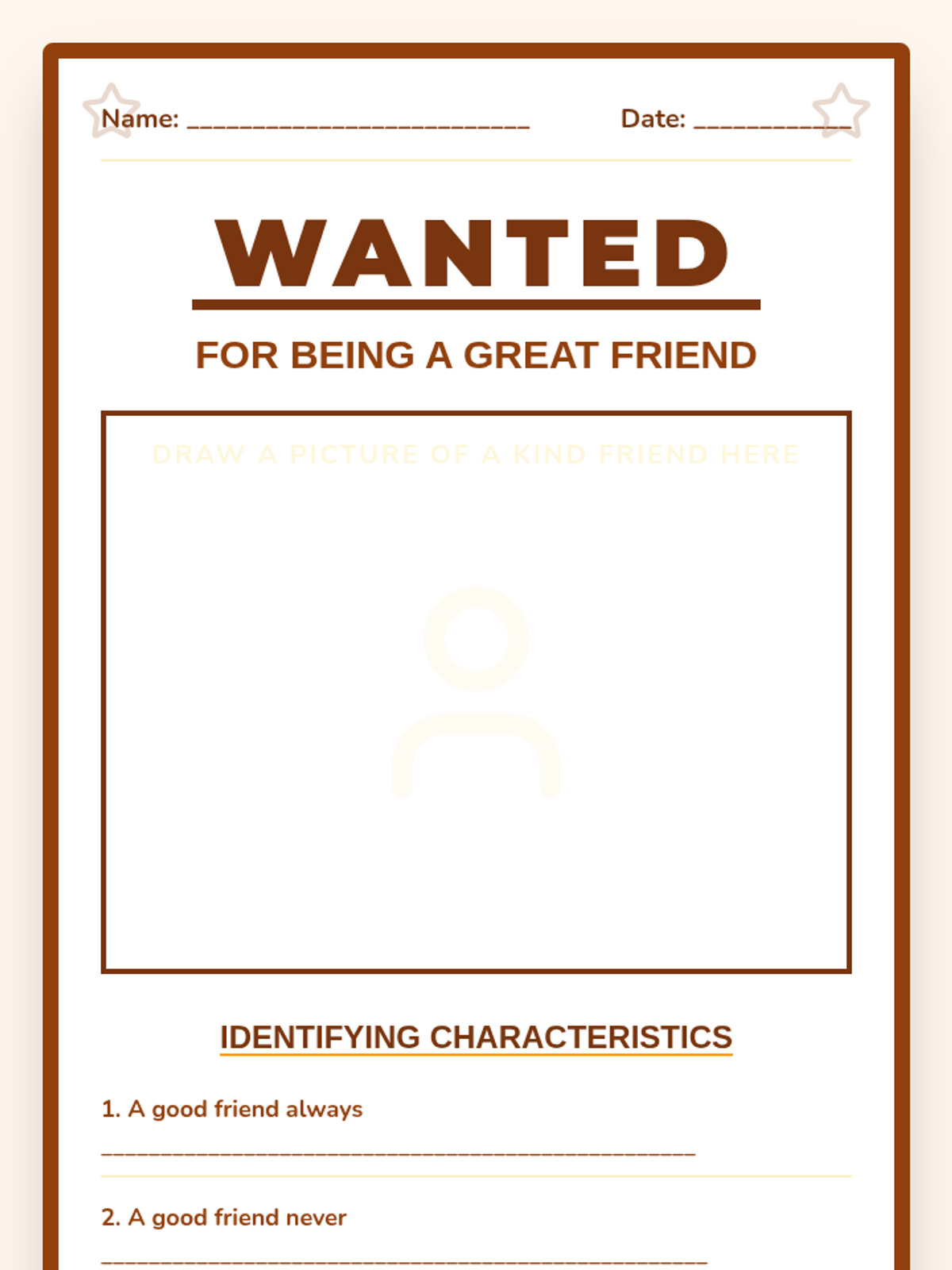
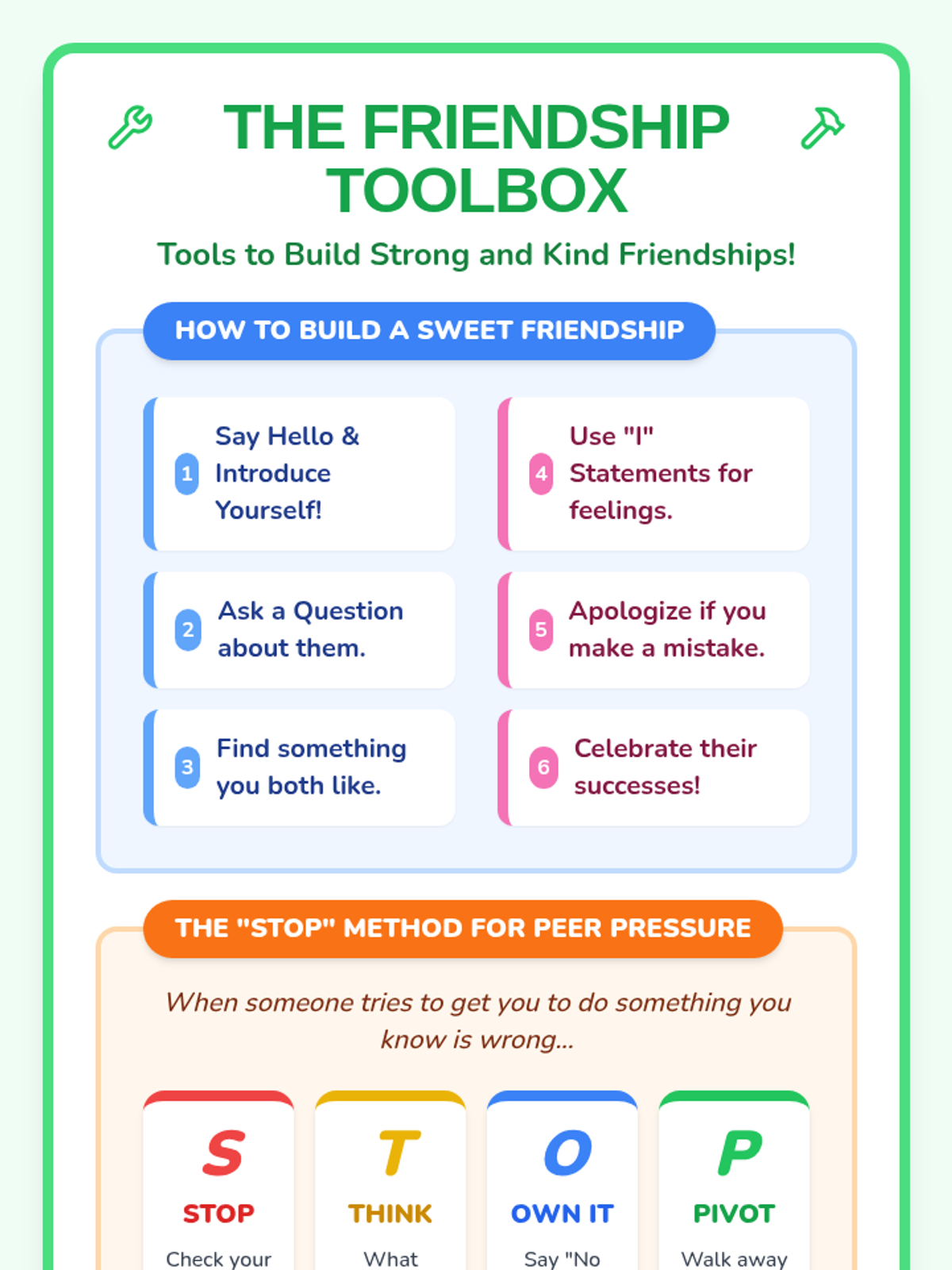
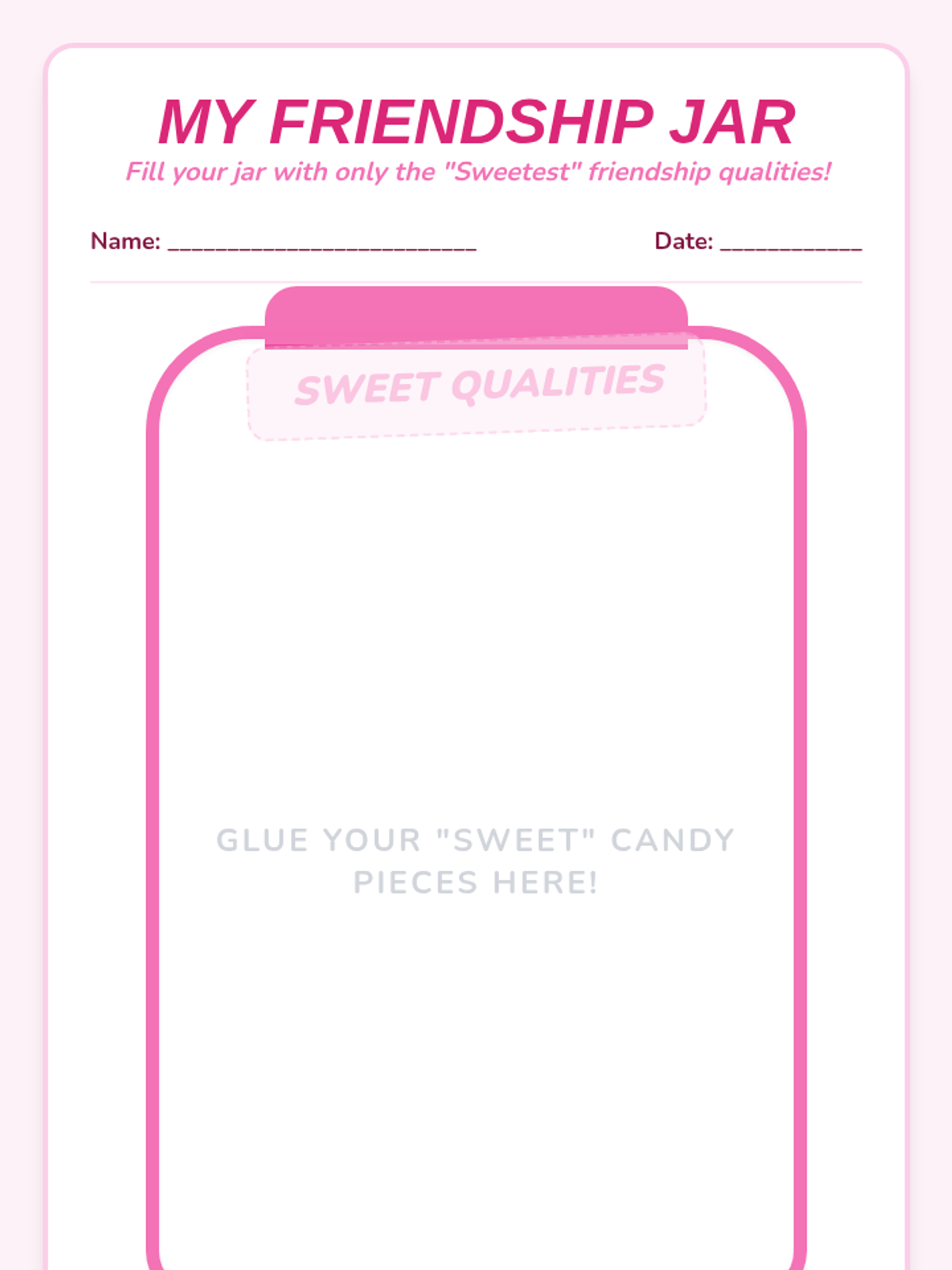
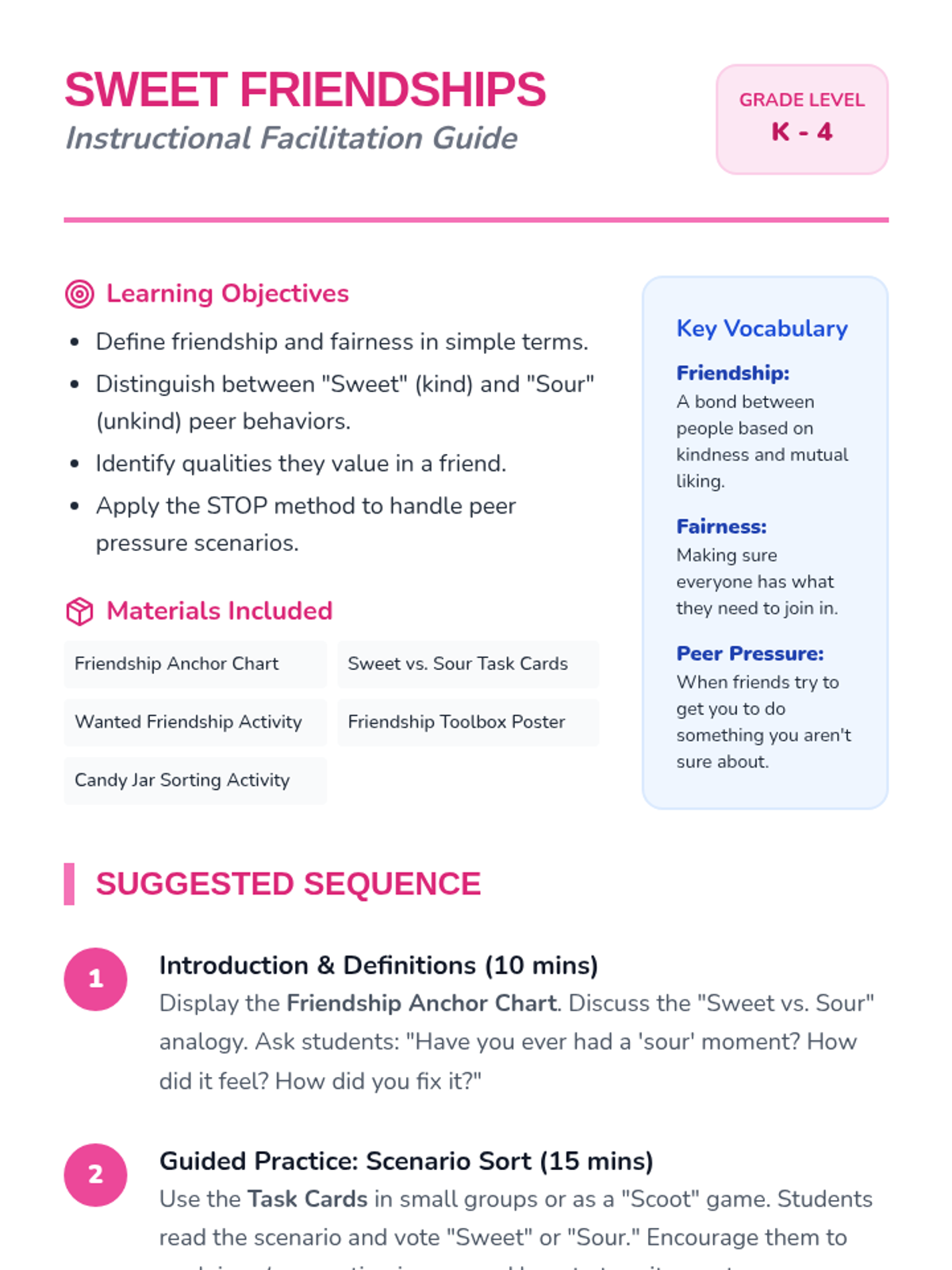
A comprehensive primary lesson focused on building positive relationships, understanding fairness, and developing social skills through interactive candy-themed activities.
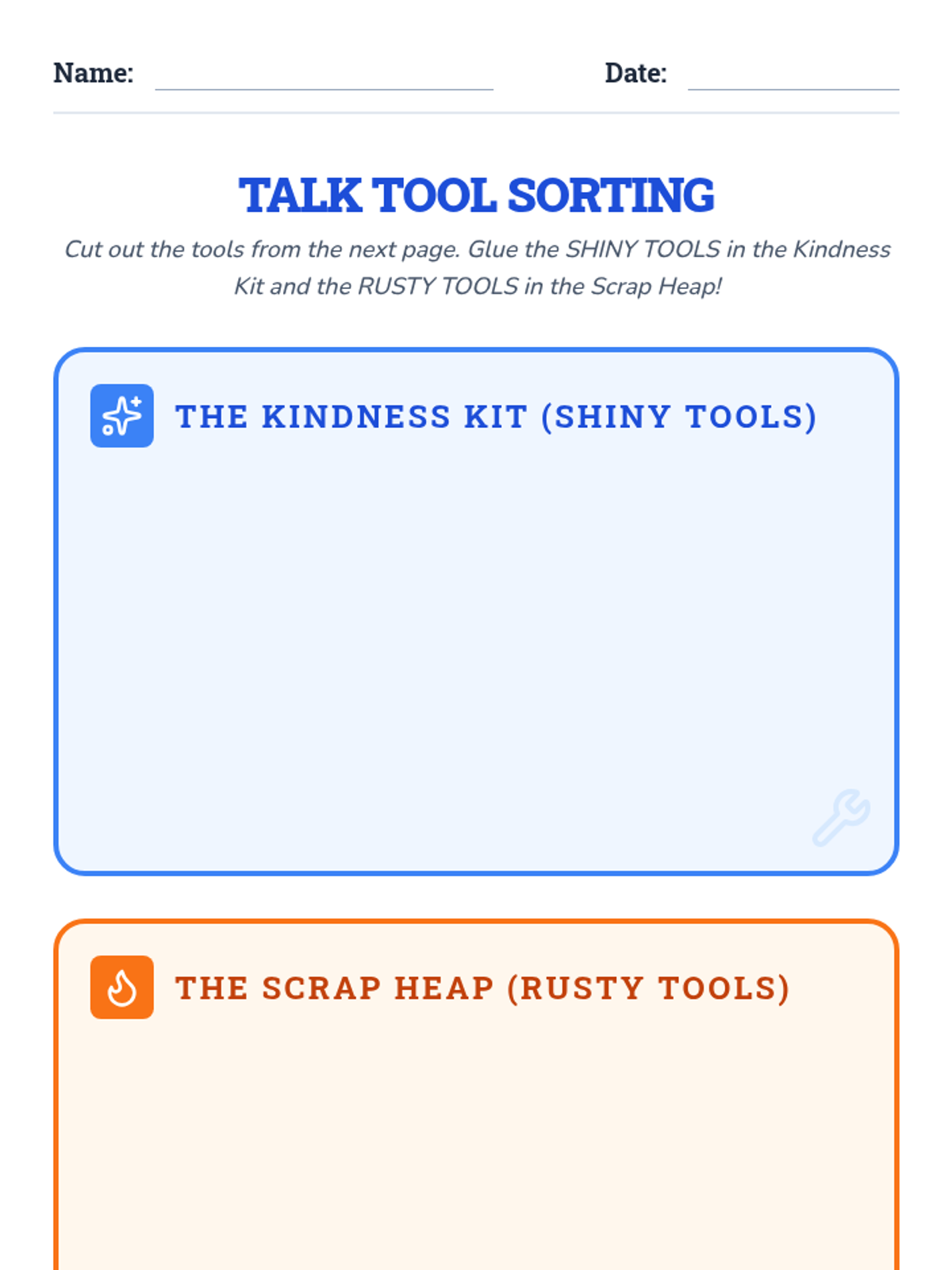
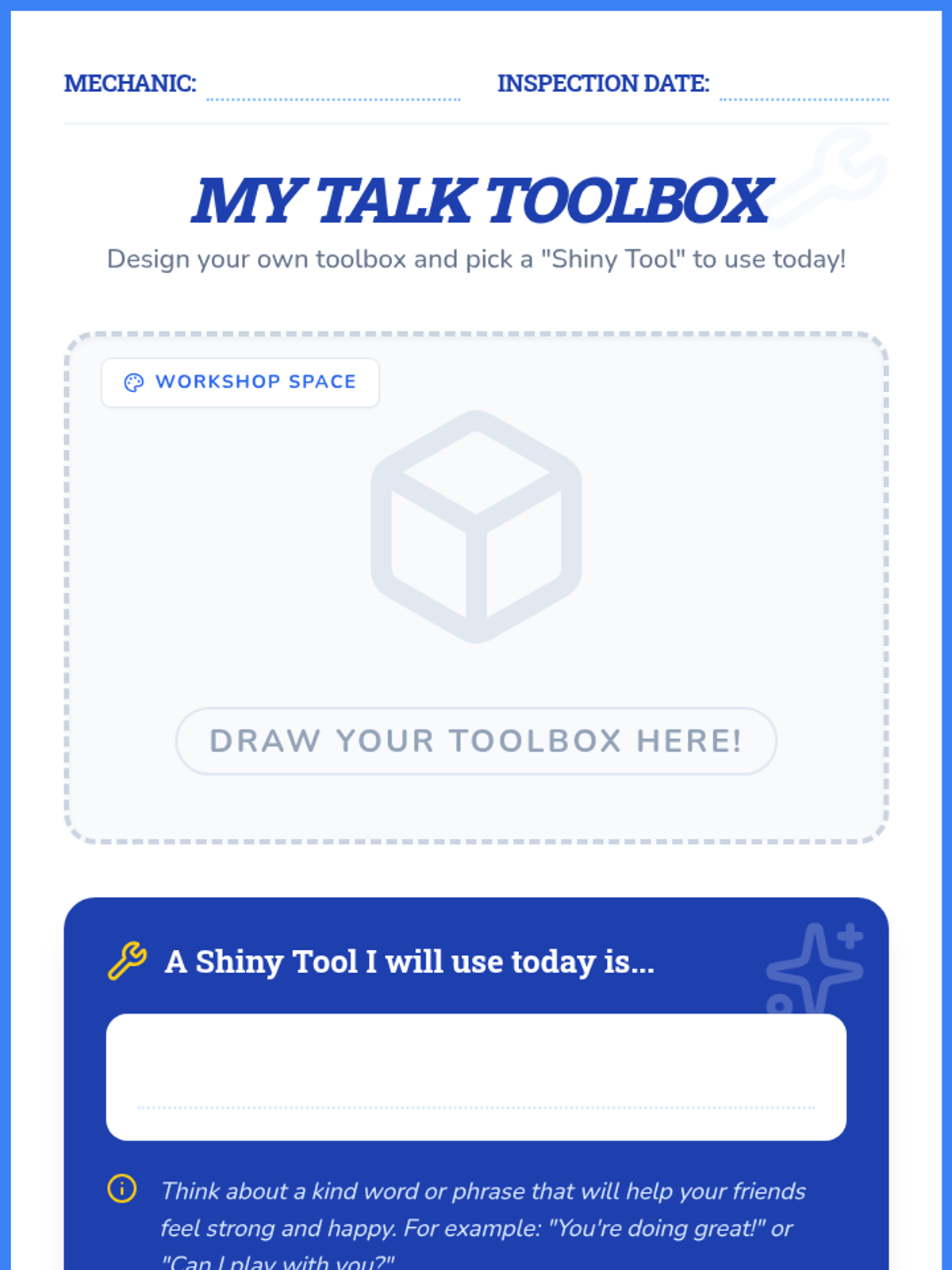
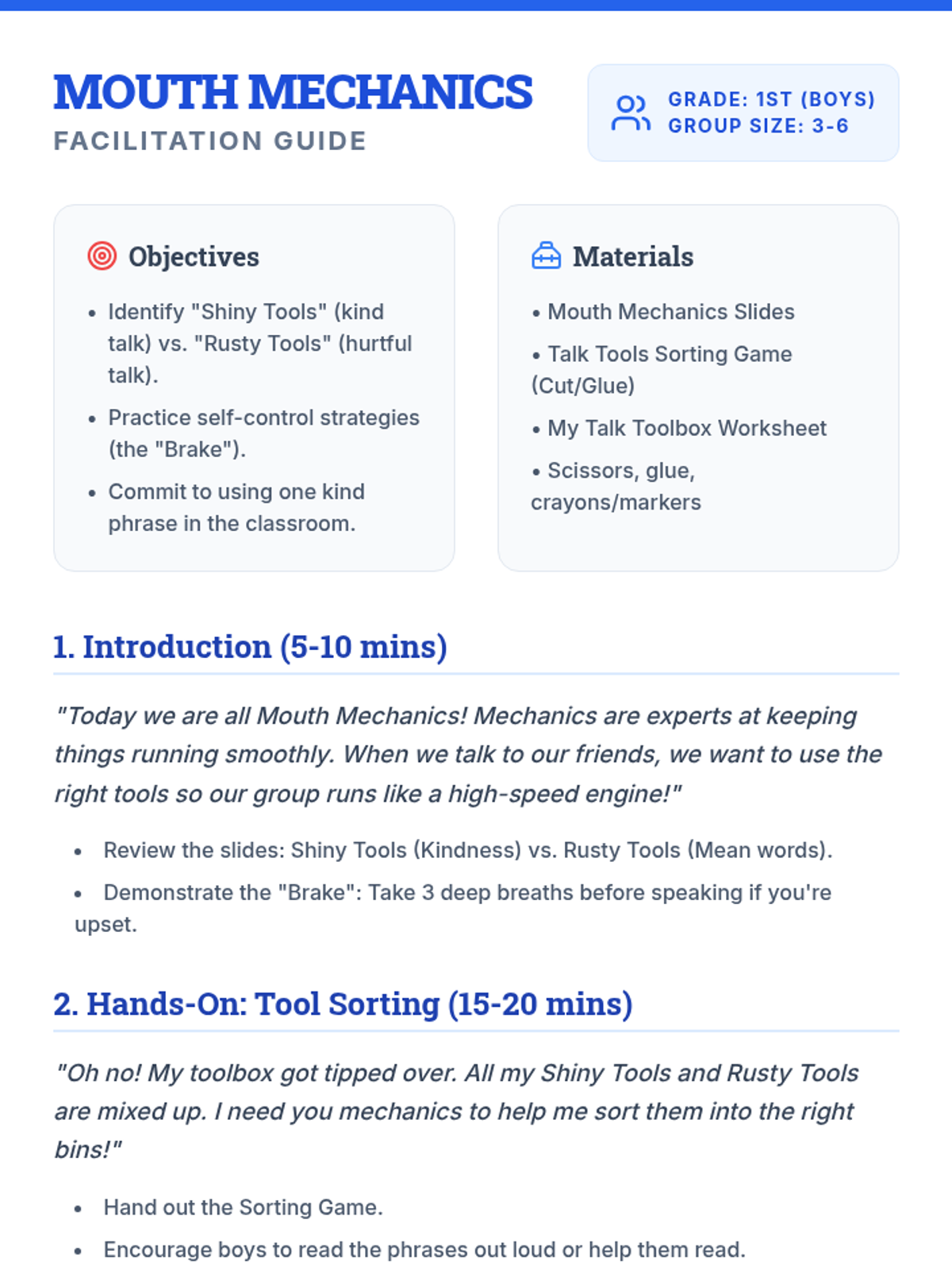
A small-group lesson for 1st-grade boys focused on developing self-control and respect through kind and appropriate talk. Students learn to distinguish between helpful and hurtful words using a 'toolbox' analogy.
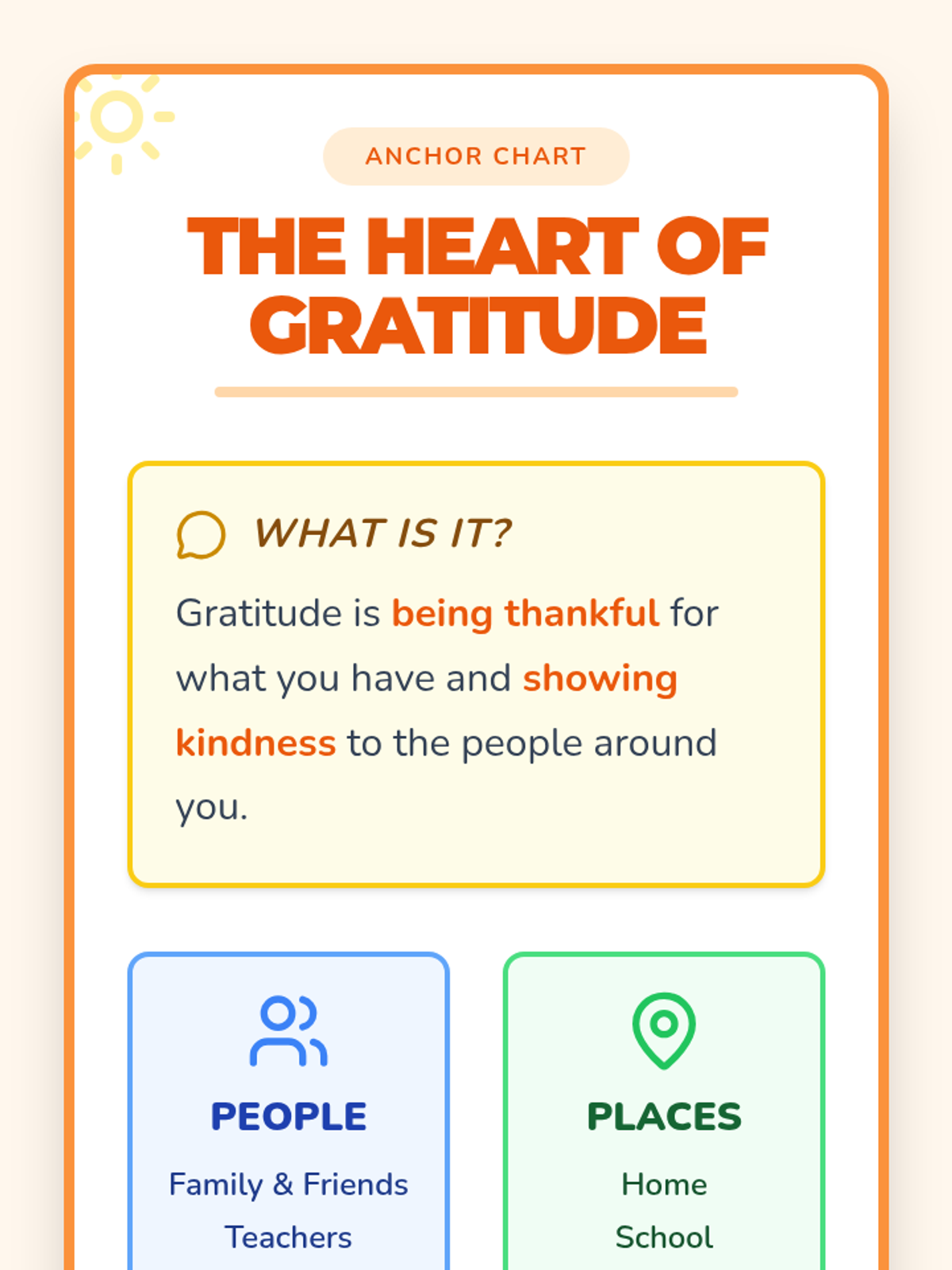
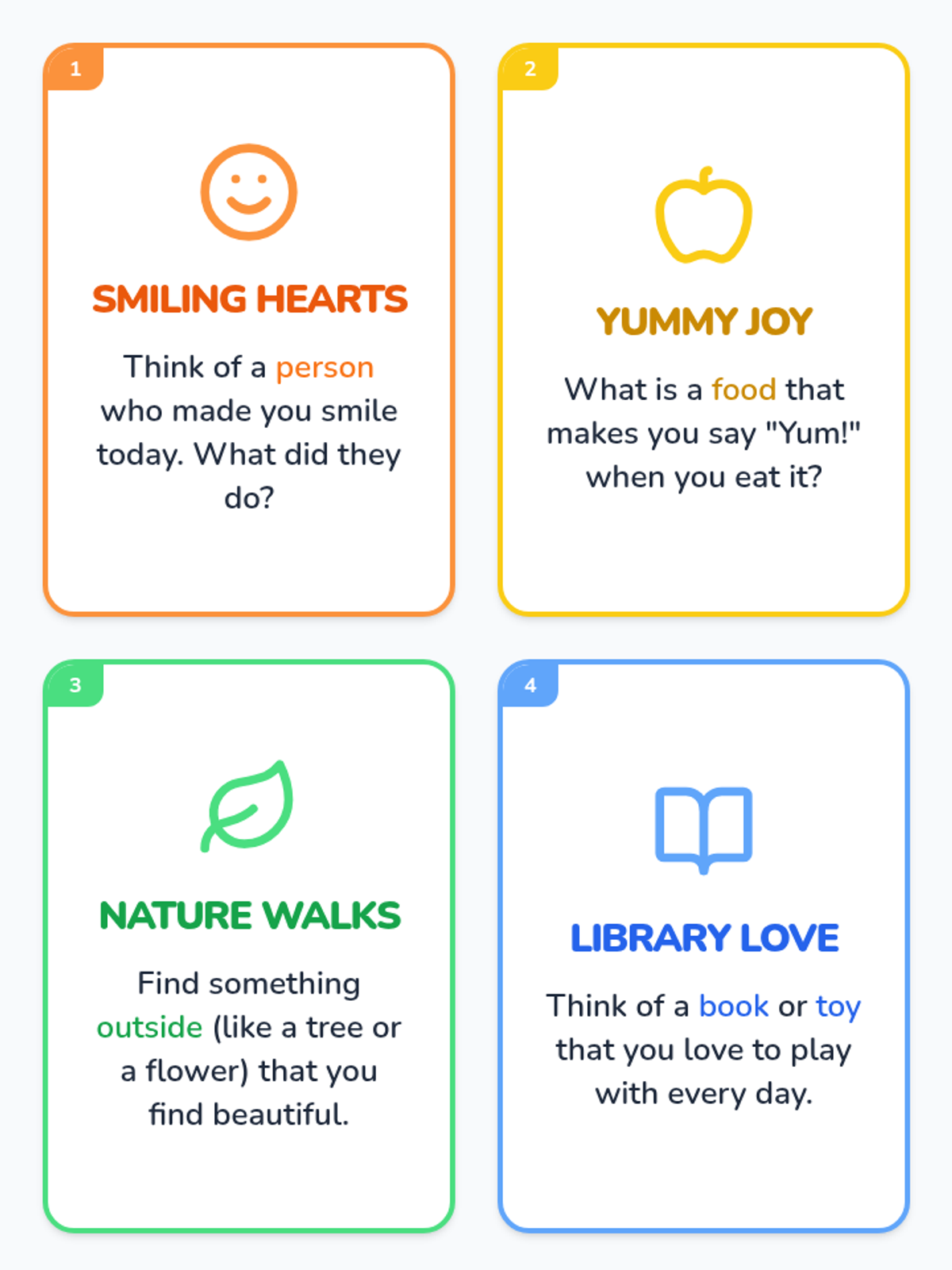
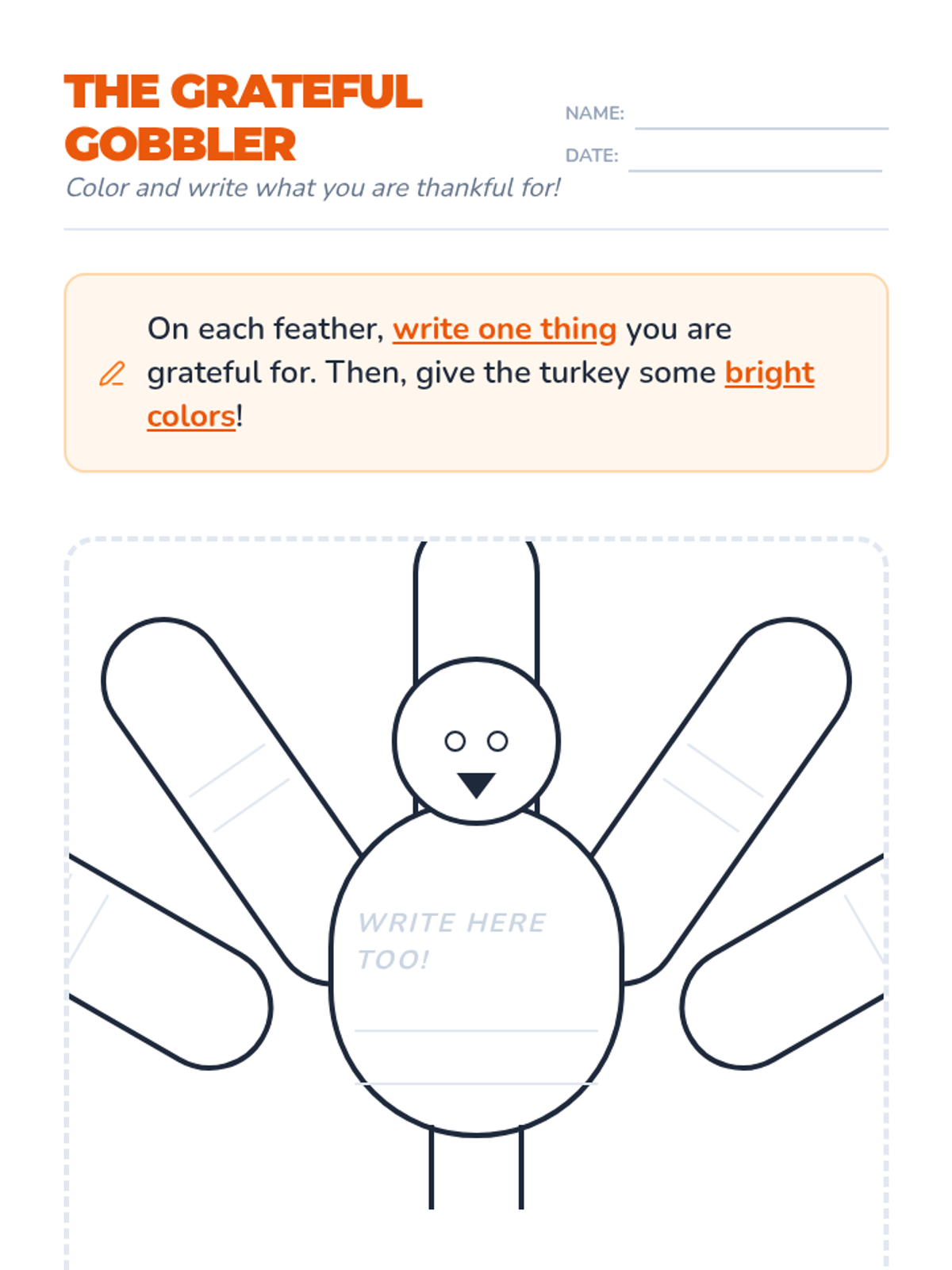
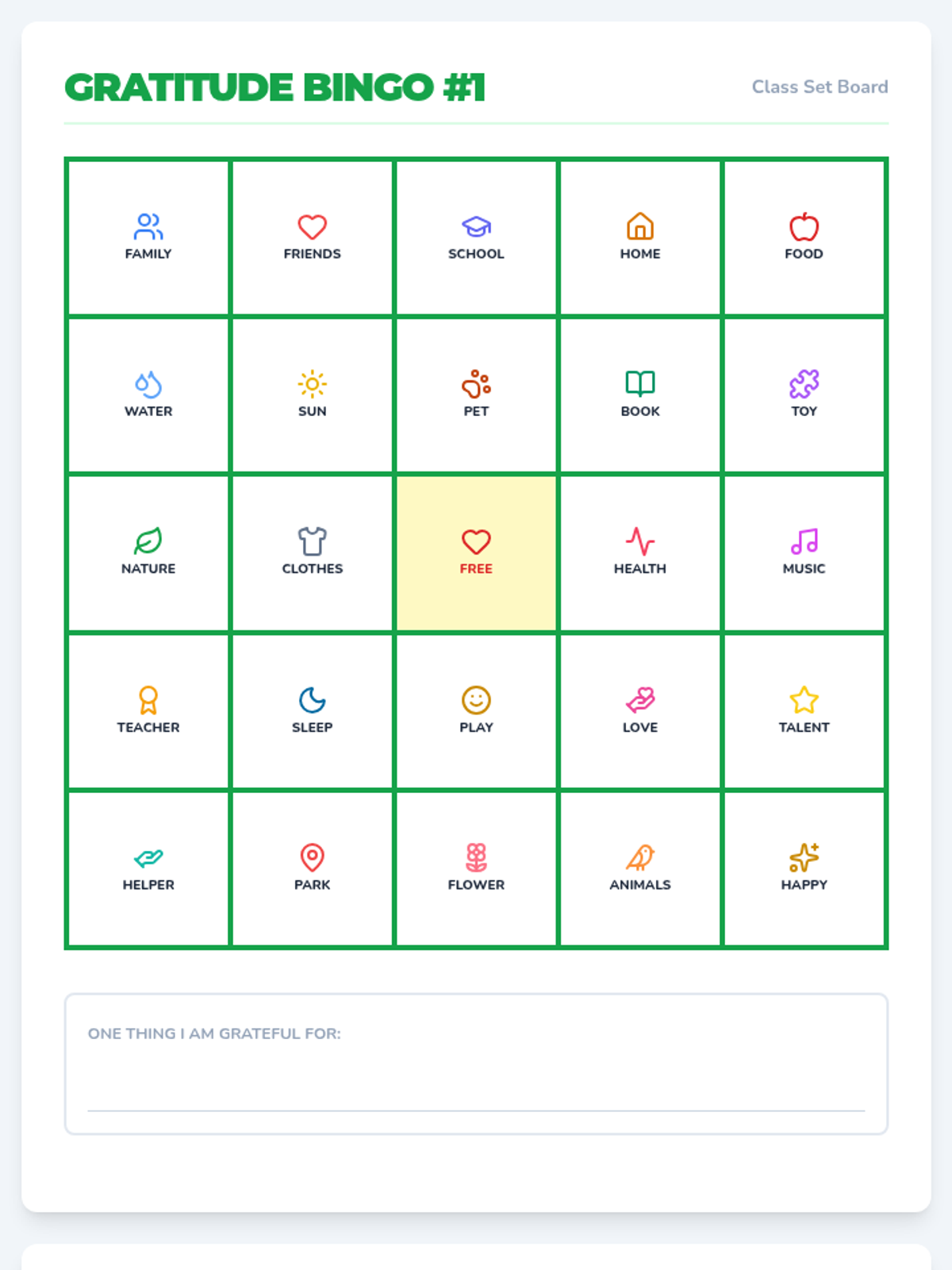
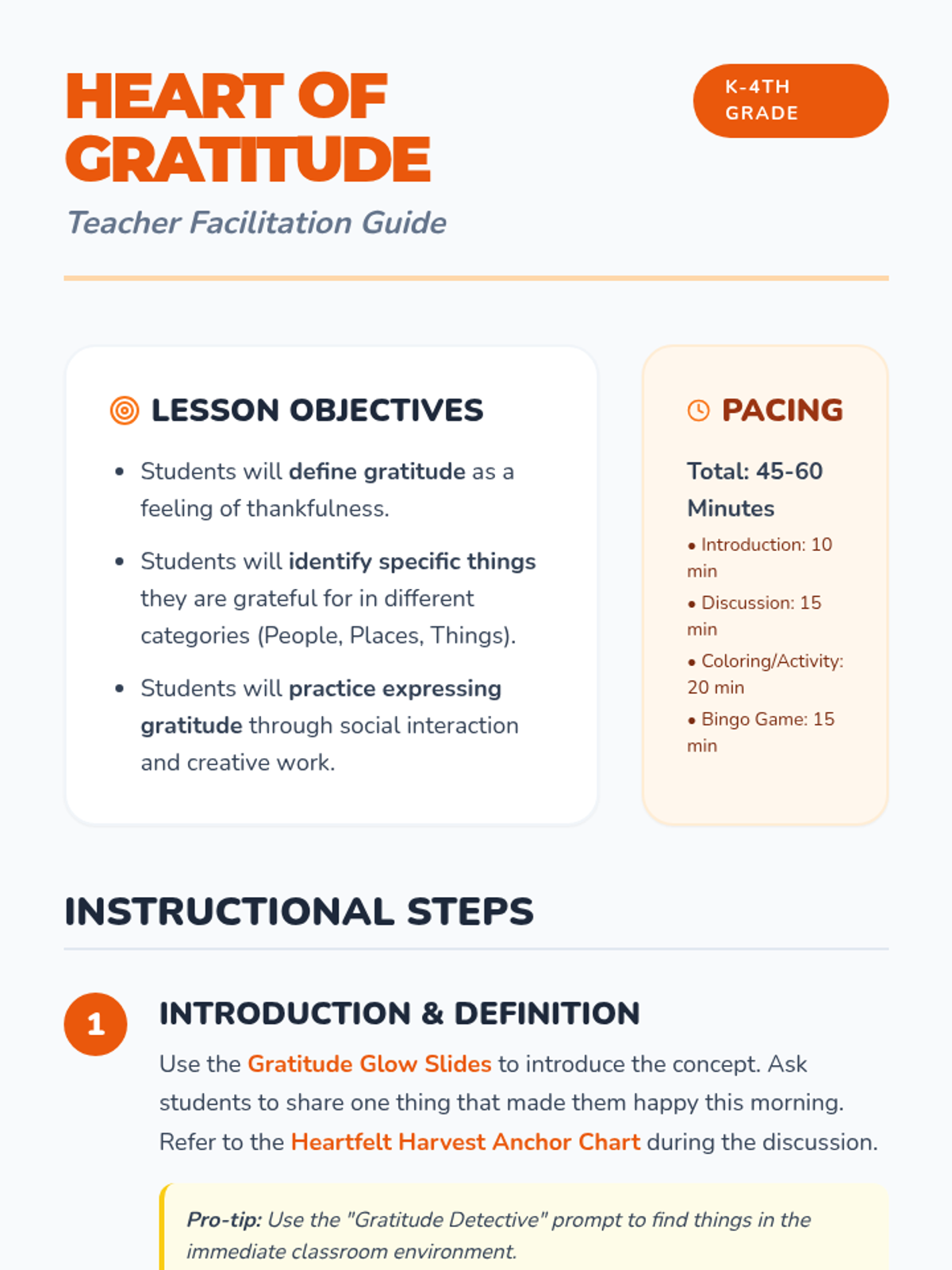
An introductory lesson on gratitude where students define the concept, engage in a visual anchor chart activity, and play a classroom-wide game of Gratitude Bingo.
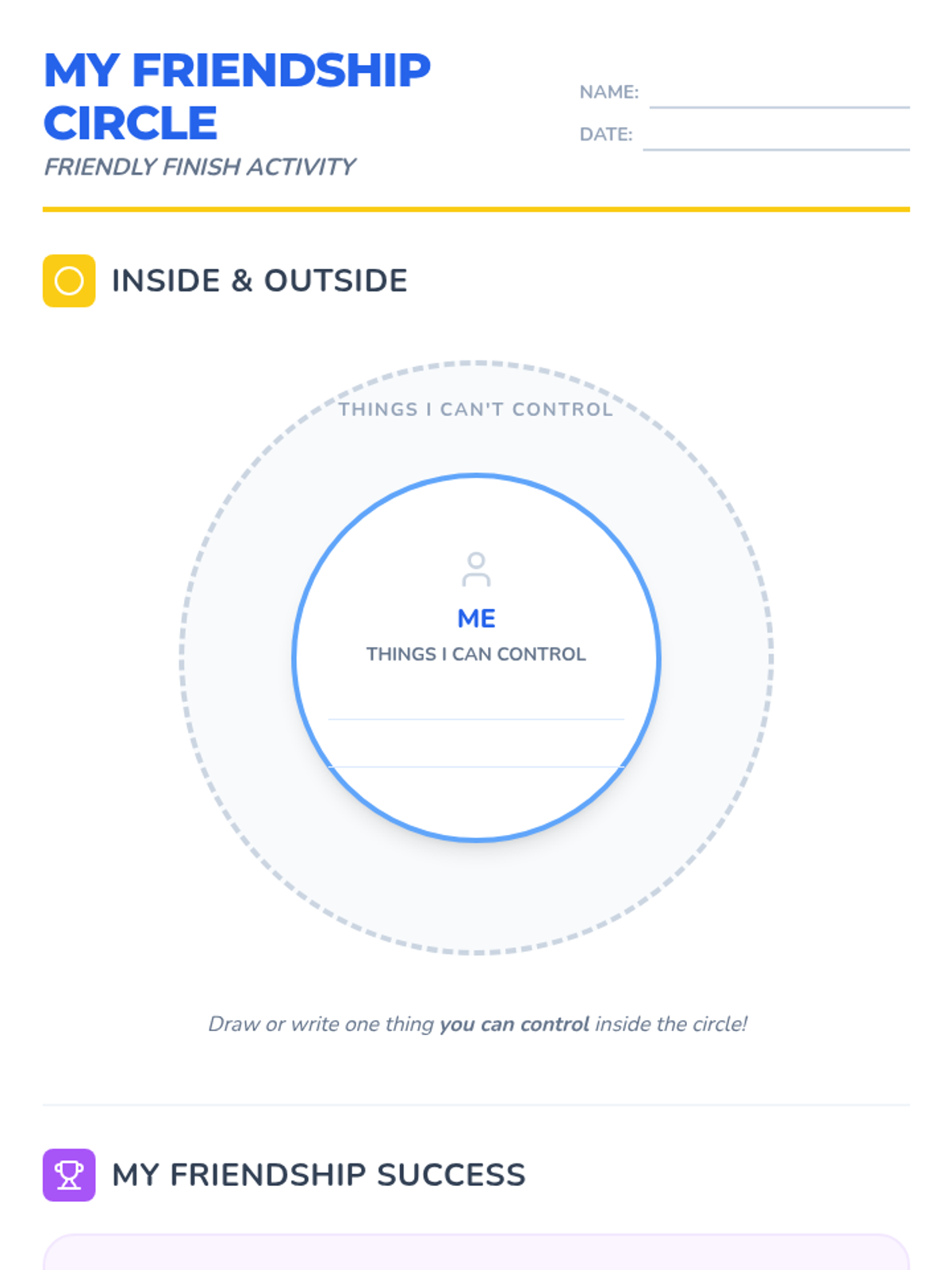
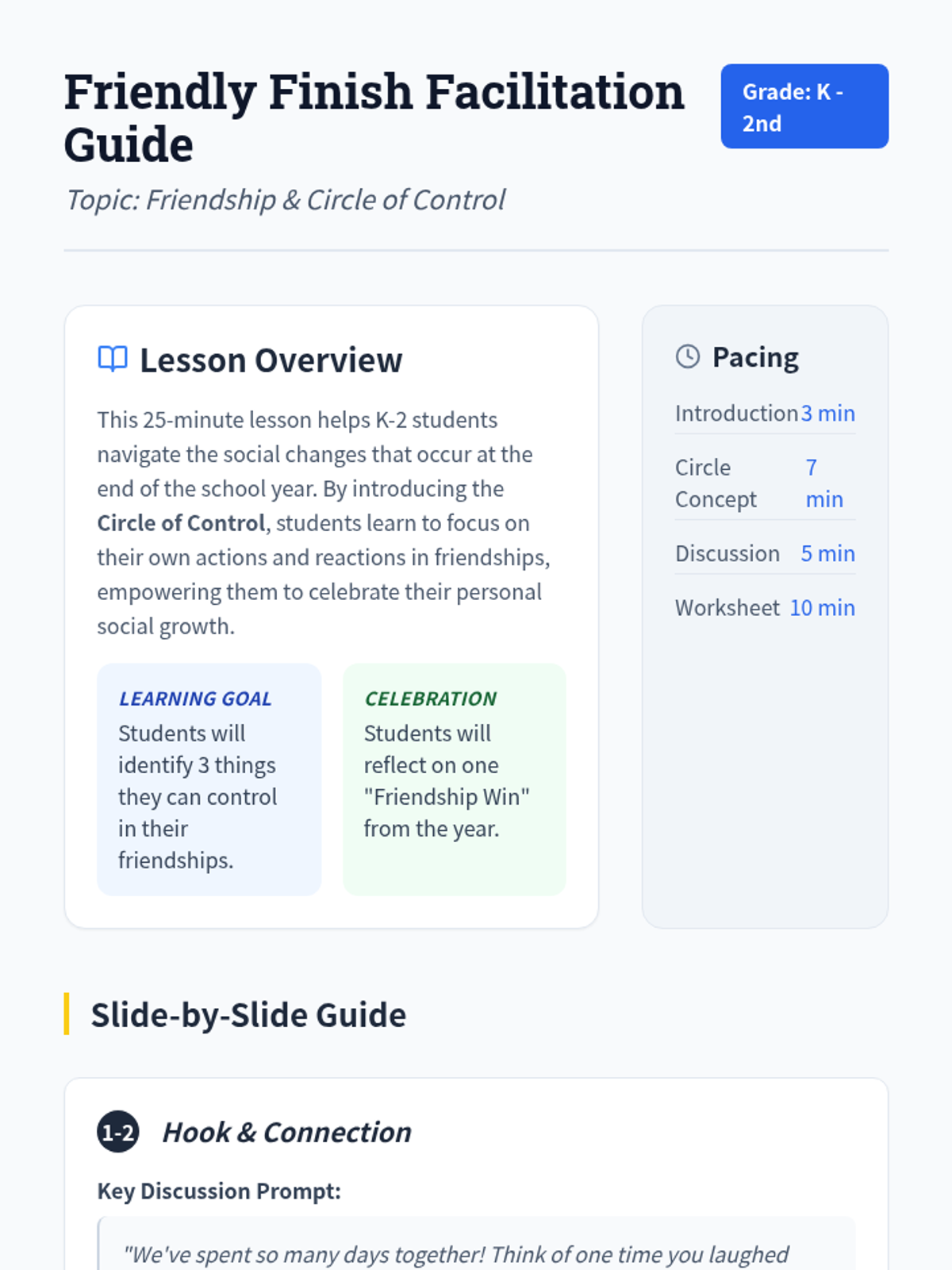
An end-of-year lesson for K-2 students focused on navigating social interactions using the Circle of Control and celebrating friendship growth. Students will learn what they can influence in their friendships and reflect on their social successes throughout the year.
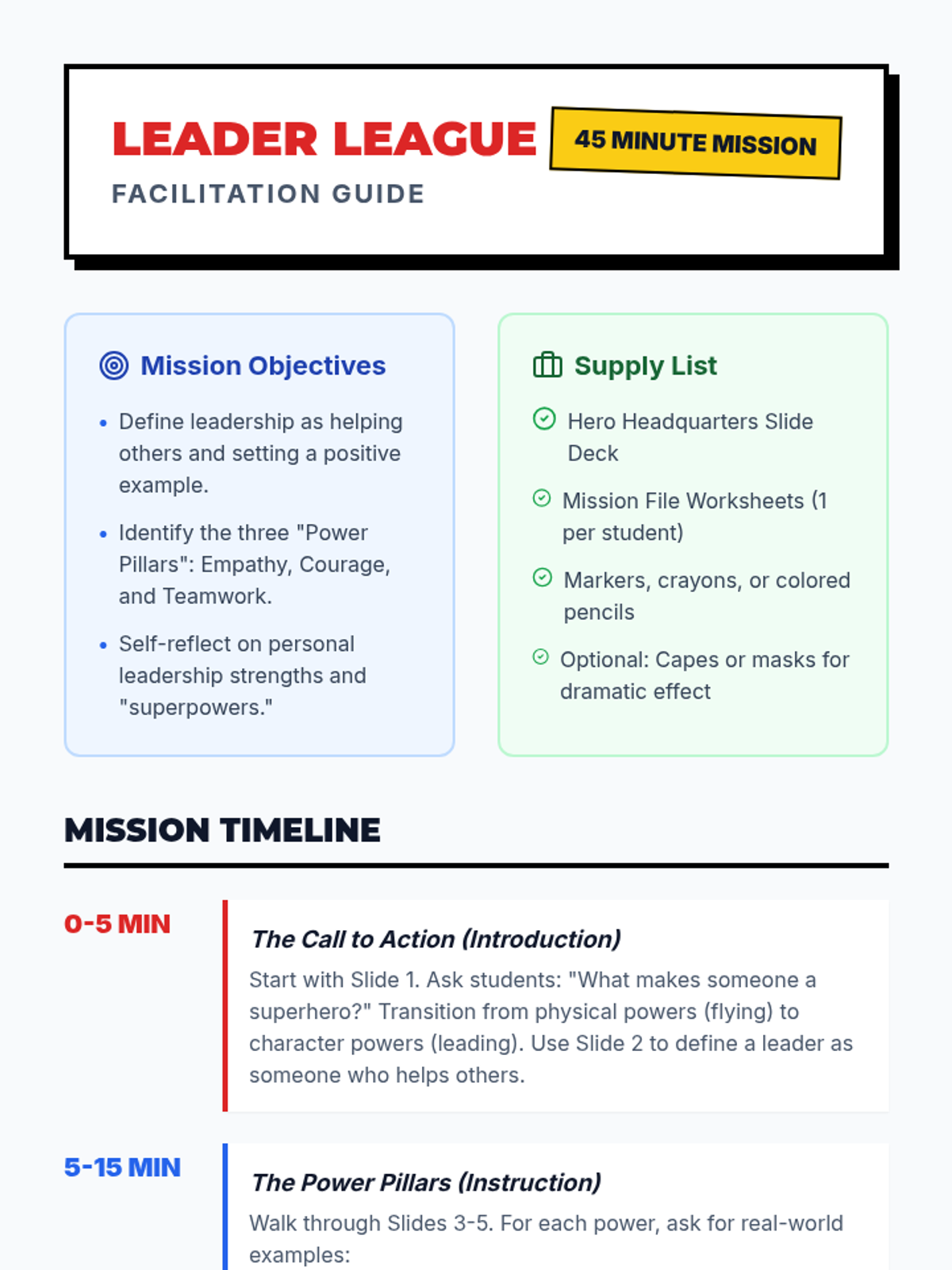
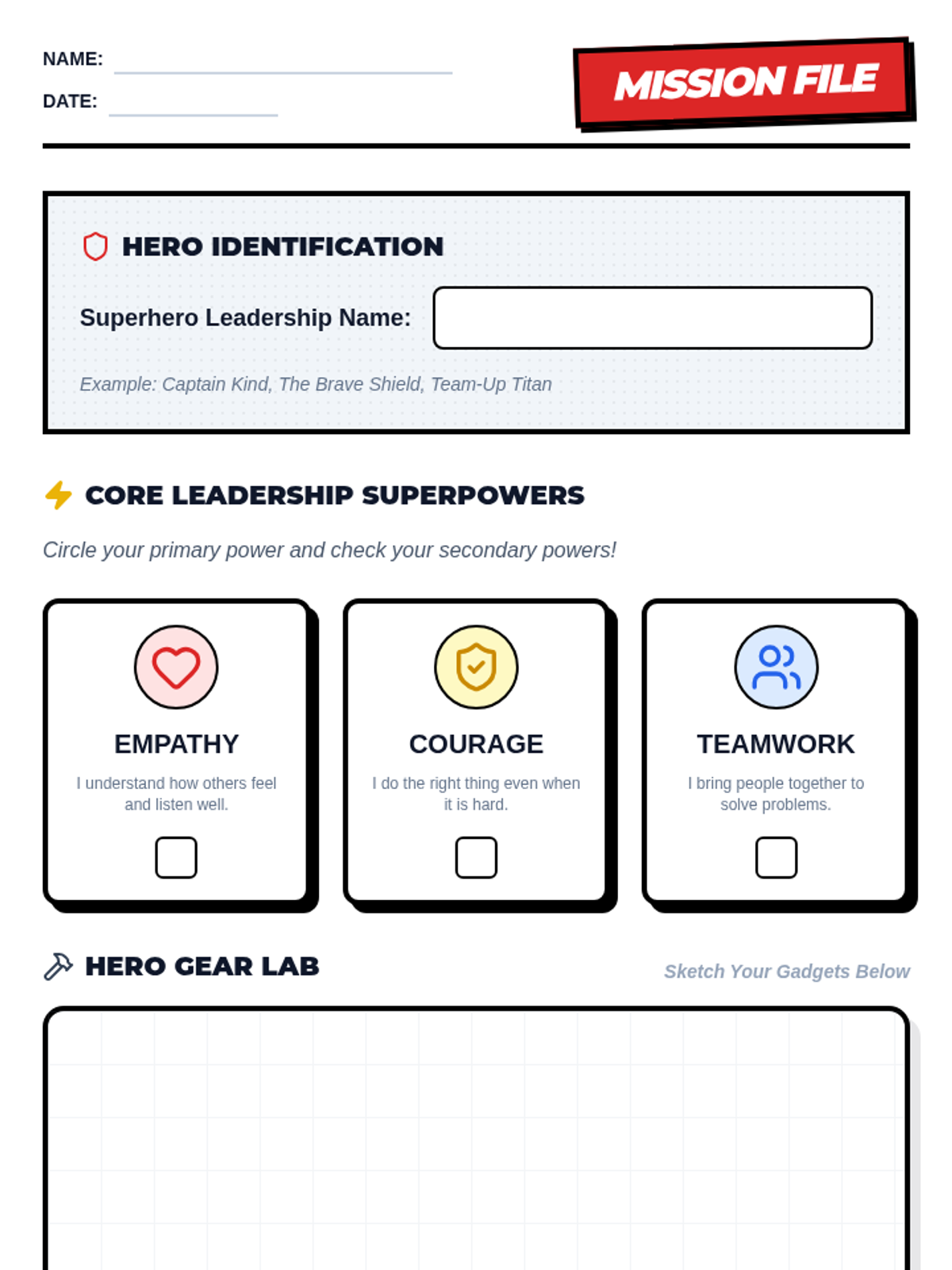
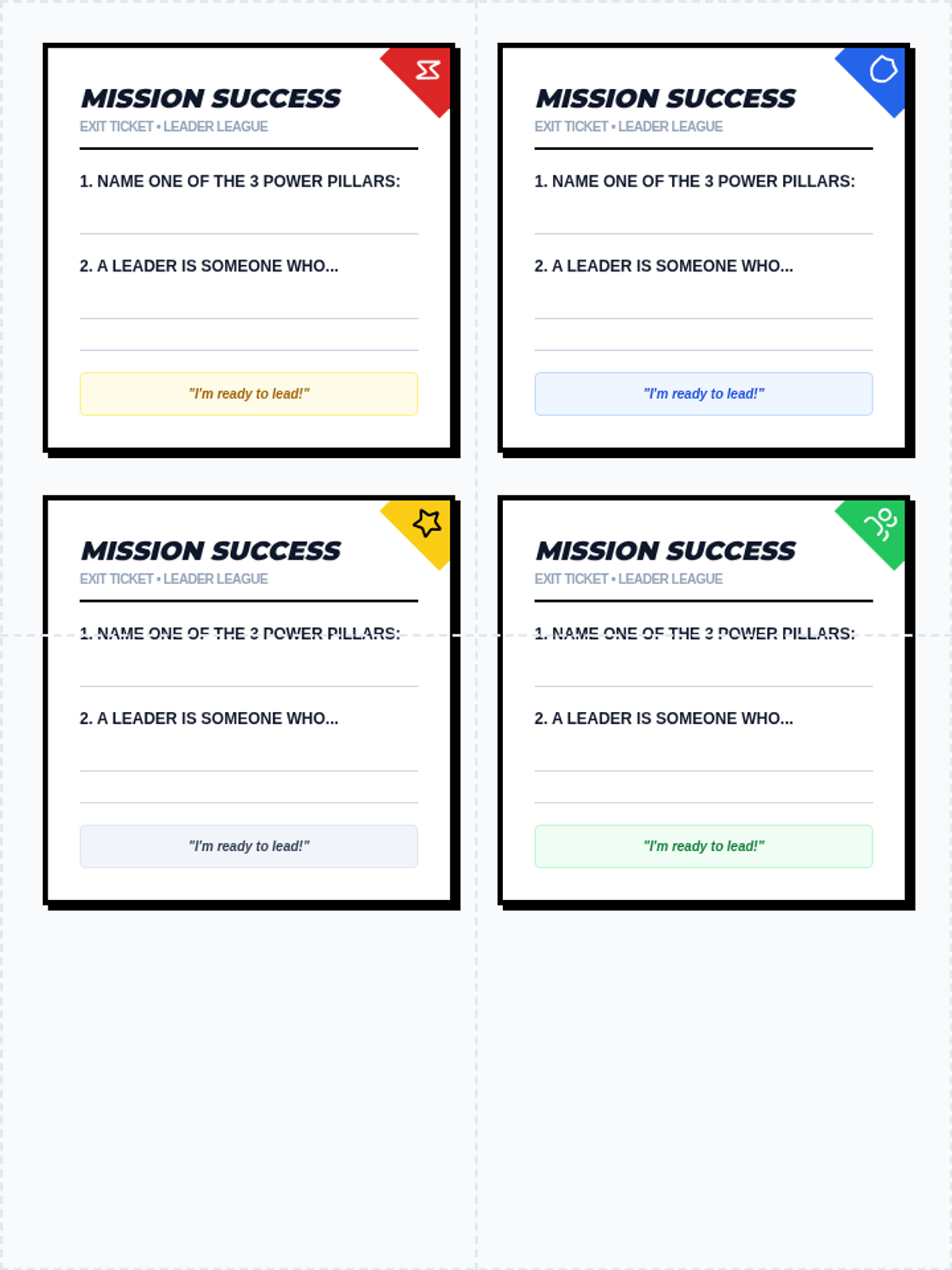
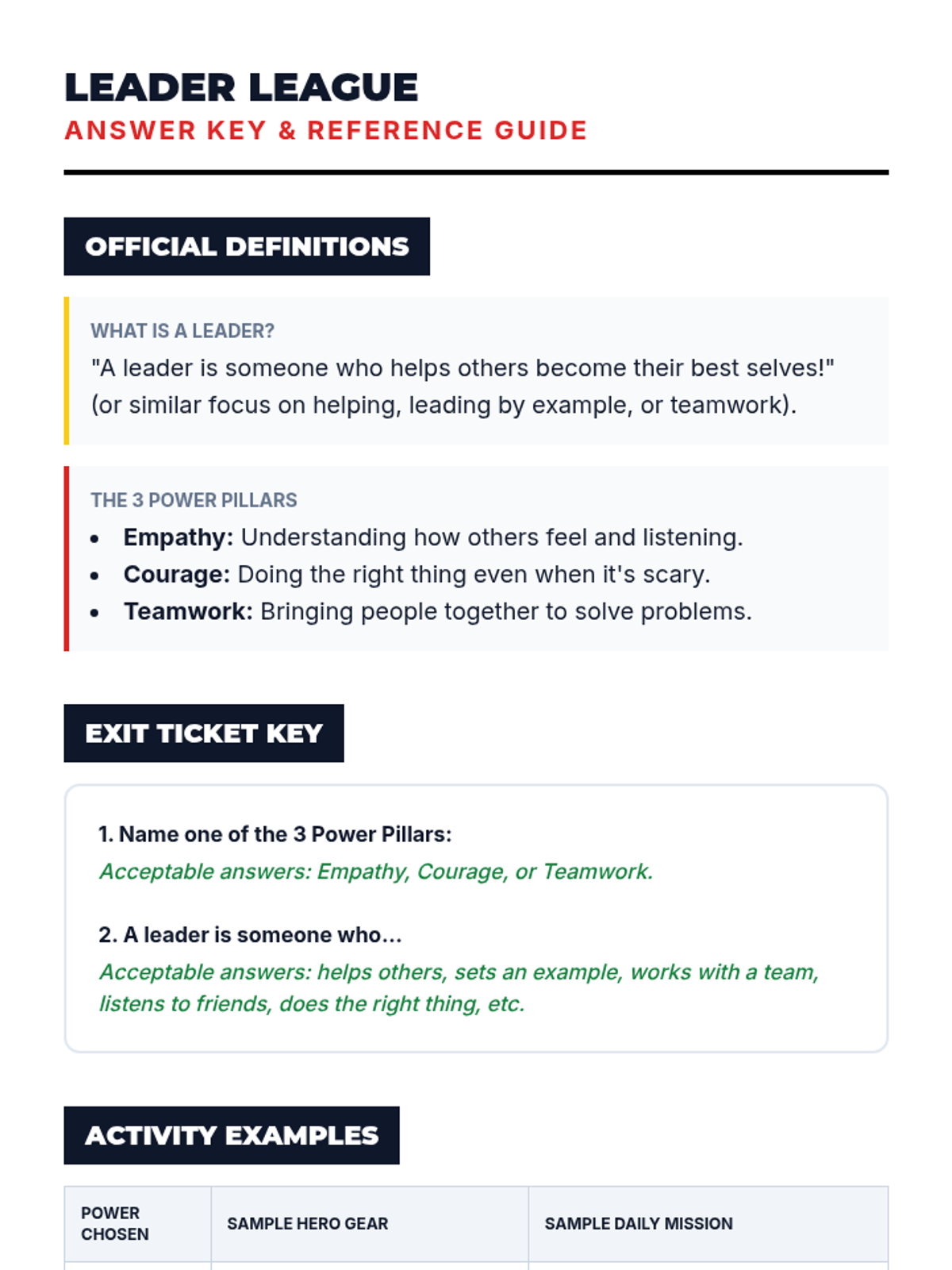
Students explore core leadership qualities through the lens of superheroes, identifying their own unique leadership 'superpowers' and learning how to lead with empathy, courage, and teamwork.
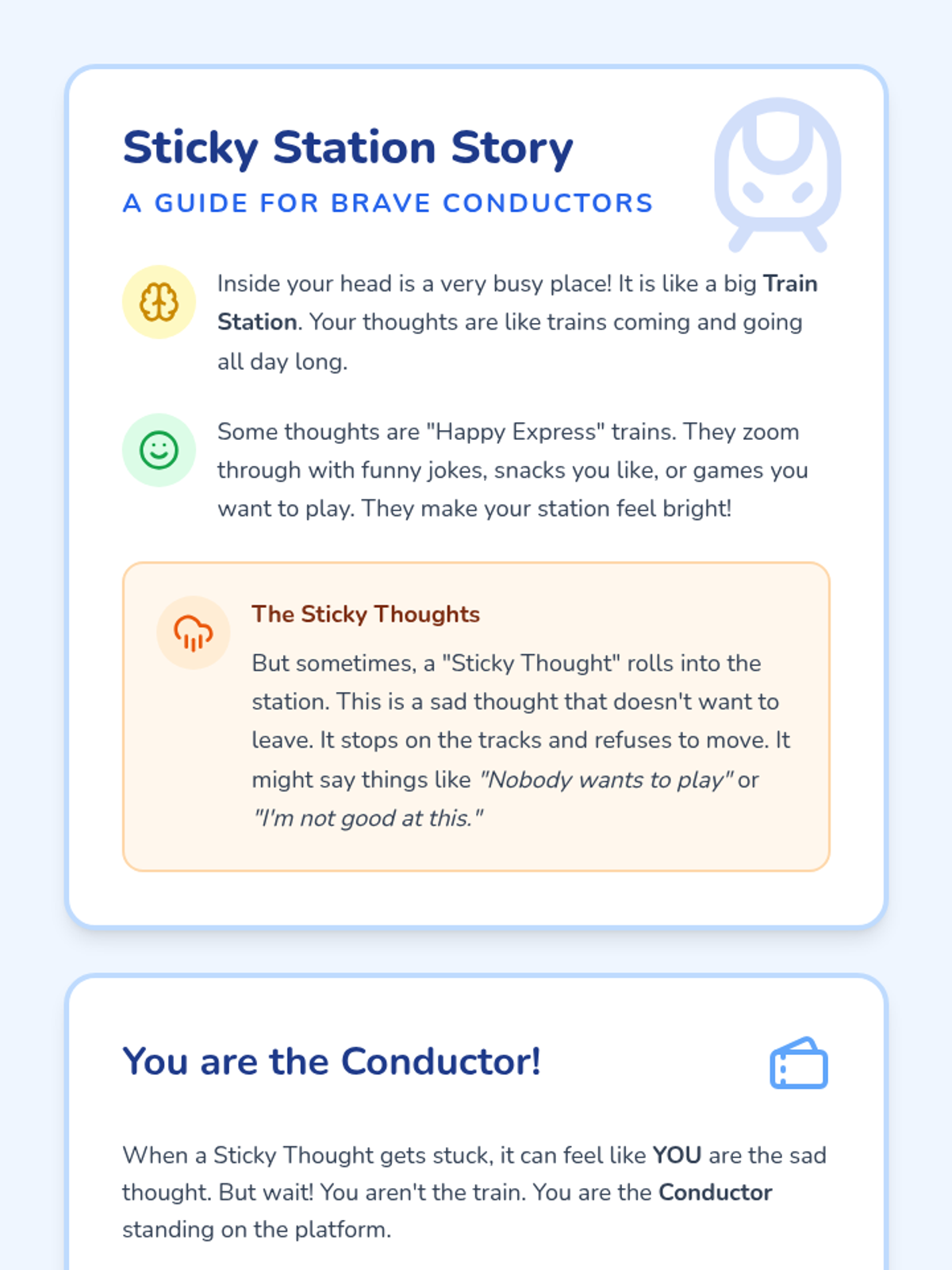
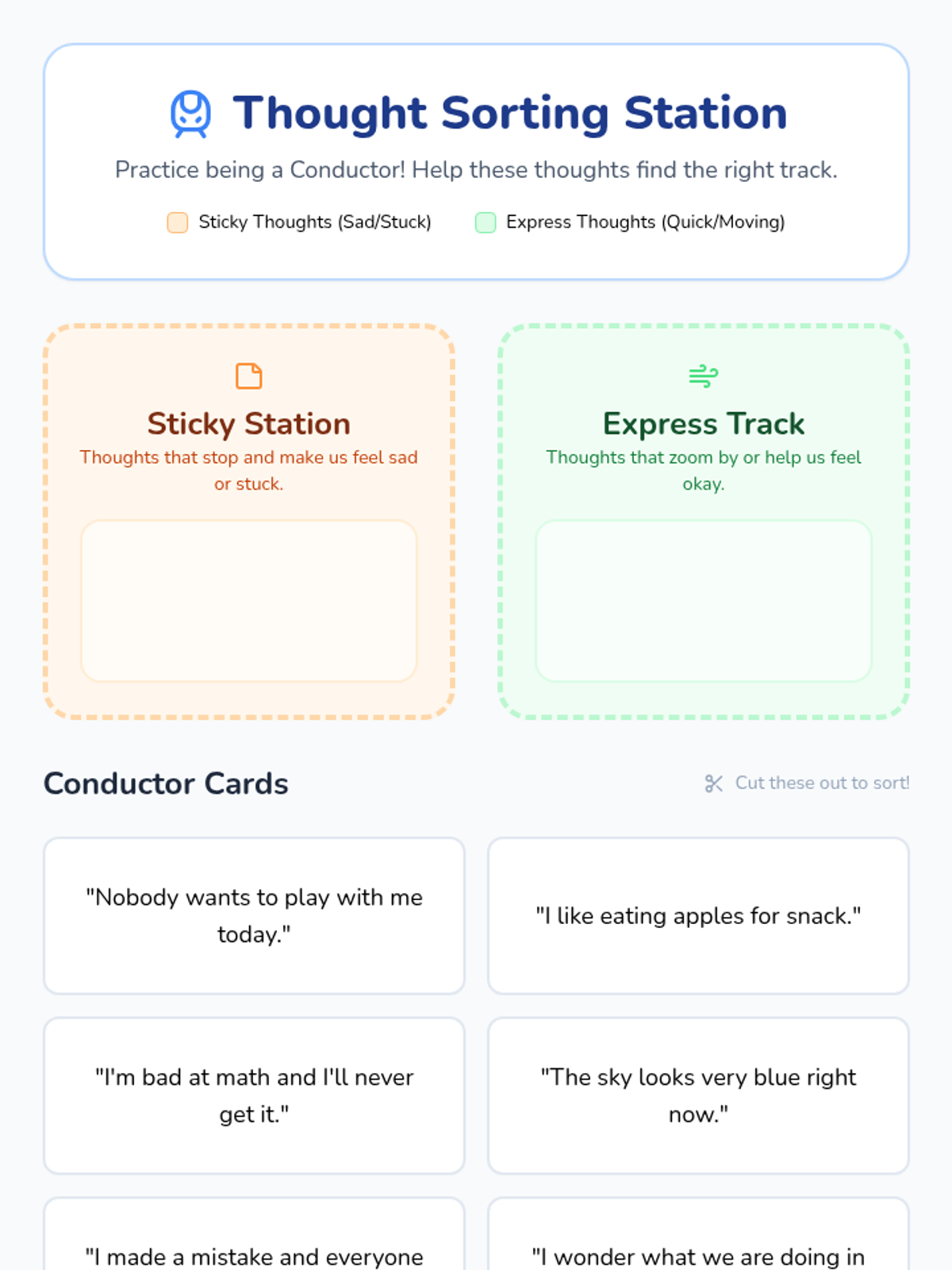
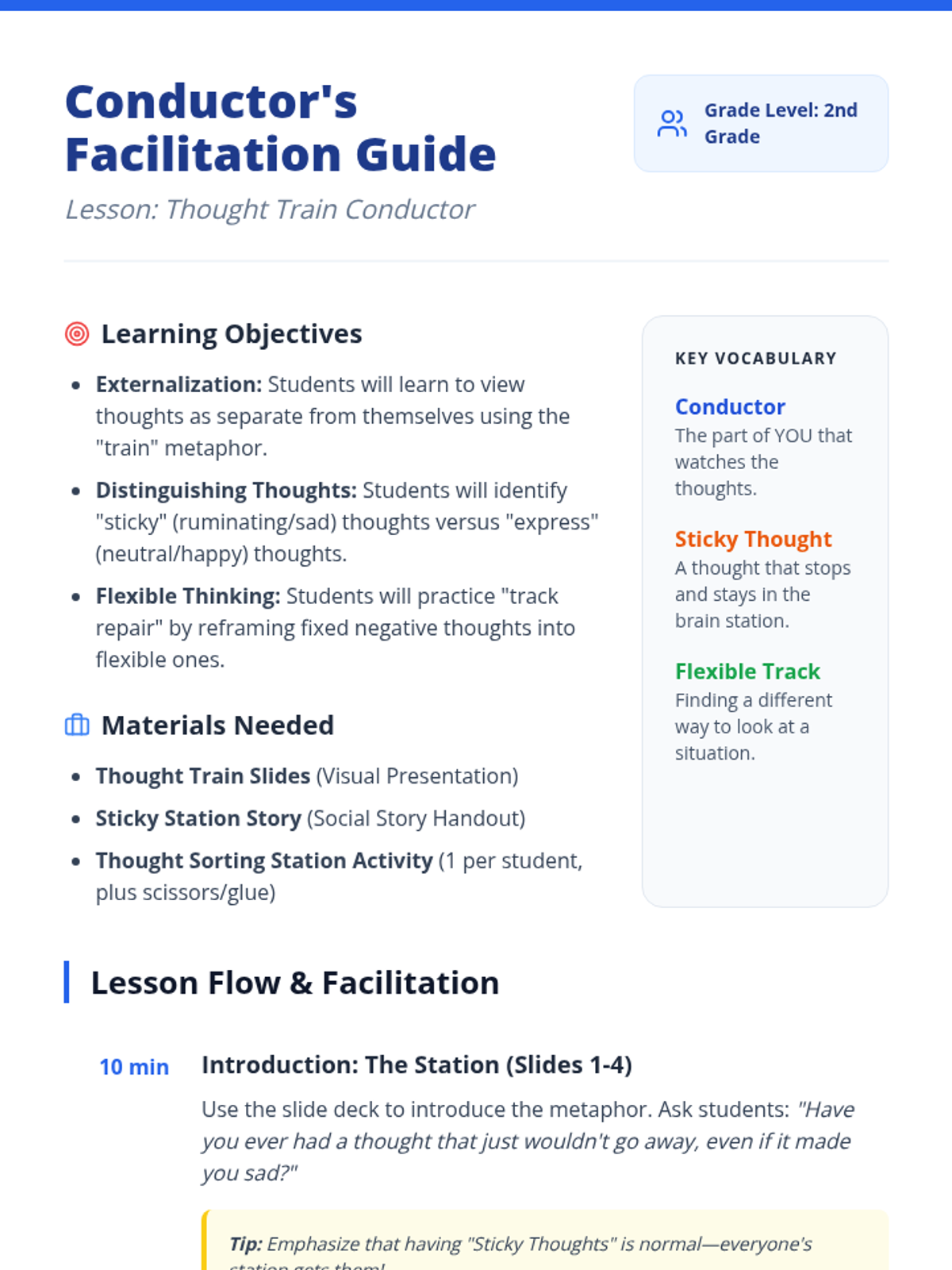
A lesson designed for 2nd graders to manage ruminating sad thoughts using externalization (thought distancing) and flexible thinking through the metaphor of a 'Thought Train'.