Students become 'Time Detectives' to investigate their daily schedule and identify moments when they feel most 'wiggly' or 'tired.' They use consensus-building to decide when whole-class sensory breaks should occur.
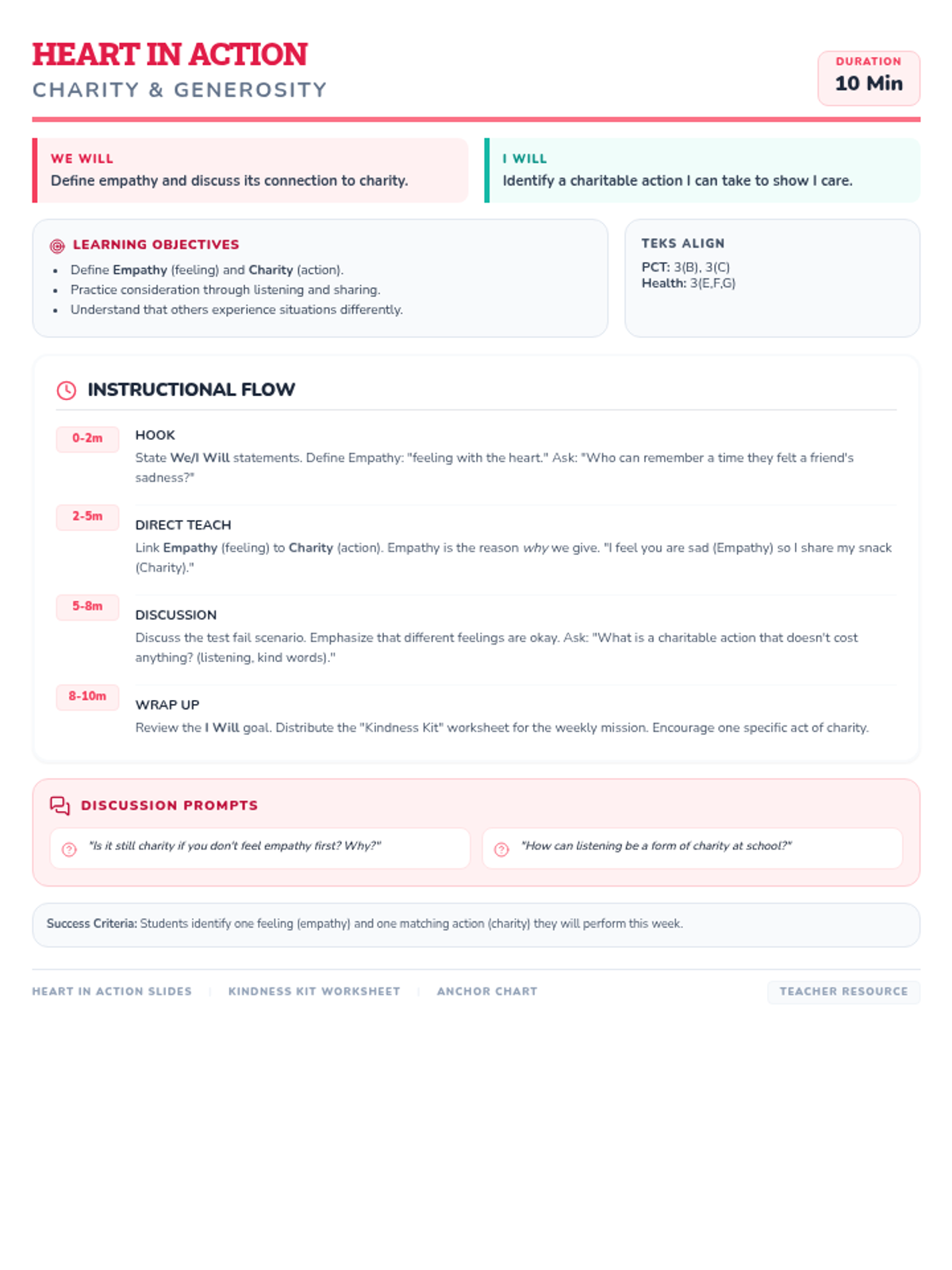
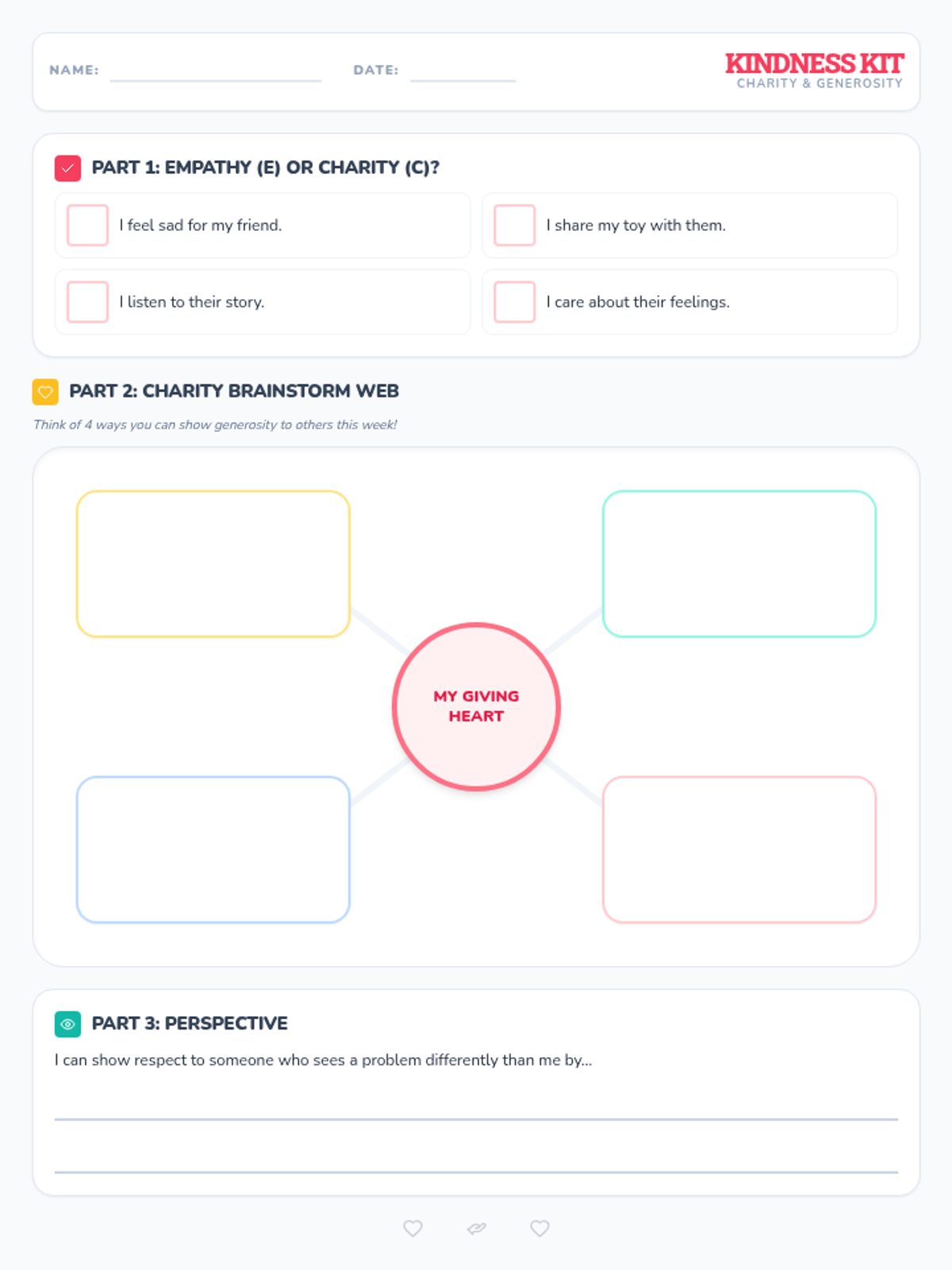
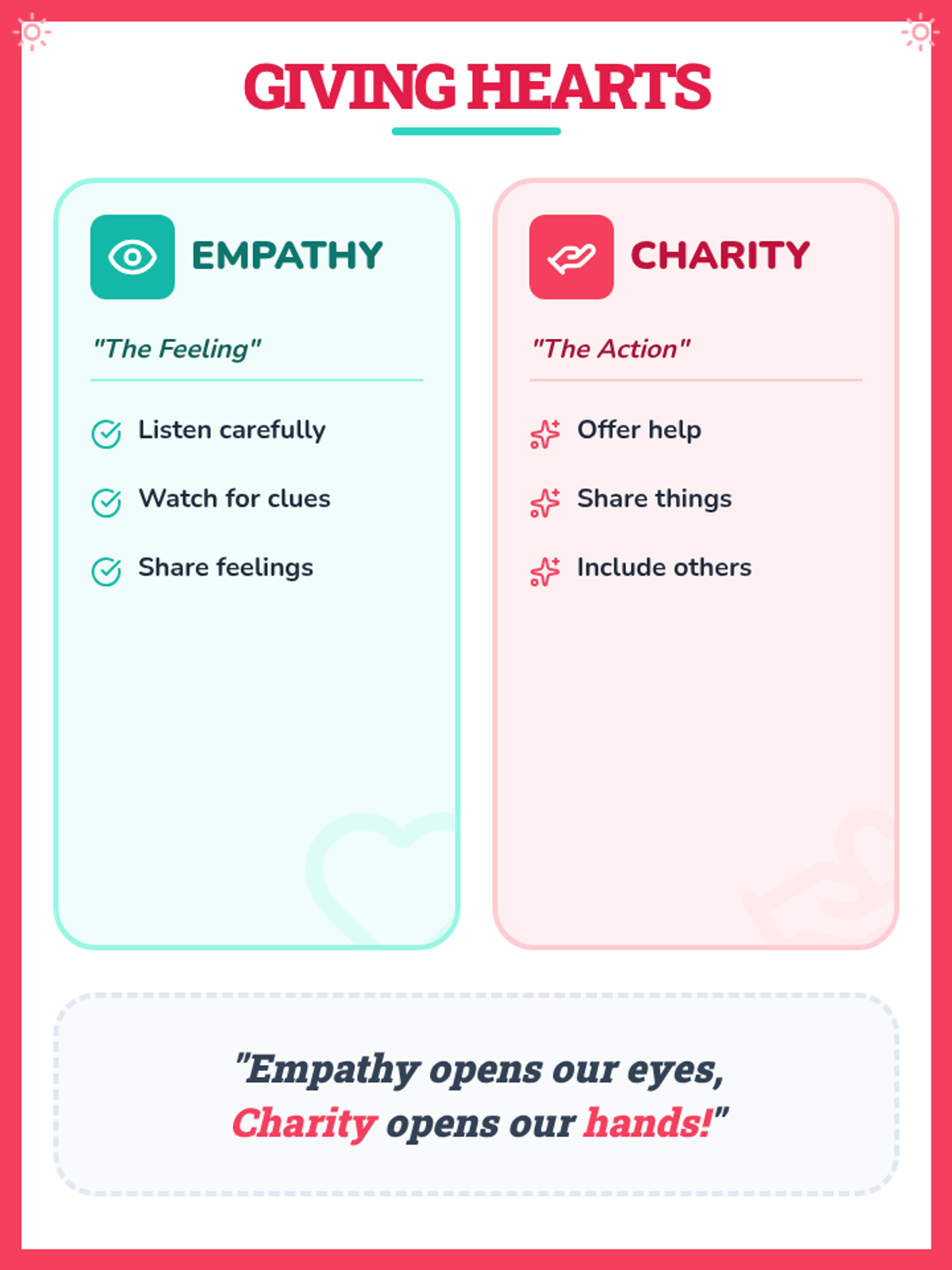
A 10-minute lesson focused on the connection between empathy and charity, teaching students how to identify needs and act with generosity. Includes a slide deck, worksheet, and anchor chart.
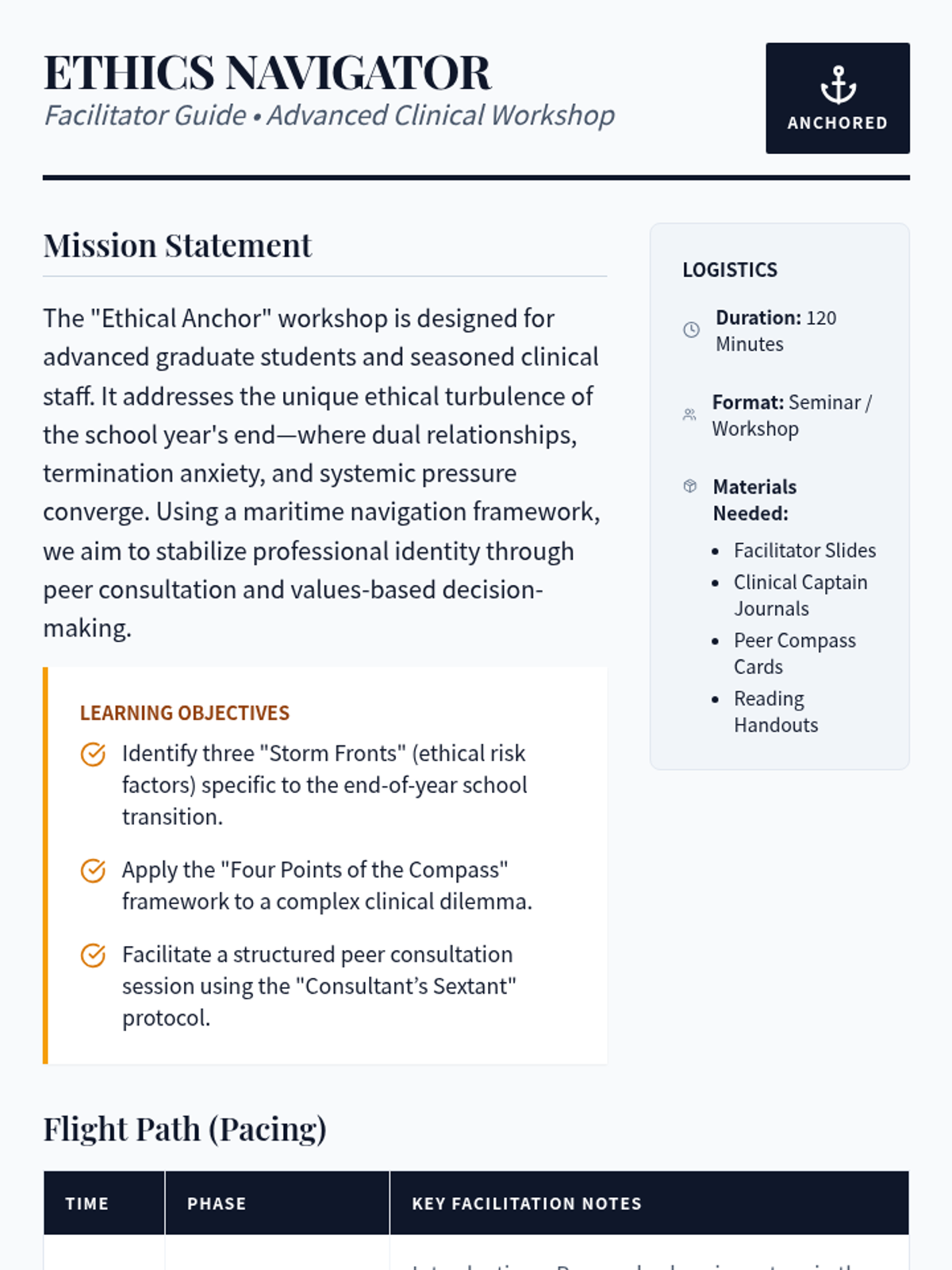
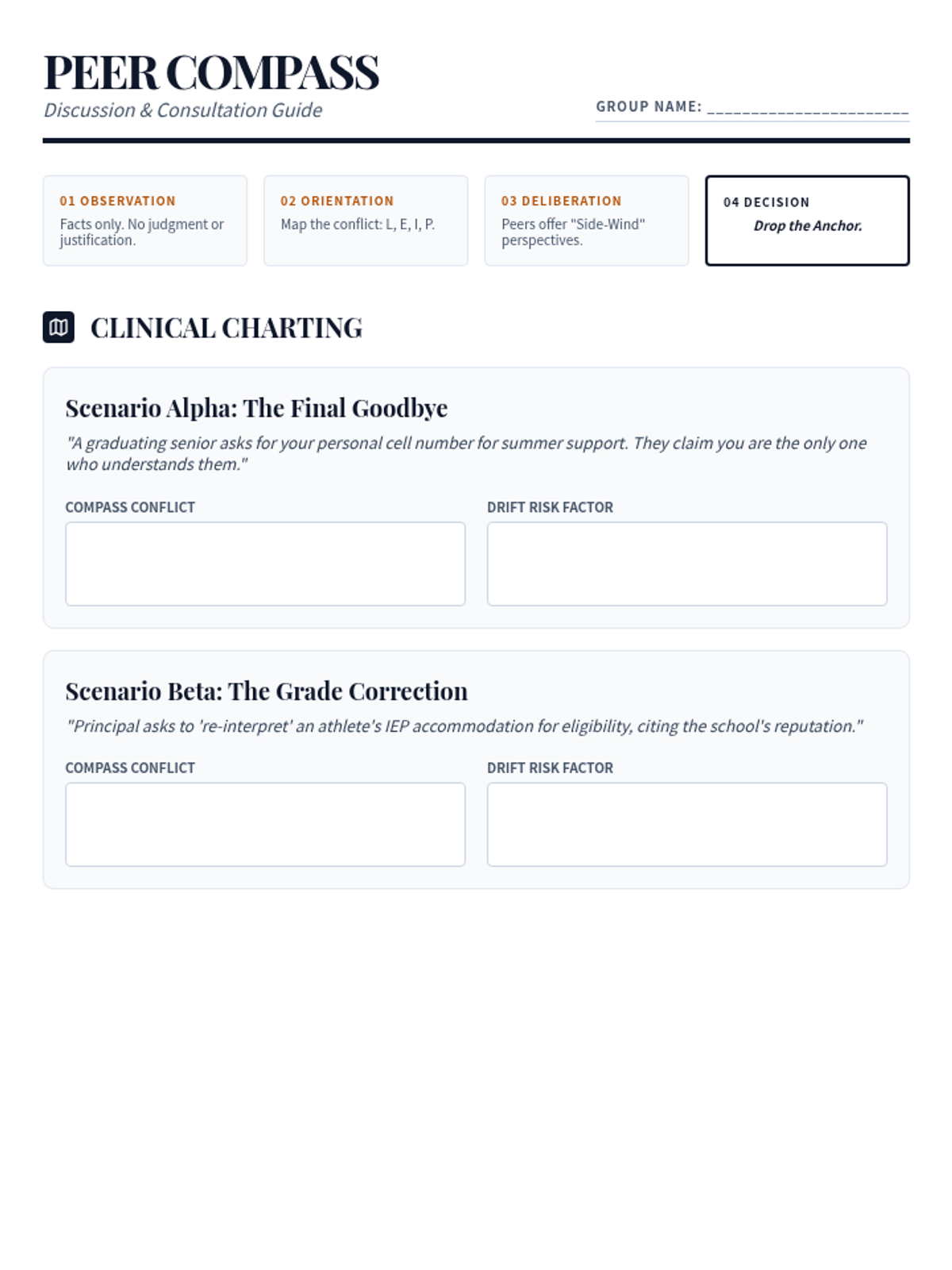
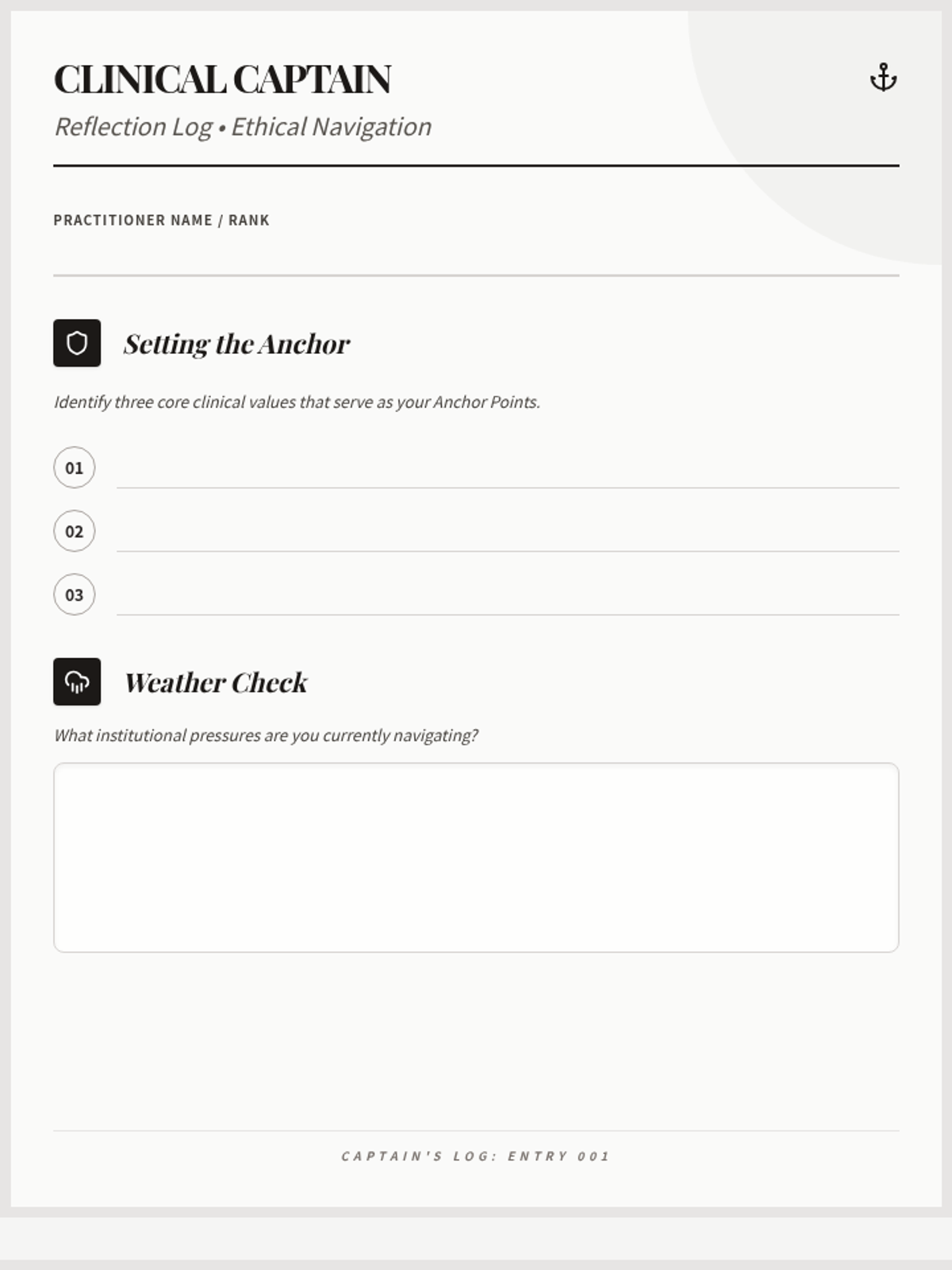
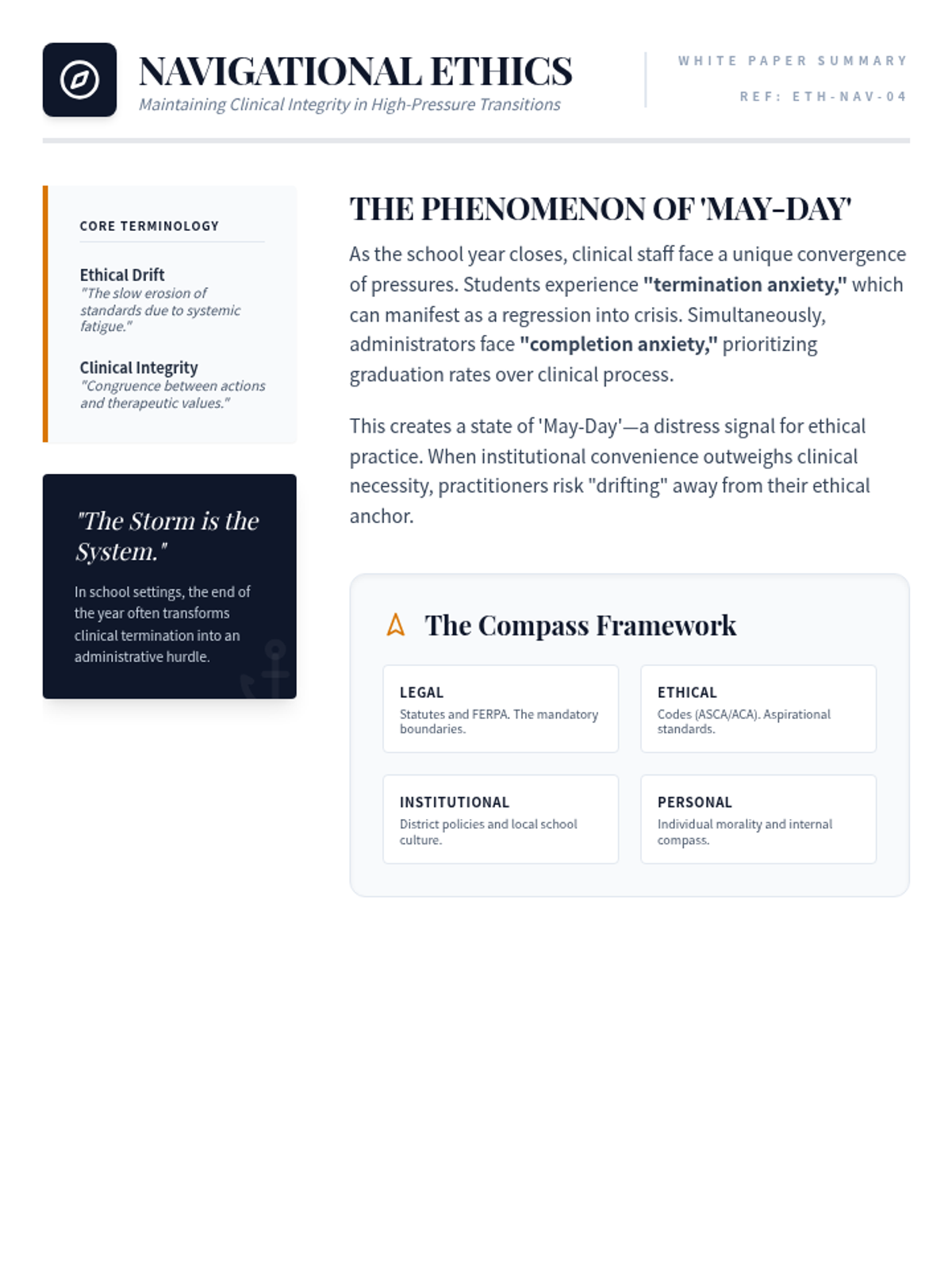
A sophisticated workshop for graduate students and clinical staff focused on navigating complex ethical dilemmas during the high-stress end-of-year school transition using a maritime-themed framework.
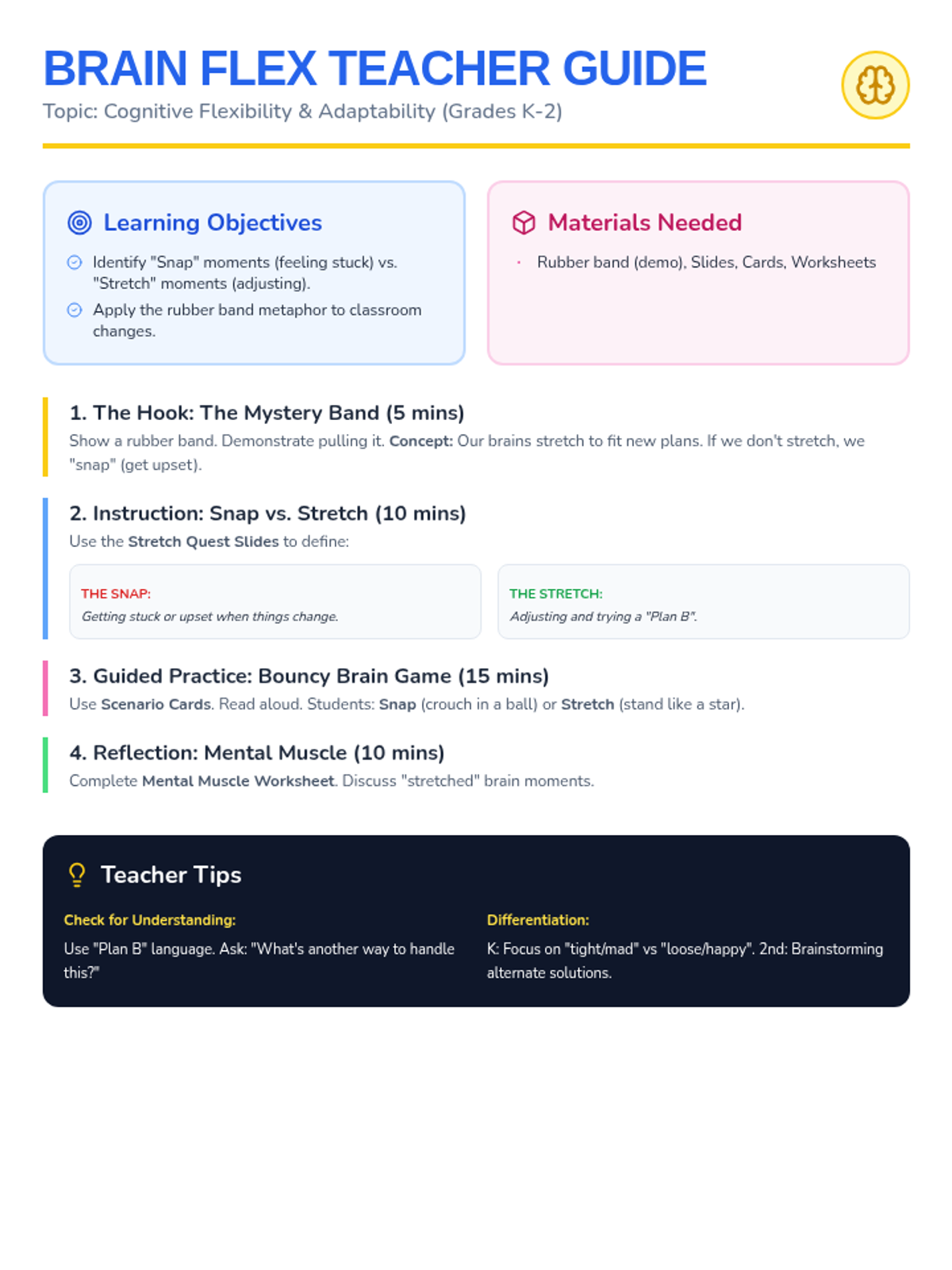
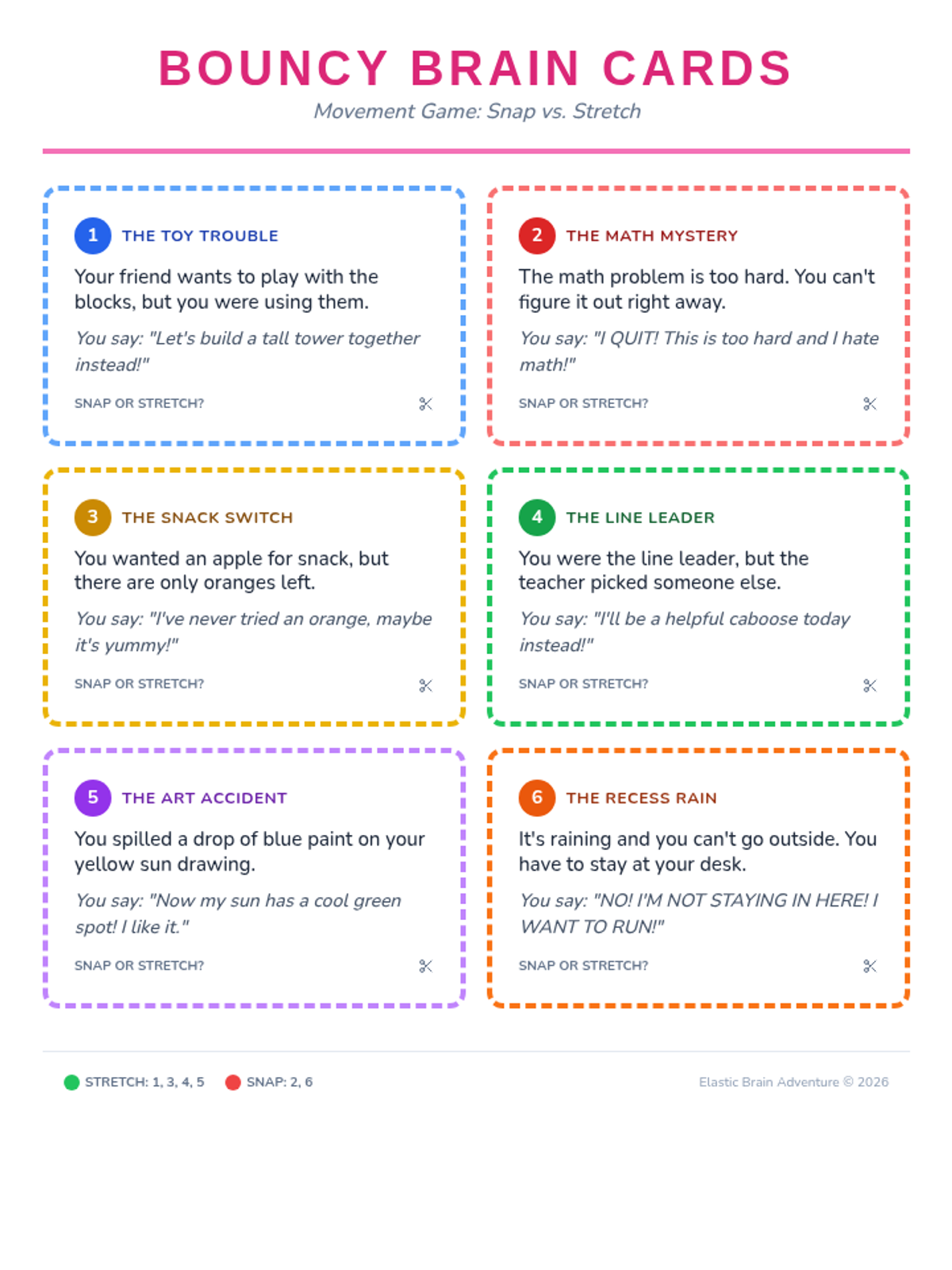
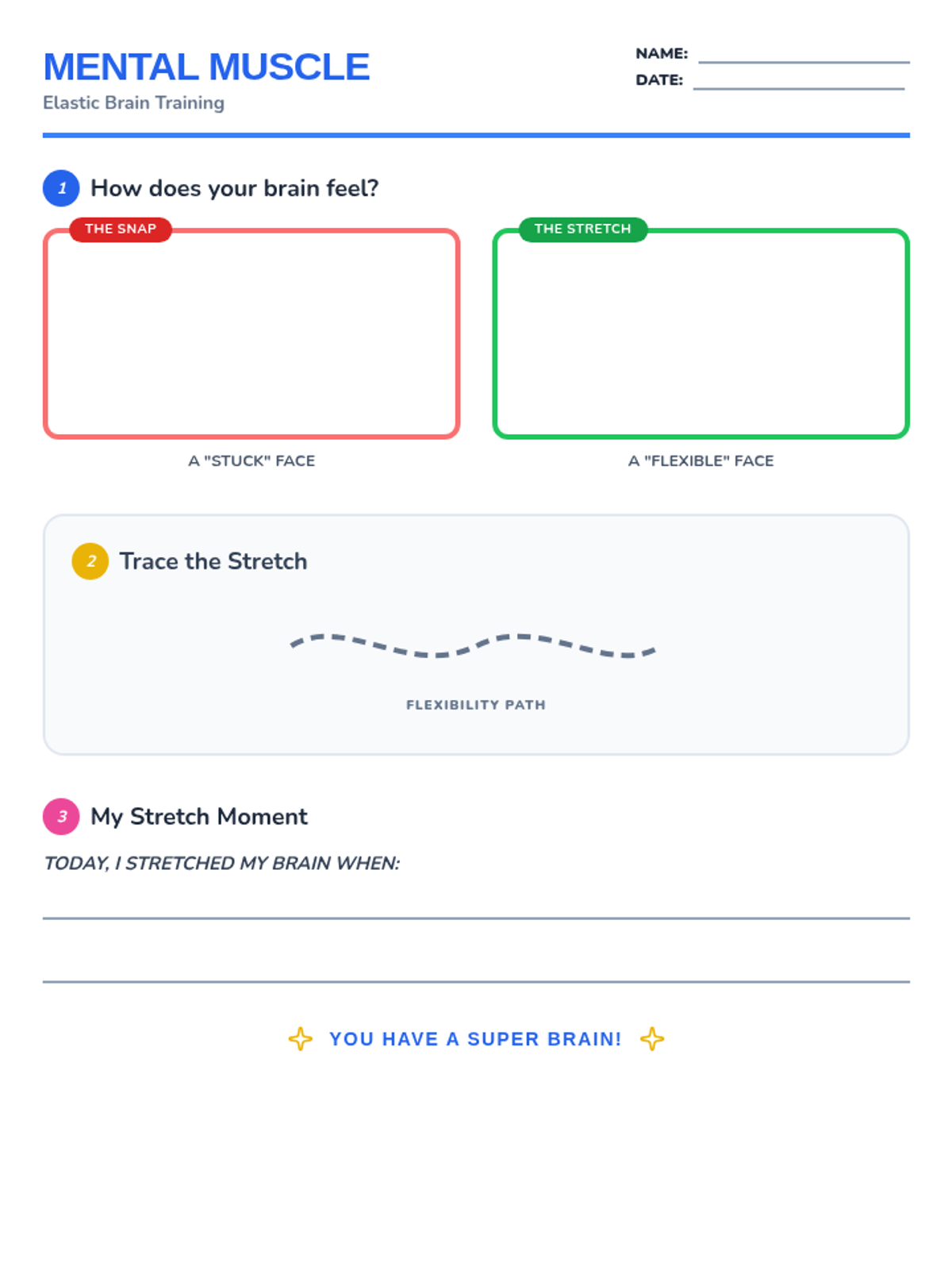
A social-emotional learning lesson for K-2 students that uses the metaphor of a rubber band to teach cognitive flexibility, adaptability, and emotional regulation when facing changes.
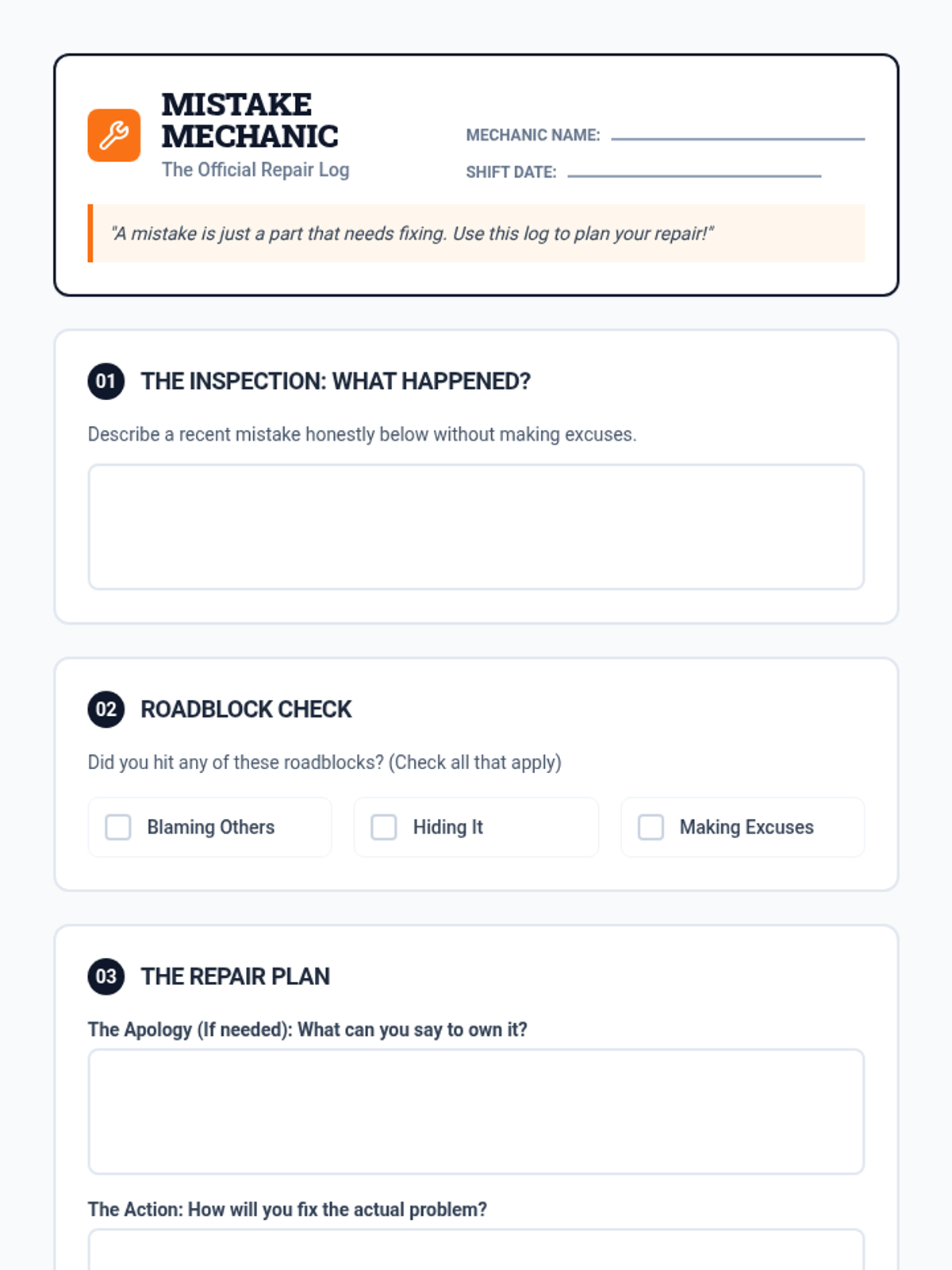
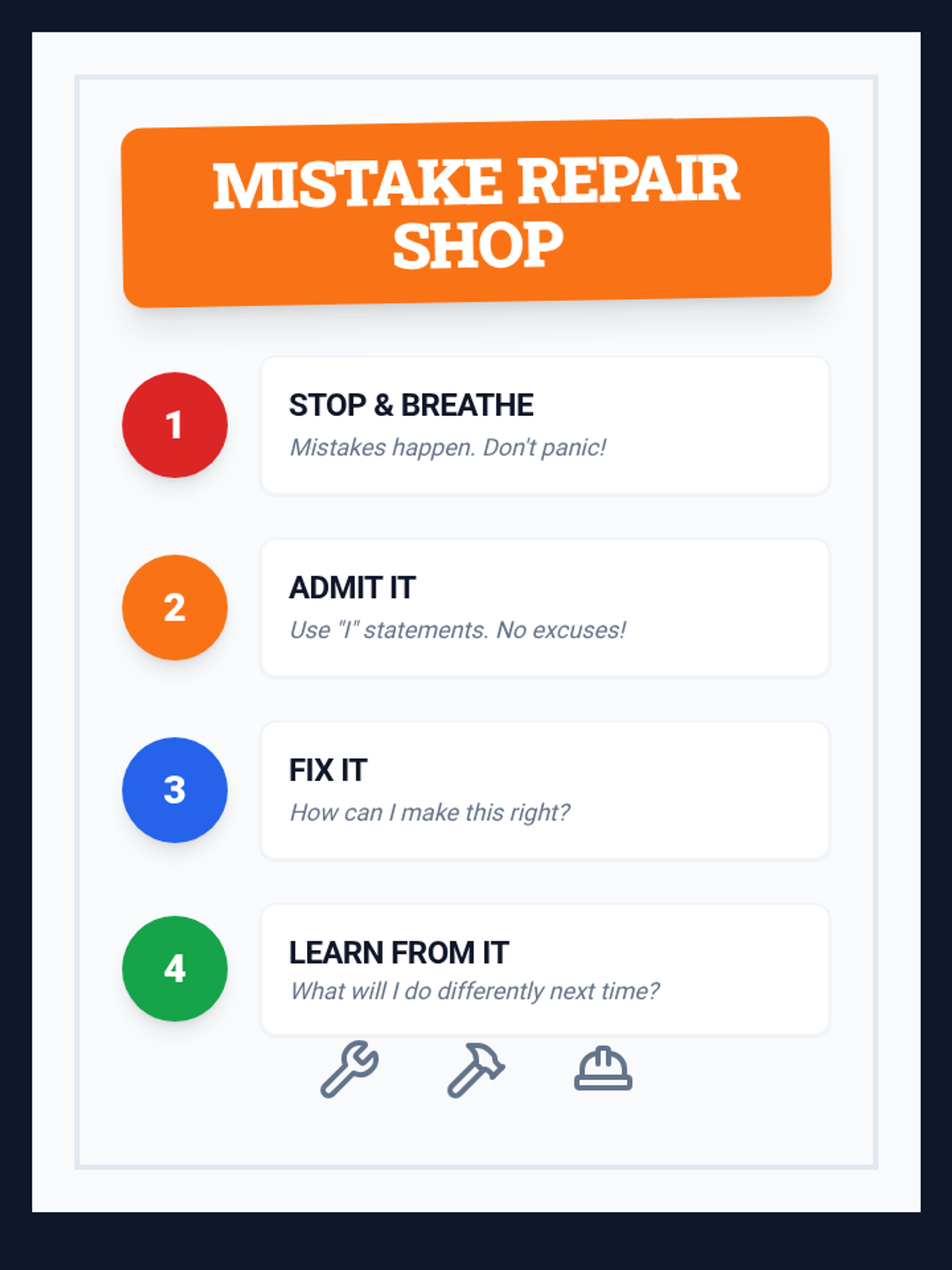
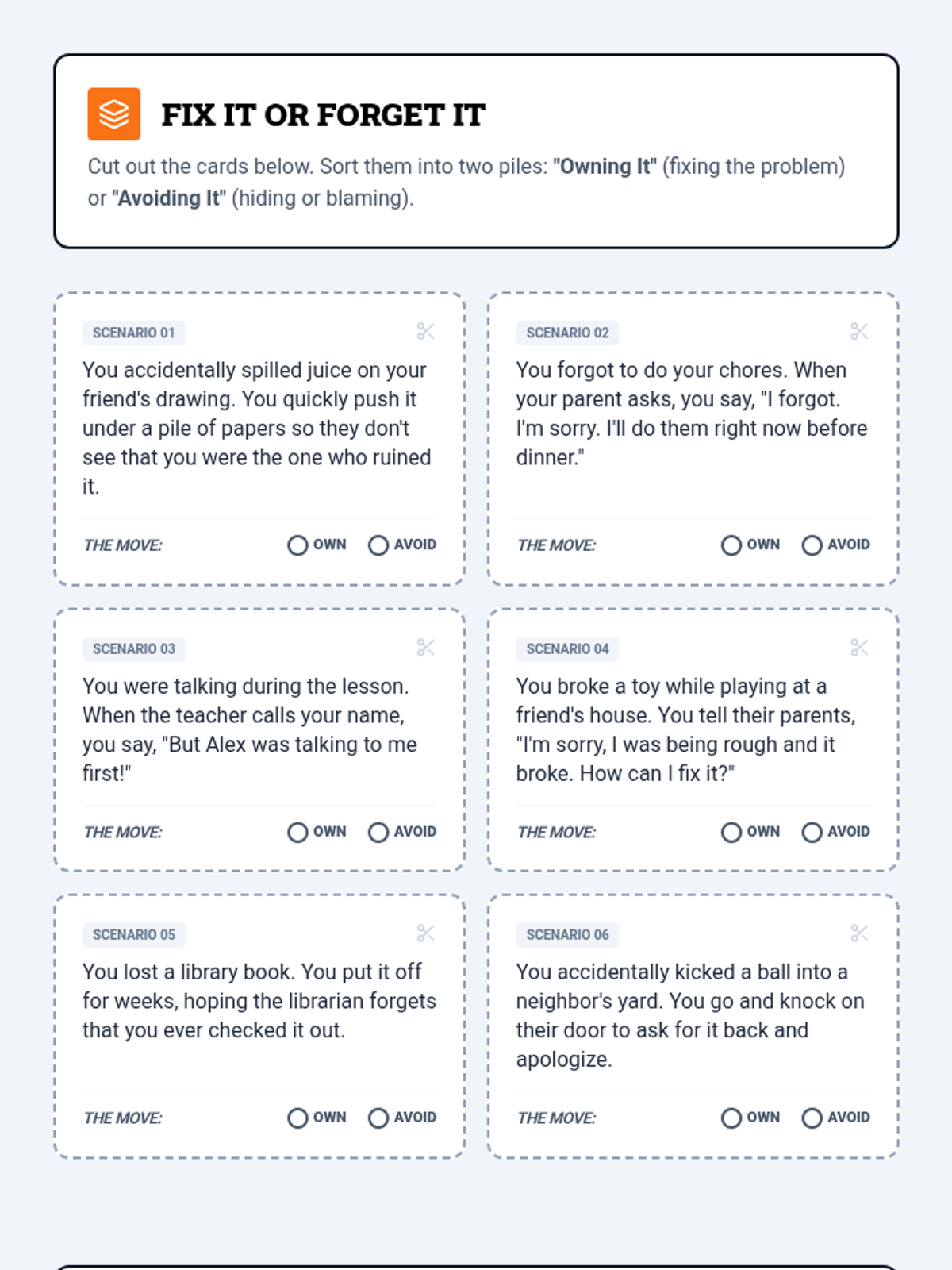
A lesson focused on taking ownership of mistakes through the metaphor of a 'Repair Shop'. Students will learn to move past blame and use a step-by-step process to fix their errors and learn from them.
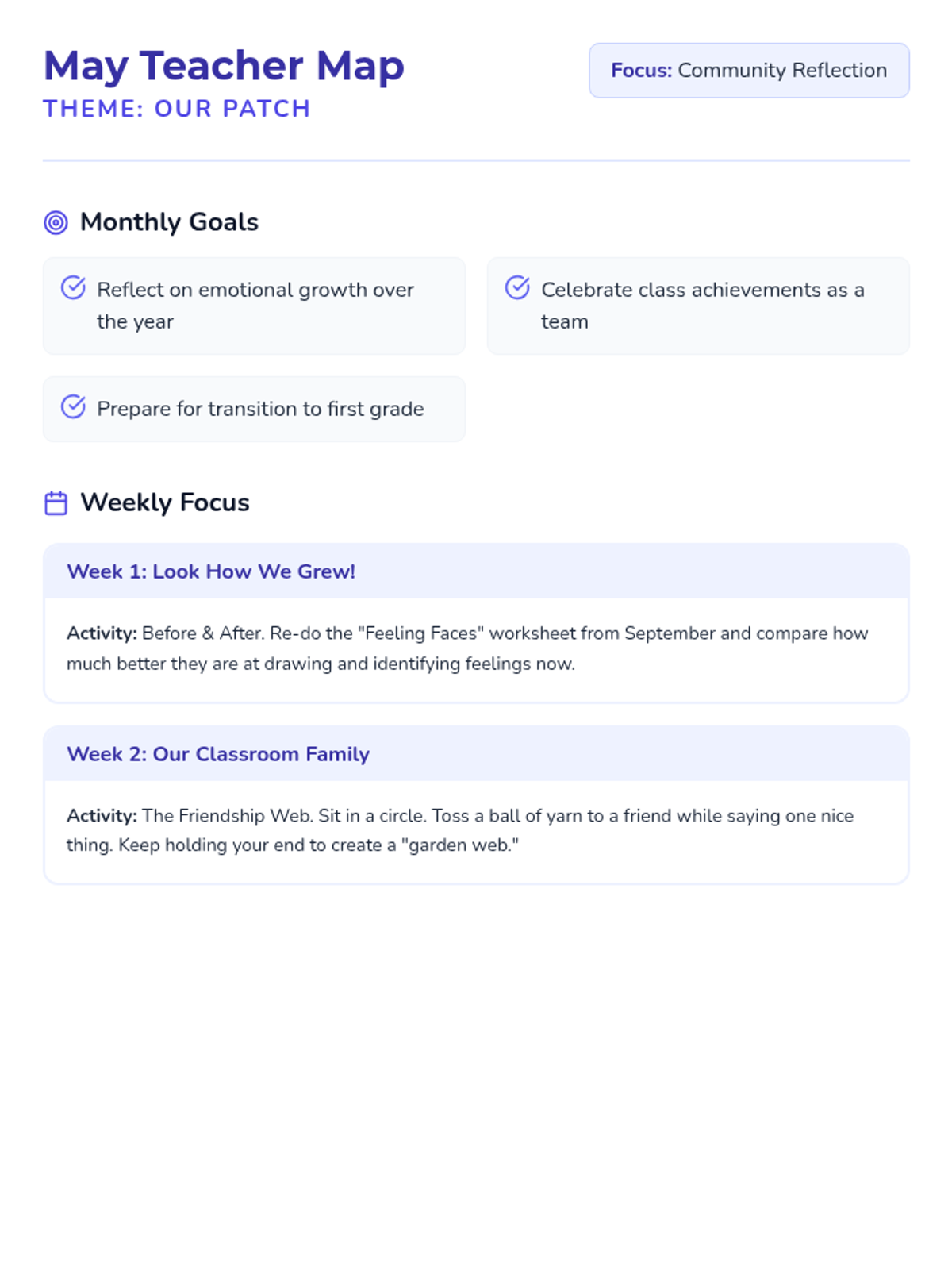
Reflects on personal growth and celebrates the classroom community.
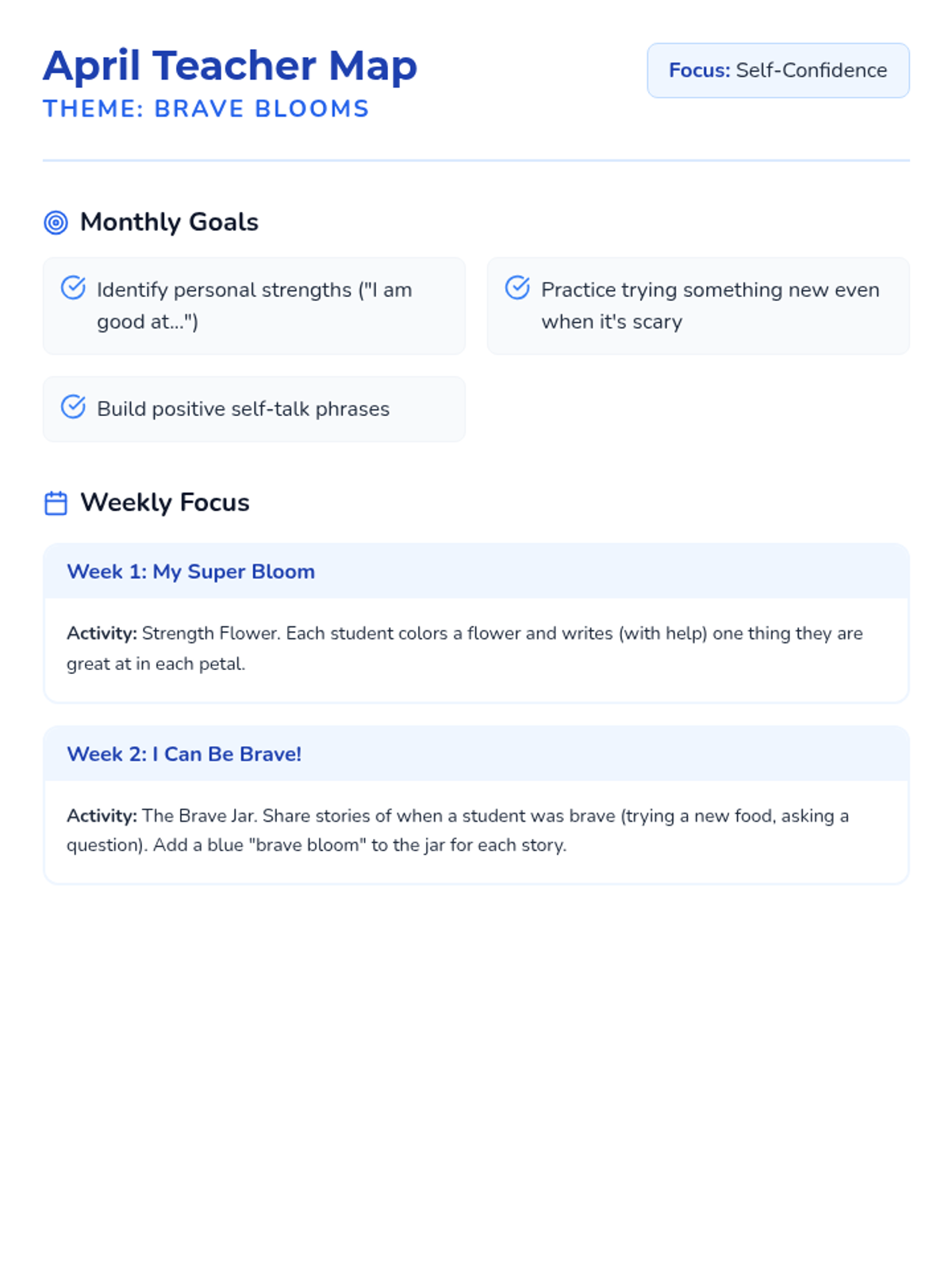
Builds self-confidence and the courage to try new things.
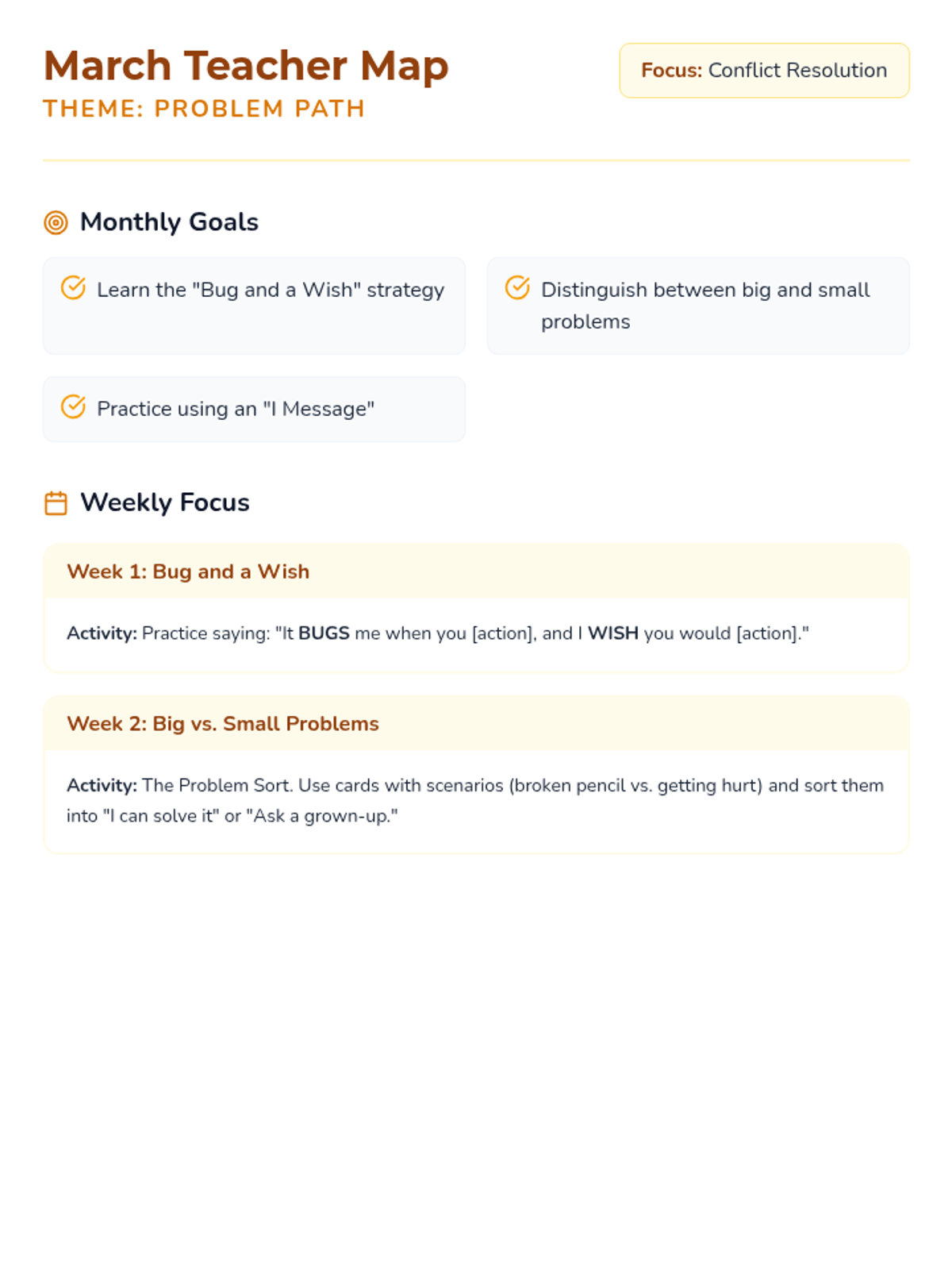
Introduces simple steps for solving conflicts and making fair choices.
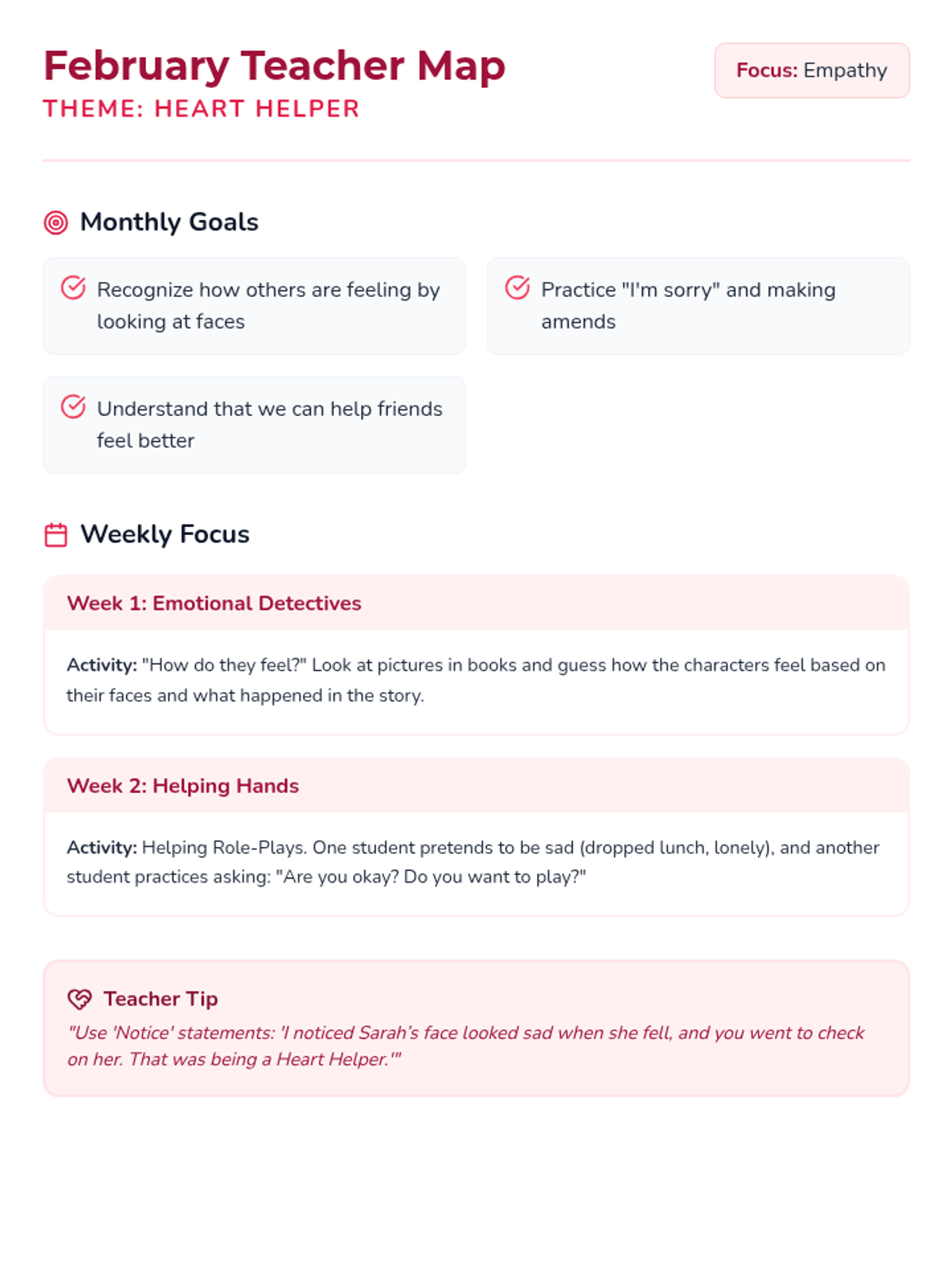
Deepens understanding of others' feelings and how to be a helpful friend.
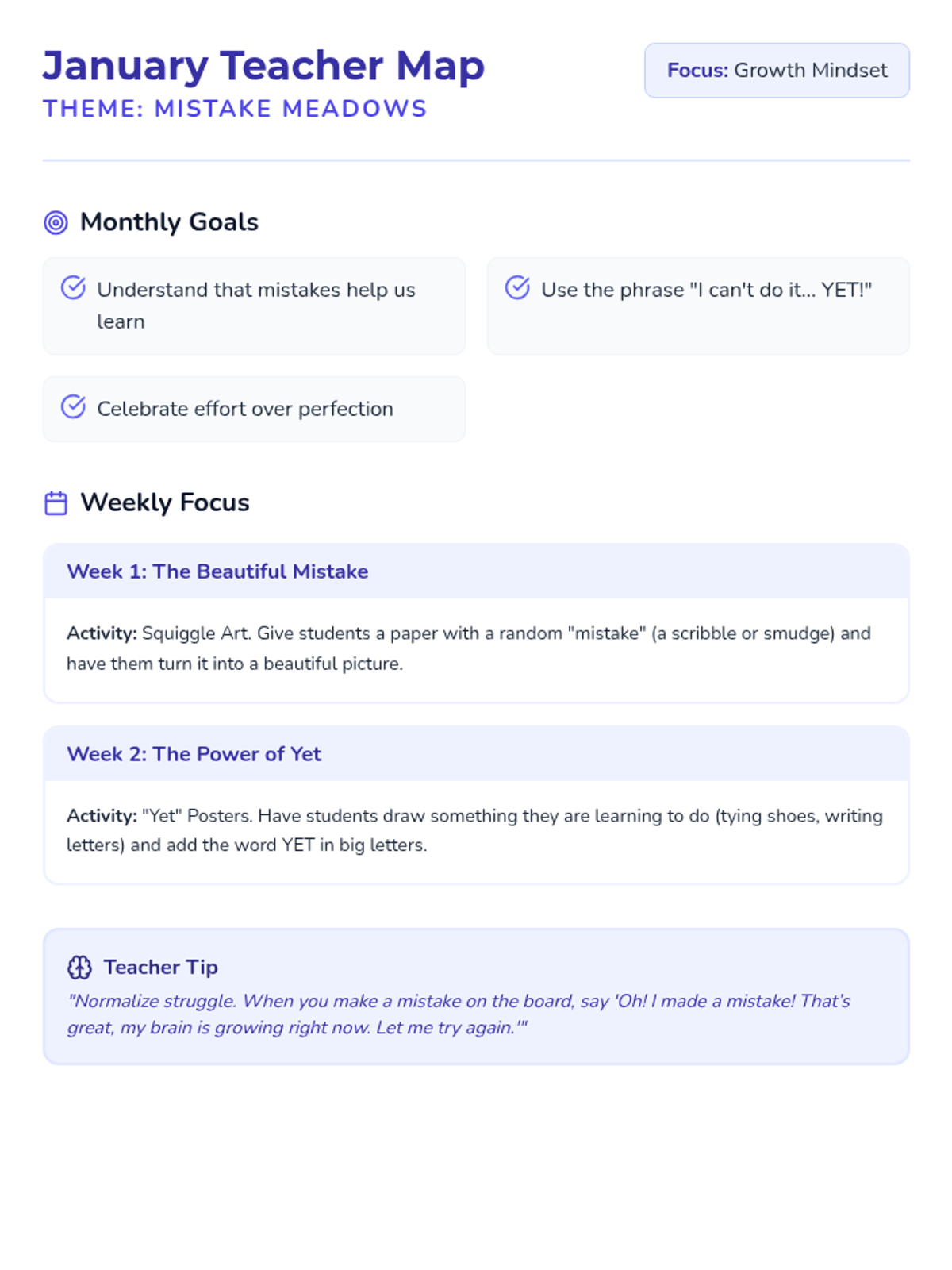
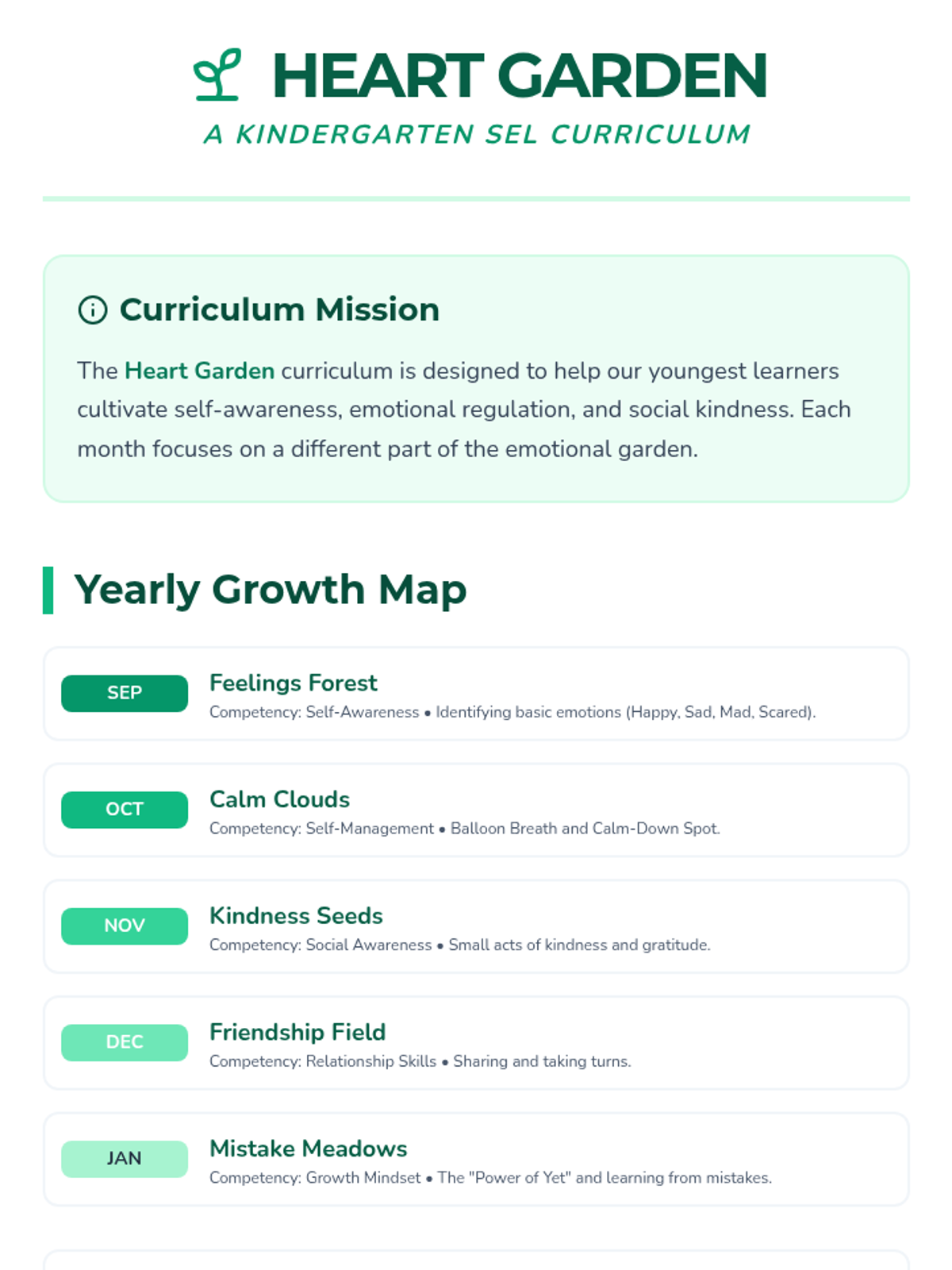
Encourages a growth mindset by learning that mistakes help our brains grow.
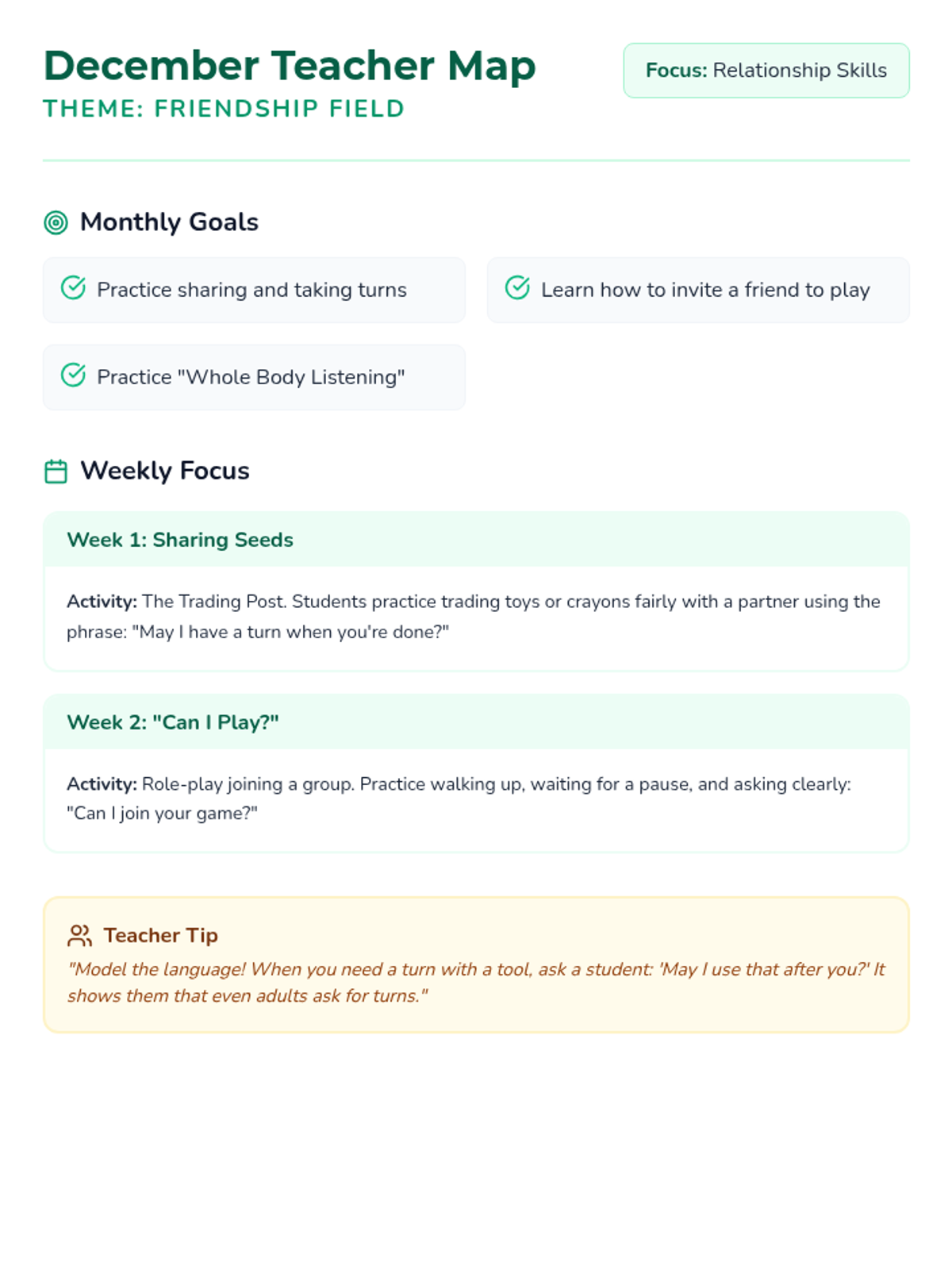
Focuses on social skills like sharing, taking turns, and cooperative play.
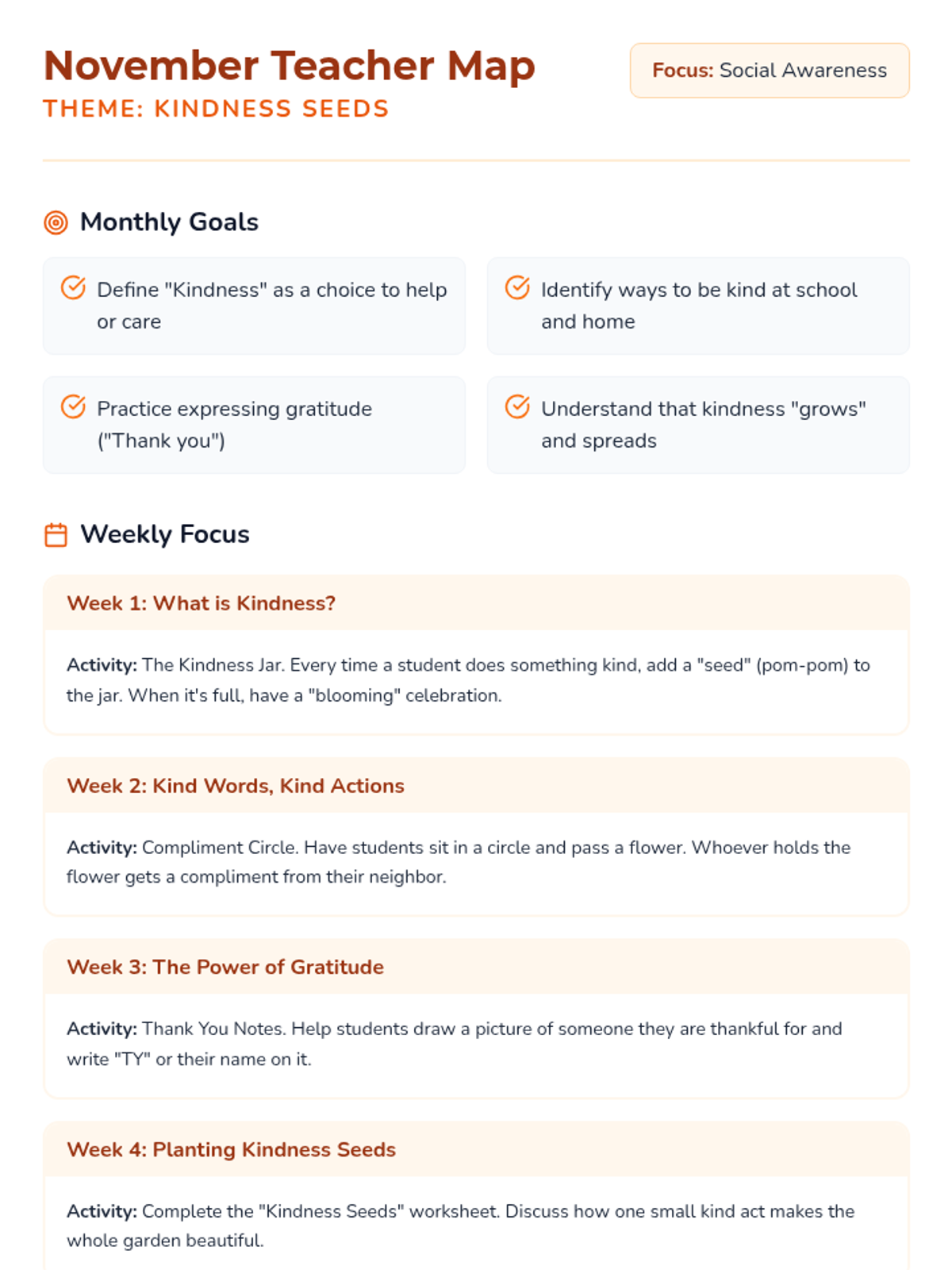
Teaches the power of small acts of kindness and expressing gratitude.
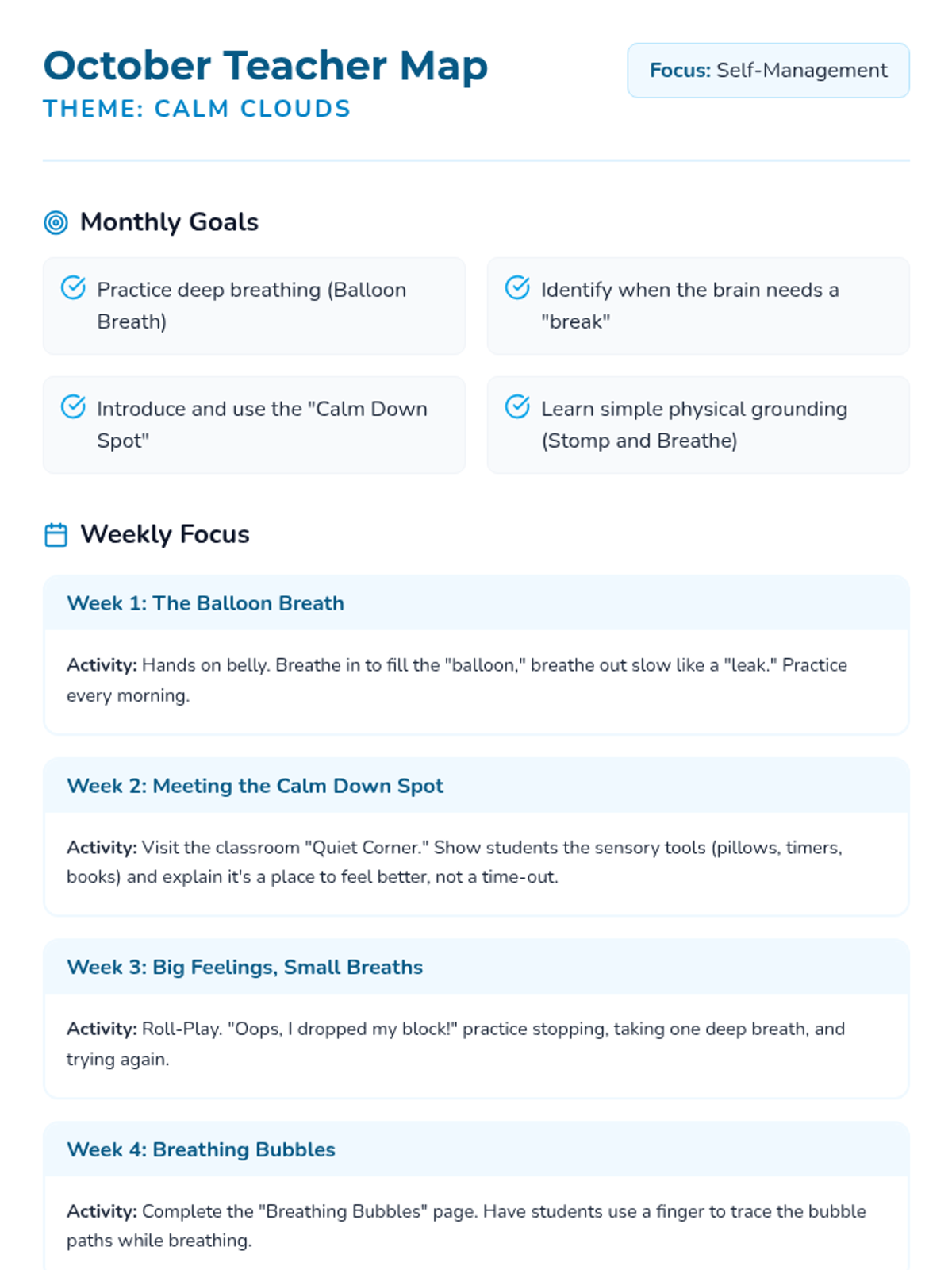
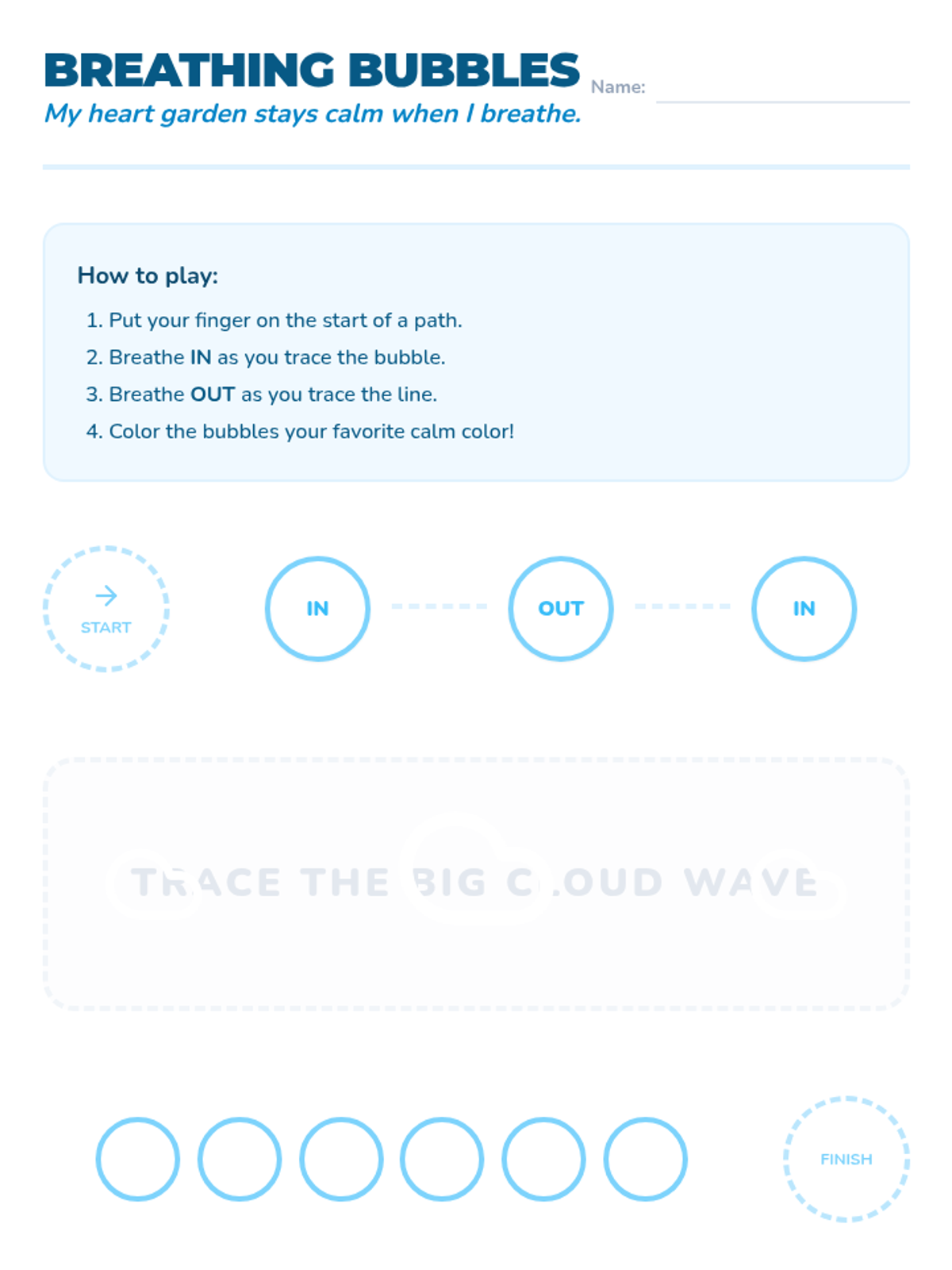
Introduces basic self-regulation strategies and 'calm down' tools for when feelings get big.
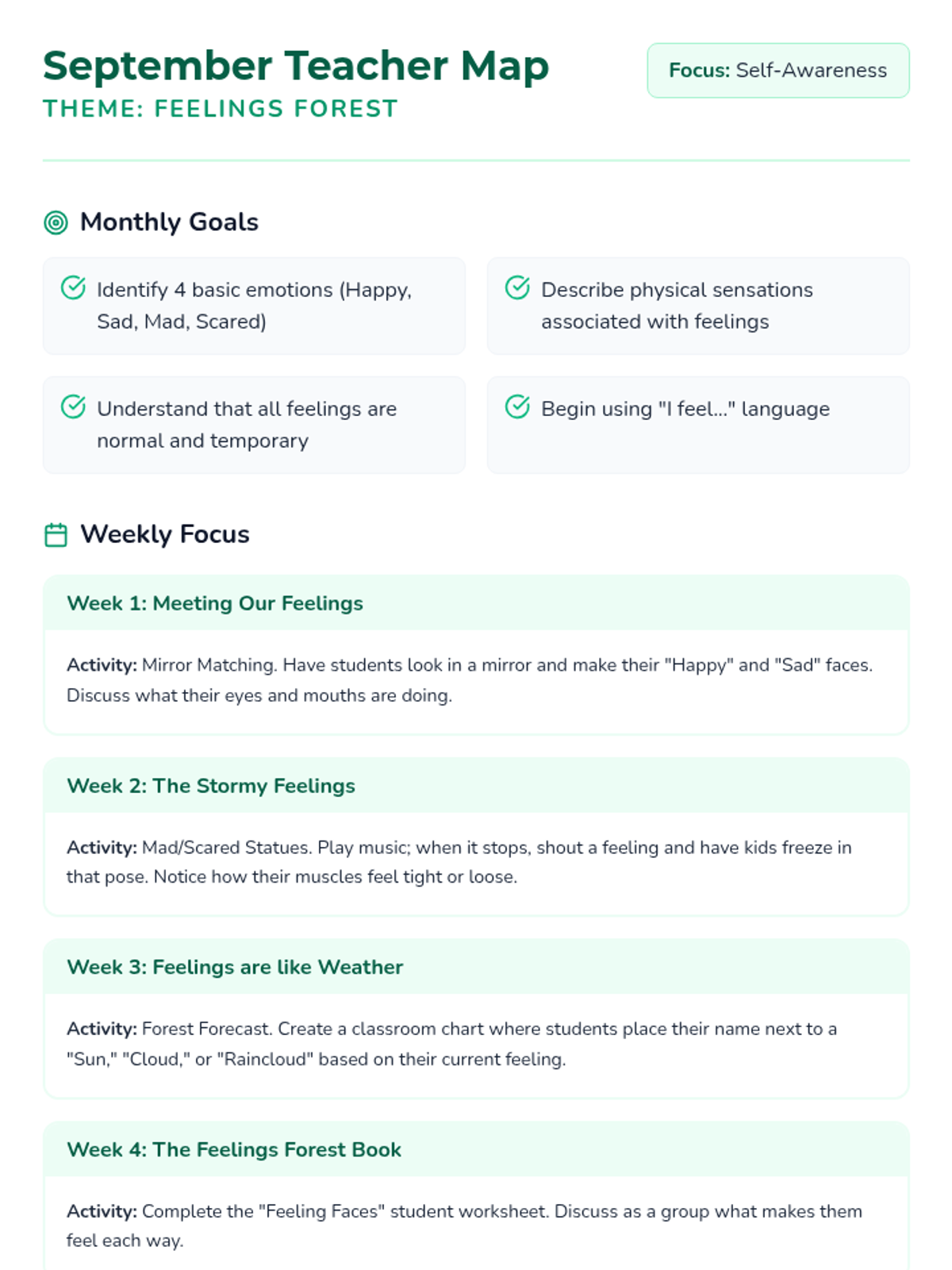
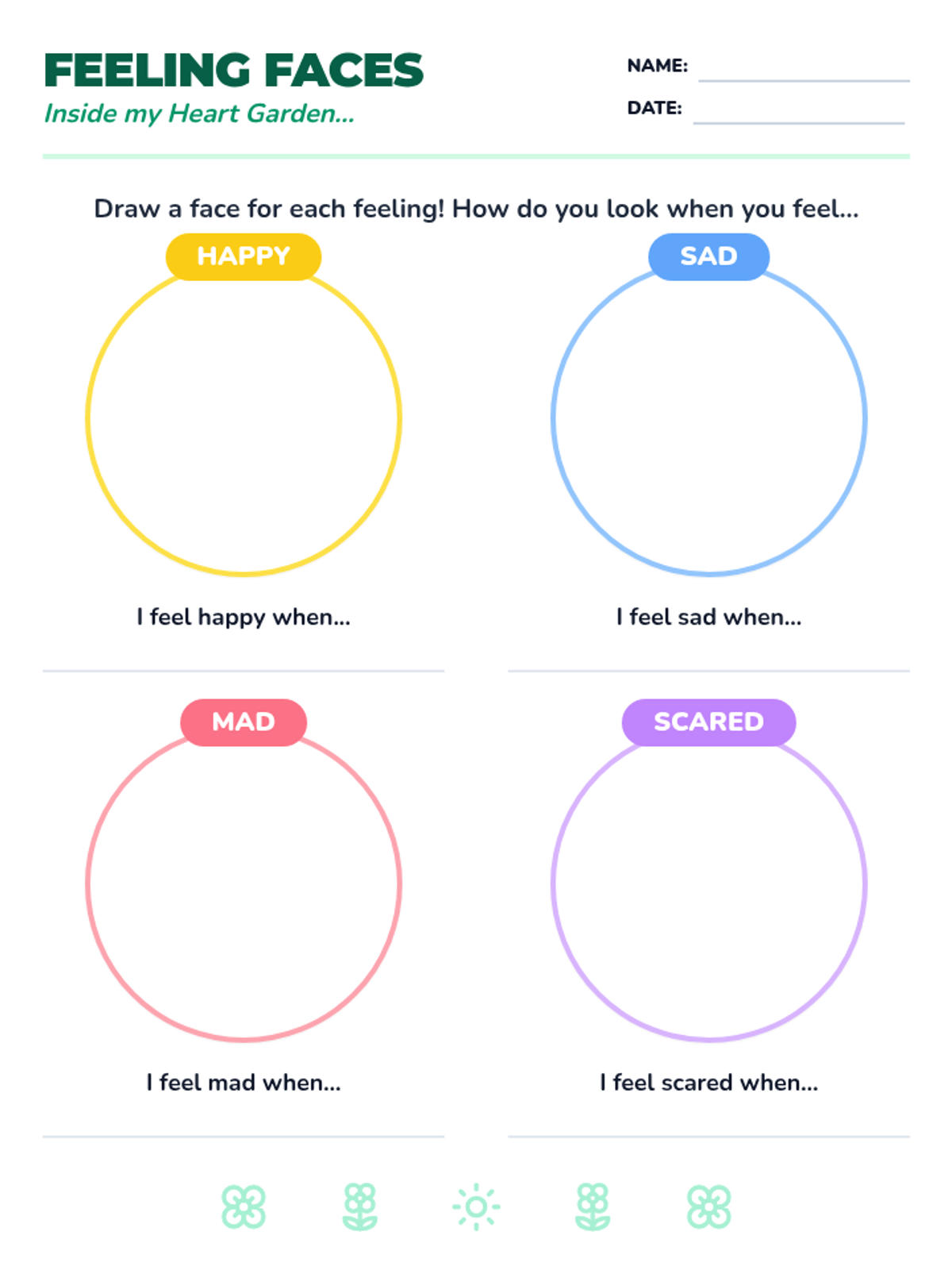
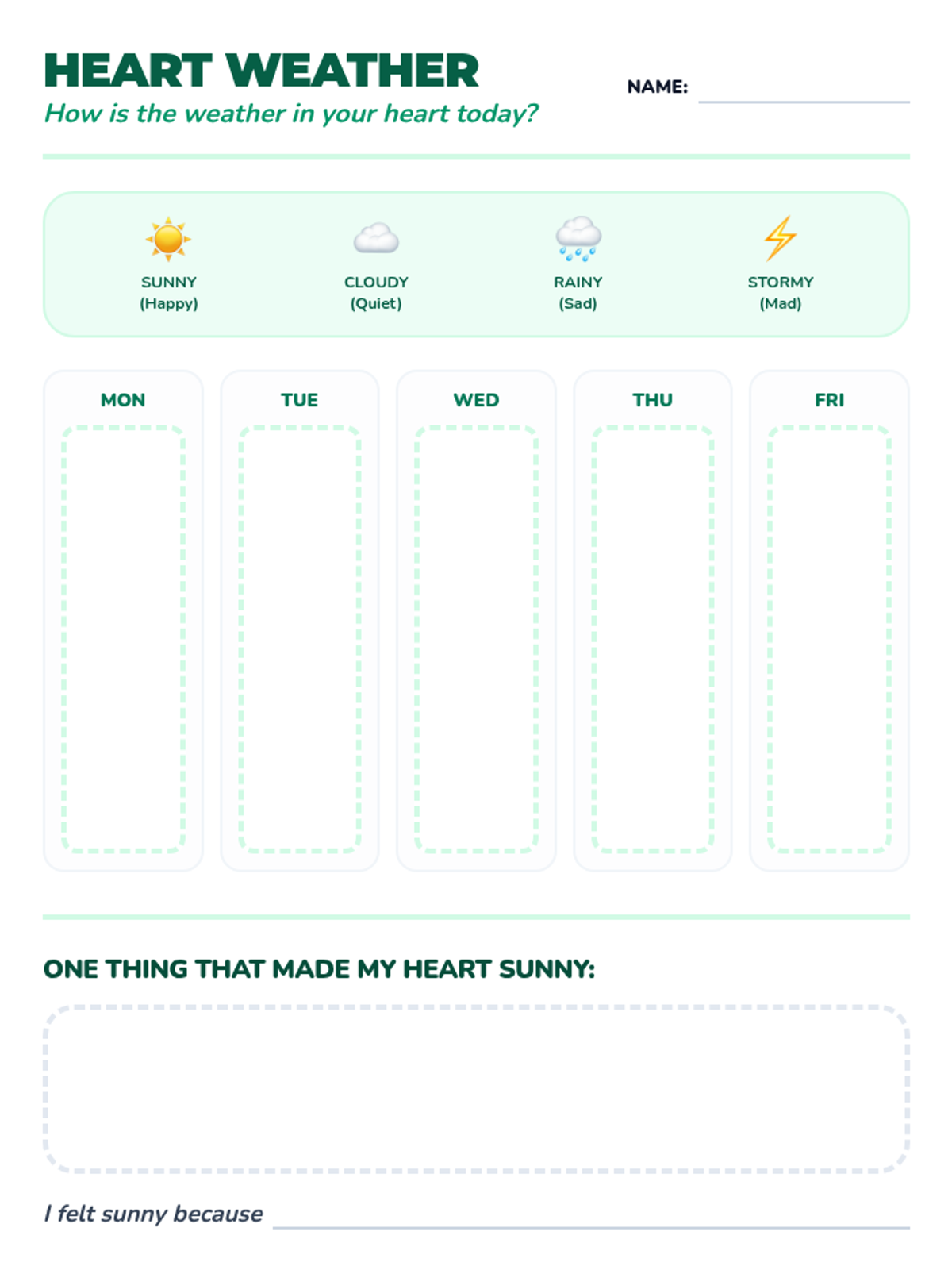
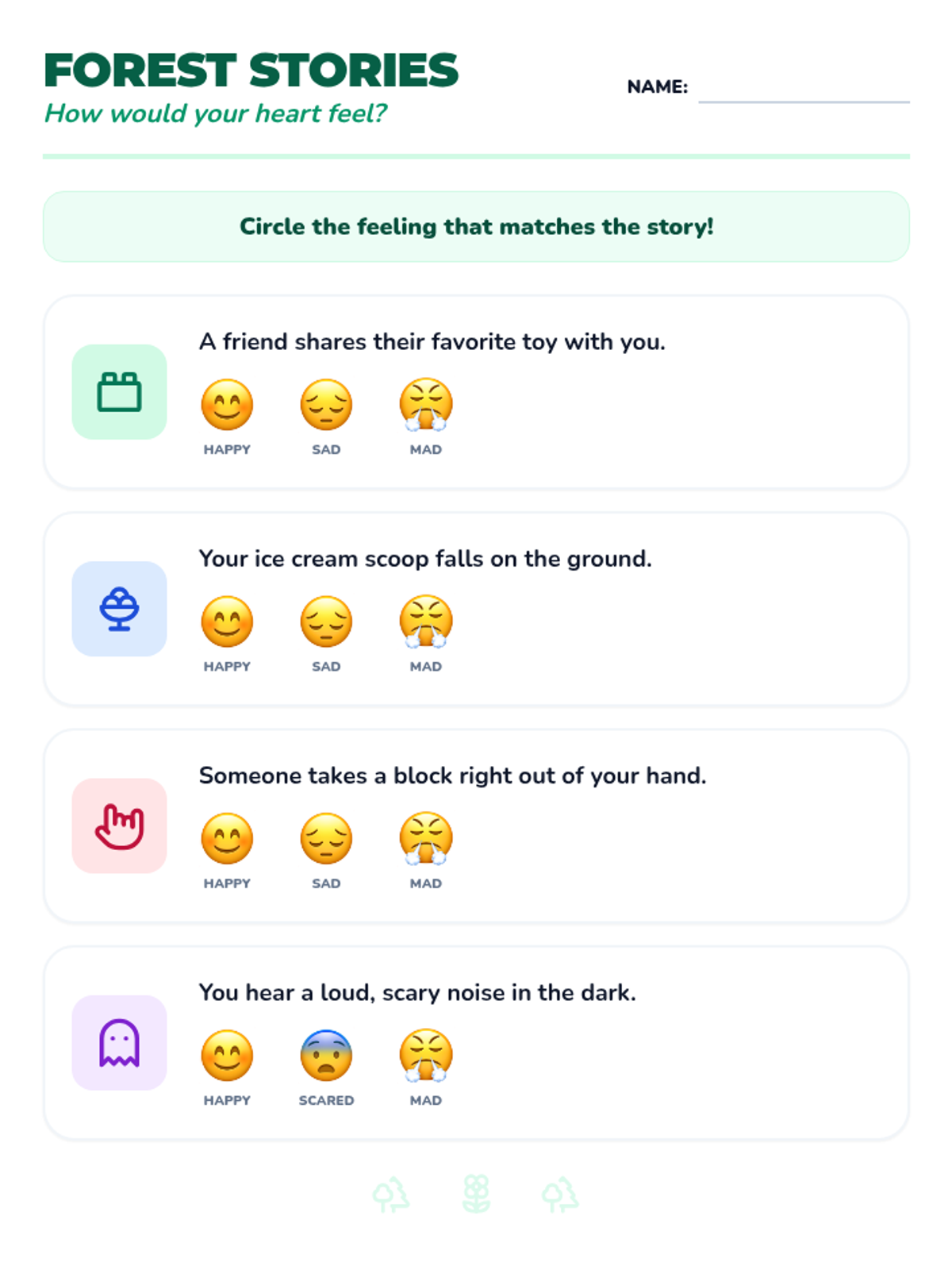
Focuses on identifying and naming basic emotions to build the foundation of self-awareness.
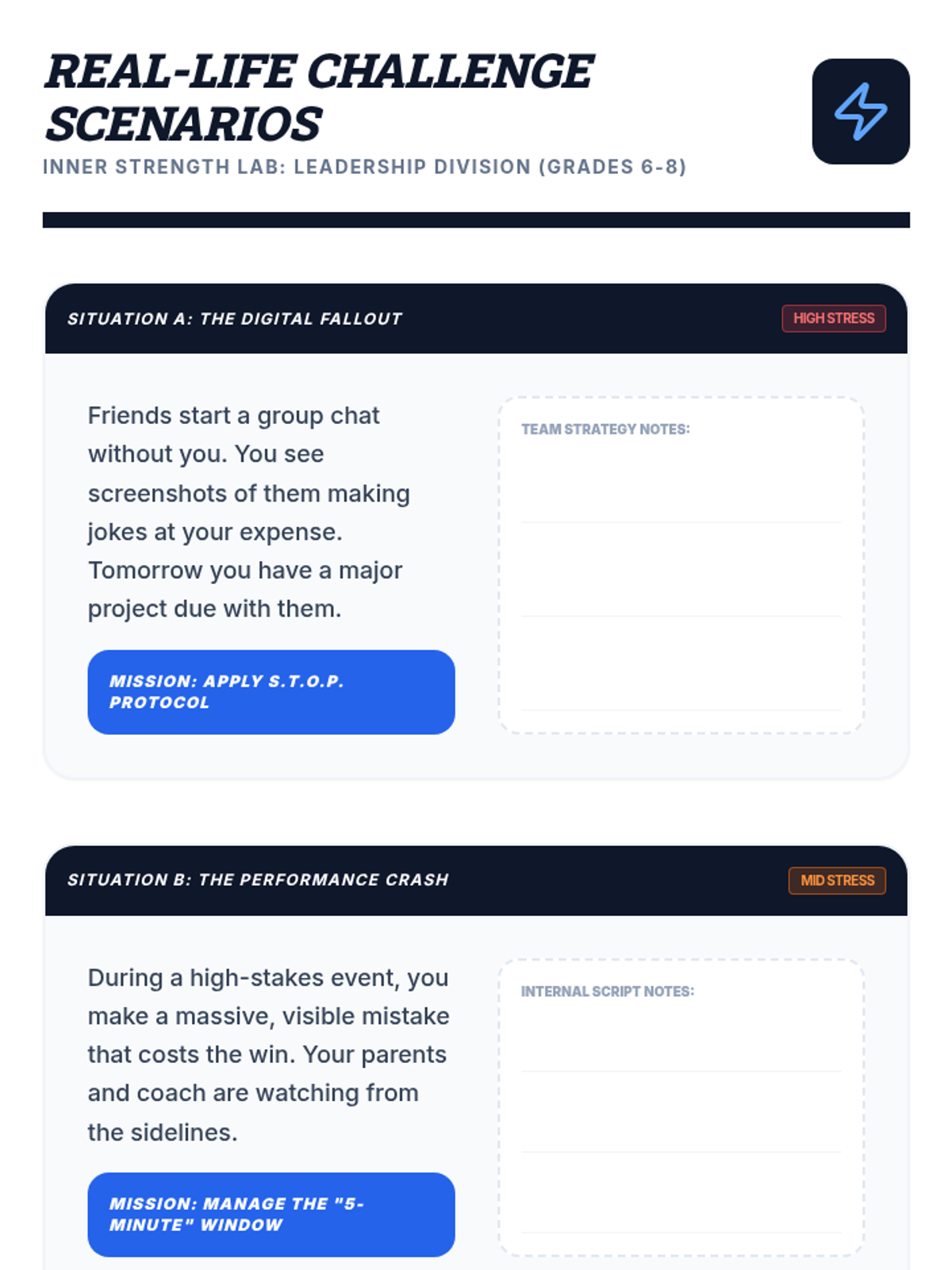
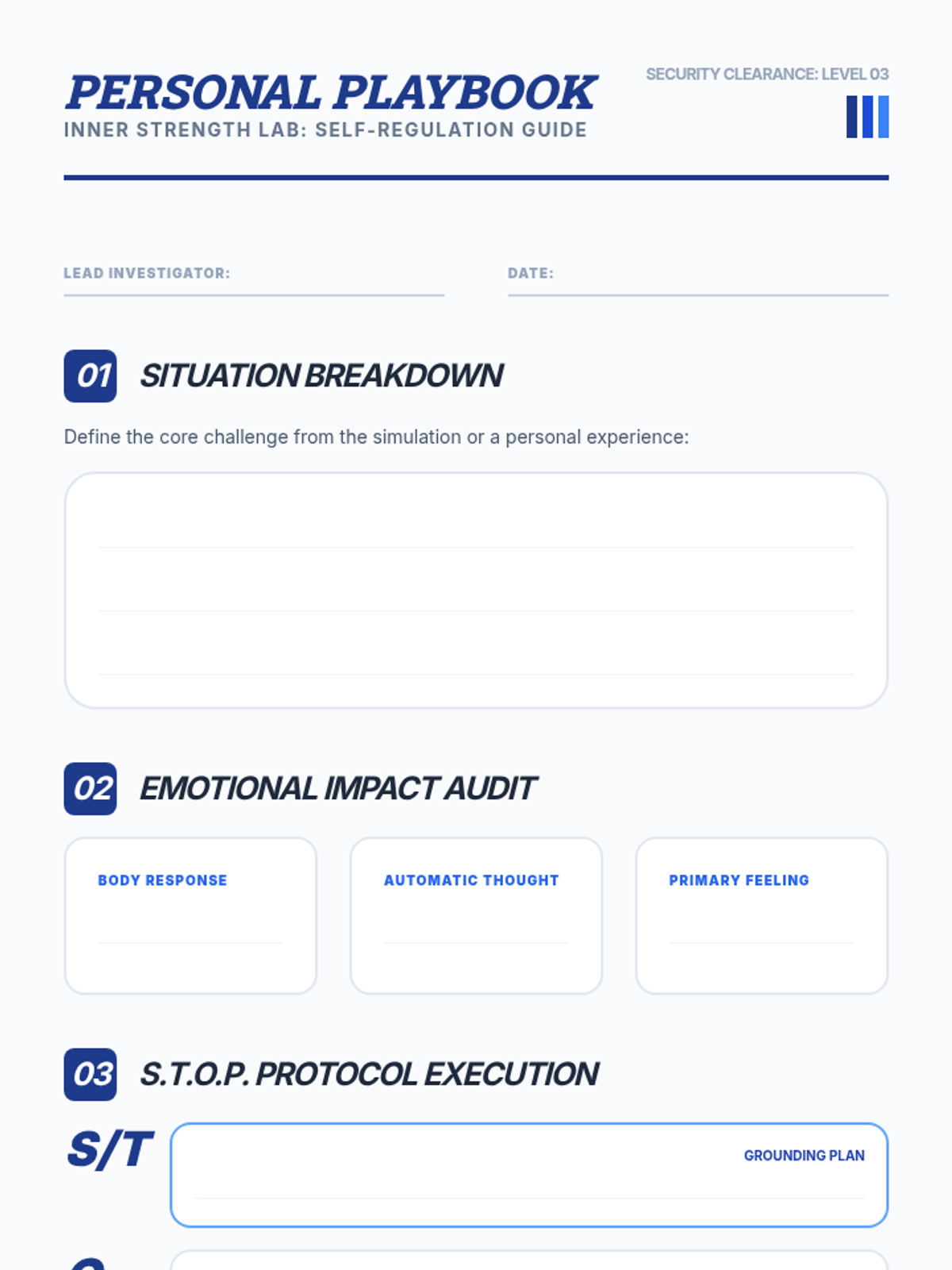
Equips middle schoolers (6th-8th) with strategies to handle complex social dynamics and personal setbacks using realistic role-play scenarios.
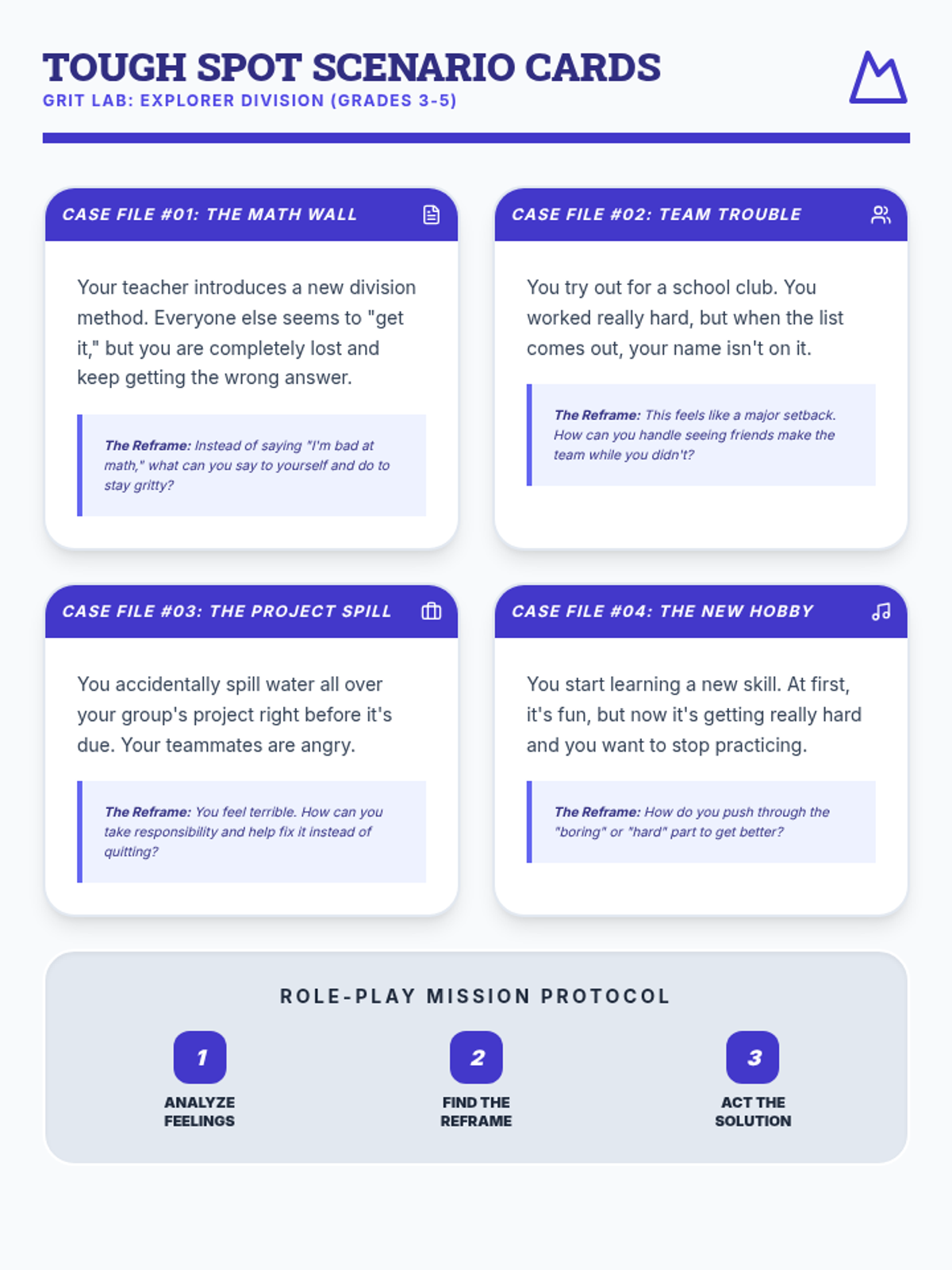
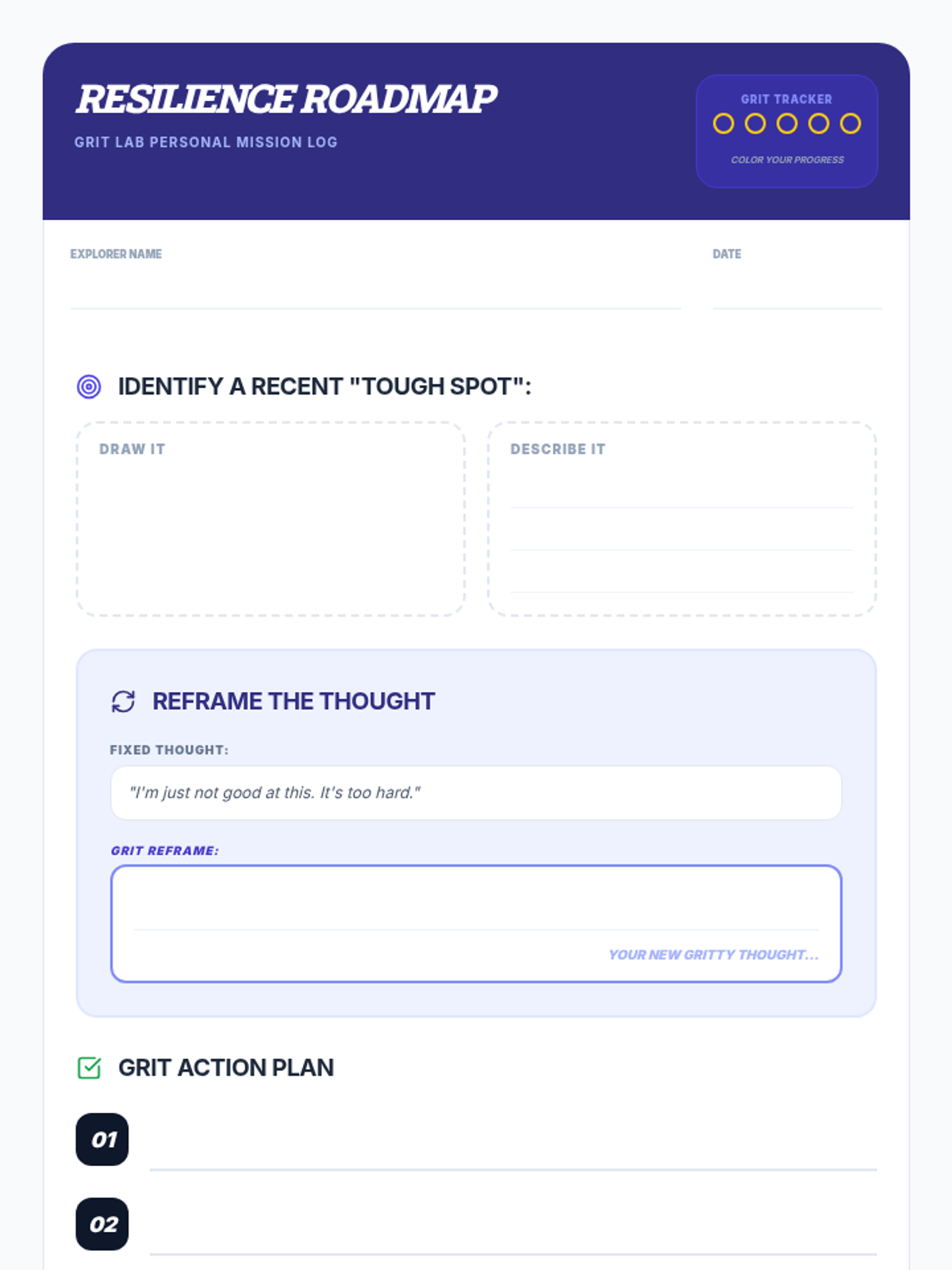
Helps 3rd to 5th graders develop grit and perspective when facing academic and social challenges through collaborative role-play.