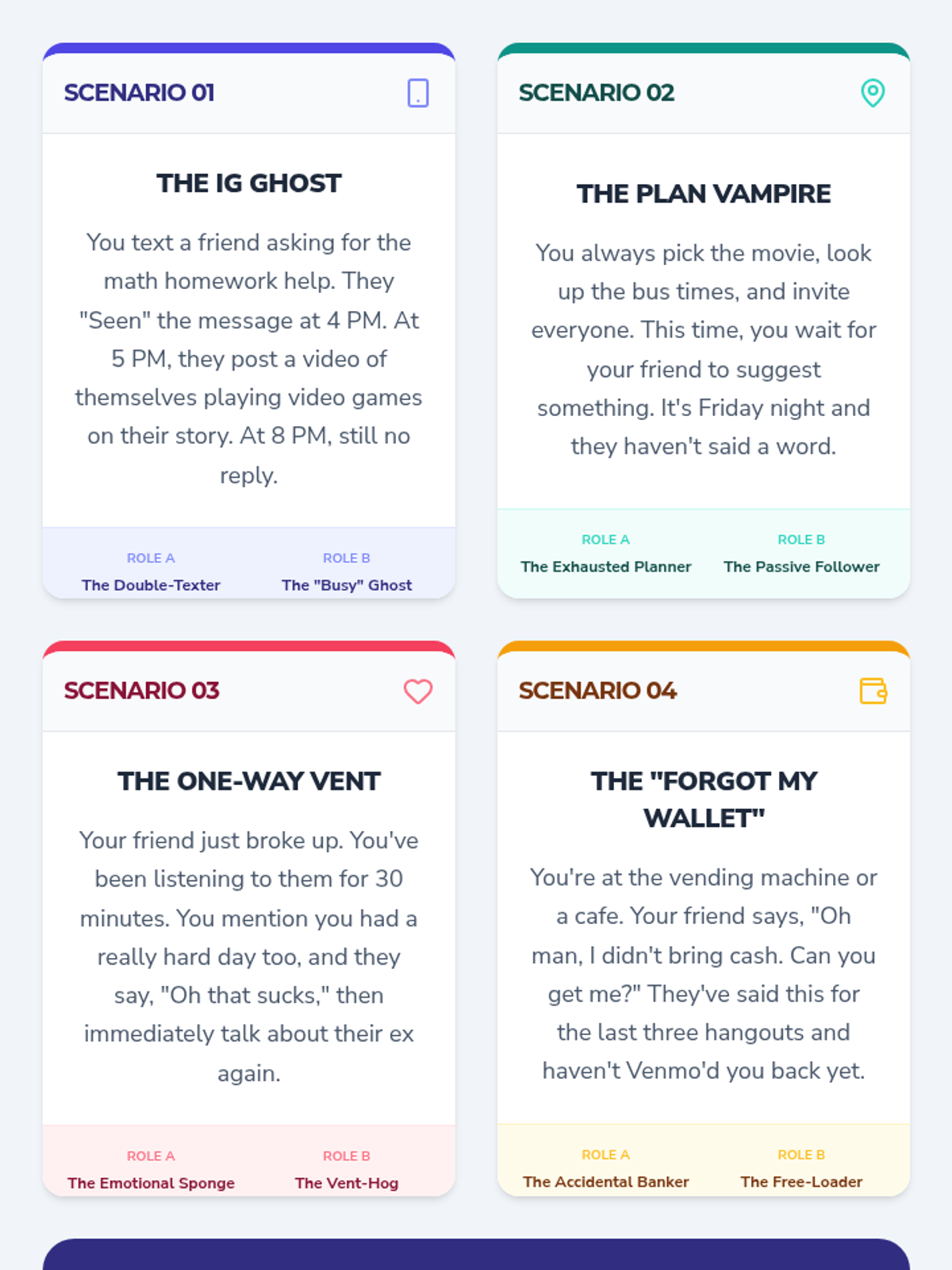
A foundational social skills lesson focused on the logistics of planning a hangout and the importance of making clear, actionable invitations versus vague ones.
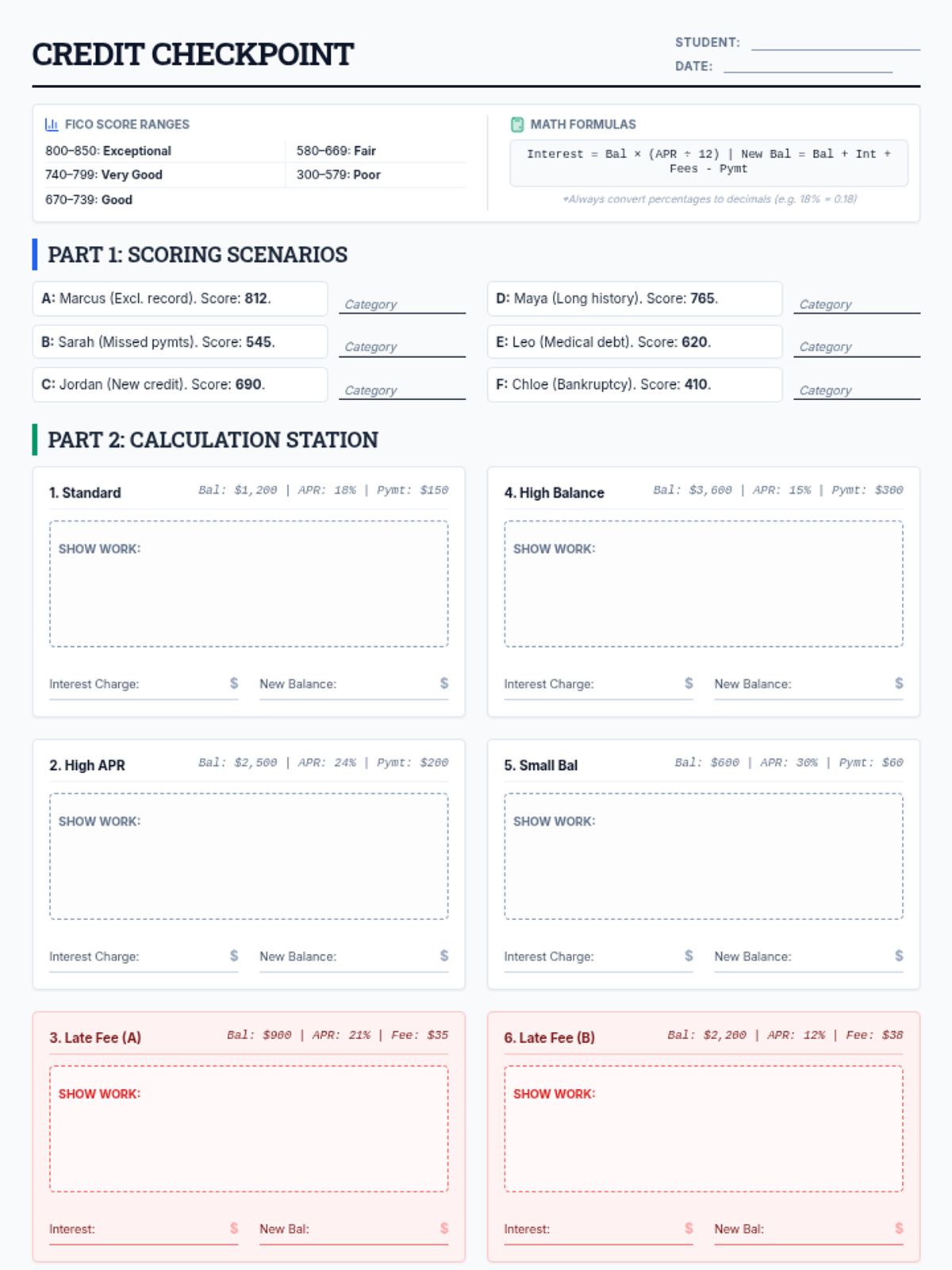
A practical lesson on understanding credit score rankings and the mathematical reality of credit card interest and late fees. Students identify score categories and perform monthly interest calculations.
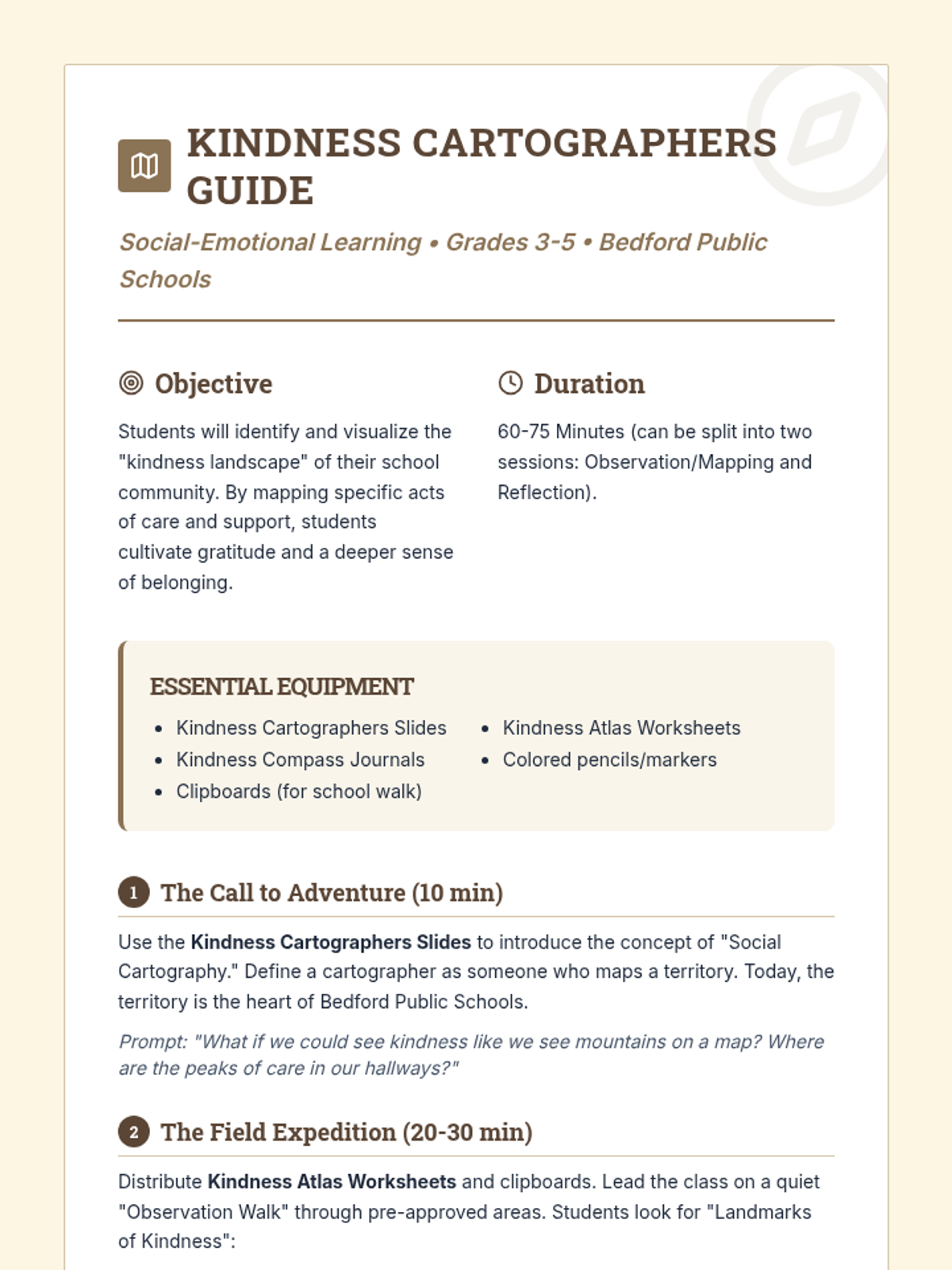
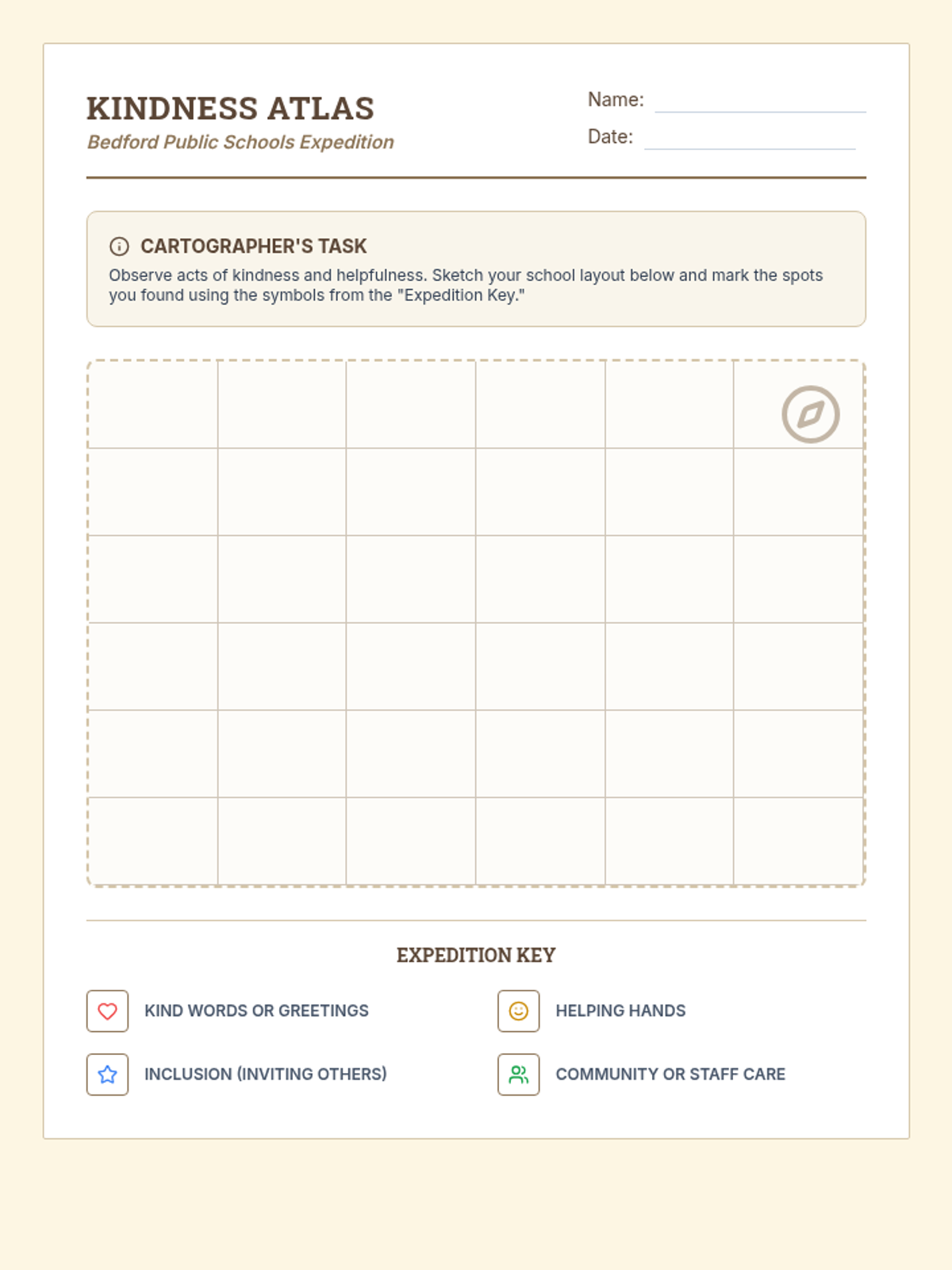
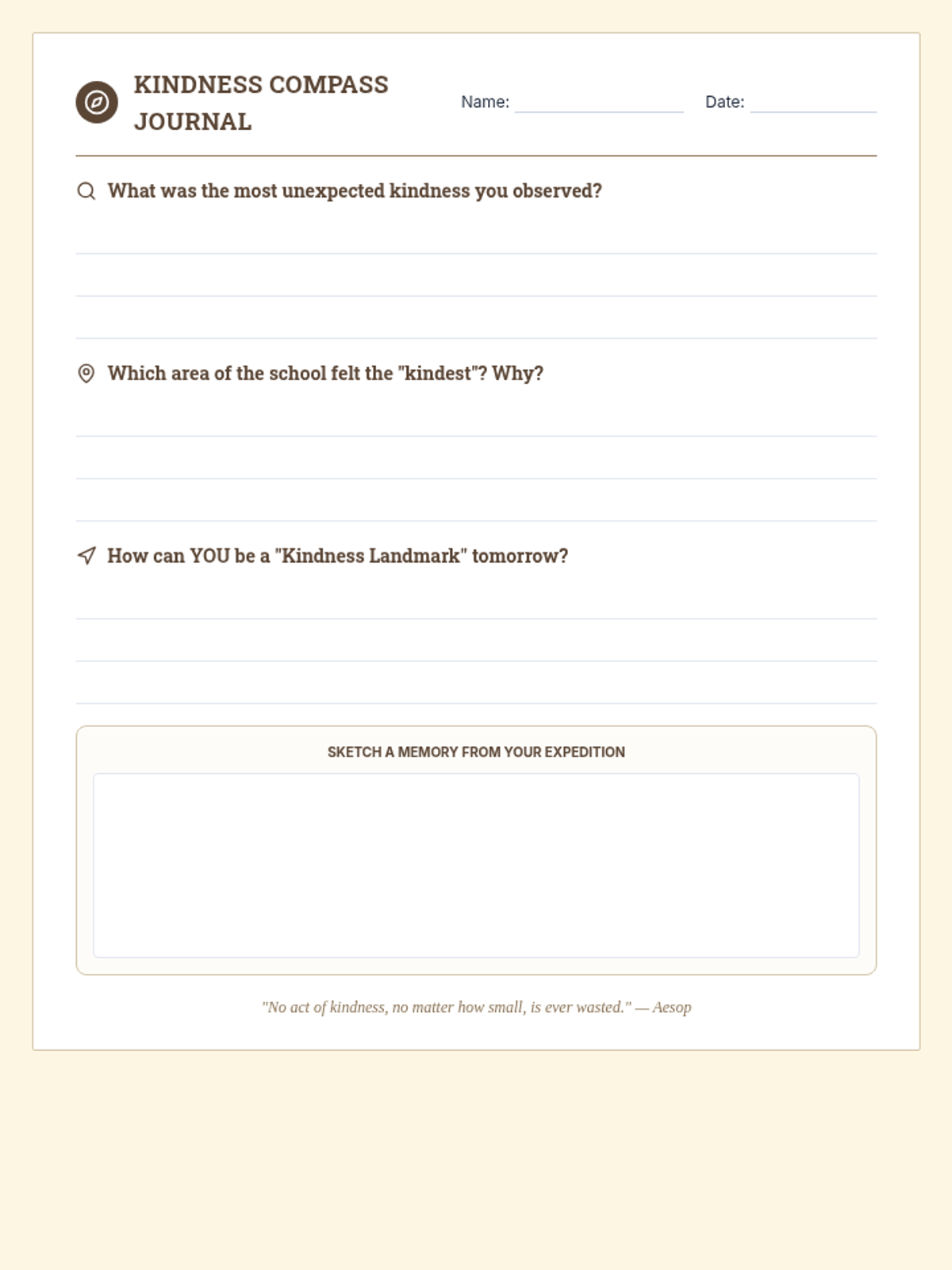
A social-emotional learning lesson for grades 3-5 where students act as 'cartographers' to identify, observe, and map acts of kindness within Bedford Public Schools, fostering community awareness and appreciation.
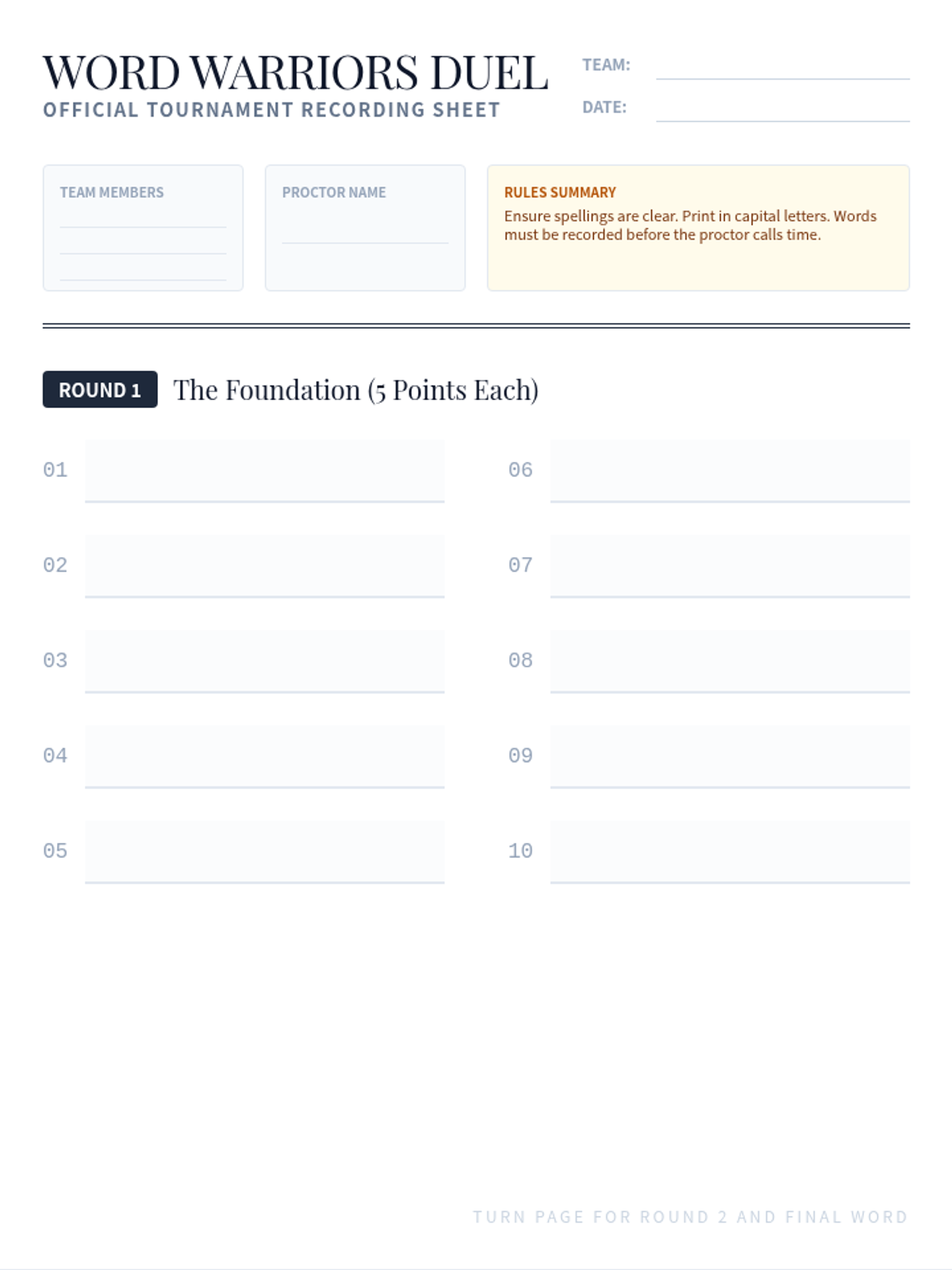
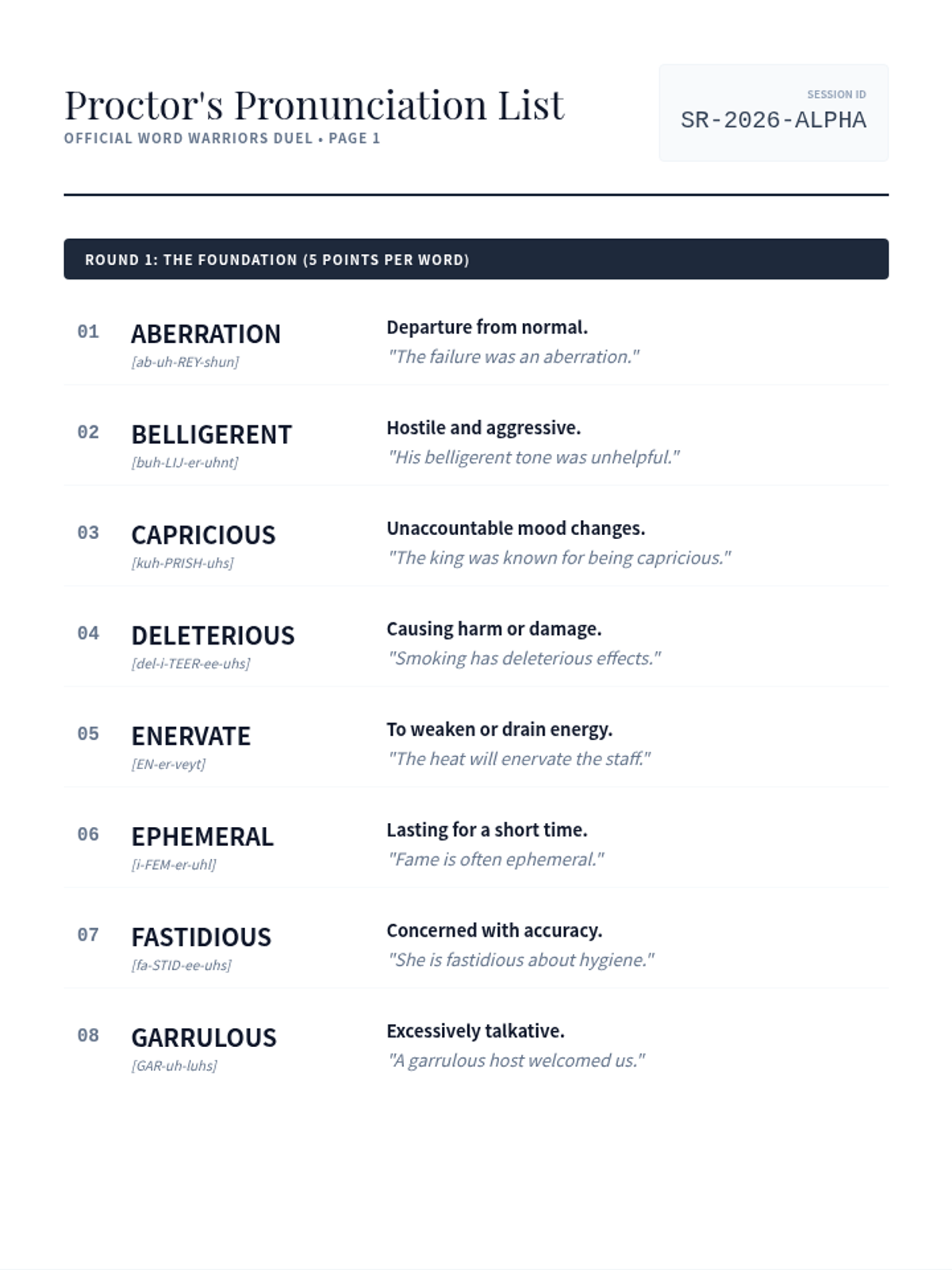
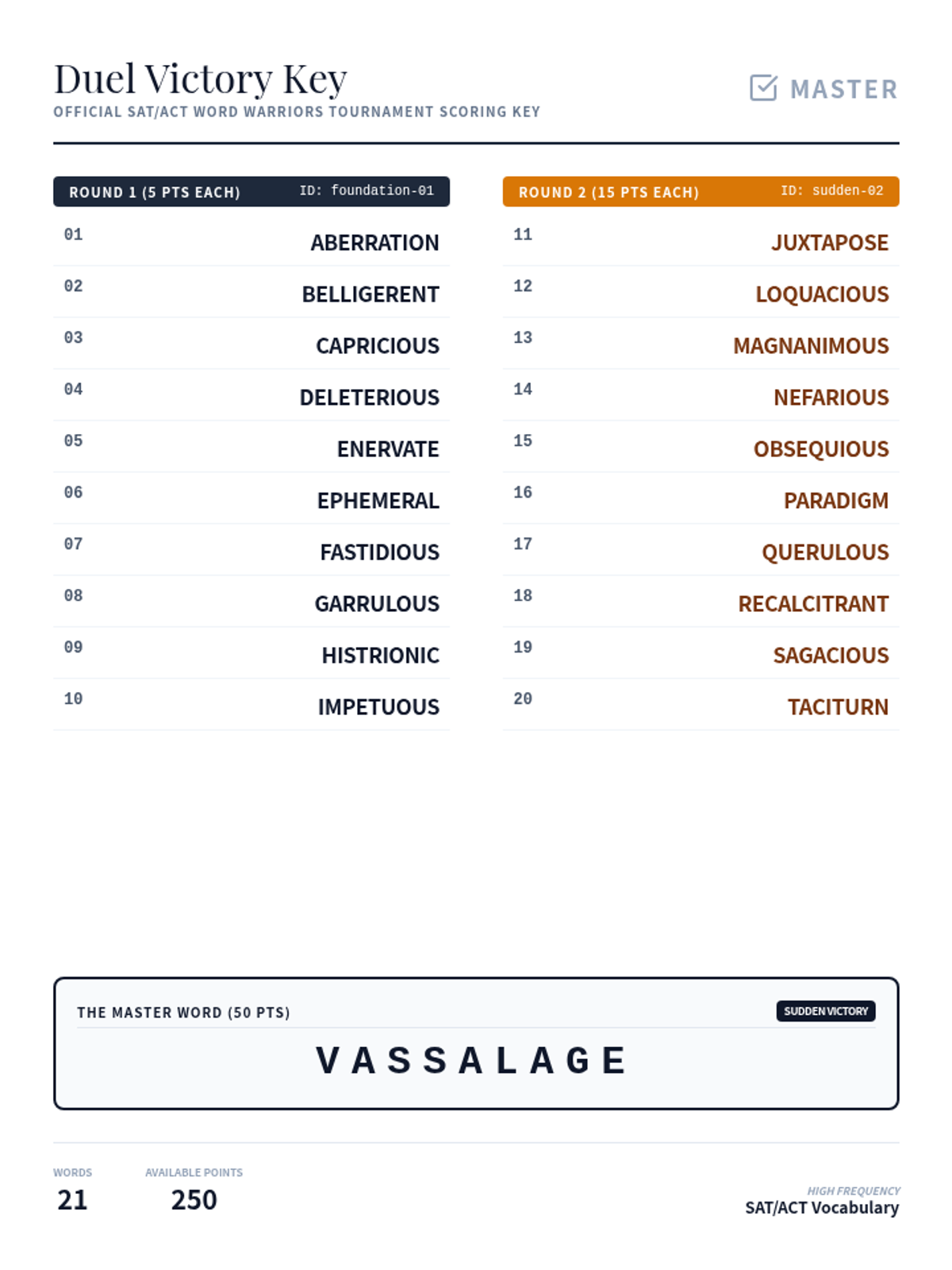
A high-stakes, competitive spelling and vocabulary challenge for high schoolers focusing on frequent SAT and ACT words. Includes a visual presentation, a student team recording sheet, and a comprehensive proctor's word list.
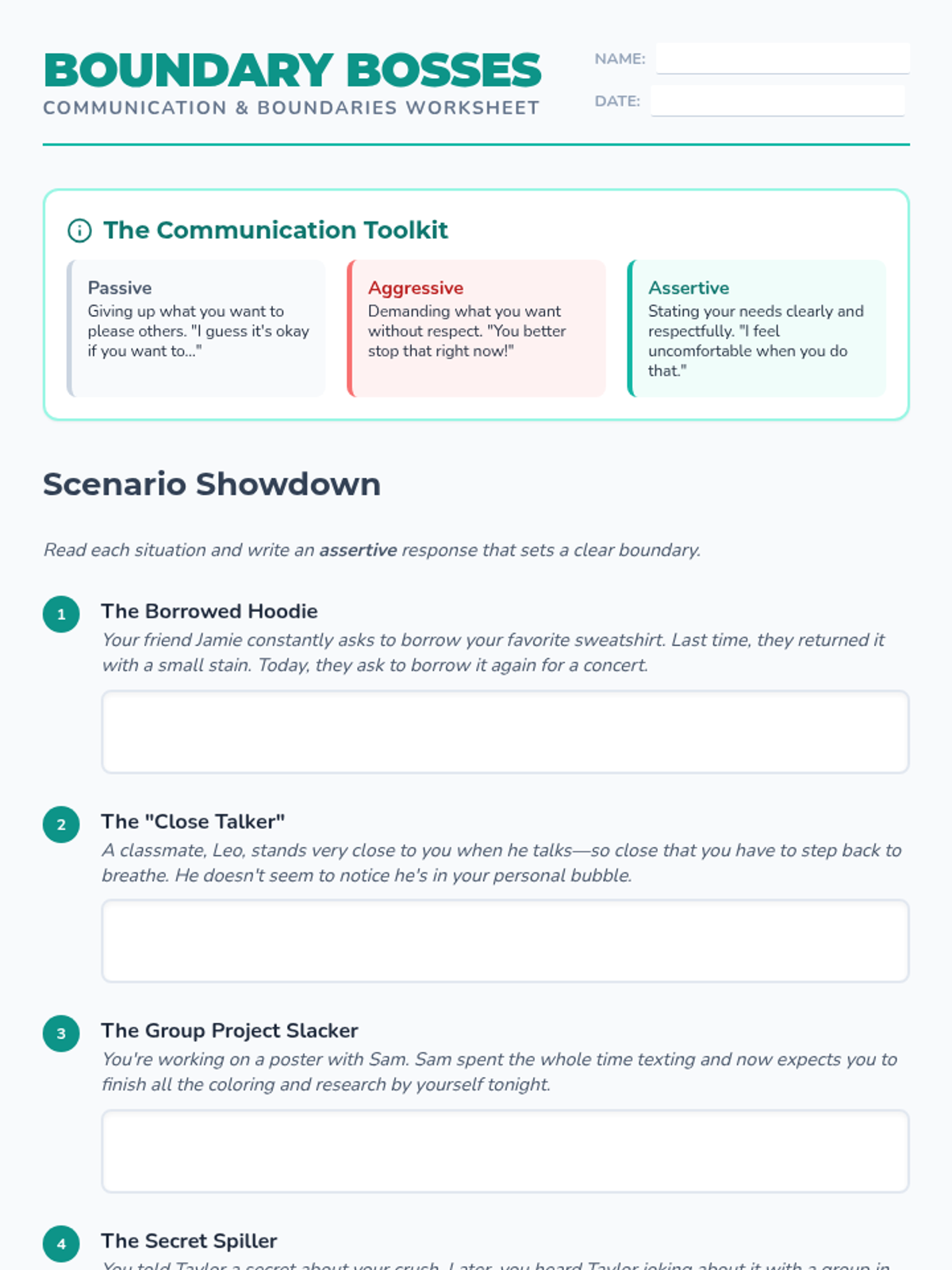
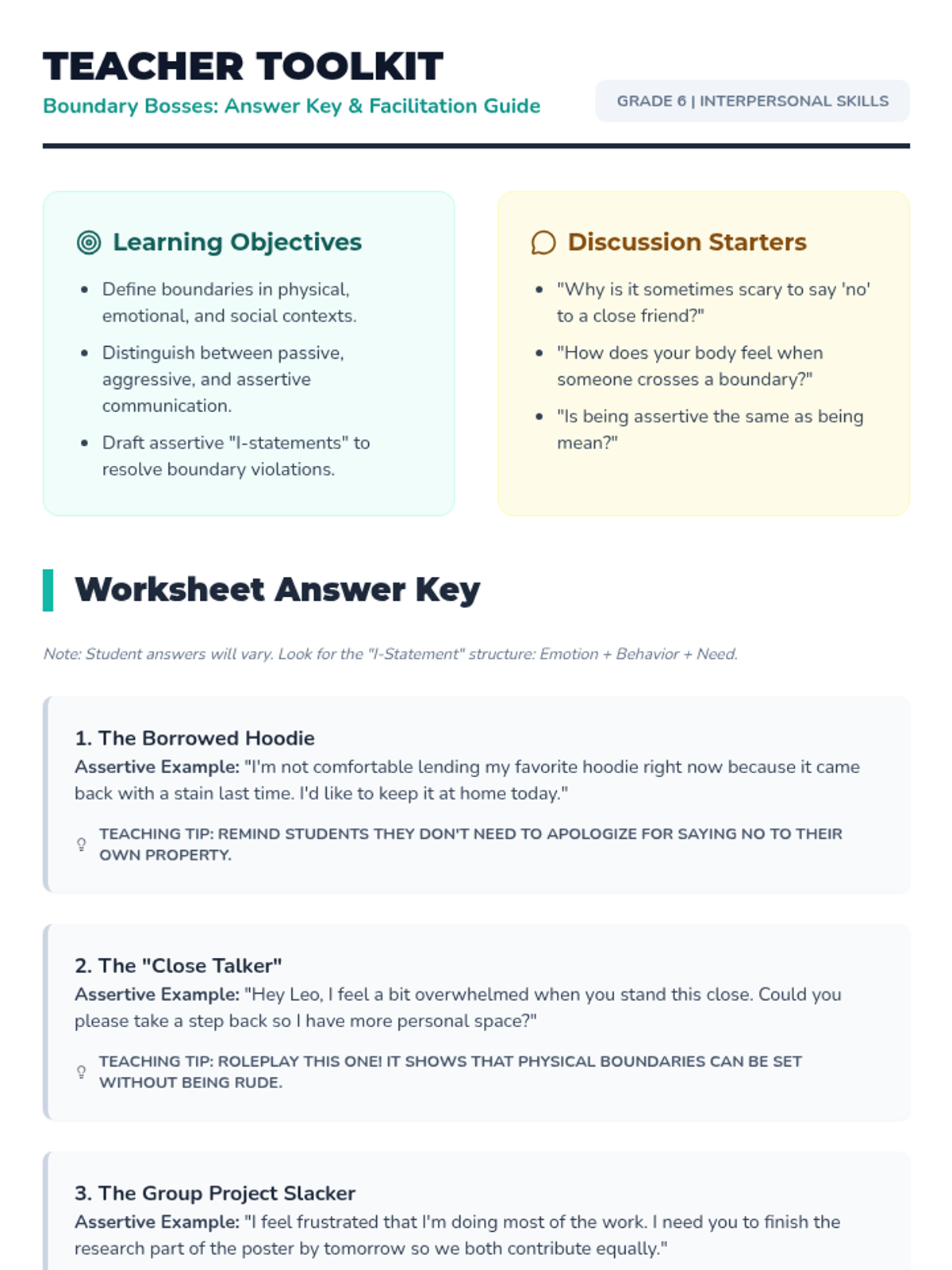
A lesson for 6th graders to identify healthy boundaries and practice assertive communication through relatable social scenarios. Students will learn to distinguish between passive, aggressive, and assertive responses.
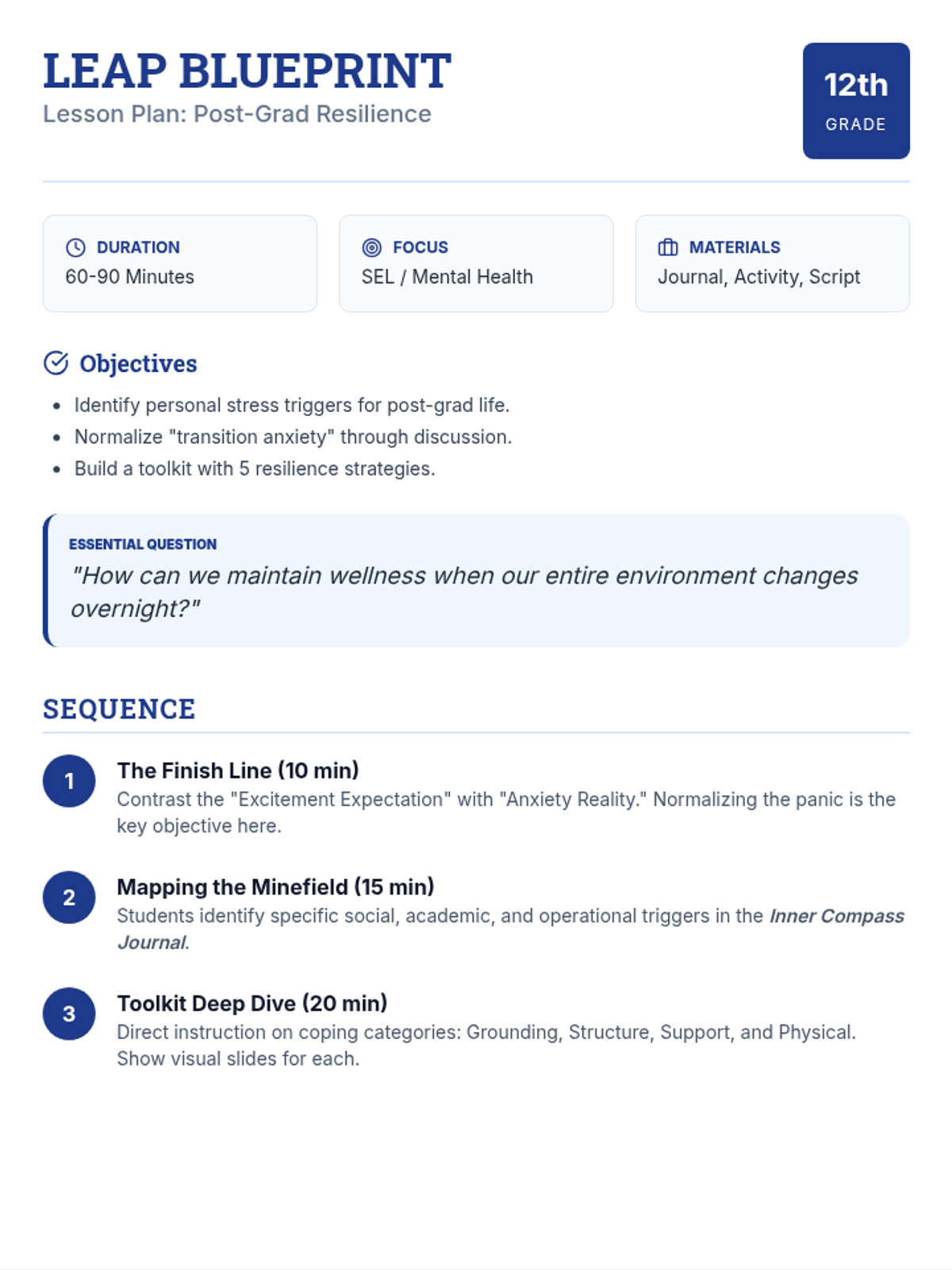
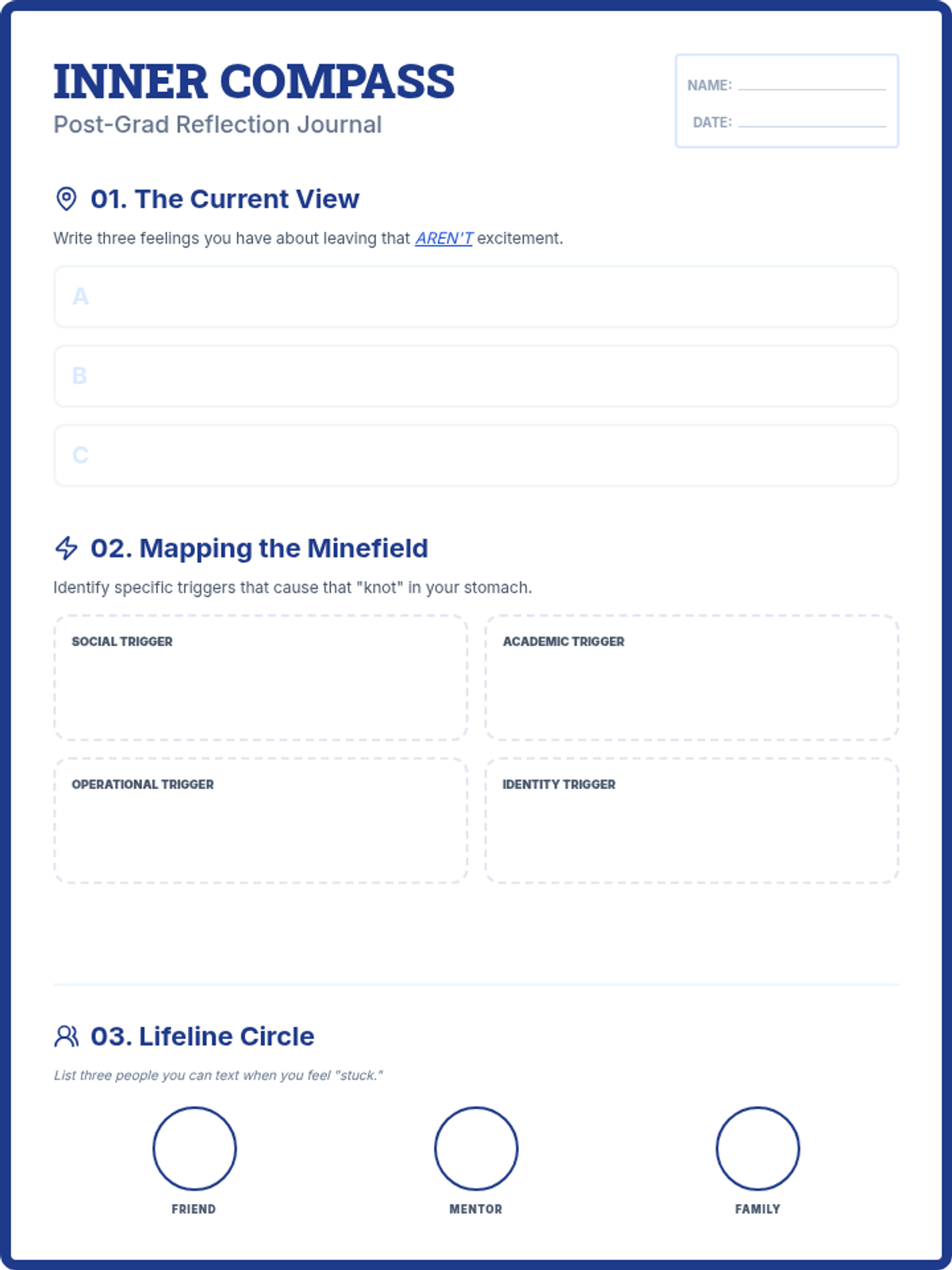
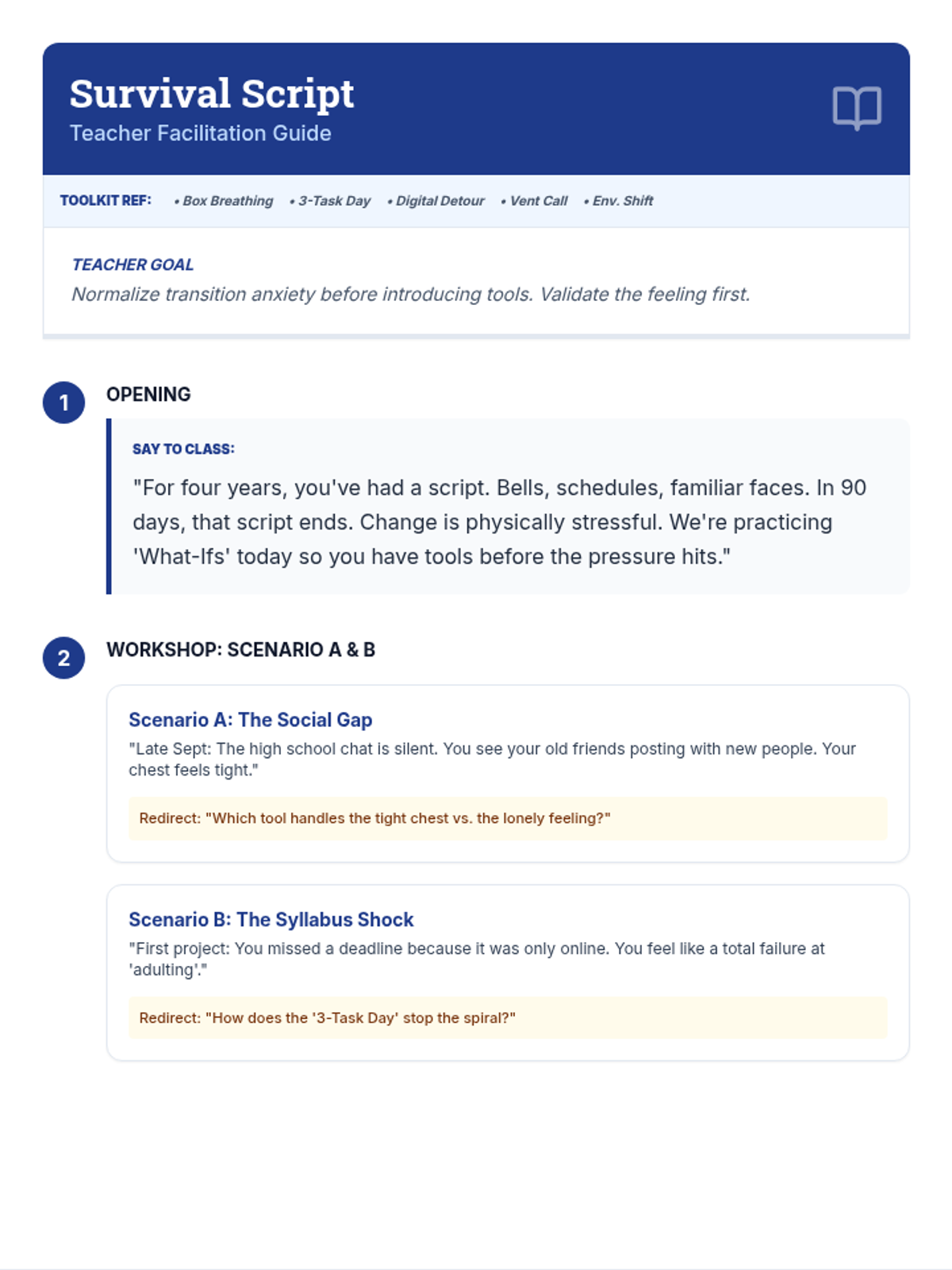
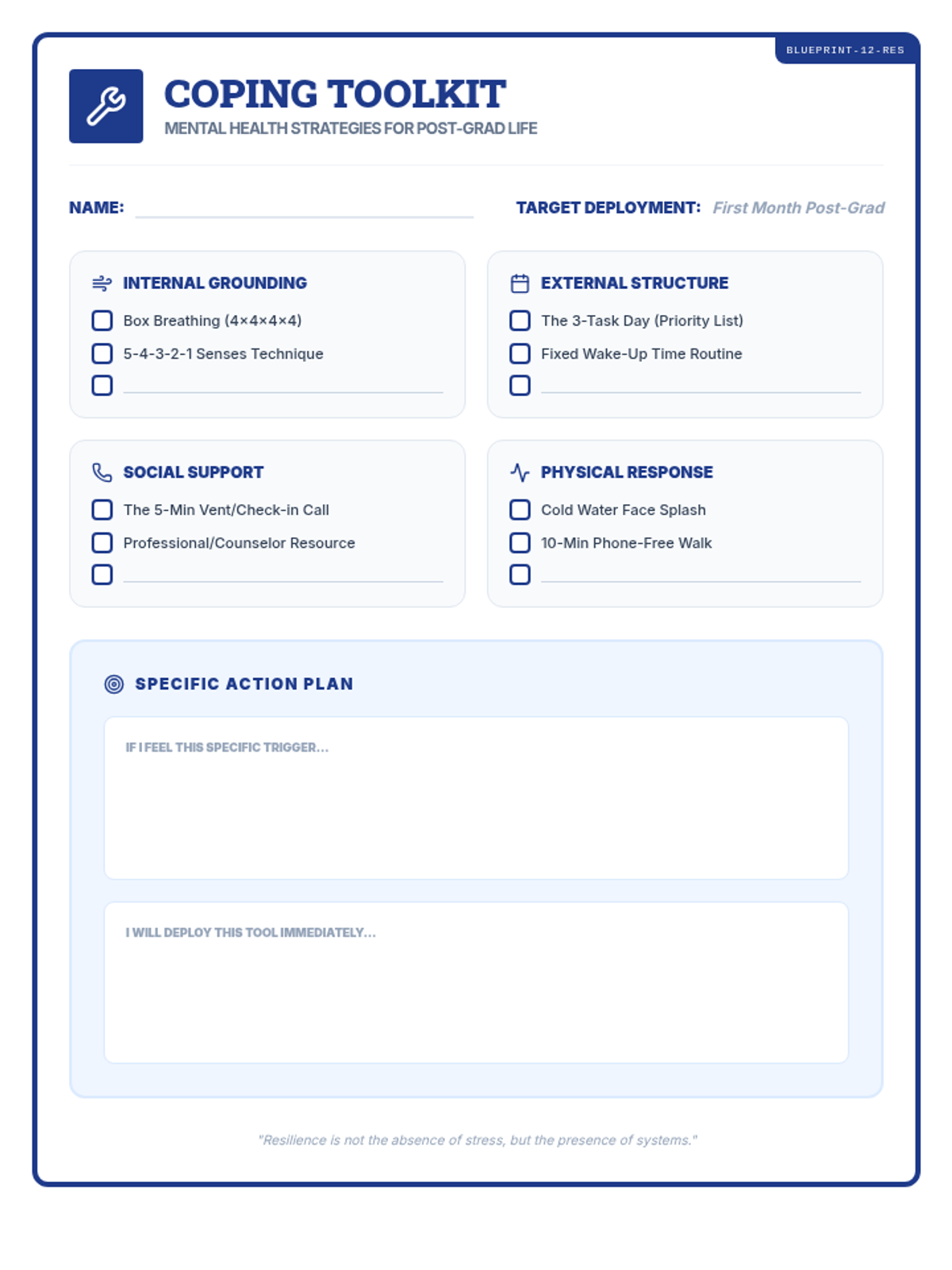
A social-emotional learning module designed to help high school seniors manage the anxiety and stress associated with graduating and transitioning to college or the workforce. Students identify personal triggers and build a practical mental health toolkit.
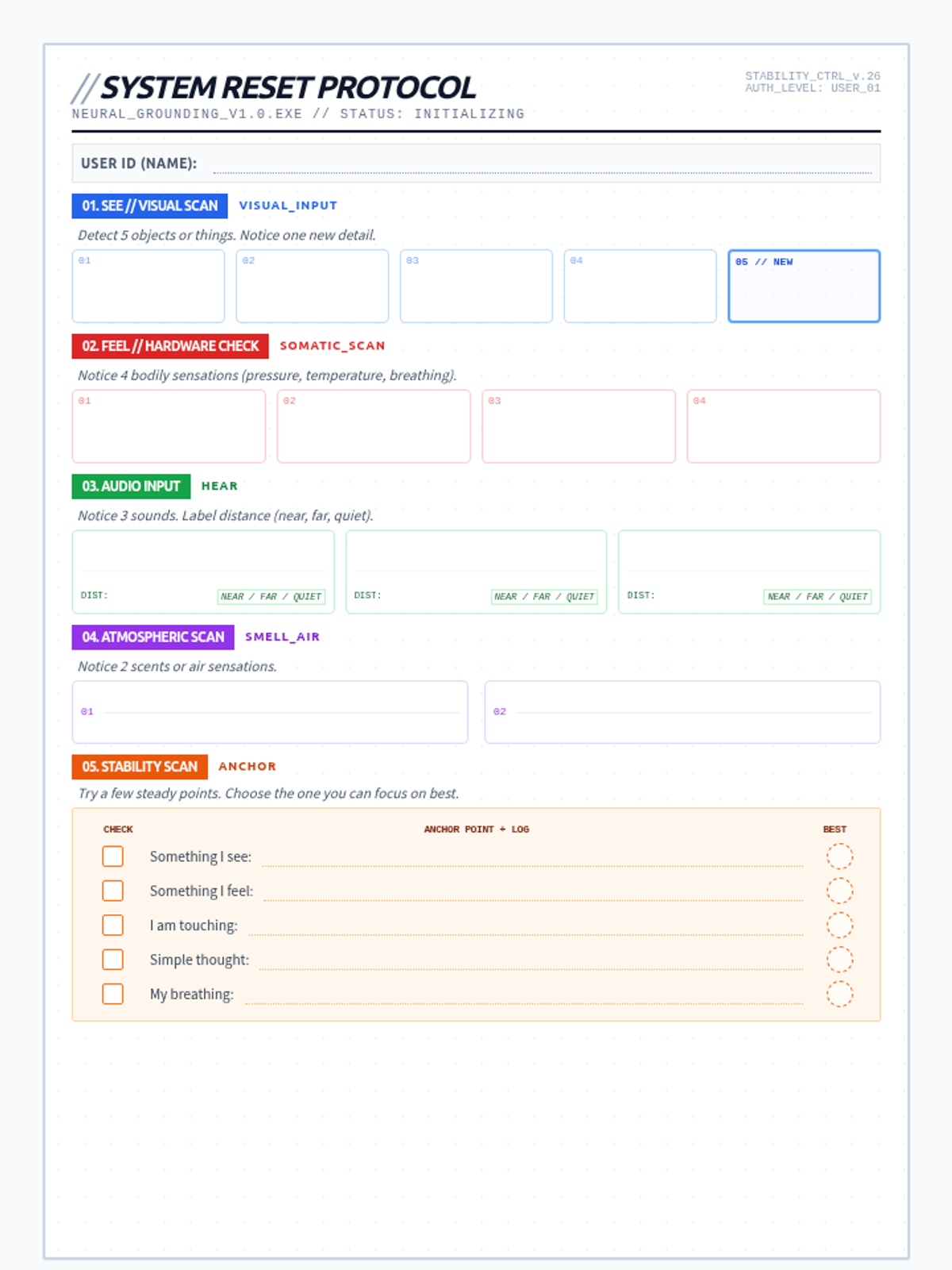
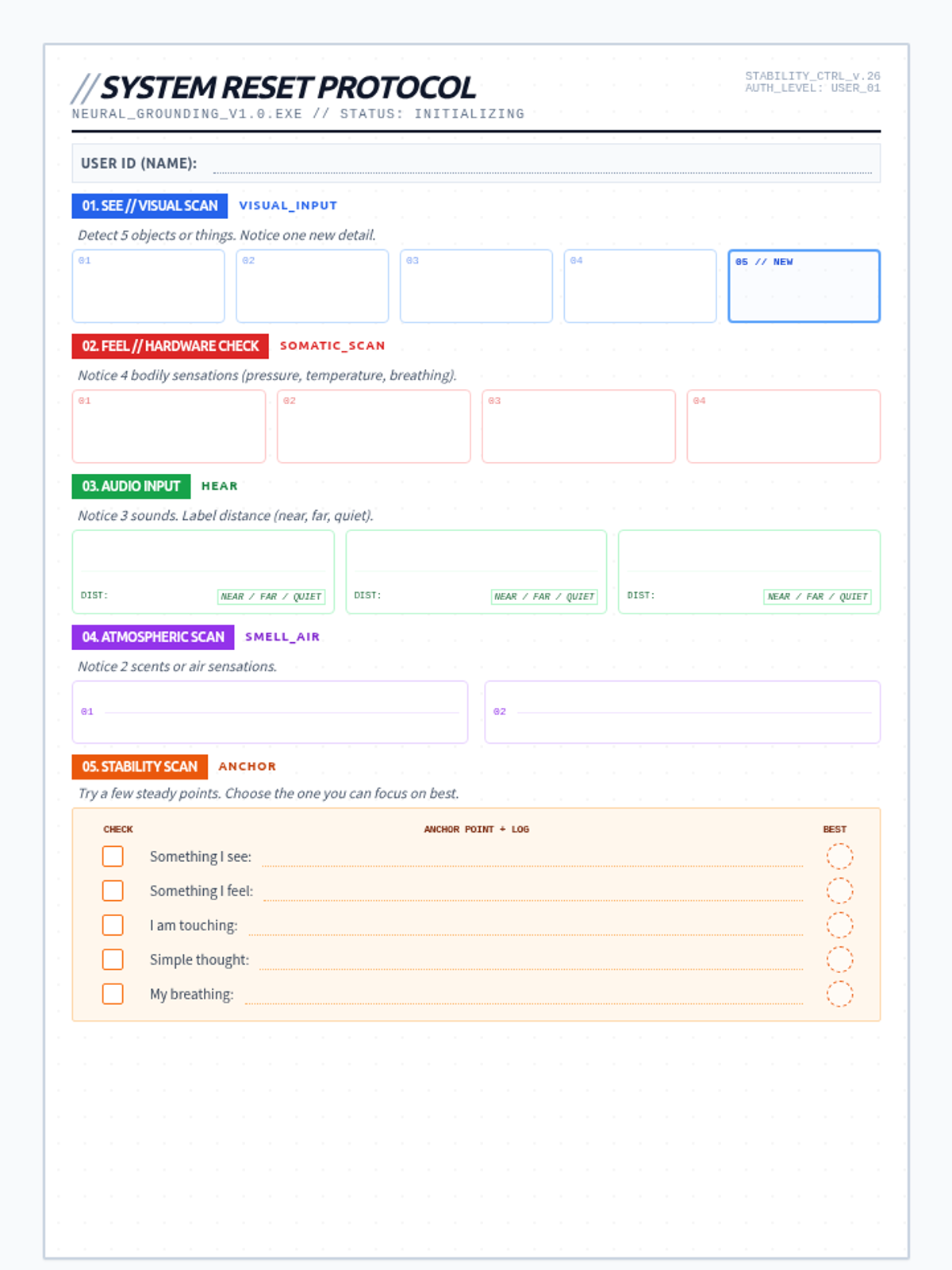
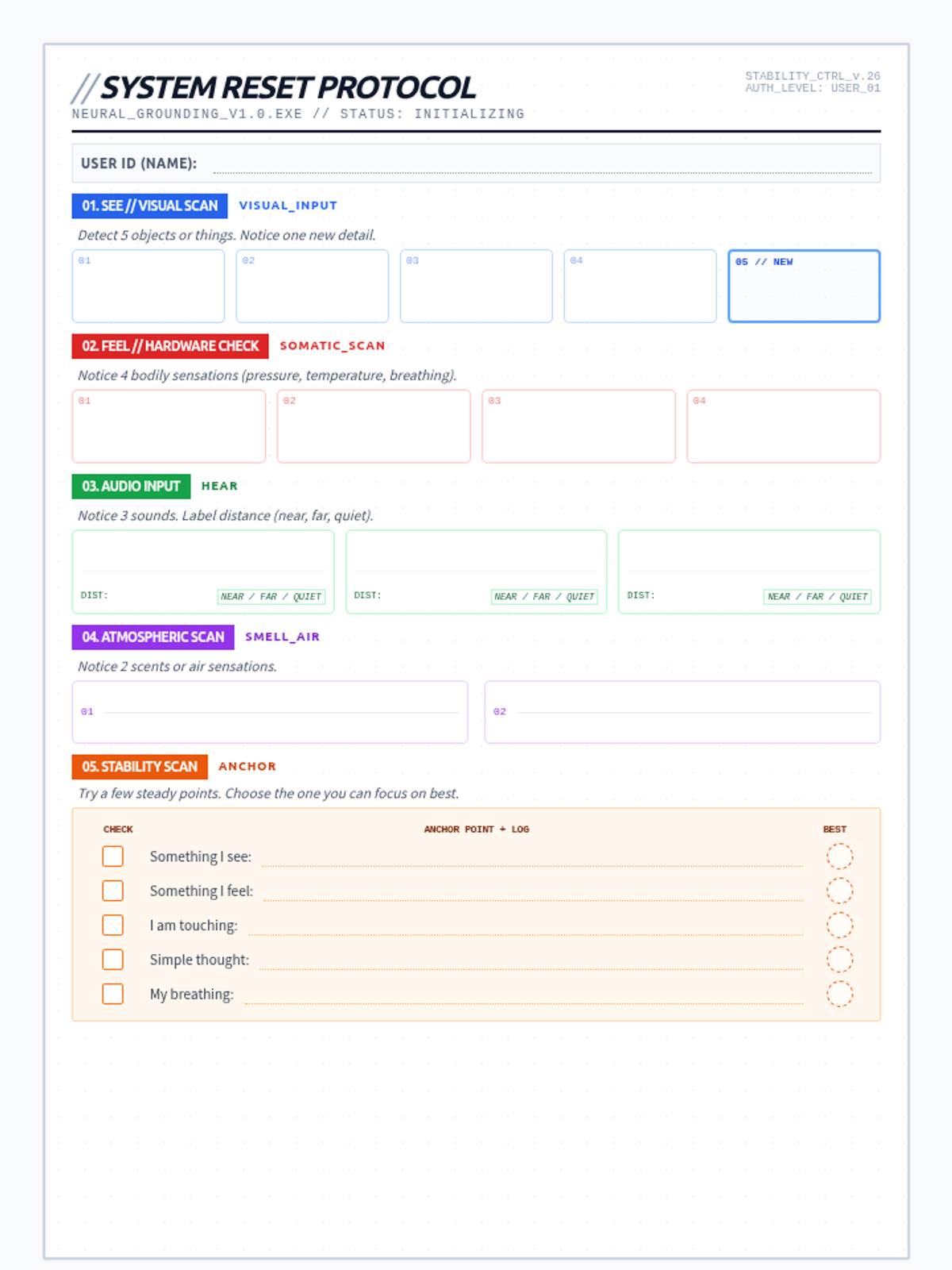
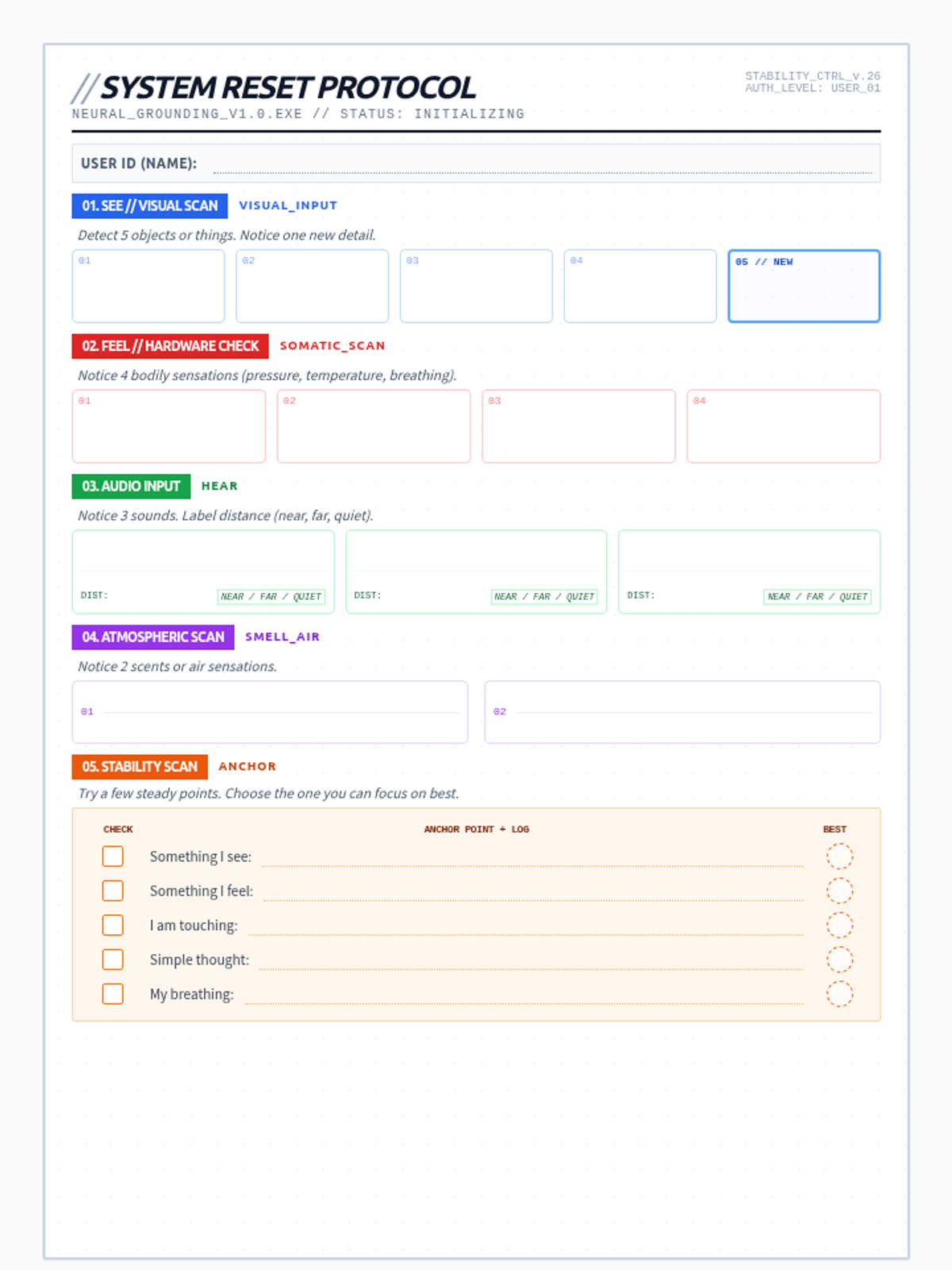
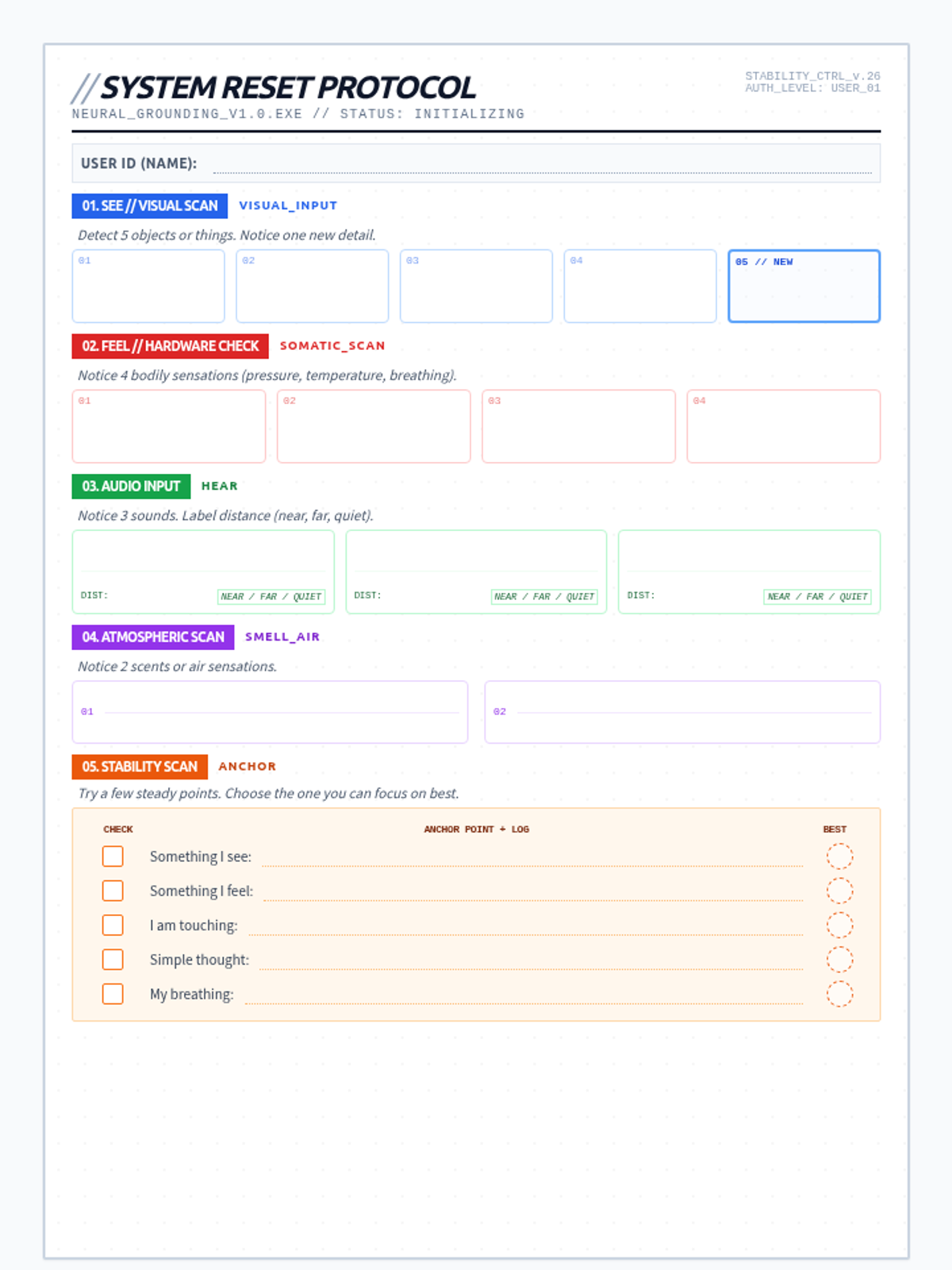
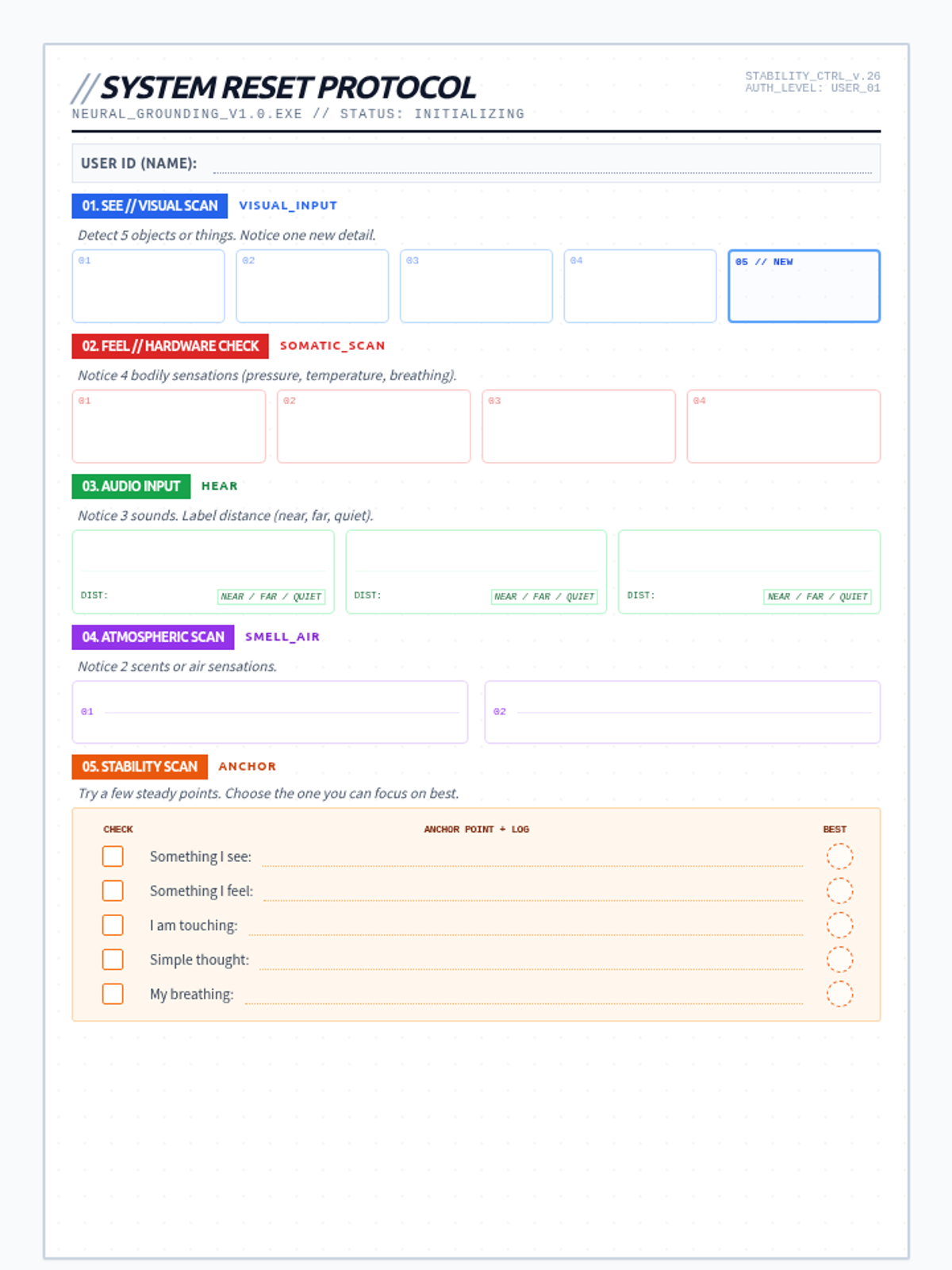
A lesson focusing on sensory grounding techniques to help students manage stress and improve focus.
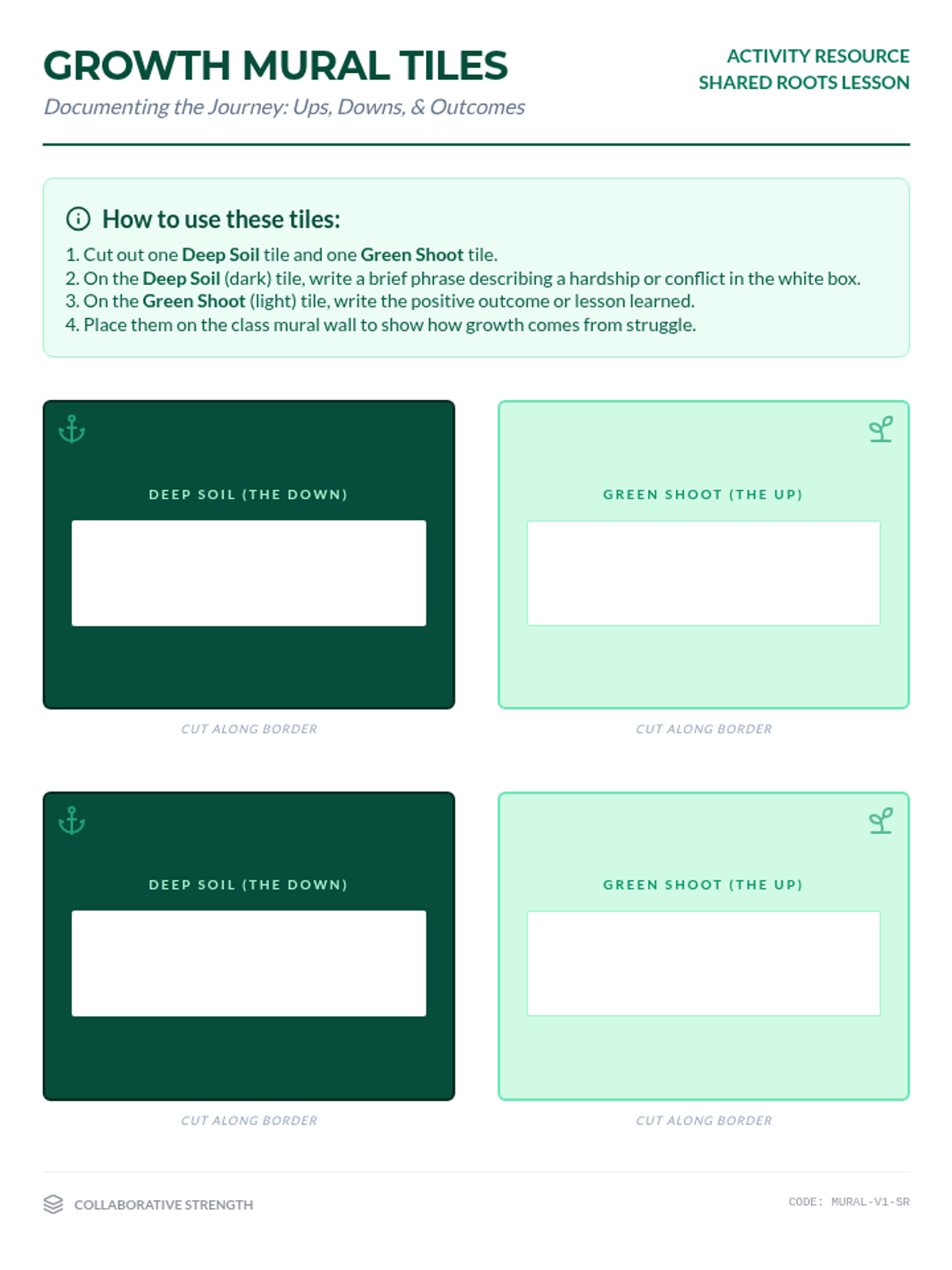
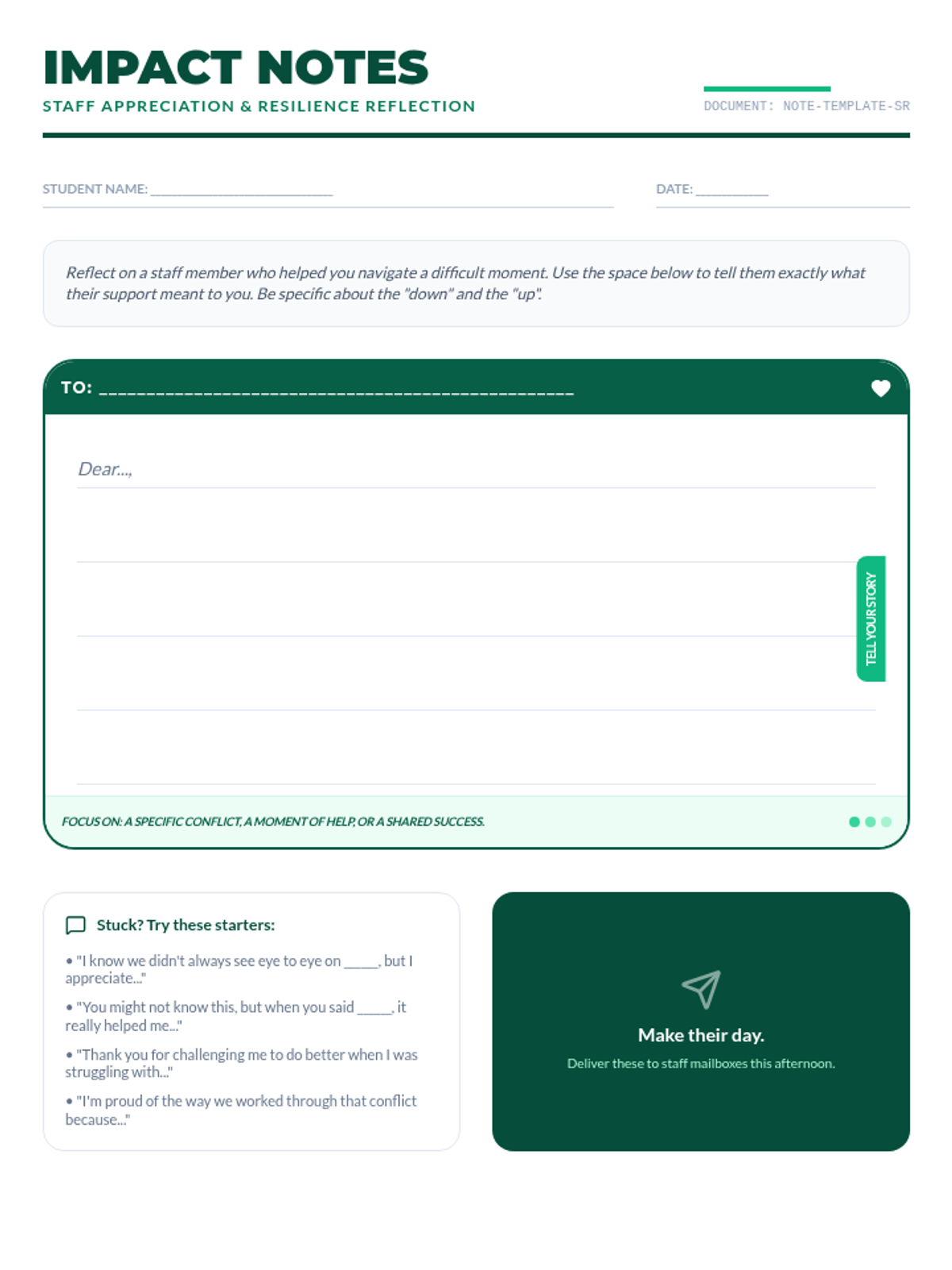
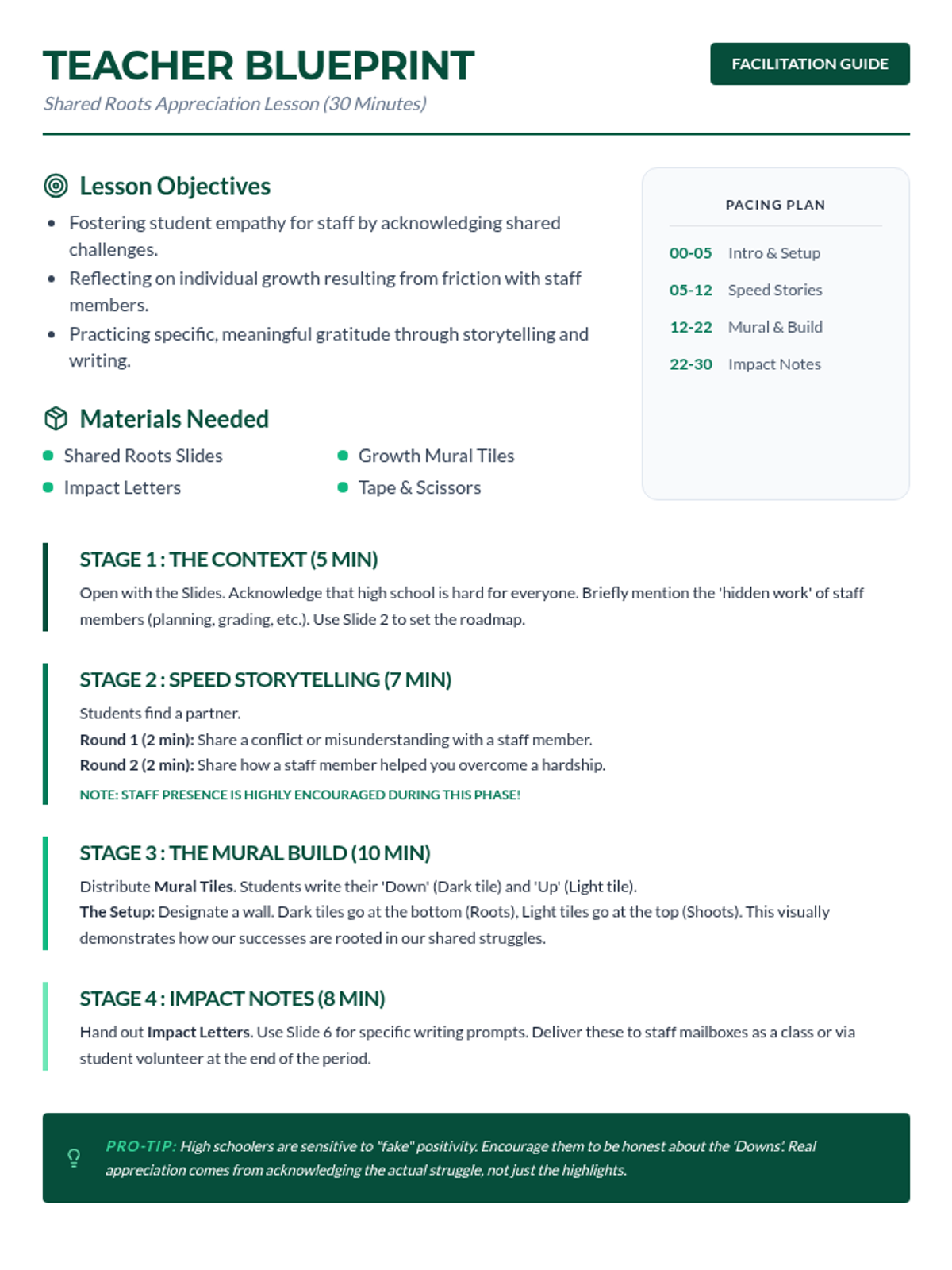
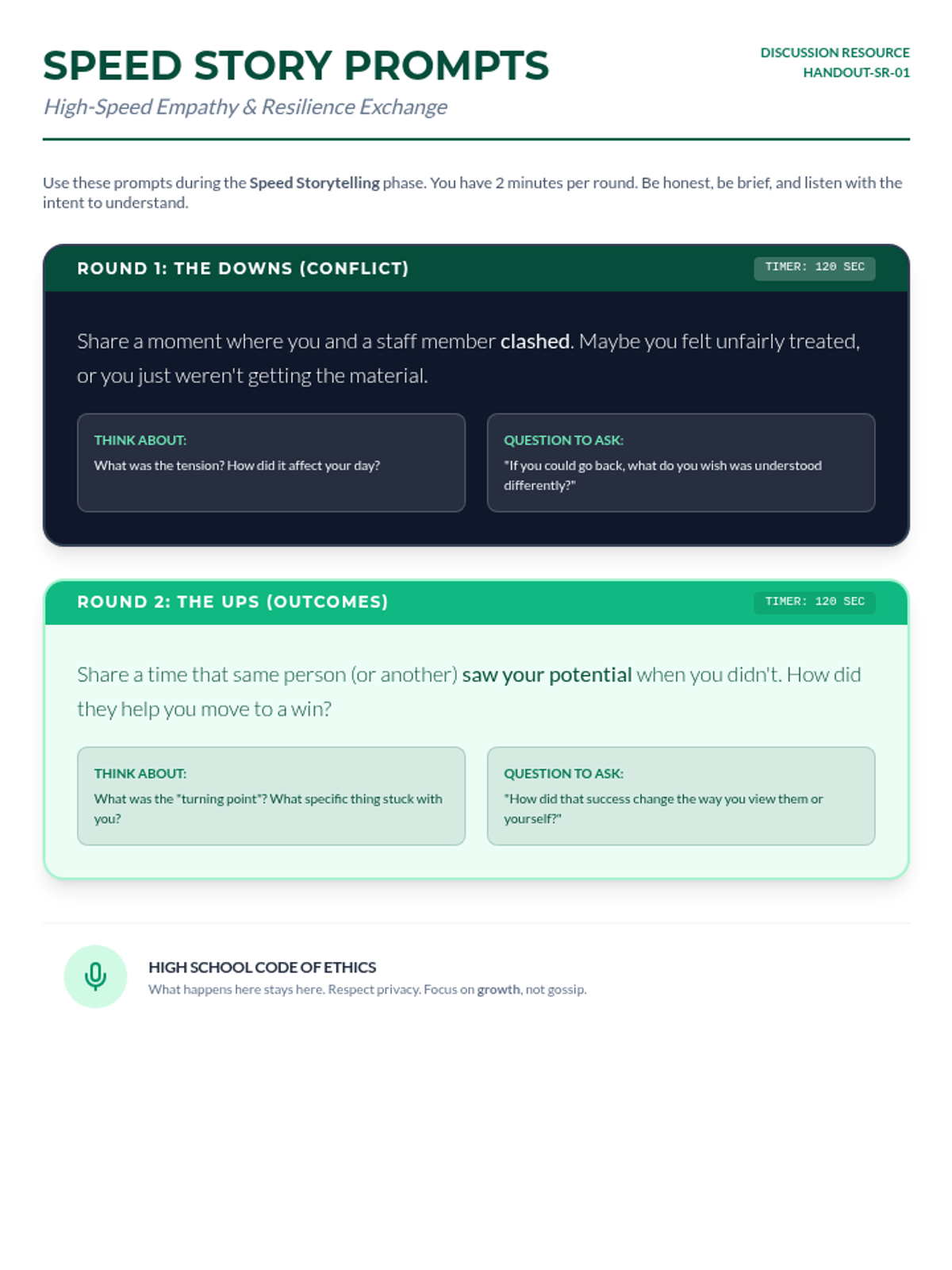
A 30-minute high school lesson designed to foster empathy and appreciation for school staff by exploring shared challenges and successes through storytelling and a collaborative mural.
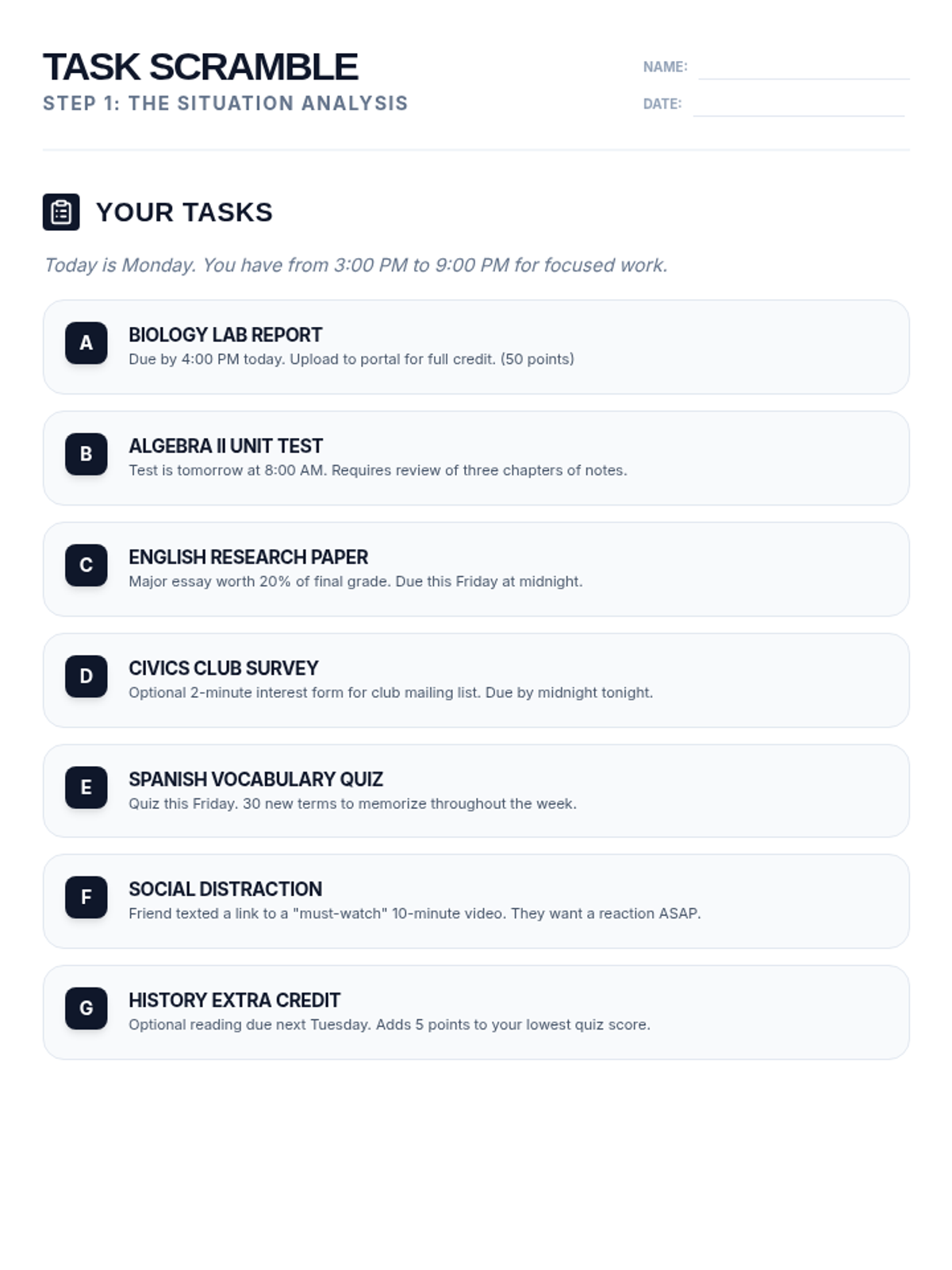
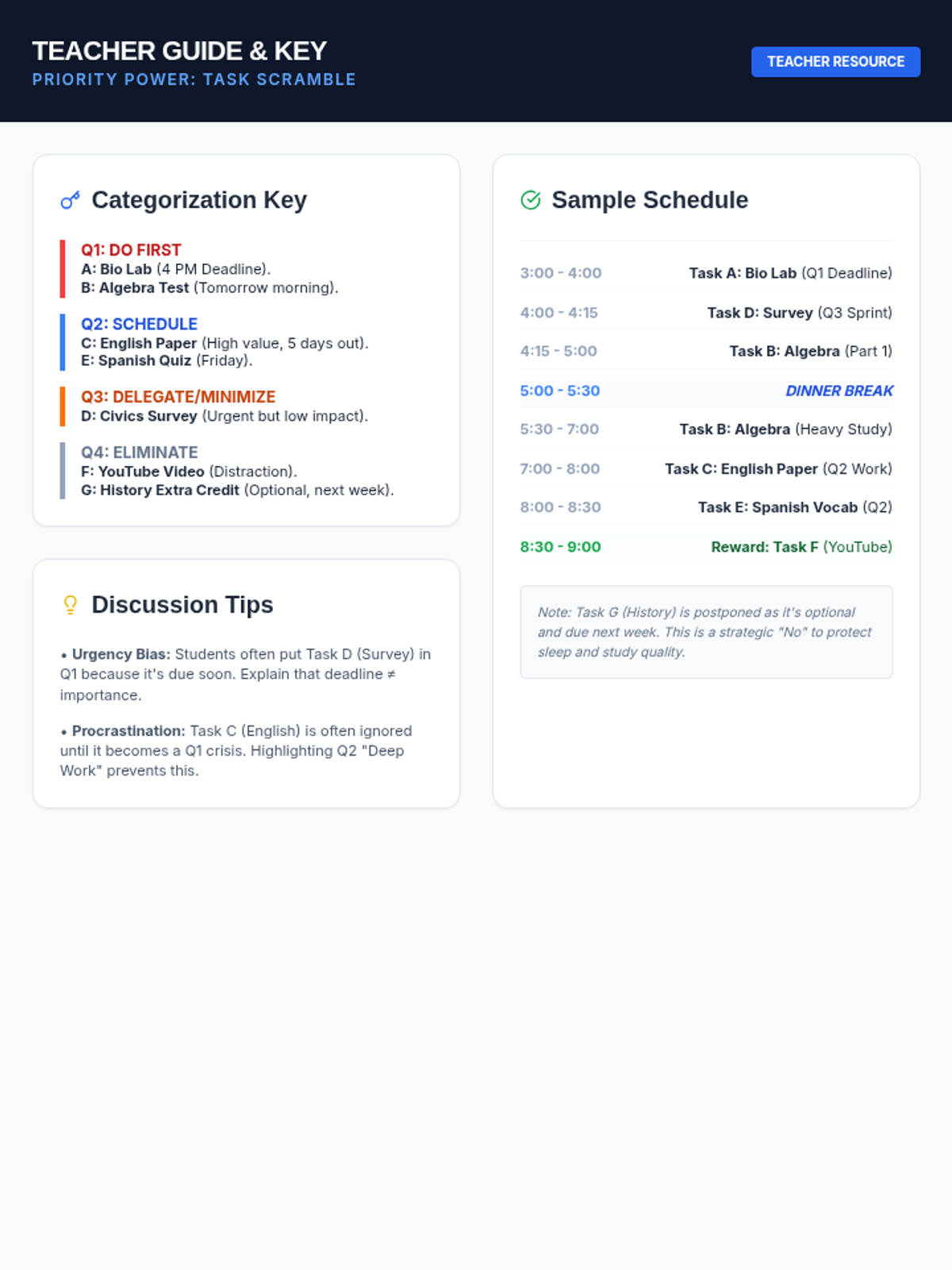
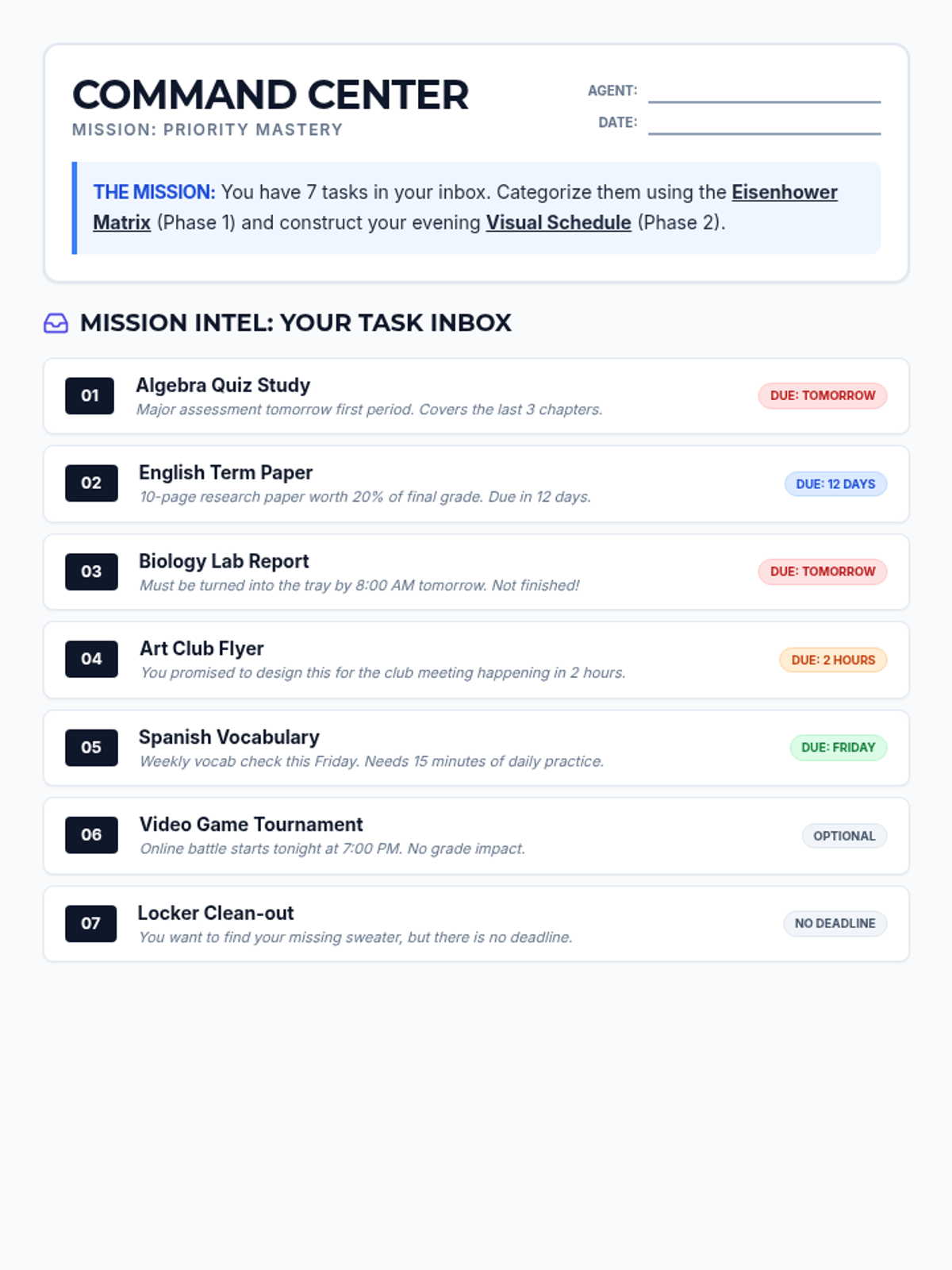
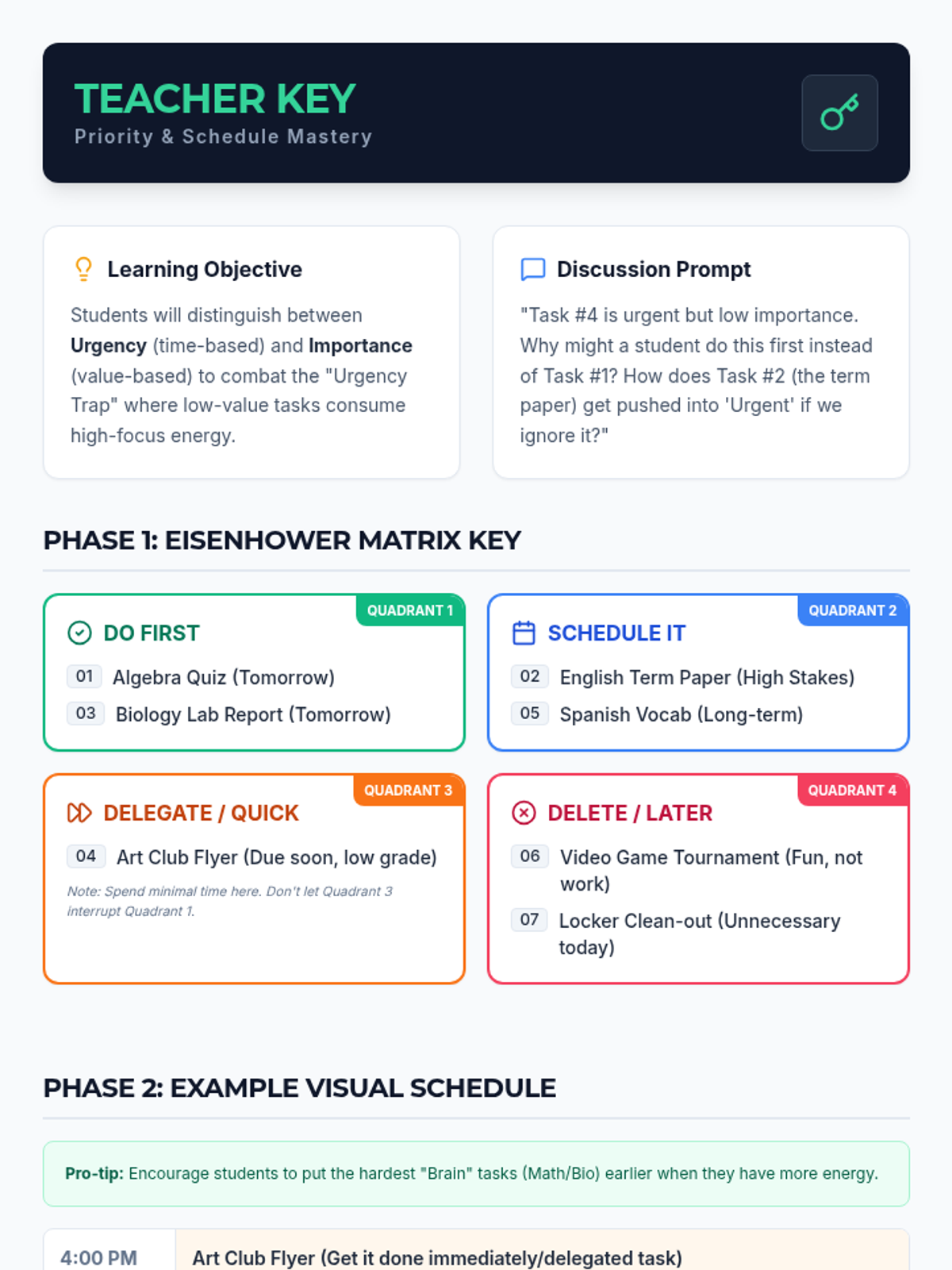
A lesson focused on executive functioning skills, specifically prioritizing tasks using the Eisenhower Matrix and organizing them into a daily block schedule for maximum efficiency.
A focused lesson on executive functioning skills, specifically teaching students how to prioritize tasks using the Eisenhower Matrix and translate those priorities into a functional visual schedule.
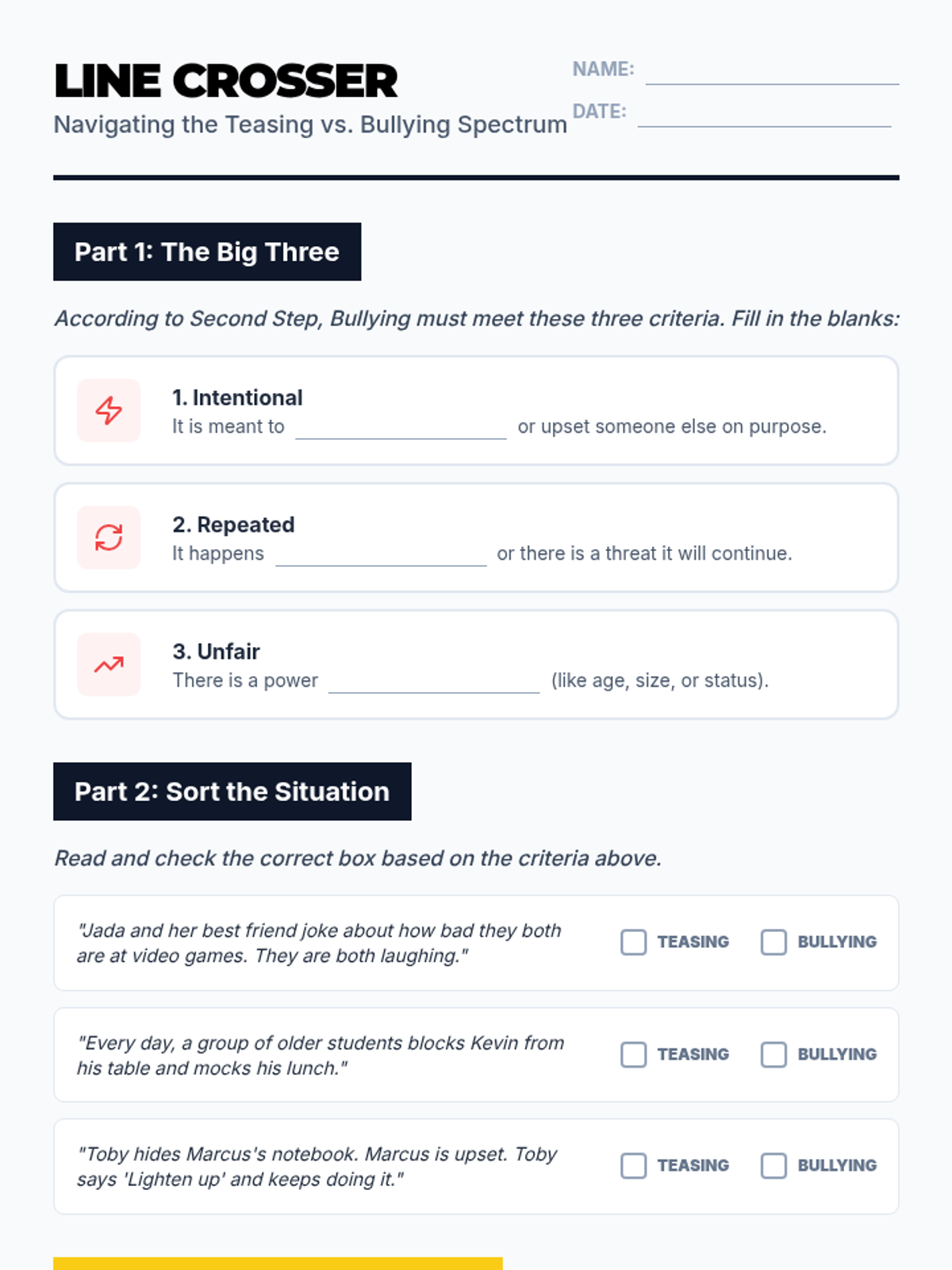
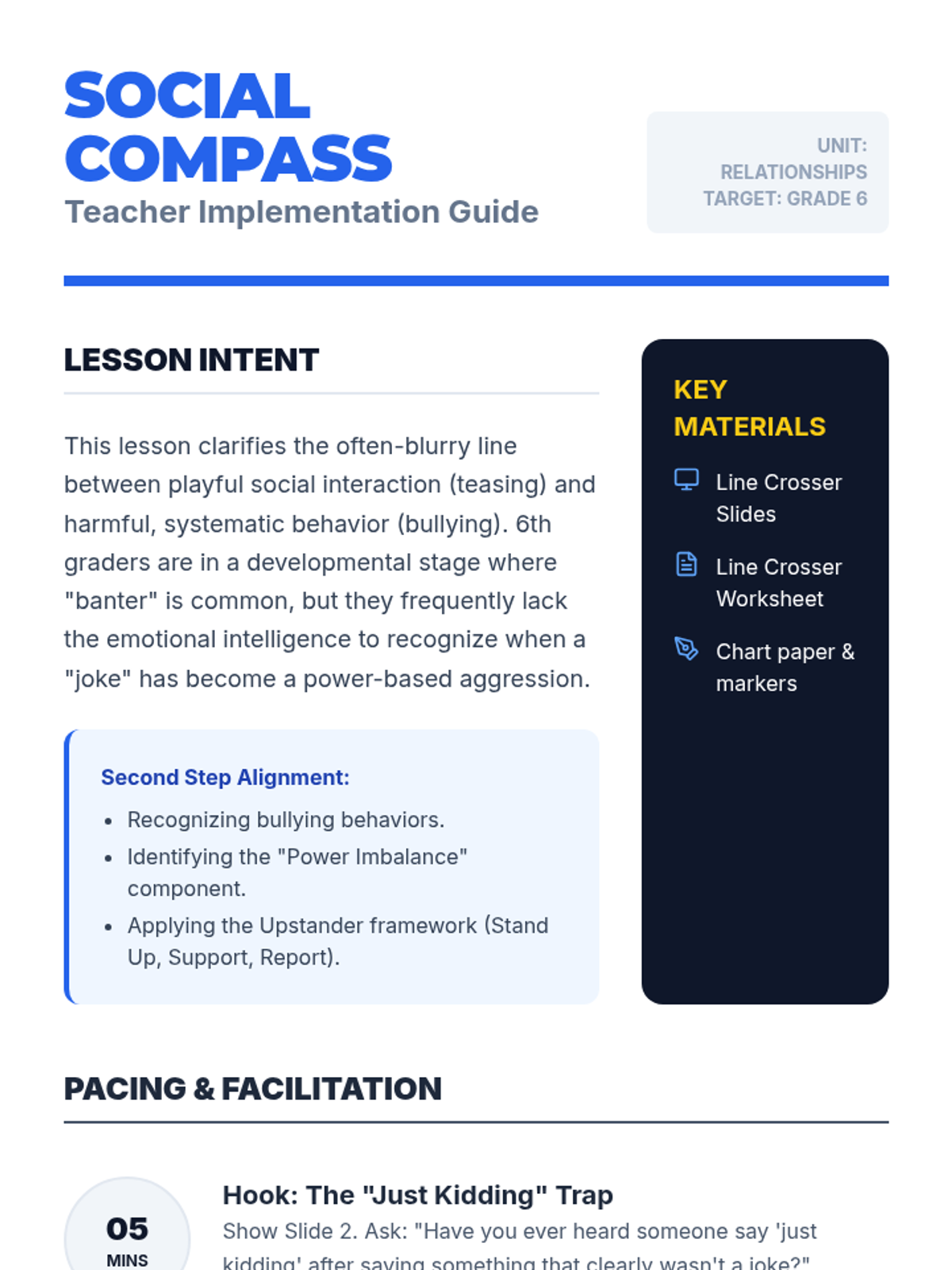
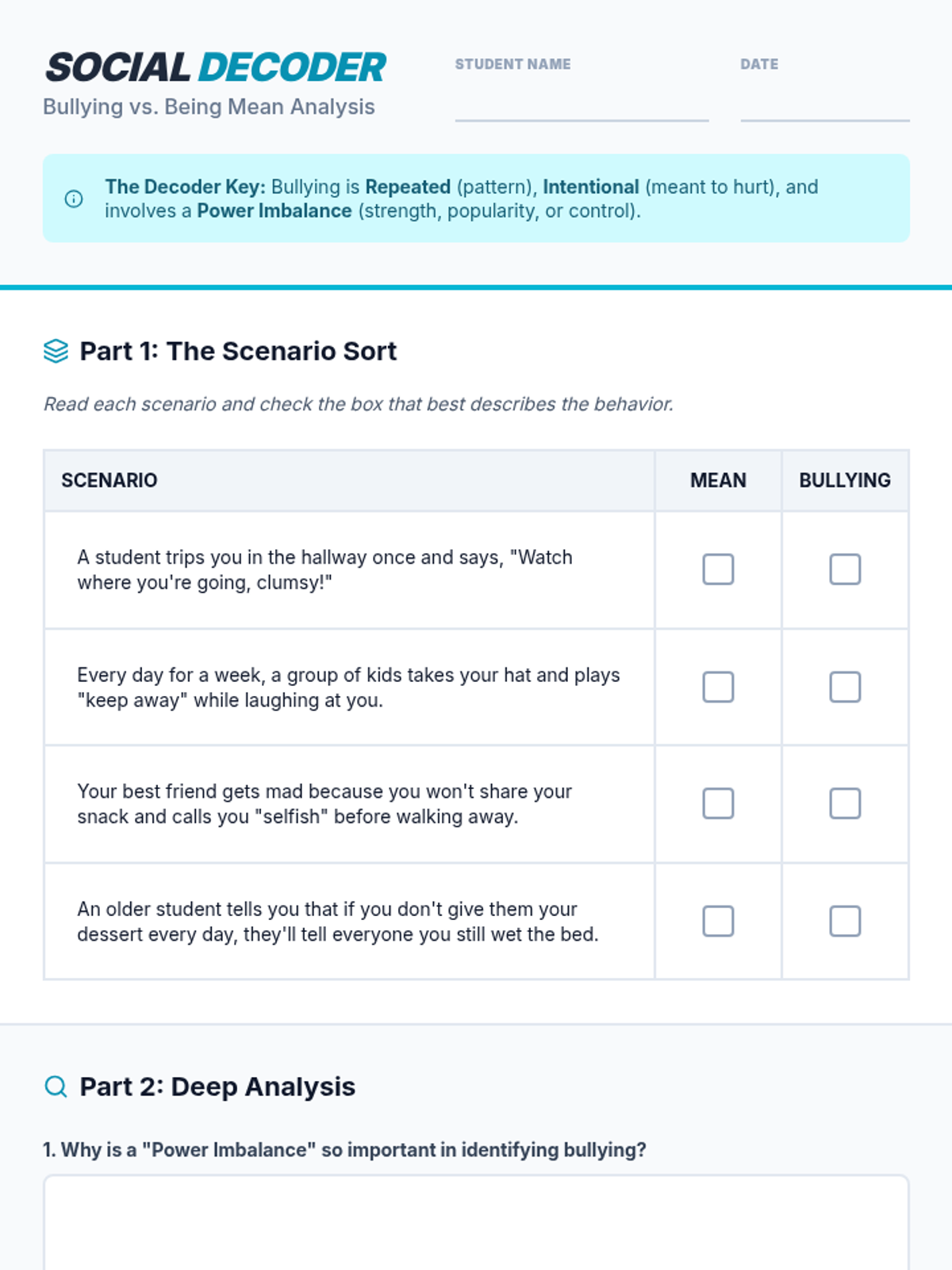
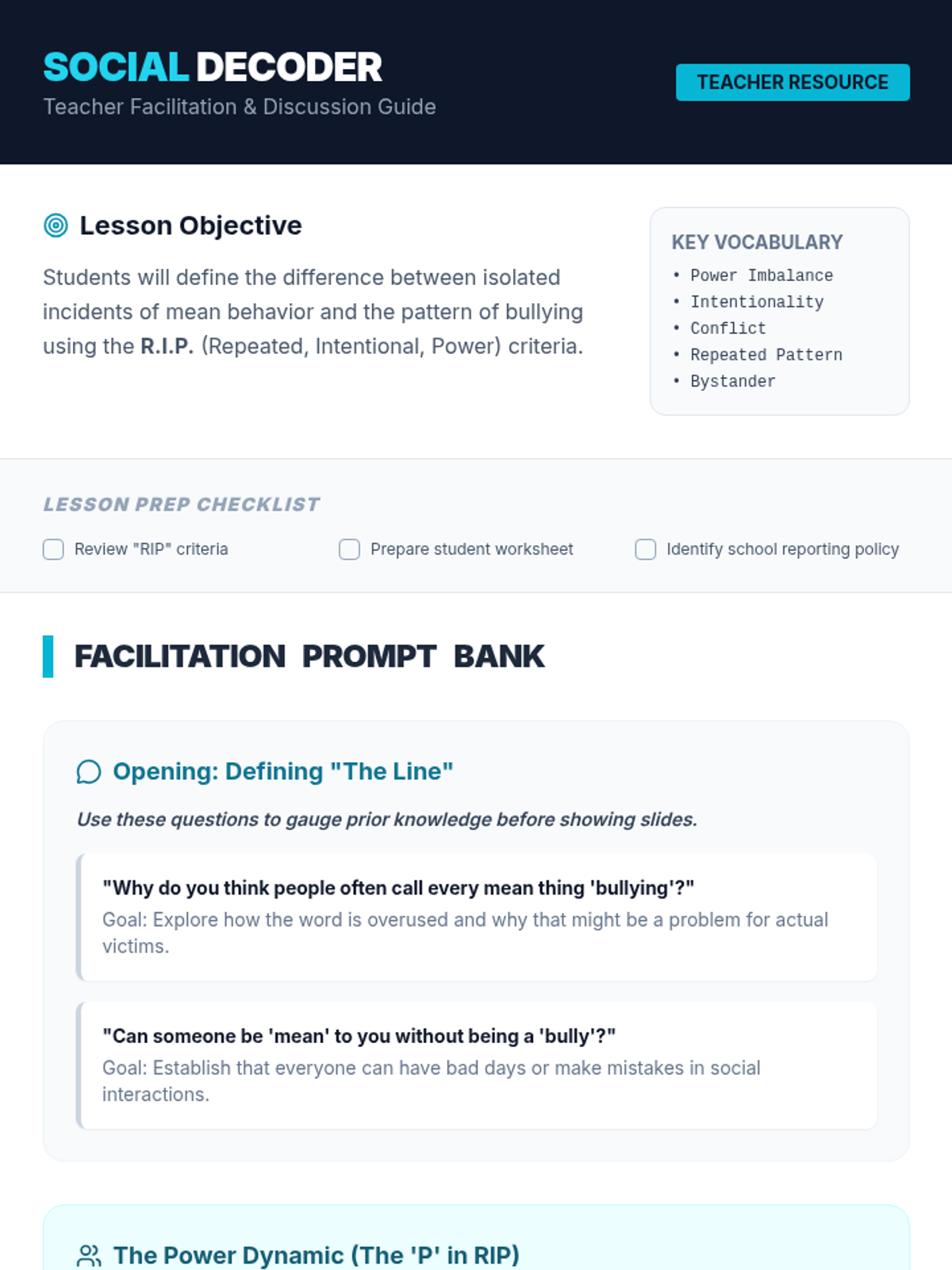
A middle school lesson exploring the critical differences between playful teasing and harmful bullying, grounded in Second Step definitions of power imbalance, intent, and repetition.
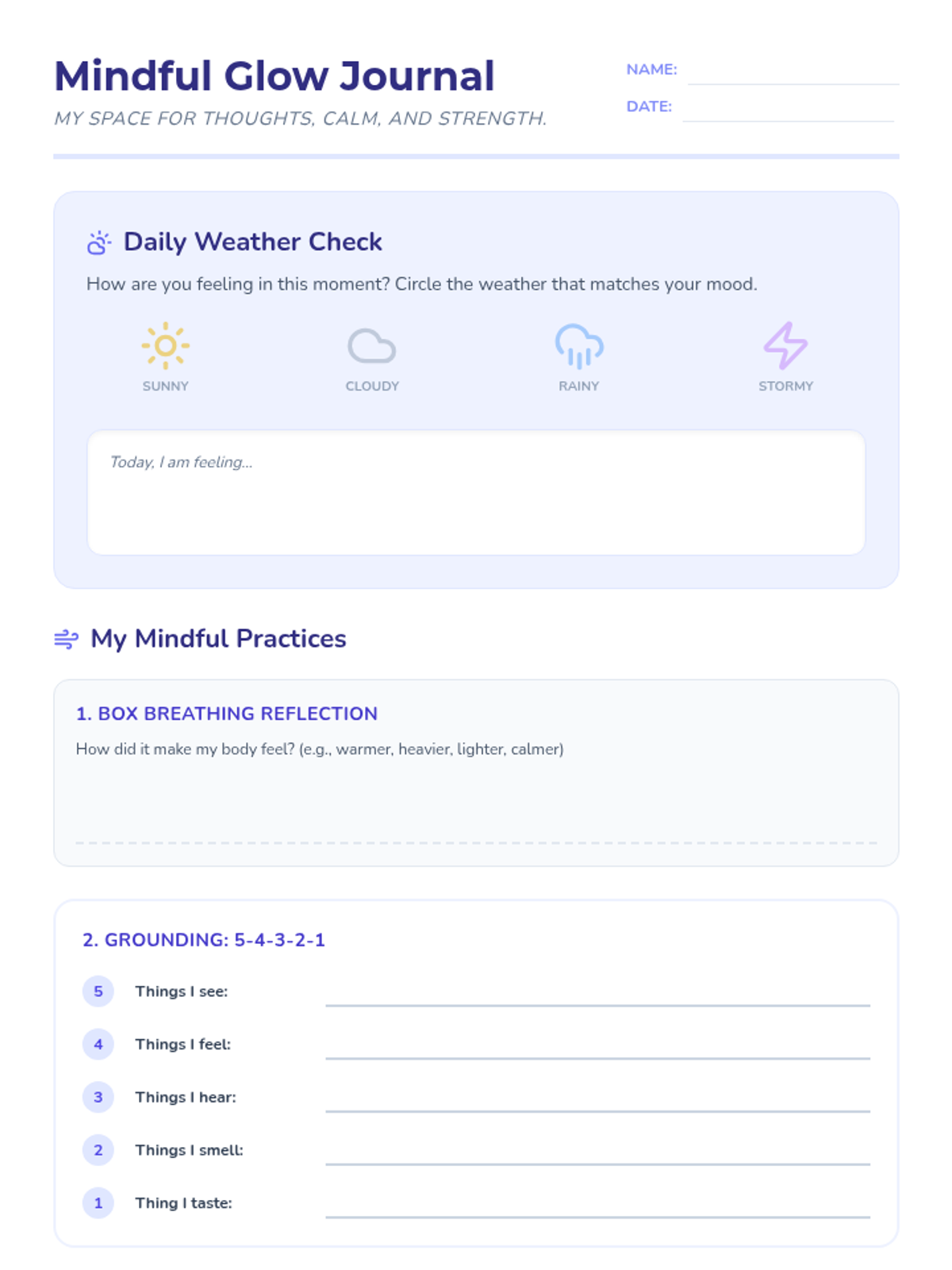
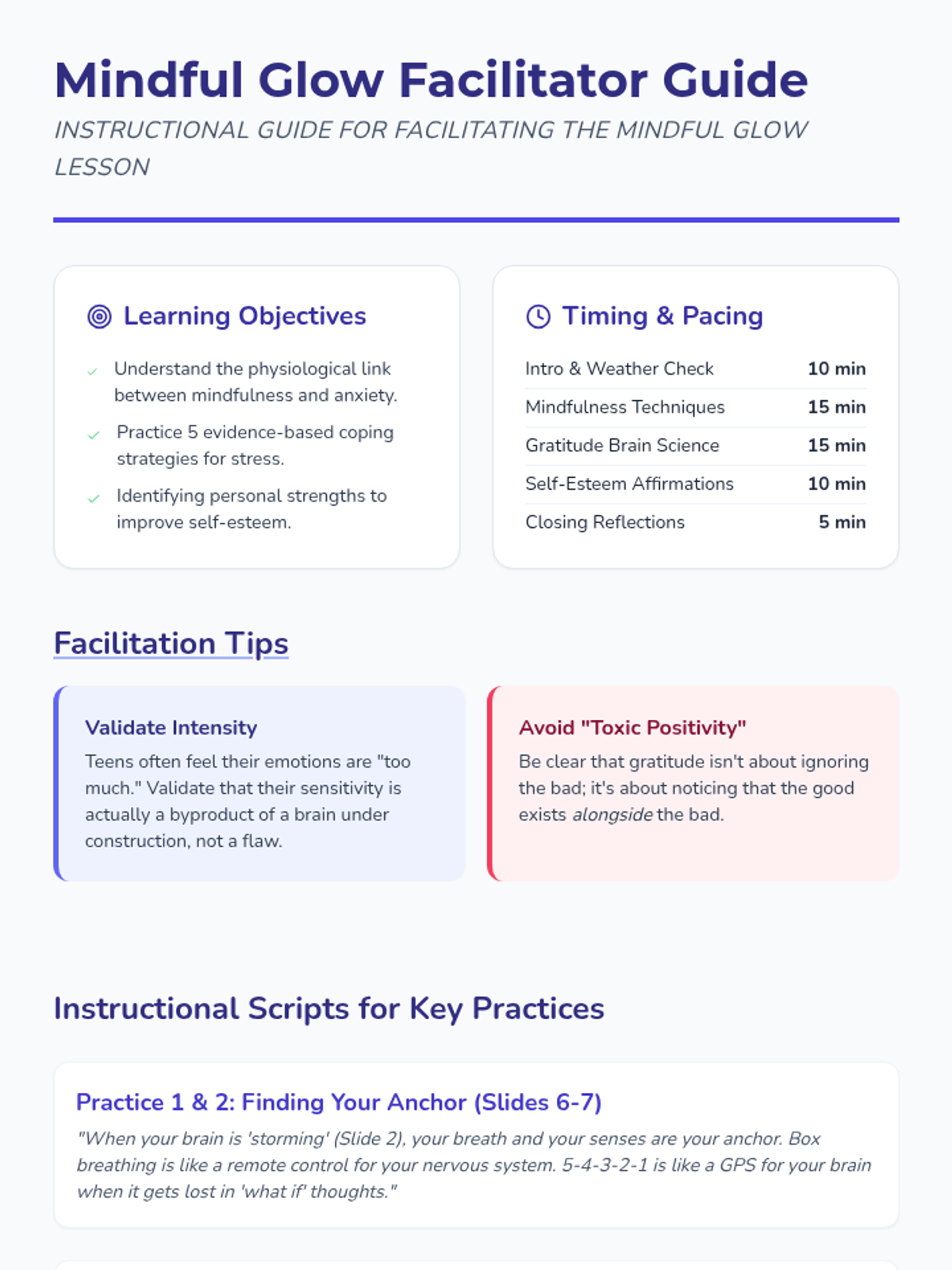
A comprehensive psychoeducation lesson designed for teenage girls to explore mindfulness and gratitude as tools for managing anxiety and building self-esteem. Includes a 20+ slide presentation, a personal reflection journal, and a facilitator's guide.
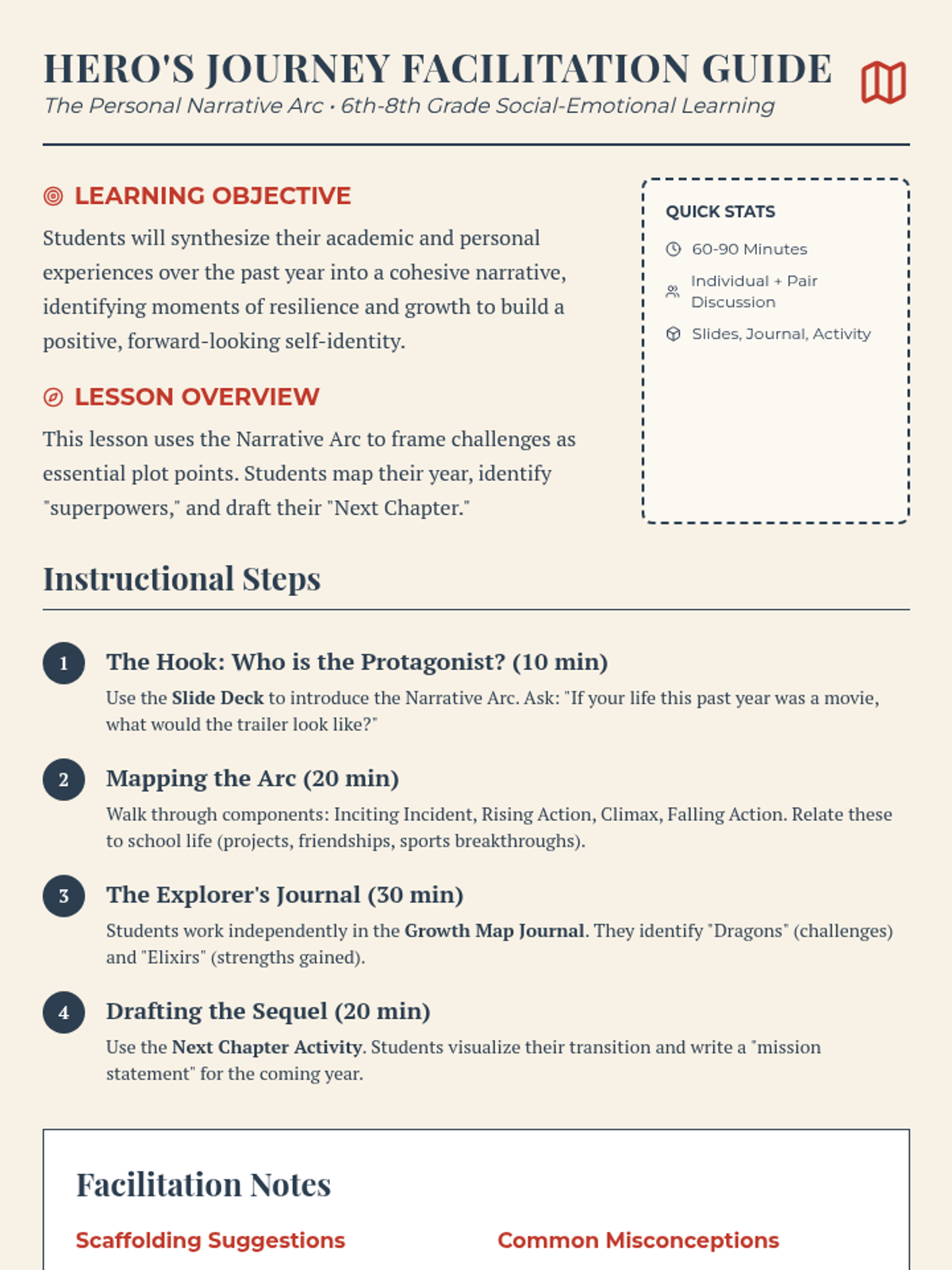
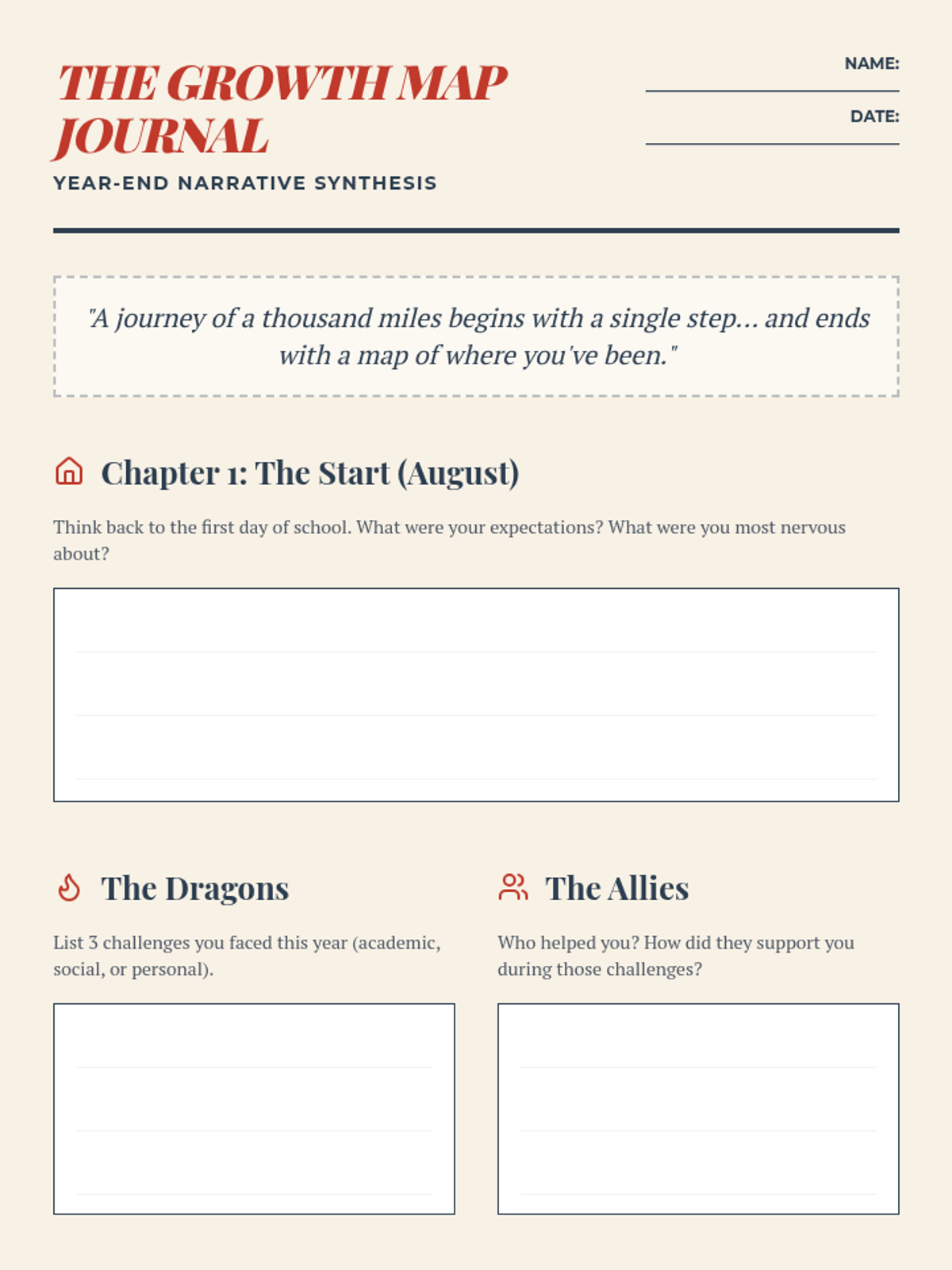
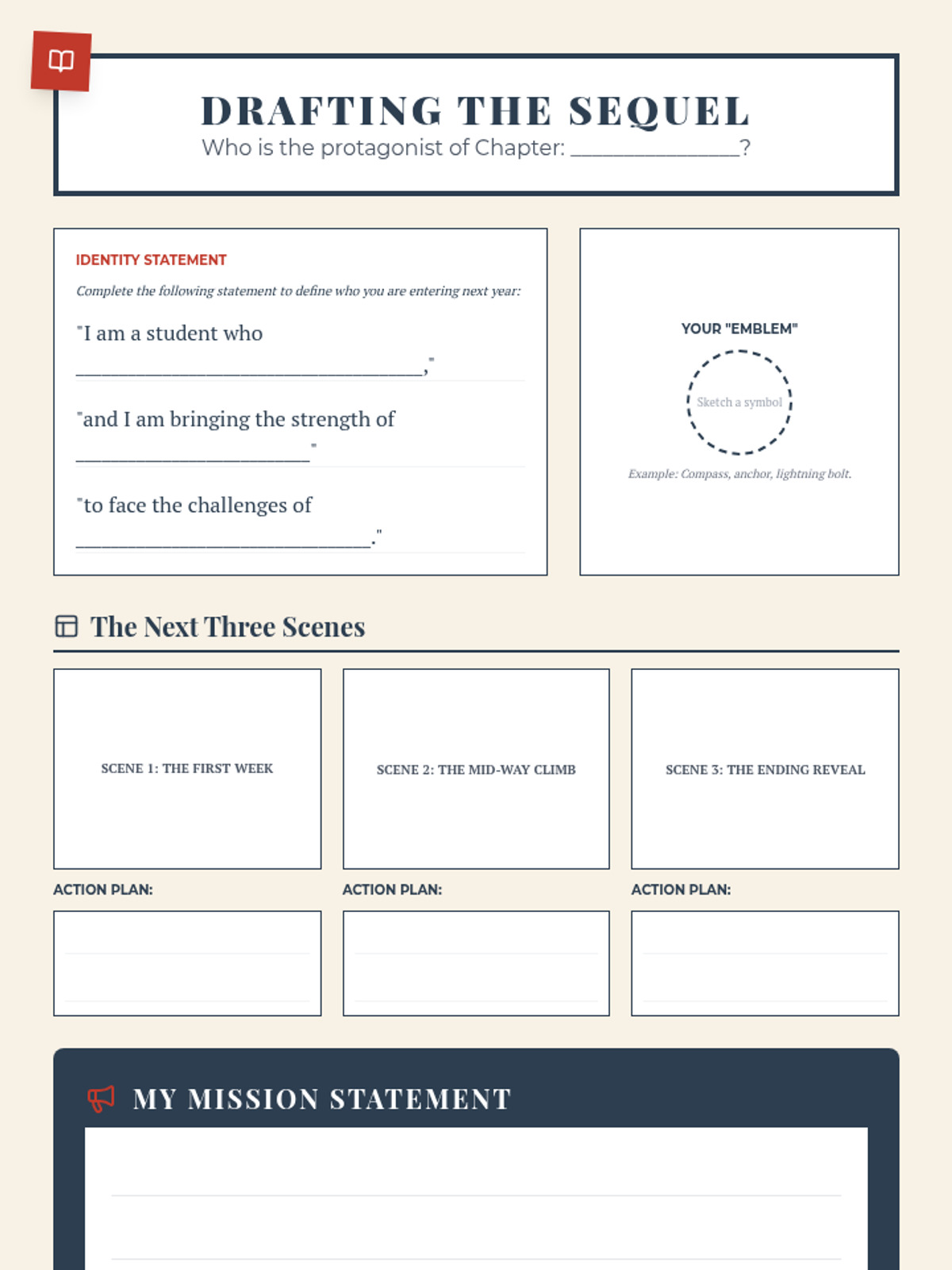
A comprehensive lesson guiding students through the process of viewing their academic year as a narrative journey, fostering resilience and a positive self-identity through the lens of the Hero's Journey.
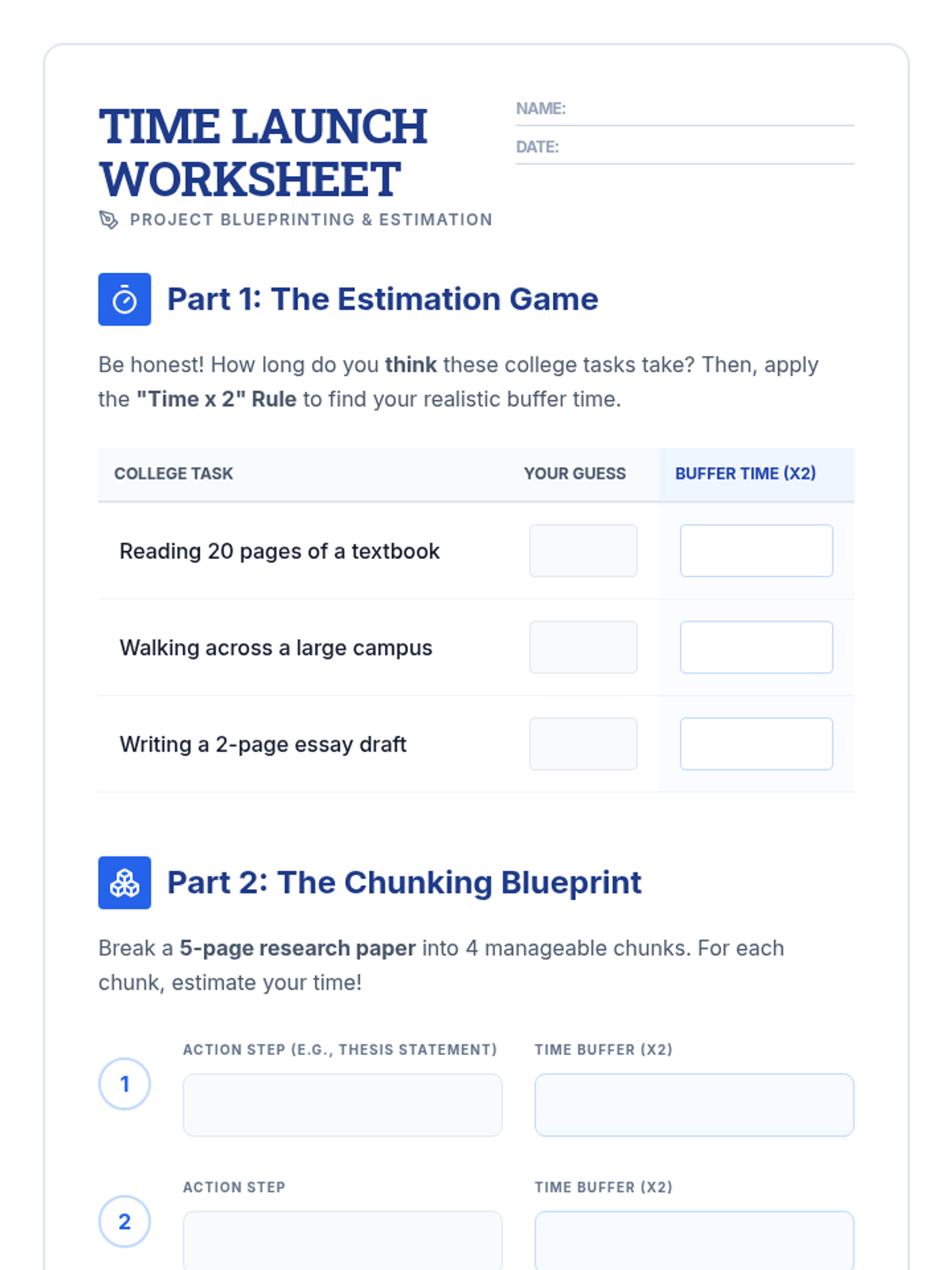
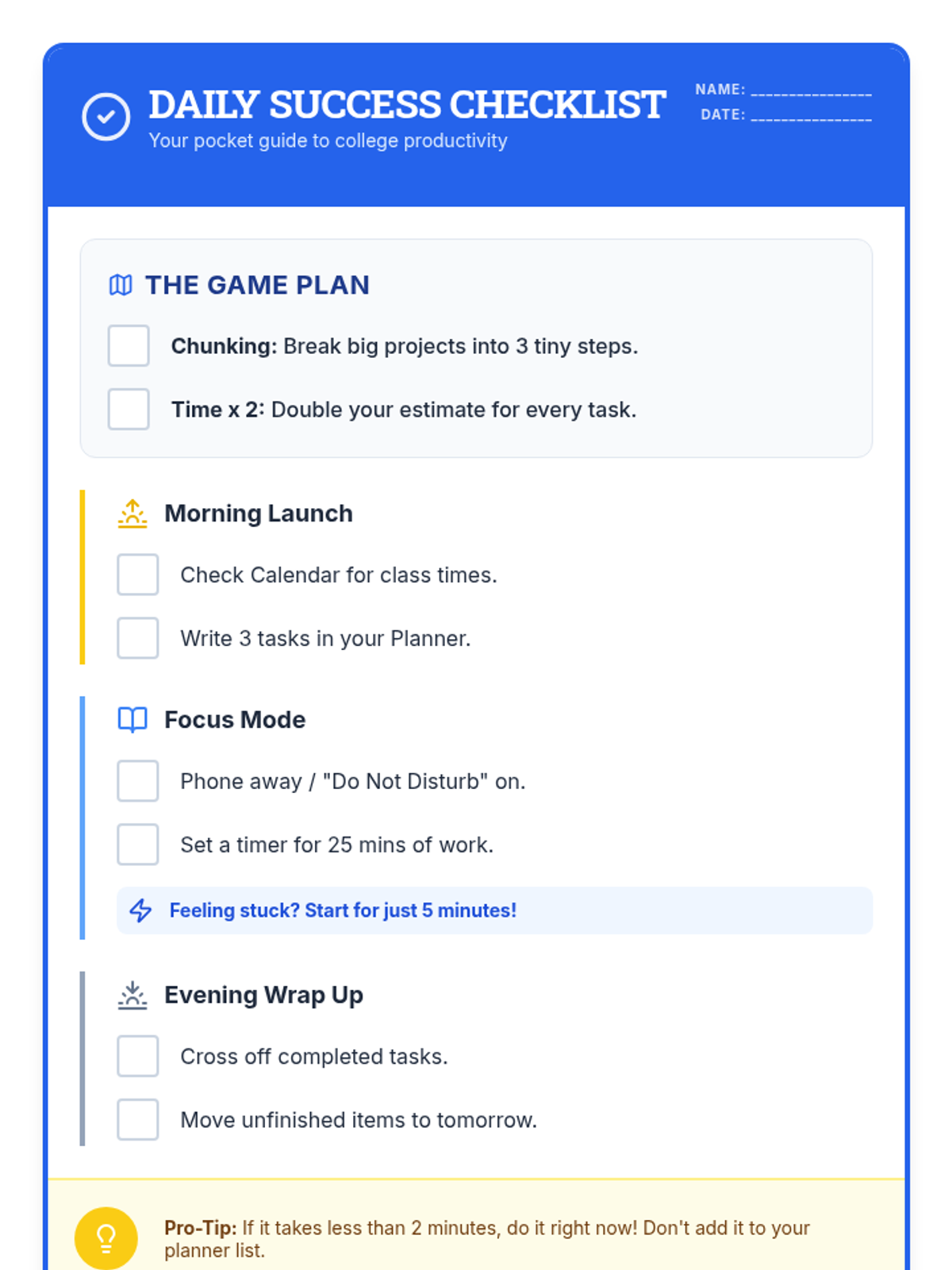
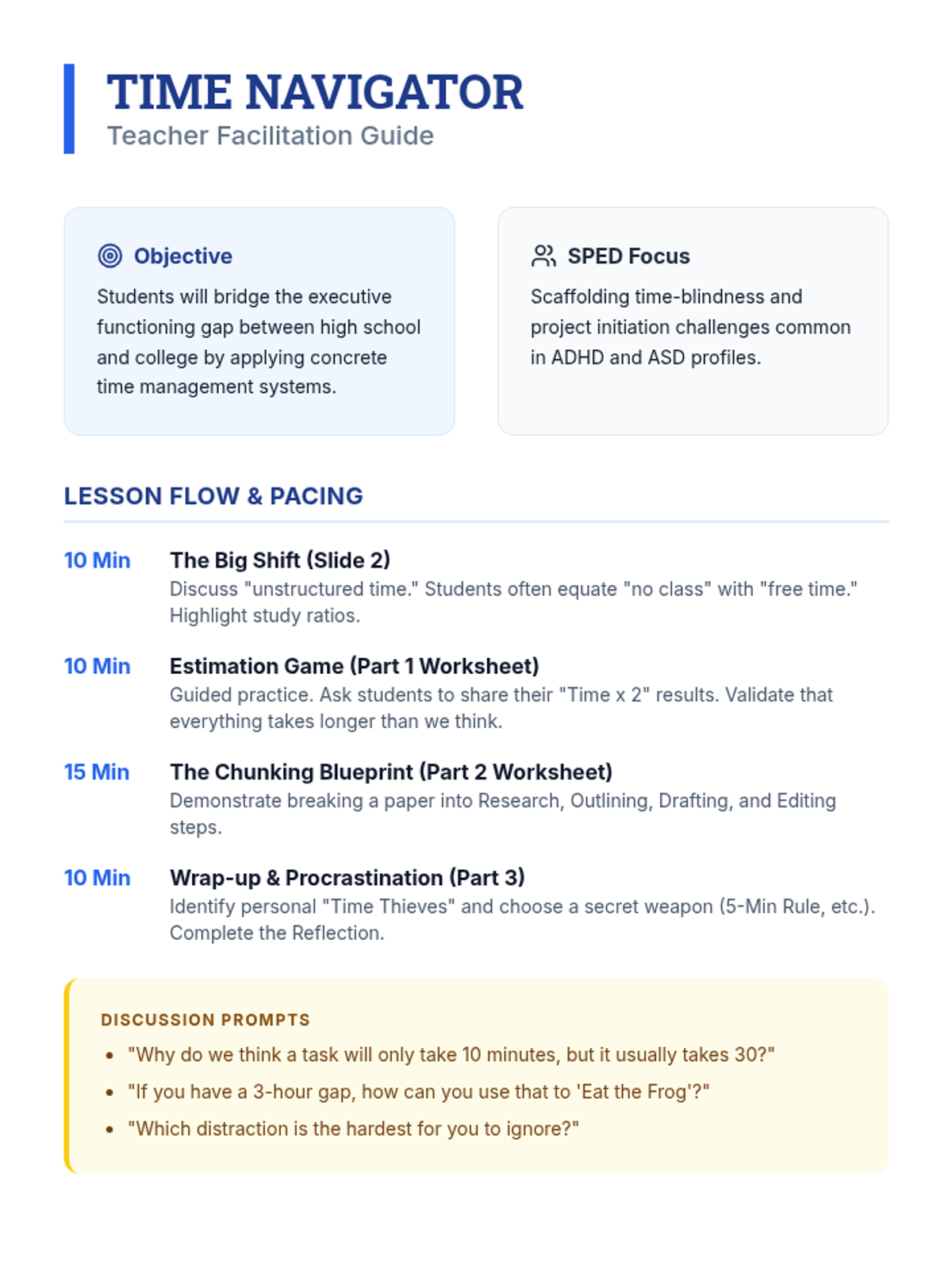
A comprehensive lesson designed for 12th-grade special education students to master essential time management skills needed for the transition to college, focusing on planners, project chunking, and procrastination strategies.
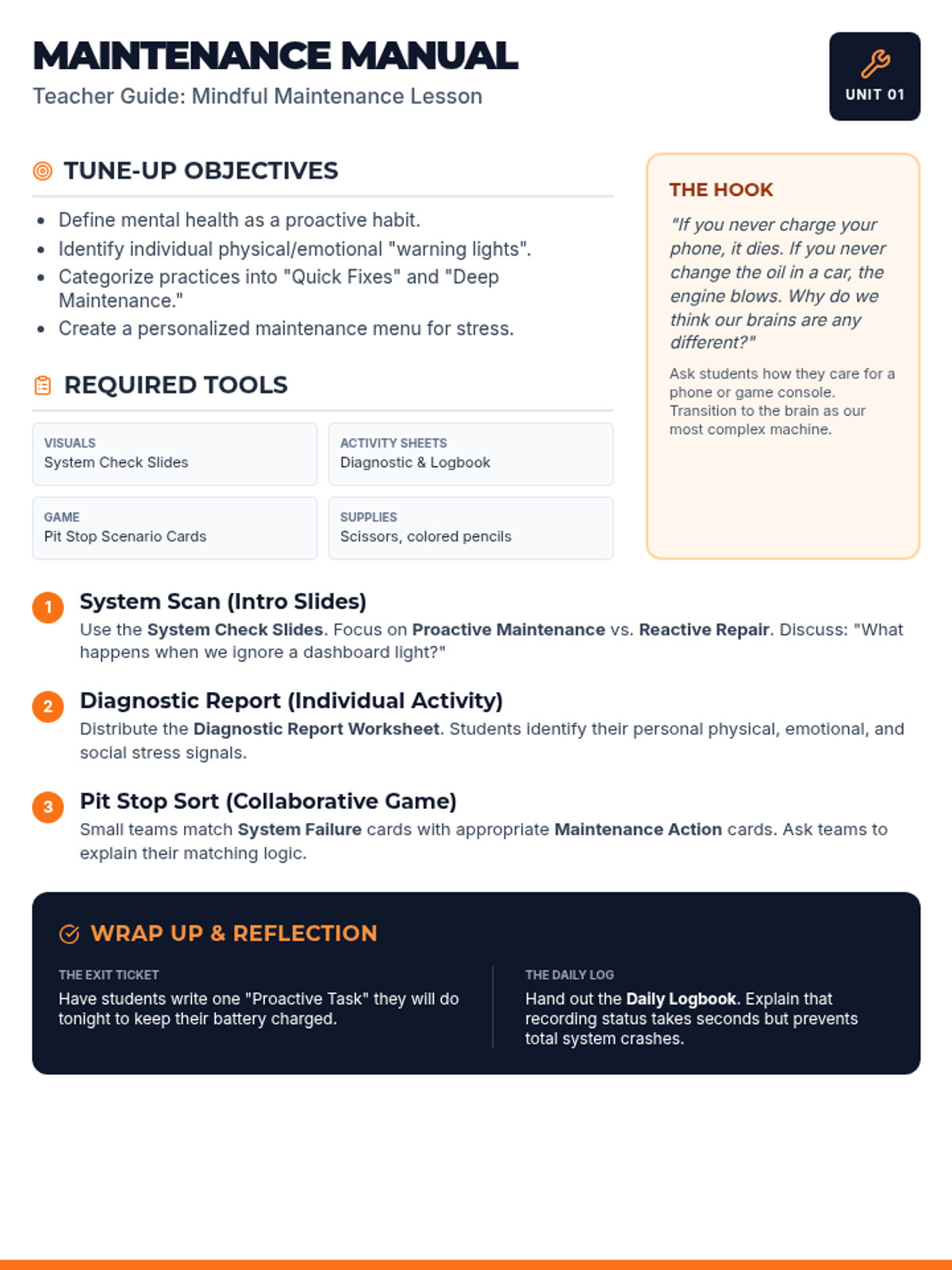
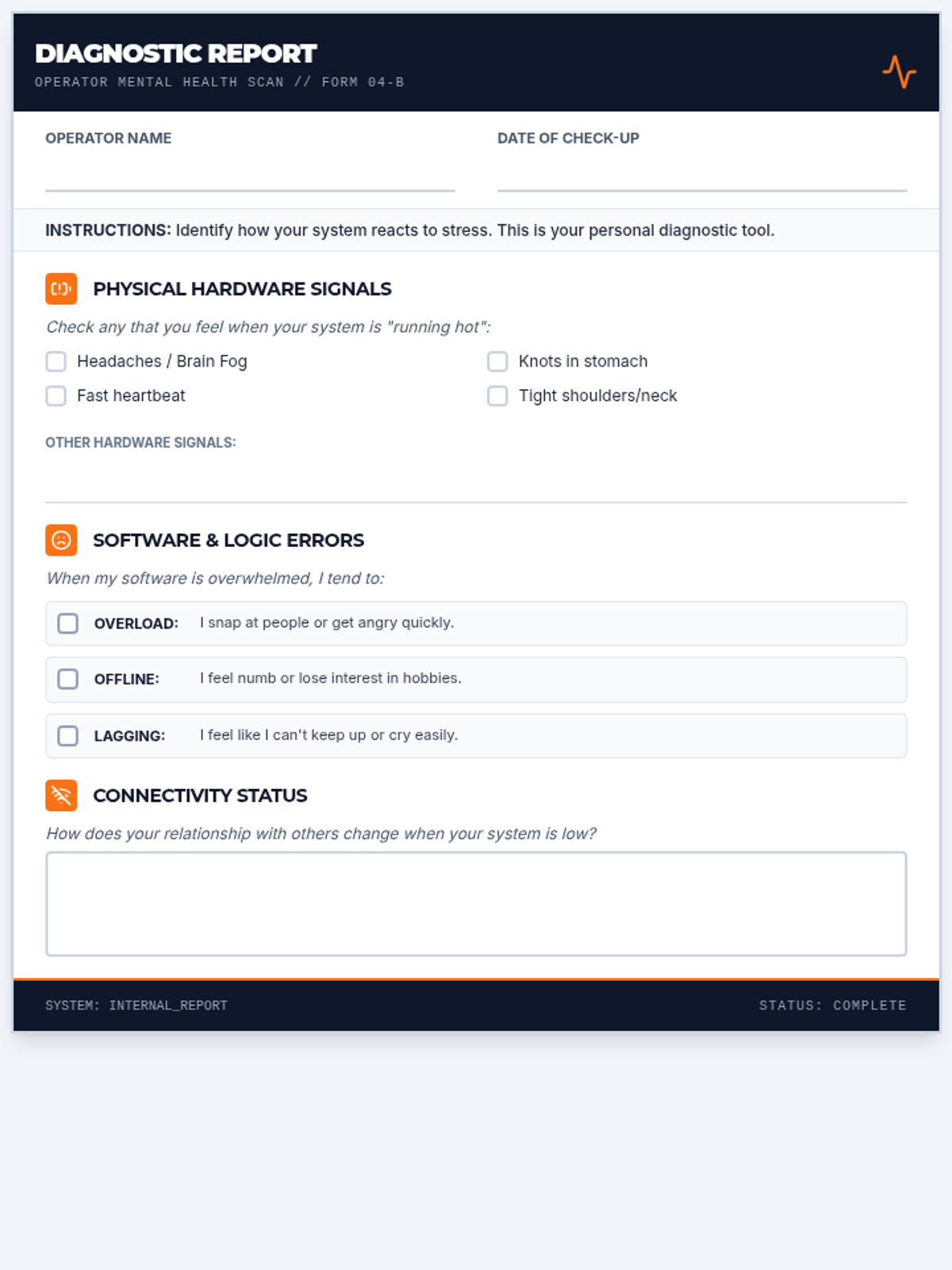
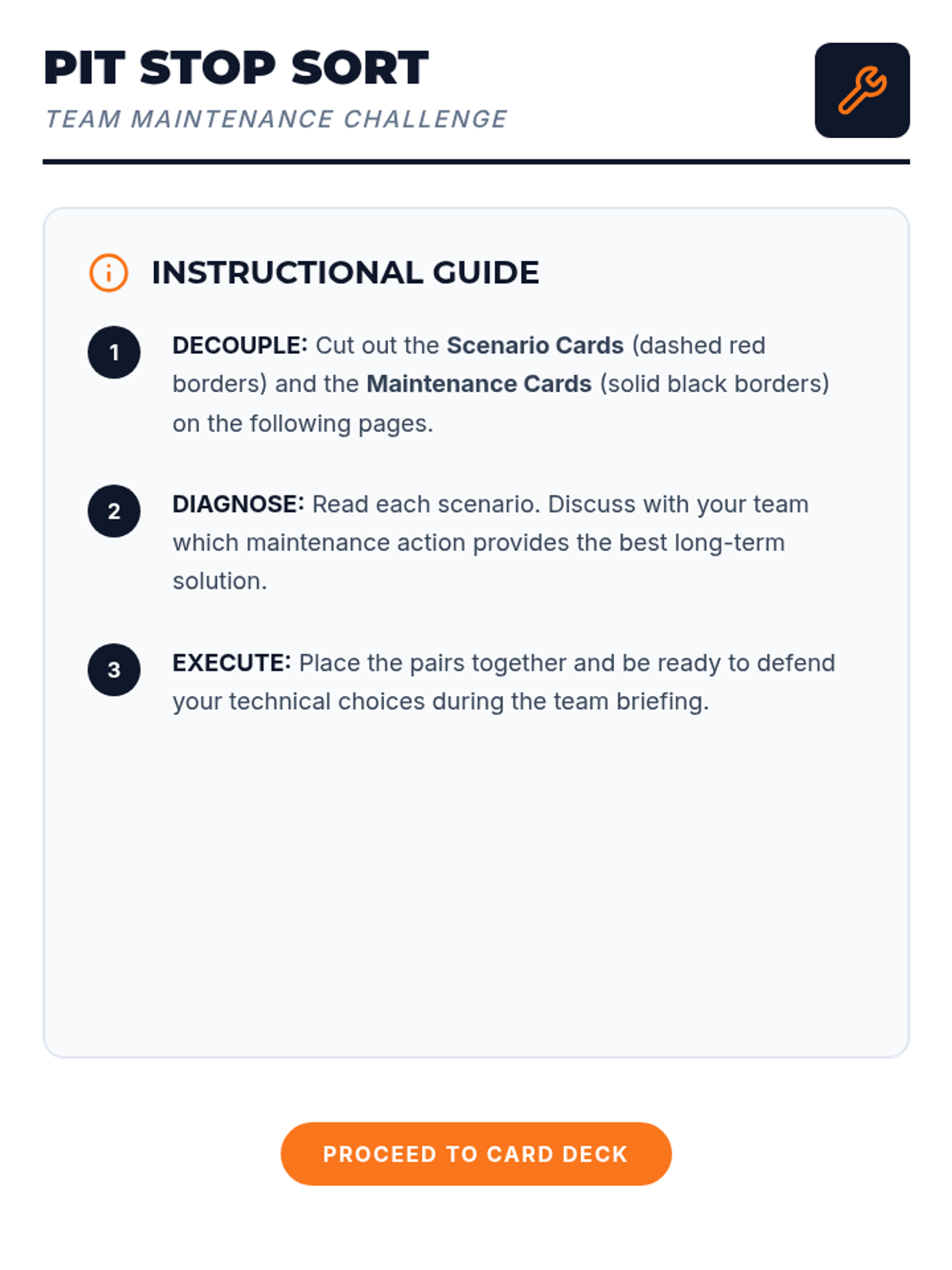
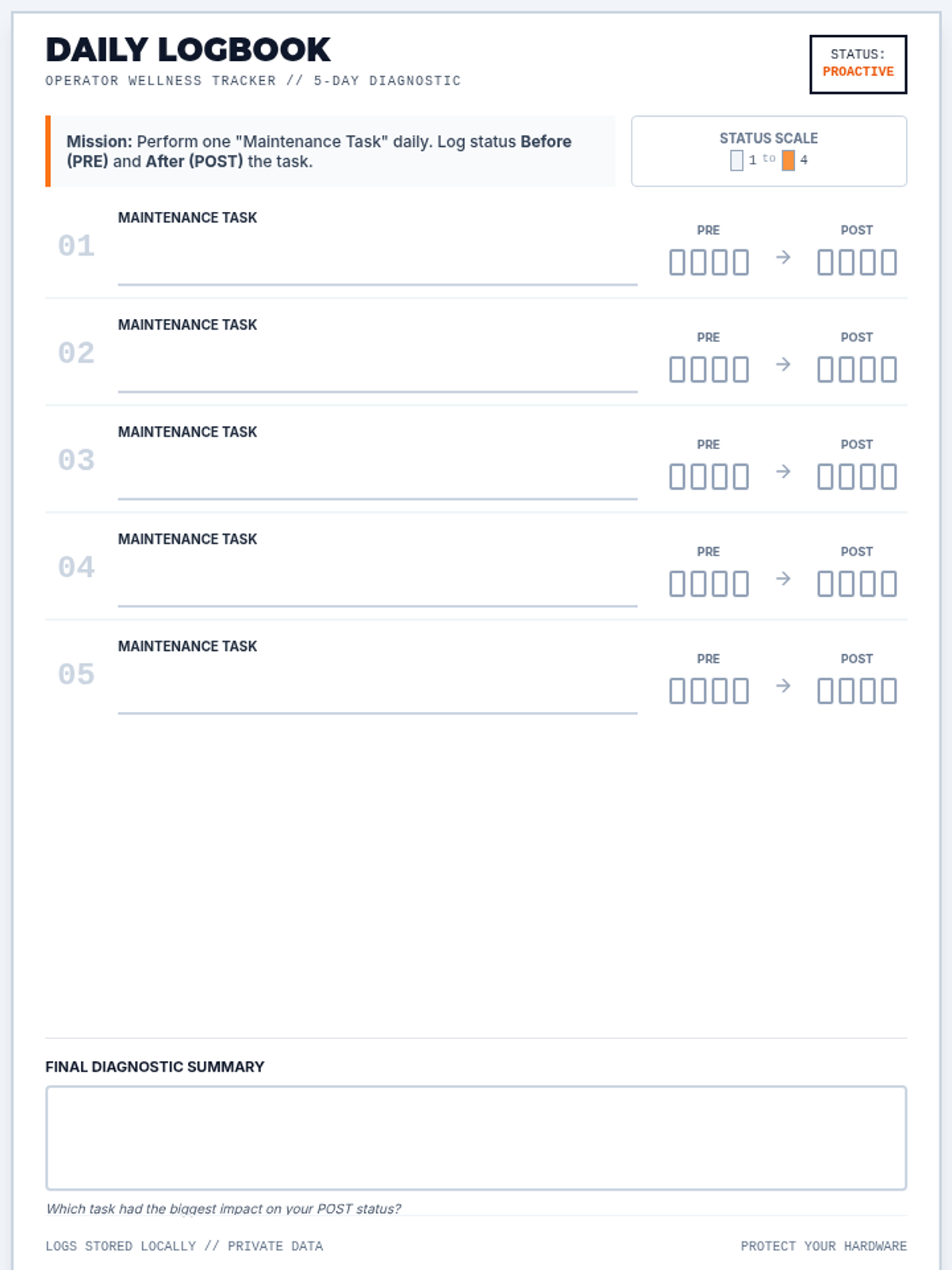
A proactive mental health lesson for middle schoolers that uses a 'system maintenance' metaphor to teach emotional self-regulation and burnout prevention. Students learn to identify personal stress signals and build a personalized toolkit of restorative practices.
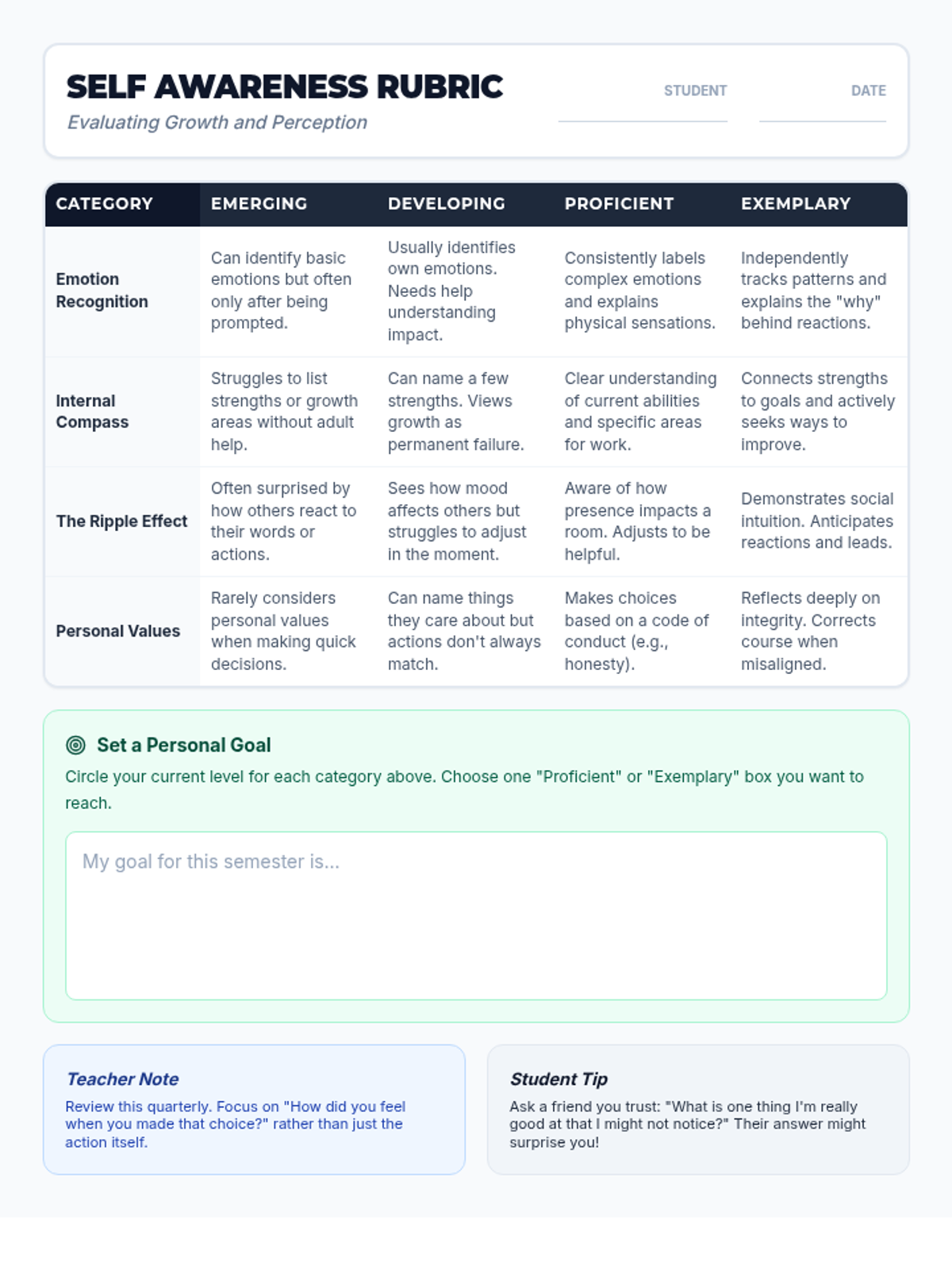
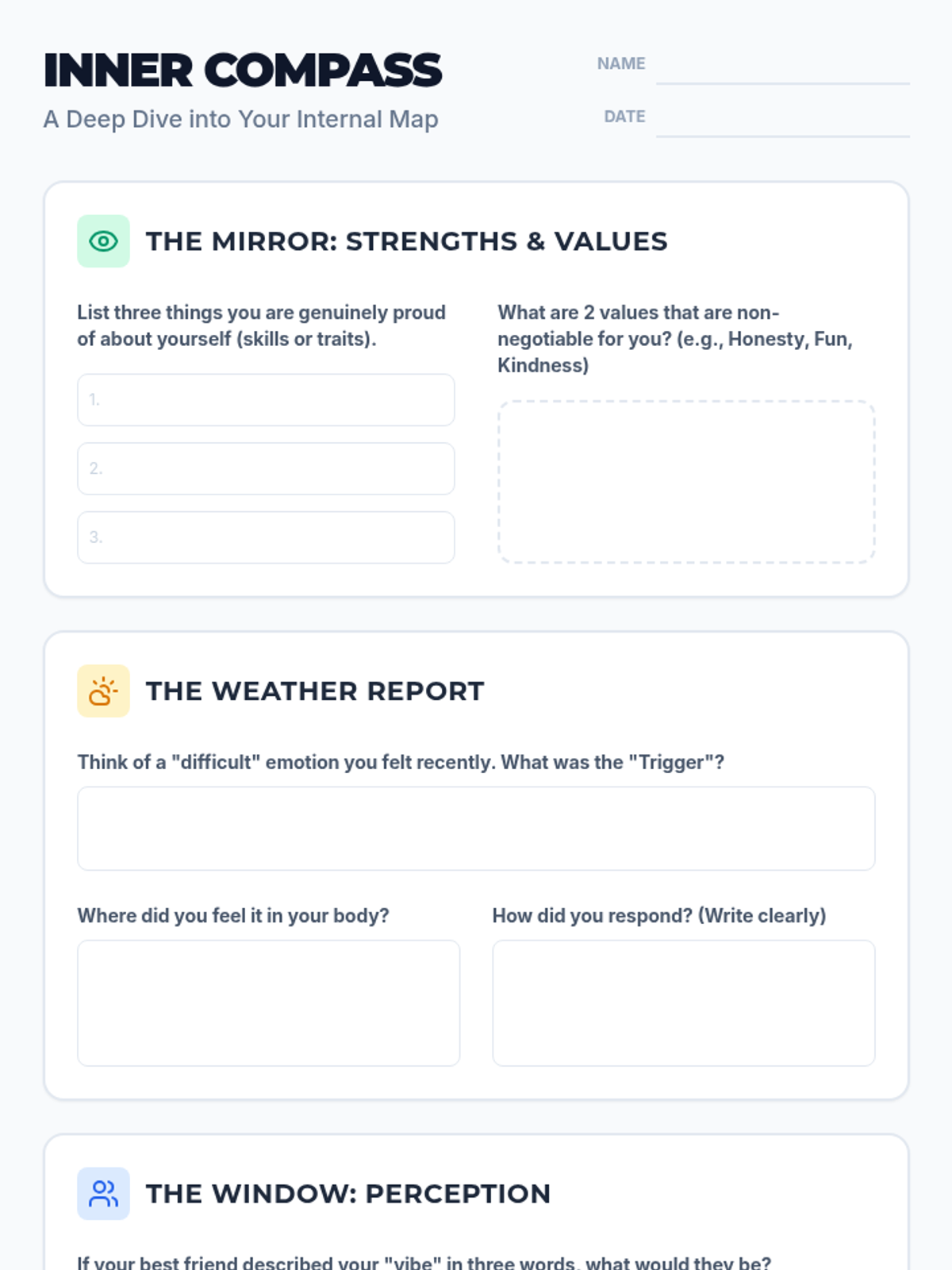
A comprehensive lesson for middle schoolers to explore internal and external self-awareness, identifying their strengths, values, and emotional patterns.
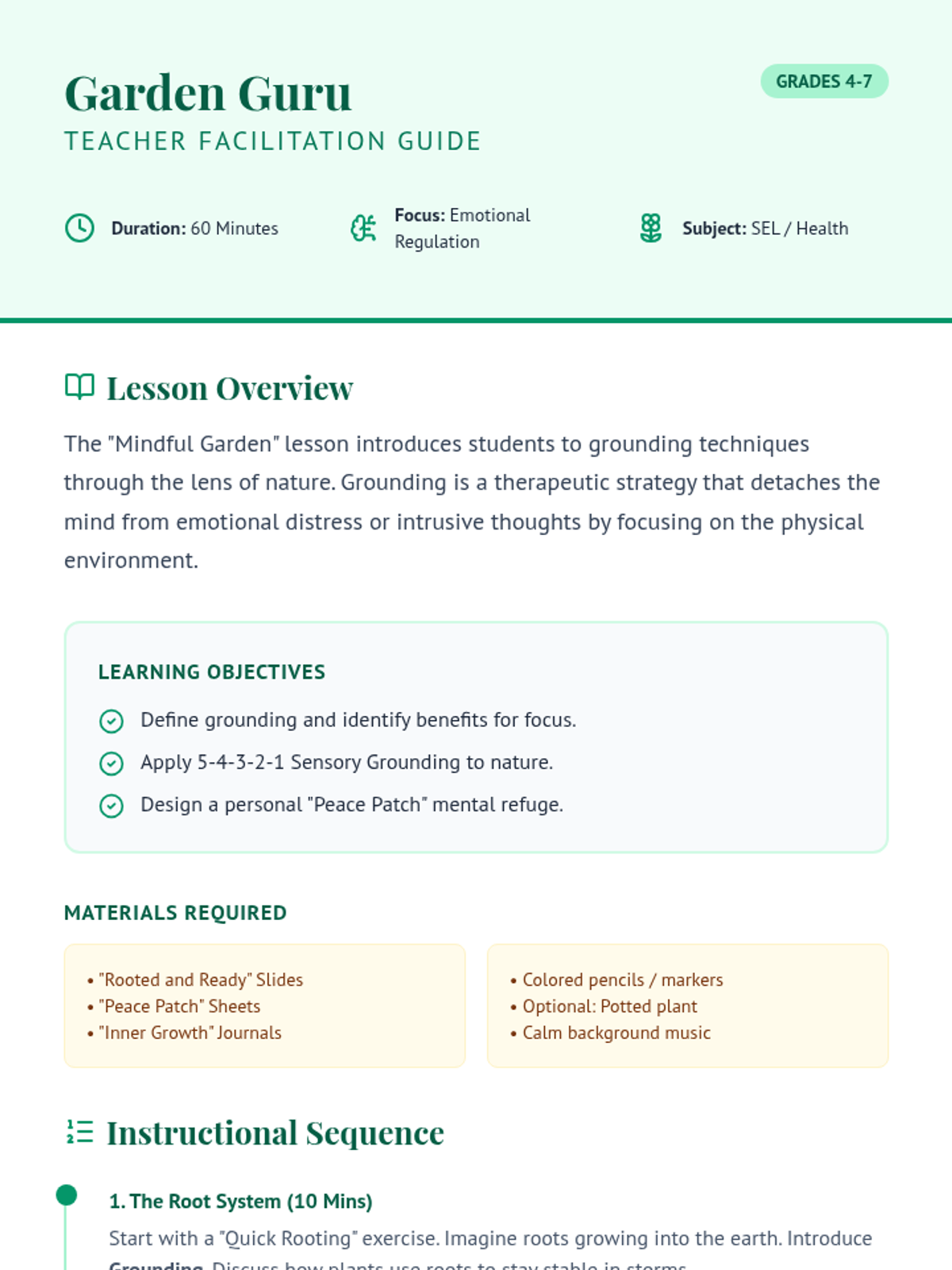
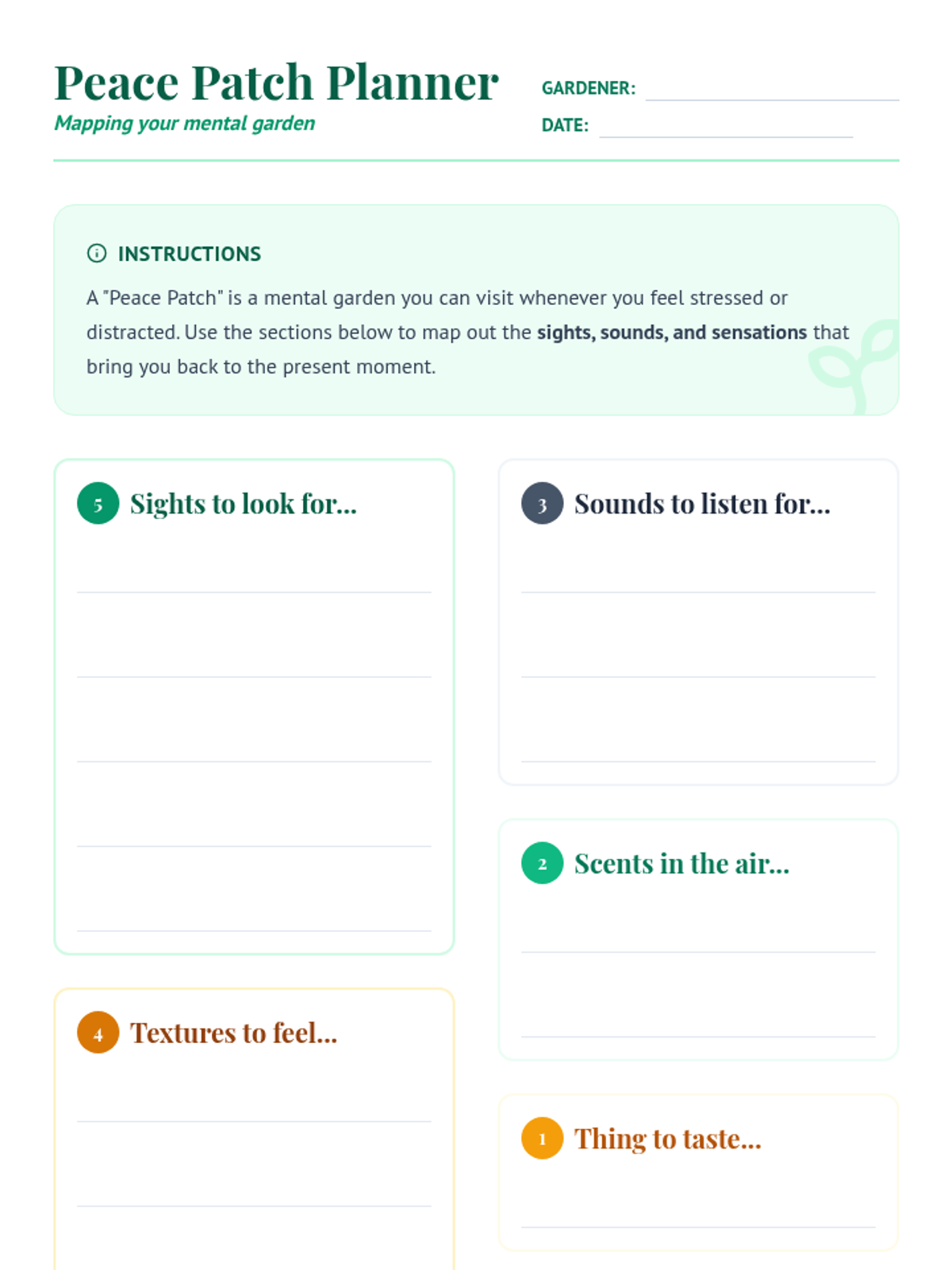
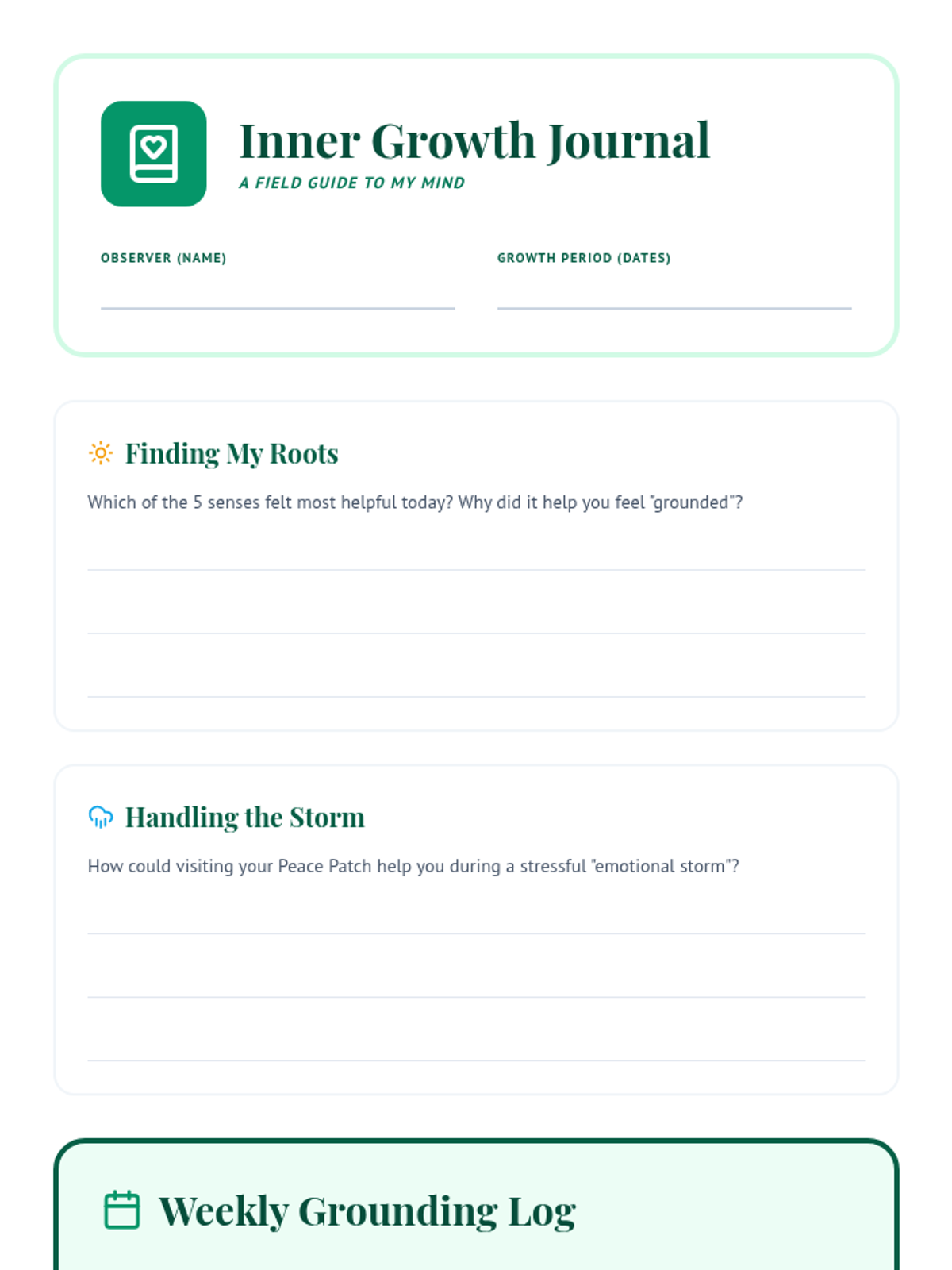
A nature-based grounding lesson for 4th-7th graders that uses garden metaphors to teach emotional regulation and focus techniques. Students will learn the 5-4-3-2-1 grounding method adapted for nature and create a personal 'Peace Patch' plan.
This lesson helps students distinguish between 'mean' behavior and 'bullying' by analyzing intent, frequency, and power dynamics through interactive scenarios and discussion.
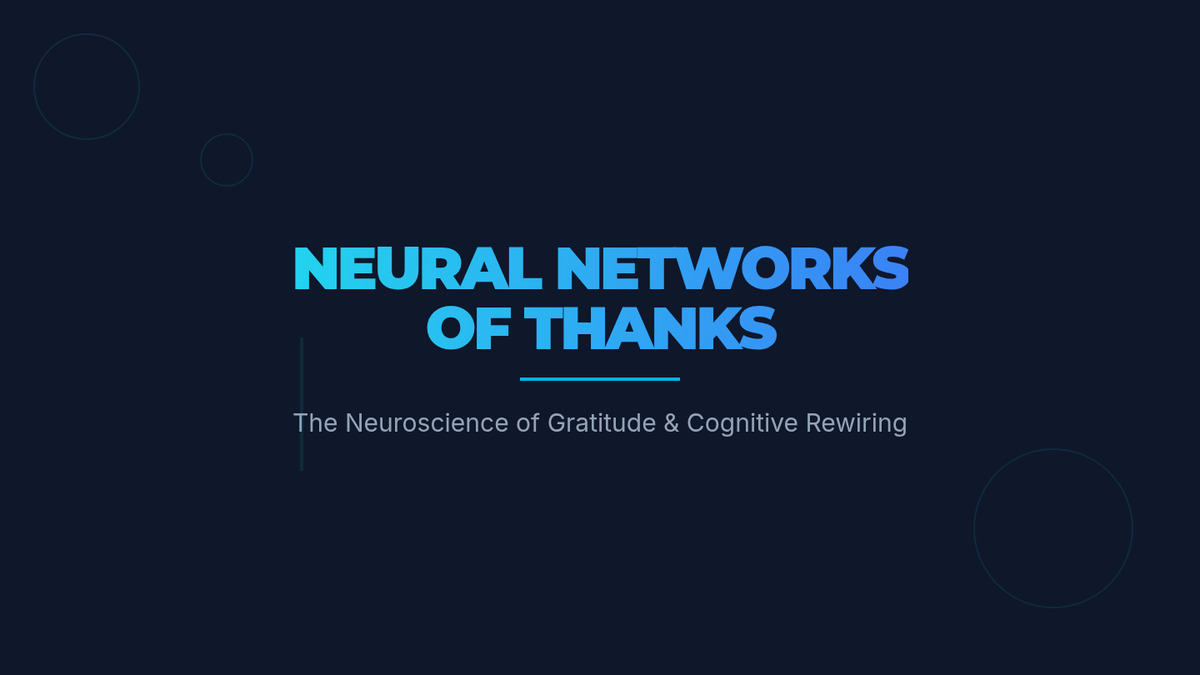
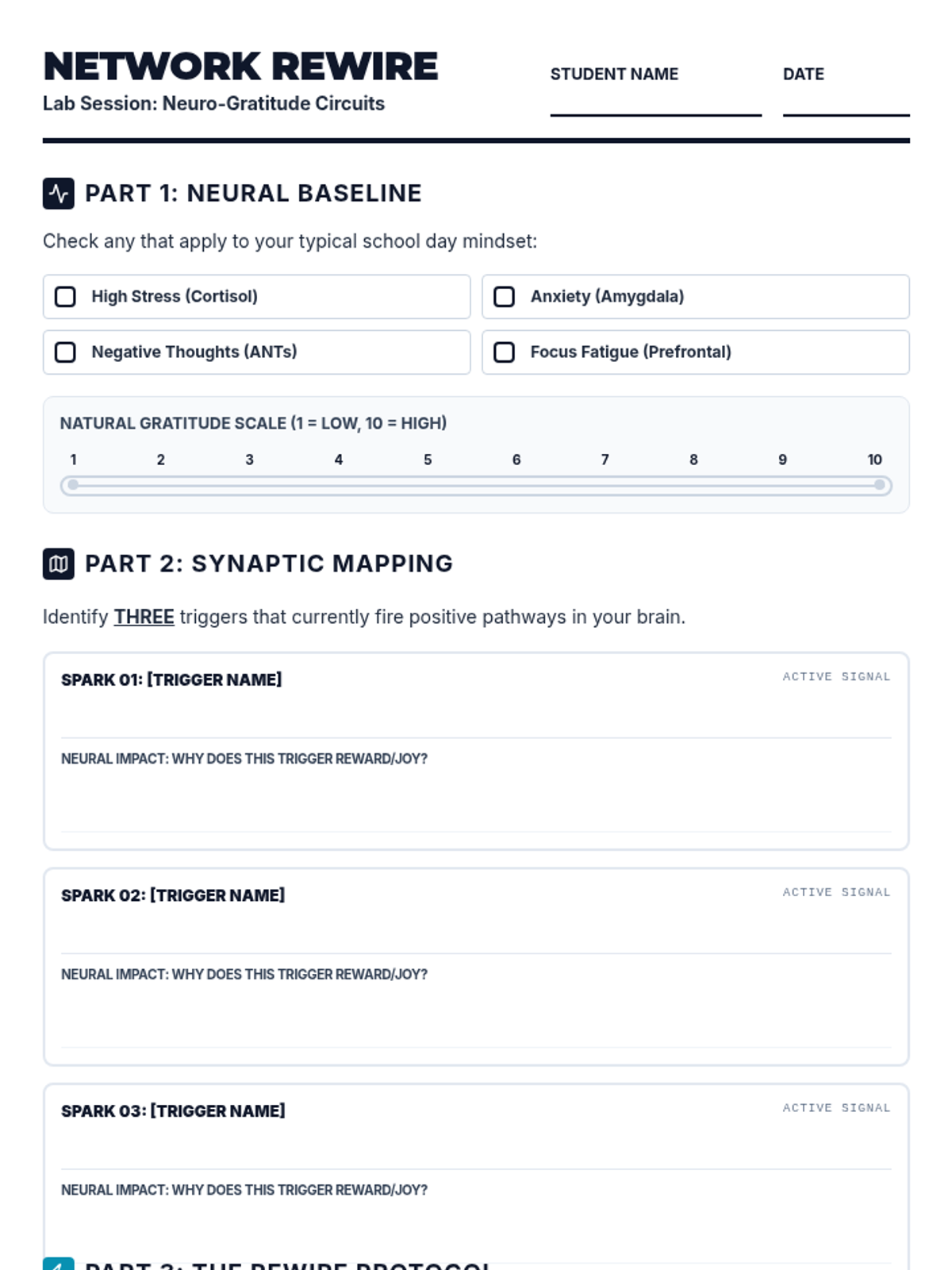
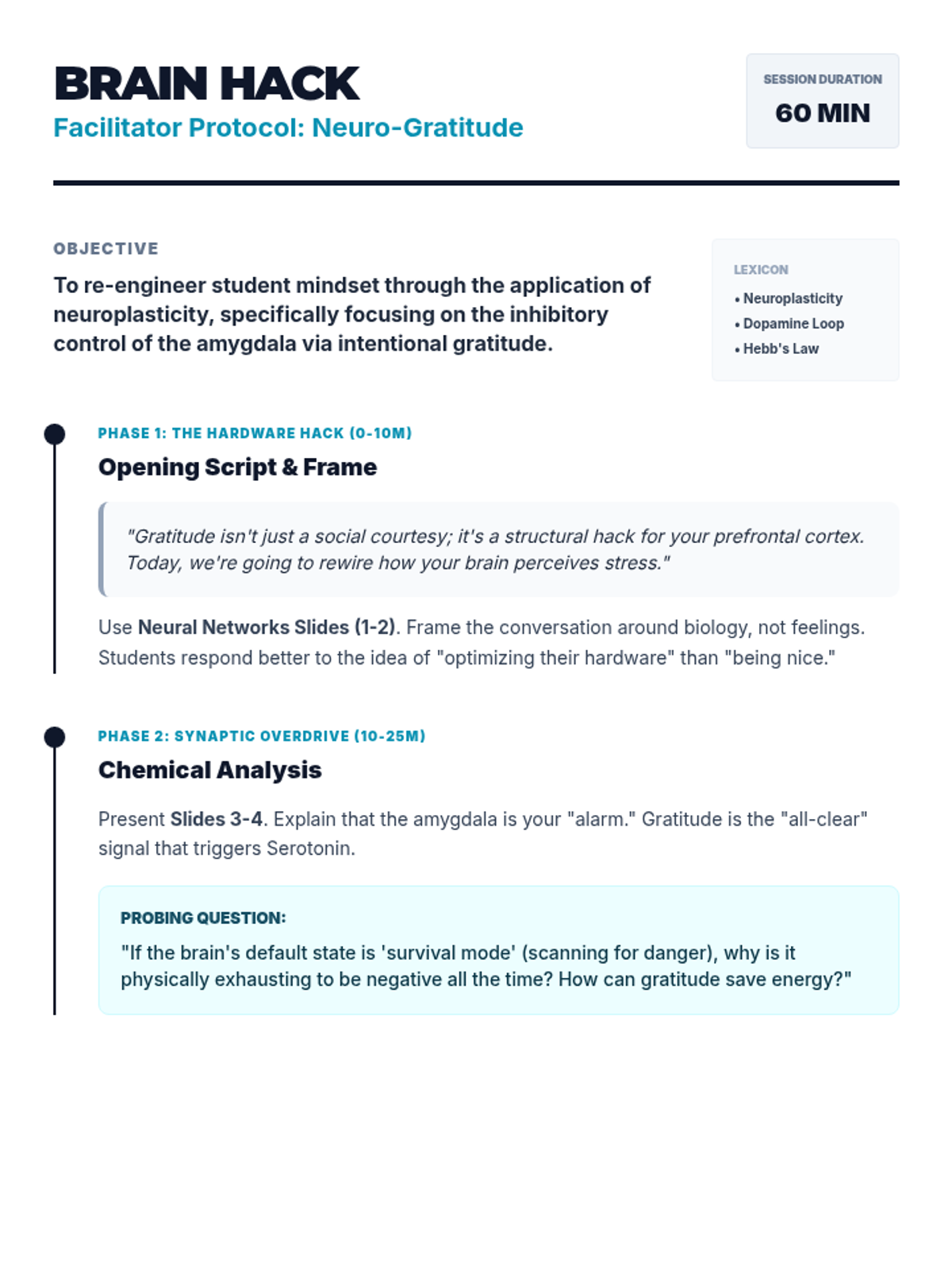
A deep dive into the neuroscience of gratitude, exploring how thankfulness triggers chemical changes in the brain and strengthens neural pathways for long-term well-being. Students will map their own 'gratitude circuits' and practice evidence-based techniques to rewire their thinking.
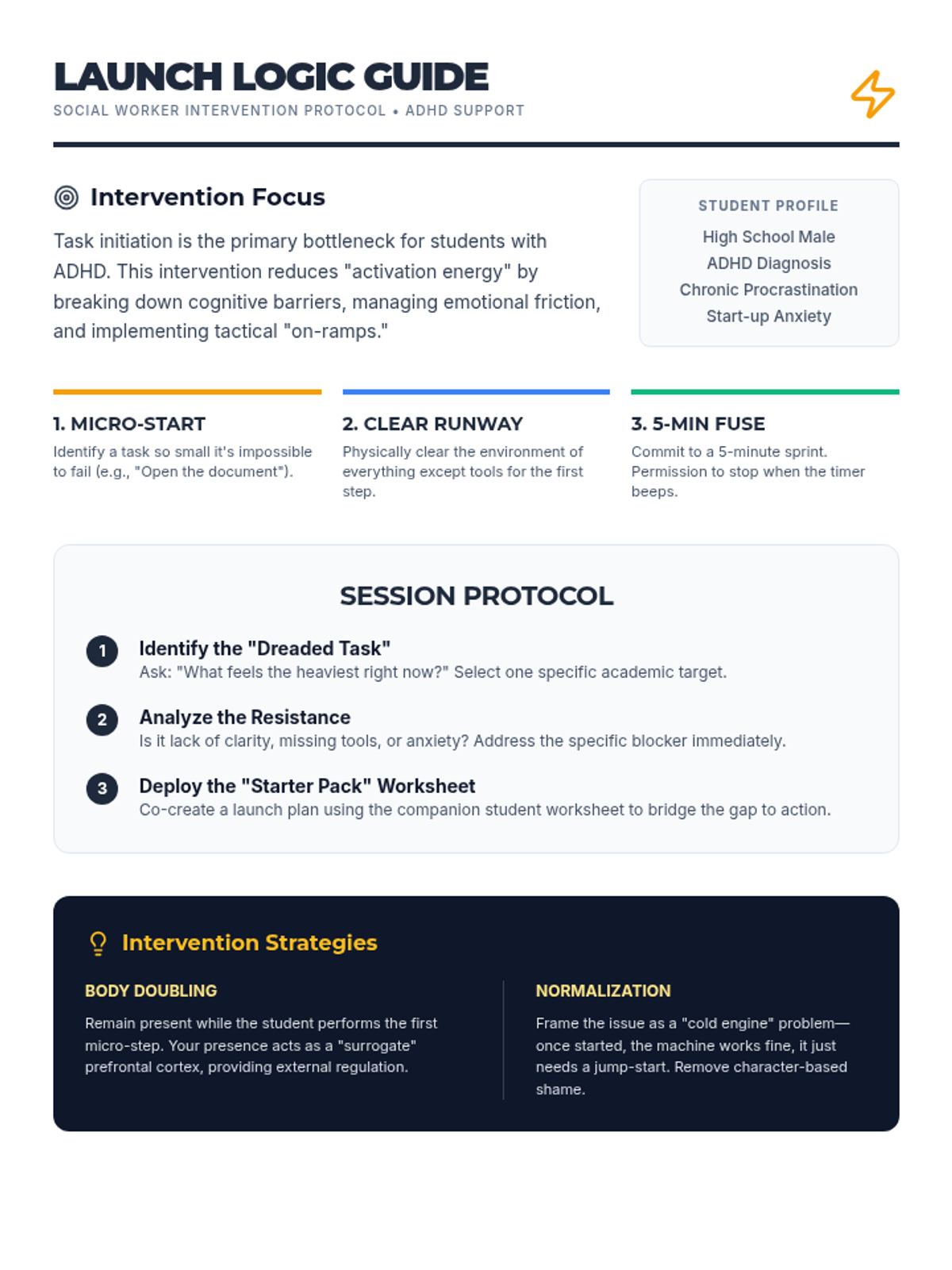
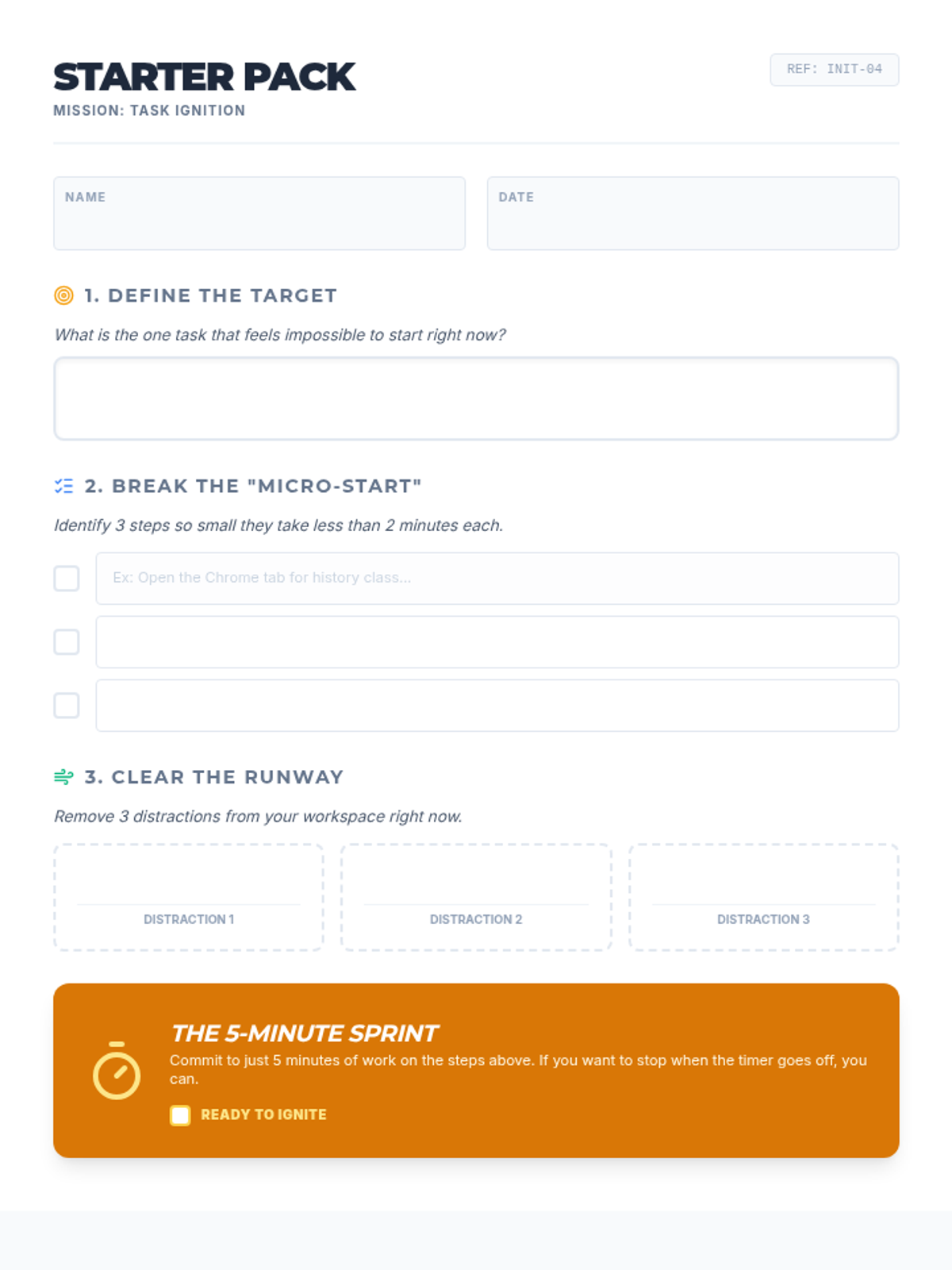
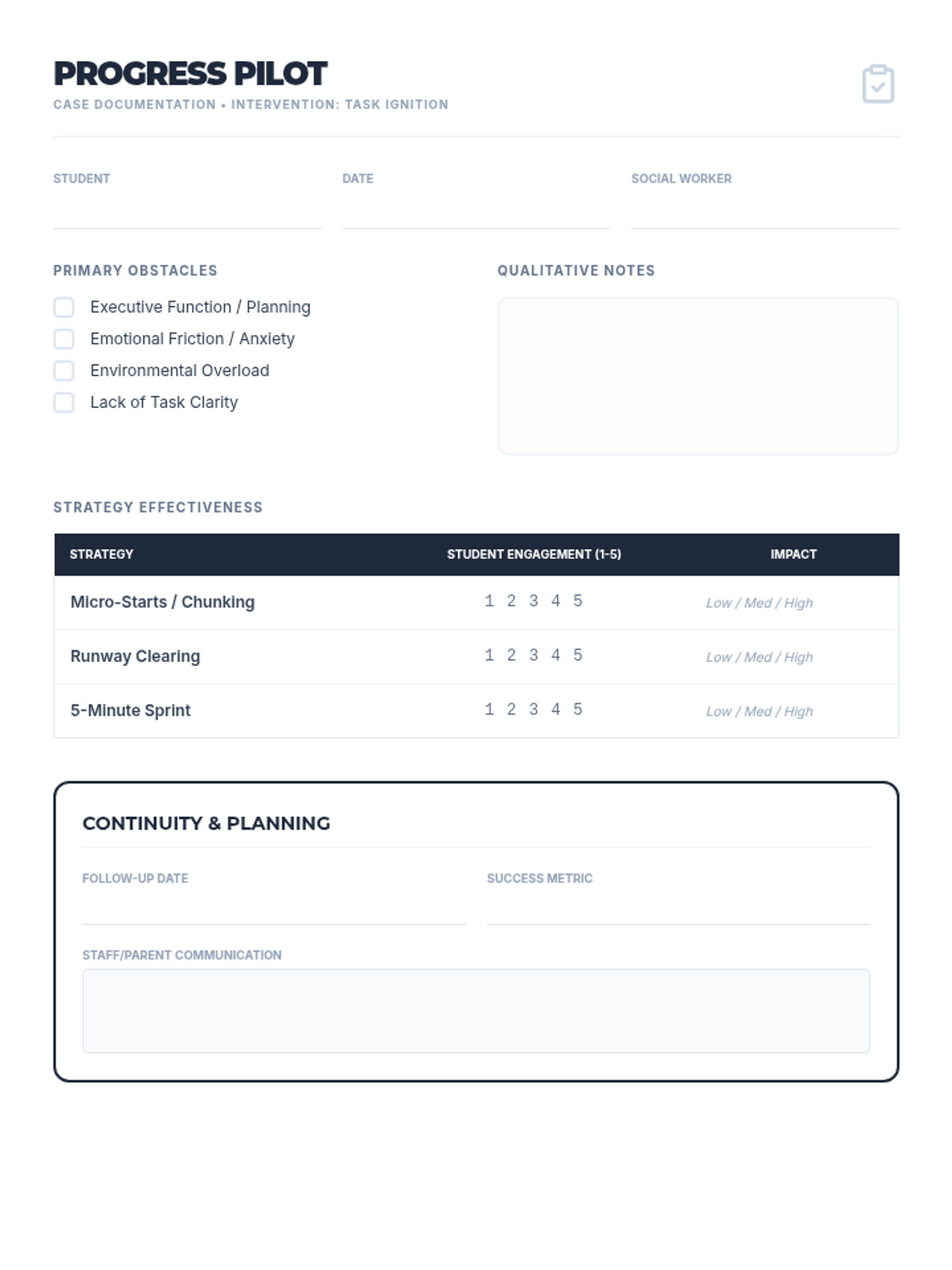
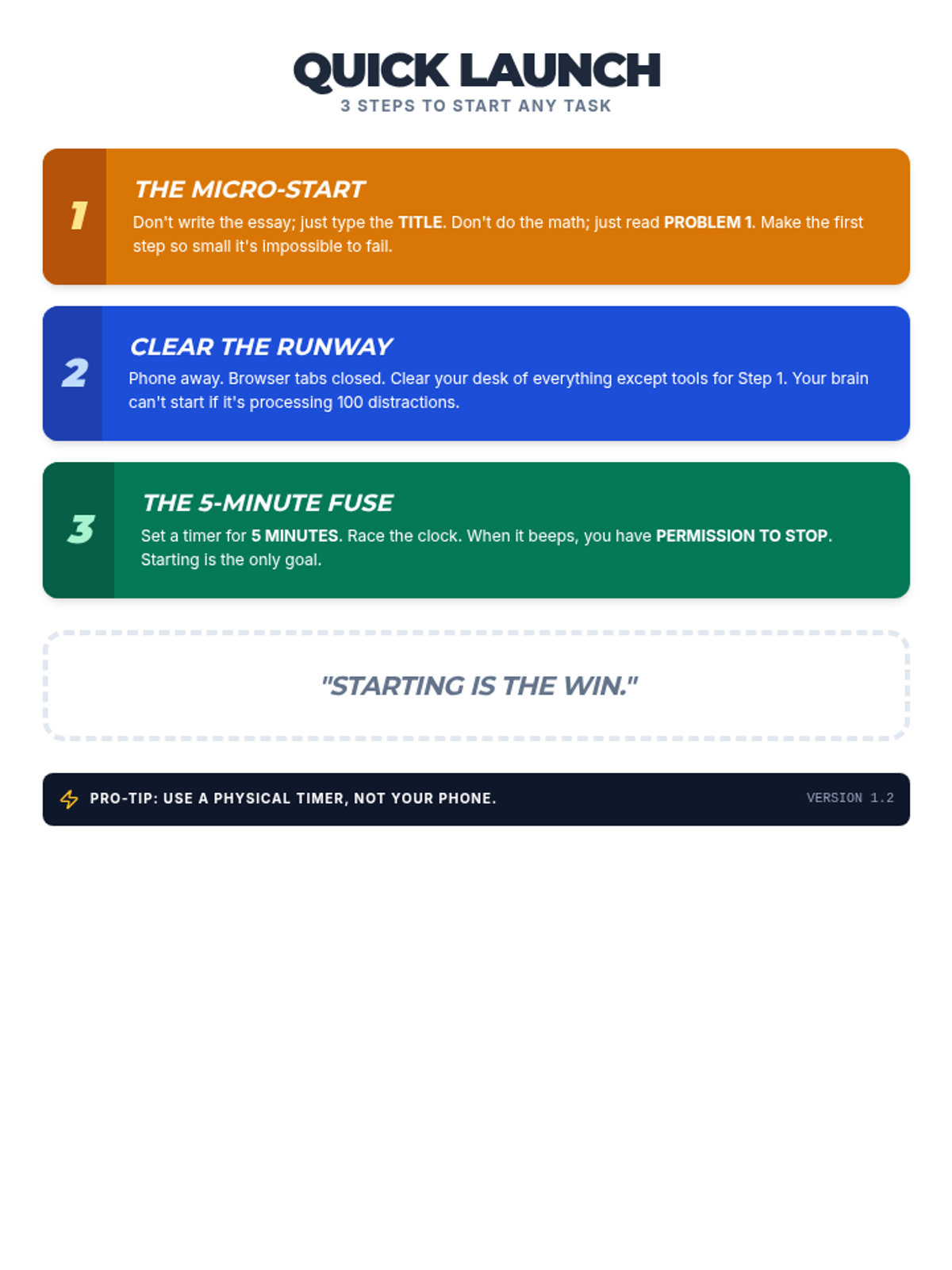
A social work intervention focusing on overcoming task initiation barriers for high school students with ADHD. This lesson provides tactical strategies to bridge the gap between intention and action.
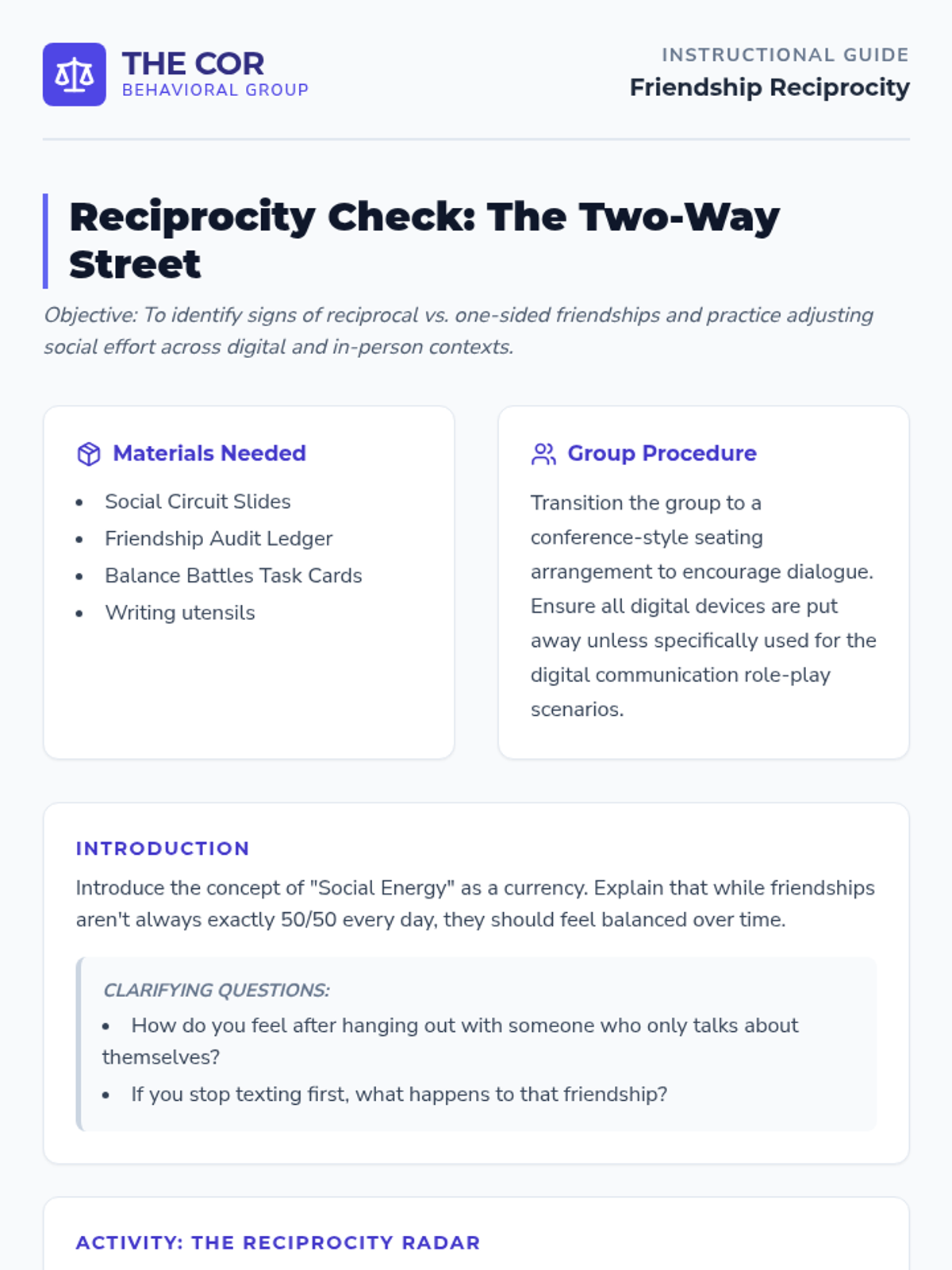
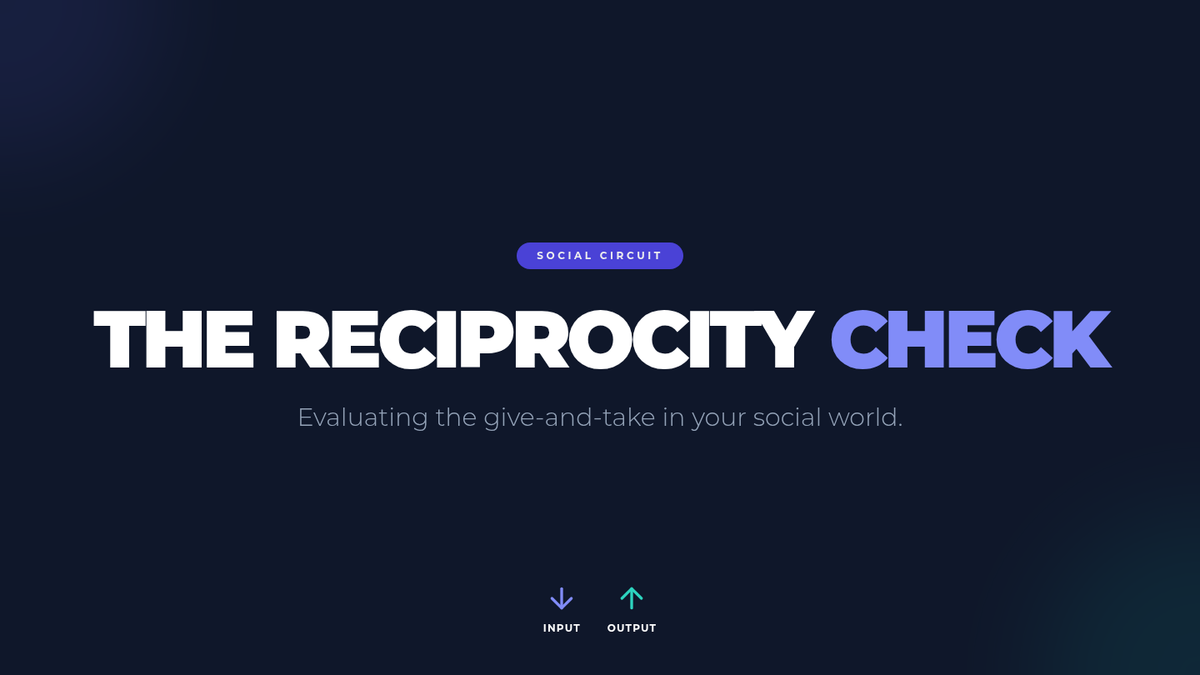
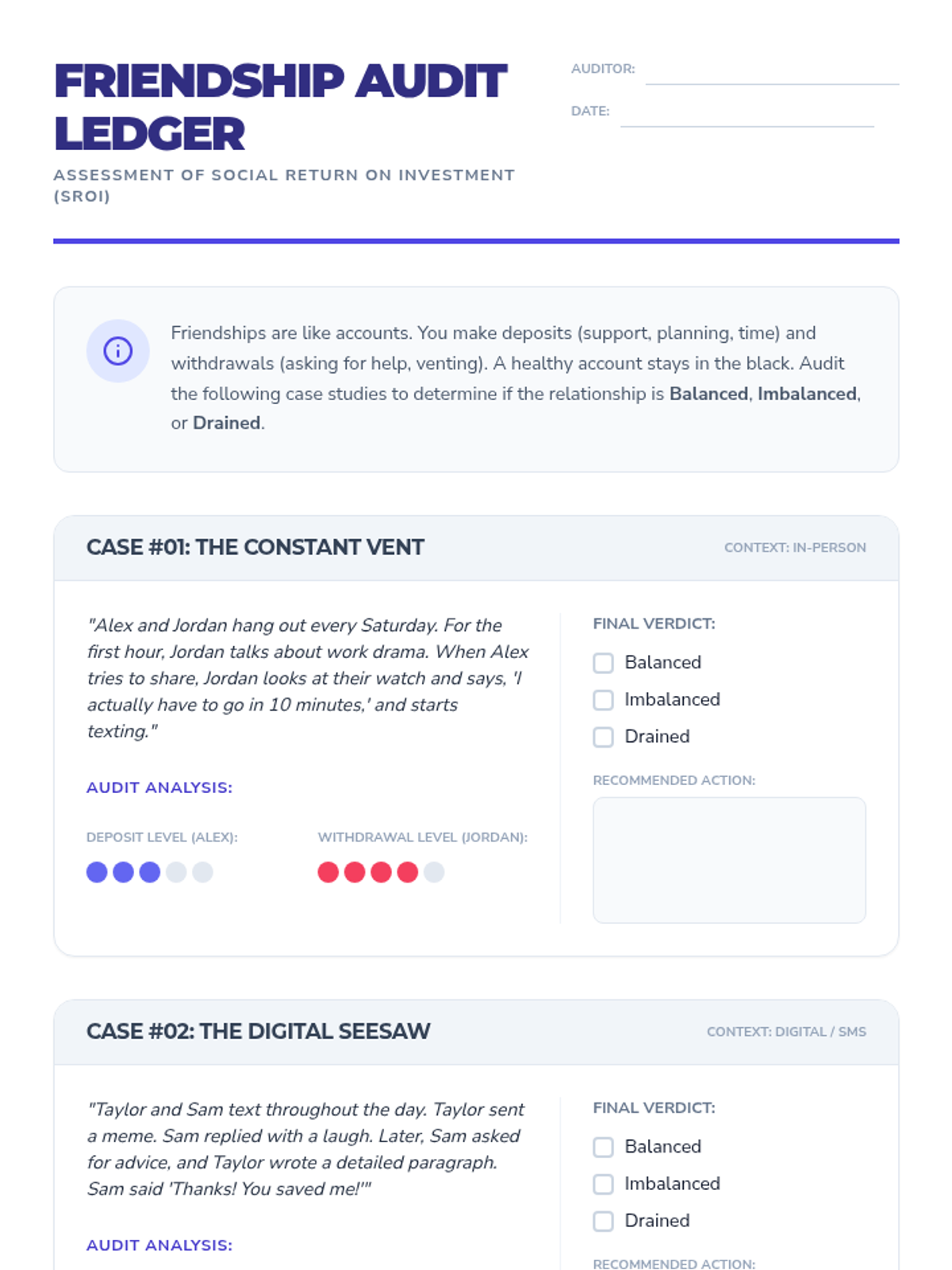
A comprehensive lesson designed for young adults to evaluate the health and balance of their friendships, focusing on identifying one-sided dynamics and practicing strategies for healthy reciprocity in both digital and in-person interactions.