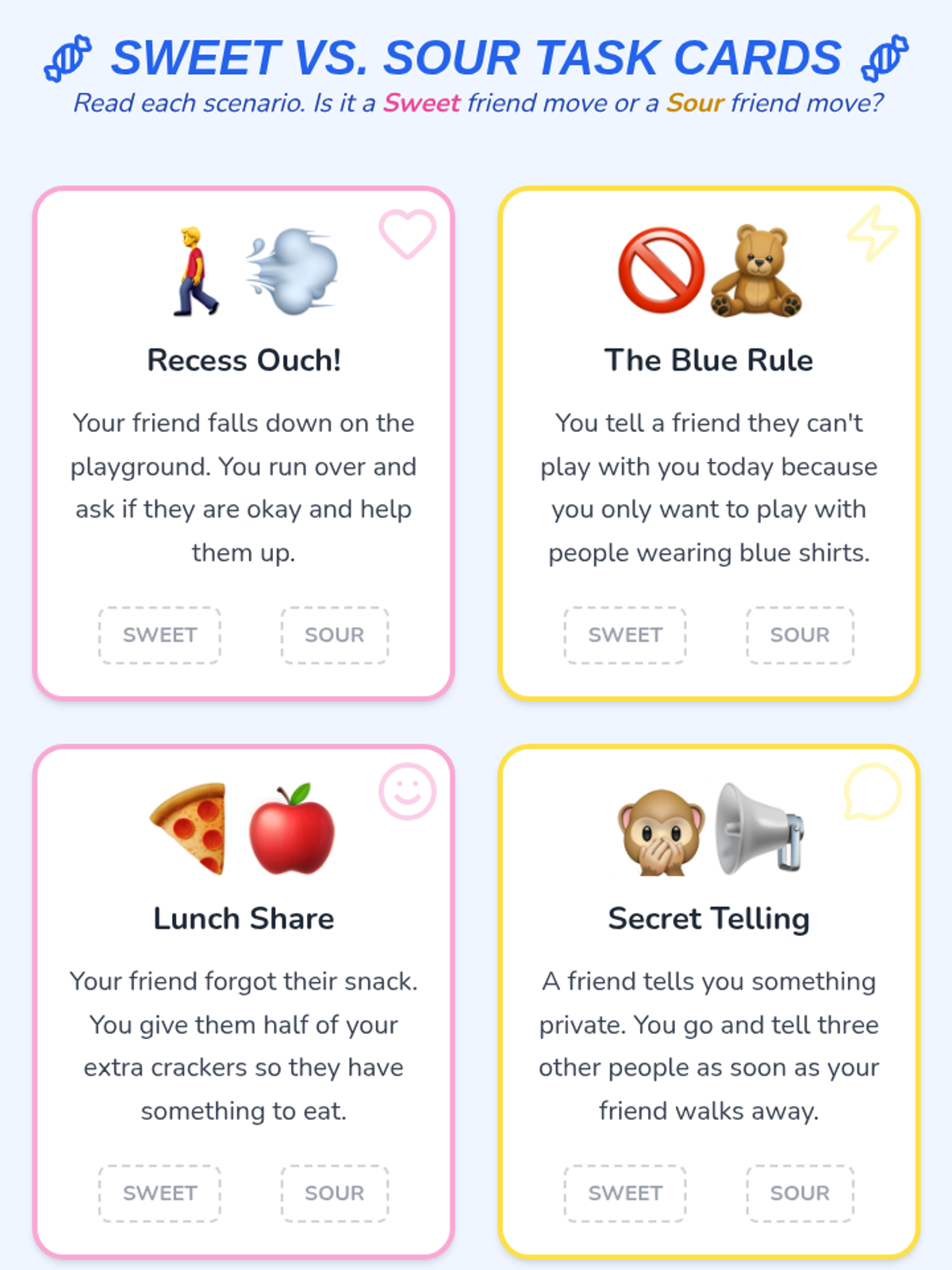
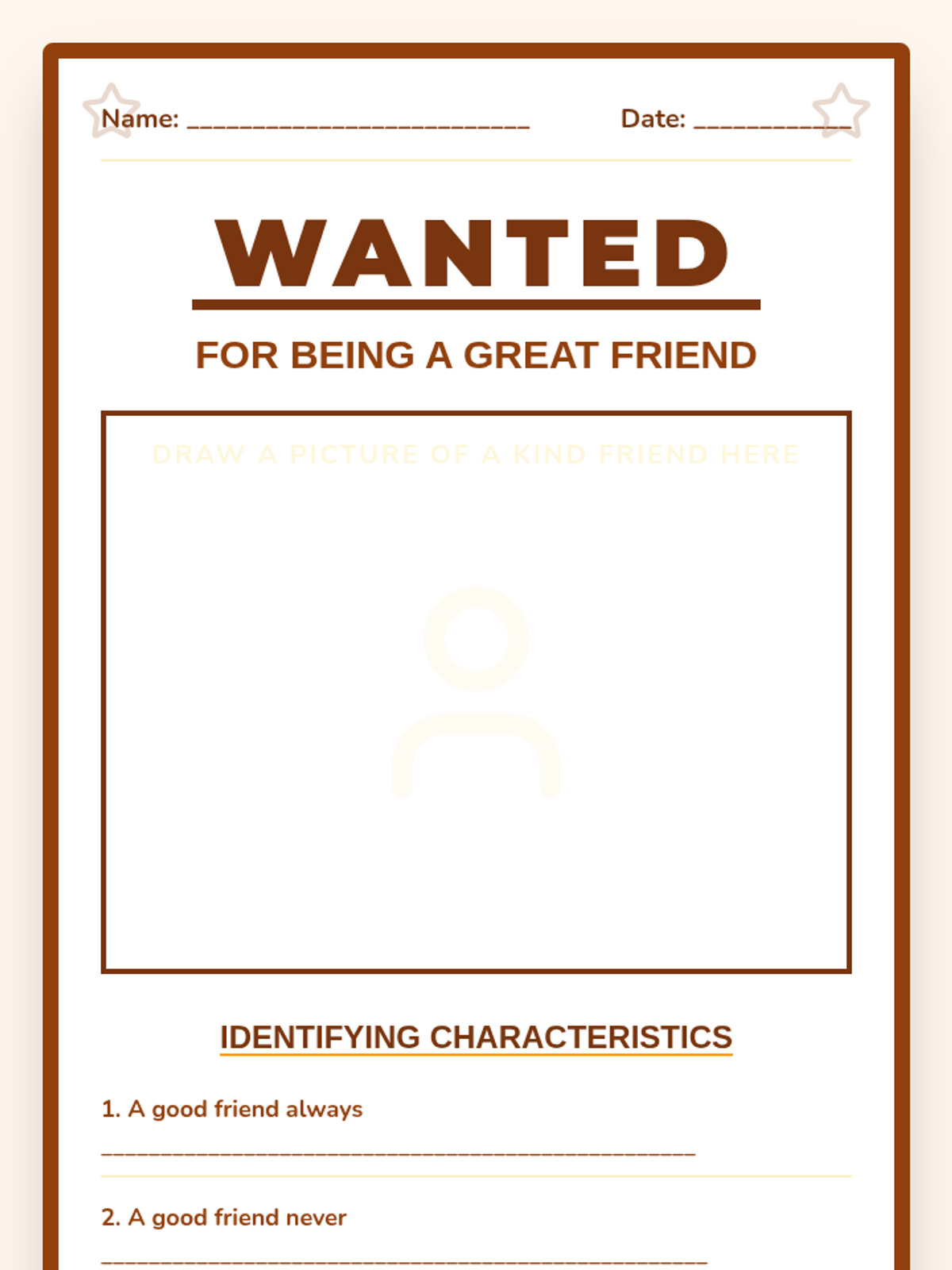
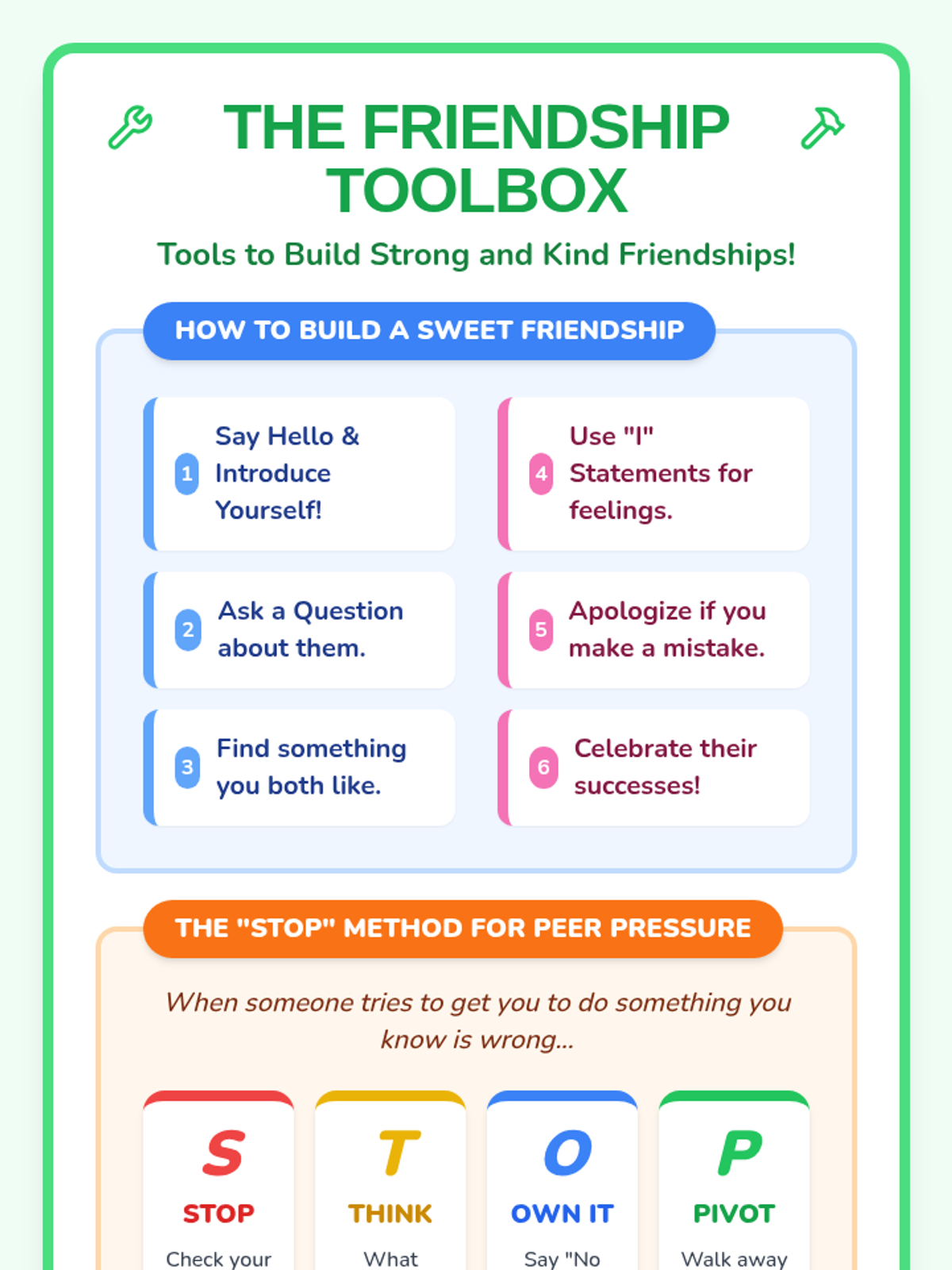
A 15-minute 3rd grade lesson where students explore and practice the qualities of good friends through brainstorming, role-play, and personal reflection to build a caring classroom culture.
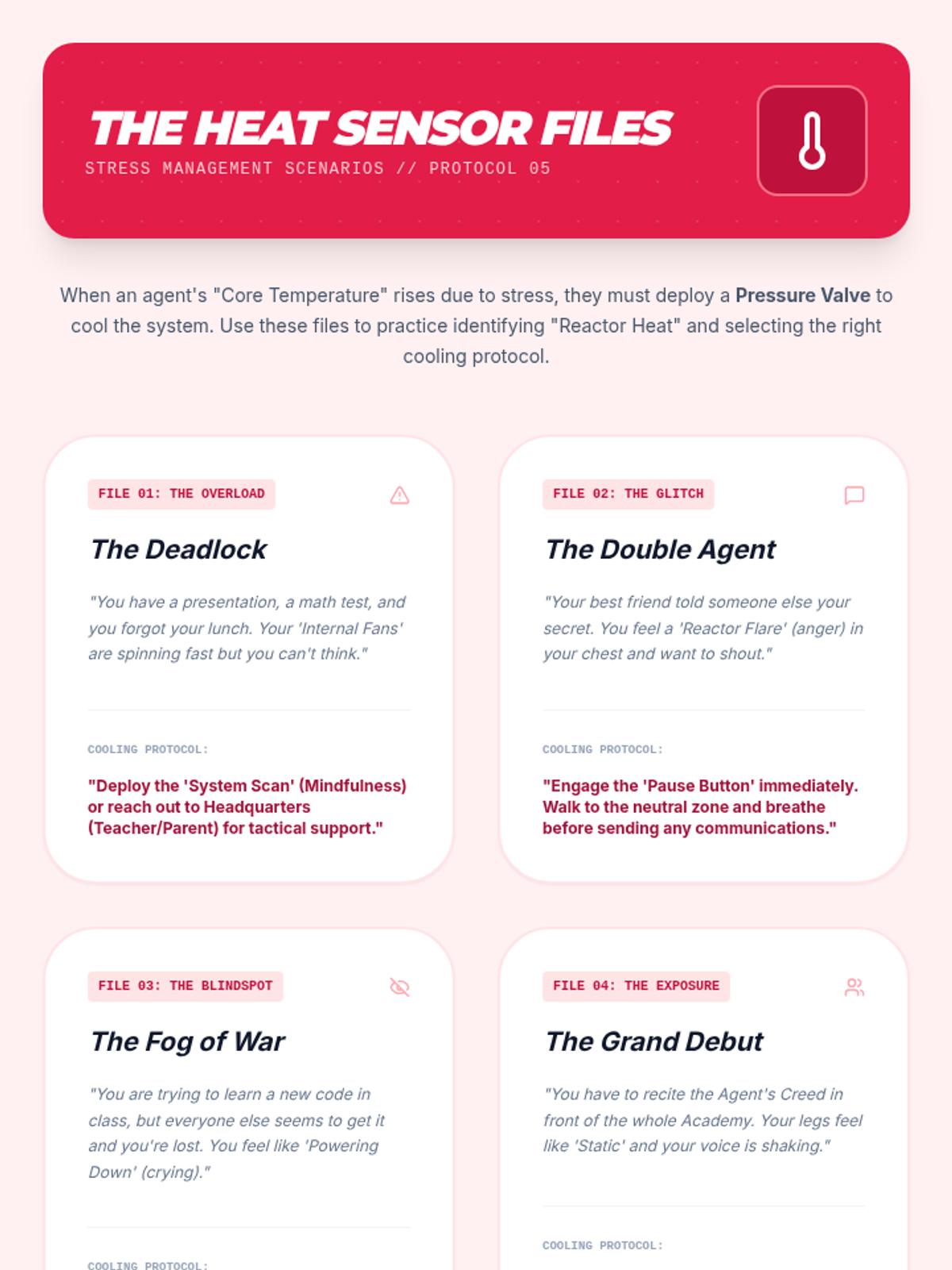
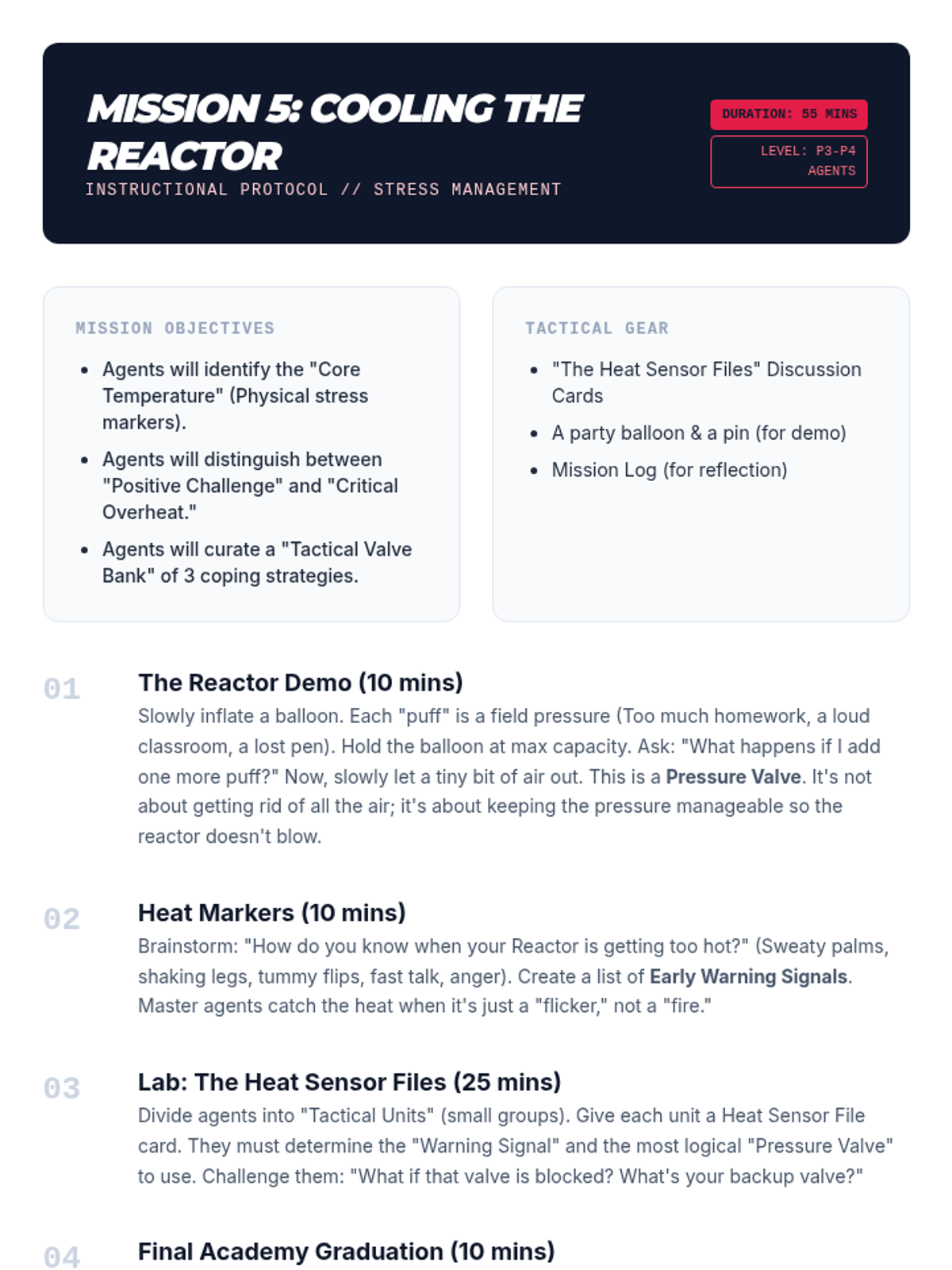
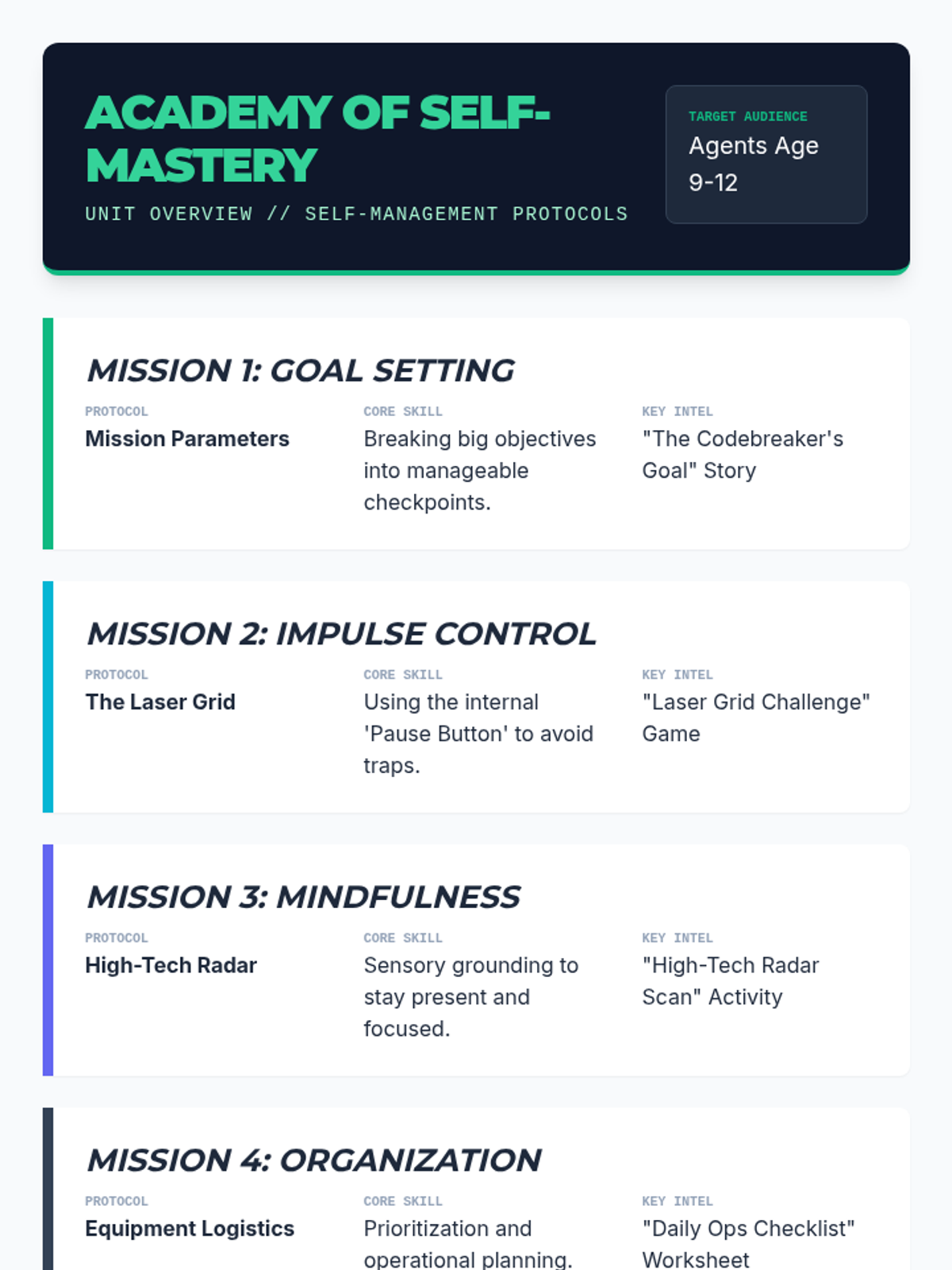
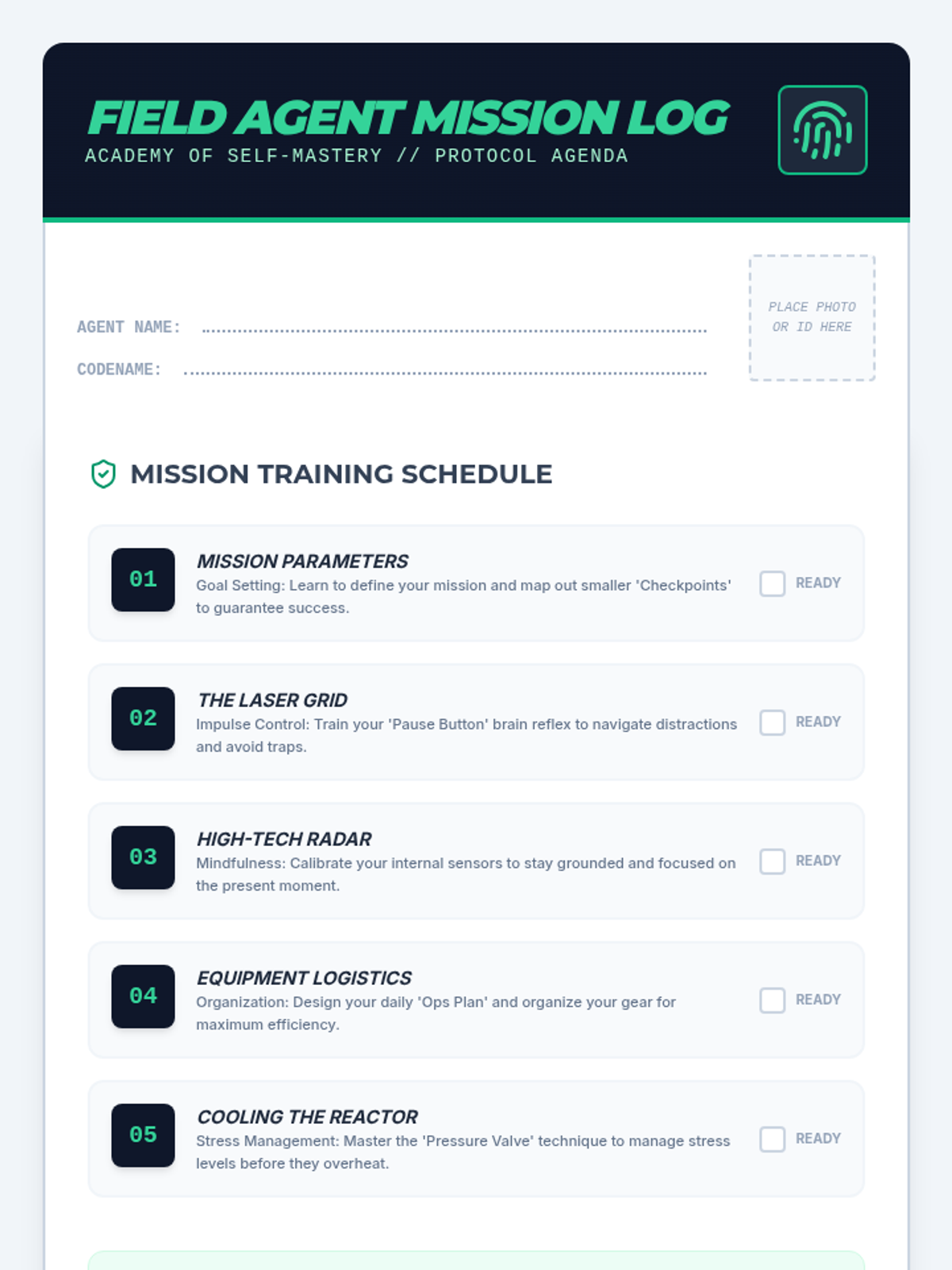
Agents learn to identify 'reactor heat' (stress) and use cooling valves to maintain operational status.
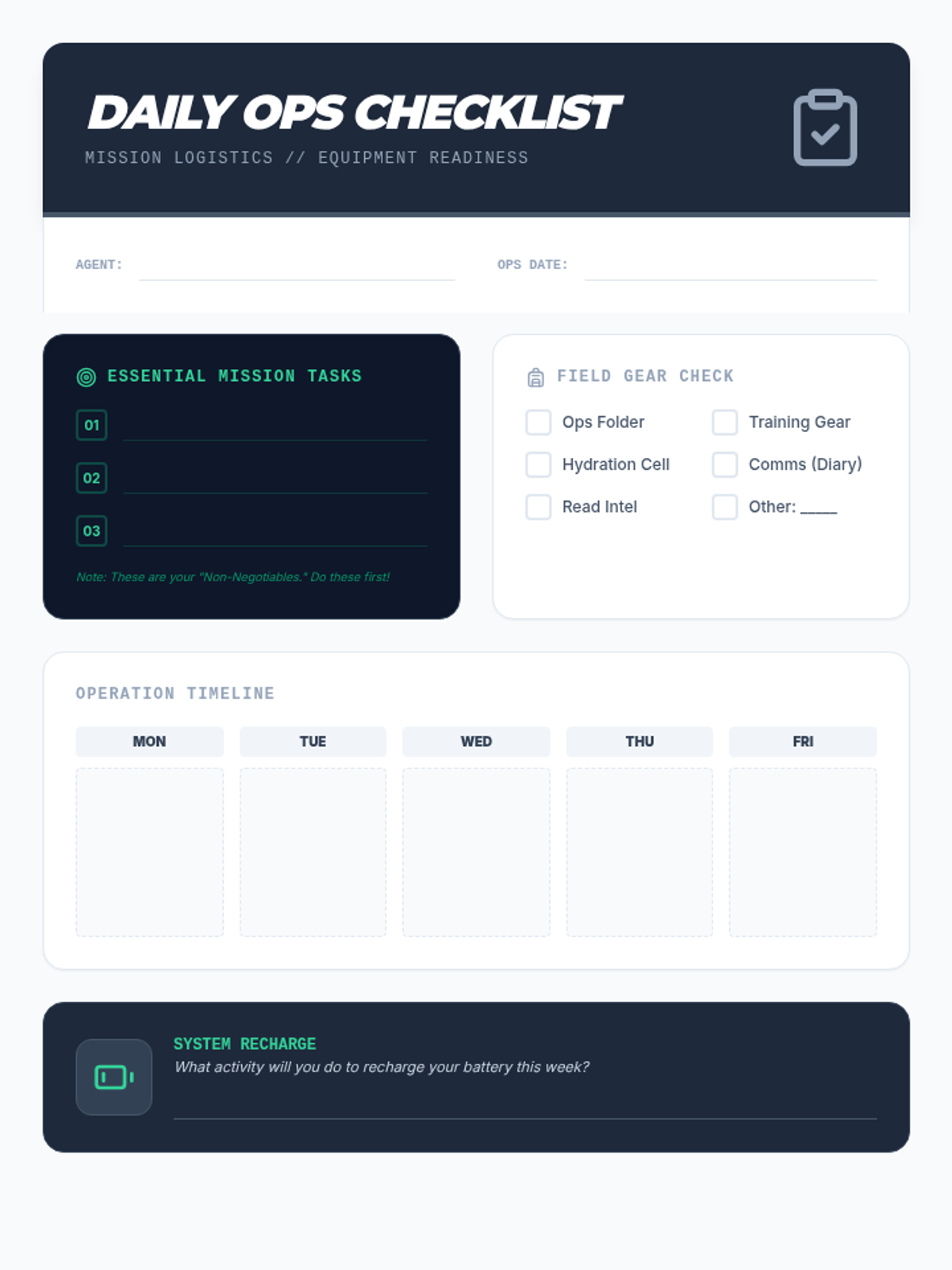
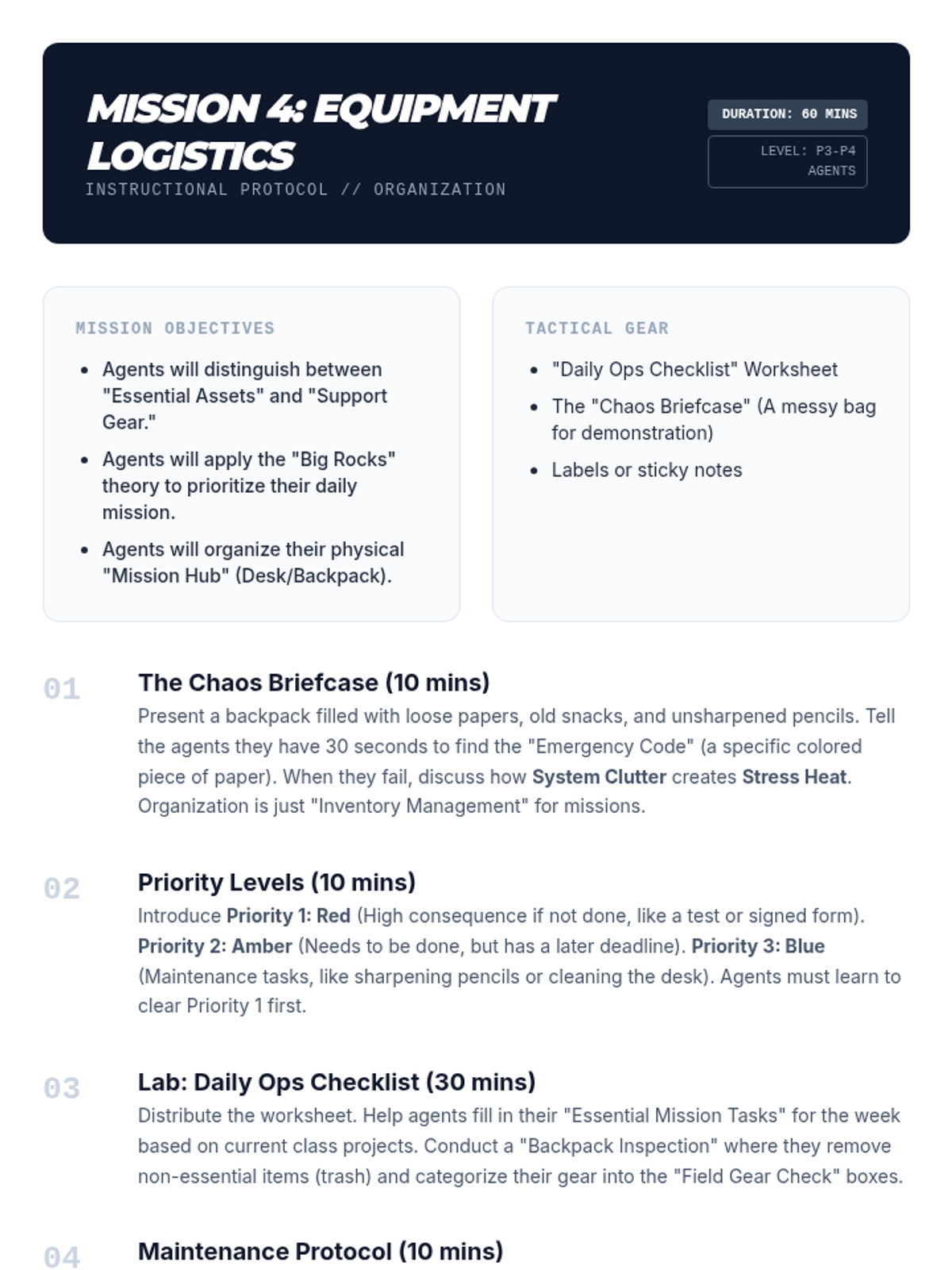
Agents master the logistics of their daily operations through effective planning and organization.
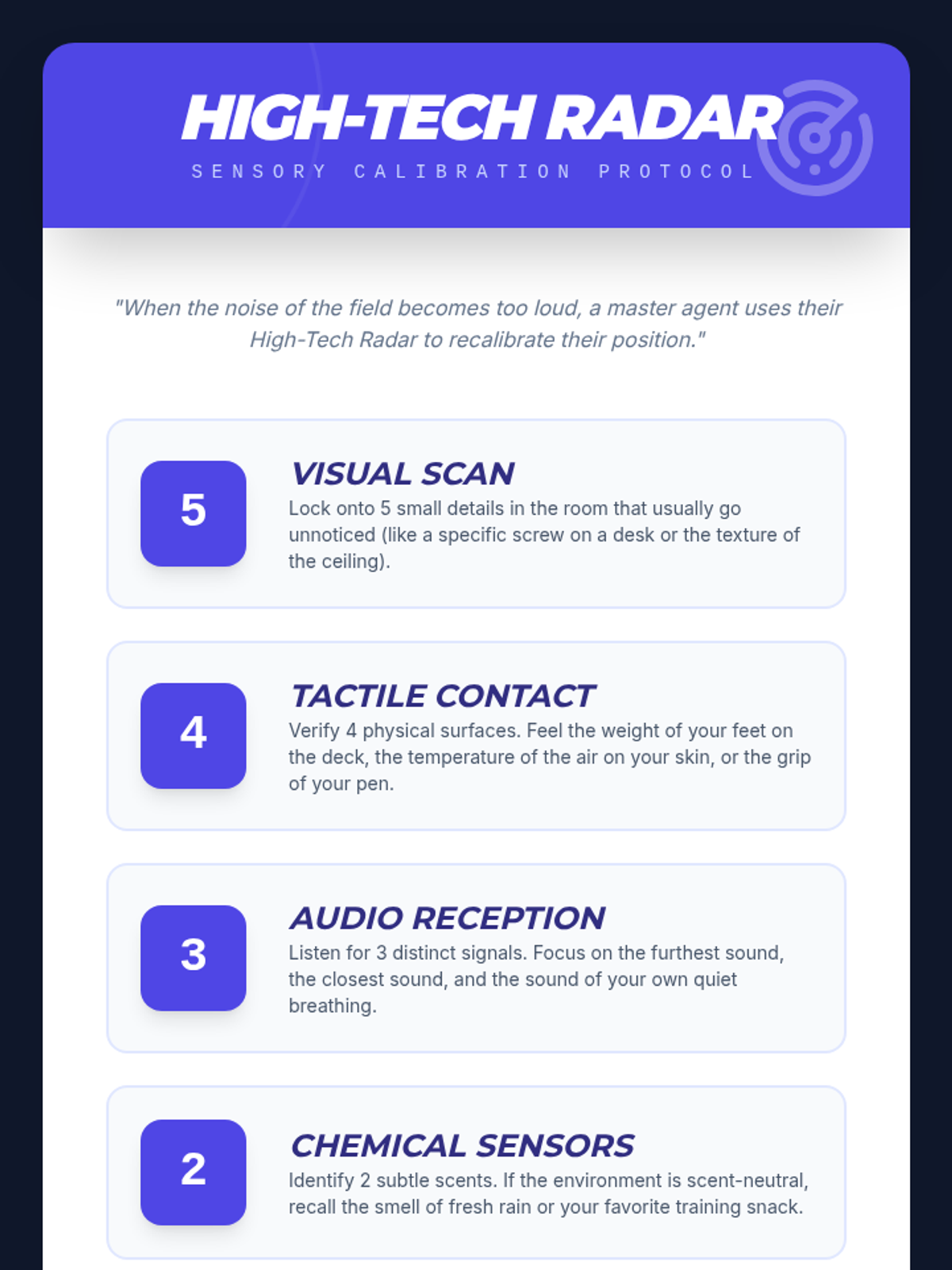
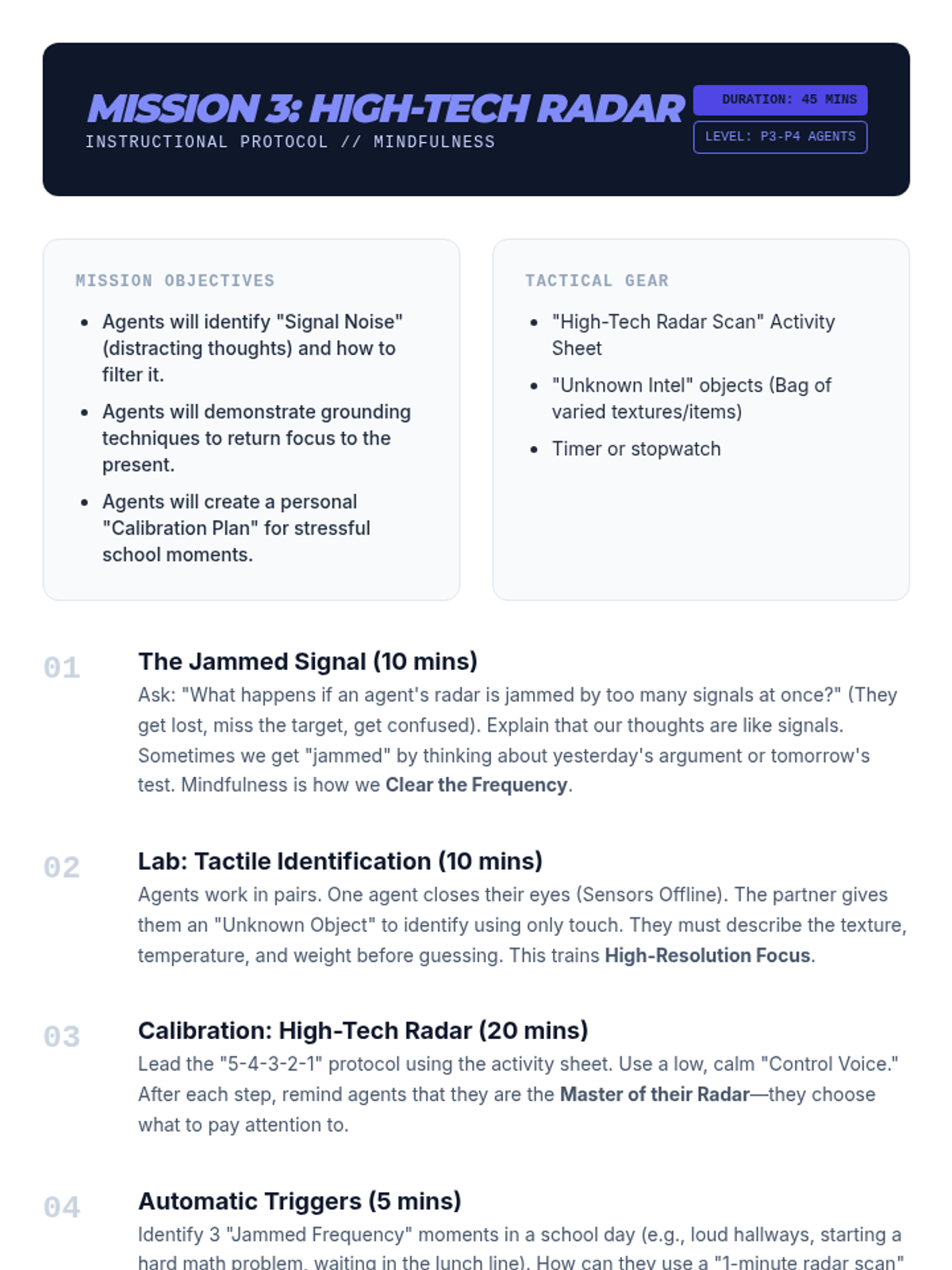
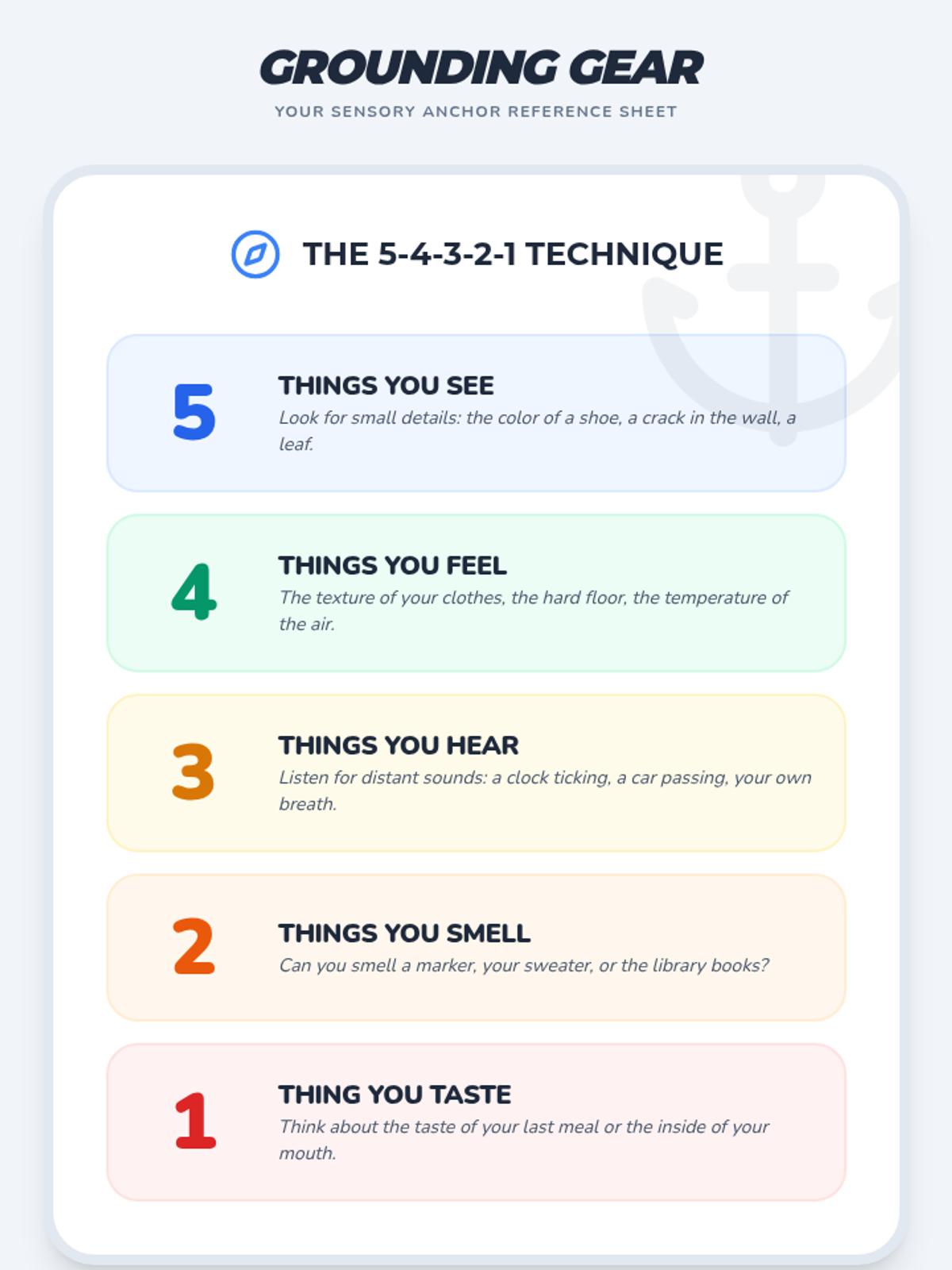
Agents calibrate their internal radar using sensory grounding techniques to stay focused.
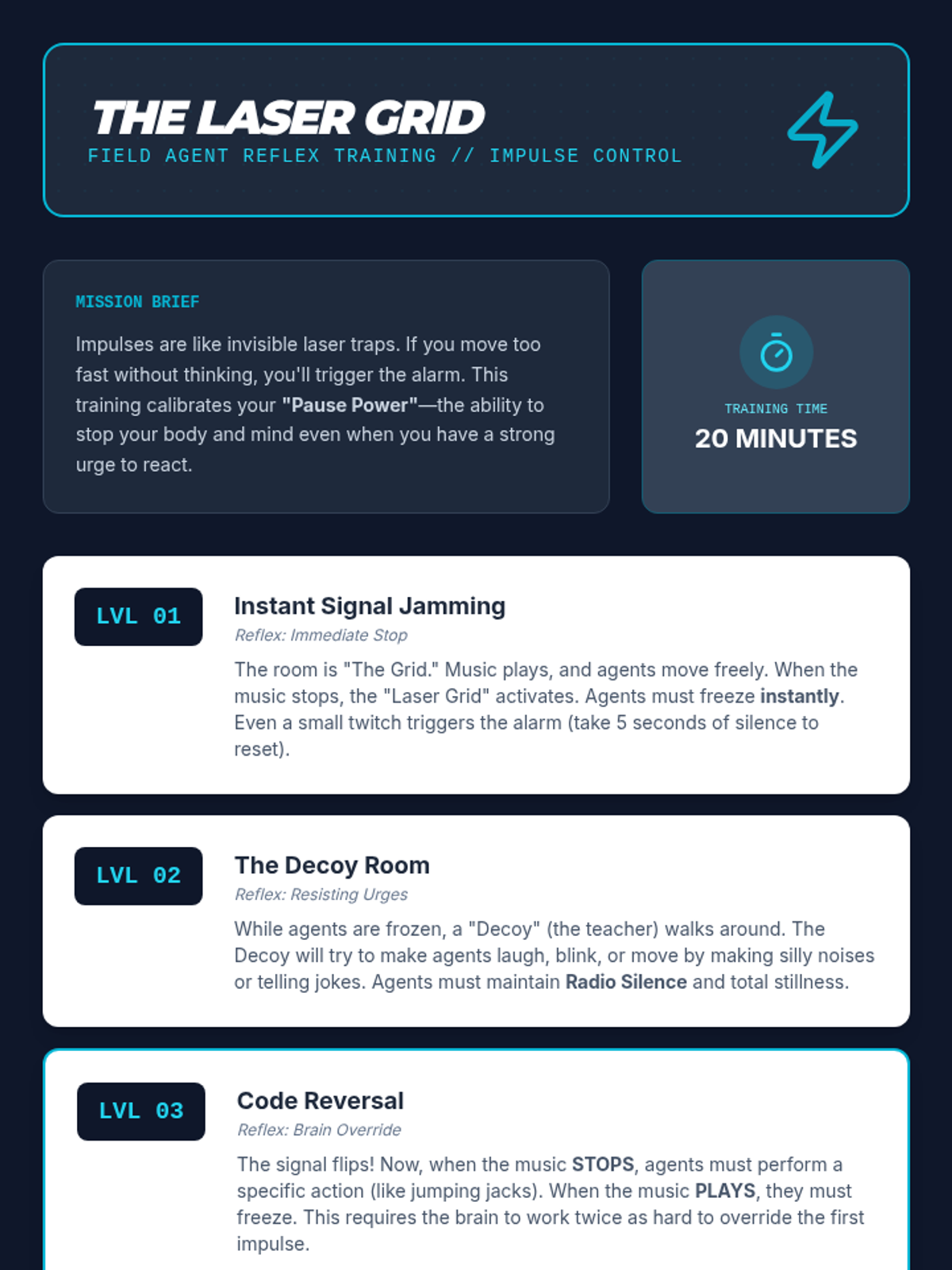
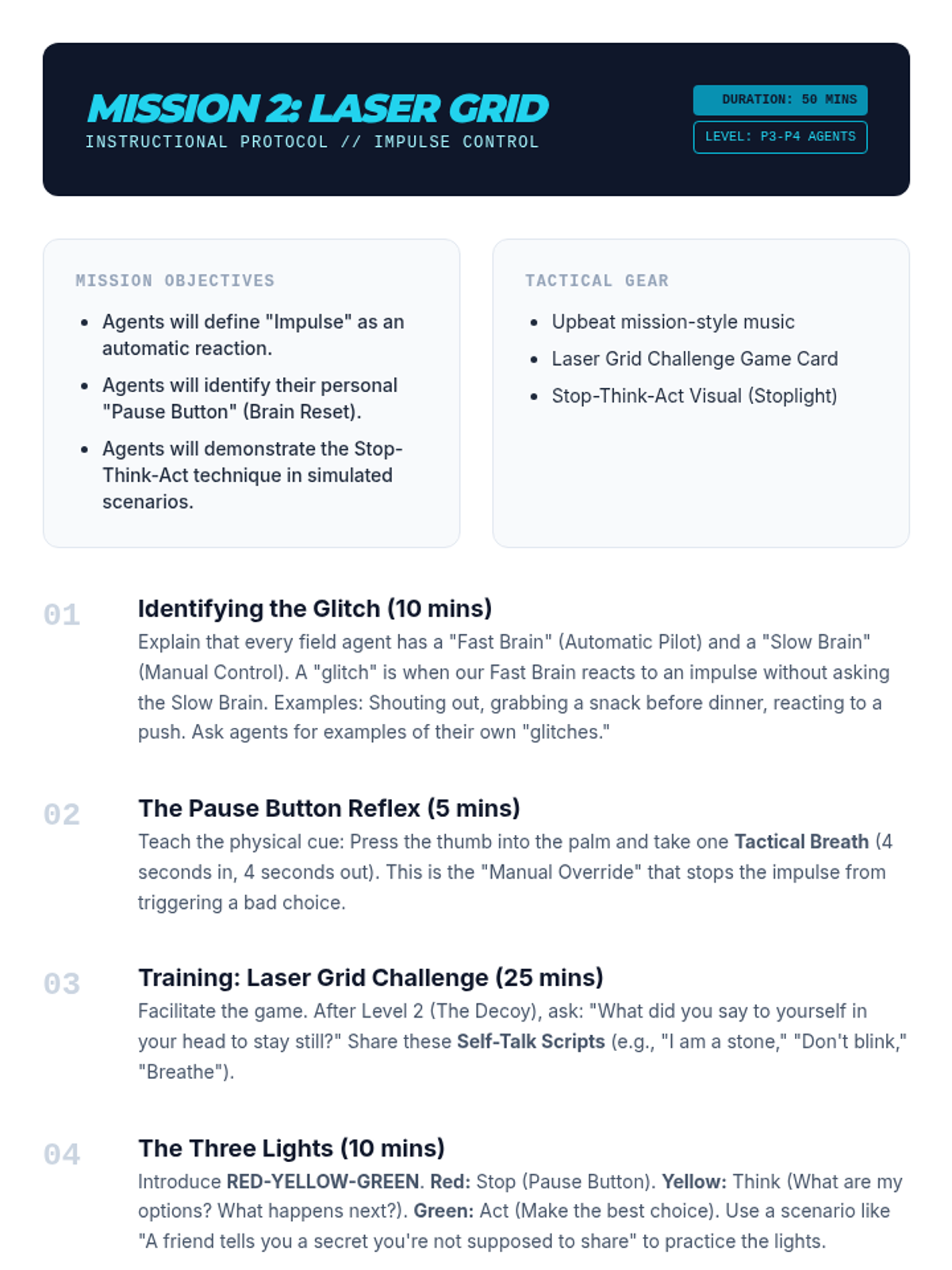
Agents practice navigating the 'Laser Grid' of impulses by using their internal pause button.
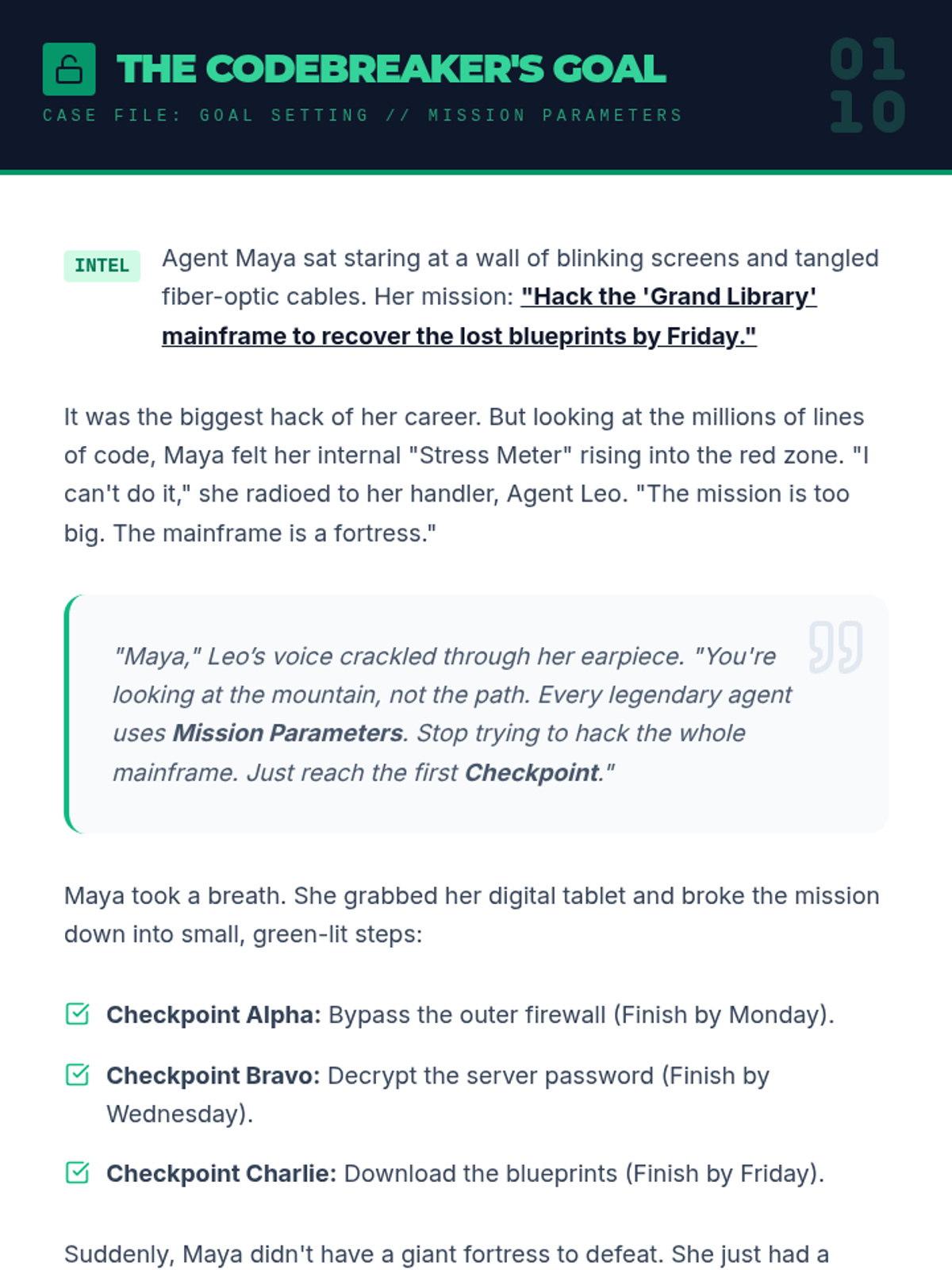
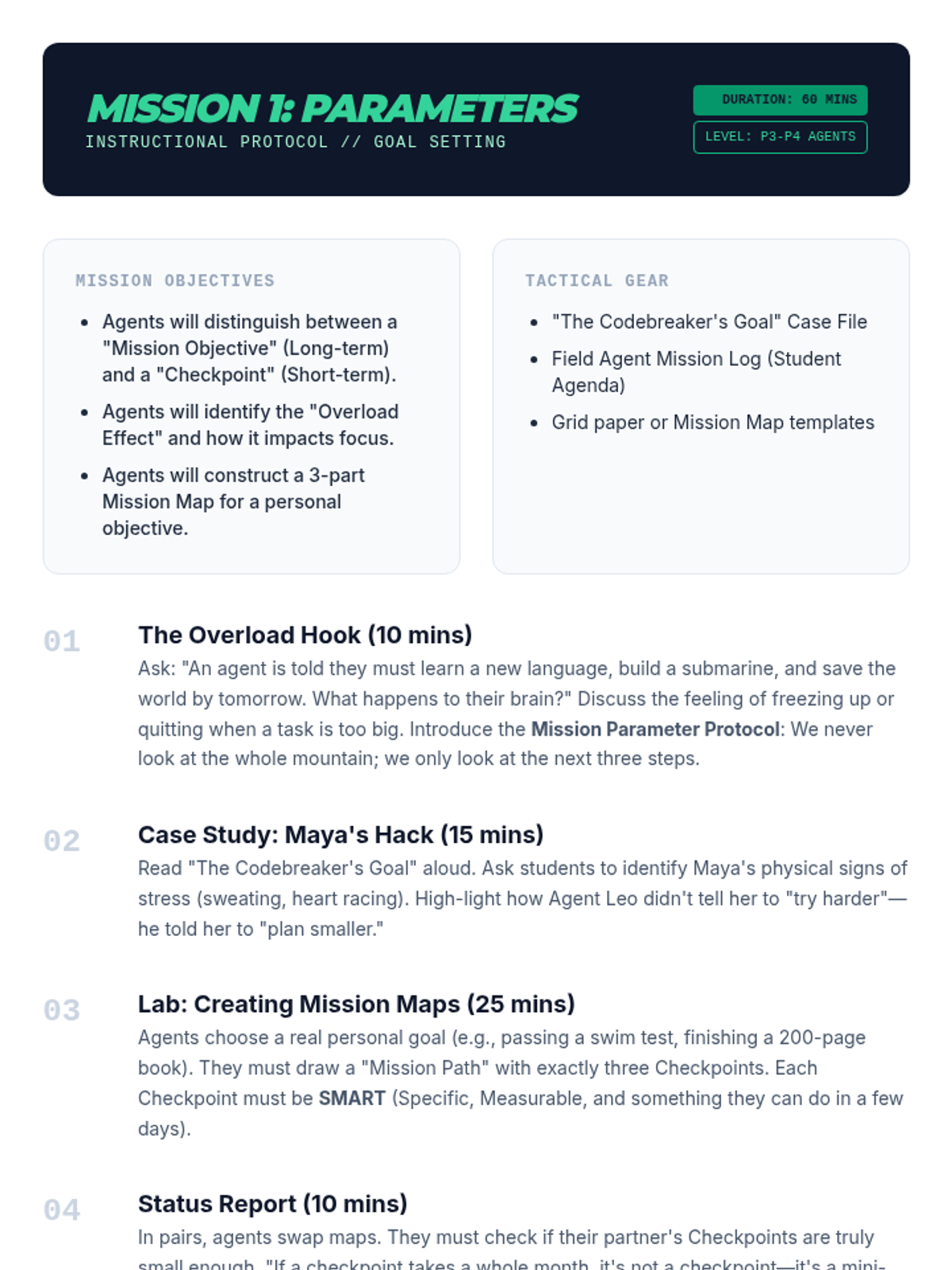
Agents learn to define their mission and break down big objectives into manageable checkpoints.
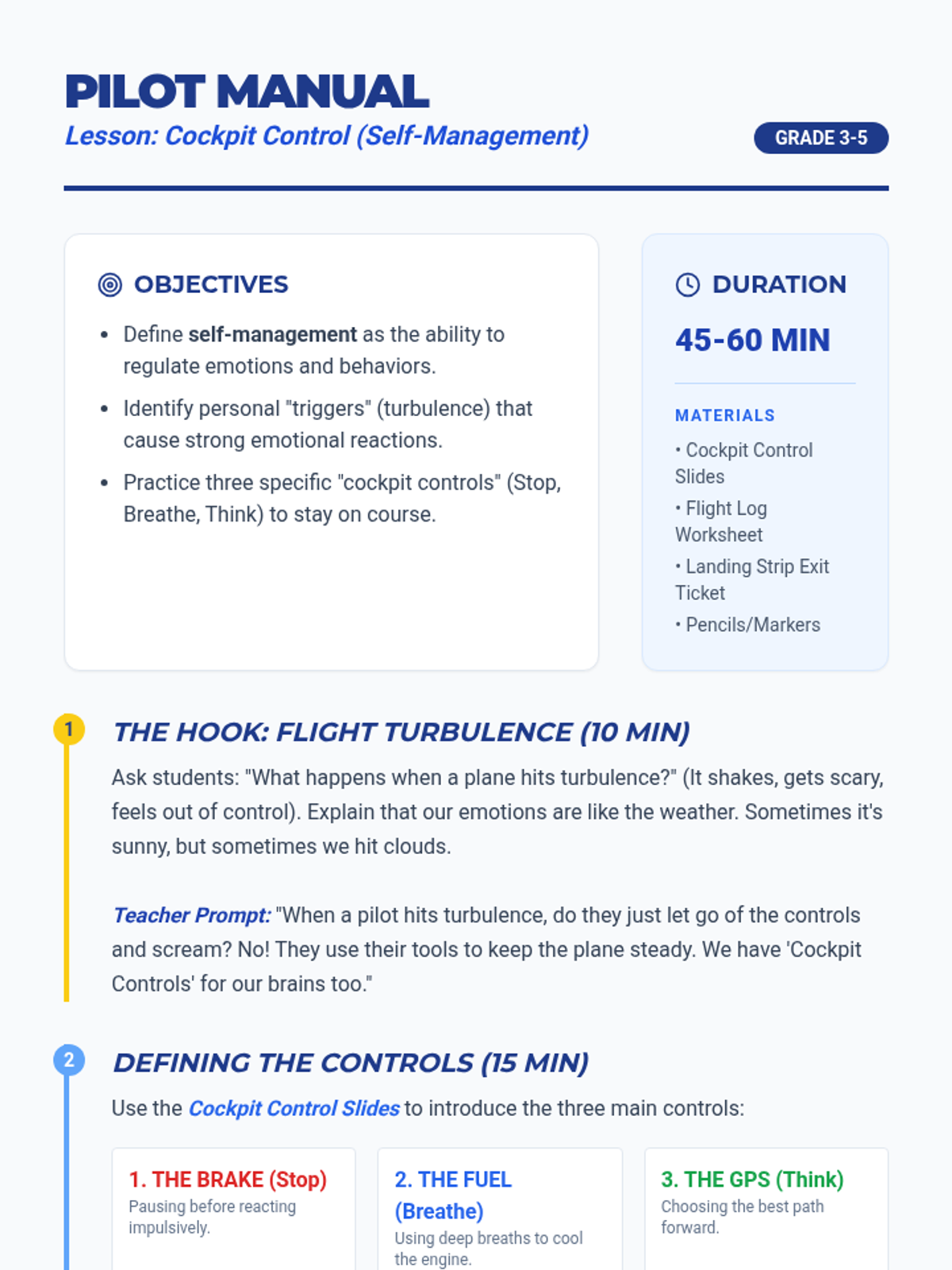
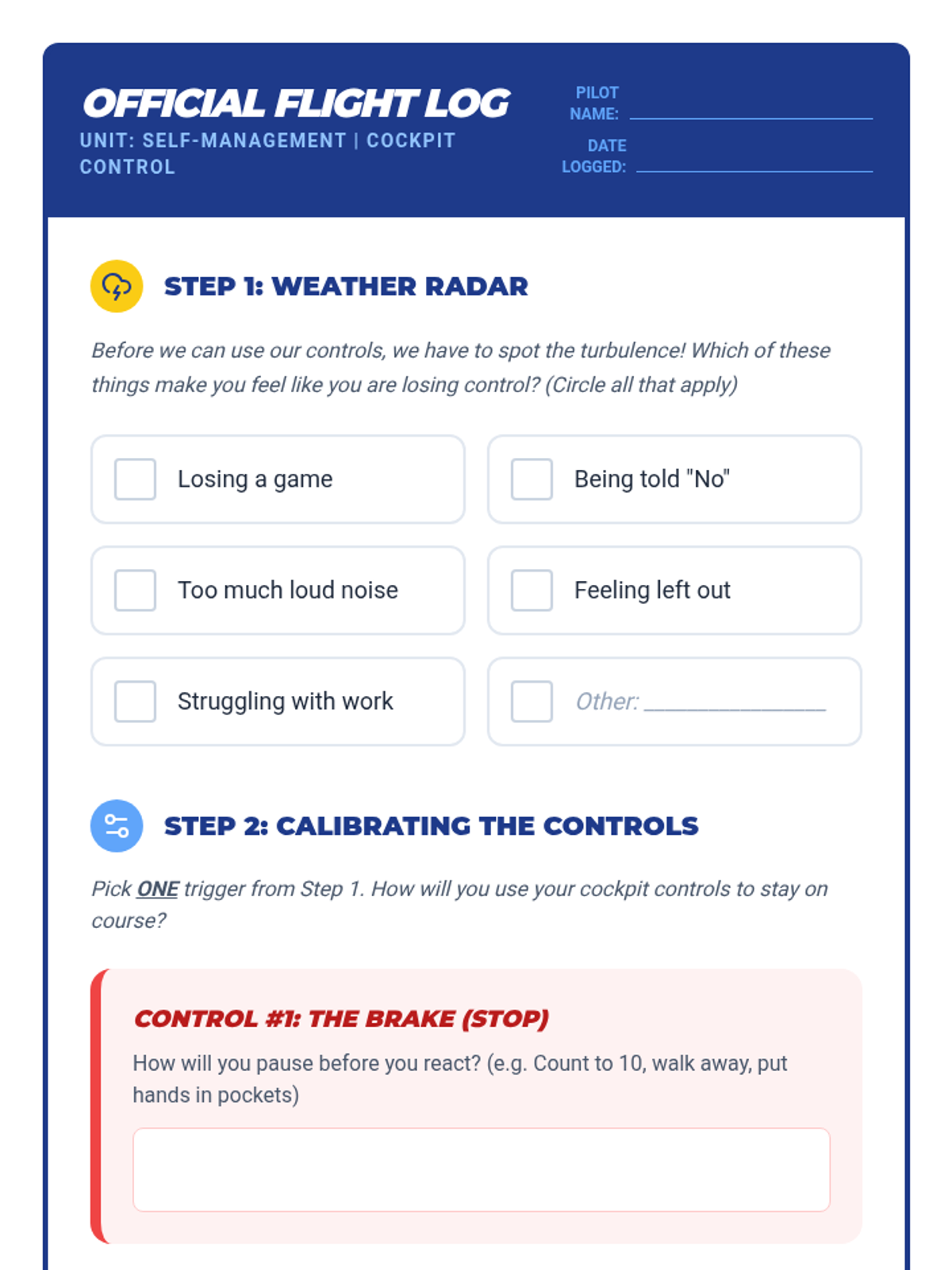
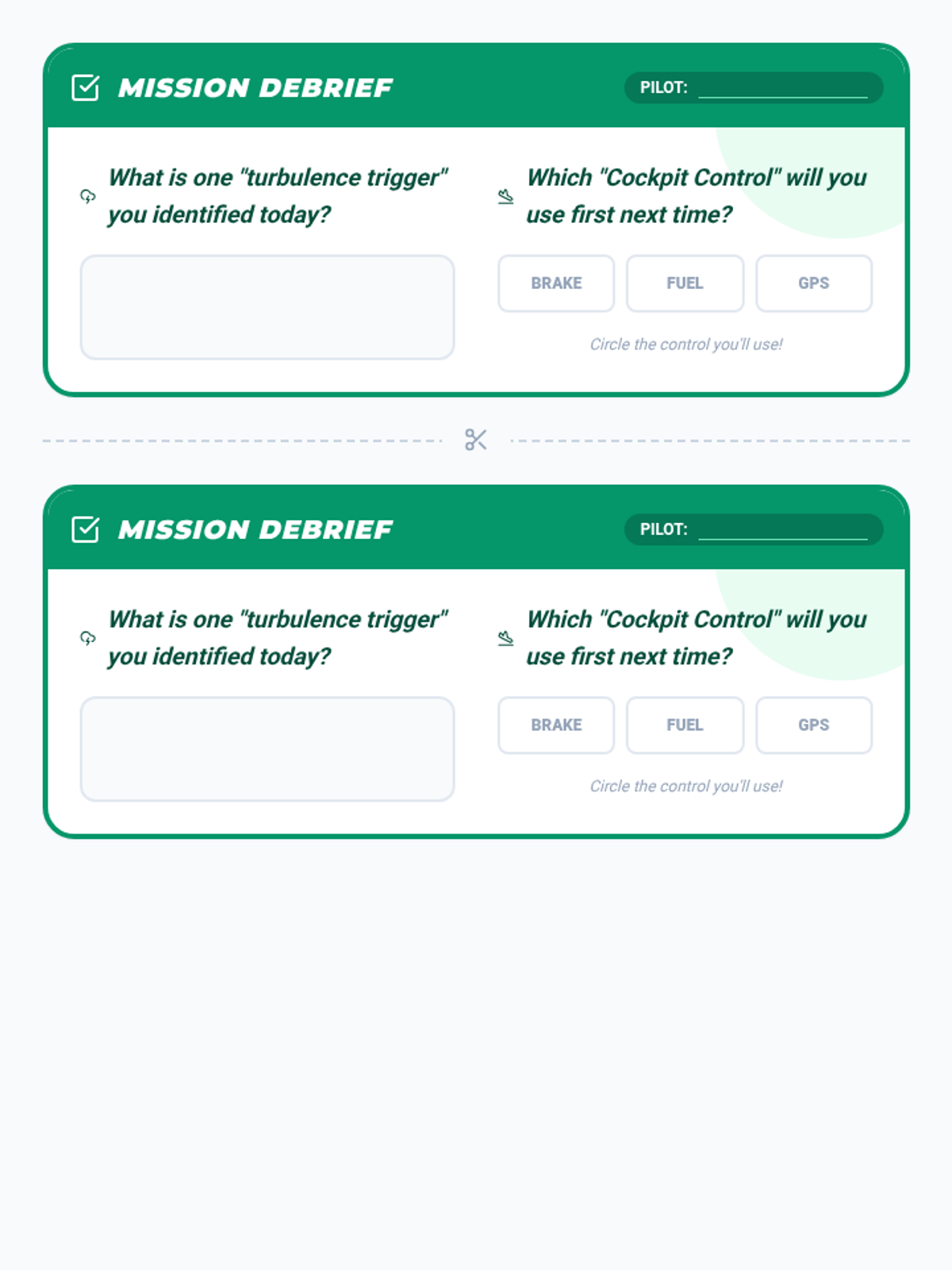
This lesson introduces self-management through an aviation metaphor, teaching students to identify emotional 'turbulence' and use specific 'cockpit controls' to stay on course. Students will learn strategies for impulse control and emotional regulation.
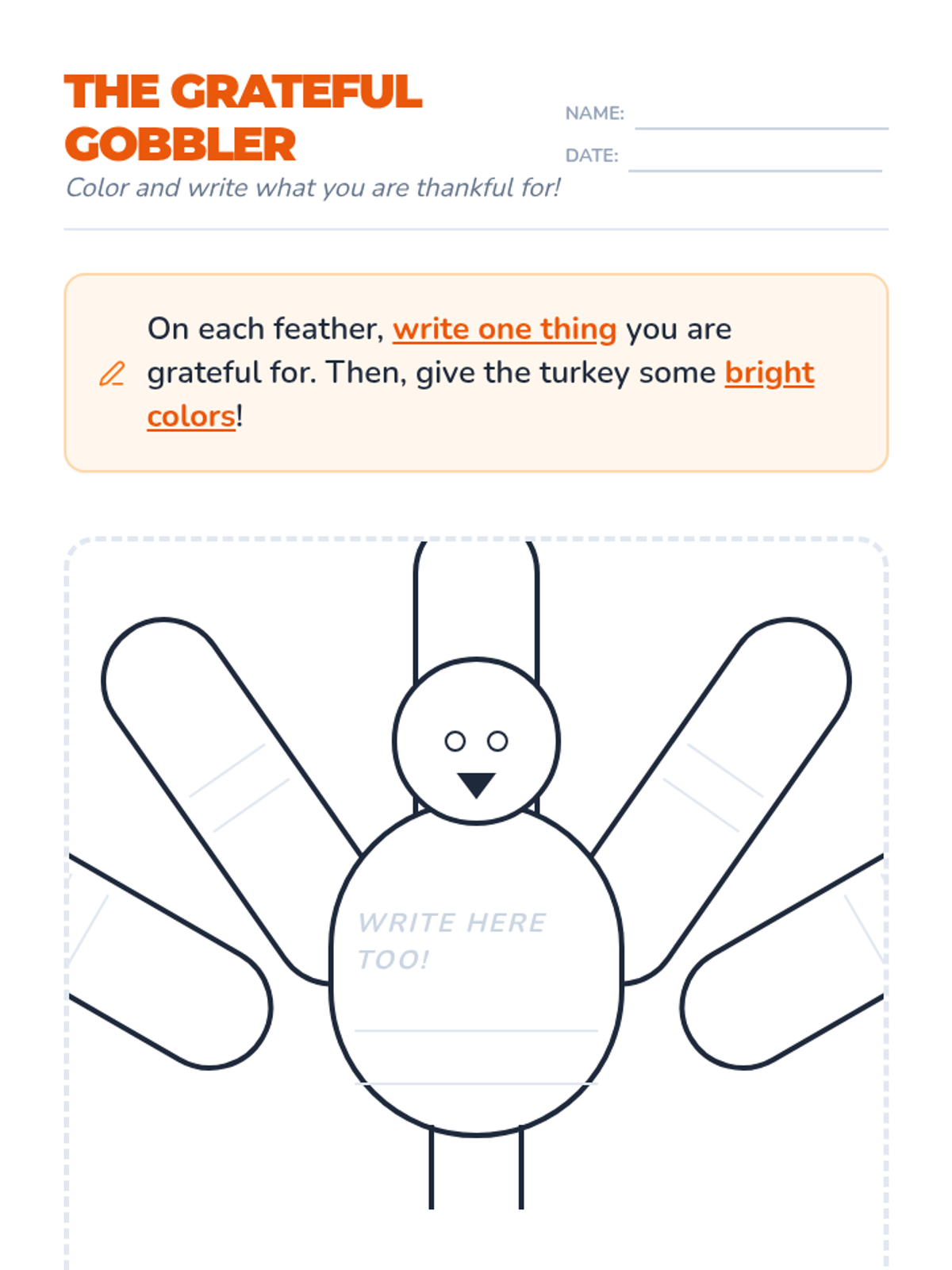
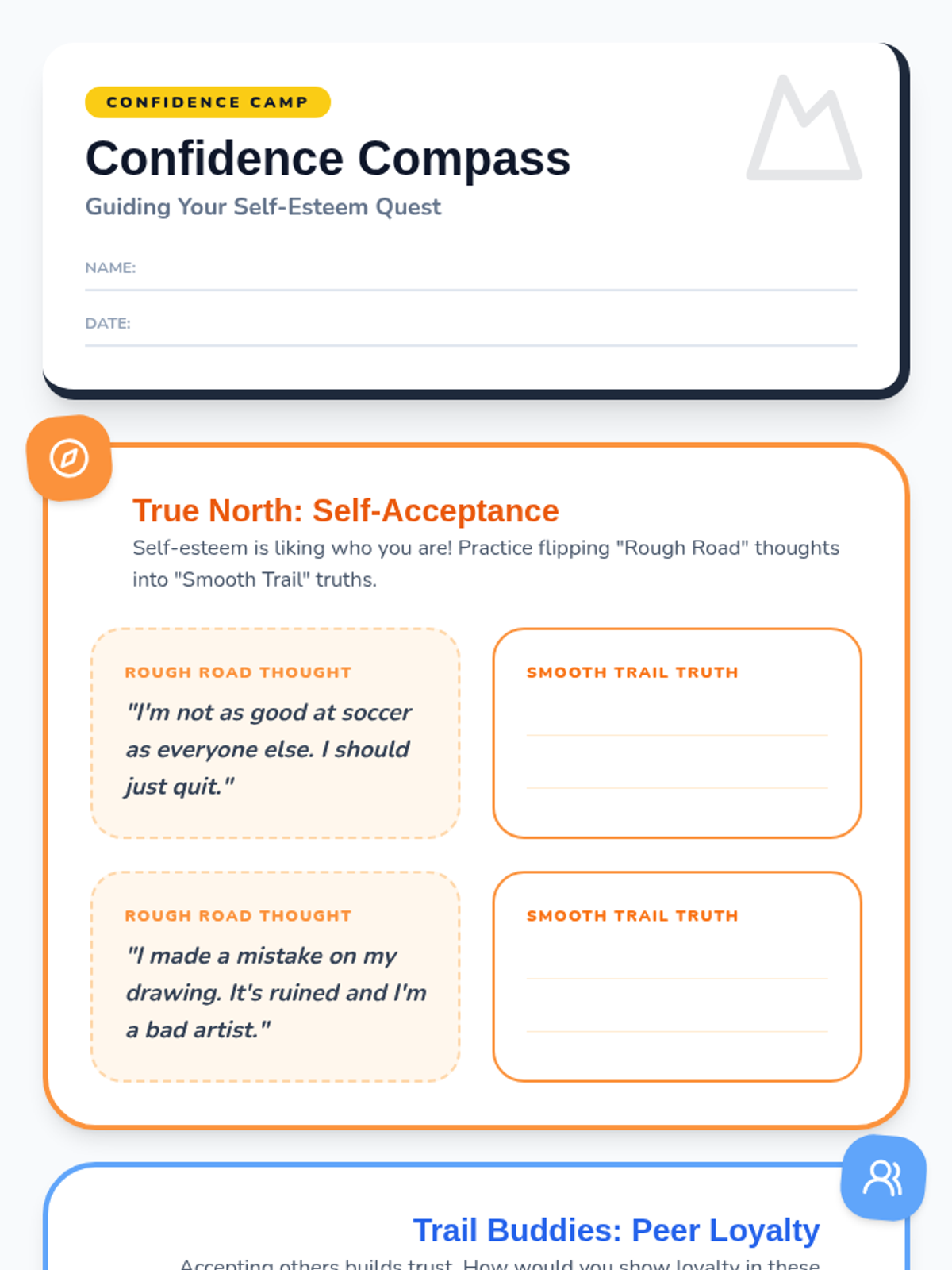
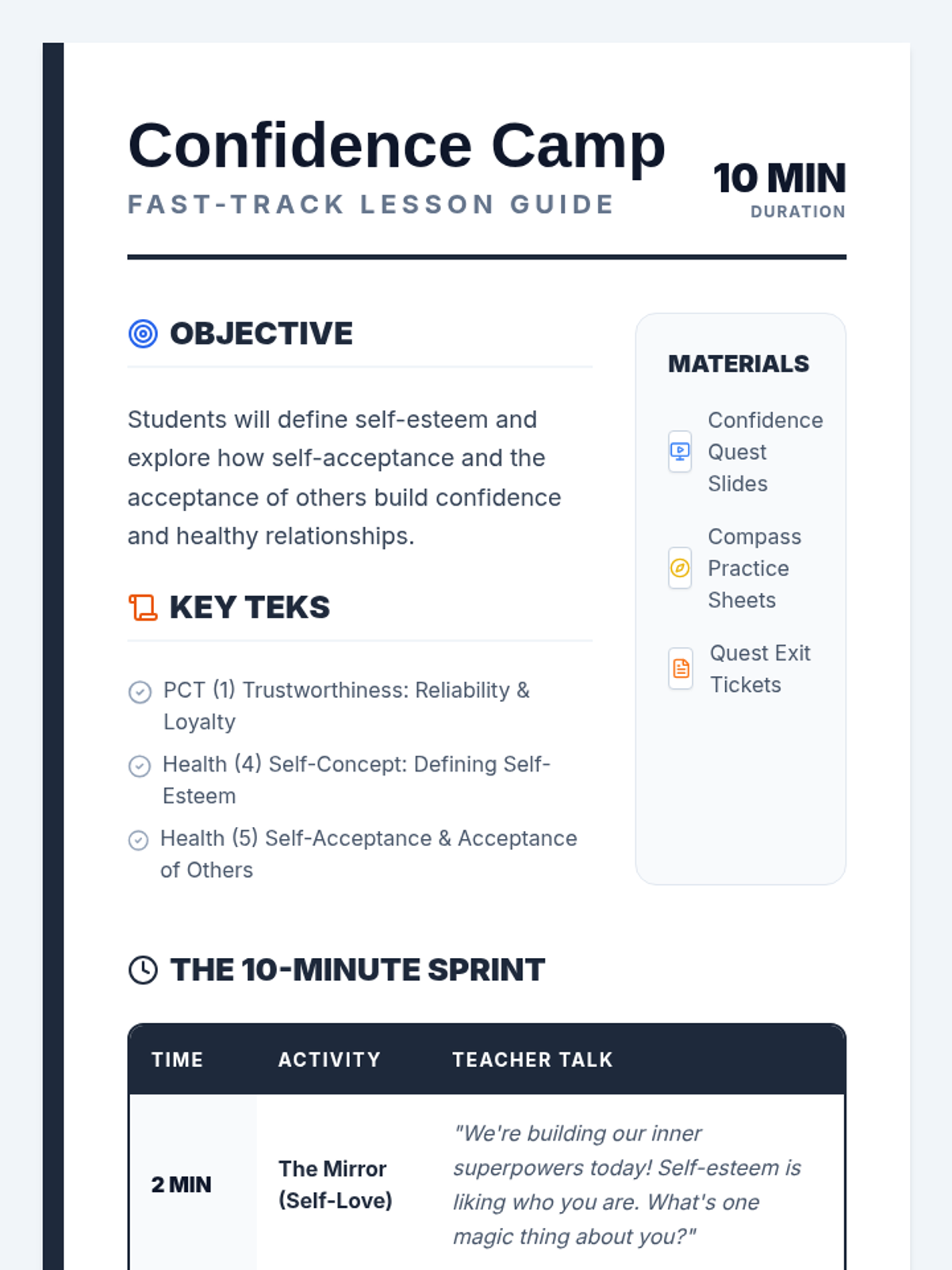
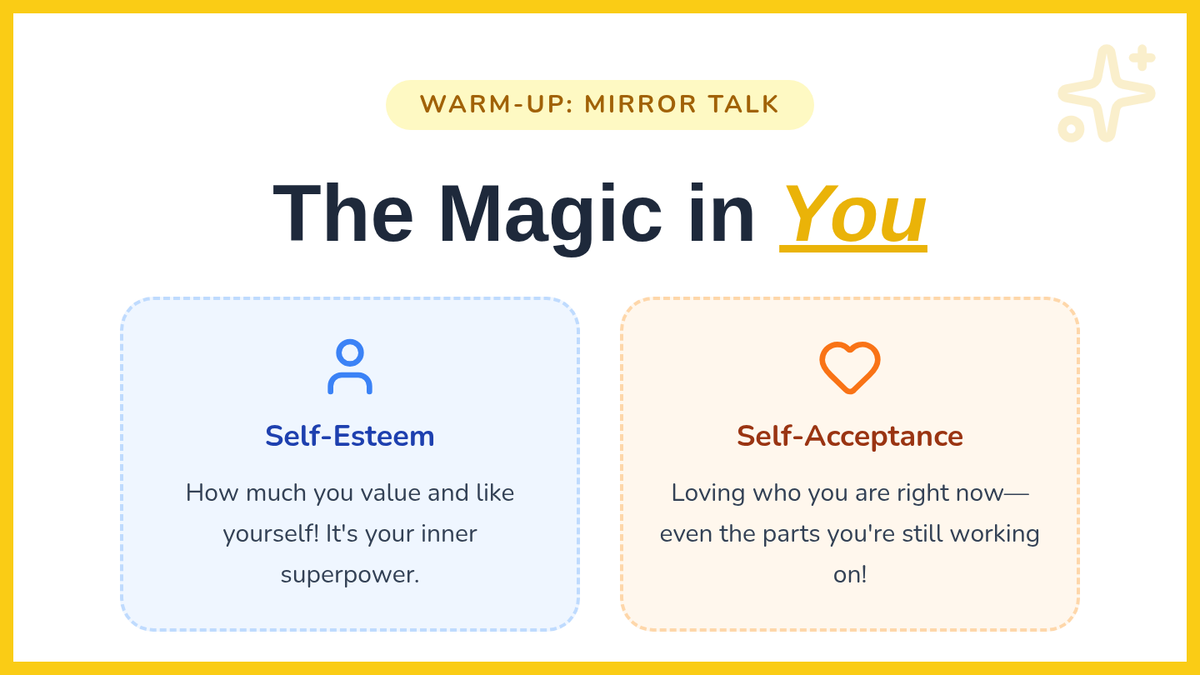
A fast-paced, 10-minute social-emotional learning lesson focused on building self-confidence through self-acceptance and kindness toward others. Students define self-esteem and set immediate goals for personal growth and peer acceptance.
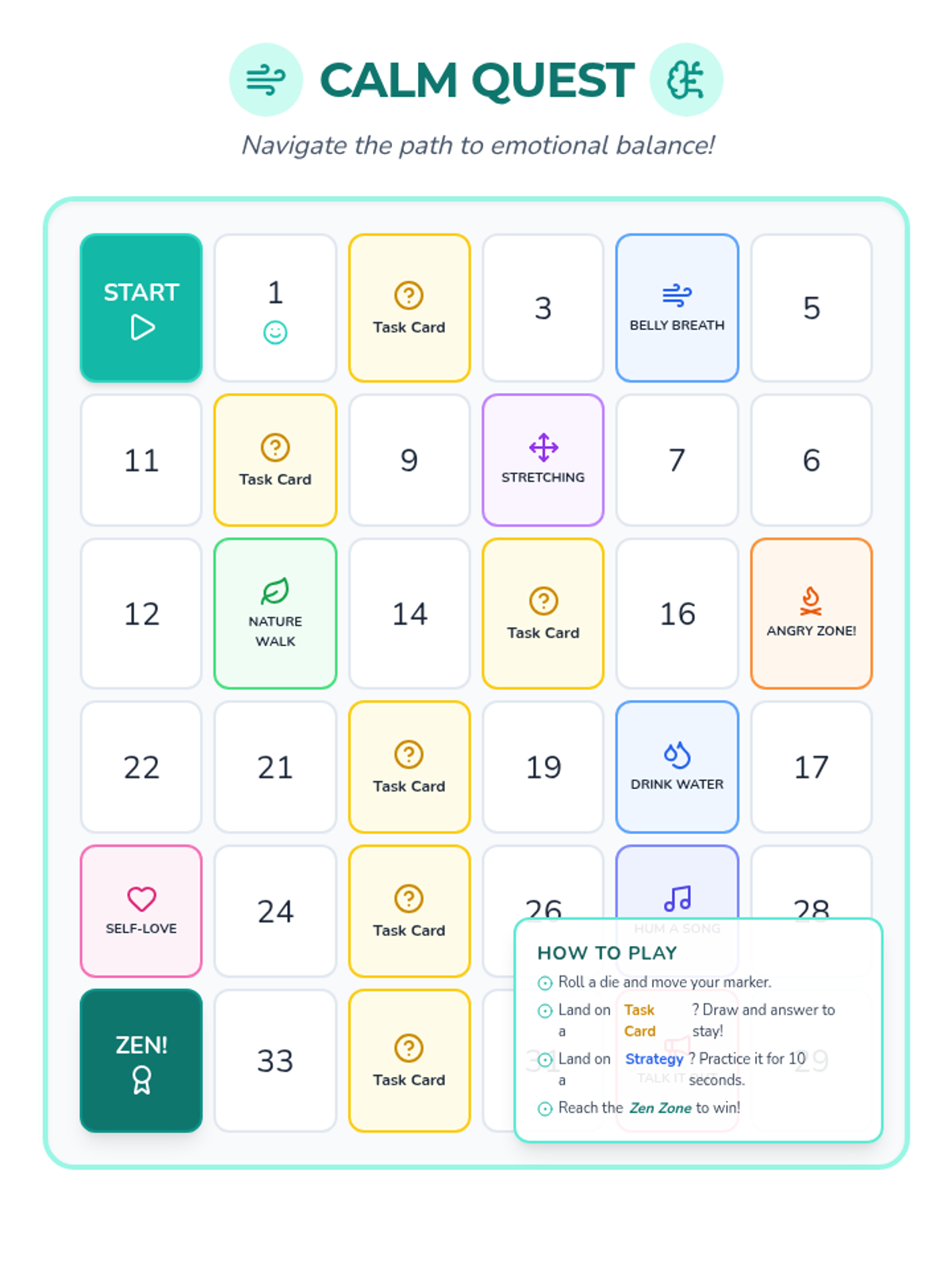
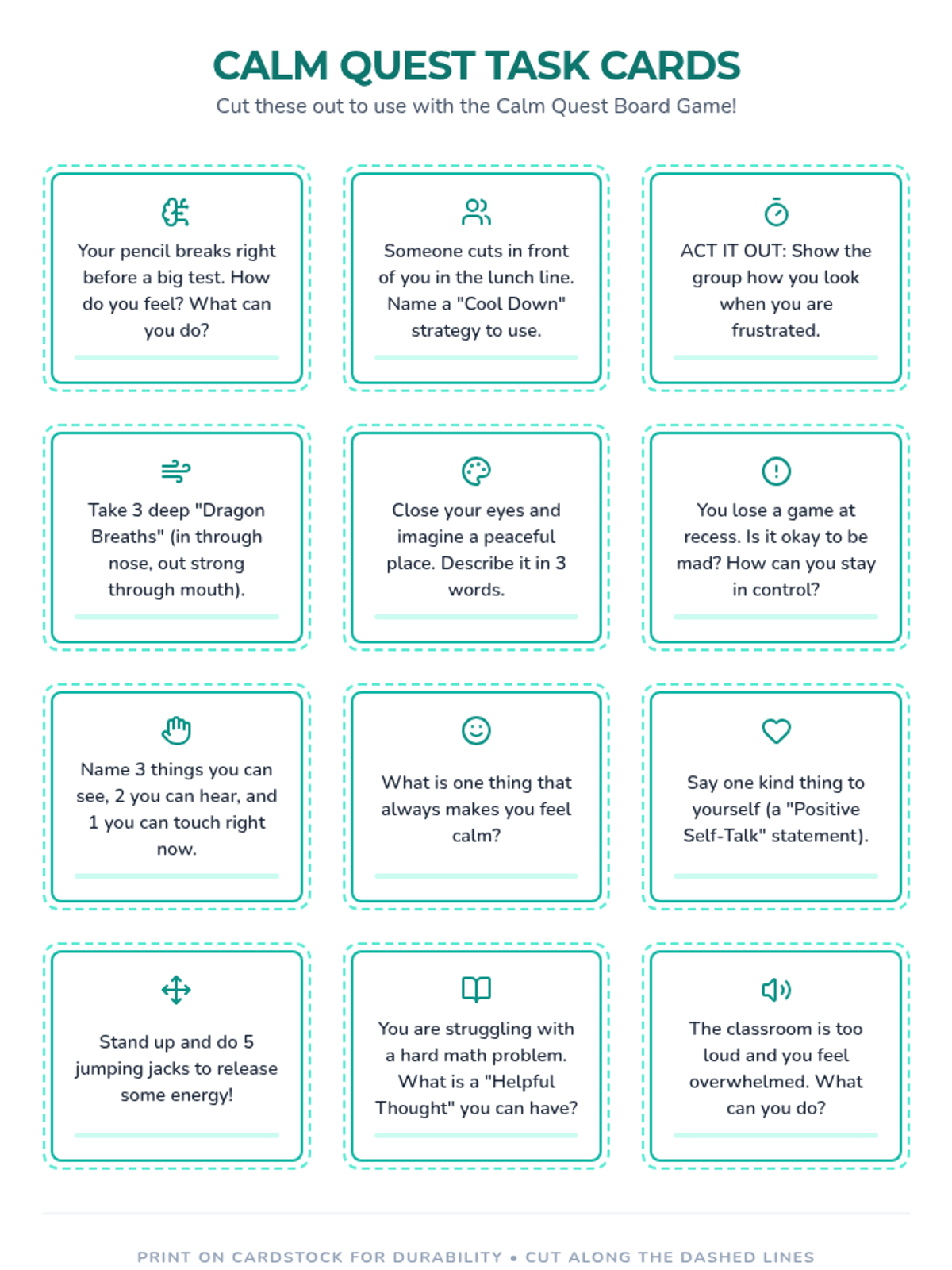
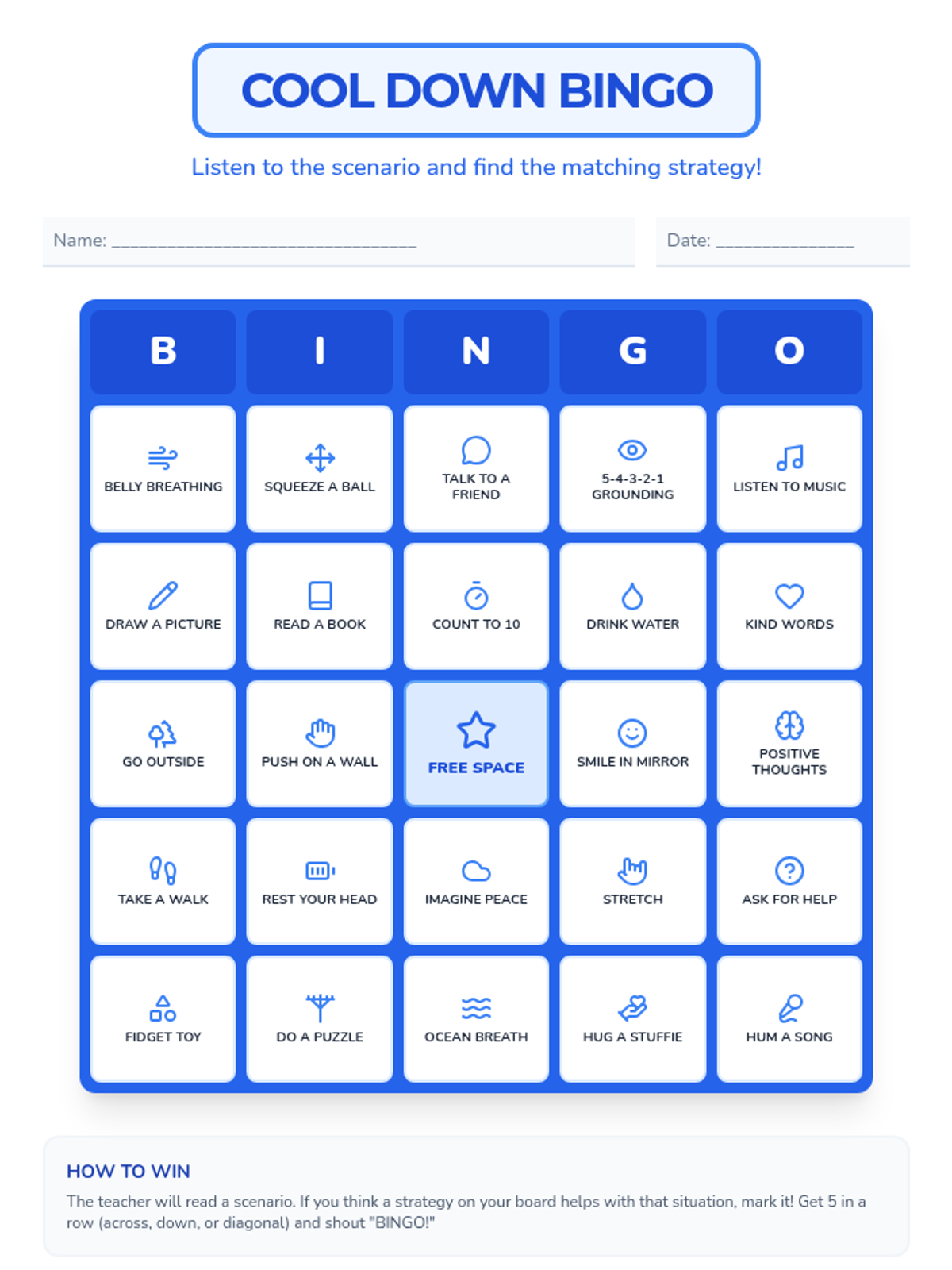
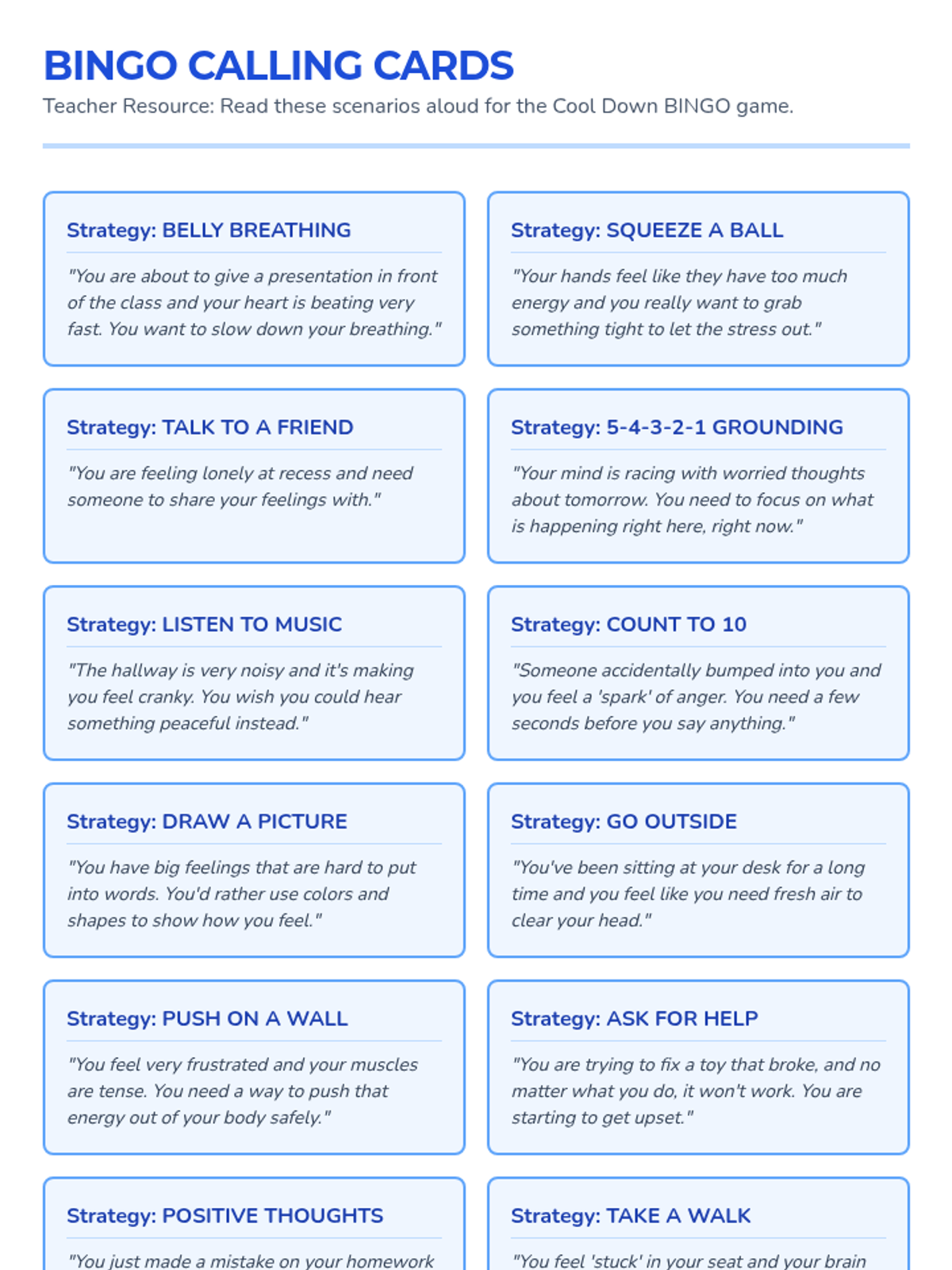
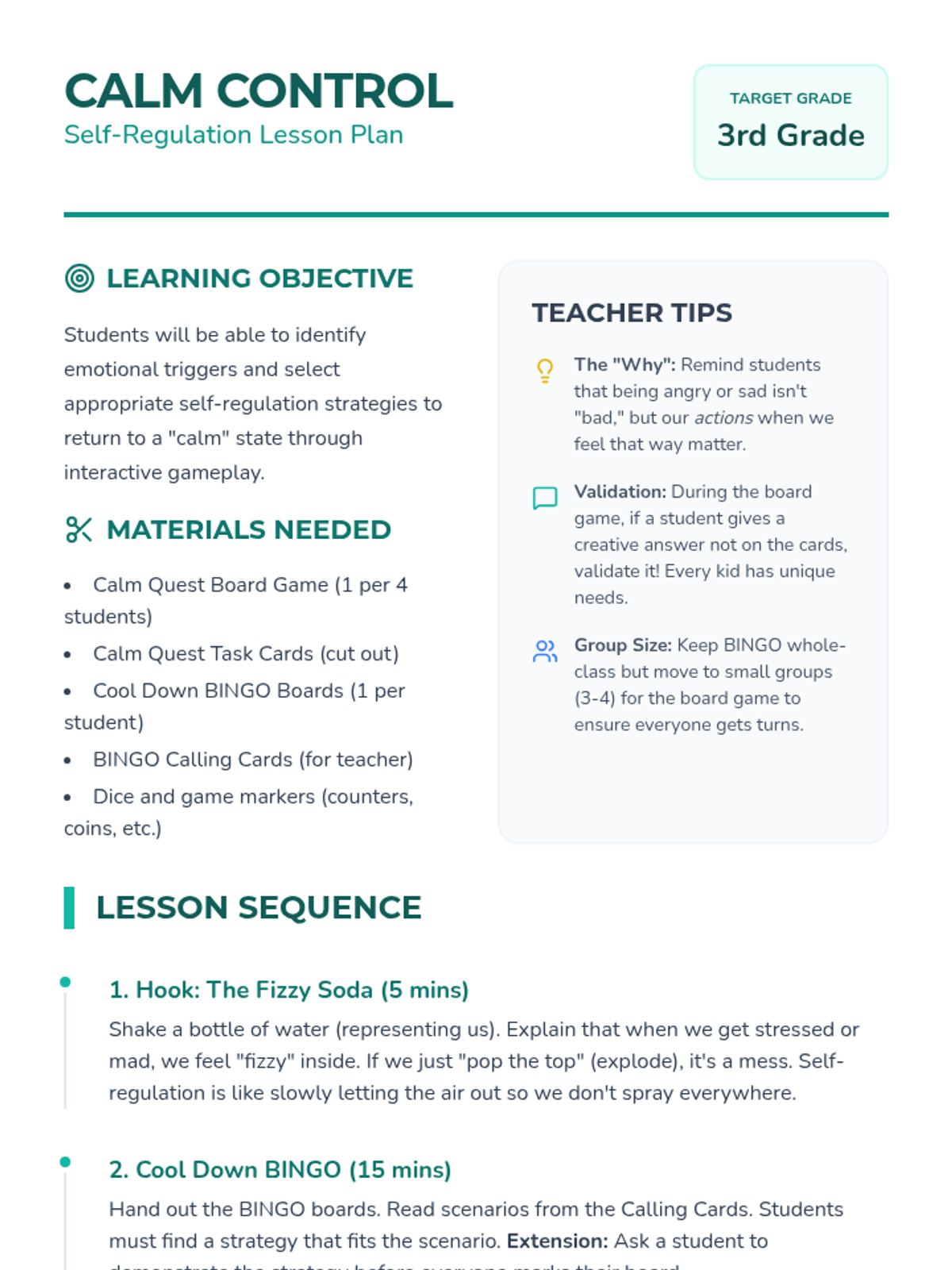
A fun, interactive lesson where 3rd graders practice identifying and applying self-regulation strategies through a board game and BINGO. Students will learn to recognize emotional triggers and choose appropriate 'calm-down' tools.
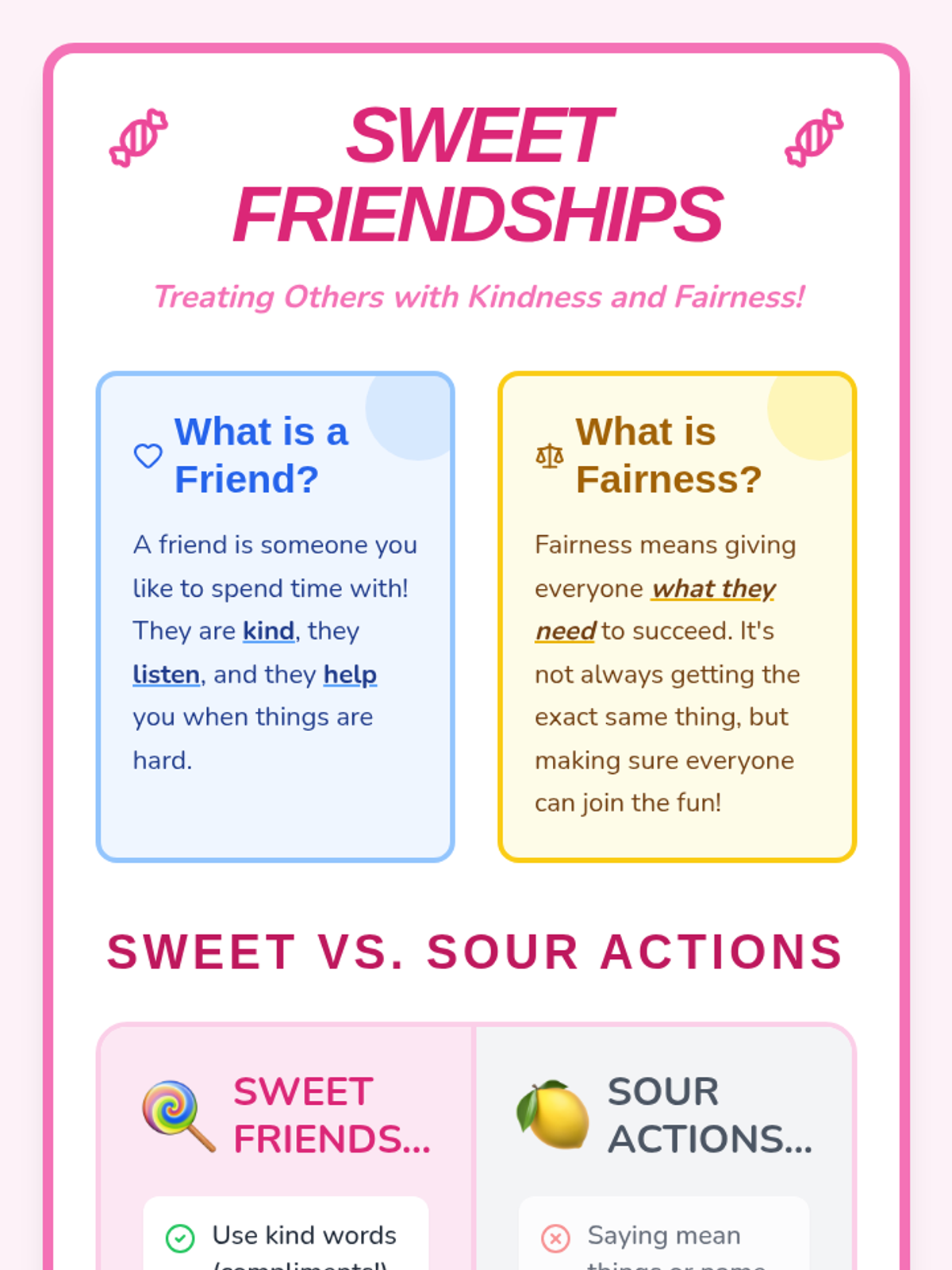
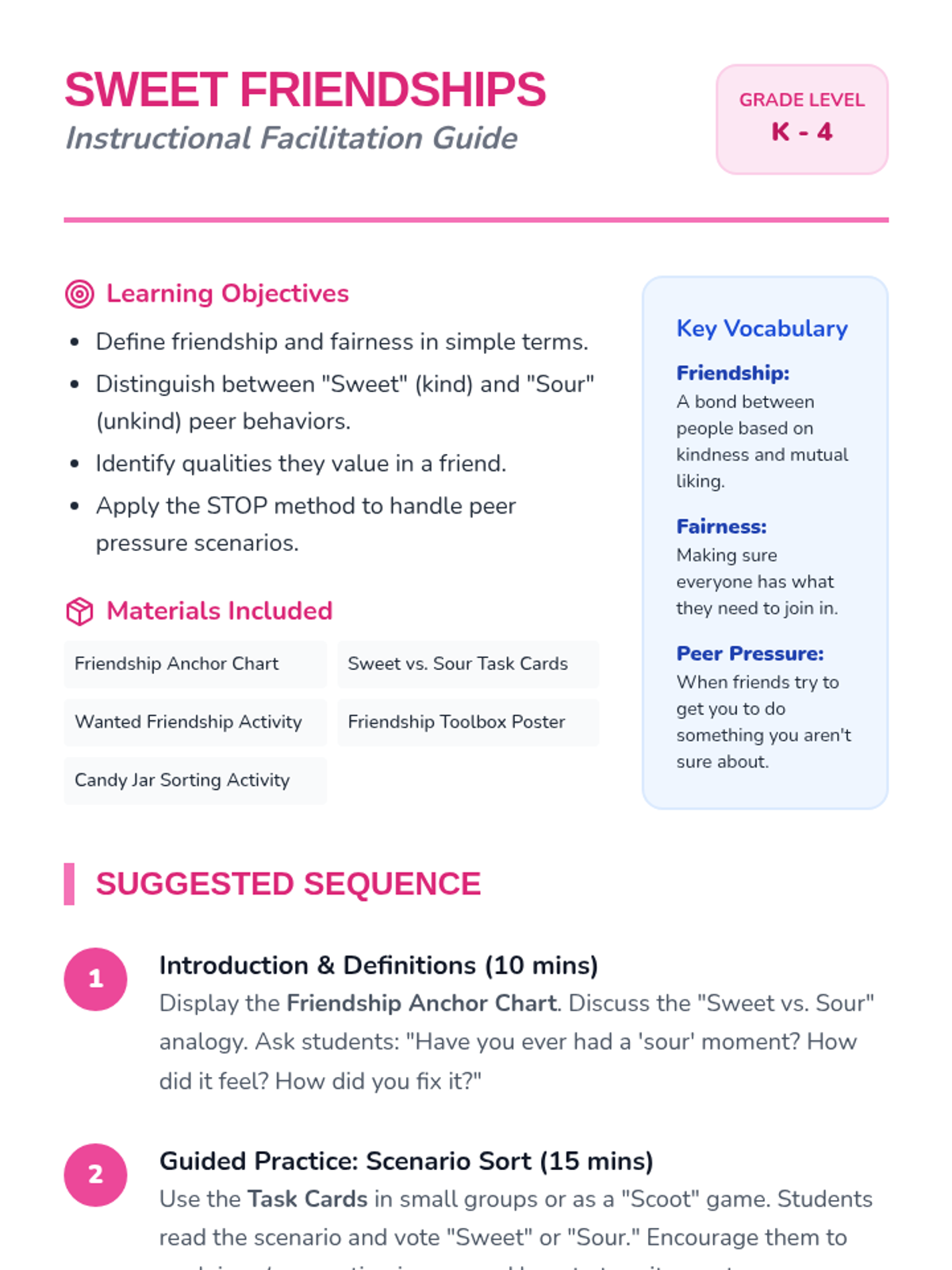
A comprehensive primary lesson focused on building positive relationships, understanding fairness, and developing social skills through interactive candy-themed activities.
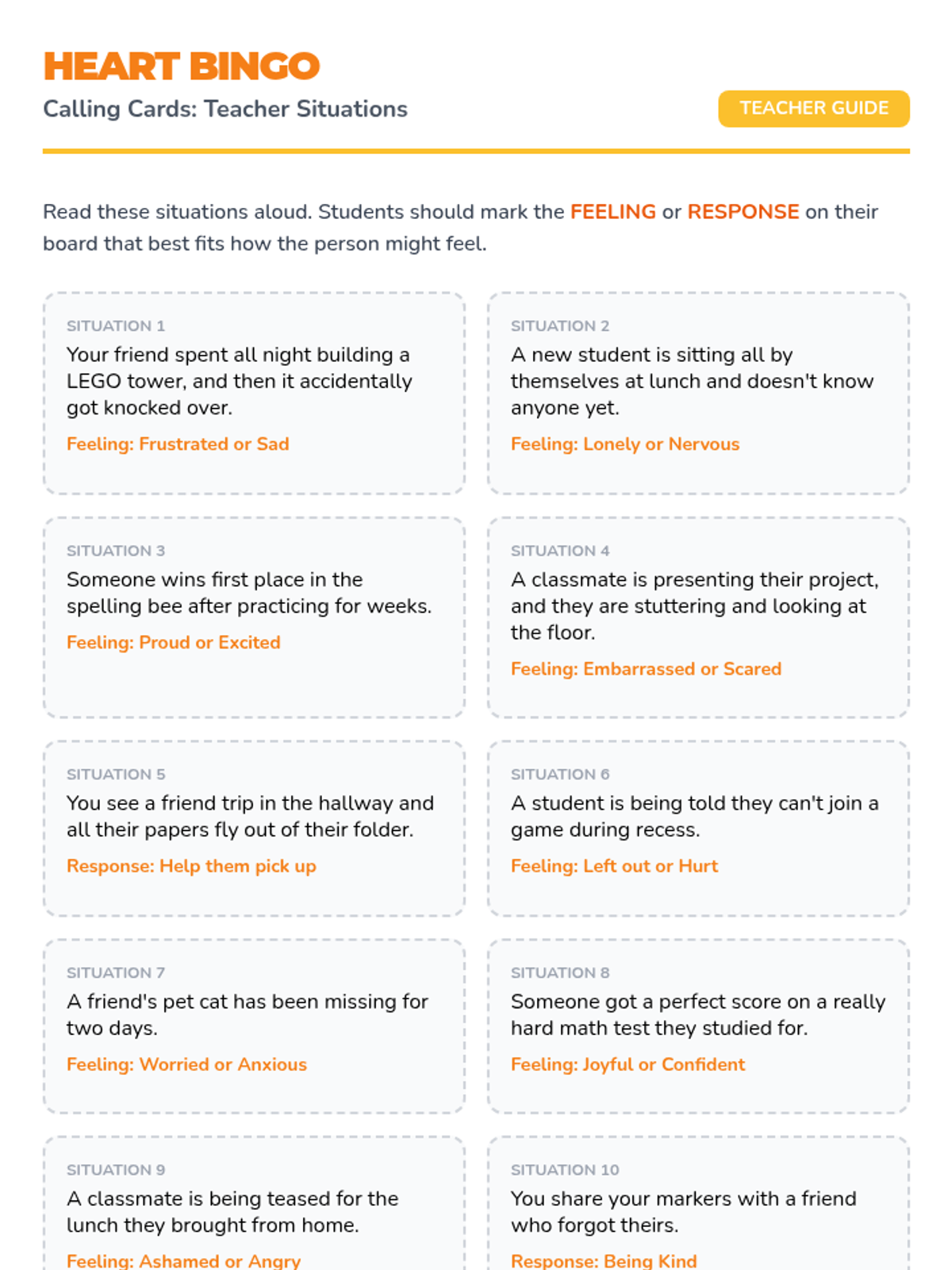
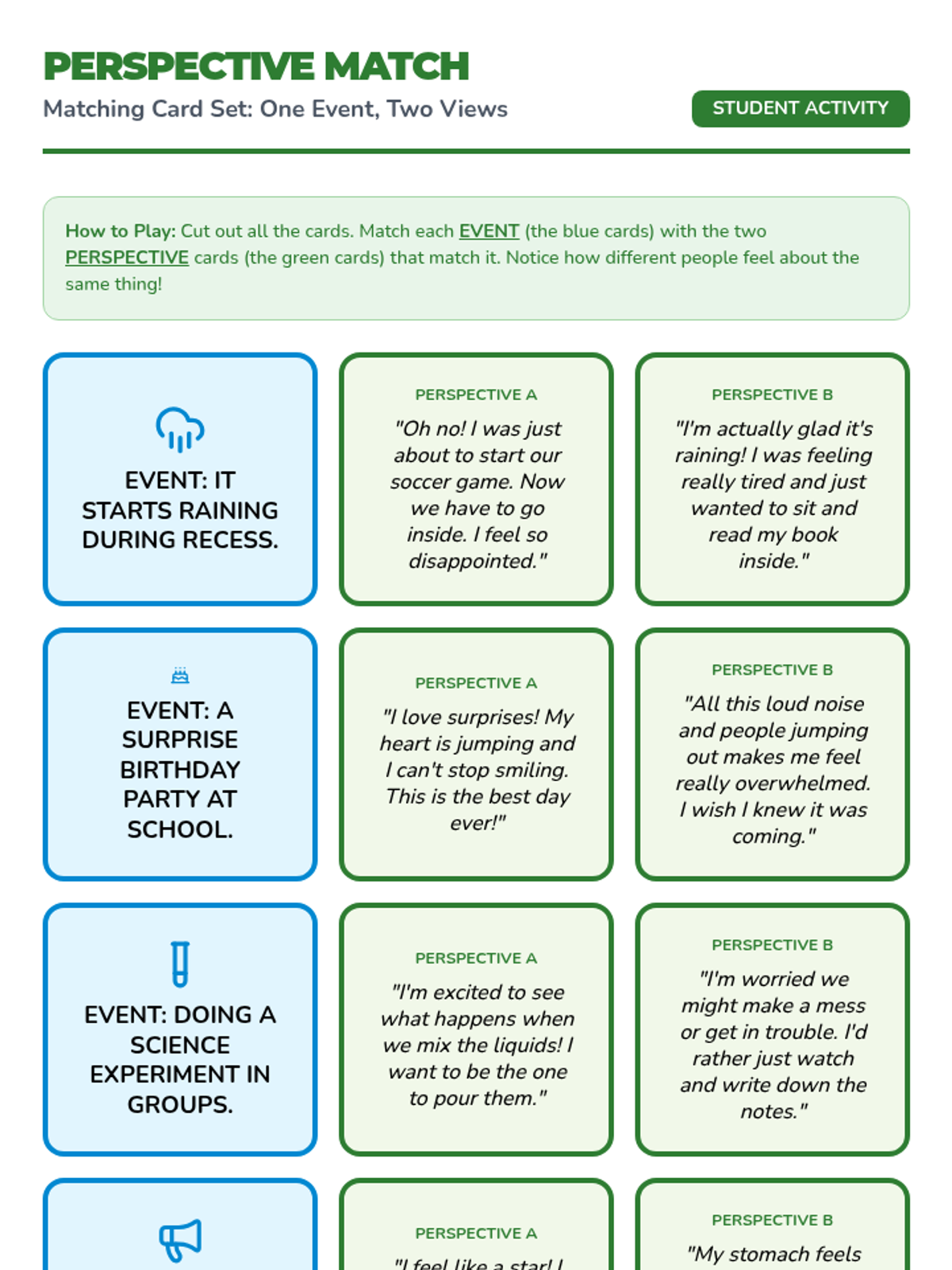
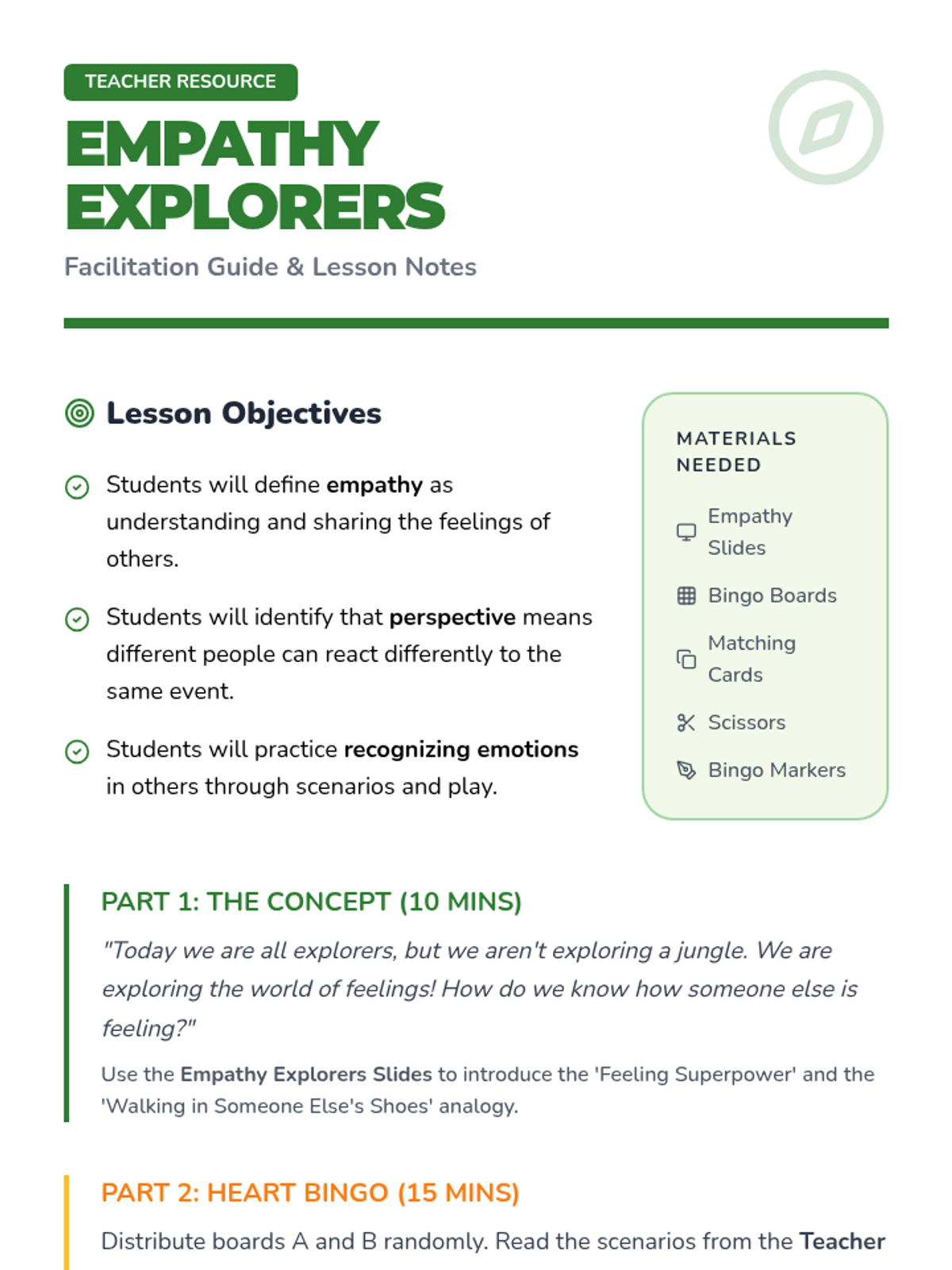
A lesson for 3rd graders focused on developing empathy and perspective-taking skills through interactive games and discussion. Students will learn to recognize others' feelings and understand that people can have different reactions to the same event.
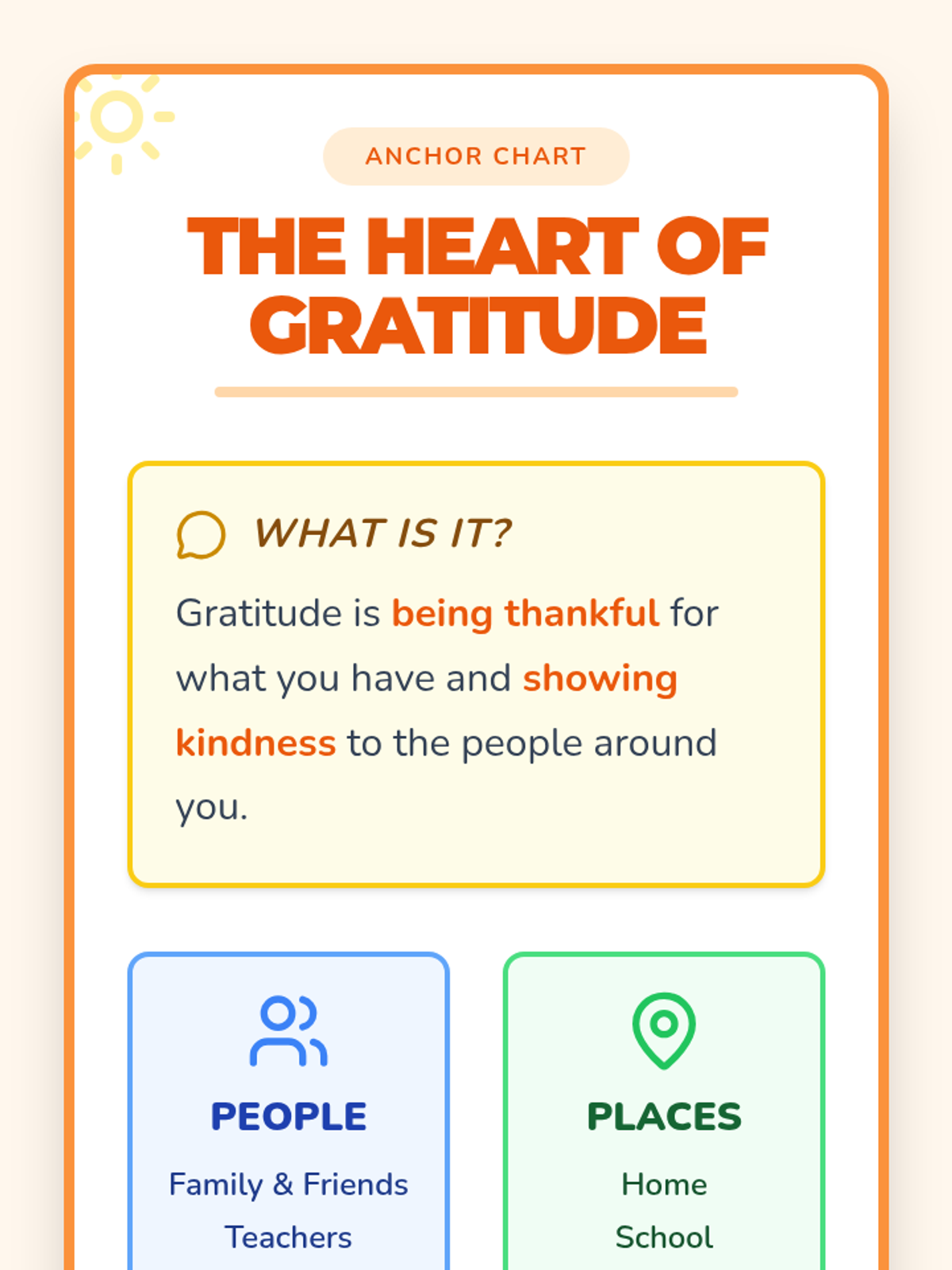
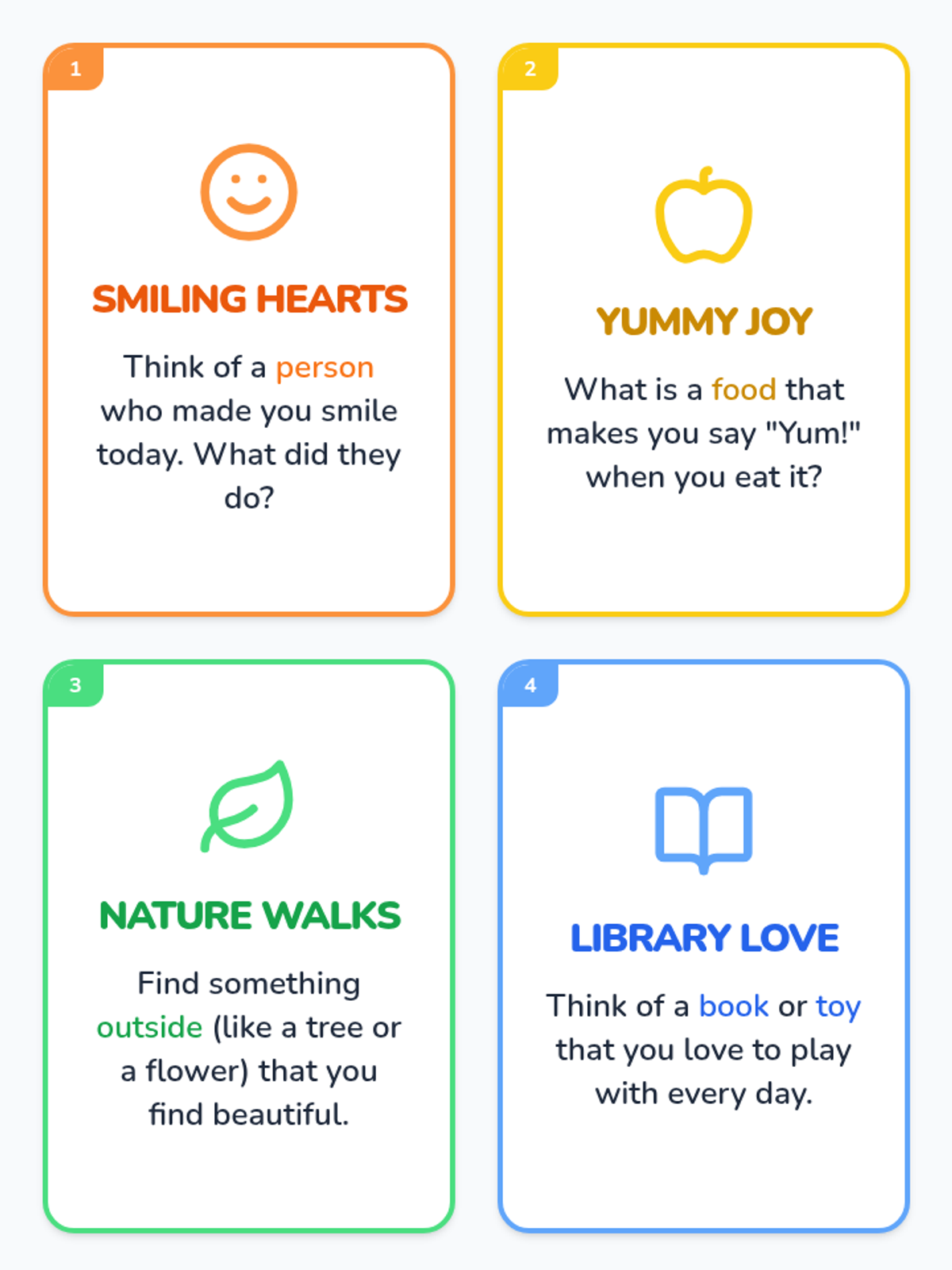
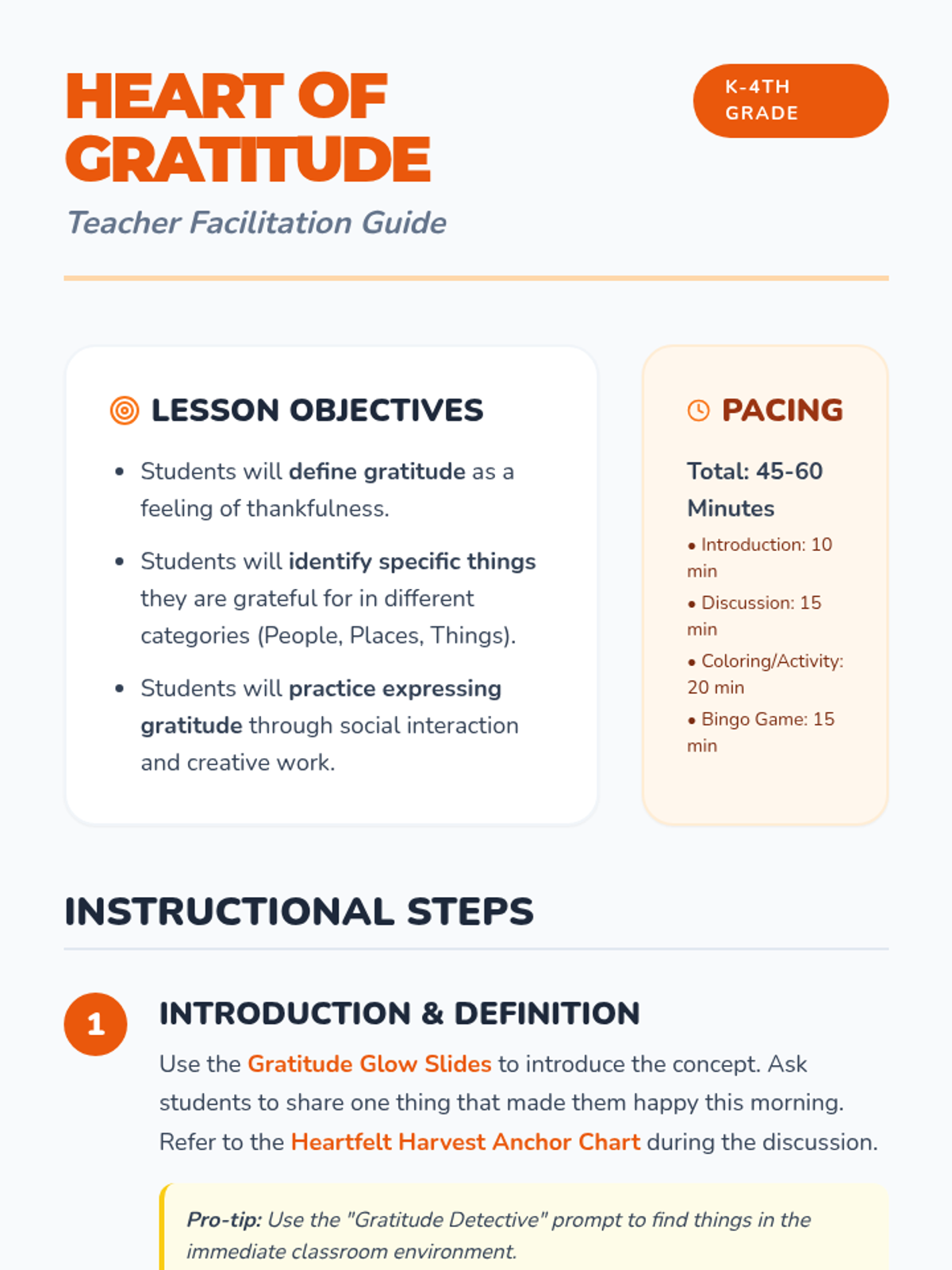
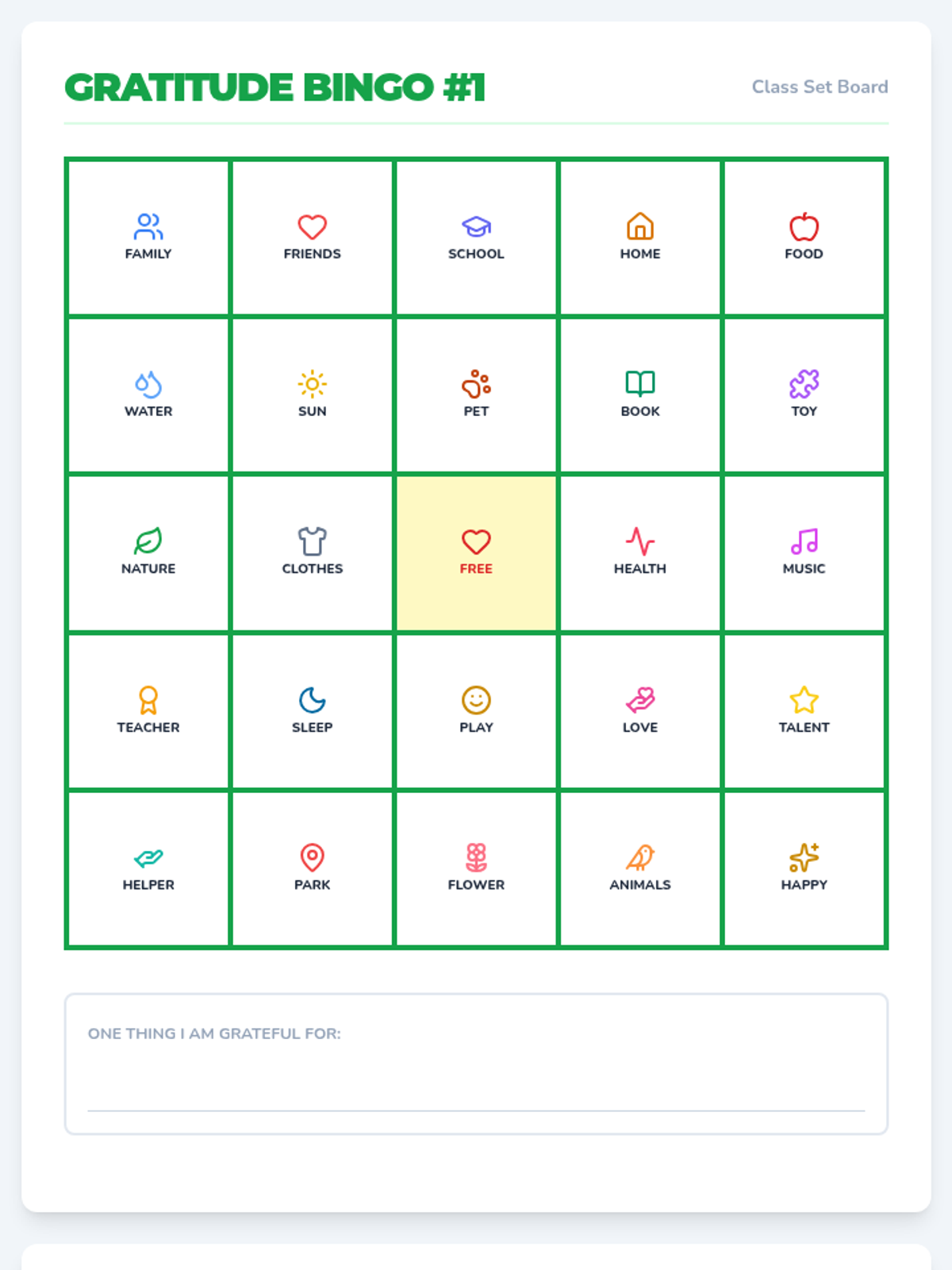
An introductory lesson on gratitude where students define the concept, engage in a visual anchor chart activity, and play a classroom-wide game of Gratitude Bingo.
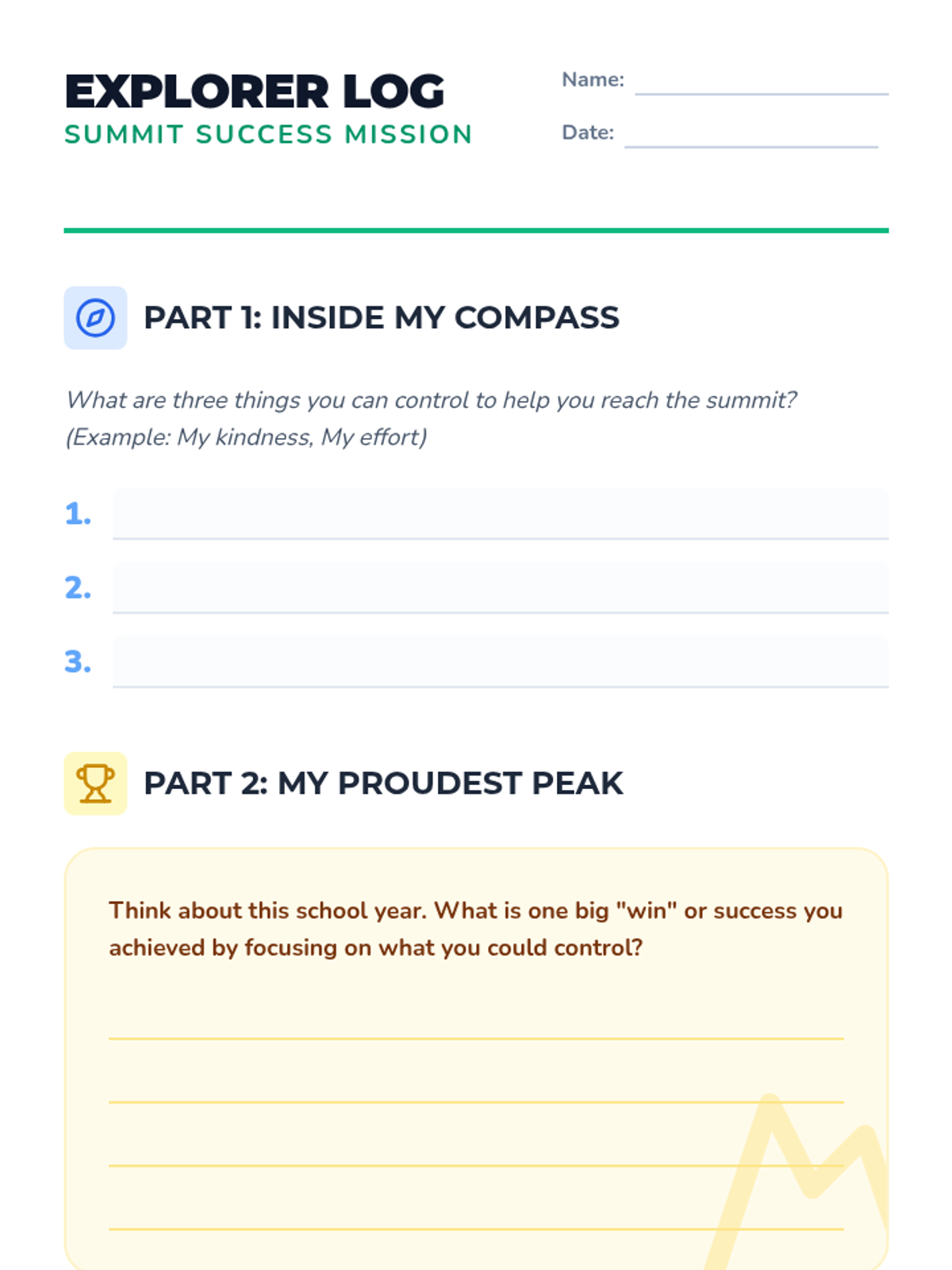
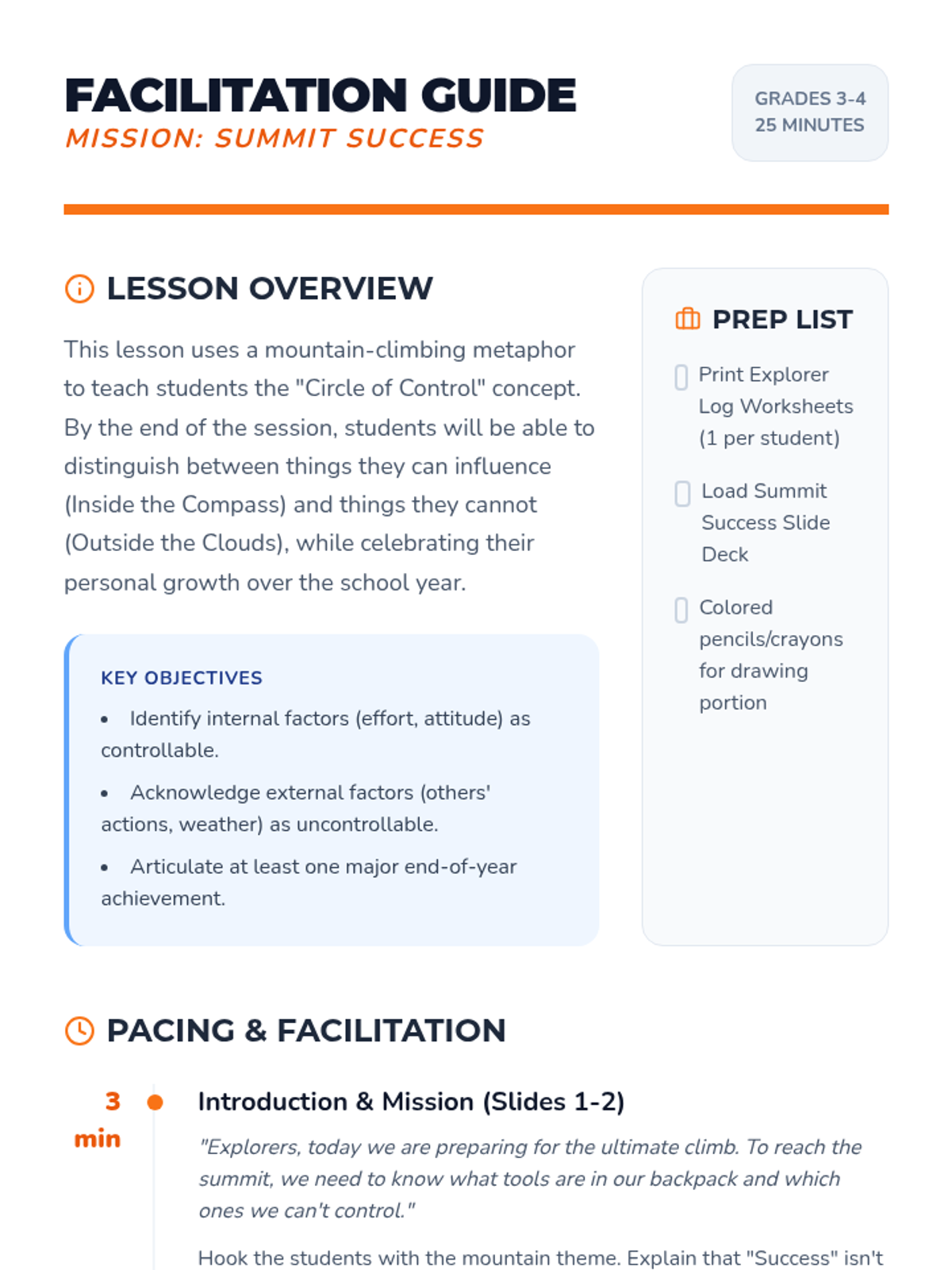
A lesson designed for 3rd-4th graders to understand the Circle of Control and celebrate their end-of-year achievements through a mountain-climbing theme.
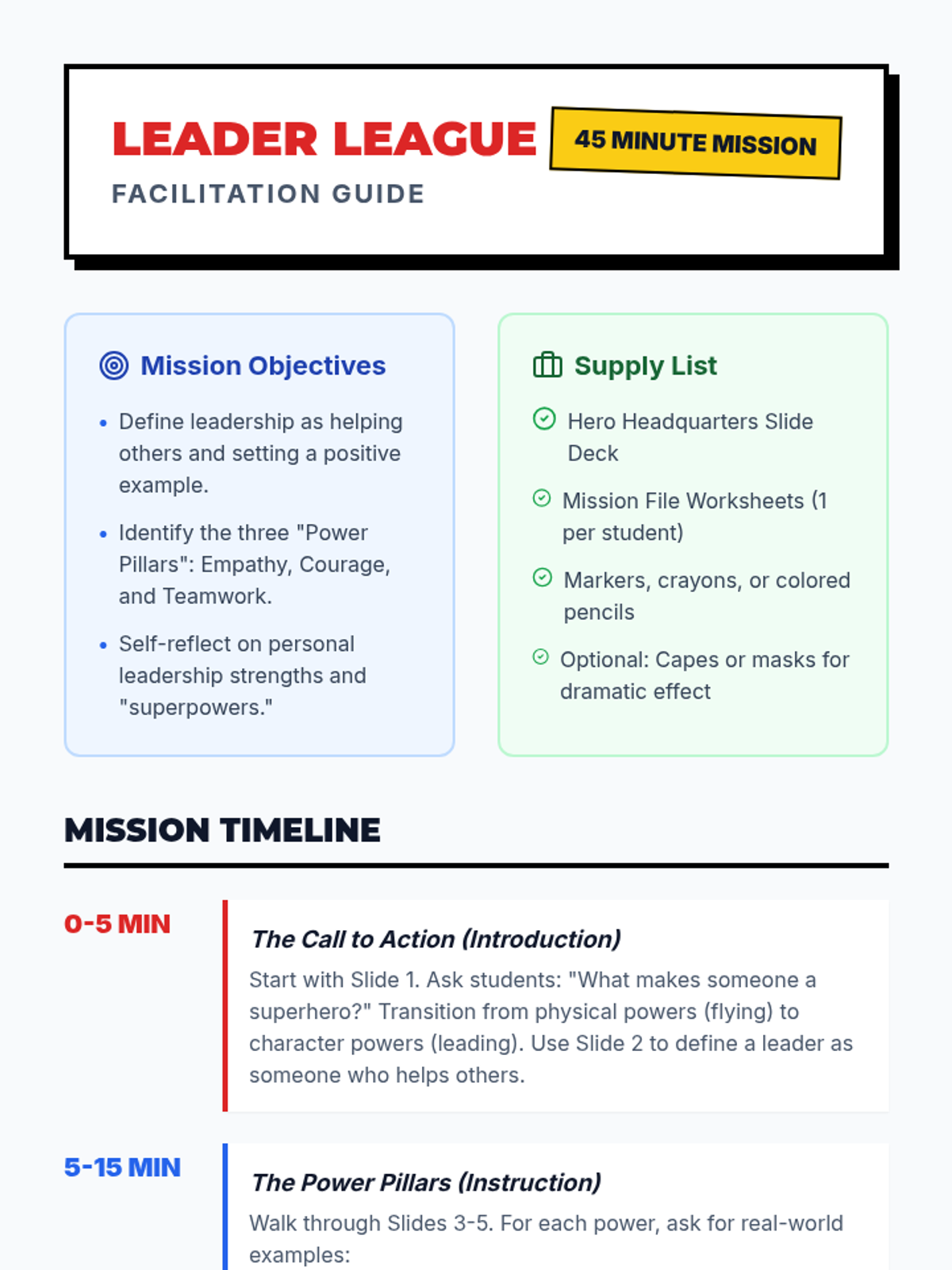
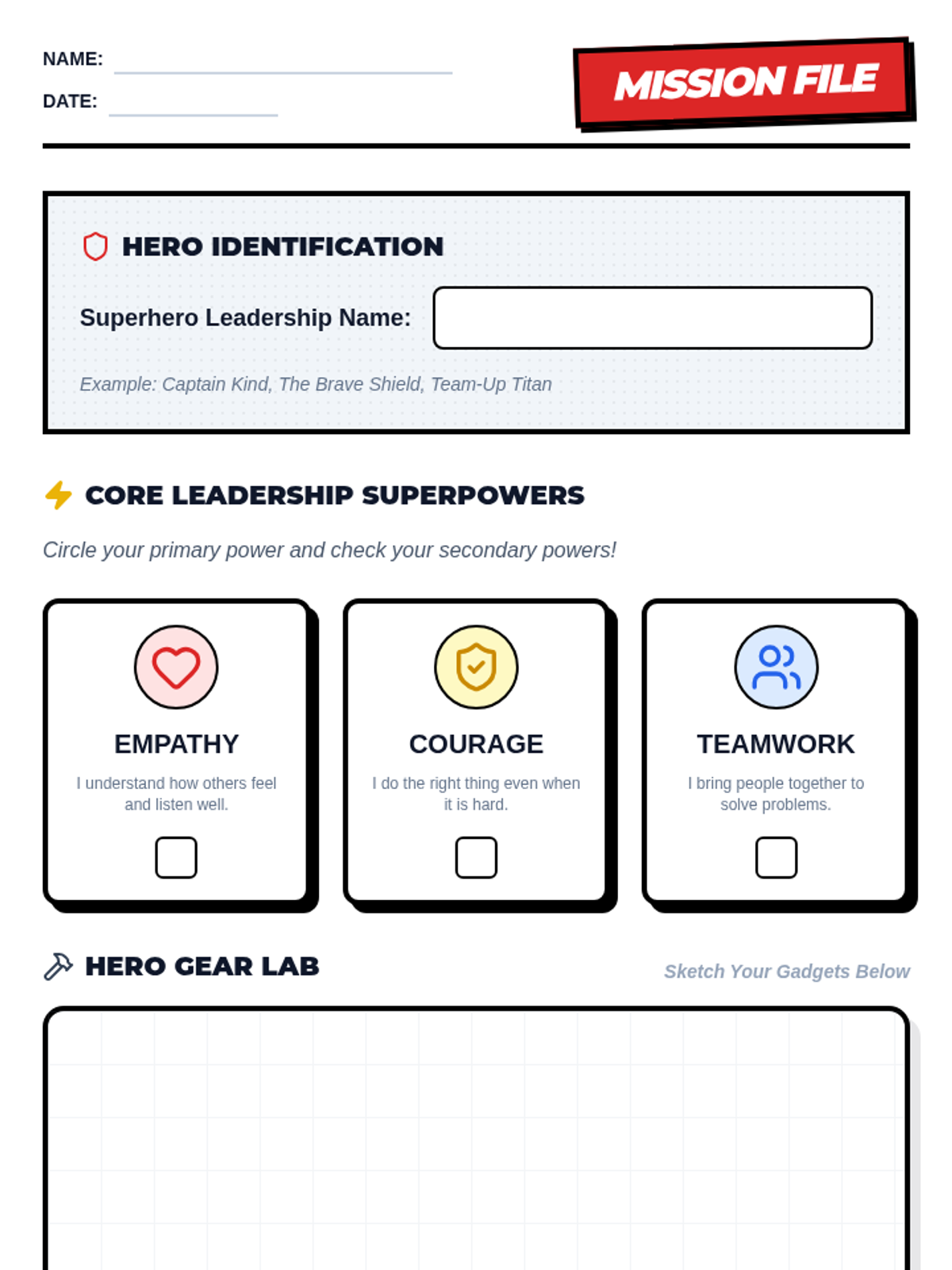
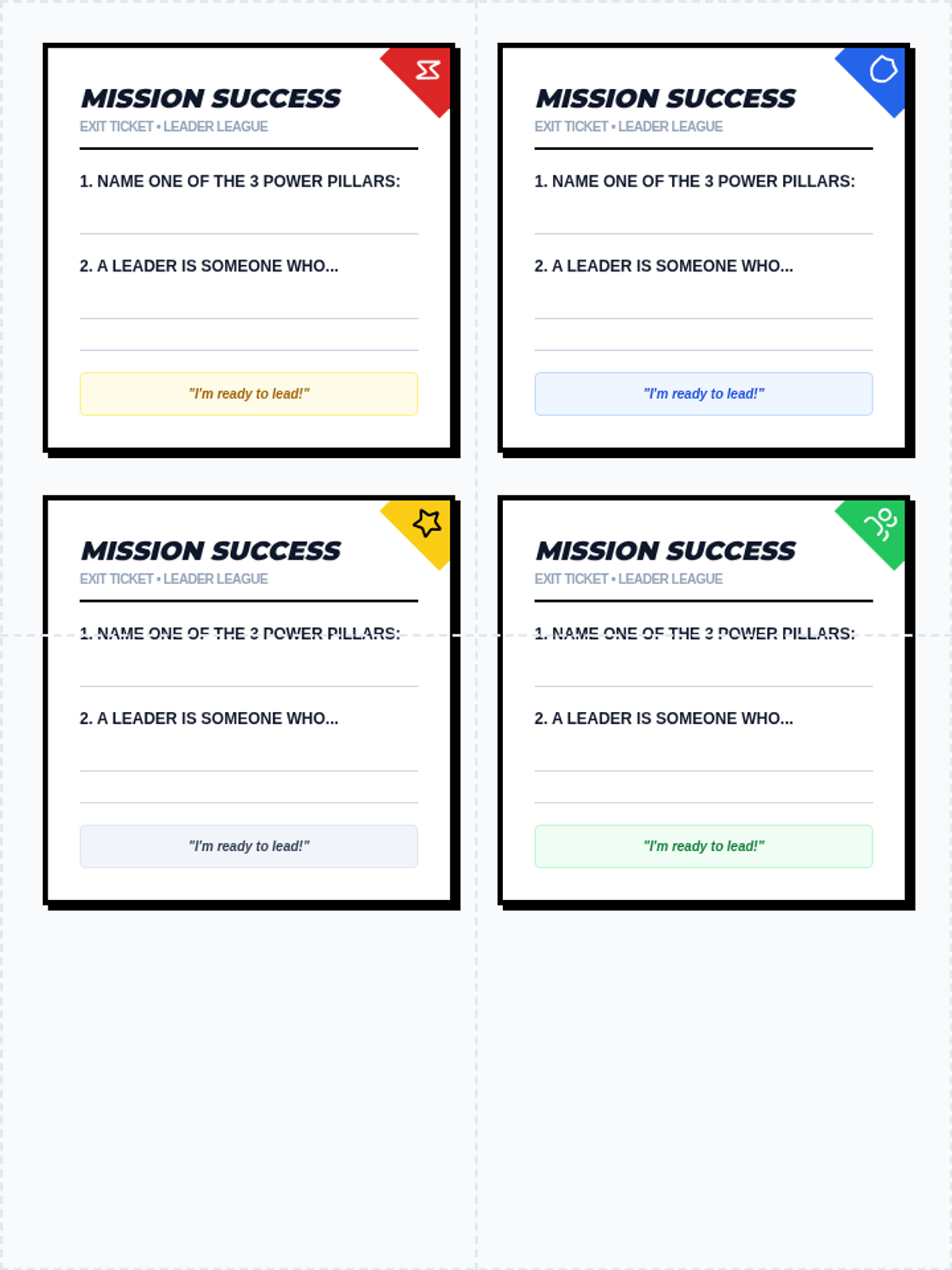
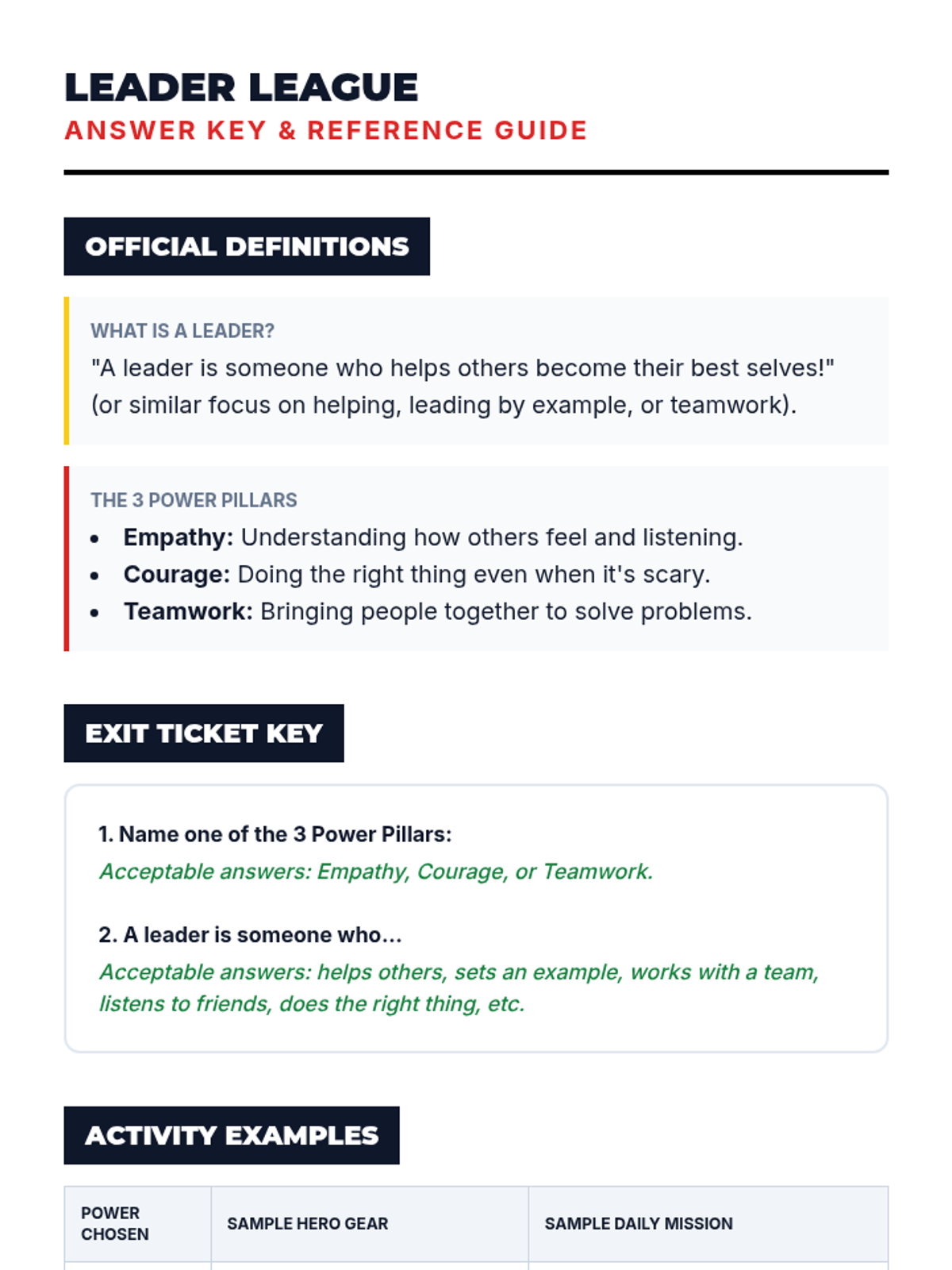
Students explore core leadership qualities through the lens of superheroes, identifying their own unique leadership 'superpowers' and learning how to lead with empathy, courage, and teamwork.
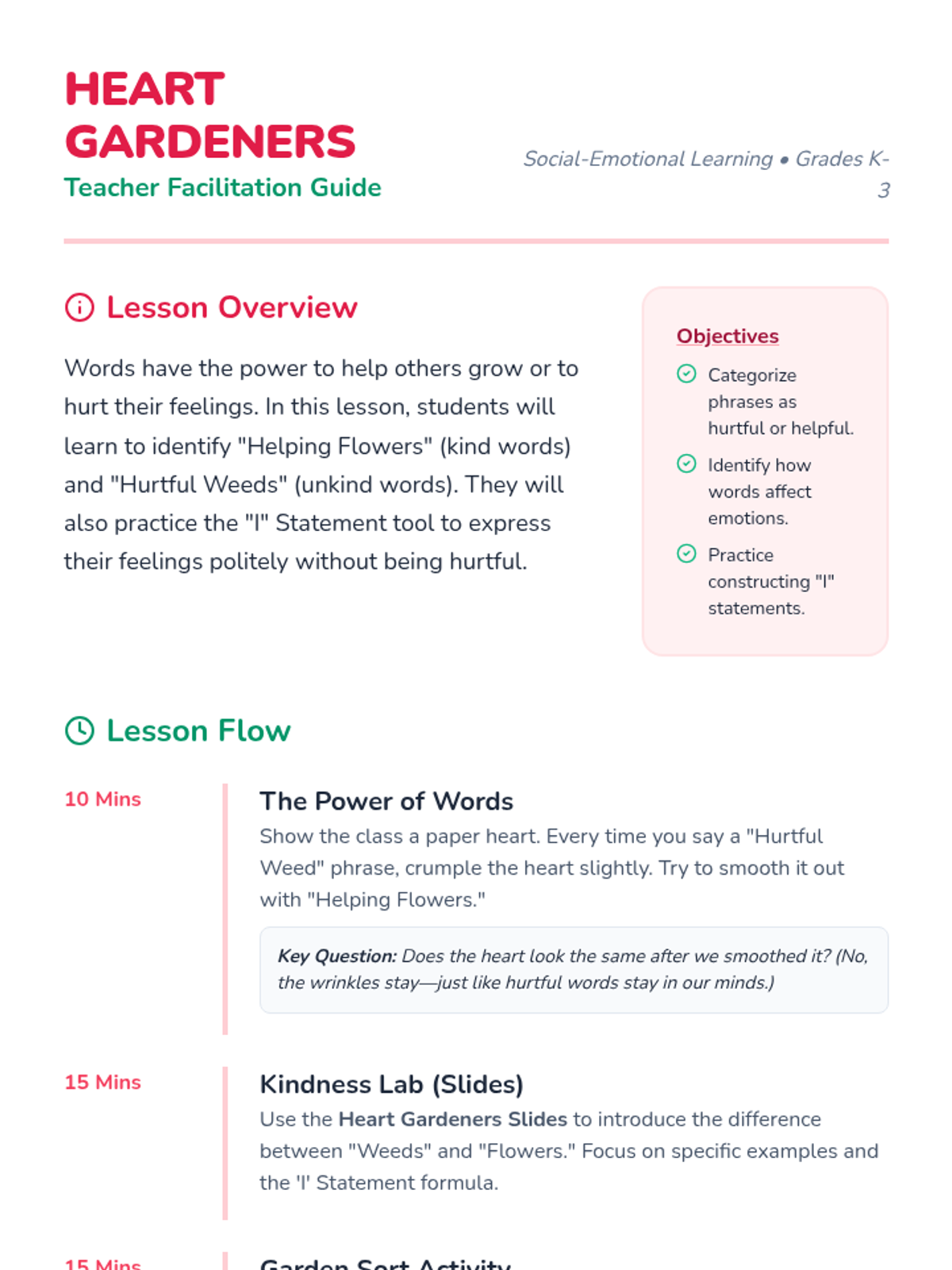
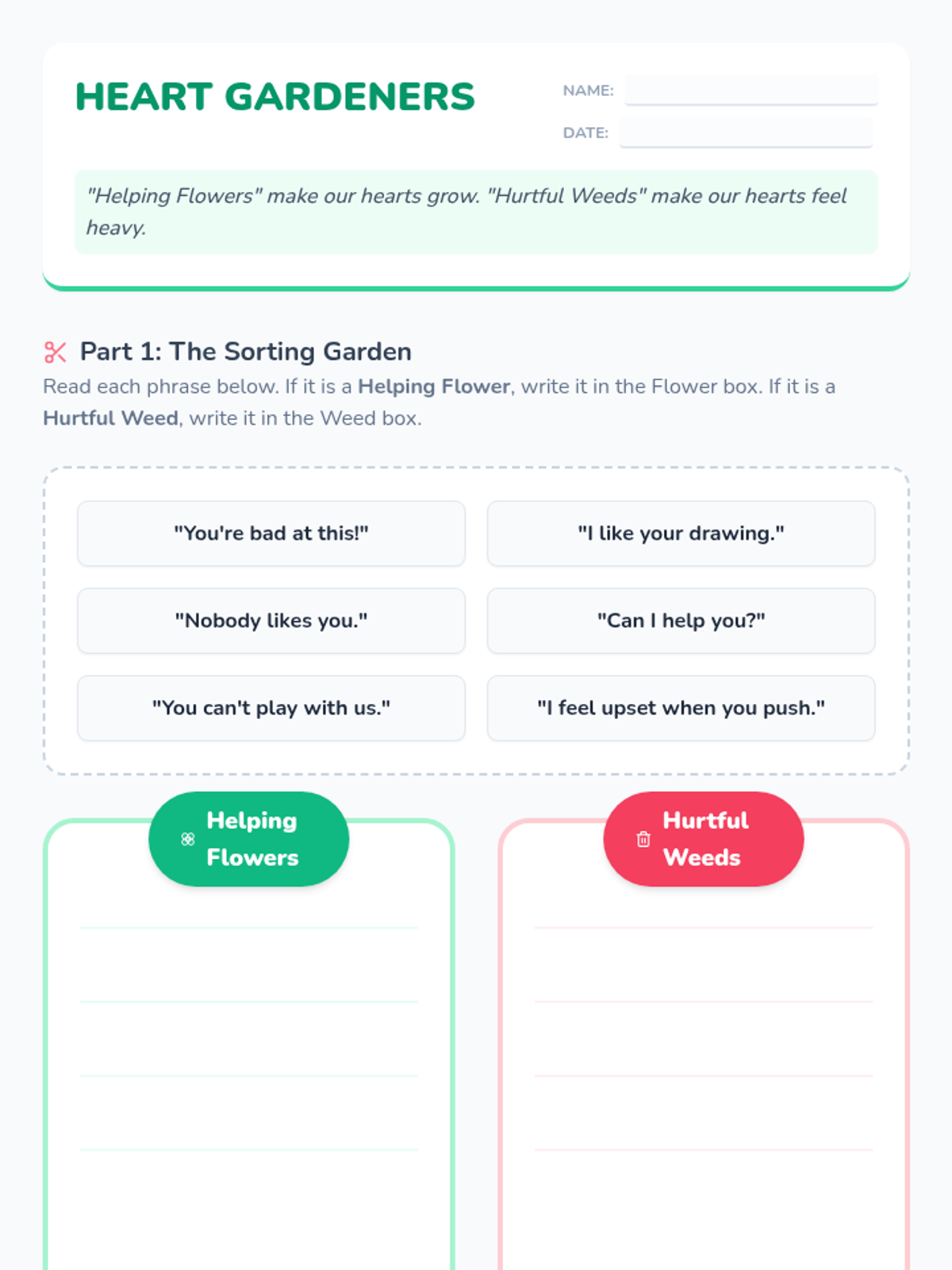
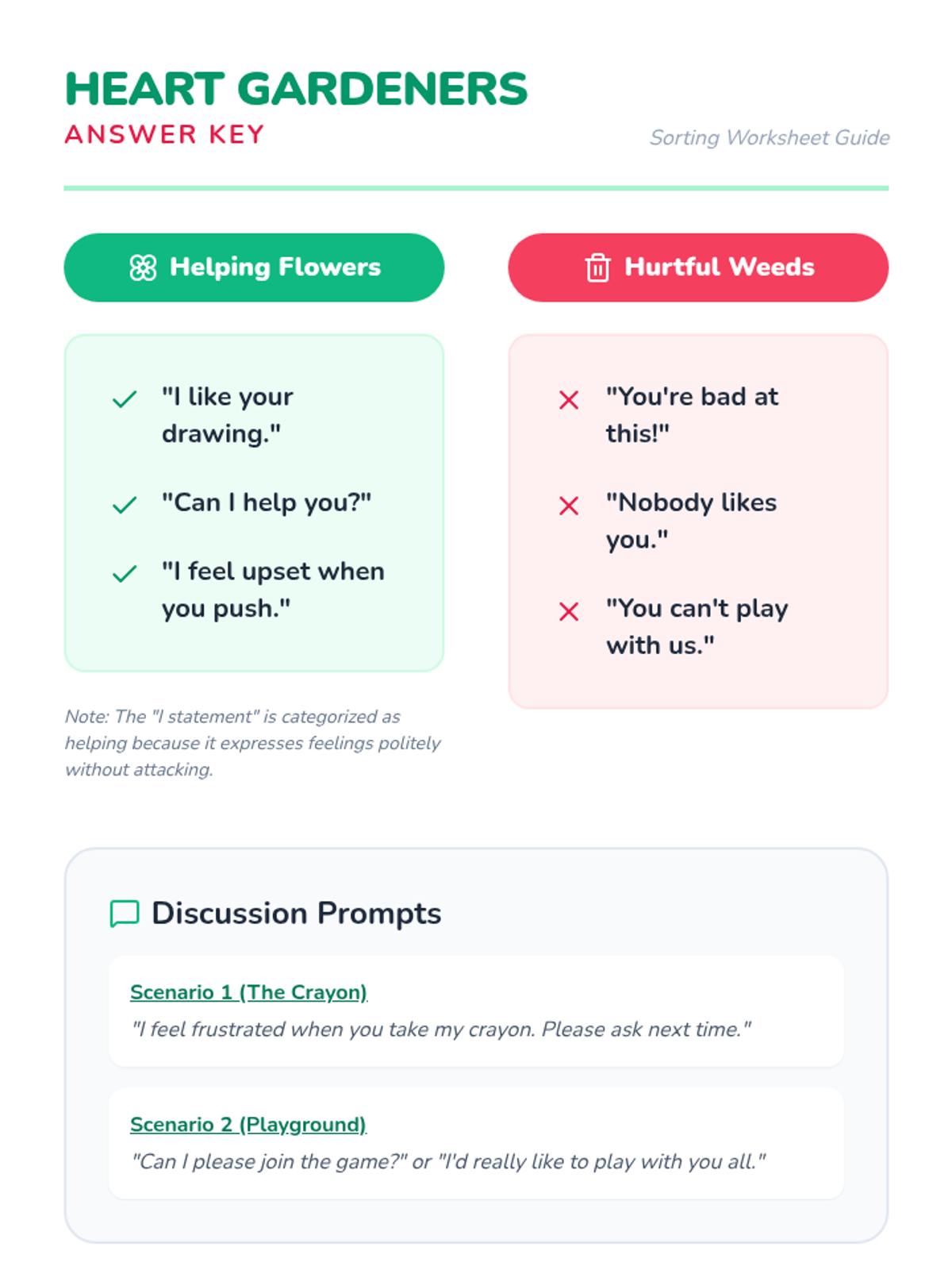
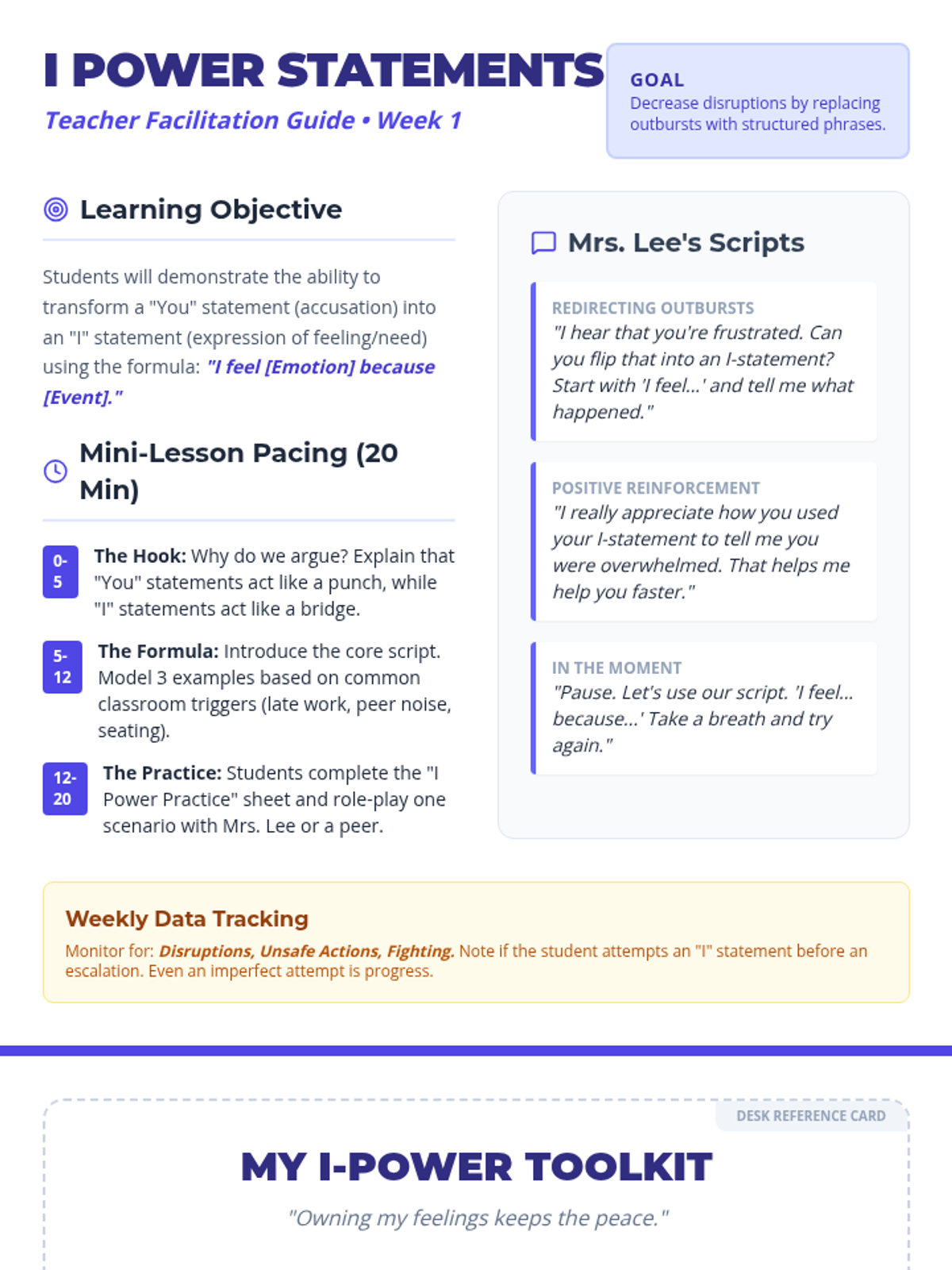
An SEL lesson focused on distinguishing between hurtful and helpful language, introducing 'I' statements to manage emotions and maintain positive relationships.
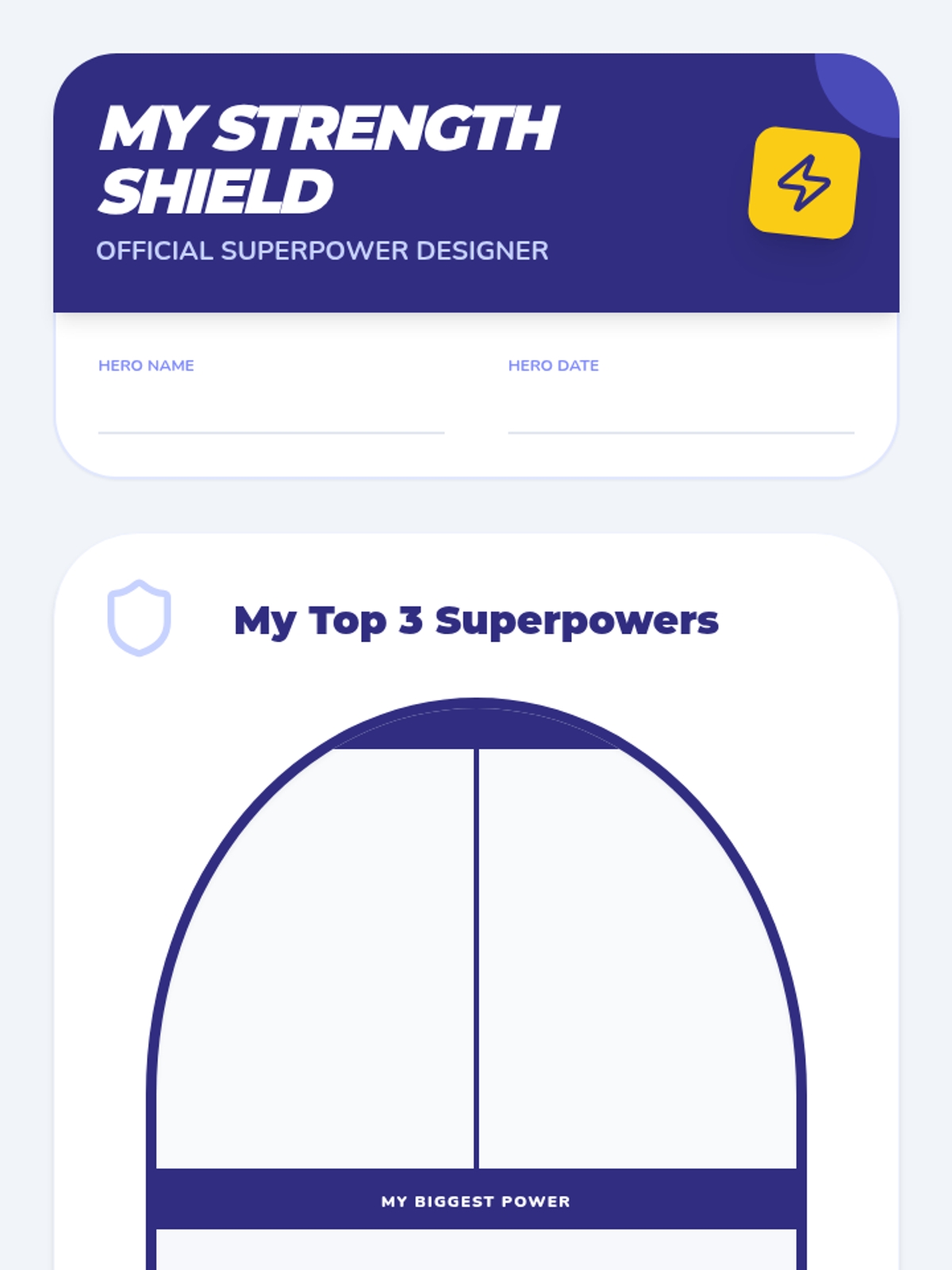
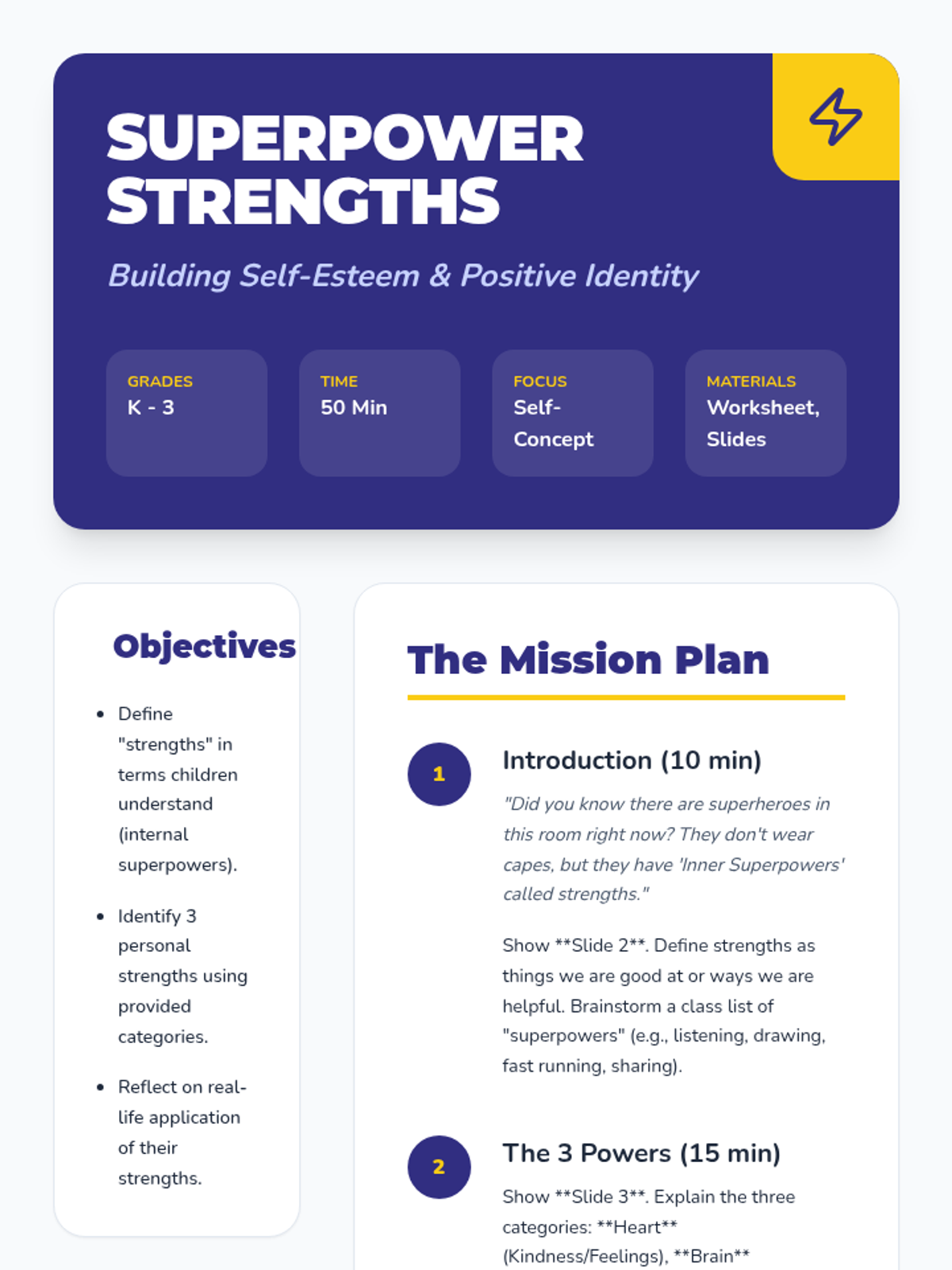
Students identify their personal strengths and positive qualities, reframing them as "inner superpowers". This lesson helps build self-esteem and a positive self-concept.
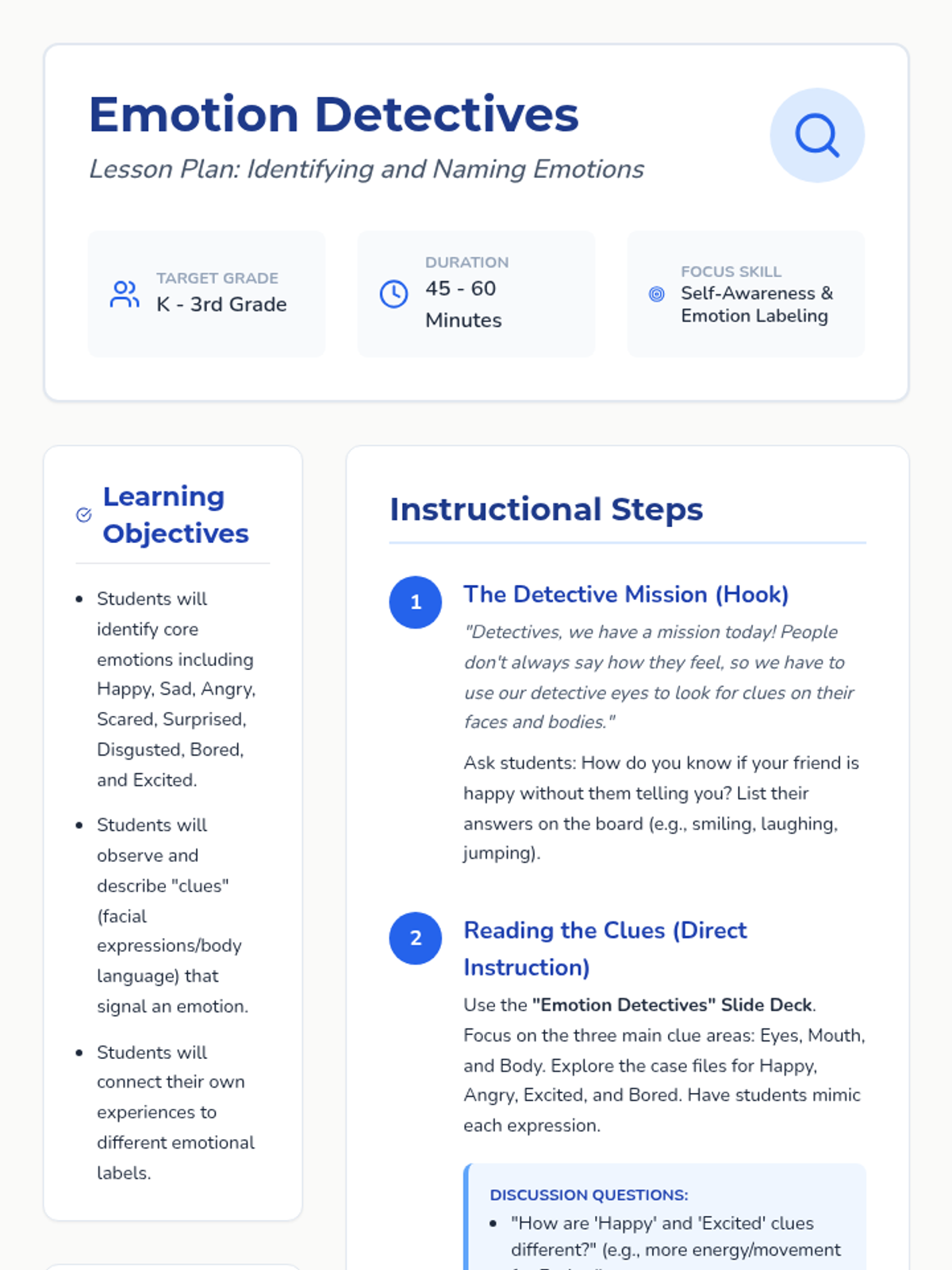
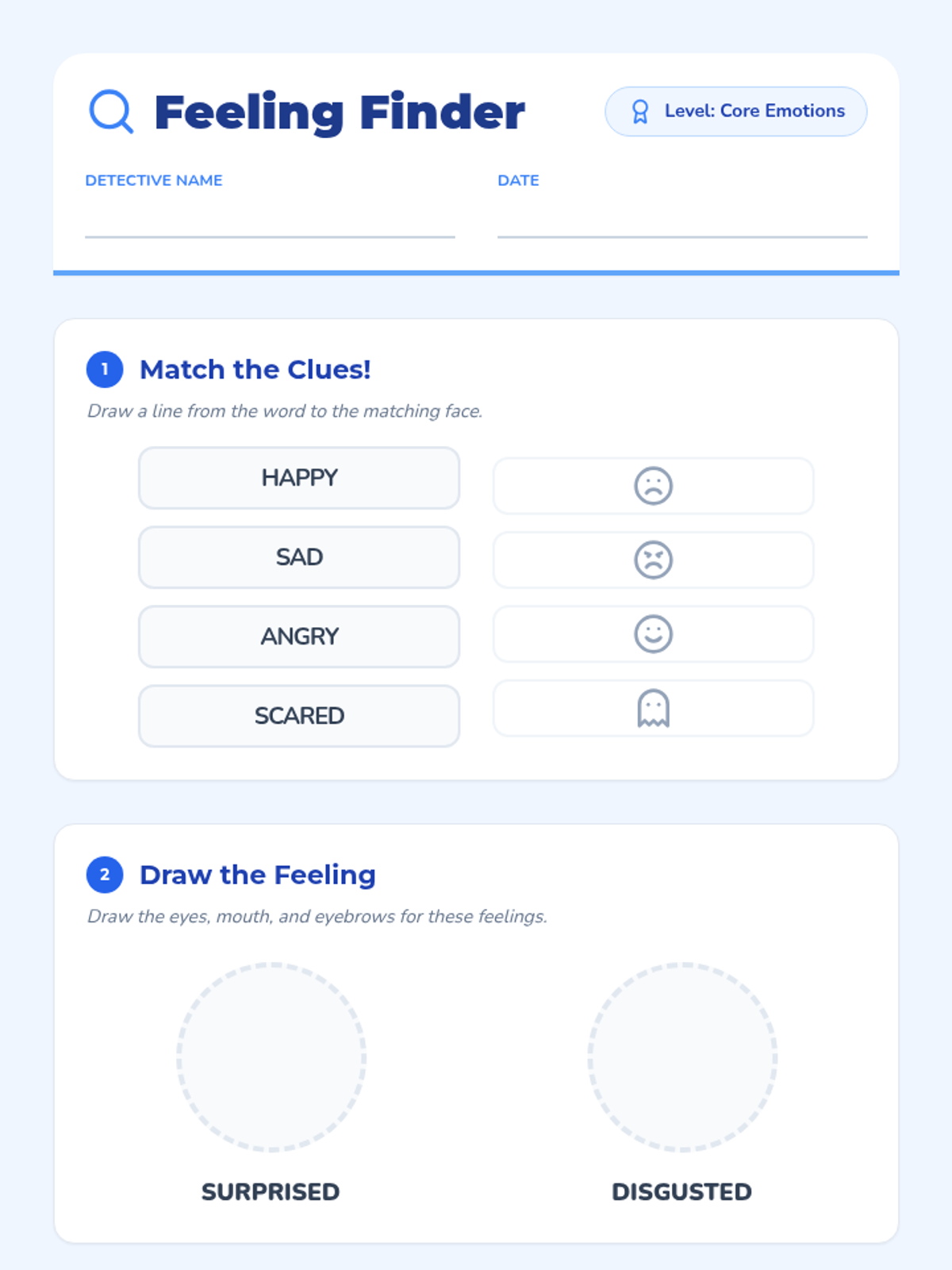
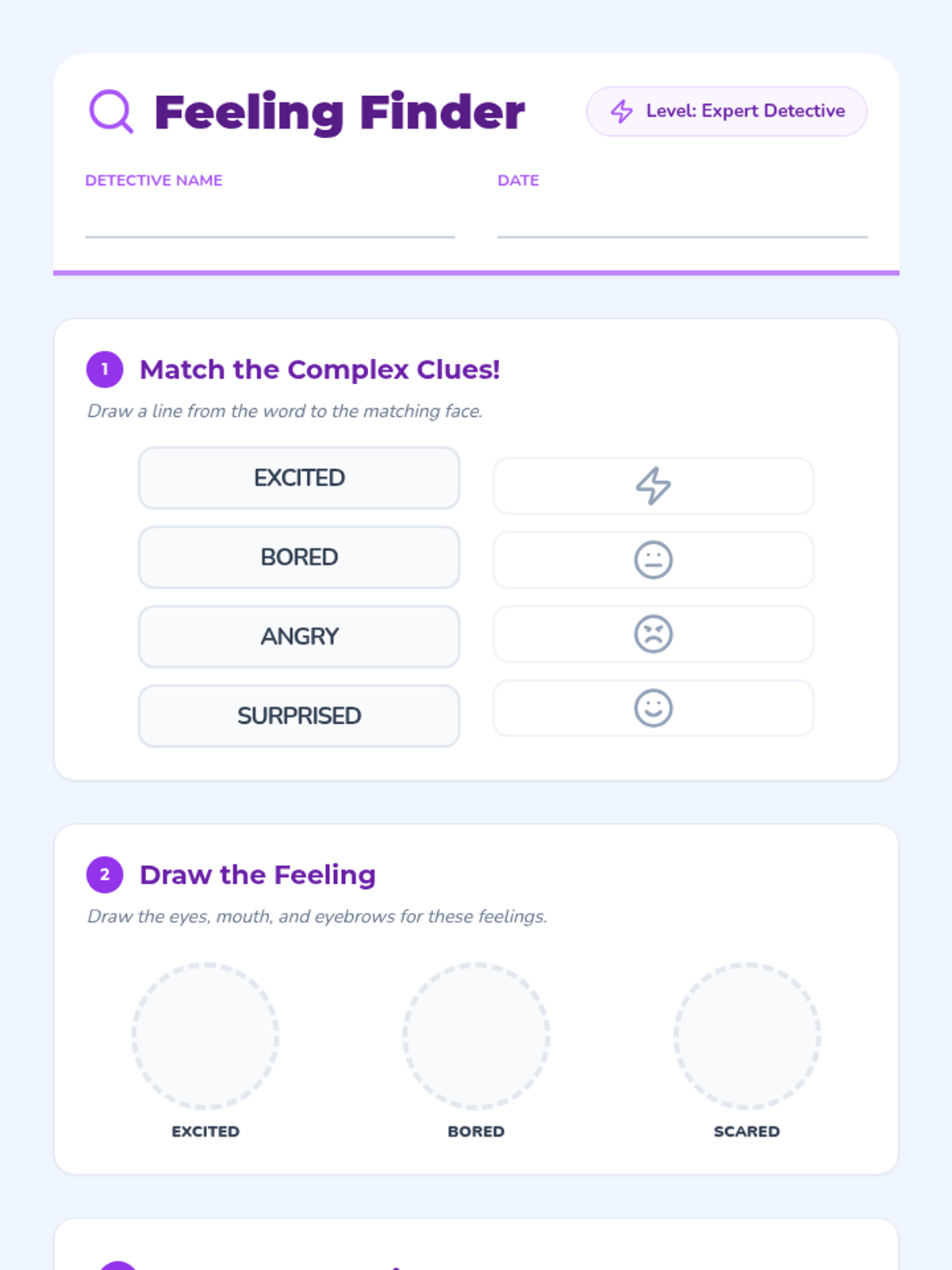
Students become Emotion Detectives to identify and name core emotions by looking for facial and body clues. This K-3 lesson focuses on happy, sad, angry, scared, surprised, and disgusted.
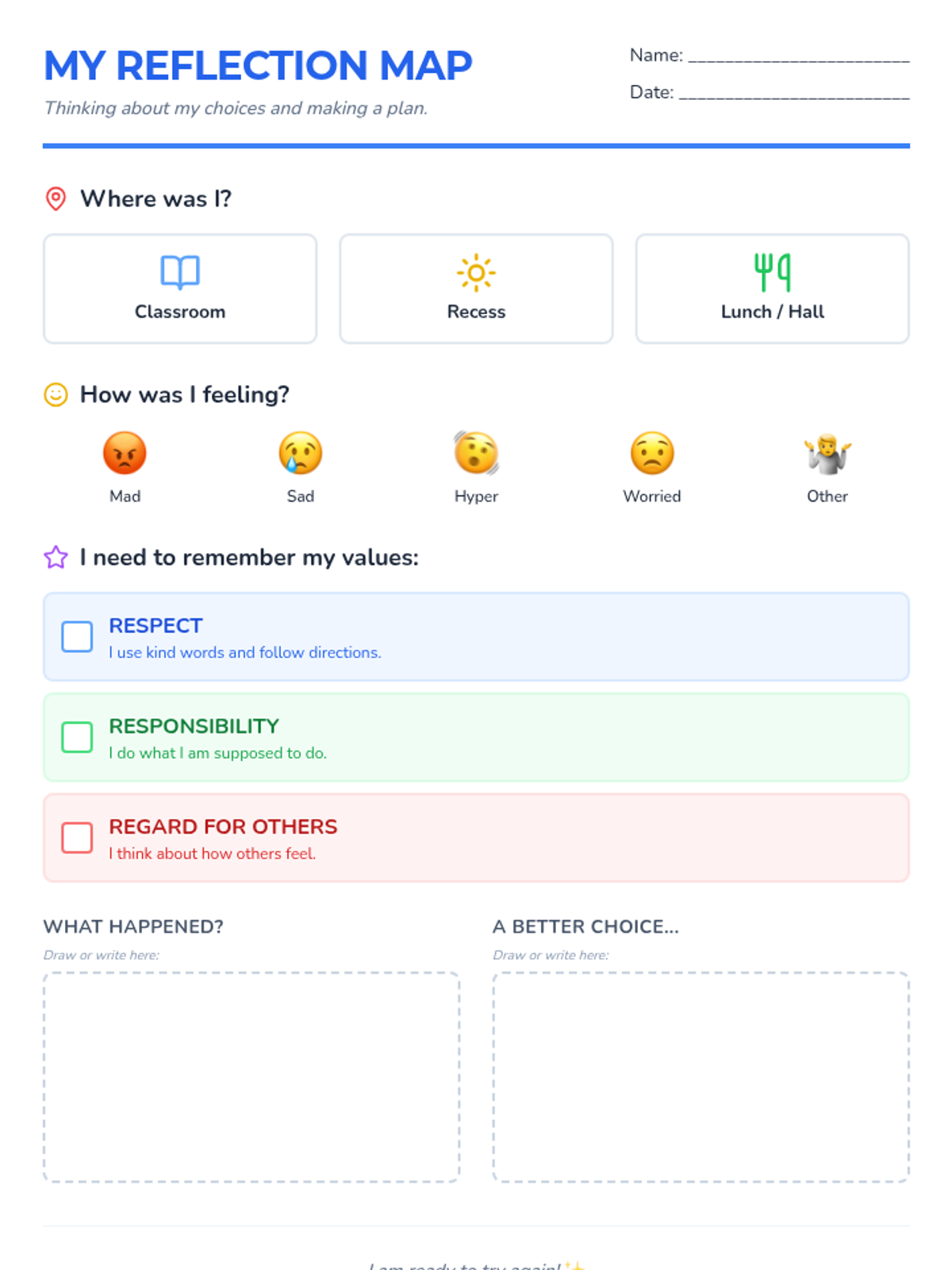
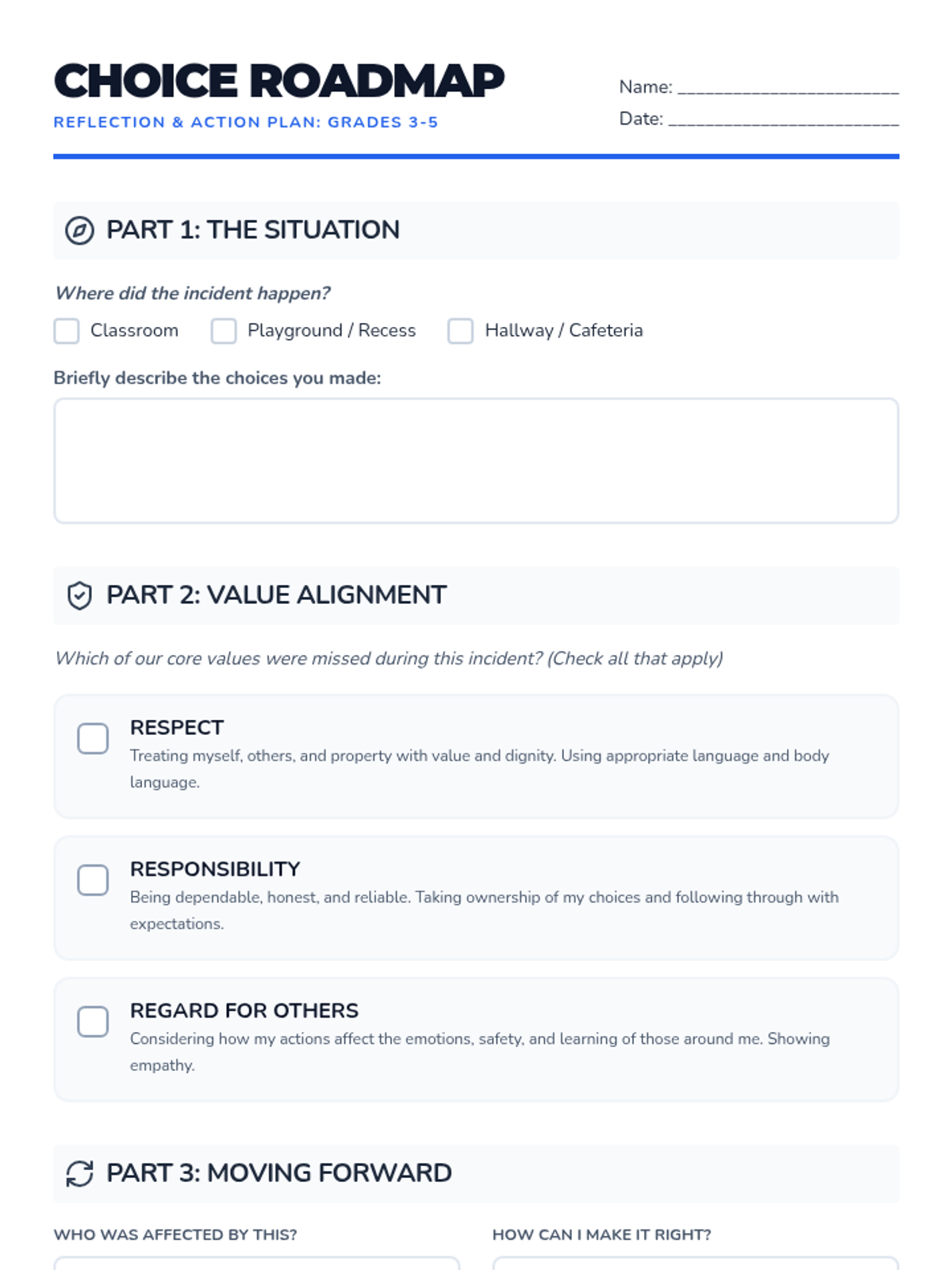
A set of reflection tools for students in grades K-5 to process behavioral incidents through the lens of core values: Respect, Responsibility, and Regard for Others. Includes tiered versions for lower and upper elementary students.
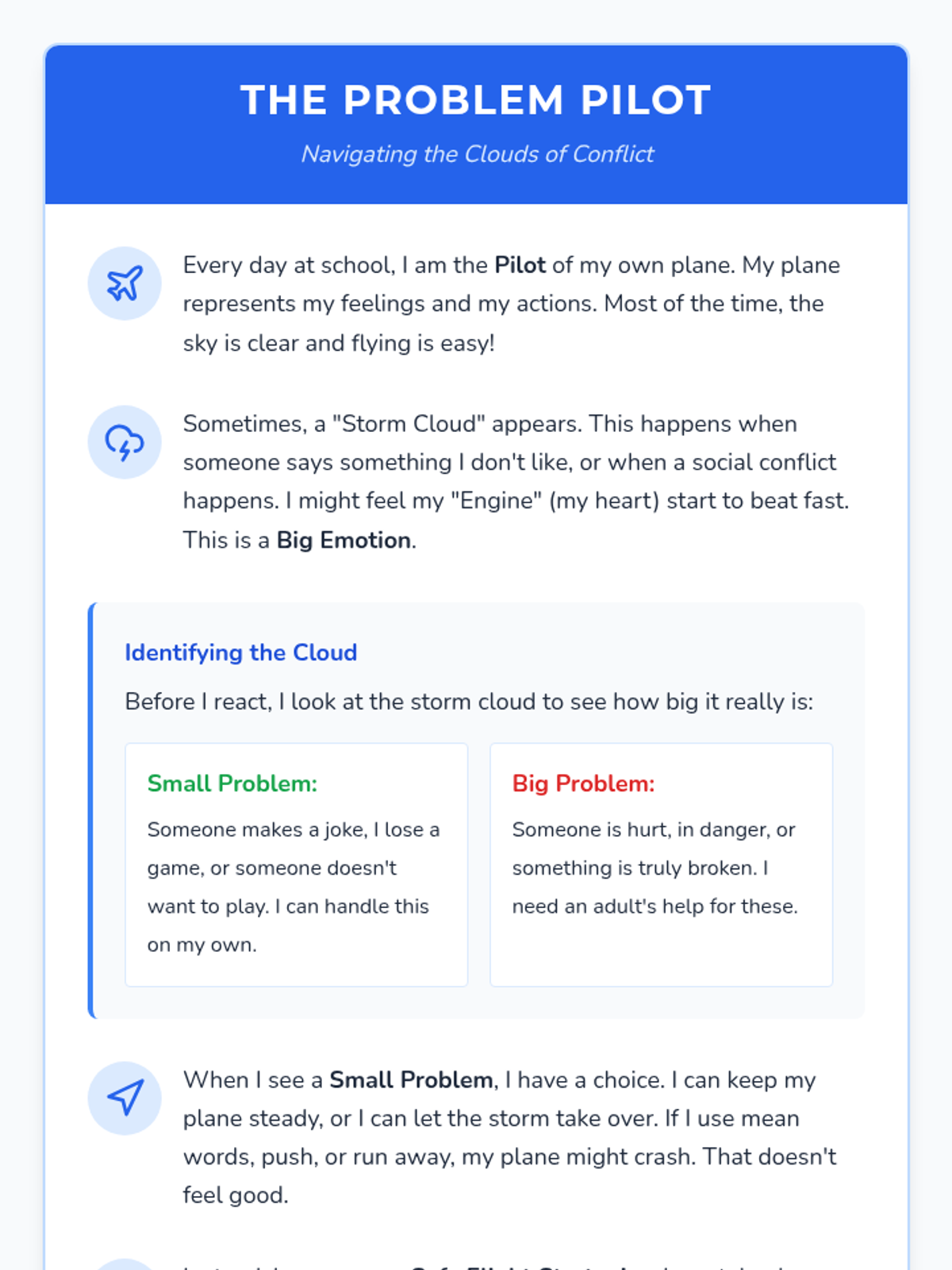
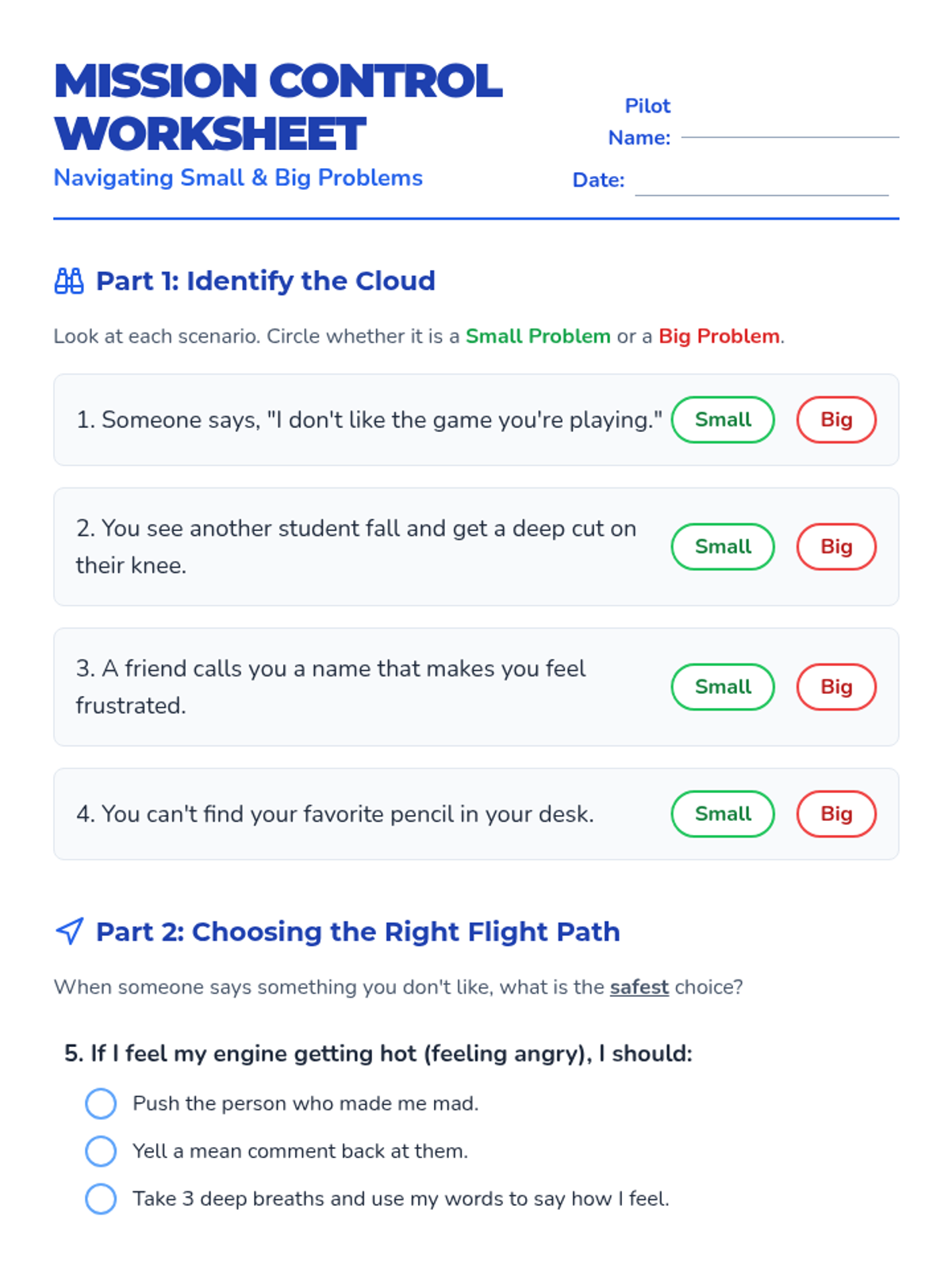
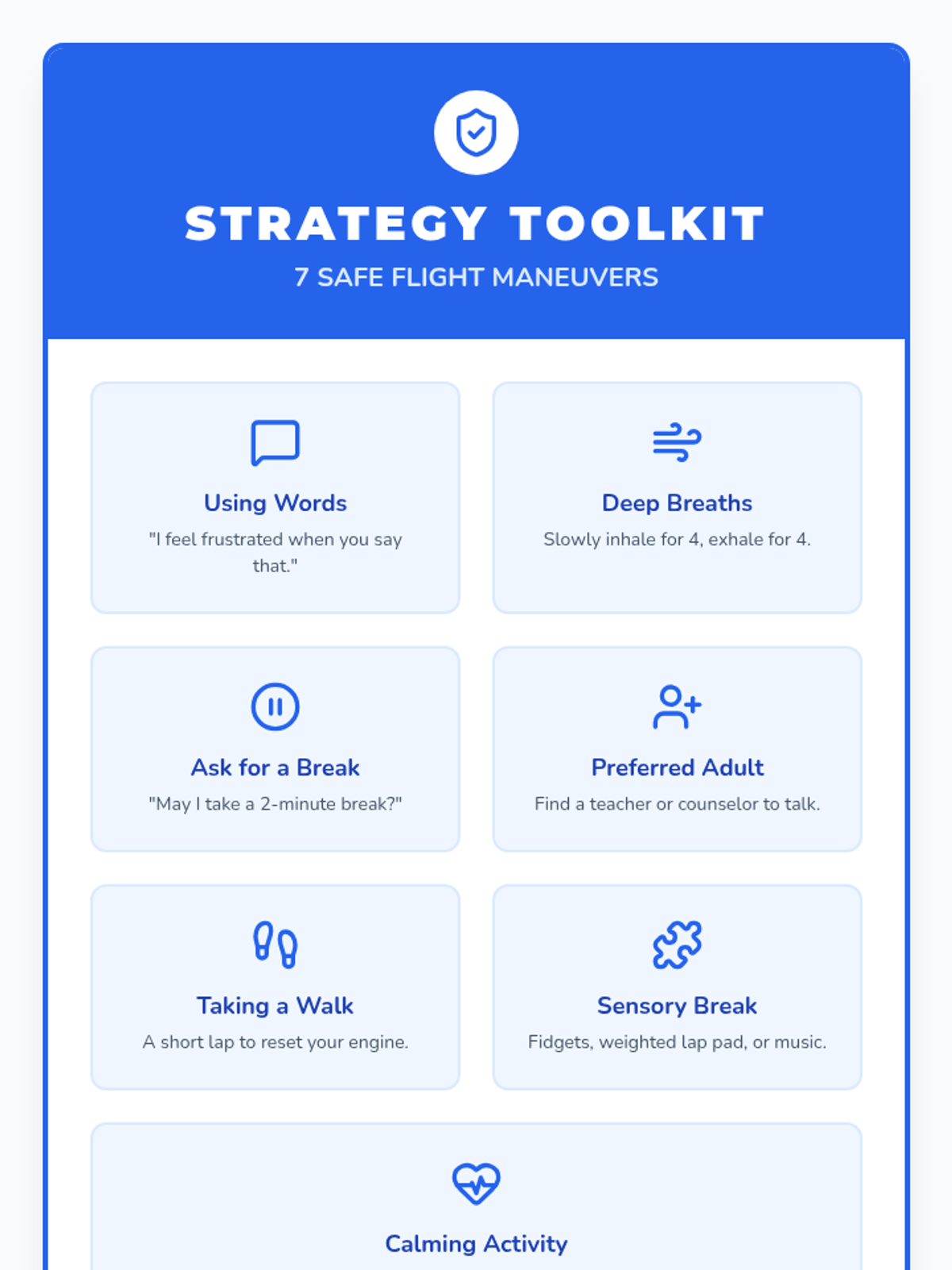
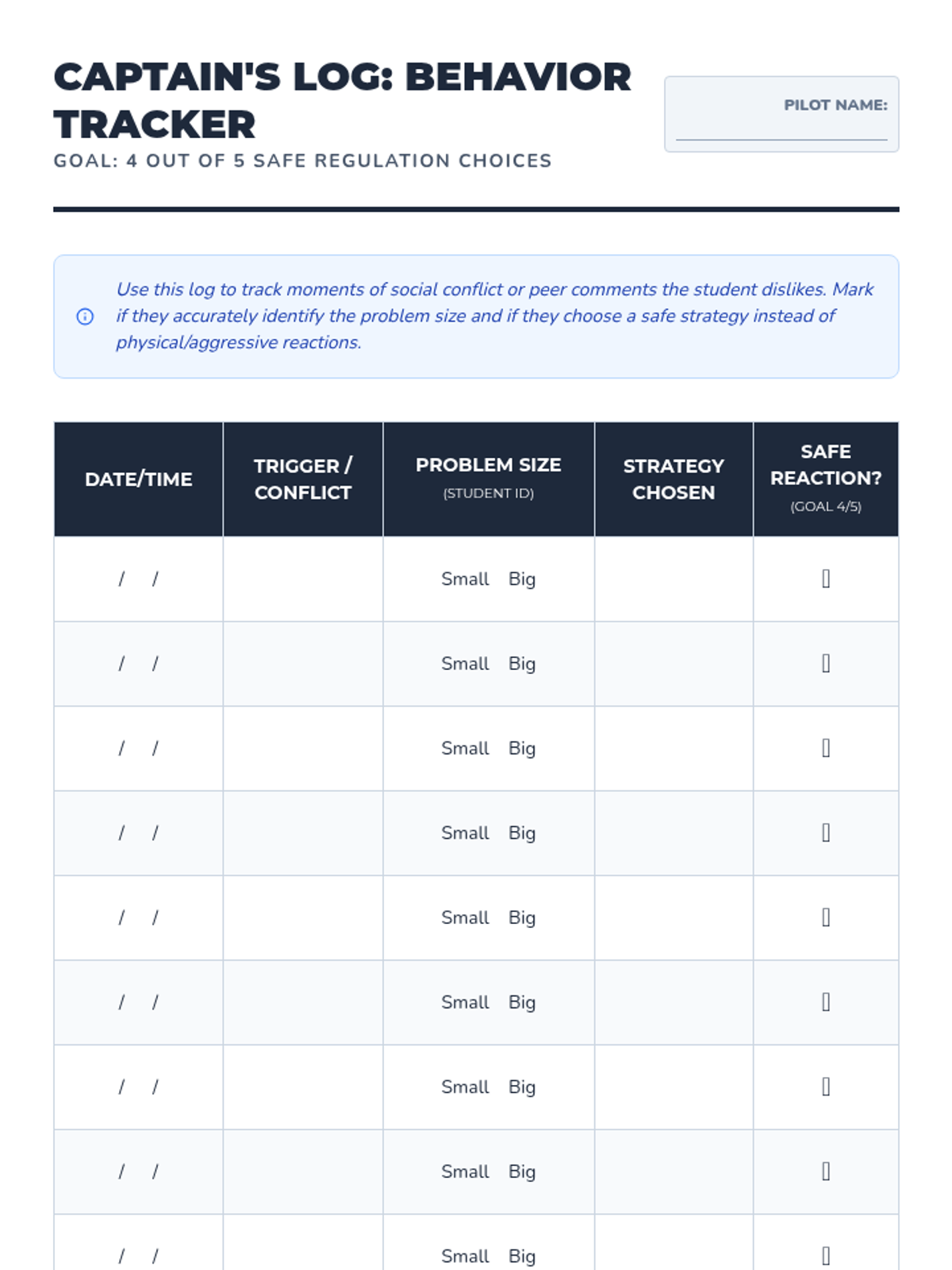
A lesson designed to help students distinguish between Small and Big Problems and choose safe regulation strategies instead of physical reactions. It includes a social story, practice worksheet, and strategy reference guide.
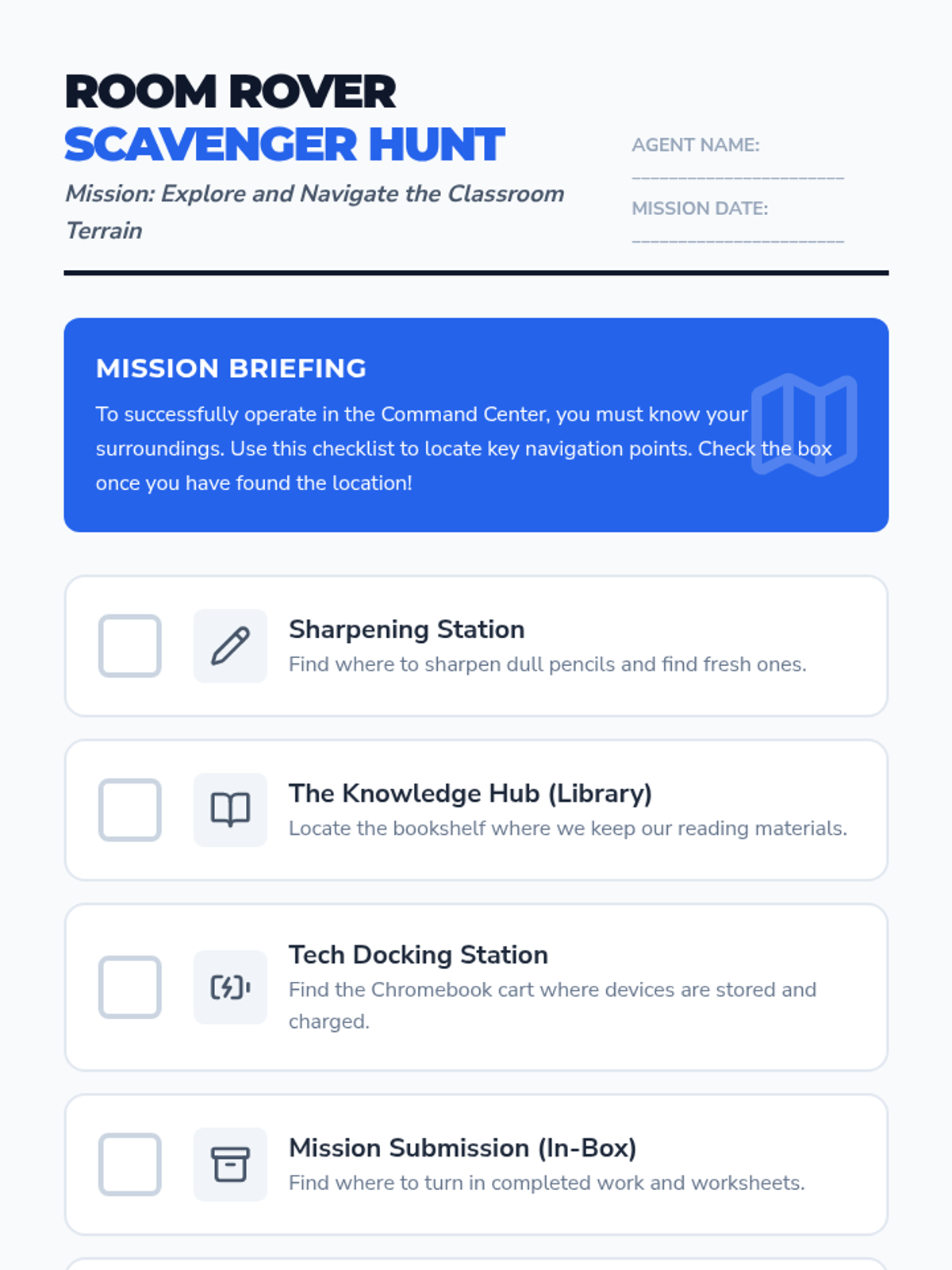
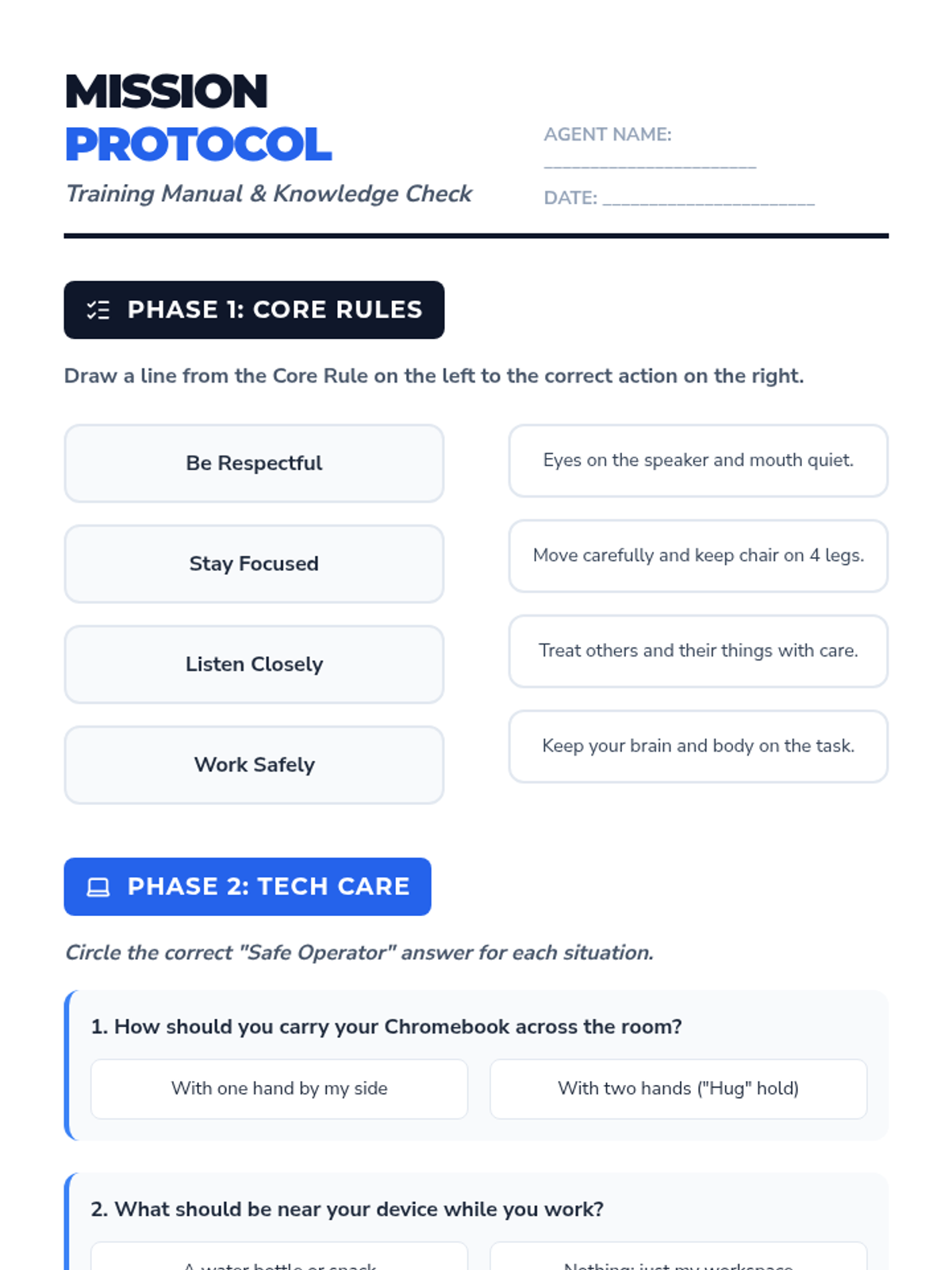
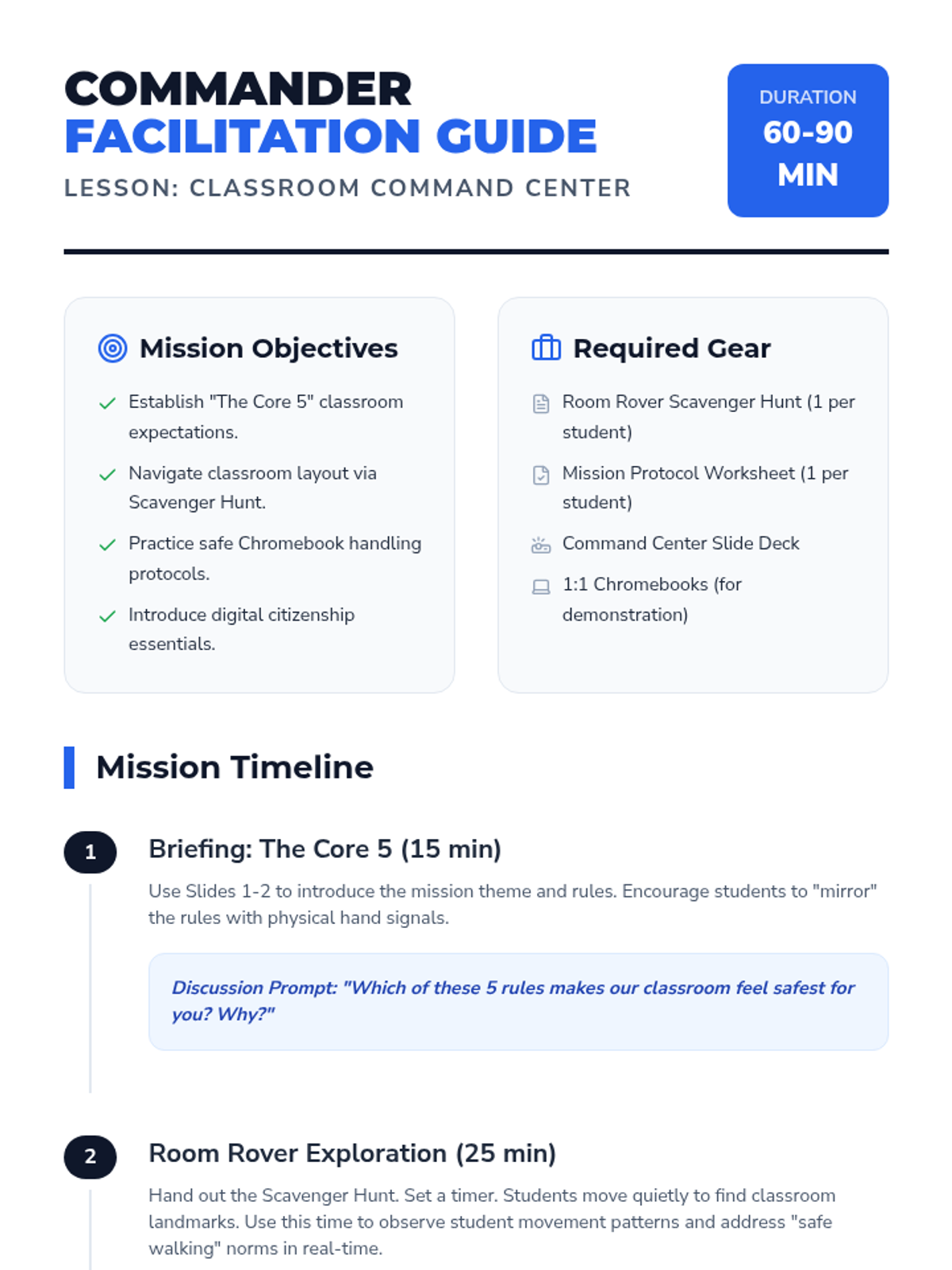
A comprehensive first-day lesson to establish classroom norms, physical space navigation, and digital responsibility. Includes instruction on Chromebook care and digital citizenship.
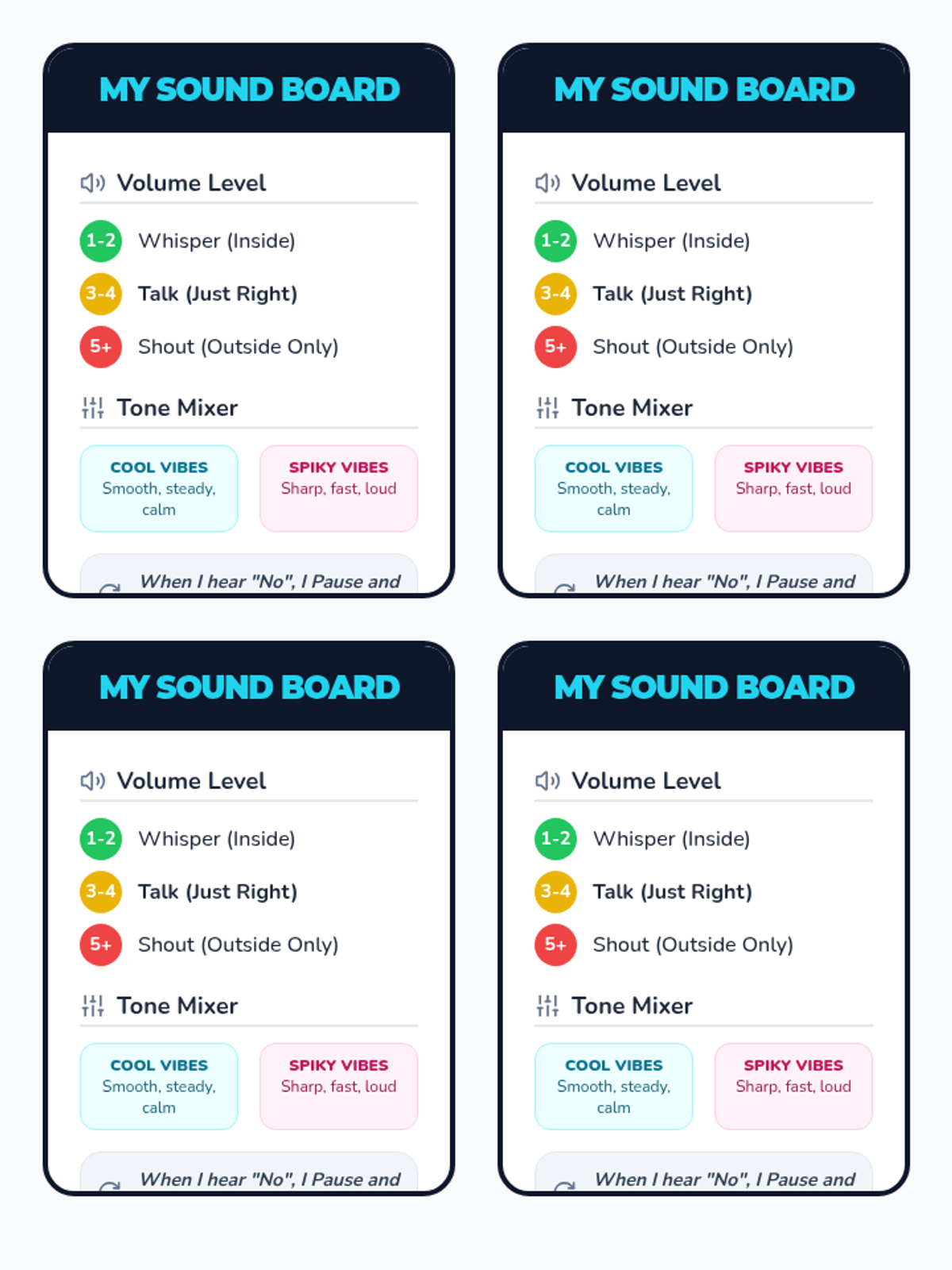
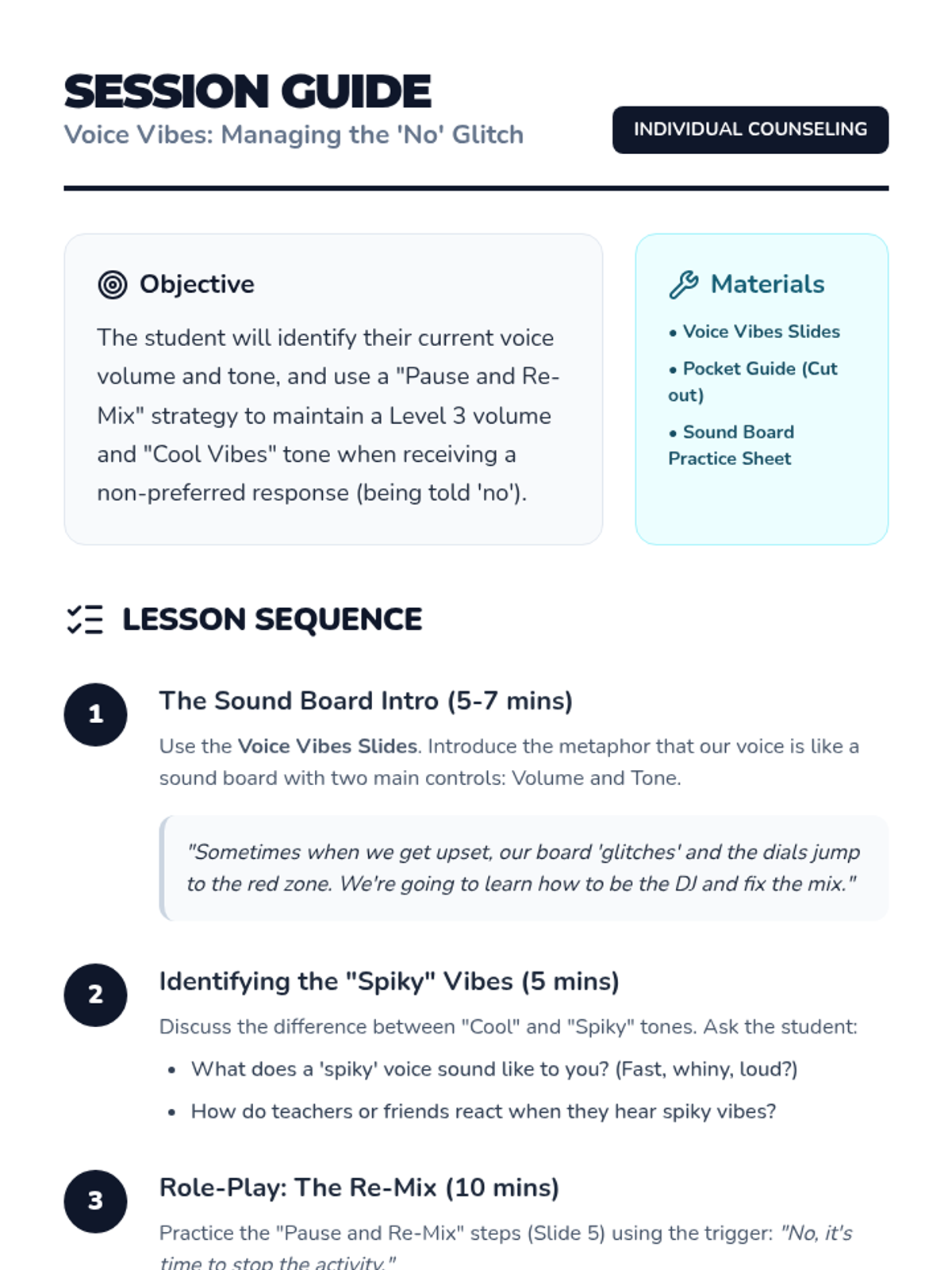
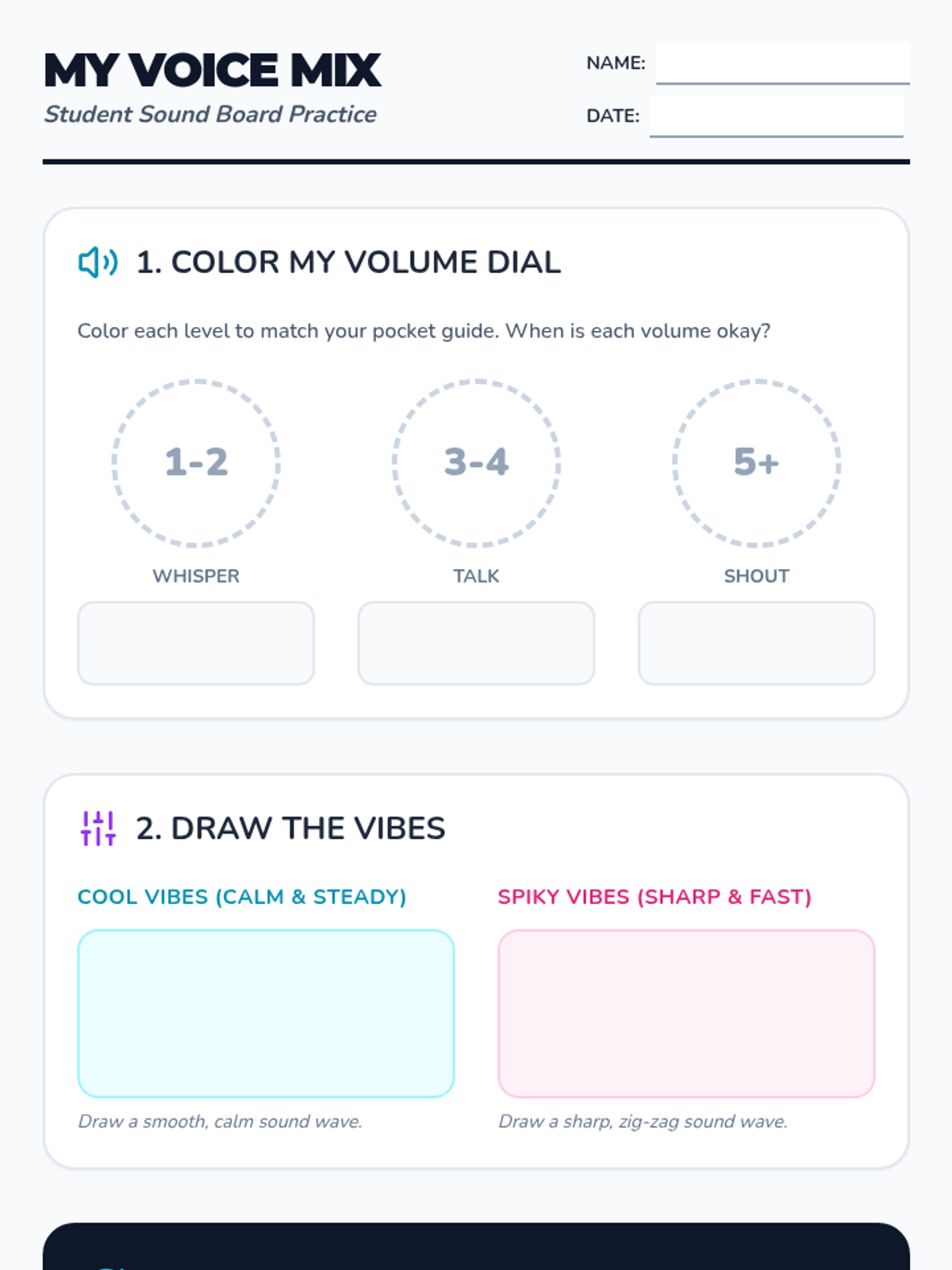
A quick counseling lesson for 3rd-grade students to manage tone and volume of voice when receiving 'no' as an answer. It uses visual metaphors of a sound board and voice meter to build self-awareness and emotional regulation.
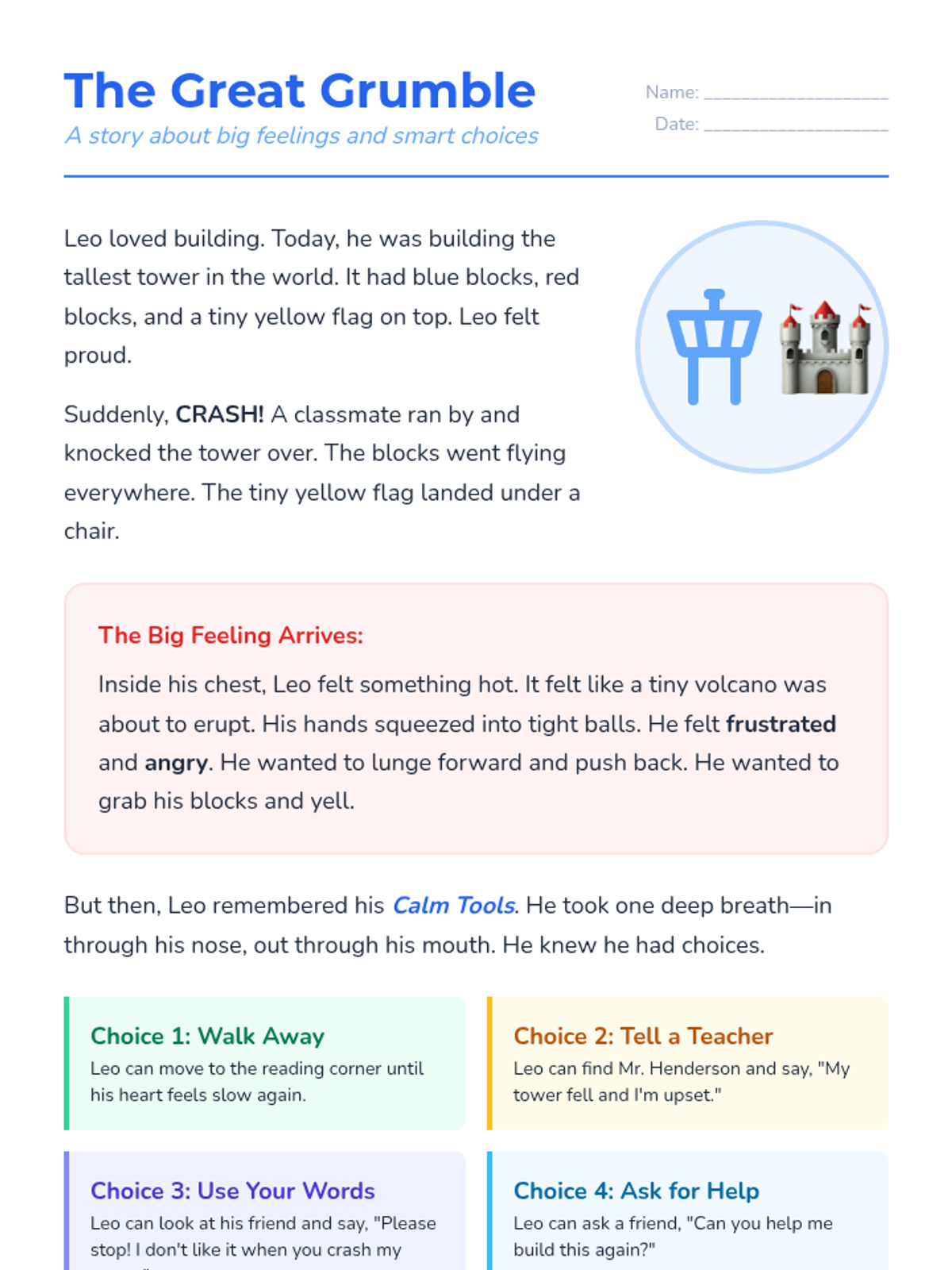
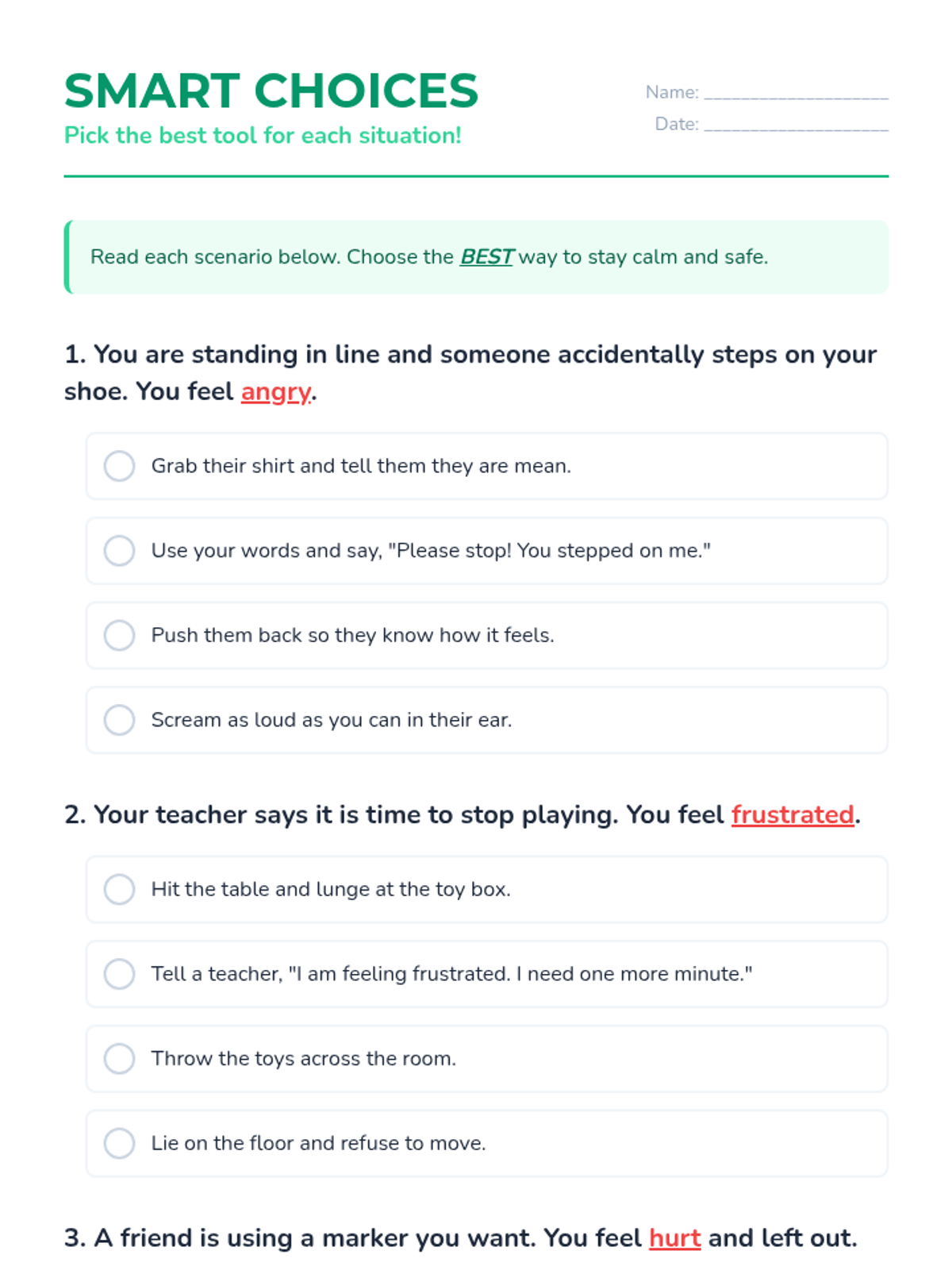
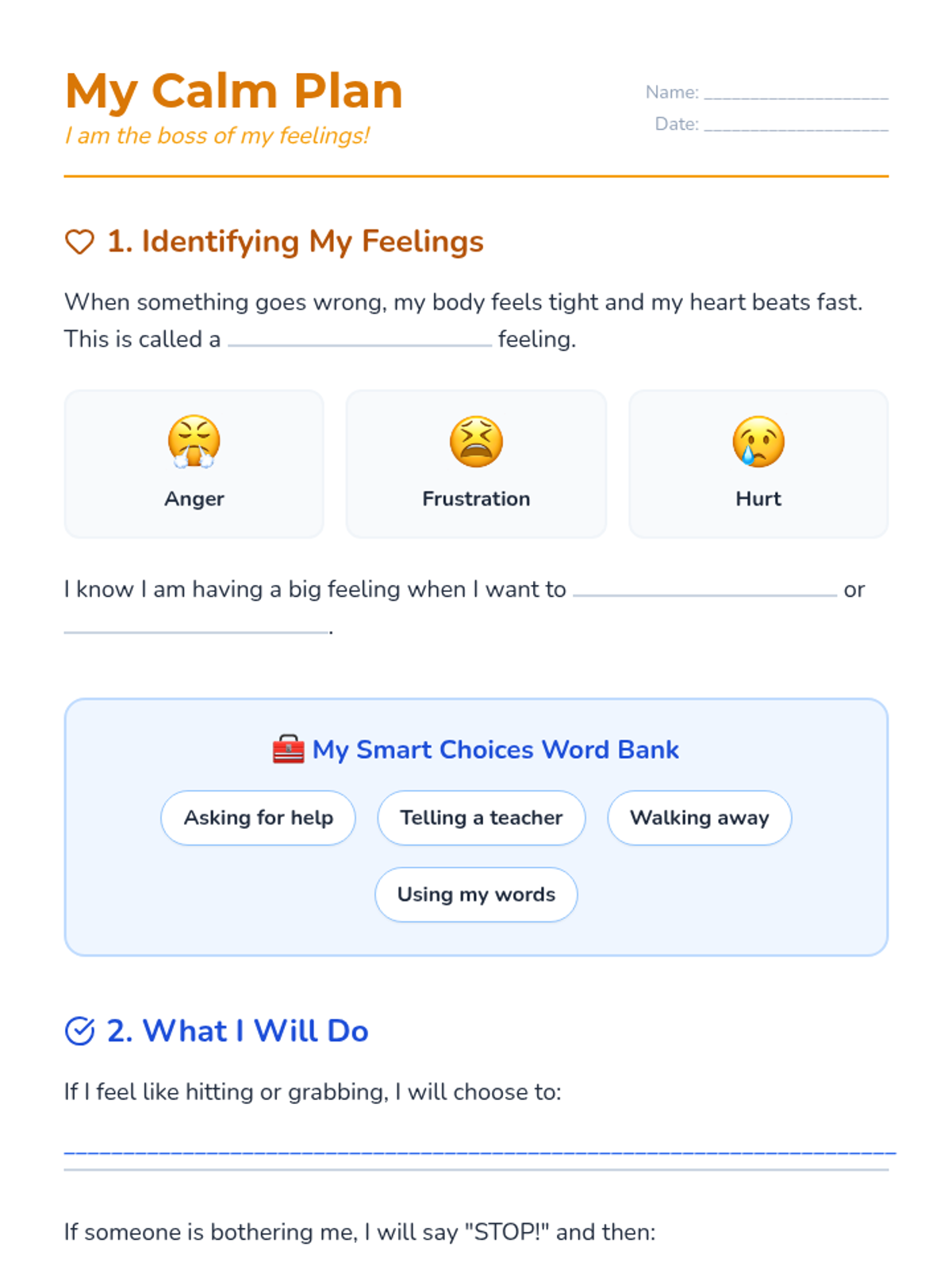
A social-emotional learning lesson designed to help students identify 'big feelings' and practice safe replacement behaviors for physical aggression. Includes a narrative story, situational practice, and a personalized reflection plan.
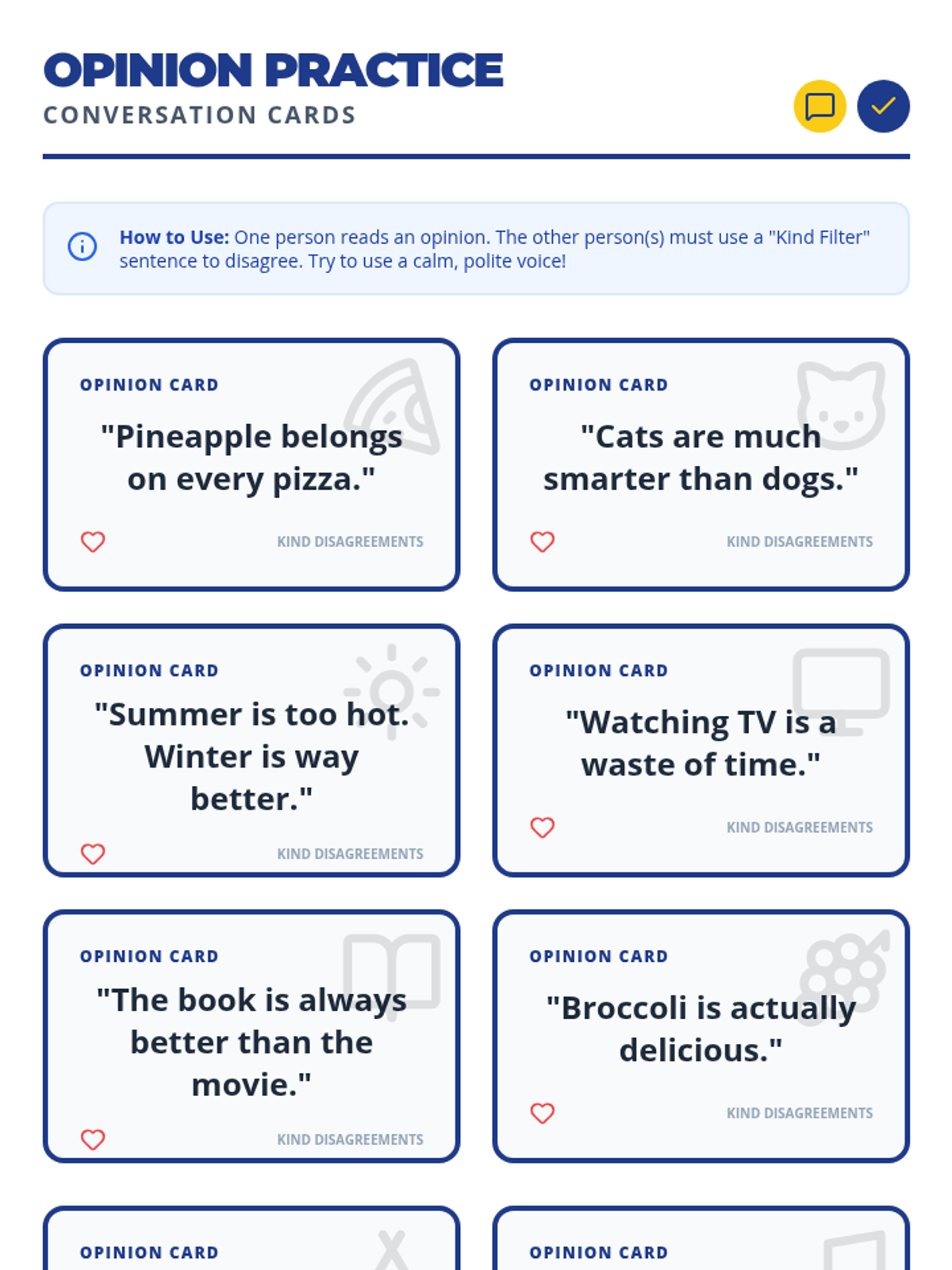
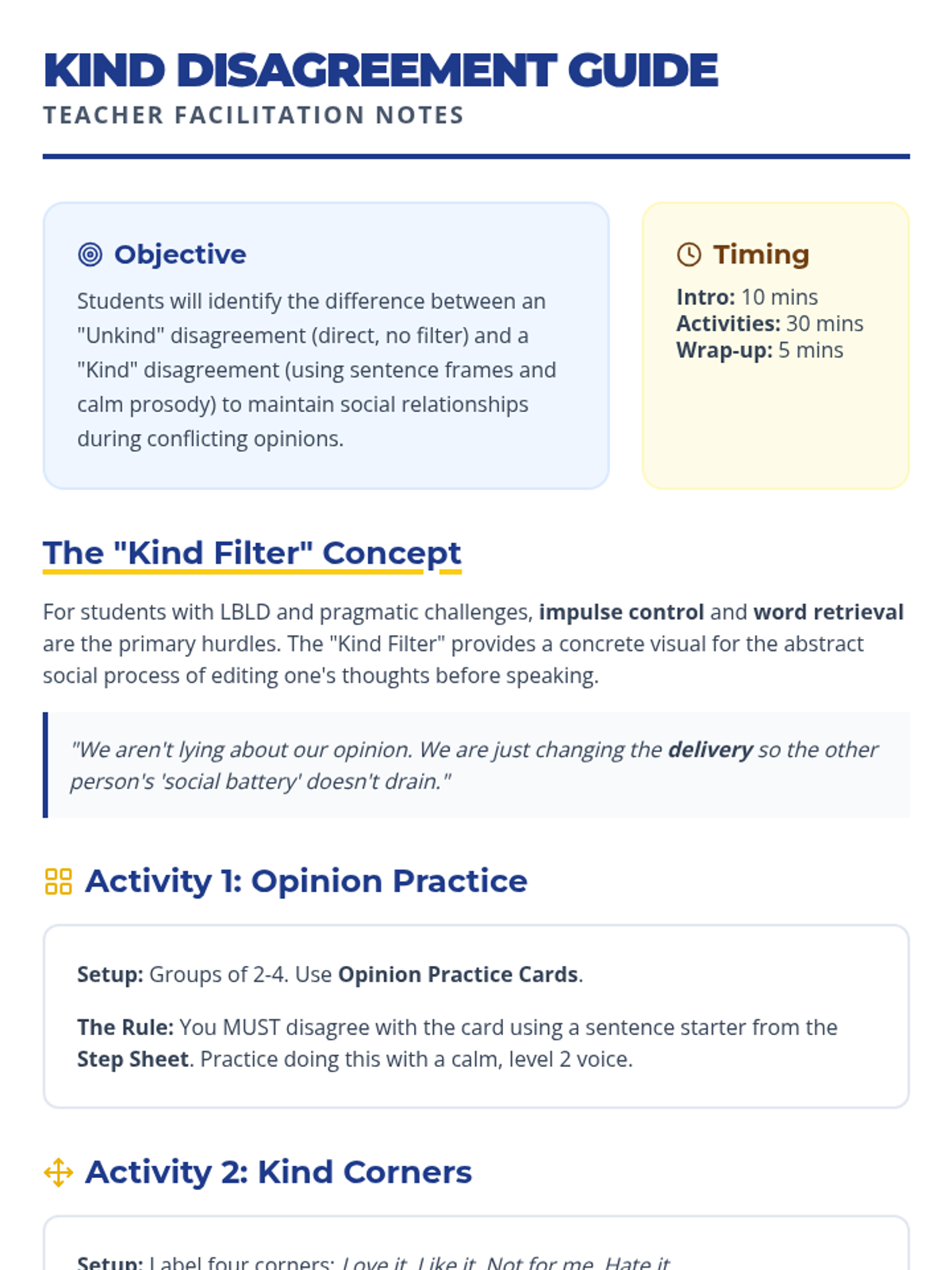
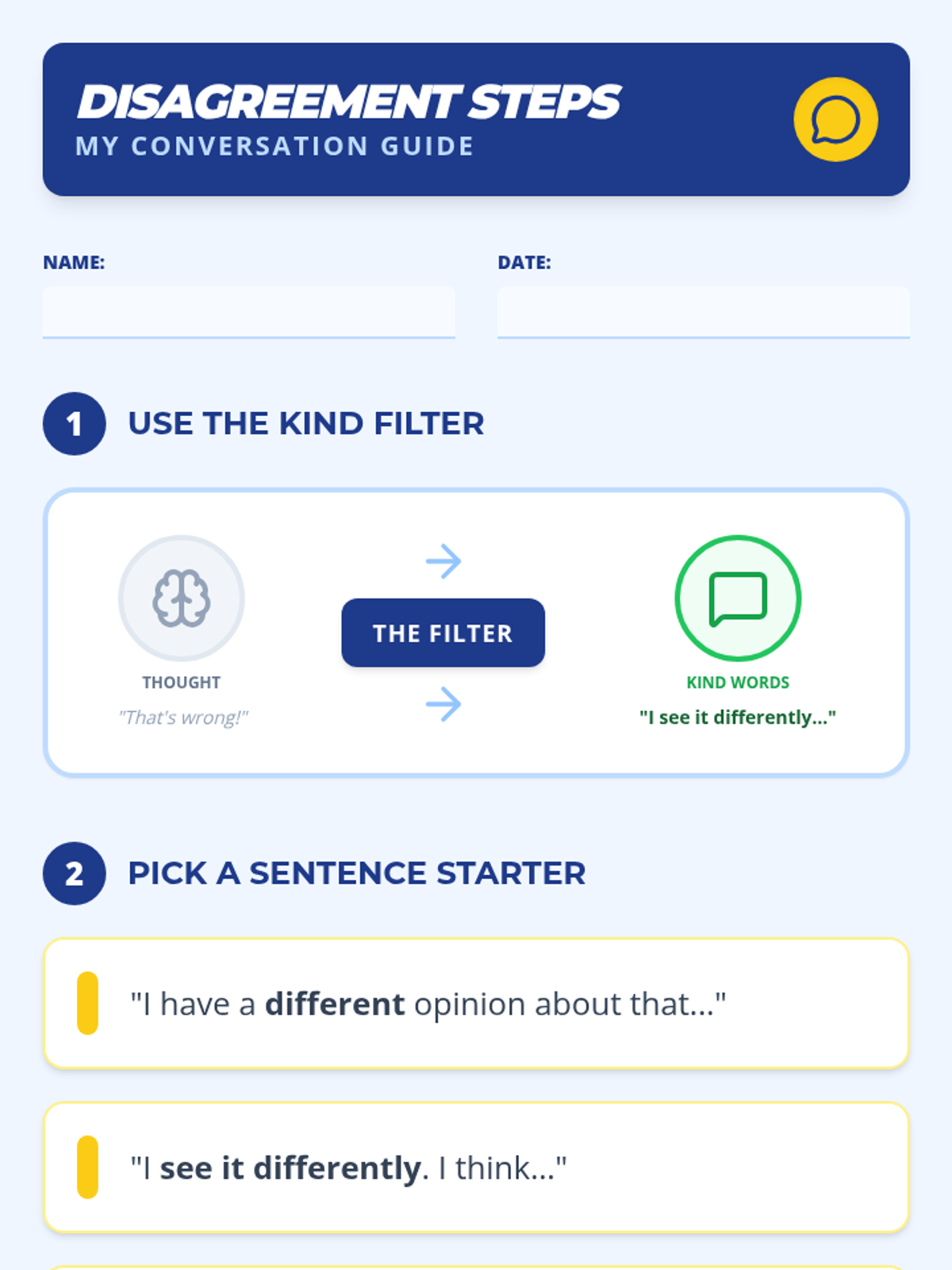
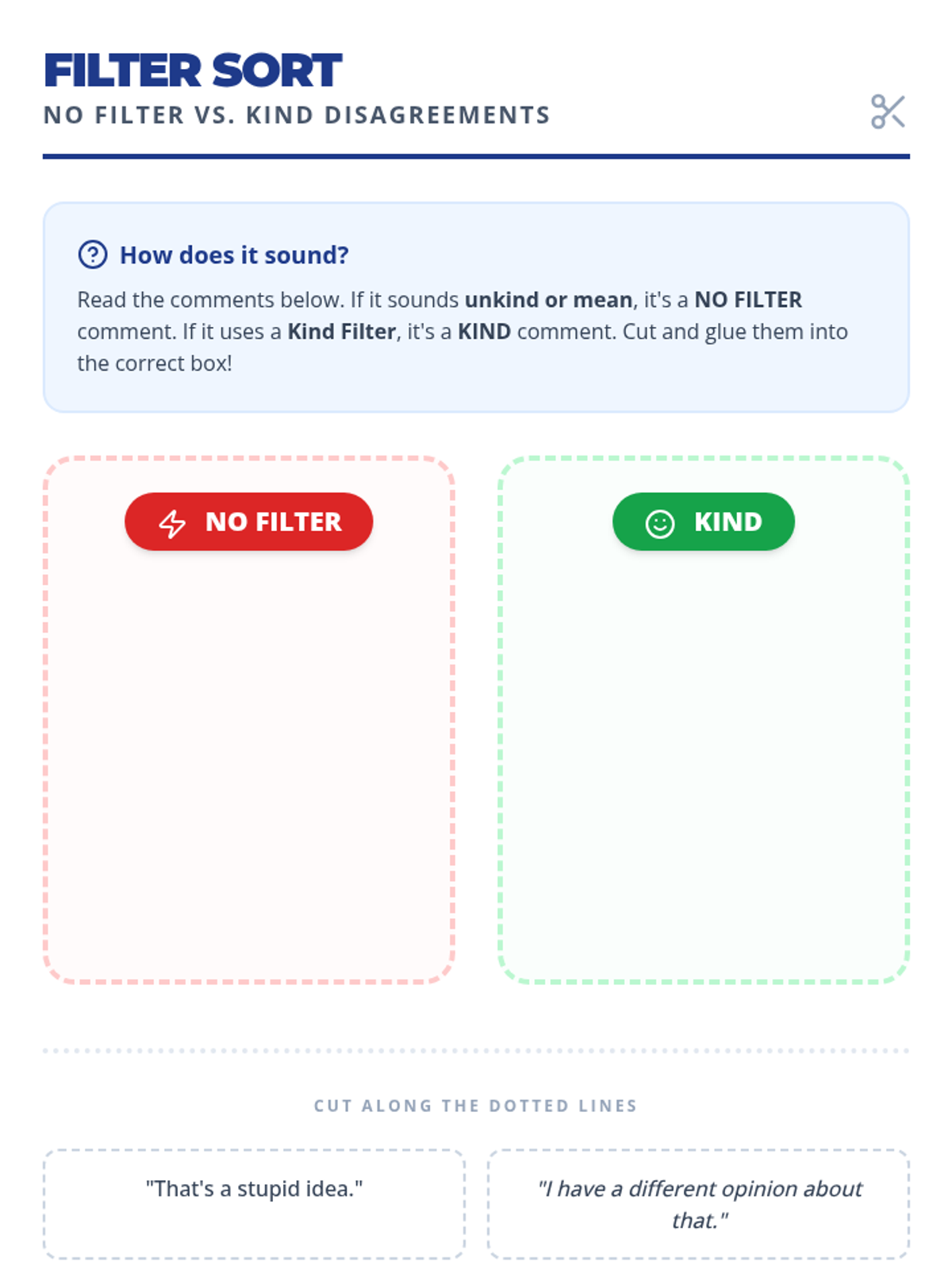
A pragmatic language lesson designed for students with LBLD to practice expressing disagreement respectfully. Through visual-heavy slides, structured role-plays, and hands-on activities like 'Kind Corners' and 'Opinion Practice', students learn to use social filters and sentence frames to navigate conflicting opinions.
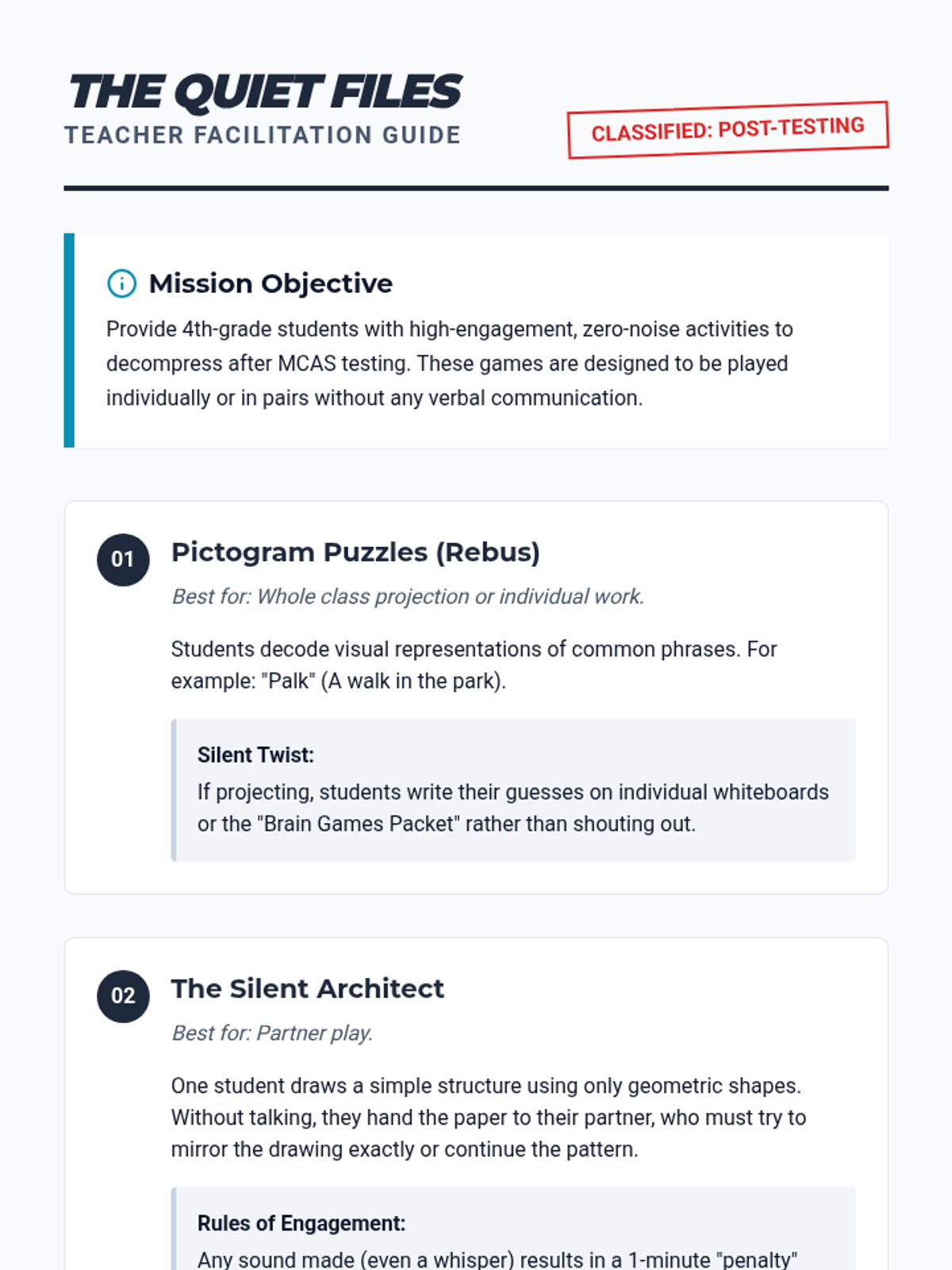
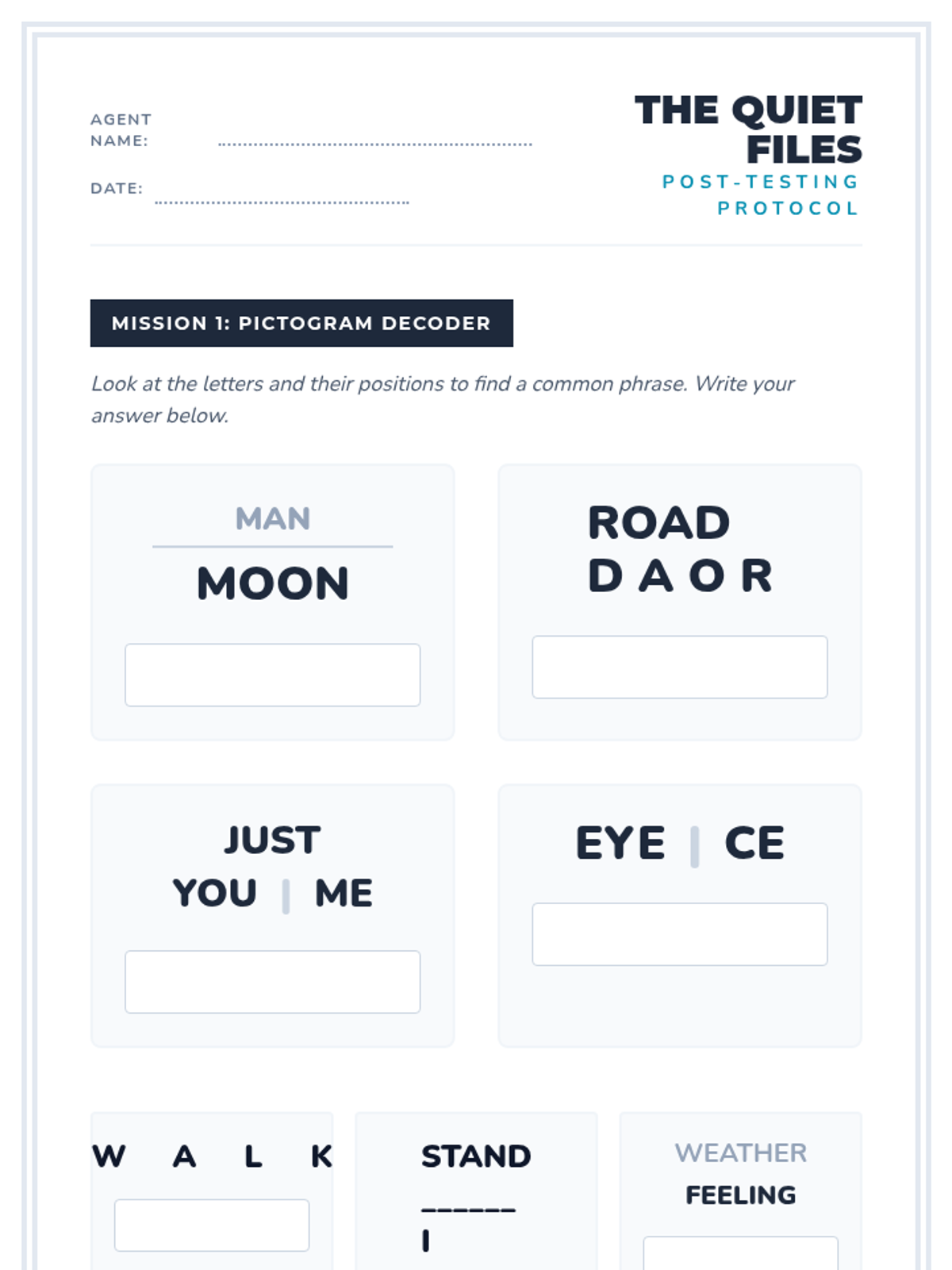
A collection of low-energy, silent activities and games designed for students to engage in after high-stakes testing, focusing on visual puzzles, logic challenges, and creative drawing.
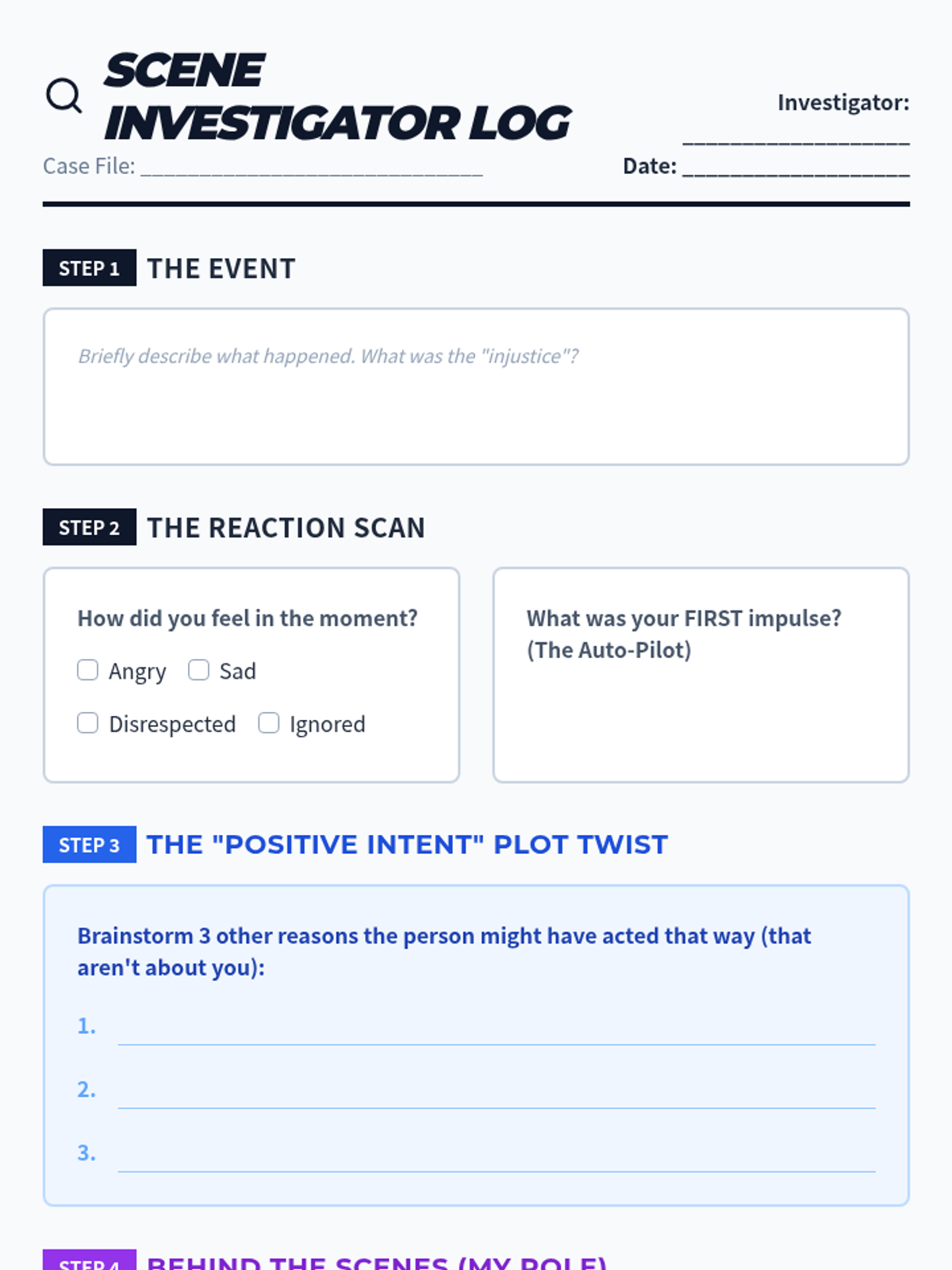
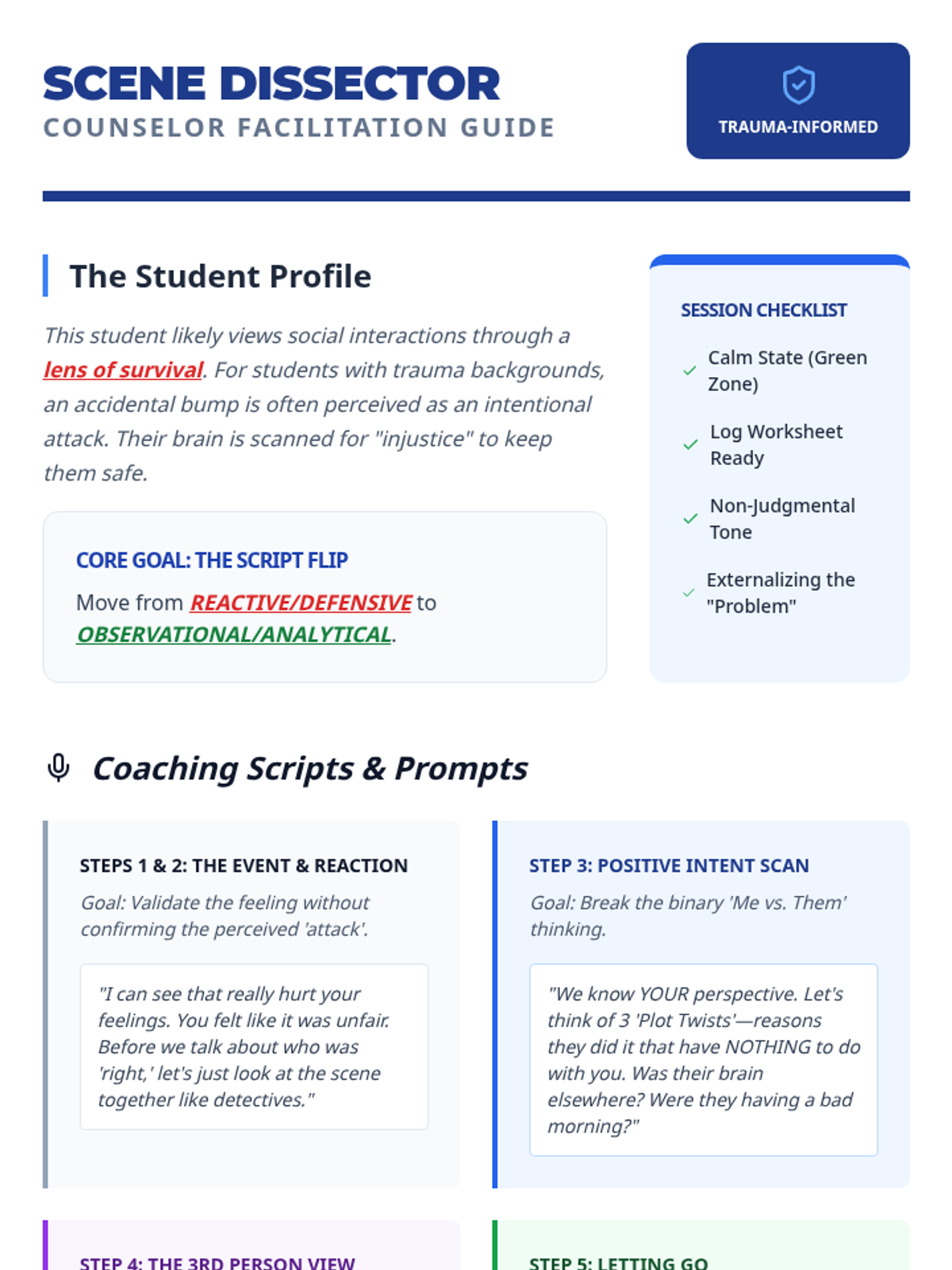
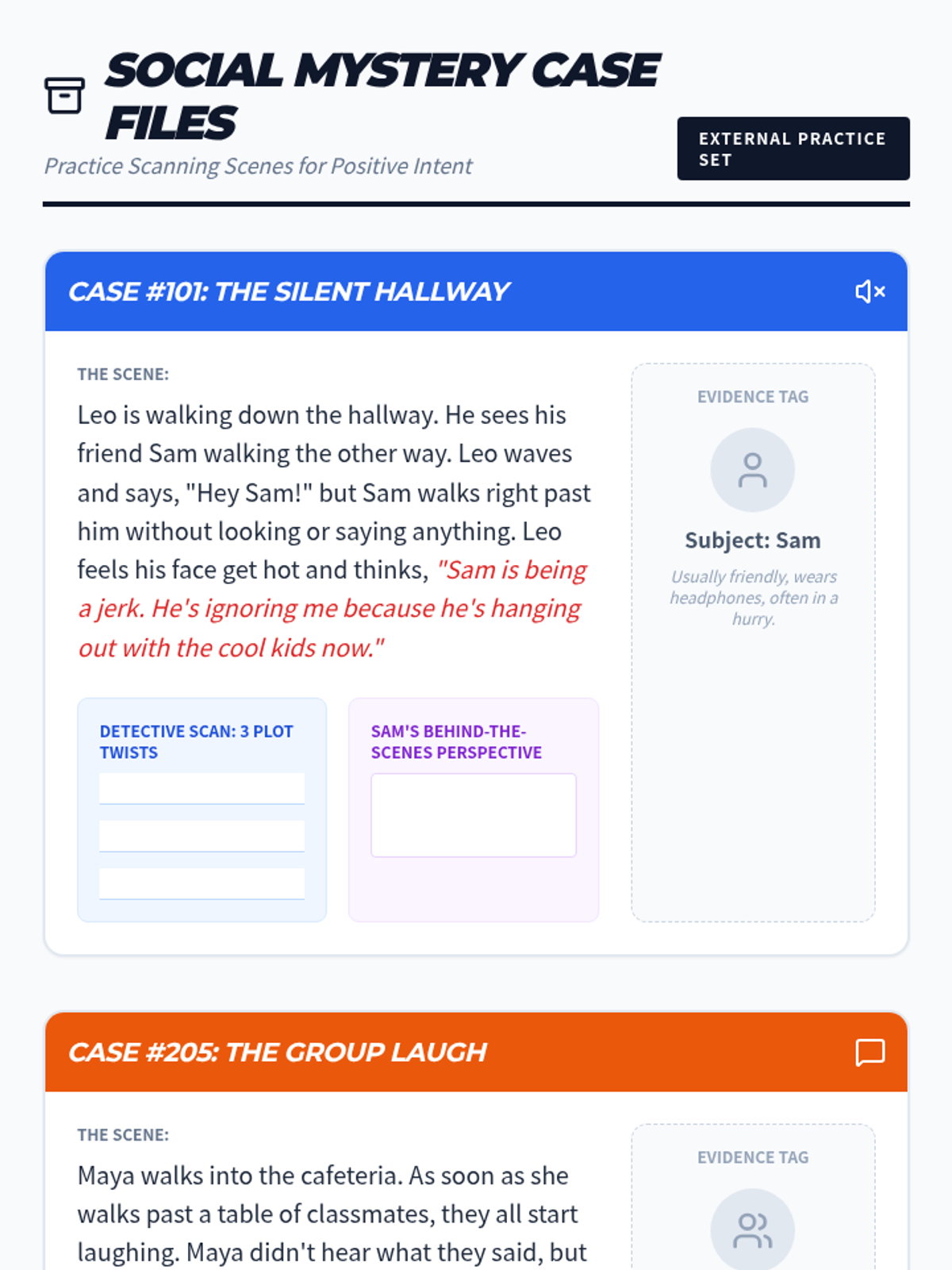
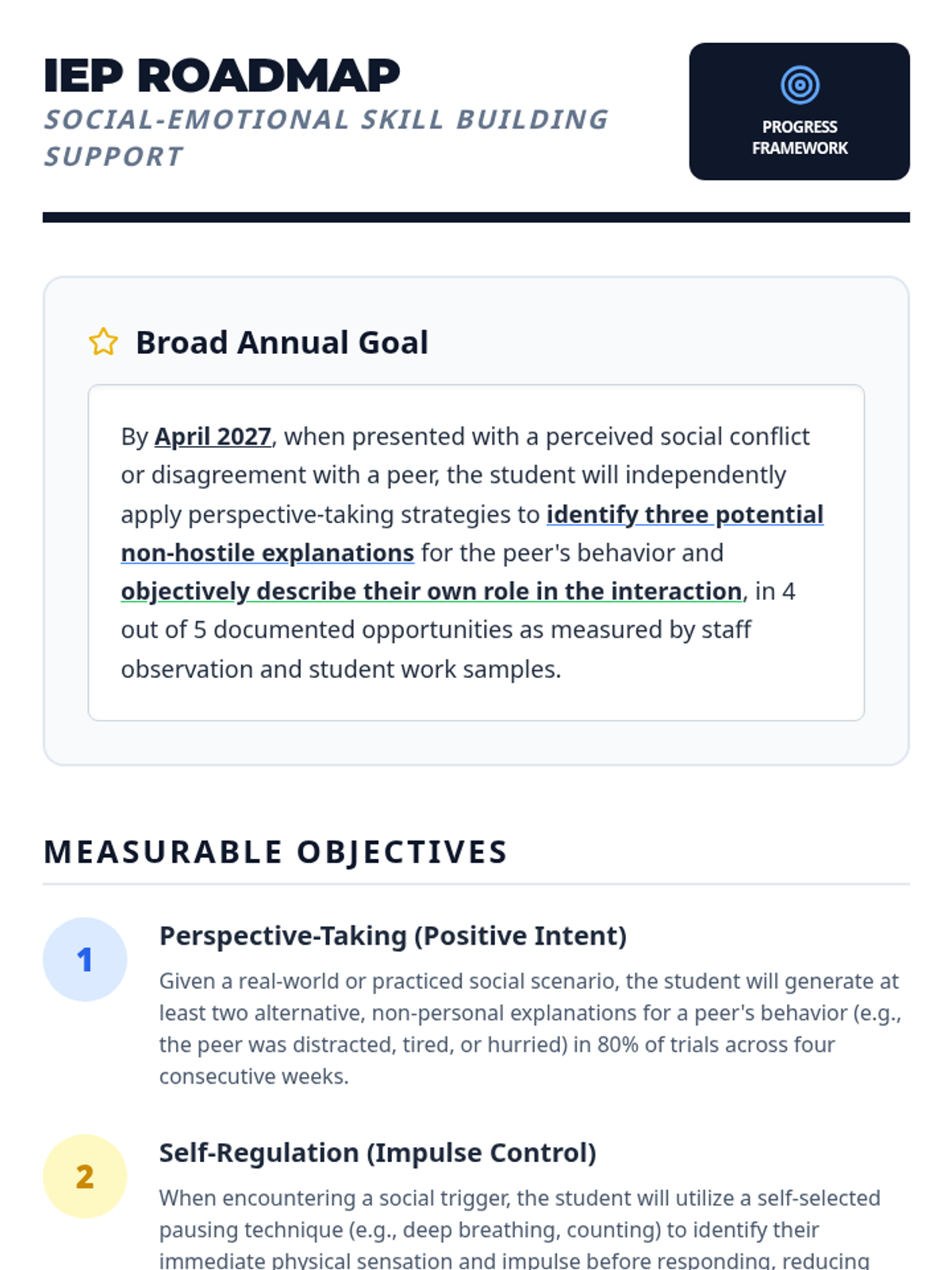
A social-emotional learning lesson designed for students with trauma backgrounds and impulse control challenges. It focuses on 'Scene Scanning'—assuming positive intent and dissecting social interactions through a detective-style lens to improve perspective-taking and reduce reactivity.
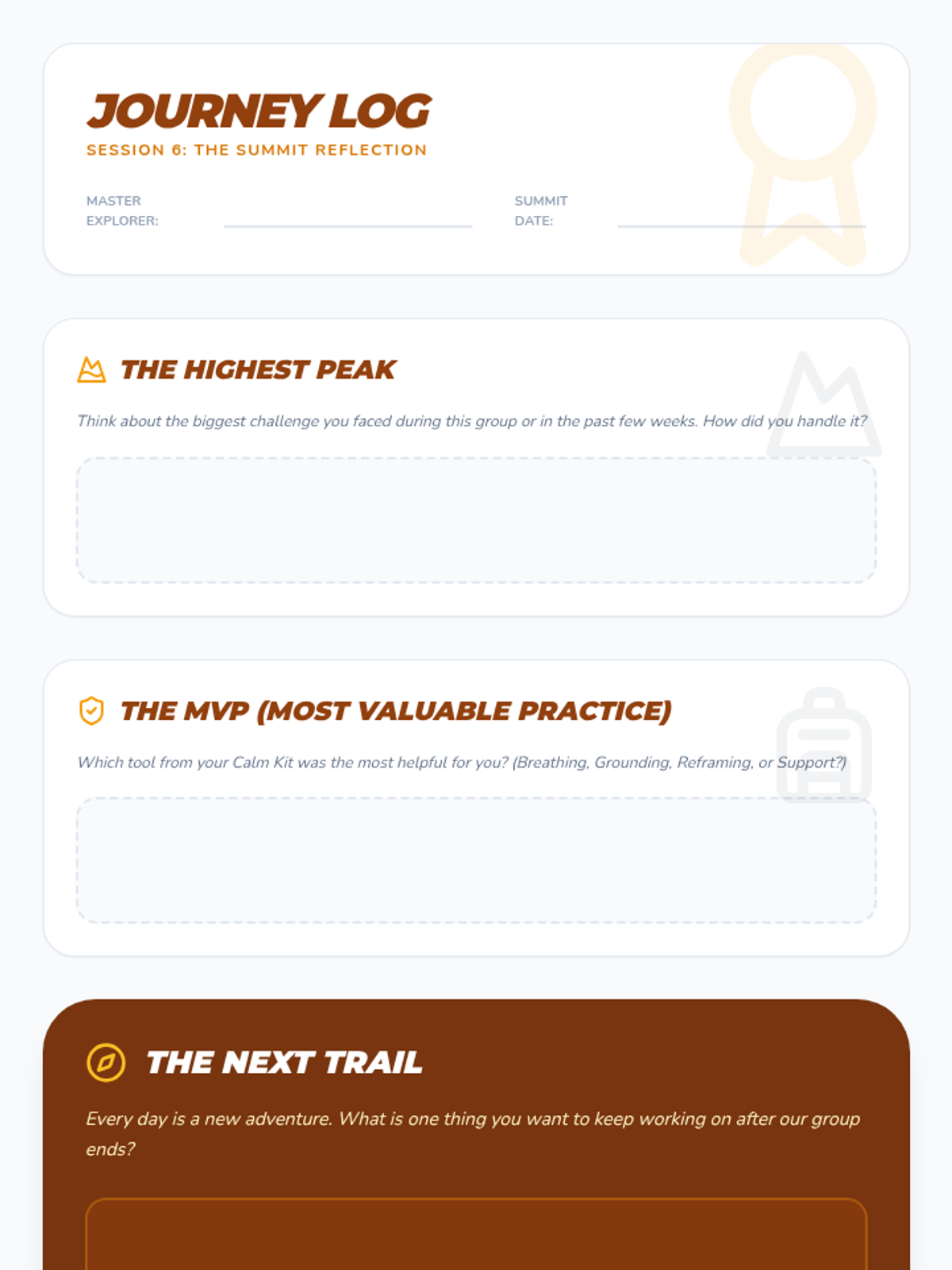
Final reflection, celebration of growth, and planning for the journey ahead.
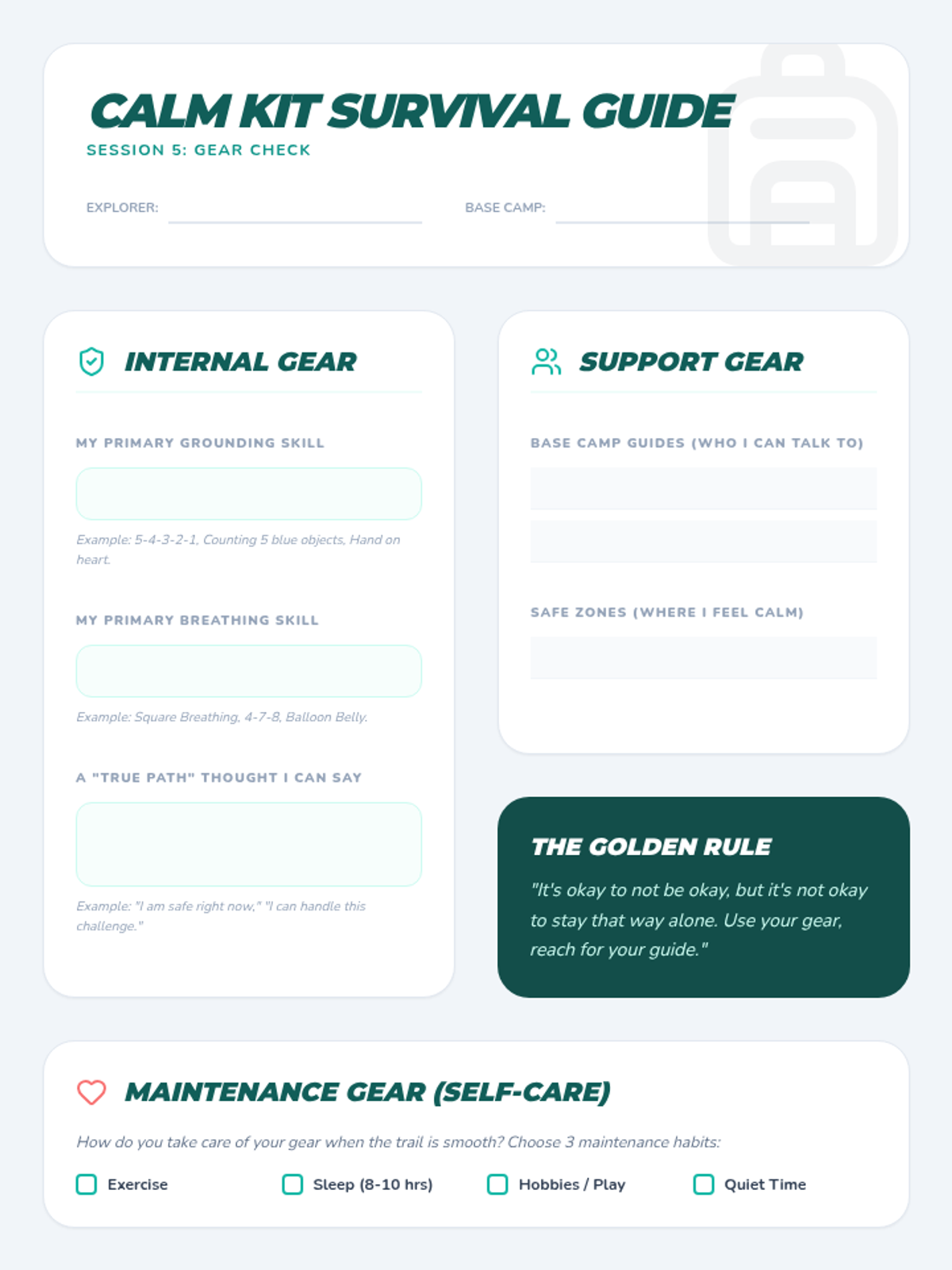
Reviewing various coping skills and creating a personalized 'Survival Kit' for future use.
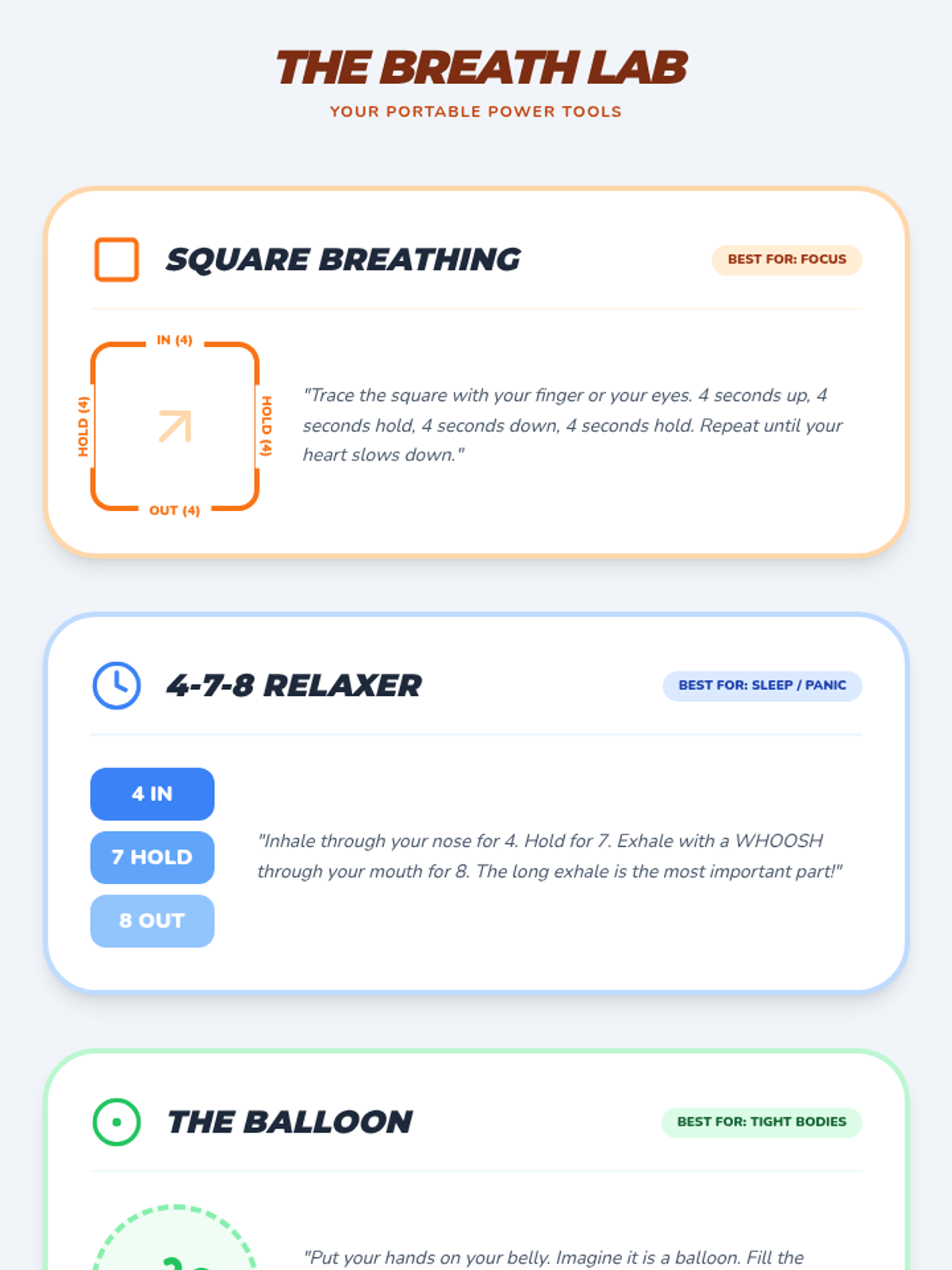
Focusing on the power of breath and mindfulness as internal tools for regulation.
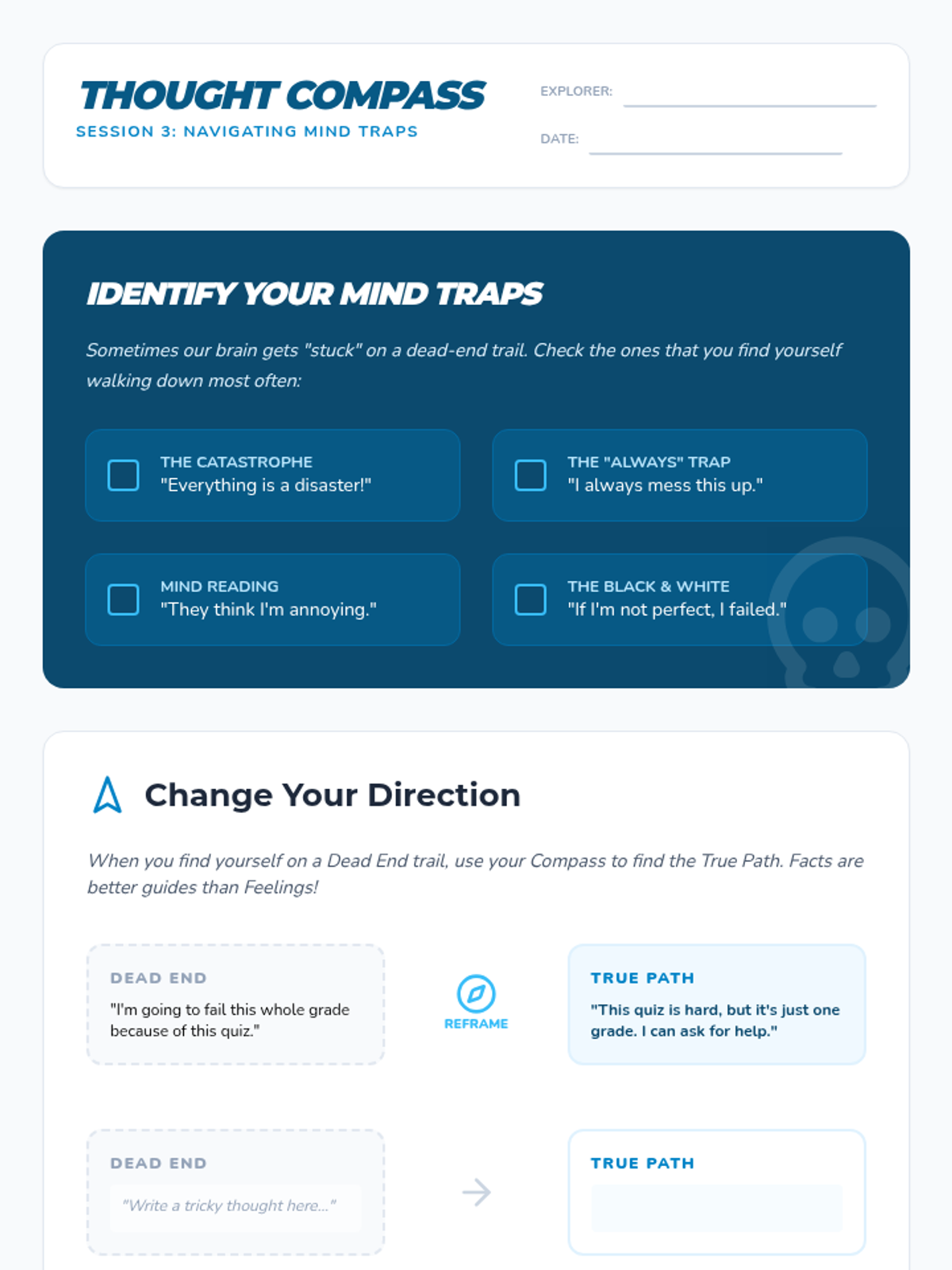
Identifying cognitive distortions or 'tricky trails' and learning to reframe thoughts using a 'Thought Compass'.
Understanding the physical 'alarm system' of the body and learning grounding techniques to stay present during 'storms'.
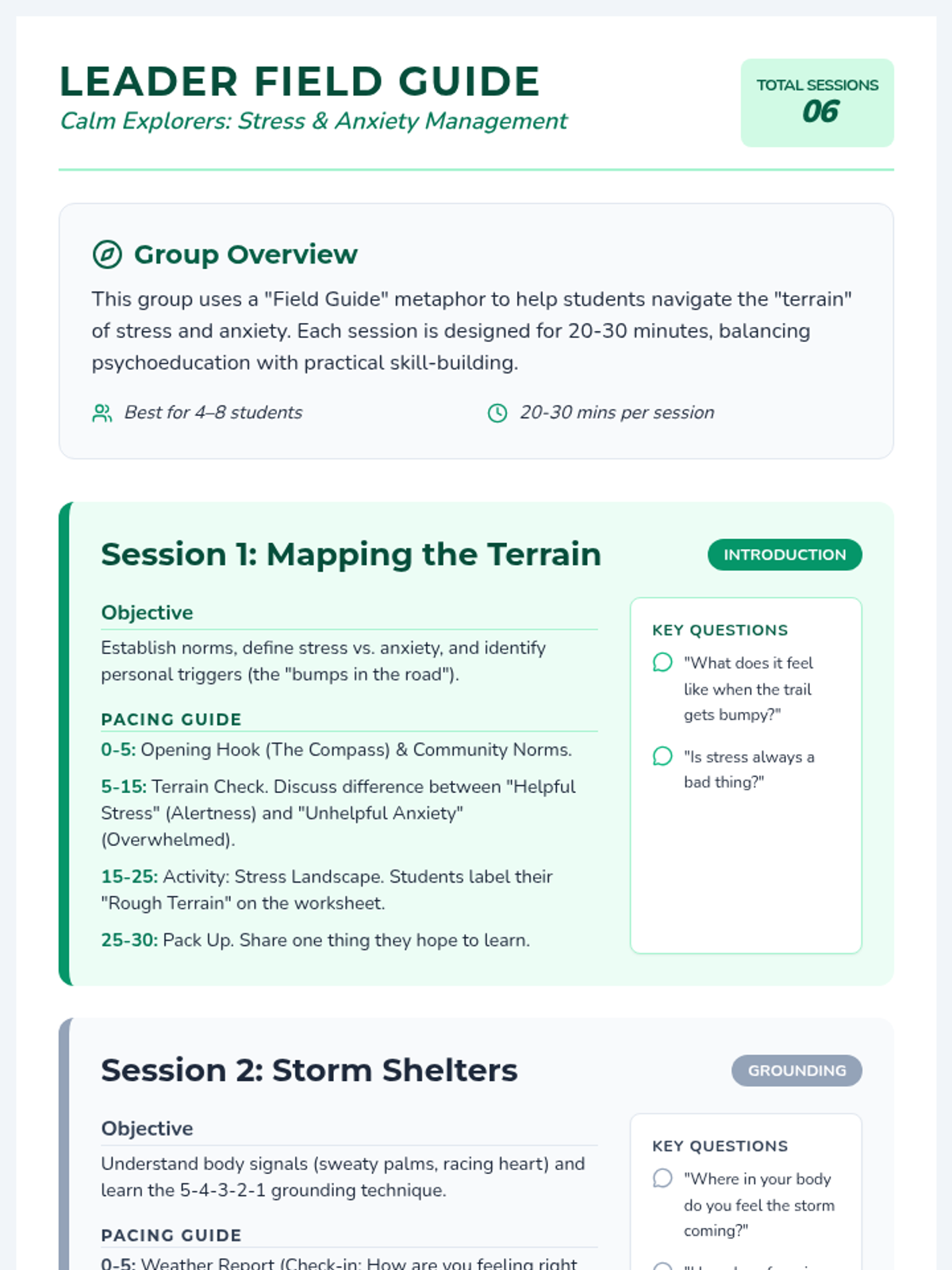
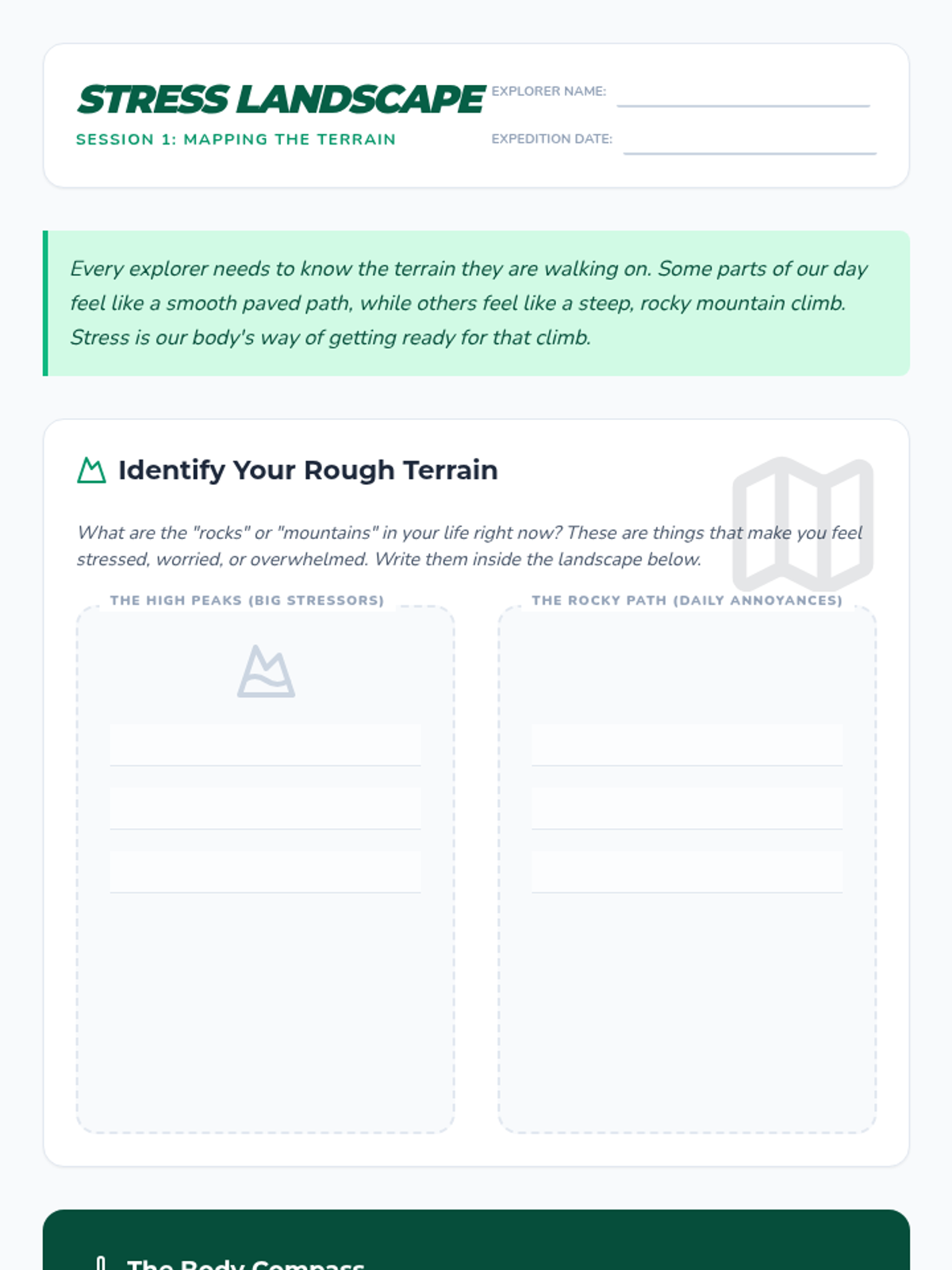
Introduction to the group, establishing norms, and identifying individual stress triggers using the 'Stress Landscape' metaphor.
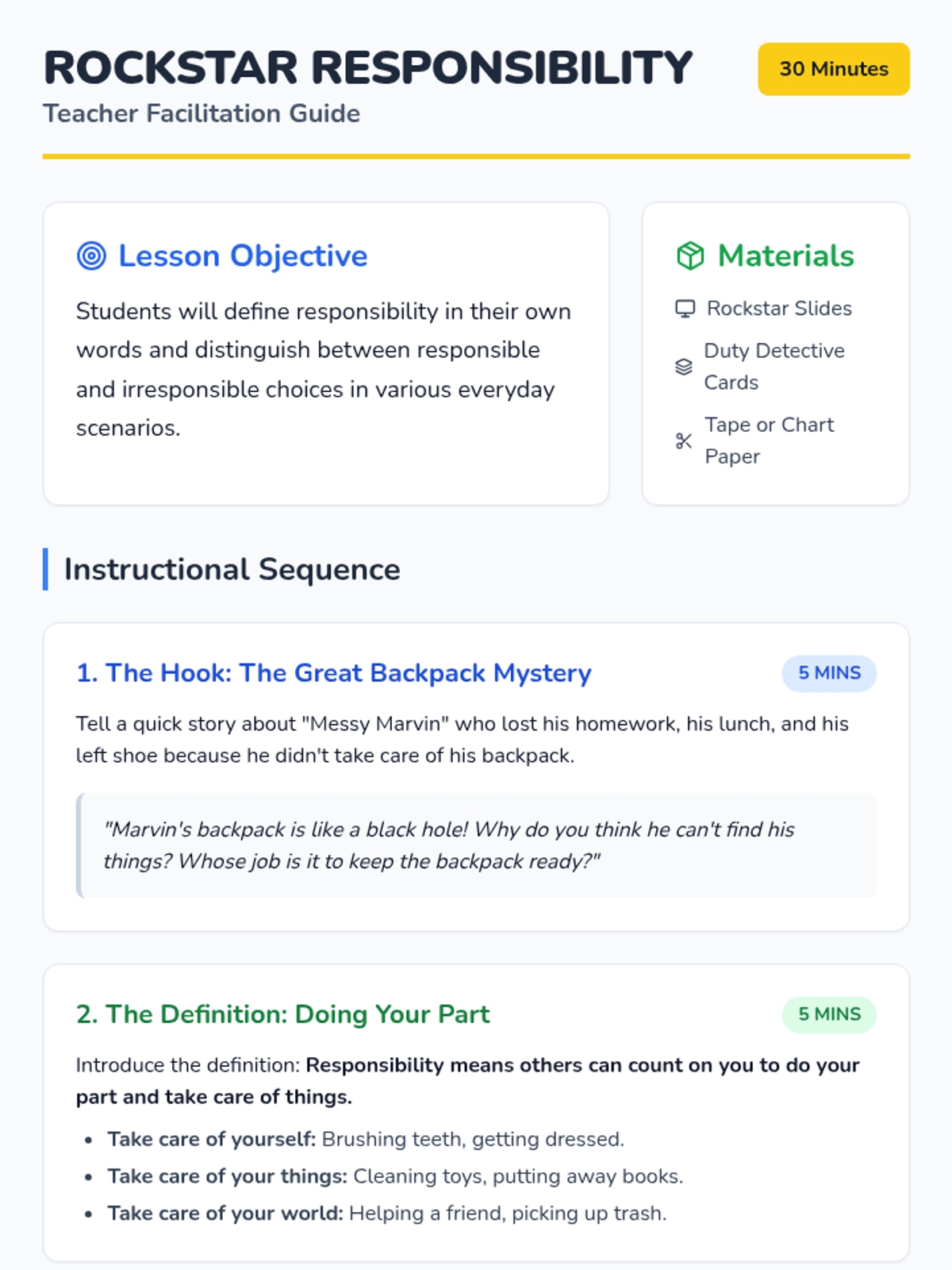
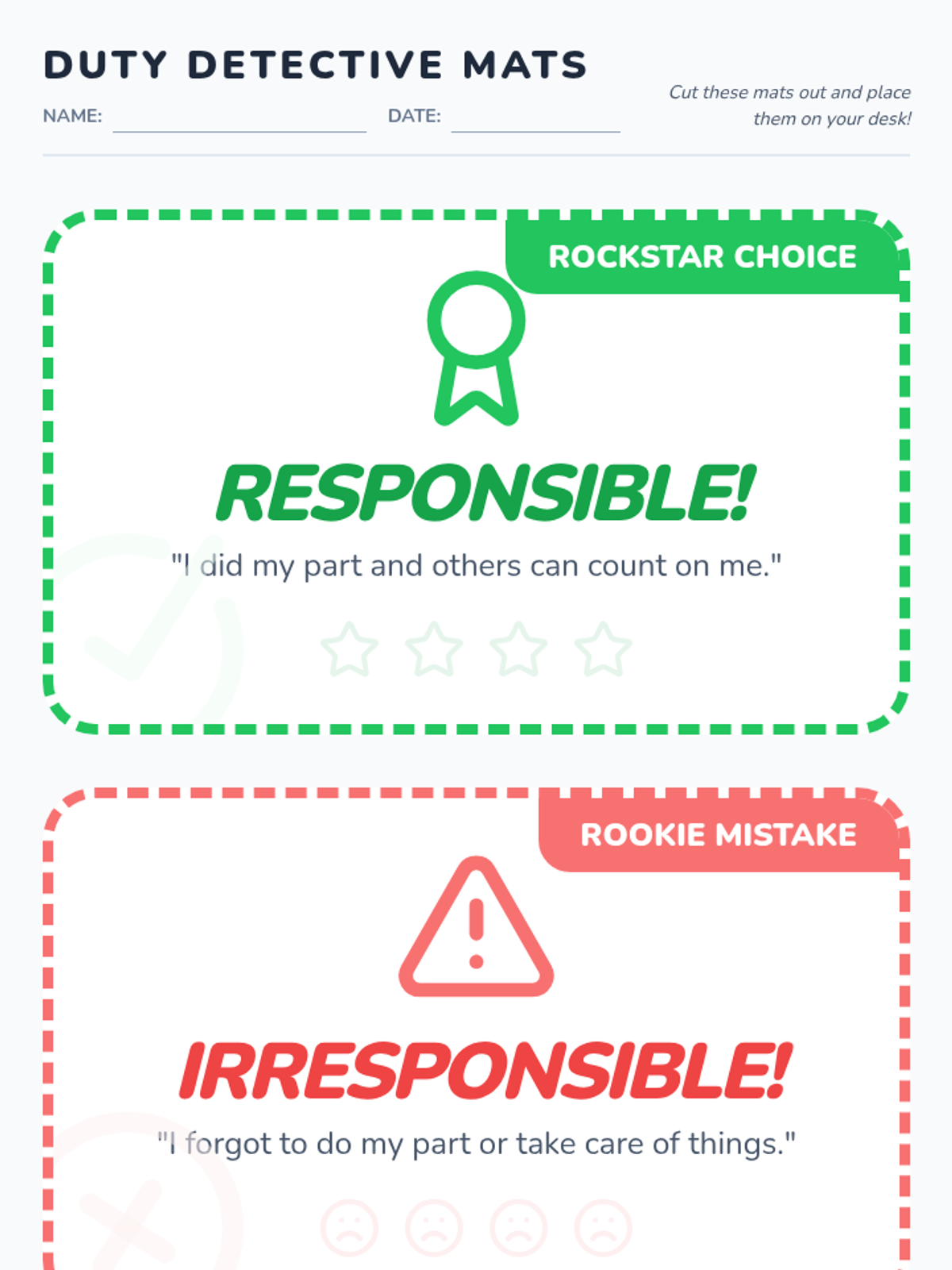
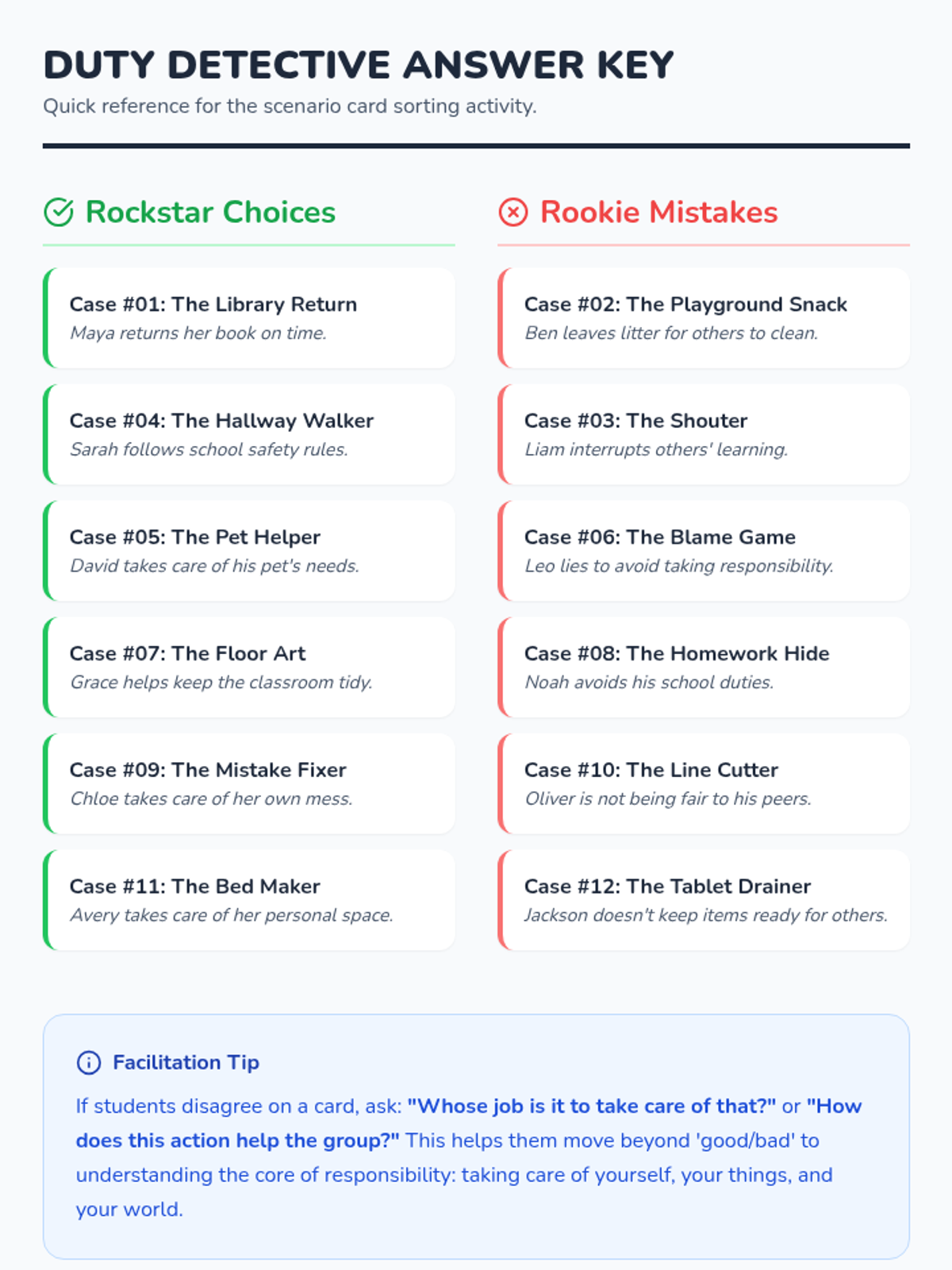
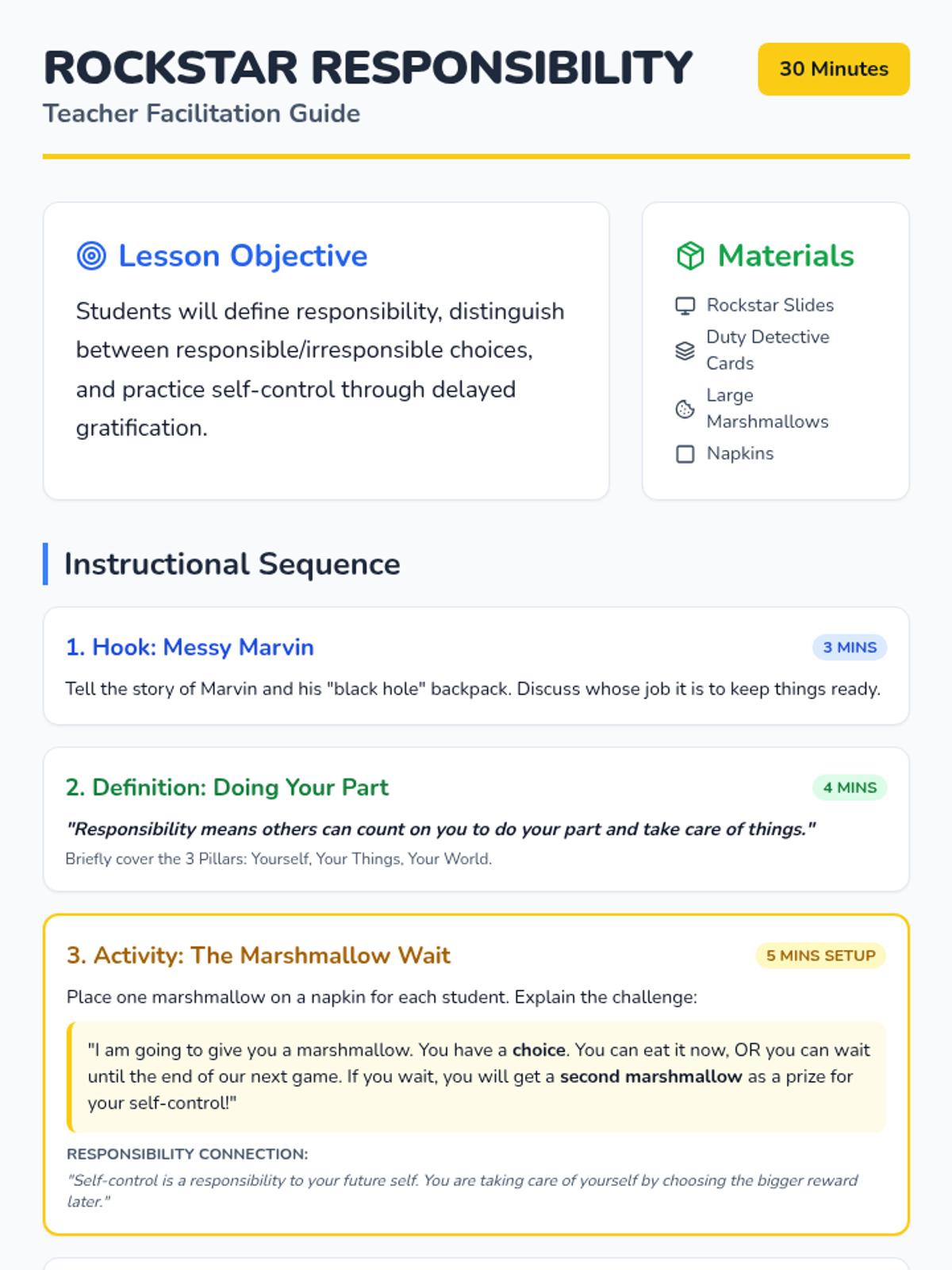
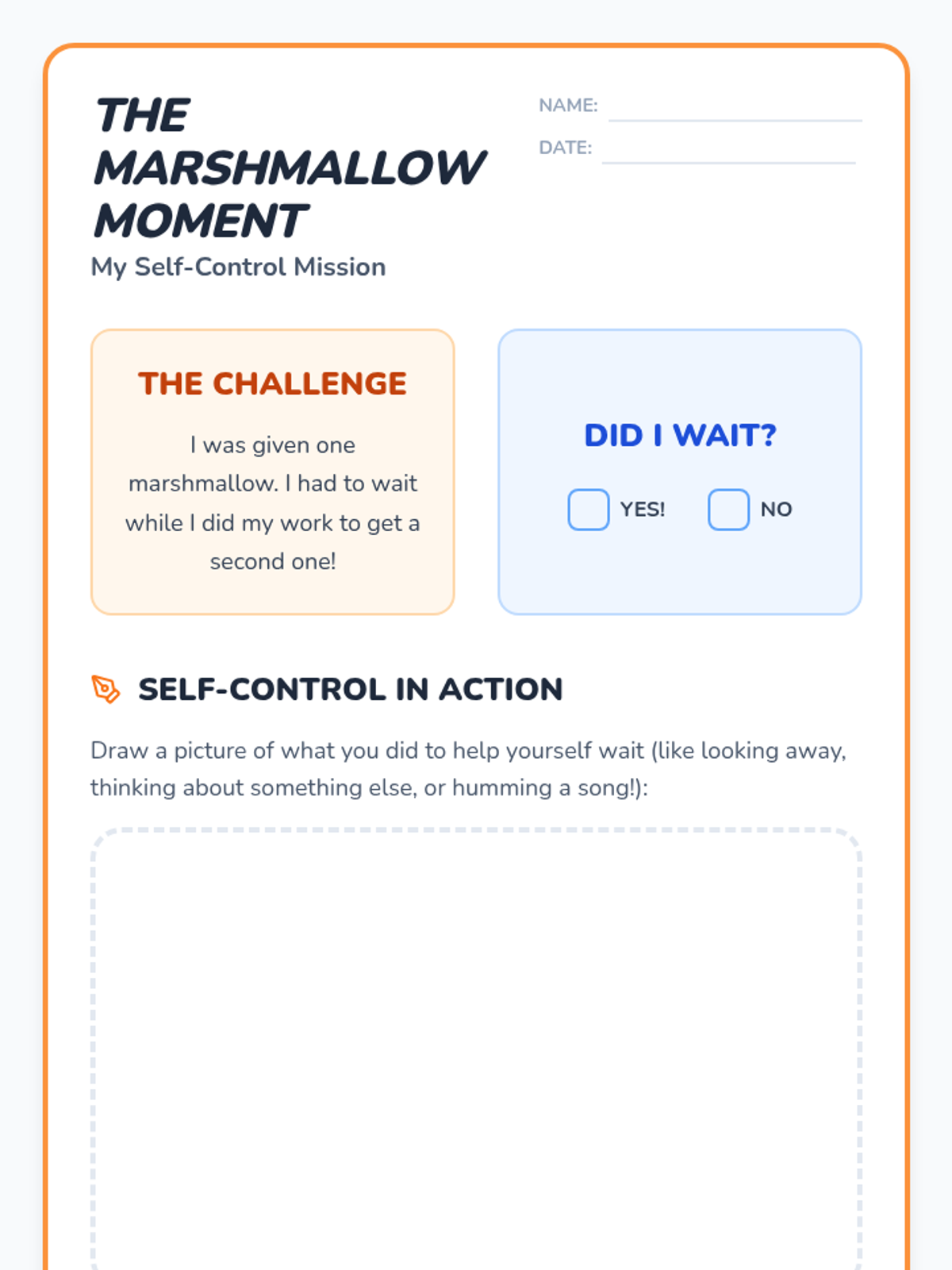
A high-energy, 30-minute introduction to responsibility for K-4 students, featuring a scenario-based hook, clear definitions, and interactive choice-sorting activities.
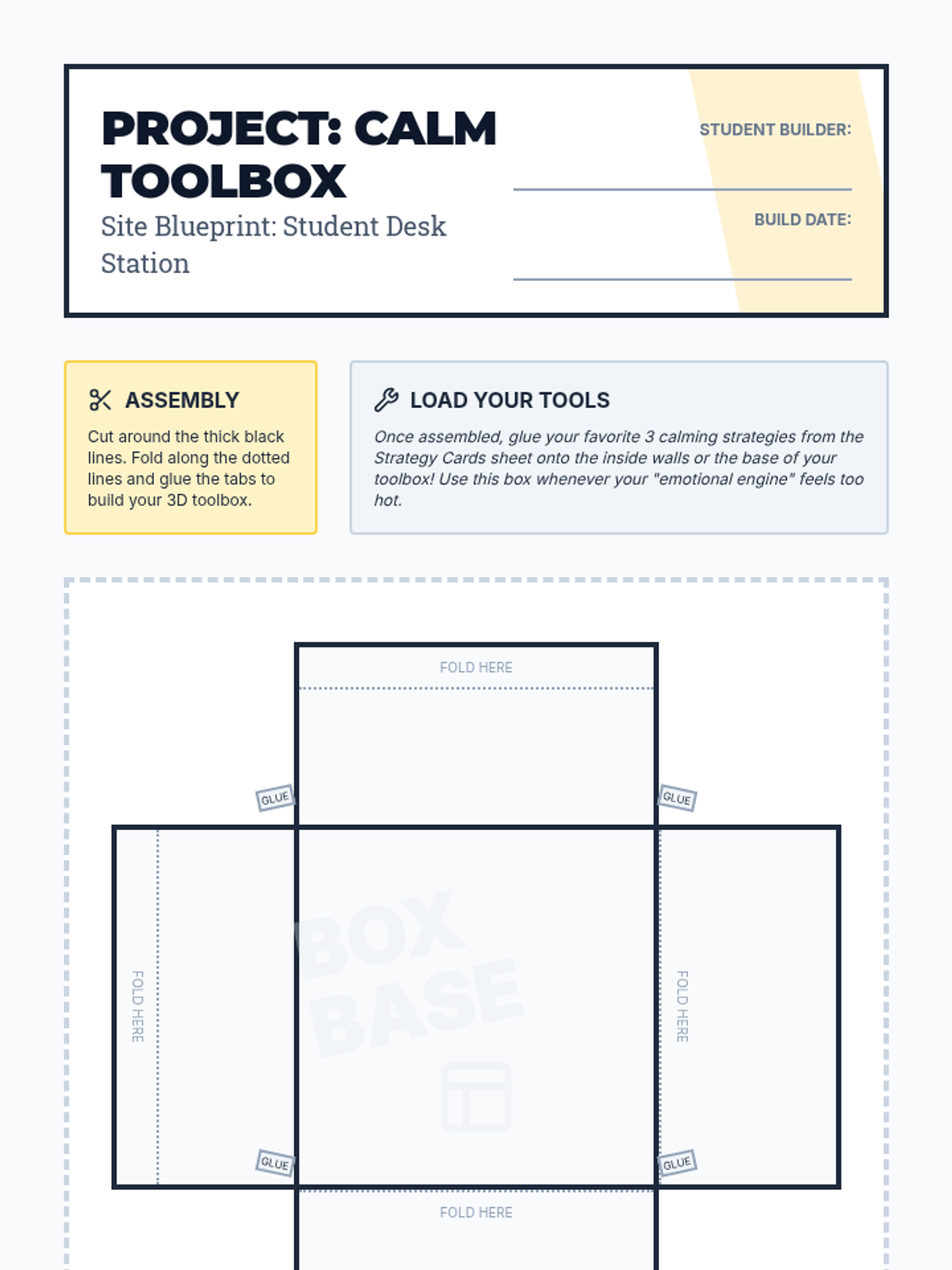
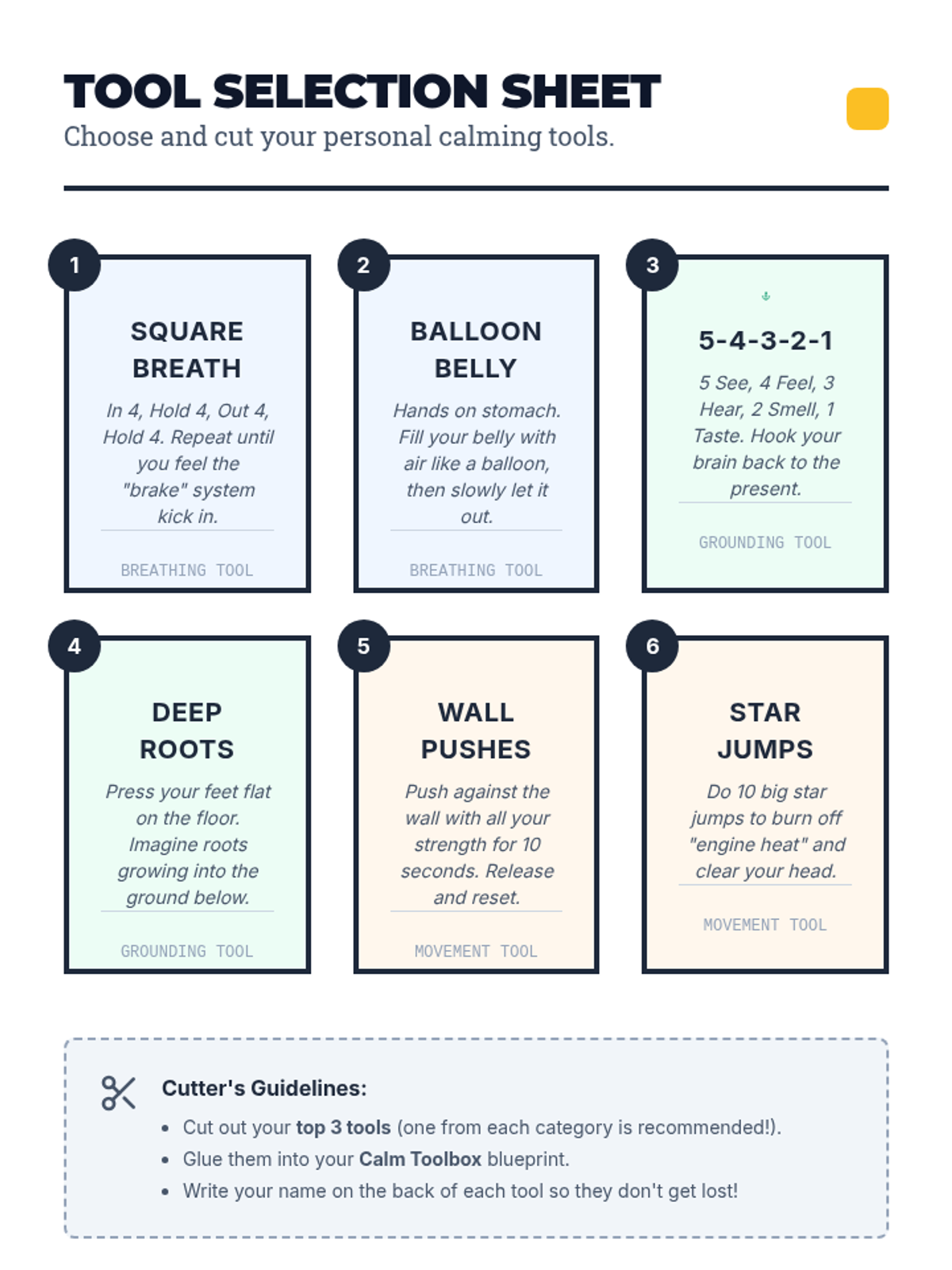
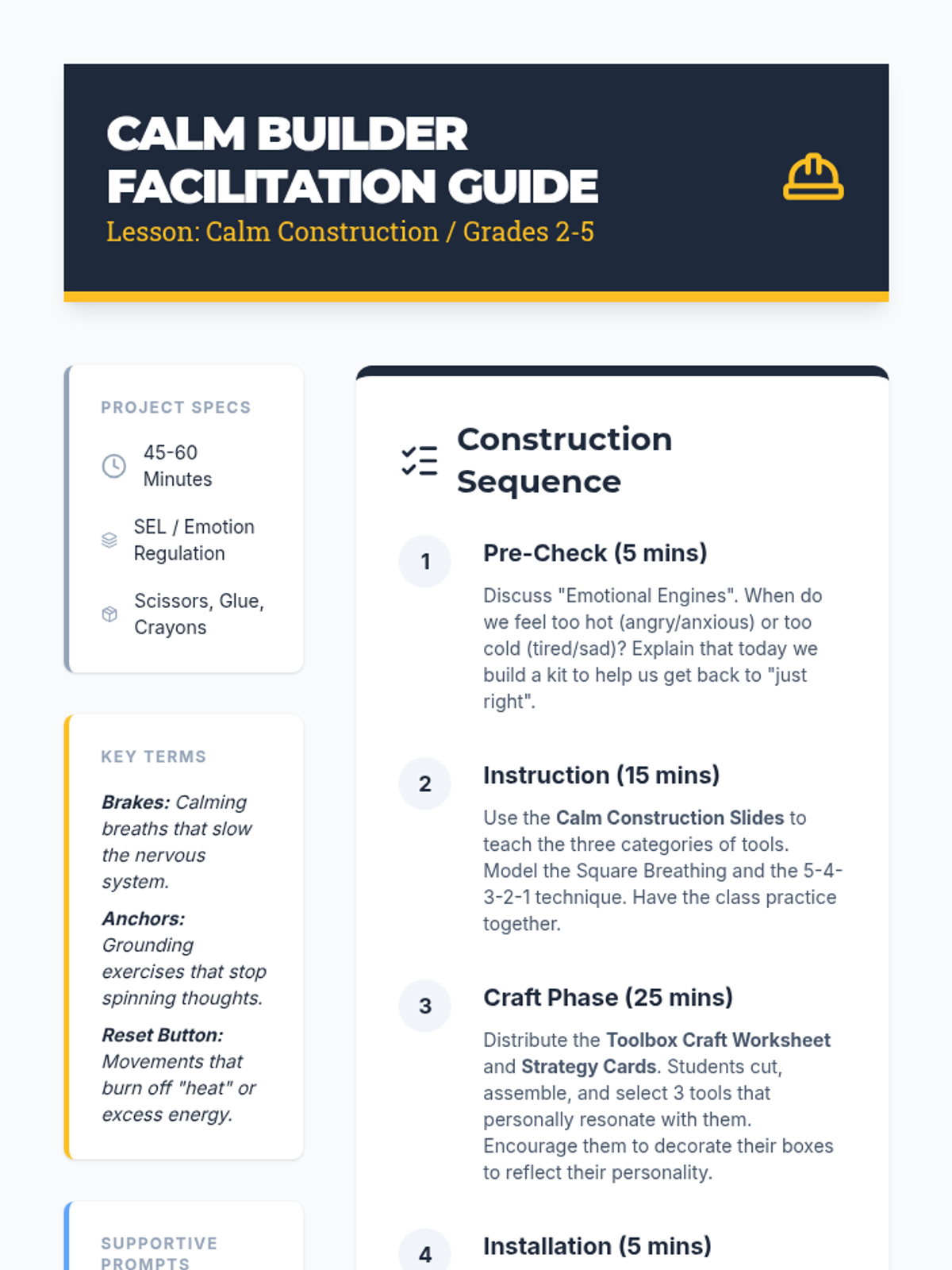
A hands-on lesson where students build a personal 'calming toolbox' filled with evidence-based strategies for breathing, grounding, and movement. Students learn to identify when they need a tool and how to use it effectively to manage their emotions.
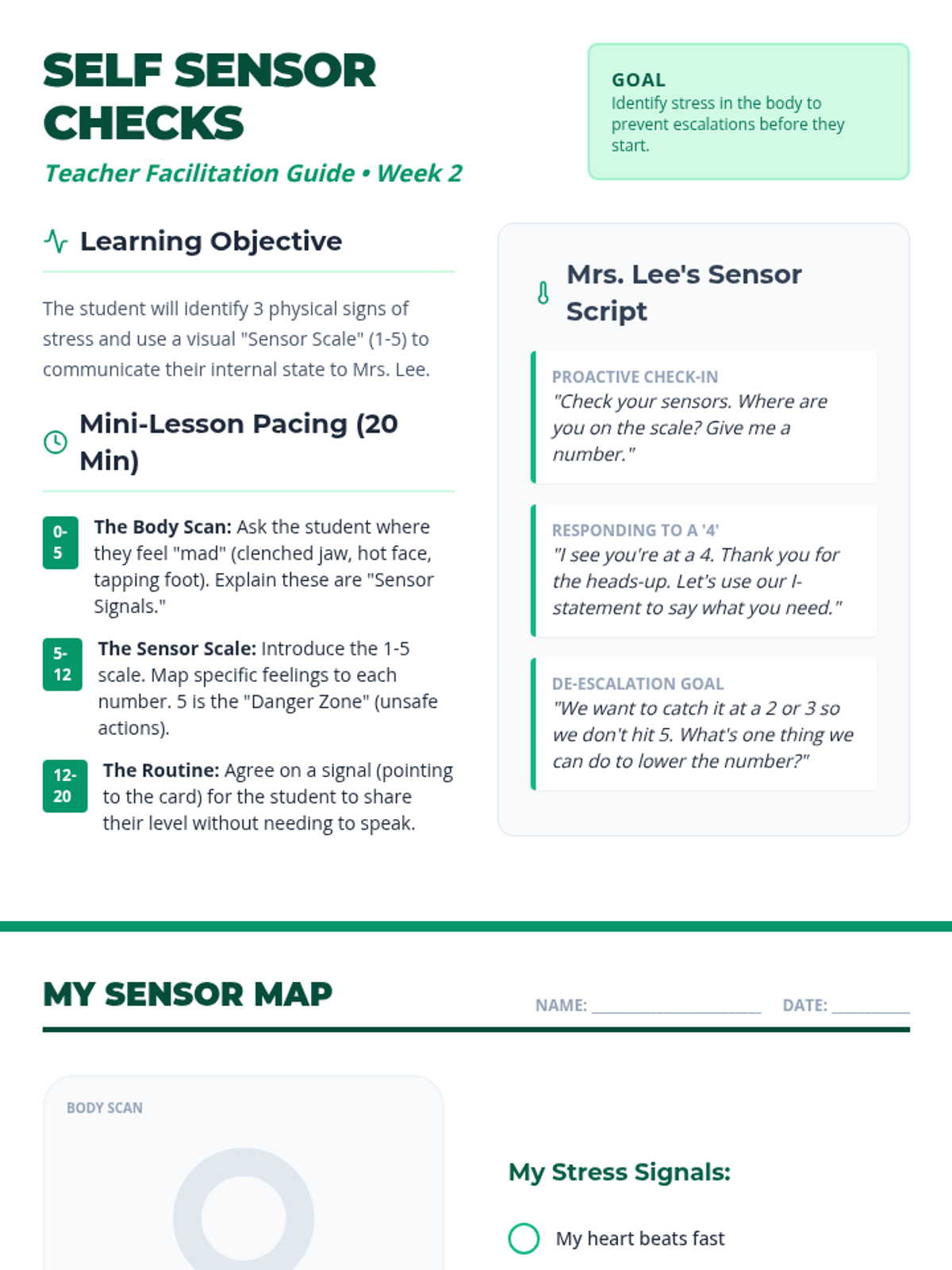
This lesson focuses on identifying internal emotional states and using visual check-ins to monitor stress levels before they lead to disruptions.